Weston Inn Nursing and Rehabilitation
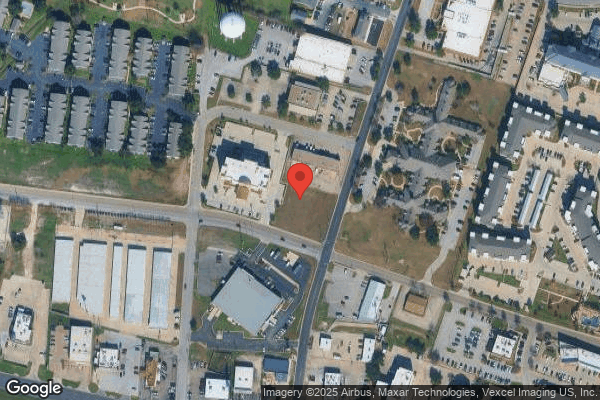
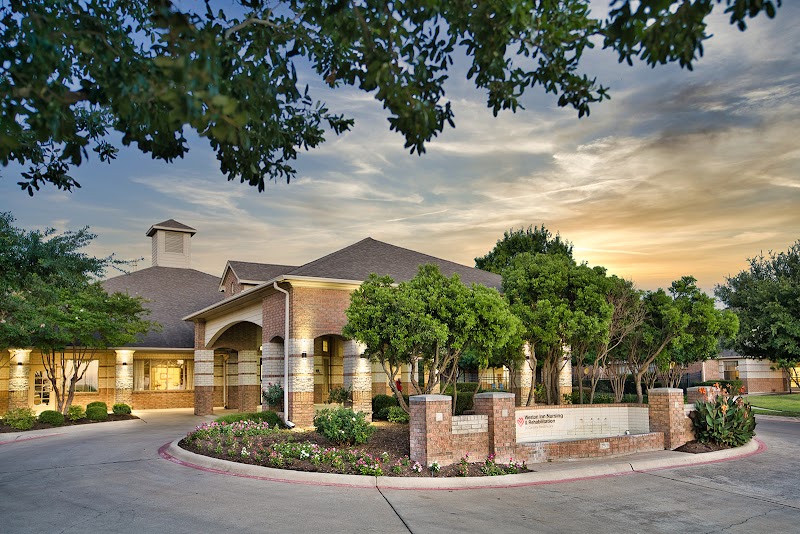
2505 S 37Th St, Temple, TX 76504 (254) 298-7300
For profit - Individual 120 Beds AVIR HEALTH GROUP Data: November 2025 6 Immediate Jeopardy citations
Trust Grade
0/100
#1164 of 1168 in TX
Last Inspection: June 2025

Inspected within the last 6 months. Data reflects current conditions.

Overview

Weston Inn Nursing and Rehabilitation has received a Trust Grade of F, indicating significant concerns about the quality of care provided. The facility ranks #1164 out of 1168 in Texas, placing it in the bottom half of nursing homes, and #16 out of 16 in Bell County, meaning there are no better local options. Unfortunately, the situation appears to be worsening, with issues increasing from 7 in 2024 to 16 in 2025. Staffing is a concern with a rating of 2 out of 5 stars and a high turnover rate of 79%, significantly above the Texas average of 50%. While RN coverage is better than 85% of state facilities, there have been alarming incidents, including failure to provide necessary treatment for pressure ulcers, inadequate pain management for a resident with an amputation, and lack of supervision leading to residents eloping from the facility, all of which raise serious red flags for potential residents and their families.

Trust Score
F
0/100
In Texas
#1164/1168
Bottom 1%
Safety Record
High Risk
Review needed
Inspections
Getting Worse
7 → 16 violations
Staff Stability
⚠ Watch
79% turnover. Very high, 31 points above average. Constant new faces learning your loved one's needs.
Penalties
○ Average
$233,519 in fines. Higher than 50% of Texas facilities. Some compliance issues.
Skilled Nurses
○ Average
Each resident gets 36 minutes of Registered Nurse (RN) attention daily — about average for Texas. RNs are the most trained staff who monitor for health changes.
Violations
⚠ Watch
32 deficiencies on record. Higher than average. Multiple issues found across inspections.
★☆☆☆☆
1.0
Overall Rating
★★☆☆☆
2.0
Staff Levels
★★★☆☆
3.0
Care Quality
★☆☆☆☆
1.0
Inspection Score
Stable
2024: 7 issues
2025: 16 issues

The Good

  • Full Sprinkler Coverage · Fire safety systems throughout facility
  • No fines on record

Facility shows strength in fire safety.

The Bad

1-Star Overall Rating

Below Texas average (2.8)

Significant quality concerns identified by CMS

Staff Turnover: 79%

32pts above Texas avg (46%)

Frequent staff changes - ask about care continuity

Federal Fines: $233,519

Well above median ($33,413)

Significant penalties indicating serious issues

Chain: AVIR HEALTH GROUP

Part of a multi-facility chain

Ask about local staffing decisions and management

Staff turnover is very high (79%)

31 points above Texas average of 48%

The Ugly 32 deficiencies on record

6 life-threatening 2 actual harm
Jul 2025 1 deficiency 1 IJ
CRITICAL (J) 📢 Someone Reported This

A family member, employee, or ombudsman was alarmed enough to file a formal complaint

Immediate Jeopardy (IJ) - the most serious Medicare violation

Accident Prevention (Tag F0689)

Someone could have died · This affected 1 resident

**NOTE- TERMS IN BRACKETS HAVE BEEN EDITED TO PROTECT CONFIDENTIALITY** Based on observation, record review and interviews, the facility failed to ensure resident received adequate supervision to prev...

Read full inspector narrative →
**NOTE- TERMS IN BRACKETS HAVE BEEN EDITED TO PROTECT CONFIDENTIALITY** Based on observation, record review and interviews, the facility failed to ensure resident received adequate supervision to prevent accidents for 3 (Residents 1, 2, and 3) of 6 residents reviewed for supervision. The facility failed to ensure Resident #1 did not elope from the facility on March 26, 2022, February 1, 2025, and again on June 21, 2025. On June 21, 2025, resident #1 was seen on the corner of the facility near a stop sign of an unbusy street. The facility was unsure how the resident eloped. A root cause analysis was not completed to determine how the resident eloped. There were two other residents at the facility (Resident #2 and #3) who were at a high risk for elopement with no interventions to prevent the elopement. Intervention's not put in place include but are not limited to: Redirecting, placing on a one on one once staff has seen a behavior change until assist, and or talking to. This failure resulted in an identification of an (IJ) Immediate Jeopardy on July 22, 2025, at 08:25pm. The IJ Immediate Jeopardy template was provided to the ADM on July 22, 202 at 08:25pm. While the (IJ) Immediate Jeopardy was removed on July 23, 2025, at 3:45pm, the facility remained out of compliance at a scope of isolate and severity level scope of isolate and severity level of no actual harm because all staff had not been trained on elopement.This deficient practice could place residents at risk of elopements that could result in serious injury and death.Findings included: Resident #1A record review of Resident #1's face-sheet updated, reflected that he was a [AGE] year-old man admitted to the facility on [DATE], with a readmission on [DATE]. Resident 1 was admitted with diagnosis of Unspecified Dementia, Nontraumatic Intracerebral Hemorrhage, Unsteadiness on feet, Bradycardia, Heart Failure, Allergic Rhinitis, Cerebral Infraction, Vitamin D Deficiency, Benign Neoplasm of colon and Anima. A record review of Resident #1's quarterly MDS assessment dated [DATE], reflected a BIMS score of 6 which indicated severe cognitive impairment. Review of section GG- functional abilities indicated Resident #1 required moderate assistance for personal hygiene and was dependent for lower and upper body dressing, showering and toileting. Resident #1 required supervision or touching assistance to roll left and right, sit to lying, and lying to sit. Resident 1 required moderate assistance to sit to stand, chair to bed transfer, toilet transfer and tub/shower transfer. A record review of Resident #1's care plan from March,21,2025 reflected Resident #1 was an elopement risk. The goal was the resident's safety would be maintained through the review date. The Interventions were for staff to distract the resident from wandering by offering pleasant diversions, structured activities, food, conversation, television, book. All CAN's will document wandering behavior and attempted diversional interventions in behavior log. All CNA's will Monitor resident for elopement attempts and for verbalizations of wanting to go home. A record review of Residents #1's Progress Notes reflected Resident #1 was an elopement risk and had over 21 wandering risk scale assessments completed throughout his stay at the facility. Resident 1 had eloped on March 2, 2022, February 2,2025 and June 21, 2025, while at the facility. A record review, of Residents #1's progress notes dated March 2, 2022, at 02:21pm entered by CNA B stated Appears that pt was let out of the building by someone entering as the door was locked but it was reported to this nurse that resident was outside in the parking lot. Initially he was not seen but he was near the end of the parking lot, looking out over the street. Asked if he was simply enjoying the sunshine he responded, No I'm trying to go home! Brought inside. Vitals assessed. ADON aware. Administrator aware. Phoned and spoke with [Residents #1's] [family member] who will come up to visit although I did make clear there were no injuries. Monitoring will be completed with resident location. A record review conducted on July 22, 2025, of residents #1'a progress notes dated June 21, 2025, entered by LVN A, resident #1 will discharged from the current facility and placed at a sister facility with a secure unit. A record review of Resident #1 progress notes dated June 22, 2025 at 02:21pm CNA B, reflected that Resident #1 was outside down the street at a stop sign by passerby who called facility to notify staff and also a residents family member from the North side notified staff of resident being outside. Resident brought back into facility by staff and assessed with no injuries.noted and vitals are 124/64,67,18,98.1. When asked where he was going, he stated to my brother's house. Resident taken to his room and placed into bed. 15-minute checks implemented at this time. DON, Administrator, and RP notified of incident. Plans in place to move resident to secure unit once consent from his daughter. Record review of the Wander Risk Scale assessment dated [DATE], at 06:31am reflected that Resident #1 score was a 9 indicating that Resident #1 is at a high risk to Wander. A telephone interview conducted on July 22,2025 at 3pm with LVN A reflected during shift change she received a call from a community member who had been passing by. A community member told her there was a man out by the stop sign sitting in a wheelchair with the facilities name on it. LVN A stated as she was talking to the community member on the phone, the TD A was approaching her pushing Resident #1. LVN A said she thanked the community member and disconnected the call. LVN A said TD A told her she was leaving from the facility when someone told her a resident was sitting in front of the facility near the stop sign. LVN A stated she asked Resident #1 where he was going and he responded, I was going to my [family member] house. LVN A said she completed a head-to-toe assessment and found no injuries or heat exhaustion. She said she then called RN A to inform her on what happened. LVN A said she also called Resident #1's family member, however she did not answer. LVN A was advised by RN A to put Resident #1 on 15min checks. LVN A said she was given an elopement and abuse and neglect in-service. LVN A stated Resident #1 could have received life threatening injuries from being unsupervised during his elopement. An interview conducted on July 22, 2025, at 03:36pm, with TD A reflected she was leaving for the day when she was told by a resident that a man was in a wheelchair was seen near the stop sign. She said she located the resident and seen that it was Resident #1. TD A said she then approached him and returned him to the south side, which was where his room was located. TD A said she took Resident #1 to LVN A who took Resident #1 to complete a head-to-toe assessment. She said that she has never seen Resident #1 elope before. TD A said she received an in-service the next day about elopement and what to do. She said the facility handled the situation in a timely matter and she had no concerns. An interview and observation on July 22,2025 at 11:57am with CN A reflected LVN A got a call from a community member saying they saw someone in a wheelchair with the facility's name on it. TD A and LVN A went to get the resident and completed assessment and found no injuries, his temperature was fine, and he was not over heated. She said that she instructed LVN A to place Resident # 1 on a one-on-one observation, until he was discharged to a sister facility, the next day around 1pm on June 24, 2025. CN A said LVN A informed her she notified the family. CN A said while she was reviewing residents #1's progress notes she noticed resident #1 has eloped before in February. CN A said she believed the resident was found under the awning in front of the building and brought back inside. She stated she did not know why he was not transferred out of the facility at that time. CN A said she was unable to discuss this with the ADM on site at that time because he was no longer the ADM at the facility. CN A said according to the notes she read after the elopement in February, there was no health concerns were found. CN A stated that during the morning meeting's staff discuss residents who are high wonder risk. She said that in the resident's care plans is where staff will find how long a one on one should be. She said the building was not equipped with a wonder guard or alarm system due to cost. CN A said the front door had a code that must be entered to exit and enter the building. She said both incidents took place after hours and at that time there was no one monitoring the doors. CN A stated thought Resident #1 may have eloped by a family member(visitor) letting him out. CN A revealed the facility gave all new residents a Wandering Assessment scale risk, and they are all considered to be a high elopement risk if they are ambulatory or diagnosed with Alzheimer's or dementia. An interview in on July 22, 2025, at 03:19pm with ADON A, reflected she was not present when the incident took place. She stated when she was informed of it, she offered to sit with Resident #1 and provide one on one supervision. She arrived at the facility at 12am on June 22, 2025, and relieved a fellow employee who she did not remember the name of the employee. ADON A said she had never known of Resident #1 to elope prior to this situation. She said when she asked Resident #1 why he left the facility, he would not say how he got out of the door. ADON A said when a resident was at high risk of elopement, they are placed on a two-hour check, if their behavior was persistent, they are placed on a one on one or 15min check. ADON A said there was a binder kept at every nurse's station with the residents who are at risk of elopement. She said there was a receptionist at the front of the building from 8:30am to 5pm on the weekdays and a MOD that worked the front for four hours on the weekend. She reported the door has a lock code to enter and exit that was on 24hours a day. Resident #2A record review, of Residents 2's face sheet undated, reflected she was an [AGE] year-old female admitted to the facility on [DATE]. Resident #2 was admitted with diagnosis of wedge compression fracture of second lumbar vertebra, Type 2 diabetes, muscle weakness, displaced fracture of base of neck of left femur, vascular dementia and weakness. A record review of Resident #2's quarterly MDS assessment dated [DATE]th, 2025, reflected she had a BIMS score of 4 which indicated severe cognitive impairment. Review of section G revealed Resident #2 required extensive assistance with bed mobility, transfers, eating and toilet use. A record review of Resident #2's care plan dated June 23, 2025, reflected the following focus areas:*Resident #2 was a wander risk without exit seeking behaviors. The goal of the facility was to maintain Resident's #2 safety throughout her next review date. The interventions were to monitor her behavior for exit seeking behaviors every shift and to distract Resident #2 from wandering by offering pleasant diversions, structure activities, food, conversation, television or a book. *Resident #2 was dependent on staff for meeting emotional, intellectual, physical, and social needs. *Resident #had an ADL self-care performance deficit due to a left femur fracture. *Resident #2 had an impaired cognitive function and dementia.No other interventions were put into place such as 2-hour check or 15 minutes if needed. In an attempted interview with Resident #2 on July 23,2025 at 3:23pm. Resident #2 refused to be interviewed. A record review of Resident #2 Wander Risk Scale-V3 dated June 23, 2025, 1:23pm, reflected that her score is a 13, indicating that she a high risk to wander. Resident #3A record review of Resident #3's factsheet undated, reflected that she was a [AGE] year-old female admitted to the facility on [DATE] with a readmission on [DATE]. Resident #3's was admitted with diagnosis of cerebral palsy, aphasia, COVID-19, epilepsy, cognitive communication, quadriplegia, and a conduct disorder. A record review of Residents #3's quarterly MDS assessment dated [DATE], reflected Residents #3's BIMS score was unable to be completed, due to server cognitive impairment. Furter record review of section GG on the MDS reflected the resident had an impairment on both sides of her body and required a wheelchair to get around. The resident required total assistance with bathing, dressing, personal hygiene transfers. A record review of Residents #3's care plan dated June 23, 2025, reflected she was a wanderer without exit seeking behaviors. The goal of the facility was to maintain Resident #3 safety throughout her next review date. The interventions in place are to monitor her behavior for exit seeking behaviors every shift and to distract Resident #3 from wandering by offering pleasant diversions, structure activities, food, conversation, television or a book. As well as maintain visual checks every two hours. The care plan reflected that Resident #3 has impaired cognitive function/dementia or impaired thought processes. No other interventions were put into place such as 2-hour check or 15 minutes if needed. A record review of Resident #3 Wander Risk Scale-V3 dated June 23, 2025, 1:23pm, reflected that her score is a 11, indicating that she a high risk to wander. An interview conducted on July 22, 2025, at 03:49pm with the DON reflected her expectations of staff were to call her when a resident eloped. She said since she arrived on June 30, 2025, her practice has been that once a new resident enters the facility, she personally completes a Wander Risk Assessment. The DON stated if a resident was a high risk of elopement, but showing no behaviors, then she has them on two-hour checks. She stated if the resident's behavior become evident of higher risk of elopement, then the resident was placed on a one on one- or 15-min check. The DON reported currently Resident #2, and Resident #3 were on high risk of elopement. Interventions are currently in place. The interventions include behavior monitoring on every shift for exit seeking behaviors, and distract resident from wandering by offering pleasant diversions, structured activities, food, conversation, television, book, or what the residents prefers. DON A stated at this time Resident #3 was labeled as discharged in electronic medical record due to her being out of the facility on a family pass since July 20, 2025. The DON stated she received an in-service on July 22,2025, for wandering. Facility's Wandering and Elopement policy dated March 2022, indicated the facility will identify residents who are at risk of unsafe wandering and strive to prevent harm while maintaining the least restrictive environment for residents. An (IJ) Immediate Jeopardy was identified on July 22, 2025at 08:25pm., due to the above failures. The ADM was notified on July 22, 2025. The ADM was provided with the (IJ) Immediate Jeopardy template on July 22, 2025, at 08:30pm, and a Plan of Removal (POR) was requested.A plan of removal was first submitted by the Regional Nurse on July 22, 2025. The plan of removal was accepted on July 23, 2025, at 03:25pm.Plan of Removal Date Initiated: July 22, 2025The faculty must ensure that each resident received adequate supervision to prevent accidents. The facility failed to ensure Resident #1 did not elope from the facility in February 2025 and again on June 21, 2025. With a change in condition the facility could have prevented elopement.Residents at risk for elopement could be affected by this deficient practice. Action: An Inservice was provided to the DON and Administrator by the Regional Director of Clinical Services regarding missing resident/elopement procedures, resident identification binder, and hourly rounding on those residents identified as high risk. Comprehension will be verified by return verbal summary of the education presented and attendance will be monitored via an Inservice signature log.Person(s) Responsible: RDCSDate: July 22, 2025 Action: An Inservice was provided to direct care staff regarding missing resident/elopement procedures and residents in the elopement identification binder prior to the beginning of their shift. Comprehension will be verified by return verbal summary and attendance will be monitored via an Inservice signature log. Those staff who are PRN or on PTO, LOA, or FMLA will receive the education prior to their next scheduled shift.Person(s) Responsible: DON/DesigneeDate: July 23, 2025 Action: Residents identified to be at high risk will be placed in an elopement identification binder placed at the nursing stations and front desk. The elopement identification binder will contain the resident profile and a picture. Person(s) Responsible: Maintenance Director/DesigneeDate July 22, 2025Action: All licensed nursing staff will be educated prior to the beginning of the next scheduled shift regarding conducting hourly rounds for those residents identified as high risk. Comprehension will be verified by return verbal summary of the education presented and attendance will be documented via an Inservice signature log. Those staff who are PRN or on PTO, LOA, or FMLA will receive the education prior to their next scheduled shift. Person(s) Responsible: Charge NurseDate: July 22, 2025Action: Wandering Risk Assessments will be conducted upon admission, quarterly, or with new wandering behavior. Those identified as high risk will have applicable interventions initiated. Person(s) Responsible: DON/DesigneeDate: July 22, 2025Action: All residents at high risk and listed in the elopement identification binder will be reviewed daily in the morning meeting process and in the weekly We Care Meeting to review for exit seeking behaviors.Person(s) Responsible: DON/DesigneeDate: July 22, 2025 Action: All residents identified as high risk will have all applicable interventions documented on their care plan. Person(s) Responsible: DON/DesigneeDate: July 22, 2025 Action: Signage has been placed on public access door prompting Please check with staff before letting any resident out of the building alone.Person(s) Responsible: ADMDate: July 22, 2025 Action: The RDCS will audit the missing entries report once weekly x 8 weeks to ensure compliance with hourly visual and behavior monitoring checks. The RDCS will randomly select three staff members weekly to ensure compliance within servicing x 8 weeks. The RDCS will attend one weekly We Care Meeting to ensure compliance with weekly monitoring. Person(s) Responsible: RCDSDate: July 22, 2025 Action: A root cause analysis was conducted by the Ad Hoc Committee members. It was determined that the root cause was as follows: Multiple leadership changes have resulted in educational deficiencies for a high turnover staff population regarding the elopement policies, appropriate interventions for those with wander/exit seeking behaviors, and notification of the Admin/DON regarding wandering/exit seeing behaviors. Person(s) Responsible: IDT Date: July 22, 2025Action: An Ad Hoc QAPI was conducted to complete a root cause analysis and review the plan of removal with IDT team and Medical Director. Person(s) Responsible: AdministratorDate: July 22, 2025 Monitoring on July 23, 2025, included the following:Observation made on July 23, 2025, at 09:50am of sign on front for out and inside of facility asking that all visitors and staff check with staff at desk before letting any resident out of the facility alone. Observation made on July 23, 2025, at 10:05am of alarm on 12 exit doors. All alarms functioning properly. Interview and record review on July 23rd, 2025, at 10:23am with ADM revealed he observed maintenance completing emergency door checks that morning. ADM stated the code to the front door changes when it needs to be. ADM Provided a log of signed log's indicating that a member of maintenance had in fact conducted door checks every morning for the last six months. Interviews conducted from July 22, 2025, through July 23, 2025, between 11:30am and 2pm, with LVN B, CNA A, CNA B and ADON B, reflected they had all been in-serviced on July 22, 2025, on wandering. They stated there was a red binder at every nurse's station and in front at the receptionist desk with the high risk of elopement residents. They said they have all been informed that when a resident was at high risk of elopement, they need to have eye's laid on them every hour. LVN B, CNA A, CNA B and ADON B stated that they have no concerns regarding the facility and the supervision of the residents. Interview on July 23, 2025, at 12:07 with CNA C reveled her last in-service was July 23, 2025, on wandering. She said during the in-service she was reminded the binder with high risk for wandering binder was red and was placed at every nurse's station. She said she learned new ways to stop a resident from elopement such as talking to them, making sure someone always has an eye on them or keeping them busy when wandering behavior was evident. Interview on July 23, 2025, at 02:46m ADON B reveled she received her last in-service on wandering July 23, 2025. She said that her definition of eloping was when a resident was attempting to try to get out of the facility. ADON B stated when she sees a resident attempting to elope, she plans to stay with the resident for one and one and do a one. She stated she will then contact the DON and receive further instructions. ADON B said there was a high-risk monitoring binder with the high-risk wanders in the book that was kept at each of the nurse station and the front desk. ADON said some signs of wandering behavior she will look for will include a resident stating that they want to go home over and over, staying near the door, and or appearing anxious.Interview on July 23, 2025, at 02:55pm with RN A reveled she had in serviced all staff on wandering and how to detect wandering behavior in residents. She stated a resident must present signs of elopement once before she expected staff to let her, or the DON know so the resident's behavior can be assessed. Record review on July 23, 2025, at 03:01pm reflected the updated care plan of Resident 2 and Resident 3 and been updated to reflect being checked on every hour as opposed to every two hours. Record review on July 23, 2025, at 3:05pm of QAPI reflected the root cause for residents' elopement was due to multiple leadership changes have resulted in educational deficiencies for a high turnover staff population regarding the elopement policies, appropriate interventions for those with wander/exit seeking behaviors, and notification of the Admin/DON regarding wandering/exit seeing behaviorsThe facility will ensure that residents who exhibit wandering behavior and /or are at risk for elopement receive adequate supervision to prevent accidents and receive care in accordance with their person-centered plan of care.On July 23, 2025, at 03:45pm, the ADM was informed the (IJ)immediate Jeopardy was removed. While the (IJ) Immediate Jeopardy was removed on July 23,2025 the facility remained out of compliance at a scope of isolate and severity level of no actual harm because all staff had not been trained on elopement.Findings included:This was an abbreviated /extended survey, and the sample was increased. Resident #1A record review of Resident #1's face-sheet updated, reflected that he was a [AGE] year-old man admitted to the facility on [DATE], with a readmission on [DATE]. Resident 1 was admitted with diagnosis of Unspecified Dementia, Nontraumatic Intracerebral Hemorrhage, Unsteadiness on feet, Bradycardia, Heart Failure, Allergic Rhinitis, Cerebral Infraction, Vitamin D Deficiency, Benign Neoplasm of colon and Anima. A record review of Resident #1's quarterly MDS assessment dated [DATE], reflected a BIMS score of 6 which indicated severe cognitive impairment. Review of section GG- functional abilities indicated Resident #1 required moderate assistance for personal hygiene and was dependent for lower and upper body dressing, showering and toileting. Resident #1 required supervision or touching assistance to roll left and right, sit to lying, and lying to sit. Resident 1 required moderate assistance to sit to stand, chair to bed transfer, toilet transfer and tub/shower transfer. A record review of Resident #1's care plan from March,21,2025 reflected Resident #1 was an elopement risk. The goal was the resident's safety would be maintained through the review date. The Interventions were for staff to distract the resident from wandering by offering pleasant diversions, structured activities, food, conversation, television, book. All CAN's will document wandering behavior and attempted diversional interventions in behavior log. All CNA's will Monitor resident for elopement attempts and for verbalizations of wanting to go home. A record review of Residents #1's Progress Notes reflected Resident #1 was an elopement risk and had over 21 wandering risk scale assessments completed throughout his stay at the facility. Resident 1 had eloped on March 2, 2022, February 2,2025 and June 21, 2025 while at the facility. A record review, of Residents #1's progress notes dated March 2, 2022 at 02:21pm entered by CNA B stated Appears that pt was let out of the building by someone entering as the door was locked but it was reported to this nurse that resident was outside in the parking lot. Initially he was not seen but he was near the end of the parking lot, looking out over the street. Asked if he was simply enjoying the sunshine he responded, No I'm trying to go home! Brought inside. Vitals assessed. ADON aware. Administrator aware. Phoned and spoke with [Residents #1's] [family member] who will come up to visit although I did make clear there were no injuries. Monitoring will be completed with resident location.A record review of Resident #1 progress notes dated July 22, 2025 at 02:21pm CNA B, reflected that Resident #1 was outside down the street at a stop sign by passerby who called facility to notify staff and also a residents family member from the North side notified staff of resident being outside. Resident brought back into facility by staff and assessed with no injuriesnoted and vitals are 124/64,67,18,98.1. When asked where he was going, he stated to my brother's house. Resident taken to his room and placed into bed. 15-minute checks implemented at this time. DON, Administrator, and RP notified of incident. Plans in place to move resident to secure unit once consent from his daughter. Record review of the Wander Risk Scale assessment dated [DATE] at 06:31am reflected that Resident #1 score was a 9 indicating that Resident #1 is at a high risk to Wander. A telephone interview conducted on July 22,2025 at 3pm with LVN A reflected during shift change she received a call from a community member who had been passing by. A community member told her there was a man out by the stop sign sitting in a wheelchair with the facilities name on it. LVN A stated as she was talking to the community member on the phone, the TD A was approaching her pushing Resident #1. LVN A said she thanked the community member and disconnected the call. LVN A said TD A told her she was leaving from the facility when someone told her a resident was sitting in front of the facility near the stop sign. LVN A stated she asked Resident #1 where he was going and he responded, I was going to my [family member] house. LVN A said she completed a head-to-toe assessment and found no injuries or heat exhaustion. She said she then called RN A to inform her on what happened. LVN A said she also called Resident #1's family member, however she did not answer. LVN A was advised by RN A to put Resident #1 on 15min checks. LVN A said she was given an elopement and abuse and neglect in-service. LVN A stated Resident #1 could have received life threatening injuries from being unsupervised during his elopement. An interview conducted on July 22, 2025, at 03:36pm, with TD A reflected she was leaving for the day when she was told by a resident that a man was in a wheelchair was seen near the stop sign. She said she located the resident and seen that it was Resident #1. TD A said she then approached him and returned him to the south side, which was where his room was located. TD A said she took Resident #1 to LVN A who took Resident #1 to complete a head-to-toe assessment. She said that she has never seen Resident #1 elope before. TD A said she received an in-service the next day about elopement and what to do. She said the facility handled the situation in a timely matter and she had no concerns. An interview and observation on July 22,2025 at 11:57am with CN A reflected LVN A got a call from a community member saying they saw someone in a wheelchair with the facility's name on it. TD A and LVN A went to get the resident and completed assessment and found no injuries, his temperature was fine, and he was not over heated. She said that she instructed LVN A to place Resident # 1 on a one-on-one observation, until he was discharged to a sister facility, the next day around 1pm on June 24, 2025. CN A said LVN A informed her she notified the family. CN A said while she was reviewing residents #1's progress notes she noticed resident #1 has eloped before in February. CN A said she believed the resident was found under the awning in front of the building and brought back inside. She stated she did not know why he was not transferred out of the facility at that time. CN A said she was unable to discuss this with the ADM on site at that time because he was no longer the ADM at the facility. CN A said according to the notes she read after the elopement in February, there was no health concerns were found. She said the building was not equipped with a wonder guard or alarm system due to cost. CN A said the front door had a code that must be entered to exit and enter the building. She said both incidents took place after hours and at that time there was no one monitoring the doors. CN A stated thought Resident #1 may have eloped by a family member(visitor) letting him out. CN A revealed the facility gave all new residents a Wandering Assessment scale risk, and they are all considered to be a high elopement risk if they are ambulatory or diagnosed with Alzheimer's or dementia. An interview in on July 22, 2025, at 03:19pm with ADON A, reflected she was not present when the incident took place. She stated when she was informed of it, she offered to sit with Resident #1 and provide one on one supervision. She arrived at the facility at 12am on June 22, 2025 and relieved a fellow employee who she did not remember the name of the employee. ADON A said she had never known of Resident #1 to elope prior to this situation. She said when she asked Resident #1 why he left the facility, he would not say how he got out of the door. ADON A said when a resident was at high risk of elopement, they are placed on a two-hour check, if their behavior was persistent, they are placed on a one on one or 15min check. ADON A said there was a binder kept at every nurse's station with the residents who are at risk of elopement. She said there was a receptionist at the front of the building from 8:30am to 5pm on the weekdays and a MOD that worked the front for four hours on the weekend. She reported the door has a lock code to enter and exit that was on 24hours a day. Resident #2A record review, of Residents 2's face sheet undated, reflected she was an [AGE] year-old female admitted to the facility on [DATE]. Resident #2 was admitted with diagnosis of wedge compression fracture of second lumbar vertebra, Type 2 diabetes, muscle weakness, displaced fracture of base of neck of left femur, vascular dementia and weakness. A record review of Resident #2's quarterly MDS assessment dated [DATE]th, 2025, reflected she had a BIMS score of 4 which indicated severe cognitive impairment. Review of section G revealed Resident #2 required extensive assistance with bed mobility, transfers, eating and toilet use. A record review of Resident #2's care plan dated June 23, 2025, reflected the following focus areas:*Resident #2 was a wander risk without exit seeking behaviors. The goal of the facility was to maintain Resident's #2 safety throughout her next review date. The interventions were to monitor her behavior for exit seeking behaviors every shift and to distract R
Jun 2025 4 deficiencies 1 IJ
CRITICAL (J)

Immediate Jeopardy (IJ) - the most serious Medicare violation

Deficiency F0760 (Tag F0760)

Someone could have died · This affected 1 resident

**NOTE- TERMS IN BRACKETS HAVE BEEN EDITED TO PROTECT CONFIDENTIALITY** Based on interviews and record reviews the facility failed to ensure residents were free of any significant medication errors fo...

Read full inspector narrative →
**NOTE- TERMS IN BRACKETS HAVE BEEN EDITED TO PROTECT CONFIDENTIALITY** Based on interviews and record reviews the facility failed to ensure residents were free of any significant medication errors for 1 (Resident #66) of 1 resident reviewed for significant medication errors. The facility failed to ensure Resident #66 received the prescribed anti-convulsant medication on 6/9/2025 and 6/10/2025. Resident #66 had seizure-like activity, was transferred to the ED, and remained admitted at the hospital for diagnosis of seizure. An Immediate Jeopardy (IJ) situation was identified on 6/12/2025. While the IJ was removed on 6/13/2025, the facility remained out of compliance at a scope of isolated with a potential for more than minimal harm, due to the facility's need to evaluate the effectiveness of the corrective systems. This deficient practice could place residents at risk of serious harm, up to and including death. Findings Include: A record review of Resident #66's face sheet reflected a [AGE] year-old female who was admitted to the facility on [DATE] and re-admitted on [DATE]. Resident #66 had diagnoses which included cerebral infarction (a condition where brain tissue dies due to lack of blood supply), seizures (temporary disruptions of brain activity, convulsions, loss of consciousness), and nontraumatic intracerebral hemorrhage in brain stem (a serious type of stroke caused by bleeding in the brain stem). A record review of Resident's #66's MDS, dated [DATE], reflected no BIMS score for Resident #66. A record review of Resident #66's Medication Administration Records dated 6/9/2025 and 6/10/2025 reflected Resident #66 missed the scheduled doses of Lacosamide 150 mg tablet on 6/9/2025 at 5:00 PM and 6/10/2024 at 8:00 AM. A record review of Resident #66's facility progress note, dated 6/11/2025 at 5:55 PM, reflected Resident #66 was observed with twitching in her face and jaws and had turned her head to the left. The NP was notified and ordered the transfer to the ED. On 06/13/2025 at 2:40PM a Record Review of the hospital History and Physical signed on 06/13/2025 at 3:24AM was conducted. Diagnoses were listed as Acute on Chronic hypercapnic (too much carbon dioxide in the bloodstream) and hypoxemic (a condition where there is low oxygen in the blood) respiratory failure, Acute metabolic encephalopathy (a brain disorder caused by chemical imbalances in the blood, often stemming from underlying medical conditions or organ dysfunction), Seizure Disorder. Record Review of an additional History and Physical dated 06/12/2025 revealed a reason for admission as Acute Hypercapnic Respiratory Failure. Record review of the anticonvulsant therapy read as follows: Patient has been so far treated for seizure with Keppra and Vimpat (loaded with 1.5g Keppra initially the started on 500mg twice daily (then further loaded with an additional 3.5g Keppra). Keppra was increased to 1.5g twice daily and Vimpat to 200mg twice daily and was placed on EEG (a test that measures and records the electrical activity of the brain. Upon MICU evaluation patient was very somnolent, only grimaced to sternal rub so she was brought to the ICU for acute hypercapnic respiratory failure and encephalopathy due to multiple reasons. Plan from Neurology read as follows: #Metabolic encephalopathy worsening Multifactorial Ongoing seizures, post-ictal state, and seizure medications Hypercapnia No seizure of EEG per Neuro tonight Likely worsened by hypercapnia Continue EEG and AEDs Continue AVAPS for now During an interview on 6/12/2025 at 11:30 AM, the Regional Director of Clinical Services stated Resident #66 was transferred to the ED on 6/11/2025 at 6:30 PM for suspected seizure activity. Upon further investigation, she discovered Resident #66 missed two consecutive doses of Lacosamide 150 mg tablet, an anti-convulsant medication. The first missed dose was 6/9/2025 at 5:00 PM and the second missed dose was on 6/10/2025 at 8:00 AM. During a phone interview on 6/12/2025 at 2:16 PM, RN D stated LVN I processed the original readmission orders for Lacosamide tablets which the facility did not have on hand. The agency nurse entered the wrong medication administration times in the system, and the resident missed the evening dose on Monday. RN D stated on the morning of 6/10/2025 he discovered the tablet form was ordered as opposed to the liquid form of the medication, called the NP to report the discrepancy and asked if the order should be changed to the liquid form. RN D stated the NP returned his call around lunchtime which was too late to administer the morning dose of medication. During an interview on 6/12/2025 at 2:30 PM with RN E, she stated she readmitted the resident on 6/09/2025, upon Resident #66's return from the hospital. RN E stated she entered the first two pages of medication orders and LVN I entered the last two pages of the medications order. Resident #66 should have received the evening dose of Lacosamide on 6/9/2025. The hospital discharge document stated the resident received the last dose of Lacosamide on the morning of 6/9/2025. During an interview on 6/12/2025 at 3:15 PM, the Medical Director stated the missed doses of Lacosamide for Resident #66 could have contributed to Resident #66's seizure like activity. A record review of Resident #66's physicians' order entry for 6/09/2025 reflected an order for Lacosamide Oral Tablet 150 mg one tablet twice daily for seizures entered by LVN A. A record review of Resident #66's hospital Discharge summary, dated [DATE], reflected an order for Lacosamide 150 mg tab by g-tube route two times a day, morning, and bedtime. A record review of the facility's, undated, policy named, 9.3 Medication Administration reflected: Facility staff should take all measures required by Facility Policy, Applicable Law, and the State Operations Manual when administering medications. Medications are administered as prescribed in accordance with good nursing principles and practices and only by persons legally authorized to do so. Personnel authorized to administer medications do so only after they have been properly oriented to the facility's medication distribution system (procurement, storage, handling, and administration). The facility has sufficient staff and a medication distribution system to ensure safe administration of medications without unnecessary interruptions. This was determined to be an Immediate Jeopardy (IJ) on 6/12/2025 at 5:25 PM. The ADM and RDCL were notified. The ADM was provided with the IJ template on 6/12/2025 at 5:51 PM. The following Plan of Removal submitted by the facility was accepted on 6/13/2025 at 12:15 PM. Summary of Details which lead to outcomes: On 6/10/25 an annual re-certification survey was initiated at [NAME] Inn Nursing and Rehabilitation. On 6/12/25 at 6:41 PM the surveyor provided an immediate Jeopardy template notification that Regulatory Service has determined that the condition at the facility constitutes an immediate threat to the residents' health and safety. F760 - The facility failed to keep the residents free from significant medication errors. The facility failed to ensure Resident #1 received the prescribed anti-convulsant medication on 6/9/25 and 6/10/25. Identify residents who could be affected: A total of eleven residents who receive anticonvulsant medications for seizure disorders have the potential to be affected. Identify responsible staff/ what action taken: Start date: 06/12/2025 Completion date: 06/12/2025 Responsible: Regional Director of Clinical Services Action: The Regional Director of Clinical Services provided education to the Assistant Director of Nursing and the Administrator regarding the completion of the admission checklist during the morning meeting process. Beginning on 6/11/25, medication orders will be entered into the EMAR system for all new admissions and readmissions by a member of the nursing leadership team within 4 hours of the resident's arrival from this date forward. During an interview with the ADON on 06/13/2025 at 2:32PM the ADON stated she was trained on the task of needing to enter the admission orders within 4 hours of the resident's arrival for admission to the facility. Start date: 06/11/2025 Completion date: Initial in servicing completed on 6/12/25 and ongoing. Responsible: Assistant Director of Nursing/Designee Action: In-service training provided to all licensed nurses and certified medication aides regarding the process for unavailable seizure medications. If an anticonvulsant medication is unavailable and not in the Stat safe, the nurse is to notify the pharmacy and nursing administration. If a certified medication aide finds an anticonvulsant medication to be unavailable, they are to notify the charge nurse. If a dose is missed, the nurse is to notify the provider. All PRN staff, and those on PTO, LOA, or FMLA, will receive in-service training prior to their next scheduled shift. This training will be provided as part of the new employee orientation for all licensed nurses and certified medication aides. Start date: 6/11/25 Completion Date: 6/12/25 Responsible: Regional Director of Clinical Services Action: An audit was completed for all residents prescribed anticonvulsants for seizure disorders to ensure that medications were available for administration and orders were accurate. No further unavailable medications or transcription errors were found. During record review and interview with the RDCS on 06/13/2025 at 2:07PM, each resident on anticonvulsants was included on the audit list. The RDCS verbally affirmed this audit was completed. Start date: 6/12/25 Completion Date: 6/12/25 Responsible: Regional Director of Clinical Services Action: An audit was completed for residents receiving prescribed anticonvulsants for seizure disorders to ensure there were no additional doses missed. The clinical documentation for the two residents identified in the audit was reviewed, with no documentation of seizure activity noted. During record review and interview with the RDCS on 06/13/2025 at 2:07PM, each resident on anticonvulsants was included on the audit list. The RDCS verbally affirmed this audit was completed. Start Date: 6/12/25 Completion Date: Initiated on 6/12/25 and ongoing. Responsible: Regional Director of Clinical Services/Designee Action: The RDCS/Designee will review the medication administration history for those receiving anticonvulsant medications for seizure disorders three times weekly to ensure no additional missed doses and efficacy of education provided. Start Date: 6/13/25 Completion Date: 6/13/25 Responsible: Pharmacy Consultant Action: A full MAR to Cart audit has been scheduled for 6/13/25 to ensure medication orders have been transcribed and are correct. Pharmacist observed auditing carts on the afternoon of 06/13/2025. During an interview, the Pharmacist confirmed he had conducted the audts. Start Date: 6/13/25 Completion Date: Initiated on 6/13/25 and ongoing. Responsible: Regional Director of Clinical Services/Designee Action: All new orders will be reviewed during the morning clinical process to ensure accurate transcription and medication availability. Start date: 06/11/25 Completion date: 06/12/25 Responsible: Regional Director of Clinical Services Action: The Medical Director was notified of the medication errors on 6/11/25. The Medical Director was notified that an IJ had been issued on 6/12/25. The Medical Director did not wish to take additional action. Start Date: 06/12/25 Completion Date: 06/12/25 Responsible: Administrator Action: An Ad Hoc QAPI was held to review the plan for the medication error that occurred on 6/11/25. Record Review of the agenda and sign in sheet from the QAPI meeting that was held on 06/11/2025 was conducted. The topic of the missed medications was listed on the agenda. The sign in sheet for the meeting included the signatures of the required attendees. Monitoring of the POR included the following: A record review on 6/13/2025 at 2:46 PM of the in-service sign in sheets reflected 100% of the nurse and CMA employees signatures. In-service training was provided to all licensed nurses and certified medication aides regarding the process for unavailable seizure medications. If an anticonvulsant medication is unavailable and not in the Stat safe, the nurse is to notify the pharmacy and nursing administration. If a certified medication aide finds an anticonvulsant medication to be unavailable, they are to notify the charge nurse. If a dose is missed, the nurse is to notify the provider. All PRN staff, and those on PTO, LOA, or FMLA, will receive inservice training prior to their next scheduled shift. This training will be provided as part of the new employee orientation for all licensed nurses and certified medication aides. During an interview on 6/13/2025 at 2:30 PM, the ADM stated the RDCS completed staff training for the review of the Admissions Checklist during morning meetings. The admission Checklist included a prompt to audit for new orders for anticonvulsant medication orders. During an interview on 6/13/2025 at 2:32 PM, the ADON stated she was trained by the RDCS regarding the review of the Admissions Checklist during daily morning meetings. The Admissions Checklist includes a prompt to audit for new orders for anticonvulsant medication orders. During an interview on 6/13/2025 at 2:36, RN D stated she received training on steps to take when a resident missed a dose of anticonvulsant medication. She stated to whom she would have contacted and what action would have been taken. She stated she would contact the provider to notify of the missed dose and request orders to hold the dose or go ahead and give the medications. During an interview on 6/13/2025 at 3:11 PM, LVN F stated she received training from the RDCS on the steps staff should have taken when the anticonvulsant medications were not available. She stated she would contact the provider to notify of the missed dose and request orders to hold the dose or go ahead and give the medications. An interview attempt was made on 6/13/2025 at 3:19 PM with LVN G. There was no answer and no ability to leave voicemail. During an interview on 6/13/2025 at 4:05 PM, RN E stated he received training from the RDCS on the steps staff should have taken when the anticonvulsant medications were not available. She stated she would contact the provider to notify of the missed dose and request orders to hold the dose or go ahead and give the medications. An interview attempt was made on 6/13/2025 at 4:32 PM with LVN L. A message was left, and a call back was requested. An interview on 6/13/2025 on 4:54, LVN I stated she received training from the RDCS on the process for missed doses of medication. She stated she would contact the provider to notify of the missed dose and request orders to hold the dose or go ahead and give the medications. The ADM and RDCS were informed the Immediate Jeopardy was removed on 6/13/2025 at 6:15 PM. The facility remained out of compliance at a severity level of no actual harm with the potential for more than minimal harm that is not immediate and a scope of isolated due to the facility's need to evaluate the effectiveness of the corrective systems that were put into place.
CONCERN (D)

Potential for Harm - no one hurt, but risky conditions existed

Pharmacy Services (Tag F0755)

Could have caused harm · This affected 1 resident

Based on, interview and record review the facility failed to provide pharmaceutical services, including procedures that assure the accurate acquiring, receiving, dispensing, and administering of all d...

Read full inspector narrative →
Based on, interview and record review the facility failed to provide pharmaceutical services, including procedures that assure the accurate acquiring, receiving, dispensing, and administering of all drugs and biologicals, to meet the need of each resident. The facility failed to establish a system of record of receipt and disposition of all controlled drugs in sufficient detail to enable an accurate reconciliation at each shift change. This failure could place residents at risk of drug diversions and could result in diminished health and well-being. Findings Include: Record review of the Change of Shift Narcotic Count Sheets for the 500-700 Halls revealed missing documentation for 06/02/2025 6p-6a on-coming and off -going shifts. Record review of the 100-300 Hall count sheet revealed missing documentation for 06/01/2025 6a-6p off-going shift, 06/02/2025 6a-6p on-coming shift, 06/02/2025 6p-6a off-going shift and on-coming shift, and 06/06/2025 6a-6p off-going shift. During an interview with CMA A, on 06/11/2025 at 10:35AM, she stated it was required for the off going and oncoming staff to count narcotic medications and signed the Narcotic Count Sheet. During an interview with CMA B, on 06/11/2025 at 10:52AM, she stated it was required for the off going and oncoming staff to count narcotic meds and signed the Narcotic Count Sheet. During an interview with ADON A, on 06/13/2025 at 11:05AM, she stated it was the expectation the off-going and on-coming shifts counted narcotics and sign the Narcotic Count sheet at each shift change. She also stated staff were trained on this expectation in new employee orientation. ADON A reported she made rounds every morning and audited the Narcotic Count Sheets. If a deficiency was found, the responsible staff was educated. During an interview on 06/13/2025 at 1:40PM with the Regional Director of Clinical Services, she stated it was her expectation the off-going nurse and the on-coming nurse counted the narcotics together at the change of shift. She stated the discovery of the change of shift narcotic count process was not being included in new employee orientation. The Regional Director of Clinical Services stated a negative outcome of not consistently following the narcotic count expectations was a possibility of drug diversion. Record review of the Contracted Pharmacy Policy entitled, Drug Discrepancies, Loss, or Diversion was performed. The Policy stated, The facility must have a system that records receipt, usage, and disposition of all controlled substances in sufficient detail that permits an accurate reconciliation.
CONCERN (E)

Potential for Harm - no one hurt, but risky conditions existed

ADL Care (Tag F0677)

Could have caused harm · This affected multiple residents

**NOTE- TERMS IN BRACKETS HAVE BEEN EDITED TO PROTECT CONFIDENTIALITY** Based on observations, interviews, and record reviews the facility failed to ensure a resident who was unable to conduct activit...

Read full inspector narrative →
**NOTE- TERMS IN BRACKETS HAVE BEEN EDITED TO PROTECT CONFIDENTIALITY** Based on observations, interviews, and record reviews the facility failed to ensure a resident who was unable to conduct activities of daily living received the necessary services to maintain good nutrition, grooming, and personal and oral hygiene for three of six residents (Residents #8, #9 and #30) reviewed for ADL care. 1. The facility failed to ensure Resident #8 was provided with adequate oral care. 2. The facility failed to ensure Residents #9 and #30 with adequate nail care. These failures could place residents at risk of not receiving care and services to meet their needs. Findings Include: 1. A record review of Resident #9's face sheet reflected a [AGE] year-old male who was re-admitted to the facility on [DATE]. Resident #9 had diagnoses which included: Unspecified Dementia (decline in mental ability to interfere with daily life), Psychotic Disturbance (mental state when one loses touch with reality), Mood Disturbance (disruption of emotional state) and Anxiety (feelings of worry, nervousness, unease). A record review of Resident #9's quarterly MDS. dated 4/22/2025, reflected a BIMS score of 15, which indicated cognition was intact. A record review of Resident #9's care plan, dated 6/3/2025, reflected the following interventions: Personal Hygiene: The resident requires Moderate Assistance by one staff with personal hygiene and oral care. During an interview and observation on 6/10/2025 at 2:27 PM, Resident #9's fingernails revealed a length of more than one half inch past the end of the fingertip. The fingernails were jagged, with sharp edges on more than three fingernails. The fingernails had dark colored debris under the nails. He said, I want them trimmed badly. During an observation on 6/13/25 01:49 PM of Resident #9's fingernails revealed the same condition as previously observed. There was no evidence of nail care and the debris remained under the fingernails. 2. A record review of Resident #8's face sheet reflected a [AGE] year-old male who was admitted to the facility on [DATE]. Resident #8 had diagnoses which included Dysphasia (difficulty or discomfort in swallowing), Quadriplegia (loss of function in all four limbs), Spastic Diplegic Cerebral Palsy (type of Cerebral Palsy that affects the legs, causes stiffness and difficulty moving), Aphasia (inability to swallow), Contracture, Neuromuscular scoliosis (side to side curvature of the spine, affects nerves and muscles), Colostomy (surgery that allows stool to bypass the large intestine) and Acute respiratory failure with Hypoxia (the lungs cannot oxygenate the body). A record review of Resident #8's quarterly MDS, dated [DATE], reflected a BIMS score of 15, which indicated cognition was intact. A record review of Resident #8's care plan, dated 5/9/2025, reflected the following interventions: Assess mouth frequently for any signs and symptoms of inflammation. Assist with oral care daily. Keep oral cavity clean at all times to prevent infections. Lubricate lips frequently. Use soft bristle brush or swabs for oral hygiene to prevent breakdown. During an observation and interview on 6/10/2025 at 2:51 PM, 6/11/2025 at 10:42 AM, 6/12/2025 at 4:10 PM and 6/13/2025 at 1:45 PM, Resident #8 revealed bad breath and dry lips. There was a visible thick, white film across the teeth of Resident #8. When asked the last time his teeth were brushed, Resident #8 responded with, Last month. He stated he did not refuse oral care and the facility staff had not initiated oral care. During an interview and observation on 6/13/2025 at 2:30 PM, of Resident #8, revealed his teeth were not brushed and he had foul breath. The resident stated he received a shower on 6/12/2025. During an interview on 6/13/2025 at 3:00 PM, CNA J stated the CNAs were responsible for nail care and it was normally done on shower days. CNA J stated she would cut, file, and clean the nails. She said Resident #8 required complete care as he could not do anything himself. She identified potential negative outcomes for residents who did not receive regular oral care as bad breath and decay. During an interview on 6/13/2025 at 3:15 PM, CNA K stated the CNAs working Hall 500 were responsible for Resident #8's oral care. She stated Resident #8 required total care and staff were trained on how to brush his teeth because he could not have anything by mouth. She identified potential negative outcomes for residents who did not receive regular oral care as decay, gum disease, pneumonia, and bad breath. 3. A record review of Resident #30's face sheet reflected a [AGE] year-old female who was admitted to the facility on [DATE]. Resident #30 had diagnoses which included: End Stage Renal Disease (kidneys lose ability to function), Atherosclerotic Heart Disease (a buildup of fats, cholesterol in/on the artery wall), Type 2 Diabetes (failing to produce insulin) and Spinal Stenosis (narrowing of spinal column, pressure on spinal cord and nerves). A record review of Resident 30's quarterly MDS, dated [DATE], reflected a BIMS score of 15, which indicated cognition was intact. A record review of Resident 30's care plan, dated 5/3/2025, reflected the following interventions: Bathing/Showering: Check nail length and trim and clean on bath day and as necessary. Personal Hygiene: The resident requires assistance times one. An interview and observation on 6/10/2025 at 2:20 PM of Resident #30, revealed her fingernails were longer than one half inch past the fingertips. The resident stated, They look horrible, referring to her nails. An interview and observation on 6/13/2025 at 4:13 PM of Resident #30, revealed her fingernails were in the same condition as previously observed on 6/10/2025. There was no evidence of nail care performed during the time the survey team was in the facility. Resident #30 stated, Still ridiculous, referring to her fingernails. During an interview on 6/13/2025 at 3:00 PM, CNA J stated the CNAs were responsible for nail care and it was normally done on shower days. CNA J stated she would cut, file, and clean the nails. She identified potential negative outcomes for residents who did not receive regular oral care as bad breath and decay. She identified potential negative outcomes for residents who did not receive routine nail care as infections, scratch themselves or their eyes, they may have feces under their fingernails, and it could make them sick. During an interview on 6/13/2025 at 3:15 PM, CNA K identified potential negative outcomes for residents who did not receive routine nail care as they could have scratched and cut themselves or staff, the debris could have been stool and they could have gotten infections. During an interview on 6/13/2025 at 3:30 PM, the LVN I stated the CNAs provided the nail care unless the resident was diabetic and then a physician would provide the nail care. She identified an acceptable length as right at the fingertip. She stated her expectation for oral care was that it should have been completed twice a day and preferably after every meal. She identified potential negative outcomes for residents who did not receive regular oral care as blocked airways, thrush, bad breath, and decreased hygiene. She identified potential negative outcomes for residents who did not receive routine nail care as injury to skin, infections and bad hygiene. During an interview on 6/13/2025 at 3:47 PM the RDCS stated the CNAs were typically responsible to provide nail care, although any nursing staff could have performed the nail care. She identified an acceptable length as just past the fingertips. She stated her expectation was oral care should have been provided at least once a day or every shift. She identified adverse outcomes for lack of oral care as dental caries and buildup of plaque. She identified adverse outcomes for the lack of nail care as the potential for residents to scratch themselves and infections. A record review of the facility's policy titled, Activities of Daily Living (ADLs), Supporting, 2001 MED-PASS, revised March 2018 reflected the following: Policy Statement Residents will be provided with care, treatment, and services as appropriate to maintain or improve their ability to conduct activities of daily living (ADLs). Residents who are unable to conduct activities of daily living independently will receive the services necessary to maintain good nutrition, grooming and personal and oral hygiene. Policy Interpretation and Implementation 1. Residents will be provided with care, treatment, and services to ensure that their activities of daily living (ADLs) do not diminish unless the circumstances of their clinical condition(s) demonstrate that diminishing ADLs are unavoidable. 2. Appropriate care and services will be provided for residents who are unable to conduct ADLs independently, with the consent of the resident and in accordance with the plan of care, including appropriate support and assistance with: 1. Hygiene (bathing, dressing, grooming, and oral care).
CONCERN (E)

Potential for Harm - no one hurt, but risky conditions existed

Food Safety (Tag F0812)

Could have caused harm · This affected multiple residents

Based on observation, interview and record review the facility failed to store, prepare, distribute, and serve food in accordance with professional standards for food storage, food safety, and nutriti...

Read full inspector narrative →
Based on observation, interview and record review the facility failed to store, prepare, distribute, and serve food in accordance with professional standards for food storage, food safety, and nutrition services for 1 of 1 kitchen. The facility failed to ensure food items were labeled and/or dated. This failure could place residents at risk foodborne illness by being served expired food. Findings included: Observation on 6/10/2025 at 8:45 AM of the cooler revealed the following: - Hamburger patties in a liquid container was dated 6-03-2025. - Mayonnaise in its original container was dated 6-03-2024. - The juice in a container was not labeled. - Tortillas in a box was dated 10-30-2024, there was no date on the tortillas in the bag. - Tomato soup was dated 5-8-2025. An interview on 6/13/2025 at 9:35 PM, DA B stated everything in the kitchen should be dated and discarded after 3-4 days. DA B stated soup could be kept in the cooler for seven days. DA B said there was a list on the cooler with how many days an item could be in the cooler. DA B stated if residents were served out-of-date food, they could get sick or salmonella poisoning. DA B said if she saw something out of date, she told the DM, and the item were thrown away. Out-of-date items should be discarded. An interview on 6/13/2025 at 9:43 PM, . DA A stated when a leftover food item was placed in the cooler, it should be labeled with what the item was and the date. DA A stated if she saw an item that was out of date, she would notify the DM and throw the item away. DA A stated if residents were served out-of-date food, they could get sick. DA A stated all items in the cooler should be labeled. DA stated everyone on the kitchen is responsible to check for out of date items. DA A stated that all items should be labeled correctly so they know what to use first. DA A stated if food is not labeled or dated residents were served the wrong food or out-of-date food, and residents could get sick. An interview on 6/13/2025 at 9:58 PM, The CK stated prepared food in the refrigerator had a shelf life of 3 to 7 days. The shelf life of food varied depending on the specific item. The CK said there was a list in the cooler that indicated how long each food item could stay. The CK stated it was everyone's responsibility to check for expired products. The CK mentioned when an item was placed in the cooler, it should have a label which indicated what the item was and the date it was placed there. An interview on 6/13/2025 at 10:05 PM with DM revealed if he found out-of-date food in the kitchen, it was discarded. The DM mentioned they were on a tight budget and typically did not have leftovers. He stated prepared food items in the cooler were kept for three to seven days, depending on the item. There was a list on the cooler which indicated how many days an item could remain there. The DM emphasized the importance of communicating with the staff about avoiding out-of-date products in the kitchen. He also noted all food in the cooler should be labeled and dated. He said that if food is not labeled then residents could get the wrong food or out-of-date food. This could lead to foodborne illnesses and residents getting sick. DM stated that his expectations is for everyone in that works in the kitchen to check for out of date items. An interview on 6/13/2025 at 1:05 PM with ADM revealed he expected everything in the kitchen to be labeled and dated. He mentioned if residents consumed food that was past its expiration date, they could get sick. The ADM also stated all kitchen staff were responsible for checking food items for expiration dates. Record review of the facility's food storage policy, reflected the following: Cover, label with name, date stored, and the date it must be used or discarded. We recommend a use-by date, of 3 days after the food was prepared or purchased. Refrigerate leftovers immediately after use. Plastic containers with tight-fitting lids are recommended. Add into evidence a record review of the FDA Food Code applicable to the failures in evidence. The facility must provide each resident with a nourishing, palatable, well-balanced diet that meets his or her daily nutritional and special dietary needs, taking into consideration the preferences of each resident.
May 2025 2 deficiencies 1 Harm
SERIOUS (G) 📢 Someone Reported This

A family member, employee, or ombudsman was alarmed enough to file a formal complaint

Actual Harm - a resident was hurt due to facility failures

Pharmacy Services (Tag F0755)

A resident was harmed · This affected 1 resident

**NOTE- TERMS IN BRACKETS HAVE BEEN EDITED TO PROTECT CONFIDENTIALITY** Based on observation, interview and record review, the facility did not provide pharmaceutical services to meet the needs of eac...

Read full inspector narrative →
**NOTE- TERMS IN BRACKETS HAVE BEEN EDITED TO PROTECT CONFIDENTIALITY** Based on observation, interview and record review, the facility did not provide pharmaceutical services to meet the needs of each resident for one (Resident #1) of four residents reviewed for pharmaceutical services. 1. The facility failed to ensure Resident #1 was administered his prescribed and scheduled medications CarBAMazepine (for seizures) , Keppra (anticonvulsant), RisperDAL Oral Risperidone (Antipsychotic) , Venlafaxine (For depression, anxiety, and panic disorder) HYDROcodone-Acetaminophen (for pain), before going for an appointment on 04/15/25 for a painful procedure on his right arm , causing him to be in increased pain on his arm, anxiety, and risked him of seizures and convulsions. This deficient practice could place residents at risk of not receiving the intended therapeutic benefit of the medications or could result in worsening or exacerbation of chronic medical conditions. Findings included: Review of Resident #1's face sheet dated 05/09/25 reflected a [AGE] year-old male who was admitted to the facility on [DATE] with diagnoses including epilepsy, major depressive disorder, conversion disorder with seizures or convulsions, quadriplegia, (paralysis of all the limbs) and hypertension. Review of Resident #1's quarterly MDS assessment, dated 02/05/25, reflected a BIMS score of 0, indicating he had severely impaired cognition. Resident #1 had no difficulty in hearing however the clarity of his speech was poor with absence of spoken words. Review of Resident #1's quarterly care plan dated 01/14/25 reflected: 1. Resident #1 had a communication problem r/t fragile X syndrome (X chromosome that is abnormally susceptible to damage, ) and the relevant intervention was anticipating the needs and meet them in a timely manner. 2. Resident #1 was diagnosed with major depressive disorder, impulse disorder, Epilepsy (seizure) The relevant intervention was administering relevant medications as ordered by physician. 3. Resident #1 had potential for pain r/t Chronic Physical Disability and the interventions were : a) Administering analgesia (pain medication) as per orders. b) Giving PRN pain medication1/2 hour before any treatment or care. c) Notify physician if interventions were unsuccessful or if there was a significant change in the pain from Resident#1's past experience of pain. Review of Resident #1's physician's order reflected: 2. CarBAMazepine Tablet Chewable 100 MG Give 3 tablet via PEG-Tube( A tube inserted into the stomach through the abdominal wall) two times a day for Seizures -Start Date- 12/12/2024. 3. Keppra Oral Solution 100 MG/ML (Levetiracetam) : Give 15 ml by mouth two times a day related to epilepsy, unspecified, not intractable, without status epilepticus -Start Date-12/15/2024. 4. RisperDAL Oral Tablet 1 MG (Risperidone): Give 1 tablet via PEG-Tube two times a day for impulsivity -Start Date- 11/26/2024 1800. 5. Venlafaxine HCl Oral Tablet 25 MG (Venlafaxine HCl) : Give 50 mg via PEG-Tube two times a day related to unspecified intellectual disabilities -Start Date- 11/14/2024 . 6. HYDROcodone-Acetaminophen Oral Solution 7.5-325 MG/15ML (Hydrocodone-Acetaminophen) : Give 15 ml via PEG-Tube three times a day for pain.-Start Date- 04/14/2025 1500 . 7. Acetaminophen Oral Tablet 500 MG (Acetaminophen) : Give 1 tablet via PEG-Tube four times a day for mild pain -Start Date-04/03/2025. Review of Resident #1's MAR of April 25, reflected none of his medications scheduled on 04/15/25 at 9:00am were administered and it was marked as 'OA' (Out on Appointment) . This includes the medications for Seizure, Epilepsy, Behavior, Depression and anxiety and Severe to mild pains. Observation on 05/08/25 at 10:45am revealed Resident #1 was relaxing on a wheelchair with other residents in front of a TV installed at the living room area, in front of the nursing station. He was responding to the investigator's effort to communicate with him, with facial expressions however could not verbalize. He was presented as calm, pleasant and relaxed . During an interview on 05/08/25 at 12:20pm LVN A stated she knew Resident #1 well though she worked only occasionally in the hall where he resides. She stated Resident #1 was nonverbal and his enteral feed and medications were administered via PEG tube. She stated on 4/15/25 she was working with Resident #1 and responsible for medication administration. LVN A said on 04/15/25 at about 7:45am Resident #1 left the facility accompanied by CNA B for a post-surgery procedure at a hospital. She stated Resident #1 had many medications scheduled at 9:00am and since he had to leave the facility at 7:45am, she did not give those medications as it was 15 minutes out of the medication administration time window. She said the pain medication also was included in that. LVN A stated since she had not worked with Resident #1 frequently, she did not know what the appointment was for. LVN A stated since the resident was nonverbal and she used the faces scale to rate his pain and also observed any restlessness, or similar cues. LVN A said , when the resident left the facility, he was in a calm and relaxed mood and was not showing any sign of pain or distress however on his return he was presented as distressed, agitated, and was showing sign of pain. She stated she had given him the PRN pain medication immediately on arrival. All other medications could not be provided as he arrived around noon and was past his morning medication administration time window. She stated she should have asked the NP and administer his medications prior to leaving the facility. She stated medicating him with the prescribed analgesic(pain medication) might have reduced his pain during and after the procedure. She stated all his other medications also was important for him as they were for agitation, seizures, and convulsions. She stated she received an in-service on the importance of premedicating residents with relevant medications prior to they leave the facility for procedures, especially the pain medications. She said it was a learning experience so that she would be cautious to avoid such mistake in the future. During a phone interview on 05/08/25 at 12:35pm the FM of Resident #1 stated on 4/3/2025, Resident #1 received contracted arm surgery on his right arm at a medical center and on 4/15/2025 he was transported, accompanied by CNA B, for a post-surgery follow up appointment. FM stated he also followed the resident to the medical center. He stated during the appointment, the doctor removed the bandages and cleaned up the surgical wound and during the process, the resident appeared to be agitated and difficult to handle. He said Resident #1 acted like he had not received his mood medication or his pain medication before leaving the facility. He stated on the way back to the facility, Resident #1 had hollered and cried the entire drive. FM stated , later in the evening he was informed by the facility that the resident did not have received any of his morning medications in the morning before leaving the facility for the appointment. He stated the facility staff knew that Resident #1 had an appointment on 4/15/2025 and should have administered his medications prior to leaving the facility. During an interview on 05/08/25 at 12:7pm CNA B stated she was the person who accompanied Resident #1 on 04/15/25 in the morning to the medical center for the appointment . She stated Resident #1's FM also had followed them on his vehicle to the medical center. She stated when resident was leaving the facility he was calm and relaxed and was in his usual demeanor indicating he was not in any pain however on return after the procedure on his operated arm, he was presented as agitated and restless as if he was in pain. She stated she tried to calm him down with therapeutic conversation and distraction technique, without any success. CNA B stated they had to wait at the hospital for a while for the procedure to be completed and not sure if they medicated him during the procedure. CNA B stated they returned to the facility only by noon on that day due to the delay at the medical center. During a phone interview on 05/08/25 at 1:35pm NP stated she was aware of the incident where Resident #1 went out for a procedure on 04/15/25 without having his morning medications including pain medication as it was a topic of discussion in the clinical meeting on 04/16/25 in the morning. She stated the clinical team in the meeting agreed that any resident who go out on a procedure should be premedicated for pain and also with relevant scheduled medications if any. She stated all the nurses at the facility were educated on the issue immediately after the incident. She stated she visited Resident #1 generally on alternate days and assessed his pain through observing his body language or physical cues like increased heart rate and restlessness. She stated sometimes he was able to smile if he was not in any discomfort. NP stated Resident #1 was on PRN pain medication however scheduled it as regular recently to reduce his discomfort from pain. NP added, this was because, since the resident was nonverbal the accuracy of the pain assessment based on other cues like facial expressions might not be always accurate and there were chances of underestimating his pain. She stated the pain management should be addressed properly to achieve pain reduction among residents. NP stated the nurse should have consulted the MD/NP prior to sending Resident #1 for appointment on 04/15/25, to make available his morning medications earlier than scheduled. During interview on 05/12/25 at 11:45am ADON stated she started working at the facility since March 2025. She stated Resident #1 should have been administered with his morning medication before he left the faciity on [DATE]. She stated the DON at the facility had resigned from her position about a week ago however before she left the DON had discussed the issue of Resident#1's missing medication with the QA team and all the relevant staff were in serviced by her on 04/16/25, the next day after the incident occurred. Record Review of the facility in services revealed on 04/16/25 and 04/18/25 there were in-services conducted on When residents leave for appointments ask if they are in pain. 1) offer to premedicate the resident. 2) Offer to send meds with the resident in the event of painful procedure. 3) Upon return always ask and treat any complaints or signs of pain. Residents have the right to live pain free. Review of the sign in sheet revealed LVN A had attended the in-service with other staff members. Record review of the facility's undated Medication Administration Policy, reflected : Medications are administered as prescribed in accordance with good nursing principles and practices and only by persons legally authorized to do so. Record review of the facility's policy Pain-Clinical Protocol revised in October 2022 reflected: 1. The physician and staff will identify individual who have pain or who are at risk of having pain. This includes reviewing known diagnoses and conditions that commonly cause pain .4. The nursing staff will identify any situations or interventions where an increase in resident's pain may be anticipated
CONCERN (D) 📢 Someone Reported This

A family member, employee, or ombudsman was alarmed enough to file a formal complaint

Potential for Harm - no one hurt, but risky conditions existed

Infection Control (Tag F0880)

Could have caused harm · This affected 1 resident

**NOTE- TERMS IN BRACKETS HAVE BEEN EDITED TO PROTECT CONFIDENTIALITY** Based on observations, interviews, and record review the facility failed to ensure the facility established and maintained an in...

Read full inspector narrative →
**NOTE- TERMS IN BRACKETS HAVE BEEN EDITED TO PROTECT CONFIDENTIALITY** Based on observations, interviews, and record review the facility failed to ensure the facility established and maintained an infection prevention program designed to provide a safe environment and to help prevent the transmission of communicable diseases for 2 of 5 residents (Resident #2 and Resident #3) observed for infection control. LVN C failed to disinfect the blood pressure cuff while using it on Residents #2 and Residents #3. This failure could place residents at increased risk of healthcare associated infections. Findings included: Review of resident #2's face sheet dated 05/12/25 reflected a [AGE] year-old male who was admitted to the facility on [DATE] with diagnoses including cerebral infarction (stroke) , atrial fibrillation(Rapid irregular heartbeat of upper chamber of the heart) , insomnia, major depressive disorder, type 2 diabetes, heart failure and hypertension. Review of resident #2's quarterly MDSs assessment, dated 02/02/25, reflected a BIMS score of 15, indicating he was cognitively intact. Review of resident #2's quarterly care plan, dated 05/08/25, reflected he was at risk for cardiac complications as it relates to his diagnosis of hypertension and relevant intervention was administering anti-hypertensive medications as ordered and obtain blood pressure readings per MD ordered. Review of resident #3's face sheet dated 05/12/25 reflected a [AGE] year-old female who was admitted to the facility on [DATE] with diagnoses including muscle weakness, cognitive communication deficit, unsteadiness on feet, generalized anxiety disorder, dementia, pain in right knee, and hypertension. Review of resident #3's quarterly MDS assessment, dated 04/08/25, reflected a BIMS score of 15, indicating she was cognitively intact. Review of resident #3's quarterly care plan, dated 03/17/25, reflected she had hypertension and was at risk for complications. The relevant intervention was administering anti-hypertensive medications as ordered and obtain blood pressure readings per MD orders. Observation on 05/12/25 at 10:25 am revealed LVN C was administering medications to the residents in Hall 700. While taking blood pressure of Resident #2 and Resident #3, LVN C had not sanitized the blood pressure cuff before Resident #2 , in between Resident #2 and Resident #3 and after checking blood pressure of Resident #3. During an interview on 05/12/25 at 10:55 am LVN C stated she was an agency nurse and came in as a replacement for a MA who had not turned up to work. She stated she did not sanitize the blood pressure cuff in between residents though she knew it was necessary . She stated since she was not a regular nurse at the facility, she was not sure where the wipes and other sanitizers were kept on the med cart. She stated she did not get any time to ask for the wipes before starting to administer medications to the residents in Hall 700 . She stated sanitizing the blood pressure cuff in between each resident was necessary to ensure infection control by reducing the risk of transferring the germs from one resident to another. LVN C stated she received on going in-services pertaining to infection, abuse and neglect and falls however could not recall any trainings provided specifically for sanitizing medical equipment, including blood pressure cuffs. During an interview on 05/12/25 at 11:30am the ADON stated she started working at the facility as ADON since March 2025. She stated the director of nursing resigned and left the faciity on e week ago. ADON stated she was now in charge of making sure all staff were following hand hygiene, anytime she went through the facility she reminded staff. ADON stated if LVN C had not sanitized the blood pressure cuff in between the residents , it could be an infection control issue as this deficient practice might passed on pathogens to residents through contamination. ADON stated the facility had sufficient stock of wet wipes and sanitizers at any point of time and LVN C could have asked her or the nurse in charge for the wipes if she could not find one . During an interview on 05/12/25 at 2:30pm ADM stated he heard about the deficient infection control practice by LVN C in the morning. He stated it was unfortunate that she did not sanitize the blood pressure cuff in between the residents as it was an infection control concern. He stated the facility policy specifically instructed about the importance of sanitizing that medical equipment are in use on multiple residents on regular basis. He stated he would make sure the staff would be in serviced appropriately. Review of facility Policy Cleaning and disinfection of resident-care items and equipment revised in September 2022 reflected: Policy Statement: Resident-care equipment, including reusable items and durable medical equipment will be cleaned and disinfected according to current CDC recommendations for disinfection and the OSHA Bloodborne Pathogens Standard. . 5. Reusable items are cleaned and disinfected or sterilized between residents (e.g., stethoscopes, durable medical equipment)
Apr 2025 1 deficiency
CONCERN (D) 📢 Someone Reported This

A family member, employee, or ombudsman was alarmed enough to file a formal complaint

Potential for Harm - no one hurt, but risky conditions existed

PASARR Coordination (Tag F0644)

Could have caused harm · This affected 1 resident

**NOTE- TERMS IN BRACKETS HAVE BEEN EDITED TO PROTECT CONFIDENTIALITY** Based on interview and record review, the facility failed to incorporate the PASRR level II recommendations into a resident's as...

Read full inspector narrative →
**NOTE- TERMS IN BRACKETS HAVE BEEN EDITED TO PROTECT CONFIDENTIALITY** Based on interview and record review, the facility failed to incorporate the PASRR level II recommendations into a resident's assessment and care planning to ensure that individuals with a mental disorder, intellectual disability or a related condition receives care and services in the most integrated setting appropriate to their needs for one (Resident #1) of three residents reviewed for PASRR (Preadmission Screening Resident Review) services. The facility failed to submit the Nursing Facility Specialized Services for SLP, PT, OT, and a customized wheelchair within 20 business days after the IDT meeting for Resident #1. This failure could place residents at risk of not receiving the needed care and services to attain or maintain their highest practicable physical, mental, and psychosocial well-being. Findings included: Review of Resident #1's undated face sheet reflected a [AGE] year-old male who was admitted to the facility on [DATE] and readmitted on [DATE] with diagnoses including cerebral palsy (a group of disorders that affect movement and muscle tone or posture), epilepsy (seizures), unspecified intellectual disabilities, dysphagia (difficulty with swallowing), and weakness. Review of Resident #1's quarterly MDS assessment, dated 02/05/25, reflected a BIMS score of 00, indicating he had a severe cognitive impairment. Review of Resident #1's quarterly care plan, revised 10/09/24 reflected he had been identified as having PASRR positive status related to an intellectual disability and/or developmental disability with interventions of providing habilitative OT, PT, and SLP and a CMWC. Review of Resident #1's IDT Care Conference, dated 10/16/24, reflected the following summary: Annual PASSR meeting . Resident/RP has chosen to continue PASRR specialized services PT/OT/ST and Hab Co. Therapy arrange evaluation for CMWC. Review of Resident #1's Habilitation Service Plan, dated 10/23/24, reflected the following: Section 4, Habilitation Coordination Plan: [Resident #1] will receive habilitation coordination while the individual is residing in the nursing facility (NF). In accordance with the requirements in the rule and handbook, the SPT has determined the habilitation coordinator (HC) will meet face-to-face with [Resident #1] List all activities to be coordinated or monitored by the HC, including NF Preadmission Screening and Resident Review (PASRR) support activities. 1 Monitor the specialized services provided to the individual to determine whether progress toward achieving goals and outcome(s) is being made. 2 Facilitate the coordination of the HSP and the NF Comprehensive Care Plan. . Physical Therapy will help [Resident #1] improve his position in his wheelchair. Occupational Therapy will help [Resident #1] with his upper body extremities. Speech Therapy will help [Resident #1] with communicating his needs. Swallowing test in order for him to be able to have pleasure food by month [sic]. CMWC will help [NAME] to be comfortable while sitting in the common area with other individuals. During an interview on 04/10/25 at 9:30 AM, the MDSC stated when a resident who was PASRR positive, the facility scheduled an interdisciplinary team meeting that included the HC. In that meeting they determined what services would benefit the resident. The information gathered in that meeting was entered into the computer system. The NFSS form was completed by the DOR and entered into the computer system. She stated the NFSS for Resident #1 was not accepted multiple times for assorted reasons. She stated she had reached out to her PASRR contact person and to HHSC PASRR support multiple times. During an observation and attempted interview on 04/10/25 at 10:34 AM, revealed Resident #1 sitting in a high-back wheelchair in the day room. He did not respond when spoken to . During an interview on 04/10/25 at 10:40 AM, the MDSC stated the NFSS forms were supposed to be submitted 20 or 21 days after the care plan meeting. She stated she and the DOR received alerts when the NFSS forms were not accepted in the system. During a telephone interview on 04/10/25 at 10:53 AM, the PASRR Program Specialist stated when a resident was admitted and was PASRR positive, an IDT meeting was held, and services were recommended. The facility then had 20 business days to send the NFSS out for approvals. She stated Resident #1's facility did not send the form within 20 business days. She stated that was when she sent out a courtesy email encouraging compliance. She stated if she received no response from that, she then made a complaint to HHSC. She stated if services were approved and a resident went to the hospital, the process would start over once they were readmitted . She stated but the bottom line was Resident #1's trip to the hospital had nothing to do with the facility sending the form within 20 days. During an interview on 04/10/25 at 12:50 PM, the ADM stated he was new to the facility but at is last facility, the SW and MDSC would get started on the PASRR referrals right away after a resident was admitted . His expectations were that they were done timely. He stated a resident could suffer if they did not get the paperwork done and they did not get the services they requested. Review of the facility's PASRR Policy, dated 04/26/16, reflected the following: The facility will initiate the request for specialized services within 20 business days of the IDT meeting, implement Specialized Services therapy within 3 business days after receiving approval from HHSC in the online portal and order CMWC and/or DME within 5 business days of receiving approval from HHSC in the online portal.
Feb 2025 1 deficiency
CONCERN (D) 📢 Someone Reported This

A family member, employee, or ombudsman was alarmed enough to file a formal complaint

Potential for Harm - no one hurt, but risky conditions existed

Pharmacy Services (Tag F0755)

Could have caused harm · This affected 1 resident

**NOTE- TERMS IN BRACKETS HAVE BEEN EDITED TO PROTECT CONFIDENTIALITY** Based on interview and record review the facility failed to ensure the resident had the right to be free from abuse, neglect, mi...

Read full inspector narrative →
**NOTE- TERMS IN BRACKETS HAVE BEEN EDITED TO PROTECT CONFIDENTIALITY** Based on interview and record review the facility failed to ensure the resident had the right to be free from abuse, neglect, misappropriation of resident property, and exploitation for one of three residents (Resident # 1) reviewed for misappropriation. The facility failed to prevent a diversion (misappropriation) of Resident #1's Oxycodone 0.5 mg, 30 tablets (opiate narcotic medication); Tramadol 50 mg 30 tablets (a pain medication) received from the pharmacy on 2/7/24 at 4:11 AM and reported missing 2/11/2025 during the day shift. This failure could place residents at risk for decreased quality of life, unrelieved pain, misappropriation of property, and dignity. Findings include: Record review of Resident # 1's face sheet, printed 2/14/2025, revealed a [AGE] year-old female who was admitted to the facility on [DATE]. Resident #1 had diagnoses which included Sciatica, Right -side (pain that originates along your sciatic nerve), Chronic Pain syndrome (Pain that persists beyond the expected healing time for an injury or illness, often causing significant disruption to daily functioning), Tubulointerstitial nephritis (a kidney disorder that causes inflammation of the kidney tubules and surrounding tissues). Record review of Resident's #1's admission MDS, dated [DATE], revealed a BIMS score of 15, which indicated the resident was cognitively intact. Record review of Resident #1's physician orders, dated 2/6/2025, revealed order written on 2/6/2025 Oxycodone 0.5 mg 8 hours as needed for moderate or greater pain. Tramadol 50 mg one time daily for pain. Record review of the provider investigation report, dated 2/12/2025, reflected on 2/7/2025 at 4:11 AM the pharmacy delivered 30 (thirty) tablets of Oxycodone 0.5 mg 30 (thirty) and Tramadol 50 mg 30 (thirty) for Resident #1, the packing slip from the pharmacy was signed by RN A as received. The Medication was noticed as missing, four days later. A search of the facility's medication rooms, and medication carts and the medications were not located. The report reflected no injury or harm to the resident as the medication was available in the emergency medication kit and the facility replaced the missing medication after the investigation was completed, the facility notified Hospice, the responsible party, the medical director, and the police. Statements were obtained from staff. The investigation findings confirmed the drug diversion. Record review of the pharmacy packing slip, dated 2/7/2025, reflected Oxycodone 0.5 mg 30 (thirty) and Tramadol 50 mg 30 (thirty) tablets were delivered to the facility and signed as received by RN A Record review of the Business card left by the responding police officer reflected, Case No: P25012257 dated 2/12/2025 . Record review of RN A's statement reflected On Friday 2/7/2025, she received medications including narcotics from pharmacy. The narcotics were for [Resident #1]. When she wanted to put the medication away, she noticed she was not a resident on the northside, and she did not find her at all. She received the medication at approximately 4:00 AM. RN A placed the medication in the narcotics box on her side until day shift arrived including the bag of medications she received. When the day shift nurse arrived, she counted with the day shift LVN A and CMA A. She showed them both narcotics bag and name and asked if the resident was in the facility? CMA A stated she did not know, and she did not think she was still here. LVN A stated she did not know but she will take care of it. She handed off the bag to LVN A and CMA A was there when she handed off the bag to nurse LVN A. She asked if the resident is no longer there, where do they put the medication for returns. She was told to put it in the medication room for returns. She asked if she was sure, and she said yes because she works there regularly. She walked into the medication room with nurse LVN A, showed her where she dropped off the narcotics and looked for a supply for another resident with her. She asked her again was it ok to set the medication down there in the medication room for returns or if there was another place to put it in and she said there is no problem. She stated they exited the medication room, and she exited the facility. She stated the medication was intact in the bag because the bag was unopened but the plastic piece for the name was torn by her earlier to see the piece of paper that had the name of the resident. She stated she exited the facility at 7:53 AM , During a phone interview on 2/14/2025 at 12:55 PM with the local police department desk sergeant, revealed the investigator on the case was not available, a message was left for a return phone call. No return phone call received prior to exit. During an interview with CMA A on 02/13/25 at 1:15 PM revealed she was passing morning med's, and one of the agency nurses stated she had med's for Resident #1. She advised her she no longer had her, but she did not know they moved her on the other side. She told her they were narcotics. She was unsure what to do with them once the resident was no longer there. She stated if the resident passed away, the DON was supposed to count them, but she was unsure what she did with them. If she had someone's med's on the cart and the resident passed away the DON would count them. When Resident #1 was discharged , she went to the hospital and then when she came back, she went to the other side. Resident #1's family member made the decision to have her go to the hospital. The med's were not taken from her cart that day, but she was off and when she came back to work, her med's were gone off her cart. Her son realized she needed long term care, so she came back, and she returned, and she was placed on the other side. She did not know what went on the other side. She was surprised they were getting medication. She was wondering why they were still getting medication for her. All the rest of her medication went over to the south side where she was once, she came back. She stated seems like the pharmacy would have sent them to that side since the rest of her med's were going over there. The agency nurse received the med's and placed them in the med room and locked the room. She stated she was not going to open the envelope (purple bag). The DON asked her if she threw them away. She stated she checked the bag. She stated sometimes they had papers in the bag but that day they were busy. She stated 2/7/2025 was the date of the incident. She worked the night shift. Someone from the pharmacy delivered the medication. They were supposed to check the med's when they first came in, and it was because the pharmacy made mistakes. When the med aids came in in the morning, they put the med's on the cart. She stated a lot of the time the night nurses did not know where the med's went, and she had the wrong medication on her cart. The morning med aides would check them in. When the med's came in at night, they would lock them in the med room until the med aides came in. The nurse would advise them they had med's in the med room, and they got them and placed them where they were supposed to be. During an interview with LVN A on 02/13/25 at 2:18 PM, she stated she was asked about it, but she was not aware of the medication missing. She stated she could not admit she saw the resident's medication. She stated when she came into work, the medication was in the medication room on the counter and the morning med aid put the medication away. She stated when the medication was delivered, they took it to the nurse's station. They took it and placed the medication in the med room. The night nurse or whatever nurse was on duty would sign for it. Only charge nurses, LVN and RNs, could sign for the medications. During an interview with LVN B on 02/13/25 at 3:06 PM, she stated she did not see the medication to give it to her. LVN B knew she could not give it to her because it was not here. It was a PRN medication for her. The oxycodone was not scheduled for her to give to her. She stated the resident did not ask for the medication and that was why she did not know it was not there . During an interview with LVN C on 02/13/25 at 3:20 PM, she stated when the medication was received, she took the sheet, opened the bag, compared it, and gave it to them. She stated she would put it on her cart or give it to the med aid and if it must be refrigerated, she would place it in there. The med aid would put the medication in its proper place . During an interview with the ADM on 02/13/25 at 3:40 PM, she stated she thought the missing medication was in the bag that had been thrown away. She stated all nurses had access to the medication room from 2/7/25 to 2/11/25 . She stated no one saw the medication, and no one admitted having thrown it away. She stated they received in-services on what to do when the med's were received and what to do with them. She stated she placed a sin up in the medication room advising the staff to throw away the purple bags and not to leave them on the counter. She stated when the med's came in, they were supposed to verify and sign what was in the bag. Once the med's were in their possession, they were to secure the med's in their proper places. She stated the medication usually came in about 4:00 AM and about 4:00 PM. She stated there was always 2 nurses in the building. She stated she would be doing an in-service on what to do when there was another nurse on duty and the medication came in. She stated the resident did not have any pain from the med's missing. She stated they contacted the pharmacy and got med's from the e-kit. The pharmacy sent another round of med's for the resident . Record review of Inservice, dated 2/12/2025, reflected all LVN and RNs were in-service on Controlled Substance which included the process for accepting scheduled medications from the pharmacy. Record review of RN A employee file reflected she did not have a file within the facility. RN A was working at the facility through agency. Per the ADM, RN A was not allowed to return to the facility. Record review of the facility's, undated, policy Controlled Substances reflected 3. Controlled substances are counted upon delivery . The nurse receiving the medication, along with the person delivering the medication, must count the controlled substances together. Both individuals sign the designated controlled substance record. Based on interview and record review the facility failed to ensure the resident had the right to be free from abuse, neglect, misappropriation of resident property, and exploitation for one of three residents (Resident # 1) reviewed for misappropriation. misappropriation of resident property, and exploitation for one of three residents (Resident # 1) reviewed for misappropriation. The facility failed to prevent a diversion (misappropriation) of Resident #1's Oxycodone 0.5 mg, 30 tablets (opiate narcotic medication); Tramadol 50 mg 30 tablets (a pain medication) received from the pharmacy on 2/7/24 at 4:11 AM and reported missing 2/11/2025 during the day shift. This failure could place residents at risk for decreased quality of life, unrelieved pain, misappropriation of property, and dignity. Findings include: Record review of Resident # 1's face sheet, printed 2/14/2025, revealed a [AGE] year-old female who was admitted to the facility on [DATE]. Resident #1 had diagnoses which included Sciatica, Right -side (pain that originates along your sciatic nerve), Chronic Pain syndrome (Pain that persists beyond the expected healing time for an injury or illness, often causing significant disruption to daily functioning), Tubulointerstitial nephritis (a kidney disorder that causes inflammation of the kidney tubules and surrounding tissues). Record review of Resident's #1's admission MDS, dated [DATE], revealed a BIMS score of 15, which indicated the resident was cognitively intact. Record review of Resident #1's physician orders, dated 2/6/2025, revealed order written on 2/6/2025 Oxycodone 0.5 mg 8 hours as needed for moderate or greater pain. Tramadol 50 mg one time daily for pain. Record review of the provider investigation report, dated 2/12/2025, reflected on 2/7/2025 at 4:11 AM the pharmacy delivered 30 (thirty) tablets of Oxycodone 0.5 mg 30 (thirty) and Tramadol 50 mg 30 (thirty) for Resident #1, the packing slip from the pharmacy was signed by RN A as received. The Medication was noticed as missing, four days later. A search of the facility's medication rooms, and medication carts and the medications were not located. The report reflected no injury or harm to the resident as the medication was available in the emergency medication kit and the facility replaced the missing medication after the investigation was completed, the facility notified Hospice, the responsible party, the medical director, and the police. Statements were obtained from staff. The investigation findings confirmed the drug diversion. Record review of the pharmacy packing slip, dated 2/7/2025, reflected Oxycodone 0.5 mg 30 (thirty) and Tramadol 50 mg 30 (thirty) tablets were delivered to the facility and signed as received by RN A Record review of the Business card left by the responding police officer reflected, Case No: P25012257 dated 2/12/2025 . Record review of RN A's statement reflected On Friday 2/7/2025, she received medications including narcotics from pharmacy. The narcotics were for [Resident #1]. When she wanted to put the medication away, she noticed she was not a resident on the northside, and she did not find her at all. She received the medication at approximately 4:00 AM. RN A placed the medication in the narcotics box on her side until day shift arrived including the bag of medications she received. When the day shift nurse arrived, she counted with the day shift LVN A and CMA A. She showed them both narcotics bag and name and asked if the resident was in the facility? CMA A stated she did not know, and she did not think she was still here. LVN A stated she did not know but she will take care of it. She handed off the bag to LVN A and CMA A was there when she handed off the bag to nurse LVN A. She asked if the resident is no longer there, where do they put the medication for returns. She was told to put it in the medication room for returns. She asked if she was sure, and she said yes because she works there regularly. She walked into the medication room with nurse LVN A, showed her where she dropped off the narcotics and looked for a supply for another resident with her. She asked her again was it ok to set the medication down there in the medication room for returns or if there was another place to put it in and she said there is no problem. She stated they exited the medication room, and she exited the facility. She stated the medication was intact in the bag because the bag was unopened but the plastic piece for the name was torn by her earlier to see the piece of paper that had the name of the resident. She stated she exited the facility at 7:53 AM , During a phone interview on 2/14/2025 at 12:55 PM with the local police department desk sergeant, revealed the investigator on the case was not available, a message was left for a return phone call. No return phone call received prior to exit. During an interview with CMA A on 02/13/25 at 1:15 PM revealed she was passing morning med's, and one of the agency nurses stated she had med's for Resident #1. She advised her she no longer had her, but she did not know they moved her on the other side. She told her they were narcotics. She was unsure what to do with them once the resident was no longer there. She stated if the resident passed away, the DON was supposed to count them, but she was unsure what she did with them. If she had someone's med's on the cart and the resident passed away the DON would count them. When Resident #1 was discharged , she went to the hospital and then when she came back, she went to the other side. Resident #1's family member made the decision to have her go to the hospital. The med's were not taken from her cart that day, but she was off and when she came back to work, her med's were gone off her cart. Her son realized she needed long term care, so she came back, and she returned, and she was placed on the other side. She did not know what went on the other side. She was surprised they were getting medication. She was wondering why they were still getting medication for her. All the rest of her medication went over to the south side where she was once, she came back. She stated seems like the pharmacy would have sent them to that side since the rest of her med's were going over there. The agency nurse received the med's and placed them in the med room and locked the room. She stated she was not going to open the envelope (purple bag). The DON asked her if she threw them away. She stated she checked the bag. She stated sometimes they had papers in the bag but that day they were busy. She stated 2/7/2025 was the date of the incident. She worked the night shift. Someone from the pharmacy delivered the medication. They were supposed to check the med's when they first came in, and it was because the pharmacy made mistakes. When the med aids came in in the morning, they put the med's on the cart. She stated a lot of the time the night nurses did not know where the med's went, and she had the wrong medication on her cart. The morning med aides would check them in. When the med's came in at night, they would lock them in the med room until the med aides came in. The nurse would advise them they had med's in the med room, and they got them and placed them where they were supposed to be. During an interview with LVN A on 02/13/25 at 2:18 PM, she stated she was asked about it, but she was not aware of the medication missing. She stated she could not admit she saw the resident's medication. She stated when she came into work, the medication was in the medication room on the counter and the morning med aid put the medication away. She stated when the medication was delivered, they took it to the nurse's station. They took it and placed the medication in the med room. The night nurse or whatever nurse was on duty would sign for it. Only charge nurses, LVN and RNs, could sign for the medications. During an interview with LVN B on 02/13/25 at 3:06 PM, she stated she did not see the medication to give it to her. LVN B knew she could not give it to her because it was not here. It was a PRN medication for her. The oxycodone was not scheduled for her to give to her. She stated the resident did not ask for the medication and that was why she did not know it was not there . During an interview with LVN C on 02/13/25 at 3:20 PM, she stated when the medication was received, she took the sheet, opened the bag, compared it, and gave it to them. She stated she would put it on her cart or give it to the med aid and if it must be refrigerated, she would place it in there. The med aid would put the medication in its proper place . During an interview with the ADM on 02/13/25 at 3:40 PM, she stated she thought the missing medication was in the bag that had been thrown away. She stated all nurses had access to the medication room from 2/7/25 to 2/11/25 . She stated no one saw the medication, and no one admitted having thrown it away. She stated they received in-services on what to do when the med's were received and what to do with them. She stated she placed a sin up in the medication room advising the staff to throw away the purple bags and not to leave them on the counter. She stated when the med's came in, they were supposed to verify and sign what was in the bag. Once the med's were in their possession, they were to secure the med's in their proper places. She stated the medication usually came in about 4:00 AM and about 4:00 PM. She stated there was always 2 nurses in the building. She stated she would be doing an in-service on what to do when there was another nurse on duty and the medication came in. She stated the resident did not have any pain from the med's missing. She stated they contacted the pharmacy and got med's from the e-kit. The pharmacy sent another round of med's for the resident . Record review of Inservice, dated 2/12/2025, reflected all LVN and RNs were in-service on Controlled Substance which included the process for accepting scheduled medications from the pharmacy. Record review of RN A employee file reflected she did not have a file within the facility. RN A was working at the facility through agency. Per the ADM, RN A was not allowed to return to the facility. Record review of the facility's, undated, policy Controlled Substances reflected 3. Controlled substances are counted upon delivery . The nurse receiving the medication, along with the person delivering the medication, must count the controlled substances together. Both individuals sign the designated controlled substance record.
Feb 2025 7 deficiencies 2 IJ (2 affecting multiple)
CRITICAL (K) 📢 Someone Reported This

A family member, employee, or ombudsman was alarmed enough to file a formal complaint

Immediate Jeopardy (IJ) - the most serious Medicare violation

Pressure Ulcer Prevention (Tag F0686)

Someone could have died · This affected multiple residents

**NOTE- TERMS IN BRACKETS HAVE BEEN EDITED TO PROTECT CONFIDENTIALITY** Based on observations, interviews, and record reviews, the facility failed to ensure residents with pressure ulcers received nec...

Read full inspector narrative →
**NOTE- TERMS IN BRACKETS HAVE BEEN EDITED TO PROTECT CONFIDENTIALITY** Based on observations, interviews, and record reviews, the facility failed to ensure residents with pressure ulcers received necessary treatment and services, consistent with professional standards of practice, to promote healing, prevent infection and prevent new ulcers from developing for 2 (Resident # 1 and Resident #9) of 5 Residents reviewed for pressure ulcers. 1. The facility failed to perform wound care to Resident #9's Stage 3 pressure ulcer to right buttock, as ordered, on 01/06/25, 01/09/25, 01/11/25, 01/12/25, 01/14/25, 01/20/25, 1/21/25 and 1/22/25 . Resident #9's wound was infected on 01/16/2025 and got worse from a stage 3 to a stage 4. 2. The facility failed to perform wound care on Resident #9's sacral wound per orders for Resident #9 dated 1/16/2025 until 1/23/2025. Resident #9's wound was infected on 01/16/2025 and got worse from a stage 3 to a stage 4. An Immediate Jeopardy (IJ) was identified on 02/11/25. The template was provided to the facility on 2/11/25 at 2:30 PM. While the IJ was removed on 02/12/25 at 3:36 PM, the facility remained out of compliance at a severity level of no actual harm with potential for more than minimal harm that is not immediate jeopardy and a scope of pattern due to the facility's need to evaluate the effectiveness of the corrective systems. These failures could place residents with pressure wounds at risk of the wound worsening, leading to increased pain, infection, delayed healing, serious complications including sepsis ( a serious condition in which the body responds improperly to an infection, causing the organs to work poorly), reduced mobility, and a lower quality of life. 3. The facility failed to change a wound vac dressing to Resident #1's Stage 4 pressure ulcer, as ordered, on 01/12/25 and 01/17/25. Findings included: Review of Resident #9's undated face sheet reflected a [AGE] year-old female who was admitted to the facility on [DATE] with diagnoses of Cerebral infarction (also known as ischemic stroke, occurs as a disruption of blood floor to the brain due to problems with blood vessels that supply it), non-traumatic intracerebral hemorrhage in the brain stem (focal bleeding from a blood vessel in the brain) Review of Resident #9's admission MDS assessment dated [DATE], Section A (Identification Information) reflected a [AGE] year-old female admitted to the facility on [DATE]. Section GG (Functional Abilities) reflected she was dependent on bed mobility and transfers. Section I (Active Diagnoses) reflected diagnoses including aphasia (difficulty using or comprehending language), cardiovascular accident (stroke), chronic lung disease, and other tracheotomy (surgically created hole, also called a stoma in your windpipe) complications. Section M (Skin Conditions) reflected she was at risk for developing pressure ulcers/injuries, had no unhealed pressure ulcers/injuries and no venous or arterial ulcers. Review of Resident #9's Comprehensive Care Plan, initiated 12/28/24 and revised on 01/28/25 reflected it did not address the pressure injury/ulcer ., meaning, Resident #9 was not admitted with pressure injury. Review of Resident #9's skin assessment dated [DATE] reflected the resident had excoriation (wear of the skin often caused by scratching, rubbing, or friction against the skin surface) at right buttock measuring 3 x 6 cm. Review of Resident #9's TAR reflected: Wound Care Consult as indicated, one time only for skin breakdown for 7 Days -Start Date- 12/29/2024. Review of Resident #9's NP's progress notes dated 01/03/2025 reflected: Chief Complaint/Reason for this Visit - wound. New wound to buttocks presents today, stage 3. Wound care referral provided. Stage 3 pressure ulcer: Wound care referral, continue wound care as prescribed. Review of Resident #9's Physician orders dated 01/03/2025 reflected a referral to be seen by wound care doctor. Clean stage 3 to right buttock with normal saline, apply hydrocolloid dressing daily one time a day Supplementary. Key: Drainage: Saturated/Moist/Dry General Appearance: Red/Yellow/Pink/Black/Green/Whit e/Tan/Purple/Brown/Gray Surrounding Skin: Macerated/Reddened/Firm/Normal -Start Date- 01/04/2025 Review of Resident #9's January 2025 MAR/TAR reflected an order dated 01/04/25 and discontinued on 01/20/25, Clean stage 3 to right buttock with normal saline, apply hydrocolloid dressing daily. The dressing change was not documented on 01/06/25, 01/09/25, 01/11/25, 01/12/25, 01/14/25 , and 01/20/25 . It was also reflected there was no wound care order in place for 01/21/25 and 01/22/2025. Review of Resident #9's skin assessment dated [DATE] reflected pressure at right buttocks. Review of Resident #9's clinical records reflected Resident #9 was not seen by the Wound Doctor until 1/16/2025 since the referrals were made on 12/29/2024 and 1/03/2025. Review of Resident #9's Wound Doctor's notes dated 1/16/2025 reflected: LOCATION: Sacro coccyx Extending to Bilateral Buttocks ETIOLOGY: Pressure Injury/Ulcer - Wound Stage: 4 - Pressure Injury PREOPERATIVE INDICATIONS: Necrotic tissue, infected tissue, slough , and drainage SIGNS OF INFECTION: Pain, foul odor, erythema (redness to the skin), and purulent(pus) drainage WOUND DESCRIPTION: UNDERMINING: 2 cm at 12 o'clock EXUDATE: Copious, purulent, and sanguineous PERIWOUND: Erythematous ( redness to the skin due to the accumulation of blood in dilated capillaries) WOUND EDGE: Friable (thin skin) DRESSING USED: Calcium Alginate and Bordered Gauze Review of Resident #9's MAR/TAR for January 2025 reflected Resident #9 was treated with the following antibiotics for wound infection: Doxycycline Hyclate Tablet 100 MG Give 1 tablet via PEG-Tube (a medical device use to provide nutrition and hydration directly to the stomach, also known as G-tube) two times a day for wound infection for 14 Days -Start Date- 01/16/2025 -D/C Date- 01/22/2025. Cipro Oral Tablet 500 MG (Ciprofloxacin HCl) Give 1 tablet via G-Tube two times a day for wound infection for 7 Days -Start Date- 01/22/2025. Clindamycin HCl Oral Capsule 300 MG (Clindamycin HCl) Give 2 capsule via G-Tube every 8 hours for wound infection for 7 Days -Start Date- 01/22/2025. Review of Resident #9's TAR reflected orders from Wound Doctor's visit from 01/16/2025 for Resident #9's wounds were not implemented until 1/23/2025. Review of Resident #9's clinical physician orders reflected an order dated 01/22/25 , Clean stage 4 to sacrum with normal saline, apply calcium alginate, then foam adhesive dressing daily. During an observation and interview on 01/27/25 at 10:30 AM, Resident #1 was lying in bed with the head of the bed elevated. The wound vac machine was observed hanging at the bedside. She stated she had a bed sore and was supposed to get wound care on Mondays, Wednesdays, and Fridays but they did not always change the wound vac dressing when they were supposed to. She stated the nurse had just changed the wound vac dressing a short time ago. During an observation and interview on 01/27/25 at 10:41 AM, Resident #9 was observed lying in bed with the head of the bed elevated. Resident was unable to verbalize but family member at bedside confirmed that the resident had a pressure sore on her back side and was dependent on staff for repositioning. The family member stated she had not seen the wound and did not know if it was worsening. During a telephone interview on 01/27/25 at 3:36 PM, the Medical Director stated the nurses should, follow up on wound care. He stated he was familiar with NPWT, usually the settings come from the hospital or wound care doctor. He expected orders to be followed. During an interview on 01/27/25 at 4:00 PM, the DON stated she expected wound vacs to be maintained, and she expected that staff had been trained. She stated she was not sure if there were any competencies for the wound vacs. The DON stated she had been in the building for only 6 days and was not yet familiar with everything. She stated she did not know if agency nurses had been trained on the wound vac. She stated she expected wound care to be completed as ordered and documented. She stated not performing wound care as ordered could lead to infection or delay healing. During an interview on 01/28/25 at 12:04 PM the ADON stated she had observed RN B change a wound vac dressing but she had not received hands-on training on actual wound vac device. She stated it was her expectation that wound care was provided as ordered. If it was not documented, it did not happen. She stated it did not meet her expectations that dressing changes were missed. She stated she had talked with Resident #1's wound care doctor about one missed dressing change. During an interview on 01/30/25 at 12:09 PM, the MDS Nurse stated it was her expectation that all treatments were documented when given. She stated if it was not documented, it did not happen. She stated everything had to be documented to give a picture of what is going on with the resident. She stated documentation was important because the doctor needed to know, if it went to court you needed to know, so you had to document everything. During an interview on 01/30/25 at 12:50 PM, the ADON stated it was her expectation that residents were assessed, and it was documented. She stated regarding wound care, she expected the old dressing was assessed, the wound was assessed, and the resident's response to the treatment was assessed and all of that was documented. She stated wounds should be measured and wound vac settings documented. She stated there needed to be a paper trail to inform the doctor and the insurance of the resident's status. She stated not providing wound care could cause wounds to worsen. During an interview on 01/30/25 at 3:07 PM, LVN E stated it was important to follow the physician orders, such as wound care. She stated treatments were ordered for a reason. She stated wound care was documented when the care was provided. Not providing wound care could cause worsening or more wounds. During an interview on 02/11/2025 at 10:11 am the Wound Doctor stated that he has been seeing Resident #9 for wound care to the sacral wound. He stated he first saw Resident #9 on 1/16/2025, at which point he described the wound as a fairly large sacral wound that was fairly necrotic and draining pus, unstageable ( a pressure ulcer that is cover with necrotic tissue or eschar making it hard to stage or treat), necrotic, once the necrotic tissue was removed over the wound bed, it was immediately a Stage IV pressure ulcer due to the depth of the wound. The Wound Doctor stated, following his assessment of the wound, he started Resident #9 on antibiotics (Doxycycline) for the infection, initially, which was later changed by the primary doctor. The wound Doctor stated, missing wound care can cause problems, like worsening of the wound. The Wound Doctor stated it was his expectation that wound care be done daily as ordered, unless otherwise specified. The Wound Doctor stated Resident #9's comorbidities that might affect wound healing were right hemiparesis, weakness, less mobility, and offloading was a big deal with her wound, less able to feel pain. He also stated nutritional wise, Resident #9 was good. During interview on 2/11/25 at 11:38 am, RN B stated she was ADON for the period in question from 12/28 2024 through 1/23/2025 and made rounds with the Wound Doctor on his visits. She stated the ADON was responsible for monitoring wound progress. She stated it was the expectation that wound care orders be put in the Resident's chart right after the wound Doctor's visit. She stated she did not know why the Wound Doctor was not notified between 1/3/25 to 1/16/25 of the wound consultation for Resident #9. She stated she did not know why the new wound care orders for Resident #9 from the Wound Doctor visit on 1/16/25 were not updated in Resident #9's chart until 1/23/25. She stated that if wound care consult was not given to the Wound Doctor when he was in the building, they would have to wait until the following week as they did not have a way to contact the Wound Doctor between visits. RN B stated if the residents were not seen by the wound doctor timely and the wound care orders were not implement as ordered, the resident's wounds would get worse. RN B stated Resident #9 was not able to move herself from side to side without assistance from staff. RN B stated she worked with Resident #9 on 1/22/2025 but could not state why wound care for Resident #9 was not done on 01/22/2025. Attempts made on 02/11/2025 at 12:37 PM to contact LVN M, the nurse assigned to Resident # 9 on 1/9/2025 but to no avail , a voice message was left. During a phone interview on 02/11/2025 at 12:39 PM, LVN N, the nurse assigned to Resident #9 on 1/21/2025, stated she worked with an agency and only worked 1 shift at the facility. LVN N stated she could not remember Resident #9, but she did a couple of wound cares on the day that she worked at the facility. LVN N stated if she didn't sign or document on the MAR/TAR that means the treatment was not done. During a phone interview on 2/11/2025 at 01:37 PM, LVN A, the nurse assigned to Resident #9 on 01/06/2025, 1/11/2025, 1/12/2025, 01/14/2025 and 1/20/2025, stated she worked with Resident #9, and Resident #9 required daily wound care and the need to be repositioned every two hours. LVN A stated she was responsible for wound care on her shift as a nurse. LVN A stated she performed wound care on Resident #9 on the days she worked with the Resident except for when the Wound Doctor was making his rounds but was unable to recall the dates, she worked with Resident #9 or the dates wound care was completed for the resident. LVN A stated that without documentation of care, it wound suggest the wound care was not done. LVN A stated that providing necessary care to residents and documenting their care was part of quality nursing care and could be neglect if it was not done. Resident #9 was not seen by the Wound Doctor until 1/16/2025 and the Wound Doctor did not visit the facility on 1/20/2025. During an interview on 02/11/2025 at 3:20 PM the Nurse Consultant stated the DON was out sick and she was in place of the DON. she stated that her expectations for physician orders were that they would be implemented and followed. The Nurse Consultant stated wound care orders should be implemented as soon as possible, at the latest, the following morning to enable the resident to receive care ordered by the following morning. The Nurse Consultant stated the Residents could have a negative outcome, such as worsening of a wound, if new orders were not implemented timely. The Nurse Consultant stated that Residents could have negative outcome, such as worsening of a wound, if wound care was not performed as ordered. The Nurse Consultant stated that if a nurse does not document care, then it was not done. Review of the facility's Charting and Documentation policy, revised July 2017, reflected in part, Policy Statement: All services provided to the resident, progress toward the care plan goals, or any changes in the resident's medical, physical, functional, or psychosocial condition, shall be documented in the resident's medical record. The medical record should facilitate communication between the interdisciplinary team regarding the resident's condition and response to care. Policy Interpretation and Implementation: 2. The following information is to be documented in the resident medical record: 2. a. Objective observations; b. Medications administered; c. Treatments or services performed; d. Changes in the resident's condition; e. Events, incidents or accidents involving the resident; and f. Progress toward or changes in the care plan goals and objectives. 3. Documentation in the medical record will be objective (not opinionated or speculative), complete, and accurate. 7. Documentation of procedures and treatments will include care-specific details, including: a. The date and time the procedure/treatment was provided, b. The name and title of the individual(s) who provided the care, c. The assessment data and/or any unusual findings obtained during the procedure/treatment, d. How the resident tolerated the procedure/treatment, e. Whether the resident refused the procedure/treatment; f. Notification of family, physician or other staff, if indicated; and g. The signature and title of the individual documenting. Review of the facility's Pressure Ulcers/Skin Breakdown - Clinical Protocol revised April 2018, reflected in part, Assessment and Recognition: 2. In addition, the nurse shall describe and document/report the following: a. Full assessment of pressure sore including location, stage, length, width and depth, presence of exudates or necrotic tissue; b. Pain assessment; c. Resident's mobility status; d. Current treatments, including support surfaces; and e. All active diagnoses. The policy did not address providing wound care as ordered. The Administrator was notified on 02/11/2025 at 2:30 PM that an IJ had been identified and an IJ template was provided. The following POR was approved on 02/12/2025 at 12:41 PM: Plan of Removal Immediate Jeopardy On 01/27/2025 an abbreviated survey was initiated at the facility. On 02/11/2025 the surveyor provided an Immediate Jeopardy (IJ) Template notification that the Regulatory Services has determined that the condition at the facility constitutes an immediate threat to resident health and safety. Date Initiated: 02/11/2025. The notification of Immediate Jeopardy states as follows: F686 - The facility failed to ensure residents with pressure ulcers received necessary treatment and services, consistent with professional standards of practice, to promote healing, prevent infection and prevent new ulcers from developing. Statement of Deficient Practice: All residents who require wound care could be at risk for potential negative effects. 1. Upon learning the facility failed to ensure residents with pressure ulcers received necessary treatment and services facility had wound physician complete rounds on resident who have consented. All other wound treatments not ref erred or consented to wound care physician will be directed by primary care until otherwise directed by primary physician. Nurse Consultant and Director of Clinical Services have conducted an audit to ensure all wounds identified have a current treatment in place. Responsible Party: DON/ADON, Target date: 2/11/2025 Follow up: Monitor for completion through morning meeting process. 2. Nurse Consultant and Director of Clinical Services provided in- service education to all nursing staff currently on shift regarding following physician ordered wound care and documentation of wound care. Responsible Party: DON/ADON, Target date: 2/11/2025 Follow up: Provide ongoing education to all new hires, agency, prn leave of absence prior to first shift worked and Follow WE CARE meeting process to ensure compliance. 3. All nursing staff will be provided with in-service following physician ordered wound care and documentation of wound care prior to next shift worked, including new hires, PRN, Vacation, Agency and Leave of Absence staff. Responsible Party: DON/ADON or Designee Target date: 2/11/2025 and ongoing Follow-up: Follow WE CARE meeting process to ensure compliance. 4. Identify any new wounds through orders, weekly skin assessments and admission assessments review completed during clinical morning meeting will be referred to primary care physician and wound care physician if ordered by primary care physician. Responsible Party: IDT Team Target date: 2/11/2025 and ongoing Follow-up: Follow WE CARE meeting process to ensure compliance. 5. Wound care physician will be notified via telephone by DON or designee when wound care consultation is ordered. Responsible Party: IDT Team Target date: 2/11/2025 and ongoing Follow-up: Follow WE CARE meeting process to ensure compliance. 6. AD HOC QAPI meeting conducted to discuss plan of correction for compliance. Responsible Party: IDT Team Target date: 2/11/2025 and ongoing Follow-up: Review any compliance issues in QAPI meeting for 3 months 7. Medical Director notified of alleged deficient practice. Responsible Party: Administrator Target date: 2/11/2025 The investigator monitored the Plan of Removal on 02/12/2025 as follows: During interviews conducted on 02/12/2025 between 12:00 noon through 3:30 PM, LVN F, LVN K, RN B, LVN A, LVN L, the MDS Nurse stated they were in-serviced by the ADON and the Administrator on 2/11/2025 and 2/12/2025 prior to their shifts. They stated they were in-serviced on wound care policy, notifying the DON of new wound care orders, implementing new wound care orders immediately after the Wound Doctor's visit. They stated they knew where to find the Wound Doctor's contact number at the nurse's station and in the Resident's chart in Point click Care, the system the facility use to document electronically. They stated they were in-serviced on documenting that treatments were done. They also stated, for new admission current residents, they were in-serviced to ensure skin assessments were done, if there were skin issues, document the color, size, odor and notify the primary care physician, DON and all parties. They stated they were told to follow up with referrals. During an interview on 2/12/2025 at 2:23 PM, the ADON stated she was in-serviced by the Nurse Consultant on 02/11/2025 on the process of new and current residents with wounds, skin assessments weekly as indicated. The ADON stated she was told to get a complete description of the wound, and notify the NP, transcribe orders immediately, communicate with the Wound Doctor if there were referrals, carry out orders from the Wound Doctor immediately. The ADON stated all Residents seen by the wound Doctor had his number in their chart where the nurses can look to contact him. The ADON stated she was to ensure the floor nurses are putting in orders immediately, completing wound care orders as ordered, following up with referrals. The ADON stated she was trained by the Administrator on 2/12/2025 on how to monitor PCC dashboard for missed treatment and follow up with the nurses why the treatments were missed. The ADON stated, she was to ensure after the wound Doctor's visits that all new orders were put in the Resident's charts. She stated the Nurse Consultant rechecked the Wound Doctor's orders from 02/11/2025 to ensure all orders from the Wound Doctor's visit were in the resident's charts. During an interview on 02/12/2025 at 2:54 PM the Administrator stated she was in-serviced by the Nurse Consultant on 02/12/2025 and she was in-servicing nurses at the beginning of their shifts on treatment orders, what to do if they identify new wounds. The Administrator stated the facility already identified all the wounds in the facility, they made sure the new wounds identified by the facility staff were seen by the Wound Doctor on 2/11/2025, made sure there were treatments in place and accurate, was verified by the Nurse Consultant and the Regional Director. The Administrator stated the facility would monitor through their daily morning meeting and the weekly WE Care meeting . The DON stated part of the morning meeting process, they would check the clinical dashboard to make sure treatment had been completed. The Administrator stated the Wound Doctor's contact was in PCC in the Resident's chart. The Administrator stated the DON was responsible to ensure treatments were done and she would designate someone in her absence of the DON. Review of Wound Doctor's visit orders dated 2/11/2025 reflected all new orders were in the Residents charts. Review of facility's in-services reflected in-services were initiated on 02/11/2025 at 5:35 PM with attached documents of: Medication orders, Pressure Ulcers/Skin breakdown-clinical Protocols: Receiving and Transcribing physician orders-Treatment Orders Physician Referrals-Wound assessment and Management Wound treatment documentation-Complete documentation and monitoring Review of facility's Quality Assurance Performance Improvement Committee document reflected QAPI had a meeting on 02/11/2025 to discuss IJ regarding wound care treatment orders. The Administrator was notified on 02/12/2025 at 3:36 PM that the IJ had been removed. While the IJ was removed on 02/12/25 at 3:36 PM, the facility remained out of compliance at a severity level of no actual harm with potential for more than minimal harm that is not immediate jeopardy and a scope of pattern due to the facility's need to evaluate the effectiveness of the corrective systems. 3. Review of Resident #1's face sheet printed on 01/28/25 reflected a [AGE] year-old female initially admitted to the facility on [DATE] and readmitted on [DATE] after an overnight stay in the emergency room. Her diagnoses included pressure ulcer of sacral region (between the buttocks) - stage 4, chronic pain, neuromuscular dysfunction of bladder (lack of bladder control due to a nerve problem), paraplegia (paralysis), and type 2 diabetes mellitus (a condition that affects the way the body processes blood sugar). Review of Resident #1's quarterly MDS assessment dated [DATE], Section C (Cognitive Patterns) reflected a BIMS score of 11 indicating moderately impaired cognition. Section GG (Functional Abilities) reflected she required substantial/maximal assistance with bed mobility. Section M (Skin Conditions) reflected she had an unhealed stage 4 pressure ulcer. Review of Resident #1's current clinical physician orders reflected an order dated 07/29/24, Change wound vac dressing every MWF and as needed. After removing dressing, apply [cleanser] soaked gauze for 3 minutes, apply topical iodine over wound bed, apply adaptic dressing to wound bed then apply wound vac foam at 150mmHg continuous. Apply Eakin ring around peri wound to prevent stool into wound. Use skin prep to protect skin from dressing. Another order dated 07/29/24 reflected, If wound vac is unable to hold a seal or turned off for 2 hours, remove entire dressing and replace with alginate packing. Review of Resident #1's January 2025 MAR and TAR reflected the wound vac dressing was not changed on 01/13/25 and 01/17/25 . Review of Resident #1's comprehensive care plan reflected in part: Problem - Last revised 10/18/24 - The resident has a pressure ulcer stage four to buttocks. NPWT wound vac is in place (continuous 150mm Hg) to promote healing process. Goal - The residents pressure ulcer will show signs of healing and remain free from infection. Interventions - Monitor/document/report PRN any changes in skin status: appearance, color, wound healing, s/sx of infection, wound size (length X width X depth), stage. The care plan was not revised to reflect the current order for 125mmHg. Review of Resident #1's Wound Care Progress note, from the wound clinic physician, dated 01/22/25, reflected in part, Resident #1 stated that her wound vac had been changed once weekly. I contacted the ADON at the facility. Resident had a wound vac change that was not done on Friday 01/18/25 but otherwise had her dressing changed 3x/week . Initial sacral wound began April 2022 .She was off NPWT from 06/13/24-07/26/24 . Continue NPWT 125mmHg. During a brief interview on 01/27/25 at 3:30 PM with the ADM, a policy for wound vacs and nursing competencies for wound vacs were requested. A policy for wound vacs was not received prior to exit.
CRITICAL (K) 📢 Someone Reported This

A family member, employee, or ombudsman was alarmed enough to file a formal complaint

Immediate Jeopardy (IJ) - the most serious Medicare violation

Deficiency F0697 (Tag F0697)

Someone could have died · This affected multiple residents

**NOTE- TERMS IN BRACKETS HAVE BEEN EDITED TO PROTECT CONFIDENTIALITY** Based on interview and record review, the facility failed to ensure that pain management was provided to residents who required ...

Read full inspector narrative →
**NOTE- TERMS IN BRACKETS HAVE BEEN EDITED TO PROTECT CONFIDENTIALITY** Based on interview and record review, the facility failed to ensure that pain management was provided to residents who required such services, consistent with professional standards of practice, the comprehensive person-centered care plan, and the residents' goals and preferences for one (Resident #5) of six residents reviewed for pain. The facility failed to provide effective pain management for Resident #5 while she resided at the facility from 01/17/25 - 01/27/25. She had a recently acquired amputation that caused her to be in excruciating pain. The facility did not adjust her pain medication or notify her NP. This failure resulted in an identification of an Immediate Jeopardy (IJ) on 01/29/25 at 4:04 PM and an IJ template was given. While the IJ was removed on 01/30/25 at 6:15 PM, the facility remained out of compliance at a level of no actual harm at a scope of pattern that was not immediate jeopardy due to the facility's need to evaluate the effectiveness of the corrective systems. This failure placed residents at risk for prolonged and unnecessary pain and suffering and a decreased quality of life. Findings included: Review of Resident #5's undated face sheet reflected a [AGE] year-old female who was admitted to the facility on [DATE] with diagnoses including type II diabetes, major depressive disorder, chronic pain, and acquired absence of left leg above the knee. Review of Resident #5's EMR, on 01/29/25, reflected her admission MDS assessment had not been completed. Review of Resident #5's admission care plan, dated 01/17/25, reflected she had acute pain related to left AKA and sacroiliitis (a painful condition which affects both sacral joints ) with an intervention of monitoring/documenting for side effects of pain medication and notifying the physician if interventions were unsuccessful. Review of Resident #5's physician order, dated 01/17/25, reflected Hydrocodone-Acetaminophen Oral Tablet-325 MG - Give 1 tablet by mouth every 8 hours as needed for pain. Review of Resident #5's MAR , dated January 2025, reflected she was administered the medication (Hydrocodone-Acetaminophen) on the following days with the pain level (numerical) and effectiveness documented (pain level from 1-10): 01/17/25 at 10:36 PM - Pain Level 7 - Ineffective 01/18/25 at 4:30 AM - Pain Level 6 - Effective 01/18/25 at 10:03 PM - Pain Level 10 - Unknown if effective 01/19/25 at 8:40 AM - Pain Level 8 - Ineffective 01/19/25 at 4:40 PM - Pain Level 10 - Effective 01/20/25 at 10:50 PM - Pain Level 7 - Effective 01/21/25 at 11:25 AM - Pain Level 8 - Effective 01/22/25 at 10:15 AM - Pain Level 6 - Effective 01/26/25 at 3:47 AM - Pain Level 8 - Effective 01/26/25 at 5:55 PM - Pain Level 9 - Effective Review of Resident #5's physician order, dated 01/17/25, reflected Tylenol Oral Tablet - 325 MG - Give 2 tablets by mouth every 6 hours as needed for pain. Review of Resident #5's MAR, dated January 2025, reflected she was administered the medication (Tylenol) on the following days with the pain level (numerical) and effectiveness documented: 01/19/25 at 7:18 PM - Pain Level 8 - Effective 01/20/25 at 7:48 AM - Pain Level 4 - Effective 01/21/25 at 2:07 PM - Pain Level 3 - Effective Review of Resident #5's physician order, dated 01/18/25, reflected Buprenorphine Transdermal Patch Weekly 10 MCG/HR - Apply 1 patch transdermally one time a day every 7 day(s) for pain. Review of Resident #5's MAR, dated January 2025, reflected she only received the patch on 01/18/25. Review of an intake reported to HHSC, dated 01/24/25, reflected the following regarding Resident #5: RP and [Resident #5] report that at night when the CNAs [CNA G and CNA H] come in to provide care that they are rough with her and when she tells them she is hurting they will say we are not hurting you. Review of Resident #5's ER paperwork, dated 01/27/25, reflected the following: Reason for admission: s/p Lt AKA pain . Left AKA stump wrapped, [Resident #5] intolerable of pain and refused exam on leg . . On exam, [Resident #5] has intractable pain . Patient uncomfortable and histrionic on exam per documentation. Left AKA stump with purulent drainage, mild skin necrosis . . [Resident #5] was discharged on the 17th to a skilled nursing facility and had increasing pain in her AKA site. [Resident #5] gets dialyzed Monday Wednesday Friday but apparently missed Friday's dialysis due to the pain . During a telephone interview on 01/29/25 at 1:12 PM, CNA G stated if a resident was complaining of pain, she would tell the nurse. She stated she remembered providing care to Resident #5 (on 01/23/25) and knew she had a fresh amputation so she understood she would be in pain. She stated she was swinging at us (she and CNA H) because of the pain she was in during peri care . She stated RN J knew how much pain she was in because she had gone in and out of the room. She stated she was not sure if RN J gave her medication or what medication could have been given because she was just a CNA and did not know about medications. She stated it took CNA H and herself at least 30 minutes to provide the care due to the amount of pain Resident #5 was in. She stated they were not purposely trying to hurt her but had to get her clean. Review of Resident #5's progress notes, on 01/29/25, reflected no documentation regarding the pain during peri care on 01/23/25 . Pain medication was not administered to Resident #5 until 01/26/25. During a telephone interview on 01/29/25 at 1:34 PM, Resident #5's NP stated she had never expressed pain to her. She stated she would expect nursing staff to notify her if pain was not being managed or if pain medications were not effective. She stated she could have done something about it. She stated Buprenorphine patch orders should be followed. She stated if the order was for every seven days, it should be changed every seven days as it would no longer be effective. She stated a negative outcome of being in uncontrolled pain could be high blood pressure, heavy breathing, or anxiety. She stated Resident #5 was always anxious. During a telephone interview on 01/29/25 at 2:46 PM, Resident #5's RP stated he believed the staff agreed the pain medication was not sufficient while she was at the facility, but they were just following the orders given. He stated her severe pain never subsided the whole time she was at the facility. He stated she recently (01/28/25) had to have a procedure where they put a tube in her wound (incision site) to drain it due to an infection. He stated the infection had been causing her even more pain. An attempt was made to interview RN J on 01/29/25 at 3:04 PM. A returned call was not received prior to exiting. Review of the facility's Pain Policy, Revised October 2022, reflected the following: . The staff will assess the individual's pain and related consequences at regular intervals, at least each shift for acute pain or significant changes in levels of chronic pain. . If the resident's pain is complex or not responding to standard interventions, the attending physician may consider additional consultative support. The ADM was notified on 01/29/25 at 4:04 PM that an IJ had been identified and an IJ template was provided. The following POR was approved on 01/30/25 at 10:47 AM: The notification of Immediate Jeopardy states as follows: F697 The facility must ensure that pain management is provided to residents who require such services, consistent with professional standards of practice, the comprehensive person-centered care plan, and the residents' goals and preferences. Statement of Deficient Practice: The facility failed to provide effective pain interventions for Resident #5. CORRECTIVE ACTION: 1. Upon learning of the deficient practice the Regional Director of Clinical Services and Nurse Consultant began a review of residents charts for pain assessment orders . RESPONSIBLE PARTY: RDCS TARGET DATE: 1/29/25 FOLLOW-UP: Monitor for completion through morning meeting process. CORRECTIVE ACTION: 2. DON began inservice education for all nurses currently on shift regarding pain assessments for all resident each shift to include acute pain or significant changes in levels of chronic pain and when to notify the physician regarding pain not being managed by regimen in place and how to conduct a pain assessment properly. Nursing Administration will complete a second pain assessment on 5 residents twice weekly for 3 months to ensure proper assessment of resident pain and level of nurse proficiency. Regional Director of Clinical Services and Nurse Consultant have conducted a pain assessment on each resident currently in the facility and residents will be continued to be assessed q shift ongoing. No residents have been identified at this time for uncontrolled pain. RESPONSIBLE PARTY: DON TARGET DATE: 1/29/25 FOLLOW-UP: Provide ongoing education to all new hires, agency, prn, leave of absence prior to first shift worked. CORRECTIVE ACTION: 3. All licensed nursing staff will be provided with in-service education on regarding pain assessments for all resident each shift to include acute pain or significant changes in levels of chronic pain and when to notify the physician regarding pain not being managed by current regimen prior to next shift worked, including new hires, PRN, Vacation, Agency and Leave of Absence staff. RESPONSIBLE PARTY: DON/ADON or Designee. TARGET DATE: 1/29/25 and ongoing. FOLLOW-UP: Review daily staffing to ensure compliance. CORRECTIVE ACTION: 4. Confirm that pain assessment order was placed on the resident chart for all new admissions, readmissions or new complaints RESPONSIBLE PARTY: DON/ADON or Designee TARGET DATE: 1/29/25 and ongoing. FOLLOW-UP: Follow morning meeting process to ensure compliance CORRECTIVE ACTION: 5. Review all residents currently identified for increased or change in pain weekly during WE CARE clinical meeting to confirm ongoing interventions and physician notification. RESPONSIBLE PARTY: IDT Team TARGET DATE: 1/29/25 and ongoing. FOLLOW-UP: Follow WE CARE meeting process to ensure compliance. CORRECTIVE ACTION: 6. AD HOC QAPI meeting conducted to discuss plan of correction for compliance. RESPONSIBLE PARTY: IDT Team TARGET DATE: 1/29/25 FOLLOW-UP: Review any compliance issues in QAPI meetings for 3 months CORRECTIVE ACTION: 7. Medical Director notified of alleged deficient practice. RESPONSIBLE PARTY: Administrator TARGET DATE: 1/29/25 The Investigator monitored the Plan of Removal on 01/30/25 as followed: During interviews conducted on 01/30/25 between 11:13 AM and 6:06 PM, 3 rehab therapists, 2 RNs, 6 LVNs, and 11 CNAs from both shifts stated they were in-serviced on pain. They all stated that if any resident complained of pain during care, they would stop immediately. The CNAs and therapists said they would notify the nurse immediately. The CNAs said they would tell the nurse and give the nurse a written note as a reminder. The nurses stated they would assess the resident every shift and with every complaint of pain. The nurses stated they would provide pain medication and follow up to ensure effectiveness. They stated if the medication was not effective, they would notify the doctor or nurse practitioner. Review of the facility's QAPI agenda, dated 01/29/25, reflected the MD, ADM, DON, ADON , MDS Nurse, SW, and Licensed Nursing Staff were in attendance. Review of an in-serviced entitled Pain, dated 01/29/25, reflected all nursing staff were in-serviced on their pain policy and the following: Monitor for pain every shift. Document pain/pain levels. Complete pain assessment if resident has pain. Provide medication if needed. If resident does not have pain meds notify MD/NP and document in EMR. CNA and Nurse will stop ADL, wound care, etc. and resident must be assessed and medication for pain. Activity resume with medication. Review of the WE CARE documentation form, revised 04/2023, reflected the form identified the procedure for conducting the meeting and the information to be reviewed. The information included pain and how the ADON or designee would review PRN pain medication documentation in [EMR system] for residents taking pain medications consistently. The facility had not had their weekly WE CARE meeting prior to exit. The ADM was notified the IJ was lowered on 01/30/25 at 6:15 PM. However, the facility remained out of compliance at a level of no actual harm at a scope of pattern that was not immediate jeopardy due to the facility's need to evaluate the effectiveness of the corrective systems.
CONCERN (D) 📢 Someone Reported This

A family member, employee, or ombudsman was alarmed enough to file a formal complaint

Potential for Harm - no one hurt, but risky conditions existed

Comprehensive Care Plan (Tag F0656)

Could have caused harm · This affected 1 resident

**NOTE- TERMS IN BRACKETS HAVE BEEN EDITED TO PROTECT CONFIDENTIALITY** Based on observations, interviews, and record reviews, the facility failed to develop and implement a comprehensive person-cente...

Read full inspector narrative →
**NOTE- TERMS IN BRACKETS HAVE BEEN EDITED TO PROTECT CONFIDENTIALITY** Based on observations, interviews, and record reviews, the facility failed to develop and implement a comprehensive person-centered care plan for each resident that included measurable objectives and timeframes to meet a resident's medical and nursing needs that are identified in the comprehensive assessment for 2 (Resident #1 and Resident #9) of 4 residents reviewed for comprehensive care plans. The facility failed to ensure Resident #1's comprehensive care plan included interventions for NPWT to a stage 4 pressure ulcer. The facility failed to ensure Resident #9's comprehensive care plan included her ADL status, indwelling urinary catheter, stage 4 pressure ulcer to sacrum, communication deficit, and CPAP. These failures could affect residents by placing them at risk of not receiving necessary care or services to address their specific needs. Findings included: Review of Resident #1's face sheet printed on 01/28/25 reflected a [AGE] year-old female initially admitted to the facility on [DATE] and readmitted on [DATE]. Her diagnoses included pressure ulcer of sacral region (between the buttocks) - stage 4, chronic pain, neuromuscular dysfunction of bladder (lack of bladder control due to a nerve problem), paraplegia (paralysis), and type 2 diabetes mellitus (a condition that affects the way the body processes blood sugar). Review of Resident #1's quarterly MDS assessment dated [DATE], Section C (Cognitive Patterns) reflected a BIMS score of 11 indicating moderately impaired cognition. Section H (Bladder and Bowel) reflected she had an indwelling catheter. Section M (Skin Conditions) reflected she had an unhealed stage 4 pressure ulcer. Review of Resident #1's current clinical physician orders reflected an order dated 07/29/24, Change wound vac dressing every MWF and as needed. After removing dressing, apply [cleanser] soaked gauze for 3 minutes, apply topical iodine over wound bed, apply adaptic dressing to wound bed then apply wound vac foam at 150mmHg continuous. Apply Eakin ring around peri wound to prevent stool into wound. Use skin prep to protect skin from dressing. Another order dated 07/29/24 reflected, If wound vac is unable to hold a seal or turned off for 2 hours, remove entire dressing and replace with alginate packing. Review of Resident #1's Wound Care Progress note, from the wound clinic physician, dated 01/22/25, reflected in part, Resident #1 stated that her wound vac had been changed once weekly. I contacted the ADON at the facility. Resident had a wound vac change that was not done on Friday 01/18/25 but otherwise had her dressing changed 3x/week . Initial sacral wound began April 2022 .She was off NPWT from 06/13/24-07/26/24 . Continue NPWT 125mmHg. Review of Resident #1's comprehensive care plan reflected, Problem: The resident has a pressure ulcer stage four to buttocks. NPWT Wound vac is in place (continuous 150mmHg) to promote healing process. Date initiated: 03/24/24 Revision on: 10/18/24. Goal: The resident's pressure ulcer will show signs of healing and remain free from infection by/through review date. [sic] Date Initiated:03/24/24 Revision on: 09/25/24 Target Date: 04/06/25. Interventions: Monitor/document/report PRN any changes in skin status: appearance, color, wound healing, s/sx of infection, wound size (length X width X depth), stage. Date initiated: 03/24/24. The care plan did not address care or maintenance of the NPWT wound vac. During an observation and interview on 01/27/25 at 10:30 AM, Resident #1 was lying in bed with the head of the bed elevated. She stated she had a bed sore and was supposed to get wound care on Mondays, Wednesdays, and Fridays. The wound vac machine was observed at the bedside. The display on the machine indicated it was powered on and functioning. Review of Resident #9's admission MDS assessment dated [DATE], Section A (Identification Information) reflected a [AGE] year-old female admitted to the facility on [DATE]. Section B (Hearing, Speech, and Vision) reflected resident had no speech, was rarely/never understood, and rarely/never understands. Section GG (Functional Abilities) reflected she was dependent on staff for eating, oral hygiene, toileting, bathing, personal hygiene, bed mobility and transfers. She required substantial/maximal assistance for dressing. Section H (Bladder and Bowel) reflected an indwelling urinary catheter. Section I (Active Diagnoses) reflected diagnoses including aphasia (difficulty using or comprehending language), cerebrovascular accident (stroke), chronic lung disease, and other tracheostomy complications. Section M (Skin Conditions) reflected she was at risk for developing pressure ulcers , had no unhealed pressure ulcers/injuries and no venous or arterial ulcers. Section O (Special Treatments, Procedures, and Programs) reflected the use of CPAP. Review of Resident #9's current clinical physician orders reflected the following orders: 01/22/25 Clean stage 4 to sacrum with normal saline, apply calcium alginate, then foam adhesive dressing daily. 01/22/25 Turn every 2 hours for wound healing. 12/28/24 Pressure reducing cushion to wheelchair and Pressure reducing mattress to bed. O1/28/25 Change urinary catheter and drainage bag monthly. 12/28/24 CPAP at bedtime. Revie of Resident #9's comprehensive care plan reflected in part, Problem: The resident has an ADL self-care performance deficit r/t ___. Date Initiated: 12/28/24. Goal: The resident will improve current level of function in (SPECIFY ADLs) through the review date. Resident will be able to: (SPECIFY) Date Initiated: 01/28/25. Target Date: 03/28/25 Interventions: ORAL CARE: The resident has (SPECIFY: own teeth, upper/lower dentures, broken teeth, carious teeth, sore gums, bridgework). The resident requires oral inspection (SPECIFY FREQ ) Report changes to the nurse. Date Initiated: 12/28/24. Problem: The resident has a behavior problem (SPECIFY) r/t__. Date Initiated: 12/28/24. Goal: The resident will have no evidence of behavior problems (SPECIFY) by review date. Date Initiated: 12/28/24 Target Date 03/28/25. Interventions: None. Problem: The resident is/has potential to be (physically/verbally) aggressive (SPECIFY) r/t___. Initiated 12/28/24. Goal: The resident will not harm self or others through the review date. Date Initiated: 12/28/24 Target Date 03/28/25, Interventions: None. The care plan did not address ADL status, the indwelling urinary catheter, the stage 4 pressure ulcer, the CPAP, or the aphasia/communication deficit. During an observation and interview on 01/27/25 at 10:41 AM, Resident #9 was observed lying in bed with the head of the bed elevated. A urinary catheter drainage bag was observed at the bedside. Cartons of tube feed formula were observed at the bedside. Resident was unable to verbalize but family member at bedside confirmed that the resident received tube feeding and that she had a pressure sore on her back side. During an interview on 01/27/25 at 11:42 AM, the ADM stated the MDS Nurse was responsible for care plans. She stated the MDS Nurse was on vacation last week, so the SW was helping with care plans. She stated if they needed something nurse-wise, they should have called the regional nurse for help. During an interview on 01/27/25 at 11:44 AM, the SW stated she scheduled the care plan meetings but did not initiate nursing care plans. She stated the ADON or DON was responsible for the care plans. During an interview on 01/27/25 at 11:56 AM, the MDS Nurse stated the BOM and regional nurse assisted with care plans while she was out last week. She stated the company has a prn MDS person that assists with care plans and MDSs. She stated the previous DON assisted with care plans and sometimes some of the nurses completed care plans. She stated she expected there to be a baseline care plan on everyone within 24 hours of admission. The baseline care plan carried over to the comprehensive care plan once signed off by the RN. She stated she would go back and fill in the blanks on the care plans when she had a chance. During an interview on 01/27/25 at 4:00 PM, the DON stated she expected admission assessments and baseline care plans to be initiated upon admit. She stated she expected comprehensive care plans to be completed timely. She expected the care plans would reflect the needs of the residents. She stated she had been in the building for 6 days and had begun to conduct audits to determine the status and needs of the facility. During an interview on 01/30/25 at 12:09 PM, the MDS Nurse stated the resident's abilities, 1 or 2 person assist, ADLs, chronic pain, fall risk, admission diagnosis, nutrition , wounds, any lines, or ostomy, just about everything should be included on the care plan. She stated it was important to care plan everything so the next shift will know how to care for the resident. She stated there could be many complications if care plans were not accurate. During an interview on 01/30/25 at 12:50 PM, the ADON stated it was her expectation that care plans included a problem, goal, and interventions. She stated everything should be on the care plan, refusals of care, preferences for nail care or wounds, everything. She stated the care plan supports how to take care of the resident. The care plan helps the CNAs know how to care for the residents. During an interview on 01/30/25 at 5:05 PM, the DON stated the care plan contains the information needed to care for the residents. She stated it was her expectation that the comprehensive care plan contained all the stuff needed to care for the resident. During an interview on 01/30/25 at 5:25 PM, the ADM stated comprehensive care plans contained a vast amount of information. She stated she was not clinical and relied on the clinical staff to complete care plans. She stated it was her expectation that anything that contributed to the care of the resident's physical, psychosocial, or mental wellbeing was included. She stated it painted a picture of the whole resident. Review of the Care Plans, Comprehensive Person-Centered policy revised March 2022, reflected in part, Policy Statement: A comprehensive, person-centered care plan that includes measurable objectives and timetables to meet the resident's physical, psychosocial and functional needs is developed and implemented for each resident. 1. The interdisciplinary team (IDT), in conjunction with the resident and his/her family or legal representative, develops and implements a comprehensive, person-centered care plan for each resident. 2. The comprehensive, person-centered care plan is developed within seven (7) days of the completion of the required MDS assessment (Admission, Annual or Significant Change in Status), and no more than 21 days after admission. 7. The comprehensive, person-centered care plan: a. includes measurable objectives and timeframes; e. reflects currently recognized standards of practice for problem areas and conditions. 11. Assessments of residents are ongoing and care plans are revised as information about the residents and the residents' conditions change. 12. The interdisciplinary team reviews and updates the care plan: a. when there has been a significant change in the resident's condition; b. when the desired outcome is not met; c. when the resident has been readmitted to the facility from a hospital stay; and d. at least quarterly, in conjunction with the required quarterly MDS assessment.
CONCERN (E) 📢 Someone Reported This

A family member, employee, or ombudsman was alarmed enough to file a formal complaint

Potential for Harm - no one hurt, but risky conditions existed

Deficiency F0655 (Tag F0655)

Could have caused harm · This affected multiple residents

**NOTE- TERMS IN BRACKETS HAVE BEEN EDITED TO PROTECT CONFIDENTIALITY** Based on record review and interview, the facility failed to develop a base line care plan that included the instructions needed...

Read full inspector narrative →
**NOTE- TERMS IN BRACKETS HAVE BEEN EDITED TO PROTECT CONFIDENTIALITY** Based on record review and interview, the facility failed to develop a base line care plan that included the instructions needed to provide effective and person-centered care of the resident for three (Resident #6, Resident #7, and Resident #8) of six residents reviewed for baseline care plans. The facility failed to timely complete a baseline care plan within 48 hours of admission for Residents #6, #7, and #8. This failure could place residents at risk for not receiving care and services to meet their needs. Findings included: Review of Resident #6's undated face sheet reflected a [AGE] year-old male who was admitted to the facility on [DATE] with no documented diagnoses. Review of Resident #6's EMR, on 01/29/25, reflected an admission MDS assessment had not been completed. Review of Resident #6's EMR, on 01/29/25, reflected an admission/baseline care plan had not been completed. Review of Resident #7's undated face sheet reflected an [AGE] year-old female who was admitted to the facility on [DATE] with a diagnosis of altered mental status. Review of Resident #7's EMR, on 01/29/25, reflected an admission MDS assessment had not been completed. Review of Resident #7's EMR, on 01/29/25, reflected an admission/baseline care plan had not been completed. Review of Resident #8's undated face sheet reflected an [AGE] year-old female who was admitted to the facility on [DATE] with diagnoses including hypotension (low blood pressure), repeated falls, dementia, and acute respiratory failure. Review of Resident #8's EMR, on 01/29/25, reflected an admission MDS assessment had not been completed. Review of Resident #8's EMR, on 01/29/25, reflected an admission/baseline care plan had not been completed. During an interview on 01/30/25 at 4:12 PM, LVN A stated she had done resident assessments but never a baseline care plan. She stated care plans should address the type of transfer assistance the resident required, basic daily needs and goals, or if they had a feeding tube or IV. She stated if a resident did not have a care plan, it would be hard for the nurses to know if they had a peg tube or wound vac. During an interview on 01/30/25 at 5:05 PM, the DON stated admitting nurses were responsible for baseline care plans once the initial assessment was done. She stated areas such as baseline ADLs should be on the baseline care pan. She stated if they were not completed in a timely manner, they would not know how to take care of the resident. During an interview on 01/30/25 at 5:25 PM, the ADM stated the charge nurse was responsible for completing the residents' baseline care plans from their admission assessment, and they should be completed within 48 hours. She stated the baseline care plans should address any basic information to take care of the resident such as their code status, medications, or skin issues. She stated if not done timely, something vital could be missed that could contribute to the care of the resident. Review of the facility's Baseline Care Plans Policy, revised March 2022, reflected the following: A baseline plan of care to meet the resident's immediate health and safety needs is developed for each resident within forty-eight (48) hours of admission. 1. The baseline care plan includes instructions needed to provide effective, person-centered care of the resident that meet professional standards of quality care and must include the minimum healthcare information necessary to properly care for the resident, including, but not limited to the following: a. Initial goals based on admission orders and discussion with the resident/representative; b. Physician orders; c. Dietary orders; d. Therapy services; e. Social services; and f. PASARR recommendation, if applicable.
CONCERN (E) 📢 Someone Reported This

A family member, employee, or ombudsman was alarmed enough to file a formal complaint

Potential for Harm - no one hurt, but risky conditions existed

Pharmacy Services (Tag F0755)

Could have caused harm · This affected multiple residents

**NOTE- TERMS IN BRACKETS HAVE BEEN EDITED TO PROTECT CONFIDENTIALITY** Based on interviews and record reviews, the facility failed to provide pharmaceutical services (including procedures that assure...

Read full inspector narrative →
**NOTE- TERMS IN BRACKETS HAVE BEEN EDITED TO PROTECT CONFIDENTIALITY** Based on interviews and record reviews, the facility failed to provide pharmaceutical services (including procedures that assure the accurate acquiring, receiving, dispensing, and administering of all drugs and biologicals) to meet the needs of each resident for 2 (Resident #10 and Resident #11) of 6 residents reviewed for medications and pharmacy services. The facility failed to ensure Resident #10's Calcium, Fluorometholone Ophthalmic Suspension, Lidoderm Patch 5%, Valacyclovir, Carvedilol, Revatio, and levothyroxine were administered according to the physician's orders. The facility failed to ensure Resident #11's Atorvastatin, Latanoprost Ophthalmic Solution, and Levothyroxine were administered according to the physician's orders. These failures could place residents at risk for not receiving therapeutic dosages of their medications as ordered by the physician and a potential for decreased health status and decreased quality of life. Findings included: Review of Resident #10's face sheet printed on 01/28/25, reflected a [AGE] year-old female admitted to the facility on [DATE]. Her diagnoses included effusion left knee (swelling of the tissues around a joint due to extra fluid), Chronic respiratory failure with hypoxia (not enough oxygen in the blood), chronic obstructive pulmonary disease (a lung disease limiting air flow from the lungs), and heart disease. Review of Resident #10's EMR on 01/27/25, reflected an admission MDS assessment had not been created. Review of Resident #10's BIMS assessment dated [DATE], reflected a score of 15 indicating intact cognition. Review of Resident #10's current clinical physician orders reflected: 01/19/25 Calcium 600 mg oral tablet by mouth one time a day with meal 01/19/25 Fluorometholone Ophthalmic suspension 0.1% Instill 1 drop in left eye one time a day for Ophthalmic agent. 01/18/25 Lidoderm Patch 5% Apply to left knee topically in the morning for left knee pain. 01/18/25 Valacyclovir HCl tablet 500 mg give two tablets by mouth one time a day for cold sores, shingles, or genital herpes for 7 days. 01/24/25 Biofreeze Cool the Pain External gel 4% apply to right thigh topically two times a day for pain. 01/18/25 Carvedilol tablet 3.125mg give one tablet by mouth two times a day for hypertension with meal. Hold if SBP less than 110 and Heart Rate less than 60. 01/18/25 Revatio Oral Tablet 20mg Give 20 mg by mouth three times a day for pulmonary atrial hypertension. 01/28/25 Levothyroxine 137 mcg give one tablet by mouth one time a day for low thyroid hormone. Review of Resident #10's January 2025 MAR reflected missed administration of the following - Calcium 600mg on 01/19/25. Fluorometholone Ophthalmic suspension on 01/19/25 and 01/20/25. Lidoderm Patch 5% on 01/19/25 and 01/20/25. Valacyclovir HCl on 01/19/25. Biofreeze gel 4%on 01/24/25 and 01/26/25. Carvedilol 3.125mg on 01/20/25. Revatio 20mg twice on 01/19/25 once on 01/20/25 and twice on 01/24/25. Levothyroxine 137 mcg on 01/19/25 and 01/20/25. Review of Resident #10's care plan reflected in part, Problem: Thyroid therapy to treat hypothyroidism is at risk for adverse effects. Date Initiated: 01/28/25. Goal: Will have no adverse side effects related to thyroid therapy until next review date. Date Initiated: 01/28/25. Target Date: 04/28/25. Interventions: Administer medication per physician orders. Date Initiated: 01/28/25. Monitor for signs and symptoms of adverse effects and report any changes to physician. Date Initiated: 01/28/25. Obtain labs as ordered, notify physician of results. Date Initiated: 01/28/25. Problem: The resident has altered respiratory status/difficulty breathing r/t obstructive sleep apnea. Date Initiated: 01/28/25. Goal: The resident will maintain formal breathing pattern as evidenced by normal respirations, normal skin color and regular respiratory rate/pattern through the review date. Date Initiated: 01/28/25. Target Date: 04/28/25. Interventions: Administer medication/puffers as ordered. Monitor for effectiveness and side effects. Date Initiated: 01/28/25. Monitor for s/sx respiratory distress . Review of Resident #11's face sheet printed on 01/27/25, reflected an [AGE] year-old female admitted to the facility on [DATE] and discharged on 12/23/24. Her diagnoses included other diseases of stomach and duodenum (first part of the small intestine), malnutrition, surgical aftercare following surgery on the digestive system, dry eye syndrome, atherosclerosis of aorta (arteries narrowed and hardened due to buildup of plaque), and osteoporosis (brittle bones). Review of Resident #11's admission MDS assessment dated [DATE] Section C (Cognitive Patterns) reflected a BIMS assessment was not completed. Staff assessed resident as no short-term memory impairment, and independent in decision making. Review of Resident #11's clinical physician orders reflected: 12/12/24 Atorvastatin Calcium oral Tablet 10mg give one tablet by mouth at bedtime for hyperlipidemia. 12/12/24 Latanoprost Ophthalmic Solution 0.005% Instill 1 drop in both eyes at bedtime for macular degeneration. 12/12/24 Levothyroxine Sodium Tablet 137mcg give one tablet by mouth one time a day for low thyroid hormone. Review of Resident #11's December 2024 MAR reflected missed administration of the following - Atorvastatin 10mg on 12/12/24. Latanoprost Ophthalmic Solution on 12/12/24. Levothyroxine Sodium 137mcg on 12/13/24. Review of Resident #11's baseline care plan reflected in part, Problem: Thyroid therapy to treat (specify), is at risk for adverse effects. Date Initiated 12/13/24. No goal or interventions. During an observation and interview on 01/27/25 at 10:52 AM, Resident #10 was lying in bed with the HOB elevated. She stated they had a meeting last week and the complaints she had finally got taken care of. She stated she got a new bed, a phone in the room, and little rails to help with turning in bed. She stated she had been getting her meds, but she was not sure if she was getting everything she was supposed to. During an interview on 01/28/25 at 12:04 PM, the ADON stated she expected medications to be administered as ordered. They do have a supply of common medications available if needed. She stated if a medication was not administered, the resident would not get the intended effect. During an interview on 01/30/25 at 12:09 PM, the MDS Nurse stated every med given was documented in the MAR. If the resident had difficulty taking the med the nurse needed to document that in a progress note. She stated if a couple times a med was missed, the doctor or nurse practitioner was notified. She expected effectiveness of prn medications to be documented. She stated missed doses could cause lab levels to be off, or if it were a missed seizure medication, it could cause the resident to have a seizure. She stated if the medication was not documented, it was not given. During an interview on 01/30/25 at 12:50 PM, the ADON stated it was her expectation that medications were documented when administered. If a medication was not given, the reason for not giving it needed to be documented. She stated if it was not documented, it was not given. She stated negative effects from not receiving a medication would depend on the missed med, such as missing blood thinners could cause blood clots, missed antibiotics could cause infection to linger or build resistance to the med. A policy for medication administration was requested. During an interview on 01/30/25 at 5:25 PM, the ADM stated she expected medications to be administered as ordered. Review of the facility's Medication Orders policy revised November 2014, reflected in part, Purpose: The purpose of this procedure is to establish uniform guidelines in the receiving and recording of medication orders. The policy did not address administration or documentation of the administration. A policy on medication administration was requested from the ADM at entrance on 01/27/25. The policy was not received prior to exit.
CONCERN (E) 📢 Someone Reported This

A family member, employee, or ombudsman was alarmed enough to file a formal complaint

Potential for Harm - no one hurt, but risky conditions existed

Medical Records (Tag F0842)

Could have caused harm · This affected multiple residents

**NOTE- TERMS IN BRACKETS HAVE BEEN EDITED TO PROTECT CONFIDENTIALITY** Based on interview and record review, the facility failed to ensure that medical records were accurately documented for three (R...

Read full inspector narrative →
**NOTE- TERMS IN BRACKETS HAVE BEEN EDITED TO PROTECT CONFIDENTIALITY** Based on interview and record review, the facility failed to ensure that medical records were accurately documented for three (Resident #6, Resident #7, and Resident #8) of six residents reviewed for accurate medical records. The facility failed to document nursing notes in Residents #6's, #7's, and #8's EMR for multiple days after they were admitted to the facility. This deficient practice could result in errors in care and treatment. Findings included: Review of Resident #6's undated face sheet reflected a [AGE] year-old male who was admitted to the facility on [DATE] with no documented diagnoses. Review of Resident #6's EMR, on 01/29/25, reflected an admission MDS assessment had not been created. Review of Resident #6's EMR, on 01/29/25, reflected an admission/baseline care plan had not been created. Review of Resident #6's progress notes in his EMR, on 01/29/25, reflected no nursing documentation. Review of Resident #7's undated face sheet reflected an [AGE] year-old female who was admitted to the facility on [DATE] with a diagnosis of altered mental status. Review of Resident #7's EMR, on 01/29/25, reflected an admission MDS assessment had not been created. Review of Resident #7's EMR, on 01/29/25, reflected an admission/baseline care plan had not been created. Review of Resident #7's progress notes in his EMR, on 01/29/25, reflected no nursing documentation. Review of Resident #8's undated face sheet reflected an [AGE] year-old female who was admitted to the facility on [DATE] with diagnoses including hypotension (low blood pressure), repeated falls, dementia, and acute respiratory failure. Review of Resident #8's EMR, on 01/29/25, reflected an admission MDS assessment had not been completed. Review of Resident #8's EMR, on 01/29/25, reflected an admission/baseline care plan had not been created. Review of Resident #8's progress notes in his EMR, on 01/29/25, reflected no nursing documentation. During an interview on 01/30/25 at 4:12 PM, LVN A stated residents should have, at the minimum, a daily skilled note in their EMRs. She stated it would not be okay for there to be no documentation in a resident's chart because the nurses would not know their status, and the resident could go without pertinent care. During an interview on 01/30/25 at 5:05 PM, the DON stated the residents' progress notes should reflect whatever was going on at that time, any changes in medication or condition. She stated it was important so other staff members could look at their documentation and know what was going on with the resident. She stated a negative outcome could be missing information that would be needed to take care of the resident. During an interview on 01/30/25 at 5:25 PM, the ADM stated her expectations were that Medicare residents had nursing documentation in their progress notes every shift as it was best practice, but every 24 hours was a requirement. She stated if the resident was not a skilled resident, they should have at least three days of post-admission notes charted by exception at that point. She stated it would not be acceptable for a resident to go without any nursing documentation as it was important for anyone who read their chart to know what was going on with the resident. She stated if not documented clearly, issues could be missed. Review of the facility's Charting and Documentation Policy, revised July 2017, reflected the following: All services provided to the resident, progress toward the care plan goals, or any changes in the resident's medical, physical, functional, or psychosocial condition, shall be documented in the resident's medical record. The medical record should facilitate communication between the interdisciplinary team regarding the resident's condition and response to care.
CONCERN (E) 📢 Someone Reported This

A family member, employee, or ombudsman was alarmed enough to file a formal complaint

Potential for Harm - no one hurt, but risky conditions existed

Infection Control (Tag F0880)

Could have caused harm · This affected multiple residents

**NOTE- TERMS IN BRACKETS HAVE BEEN EDITED TO PROTECT CONFIDENTIALITY** Based on observations, interviews, and record reviews, the facility failed to establish and maintain an infection prevention and...

Read full inspector narrative →
**NOTE- TERMS IN BRACKETS HAVE BEEN EDITED TO PROTECT CONFIDENTIALITY** Based on observations, interviews, and record reviews, the facility failed to establish and maintain an infection prevention and control program designed to provide a safe, sanitary, and comfortable environment and to help prevent the development and transmission of communicable diseases and infection for 5 (Resident #1, Resident #2, Resident #3, Resident #4, and Resident #9) of 7 residents reviewed for infection control. 1. The facility failed to wear PPE when providing high contact resident care (dressing, bathing, transfers, wound care, device) to Residents #1, #2, #3, #4, and #9. 2. The facility failed to have signage on resident doors that reflected PPE was required for high contact care for Residents #1, #2, #3, #4, and #9. 3. The facility failed to educate staff on infection control procedures related to Enhanced Barrier Precautions (EBP). These failures could place residents at risk for infection, hospitalization, or death. Findings included: 1. Review of Resident #1's face sheet printed on 01/28/25 reflected a [AGE] year-old female initially admitted to the facility on [DATE] and readmitted on [DATE]. Her diagnoses included pressure ulcer of sacral region (between the buttocks) - stage 4, chronic pain, neuromuscular dysfunction of bladder (lack of bladder control due to a nerve problem), paraplegia (paralysis), and type 2 diabetes mellitus (a condition that affects the way the body processes blood sugar). Review of Resident #1's quarterly MDS assessment dated [DATE], Section C (Cognitive Patterns) reflected a BIMS score of 11 indicating moderately impaired cognition. Section H (Bladder and Bowel) reflected she had an indwelling catheter. Section M (Skin Conditions) reflected she had an unhealed stage 4 pressure ulcer. Review of Resident #1's comprehensive care plan reflected in part: Problem - Last revised 10/18/24 - The resident had a pressure ulcer stage four to buttocks. Goal - The residents pressure ulcer will show signs of healing and remain free from infection. Interventions - Monitor/document/report PRN any changes in skin status: appearance, color, wound healing, s/sx of infection, wound size (length X width X depth), stage. Problem - Resident had suprapubic catheter r/t neuromuscular dysfunction of bladder. Goal - last revised 09/25/24 - The resident will show no s/sx of urinary infection through the review date. Interventions - Position catheter bag and tubing below the level of the bladder. Monitor for s/sx of discomfort on urination and frequency. Monitor/record/report to MD for s/sx UTI: pain, burning, blood-tinged urine, cloudiness, no output, deepening of urine color, increased pulse . Review of Resident #1's January 2025 MAR reflected the resident received Amoxicillin -Pot Clavulanate Tablet 875-125mg (antibiotic) 1 tablet by mouth every 12 hours for bacterial infection 01/17/25 through 01/21/25 and Doxycycline Hyclate oral tablet 100mg (antibiotic) 1 tablet by mouth two times a day for UTI from 01/17/25 through 01/22/25. Review of Resident #1's Wound Care Progress note dated 01/22/25, reflected she was on two antibiotics, at that time, based on a urine culture that grew P. mirabilis and MRSA. Her sacrum wound culture from 01/13/25 grew E. faecalis. Review of Resident #1's current clinical physician orders reflected in part, Change wound vac dressing every MWF and as needed. After removing dressing, apply [cleanser] soaked gauze for 3 minutes, apply topical iodine over wound bed, apply [dressing] to wound bed then apply wound vac foam at 150mmHg continuous . dated 07/29/24, and Wound care to suprapubic catheter site twice a day and prn. Cleanse around suprapubic ostomy with NS and pat dry with gauze . dated 07/16/24. 2. Review of Resident #2's face sheet printed on 01/30/25 reflected a [AGE] year-old male admitted to the facility on [DATE] His diagnoses included acute osteomyelitis left ankle and foot (infection in the bone), type 2 diabetes mellitus (a condition that affects the way the body processes blood sugar), cellulitis of left lower limb (skin infection), and non-pressure chronic ulcer of left foot with necrosis (death of cells) of bone. Review of Resident #2's MDS assessments reflected they were all, in process. Review of Resident #2's baseline care plan, reviewed by the nurse on 01/18/25 reflected, Problem - The resident has potential/actual impairment to skin integrity of the (specify location) r/t. No goal or interventions reflected. Problem The resident has an AD: self-care performance deficit r/t. No goal or interventions reflected. Problem - The resident has (specify acute/chronic) pain r/t. No goal or interventions reflected. The care plan did not address the wound, the wound vac, or the PICC. Review of Resident #2's current clinical physician orders reflected in part, Change wound vac dressing every MWF and as needed. After removing dressing apply [cleanser] soaked gauze for 3 minutes, apply topical iodine over wound bed, apply dressing to wound bed, then apply wound vac foam at 150mmHg continuous . dated 01/20/25. Vancomycin HCl in NaCl intravenous solution 1.25-0.9Gm/250ml Use 1500 mg intravenously every 12 hours for osteomyelitis /wound (bone infection) to run at 167 ml per hour dated 01/28/25. Review of Resident #2's Admission/readmission Evaluation dated 01/16/25 reflected a PICC in the right antecubital (inside of the forearm) and an unknown wound on the left lower leg. 3. Review of Resident #3's face sheet reflected a [AGE] year-old female initially admitted to the facility 01/04/25 and readmitted on [DATE]. Her diagnoses included acute cystitis without hematuria, type 2 diabetes mellitus, unspecified open wound on right lower leg, and hypertension (high blood pressure). Review of Resident #3's Discharge/Return Anticipated MDS assessment dated [DATE], Section C (Cognitive Patterns) reflected a BIMS score of 15 indicating intact cognition. Review of Resident #3's care plan, initiated on 01/04/25 and revised on 01/28/25, reflected in part, Problem - The resident has actual impairment to skin integrity of the midline upper abdomen and right inner thigh r/t surgical procedure. Goal - The resident will have no complications r/t laceration of right medial thigh through the review date. Interventions - . Wound/dressing:(specify location and type), observe dressing (specify frequency). Change dressing and record observations of site (specify frequency). The care plan did not address the wounds or the wound vac. Review of Resident #3's current clinical physician orders reflected in part, Change wound vac dressing every T, TH, Sat and as needed. After removing dressing apply [cleanser] soaked gauze for 3 minutes, apply topical iodine over wound bed, apply dressing to wound bed, then apply wound vac foam at 125mmHg continuous . dated 01/23/25, Wound care referral - wound to R thigh dated 01/20/25, and mid abdomen: cleanse with NS, pat dry apply hydrogel, cover with dry adhesive dressing daily and PRN dated 01/09/25. 4. Review of Resident #4's face sheet printed 01/29/25, reflected a [AGE] year-old female admitted to the facility on [DATE]. Her diagnoses included atherosclerosis of native arteries of extremities left leg with rest pain (narrowing of the arteries decreasing blood flow causing pain while resting), sacroiliitis (An inflammation of one or both immovable joints formed by the bones of the pelvis called sacrum and the ilium. This causes stiffness or pain in the lower back, hip, and legs), acquired absence of left leg above knee (amputation), and dependence on renal dialysis (a treatment that helps people with kidney failure keep their body's balance of fluids, electrolytes, and blood pressure). Review of Resident #4's MDS assessments reflected all assessments were in progress. Review of Resident #4's baseline care plan initiated on 01/17/25, reflected in part, Problem - The resident has potential/actual impairment to skin integrity of the (specify location) r/t. Goal - The resident will maintain or develop clean and intact skin by the review date. Interventions - Educate resident/family/caregivers of causative factors and measures to prevent skin injury .The resident needs (specify: assistance, supervision, reminding) to apply protective garments (specify: Geri-sleeves, bunny boots etc.) . The care plan did not address the surgical incision, the dialysis fistula, or the implanted port in the chest. Review of Resident #4's clinical physician orders reflected in part, LLE incision - monitor for s/sx infection. Clean daily with NS, pad dry, leave OTA dated 01/23/25. The orders did not address the dialysis port. Review of Resident #4's Admission/readmission Evaluation, dated 01/17/25, reflected an implanted port in the right upper chest, a dialysis fistula in the left antecubital (a surgical connection made between an artery and a vein for performing dialysis on the left inner arm), and a surgical incision on the left thigh. Review of Resident #4's medical record summary from the acute hospital, printed on 01/28/25, reflected the resident presented on 01/27/25, to the hospital, from the vascular clinic, for uncontrolled pain. The record reflected the resident had an above the knee amputation on 01/02/25. The stump had purulent drainage and mild skin necrosis (dead tissue). The resident was transferred to the ER. Resident #4 was admitted to the hospital with a primary diagnosis of cellulitis (skin infection). The surgical progress note written on 01/28/25 reflected a plan' OR tomorrow 01/29 for wound washout and debridement . 5. Review of Resident #9's admission MDS assessment dated [DATE], Section A (Identification Information) reflected a [AGE] year-old female admitted to the facility on [DATE]. Section I (Active Diagnoses) reflected diagnoses including aphasia (difficulty using or comprehending language), cerebrovascular accident (stroke), chronic lung disease, and other tracheostomy complications. The MDS reflected the resident received tube feedings but did not reflect a pressure ulcer or indwelling catheter. Review of Resident #9's comprehensive care plan last revised 01/28/25 reflected in part, The resident requires tube feeding (specify) r/t. Goal - The resident will be free of aspiration through the review date. The resident will maintain adequate nutritional and hydration status aeb weight stable, no s/s of malnutrition or dehydration through review date. The resident's insertion site will be free of s/sx of infection through the review date. Interventions - The resident needs the HOB elevated 45 degrees during and thirty minutes after tube feed. Administer tube feeding formula . Check for tube placement and gastric contents . Monitor/document/report PRN any s/sx of aspiration, fever, tube dislodged, infection at tube site . The care plan did not address the indwelling catheter or the stage 4 pressure ulcer. Review of Resident #9's clinical physician orders reflected in part, Clean stage 4 to sacrum (large bone at the bottom end of the spine) with normal saline, apply calcium alginate, then foam adhesive dressing daily, dated 01/22/25, Check gastric residual volume (GRV) every 4 hours and hold feedings if residuals are greater than 250 ml ., dated 12/28/24and Change urinary catheter and drainage bag monthly dated 01/28/25. During an observation and interview on 01/27/25 at 10:30 AM, Resident #1 was lying in bed with the head of the bed elevated. She stated she had a bed sore and was supposed to get wound care on Mondays, Wednesdays, and Fridays. The wound vac machine was observed hanging at the bedside. A catheter drain bag was observed at the bedside. The resident moved her sheet and blanket, and an indwelling suprapubic catheter was observed. During an observation and interview on 01/27/25 at 10:41 AM, Resident #9 was observed lying in bed with the head of the bed elevated. A urinary catheter drainage bag was observed at the bedside. Cartons of tube feed formula were observed at the bedside. Resident was unable to verbalize, but a family member at the bedside confirmed that the resident received tube feeding and that she had a pressure sore on her back side. During an observation and interview on 01/27/25 at 10:48 AM, Resident #2 stated the staff changed his wound vac every MWF. A wound vac was observed on his left lower leg/foot, the dressing partially obstructed by his sock. During an observation and interview on 01/28/25 at 9:28 AM, Resident #1 was lying in her bed with her call light on. She stated she was waiting for staff to pull her up in bed so she would be able to eat her breakfast. The surveyor stepped out of the room. Two staff members entered the room. There was no signage on the door and no PPE available outside or inside the room. The two staff members were observed as they left the room. The surveyor re-entered the room and observed the resident sitting up in bed and able to reach her breakfast tray. She stated the staff did not wear PPE except for the one staff wearing a mask. There was no discarded PPE observed in the trash cans. During an observation and interview on 01/28/25 at 9:33 AM, Resident #3 was observed sitting up in a wheelchair in her room. A wound vac was observed hanging from a strap around her neck. Resident #3 requested a different strap to attach the device to the wheelchair. She stated staff had just changed the dressing on her wound vac. There was no PPE observed in the room or in the trash. There was no signage on the door, and no PPE available near the room. During an observation on 10/28/25 from 1:21 PM to 1:24 PM, a walk through the facility was conducted. There were on isolation carts observed in the halls. There were no PPE caddies observed hanging on room doors. There were no isolation or precaution signs observed on any of the room doors. During a telephone interview on 01/28/25 at 9:56 AM, Resident #1's family member stated the resident had a long history of urinary tract infections. She stated the resident was recently on two different antibiotics at the same time due to a UTI. She stated the resident was recently at a doctor's appointment and the doctor recommended the resident go to the emergency room due to the color of the urine in the drainage bag. Resident #1 went to the emergency room. The suprapubic catheter was replaced during that visit on 01/22/24. During a telephone interview on 01/28/25 at 1:28 PM, the Medical Director stated he was familiar with EBP. He stated it was his expectation that the precautions were followed. He stated the staff had all been trained and should have followed the guidelines. He stated there should have been signs on the doors and PPE available. He stated PPE was worn to prevent the spread of infection. During an interview on 01/28/25 at 2:15 PM, the ADM stated she had talked with the medical director, and they needed to get the EBP in place. She stated she was not a nurse and she had relied on her clinical team, mostly the DON, to have the precautions in place. She stated she did not know the depth of what should have been done. She stated RN B was the IP, but she stepped down from the ADON position, so the new ADON was the IP. She stated any resident who had a medical device like catheters or PICC lines, or wound vacs should have been on EBP with a sign on the room door and PPE available. During an interview on 01/28/25 at 2:59 PM, the ADM stated the new ADON did not have her IP certificate but had started the training. She stated she and the administrative team did not find a specific policy that addressed EBP. She stated they were downloading guidance. During an interview on 01/28/25 at 3:31 PM, the DON stated she had been in the building for 6 days. She stated anyone with anything going into a hole, anything artificial that did not come with the body, should have had EBP. She stated it was her expectation that staff followed EBP guidelines. She stated not wearing proper PPE could have caused infection issues. She stated she had an IP certificate, but she could not be the person in that role. She stated it was the expectation of the company that all DONs and ADMs had the IP certificate. She stated she was not sure where they kept the PPE competencies but would look for the documents. During an interview on 01/28/28 at 3:55 PM, LVN F stated she had been at the facility only 2-3 times. She stated she had not had any training at this facility about EBP. She stated there was a sign on the door that indicated what PPE to wear. When asked which rooms had the signs, she stated, Oh, there are no signs and there is no PPE. During an interview on 01/28/25 at 6:05 PM, CNA G stated she had not had any training on EBP at that facility. During an interview on 01/28/25 at 6:07 PM, Resident #1 stated staff had worn gloves and sometimes a mask, but never a gown, when they provided wound care or incontinent care. During an interview on 01/28/25 at 6:10 PM, MA I stated she started working at the facility in December 2024. She stated she had not had any training on EBP. During an interview on 01/28/25 at 6:11 PM, Resident #3 stated staff wore gloves when they provided wound care. She stated some staff wore a mask, but staff did not wear gowns or any other protective equipment during care. Review of the facility's infection control tracking reflected there had been on outbreak. Review of the facility's Infection Prevention and Control Program policy, revised September 2022, reflected in part, An infection prevention and control program (IPCP) is established and maintained to provide a safe, sanitary and comfortable environment and to help prevent the development and transmission of communicable diseases and infections . Policy Interpretation and Implementation 2. The program is based on accepted national infection prevention and control standards . 6. Policies and Procedures a. Policies and procedures are utilized as the standards of the infection prevention and control program. b. Policies and procedures reflect the current infection prevention and control standards of practice .11. Prevention of Infection a. Important facets of infection prevention include: (1) identifying possible infections or potential complications of existing infections;(2) instituting measures to avoid complications or dissemination; (3) educating team members and ensuring that they adhere to proper techniques and procedures . Review of the facility's guidelines, Virginia Department of Health - Enhanced Barrier Precautions in Nursing Homes Algorithm, dated 06/2024, reflected in part, EBP are indicated for the following residents who are: Known to be colonized or infected with a multidrug-resistant organism (MDRO) when contact precautions do not otherwise apply; At increased risk of MDRO acquisition (e.g., resident has a wound or indwelling medical device) . In addition to standard precautions, gowns and gloves should be worn during the following high-contact resident care activities: dressing, bathing/showering, transferring, providing hygiene, changing linens, changing briefs or assisting with toileting, device care or use, wound care . Steps to Implementation: With implementation, it is critical to ensure that staff have awareness of the facility's expectations about hand hygiene and gown/glove use, initial and refresher training, and access to appropriate supplies. 1. Post clear signage on the door or wall outside of the resident room indicating the type of precautions and required personal protective equipment (PPE) (e.g., gown and gloves). For Enhanced Barrier Precautions, signage should also clearly indicate the high-contact resident care activities that require the use of a gown and gloves. 2. Make PPE, including gowns and gloves, available immediately outside of the resident room .
Dec 2024 2 deficiencies
CONCERN (D) 📢 Someone Reported This

A family member, employee, or ombudsman was alarmed enough to file a formal complaint

Potential for Harm - no one hurt, but risky conditions existed

Deficiency F0761 (Tag F0761)

Could have caused harm · This affected 1 resident

Based on observation, interview, and record review, the facility failed to store all drugs and biological's in locked compartments for two of six medication carts (medication carts #2 and #3) observed...

Read full inspector narrative →
Based on observation, interview, and record review, the facility failed to store all drugs and biological's in locked compartments for two of six medication carts (medication carts #2 and #3) observed for medication storage. There were two unlocked medication carts and an unopened bag that contained medication bottles sitting on treatment cart. This failure allowed residents and unauthorized staff and guests access to unprescribed medications which could have been ingested. Findings Included: Observation and initial rounds on 12/17/2024 at 5:02 AM, the RN exited a resident's room in the middle of the hallway leading to the north wing. Observation on 12/17/2024 at 5:09 AM revealed medication carts #2 and #3, sitting near the nurses' station , the drawers faced outward, were unlocked and unattended. There were no residents or other staff in the area. The RN had previously been down the hall and the medication carts were not visible from the middle of the hallway. Observation on 12/17/2024 at 5:11 AM revealed a sealed, green, plastic bag, and had the pharmacy information printed on the outside of the bag. The bag appeared to contain pill bottles when handled and shaken. An interview on 12/17/2024 at 5:30 AM with the RN, they stated they were passing out medications and the keys were in their pocket, and they were aware the medication carts should have been locked. They said the medications delivered from the pharmacy should have been unpackaged and stored properly. An interview on 12/17/2024 at 9:03 AM with the DON, they stated the medication carts should have been locked and delivered medication should have been stored promptly. Record Review of the facilities undated policy, Delivery, Receipt and Storage of Medication, page 11 revealed: 6.2. Receipt of Medication Upon delivery by the pharmacy, the facility nurse or designee will sign the electronic delivery receipt device and assume responsibility for the receipt, proper storage, and distribution of the medications. The facility staff should notify the pharmacy immediately of any discrepancy of the medications received (damaged, erroneous, or missing items.) 6.3. Storage of Medication The facility should ensure that only authorized facility staff should have access to the medication storage areas. Authorized facility staff should include nursing staff and those authorized to administer medications.
CONCERN (E) 📢 Someone Reported This

A family member, employee, or ombudsman was alarmed enough to file a formal complaint

Potential for Harm - no one hurt, but risky conditions existed

ADL Care (Tag F0677)

Could have caused harm · This affected multiple residents

**NOTE- TERMS IN BRACKETS HAVE BEEN EDITED TO PROTECT CONFIDENTIALITY** Based on observation, interview, and record review, the facility failed to provide the necessary services to maintain good nutri...

Read full inspector narrative →
**NOTE- TERMS IN BRACKETS HAVE BEEN EDITED TO PROTECT CONFIDENTIALITY** Based on observation, interview, and record review, the facility failed to provide the necessary services to maintain good nutrition, grooming, and personal and oral hygiene for three of eight residents (Residents #1, 2, and 3) reviewed for nail care, in that: Residents #1, 2, and were observed with long, dirty, jagged fingernails. This failure places the residents at risk of injury, infections, gastrointestinal issues, germs, and bacteria. Findings Included: Review of the face sheet for Resident #1 reflected a [AGE] year-old male re-admitted to the facility on [DATE] with diagnoses of unspecified dementia without behavior disturbance (mental disorder in which a person loses the ability to think, remember, learn, make decisions, and solve problems), psychotic disturbance (loss of reality), mood disturbance (disconnect between a person's emotions and their actual life circumstances), and anxiety (feelings of fear, dread and uneasiness). Review of the annual MDS for Resident #1 dated 09/25/2024 reflected a BIMS score of 3, indicating severely impacted cognition. It also reflected that he needed extensive assistance with activities of personal hygiene. Review of the care plan for Resident #1 dated 08/27/24 reflected the following: Resident has an ADL self-care performance deficit related to heart failure. Interventions included: Check nail length and trim and clean on bath day and as necessary. Report any changes to the nurse. Observation and interview on 12/17/2024 at 8:45 AM revealed Resident #1 showed his fingernails, which were various lengths, the longest ones were an inch past the nail bed, jagged, discolored and had a brown substance under nails . He stated he wanted staff to cut his fingernails. Review of the face sheet for Resident #2 reflected a [AGE] year-old female admitted to the facility on [DATE] with diagnoses of spinal stenosis (a narrowing of the spinal canal that puts pressure on the spinal cord and nerve roots that causes pain), unilateral primary osteoarthritis left knee (degenerative joint disease that affects the cartilage that cushions the ends of bones). Review of the quarterly MDS for Resident #2 dated 9/15/2024 reflected a BIMS score of 15, indicating cognition is intact. It also reflected that she required extensive assistance for activities of personal hygiene. Review of the care plan for Resident #2 dated 9/25/2024 reflected the following: Resident The resident has an ADL self-care performance deficit related to weakness, impaired balance It also reflected the following: Check nail length and trim and clean on bath day and as necessary. Report any changes to the nurse. Observation and interview on 12/17/2024 at 9:15 AM revealed Resident #2 sitting in bed talking with roommate. Resident #2 showed her fingernails, which extended more than half an inch past the nail bed with a dark, brown substance underneath. The resident stated she would have liked for her nails to be trimmed slightly, filed, and cleaned. Review of the face sheet for Resident #3 reflected a [AGE] year-old female re-admitted to the facility on [DATE] with diagnoses of congestive heart failure (heart cannot pump blood to the body) and major depressive disorder (mental illness that affects how a person thinks and feels). Review of the MDS for Resident #3 dated 11/6/2024 reflected a BIMS score of 15, indicating she could not finish the assessment interview. It also reflected she required extensive or total assistance for activities of personal hygiene. Review of the care plan for Resident #3 dated 11/17/2024 reflected the following: Resident has an ADL self-care performance deficit related to debility. Nail care was not addressed in care plan. Observation and interview on 12/17/2024 at 9:30 AM, revealed the following: Resident #3 showed her fingernails which were more than one fourth of an inch past the nail bed, with a dark, brown substance underneath the nails. She stated, These are gross. No telling what that is underneath there. During an interview on 12/17/2024 at 2:00 PM with CNA revealed the following: She said, As of today, we have a person on light-duty who is responsible for all nail and facial care. She said it was unacceptable for residents to have excessively long nails and debris underneath. She cited adverse outcomes for residents as germs, bacteria, and that they have to eat with those fingers. She said she has seen residents with long nails, and they were too long in her opinion. During an interview on 12/17/2024 at 3:20 PM with the DON revealed the following: She said nail care is the responsibility of all staff, and on 12/17/2024 had assigned nail care to one CNA. She said long, dirty nails were not acceptable unless the resident refused in which it should have been care planned. She cited adverse outcomes as the residents could scratch themselves, have broken the nail down into the quick, and had an increase in germs and bacteria. She said she has not paid attention to the residents' nails. She said they monitored staff to ensure accountability by rounding the facility. During an interview on 12/17/2024 at 4:00 PM with the ADM revealed the following: She said it was unacceptable for residents to have long nails with debris underneath. She cited adverse outcomes as skin tears and infections. She said she has seen resident with long nails. She said they monitored staff to ensure accountability by rounding the facility and conducting observations of resident and staff interactions. On 12/17/2024 at 1:49 PM, requested from the ADM a policy that addressed nail care. She stated the facility did not have a nail care policy.
Apr 2024 4 deficiencies
CONCERN (D) 📢 Someone Reported This

A family member, employee, or ombudsman was alarmed enough to file a formal complaint

Potential for Harm - no one hurt, but risky conditions existed

Deficiency F0757 (Tag F0757)

Could have caused harm · This affected 1 resident

**NOTE- TERMS IN BRACKETS HAVE BEEN EDITED TO PROTECT CONFIDENTIALITY** Based on interview and record review, the facility failed to ensure, based on the comprehensive assessment of a resident, reside...

Read full inspector narrative →
**NOTE- TERMS IN BRACKETS HAVE BEEN EDITED TO PROTECT CONFIDENTIALITY** Based on interview and record review, the facility failed to ensure, based on the comprehensive assessment of a resident, residents who had not used psychotropic drugs were not given these drugs unless the medication was necessary to treat a specific condition as diagnosed and documented in the clinical record for 1 of 5 residents (Resident #48) reviewed for unnecessary medications. The facility failed to ensure Resident #48 had behavior monitoring for her prescribed Quetiapine (an antipsychotic medication used to treat schizophrenia), Sertraline (an antidepressant used to treat depression and anxiety), Trazodone (an antidepressant used to treat major depression), and hydroxyzine (an antianxiety/anticholinergic medication used to treat anxiety). The facility failed to ensure Resident #48 had side effect monitoring for her prescribed Sertraline, Trazodone, and hydroxyzine. These failures could place president at risk of receiving unnecessary psychotropic medications with possible medication side effects, adverse consequences, and decreased quality of life. Findings included: Review of Resident #48's face sheet printed 04/11/24, reflected a [AGE] year-old female initially admitted to the facility 07/26/21. Her diagnoses included hemiplegia (paralysis of one side of the body), Type 2 diabetes (a condition that affects the way the body processes blood sugar), insomnia (trouble falling and/or staying asleep), psychotic disorder with hallucinations due to known physiological condition (altered thinking, perceptions, and behavior), anxiety disorder (intense and excessive worry and fear), and major depressive disorder - recurrent - severe with psychotic symptoms (severe, persistent feeling of sadness and loss of interest with delusions (false beliefs) and/or hallucinations (an experience of seeing, hearing, feeling, or smelling something that does not exist) with themes of guilt and worthlessness). Review of Resident #48's quarterly MDS assessment dated [DATE], Section C (Cognitive Patterns) reflected a BIMS score of 15 indicating intact cognition. Section D (Mood) reflected no mood indicators and no feelings of social isolation. Section E (Behavior) reflected no hallucinations or delusions and no other behavioral symptoms. Section N (Medications) reflected the use of antipsychotic and antidepressant medications. Section N did not indicate the use of antianxiety medications. Review of Resident #48's Physician's Order Listing Report reflected the following orders: 04/01/24 Hydroxyzine HCl oral tablet 25 mg - give 1 tablet by mouth two times a day for anxiety. 02/18/24 Quetiapine Fumarate oral tablet 50 mg - give 1 tablet by mouth at bedtime related to anxiety disorder, psychotic disorder. 04/01/24 Sertraline HCl oral tablet 50 mg - give 1 tablet by mouth one time a day related to major depressive disorder. 04/09/24 Trazodone HCl oral tablet 100 mg - give 1 tablet by mouth at bedtime for insomnia. 04/05/24 Side Effects - Antipsychotic: chart all appropriate codes - 0-none, 1-sedation/drowsiness, 2-increased falls/dizziness, 3-hypotension, 4- anxiety/agitation . 22-other every shift. Review of Resident #48's Physician's Order Listing Report did not reflect any orders for monitoring side effects of the antidepressant or antianxiety medications. Review of Resident #48's Physician's Order Listing Report did not reflect any orders for monitoring effectiveness or behaviors related to the use of the antipsychotic, antidepressant, or antianxiety medications. Review of Resident #48's MAR for April 2024 reflected she had received the Hydroxyzine, Quetiapine, Sertraline, and Trazodone as ordered. Further review of the MAR reflected the resident was monitored each shift for side effects of the antipsychotic medication. A check mark and initials indicated the task was completed but the number for the corresponding code (0-none, 1-sedation/drowsiness, 2-increased falls/dizziness, 3-hypotension, 4- anxiety/agitation . 22-other) was not documented. The MAR did not reflect any monitoring of effectiveness or behaviors related to the antipsychotic medication. The MAR did not reflect any monitoring for side effects, effectiveness, or behaviors for the antidepressants or antianxiety medications. Review of Resident #48's pharmacist medical record review, dated 03/25/24, reflected, The resident takes psychoactive medications. Please add behavior/side effect monitoring for: Hydroxyzine, Quetiapine, Sertraline, and Trazodone. An observation on 04/09/24 at 1:16 PM, revealed Resident #48 sitting up in her room in no acute distress. During an interview on 04/11/24 at 1:06 PM, the DON stated Resident #48 should have had monitoring for her psychotropic medications because, She has been on the medication forever. She stated everyone on psychotropic medications was supposed to be monitored for side effects and behaviors related to each psychotropic medication. During an interview on 04/11/24 at 4:05 PM, the DON stated she and the ADON were responsible for following up on pharmacy recommendations. She stated it was her expectation that recommendation follow ups were completed within seven days. The DON stated not following up on recommendations such as monitoring behaviors or side effects could cause adverse outcomes. Review of the facility policy, Psychotropic Medication Use dated July 2022, reflected in part, 2. Drugs in the following categories are considered psychotropic medications and are subject to prescribing, monitoring, and review requirements specific to psychotropic medications: a. anti-psychotics; b. anti-depressants; c. anti-anxiety medications; and d. hypnotics. 3. Residents, families and/or the representative are involved in the medication management process. Psychotropic medication management includes d. adequate monitoring for efficacy and adverse consequences. 7. Categories of medications which affect brain activity such as antihistamines, anticholinergic medications and central nervous system medications that are prescribed as a substitute for or an adjunct to a psychotropic medication are monitored and managed as psychotropic medications. 13. Residents receiving psychotropic medications are monitored for adverse consequences, including: a. anticholinergic effects . b. cardiovascular effects . c. metabolic effects . d. neurologic effects . e. psychosocial effects .
CONCERN (E)

Potential for Harm - no one hurt, but risky conditions existed

Deficiency F0604 (Tag F0604)

Could have caused harm · This affected multiple residents

**NOTE- TERMS IN BRACKETS HAVE BEEN EDITED TO PROTECT CONFIDENTIALITY** Based on observation, interviews and record review, the facility failed to ensure residents were free from physical restraint fo...

Read full inspector narrative →
**NOTE- TERMS IN BRACKETS HAVE BEEN EDITED TO PROTECT CONFIDENTIALITY** Based on observation, interviews and record review, the facility failed to ensure residents were free from physical restraint for 4 (Residents # 7, #13, #27 and #47) of 77 residents reviewed for restraints. The facility failed to ensure Residents #7, #13, #27, and #47 were free from wheelchair seat belt restraints. This failure could place residents at risk for entrapment with serious injury or death. Findings include: Record review of Resident # 7's face sheet dated 4/10/2024 revealed a [AGE] year-old female admitted on [DATE] with diagnosis that include other Cerebral Palsy ( a congenital disorder of movement, muscle tone or posture), Aphasia ( inability to communicate as a result of a damage to the language areas of the brain), Epilepsy ( a disorder in which nerve cell activity in the brains is disturbed, causing seizures.), Spastic Quadriplegic Cerebral Palsy (paralysis of both arms and both legs, with muscle stiffness.) Record Review of Resident # 7's Quarterly MDS assessment dated [DATE] revealed a staff assessment for mental status revealed that resident was severely impaired for making decisions. Resident # 7's functional status revealed she is wheelchair bound with substantial/ maximal assistance with activities of daily living. No documentation of trunk restraint was noted. Record review of Resident # 7's Care Plan revised 12/2023 revealed no problem or interventions regarding seatbelt use while in wheelchair. Record review of Resident # 7's assessments between October 2023 and April 2024 revealed there were no seatbelt/ restraint assessments. Record Review of Resident' # 7's medical record showed no consent present for seatbelt use while in wheelchair. Record Review of Resident # 7 's physician orders dated 4/10/2024 revealed Order for release seat belt Q 2 hours x 10 minutes, every shift written on 4/1/2024. Record review of Resident# 13's face sheet dated 4/10/2024 revealed a [AGE] year-old male admitted [DATE] with readmission on [DATE] with diagnosis that include Spastic diplegic cerebral palsy ( a congenital disorder of movement, muscle tone or posture), neuromuscular scoliosis, thoracolumbar region ( the presence of one or more abnormal curvatures of the spine that causes the spine to bend to the left or the right in the shape S or a C) and Quadriplegia ( a paralysis of all four limbs) Record review of Resident # 13's 5-day MDS assessment dated [DATE] revealed Resident had a BIMS score of 15 which indicated he was cognitively intact. Resident assessment revealed use of a motorized wheelchair, and dependent in all activities of daily living. There was no documentation of trunk restraint. Record review of Resident # 13's care plan revised 3/26/2024 revealed no problem or interventions for seatbelt. Record review of Resident #13's assessments from March 2023 to April 2024 revealed there was no seatbelt/restraint assessment. Record review of Resident # 13's physician orders dated 4/10/2024 at 11:37 am revealed an order for Resident uses seatbelt and shoulder strap when up in his wheelchair D/T Cerebral Palsy. Release q 2 hours for 10 minutes every shift written 4/10/2024. Record Review of Resident's 13's medical records revealed no consent for use of seatbelt and shoulder strap present. Record Review of Resident # 27's face sheet dated 4/10/2024 revealed a [AGE] year-old female admitted on [DATE] with a readmission date of 3/31/2024 with diagnosis that include Spastic Hemiplegia (A form of cerebral palsy a congenital disorder of movement, that affects both arms and legs and often the torso and face.) and Aphasia (inability to communicate as a result of a damage to the language areas of the brain) Record review of Resident # 27's Quarterly MDS dated [DATE] revealed a staff assessment for mental status revealed that resident was severely impaired for making decisions. Resident #27's functional status revealed she is wheelchair bound with substantial/ maximal assistance with activities of daily living. No documentation of trunk restraint was noted. Record review of Resident# 27's care Rev plan revised 4/9/2024 revealed uses a seatbelt r/t spastic Hemiplegia affecting right dominant side, unspecified intellectual disabilities seated in her wheelchair per RP choice to prevent sliding/falling out of wheelchair interventions include Ensure the resident is positioned correctly with proper body alignment while restrained. Record Review of Resident # 27's assessments from March 2023 through April 2024 revealed no assessment for seatbelt/restraint. Record review of Resident # 27's physician orders revealed order for seat belt in use related to blindness, release seat belt q 2 hours x 10 minutes written 3/28/2024. Record review of Resident # 27's medical records revealed no consent for the use of seat belt/ restraint present. Record review of Resident # 47's face sheet revealed a [AGE] year-old male admitted on [DATE] and readmitted on [DATE] with the diagnosis that include Spastic Quadriplegic Cerebral Palsy (A congenital disorder of movement the affects both arms and legs and often the torso and face), and Cognitive Communication Deficit (Difficulty with thinking and how someone uses language). Record review of Resident # 47's Quarterly MDS assessment dated [DATE] revealed a BIMS score of 12 which indicated moderate cognitive impairment. Resident is wheelchair bound and is dependent for all activities of daily living. Assessment does not indicate trunk support device. Record review of Resident # 47's care plan revised 4/9/2024 revealed a problem with uses a seatbelt while seated in his wheelchair r/t spastic quadriplegic cerebral palsy .per RP choice to prevent sliding/falling out of wheelchair. Initiated 4/9/2024 with an intervention of ensure the resident is positioned correctly with proper body alignment while restrained. Record review of Resident # 47's physician orders revealed When up in Wheelchair use safety belt to prevent resident from sliding out of wheelchair r/t blindness. Release q 2-hour x 10 minutes every shift. Written 3/28/2024. Record review of Resident # 47's assessments from March 2023 through April 2024 revealed no seatbelt/restraint assessment. Record Review of Resident #47's medical record revealed no consent for seatbelt/restraint present. Observation of Residents # 7, #27, and #47 on 4/10/2024 at 10:45 am revealed residents reclining in wheelchair with seatbelt in place, Resident # 13 had both a seat belt and a shoulder strap in place. Observation of Resident # 13 on 4/11/2024 at 020:30 pm revealed resident laying in bed. Observation of Resident #7 and # 27 on 4/11/2024 at 02:30 pm revealed residents up in wheelchair in the common are with seat belt in place. Interview with Resident # 13 on 4/10/2024 at 11:00 am, resident communicates with a computer and stated he could not remove his seatbelt or shoulder strap, but like them as they make me feel safe from sliding out of the chair. Interview with Resident # 47's RP per phone on 4/10/2024 at 3:30 pm where she stated that the resident is able to remove the seatbelt if he chooses to and she would prefer his to wear it because it lowers the risk of him falling out of the chair. Interview with DON on 4/10/2024 at 12:04 pm she stated that they do not have a restraint policy as they do not have restraints in the building. She stated the seat belts on the 4 residents that have them are all safety devices. She stated that they do need a physician's order for them, but they did not have an assessment or consent for them as they are used for safety not restraint. She stated that the family members insist that the residents wear the seat belts. Interview per phone with Dr. on 4/10/2024 at 02:21 pm when asked about the orders for seatbelt he was not sure what kind of seatbelt it was. He stated all four residents have a medical diagnosis that requires the use of the seatbelt for safety. He stated he believe it's better for their quality of life to have the seatbelts and be out of the bed.
CONCERN (E)

Potential for Harm - no one hurt, but risky conditions existed

Unnecessary Medications (Tag F0759)

Could have caused harm · This affected multiple residents

**NOTE- TERMS IN BRACKETS HAVE BEEN EDITED TO PROTECT CONFIDENTIALITY** Based on observation, interview and record review the facility failed to ensure that the medication error rate was not five perc...

Read full inspector narrative →
**NOTE- TERMS IN BRACKETS HAVE BEEN EDITED TO PROTECT CONFIDENTIALITY** Based on observation, interview and record review the facility failed to ensure that the medication error rate was not five percent or greater. The facility had a medication error rate of 6.72 percent based on 2 errors out of 32 opportunities. Which involved 2 of 4 residents (Resident # 54 and Resident # 75) reviewed for medication administration. 1. The facility failed to ensure MA A administered medication as ordered to Resident # 54 by not having Vitamin D 100 mg to administer as ordered. 2. The facility failed to ensure MA A administered medication as ordered to Resident # 75 by not having Terazosin 1 mg available to administer as ordered. Theses failures could affect residents and put them at risk for not receiving the intended therapeutic benefit of their medications and or adverse outcomes. Findings included: Resident # 54 Review of face sheet for Resident #54 printed 4/11/2024 revealed a male admitted on [DATE] with diagnosis that include vitamin deficiencies. Review of admission MDS assessment for Resident # 54 dated 2/14/2024 revealed a BIMS score of 09 which indicated a moderate cognitive impairment. Record review of Resident # 54's physician orders revealed Vitamin D 100 mg po daily ordered on 2/1/2024. Observation of MA A on 4/11/2024 at 08:46 am revealed she prepared for administration of medication for Resident # 54. Vitamin D 100 mg capsule was not available. Other medications were administered. Resident # 75 Review of face sheet for Resident # 75 printed 4/11/2024 revealed a female admitted on [DATE] with diagnosis that include Hypertension (elevated blood pressure on more than 3 times in a row) Review of admission MDS assessment for Resident # 75 dated 1/24/2024 revealed a BIMS score of 15 that indicates no cognitive impairment. Record Review of Resident # 75's physician orders revealed Terazosin 1 mg tablet po daily ordered on 1/19/2024. Observation of MA A on 4/11/2024 at 07:55 am revealed she prepared medication for Resident # 75. Terazosin 1 mg was not available. Other medications were administered. Interview with MA A on 4/11/2024 at 8:50 am she stated that usually the medication aides reorder the medications on the computer when there is only 5 days of medication left and then when it comes in, it is put in the overflow drawer. When she looked Resident # 75's medication was not there. Resident # 54's medication was over the counter, and it was usually in the medication room. She said she was running behind and did not go look. She stated she usually reorders the medications, let the DON know if they are out of OTC and stocks the overflow drawer with medications as they come in, but she was off for 2 days and she did not have time before medication pass to resupply the cart. She was unable to tell me when the medications were reordered or if they were. Normally if it was not in the medication room, she would notify the DON and she would get it. She stated residents not getting their medication can cause potential for medical conditioning worsening. Interview with DON on 4/11/2024 at 12:30 pm she stated her expectation was the medication would be passed as ordered and if not available, notification of the charge nurse and herself is expected. She stated the medication aides are responsible for reordering prescription medications and notifying her for over-the-counter medication that need to be ordered. She stated that resident not getting their medication can put the resident at risk for uncontrolled medical condition. Record review of medication administration policy updated July 2022 reflected medication should be delivered one hour before and one hour after scheduled times per physician order.
MINOR (C)

Minor Issue - procedural, no safety impact

Staffing Information (Tag F0732)

Minor procedural issue · This affected most or all residents

Based on observations, interviews, and record review, the facility failed to post the nurse staffing data, including the total number and the actual hours worked by registered nurses, licensed practic...

Read full inspector narrative →
Based on observations, interviews, and record review, the facility failed to post the nurse staffing data, including the total number and the actual hours worked by registered nurses, licensed practical or vocational nurses, and certified nurse aides, daily for 1 of 1 staffing log reviewed. -The facility failed to ensure the Daily Staffing log was posted for 04/06/24, 04/07/24, 04/08/24, and 04/09/24. -The facility failed to ensure the Daily Staffing log contained the total number and actual hours worked of licensed and unlicensed nursing staff directly responsible for resident care per shift for registered nurses, licensed practical or vocational nurses, and certified nurse aides. These deficient practices could place resident at risk by not providing adequate staffing information for the staff, residents, and general public to know how many staff are providing care on all shifts. Findings included: An observation on 04/09/24 at 8:27 AM revealed Daily Staffing dated 04/05/24 posted near the receptionist's desk. Review of the Daily Staffing form dated 04/05/24, revealed a census of 79, RN: AM an illegible number, PM 1, LVN: AM 3 PM 1, CNA: AM 8 PM 4, MA: AM 2 PM 2. The posting did not reflect the total number and actual hours worked. During an interview on 04/11/24 at 9:28 AM, the receptionist stated the CNA Scheduler was responsible for the staffing hours. She stated he brought her the form and she placed the form in the plastic frame. During an interview on 04/11/24 at 9:41 AM, the CNA Scheduler stated he was responsible for posting the daily staffing information. He stated that either the DON or the HR person was responsible for monitoring the posting. The CNA Scheduler stated the charge nurse was responsible for posting the staffing log on the days he did not work. He stated he did not work the weekend of 04/06/24 through 04/07/24 because something came up. He was not sure why the posting was not updated. He stated if someone called in sick, he marked it on the staff schedule at the nurses' station but did not put that information on the daily staffing form posted near the reception desk. He stated he had received some training on completing the form, but he was not aware that he was supposed to post the actual hours worked. He stated he did not know what affect it would have if the required information was not posted on a daily basis. During an interview on 04/11/24 at 1:06 PM, the DON stated they did not have a policy on the posted staffing hours, We just follow the guidelines. During an interview on 04/11/24 at 4:05 PM, the DON stated the staffing should have been posted daily. She stated the department heads were responsible for posting the log when the CNA Scheduler was not working. She stated the daily posting was just missed over the weekend. She stated there was no negative outcome from not posting the required information.
Mar 2024 1 deficiency
CONCERN (D) 📢 Someone Reported This

A family member, employee, or ombudsman was alarmed enough to file a formal complaint

Potential for Harm - no one hurt, but risky conditions existed

Notification of Changes (Tag F0580)

Could have caused harm · This affected 1 resident

**NOTE- TERMS IN BRACKETS HAVE BEEN EDITED TO PROTECT CONFIDENTIALITY** Based on interview and record review, the facility failed to immediately inform the resident; consult with the resident's physic...

Read full inspector narrative →
**NOTE- TERMS IN BRACKETS HAVE BEEN EDITED TO PROTECT CONFIDENTIALITY** Based on interview and record review, the facility failed to immediately inform the resident; consult with the resident's physician; and notify, consistent with his or her authority the resident representative(s) when there is an accident involving the resident which results in injury and has the potential for requiring physician intervention for 1 (Resident #1) of 5 residents reviewed for notification of change. The facility failed to: 1. Notify the physician when Resident #1 had a significant change in condition marked by when he suffered an unwitnessed fall out of bed with noted bruising to the left side of his forehead, the top of his head, skin tears to his right earlobe and right elbow, his left elbow had abrasions, and his right toes were bleeding and he complained of pain to his right knee. This resulted in Resident #1 being sent to the ER where he was observed with altered mental status and a large hematoma (a pool of mostly clotted blood that forms in an organ, tissue, or body space) to his face and head but CT negative for subdural hematoma. His mental status did not improve and he was unable to swallow safely. He was not a candidate for BiPAP (Bilevel positive airway pressure). This failure could place residents at risk of not receiving interventions, treatments, and care by recognizing and addressing the physical, mental, and neurological dysfunctions such as altered state of consciousness, nausea, vomiting, cognitive decline, confusion, memory loss, and changes in behavior in an effective and timely manner to prevent residents from further harm or injury. Findings included: Record review of Resident #1's undated face sheet, printed on 03/21/24, revealed that he was a [AGE] year-old male first admitted to the facility on [DATE] with diagnoses that included dementia, dysphagia (difficulty swallowing), cardiomyopathy (disease of the heart muscle), paroxysmal atrial fibrillation (irregular heartbeat), congestive heart failure, PVD (peripheral vascular disease), chronic respiratory failure, chronic kidney disease (stage 3), morbid (severe) obesity and muscle weakness. Record review of Resident #1's MDS assessment dated [DATE] revealed a BIMS score of 12 indicating moderately impaired cognition. In Section G (Functional Abilities and Goals) it stated that Resident #1 was independent to roll left and right, sit to lying and lying to sitting on side of bed. In Section J (Health Conditions) it stated Resident #1 had no falls since admission/entry. Further review revealed that Resident #1 was on continuous oxygen. Under Section K (Swallowing/Nutritional Status) reflected he required a therapeutic diet (diabetic). Record review of Resident #1's undated care plan revealed Resident #1 was a high risk for falls related to debility (weakness caused by an illness, injury, or aging), weakness, and poor balance with an intervention of be sure Resident #1's call light is within reach and encourage Resident #1 to use it for assistance as needed. Further review revealed Resident #1 had risk for pain related to arthritis/gout with an intervention to monitor/document for side effects of pain medication, observe for constipation; new onset or increased agitation, restlessness, confusion, hallucinations, dysphoria (a state of unease or generalized dissatisfaction); nausea; vomiting; dizziness and falls. Report occurrences to the physician. Record review of Resident #1's progress notes on EHR revealed a progress note written by the ADON with an effective date of 03/18/24 at 6:23 pm that stated at 05:40 pm staff was alerted by another resident that Resident #1 had rolled out of bed and is currently laying on the floor. EMS promptly called and requested to respond. Resident #1's bed had been raised back by him to a high position and he rolled out of bed while trying to reach for his white board and marker. Resident #1 was assessed by staff and noted to have a large hematoma to frontal lobe but was bleeding from an area below his right ear, left elbow had abrasions, and right toes were bleeding. Resident was laying prone (lying flat, especially face downward) with his head facing towards his right shoulder. Resident's right leg was bent, and his toes were near the caster (bed frame wheel). Three nurses are with Resident #1 at this time along with two aides. Resident #1 stated he was reaching for his gray pen when he fell out of bed. The Fire Department arrived approximately 10 minutes after EMS to assist with lifting Resident #1 off the floor. There was no mention of the MD being notified. Record review of Resident #1's progress notes on EHR revealed a progress note written by LVN A with an effective date of 03/18/24 at 6:32 pm that stated at 05:37 pm, CNA A alerted I, along with multiple staff members, that Resident #1 had fallen to the floor. Upon entering the room, I witnessed RN A already in the room tending to Resident #1 and assessing his injuries. The ADON along with the HA were in the room as well. Resident #1 was face down and had fallen from his bed. Resident #1 was educated previously that the bed being at its lowest point would be preferred as it is safest for him. RN A informed me upon her assessing Resident #1 there were two large hematomas on his head, and he was complaining of pain all over his body including his ribs. LVN A stated it is also noted that his medication list was checked, and he is currently on 5 mg apixaban (anticoagulant to prevent and treat blood clots). LVN A stated at this time, I decided to call 911 which was at 05:40 pm. LVN A stated she was on the phone with dispatch for 6 minutes giving all the information they required. LVN A stated dispatch informed her not to move the resident until the paramedics arrive. LVN A stated as soon as they gave her this instruction, she informed RN A and the ADON along with the CNA and HA that were in the room not to move Resident #1 at all. There was no mention of the MD being notified. Record review of Resident #1's progress notes on EHR revealed a progress note written by the ADON with an effective date of 03/18/24 at 06:55 pm that stated another resident yelled out that he heard a thump at 05:35 pm. I went to Resident #1's room and he was on the floor on his stomach. Resident #1 was awake, and alert and he stated, I was reaching for the gray pen, and I fell out of bed. Resident #1 has control of the bed remote and had been educated numerous times to keep his bed in a low position and verbalizes understanding, but then puts the bed back into a high position. On arrival to Resident #1's room his respirations were even and slightly labored. I told Resident #1 not to move his neck and keep still until the ambulance arrives. On ambulance arrival, Resident #1 was turned by log roll by paramedics and fire department onto his right side. Resident #1 had two large hematomas. One to the left side of his forehead and another on the top of his head. Resident #1's right earlobe had a laceration, avulsion (the action of pulling or tearing away) to right side of neck, and right elbow with skin tear actively bleeding. Resident #1 stated he was hurting all over. Resident #1 had just returned from the hospital today at 02:45 pm from being admitted for hypoxia (low levels of oxygen in your body tissues, causing confusion, bluish skin, and changes in breathing and heart rate) from 03/11/2024 to 03/18/2024. Resident #1's bilateral legs were wrapped due to mild drainage and him weeping from previous wounds that were still healing. Resident #1 denied pain to his neck and spine when gently palpated. Resident #1's O2 was in place continuously at 4-8 liters. Resident #1 was alert when the ambulance arrived and cooperative. There was no mention of the MD being notified. During an interview on 03/21/24 at 02:55 pm, Resident #2 located kitty corner (diagonally opposite someone or something) to Resident #1's room stated he heard a thump and saw Resident #1 laying on the floor faced down. Resident #2 stated no one was in the room with Resident #1 at the time. Resident #2 stated HA A was in his room delivering dinner and turned around when they heard the noise. Resident #2 stated when the two female paramedics arrived, they had to wait for the Fire Department to assist with picking Resident #1 up off the floor. Resident #2 stated it took about four people to pick Resident #1 up because he is a big guy. During an interview on 03/21/24 at 03:40 pm, Resident #3 stated he was eating supper across the hall in his room. Resident #3 stated he heard a loud noise and heard someone say Resident #1 fell. Resident #3 stated he saw a worker running down the hall. Resident #3 stated he rolled himself into Resident #1's room and asked him if he was alright, and Resident #1 said, Yeah. Resident #3 stated he then rolled back into the hall and hollered for help. Resident #3 stated the ADON was running down the hall. Resident #3 stated Resident #1 was in the room by himself. Resident #3 stated when the nurses arrived at Resident #1's room, he went back to his own room and finished eating his supper and watching television. Resident #3 stated when the paramedics brought Resident #1 out of the room, he had a knot on his head and was bleeding. Resident #3 stated the female paramedics could not pick Resident #1 by themselves and the fire department had to come help pick him up. During an interview on 03/21/24 at 03:50 pm, Resident #1's roommate stated Resident #1 returned from the hospital earlier the same day of the fall on 03/18/24. His roommate stated Resident #1 hardly ever got out of bed and when he did, he would be in his wheelchair. Resident #1's roommate stated when he left out of the room to go to the dining room for dinner, he saw Resident #1 trying to put his feet on the floor and he told him to wait for his dinner. Resident #1's roommate stated when he returned from dinner, Resident #1 was being wheeled out. During an interview on 03/21/24 at 04:05 pm, CNA A stated someone got him and said, Resident #1 fell out of bed. CNA A stated he arrived at the room and the resident was laying on the floor on his stomach. CNA A said he assisted HA A with moving the bed and the wheelchair to allow EMS access to the resident. CNA A said due to there already being enough staff in the room, he left the room and went back to checking on the remaining residents. CNA A stated if a CNA finds a resident on the floor, they are not to move the resident and must report it to the Nurse immediately. CNA A stated with the MD and NP not being notified at that time, or immediately thereafter due to it being an emergency, it would have still been the same outcome due to Resident #1 having to be sent to the ER immediately. During an attempted interview with Shift Key LVN A on 03/21/24 at 05:00 pm, she did not answer, nor respond to surveyor's text message. During an attempted interview with Shift Key RN A on 03/21/24 at 05:10 pm, she did not answer, nor respond to surveyor's text message. During an interview on 03/22/24 at 09:10 am, the ADON stated Resident #1 was alert, oriented and headstrong. The ADON stated Resident #1 knew how he liked things and would figure out how to get it done. The ADON stated she was in her office completing Resident #1's readmission paperwork from the hospital (3/11 thru 3/18). The ADON stated she heard another resident yell, Resident #1 is on the floor, Resident #1 is on the floor. The ADON stated she ran down and saw Resident #1 on the floor. The ADON stated there were three nurses, one Aide and one CNA assisting her. The ADON stated RN A was assessing Resident #1's head and trying to keep him still. The ADON stated the HA and CNA were clearing and moving the furniture out of the way. The ADON stated she was assisting with keeping Resident #1 still. The ADON stated EMS arrived and immediately tried to turn Resident #1 over without assessing him and refused to put a Cervical-Spine Brace on him. The ADON stated she made EMS stop rocking Resident #1 while trying to turn him because he was wedged between the bed and his arm was under him and it was preventing Resident #1 from turning. The ADON stated she instructed EMS on how to turn him while she kept Resident #1 calm. The ADON stated she stood at the foot of the bed while EMS placed an IV in Resident #1's arm and took his blood pressure. The ADON stated the Fire Department had to assist with lifting Resident #1 because EMS did not want the facility staff to assist. The ADON stated it was two EMS and two Firefighters that lifted Resident #1 up and placed him on the gurney. The ADON stated she asked Resident #1 how his bed got up so high and he responded, I keep my bed up high, I like it this way. The ADON stated she asked Resident #1 if he was in pain and he said, Yes. The ADON stated she asked Resident #1 about pain again when EMS arrived and Resident #1 responded, I am hurting all over. The ADON stated Resident #1 stated his ribs hurt and he had a hematoma towards the right side above the brow and one on the top of his head. The ADON stated Resident #1 was bleeding behind his right ear and had an abrasion on the right side of his neck. The ADON stated Resident #1's left shoulder had an abrasion and was bleeding, and his right foot had blood (she was unsure of which toe). The ADON stated Resident #1's body was faced down, but his face was more turned to the left. The ADON stated she asked Resident #1 again what happened, and he said, I was reaching for my silver pen. The ADON stated she notified the DON. The ADON stated she instructed LVN A to notify the Doctor. The ADON stated the worst that could happen when the MD or the NP is not notified, it could lead to a change in condition, change in cognition, delay in care and services, or death. The ADON said basically, you would be delaying the quality of care for the resident. The ADON said where she could have done better was instructed the nurses not to leave the facility until she checked over all their work and made sure everything was followed through. During an interview on 03/22/24 at 10:10 am, the HA A stated she was passing food trays across the hall around 5:30 PM on 03/18/24. HA A stated she knows Resident #1 is bedridden and when she looked in his room, she did not see him in bed. HA A stated she said she did a double-take and saw Resident #1 on the floor. HA A stated she went to Resident #1's room and asked him if he was okay and he said, I just need someone to come and get me off the floor. HA A stated she told Resident #1 to just stay there and then she yelled down the hall and ran and told the ADON that Resident #1 is on the floor bleeding and needs help getting up. HA A stated no one was in Resident #1's room and his roommate was in the dining room. HA A stated it was about five staff members in the room assisting Resident #1 and she was instructed to move the bed and his wheelchair to make room for EMS. HA A stated she was not in the room when EMS arrived. HA A stated she was informed if she ever sees a resident on the floor, to get assistance and do not touch or attempt to move them. HA A stated not notifying the MD he would not know the whereabouts or condition of Resident #1 and it could delay medical interventions when he returns to the facility. During an interview on 03/22/24 at 10:40 am with the NP, she stated she was not notified of Resident #1's fall when it occurred, so she does not have a lot of information to provide. The NP stated she was never notified, and she was on-call at that time on 03/18/24 until 7PM. The NP stated she is unsure why they did not call her because typically they do call. The NP stated the chart does not state the facility staff attempted to reach the on-call service. The NP stated they did call EMS, which was the priority. The NP stated if there is an emergent situation going on, they have the staff handle it first if they already know they need to be calling EMS. The NP stated they allow the facility time to deal with that and get the resident situated and transferred. The NP stated if it is not such a critical situation where they can take orders from her or the MD and tend to the resident in the building, they like for them to call them first. The NP stated it depends on the nurse as well and what their experience is because they use a lot of agency staff (temporary workers), and they are not so familiar with the protocols and procedures. The NP stated from reading the notes, it appears the staff was pretty on top of it and thorough with their documentation. During an interview on 03/22/24 at 11:00 am with the MD, he stated he does not recall if he was notified about the fall. The MD stated Resident #1 had just readmitted to the facility that day and was there for less than 3 hours. The MD looked through his messages and stated he did not see where he was notified. The MD stated he was neither notified at the time, nor after the fact. The MD stated his biggest concerns for Resident #1 was his heart failure. The MD stated Resident #1 had a lot of diagnoses in which any one of them could be potentially terminal. The MD stated Resident #1 was on a lot of oxygen and had a lot of issues with fluid retention. The MD stated Resident #1 was going in and out of the hospital with exacerbation of that and had ulcers of the legs. The MD stated Resident #1 had kidney disease, and it was always complicating his treatment for his heart failure. The MD stated per policy, he is normally contacted. The MD stated in this situation, he believes the nurses did the right thing by calling 911 and should not have wasted their time calling him because he would have instructed them to send him out to the ER absolutely. The MD stated especially the fact that Resident #1 was on an anticoagulant with a head injury. The MD stated Resident #1 was really sick and months ago he felt like Resident #1's life expectancy was not that great because of the severity of his medical illnesses. The MD stated Resident #1's fall was pretty tragic, but he was pretty sick and had suffered for a long time. During an interview on 03/22/24 at 11:25 am, the DON stated Resident #1 readmitted to the facility earlier during the day on 03/18/24, and fell around 5:35 PM. The DON stated she was notified by the ADON via phone that Resident #1 fell out of bed. The DON stated her understanding of the policy is you contact the doctor and the NP with any change of conditions. The DON stated during 911 situations, they let the doctor, or the NP know they sent them out to the ER. The DON stated she does not think anything could have been done different to change the outcome. The DON stated she believes the staff acted appropriately under the circumstances. The DON stated nothing would have changed. The DON stated they are going to start in-services on even if it is an emergency, they must still notify After-hours, and the MD or NP the next day. The DON stated the MD, or the NP could not have done anything. The DON stated staff got Resident #1 assessed, called 911 immediately and got him sent out to the hospital immediately. During an interview on 3/22/24 at 11:55 am, the ADM stated Resident #1 had just readmitted to the facility earlier during the day on 03/18/24, from the hospital due to Hypoxia (shortness of breath) and Pneumonia. The ADM stated there were three nurses assisting, and he did not see anything concerning with their actions. The ADM stated Resident #1 was able to explain what had occurred and the injuries were consistent with his fall. The ADM stated they continued to re-educate Resident #1 on keeping his bed in a low position and to use his call light for assistance. The ADM stated it was an emergency, and the best thing was to send Resident out. The ADM stated the only thing he could think of is if it were something that could have been prevented by calling the doctor first. The ADM stated policy should have been adhered to and a follow-up with the MD and NP should have occurred. Record review of the hospital paperwork provider notes dated 03/20/24, revealed Resident #1 is a [AGE] year-old male nursing home resident with CAD, CHF (EF 20-25%), AFIB (on Eliquis), PVD, COPD, chronic respiratory failure with hypoxia (on 4L oxygen), HTN, CKD3, OSA, history of stroke, chronic venous stasis, and chronic descending aortic dissection who was brought to the ED from the nursing home for unwitnessed fall with altered mental status. He sustained a large hematoma to his face and head, but CT was negative for SDH. Record review of the undated Change of Condition Reporting Policy revealed, When to report to MD/NP/PA: Immediate Notification Any symptom, sign or apparent discomfort that is: o Acute or Sudden in onset, and: o A Marked change (i.e., more severe) in relation to usual symptoms and signs, or o Unrelieved by measures already prescribed
Nov 2023 1 deficiency 1 Harm
SERIOUS (H) 📢 Someone Reported This

A family member, employee, or ombudsman was alarmed enough to file a formal complaint

Actual Harm - a resident was hurt due to facility failures

Resident Rights (Tag F0550)

A resident was harmed · This affected multiple residents

**NOTE- TERMS IN BRACKETS HAVE BEEN EDITED TO PROTECT CONFIDENTIALITY** Based on observation, interview, and record review, the facility failed to ensure each resident was treated with respect and dig...

Read full inspector narrative →
**NOTE- TERMS IN BRACKETS HAVE BEEN EDITED TO PROTECT CONFIDENTIALITY** Based on observation, interview, and record review, the facility failed to ensure each resident was treated with respect and dignity and care for each resident in a manner and in an environment that promotes maintenance or enhancement of his or her quality of life, self-determination, recognizing each resident's individuality and failed to protect and promote the rights of the residents for one (Resident #1) of four residents reviewed for rights, in that: The facility failed promote the rights of Resident #1 by not allowing her to choose what diet she was served. Resident #1 had been served a pureed diet since April of 2023 while actively requesting a mechanical soft diet which often left her starving, feeling depressed, inadequate, and feeling less of a person and like a nobody. This deficient practice placed residents at risk of a decline of their sense of dignity, level of satisfaction with life, and feelings of self-worth. Findings included: Review of Resident #1's undated face sheet reflected a [AGE] year-old female who was admitted to the facility on [DATE] with diagnoses including major depressive disorder, unspecified protein-calorie malnutrition, and muscle weakness. Review of Resident #1's quarterly MDS assessment, dated 08/29/23, reflected a BIMS of 11, indicating a moderate cognitive impairment. Review of Resident #1's quarterly care plan, dated 08/04/23, reflected she had potential nutritional problem related to history of poor nutritional intake, diet restrictions, and non-compliance with current diet recommendations (regular diet, pureed texture) with an intervention of RD evaluating and making diet change recommendations PRN. Review of Resident #1's progress notes in her EMR, dated 04/20/23 documented by LVN A, reflected the following: [Resident #1] talked to [LVN A] last week about not wanting to do the thicken liquids and pureed diet. [Resident #1] wanted to talk to the doctor, [LVN A] explained to her that [FM B] is the one to okay that . Review of Resident #1's progress notes in her EMR, dated 04/22/23 documented by LVN A, reflected the following: [Resident #1] noted in the dining room going around trying to eat from other residents' plates. When staff attempts to redirect and educate resident on her diet of pureed and thickened liquid along with the risk of aspiration, [Resident #1] states, I don't care I don't like that baby food I want regular food, if I choke at least I'll be happy. Review of Resident #1's progress notes in her EMR, dated 04/28/23 and documented by the SW, reflected the following: The Ombudsman inquired about changing [Resident #1]'s diet. According to the Ombudsman, [Resident #1] understands the risk and is willing to accept the risks i.e., choking etc. Review of Resident #1's progress notes in her EMR, dated 07/31/23 and documented by LVN A, reflected the following: [Resident #1] was noted at nurses' station eating an oatmeal cream pie. [Resident #1] refused to give [LVN A] the oatmeal cream pie and started eating it faster. Instructed [Resident #1] to slow don and reminded her she should not be eating that type of food. [Resident #1] offered yogurt but refused to give up snack. Review of Resident #1's MD progress note, dated 10/10/23 , reflected the following: Also participated in care plan meeting on 10/11/23 regarding [Resident #1]'s right to be on regular diet instead of pureed; [FM B] insists on dysphagia diet. . Assessment and Plan 1. Dysphagia: [Facility] continues to recommend current duet recommendations. Remains at risk for aspiration PNA due to diet request but she (Resident #1) is able to indicate to me and others her wishes and the risks. I believe [Resident #1] has a right to decide her own treatment including diet texture. 2. Dementia: . retains executive functioning and understanding of current situation and risks of changing to regular diet. Review of Resident #1's progress notes in her EMR, dated 10/11/23, reflected the following: A care plan for [Resident #1] was held on 10/11/23 regarding her desire to eat mechanical soft food even though her orders are for pureed food. Attending: ADM, DON, SW, MDS Nurse, Dietary Manager, and three Ombudsmen. [Resident #1] has orders for pureed foods due to her swallowing issues. [Resident #1] has voiced that she wants to eat mechanical soft foods due to the consistency. The facility's view is that [Resident #1] needs to stay on pureed food for her safety. ADM voiced the facility's concern of [Resident #1] eating mechanical soft food due to the fact it could kill her. [Resident #1] said she understood. [FM B] voiced her strong disagreement with [Resident #1] and that she does not want her on mech soft foods due to the chance of it eventually killing her. Ombudsmen voiced that it was [Resident #1]'s right to eat mechanical soft food if she wanted to. [Resident #1]'s MD voiced that [Resident #1] had the capacity to make the decision to eat mechanical soft foods . ADM asked [Resident #1] if she understood that if she chose to eat mechanical soft food that she could possibly start getting sick more and more and then it could eventually kill her. [Resident #1] stated yes . Review of Resident #1's physician orders on 11/28/23, reflected her diet had been changed to mechanical soft the day prior, 11/27/23. During a telephone call on 11/28/23 at 10:54 AM, the facility Ombudsman stated Resident #1 first made the complaint regarding her diet in April of 2023. She stated Resident #1 told her she could not stand to eat different colored pudding. She stated she made contact with a charge nurse who stated she would put it in her chart to follow up on. She stated in June a care plan meeting was held. She stated the facility MD joined via phone and stated he had interviewed and evaluated Resident #1 and she understood the risks, it was a quality-of-life issue, and she should be allowed to eat the diet she preferred. She stated FM B is passionate about keeping Resident #1 on a pureed diet due to risk of aspiration as she had been diagnosed with pneumonia in the past. She stated the DON told her there was a reason she was on a pureed diet and the Ombudsman informed her it was a resident's rights issue. She stated the DON told her if Resident #1 agreed to be a DNR, she would change her diet. The Ombudsman stated she felt like that was an extremely inappropriate thing to say. She stated her diet was never changed. She stated they had another care plan meeting in October with FM B and the MD on the phone. She stated the MD reaffirmed that Resident #1 had the cognitive function to make the decision. She stated she again reiterated to the DON Resident #1's rights and that the MD had stated she had executive function to make that choice. She stated Resident #1 had been telling her she had been starving and was eating snacks off the snack cart because she was so hungry. During a telephone interview on 11/28/23 at 11:36 AM, Resident #1's MD stated he evaluated her a couple of months ago and yes, she had capacity to make the determination of her diet, she understood the consequences, and he recommended the facility allow her to advance her diet. He stated he was aware how against it FM B was, but it should not be up to her. He stated the facility seemed to think FM B was Resident #1's MPOA and had to listen to her. He stated he communicated his determination to FM B in the care plan meetings and she became irate. He stated he could understand the facility's reluctance as it could be an ethics issue. He stated the resident had a right to make the determination as to what diet she preferred and FM B's preferences should not be taken into account while Resident #1 still has capacity and was clear in her actions. He stated he was not sure why the change in her diet had still not been made. During an interview on 11/28/23 at 11:51 AM, the SW stated they have had several care plans regarding Resident #1 wanting to update her diet to mechanical soft. She stated the ST, ADM, DON, and FM B were against updating her diet. She stated the MD was very clear with the facility about her having the cognitive function to make that decision. She stated she understood Resident #1's FM B wanted her to be around longer, but she still had the right to choose. She stated Resident #1 went to her office all the time begging for snacks because she was starving. She stated if a resident was not getting a diet they wanted, it would be an infringement on their rights. During an observation and interview on 11/28/23 at 12:12 PM, Resident #1 was in the dining room finishing her lunch. Her meal ticket revealed her diet was mechanical soft with thickened liquids with no bread allowed. She stated this was the first day she received a mechanical soft diet. She stated she loved corn bread and rolls and it was ridiculous her meal ticket read no bread. She stated she understood FM B's concerns. She stated she loved FM B and FM B loved her, but it was not her life. She stated she understood what could happen if she ate a mechanical soft diet, I could choke and die! She stated any time she coughed, everyone freaked out that she was choking. She stated she smoked all her life and she had a smoker's cough, and it did not always mean she was choking. She stated she had been going back and forth with the facility for months about her diet and it truly pissed her off. Resident #1 began crying and stated it made her feel like she had no rights, she was inadequate, less of a person, and like a nobody. She stated she did not want to live if she could not eat regular food like she wanted because she was not a baby and wanted to live her life. She stated she had felt so depressed the last few months and was tired of it. During an interview on 11/28/23 at 1:11 PM, the DON stated she started working at the facility at the beginning of June. She stated she was made aware that Resident #1 had been telling the Ombudsman that she wanted to eat regular food, so shortly after she started ST agreed to upgrade her diet to a mechanical soft diet for lunch only . She stated a few days later she was diagnosed with pneumonia, so her diet went back to strictly pureed. She stated Resident #1 had a TBI and did not always make the smartest choices and that was why she could not make her own decisions. She stated Resident #1 would not think of the consequences that may come at a later date. When asked if not letting Resident #1 choose her diet was against her right, she stated there was a fine line between a resident's right and her obligation to keep them safe. She stated she tried to explain to the Ombudsman that yes, she has rights, but if we willingly and knowingly feed her something that could potentially kill her, what would that say about us? We would be letting her harm herself. She stated she could not remember what the MD stated regarding the issue of Resident #1's diet. Review of the facility's Resident's Rights Policy, revised December of 2016, reflected the following: 1. Federal and state laws guarantee certain basic rights to all residents of this facility. These rights include the resident's right to: a. a dignified existence . e. self-determination . p. be informed of, and participate in, his or her care planning and treatment Review of the facility's Diets Offered by the Facility Policy, dated 2018, reflected the following: . 4. If the physician declines the recommendation, the nutrition professional will write the special diet with extensions as ordered. 5. Resident response to special diets will be monitored by the Nutrition and Food Service Manager. If the resident does not accept the special diet, a recommendation will be made to the physician for a change to a more acceptable diet.
Nov 2023 1 deficiency
CONCERN (D) 📢 Someone Reported This

A family member, employee, or ombudsman was alarmed enough to file a formal complaint

Potential for Harm - no one hurt, but risky conditions existed

Deficiency F0761 (Tag F0761)

Could have caused harm · This affected 1 resident

Based on observation, interview, and record review, the facility failed to ensure that all drugs and biologicals were stored in locked compartments and inaccessible to unauthorized staff, visitors, an...

Read full inspector narrative →
Based on observation, interview, and record review, the facility failed to ensure that all drugs and biologicals were stored in locked compartments and inaccessible to unauthorized staff, visitors, and residents for 1 (Treatment cart #1) of 10 medication/treatment carts reviewed for medication storage in that: Treatment cart # 1 was left unattended and unlocked. This failure could allow residents, unsupervised access to prescription and over-the-counter medications. Findings include: Observation on 11/20/2023 at 08:31 am revealed Treatment cart # 1 was up against a wall across from the resident sitting area, upon visual inspection was unlocked and unattended. Four residents were in the sitting area at the time. At 08:33 am LVN A approached and asked if she could assist, the surveyor pointed out that the treatment cart was unlocked. LVN A stated she was not aware the cart was unlocked as she had most of her treatment supplies in her medication cart. The cart contained several boxes of prescription ointment Santyl, a tube of barrier cream, lancets, a spray bottle of wound cleaner, Hydrocolloid dressings, a container of shaving cream, and a bottle of normal saline. LVN A secured the cart at 08:34 am. Interview on 11/20/2023 at 08:35 am LVN A stated that the treatment cart was shared by both nurses assigned to the hall and that she does not use the cart as all the supplies she needs are on her medication cart; she was not aware it was unlocked and was not sure when the last time it was used. LVN A stated she is a floater from another sister facility and stated medication and treatment carts are to be locked when not in use. Interview on 11/20/2023 at 08:45 am LVN B stated that she does not use the treatment cart and was unaware it was unlocked. She stated she did not utilize the cart that morning as all her supplies were in her medication cart. LVN B stated that all carts with medications on them are to be locked when not in use. Interview on 11/20/2023 at 0915 am. The DON stated her expectation is that all carts with medications on them including treatment carts are to be locked when not in use. She stated the treatment cart is no longer used and will pull the cart from service. She stated that residents with access to an unlocked treatment cart can lead to potential harm from using medication not prescribed to them. The DON stated there is no specific policy stating other that medications should be secured. Interview on 11/20/2023 at 09:45 am the ADM stated he views any cart with a medication, either prescription or over the counter, to be a medication cart and locked when not in use. He stated potential harm existed if a resident were to get ahold of any medication that should be secured. Review of the policy Delivery, receipt, and storage of medication, undated, revealed Scheduled medication should be stored in a separate locked area within the medications carts.
Sept 2023 1 deficiency
CONCERN (D) 📢 Someone Reported This

A family member, employee, or ombudsman was alarmed enough to file a formal complaint

Potential for Harm - no one hurt, but risky conditions existed

Accident Prevention (Tag F0689)

Could have caused harm · This affected 1 resident

**NOTE- TERMS IN BRACKETS HAVE BEEN EDITED TO PROTECT CONFIDENTIALITY** Based on observation, interview, and record review the facility failed to ensure residents received adequate supervision and ass...

Read full inspector narrative →
**NOTE- TERMS IN BRACKETS HAVE BEEN EDITED TO PROTECT CONFIDENTIALITY** Based on observation, interview, and record review the facility failed to ensure residents received adequate supervision and assistance devices to prevent accidents for one (Resident #1) of one resident observed for transfers. CNA A failed to transfer Resident #1 safely when they failed to use a gait belt and lifted the resident by his arms when attempting to transfer him from the wheelchair to his bed. These failures could affect the resident by placing them at risk for discomfort, pain, and/or injury. Finding included: Review of Resident #1 MDS assessment 09/05/2023, revealed he was a [AGE] year-old male who admitted into the facility 8/14/2023. His diagnosis included: Cerebral Palsy, Unspecified, Epilepsy, Unspecified, Not Intractable, without Status Epilepticus, Iron Deficiency Anemia, Unspecified, Unspecified Severe Protein-Calorie Malnutrition, Vitamin D Deficiency, Unspecified, other Hyperlipidemia, Hypocalcemia, Impulse Disorder, Unspecified, Unspecified Intellectual Disabilities, Essential (Primary) Hypertension, Acute Respiratory Failure, Unspecified whether with Hypoxia or Hypercapnia, Gastritis, Unspecified, without Bleeding, Seborrhea Capitis, Muscle Weakness (Generalized), Fragile X Chromosome, Dysphagia, Oropharyngeal Phase, Unsteadiness on Feet, other Abnormalities of Gait and Mobility, other Lack of Coordination, Cognitive Communication Deficit, Weakness, other Reduced Mobility. His BIMS was a 02. He is an extensive assist self-performance for transfer and a 1-person physical assistance for transfers. Review of Resident #1's care plan, with an effective date of 09/05/22, reflected the following: Self-care deficit- extensive assistance required with bed mobility, transfer, locomotion, dressing, eating, toileting and hygiene. In an interview on 09/05/23, at 7:25PM with CNA A stated she was called into the office, and they advised her she was suspended until further noticed. CNA A stated bout three days later, she was advised she was being terminated because she was being rough with Resident #1. CNA A stated she spoke with RP, and she advised him of Resident#1 behaviors. CNA A advised RP they were in the mist of changing his medication. RP was not aware of Resident #1 having a medication change but he had them to place Resident #1 back on his medication. CNA A stated in the beginning he did not act out like that but whenever they changed his medication he started to act out. CNA A stated when she had issues with Resident#1, she would have another nurse to come and assist her with Resident#1 or she would tell him she will call his brother. CNA A stated the nurses that assisted her were agency and they would come and go. CNA A stated she was the only nurse who worked with him the nights she worked. CNA A stated she has worked with him since day one. CNA A stated she was trained on gait belts at her previous employment but not at this facility. CNA A stated Resident #1 can take steps, so that is why she doesn't use the gait belt. In an interview 09/05/23 at 7:43PM with Resident #1's RP revealed Resident #1 had admitted to the facility last month. Resident #1 RP had a baby camera monitor placed in his room. He stated on 8/29/2023 he looked at the camera at an unknown time and seen CNA A attempting to get Resident #1 up out the chair. RP stated she was handling him kind of rough. RP stated there was another video that he shared with the facility. RP stated the second video showed CNA A and another nurse assisted her to get him ready for bed. In the process, they hit his ankle. His ankle was swollen, but Resident #1 did not express any pain. The facility advised the RP that Resident#1 was checked out from head-to-toe assessment, and they did a 72-hour emotional assessment. and there were no marks or bruises observed and the nurse continued to monitor him. RP stated he advised CNA A whenever Resident #1 was acting out, to tell him you are going to call his brother. RP stated he showed the administrator videos of Resident #1 interactions with other staff members. RP stated they are gentle with Resident #1, and they advised him of what they are about to do. RP stated he doesn't know why Resident #1 does not care for her. RP stated maybe Resident #1 feels threatened by CNA A. RP stated CNA A would come to work at about 6pm and want to get him ready for bed. RP stated Resident #1 does not want to go to bed that early. He normally goes to bed between 8:45pm to 9:15pm. RP stated by then he is calmed down and ready for bed. Observation of video footage from 8/29/2023, at an unknown time, Resident #1 was observed sitting in a chair. CNA A was trying to lift him up and out of the chair. The video showed CNA A trying to lift him up and out the chair. She advised Resident #1 to come on and let's get up and he jerked back. CNA A then attempted to try and lift Resident #1 again and CNA A stated come on Resident #1 and he still refused. That completed the video. In an interview on September 5, 2023, at 4:25 with Administrator, he stated staff were provided gait belts as a part of their uniforms. ADM stated the staff is supposed to use the gait belt to grab the resident under their arm, so you don't hurt them. ADM stated using the gait belt will help the resident with standing. ADM stated by CNA A not using the gait belt he could have broken his arms. ADM stated they suspended CNA A, they in-serviced staff on abuse and neglect and transferring and then the ADM terminated her. ADM stated she has been working with them since February 2023. The ADM stated a safe survey was completed and no other resident on the 400 hall was cognitively aware of what is going on and can voice their opinion. The ADM stated Resident #1's RP showed them the video of the incident. ADM told the RP the CNA A she was terminated, and the police was contacted. ADM was provided an item number by the police. Interview on 09/05/23, at 5:05PM with the DON, and she stated staff has been fully trained on gait belts. DON stated she did not understand why the facility was getting tagged on something they went over with the CNA's regarding not properly transferring residents. DON stated they contacted the police, and CNA A was suspended and fired. The resident RP had a video and it revealed that CNA A improperly transferred the resident. Review of the facility policy Safe Lifting and Movements of Residents dated July 2017 reflected: In order to protect the safety and well-being of staff and residents, and to promote quality care, this facility uses appropriate techniques and devices to lift and move residents. Policy Interpretation and Implementation: #4 Staff responsible for direct resident care will be trained in the use of manual (gait/transfer belts, lateral boards) and mechanical lifting devices.
Jun 2023 2 deficiencies 2 IJ
CRITICAL (J) 📢 Someone Reported This

A family member, employee, or ombudsman was alarmed enough to file a formal complaint

Immediate Jeopardy (IJ) - the most serious Medicare violation

Free from Abuse/Neglect (Tag F0600)

Someone could have died · This affected 1 resident

**NOTE- TERMS IN BRACKETS HAVE BEEN EDITED TO PROTECT CONFIDENTIALITY** Based on observation, interview, and record review the facility failed to ensure residents were free from Neglect for 1of 5 resi...

Read full inspector narrative →
**NOTE- TERMS IN BRACKETS HAVE BEEN EDITED TO PROTECT CONFIDENTIALITY** Based on observation, interview, and record review the facility failed to ensure residents were free from Neglect for 1of 5 residents (Resident #1) reviewed. The facility failed to ensure that Resident # 1's G Tube and JP drains were cleaned and flushed according to physician's orders, causing the G tube and JP drains not to function properly. The facility failed to ensure Resident # 1 who had a G tube and JP drains received appropriate care and treatment timely. The tubes and drain were found to be dirty and clogged with mold, gnats, flies, maggots, and fly larvae. As a result, the resident was sent to a local hospital for evaluation and treatment The facility failed to follow the NP order to send the resident to the hospital on 6/5/2023 for interventions and was not sent out until 6/9/2023. This failure placed all residents at risk for Neglect An IJ was identified on 6/12/2023. The IL template was provided to the facility on 6/12/2023 at 5:55PM. While the IJ was removed on 6/14/2023 at 5:00PM, the facility remained out of compliance at the scope of actual harm with the potential for more than minimal harm that is not immediate because all staff had not been rained on all corrective systems. Findings included: Review of Resident #1 face sheet reflected that she was a 54- year- old woman, admitted to the facility on [DATE] with a diagnosis of Gastroenteritis ( an internal infection marked by diarrhea, cramping, nausea, vomiting and fever) and Colitis (inflammation in the colon) due to radiation, Gastroparesis, D Urinary Incontinence (Unintentional passing or urine), Hypertensive Retinopathy (retinal vascular damage caused by hypertension), Bilateral Hydroureter ( dilation of the renal pelvis, calyces and ureter), Hydronephrosis (excess fluid in the kidney due to a backup of urine) with ureteral structure, and Acute embolism ( blockage of a pulmonary lung artery) and Thrombosis (serious condition where one or more blood clots form in your blood vessels or heart). Resident # 1 admitted to the facility with 2 JP (Jackson Pratt surgical drains, a closed suction device that collects fluids) drains and bulbs and a G tube (Gastrostomy tube is a tube inserted through the belly that brings nutrition directly to the stomach). Review of Resident # 1 admission MDS dated [DATE], reflected a BIMS score of 15 which indicated Resident # 1 has the cognitive ability to make her wants and needs known. Section G functional status of the MDS reflected Resident # 1 was totally dependent on assistance with bathing, and personal hygiene. Resident # 1 required extensive assistance with brushing teeth, combing hair, and washing face. Resident # 1 required two- person assist with transfers. Review of Resident # 1's care plan dated 5/17/2023, did not reflect or address the care for the G- Tube or JP drains. Observation on 6/9/2023 at 6:10pm of Resident #1's G-Tube and 2 JP drains at hospital. The G-Tube was observed to be clogged and very dirty with fluid, it did not appear to have not been flushed according to the order. Observation of 2 JP drains and bulbs revealed they were clogged with fluid and dirty. The bulbs were observed on a plastic bag with a foul odor coming from the bag. The bulbs had fluid gathered that was a brownish color, there was a towel wrapped around the bulbs in the bag that was soaked in fluid from the drainage. Record review of hospital records dated 6/9/2023, reflected Resident # 1 was admitted due to concerns with tubes. The report reflected Resident # 1 had feculent material from JP drains. Mold growing on G Tube as well as fruit flies, maggots noted. The record indicated the resident stated this had been going on for some time and that she complained of nausea, abdominal pain for the past two weeks. Records reflected Resident # 1 G-tube and JP drains appeared to have been neglected due to the condition. The records indicated Resident #1 's health conditions were described as having the drains in a bag where it was draining and had a very foul odor. The 2 JP drains and G Tube had not been flushed and cleaned properly over a period. Record Review of the physician's orders: 4/29/2023 - Empty surgical drain to right upper abdomen every shift for wound 4/29/2023- Empty surgical drain to right lower abdomen 5/1/2023- Flush PEG tube with 100ml of H20 once per shift two times a day for G tube 5/31/2023 Flush Each Drains with 5ml of H2O Q-shift evening shift 6/5/2023 Send to hospital IR for replacement of G tube. Review of progress note dated 6/4/2023 by LVN B, reflected Unable to flush due to inability to flush. ADON notified. Resident eating and drinking orally. Record review of progress note dated 6/5/2023 by LVN C, reflected Mold noted to G-tube and dr. notified for further instruction Record review of progress note dated 6/7/2023 by LVN D, reflected G tube, tagged off due to the appearance of mold in G-tube appointment for tomorrow to evaluate. Record review of progress note dated 6/9/2023 by LVN A, reflected Resident # 1 had 2 JP drains to Right lower quadrant of abdomen. Upon entering room to flush JP drain as ordered q shift, drains found in a bag with mold, flies, and fly larva inside. Strong prudent and foul odor. Drains were not flushed due to condition they were found in. Copious (abundant) amounts of prudent drainage. Resident # 1 requested to be sent to ER (emergency room). 911 notified and Resident # 1 was sent to the hospital. Recordd review of TAR (treatment adminsitration record) dated 6/1/2023 -6/9/2023, reflected for the order to Flush the PEG tube with 100ml once per shift reflected the tube was not flushed on 6/3/2023, 6/6/2023, and 6/9/2023 Empty surgical drain to upper right abdomen and lower right abdomen every shift reflected not dumped 6/3/2023, 6/6/2023, and 6/9/2023, and Flush each drain with 5ml of H2O Qshift in evening- not completed 6/3, 6/9 Review of admission record to facility dated 5/2/2023, reflected Resident # 1 admitted to the facility with G tube and JP drains in place, Facility Physical exam dated 5/2/2023, reflected Gastrointestinal: Abdomen soft , Non-tender, Normative BS, Drain x 2 abdomen, G tube L abdomen, no concerns noted with G tube or JP drains upon admission to facility. During an interview on 6/9/2023 at 6:10pm with Resident # 1 at the hospital, revealed she felt like the facility was killing her. She stated her G -Tube and JP drains had been in that condition for weeks, she stated when she would tell the staff that they would say they were going to come back and flush her tubes and dump her drains, but they never came back, and it continued to get worse. She stated the smell was bad, so she stopped going to therapy the last three days due to not wanting others to smell her bag. Resident # 1 stated she would ask the facility for bags for the JP drains. She stated she wrapped the towel around the drains, but the towel got soaked from the drainage and was smelling also. Resident # 1 stated she felt sick to her stomach and that she had pain in her abdomen area. During an interview on 6/12/2023 at 8:10am LVN A stated she worked at the facility on 6/8/2023 the 6pm to 6am shift. She stated when she came on shift, the nurse going off advised her that Resident # 1 had a G-Tube and 2 JP drains. She stated when she assessed Resident # 1 and entered the room there was a very foul odor. She stated the two JP drains were in a transparent plastic bag, filled with flies/Larva, and discharge from the drains. She stated the G-Tube was clogged and filled with fluid and had appeared to have not been flushed over a period of time. LVN A stated she immediately knew the resident needed to be sent out to the hospital, she stated she could not risk flushing the G Tube line and those fluids get flushed into the resident's system. LVN A stated Resident # 1 reported that she had been telling the facility for about two weeks. She stated the JP drains and G tube had been in that condition for about two weeks. She stated Resident # 1 stated she was relieved that she was sending her to the hospital. During an interview on 6/10/2023 at 3:06pm with the DON, revealed that she was made aware Resident # 1 was sent to the ER the morning of 6/9/2023. The DON stated LVN A advised her that there were maggots, flies, and mold on the G- tube and JP drains for Resident # 1. The DON stated she never assessed Resident # 1's condition or saw the condition of the G- tube or JP drains. The DON stated they had problems with the odor since the resident admitted to the facility stated it was a rotten smell and it continued to get worse. The DON stated they had frequently discussed the issue in their morning meetings. The DON stated the nurse's job was for them to monitor the G tube and JP drains and clean them as needed according to the physician's orders. She stated the JP drains were draining dying flesh (caused from cancer) from the Resident # 1's body causing the odor. The DON stated they were working on trying to get Resident # 1 a referral to the hospital. During an interview on 6/10/ 2023 at 3:13pm with LVN B, revealed she advised the ADON on 6/4/2023 of the condition of the G- Tube and JP drains of Resident # 1. She stated she observed the G Tube to be clogged and dirty with fluid, she stated she was not able to flush the G-Tube at the time due to the condition. LVN B stated the ADON advised her that they were trying to get a consult with the NP. During an interview on 6/10/2023 at 3:35pm with the ADON, revealed LVN C advised her on 6/2/2023 of the condition of Resident # 1's G -Tube and JP drains. She stated she was also advised on 6/4/2023 by LVN B of the condition of Resident #1's G-Tube and JP drains. The ADON stated to her understanding the G Tube and drains were flushed and dumped. She stated once she was notified, they were trying to get Resident # 1 a consult with the NP. The ADON stated the NP assessed Resident # 1 on 6/5/2023 and stated she completed an order for Resident # 1 to be sent out to the hospital (IR) intervention radiology to have the G -Tube and JP drains replaced. The ADON stated she never saw or assessed the condition of Resident # 1's G Tube or JP drains herself. The ADON stated she sent the referral to the hospital on 6/7/2023. The ADON stated Resident # 1 could have gotten a bacterial, fungal infection or sepsis. Interview on 6/12/2023 at 12:30pm with the ADM, stated he was not aware that a resident had been sent out until 6/9/2023 in their morning meeting. He stated he never received a call about anyone being sent out to the hospital. He stated with Resident # 1 they were waiting for the hospital to get the right tubes and bulbs that fit so they could send her to back to the hospital to have them replaced. The ADM stated until they were able to get Resident # 1 an appointment scheduled the nursing staff were expected to follow the orders that were in place for the care of the G- tube and JP drains. Interview on 6/12/2023 at 2:12pm the NP, stated she assessed Resident # 1 on 6/5/2023. She stated she only assessed the G- tube because that's what staff reported was a problem. She observed the G -tube to have some residue around the entry site and it was clogged. She stated there did not appear to be mold when she observed the G tube, however she felt that it needed to be removed or changed since Resident # 1 was not using it at the time. She stated after she assessed Resident # 1, she completed an order for Resident # 1 to go to hospital (IR) to have the G -tube replaced, she stated usually they can get them in the next day. She stated the facility did not call and tell her that they had a problem getting Resident # 1 sent to the hospital, because if that was the case Resident # 1 needed to be sent to the emergency room. She stated she expected Resident # 1 to have been seen the next day at the hospital. The NP stated the Resident # 1 should have gone to the hospital before Friday 6/9/2023 with the condition of the G tube. The NP stated the facility never reached out to her or any of their on-call staff to indicate that there were any issues getting the Resident #1 seen at the hospital. She stated she believed that someone dropped the ball along the way and that is why it took that long for Resident # 1 to be sent out to the hospital. The resident could have developed an irritation, infection, and other bacterial diseases. Record review of facility Policies: JP (Jackson Pratt) Drains policy dated March 2019 reflected the following: Empty the bulb every 8 to 12 hours or when half full If a large amount of fluid leaks from around the drain site, use soap and water to clean the area The skin around the drain may become infected. Signs and symptoms of infection include: Cloudy, foul-smelling drainage Abuse/Neglect policy dated Dec. 2016 reflected the following: Residents have the right to be free from abuse/neglect The ADM was notified on 6/12/2023 at 5:55PM that an Immediate Jeopardy had been identified due to the above failure. The IJ template was provided to the ADM on 6/12/2023 at 5:55PM. A Plan of Removal was first submitted by the ADM on 6/12/2023 at 8:15PM. The Plan of removal accepted on 6/13/2023 at 4:33PM. Plan of Removal F600- The facility failed to ensure that the resident was free from Neglect. Impact Statement All residents could be at risk of developing infections and other bacterial diseases such as sepsis and or death from being neglected. 1. Action Item: Current Director of Nursing and Assistant Director of Nursing will be terminated effective 06/13/23. 2. Action Item: Interim DON/Regional Director Clinical Services assessed all residents with JP drains or feeding tubes by 6/13/2023. Orders and care plans reviewed by 6/13/2023. 3. Action Item: Interim DON/Regional Director Clinical Services will in-service licensed nurses on proper assessment, care and monitoring of JP Drains and feeding tubes prior to beginning of next scheduled shift. 4. Action Item: The JP drains and feeding tubes will be identified by nursing during review of pre-admit clinical documentation and new admission review. Orders will be reviewed during morning meeting to ensure assessment measures are included. 5. Action Item: Orders dictating proper assessment care and monitoring of JP Drains and feeding tubes will be obtained from the physician and entered in the resident's chart in Point Click Care. 6. Action Item: Care Plans for all residents with JP drains of feeding tubes have been updated on 7. Action Item: Resident who are admitted with JP drains and or feeding tubes will be assessed and monitored upon admission by interim DON. 8. Action Item: Licensed nursing staff will be educated prior to the beginning of their next shift about conducting weekly skin assessments. 9. Action item: Licensed nursing staff will be educated prior to the beginning of their next shift about documenting on the resident treatment record. 10. Action item: Licensed nursing staff will be educated prior to the beginning of their next shift about proper documentation and notification of residents change of condition. 11. Action Item: All staff will be educated on identifying changes of condition and notification of change of condition utilizing the Interact Stop, Watch, and Change of Condition form prior to the beginning of their next shift. 12. Action Item: All staff will be educated on identifying and prevention of resident neglect prior to the beginning of their next shift. Observation made on 6/14/2023 at 3:00pm of G Tube flush by LVN D, observed using appropriate hand hygiene, staff used gloves in the process. LVN D talked with resident prior to providing the care, Resident was in a pleasant mood, LVN D reviewed the order to ensure the right person and the right amount of fluid was being used to flush the G tube. Observation of the flushing reflected no concerns, no clogs noted during the process LVN D assessed the residents G tube entry site no concerns noted. No redness or irritation observed. Observation made on 6/14/2023 at 3:10PM of PCC documentation by, LVN D observed documenting in PCC the completed task of flushing the residents G tube according to the order and documenting any concerns noted. During an interview on 6/14/2023 at 3:15PM with Resident # 2, stated she was doing fine. Stated staff always check and clean her G tube, she stated she had no concerns at this time. Observation of G Tube showed no signs of infection or irritation around the entry site, tube appeared to be clean, did not appear to be dirty or clogged. During an interview on 6/14/2023 at 3:25PM with Resident # 3, stated he was doing fine, Resident # 3 thanked surveyor for checking on him. Observation of G Tube showed no signs of infection or irritation around the entry site, tube appeared to be clean, did not appear to be dirty or clogged. Resident # 3 G tube appeared to be functioning properly and flowing. During an interview on 6/14/2023 at 3:35PM with Resident # 4, stated she was doing fine. Observation of G Tube showed no signs of infection or irritation around the entry site, tube appeared to be clean, did not appear to be dirty or clogged, appeared to be flowing properly. During an interview on 6/14/2023 at 3:40PM with Resident # 5, stated she was doing fine. Stated staff check on him all the time. Resident # 5 stated he did not have any concerns at this time. Observation of G Tube showed no signs of infection or irritation around the entry site, tube appeared to be clean, did not appear to be dirty or clogged. During an interview on 6/14/2023 at 2:30PM with LVN D, revealed she worked the 6AM-6PM shift and was in-serviced on G tube and JP drains care, Abuse/Neglect, documenting in PCC system, Change in Condition, and the use of the Change in Condition form in the PCC system. She was able to discuss the procedures when flushing the G tube and the monitoring of the G tube. LVN D stated a G tube and JP drains should be monitored according to the order but believed that it should be monitored more so that any a change in condition or concerns can be noted quickly. LVN D was able to discuss the procedure when reporting suspected abuse/neglect and reported that the Administrator was the abuse/ neglect coordinator. During an interview on 6/14/2023 at 2:40PM with LVN C, revealed she worked the 6AM-6PM shift and was in-serviced on G tube and JP drains care, Abuse/Neglect, documenting in PCC system, Change in Condition, and the use of the Change in Condition form in the PCC system. LVN C was able to discuss when assessing a resident that they should be documenting the output, soiled dressing from either G tube or JP drains, and irritation or infection around the entry site of the tube. LVN C discussed if they G tube is clogged and unable to flush to immediately notify the provider and advise that they are sending the resident to the hospital. LVN C reported the administrator is the abuse/neglect coordinator and stated they contact him immediately if they see or suspect abuse/ neglect. During a phone interview on 6/14/203 at 4:34PM with LVN E revealed, she worked the 6PM-6AM shift and was in-serviced on G tube and JP drains care, Abuse/Neglect, documenting in PCC system, Change in Condition, and the use of the Change in Condition form in the PCC system. LVN E stated when assessing residents with G tubes and JP drains, she goes by the orders. She stated they are assessing for signs of infection, irritation around the entry site, they are assessing the condition of the tubes and if they are functioning properly, they are assessing any changes in the resident's condition. LVN E stated any changes in any of these areas they are documenting in the PCC system and contacting the provider for further instructions. She stated if a resident had to be sent out to the ER, they are notifying the DON, Admin, and the family. LVN E stated the Admin. was the abuse/neglect coordinator and they reported any signs of suspected abuse/neglect immediately. During a phone interview on 6/14/203 at 4:45PM with LVN F revealed, she worked the 6PM-6AM shift and was in-serviced on G tube and JP drains care, Abuse/Neglect, documenting in PCC system, Change in Condition, and the use of the Change in Condition form in the PCC system. LVN F reported they are checking for any changes in the resident's condition. She stated they are checking to ensure that G tube and JP drains are functioning and that they can be flushed and dumped as required according to the orders. LVN F stated any changes in these areas they are documenting in the PCC system and notifying the provider of the changes or concerns noted. She stated the Admin. was the abuse/ neglect coordinator and they are to report any signs of abuse/neglect immediately. During an interview on 6/14/2023 at 5:00PM with Admin. revealed he expected staff to follow the orders that were in place. If there is an emergency the nursing staff was able to contact the provider (NP) on-call line if needed Medline for guidance or should have sent the resident out to the hospital in an emergency. He stated all staff were trained on abuse/ neglect and the protocol if they see or suspect abuse or neglect, stated all contact numbers were located at each nurse's station. During an interview on 6/14/2023 at 3:15PM with interim DON, revealed the facility had no other residents with JP drains and bulbs. She stated there are four residents who have G-tubes, and all residents were assessed, orders and care reviewed. Record review on 6/14/2023 of in-services on Care, Assessment and Monitoring of JP drains and Enteral Feeding Devices reflected 10 nursing staff in-serviced. Record review on 6/14/2023 of PCC regarding resident assessment, orders and care plan reviewed, reflected the four residents identified as having G tubes were reviewed in PCC system. Each resident's care plan had been updated to reflect the care needs for the resident and the G tube, the orders were reviewed for each resident verified to be current and in the PCC system indicating the cleaning needs and frequency of the G tubes. Each resident was assessed and documentation in the PCC system reflected the residents current care needs. Record review of personnel file for DON, reflected the DON was terminated effective 6/13/2023. Record review of personnel file for ADON, reflected the ADON was terminated effective 6/13/2023 6/14/2023- Review of orders residents who currently have G-tube Resident's # 2, # 3, # 4, and #5. All orders have been entered into the Point Click Care system 6/14/2023 review of care plans reflected the care plans were updated 6/14/2023 to care and assessment needs for the following Residents # 2, #3, # 4, and # 5. 6/13/2023 to include proper assessment, care, and monitoring. All new admission residents will have an initial care plan updated to include proper assessment, care, and monitoring. 6/14/2023 Record review reflect the MDS coordinator was in-serviced on comprehensive care plans for residents with JP drains and G tubes 6/14/2023 record review reflect in-service with nursing staff on completion of interim care plans for residents, 8 nursing staff completed this in-service No new admissions at this time, Resident # 2 was admitted on [DATE] and documentation reflected he was assessed for his G tube care and needs. Record review of in-service dated 6/14/2023, reflected 10 nursing staff had been in-serviced on weekly skin assessments for residents. Record review on 6/14/2023 of skin assessments completed for Resident's # 2, # 3, # 4, and #5. Record review of in-service on electronic documentation of treatment provided dated 6/14/2023, reflected 10 nursing staff had completed this training. Record review of in-service of Change in Condition dated 6/14/2023 reflected 8 licensed nursing staff and 9 CNA/CMAs had completed this training. Record review of in-service of Change in Condition documentation utilizing the Stop, Watch, and Change in Condition form dated 6/14/2023 reflected 8 licensed nursing staff and 9 CNA/CMAs had completed this training. Record review of in-service of Abuse/Neglect dated 6/14/2023 reflected all staff had completed this training. An IJ was identified on 6/12/2023. The IJ template was provided to the facility administrator on 6/12/2023 at 5:55PM. While the IJ was removed on 6/14/2023, the facility remained out of compliance at a scope of isolated and a severity level actual harm because all staff had not been trained on effectiveness of corrective systems.
CRITICAL (J) 📢 Someone Reported This

A family member, employee, or ombudsman was alarmed enough to file a formal complaint

Immediate Jeopardy (IJ) - the most serious Medicare violation

Deficiency F0726 (Tag F0726)

Someone could have died · This affected 1 resident

**NOTE- TERMS IN BRACKETS HAVE BEEN EDITED TO PROTECT CONFIDENTIALITY** Based on observation, interview, and record review the facility failed to provide care that included but not limited to assessin...

Read full inspector narrative →
**NOTE- TERMS IN BRACKETS HAVE BEEN EDITED TO PROTECT CONFIDENTIALITY** Based on observation, interview, and record review the facility failed to provide care that included but not limited to assessing, evaluating, and responding to resident's care needs. The facility failed to assess Resident # 1's G tube and JP drains and provide care needed. This failure placed residents at risk of not getting their care needs assessed and provided by competent nursing staff. An IJ was identified on 6/12/2023. The IL template was provided to the facility on 6/12/2023 at 5:55PM. While the IJ was removed on 6/14/2023 at 5:00PM, the facility remained out of compliance at the scope of actual harm with the potential for more than minimal harm that is not immediate because all staff had not been rained on all corrective systems. Findings included: Review of Resident #1 face sheet reflected that she was a 54- year- old woman, admitted to the facility on [DATE] with a diagnosis of Gastroenteritis ( an internal infection marked by diarrhea, cramping, nausea, vomiting and fever) and Colitis (inflammation in the colon) due to radiation, Gastroparesis, D Urinary Incontinence (Unintentional passing or urine), Hypertensive Retinopathy (retinal vascular damage caused by hypertension), Bilateral Hydroureter ( dilation of the renal pelvis, calyces and ureter), Hydronephrosis (excess fluid in the kidney due to a backup of urine) with ureteral structure, and Acute embolism ( blockage of a pulmonary lung artery) and Thrombosis (serious condition where one or more blood clots form in your blood vessels or heart). Resident # 1 admitted to the facility with 2 JP (Jackson Pratt surgical drains, a closed suction device that collects fluids) drains and bulbs and a G tube (Gastrostomy tube is a tube inserted through the belly that brings nutrition directly to the stomach). Review of Resident # 1 admission MDS dated [DATE], reflected a BIMS score of 15 which indicated Resident # 1 has the cognitive ability to make her wants and needs known. Section G functional status of the MDS reflected Resident # 1 was totally dependent on assistance with bathing, and personal hygiene. Resident # 1 required extensive assistance with brushing teeth, combing hair, and washing face. Resident # 1 required two- person assist with transfers. Review of Resident # 1's care plan dated 5/17/2023, did not reflect or address the care for the G- Tube or JP drains. During an interview on 6/9/2023 at 6:10pm with Resident # 1 at local hospital, revealed she felt like the facility was killing her. She stated her G -Tube and JP drains had been in that condition for weeks, she stated when she would tell the staff that they would say they were going to come back and flush her tubes and dump her drains, but they never came back, and it continued to get worse During an interview on 6/10/ 2023 at 3:13pm with LVN B, revealed she advised the ADON on 6/4/2023 of the condition of the G- Tube and JP drains of Resident # 1. She stated she observed the G Tube to be clogged and dirty with fluid, she stated she was not able to flush the G-Tube at the time due to the condition. During an interview on 6/10/2023 at 3:35pm with the ADON, revealed LVN C advised her on 6/2/2023 of the condition of Resident # 1's G -Tube and JP drains, she stated she was also advised on 6/4/2023 by LVN B of the condition of Resident #1's G-Tube and JP drains. The ADON stated she never saw or assessed the condition of Resident # 1's G Tube or JP drains herself. The ADON stated she sent the referral to the hospital on 6/7/2023. The ADON stated Resident # 1 could have gotten a bacterial, fungal infection or sepsis. In an interview on 6/10/2023 at 3:15PM the DON, stated LVN A advised her that there were maggots, flies, and mold on the G- tube and JP drains for Resident # 1. The DON stated she never assessed Resident # 1's condition or saw the condition of the G- tube or JP drains. The DON stated they had frequently discussed the issue in their morning meetings. The DON stated the nurse's job was for them to monitor the G tube and JP drains and clean them as needed according to the physician's orders. The [NAME] stated this could have caused the resident to get an infection and other bacterial diseases causing more health issues. Record review of hospital records dated 6/9/2023, reflected Resident # 1 was admitted due to concerns with tubes. The report reflected Resident # 1 had feculent material from JP drains. Mold growing on G Tube as well as fruit flies, maggots noted. Stated the resident that this had been going on for some time and that she complained of nausea, abdominal pain for the past two weeks. Records reflected Resident # 1 G-tube and JP drains appeared to have been neglected due to the condition. The record indicated Resident #1 's health conditions were described as having the drains in a bag where it was draining and had a very foul odor. The 2 JP drains and G Tube had not been flushed and cleaned properly over a period. Record Review of the physician's orders: 4/29/2023 - Empty surgical drain to right upper abdomen every shift for wound 4/29/2023- Empty surgical drain to right lower abdomen 5/1/2023- Flush PEG tube with 100ml of H20 once per shift two times a day for G tube 5/31/2023 Flush Each Drains with 5ml of H2O Q-shift evening shift 6/5/2023 Send to hospital IR for replacement of G tube. Review of progress note dated 6/4/2023 by LVN B, reflected Unable to flush due to inability to flush. ADON notified. Resident eating and drinking orally. Record review of progress note dated 6/5/2023 by LVN C, reflected Mold noted to G-tube and dr. notified for further instruction Record review of progress note dated 6/7/2023 by LVN D, reflected G tube, tagged off due to the appearance of mold in G-tube appointment for tomorrow to evaluate. Record review of progress note dated 6/9/2023 by LVN A, reflected Resident # 1 had 2 JP drains to Right lower quadrant of abdomen. Upon entering room to flush JP drain as ordered q shift, drains found in a bag with mold, flies, and fly larva inside. Strong prudent and foul odor. Drains were not flushed due to condition they were found in. Copious (abundant) amounts of prudent drainage. Resident # 1 requested to be sent to ER (emergency room). 911 notified and Resident # 1 was sent to the hospital. Record review of facility Policies: JP (Jackson Pratt) Drains policy dated March 2019 reflected the following: Empty the bulb every 8 to 12 hours or when half full If a large amount of fluid leaks from around the drain site, use soap and water to clean the area The skin around the drain may become infected. Signs and symptoms of infection include: Cloudy, foul-smelling drainage Abuse/Neglect policy dated Dec. 2016 reflected the following: All residents have the right to be free from abuse/neglect The ADM was notified on 6/12/2023 at 5:55PM that an Immediate Jeopardy had been identified due to the above failure. The IJ template was provided to the ADM on 6/12/2023 at 5:55PM. A Plan of Removal was first submitted by the ADM on 6/12/2023 at 8:15PM. The Plan of removal accepted on 6/13/2023 at 4:33PM. Plan of Removal F600- The facility failed to ensure that the resident was free from Neglect. Impact Statement All residents could be at risk of developing infections and other bacterial diseases such as sepsis and or death from being neglected. 1. Action Item: Current Director of Nursing and Assistant Director of Nursing will be terminated effective 06/13/23. 2. Action Item: Interim DON/Regional Director Clinical Services assessed all residents with JP drains or feeding tubes by 6/13/2023. Orders and care plans reviewed by 6/13/2023. 3. Action Item: Interim DON/Regional Director Clinical Services will in-service licensed nurses on proper assessment, care and monitoring of JP Drains and feeding tubes prior to beginning of next scheduled shift. 4. Action Item: The JP drains and feeding tubes will be identified by nursing during review of pre-admit clinical documentation and new admission review. Orders will be reviewed during morning meeting to ensure assessment measures are included. 5. Action Item: Orders dictating proper assessment care and monitoring of JP Drains and feeding tubes will be obtained from the physician and entered in the resident's chart in Point Click Care. 6. Action Item: Care Plans for all residents with JP drains of feeding tubes have been updated on 7. Action Item: Resident who are admitted with JP drains and or feeding tubes will be assessed and monitored upon admission by interim DON. 8. Action Item: Licensed nursing staff will be educated prior to the beginning of their next shift about conducting weekly skin assessments. 9. Action item: Licensed nursing staff will be educated prior to the beginning of their next shift about documenting on the resident treatment record. 10. Action item: Licensed nursing staff will be educated prior to the beginning of their next shift about proper documentation and notification of residents change of condition. 11. Action Item: All staff will be educated on identifying changes of condition and notification of change of condition utilizing the Interact Stop, Watch, and Change of Condition form prior to the beginning of their next shift. 12. Action Item: All staff will be educated on identifying and prevention of resident neglect prior to the beginning of their next shift. Observation made on 6/14/2023 at 3:00pm of G Tube flush by LVN D, observed using appropriate hand hygiene, staff used gloves in the process. LVN D talked with resident prior to providing the care, Resident was in a pleasant mood, LVN D reviewed the order to ensure the right person and the right amount of fluid was being used to flush the G tube. Observation of the flushing reflected no concerns, no clogs noted during the process LVN D assessed the residents G tube entry site no concerns noted. No redness or irritation observed. Observation made on 6/14/2023 at 3:10PM of PCC documentation by, LVN D observed documenting in PCC the completed task of flushing the residents G tube according to the order and documenting any concerns noted. During an interview on 6/14/2023 at 3:15PM with Resident # 2, stated she was doing fine. Stated staff always check and clean her G tube, she stated she had no concerns at this time. Observation of G Tube showed no signs of infection or irritation around the entry site, tube appeared to be clean, did not appear to be dirty or clogged. During an interview on 6/14/2023 at 3:25PM with Resident # 3, stated he was doing fine, Resident # 3 thanked surveyor for checking on him. Observation of G Tube showed no signs of infection or irritation around the entry site, tube appeared to be clean, did not appear to be dirty or clogged. Resident # 3 G tube appeared to be functioning properly and flowing. During an interview on 6/14/2023 at 3:35PM with Resident # 4, stated she was doing fine. Observation of G Tube showed no signs of infection or irritation around the entry site, tube appeared to be clean, did not appear to be dirty or clogged, appeared to be flowing properly. During an interview on 6/14/2023 at 3:40PM with Resident # 5, stated she was doing fine. Stated staff check on him all the time. Resident # 5 stated he did not have any concerns at this time. Observation of G Tube showed no signs of infection or irritation around the entry site, tube appeared to be clean, did not appear to be dirty or clogged. During an interview on 6/14/2023 at 2:30PM with LVN D, revealed she worked the 6AM-6PM shift and was in-serviced on G tube and JP drains care, Abuse/Neglect, documenting in PCC system, Change in Condition, and the use of the Change in Condition form in the PCC system. She was able to discuss the procedures when flushing the G tube and the monitoring of the G tube. LVN D stated a G tube and JP drains should be monitored according to the order but believed that it should be monitored more so that any a change in condition or concerns can be noted quickly. LVN D was able to discuss the procedure when reporting suspected abuse/neglect and reported that the Administrator was the abuse/ neglect coordinator. During an interview on 6/14/2023 at 2:40PM with LVN C, revealed she worked the 6AM-6PM shift and was in-serviced on G tube and JP drains care, Abuse/Neglect, documenting in PCC system, Change in Condition, and the use of the Change in Condition form in the PCC system. LVN C was able to discuss when assessing a resident that they should be documenting the output, soiled dressing from either G tube or JP drains, and irritation or infection around the entry site of the tube. LVN C discussed if they G tube is clogged and unable to flush to immediately notify the provider and advise that they are sending the resident to the hospital. LVN C reported the administrator is the abuse/neglect coordinator and stated they contact him immediately if they see or suspect abuse/ neglect. During a phone interview on 6/14/203 at 4:34PM with LVN E revealed, she worked the 6PM-6AM shift and was in-serviced on G tube and JP drains care, Abuse/Neglect, documenting in PCC system, Change in Condition, and the use of the Change in Condition form in the PCC system. LVN E stated when assessing residents with G tubes and JP drains, she goes by the orders. She stated they are assessing for signs of infection, irritation around the entry site, they are assessing the condition of the tubes and if they are functioning properly, they are assessing any changes in the resident's condition. LVN E stated any changes in any of these areas they are documenting in the PCC system and contacting the provider for further instructions. She stated if a resident had to be sent out to the ER, they are notifying the DON, Admin, and the family. LVN E stated the Admin. was the abuse/neglect coordinator and they reported any signs of suspected abuse/neglect immediately. During a phone interview on 6/14/203 at 4:45PM with LVN F revealed, she worked the 6PM-6AM shift and was in-serviced on G tube and JP drains care, Abuse/Neglect, documenting in PCC system, Change in Condition, and the use of the Change in Condition form in the PCC system. LVN F reported they are checking for any changes in the resident's condition. She stated they are checking to ensure that G tube and JP drains are functioning and that they can be flushed and dumped as required according to the orders. LVN F stated any changes in these areas they are documenting in the PCC system and notifying the provider of the changes or concerns noted. She stated the Admin. was the abuse/ neglect coordinator and they are to report any signs of abuse/neglect immediately. During an interview on 6/14/2023 at 5:00PM with Admin. revealed he expected staff to follow the orders that were in place. If there is an emergency the nursing staff was able to contact the provider (NP) on-call line if needed Medline for guidance or should have sent the resident out to the hospital in an emergency. He stated all staff were trained on abuse/ neglect and the protocol if they see or suspect abuse or neglect, stated all contact numbers were located at each nurse's station. During an interview on 6/14/2023 at 3:15PM with interim DON, revealed the facility had no other residents with JP drains and bulbs. She stated there are four residents who have G-tubes, and all residents were assessed, orders and care reviewed. Record review on 6/14/2023 of in-services on Care, Assessment and Monitoring of JP drains and Enteral Feeding Devices reflected 10 nursing staff in-serviced. Record review on 6/14/2023 of PCC regarding resident assessment, orders and care plan reviewed, reflected the four residents identified as having G tubes were reviewed in PCC system. Each resident's care plan had been updated to reflect the care needs for the resident and the G tube, the orders were reviewed for each resident verified to be current and in the PCC system indicating the cleaning needs and frequency of the G tubes. Each resident was assessed and documentation in the PCC system reflected the residents current care needs. Record review of personnel file for DON, reflected the DON was terminated effective 6/13/2023. Record review of personnel file for ADON, reflected the ADON was terminated effective 6/13/2023 6/14/2023- Review of orders residents who currently have G-tube Resident's # 2, # 3, # 4, and #5. All orders have been entered into the Point Click Care system 6/14/2023 review of care plans reflected the care plans were updated 6/14/2023 to care and assessment needs for the following Residents # 2, #3, # 4, and # 5. 6/13/2023 to include proper assessment, care, and monitoring. All new admission residents will have an initial care plan updated to include proper assessment, care, and monitoring. 6/14/2023 Record review reflect the MDS coordinator was in-serviced on comprehensive care plans for residents with JP drains and G tubes 6/14/2023 record review reflect in-service with nursing staff on completion of interim care plans for residents, 8 nursing staff completed this in-service No new admissions at this time, Resident # 2 was admitted on [DATE] and documentation reflected he was assessed for his G tube care and needs. Record review of in-service dated 6/14/2023, reflected 10 nursing staff had been in-serviced on weekly skin assessments for residents. Record review on 6/14/2023 of skin assessments completed for Resident's # 2, # 3, # 4, and #5. Record review of in-service on electronic documentation of treatment provided dated 6/14/2023, reflected 10 nursing staff had completed this training. Record review of in-service of Change in Condition dated 6/14/2023 reflected 8 licensed nursing staff and 9 CNA/CMAs had completed this training. Record review of in-service of Change in Condition documentation utilizing the Stop, Watch, and Change in Condition form dated 6/14/2023 reflected 8 licensed nursing staff and 9 CNA/CMAs had completed this training. Record review of in-service of Abuse/Neglect dated 6/14/2023 reflected all staff had completed this training. An IJ was identified on 6/12/2023. The IJ template was provided to the facility administrator on 6/12/2023 at 5:55PM. While the IJ was removed on 6/14/2023, the facility remained out of compliance at a scope of isolated and a severity level actual harm because all staff had not been trained on effectiveness of corrective systems.
Feb 2023 4 deficiencies
CONCERN (D) 📢 Someone Reported This

A family member, employee, or ombudsman was alarmed enough to file a formal complaint

Potential for Harm - no one hurt, but risky conditions existed

Abuse Prevention Policies (Tag F0607)

Could have caused harm · This affected 1 resident

**NOTE- TERMS IN BRACKETS HAVE BEEN EDITED TO PROTECT CONFIDENTIALITY** Based on observation, interview and record review, the facility failed to implement their written policies and procedures that p...

Read full inspector narrative →
**NOTE- TERMS IN BRACKETS HAVE BEEN EDITED TO PROTECT CONFIDENTIALITY** Based on observation, interview and record review, the facility failed to implement their written policies and procedures that prohibit and prevent abuse and neglect of residents for one (Resident #1) of eight (8) residents reviewed for abuse and neglect. The facility failed to implement their abuse policy and process for immediately investigating and reporting allegations of abuse and neglect to HHSC for allegations of sexual abuse involving Resident #1. This deficient practice could place residents at risk for harm, decreased quality of life and abuse and neglect. Findings included: Review of Resident #1's face sheet dated 2/8/2023 reflected an [AGE] year-old male admitted to the facility on [DATE] with diagnoses that included: Dementia with agitation and behavior disturbance (progressive loss of memory and thinking abilities), Parkinson's disease, Hypertension (high blood pressure), Abnormality of gait and mobility, Stroke (brain attack) and Depression. Review of Resident #1's MDS dated [DATE] reflected a BIMS score of 9 indicating Resident #1 had a moderate cognitive impairment. MDS also reflected Resident #1 had both physical and verbal behavioral symptoms in the last 7 days. Review of Resident #1's progress notes revealed a late note dated 12/21/2022 at 9:05 a.m. by RN A for an incident that occurred on 12/20/2022 that reflected: Resident was observed placing female resident's foot on his genitalia area and manually rotating her foot. The female was redirected, and [Resident #1] was advised that this behavior is inappropriate. [Resident #1] became verbally abusive and threatening physical harm to this nurse. Review of Resident #1's progress notes revealed an entry dated 12/21/2022 at 9:23 a.m. by RN A that reflected: [Resident #1] was observed leaning over with his hand under a female's dressing gown while kissing her neck. [Resident #1] was asked to stop. [Resident #1] began yelling foul words and threatening physical harm. During an interview with RN A on 2/9/2023 at 10:12 am, she stated she reported both incidents to the Administrator and the DON. She stated she was not sure what was in the policy, but she knew allegations had to be reported to the AD and DON. During an interview with the (former) DON on 2/9/2023 at 10:54 a.m. she stated she was the DON at the time of the allegations involving Resident #1 in December 2022. She further stated all allegations should be reported to the AD. She stated it is her expectations that her staff will report all incidents to the AD. During an interview with the AD on 2/9/2023 at 3:20 p.m. he stated he did not follow the facility policy because he was not aware of the incidents. He stated if he was aware, he would have reported the allegations. Review of facility policy Abuse Investigation and Reporting policy dated Revision July 2017 revealed All reports of resident abuse, neglect, exploitation, misappropriation of resident property, mistreatment and/or injuries of unknown source (abuse) shall be promptly reported to local, state, and federal agencies (as defined by current regulations) and thoroughly investigated by facility management. Further review of this policy under the heading 'Reporting' revealed: 1. All alleged violations involving abuse, neglect, exploitation, or mistreatment, including injuries of an unknown source and misappropriation of property will be reported by the facility Administrator, or his/her designee, to the following persons or agencies: a. The State licensing/certification agency responsible for surveying/licensing the facility; b. The Resident's Representative (Sponsor) of Record; c. The resident's Attending Physician; and d. The facility Medical Director; 2. An alleged violation of abuse, neglect, exploitation, or mistreatment (including injuries of unknown source and misappropriation of resident property) will be reported immediately, but not later than: a. Two (2) hours if the alleged violation involves abuse OR has resulted in serious bodily injury; or b. Twenty-four (24) hours if the alleged violation does not involve abuse AND has not resulted in serious bodily injury.
CONCERN (D) 📢 Someone Reported This

A family member, employee, or ombudsman was alarmed enough to file a formal complaint

Potential for Harm - no one hurt, but risky conditions existed

Report Alleged Abuse (Tag F0609)

Could have caused harm · This affected 1 resident

**NOTE- TERMS IN BRACKETS HAVE BEEN EDITED TO PROTECT CONFIDENTIALITY** Based on observation, interview and record review the facility failed to report all allegations of abuse within 2 hours to the s...

Read full inspector narrative →
**NOTE- TERMS IN BRACKETS HAVE BEEN EDITED TO PROTECT CONFIDENTIALITY** Based on observation, interview and record review the facility failed to report all allegations of abuse within 2 hours to the state agency for one (Resident #1) of eight residents reviewed for abuse. The facility did not report an incident where Resident #1 was allegedly witnessed exhibiting sexually inappropriate behaviors towards a female resident on 12/20/2022 and 12/21/2022. This failure could place residents at risk for further abuse and a decreased quality of life. Findings included: Review of Resident #1's face sheet dated 2/8/2023 reflected an [AGE] year-old male admitted to the facility on [DATE] with diagnoses that included: Dementia with agitation and behavior disturbance (progressive loss of memory and thinking abilities), Parkinson's disease, Hypertension (high blood pressure), Abnormality of gait and mobility, Stroke (brain attack) and Depression. Review of Resident #1's MDS dated [DATE] reflected a BIMS score of 9 indicating Resident #1 had a moderate cognitive impairment. Review of Resident #1's care plan dated 2/8/2023 reflected Resident #1 had a behavior problem related to voicing racial slurs and using profanity towards African American staff and residents. He also will spit on the floors and AC unit in his room despite redirection attempts from staff. Further review of Resident #1's care plan revealed no reference to Resident #'1's inappropriate sexual behavior with female residents. Review of Resident #1's progress notes revealed a late note dated 12/21/2022 at 9:05 a.m. by RN A for an incident that occurred on 12/20/2022 that reflected: Resident was observed placing female resident's foot on his genitalia area and manually rotating her foot. The female was redirected, and [Resident #1] was advised that this behavior is inappropriate. [Resident #1] became verbally abusive and threatening physical harm to this nurse. Review of Resident #1's progress notes revealed an entry dated 12/21/2022 at 9:23 a.m. by RN A that reflected: [Resident #1] was observed leaning over with his hand under a female's dressing gown while kissing her neck. [Resident #1] was asked to stop. [Resident #1] began yelling foul words and threatening physical harm During an interview with Resident #1 on 2/8/2023 at 4:00 p.m., he stated he did not like it at the facility because I am not free. He further stated he has choices, and the staff is ok. He denied any issues with other residents and denied he had any behavior issues stating, Some of them like to tell me what to do, but I'm not having it. Resident #1 appeared alert and cognitively aware of his surroundings. During an interview with RN A on 2/9/2023 at 10:12 a.m., she stated she reported both incidents to the Administrator and the DON separately. She stated, The DON just smiled and said OK, and the AD stated we are working on it. She stated she felt like they were not working on it, so I went to the police. During an interview with the (former) DON on 2/9/2023 at 10:54 a.m. she stated she was the DON at the facility from 5/9/2022 until the last week of January 2023. She stated she was the DON at the time of the incidents with Resident #1. She stated she was aware of the progress notes for Resident #1 in December 2022 outlining the sexually inappropriate behaviors because it was discussed in the morning meeting. She stated the AD attended the morning meeting and she believes he was in the meeting where these specific behaviors were discussed. She stated the AD was aware of Resident #1's hypersexuality because it has been a topic in multiple morning meetings. She stated, When we have an allegation of abuse we notify the AD, and the AD calls it in to the state. When asked if those incidents had been reported to the state she stated Honestly, I have no idea. She stated, The expectation is for us to report any suspicion of abuse to the state immediately. The DON stated once the allegations had been reported to the state, the facility would begin their investigation into the allegations. During an interview with the Social Worker on 2/9/2023 at 11:20 a.m., she stated all of the managers came to the morning meeting including the AD. She stated, I think he (AD) was there when it was discussed in December (2022) and stated there had been multiple discussions about [Resident #1's] other behaviors and the AD was well aware. She stated she would bring other behaviors to his attention about Resident #1 where Resident #1 had been verbally or physically aggressive, and resistant to care, and he would just ask if she had contacted Resident #1's family member. She stated AD was aware the family member was not responding to calls or messages and hadn't been for months. She stated because of this, they started the guardianship process for the resident back in August of 2022 and it is currently in the courts awaiting a decision. During an interview with the MDS Coordinator on 2/9/2023 at 11:48 a.m. she stated she attended the morning meetings and that's how she finds out about things. She stated she keeps notes for herself in the morning meeting so she can go back and make sure care plans are updated. She stated she was aware that Resident #1 had verbal and racial slurs in his care plan. She further stated she did remember hearing about the sexually inappropriate behaviors in the morning meeting. She stated she was not sure if the AD was in the meeting and not sure if this is in her notes. During an interview with the MDS Coordinator on 2/9/2023 at 11:57 a.m., she was observed flipping through her spiral bound notebook and she stated she did not find anything in her notebook around that timeframe regarding Resident #1 and his sexually inappropriate behaviors. She stated she did recall other behaviors regarding Resident #1 being discussed in the morning meetings on more than one occasion in regard to him yelling or cursing at staff and resisting or refusing care. During an interview with the AD on 2/9/2023 at 3:20 p.m. he stated he did not recall those incidents in December with Resident #1 and said maybe he wasn't listening, maybe a nurse told him, maybe the DON told him, he doesn't remember. He stated his expectation is that staff will report all allegations of abuse to him, and he will report it to the state. He stated if he had known about it, he would have reported it and he would have investigated it. The AD stated he was the Abuse Coordinator for the Facility. During an interview with the AD on 2/23/2023 at 11:26 am AD stated he was not aware of either incident in December of 2022 alleging inappropriate sexual behavior by Resident #1 until this investigator came in the facility on 2/8/2023. He stated he was aware of Resident #1's other behaviors, including physical and verbal aggression, having a consensual relationship with another resident and holding hands; but nothing sexual. He stated the allegations would have been reportable Yes I would say so, I would check with the folks above me for clarification. He stated he thought the time frame for reporting an allegation of sexual abuse is two hours but would have to look at the provider letter for clarification. He stated, I am the one that actually does the reporting and starts the investigation. He stated an investigation consists of depends, each situation is different; for an allegation of abuse, including sexual abuse, an investigation would include assessments of the residents involved, interviews of the residents, staff and any witnesses; notifications as appropriate to families, Medical Director, and the state agency; update care plans as needed and perform in-services as appropriate. Review of facility's policy 'Abuse Investigation and Reporting' policy dated revision July 2017 revealed All reports of resident abuse, neglect, exploitation, misappropriation of resident property, mistreatment and/or injuries of unknown source (abuse) shall be promptly reported to local, state and federal agencies (as defined by current regulations) and thoroughly investigated by facility management. Further review of this policy under the heading Reporting revealed: 1. All alleged violations involving abuse, neglect, exploitation, or mistreatment, including injuries of an unknown source and misappropriation of property will be reported by the facility Administrator, or his/her designee, to the following persons or agencies: a. The State licensing/certification agency responsible for surveying/licensing the facility; b. The Resident's Representative (Sponsor) of Record; c. The resident's Attending Physician; and d. The facility Medical Director; 2. An alleged violation of abuse, neglect, exploitation or mistreatment (including injuries of unknown source and misappropriation of resident property) will be reported immediately, but not later than: a. Two (2) hours if the alleged violation involves abuse OR has resulted in serious bodily injury; or b. Twenty-four (24) hours if the alleged violation does not involve abuse AND has not resulted in serious bodily injury.
CONCERN (D) 📢 Someone Reported This

A family member, employee, or ombudsman was alarmed enough to file a formal complaint

Potential for Harm - no one hurt, but risky conditions existed

Investigate Abuse (Tag F0610)

Could have caused harm · This affected 1 resident

**NOTE- TERMS IN BRACKETS HAVE BEEN EDITED TO PROTECT CONFIDENTIALITY** Based on interview and record review, the facility failed to have evidence that all allegations of abuse are thoroughly investig...

Read full inspector narrative →
**NOTE- TERMS IN BRACKETS HAVE BEEN EDITED TO PROTECT CONFIDENTIALITY** Based on interview and record review, the facility failed to have evidence that all allegations of abuse are thoroughly investigated for one resident (Resident #1) of eight (8) residents reviewed for abuse. The facility did not investigate incidents where Resident #1 was allegedly witnessed exhibiting sexually inappropriate behavior towards a female resident on 12/20/2022 and 12/21/2022. This failure could place other residents at risk for further abuse, harm or injury after an allegation is made. Findings included: Review of Resident #1's face sheet dated 2/8/2023 reflected an [AGE] year-old male admitted to the facility on [DATE] with diagnoses that included: Dementia with agitation and behavior disturbance (progressive loss of memory and thinking abilities), Parkinson's disease, Hypertension (high blood pressure), abnormality of gait and mobility, Stroke (brain attack) and Depression. Review of Resident #1's MDS dated [DATE] reflected a BIMS score of 9 indicating resident #1 had a moderate cognitive impairment. MDS also reflected Resident #1 had both physical and verbal behavioral symptoms in the last 7 days. Review of Resident #1's care plan dated 2/8/2023 reflected Resident #1 had 'a behavior problem related to voicing racial slurs and using profanity towards African American staff and residents. He also will spit on the floors and AC unit in his room despite redirection attempts from staff. Further review of Resident #1's care plan revealed no entries or problems related to physical aggression or inappropriate sexual behavior with female residents. Review of Resident #1's progress notes revealed a late note dated 12/21/2022 at 9:05 am by RN A for an incident that occurred on 12/20/2022 that stated: Resident was observed placing female resident's foot on his genitalia area and manually rotating her foot. The female was redirected, and Resident #1 was advised that this behavior is inappropriate. Review of Resident #1's progress notes revealed an entry dated 12/21/2023 at 9:23 am by RN A that stated: Resident #1 was observed leaning over with his hand under a female's dressing gown while kissing her neck. Resident #1 was asked to stop. At that time Resident #1 began yelling foul words and threatening physical harm. During an interview with RN A on 2/9/2023 at 10:12 am, she stated she reported both incidents to the Administrator and the DON separately. She stated, the DON just smiled and said OK, and the AD stated we are working on it. She stated she had previously reported and documented incidents of verbal and physical aggression from Resident #1 towards her and she felt like they were not working on it, so I went to the police. She clarified she felt like they were not working on Resident #1's physical and verbal aggression behaviors because nothing was changing, and the behavior was continuing. She stated she went to the police on 12/2/2022, before the incidents of alleged sexually inappropriate behavior occurred on 12/20/22 and 12/21/22. During an interview with (former) DON on 2/9/2023 at 10:54 am she stated she was the DON at this facility from 5/9/2022 until the last week of January 2023. She stated she was the DON at the time of the incidents with Resident #1. She stated she was aware of the progress notes for Resident #1 in December outlining the sexually inappropriate behaviors because it was discussed in the morning meeting. She stated the AD attends the morning meeting and she believes he was in the meeting where these specific behaviors were discussed. She stated the AD was aware of Resident #1's hypersexuality because it has been a topic in multiple morning meetings. She stated, when we have an allegation of abuse we notify the AD, and the AD calls it in to the state. When asked if those incidents had been reported to the state she stated Honestly, I have no idea. She stated, the expectation is for us to report any suspicion of abuse to the state immediately. DON stated once the allegations had been reported to the state, the facility would begin their investigation into the allegations. During an interview with AD on 2/9/2023 at 3:20 pm he stated he did not recall those incidents, maybe I wasn't listening, maybe a nurse told him, maybe the DON told him, I don't remember. He stated his expectation is that staff will report all allegations of abuse to him, and he will report it to the state. He stated if he had known about it he would have reported it and he would have investigated it. He stated it was not investigated because he did not recall the incidents. Review of facility policy 'Abuse Investigation and Reporting' policy dated Revision July 2017 revealed All reports of resident abuse, neglect, exploitation, misappropriation of resident property, mistreatment and/or injuries of unknown source (abuse) shall be promptly reported to local, state and federal agencies (as defined by current regulations) and thoroughly investigated by facility management.
CONCERN (D) 📢 Someone Reported This

A family member, employee, or ombudsman was alarmed enough to file a formal complaint

Potential for Harm - no one hurt, but risky conditions existed

Comprehensive Care Plan (Tag F0656)

Could have caused harm · This affected 1 resident

**NOTE- TERMS IN BRACKETS HAVE BEEN EDITED TO PROTECT CONFIDENTIALITY** Based on interviews and record review the facility failed to develop a person-centered care plan for each resident, consistent w...

Read full inspector narrative →
**NOTE- TERMS IN BRACKETS HAVE BEEN EDITED TO PROTECT CONFIDENTIALITY** Based on interviews and record review the facility failed to develop a person-centered care plan for each resident, consistent with the resident rights set forth, that includes measurable objectives and timeframes to meet a resident's medical, nursing, and mental and psychosocial needs for one resident (Resident #1) of eight residents whose care plans were reviewed. The facility failed to develop a care plan to address Resident #1's sexually inappropriate behaviors. This failure could place other residents at risk of being exposed to sexually inappropriate behaviors causing emotional or physical harm and decreased quality of life. Findings included: Review of Resident #1's face sheet dated 2/8/2023 reflected an [AGE] year-old male admitted to the facility on [DATE] with diagnoses that included: Dementia with agitation and behavior disturbance (progressive loss of memory and thinking abilities), Parkinson's disease, Hypertension (high blood pressure), abnormality of gait and mobility, Stroke (brain attack) and Depression. Review of Resident #1's MDS dated [DATE] reflected a BIMS score of 9 indicating Resident #1 had a moderate cognitive impairment. MDS also reflected Resident #1 had both physical and verbal behavioral symptoms in the last 7 days. Review of Resident #1's care plan dated 2/8/2023 reflected Resident #1 had a behavior problem related to voicing racial slurs and using profanity towards African American staff and residents. He also will spit on the floors and AC unit in his room despite redirection attempts from staff. Further review of Resident #1's care plan revealed no reference to Resident #'1's inappropriate sexual behavior with female residents. Review of Resident #1's progress notes revealed a late note dated 12/21/2022 at 9:05 am by RN A for an incident that occurred on 12/20/2022 that stated: Resident was observed placing female resident's foot on his genitalia area and manually rotating her foot. The female was redirected, and Resident #1 was advised that this behavior is inappropriate. Resident #1 became verbally abusive and threatening physical harm to this nurse. Review of Resident #1's progress notes revealed an entry dated 12/21/2023 at 9:23 am by RN A that stated: Resident #1 was observed leaning over with his hand under a female's dressing gown while kissing her neck. Resident #1 was asked to stop. At that time Resident #1 began yelling foul words and threatening physical harm. During an interview with the Interim DON on 2/9/2023 at 10:35 a.m., she stated she looked at Resident #1's care plan yesterday and she did not see anything in it that addressed his inappropriate sexual behaviors. She stated that ultimately it was the DON's responsibility to make sure this is done. She stated she was not the DON at the time of the incidents and had only been at the facility for 2 weeks and had not had a chance to look into the care plans. During an interview with the former DON on 2/9/2023 at 10:54 a.m., she stated she was the DON from 5/9/2022 until the last week of January 2023, so she was the DON at the time of the incidents. She stated after the December 2022 incidents with Resident #1 were discussed in the morning meeting his care plan was not updated. She stated the MDS Coordinator is responsible for updating the care plans but I was supposed to supervise to make sure it was done. I did not follow up or make sure it was done because I expected the MDS Coordinator to do it. I made a mistake not to supervise. She stated her concerns about the care plans not being updated is they don't reflect what is actually happening, what we are really doing for the resident and what interventions we have in place. She stated this is a problem because I don't have a way to tell my team that these are the things I want them to do and if anyone comes in the building it looks like the care for the resident is not being provided. If it's not documented in the care plan, it means that we are not doing it. She stated there was nothing in Resident #1's care plan about his hypersexuality and inappropriate sexual behaviors, so it looked like we were not addressing the behaviors. During an interview with the MDS Coordinator on 2/9/2023 at 11:48 a.m., she stated that generally it's me who updates the care plan. She stated the nurse will do the initial care plan, but she will do the comprehensive care pan and make sure they are updated. She stated she did remember hearing about Resident #1's sexually inappropriate behaviors in the morning meeting but she did not update his care plan, stating, It was my mistake, the care plan should have been updated. During an interview with the AD on 2/9/2023 at 3:20 p.m., he stated it is his expectation that care plans will be updated when something is going on. He stated Resident #1's care plan should have been updated to address his behaviors. Review of facility policy Care Plans, Comprehensive Person Centered, revised March 2022, revealed A comprehensive, person-centered care plan that includes measurable objectives and timetables to meet the resident's physical, psychosocial and functional needs is developed and implemented for each resident. Further review of this policy revealed: 10. When possible, interventions address the underlying source(s) of the problem areas not just the symptom(s) or triggers and 11. Assessment of residents are ongoing and care plans are reviewed as information about the resident and the residents' conditions change.
Understanding Severity Codes (click to expand)
Life-Threatening (Immediate Jeopardy)
J - Isolated K - Pattern L - Widespread
Actual Harm
G - Isolated H - Pattern I - Widespread
Potential for Harm
D - Isolated E - Pattern F - Widespread
No Harm (Minor)
A - Isolated B - Pattern C - Widespread

Questions to Ask on Your Visit

  • "What changes have you made since the serious inspection findings?"
  • "Why is there high staff turnover? How do you retain staff?"
  • "Can I speak with families of current residents?"
  • "What's your RN coverage like on weekends and overnight?"

Our Honest Assessment

Strengths
  • • Licensed and certified facility. Meets minimum state requirements.
Concerns
  • • Multiple safety concerns identified: 6 life-threatening violation(s), Special Focus Facility, 2 harm violation(s), $233,519 in fines. Review inspection reports carefully.
  • • 32 deficiencies on record, including 6 critical (life-threatening) violations. These warrant careful review before choosing this facility.
  • • $233,519 in fines. Extremely high, among the most fined facilities in Texas. Major compliance failures.
  • • Grade F (0/100). Below average facility with significant concerns.
Bottom line: This facility is on CMS's Special Focus list for poor performance. Consider alternatives strongly.

About This Facility

What is Weston Inn Nursing And Rehabilitation's CMS Rating?

CMS assigns Weston Inn Nursing and Rehabilitation an overall rating of 1 out of 5 stars, which is considered much below average nationally. Within Texas, this rating places the facility higher than 0% of the state's 100 nursing homes. A rating at this level reflects concerns identified through health inspections, staffing assessments, or quality measures that families should carefully consider.

How is Weston Inn Nursing And Rehabilitation Staffed?

CMS rates Weston Inn Nursing and Rehabilitation's staffing level at 2 out of 5 stars, which is below average compared to other nursing homes. Staff turnover is 79%, which is 32 percentage points above the Texas average of 46%. High turnover can affect care consistency as new staff learn residents' individual needs. RN turnover specifically is 91%, which is notably high. RNs provide skilled clinical oversight, so turnover in this role can affect medical care quality.

What Have Inspectors Found at Weston Inn Nursing And Rehabilitation?

State health inspectors documented 32 deficiencies at Weston Inn Nursing and Rehabilitation during 2023 to 2025. These included: 6 Immediate Jeopardy (the most serious level, indicating potential for serious harm or death), 2 that caused actual resident harm, 23 with potential for harm, and 1 minor or isolated issues. Immediate Jeopardy findings are rare and represent the most serious regulatory concerns. They require immediate corrective action.

Who Owns and Operates Weston Inn Nursing And Rehabilitation?

Weston Inn Nursing and Rehabilitation is owned by a for-profit company. For-profit facilities operate as businesses with obligations to shareholders or private owners. The facility is operated by AVIR HEALTH GROUP, a chain that manages multiple nursing homes. With 120 certified beds and approximately 70 residents (about 58% occupancy), it is a mid-sized facility located in Temple, Texas.

How Does Weston Inn Nursing And Rehabilitation Compare to Other Texas Nursing Homes?

Compared to the 100 nursing homes in Texas, Weston Inn Nursing and Rehabilitation's overall rating (1 stars) is below the state average of 2.8, staff turnover (79%) is significantly higher than the state average of 46%, and health inspection rating (1 stars) is much below the national benchmark.

What Should Families Ask When Visiting Weston Inn Nursing And Rehabilitation?

Based on this facility's data, families visiting should ask: "What changes have been made since the serious inspection findings, and how are you preventing similar issues?" "How do you ensure continuity of care given staff turnover, and what is your staff retention strategy?" "Can you walk me through typical staffing levels on day, evening, and night shifts?" "Can I visit during a mealtime to observe dining assistance and food quality?" These questions are particularly relevant given the facility's Immediate Jeopardy citations, the facility's high staff turnover rate, and the below-average staffing rating.

Is Weston Inn Nursing And Rehabilitation Safe?

Based on CMS inspection data, Weston Inn Nursing and Rehabilitation has documented safety concerns. Inspectors have issued 6 Immediate Jeopardy citations (the most serious violation level indicating risk of serious injury or death). The facility is currently on the Special Focus Facility watch list (a federal program monitoring the lowest-performing 1% of nursing homes nationwide). The facility has a 1-star overall rating and ranks #100 of 100 nursing homes in Texas. Families considering this facility should ask detailed questions about what corrective actions have been taken since these incidents.

Do Nurses at Weston Inn Nursing And Rehabilitation Stick Around?

Staff turnover at Weston Inn Nursing and Rehabilitation is high. At 79%, the facility is 32 percentage points above the Texas average of 46%. Registered Nurse turnover is particularly concerning at 91%. RNs handle complex medical decisions and coordinate care — frequent RN changes can directly impact care quality. High turnover means new staff may not know residents' individual needs, medications, or preferences. It can also be disorienting for residents, especially those with dementia who rely on familiar faces. Families should ask: What is causing the turnover? What retention programs are in place? How do you ensure care continuity during staff transitions?

Was Weston Inn Nursing And Rehabilitation Ever Fined?

Weston Inn Nursing and Rehabilitation has been fined $233,519 across 4 penalty actions. This is 6.6x the Texas average of $35,414. Fines at this level are uncommon and typically indicate a pattern of serious deficiencies, repeated violations, or failure to correct problems promptly. CMS reserves penalties of this magnitude for facilities that pose significant, documented risk to resident health or safety. Families should request specific documentation of what issues led to these fines and what systemic changes have been implemented.

Is Weston Inn Nursing And Rehabilitation on Any Federal Watch List?

Weston Inn Nursing and Rehabilitation is currently an SFF Candidate, meaning CMS has identified it as potentially qualifying for the Special Focus Facility watch list. SFF Candidates have a history of serious deficiencies but haven't yet reached the threshold for full SFF designation. The facility is being monitored more closely — if problems continue, it may be added to the official watch list. Families should ask what the facility is doing to address the issues that led to this status.