Terrell Healthcare Center

204 W Nash, Terrell, TX 75160 (972) 563-7668
For profit - Corporation 94 Beds NEXION HEALTH Data: November 2025 11 Immediate Jeopardy citations
Trust Grade
0/100
Last Inspection: March 2025

Within standard 12-15 month inspection cycle. Federal law requires annual inspections.

Overview

Terrell Healthcare Center has a Trust Grade of F, indicating poor performance with significant concerns about resident care. They rank at the very bottom in Texas and in Kaufman County, suggesting that there are no better options locally. While the facility is showing signs of improvement, with issues decreasing from 31 in 2024 to 28 in 2025, the number of critical incidents remains alarming, including a serious case where a staff member allegedly encouraged a resident to harm herself. Staffing is a relative strength, with a 45% turnover rate, below the Texas average, and the center has more RN coverage than 93% of Texas facilities, which is a positive sign. However, the facility has racked up $400,165 in fines, higher than 99% of Texas facilities, indicating ongoing compliance problems and serious concerns about the safety and well-being of residents.

Trust Score
F
0/100
In Texas
#112/223
Top 50%
Safety Record
High Risk
Review needed
Inspections
Getting Better
31 → 28 violations
Staff Stability
○ Average
45% turnover. Near Texas's 48% average. Typical for the industry.
Penalties
○ Average
$400,165 in fines. Higher than 55% of Texas facilities. Some compliance issues.
Skilled Nurses
○ Average
Each resident gets 41 minutes of Registered Nurse (RN) attention daily — about average for Texas. RNs are the most trained staff who monitor for health changes.
Violations
⚠ Watch
82 deficiencies on record. Higher than average. Multiple issues found across inspections.
☆☆☆☆☆
0.0
Overall Rating
☆☆☆☆☆
0.0
Staff Levels
☆☆☆☆☆
0.0
Care Quality
☆☆☆☆☆
0.0
Inspection Score
Stable
2024: 31 issues
2025: 28 issues

The Good

  • Full Sprinkler Coverage · Fire safety systems throughout facility
  • No fines on record
  • Staff turnover below average (45%)

    3 points below Texas average of 48%

Facility shows strength in fire safety.

The Bad

Staff Turnover: 45%

Near Texas avg (46%)

Typical for the industry

Federal Fines: $400,165

Well above median ($33,413)

Significant penalties indicating serious issues

Chain: NEXION HEALTH

Part of a multi-facility chain

Ask about local staffing decisions and management

The Ugly 82 deficiencies on record

11 life-threatening 3 actual harm
Jul 2025 3 deficiencies
CONCERN (D) 📢 Someone Reported This

A family member, employee, or ombudsman was alarmed enough to file a formal complaint

Potential for Harm - no one hurt, but risky conditions existed

Deficiency F0942 (Tag F0942)

Could have caused harm · This affected 1 resident

Based on interview and record review, the facility failed to ensure the rights of the resident and responsibilities of the facility training was completed for 1 of 11 employees (LVN C) reviewed for tr...

Read full inspector narrative →
Based on interview and record review, the facility failed to ensure the rights of the resident and responsibilities of the facility training was completed for 1 of 11 employees (LVN C) reviewed for training. The facility failed to ensure the rights of the resident and responsibilities of the facility training was completed by LVN C annually. This failure could affect residents and place them at risk of being uninformed due to lack of staff training. Findings include: Record review of the undated Mandatory Trainings list from July 2024 through July 2025 indicated the following staff had not received annual training on resident rights: LVN C, hire date 11/23/21 During an interview on 7/17/25 at 2:45 p.m. the Administrator said she expected staff to complete all mandatory training annually as required. The Administrator said the importance of staff completing mandatory training was to ensure they stayed up to date on any changes and got refreshed on the mandatory topics. Record review of the facility's In-Service Training, All Staff policy revised on September 2022 indicated, All staff must participate in initial orientation and annual in-service training. The primary objective of the in-service training is to ensure that staff are able to interact in a manner that enhances the resident's quality of life and quality of care and can demonstrate competency in the topic areas of the training. Required training topics include the following: .b. Resident rights and responsibilities; .
CONCERN (D) 📢 Someone Reported This

A family member, employee, or ombudsman was alarmed enough to file a formal complaint

Potential for Harm - no one hurt, but risky conditions existed

Deficiency F0944 (Tag F0944)

Could have caused harm · This affected 1 resident

Based on interview and record review, the facility failed to ensure Quality Assurance and Performance Improvement (QAPI) training that outlines and informs staff of the elements and goals of the facil...

Read full inspector narrative →
Based on interview and record review, the facility failed to ensure Quality Assurance and Performance Improvement (QAPI) training that outlines and informs staff of the elements and goals of the facility's QAPI program was completed for 3 of 11 employees (RN A, CNA B, and LVN C) reviewed for training. The facility did not ensure QAPI annual training was completed by RN A, CNA B, and LVN C. This failure could place staff and residents at risk for not being aware of facility programs, implementation, and monitoring. Findings included: Record review of the undated Mandatory Trainings list from July 2024 through July 2025 indicated the following staff had not received annual training on QAPI: RN A, hire date 7/12/21 CNA B, hire date 7/9/10 LVN C, hire date 11/23/21 During an interview on 7/17/25 at 2:45 p.m. the Administrator said she expected staff to complete all mandatory training annually as required. The Administrator said the importance of staff completing mandatory training was to ensure they stayed up to date on any changes and got refreshed on the mandatory topics. Record review of the facility's In-Service Training, All Staff policy revised on September 2022 indicated, All staff must participate in initial orientation and annual in-service training. The primary objective of the in-service training is to ensure that staff are able to interact in a manner that enhances the resident's quality of life and quality of care and can demonstrate competency in the topic areas of the training. Required training topics include the following: .d. Elements and goals of the facility QAPI program; .
CONCERN (D) 📢 Someone Reported This

A family member, employee, or ombudsman was alarmed enough to file a formal complaint

Potential for Harm - no one hurt, but risky conditions existed

Deficiency F0946 (Tag F0946)

Could have caused harm · This affected 1 resident

Based on interview and record review, the facility failed to ensure Compliance and Ethics training through an effective way to communicate the program's standards, policies, and procedures through a t...

Read full inspector narrative →
Based on interview and record review, the facility failed to ensure Compliance and Ethics training through an effective way to communicate the program's standards, policies, and procedures through a training program or in another practical manner which explains the requirements under the program was completed for 1 of 11 employees (RN A) reviewed for training. The facility did not ensure annual Compliance and Ethics training was completed by RN A. This failure could place staff and residents at risk for not being aware of facility programs, implementation, and monitoring. Findings included: Record review of the undated Mandatory Trainings list from July 2024 through July 2025 indicated the following staff had not received annual training on compliance and ethics: RN A, Hire Date 7/12/21 During an interview on 7/16/25 at 1:45 p.m. the Regional Nurse said the managing company had 29 buildings in Texas. During an interview on 7/17/25 at 2:45 p.m. the Administrator said she expected staff to complete all mandatory training annually as required. The Administrator said the importance of staff completing mandatory training was to ensure they stayed up to date on any changes and got refreshed on the mandatory topics. Record review of the facility's In-Service Training, All Staff policy revised on September 2022 indicated, All staff must participate in initial orientation and annual in-service training. The primary objective of the in-service training is to ensure that staff are able to interact in a manner that enhances the resident's quality of life and quality of care and can demonstrate competency in the topic areas of the training. Required training topics include the following: . g. The compliance and ethics program standards, policies and procedures. (Compliance and ethics training is conducted annually when this organization is operating five or more facilities.) .
Mar 2025 25 deficiencies 6 IJ (4 affecting multiple)
CRITICAL (J) 📢 Someone Reported This

A family member, employee, or ombudsman was alarmed enough to file a formal complaint

Immediate Jeopardy (IJ) - the most serious Medicare violation

Report Alleged Abuse (Tag F0609)

Someone could have died · This affected 1 resident

**NOTE- TERMS IN BRACKETS HAVE BEEN EDITED TO PROTECT CONFIDENTIALITY** Based on observation, interview, and record review, the facility failed to ensure that all alleged violations involving abuse, n...

Read full inspector narrative →
**NOTE- TERMS IN BRACKETS HAVE BEEN EDITED TO PROTECT CONFIDENTIALITY** Based on observation, interview, and record review, the facility failed to ensure that all alleged violations involving abuse, neglect, exploitation, or mistreatment, including injuries of unknown source were reported immediately, but no later than 2 hours after the allegation was made, for 1 of 23 residents (Resident #45) reviewed for abuse and neglect reporting. The facility failed to ensure Housekeeper E reported an allegation of abuse immediately to the Abuse Coordinator on 03/19/2025 due to fear of retaliation. The Abuse Coordinator failed to identify and report an allegation of abuse to HHSC within 2 hours when Housekeeper E reported to him on 03/20/2025 that RN A told Resident #45 to bang her head on the corner of the wall and maybe it would knock her brain out and she would kill herself, RN A, RN D, and the DON demonstrated to Resident #45 how she should hit her head on the wall to injure herself, and RN A, RN D, the DON, MA C, and MA B laughed at Resident #45 for banging her head on the wall, while she was in emotional distress. An Immediate Jeopardy (IJ) was identified on 03/27/2025 at 12:30 PM. The IJ template was provided to the facility on [DATE] at 2:06 PM. While the IJ was removed on 03/28/2025, the facility remained out of compliance at no actual harm with potential for more than minimal harm that is not immediate jeopardy with a scope identified as isolated due to the facility's need to complete in-service training and evaluate the effectiveness of the corrective systems. These failures could place residents at risk of abuse, physical harm, mental anguish, and emotional distress. Findings included: 1. Record review of a face sheet dated 03/29/2025 indicated Resident #45 was a [AGE] year-old female admitted to the facility on [DATE] with diagnoses which included bipolar disorder current episode manic severe with psychotic features (a disorder associated with episodes of mood swings ranging from depression lows to manic highs), schizoaffective disorder bipolar type (a mix of symptoms such as hallucinations, delusions, depression and mania), and hemiplegia and hemiparesis following cerebral infarction affecting left non-dominant side (partial or complete paralysis of the right side of the body due to a stroke that damaged the left side of the brain). Record review of Resident #45's Comprehensive MDS assessment dated [DATE] indicated she was usually understood by others, and she was usually able to understand others. Resident #45's BIMS score was a 4, which indicated her cognition was severely impaired. The MDS assessment indicated Resident #45 required partial/moderate assistance with showering/bathing self, setup or clean-up assistance with oral, toileting, and personal hygiene and dressing. The MDS assessment indicated Resident #45 exhibited verbal behavioral symptoms towards others (e.g., threatening others, screaming at others, cursing at others) and other behavioral symptoms not directed toward others (e.g., physical symptoms such as hitting or scratching self, pacing, rummaging, public sexual acts, disrobing in public, throwing or smearing food or bodily wastes, or verbal/vocal symptoms like screaming, disruptive sounds). The MDS assessment indicated Resident #45's behavioral symptoms placed her at significant risk for physical illness or injury. Record review of Resident #45's Order Summary Report dated 03/29/2025 indicated: Seroquel (medication used to treat mood and behaviors) 200 mg give 1 tablet by mouth three times a day with a start date of 02/13/2025. Zoloft (medication for depression) 100 mg give 1 tablet by mouth one time a day with a start date of 03/07/2025. Clonazepam (medication for anxiety) 1 mg give 1 tablet by mouth three times a day with a start date of 03/25/2025. Oxcarbazepine (used to treat bipolar disorder) 300 mg give 1 tablet by mouth three times a day with a start date of 03/25/2025. Record review of Resident #45's care plan with a date initiated 01/15/2025 indicated she had a behavior problem and banged her head against the wall when she got frustrated, called 911 multiple times a shift, and when they arrived, she banged her head on the walls or furniture and demanded to be taken to a psychiatric hospital and 911 refused to take her. The interventions for Resident #45 included administer medications as ordered, anticipate, and meet the resident's needs, caregivers to provided opportunity for positive interaction and attention, stop and talk with her as passing by, explain all procedures to the resident before starting and allow the resident a few minutes to adjust to changes, intervene as necessary to protect the rights and safety of others, approach/speak in a calm manner, divert attention remove from situation and take to alternate location as needed, and monitor behavior episodes and attempt to determine underlying cause consider location, time of day, persons involved, and situations document behavior and potential causes. Record review of a witness statement signed by Housekeeper E dated 03/20/2025 indicated, To whom it may concern: I [Housekeeper E] witnessed nurses [RN A], nurse [RN D], the D.O.N. making fun of a resident [Resident #45] on hall #1. Banging their heads on the wall in the same like manner as the resident because [Resident #45] was angry about something. [MA C] the med ade [sic] was laughing and [MA B] was laughing. I witnessed them making fun of her. As if it was funny but it was (is) wrong for them to behave in that manner. I did not know who I could trust to talk to. But I knew that I had to do something. These residents deserve to be treated with the utmost respect. And deserve the best of care. I believe in telling the truth. It is unprofessional to behave the way that they did. Thank you! [Housekeeper E] (housekeeper). During an interview on 03/27/2025 at 8:48 AM, Housekeeper E said on March the 20th or 21st, towards the end of her shift, she witnessed the DON, RN D, and RN A making fun of Resident #45. Housekeeper E became teary-eyed and started crying. Housekeeper E said the DON, RN D and RN A were at the nurses' station, and Resident #45 was upset and had wheeled up and was banging her head on the wall. Housekeeper E said the DON, RN D, and RN A were telling Resident #45 where to bang her head on the wall to hurt herself. Each one of them were taking turns telling Resident #45 where she should hit her head on the wall. RN A told Resident #45 to bang her head on the corner of the wall and maybe it would knock her brain out and she would kill herself. Housekeeper E said MA B and MA C were watching and laughing. Housekeeper E said Resident #45 often banged her head on the wall and RN A would get irritated with her. Housekeeper E said Resident #45 always talks about killing herself. Housekeeper E said she did not feel comfortable telling the Administrator because of how he had handled other situations in the past and she feared retaliation. Housekeeper E said she did not know who she could trust, and she was scared nobody would believe her. Housekeeper E said she wished she would have recorded the incident because she did not have any witnesses. Housekeeper E said the next morning she reported the incident to her boss, the Housekeeping/Laundry Supervisor, and she had taken her to the Admissions Coordinator. Housekeeper E said the Admissions Coordinator listened to her and took her to the ADON's office where she reported the incident to the ADON and Administrator. During an interview on 03/27/2025 at 9:17 AM, the Housekeeping/Laundry Manager said Housekeeper E had come to her the day after she witnessed an incident maybe a couple days ago or last week. The Housekeeping/Laundry Manager said Housekeeper E told her the staff was laughing and making fun of Resident #45. She said Housekeeper E said they were gathered around Resident #45 and were telling her just hit your head on the corner if you really want to hit your head and hurt yourself hit your head on the corner. The Housekeeping/Laundry Manager said she reported it to the Admissions Coordinator because she was the department head available. The Housekeeping/Laundry Manager said she did not think she could write a grievance because she was contracted. The Housekeeping/Laundry Manager said she could not remember the staff members names, but she knew it was a nurse, the DON, and some CNAs. The Housekeeping/Laundry Manager said the incident reported to her by Housekeeper E could be considered abuse. During an interview on 03/27/2025 at 9:33 AM, the Admissions Coordinator said last week some day she did not remember the day, the Housekeeping/Laundry Manager told her that Housekeeper E had a concern about what happened the day before. Then, Housekeeper E went to her office and told her there were a couple of the nurses that were laughing at Resident #45 because she was hitting her head on the wall and said something to her. The Admissions Coordinator said Housekeeper E told her the nurses were gathered around Resident #45 laughing at her while she was hitting her head. The Admissions Coordinator said she told Housekeeper E, I have to report that, and she went and reported it to the Administrator. The Admissions Coordinator said the Administrator took over. During an interview on 03/27/2025 at 9:42 AM, RN A said Resident #45 did hit her head on the wall every now and then. RN A said when this happened, she tried to stop Resident #45 and move her away from the wall. RN A said at times she did get frustrated and said, don't do it. RN A said Resident #45 got irritated and she did her best to try to move her away from the wall, so she did not hurt herself. RN A said she did not tell Resident #45 where to hit her head on the wall or to bang her head on the corner of the wall and maybe it would knock her brain out and she would kill herself. RN A said she did not laugh or make fun of Resident #45 for banging her head on the wall. RN A said she could get frustrated that Resident #45 was banging her head on the wall and tell her can you just stop. RN A said the Administrator called her and told her an allegation was made against her by Housekeeper E. RN A said she was not suspended, and an in-service was done with her on doing teaching and that it could be frustrating when educating residents but she should try as much as she could to do it calmy when she was getting frustrated. RN A said she told the Administrator she did teaching with Resident #45 and told her you are going to fracture yourself. RN A said the Administrator told her maybe it was the tone she had used, and Housekeeper E perceived it as she was telling Resident #45 to kill herself. RN A said when the incident occurred, she was giving report to RN D and the DON was also there and a CNA and they were laughing about something different they were not laughing at Resident #45. During an interview on 03/27/2025 at 9:54 AM, the DON said last week RN D, RN A, and herself were at the nurses' station. She said maybe it was the Friday before last, but she did not remember the day. The DON said she remembered it was during shift change and they were at the nurses' station. The DON said RN A did not tell Resident #45 to hit her head on the wall. The DON said they were not laughing at Resident #45. The DON said she was at the nurses' station, and they were talking and laughing, and then Resident #45 pulled over and started banging her head. The DON said she told her to stop banging her head, if she kept banging her head, she was going to hurt herself. The DON said she did not witness RN A frustrated at Resident #45. The DON said the Administrator told her the Admissions Coordinator had taken Housekeeper E to him, and Housekeeper E said the DON was present and laughing at Resident #45. The DON said she told the Administrator to let Housekeeper E write the witness statement and send it to corporate. The DON said she told the Administrator whatever corrective actions needed to be taken to take them. The DON said she did not laugh at Resident #45. The DON said the Administrator told her he had sent the witness statement to corporate, and they said it was not abuse because they did not laugh. The DON said she did not get suspended. During an interview in 03/27/2025 at 10:04 AM, MA B stated RN A put her hand on the same spot Resident #45 was hitting her head to prevent injury. MA B stated she was not laughing at Resident #45. MA B stated the Administrator spoke to her about the incident and brought Resident #45 to her. The Administrator asked Resident #45 if MA B had ever been mean to her. Resident #45 stated no. MA B stated she was in-serviced, but not suspended. During an attempted interview on 03/27/2025 at 10:05 AM, RN D did not answer the phone. During an interview on 03/27/2025 at 10:09 AM, the Administrator said he was the abuse coordinator. The Administrator said depending on the severity of the abuse some are reported within 2 hours and others within 24 hours. The Administrator said all allegations of abuse should be reported to HHSC. The Administrator said Housekeeper E had gone to him and reported some of the staff were laughing at Resident #45 at the nurses' station. The Administrator said he thought it was on March 21st, Thursday (3/20/2025) or Friday (03/21/2025). The Administrator said the Admissions Coordinator had taken him to Housekeeper E for her to tell him what happened. The Administrator said he told her to write and statement and he talked to Resident #45, and Resident #45 told him they were not laughing at her. The Administrator said he did a customer service in-service with the staff. The Administrator said the nurses told him they were sitting at the nurses' station having a conversation. The Administrator said he had taken a staff member to Resident #45 and asked her if the staff member was mean to her. The Administrator said Resident #45 had identified the staff member and said she was not mean to her. The Administrator said he did an in-service on customer service with all of them (the DON, RN D, RN A, MA B, and MA C). The Administrator said what Housekeeper E told him was not an allegation of abuse. The Administrator said Housekeeper E said Resident #45 was hitting her head on the wall and the nurses were laughing at the nurses' station. The Administrator said he had spoken to all the staff, and they told him they were having a conversation before Resident #45 pulled up to them. The Administrator said when Housekeeper E reported the incident to him it was more of a grievance. The Administrator said before he suspended any staff, he notified his team and talked to all the staff. The Administrator said he talked to all the staff involved and they gave him the same story, therefore, it was a grievance. The Administrator said abuse was willful infliction of pain that it could be emotional, psychological, sexual, or financial. The Administrator said staff laughing at a resident could cause psychological issues and it was emotional abuse. The Administrator said the allegation should have been reported to the state immediately. The Administrator said he asked the staff if they were banging their heads on the wall, and they said they were doing it to demonstrate to the resident she could hurt herself. The Administrator said he talked to the resident immediately and to the staff involved and the resident said it did not happen and the said it did not happen. The Administrator said when he received an allegation of abuse he should report it to the state first, and then investigate it. The State Surveyor asked the Administrator if Resident #45 with a BIMS of 4 was a reliable interviewee. The Administrator was silent and did not answer the question. During an interview on 03/27/2025 at 10:30 AM, MA C stated she was not laughing at Resident #45. MA C stated the Administrator called her to his office to discuss the incident. MA C stated the Administrator brought Resident #45 to her. The Administrator asked Resident #45 if she knew MA C and Resident #45 stated, yes. The Administrator asked Resident #45 if MA C had ever laughed at her and Resident #45 stated no. During an interview on 03/27/2025 at 10:34 AM, the Regional Nurse stated she learned of the incident today (03/27/2025), and she considered the incident to be abuse. The Regional Nurse stated the incident should have been reported within 2 hours to the state, and the staff involved should have been suspended pending investigation and all statements necessary should have been gathered. The Regional Nurse said the incident not being reported placed the residents at risk for abuse. During an interview on 03/27/2025 at 10:44 AM, the Regional Director of Operations stated she was not aware of the incident until today (03/27/2025). The Regional Director of Operations stated the Administrator should have made her aware of the incident. After reading the statement that was provided by the Administrator, she stated Housekeeper E's statement was an allegation of abuse. The Regional Director of Operations said the allegation of abuse should have been reported within 2 hours and staff suspended pending investigation. The Regional Director of Operations stated the victim of an abuse allegation should never be taken to the perpetrator. The Regional Director of Operations said these failures placed the residents at risk for abuse. During an interview on 03/27/2025 at 12:13 PM, Housekeeper E confirmed the incident occurred on 03/19/2025 around 2-2:30 PM. Housekeeper E said she did not see if Resident #45 did what the nurses demonstrated to her to do, but Resident #45 continued banging her head against the wall throughout the day. During an interview on 03/27/2025 at 12:16 PM, the Executive Director stated the Administrator contacted him and told him about the incident with staff laughing at a resident. The Executive Director stated the Administrator told him he spoke with the staff, and they told him they were not laughing at the resident. The Administrator told the Executive Director he spoke with the resident, and she did not have any complaints. The Executive Director stated he redirected the Administrator to contact corporate. The Executive Director stated the incident was an allegation of abuse, and it should have been reported within 2 hours to the state. The Executive Director said the staff involved should have been suspended pending investigation. The Executive Director stated taking the resident to the perpetrator exposed her to harm, and stated you never take the victim to the alleged perpetrator. During an interview on 03/27/2025 at 12:30 PM, Resident #45 said staff had laughed at her. Resident #45 was unable to provide details. When questioned further she said she did not know. During an attempted phone interview on 03/29/2025 at 8:43 AM, RN D did not answer the phone. Record review of an in-service record with topic, Professionalism/Customer Service, conducted by the Administrator, dated 03/21/2025, indicated it was signed by MA C, the DON, MA B, RN A, and RN D. Record review of the facility's Abuse Prohibition Policy, reviewed 05/17/2024 indicated, . Residents, families and staff will be able to report concerns, incidents and grievances without fear of retribution. Staff will be instructed to report any signs of stress from individuals involved with the residents that may lead to (abuse/neglect and intervene appropriately. Facility staff will immediately correct and intervene in reported or identified situations in which abuse/neglect is at risk for occurring . Any allegation of abuse/neglect, made by residents/staff/visitors shall be reported to the Abuse Coordinator and investigated immediately . The facility will thoroughly investigate all alleged violations and take appropriate actions. The Abuse Coordinator will report such allegations to the state agency in' accordance with state law. The Abuse Coordinator will report all allegations of abuse, neglect with serious bodily injury, mistreatment with serious bodily injury, exploitation with serious bodily injury, and injuries of unknown source with serious bodily injury within two hours of the allegation. The Abuse Coordinator will report all other allegations of neglect, mistreatment, exploitation, injuries of unknown source and misappropriation within 24 hours of the allegation .Identification and suspension from employment of the person or persons accused of the abuse allegation(s) is mandatory .1. All residents will be immediately protected from harm. 2. All allegations involving staff will necessitate suspension, without pay, pending investigation .If another resident is the alleged perpetrator, they shall immediately be assessed for treatment options. The safety and protection of other residents is the facility's primary concern. 1. Any employee who becomes aware of an allegation of abuse, neglect or misappropriation of resident property, shall report the incident to the Abuse Coordinator immediately. Failure to do so will result in disciplinary action, up to and including termination. 2. The facility will report all allegations and substantiated occurrences of abuse, neglect or misappropriation of resident property to the state agency and to all other agencies as required by law and will take all necessary corrective actions depending on the results of the investigation. The Abuse Coordinator will report all allegations of abuse, neglect with serious bodily injury, mistreatment with serious bodily injury, exploitation with serious bodily injury, and injuries of unknown source with serious bodily injury immediately or within two hours of the allegation. The Abuse Coordinator will report all other allegations of neglect, mistreatment, exploitation, injuries of unknown source and misappropriation within 24 hours of the allegation . This was determined to be an Immediate Jeopardy (IJ) on 03/27/2025 at 12:30 PM. The Regional Director of Operations was notified. The Regional Director of Operations was provided with the IJ template on 03/27/2025 at 2:06 PM and a Plan of Removal was requested. The facility's plan of removal was accepted on 03/28/2025 at 10:17 AM and included the following: March 27,2025 POR F609 On 3/25/2025, resident #45 was placed on 1:1 supervision to ensure resident safety. On 3/27/2025, RN A, RN D, DON, MA C, MA B and Administrator were suspended pending the outcome of the investigation. On 3/24/2025 ADON referred resident #45 for a psychological evaluation and was seen on 3/25/2025. On 3/27/2025, Corporate Clinical Specialist in-serviced ADON and MDS nurse regarding Abuse and Neglect policies and procedures, with emphasis on reporting guidelines, to include how to report if fearful of retaliation or concerns of allegations not being deemed serious. Competency was verified by quiz. Completed on 3/27/2025. The Corporate Clinical Specialist educated the housekeeper on reporting and how to report if fearful of retaliation or concerns of allegations not being deemed serious. This was completed on 3/27/2025. On 3/27/2025, ADON and MDS nurse in-serviced all staff regarding Abuse and Neglect policies and procedures, with emphasis on reporting guidelines, to include how to report if fearful of retaliation or concerns of allegations not being deemed serious. Competency was verified by quiz. Started on 3/27/2025 and ongoing until all staff are in-serviced. Staff will not be able to work until completed. The above training will continue to be implemented in new hire orientation. On 3/27/2025 the MDS/designee will make life safety rounds to all residents that can be interviewed to ensure free from abuse and neglect. Any abuse or neglect identified will be immediately reported to abuse coordinator and then HHSC. Completed on 3/27/2025. Regional Director of Operations will be the interim Abuse Coordinator. She has received the education on abuse and neglect reporting and policies and procedures with competency quiz. All staff were notified through voice friend messaging and Core staffing system of this change in addition to cell phone contact 3/27/2025. This change, with contact posted for staff, residents and visitors. Completed on 3/28/2025 If the outcome of the investigation, and personnel review, allows for return to work, those suspended will receive all education noted above with competency quiz to validate along with disciplinary action prior to returning. To monitor compliance, the Social Worker, or designee, will conduct life safety rounds 1x weekly for 4 weeks and monthly thereafter x3 months. The QA committee will meet weekly for the next eight weeks to review compliance with the plan of action. If no further concerns are noted, the facility will continue to monitor as per routine facility QA committee. On 03/28/2025 the state surveyor confirmed the facility implemented their plan of removal sufficiently to remove the Immediate Jeopardy (IJ) by: During an observation on 03/28/25 at 11:15 AM, it was verified the posting for the abuse coordinators information was updated to reflect the interim abuse coordinator's information. During an interview on 03/28/2025 at 11:23 AM, the MDS Coordinator said she was in-serviced on the abuse and neglect policies and procedures and completed the competency quiz. During an interview on 03/28/2025 at 11:37 AM, the ADON said she was in-serviced on the abuse and neglect policies and procedures and completed the competency quiz. During an interview on 03/28/2024 at 11:43 AM, Housekeeper E said she was in-serviced on abuse and neglect, to report immediately, and she was provided a number to report to if she was fearful of retaliation or had concerns of allegations not being deemed serious. During an interview on 03/28/2025 at 12:54 PM, the Social Worker said she would be completing life safety rounds weekly for four weeks and monthly thereafter for 3 months. During an interview on 03/28/2025 at 1:43 PM, the Corporate Clinical Specialist said she had in-serviced staff on abuse and neglect policies and procedures. During an interview on 03/28/2025 at 1:45 PM, the Regional Director of Operations said she received education on abuse and neglect and reporting and policies and procedures and completed the competency quiz. The Regional Director of Operations said the staff were notified via a digital system that she was the interim abuse coordinator along with her contact information. During interviews conducted on 03/28/2025 beginning at 11:17 AM and ending at 2:12 PM: (Day) the Human Resources, CNA G, CNA H, CNA K, the Maintenance Director, the Dietary Manager, [NAME] N, the Business Office Manager, MA C, RN R, the Transportation Driver, Dietary Aide X, the Social Worker, the Activities Director, Housekeeper Z, Housekeeper AA, the Housekeeper/Laundry Supervisor, Speech Therapist BB, COTA CC, the Director of Rehab, and CNA DD, Housekeeper E, LVN F, (Evening) CNA M, CNA O, MA P, LVN S, CNA V, CNA Y, (Nights) LVN T, LVN U, [NAME] W, (Weekend) LVN L, MA Q, were able to properly verbalize the abuse and neglect policies and procedures, and that the Regional Director of Operations was the interim abuse coordinator. Record review completed of Resident #45's psych evaluation dated 03/25/2025. Record review completed of Resident #45's 1:1 supervision dated 03/25/2025-03/26/2025. Record review completed of the life safety rounds completed on 3/27/2025 by the Social Worker. Record review completed of the Personnel Action Forms dated 03/27/2025 for RN A, RN D, the DON, MA C, MA B and the Administrator's suspension. Record review completed of the in-service sign in sheet for Abuse and Neglect regarding all allegations of abuse and neglect are to be reported to your abuse coordinator immediately-abuse is the willful infliction of injury, withholding or misappropriating property or money confinement intimidation or punishment with resulting physical harm, pain or mental anguish. Verbal abuse is defined as the use of oral, written or gestured language that willfully includes disparaging or derogatory terms to residents or their families or within their hearing distance regardless of their age ability to comprehend or disability dated 03/27/2025 indicated 32 staff signatures. Record review completed of the in-service sign in sheet for Abuse and Neglect regarding review of policy-all allegations of abuse are to be reported immediately-free from abuse-resident safety facility has two hours to report to state office perpetrators must be suspended immediately pending investigation-facility is required to investigate/protect resident at all times dated 03/27/2025 indicated 44 signatures. Record review completed of all the staffs' post tests Post Abuse Training Quiz and Verbal Abuse Competency Quiz dated 03/27/2025 and 03/28/2025. The Regional Director of Operations was notified the Immediate Jeopardy was removed on 03/28/2025 at 4:14 PM, the facility remained out of compliance at a potential for more than minimal harm with a scope identified as isolated due to the facility's need to complete in-service training and evaluate the effectiveness of the corrective systems.
CRITICAL (J)

Immediate Jeopardy (IJ) - the most serious Medicare violation

Accident Prevention (Tag F0689)

Someone could have died · This affected 1 resident

**NOTE- TERMS IN BRACKETS HAVE BEEN EDITED TO PROTECT CONFIDENTIALITY** Based on observation, interview, and record review, the facility failed to ensure the environment was as free of accident hazard...

Read full inspector narrative →
**NOTE- TERMS IN BRACKETS HAVE BEEN EDITED TO PROTECT CONFIDENTIALITY** Based on observation, interview, and record review, the facility failed to ensure the environment was as free of accident hazards as is possible and each resident receives adequate supervision to prevent accidents for 1 of 8 residents (Resident #45) reviewed for accidents and hazards. The facility failed to ensure Resident #45 did not smoke a cigarette in the facility on 03/25/25 at 8:38 AM and did not implement measures to prevent another occurrence. The facility failed to ensure Resident #45 did not smoke a cigarette in the facility on 03/25/25 at 12:57 PM The facility failed to ensure Resident #45 was reassessed for smoking safety after she lit a cigarette inside the facility on 3/25/25 until after the second time she was found smoking inside the facility. The facility failed to notify the NP or the physician of Resident #45 smoking in the facility. The facility failed to in-service on prevention of unsafe smoking until after surveyor intervention on 03/25/25. The facility failed to prevent Resident #45 from eloping on 02/25/25. Resident #45 left the facility, and she was last seen around the end of supper at 6:00 PM. Resident #45 was found 0.2 miles from the facility beside the bank and a main highway at approximately 6:30 PM. The facility failed to prevent Resident #45 from leaving the facility to an unsafe place on 02/27/25. Resident #45 left the facility, and she was last seen around 15 minutes before Resident #45 was found on the left side of the building by the busy road while Resident #45 was supposed to be on Q 15-minute monitoring. The facility failed to develop/implement a patient centered care plan with interventions to ensure Resident #45's safety. The facility failed to In-service staff on monitoring residents for risk of elopements and/or leaving an unsupervised area until 03/25/25 after surveyor intervention. An IJ was identified on 03/26/25 at 09:40 AM. The IJ template was provided to the facility on [DATE] at 10:17 AM. While the IJ was removed on 03/27/2025, the facility remained out of compliance at a scope of isolated and a severity level of no actual harm with the potential for more than minimal harm that is not immediate jeopardy because the facility needed to evaluate the effectiveness of their corrective actions. These failures could place residents at risk of accidents that could result in serious injury, harm, impairment, or death. Findings included: Record review of Resident #45's face sheet dated 03/27/25 indicated she was a [AGE] year-old female who admitted to the facility on [DATE] with the diagnoses schizoaffective disorder( a mental health condition characterized by psychotic symptoms such as hallucinations and delusions), bi-polar disorder(a mental disorder characterized by episodes of mood swings that range from depressive lows to manic highs), hemiplegia (paralysis of one side of the body) affecting left side and hemiparesis (is a mild or partial weakness or loss of strength on one side of the body) following cerebral infarction (also known as an ischemic stroke, is the pathologic process that results in an area of necrotic(dead) tissue in the brain) affecting left non-dominant side, and anxiety disorder (a mental health disorder characterized by feelings of worry, anxiety, or fear that are strong enough to interfere with one's daily activities). Record review of Resident #45's admission MDS dated [DATE] indicated that she had a BIMS score of 4 which meant she had severe cognitive impairment. The MDS also indicated Resident #45 had verbal behavioral symptoms directed toward others and other behavioral symptoms not directed toward others (for example- physical symptoms such as hitting or scratching self) that occurred 1 to 3 days in a week's time that were not directed at others that put the resident at significant risk for physical illness or injury and interfered with resident's care and participation in activities. The MDS also indicated Resident #45 had no wandering behaviors. Record review of Resident #45's care plan dated 01/15/25 indicated she was at risk for injury due to her smoking preference with interventions in place to educate resident on smoking and hazards and safety. The care plan did not indicate any elopement or wandering issues. The care plan did not indicate Resident #45 required any supervision while smoking. Record review of Resident #45's care plan dated 1/15/25 and revised after surveyor intervention on 03/25/25 indicated Resident #45 was at risk for injury due to her smoking preference and she required supervision with smoking with interventions in place to educate resident on smoking and hazards and safety. Record review of Resident #45's Order Summary Report dated 03/29/2025 indicated she had orders for : 1)Seroquel (medication used to treat mood and behaviors) 200 mg give 1 tablet by mouth three times a day with a start date of 02/13/2025. 2)Zoloft (medication for depression) 100 mg give 1 tablet by mouth one time a day with a start date of 03/07/2025. 3)Clonazepam (medication for anxiety) 1 mg give 1 tablet by mouth three times a day with a start date of 03/25/2025. 4)Oxcarbazepine (used to treat bipolar disorder) 300 mg give 1 tablet by mouth three times a day with a start date of 03/25/2025. Record review of Resident #45's smoking/vaping safety evaluation dated 01/07/25 indicated Resident #45 was not able to use full functioning of both hands at maximum capabilities because Resident #45 had a stroke that affects left side. The evaluation also indicated Resident #45 was a safe smoker. Record review of Resident #45's smoking/vaping safety evaluation dated 03/25/25 at 1:28 PM indicated Resident #45 was not able to use full functioning of both hands at maximum capabilities because Resident #45 had a stroke that affects left side. The evaluation also indicated it was completed because fire safety was compromised and that she was confirmed to not be a safe smoker related to being caught smoking in the facility. Record review of Resident #45's care plan revised on 03/26/25 also indicated Resident #45 was a wandering risk related to cognitive impairment and wandering and Resident #45 was currently on 1 on 1 monitoring by a staff member - no with no device (wander guard used for residents at risk for elopement) in place at this time. Record review of Resident #45's Nex wander data collection (the facility wandering/elopement assessment) dated 03/26/25 after surveyor intervention indicated she had a high risk for wandering and elopement. Record review of Resident #45's electronic medical record on 03/26/25 indicated she did not have any other wandering/elopement assessments prior to surveyor intervention on 03/25/25 to determine if she was at risk for wandering or elopement. Record review of Resident #45's progress noted dated 02/25/25 at 08:06 PM completed by RN D indicated Resident found outside and redirected to the facility. Admin/DON/ADON notified and an order to place resident on Q 15 minute monitoring was received. Unable to reach her POA (family member) at this time. Record review of Resident #45's progress noted dated 02/27/25 at 08:21 PM completed by RN D indicated Resident found outside and redirected to the facility. Admin/DON/ADON notified and an order to place resident on Q 15 minute monitoring was received. Unable to reach her POA (family member) at this time. Record review of Resident #45's order summary report dated 03/25/25 indicated she had an order for wander guard bracelet related to wandering/exit seeking behaviors Nurse to check placement Q shift including skin check under bracelet with a start date of 03/01/2025 that was discontinued but with no end dated noted. Record review of Resident #45's progress noted dated 03/25/2025 at 08:38 AM completed by RN A indicated Resident found smoking inside the facility. Assessment done and per facility smoking protocol resident made supervised smoker. Her cigarette and vape were taken from her. This made resident angry and she started banging her head on the wall, cursing staff members using the f-word and yelling at everyone. Record review of the one on one monitoring forms dated 03/25/25 indicated she was observed 1 on 1 by staff from the time she returned from the hospital and documented. During an interview on 03/25/2025 at 5:07 PM, the Medical Director said he was not notified Resident #45 was smoking in the facility. The Medical Director said he was not notified of Resident #45 ever being found outside of the facility, but the NP took most of the calls. He said he did not agree with resident's being able to sign out and go anywhere they wanted because he believed if they were in the facility, it was because they needed care and should not be allowed to sign themselves out. During an interview on 03/25/2025 at 5:15 PM, the NP said she was not notified of any of the incidents where Resident #45 was found outside of the facility or resident smoking in the facility. During an observation on 03/25/25 at 12:57 PM Resident #45 had a lit cigarette in hand smoking it in the hallway coming from the back hall to the smoking area. During an observation made on 03/25/2025 at 5:21 PM of where Resident #45 was found on 02/25/25, it was approximately 0.2 miles (1056 feet) from the facility and located beside a bank and a main highway. During an interview on 03/25/2025 at 5:50 PM, the Administrator said on 02/25/2025 saw Resident #45. The Administrator said Resident #45 had a high BIMS score, so she was able to make her own decisions. He said Resident #45 was very alert and oriented. The Administrator said the day they saw her at the bank he talked to the nurses, and they started every 15-minute checks and put a wander guard (a device used on residents who are at risk for elopement ) on her. After that, the psychiatric doctor came to the facility, evaluated her, and removed the wander guard. The Administrator said he was under the assumption Resident #45's BIMS was higher than a 4. He said an elopement was a resident getting out of the facility without the staffs' knowledge. The Administrator said if a resident was missing, all the staff were supposed to start looking for the resident, checking all the rooms, checking inside the facility, and call the sheriff and the police. The Administrator said if the resident was found on the facility premises, she was safe. The Administrator said someone with a BIMS of 4, found where Resident #45 was found, was not safe. He said they could get in harm's way or get harmed or injured. During an interview on 03/25/25 at 6:00 PM RN D said on 2/25/25 after dinner, about 6:00 PM, RN QQ was going to get her lunch and saw Resident #45 and called RN D on her cell phone to see if she had signed out or if she was supposed to be outside. RN D said she told RN QQ no, and that's when RN D and other staff went to go look for Resident #45. RN D said RN QQ had attempted to turn around to get Resident #45 but she couldn't find Resident #45. RN D said while the staff were outside searching for Resident #45, a couple said they had seen her right there by the local bank. RN D said she was the charge nurse responsible for Resident #45 RN D said Resident #45 was found in front of the bank and when asked Resident #45 said she was headed to another city to find her POA. RN D said she notified Administrator, the DON, and the POA. RN D said the Administrator told her to place Resident #45 on Q15 minute checks. During an interview on 03/25/25 at 6:20 PM RN D said on 2/27/25 during the Q15 minute checks Resident #45 could not be found. RN D said it had only been 15 minutes since she last saw Resident #45 and while searching for Resident #45 she was found by the sidewalk closer to the highway in the back of the facility. RN D said she notified the Administrator, the DON, and POA. RN D said a wander guard was placed on Resident #45 but she threw a tantrum to have it removed. She said the failure placed the resident at risk for being run over or injured outside the facility. RN D said she was the charge nurse responsible for Resident #45 During an interview on 03/25/25 at 06:40 PM the DON said for the 02/25/25 elopement, RN D texted her that Resident #45 was outside. The DON said she told RN D that Resident #45 was not supposed to go outside. The DON said RN D told her that Resident #45 followed a family member out of the facility. RN D told the DON that the Administrator instructed her to start Resident #45 on Q 15-minute checks. The DON said Resident #45 was placed on a wander guard and corporate was called as well. The DON said she called the Psychiatric Doctor and he saw her on 02/26/25. The DON said the wander guard was also put in place. When asked why the start date on the wander guard was dated 3/1/25 (5 days after incident) she said if it happened the night or weekend, the staff would have placed the order and the wander guard on the next weekday. The DON said she realized the wander guard was placed the second time she left the facility, since Resident #45 was found outside of the facility twice. The DON said an elopement assessment should be completed for Resident #45 on admission and quarterly. She said when Resident #45 was noted at risk she should have been re-assessed. The DON said elopement was when a resident was found outside of the property without supervision. The process when a resident was missing was all staff should have searched and alerted the entire team of the missing resident. The DON said the failure of the elopement not being care planned placed Resident #45 at risk for further elopement and could have caused the charge nurse to not be able to provide proper care. The DON said when Resident #45 was found outside she should have questioned more or asked to be shown where she was found. During an interview on 03/26/25 at 10:51 AM RN A said LVN EE found Resident #45 smoking in the lobby around lunch time on 03/25/25. RN A said she accidentally input the time incorrect in the charting. She said Resident #45 had never smoked in the facility before but had always kept her cigarettes on her. RN A said when they complete the smoking assessments, they check the ability to light the cigarette and to place the ashes in the tray and the cognitive abilities. She said with Resident #45's cognitive abilities she felt Resident #45 was a safe smoker. She said Resident #45 had only one side paralysis. She said she wheels herself and she removes her linens and was able to use her right hand very well. RN A said Resident #45 knew the codes to get out of the facility doors. RN A said she does recall the time Resident #45 went off the premises and they brought her back into the facility and she was placed on Q 15 minute monitoring for a while. RN A said she was only aware of one time Resident #45 left and vaguely remembered a wander guard being put in place. RN A said Resident #45 knew the codes to the door so a wander guard would not benefit. RN A said the failures placed Resident #45 at risk for further elopement incidents in the neighborhood with dangerous roads and getting hit by a vehicle or other injuries. Attempted interview on 3/26/25 at 1:17 PM with Resident #45's POA, but there was no answer. Attempted interview on 3/26/25 at 2:00 PM with RN QQ, but there was no answer. Record review of the facility policy Facility Smoking Policy-Supervised and Unsupervised revised 11/2024 indicated: Safe Smoking Environment It is the responsibility of the facility to provide a safe and hazard free environment for those residents having been assessed as being safe for Facility smoking privileges. The facility is responsible for informing residents, staff, visitors and other affected parties of facility smoking policies through verbal means, distribution and posting. This policy is intended to minimize the risks to: 1. Residents who smoke. including possible ad verse effects on treatment 2. Passive smoke to others 3. Fire Smoking Accommodation This policy does not include chewing tobacco. Residents may maintain their own tobacco supplies in their room and do not have to be supervised .The facility is responsible for enforcement of smoking policies. Smoking is prohibited in any room, or area within facility. Smoking is prohibited where flammable liquids, combustible gas or oxygen are stored, and in any other hazardous location. These areas are posted with non-smoking area signs. Record review of the facility policy Wanderer Management, Monitoring System & Resident Elopement Protocol reviewed 01/2023 indicated: Purpose 4. To monitor safety of residents at risk for elopement. 5. To provide a system to alert staff that a resident may be attempting to leave the facility. Policy o It is the policy of this facility that all residents are afforded adequate supervision to provide the safest environment possible. o All residents will be assessed for behaviors or conditions that may place them at risk for elopement. o All residents, so identified, will have these issues addressed in their individual care plans. This was determined to be an Immediate Jeopardy (IJ) situation on 03/26/25 at 09:40 AM. The Administrator was notified on 03/26/25 at 10:15 AM. The Administrator was provided with the IJ template on 03/26/25 at 10:17 AM and a Plan of Removal (POR) was requested. The Plan of Removal (POR) was accepted on 03/26/25 at 06:20 PM and indicated the following: Immediate action: On 3/25/2025, resident #45 was placed on 1:1 supervision to ensure resident safety and no recurrence of smoking in the facility or leaving safe supervised area. Smoking items were placed under staff supervision. Smoking assessment completed and now requires supervision when smoking. The physician was notified of both the smoking in the facility and resident leaving safe supervised area. On 3/25/2025 DON referred resident #45 for psychological evaluation. All smoking assessments and elopement risk assessments were reviewed for accuracy. Care plans updated as indicated. All smoking items of residents requiring supervision was placed under staff supervision. On 3/26/2025, The Corporate Clinical Specialist in serviced Administrator and DON regarding Accident/Hazard Supervision, with focus on smoking safety and residents remaining in safe supervised area, elopements, increased supervision after elopement and unapproved/unsupervised departure from building/property. Competency verified by quiz. Completed 3/26/2025. On 3/26/2025, facility Administrator and DON in-serviced all staff regarding Accident/Hazard Supervision, with focus on smoking safety and residents remaining in safe supervised area, elopements, increased supervision after elopement and unapproved/unsupervised departure from building/property . Competency verified by quiz. Staff will not be allowed to work until completion. Completed on 3/26/2025. The above training will be implemented into new hire orientation effective 3/26/2025. To monitor compliance, residents will be monitored by the DON/designee through observations and communication with staff completed 3/26/2025 The QA committee will meet weekly for the next eight weeks to review compliance with the plan of action. If no further concerns are noted, the facility will continue to monitor as per routine facility QA committee. Monitoring included: During an observation on 03/27/25 at 8:00 AM Resident #45's cigarettes were in a container at the nurse station kept by the nursing staff. During an observation on 03/27/25 at 08:05 AM CNA V was on 1 on 1 observation duty for Resident #45 and CNA V said they began the shift at 6:00 AM to ensure resident did not have any self-harming behaviors. During an interview on 03/27/25 at 11:44 AM the Medical Director said the facility called him on 03/26/25 and made him aware of the deficient findings related to accidents and behaviors. During interviews on 03/27/25 from 11:44AM until 05:00 PM, the surveyors confirmed the facility implemented their plan of removal sufficiently to remove the IJ by: Interviews with the Administrator, DON, ADON, Maintenance Director, Social Worker, Admission's Coordinator, Human Resources Director, Director of Rehab, MDS Coordinator, Laundry Supervisor, CNA O, LVN S, Housekeeper AA, CNA GG, Housekeeper E, Certified Occupational Therapy Assistant HH, CNA KK, RN R, MA P, CNA M, CNA LL, Dietary Aide MM, CNA Y, LVN EE, LVN F, and CNA NN. The in-service consisted of accident/hazard supervision, with focus on smoking safety and residents remaining in safe supervised area, elopements, increased supervision after elopement and unapproved/unsupervised departure from building/property. Record review of Record review of the in-services dated 03/25/25 indicated the staff were in-serviced over smoking safety, and where residents were safe to smoke, and the smoking policy. The in-services also indicated the staff were in-serviced elopement/missing residents, and the elopement policy, and quizzed over the elopement policy information. Record review of the list all residents who required supervision with smoking and did not require supervision with smoking indicated the assessments were reviewed for residents with dates of assessments, accuracy of assessments, and if their care plans were updated. Record review of all resident's elopement assessments and updated care plans indicated they were completed, and care planned on 03/27/25. Record review of the New Hire packet on 03/27/25 for the facility indicated the learning information and Quiz over smoking, elopement, and elopement policy were included. Record review of the form to be used by the DON for residents to be monitored through observations and communication with staff. Record review of the signature sheet for the QA committee meeting held on 03/26/25 that included the Medical Director, DON, ADON, and Administrator. On 03/27/25 at 05:00 PM, the Regional Director of Operations was informed the IJ was removed; however, the facility remained out of compliance at a scope of isolated with a potential for more than minimal harm, due to the facility's need to evaluate the effectiveness of the corrective systems.
CRITICAL (K) 📢 Someone Reported This

A family member, employee, or ombudsman was alarmed enough to file a formal complaint

Immediate Jeopardy (IJ) - the most serious Medicare violation

Free from Abuse/Neglect (Tag F0600)

Someone could have died · This affected multiple residents

**NOTE- TERMS IN BRACKETS HAVE BEEN EDITED TO PROTECT CONFIDENTIALITY** Based on observation, interview, and record review, the facility failed to ensure the right of the residents to be free from abu...

Read full inspector narrative →
**NOTE- TERMS IN BRACKETS HAVE BEEN EDITED TO PROTECT CONFIDENTIALITY** Based on observation, interview, and record review, the facility failed to ensure the right of the residents to be free from abuse for 1 of 23 residents (Resident #45) reviewed for abuse. The facility failed to protect Resident #45 when an allegation of abuse occurred when RN A told Resident #45 to bang her head on the corner of the wall and maybe it would knock her brain out and she would kill herself on 03/20/2025. The facility failed to protect Resident #45 from abuse when RN A, RN D, and the DON demonstrated to Resident #45 how she should hit her head on the wall to injure herself. The facility failed to prevent abuse when RN A, RN D, the DON, MA C, and MA B laughed at Resident #45 for banging her head on the wall, while she was in emotional distress. The Abuse Coordinator failed to protect Resident #45 from abuse when he took her to MA C and asked Resident #45 if she had laughed at her. The Abuse Coordinator failed to protect Resident #45 from potential abuse when he took her to MA B and asked Resident #45 if MA B was mean to her. An Immediate Jeopardy (IJ) was identified on 03/27/2025 at 12:30 PM. The IJ template was provided to the facility on [DATE] at 2:06 PM. While the IJ was removed on 03/28/2025, the facility remained out of compliance at no actual harm with potential for more than minimal harm that is not immediate jeopardy with a scope identified as isolated due to the facility's need to complete in-service training and evaluate the effectiveness of the corrective systems. These failures could place residents at risk of abuse, physical harm, mental anguish, and emotional distress. Findings included: Record review of a face sheet dated 03/29/2025 indicated Resident #45 was a [AGE] year-old female admitted to the facility on [DATE] with diagnoses which included bipolar disorder current episode manic severe with psychotic features (a disorder associated with episodes of mood swings ranging from depression lows to manic highs), schizoaffective disorder bipolar type (a mix of symptoms such as hallucinations, delusions, depression and mania), and hemiplegia and hemiparesis following cerebral infarction affecting left non-dominant side (partial or complete paralysis of the right side of the body due to a stroke that damaged the left side of the brain). Record review of Resident #45's Comprehensive MDS assessment dated [DATE] indicated she was usually understood by others, and she was usually able to understand others. Resident #45's BIMS score was a 4, which indicated her cognition was severely impaired. The MDS assessment indicated Resident #45 required partial/moderate assistance with showering/bathing self, setup or clean-up assistance with oral, toileting, and personal hygiene and dressing. The MDS assessment indicated Resident #45 exhibited verbal behavioral symptoms towards others (e.g., threatening others, screaming at others, cursing at others) and other behavioral symptoms not directed toward others (e.g., physical symptoms such as hitting or scratching self, pacing, rummaging, public sexual acts, disrobing in public, throwing or smearing food or bodily wastes, or verbal/vocal symptoms like screaming, disruptive sounds). The MDS assessment indicated Resident #45's behavioral symptoms placed her at significant risk for physical illness or injury. Record review of Resident #45's Order Summary Report dated 03/29/2025 indicated: Seroquel (medication used to treat mood and behaviors) 200 mg give 1 tablet by mouth three times a day with a start date of 02/13/2025. Zoloft (medication for depression) 100 mg give 1 tablet by mouth one time a day with a start date of 03/07/2025. Clonazepam (medication for anxiety) 1 mg give 1 tablet by mouth three times a day with a start date of 03/25/2025. Oxcarbazepine (used to treat bipolar disorder) 300 mg give 1 tablet by mouth three times a day with a start date of 03/25/2025. Record review of Resident #45's care plan with a date initiated 01/15/2025 indicated she had a behavior problem and banged her head against the wall when she got frustrated, called 911 multiple times a shift, and when they arrived, she banged her head on the walls or furniture and demanded to be taken to a psychiatric hospital and 911 refused to take her. The interventions for Resident #45 included administer medications as ordered, anticipate, and meet the resident's needs, caregivers to provided opportunity for positive interaction and attention, stop and talk with her as passing by, explain all procedures to the resident before starting and allow the resident a few minutes to adjust to changes, intervene as necessary to protect the rights and safety of others, approach/speak in a calm manner, divert attention remove from situation and take to alternate location as needed, and monitor behavior episodes and attempt to determine underlying cause consider location, time of day, persons involved, and situations document behavior and potential causes. Record review of a witness statement signed by Housekeeper E dated 03/20/2025 indicated, To whom it may concern: I [Housekeeper E] witnessed nurses [RN A], nurse [RN D], the D.O.N. making fun of a resident [Resident #45] on hall #1. Banging their heads on the wall in the same like manner as the resident because [Resident #45] was angry about something. [MA C] the med ade [sic] was laughing and [MA B] was laughing. I witnessed them making fun of her. As if it was funny but it was (is) wrong for them to behave in that manner. I did not know who I could trust to talk to. But I knew that I had to do something. These residents deserve to be treated with the utmost respect. And deserve the best of care. I believe in telling the truth. It is unprofessional to behave the way that they did. Thank you! [Housekeeper E] (housekeeper). During an interview on 03/27/2025 at 8:48 AM, Housekeeper E said on March the 20th or 21st, towards the end of her shift, she witnessed the DON, RN D, and RN A making fun of Resident #45. Housekeeper E became teary-eyed and started crying. Housekeeper E said she was in the hallway cleaning, and the DON, RN D and RN A were at the nurses' station. Housekeeper E said Resident #45 was upset and had wheeled up and was banging her head on the wall. Housekeeper E said the DON, RN D, and RN A were telling Resident #45 where to bang her head on the wall to hurt herself. Each one of them were taking turns telling Resident #45 where she should hit her head on the wall. RN A told Resident #45 to bang her head on the corner of the wall and maybe it would knock her brain out and she would kill herself. Housekeeper E said MA B and MA C were watching and laughing. Housekeeper E said Resident #45 often banged her head on the wall and RN A would get irritated with her. Housekeeper E said Resident #45 always talks about killing herself. Housekeeper E said she did not feel comfortable telling the Administrator because of how he had handled other situations in the past and she feared retaliation. Housekeeper E said she did not know who she could trust, and she was scared nobody would believe her. Housekeeper E said she wished she would have recorded the incident because she did not have any witnesses. Housekeeper E said the next morning she reported the incident to her boss, the Housekeeping/Laundry Supervisor, and she had taken her to the Admissions Coordinator. Housekeeper E said the Admissions Coordinator listened to her and took her to the ADON's office where she reported the incident to the ADON and Administrator. During an interview on 03/27/2025 at 9:42 AM, RN A said Resident #45 did hit her head on the wall every now and then. RN A said when this happened, she tried to stop Resident #45 and move her away from the wall. RN A said at times she did get frustrated and said, don't do it. RN A said Resident #45 got irritated and she did her best to try to move her away from the wall, so she did not hurt herself. RN A said she did not tell Resident #45 where to hit her head on the wall or to bang her head on the corner of the wall and maybe it would knock her brain out and she would kill herself. RN A said she did not laugh or make fun of Resident #45 for banging her head on the wall. RN A said she could get frustrated that Resident #45 was banging her head on the wall and tell her can you just stop. RN A said the Administrator called her and told her an allegation was made against her by Housekeeper E. RN A said she was not suspended, and an in-service was done with her on doing teaching and that it could be frustrating when educating residents but she should try as much as she could to do it calmy when she was getting frustrated. RN A said she told the Administrator she did teaching with Resident #45 and told her you are going to fracture yourself. RN A said the Administrator told her maybe it was the tone she had used, and Housekeeper E perceived it as she was telling Resident #45 to kill herself. RN A said when the incident occurred, she was giving report to RN D and the DON was also there and a CNA and they were laughing about something different they were not laughing at Resident #45. During an interview on 03/27/2025 at 9:54 AM, the DON said last week RN D, RN A, and herself were at the nurses' station. She said maybe it was the Friday before last, but she did not remember the day. The DON said she remembered it was during shift change and they were at the nurses' station. The DON said RN A did not tell Resident #45 to hit her head on the wall. The DON said they were not laughing at Resident #45. The DON said she was at the nurses' station, and they were talking and laughing, and then Resident #45 pulled over and started banging her head. The DON said she told her to stop banging her head, if she kept banging her head, she was going to hurt herself. The DON said she did not witness RN A frustrated at Resident #45. The DON said the Administrator told her the Admissions Coordinator had taken Housekeeper E to him, and Housekeeper E said the DON was present and laughing at Resident #45. The DON said she told the Administrator to let Housekeeper E write the witness statement and send it to corporate. The DON said she told the Administrator whatever corrective actions needed to be taken to take them. The DON said she did not laugh at Resident #45. The DON said the Administrator told her he had sent the witness statement to corporate, and they said it was not abuse because they did not laugh. The DON said she did not get suspended. During an interview in 03/27/2025 at 10:04 AM, MA B stated RN A put her hand on the same spot Resident #45 was hitting her head to prevent injury. MA B stated she was not laughing at Resident #45. MA B stated the Administrator spoke to her about the incident and brought Resident #45 to her. The Administrator asked Resident #45 if MA B had ever been mean to her. Resident #45 stated no. MA B stated she was in-serviced, but not suspended. During an attempted interview on 03/27/2025 at 10:05 AM, RN D did not answer the phone. During an interview on 03/27/2025 at 10:09 AM, the Administrator said he was the abuse coordinator. The Administrator said Housekeeper E had gone to him and reported some of the staff were laughing at Resident #45 at the nurses' station. The Administrator said he thought it was on March 21st, Thursday (3/20/2025) or Friday (03/21/2025). The Administrator said he told her to write a statement and he talked to Resident #45, and Resident #45 told him they were not laughing at her. The Administrator said the nurses told him they were sitting at the nurses' station having a conversation. The Administrator said he had taken a staff member to Resident #45 and asked her if the staff member was mean to her. The Administrator said Resident #45 had identified the staff member and said she was not mean to her. The Administrator said he did an in-service on customer service with all of them (the DON, RN D, RN A, MA B, and MA C). The Administrator said what Housekeeper E told him was not an allegation of abuse. The Administrator said Housekeeper E said Resident #45 was hitting her head on the wall and the nurses were laughing at the nurses' station. The Administrator said he had spoken to all the staff, and they told him they were having a conversation before Resident #45 pulled up to them. The Administrator said when Housekeeper E reported the incident to him it was more of a grievance. The Administrator said before he suspended any staff, he notified his team and talked to all the staff. The Administrator said he talked to all the staff involved and they gave him the same story, therefore, it was a grievance. The Administrator said abuse was willful infliction of pain that it could be emotional, psychological, sexual, or financial. The Administrator said staff laughing at a resident could cause psychological issues and it was emotional abuse. The Administrator said he asked the staff if they were banging their heads on the wall, and they said they were doing it to demonstrate to the resident she could hurt herself. The Administrator said he talked to the resident immediately and to the staff involved and the resident said it did not happen. The State Surveyor asked the Administrator if Resident #45 with a BIMS of 4 was a reliable interviewee. The Administrator was silent and did not answer the question. The Administrator said as the abuse coordinator it was his duty to protect the residents from abuse. The Administrator did not respond when asked how he protected Resident #45 from abuse. During an interview on 03/27/2025 at 10:30 AM, MA C stated she was not laughing at Resident #45. MA C stated the Administrator called her to his office to discuss the incident. MA C stated the Administrator brought Resident #45 to her. The Administrator asked Resident #45 if she knew MA C and Resident #45 stated, yes. The Administrator asked Resident #45 if MA C had ever laughed at her and Resident #45 stated no. During an interview on 03/27/2025 at 10:34 AM, the Regional Nurse stated she learned of the incident today (03/27/2025), and she considered the incident to be abuse. During an interview on 03/27/2025 at 10:44 AM, the Regional Director of Operations stated she was not aware of the incident until today (03/27/2025), and after reading the statement that was provided by the Administrator, she stated Housekeeper E's statement was an allegation of abuse. The Regional Director of Operations stated the victim of an abuse allegation should never be taken to the perpetrator. The Regional Director of Operations said these failures placed the residents at risk for abuse. During an interview on 03/27/2025 at 12:13 PM, Housekeeper E confirmed the incident occurred on 03/19/2025 around 2-2:30 PM. Housekeeper E said she did not see if Resident #45 did what the nurses demonstrated to her to do, but Resident #45 continued banging her head against the wall throughout the day. During an interview on 03/27/2025 at 12:16 PM, the Executive Director stated the Administrator contacted him and told him about the incident with staff laughing at a resident. The Executive Director stated the Administrator told him he spoke with the staff, and they told him they were not laughing at the resident. The Administrator told the Executive Director he spoke with the resident, and she did not have any complaints. The Executive Director stated he redirected the Administrator to contact corporate. The Executive Director stated the incident was an allegation of abuse. The Executive Director stated taking the resident to the perpetrator exposed her to harm, and stated you never take the victim to the alleged perpetrator. During an interview on 03/27/2025 at 12:30 PM, Resident #45 said staff had laughed at her. Resident #45 was unable to provide details. When questioned further she said she did not know. During an attempted phone interview on 03/29/2025 at 8:43 AM, RN D did not answer the phone. Record review of an in-service record with topic, Professionalism/Customer Service, conducted by the Administrator, dated 03/21/2025, indicated it was signed by MA C, the DON, MA B, RN A, and RN D. Record review of the facility's Abuse Prohibition Policy, reviewed 05/17/2024 indicated, 2. Residents, families and staff will be able to report concerns, incidents and grievances without fear of retribution. Staff will be instructed to report any signs of stress from individuals involved with the residents that may lead to (abuse/neglect and intervene appropriately. Facility staff will immediately correct and intervene in reported or identified situations in which abuse/neglect is at risk for occurring .1. Any allegation of abuse/neglect, made by residents/staff/visitors shall be reported to the Abuse Coordinator and investigated immediately . 1. All residents will be immediately protected from harm . This was determined to be an Immediate Jeopardy (IJ) on 03/27/2025 at 12:30 PM. The Regional Director of Operations was notified. The Regional Director of Operations was provided with the IJ template on 03/27/2025 at 2:06 PM and a Plan of Removal was requested. The facility's plan of removal was accepted on 03/28/2025 at 10:17 AM and included the following: March 27,2025 POR F600 On 3/25/2025, resident #45 was placed on 1:1 supervision to ensure resident safety. On 3/27/2025, RN A, RN D, DON, MA C, MA B and Administrator were suspended pending the outcome of the investigation. On 3/24/2025 DON referred resident #45 for a psychological evaluation and was seen on 3/25/2025. On 3/27/2025, Corporate Clinical Specialist in-serviced ADON and MDS nurse regarding Abuse and Neglect policies and procedures. Competency was verified by quiz. Completed on 3/27/2025. On 3/27/2025, ADON and MDS nurse in-serviced all staff regarding Abuse and Neglect policies and procedures. Competency was verified by quiz. Started on 3/27/2025 and ongoing until all staff are in-serviced. Staff will not be able to work until completed. The above training will continue to be implemented in new hire orientation. On 3/27/2025 the Social Worker will make life safety rounds to all residents that can be interviewed to ensure free from abuse and neglect. Any abuse or neglect identified will be immediately reported to abuse coordinator and then HHSC. Completed on 3/27/2025 Regional Director of Operations will be the interim Abuse Coordinator. She has received the education on abuse and neglect reporting and policies and procedures with competency quiz. All staff were notified through voice friend messaging and Core staffing system of this change in addition to cell phone contact 3/27/2025. This change, with contact posted for staff, residents and visitors. Completed on 3/28/2025. To monitor compliance, the Social Worker, or designee, will conduct life safety rounds 1x weekly for 4 weeks and monthly thereafter x3 months. The QA committee will meet weekly for the next eight weeks to review compliance with the plan of action. If no further concerns are noted, the facility will continue to monitor as per routine facility QA committee. On 03/28/2025 the state surveyor confirmed the facility implemented their plan of removal sufficiently to remove the Immediate Jeopardy (IJ) by: During an observation on 03/28/25 at 11:15 AM, it was verified the posting for the abuse coordinators information was updated to reflect the interim abuse coordinator's information. During an interview on 03/28/2025 at 11:23 AM, the MDS Coordinator said she was in-serviced on the abuse and neglect policies and procedures and completed the competency quiz. During an interview on 03/28/2025 at 11:37 AM, the ADON said she was in-serviced on the abuse and neglect policies and procedures and completed the competency quiz. During an interview on 03/28/2025 at 12:54 PM, the Social Worker said she would be completing life safety rounds weekly for four weeks and monthly thereafter for 3 months. During an interview on 03/28/2025 at 1:45 PM, the Corporate Clinical Specialist said she had in-serviced staff on abuse and neglect policies and procedures. During an interview on 03/28/2025 at 1:45 PM, the Regional Director of Operations said she received education on abuse and neglect and reporting and policies and procedures and completed the competency quiz. The Regional Director of Operations said the staff were notified via a digital system that she was the interim abuse coordinator along with her contact information. During interviews conducted on 03/28/2025 beginning at 11:17 AM and ending at 2:12 PM: (Day) the Human Resources, CNA G, CNA H, CNA K, the Maintenance Director, the Dietary Manager, [NAME] N, the Business Office Manager, MA C, RN R, the Transportation Driver, Dietary Aide X, the Social Worker, the Activities Director, Housekeeper Z, Housekeeper AA, the Housekeeper/Laundry Supervisor, Speech Therapist BB, COTA CC, the Director of Rehab, and CNA DD, Housekeeper E, LVN F, (Evening) CNA M, CNA O, MA P, LVN S, CNA V, CNA Y, (Nights) LVN T, LVN U, [NAME] W, (Weekend) LVN L, MA Q, were able to properly verbalize the abuse and neglect policies and procedures, and that the Regional Director of Operations was the interim abuse coordinator. Record review completed of Resident #45's psych evaluation dated 03/25/2025. Record review completed of Resident #45's 1:1 supervision dated 03/25/2025-03/26/2025. Record review completed of the life safety rounds completed on 3/27/2025 by the Social Worker. Record review completed of the Personnel Action Forms dated 03/27/2025 for RN A, RN D, the DON, MA C, MA B and the Administrator's suspension. Record review completed of the in-service sign in sheet for Abuse and Neglect regarding all allegations of abuse and neglect are to be reported to your abuse coordinator immediately-abuse is the willful infliction of injury, withholding or misappropriating property or money confinement intimidation or punishment with resulting physical harm, pain or mental anguish. Verbal abuse is defined as the use of oral, written or gestured language that willfully includes disparaging or derogatory terms to residents or their families or within their hearing distance regardless of their age ability to comprehend or disability dated 03/27/2025 indicated 32 staff signatures. Record review completed of the in-service sign in sheet for Abuse and Neglect regarding review of policy-all allegations of abuse are to be reported immediately-free from abuse-resident safety facility has two hours to report to state office perpetrators must be suspended immediately pending investigation-facility is required to investigate/protect resident at all times dated 03/27/2025 indicated 44 signatures. Record review completed of all the staffs' posttests Post Abuse Training Quiz and Verbal Abuse Competency Quiz dated 03/27/2025 and 03/28/2025. The Regional Director of Operations was notified the Immediate Jeopardy was removed on 03/28/2025 at 4:14 PM, the facility remained out of compliance at a potential for more than minimal harm with a scope identified as isolated due to the facility's need to complete in-service training and evaluate the effectiveness of the corrective systems.
CRITICAL (K) 📢 Someone Reported This

A family member, employee, or ombudsman was alarmed enough to file a formal complaint

Immediate Jeopardy (IJ) - the most serious Medicare violation

Abuse Prevention Policies (Tag F0607)

Someone could have died · This affected multiple residents

**NOTE- TERMS IN BRACKETS HAVE BEEN EDITED TO PROTECT CONFIDENTIALITY** Based on observation, interview, and record review, the facility failed to implement written policies and procedures that prohib...

Read full inspector narrative →
**NOTE- TERMS IN BRACKETS HAVE BEEN EDITED TO PROTECT CONFIDENTIALITY** Based on observation, interview, and record review, the facility failed to implement written policies and procedures that prohibit mistreatment, neglect, and abuse of residents, for 1 of 23 residents (Resident #45) reviewed for abuse. The facility failed to ensure Housekeeper E reported an allegation of abuse immediately to the Abuse Coordinator on 03/19/2025 due to fear of retaliation. The Abuse Coordinator failed to follow the facility's abuse policy when he did not report an allegation of abuse to HHSC within 2 hours and did not thoroughly investigate when Housekeeper E reported to him on 03/20/2025 that RN A told Resident #45 to bang her head on the corner of the wall and maybe it would knock her brain out and she would kill herself, RN A, RN D, and the DON demonstrated to Resident #45 how she should hit her head on the wall to injure herself, and RN A, RN D, the DON, MA C, and MA B laughed at Resident #45 for banging her head on the wall, while she was in emotional distress. The Abuse Coordinator failed to follow the facility's abuse policy when he did not protect Resident #45 from potential abuse when he took her to MA C and asked Resident #45 if she had laughed at her. The Abuse Coordinator failed to follow the facility's abuse policy when he did not protect Resident #45 from potential abuse when he took her to MA B and asked Resident #45 if she was mean. The Abuse Coordinator failed to follow the facility's abuse policy when he did not suspend RN A, RN D, the DON, MA C, and MA B after an allegation of abuse was made against them on 03/20/2025. The Abuse Coordinator failed to identify an allegation of abuse and acknowledge and act upon it to prevent alleged perpetrators to have continued access to Resident #45 and others. An Immediate Jeopardy (IJ) was identified on 03/27/2025 at 12:30 PM. The IJ template was provided to the facility on [DATE] at 2:06 PM. While the IJ was removed on 03/28/2025, the facility remained out of compliance at no actual harm with potential for more than minimal harm that is not immediate jeopardy with a scope identified as isolated due to the facility's need to complete in-service training and evaluate the effectiveness of the corrective systems. These failures could place residents at risk of unreported abuse, neglect, exploitation and a decreased quality of life. Findings included: Record review of the facility's Abuse Prohibition Policy, reviewed 05/17/2024 indicated, . Residents, families and staff will be able to report concerns, incidents and grievances without fear of retribution. Staff will be instructed to report any signs of stress from individuals involved with the residents that may lead to (abuse/neglect and intervene appropriately. Facility staff will immediately correct and intervene in reported or identified situations in which abuse/neglect is at risk for occurring . Any allegation of abuse/neglect, made by residents/staff/visitors shall be reported to the Abuse Coordinator and investigated immediately . The facility will thoroughly investigate all alleged violations and take appropriate actions. The Abuse Coordinator will report such allegations to the state agency in' accordance with state law. The Abuse Coordinator will report all allegations of abuse, neglect with serious bodily injury, mistreatment with serious bodily injury, exploitation with serious bodily injury, and injuries of unknown source with serious bodily injury within two hours of the allegation. The Abuse Coordinator will report all other allegations of neglect, mistreatment, exploitation, injuries of unknown source and misappropriation within 24 hours of the allegation .Identification and suspension from employment of the person or persons accused of the abuse allegation(s) is mandatory .1. All residents will be immediately protected from harm. 2. All allegations involving staff will necessitate suspension, without pay, pending investigation .If another resident is the alleged perpetrator, they shall immediately be assessed for treatment options. The safety and protection of other residents is the facility's primary concern. 1. Any employee who becomes aware of an allegation of abuse, neglect or misappropriation of resident property, shall report the incident to the Abuse Coordinator immediately. Failure to do so will result in disciplinary action, up to and including termination. 2. The facility will report all allegations and substantiated occurrences of abuse, neglect or misappropriation of resident property to the state agency and to all other agencies as required by law and will take all necessary corrective actions depending on the results of the investigation. The Abuse Coordinator will report all allegations of abuse, neglect with serious bodily injury, mistreatment with serious bodily injury, exploitation with serious bodily injury, and injuries of unknown source with serious bodily injury immediately or within two hours of the allegation. The Abuse Coordinator will report all other allegations of neglect, mistreatment, exploitation, injuries of unknown source and misappropriation within 24 hours of the allegation . 1. Record review of a face sheet dated 03/29/2025 indicated Resident #45 was a [AGE] year-old female admitted to the facility on [DATE] with diagnoses which included bipolar disorder current episode manic severe with psychotic features (a disorder associated with episodes of mood swings ranging from depression lows to manic highs), schizoaffective disorder bipolar type (a mix of symptoms such as hallucinations, delusions, depression and mania), and hemiplegia and hemiparesis following cerebral infarction affecting left non-dominant side (partial or complete paralysis of the right side of the body due to a stroke that damaged the left side of the brain). Record review of Resident #45's Comprehensive MDS assessment dated [DATE] indicated she was usually understood by others, and she was usually able to understand others. Resident #45's BIMS score was a 4, which indicated her cognition was severely impaired. The MDS assessment indicated Resident #45 required partial/moderate assistance with showering/bathing self, setup or clean-up assistance with oral, toileting, and personal hygiene and dressing. The MDS assessment indicated Resident #45 exhibited verbal behavioral symptoms towards others (e.g., threatening others, screaming at others, cursing at others) and other behavioral symptoms not directed toward others (e.g., physical symptoms such as hitting or scratching self, pacing, rummaging, public sexual acts, disrobing in public, throwing or smearing food or bodily wastes, or verbal/vocal symptoms like screaming, disruptive sounds). The MDS assessment indicated Resident #45's behavioral symptoms placed her at significant risk for physical illness or injury. Record review of Resident #45's Order Summary Report dated 03/29/2025 indicated: Seroquel (medication used to treat mood and behaviors) 200 mg give 1 tablet by mouth three times a day with a start date of 02/13/2025. Zoloft (medication for depression) 100 mg give 1 tablet by mouth one time a day with a start date of 03/07/2025. Clonazepam (medication for anxiety) 1 mg give 1 tablet by mouth three times a day with a start date of 03/25/2025. Oxcarbazepine (used to treat bipolar disorder) 300 mg give 1 tablet by mouth three times a day with a start date of 03/25/2025. Record review of Resident #45's care plan with a date initiated 01/15/2025 indicated she had a behavior problem and banged her head against the wall when she got frustrated, called 911 multiple times a shift, and when they arrived, she banged her head on the walls or furniture and demanded to be taken to a psychiatric hospital and 911 refused to take her. The interventions for Resident #45 included administer medications as ordered, anticipate, and meet the resident's needs, caregivers to provided opportunity for positive interaction and attention, stop and talk with her as passing by, explain all procedures to the resident before starting and allow the resident a few minutes to adjust to changes, intervene as necessary to protect the rights and safety of others, approach/speak in a calm manner, divert attention remove from situation and take to alternate location as needed, and monitor behavior episodes and attempt to determine underlying cause consider location, time of day, persons involved, and situations document behavior and potential causes. Record review of a witness statement signed by Housekeeper E dated 03/20/2025 indicated, To whom it may concern: I [Housekeeper E] witnessed nurses [RN A], nurse [RN D], the D.O.N. making fun of a resident [Resident #45] on hall #1. Banging their heads on the wall in the same like manner as the resident because [Resident #45] was angry about something. [MA C] the med ade [sic] was laughing and [MA B] was laughing. I witnessed them making fun of her. As if it was funny but it was (is) wrong for them to behave in that manner. I did not know who I could trust to talk to. But I knew that I had to do something. These residents deserve to be treated with the utmost respect. And deserve the best of care. I believe in telling the truth. It is unprofessional to behave the way that they did. Thank you! [Housekeeper E] (housekeeper). During an interview on 03/27/2025 at 8:48 AM, Housekeeper E said on March the 20th or 21st, towards the end of her shift, she witnessed the DON, RN D, and RN A making fun of Resident #45. Housekeeper E became teary-eyed and started crying. Housekeeper E said the DON, RN D and RN A were at the nurses' station, and Resident #45 was upset and had wheeled up and was banging her head on the wall. Housekeeper E said the DON, RN D, and RN A were telling Resident #45 where to bang her head on the wall to hurt herself. Each one of them were taking turns telling Resident #45 where she should hit her head on the wall. RN A told Resident #45 to bang her head on the corner of the wall and maybe it would knock her brain out and she would kill herself. Housekeeper E said MA B and MA C were watching and laughing. Housekeeper E said Resident #45 often banged her head on the wall and RN A would get irritated with her. Housekeeper E said Resident #45 always talks about killing herself. Housekeeper E said she did not feel comfortable telling the Administrator because of how he had handled other situations in the past and she feared retaliation. Housekeeper E said she did not know who she could trust, and she was scared nobody would believe her. Housekeeper E said she wished she would have recorded the incident because she did not have any witnesses. Housekeeper E said the next morning she reported the incident to her boss, the Housekeeping/Laundry Supervisor, and she had taken her to the Admissions Coordinator. Housekeeper E said the Admissions Coordinator listened to her and took her to the ADON's office where she reported the incident to the ADON and Administrator. During an interview on 03/27/2025 at 9:17 AM, the Housekeeping/Laundry Manager said Housekeeper E had come to her the day after she witnessed an incident maybe a couple days ago or last week. The Housekeeping/Laundry Manager said Housekeeper E told her the staff was laughing and making fun of Resident #45. She said Housekeeper E said they were gathered around Resident #45 and were telling her just hit your head on the corner if you really want to hit your head and hurt yourself hit your head on the corner. The Housekeeping/Laundry Manager said she reported it to the Admissions Coordinator because she was the department head available. The Housekeeping/Laundry Manager said she did not think she could write a grievance because she was contracted. The Housekeeping/Laundry Manager said she could not remember the staff members names, but she knew it was a nurse, the DON, and some CNAs. The Housekeeping/Laundry Manager said the incident reported to her by Housekeeper E could be considered abuse. During an interview on 03/27/2025 at 9:33 AM, the Admissions Coordinator said last week some day she did not remember the day, the Housekeeping/Laundry Manager told her that Housekeeper E had a concern about what happened the day before. Then, Housekeeper E went to her office and told her there were a couple of the nurses that were laughing at Resident #45 because she was hitting her head on the wall and said something to her. The Admissions Coordinator said Housekeeper E told her the nurses were gathered around Resident #45 laughing at her while she was hitting her head. The Admissions Coordinator said she told Housekeeper E, I have to report that, and she went and reported it to the Administrator. The Admissions Coordinator said the Administrator took over. During an interview on 03/27/2025 at 9:42 AM, RN A said Resident #45 did hit her head on the wall every now and then. RN A said when this happened, she tried to stop Resident #45 and move her away from the wall. RN A said at times she did get frustrated and said, don't do it. RN A said Resident #45 got irritated and she did her best to try to move her away from the wall, so she did not hurt herself. RN A said she did not tell Resident #45 where to hit her head on the wall or to bang her head on the corner of the wall and maybe it would knock her brain out and she would kill herself. RN A said she did not laugh or make fun of Resident #45 for banging her head on the wall. RN A said she could get frustrated that Resident #45 was banging her head on the wall and tell her can you just stop. RN A said the Administrator called her and told her an allegation was made against her by Housekeeper E. RN A said she was not suspended, and an in-service was done with her on doing teaching and that it could be frustrating when educating residents but she should try as much as she could to do it calmy when she was getting frustrated. RN A said she told the Administrator she did teaching with Resident #45 and told her you are going to fracture yourself. RN A said the Administrator told her maybe it was the tone she had used, and Housekeeper E perceived it as she was telling Resident #45 to kill herself. RN A said when the incident occurred, she was giving report to RN D and the DON was also there and a CNA and they were laughing about something different they were not laughing at Resident #45. During an interview on 03/27/2025 at 9:54 AM, the DON said last week RN D, RN A, and herself were at the nurses' station. She said maybe it was the Friday before last, but she did not remember the day. The DON said she remembered it was during shift change and they were at the nurses' station. The DON said RN A did not tell Resident #45 to hit her head on the wall. The DON said they were not laughing at Resident #45. The DON said she was at the nurses' station, and they were talking and laughing, and then Resident #45 pulled over and started banging her head. The DON said she told her to stop banging her head, if she kept banging her head, she was going to hurt herself. The DON said she did not witness RN A frustrated at Resident #45. The DON said the Administrator told her the Admissions Coordinator had taken Housekeeper E to him, and Housekeeper E said the DON was present and laughing at Resident #45. The DON said she told the Administrator to let Housekeeper E write the witness statement and send it to corporate. The DON said she told the Administrator whatever corrective actions needed to be taken to take them. The DON said she did not laugh at Resident #45. The DON said the Administrator told her he had sent the witness statement to corporate, and they said it was not abuse because they did not laugh. The DON said she did not get suspended. During an interview in 03/27/2025 at 10:04 AM, MA B stated RN A put her hand on the same spot Resident #45 was hitting her head to prevent injury. MA B stated she was not laughing at Resident #45. MA B stated the Administrator spoke to her about the incident and brought Resident #45 to her. The Administrator asked Resident #45 if MA B had ever been mean to her. Resident #45 stated no. MA B stated she was in-serviced, but not suspended. During an attempted interview on 03/27/2025 at 10:05 AM, RN D did not answer the phone. During an interview on 03/27/2025 at 10:09 AM, the Administrator said he was the abuse coordinator. The Administrator said depending on the severity of the abuse some are reported within 2 hours and others within 24 hours. The Administrator said all allegations of abuse should be reported to HHSC. The Administrator said Housekeeper E had gone to him and reported some of the staff were laughing at Resident #45 at the nurses' station. The Administrator said he thought it was on March 21st, Thursday (3/20/2025) or Friday (03/21/2025). The Administrator said the Admissions Coordinator had taken him to Housekeeper E for her to tell him what happened. The Administrator said he told her to write a statement and he talked to Resident #45, and Resident #45 told him they were not laughing at her. The Administrator said he did a customer service in-service with the staff. The Administrator said the nurses told him they were sitting at the nurses' station having a conversation. The Administrator said he had taken a staff member to Resident #45 and asked her if the staff member was mean to her. The Administrator said Resident #45 had identified the staff member and said she was not mean to her. The Administrator said he did an in-service on customer service with all of them (the DON, RN D, RN A, MA B, and MA C). The Administrator said what Housekeeper E told him was not an allegation of abuse. The Administrator said Housekeeper E said Resident #45 was hitting her head on the wall and the nurses were laughing at the nurses' station. The Administrator said he had spoken to all the staff, and they told him they were having a conversation before Resident #45 pulled up to them. The Administrator said when Housekeeper E reported the incident to him it was more of a grievance. The Administrator said before he suspended any staff, he notified his team and talked to all the staff. The Administrator said he talked to all the staff involved and they gave him the same story, therefore, it was a grievance. The Administrator said abuse was willful infliction of pain that it could be emotional, psychological, sexual, or financial. The Administrator said staff laughing at a resident could cause psychological issues and it was emotional abuse. The Administrator said the allegation should have been reported to the state immediately. The Administrator said he asked the staff if they were banging their heads on the wall, and they said they were doing it to demonstrate to the resident she could hurt herself. The Administrator said he talked to the resident immediately and to the staff involved and the resident said it did not happen and they said it did not happen. The Administrator said when he received an allegation of abuse he should report it to the state first, and then investigate it. The State Surveyor asked the Administrator if Resident #45 with a BIMS of 4 was a reliable interviewee. The Administrator was silent and did not answer the question. During an interview on 03/27/2025 at 10:30 AM, MA C stated she was not laughing at Resident #45. MA C stated the Administrator called her to his office to discuss the incident. MA C stated the Administrator brought Resident #45 to her. The Administrator asked Resident #45 if she knew MA C and Resident #45 stated, yes. The Administrator asked Resident #45 if MA C had ever laughed at her and Resident #45 stated no. During an interview on 03/27/2025 at 10:34 AM, the Regional Nurse stated she learned of the incident today (03/27/2025), and she considered the incident to be abuse. The Regional Nurse stated the incident should have been reported within 2 hours to the state, and the staff involved should have been suspended pending investigation and all statements necessary should have been gathered. The Regional Nurse said the incident not being reported placed the residents at risk for abuse. During an interview on 03/27/2025 at 10:44 AM, the Regional Director of Operations stated she was not aware of the incident until today (03/27/2025). The Regional Director of Operations stated the Administrator should have made her aware of the incident. After reading the statement that was provided by the Administrator, she stated Housekeeper E's statement was an allegation of abuse. The Regional Director of Operations said the allegation of abuse should have been reported within 2 hours and staff suspended pending investigation. The Regional Director of Operations stated the victim of an abuse allegation should never be taken to the perpetrator. The Regional Director of Operations said these failures placed the residents at risk for abuse. During an interview on 03/27/2025 at 12:13 PM, Housekeeper E confirmed the incident occurred on 03/19/2025 around 2-2:30 PM. Housekeeper E said she did not see if Resident #45 did what the nurses demonstrated to her to do, but Resident #45 continued banging her head against the wall throughout the day. During an interview on 03/27/2025 at 12:16 PM, the Executive Director stated the Administrator contacted him and told him about the incident with staff laughing at a resident. The Executive Director stated the Administrator told him he spoke with the staff, and they told him they were not laughing at the resident. The Administrator told the Executive Director he spoke with the resident, and she did not have any complaints. The Executive Director stated he redirected the Administrator to contact corporate. The Executive Director stated the incident was an allegation of abuse, and it should have been reported within 2 hours to the state. The Executive Director said the staff involved should have been suspended pending investigation. The Executive Director stated taking the resident to the perpetrator exposed her to harm, and stated you never take the victim to the alleged perpetrator. During an interview on 03/27/2025 at 12:30 PM, Resident #45 said staff had laughed at her. Resident #45 was unable to provide details. When questioned further she said she did not know. During an attempted phone interview on 03/29/2025 at 8:43 AM, RN D did not answer the phone. Record review of an in-service record with topic, Professionalism/Customer Service, conducted by the Administrator, dated 03/21/2025, indicated it was signed by MA C, the DON, MA B, RN A, and RN D. This was determined to be an Immediate Jeopardy (IJ) on 03/27/2025 at 12:30 PM. The Regional Director of Operations was notified. The Regional Director of Operations was provided with the IJ template on 03/27/2025 at 2:06 PM and a Plan of Removal was requested. The facility's plan of removal was accepted on 03/28/2025 at 10:17 AM and included the following: March 27,2025 POR F607 On 3/25/2025, resident #45 was placed on 1:1 supervision to ensure resident safety. On 3/27/2025, RN A, RN D, DON, MA C, MA B and Administrator were suspended pending the outcome of the investigation. On 3/27/2025, Corporate Clinical Specialist in-serviced ADON and MDS nurse regarding Abuse and Neglect policies and procedures, to include ensuring implementation. Competency was verified by quiz. Completed on 3/27/2025. On 3/27/2025, ADON and MDS nurse in-serviced all staff regarding Abuse and Neglect policies and procedures, to include ensuring implementation. Competency was verified by quiz. Started on 3/27/2025 and ongoing until all staff are in-serviced. Staff will not be able to work until completed. The above training will continue to be implemented in new hire orientation. On 3/27/2025 the Social Worker will make life safety rounds to all residents that can be interviewed to ensure free from abuse and neglect. Any abuse or neglect identified will be immediately reported to abuse coordinator and then HHSC. Completed 3/27/2025 To monitor compliance, the Social Worker, or designee, will conduct life safety rounds 1x weekly for 4 weeks and monthly thereafter x3 months. The QA committee will meet weekly for the next eight weeks to review compliance with the plan of action. If no further concerns are noted, the facility will continue to monitor as per routine facility QA committee. Regional Director of Operations will be the interim Abuse Coordinator. She has received the education on abuse and neglect reporting and policies and procedures with competency quiz. All staff were notified through voice friend messaging and Core staffing system of this change in addition to cell phone contact 3/27/2025. This change, with contact posted for staff, residents and visitors. Completed on 3/28/2025 On 03/28/2025 the state surveyor confirmed the facility implemented their plan of removal sufficiently to remove the Immediate Jeopardy (IJ) by: During an observation on 03/28/25 at 11:15 AM, it was verified the posting for the abuse coordinators information was updated to reflect the interim abuse coordinator's information. During an interview on 03/28/2025 at 11:23 AM, the MDS Coordinator said she was in-serviced on the abuse and neglect policies and procedures and completed the competency quiz. During an interview on 03/28/2025 at 11:37 AM, the ADON said she was in-serviced on the abuse and neglect policies and procedures and completed the competency quiz. During an interview on 03/28/2025 at 12:54 PM, the Social Worker said she would be completing life safety rounds weekly for four weeks and monthly thereafter for 3 months. During an interview on 03/28/2025 at 1:45 PM, the Corporate Clinical Specialist said she had in-serviced staff on abuse and neglect policies and procedures. During an interview on 03/28/2025 at 1:45 PM, the Regional Director of Operations said she received education on abuse and neglect and reporting and policies and procedures and completed the competency quiz. The Regional Director of Operations said the staff were notified via a digital system that she was the interim abuse coordinator along with her contact information. During interviews conducted on 03/28/2025 beginning at 11:17 AM and ending at 2:12 PM: (Day) the Human Resources, CNA G, CNA H, CNA K, the Maintenance Director, the Dietary Manager, [NAME] N, the Business Office Manager, MA C, RN R, the Transportation Driver, Dietary Aide X, the Social Worker, the Activities Director, Housekeeper Z, Housekeeper AA, the Housekeeper/Laundry Supervisor, Speech Therapist BB, COTA CC, the Director of Rehab, and CNA DD, Housekeeper E, LVN F, (Evening) CNA M, CNA O, MA P, LVN S, CNA V, CNA Y, (Nights) LVN T, LVN U, [NAME] W, (Weekend) LVN L, MA Q, were able to properly verbalize the abuse and neglect policies and procedures, and that the Regional Director of Operations was the interim abuse coordinator. Record review completed of Resident #45's 1:1 supervision dated 03/25/2025-03/26/2025. Record review completed of the life safety rounds completed on 3/27/2025 by the Social Worker. Record review completed of the Personnel Action Forms dated 03/27/2025 for RN A, RN D, the DON, MA C, MA B and the Administrator's suspension. Record review completed of the in-service sign in sheet for Abuse and Neglect regarding all allegations of abuse and neglect are to be reported to your abuse coordinator immediately-abuse is the willful infliction of injury, withholding or misappropriating property or money confinement intimidation or punishment with resulting physical harm, pain or mental anguish. Verbal abuse is defined as the use of oral, written or gestured language that willfully includes disparaging or derogatory terms to residents or their families or within their hearing distance regardless of their age ability to comprehend or disability dated 03/27/2025 indicated 32 staff signatures. Record review completed of the in-service sign in sheet for Abuse and Neglect regarding review of policy-all allegations of abuse are to be reported immediately-free from abuse-resident safety facility has two hours to report to state office perpetrators must be suspended immediately pending investigation-facility is required to investigate/protect resident at all times dated 03/27/2025 indicated 44 signatures. Record review completed of all the staffs' posttests Post Abuse Training Quiz and Verbal Abuse Competency Quiz dated 03/27/2025 and 03/28/2025. The Regional Director of Operations was notified the Immediate Jeopardy was removed on 03/28/2025 at 4:14 PM, the facility remained out of compliance at a potential for more than minimal harm with a scope identified as isolated due to the facility's need to complete in-service training and evaluate the effectiveness of the corrective systems.
CRITICAL (K) 📢 Someone Reported This

A family member, employee, or ombudsman was alarmed enough to file a formal complaint

Immediate Jeopardy (IJ) - the most serious Medicare violation

Investigate Abuse (Tag F0610)

Someone could have died · This affected multiple residents

**NOTE- TERMS IN BRACKETS HAVE BEEN EDITED TO PROTECT CONFIDENTIALITY** Based on interview and record review the facility failed to ensure all alleged violations involving abuse, neglect, exploitation...

Read full inspector narrative →
**NOTE- TERMS IN BRACKETS HAVE BEEN EDITED TO PROTECT CONFIDENTIALITY** Based on interview and record review the facility failed to ensure all alleged violations involving abuse, neglect, exploitation, or mistreatment, including injuries of unknown source, and misappropriation of resident property were thoroughly investigated for 1 of 23 residents (Resident #45) reviewed for abuse. The facility failed to investigate/protect/correct when an allegation of abuse allegedly occurred when RN A told Resident #45 to bang her head on the corner of the wall and maybe it would knock her brain out and she would kill herself on 03/20/2025 and prevent potential abuse when RN A, RN D, and the DON demonstrated to Resident #45 how she should hit her head on the wall to injure herself. The facility failed to prevent potential abuse when RN A, RN D, the DON, MA C, and MA B laughed at Resident #45 for banging her head on the wall, while she was in emotional distress. The Abuse Coordinator failed to protect Resident #45 from potential abuse when he took her to MA C and asked Resident #45 if she had laughed at her. The Abuse Coordinator failed to protect Resident #45 from potential abuse when he took her to MA B and asked Resident #45 if she was mean. The Abuse Coordinator failed to protect Resident #45 from further potential abuse when he did not suspend RN A, RN D, the DON, MA C, and MA B after an allegation of abuse was made on 03/20/2025. The Abuse Coordinator failed to recognize the allegation of abuse and acknowledge and act upon it to prevent alleged perpetrators to have continued access to Resident #45 and others. An Immediate Jeopardy (IJ) was identified on 03/27/2025 at 12:30 PM. The IJ template was provided to the facility on [DATE] at 2:06 PM. While the IJ was removed on 03/28/2025, the facility remained out of compliance at no actual harm with potential for more than minimal harm that is not immediate jeopardy with a scope identified as isolated due to the facility's need to complete in-service training and evaluate the effectiveness of the corrective systems. These failures could place residents at risk for abuse, neglect, exploitation, mistreatment, and further injuries of unknown source. Findings included: 1. Record review of a face sheet dated 03/29/2025 indicated Resident #45 was a [AGE] year-old female admitted to the facility on [DATE] with diagnoses which included bipolar disorder current episode manic severe with psychotic features (a disorder associated with episodes of mood swings ranging from depression lows to manic highs), schizoaffective disorder bipolar type (a mix of symptoms such as hallucinations, delusions, depression and mania), and hemiplegia and hemiparesis following cerebral infarction affecting left non-dominant side (partial or complete paralysis of the right side of the body due to a stroke that damaged the left side of the brain). Record review of Resident #45's Comprehensive MDS assessment dated [DATE] indicated she was usually understood by others, and she was usually able to understand others. Resident #45's BIMS score was a 4, which indicated her cognition was severely impaired. The MDS assessment indicated Resident #45 required partial/moderate assistance with showering/bathing self, setup or clean-up assistance with oral, toileting, and personal hygiene and dressing. The MDS assessment indicated Resident #45 exhibited verbal behavioral symptoms towards others (e.g., threatening others, screaming at others, cursing at others) and other behavioral symptoms not directed toward others (e.g., physical symptoms such as hitting or scratching self, pacing, rummaging, public sexual acts, disrobing in public, throwing or smearing food or bodily wastes, or verbal/vocal symptoms like screaming, disruptive sounds). The MDS assessment indicated Resident #45's behavioral symptoms placed her at significant risk for physical illness or injury. Record review of Resident #45's Order Summary Report dated 03/29/2025 indicated: Seroquel (medication used to treat mood and behaviors) 200 mg give 1 tablet by mouth three times a day with a start date of 02/13/2025. Zoloft (medication for depression) 100 mg give 1 tablet by mouth one time a day with a start date of 03/07/2025. Clonazepam (medication for anxiety) 1 mg give 1 tablet by mouth three times a day with a start date of 03/25/2025. Oxcarbazepine (used to treat bipolar disorder) 300 mg give 1 tablet by mouth three times a day with a start date of 03/25/2025. Record review of Resident #45's care plan with a date initiated 01/15/2025 indicated she had a behavior problem and banged her head against the wall when she got frustrated, called 911 multiple times a shift, and when they arrived, she banged her head on the walls or furniture and demanded to be taken to a psychiatric hospital and 911 refused to take her. The interventions for Resident #45 included administer medications as ordered, anticipate, and meet the resident's needs, caregivers to provided opportunity for positive interaction and attention, stop and talk with her as passing by, explain all procedures to the resident before starting and allow the resident a few minutes to adjust to changes, intervene as necessary to protect the rights and safety of others, approach/speak in a calm manner, divert attention remove from situation and take to alternate location as needed, and monitor behavior episodes and attempt to determine underlying cause consider location, time of day, persons involved, and situations document behavior and potential causes. Record review of a witness statement signed by Housekeeper E dated 03/20/2025 indicated, To whom it may concern: I [Housekeeper E] witnessed nurses [RN A], nurse [RN D], the D.O.N. making fun of a resident [Resident #45] on hall #1. Banging their heads on the wall in the same like manner as the resident because [Resident #45] was angry about something. [MA C] the med ade [sic] was laughing and [MA B] was laughing. I witnessed them making fun of her. As if it was funny but it was (is) wrong for them to behave in that manner. I did not know who I could trust to talk to. But I knew that I had to do something. These residents deserve to be treated with the utmost respect. And deserve the best of care. I believe in telling the truth. It is unprofessional to behave the way that they did. Thank you! [Housekeeper E] (housekeeper). During an interview on 03/27/2025 at 8:48 AM, Housekeeper E said on March the 20th or 21st, towards the end of her shift, she witnessed the DON, RN D, and RN A making fun of Resident #45. Housekeeper E became teary-eyed and started crying. Housekeeper E said the DON, RN D and RN A were at the nurses' station, and Resident #45 was upset and had wheeled up and was banging her head on the wall. Housekeeper E said the DON, RN D, and RN A were telling Resident #45 where to bang her head on the wall to hurt herself. Each one of them were taking turns telling Resident #45 where she should hit her head on the wall. RN A told Resident #45 to bang her head on the corner of the wall and maybe it would knock her brain out and she would kill herself. Housekeeper E said MA B and MA C were watching and laughing. Housekeeper E said Resident #45 often banged her head on the wall and RN A would get irritated with her. Housekeeper E said Resident #45 always talks about killing herself. Housekeeper E said she did not feel comfortable telling the Administrator because of how he had handled other situations in the past and she feared retaliation. Housekeeper E said she did not know who she could trust, and she was scared nobody would believe her. Housekeeper E said she wished she would have recorded the incident because she did not have any witnesses. Housekeeper E said the next morning she reported the incident to her boss, the Housekeeping/Laundry Supervisor, and she had taken her to the Admissions Coordinator. Housekeeper E said the Admissions Coordinator listened to her and took her to the ADON's office where she reported the incident to the ADON and Administrator. During an interview on 03/27/2025 at 9:17 AM, the Housekeeping/Laundry Manager said Housekeeper E had come to her the day after she witnessed an incident maybe a couple days ago or last week. The Housekeeping/Laundry Manager said Housekeeper E told her the staff was laughing and making fun of Resident #45. She said Housekeeper E said they were gathered around Resident #45 and were telling her just hit your head on the corner if you really want to hit your head and hurt yourself hit your head on the corner. The Housekeeping/Laundry Manager said she reported it to the Admissions Coordinator because she was the department head available. The Housekeeping/Laundry Manager said she did not think she could write a grievance because she was contracted. The Housekeeping/Laundry Manager said she could not remember the staff members names, but she knew it was a nurse, the DON, and some CNAs. The Housekeeping/Laundry Manager said the incident reported to her by Housekeeper E could be considered abuse. During an interview on 03/27/2025 at 9:33 AM, the Admissions Coordinator said last week some day she did not remember the day, the Housekeeping/Laundry Manager told her that Housekeeper E had a concern about what happened the day before. Then, Housekeeper E went to her office and told her there were a couple of the nurses that were laughing at Resident #45 because she was hitting her head on the wall and said something to her. The Admissions Coordinator said Housekeeper E told her the nurses were gathered around Resident #45 laughing at her while she was hitting her head. The Admissions Coordinator said she told Housekeeper E, I have to report that, and she went and reported it to the Administrator. The Admissions Coordinator said the Administrator took over. During an interview on 03/27/2025 at 9:42 AM, RN A said Resident #45 did hit her head on the wall every now and then. RN A said when this happened, she tried to stop Resident #45 and move her away from the wall. RN A said at times she did get frustrated and said, don't do it. RN A said Resident #45 got irritated and she did her best to try to move her away from the wall, so she did not hurt herself. RN A said she did not tell Resident #45 where to hit her head on the wall or to bang her head on the corner of the wall and maybe it would knock her brain out and she would kill herself. RN A said she did not laugh or make fun of Resident #45 for banging her head on the wall. RN A said she could get frustrated that Resident #45 was banging her head on the wall and tell her can you just stop. RN A said the Administrator called her and told her an allegation was made against her by Housekeeper E. RN A said she was not suspended, and an in-service was done with her on doing teaching and that it could be frustrating when educating residents but she should try as much as she could to do it calmy when she was getting frustrated. RN A said she told the Administrator she did teaching with Resident #45 and told her you are going to fracture yourself. RN A said the Administrator told her maybe it was the tone she had used, and Housekeeper E perceived it as she was telling Resident #45 to kill herself. RN A said when the incident occurred, she was giving report to RN D and the DON was also there and a CNA and they were laughing about something different they were not laughing at Resident #45. During an interview on 03/27/2025 at 9:54 AM, the DON said last week RN D, RN A, and herself were at the nurses' station. She said maybe it was the Friday before last, but she did not remember the day. The DON said she remembered it was during shift change and they were at the nurses' station. The DON said RN A did not tell Resident #45 to hit her head on the wall. The DON said they were not laughing at Resident #45. The DON said she was at the nurses' station, and they were talking and laughing, and then Resident #45 pulled over and started banging her head. The DON said she told her to stop banging her head, if she kept banging her head, she was going to hurt herself. The DON said she did not witness RN A frustrated at Resident #45. The DON said the Administrator told her the Admissions Coordinator had taken Housekeeper E to him, and Housekeeper E said the DON was present and laughing at Resident #45. The DON said she told the Administrator to let Housekeeper E write the witness statement and send it to corporate. The DON said she told the Administrator whatever corrective actions needed to be taken to take them. The DON said she did not laugh at Resident #45. The DON said the Administrator told her he had sent the witness statement to corporate, and they said it was not abuse because they did not laugh. The DON said she did not get suspended. During an interview in 03/27/2025 at 10:04 AM, MA B stated RN A put her hand on the same spot Resident #45 was hitting her head to prevent injury. MA B stated she was not laughing at Resident #45. MA B stated the Administrator spoke to her about the incident and brought Resident #45 to her. The Administrator asked Resident #45 if MA B had ever been mean to her. Resident #45 stated no. MA B stated she was in-serviced, but not suspended. During an attempted interview on 03/27/2025 at 10:05 AM, RN D did not answer the phone. During an interview on 03/27/2025 at 10:09 AM, the Administrator said he was the abuse coordinator. The Administrator said Housekeeper E had gone to him and reported some of the staff were laughing at Resident #45 at the nurses' station. The Administrator said he thought it was on March 21st, Thursday (3/20/2025) or Friday (03/21/2025). The Administrator said the Admissions Coordinator had taken him to Housekeeper E for her to tell him what happened. The Administrator said he told her to write and statement and he talked to Resident #45, and Resident #45 told him they were not laughing at her. The Administrator said he did a customer service in-service with the staff. The Administrator said the nurses told him they were sitting at the nurses' station having a conversation. The Administrator said he had taken a staff member to Resident #45 and asked her if the staff member was mean to her. The Administrator said Resident #45 had identified the staff member and said she was not mean to her. The Administrator said he did an in-service on customer service with all of them (the DON, RN D, RN A, MA B, and MA C). The Administrator said what Housekeeper E told him was not an allegation of abuse. The Administrator said Housekeeper E said Resident #45 was hitting her head on the wall and the nurses were laughing at the nurses' station. The Administrator said he had spoken to all the staff, and they told him they were having a conversation before Resident #45 pulled up to them. The Administrator said when Housekeeper E reported the incident to him it was more of a grievance. The Administrator said before he suspended any staff, he notified his team and talked to all the staff. The Administrator said he talked to all the staff involved and they gave him the same story, therefore, it was a grievance. The Administrator said abuse was willful infliction of pain that it could be emotional, psychological, sexual, or financial. The Administrator said staff laughing at a resident could cause psychological issues and it was emotional abuse. The Administrator said the allegation should have been reported to the state immediately. The Administrator said he asked the staff if they were banging their heads on the wall, and they said they were doing it to demonstrate to the resident she could hurt herself. The Administrator said he talked to the resident immediately and to the staff involved and the resident said it did not happen and the said it did not happen. The Administrator said when he received an allegation of abuse he should report it to the state first, and then investigate it. The State Surveyor asked the Administrator if Resident #45 with a BIMS of 4 was a reliable interviewee. The Administrator was silent and did not answer the question. During an interview on 03/27/2025 at 10:30 AM, MA C stated she was not laughing at Resident #45. MA C stated the Administrator called her to his office to discuss the incident. MA C stated the Administrator brought Resident #45 to her. The Administrator asked Resident #45 if she knew MA C and Resident #45 stated, yes. The Administrator asked Resident #45 if MA C had ever laughed at her and Resident #45 stated no. During an interview on 03/27/2025 at 10:34 AM, the Regional Nurse stated she learned of the incident today (03/27/2025), and she considered the incident to be abuse. The Regional Nurse stated the incident should have been reported within 2 hours to the state, and the staff involved should have been suspended pending investigation and all statements necessary should have been gathered. The Regional Nurse said the incident not being reported placed the residents at risk for abuse. During an interview on 03/27/2025 at 10:44 AM, the Regional Director of Operations stated she was not aware of the incident until today (03/27/2025). The Regional Director of Operations stated the Administrator should have made her aware of the incident. After reading the statement that was provided by the Administrator, she stated Housekeeper E's statement was an allegation of abuse. The Regional Director of Operations said the allegation of abuse should have been reported within 2 hours and staff suspended pending investigation. The Regional Director of Operations stated the victim of an abuse allegation should never be taken to the perpetrator. The Regional Director of Operations said these failures placed the residents at risk for abuse. During an interview on 03/27/2025 at 12:13 PM, Housekeeper E confirmed the incident occurred on 03/19/2025 around 2-2:30 PM. Housekeeper E said she did not see if Resident #45 did what the nurses demonstrated to her to do, but Resident #45 continued banging her head against the wall throughout the day. During an interview on 03/27/2025 at 12:16 PM, the Executive Director stated the Administrator contacted him and told him about the incident with staff laughing at a resident. The Executive Director stated the Administrator told him he spoke with the staff, and they told him they were not laughing at the resident. The Administrator told the Executive Director he spoke with the resident, and she did not have any complaints. The Executive Director stated he redirected the Administrator to contact corporate. The Executive Director stated the incident was an allegation of abuse, and it should have been reported within 2 hours to the state. The Executive Director said the staff involved should have been suspended pending investigation. The Executive Director stated taking the resident to the perpetrator exposed her to harm, and stated you never take the victim to the alleged perpetrator. During an interview on 03/27/2025 at 12:30 PM, Resident #45 said staff had laughed at her. Resident #45 was unable to provide details. When questioned further she said she did not know. During an attempted phone interview on 03/29/2025 at 8:43 AM, RN D did not answer the phone. Record review of an in-service record with topic, Professionalism/Customer Service, conducted by the Administrator, dated 03/21/2025, indicated it was signed by MA C, the DON, MA B, RN A, and RN D. Record review of the facility's Abuse Prohibition Policy, reviewed 05/17/2024 indicated, . Residents, families and staff will be able to report concerns, incidents and grievances without fear of retribution. Staff will be instructed to report any signs of stress from individuals involved with the residents that may lead to (abuse/neglect and intervene appropriately. Facility staff will immediately correct and intervene in reported or identified situations in which abuse/neglect is at risk for occurring . Any allegation of abuse/neglect, made by residents/staff/visitors shall be reported to the Abuse Coordinator and investigated immediately . The facility will thoroughly investigate all alleged violations and take appropriate actions. The Abuse Coordinator will report such allegations to the state agency in' accordance with state law. The Abuse Coordinator will report all allegations of abuse, neglect with serious bodily injury, mistreatment with serious bodily injury, exploitation with serious bodily injury, and injuries of unknown source with serious bodily injury within two hours of the allegation. The Abuse Coordinator will report all other allegations of neglect, mistreatment, exploitation, injuries of unknown source and misappropriation within 24 hours of the allegation .Identification and suspension from employment of the person or persons accused of the abuse allegation(s) is mandatory .1. All residents will be immediately protected from harm. 2. All allegations involving staff will necessitate suspension, without pay, pending investigation .If another resident is the alleged perpetrator, they shall immediately be assessed for treatment options. The safety and protection of other residents is the facility's primary concern. 1. Any employee who becomes aware of an allegation of abuse, neglect or misappropriation of resident property, shall report the incident to the Abuse Coordinator immediately. Failure to do so will result in disciplinary action, up to and including termination. 2. The facility will report all allegations and substantiated occurrences of abuse, neglect or misappropriation of resident property to the state agency and to all other agencies as required by law and will take all necessary corrective actions depending on the results of the investigation. The Abuse Coordinator will report all allegations of abuse, neglect with serious bodily injury, mistreatment with serious bodily injury, exploitation with serious bodily injury, and injuries of unknown source with serious bodily injury immediately or within two hours of the allegation. The Abuse Coordinator will report all other allegations of neglect, mistreatment, exploitation, injuries of unknown source and misappropriation within 24 hours of the allegation . This was determined to be an Immediate Jeopardy (IJ) on 03/27/2025 at 12:30 PM. The Regional Director of Operations was notified. The Regional Director of Operations was provided with the IJ template on 03/27/2025 at 2:06 PM and a Plan of Removal was requested. The facility's plan of removal was accepted on 03/28/2025 at 10:17 AM and included the following: March 27,2025 POR F610 On 3/24/2025, ADON referred resident #45 for psychological evaluation and was seen on 3/25/2025. On 3/27/2025, RN A, RN D, DON, MA C, MA B, and Administrator were suspended pending investigation. On 3/27/2025, The Corporate Clinical Specialist in serviced ADON and MDS nurse regarding Abuse and Neglect, highlighting Investigating/Protecting/Correcting the alleged violations. These elements include timely reporting, immediately initiate investigation, suspending alleged perpetrators, ensuring resident safety immediately, and appropriate notifications. Competency verified by quiz. Completed 3/27/2025. On 3/26/2025, the ADON and MDS in serviced all staff regarding Abuse and Neglect, emphasis on Investigating/Protecting/Correcting the alleged violations. These elements include timely reporting, immediately initiate investigation, suspending alleged perpetrators, ensuring resident safety immediately, and appropriate notifications. Staff will not be allowed to work until completion. Started on 3/27/2025 and ongoing until all staff are in-serviced. The above training will continue to be implemented in new hire orientation. On 3/27/2025 the Social Worker will make life safety rounds to all residents that can be interviewed to ensure free from abuse and neglect and any allegation of abuse is investigated, residents protected and corrected . Any abuse or neglect identified will be immediately reported to abuse coordinator and then HHSC. Completed 3/27/2025. Regional Director of Operations will be the interim Abuse Coordinator. She has received the education on abuse and neglect reporting and policies and procedures with competency quiz. All staff were notified through voice friend messaging and Core staffing system of this change in addition to cell phone contact 3/27/2025. This change, with contact posted for staff, residents and visitors. Completed on 3/28/2025 If the outcome of the investigation, and personnel review, allows for return to work, those suspended will receive all education noted above with competency quiz to validate along with disciplinary action prior to returning. To monitor compliance, the Social Worker, or designee, will conduct life safety rounds 1x weekly for 4 weeks and monthly thereafter x3 months. The QA committee will meet weekly for the next eight weeks to review compliance with the plan of action. If no further concerns are noted, the facility will continue to monitor as per routine facility QA committee. On 03/28/2025 the state surveyor confirmed the facility implemented their plan of removal sufficiently to remove the Immediate Jeopardy (IJ) by: During an observation on 03/28/25 at 11:15 AM, it was verified the posting for the abuse coordinators information was updated to reflect the interim abuse coordinator's information. During an interview on 03/28/2025 at 11:23 AM, the MDS Coordinator said she was in-serviced on the abuse and neglect policies and procedures and completed the competency quiz. During an interview on 03/28/2025 at 11:37 AM, the ADON said she was in-serviced on the abuse and neglect policies and procedures and completed the competency quiz. During an interview on 03/28/2024 at 11:43 AM, Housekeeper E said she was in-serviced on abuse and neglect, to report immediately, and she was provided a number to report to if she was fearful of retaliation or had concerns of allegations not being deemed serious. During an interview on 03/28/2025 at 12:54 PM, the Social Worker said she would be completing life safety rounds weekly for four weeks and monthly thereafter for 3 months. During an interview on 03/28/2025 at 1:43 PM, the Corporate Clinical Specialist said she had in-serviced staff on abuse and neglect policies and procedures. During an interview on 03/28/2025 at 1:45 PM, the Regional Director of Operations said she received education on abuse and neglect and reporting and policies and procedures and completed the competency quiz. The Regional Director of Operations said the staff were notified via a digital system that she was the interim abuse coordinator along with her contact information. During interviews conducted on 03/28/2025 beginning at 11:17 AM and ending at 2:12 PM: (Day) the Human Resources, CNA G, CNA H, CNA K, the Maintenance Director, the Dietary Manager, [NAME] N, the Business Office Manager, MA C, RN R, the Transportation Driver, Dietary Aide X, the Social Worker, the Activities Director, Housekeeper Z, Housekeeper AA, the Housekeeper/Laundry Supervisor, Speech Therapist BB, COTA CC, the Director of Rehab, and CNA DD, Housekeeper E, LVN F, (Evening) CNA M, CNA O, MA P, LVN S, CNA V, CNA Y, (Nights) LVN T, LVN U, [NAME] W, (Weekend) LVN L, MA Q, were able to properly verbalize the abuse and neglect policies and procedures, and that the Regional Director of Operations was the interim abuse coordinator. Record review completed of Resident #45's psych evaluation dated 03/25/2025. Record review completed of Resident #45's 1:1 supervision dated 03/25/2025-03/26/2025. Record review completed of the life safety rounds completed on 3/27/2025 by the Social Worker. Record review completed of the Personnel Action Forms dated 03/27/2025 for RN A, RN D, the DON, MA C, MA B and the Administrator's suspension. Record review completed of the in-service sign in sheet for Abuse and Neglect regarding all allegations of abuse and neglect are to be reported to your abuse coordinator immediately-abuse is the willful infliction of injury, withholding or misappropriating property or money confinement intimidation or punishment with resulting physical harm, pain or mental anguish. Verbal abuse is defined as the use of oral, written or gestured language that willfully includes disparaging or derogatory terms to residents or their families or within their hearing distance regardless of their age ability to comprehend or disability dated 03/27/2025 indicated 32 staff signatures. Record review completed of the in-service sign in sheet for Abuse and Neglect regarding review of policy-all allegations of abuse are to be reported immediately-free from abuse-resident safety facility has two hours to report to state office perpetrators must be suspended immediately pending investigation-facility is required to investigate/protect resident at all times dated 03/27/2025 indicated 44 signatures. Record review completed of all the staffs' posttests Post Abuse Training Quiz and Verbal Abuse Competency Quiz dated 03/27/2025 and 03/28/2025. The Regional Director of Operations was notified the Immediate Jeopardy was removed on 03/28/2025 at 4:14 PM, the facility remained out of compliance at a potential for more than minimal harm with a scope identified as isolated due to the facility's need to complete in-service training and evaluate the effectiveness of the corrective systems.
CRITICAL (K)

Immediate Jeopardy (IJ) - the most serious Medicare violation

Deficiency F0740 (Tag F0740)

Someone could have died · This affected multiple residents

**NOTE- TERMS IN BRACKETS HAVE BEEN EDITED TO PROTECT CONFIDENTIALITY** Based on observation, interview and record review, the facility failed to ensure each resident received the necessary behavioral...

Read full inspector narrative →
**NOTE- TERMS IN BRACKETS HAVE BEEN EDITED TO PROTECT CONFIDENTIALITY** Based on observation, interview and record review, the facility failed to ensure each resident received the necessary behavioral health care and services to attain or maintain the highest practicable physical, mental, and psychosocial well-being, in accordance with the comprehensive assessment and plan of care for 1 of 3 residents (Resident #45) reviewed for behavioral services. The facility failed to provide Resident #45 with additional psychiatric services until 3/24/25 when the surveyor Intervened. The facility failed to document Resident #45's behaviors on the EMAR accurately reflecting her behavioral status. The facility failed to review and revise Resident #45's care plan to implement interventions to prevent self-harm when Resident #45's behavior of hitting her head increased on 03/24/25. The facility failed to prevent on 3/24/25 Resident #45's three episodes of self-harm when she hit her head on the wall. The facility failed to prevent on 3/25/25 Resident #45's 4 episodes of self-harm when she hit her head on the wall twice and hit her head on the glass facility entrance door twice. The facility failed to notify Resident #45's physician or the NP about increased behaviors including self-harm. The facility failed to notify the psych doctor in a timely manner on 03/24/25. An IJ was identified on 03/26/2025 at 09:40 AM. The IJ template was provided to the facility on 3/26/2025 at 10:17 AM. While the IJ was removed on 03/27/2025 at 5:00 PM, the facility remained out of compliance at a scope of a pattern with a potential for more than minimal harm, due to the facility's need to evaluate the effectiveness of the corrective systems. These failures could place residents at risk for the lack of behavioral health services with the potential for diminished quality of life, accidents and injury, mental distress, and adjustment issues. Findings include: Record review of Resident #45's face sheet dated 03/27/25 indicated she was a [AGE] year-old female who admitted to the facility on [DATE] with the diagnoses schizoaffective disorder, ( a mental health condition characterized by psychotic symptoms such as hallucinations and delusions), bi-polar disorder(a mental disorder characterized by episodes of mood swings that range from depressive lows to manic highs), hemiplegia (paralysis of one side of the body) affecting left side and hemiparesis (is a mild or partial weakness or loss of strength on one side of the body) following cerebral infarction (also known as an ischemic stroke, is the pathologic process that results in an area of necrotic(dead) tissue in the brain) affecting left non-dominant side, and anxiety disorder (a mental health disorder characterized by feelings of worry, anxiety, or fear that are strong enough to interfere with one's daily activities). Record review of Resident #45's admission MDS dated [DATE] indicated that she had a BIMS score of 4 which meant she had severe cognitive impairment. The MDS also indicated Resident #45 had verbal behaviors, behavioral symptoms directed toward others and other behavioral symptoms not directed toward others (for example- physical symptoms such as hitting or scratching self) that occurred 1 to 3 days in a week's time that were not directed at others that put the resident at significant risk for physical illness or injury and interfered with resident's care and participation in activities that occurred 1 to 3 days in a week's time that were not directed at others that put the resident at significant risk for physical illness or injury and interfered with resident's care and participation in activities. Record review of Resident #45's care plan dated 01/15/25 indicated she had a behavior problem that included her banging her head against the wall when she became frustrated. The care plan interventions in place were to monitor behavior episodes, attempt to determine underlying causes, document behavior and potential causes. The care plan also indicated Resident #45 threatened self-harming behaviors to get 911 called and frequently demanded to go to the hospital. Record review of Resident #45's care plan dated 1/15/25 and revised after surveyor intervention on 03/26/25 indicated Resident #45 was on 1:1 observation (when a staff member will be with resident at all times monitoring her behavior) due to her behaviors. Record review of Resident #45's Order Summary Report dated 03/29/2025 indicated she had orders for: 1)Seroquel (medication used to treat mood and behaviors) 200 mg give 1 tablet by mouth three times a day with a start date of 02/13/2025. 2)Zoloft (medication for depression) 100 mg give 1 tablet by mouth one time a day with a start date of 03/07/2025. 3)Clonazepam (medication for anxiety) 1 mg give 1 tablet by mouth three times a day with a start date of 03/25/2025. 4)Oxcarbazepine (used to treat bipolar disorder) 300 mg give 1 tablet by mouth three times a day with a start date of 03/25/2025. 5)Psych consult with a date of 03/24/25. Record review of Resident #45's medication administration record dated March 2025 and printed on 03/25/25 indicated she received Seroquel tablet 200mg by mouth three times a day every day from 03/01/25-03/25/25. The administration record also indicated Resident #45 had 0 documented three times a day from 03/01/25-03/25/25 which meant she did not have any behaviors. Record review of Resident #45's progress note dated 03/24/25 at 06:42 PM completed by RN D indicated Resident noted hitting her head on the wall. no physical injuries noted at this time. Record review of the psych note dated 03/25/25 indicated resident was being seen for anxiety and management of her psychotropic medications and side effects. The psych note also indicated Resident #45 reported she was not getting things including medication when she asked for it and she would bang her head when the requests were denied. During an observation on 03/24/25 at 05:20 PM Resident #45 was in her wheelchair sitting by the dining room and began to hit her head on the wall. She was re-directed by the administrator. Resident #45 started hitting her head again after the Administrator walked off. During an observation on 03/25/25 at 08:45 AM Resident #45 was hitting her head on the wall in the hallway and several staff intervened and re-directed her. During an observation on 03/25/25 at 11:21 AM Resident #45 was hitting her head on the wall next to the dining room. Several staff intervened and re-directed resident. During an observation on 03/25/25 at 02:30 PM Resident #45 was getting agitated and pulled herself up out of her wheelchair at the front entrance glass doors and began hitting her head against the glass. The Dietary supervisor attempted to re-direct and then she returned to the kitchen. During an observation on 03/25/25 at 02:32 PM Resident #45 rolled herself away from the dining room and went to the front glass door and began hitting her head on the glass again. During an interview on 03/24/25 at 11:31 AM Resident #45 said she had a question about her Seroquel medication, and she did not know if she was taking it. She repeated medicine mad loudly and she wanted medicine. During an interview on 03/25/25 at 11:38 AM the DON said when Resident #45 would hit her head the staff would re-direct, perform neuro checks(evaluation of a resident's nervous system), and at times she was sent to the emergency room. She said they had tried to get a helmet but Resident #45 refused to wear a helmet. When asked the DON said she was unable to provide the helmet for the survey team. During an interview on 03/25/25 at 02:41 PM the Administrator said the facility was trying to help Resident #45. The Administrator said Resident #45 was referred to a behavior facility. The Administrator said Resident #45 was taken to the behavioral facility but Resident #45 wanted to return because she could not smoke at the behavior facility. The Administrator said they attempted to have Resident #45 use a helmet, but he was unable to provide the helmet. He said he expected the staff to re-direct Resident #45 and prevent her form harming herself. During an interview on 03/25/25 at 02:43 PM the DON said Resident #45 would be placed 1 on 1 observation after surveyor intervention. She said the failures placed Resident #45 at risk of hurting herself. The DON said Resident #45's injuries could have included a concussion, seizures, and other injuries. The DON said she was not aware of any injuries to Resident #45 because of hitting her head on walls and doors. She said she expected the staff to document behaviors but could not answer why they had not always documented the behaviors. During an interview on 03/25/2025 at 3:43 PM, the Administrator said Resident #45 told another resident she wanted to harm herself, so the other resident called 911. During an interview on 03/25/2025 at 5:10 PM, the Medical Director said he was not notified Resident #45 having increased behaviors, but the facility normally would call the Psychiatric Doctor for behavior issues. During an interview on 03/25/2025 at 7:17 PM, RN D said she notified the psychiatric doctor via text message on 03/05/2025 and 03/06/2025 of Resident #45 having behaviors, but she did not document it. She said usually when a resident was having behaviors they called the psychiatric physician, and the psychiatric physician usually gave instructions to monitor the resident every 15 minutes until they arrived for a visit. During an interview on 03/26/25 at 7:53 AM the Psychiatric physician for the facility said he had seen Resident #45 in February 2025, but he was unsure of the date and on 03/05/25 but he was unaware of any increased or worsened behaviors that Resident #45 was having until he spoke with the facility staff on 03/25/25 and he had a Telemed visit(a virtual doctor visit on an electronic device) with Resident #45 on 03/26/25 and spoke with her and discussed the dangers associated with her hitting her head. The Psychiatric Doctor said he expected the facility to contact him if Resident #45 had worsened or increased behaviors in order for him to make changes to prevent dangers that could occur with Resident #45 hitting her head. The dangers included fractures, concussions, or brain bleeds. Attempted interview on 3/26/25 at 1:17 PM with Resident #45's POA, but there was no answer. Record review of the facility policy Behavioral Health Services reviewed 05/17/24 indicated: Each resident must receive, and the facility must provide the necessary behavioral health care and services to attain or maintain the highest practicable physical, mental, and psychosocial well-being, in accordance with the comprehensive assessment and plan of care. Behavioral health encompasses a resident's whole emotional and mental well-being, which includes, but is not limited to, the prevention and treatment of mental, trauma, post-traumatic stress disorder and substance use disorders (SUD). Providing behavioral health care and services is an integral part of the person-centered environment. This involves an interdisciplinary approach to care, with qualified staff who demonstrate the competencies and skills necessary to provide appropriate services to the resident. Individualized approaches to care (including direct care and activities) are provided as part of a supportive physical, mental, and psychosocial environment, and are directed toward understanding, preventing, relieving, and/or accommodating a resident's distress or loss of abilities. The facility will provide necessary behavioral health care and services which include: 1. Ensuring that the necessary care and services are person-centered and reflect the resident's goals for care . 2. Ensuring that direct care staff interact and communicate in a manner that promotes mental and psychosocial well-being. 3. Providing meaningful activities which promote engagement and positive meaningful relationships between residents and staff, families, other residents, and the community . 4. Rule out underlying causes for the resident's behavioral health care needs through assessment, diagnosis, and treatment by qualified professionals, such as physicians, including psychiatrists or neurologists . 5. Demonstrate reasonable attempts to secure professional behavioral health services, when needed. 6. Utilize and implement non-pharmacological approaches to care, based upon the comprehensive assessment and plan of care, and in accordance with the resident's abilities, customary daily routine, life-long patterns, interests, preferences, and choices. 7. Ensuring that pharmacological interventions are only used when non-pharmacological. interventions are ineffective or when clinically indicated. As well as Implementing non pharmacological interventions implement in a person-centered care approach designed to meet the individual goals and needs of each resident. 8. Monitor and provide ongoing assessment of the resident's behavioral health needs, as to whether the interventions are improving or stabilizing the resident's status or causing adverse consequences; or attempt alternate approaches to care for the resident's assessed behavioral health needs, if necessary . Individualized Assessment and Person-Centered Planning In addition to the facility-wide approaches that address resident's emotional and psychosocial well being, the facility will ensure that resident's individualized behavioral health needs are met through the Resident Assessment Instrument (RAI) Process . This was determined to be an Immediate Jeopardy (IJ) situation on 03/26/25 at 09:40 AM. The Administrator was notified on 03/26/25 at 10:15 AM. The Administrator was provided with the IJ template on 03/26/25 at 10:17 AM and a Plan of Removal (POR) was requested. The Plan of Removal (POR) was accepted on 03/26/25 at 06:20 PM and indicated the following: Immediate action: Immediately on 3/26/2025, resident was placed on 1:1 to ensure safety. Immediately notified physician regarding resident increased behaviors. On 3/26/2025, Corporate Clinical Specialist serviced Administrator and DON regarding behavior health. This includes monitoring resident behavior and EMAR for change of condition. Intervening early by implementing plan ensuring resident safety. Accurate and thorough documentation of the type of behaviors, notifications to physician, DON, Admin, and psych services as needed. Competency verified by quiz. On 3/26/2025, DON/designee in serviced licensed nurses regarding behavior health. This includes monitoring resident behavior and EMAR for change of condition. Intervening early by implementing plan ensuring resident safety. Accurate and thorough documentation of the type of behaviors, notifications to physician, DON, Admin, and psych services as needed. Competency verified by quiz. Staff will not be allowed to work until in-services complete. Completed on 3/26/2025. The above content was incorporated into new hire orientation by Administrator effective 3/26/2025. On 3/26/2025, the DON and ADON completed audit reviewing all psych diagnosis and/or behaviors to ensure intervention is in place for resident safety. Medical Director was notified on 3/26/2025. To monitor compliance, residents will be monitored by the DON/designee through observations and communication with staff. The facility QA committee will meet weekly for the next eight weeks to review compliance with the plan of action. If no further concerns are noted, the facility will continue to be monitored as per the routine facility QA Committee. Monitoring included: During an observation on 03/27/25 at 08:05 AM CNA V was on 1 on 1 observation duty for Resident #45 and CNA V said they began the shift at 6:00 AM to ensure resident did not have any self-harming behaviors. During an interview on 03/27/25 at 11:44 AM the Medical Director said the facility called him on 03/26/25 and made him aware of the deficient findings related to accidents and behaviors. During interviews on 03/27/25 from 11:44AM until 05:00 PM, the surveyors confirmed the facility implemented their plan of removal sufficiently to remove the IJ by: Interviews with the Administrator, DON, ADON, Maintenance Director, Social Worker, Admission's Coordinator, Human Resources Director, Director of Rehabilitation, MDS Coordinator, Laundry Supervisor, CNA O, LVN S, Housekeeper AA, CNA GG, Housekeeper E, Certified Occupational Therapy Assistant HH, CNA KK, RN R, MA P, CNA M, CNA LL, Dietary Aide MM, CNA Y, LVN EE, LVN F, and CNA NN. The in-service consisted of behavioral health services, encompassing resident's whole emotional and mental well-being, types of behaviors, monitoring, and early interventions. Record review of the In-service and quiz dated 3/26/2025 that included the Corporate Clinical Specialist in-serviced the facility Administrator and DON regarding behavior health. Record review of the In-service and quiz dated 3/26/2025 that included the ADON in-serviced the facility staff regarding behavior health. Record review of the New Hire packet on 03/27/25 for the facility indicated the Quiz over Behavior health and interventions was included. Record review of the DON/ADON psych diagnosis and behavior audit completed on 03/26/25 indicated interventions were included in residents care plans for behaviors. Record review of the signature sheet for the QA committee meeting held on 03/26/25 that included the Medical Director, DON, ADON, and Administrator. On 03/27/25 at 05:00 PM, the Regional Director of Operations was informed the IJ was removed; however, the facility remained out of compliance at a scope of a pattern with a potential for more than minimal harm, due to the facility's need to evaluate the effectiveness of the corrective systems.
SERIOUS (G)

Actual Harm - a resident was hurt due to facility failures

Deficiency F0697 (Tag F0697)

A resident was harmed · This affected 1 resident

**NOTE- TERMS IN BRACKETS HAVE BEEN EDITED TO PROTECT CONFIDENTIALITY** Based on observation, interview, and record review the facility failed to ensure pain management was provided to residents who r...

Read full inspector narrative →
**NOTE- TERMS IN BRACKETS HAVE BEEN EDITED TO PROTECT CONFIDENTIALITY** Based on observation, interview, and record review the facility failed to ensure pain management was provided to residents who required such services consistent with professional standards of practice, the comprehensive person-centered care plan, and the residents' goals and preferences for 1 of 23 residents (Resident #72) reviewed for pain management. 1. The facility did not ensure that effective pain management was provided to the resident. 2. The facility did not ensure RN S acknowledged Resident #72's pain when she was yelling, prior to, during and after wound care. 3. The facility did not ensure RN S evaluated Resident #72's pain during wound care. 4. The facility did not ensure RN S effectively managed Resident #72's pain prior to her receiving wound care. 5. The facility did not ensure RN S provided Resident #72 with any pain relief or pain interventions when the resident was yelling during wound care. These failures could place residents who received wound care, who had chronic pain conditions, who received as needed pain medication, or who received routine pain medications at risk for not having their pain addressed causing undue suffering. Findings included: Record review of Resident #72's face sheet, dated 03/28/25, reflected Resident #72 was a [AGE] year-old female, admitted to the facility on [DATE] with a diagnosis which included metabolic encephalopathy (a condition where the brain does not receive enough nutrients or oxygen to function properly). Record review of Resident #72's physician order summary report, dated 03/24/25, indicated an active physician's order to cleanse RLE with wound cleaner, apply medical grade honey (honey-based formula) and cover with bordered gauze (wound dressing) daily with a start date 03/01/25. Record review of Resident #72's admission MDS, dated [DATE], reflected Resident #72 usually made herself understood, and usually understood others. Resident #72's BIMS score was 4, which indicated her cognition was severely impaired. Resident #72 had 1 venous and arterial ulcers (skin wounds caused by poor circulation) present. Record review of the comprehensive care plan, revised on 03/24/25, reflected Resident #72 had a venous/stasis ulcer of the RLE related venous insufficiency (a condition where the veins in the legs fail to return blood effectively back to the heart). The care plan interventions included encourage good nutrition/hydration to promote healthier skin and wound healing, evaluate wound for size, depth, and weekly treatment documentation to include measurement of each area of skin breakdown. Record review of the MAR dated 03/01/25-03/31/25 reflected Resident #72 had an order for Tylenol 325 mg: 2 tablets by every 6 hours PRN for pain. The MAR reflected Resident #72 received only 2 administrations on 03/02/25 and 03/24/25 in the month of March. Record review of the MAR dated 03/01/25-03/31/25 reflected Resident #72 had an order for Tramadol 50 every 6 hours for pain. The MAR reflected Resident #72 did not receive any administration for March. During an interview and observation on 03/24/25 beginning at 10:47 a.m. Resident #72 was lying in bed yelling my leg hurt. RN S did not acknowledge Resident #72 stating her leg hurt until after she administered her nasal spray around 10:50 am. RN S asked which leg hurt and she stated, my right leg. RN S stated to Resident #72 that she was about to perform wound care to her RLE. RN S removed the blanket, and the state surveyor noticed a wound dressing dated 3/22/25. RN S grabbed her wound supplies from the treatment cart all while Resident #72 was yelling my leg hurts. RN S walked over and placed the supplies on Resident #72's bedside table and removed the dressing from Resident #72's right shin. Resident #72 yelled it hurts and RN S continued to perform wound care without ever acknowledging Resident #72's verbalization of pain. RN S completed the wound care, discarded the soiled wound dressings, gathered her supplies, and exited the room without ever acknowledging Resident #72's verbalization of pain. RN S stated Resident #72 yelling out was a demonstration of pain. RN S stated she should have obtained pain medication when Resident #72 first started complaining of pain. RN S stated she should have paid more attention to her when she was yelling out that she was in pain prior to, during and after wound care and administered the PRN Tylenol. RN S stated she was nervous with the state surveyor been present. RN S stated she did not stop and assess Resident #72 because she thought when she released the bandage the pain would have subsided. Resident #72 was subjected to unnecessary pain prior to, during and after the 1 hour and 7 min of wound care and repositioning. During an interview on 03/24/25 at 11:49 a.m., the DON stated RN S should have medicated Resident #72 30 minutes prior to performing wound care. The DON stated RN S should have followed up to ensure Resident #72 was comfortable prior to performing wound care. The DON stated when Resident #72 continued to yell out while she was performing wound care, she should have stopped the procedure and obtained pain medication. The DON stated she has watched RN S perform wound care and has not noticed any of these issues. The DON stated RN S had been in-serviced and performed a visual check off, but the information was not documented on paper. The DON stated if a resident's pain was not managed properly, it could affect their mood and their day-to-day activity. During an interview on 03/24/25 at 12:15 p.m., the Administrator stated he expected RN S to administer pain medication prior to providing wound care. The Administrator stated RN S should ensure the resident was comfortable first before wound care was done. The Administrator stated the DON was responsible for monitoring and overseeing for compliance. The Administrator stated if a resident's pain was not managed properly, it could affect their day-to-day activity. Record review of the facility policy titled, Pain Management Program Policy reviewed 01/25 . reflected The facility will ensure that residents receive the treatment and care in accordance with professional standards of practice, the comprehensive care plan, and the resident's choice, related to pain management . 5. Pain should be assessed before potentially painful procedures, such as wound care, and medication should be administered in advance to reduce discomfort .
CONCERN (D)

Potential for Harm - no one hurt, but risky conditions existed

Deficiency F0558 (Tag F0558)

Could have caused harm · This affected 1 resident

**NOTE- TERMS IN BRACKETS HAVE BEEN EDITED TO PROTECT CONFIDENTIALITY** Based on observation, interview, and record review the facility failed to ensure each resident had the right to reside and recei...

Read full inspector narrative →
**NOTE- TERMS IN BRACKETS HAVE BEEN EDITED TO PROTECT CONFIDENTIALITY** Based on observation, interview, and record review the facility failed to ensure each resident had the right to reside and receive services in the facility with reasonable accommodation of resident needs and preferences for 1 of 23 residents (Resident #18) reviewed for reasonable accommodations. The facility failed to ensure Resident #18's call light was within reach while in bed. This failure could place residents at risk for a delay in assistance and a decreased quality of life. Findings include: Record review of a face sheet dated 03/29/2025 indicated Resident #18 was an [AGE] year-old female initially admitted to the facility on [DATE] and re-admitted on [DATE] with diagnoses which included unspecified dementia unspecified severity without behavioral disturbance, psychotic disturbance, mood disturbance, and anxiety (loss of memory, language, problem solving and other thinking abilities that were severe enough to interfere with daily life without behaviors). Record review of the Comprehensive MDS assessment dated [DATE] indicated Resident #18 understood others and was understood by others. The MDS assessment indicated Resident #18 had a BIMS score of 05, which indicated her cognition was severely impaired. The MDS assessment indicated Resident #18 was dependent on staff for toileting, showering/bathing, dressing, and personal hygiene. Record review of Resident #18's care plan date initiated 05/27/2020 indicated she was a high risk for falls related to dementia, muscle weakness, and a history of falls. Resident #18's interventions included to be sure the resident's call light was within reach and encourage the resident to use if for assistance as needed and she needed prompt response to all requests for assistance. During an observation on 03/24/2025 at 11:06 AM, Resident #18 was in bed, and her call light string was hanging behind the head of the bed. During an observation and interview on 03/25/2025 at 3:07 PM, Resident #18 was in bed, and her call light string was hanging behind the head of the bed. CNA V said Resident #18 was able to use her call light. CNA V said Resident #18 was able to reach her call light where it was hanging. Resident #18 was asked to use her call light. She sat up on the side of the bed with assistance and leaned over to the side to attempt to reach her call light. Resident #18 was unable to reach the call light. CNA V said it was important for the call lights to be within the residents reach in case they needed anything or if there was an emergency. During an interview on 03/26/2025 starting at 1:41 PM, LVN EE said Resident #18 was sometimes able to use her call light. LVN EE said call lights should be within the residents reach all the time. LVN EE said all staff were responsible for ensuring the call lights were within reach. LVN EE said it was important for the call lights to be within reach because that was the only way the residents could communicate and if they did not have their call lights, it could cause them to fall. During an interview on 03/29/2025 at 9:12 AM, the ADON said the residents' call lights should be within their reach whether they could use them or not. The ADON said the CNAs and the nurses should be making sure the call lights were kept within the resident's reach. The ADON said it was important for the call lights to be within reach because the residents may need something, and it was their voice to get somebody to them. During an interview on 03/29/2025 at 10:41 AM, the DON said everybody was responsible for making sure the resident call lights were withing reach. The CNAs when they were working with the resident should be making sure and anyone passing by should be making sure. The DON said it was important for the residents to have their call lights within reach because most of the residents were at the facility because they needed help, and it was they best way they could reach the nurses. The DON said the call light was the only way the residents could communicate with them. During an interview on 03/29/2025 at 11:26 AM, the Administrator said the call lights should be within reach so the residents could use them and ask for help when they needed it. The Administrator said the CNAs and the nurses should be making sure the residents had their call lights within reach. The Administrator said if the call light was not within the resident's reach, the resident would not be able to get help when they needed it. Record review of the facility's undated policy titled, Answering the Call Light, indicated, The purpose of this procedure is to ensure timely responses to the resident's requests and needs .5. Ensure that the call light is accessible to the resident when in bed, from the toilet, from the shower or bathing facility and from the floor .
CONCERN (D)

Potential for Harm - no one hurt, but risky conditions existed

Deficiency F0578 (Tag F0578)

Could have caused harm · This affected 1 resident

**NOTE- TERMS IN BRACKETS HAVE BEEN EDITED TO PROTECT CONFIDENTIALITY** Based on interview, and record review, the facility failed to ensure the right to formulate an advanced directive was provided f...

Read full inspector narrative →
**NOTE- TERMS IN BRACKETS HAVE BEEN EDITED TO PROTECT CONFIDENTIALITY** Based on interview, and record review, the facility failed to ensure the right to formulate an advanced directive was provided for 1 of 23 residents (Resident #72) reviewed for advanced directives. The facility did not ensure Resident #72 had documentation of their advanced directive on file in their records. This failure could place residents at risk of not receiving care and services to meet their needs. Findings included: Record review of Resident #72's face sheet, dated 03/28/25, reflected Resident #72 was a [AGE] year-old female, admitted to the facility on [DATE] with a diagnosis which included metabolic encephalopathy (a condition where the brain does not receive enough nutrients or oxygen to function properly). Record review of Resident #72's physician order summary report, dated 03/24/25, indicated an active physician's order for code status: DNR with an order date 02/24/25. Record review of Resident #72's admission MDS, dated [DATE], reflected Resident #72 usually made herself understood, usually understood others. Resident #72's BIMS score was 4, which indicated her cognition was severely impaired. Record review of the comprehensive care plan, revised on 03/10/25, reflected Resident #72 was a DNR. The care plan interventions included my family and staff are of my DNR status and review my advanced directive options and resident rights quarterly and PRN with myself and my family. Record review of Resident #72's OOH-DNR form dated 03/27/25 reflected a completed DNR that was signed by all responsible parties. During an attempted interview on 03/24/25 at 10:41 a.m. with Resident #72, indicated she was non-interview able. During an interview on 03/28/25 at 9:16 a.m., the Social Worker stated she was responsible for completing DNRs. After reviewing Resident #72's electronic medical record, she stated records were showing that she was a DNR when she was admitted to the facility on [DATE]. The Social Worker stated she was directed by a department head on 03/26/25 to obtain a DNR for Resident #72. The Social Worker was unable to recall what department head it was. The Social Worker stated LVN S put a DNR order in when she was admitted . The Social Worker stated it was important to ensure residents code status was up to date and DNRs completed to ensure the residents wishes were carried out. During an interview on 03/28/25 at 9:38 a.m., LVN S stated she was the admitting nurse for Resident #72. LVN S stated when Resident #72 arrived at the facility she had a bracelet on her wrist that stated DNR. LVN S stated Resident #72's family also stated that she was a DNR and would provide the OOH-DNR. LVN S stated she was hoping the family member would have brought the paperwork in. LVN S stated Resident #72 should have been a full code until 03/27/25. LVN S stated it was important to ensure residents code status was up to date and DNRs completed to respect the resident preference. During a telephone interview on 03/29/25 at 10:35 a.m., the Administrator stated he expected Resident #72 code status to match the documents that were in the charts. The Administrator stated the DON was responsible for overseeing and monitoring the DNRs. The Administrator stated he did audits on all every new admission, and he must had missed Resident #72 during the audit. The Administrator stated it was important to ensure residents code status was up to date and DNRs completed to respect the resident preference. Record review of the facility's policy titled Advanced Directive revised 08/2023 indicated . Advance directives will be respected in accordance with state law and facility policy . 1. Upon admission, the resident will be provided with written information . formulate an advanced directives if he or she chooses to do so .7. Information about whether the resident has excused an advance directive shall be displayed in the medical record .
CONCERN (D)

Potential for Harm - no one hurt, but risky conditions existed

Safe Environment (Tag F0584)

Could have caused harm · This affected 1 resident

**NOTE- TERMS IN BRACKETS HAVE BEEN EDITED TO PROTECT CONFIDENTIALITY** Based on observation, interviews and record review, the facility failed to ensure residents had the right to a clean, comfortabl...

Read full inspector narrative →
**NOTE- TERMS IN BRACKETS HAVE BEEN EDITED TO PROTECT CONFIDENTIALITY** Based on observation, interviews and record review, the facility failed to ensure residents had the right to a clean, comfortable, and homelike environment for 2 of 4 residents (Resident #5 and Resident #17) reviewed for resident rights. The facility failed to ensure Resident #5's and Resident #17's bathroom had running hot water, did not have a loose faucet and the toilet tank was not leaking. This failure could place residents at risk for an uncomfortable, unhomelike environment, and a diminished quality of life. Findings included: 1. Record review of Resident #5's face sheet dated 03/25/25, indicated a [AGE] year-old female who admitted to the facility on [DATE]. Resident #5 had diagnoses which included peripheral vascular disease (condition in which narrowed blood vessels reduce blood flow to the limbs), muscle weakness, diabetes (group of diseases that affect how the body uses blood sugar), and hypertensive heart disease (a condition where high blood pressure damages the heart muscle over time). Record review of Resident #5's quarterly MDS assessment dated [DATE], indicated Resident #5 was able to make herself understood and understood others. The MDS assessment indicated Resident #5 had a BIMS score of 14, which indicated her cognition was intact. The MDS assessment indicated Resident #5 required setup or clean-up assistance with oral hygiene and was dependent on facility staff with toileting and personal hygiene. Resident #5 was frequently incontinent of bowel and bladder. Record review of Resident #5's comprehensive care plan last revised on 02/28/25, indicated Resident #5 had an ADL self-care performance deficit related to impaired balance and limited mobility. The care plan interventions indicated Resident #5 required substantial maximal assistance with toileting hygiene and personal hygiene. Record review of Resident #5's grievance complaint report dated 03/12/25 and signed by the SW, indicated Resident #5 had complained of no hot water, no clean towels bc the hot water heater is broken. Using Styrofoam plates and disposable silverware because of no hot water for months. The report indicated all concerns were addressed. Hot water heater is fixed. Kitchen is serving regular silverware. Clean towels available. During an observation and interview on 03/24/25 at 10:11 AM, Resident #5 said her toilet was leaking and her hot water was not working. She also said her faucet was loose. Resident #5 toilet was observed leaking from the right side of the toilet tank. There was a gray wash basin under the toilet tank that was halfway full of water. The faucet was loose on the left side and there was a tape on the top of the hot water knob that said, out of order. The hot water was opened and only a pencil tip thick stream of water was observed. Resident #5 said the bathroom had been that way since she moved to that hall 3 months ago. Resident #5 said she had told the Maintenance Supervisor to look at it and all he did was to tighten the toilet. Resident #5 said it made her feel bad that her toilet was not working and that she could not use hot water. 2. Record review of Resident #17's face sheet dated 03/25/25, indicated a [AGE] year-old female who admitted to the facility on [DATE]. Resident #17 had diagnoses which included cerebral infarction (stroke), diabetes mellitus (group of diseases that affect how the body uses blood sugar), dementia (memory loss), and hypertension (high blood pressure). Record review of Resident #17's comprehensive care plan revised on 09/03/24, indicated Resident #17 had an ADL self-care performance deficit related to muscle weakness. The care plan interventions indicated Resident #17 required supervision or touching assistance with toileting and personal hygiene. Record review of Resident #17's quarterly MDS assessment dated [DATE], indicated Resident #17 was able to make herself understood and understood others. The MDS assessment indicated Resident #17 had a BIMS score of 3, which indicated her cognition was severely impaired. Resident #17 required set up or clean-up assistance with oral hygiene and toileting. Resident #17 required supervision or touching assistance with personal hygiene. Resident #17 was frequently incontinent of urine and always continent of bowel. During an interview on 03/24/25 at 11:48 AM, Resident #17 said it bothered her that her toilet was leaking and that she did not have hot water. Resident #17 said it made her feel horrible. Resident #17 said she had told the Maintenance Supervisor regarding the issues with her bathroom, and it just did not get fixed. Resident #17 said her bathroom had been like that for months. During an observation on 03/25/25 at 09:40 AM, Resident #5's and Resident #17's bathroom continued to leak from the toilet tank. There was a white damp blanket on the floor next to the toilet and an empty gray basin. The faucet continued to be loose, and the hot water knob continued to have the tape indicating out of order. During an interview on 03/26/25 at 10:49 AM, MA B said she works as a CNA and was assigned to Resident #5 and Resident #17's hall. MA B said she had not noticed Resident #5's and Resident #17's bathroom was not working properly. MA B said she would have reported it to the Maintenance Supervisor if she had noticed it. MA B said by having a leaking toilet, loose faucet, and no hot water it would make the residents feel uncomfortable and terrible. She said the Maintenance Supervisor was responsible in ensuring the bathrooms were in good working order. During an interview on 03/26/25 at 11:02 AM, RN R said she had not noticed Resident #5 and Resident #17's bathroom to be leaking and not having hot water. RN R said if she had known she would have reported it to the Maintenance Supervisor to get fixed. RN R said by having a leaking toilet the resident was at risk from falling. RN R said everyone should have hot water to wash their hands and face. RN R said the Maintenance Supervisor was responsible for ensuring the bathrooms were in good working order. During an interview on 03/26/25 at 1:26 PM, the Maintenance Supervisor said when a resident had an issue that needed to be fixed, the staff usually told him, or they would write it down in the maintenance book. The Maintenance Supervisor said he was not aware of the issues with the Resident #5's and Resident #17's bathroom. He said no one had told him. He said he just found about it on (03/26/25). He said he was not aware of who placed the tape on top of the hot water knob or who closed the hot water. He said today he had tightened up the toilet tank and had ordered a new faucet. The Maintenance Supervisor said he was responsible for ensuring the residents bathroom were in good working order. He said by having a leaking toilet the resident could slip and fall. He said by not having hot water the residents would not be able to wash their hands or face. During an interview on 03/28/25 at 04:27 PM, the ADON said Resident #5's and Resident #17's bathroom should have been fixed. The ADON said it was the resident's quality of life to have a bathroom in good condition. The ADON said someone must have known the bathroom was not working since there was a tape placed on the faucet and there was a basin under the toilet to catch the water. The ADON said it was the Maintenance Supervisor's responsibility to fix the resident's bathroom. The ADON said the residents need hot water to wash their hands and face. During an interview on 03/29/25 at 11:11 AM, the Corporate Clinical Specialist said she expected when a staff member noticed something needing to be fixed, a work order should be completed, and the Maintenance Supervisor notified. She said by having a leaking toilet there was a risk for an incident to happen. She said not having hot water to wash their hands was an infection control issue. She said the Maintenance Supervisor was responsible for ensuring the residents bathrooms were in working order. During an interview on 03/29/25 at 11:40 AM, the Administrator said he expected issues with the bathrooms to be addressed immediately. He said if the resident could not use their bathroom they should have an option for an alternate bathroom. He said by not having hot water the resident would not be able to wash their hands. He said having a leaking toilet was a safety hazard. He said the Maintenance Supervisor was responsible for ensuring the bathrooms were in good condition. Record review of the facility's policy Homelike Environment revised on February 2021, indicated . Residents are provided with a safe, clean, comfortable and homelike environment and encouraged to use their personal belongings to the extent possible . 2. The facility staff and management maximizes, to the extent possible, the characteristics of the facility that reflect a personalized, homelike setting. These characteristics include: a. clean, sanitary, and orderly environment .
CONCERN (D)

Potential for Harm - no one hurt, but risky conditions existed

PASARR Coordination (Tag F0644)

Could have caused harm · This affected 1 resident

**NOTE- TERMS IN BRACKETS HAVE BEEN EDITED TO PROTECT CONFIDENTIALITY** Based on interviews, and record review, the facility failed to refer residents for PASRR screening and evaluation with mental he...

Read full inspector narrative →
**NOTE- TERMS IN BRACKETS HAVE BEEN EDITED TO PROTECT CONFIDENTIALITY** Based on interviews, and record review, the facility failed to refer residents for PASRR screening and evaluation with mental health disorders for level II PASRR review for 1 of 6 residents (Resident #26) reviewed for PASRR. The facility did not ensure Resident #26 was referred to the state-designated authority for PASRR evaluation when readmitted to the facility on [DATE] with a positive PL1 within 7 days of notification. This failure placed residents at risk of not receiving adequate services or care related to mental illnesses. Findings included: Record review of Resident #26's face sheet, dated 03/28/25, reflected Resident #26 was a [AGE] year-old male, readmitted to the facility on [DATE] with diagnoses which included paranoid schizophrenia (mental disorder characterized by disruptions in thought processes, perceptions, emotional responsiveness, and social interactions that involves paranoia) and delusional disorders (believes things that could not possibly be true). Record review of Resident #26's annual MDS, dated [DATE], reflected Resident #26 Section A1500 asked Is the resident currently considered by the state level II PASRR process to have serious mental ill ness and/or intellectual disability or a related condition? This section was marked 1 which meant Yes. Section A.1510 Level II Preadmission Screening and Resident Review (PASRR) Conditions had A. Serious mental illness, B. Intellectual Disability, or C. Other related conditions checked. Resident #26 understood others and usually made himself understood. Resident #26 had a BIMS score of 15, which indicated his cognition was intact. Resident #26 had an active diagnosis of anxiety, schizophrenia, and other psychotic disorder. Record review of Resident #26's comprehensive care plan initiated on 11/21/24, reflected PASRR had identified Resident #26 that he needed specialized services due to mental illness. The care plan interventions included, continue to have IDT meetings yearly and PRN changes and ensure local authority was notified of any changes in condition or added Dx that may require further interventions. Record review of the PASRR Level 1 Screening form, dated 10/07/24, reflected in section C0100, C0200, and C0300, had evidence of this individual having mental illness, intellectual and developmental disability. Record review of the PASRR Evaluation form reflected it was not submitted to the local authority until 11/18/24. During an interview on 03/28/25 at 10:28 a.m., the MDS Coordinator stated she was responsible for PASRRs. The MDS Coordinator stated the facility did not have a MDS Coordinator when Resident #26 was readmitted to the facility on [DATE]. The MDS Coordinator stated the regional coordinator noted during an audit Resident #26 PASRR Evaluation was not submitted to the local authority. The MDS Coordinator stated the regional coordinator input a PASRR Evaluation on 11/18/24. The MDS Coordinator stated it was important for the residents to be screened for PASRR, so the residents have accessed to all the things needed if they qualified. During a telephone interview on 03/28/25 at 10:50 a.m., the Regional Case Mix MDS stated there was a transition between MDS nurses during the time Resident #26 was readmitted to the facility. The Regional Case Mix MDS stated she completed an audit monthly to ensure nothing was missed. The Regional Case Mix MDS stated her last audit was done at the first of October 2024 before he was readmitted to the facility and then the next audit was done in the middle of November 2024 when she noticed a PL1 had not been entered into SIMPLE (where you enter the form for the local authority to be notified). The Regional Case Mix MDS stated it was important for the residents to be screened for PASRR to be eligible for any extra services through PASARR and ensure needs were being met. During a telephone interview on 03/29/25 at a10:35 a.m., the Administrator stated expected the MDS Coordinator to submit the PASRR Evaluation within 7 days of notification to the local authority. The Administrator stated it was important for the residents to be screened for PASRR to get the correct services. During an interview on 03/28/25 at 3:03 p.m., the ADON stated the facility did not have a policy re: PASRR but followed the regulations.
CONCERN (D)

Potential for Harm - no one hurt, but risky conditions existed

Deficiency F0661 (Tag F0661)

Could have caused harm · This affected 1 resident

**NOTE- TERMS IN BRACKETS HAVE BEEN EDITED TO PROTECT CONFIDENTIALITY** Based on record review and interviews, the facility failed to ensure completion of a discharge summary including a recapitulatio...

Read full inspector narrative →
**NOTE- TERMS IN BRACKETS HAVE BEEN EDITED TO PROTECT CONFIDENTIALITY** Based on record review and interviews, the facility failed to ensure completion of a discharge summary including a recapitulation of the resident's stay, and final status at discharge for 1 of 3 residents (Resident #76) reviewed for discharge summary. The facility failed to ensure Resident #76's discharge summary was accurately completed. This failure could place residents at risk of not having complete records after permanent discharge from the facility. Findings included: Record review of Resident #76 face sheet dated 03/29/25, indicated a [AGE] year-old male who admitted to the facility on [DATE] with diagnoses which included metabolic encephalopathy (alteration in consciousness caused due to brain dysfunction), muscle weakness, chronic kidney disease (longstanding disease of the kidneys leading to renal failure), and essential hypertension (high blood pressure). Record review of Resident #76's discharge MDS assessment dated [DATE], indicated it was a planned discharge with a discharge date of 01/19/25. Resident #76 was discharged home. The MDS indicated Resident #76 had a BIMS score of 15, which indicated his cognition was intact. Resident #76 was independent with all ADLs. Record review of Resident #76's baseline care plan dated 01/08/25, indicated Resident #76 initial discharge goal was to return to the community. Record review of Resident #76's order summary report dated 03/29/25, indicated he had an order for discharge home with home health PT/OT and no DME needed or requested with a discontinued date of 01/17/25. Record review of Resident #76's progress note dated 01/20/25 at 12:38 AM indicated resident discharged home. Record review of Resident #76's interdisciplinary discharge summary with an effective date of 03/05/25, revealed it was not completed. The recapitulation of resident's stay, nursing services final summary of stay, dietary services final summary of stay, activities final summary of stay and the rehab final summary of stay sections of the discharge summary were left blank. During an interview on 03/29/25 at 09:16 AM, the ADON said the discharge summary should be completed within 72 hours. The ADON said when the resident discharges from the facility, the discharge summary was opened immediately and completed by the interdisciplinary team. The ADON said the nurse that discharged the resident completed the recapitulation of the residents stay. The discharge summary was a tool used to show the progress Resident #76 had during their stay at the facility. The ADON said it should reflect the home health the resident chose, with any equipment needed at home, any doctor appointment the resident had scheduled, their current diet and their current medications. During an interview on 03/29/25 at 10:01 AM, LVN S said when a resident discharged from the facility the discharge summary was completed. LVN S said the nurse was responsible for ensuring the nursing summary was completed which included how the resident went home, vital signs and the reason for admission. LVN S said each department was responsible for completing their section of the discharge summary. LVN S said the discharge summary was completed to indicate the steps taken and the status of the resident's condition upon discharging from the facility. During an interview on 03/29/25 at 10:11 AM, the Dietary Manager said she did not have a section to fill out on the discharge summary. She said she just would let the SW know the resident's diet but was not required to complete anything else. She said the MDS Coordinator was responsible for completing the dietary section of the discharge summary. During an interview on 03/29/25 at 10:15 AM, the MDS Coordinator said she did not have an area to fill out on the discharge summary. She said the Dietary Manager was responsible for completing the dietary section of the discharge summary. The MDS Coordinator said it was important to complete the discharge summary for continuity of care. She said it summarized the reason the resident was at the facility. The MDS Coordinator said the discharge summary should be completed within 72 hours. During an interview on 03/29/25 at 11:11 AM, the Clinical Corporate Specialist said the nurse initiated the discharge summary and each department had a section to complete. The Clinical Corporate Specialist reviewed Resident #76's discharge summary and said it was not completed. She said the nursing recapitulation, dietary, activities and therapy sections should have been completed. She said she was unsure of the timeframe the discharge summary should be completed but believed it was 72 hours. The Clinical Corporate Specialist said the discharge summary should include any follow ups for the resident, and any outside entities they would be using, like home health services. She said each department was responsible for ensuring their section of the discharge summary was completed. During an interview on 03/29/25 at 11:40 AM, the Administrator said he expected the resident's discharge summary to be completed within 48 hours of being discharged from the facility. The Administrator said the SW and the DON were responsible for ensuring it was completed. He said the discharge summary was important to be completed because it showed everything they had done for the resident. Record review of the facility's policy titled Transfer or Discharge Documentation and Notice reviewed on 05/17/24, indicated . When a resident is transferred or discharged , details of the transfer or discharge will be documented in the medical record and appropriate information will be communicated to the receiving health care facility or provider . 4. When a resident is transferred or discharged from the facility, the following information will be documented in the medical record . a. the basis for the transfer or discharge; b. That an appropriate notice was provided to the resident and/or legal representative; c. the date and time of the transfer or discharge; d. The new location of the resident; e. The mode of transportation; f. A summary of the resident's overall medical, physical, and mental condition; g. Disposition of personal effects; h. Disposition of medications; i. Others as appropriate or as necessary; and j. the signature of the person recording the data in the medical record .
CONCERN (D)

Potential for Harm - no one hurt, but risky conditions existed

ADL Care (Tag F0677)

Could have caused harm · This affected 1 resident

**NOTE- TERMS IN BRACKETS HAVE BEEN EDITED TO PROTECT CONFIDENTIALITY** Based on observation, interview, and record review, the facility failed to ensure a resident who is unable to carry out activiti...

Read full inspector narrative →
**NOTE- TERMS IN BRACKETS HAVE BEEN EDITED TO PROTECT CONFIDENTIALITY** Based on observation, interview, and record review, the facility failed to ensure a resident who is unable to carry out activities of daily living receives the necessary services to maintain grooming and personal hygiene for 1 of 2 residents reviewed for ADLs. (Resident #35) 1. The facility failed to ensure Resident #35's nails were trimmed and cleaned. This failure could place residents at risk of not receiving services/care, decreased quality of life, and decreased self-esteem. Findings included: Record review of Resident #35's face sheet dated 03/26/25, indicated a [AGE] year-old male who readmitted to the facility on [DATE] with diagnoses which included sepsis (a life-threatening complication of an infection), diabetes (a group of diseases that result in too much sugar in the blood), chronic respiratory failure with hypoxia (condition where the lungs are unable to adequately exchange oxygen and carbon dioxide, leading to low oxygen levels in the blood), and benign prostatic hyperplasia (prostate gland enlargement that can cause urination difficulty). Record review of Resident #35's quarterly MDS assessment dated [DATE], indicated Resident #35 was understood and understood others. Resident #35 had a BIMS score of 15, which indicated his cognition was intact. Resident #35 did not refuse care. The MDS assessment indicated Resident #35 was dependent on staff with toileting, showering and personal hygiene. Record review of Resident #35's comprehensive care plan dated 02/06/25, indicated Resident #35 had an ADL self-performance deficit related to fatigue, limited mobility, limited range of motion and shortness of breath. The care plan interventions indicated Resident #35 required substantial/maximal assistance with personal hygiene and was dependent on facility staff with bathing. The care plan interventions also included to check nail length, trim and clean on bath days and as necessary. Record review of the station 3 and 4 shower schedule indicated Resident #35 was to receive his showers/baths on Tuesday, Thursday, Saturday on the 6:00 AM- 2:00 PM shift. Record review of Resident #35's shower sheet dated 03/06/25, indicated a shower and hair wash were completed. Nail trim was not documented as being provided. Record review of Resident #35's shower sheet dated 03/08/25, indicated shower and hair wash was completed. Nail trim was not documented as being provided. Record review of Resident #35's shower sheets dated 03/11/25, indicated bed bath was completed. Nail trim was not documented as being provided. Record review of Resident #35's shower sheets dated 03/13/25, indicated shower and hair wash were completed. Nail trim was not documented as being provided. Record review of Resident #35's shower sheets dated 03/18/25, indicated shower and hair wash were completed. Nail trim was not documented as being provided. Record review of Resident #35's shower sheets dated 03/22/25, indicated bed bath was completed. Nail trim was not documented as being provided. Record review of Resident #35's shower sheets dated 03/25/25, indicated bed bath was completed. Nail trim was not documented as being provided. During an observation on 03/24/25 at 11:04 AM, Resident #35 was in his bed. His fingernails were yellow, thick, ½ inch long, and had a yellow tinged matter under them. Resident #35 said only certain individuals could trim his fingernails since he was a diabetic, but he would like to have them trimmed and did not like them long. During an observation on 03/25/25 at 10:11 AM, Resident #35 was in his bed. His fingernails continued to be long with a yellow tinged matter under them. During an observation on 03/26/25 at 10:16 AM, Resident #35 was in his bed. His fingernails continued to be long with a yellow tinged matter under them. During an interview on 03/26/25 at 10:49 AM, MA B said when a resident was provided a bath/shower, nail care was included. She said if she saw a resident's fingernails needing to be trimmed, she would cut them for them if the resident was not a diabetic. She said the nurse was responsible for trimming the diabetic resident's fingernails. She said Resident #35's shower days were Tues, Thursday, and Saturday on the 2-10 shift. MA B went into Resident #35's room and looked at his fingernails. She said they were long, thick, and dirty. MA B said by having dirty fingernails, Resident #35 could get sick from it. She said the CNAs were responsible for ensuring the resident's fingernails were clean and the nurse was responsible for ensuring his fingernails were trimmed. During an interview on 03/26/25 at 11:02 PM, RN R said the CNAs were responsible for providing nail care. RN R said if a resident refused then the CNA should notify the nurse so the nurse could go speak with the resident and find out the reason of the refusal. RN R said CNAs can trim diabetic fingernails and if they see any issues they should report it to the nurse. RN R went and observed Resident #35's fingernails and said they were long and dirty. RN R said the staff was responsible for providing nail care. RN R said Resident #35 would not feel good regarding his long dirty fingernails and they placed him at risk for infection and injury if he scratched himself. During an interview on 03/28/25 at 4:27 PM, the ADON said she expected nail care to be performed once the staff saw it needed to be completed especially if the resident ate with their hands. The ADON said nail care was to be provided when the resident received a shower or bath. The ADON said the nurse was responsible for trimming the fingernails of residents who were diabetic, and the CNAs were responsible for cleaning them. She said not providing routine nail care could place the resident at risk for infections. The ADON said she saw Resident #35's fingernails yesterday and they were long and dirty. The ADON said Resident #35 used his hands to eat. During an interview on 03/29/25 at 11:13 AM, the Corporate Clinical Specialist said she expected nail care to be performed with each shower/bath. She said if a resident was to refuse nail care, then it should be care planned. The Corporate Clinical Specialist said when a nurse was obtaining blood sugars, they should be attentive to the residents' fingernails and trim them if they need to be trimmed. The Corporate Clinical Specialist said not providing nail care could place the resident at risk for infection. She said the nurse was responsible for trimming the fingernails for diabetic residents and the aide was responsible for cleaning them. During an interview on 03/29/25 at 11:40 AM, the Administrator said nail care was performed depending on the resident's medical condition by the podiatrist, nurse, or the CNA. The Administrator said nail care was completed as needed with the residents' showers or baths. He said not performing nail care routinely could place the resident at risk for infection. Record review of the facility's policy Activities of Daily Living (ADL) revised on March 2018, indicated . Residents will be provided with care, treatment, and services as appropriate to maintain, or improve their ability to carry out activities of daily living (ADLs). Residents who are unable to carry out activities of daily living independently will receive the services necessary to maintain good nutrition, grooming, and personal and oral hygiene . 2. Appropriate care and services will be provided for residents who are unable to carry out ADL's independently, with the consent of the resident in an accordance with the plan of care, including appropriate support and assistance with: a. hygiene (bathing dressing grooming and oral care) .
CONCERN (D)

Potential for Harm - no one hurt, but risky conditions existed

Deficiency F0692 (Tag F0692)

Could have caused harm · This affected 1 resident

**NOTE- TERMS IN BRACKETS HAVE BEEN EDITED TO PROTECT CONFIDENTIALITY** Based on interview and record review, the facility failed to ensure residents maintained acceptable parameters of nutritional st...

Read full inspector narrative →
**NOTE- TERMS IN BRACKETS HAVE BEEN EDITED TO PROTECT CONFIDENTIALITY** Based on interview and record review, the facility failed to ensure residents maintained acceptable parameters of nutritional status for 1 of 5 residents reviewed for unplanned weight loss. (Resident #2) The facility failed to ensure a weight variance was addressed and documented to ensure management of weight loss for Resident #2. This failure could place residents at risk for undetectable weight loss, malnutrition, and poor quality of life. Findings included: Record review of Resident #2's face sheet dated 03/28/25 indicated she re-admitted to the facility on [DATE] with the diagnoses convulsions, chronic obstructive pulmonary disease, high blood pressure, and diabetes mellitus. Record review of Resident #2's quarterly MDS dated [DATE] indicated she could usually make herself understood and usually understood others and she had a BIMS score of 3 which meant she had severely impaired cognition. The MDS also indicated she was totally dependent with eating and received 51% or more of her calories from a feeding tube and did not have a diet ordered. The MDS also indicated Resident #2 had a weight of 127 with no weight loss noted. Record review of Resident #2's care plan dated 11/22/24 indicated she had ADL self-care deficits and was dependent on staff for eating. The care plan also indicated she had a nutritional problem and was at risk for malnutrition and weight loss with interventions to monitor/record/report to MD PRN signs and symptoms of malnutrition: Emaciation (Cachexia), muscle wasting, significant weight loss: 3lbs in 1 week, >5% in 1 month, >7.5% in 3 months, >10% in 6 months, and for the regional dietician to evaluate and make diet change recommendations PRN. Record review of Resident #2's care plan revised on 01/30/25 indicated Resident #2 required tube feedings with interventions that included: 1)NEPRO 1.8 @ 43 milliliters/hour X 20 hours (PROVIDES 1548 KCAL, 69 G PROTEIN & 624 ML H20) DOWN TIME 7-9 AM AND 19 - 2100(7PM-9PM) 2) RD to evaluate quarterly and PRN. Monitor caloric intake, estimate needs. Make recommendations for changes to tube feeding as needed. Record review of Resident #2's progress notes indicated she was last seen by the regional dietician on 01/28/25 with no weight loss issues noted. Record review of Resident #2's weight for 02/11/25 indicated a weight of 129.2 pounds. Record review of Resident #2's weight for 03/17/25 indicated a weight of 120 pounds which indicated a 7.12% loss. Record review of Resident #2's administration record date March 2025 indicated her NEPRO 1.8 @ 43 milliliters/hour X 20 hours feeding was administered as ordered on 03/01/25-03/28/25. During an interview on 03/29/25 at 9:25 AM the ADON said the DON was responsible for the weights and gains or losses and she did not look at them. An attempted telephone interview on 03/29/25 at 9:36 AM with the DON, was unsuccessful. During an interview on 03/25/25 at 9:30 AM Resident #2 was confused and could not answer questions about her weight. During an interview on 03/29/25 at 11:51 AM The Regional Dietician said she had not seen Resident#2. She said she completed a remote visit using the weight reports based on the monthly weights to establish her feeding orders. The Regional Dietician said the facility had issues with the monthly weights being inaccurate. She said concerns with inaccurate weights were provided to the facility to discuss but had not spoken to the DON since her last visit. The last weight she had was the weight that was established on 3/9/25 and it was 127 pounds, and she printed the report. The Regional Dietician said the DON was talked with and the facility had weight losses and weight gain. She said she felt there could be errors and the scales could have been an issue related to the variation in weights. The Regional Dietician said she instructed the DON to standardize the same weight person each month weighing residents the same way each month. She said she would expect the facility to notify her of the loss with Resident #2, and she would have recommended the facility to complete weekly weights. The Regional Dietician said the failure placed risk for increased weight loss and inaccuracy and risk for Resident #2's weight loss being missed entirely. The failure placed Resident #2 at risk for unintended weight loss and negative balance (consuming fewer calories than your body burned) no matter what the underlying problems are. Record review of the facility policy Weight Management reviewed 12/9/2024 indicated: Standard The multidisciplinary team will strive to prevent, monitor, and intervene for undesirable weight loss for our residents. Procedure 6. Residents will be weighed on admission and readmission. 7. New admits will be weighed weekly for the first 4 weeks to establish baseline weights, after which they will be weighed monthly. 8. Residents will routinely be weighed by facility staff monthly .8.The threshold for significant unplanned and undesired weight loss will be based on the following criteria [where percentage of body weight loss= (usual weight-actual weight)/ (usual weight) x 100]: a. 1 month - 5% weight loss is significant; greater than 5% is severe. b. 3 months- 7.5% weight loss is significant; greater than 7.5% is severe. c. 6 months- 10% weight loss is significant; greater than 10% is severe. Additionally, the Interdisciplinary Team will assure that below tasks are accomplished: 1. Physician notification of weight loss and documentation 2. Family notification of weight loss and documentation 3. Referral to the Registered Dietitian 4. Document referral to the therapy department to screen (if indicated) 5. Nursing follow-through on Dietitian's recommendations and appropriate documentation .
CONCERN (D)

Potential for Harm - no one hurt, but risky conditions existed

Deficiency F0694 (Tag F0694)

Could have caused harm · This affected 1 resident

**NOTE- TERMS IN BRACKETS HAVE BEEN EDITED TO PROTECT CONFIDENTIALITY** Based on observation , interview and record review, the facility failed to ensure parenteral fluids were administered consistent...

Read full inspector narrative →
**NOTE- TERMS IN BRACKETS HAVE BEEN EDITED TO PROTECT CONFIDENTIALITY** Based on observation , interview and record review, the facility failed to ensure parenteral fluids were administered consistent with professional standards of practice for 1 of 2 residents (Resident #35) reviewed for parenteral fluids. The facility failed to ensure the dressing on Resident #35's midline (a thin, flexible tube inserted into a vein in the upper arm, used for short-term intravenous therapies and blood sampling) was changed weekly. These failures could affect residents by placing them at risk for infections. Findings included: Record review of Resident #35's face sheet dated 03/26/25, indicated a [AGE] year-old male who readmitted to the facility on [DATE] with diagnoses which included sepsis (a life-threatening complication of an infection), diabetes (a group of diseases that result in too much sugar in the blood), chronic respiratory failure with hypoxia (condition where the lungs are unable to adequately exchange oxygen and carbon dioxide, leading to low oxygen levels in the blood), and benign prostatic hyperplasia (prostate gland enlargement that can cause urination difficulty). Record review of Resident #35's quarterly MDS assessment dated [DATE], indicated Resident #35 was understood and understood others. Resident #35 had a BIMS score of 15, which indicated his cognition was intact. Resident #35 did not refuse care. The MDS assessment indicated Resident #35 was dependent on staff with toileting, showering and personal hygiene. The MDS assessment indicated Resident #35 had received IV medications within the last 14 days of the look back period and had an IV access. Record review of Resident #35's comprehensive care plan dated 03/12/25, indicated Resident #35 was on IV medications related to sepsis and was taking Daptomycin IV daily until 04/09/25. The care plan interventions indicated if the IV was infiltrated to stop the infusion and thoroughly examine the site, monitor/document/ report as needed for signs and symptoms of infection at the site and monitor document/report as needed signs and symptoms if leaking at the IV site. Record review of Resident #35's order summary report dated 03/26/25 indicated Resident #35 had the following orders: Daptomycin intravenous solution 500mg give 500mg intravenously every 24 hours for UTI for 6 weeks with an order start date of 02/26/25 and end date of 04/09/25. Sodium Chloride 0.9% flush intravenous solution use 10mls intravenously every shift for flush each lumen (small, hollow tube) when not in use. The order summary report did not reveal an order for dressing changes to Resident #35's midline. Record review of Resident #35's treatment administration record dated 03/01/25-03/31/25 did not reveal an order to change his midline dressing weekly. During an interview and observation on 03/28/25 at 2:36 PM, Resident #35 said he was receiving IV antibiotics and they had not changed his dressing to his IV since they replaced it a week ago. Resident #35's midline was observed to be at the bend of his right arm. The dressing was dated 03/16/25 . There were no signs of infection noted. During an interview on 03/28/25 at 2:37 PM, RN R said dressings to midlines were changed on Sunday nights to her understanding. RN R said Resident #35 had a new IV access placed last week. RN R went and observed Resident #35's midline dressing and she said it was dated 03/16/25 . RN R reviewed Resident #35's physician orders and said he did not have an order for dressing changes. RN R said it helped to have an order as a reminder to change it. RN R said Resident #35's midline dressing should have been changed on 3/23/25 by the night nurse. RN R said failure to change midline dressing changes weekly could lead to infection. RN R said the nurses were responsible in ensuring the midline dressing changes were completed weekly. RN R said she was not aware Resident #35's midline dressing had not been changed. RN R said it was possibly not changed because Resident #35 did not have an order to change it. During an interview on 03/28/25 at 4:27 PM, the ADON said Resident #35 had a midline used for IV antibiotics. The ADON said midline dressing changes should be changed weekly on Sundays. The ADON said Resident #35 should have had an order for midline dressing changes. The ADON reviewed Resident #35's physician orders and said he did not have one. The ADON said the nurse who admitted the resident should have placed an order for his dressing changes. The ADON said the DON and herself reviewed orders for accuracy during their morning meeting. The ADON said the DON was responsible for reviewing the orders on Resident #35's hall. The ADON said failure to provide weekly dressing changes could lead to infection. The ADON said the nurse was responsible for completing the midline dressing changes. During an interview on 03/29/25 at 11:11 AM, the Corporate Clinical Specialist said the midline dressings were changed weekly and as needed. The Corporate Clinical Specialist said Resident #35 should have had an order to change the dressing and to monitor the site. She said Resident #35's midline dressing should have been changed on 03/22/25 or 03/23/25 . The Corporate Clinical Specialist said the nurse was responsible for changing the dressing. She said failure to change the dressing weekly could cause infection. The Corporate Clinical Specialist said the admitting nurse was responsible for ensuring those orders were in place and nurse management was responsible for monitoring the orders were written correctly. During an interview on 03/29/25 at 11:40 AM, the Administrator said IV dressing changes should be completed depending on the purpose for the IV line. The Administrator said not changing the midline dressing weekly placed the resident at risk for infection. The Administrator said the DON and the nurse were responsible for ensuring the midline dressing changes were completed as ordered. Record review of the facility's policy Intravenous Catheter Policy reviewed January 2023, indicated . The purpose of this procedure is to maximally reduce the risk of infection associated with indwelling intravenous (IV) catheters . Change initial dressing after catheter placement within 24 hours . Replace transparent dressings on tunneled or implanted CVCs every 5-7 days unless the dressing is loose or soiled.
CONCERN (D)

Potential for Harm - no one hurt, but risky conditions existed

Deficiency F0698 (Tag F0698)

Could have caused harm · This affected 1 resident

**NOTE- TERMS IN BRACKETS HAVE BEEN EDITED TO PROTECT CONFIDENTIALITY** Based on interview and record review, the facility failed to ensure residents who require dialysis services receive such service...

Read full inspector narrative →
**NOTE- TERMS IN BRACKETS HAVE BEEN EDITED TO PROTECT CONFIDENTIALITY** Based on interview and record review, the facility failed to ensure residents who require dialysis services receive such services consistent with professional standards of practice for 1 of 2 resident reviewed for dialysis services. (Resident #20) The facility did not provide ongoing assessments before and after Resident #20's dialysis treatments and did not keep ongoing communication with the dialysis facility. This failure could place residents who received dialysis at risk for complications and not receiving proper care and treatment to meet their needs. Findings included: Record review of Resident #20's face sheet dated 03/29/25 indicated she re-admitted to the facility on [DATE] and re-admitted on [DATE] with diagnoses of schizophrenia (mental disorder characterized by hallucinations, delusions, disorganized thinking and behaviors), bipolar disorder (mental illness characterized by periods of depression and periods of elevated moods), high blood pressure, chronic kidney disease (disease of the kidneys that causes kidney failure), and congestive heart failure (condition in which the heart does not pump as it should). Record review of Resident #20's quarterly MDS dated [DATE] indicated she understood others and made herself understood. The MDS also indicated she had a BIMS score of 15 which meant she was cognitively intact. The MDS also noted Resident #20 received dialysis treatment while in the facility. Record review of Resident #20's care plan revised on 03/04/25 indicated the resident needs hemodialysis related to renal failure on Monday, Wednesday, and Friday at 11am with interventions that included for staff to monitor signs and symptoms of depression, PRN any signs and symptoms of infection to access site: Redness, Swelling, warmth or drainage, PRN for signs and symptoms of renal insufficiency: changes in level of consciousness, changes in skin turgor, oral mucosa, changes in heart and lung sounds, signs and symptoms of the following: bleeding, hemorrhage, bacteremia, septic shock, document, and report any changes to the medical doctor. Record review of the medical record for Resident #20 indicated there were no documented before and after assessments and ongoing communication with the dialysis service for Resident #20 on the following dates in which she had dialysis services provided: 02/08/25 02/11/25 03/01/25 03/15/25 03/20/25 03/22/25 03/27/25 Record review of the hemodialysis treatment report dated 03/29/25 indicated Resident #20 did attend dialysis on 02/08/25, 02/11/25, 03/01/25, 03/15/25, 03/20/25, 03/22/25, and 03/27/25. During an interview on 03/28-25 at 3:40 PM Resident #20 said she always had the dialysis forms with her in the mornings for dialysis, but she was unsure of what the nurses did with them when she got back. She said sometimes they would check her blood pressure and pulses but not all of the time when she returned to the facility. During an interview on 03/29/25 at 09:55 AM the ADON said that she received the dialysis communication forms and scanned them into the electronic medical record to ensure they were all completed. She said there may be some completed communication sheets at the desk with the nurse. She said the forms should have been completed by the charge nurse every time Resident #20 went to dialysis and when they returned to ensure the facility and dialysis provider were aware of everything going on with her. She said sometimes the nurses completed them and at times she did not receive them. During an interview on 03/29/25 at 10:15 AM LVN EE said the nurses usually completed the dialysis forms before dialysis and after a resident returned to the facility and turned the dialysis forms into the ADON. LVN EE said she looked in the drawers at the nurse's station and could not find any other forms that were not already scanned into the electronic medical record. She said she did not always work on that hall in the facility and was unsure why the forms were missing. She said she knew Resident # 20 was a dialysis patient but could not say why the forms were missing or incomplete. During an interview on 03/29/25 at 1:19 PM, the Regional Director of Operations said when a resident went to dialysis there was a dialysis communication form that was filled out before going to dialysis and after. The charge nurse was responsible for filling out the communication form before sending it to dialysis and then the dialysis nurses were responsible for completing the second portion of the form and sending it back to the facility. The Regional Director of Operations said it was important for the dialysis communications to be completed for continuity of care. She said nursing management should be following up on ensuring the dialysis communications were being completed. Record review of the facility policy Dialysis Protocols last reviewed 05/17/24 indicated: 9. Establish dialysis days and inform IDT of the same 10. Implement dialysis communication regarding plan of care 3. Auscultate (listen to the sounds with a stethoscope) shunt site for presence or absence of thrill and bruit -If absent-notify MD immediately 4. Monitor site for s/s of infection 5. Monitor for pain 6. Avoid taking BP, lab draws and IV punctures in arm with shunt 7. Monitor lab values, weight, fluid needs as ordered 8. Administer medications as ordered.
CONCERN (D)

Potential for Harm - no one hurt, but risky conditions existed

Medication Errors (Tag F0758)

Could have caused harm · This affected 1 resident

**NOTE- TERMS IN BRACKETS HAVE BEEN EDITED TO PROTECT CONFIDENTIALITY** Based on interviews and record review the facility failed to ensure residents who use psychotropic drugs receive gradual dose re...

Read full inspector narrative →
**NOTE- TERMS IN BRACKETS HAVE BEEN EDITED TO PROTECT CONFIDENTIALITY** Based on interviews and record review the facility failed to ensure residents who use psychotropic drugs receive gradual dose reductions, unless clinically contraindicated, to discontinue these psychotropic drugs for 2 of 23 (Residents #26 and #7) reviewed for unnecessary medications. 1. The facility did not ensure a clinical rationale for declination of a GDR was documented by the physician for Resident #26 on 02/26/25. 2. The facility failed to ensure an attempt for a gradual dose reduction or clinical rationale was performed for the medication Trazadone 150mg tab every night, originally ordered on 06/04/24 for Resident #7 when the pharmacist provided a recommendation on 02/26/25. These failures could place residents at risk of receiving unnecessary psychotropic medications with possible medication side effects, adverse consequences, decreased quality of life and dependence on unnecessary medications. Findings included: 1. Record review of Resident #26's face sheet, dated 03/28/25, reflected Resident #26 was a [AGE] year-old male, readmitted to the facility on [DATE] with diagnoses which included paranoid schizophrenia (mental disorder characterized by disruptions in thought processes, perceptions, emotional responsiveness, and social interactions that involves paranoia), delusional disorders (believes things that could not possibly be true) and seizure (abnormal or excessive electrical activity in the brain). Record review of the order summary report, dated 03/29/25 reflected an active physician order for Divalproex DR 500 mg: 1 tablet by mouth BID for seizure and mood disorder with a start date 02/15/25. Record review of the order summary report, dated 03/29/25 reflected an active physician order for Lithium Carbonate 300 mg: 1 tablet by mouth BID for mood disorder with a start date 03/06/25. Record review of Resident #26's annual MDS, dated [DATE], reflected Resident #26 Resident #26 understood others and usually made himself understood. Resident #26 had a BIMS score of 15, which indicated his cognition was intact. Resident #26 had an active diagnosis of anxiety, schizophrenia, and other psychotic disorder. Resident #26 took an antipsychotic 7 out of 7 days during the look-back period. Record review of Resident #26's comprehensive care plan revised 02/06/25, reflected Resident #26 used a psychotropic medication related to psychosis and paranoid schizophrenia. The care plan interventions included, to administer psychotropic medications as ordered by physician, monitor side effects and effectiveness every shift and consult with pharmacy, MD to consider dosage reduction when clinically appropriate at least quarterly. Resident #26 had a seizure disorder related to head injury. The care plan interventions included give medication as ordered by doctor. Record review of the consultant pharmacist/physician communication form dated 02/26/25 reflected Resident #26 was receiving Divalproex 500 mg :1 tablet by mouth BID. The recommendation order reflected Divalproex 250 mg BID. There was no indication or rationale provided for continued use. Record review of the consultant pharmacist/physician communication form dated 02/26/25 reflected Resident #26 was receiving Lithium Carbonate 300 mg every AM +150 mg QHS. There was no indication or rationale provided for continued use. 2.Record review of Resident #7's face sheet dated 03/29/25 indicate he was a [AGE] year-old male who re-admitted to the facility on [DATE] with the diagnoses paraplegia( paralysis of the legs/lower body), heart failure (Chronic condition in which the heart does not pump well), depressive disorder (a mental health condition in characterized by feelings of sadness, loss of interest, and low energy that can impact daily life), and high blood pressure. Record review of Resident #7's annual MDS dated [DATE] indicated he was able to make himself understood and he understood others. The MDS also indicated he had a BIMS score of 15 which meant he was cognitively intact, and he was taking antidepressants in the 7-day look back period. Record review of Resident #7's care plan 08/21/24 indicated he used an antidepressant medication related to insomnia & depression with interventions to administer antidepressant medications as ordered by physician and monitor/document side effects and effectiveness every shift. Record review of Resident #7's consultant pharmacist/physician communication form dated 02/26/25 indicated Resident #7 was receiving Trazadone 150mg tab every night and it was incomplete and not signed by the physician. Record review of Resident #7's order summary report indicated he had an order for trazodone HCl oral tablet 150 mg (Trazodone HCl) give 150 mg by mouth at bedtime with a start date of 06/05/2024 and no end date. Record review of Resident #7's medication administration record dated March 2025 indicated he received trazodone HCl oral tablet 150 mg (Trazodone HCl) Give 150 mg by mouth at bedtime every night from March 1, 2025-March 28, 2025 An attempted telephone interview on 03/28/25 at 2:58 p.m. with the facility psychiatrist was unsuccessful. He stated he was having a meeting now and would call back. The state surveyor did not receive a call back. During an interview on 03/28/25 at 3:03 p.m., the ADON stated she was responsible for overseeing that the MD put a rationale for any GDR that did not agree the pharmacy recommendation. The ADON stated the psychiatrist was responsible for completing the GDR. The ADON stated the timeframe for implementing a gradual dose reduction or pharmacy recommendation was within a week. The ADON stated the psychiatrist started back in February and had been to the facility 3 times since. The ADON stated the DON gave him the recommendations by hand when he was at the facility visiting residents. The ADON was unable to give which visit date. The ADON stated she followed up via email re: recommendations and he directed her to his psych tech. The ADON stated it was important to ensure clinical rationales were provided for continued use of psychotropic medications to ensure residents medication levels stay at the right stages. During a telephone interview on 03/28/25 at 3:11 p.m., the Psych Tech stated she was the psychiatrist of the facility tech, and her responsibility was when the facility sent over an email, she forwarded the email to the psychiatrist. The Psych Tech stated an email was sent over on 3/15/25 by the facility re: the GDRs and she forward the email to the psychiatrist for completion. During a telephone interview on 03/28/25 at 3:54 p.m., the Pharmacy Consultant stated the timeframe for implementing a gradual dose reduction or pharmacy recommendation was within the next month before she reviewed the chart. The Pharmacy Consultant stated her last visit was 03/11/25. The Pharmacy Consultant after her visit she would email the report to the ADON, DON and Administrator. The Pharmacy Consultant stated there was a transition between changes with the psychiatrist. The Pharmacy Consultant stated she expected the facility staff to ensure the physician was reviewing the recommendations and documenting a rational for non-attempts of gradual dose reduction. The Pharmacy Consultant stated it was important to ensure pharmacy recommendations were followed up to ensure the GDR had been reviewed by the physician in the appropriate timespan per the state law. The Pharmacy Consultant stated a gradual dose reduction should had been attempted twice in the first year it was prescribed and then annually thereafter. During a telephone interview on 03/29/25 at 10:35 a.m., the Administrator stated the pharmacy recommendations for gradual dose reductions should be discussed with the physician and the physician should provide a rationale for his decisions. The Administrator stated the pharmacy recommendations were received by the ADON and should ensure accuracy. The Administrator stated failure to address medications for gradual dose reductions could place residents at risk for not having a medication regiment that was optimal to receive the best outcomes. Record review of the facility's policy titled Psychotropic/Psychoactive Medication Policy reviewed 01/29/25 indicated . 13. A Medication Regimen Review will be conducted by Pharmacist monthly while resident is in a facility . 14. Residents who use antipsychotic drugs review gradual dose reduction, and behavioral interventions, unless clinically contraindicated, in an effort to discontinue these drugs, safely and as appropriate .
CONCERN (D)

Potential for Harm - no one hurt, but risky conditions existed

Deficiency F0802 (Tag F0802)

Could have caused harm · This affected 1 resident

Based on interviews, and record reviews, the facility failed provide sufficient support personnel to safely and effectively carry out the functions of the food and nutrition service for 2 out of 7 die...

Read full inspector narrative →
Based on interviews, and record reviews, the facility failed provide sufficient support personnel to safely and effectively carry out the functions of the food and nutrition service for 2 out of 7 dietary staff. The facility did not ensure [NAME] N and Dietary Aide X had a current food handler permit. This failure could place residents who consumed food prepared from the kitchen at-risk of foodborne illness or nutritional deficiencies. Findings included: Review of the food handler's certificates of completion provided by the facility on 03/24/25 at 9:50 a.m , reflected the following: Dietary Aide X had a food handler certificate that expired on 03/10/23. During an interview on 03/29/25 at 7:54 a.m., Dietary Aide X stated she was not aware her food handler permit was expired. Dietary Aide X stated she thought it had to be renewed every 5 years. Dietary Aide X stated this failure could potentially put residents at risk for food borne illness and cross contamination. During an interview on 03/29/25 at 8:04 a.m., [NAME] N stated she was responsible for ensuring her food handler certification was up to date. [NAME] N stated her certification got misplaced by the previous Dietary Manager. [NAME] N stated this failure could potentially put residents at risk for food borne illness and cross contamination. During an interview on 03/29/25 at 9:26 a.m., the Dietary Manager stated she was responsible for ensuring staff completed their food handler certificate training upon hire and every 2 years. The Dietary Manager stated got slipped by when asked how the food handlers expiration got missed. The Dietary Manager stated she did not have a copy of [NAME] N previous food hander permit only the current one that was completed on 03/26/25. The Dietary Manager stated this failure could potentially put residents at risk for food borne illness and cross contamination. During a telephone interview on 03/29/25 at 10:35 a.m., the Administrator stated she expected the Dietary Manager to ensure the dietary staff had their food handler certificates before they expired. The Administrator stated this failure could potentially put residents at risk for food borne illness and cross contamination. A request for the facility policy regarding food handler certification was submitted to the Dietary Manager on 03/29/25 at 9:26 a.m. A policy food handler certification was not received prior to exit.
CONCERN (D)

Potential for Harm - no one hurt, but risky conditions existed

Deficiency F0806 (Tag F0806)

Could have caused harm · This affected 1 resident

**NOTE- TERMS IN BRACKETS HAVE BEEN EDITED TO PROTECT CONFIDENTIALITY** Based on observation, interview, and record review the facility failed to accommodate residents' food allergies for 1 of 23 resi...

Read full inspector narrative →
**NOTE- TERMS IN BRACKETS HAVE BEEN EDITED TO PROTECT CONFIDENTIALITY** Based on observation, interview, and record review the facility failed to accommodate residents' food allergies for 1 of 23 residents (Resident #64) reviewed for food allergies. The facility failed to honor Resident #64's food allergy to peaches. This failure could result in allergic reactions, a decrease in resident choices, diminished interest in meals, and weight loss. Findings included: Record review of a face sheet dated 03/26/2025 indicated Resident #64 was a [AGE] year-old female initially admitted to the facility on [DATE] and re-admitted on [DATE] with diagnoses which included heart failure (chronic, progressive condition in which the heart muscle is unable to pump enough blood to meet the body's needs for blood and oxygen). Record review of the Quarterly MDS assessment dated [DATE] indicated Resident #64 was understood by others and understood others. The MDS assessment indicated Resident #64 had a BIMS score of 15, which indicated her cognition was intact. The MDS assessment indicated Resident #64 was independent for eating, required partial/moderate assistance with toileting, showering/bathing, and supervision for personal hygiene. Record review of Resident #64's Order Summary Report dated 03/26/2025 indicated she had an order for regular diet, regular texture, thin consistency, allergy to mushrooms and peaches with a start date of 04/29/2024. Record review of Resident #64's care plan indicated she was at risk for complications related to mushrooms and peach with a date initiated of 05/03/2024. Resident #64's interventions included communicate allergens to direct care staff and notify dietary and activities of food allergies when applicable. Record review of Resident #64's meal ticket dated 03/25/2025 indicated allergies peach, fish, and mushroom. During an interview on 03/25/2025 at 10:58 AM, Resident #64 said she was allergic to peaches, and she often received peaches on her tray. Resident #64 said she had to remind the staff she was allergic to peaches, and they still gave her peaches on her trays. Resident #64 said she knew she was allergic to peaches, so she checked her meals. During an observation and interview on 03/25/2025 at 5:32 PM, Resident #64 had a covered drink on her tray. Resident #64 said she did not drink it because it was a peach drink. Resident #64 said her roommate had given her tea to her because she knew she was allergic to peaches. During an observation and interview on 03/25/2025 at 5:36 PM, the Dietary Manager said peach punch was served. The Dietary Manager said the cook and her checked the meal trays to ensure the residents were served correctly, and then the nurses conducted a final check. The Dietary Manager said she had not checked the meal trays for dinner today (03/25/2025). The Dietary Manager and State Surveyor made an observation of Resident #64's meal tray. The Dietary Manager said Resident #64 was served the peach punch, and her meal ticket said she was allergic to peaches. The Dietary Manager said Resident #64 should have received tea not the peach punch. The Dietary Manager said the dietary aide should have ensured the correct drink was placed on Resident #64's tray. The Dietary Manager said if a resident received something they were allergic to, it could result in the residents being harmed or needing to be hospitalized . During an interview on 03/25/2025 at 5:40 PM, Dietary Aide FF said she was supposed to be looking at the meal tickets to verify the resident's diet and if they were allergic to something or if they did not need salt or sugar on their tray. Dietary Aide FF said she did not know the drink served was a peach punch. Dietary Aide FF said it was important to check the residents' meal tickets and ensure they did not receive anything they were allergic to so they would not break out or have an allergic reaction. During an interview on 03/29/2025 at 9:14 AM, the ADON said the nurses were responsible for checking the resident's food trays to ensure food allergies were followed. The ADON said it was important to check the residents' food allergies because they could have an allergic reaction. During an interview on 03/29/2025 at 11:29 AM, the Administrator said he expected for all residents' food preferences and allergies to be respected. The Administrator said the Dietary Manager and the nurse were responsible for ensuring the residents did not receive something they were allergic to. The Administrator said if a resident received something they were allergic to they could have an allergic reaction. Record review of the facility's policy titled, Food Allergies and Intolerances, reviewed 06/12/2024, indicated, Residents with food allergies and/or intolerances are identified upon admission and offered food substitutions of similar appeal and nutritional value. Steps are taken to prevent resident exposure to the allergen(s) . 5. Residents with food intolerances and allergies are offered appropriate substitutions for foods that they cannot eat .
CONCERN (D)

Potential for Harm - no one hurt, but risky conditions existed

Medical Records (Tag F0842)

Could have caused harm · This affected 1 resident

**NOTE- TERMS IN BRACKETS HAVE BEEN EDITED TO PROTECT CONFIDENTIALITY** Based on observation, interview, and record review, the facility failed to ensure the medical record was complete and accurately...

Read full inspector narrative →
**NOTE- TERMS IN BRACKETS HAVE BEEN EDITED TO PROTECT CONFIDENTIALITY** Based on observation, interview, and record review, the facility failed to ensure the medical record was complete and accurately documented for 3 of 23 residents (Residents #51, #26) reviewed for resident records 1. The facility failed to ensure Resident #51's care plan was updated and revised to reflect her smoking status. 2. The facility did not ensure Resident #26's catheter care was documented. 3. The facility did not ensure Resident #72's wound care was documented. These failures could place the resident at risk for not receiving appropriate care due to incomplete/inaccurate information being documented. Findings include: 1. Record review of Resident #51's face sheet, dated 03/28/25, reflected Resident #51 was a [AGE] year-old female, admitted to the facility on [DATE] with diagnoses which included acute and chronic respiratory failure with hypoxia (absence of oxygen). Record review of Resident #51's admission MDS, dated [DATE], reflected Resident #51's made herself understood and understood others. Resident #51's BIMS score was 13, which indicated her cognition was intact. The assessment indicted Resident #51 did not use tobacco. Record review of the comprehensive care plan, initiated on 03/07/25, reflected Resident #51 was at risk for injury due to her smoking preference. The care plan interventions included educate and encourage her to follow facility smoking times, designated smoking areas, policy as needed, and evaluate smoking safety. Record review of the admit or readmit evaluation dated 02/19/25, reflected Resident #51 currently smokes. During an interview on 03/24/25 on 10:40 a.m., Resident #51 stated she has never smoked. During an interview on 03/27/25 at 3:01 p.m., the MDS Coordinator stated she was responsible for updating the care plan when there was a change. The MDS Coordinator stated the care plan was inaccurate due to the inaccurate admission evaluation that stated she was a smoker. The MDS Coordinator stated she was unaware of the inaccurately until the state surveyor brought it to her attention on 03/24/25. The MDS Coordinator stated it was important to ensure the care plan was accurate to guide the plan of care for the resident to make sure it was person centered. During a telephone interview on 03/29/25 at a10:35 a.m., the Administrator stated he expected the MDS Coordinator to resolve the care plan once she knew Resident #52 was not a smoker. The Administrator stated he reviewed the care plans every 90 days for accuracy but could not remember if Resident #51 was discussed. The Administrator stated it was important to ensure the care plan was accurate to provide better care to residents. 2. Record review of Resident #26's face sheet, dated 03/28/25, reflected Resident #26 was a [AGE] year-old male, readmitted to the facility on [DATE] with diagnoses which included neuromuscular dysfunction of bladder (lack of bladder control due to a brain, spinal cord, or nerve problem). Record review of Resident #26's annual MDS, dated [DATE], reflected Resident #26 understood others and usually made himself understood. Resident #26 had a BIMS score of 15, which indicated his cognition was intact. Resident #26 had an indwelling catheter including suprapubic catheter for bladder elimination. Record review of Resident #26 comprehensive care plan initiated 11/21/24 reflected Resident #26's had a suprapubic catheter related to Neurogenic bladder. The care plan interventions included, change catheter monthly and as needed, monitor/document for pain/discomfort due to catheter and monitor/record/report MD for s/sx of a UTI. Record review of Resident #26's TAR dated 01/01/25-01/31/25, did not indicate he received catheter care on 01/22/25 and 01/23/25. During a telephone interview on 03/20/25 at 8:25 a.m., the complainant stated Resident #26's catheter was not cleaned daily in January. During a telephone interview on 03/28/25 at 4:54 p.m., LVN T stated she was the 10pm-6am nurse for Resident #26 on 01/22/25 and 01/23/25. LVN T stated catheter care should be done every shift. LVN T stated she did perform catheter care on those days but forgot to document on the TAR the task was completed. LVN T stated if it was not documented that meant the care was not completed. LVN T stated it was important catheter care was performed per the physician order to prevent a UTI. An attempted telephone interview on 03/29/25 at 9:36 a.m. with the DON, was unsuccessful. During an interview on 03/29/25 at 9:42 a.m., the ADON stated she expected catheter care to be performed every shift and documented in PCC under the TAR section. The ADON stated the DON was responsible for monitoring and overseeing for compliance. The ADON stated it was important to ensure catheter care was done per the physician order to prevent a UTI. During a telephone interview on 03/29/25 at 10:35 a.m., the Administrator stated he expected catheter care to be performed per the physician order and documented in PCC. The Administrator stated the DON was responsible for monitoring and overseeing. The Administrator stated it was important care was performed per physician orders to prevent UTI. 3. Record review of Resident #72's face sheet, dated 03/28/25, reflected Resident #72 was a [AGE] year-old female, admitted to the facility on [DATE] with a diagnosis which included metabolic encephalopathy (a condition where the brain does not receive enough nutrients or oxygen to function properly). Record review of Resident #72's physician order summary report, dated 03/24/25, indicated an active physician's order to cleanse RLE with wound cleaner, apply medical grade honey (honey-based formula) and cover with bordered gauze (wound dressing) daily with a start date 03/01/25. Record review of Resident #72's admission MDS, dated [DATE], reflected Resident #72 usually made herself understood, and usually understood others. Resident #72's BIMS score was 4, which indicated her cognition was severely impaired. Resident #72 had 1 venous and arterial ulcers (skin wounds caused by poor circulation) present. Record review of the comprehensive care plan, revised on 03/24/25, reflected Resident #72 had a venous/stasis ulcer of the RLE related venous insufficiency (a condition where the veins in the legs fail to return blood effectively back to the heart). The care plan interventions included encourage good nutrition/hydration to promote healthier skin and wound healing, evaluate wound for size, depth, and weekly treatment documentation to include measurement of each area of skin breakdown. Record review of the MAR dated 03/01/25-03/31/25 did not indicate Resident #72 received any treatments to her RLE on 03/05/25, 3/11/25, and 3/13/25. Record review of a wound report dated 03/20/25 reflected a wound care order change to Resident #72's RLE to three times per week and PRN with a start date 03/20/25. During an observation and interview on 03/24/25 at 10:47 a.m., RN S observed the dressing with the state surveyor to Resident #72's RLE dated 03/22/25. RN S stated wound care was done daily and the charge nurse on 03/23/25 was responsible for providing care. The state surveyor observed the wound with RN S during wound care and there was no s/sx of infection noted. An attempted interview with Resident #72, indicated she was non-interview able. RN S stated it was important to ensure wound care was done daily to prevent an infection. During an interview on 03/28/25 at 11:20 a.m., RN S stated she completed wound care on Resident #72's RLE on 03/05/25, 3/11/25, 3/13/25 and 3/21/25. RN S stated she strongly believed there was some computer technical issues after she clicked off the task was completed. RN S stated not documenting wound care indicated the wound was not done which could cause an infection. An attempted telephone interview on 03/29/25 at 9:36 a.m. with the DON, was unsuccessful. During an interview on 03/28/25 at 11:37 a.m., the ADON stated wound care should be done per the physician orders and documented when the task was completed in PCC (computerized medical records). The ADON stated failure to document the task was completed or not changing the order per the physician order could potentially put residents at risk for further infections that could lead to sepsis (infection in the blood). During a telephone interview on 03/29/25 at 10:35 a.m., the Administrator stated he expected wound care to be performed per the physician order. The Administrator stated he expected documentation to be completed when wound care was completed. The Administrator stated the DON was responsible for overseeing wound care/treatments. Record review of the facility's policy titled Care Plans, Comprehensive Person Centered reviewed 02/24/25 indicated . 13. Assessments of residents are ongoing and care plans are revised as information about the resident's and the residents' condition change . Record review of the facility's policy titled Catheter Care, Urinary, revised on 03/2024 indicated . the purpose of this procedure is to prevent catheter-associated urinary tract infections . 18. Secure catheter utilizing a leg band . the following information should be recorded in the resident's medical record: 1. The date and time that catheter care was given . Record review of the facility policy titled, The Nexion Skin Integrity Prevention and Treatment Program, reviewed [DATE] did not address wound documentation.
CONCERN (E)

Potential for Harm - no one hurt, but risky conditions existed

Incontinence Care (Tag F0690)

Could have caused harm · This affected multiple residents

**NOTE- TERMS IN BRACKETS HAVE BEEN EDITED TO PROTECT CONFIDENTIALITY** Based on observation, interview, and record review, the facility failed to ensure a resident who was incontinent of bladder rece...

Read full inspector narrative →
**NOTE- TERMS IN BRACKETS HAVE BEEN EDITED TO PROTECT CONFIDENTIALITY** Based on observation, interview, and record review, the facility failed to ensure a resident who was incontinent of bladder received appropriate treatment and services to prevent urinary tract infections for 2 of 4 residents (Resident #23 and Resident #35) reviewed for treatment and services related to indwelling catheters. 1. The facility failed to ensure Resident #23's foley catheter was secured on 03/24/2025. 2. The facility failed to ensure Resident #35's foley catheter care was provided as ordered. This failure could place residents at risk for urinary tract infections and a decreased quality of life. Findings included: 1. Record review of a face sheet dated 03/26/2025 indicated Resident #23 was a [AGE] year-old male initially admitted to the facility on [DATE] and re-admitted on [DATE] with diagnoses which included unspecified dementia unspecified severity without behavioral disturbance, psychotic disturbance, mood disturbance, and anxiety (loss of memory, language, problem solving and other thinking abilities that were severe enough to interfere with daily life without behaviors) and neuromuscular dysfunction of the bladder (problem due to disease or injury of the central nervous system or nerves involved in the control of urination). Record review of the Comprehensive MDS assessment dated [DATE] indicated, Resident #23 was usually able to make himself understood and usually understood others. The MDS assessment indicated Resident #23 had a BIMS of 4, which indicated his cognition was severely impaired. The MDS assessment indicated Resident #23 was dependent on staff for all ADLs. The MDS assessment indicated Resident #23 had an indwelling catheter. Record review of Resident #23's Order Summary Report dated 03/26/2025 indicated: Foley catheter care every shift and as needed with a start date of 12/31/2024. Record review of Resident #23's care plan with a target date of 04/14/2025 indicated he had an indwelling catheter with a goal of he would be free from catheter related trauma through the review date. Resident #23's care plan did not address securing his foley catheter. During an observation on 03/24/2025 at 11:10 AM, Resident #23 was in his bed. Resident #23's foley catheter was not secured to his leg. During an interview on 03/26/2025 starting at 1:41 PM, LVN EE said the nurses and the CNAs were responsible for ensuring the residents foley catheters were properly secured. LVN EE said she was not aware Resident #23's catheter was not secured. LVN EE said if the CNAs noticed the foley catheter was not secured, they should let the nurse know for them to secure it. LVN EE said if the foley catheter was not secured it could pull and be painful and it could come out. During an interview on 03/29/2025 at 9:03 AM, the ADON said the nurse was responsible for making sure the catheter device was in place to secure the catheter. The ADON said it was important for the catheter to be secured so it did not pull out and for good placement for the urine to flow. During an interview on 03/29/2025 at 10:27 AM, the DON said the nurses, and everyone needed to ensure the catheters were secured. The DON said it was important for the catheters to be secured because if they were not, it could pull out and it could hurt the residents. During an interview on 03/29/2025 at 11:21 AM, the Administrator said he expected for the foley catheters to be secured. The Administrator said it was the CNAs and nurses' responsibility to ensure this occurred. The Administrator said if the catheter was not secured it could be disconnected or pulled out. 2. Record review of Resident #35's face sheet dated 03/26/25, indicated a [AGE] year-old male who readmitted to the facility on [DATE] with diagnoses which included sepsis (a life-threatening complication of an infection), diabetes (a group of diseases that result in too much sugar in the blood), chronic respiratory failure with hypoxia (condition where the lungs are unable to adequately exchange oxygen and carbon dioxide, leading to low oxygen levels in the blood), and benign prostatic hyperplasia (prostate gland enlargement that can cause urination difficulty). Record review of Resident #35's quarterly MDS assessment dated [DATE], indicated Resident #35 was understood and understood others. Resident #35 had a BIMS score of 15, which indicated his cognition was intact. Resident #35 did not refuse care. The MDS assessment indicated Resident #35 was dependent on staff with toileting, showering and personal hygiene. Resident #35 had an indwelling catheter. Record review of Resident #35's comprehensive care plan dated 03/12/25, indicated Resident #35 had an indwelling catheter. The care plan interventions indicated Resident #35 had a 16fr foley catheter and to monitor/record/report to MD for signs and symptoms of UTI which included pain, burning, blood-tinged urine, cloudiness, and no output. Record review of Resident #35's order summary report dated 03/26/25, indicated he had the following orders: o Foley catheter care every shift and as needed with a start date of 03/02/25. Record review of Resident #35's treatment administration record dated 03/01/25-03/31/25, indicated Resident #35 had not received foley catheter care every shift as ordered. The following dates were left blank which indicated foley catheter care was not provided: 03/17/25, 03/18/25, 03/21/25, 03/23/25, 03/24/25 on the night shift. During an observation on 03/24/25 at 11:04 AM, Resident #35's catheter was attached to the left side of his bed. The urine bag had a privacy cover on it. During an interview on 03/26/25 at 3:24 PM, Resident #35 said he had the indwelling catheter because he was having issues with urinary retention. Resident #35 said the facility applied a leg strap on his leg to hold the catheter in place. Resident #35 said the facility staff had not been providing catheter care and they were not taking care of it. He said they would just empty the urine bag and that was it. During an interview on 03/28/25 at 2:25 PM, LVN T said she was Resident #35's nurse at night. LVN T said she worked on 03/21/25, 03/23/25 and 03/24/25 on the night shift. She said she could not remember if she worked on 03/17/25 and 03/18/25. LVN T said she did not recall providing catheter care to Resident #35 on the nights she worked. LVN T said she must have missed it and did not remember seeing it as a task to be completed. LVN T said she was responsible for ensuring catheter care was provided as ordered and failure to do so placed Resident #35 at risk for infection. During an interview on 03/28/25 at 4:27 PM the ADON said she expected catheter care to be provided every shift . The ADON said if the administration record was left blank it meant Resident #35 did not receive his catheter care on that shift. The ADON said if it was not documented it did not happen. The ADON said failure to provide catheter care as ordered placed the resident at risk for infections. The ADON said the nurse was responsible for ensuring catheter care was provided on her shift. During an interview on 03/29/25 at 11:11 AM, the Corporate Clinical Specialist said CNAs provided catheter care when they provided incontinent care. She said catheter care showed on the nurse's MAR once a shift. The nurse ensured the catheter was draining properly, there was no kinks and nothing else was going on. The Corporate Clinical Specialist said during the morning meeting nursing management should be ensuring documentation was at 100% and missed documentation required a follow up. She said the nurse was responsible for ensuring catheter care was provided on her shift and failure to do so placed the resident at risk for infections. During an interview on 03/29/25 at 11:40 AM, the Administrator said catheter care should be provided according to doctor's recommended orders. The Administrator said failure to provide catheter care as ordered placed the resident at risk for infection. The Administrator said the nurse was responsible for completing catheter care on their shift. The Administrator said the administration record was a tool they used to track what had been completed. Record review of the facility's policy revised March 2024, titled, Catheter Care, Urinary, indicated, The purpose of this procedure is to prevent catheter-associated urinary tract infections .Ensure that the catheter remains secured with a leg strap to reduce friction and movement at the insertion site. (Note: Catheter tubing should be strapped to the resident's inner thigh.) .The following information should be recorded in the resident's medical record: 1. The date and time that catheter care was given. 2. The name and title of the individual(s) giving the catheter care .
CONCERN (E)

Potential for Harm - no one hurt, but risky conditions existed

Deficiency F0699 (Tag F0699)

Could have caused harm · This affected multiple residents

**NOTE- TERMS IN BRACKETS HAVE BEEN EDITED TO PROTECT CONFIDENTIALITY** Resident #68 2. Record review of Resident #68's face sheet, dated 03/28/25, reflected Resident #68 was a [AGE] year-old female, ...

Read full inspector narrative →
**NOTE- TERMS IN BRACKETS HAVE BEEN EDITED TO PROTECT CONFIDENTIALITY** Resident #68 2. Record review of Resident #68's face sheet, dated 03/28/25, reflected Resident #68 was a [AGE] year-old female, admitted to the facility on [DATE] with diagnoses which included PTSD (a disorder in which a person has difficulty recovering after experiencing or witnessing a terrifying event), schizophrenia (a condition that can make you feel detached from reality and can affect our mood, bipolar (a disorder associated with episodes of mood swings ranging from depression lows to manic highs), anxiety and depression. Record review of Resident #68's admission MDS, dated [DATE], reflected Resident #68 made herself understood and understood others. Resident #68 was unable to complete the BIMS. Resident #68 had diagnoses of PTSD, schizophrenia, bipolar, depression and anxiety. Record review of Resident #68's comprehensive care plan revised on 10/22/24 reflected Resident #68 had a history of, or unknown incidence to one or more traumatic events related to PTSD. The care plan intervention included: give medications as ordered, psych services as ordered and staff will offer support and encouragement. The comprehensive care plan did not address Resident #68's history of trauma to include potential triggers for re-traumatization. Record review of Resident #68's social history form dated 07/26/24 reflected the trauma informed care section was blank. Record review of a trauma informed PRN assessment dated [DATE] reflected Resident #68 stated loud noises such as banging doors, booming music/alarms, restraints/holding down, large crowds, personal care by the opposite sex, overstimulating activity, and multiple people speaking at one time triggered her. Resident #127 3. Record review of Resident #127's face sheet, dated 03/28/25, reflected Resident #127 was a [AGE] year-old female, admitted to the facility on [DATE] with diagnoses which included PTSD (a disorder in which a person has difficulty recovering after experiencing or witnessing a terrifying event), and bipolar (a disorder associated with episodes of mood swings ranging from depression lows to manic highs). Record review of Resident #127's admission MDS, dated [DATE], reflected Resident #127 made herself understood and understood others. The assessment did not address Resident #127's BIMS score. Resident #127 had a diagnosis of PTSD and bipolar. Record review of Resident #127's comprehensive care plan revised on 03/25/25 reflected Resident #127 had a mood problem related to PTSD, anxiety and bipolar. The care plan intervention included: administer medications as ordered, behavioral health consults as needed, and observe signs for mania (extremely elevated and excitable mood) or hypomania (increased energy, exhilaration, and irritability). The comprehensive care plan did not address Resident #127's history of trauma to include potential triggers for re-traumatization. Record review of Resident #127's social history form dated 03/10/25 reflected the trauma informed care section indicated Resident #127 did not have a diagnosis of PTSD. Record review of a trauma informed PRN assessment dated [DATE] reflected Resident #127 stated loud noises such as banging doors/booming music/alarms, specific smells/odors, flashing/strobe lights, restraints/holding down, specific types of uniforms and overstimulating activity triggered her. During an interview on 03/27/25 at 2:49 p.m., the Social Worker stated she was informed on 03/26/25 by the Regional Nurse that she was responsible for completing the trauma informed care assessment. The Social Worker stated the assessment should be completed upon admission, quarterly, and significant change. The Social Worker stated if the social history triggers trauma, a trauma informed assessment must be completed. After reviewing Resident #68's and #127's electronic medical records, the Social Worker stated neither resident had a trauma informed care assessment and neither resident had triggers noted on their care plan. The Social Worker stated Residents #68 and #127 both have a dx of PTSD which a trauma informed care assessment needed to be done. The Social Worker stated Resident #45's social history was not completed when she was admitted to determine if a trauma informed care assessment was needed. The Social Worker stated she should have attempted to complete the social history with Resident #45 or notified the family representative to help complete the assessment. The Social Worker stated it was important to ensure trauma screening was completed to identify past trauma and avoid resident triggers to prevent re-traumatization. During an interview on 03/27/25 at 3:01 p.m., the MDS Coordinator stated she was responsible for ensuring the care plans were accurate. The MDS Coordinator stated the care plan should indicate whether the resident had triggers or not. After reviewing the electronic medical record, the MDS Coordinator stated there was no triggers specific to the diagnosis of PTSD and to her knowledge Residents #68 and #127 did not have any triggers. The MDS Coordinator stated it was important for staff to know resident's triggers to avoid traumatization. During a telephone interview on 03/29/25 at 10:35 a.m., the Administrator stated he expected triggers to be identified and placed on the care plan. The Administrator stated he expected the social history and trauma informed care assessment to be completed on admission. The Administrator stated he expected the MDS Coordinator and Social Worker to review the care plan routinely for any changes. The Administrator stated it was important to ensure triggers were identified to prevent a mental health episode. Record review of the facility's policy titled Trauma-Informed Care and Culturally Competent Care dated 10/22 reflected . Purpose: To guide staff in providing care that is culturally competent and trauma--informed in accordance with professional standards of practice. To address the needs of trauma survivors by minimizing triggers and/or re-traumatization . Resident Screening: Perform universal screening of residents, which includes a brief, non-specialized identification of possible exposure to traumatic events .3.Screening may include information such as: trauma history, including type, severity and duration; depression, trauma-related or dissociative symptoms; risk for safety (self or others); concerns with sleep or intrusive experiences; behavioral, interpersonal or developmental concerns; historical mental health diagnosis; substance use; protective factors and resources available; and physical health concerns 1. Utilize initial screening to identify the need for further assessment and care . Resident Assessment: 1. Assessment involves an in-depth process of evaluating the presence of symptoms, their relationship to trauma, as well as the identification of triggers . Resident Care Planning: Develop individualized care plans that address past trauma in collaboration with the resident and family, as appropriate. Identify and decrease exposure to triggers that may re-traumatize the resident. Recognize the relationship between past trauma and current health concerns (e.g., substance abuse, eating disorders, anxiety, and depression). Develop individualized care plans that incorporate language needs, culture, cultural preferences, norms and values . Based on interviews and record review, the facility failed to ensure residents who were trauma survivors receive culturally competent, trauma-informed care in accordance with professional standards of practice and accounting for residents' experiences and preferences in order to eliminate or mitigate triggers that may cause re-traumatization of the resident for 3 of 23 residents (Resident #68, Resident #127, Resident #45) reviewed for trauma-informed care. 1. The facility failed to ensure Resident #45 had a social history assessment completed upon admission to determine if she had any trauma or triggers. 2. The facility did not ensure Residents #68's and #127's care plans identified possible triggers when Residents #68 and #127 had a history of trauma. 3. The facility did not ensure trauma screenings were completed upon admission to the facility for Residents #68 and #127. These failures could put residents at an increased risk for severe psychological distress due to re-traumatization. The findings included: 1.Record review of Resident #45's face sheet dated 03/27/25 indicated she was a [AGE] year-old female who admitted to the facility on [DATE] with the diagnoses schizoaffective disorder( a mental health condition characterized by psychotic symptoms such as hallucinations and delusions), bi-polar disorder(a mental disorder characterized by episodes of mood swings that range from depressive lows to manic highs), hemiplegia (paralysis of one side of the body) affecting left side and hemiparesis (is a mild or partial weakness or loss of strength on one side of the body) following cerebral infarction (also known as an ischemic stroke, is the pathologic process that results in an area of necrotic(dead) tissue in the brain) affecting left non-dominant side, and anxiety disorder (a mental health disorder characterized by feelings of worry, anxiety, or fear that are strong enough to interfere with one's daily activities). Record review of Resident #45's admission MDS dated [DATE] indicated that she had a BIMS score of 4 which meant she had severe cognitive impairment. The MDS also indicated Resident #45 had behaviors that occurred 1 to 3 days in a week's time that were not directed at others that put the resident at significant risk for physical illness or injury and interfered with resident's care and participation in activities. Record review of Resident #45's care plan dated 01/15/25 indicated she had a behavior problem that included her banging her head against the wall when she got frustrated with interventions in place to monitor behavior episodes and attempt to determine underlying cause and document behavior and potential causes. The care plan also indicated Resident #45 threatened self-harming behaviors to get 911 called and frequently demanded to go to the hospital. The care plan did not indicate any past trauma or triggers. Record review of Resident #45's electronic medical record indicated she had a social history assessment dated [DATE] that was closed without any information completed in the psychological or trauma section of the assessment.
CONCERN (E)

Potential for Harm - no one hurt, but risky conditions existed

Deficiency F0761 (Tag F0761)

Could have caused harm · This affected multiple residents

**NOTE- TERMS IN BRACKETS HAVE BEEN EDITED TO PROTECT CONFIDENTIALITY** 3. Record review of Resident #72's face sheet, dated 03/28/25, reflected Resident #72 was a [AGE] year-old female, admitted to t...

Read full inspector narrative →
**NOTE- TERMS IN BRACKETS HAVE BEEN EDITED TO PROTECT CONFIDENTIALITY** 3. Record review of Resident #72's face sheet, dated 03/28/25, reflected Resident #72 was a [AGE] year-old female, admitted to the facility on [DATE] with a diagnosis which included metabolic encephalopathy (a condition where the brain does not receive enough nutrients or oxygen to function properly). Record review of Resident #72's physician order summary report, dated 03/24/25, indicated an active physician's order to cleanse with wound cleaner, apply medical grade honey (honey-based formula) and cover with boarded gauze (wound dressing) daily with a start date 03/01/25. Record review of Resident #72's admission MDS, dated [DATE], reflected Resident #72 usually made herself understood, usually understood others. Resident #72's BIMS score was 4, which indicated her cognition was severely impaired. Resident #72 had 1 venous and arterial ulcers present. Record review of the comprehensive care plan, revised on 03/24/25, reflected Resident #72 had a venous/statis ulcer of the RLE related venous insufficiency. The care plan interventions included encourage good nutrition/hydration to promote healthier skin and wound healing, evaluate wound for size, depth, and weekly treatment documentation to include measurement of each area of skin breakdown. During an interview and observation on 03/25/25 at 9:30 a.m., Resident #72 was lying in bed. There were 2 tubes labeled medi-honey (honey-based formula) and a bottle labeled wound cleanser (wound care supplies) sitting on her dresser. An attempted interview with Resident #72, indicated she was non-interview able. During an observation on 03/25/25 at 2:20 p.m., Resident #72 was lying in bed. There were 2 tubes labeled medi-honey (honey-based formula) and a bottle labeled wound cleanser (wound care supplies) sitting on her dresser. During an observation on 03/28/25 at 8:59 a.m., Resident #72 was lying in bed. There were 2 tubes labeled medi-honey (honey-based formula) and a bottle labeled wound cleanser (wound care supplies) sitting on her dresser. During an interview on 03/28/25 at 11:20 a.m., RN S stated she was the charge nurse for Resident #72 except 03/27/25. RN S stated she was not the nurse that left the supplies at bedside. RN S stated wound care supplies should be stored in the nurse's treatment cart. RN S stated she did not know who was responsible for leaving the wound supplies on Resident #72's dresser when asked what nurse was responsible. RN S stated it was important to ensure wound care supplies was stored safely and secured for resident's safety. During an interview on 03/29/25 at 9:42 a.m., the ADON stated wound care supplies should be stored on the nurse's treatment cart. The ADON stated the nurse that provided wound care was responsible for ensuring wound care items were appropriately. The ADON stated the DON was responsible for monitoring and overseeing. The ADON stated it was important to ensure medications were stored safely to prevent an accident or a resident indigestion the medication. An attempted telephone interview on 03/29/25 at 9:36 a.m. with the DON, was unsuccessful. During a telephone interview on 03/29/25 at 10:35 a.m., the Administrator stated he expected wound care items to be stored in the treatment cart. The Administrator stated he expected the nurse that was providing the wound care to take the items and store them back in the treatment cart. The Administrator stated the DON was responsible for monitoring and overseeing. The Administrator stated it was important to ensure wound care supplies were stored properly for resident safety. Record review of the facility's policy, Storage of Medications reviewed on July 2024, indicated . The facility stores all drugs and biologicals in a safe, secure, and orderly manner. 1. Drug and biologicals used in the facility are stored in locked compartments under proper temperature, light and humidity controls . 8. Compartments (including, not limited to, drawers, cabinets, rooms, refrigerators, carts and boxes) containing drugs and biologicals are locked when not in use. 9. Unlocked medication carts are not left unattended . Based on observations, interviews, and record review the facility failed to ensure that all drugs and biologicals used in the facility were labeled and stored in accordance with professional standards for 2 of 23 residents (Resident #43 and Resident #72) and 2 of 8 medication carts (200 hall Nurse Medication Cart and 300 hall Nurse Medication Cart) reviewed for drugs and biologicals. 1. The facility failed to ensure LVN F secured the 200 hall Nurse Medication Cart, when it was not in use on 03/25/2025. 2. The facility failed to ensure Resident #43's insulin was properly secured when RN R left it on top of the 300 hall Nurse's Mediation Cart on 03/25/25. 3. The facility failed to ensure RN secured the 300 hall Nurse Medication Cart, when she went in Resident #43's room to administer her insulin on 03/25/25. 4. The facility did not ensure Resident #72's wound care supplies were properly safe and secured. These failures could place residents at risk of not receiving drugs and biologicals as needed, medication errors, medication misuse, and drug diversion. Findings included: 1. During an observation on 03/25/2025 at 3:16 PM, there was an unlocked medication cart on hall 200. During an interview 03/25/2025 3:23 PM, LVN F said the nurse was responsible for ensuring the medication cart was locked. LVN F said the medication cart should be locked always. LVN F said she thought she had locked the medication cart when she walked away. LVN F said it was important for the medication carts to be locked for security because they had medications in there and narcotics. During an interview on 03/29/2025 at 9:13 AM, the ADON said the nurses should be making sure the medication carts were locked. The ADON said the medication carts should be locked at all times when not in use. The ADON said if the medication carts were not locked somebody could get into them and take the medications. During an interview on 03/29/2025 at 10:44 AM, the DON said every nurse or medication aide should be making sure their medication carts were locked. The DON said when she was walking around, she checked to see if the medication carts were locked. The DON said if the medication carts were not locked the medications could go missing and the residents could get in the medication carts and take medications. During an interview on 03/29/2025 at 11:27 AM, the Administrator said the medication carts should be locked all the time when they were not in use. The Administrator said the nurses, the DON, the ADON, and every member of the team should be making sure the medication carts were locked. The Administrator said if the medication carts were not locked the medications could go missing or somebody who was not authorized could get medications from the cart. 2. Record review of Resident #43's face sheet dated 03/29/25, indicated a [AGE] year-old female who admitted to the facility on [DATE] with diagnoses which included multiple sclerosis (a disease in which the immune system eats away the protective covering of nerves), peripheral vascular disease (a circulatory condition in which narrowed blood vessels reduce blood flow to the limbs) and diabetes mellitus (group of diseases that affect how the body uses blood sugar). Record review of Resident #43's annual MDS assessment dated [DATE], indicated Resident #43 was understood and understood others. Resident #43 had a BIMS score of 7, which indicated her cognition was severely impaired. The MDS assessment indicate she had received insulin injections 7 days out of the 7 days of the look back period. Record review of Resident #43's order summary report dated 03/29/25, indicated Resident #43 had the following order: Insulin Regular 100units/ml inject as per sliding scale: if FSBS is 100-150= 0 units; 151-199= 2 units; 200-249= 4 units; 250-299= 6 units; 300-349= 8 units; 350-399= 10 units; blood sugar greater than 400 = 12 units and call MD/NP subcutaneously three times a day for diabetes with an order start date of 04/15/22. Record review of Resident #43's comprehensive care plan last revised on 11/24/24, indicated Resident #43 had diabetes mellitus with interventions to administer diabetic medications as ordered and to monitor/document for side effects and effectiveness. Record review of Resident #43 medication administration record dated 03/01/25-03/31/25 indicated she had been receiving insulin regular 100unit/ml per sliding scale as ordered three times a day. During an observation and interview on 03/25/25 at 11:28 AM, RN R obtained supplies to obtain Resident #43's blood sugar from the 300 hall nurses medication cart. RN R left the cart unlocked when she entered Resident #43's room to obtain Resident #43's blood sugar. RN R went back to the medication cart, obtained Resident #43's insulin from inside the medication cart and then drew up 2 units of insulin. RN R placed the insulin bottle on top of the medication cart and went inside Resident #43's room to administer her the insulin. RN R left the medication cart unlocked and the insulin bottle on top of the medication cart when she went into Resident #43's room. RN R said she always kept the medication cart in her vicinity. RN R said she should not have left the insulin on top of the medication cart, nor the medication cart unlocked because it was easy access to anyone passing by. RN R said anyone could come up to the medication cart and take medications. RN R said she forgot to place the insulin inside the medication cart and the lock the medication cart because the state surveyor was with her. RN R said she was responsible for ensuring the cart was locked and medication properly secured when leaving the medication cart. During an interview on 03/28/25 at 4:27 PM, the ADON said she expected medication carts to be locked when not in use and medications to be properly secured inside the cart. The ADON said by not properly securing the medication carts or medications was a safety issue. She said a resident with dementia (memory loss) could come and get it and anyone could get inside an unlocked cart and take medications. The ADON said the nurse who was on the medication cart was responsible for ensuring medication carts were kept locked when not in use and medications to be properly secured. During an interview on 03/28/25 at 11:11 AM, the Corporate Clinical Specialist said she expected medication carts to be locked and medications to be secured inside the cart when walking away from the medication cart. The Corporate Clinical Specialist said failure to properly secure the medication and medication carts could cause someone to take the medications. The Corporate Clinical Specialist said the person who had the key at the time was responsible for ensuring the medication cart and medications were properly secured when not in view. During an interview on 03/29/25 at 11:40 AM, the Administrator said he expected the medication carts to be locked at all times and the insulin to be secured inside the medication cart. The Administrator said by not properly securing the medication cart or the insulin, anyone passing by could have taken the medications. The Administrator said the nurse, or the med aide were responsible for ensuring the medications and medications carts were properly secured.
CONCERN (E)

Potential for Harm - no one hurt, but risky conditions existed

Infection Control (Tag F0880)

Could have caused harm · This affected multiple residents

**NOTE- TERMS IN BRACKETS HAVE BEEN EDITED TO PROTECT CONFIDENTIALITY** 2. Record review of Resident #72's face sheet, dated 03/28/25, reflected Resident #72 was a [AGE] year-old female, admitted to t...

Read full inspector narrative →
**NOTE- TERMS IN BRACKETS HAVE BEEN EDITED TO PROTECT CONFIDENTIALITY** 2. Record review of Resident #72's face sheet, dated 03/28/25, reflected Resident #72 was a [AGE] year-old female, admitted to the facility on [DATE] with a diagnosis which included metabolic encephalopathy (a condition where the brain does not receive enough nutrients or oxygen to function properly). Record review of Resident #72's physician order summary report, dated 03/24/25, indicated an active physician's order to cleanse with wound cleaner, apply medical grade honey (honey-based formula) and cover with boarded gauze (wound dressing) daily with a start date 03/01/25. The physician order summary report did not address EBP. Record review of Resident #72's admission MDS, dated [DATE], reflected Resident #72 usually made herself understood, usually understood others. Resident #72's BIMS score was 4, which indicated her cognition was severely impaired. Resident #72 had 1 venous and arterial ulcers present. Record review of the comprehensive care plan, revised on 03/24/25, reflected Resident #72 had a venous/statis ulcer of the RLE related venous insufficiency. The care plan interventions included encourage good nutrition/hydration to promote healthier skin and wound healing, evaluate wound for size, depth, and weekly treatment documentation to include measurement of each area of skin breakdown. During an observation on 03/24/25 at 10:41 a.m , revealed Resident #72 had no enhanced barrier precautions in place outside of her room including the signage to alert staff and others of the precautions needed with the care needs of Resident #72. 3. During an interview and observation on 03/24/25 beginning at 10:47., RN S performed hand hygiene and applied a set of gloves. RN S did not wear a gown prior to performing wound care to Resident #72. RN S sprayed the wound dressing with wound cleanser to promote easy removal. RN S doff (off) and don (on) new gloves. RN S sanitize her hands and reapplied new gloves. RN S removed the gauze from Resident #72's wound bed, then removed her gloves and then replaced a new set of gloves without cleansing her hands or using hand sanitizer. RN S finished up the wound care. RN S stated she should have performed hand washing between gloves changes. RN S stated she got nervous because the state surveyor was present. RN S stated the risk of not performing proper hand hygiene or wearing the proper PPE could potentially put residents at risk for an infection. During an interview on 03/24/25 at 11:49 a.m., the DON stated she was the Infection Control Preventionist for the facility. The DON stated she expected RN S to perform hand hygiene prior to donning gloves. The DON stated she expected RN S to wear a gown while providing care to Resident #72. The DON stated there should have been a bin outside the door and a signage by the door indicating Resident #72 was on EBP precautions. The DON stated I don't know how that got missed when asked why the EBP precautions was not placed outside the door. The DON stated random rounds were done weekly to ensure compliance. The DON stated she had not noticed any issues in the past with RN S, The DON stated it was important to ensure infection control practices were followed to prevent the spread of infection. During an interview on 03/24/25 at 12:15 p.m., the Administrator stated he expected staff to perform hand hygiene prior to donning gloves to prevent the spread of germs. The Administrator stated she expected RN S to wear a gown while providing care to Resident #72. The Administrator stated these issues could cause spread of infection. Record review of the facility's policy titled, Perineal Care, revised 04/16/2024, indicated, The purposes of this procedure are to provide cleanliness and comfort to the resident, to prevent infections and skin irritation, and to observe the resident's skin condition .Enhanced Barrier Precautions (EBP) would be used during peri care if resident has any qualifying condition .Wash hands and apply gloves .g. Thoroughly rinse perineal area in same order, using fresh water and clean washcloth .m. Wash and rinse the rectal area thoroughly, including the area under the scrotum, the anus, and the buttocks .9. Discard disposable items into designated containers. 10. Remove gloves and discard into designated container. 11. Wash and dry your hands thoroughly. 12. Reposition the bed covers. Make the resident comfortable .Wash and dry your hands thoroughly . Record review of the facility's policy revised March 2024, titled, Catheter Care, Urinary, indicated, The purpose of this procedure is to prevent catheter-associated urinary tract infections .1. Use Enhanced Barrier precautions when handling or manipulating the drainage system . 2. Wash and dry your hands thoroughly. [NAME] a disposable gown .Put on gloves . Record review of the facility's policy titled, Enhanced Barrier Precautions, reviewed 03/19/25 indicated, .EBP is used in conjunction with standard precautions and expand the use of PPE to donning of gown and gloves during high contact resident care activities that provide opportunities for transfer of MDROs to staff hands and clothing . Record review of the facility's policy titled, Handwashing/Hand Hygiene, revised 10/2023 indicated . this facility considers hand hygiene the primary means to prevent the spread of healthcare-associated infections . 1. All personnel are trained and regularly in-serviced on the important of hand hygiene in preventing the transmission of healthcare-associated infections .2. All personnel are expected to adhere to hand hygiene policies and practices to help prevent the spread of infections to other personnel residents, and visitors . 1. Hand hygiene is indicated: g. immediately after gloves removal . Based on observation, interview, and record review, the facility failed to maintain an infection prevention and control program designed to provide a safe, sanitary, and comfortable environment to help prevent the development and transmission of communicable diseases and infections for 2 of 5 residents (Resident #23 and Resident #72) reviewed for infection control. 1. The facility failed to ensure CNA G followed enhanced barrier precautions, performed hand hygiene and proper glove changes while providing incontinent care to Resident #23 on 03/24/2025. 2. The facility did not ensure EBP were put in place for Resident #72. 3. The facility did not ensure RN S performed hand hygiene while providing wound care to Resident #72. These failures could place residents at risk for cross contamination and the spread of infection. Findings included: 1. Record review of a face sheet dated 03/26/2025 indicated Resident #23 was a [AGE] year-old male initially admitted to the facility on [DATE] and re-admitted on [DATE] with diagnoses which included unspecified dementia unspecified severity without behavioral disturbance, psychotic disturbance, mood disturbance, and anxiety (loss of memory, language, problem solving and other thinking abilities that were severe enough to interfere with daily life without behaviors) and neuromuscular dysfunction of the bladder (problem due to disease or injury of the central nervous system or nerves involved in the control of urination). Record review of the Comprehensive MDS assessment dated [DATE] indicated, Resident #23 was usually able to make himself understood and usually understood others. The MDS assessment indicated Resident #23 had a BIMS of 4, which indicated his cognition was severely impaired. The MDS assessment indicated Resident #23 was dependent on staff for all ADLs. The MDS assessment indicated Resident #23 had an indwelling catheter. Record review of Resident #23's Order Summary Report dated 03/26/2025 indicated: Foley catheter care every shift and as needed with a start date of 12/31/2024. Record review of Resident #23's care plan with a target date of 04/14/2025 indicated he had occasional bowel incontinence to clean peri-area with each incontinence episode, staff to perform/assist with incontinent care during daily care and as needed. Resident #23 required enhanced barrier precautions related to urinary catheter to reduce the potential spread of multidrug resistant organisms. Resident #23's interventions included for enhanced barrier precautions to be used during high-contact resident care activities as applicable such as dressing, bathing/showering, transferring, providing hygiene, changing linens, and changing briefs or assisting with toileting. During an observation on 03/24/2025 at 11:23 AM, CNA G provided incontinent care to Resident #23 due to him having an episode of bowel incontinence. CNA G put on gloves and unfastened Resident #23's brief. CNA G did not put on a gown. CNA G wiped Resident #23's front peri area, and then turned him on his side. CNA G wiped Resident #23's buttocks and used all the wipes she had. CNA G discarded the dirty brief. CNA G grabbed Resident #23's clean brief with her dirty gloves and was about to apply it. Resident #23 still had poop on his buttock. State Surveyor asked CNA G if she was finished wiping Resident #23. CNA G said yes, she was out of wipes. State Surveyor pointed out that Resident #23 still had stool on his buttocks, and CNA G said she was out of wipes, and she would go and get more. CNA G removed her gloves and went to get more wipes. CNA G did not perform hand hygiene after glove removal. CNA G returned and applied a new pair of gloves. CNA G did not put on a gown. CNA G finished cleaning Resident #23's buttocks, grabbed the clean brief, placed it under Resident #23, and then reached in Resident #23's drawer to get his barrier cream using her dirty gloves. CNA G applied the barrier cream to Resident #23's buttocks then wiped her hand on the clean brief. CNA G put on the clean brief using her dirty gloves and covered and repositioned Resident #23 in the bed. CNA G removed her gloves, gathered the trash, and performed hand hygiene. During an interview on 03/24/2025 at 1:58 PM, CNA G said she had been employed at the facility for almost 2 months. CNA G said gloves should only be changed if you get poop on them. CNA G said hand hygiene should be performed before starting and after finishing care. CNA G said she was not sure if she should perform hand hygiene after glove removal. CNA G said she had not wiped Resident #23 completely clean because she had not seen he was still dirty. CNA G said she was not sure if Resident #23 required enhanced barrier precautions because she had not seen a sign outside of his door. CNA G said she did not remember signing a check off, and when she started, she trained with another CNA. CNA G said nursing management did not watch her perform incontinent care to ensure she performed it correctly. CNA G said it was important to change gloves and performed hand hygiene while providing incontinent care, so she did not pass around or cause someone to get an infection. During an interview on 03/26/2025 starting at 1:41 PM, LVN EE said the nurses were responsible for ensuring the CNAs provided proper incontinent care. LVN EE said sometimes she watched the CNAs provide incontinent care, but she could not watch them every time. LVN EE said sometimes in-services were provided to the CNAs on incontinent care. LVN EE said if the gloves were soiled, they should change them, and gloves should be changed when moving from dirty to clean. LVN EE said hand hygiene should be performed in between glove changes. LVN EE said it was important to change gloves for infection control. LVN EE said if the CNAs ran out of wipes during the incontinent care, they should get more wipes and put gloves on again. LVN EE said it was important to clean the residents completely for their skin and to prevent infections. LVN EE said the resident should not be touched and repositioned with dirty gloves because of contamination. During an interview on 03/29/2025 at 9:05 AM, the ADON said the nurses and nurse management were responsible for making sure the CNAs provided proper incontinent care. The ADON said hand hygiene should be performed before they started and during incontinent care. The ADON said when providing incontinent care, the CNAs should change gloves before grabbing the clean sheets and brief. The ADON said hand hygiene should be performed in between glove changes. The ADON said when the CNAs provided incontinent care, they should ensure the resident was fully clean. If they did not have enough wipes, they should stop and get more wipes. The ADON said clean gloves should be used to reposition and touch the residents' items. The ADON said it was important for the residents to be completely clean for infection control and for their dignity. The ADON said it was important for gloves to be changed and hand hygiene performed to prevent the spread of infection. The ADON said the DON was responsible for ensuring the staff followed enhanced barrier precautions. The ADON said it was important for enhanced barrier precautions to be followed for infection prevention and to no pass infections. The ADON said she had watched CNA G perform incontinent care when she started, and she checked her off. The ADON said she had not observed any issues when she watched CNA G perform incontinent care. During an interview on 03/29/2025 at 10:31 AM, the DON said the nurses, the ADON, and herself monitored the CNAs to ensure they were providing proper incontinent care. The DON said she was always on the hallways watching and if she saw something not being done correctly, she corrected it. The DON said the only thing she had noticed while watching incontinent care was the CNAs wearing gloves in the hallways. The DON said gloves should be changed if they were soiled or to get other supplies. The DON said gloves should be changed and hand hygiene performed before touching the clean supplies. The DON said if they needed to get more supplies, they should take their gloves off and performed hand hygiene, and when they returned put on clean gloves. The DON said the CNAs should be making sure the residents are completely clean before putting on the clean brief. The DON said if the CNAs did not clean the residents well it could cause contamination and infection. The DON said not changing gloves properly during incontinent care was a risk for cross contamination and infection. The DON said enhanced barrier precautions should be worn when providing incontinent care on a resident with a foley catheter. The DON said she was responsible for ensuring the staff followed the enhanced barrier precautions, and she had educated the staff on the need to follow enhanced barrier precautions. The DON said she was always on the hall watching to ensure the staff were wearing the proper PPE. The DON said if a resident required enhanced barrier precautions, she put a sign up and placed an isolation cart outside of the resident's room. The DON said not following enhanced barrier precautions could lead to the spread of infection. The DON said enhanced barrier precautions were required to prevent the spread of germs and infection. During an interview on 03/29/2025 at 11:22 AM, the Administrator said he expected for the CNAs to have all their supplies ready and [NAME] to them when providing incontinent care. The Administrator said if the CNA did not have enough wipes while providing incontinent care, he expected them to discard their gloves, wash their hands, and go get more supplies. The Administrator said immediately after providing care the CNAs should remove their gloves and perform hand hygiene. The Administrator said if the residents were not completely cleaned, they would not be clean and could develop an infection. The Administrator said if the CNAs did not perform glove changes at the appropriate times this would contaminate other supplies. The Administrator said the nurses and the CNAs were responsible for ensuring incontinent care was performed properly. The Administrator said he expected for the staff to follow the enhanced barrier precautions. The Administrators said the ADON and DON were responsible for ensuring the staff was following the enhanced barrier precautions. The Administrator said if the enhanced barrier precautions were not followed this could result in the transmission of infection and contamination.
CONCERN (F)

Potential for Harm - no one hurt, but risky conditions existed

Food Safety (Tag F0812)

Could have caused harm · This affected most or all residents

Based on observations, interviews, and record review, the facility failed to store, prepare, distribute, and serve food in accordance with professional standards for food safety in the facility's only...

Read full inspector narrative →
Based on observations, interviews, and record review, the facility failed to store, prepare, distribute, and serve food in accordance with professional standards for food safety in the facility's only kitchen. The facility did not ensure: 1. Food items were labeled and dated. 2. [NAME] PP removed her gloves prior to touching the refrigerator. 3. The juice machine spigot was free from a red/orange gooey substance where the juice was dispersed. 4. Fryer was free from debris. 5. The dome covers, and pureed plates were stacked with water pooled in between them. 6. Bleach noted on top of the corn meal bin. These failures could place residents at risk for foodborne illness. Findings included: During the initial tour observation and interview with the Dietary Manager on 03/24/25 beginning at 9:45 a.m., the following was revealed: 1. A bag of frozen popcorn shrimp that was identified by the Dietary Manager unlabeled and undated. 2. A bag of frozen hamburger patties that was identified by the Dietary Manager unlabeled and undated. 3. During an observation and interview on 03/24/25 at 9:54 a.m., [NAME] PP was wearing a set of gloves cutting a beef pot roast and came over to the egg refrigerator using the same gloves she was cutting the roast. The state surveyor intervened and asked her to remove her gloves. [NAME] PP stated she should have changed gloves prior to touching the refrigerator. [NAME] PP stated these failures could put residents at risk for food borne illness and contamination. 4. The juice machine spigot with a thick gooey red/orange substance. 5. [NAME] food particles observed on the fryer. 6. The pureed plates, and plate domes were stacked and remained wet with water pooled in between. 7. Bottle of bleach noted on the top of the corn meal bin. During an interview on 03/29/25 at 7:54 a.m., Dietary Aide X stated all kitchen staff were responsible for labeling and dating food products. Dietary Aide X stated bleach should be stored in the chemical room. Dietary Aide X stated the night shift aides were responsible for cleaning the juice spigot. Dietary Aide X stated the cooks were responsible for cleaning the fryer. Dietary Aide X stated the pans and dome covers should be air dried first before stacking. Dietary Aide X stated these failures could put residents at risk for food borne illness and contamination. During an interview on 03/29/25 at 8:04 a.m., [NAME] N stated all staff were responsible for labeling and dating food products. [NAME] N stated the cooks were responsible for cleaning the fryer every Saturday morning and as needed. [NAME] N stated bleach should be stored in the chemical room. [NAME] N stated the aides were responsible for cleaning the juice nozzle. [NAME] N stated these failures could put residents at risk for food borne illness and contamination. During an interview on 03/29/25 at 9:26 a.m., the Dietary Manager stated cleanliness was important in the kitchen, so her staff were not spreading germs or contaminating anything. The Dietary Manager stated she was responsible for making sure the kitchen was cleaned appropriately. The Dietary Manager stated all food should be labeled and dated with the date received and the date it was opened. The Dietary Manager stated bleach should be stored in the chemical closet. The Dietary Manager stated the Saturday AM cook was responsible for cleaning the fryer and as needed. The Dietary Manager stated the juice spigot should be cleaned daily after each use by the aides. The Dietary Manager stated the dome covers and pureed plates supposed to either air dry or dried with a clean rag. The Dietary Manager stated she expected [NAME] PP to remove her gloves prior to touching the refrigerator. The Dietary Manager stated she was responsible for monitoring and overseeing by daily walk throughs and when there was an issue staff were verbally in serviced immediately. The Dietary Manager stated she had to address these issues in the past. The Dietary Manager stated these failures could potentially put residents at risk for cross contamination and food borne illness. During a telephone interview on 03/29/25 at a10:35 a.m., the Administrator stated the dome covers and purred plates should be air dried first before stacking. the Administrator stated she expected the kitchen to be clean and staff preventing cross contamination. The Administrator stated she expected all food to be labeled and dated. The Administrator stated the bleach should be stored in the chemical closet out from food. The Administrator stated the fryer and juice spigot should be cleaned after every use. The Administrator stated [NAME] PP should have removed her gloves before touching the refrigerator. Record review of the facility's policy titled Food Receiving and Storage last revised on 10/22, indicated . Equipment food contact surfaces and utensil shall be clean to sight and touch . 8. All foods stored in the refrigerator or freezer will be covered, labeled, and dated . 16. Soaps, detergents, cleaning compounds or similar substances will be stored in separate storage areas from food storage and labeled clearly . Record review of FDA Food Code 2022 Chapter 2. Accessed on 02/11/2025 at 11:20 AM indicated: Management and Personnel 2-103.11 Person in Charge. The PERSON IN CHARGE shall ensure that: (D) EMPLOYEES are effectively cleaning their hands, by routinely monitoring the EMPLOYEES' handwashing . Hands and Arms 2-301.12 Cleaning Procedure .food employees shall clean their hands and exposed portions of their arms, including surrogate prosthetic devices for hands or arms for at least 20 seconds . Record review of the facility's policy titled Kitchen and Equipment Cleaning and Sanitation last revised on 12/20, indicated . Equipment food contact surfaces and utensil shall be clean to sight and touch .
Mar 2024 3 deficiencies 1 IJ
CRITICAL (J) 📢 Someone Reported This

A family member, employee, or ombudsman was alarmed enough to file a formal complaint

Immediate Jeopardy (IJ) - the most serious Medicare violation

Deficiency F0660 (Tag F0660)

Someone could have died · This affected 1 resident

**NOTE- TERMS IN BRACKETS HAVE BEEN EDITED TO PROTECT CONFIDENTIALITY** Based on observation, interview, and record review, the facility failed to provide and document an effective discharge planning ...

Read full inspector narrative →
**NOTE- TERMS IN BRACKETS HAVE BEEN EDITED TO PROTECT CONFIDENTIALITY** Based on observation, interview, and record review, the facility failed to provide and document an effective discharge planning process that focused on the resident's discharge goals, the preparation of residents to be active partners and effectively transition them to post-discharge care, and the reduction of factors leading to preventable readmissions for 1 (Resident #1) of 3 residents reviewed for discharges. The facility failed to ensure Resident #1 had a safe discharge leading to his hospitalization and threats of suicide on 03/08/24. An IJ was identified on 03/19/24. The IJ template was provided to the facility on [DATE] at 4:40 p.m. While the Immediate Jeopardy was removed on 03/20/24 at 5:39 pm, the facility remained out of compliance at a scope of isolated and a severity level of no actual harm that is not immediate jeopardy with potential for more than minimal harm because all staff had not been trained on proper discharge planning with the facility's continuation of in-servicing and monitoring the Plan of Removal. This failure placed residents at risk of unsafe discharges, worsened health conditions, and hospitalizations. The findings included: Record review of Resident #1's face sheet, dated 03/20/24, indicated Resident #1 was a [AGE] year-old male who was admitted to the facility on [DATE] and re-admitted on [DATE]. Resident #1 had diagnoses which included Schizophrenia (a serious mental illness that affects how a person thinks, feels, and behaves), Depression (a mood disorder that causes a persistent feeling of sadness and loss of interest), stroke, and high blood pressure. Record review of Resident #1's quarterly MDS assessment, dated 02/05/24, indicated Resident #1 understood and understood others. Resident #1's BIMS score was 15, which indicated he was cognitively intact. Resident #1 required assistance with bed mobility, transfer, and toileting and was independent with eating. The MDS did not indicate any mood or behavior concerns. Record review of Resident # 1's MAR dated 03/01/24 through 03/31/24 indicated: Haloperidol Oral Tablet 20 MG (Haloperidol) Give 1 tablet by mouth at bedtime related to Psychotic Disorder with Delusions. Record review of Resident # 1's MAR dated 03/01/24 through 03/31/24 indicated: Cymbalta Oral Capsule Delayed-Release Particles 60 MG (Duloxetine HCI) Give 1 capsule by mouth in the morning for mood. Record review of Resident # 1's comprehensive care plan, dated 4/4/22, indicated Resident #1 had an ADL self-care deficit related to activity intolerance, hemiplegia, and impaired balance. Record review of Resident # 1's comprehensive care plan, dated 11/21/22, indicated he anticipated he would be a long-term care resident. Resident #1 was dependent on staff to meet his emotional, intellectual, physical, and social needs related to his immobility and physical limitations. Resident #1 required the use of Haldol (an antipsychotic medication) related to his diagnosis of schizophrenia. Record review of Resident # 1's comprehensive care plan dated 1/23/24 indicated Resident #1 had depression. He took Cymbalta (a medication used to treat depression). Record review of Resident # 1's EMR reflected he was discharged on 03/08/24 at 4:45 am. Record review of Resident # 1's EMR did not reveal any behaviors from 02/18/24 through 03/07/24. Record review of Resident # 1's Hospital history and physical dated 03/08/24. Resident #1 said he would use a gun to kill other people and himself and that the gun was in his family member's apartment. He was discharged to a shelter form the nursing home but felt it was not feasible for him given that the shelter didn't have the support to assist him with his ADLs. Resident #1 reports that these events led to his current psychiatric symptoms and presented to the ER for further evaluation. During a phone interview on 03/18/24 at 10:18 a.m., the hospital social worker said Resident #1 presented to the local hospital with suicidal ideations after being discharged from the nursing home on [DATE]. The hospital social worker said Resident #1 was left on the side of the road waiting to enter a shelter, but the shelter would not accept him because he required help with his ADLs. The hospital social worker said Resident #1 was not able to remember how or when to take his medications. He said the facility did not provide an adequate and safe discharge for Resident #1. During an interview on 03/18/24 at 4:24 p.m., the Ombudsman said she was not aware of Resident #1's 30-day discharge notice or that he was discharged from the facility. During a phone interview on 03/18/24 at 5:10 p.m., Resident #1 said he was aware of the 30-day letter the facility had given him because of some altercations he had with other residents in the facility. He said he was aware he was going to a shelter but he was under the impression that he was accepted to the shelter. He said the facility told him about standing in line for intake but he thought that was just a formality. He said he waited in line and when they talked with him at the shelter, they told him he would not be accepted because he required help with his care and wore briefs. He said he did not know what to do. It was cold and had started raining, so he wheeled himself to the train station that was nearby and then went to the local hospital. He said he told the admitting doctor that if he had to be homeless, he would shoot himself. He said he meant it. He said he would not have agreed to go to the homeless shelter if he had known he was not accepted. During a phone interview on 03/19/24 at 9:00 a.m., Social Worker D over the intake department at the shelter said she never talked to a facility about Resident #1. She said if she or any other staff member of the shelter talked with a nursing home staff member, their first question would have been, Could he/she do everything for themselves? She said the shelter was about 3 acres and they did not have the staff to ensure people who required help would be taken care of. She said they only accepted guests (what they call people who were accepted to the shelter) who were self-sufficient for themselves. She said if they accepted guests who required assistance with their ADLs, they would be liable for their care. She said most people have a misconception about a homeless shelter. She said the guests must be able to do for themselves which included getting down to a bed on the floor and getting up to go to the bathroom located outside of where they slept. She said they had to go to the dining area for a meal and to the shower room themselves. She said her intake staff were nurses and knew what questions to ask. She said the people who called them for intakes did not always give truthful answers and that was why they screened guests before they accepted them. She said if Resident #1 required help, he was denied admission to the shelter. She said she did not remember Resident #1 or what might have happened to him after he was denied admission. She said they had at least 600 intakes a day but could only accept 300 a day. She looked in her electronic system and email for a referral on Resident #1 and said she did not see any emails, or a chart made for Resident #1. She said their goal was to provide food and shelter. She said if they were full or a person was not accepted, they would offer other options with other shelters in the area. The social worker said the closest train station was about a half mile away from the shelter. During a phone interview on 03/19/24 at 10:40 a.m., Resident #1's RP said the facility had called her and told her about the 30-day discharge letter. She said they asked if he could live with her and she said he could not. They asked about other family members or friends and he did not have any that were able to meet his needs. She said they did tell her about the shelter but she thought he would be admitted . She said she did not have much knowledge about the shelter but thought it was okay since the social worker at the facility made the recommendations. She said she was not aware the facility would just drop him off and leave him there. During a phone interview on 3/19/24 at 11:06 a.m., the SW of the facility said Resident #1 had been given a 30-day notice. She said they had been looking for another facility to accept him for an unknown amount of time before they issued the 30-day notice. She said she had called several facilities but they had all denied him. She said she called 3 shelters and one of the shelters seemed to fit his needs. She said he told her he would like to get help with independent living. She said she called the shelter, gave the information they asked for, and told her he needed to be at the shelter by 6:00 am for intake. She said she asked the nursing staff to have him ready and at the shelter by 6:00 am. She said the intake person told her he needed to have some form of independence and he did. She said she read the website and felt he would be a suitable candidate for the shelter since they had counselors on staff and partnered with the local hospital, they could help him better transition into an independent life. She said she was not aware of how shelters worked. She said she thought Resident #1 needed staff assistance x1 with grooming and wore briefs. She said the facility made sure he had some briefs available when he left the facility. During an interview on 3/19/24 at 11:30 a.m., the ADON said she was not directly involved in Resident #1's discharge. She said the SW was over the discharge process. She said she had asked the social worker about Resident #1's discharge and asked her if she thought she had done a safe discharge and the SW indicated she did. She said at the time she asked the SW she was not aware Resident #1 was not accepted to the shelter but did not know much about the shelter and its guidelines. During an interview on 3/19/24 at 12:45 p.m., the AIT Administrator said they had given Resident #1 a 30-day discharge notice because of his behaviors and failure to comply with facility policies. She said she had given the letter to Resident #1 and he was able to read and ask questions. She said afterwards she signed the 30-day letter. She said they had placed him on 1 on 1 monitoring as they searched for other facilities. She said she was told by the SW that the other facilities had denied him. She said the SW was making all the discharge plans for Resident #1. She said she was aware of the discharge to the shelter but was unaware of their guidelines. During an interview on 3/19/24 at 12:52 p.m., the RDO said the facility does not have a policy on 30-day notices. He said they issued the letter, and if the family and the resident agreed then they discharged before the 30-day. He said he was not personally involved with the discharge process with the shelter for Resident #1, but he believed the SW was managing the process. During a phone interview on 3/19/24 at 1:38 p.m., the Medical Director said he was not notified of Resident #1's discharge until the surveyor questioned him about his discharge. He also said he was unfamiliar with the rules of a homeless shelter. He said if the shelter said he needed to be independent then a shelter would not be a safe discharge. He said the facility might have reached out to his NP. He said to call the NP. During a phone interview on 3/19/24 at 1:55 p.m., the NP said she could not remember if the facility notified her of Resident #1's discharge. She looked through her phone and said she did not have a text from the facility about Resident #1's discharge. The NP said she was unaware of Resident #1 being discharged to a homeless shelter. She said she was not sure if Resident #1 would know how to take his medications properly but knew he could not live independently in a shelter. She said he required the assistance of 1 staff member for his ADL care. During a phone interview on 3/19/24 at 4:45 p.m., LVN A said she was the nurse who released Resident #1. She said she did not call a report to the homeless shelter, do medication teaching, have a doctor's order to discharge, or do a discharge summary for Resident #1. She said she was under the impression the shelter was aware he was coming. She said she did not think about teaching him about his medications or doing a discharge summary. She said she was unsure if she had notified the doctor related to Resident #1's discharge. LVN A said she knew she was supposed to educate the resident about his medication and notify the doctor of his discharge. LVN A said she was able to see how all these things needed to be done for the continuation of his care. During a phone interview on 3/19/24 at 4:53 p.m., Van Driver B said he took Resident #1 along with CNA C to the shelter on the morning of 03/08/24. He said he was told to have him at the shelter for intake at about 6:00 am. He said CNA C went inside to let the shelter know Resident#1 was outside, and they left. He said it was cold that morning but Resident #1 had on a jacket. Van Driver B said he was not aware Resident #1 was not accepted into the shelter. He said he would have never left him if he knew he was not accepted. Record review of the 30-day discharge letter dated 03/06/24 signed by AIT Administrator. The letter was addressed to Resident #1 RP and stated, This is to inform you that Resident #1 is being discharged from this facility. The reason for discharge, in accordance with federal regulations, is as follows: [X] the transfer or discharge is necessary for the resident's welfare and the resident's needs cannot be met in the facility; Resident has had infarctions regarding destruction of property, unsafe use of his motorized wheelchair, theft and smoking in the facility.[ X] the safety of individuals in the facility is endangered; Resident has had multiple infarctions regarding physical and verbal aggression towards other residents, theft and smoking inside the facility. The effective date of discharge is April 6, 2024. Record review of the facility's policy titled, Transfer or Discharge Notice, reviewed January 2023, indicated, Policy statement Residents and/or representatives are notified in writing, and in a language and format they understand, at least thirty (30) days prior to a transfer or discharge . 2. Residents are permitted to stay in the facility and not be transferred or discharged unless: a. the transfer is necessary for the resident's welfare and the resident's needs cannot be met in the facility3. Expect as specified below, the resident and his or her representative are given a thirty (30)-day advance written notice of an impending transfer or discharge from this facility. 4. Under the following circumstances, the notice is given as soon as it is practicable but before the transfer or discharge: a. the safety of individuals in the facility would be endangered; b. The health of individuals in the facility would be endangered, c. The resident's health improves sufficiently to allow a more immediate transfer or discharge; d. An immediate transfer or discharge is required by the resident's urgent medical needs; and/or e. The resident has not resided in the facility for thirty (30) days. 5. The resident and representative are notified in writing of the following information: a. the specific reason for the transfer or discharge; b. The effective date of the transfer or discharge; c. The location to which the resident is being transferred or discharged ; d. an explanation of the resident's rights to appeal the transfer or discharge to the state; f. The name, address, and telephone number of the Office of the State Long-term care ombudsman .; 6. A copy of the notice is sent to the Office of the State Long-Term Care Ombudsman at the same time the notice of transfer or discharge is provided to the resident and representative. 7. Residents have the right to appeal a facility-initiated transfer or discharge through the state agency that handles appeals . 8. The reasons for transfer or discharge are documented in the resident's medical record Record review of the facility's policy titled, Transfer or Discharge Documentation and Notice, reviewed January 2023, indicated, When a resident is transferred or discharged , details of the transfer or discharge will be documented in the medical record and appropriate information will be communicated to the receiving health care facility or provide. 1. Each resident will be permitted to remain in the facility, and not be transferred or discharged unless- a. the transfer or discharge is necessary for the resident's welfare and the resident's needs cannot be met in this facility; 4. When a resident is transferred or discharged because his or her needs cannot be met at the facility, documentation will include: (a) the specific resident needs that cannot be met; (b)this facility's attempt to meet those needs; and (c) the receiving facility's service(s) that are available to meet those needs. b. That an appropriate notice was provided to the resident and/or legal representative, c. The date and time of the transfer or discharge; d. The new location of the resident; e. The mode of transportation; f. A summary of the resident's overall medical, physical, and mental condition; g. Disposition of personal effects; a. disposition of medications; i-others as appropriate or as necessary; and j. The signature of the person recording the data in the medical record. 5. Should the resident be transferred or discharged for any of the following reasons, the basis for the transfer or discharge will be documented in the resident's clinical record by the resident's attending physician: a. The transfer or discharge is necessary for the resident's welfare, and the resident's needs cannot be met in the facility or b. The transfer or discharge is appropriate because the resident's health has improved sufficiently so the resident no longer needs the services provided by the facility. 6. Should the resident be transferred or discharged for any of the following reasons, the basis for the transfer or discharge will be documented in the resident's clinical record by a physician: a. The safety of individuals in the facility is endangered due to the clinical or behavioral status of the resident, or b. The health of individuals in the facility would otherwise be endangered. 7. Should a resident be transferred or discharged for any reason, the following information will be communicated to the receiving facility or provider: a. The basis for the transfer or discharge . b. Contact information of the practitioner responsible for the care of the resident; c. Resident representative information including contact information; d. Advance directive information; e. All special instructions or precautions for ongoing care, as appropriate; f. Comprehensive care plan goals; and g. All other necessary information, including a copy of the resident's discharge summary, and any other documentation, as applicable, to ensure a safe and effective transition of care. The AIT Administrator was notified on 03/19/24 at 4:39 p.m. that an Immediate Jeopardy (IJ) was identified due to the above failures. The IJ template was provided on 03/19/24 at 4:40 p.m. and a Plan of Removal (POR) was requested. The following Plan of Removal submitted by the facility was accepted on 03/20/24 at 12:21 p.m. and included the following: Resident #1 was no longer a resident at the facility as of March 8, 2024. Administrator notified Medical Director of IJ on 03-19-2024. Ad hoc QAPI (off cycle meeting) completed with the Medical Director on 03-19-2024. The regional SW/LNFA conducted in-service with facility IDT team that included the SW regarding ensuring safe discharges on 03-19-2024. This training included transfer and discharge requirements (being aware of residents' needs when discharging and validating the accepting provider is appropriate), documentation and appropriate notifications. Facility administration/SW are responsible for discharge planning/notices. Ombudsman notified of IJ on 03-19-2024. Administrator/designee to in-service all staff (including C.N.A.'s, housekeeping and dietary) on safe discharging, including accepting facility, medications. The staff may be approached by a resident at a given time regarding a desire to discharge and they will have an understanding of what that may entail. This training began on 03-19-2024. This will be completed on 03-20-2024. Staff that may be out on leave will be in-serviced remotely. ADON to complete audit on 03-19-2024 of residents that have been discharged since March 8, 2024, to ensure they were discharged safely. This audit will include an audit of any residents expected to discharge in the near future. There are no other residents with a 30-day discharge notice currently. Nursing staff will be retrained by ADON on 03-19-2024 regarding medical director notification on discharges. The administrator/ADON have been re-trained by RDO on ombudsman notification on 03-19-2024. Monitoring: In interviews on 03/20/24 from 1:00 p.m. until 5:29 p.m., the surveyor confirmed the facility implemented their plan of removal sufficiently to remove the IJ by: Interviews with 6 am-2 pm shift 1 LVN (LVN P), 2 RNs (RN L, RN M), 1 MA (MA T), and 2 CNAs (CNA Y, CNA ZZ, and CNA EE), 2 pm-10 pm 1 LVN (LVN O), 2 RNs (RN K and RN N),1 MA (MA V), and 3 CNAs (CNA BB, CNA CC and CNA DD), 10 pm-6 am 1 LVN (LVN FF), and 2 CNAS (CNA X and CNA C). Dietary staff 2 Cooks (Cook KK and [NAME] MM), 3 kitchen aides (Kitchen Aide LL, Kitchen Aide MM, and Kitchen Aide OO), housekeeping department 4 housekeepers (Housekeeper E, Housekeeper M, Housekeeper F, and Housekeeper G), Therapy Department 5 therapist (DOR GG,PT HH, PT PP, PT, and OT II) and the ADON, MDS, SW, HR, Dietary Manager, and the Activity Director all who indicated they had received a written in-service regarding the process of safe discharges (such as what to do: who to notify, when to do it and how to complete the process for a resident who was planning on discharging from the facility). They verbalized they understood the discharge process. During an interview on 03/20/24 at 2:27 p.m., the Ombudsman said she was aware of the IJ received by the facility related to the unsafe discharge of Resident #1. During an interview on 03/20/24 at 2:34 p.m., the Medical Director said he was aware of the IJ received by the facility related to the unsafe discharge of Resident #1. During an observation and interview on 03/20/24 at 4:34 p.m., the ADON completed an audit of the discharges of residents since 03/08/24 which included 7 residents, and all the residents had a safe discharge. The ADON and the surveyor reviewed the audit sheet. She indicated no further discharges were planned and no 30-day discharge notices were pending. Record review of an in-service training report dated 03/19/24, Topic: Discharge Planning Process given by the AIT Administrator to all staff indicated, The facility must develop and implement an effective discharge planning process that focuses on the resident's discharge goals effectively and transitional them to post-discharge care. Identify specific discharge needs, involve the IDT team, notify the resident's physician, notify the ombudsman, and ensure an acceptable provider is appropriate for the resident. The in-service was reviewed and revealed that 52 staff members had signed. Record review of an in-service training report dated 03/19/24, Topic: Safe Discharge Process given by the Regional Social Worker to the IDT indicated, F624 provide examples that serve as good reminders of things not to forget. This includes working with the resident representative slash family to ensure that all of the resident's possessions are not lost or left behind. Facilities also must explain to the residents why they are going to another location or leaving the facility and must ensure that staff handle these transfers or discharges in a way that minimizes the resident's anxiety or depression. The staff must be able to recognize a resident's reaction that has been identified by the resident's assessment and care plan. The in-service was reviewed and revealed that 7 management members had signed. F622-When the facility transfers or discharges a resident under any of the circumstances specific in paragraphs (C) (1) (i) (A) through (F) of this section, the facility must ensure that the transfer or discharge is documented in the resident's medical records and appropriate information is communicated to the receiving healthcare institution or provider. i. Documentation in the resident's medical record must include. A. The basis for the transfer per paragraph C1I of this section. B. In the case of paragraph (C) (1) (i) (A) of this section, the specific resident's need that cannot be met, the facility attempts to meet the resident's need, and the service available at the facility to meet the need. ii. The documentation required by paragraph C2I of this section must be made by- A. The resident physician when transferred or discharged is necessary under paragraph (C) (1) (A) or (B) of this section; And B. A physician when transferred or discharged is necessary under paragraph (C) (1) (I) (C) or(D) of this section. iii. Information provided to the receiving provider must include a minimum of the following: B. Contact information of the practitioner responsible for the care of the resident C. Resident representative information including contact information. D. Advance Directive information E. All special instructions or precautions for ongoing care, as appropriate. F. Comprehensive care plan goals. G. All other necessary information, including a copy of the resident's discharge summary, consistent with 483.21 (c) (2) as applicable, and any other documentation, as applicable, to ensure a safe and effective transition of care. Record review of an in-service training report dated 03/19/24, Topic: Safe Discharge Notification was given by RDO to the AIT Administrator and the ADON. They discussed ensuring the whole discharge process was complete and accurate. They ensured the physician and the Ombudsman were notified of any discharges. Record review of an in-service training report dated 03/19/24, Topic: Discharge given by ADON to all nurses, indicated, When we discharge residents, only the physician nurse practitioner or physician assistant can give you orders. You are not to take orders from anyone else. When a discharge is being worked on the nurse should follow up with the physician and document, write discharge orders, and open the discharge summary. The in-service was reviewed and revealed that 11 nurses had signed. Record review of the QAPI meeting dated 03/19/24, signed by the MDS, DOR, ADON, AIT Administrator, SW, DM, and medical director on the phone. During an interview on 03/20/24 at 5:14 p.m., the ADON said all residents who would be discharged must be discharged to a safe place. She said the doctor should be notified so that the nurses could receive an order to discharge the resident. She said nurses must document all pertinent information about where the resident was going, and how he/she traveled (to other facility or home). She said they must call a report to the other entity to ensure they would be able to meet the resident's needs. She said all the above information must be documented in the resident's chart. She said that the nurses would start a discharge summary for each resident they discharged . She said she was part of the discharge process for the residents who had received a 30-day notice. The ADON said she and the Administrator were responsible for notifying the Ombudsman and the physicians of potential 30-day discharges. She said she was given an in-service by the Regional Social Worker and RDO administrator about the discharge process. During an interview on 03/20/24 at 5:24 p.m., the AIT Administrator said she was part of the discharge process. She said she was to ensure the transfer was documented in the nurses' notes and the receiving facility could meet the residents' needs. She said the nursing staff were to notify the physician and the family. She said the IDT should have a care plan structured with goals and ongoing care. She said she was responsible for notifying the Ombudsman and the Medical Director. On 03/20/24 at 5:29 p.m., the AIT Administrator was informed the IJ was removed: however, the facility remained out of compliance at a scope of isolated and severity of no actual harm with potential for more than minimal harm that is not immediate jeopardy due to the facility's need to complete in-service training and evaluate the effectiveness of the corrective systems
CONCERN (D) 📢 Someone Reported This

A family member, employee, or ombudsman was alarmed enough to file a formal complaint

Potential for Harm - no one hurt, but risky conditions existed

Transfer Notice (Tag F0623)

Could have caused harm · This affected 1 resident

**NOTE- TERMS IN BRACKETS HAVE BEEN EDITED TO PROTECT CONFIDENTIALITY** Based on interview and record review, the facility failed to notify a representative of the Office of the State Long-Term Care O...

Read full inspector narrative →
**NOTE- TERMS IN BRACKETS HAVE BEEN EDITED TO PROTECT CONFIDENTIALITY** Based on interview and record review, the facility failed to notify a representative of the Office of the State Long-Term Care Ombudsman, for 1 of 3 residents (Resident #1) reviewed for discharge. The facility initiated a 30-day discharge for Resident #1 on 03/06/24 and did not notify the State Long-Term Care Ombudsman by phone or in writing. This failure could place residents at risk of improper discharge planning and diminished quality of life. Findings included: Record review of Resident #1's face sheet, dated 03/20/24, indicated Resident #1 was a [AGE] year-old male who was admitted to the facility on [DATE] and re-admitted on [DATE]. Resident #1 had diagnoses which included Schizophrenia (a serious mental illness that affects how a person thinks, feels, and behaves), Depression (a mood disorder that causes a persistent feeling of sadness and loss of interest), stroke, and high blood pressure. The resident was discharged on 03/08/24. Record review of Resident #1's quarterly MDS assessment, dated 02/05/24, indicated Resident #1 understood and understood others. Resident #1's BIMS score was 15, which indicated he was cognitively intact. Resident #1 required assistance with bed mobility, transfer, and toileting and was independent with eating. Record review of Resident # 1's comprehensive care plan, dated 4/4/22, indicated Resident #1 had an ADL self-care deficit related to activity intolerance, hemiplegia, and impaired balance. Record review of Resident # 1's comprehensive care plan, dated 11/21/22, indicated he anticipated he would be a long-term care resident. Record review of Resident #1's progress notes, dated 03/07/24 charted by the Social Worker, reflected, that after discussing the resident discharge notice with the resident and family, SW researched and identified three shelters in the local downtown Dallas area that accepted men. SW identified Shelter A as a safe place to discharge due to the support services offered including access to healthcare via a local hospital partner, emergency day and night shelter, transitional housing, and case management. SW contacted Shelter A for eligibility requirements and availability. SW advised Resident #1 that he needed to be at the Intake Department by 6:00 am for processing and bed assignment. All information was conveyed to Resident #1 and his family who agreed to the discharge plan. Record review of Resident #1's chart did not reveal any notification to the Ombudsman. Record review of Resident #1's progress notes, dated 03/08/24, charted by LVN A reflected, discharged via facility van to shelter A. Meds and belongings with the resident. During an interview on 03/18/24 at 4:24 p.m., The Ombudsman said she was not aware of Resident #1's 30-day discharge notice or that he was discharged from the facility. During an interview on 03/20/24 at 11:30 a.m., the ADON said she was aware the Ombudsman was supposed to be notified but she thought the SW notified them. She said it was important to notify the Ombudsman of any concerns they may have at the facility so they could help with placement or other options. The ADON said after the in-service given on 03/19/24 she was aware she needed to be part of the discharge process of notifying the Ombudsman and physician of any 30-day discharges. During an interview on 03/20/24 at 3:10 p.m., the SW said she had been a SW for years but was not aware she needed to notify the Ombudsman for a 30-day notice. She said she was unaware of who notified the Ombudsman before the in-service given on 03/19/24. She said she now knows to notify the Ombudsman and physician when a resident receives a 30-day discharge. During an interview on 03/20/24 at 5:24 p.m., the AIT Administrator said she was aware the ombudsman needed to be notified of a 30-day discharge but thought the SW notified them. She said after the in-service given on 03/19/24 she was aware she needed to notify the Ombudsman and physician of any 30-day discharge. Record review of the facility's policy titled, Transfer or Discharge Notice, reviewed January 2023, indicated, Policy statement Residents and/or representatives are notified in writing, and in a language and format they understand, at least thirty (30) days prior to a transfer or discharge . 2. Residents are permitted to stay in the facility and not be transferred or discharged unless: a. the transfer is necessary for the resident's welfare and the resident's needs cannot be met in the facility. b. the transfer or discharge is appropriate because the resident's health has improved sufficiently so the resident no longer needs the services provided by the facility 3. Expect as specified below, the resident and his or her representative to be given a thirty (30)-day advance written notice of an impending transfer or discharge from this facility. 4. Under the following circumstances, the notice is given as soon as it is practicable but before the transfer or discharge: a. the safety of individuals in the facility would be endangered; b. The health of individuals in the facility would be endangered; c. The resident's health improves sufficiently to allow a more immediate transfer or discharge; d. An immediate transfer or discharge is required by the resident's urgent medical needs; and/or e. The resident has not resided in the facility for thirty (30) days. 5. The resident and representative are notified in writing of the following information: the specific reason for the transfer or discharge; b. The effective date of the transfer or discharge; c. The location to which the resident is being transferred or discharged ; d. an explanation of the resident's rights to appeal the transfer or discharge to the state . 6. A copy of the notice is sent to the Office of the State Long-Term Care Ombudsman at the same time the notice of transfer or discharge is provided to the resident and representative. 8. The reasons for transfer or discharge are documented in the resident's medical record .
CONCERN (E) 📢 Someone Reported This

A family member, employee, or ombudsman was alarmed enough to file a formal complaint

Potential for Harm - no one hurt, but risky conditions existed

Deficiency F0661 (Tag F0661)

Could have caused harm · This affected multiple residents

**NOTE- TERMS IN BRACKETS HAVE BEEN EDITED TO PROTECT CONFIDENTIALITY** Based on interview and record review, the facility failed to complete a discharge summary that included but was not limited to, ...

Read full inspector narrative →
**NOTE- TERMS IN BRACKETS HAVE BEEN EDITED TO PROTECT CONFIDENTIALITY** Based on interview and record review, the facility failed to complete a discharge summary that included but was not limited to, (i) A recapitulation of the resident's stay that includes, but was not limited to, diagnoses, course of illness/treatment or therapy, and pertinent lab, radiology, and consultation results; (ii) A final summary of the resident's status; (iii) Reconciliation of all pre-discharge medications with the resident's post-discharge medications (both prescribed and over-the-counter) for 3 of 5 residents (Residents #1, #2 and #3) reviewed for discharge summaries. The facility failed to write an order for discharge, complete a discharge summary, and a reconciliation of medications for Resident #1 when he was discharged on 03/08/24. The facility failed to write an order for discharge and complete a discharge summary for Resident #2 and Resident #3. These failures could place residents at risk for a lack of continued care and services. Findings included: Record review of Resident #1's face sheet, dated 03/20/24, indicated Resident #1 was a [AGE] year-old male who was admitted to the facility on [DATE] and re-admitted on [DATE]. Resident #1 had diagnoses which included Schizophrenia (a serious mental illness that affects how a person thinks, feels, and behaves), Depression (a mood disorder that causes a persistent feeling of sadness and loss of interest), stroke, and high blood pressure. Record review of Resident #1's quarterly MDS assessment, dated 02/05/24, indicated Resident #1 understood and understood others. Resident #1's BIMs score was 15, which indicated he was cognitively intact. Resident #1 required assistance with bed mobility, transfer, and toileting and was independent with eating. Record review of Resident # 1's comprehensive care plan, dated 4/4/22, indicated Resident #1 had an ADL self-care deficit related to activity intolerance, hemiplegia (complete or partial loss of function), and impaired balance. Record review of Resident #1's progress note, dated 03/08/24, charted by LVN A reflected: . discharged via facility van to a shelter. Meds and belongings with the resident Record review of Resident #1's EHR did not reveal a medication reconciliation of his medications. Record review of Resident #1's EHR reflected there was no discharge summary on 03/08/24. Record review of Resident #1's physician's orders reflected there was no discharge order on 03/08/24. During a phone interview on 3/19/24 at 4:45 p.m., LVN A said she was the nurse who released Resident #1. She said she did not call a report to the homeless shelter, do medication teaching, have a doctor's order to discharge, or do a discharge summary for Resident #1. She said she was under the impression the shelter was aware he was coming. She said she did not think about teaching him about his medications or doing a discharge summary. She said she was unsure if she had notified the doctor related to Resident #1's discharge. LVN A said she knew she was supposed to educate the resident about his medication and notify the doctor of his discharge but she did not. LVN A said she could see how all these things needed to be done for the continuation of his care. Record review of Resident #2's face sheet, dated 03/20/24, indicated Resident #2 was a [AGE] year-old male who was admitted to the facility on [DATE]. Resident #2 had diagnoses which included bipolar (a serious mental illness that causes unusual shifts in mood, ranging from extreme highs (mania or manic episodes) to lows (depression or depressive episode), Depression (a mood disorder that causes a persistent feeling of sadness and loss of interest), stroke, and high blood pressure. Record review of Resident #2's admission MDS assessment, dated 02/05/24, indicated Resident #2 usually understood and usually understood by others. Resident #2's MDS indicated he was cognitively intact. Resident #2 was independent with his ADLs. Record review of Resident #2's comprehensive care plan, dated 4/4/22, indicated Resident #2 had impaired cognitive function, dementia, and impaired thought process related to intracranial pressure (A brain injury or another medical condition can cause growing pressure inside your skull). Record review of Resident #2's progress note, dated 02/09/24, charted by RN M, indicated Resident #2 was discharged to {X) home via our facility transportation. all belongings and medication were handed over by the facility driver. Alert and oriented x4 blood pressure 158/90, pulse 87, heart rate 18, oxygen level 99%, temperature 97. 7, and pain 0/10. Record review of Resident #2's EHR reflected there was no discharge summary on 02/09/24. Record review of Resident #2's physician's orders reflected there was no discharge order on 02/09/24. Record review of Resident 3's face sheet, dated 03/20/24, indicated Resident #3 was a [AGE] year-old male who was admitted to the facility on [DATE] and re-admitted on [DATE]. Resident #3 had diagnoses which included diabetes, dementia (impaired ability to remember, think, or make decisions that interfere with doing everyday activities), and Chronic obstructive pulmonary disease, or COPD, (refers to a group of diseases that cause airflow blockage and breathing-related problems). Record review of Resident #3's admission MDS assessment, dated 01/27/24, indicated Resident #3 understood and understood by others. Resident #1's BIMs score was 15, which indicated he was cognitively intact. Resident #3 required assistance with bed mobility, transfer, and toileting and was independent with eating. Record review of Resident #3's comprehensive care plan, dated 4/4/22, indicated Resident #3 had a self-care performance deficit related to Amputation cultural and religious requests of the left leg below the knee, and limited mobility. Record review of Resident #3's progress note, dated 02/02/24, charted by RN M revealed, Resident #3 was discharged home via family transportation with all belongings and medication handed over to the family member. The physician and DON were notified. Record review of Resident #3's EHR reflected there was no discharge summary on 02/02/24. Record review of Resident #3's physician's orders reflected there was no discharge order 02/02/24. During an interview on 3/20/24 at 2:30 p.m., RN M said she discharged Resident #2 and Resident #3 but did not do the discharge summary. She said she was not aware she needed to do a discharge summary. She said she just charted in the chart what she did. She said she was aware residents needed a discharge order but did not realize they did not have an order. During an interview on 03/20/24 at 5:14 p.m., the ADON said the nurses were responsible for starting the discharge summary and she was supposed to follow up on the summaries. She said she was aware some of the summaries were not done when she was reviewing some of the previous discharge summaries yesterday (03/19/24). She said she gave an in-service to staff on 03/19/24 about discharges. She said discharge orders should always be written. She said medication reconciliation and discharge summaries were important for families as well as other facilities for continuity of care post-discharge. During an interview on 03/20/24 at 5:24 p.m., the AIT Administrator said the nurses were responsible for writing discharge orders, medication reconciliation, and starting the discharge summary. She said nurse management was to follow up. She said she did not know all the information a discharge summary included but knew it was important to have because it was a way to communicate care to the families or other facilities. Record review of in-service given on discharge summaries given by the ADON on 03/19/24, revealed, When a resident was to be discharged only the physician, NP, and Physician Assistant can give orders for discharge. Staff should not take orders from anyone else. When a discharge was being worked the nurses should follow up with the physician and document, write the discharge order, and start the discharge summary. Record review of the facility's policy titled, Discharge Summary and Plan, revised October 2022, indicated, When a resident's discharge is anticipated, a discharge summary and post-discharge plan is developed to assist the resident with discharge . 1. The discharge summary includes a recapitulation of the resident's stay at the facility and a final summary of the resident's status at the time of the discharge in accordance with established regulations governing release of resident information and as permitted by the resident. The discharge summary shall include a description of the resident's: a. current diagnosis; b. medical history (including any history of mental disorders and intellectual disabilities); c. course of illness. treatment and/or therapy since entering the facility; d. current laboratory. radiology, consultation, and diagnostic test results; e. physical and mental functional status; f. ability to perform activities of daily living including (1) bathing. dressing and grooming. transferring and ambulating, toilet use, eating. and using speech, language. and other communication systems ; 2. As part of the discharge summary. the nurse reconciles all pre-discharge medication with the resident's pos1-discharge medications. The medication reconciliation is documented. 3. Every resident is evaluated for his or her discharge needs and has an individualized post-discharge plan. 4. The post-discharge plan is developed by the care planning/interdisciplinary team with the assistance of the resident and his or her family and includes: a. where the individual plans to reside; b. arrangements that have been made for follow-up care and services; c. a description of the resident's stated discharge goals; d. the degree of caregiver/support person availability, capacity and capability to perform required care; c. how the IDT will support the resident or representative in the transition to post-discharge care; f. what factors may make the rcsiden1 vulnerable to preventable readmission; and g. how those factors will be addressed . 6. The resident/representative is involved in the post-discharge planning process and informed of the final post-discharge plan . A member of the IDT reviews the final post-discharge plan with the resident and family at least twenty-four (24) hours before the discharge is to take place . 12. A copy of the following is provided to the resident and receiving facility and a copy will be filed in the resident's medical records: a. An evaluation of the resident's discharge needs; b. The post-discharge plan; and c. The discharge summary.
Feb 2024 28 deficiencies 4 IJ (4 affecting multiple)
CRITICAL (K) 📢 Someone Reported This

A family member, employee, or ombudsman was alarmed enough to file a formal complaint

Immediate Jeopardy (IJ) - the most serious Medicare violation

Free from Abuse/Neglect (Tag F0600)

Someone could have died · This affected multiple residents

**NOTE- TERMS IN BRACKETS HAVE BEEN EDITED TO PROTECT CONFIDENTIALITY** Based on observation, interview and record review, the facility failed to ensure the right of the residents to be free from abus...

Read full inspector narrative →
**NOTE- TERMS IN BRACKETS HAVE BEEN EDITED TO PROTECT CONFIDENTIALITY** Based on observation, interview and record review, the facility failed to ensure the right of the residents to be free from abuse for 3 of 6 residents (Resident's #23, #43, and #56) reviewed for abuse. 1. The facility failed to protect Resident #56 from physical abuse from Resident #25 on 01/27/2024. Resident #56 stated he did not feel safe in the facility. 2. The facility failed to protect Resident #23 from Resident #25 after the occurrence of physical abuse on 04/11/2023. Resident #23 stated she did not feel safe in the facility. 3. The facility failed to protect Resident #43 from misappropriation from Resident #25 on 01/27/2024. 3a. The facility failed to ensure Resident #43 did not stay in the room with Resident #25 after Resident #25 took his money, and Resident #43 expressed desire to relocate due to feeling fearful of Resident #25. An Immediate Jeopardy (IJ) was identified on 02/12/2024 at 1:53 PM. While the IJ was removed on 02/14/2024 at 12:23 PM, the facility remained out of compliance at a scope of pattern and a severity of no actual harm with potential for more than minimal harm that is not immediate jeopardy due to the facility's needed to complete in-service training and evaluate the effectiveness of the corrective systems. This failure could place residents at risk of abuse, humiliation, intimidation, fear, shame, agitation, and decreased quality of life. The findings included: 1. Record review of a face sheet dated 02/15/2024 indicated Resident #25 was a [AGE] year-old male originally admitted to the facility on [DATE] and re-admitted on [DATE] with diagnoses which included psychotic disorder with delusions due to known physiological condition (mental disorder which causes clinically significant distress or impairment in social, occupational, or other important areas of functioning), schizophrenia (mental disorder characterized by delusions, hallucinations, disorganized thoughts, speech and behavior), and major depressive disorder recurrent (a serious mood disorder involving one or more episodes of intense psychological depression or loss of interest or pleasure that lasts two or more weeks). Record review of the Quarterly MDS assessment dated [DATE] indicated, Resident #25 was able to make himself understood and understood others. The MDS assessment indicated Resident #25 had a BIMS score of 14, which indicated his cognition was intact. The MDS assessment indicated Resident #25 did not have inattention, disorganized thinking, or altered level of consciousness. Resident #25's mood interview did not indicate he had little interest or pleasure in doing things or felt down, depressed, or hopeless. The MDS assessment did not indicate Resident #25 hallucinated or had delusions and did not indicate physical, verbal, or other behavioral symptoms or rejection of care. The MDS assessment did not indicated Resident #25 wandered. The MDS assessment indicated Resident #25 was independent with eating, required set-up or clean-up assistance with oral hygiene, resident refused toileting hygiene, dependent with shower/bathe self, lower body dressing, personal hygiene, and substantial/maximal assistance required for upper body dressing. The MDS assessment indicated Resident #25 was independent with sitting to lying and lying to sitting on the side of the bed and required supervision or touching assistance with sitting to standing. The MDS assessment indicated Resident #25 was able to wheel himself independently 150 feet. The MDS assessment indicated Resident #25 had active diagnoses of depression, psychotic disorder, and schizophrenia. Record review of Resident #25's care plan last revised 11/16/2023 indicated the following focuses: The resident has a behavior problem related to makes statements that are less than factual at times. 09/11/22 resident went into other residents' rooms and took their belongings without their permission, Staff was told resident exposed self to others. Resident slapped staff and a resident. 08/22/22 Resident was seen by staff taking other residents' cigarettes from the nursing station and retaliated against staff for stating factual information and stated staff would not give him medications/cigarettes. Resident is non-compliant with facility smoking policy. 10/10/22 one on one implemented daily every 15-minute checks at bedtime. 05/13/23 resident was seen taking another resident's soda drinks at the nurse's station. 05/30/23 resident was seen with a stack of money that did not belong to him and spent some of it. 06/02/23 Resident initiated physical aggression by grabbing another resident's arm. 01/12/24 Resident was smoking in the building. The resident has potential to be physically aggressive, resident slapped another resident and staff member with date initiated 09/13/2022. Resident #25's care plan included the following interventions: 08/22/22 If reasonable, discuss the resident's behavior. explain/reinforce why behavior is inappropriate and/or unacceptable to the resident. Monitor behavior episodes and attempt to determine underlying cause. Consider location, time of day, persons involved, and situations. Document behavior and potential causes. 09/11/22 Intervene as necessary to protect the rights and safety of others. Approach/Speak in a calm manner. Divert attention. Remove from situation and take to alternate location as needed. resident on 1 on 1 monitoring for behaviors (1:1 was an intervention initiated after an incident it is unknown for how long he remained on 1:1) 04/11/23 resident was told to move out of the way by another resident on the smoking patio, resident told the other resident Fuck you bitch and the other resident slapped him, so this resident slapped her back. this resident referred to psych services (mental health services), in-serviced and educated on appropriate behavior ongoing. 05/15/23 discussed the resident's behavior in a care plan meeting. Explain/reinforce why behavior was inappropriate and/or unacceptable to the resident. 05/30/23 explain/reinforce why behavior is inappropriate and/or unacceptable to the resident. 05/30/23 every 30-minute monitoring in place. 06/02/23 consult psychology services 06/02/23 educate resident on how to handle confrontations from other residents. 06/02/23 law enforcement (police) notified. 06/02/23 every 15-minute assessments continued. Administer medications as ordered, anticipate, and meet the resident's needs, caregivers to provide opportunity for positive interaction, attention. Stop and talk with him/her as passing by, praise any indication of the resident's progress/improvement in behavior, and provide a program of activities that is of interest and accommodates resident's status with date initiated 08/18/2022. Record review of Resident #25's Order Summary Report dated 02/14/2024 indicated: Cymbalta Oral Capsule Delayed Release Particles 30 MG (medication used to treat depression) Give 1 capsule by mouth one time a day with a start date of 01/04/2024. Cymbalta Oral Capsule Delayed Release Particles 60 MG Give 1 capsule by mouth one time a day with a start date of 01/04/2024. Divalproex Sodium Oral Tablet Delayed Release 125 MG (medication used for mood disorders) Give 5 tablet by mouth two times a day with a start date of 02/04/2024. Haloperidol Oral Tablet 20 MG (medication used to treat mood disorders) Give 1 tablet by mouth at bedtime with a start date of 01/04/2024. Haloperidol Oral Tablet 5 MG Give 3 tablets by mouth in the morning with a start date of 01/04/2024. Trazodone Oral Tablet 50 MG (medication used to treat insomnia) Give 1 tablet by mouth at bedtime with a start date of 01/04/2024. Resident placed on 1 on 1 related to behaviors every shift with at start date of 02/12/2024. Record review of Resident #25's progress notes indicated: 01/27/2024 LVN P indicated it was reported to me that resident hit other resident on chest and right leg resident was separated and placed on 15-minute monitoring family notified. 02/08/2024 the Social Worker indicated Resident #25 had a BIMS of 15, resident was cognitively intact and denies presence of behaviors or symptoms of depression. The Social Worker indicated she would provide assistance with resources, referrals, and support as needed. Record review of Resident #25's electronic health record indicated his last visit from psychological services was on 01/23/2024. The psychological services progress note dated 01/23/2024 indicated Resident #25 did not have aggressive or sexual behaviors. The progress note indicated the plan for the next session was to continue to enhance healthy coping responses, improved self-care and increased psychosocial support by seeking friendships and participating in facility activities with sessions schedule one time a week. Record review of the incident report, dated 01/27/2024 at 1:50 PM, revealed staff reported to LVN P that Resident #25 was involved in a resident-to-resident altercation with Resident #56. Resident #25 stated Resident #56 ran into him with his wheelchair and he hit him. 2. Record review of the face sheet, dated 02/15/2024, revealed Resident #56 was a [AGE] year-old male who initially admitted to the facility on [DATE] with diagnoses of quadriplegia (paralysis and an inability to move all four arms and legs) and major depressive disorder (mood disorder that causes a persistent feeling of sadness and loss of interest). Record review of the admission MDS assessment, dated 10/17/2023, revealed Resident #56 had clear speech and was understood by staff. The MDS revealed Resident #56 was able to understand others. The MDS revealed Resident #56 had a BIMS score of 15, which indicated no cognitive impairment. The MDS revealed Resident #56 had no behaviors or refusal of care. The MDS revealed Resident #56 was dependent on staff for all ADLs, which included: eating, oral hygiene, toilet use, bathing, dressing, transferring, and bed mobility. Record review of the comprehensive care plan, initiated on 01/09/2024, revealed Resident #56 had an ADL self-care performance deficit related to quadriplegia. The interventions revealed Resident #56 was dependent on staff for all ADLs, which included: eating, oral hygiene, toilet use, bathing, dressing, transferring, and bed mobility. Record review of Resident #56's progress notes revealed: 01/27/2024 at 1:53 PM - LVN P wrote it was reported to her that Resident #56 ran his electric wheelchair into Resident #25 by accident. Resident #25 then started hitting Resident #56 in the chest and right leg. LVN P wrote she assessed Resident #56's chest with no redness or injuries were observed. 01/28/2024 at 1:09 AM - LVN Q wrote Resident #56 was on every 15-minute monitoring for behavioral issues. LVN Q wrote no issues were noted but will continue to monitor. 01/28/2024 at 9:02 AM and 3:13 PM - LVN P wrote Resident #56 was on every 15-minute monitoring for behavioral issues. LVN P wrote Resident #56 was assessed due to being hit on 01/27/2024. LVN P wrote no delayed injuries or complaints of pain or discomfort were noted. 01/29/2024 at 1:44 AM - The ADON wrote Resident #56 was on every 15-minute checks related to an altercation with another resident. The ADON wrote Resident #56 had remained in his bed since the start of her shift and had no complaints of pain or discomfort. The ADON wrote Resident #56 had no late emotional effects related to the incident. 01/31/2024 at 2:57 AM - LVN Q wrote Resident #56 was on every 15-minute monitoring for behavioral issues. LVN Q wrote no issues were noted but will continue to monitor. Resident #56 had no progress notes from the Social Worker regarding a follow up after the resident-to-resident altercation. Record review of Resident #56's incident report, dated 01/27/2024 at 1:50 PM, revealed staff reported that Resident #56 was in a resident-to-resident altercation with Resident #25. Resident #56 stated I ran my wheelchair into Resident #25 by accident and he started hitting me in the chest. The report further revealed Resident #56 did not want to go to bed so LVN P assessed his chest area only with no redness or injuries noted. Record review of the Weekly Body Skin Check, dated 01/27/2024, revealed Resident #56 had no skin problems. Record review of Housekeeper TT's witness stated, dated 01/27/2024, revealed I saw Resident #56 bump into Resident #25's wheelchair, then I saw Resident #25 hit Resident #56 in the chest area. I called for help and the residents were immediately separated. Record review of the Administrator's statement, dated 01/29/2024, revealed I . spoke with both residents [Resident #25 and Resident #56] regarding the incident that occurred over the weekend. According to Resident #25, Resident #56 began calling him names and bumped him with his wheelchair. Resident #25 stated he responded by hitting him on the legs. When I spoke with Resident #56, he stated he accidently ran into Resident #25 with his wheelchair, Resident #25 then hit him three times in the chest. Then the nurse came to assess him and asked him questions about how he was feeling. Record review of CNA BB's statement, dated 01/30/2024, revealed Housekeeper TT came and told me that Resident #25 and Resident #56 were having an altercation. The DON and I immediately separated them. When I asked Resident #56 what happened, he said Resident #25 hit him 3 times in the chest . Record review of the provider investigation report, dated 02/02/2024, revealed Resident #56 and Resident #25 were seen having an altercation. The provider investigation report revealed Resident #25 stated that Resident #56 called him names and bumped into his wheelchair on purpose. The provider investigation report revealed Resident #56 stated he bumped into Resident #25 by accident and then Resident #25 hit him in the chest three times. 3. Record review of the face sheet, dated 02/15/2024, revealed Resident #23 was a [AGE] year-old female who initially admitted to the facility on [DATE] with diagnoses of hemiplegia affected right dominant side (paralysis of one side of the body) and cerebral infarction (stroke). Record review of the quarterly MDS assessment, dated 01/16/2024, revealed Resident #23 had clear speech and was understood by staff. The MDS revealed Resident #23 was able to understand others. The MDS revealed Resident #23 had a BIMS score of 15, which indicated no cognitive impairment. The MDS revealed Resident #23 had no behaviors or refusal of care. The MDS revealed Resident #23 had an impairment on one-side of the upper extremity and lower extremity that interfered with daily functions or placed resident at risk of injury. The MDS revealed Resident #23 was dependent on staff for toileting hygiene, dressing, toilet transfer, and walking. Record review of the comprehensive care plan, revised on 08/01/2023, revealed Resident #23 was dependent on staff for meeting emotional, intellectual, physical, and social needs. The care plan further revealed Resident #23 had an ADL self-care performance deficit related to hemiplegia. Record review of the incident report dated 04/11/2023 at 10:30 AM, Resident #23 stated she was going into building and Resident #25 was in the way. Resident #23 attempted to get by Resident #25 and her wheelchair bumped into him. Resident #23 asked him to move and then both residents started cursing at each other. Resident #23 then stated Resident #25 hit her and then she hit him back. 4. Record review of a face sheet dated 02/15/2024 indicated Resident #43 was a [AGE] year-old male initially admitted to the facility on [DATE] with diagnoses which included dementia in other diseases classified elsewhere unspecified severity without behavioral disturbance, psychotic disturbance, mood disturbance, and anxiety (loss of memory, language, problem solving and other thinking abilities that were severe enough to interfere with daily life), bipolar II disorder (mental health condition defined by periods or episodes of extreme mood disturbances that affect mood, thoughts, and behavior), and unspecified psychosis not due to a substance or known physiological condition (a mental state characterized by a loss of touch with reality this condition may involve hallucinations, delusions, disordered thinking, and behavioral changes). Record review of the Comprehensive MDS assessment dated [DATE], indicated Resident #43 was able to make himself understood and understood others. The MDS assessment indicated Resident #43 had a BIMS score of 7, which indicated his cognition was severely impaired. The MDS assessment did not indicate Resident #43 had physical, verbal, or other behavioral symptoms towards others. The MDS assessment indicated Resident #43 was independent for eating and dependent for all other ADLs. Record review of Resident #43's care plan with a target date of 04/28/2024 indicated he had impaired cognitive function and impaired thought processes related to dementia with interventions which included cue reorient and supervise as needed. Record review of the Provider Investigation Report dated 02/02/2024 indicated, Resident #43 reported that his money was taken from his room. While the CNA was making the beds in Resident #43's and Resident #25's room, she came across some money under Resident #43's room-mate's pillow. Investigation was initiated. The investigation revealed that the other CNA that was in the room saw some dollar bills in Resident #25's pocket. Resident #25 then revealed to the CNA that he had given another resident money to purchase him cigarettes. When the CNA approached the other resident, the other resident confirmed that he was given money by Resident #25. It was revealed that all of the bills had Resident #43's initials on them. The money was returned to Resident #43, but it was not the total amount he was missing. Resident #43 was educated on using the lock box that he was previously provided for the safe keeping of his items. During an interview on 02/11/2024 at 2:55 PM, Resident #25 was in his room, and he said, All I do is eat and sleep. Resident #25 said he had taken his roommates money because the voices in his head had told him to take the money. Resident #25 said he had taken the money from Resident #43's nightstand, and then gave it all back. Resident #25 said he was no longer hearing the voices he had only heard them when the incident with Resident #43 occurred. Resident #25 said he had taken some peanut butter jelly from another resident's room, but he denied taking anybody else's money or cigarettes. Resident #25 said he had hit a young boy in a motorized wheelchair (Resident #56) because he ran into his wheelchair when they were outside in the smoking area. Resident #25 said he hit him in the leg. Resident #25 said there were no staff supervising when the incident with Resident #56 occurred. Resident #25 said he slapped Resident #23 while they were smoking unsupervised because she stirred up everything, called him a mother fucking negro, and ran into his wheelchair. Resident #25 said he did not require supervision when smoking and he smoked unsupervised. During an interview on 02/11/2024 at 3:17 PM, Resident #56 stated he remembered the resident-to-resident altercation with Resident #25. Resident #56 stated Resident #25 stood up in front of him while in the smoking area and pulled his pants down. Resident #56 stated he asked Resident #25 to move, and he told him No. Resident #56 stated he attempted to get past Resident #25. Resident #25 then reared back and punched him the chest 3 times. Resident #56 stated he then rammed Resident #25 with the wheelchair. Resident #56 stated staff then intervened. Resident #56 stated the incident was completely unprovoked and unprompted. Resident #56 stated he told the facility staff he did not want Resident #25 in the facility. Resident #56 stated he agreed to not press charges under the assumption Resident #25 would have been leaving the facility. Resident #56 stated he did not feel safe in the facility and staff had allowed Resident #25 to be in the same vicinity as him, since the incident had occurred. During an interview on 02/11/2024 at 3:34 PM, LVN P said Resident #43 reported missing money, and the money was found in his roommates (Resident #25) bed and under the bed and some on Resident #25 and another resident had been given money by Resident #25. LVN P said they knew it was Resident #43's money because his family member placed Resident #43's initials on the bills. LVN P said now the nurses kept Resident #43's billfold on the medication care and when he needed money, he had to ask the nurses for it, and it was signed out to him. LVN P said Resident #25 had manipulative behaviors to get what he wanted. LVN P said in the past he had hit residents and staff and was sent out to a behavioral hospital. LVN P said prior to being sent out to the behavioral health hospital they had to call the police and when the police arrived Resident #25 told them he knew they would just send him to the behavioral health hospital to get his medications adjusted. LVN P said Resident #25 had not reported hearing voices to her. LVN P said Resident #25 was not supposed to be smoking unsupervised because he was caught smoking in the hallway a couple months ago. LVN P said they tried to watch Resident #25 more closely and after the incidents occurred, he was placed on 15-minute watch. LVN P was unable to specify for how many hours/days the 15-minute watches were maintained. During an interview on 02/11/2024 at 5:05 PM, CNA BB stated she did not witness the event between Resident #56 and Resident #25 on 01/27/2024, but she sat with Resident #56 after the incident. CNA BB stated Resident #56 told her that Resident #25 got up from his wheelchair and pulled his pants down. CNA BB stated Resident #56 stated Resident #25 told him to smell his bottom, so he rammed Resident #25 with his wheelchair. CNA BB stated Resident #56 told her that was when Resident #25 punched him. CNA BB stated Resident #25 and Resident #56 had previous issues, with words. CNA BB stated no interventions were put in place to keep Resident #56 and Resident #25 separated. CNA BB stated the cops were called to scare Resident #25 but Resident #25 did not care. During an interview on 02/12/2024 at 8:02 AM, Resident #23 stated Resident #25 was a loser, scum on the bottom of her shoe. Resident #23 stated Resident #25 only hit people who could not fight back or women. Resident #23 stated Resident #25 slapped the shit out of her for no reason. Resident #23 stated she was fearful of Resident #25 and no interventions had been put in place by the facility to try and keep them safe. Resident #23 stated she did not feel like the facility had taken steps to make her feel safe. Resident #23 stated Resident #25 had taken a lot of things. Resident #23 stated Resident #25 had ransacked her room twice at the facility. Resident #23 stated a nurse had waken her up with a basket full of her things that Resident #25 had taken. During an interview on 02/12/2024 9:10 AM, Resident #43 said his neighbor (roommate) Resident #25 got his money while he was sleeping. Resident #43 said he had $100 because his family member gives him that amount on the 31st of every month. Resident #43 said he did not feel safe in the same room with Resident #25 because Resident #25 still went through his personal items and moved them around. Resident #43 said he told the boss man he did not feel safe staying in the room with Resident #25. Resident #43 was unable to provide a name for the boss man. Resident #43 said he had also told the nurses Resident #25 was going through his personal items and taking them and the nurses told him not to bother Resident #25 and Resident #25 would not bother him. During an interview on 02/12/2024 at 10:05 AM, the ADON said Resident #25 had been at the facility for almost 2 years. The ADON said Resident #25 had a history of schizophrenia and major depressive disorders. The ADON said Resident #25 liked to go and bother other people, and then he would say he did not do it when the staff knew he had. The ADON said Resident #25 would take peoples things like clothes, snacks, and then he would deny it, but the staff would find it in his room. The ADON said she was aware that Resident #25 had stolen Resident #43's money, but she was not aware why they had remained in the same room because the Social Worker and Administrator had handled the situation. The ADON said interventions for Resident #25's resident to resident altercations and stealing money included separating the residents when the incident occurred and putting him on 15-minute checks for 72 hours or until psych services released them. The ADON said no residents had reported to her not feeling safe around Resident #25. During an interview on 02/12/2024 at 10:25 AM, the Executive Director said when he was the administrator Resident #25 had a couple of behavior issues where he was going into peoples' rooms and taking their things and lying. The Executive Director said he had stopped being the administrator at the facility in October of 2023. The Executive Director said he was unable to recall specific incidents because Resident #25 had been involved in so many things. The Executive Director said interventions they had put in place for Resident #25 were sending him out to a behavioral hospital for treatment, 15-minute checks, placing him on 1 on 1, moving him rooms (in the past when Resident #25 had been involved in other resident to resident altercations and misappropriation allegations), and seeking alternative placement for Resident #25. The Executive Director said these interventions were put in place after incidents Resident #25 was involved in. The Executive Director was unable to provide long-term interventions to address Resident #25's behaviors and protect the other residents from further incidents. During an interview on 02/12/2024 at 10:42 AM, the Administrator said she had received a call reporting Resident #25 had stolen money from Resident #43. The Administrator said the CNA had found dollar bill with Resident #43's initials on them in Resident #25's bed. Resident #25 denies stealing the money. The Administrator said Resident #43 was only given back the recovered money because they were unable to verify how much money Resident #43 had. The Administrator said Resident #43 said it was $100 but when the Social Worker spoke with his family member, his family member said that was not the amount she gave him. The Administrator said after the incident Resident #43 was provided education on using his lock box, but Resident #43 preferred to keep his money on him. The Administrator said after the incident education was provided to Resident #25 on not touching his roommate's things. The Administrator said Resident #25 was the type of resident that did not accept culpability. The Administrator said the same day Resident #25 stole his roommate's money, he hit Resident #56. The Administrator said Resident #56 said he accidentally bumped into Resident #25's wheelchair, and Resident #25 felt it was intentional, so they started exchanging words and Resident #25 punched Resident #56 three times in the chest area. The Administrator said Resident #25 did not accept fault for his actions and said he had hit Resident #56 in the leg three times. The Administrator said the incident was witnessed by a housekeeper and the housekeeper verified she had seen Resident #56 bump into resident #25, and then Resident #25 hit Resident #56 in the chest area and the housekeeper called for help. The Administrator said the residents were separated and placed on 15-minute monitoring for the duration of the investigation. The Administrator said they had tried and were still trying to find a lotion to accept Resident #25. The Administrator said they had care plan meetings with Resident #25's family, and they monitor Resident #25 to ensure he was not being aggressive to anyone. The Administrator said they had not asked the residents directly if they felt safe around Resident #25. The Administrator said they had only asked the residents if they felt safe in the facility. The Administrator said she had not asked Resident #43 if he felt comfortable remaining in the room with Resident #25 or if he wanted to be moved after the incident where Resident #25 stole Resident #43's money. During an interview on 02/12/2024 at 11:38 AM, the Social Worker said Resident #25 had a history of theft, and most recently he had taken money from his roommate. The Social Worker said she did not know a real trigger for his behaviors. The Social Worker said there was an incident where Resident #25 struck Resident #56 on his legs. The Social Worker said Resident #56 did not want to file charges against Resident #25. The Social Worker said she believed this incident prompted a care plan meeting with the family to let them know things were getting serious with Resident #25's behavior problems. The Social Worker said the last care plan meeting they had with Resident #25's family they had explained they would have to look at a 30-day notice for discharge due to his aggressive behaviors. The Social Worker said she had tried to refer Resident #25 to other facilities but was unsuccessful due to Resident #25's behavioral issues. The Social Worker said the last time she had tried to refer Resident #25 to a different facility was more than a month ago. Record review of the facility's policy revised, 11/07/2023, titled, Abuse Prohibition Policy, indicated, Intent: This protocol was intended to assist in the prevention of abuse, neglect, and misappropriation of property. Each resident has the right to be free from abuse, mistreatment, neglect, corporal punishment, involuntary seclusion and financial abuse. Policy: 1. The facility will prohibit neglect, mental or physical abuse, including involuntary seclusion and the misappropriation of property or finances of residents . Abuse means the willful infliction of injury, withholding or misappropriating property or money, unreasonable confinement, intimidation, or punishment with resulting physical harm, pain or mental anguish. Physical abuse includes, hitting, slapping, kicking, shoving, pinch[TRUNCATED]
CRITICAL (K) 📢 Someone Reported This

A family member, employee, or ombudsman was alarmed enough to file a formal complaint

Immediate Jeopardy (IJ) - the most serious Medicare violation

Abuse Prevention Policies (Tag F0607)

Someone could have died · This affected multiple residents

**NOTE- TERMS IN BRACKETS HAVE BEEN EDITED TO PROTECT CONFIDENTIALITY** Based on observation, interview and record review, the facility failed to develop and implement written policies and procedures ...

Read full inspector narrative →
**NOTE- TERMS IN BRACKETS HAVE BEEN EDITED TO PROTECT CONFIDENTIALITY** Based on observation, interview and record review, the facility failed to develop and implement written policies and procedures that prohibit mistreatment, neglect, and abuse of residents and establish policies and procedures to report and investigate such allegations, for 3 of 6 residents (Resident's #23, #43, and #56) reviewed for abuse. 1. The facility did not implement the policy by providing ongoing monitoring and interventions for Resident #25 when he had a history of physical aggression and taking others personal property. 2. The facility did not implement the policy to keep Resident's #23, #43, and #56 safe from further abuse. An Immediate Jeopardy (IJ) was identified on 02/12/2024 at 1:53 PM. While the IJ was removed on 02/14/2024 at 12:23 PM, the facility remained out of compliance at a scope of pattern and a severity of no actual harm with potential for more than minimal harm that is not immediate jeopardy due to the facility's need to complete in-service training and evaluate the effectiveness of the corrective systems. This failure could place residents at risk of abuse, humiliation, intimidation, fear, shame, agitation, and decreased quality of life. The findings included: 1. Record review of the facility's policy revised, 11/07/2023, titled, Abuse Prohibition Policy, indicated, The facility's abuse prevention program includes the following components: screening .prevention .identification . The policy further revealed Screening: . the facility will attempt to screen for potentially abusive residents via the admission process .Prevention: .facility staff will immediately correct and intervene in reported or identified situations in which abuse/neglect is at risk for occurring .Residents identified as exhibiting abuse behaviors will be reviewed and have their treatment plans modified as appropriate .the screening and training policies will be adhered to as outlined above .Identification: . the facility will track all occurrences, trends, or patterns that could potentially constitute abuse or neglect .the facility supervisor staff will monitor behaviors of .residents to identify potential for abuse, neglect, and misappropriation of resident funds .Protection: All residents will be immediately protected from harm .if another resident is the alleged perpetrator, they shall immediately be assessed for treatment options. The safety and protection of other residents is the facility's primary concern .Resident to Resident Incidents: .the interdisciplinary team will make the determination on what course of action needs to be taken with the perpetrator such as, but not limited to the following: immediate discharge from the facility due to potential for harm to other residents .can the behavior be controlled by location monitoring? .need for referral to a psychologist/psychiatrist .the team will conduct an emergency review to determine further course of action such as immediate discharge . 2. Record review of a face sheet dated 02/15/2024 indicated Resident #25 was a [AGE] year-old male originally admitted to the facility on [DATE] and re-admitted on [DATE] with diagnoses which included psychotic disorder with delusions due to known physiological condition (mental disorder which causes clinically significant distress or impairment in social, occupational, or other important areas of functioning), schizophrenia (mental disorder characterized by delusions, hallucinations, disorganized thoughts, speech and behavior), and major depressive disorder recurrent (a serious mood disorder involving one or more episodes of intense psychological depression or loss of interest or pleasure that lasts two or more weeks). Record review of the Quarterly MDS assessment dated [DATE] indicated, Resident #25 was able to make himself understood and understood others. The MDS assessment indicated Resident #25 had a BIMS score of 14, which indicated his cognition was intact. The MDS assessment indicated Resident #25 did not have inattention, disorganized thinking, or altered level of consciousness. Resident #25's mood interview did not indicate he had little interest or pleasure in doing things or felt down, depressed, or hopeless. The MDS assessment did not indicate Resident #25 hallucinated or had delusions and did not indicate physical, verbal, or other behavioral symptoms or rejection of care. The MDS assessment did not indicated Resident #25 wandered. The MDS assessment indicated Resident #25 was independent with eating, required set-up or clean-up assistance with oral hygiene, resident refused toileting hygiene, dependent with shower/bathe self, lower body dressing, personal hygiene, and substantial/maximal assistance required for upper body dressing. The MDS assessment indicated Resident #25 was independent with sitting to lying and lying to sitting on the side of the bed and required supervision or touching assistance with sitting to standing. The MDS assessment indicated Resident #25 was able to wheel himself independently 150 feet. The MDS assessment indicated Resident #25 had active diagnoses of depression, psychotic disorder, and schizophrenia. Record review of Resident #25's care plan last revised 11/16/2023 indicated the following focuses: The resident has a behavior problem related to makes statements that are less than factual at times. 09/11/22 resident went into other residents' rooms and took their belongings without their permission, Staff was told resident exposed self to others. Resident slapped staff and a resident. 08/22/22 Resident was seen by staff taking other residents' cigarettes from the nursing station and retaliated against staff for stating factual information and stated staff would not give him medications/cigarettes. Resident is non-compliant with facility smoking policy. 10/10/22 one on one implemented daily every 15-minute checks at bedtime. 05/13/23 resident was seen taking another resident's soda drinks at the nurse's station. 05/30/23 resident was seen with a stack of money that did not belong to him and spent some of it. 06/02/23 Resident initiated physical aggression by grabbing another resident's arm. 01/12/24 Resident was smoking in the building. The resident has potential to be physically aggressive, resident slapped another resident and staff member with date initiated 09/13/2022. Resident #25's care plan included the following interventions: 08/22/22 If reasonable, discuss the resident's behavior. explain/reinforce why behavior is inappropriate and/or unacceptable to the resident. Monitor behavior episodes and attempt to determine underlying cause. Consider location, time of day, persons involved, and situations. Document behavior and potential causes. 09/11/22 Intervene as necessary to protect the rights and safety of others. Approach/Speak in a calm manner. Divert attention. Remove from situation and take to alternate location as needed. resident on 1 on 1 monitoring for behaviors (1:1 was an intervention initiated after an incident it is unknown for how long he remained on 1:1) 04/11/23 resident was told to move out of the way by another resident on the smoking patio, resident told the other resident Fuck you bitch and the other resident slapped him, so this resident slapped her back. this resident referred to psych services (mental health services), in-serviced and educated on appropriate behavior ongoing. 05/15/23 discussed the resident's behavior in a care plan meeting. Explain/reinforce why behavior was inappropriate and/or unacceptable to the resident. 05/30/23 explain/reinforce why behavior is inappropriate and/or unacceptable to the resident. 05/30/23 every 30-minute monitoring in place. 06/02/23 consult psychology services 06/02/23 educate resident on how to handle confrontations from other residents. 06/02/23 law enforcement (police) notified. 06/02/23 every 15-minute assessments continued. Administer medications as ordered, anticipate, and meet the resident's needs, caregivers to provide opportunity for positive interaction, attention. Stop and talk with him/her as passing by, praise any indication of the resident's progress/improvement in behavior, and provide a program of activities that is of interest and accommodates resident's status with date initiated 08/18/2022. Record review of Resident #25's Order Summary Report dated 02/14/2024 indicated: Cymbalta Oral Capsule Delayed Release Particles 30 MG (medication used to treat depression) Give 1 capsule by mouth one time a day with a start date of 01/04/2024. Cymbalta Oral Capsule Delayed Release Particles 60 MG Give 1 capsule by mouth one time a day with a start date of 01/04/2024. Divalproex Sodium Oral Tablet Delayed Release 125 MG (medication used for mood disorders) Give 5 tablet by mouth two times a day with a start date of 02/04/2024. Haloperidol Oral Tablet 20 MG (medication used to treat mood disorders) Give 1 tablet by mouth at bedtime with a start date of 01/04/2024. Haloperidol Oral Tablet 5 MG Give 3 tablets by mouth in the morning with a start date of 01/04/2024. Trazodone Oral Tablet 50 MG (medication used to treat insomnia) Give 1 tablet by mouth at bedtime with a start date of 01/04/2024. Resident placed on 1 on 1 related to behaviors every shift with at start date of 02/12/2024. Record review of Resident #25's progress notes indicated: 01/27/2024 LVN P indicated it was reported to me that resident hit other resident on chest and right leg resident was separated and placed on 15-minute monitoring family notified. 02/08/2024 the Social Worker indicated Resident #25 had a BIMS of 15, resident was cognitively intact and denies presence of behaviors or symptoms of depression. The Social Worker indicated she would provide assistance with resources, referrals, and support as needed. Record review of Resident #25's electronic health record indicated his last visit from psychological services was on 01/23/2024. The psychological services progress note dated 01/23/2024 indicated Resident #25 did not have aggressive or sexual behaviors. The progress note indicated the plan for the next session was to continue to enhance healthy coping responses, improved self-care and increased psychosocial support by seeking friendships and participating in facility activities with sessions schedule one time a week. Record review of the incident report, dated 01/27/2024 at 1:50 PM, revealed staff reported to LVN P that Resident #25 was involved in a resident-to-resident altercation with Resident #56. Resident #25 stated Resident #56 ran into him with his wheelchair and he hit him. 3. Record review of the face sheet, dated 02/15/2024, revealed Resident #56 was a [AGE] year-old male who initially admitted to the facility on [DATE] with diagnoses of quadriplegia (paralysis and an inability to move all four arms and legs) and major depressive disorder (mood disorder that causes a persistent feeling of sadness and loss of interest). Record review of the admission MDS assessment, dated 10/17/2023, revealed Resident #56 had clear speech and was understood by staff. The MDS revealed Resident #56 was able to understand others. The MDS revealed Resident #56 had a BIMS score of 15, which indicated no cognitive impairment. The MDS revealed Resident #56 had no behaviors or refusal of care. The MDS revealed Resident #56 was dependent on staff for all ADLs, which included: eating, oral hygiene, toilet use, bathing, dressing, transferring, and bed mobility. Record review of the comprehensive care plan, initiated on 01/09/2024, revealed Resident #56 had an ADL self-care performance deficit related to quadriplegia. The interventions revealed Resident #56 was dependent on staff for all ADLs, which included: eating, oral hygiene, toilet use, bathing, dressing, transferring, and bed mobility. Record review of Resident #56's progress notes revealed: 01/27/2024 at 1:53 PM - LVN P wrote it was reported to her that Resident #56 ran his electric wheelchair into Resident #25 by accident. Resident #25 then started hitting Resident #56 in the chest and right leg. LVN P wrote she assessed Resident #56's chest with no redness or injuries were observed. 01/28/2024 at 1:09 AM - LVN Q wrote Resident #56 was on every 15-minute monitoring for behavioral issues. LVN Q wrote no issues were noted but will continue to monitor. 01/28/2024 at 9:02 AM and 3:13 PM - LVN P wrote Resident #56 was on every 15-minute monitoring for behavioral issues. LVN P wrote Resident #56 was assessed due to being hit on 01/27/2024. LVN P wrote no delayed injuries or complaints of pain or discomfort were noted. 01/29/2024 at 1:44 AM - The ADON wrote Resident #56 was on every 15-minute checks related to an altercation with another resident. The ADON wrote Resident #56 had remained in his bed since the start of her shift and had no complaints of pain or discomfort. The ADON wrote Resident #56 had no late emotional effects related to the incident. 01/31/2024 at 2:57 AM - LVN Q wrote Resident #56 was on every 15-minute monitoring for behavioral issues. LVN Q wrote no issues were noted but will continue to monitor. Resident #56 had no progress notes from the Social Worker regarding a follow up after the resident-to-resident altercation. Record review of Resident #56's incident report, dated 01/27/2024 at 1:50 PM, revealed staff reported that Resident #56 was in a resident-to-resident altercation with Resident #25. Resident #56 stated I ran my wheelchair into Resident #25 by accident and he started hitting me in the chest. The report further revealed Resident #56 did not want to go to bed so LVN P assessed his chest area only with no redness or injuries noted. Record review of the Weekly Body Skin Check, dated 01/27/2024, revealed Resident #56 had no skin problems. Record review of Housekeeper TT's witness stated, dated 01/27/2024, revealed I saw Resident #56 bump into Resident #25's wheelchair, then I saw Resident #25 hit Resident #56 in the chest area. I called for help and the residents were immediately separated. Record review of the Administrator's statement, dated 01/29/2024, revealed I . spoke with both residents [Resident #25 and Resident #56] regarding the incident that occurred over the weekend. According to Resident #25, Resident #56 began calling him names and bumped him with his wheelchair. Resident #25 stated he responded by hitting him on the legs. When I spoke with Resident #56, he stated he accidently ran into Resident #25 with his wheelchair, Resident #25 then hit him three times in the chest. Then the nurse came to assess him and asked him questions about how he was feeling. Record review of CNA BB's statement, dated 01/30/2024, revealed Housekeeper TT came and told me that Resident #25 and Resident #56 were having an altercation. The DON and I immediately separated them. When I asked Resident #56 what happened, he said Resident #25 hit him 3 times in the chest . Record review of the provider investigation report, dated 02/02/2024, revealed Resident #56 and Resident #25 were seen having an altercation. The provider investigation report revealed Resident #25 stated that Resident #56 called him names and bumped into his wheelchair on purpose. The provider investigation report revealed Resident #56 stated he bumped into Resident #25 by accident and then Resident #25 hit him in the chest three times. Record review of the Weekly Body Skin Check, dated 01/27/2024, revealed Resident #56 had no skin problems. Record review of Housekeeper TT's witness stated, dated 01/27/2024, revealed I saw Resident #56 bump into Resident #25's wheelchair, then I saw Resident #25 hit Resident #56 in the chest area. I called for help and the residents were immediately separated. Record review of the Administrator's statement, dated 01/29/2024, revealed I . spoke with both residents [Resident #25 and Resident #56] regarding the incident that occurred over the weekend. According to Resident #25, Resident #56 began calling him names and bumped him with his wheelchair. Resident #25 stated he responded by hitting him on the legs. When I spoke with Resident #56, he stated he accidently ran into Resident #25 with his wheelchair, Resident #25 then hit him three times in the chest. Then the nurse came to assess him and asked him questions about how he was feeling. Record review of CNA BB's statement, dated 01/30/2024, revealed Housekeeper TT came and told me that Resident #25 and Resident #56 were having an altercation. The DON and I immediately separated them. When I asked Resident #56 what happened, he said Resident #25 hit him 3 times in the chest . Record review of the provider investigation report, dated 02/02/2024, revealed Resident #56 and Resident #25 were seen having an altercation. The provider investigation report revealed Resident #25 stated that Resident #56 called him names and bumped into his wheelchair on purpose. The provider investigation report revealed Resident #56 stated he bumped into Resident #25 by accident and then Resident #25 hit him in the chest three times. 4. Record review of the face sheet, dated 02/15/2024, revealed Resident #23 was a [AGE] year-old female who initially admitted to the facility on [DATE] with diagnoses of hemiplegia affected right dominant side (paralysis of one side of the body) and cerebral infarction (stroke). Record review of the quarterly MDS assessment, dated 01/16/2024, revealed Resident #23 had clear speech and was understood by staff. The MDS revealed Resident #23 was able to understand others. The MDS revealed Resident #23 had a BIMS score of 15, which indicated no cognitive impairment. The MDS revealed Resident #23 had no behaviors or refusal of care. The MDS revealed Resident #23 had an impairment on one-side of the upper extremity and lower extremity that interfered with daily functions or placed resident at risk of injury. The MDS revealed Resident #23 was dependent on staff for toileting hygiene, dressing, toilet transfer, and walking. Record review of the comprehensive care plan, revised on 08/01/2023, revealed Resident #23 was dependent on staff for meeting emotional, intellectual, physical, and social needs. The care plan further revealed Resident #23 had an ADL self-care performance deficit related to hemiplegia. Record review of the incident report dated 04/11/2023 at 10:30 AM, Resident #23 stated she was going into building and Resident #25 was in the way. Resident #23 attempted to get by Resident #25 and her wheelchair bumped into him. Resident #23 asked him to move and then both residents started cursing at each other. Resident #23 then stated Resident #25 hit her and then she hit him back. 5. Record review of a face sheet dated 02/15/2024 indicated Resident #43 was a [AGE] year-old male initially admitted to the facility on [DATE] with diagnoses which included dementia in other diseases classified elsewhere unspecified severity without behavioral disturbance, psychotic disturbance, mood disturbance, and anxiety (loss of memory, language, problem solving and other thinking abilities that were severe enough to interfere with daily life), bipolar II disorder (mental health condition defined by periods or episodes of extreme mood disturbances that affect mood, thoughts, and behavior), and unspecified psychosis not due to a substance or known physiological condition (a mental state characterized by a loss of touch with reality this condition may involve hallucinations, delusions, disordered thinking, and behavioral changes). Record review of the Comprehensive MDS assessment dated [DATE], indicated Resident #43 was able to make himself understood and understood others. The MDS assessment indicated Resident #43 had a BIMS score of 7, which indicated his cognition was severely impaired. The MDS assessment did not indicate Resident #43 had physical, verbal, or other behavioral symptoms towards others. The MDS assessment indicated Resident #43 was independent for eating and dependent for all other ADLs. Record review of Resident #43's care plan with a target date of 04/28/2024 indicated he had impaired cognitive function and impaired thought processes related to dementia with interventions which included cue reorient and supervise as needed. Record review of the Provider Investigation Report dated 02/02/2024 indicated, Resident #43 reported that his money was taken from his room. While the CNA was making the beds in Resident #43's and Resident #25's room, she came across some money under Resident #43's room-mate's pillow. Investigation was initiated. The investigation revealed that the other CNA that was in the room saw some dollar bills in Resident #25's pocket. Resident #25 then revealed to the CNA that he had given another resident money to purchase him cigarettes. When the CNA approached the other resident, the other resident confirmed that he was given money by Resident #25. It was revealed that all of the bills had Resident #43's initials on them. The money was returned to Resident #43, but it was not the total amount he was missing. Resident #43 was educated on using the lock box that he was previously provided for the safe keeping of his items. During an interview on 02/11/2024 at 2:55 PM, Resident #25 was in his room, and he said, All I do is eat and sleep. Resident #25 said he had taken his roommates money because the voices in his head had told him to take the money. Resident #25 said he had taken the money from Resident #43's nightstand, and then gave it all back. Resident #25 said he was no longer hearing the voices he had only heard them when the incident with Resident #43 occurred. Resident #25 said he had taken some peanut butter jelly from another resident's room, but he denied taking anybody else's money or cigarettes. Resident #25 said he had hit a young boy in a motorized wheelchair (Resident #56) because he ran into his wheelchair when they were outside in the smoking area. Resident #25 said he hit him in the leg. Resident #25 said there were no staff supervising when the incident with Resident #56 occurred. Resident #25 said he slapped Resident #23 while they were smoking unsupervised because she stirred up everything, called him a mother fucking negro, and ran into his wheelchair. Resident #25 said he did not require supervision when smoking and he smoked unsupervised. During an interview on 02/11/2024 at 3:17 PM, Resident #56 stated he remembered the resident-to-resident altercation with Resident #25. Resident #56 stated Resident #25 stood up in front of him while in the smoking area and pulled his pants down. Resident #56 stated he asked Resident #25 to move, and he told him No. Resident #56 stated he attempted to get past Resident #25. Resident #25 then reared back and punched him the chest 3 times. Resident #56 stated he then rammed Resident #25 with the wheelchair. Resident #56 stated staff then intervened. Resident #56 stated the incident was completely unprovoked and unprompted. Resident #56 stated he told the facility staff he did not want Resident #25 in the facility. Resident #56 stated he agreed to not press charges under the assumption Resident #25 would have been leaving the facility. Resident #56 stated he did not feel safe in the facility and staff had allowed Resident #25 to be in the same vicinity as him, since the incident had occurred. During an interview on 02/11/2024 at 3:34 PM, LVN P said Resident #43 reported missing money, and the money was found in his roommates (Resident #25) bed and under the bed and some on Resident #25 and another resident had been given money by Resident #25. LVN P said they knew it was Resident #43's money because his family member placed Resident #43's initials on the bills. LVN P said now the nurses kept Resident #43's billfold on the medication care and when he needed money, he had to ask the nurses for it, and it was signed out to him. LVN P said Resident #25 had manipulative behaviors to get what he wanted. LVN P said in the past he had hit residents and staff and was sent out to a behavioral hospital. LVN P said prior to being sent out to the behavioral health hospital they had to call the police and when the police arrived Resident #25 told them he knew they would just send him to the behavioral health hospital to get his medications adjusted. LVN P said Resident #25 had not reported hearing voices to her. LVN P said Resident #25 was not supposed to be smoking unsupervised because he was caught smoking in the hallway a couple months ago. LVN P said they tried to watch Resident #25 more closely and after the incidents occurred, he was placed on 15-minute watch. LVN P was unable to specify for how many hours/days the 15-minute watches were maintained. During an interview on 02/11/2024 at 5:05 PM, CNA BB stated she did not witness the event between Resident #56 and Resident #25 on 01/27/2024, but she sat with Resident #56 after the incident. CNA BB stated Resident #56 told her that Resident #25 got up from his wheelchair and pulled his pants down. CNA BB stated Resident #56 stated Resident #25 told him to smell his bottom, so he rammed Resident #25 with his wheelchair. CNA BB stated Resident #56 told her that was when Resident #25 punched him. CNA BB stated Resident #25 and Resident #56 had previous issues, with words. CNA BB stated no interventions were put in place to keep Resident #56 and Resident #25 separated. CNA BB stated the cops were called to scare Resident #25 but Resident #25 did not care. During an interview on 02/12/2024 at 8:02 AM, Resident #23 stated Resident #25 was a loser, scum on the bottom of her shoe. Resident #23 stated Resident #25 only hit people who could not fight back or women. Resident #23 stated Resident #25 slapped the shit out of her for no reason. Resident #23 stated she was fearful of Resident #25 and no interventions had been put in place by the facility to try and keep them safe. Resident #23 stated she did not feel like the facility had taken steps to make her feel safe. Resident #23 stated Resident #25 had taken a lot of things. Resident #23 stated Resident #25 had ransacked her room twice at the facility. Resident #23 stated a nurse had waken her up with a basket full of her things that Resident #25 had taken. During an interview on 02/12/2024 9:10 AM, Resident #43 said his neighbor (roommate) Resident #25 got his money while he was sleeping. Resident #43 said he had $100 because his family member gives him that amount on the 31st of every month. Resident #43 said he did not feel safe in the same room with Resident #25 because Resident #25 still went through his personal items and moved them around. Resident #43 said he told the boss man he did not feel safe staying in the room with Resident #25. Resident #43 was unable to provide a name for the boss man. Resident #43 said he had also told the nurses Resident #25 was going through his personal items and taking them and the nurses told him not to bother Resident #25 and Resident #25 would not bother him. During an interview on 02/12/2024 at 10:05 AM, the ADON said Resident #25 had been at the facility for almost 2 years. The ADON said Resident #25 had a history of schizophrenia and major depressive disorders. The ADON said Resident #25 liked to go and bother other people, and then he would say he did not do it when the staff knew he had. The ADON said Resident #25 would take peoples things like clothes, snacks, and then he would deny it, but the staff would find it in his room. The ADON said she was aware that Resident #25 had stolen Resident #43's money, but she was not aware why they had remained in the same room because the Social Worker and Administrator had handled the situation. The ADON said interventions for Resident #25's resident to resident altercations and stealing money included separating the residents when the incident occurred and putting him on 15-minute checks for 72 hours or until psych services released them. The ADON said no residents had reported to her not feeling safe around Resident #25. During an interview on 02/12/2024 at 10:25 AM, the Executive Director said when he was the administrator Resident #25 had a couple of behavior issues where he was going into peoples' rooms and taking their things and lying. The Executive Director said he had stopped being the administrator at the facility in October of 2023. The Executive Director said he was unable to recall specific incidents because Resident #25 had been involved in so many things. The Executive Director said interventions they had put in place for Resident #25 were sending him out to a behavioral hospital for treatment, 15-minute checks, placing him on 1 on 1, moving him rooms (in the past when Resident #25 had been involved in other resident to resident altercations and misappropriation allegations), and seeking alternative placement for Resident #25. The Executive Director said these interventions were put in place after incidents Resident #25 was involved in. The Executive Director was unable to provide long-term interventions to address Resident #25's behaviors and protect the other residents from further incidents. During an interview on 02/12/2024 at 10:42 AM, the Administrator said she had received a call reporting Resident #25 had stolen money from Resident #43. The Administrator said the CNA had found dollar bill with Resident #43's initials on them in Resident #25's bed. Resident #25 denies stealing the money. The Administrator said Resident #43 was only given back the recovered money because they were unable to verify how much money Resident #43 had. The Administrator said Resident #43 said it was $100 but when the Social Worker spoke with his family member, his family member said that was not the amount she gave him. The Administrator said after the incident Resident #43 was provided education on using his lock box, but Resident #43 preferred to keep his money on him. The Administrator said after the incident education was provided to Resident #25 on not touching his roommate's things. The Administrator said Resident #25 was the type of resident that did not accept culpability. The Administrator said
CRITICAL (K)

Immediate Jeopardy (IJ) - the most serious Medicare violation

Accident Prevention (Tag F0689)

Someone could have died · This affected multiple residents

**NOTE- TERMS IN BRACKETS HAVE BEEN EDITED TO PROTECT CONFIDENTIALITY** Based on observations, interviews, and record review the facility failed to ensure each resident received adequate supervision a...

Read full inspector narrative →
**NOTE- TERMS IN BRACKETS HAVE BEEN EDITED TO PROTECT CONFIDENTIALITY** Based on observations, interviews, and record review the facility failed to ensure each resident received adequate supervision and assistance devices to prevent accidents for 5 of 20 residents (Resident's #5, #16, #21, #25, and #56) reviewed for smoking. 1. The facility failed to ensure Resident #16 and #56 were provided supervision and wore a smoking apron during the scheduled smoking times. Resident #16 and Resident #56 were outside in the smoking area, unsupervised, while Resident #16 held the cigarette for Resident #56. Resident #16 and Resident #56 were not wearing a smoking apron while in the smoking area. 2. The facility failed to ensure Resident #21 was provided supervision during the scheduled smoking times. Resident #21 entered the smoking area during the smoke break and was smoking without supervision. 3. The facility failed to ensure Resident #5, and Resident #21 did not keep their smoking materials in their room. 4. The facility failed to ensure Resident #25 was re-assessed for smoking safety after he lit a cigarette in the building on 01/12/2024. An IJ was identified on 02/12/2024 at 1:53 PM. The IJ template was provided to the facility on [DATE] at 1:56 PM. While the IJ was removed on 02/14/2024, the facility remained out of compliance at a scope of pattern and a severity level of no actual harm with the potential for more than minimal harm due to the facility's needed to complete in-service training and evaluate the effectiveness of the corrective systems. These failures could place residents at risk of harm, severe injury, and possible death to residents who require supervision while smoking. The findings included: 1. Record review of the face sheet, dated 02/15/2024, revealed Resident #56 was a [AGE] year-old male who initially admitted to the facility on [DATE] with a diagnosis of quadriplegia (paralysis and an inability to move all four arms and legs). Record review of the admission MDS assessment, dated 10/17/2023, revealed Resident #56 had clear speech and was understood by staff. The MDS revealed Resident #56 was able to understand others. The MDS revealed Resident #56 had a BIMS score of 15, which indicated no cognitive impairment. The MDS revealed Resident #56 had no behaviors or refusal of care. The MDS revealed Resident #56 was dependent on staff for all ADLs. Record review of the comprehensive care plan, revised on 01/16/2024, revealed Resident #56 was at risk for injury due to his smoking preference. The goals included: I will not smoke without supervision through next review period. The interventions included: educate me and encourage me to follow facility smoking times, designated smoking areas, and policy as needed. Record review of the Smoking Safety Evaluation, dated 12/07/2023, revealed Resident #56 required supervision and a smoking apron when smoking because he had upper and lower extremity limitions. The evaluation futher revealed he was not able to safety light his cigarette, did not hold the cigarette safely, did not dispose of ashes in the ashtray, did not respond quickly to fallen ashes, and was unable to extinguish his cigarette. 2. Record review of the face sheet, dated 02/15/2024, revealed Resident #16 was a [AGE] year-old male who initially admitted to the facility on [DATE] with diagnoses of paraplegia (form of paralysis that affects the lower half of the body) and chronic pain syndrome (persistent or intermittent pain that last for more than 3 months). Record review of the annual MDS assessment, dated 09/22/2023, revealed Resident #16 had clear speech and was understood by staff. The MDS revealed Resident #16 was able to understand others. The MDS revealed Resident #16 had a BIMS score of 15, which indicated no cognitive impairment. The MDS revealed Resident #16 had no behaviors or refusal of care. The MDS revealed Resident #16 currently used tobacco. Record review of the comprehensive care plan, revised 04/21/2023, revealed Resident #16 was at risk for injury due to his smoking preference. The interventions included: educate me and encourage me to follow facility smoking times, designated smoking areas, and policy as needed. The interventions further included: evaluate my smoking safety ability and provide appropriate interventions as indicated and allow me to smoke unsupervised. Record review of the Smoking Safety Evaluation, dated 05/12/2023, revealed Resident #16 required supervision and a smoking apron while smoking because he did not remove oxygen tubing while in the smoking area. 3. Record review of the face sheet, dated 02/15/2024, revealed Resident #21 was a [AGE] year-old female who initially admitted to the facility on [DATE] with diagnoses of encephalopathy (damage or disease that affects the brain structure or function), seizures (sudden, uncontrolled burst of electrical activity in the brain), and early onset Alzheimer's Disease (brain disorder that slowly destroys memory and thinking skills and, eventually, the ability to carry out the simplest tasks). Record review of the annual MDS assessment, dated 11/15/2023, revealed Resident #21 had clear speech and was understood by staff. The MDS revealed Resident #21 was able to understand others. The MDS revealed Resident #21 had a BIMS score of 10, which indicated moderately impaired cognition. The MDS revealed Resident #21 had no behaviors or refusal of care. The MDS revealed Resident #21 currently used tobacco. Record review of the comprehensive care plan, revised 12/14/2023, revealed Resident #21 was at risk for injury related to her smoking preference. The interventions included: Educate me and encourage me to follow facility smoking times, designated smoking areas and policy as needed. Record review of the Smoking Safety Evaluation, dated 12/08/2023, revealed Resident #21 required supervision while smoking because of her problematic long-term memory. 4. Record review of the face sheet, dated 02/15/2024, revealed Resident #5 was a [AGE] year-old male who admitted to the facility on [DATE] with diagnoses of injury of the cervical spinal cord (neurological injury to spinal cord closes to the head and neck) and complete amputation (surgical removal) of both his legs. Record review of the annual MDS assessment, dated 07/17/2023, revealed Resident #5 had unclear speech and was usually understood by staff. The MDS revealed Resident #5 was usually able to understand others. The MDS revealed Resident #5 had BIMS score of 7, which indicated severe cognitive impairment. The MDS revealed Resident #5 had no behaviors or refusal of care. The MDS revealed Resident #5 currently used tobacco. Record review of the comprehensive care plan, revised 08/01/2023, revealed Resident #5 was at risk for injury due to his smoking preference. The goals included: I will not smoke without supervision through next review period. The interventions included: educate me and encourage me to follow facility smoking times, designated smoking areas and policy as needed. Record review of the Safety Smoking Evaluation, dated 12/07/2023, revealed Resident #5 required supervision and a smoking apron while smoking because he had problematic short and long-term memory, weak grasps, in which he dropped items, diminished reflex response, did not safely light his cigarette, and did not dispose of ashes in the ashtray . The evaluation did not address the storage of his smoking materials. 5. Record review of a face sheet dated 02/15/2024 indicated Resident #25 was a [AGE] year-old male originally admitted to the facility on [DATE] and re-admitted on [DATE] with diagnoses which included psychotic disorder with delusions due to known physiological condition (mental disorder which causes clinically significant distress or impairment in social, occupational, or other important areas of functioning), schizophrenia (mental disorder characterized by delusions, hallucinations, disorganized thoughts, speech and behavior), and major depressive disorder recurrent (a serious mood disorder involving one or more episodes of intense psychological depression or loss of interest or pleasure that lasts two or more weeks). Record review of the Quarterly MDS assessment dated [DATE] indicated, Resident #25 was able to make himself understood and understood others. The MDS assessment indicated Resident #25 had a BIMS score of 14, which indicated his cognition was intact. The MDS assessment indicated Resident #25 did not have inattention, disorganized thinking, or altered level of consciousness. Resident #25's mood interview did not indicate he had little interest or pleasure in doing things or felt down, depressed, or hopeless. The MDS assessment did not indicate Resident #25 hallucinated or had delusions and did not indicate physical, verbal, or other behavioral symptoms or rejection of care. The MDS assessment did not indicated Resident #25 wandered. The MDS assessment indicated Resident #25 was independent with eating, required set-up or clean-up assistance with oral hygiene, resident refused toileting hygiene, dependent with shower/bathe self, lower body dressing, personal hygiene, and substantial/maximal assistance required for upper body dressing. The MDS assessment indicated Resident #25 was independent with sitting to lying and lying to sitting on the side of the bed and required supervision or touching assistance with sitting to standing. The MDS assessment indicated Resident #25 was able to wheel himself independently 150 feet. Record review of Resident #25's care plan last revised 11/16/2023 indicated the following focuses: 08/22/22 Resident was seen by staff taking other residents' cigarettes from the nursing station and retaliated against staff for stating factual information and stated staff would not give him medications/cigarettes. Resident is non-compliant with facility smoking policy. 10/10/22 one on one implemented daily every 15-minute checks at bedtime. 01/12/24 Resident was smoking in the building. Resident #25 is at risk for injury due to his smoking preference. Resident #25's interventions included to educate and encourage him to follow the facility's smoking times, designated smoking areas and policy as needed, to educate him on the risk of smoking and hazards, and to evaluate his smoking safety ability and provide appropriate interventions as indicated and allow him to smoke unsupervised last revised 11/16/2023. Record review of Resident #25's Smoking Safety Evaluation dated 12/07/2023 indicated he could smoke unsupervised. There was no Smoking Safety Evaluation completed on or after 01/12/24. Record review of Resident #25's progress notes indicated: 01/12/2024 RN AA indicated at the beginning of my morning round, resident from 100 hall, observed at the end of 400 hall. this nurse headed to check 400 hall residents and smelled of cigarette the whole 400 hall this nurse finds this resident at the end of 400 hall smoking a cigarette resident hid his cigarette and said that I was reading a book. residents' room (400 hall) was closed. Resident came back from 400 hall to the dining room. This nurse, medication aide and HR and dietary supervisor was at hallway. dietary supervisor took cigarette away from resident. This nurse notified immediately the Administrator and DON. This nurse educated resident about the risk factor of smoking inside the building and explain that residents in use oxygen are at risk for fire. resident regretted and explained that I am going to stop it and said I'm sorry. resident aware not to smoke inside the building. resident verbalized understand. Will continue to monitor. During an observation on 02/11/2024 at 9:47 AM, Resident #21 was smoking in the designated smoking area unsupervised. During an interview on 02/11/2024 at 2:55 PM, Resident #25 said he did not require supervision when smoking and he smoked unsupervised. During an interview on 02/11/2024 at 3:34 PM, LVN P said on 01/27/2024 they found a pack of cigarettes in Resident #25's room, which he was not supposed to have. LVN P said the Administrator took the cigarettes from him. LVN P said Resident #25 had manipulative behaviors to get what he wanted. LVN P said Resident #25 was not supposed to be smoking unsupervised because he was caught smoking in the hallway a couple months ago. LVN P said they tried to watch Resident #25 more closely and after the incidents occurred, he was placed on 15-minute watch. LVN P was unable to specify for how many hours/days the 15-minute watches were maintained. During an observation and interview on 02/11/2024 between 4:08 PM to 4:35 PM, Resident #56 and Resident #16 were in the designated smoking area. Resident #16 was holding his cigarette and after taking approximately 2 or 3 puffs, he placed the cigarette up to Resident #56's mouth for him to take a few puffs. There was no staff supervision in the smoking area during this time and no smoking apron were worn or available in the smoking area. Resident #16 stated the residents did things like holding cigarettes for other residents to help each other out. Resident #21 entered the smoking area, pulled out her materials, and lit her cigarette and began smoking, unsupervised by staff. Resident #56 had small hole, the size of a cigarette tip, on his blanket that was pulled up near his face. At approximately 4:25 PM, all the residents left the smoking area except Resident #56. Resident #56 was unable to get back into the building as he was unable to move his arms or legs or operate his wheelchair. Resident #56 stated he was waiting on the CNA from his hall to come get him. Resident #56 stated the facility staff assisted him outside. Resident #56 stated that was the first time he had to wait in the smoking area for staff to assist him. Facility staff arrived at approximately 4:34 PM to assist Resident #56 back into the building. During an interview on 02/11/2024 beginning at 4:46 PM, the ADON stated some resident's needed supervision during smoking breaks and some residents did not. The ADON stated Resident #5 and Resident #56 were 2 of the 4 residents who required supervision. The ADON stated the residents who required supervision went to smoke during the designated smoking times. The ADON stated Resident #56 was non-complaint with the supervision and went outside when he wanted to. The ADON stated she instructed staff to encourage Resident #56 to allow someone outside with him while he was smoking. During an interview on 02/11/2024 at 4:53 PM, Anonymous #1 said Resident #25 usually smoked outside unsupervised. Anonymous #1 said to her knowledge there had not been any injuries related to the residents smoking unsupervised. Anonymous #1 said Resident #5, Resident #16, Resident #21, and Resident #56 smoked unsupervised. Anonymous #1 said she had told the nurses and they said they already knew about it. Anonymous #1 said she did not continue to voice her concerns because she was afraid of retaliation. During on observation on 02/11/2024 at 6:00 PM, Resident #21 was sitting outside in the front of the building, smoking a red-tipped cigarette unsupervised by facility staff. During an interview on 02/12/2024 at 7:49 AM, RN O said there were some alert and oriented residents that were able to smoke unsupervised. RN O said they had a smoke schedule for the residents that required supervision and staff were supposed to accompany them when they were smoking. RN O said there were some residents that could sign themselves out and smoke at any time they wanted to. RN O said Resident #25 went outside to smoke unsupervised. RN O said Resident #25 was not supposed to have his smoking paraphernalia on him, but sometimes they would find it on him. RN O said sometimes the family brings the residents smoking paraphernalia, and the residents kept it. RN O said some residents required a smoking apron for their safety so they couldn't burn themselves. RN O said the residents should not keep smoking materials because they had people on oxygen, and it could cause a fire. During an interview on 02/12/24 beginning at 7:54 AM, CNA U stated the residents who smoked had a schedule for certain times that staff would have accompanied them outside. CNA U stated the CNAs were responsible for taking the residents who required supervision out to smoke after breakfast, but she was unsure of the time. CNA U stated the residents usually went out to smoke on their own. CNA U stated Resident #56, Resident #16, and Resident #21 required supervision during smoking times. CNA U stated she had not observed any holes in their clothing or blankets. CNA U stated some residents could have had their smoking materials on them but some of them kept their smoking materials in the bag that was kept at the 100 Hall nurse's station. During an interview on 02/12/2024 beginning at 8:02 AM, Resident #21 was sitting on the edge of her bed in her room. Resident #21 had a small, red box of cigarettes on her bedside table. During an interview on 02/12/2024 beginning at 8:14 AM, LVN F stated the residents had designated smoking times. LVN F stated some residents required supervision. LVN F stated different staff were responsible for taking the residents to smoke at different times. LVN F stated she has observed staff taking the residents outside. LVN F stated Resident #56 was the only resident on 200 Hall that required supervision. LVN F stated some residents were able to keep their smoking materials and some kept them at the nurse's station. LVN F stated she had not noticed any holes in blankets or clothing. LVN F stated there had been no incidents involving cigarette burns. During an interview on 02/12/2024 beginning at 8:27 AM, [NAME] C stated the DAs sometimes assisted the residents out to smoke. During an interview on 02/12/2024 beginning at 8:29 AM, DA R stated she did not take the residents outside to smoke and was unsure who was responsible. DA R stated the DM would have known. During an interview on 02/12/2024 beginning at 8:32 AM, the DM stated the dietary staff used to take the residents outside to smoke in the morning. The DM stated but since the dietary department had to cut back on their budget, she had to cut the hours, which caused them to have to cut back on some duties they were no longer able to do, such as taking the residents out to smoke. During an interview on 02/12/2024 beginning at 8:45 AM, CNA RR stated the facility had a smoking schedule and it did not change. CNA RR stated the staff was supposed to keep the cigarette lights and residents were supposed to have had their cigarettes locked in a bag or cabinet. CNA RR stated the keys for the locked bag or cabinet should have been kept at the nurse's station. CNA RR stated she had witnessed resident's smoking alone. CNA RR stated the residents knew the code for the smoking doors to get outside. CNA RR stated she feared retaliation for telling the truth. During an interview on 02/12/2024 beginning at 8:54 AM, CNA T stated she had been a CNA at the facility for 4 years and worked the 6-2 and 2-10 shifts. CNA T stated she had witnessed residents smoking alone on both shifts that she worked. CNA T stated residents should have been monitored while smoking but responsible residents could have smoked alone if the resident had signed out at the nurse's desk. CNA T stated she had witnessed residents with cigarettes on their person but thought it was okay because cigarettes were being taken by other residents. CNA T stated residents who smoked should have worn a smoking apron. During an observation and interview on 02/12/2024 beginning at 9:00 AM, RN AA accompanied the surveyor into Resident #5's room. Resident #5 had 2 packs of cigarettes and a cigarette lighter in a yellow bag that was kept inside his room. RN AA stated Resident #5 was not supposed to have kept his cigarettes or lighter on his person. RN AA stated she was unsure who gave Resident #5 the cigarette lighter. Resident #5 stated his family member bought his cigarettes and his cigarette lighter. Resident #5 stated he did not know why he was unable to keep his cigarette lighter because other residents at the facility had their lighters on them when they were smoking. During an interview on 02/12/2024 at 10:42 AM, the Administrator said after the incident on 01/12/2024, where Resident #25 lit a cigarette in the hallway all his cigarettes and smoking paraphernalia were taken away. The Administrator said she believed it was care planned by the Social Worker, and they educated him on not smoking inside the facility. The Administrator said the residents were only supposed to smoke during the scheduled smoking times. The Administrator said the residents that did not require supervision could check themselves out and go off the facility premises to smoke. The Administrator said the residents should not be sharing cigarettes or helping each other to smoke. The Administrator said Resident #25 should not be smoking unsupervised. The Administrator said it was important for the supervised residents to have supervision because they could get burned and harmed. The Administrator said it was important for residents that required supervision to not keep their smoking paraphernalia on them because they could be tempted to smoke without supervision and harm themselves. During an interview on 02/13/2024 at 9:12 AM, the Executive Director said they currently had no DON, and she had left about 2 weeks ago. During an interview on 02/15/2024 at 6:36 PM, the Social Worker said she was responsible for completing the smoking evaluations, and they should be completed quarterly. The Social Worker said she currently did not have a system in place to ensure she was completing the smoking evaluations. The Social Worker said she was aware Resident #25 had lit a cigarette in the building, but she had not completed a smoking evaluation after the incident. The Social Worker said she did not think the smoking policy stipulated the frequency of the smoking evaluations. The Social Worker said she knew she had updated the residents smoking evaluations in June 2023 and December 2023. The Social Worker said it was important to complete the smoking evaluations for the resident's safety and for the safety of the residents around them in the smoking area. Record review of the facility's policy revised 08/11/2020, titled, Facility Smoking Policy, indicated, Safe Smoking Environment It is the responsibility of the facility to provide a safe and hazard free environment for those residents having been assessed as being safe for Facility smoking privileges. The facility is responsible for informing residents, staff, visitors, and other affected parties of facility smoking policies through verbal means, distribution and posting. This policy is intended to minimize the risks to: o Residents who smoke, including possible adverse effects on treatment o Passive smoke to others o Fire . The facility is responsible for enforcement of smoking policies. Smoking is prohibited in any room, ward, or compartment within facility with exception being the designated smoking room on first floor. Smoking is prohibited where flammable liquids, combustible gas or oxygen are stored, and in any other hazardous location. These areas are posted with non-smoking area signs. Residents wishing to smoke while at the facility will have a Smoking Safety Evaluation completed by the interdisciplinary team to determine the resident's ability to follow smoking policies safely . Residents who are deemed safe will be allowed to smoke unsupervised and may be permitted to keep cigarettes and/or lighter on their persons. If resident is deemed unsafe, they will be required to surrender all smoking paraphernalia to facility. Staff will maintain/keep all smoking materials (e.g., cigarettes, E-Cigarettes, pipes, matches. lighters. lighter fluid) and distribute the materials to residents at smoking times. Furthermore, a smoking schedule will be posted, and resident will be required to smoke with supervision only, according to schedule. Smoking Infraction o The first infraction of the smoking policy results in a warning. This warning may be verbal. The warning is given to both the resident and their family member of contact. A safe smoking reassessment of that resident is performed to determine supervision required. o The second infraction of the smoking policy may result in notice of discharge. The reason for discharge would be endangerment to the health and safety of residents. The Administrator was notified on 02/12/24 at 1:53 PM that an Immediate Jeopardy (IJ) situation was identified due to the above failures. The Administrator was provided the Immediate Jeopardy (IJ) template on 02/12/24 at 1:56 PM and the plan of removal was requested. The facility's plan of removal was accepted on 12/13/2024 at 3:12 PM and included the following: Immediate Jeopardy Plan of Removal - February 12, 2024 Problem: Action: o CCS/Designee meeting with resident council on February 12, 2024, at 3:05pm to review smoking policy. o Smoking assessments were completed by Corporate Clinical Specialist, MDS and ADON on Resident #56, Resident #21 and Resident #16 and care plans updated accordingly. o MDS/CCS/ADON will review all residents that smoke to ensure their smoking assessment is updated, accurate, and care planned on 02-12-2024. o Smoking items were removed from Resident #21 and Resident #5 rooms and/or person. An assessment was completed by MDS on 02-12-2024 to determine if resident #5 is safe to smoke. Residents deemed safe to smoke may keep smoking items on their person. o Ad Hoc QA will be completed on 02-12-24 at 6:15pm by IDT team to include Medical Director. o CCS completed training on facility resident smoking policy with ADM and ADON on 02-12-2024. This in-servicing will include ensuring residents deemed unsafe to smoke unsupervised do not have any smoking items on their person, that they have a staff member to supervise while smoking, and residents are not to hold/light smoking items for other residents who are unable to do themselves. o ADM and ADON will retrain all facility staff on facility resident smoking policy on 02-12-2024. Staff will not be allowed to work their next scheduled shift until in servicing has been completed. This in-servicing will include ensuring residents deemed unsafe to smoke unsupervised do not have any smoking items on their person and that they have a staff member to supervise while smoking. The process for making staff aware of residents who require supervision is via a smoking list that is posted at each nurse's station. Additionally, staff are designated to supervised resident smoke breaks and have been notified of times and designation. This training also included which residents need smoking apron. Lastly, the training included no having a resident hold/light smoking items for residents who are unable to themselves. o Medical Director, notified by Facility Administrator on February 12, 2024, regarding the facility alleged failure to follow facility smoking policy. o Administrator/designee notified ombudsman of the failure to follow facility resident smoking policy. o MDS/CCS/ADON will review all residents that smoke to ensure their smoking assessment is updated, accurate, and care planned on 02-12-2024. o Administrator/designee will round entire facility on 02-12-2024 to ensure no smoking items are unsecured. o The above training material will be incorporated into the new hire orientation by Administrator on February 12, 2024, and ongoing. This material will include the facility resident smoking policy and procedures. On 02/14/2024 the surveyor conformed the facility implement their plan of removal sufficiently to remove the Immediate Jeopardy (IJ) by: 1. Record review of the resident council minutes, dated 02/12/2024, revealed the smoking policy was reviewed. 2. Record review of Resident's #16, #21, #56, #46, #18, #25, #9, #11, #53, #39, #6, #13, #31, #51, #47, #23, and #5 smoking assessments were updated on 02/12/2024. Resident's #2 and #41 smoking assessments were updated on 02/13/2024. 3. Record review of Resident's #16, #21, #56, #46, #18, #25, #9, #11, #53, #39, #6, #13, #31, #51, #47, #23, #5, #2, and #41 care plans were updated, to reflect current smoking status and level of supervision, between 02/12/2024 and 02/13/2024. 4. During an observation and interview on 02/14/2024 at 8:56 AM, Resident #5's smoking materials were kept at the 300 Hall nurses' station. The ADON stated Resident #21 was reassessed and deemed safe to smoke unsupervised, so she was able to keep her smoking materials. 5. Record review of the Ad Hoc QA meeting, held 02/12/2024 at 6:15 PM, revealed the Administrator, CCS, Medical Director, and Executive Director were in attendance, to discuss the immediate jeopardy situation and plan of removal. 6. During an interview on 02/14/2024 beginning at 11:44 AM, the Medical Director stated he attended the ad hoc QA meeting on 02/12/2024 and was notified of the IJs and the measures that were being implemented to correct the problems. 7. During an interview on 02/14/2024 beginning at 12:02 PM, the ADON stated she was provided education on ensuring residents who were deemed unsafe to smoke, did not smoke unsupervised or have any smoking materials on their person. The ADON was further educated on not allowing other residents to hold or light cigarettes for residents who were unable to do it themselves. 8. During an interview on 02/14/2024 beginning at 12:15 PM, the Administrator stated she was provided education on ensuring residents who were deemed unsafe to smoke, did not smoke unsupervised or have any smoking materials on their person. The Administrator stated she was further in-serviced on not allowing other residents to hold or light cigarettes for residents who were unable to do it themselves. 9. Record review of the Facility Smoking Policy in-service training report, dated 02/12/2024, revealed the ADON and Administrator were provided education on the smoking policy to include: Smoking is prohibited in any room, ward, or compartment within the facility with exception being the designated smoking room or area. Smoking is prohibited where flammable liquids, combustible gas or oxygen are stored, and in any other hazardous location. The training report further revealed education was provided on Staff must ensure all unsupervised or unsafe residents are supervised. Staff must follow facility smoking schedule. Staff must ensure all smoking paraphernalia for supervised residents are stored in a secure room. 10. During interviews on 02/14/2024 between 8:44 AM and 12:33 PM, CNA B, LVN A, AD, [NAME] C, CNA D, HR, RN E, CNA G, MDS Coordinator, LVN H, CNA K, CNA L, RN O, LVN P, CNA M, BOM, DA N, LVN Q, DA R, CNA S, CNA T, MA V, MA W, [NAME] X, MA Y, DA Z, RN AA, CNA BB, DM, Housekeeping Supervisor, Housekeeper CC, DOR, LVN DD, ST EE, COTA HH, COTA LL, PT KK, Maintenance Supervisor, Housekeeper FF, and Housekeeper GG were able to verbalize residents who required supervision with smoking, were only able to smoke at designated smoking times with designated staff, which were posted at the nurses station. The staff were able to verbalize residents who required supervision with smoking were not able to have smoking materials on their person and needed a smoking apron while smoking. The staff were able to verbalize other residents were not allowed to hold or light smoking items for other residents who were unable to do it themselves. 11. Record review of the Facility Smoking Policy in-service training report, dated 02/12/2024, revealed CNA B, LVN A, AD, [NAME] C, CNA D, HR, RN E, CNA G, MDS Coordinator, [TRUNCATED]
CRITICAL (K) 📢 Someone Reported This

A family member, employee, or ombudsman was alarmed enough to file a formal complaint

Immediate Jeopardy (IJ) - the most serious Medicare violation

Smoking Policies (Tag F0926)

Someone could have died · This affected multiple residents

**NOTE- TERMS IN BRACKETS HAVE BEEN EDITED TO PROTECT CONFIDENTIALITY** Based on observations, interviews, and record review the facility failed to follow their own established smoking policy for the ...

Read full inspector narrative →
**NOTE- TERMS IN BRACKETS HAVE BEEN EDITED TO PROTECT CONFIDENTIALITY** Based on observations, interviews, and record review the facility failed to follow their own established smoking policy for the 1 of 1 smoking area reviewed for smoking policies. 1. The facility failed to ensure Resident's #56 and Resident #16 were supervised and wore a smoking apron during the smoking times. 2. The facility failed to ensure Resident #21 was supervised during the smoking times. 3. The facility failed to ensure Resident #5, and Resident #21 did not keep their smoking materials in their room. 4. The facility failed to ensure Resident #25 was re-assessed for smoking safety after he lit a cigarette in the building on 01/12/2024. 5. The facility failed to ensure cigarette butts were disposed of properly. An IJ was identified on 02/12/2024 at 1:53 PM. While the IJ was removed on 02/14/2024, the facility remained out of compliance at a scope of pattern and a severity level of no actual harm with the potential for more than minimal harm due to the facility's needed to complete in-service training and evaluate the effectiveness of the corrective systems. These failures could place residents at risk of an unsafe smoking environment and an increased risk of injury related to smoking. The findings included: 1. Record review of the facility's policy revised 08/11/2020, titled, Facility Smoking Policy, indicated, Safe Smoking Environment It is the responsibility of the facility to provide a safe and hazard free environment for those residents having been assessed as being safe for Facility smoking privileges. The facility is responsible for informing residents, staff, visitors, and other affected parties of facility smoking policies through verbal means, distribution and posting. This policy is intended to minimize the risks to: o Residents who smoke, including possible adverse effects on treatment o Passive smoke to others o Fire . The facility is responsible for enforcement of smoking policies. Smoking is prohibited in any room, ward, or compartment within facility with exception being the designated smoking room on first floor. Smoking is prohibited where flammable liquids, combustible gas or oxygen are stored, and in any other hazardous location. These areas are posted with non-smoking area signs. Residents wishing to smoke while at the facility will have a Smoking Safety Evaluation completed by the interdisciplinary team to determine the resident's ability to follow smoking policies safely . Residents who are deemed safe will be allowed to smoke unsupervised and may be permitted to keep cigarettes and/or lighter on their persons. If resident is deemed unsafe, they will be required to surrender all smoking paraphernalia to facility. Staff will maintain/keep all smoking materials (e.g., cigarettes, E-Cigarettes, pipes, matches. lighters. lighter fluid) and distribute the materials to residents at smoking times. Furthermore, a smoking schedule will be posted, and resident will be required to smoke with supervision only, according to schedule. Smoking Infraction o The first infraction of the smoking policy results in a warning. This warning may be verbal. The warning is given to both the resident and their family member of contact. A safe smoking reassessment of that resident is performed to determine supervision required. o The second infraction of the smoking policy may result in notice of discharge. The reason for discharge would be endangerment to the health and safety of residents. 2. Record review of the face sheet, dated 02/15/2024, revealed Resident #56 was a [AGE] year-old male who initially admitted to the facility on [DATE] with a diagnosis of quadriplegia (paralysis and an inability to move all four arms and legs). Record review of the admission MDS assessment, dated 10/17/2023, revealed Resident #56 had clear speech and was understood by staff. The MDS revealed Resident #56 was able to understand others. The MDS revealed Resident #56 had a BIMS score of 15, which indicated no cognitive impairment. The MDS revealed Resident #56 had no behaviors or refusal of care. The MDS revealed Resident #56 was dependent on staff for all ADLs. Record review of the comprehensive care plan, initiated on 01/09/2024, revealed Resident #56 was at risk for injury due to his smoking preference. The goals included: I will not smoke without supervision through next review period. The interventions included: educate me and encourage me to follow facility smoking times, designated smoking areas, and policy as needed. Record review of the Smoking Safety Evaluation, dated 12/07/2023, revealed Resident #56 required supervision and a smoking apron when smoking because he had upper and lower extremity limitations. The evaluation further revealed he was not able to safety light his cigarette, did not hold the cigarette safely, did not dispose of ashes in the ashtray, did not respond quickly to fallen ashes, and was unable to extinguish his cigarette. 3. Record review of the face sheet, dated 02/15/2024, revealed Resident #16 was a [AGE] year-old male who initially admitted to the facility on [DATE] with diagnoses of paraplegia (form of paralysis that affects the lower half of the body) and chronic pain syndrome (persistent or intermittent pain that last for more than 3 months). Record review of the annual MDS assessment, dated 09/22/2023, revealed Resident #16 had clear speech and was understood by staff. The MDS revealed Resident #16 was able to understand others. The MDS revealed Resident #16 had a BIMS score of 15, which indicated no cognitive impairment. The MDS revealed Resident #16 had no behaviors or refusal of care. The MDS revealed Resident #16 currently used tobacco. Record review of the comprehensive care plan, revised 04/21/2023, revealed Resident #16 was at risk for injury due to his smoking preference. The interventions included: educate me and encourage me to follow facility smoking times, designated smoking areas, and policy as needed. The interventions further included: evaluate my smoking safety ability and provide appropriate interventions as indicated and allow me to smoke unsupervised. Record review of the Smoking Safety Evaluation, dated 05/12/2023, revealed Resident #16 required supervision and a smoking apron while smoking because he did not remove oxygen tubing while in the smoking area. 4. Record review of the face sheet, dated 02/15/2024, revealed Resident #21 was a [AGE] year-old female who initially admitted to the facility on [DATE] with diagnoses of encephalopathy (damage or disease that affects the brain structure or function), seizures (sudden, uncontrolled burst of electrical activity in the brain), and early onset Alzheimer's Disease (brain disorder that slowly destroys memory and thinking skills and, eventually, the ability to carry out the simplest tasks). Record review of the annual MDS assessment, dated 11/15/2023, revealed Resident #21 had clear speech and was understood by staff. The MDS revealed Resident #21 was able to understand others. The MDS revealed Resident #21 had a BIMS score of 10, which indicated moderately impaired cognition. The MDS revealed Resident #21 had no behaviors or refusal of care. The MDS revealed Resident #21 currently used tobacco. Record review of the comprehensive care plan, revised 12/14/2023, revealed Resident #21 was at risk for injury related to her smoking preference. The interventions included: Educate me and encourage me to follow facility smoking times, designated smoking areas and policy as needed. Record review of the Smoking Safety Evaluation, dated 12/08/2023, revealed Resident #21 required supervision while smoking because of her problematic long-term memory. 5. Record review of the face sheet, dated 02/15/2024, revealed Resident #5 was a [AGE] year-old male who admitted to the facility on [DATE] with diagnoses of injury of the cervical spinal cord (neurological injury to spinal cord closes to the head and neck) and complete amputation (surgical removal) of both his legs. Record review of the annual MDS assessment, dated 07/17/2023, revealed Resident #5 had unclear speech and was usually understood by staff. The MDS revealed Resident #5 was usually able to understand others. The MDS revealed Resident #5 had BIMS score of 7, which indicated severe cognitive impairment. The MDS revealed Resident #5 had no behaviors or refusal of care. The MDS revealed Resident #5 currently used tobacco. Record review of the comprehensive care plan, revised 08/01/2023, revealed Resident #5 was at risk for injury due to his smoking preference. The goals included: I will not smoke without supervision through next review period. The interventions included: educate me and encourage me to follow facility smoking times, designated smoking areas and policy as needed. Record review of the Safety Smoking Evaluation, dated 12/07/2023, revealed Resident #5 required supervision and a smoking apron while smoking because he had problematic short and long-term memory, weak grasps, in which he dropped items, diminished reflex response, did not safely light his cigarette, and did not dispose of ashes in the ashtray. The evaluation did not address the storage of his smoking materials. 6. Record review of a face sheet dated 02/15/2024 indicated Resident #25 was a [AGE] year-old male originally admitted to the facility on [DATE] and re-admitted on [DATE] with diagnoses which included psychotic disorder with delusions due to known physiological condition (mental disorder which causes clinically significant distress or impairment in social, occupational, or other important areas of functioning), schizophrenia (mental disorder characterized by delusions, hallucinations, disorganized thoughts, speech and behavior), and major depressive disorder recurrent (a serious mood disorder involving one or more episodes of intense psychological depression or loss of interest or pleasure that lasts two or more weeks). Record review of the Quarterly MDS assessment dated [DATE] indicated, Resident #25 was able to make himself understood and understood others. The MDS assessment indicated Resident #25 had a BIMS score of 14, which indicated his cognition was intact. The MDS assessment indicated Resident #25 did not have inattention, disorganized thinking, or altered level of consciousness. Resident #25's mood interview did not indicate he had little interest or pleasure in doing things or felt down, depressed, or hopeless. The MDS assessment did not indicate Resident #25 hallucinated or had delusions and did not indicate physical, verbal, or other behavioral symptoms or rejection of care. The MDS assessment did not indicated Resident #25 wandered. The MDS assessment indicated Resident #25 was independent with eating, required set-up or clean-up assistance with oral hygiene, resident refused toileting hygiene, dependent with shower/bathe self, lower body dressing, personal hygiene, and substantial/maximal assistance required for upper body dressing. The MDS assessment indicated Resident #25 was independent with sitting to lying and lying to sitting on the side of the bed and required supervision or touching assistance with sitting to standing. The MDS assessment indicated Resident #25 was able to wheel himself independently 150 feet. Record review of Resident #25's care plan last revised 11/16/2023 indicated the following focuses: 08/22/22 Resident was seen by staff taking other residents' cigarettes from the nursing station and retaliated against staff for stating factual information and stated staff would not give him medications/cigarettes. Resident is non-compliant with facility smoking policy. 10/10/22 one on one implemented daily every 15-minute checks at bedtime. 01/12/24 Resident was smoking in the building. Resident #25 is at risk for injury due to his smoking preference. Resident #25's interventions included to educate and encourage him to follow the facility's smoking times, designated smoking areas and policy as needed, to educate him on the risk of smoking and hazards, and to evaluate his smoking safety ability and provide appropriate interventions as indicated and allow him to smoke unsupervised last revised 11/16/2023. Record review of Resident #25's Smoking Safety Evaluation dated 12/07/2023 indicated he could smoke unsupervised. There was no Smoking Safety Evaluation completed on or after 01/12/24. Record review of Resident #25's progress notes indicated: 01/12/2024 RN AA indicated at the beginning of my morning round, resident from 100 hall, observed at the end of 400 hall. this nurse headed to check 400 hall residents and smelled of cigarette the whole 400 hall this nurse finds this resident at the end of 400 hall smoking a cigarette resident hid his cigarette and said that I was reading a book. residents' room (400 hall) was closed. Resident came back from 400 hall to the dining room. This nurse, medication aide and HR and dietary supervisor was at hallway. dietary supervisor took cigarette away from resident. This nurse notified immediately the Administrator and DON. This nurse educated resident about the risk factor of smoking inside the building and explain that residents in use oxygen are at risk for fire. resident regretted and explained that I am going to stop it and said I'm sorry. resident aware not to smoke inside the building. resident verbalized understand. Will continue to monitor. During an observation on 02/11/2024 at 9:47 AM, Resident #21 was smoking in the designated smoking area unsupervised. There were multiple cigarette butts on the ground in the designated smoking area. During an interview on 02/11/2024 at 2:55 PM, Resident #25 said he did not require supervision when smoking and he smoked unsupervised. During an interview on 02/11/2024 at 3:34 PM, LVN P said on 01/27/2024 they found a pack of cigarettes in Resident #25's room, which he was not supposed to have. LVN P said the Administrator took the cigarettes from him. LVN P said Resident #25 had manipulative behaviors to get what he wanted. LVN P said Resident #25 was not supposed to be smoking unsupervised because he was caught smoking in the hallway a couple months ago. LVN P said they tried to watch Resident #25 more closely and after the incidents occurred, he was placed on 15-minute watch. LVN P was unable to specify for how many hours/days the 15-minute watches were maintained. During an observation and interview on 02/11/2024 between 4:08 PM to 4:35 PM, Resident #56 and Resident #16 were in the designated smoking area. Resident #16 was holding his cigarette and after taking approximately 2 or 3 puffs, he placed the cigarette up to Resident #56's mouth for him to take a few puffs. There was no staff supervision in the smoking area during this time and no smoking apron were worn or available in the smoking area. Resident #16 stated the residents did things like holding cigarettes for other residents to help each other out. Resident #21 entered the smoking area, pulled out her materials, and lit her cigarette and began smoking, unsupervised by staff. Resident #56 had small hole, the size of a cigarette tip, on his blanket that was pulled up near his face. At approximately 4:25 PM, all the residents left the smoking area except Resident #56. Resident #56 was unable to get back into the building as he was unable to move his arms or legs or operate his wheelchair. Resident #56 stated he was waiting on the CNA from his hall to come get him. Resident #56 stated the facility staff assisted him outside. Resident #56 stated that was the first time he had to wait in the smoking area for staff to assist him. Facility staff arrived at approximately 4:34 PM to assist Resident #56 back into the building. During an interview on 02/11/2024 beginning at 4:46 PM, the ADON stated some resident's needed supervision during smoking breaks and some residents did not. The ADON stated Resident #5 and Resident #56 were 2 of the 4 residents who required supervision. The ADON stated the residents who required supervision went to smoke during the designated smoking times. The ADON stated Resident #56 was non-complaint with the supervision and went outside when he wanted to. The ADON stated she instructed staff to encourage Resident #56 to allow someone outside with him while he was smoking. During an interview on 02/11/2024 at 4:53 PM, Anonymous #1 said Resident #25 usually smoked outside unsupervised. Anonymous #1 said to her knowledge there had not been any injuries related to the residents smoking unsupervised. Anonymous #1 said Resident #5, Resident #16, Resident #21, and Resident #56 smoked unsupervised. #1 said she had told the nurses and they said they already knew about it. Anonymous #1 said she did not continue to voice her concerns because she was afraid of retaliation. During on observation on 02/11/2024 at 6:00 PM, Resident #21 was sitting outside in the front of the building, smoking a red-tipped cigarette unsupervised by facility staff. During an interview on 02/12/2024 at 7:49 AM, RN O said there were some alert and oriented residents that were able to smoke unsupervised. RN O said they had a smoke schedule for the residents that required supervision and staff were supposed to accompany them when they were smoking. RN O said there were some residents that could sign themselves out and smoke at any time they wanted to. RN O said Resident #25 went outside to smoke unsupervised. RN O said Resident #25 was not supposed to have his smoking paraphernalia on him, but sometimes they would find it on him. RN O said sometimes the family brings the residents smoking paraphernalia, and the residents kept it. RN O said some residents required a smoking apron for their safety so they couldn't burn themselves. RN O said the residents should not keep smoking materials because they had people on oxygen, and it could cause a fire. During an interview on 02/12/24 beginning at 7:54 AM, CNA U stated the residents who smoked had a schedule for certain times that staff would have accompanied them outside. CNA U stated the CNAs were responsible for taking the residents who required supervision out to smoke after breakfast, but she was unsure of the time. CNA U stated the residents usually went out to smoke on their own. CNA U stated Resident #56, Resident #16, and Resident #21 required supervision during smoking times. CNA U stated she had not observed any holes in their clothing or blankets. CNA U stated some residents could have had their smoking materials on them but some of them kept their smoking materials in the bag that was kept at the 100 Hall nurse's station. During an interview on 02/12/2024 beginning at 8:02 AM, Resident #21 was sitting on the edge of her bed in her room. Resident #21 had a small, red box of cigarettes on her bedside table. During an interview on 02/12/2024 beginning at 8:14 AM, LVN F stated the residents had designated smoking times. LVN F stated some residents required supervision. LVN F stated different staff were responsible for taking the residents to smoke at different times. LVN F stated she has observed staff taking the residents outside. LVN F stated Resident #56 was the only resident on 200 Hall that required supervision. LVN F stated some residents were able to keep their smoking materials and some kept them at the nurse's station. LVN F stated she had not noticed any holes in blankets or clothing. LVN F stated there had been no incidents involving cigarette burns. During an interview on 02/12/2024 beginning at 8:27 AM, [NAME] C stated the DAs sometimes assisted the residents out to smoke. During an interview on 02/12/2024 beginning at 8:29 AM, DA R stated she did not take the residents outside to smoke and was unsure who was responsible. DA R stated the DM would have known. During an interview on 02/12/2024 beginning at 8:32 AM, the DM stated the dietary staff used to take the residents outside to smoke in the morning. The DM stated but since the dietary department had to cut back on their budget, she had to cut the hours, which caused them to have to cut back on some duties they were no longer able to do, such as taking the residents out to smoke. During an interview on 02/12/2024 beginning at 8:45 AM, CNA RR stated the facility had a smoking schedule and it did not change. CNA RR stated the staff was supposed to keep the cigarette lights and residents were supposed to have had their cigarettes locked in a bag or cabinet. CNA RR stated the keys for the locked bag or cabinet should have been kept at the nurse's station. CNA RR stated she had witnessed resident's smoking alone. CNA RR stated the residents knew the code for the smoking doors to get outside. CNA RR stated she feared retaliation for telling the truth. During an interview on 02/12/2024 beginning at 8:54 AM, CNA T stated she had been a CNA at the facility for 4 years and worked the 6-2 and 2-10 shifts. CNA T stated she had witnessed residents smoking alone on both shifts that she worked. CNA T stated residents should have been monitored while smoking but responsible residents could have smoked alone if the resident had signed out at the nurse's desk. CNA T stated she had witnessed residents with cigarettes on their person but thought it was okay because cigarettes were being taken by other residents. CNA T stated residents who smoked should have worn a smoking apron. During an observation and interview on 02/12/2024 beginning at 9:00 AM, RN AA accompanied the surveyor into Resident #5's room. Resident #5 had 2 packs of cigarettes and a cigarette lighter in a yellow bag that was kept inside his room. RN AA stated Resident #5 was not supposed to have kept his cigarettes or lighter on his person. RN AA stated she was unsure who gave Resident #5 the cigarette lighter. Resident #5 stated his family member bought his cigarettes and his cigarette lighter. Resident #5 stated he did not know why he was unable to keep his cigarette lighter because other residents at the facility had their lighters on them when they were smoking. During an interview on 02/12/2024 at 10:42 AM, the Administrator said after the incident on 01/12/2024, where Resident #25 lit a cigarette in the hallway all his cigarettes and smoking paraphernalia were taken away. The Administrator said she believed it was care planned by the Social Worker, and they educated him on not smoking inside the facility. The Administrator said the residents were only supposed to smoke during the scheduled smoking times. The Administrator said the residents that did not require supervision could check themselves out and go off the facility premises to smoke. The Administrator said the residents should not be sharing cigarettes or helping each other to smoke. The Administrator said Resident #25 should not be smoking unsupervised. The Administrator said it was important for the supervised residents to have supervision because they could get burned and harmed. The Administrator said it was important for residents that required supervision to not keep their smoking paraphernalia on them because they could be tempted to smoke without supervision and harm themselves. During an interview on 02/13/2024 at 9:12 AM, the Executive Director said they currently had no DON, and she had left about 2 weeks ago. During an interview on 02/15/2024 at 6:36 PM, the Social Worker said she was responsible for completing the smoking evaluations, and they should be completed quarterly. The Social Worker said she currently did not have a system in place to ensure she was completing the smoking evaluations. The Social Worker said she was aware Resident #25 had lit a cigarette in the building, but she had not completed a smoking evaluation after the incident. The Social Worker said she did not think the smoking policy stipulated the frequency of the smoking evaluations. The Social Worker said she knew she had updated the residents smoking evaluations in June 2023 and December 2023. The Social Worker said it was important to complete the smoking evaluations for the resident's safety and for the safety of the residents around them in the smoking area. During an interview on 02/15/2024 at 6:53 PM, the Executive Director said the Maintenance Director was not available for interview regarding the cigarette butts on the ground because he had left for the day due to a family emergency. The facility's plan of removal was accepted on 12/13/2024 at 3:12 PM and included the following: Immediate Jeopardy Plan of Removal - February 12, 2024 Problem: Action: o CCS/Designee meeting with resident council on February 12, 2024, at 3:05pm to review smoking policy. o Smoking assessments were completed by Corporate Clinical Specialist, MDS and ADON on Resident #56, Resident #21 and Resident #16 and care plans updated accordingly. o MDS/CCS/ADON will review all residents that smoke to ensure their smoking assessment is updated, accurate, and care planned on 02-12-2024. o Smoking items were removed from Resident #21 and Resident #5 rooms and/or person. An assessment was completed by MDS on 02-12-2024 to determine if resident #5 is safe to smoke. Residents deemed safe to smoke may keep smoking items on their person. o Ad Hoc QA will be completed on 02-12-24 at 6:15pm by IDT team to include Medical Director. o CCS completed training on facility resident smoking policy with ADM and ADON on 02-12-2024. This in-servicing will include ensuring residents deemed unsafe to smoke unsupervised do not have any smoking items on their person, that they have a staff member to supervise while smoking, and residents are not to hold/light smoking items for other residents who are unable to do themselves. o ADM and ADON will retrain all facility staff on facility resident smoking policy on 02-12-2024. Staff will not be allowed to work their next scheduled shift until in servicing has been completed. This in-servicing will include ensuring residents deemed unsafe to smoke unsupervised do not have any smoking items on their person and that they have a staff member to supervise while smoking. The process for making staff aware of residents who require supervision is via a smoking list that is posted at each nurse's station. Additionally, staff are designated to supervised resident smoke breaks and have been notified of times and designation. This training also included which residents need smoking apron. Lastly, the training included no having a resident hold/light smoking items for residents who are unable to themselves. o Medical Director, notified by Facility Administrator on February 12, 2024, regarding the facility alleged failure to follow facility smoking policy. o Administrator/designee notified ombudsman of the failure to follow facility resident smoking policy. o MDS/CCS/ADON will review all residents that smoke to ensure their smoking assessment is updated, accurate, and care planned on 02-12-2024. o Administrator/designee will round entire facility on 02-12-2024 to ensure no smoking items are unsecured. o The above training material will be incorporated into the new hire orientation by Administrator on February 12, 2024, and ongoing. This material will include the facility resident smoking policy and procedures. On 02/14/2024 the surveyor conformed the facility implement their plan of removal sufficiently to remove the Immediate Jeopardy (IJ) by: 1. Record review of the resident council minutes, dated 02/12/2024, revealed the smoking policy was reviewed. 2. Record review of Resident's #16, #21, #56, #46, #18, #25, #9, #11, #53, #39, #6, #13, #31, #51, #47, #23, and #5 smoking assessments were updated on 02/12/2024. Resident's #2 and #41 smoking assessments were updated on 02/13/2024. 3. Record review of Resident's #16, #21, #56, #46, #18, #25, #9, #11, #53, #39, #6, #13, #31, #51, #47, #23, #5, #2, and #41 care plans were updated, to reflect current smoking status and level of supervision, between 02/12/2024 and 02/13/2024. 4. During an observation and interview on 02/14/2024 at 8:56 AM, Resident #5's smoking materials were kept at the 300 Hall nurses' station. The ADON stated Resident #21 was reassessed and deemed safe to smoke unsupervised, so she was able to keep her smoking materials. 5. Record review of the Ad Hoc QA meeting, held 02/12/2024 at 6:15 PM, revealed the Administrator, CCS, Medical Director, and Executive Director were in attendance, to discuss the immediate jeopardy situation and plan of removal. 6. During an interview on 02/14/2024 beginning at 11:44 AM, the Medical Director stated he attended the ad hoc QA meeting on 02/12/2024 and was notified of the IJs and the measures that were being implemented to correct the problems. 7. During an interview on 02/14/2024 beginning at 12:02 PM, the ADON stated she was provided education on ensuring residents who were deemed unsafe to smoke, did not smoke unsupervised or have any smoking materials on their person. The ADON was further educated on not allowing other residents to hold or light cigarettes for residents who were unable to do it themselves. 8. During an interview on 02/14/2024 beginning at 12:15 PM, the Administrator stated she was provided education on ensuring residents who were deemed unsafe to smoke, did not smoke unsupervised or have any smoking materials on their person. The Administrator stated she was further in-serviced on not allowing other residents to hold or light cigarettes for residents who were unable to do it themselves. 9. Record review of the Facility Smoking Policy in-service training report, dated 02/12/2024, revealed the ADON and Administrator were provided education on the smoking policy to include: Smoking is prohibited in any room, ward, or compartment within the facility with exception being the designated smoking room or area. Smoking is prohibited where flammable liquids, combustible gas or oxygen are stored, and in any other hazardous location. The training report further revealed education was provided on Staff must ensure all unsupervised or unsafe residents are supervised. Staff must follow facility smoking schedule. Staff must ensure all smoking paraphernalia for supervised residents are stored in a secure room. 10. During interviews on 02/14/2024 between 8:44 AM and 12:33 PM, CNA B, LVN A, AD, [NAME] C, CNA D, HR, RN E, CNA G, MDS Coordinator, LVN H, CNA K, CNA L, RN O, LVN P, CNA M, BOM, DA N, LVN Q, DA R, CNA S, CNA T, MA V, MA W, [NAME] X, MA Y, DA Z, RN AA, CNA BB, DM, Housekeeping Supervisor, Housekeeper CC, DOR, LVN DD, ST EE, COTA HH, COTA LL, PT KK, Maintenance Supervisor, Housekeeper FF, and Housekeeper GG were able to verbalize residents who required supervision with smoking, were only able to smoke at designated smoking times with designated staff, which were posted at the nurses station. The staff were able to verbalize residents who required supervision with smoking were not able to have smoking materials on their person and needed a smoking apron while smoking. The staff were able to verbalize other residents were not allowed to hold or light smoking items for other residents who were unable to do it themselves. 11. Record review of the Facility Smoking Policy in-service training report, dated 02/12/2024, revealed CNA B, LVN A, AD, [NAME] C, CNA D, HR, RN E, CNA G, MDS Coordinator, LVN H, CNA K, CNA L, RN O, LVN P, CNA M, BOM, DA N, LVN Q, DA R, CNA S, CNA T, MA V, MA W, [NAME] X, MA Y, DA Z, RN AA, CNA BB, DM, Housekeeping Supervisor, Housekeeper CC, DOR, LVN DD, ST EE, COTA HH, COTA LL, PT KK, Maintenance Supervisor, Housekeeper FF, and Housekeeper GG were provided education on the smoking policy to include: Smoking is prohibit[TRUNCATED]
SERIOUS (G)

Actual Harm - a resident was hurt due to facility failures

Quality of Care (Tag F0684)

A resident was harmed · This affected 1 resident

**NOTE- TERMS IN BRACKETS HAVE BEEN EDITED TO PROTECT CONFIDENTIALITY** Based on observation, interviews, and record review, the facility failed to ensure that residents received treatment and care in...

Read full inspector narrative →
**NOTE- TERMS IN BRACKETS HAVE BEEN EDITED TO PROTECT CONFIDENTIALITY** Based on observation, interviews, and record review, the facility failed to ensure that residents received treatment and care in accordance with professional standards of practice, the comprehensive person-centered care plan, and the residents' choices for 1 of 63 (Resident #42) residents reviewed for quality of care. The facility failed to identity and treat timely Resident #42 wound on right lower leg. Wound was noted on Resident #42's right lower leg on 2/11/24. The facility did not address the wound until 2/12/24. This failure could place residents at risk of experiencing unmanaged pain, a decreased quality of life, and hospitalization. The findings included: Record Review of Resident #42's face sheet dated 2/21/24 at 8:16 a.m., indicated Resident #42 was a [AGE] year-old female who admitted to the facility on [DATE] with diagnoses of congestive and diastolic heart failure (heart is unable to pump enough force to push enough blood into circulation), Alzheimer's disease (progressive disease that destroys memory and other important mental functions), Cellulitis (a serious bacterial infection of the skin, usually affects the leg and the skin appears as swollen and red and painful), hypertension (high blood pressure), and changes in skin texture. Record Review of Resident #42's MDS assessment dated [DATE] indicated, Resident #42 usually understood others and usually made himself understood. The MDS assessment indicated Resident #42 had a BIMS score of 15, which indicated Resident #42 was cognitively intact. The MDS assessment indicated Resident #42's need for assistance with bathing, dressing, using the toilet, or eating was not coded on the MDS assessment. Record Review of Resident #42's care plan, revised on 1/16/24, indicated Resident #42 had potential impairment to skin integrity Related to history of burns and fragile skin. The care plan dated on 1/1/23 indicated a wound to Resident #42's left leg. The Care plan interventions did not indicate oxygen concentrator filter change or cleaning. The care plan interventions for Resident #42 indicated, Follow facility protocols for treatment of injury, avoid scratching, and keep hands and body parts from excessive moisture. Keep fingernails short, left leg clean with normal saline, pat dry, apply santly collagenase, apply sock 0.4 Dakin solution, AND cover with abdominal gaze pad wrap with kefix gauze. The care plan did not indicate Resident #42's wound to right leg. During an observation and interview on 2/11/24 at 10:21 a.m., Resident #42's legs were red in color on the left and right inner calf. Resident #42 had an open wound on his right leg inner calf. Resident #42's right leg was draining a clear substance. Resident #42's wound was not dressed. Resident #42 stated she did not know that she had an open wound on her right leg. Resident #42 stated she was in pain because of her legs. Resident #42 stated she did not inform staff that she was in pain. Resident #42 stated the nursing staff were dressing both legs daily. Resident #42 stated the wound care treatment cream that was placed on his legs burned her legs and caused more pain. Resident #42 stated she did not inform staff that the cream placed on her legs burned. During observation and interview on 2/12/24 at 4:25 p.m., Resident #42's wound was not dressed. Resident #42 had a wound on the right leg that appeared red in color and was draining a clear substance. On a scale of 0 to 10, with 0 meaning no pain and 10 meaning the worst pain ever felt, Resident #42 stated her pain level was at a scale of 8. Resident #42 stated she notified staff because she had leg pain, and the staff gave her pain medication. Resident #42 stated she was still in pain, but the pain was tolerable after she received her pain medication. Record Review of active orders for Resident #42 dated 10/19/2022 indicated, Resident to have weekly skin check. Record Review of active orders for Resident #42 dated 1/12/24 indicated, Left leg clean with non-sterile, pat dry, apply santly collagenase, apply sock 0.4 Dakin solution, AND cover with abdominal gauze pad wrap with kefix gauze every day shift for wound care. Record Review of the order summary report dated 2/12/24 did not indicate active orders to address unidentified wound on Resident #42's right leg. Record Review of the facility's wound log report received on 2/12/24 indicated, Resident #42 was not listed as having an identified wound on her right leg. Record Review of the wound progress note dated 2/12/24 indicated, There was a 2xl.5x0 wound noted on the right leg of the resident. It was draining and had odor and redness around the wound. The wound was treated, and the Resident medicated with pain medication and Bactrim DS Oral Tablet 800-160 MG (Sulfamethoxazole-Note Text: Trimethoprim) stat order. Patient became more comfortable with the call light within reach. Record Review of the skin assessments dated 2/1/24 at 5:00 p.m., indicated, Resident #42 a selection of Yes was selected on if Resident #42 had skin issues, a selection of No' was indicated for no new skin issues and for wound observation assessment, or skin observation tool stated a selection of Not applicable was selected. The assessment did not indicate wound on Resident #42's right leg. Record Review of the wound assessment dated [DATE] at 5:55 p.m., indicated, Resident #42 had a wound on Resident #42 right leg and wound was acquired at the facility. The wound assessment description indicated, The right lower leg has an area measuring 2 in cm (length), 1.5 in cm (width) and 0 in cm (depth) with 100% slough (yellow, tan, white, stringy). The assessment indicated the facility was getting doppler completed on Resident #42 on 2/12/24 at night. The assessment indicated the wound was not foul or loud. The assessment indicated peri wound tissue was edematous. The assessment indicated the wound edges were intact. The assessment indicated infection was suspected. The assessment indicated the signs and symptoms of infection during assessment was Erythema ( Redness of the skin-may be intense bright red to dark red or purple), new or increasing swelling at affected site, fever, increased drainage. The assessment indicated pain associated to Resident #42 wound occurred prior to wound treatment and during wound treatment. The assessment indicated Resident #42 rate of pain was 5. The assessment indicated an updated treatment plan. The assessment indicated dressing was applied. The assessment indicated Wrap her leg loosely. The assessment did not indicate which leg to wrap loosely. The assessment indicated that the wound on Resident #42 was first observed, and no reference was indicated. The assessment indicated the MD was notified on 2/12/24. The assessment indicated the family representative was notified on 2/12/24.The assessment indicated a wound medical doctor referral would be made in the morning of 2/13/24. Record Review of the facility's infection control log received on 2/12/24 indicated, On 1/9/24: Resident #42 had swelling to legs, weeping, and skin irritation; In December of 2023: Resident #42 had swelling; On 11/7/23: Resident #42 had cellulitis, swelling, warmth to bilateral lower extremities, and in September of 2023: Resident #42 had rash to Left lower extremities. Record Review of Resident #42's wound progress note from RN OO dated on 2/12/24 at 8:00 p.m., written during the survey, indicated, There was a 2x1.5x0 wound noted on the right leg of the resident. It was draining and had odor and redness around the wound. The wound was treated, and the resident medicated with pain medication and Bactrim DS Oral Tablet 800-160 MG (Sulfamethoxazole-Trimethoprim) stat order. Patient became more comfortable with the call light within reach. Record Review of the Radiology doppler results on Resident #42 dated 2/15/24 indicated, Resident #42, Impression:(1) Findings consistent with mild peripheral vascular disease without occlusion, right lower extremity. (2) Findings consistent with moderate peripheral vascular disease without occlusion, left lower extremity. Follow-up magnetic resonance angiogram or Computed tomography angiography's may be obtained as clinically warranted. (3.) Moderate stenosis (50-75%) of the left posterior tibial artery. (4) Mild to moderate plaque is noted within visualized arteries. During an interview on 2/12/24 at 4:30 p.m., RN OO stated she had been employed at the facility for two weeks. RN OO was made aware of Resident #42's wound on her right leg on 2/12/24 by a CNA at the facility during shift change on 2/12/24. The RN OO did not name the CNA who informed her during shift change on 2/12/24. RN OO stated she last saw Resident #42 on 2/9/24 (Friday) and Resident #42 did not have an open wound on her right leg. RN OO stated she did not perform wound care on Resident #42 on 2/9/24. RN OO stated Resident #42's wound on her left leg was an old wound that had healed, dried up. RN OO stated she did not document Resident #42's wounds because Resident #42's left leg wounds were dry and healed. RN OO stated she did not document Resident #42's wounds on her right leg because she was new at the facility. RN OO stated she did not receive training on medical record documentation. RN OO stated she had not completed any in-services since being employed at the facility. RN OO stated she did not inform the ADON, the Physician, or the family member of Resident #42 regarding wound on right leg on 2/12/24. RN OO was not able to inform the state surveyors of when Resident #42's wound was last treated. RN OO stated that Resident #42's wound on the right leg was 1.5 inches long and 2.3 inches wide. The wound appeared to be draining, drainage color was brown and clear, wound appeared to be a Stage 2, (A stage 2 pressure ulcer is characterized by a shallow, open wound that has broken through both the top and bottom layers of the skin). RN OO stated the resident's temperature was 98.2 degrees Fahrenheit. RN OO stated it was important to document wound care so the facility could monitor when there were changes to the wound and if the wound was healing. During an interview with the ADON on 2/12/24 at 4:49 p.m., the ADON stated she and the Administrator oversaw care at the facility. The ADON stated she was not aware of Resident #42's wound on her right leg. The ADON stated Resident #42 did have a wound on her left leg that had healed. The ADON stated Resident #42's wound on her right leg did not appear to be a new wound. The ADON stated Resident #42's wound had an odor with yellow discharge draining from Resident #42's wound. The ADON stated the odor was not a bad odor, but stated the wound did have an odor. The ADON stated Resident #42's wound appeared as if the wound occurred last week around last (Monday) on 2/5/24. During an interview with the ADON on 2/13/24 at 7:39 a.m., the ADON stated she completed a wound care assessment, a skin assessment, gave pain medication to Resident #42, consulted with a wound care specialist, notified the physician, and informed the son of Resident #42's right leg wound. The ADON stated staff should have saw Resident #42's wound prior to the State finding Resident #42's wound. The ADON stated the wound to Resident #42 leg did not appear to be a new wound. The ADON stated the failure of not treating Resident #42 was quality of life, resident could be at risk for septic infection, and pain. During an interview on 2/13/24 at 9:00 a.m., the Regional Administrator stated wound care was oversaw by the ADON. The Regional Administrator stated he was not aware of a wound on Resident #42's right leg. The Regional Administrator stated skin assessments should be completed weekly. The Regional Administrator stated he did not remember if there was a wound on the left leg. The Regional Administrator stated he was not made aware that wound care assessments were not getting completed and the last wound care assessment completed prior to survey was on 12/11/22. During a phone interview on 2/14/24 at 12:04 p.m., the previous DON stated that wound care was her responsibility. The previous DON stated the ADON was responsible for completing wound assessments. The previous DON stated skin assessments were to be completed weekly. The Previous DON stated both she and the ADON were responsible for splitting the halls and ensuring the resident's assessments and competency checks were completed for staff. During an interview on 2/14/24 at 1:35 p.m., the Medical Director stated he just started as the medical director a few weeks ago. The medical director stated he was not made aware of Resident #42's wound on her right leg prior to survey. The Medical Director stated the ADON notified him on 2/12/24 at 6:07 p.m. regarding the wound on Resident #42. The Medical Director stated he stayed informed about the resident's change of conditions by either phone call or text from the administrator, the ADON or the charge nurses. The Medical Director stated the process in place for reporting and documenting changes in a resident's condition documentation were to document orders and progress notes in the resident's medical record. The Medical Director stated the wound care team assessed the resident's wounds, but he was not sure how often . The Medical Director stated if a resident needed wound care that he would put in an order for a wound care consult. The Medical Director stated it was important for the staff to notify regarding resident's medical changes so that, he as the physician, could further assess the resident's needs. The Medical Director stated the Physician Assistant would give the state surveyor a call to discuss the diagnosis of Resident #42. During an interview on 02/15/24 at 11:52 a.m., the Physician Assistant stated, I looked at Resident #42's wound this morning. The Physician Assistant stated, Resident #42 currently had cellulitis and was started on Bactrim DS and was recently changed to doxycycline (a broad-spectrum antibiotic). The Physician Assistant stated she started Resident #42 on an antifungal medication and ordered some lab work. The Physician Assistant stated Resident #42 doppler results revealed Resident #42 had moderate peripheral vascular disease to her left leg and mild peripheral vascular disease to her right leg. The Physician Assistant stated she was going to refer Resident #42 to a vascular surgeon, but Resident #42 was already seeing a vascular surgeon. The Physician Assistant stated she was going to reach out to the vascular surgeon to consult. The Physician Assistant stated if Resident #42 did not improve in the next couple of days, she would send her to the hospital for intravenous antibiotics. The Physician Assistant stated Resident #42 had chronic lymphedema and a history of cellulitis. The Physician Assistant stated she expected staff to perform skin assessments and report new skin issues. Record Review of the facility skin integrity prevention and treatment program revised dated 7/2018, Wound care (a) Will follow the Non-Sterile Dressing Change Competency Protocol b. Emphasizes resident comfort, expectations, and pain management. Adheres to infection control best practices d. If a resident refuses dressing changes/treatments, administrative nursing is notified, and intervenes with education. If refusals continue, a psych evaluation may be warranted and/or physician re-evaluation. Clinicians should document refusals, notification of administrative nursing, the physician, and RP Care Plan should be updated to reflect refusals and attempts to obtain compliance to care Nexion. Record Review of the facility physician services policy revised dated on February 2021 indicated, Supervising the medical care of residents includes (but is not limited to): a. participating in the resident's assessment and care planning; b. monitoring changes in resident's medical status; c. providing consultation or treatment when called by the facility; d. prescribing medications and therapy; e. ordering transfers to the hospital if necessary; f. conducting routine required visits; g. delegating and supervising follow-up visits by non-physician practitioners (Nurse Practitioners, Physician Assistants, Clinical Nurse Specialist's); and h. overseeing a relevant plan of care for the resident. Record Review of the facility Skin Integrity Prevention and Treatment Program policy revised on 2/2022 indicated, Weekly Skin Integrity Checks (a) Weekly assessment looking for new wounds-completed by a licensed nurse (b) Documented on/in Treatment Record (c) If new area found > if pressure injury- complete new wound evaluation / assessment if non-pressure area-complete new wound evaluation / assessment (d) Notify MD-obtain treatment orders (e) Notify RP/ or family if they are RP or Resident has directed family to be updated (f) Update care plan (g) Note on 24 hour report (h) Referrals to therapy, dietician or other consultant as deemed necessary (I) Monitor weekly via weekly wound reporting and skin integrity quality assurance processes; Weekly Wound Assessment (a) Each identified skin issue/area is assessed weekly in electronic medical record (b) If treatment or interventions change or wound presentation is reclassified - update care plan (c) Referrals to therapy, dietician or other consultant as deemed necessary (d) Physician updated (j) RP/ or family if they are RP or Resident has directed family to be updated; Weekly Pressure / Wound QA (a) Conducted with facility QAPI and IDT, (b) Summarized and presented as part of the facility quarterly QA process/meeting
CONCERN (D)

Potential for Harm - no one hurt, but risky conditions existed

Deficiency F0558 (Tag F0558)

Could have caused harm · This affected 1 resident

**NOTE- TERMS IN BRACKETS HAVE BEEN EDITED TO PROTECT CONFIDENTIALITY** Based on observation, interview, and record review, the facility failed to ensure residents had the right to reside and receive ...

Read full inspector narrative →
**NOTE- TERMS IN BRACKETS HAVE BEEN EDITED TO PROTECT CONFIDENTIALITY** Based on observation, interview, and record review, the facility failed to ensure residents had the right to reside and receive services in the facility with reasonable accommodation of resident needs and preferences for 1 of 21 residents (Resident #56) reviewed for reasonable accommodation of needs. The facility did not ensure Resident #56's call light was within reach. This failure could place residents at risk for unmet needs and decreased quality of life. The findings included: Record review of the face sheet, dated 02/15/2024, revealed Resident #56 was a [AGE] year-old male who initially admitted to the facility on [DATE] with a diagnosis of quadriplegia (paralysis and an inability to move all four arms and legs). Record review of the quarterly MDS assessment, dated 11/07/2023, revealed Resident #56 had clear speech and was understood by staff. The MDS revealed Resident #56 was able to understand others. The MDS revealed Resident #56's short-term and long-term memory was ok, which indicated a greater likelihood of normal cognition. The MDS revealed Resident #56 was able to recall the current season, the location of his room, staff names and faces, and that he was in a nursing home. The MDS revealed Resident #56 was independent in decision making ability. The MDS revealed Resident #56 was dependent on staff for all ADLs. Record review of the comprehensive care plan, initiated on 10/27/2023, revealed Resident #56 had an ADL self-care performance deficit related to quadriplegia. The interventions included: encourage the resident to use bell or call for assistance. During an observation and interview on 02/11/2024 beginning at 3:17 PM, Resident #56 was up in his wheelchair, with seat leaned back. Resident #56's wheelchair was positioned in the middle of the room. Resident #56 was unable to move his arms or legs related to paralysis. Resident #56's call light pad was on the floor under his bed. Resident #56 stated he would have had to yell out if he needed assistance from the staff. Resident #56 asked the surveyor to get someone for help because he did not have his call light in reach. During an observation and interview on 02/12/2024 beginning at 4:05 PM, Resident #56 was up in his wheelchair, with seat leaned back. Resident #56 had a blanket over his head and was positioned in the middle of the room. Resident #56 stated he was trying to take a nap. Resident #56's call light pad was on the ground near his bed. Resident #56 requested the surveyor to ask a staff member to place his call light where he was able to reach it. During an interview on 02/12/2024 beginning at 4:08 PM, LVN A stated Resident #56 usually had his call light in reach and the staff were responsible for making sure it was in reach. LVN A stated she was unsure who was in Resident #56's room last. LVN A stated it was important to ensure Resident #56's call light was in reach, so he was able to alert staff if he needed any help or had any problems. During an interview on 02/15/2024 beginning at 6:39 PM, the ADON stated she expected all staff to ensure call lights were in reach. The ADON stated everyone was responsible for making sure call lights were in reach. The ADON stated it was important to ensure Resident #56's call light was in reach because he was unable to move, and it was his lifeline. During an interview on 02/15/2024 beginning at 6:47 PM, the Administrator stated she expected staff to ensure call lights were left in reach. The Administrator stated the CNAs were responsible to make sure the call lights were in reach, and the charge nurse should have monitored. The Administrator stated nursing management was responsible for monitoring the nursing staff to ensure call lights were left in reach. The Administrator stated it was important to leave Resident #56's call light in reach so he was able to notify the staff when he needed assistance. Record review of the Answering the Call Light policy, revised September 2022, revealed 5. Ensure that the call light is accessible to the resident when in bed, from the toilet, from the shower or bathing facility, and from the floor .
CONCERN (D) 📢 Someone Reported This

A family member, employee, or ombudsman was alarmed enough to file a formal complaint

Potential for Harm - no one hurt, but risky conditions existed

Deficiency F0582 (Tag F0582)

Could have caused harm · This affected 1 resident

**NOTE- TERMS IN BRACKETS HAVE BEEN EDITED TO PROTECT CONFIDENTIALITY** Based on interview and record review the facility failed to ensure each resident was informed before, or at the time of admissio...

Read full inspector narrative →
**NOTE- TERMS IN BRACKETS HAVE BEEN EDITED TO PROTECT CONFIDENTIALITY** Based on interview and record review the facility failed to ensure each resident was informed before, or at the time of admission, and periodically during the residents stay, of services available in the facility and of charges for those services, which included charges for services not covered under Medicare/Medicaid or by the facility's per diem rate for 1 of 2 residents (Resident #111) reviewed for Medicare/Medicaid coverage. The facility failed to ensure Resident #111 was given a NOMNC (is a notice that indicates when your care is set to end from a home health agency, skilled nursing facility, comprehensive outpatient rehabilitation facility, or hospice) when discharged from skilled services prior to his covered days being exhausted. This failure could place residents at risk for not being aware of changes to provided services. Findings included: Record review of a face sheet, dated 02/15/2024, indicated Resident #111 was a [AGE] year-old male, admitted to the facility on [DATE] with a diagnosis which included essential hypertension (high blood pressure). Record review of Resident #111's admission MDS assessment, dated 12/13/2023, indicated Resident #111 understood others and made himself understood. Resident #111 had a BIMS score of 15, which indicated his cognition was intact. Record review of the SNF Beneficiary Notification Review indicated Resident #111 received Medicare Part A skilled services on 12/06/2023 and last covered day of Part A service was 12/25/2023 prior to using up his 100 days of skilled services. The resident was discharged home with family on 12/26/2023. During an interview on 02/15/2024 at 1:53 p.m., the Social Worker stated she was responsible for issuing a NOMNC to Resident #111. The Social Worker stated she was unaware that a NOMNC was needed for Resident #111. The Social Worker stated after morning meetings, staff which included herself, therapy, MDS Coordinator, and BOM moved into a clinical meeting where discharges were discussed such as last day of services, discharge plans and what information should be given to residents such as a NOMNC. The Social Worker stated she could not remember if Resident #111's name was mentioned. The Social Worker stated she had a corporate consultant that in-serviced her when she assumed the position. The Social Worker stated a NOMNC should be issued at least a week before skilled services ended, to give the resident time to apply for an appeal. The Social Worker stated the Administrator oversaw the process to ensure timely notification. The Social Worker stated she understood the importance of informing residents of their rights with regard to Medicare coverage and their options once that coverage period ends. During an interview on 02/15/2024 at 4:32 p.m., the Administrator stated the Social Worker was responsible for issuing a NOMNC to Resident #111. The Administrator stated residents should be issued NOMNC's within 72 hours of skilled service ending. The Administrator stated she was responsible to oversee the process, but the Social Worker should have followed the procedures for issuing a NOMNC. The Administrator stated it was important to ensure the Social Worker follow the process to alert the residents that coverage will expire at certain date. During an interview on 02/15/2024 at 4:26 p.m., the Corporate Clinical Specialist stated there was not a policy, the facility followed the CMS guidelines. Record review of CMS guidelines Beneficiary Notice Guidelines, approved by CMS-10124-DENC December 31, 2011, indicated .Scenario Part A stay will end because: SNF (Skilled Nursing Facility) determines the beneficiary no longer requires daily skilled services. Resident has days remaining in the benefit period. Resident will remain in the facility (custodial care) Skilled Nursing Facility Advance Beneficiary Notice (SNF ABN) CMS-10055 (2018) and Notice of Medicare Non-Coverage (NOMNC) CMS-10123 (12/31/11)) to be completed .delivered to the resident with at least 2 days' notice even if he/she agrees with the notice/decision .
CONCERN (D)

Potential for Harm - no one hurt, but risky conditions existed

Comprehensive Assessments (Tag F0636)

Could have caused harm · This affected 1 resident

**NOTE- TERMS IN BRACKETS HAVE BEEN EDITED TO PROTECT CONFIDENTIALITY** Based on interview and record review, the facility failed to complete a comprehensive resident-centered assessment of each resid...

Read full inspector narrative →
**NOTE- TERMS IN BRACKETS HAVE BEEN EDITED TO PROTECT CONFIDENTIALITY** Based on interview and record review, the facility failed to complete a comprehensive resident-centered assessment of each resident's cognitive, medical, and functional capacity in a timely manner for 1 of 1 resident (Resident #214) reviewed for comprehensive MDS assessment timing. The facility failed to complete Resident #214's admission MDS assessment within 14 days of admission. This failure could place residents at risk for not having their needs met. The findings included: Record review of the face sheet, dated 02/15/2024, revealed Resident #214 was a [AGE] year-old female who admitted to the facility on [DATE] with a diagnosis of partial intestinal obstruction (blockage in the intestines causing difficulty in passing digested material normally through the bowel). Record review of Resident #214's admission MDS assessment, dated 02/11/2024, revealed it had not been completed. The MDS assessment should have been completed by 02/14/2024. The MDS assessment was 1 day late. During an interview on 02/15/2024 beginning at 5:42 PM, the MDS Coordinator stated admission MDS assessments should have been completed within 14 days. The MDS Coordinator stated she was unsure why Resident #214's admission MDS assessment was missed but it could have been the workload. The MDS Coordinator stated it was important to ensure admission MDS assessments were completed timely to ensure compliance with regulations. The MDS Coordinator stated it was important to ensure the admission MDS was completed timely to make sure necessary information was accurate for reimbursement and to help develop the plan of care. During an interview on 02/15/2024 beginning at 6:47 PM, the Administrator stated the MDS Coordinator was responsible for ensuring admission MDS assessments were completed timely. The Administrator stated admission MDS assessments were monitored during different meetings that were held daily. The Administrator stated it was important to ensure admission MDS assessments were completed timely to ensure it reflects the actual needs for the residents. Record review of the MDS Coding policy, reviewed 01/04/2023, revealed .utilize the most up to date Resident Assessment Instrument (RAI) manual for determination of coding each section of the Resident Assessment, timely and accurately. Record review of the Long-Term Care Facility Resident Assessment Instrument 3.0 User's Manual, updated October 2023, revealed admission (comprehensive) MDS assessments should have been completed no later than 14th calendar day of the residents admission date (admission date + 13 days).
CONCERN (D)

Potential for Harm - no one hurt, but risky conditions existed

PASARR Coordination (Tag F0644)

Could have caused harm · This affected 1 resident

**NOTE- TERMS IN BRACKETS HAVE BEEN EDITED TO PROTECT CONFIDENTIALITY** Based on interviews and record review the facility failed to coordinate assessments with the pre-admission screening and residen...

Read full inspector narrative →
**NOTE- TERMS IN BRACKETS HAVE BEEN EDITED TO PROTECT CONFIDENTIALITY** Based on interviews and record review the facility failed to coordinate assessments with the pre-admission screening and resident review (PASARR) program to the maximum extent practicable to avoid duplicative testing and effort for 1 of 6 residents reviewed for PASARR. (Resident #56) The facility did not ensure the initial IDT meeting was conducted within 14 days of completion of the PASRR Evaluation. This failure could place residents with a positive PASRR at risk of not receiving specialized services which would enhance their highest level of functioning and could contribute to residents decline in physical, mental, and psychosocial well-being. The findings included: Record review of the face sheet, dated 02/15/2024, revealed Resident #56 was a [AGE] year-old male who initially admitted to the facility on [DATE] with a diagnosis of quadriplegia (paralysis and an inability to move all four arms and legs). Record review of the admission MDS assessment, dated 10/17/2023, revealed Resident #56 was not considered by the state level II PASRR process to have serious intellectual disability or a related condition. Record review of Resident #56's comprehensive care plan, initiated on 10/27/2023, did not address his PASRR positive status. Record review of the PASRR level 1 screening, dated 10/10/2023, revealed Resident #56 had evidence or indicators that he had a developmental disability (related condition) other than an Intellectual Disability. The level 1 screening further revealed Resident #56 had a physician certify he was likely to require less than 30 days of nursing facility services (exempted hospital discharge). The PASRR evaluation was not required until after 30 days of admission to the facility. Record review of the PASRR evaluation (level 2), dated 11/15/2023, revealed Resident #56 had a Developmental Disability other than an intellectual Disability that manifested before the age of 22, which indicated he was PASRR positive. Record review of the PASRR Comprehensive Service Plan (PCSP) form, dated 12/202/203, revealed Resident #56's initial IDT meeting was completed 21 days late. During an interview on 02/15/2024 beginning at 5:42 PM, the MDS Coordinator stated when a new resident admitted to the facility, she immediately checked the PASRR Level 1 screening and entered it into the system. The MDS Coordinator stated she was usually able to see after the PASRR Level 1 was entered, whether the resident was positive and needed a PASRR evaluation from the local authorities. The MDS Coordinator stated after the local authorities completed their PASRR evaluation, the social worker was responsible for setting up the IDT meeting. The MDS Coordinator stated she attended the PASRR IDT meetings. The MDS Coordinator stated she was usure what happened with Resident #56's late IDT meeting as she was out on leave during that time. The MDS Coordinator stated it was important to ensure PASRR IDT meetings were conducted timely to remain in compliance and ensure residents received the specialized services they were entitled to. During an interview on 02/15/2024 beginning at 6:12 PM, the Social Worker stated she was responsible for setting up the PASRR IDT meetings. The Social Worker stated she was unsure what happened with Resident #56. The Social Worker stated it was important to ensure PASRR IDT meetings were conducted timely to ensure residents received specialized services they qualified for. During an interview on 02/15/2024 beginning at 6:47 PM, the Administrator stated she expected the staff to ensure PASRR IDT meetings were completed on time. The Administrator stated the IDT and MDS Coordinator were responsible for ensuring IDT meetings were conducted timely. The Administrator stated it was important to ensure IDT meetings were conducted timely to identify the residents needs so they were able to receive the care directed toward the services they were entitled to. Record review of the PASRR policy and procedure, revised 07/18/2028, revealed .uses the most current version of PASRR Rules, TAC Title 40, Part 1 Chapter 19, sub-chapter BB as they pertain to PASRR Level 1, Level 2 (PE), Specialized Services, and IDT meetings.
CONCERN (D) 📢 Someone Reported This

A family member, employee, or ombudsman was alarmed enough to file a formal complaint

Potential for Harm - no one hurt, but risky conditions existed

ADL Care (Tag F0677)

Could have caused harm · This affected 1 resident

**NOTE- TERMS IN BRACKETS HAVE BEEN EDITED TO PROTECT CONFIDENTIALITY** Based on observation, interview and record review the facility failed to ensure a resident who was unable to carry out activitie...

Read full inspector narrative →
**NOTE- TERMS IN BRACKETS HAVE BEEN EDITED TO PROTECT CONFIDENTIALITY** Based on observation, interview and record review the facility failed to ensure a resident who was unable to carry out activities of daily living, received the necessary services to maintain good nutrition, grooming, and personal and oral hygiene for 1 of 21 residents (Residents #19) reviewed for ADL care. The facility failed to ensure Resident #19 was provided thorough bed baths. This failure could place residents at risk of not receiving services or care, decreased quality of life, and decreased self-esteem. Findings included: Record review of a face sheet dated 02/15/2024 indicated Resident #19 was a [AGE] year-old male initially admitted to the facility on [DATE] and re-admitted on [DATE] with diagnoses which included acute on chronic respiratory failure (a condition where a patient who had chronic respiratory failure experiences a sudden worsening of their breathing), morbid severe obesity with alveolar hypoventilation (condition in which severely overweight people fail to breathe rapidly or deeply enough, resulting in low oxygen levels and high blood carbon dioxide levels), and tracheostomy status (small surgical opening that is made through the front of the neck into the windpipe, or trachea). Record review of the Quarterly MDS assessment dated [DATE] indicated Resident #19 was understood and understood others. The MDS assessment indicated Resident #19 had a BIMS score of 15, which indicated his cognition was intact. The MDS assessment indicate Resident #19 was dependent with bed mobility, dressing, toilet use, and personal hygiene and was dependent for transfers and was independent for eating. The MDS assessment indicated Resident #19 was frequently incontinent of urine and bowel. Record review of Resident #19's care plan with a target date of 05/06/2024 indicated he had an ADL self-care performance deficit related to limited mobility and shortness of breath with interventions which included bathing/showering avoid scrubbing and pat dry sensitive skin, provide sponge bath when a full bath or shower cannot be tolerated resident is totally dependent on 2 staff to provide shower. Record review of the shower sheets for the month of February 2024 indicated Resident #19 received bed baths as scheduled. During an observation and interview on 02/11/2024 at 9:57 AM, Resident #19 said he was not getting a good bed bath, and it was making his skin itch. Resident #19's skin had a white cast to it and appeared dry. Resident #19 said he required 2- person assist for his bed baths, and the CNAs were rushing when they gave him his bed bath. Resident #19 said he had told the CNAs and nurses they were not giving him a good bed bath, but they continued to rush through his bed baths. Resident #19 said they were not scrubbing him and drying him good enough and they were not washing his feet properly. Resident # 19 said to look at his feet because they were dark, and he was not that color he believed it was built up dirt. The surveyor observed Resident #19's feet and the skin appeared darker, thicker, dry, but no actual dirt was seen. There was a foul, musty odor to his feet. During an observation and interview on 02/14/2024 at 4:50 PM, Resident #19 said the CNAs were not rinsing him well enough after applying soap during his bed bath, and it was making him itchy. Resident #19 said the CNAs were not cleaning his skin folds well enough. Resident #19's skin appeared dry. Resident #19 said they were not putting lotion on him. Resident #19 said, They do the least amount they possibly can it is a job to them. They don't care about me (referring to when the CNAs gave him a bed bath). Resident #19 said the CNAs still had not washed his feet. Resident #19's feet had a foul, musty odor. Resident #19 said he felt because he required 2-person assist for his ADLs the CNAs were rushing through his care. During an interview on 02/15/2024 at 2:49 PM, RN E said Resident #19 had reported to her the CNAs were not scrubbing him and bathing him well enough. RN E said she had done teaching with the CNAs regarding his bed baths. RN E said she was aware Resident #19 had dry and itchy skin and the CNAs should be applying lotion to him every day. RN E said she had not noticed there was an odor to Resident #19's feet. RN E said it was important for Resident #19 to get thorough bed baths to prevent skin breakdown and for him to feel good. RN E said it was important to assist Resident #19 with applying lotion because dry skin could cause skin breakdown. During an interview on 02/15/2024 at 3:35 PM, CNA UU said she gave Resident #19's bed baths. CNA UU said she was aware Resident #19 had dry skin, and she had been putting lotion on Resident #19 every day. CNA UU said she had not noticed Resident #19 had an odor to his feet. CNA UU said Resident #19 had complained to her about not getting a thorough bed bath and not scrubbing him well enough. CNA UU said she tried to give him a thorough bed bath. CNA UU said it was important for the residents to get thorough bed baths for their health, to protect them from odor, and so they felt good. CNA UU said it was important to apply lotion to the resident's skin so it would not be dry and get cracked. During an interview on 02/15/2024 at 4:02 PM, the ADON said the charge nurses were responsible for monitoring the CNAs to ensure they were giving the residents proper bed baths. The charge nurses monitored by signing off the shower sheets, and when they signed off, they were saying that it was done properly. Resident #19 complained in the past about not getting good bed baths. The ADON said it was important for the residents to receive thorough bed baths for their dignity and for quality of life and infection control. The ADON said the CNAs should make sure they were applying lotion every time they gave a bath, and when he requested it. The ADON said she randomly checked the shower sheets to ensure residents were receiving their showers/baths and made rounds to check people. The ADON said it was important for lotion to be applied to dry skin do the skin did not break down and cause wounds. During an interview on 02/15/2024 at 5:33 PM, the Administrator said she expected the staff to provide thorough bathing whether it was bed baths or showers. The Administrator said the CNAs that gave the bed baths were responsible for ensuring it was done thoroughly and properly, and nurse management should oversee them. The Administrator said it was important to provide thorough bed baths for quality of care and so the residents were clean and could feel dignified. The Administrator said the CNAs should be applying lotion to the residents' skin when they are providing care. The Administrator said it was important to apply lotion to dry skin so the residents' skin would not break down. Record review of the facility's policy revised March 2018, titled, Activities of Daily Living (ADLs), Supporting, indicated, Residents will be provided with care, treatment and services as appropriate to maintain or improve their ability to carry out activities of daily living (ADLs). Residents who are unable to carry out activities of daily living independently will receive the services necessary to maintain good nutrition, grooming and personal and oral hygiene . 2. Appropriate care and services will be provided for residents who are unable to carry out ADLs independently, with the consent of the resident and in accordance with the plan of care, including appropriate support and assistance with: a. hygiene (bathing, dressing, grooming, and oral care) .
CONCERN (D) 📢 Someone Reported This

A family member, employee, or ombudsman was alarmed enough to file a formal complaint

Potential for Harm - no one hurt, but risky conditions existed

Deficiency F0679 (Tag F0679)

Could have caused harm · This affected 1 resident

**NOTE- TERMS IN BRACKETS HAVE BEEN EDITED TO PROTECT CONFIDENTIALITY** Based on interview and record review, the facility failed to provide an ongoing program of activities in accordance with the com...

Read full inspector narrative →
**NOTE- TERMS IN BRACKETS HAVE BEEN EDITED TO PROTECT CONFIDENTIALITY** Based on interview and record review, the facility failed to provide an ongoing program of activities in accordance with the comprehensive assessment to meet the interests and the physical, mental, and psychosocial well-being for 2 of 21 residents (Resident #8 and Resident #19) reviewed for activities. The facility failed to ensure quarterly activity assessments were completed for Resident #8 and Resident #19 to provide activities to meet their interests. This failure could place residents at risk for not having activities to meet their interests or needs and a decline in their physical, mental, and psychosocial well-being. Findings included: 1. Record review of a face sheet dated 02/15/2024 indicated Resident #8 was a [AGE] year-old male initially admitted to the facility on [DATE] and re-admitted on [DATE] with diagnoses which included cerebral palsy (a group of neurological disorders that appear in infancy or early childhood and permanently affect body movement and muscle coordination), unspecified convulsions (a medical event in which nerve cell activity in the brain is disrupted, causing muscles to involuntarily contract and spasm), and shaken infant syndrome (type of brain injury that happens when a baby or young child is shaken violently). Record review of Resident #8's Comprehensive MDS assessment dated [DATE] indicated the section for activity preferences was not completed due to the resident was rarely/never understood. Record review of the Quarterly MDS assessment dated [DATE] indicated Resident #8 was rarely/never understood and rarely/never understood others. The MDS assessment indicated Resident #8 had short-term and long-term memory problems. The MDS assessment indicated Resident #8 was dependent for all ADLs. Record review of the care plan with target date 05/05/2024 indicated Resident #8 had little or no activity involvement related to physical limitations with a goal for him to participate in activities of choice 3 times per week. Interventions included Resident #8 required assistance/escort to activity functions, and the resident's preferred activities were in his room. Record review of Resident #8's electronic health record indicated Resident #8 had no completed activity assessments. During an observation and attempted interview on 02/11/2024 at 9:52 AM, Resident #8 was sitting in front of his TV, with it playing cartoons, in his specialized wheelchair alone in his room. Resident #8 was non-interviewable. 2. Record review of a face sheet dated 02/15/2024 indicated Resident #19 was a [AGE] year-old male initially admitted to the facility on [DATE] and re-admitted on [DATE] with diagnoses which included acute on chronic respiratory failure (a condition where a patient who had chronic respiratory failure experiences a sudden worsening of their breathing), morbid severe obesity with alveolar hypoventilation (condition in which severely overweight people fail to breathe rapidly or deeply enough, resulting in low oxygen levels and high blood carbon dioxide levels), and tracheostomy status (small surgical opening that is made through the front of the neck into the windpipe, or trachea). Record review of the Comprehensive MDS assessment dated [DATE] indicated Resident #19 was understood and understood others. The MDS assessment indicated Resident #19 had a BIMS score of 15, which indicated his cognition was intact. The MDS assessment indicate Resident #19 required extensive assistance with bed mobility, dressing, toilet use, and personal hygiene and was dependent for transfers and locomotion on unit and required supervision for eating. The interview for activity preferences for Resident #19 indicated he responded not important at all, to all the following: to have books, newspapers, and magazines to read, listen to music you like, be around animals such as pets, keep up with the news, do things with groups of people, do your favorite activities, go outside to get fresh air when the weather is good, participate in religious services or practices. Record review of the care plan indicated Resident #19 with a target date of 05/06/2024 indicated Resident #19 had no care plan for activities. Record review of Resident #19's electronic health record indicated his last activity assessment was completed on 08/28/2023. During an observation and interview on 02/11/2024 at 9:57 AM, Resident #19 said he participated in activities, but he was not always able to go to the group activities and would like activities in his room when he was unable to participate in the group activities. Resident #19 had the activities calendar from January 2024 posted on his wall. He did not have a February 2024 activities calendar posted in his room. During an interview on 02/13/2024 at 3:13 PM the AD said she had been in the position as AD for 5 months. The AD said she had not done any activity assessments, and she assumed she was responsible for completing them. The AD said she was not aware of the frequency for completing the activity assessments because she was still learning. The AD said it was important to complete the activity assessments to know the residents likes or dislikes and to prevent them from declining. During an interview on 02/13/2024 at 3:28 PM, the Human Resources said she was a certified activity director and was instructed to be available for the AD if she needed help. The Human Resources said due to her job duties she was not able to monitor to ensure the AD was completing the activity assessments as required. The Human Resources said the AD was responsible for completing the activity assessments, and they should be completed on admission and quarterly. The Human Resources said it was important for the activity assessments to be completed to know what progress the residents were making, to know what they were doing, and to get to know the residents. The Human Resources said if the residents were unable to tell them their likes/dislikes the family should be interviewed. During an interview on 02/15/2024 at 5:26 PM, the Administrator said she expected for the activity assessments to be done quarterly. The Administrator said the AD was responsible for completing the activity assessments. The Administrator said it was important for the activity assessments to be completed to learn the residents likes/dislikes, their religious preferences, and personalize information for them. Record review of the facility's policy titled, Activity Evaluation, revised February 2023, indicated, In order to promote the physical, mental and psychosocial well-being of residents, an activity evaluation is conducted and maintained for each resident at least quarterly and with any change of condition that could affect his/her participation in planned activities .3. The activities director is responsible for completing, directing and/or delegating the completion of the activities component of the comprehensive assessment .The completed activity evaluation is part of the resident's medical record and is updated as necessary, but at least quarterly .
CONCERN (D) 📢 Someone Reported This

A family member, employee, or ombudsman was alarmed enough to file a formal complaint

Potential for Harm - no one hurt, but risky conditions existed

Deficiency F0680 (Tag F0680)

Could have caused harm · This affected 1 resident

Based on interview and record review, the facility failed to ensure the activities program was directed by a qualified professional who was a qualified therapeutic recreation specialist or an activiti...

Read full inspector narrative →
Based on interview and record review, the facility failed to ensure the activities program was directed by a qualified professional who was a qualified therapeutic recreation specialist or an activities professional who completed a training course approved by the State for 1 of 1 facility reviewed for Activity Director qualifications. The facility did not ensure the Activity Director was qualified to serve as the director of the activities program. This failure could place residents at risk of not receiving a program of activities that meets their assessed activity needs. Findings include: Record review of a Personnel File Review Sheet, undated, revealed a staff member listed as Activity Director with a hire date 08/16/2013. Record review of the Activity Director's employee file revealed no documentation of certification or CEU's as an Activity Director. Record review of a sheet titled MEPAP APC dated 02/12/2024 indicted the Activity Director enrolled in a course on 01/10/2024. During an interview on 02/12/2024 at 4:11 p.m., the Activity Director stated she had been the activity director since September 2023. The Activity Director stated when the previous director left, the Executive Director had asked her to help with activities. The Activity Director stated no one was overseeing her. The Activity Director said it was important to be certified because it was a state requirement. The Activity Director stated the potential failure could cause residents not receiving activities to meet their activity needs. During an interview on 02/13/2024 at 3:28 p.m., Human Resources stated she was not overseeing the activity director. Human Resources stated she was told to be available if the activity director came to her for help. During an interview on 02/15/2024 at 4:32 p.m., the Administrator stated the Activity Director did not have a certification or license to qualify as an Activity Director. The Administrator stated she assumed the activity director position prior to her being the Administrator. The Administrator stated when she realized she was not certified, she facilitated her to get enrolled in the certification program. The Administrator stated it was important for the activity director to be certified because there was an education of components that she would gain during the certification process to ensure she was successful in the role. Record review of a Job Description Activity Director sheet dated 03/2017, indicated . provides an ongoing program of activities designed to meet the interests and physical, mental, and psychosocial wellbeing of each patient . Qualifications: The requirements listed below are representative of the knowledge, skill and/or ability required .
CONCERN (D)

Potential for Harm - no one hurt, but risky conditions existed

Incontinence Care (Tag F0690)

Could have caused harm · This affected 1 resident

**NOTE- TERMS IN BRACKETS HAVE BEEN EDITED TO PROTECT CONFIDENTIALITY** Based on observation, interview, and record review, the facility failed to ensure a resident who was incontinent of bladder rece...

Read full inspector narrative →
**NOTE- TERMS IN BRACKETS HAVE BEEN EDITED TO PROTECT CONFIDENTIALITY** Based on observation, interview, and record review, the facility failed to ensure a resident who was incontinent of bladder received appropriate treatment and services to prevent urinary tract infections and to restore continence to the extent possible for 1 of 2 residents (Resident #19) reviewed for incontinence and 1 of 3 residents (Resident #36) reviewed for treatment and services related to indwelling catheters. 1. The facility failed to ensure Resident #19 was provided prompt and proper incontinent care. 2. The facility failed to ensure Resident #36's catheter drainage bag was kept off the floor. These failures could place residents at risk for urinary tract infections, skin breakdown, and a decreased quality of life. Findings included: 1. Record review of a face sheet dated 02/15/2024 indicated Resident #19 was a [AGE] year-old male initially admitted to the facility on [DATE] and re-admitted on [DATE] with diagnoses which included acute on chronic respiratory failure (a condition where a patient who had chronic respiratory failure experiences a sudden worsening of their breathing), morbid severe obesity with alveolar hypoventilation (condition in which severely overweight people fail to breathe rapidly or deeply enough, resulting in low oxygen levels and high blood carbon dioxide levels), and tracheostomy status (small surgical opening that is made through the front of the neck into the windpipe, or trachea). Record review of the Quarterly MDS assessment dated [DATE] indicated Resident #19 was understood and understood others. The MDS assessment indicated Resident #19 had a BIMS score of 15, which indicated his cognition was intact. The MDS assessment indicate Resident #19 was dependent with bed mobility, dressing, toilet use, and personal hygiene and was dependent for transfers and was independent for eating. The MDS assessment indicated Resident #19 was frequently incontinent of urine and bowel. Record review of Resident #19's care plan with a target date of 05/06/2024 indicated he had a potential impairment to his skin integrity with interventions to provide incontinent care as needed and apply barrier cream following incontinent episodes. Resident #19's care plan indicated he had bowl incontinence to check the resident every two hours and assist with toileting as needed and to provide peri care after each incontinent episode. Resident #19's care plan indicated he had an ADL self-care performance deficit related to limited mobility and shortness of breath with interventions which included he required extensive assistance of 2 staff for personal hygiene and was totally dependent on 2 staff for toileting. During an interview on 02/11/2024 at 9:57 AM, Resident #19 said the staff was not changing him promptly when he had an episode of incontinence because he required 2 staff assist. Resident #19 said he had not been changed all night. Resident #19 said he had notified the staff he needed to be changed around breakfast time and they were to come provide incontinent care after breakfast because he required 2 staff assist. Resident #19 said the staff had not come back to change him. During an observation on 02/11/2024 at 10:26 AM, CNA U and CNA BB provided incontinent care to Resident #19. CNA BB removed a pad from Resident #19's front and disposed of it. Resident #19's brief and bed pad were soiled with urine and urine was observed up to Resident #19's upper back and the mattress was wet with urine. During an interview on 02/13/2024 at 8:31 AM, CNA U said the CNAs were responsible for providing prompt incontinent care. CNA U said Resident #19 required 2 staff assistance and she had to wait for somebody to come help her. CNA U said it was important to provide frequent incontinent care for the resident's skin. During an interview on 02/15/2024 at 9:43 AM, RN O said the CNAs should be doing rounds every 2 hours and it the residents were wet, they should be changed, and if they could not get to them, they should let other staff know. RN O said the hall could be heavy for 2 CNAs because Resident #19 required 2 staff assist and it could take more than an hour to provide him incontinent care. RN O said she was not in a position where she could help them because she had to administer medications. RN O said it was important to provide prompt incontinent care to prevent skin breakdown. During an interview on 02/15/2024 at 1:56 PM, CNA BB said the CNAs were supposed to make rounds on residents at least every 2 hours. CNA BB said Resident #19 was a 2 person assist and this could possibly be the reason he was not changed at night. CNA BB said depending on who was working at night a lot of times the residents were soaked with urine in the morning when she started the shift. CNA BB said it was important to provide prompt incontinent care to prevent skin breakdown, urinary tract infections, and yeast infections. During an interview on 02/15/2024 at 4:34 PM, the ADON said the nurses were responsible for ensuring the residents were provided prompt incontinent care. The ADON said the CNAs should be checking on the residents every 2 hours. The ADON said in the past the residents had complained about not being provided incontinent care promptly. The ADON said the previous DON had in-serviced the CNAs and the nurses. The ADON said it was important for the residents to receive prompt incontinent care for dignity and to prevent skin breakdown. During an interview on 02/15/2024 at 5:36 PM, the Administrator said the CNAs should be doing rounds every 2 hours, and when the call light is on, they should respond in a timely manner and provide incontinent care. The Administrator said the CNAs should round at the start of their shift and make sure incontinent care is provided to all the residents. The Administrator said the charge nurse and nurse management were responsible for ensuring the residents were provided prompt incontinent care. The Administrators said her expectations were for the residents to be provided incontinent care in a timely manner and do their rounds. The Administrator said if the residents were not provided prompt incontinent care, they could have bed sores or bed sores could worsen and it could create odors. 2. Record review of the face sheet, dated 02/15/2024, revealed Resident #36 was an [AGE] year-old male who admitted to the facility on [DATE] with diagnoses of unspecified systolic (congestive) heart failure (occurs when your left ventricle in the heart can't pump blood efficiently) and flaccid hemiplegia affecting left nondominant side (neurological condition characterized by weakness or paralysis and reduced muscle tone, which was caused by a stroke). Record review of the admission MDS assessment, dated 01/04/2024, revealed Resident #36 had clear speech and was understood by others. The MDS revealed Resident #36 was able to understand others. The MDS revealed Resident #36 had a BIMS score of 15, which indicated no cognitive impairment. The MDS revealed Resident #36 had an indwelling catheter. Record review of Resident #36's comprehensive care plan, initiated on 01/11/2024, did not address his urinary catheter. Record review of the physician progress note, dated 02/12/2024, revealed Resident #36 had a history of urinary retention (not emptying the bladder completely). Record review of the order summary report, dated 02/15/2024, revealed Resident #36 had a one-time order, which started on 02/12/2024, to change Foley catheter today 02/12/2024, and Foley catheter care. Record review of the Infection Control log, dated January 2024, revealed Resident #36 had a facility acquired infection, which started on 01/04/2024, which included purulent drainage (type of liquid that oozes from a wound) from his penis. The log further revealed a facility acquired urinary tract infection, which started on 01/23/2024. During an observation on 02/12/2024 at 3:48 PM, Resident #36's catheter drainage bag was lying face down on the ground, near his bed. During an interview on 02/15/2024 beginning at 9:35 AM, RN AA stated she worked on Resident #36's hall, Monday through Friday, on the 6 AM - 2 PM shift. RN AA stated she did not notice Resident #36's catheter bag on the ground. RN AA stated catheter drainage bags should not have been on the ground. RN AA stated she was responsible for monitoring to ensure catheter drainage bags were not on the ground. RN AA stated it was important to ensure catheter drainage bags were not located on the ground to decrease the risk of infection, pain, and injury. During an interview on 02/15/2024 beginning at 6:29 PM, the ADON stated catheter drainage bags should not have been located on the ground. The ADON stated the charge nurses were responsible for monitoring to ensure catheter drainage bags were not on the ground. The ADON stated catheter drainage bags were monitored during rounds. The ADON stated it was important to ensure catheter drainage bags were kept off the ground to prevent the residents from infections. During an interview on 02/15/2024 beginning at 6:47 PM, the Administrator stated she expected staff to ensure catheter drainage bags were kept off the ground. The Administrator stated nursing management was responsible for monitoring to ensure catheter drainage bags were kept off the ground. The Administrator stated it was important to ensure catheter drainage bags were kept off the ground to prevent the risk of infections. Record review of the Catheter Care, Urinary policy, reviewed January 2023, revealed Infection Control: 2 .b. be sure the catheter tubing and drainage bag are kept off the floor . Record review of the facility's policy titled, Perineal Care, revised February 2023, indicated, The purposes of this procedure are to provide cleanliness and comfort to the resident, to prevent infections and skin irritation, and to observe the resident's skin condition .: The policy did not address frequency of incontinent care.
CONCERN (D)

Potential for Harm - no one hurt, but risky conditions existed

Deficiency F0712 (Tag F0712)

Could have caused harm · This affected 1 resident

**NOTE- TERMS IN BRACKETS HAVE BEEN EDITED TO PROTECT CONFIDENTIALITY** Based on interview and record review, the facility failed to ensure residents were seen by a physician at least once every 30 da...

Read full inspector narrative →
**NOTE- TERMS IN BRACKETS HAVE BEEN EDITED TO PROTECT CONFIDENTIALITY** Based on interview and record review, the facility failed to ensure residents were seen by a physician at least once every 30 days for the first 90 days after admission for 1 of 21 residents (Resident #36) reviewed for physician services. The facility failed to ensure Resident #36 was seen by a physician within the first 30 days of his admission to the facility. This failure could place the residents at risk for medical conditions not being identified, care needs not being met, and a decline in health status. The findings included: Record review of the face sheet, dated 02/15/2024, revealed Resident #36 was an [AGE] year-old male who admitted to the facility on [DATE] with diagnoses of unspecified systolic (congestive) heart failure (occurs when your left ventricle in the heart can't pump blood efficiently), flaccid hemiplegia affecting left nondominant side (neurological condition characterized by weakness or paralysis and reduced muscle tone, which was caused by a stroke), and COPD (common, preventable and treatable disease that is characterized by persistent respiratory symptoms like progressive breathlessness and cough). The face sheet further revealed the Medical Director was Resident #36's primary physician and his primary payor was Medicare A. Record review of the admission MDS assessment, dated 01/04/2024, revealed Resident #36's start date for the most recent Medicare stay was 12/29/2023 with no end date documented. The MDS revealed Resident #36 had clear speech and was understood by others. The MDS revealed Resident #36 was able to understand others. The MDS revealed Resident #36 had a BIMS score of 15, which indicated no cognitive impairment. Record review of the physician progress notes, dated between 01/03/2024 and 02/12/2024, revealed Resident #36 was seen by the physician assistant and not the physician. During an interview on 02/11/2024 beginning at 2:51 PM, Resident #36 stated he did not recall if he was seen by a physician while he was at the facility. Resident #36 stated he did not feel like he has received the care he needed. During an interview on 02/11/2024 beginning at 6:29 PM, the ADON stated the PA has been completing the initial visits for Medicare A residents. The ADON stated per the guidelines the initial visits should have been performed by the physician. The ADON stated she was not aware of who was responsible for monitoring to ensure the initial visit was completed by the physician. The ADON stated it was important to ensure the physician was performing the initial visits because of customer services and so the resident was aware who was overseeing their care. During an interview on 02/11/2024 beginning at 6:47 PM, the Administrator stated she was unaware of who was responsible for performing the initial visits for Medicare A residents. The Administrators stated she was unsure who was responsible for monitoring to ensure the physician performed the initial visits for residents whose primary payer was Medicare A. The Administrator stated it was important to ensure the physician performed the initial visits for residents who were on Medicare A because he was the trained professional and he would know what the resident needs. During an interview on 02/11/2024 beginning at 7:01 PM, the Medical Director stated the initial visits for residents on Medicare A should have been performed by the primary physician. The Medical Director stated follow up visits were able to be completed by the PA. The Medical Director stated he recently started his role as the Medical Director and was unsure why Resident #36 was initially seen by the PA. The Medical Director stated it was important to ensure the initial visit was performed by the physician to he was able to go through the resident's history and develop a plan of care. Record review of the Physician Services policy, revised February 2021, revealed 7. Physician visits, frequency of visits, emergency care of residents, etc., are provided in accordance with current OBRA regulations and facility policy.
CONCERN (D) 📢 Someone Reported This

A family member, employee, or ombudsman was alarmed enough to file a formal complaint

Potential for Harm - no one hurt, but risky conditions existed

Deficiency F0726 (Tag F0726)

Could have caused harm · This affected 1 resident

**NOTE- TERMS IN BRACKETS HAVE BEEN EDITED TO PROTECT CONFIDENTIALITY** Based on observation, interview, and record review, the facility failed to ensure that licensed staff were able to demonstrate t...

Read full inspector narrative →
**NOTE- TERMS IN BRACKETS HAVE BEEN EDITED TO PROTECT CONFIDENTIALITY** Based on observation, interview, and record review, the facility failed to ensure that licensed staff were able to demonstrate the specific competencies and skill sets necessary to care for resident's needs for 1 of 1 licensed staff (RN O) reviewed for nursing competencies. The facility failed to ensure RN O was competent in providing tracheostomy (small surgical opening that is made through the front of the neck into the windpipe, or trachea) care to Resident #19 when she did not check Resident #19's oxygen saturation or lung sounds. This failure could potentially affect residents by placing them at an increased and unnecessary risk of exposure to staff who lack the appropriate skills and competencies to provide safe care and minimize infections. Findings included: Record review of a face sheet dated 02/15/2024 indicated Resident #19 was a [AGE] year-old male initially admitted to the facility on [DATE] and re-admitted on [DATE] with diagnoses which included acute on chronic respiratory failure (a condition where a patient who had chronic respiratory failure experiences a sudden worsening of their breathing), morbid severe obesity with alveolar hypoventilation (condition in which severely overweight people fail to breathe rapidly or deeply enough, resulting in low oxygen levels and high blood carbon dioxide levels), and tracheostomy status (small surgical opening that is made through the front of the neck into the windpipe, or trachea). Record review of the Quarterly MDS assessment dated [DATE] indicated Resident #19 was understood and understood others. The MDS assessment indicated Resident #19 had a BIMS score of 15, which indicated his cognition was intact. The MDS assessment indicate Resident #19 was dependent with bed mobility, dressing, toilet use, and personal hygiene and was dependent for transfers and was independent for eating. The MDS assessment indicated Resident #19 received tracheostomy care while a resident. Record review of Resident #19's care plan with a target date of 05/06/2024 indicated he had a tracheostomy related to impaired breathing mechanics to provide tracheostomy care daily and as needed using aseptic technique, remove the inner cannula and dispose of it, clean the outer cannula/stoma with sterile water, rinse with sterile water, pat dry with sterile gauze, re-insert new inner cannula, turn to lock, may use split sterile gauze as needed. Interventions included monitor/document respiratory rate, depth and quality check and document every shift/as ordered. Record review of Resident #19's Order Summary Report dated 02/15/2024 indicated he had an order for tracheostomy care daily and prn using aseptic technique, remove inner cannula and dispose, clean outer cannula/stoma with sterile water, rinse with sterile water, pat dry with sterile gauze, re-insert new inner cannula, turn to lock, may use split sterile gauze as needed every day shift with a start date of 11/20/2023. During an observation of tracheostomy care and interview on 02/15/2024 starting at 9:17 AM, RN O provided tracheostomy care to Resident #19. RN O did not assess Resident #19's oxygen saturation or his lung sounds prior to beginning the tracheostomy care. RN O said she had asked Resident #19 if he was ok during the tracheostomy care. RN O said she did not know if she was supposed to assess his oxygen saturation and lung sounds prior to performing the tracheostomy care. RN O said the previous DON had demonstrated how to perform the tracheostomy care, but she did not know if she had a competency check done. RN O said she was not present when respiratory therapy provided teaching on tracheostomy care because they had done it on the 2 PM- 10PM shift so she did not receive the education and certificate. During an interview on 02/15/2024 starting at 4:40 PM, the ADON said the nurses should have the pulse oximeter (device that measures the oxygen saturation level in your blood) on the finger while doing the tracheostomy care. The ADON said first go in there and assess the lung sounds, oxygen saturation, and then check the oxygen saturations throughout the procedure to ensure the oxygen levels do not drop and the resident stays at a comfortable level. The ADON said RN O should have assessed Resident #19's lung sounds and his oxygen saturation level. The ADON said she did not know why RN O did not have the respiratory training for the tracheostomy care. The ADON said they had a respiratory therapist come in and check off the nurses on the tracheostomy care and gave them a certificate. The ADON said the DON should have made sure RN O had a competency on tracheostomy care. During an interview on 02/15/2024 starting at 5:48 PM, the Administrator said nurse management should ensure the nurses were aware of the proper protocols to follow. The Administrator said her expectations regarding tracheostomy care were that she expected the nurses to follow proper protocols and guideline. The Administrator said it was important for lung sounds and oxygen saturations to be assessed during tracheostomy care because she did not want the residents to have a bad experience, they could go into respiratory distress and could even cause death. The Administrator said she expected for the competencies to be completed on the staff and for them to obtain necessary certifications. The Administrator said nursing management was responsible for ensuring the competency check offs were performed, and they should monitor who is certified and who is not certified. The Administrator said it was important for the nurses to have the necessary competencies, so they knew how to perform their job duties properly. During an interview with the Executive Director on 02/15/2024 at 2:55 PM the policy regarding staff competencies was requested and not provided prior to exit. Record review of the Tracheostomy Care policy, revised January 2023, revealed Preparation and Assessment .7. A. Measure resident's oxygen saturation with pulse oximeter. B. listen to lung sounds with a stethoscope .
CONCERN (D) 📢 Someone Reported This

A family member, employee, or ombudsman was alarmed enough to file a formal complaint

Potential for Harm - no one hurt, but risky conditions existed

Pharmacy Services (Tag F0755)

Could have caused harm · This affected 1 resident

**NOTE- TERMS IN BRACKETS HAVE BEEN EDITED TO PROTECT CONFIDENTIALITY** Based on observations, interviews, and record review the facility failed provide pharmaceutical services, which included procedu...

Read full inspector narrative →
**NOTE- TERMS IN BRACKETS HAVE BEEN EDITED TO PROTECT CONFIDENTIALITY** Based on observations, interviews, and record review the facility failed provide pharmaceutical services, which included procedures that assured the accurate acquiring, receiving, dispensing, and administering of all drugs and biologicals, to meet the needs of each resident for 1 of 1 resident (Resident #38) reviewed for pharmacy services. The facility did not ensure RN E administered Resident #38's Novolog (insulin aspart) FlexTouch (insulin medication) according to the manufacturer's instructions. This failure could place the resident at risk of medical complications and not receiving the therapeutic effects of their medications. Findings included: Record review of a face sheet, dated 02/15/2024, indicated Resident #38 was a [AGE] year-old female, readmitted to the facility on [DATE] with a diagnosis which included Type 1 Diabetes Mellitus without complications (lifelong condition where the pancreas makes little or no insulin, which leads to high blood sugar levels). Record review of the physician order summary report, dated 02/15/2023, indicated Resident #38 had an order for Novolog Pen fill Solution, inject per sliding scale ( if 351 - 400 = 8 units . subcutaneous two times a day for Diabetes Mellitus with a start date 11/13/2023. Record review of Resident #38's annual MDS assessment, dated 11/16/2023, indicated Resident #38 understood others and made herself understood. Resident #19's BIMS score was not addressed. Resident #19 received insulin during the last 7 days since admission/entry or reentry. Record review of Resident #38's comprehensive care plan revised 09/01/2023 indicated Resident #19 had Diabetes Mellitus. The care plan interventions included, administer diabetes medication as ordered by the doctor, monitor/document for side effects and effectiveness, and monitor/document/report PRN any s/sx of hypoglycemia (low blood sugar). During an observation on 02/14/2024 at 4:51 p.m., RN E prepared Resident #38's Novolog Flex Touch by facing the pen downward, using an insulin syringe, and withdrew insulin from the pen unit. RN E administering the medication to Resident #38's RLQ . During an interview on 02/14/2024 at 4:58 p.m., RN E stated Resident #38 has not had any needles since December 2023 because her insurance did not cover them. RN E stated she did not realize she could not use an inulin syringe to withdraw the medication from the pen until the state surveyor intervention. RN E stated she had notified the DON regarding Resident #38 not having any needles. RN E stated she did not notify the MD. RN E stated she had been checked off in the past on insulin administration. RN stated it was important to ensure insulin was administered per the manufacturer's instructions because it puts the residents at risk to receive the incorrect dosage of insulin. RN E stated an incorrect dosage of insulin could have led to uncontrolled diabetes. During a telephone interview on 02/14/2024 at 5:02 p.m., the Pharmacist stated insulin should never be withdrew from an insulin pen using an insulin syringe. The Pharmacist stated Resident #38's insulin should have been administering using a needle on the pen. The Pharmacist stated the last time the pen needles were mailed out was 11/24/2023 which was a 30-day supply. The Pharmacist stated administering insulin from a pen using an insulin syringe instead of the needle that should go on the pen could cause an incorrect dose. The Pharmacist stated it was important to ensure insulin was administered per the manufacturer's instructions because it puts the residents at risk for a possible diabetic coma. During an interview on 02/15/2024 at 3:34 p.m., the ADON stated the RN should have applied the needle, dialed up to 2 units, prime by releasing of air, and then dialed up the amount of insulin the resident needed and administer the medication. The ADON stated the nurse should have not used an insulin syringe to withdraw the medication from the flex pen. The ADON stated the DON was responsible for overseeing medication administration. The ADON stated there was no documentation that could be found on RN E related to insulin administration check off. The ADON stated it was important to ensure insulin was administered per the manufacturer's instructions because it puts the residents at risk to receive the incorrect dosage of insulin. The ADON stated an incorrect dosage of insulin could have led to uncontrolled diabetes which could have caused a change in condition. During an interview on 02/15/2024 at 4:32 p.m., the Administrator stated insulin should have been administered according to the manufacturer's instruction. The Administrator stated nursing management was responsible for monitoring to ensure insulin was administered correctly. The Administrator stated it was important to ensure insulin pens were given correctly so the residents received the correct dose. Record review of the manufacturer's guideline titled Novolog (insulin apart)injection Pen fill revised 02/2023 indicated . 1. Check the liquid in the pen .2. Select a needle .3. Push the capped needle straight onto the pen and twist the needle on until it is tight . Record review of the Insulin Administration policy, revised 02/2023, indicated . to provide guidelines for the safe administration of insulin to residents with diabetes . Preparation 5. The nursing staff will have access to specific instructions (from the manufacturer if appropriate) on all forms of insulin delivery system (s) prior to their use . Insulin Delivery . 3. Pens-containing insulin cartridges deliver insulin subcutaneous through a needle .
CONCERN (D) 📢 Someone Reported This

A family member, employee, or ombudsman was alarmed enough to file a formal complaint

Potential for Harm - no one hurt, but risky conditions existed

Food Safety (Tag F0812)

Could have caused harm · This affected 1 resident

Based on observations, interviews, and record review, the facility failed to store, prepare, distribute, and serve food in accordance with professional standards for food safety in the facility's only...

Read full inspector narrative →
Based on observations, interviews, and record review, the facility failed to store, prepare, distribute, and serve food in accordance with professional standards for food safety in the facility's only kitchen. The facility did not ensure: 1. 6 sheet pans were free from encrusted black colored grease buildup coating the outside and the inside of the cooking surface. 2. the steam pans and plate domes were stacked with water pooled in between them. These failures could place residents at risk for foodborne illness. Findings included: During the initial tour an observation was done with [NAME] X on 02/11/2024 beginning at 9:40 a.m., the following was revealed: 1. 6 sheet pans stacked on top of each other on the dish rack had an encrusted black colored grease buildup on the outside and the inside of the cooking surface. 2. The steam table pans, and plate domes were stacked and remained wet with water pooled in between. Record review of the sanitation checklist completed by Dietician MM dated 01/03/2024 indicated she had found steam table pans and sheet pans stacked wet. An attempted telephone interview on 02/15/2024 at 10:14 a.m. with DA NN, the DA responsible for stacking the plate domes on 02/11/2024 was unsuccessful. During an interview on 0215/2024 at 10:32 a.m., [NAME] X stated she was responsible for ensuring the steam table pans were dry prior to stacking. When asked why the steam table pans were stacked without letting them air dry, she stated, I was rushing. [NAME] X stated she had been verbally in-serviced in the past about letting pans dry before storage. [NAME] X stated this failure could potentially cause mold to set. During a telephone interview on 02/15/2024 at 10:54 a.m., Dietician PP stated sanitation rounds were done monthly. Dietitian PP stated first sanitation audit for this facility was on 02/09/2024. Dietitian PP stated during the audit she did not notice the dome covers, steam table pans stacked wet, and the grease buildup on the sheet pans. Dietitian PP stated the pans and dome covers should be air dried first before stacking. Dietician PP stated it was important this was completed to prevent mold growth, contamination, and harm to resident. During an interview on 02/15/2024 at 2:36 p.m., the Dietary Manager stated the cooks and aides were responsible for ensuring items were dry before storage. The Dietary Manager stated rounds were done in the morning and at the end of the day. The Dietary Manager stated she had not noticed this issue in the past, but staff had been verbally in-serviced. The Dietary Manager stated she was responsible for ensuring that the kitchen had the proper equipment for cooking. The Dietary Manager stated she had gotten preoccupied with other job duties that arised during the time of ordering new pans. The Dietary Manager stated this failure could potentially put residents at risk for food borne illness and contamination. During an interview on 02/14/2024 at 4:32 p.m., the Administrator stated she expected the kitchen staff to dry the items appropriately to ensure that there was not a sanitation issue from the moisture. The Administrator stated she monitored by daily rounds to ensure compliance. The Administrator stated she never noted any compliance issues during rounding. The Administrator stated it was important to ensure compliance to prevent infection and mold to develop. Record review of the facility's policy titled Sanitization last revised on 12/2008, indicated . the food service area shall be maintained in a clean and sanitary manner 2. All utensils, counters, shelves, and equipment shall be kept clean, maintenance in good repair, and shall be free from breaks, corrosions . 10. Food preparation equipment and utensils that are manually washed will be allowed to air dry whenever practical .
CONCERN (E) 📢 Someone Reported This

A family member, employee, or ombudsman was alarmed enough to file a formal complaint

Potential for Harm - no one hurt, but risky conditions existed

Resident Rights (Tag F0550)

Could have caused harm · This affected multiple residents

**NOTE- TERMS IN BRACKETS HAVE BEEN EDITED TO PROTECT CONFIDENTIALITY** Based on observations, interviews, and record review the facility failed to treat each resident with respect and dignity and pro...

Read full inspector narrative →
**NOTE- TERMS IN BRACKETS HAVE BEEN EDITED TO PROTECT CONFIDENTIALITY** Based on observations, interviews, and record review the facility failed to treat each resident with respect and dignity and provide care in a manner that promoted maintenance or enhancement of his or her quality of life for 2 of 21 residents (Resident #36 and Resident #46) reviewed for resident rights. 1. The facility did not ensure Resident #36's catheter drainage bag was in a privacy bag. 2. The facility did not ensure CNA T waited for a response from Resident #46 after knocking on his door, before entering his room. These failures could place residents at an increased risk of embarrassment and a diminished quality of life. The findings included: 1. Record review of the face sheet, dated 02/15/2024, revealed Resident #36 was an [AGE] year-old male who admitted to the facility on [DATE] with diagnoses of unspecified systolic (congestive) heart failure (occurs when your left ventricle in the heart can't pump blood efficiently) and flaccid hemiplegia affecting left nondominant side (neurological condition characterized by weakness or paralysis and reduced muscle tone, which was caused by a stroke). Record review of the admission MDS assessment, dated 01/04/2024, revealed Resident #36 had clear speech and was understood by others. The MDS revealed Resident #36 was able to understand others. The MDS revealed Resident #36 had a BIMS score of 15, which indicated no cognitive impairment. The MDS revealed Resident #36 had an indwelling catheter. Record review of Resident #36's comprehensive care plan, initiated on 01/11/2024, did not address his urinary catheter. During an observation and interview on 02/11/2024 at 2:51 PM, Resident #36's catheter drainage bag was hanging on the side of his bed and was visible from the doorway. Resident #36 had approximately 350 mL of cloudy amber urine observed in the drainage bag. Resident #36 stated he had not had a privacy bag for his catheter, since he admitted to the facility. Resident #36 stated it was embarrassing for everyone walking by to see his urine. During an observation on 02/12/2024 at 3:48 PM, Resident #36's catheter drainage bag was lying face down on the ground, near his bed, with no privacy bag observed. During an observation on 02/13/2024 at 7:43 AM, Resident #36's catheter drainage bag was hanging on the side of his bed and was visible from the doorway. RN AA was in Resident #36's room looking at his catheter drainage bag. RN AA left Resident #36's room and no privacy bag was applied. During an observation on 02/15/2024 at 9:07 AM, RN AA performed catheter care on Resident #36. No privacy bag was observed on Resident #36's catheter drainage bag that was visible from the doorway. During an interview on 02/15/2024 beginning at 9:35 AM, RN AA stated she normally worked 400 Hall, Monday through Friday on the 6-2 shift. RN AA stated Resident #36 should have had a privacy bag on his catheter drainage bag. RN AA stated the facility ordered black privacy bags and they were usually in place on the resident's chairs or beds. RN AA stated she was unsure why Resident #36 did not have a privacy bag on his catheter drainage bag but stated it was important to maintain Resident #36's dignity. During an interview on 02/15/2024 beginning at 6:29 PM, the ADON stated catheter drainage bags should have been inside a privacy bag. The ADON stated she expected the staff to ensure a privacy bag was utilized. The ADON stated the use of privacy bags was monitored during rounds and it was important to maintain the resident's dignity. During an interview on 02/15/2024 beginning at 6:47 PM, the Administrator stated she expected the staff to ensure catheter drainage bags had a privacy bag. The Administrator stated nursing management was responsible for monitoring to ensure catheter drainage bags had a privacy bag. The Administrator stated it was important to ensure catheter drainage bags had a privacy bag to maintain the resident's dignity. 2. Record review of the face sheet, dated 02/15/2024, revealed Resident #46 was a [AGE] year-old male who admitted to the facility on [DATE] with diagnoses of unspecified systolic (congestive) heart failure (occurs when your left ventricle in the heart can't pump blood efficiently), COPD (common, preventable and treatable disease that is characterized by persistent respiratory symptoms like progressive breathlessness and cough), schizoaffective disorder, bipolar type (mental health disorder that is marked by a combination of schizophrenia symptoms, such as hallucinations or delusions, and mood disorder symptoms, such as depression or mania), and PTSD (mental health condition that develops following a traumatic event characterized by intrusive thoughts about the incident, recurrent distress/anxiety, flashback and avoidance of similar situations). Record review of the quarterly MDS assessment, dated 11/08/2023, revealed Resident #46 had clear speech and was understood by staff. The MDS revealed Resident #46 was able to understand others. The MDS revealed Resident #46 had a BIMS score of 15, which indicated no cognitive impairment. Record review of Resident #46's comprehensive care plan, revised on 08/10/2023, did not address cognitive status or preferences with knocking on the door and waiting for a response. During an observation on 02/11/2024 beginning 11:37 AM, Resident #46 was talking to the surveyor in his room. CNA T quickly, knocked twice on the door and then opened the door, without waiting for Resident #46 to respond. Resident #46 waited for CNA T to leave the room to resume talking. Resident #46 stated he did not like it when staff did not wait for an answer to enter his room. Resident #46 stated when he visited people, he knocked and waited for a response before he entered the room. Resident #46 stated it was aggravating when staff did not respect his wishes. During an interview on 02/15/2024 beginning at 3:53 PM, CNA T stated she was aware Resident #46 preferred staff to wait for a response before entering his room. CNA T stated sometimes she has to keep knocking because Resident #46 went to sleep. CNA T stated she normally waited for a response before entering Resident #46 and was unsure why she did not wait on 02/11/2024. CNA T stated it was important to ensure Resident #46 responded before she entered because he could have been doing something personal. During an interview on 02/15/2024 beginning at 6:29 PM, the ADON stated all staff were aware that Resident #46 preferred the staff to knock and wait for a response before entering his room. The ADON stated it was unacceptable for staff to knock and walk into Resident #46's room without waiting for a response. The ADON stated it was important to wait for a response before entering Resident #46's room for his privacy. During an interview on 02/15/2024 beginning at 6:47 PM, the Administrator stated she expected staff to wait for a response before entering Resident #46's room. The Administrator stated it was important to wait for a response and respect Resident #46's wishes to ensure his privacy and dignity. Record review of the Dignity policy, revised February 2021, revealed 7. Staff are expected to knock and request permission before entering residents' rooms. The policy further revealed Staff are expected to promote dignity and assist residents; for example: a. helping the resident to keep urinary catheter bags covered .
CONCERN (E) 📢 Someone Reported This

A family member, employee, or ombudsman was alarmed enough to file a formal complaint

Potential for Harm - no one hurt, but risky conditions existed

Deficiency F0576 (Tag F0576)

Could have caused harm · This affected multiple residents

Based on interview and record review, the facility failed to ensure residents had the right to send and receive mail, and to receive letters, packages, and other materials delivered to the facility fo...

Read full inspector narrative →
Based on interview and record review, the facility failed to ensure residents had the right to send and receive mail, and to receive letters, packages, and other materials delivered to the facility for the resident through the means other than a postal service for 5 of 5 confidential residents reviewed for weekend mail delivery. The facility failed to ensure residents received their mail on the weekend. This failure could place residents at risk for not receiving mail in a timely manner that could result in a decline in resident's psychosocial well-being and quality of life. Findings included: During a confidential group interview 5 residents stated mail was not distributed on Saturdays. They stated mail did not get delivered until Monday by the Activity Director. During an interview on 02/14/2024 at 2:48 p.m., the Supervisor at the postal office stated mail was delivered on Saturdays. During an interview on 02/14/2024 at 3:12 p.m., the BOM stated COTA HH was responsible for distributing the mail on Saturdays to residents. The BOM stated there were times someone would place the mail outside the BOM's door but could not recall who that someone was. The BOM stated on Mondays she would give the mail to the Activity Director to distribute to the residents. The BOM stated she was aware of the requirements for the residents to have access to their mail on Saturdays. The BOM stated it was important for the residents to get their mail timely because it was their right. During a telephone interview on 02/14/2024 at 3:19 p.m., COTA HH stated when she was working every Saturday, she had volunteered to bring the mail from the locked mailbox and place it in the container outside the BOM's door. COTA HH stated it had been two months since she worked every Saturday. COTA HH stated she was never told to distribute the mail to residents. COTA HH stated she was unaware of the requirements for the residents to have access to their mail on Saturdays. COTA HH stated it was important for the residents to get their personal property in a timely manner because it was their right. During an interview on 02/15/2024 at 4:32 p.m., the Administrator stated she expected the residents to receive their mail on Saturdays. The Administrator stated she unaware that the residents were not receiving their mail on Saturdays because the concern was never raised from the residents. The Administrator stated to her knowledge COTA HH was distributing mail when she worked on Saturdays. The Administrator stated if she knew this was a concern, a plan would have been put in place to ensure that there were no gaps in residents receiving their mail. The Administrator stated it was important residents receive any items that they are expecting in a timely manner because it was their right. Record review of the facility's policy titled Resident Rights last revised on 02/2021, indicated . employees shall treat all residents with kindness, respect, and dignity . 1. Federal and state laws guarantee certain basic rights to all residents of this facility. These rights include the resident's right to: cc. access to a telephone, mail, and email .
CONCERN (E) 📢 Someone Reported This

A family member, employee, or ombudsman was alarmed enough to file a formal complaint

Potential for Harm - no one hurt, but risky conditions existed

Safe Environment (Tag F0584)

Could have caused harm · This affected multiple residents

**NOTE- TERMS IN BRACKETS HAVE BEEN EDITED TO PROTECT CONFIDENTIALITY** Based on observation, interview, and record review, the facility failed to provide a safe, clean, and comfortable environment fo...

Read full inspector narrative →
**NOTE- TERMS IN BRACKETS HAVE BEEN EDITED TO PROTECT CONFIDENTIALITY** Based on observation, interview, and record review, the facility failed to provide a safe, clean, and comfortable environment for 1 of 4 halls (100-hall) and 3 of 4 residents (Resident #38, Resident #3, and Resident #51) reviewed for a homelike environment. 1. The facility failed to ensure the 100-hall was free of offensive odors. The facility failed to ensure Resident #38's wall and door frame were repaired. The facility failed to maintain comfortable sound levels for Resident #38. 2. The facility failed to replace Resident #3's mattress. 3. The facility did not ensure Resident #51's privacy curtain was cleaned. These failures could place residents at risk for an uncomfortable, unhomelike environment, and a diminished quality of life. Findings included: 1. Record review of a face sheet dated 02/15/2024 indicated Resident #38 was a [AGE] year-old female initially admitted to the facility on [DATE] and readmitted on [DATE] with diagnoses which included type 1 diabetes mellitus without complications (chronic condition in which the pancreas does not produce insulin) and major depressive disorder, recurrent (a serious mood disorder involving one or more episodes of intense psychological depression or loss of interest or pleasure that lasts two or more weeks). Record review of the Comprehensive MDS assessment dated [DATE] indicated Resident #38 was able to understand others and was able to make herself understood. The MDS assessment indicated Resident #38 had a short-term and long-term memory problem. Record review of Resident #38's care plan with a target date of 05/13/2023 indicated to maintain a quiet, restful environment. During an observation upon walking down the 100-hall on 02/11/2024 at 9:50 AM, a strong, pungent urine odor was detected throughout the 100-hall. During an observation and interview on 02/11/2024 at 10:55 AM, Resident #38 had deep scratches to the wall down to the sheet rock behind the head of her bed and on her door frame. Resident #38 said she did not like the appearance of the damages, and she had put up decorations behind the head of her bed to try to hide the damages. Resident #38 said she had told several staff and it had not been fixed. Resident #38 said the man across the hall kept his TV too loud, and she could not even hear her own TV. Resident #38 said she had reported this to the nursing staff. During an observation on 02/12/2024 at 8:42 AM, the 100-hall had a strong urine odor throughout it, and Resident #19's TV was heard loudly throughout the hall. During an observation on 02/14/2024 at 4:44 PM, the 100-hall smelled like urine. During an observation on 02/15/2024 at 3:16 AM, the 100-hall smelled of urine. During an observation and interview on 02/15/2024 at 9:13 AM, Resident #19's TV was playing loudly. Resident #19 said he had to put his TV loud to adjust for his neighbors because they sing and talk real loud. Resident #19 said he put the volume on the TV up, so he was not distracted when he was trying to sleep. Resident #19 said he was aware the residents were complaining about the TV being loud because the nurses would come and tell him the residents were complaining and he needed to put the volume down. During an interview on 02/15/2024 starting at 9:43 AM, RN O said she had noticed the 100-hall had a urine smell to it. RN O said she supposed the urine odor could be related to the residents not being changed often enough, but the CNAs were supposed to check on the residents every 2 hours. RN O said the CNAs were responsible for ensuring the hall did not have offensive odors. RN O said it was important for the facility to not smell of urine because the facility was the resident's home and for the resident's dignity. RN O said residents had complained about Resident #19's TV being loud, including Resident #38. RN O said she had let management know and instructed Resident #19 to be mindful of people. RN O said it was important for the residents to have comfortable noise levels for them to be comfortable. RN O said the Maintenance Director was responsible for fixing the walls that needed repair and any maintenance issues. RN O said she was aware Resident #38's walls and door frame were damaged. RN O said she did not fill out work orders because the Maintenance Director did rounds and made repairs to the rooms as necessary. During an interview on 02/15/2024 at 1:56 PM, CNA BB said there was always a strong odor of urine on the 100-hall. CNA BB said depending on who was working at night a lot of times the residents were soaked with urine in the morning when she started the shift. CNA BB said she did what she could to provide care to the residents. CNA BB said it was important for the facility to be free of odors because the facility was their home and if it was her, she would not want to be in a bed smelling urine or feces. During an interview on 02/15/2024 at 4:43 PM, the ADON said was not aware of any complaints from the residents about Resident #19's TV being loud. The ADON said the nurses should have let the Social Worker and Administrator know so they could handle the situation. The ADON said it was important for the noise level to be comfortable because if it was too loud it could be stressful, and the residents could get agitated. The ADON said she had noticed the urine odor on the 100-hall, but she noticed during changing times. The ADON said everybody was responsible for ensuring the facility was free of offensive odors. The ADON said it was important for the facility to be free of offensive odors for the environment. During an observation and interview on 02/15/2024 at 5:03 PM, the Maintenance Director said if the residents' rooms needed repair the staff should put it on the maintenance log. The Maintenance Director said he performed room rounds weekly on random rooms to check for repairs. Resident #38's walls still had deep scratches behind the head of the bed and her door frame did too. The Maintenance Director observed as well and said he was not aware Resident #38's wall had deep scratches and the door frame. The Maintenance Director said it was common for the door frame to get scratched from the wheelchairs, and the bed many times cause the deep scratches behind the head of the bed. The Maintenance Director said he fixed the rooms every couple of weeks if it was bad where the sheet rock was falling. The Maintenance Director said it was important to fix the residents walls and door frames for infection control. During an interview with the Administrator on 02/15/2024 at 5:44 PM, she said she expected for the facility to be odor free. The Administrator said the staff were supposed to be emptying the soiled linens and trash, changing the residents promptly, and cleaning urine if it is spilled if housekeeping was not in the facility to decrease the risk of lingering odors. The Administrator said it was important for the facility to be free of offensive odors because the facility was the resident's home, and when the residents have visitors, they did not want to smell foul odors, and because it created a cleaner environment for the residents. During an interview on 02/15/2024 starting at 5:53 PM, the Administrator said the nurse that was made aware of Resident #19's TV being too loud should have notified her for a grievance to be filed so the issue could be addressed. The Administrator said it was important for the noise level to be comfortable so the residents could sleep comfortably and live comfortably. The Administrator said loud noises could be agitating to the residents. The Administrator said the Maintenance Director was responsible for repairing walls and damages to the residents' rooms. The Administrator said the staff should write it on the maintenance log, and the Maintenance Director should be checking the log so he can repair damages. The Administrator said she expected for the Maintenance Director to repair damages to the residents' rooms. The Administrator said this was important because if you have to be confined to a space you want to feel good about your personal space and for the residents to have a better quality of life. Record review of the Maintenance Request Log dated from 05/17/2023-01/24/2024 did not indicate an entry for Resident #38's room. 2. During an interview and observation on 2/11/24 at 2:30 p.m., Resident #3 stated she had holes in her mattress. Resident #3 stated she told the Administrator and the Regional Administrator in April of 2023 about the holes in her mattress and the facility had not replaced her mattress. Resident #3 stated the holes in her bed made her feel like she had bed bugs. Resident # 3 bed was observed with multiple holes on the side of her mattress. Observation of Resident #3's bed did not indicate that Resident #3 had bed bugs. During an interview on 2/11/24 at 3:06 p.m., CNA T stated she was not made aware that resident #3 had holes in her mattress. During an interview on 2/11/24 at 3:25 p.m., LVN H stated she has been employed at the facility for 7 months. LVN H stated she was in charge of the 300, 400 and part of the 200 hall. LVN H stated she had not received any complaints from residents having holes in their mattress. LVN H stated she was not aware of Resident #3's mattress having holes in it. During an interview on 2/11/24 at 3:49 p.m., the ADON stated she did not know about the holes in Resident #3 mattress. The ADON stated she did not know when Resident #3's mattress was last replaced. The ADON stated it was important for the residents to not have holes in their mattress for quality of life. During an interview on 2/11/24 at 3:30 p.m., Maintenance stated he changed Resident #3's mattress a few months ago. Maintenance stated he did not have any documentation to show when he last changed Resident #3's mattress. During an interview on 2/11//24 at 3:34 p.m., the Regional Administrator stated he went last week to check out Resident #3's mattress and there was no holes in the mattress. The Regional Administrator stated he was not currently aware of any holes in Resident #3's mattress. The Regional Administrator stated Maintenance was responsible for changing the resident's mattresses. 3. Record review of the face sheet, dated 02/15/2024, revealed Resident #51 was a [AGE] year-old male who admitted to the facility on [DATE] with diagnoses of schizophrenia (mental disorder characterized by delusions, hallucinations, disorganized thoughts, speech, and behavior) and anxiety disorder (mental health disorder characterized by feelings of worry, anxiety, or fear that are strong enough to interfere with one's daily activities). Record review of the annual MDS assessment, dated 10/07/2023, revealed Resident #51 had clear speech and was understood by staff. The MDS revealed Resident #51 was able to understand others. The MDS revealed Resident #51 had a BIMS score of 15, which indicated no cognitive impairment. Record review of Resident #51's comprehensive care plan, revised 06/01/2023, did not address his cognitive status. During an observation and interview on 02/11/2024 beginning at 10:02 AM, Resident #16 (Resident #51's roommate) stated the privacy curtains were dirty and had feces on them. Resident #16 stated the facility staff did not ever take them down to clean them. Resident #16 pointed out Resident #51's privacy curtain. Resident #51's privacy curtain was pale blue and had multiple large, round, and brown stains. During an interview on 02/11/2024 beginning at 10:07 AM, Resident #51 was sitting up in his bed. Resident #51 stated he did not recall the facility staff ever cleaning his privacy curtain. Resident #51 stated he would have liked his privacy curtains to have been cleaned. During an observation on 02/12/2024 at 9:00 AM, Resident #51's pale blue privacy curtain had multiple large, round, and brown stains. During an observation on 02/13/2024 at 10:08 AM, Resident #51's pale blue privacy curtain had multiple large, round, and brown stains. During an attempted telephone interview on 02/15/2024 at 4:12 PM to gather more information, Housekeeper FF did not answer the phone. Housekeeper FF did not return the call upon exit of the facility. During an interview on 02/15/2024 beginning at 4:53 PM, the Housekeeping Supervisor stated privacy curtains were cleaned during the room's scheduled deep clean. The Housekeeping Supervisor stated deep cleans were performed daily in different rooms. The Housekeeping Supervisor was unsure when Resident #51's room was last deep cleaned. The Housekeeping Supervisor stated the housekeeping staff should have removed the privacy curtains for cleaning if they were visibly soiled. The Housekeeping Supervisor stated she was aware Resident #51's privacy curtain was dirty, but she had not gotten to it yet. The Housekeeping Supervisor stated it was important to ensure privacy curtains were cleaned for germs. During an interview on 02/15/2024 beginning at 6:47 PM, the Administrator stated she expected staff to ensure the privacy curtains were taken down and washed. The Administrator stated the Housekeeping Supervisor was responsible for monitoring to ensure privacy curtains were cleaned at scheduled intervals. The Administrator stated it was important to ensure the privacy curtains were cleaned to maintain the resident's dignity and to provide a homelike environment for the residents. Record review of the Homelike Environment policy, revised February 2021, revealed Policy Statement Residents are provided with a safe, clean, comfortable, and homelike environment and encouraged to use their personal belongings to the extent possible. Policy Interpretation and Implementation (1) Staff provides person-centered care that emphasizes the residents' comfort, independence and personal needs and preferences. (2) The facility staff and management maximize, to the extent possible, the characteristics of the facility that reflect a personalized, homelike setting. These characteristics include: a. clean, sanitary, and orderly environment .(e) clean bed and bath linens that are in good condition.f. pleasant, neutral scents .i. comfortable sound levels .
CONCERN (E) 📢 Someone Reported This

A family member, employee, or ombudsman was alarmed enough to file a formal complaint

Potential for Harm - no one hurt, but risky conditions existed

Grievances (Tag F0585)

Could have caused harm · This affected multiple residents

**NOTE- TERMS IN BRACKETS HAVE BEEN EDITED TO PROTECT CONFIDENTIALITY** Based on observation, interview and record review, the facility failed to ensure prompt efforts were made to resolve grievances ...

Read full inspector narrative →
**NOTE- TERMS IN BRACKETS HAVE BEEN EDITED TO PROTECT CONFIDENTIALITY** Based on observation, interview and record review, the facility failed to ensure prompt efforts were made to resolve grievances for 4 of 21 residents (Resident #4, Resident #5, Resident #38, and Resident #54) reviewed for grievances. 1. The facility failed to act upon Resident #54's grievance regarding his motorized wheelchair not functioning. 2. The facility did not ensure a grievance was filed for Resident #4's pair of large men's black sweatpants and 1 blue shirt with embroidery when they were not returned from the laundry. 3. The facility did not ensure a grievance was filed for Resident #38's 2 blue shirts and 6 blankets when they were not returned from the laundry 4.The facility failed to resolve Resident #5's grievance. Resident #5 reported $100 dollars missing since September 25, 2023. Resident #5 filed a grievance but was never notified of the outcome. These failures could place residents at risk for grievances not being addressed or resolved promptly. Findings included: 1. Record review of a face sheet dated 02/15/2024, indicated Resident #54 was a [AGE] year-old male admitted to the facility on [DATE] with diagnoses which included chronic obstructive pulmonary disease with acute exacerbation (chronic inflammatory lung disease that causes obstructed airflow from the lungs) and paroxysmal atrial fibrillation (irregular, often rapid heart rate). Record review of Resident #54's Quarterly MDS assessment dated [DATE] indicated he was understood and understood others. The MDS assessment indicated Resident #54 had a BIMS score of 15, which indicated his cognition was intact. The MDS assessment indicated Resident #54 had limited range of motion on one side of his upper and lower extremities, and he used a wheelchair (manual or electric) for mobility. The MDS assessment indicated Resident #54 was dependent for oral, toileting, and personal hygiene and for dressing and bathing, and independent for eating. Record review of Resident #54's care plan with a target date of 04/01/2024 indicated he had limited physical mobility and used a wheelchair as an assistive device for locomotion. Record review of the grievances dated from 08/03/2023-01/25/2024 did not indicate a grievance for Resident #54's electric wheelchair. During an interview on 02/11/2024 at 11:46 AM, Resident #54 said his electric wheelchair was not working and it had been broken for 3 weeks. Resident #54 said he had told the facility staff (resident did not specify which facility staff he had told) his electric wheelchair was not working, but they still had not fixed it. During an interview on 02/15/2024 at 10:28 AM, the Director of Rehabilitation said he was aware Resident #54's electric wheelchair was not working, but he did not know for how long it had not been working. The Director of Rehabilitation said he was responsible for referring the electric wheelchairs to the vendor to be repaired. The Director of Rehabilitation said the vendor that repaired the wheelchairs was supposed to be in the facility the current week but had to reschedule. The Director of Rehab said it was important for the residents' electric wheelchairs to be repaired because it was their means of mobility, and for Resident #54 the electric wheelchair gave him more independence. During an interview on 02/15/2024 at 10:33 AM, Representative VV said she was a representative for the vendor that went to the facility to service the wheelchairs. Representative VV said she spoke with the service department, and they were not aware Resident #54's electric wheelchair required services. Representative VV said the facility had not notified them regarding Resident #54's electric wheelchair. During an interview on 02/15/2024 at 6:12 PM, the Administrator said she expected for the therapy department to assess the situation and contact the company to repair the electric wheelchairs. The Administrator said it was important for Resident #54's electric wheelchair to be repaired because it gave him a sense of independence. 2. Record review of a face sheet dated 02/15/2024, indicated Resident #4 was admitted to the facility on [DATE] with diagnoses which included type 2 diabetes mellitus with foot ulcer (chronic condition that affects the way the body processes blood sugar with a foot wound) and hypertensive heart disease without heart failure (high blood pressure that affects the heart). Record review of the Comprehensive MDS assessment dated [DATE] indicated Resident #4 was able to understand others and was able to make herself understood. The MDS assessment indicated Resident #4 had no memory problems. The MDS assessment indicated Resident #4 required partial/moderate assist with toileting hygiene and personal hygiene and was dependent with dressing. During an interview on 02/11/2024 at 11:24 AM, Resident #4 said she was missing a pair of large men's black sweatpants and 1 blue shirt with embroidery. Resident #4 said she had told the laundry aides about 3 weeks ago, and the items had still not been returned. 3. Record review of a face sheet dated 02/15/2024 indicated Resident #38 was a [AGE] year-old female initially admitted to the facility on [DATE] and readmitted on [DATE] with diagnoses which included type 1 diabetes mellitus without complications (chronic condition in which the pancreas does not produce insulin) and major depressive disorder, recurrent (a serious mood disorder involving one or more episodes of intense psychological depression or loss of interest or pleasure that lasts two or more weeks). Record review of the Comprehensive MDS assessment dated [DATE] indicated Resident #38 was able to understand others and was able to make herself understood. The MDS assessment indicated Resident #38 had a short-term and long-term memory problem. The MDS assessment indicated Resident #38 was independent with dressing and required supervision for personal hygiene and toileting. During an interview on 02/11/2024 at 10:55 AM, Resident #38 said she was missing 2 blue shirts and 6 blankets. Resident #38 said she had told the laundry aides about the lost shirts and blankets, but the items had not been found. Record review of the grievances dated from 08/03/2023-01/25/2024 did not indicate grievances for Resident #4's or Resident #38's missing items. During an interview and observation on 02/15/2024 at 8:48 AM, the Housekeeping Supervisor said she supervised the laundry. The Housekeeping Supervisor said if a resident complained to her about missing clothes, she asked them if their name was on the item and looked for it in their room and in the laundry. The Housekeeping Supervisor said if she was unable to find a clothing item she reported it to the Social Worker, the Social Worker wrote a grievance and gave it to her, and if the items were still not found they worked on replacing the item. The Housekeeping Supervisor said Resident #4 had not reported missing pants to her, but she probably had told her she was missing shirts but never told her what color and she had told the laundry aides to look for them last week. The Housekeeping Supervisor said she had not notified the Social Worker because the Social Worker had not been working. The Housekeeping Supervisor said if the Social Worker was not in the building she could report it to the Administrator, but she had forgot because she was too busy. The Housekeeping Supervisor said Resident #38 had not reported to her she was missing shirts and blankets. The Housekeeping Supervisor said Resident #38 had probably reported it to her laundry aides. The Housekeeping Supervisor said she had 2 carts full of clothes that was the lost and found (clothing items with no names). The Housekeeping Supervisor said she had a lot of blankets and shoes with no names. Observation was made of the lost and found clothing on the 2 carts and the blankets and shoes with no names. The carts were full of clothes hanging and clothes laid on top because the carts were too full. There was shelving across the wall in the laundry full of blankets from side to side and a space with multiple shoes. The Housekeeping Supervisor said the CNAs were supposed to put names on the clothes. The Housekeeping Supervisor said it was important for the resident's clothing and items to be returned to them because it was their clothes. The Housekeeping Supervisor said it was important for a grievance to be filed so the residents could get their clothes back. During an interview on 02/15/2024 at 6:14 PM, the Administrator said if the residents' clothes were missing a grievance should be filed, the grievance would be given to the laundry for them to find the item, and if it was not found the facility would replace the missing items. The Administrator said the grievance officer, the Social Worker and herself, were responsible for ensuring the grievance was filed. The Administrator said the staff should be notifying them so they could follow up. The Administrator said it was important for the residents' items to be returned to them because they wanted to make sure the residents were safe and because it was their belongings, and they should get them back. During an interview on 02/15/2024 at 6:28 PM, the Social Worker said she was responsible for the grievances. The Social Worker said what she did for the clothes and blankets was get a good description, ask the resident if their name was on the item, notify the Housekeeping Supervisor, and check the resident's room, check the laundry, and write a grievance for the items. If the items were not found, she would get a ballpark estimate of the value of the items, call the family member, go to the Administrator, and the items would be reimbursed. The Social Worker said she was not aware Resident #4 and Resident #38 were missing items. The Social Worker said it was important for the residents' items to be returned to them for their quality of life and because their personal belongings were all that they had. 4. During Record Review of the facility investigation summary report dated 9/24/23 at 7:58 a.m., indicated Resident #5 reported missing money of $100 dollars. The report did not indicate any witnesses to this incident. Record Review of Police Report requested from local Police Department indicated, On 09-26-2023 at approximately 9:37, I, Officer #6184 responded to Facility on a theft call. Upon arrival, I made contact with Social Worker. She advised that resident of the center Resident#5 advised that an unknown employee at the center stole approximately $100 from him. Social Worker also advised that Resident #5 receives a monthly allowance of $60 and would send the staff with money to purchase supplies for him. Social Worker also stated that Resident #5 has Dementia and would often forget that he spent his money and thinks that it was stolen. I made contact with Resident #5 who advised that he does not know who took his money and stated that it was a female who stated that she was from [NAME]. Resident #5 stated that he could not remember exactly how much money was taken and was not able to remember when it occurred. Resident #5 stated that he asked the female to put his money in his dresser and when he went to look for it on 09-23-2023 he could not find the money. I provided Social Worker with a business card and case number. Record Review of Resident #5 resident withdrawal statement printed on 2/13/24 at 2:51 p.m. indicated, Resident #5 withdrawal transactions were as followed: Resident #5 withdrew $30 dollars on 8/4/23, Resident #5 withdrew $60 dollars on 8/11/23, Resident #5 withdrew $60 dollars on 8/31/23, Resident #5 withdrew $50 dollars on 8/31/23 and Resident #5 withdrew $60 dollars on 9/7/23. Record Review of Resident #5's resident withdrawal statement printed on 2/13/24 at 2:51 p.m. indicated, Resident #5's withdrawal transactions were as followed: Resident #5 withdrew $30 dollars on 8/4/23, Resident #5 withdrew $60 dollars on 8/11/23, Resident #5 withdrew $60 dollars on 8/31/23, Resident #5 withdrew $50 dollars on 8/31/23 and Resident #5 withdrew $60 dollars on 9/7/23. Record Review of grievance report dated 9/25/23 indicated at an unknown time, indicated the resident reported to charge nurse that Resident #5's $100 dollars was missing money. The grievance report results of actions taken indicated, the MDS coordinator updated Resident #5's care plan to reflect history of allegation of missing money. The grievance report indicated, Resident #5 was unable to provide amount of money missing (allegedly); Resident was a poor historian, family notified; the resident [family member] stated the resident tends to be incorrect and spends his money; also reported to state. Record Review of Resident # 5's face sheet, dated on 2/12/24, indicated Resident #5 was a [AGE] year-old male, admitted to the facility on [DATE] with a diagnosis of essential hypertension (high blood pressure), cognitive communication deficit (the inability to think of the correct word), cerebrovascular disease (a group of conditions that affect the blood flow and the blood vessels in the brain), osteoarthritis (degeneration of joint cartilage and the underlying bone) and unspecified lack of coordination. Resident #5's face sheet did not indicate a dementia diagnosis. Record Review of Resident #5's MDS assessment, dated on 12/13/23, indicated Resident #5 usually understood others and usually made himself understood. The MDS assessment indicated Resident #5 had a BIMS score of 6, which indicated a severe cognition impairment. The MDS assessment indicated Resident #5's needs for assistance with bathing, dressing, using the toilet, or eating was not coded on the MDS assessment. Record Review of Resident #5's care plan, revised on 1/17/24, indicated Resident #5 had a diagnosis of coronary artery disease (CAD) related to hypercholesterolemia. The care plan interventions included to give medications for hypertension and document response to medication and any side effects, give all cardiac medications as ordered by the physician. Monitor and document side effects, and to encourage resident to refrain from smoking. The Care plan indicated the resident had impaired cognitive function/dementia or impaired thought processes related to Dementia. The care plan interventions included keep the resident's routine consistent and try to provide consistent care givers as much as possible in order to decrease confusion. The Care plan indicated, Resident makes allegations saying money is missing yet resident has a Lock box in his room. Resident #5 did not keep an account of what he has spent and what he has lost. The care plan interventions included Monitor behavior episodes and attempt to determine underlying cause. Consider location, time of day, persons involved, and situations. Document behavior and potential causes. The care plan interventions did not include how the facility would monitor what Resident #5 spent after each withdrawal made from the resident and family member. During an interview on 2/14/24 at 8:45 a.m., Resident #5 stated when he was down in laundry that he saw a staff member counting money and that was when he knew that the staff member was counting his money. Resident #5 stated he did not know if the staff member was a laundry aide, CNA, Nurse or a visitor at the facility. Resident #5 stated he was not able to identify the staff member in question. Resident #5 stated another staff member took his money in his room, and he had informed that staff member to put his money inside he locked drawer but instead the staff member placed his money inside her pocket. Resident #5 stated he did not inform staff that his money was taken by a staff member. Resident #5 stated he was missing $100 dollars and he did not get his money returned back to him. Resident #5 stated there were no witnesses to this incident. Resident stated he was not verbally informed of the final outcome of his grievance filed with the facility. During an attempted phone interview on 2/12/24 at 3:54 p.m., Resident #5's family member was unable to be reached by phone. During an interview on 2/12/24 at 9:25 a.m., CNA T stated the resident never had a 100 dollars. CNA T stated she witnessed a social worker and housekeeping count Resident #5's money out to the resident. CNA T stated the resident had $50 dollars. CNA T stated a few days later the Resident #5 claimed he had 100 missing. CNA T stated the police was called. CNA T stated the police officer completed a police report and left. CNA T stated the activity director always went to the store for the residents. CNA T stated Resident #5 always asked for soda to buy and the activity director always keep receipts for everything she had purchased. CNA T stated Resident #5 made a statement saying that someone was coming through the window stealing his cigarettes and money. CNA T stated Resident #5's family member put a camera in the resident room to monitor activities in Resident #5 room. CNA T stated Resident #5's family member came up to the facility and the family member would buy items for Resident #5 and bring back his items to the facility. CNA T stated she witnessed Resident #5 leaving his key on the outside of his dresser draw and she caught up to Resident #5 after locking the dresser draw. CNA T stated she had given Resident #5 the key to his locked dresser and reminded him to take his key. CNA T stated Resident #5 blamed a staff on the night shift for taking his money on another incident. CNA T stated the staff member that got blamed name was MA Y. CNA T stated MA Y was also a medication aide who worked on the night shift. CNA T stated she had witness MA Y always helping Resident #5. CNA T stated she had never known MA Y to take money from the resident. CNA T stated MA Y was very hurt by this accusation incident from Resident #5 accusing her of stealing his money. CNA T stated because of Resident #5 blaming certain residents for taking money that now the facility rotated the CNA's and MA's on all the halls at the facility. CNA T stated Resident #5 blamed staff all the time for stealing his money and cigarettes. CNA T stated Resident #5's family came to the facility and withdrew Resident #5's money all the time to buy things for Resident #5's. CNA T stated as a precaution that she always entered Resident #5 room with one other staff member. During an interview on 2/12/24 at 11:04 a.m., RN AA stated she was the charge nurse for the 300 hall. RN AA stated she worked the 6-2 shift at the facility. RN AA stated Resident #5 was known to make false accusations. RN AA stated she was not made aware of Resident #5 missing 100 dollars back in September of 2023. RN AA stated she did not know if false accusations had been care planned for Resident #5. RN AA stated the MDS coordinator would know if false accusations were care planned. RN AA stated she did not know how much money was found if any was found at all. RN AA stated the resident always complained of losing different amounts of money all the time. RN AA stated this incident was investigated by the Administrator, and she did not know much more about it. RN AA stated she did not know if the facility refunded the resident's money because most of the time when the Resident had lost money it was not true. RN AA stated all she knew about this incident was that this incident was investigated by the Administrator. During an interview on 2/13/24 at 1:57 p.m., the Business Office Manager stated she kept track of the trust fund and Resident #5 withdraws money. The Business Office Manager stated his Resident #5's family member withdrew money from Resident #5's account. The Business Office Manager stated Resident #5 was ok with the family member withdrawing money from his account at the facility. The Business Office Manager stated Resident #5's family member was just at the facility, but she did not know if the family member had withdrawn money from Resident #5's account. The Business Office Manager stated there was a grievance completed by Resident #5 from the $100 lost. The Business Office Manager stated she had kept track of the withdrawal sign out sheet when Resident #5 withdrew money. The Business Office Manager stated she only refunded money to the residents if she was told to do so by the Administrator. The Business Office Manager stated Resident #5's $100 dollars was not refunded by the facility. The Business Office Manager stated she encouraged residents to not carry so much money at the facility. The Business Office Manager stated resident had not complained to her of money stolen from in the past. The Business Office Manager stated Resident #5 withdrew $110 on 8/31/23 and $60 dollars on 9/7/23. The Business Office Manager stated the resident did withdraw over $100 dollars at the time of this incident. The Business Office Manager stated she did not have anything to show where the resident had spent his funds while at the facility. The Business Office Manager stated it would be important to ensure the money got back to the resident because the facility of was responsible for the money if the money comes up missing or stolen. During an interview on 2/13/24 at 2:20 p.m., the MDS Coordinator stated she did not know if resident had a history of making false accusations. The MDS Coordinator stated Resident#5 was care planned for a lock box. The MDS Coordinator stated the care plan had allegations of Resident #5's lost money accusation. The MDS Coordinator stated Resident #5's care plan stated Resident #5 did not keep a count of his funds. The MDS Coordinator stated on 4/20/22 resident complained of losing a jacket that he never had. The MDS Coordinator stated the care interventions included staff constantly reminding Resident #5 to use the lock box provided to him. The MDS Coordinator stated she had not witnessed Resident #5 using his lock box to secure his funds and taking his key with him at all times. The MDS Coordinator stated Resident #5 had cognitive impairment. The MDS Coordinator stated she would speak with the ADON about having two staff members to assist resident at all times. During an interview on 2/13/24 at 2:42 p.m., the ADON stated during the time of this incident, staff was having speech therapy and the Resident #5 saw her walking around and Resident #5 informed her that he was missing $100 dollars. The ADON stated she told the Administrator about Resident #5 indicating he was missing a $100 dollars. The ADON stated Resident #5 stated, they went in the back of the dresser and dug a hole in the back of the dresser and got his money out. The ADON stated she pulled the dresser from the wall and checked behind the dresser and did not see a hole behind the dresser. The ADON stated she showed Resident #5 there was no hole in the back of his dresser. The ADON stated she did not find any missing money. The ADON stated she did not know how much money Resident #5 had on him at the time of the report. The ADON stated she got the Administrator to conduct the investigation. The ADON stated Resident #5 did have an history of making false money accusation and making false accusations against staff taking his money. The ADON stated Resident #5's family member went to the store a lot for Resident #5 because Resident #5 loved drinking his sodas. The ADON stated the facility will add two person to care for Resident #5 at all times to Resident #5's care plan. The ADON stated Resident #5's family member was notified of this incident of the $100 missing. The ADON stated the facility has had previous missing money incidents and of Resident #5 accusing staff of taking his money. The ADON stated in the past Resident #5 complained of a jacket missing and Resident #5 never owned a jacket. The ADON stated the process for reporting missing items was to report to the Administrator who was the abuse coordinator. The ADON stated the social worker was responsible for following up with the resident regarding missing funds. The ADON stated the authorities were notified and a police report was conducted by the police officer who reported to the facility. The ADON stated she did not know the outcome of the police report. The ADON stated it was important to notify the residents and take actions of the residents' grievances filed at the facility to ensure the residents felt emotional safety in the facility. During an interview on 2/13/24 at 2:52 p.m., the Regional Administrator stated the social worker was out on vacation. The Regional Administrator stated the ADON informed him about Resident #5 missing $100 dollars. The Regional Administrator stated the director of Rehabilitation had gone to the store for Resident #5 around the time of this incident. The Regional Administrator stated he did not recall the resident saying that someone drilled a hole behind his dresser and stole his money. The Regional Administrator stated the reason why the facility did not refund the resident money because of the statements from staff and there was not enough evidence to show that the Resident #5 had 100 dollars at the time of this incident. The Regional Administrator stated Resident #5 constantly bought items from the store and staff would go to purchase items for Resident #5 on his behalf. The Regional Administrator stated the facility did not have a designated staff member who received money from Resident #5. The Regional Administrator stated the facility did not have a tracking system that showed who received money from Resident #5 and how much money was returned back to Resident #5 after items were purchased from the store. The Regional Administrator stated the process for locating stolen money was trying to identify time of day, staff who visited with the resident. The Regional Administrator stated he did notify the police, Social worker, and the family member of Resident#5 regarding the missing $100 dollars. The Regional Administrator stated the social worker spoke with Resident #5 and the family member of Resident #5 indicated Resident #5 only had 20-30 dollars located inside the resident lock box on [DATE]. The Regional Administrator stated the Social worker did not have any money in the lock box. The Regional Administrator stated he did not know how much money the resident had on him that was not inside the lock box. The Regional Administrator stated the facility was not able to verify if Resident #5's family member went to the store or if staff had taken money from Resident #5 to purchase items for the resident. The Regional Administrator stated the activity director indicated that he had just went to the store for Resident #5 and Resident #5 gave the activity director $10 dollars. The Regional Administrator stated he was not sure how much money was returned to the resident nor if the activity director saw if Resident #5 had more money on his person when the $10 was given initially for store purchases. The Regional Administrator stated in the past the facility had refunded the resident money, but the resident had a history of making accusation of having money stolen from him. The Regional Administrator stated the facility had so many staff members who had gone to the store for the residents and the facility did not track Resident #5's money. The Regional Administrator stated he did agree that Resident #5 had over $100 prior to this incident by verifying Resident#5's cash withdrawal statement received from the Business office manager from the facility. The Regional Administrator stated he would let the surveyor know if the resident would get refunded his $100 dollars. During an interview with the Administrator on 2/13/24 at 3:25 p.m., the Administrator stated she was not the Administrator at the day and time of this incident. The Administrator stated Resident #5 had received education over and over regarding a lock box to safe keep his money. The Administrator stated Resident #5 would sometimes use the lock box and other times Resident #5 had lost his keys to his lock box. The Administrator stated the lock box key eventually was found and was only lost for a few minutes. The Administrator stated Resident #5 was a resident who staff always had to redirect. The Administrator stated every morning when she conducted her rounds in the facility that she would ensure Resident #5 had his lock box keys with him. The Administrator stated she would implement a money sign in and out sheet for the facility to keep track of when Resident #5 withdrew money and when Resident #5 had spent money. The Administrator stated she would also designate one person for store runs. During an interview on 2/14/24 at 11:20, the Regional Administrator stated that Corporate agreed to refund Resident #5 missing $100 dollars and Resident #5 refund of $100 dollars had been processed on 2/14/24. The Regional Administrator stated he did not refund Resident #5 money before because he waited for Corporate to give the ok to refund Resident #5 missing $100 dollars. The Regional Administrator stated he did not ask Corporate prior survey to refund Resident #5 missing $100 dollars. The Regional Administrator stated it was important to ensure the facility refunded the resident's lost or stolen funds because it was the resident's property and facility had to replace the money. During an interview on 2/15/24 at 10:08 a.m., the Social Worker stated she was responsible for making sure the team was notified of the resident at the facility missing items and personal belongings. The Social Worker stated Resident #5 had a history of saying he was missing money. The Social Worker stated she was not aware of a money tracking system for tracking Resident #5's personal funds withdrawn from the facility. The Social Worker stated Resident #5's family member withdrew money all the time from Resident #5's personal fund account from the facility. The Social Worker stated Resident #5's family member indicated Resident #5 got confused on how much money he had at the time of the report. The Social Worker stated the facility never asked Resident #5's family member for the receipts from her store runs for Resident #5. Record Review of the facility abuse policy revised dated 10/8/20 indicated, Abuse means the willful infliction of injury, withholding or misappropriating property or money, unreasonable confinement, intimidation, or punishment with resulting physical harm, pain or mental anguish. (1.) Any allegation of abuse/neglect, made by residents/staff/visitors shall be reported to the Abuse Coordinator and investigated immediately. (2.) The facility will track all occurrences, trends or patterns that could potentially constitute abuse or neglect. (3.) The facility supervisory staff will monitor behavior of staff members/ residents to identify potential for abuse, neglect, and misappropriation of resident funds. (4.) All incidences of unknown origin will be investigated. Record review of the facility's policy titled, Filing Grievances/Complaints, revised 03/2023, indicated, Policy Statement Our facility will assist residents, their representatives (sponsors), other interested family members, or advocates in filing grievances or complaints when such requests are made. Policy Interpretation and Implementation: 1. Any resident, his or her representative (sponsor), family member, or advocate may file a grievance or complaint concerning his or her treatment, medical care, behavior of other residents, staff members, theft of property, etc., without fear of discrimination, threat or reprisal in any form .3. All grievances, or recommendations stemming from resident or family groups concerning issues of resident care in the facility will be considered. Actions on such issues will be responsible to in writing (if requested), including a rationale for the response . 7. Upon receipt of a written grievance and/or complaint, the Grievance Officer will review and investigate the allegations and submit a written report of such findings to the administrator within 72 hours of receiving the grievance and/or complaint . The resident, or person filing the grievance and/or complaint on behalf of the resident, will be informed verbally and in writing (if requested) of the findings of the investigation and the actions that will be taken to correct
CONCERN (E)

Potential for Harm - no one hurt, but risky conditions existed

Comprehensive Care Plan (Tag F0656)

Could have caused harm · This affected multiple residents

**NOTE- TERMS IN BRACKETS HAVE BEEN EDITED TO PROTECT CONFIDENTIALITY** Based on observation, interviews, and record review, the facility failed to develop and implement a comprehensive person-centere...

Read full inspector narrative →
**NOTE- TERMS IN BRACKETS HAVE BEEN EDITED TO PROTECT CONFIDENTIALITY** Based on observation, interviews, and record review, the facility failed to develop and implement a comprehensive person-centered care plan to meet resident's medical, nursing, mental and psychosocial needs identified in the comprehensive assessment for 4 of 21 residents reviewed for care plans. (Resident's #8, #19, #36, and #46) 1. The facility failed to ensure Resident #46's care plan reflected his diagnosis of PTSD, that included triggers for potential re-traumatization. 2. The facility failed to care plan Resident #36's use of oxygen. 2a. The facility failed to implement Resident #36's care plan, which included obtaining weights for 4 weeks. 3. The facility failed to implement Resident #8's care plan for activities. 4. The facility failed to care plan activities for Resident #19. These failures could place residents at risk of not having individual needs met and a decreased quality of life. The findings included: 1. Record review of the face sheet, dated 02/15/2024, revealed Resident #46 was a [AGE] year-old male who admitted to the facility on [DATE] with diagnoses of schizoaffective disorder, bipolar type (mental health disorder that is marked by a combination of schizophrenia symptoms, such as hallucinations or delusions, and mood disorder symptoms, such as depression or mania) and PTSD (mental health condition that develops following a traumatic event characterized by intrusive thoughts about the incident, recurrent distress/anxiety, flashback and avoidance of similar situations). Record review of the quarterly MDS assessment, dated 11/08/2023, revealed Resident #46 had clear speech and was understood by staff. The MDS revealed Resident #46 was able to understand others. The MDS revealed Resident #46 had a BIMS score of 15, which indicated no cognitive impairment. The MDS revealed Resident #46 had a diagnosis of PTSD. Record review of Resident #46's comprehensive care plan, revised on 08/10/2023, did not address his diagnosis of PTSD, which should have included triggers for potential re-traumatization. Record review of the Social History assessment, dated 07/27/2024, revealed Resident #46 had a history of trauma and a diagnosis of PTSD. Record review of the psychological services progress note, dated 01/18/2024, revealed Resident #46 had a positive trauma screening. During an observation and interview on 02/11/2024 beginning at 11:37 AM, Resident #46 was sitting up in his wheelchair and teared up several times during the interview. Resident #46 stated he had somethings happen when he was younger that caused him to have some trauma. Resident #46 stated he was receiving psychological services and it was very important that he continued those services. Resident #46 stated he did not feel like the facility listened to him or provided him the care and services he needed. Resident #46 stated no one from the facility had asked him about triggers for his PTSD. During an interview on 02/15/2024 beginning at 2:14 PM, the Social Worker stated the trauma assessment was captured inside the social history assessment in the electronic charting system. The Social Worker stated the trauma assessment asked about a history of trauma and then she was able to elaborate as it was needed. The Social Worker stated in a resident feels comfortable disclosing their history of trauma, she would have let the clinical IDT know, which would have included the MDS Coordinator. The Social Worker stated the clinical IDT was responsible for passing the information down to the CNAs. The Social Worker stated the MDS Coordinator was responsible for completing the care plan for residents with PTSD or history of trauma. 2. Record review of the face sheet, dated 02/15/2024, revealed Resident #36 was an [AGE] year-old male who admitted to the facility on [DATE] with diagnoses of unspecified systolic (congestive) heart failure (occurs when your left ventricle in the heart can't pump blood efficiently), flaccid hemiplegia affecting left nondominant side (neurological condition characterized by weakness or paralysis and reduced muscle tone, which was caused by a stroke), and COPD (common, preventable and treatable disease that is characterized by persistent respiratory symptoms like progressive breathlessness and cough). Record review of the admission MDS assessment, dated 01/04/2024, revealed Resident #36 had clear speech and was understood by others. The MDS revealed Resident #36 was able to understand others. The MDS revealed Resident #36 had a BIMS score of 15, which indicated no cognitive impairment. The MDS revealed Resident #36 received oxygen therapy while a resident at the facility. Record review of Resident #36's comprehensive care plan, initiated on 01/11/2024, did not address his oxygen therapy. The care plan revealed Resident #56 should have been weighed weekly for 4 weeks, until 01/26/2024. Record review of the order summary report, dated 02/15/2024, revealed Resident #36 had an order, which started on 01/01/2024, to apply oxygen at 2 liters at the bedtime and as needed. Record review of the weight summary page in the electronic charting system revealed weights were obtained on the following days: 1. 01/09/2024 2. 01/12/2024 3. 01/19/2024 Weights were not obtained 2 out of the 4 weeks (the week of 12/29/2024 and 01/05/2024). During an observation and interview on 02/11/2024 beginning at 2:51 PM, Resident #36 was wearing oxygen, with a nasal cannula, at 3 LPM. Resident #36 stated he has worn oxygen since he admitted to the facility. Resident #36 stated he had to wear the oxygen to keep his levels good. Resident #36 stated he had lost almost 150 pounds prior to admitting to the facility. During an observation on 02/12/2024 at 3:48 PM, Resident #36 was wearing oxygen, with a nasal cannula, at 3 LPM. During an observation on 02/13/2024 at 7:43 AM, Resident #36 was wearing oxygen, with a nasal cannula, at 3 LPM. During an interview on 02/11/2024 beginning at 5:42 PM, the MDS Coordinator stated she was responsible for ensuring compliance with the care plans and placing them into the electronic charting system. The MDS Coordinator stated Resident #46's diagnosis of PTSD should have been included on the care plan. The MDS Coordinator stated she did all the care plans and might had missed it. The MDS Coordinator stated it was important to ensure a diagnosis of PTSD or a history of trauma was included on the care plan so staff would know what to do if he had an episode. The MDS Coordinator it was important to ensure triggers were included on the care plan so staff could avoid triggers that could have caused re-traumatization. The MDS Coordinator stated Resident #36's use of oxygen should have been included on the care plan. The MDS Coordinator was unsure why Resident #36 was not care planned for oxygen administrator. The MDS Coordinator stated it was important to ensure oxygen administration was included on the care plan so staff would know how and when to apply the oxygen. The MDS Coordinator stated the staff should have implemented the care plan for Resident #36. The MDS Coordinator stated the weights should have been obtained because Resident #36 had a diagnosis of morbid obesity, which could have caused many complications, including breathing problems. The MDS Coordinator stated it was also important to ensure weights were monitored so changes could have been made as needed. The MDS Coordinator stated including Resident #36's oxygen administration in the care plan could have made staff aware of the oxygen settings he required. During an interview on 02/15/2024 beginning at 6:47 PM, the Administrator stated she expected staff to ensure care plans were completed fully. The Administrator stated the IDT and MDS Coordinator were responsible for ensuring care plans were completed and implemented. The Administrator stated it was important to develop and implement the plan of care so changes that could affect the residents were identified and triggers could have been avoided. 3. Record review of a face sheet dated 02/15/2024 indicated Resident #8 was a [AGE] year-old male initially admitted to the facility on [DATE] and re-admitted on [DATE] with diagnoses which included cerebral palsy (a group of neurological disorders that appear in infancy or early childhood and permanently affect body movement and muscle coordination), unspecified convulsions (a medical event in which nerve cell activity in the brain is disrupted, causing muscles to involuntarily contract and spasm), and shaken infant syndrome (type of brain injury that happens when a baby or young child is shaken violently). Record review of Resident #8's Comprehensive MDS assessment dated [DATE] indicated the section for activity preferences was not completed due to the resident was rarely/never understood. Record review of the Quarterly MDS assessment dated [DATE] indicated Resident #8 was rarely/never understood and rarely/never understood others. The MDS assessment indicated Resident #8 had short-term and long-term memory problems. The MDS assessment indicated Resident #8 was dependent for all ADLs. Record review of the care plan with target date 05/05/2024 indicated Resident #8 had little or no activity involvement related to physical limitations with a goal for him to participate in activities of choice 3 times per week. Interventions included Resident #8 required assistance/escort to activity functions, and the resident's preferred activities were in his room. Record review of the progress notes for the month of January 2024 and February 2024 indicated Resident #8 only had an activity participation note for 02/01/2024. During an observation and attempted interview on 02/11/2024 at 9:52 AM, Resident #8 was sitting in front of his TV, with it playing cartoons, in his specialized wheelchair alone in his room. Resident #8 was non-interviewable. During observations made throughout the survey from 02/11/2024-02/15/2024 at different times throughout the day Resident #8 was alone in his room sitting in front of the TV, with it playing cartoons. 4. Record review of a face sheet dated 02/15/2024 indicated Resident #19 was a [AGE] year-old male initially admitted to the facility on [DATE] and re-admitted on [DATE] with diagnoses which included acute on chronic respiratory failure (a condition where a patient who had chronic respiratory failure experiences a sudden worsening of their breathing), morbid severe obesity with alveolar hypoventilation (condition in which severely overweight people fail to breathe rapidly or deeply enough, resulting in low oxygen levels and high blood carbon dioxide levels), and tracheostomy status (small surgical opening that is made through the front of the neck into the windpipe, or trachea). Record review of the Comprehensive MDS assessment dated [DATE] indicated Resident #19 was understood and understood others. The MDS assessment indicated Resident #19 had a BIMS score of 15, which indicated his cognition was intact. The MDS assessment indicate Resident #19 required extensive assistance with bed mobility, dressing, toilet use, and personal hygiene and was dependent for transfers and locomotion on unit and required supervision for eating. The interview for activity preferences for Resident #19 indicated he responded not important at all, to all the following: to have books, newspapers, and magazines to read, listen to music you like, be around animals such as pets, keep up with the news, do things with groups of people, do your favorite activities, go outside to get fresh air when the weather is good, participate in religious services or practices. Record review of the care plan indicated Resident #19 with a target date of 05/06/2024 indicated Resident #19 had no care plan for activities. During an observation and interview on 02/11/2024 at 9:57 AM, Resident #19 said he participated in activities, but he was not always able to go to the group activities and would like activities in his room when he was unable to participate in the group activities. Resident #19 had the activities calendar from January 2024 posted on his wall. He did not have a February 2024 activities calendar posted in his room. During an interview on 02/13/2024 3:13 PM the AD said she had been in the position as AD for 5 months. The AD said she did not know who was responsible for care planning the activities in the resident's care plans, and she was not aware of Resident #8's care plan for activities. The AD said Resident #19 participated in the group activities. The AD said she did in room activities with Resident #8 like stretching his limbs three times a month. The AD said it was important to do the in-room activities per the residents' care plans so they would not feel left out, depressed and they could decline. The AD said she documented the in-room activities in the progress notes in the resident's electronic health record. The AD said she was responsible for putting up the activity calendar in the residents' rooms. The AD said she did not know if it was required for her to put the calendar in every resident's room. The AD said she had not gotten around to putting up the February 2024 activity calendar in the residents' rooms. The AD said she tried to get the calendars changed within the first seven days of the month. The AD said it was important for the activity calendar to be in the residents' rooms, so they knew what was going on and could attend the activities. The AD said it was important for the activities to be included in the residents' care plans to ensure the residents were participating in activities and help them stay active. During an interview on 02/13/2024 at 3:28 PM, the Human Resources said she was a certified activity director and was instructed to be available for the AD if she needed help. The Human Resources said due to her job duties she was not able to monitor to ensure the AD was doing the care plans. The Human Resources said the AD was responsible for including activities in the residents' care plans and for ensuring the care plan for activities was put in place. The Human Resources said the activity calendar should be put in the residents' rooms, so they were aware of the group activities. The Human Resources said in-room activities should be done 3 times a week from 5-10 min. The Human Resources said it was important for the activities to be in the care plan and the care plan be implemented to the resident's stimulation because if they were not getting activities, it could make them feel isolated and like nobody cared about them. During an interview on 02/15/2024 at 5:26 PM, the Administrator said she expected for activities to be included in the care plan and for the residents to receive activities according to their plan of care. The Administrator said the AD, IDT, and MDS Coordinator were responsible for ensuring the activities were in the care plan. The Administrator said it was important for the activities to be in the care plan and for them to be done because it painted the picture of the resident and for the staff to know the things for them to keep a good quality of life. Record review of the facility's policy reviewed January 2023, titled, Care Plans, Comprehensive Person-Centered, indicated, A comprehensive, person-centered care plan that includes measurable objectives and timetables to meet the resident's physical, psychosocial and functional needs is developed and implemented for each resident . Each resident's comprehensive person-centered care plan will be consistent with the resident's rights to participate in the development and implementation of his or her plan of care, including the right to . Receive the services and/or items included in the plan of care . The comprehensive, person-centered care plan will: a. Include measurable objectives and timeframes; b. Describe the services that are to be furnished to attain or maintain the resident's highest practicable physical, mental, and psychosocial well-being . Incorporate identified problem areas .Assessments of residents are ongoing and care plans are revised as information about the residents and the residents' conditions change .
CONCERN (E)

Potential for Harm - no one hurt, but risky conditions existed

Respiratory Care (Tag F0695)

Could have caused harm · This affected multiple residents

**NOTE- TERMS IN BRACKETS HAVE BEEN EDITED TO PROTECT CONFIDENTIALITY** Based on observation, interview, and record review, the facility failed to ensure that respiratory care was provided consistent ...

Read full inspector narrative →
**NOTE- TERMS IN BRACKETS HAVE BEEN EDITED TO PROTECT CONFIDENTIALITY** Based on observation, interview, and record review, the facility failed to ensure that respiratory care was provided consistent with professional standards of practice for 2 of 4 residents (Residents # 19 and Resident #58) reviewed for respiratory care. 1. The facility failed to ensure RN O assessed Resident #19's lung sounds and oxygen saturation when providing tracheostomy (small surgical opening that is made through the front of the neck into the windpipe, or trachea) care. 2. The facility failed to ensure Resident #58's oxygen filter was cleaned as prescribed by the physician. The facility failed to ensure Resident#58's nebulizer mask was placed in a bag after use. The facility failed to ensure Resident #58's oxygen was set at 2 liters per minute as prescribed by physician. These failures could place residents requiring respiratory care at risk for respiratory infections or complications. Findings included: 1. Record review of a face sheet dated 02/15/2024 indicated Resident #19 was a [AGE] year-old male initially admitted to the facility on [DATE] and re-admitted on [DATE] with diagnoses which included acute on chronic respiratory failure (a condition where a patient who had chronic respiratory failure experiences a sudden worsening of their breathing), morbid severe obesity with alveolar hypoventilation (condition in which severely overweight people fail to breathe rapidly or deeply enough, resulting in low oxygen levels and high blood carbon dioxide levels), and tracheostomy status (small surgical opening that is made through the front of the neck into the windpipe, or trachea). Record review of the Quarterly MDS assessment dated [DATE] indicated Resident #19 was understood and understood others. The MDS assessment indicated Resident #19 had a BIMS score of 15, which indicated his cognition was intact. The MDS assessment indicate Resident #19 was dependent with bed mobility, dressing, toilet use, and personal hygiene and was dependent for transfers and was independent for eating. The MDS assessment indicated Resident #19 received tracheostomy care while a resident. Record review of Resident #19's care plan with a target date of 05/06/2024 indicated he had a tracheostomy related to impaired breathing mechanics to provide tracheostomy care daily and as needed using aseptic technique, remove the inner cannula and dispose of it, clean the outer cannula/stoma with sterile water, rinse with sterile water, pat dry with sterile gauze, re-insert new inner cannula, turn to lock, may use split sterile gauze as needed. Interventions included monitor/document respiratory rate, depth and quality check and document every shift/as ordered. Record review of Resident #19's Order Summary Report dated 02/15/2024 indicated he had an order for tracheostomy care daily and prn using aseptic technique (a method used to prevent contamination), remove inner cannula and dispose, clean outer cannula/stoma (a small opening created on the body) with sterile water, rinse with sterile water, pat dry with sterile gauze, re-insert new inner cannula, turn to lock, may use split sterile gauze as needed every day shift with a start date of 11/20/2023. During an observation of tracheostomy care and interview on 02/15/2024 starting at 9:17 AM, RN O provided tracheostomy care to Resident #19. RN O did not assess Resident #19's oxygen saturation or his lung sounds prior to beginning the tracheostomy care. RN O said she had asked Resident #19 if he was ok during the tracheostomy care. RN O said she did not know if she was supposed to assess his oxygen saturation and lung sounds prior to performing the tracheostomy care. RN O said the previous DON had demonstrated how to perform the tracheostomy care, but she did not know if she had a competency check done. RN O said she was not present when respiratory therapy provided teaching on tracheostomy care because they had done it on the 2 PM- 10PM shift so she did not receive the education and certificate. During an interview on 02/15/2024 at 4:40 PM, the ADON said the nurses should have the pulse oximeter (device that measures the oxygen saturation level in your blood) on the finger while doing the tracheostomy care. The ADON said first assess the lung sounds, oxygen saturation, and then check the oxygen saturations throughout the procedure to ensure the oxygen levels do not drop and the resident stays at a comfortable level. The ADON said RN O should have assessed Resident #19's lung sounds and his oxygen saturation level. The ADON said she did not know why RN O did not have the respiratory training for the tracheostomy care. The ADON said they had a respiratory therapist come in and check off the nurses on the tracheostomy care and gave them a certificate. The ADON said the DON should have made sure RN O had a competency on tracheostomy care. During an interview on 02/15/2024 at 5:48 PM, the Administrator said nurse management should ensure the nurses were aware of the proper protocols to follow. The Administrator said her expectations regarding tracheostomy care were that she expected the nurses to follow proper protocols and guideline. The Administrator said it was important for lung sounds and oxygen saturations to be assessed during tracheostomy care because she did not want the residents to have a bad experience, they could go into respiratory distress and could even cause death. 2. Record Review of Resident #58 face sheet, dated on 2/12/24, indicated Resident #58 was a [AGE] year-old male, admitted to the facility on [DATE] with a diagnosis of unspecified cirrhosis of liver (a serious condition characterized by severe scarring of the liver tissue), acute and chronic respiratory failure, unspecified whether with hypoxia or hypercapnia (hypoxia -not enough oxygen in blood, hypercapnia -presence of higher than normal level of carbon dioxide in the blood), Cognitive communication deficit (the inability to think of the correct word), fluid overload and lack of coordination. Record Review of Resident #58 MDS assessment, dated on 1/10/24, indicated Resident #58 usually understood others and usually made himself understood. The MDS assessment indicated Resident #58 had a BIMS score of 14, which indicated Resident #58 was cognitively intact. The MDS assessment indicated Resident #58 need for assistance with bathing, dressing, using the toilet, or eating was not coded on the MDS assessment. The MDS assessment indicated Resident #58 was receiving oxygen therapy. Record Review of Resident #58 care plan, revised on 1/04/24, indicated Resident #58 had a diagnosis of chronic respiratory failure, unspecified whether with hypoxia or hypercapnia. The care plan interventions included administer medication/puffers as ordered, encourage sustained deep breaths by: Using demonstration (emphasizing slow inhalation, holding end inspiration for a few seconds, and passive exhalation); Using incentive spirometer (place close for convenient resident use); Asking resident to yawn and to monitor for signs and symptoms of respiratory distress and report to Medical Director. The Care plan inventions did not indicate oxygen concentrator filter change or cleaning. The care plan indicated, Resident #58 has shortness of breath (SOB). The care plan interventions did not indicate how the nebulizer was to be stored after use. During an observation on 2/11/24 at 11:16 a.m., revealed Resident #58's nebulizer mask was not placed in a bag. The nebulizer mask was sitting on the resident's dresser. During an observation on 2/11/24 at 11:16 a.m., revealed Resident #58's oxygen concentrator filter had a white fuzzy matter on it. The resident was not wearing his oxygen; oxygen tubing was lying on the floor. The oxygen machine was set on 1.5 lpm. During an interview on 2/11/24 at 11:30 a.m., Resident #58 stated he wore his oxygen every day. Resident #58 stated his oxygen tubing had fallen on the floor when he leaned to grab something on his bedside table. Resident #58 stated he did not notify staff that his oxygen tubing had fallen off his face and landed on the floor. Resident #58 stated he last used his nebulizer on the night shift on 2/10/24. Resident #58 stated he did not know when his filter was last cleaned. During an observation on 2/12/24 at 8:50 a.m., revealed Resident #58 was sleeping with oxygen cannula in nose. The oxygen concentrator was set at 2 liters per minute. Record Review of the manufactory instructions for Resident #58 oxygen concentrator indicated, The oxygen concentrator has low maintenance requirements that are easy and quick. All you need to do is ensure the cabinet filter is cleaned each week to ensure optimal performance. During an interview with LVN H on 02/11/24 at 11:35 a.m., the LVN H stated the nebulizer should have been placed in a bag after use. The LVN H stated the last time the Resident #58 used his nebulizer was on 2/10/24 during the night shift. During an interview on 2/14/24 at 1:35 p.m., the Medical Director stated he just started as the Medical Director a few weeks. The Medical Director stated Yes, the residents on oxygen should have an oxygen order for filter changes. The Medical Director stated the respiratory therapist at the facility was responsible for ensuring the residents had an order for filter changes. The Medical Director stated the nebulizer should be placed in bag after use. The Medical Director stated the nebulizer mask questions should be referred to the respiratory therapist as to how often the nebulizer masks were to be changed. The Medical Director stated it was important for staff follow physician's orders as prescribed for patient care and patient management. During an interview on 2/14/24 at 3:22 p.m., the Social Worker from hospice stated the respiratory therapist was contracted through the equipment company. The Social Worker from hospice stated the hospice company had a respiratory therapist available at all times when needed. The Social Worker from hospice stated she was not aware of Resident #58's missing an oxygen concentrator order for filter cleaning. The Social Worker from hospice asked the surveyor if she could give the Hospice Director a call to address any further questions regarding to Resident #58's oxygen concentrator filter. The Social Worker from Hospice stated she did not have the number to contracted respiratory therapist and to contact the hospice director. During an interview on 2/14/24 at 3:32 p.m., the Hospice Director stated she was not aware that Resident #58 did not have an order for oxygen filter changes or cleanings. The Hospice Director stated she did not know who was responsible for ensuring Resident #58 had an order for oxygen filter changes. The Hospice Director stated she ordered oxygen at admission for emergencies for all residents. The Hospice Director stated she was responsible for 4 residents at the facility on hospice. The Hospice Director stated she did not know if she was responsible for ensuring oxygen filter orders were in place for the hospice residents. During an interview 2/14/24 at 3:40 p.m., the ADON stated she did not see an oxygen concentrator filter change order on Resident #58. The ADON stated she did not know why Resident #58 did not have an oxygen order for filter changes/cleaning. The ADON stated the facility and hospice were responsible for ensuring Resident #58 had an order for oxygen concentrator filter changes. The ADON stated it was important to ensure the oxygen concentrator filters were cleaned and or changed to ensure the residents received the appropriate amount of oxygen. The ADON stated Resident #58's oxygen should have been set at 2 liters per minute. The ADON stated she did not know why Resident #58's oxygen was set at 1.5 LPM on 2/11/24. The ADON stated she was not aware Resident #58's nebulizer not being placed in a bag after use. The ADON stated it was important for staff to follow physician's orders as suggested to ensure the residents received the appropriate amount of oxygen. During an interview on 2/14/24 at 3:45 p.m., the Administrator stated she thought the hospice company was going to take over putting in the oxygen filter cleaning orders for the Resident #58. The Administrator stated she was not aware of Resident #58's nebulizer not being placed in a bag after use. The Administrator stated she was not aware that Resident #58's oxygen was set at 1.5 liters per minute instead of 2 liters per minute as prescribed by the physician. The Administrator stated all resident oxygen orders and settings were discussed in the morning meetings. The Administrator stated on Sunday (2/11/24), the facility did not have a meeting due to the survey team arrival. The Administrator stated it was important to ensure staff was following oxygen orders as prescribed and oxygen filters were being changed to ensure staff was following what the physician had prescribed for the resident's care and the filters were important to be change or cleaned for sanitary reason. Record review of the Oxygen Administration policy, revised February 2023, revealed, The purpose of this procedure is to provide guidelines for safe oxygen. (1) verify that there is a physician's order for this procedure. Review the physician's orders or facility protocol for oxygen administration . Record review of the Tracheostomy Care policy, revised January 2023, revealed Preparation and Assessment .7. A. Measure resident's oxygen saturation with pulse oximeter. B. listen to lung sounds with a stethoscope .
CONCERN (E)

Potential for Harm - no one hurt, but risky conditions existed

Deficiency F0698 (Tag F0698)

Could have caused harm · This affected multiple residents

**NOTE- TERMS IN BRACKETS HAVE BEEN EDITED TO PROTECT CONFIDENTIALITY** Based on observation, interview, and record review the facility failed to ensure dialysis service were provided consistently wit...

Read full inspector narrative →
**NOTE- TERMS IN BRACKETS HAVE BEEN EDITED TO PROTECT CONFIDENTIALITY** Based on observation, interview, and record review the facility failed to ensure dialysis service were provided consistently with professional standards of practice for 1 of 1 resident reviewed for dialysis services. (Resident #39) The facility failed to keep ongoing communication with the dialysis facility and did not ensure the post-dialysis assessments were completed for Resident #39. This failure could place residents who received dialysis at risk for complications and not receiving proper care and treatment to meet their needs. The findings included: Record review of the face sheet, dated 02/15/2024, revealed Resident #39 was a [AGE] year-old female who initially admitted to the facility on [DATE] with a diagnosis of end stage renal disease (the kidneys no longer work as they should to meet your body's needs). Record review of the quarterly MDS assessment, dated 01/24/2024, revealed Resident #39 had clear speech and was understood by staff. The MDS revealed Resident #39 was able to understand others. The MDS revealed Resident #39 had a BIMS score of 15, which indicated no cognitive impairment. The MDS revealed Resident #39 received dialysis while a resident at the facility. Record review of the comprehensive care plan, revised 07/12/2023, revealed Resident #39 was on hemodialysis (dialysis machine and special filter clean the blood when the kidneys no longer work). Record review of the order summary report, dated 02/15/2024, revealed Resident #39 had an order, which started on 01/05/2024, for dialysis on Tuesday, Thursday, and Saturday. Record review of the Dialysis Communication Record forms for Resident #39, from December 2023, January 2024, and February 2024, revealed Resident #39 had missing dialysis communication forms for the following dates: 12/05/2023, 12/07/2023, 12/09/2023, 12/12/2023, 12/14/2023, 12/19/2023, 12/21/2023, 12/23/2023, 01/02/2024, 01/04/2024, 01/06/2024, 01/09/2024, 01/11/2024, 01/16/2024, 01/18/2024, 01/23/2024, 01/27/2024, 02/01/2024, 02/03/2024, 02/06/2024, 02/08/2024, 02/10/2024, and 02/13/2024. The communication forms further revealed there was no post-dialysis assessment from the facility on 12/08/2023, 12/26/2023, 12/28/2023, 12/30/2023, 01/13/2024, 01/20/2024, and 01/30/2024. During an observation and interview on 02/15/2024 beginning at 4:27 PM, Resident #39 stated was sitting up in her wheelchair with her dialysis bag hanging on the back. Resident #39 stated she had recently returned from dialysis. Resident #39 stated the facility staff checked her dialysis shunt in the right upper arm daily. During an interview on 02/15/2024 beginning at 4:38 PM, LVN F stated she normally worked the 6-2 shift. LVN F stated when Resident #39 went to dialysis, she assessed the site and obtained her vital signs and filled out a communication form. LVN F stated she then placed the paper in Resident #39's dialysis bag to ensure the dialysis center received it. LVN F stated the dialysis center did not complete their portion of the communication form, so she was waiting on a return phone call. LVN F stated she was unsure what the process was for obtaining the paper from Resident #39 when she returned to the facility. LVN F stated there might have been a few days that were missing because Resident #39 refused to go. LVN F stated she was unaware Resident #39 had missing dialysis communication sheets. LVN F stated obtaining the completed dialysis communication records and filling out the post-dialysis portion was important, so care was communicated to the staff for the well-being of the patient. During an interview on 02/15/2024 beginning at 6:29 PM, the ADON stated the charge nurses were responsible for starting the dialysis communication forms in the morning, ensuring they were sent with the resident, and making sure the forms came back with the resident when she returned. The ADON stated she expected the staff to ensure the forms were returned to the facility and filled out completely including the post-dialysis assessment. The ADON stated the DON was responsible for monitoring to ensure dialysis communication forms were completed and returned to the facility. The ADON stated it was important to ensure the dialysis communication forms were filled out completed and returned to the facility to provide ongoing monitoring in case complications developed. During an interview on 02/15/2024 beginning at 6:47 PM, the Administrator stated she expected the staff to ensure the dialysis communication forms were filled out completely and returned to the facility. The Administrator stated nursing management was responsible for monitoring to ensure dialysis communication forms were filled out completely and returned to the facility. The Administrator stated it was important to ensure the communication forms were returned to the facility and the post-dialysis assessment completed so the facility would have understood what was going on with the resident and they were able to monitor Resident #39's status. Record review of the Dialysis Protocols policy, reviewed 08/11/2020, revealed Implement dialysis communication regarding plan of care.
CONCERN (E) 📢 Someone Reported This

A family member, employee, or ombudsman was alarmed enough to file a formal complaint

Potential for Harm - no one hurt, but risky conditions existed

Deficiency F0761 (Tag F0761)

Could have caused harm · This affected multiple residents

**NOTE- TERMS IN BRACKETS HAVE BEEN EDITED TO PROTECT CONFIDENTIALITY** Based on observations, interviews, and record review the facility failed to ensure all drugs were stored in a locked compartment...

Read full inspector narrative →
**NOTE- TERMS IN BRACKETS HAVE BEEN EDITED TO PROTECT CONFIDENTIALITY** Based on observations, interviews, and record review the facility failed to ensure all drugs were stored in a locked compartment, only accessible by authorized personnel for 3 of 3 resident (Residents #212, #19 and #30) reviewed for pharmacy services and 5 of 6 (100, 200, and 300 Hall) medication carts reviewed for storage of medications. 1. Three disposable medicine cups of pills were stored at bedside of Resident #212. 2. Treatment Medication Cart for Hall 200 was left unlocked, unsecured, and unattended near the nurse station. 3.RN OO failed to ensure the medication cart was locked when medication cart was left unattended on 2/12/24. 4.The facility did not ensure LVN F locked the treatment cart on 200 Hall, while providing treatment care. 5.The facility did not ensure RN O locked the medication cart on 100 Hall, while administering medication. 6. The facility did not ensure RN E locked the treatment cart on 100 Hall, while administering medication. 7. The facility did not ensure Resident #19's Methocarbamol (muscle relaxer) label from the pharmacy matched the orders placed in the electronic charting system. 8. The facility did not ensure Resident #30's Esomeprazole (acid reflux medication) label from the pharmacy matched the orders placed in the electronic charting system. These failures could place residents at risk for misuse of medication, overdose, drug diversions, adverse reactions of medications, and not receiving the therapeutic benefit of medications. The findings included: 1. During an observation and interview on 2/9/24 at 1:58 p.m., Resident #212 said the facility was giving her medications that she was not familiar with, so she takes the medications from the nurse, and sometimes refused it. Resident #212 pulled out three disposable medicine cups filled with pills from the top drawer of her nightstand and they were some of the pills she was supposed to take. Resident #212 complained of occasional HBP; she was not able to identify the pills in the three medicine cups. Resident #212 pointed at the orange round pill and said they were for her HBP but did not like how it would make her feel afterwards so she did not take them and stored them in her nightstand. Medicine cup #1 had two white unknown capsules, medicine cup #2 had five unknown pills, and medicine cup #3 had seven unknown pills. 2. During an observation on 2/9/24 at 2:53 p.m., revealed on Hall 200 a Treatment Medication Cart was unlocked and unattended on the hall by the nurse station. All the drawers of the medication could be opened, and the medication was easily accessible. The cart was unattended. Residents were observed passing by the medication cart. During an interview on 2/9/24 at 3:29 p.m., ADON said medication carts should remain locked and secured anytime not attended. She said no medications should be left at bedside unless the resident was assessed to self-administer. She said the facility did not have any residents who self-administered therefore, no medications should be at bedside to self-administer. The ADON said the Hall 200 nurse was the staff who left the cart unlocked and had left for the day. State Surveyor notified the ADON regarding Resident #212's medications at bedside and she said she did know at that time what the pills in the medication cups were and she was not aware at that time if Resident #212 had orders for any of the pills. 3. During an observation on 2/12/24 at 4:53 p.m., RN OO left the medication cart unlocked and unattended to attend to a resident on hall 300. During an interview on 2/12/24 at 4:54 p.m., RN OO stated she did not lock the medication cart because she was checking things in the resident's room. RN OO stated she should not have left the medication cart unlocked. RN OO stated it was important to ensure the medication cart was always locked because anyone could have access to the cart when it was unlocked. During an interview on 2/15/24 at 10:19a.m, the ADON stated the nurses and medication aides were responsible for ensuring the medication carts were always locked. The ADON stated staff had completed in-services on locking the medication carts on 2/14/24. The ADON stated she conducted medication pass walkthroughs once or two a week with the nurses and medication aides. The ADON stated she checked the medication room every Sunday. The ADON stated it was important because anyone could have access to the medication, and it could cause harm. The ADON stated medication carts should be locked when unattended. During an interview on 2/14/24 at 5:30 p.m., The Administrator stated the nurses were responsible for ensuring the medication carts were always locked. Stated she was made aware of RN OO leaving her medication cart unlocked. She stated she conducted rounds first thing in the morning and again around 3:00-4:00 p.m. She stated it was important to ensure staff were locking the medication carts because anyone walking through could get into the medication cart and it's important to safeguard the drugs. 4. During an observation on 02/12/2024 between 8:28 AM and 8:36 AM, LVN F gathered her treatment supplies from the treatment cart and went into a room on 200 Hall, shutting the door and leaving the treatment cart unlocked and out of her direct line of site. During an interview on 02/12/2024 beginning at 8:36 AM, LVN F stated she should have ensured the treatment cart was locked before going into a resident's room. LVN F stated she normally locked the treatment cart, but the surveyor made her nervous. LVN F stated it was important to make sure her treatment cart remained locked when not in view to prevent confused residents from taking medications or treatment supplies that could have hurt them or caused adverse reactions. 5. During an observation on 02/12/2024 at 8:15 a.m., RN O left the nurses' cart unlocked and out of sight, facing Resident #30's room, while administering Resident #30's medication. During an interview on 02/12/2023 at 9:05 a.m., RN O stated she should have locked the medication cart prior to going in Resident #30's room. RN O stated honestly, she thought since the state surveyor was present at the cart, she did not have to lock the cart because she thought the state surveyor was watching. RN O stated this failure allowed residents, staff, and visitors access to other residents' medication. 6. During an observation on 02/14/2024 at 4:51 p.m., RN E gathered her insulin supplies from the treatment cart and went into the dining area to administer Resident #38's medication. During an interview on 02/14/2024 at 5:00 p.m., RN E stated she should have locked the treatment cart prior to administering Resident #38's medication. RN E stated she got distracted. RN E stated this failure was dangerous because anyone could get access to the medications. Record review of a medication pass audit on Hall 100 and 200 dated 11/14/2023, completed by the Pharmacist Consultant indicated carts were left opened during the pass. During a telephone interview on 02/15/2024 at 2:15 p.m., the Pharmacist Consultant stated she comes in the facility once a month. The Pharmacist Consultant stated her main focus was on drug destruction and looking at medication rooms/carts. The Pharmacist Consultant stated a medication pass audit was done quarterly. The Pharmacist Consultant stated her last visit was 01/23/2024. The Pharmacist Consultant stated Hall 100 carts were locked while unattended during that visit. The Pharmacy Consultant stated carts should always be locked unless the nurse was standing in front of it. The Pharmacy Consultant stated it was important to ensure medication carts were kept locked to prevent potential theft or others such as residents and staff having access to it. During an interview on 02/15/2024 at 3:34 p.m., the ADON stated medication carts should be locked when not in use. The ADON stated the nurses and medication aides were responsible for ensuring the cart was locked. The DON stated she had not identified any trends with carts being unlocked but if she did the nurse or medication aides were verbally in-serviced immediately. The ADON stated the DON was responsible for overseeing that medication carts were in compliance. The ADON sated it was important to ensure medication carts were kept locked because it was unsafe for residents and staff. The ADON stated there was a potential of medication theft and a resident ingesting something they were not supposed to. During an interview on 02/15/2024 at 4:32 p.m., the Administrator stated she expected the medication carts to be locked at all times. The Administrator stated her, and the DON were responsible for ensuring the medication carts were secured at all times by daily rounding. The Administrator stated she had never caught a cart unlocked during her rounding. The Administrator stated it was important to ensure medication carts were kept locked because it opens an opportunity for someone to gain access to medications that could potentially be harmful to someone else who the medication was not prescribed to. 7. Record review of a face sheet, dated 02/15/2024, indicated Resident #19 was a [AGE] year-old male, readmitted to the facility on [DATE] with a diagnosis which included tracheostomy status. Record review of the physician order summary report, dated 02/15/2024, indicated Resident #19 had an order for Methocarbamol 500 mg, 1 tablet by mouth two times a day for pain with a start date 02/14/2024. Record review of Resident #19's quarterly MDS assessment, dated 11/16/2023, indicated Resident #19 understood others and made himself understood. Resident #19 had a BIMS score of 15, which indicated his cognition was intact. Record review of Resident #19's comprehensive care plan revised 08/24/2023 indicated Resident #19 had pain. The care plan interventions included, anticipate the resident's need for pain relief, respond immediately to any complaint of pain, and monitor/document for side effects of pain medication. Record review of Resident 19's MAR, dated 02/01/2024-02/29/2024, reflected Resident #19 received Methocarbamol per the physician's orders. During an observation on 02/12/2024 at 8:55 a.m., RN O prepared Resident #19's medication for administration. The Methocarbamol medication label from the pharmacy stated, every 6 hours as needed. 8. Record review of a face sheet, dated 02/15/2024, indicated Resident #30 was an [AGE] year-old female, readmitted to the facility on [DATE] with diagnosis which included gastrostomy status (presence of artificial opening to the stomach), and dysphagia (difficulty swallowing) following cerebrovascular disease (group of conditions that affect blood flow and the blood vessels in the brain). Record review of the physician order summary report, dated 02/15/2024, indicated Resident #30 had an order for Esomeprazole Magnesium 20 mg, 1 capsule via G-tube one time a day for GERD (acid reflux) with a start date 02/08/2024. Record review of Resident #30's significant change in status MDS assessment, dated 01/27/2024, indicated Resident #30 usually understood others and usually made himself understood. Resident #30 BIMS score was not addressed. Resident #30 received more than half of her calories and fluid intake through a feeding tube while a resident. Record review of Resident #30's comprehensive care plan revised 01/24/2024 indicated Resident #30 required tube feeding related to resisting eating. The care plan interventions included, check for tube placement and gastric contents/residual volume per facility protocol and record. Record review of Resident 30's MAR, dated 02/01/2024-02/29/2024, reflected Resident #30 received per Esomeprazole Magnesium the physician's orders. During an observation on 02/12/2024 at 8:15 a.m., RN O prepared Resident #30's medications for administration. RN O placed the following into separate medication cups to administer enterally: 1. Esomeprazole Magnesium 20 mg The medication labels from the pharmacy on the medications listed above stated by mouth for the route of administration. RN O opened the capsule, put the powder in the medication cup, and administered all medications enterally through the resident's feeding tube. During an interview on 02/12/2024 at 9:00 a.m., RN O stated the person administering medications usually looked at the order in the computer on the MAR and compared it to the card. RN O stated she should have noticed the card did not match the order. RN O stated that was something she was supposed to check for. RN O stated honestly, she did not notice until the state surveyor intervention. RN O stated if staff notice the medication label did not match the order a change of directions sticker should have been placed on the card. RN O stated it was important to ensure the pharmacy labels matched the orders in the electronic charting system to prevent a medication error. If someone did not know Resident #30 and administered her medications by mouth, it could have caused aspiration or choking. During a telephone interview on 02/15/2024 at 3:07 p.m., the Pharmacist Technician stated she was responsible for identifying any trends with medication labels not matching the orders. The Pharmacist Tech stated her audit was done quarterly unless the facility was in their full book window and in that case, they were done monthly. The Pharmacist Tech stated her last audit was done 11/29/2023 and she did notice a few of the medication labels not matching the orders. The Pharmacist Tech stated it was important to ensure the pharmacy labels matched the orders in the electronic charting system to ensure residents received the accurate dose that was prescribed and the correct route to prevent medication errors. During an interview on 02/15/2024 at 3:34 p.m., the ADON stated the person administering the medication was responsible for ensuring medication labels matched the orders in the computers. The ADON stated if a medication label did not match, a change of directions sticker should have been placed on the card when the nurse received the new order. The ADON stated the DON was responsible for overseeing medication labels/orders. The ADON stated it was important to ensure medication labels from the pharmacy matched the medication orders in the computer to prevent a medication error and residents received medications via the correct route. The ADON stated this failure mentioned above could have caused uncontrolled pain and aspiration. During an interview on 02/15/2024 at 4:32 p.m., the Administrator stated she expected nursing staff to ensure medication labels from the pharmacy matched the orders placed in the computer. The Administrator stated the charge nurses, then nursing management were responsible for monitoring to ensure medication labels from the pharmacy matched the orders in the electronic charting system. The Administrator stated there should have been something in place to indicate there was a change in the order. The Administrator stated it was important to ensure medication labels from the pharmacy matched the orders to decrease the possibility of detrimental effects. Record review of the facility's policy titled Medication Labeling and Storage last revised on 02/2023, indicated . the facility stores all medications and biologicals in locked compartments under proper temperature, humidity, and light controls. Only authorized personnel have access to keys Medication Labeling (2) The medication label includes, at a minimum: b. prescribed dose . f. route administration
CONCERN (E)

Potential for Harm - no one hurt, but risky conditions existed

Deficiency F0805 (Tag F0805)

Could have caused harm · This affected multiple residents

**NOTE- TERMS IN BRACKETS HAVE BEEN EDITED TO PROTECT CONFIDENTIALITY** Based on observations, interviews, and record review, the facility failed to ensure food was prepared in a form designed to meet...

Read full inspector narrative →
**NOTE- TERMS IN BRACKETS HAVE BEEN EDITED TO PROTECT CONFIDENTIALITY** Based on observations, interviews, and record review, the facility failed to ensure food was prepared in a form designed to meet individual needs and as prescribed by the physician for 3 of 6 residents (Resident's #1, #43, and #214) reviewed for therapeutic diets. The facility failed to ensure Resident's #1, #43, and #214 received a mechanical soft diet as ordered by the physician. These failures could place residents at risk for poor intake, weight loss, unmet nutritional needs, and a loss of dignity. The findings included: 1. Record review of the face sheet, dated 02/15/2024, revealed Resident #214 was a [AGE] year-old female who admitted to the facility on [DATE] with a diagnosis of partial intestinal obstruction (blockage in the intestines causing difficulty in passing digested material normally through the bowel). Record review of Resident #214's admission MDS assessment, dated 02/11/2024, revealed it had not been completed. Record review of the baseline care plan, initiated on 02/01/2024, revealed Resident #214 was on a regular diet. The mechanically altered diet was not answered yes or no. Record review of the lunch meal ticket, dated 02/14/2024, revealed Resident #214 should have received a mechanical soft diet. The entrée stated 3 ounces of ground country pork tips with gravy. Record review of the order summary report, dated 02/15/2024, revealed Resident #214 had an order, which started on 02/08/2024, for a mechanical soft diet. During an observation on 02/11/2024 between 12:11 PM to 12:33 PM, Resident #214 had a meal ticket that reflected a mechanical soft diet. Resident #214 had large, cubed pieces of meat on top of the pasta. 2. Record review of a face sheet dated 02/15/2024 indicated Resident #43 was a [AGE] year-old male initially admitted to the facility on [DATE] with diagnoses which included dementia in other diseases classified elsewhere unspecified severity without behavioral disturbance, psychotic disturbance, mood disturbance, and anxiety (loss of memory, language, problem solving and other thinking abilities that were severe enough to interfere with daily life), bipolar II disorder (mental health condition defined by periods or episodes of extreme mood disturbances that affect mood, thoughts, and behavior), and unspecified psychosis not due to a substance or known physiological condition (a mental state characterized by a loss of touch with reality this condition may involve hallucinations, delusions, disordered thinking, and behavioral changes). Record review of the Comprehensive MDS assessment dated [DATE], indicated Resident #43 was able to make himself understood and understood others. The MDS assessment indicated Resident #43 had a BIMS score of 7, which indicated his cognition was severely impaired. The MDS assessment did not indicate Resident #43 had physical, verbal, or other behavioral symptoms towards others. The MDS assessment indicated Resident #43 was independent for eating and dependent for all other ADLs. The MDS assessment indicated Resident #43 required a mechanically altered diet. Record review of the care plan with a target date of 04/28/2024 indicated Resident #43 required a mechanical soft texture with interventions to provide and serve diet as ordered. Record review of the Order Summary Report dated 02/15/2024, indicated Resident #43 had a diet order for mechanical soft texture. During an observation, interview, and record review on 02/11/2024 at 12:15 PM, Resident #43 was served noodles with chunks of meat. Resident #43 was observed chewing the meat and pulling it out of his mouth. Upon review of his meal ticket, Resident #43's meal ticket indicated he required a mechanical soft diet, and the meal ticket indicated he should have received ground country pork tips with gravy. The state Surveyor intervened and notified dietary staff. Resident #43 said he had to pull the meat out of his mouth because he could not chew it, and he did not want to choke. During an interview on 02/11/2024 at 12:23 PM, LVN P said she was the nurse responsible for checking the trays. LVN P said Resident #43 had told her the meat was too tough, but she told him they did not have any chopped beef. LVN P said she did not ask the dietary staff if they had chopped beef. LVN P said she had missed that the residents required a mechanical soft diet and received chunks of meat. LVN P said residents on a mechanical soft diet should not have chunks of meat, it should have been chopped up. LVN P said it was important to ensure the residents received the correct diet because they could choke. During an interview on 02/15/2024 at 3:27 PM, the Dietary Manager said [NAME] X got behind on the lunch meal and she did not chop up the meat for the residents that required a mechanical soft diet on 02/11/2024. The Dietary Manager said [NAME] X did not catch that she forgot to chop up the meat prior to serving the lunch meal. The Dietary Manager said the cook was responsible for ensuring the correct diet was served to the residents, and then the dietary aide, and then the nurse. The Dietary Manager said it was important for the residents to receive the correct diet because if they have swallowing or chewing issues they could choke. During an interview on 02/15/2024 at 3:39 PM, [NAME] X said when the state surveyor came into the kitchen the Dietary Manager was not available to assist the state surveyor, so she had to walk around in the kitchen with the state surveyor. [NAME] X said it was getting close to lunch and she just forgot to grind the meats for the residents that required mechanical soft diet. [NAME] X said she was rushing trying to ensure lunch was served on time. [NAME] X said she checked the tickets but did not realize the meat was not served correctly for the mechanical soft diet. [NAME] X said the dietary aide, the cook, and the nurse were responsible for ensuring the residents received the correct diet. [NAME] C said it was important for the residents to receive the correct diet because they could choke. During an interview on 02/15/2024 at 3:55 PM, DA N said on 02/11/2024 she was distracted because the state surveyors came in, so it passed her that they served the incorrect diet to the mechanical soft residents. DA N said she overlooked that the trays were not served correctly. DA N said she should be checking the meal tickets to make sure they get the right thing because they could choke. During an interview on 02/15/2024 at 4:52 PM, the ADON said the dietary staff should be checking the residents' trays prior to them coming out of the kitchen. Then the nurse should check the residents' trays before it was delivered to the resident. The ADON said it was important to check the trays to ensure the residents received the correct diet so they would not choke. During an interview on 02/15/2024 at 6:07 PM, the Administrator said her expectation was for the dietary staff to follow the meal tickets. The Administrator said the staff should have been reading the meal card, and the dietary services manager should have ensured the correct consistency was served to the residents. The Administrator said it was important for the residents to receive the correct diet because they could choke. Record review of the Diet Spreadsheet dated 11/27/2023 indicated regular/mech soft should have received 3 oz of ground pork tips with gravy for the lunch meal on 02/11/2024. 3. During dining observation on 2/11/24 at 12:00 p.m., Resident # 1 was served Regular diet instead of Mechanical Soft diet during the lunch meal. Resident meal ticket for the lunch meal on 2/11/24 included Regular ground county pork tips with gravy, Regular parslied noodles, Regular capri vegetables, herb butter roll, caramelized pears, margarine, salt, pepper, water, and punch drink. During an interview on 2/14/24 at 5:30 p.m., the Dietary Manager stated she had been the Dietary manager for 2 years at the facility. The Dietary Manager stated she monitored the door watching the trays that came out of the kitchen prior to the trays going out to the residents. The Dietary Manager stated in-services were completed from staff on ensuring staff knew what to check when serving the residents. The Dietary Manager stated the reason why Resident #1 was served the wrong diet was because the [NAME] got distracted and had lost track as to what she was supposed to prepare for each resident. The Dietary Manager stated she continued to educate staff and any diet changes from the Dietitian and physician were immediately updated once received. The Dietary Manager stated she used the extended menu to ensure each resident was getting the correct scoop size, serving portion, and diet as ordered. The Dietary Manager stated when she's not at the facility that the cook monitored staff to ensure the residents received each diet as ordered. The Dietary Manager stated her cook was responsible for ensuring the resident received each diet as ordered. The Dietary Manager stated if a resident was on mechanical diet and stated that they did not want what was served that she would report to Regional Director, Dietitian, and physician to make the changes to the resident's diet. The Dietary Manager stated it was important to follow physician diets as prescribed to meet medical necessities. During an interview on 2/14/24 at 5:43 p.m. the Administrator stated she was recently hired on October 23, 2023. The Administrator stated she was made aware of the residents on mechanical softs diets being served regular diets on 2/11/24 when the incident took place at the facility. The Administrator stated she was not aware of any previous incidents of residents being served the wrong diet since she had been employed at the facility. The Administrator stated she monitored the dietary staff by going over the meals of the day with the dietary Manager, by checking on the menu for the meals for the day, and she also had checked the meals consistency for every resident. The Administrator stated the dietary staff should have doubled checked to ensure Resident #1 received mechanical soft diets. The Administrator stated it was important for the residents who were prescribed a mechanical soft diet that the resident's received mechanical soft diets to prevent the residents from choking. Record review of the Therapeutic Diets policy, revised October 2017, revealed 2. A therapeutic diet must be prescribed by the resident's attending physician .a therapeutic diet is considered a diet order by the physician . to alter the texture of their diet .if a mechanically altered diet is ordered, the provider will specify the texture modification.
CONCERN (E) 📢 Someone Reported This

A family member, employee, or ombudsman was alarmed enough to file a formal complaint

Potential for Harm - no one hurt, but risky conditions existed

Deficiency F0838 (Tag F0838)

Could have caused harm · This affected multiple residents

**NOTE- TERMS IN BRACKETS HAVE BEEN EDITED TO PROTECT CONFIDENTIALITY** Based on interviews and record review, the facility failed to ensure the facility assessment was reviewed and updated as necessa...

Read full inspector narrative →
**NOTE- TERMS IN BRACKETS HAVE BEEN EDITED TO PROTECT CONFIDENTIALITY** Based on interviews and record review, the facility failed to ensure the facility assessment was reviewed and updated as necessary, and at least annually for 1 of 1 facility. 1. The facility did not update the facility assessment to include Resident #19's tracheostomy (surgically created hole in the windpipe that provides an alternative airway for breathing) and bariatric status. 2. The facility did not update the facility assessment to include Resident #53 who was receiving IV antibiotics. 3. The facility did not update the facility assessment to include Resident #8, #13 and #30's G-tube (tube inserted through the wall of the abdomen directly into the stomach). These failures could affect residents by not having the necessary resources to ensure appropriate care is provided. Findings included: Record review of the facility assessment dated [DATE] did not address tracheostomy, bariatric status, IV antibiotics and G-tube. 1. Record review of a face sheet, dated 02/15/2024, indicated Resident #19 was a [AGE] year-old male, readmitted to the facility on [DATE] with diagnosis which included tracheostomy status and morbid (severe) obesity with alveolar hypoventilation (not enough breaths taking per minute). Record review of the physician order summary report, dated 02/15/2024, indicated Resident #19 had an order for trach care daily and PRN using aseptic technique (a method used to prevent contamination with microorganisms) with a start date 11/20/2023 and suction as needed with a start date 12/12/2023. Record review of Resident #19's quarterly MDS assessment, dated 11/16/2023, indicated Resident #19 understood others and made himself understood. Resident #19 had a BIMS score of 15, which indicated his cognition was intact. Resident #19 received tracheostomy care within the last 14 days. Record review of Resident #19's comprehensive care plan revised 02/13/2024 indicated Resident #19 had a tracheostomy related to impaired breathing mechanics. The care plan interventions included, ensure that trach ties were secured at all times, and monitor/document for restlessness, agitation, confusion, increased heart rate, and bradycardia (slow heart rate). Resident #19 had a potential nutritional problem related to obesity. Resident #19 weighed 528 lbs. on admission. The care plan interventions included, administer medication as ordered, monitor/document for side effects and effectiveness, and assist the resident with developing a support system to aid in weight loss efforts, including friends, family, and other residents, volunteers, etc. 2. Record review of a face sheet, dated 02/15/2024, indicated Resident #53 was a [AGE] year-old male, admitted to the facility on [DATE] with a diagnosis which included muscle weakness. Record review of the physician order summary report, dated 02/15/2024, indicated Resident #53 had an order for Meropenem Intravenous solution 500 mg TID for UTI x7 days with a start date 02/12/2024. Record review of Resident #53's annual MDS assessment, dated 02/07/2024, indicated Resident #53 understood others and made himself understood. The assessment did not address Resident #53's BIMS score. The care plan did not address the IV antibiotics. 3. Record review of a face sheet, dated 02/15/2024, indicated Resident #8 was a [AGE] year-old male, readmitted to the facility on [DATE] with diagnosis which included dysphagia (difficulty swallowing), and gastrostomy status (presence of artificial opening to the stomach) Record review of the physician order summary report, dated 02/15/2024, indicated Resident #8 G-tube should be cleaned every day with normal saline (sterile solution) and apply TAO and leave open to air with a start date 08/30/2020. Record review of Resident #8's quarterly MDS assessment, dated 11/08/2023, indicated Resident #8 rarely understood others and rarely made himself understood. Resident #8's BIMS score was not addressed. Resident #8 had a feeding tube while a resident at the facility. Record review of Resident #8's comprehensive care plan revised 11/18/2022 indicated Resident #8 has dysphagia and required tube feeding. The care plan interventions included, check for tube placement and gastric contents/residual volume per facility protocol and record. Record review of a face sheet, dated 02/21/2024, indicated Resident #13 was a [AGE] year-old male, readmitted to the facility on [DATE] with diagnosis which included gastrostomy status (presence of artificial opening to the stomach) and dysphagia (difficulty swallowing). Record review of the physician order summary report, dated 02/21/2024, indicated Resident #13 G-tube should be cleaned every day with normal saline (sterile solution), pat dry, and cover with dry dressing with a start date 02/09/2022. Record review of Resident #13's annual MDS assessment, dated 02/21/2023, indicated Resident #13 usually understood others and sometime made himself understood. Resident #13's BIMS score was not addressed. Resident #13 had a feeding tube while a resident at the facility. Record review of Resident #13's comprehensive care plan revised 01/13/2023 indicated Resident #13 required tube feeding related to dysphagia and swallowing problems. The care plan interventions included, change feeding syringe every 24 hours and change dressing every day. Record review of a face sheet, dated 02/15/2024, indicated Resident #30 was an [AGE] year-old female, readmitted to the facility on [DATE] with diagnosis which included gastrostomy status (presence of artificial opening to the stomach), and dysphagia (difficulty swallowing) following cerebrovascular disease (group of conditions that affect blood flow and the blood vessels in the brain). Record review of the physician order summary report, dated 02/15/2024, indicated Resident #30 G-tube stoma should be cleaned every day with soap and water with a start date 02/08/2024. Record review of Resident #30's significant change in status MDS assessment, dated 01/27/2024, indicated Resident #30 usually understood others and usually made himself understood. Resident #30 BIMS score was not address. Resident #30 had a feeding tube while a resident at the facility. Record review of Resident #30's comprehensive care plan revised 01/24/2024 indicated Resident #30 required tube feeding related to resisting eating. The care plan interventions included, check for tube placement and gastric contents/residual volume per facility protocol and record . During an interview on 02/15/2024 at 4:32 p.m., the Administrator stated she was responsible for completing and updating the facility assessment. The Administrator stated the facility assessment was updated when there was a major change such as an increase/decrease in census or level of care. The Administrator stated those things that were mentioned above should have been reflected in the assessment. The Administrator stated it was important to update the facility assessment to prevent the proper focus on the residents that needs particular care. The Administrator stated the risk associated with not updating the assessment was residents not receiving the proper care. Record review of the facility's policy titled Facility Assessment last revised on 10/2018, indicated . a facility assessment was conducted annually to determine and update our capacity to meet the needs of and competently care for our residents during day-to-day operations. Determining our capacity to meet the needs of and care for our residents during emergencies is included in this assessment 1. Once a year, and as needed, a designed team conducts a facility-wide assessments to ensure that the resources are available to meet the specific needs of our residents .9. The facility assessment is reviewed and updated annually, and as needed .
CONCERN (E) 📢 Someone Reported This

A family member, employee, or ombudsman was alarmed enough to file a formal complaint

Potential for Harm - no one hurt, but risky conditions existed

Infection Control (Tag F0880)

Could have caused harm · This affected multiple residents

**NOTE- TERMS IN BRACKETS HAVE BEEN EDITED TO PROTECT CONFIDENTIALITY** Based on observations, interviews, and record reviews, the facility failed to maintain an infection prevention and control progr...

Read full inspector narrative →
**NOTE- TERMS IN BRACKETS HAVE BEEN EDITED TO PROTECT CONFIDENTIALITY** Based on observations, interviews, and record reviews, the facility failed to maintain an infection prevention and control program designed to provide a safe, sanitary, and comfortable environment and to help prevent the development and transmission of communicable diseases and infections for 4 of 5 residents (Resident #19, Resdient #55, Resident #30, and Resident #50) and 6 of 8 staff (CNA U, CNA BB, Laundry Aide SS, RN O, LVN P, and LVN F) in the facility reviewed for infection control practices and transmission-based precautions. 1. The facility failed to ensure CNA U and CNA BB performed hand hygiene after removing their gloves while providing incontinent care to Resident #19. The facility failed to ensure CNA BB did not transport linens unbagged. The facility failed to ensure Laundry Aide SS kept the clean laundry cart covered when delivering clothes. 2. The facility did not ensure LVN F kept an open, draining wound off the sheets and pillow, changed her gloves and performed hand hygiene, and kept her gloves off the dressing that was applied during Resident #50's wound care. 3. The facility did not ensure RN O performed hand hygiene prior to preparing Resident #30's medications. 4. The facility did not ensure LVN P and CNA U don(on) their PPE prior to entering Resident #55's room. The facility did not ensure LVN P performed hand hygiene prior to exiting Resident #55's room. These failures could place residents and staff at risk for cross-contamination and the spread of infection. Findings included: 1. Record review of a face sheet dated 02/15/2024 indicated Resident #19 was a [AGE] year-old male initially admitted to the facility on [DATE] and re-admitted on [DATE] with diagnoses which included acute on chronic respiratory failure (a condition where a patient who had chronic respiratory failure experiences a sudden worsening of their breathing), morbid severe obesity with alveolar hypoventilation (condition in which severely overweight people fail to breathe rapidly or deeply enough, resulting in low oxygen levels and high blood carbon dioxide levels), and tracheostomy status (small surgical opening that is made through the front of the neck into the windpipe, or trachea). Record review of the Quarterly MDS assessment dated [DATE] indicated Resident #19 was understood and understood others. The MDS assessment indicated Resident #19 had a BIMS score of 15, which indicated his cognition was intact. The MDS assessment indicate Resident #19 was dependent with bed mobility, dressing, toilet use, and personal hygiene and was dependent for transfers and was independent for eating. The MDS assessment indicated Resident #19 was frequently incontinent of urine and bowel. Record review of Resident #19's care plan with a target date of 05/06/2024 indicated he had a potential impairment to his skin integrity with interventions to provide incontinent care as needed and apply barrier cream following incontinent episodes. Resident #19's care plan indicated he had bowl incontinence, to check the resident every two hours, and assist with toileting as needed and to provide peri care after each incontinent episode. Resident #19's care plan indicated he had an ADL self-care performance deficit related to limited mobility and shortness of breath with interventions which included he required extensive assistance of 2 staff for personal hygiene and was totally dependent on 2 staff for toileting. During an observation on 02/11/2024 starting at 10:26 AM, CNA BB was observed coming down the hall into Resident #19's room with bed linens held against her, not bagged. CNA U and CNA BB provided incontinent care to Resident #19. CNA BB removed a pad from Resident #19's front and disposed of it. CNA BB removed her gloves and applied clean ones. CNA BB did not perform hand hygiene after removing her dirty gloves, prior to applying clean gloves. CNA BB cleansed Resident #19's front peri area, removed her gloves, and applied clean ones. CNA BB did not perform hand hygiene after removing her dirty gloves, prior to applying clean gloves. CNA BB and CNA U turned Resident #19 on his side. Resident #19's brief and bed pad were soiled with urine, urine was observed up to Resident #19's upper back, and the mattress was wet with urine. CNA BB cleansed Resident #19's back peri area, removed the soiled linens and brief, and handed them to CNA U. CNA U placed them in trash bags, removed her gloves, and applied clean ones. CNA U did not perform hand hygiene after removing her dirty gloves, prior to applying clean gloves. CNA U applied barrier cream to Resident #19's buttocks, removed her gloves, and applied clean ones. CNA U did not perform hand hygiene after removing her dirty gloves, prior to applying clean gloves. CNA BB removed her dirty gloves and applied clean gloves. CNA BB did not perform hand hygiene after removing her dirty gloves prior to applying clean gloves. CNA BB and CNA U applied the clean brief, and repositioned Resident #19 in bed. CNA BB and CNA U removed their gloves and performed hand hygiene. During an interview on 02/13/2024 at 8:31 AM, CNA U said when providing incontinent care, she was supposed to perform hand hygiene after removing her gloves. CNA U said she had not performed hand hygiene in between glove changes because she did not have any hand sanitizer in her pocket. CNA U said she could have washed her hands in the bathroom, but she forgot to do it. CNA U said it was important to perform hand hygiene while providing incontinent care, so she did not pass germs. During an interview on 02/15/2024 at 1:56 PM, CNA BB said hand hygiene should be performed in between glove changes. CNA BB said she had not performed hand hygiene because she forgot due to being nervous. CNA BB said it was important to perform hand hygiene during incontinent care for infection control. CNA BB said linens should be carried in a bag to the residents' rooms. CNA BB said this should be done to prevent cross contamination. CNA BB said she had not bagged the linens for Resident #19 because she was rushing, and the bag supply was low. During an observation and interview on 02/15/2024 at 2:29 PM, Laundry Aide SS was passing laundry down the 200-hall with the clean laundry cart uncovered. Laundry Aide SS went into a resident's room to deliver laundry and left the laundry cart uncovered. Laundry Aide SS said the laundry cart should be covered when transporting the laundry. Laundry Aide SS said she was responsible for ensuring the laundry cart was covered. Laundry Aide SS said it was important to keep the laundry cart covered to protect the linen from germs, and so the residents will not get into the clothes. During an interview on 02/15/2024 at 4:34 PM, the ADON said hand hygiene should be performed in between glove changes. The ADON said the charge nurses, the ADON, and the DON were responsible for ensuring the CNAs were performing adequate hand hygiene during incontinent care. The ADON said she did random checks with the CNAs to ensure they were performing proper hand hygiene and incontinent care. The ADON said during her random checks she had not observed any issues. The ADON said it was important to perform hand hygiene properly during incontinent care because the residents could get a urinary tract infection and sepsis (infection in the bloodstream). The ADON said linens should be transported in a bag. The ADON said it was important for the linen to be bagged when taking it to the residents' rooms for infection control. During an interview on 02/15/2024 at 5:36 PM, the Administrator said she expected for all the staff to follow the policy on hand washing and changing gloves. The Administrator said the charge nurses and nurse management were responsible for ensuring the CNAs were performing hand hygiene. The Administrator said not performing hand hygiene adequately during incontinent care could lead to the spread of disease, bacteria, and infections. The Administrator said linens should be bagged when taking them to the residents' rooms. The Administrator said the nursing team was responsible for ensuring the CNAs bagged linens when they transported them. The Administrator said linens should be bagged so they wound not get dirty, and because they did not know what was on their clothes, and they had to prevent the spread of germs. The Administrator said the clothing carts should be covered when transporting the laundry. The Administrator said the Housekeeping Supervisor was responsible for ensuring the laundry aides covered the carts when transporting the laundry. The Administrator said it was important to keep them covered to prevent the spread of infections. 2. Record review of the face sheet, dated 02/15/2024, revealed Resident #50 was a [AGE] year-old female who initially admitted to the facility on [DATE] with diagnoses of rheumatoid arthritis (chronic inflammatory disease that affects the joints and results in painful joints, swelling, and stiffness in the joints), type 2 diabetes mellitus (high blood sugar), and bipolar disorder (serious mental illness characterized by extreme mood swings). Record review of the quarterly MDS assessment, dated 12/20/2023, revealed Resident #50 had clear speech and was understood by staff. The MDS revealed Resident #50 was usually able to understand others. The MDS revealed Resident #50 had a BIMS score of 8, which indicated moderately impaired cognition. The MDS revealed Resident #50 had no behaviors or refusal of care. The MDS revealed Resident #50 had impairment to both upper and lower extremities that interfered with daily functions or placed her at risk for injury. The MDS revealed Resident #50 was at risk for developing a pressure injury. Record review of the comprehensive care plan, revised on 02/13/2024, revealed Resident #50 had a wound to her left outer ankle. The interventions included: follow facility protocols for treatment of injury. Record review of the order summary report, dated 02/13/2024, revealed Resident #50 had an order, which started on 01/10/2024, for Wound #1 left outer ankle, clean with normal saline, pat dry, apply collagen, and a dry dressing every other day on the day shift. Record review of the MAR, dated February 2023, revealed Resident #50 was receiving her wound treatments regularly. During an observation and interview on 02/13/2024 beginning at 7:52 AM, Resident #50 was laying in the bed with her eyes closed. LVN F entered Resident #50's room and explained she needed to look at her wound. LVN F applied gloves. LVN F removed Resident #50's sock. Resident #50 had an approximately 4-inch x 4-inch white dressing to her left outer ankle that was undated. LVN F removed the dressing. There was a moderate amount of reddish-clear drainage. LVN F placed Resident #50's ankle directly down on the bed and stated she was going to complete the wound care after she passed her medications. LVN F then placed Resident #50's ankle directly on a pillow and covered her up. LVN F removed her gloves and walked out of the room. During an observation and interview on 02/13/2024 between 8:28 AM and 8:36 AM, LVN F performed hand hygiene and applied 2 sets of gloves. LVN F gathered her supplies out of her cart. LVN F knocked on Resident #50's door and explained that she was going to perform her wound care. LVN F shut the door and placed her supplies on the bedside table. LVN F opened the dry dressing then labeled and dated it. LVN F removed the pillow from under Resident #50's left ankle. LVN F cleansed the wound with wound cleanser and wiped with gauze. LVN F stated there was No slough on the wound and it was red, tender to touch as per the patient. LVN F stated, No swelling and it seems to be healing. LVN F then removed the top pair of gloves from her hands and opened the collagen packet. LVN F did not perform hand hygiene. LVN F took the backing off the dry dressing and applied the collagen powder, directly to the dressing. LVN F then grabbed a fingerful of collagen powder off the dressing with her gloved hands, stating she applied too much. LVN F then applied the dressing directly to the wound and finished removing the backing to reveal the adhesive. LVN F rolled her supplies up in the wax paper, covered Resident #50 with her gloved hands, then removed her gloves. LVN F then applied hand sanitizer. During an interview on 02/13/2024 beginning at 8:36 AM, LVN F stated she wore two pairs of gloves during Resident #50's wound care because it was easier to take one pair off, rather than to have to stop, and perform hand hygiene. LVN F stated she believed it was okay to use her gloves in that manner. LVN F stated she should not have laid Resident #50's open, draining wound directly on the bed and pillow. LVN F stated her mind just went blank. LVN F stated she removed the additional collagen with her gloved hand because she applied too much. LVN F stated she should have applied the collagen directly to the wound but did not because it was easier for Resident #50. LVN F stated it was important to ensure infection control procedures were followed during wound care to prevent an infection to the wound. During an interview on 02/15/2024 beginning at 6:29 PM, the ADON stated LVN F should not have removed Resident #50's dressing unless she was ready to have completed the wound care. The ADON stated she should not have laid Resident #50's open, draining wound directly on the sheets and pillow. The ADON stated she expected the staff to follow infection control guidelines when performing wound care. The ADON stated it was not appropriate to use two pairs of gloves instead of performing hand hygiene when she provided care. The ADON stated infection control practices were monitored by staff competencies and random observations. The ADON stated she was unable to find the staff competencies. The ADON stated it was important to ensure infection control practices were followed during wound care to prevent the wound from becoming infected. During an interview on 02/15/2024 beginning at 6:47 PM, the Administrator stated she expected staff to ensure infection control guidelines were followed when providing wound care. The Administrator stated nursing management was responsible for monitoring to ensure infection control practices were followed. The Administrator stated it was important to ensure infection control practices were followed during wound care to prevent the wound from becoming infected or spreading infection to other residents. 3. During an observation and interview on 02/12/2024 beginning at 8:15 a.m., RN O pushed the medication cart to Resident #30's doorway, opened up her computer, grabbed the medication cups, and started preparing Resident #30's medications. RN O did not perform hand hygiene prior to preparing Resident #30's medications. RN O stated she should have performed hand hygiene before touching Resident #30's medications. RN O stated due to the state surveyor watching her pass medications she was nervous and forgot to sanitize her hands. RN O stated the risk of not performing proper hand hygiene could potentially put residents at risk for an infection. During an interview on 02/15/2024 beginning at 3:34 p.m., the ADON stated RN O should have performed hand washing before prepping Resident #30's medications. The ADON stated the DON was responsible for overseeing by doing random checks, services, and re-education if needed. The ADON stated the DON would go around monthly to each staff member to ensure staff was able to perform correct hand washing and apply PPE correctly. The ADON stated if there was an issue noted staff was in-serviced on the spot. The ADON stated it was important for staff to perform hand hygiene properly to prevent the spread of infection. During an interview on 02/15/2024 beginning at 4:32 p.m., the Administrator stated her expectation for staff was to follow the proper hand washing protocol because not only did it protect the resident, but the person that was providing care. The Administrator stated the DON was responsible for overseeing the infection prevention program but moving forward she would ensure nurse management and herself will develop a monitoring system. The Administrator stated it was important for staff to perform hand hygiene properly to prevent the spread infections and germs. 4. Record review of a face sheet, dated 02/15/2024, indicated Resident #55 was a [AGE] year-old female, readmitted to the facility on [DATE] with a diagnosis which included surgical aftercare following surgery on the skin and subcutaneous (under the skin) tissue. Record review of the physician order summary report, dated 02/15/2024, indicated Resident #55 had an order for contact isolation for C. Auris (fungus) with an order date 01/03/2024. Record review of Resident #55's quarterly MDS assessment, dated 01/10/2024, indicated Resident #55 usually understood others and usually made herself understood. Resident #55 had a BIMS score of 15, which indicated her cognition was intact. Record review of Resident #55's comprehensive care plan did not address contact isolation for C. Auris. During an interview on 02/11/2024 beginning at 10:43 a.m., the ADON stated there was one resident on contact isolation. The ADON stated a gown and gloves were required when providing care to Resident #55. During an observation on 02/11/2024 at 3:05 p.m., there was a sign indicating Resident #55 required special precautions on the door. During an observation on 02/11/2024 at 3:14 p.m., LVN P and CNA U went in Resident #55's room with only a mask, no gown, or gloves were worn. LVN P repositioned Resident #55's pillow from her left back side. CNA U was standing at the end of the bed waiting to assist LVN P. LVN P walked out of the room without performing hand hygiene. During an interview on 02/11/2024 at 3:16 p.m., LVN P stated she should have worn a gown and gloves prior to entering Resident #55's room. LVN P stated she should have washed her hands prior to exiting Resident #55's room. When asked why she did not donn (put on) PPE prior to entering or performing hand hygiene prior to exiting, she stated I forgot. LVN P stated the risk associated with not wearing the correct PPE or performing hand hygiene was a spread of infection. During an interview on 02/11/2024 at 3:17 p.m., CNA U stated she should have worn a gown and gloves prior to entering Resident #55's room. CNA U stated she went in the room ready to assist LVN P with providing care to Resident #55. CNA U stated she did not know a gown was needed just to reposition a resident. CNA U stated this failure could put residents at risk for an infection. During an interview on 02/15/2024 beginning at 3:34 p.m., the ADON stated since the DON resigned in January 2024, she would be taking over the infection control program. The ADON stated LVN P and CNA U should have put on proper PPE which included gown and gloves prior to entering Resident #55's room. The ADON stated all staff that provided care to her should have applied proper PPE to prevent the spread of infection. The ADON stated the DON was responsible for overseeing by doing random checks, services, and re-education if needed. The ADON stated she had not noticed any issues with staff providing care with someone that was on contact precaution. The ADON stated this failure could potentially cause an infection outbreak. During an interview on 02/15/2024 beginning at 4:32 p.m., the Administrator stated she expected staff to follow the proper protocol for PPE. The Administrator stated each person should be accountable for ensuring the proper usage of PPE. The Administrator stated the DON was responsible for overseeing the infection prevention program but moving forward she would ensure nurse management and herself will develop a monitoring system. The Administrator stated it was important for the staff to put on the appropriate PPE to prevent the spread of infection. During an interview with the Executive Director on 02/15/2024 at 2:55 PM the infection control policy regarding transport of linens and laundry carts was requested and not provided prior to exit. Record review of the facility's policy titled Isolation-Categories of Transmission-Based Precautions last revised on 09/2022, indicated . transmission-based precautions are initiated when a resident develops signs and symptoms of a transmissible infection; arrives for admission with symptoms of an infection; or has a laboratory confirmed infection; and is at risk of transmitting the infection to other residents Contact Precautions (7) Staff and visitors were gloves when entering room. (8) Staff and visitors wear a disposable gown upon entering the room . Record review of the facility's policy titled Handwashing-Hand Hygiene Policy and Procedures last revised on 10/2020, indicated . this facility considers hand hygiene the primary means to prevent the spread of infection .6. Wash hands with soap and water for the following situations: a. when hands are visibly soiled; and after contact with a resident with infectious . 7. Use an alcohol-based hand rub; or, alternatively, soap and water for the following situations: a. before and after direct contact with residents; c. before preparing or handing medications . h. before moving from a contaminated body site to a clean body site during resident care . m. after removing gloves . Record review of the CDC's Core Infection Prevention and Control Practices for Safe Healthcare Delivery in All Settings, last reviewed on 11/29/2022, revealed 5a. Hand Hygiene .use an alcohol-based hand rub or wash with soap and water for the following clinical indications: immediately before touching a patient .before moving from work on a soiled body site to a clean body site on the same patient .after touching a patient or the patient's immediate environment .after contact with blood, body fluids, or contaminated surfaces .immediately after glove removal .
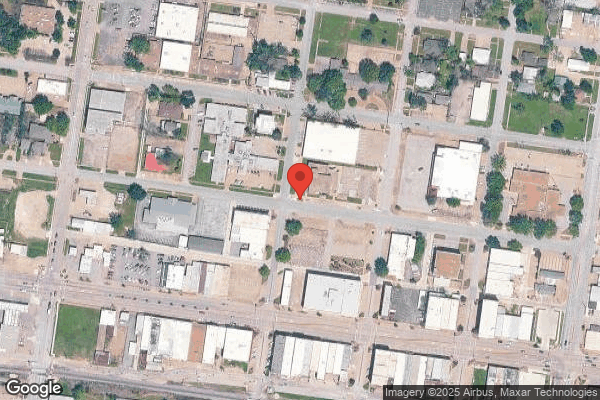
Dec 2023 6 deficiencies
CONCERN (D) 📢 Someone Reported This

A family member, employee, or ombudsman was alarmed enough to file a formal complaint

Potential for Harm - no one hurt, but risky conditions existed

Safe Environment (Tag F0584)

Could have caused harm · This affected 1 resident

**NOTE- TERMS IN BRACKETS HAVE BEEN EDITED TO PROTECT CONFIDENTIALITY** Based on observation, interview, and record review the facility failed to provide a safe, clean, and comfortable environment for...

Read full inspector narrative →
**NOTE- TERMS IN BRACKETS HAVE BEEN EDITED TO PROTECT CONFIDENTIALITY** Based on observation, interview, and record review the facility failed to provide a safe, clean, and comfortable environment for 2 of 5 shower rooms reviewed. (Hall 200 and Hall 300) The facility failed to ensure Hall 200 and Hall 300 shower rooms were free from missing or cracked tiles, and slime-like green, brown, and black material on the grout. These failures could place the residents at risk for a diminished quality of life and a diminished clean well-kept environment. Findings included: Record review of a face sheet dated 11/29/23 indicated Resident #5 was a [AGE] year-old female who was admitted on [DATE] and re-admitted on [DATE] with the diagnoses of Chronic pulmonary obstructive disease {COPD} (a group of diseases that cause airflow blockage and breathing-related problems), hypertension (high blood pressure), and Diabetes Mellitus (a group of diseases that affect how the body uses blood sugar (glucose). Record review of Resident 5's quarterly MDS assessment, dated 10/25/23, indicated Resident #5 was understood and understood by others. The MDS assessment indicated she had a BIMS score of 15 indicating her cognition was intact. Resident #5 required moderate assistance with toileting, personal hygiene, dressing, and bathing. Record review of Resident 5's care plan indicated she had an ADL self-care performance deficit related to a disease process. The intervention was for staff to provide moderate assistance with showers. During an observation on 11/28/23 at 11:20 a.m., revealed the Hall 300 shower room stall had some missing and/or cracked tiles, and slime-like green, brown, and black material on the grout toward the bottom wall and shower floor. During an observation and interview on 11/28/23 at 11:25 a.m., RN K said the grout looked dirty and some of the tiles were broken in the Hall 300 shower room stall. She said the administrative staff had a plan to fix the floor but she was not sure of the plans. She said the dirty tiles could cause cross-contamination and injury issues. During an observation on 11/28/2023 at 2:10 p.m., revealed the Hall 200 shower room stall had some missing and/or cracked tiles, and contained some slime-like green, brown, and black material on the grout towards the bottom wall and shower floor. During an observation and interview on 11/29/23 at 8:55 a.m., the Maintenance Supervisor went into the hall 300 shower room and said he saw the tiles were peeling away from the wall and the grout was stained. He said he was aware of the grout and tiles and had a plan to fix it soon. He said he did not have the plans written anywhere, only in his head. He also mentioned another shower room on hall 200 with some torn or missing tiles and it was on his list to fix also. During an interview on 11/29/23 at 12:30 p.m., Resident #5 said she received showers in the 200-hall shower room. She said the shower rooms were despicable and had what she believed to be mold on the tiles. Resident #5 said she could hardly make herself have a shower, but she knew she needed to shower to prevent odors. Resident #5 said she had complained to the nurse aides, and nothing was done about the dirtiness of the shower room. During an observation and interview on 11/29/23 at 1:50 p.m., revealed the Housekeeping Supervisor looked at Hall 200 and 300 shower rooms and said they were dirty with mold. She said the previous Administrator was aware of the tiles and shower areas, and the maintenance person was supposed to clean and or repair them some months ago. She said she was not able to clean the grout when the chemicals she had on hand. She said the grout needed to be repaired. During an observation and interview on 11/29/23 at 2:00 p.m., revealed the Administrator assistant looked at the shower room on hall 200 and said the shower room was dirty. She said to her understanding, the previous Administrator had plans to have the shower rooms cleaned/fixed but wanted to go look before she said anything else. During an observation and interview on 11/29/23 at 2:15 p.m., revealed the Regional Director of Operations went to look at the shower rooms on halls 200 and 300. He looked at hall 200 and said the grouts were discolored and some of the tiles were chipped. He looked at hall 300 and said the grout was discolored, and some of the tiles and the laminated floor needed repair. He said he instructed the Housekeeping Supervisor to try some different cleaning solutions and for the Maintenance Supervisor to look at replacing the broken tiles. He said he expected the shower rooms to be clean and in good repair. During an interview on 11/29/23 at 2:58 p.m., the DON said she saw the shower rooms on halls 200 and 300 and had brought it up to the previous Administrator. She said the grout needed to be cleaned and the broken tiles needed to be replaced. She said she would not want to shower in a dirty shower room. She said the Maintenance Supervisor should be responsible for repairing the shower rooms on halls 200 and 300, then housekeeping should maintain the cleanliness of the shower rooms. She said because of the dirtiness and disrepair of the shower rooms residents could potentially not want to take a shower. During an interview on 11/29/23 at 3:51 p.m., the Administrator assistant said she expected the shower rooms to be safe, clean, no clutter, and odor-free. She said the housekeeping department was responsible for cleaning the showers and the Housekeeping Supervisor was the overseer. She said if a resident walked into an environment that was not clean or safe it would not make them feel good. Record review of the facility's policy titled, Infection Control, revision dated 01/23 indicated, An infection prevention and control program (IPCP) was established and maintained to provide a safe, sanitary, and comfortable environment and to help prevent the development and transmission of communicable diseases and infection. Record review of the facility's policy titled, Homelike Environment, revision dated 02/21 indicated, Residents are provided with a safe, clean, comfortable, and home life environment. The facility staff and management maximize, to the extent possible, the characteristics of the facility that reflect a personal home-like setting including, A) a clean, sanitary, and orderly environment.
CONCERN (D) 📢 Someone Reported This

A family member, employee, or ombudsman was alarmed enough to file a formal complaint

Potential for Harm - no one hurt, but risky conditions existed

PASARR Coordination (Tag F0644)

Could have caused harm · This affected 1 resident

**NOTE- TERMS IN BRACKETS HAVE BEEN EDITED TO PROTECT CONFIDENTIALITY** Based on interview and record review the facility failed to incorporate the recommendations from the PASRR Level II determinatio...

Read full inspector narrative →
**NOTE- TERMS IN BRACKETS HAVE BEEN EDITED TO PROTECT CONFIDENTIALITY** Based on interview and record review the facility failed to incorporate the recommendations from the PASRR Level II determination and the PASRR evaluation report into a resident's assessment, care planning, and transitions of care for one out of one resident (Resident #3) reviewed for PASRR. The facility failed to submit the NFSS forms timely for Resident #3 to the Texas Medicaid and Healthcare Partnership (TMHP) Long Term Care Portal. These failures could place residents identified at a Level II for PASRR Evaluation at risk for their specialized services not being provided in a timely manner. Findings included: Record review of a face sheet dated 10/03/3033 revealed Resident #3 was a [AGE] year-old female who admitted to the facility on [DATE] with the diagnosis of Bipolar (a mental health condition that causes extreme mood swings that include emotional highs (mania or hypomania) and lows (depression)), Parkinson's (disease is a progressive disorder that affects the nervous system and the parts of the body controlled by the nerves), Chronic obstructive pulmonary disease, (or COPD, refers to a group of diseases that cause airflow blockage and breathing-related problems), and muscle weakness. Record review of Resident #3's quarterly MDS dated [DATE] indicated Resident #3 was usually understood and usually understood by others. The MDS assessment indicated she had a BIMS score of 6 indicating she was moderately cognitively impaired. Resident # 3 required total assistance for locomotion, bed mobility, bathing, dressing, and extensive assistance with eating. Record review of Resident #3's care plan dated 01/22/20 stated Resident #3 was PASRR positive by state guidelines. Resident #3 was receiving independent living skills two times a week and habilitation coordination services monthly through PASRR. Resident #3's ADL care plan indicated the IDT would meet with PASRR per state requirements and as needed to evaluate Resident #3 needs and modify her plan of care and services as appropriate. Record review of the care plan conference summary dated 08/22/23 revealed Resident #3 was recommended to receive restorative, OT, and ST weekly. The sign-in sheet for the care plan conference summary dated 08/22/23 revealed the PASRR Habilitation Coordinator, the Social Worker, the MDS Coordinator, the Director of Rehab and the DON were present during the meeting and agreed on the recommendations. Record review of an email correspondence dated 09/25/23 between the PASRR Unit Program Specialist and the MDS Coordinator revealed the facility was informed and instructed in writing to submit the NFSS Request by a specific deadline but failed to do so. The instructions included the following: Be sure your facility checks the status of the requests daily to ensure they are approved. Prompt attention should be given to the request if it has a pending denial status once it is submitted. This was a time-sensitive status and can result in a system-generated denial if not followed up on by the date noted by the reviewer in the request. Review of the Simple LTC portal (portal used to submit PASRR service requests) for Resident #3's OT and ST Assessments reflected a note, dated 10/16/23 for submission. The NFSS form for OT and ST was not submitted within the 20 calendar days following the IDT meeting. During an interview on 11/29/23 at 11:10 a.m., the PASRR Habilitation Coordinator revealed the meeting on 08/22/23 was the quarterly PASRR meeting mandated by the state. The PASRR Habilitation Coordinator stated it was decided in the meeting that Resident #3 would benefit from restorative, OT, and ST services, PT was discontinued. The PASRR Habilitation Coordinator stated after the meeting took place it was up to the facility to complete the process. During an interview on 11/30/23 at 3:20 p.m., the PASRR Unit Program Specialist said she sent an email following a phone conversation with the MDS Coordinator. She said her email to the facility was self-explanatory and the facility failed to comply with the email she sent. She stated it was important to file the NFSS form within 20 days after the IDT meeting and failure to do so may result in a resident not receiving needed rehabilitative services and could contribute to a decline in functional status. During a phone interview on 12/04/23 at 11:15 a.m., the MDS Coordinator said she was not trained on the NFSS procedure. She said she was new to doing MDS' and her supervisor was the person responsible for PASRRs. She said she did attend the care plan meeting held on 08/22/23 for Resident #3. She said she was responsible for completing the care plan conference summary form (a summary of what the meeting was about and then submitting the form to the SIMPLE website). She said she may have received a phone call or an email from someone about the PASRR but could not remember specific details. She said what she had gathered was therapy was supposed to submit the NFSS form for the specialized services. During an interview on 12/04/23 at 12:15 p.m., the DOR said he was responsible for submitting the NFSS forms. He said he was aware Resident #3's NFSS form was submitted late and had some denial before getting approved on 10/16/23. He said submitting the NFSS form was new to him and how they wanted the paperwork to be completed. He said he was not aware he needed to look at the Simple portal daily to check for any denials or approvals. He said the facility gave him an in-service on 09/27/23 and he now understood the process. He said it was important for residents to have PASRR services because it was their right and facility staff should assess and provide the service they need. He said he did not feel Resident #3 had a decline in function because they did provide therapy services to her. During an interview on 12/04/23 at 12:30 p.m., the Executive Administrator said at some point he was made aware that Resident #3's NFSS form had not been submitted by the compliance date. He said they had an in-service on 09/27/23 and since then everyone should understand how they should submit the NFSS forms going forward. He said it was important to submit the required paperwork on time and for the resident to receive the specialized service. During an interview with the DON on 12/04/23 at 12:45 p.m., the DON said she was unfamiliar with the process of PASRR services. She said the MDS Coordinator was responsible for ensuring all PASRR services were provided. She said it was important for staff to submit the NFSS forms timely so that the facility could provide the services for the resident's needs. She said a resident could have a decline because of not receiving the ordered therapy services. During an interview on 12/04/23 at 1:15 p.m., the Administrator assistant said the MDS Coordinator was responsible for submitting the NFSS forms to the PASRR service for therapy. She said she was not sure why Resident #3's forms were not submitted timely because she was not employed by the facility when the IDT meeting was held. She said it was a priority for residents to receive the specialized services they needed and could hinder their care if not received. Record review of the facility's policy titled, PASRR Policy and Procedure, revision dated 01/24/23 indicated, [Company Name] uses the most current version of PASRR rules, TAC titled 40, part one chapter 19, subchapter BB as they pertain to PASRR level 1, level 2 (PE), specialized service and IDT meeting. Record review of the Texas Administrative Code (TAC) website https://texreg.sos.state.tx.us/public revealed, PASRR RULES: TAC Title 40, Part 1, Chapter 19, Subchapter BB dated Jan. 29, 2016. This training discusses the Nursing Facility (NF) Responsibilities Related to Preadmission Screening and Resident Review, found in the Texas Administrative Code (TAC) Title 40, Part 1, Chapter 19, Subchapter BB. PASRR PL1: Back to Basics The Preadmission and Screening Resident Review (PASRR) Level 1 (PL1): Back to Basics training reviews the PL1 form in a section-by-section manner. Participants will be asked to take notes on a blank PL1 form as they complete the training. At the conclusion of the training, participants will understand how to complete the PASRR Level 1 (PL1) screening form, and will be familiar with the following PL1 topics: Admissions, Transfers, Discharges, and Changes of Ownership (CHOW). PASRR PE: What Nursing Facilities Need to Know The Preadmission and Screening Resident Review (PASRR) Evaluation (PE): What Nursing Facilities Need to Know training explains the PASRR Evaluation (PE) and how the PE impacts the nursing facility (NF) and the individuals served in the NF. PL1: Back to Basics should be completed as a prerequisite for this training. Nursing Facility PASRR
CONCERN (D) 📢 Someone Reported This

A family member, employee, or ombudsman was alarmed enough to file a formal complaint

Potential for Harm - no one hurt, but risky conditions existed

ADL Care (Tag F0677)

Could have caused harm · This affected 1 resident

**NOTE- TERMS IN BRACKETS HAVE BEEN EDITED TO PROTECT CONFIDENTIALITY** Based on observation, interview, and record review, the facility failed to ensure a resident who is unable to carry our activiti...

Read full inspector narrative →
**NOTE- TERMS IN BRACKETS HAVE BEEN EDITED TO PROTECT CONFIDENTIALITY** Based on observation, interview, and record review, the facility failed to ensure a resident who is unable to carry our activities of daily living receives necessary services to maintain grooming and personal hygiene were provided for 1 of 3 residents reviewed for ADLs (Residents #1). The facility failed to ensure Resident #1 received his baths. This failure could place resident at risk of not receiving services/care, decreased quality of life, and decreased self-esteem. Findings Included: Record review of Resident #1's face sheet, dated 11/29/23, indicated Resident #1 was a [AGE] year-old male, admitted to the facility on [DATE], with a diagnosis of respiratory failure (difficulty with breathing, type 2 diabetes (blood sugar disorder) and congestive heart failure (the heart does not pump blood like it should). Record review of the Quarterly MDS dated [DATE] indicated Resident #1 made himself understood and had the ability to understand others. The MDS indicated Resident #1 had a BIMS score of 15 indicating intact cognition. The MDS indicated Resident #1 required total dependence with bathing. Record review of the most recent comprehensive care plan, updated on 8/24/23, indicated Resident #1 had an ADL self-care performance deficit r/t limited mobility and shortness of breath. The intervention included Resident #1 required total dependence on 2 staff to provide showers and to provide a sponge bath when a full bath or shower could not be tolerated. Record review of the 100 Hall shower schedule (revised 05/01/23) indicated Resident #1 was scheduled for showers on Tuesday, Thursday, and Saturday on the 2 PM-10 PM shift. Record review of Resident #1's shower records dated October 2023-November 2023 revealed there was no evidence of a shower sheet being completed on 10/7/23, 10/14/23, 10/31/23, 11/07/23, 11/09/23, 11/11/23, and 11/18/23 to indicate if a bath was not given. Record review of Resident #1's progress notes dated 10/7/23-11/18/23 did not indicated that Resident #1 had refused any baths. During an observation/interview on 11/28/23 at 2:34 PM, Resident #1 stated he was not getting baths when he was scheduled. Resident #1 reported he received his baths this week but only received 2 the week of 11/20/23, and 1 bath the week of 11/13/23. Resident #1 was sitting in a wheelchair wearing a hospital gown. Resident #1 was clean, and no odors were noted. During an observation/interview on 11/29/23 at 10:31 AM, Resident #1 was sitting up in his bed with no shirt on and covered in a bed sheet. Resident #1 was clean, and no odors were noted. Resident #1 stated he felt dirty when staff did not provide scheduled baths and it made him angry. Resident #1 reported he informed the DON and ADM of not receiving scheduled baths and reported he had never refused a bath. During an interview on 11/29/23 at 11:08 AM, CNA M stated she worked at the facility as needed. CNA M stated Resident #1 had never refused a bath that she knew of. CNA M stated Resident #1, required assistance from 2 staff members for bathing and that could be the reason he had not received his scheduled baths. During an interview on 11/29/23 at 11:26 AM, CNA B stated there was 2 CNAs on the hall to care for residents and she, wiped Resident #1 off with wipes between his scheduled baths if he did not receive one. CNA B stated Resident #1 rarely refused his baths. During an interview on 11/29/23 at 3:37 PM, the DON stated showers were documented on a shower sheet or in the progress notes. The DON stated she was responsible for checking the shower sheets for Resident #1 and he had not reported an issue with not receiving his baths. The DON stated the importance of providing baths was to prevent skin issues. The DON stated if baths were not completed, then it could place residents at risk for infection or skin integrity/complications. During an interview on 11/29/23 at 2:50 PM, the ADM stated she expected residents to receive their baths per the schedule and when they requested baths. The ADM stated the process was for staff to make a note or document if a resident refused a bath. The ADM stated she did not know if there was a process in place to make sure baths were getting done. The ADM stated residents should have gotten a bath when they asked for one, whether it was their scheduled shower day or not. The ADM stated if residents were not getting baths, it could lead to hygiene issues or infection if it was a female resident. Record review of the facility's policy on, Activities of Daily Living (ADLs), Supporting, revised March 2018 indicated, Appropriate care and services would be provided for residents who are unable to carry out ADLs independently, with the consent of the resident and in accordance with the plan of care, including appropriate suppose and assistance with: hygiene (bathing) .
CONCERN (D) 📢 Someone Reported This

A family member, employee, or ombudsman was alarmed enough to file a formal complaint

Potential for Harm - no one hurt, but risky conditions existed

Accident Prevention (Tag F0689)

Could have caused harm · This affected 1 resident

Based on observation, interview, and record review the facility failed to ensure the environment was free of accidents and hazards for 1 of 4 shower rooms reviewed (Hall 300). The facility failed to ...

Read full inspector narrative →
Based on observation, interview, and record review the facility failed to ensure the environment was free of accidents and hazards for 1 of 4 shower rooms reviewed (Hall 300). The facility failed to ensure the shower chair in the Hall 300 shower room was not torn/ripped. The facility failed to ensure Hall 300 shower room was free from hazardous liquid. This failure could place residents at risk for injuries and falls. Findings Included: During an observation on 11/28/23 at 11:20 a.m., revealed the hall 300 shower room door was opened and unlocked with several opened bottles of shampoo sitting on the floor. During an observation and interview on 11/28/23 at 11:25 a.m., RN K said the shampoo bottles should not be left in the shower room unattended. RN K removed the shampoo bottles and said a confused resident could have drunk the shampoo because the shower room door did not lock. During an observation and interview on 11/28/23 at 12:00 p.m., revealed CNA A took a torn/ripped mesh back of the shower chair into the hall 300 shower room. She said she had just completed a shower. She said she saw the mesh back of the shower chair was torn/ripped for hall 300(unknown amount of time) but said she just pushed it up and continued to give showers. She said she had not reported the torn/ripped mesh back of the shower chair to maintenance. She said she did not think about the shower chair being unsafe because part of the mesh was still connected to the shower chair but could see it as a potential fall risk. During an observation and interview on 11/29/23 at 8:35 a.m., revealed RN K went into hall 300 shower room and saw the mess backing of the shower chair where the resident's back would rest against was torn/ripped. She said at first, she did not see an issue with the torn/ripped shower chair because the aides were always with the resident. RN K then said if the aide stepped away then it was a possibility the mesh back of the shower chair that was torn/ripped could break causing a resident to fall. During an observation and interview on 11/29/23 at 8:45 a.m., revealed the Maintenance Supervisor went into the hall 300 shower room and saw the mess of the shower chair torn/ripped. He said he was not aware of the mess being torn/ripped to the back of the shower chair. He said he would remove the chair because the back of the shower seat was torn/ripped and could come apart and cause a resident to fall. He said the staff usually made him aware of torn equipment or would fill out a request form in the maintenance book. He said he did not have a log where he maintained equipment on a weekly, daily, or monthly basis. During an interview on 11/29/23 at 9:15 a.m., the ADON said she was unaware of the mesh being torn/ripped on the hall 300 shower chair. She said the Maintenance Supervisor had her order 2 new shower chairs. She printed out a copy of the receipt where the shower chairs had been ordered. She said the Maintenance Supervisor was responsible for ensuring all equipment was in working order. She said a resident could fall if the back of the shower chair came apart. During an interview on 11/29/23 at 2:58 p.m., the DON said the staff was supposed to report any broken equipment to the Maintenance Supervisor and/or place it in his maintenance book. The DON said she was unaware of the mess back of the shower chair on hall 300 being torn/ripped. She said the Maintenance Supervisor was the overseer of all equipment. She said that the torn/ripped mesh back of the shower chair could cause skin impairment and risk for injury. The DON said staff should not have soap in the shower room on the floor. She said all residents should have their own individual shampoo. She said the aides were responsible for removing shampoo from the shower rooms after use. She said if the open shampoo was left in the shower room unattended a resident could have drunk it. During an interview on 11/29/23 at 3:40 p.m., the Administrator assistant said she was unaware of the mesh back of the shower chair on hall 300 being torn/ripped. She said staff should report any broken equipment and place it in the maintenance logbook. She said the Maintenance Supervisor was responsible for any equipment needing repairs. The Administrator said all resident equipment should be clean and in good working order. She said a resident had the potential to fall out of the back of the shower chair because it needed repair. The Administrator assistant said the nursing department was responsible for ensuring shampoo was not left in the shower rooms. She said the shower rooms should lock and the shampoo should not be on the floor because a resident could get in there and harm themselves with the chemicals. Record review of the facility policy titled, Accidents and Incidents, revision date 12/07 indicated, Our facility shall provide a safe and secure environment for staff and residents. Record review of the facility policy titled, Location of Hazard Chemicals, revision date 02/13, did not indicate anything about hazardous material. Record review of the MSDS titled, Safety Data Sheet, revision dated 06/23 from the Medline website indicated, Essentials Shampoo & Body Wash for external use only. Avoid contact with eyes. In case of eye irritation flush with water. Keep out of reach of children.
CONCERN (D) 📢 Someone Reported This

A family member, employee, or ombudsman was alarmed enough to file a formal complaint

Potential for Harm - no one hurt, but risky conditions existed

Dental Services (Tag F0791)

Could have caused harm · This affected 1 resident

**NOTE- TERMS IN BRACKETS HAVE BEEN EDITED TO PROTECT CONFIDENTIALITY** Based on interview, and record review, the facility failed to assist residents in obtaining routine and emergency dental service...

Read full inspector narrative →
**NOTE- TERMS IN BRACKETS HAVE BEEN EDITED TO PROTECT CONFIDENTIALITY** Based on interview, and record review, the facility failed to assist residents in obtaining routine and emergency dental services to meet the needs of 1 of 2 (Resident #1) residents reviewed for dental services. The facility failed to ensure Resident #1 received dental services when he had pain and a broken tooth. These failures could place residents at risk of not receiving needed dental care and a decreased quality of life. The findings included: Record review of Resident #1's face sheet, dated 11/29/23, indicated Resident #1 was a [AGE] year-old male, admitted to the facility on [DATE], with a diagnosis of respiratory failure (difficulty with breathing, type 2 diabetes (blood sugar disorder) and congestive heart failure (the heart does not pump blood like it should). Record review of the Quarterly MDS dated [DATE] indicated Resident #1 made himself understood and had the ability to understand others. The MDS indicated Resident #1 had a BIMS score of 15 indicating intact cognition. The MDS indicated Resident #1 was on a therapeutic diet and did not indicate any dental issues. Record review of Resident #1's comprehensive care plan, dated 08/24/2023, revealed it did not address dental status. Record review of the dental referral completed on 08/28/23 indicated Resident #1 was referred to mobile dental for routine dental care. During an interview on 11/28/23 at 2:34 PM, Resident #1 stated he had a tooth that had broken off and was causing pain. Resident #1 stated he had notified the SW and the DON on several occasions. Resident #1 stated the SW had put him on a list and he did not know when the dentist was scheduled to make rounds. Resident #1 complained of daily tooth pain that was relieved with pain medication and stated he was able to chew his food. During an interview on 11/29/23 at 11:08 AM, CNA M stated she was not aware of Resident #1's tooth pain. During an interview on 11/29/23 at 2:18 PM, LVN L stated she was not aware of Resident #1's tooth pain. During an interview on 11/28/23 at 3:22 PM, the SW stated she was responsible for making the dental appointments and Resident #1 was referred for dental services on 08/28/23. The SW stated the mobile dentist had not been at the facility for 2 months and Resident #1 could not go to a regular dentist d/t his bariatric size. The SW reported she had only called one other dentist to refer Resident #1, and she had not documented it. The SW stated the importance of receiving dental care was for emotional well-being and it could have impacted the resident's ability to eat and sleep. During an interview on 11/29/23 at 3:37 PM, the DON stated the SW was responsible for making dental referrals for tooth pain. The DON stated the importance of dental care to maintain nutrition status and prevent a decline in nutrition status. The DON stated dental issues could lead to chewing difficulties and infection if not treated. During an interview on 11/29/23 at 2:50 PM, the ADM stated she expected residents to receive dental care and the facility should do their best to address dental issues. The ADM stated she did not know if there was a process in place for dental issues. The ADM stated if dental issues were not treated, it could lead to distress or infections. Record review of the facilities policy on Dental Services, last revised in 12/2016, revealed Routine and 24-hour emergency dental services are provided to our residents through: A contract agreement with a licensed dentist and comes to the facility monthly or a referral to community dentists.
CONCERN (D) 📢 Someone Reported This

A family member, employee, or ombudsman was alarmed enough to file a formal complaint

Potential for Harm - no one hurt, but risky conditions existed

Infection Control (Tag F0880)

Could have caused harm · This affected 1 resident

**NOTE- TERMS IN BRACKETS HAVE BEEN EDITED TO PROTECT CONFIDENTIALITY** Based on observation, interview, and record review, the facility failed to maintain an infection prevention and control program ...

Read full inspector narrative →
**NOTE- TERMS IN BRACKETS HAVE BEEN EDITED TO PROTECT CONFIDENTIALITY** Based on observation, interview, and record review, the facility failed to maintain an infection prevention and control program designed to provide a safe, sanitary, and comfortable environment and to help prevent the development and transmission of communicable diseases and infections for 2 of 62 residents (Resident #6 and Resident #4) reviewed for infection control. 1. The facility failed to ensure CNA M's mask was properly worn and sealed to face while providing patient care to Resident #6. 2. The facility failed to ensure CNA C performed hand hygiene and changed her gloves while providing incontinent care to Resident #4. Findings included: 1. Record review of Resident #6's face sheet, dated 11/29/2023, indicated Resident #6 was a [AGE] year-old male, originally admitted to the facility on [DATE] with diagnoses which included heart failure (chronic, progressive condition in which the heart muscle is unable to pump enough blood to meet the body's needs for blood and oxygen), severe sepsis with septic shock (Organ damage from an infection), other lack of coordination, cognitive communication deficit, Muscle weakness, mild protein-calorie malnutrition, Major depressive disorder single episode unspecified, and essential hypertension (high blood pressure). Record review of the admission MDS assessment, dated 11/09/2023, indicated Resident #6 understood other others, and made herself understood. The assessment indicated a BIMS score of 99 which did not indicate Resident #6 had an cognitive impairment. The assessment indicated Resident #6 ADL for bed mobility, transfer, dressing, eating, toilet use, and personal hygiene was not completed. During an observation on 11/29/2023 at 10:05 a.m. revealed CNA M was observed coming out of Resident #6's room during an COVID-19 outbreak with the N95 mask not sealed to her face; top strap was behind her head, and bottom strap was hanging from her chin. Resident #6 was not on COVID-19 isolation and was not wearing a N95 mask or surgical mask. During an interview on 11/29/2023 at 10:05 a.m., CNA M stated she was going to get another CNA to help her lift Resident #6 up with the Hoyer lift. CNA M stated she worked PRN at the facility. CNA M stated she was supposed to have both straps located on her head, but she could not breathe with both straps on. CNA M stated when she had tried putting both straps behind her head and the bottom strap would always break at every attempt, so she did not try putting the bottom strap on her head when working with resident. CNA M stated that she had been working with residents on the 100 halls since the start of her shift without securing her mask properly. CNA M stated she did not inform her supervisor about the N95 mask not fitting on her head properly. CNA M stated it was important to ensure her mask was properly sealed to her face to prevent the spread of COVID-19 to the residents. During an interview on 11/28/2023 at 3:16 p.m., RN K stated she last completed COVID-19 in-services last week. RN K stated the Infection control Preventionist was the DON. RN K stated facility testing was completed every week for the residents and staff. RN K stated staff were required to wear masks from the start of their shift to the end of their shift due to a COVID-19 outbreak in the facility. RN K stated staff had been advised to enter the building through the front door and grab a N95 mask before they began their shift. RN K stated the N95 masks were located at all the nursing stations and the front entrance of the building. RN K stated staff were to wear both straps behind the head to create a seal to the face. RN K stated N95 masks were required to be worn every day during an COVID-19 outbreak in the facility. During an interview on 11/29/2023 at 10:34 a.m., the DON stated she had been working full time as the DON for 9 months. The DON stated the ADON, DON and the Administrator assistant were the infection control preventionists. The DON stated the facility did follow and incorporated CDC guidelines into the facility policy and procedures for COVID-19. The DON stated during an COVID-19 outbreak staff were to be wearing a N95. The DON stated N95 masks were located at every nurse's station. The DON stated it was important for staff to ensure that they were following the facility policy and procedures to ensure the safety of the residents at all times, health and making sure the residents were safe. During an interview on 11/29/2023 at 3:54 p.m., the Administrator stated she has been the sitting Administrator since October 2023. The Administrator stated the DON was the Infection Control Preventionist. The Administrator stated she was responsible for overseeing the DON. The Administrator stated if a staff member tested positive for COVID or was experiencing any symptoms of COVID, she expected them not to report for work. The Administrator stated staff were to make COVID notification to their supervisor from home when not at work. The Administrator stated, she expected staff to sanitize and wash hands prior to working with each residents. The Administrator stated staff did complete in-services on COVID. The Administrator stated the facility followed CDC guidelines and incorporated the CDC guidelines into the facility Infection Control Policy. The Administrator stated she did not make any recent COVID changes to the facility Infection Control Policy. The Administrator stated the facility was supposed to have a sign on the door indicating an outbreak in the facility. The Administrator stated she was not sure why a sign was not put on the front entrance door indicating that the facility was in an outbreak of COVID, along with CDC recommendations for COVID. The Administrator stated the facility did have enough COVID supplies. The Administrator stated if the facility was getting low on supplies for COVID that she would contact her sister facilities and get what the facility needed. The Administrator stated she expected staff to wear the N95 mask during an COVID outbreak. The Administrator stated she was not aware of her staff members not wearing the N95 mask properly. The Administrator stated in the past she had corrected staff to not wear the surgical mask during an COVID outbreak. The Administrator stated the surgical masks were for the family member's only. The Administrator stated the resident families were notified using a voice friend system. The Administrator stated the DON or ADON sent out a group text to staff for notifications and updates on COVID in the facility. The Administrator stated residents are at risk of infection when staff do not wear the N95 masks properly. Record Review of the facility Infection Control policy last revised on [DATE] revealed it did not indicate the COVID policies and procedures for the facility. Record Review of the CDC website titled Types of Masks and Respirators revised on May 11, 2023, indicated, a respirator has better filtration, and if worn properly the whole time it is in use, can provide a higher level of protection than a cloth or procedural mask. A mask or respirator will be less effective if it fits poorly or if you wear it improperly or take it off frequently. Individuals may consider the situation and other factors when choosing a mask or respirator that offers greater protection: when caring for someone who is sick with COVID-19. 2. Record review of Resident #4's face sheet, dated 11/29/23 indicated she was an [AGE] year-old female admitted to the facility on [DATE] and re-admitted on [DATE] with diagnoses which included atrial fibrillation {AF} (a type of arrhythmia, or abnormal heartbeat), hypertension (high blood pressure), and congestion heart failure (a serious condition in which the heart doesn't pump blood as efficiently as it should). Record review of Resident 4's annual MDS assessment, dated 08/28/23, indicated Resident #4 was understood by others. Resident #4 had was cognitively modified independence in decision-making. Resident #4 required total assistance with toileting, dressing, bed mobility, bathing, extensive assistance with personal hygiene, and limited assistance with eating. The MDS indicated Resident #4 was frequently incontinent of urine and always incontinent of bowel. Record review of Resident #4's comprehensive care plan, dated 02/08/21 indicated she had an ADL self-care deficit related to muscle weakness, arthritis, and lack of coordination. The intervention was for two staff to assist with toileting and bed mobility. During an observation and interview on 11/28/23 at 11:44 a.m., revealed CNA C and CNA D were providing incontinent care to Resident #4 who had an incontinent episode of urine and bowel. CNA C cleaned Resident #4's front genital area and obtained some remnants of bowel on her gloves but continued to provide care without changing her gloves or performing hand hygiene. CNA C used a wipe to clean the bowel remnants off her hands. She then turned Resident #4 on her side while wearing the same dirty gloves and wiped her buttocks back to front and front to back several times where she obtained more remnants of bowel on her gloved hands. After cleaning the buttock area, she changed her gloves without performing hand hygiene. CNA C then applied the clean brief and fastened it. CNA C and CNA D moved Resident #4 up in bed. CNA C said she did not perform hand hygiene, after obtaining bowel on her hands or after removing her gloves; she said she had hand sanitizer in her pocket but forgot to use it. CNA C said she did not realize she used the same wipe more than once while providing incontinent care for Resident #4. CNA C said it was important to change her gloves and perform hand hygiene to prevent cross-contamination. CNA C said she had been checked off on incontinent care. CNA D said she observed CNA C provided incontinent care improperly, she said she wiped front to back several times using the same wipe, did not change her gloves when visibly soiled, and did not perform hand hygiene from dirty to clean. During an interview on 11/29/23 at 245 p.m., the ADON said she expected incontinent care to be done correctly. The ADON said she expected the CNAs to perform hand hygiene before and after providing incontinent care, in between glove changes, and going from dirty to clean. She said they had skill checkoffs yearly and as needed. She said she and the DON were the overseers for incontinent care and hand washing. The ADON said not performing incontinent care correctly or hand hygiene could lead to infection issues. During an interview on 11/29/23 at 2:58 p.m., the DON said she expected incontinent care to be performed as per policy. The DON said she expected the CNAs to perform hand hygiene before and after providing incontinent care, in between glove changes, and when going from dirty to clean. The DON said not performing incontinent care correctly could lead to cross-contamination. During an interview on 11/29/23 at 3:53 p.m., the Administrator assistant said she expected the clinical department to follow their policy when providing incontinent care. The Administrator assistant said she expected the CNAs to perform hand hygiene before and after incontinent care and change their gloves after going from dirty to clean. She said the nurse managers were responsible for ensuring staff performed incontinent care and handwashing correctly. The Administrator assistant said if improper incontinent care or hand hygiene were performed it could lead to infection control and contamination issues. Record review of CNA C's skills check-off did not indicate she had been checked off for incontinent care. She had been checked off on hand washing dated 9/6/23. Record review of the facility's policy titled, Handwashing/Hand Hygiene, revised 03/01/20, indicated, This facility considers hand hygiene the primary means to prevent the spread of infection. Record review of the facility's policy titled, Perineal Care Policy and Procedure, revised 7/21/18, indicated, The purpose of this procedure was to provide cleanliness and comfort to the resident, to prevent infections and skin irritation, and to observe the residents skin condition.
Dec 2022 17 deficiencies 1 Harm
SERIOUS (G) 📢 Someone Reported This

A family member, employee, or ombudsman was alarmed enough to file a formal complaint

Actual Harm - a resident was hurt due to facility failures

Accident Prevention (Tag F0689)

A resident was harmed · This affected 1 resident

**NOTE- TERMS IN BRACKETS HAVE BEEN EDITED TO PROTECT CONFIDENTIALITY** Based on observation, interview, and record review, the facility failed to ensure an environment that was free of accident hazar...

Read full inspector narrative →
**NOTE- TERMS IN BRACKETS HAVE BEEN EDITED TO PROTECT CONFIDENTIALITY** Based on observation, interview, and record review, the facility failed to ensure an environment that was free of accident hazards for 2 of 22 residents reviewed for accidents hazards (Resident #110 and Resident #12). 1. The facility failed to perform a proper transfer on Resident #110 to prevent a fall with major injury (fracture femur). 2. The facility failed to ensure CNA Q and CMA O transferred Resident #12 appropriately using a Hoyer lift. These failures could place residents at risk to have falls and falls with serious injury. Findings include: 1. Consolidated physician orders (no date) for Resident #110 indicated she was a [AGE] year-old female that was admitted to the facility on [DATE]. Resident #110 had a diagnoses of fracture left femur, abnormal gait and mobility and encounter for orthopedic aftercare. Record Review of Resident #110's MDS dated [DATE] indicated she had a BIMS score of 11 for moderately impaired. Section G of the MDS indicated Resident #110 needed extensive assistance with transfers and one-person physical assist. Section G0600 indicated Resident #110 used a wheelchair for mobility. Section I of the MDS indicated resident #110's primary medical condition was fractures and other multiple traumas, and she had an active diagnosis of hip fracture, fracture of left femur and orthopedic aftercare. Section J of the MDS indicated Resident #110 had pain frequently at a scale of 5. Section J2000 indicated Resident #110 had surgery 100 days prior to admission. Record Review of Resident #110's care plan dated 10/20/22 indicated the focus was ADL self-care performance deficit related to impaired balance and femur fracture. No goal was indicated. The intervention included, resident is totally dependent on x1 staff for transferring. Record review of the incident report dated 10/14/22 indicated the ADON was called to Resident #110s room by the restorative aide and found resident sitting in her wheelchair. Resident #110 reported she was getting out of the bed and her leg gave way. Resident was transferred to the hospital. Record review of the nurse's progress note dated 10/14/22 indicated the DON had been called to resident #110s room and she was sitting in her wheelchair and her left thigh was swollen. A cool compress was applied to the site, PA notified, family member notified, and emergency call made to Care flite. Record Review of the discharge paperwork from the hospital dated 10/16/22 on Resident #110 revealed Resident #110 was brought to the ER after an unwitnessed fall at the facility and an x-ray indicated a femur fracture and periprosthetic fracture around the internal prosthetic left hip point. Record review of the in-service training on 10/14/22 for CNA E on transfers and gait belts indicated CNAs should always wear a gait belt when transferring residents that were stand by assist or residents who can bear weight with at least one lower extremity. Record review of the skills check off, dated 11/3/22 for CNA E on incontinent care, handwashing, transfer techniques, mechanical lift scale, wheelchairs, and peri care indicated all areas were met. During a phone interview on 12/12/22 at 3:39 p.m., Resident #110s family member stated two 2 CNAs were transferring the Resident from her bed to the wheelchair and dropped her. Family member reported he was not at the facility when the incident occurred, he was informed by Resident #110 of the incident. Family member stated that resident #110 had dementia and might not be able to recall everything about the incident. Stated the facility had notified him of the fall when it happened, and Resident #110 was hospitalized for 2.5 weeks. Resident #110 was discharged to a different nursing facility after she discharge from the hospital. Family member stated Resident #110 had surgery 3 weeks prior to admission to facility and was admitted to the facility for rehab post hip surgery. Family member stated Resident #110 had an additional fall just a couple of days prior to the incident. During an interview on 12/12/22 at 3:50 p.m. with Resident #110, she stated 2 CNAs attempted to transfer her from the bed to the wheelchair and dropped her while she was hanging in the air. Resident #110 denied having to use a hoyer lift or any other falls prior. Resident #110 stated the CNA's panicked and called for help. During an interview on 12/13/22 at 8:00 a.m., CNA E stated she was walking by Resident #110s room and she saw her sitting up on the side of the bed. CNA E stated, I thought she was going to transfer herself to the wheelchair next to bed, so I went into the room without my gait belt and assisted her before she got up on her own. CNA E stated once Resident #110 was standing and she was holding resident with one hand under her elbow and her other hand was grasping her hand, Resident #110s leg buckled and she lowered her to the floor. CNA E did not know which leg buckled. CNA E stated she then yelled for help and the DON and ADON came to assist her. CNA E stated resident would not stay on the floor and kept trying to get back into her wheelchair. CNA E stated she assisted Resident #110 back into the wheelchair. CNA E stated it was her first day working with Resident #110 and another CNA had given her report that Resident #110 was a 1-person transfer with minimal assist. CNA E did not know how to access the plan of care in the facility tablets. Stated she charted on ADLs in the tablet daily but did not remember seeing any information on how residents were transferred. During an interview and observation on 12/13/22 at 8:29 a.m., LVN H stated physical therapy was responsible for evaluating residents when they were admitted to the facility and for notifying the charge nurse on how to transfer residents correctly. LVN H stated the charge nurse was responsible for communicating to the CNAs on how residents should be transferred. LVN H stated the DON was responsible for completing the resident care plans and used the care plan to make an ADL sheet to hang in residents' rooms. LVN H was unable to find an ADL sheet hung in the room closest to her and stated, Staff was in serviced at one time on having the ADL sheets in resident rooms, but she no longer saw them in the rooms. LVN H stated CNAs had no other place to look that instructed them on how to transfer residents other than communication from the charge nurse. LVN H stated CNAs were responsible for providing information during their 24-hour report on how to transfer new residents. During an interview on 12/15/22 at 8:42 a.m., Nurse A stated gait belts should have been used with all one person transfers to ensure safety. If gait belts are not used, the resident could fall. During an interview on 12/13/22 at 9:30 a.m. with CNA G, stated she always used a gait belt with transfers. CNA G stated every patient had to be evaluated by therapy and that is how the CNAs know how to transfer a resident the right way. CNA G stated she always transferred every resident using 2-person assist and never transferred any residents by herself. During an interview on 12/13/22 at 9:39 a.m. with CNA R, stated the nurses would tell the CNAs how to transfer a new resident. CNA R stated, when she started working with the resident, she could tell how much help the resident would need with transferring. CNA R stated she did not know how to access resident ADL care in the tablets. During an interview on 12/13/22 at 11:40 a.m. with PT, stated they were working with Resident #110 on transfer training to include transfers from the bed to the wheelchair, standing and pivots. PT stated Resident #110 was a 1-person transfer with gait belt and the gait belt should have been used for resident safety and safety for the employees. 2. Record review of Resident #12's order summary report, dated 12/14/2022, revealed he was a [AGE] year-old male who admitted to the facility on [DATE] with diagnoses of cerebral palsy (a group of disorders that affect a person's ability to move and maintain balance and posture), shaken infant syndrome (brain injury that occurs when a baby or a toddler is shaken violently), and contractures (A permanent tightening of the muscles, tendons, skin, and surrounding tissues that causes the joints to shorten and stiffen.) Record review of Resident #12's MDS assessment, dated 11/05/2022, revealed Resident #12 was rarely/never understood by staff or able to understand staff. The MDS revealed Resident #12 had poor short-term and long-term memory. The MDS revealed Resident #12's cognition was severely impaired. The MDS revealed no behavioral problems. The MDS revealed Resident #12 required total dependence with 2 staff assistance with transfers. The MDS revealed Resident #12 was only able to stabilize with staff assistance during transfers. The MDS revealed impairment to both upper and lower extremities that interfered with daily functions. Record review of Resident #12's comprehensive care plan, last revised 08/08/2022, revealed Resident #12 had an ADL self-care performance deficit. The interventions included: Transfer: The resident is total assist x 2 staff and Hoyer lift. During an observation on 12/12/2022 between 12:11PM and 12:40PM, CNA Q and CMA O transferred Resident #12 from the wheelchair to a shower bed using his shoulders and legs. No incontinent pad, draw sheet, or Hoyer lift pad was used during the observed transfer. Incontinent care was provided by CNA Q and CMA O. CNA Q and CMA O then transferred Resident #12 back from the shower bed to his wheelchair using his shoulders and legs. No incontinent pad, draw sheet, or Hoyer lift pad was used during the observed transfer. During an interview on 12/13/2022 at 8:31 PM, the Rehab Manager stated Resident #12 was transferred using a Hoyer lift. The Rehab Manager stated Resident #12 should never be transferred using his shoulders and his legs. The Rehab Manager stated the failure for transferring Resident #12 inappropriately would be serious injury to Resident #12 or the employees. During an interview on 12/13/2022 at 10:15 AM, CMA O stated Resident #12 was a two-person assistance or a Hoyer lift with transfers. CMA O stated it was appropriate to lift Resident #12 under his shoulders and his legs. CMA O stated the charting system would have the transfer status of each resident. CMA O stated the charting system was not checked prior to transferring Resident #12. During an interview on 12/15/2022 at 2:22 PM, CMA O stated Resident #12 should not have been transferred using his shoulders and legs. CMA O stated the appropriate way to transfer Resident #12 was a Hoyer lift. CMA O stated the failure for transferring Resident #12 without a Hoyer lift was increased risk of serious injury. During an attempted telephone interview on 12/15/2022 at 3:37 PM, CNA Q did not answer the phone. A message was left with no return call before exit. During an attempted telephone interview on 12/15/2022 at 3:59 PM, CNA Q did not answer the phone. A message was left with no return call before exit. During an interview on 12/15/2022 at 4:20 PM, RN K stated Resident #12 was transferred using a Hoyer lift. RN K stated Resident #12 was not transferred under his shoulders and legs. RN K stated the charting system had the transfer status of all residents and should be referred to if a transfer status was unknown. RN K stated the failure for not transferring Resident #12 appropriately, would be serious injury to Resident #12. During an interview on 12/15/2022 at 5:54 PM, the ADON stated Resident #12 was supposed to be transferred using a Hoyer lift. The ADON stated Resident #12 should never be transferred using his shoulders or legs. The ADON stated she expected staff to use the charting system to find the transfer status of each resident. The ADON stated check-off competencies and return demonstrations on appropriate transfers were performed by direct care staff, including CNA Q and CMA O. The ADON stated direct care staff were in-serviced on how to find the transfer status of each resident. The ADON stated the potential harm for transferring Resident #12 inappropriately would be serious injury to Resident #12. During an interview on 12/15/2022 at 6:26 PM, the ADM stated he expected staff to always follow policy and guidelines for safe transfers. The ADM stated if a Hoyer lift was required, he expected it to be used. The ADM stated he expected the staff to verify in the transfer status in the charting system if they were unsure. The ADM stated the failure for transferring Resident #12 inappropriately would be serious injury or accident. Record Review of the Policy on Safe Patient Handling and Moving Protocol reviewed on 10/8/20 indicated the use of gait belt during all weight bearing transfer activities. Under expectation of assessment and communication: In order to ensure the accurate level of assistance is communicated the charge nurse will notify current floor staff providing care; write information on the ADL flow sheet/C.N.A communication sheets or any additional facility specific communication process such as visual identifiers and electronic health record ADL and care guide setup. Observation made on 12/14/22 at 4:02 p.m. of CNA G transfer a resident that was 1-person assist using a gait belt appropriately. During an observation on 12/14/2022 at 4:13 p.m. CNA S and CNA T performed a Hoyer lift transfer with no issues observed. Observation made on 12/14/22 at 4:15 p.m. of CNA F transfer a resident that was 1-person assist using a gait belt appropriately. Observation made on 12/14/22 at 4:26 p.m. of Nurse K transfer a resident from wheelchair to bed appropriately. Observation made on 12/14/22 at 4:30 p.m. of CNA G and CNA F transfer a resident that requires 2-person assist using a hoyer lift and no issues noted. Observation made on 12/14/22 at 4:39 p.m. of the Director of Rehab transfer a resident from bed to wheelchair appropriately. During an observation on 12/14/2022 at 5:15 PM CNA U performed a one-person transfer with the gait belt. No issues were observed. During an interview on 12/15/22 at 10:13 a.m., the ADON stated she should have asked more questions and further investigated the incident when Resident #110 fell. The ADON stated if residents are not transferred correctly it could lead to staff getting hurt or resident injury. During an interview on 12/13/22 at 8:42 a.m., the DON stated therapy had been walking Resident #110 and she was a 1-person transfer with a gait belt. The DON stated CNA E was expected to wear a gait belt when she transferred Resident #110. The DON reported CNAs were expected to follow the plan of care on how to transfer residents correctly and all CNAs had access to tablets. During an interview on 12/15/22 at 11:44 a.m., the ADMIN stated a gait belt should have been used when transferring Resident #110. The ADMIN stated gait belts should always be used for safety and to protect the residents. The ADMIN stated not using gait belts could lead to unsafe transfers and could harm residents.
CONCERN (D)

Potential for Harm - no one hurt, but risky conditions existed

Deficiency F0558 (Tag F0558)

Could have caused harm · This affected 1 resident

**NOTE- TERMS IN BRACKETS HAVE BEEN EDITED TO PROTECT CONFIDENTIALITY** Based on observation, interview, and record review, the facility failed to ensure residents had the right to reside and receive ...

Read full inspector narrative →
**NOTE- TERMS IN BRACKETS HAVE BEEN EDITED TO PROTECT CONFIDENTIALITY** Based on observation, interview, and record review, the facility failed to ensure residents had the right to reside and receive services in the facility with reasonable accommodation of resident needs and preferences for 1 of 22 residents (Residents #7) reviewed for reasonable accommodations. The facility failed to ensure Resident #7's call light was accessible. This failure could place residents at risk of injuries, health complications and decreased quality of life. Findings included: 1. Record review of a face sheet dated 12/15/22 indicated Resident #7 was a [AGE] year-old female re-admitted on [DATE] with diagnoses of Parkinson's disease (progressive disorder of the central nervous system that affects movement), abnormalities of gait and mobility, and muscle weakness. Record review of the comprehensive care plan last revised 08/15/2022 indicated Resident #7 had an ADL self-care performance deficit related to disease process with a goal of the resident to maintain current level of function in ADLs through the review date. The care plan indicated Resident #7 had an actual fall related to poor balance and had an intervention for staff to ensure call light was in reach. The care plan indicated Resident #7 had limited physical mobility related to the disease process of Parkinson's. Record review of the quarterly MDS assessment dated [DATE] indicated Resident #7 usually understood others and was usually understood. Resident #7's BIMS was a 99 indicating resident was unable to complete the interview. The MDS assessment indicated Resident #7 required extensive assistance for bed mobility, transfers, locomotion on and off unit, dressing, toilet use, and personal hygiene. During an observation and interview on 12/15/2022 At 8:51 AM, Resident #7 said she could not reach her call light due to the string was not long enough and she could not lift her arm above her head and behind to reach it when lying in bed. Resident #7 said she had told the maintenance man and he was supposed to fix it but he still had not. Resident #7 was sitting in a wheelchair next to the bed. The call light was clipped at the head of the bed behind Resident #7 and out of reach. During an observation on 12/15/2022 at 11:40 AM, Resident #7 was lying in bed with call light hanging from the wall behind the head of bed, out of reach. During an observation on 12/15/2022 at 3:04 PM, Resident #7 was lying in bed call light hanging from the wall behind the head of bed, out of reach. During an observation and interview on 12/15/2022 at 4:32 PM, Resident #7 was lying in bed call light hanging from the wall behind the head of bed, out of reach. CNA L said she did not know why Resident #7's call light was not in reach that she thought it was in reach. CNA L said she should have been checking Resident #7 call light to make sure it was in reach. CNA L said the call light not being in reach could make it to where resident cannot call for assistance and needs will not be met. During an interview on 12/15/2022 at 4:46 PM, Nurse K said Resident #7 could not propel self to call light. Nurse K said if Resident #7 could not reach call light she would not be able to call for help, it would threaten her life, and could cause death because she would not be able to call for help. Nurse K said the CNAs should always make sure the call light is in reach before leaving the room, and she did not know why Resident #7's call light was not in reach. During an interview on 12/15/2022 at 5:48 PM, the ADON said all staff should make sure the resident's call lights were in reach. The ADON said staff should go every 2 hours to ensure the call lights were in reach, and anybody walking down the hall should make sure the call light is in reach. The ADON said the expectations were for all staff to ensure call lights were in reach. The ADON said the residents' call lights not being in reach placed them at risk for staff not knowing what their needs were and affect them emotionally. During an interview on 12/15/2022 at 6:09 PM, the administrator said all staff were responsible for ensuring call lights were in reach. The administrator said the call light was the residents' lifeline in case of an emergency. The administrator said management was supposed to make rounds to check and see if the call lights were in reach. The administrator said he did not know why Resident #7's call light was not in reach that sometimes the staff go in the room and focused on a task and did not take the time to ensure the call light was left in reach. During an interview on 12/15/2022 at 6:41 PM, the DON said all staff were responsible for ensuring call lights were in reach. The DON said every morning the department heads did rounds to ensure the call lights were in reach. The DON said if the call lights were not in reach the residents would not be able to ask for help and could lead to falls. Record review of the facility's policy titled, Answering the Call Light revised March 2021 revealed, . 5. When the resident is in bed or confined to a chair be sure the call light is within easy reach of the resident .
CONCERN (D)

Potential for Harm - no one hurt, but risky conditions existed

Deficiency F0583 (Tag F0583)

Could have caused harm · This affected 1 resident

Based on interview, and record review the facility failed to ensure residents had the right to send and receive mail, and to receive letters, packages and other materials delivered to the facility for...

Read full inspector narrative →
Based on interview, and record review the facility failed to ensure residents had the right to send and receive mail, and to receive letters, packages and other materials delivered to the facility for the resident through the means other than a postal service for 5 of 10 confidential residents reviewed for weekend mail delivery. The facility failed to ensure residents received their mail on Saturdays. This failure could place residents at risk for not receiving mail in a timely manner that could result in a decline in a resident's psychosocial well-being and quality of life. Findings include: During a confidential group interview on 12/13/2022 at 3:30 p.m., 5 residents stated they did not receive their mail on Saturdays. The residents stated they had to wait until Monday when the facility allowed the Activity Director to pass it out. During a telephone interview on 12/15/2022 at 12:14 p.m., the supervisor from the local postal service stated mail was delivered to the facility on Saturdays. Record review of the facility's grievance log dated 09/14/2022 indicated a resident reported in resident council meeting he received one of his letters from the mail late. During an interview on 12/15/2022 at 9:39 a.m., the BOM stated the locked mailbox was located outside. The BOM stated for as she knows no one else had a key to the mailbox. The BOM stated if she was out sick or on leave the Administrator had accessed to the key. The BOM stated she was unaware who was responsible for distributing mail on the weekends. The BOM stated she would obtain the mail on Monday from the mailbox and give the Activity Director the residents' mail. The BOM stated she was aware of the requirements for the residents to have access to their mail on Saturdays. The BOM stated this failure could make residents feel their rights were not taken into consideration. During an interview on 12/15/2022 at 6:45 p.m., the Administrator stated he expected the residents to receive their mail on Saturdays. The Administrator stated there had been a complaint during resident council meeting that mail was not being delivered daily. The Administrator stated a plan was developed for the weekend supervisor to distributed mail on weekends. The Administrator stated the plan has not been carried out at this time. The Administrator was unable to give an explanation why the plan has not been carried out. The Administrator stated he was aware of the requirements for the residents to have access to their mail on Saturdays. The Administrator stated this failure could affect their rights. Record review of the Resident Rights policy, revised on 12/2016, indicated .a resident has a right to b.be treated with respect, kindness, and dignity; cc. Access to a telephone, mail, and email; dd. Communicates in person and by mail .
CONCERN (D)

Potential for Harm - no one hurt, but risky conditions existed

Safe Environment (Tag F0584)

Could have caused harm · This affected 1 resident

**NOTE- TERMS IN BRACKETS HAVE BEEN EDITED TO PROTECT CONFIDENTIALITY** Based on observation, interviews and record review the facility failed to provide a safe, clean, comfortable, and homelike envir...

Read full inspector narrative →
**NOTE- TERMS IN BRACKETS HAVE BEEN EDITED TO PROTECT CONFIDENTIALITY** Based on observation, interviews and record review the facility failed to provide a safe, clean, comfortable, and homelike environment, which allowed comfortable sound levels for 4 of 22 residents (Resident #7, Resident #23, Resident #12, and Resident #32). The facility failed to maintain comfortable sound levels for Resident #7, Resident #23, Resident #12, and Resident #32. This failure could place residents at risk of an uncomfortable environment and diminish their quality of life. Findings included: 1. Record review of a face sheet dated 12/15/2022 indicated Resident #7 was a [AGE] year-old female re-admitted on [DATE] with diagnoses of Parkinson's disease (progressive disorder of the central nervous system that affects movement), abnormalities of gait and mobility, and muscle weakness. Record review of the quarterly MDS assessment dated [DATE] indicated Resident #7 usually understood others and was usually understood. Resident #7's Brief Interview for Mental Status (BIMS) was a 99 indicating resident was unable to complete the interview. The MDS assessment indicated Resident #7 had minimal difficulty hearing. 2. Record review of a face sheet dated 12/15/2022 indicated Resident #23 was a [AGE] year-old female re-admitted [DATE] with diagnoses of acute kidney failure (kidneys unable to filter waste products from the blood), anxiety disorder (feeling nervous, restless, or tense), migraine (severe throbbing headache), and major depressive disorder (mood disorder that causes a persistent feeling of sadness and loss of interest. Record review of the comprehensive MDS assessment dated [DATE] indicated Resident #23 understood others and was understood. Resident #23's Brief Interview for Mental Status (BIMS) was a 15, indicating cognitively intact. The MDS assessment indicated Resident #23's hearing was adequate. 3. Record review of Resident #12's order summary report, dated 12/14/2022, revealed he was a [AGE] year-old male who admitted to the facility on [DATE] with diagnoses of cerebral palsy (a group of disorders that affect a person's ability to move and maintain balance and posture), shaken infant syndrome (brain injury that occurs when a baby or a toddler is shaken violently), and contractures (A permanent tightening of the muscles, tendons, skin, and surrounding tissues that causes the joints to shorten and stiffen). Record review of Resident #12's MDS, dated [DATE], revealed Resident #12 was rarely/never understood by staff or able to understand staff. The MDS revealed Resident #12 had poor short-term and long-term memory. The MDS revealed Resident #12's cognition was severely impaired. The MDS revealed no behavioral problems. The MDS revealed Resident #12 required total dependence with bed mobility, transfers, eating, and toilet use. 4. Record review of the order summary report dated 12/15/2022 indicated Resident #32 was a [AGE] year-old male admitted on [DATE] with diagnoses of dementia unspecified severity with agitation (loss of memory with feeling of unease or tension and hostile behavior at times), anxiety disorder (feeling restless, nervous, or tense), insomnia (trouble of falling and/or staying asleep). Record review of the MDS assessment dated [DATE] indicated Resident #32 usually understood others and was usually understood. The MDS assessment indicated Resident #32 Brief Interview Mental Status (BIMS) score was 12, indicating moderately impaired cognition. The MDS assessment indicated Resident #32 on 1 to 3 days experienced other behavioral symptoms not directed toward others (e.g., physical symptoms such as hitting or scratching self, pacing, rummaging, public sexual acts, disrobing in public, throwing, or smearing food or bodily wastes, or verbal/vocal symptoms like screaming, disruptive sounds). During an observation and interview on 12/12/2022 at 2:55 PM, Resident #7 said she was trying to take a nap because she had not slept good the past 3 nights because of Resident # 12's hollering and screaming. Resident #7 said she had told the staff, and nothing had been done. Resident #7 said Resident #12 had always hollered and she did not think he could help it. During the interview, surveyor was able to hear steady, loud groaning/moaning type of sound. During an observation and interview on 12/12/2022 at 3:18 PM, Resident #23 said Resident #12 hollers all day and Resident #32 hollers and curses all night and even if she closed the door, she could still hear it. Resident #23 said this made her uncomfortable and she worried about the residents that were hollering. Resident #23 said staff were aware, but it had been going on for so long nobody did anything about it. During the interview, surveyor was able to hear steady, loud groaning/moaning sound. During an observation on 12/13/2022 at 2:10 PM, this surveyor was standing in the middle of the hall and heard steady, loud groaning/moaning coming from Resident #12's room (Resident #12's room was at the end of the same hall). During an observation on 12/14/2022 at 4:26 PM, this surveyor was standing at the beginning of the hall and heard steady, loud groaning/moaning coming from Resident #12's room. During an interview on 12/15/2022 at 9:13 AM, CNA N said there were residents on 100 hall that holler, and that multiple residents had complained to her about the noise level. CNA N said she tries to check on the residents that hollered but when she asked if they needed anything they said no and continued to holler. CNA N said these residents had hollered since day 1 and nothing had changed. During an interview on 12/15/2022 at 9:19 AM, Resident #23 said all the hollering made her feel frustrated and angry. During an interview on 12/15/2022 at 3:15 PM, Nurse K said residents do complain about hollering and noise on the hall, but she just explains what is going on and checks on the residents. When asked what she had done about the residents' complaints Nurse K said she did not know what she could do about it. During an interview on 12/15/2022 at 5:44 PM, the ADON said she was aware of the residents that hollered. The ADON said the staff should be going in to check on the residents to make sure they are comfortable, and all their needs are met, and in-room activities should have been in place for Resident #32 to decrease the noise level. The ADON said uncomfortable sound levels could place the residents at risk for sleepless, restless nights and having their anxiety levels increase. During an interview on 12/15/2022 at 5:56 PM, the administrator said he was aware of residents that hollered, but that concerns were not brought to him. The administrator said the charge nurse should address it during the shift to ensure the residents were not in need of something. The administrator said it was disturbing for residents to be hollering that the facility was the residents' home and it should be a place where they feel safe and comfortable. The administrator said he expected the staff to provide a safe, homelike environment including comfortable sound levels to all the residents. During an interview on 12/15/2022 at 6:27 PM, the DON said she was aware of the residents complaining about other residents hollering at night, particularly Resident #32. The DON said for Resident #32's hospice nurse should have been notified for evaluation because he had anxiety, and for Resident #12 the nurses and the staff should go and check on the resident to ensure his needs are met. The DON indicated not providing comfortable sound levels placed the residents at risk for not being able to sleep and not having a peaceful environment. Record review of the facility's policy titled, Noise Control revised April 2014 revealed, The facility strives to maintain comfortable sound levels that enhance privacy when privacy is desired, that encourage interaction when social participation is desired, and that do not interfere with residents' hearing .
CONCERN (D) 📢 Someone Reported This

A family member, employee, or ombudsman was alarmed enough to file a formal complaint

Potential for Harm - no one hurt, but risky conditions existed

Grievances (Tag F0585)

Could have caused harm · This affected 1 resident

**NOTE- TERMS IN BRACKETS HAVE BEEN EDITED TO PROTECT CONFIDENTIALITY** Based on interview and record review, the facility failed to ensure prompt efforts were made to resolve grievances for 2 of 22 r...

Read full inspector narrative →
**NOTE- TERMS IN BRACKETS HAVE BEEN EDITED TO PROTECT CONFIDENTIALITY** Based on interview and record review, the facility failed to ensure prompt efforts were made to resolve grievances for 2 of 22 residents (Residents #9 and #27) reviewed for grievances. The facility did not ensure Residents #9 and #27 grievances related to missing money were promptly resolved. This failure could place residents at risk for grievances not being addressed or resolved promptly. Findings include: 1. Record review of Resident #9's order summary report, dated 12/15/2022, indicated Resident #9 was a [AGE] year-old-male, admitted to the facility on [DATE] with a diagnosis which included essential hypertension (high blood pressure), cerebrovascular disease (stroke), and peripheral vascular disease (narrowed blood vessels reduce blood flow to the limbs). Record review of Resident #9's annual MDS, dated [DATE], indicated Resident #9 understood others and usually made himself understood. The assessment indicated Resident #9 was moderately impaired with a BIMS score of 11. The assessment indicated Resident #9 did not reject care necessary to achieve the resident's goals for health or well-being. The assessment indicated he required total dependence with bed mobility, transfers, personal hygiene: extensive assistance with dressing, toileting, and supervision with eating. The assessment indicated the activity bathing did not occur or family and /or non-facility staff provided care 100% of the time for that activity over the entire 7-day period. Record review of Resident #9's undated care plan indicated Resident #9 complained of missing personal property with an initiated date of 09/19/2022. The care plan interventions included educate staff to remind resident to always use lock box to secure personal belongings, if needed and educate resident on using the lock box provided such as turning key the proper way, keeping key on person, and checking that the box is locked. Record review of the facility's grievance report dated 09/13/2022 indicated Resident #9 reported $15.00 missing. The log indicated the issue would be resolved by 09/16/2022 and Resident #9 $15.00 would be reimbursed by the facility. During an interview on 12/12/022 at 2:17 p.m., Resident #9 stated someone took his $15.00 from his dresser. Resident #9 stated he was not given the $15.00 back from the facility. 2. Record review of Resident #27's order summary report, dated 12/15/2022, indicated Resident #27 was a [AGE] year-old female, admitted to the facility on [DATE] with a diagnosis which included hemiplegia (the loss of the ability to move one side of the body), cerebral infarction (stroke), and essential hypertension (high blood pressure). Record review of Resident #27's admission MDS, dated [DATE], indicated Resident #27 understood others and made herself understood. The assessment indicated Resident #27 was cognitively intact with a BIMS score of 15. The assessment indicated Resident #27 did not reject care necessary to achieve the resident's goals for health or well-being. The assessment indicated Resident #27 required extensive assistance with bed mobility, transfers, dressing, toileting, personal hygiene: total dependence with bathing and supervision with eating. Record review of Resident #27's undated care plan did not address Resident #27 missing personal property. Record review of the facility's grievance report dated 09/11/2022 indicated Resident #27 reported her shampoo, conditioner, body wash, soap, and $20.00 missing. The log indicated the issue would be resolved by 09/14/2022 and her items were replaced. During an interview on 12/12/2022 at 12:24 p.m., Resident #27 stated she got everything back that was taken except $20. Resident #27 stated the Administrator told her corporate was going to replace the $20. During an interview on 12/15/2022 at 9:39 a.m., the BOM stated the Administrator was the grievance officer. The BOM stated the Administrator would notify her if she needed to send a request to corporate for reimbursement. The BOM stated she did not recall receiving information that Resident #9 and #27 needed money reimbursed. The BOM stated this failure could make residents feel their rights were not taken into consideration. During an interview on 12/15/2022 at 6:45 p.m., the Administrator stated he was the grievance officer. The Administrator stated the grievance would be investigated by the department head related to the specific compliant. The Administrator stated complaints and grievances were discussed during the morning management meetings. The Administrator stated when Resident #9 and #27 reported their money was missing, the BOM should have sent a request to corporate for reimbursement. The Administrator stated he spoke with the BOM, and she stated she had not received the request. The Administrator stated he believed he gave Resident #9 request to the BOM but was unsure about Resident #27. The Administrator stated he did not follow up to ensure Resident #9 and #27 received their money. The Administrator stated this failure could make resident feel their rights are being violated. The Administrator said the residents $20 was replaced today (after surveyor intervention). Record review of the Grievances/Complaints, Filing policy, revised on 04/2017, indicated . the Administrator and staff will make prompts efforts to resolve grievances to the satisfaction of the resident and/or representative 8. Upon receipt of a grievance and/or complain, the Grievance officer will review and investigate the allegations and submit a written report of such findings to the Administrator within five (5) working days of receiving the grievance and/or complaint 10. The Grievance Officer, Administrator and Staff will take immediate action to prevent further potential violations of residents' rights while the alleged violation is being investigated . 11. The Administrator will review the findings with the Grievance Office to determine what corrective actions, if any, need to be taken .
CONCERN (D)

Potential for Harm - no one hurt, but risky conditions existed

Comprehensive Assessments (Tag F0636)

Could have caused harm · This affected 1 resident

**NOTE- TERMS IN BRACKETS HAVE BEEN EDITED TO PROTECT CONFIDENTIALITY** Based on interview and record review, the facility failed to complete a comprehensive resident-centered assessment of each resid...

Read full inspector narrative →
**NOTE- TERMS IN BRACKETS HAVE BEEN EDITED TO PROTECT CONFIDENTIALITY** Based on interview and record review, the facility failed to complete a comprehensive resident-centered assessment of each resident's cognitive, medical, and functional capacity in a timely manner for 2 of 22 residents (Resident #16 and Resident #36) reviewed for accuracy of assessments. The facility failed to complete Resident #16 and Resident #36's admission MDS assessment within 14 days of admission. This failure could place residents at risk of not having their needs met. Findings included: 1. Record review of the face sheet dated 12/15/22 indicated Resident #16 was a [AGE] year-old female admitted on [DATE] with diagnoses including chronic obstructive pulmonary disease (limitation of airflow in and out of the lungs), schizophrenia (a combination of hallucinations, delusions, and extremely disordered thinking and behavior that impairs daily functioning, and can be disabling), and essential hypertension (high blood pressure). Record review of Resident #16's comprehensive MDS assessment with an ARD (assessment reference date) of 05/26/2022 indicated in Section A0310 it was an admission assessment (required by day 14). The MDS assessment for Resident #16 indicated in Section A1600 entry date of 05/20/2022. The MDS assessment in Section Z0500B was signed completed on 06/06/2022, indicating the MDS assessment for Resident #16 was completed 4 days late. 2. Record review of the face sheet dated 12/15/22 indicated Resident #36 was a [AGE] year-old female admitted on [DATE] with diagnoses including schizophrenia (a combination of hallucinations, delusions, and extremely disordered thinking and behavior that impairs daily functioning, and can be disabling), Bell's palsy (a condition that causes temporary weakness or paralysis of the muscles in the face), and essential hypertension (high blood pressure). Record review of Resident #36's comprehensive MDS assessment with an ARD (assessment reference date) of 04/29/2022 indicated in Section A0310 it was an admission assessment (required by day 14). The MDS assessment for Resident #36 indicated in Section A1600 entry date of 04/22/2022.The MDS assessment in Section Z0500B was signed completed on 05/10/2022, indicating the MDS assessment for Resident #36 was completed 5 days late. During an interview on 12/15/22 at 5:09 PM, the corporate MDS nurse said she was covering the MDS position because the facility did not currently have an MDS coordinator. The corporate MDS nurse said the admission comprehensive MDS assessment should be completed by day 13 from admit date . The corporate MDS nurse said the DON is supposed to review and sign all the MDS assessments and she did not know why Resident #16 and Resident #36's MDS assessments were completed late. The corporate MDS nurse said she ran reports at the end of the month to ensure all MDS assessments were completed. The corporate MDS nurse said she expected for all MDS assessments to be completed timely. During an interview on 12/15/22 at 6:06 PM, the administrator said the MDS assessments should be completed by the corporate MDS nurse because the facility currently did not have an MDS coordinator. The administrator said he expected the MDS assessments to be completed timely. The administrator said not completing the MDS assessments on time placed the residents at risk for not being appropriately care planned and not being given the best quality of care to meet their needs. During an interview on 12/15/22 at 6:37 PM, the DON said she did not know why Resident #16 and Resident #36's MDS assessments were completed late. The DON said she usually received a list from the MDS coordinator to notify her of MDS assessments that required completion. The DON said the MDS assessments not being completed timely could place the residents at risk for not having their needs met. Record review of the Long-Term Care Facility Resident Assessment Instrument 3.0 User's Manual Version 1.17.1 updated October 2019 indicated, For the admission assessment, the MDS Completion Date (Z0500B) must be no later than 13 days after the Entry Date (A1600).
CONCERN (D)

Potential for Harm - no one hurt, but risky conditions existed

Assessment Accuracy (Tag F0641)

Could have caused harm · This affected 1 resident

**NOTE- TERMS IN BRACKETS HAVE BEEN EDITED TO PROTECT CONFIDENTIALITY** Based on interview and record review the facility failed to ensure an accurate MDS was completed for 1 of 22 residents (Resident...

Read full inspector narrative →
**NOTE- TERMS IN BRACKETS HAVE BEEN EDITED TO PROTECT CONFIDENTIALITY** Based on interview and record review the facility failed to ensure an accurate MDS was completed for 1 of 22 residents (Resident #36) reviewed for MDS assessment accuracy. The facility failed to accurately document Resident #36's tobacco use. This failure could place residents at risk for not receiving care and services to meet their needs. Findings included: 1. Record review of the face sheet dated 12/15/22 indicated Resident #36 was a [AGE] year-old female admitted on [DATE] with diagnoses including schizophrenia (a combination of hallucinations, delusions, and extremely disordered thinking and behavior that impairs daily functioning, and can be disabling), Bell's palsy (a condition that causes temporary weakness or paralysis of the muscles in the face), and essential hypertension (high blood pressure). Record review of the comprehensive MDS assessment with an ARD (assessment reference date) of 04/29/2022 did not indicate Resident #36 used tobacco. Record review of the care plan for Resident #36 indicated a focus of I am at risk for injury due to my smoking preference with the date initiated 04/25/2022. Record review of the electronic medical record revealed Resident #36 had a smoking safety evaluation completed on 10/20/22 and required staff supervision when smoking on the premises. During an interview on 12/13/22 at 2:26 PM, Resident #36 said she smoked. During an interview on 12/15/22 at 5:19 PM, the corporate MDS nurse said Resident #36 should have been coded for tobacco use, and she did not know why the previous MDS coordinator did not do this correctly. The corporate MDS nurse said not completing the MDS assessments correctly placed residents at risk for not having their needs met. During an interview on 12/15/22 at 6:06 PM, the administrator said he expected the MDS assessments to be completed accurately. The administrator said not completing the MDS assessments accurately placed the residents at risk for not having an appropriate care plan and not being given the best quality of care to meet their needs. During an interview on 12/15/22 at 6:37 PM, the DON said Resident #36 should have been coded for tobacco use on the MDS assessment. The DON said she was not aware this had not happened. The DON said the corporate MDS nurse usually looked over the MDS assessments to ensure accuracy and then she would sign them. The DON said the MDS assessments not being completed accurately could place the residents at risk for not having their needs met. During an interview on 12/15/22 at 6:52 PM, the policy for MDS assessments was requested from the corporate nurse and none was provided.
CONCERN (D)

Potential for Harm - no one hurt, but risky conditions existed

Deficiency F0685 (Tag F0685)

Could have caused harm · This affected 1 resident

**NOTE- TERMS IN BRACKETS HAVE BEEN EDITED TO PROTECT CONFIDENTIALITY** Based on observation, interviews, and record reviews, the facility failed to ensure that 1 out of 1 resident (Resident #25) revi...

Read full inspector narrative →
**NOTE- TERMS IN BRACKETS HAVE BEEN EDITED TO PROTECT CONFIDENTIALITY** Based on observation, interviews, and record reviews, the facility failed to ensure that 1 out of 1 resident (Resident #25) reviewed for vision services, received proper treatment and assistive devices to maintain or enhance vision abilities. The facility did not provide services or make an appointment for Resident #25 to have a vision evaluation. This failure could affect residents in need of referrals for vision evaluations and place them at risk of not receiving necessary treatment and services. Findings included: 1. Record review of consolidated physician orders dated 12/15/22 indicated Resident #25 was an [AGE] year-old female, admitted to the facility on [DATE] with diagnoses including glaucoma (a group of eye conditions that can cause blindness), chronic respiratory failure, anxiety disorder, and major depressive disorder. Record review of the most recent MDS dated [DATE] indicated Resident #25 was understood others and understood others. The MDS indicated Resident #25 had a BIMS score of 15 and cognitively intact. The MDS indicated Resident #25 was not resistive to evaluation or care. The MDS indicated Resident #25 limited assistance with bed mobility, dressing, personal hygiene, and toileting. The MDS indicated Resident #25 required supervision with transferring and eating. The MDS indicated Resident #25 had an active diagnosis for cataracts, glaucoma, or macular degeneration. Record review of the care plan updated on 9/27/22 indicated Resident #25 had an impaired visual function. The care plan indicated Resident #25's goal for impaired visual function was to maintain optimal quality of life within limitation imposed by visual function. The care plan indicated intervention in place included arrange consultation with an eye care practitioner as required. Record review of a Social Services progress note dated 9/20/22 at 11:50 a.m. indicated the interdisciplinary team met with the resident to participate in her admission Care Plan Conference. The Social Services progress noted indicated Resident #25 wore glasses and said she still could not see clearly with them. Record review of a Social Services progress note dated 9/20/22 at 2:45 p.m. indicated the social worker completed Resident #25's admission MDS Assessment. The Social Services progress note indicated Resident #25 had glasses with her but needed a stronger prescription. Record review of a Social Services progress note dated 10/26/22 indicated the social worker completed an MDS Assessment. The Social Services note indicated Resident #25 had glasses with her but needed a stronger prescription. During an interview on 12/14/22 at 9:27 a.m. Resident #25 said she needed glasses. Resident #25 said she had told the facility she needed glasses. Resident #25 said she had not been seen by an eye doctor since admitting to the facility. During an interview on 12/15/22 at 9:29 a.m. The Social Worker Aide said she had been in this position at the facility since 11/7/22. The Social Worker Aide said the facility had contracted services for mobile vision. The Social Worker Aide said residents were seen by mobile vision after a referral was made by the facility. The Social Worker Aide said she was familiar with Resident #25. The Social Worker Aide said she was unaware of Resident #25 having a referral to mobile vision. The Social Worker Aide pulled up and read the social services progress note from 10/26/22 which stated, She has adequate hearing and impaired vision; She has her glasses with her but needs a strong prescription for them. The Social Worker Aide said according to the social services progress noted dated 10/26/22 Resident #25 should have had a referral for mobile vision services. The Social Worker Aide said she was going to reach out to the supervising social worker to find out if Resident #25 had ever had a referral for mobile vision services. The Social Worker Aide said it was important for residents to receive vision and dental services as needed to enhance their quality of life and because it was their right. During an interview on 12/15/22 at 10:44 a.m. The Social Worker Aide said Resident #25 was admitted to the facility on [DATE]. The Social Worker Aide said mobile vision had been at the facility on 9/1/22. The Social Worker Aide said mobile vision made visits to the facility every other month. The Social Worker Aide said there was not a referral sent to mobile vision for Resident #25 to be seen at mobile vision provider's next visit to the facility in November 2022. The Social Worker Aide said the supervising social worker sent an email explaining why Resident #25 was not added to the November 2022 schedule for mobile vision. The Social Worker Aide said she had faxed a referral to the mobile vision provider on 12/15/22 for Resident #25 to be added to the January schedule. Record review of an email sent 12/15/22 at 10:28 a.m. from the Social Services Director to the Social Services Aide said, The mobile vision's office sends an email notification of the date of their next visit and the list of resident schedules to be seen. The notification asks Social Services to add any new referrals by sending the residents' face sheets within 24 hours of that scheduled visit in order for them to be added to the schedule. The mobile vision visited the facility on 9/01/2022. Resident #25 was admitted to the facility on [DATE]. By the time the Social Worker transferred, the Social Worker had not yet received a new email notification of the next scheduled visit that would have occurred after September. Resident #25 and any other newly admitted residents would have been added to that next scheduled visit. Record review of an undated Referrals Process for the mobile vision provider indicated, When a facility is scheduled for a visit, 2 weeks prior to the upcoming visit the scheduler will email or fax over a list of residents to be seen as well as a sign to post for the residents with the visit date. We request that upon receiving the sign and the list; any residents that are not on the list but wish to be seen can be referred within 24-48 hours. Social workers should have a referral for and consent form when referring residents. If social services do not receive a signed/verbal consent from the resident's responsible part; then the mobile services provider will request consent from the responsible part before they are allowed to treat the resident. During an interview on 12/15/22 at 12:21 p.m. the Social Services Aide said the mobile vision provider was at the facility on 11/9/22. During an interview on 12/15/22 at 1:05 p.m. the Regional Nurse said she expected residents to be referred to mobile vision services as needed and physician orders. During an interview on 12/15/22 at 8:00 p.m. the Regional Nurse said they were not able to locate a policy regarding mobile vision services or referrals. The Regional Nurse said she would email the policy to the surveyor if/when one was located.
CONCERN (D)

Potential for Harm - no one hurt, but risky conditions existed

Respiratory Care (Tag F0695)

Could have caused harm · This affected 1 resident

**NOTE- TERMS IN BRACKETS HAVE BEEN EDITED TO PROTECT CONFIDENTIALITY** Based on observations, interviews, and record review the facility failed to ensure respiratory care was provided with profession...

Read full inspector narrative →
**NOTE- TERMS IN BRACKETS HAVE BEEN EDITED TO PROTECT CONFIDENTIALITY** Based on observations, interviews, and record review the facility failed to ensure respiratory care was provided with professional standards of practice for 1 of 22 residents (Residents #308) reviewed for respiratory care and services. 1. The facility failed to administer oxygen at 2 liters per minute via nasal cannula as prescribed by the physician for Resident #308. This failure could place residents who receive respiratory care at risk for developing respiratory complications. The findings included: Record review of Resident #308's order summary report, dated 12/14/22, revealed she was a [AGE] year-old female who admitted to the facility on [DATE] with diagnoses of cerebral infarction (a brain lesion in which a cluster of brain cells die when they don't get enough blood), chronic obstructive pulmonary disease (COPD) (chronic inflammatory lung disease that causes obstructed airflow from the lungs), and dementia without behavioral disturbance (loss of memory, language, problem solving and other thinking abilities that were severe enough to interfere with daily life). The order summary report revealed a physician order for continuous oxygen at 2 liters per minute via nasal cannula for COPD. Attempted record review of Resident #308's comprehensive MDS revealed it had not been completed because she was recently admitted to the facility. Record review of Resident #308's baseline care plan, dated 12/08/2022, revealed Resident #308 was able to communicate easily with staff and able to understand the staff. The baseline care plan revealed Resident #308 was cognitively intact. The baseline care plan revealed Resident #308 required oxygen therapy while a resident. Record review of Resident #308's medication and treatment administration record, dated 12/15/2022, revealed no sign off on oxygen administration. During on observation on 12/12/2022 at 11:50 AM, Resident #308's oxygen concentrator was set between 1 liter and 1.5 liters per minute administered via nasal cannula. During an attempted resident interview on 12/12/2022 at 11:50 AM, Resident #308 was non-interviewable as evidence by no attempt to answer questions. During an observation on 12/13/2022 at 4:10 PM, Resident #308's oxygen concentrator was set between 1 liter and 1.5 liters per minute administered via nasal cannula. During an observation on 12/14/2022 at 10:45 AM, Resident #308's oxygen concentrator was set between 1 liter and 1.5 liters per minute administered via nasal cannula. During an observation on 12/15/2022 at 2:12 PM, Resident #308's oxygen concentrator was set between 1 liter and 1.5 liters per minute administered via nasal cannula. During an interview on 12/15/2022 at 4:20 PM, RN K stated the nurses were responsible for checking the oxygen concentrators to ensure residents were receiving the ordered rate of oxygen. RN K stated every shift signed off on oxygen administration in the charting system. RN K stated Resident #308 was ordered to receive 2 liters per minute via nasal cannula. RN K stated she was unsure why Resident #308 did not receive ordered dose of oxygen. RN K stated the failure to Resident #308 for not receiving the ordered rate of oxygen administration would be damage to her lungs and trouble breathing. During an interview on 12/15/2022 at 5:54 PM, the ADON stated the nurses were responsible for ensure the oxygen concentrators were set at the ordered rate of oxygen. The ADON stated the nurses were required to sign off on the rate of oxygen administration every shift. The ADON stated this is monitored by performing rounds on the halls. The ADON was unsure why it was not completed this week. The ADON stated the failure to Resident #308 for not receiving the correct rate of oxygen administration would be decreased oxygen level and difficulty breathing. During an interview on 12/15/2022 at 6:26 PM, the ADM stated nurses were responsible for ensuring oxygen was set at the correct rate of administration. The ADM stated he expected this to be monitored during morning rounds and any issues discussed in the daily nurse meeting. The ADM stated the failure to Resident #308 for not receiving the correct rate of oxygen administration would be difficulty breathing and could affect her well-being. Record review of the Oxygen Administration policy, last revised October 2010, revealed Preparation - 1. Verify that there is a physician's order for this procedure. Review the physician's orders or facility protocol for oxygen administration. The policy revealed Steps in the Procedure - 8. Turn on the oxygen. Unless otherwise ordered, start the flow of oxygen at the rate of 2 to 3 liters per minute.
CONCERN (D)

Potential for Harm - no one hurt, but risky conditions existed

Deficiency F0757 (Tag F0757)

Could have caused harm · This affected 1 resident

**NOTE- TERMS IN BRACKETS HAVE BEEN EDITED TO PROTECT CONFIDENTIALITY** Based on interview and record review, the facility failed to ensure the drug regimen was free from unnecessary drugs for 2 of 18...

Read full inspector narrative →
**NOTE- TERMS IN BRACKETS HAVE BEEN EDITED TO PROTECT CONFIDENTIALITY** Based on interview and record review, the facility failed to ensure the drug regimen was free from unnecessary drugs for 2 of 18 residents reviewed for medications. (Resident #43 and Resident #53) The facility did not provide Resident #43 and Resident #53 a drug regime free from unnecessary medication. The residents did not have a diagnosis or adequate indication for Depakote (a medication used to treat seizures, prevent migraine headaches, and treat bipolar disorder). This failure could place residents who received antipsychotic medications at risk of receiving unnecessary medication. Findings included: 1. Record review of the consolidated physician orders dated 12/15/22 indicated Resident #43 was a [AGE] year old female, admitted to the facility on [DATE] with diagnoses including metabolic encephalopathy (an acute condition of global cerebral dysfunction in the absence of primary structural brain disease), lack of coordination, hypothyroidism (a condition in which the thyroid gland does not produce enough thyroid hormone), diabetes type 2, end stage renal disease (a medical condition in which a persons kidneys cease to function), and hypertension (elevated blood pressure). The physician orders indicated Resident #43 had an or order for Depakote Sprinkles 125mg 1 capsule twice a day for anticonvulsants starting 12/08/22. Record review of the MAR indicated Resident #43 had not missed any doses of the Depakote Sprinkles. Record review of the most recent MDS dated [DATE] indicated Resident #43 made herself-understood and understood others. The MDS indicated Resident #43 had a BIMS score of 11 and was moderately cognitively impaired. The MDS indicated Resident #43 required limited assistance with bed mobility, dressing, and personal hygiene. The MDS indicated Resident #43 did not have a diagnosis of seizure disorder or epilepsy. The MDS indicated Resident #43 did not have a Psychiatric/Mood disorder diagnosis including bipolar disorder. Record review of the most recent care plan updated on 10/27/22 did not indicated Resident #43 had a seizure disorder or any seizure precautions in place. The care plan did not indicate Resident #43 had any mood disorder. The care plan did not indicate Resident #43 was receiving Depakote. 2. Record review of the consolidated physician orders dated 12/15/22 indicated Resident #53 was an [AGE] year old female, admitted to the facility on [DATE] with diagnoses including unspecified dementia, unspecified severity, without behavioral disturbances, psychotic disturbance, mood disturbance, and anxiety; muscle weakness; persistent mood disorder, hypertension, and lack of coordination. The physician orders indicated Resident #53 had an or order for Depakote Sprinkles 125mg 1 capsule twice a day related to unspecified dementia, unspecified severity, without behavioral disturbances, psychotic disturbance, mood disturbance, and anxiety starting 11/15/22. The physician orders indicated an update on 12/15/22 after survey intervention for Depakote Sprinkles 125mg 1 capsule twice a day related to persistent mood disturbance and anxiety. Record review of the MAR indicated Resident #53 had not missed any doses of the Depakote Sprinkles. Record review of the most recent MDS dated [DATE] indicated Resident #53 made herself-understood and understood others. The MDS indicated Resident #53 had a BIMS score of 04 and was severely cognitively impaired. The MDS indicated Resident #53 had not experienced little interest or pleasure in doing things, feeling down, depressed, or hopeless, trouble falling asleep or staying asleep, feeling tired or having little energy, poor appetite, or overeating, feeling bad about herself, trouble concentrating, or thoughts of being better of dead or hurting herself over the past 2 weeks. The MDS indicated Resident #53 required supervision with bed mobility, dressing, toileting, and personal hygiene. The MDS indicated Resident #53 was independent with transferring and eating. The MDS indicated Resident #53 did not have a diagnosis of seizure disorder or epilepsy. The MDS indicated Resident #53 did not have a Psychiatric/Mood disorder diagnosis. Record review of the most recent care plan updated on 12/13/22 did not indicated Resident #53 had a seizure disorder or any seizure precautions in place. The care plan did not indicate Resident #53 had any mood disorder. The care plan did not indicate Resident #53 was receiving Depakote. During an interview on 12/14/22 at 12:13 p.m. the Physician Assistant (PA) said Resident #43 was taking Depakote but did not have a seizure disorder he was aware of. The PA said he believes the Resident #43 was prescribed Depakote due to a psych diagnosis. The PA said Resident #43 had 3-4 hospitalizations over past 5 months and had been admitted to another facility prior to admission to this facility. The PA said he believed Resident #43 was prescribed Depakote for mood disorder. The PA said he does not consider anticonvulsants a diagnosis. The PA said if Depakote was prescribed for seizures he would ensure the resident had a diagnosis of seizures. The PA said residents should have a medical diagnosis in their medical records that corresponds with the medication they are taking. The PA said he was familiar with Resident #53 and that she was a new resident. The PA said he would not prescribe Depakote for a diagnosis of unspecified dementia, unspecified severity, without behavioral disturbances, psychotic disturbance, mood disturbance, and anxiety. During an interview on 12/15/22 at 1:39 p.m. RN A said diagnoses for the medication Depakote included schizophrenia, bipolar disorder, mood stabilizer, and seizures. RN A said dementia was not a proper diagnosis for Depakote. RN A said anticonvulsants was a classification not a diagnosis. RN A said it was important to ensure medication was given for the proper diagnosis so the resident received the correct therapeutic effects. During an interview on 12/15/22 at 1:52 p.m. LVN P said proper diagnosis for the medication Depakote include mood and convulsions. LVN P said dementia was not an appropriate diagnosis for Depakote. LVN P said anticonvulsants was not considered a diagnosis. LVN P said it was important to ensure residents had the proper diagnosis for each medication to prevent side effects and to ensure they are receiving the proper therapeutic effects of medication. During an interview on 12/15/22 at 2:34 p.m. the ADON said diagnoses appropriate for the medication Depakote included seizures, mood stabilizer, and bipolar disorder. The ADON said dementia was not an appropriate diagnosis for Depakote. The ADON said anticonvulsants was considered a classification. The ADON said the nursing staff entered orders into the medical records. The ADON said nursing management and the pharmacy consultant checked the orders. The ADON said she was unsure why Resident #43 and Resident #53 did not have appropriate diagnosis for the medication Depakote. During an interview on 12/15/22 at 5:03 p.m. the Regional Nurse said she would expect the nurses to enter a diagnosis for each medication and to ensure the diagnosis was appropriate for each medication. The Regional Nurse said it was important to enter an appropriate diagnosis for each medication so the facility staff were aware why each resident was on a specific medication. The Regional Nurse said the electronic medical records system the facility uses required an indication for use for all medications entered. Record review of the facility's Medication Orders policy revised November 2014 indicated, The purpose of this procedure is to establish uniform guidelines in the receiving and recording of medication orders .Medication Orders-When recording orders for medication, specify the type, route, dosage, frequency, and strength of the medication order .
CONCERN (D)

Potential for Harm - no one hurt, but risky conditions existed

Medication Errors (Tag F0758)

Could have caused harm · This affected 1 resident

**NOTE- TERMS IN BRACKETS HAVE BEEN EDITED TO PROTECT CONFIDENTIALITY** Based on interviews and record review the facility failed to ensure residents who use psychotropic drugs receive gradual dose re...

Read full inspector narrative →
**NOTE- TERMS IN BRACKETS HAVE BEEN EDITED TO PROTECT CONFIDENTIALITY** Based on interviews and record review the facility failed to ensure residents who use psychotropic drugs receive gradual dose reductions in an effort to discontinue these drugs for 1 of 5 (Resident #19) reviewed for unnecessary medications. The facility failed to ensure Resident #19 received a gradual dose reduction of her anti-depressant medication. This failure could place residents at risk for receiving unnecessary psychotropic medications and an increased risk for adverse effects from psychotropic medications. The findings included: Record review of Resident #19's order summary report, dated 12/20/2022, revealed she was a [AGE] year-old female who admitted to the facility on [DATE] with diagnoses of unspecified injury to unspecified level of lumbar spinal cord (injury caused from trauma to the spinal cord), paranoid personality disorder (a personality disorder characterized by exaggerated distrust and suspicion of other people), and obesity (A condition characterized by abnormal or excessive fat accumulation). The order summary report revealed an order for trazadone 100 mg by mouth every night at bedtime for depression that started on 07/05/2022. The order summary report revealed an order for trazadone 50 mg by mouth every night at bedtime for depression that started on 11/15/2022. Record review of Resident #19's MDS assessment, dated 10/05/2022, revealed Resident #19 had clear speech. The MDS revealed Resident #19 was able to understand and be understood by staff. The MDS revealed Resident #19 had a BIMS score of 15 which indicated no cognitive impairment. The MDS revealed Resident #19 had a mood score of 3, which indicated normal or minimal depression. The MDS revealed no rejection of care. The MDS revealed Resident #19 received antidepressant medications 7 out of 7 days during the lookback period. Record review of Resident #19's comprehensive care plan, last revised 01/03/2022, revealed Resident #19 had depressant and received trazadone (an antidepressant medication). Interventions included: Administer antidepressant medications as ordered by the physician. Record review of pharmacy consultant recommendation, dated 11/15/2022, revealed a pharmacy recommendation to decrease trazadone 100 mg by mouth every night at bedtime to trazadone 50 mg by mouth every night at bedtime. The pharmacy consultant recommendation revealed the physician agreed with recommendation. The pharmacy consultant recommendation was signed by the physician and dated for 11/15/2022. Record review of page 1 of 7 of All Recommendation of the pharmacy consultant report, dated 11/26/2022, revealed Please discontinue trazadone 100 mg everyday order. Trazadone 50 mg every day order added due to accepted GDR. Resident is currently taking 50 mg more than needed. Record review of the medication administration record, dated November 2022 and December 2022, revealed administration of trazadone 100 mg by mouth every night at bedtime and trazadone 50 mg by mouth every night at bedtime for the following date range: 11/15/2022 - 12/03/2022. During a telephone interview on 11/15/2022 at 4:54 PM, LVN P stated charge nurses were responsible for putting medication orders in the computer. LVN P stated she was unable to recall receiving an order to decrease trazadone on Resident #19. LVN P stated she would have discontinued the old order before placing the new order in. LVN P was unsure why this was not completed for Resident #19. LVN P stated the failure to Resident #19 was increased risk for side effects. During an interview on 11/15/2022 at 5:54 PM, the ADON stated the charge nurses were responsible for putting medication orders in the electronic charting system. The ADON stated orders were verified daily by the DON and herself. The ADON stated she was unsure why the trazadone order was not verified. The ADON stated the failure to Resident #19 for receiving an increased dose of trazadone would be potential overdose, increase in therapeutic dosage, and a delay in gradual dose reduction. During an interview on 11/15/2022 at 6:26 PM, the ADM stated charge nurses were responsible for placing medication orders in the charting system. The ADM stated he expected orders to be monitored by the ADON and DON. The ADM stated the failure to Resident #19 for receiving an increased dose of trazadone would be potential overdose. During an interview on 11/15/2022 at 6:26 PM with the ADM, the policy for gradual dose reduction and psychotropic medications was requested and not provided upon exit.
CONCERN (E)

Potential for Harm - no one hurt, but risky conditions existed

Comprehensive Care Plan (Tag F0656)

Could have caused harm · This affected multiple residents

**NOTE- TERMS IN BRACKETS HAVE BEEN EDITED TO PROTECT CONFIDENTIALITY** Based on observation, interviews, and record review, the facility failed to develop or implement a comprehensive person-centered...

Read full inspector narrative →
**NOTE- TERMS IN BRACKETS HAVE BEEN EDITED TO PROTECT CONFIDENTIALITY** Based on observation, interviews, and record review, the facility failed to develop or implement a comprehensive person-centered care plan to meet resident's medical, nursing, mental and psychosocial needs identified in the comprehensive assessment for 4 of 22 residents reviewed for care plans. (Resident #12, Resident #17, Resident #18, and Resident #24) The facility failed to ensure staff implemented interventions for Resident #12's hollering behaviors. The facility failed to care plan Resident #17 was performing his own g-tube dressing changes. The facility failed to care plan Resident #18's diagnosis of viral hepatitis B. The facility failed to care plan Resident #24's wandering. These failures could place residents at risk for inaccurate care plans and decreased quality of care. The findings included: 1. Record review of Resident #12's order summary report, dated 12/14/2022, revealed he was a [AGE] year-old male who admitted to the facility on [DATE] with diagnoses of cerebral palsy (a group of disorders that affect a person's ability to move and maintain balance and posture), shaken infant syndrome (brain injury that occurs when a baby or a toddler is shaken violently), and contractures (A permanent tightening of the muscles, tendons, skin, and surrounding tissues that causes the joints to shorten and stiffen.) Record review of Resident #12's MDS, dated [DATE], revealed Resident #12 was rarely/never understood by staff or able to understand staff. The MDS revealed Resident #12 had poor short-term and long-term memory. The MDS revealed Resident #12's cognition was severely impaired. The MDS revealed no behavioral problems. The MDS revealed Resident #12 required total dependence with bed mobility, transfers, eating, and toilet use. Record review of Resident #12's comprehensive care plan, last revised 08/08/2022, revealed Resident #12 had a behavior problem related to pseudobulbar affect (emotional disturbance characterized by uncontrollable episodes of crying, laughing, anger or other emotional displays). The interventions included: Caregivers to provide opportunity for positive interaction, attention; Stop and talk with him while passing by; minimize potential for the resident's disruptive behaviors by offering tasks which divert attention. During an observation on 12/12/2022 between 12:40 PM - 4:14 PM, Resident #12 was hollering. Hollering was audible at the nurse's station and opposite end of the hallway. Multiple staff members were sitting at the nurse's station and walking in the hallway. No staff members stopped in Resident #12's room. During an observation on 12/13/2022 between 2:15 PM and 2:38 PM, Resident #12 was hollering. Hollering was audible at the nurse's station and opposite end of the hallway. The nurse was sitting at the nurse's station and multiple staff members were walking in the hallway. No staff members stopped in Resident #12's room. During an interview on 12/15/2022 at 4:20 PM, RN K stated Resident #12 does holler frequently out of excitement. RN K stated Resident #12 was not taken out of his room this week on her shift. RN K stated staff should check on Resident #12 when he was hollering. RN K stated she was able to hear Resident #12 from the nurses' station. RN K stated she normally gets up to check on Resident #12 when she hears him. RN K stated she was used to the hollering, so she probably did not notice or hear Resident #12 yelling this week. RN K stated the care plan was where interventions for hollering behaviors were found. RN K stated it was important to follow the care plan so staff can resolve the behaviors. RN K stated the failure to Resident #12 for not following the plan of care would be delay in care or treatment if there was an emergency. During an interview on 12/15/2022 at 5:36 PM, CNA N stated Resident #12 did not holler much on the 2-10 shift. CNA N stated care plan interventions were found in the charting system. CNA N stated Resident #12 should not be ignored if he was hollering. CNA N stated the failure for ignoring Resident #12 if he was hollering would be failure to identify an emergent situation. During an interview on 12/15/2022 at 5:54 PM, the ADON stated she was aware Resident #12 had hollering behaviors. The ADON stated the care plan had interventions for behaviors. The ADON stated she was unsure why staff ignored Resident #12 why he was hollering. The ADON stated she expected staff to check on Resident #12 if he was hollering. The ADON stated something could be wrong with Resident #12 and staff would be unaware. 2. Consolidated physicians' orders (no date) indicated Resident #17 was a [AGE] year-old male admitted to the facility on [DATE]. Resident #17 had a diagnosis of diffuse traumatic brain injury (brain dysfunction due to an accident), type 1 diabetes (blood sugar disorder) and hemiplegia (partial paralysis on one side of the body). Physician order indicated to clean resident #17's G-tube every night with NS, pat dry and cover with a dry dressing. Record review of Resident #17's MDS dated [DATE] indicated he had a BIMS score of 14 for cognitively intact. Section I of the MDS indicated Resident #17 had an active diagnosis of aphasia, traumatic brain injury, and gastrostomy status. Section K0510 of Resident #17's MDS indicated he had a feeding tube. Section K0710 of resident #17's MDSS indicated he received 51% or more total calories through his tube feeding and 501 cc/day or more of fluid intake by tube feeding. Record review of resident #17's care plan dated 03/25/20 indicated he required tube feedings related to dysphagia. Resident was able to do tube feeding at times with assistance from staff but does not participate very often. The goal indicated resident #17 will remain free of side effects or complications related to the tube feeding. The interventions indicated the g-tube dressing to be changed daily on the 10-6 shift. During an observation on 12/12/22 at 11:35 a.m., Resident #17 was sitting in his room watching TV. Resident #17 had a dressing on his g-tube site with no date, time, or initials. G-tube dressing was dry and intact. During an observation/interview on 12/13/22 at 2:30 p.m., Resident #17's g-tube dressing had no date, time, or initials on it. Resident #17 reported he changed his own dressing on g-tube site, and he knew how to perform the dressing change correctly. During an interview on 12/15/22 at 8:42 a.m., Nurse A stated Resident #17 completed his own g-tube dressing change daily and refused to let the nurses assist. Nurse A stated she watched Resident #17 perform his own g-tube dressing change daily and he was able to complete the task correctly. Nurse A stated that g-tube dressing changes should have been care planned and the MDS nurse was responsible for updating the care plans. During an interview on 12/15/22 at 10:13 a.m., the ADON stated Resident #17 completing his own g-tub dressing changes should have been care planned and teaching or education on how to complete g-tub dressing changes should have been documented on a resident education form and uploaded to the electronic chart. The ADON stated the nurses should have documented in the progress notes that Resident #17 was able to complete the dressing change correctly, and that the physician was notified. The ADON stated, not indicating on the care plan that Resident #17 did his own g-tube care could have resulted in the tube clogging or caused an obstruction. The ADON stated Resident #17's g-tube site could have gotten infected because he was not educated on hand washing. During an interview on 12/15/22 at 5:07 p.m., the corporate MDS nurse stated that a resident performing g- tube dressing changes should have been indicated on the care plan. The corporate MDS nurse stated if g-tube care was not indicated on the care plan, it could have resulted in Resident #17 getting an infection. The corporate MDS nurse stated she was responsible for updating the care plans since the facility did not have a MDS nurse at this time and she completed, spots check on several residents but did not check every resident care plan. During an interview on 12/15/22 at 11:44 a.m., the ADMIN stated the MDS nurse was responsible for updating the care plans and the corporate MDS nurse was responsible for updating the care plans since the facility did not have a MDS nurse. The ADMIN stated the person that completed the g-tube dressing changes should have been care planned so that the team knew the resident was able to perform his own g-tube dressing change correctly and was knowledgeable. The ADMIN stated that not updating the care plan to have accurate information could cause harm to the patient. 3. Consolidated physician orders indicated Resident #18 was a [AGE] year-old male admitted to the facility on [DATE]. Resident #18 had a diagnosis of hepatitis B (liver infection), type 1 diabetes mellitus (blood sugar disorder) and hypertension (force of blood against the artery walls is too high). Record Review of Resident #18's MDS dated [DATE] indicated he had a BIMS score of 15 for cognitively intact. Section I of the MDS indicated Resident #18 had an active diagnosis of viral hepatitis. Record review of Resident #18's care plan (no date) did not indicate that Resident #18 had viral hepatitis B. During an interview on 12/15/22 at 8:42 a.m., Nurse A stated Hepatitis B should have been care planned. Nurse A stated that not care planning Hepatitis B could result in direct care staff not knowing Resident #18 had Hepatitis and they would not have used precautions when prioritizing care. Nurse A stated not care planning hepatitis B for Resident #18 could have resulted in staff being exposed. During an interview on 12/15/22 at 5:07 p.m., the Corporate MDS Nurse stated she was responsible for completing the care plans since the facility MDS nurse quit in 11/2022. The Corp MDS nurse stated the MDS nurse was responsible for making sure medications, diagnosis and risk were care planned and hepatitis B should have been on the care for Resident #18. Corp MDS nurse stated, direct care staff should have treated everyone like they had something and used precautions, therefore it did not negatively impact the resident or staff. During an interview on 12/15/22 at 11:44 a.m., the ADMIN stated care plans were completed by the MDS nurse and the Corp MDS nurse was having to fill in right now. The ADMIN stated that hepatitis should have been care planned on Resident #18, so the team would have been aware of it and could have taken the appropriate actions needed. The ADMIN stated not care planning hepatitis could have resulted in the team not being knowledgeable about Resident #18. 4. Record review of a face sheet dated 12/15/2022, indicated Resident #24 was a [AGE] year-old male initially admitted on [DATE] and readmitted on [DATE] with diagnoses of Parkinson's disease (progressive of the central nervous system that affects movement), schizoaffective disorder (a condition that can make you feel detached from reality and can affect our mood), and unspecified convulsions (an abnormal, involuntary contraction of the muscles most typically seen with certain seizure disorders). Record review of the comprehensive MDS assessment dated [DATE] indicated Resident #24 was understood and understood others. Resident #24's BIMS (Brief Interview for Mental Status) score was 99, indicating Resident #24 was unable to complete the interview. The MDS assessment indicated Resident #24 was independent for bed mobility, transfers, walk in room, walk in corridor, locomotion on unit and locomotion off unit. The MDS assessment in Section E0900 Wandering-Presence & Frequency indicated Resident #24 wandered 4 to 6 days but not daily. The MDS assessment in Section E1000A Wandering-Impact indicated Resident #24 wandering placed him at risk of getting to a potentially dangerous place (e.g., stairs, outside of the facility). The MDS assessment in Section E1000B indicated Resident #24's wandering significantly intruded on the privacy of activities of others. Record review of the care plan last revised 10/11/2022 did not reveal Resident #24 wandering. Record review of Resident #24's NEX-Wander Data Collection (wandering assessment tool) indicated Resident #24 was high risk for wandering. During an observation on 12/12/22 Resident #24 was observed wandering throughout the facility. During an interview with Nurse K on 12/15/22 at 3:31 PM Nurse K indicated Resident #24 did wander in the facility, but he did not exit seek and he was supposed to be on every 15-minute checks by staff. Nurse K indicated she did not do anything with the care plans. During an interview on 12/15/22 at 5:12 PM, the MDS corporate nurse said she was the one currently responsible for the MDS assessments and care plans due to the facility did not have a MDS coordinator at this time. The MDS corporate nurse said Resident #24's care plan should have included wandering. The MDS corporate nurse said she did not know why the previous MDS coordinator did not place wandering in the care plan. The MDS nurse said she tried to spot check the care plans to ensure they were accurate and complete. The MDS corporate nurse said not having Resident #24's wandering care planned placed him at risk for wandering and elopement. During an interview on 12/15/22 at 6:04 PM, the administrator said the MDS nurse, and the DON were responsible for completing the care plans. The administrator said he expected the care plans to be completed. The administrator said Resident #24 not having wandering care planned placed him at risk for elopement and harm to himself. During an interview o 12/15/22 at 6:34 PM, the DON indicated the MDS nurse was responsible for completing the care plans. The DON indicated the corporate MDS nurse was in the facilities morning meetings and was supposed to care plan any issues discussed in the meetings regarding the residents. The DON indicated Resident #24 should have been care planned for wandering, and she did not know why this was not in the care plan. The DON indicated Resident #24 not having wandering in his care plan placed him at risk for falling and staff not being aware of where he fell and of going into other residents' rooms. The policy on care plans, comprehensive person-centered (revised December 2016) indicated .The interdisciplinary team (IDT) in conjunction with the resident and his family or legal representative, develops and implements a comprehensive, person-centered care plan for each resident. The care plan interventions are derived from a thorough analysis of the information gathered as part of the comprehensive assessment. The comprehensive, person-centered care plan will: incorporate identified problems areas. Incorporate risk factors associated with identified problems; and reflect currently recognized standards of practice for problem areas and conditions. Record review of the facility's policy titles, Wandering and Elopements, revised March 2019 revealed, The facility will identify residents who are at risk of unsafe wandering and strive to prevent harm while maintaining the least restrictive environment for residents. 1. If identified as at risk for wandering, elopement, or other safety issues, the resident's care plan will include strategies and interventions to maintain the resident's safety . Record review of the facility's policy titled, Comprehensive Assessments and the Care Delivery Process revised December 2016 revealed, Comprehensive assessments will be conducted to assist in developing person-centered care plans . Completed assessments (baseline, comprehensive, MDS, etc.) are maintained in the resident's active record for a minimum of 15 months. These assessments are used to develop, review, and revise the resident's comprehensive care plan.
CONCERN (E)

Potential for Harm - no one hurt, but risky conditions existed

ADL Care (Tag F0677)

Could have caused harm · This affected multiple residents

**NOTE- TERMS IN BRACKETS HAVE BEEN EDITED TO PROTECT CONFIDENTIALITY** Based on observation, interview, and record review, the facility failed to ensure necessary services to maintain grooming and pe...

Read full inspector narrative →
**NOTE- TERMS IN BRACKETS HAVE BEEN EDITED TO PROTECT CONFIDENTIALITY** Based on observation, interview, and record review, the facility failed to ensure necessary services to maintain grooming and personal hygiene were provided for 3 of 22 residents reviewed for ADLs (Residents # 27, 19, and 7) The facility did not provide schedules showers for Resident #27, Resident #19, and Resident #7. These failures could place residents at risk of not receiving services/care, decreased quality of life. Findings Included 1. Record review of consolidated physician orders dated 12/15/22 indicated Resident #27 was a [AGE] year-old female, re-admitted to the facility on [DATE] with diagnoses including lack of coordination, muscle weakness, neuropathy (weakness, numbness, and pain from nerve damage), chronic obstructive pulmonary disorder (COPD), anxiety disorder, diabetes type 2, and major depressive disorder. Record review of the most recent MDS dated [DATE] indicated Resident #27 was understood others and understood others. The MDS indicated Resident #27 had a BIMS score of 15 and cognitively intact. The MDS indicated Resident #27 was not resistive to evaluation or care. The MDS indicated Resident #27 required extensive assistance with bed mobility, transferring, dressing, personal hygiene, and toileting. Record review of the care plan updated on 7/28/22 indicated Resident #27 had an activities of daily living (ADL) deficit. The care plan interventions included bathing/showering with extensive assistance x 1 person assist. Record review of Resident #27's undated plan of care indicated she received ADL care of bathing on Monday, Wednesday, and Friday on the 6:00 a.m.-2:00p.m. shift. Record review of the Documentation Survey Report for Resident #27 dated November 2022 indicated she did not receive a shower during the month of November. Record review of Resident #27's shower sheet for November 2022 indicated Resident #27 received a shower on 11/01/22, 11/08/22, 11/17/22, and 11/22/22. Record review of the Documentation Survey Report for Resident #27 dated December 2022 indicated Resident 27 did not receive a shower from 12/01/22 through 12/12/22. Record review of Resident #27's shower sheets for December 2022 indicated Resident #27 received a shower on 12/03/22 and 12/12/22. During an interview on 12/12/22 at 12:24 p.m. Resident #27 said she did not get her showers as scheduled. Resident #27 said the last shower she received was on 12/06/22. Resident #27 said when she did receive showers staff would put her on the shower chair and take her to the shower, then she would bath herself and wash her own hair. During an interview on 12/15/22 at 1:39 p.m. RN A said it was the CNA's responsibility to give the residents their scheduled showers. RN A said they knew what showers to give and when by the shower schedule. RN A said it was important for resident to receive their showers for hygiene, skin maintenance, and quality of life. During an interview on 12/15/22 at 1:49 p.m. CNA N said she worked all halls in the facility and usually worked the 2:00 p.m.-10:00 p.m. CNA N said it was the CNA's responsibility to give the residents their showers. CNA N said she was unsure if any resident ever routinely refused showers. CNA N said the importance of the residents receiving their scheduled showers was for their dignity. During an interview on 12/15/22 at 1:52 p.m. LVN P said CNAs were responsible for performing showers. LVN P said the resident's shower schedules were located at the nurse's station. LVN P said she was not aware of any residents that refuse showers. LVN P said the importance of the residents receiving showers was for skin maintenance, hygiene, and dignity. During an interview on 12/15/22 at 2:20 p.m. MA R said the CNAs were responsible for giving the residents their showers. MA R said there was a shower schedule for the residents at each nurse's station. MA R said she was not aware of any resident refusing care. MA R said the importance of residents receiving their showers was for dignity. During an interview on 12/15/22 at 2:34 p.m. the ADON said the CNAs were responsible for giving showers. The ADON said there was a schedule of showers in the shower book and it was in the plan of care. The ADON said Resident #27 sometimes refused showers. The ADON said if a resident refused their shower the CNA was supposed to report the refusal to the nurse and the nurse then should go ask the resident again. The ADON said the importance of the residents receiving their showers was to increase quality of life, for the resident to feel good, and was the resident's right. 2. Record review of Resident #19's order summary report, dated 12/19/2022, revealed she was a [AGE] year-old female who admitted to the facility on [DATE] with diagnoses of unspecified injury to unspecified level of lumbar spinal cord (injury caused from trauma to the spinal cord), paranoid personality disorder (a personality disorder characterized by exaggerated distrust and suspicion of other people), and obesity (A condition characterized by abnormal or excessive fat accumulation). Record review of Resident #19's MDS, dated [DATE], revealed Resident #19 had clear speech. The MDS revealed Resident #19 was able to understand and be understood by staff. The MDS revealed Resident #19 had a BIMS score of 15 which indicated no cognitive impairment. The MDS revealed no rejection of care. The MDS revealed Resident #19 bathing had not occurred in the last 7 out of 7 days during the look back period. Record review of Resident #19's comprehensive care plan, last revised 01/03/2022, revealed Resident #19 had an ADL self-care performance deficit. The interventions included: Bathing/Showering: The resident requires extensive to total assist of 2 staff. Record review of Resident #19's Documentation Survey Report, dated November 2022, revealed Resident #19 received a shower on 11/02/22 only. Record review of Resident #19's Documentation Survey Report, dated December 2022, revealed Resident #19 had not received a shower this month. Record review of the shower sheets for Resident #19 were as follows: 11/15/2022 shower sheet was only dated with no indication if she received her scheduled shower. 11/22/2022 shower sheet was marked refused. Resident #19 stated she was sick. 11/24/2022 shower sheet was marked for a shower and a hair wash. 12/06/2022 shower sheet was marked refused. No reason was given. During a resident observation and interview on 12/14/2022 at 1:32 PM, Resident #19 stated she was not receiving her scheduled showers. Resident #19 had clean clothes on, was well-groomed, and hair was clean. Resident #19 stated she did not refuse her showers. Resident #19 stated staff did not offer her showers regularly. Resident #19 was unable to remember the last shower she received. Resident #19 stated she would like to receive her showers. Resident #19 stated it made her feel embarrassed and self-conscious to not receive her showers. During an interview on 12/15/2022 at 4:20 PM, RN K stated CNAs were responsible for giving resident showers. RN K stated nurses were responsible for ensuring CNAs completed resident showers. RN K stated showers were monitored via shower sheets. RN K stated CNAs were responsible for filling out the shower sheets and the charge nurse was responsible for signing off on it. RN K stated Resident #19 did not refuse her showers. RN K stated Resident #19 was scheduled to receive showers on Tuesday, Thursday, and Saturday. RN K stated she was unsure why Resident #19 had not received her showers, but stated it was probably not documented. RN K stated the failure to Resident #19 for not receiving showers would be impaired skin integrity or skin breakdown. During an interview on 12/15/2022 at 5:36 PM, CNA N stated CNAs were responsible for completing resident showers. CNA N stated Resident #19 had refused showers in the past but is unsure if she had refused in November 2022 or December 2022. CNA N stated she worked only as needed. CNA N stated showers and shower refusals should be documented in the charting system or on a shower sheet. CNA N stated the failure to Resident #19 for not receiving her scheduled showers would be skin breakdown. During an interview on 12/15/2022 at 5:54 PM, the ADON stated CNAs were responsible for completing resident showers. The ADON stated the charge nurses were responsible for ensuring resident showers were completed. The ADON stated showers should be documented in the charting system and on a shower sheet. The ADON stated this was monitored daily by checking the shower sheets from the previous day. The ADON stated she was unsure why it was not completed. The ADON stated the failure to Resident #19 for not receiving showers would be skin breakdown and loss of self-esteem. During an interview on 12/15/2022 at 6:26 PM, the ADM stated CNAs were responsible to give resident showers. The ADM stated the charge nurses were responsible for ensuring resident showers were completed. The ADM stated he expected if showers were not completed, or a resident refused the charge nurses would document a reason and provide shower sheet communication to the DON. The ADM stated this was monitored during morning clinical meeting. The ADM was unsure why Resident #19 did not receive her showers. The ADM stated the failure to Resident #19 for not receiving scheduled showers would be poor hygiene, un-sanitization, and a decrease in health and well-being. 3. Record review of a face sheet dated 12/15/22 indicated Resident #7 was a [AGE] year-old female re-admitted on [DATE] with diagnoses of Parkinson's disease (progressive disorder of the central nervous system that affects movement), abnormalities of gait and mobility, and muscle weakness. Record review of the comprehensive care plan last revised 08/15/2022 indicated Resident #7 has an ADL self-care performance deficit related to disease process with a goal of the resident the resident to maintain current level of function in ADLs through the review date, and an intervention for bathing/showering totally dependent on 2 staff to provide bath/shower 3 times a week and as necessary. Record review of the quarterly MDS assessment dated [DATE] indicated Resident #7 usually understood others and was usually understood. Resident #7's BIMS was a 99 indicating resident was unable to complete the interview. Resident #7's MDS assessment under Section E0800 Rejection of Care-Presence & Frequency indicated Resident #7 did not reject evaluation or care that was necessary to achieve the resident's goals for health and well-being. The MDS assessment indicated Resident #7 required extensive assistance for bed mobility, transfers, locomotion on and off unit, dressing, toilet use, and personal hygiene. The MDS assessment indicated Resident #7 required total dependence of two persons assist for bathing. Record review of the Documentation Survey Report dated 12/14/2022 indicated Resident #7 was scheduled for bathing Tuesday-Thursday-Saturday on the 2 p.m. to 10 p.m. shift. Record review of the Documentation Survey Report dated 12/14/2022 indicated for the Month of December 2022 Resident #7 had one shower (12/9/22). During an interview on 12/14/2022 at 12:11 PM, Resident #7 said she had her hair done that morning but had not received a shower in 2 weeks. During an observation and interview on 12/15/2022 at 08:51 AM, Resident #7 said she had still not received a shower, her hair was messy and disheveled. Resident #7 said she had told the aides she needed a shower, but the aides always told her there was only one CNA working and one person could not give a shower and watch the other residents. Resident #7 said not receiving showers made her feel dirty and itchy. During an interview on 12/15/2022 at 2:54 PM, CNA L said she did not know why Resident #7 had not had a shower that she usually did not work the floor. During an interview on 12/15/2022 3:15 PM, Nurse K said Resident #7 did not refuse showers that resident #7 loved her showers and baths. Nurse K said she did not know when Resident #7's last shower was that it was the CNA's responsibility to do the showers and that showers should be documented on the shower sheets. Nurse K said the residents not receiving showers placed them at risk for impaired skin integrity, infection, and could make them feel bad and unhealthy. During an interview on 12/15/2022 at 6:02 PM, the administrator said he expected all the CNAs to give showers and bathes as scheduled. The administrator said the nurse is responsible for making sure residents received showers and baths. If a resident refused a shower or bath the CNAs should notify nurse management. The administrator said the residents not receiving showers or bathes could make them feel unhealthy and unclean, and that bathing made the residents sleep better and have better hygiene. During an interview on 12/15/2022 at 6:30 PM, the DON said she was responsible for making sure all the residents received bathes. The DON said she was not aware Resident #7 had not received her showers. The DON said the residents not receiving their showers or bathes could affect their hygiene, dignity and cleanliness and could cause an infection. Record review of the facility's policy titled Activities of Daily Living (ADLs), Supporting revised March 2018 revealed, . Residents who are unable to carry out activities of daily living independently will receive the services necessary to maintain good nutrition, grooming, and personal and oral hygiene . Appropriate care and services will be provided for residents who are unable to carry out ADLs independently, with the consent of the resident and in accordance with the plan of care, including appropriate support and assistance with: a. hygiene (bathing, dressing, grooming, and oral care) .
CONCERN (E)

Potential for Harm - no one hurt, but risky conditions existed

Deficiency F0804 (Tag F0804)

Could have caused harm · This affected multiple residents

**NOTE- TERMS IN BRACKETS HAVE BEEN EDITED TO PROTECT CONFIDENTIALITY** Based on observation, interview, and record review, the facility failed to provide food that was palatable and served at an appe...

Read full inspector narrative →
**NOTE- TERMS IN BRACKETS HAVE BEEN EDITED TO PROTECT CONFIDENTIALITY** Based on observation, interview, and record review, the facility failed to provide food that was palatable and served at an appetizing temperature for 8 of 25 residents (Resident #39 and 7 confidential residents) reviewed for palatable food. The facility failed to provide palatable food served at an appetizing temperature or taste to residents' who complained the food was served cold and did not taste good. This failure could place residents who ate food from the kitchen at risk of weight loss, altered nutritional status, and diminished quality of life. Findings include: 1. During a confidential group interview on 12/13/2022 at 3:30 p.m., 7 residents stated the food did not have enough seasoning. They stated it has been reported to staff but could not remember their names. 2. During an observation and interview on 12/14/2022 at 12:42 p.m., a lunch tray was sampled by the Dietary Manager and six surveyors. The sample tray consisted of turnip greens, succotash, and apple crisp. The turnip greens were slightly warm and bland. The succotash was bland, and beans were tough. The apple crisp was cold. The Dietary Manager stated the turnip greens was not hot enough and bland, succotash was bland, and the beans should had been cooked more. The Dietary Manager stated the apple crisp should had been room temperature instead of cold against her teeth. 3. Record review of Resident #39's order summary report, dated 12/15/2022, indicated Resident #39 was an [AGE] year-old female, admitted to the facility on [DATE] with a diagnosis which included cerebral infarction (stroke), mild protein -calorie malnutrition (inadequate intake of food), and essential hypertension (high blood pressure). During an interview on 12/15/2022 at 4:17 p.m., Resident #39 stated the food taste watered down and did not have enough flavor. Resident #39 stated she reported this to staff but could not remember the names. During an interview on 12/15/2022 at 4:10 p.m., LVN B stated she was not aware of any food complaints. She stated residents not eating their food could potentially cause weight loss. During an interview on 12/15/2022 at 4:19 p.m., LVN C stated she was not aware of any food complaints. She stated residents not eating their food could potentially cause weight loss. During an interview on 12/15/2022 at 4:14 p.m., CNA D stated only food complaints she heard was from Resident #39. CNA D stated Resident #39 told her the food needed more seasoning. CNA D stated she offered the residents an alternative when they complained to her. She stated she reported all food complaints to the charge nurse. CNA D stated residents not eating their food could potentially cause weight loss. During an interview on 12/15/2022 at 4:30 p.m., the Dietary Manager stated she heard complaints by word of mouth from the residents in the past but not recently. The Dietary Manager stated she would go to the resident to try to solve the problem. The Dietary Manager stated she monitored the kitchen/food to ensure it was palatable by watching how the cooks prepared the food, and add flavor as much as allowed with staying in residents diet plan. The Dietary Manager stated she visits with the residents randomly to see if there were any complaints with the food and spot check trays to see how much residents are consuming that meal. She stated residents not eating their food could potentially cause weight loss. During an interview on 12/15/2022 at 6:45 p.m., the Administrator stated he expected all food to be palatable and at the correct temperature. The Administrator stated there has been concerns in the past, but he was unaware that there were still issues. The Administrator stated a test tray is done 1-2 times a month and there were no issues. The Administrator stated residents not eating their food could potentially cause weight loss. During an interview on 12/15/2022 at 6:52 p.m., the Regional Director stated there was no policy related to palatable food.
CONCERN (E)

Potential for Harm - no one hurt, but risky conditions existed

Food Safety (Tag F0812)

Could have caused harm · This affected multiple residents

Based on observation, interview, and record review, the facility failed to store, prepare, distribute, and serve food in accordance with professional standards for food safety in the facility's only k...

Read full inspector narrative →
Based on observation, interview, and record review, the facility failed to store, prepare, distribute, and serve food in accordance with professional standards for food safety in the facility's only kitchen. The facility failed to ensure: food items were dated and labeled. expired food item was discarded. the ice machine was clean. These failures could place residents at risk for foodborne illness. Findings include: During an observation in the refrigerators and freezers on 12/12/2022 starting at 11:17 a.m., revealed 1 storage container of red substance identified by the Dietary Manager as salsa; and 1 box of Ready Care nutritional drinks was undated. During an observation in the dry storage room on 12/12/2022 starting at 11:28 a.m., revealed 1 kiwi lime sauce with a used by date 09/3/2022; 1 kiwi lime sauce with a used by date 03/4/21; 1 blackberry sauce with a used by date 03/29/22; 1 mango sauce with a used by date 03/3/2022; 1 cinnamon sauce with a used by date 08/04/2022; 4-17oz cans of vegetable oil was undated; 2-1 gallon of maple flavored syrup with a received date 03/11/2020; 1-1 Gallon of honey mustard sweet and spicy dressing with a received date 05/18/2021. During an observation in the supply room on 12/12/2022 starting at 12:15 p.m., revealed an ice machine with a red brownish black substance inside of the machine. Record review of a report dated 12/13/2022 revealed the honey mustard sweet and spicy dressing shelf life was 150 days which indicated it expired on 10/15/2022. Record review of a report dated 12/13/2022 revealed the maple flavor syrup shelf life was 540 days which indicated it expired on 11/2021. Record review of the work history report dated 11/30/2022 indicated the last time the ice machine was cleaned was 11/30/2022. Record review of the ice machine manufacturer's instructions indicated the ice storage bin should be sanitize as frequently as local health codes required, and every time the ice machine was cleaned and sanitized. During an interview and observation on 12/15/2022 at 2:32 p.m., the Maintenance Director stated he was responsible for cleaning the ice machine monthly. The Maintenance Director agreed there was film inside the ice machine. The Maintenance stated the ice machine was due to be clean, but due to state being in the building it was not. The Maintenance Director was unable to recall the last time he looked at the ice machine since 11/30/2022. The Maintenance Director stated there was no local health code for the ice machine. The Maintenance Director stated a potential outcome of the ice machine not being clean was an infection. During an interview on 12/15/2022 at 4:14 p.m., [NAME] M stated the cooks were responsible for labeling, dating food products and discarding items prior to the expiration date. [NAME] M stated that way staff would know what food and how old it was. [NAME] M stated these failures could potentially cause food borne illness. During an interview on 12/15/2022 at 4:30 p.m., the Dietary Manager stated cleanliness was important in the kitchen, so they were not spreading germs or contaminating anything. She stated she was responsible for making sure the kitchen was clean appropriately. She stated all food should have been labeled with what it was, date received and the date it was opened. She stated when freight was put up, whoever touched the item needs to label and date the item as to when it was opened. The Dietary Manager stated she did daily rounds during the day and address any issues. The Dietary Manager stated the expired items were overlooked due to them not being used. The Dietary Manager stated maintenance was responsible for cleaning the ice machine. The Dietary Manager stated these failures could potentially cause a food borne illness. During an interview on 12/15/2022 at 6:45 p.m., the Administrator stated he expected the kitchen to be clean and staff preventing cross contamination. The Administrator stated he expected all food to be labeled and dated. He said food items should be discarded prior to the expiration date. The Administrator stated he does daily rounds and have not notice any issues. When asked how often the ice machine should be clean, the Administrator was unable to give an answer. The Administrator stated these failures could potentially cause a food borne illness. During an interview on 12/15/2022 at 4:53 p.m., the Regional Director stated he spoke with the local health inspector, and he stated there was not a guideline on how often the ice machine should be cleaned. Record review of the Food Receiving and Storage policy, revised on 10/2017 indicated . food shall be received and stored in a manner that complies with safe food handling practices 8. Refrigerated foods stored in the refrigerator or freezer will be covered, labeled, and dated (use by date) . Record review of the Refrigerators and Freezers policy, revised on 12/2014 indicated . 7. All food shall be appropriately dated to ensure proper rotation by expiration dates. Received dated (date of delivery) will be marked on cases and on individual items removed from cases for storage . Use by dated will be completed with expiration dates on all prepared food in refrigerators . 8. Supervisors will be responsible for ensuring food items in pantry, refrigerators, and freezers are expired or past perish dates . Record review of the Ice Machines and Ice Storage Chest policy, revised on 01/2014 did not address how often the ice machine should be clean. Record review of the August 2021 version of the TFER reflected the following: (b) The department adopts by reference the U.S. Food and Drug Administration (FDA) Food Code 2017 (Food Code) and the Supplement to the 2017 Food Code.
CONCERN (E)

Potential for Harm - no one hurt, but risky conditions existed

Medical Records (Tag F0842)

Could have caused harm · This affected multiple residents

**NOTE- TERMS IN BRACKETS HAVE BEEN EDITED TO PROTECT CONFIDENTIALITY** Based on interviews and record review the facility failed to ensure medical records were maintained in accordance with accepted ...

Read full inspector narrative →
**NOTE- TERMS IN BRACKETS HAVE BEEN EDITED TO PROTECT CONFIDENTIALITY** Based on interviews and record review the facility failed to ensure medical records were maintained in accordance with accepted professional standards and practices on each resident and accurately documented for 2 of 22 residents (Resident #13 and Resident #29) reviewed for accuracy of medical records. 1. The facility failed to ensure Resident #13 had physician orders for labs obtained on 10/21/2022, 11/01/2022, and 12/06/2022. 2. The facility failed to ensure Resident #29 had a frequency for routine labs ordered by the physician. These failures could place residents at risk for unnecessary lab work or tests. The findings included: 1. Record review of Resident #13's order summary report, dated 12/14/2022, revealed she was a [AGE] year-old female who admitted to the facility on [DATE] with diagnoses of paraplegia (paralysis of all or part of your trunk, legs, and pelvic organs), paranoid schizophrenia (chronic psychiatric disorder in which people experience distortions of reality, often in the form of delusions or hallucinations), and epilepsy (uncontrolled electrical disturbance in the brain). The order summary report revealed a lab order that started on 04/04/2022 for May perform PCR or Antigen test for COVID-19 as needed for signs/symptoms of COVID-19 and/or as part of facility response to outbreak as needed. The order summary report revealed no discontinued or one time lab orders. Record review of Resident #13's MDS assessment, dated 09/21/2022, revealed Resident #13 had clear speech. The MDS revealed she was usually understood and usually understands staff. The MDS revealed a BIMS score of 15 which indicated no cognitive impairment. The MDS revealed no behavior problems or rejection of care. Record review of Resident #13's comprehensive care plan, dated 04/05/2022, revealed Resident #13 had a seizure disorder. The interventions included: monitor labs and report a sub therapeutic or toxic results to MD; obtain and monitor lab/diagnostic work as ordered. Report results to MD and follow up as indicated. Record review of lab report, collected date of 10/21/2022, revealed Resident #13 had lab work drawn for valproic acid level. The level was in normal limits. Record review of lab report, collected date of 11/01/2022, revealed Resident #13 had lab work drawn for complete blood count (CBC), levetiracetam level, comprehensive metabolic profile (CMP), and digoxin level. The lab report was signed by the doctor with no new orders given. Record review of lab report, collected date of 12/06/2022, revealed Resident #13 had lab work drawn for levetiracetam level, primidone level, and brivaracetam level. 2. Record review of Resident #29's order summary report, dated 12/14/2022, revealed Resident #29 was a [AGE] year-old male who admitted to the facility on [DATE] with diagnoses of apraxia following cerebral infarction (a motor disorder caused by damage to the brain), Crohn's disease (type of inflammatory bowel disease), and schizophrenia (chronic psychiatric disorder in which people experience distortions of reality, often in the form of delusions or hallucinations). The order summary report revealed a lab order that started 10/05/2022 for complete blood count (CBC), comprehensive metabolic panel (CMP), urinalysis (UA). The order summary report revealed a lab order for drug toxicity (urine) that started on 12/08/2022. The order summary report revealed no frequency indicated on lab orders. Record review of Resident #29's MDS, dated [DATE], revealed Resident #29 had unclear speech. The MDS revealed Resident #29 was able to understand and be understood by staff. The MDS revealed Resident #29 had a BIMS score of 15 which indicated no cognitive impairment. The MDS revealed Resident #29 had no behavior problems or rejection of care. Record review of Resident #29's comprehensive care plan, last revised 11/21/2022, revealed Resident #29 had problems with cholesterol. The interventions included: Monitor cholesterol levels and report findings to physician. Record review of lab report, collected date of 10/06/2022, revealed Resident #29 had lab work and urinalysis drawn for complete blood count (CBC), comprehensive metabolic panel (CMP), and urinalysis. Record review of lab report, collected date of 11/11/2022, revealed Resident #29 had a urine specimen obtained for a urine toxicology. Record review of lab report, collected date of 11/18/2022, revealed Resident #29 had a urine specimen obtained for a urine toxicology. Record review of lab report, collected date of 12/09/2022, revealed Resident #29 had a urine specimen obtained for a urine toxicology. During an interview on 12/15/2022 at 4:20 PM, RN K stated charge nurses were responsible for putting lab orders into the charting system. RN K stated charge nurses should receive lab orders from the doctor, place it in the charting system, then call the lab. RN K stated lab orders should have a frequency of how often labs should be obtained. RN K stated she was unsure why lab orders were not placed into the computer for Resident #13. RN K stated she was unsure why lab orders for Resident #29 did not have a frequency on his lab orders. RN K stated the failure to Resident #13 and Resident #29 for not having appropriately lab orders could be a decline in health and risk for unnecessary tests. During an interview on 12/15/2022 at 5:54 PM, the ADON stated charge nurses were responsible for putting lab orders into the charting system. The ADON stated lab orders should have a frequency of how often labs should be obtained. The ADON stated lab orders were monitored daily by the ADON and DON when orders were verified. The ADON was unsure why Resident #13 did not have lab orders placed in the computer. The ADON was unsure why Resident #29 did not have a frequency on his lab orders. The ADON stated the failure to Resident #13 and Resident #29 for not having appropriate lab orders could be failure to monitor therapeutic levels and failure to follow physician orders. Record review of the Lab and Diagnostic Test Results - Clinical Protocol policy, revised November 2018, revealed Assessment and Recognition - 1. The physician will identify and order diagnostic and lab testing based on the resident's diagnostic and monitoring needs.
CONCERN (E) 📢 Someone Reported This

A family member, employee, or ombudsman was alarmed enough to file a formal complaint

Potential for Harm - no one hurt, but risky conditions existed

Infection Control (Tag F0880)

Could have caused harm · This affected multiple residents

**NOTE- TERMS IN BRACKETS HAVE BEEN EDITED TO PROTECT CONFIDENTIALITY** Based on observation, interview, and record review, the facility failed to maintain an infection prevention and control program ...

Read full inspector narrative →
**NOTE- TERMS IN BRACKETS HAVE BEEN EDITED TO PROTECT CONFIDENTIALITY** Based on observation, interview, and record review, the facility failed to maintain an infection prevention and control program designed to provide a safe, sanitary, and comfortable environment and to help prevent the development and transmission of communicable diseases and infections for 3 of 3 staff (LVN O, CNA P, and CNA Q) and 1 of 22 (Resident #12) reviewed for infection control. 1. The facility failed to ensure that staff were adequately screened for signs and symptoms of COVID-19. 2. CNA P did not utilize appropriate PPE use throughout the facility. 3. The facility failed to ensure CNA Q changed her gloves and performed hand hygiene while providing incontinent care to Resident #12. These failures could place residents and staff at risk for cross-contamination, spread of infection and could potentially affect all others in the building. Findings include: 1. Record review of the Provider Investigation Report, dated 12/07/2022, indicated the Administrator was notified of an incident that LVN O called and reported to the DON that she tested positive for COVID. The report indicated she did not feel well on 12/05/2022, she tested herself and was negative. The report indicated she tested herself again on 12/06/2022 and was positive. The report indicated outbreak tested on all resident and staff was started, incident reported to the state, and staff was in serviced on infection control. During an interview on 12/12/2022 at 11:18 a.m., LVN O stated she started exhibiting symptoms (scratchy throat, runny nose, back pain, and headache) on 12/05/2022 at home. LVN O stated she tested herself Monday night and was negative. LVN O stated she retested herself 12/06/2022 prior to her shift. LVN O stated she reported her symptoms to the DON, and she stated the DON told her it could be the flu, just go take something for the scratchy throat. LVN O stated after she worked her 6a-2p shift she started feeling worse, so she retested herself again and was positive. LVN O stated instead of coming to work on Tuesday she should have called in. LVN O stated this failure could potentially exposed residents/staff to COVID-19. 2. During an observation on 12/12/2022 at 12:04 p.m., CNA P was standing in the dining room passing out lunch to residents. CNA P was wearing a surgical mask below her nose. During an observation on 12/13/2022 at 8:10 p.m., CNA P was walking down the hallway wearing a surgical mask below her nose. During an observation on 12/13/2022 at 2:20 p.m., CNA P was standing by Hall 300 nurses' station. CNA P was wearing a surgical mask, the left strap of the mask was hanging down. Record review of the facility All Staff In-Service training Topic: Infection Control dated 11/4/2022 indicated CNA P was in serviced on how to properly wear PPE. During an interview on 12/15/2022 at 2:16 p.m., CNA P stated all staff were required to wear a surgical mask. CNA P stated the mask should always cover the nose and mouth. CNA P stated they had recently been in-serviced on wearing PPE correctly, and infection control. CNA P stated she did not wear her mask properly due to her not being able to breathe. CNA P stated she has not reported this issue to management. CNA P stated the failure of not wearing a mask over the nose and mouth was putting others at risk for spreading of COVID-19/infectious diseases. During a telephone interview on 12/15/2022 at 3:19 p.m., the DON stated LVN O did not inform her that she tested 12/06/2022 prior to her shift or exhibiting a scratchy throat, runny nose, back pain, and headache. The DON stated LVN O did not tell her that she had tested 12/05/2022 and 12/06/2022. The DON stated while discussing a resident on 12/06/2022 she sensed LVN O voiced sounding different. The DON stated she asked her if she was sick and LVN O reported her throat was itchy. The DON stated she told LVN O that she hoped she was not coming down with the flu. The DON stated around 8:47 p.m., she received a covid positive test results from LVN O. The DON stated when she noticed her voice change, she should have tested her immediately and sent her home. The DON stated she got busy with a resident/family member and forgot to go back and tested her. The DON stated she expected all staff to wear a surgical mask while in the facility. The DON stated the correct way to wear a mask was over the nose and mouth. The DON stated she was responsible for monitoring to ensure all staff were wearing the proper PPE and being screened appropriately. The DON stated she did daily visual spot checks to ensure staff are staff were wearing a mask, wearing it correctly, and the correct type of mask. The DON stated she has noticed any issues during her daily rounds. The DON stated these failures could potentially put others at risk for exposure to COVID-19/infectious diseases. During an interview on 12/15/2022 at 6:45 p.m., the Administrator stated he expected all staff to wear a surgical mask while in the facility. The Administrator stated the mask should be worn over the nose and under the chin. The Administrator stated him, and the DON did daily visual spot checks to ensure staff are staff were wearing a mask, wearing it correctly, and the correct type of mask. The Administrator stated if staff are caught not wearing their mask, they are in serviced immediately. The Administrator stated he did not see any concerns this week with staff not wearing their mask over the nose and under the chin. The Administrator stated any employee who is symptomatic was tested and sent home regardless of the consequence of the test. The Administrator stated the DON should have tested LVN O immediately when she noticed her voiced appeared different. The Administrator stated these failures put others at risk for exposure to COVID-19/infectious diseases. 3. Record review of Resident #12's order summary report, dated 12/14/2022, revealed he was a [AGE] year-old male who admitted to the facility on [DATE] with diagnoses of cerebral palsy (a group of disorders that affect a person's ability to move and maintain balance and posture), shaken infant syndrome (brain injury that occurs when a baby or a toddler is shaken violently), and contractures (A permanent tightening of the muscles, tendons, skin, and surrounding tissues that causes the joints to shorten and stiffen.) Record review of Resident #12's MDS assessment, dated 11/05/2022, revealed Resident #12 was rarely/never understood by staff or able to understand staff. The MDS revealed Resident #12 had poor short-term and long-term memory. The MDS revealed Resident #12's cognition was severely impaired. The MDS revealed no behavioral problems. The MDS revealed Resident #12 required total dependence with toilet use. The MDS revealed Resident #12 was always incontinent of bowel and bladder. Record review of Resident #12's comprehensive care plan, last revised 08/08/2022, revealed Resident #12 had an ADL self-care performance deficit. The interventions included: Toilet Use: The resident was total assist x 1 staff. During an observation on 12/12/2022 between 12:11PM and 12:40PM, CNA Q and CMA O provided assistance to Resident #12 with incontinent care. CNA Q performed hand hygiene and put on gloves. CNA Q removed soiled brief from Resident #12. CNA Q used same soiled gloves to remove personal items from a shower bed in Resident #12's room. CNA Q removed gloves, performed hand hygiene, and put on new gloves. CNA Q cleaned Resident #12's front peri-area. CNA Q and CMA O turned Resident #12 using the same gloves. CNA Q cleaned Resident #12's back peri-area using the same gloves. CNA Q removed gloves, performed hand hygiene, and put on new gloves. CNA Q and CMA O finished incontinent care. During an interview on 12/15/2022 at 2:22PM, CMA O stated gloves used for incontinent care should have been changed and hand hygiene performed before touching any personal items in the room. CMA O stated gloves should have been changed and hand hygiene performed during incontinent care when going from the front to the back. CMA O stated the failure to Resident #12 for not properly changing gloves and performing hand hygiene would be increased risk for infection. During an attempted telephone interview on 12/15/2022 at 3:37 PM, CNA Q did not answer the phone. During an attempted telephone interview on 12/15/2022 at 3:59 PM, CNA Q did not answer the phone. During an interview on 12/15/2022 at 4:20 PM, RN K stated CNAs were responsible for completing incontinent care. RN K stated she expected the CNAs would change their gloves appropriately during incontinent care. RN K stated CNAs should have changed gloves and performed hand hygiene after touching soiled brief and before touching personal items in residents' rooms. RN K stated gloves should have been changed and hand hygiene performed when moving from the front to the back. RN K stated the failure to Resident #12 for not changing gloves and performing hand hygiene appropriately would be skin problems and increased risk for infection. During an interview on 12/15/2022 at 5:54 PM, the ADON stated CNAs were responsible for performing adequate incontinent care. The ADON stated CNAs were expected to change gloves appropriately during incontinent care. The ADON stated incontinent care skill checkoffs should be completed annually and for any problems identified. The ADON stated she was unsure why CNA Q failed to change her gloves and perform hand hygiene appropriately. The ADON stated the potential harm to Resident #12 for not appropriately changing gloves and performing hand hygiene would be infection control. Record review of Perineal Care policy, revised February 2018, did not address changing gloves and performing hand hygiene before touching personal items in residents' rooms. Record review of the Cleaning and Disinfection of Resident-Care Items and Equipment policy, revised October 2018, revealed 4. Reusable resident care equipment will be decontaminated and/or sterilized between residents according to manufacturers' instructions.
Understanding Severity Codes (click to expand)
Life-Threatening (Immediate Jeopardy)
J - Isolated K - Pattern L - Widespread
Actual Harm
G - Isolated H - Pattern I - Widespread
Potential for Harm
D - Isolated E - Pattern F - Widespread
No Harm (Minor)
A - Isolated B - Pattern C - Widespread

Questions to Ask on Your Visit

  • "What changes have you made since the serious inspection findings?"
  • "What safeguards are in place to prevent abuse and neglect?"
  • "Can I speak with families of current residents?"
  • "What's your RN coverage like on weekends and overnight?"

Our Honest Assessment

Strengths
  • • 45% turnover. Below Texas's 48% average. Good staff retention means consistent care.
Concerns
  • • Multiple safety concerns identified: Federal abuse finding, 11 life-threatening violation(s), Special Focus Facility, 3 harm violation(s), $400,165 in fines, Payment denial on record. Review inspection reports carefully.
  • • 82 deficiencies on record, including 11 critical (life-threatening) violations. These warrant careful review before choosing this facility.
  • • $400,165 in fines. Extremely high, among the most fined facilities in Texas. Major compliance failures.
  • • Grade F (0/100). Below average facility with significant concerns.
Bottom line: This facility has a substantiated abuse finding. Extreme caution advised. Explore alternatives.

About This Facility

What is Terrell Healthcare Center's CMS Rating?

Terrell Healthcare Center does not currently have a CMS star rating on record.

How is Terrell Healthcare Center Staffed?

Staff turnover is 45%, compared to the Texas average of 46%. This relatively stable workforce can support continuity of care.

What Have Inspectors Found at Terrell Healthcare Center?

State health inspectors documented 82 deficiencies at Terrell Healthcare Center during 2022 to 2025. These included: 11 Immediate Jeopardy (the most serious level, indicating potential for serious harm or death), 3 that caused actual resident harm, and 68 with potential for harm. Immediate Jeopardy findings are rare and represent the most serious regulatory concerns. They require immediate corrective action.

Who Owns and Operates Terrell Healthcare Center?

Terrell Healthcare Center is owned by a for-profit company. For-profit facilities operate as businesses with obligations to shareholders or private owners. The facility is operated by NEXION HEALTH, a chain that manages multiple nursing homes. With 94 certified beds and approximately 67 residents (about 71% occupancy), it is a smaller facility located in Terrell, Texas.

How Does Terrell Healthcare Center Compare to Other Texas Nursing Homes?

Compared to the 100 nursing homes in Texas, Terrell Healthcare Center's staff turnover (45%) is near the state average of 46%.

What Should Families Ask When Visiting Terrell Healthcare Center?

Based on this facility's data, families visiting should ask: "What changes have been made since the serious inspection findings, and how are you preventing similar issues?" "What safeguards and monitoring systems are in place to protect residents from abuse or neglect?" "Can I visit during a mealtime to observe dining assistance and food quality?" "How do you handle medical emergencies, and what is your hospital transfer rate?" These questions are particularly relevant given the facility's Immediate Jeopardy citations and the substantiated abuse finding on record.

Is Terrell Healthcare Center Safe?

Based on CMS inspection data, Terrell Healthcare Center has documented safety concerns. The facility has 1 substantiated abuse finding (meaning confirmed case of resident harm by staff or other residents). Inspectors have issued 11 Immediate Jeopardy citations (the most serious violation level indicating risk of serious injury or death). The facility is currently on the Special Focus Facility watch list (a federal program monitoring the lowest-performing 1% of nursing homes nationwide). The facility has a 0-star overall rating and ranks #100 of 100 nursing homes in Texas. Families considering this facility should ask detailed questions about what corrective actions have been taken since these incidents.

Do Nurses at Terrell Healthcare Center Stick Around?

Terrell Healthcare Center has a staff turnover rate of 45%, which is about average for Texas nursing homes (state average: 46%). Moderate turnover is common in nursing homes, but families should still ask about staff tenure and how the facility maintains care continuity when employees leave.

Was Terrell Healthcare Center Ever Fined?

Terrell Healthcare Center has been fined $400,165 across 4 penalty actions. This is 10.8x the Texas average of $37,081. Fines at this level are uncommon and typically indicate a pattern of serious deficiencies, repeated violations, or failure to correct problems promptly. CMS reserves penalties of this magnitude for facilities that pose significant, documented risk to resident health or safety. Families should request specific documentation of what issues led to these fines and what systemic changes have been implemented.

Is Terrell Healthcare Center on Any Federal Watch List?

Terrell Healthcare Center is currently on the Special Focus Facility (SFF) watch list. This federal program identifies the roughly 1% of nursing homes nationally with the most serious and persistent quality problems. SFF facilities receive inspections roughly twice as often as typical nursing homes. Factors in this facility's record include 11 Immediate Jeopardy findings, a substantiated abuse finding, and $400,165 in federal fines. Facilities that fail to improve face escalating consequences, potentially including termination from Medicare and Medicaid. Families considering this facility should ask for documentation of recent improvements and what specific changes have been made since the designation.