THE HEIGHTS OF TOMBALL
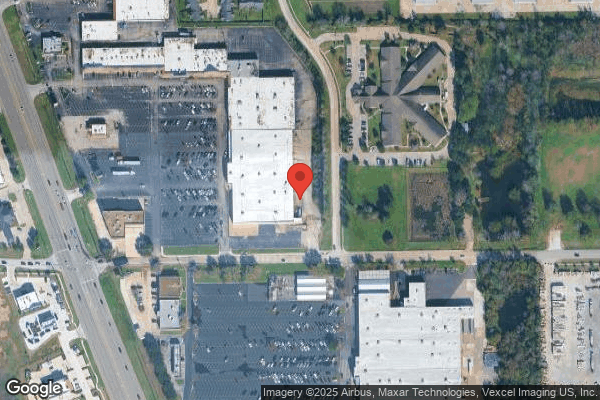
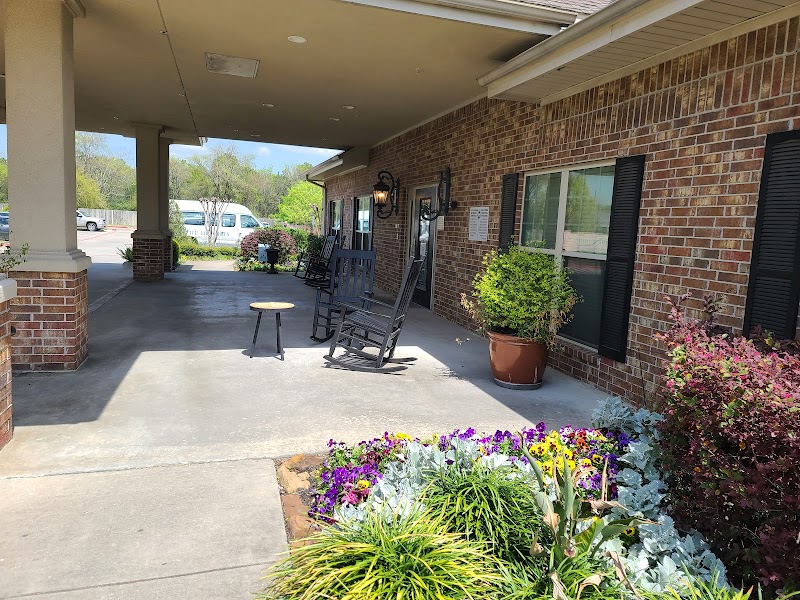
27840 JOHNSON ROAD, TOMBALL, TX 77375 (832) 843-7700
For profit - Corporation 131 Beds TOUCHSTONE COMMUNITIES Data: November 2025 2 Immediate Jeopardy citations
Trust Grade
36/100
#586 of 1168 in TX
Last Inspection: March 2024

Within standard 12-15 month inspection cycle. Federal law requires annual inspections.

Overview

The Heights of Tomball has received a Trust Grade of F, indicating poor performance with significant concerns. Ranking #586 out of 1168 facilities in Texas means they are in the bottom half of nursing homes in the state, and #51 out of 95 in Harris County suggests that only a few local options are better. Although the facility is showing improvement, with issues decreasing from 3 in 2024 to 1 in 2025, there are still serious concerns. Staffing is rated 2 out of 5 stars, which is below average, and turnover is at 53%, close to the state average. The facility has faced fines totaling $26,367, which is typical for the area, but incidents like a resident suffering a fractured bone due to improper transfer assistance and another developing pressure ulcers indicate ongoing care issues that families should consider.

Trust Score
F
36/100
In Texas
#586/1168
Top 50%
Safety Record
High Risk
Review needed
Inspections
Getting Better
3 → 1 violations
Staff Stability
⚠ Watch
53% turnover. Above average. Higher turnover means staff may not know residents' routines.
Penalties
⚠ Watch
$26,367 in fines. Higher than 87% of Texas facilities, suggesting repeated compliance issues.
Skilled Nurses
⚠ Watch
Each resident gets only 22 minutes of Registered Nurse (RN) attention daily — below average for Texas. Fewer RN minutes means fewer trained eyes watching for problems.
Violations
⚠ Watch
15 deficiencies on record. Higher than average. Multiple issues found across inspections.
★★★☆☆
3.0
Overall Rating
★★☆☆☆
2.0
Staff Levels
★★★★☆
4.0
Care Quality
★★★☆☆
3.0
Inspection Score
Stable
2024: 3 issues
2025: 1 issues

The Good

  • 4-Star Quality Measures · Strong clinical quality outcomes
  • Full Sprinkler Coverage · Fire safety systems throughout facility
  • No fines on record

Facility shows strength in quality measures, fire safety.

The Bad

3-Star Overall Rating

Near Texas average (2.8)

Meets federal standards, typical of most facilities

Staff Turnover: 53%

Near Texas avg (46%)

Higher turnover may affect care consistency

Federal Fines: $26,367

Below median ($33,413)

Moderate penalties - review what triggered them

Chain: TOUCHSTONE COMMUNITIES

Part of a multi-facility chain

Ask about local staffing decisions and management

The Ugly 15 deficiencies on record

2 life-threatening
May 2025 1 deficiency 1 IJ
CRITICAL (J) 📢 Someone Reported This

A family member, employee, or ombudsman was alarmed enough to file a formal complaint

Immediate Jeopardy (IJ) - the most serious Medicare violation

Pressure Ulcer Prevention (Tag F0686)

Someone could have died · This affected 1 resident

**NOTE- TERMS IN BRACKETS HAVE BEEN EDITED TO PROTECT CONFIDENTIALITY** Based on interview and record review, the facility failed to ensure residents received care, consistent with professional standa...

Read full inspector narrative →
**NOTE- TERMS IN BRACKETS HAVE BEEN EDITED TO PROTECT CONFIDENTIALITY** Based on interview and record review, the facility failed to ensure residents received care, consistent with professional standards of practice, to prevent pressure ulcers and does not develop pressure ulcers unless the individual's clinical condition demonstrates that they were unavoidable; and a resident with pressure ulcers receives necessary treatment and services, consistent with professional standards of practice, to promote healing, prevent infection and prevent new ulcers from developing for 1 (CR#1) of 5 residents reviewed for quality of care. The facility failed to ensure that CR#1 did not develop a pressure ulcer from date of admission, 3/6/25 through date of discharge, 3/19/25. An Immediate Jeopardy (IJ) was identified on 05/09/2025 at 7:18 pm. While the IJ was removed on 05/12/2025 at 12:15 pm, the facility remained out of compliance at a scope of isolated and severity of no actual harm with potential for more than minimal harm that is not immediate threat due to the facility's need to evaluate the effectiveness of the corrective systems/plan of correction. Findings include: Review of CR#1's face sheet reflected an [AGE] year-old male who was admitted to the facility on [DATE]. His diagnoses included Type 2 Diabetes Mellitus(a group disease that result in too much sugar in the blood), Heart disease(Damage or disease in the heart's major blood vessels), Hypertension( A condition in which the force of the blood against the artery walls is too high) , Hyperlipidemia(an elevated level of lipids like cholesterol and triglycerides-in your blood), and Osteoporosis(a medical condition in which the bones become brittle and fragile from loss of tissue, typically as a result of hormonal changes, or deficiency of calcium or vitamin D. Review of CR# 1's Quarterly MDS (Minimum Data Set) assessment dated [DATE], section C reflected a BIMS (Brief Interview for Mental Status) score of 12. Review of CR #1's care plan dated 03/09/2025 reflected CR #1 was care planned for skin care issues and to prevent skin breakdown. He was to be changed, kept dry, and barrier cream was to be applied to prevent skin breakdown. Review of CR #1 progress note dated 03/06/2025 reflected that upon admission, a head-to-toe assessment was completed and ROM bilaterally in upper extremities and lower extremities. His skin was intact except for a dressing on the right hip from surgery and bruising on both hands. As a precaution wound care was notified to assess the resident again in order to ensure he did not have any other skin issues. Review of CR #1's Skin and Wound evaluation dated 03/13/2025 reflected that CR #1 had obtained a pressure ulcer at the facility. It was unstageable: obscured full thickness skin and tissue loss. The assessment stated that wound bed had eschar and slough present, no odor, moderate drainage was present, peri wound was pink in color, and normal temperature. Wound measurements area: 3.4 cm, length 6.3 cm, Width 2.0 cm. Nurse practitioner was notified, and she gave verbal orders to begin treating the wound. Review of CR #1's SBAR dated 03/13/25 reflected the CNA informed the wound care nurse of a wound to the coccyx area of CR#1. The wound care nurse assessed CR#1 and reported the findings to the wound care Doctor. The wound care Doctor gave orders to treat CR#1 wound. Review of CR #1's progress note dated 03/13/25 reflected that the following note was written by LVN-A: CNA notified writer that after a shower she noticed an open area on resident bottom, full skin assessment completed, writer noted a unstageable pressure wound to the coccyx, Doctor notified, treatment orders given. Review of CR #1's progress note dated 03/19/2025 reflected Resident wife and son returned and packed all resident belongings. When nurse asked resident wife about the appointment, she just kept walking and did not respond. Nurse checked room and noticed all resident belonging were gone. Nurse notified social worker. Resident's wife and son were noted loading resident into vehicle with all belongings. When asked was everything ok and could we assist them with anything, they responded, no we are leaving. Resident's son was given an AMA form by social worker, and he refused to sign document. Review of CR #1's of care plans/initial MDS dated [DATE] reflected CR #1 had poor physical functioning, was not able to reposition himself in bed, required 2-person assistance for repositioning, and was incontinent of bladder and/or bowel. Review of CR #1's hospital record dated 03/19/2025 reflected that CR#1 was taken to the hospital after he left AMA from the facility. Review of CR#1 BRADEN assessment dated [DATE] reflected CR #1 was at risk for pressure sores. In an interview on 04/15/2025 at 12:25 PM, LVN-A stated that CR #1 was admitted into the facility on [DATE] with a right hip incision only. LVN-A also stated that on 03/13/25 she was notified that CR #1 had obtained a wound on his sacrum while in house. LVN-A stated that she called the wound care doctor and she was given verbal orders to start treatment. LVN-A was asked what could have caused the wound and she stated that she did not know. LVN-A was asked if a like of none positioning, and not changing a resident in time could cause a wound and LVN-A said it's possible. In an interview on 04/24/25 at 10:16 am, RN-A stated that on 03/06/2025 that she did a head-to-toe assessment on CR #1 and that the only issue that he had was an incision to his right hip. RN-A stated that if there had been a wound on CR #1 sacrum that she would have noted and that she would have called the wound care nurse and the Doctor right away. RN-A also stated that the only way CR #1 could have obtained a wound was by him not being positioned as needed. In an interview on 04/24/25 at 10:23 am, the DON stated that when a resident came into the facility, a head-to-toe assessment is conducted, and if there are any issues with skin breakdown, the wound care nurse and the wound care doctor is notified right away, an air mattress will be ordered, and pictures are taken of the wound. The DON also stated that repositioning residents is another way to prevent wounds. In an interview on 02/06/25 at 11:17 pm, the Administrator stated that when a resident is admitted into the facility, upon admission, a head-to-toe assessment is conducted to make sure that the resident does not have any wounds or any other issues. He stated if there is a wound, the wound care nurse and the wound care doctor is notified so that treatment is started right away. The Administrator also stated that an air mattress would be ordered to help with the wound, repositioning helps in healing the wound, and the family will be notified. In an interview on 04/24/25 at 11:46 am, The Wound Care Doctor stated that she gave LVN-A verbal orders on 03/13/25 to treat CR t#1. The wound Care Doctor stated that she gave verbal orders to treat CR #1 with calcium alginate, and air mattress. The Wound Care Doctor also stated that she is at the facility once a week and that she told the Wound Care Nurse to make sure that CR#1 was on the schedule for next week so that he could be reexamined. In an interview on 05/08/25 at 12:25pm, the Wound Care Doctor stated that CR#1's wounds were unavoidable, because of his age, uncontrollable diabetes, hypertension, hyperlipidemia, and heart disease. She also stated that residents with hip issues don't like to be turned nor do they move themselves because of the pain from the hip. In an interview on 05/09/25 at 4:04pm, the Wound Care Doctor stated that the precautions the facility had in place to prevent the pressure ulcer for CR #1 were sufficient. Precautions in place were to keep CR #1 dry, use barrier cream, pressure reducing mattress and repositioning the resident every two hours or more if needed. She stated that the facility sent her a picture of the wound after she had left the facility, and in her medical opinion, the wound was not serious enough for her to go back to the facility to debride the wound nor was it serious enough to send the resident out to the hospital. The Wound Care Doctor statede that she told the Wound Care Nurse to add CR#1 to the schedule to be examined next week. In an interview on 05/09/25 at 4:10 pm, the DON stated that the precautions the facility had in place to prevent the pressure ulcer for CR #1 were sufficient and was in accordance with the facility. The precautions in place was to keep CR #1 dry, use barrier cream, pressure reducing mattress and repositioning the resident every two hours or more if needed. Review of the facility's Skin and Wound Prevention and Management policy dated 03/14/2019 reflected A community treatment protocols and formularies are based upon current standards of practice and developed by a community's clinical team and medical director. The community adopts protocols for prevention, identification, assessment, and management of skin conditions, wounds, and pressure ulcer injuries. The Administrator and DON were notified on 05/09/2025 at 7:18 p.m., an Immediate Jeopardy situation (IJ) was identified due to the above failures. The Administrator was provided the IJ template on 05/09/2025 and a Plan or Removal (POR) was requested. The Plan of Removal was accepted on 05/10/25. Abatement Plan for [facility] Plan of Removal F686 - The facility failed to ensure CR#1 received necessary treatment and services, consistent with professional standards of practice, to promote healing, prevent infection and prevent new ulcers from developing. Immediate Response: Resident CR #1 on 3/13/2025 an unstageable was identified on the coccyx and discharged AMA on 3/19/2025. Director of Nursing Services/Assistant Director of Nursing Services/Charge Nurses completed skin assessments on all residents currently in the community to validate skin condition, treatment orders, preventative measures in place and care plans were reflective of their current skin condition. There were no negative outcomes identified with the 100% skin audit. The results of this audit will be placed in the binder for review with revisit from HHSC. Date completed: 5/10/2025 Director of Nursing Services/Assistant Director of Nursing Services/Charge Nurses /Regional Director of Clinical Operations reviewed clinical records for all residents currently with pressure ulcers to validate preventative measures in place to ensure they are receiving necessary treatment services to promote healing and prevent infection of pressure ulcer as ordered by physician and documented in care plan. Audit completed by the Regional DCO. All care plans have appropriate interventions in place There were no negative outcomes identified with our 3 residents who currently reside in the community and have pressure ulcers. The results of this audit will be placed in the binder for review with revisit from HHSC. Date completed: 5/10/2025 Director of Nursing Services/Assistant Director of Nursing Services/Charge Nurses reviewed all residents who currently reside in the community to ensure person centered plan of care to include development of a pressure ulcer and interventions to be taken. Audit completed by the Regional DCO. All care plans have appropriate interventions in place. There were no negative outcomes identified. The results of this audit will be placed in the binder for review with revisit from HHSC. Date completed:5/10/2025 Director of Nursing Services/Assistant Director of Nursing Services in-serviced licensed nurses regarding: Skin assessment completed upon admission, readmission, weekly and as needed, Implementing the admission plan of care problem, goal, interventions for skin concerns, identified wounds and risk for skin injury. To include following physician orders regarding all wound care and wound care consultations, documentation process for identified skin wounds, Notifications of new wounds, changes, or deterioration of wounds and resolved wounds to MD, resident representative, and DON, Communication with IDT of all wounds. Low air loss mattress will be used with stage 3 and 4 pressure injuries and/or as clinically indicated. Date completed:5/10/2025 Director of Nursing Services/Assistant Director of Nursing Services/Charge Nurses re- all direct care team members on prevention of pressure injuries and reporting of changes in condition to the charge nurse immediately. Date completed: 5/10/2025 Director of Nursing/Assistant Director of Nursing Services conducted education on Abuse Neglect/ Residents Rights out of an abundance of caution to all direct care team members and licensed nurses. Date completed: 5/10/2025 Director of Nursing / Assistant Director of Nursing will ensure all licensed nursing staff will be re-educated to include anyone on leave/PRN staff will be in serviced prior to working the next shift. DON/ADON will ensure administrative nursing staff in the community will provide in-service/education prior to team members working their assigned shift. The trainings will also be conducted with new hires. Risk Response: Residents who are at risk for skin breakdown have the potential to be affected by the deficient practice. Director of Nursing / ADON will ensure all licensed nursing staff will be re-educated to include anyone on leave/agency/PRN staff will be in serviced prior to working the next shift. DON/ADON will ensure administrative nursing staff in the community will provide in-service/education prior to team members working their assigned shift. The trainings will also be conducted with new hires. Systemic Response: Director of Nursing Services/Assistant Director of Nursing Services/Charge Nurses completed skin assessments on all residents currently in the community to validate skin condition, treatment orders, preventative measures in place and care plans were reflective of their current skin condition. There were no negative outcomes identified with the 100% skin audit. The results of this audit will be placed in the binder for review with revisit from HHSC. Date completed: 5/10/2025 Director of Nursing Services/Assistant Director of Nursing Services/Charge Nurses /Regional Director of Clinical Operations reviewed clinical records for all residents currently with pressure ulcers to validate preventative measures in place to ensure they are receiving necessary treatment services to promote healing and prevent infection of pressure ulcer as ordered by physician and documented in care plan. Audit completed by the Regional DCO. All care plans have appropriate interventions in place. There were no negative outcomes noted with our 3 residents who currently reside in the community and have pressure ulcers. The results of this audit will be placed in the binder for review with revisit from HHSC. Date completed: 5/10/2025 Director of Nursing Services/Assistant Director of Nursing Services/Charge Nurses reviewed all residents with pressure ulcers to ensure person centered plan of care to include development of a pressure ulcer and interventions to be taken. The results of this audit will be placed in the binder for review with revisit from HHSC. Date completed: 5/10 /2025 Director of Nursing Services/Assistant Director of Nursing Services in-serviced licensed nurses regarding: Skin assessment completed upon admission, readmission, weekly and as needed, Implementing the admission plan of care problem, goal, interventions for skin concerns, identified wounds and risk for skin injury. To include following physician orders regarding all wound care and wound care consultations, Documentation process for identified skin wounds, Notifications of new wounds, changes, or deterioration of wounds and resolved wounds to MD, resident representative, and DON, Communication with IDT of all wounds. Low air loss mattress will be used with stage 3 and 4 pressure injuries and/or as clinical indicated. Date completed:5/10/2025 Director of Nursing Services/Assistant Director of Nursing Services/Charge Nurses re-educated all direct care team members on prevention of pressure injuries and reporting of changes in condition to the charge nurse immediately. Date completed: 5/10/2025 Director of Nursing/Assistant Director of Nursing Services conducted education on Abuse Neglect/ Residents Rights out of an abundance of caution to all direct care team members and licensed nurses. Date completed: 5/10/2025 Director of Nursing / ADON will ensure all licensed nursing staff will be re-educated to include anyone on leave/PRN staff will be in serviced prior to working the next shift. DON/ADON will ensure administrative nursing staff in the community will provide in-service/education prior to team members working their assigned shift. The trainings will also be conducted with new hires. Monitoring Response: The Director of Nursing/ Assistant Director of Nursing will conduct random weekly (1-7 days per week) audit of new admissions, readmissions, residents with pressure ulcers, and resident at risk to develop pressure ulcers to ensure appropriate interventions are in in place to prevent and treat and pressure ulcers. Director of Nursing/Assistant Director of Nursing will conduct daily reviews during clinical start-up meetings (1-7days per week) review of progress notes, SBARs and nursing 24-hour report to ensure that appropriate interventions are in place as well as any additional follow up has been assigned. Director of Nursing/Assistant Director of Nursing will perform random audits with team members to validate knowledge of reporting of changes in condition 1-7 days a week. These plans will remain in place for the next 2 months to ensure compliance or to identify any further training needs. Findings of those observations will be reported to the QAPI committee during monthly meeting for the next 2 months and documented in the QAPI minutes. All information from this response plan will be placed in a binder or binders for review with the visit from HHSC. IDT and Medical Director conducted an Ad Hoc QAPI to review issue and community's response plan in place. Monitoring the POR on 05/10/2025 thru 05/12/2025: Review of Residents #2 and #3's skin assessments dated, 05/10/2025 reflected that both residents currently in the community validated skin condition, treatment orders, preventative measures were in place and care plans reflected their current skin condition. There were no negative outcomes identified with the 100% skin audit. Review of Residents person-centered plan of cares which included development of a pressure ulcer and interventions dated 05/10/2025 reflected that nurses reviewed all residents who resided in the community. Review of in-service dated 05/10/2025 reflected that in-services were conducted regarding skin assessments were completed upon admission, readmission, weekly and as needed, Implementing the admission plan of care problem, goal, interventions for skin concerns, identified wounds and risk for skin injury. To include following physician orders regarding all wound care and wound care consultations, documentation process for identified skin wounds, Notifications of new wounds, changes, or deterioration of wounds and resolved wounds to MD, resident representative, and DON, Communication with IDT of all wounds. Low air loss mattress will be used with stage 3 and 4 pressure injuries and/or as clinically indicated. Review of in-service document dated 05/10/2025 reflected that facility staff were educated on Abuse/Neglect pertaining to residents. The staff were educated on who to report abuse/neglect to, types of abuse/neglect, and they were educated on examples of Abuse/Neglect. Review of in-service document dated 05/10/2025 reflected that all facility staff were in-serviced on residents who are at risk for skin breakdown have the potential to be affected by the deficient practice. Review of facility staff in-service document dated, 05/10/2025 reflected that facility staff were in-serviced on Resident Rights. In an interview on 05/10/2025 at 5:00 PM, with the four CNAs, four LVN, and four RN revealed that they were in-serviced on identifying, reporting, treating, and preventing pressure ulcers. The staff stated that they understand the importance of identifying, reporting, treating and preventing pressure ulcers. In an interview on 05/10/2025 at 5:00 PM, ten CNA revealed they were in-serviced on reporting skin care issues to their charge nurse immediately if they identified a resident with skin care issues. In an interview on 05/10/2025 at 5:30 PM, CNAs, LVN, and RN revealed they were in-serviced on residents who were at risk for skin breakdown and had the potential to be affected by the deficient practice. In an interview on 05/12/2025 at 9:30 AM, the DON and ADON stated that their response to F-686-IJ- was to complete skin assessments on all residents currently in the community to validate skin condition, treatment orders, preventative measures in place and care plans were reflective of their current skin condition. There were no negative outcomes identified with the 100% skin audit. In an interview on 05/12/2025 at 9:50 AM, the DON and ADON stated that their response to F-686-IJ- reviewed clinical records for all residents currently with pressure ulcers to validate preventative measures in place to ensure they are receiving necessary treatment services to promote healing and prevent infection of pressure ulcer as ordered by physician and documented in care plan. In an interview on 05/12/2025 at 10:00 AM, DON and ADON stated that they reviewed all residents with pressure ulcers to ensure person centered plans of care to included development of a pressure ulcer and interventions to be taken. In an interview on 05/12/2025 at 10:10 AM, DON and ADON stated that they in serviced licensed nurses regarding: Skin assessment completed upon admission, readmission, weekly and as needed, Implementing the admission plan of care problem, goal, interventions for skin concerns, identified wounds and risk for skin injury. To include following physician orders regarding all wound care and wound care consultations, Documentation process for identified skin wounds, In an interview on 05/12/2025 at 11:30 AM DON and ADON stated that their response to F-686-IJ- was to random weekly (1-7 days per week) audit of new admissions, readmissions, residents with pressure ulcers, and resident at risk to develop pressure ulcers to ensure. Conduct daily reviews during clinical start-up meetings (1-7days per week) review of progress notes, SBARs and nursing 24-hour report to ensure that appropriate interventions are in place as well as any additional follow up has been assigned and conduct daily reviews during clinical start-up meetings (1-7days per week) review of progress notes, SBARs and nursing 24-hour report to ensure that appropriate interventions are in place as well as any additional follow up has been assigned. Staff that report s/s of abuse, types of abuse, neglect, report have not witnessed, have not heard of, or had any report regarding abuse or neglect and would report it to their charge nurse/abuse coordinator and feel safe reporting. We would separate residents if in an altercation, allow them to vent, and use calm voice. In the event staff member were seen performing abuse or neglect, The staff member would be asked to leave the area and would not be allowed to continue to work during that shift. The below was able to verbalize type of abuse and signs and symptoms of abuse. Report the last in-services about abuse, neglect, exploitation was within the last 2-3 days. Staff that can report signs and symptoms of change of condition and skin breakdown. Signs and symptoms that would be reportable are change in mental status, bruises, agitation, urine smell, skin breakdown would be redness possible bogginess under red area, rash. Report that they can locate care area needs for resident and POC of PCC and are able to document all areas of skin breakdown and if resident declines barrier cream, repositioning, assistance with being turned every two hours. CNA state they would report all changes to their charge nurse. Nurses state when the CNA's report any concerns, they themselves inquire as to the who, what, where, when, will go and assess resident when needed, make report to family doctor, DON, Administrator as needed. Report the last in-services about change of condition and wound assessment, reporting, prevention, and documentation was within the last 2-3 days. The Administrator was informed the Immediate Jeopardy was removed on 05/12/2025 at 12:15pm. The facility remained out of compliance at a scope of isolated and severity of no actual harm with potential for more than minimal harm that is not immediate jeopardy, due to the facility's need to evaluate the effectiveness of the corrective systems.
Dec 2024 1 deficiency 1 IJ (1 affecting multiple)
CRITICAL (K) 📢 Someone Reported This

A family member, employee, or ombudsman was alarmed enough to file a formal complaint

Immediate Jeopardy (IJ) - the most serious Medicare violation

Accident Prevention (Tag F0689)

Someone could have died · This affected multiple residents

**NOTE- TERMS IN BRACKETS HAVE BEEN EDITED TO PROTECT CONFIDENTIALITY** Based on observation, interview, and record review, the facility failed to ensure each resident received adequate supervision an...

Read full inspector narrative →
**NOTE- TERMS IN BRACKETS HAVE BEEN EDITED TO PROTECT CONFIDENTIALITY** Based on observation, interview, and record review, the facility failed to ensure each resident received adequate supervision and assistive devices to prevent accidents for 1 of 8 (Resident #1) residents reviewed for accidents and supervision. CNA A failed to provide safe transfers for Resident #1 via mechanical lift/ 2-person assist, as required on 11/20/2024. Resident #1 complained of leg pain and was diagnosed with an acute, mildly displaced (broken bone where the ends of the bones are no longer aligned) spiral fracture (a fracture occurring when torque is applied along with the axis of a bone. They often occur when the body is in motion while one extremity is planted) of the right mid/distal femoral shaft (the long, straight middle part of the femur, or thigh bone) and required surgical intervention. The noncompliance was identified as Past Non-Compliance. The IJ began on 11/20/2024 and ended on 11/21/2024. The facility corrected the noncompliance before the survey began. This failure placed dependent residents at risk of experiencing serious injury and pain. Findings include: Record review of Resident #1's face sheet dated 11/22/2024 revealed she was a [AGE] year-old female who was admitted to the facility on [DATE]. She was diagnosed with rhabdomyolysis (a breakdown of muscle tissue that releases a damaging protein into the blood), type 2 diabetes mellitus (a long-term condition in which the body has trouble controlling blood sugar and using it for energy), acute kidney failure (when the kidneys suddenly cannot filter waste from the blood), dysphagia (difficulty swallowing), unspecified dementia (a diagnosis given when a person has dementia but it does not fit into a specific type), end stage renal disease (kidney failure), history of falls, pruritus (an uncomfortable, irritating sensation that creates an urge to scratch that can involve any part of the body), folate deficiency anemia (when the body does not have enough red blood cells due to a lack of folate), and adult failure to thrive (a syndrome that involves unexplained weight loss, malnutrition, disability, and other symptoms). Record review of Resident #1's quarterly MDS assessment dated [DATE] revealed she had difficulty communicating some words or finishing thoughts but was able if prompted or given time; she missed some part/intent of the message but comprehended most conversation; she had a BIMS score of 0 (severe cognitive impairment); she did not exhibit any behavioral symptoms or rejection of care; she was dependent on staff (helper did all of the effort and resident did none of the effort to complete the activity or the assistance of 2 or more helpers was required) for toileting hygiene, showers, and personal hygiene; she required partial/moderate assistance from staff (helper did less than half of the effort. Helper lifted, held, or supported trunk or limbs, but provided less than half the effort) for chair/bed-to-chair transfers; and she was always incontinent of bowel and bladder. Record review of Resident #1's care plan revised 10/29/2024 revealed the following areas of concern: * Communication problem related to language barrier and resident's family translates for her. Goal included: Resident will be able to make basic needs known on a daily basis. Interventions included: Anticipate and meet needs. Monitor/document for physical/nonverbal indicators of discomfort or distress, and follow-up as needed. Provide translators as necessary to communicate with the resident. * Resident has a self-care deficit related to weakened condition secondary to failure to thrive. Goal included: Resident will maintain or improve ability to participate in her care with ADLs. Interventions included: Bathing/Shower Schedule: Resident prefers to be showered 2-3 times weekly. Mobility: resident uses a wheelchair. Total Lift x 2 team members. Total Lift Sling Size: small/red. Record review of Resident #1's physician progress note dated 10/24/2024 and signed by her PA revealed her past medical history included a diagnosis of osteoporosis (a condition in which bones become weak and brittle). Record review of Resident #1's nursing progress notes for November 2024 revealed: * On 11/20/2024, at 7:23 p.m. LVN B wrote, RP summoned writer to room voiced that resident complained of pain to her leg (resident speaks Laotian). Resident does not speak English. Upon assessment, writer noted that resident's right knee to her thigh was swollen, and tender to touch. Doctor notified, order given for stat x-ray of right knee, thigh, and hip . * On 11/20/2024, at 7:45 p.m. LVN C wrote, Tylenol 650 mg given for complaint of pain. Family member states that she would prefer resident go to hospital. Right leg noted with swelling from knee and up the right side of her thigh. Area is firm and cool to touch. No redness noted. Doctor notified and orders noted to send to local acute care hospital . Further review of Resident #1's progress notes for November 2024 revealed no note regarding Resident #1's unsafe transfers with CNA A on 11/20/2024. Record review of Resident #1's undated hospital records revealed she was admitted to a local acute care hospital on [DATE] and was diagnosed with an acute, mildly displaced spiral fracture of the right mid/distal femoral shaft with approximately one shaft width lateral and posterior displacement of the distal fracture fragment and regional soft tissue swelling. The record read in part, . At this point, the best course of action is surgical intervention consisting of right femur retrograde nailing . Observation and interview with Resident #1 at a local acute care hospital on [DATE], at 4:45 p.m. revealed she was alert, but she did not respond directly to questions. There were multiple family members present but all except one left the room. The family member stated Resident #1 never really talked too much. The family member said Resident #1 understood English and could speak English but did not talk too much. The family member stated she previously asked Resident #1 where she got hurt, and she said the bathroom. The family member said Resident #1 said she did not fall when she got hurt. The family member stated Resident #1 was confused. An HHSC interpreter was contacted by phone to translate [NAME], but the interpreter could not understand Resident #1. The family member stated she understood the interpreter, but Resident #1 was confused. The family member asked Resident #1 questions (in [NAME]) about the incident, but Resident #1 stated she could not remember. The family member said Resident #1 got upset with her because she said the family member was asking her the same questions. The family member said Resident #1 refused to answer anything else. Resident #1 appeared to be listening to the conversation with the family member. The family member said Resident #1 understood everything being said, but she would not speak English. In an interview with the Administrator on 11/22/2024 at 9:45 a.m., she stated Resident #1 was sent out to the hospital on [DATE] but they received paperwork from the hospital case manager on 11/21/2024 which indicated Resident #1's family had some concerns. The Administrator said Resident #1 went to the hospital per her family's request based on swelling to her leg, from her knee to her thigh. She said the swelling started on 11/20/2024. She said Resident #1 understood English and could answer in English, but she spoke [NAME] fluently. She stated Resident #1's RP was present when the swelling was identified but Resident #1 never told the RP anything happened to her, just that she was in pain. She said Resident #1 could not walk, but she often tried to walk and had a history of falls and osteoporosis. She said when the swelling was noted, her doctor (and Medical Director) ordered a stat x-ray, but the RP requested Resident #1 be sent out. She said the facility received Resident #1's clinical records from the hospital on [DATE] because she was due to return to the facility. She said the clinical records indicated Resident #1 was diagnosed with a fracture, so she submitted a self-reported incident to HHSC as soon as they were made aware. She said the hospital case manager's notes indicated there was concern because there was no documentation from the facility about a fall, or any other incident. She stated the facility also had concerns, so they initiated an investigation and interviewed staff on all shifts up to 72 hours before she complained of pain, and nobody said anything abnormal happened. She said Resident #1 complained of pain during the 2:00 p.m. - 10:00 p.m. shift, but she had a shower during the 6:00 a.m. - 2:00 p.m. shift. In an interview with LVN B on 11/22/2024 at 12:45 p.m., she stated she worked the 6:00 a.m. - 6:00 p.m. (some staff worked 8-hour shifts and some staff worked 12-hour shifts) shift. She stated Resident #1 spoke English when she wanted to, usually during yes and no questions. She said Resident #1 was cognitively impaired, but she may have been more cognitive with family because the family members sometimes translate things Resident #1 said. She said Resident #1 let the staff know if she wanted something and she usually liked to be in her wheelchair most of the time. She said she never saw Resident #1 walk and if she fell on the floor, she would not be able to get herself off the floor alone. She said there was a camera inside Resident #1's room. She said she worked with Resident #1 on 11/20/2024 and she did not seem unusual that day. She said they had Resident #1 in bed after providing incontinent care, and she wanted to get back into her wheelchair. She said Resident #1 never expressed or indicated pain to her. She said later when she looked at Resident #1's leg at her RP's request, it looked slightly swollen. She said she called the doctor, and he ordered an x-ray. She said the night shift nurse, LVN C was already at the facility at that time, so she went to get Resident #1 a pain pill because the RP kept saying she was in a lot of pain, and it was unbearable. She said when she gave Resident #1 the pain pill, and looked at her leg again, it started to look bigger, and the swelling grew. She said she and LVN C both went in to look at Resident #1's leg the first time at about 6:30 p.m. She said Resident #1 did not appear to be in pain because she was smiling and looked excited. She said Resident #1 did not exhibit any indication of pain. She said no falls were reported and the aides were usually very good about coming to get the nurses quickly with any incident. An unsuccessful attempt was made to contact Resident #1's physician on 11/22/2024 at 12:58 p.m. In a telephone interview with Resident #1's RP on 11/22/2024 at 1:00 p.m., she stated she arrived to the facility on Wednesday, 11/20/2024 after 5:00 p.m. and Resident #1 let her know her leg was hurting and she wanted to go to the hospital. She said Resident #1 was not very verbal until she was in pain. She said she asked a CNA (she could not recall the name of the CNA) to put Resident #1 in bed. She said Resident #1's right leg, especially the thigh area, looked really swollen. She said Resident #1 was diagnosed with a fractured femur at the hospital and had surgery on 11/21/2024. She said another family member told her they asked Resident #1 where she got hurt, and Resident #1 said the restroom. She said a CNA took Resident #1 to the shower on 11/20/2024. She said from watching the camera footage, she heard Resident #1 call out for help when the CNA tried to put her in the wheelchair after her shower (before she went out and sat near the nurse's station). She said the CNA brought Resident #1 back to her room from the hall for incontinent care around 12:47 p.m. She said when the CNA opened the privacy curtain, she heard Resident #1 yelling out for help and saying she was in pain while she was in the bed. She said the same CNA who gave Resident #1 a shower was the same one who gave her incontinent care. She said Resident #1 never provided any other information about the incident. In a telephone interview with CNA D on 11/22/2024 at 1:11 p.m., she stated she worked the 2:00 p.m. - 10:00 p.m. shift and she worked with Resident #1 on 11/20/2024. She stated she observed Resident #1 on 11/20/2024 at 2:00 p.m. when she was sitting in the hallway trying to take her clothes off. She said she tried to help put Resident #1's clothes back on, but she refused to let her touch her. She said some other co-workers (she did not identify these co-workers) tried to help but Resident #1 refused to let them touch her. She said Resident #1 had a blanket around her. She said they pulled the blanket over her, so she was not naked in the hallway. She said Resident #1 did not grimace or give any other indication of pain. She said they thought Resident #1 was hot, but she did not respond when they asked her if she was hot. She said Resident #1 pushed her away, so she did not try to take her to the room until her RP arrived and said another family member noticed on the camera that Resident #1 had not been inside the room for incontinent care for a while. She said the RP asked them to take her to the room and provide incontinent care. She said Resident #1's RP assisted them with getting her into bed and that was when they noticed the leg swelling. She said she touched Resident #1's leg and it was hot. She said the RP asked her to tell a nurse. She said when she touched Resident #1's leg, the resident told her RP it was painful. She said she did not know if Resident #1 told the RP if anything happened. She said they initially took Resident #1 to her room for incontinent care before dinner, but she could not recall the exact time. She said she arrived for her shift at 2:00 p.m. but she never provided Resident #1 incontinent care because her roommate said she thought Resident #1 had been changed (given incontinent care) and Resident #1 pushed her away. She said she thought Resident #1 was not in the mood for her to change her. She said if Resident #1 fell, she would not be able to get up alone. In an interview with CNA A on 11/22/2024 at 1:30 p.m., she stated she worked for the facility one month on the 6:00 a.m. - 2:00 p.m. shift. She said she never heard Resident #1 talk other than in her native language. She said Resident #1 liked to watch people and smiled a lot. She said she and Resident #1 had a routine. She said she usually got Resident #1 up out of bed in the morning and if it was her shower days (Mondays, Wednesdays, and Fridays), she gave her a shower. She said 11/20/2024 was a Wednesday, so she got a shower chair and took Resident #1 to the shower (the shower was inside the bathroom in the resident's room), then got her dressed in the room. She said she gave Resident #1 two showers (she could not recall the date of the first shower she gave Resident #1). She said on 11/20/2024, nothing unusual happened. She said she put Resident #1 in the shower chair around 9:00 a.m., washed her with a sponge, put her in the bed to get her dressed, and then brought her back out on the hallway in her wheelchair. She said she never had to lift Resident #1's legs at all because she bent over to wash her legs. She said to transfer Resident #1 from the shower chair to the bed, she picked her up like a bear hug and turned her body towards the bed and got her on there. CNA A demonstrated how she transferred Resident #1 from the bed to the chair and chair to bed. CNA A demonstrated that she placed her arms underneath the resident's arms (like a hug while standing face-to-face) and picked her up then pivoted her top half to a seated position on the bed. CNA A said Resident #1 never grimaced or acted like she was in pain. She said she covered Resident #1 up before she was about to leave the room. She said she knew Resident #1 wanted something because she was talking to her. She said she called for the nurse, and they decided to get Resident #1 back up because they thought she wanted to get back up. She said they got Resident #1 back up and she was fine after that. She said she finished her rounds around 1:40 p.m., before the end of her shift and Resident #1 was still sitting in the hall close to the nurse's station. She said Resident #1 appeared to be fine at that time. She said the only difference on 11/20/2024 was that she usually left Resident #1 in the bed in the morning, but on that day, they got her back up because they thought she wanted to get up. She said after they got Resident #1 back up, she did not talk anymore, so they thought that was what she wanted (to get up). She said she saw some normal redness on Resident #1's legs where she scratched a lot. She said that was not unusual because Resident #1 had dry skin and she typically scratched there. She said she put lotion on Resident #1's legs after her shower, but she never indicated she was in pain and there was no swelling. She said Resident #1 would not be able to get up off the floor if she fell alone. In a follow-up telephone interview with CNA A on 12/03/2024 at 12:46 p.m., she stated she did not know Resident #1 required a mechanical lift transfer until after 11/20/2024. She said when she was initially hired, other staff trained her to transfer Resident #1 unassisted, the same way she transferred her on 11/20/2024. She said after 11/20/2024, she was trained by management to look at the residents' [NAME] (a file system that gives a brief overview of each patient) to see their transfer status/method. She said she never would have known Resident #1 was a 2-person/mechanical lift transfer if she did not check the [NAME]. She said she always knew how to check the [NAME], and what information was in it (including resident transfer method), but she just did not. She said she did not have a gait belt on Resident #1 that day either. She said Resident #1 could not bear any weight (assist in transfers by standing), so the staff lifted her whole weight alone when they transferred her. In an interview with Resident #1's roommate on 11/22/2024 at 2:05 p.m., she stated at first, she and Resident #1 had a hard time communicating, but now they use fingers, like, thumbs up and thumbs down and she nods her head that she is ok. She said Resident #1 could speak a little English, but she just did not. She said on 11/20/2024, Resident #1 came back to the room all upset before 2:00 p.m. She said Resident #1 was just talking in her language. She said she knew Resident #1 she was upset, but she could not figure out what was wrong. She said Resident #1 was trying to take her pants off. She said when Resident #1's RP arrived, she took her covers off and saw the swelling from her thigh to past the knee. She said she could not recall if Resident #1's leg was discolored, but it was swollen. She said when Resident #1's RP arrived, Resident #1 was still talking a lot. She said the RP said Resident #1 was in a lot of pain and wanted to go to the hospital. She said the shower was inside the bathroom, but she could not hear anything, and the privacy curtain was closed. She said after Resident #1's shower, they took her straight out to the hall and sat her against the wall near the nurse's station. She said Resident #1 was the facility's greeter because she loved to say hello to people. She said they call Resident #1 the people watcher. She said she could not recall how long it was before they brought Resident #1 back to the room to provide incontinent care. She said that was when Resident #1 was talking a lot and tried to take her pants off. She said they changed her (provided incontinent care), and they should have seen the swelling then (it is unknown if Resident #1's roommate gave an accurate timeline of events). She said Resident #1 watched television and went to sleep after that until her RP arrived and noticed the swelling. She said they called the nurse and the nurse wanted to do an x-ray, but Resident #1 wanted to go to the hospital. She said LVN C called the ambulance. She said Resident #1 was straight faced (no indication of pain) but was talking a lot. She said Resident #1 did not indicate she was in pain, but the RP said Resident #1 said she was in pain. In an interview with the DON on 12/03/2024 at 8:30 a.m., she said Resident #1 returned to the facility on [DATE]. She stated she had already in-served CNA A and all other nursing staff on 11/21/2024 regarding safe transfers and checking the residents' [NAME] to ensure their transfer methods. She said Resident #1's RP stated Resident #1 did not say anything happened or how she was hurt. She stated she spoke to staff and none of them noticed anything unusual. She said Resident #1 did not stand or walk at all and on 11/20/2024, she was a two-person transfer, but her RP allowed certain staff to transfer her unassisted. She stated staff were currently required to transfer Resident #1 via mechanical lift (2-person). She stated it was inappropriate for CNA A to transfer Resident #1 unassisted on 11/20/2024 and after she (CNA A) told her she picked Resident #1 up and transferred her to the chair unassisted, she was in-serviced. In a telephone interview with Resident #1's PA on 12/03/2024 at 9:20 a.m., she stated she cared for Resident #1 since she was admitted to the facility. She stated Resident #1 was diagnosed with osteoporosis, which possibly contributed to the fracture since no fall or other incident was reported by staff. She stated an improper transfer by staff could have caused Resident #1's fracture, but it was hard to say if that is what happened. In an interview with CNA E on 12/03/2024, at 10:30 a.m., she stated she regularly worked with Resident #1, but she was not present on 11/20/2024. She stated she gave Resident #1 a shower on Monday, 11/18/2024 and when she returned to work on Thursday, 11/21/2024, she was in the hospital. She stated Resident #1 was total care (she required staff assistance for all activities of daily living) and she always transferred her from the bed to chair and chair to bed unassisted. She stated before 11/20/2024, Resident #1 was a one-person assist for transfers, but since then, she was changed to a two-person assist. She said the DON made it clear that Resident #1 required mechanical lift transfers. In an interview with the DON on 12/03/2024 at 11:39 a.m., she said prior to 11/20/2024, Resident #1's care plan was not labeled transfer method, but Total Lift x 2 team members meant she required mechanical lift transfers. She said Resident #1 required mechanical lift transfers at her family's request, but it depended on which staff was with her. She said some of the staff used a mechanical lift, but she was made aware that some staff thought she was a one-person transfer. She said they in-serviced all staff and educated to go by what was on the care plan. She said she showed staff where the transfer information was on the [NAME]. Record review of the facility's policy entitled, Safe Resident Handling/Transfers revised January 2023 revealed, Policy: It is the policy of this community to ensure that patients/residents are handled and transferred safely to prevent or minimize risks for injury and provide and promote a safe, secure, and comfortable experience for the patient/resident while keeping the team members safe in accordance with current standards and guidelines . Compliance Guidelines: 1. The interdisciplinary team or designee will evaluate and assess individual mobility needs, considering other factors as well, such as weight and cognitive status. 2. The mobility needs will be addressed on admission and reviewed quarterly, after a significant change in condition or based on direct care staff observation or recommendations. 3. Mechanical lifting or other approved transferring aids will be used based on individualized needs and per the care plan to prevent manual lifting except in medical or other emergencies . 12. Team members are expected to maintain compliance with safe handling/transfer practices. Failure to maintain compliance may lead to disciplinary action up to and including termination of employment. 13. Lifting and transferring will be performed according to the individualized plan of care . Record review of the facility's document titled, 4 Step Response Plan: Care plan/[NAME]/Safe Transfers Immediate Action Taken: All Team Members providing care to residents were provided re-education/re-training by the DON/Designee regarding: 100% Direct care education on review of the [NAME] before providing care to all residents assigned to them to ensure proper assistance and interventions are utilized according to the resident's need and adherence to the resident's plan of care. Reporting any concerns or inaccuracies to the charge nurse/licensed nurse . 100% Education provided to all Nursing Department Preventing Accidents/Fall Prevention/Promoting Safety . 100% Skills validation on accessing the [NAME]. 100% Education provided to all nursing staff: Reporting any changes noted in resident's condition,,, Out of an abundance of caution, DON/Designee provided re-education on: Prevention of Abuse and Neglect . Date of Completion: 11/21/2024. Community will ensure all staff on leave/agency/PRN staff are in-serviced and skill validated for [NAME] use with compliance, prior to working their shift . Monitoring Response: DON/Designee will conduct random skills validations regarding [NAME] use 3-7 days per week for two months to ensure direct staff is complaint with use of the [NAME] and transfer needs of all residents assigned .Ad hoc QAPI Date: 11/21/2024 . Record review of In-Service Acknowledgement dated 11/21/2024 revealed CNA A (CNA A received 1:1 education) and all other nursing staff were educated by the DON regarding demonstrating accessing and utilizing the [NAME] on PCC (the facility's computer system). Record review of In-Service Acknowledgement dated 11/21/2024 revealed all nursing staff were educated by the DON on utilizing the [NAME], demonstration and proper transfer, reporting any changes, and falls/incidents. Record review of in-Service Acknowledgement dated 11/21/2024 revealed all staff were educated by the DON regarding Abuse and Neglect. Record review of the facility's document titled, Monitoring Tool: [NAME] Audits dated 11/2024 revealed, DON/Designee will conduct random skills validations regarding [NAME] use 3-7 days per week for two months to ensure direct staff are compliant with the use of the [NAME] and transfer needs of all residents assigned . Frequency of Monitoring: 3-7 days/week for two months . Interviews were conducted with staff on 12/03/2024 8:45 a.m. until 4:30 p.m. including the Administrator, DON, CNA A, CNA E, LVN F, CNA G, CNA H, CNA I, CNA J, CNA K, and CNA L to verify the in-services were conducted and to validate the staff understanding of the information presented to them. No concerns were found regarding understanding of requirements, training material, and expectations. The Administrator, DON, CNA A, CNA E, LVN F, CNA G, CNA H, CNA I, CNA J, CNA K, and CNA L were able to explain the importance of reviewing each residents' [NAME] prior to providing care to ensure proper transfer methods are used, providing safe and appropriate transfers using the method specified in each resident's care plan, and reporting any changes of condition. The noncompliance was identified as Past Non-Compliance. The IJ began on 11/20/2024 and ended on 11/21/2024. The facility corrected the noncompliance before the survey began. On 12/03/2024 at 3:48 p.m., the facility's Administrator, DON, and Regional Nurse were notified of the past noncompliance IJ. A plan of removal was not requested. An IJ template was provided to the Administrator on 12/03/2024 at 3:48 p.m.
Mar 2024 2 deficiencies
CONCERN (D)

Potential for Harm - no one hurt, but risky conditions existed

MDS Data Transmission (Tag F0640)

Could have caused harm · This affected 1 resident

**NOTE- TERMS IN BRACKETS HAVE BEEN EDITED TO PROTECT CONFIDENTIALITY** Based on observation, interview and record review the facility failed to transmit an MDS for 2 (Resident #57 and Resident #112) ...

Read full inspector narrative →
**NOTE- TERMS IN BRACKETS HAVE BEEN EDITED TO PROTECT CONFIDENTIALITY** Based on observation, interview and record review the facility failed to transmit an MDS for 2 (Resident #57 and Resident #112) of 3 residents reviewed for resident assessment. The facility failed to transmit End of PPS Part A stay 12/13/2023 for Resident #57. The facility failed to transmit End of PPS Part A stay 11/10/2023 for Resident #112. The facility failed to transmit Discharge Return Not Anticipated 12/13/2023 for Resident #57. The facility failed to transmit Discharge Return Not Anticipated 11/10/2023 for Resident 112. This failure could place the residents at risk of not having their assessments transmitted timely. Findings include: Record review of Resident #57's admission record revealed a [AGE] year-old female admitted on [DATE] with the following diagnoses: Encephalopathy (a group of conditions that cause brain dysfunction), fracture of right wrist and hand, and urinary tract infection. Resident was admitted for skilled nursing following hospitalization. Resident discharged from the facility on 12/13/2023. Record review of Resident #112's admission record revealed a [AGE] year-old female admitted on [DATE] with the following diagnosis: acute kidney failure (is a sudden and serious condition that affects your kidneys' ability to filter waste and fluid from your blood), chronic obstructive pulmonary. disease (is a chronic condition in which a patient's lungs are susceptible to infections). Resident admitted for skilled nursing following hospitalization. Resident discharged from the facility on 11/10/2023. Record review of facility census dated 03/26/2024 revealed a census of 116. During an interview on 03/28/2024 at 2:48 p.m., RN nurse assessment coordinator A reported there should be a discharge assessment on every resident that leaves the facility. It needs to be done. If the discharge is planned-the discharge information is given to the resident, including financial information. If it is an unplanned discharge, the nurse will give discharge summary information, list of medications, follow up plan with Doctor and home health if ordered. All residents must receive some type of MDS discharge summary for leaving the facility. According to OBRA (Omnibus Budget Reconciliation Act, a federal law that sets standards of care for nursing homes), not having a MDS discharge summary would be a documentation error and did not know why discharge on Resident # 57 and Resident #112 was not completed. RN assessment coordinator A and RN assessment coordinator B report that they are included in daily facility meeting which includes discharge planning. During an interview on 03/28/2024 at 3:45 p.m., the RN Regional Clinical Nurse stated she had in-serviced the staff regarding RAI guidelines. Record review of the CMS version 3.0 Manual last revised October 2023 revealed in part . Nursing homes are required to submit Omnibus Budget Reconciliation Act required Minimum Data set records for all residents in Medicare or Medicaid certified beds regardless of payment source . must be no later than 14 days from the determination of significant change . PPS must occur within 7 days . Record review of facilities policy titled; CMS's RAI Version 3.0 Manual Ch 2: Assessments for the RAI., page 2-11., dated October 2023 read in part . Discharge assessments refers to an assessment required on resident discharge from the facility.
CONCERN (D)

Potential for Harm - no one hurt, but risky conditions existed

Deficiency F0919 (Tag F0919)

Could have caused harm · This affected 1 resident

**NOTE- TERMS IN BRACKETS HAVE BEEN EDITED TO PROTECT CONFIDENTIALITY** Based on observation, interview and record review, the facility failed to ensure resident rooms was adequately equipped at the r...

Read full inspector narrative →
**NOTE- TERMS IN BRACKETS HAVE BEEN EDITED TO PROTECT CONFIDENTIALITY** Based on observation, interview and record review, the facility failed to ensure resident rooms was adequately equipped at the resident's bedside to call for staff assistance through the communication system for 1 of 3 sampled residents (Resident #6) reviewed for call light function, in that: -The facility failed to ensure Resident #6 bedside call light was functioning. Findings included: Record review of Resident #6's face sheet, dated 03/28/2024, revealed a [AGE] year-old female who was admitted into the facility on [DATE] and was diagnosed with hemiplegia (one-sided paralysis of the body) , anxiety disorder, dementia, and cerebral infarction (disrupted blood flow to the brain). Record review of Resident #6's MDS, dated [DATE], revealed the resident needed supervision to touching assistance for toileting showering, dressing and personal hygiene. Record review of Resident #6's care plan, not dated, reflected a focus noting resident had a self-care deficit related to diagnosis including weakness, debility, incontinence of bowel and bladder and poor physical endurance. The resident was noted need to need assistance by one staff for transfers. The care plan also revealed the resident was at risk for falls and the intervention to prevent injuries from falls was to anticipate needs and ensure call light was in reach for use. Observations of Resident #6 on 03/26/2024 at 10:37AM, revealed the resident was lying in bed with complaints of pain around her neck and chest area. Surveyor asked for the resident to press her call light and observed that it was not turning on when pressed. Resident was observed with a sign in her room that read, Please Call Don't Fall. The resident could not report how long her call light was not working. In an interview with the Director of Clinical Education on 03/26/2024 at 10:45AM, she acknowledged Resident #6's call light at that time was not working and stated she was not aware of the malfunction. She stated she would have to report the issue to the Maintenance Director. She stated it was important to ensure call lights were working in case a resident was experiencing an emergency and to ensure the residents' safety. In an interview with the Maintenance Director on 03/28/2024 at 2:55PM, he stated he was told about the concern today and he replaced the broken call light right away. He stated call lights needed to work in case of an emergency in case they fall or need help in the restroom and having a non-functioning call light places residents at risk for delayed care. He stated he performed monthly audits on call lights, and usually had to replace some call lights due to wear and tear on the chords or change lightbulbs that were dead. In an interview with the Administrator on 03/28/24 at 3:55PM, she revealed they did not have a facility policy on call light function. She stated call lights were supposed to be functioning to allow residents to call for assistance and ensure no delays in care. In an interview with 03/28/24 at 4:00PM, RN A stated Resident #6 was cognitively impaired but her impairment comes and goes. She said at times she was cognitive enough to use a call light or let someone know when she needed assistance. She stated she was not sure if a call light was important for Resident #6 because her room was located close to where she worked most of time and she could audibly hear the resident talk out loud when asking for help.
Aug 2023 4 deficiencies
CONCERN (D) 📢 Someone Reported This

A family member, employee, or ombudsman was alarmed enough to file a formal complaint

Potential for Harm - no one hurt, but risky conditions existed

Deficiency F0658 (Tag F0658)

Could have caused harm · This affected 1 resident

**NOTE- TERMS IN BRACKETS HAVE BEEN EDITED TO PROTECT CONFIDENTIALITY** Based on observation, interview and record review, the facility failed to ensure services provided by the facility met professio...

Read full inspector narrative →
**NOTE- TERMS IN BRACKETS HAVE BEEN EDITED TO PROTECT CONFIDENTIALITY** Based on observation, interview and record review, the facility failed to ensure services provided by the facility met professional standards of quality for 1 of 3 residents (Resident #1) reviewed for professional standards. -The facility failed to obtain PICC care and dressing change orders for Resident #1 after completion of antibiotics on 08/25/2023 resulting in Resident #1 receiving no dressing change and no catheter flushes between 08/25/2023 and 08/29/2023. These failures could place residents at risk of infection, pain, and hospitalization. Findings included: Record review of Resident #1's Face Sheet dated 08/29/2023 revealed, a [AGE] year-old male admitted to the facility on [DATE] with diagnoses to include cellulitis (skin infection) of the left lower limb, diabetic peripheral angiopathy (disease of the blood vessels as a result of unregulated diabetes), proteus mirabilis (microorganism causing infection), heart disease, local infection of the skin and peripheral vascular disease (a blood circulation disorder). Record review of Resident #1's MDS dated [DATE] revealed, intact cognition as indicated by a BIMS score of 14 out of 15, he required extensive assistance with bed mobility and toilet use. He required limited assistance with transfers, dressing and personal hygiene. He was occasionally incontinent of bladder and always continent of bowel. He had infection of the foot and diabetic foot ulcers. Record review of Resident #1's Care Plan last reviewed on 08/23/2023 revealed Focus-at risk for skin injury-new or worsening skin condition. Actual skin issues: left lower leg Cellulitis, left leg ulcers, both lower leg Venous statis (congestion and slowing of circulation in veins). Goal-skin injury will resolve without associated complications through the review date. Focus- at risk for infection or recurrent/chronic infection r/t compromised medical condition. Goal-will be free from S/S of infection and any complications r/t infection through the review date. Interventions included-administer medications and/or antibiotics as per MD orders. Doxycycline until 8/26/2023 and Ceftriaxone 2gm until 08/26/2023 for left leg cellulitis. Focus-risk for complications associated with intravenous therapy. Goal-will be free from complications associated with IV placement through the next review date. Interventions included-administer medications and/or flushes as ordered by MD. Change dressing to IV access site as ordered. Frequent monitor/check IV access site upon each care encounter, look for s/s of infection. Record review of Resident #1's Active Orders as of 8/29/2023 at 11:44 AM revealed no order for dressing change, no order for saline flushes and no order to discontinue the IV line. Record review of Resident #1's undated Completed Physician Orders revealed an order to discontinue the IV line to right upper arm, ABT completed. The date ordered and completed was on 08/29/2023 at 12:30 PM, after the facility was notified by the surveyor on 08/29/2023 at 10:40 AM that Resident #1 had an IV line in his arm and the date on the dressing was 08/17. Record review of Resident #1's MAR/TAR/LNR for August 2023 revealed there was no scheduled dressing change for the PICC line. Further review revealed there was no scheduled saline flushes after 08/25/2023. Observations and interview on 08/29/2023 at 10:36 AM revealed Resident #1 lying in bed. The resident was cleanly dressed in no immediate distress with an IV site to his right upper arm. The transparent IV dressing was intact. The dressing was dated 08/17. There was a Biopatch Protective Disc over the IV insertion site. There was a small pocket of air and a small amount of dark red blood at the bottom edge of the Biopatch and blood alongside a small section of the tubing. Resident #1 stated the IV was placed while in hospital on the same date written on the dressing. Resident #1 stated the IV had not been used in maybe 3 days and he did not know when it was last flushed. He denied any pain. In an interview on 08/29/2023 at 4:00 PM, LVN E stated if a PICC line was not in use it should be flushed every shift and there should be an order for this. LVN E stated the reason for flushing was to decrease blood clotting in the catheter and if not flushed the risk to the resident would be an infiltration and increased chance of infection. In an interview on 08/29/2023 at 4:30 PM, the DNS stated Resident #1's PICC line was not being used and the NP was at the facility on 08/28/2023 and did not get the order in to discontinue the PICC. The DNS stated if it was not documented that the nurses reached out to the NP then it was not done. The DNS stated Resident #1's PICC line dressing should have been changed, if it was not documented then it was not done. The DNS stated she expected that the nurses should have at least called her for guidance. The DNS stated the management team had a long list of residents with IV's and IP also had the same list, so the team was aware of Resident #1's PICC line, She stated IV's should be discontinued when no longer needed and should not be left in too long d/t chance of infection. In an interview on 08/30/2023 at 12:30 PM, LVN A stated Resident #1 technically did not need a dressing change d/t the antibiotic order was completed and the PICC should have been discontinued. She stated it should be the ADNS and DNS to monitor for the follow up but sometimes things were just not caught. She stated the completion of Resident #1's IV antibiotics should have come up in the IDT meetings. She stated that the IP had already conducted nursing in-service and training on the importance of maintaining the IV. In an interview on 08/30/2023 at 1:05 PM, The ADNS stated Resident #1's IV dressing should have been changed on the last day of antibiotics which was 8/25/2023. She stated the nurse should have contacted the provider to see if additional orders were needed. She stated that normally the orders would be double checked after the end of the antibiotic treatment. She stated completion of the course of IV antibiotics would have been discussed in clinical meetings the next morning and again in the afternoon end of day meeting. The ADNS stated she did not know why it got missed. In an interview on 08/30/2023 at 1:30 PM, LVN C confirmed her initials on the MAR and stated she gave Resident #1 the last dose of IV Ceftriaxone on 08/25/2023. She said she did not call the MD to notify that the course of antibiotic was completed, she would have charted this if she did. LVN C stated on Sunday 8/27/2023 they were waiting for the doctor to call back. She stated the person responsible would be the nurse assigned to the resident on Sunday but that it was a very busy then and probably got missed. LVN C stated she would have been the one to flush Resident #1's catheter with normal saline on Saturday 8/26/2023 and Sunday 8/27/2023 because that was what was normally done do to keep it from clotting and that was her weekend to work. She stated she did flush the catheter on that weekend. She stated the flush orders were in the MAR. When LVN C looked at the MAR again, LVN C stated she was sure there was a flush order and said she mistook the normal saline order that ended on 08/25/2023 for a flush order to keep the catheter from clotting after the antibiotics were completed. She said she would need an MD order for the flush if the catheter was not being used. In an interview on 08/30/2023 at 5:00 PM, the DNS was asked if an MD order for normal saline flush was needed for a PICC line that was not being used, she said everything done requires an MD order. The DNS stated best practice for LVN C would have been to call the MD to clarify orders after she flushed Resident #1's PICC line with normal saline. She stated she would expect the nurse to call the DNS if the MD did not return the call. Record review of LVN C's Competency Assessment checklist, Guidelines for Preventing Intravenous Catheter-Related Infections signed by LVN C and the trainer/ DCE on 08/21/2023 revealed LVN C demonstrated and met all the goals. Record review of the DCE's Competency Assessment checklist, Guidelines for Preventing Intravenous Catheter-Related Infections signed by the DCE and the DNS on 06/24/2022 revealed DCE demonstrated and met all the goals. Record review of the facility's policy and procedure for read in part: Competency Assessment, Guidelines for Preventing Intravenous Catheter-Related Infections, revised August 2014 read in part: A) Purpose-The purpose of this procedure is to maximally reduce the risk of infection associated with indwelling intravenous catheters. B) General Guidelines, 1. Facility staff who manage infusion catheters will have training and demonstrated clinical competency in intravenous therapy, including: c. - appropriate infection control measures to prevent IV catheter-related infections.Overview of CRI (catheter related infections) 1. Potential risk factors associated with central venous access device (CVAD) and infusion related infections include: .c. multi-lumen catheters .Catheter Site Dressing Regimens, 1. Change initial dressing after catheter placement within 24 hours .4. Change TSM (Transparent, semi permeable membrane) dressing on CVAD (Central Venous Access Device) every 5-7 days or PRN if damp, loosened or visibly soiled. This does not require a physician's order .D) Documentation - The following information should be recorded in the resident's medical record: 1. Objective information regarding appearance of insertion site, catheter and dressing .2. Any interventions that were done (dressing change, cultures, etc.) .
CONCERN (D) 📢 Someone Reported This

A family member, employee, or ombudsman was alarmed enough to file a formal complaint

Potential for Harm - no one hurt, but risky conditions existed

Deficiency F0694 (Tag F0694)

Could have caused harm · This affected 1 resident

**NOTE- TERMS IN BRACKETS HAVE BEEN EDITED TO PROTECT CONFIDENTIALITY** Based on observation, interview, and record review the facility failed to administer parenteral fluids consistent with professio...

Read full inspector narrative →
**NOTE- TERMS IN BRACKETS HAVE BEEN EDITED TO PROTECT CONFIDENTIALITY** Based on observation, interview, and record review the facility failed to administer parenteral fluids consistent with professional standards of practice and care plans for 1 of 3 residents (Resident #1) reviewed for parenteral IV antibiotic care and services through a PICC therapy. - The facility failed to provide care or dressing changes to Resident #1's IV catheter site from 08/19/2023 to 08/29/2023. This failure could place residents at risk for infection, pain, and hospitalization. Findings included: Record review of Resident #1's Face Sheet dated 08/29/2023 revealed, a [AGE] year-old male admitted to the facility on [DATE] with diagnoses to include cellulitis (skin infection) of the left lower limb, diabetic peripheral angiopathy (disease of the blood vessels because of unregulated diabetes), proteus mirabilis (microorganism causing infection), heart disease, local infection of the skin and peripheral vascular disease (a blood circulation disorder). Record review of Resident #1's MDS dated [DATE] revealed, intact cognition as indicated by a BIMS score of 14 out of 15, he required extensive assistance with bed mobility and toilet use. He required limited assistance with transfers, dressing and personal hygiene. He was occasionally incontinent of bladder and always continent of bowel. He had infection of the foot and diabetic foot ulcers. Record review of Resident #1's Care Plan last reviewed on 08/23/2023 revealed Focus-at risk for skin injury-new or worsening skin condition. Actual skin issues: left lower leg Cellulitis, left leg ulcers, both lower leg Venous statis (congestion and slowing of circulation in veins). Goal-skin injury will resolve without associated complications through the review date. Focus- at risk for infection or recurrent/chronic infection r/t compromised medical condition. Goal-will be free from S/S of infection and any complications r/t infection through the review date. Interventions included-administer medications and/or antibiotics as per MD orders. Doxycycline until 8/26/2023 and Ceftriaxone 2 gm until 08/26/2023 for left leg cellulitis. Focus-risk for complications associated with intravenous therapy. Goal-will be free from complications associated with IV placement through the next review date. Interventions included-administer medications and/or flushes as ordered by MD. Change dressing to IV access site as ordered. Frequent monitor/check IV access site upon each care encounter, look for s/s of infection. Record review of Resident #1's undated Completed Physician Orders revealed an order to monitor right upper arm IV-Line for S/S of infection every shift for 7 days, start date 08/19/2023 and end date 08/26/2023. An order for Ceftriaxone Sodium Solution Reconstituted 2 gm, use 2 gm intravenously every day shift for infection for 7 days, start date 8/19/2023 and end date 08/26/2023. An order for saline flush 10 ml pre/post Administration of IV Medications every day shift for 7 days, start date 8/19/2023 to 8/26/2023. An order to discontinue the IV line to right upper arm, ABT completed. The date ordered and completed was on 08/29/2023 at 12:30 PM, after the facility was notified by the surveyor on 08/29/2023 at 10:40 AM. Record review of Resident #1's Active Orders as of 8/29/2023 revealed no order for dressing change and no order for saline flushes. Record review of Resident #1's MAR/TAR/LNR for August 2023 revealed there was no scheduled dressing change for the PICC line. Further review revealed there was no scheduled saline flushes after 08/25/2023. Observations and interview on 08/29/2023 at 10:36 AM revealed Resident #1 lying in bed. The resident was well dressed, in no immediate distress with an IV site to his right upper arm. The transparent IV dressing was intact. The dressing was dated 08/17. There was a Biopatch Protective Disc over the IV insertion site. There was a small pocket of air and a small amount of dark red blood at the bottom edge of the Biopatch and blood alongside a small section of the tubing. Resident #1 stated the IV was placed while in hospital on the same date written on the dressing. Resident #1 stated the IV had not been used in maybe 3 days and he did not know when it was flushed last, and he did not know why the cap was off of one of the lumens. He denied any pain. In an observation and interview on 08/29/2023 at 10:40AM, LVN A visually assessed Resident #1's PICC line and stated the date on the dressing was 08/17 and that it needed to be changed because it was supposed to be changed weekly, d/t risk of infection. LVN A stated there should be no blood at the insertion site but Resident #1 was mobile and active, so that was what could have caused it to bleed. In an interview on 08/29/2023 at 10:55 AM the DNS stated that IV dressings should be changed every 7 days in order to keep the IV site clean. In an interview on 08/30/2023 at 12:30 PM, LVN A/Clinical Support Nurse stated the Resident #1's next dressing change would have been 7 days from the start of the antibiotics. LVN A stated it should have been changed on 8/25/2023. LVN A stated she did not know about the facility policy to change the catheter dressing 48 hours from insertion and did not know why this was in the policy and procedure. LVN A stated she was the one who put the antibiotic order in after she noticed it had not been done. LVN A stated she did not expect Resident #1 needing a dressing change and technically the PICC should have been discontinued. LVN A stated if she was the nurse who gave the last dose, she would have followed up with the MD for further instructions. If the MD ordered to continue with the PICC she would then ask for flush orders and a dressing change order since, 7 days had passed. She stated it should be the ADNS and DNS to monitor for the follow up but sometimes things were just not caught. She stated the completion of Resident #1's IV antibiotics should have come up in the IDT meetings. She stated that the IP had already conducted nursing in-service and training on the importance of maintaining the IV. In an interview on 08/30/2023 at 1:05 PM, the ADNS stated she gave the IV antibiotic Ceftriaxone to Resident #1 on 08/23/2023. The ADNS stated the IV dressing would have been changed on the last day which was 8/25/2023. She stated the nurse should have contacted the provider to see if additional IV medications were needed and if the PICC line was to be used further, then she would place an order in for dressing changes. She stated that normally the orders would be double checked after the end of the antibiotic treatment. She stated this would have been discussed in clinical meetings in the AM and again in the afternoon end of day meeting. The ADNS stated she did not know why it got missed. In an interview on 08/30/2023 at 1:30 PM, LVN C stated she gave Resident #1 the last dose of IV Ceftriaxone on 08/25/2023. She stated she did not call the MD to notify that the resident had completed the IV antibiotics and she would have charted this if she did. LVN C stated on Sunday 8/27/2023 they were waiting for the doctor to call back. She stated the person responsible to get orders for the dressing change would be the nurse assigned to the resident and that it was a very busy at that time, so it got missed. LVN C stated normally they do have orders for dressing changes, usually it was a separate batch order and would depend on who put the order in. LVN C stated they did not receive any orders for dressing changes from the MD. In an interview on 08/29/2023 at 4:30 PM, the DNS stated the dressing change order for Resident #1 should be in the MAR/TAR. She stated some orders were on a batch order system and IVs would normally be ordered this way. She stated the nurse who placed the order must have clicked off on some of the options because of the short duration of the antibiotic order. She stated clicking off on the options for dressing changes every 7 days should not have been done. Record review of a sample batch order (a page where orders were first entered into resident's electronic healthcare records), given to surveyor by the DNS on 08/30/2023 revealed the available check boxes for PICC line-monitor for infection, PICC-no venipuncture, PICC dressing change (biopatch present), PICC-dressing change (no biopatch present), PICC-flush with normal saline before and after medication administration. Record review of LVN C's Competency Assessment checklist, Guidelines for Preventing Intravenous Catheter-Related Infections signed by LVN C and the trainer/ DCE on 08/21/2023 revealed LVN C demonstrated and met all the goals. Record review of the DCE's Competency Assessment checklist, Guidelines for Preventing Intravenous Catheter-Related Infections signed by the DCE and the DNS on 06/24/2022 revealed DCE demonstrated and met all the goals. Record review of the facility's policy and procedure read in part: Competency Assessment, Guidelines for Preventing Intravenous Catheter-Related Infections, revised August 2014 read in part: A) Purpose-The purpose of this procedure is to maximally reduce the risk of infection associated with indwelling intravenous catheters. B) General Guidelines, 1. Facility staff who manage infusion catheters will have training and demonstrated clinical competency in intravenous therapy, including: c. - appropriate infection control measures to prevent IV catheter-related infections.Overview of CRI (catheter related infections) 1. Potential risk factors associated with central venous access device (CVAD) and infusion related infections include: .c. multi-lumen catheters .Catheter Site Dressing Regimens, 1. Change initial dressing after catheter placement within 24 hours .4. Change TSM (Transparent, semi permeable membrane) dressing on CVAD (Central Venous Access Device) every 5-7 days or PRN if damp, loosened or visibly soiled. This does not require a physician's order .
CONCERN (D) 📢 Someone Reported This

A family member, employee, or ombudsman was alarmed enough to file a formal complaint

Potential for Harm - no one hurt, but risky conditions existed

Deficiency F0726 (Tag F0726)

Could have caused harm · This affected 1 resident

**NOTE- TERMS IN BRACKETS HAVE BEEN EDITED TO PROTECT CONFIDENTIALITY** Based on observation, interview, and record review the facility failed to ensure staff were able to demonstrate competency in th...

Read full inspector narrative →
**NOTE- TERMS IN BRACKETS HAVE BEEN EDITED TO PROTECT CONFIDENTIALITY** Based on observation, interview, and record review the facility failed to ensure staff were able to demonstrate competency in the provision of skills and techniques necessary to care for one resident (Resident #2) reviewed for incontinent care in that: -CNA D failed to wipe Resident #2's perineal area using only a front to back motion. - CNA D failed to follow proper procedures by using gloves from her pocket when performing incontinent care. - CNA D failed to follow proper procedures by not changing gloves and hand sanitizing prior to touching clean items. These failures could place residents requiring incontinence care at risk for discomfort, skin breakdown, cross contaminations, and urinary tract infections. Findings included: Resident #2 Record review of Resident #2's Face Sheet dated 08/30/2023, revealed a [AGE] year-old male admitted to the facility on [DATE] with diagnoses to include left arm fracture, right toe fracture, heart failure, chronic kidney disease state 4, diabetes and cancer of the colon. Record review of Resident #2's admission MDS dated [DATE] revealed intact cognition as indicated by a BIMS score of 13 out of 15, he required one person assist for bed mobility. He was always incontinent of bowel and bladder. He was not at risk for developing pressure ulcers/injures. Record review of Resident #2's care plan last reviewed on 08/11/2023 revealed Focus - Resident #2 had self-care deficit r/t incontinent of bowel & bladder. Goal - Resident #2 will maintain or improve his ability to participate with ADLs through the next review date. Interventions included - Toileting/incontinent care by one person assist. Focus - Resident #2 had fragile skin and at risk for skin injury, new or worsening skin condition. Goal - Resident #2 will have intact skin, free of redness, blisters, or discoloration by review date. Interventions included - apply treatment as ordered. Keep clean & dry and apply skin barrier cream as indicated. Handle fragile skin with caution & report to nurse if any skin concerns arise. Resident #2 was at risk for infection or recurrent/chronic infection r/t compromised medical condition. Goal - Resident #2 will not experience any complications or adverse reactions throughout the course of treatment through the next review date. Interventions included - Report changes in condition to MD. Resident #2 had incontinence r/t activity intolerance, history of UTI, impaired mobility, and physical limitations. Goal - Resident #2 will remain free from skin breakdown d/t incontinence and brief use through the review date. Interventions included - ask and assist resident to toilet during waking hours as indicated. Check and change on rounds as needed. Incontinent care assistance every shift and as needed. During an observation of incontinent care for Resident #2 on 08/30/2023 at 9:30 AM, CNA D sanitized her hands prior to entering the resident's room and explained the procedure to Resident #2. Resident #2 was positioned in bed for a brief change. CNA D put on gloves. The brief was noted to have a large amount of soft bowel movement. CNA D cleansed the tip of penis and down the shaft of the penis with disposable cleansing wipes from a package on the nightstand., CNA D cleansed the right groin and left groin with new cleansing wipes from the package. CNA D cleansed the front of the scrotum with a new cleansing wipe. Resident #2 rolled to his right side. CNA D rolled the soiled brief, removing it from under the resident and disposed into the trash bin. CNA D removed gloves placed it into the trash bin and took gloves from her pocket and put them on.u CNA D took some cleansing wipes from the package and wiped starting from the top of the gluteal cleft and moved downward towards and over the rectum. CNA D took more wipes from the package and repeated the same process from the top of gluteal cleft towards and over the rectum. CNA D took more wipes from the package and cleansed the perineum area starting from the direction of the rectum to the base of the scrotum. There was feces on the back of both thighs. CNA D cleansed the back of the thighs in an upward direction towards the gluteal fold using cleansing wipes from the package. CNA D removed her gloves, tossed them into the trash bin and took gloves from her pocket and put them on. The resident rolled onto his back. CNA D cleansed the groin area, around and beneath the scrotum. The resident had visible hemorrhoids. CNA D cleansed the area and the cleansing wipe had small spots of blood. The scrotum was pinkish red. The skin beneath the scrotum and towards the rectum were red. There were no open areas noted. CNA D placed and secured the clean brief beneath the resident. CNA D touched the resident's clothing and the bed linens while repositioning the bed covers on Resident #2. During an interview on 08/30/2023 at 9:55 AM, CNA D stated she had been working at the facility for 10 months. CNA stated incontinent care for the male was different than for a female. She stated she was thinking that she should wipe the bowel movement starting in direction of the head and then towards the feet. She stated she got confused. CNA D stated doing it the way she did could cause some cross contamination to the front of the resident. She stated the risk was infection that may enter through the penis. CNA stated she puts gloves in her pocket sometimes d/t situations when she needs gloves quickly. She stated her pocket was not clean and using the gloves from her pocket could cross contaminate bringing infection to the resident. CNA D stated she should not have touched the clean items with dirty gloves d/t risk of cross contamination. She stated the package of wipes were contaminated d/t the dirty gloves she used when touching them and she should not have done this. She stated she will ask the nurse about barrier cream to Resident #2's bottom. During an interview on 08/30/2023 at 11:25 AM, the DNS stated nursing staff should be using gloves from the glove box holder on the back of each resident's room door. The DNS stated nursing staff should not pocket gloves d/t infection control. She stated the clean gloves placed in pockets could get contaminated when we brush up against anything. The DNS stated she expected nursing staff to start incontinent care at the penis, move downward and always from clean area to dirty area. The DNS stated she expected nursing staff to clean from front to back. She stated doing it this way would get all contaminated body fluids away from the meatus of the penis. The DNS stated bringing contaminated body fluids back to clean area could cause infection such as UTIs. The DNS stated when cleaning the buttocks, it was not ok to start from the top and move to the bottom and cleaning should always be from clean to dirty. The DNS stated it was not ok to touch the package of cleaning wipes with dirty gloves d/t the package would be contaminated. The DNS stated the best practice was to remove as many wipes needed before beginning incontinent care. The DNS stated soiled gloves should be removed and hands should be sanitized before putting on new gloves d/t soiled gloves may have unseen holes where contaminates can get into and then onto our hands. The DNS stated dirty gloves should be removed, hands should be sanitized before putting on new gloves when touching clean briefs and bed linens to prevent cross contamination. The DNS stated going forward she would be conducting in services on incontinent care for nursing staff along with competency checks to ensure incontinent care was done properly and to ensure the nursing staff understand the rationale behind proper incontinent care. Record review of the Competency Assessment, Perineal Care check list dated 03/08/2023 for CNA D revealed she met the goals. The check list was signed by CNA D and the trainer: DCE. Record review of the facility policy for Competency Assessment: Perineal Care, revised 02/2018 read in part A) Purpose - The purposes of this procedure are to provide cleanliness and comfort to the resident, to prevent infections and skin irritation, and to observe the resident's skin condition D) Steps in the Procedure .For a male resident: .b. wash perineal area starting with the urethra and working outward .f. Continue to wash the perineal area including the penis, scrotum and inner thighs .m. Wash the rectal area thoroughly, including the area under the scrotum, the anus and the buttocks . Further review did not reveal in which direction the perineum was to be cleansed. Record review of the facility policy and procedure for Handwashing/Hand Hygiene, revised August 2015, read in part: Policy Statement - This facility considers hand hygiene the primary means to prevent the spread of infections. Policy Interpretation and Implementation - 1. All personnel shall be trained and regularly in-serviced on the importance of hand hygiene in preventing the transmission of healthcare-associated infections 7. Use an alcohol-based hand rub containing at least 62% alcohol; or, alternatively, soap and water for the following situations: h. Before moving from a contaminated body site to a clan body site during resident care .m. After removing gloves .9. The use of gloves does not replace hand washing/hand hygiene. Integration of glove use along with routine hand hygiene is recognized as the best practice for preventing healthcare-associated infections .Applying and Removing Gloves - 1. Perform hand hygiene before applying non-sterile gloves .
CONCERN (D) 📢 Someone Reported This

A family member, employee, or ombudsman was alarmed enough to file a formal complaint

Potential for Harm - no one hurt, but risky conditions existed

Infection Control (Tag F0880)

Could have caused harm · This affected 1 resident

**NOTE- TERMS IN BRACKETS HAVE BEEN EDITED TO PROTECT CONFIDENTIALITY** Based on observation, interview, and record review the facility failed to establish and maintain an infection prevention and con...

Read full inspector narrative →
**NOTE- TERMS IN BRACKETS HAVE BEEN EDITED TO PROTECT CONFIDENTIALITY** Based on observation, interview, and record review the facility failed to establish and maintain an infection prevention and control program designed to provide a safe, sanitary, and comfortable environment and to help prevent the development and transmission of communicable diseases and infections for 2 of 7 residents (Resident #1, Resident #2) reviewed for infection control. -The facility failed to ensure an end cap was in place on one lumen of the double lumen PICC line for Resident #1. - CNA D failed to follow proper procedures by using gloves from her pocket when performing incontinent care. - CNA D failed to follow proper procedures by not changing gloves and hand sanitizing prior to touching clean items. This failure could place residents at risk for infection, injury, and hospitalization. Findings included: Resident #1 Record review of Resident #1's Face Sheet dated 08/29/2023 revealed, a [AGE] year-old male admitted to the facility on [DATE] with diagnoses to include cellulitis (skin infection) of the left lower limb, diabetic peripheral angiopathy (disease of the blood vessels as a result of unregulated diabetes), proteus mirabilis (microorganism causing infection), heart disease, local infection of the skin and peripheral vascular disease (a blood circulation disorder). Record review of Resident #1's MDS dated [DATE] revealed, intact cognition as indicated by a BIMS score of 14 out of 15, he required extensive assistance with bed mobility and toilet use. He required limited assistance with transfers, dressing and personal hygiene. He was occasionally incontinent of bladder and always continent of bowel. He had infection of the foot and diabetic foot ulcers. Record review of Resident #1's Care Plan last reviewed on 08/23/2023 revealed Focus-at risk for skin injury-new or worsening skin condition. Actual skin issues: left lower leg Cellulitis, left leg ulcers, both lower leg Venous statis (congestion and slowing of circulation in veins). Goal-skin injury will resolve without associated complications through the review date. Focus- at risk for infection or recurrent/chronic infection r/t compromised medical condition. Goal-will be free from S/S of infection and any complications r/t infection through the review date. Interventions included-administer medications and/or antibiotics as per MD orders. Doxycycline until 8/26/2023 and Ceftriaxone 2 gm until 08/26/2023 for left leg cellulitis. Focus-risk for complications associated with intravenous therapy. Goal-will be free from complications associated with IV placement through the next review date. Interventions included-administer medications and/or flushes as ordered by MD. Change dressing to IV access site as ordered. Frequent monitor/check IV access site upon each care encounter, look for s/s of infection. Record review of Resident #1's undated Completed Physician Orders revealed an order to monitor right upper arm IV-Line for S/S of infection every shift for 7 days, start date 08/19/2203 and end date 08/26/2023. An order for Ceftriaxone Sodium Solution Reconstituted 2 gm, use 2 gm intravenously every day shift for infection for 7 days, start date 8/19/2023 and end date 08/26/2023. Record review of Resident #1's hospital clinical records dated 08/17/2023, revealed Impression and plan: left leg wound possible underlying deep infection, wound culture Proteus. Will de-escalate antibiotics to Ceftriaxone and add Doxycycline. During an observation and interview on 08/29/2023 at 10:35 AM, Resident #1 was lying in bed. He had a double lumen PICC in the right upper arm. The dressing was dry and intact. No redness or swelling was noted. One catheter lumen did not have an end cap. The lumen of the catheter was open to air, open to touching the resident's clothing, the resident's skin, and the resident's beddings. The lumen was clamped. The second lumen had a needleless connector capping the end. Resident #1 stated the PICC line had not been used in maybe 3 days and he did not know why the cap was off the end of the lumen. He said the nurse told him that one of the lumens could not be used and that the nurse may have left the cap off that lumen and placed the cap on the second lumen. He did not know the name of the nurse. He denied any pain. During an observation and interview on 08/29/2023 at 10:40 AM, LVN A assessed Resident #1's PICC line and stated it was the nurse's responsibility to ensure the ends of the lumens had solid end caps, as they were the ones infusing the medications. LVN A stated without a cap the risk to the resident was infection because the catheter was inside the vein. During an interview on 08/29/2023 at 10:55 AM, the DNS stated there was always an infection control concern if the end cap was off of the PICC line lumens. The DNS stated she would need to check the facility policy and procedure for the care of the PICC line if the catheter was found without end caps. During an interview on 08/29/2023 at 11:30 AM, LVN B stated Resident #1 was assigned to him. LVN B stated he got to the floor at 6:00 AM when his shift started and that this was his first day working at this facility. LVN B stated he was from the Agency. LVN B stated when he arrived all the residents were still asleep. LVN B stated he had not yet assessed Resident #1 d/t an emergency with another resident. LVN B stated he had no idea why the cap would be off the PICC. LVN B stated the report from the night shift nurse was that Resident #1 had an IV and according to the computer, the resident was not due for any IV antibiotics. LVN B stated the risk of having the end of the catheter open to air without a cap would be infection for Resident #1. LVN B stated he would notify the Healthcare Provider about the catheter not having the protective end cap and ask for guidance. During an interview on 08/29/2023 at 12:00 PM, the DNS stated even if the lumen of the PICC could not be used, she expected there to be a solid cap on the end. The DNS stated the cap was off so she will contact the MD, not use the PICC and ask for further instructions. The DNS stated, going forward she will conduct in services for the nursing staff on the care of the resident with a PICC. During an interview on 08/30/2023 at 1:30 PM, LVN C stated on Sunday 08/27/2023 she made sure there were caps on both ends of the double lumen PICC line for Resident #1. Record review of LVN C's Competency Assessment checklist, Guidelines for Preventing Intravenous Catheter-Related Infections signed by LVN C and the DCE on 08/21/2023 revealed LVN C demonstrated and met all the goals. Record review of the DCE's Competency Assessment checklist, Guidelines for Preventing Intravenous Catheter-Related Infections signed by the DCE and the DNS on 06/24/2022 revealed DCE demonstrated and met all the goals. Resident #2 Record review of Resident #2's Face Sheet dated 08/30/2023, revealed a [AGE] year-old male admitted to the facility on [DATE] with diagnoses to include left arm fracture, right toe fracture, heart failure, chronic kidney disease state 4, diabetes and cancer of the colon. Record review of Resident #2's admission MDS dated [DATE] revealed intact cognition as indicated by a BIMS score of 13 out of 15, he required one person assist for bed mobility. He was always incontinent of bowel and bladder. He was not at risk for developing pressure ulcers/injures. Record review of Resident #2's care plan last reviewed on 08/11/2023 revealed Focus - Resident #2 had self-care deficit r/t incontinent of bowel & bladder. Goal - Resident #2 will maintain or improve his ability to participate with ADLs through the next review date. Interventions included - Toileting/incontinent care by one person assist. Focus - Resident #2 had fragile skin and at risk for skin injury, new or worsening skin condition. Goal - Resident #2 will have intact skin, free of redness, blisters, or discoloration by review date. Interventions included - apply treatment as ordered. Keep clean & dry and apply skin barrier cream as indicated. Handle fragile skin with caution & report to nurse if any skin concerns arise. Resident #2 was at risk for infection or recurrent/chronic infection r/t compromised medical condition. Goal - Resident #2 will not experience any complications or adverse reactions throughout the course of treatment through the next review date. Interventions included - Report changes in condition to MD. Resident #2 had incontinence r/t activity intolerance, history of UTI, impaired mobility, and physical limitations. Goal - Resident #2 will remain free from skin breakdown d/t incontinence and brief use through the review date. Interventions included - ask and assist resident to toilet during waking hours as indicated. Check and change on rounds as needed. Incontinent care assistance every shift and as needed. During an observation of incontinent care for Resident #2 on 08/30/2023 at 9:30 AM, CNA D sanitized her hands prior to entering the resident's room and explained the procedure to Resident #2. Resident #2 was positioned in bed for a brief change. CNA D put on gloves. The brief was noted to have a large amount of soft bowel movement. CNA D cleansed the tip of penis and down the shaft of the penis with disposable cleansing wipes from a package on the nightstand., CNA D cleansed the right groin and left groin with new cleansing wipes from the package. CNA D cleansed the front of the scrotum with a new cleansing wipe. Resident #2 rolled to his right side. CNA D rolled the soiled brief, removing it from under the resident and disposed into the trash bin. CNA D removed gloves placed it into the trash bin and took gloves from her pocket and put them on.u CNA D took some cleansing wipes from the package and wiped starting from the top of the gluteal cleft and moved downward towards and over the rectum. CNA D took more wipes from the package and repeated the same process from the top of gluteal cleft towards and over the rectum. CNA D took more wipes from the package and cleansed the perineum area starting from the direction of the rectum to the base of the scrotum. There was feces on the back of both thighs. CNA D cleansed the back of the thighs in an upward direction towards the gluteal fold using cleansing wipes from the package. CNA D removed her gloves, tossed them into the trash bin and took gloves from her pocket and put them on. The resident rolled onto his back. CNA D cleansed the groin area, around and beneath the scrotum. The resident had visible hemorrhoids. CNA D cleansed the area and the cleansing wipe had small spots of blood. The scrotum was pinkish red. The skin beneath the scrotum and towards the rectum were red. There were no open areas noted. CNA D placed and secured the clean brief beneath the resident. CNA D touched the resident's clothing and the bed linens while repositioning the bed covers on Resident #2. During an interview on 08/30/2023 at 9:55 AM, CNA D stated she had been working at the facility for 10 months. CNA stated incontinent care for the male was different than for a female. She stated she was thinking that she should wipe the bowel movement starting in direction of the head and then towards the feet. She stated she got confused. CNA D stated doing it the way she did could cause some cross contamination to the front of the resident. She stated the risk was infection that may enter through the penis. CNA stated she puts gloves in her pocket sometimes d/t situations when she needs gloves quickly. She stated her pocket was not clean and using the gloves from her pocket could cross contaminate bringing infection to the resident. CNA D stated she should not have touched the clean items with dirty gloves d/t risk of cross contamination. She stated the package of wipes were contaminated d/t the dirty gloves she used when touching them and she should not have done this. She stated she will ask the nurse about barrier cream to Resident #2's bottom. During an interview on 08/30/2023 at 11:25 AM, the DNS stated nursing staff should be using gloves from the glove box holder on the back of each resident's room door. The DNS stated nursing staff should not pocket gloves d/t infection control. She stated the clean gloves placed in pockets could get contaminated when we brush up against anything. The DNS stated she expected nursing staff to start incontinent care at the penis, move downward and always from clean area to dirty area. The DNS stated she expected nursing staff to clean from front to back. She stated doing it this way would get all contaminated body fluids away from the meatus of the penis. The DNS stated bringing contaminated body fluids back to clean area could cause infection such as UTIs. The DNS stated when cleaning the buttocks, it was not ok to start from the top and move to the bottom and cleaning should always be from clean to dirty. The DNS stated it was not ok to touch the package of cleaning wipes with dirty gloves d/t the package would be contaminated. The DNS stated the best practice was to remove as many wipes needed before beginning incontinent care. The DNS stated soiled gloves should be removed and hands should be sanitized before putting on new gloves d/t soiled gloves may have unseen holes where contaminates can get into and then onto our hands. The DNS stated dirty gloves should be removed, hands should be sanitized before putting on new gloves when touching clean briefs and bed linens to prevent cross contamination. The DNS stated going forward she would be conducting in services on incontinent care for nursing staff along with competency checks to ensure incontinent care was done properly and to ensure the nursing staff understand the rationale behind proper incontinent care. Record review of the Competency Assessment, Perineal Care check list dated 03/08/2023 for CNA D revealed she met the goals. The check list was signed by CNA D and the trainer: DCE. Record review of the facility policy for Competency Assessment: Perineal Care, revised 02/2018 read in part A) Purpose - The purposes of this procedure are to provide cleanliness and comfort to the resident, to prevent infections and skin irritation, and to observe the resident's skin condition D) Steps in the Procedure .For a male resident: .b. wash perineal area starting with the urethra and working outward .f. Continue to wash the perineal area including the penis, scrotum and inner thighs .m. Wash the rectal area thoroughly, including the area under the scrotum, the anus and the buttocks . Further review did not reveal in which direction the perineum was to be cleansed. Record review of the facility policy and procedure for Handwashing/Hand Hygiene, revised August 2015, read in part: Policy Statement - This facility considers hand hygiene the primary means to prevent the spread of infections. Policy Interpretation and Implementation - 1. All personnel shall be trained and regularly in-serviced on the importance of hand hygiene in preventing the transmission of healthcare-associated infections 7. Use an alcohol-based hand rub containing at least 62% alcohol; or, alternatively, soap and water for the following situations: h. Before moving from a contaminated body site to a clan body site during resident care .m. After removing gloves .9. The use of gloves does not replace hand washing/hand hygiene. Integration of glove use along with routine hand hygiene is recognized as the best practice for preventing healthcare-associated infections .Applying and Removing Gloves - 1. Perform hand hygiene before applying non-sterile gloves . Record review of the facility's policy and procedure for read in part: Competency Assessment, Guidelines for Preventing Intravenous Catheter-Related Infections, revised August 2014 read in part: A) Purpose-The purpose of this procedure is to maximally reduce the risk of infection associated with indwelling intravenous catheters. B) General Guidelines, 1. Facility staff who manage infusion catheters will have training and demonstrated clinical competency in intravenous therapy, including: c. - appropriate infection control measures to prevent IV catheter-related infections.Overview of CRI (catheter related infections) 1. Potential risk factors associated with central venous access device (CVAD) and infusion related infections include: .c. multi-lumen catheters .Nursing Practice Guidelines to Prevent Catheter-Related Infections, Surveillance .6. Any time that a dressing is not intact or end caps are missing, the catheter has potential for contamination .Multi-Lumen Catheters .3. If catheter is found to have clotted blood in lumens or if catheter is found without needleless connection devices (end caps) or sterile dressing, the catheter should be considered contaminated, and replacement is recommended .
May 2023 1 deficiency
CONCERN (D) 📢 Someone Reported This

A family member, employee, or ombudsman was alarmed enough to file a formal complaint

Potential for Harm - no one hurt, but risky conditions existed

Accident Prevention (Tag F0689)

Could have caused harm · This affected 1 resident

**NOTE- TERMS IN BRACKETS HAVE BEEN EDITED TO PROTECT CONFIDENTIALITY** Based on observation, interview and record review, the facility failed to ensure residents were safe from accidents and hazards ...

Read full inspector narrative →
**NOTE- TERMS IN BRACKETS HAVE BEEN EDITED TO PROTECT CONFIDENTIALITY** Based on observation, interview and record review, the facility failed to ensure residents were safe from accidents and hazards for 1 of 2 sampled residents (Resident #7), in that: - CNA G and CNA L was observed performing a 2-person assist transfer using a gait belt on Resident #7 who required a transfer by mechanical lift per his care plan. This failure places residents at risk of physical harm and injury. Findings included: Record review of Resident #7's face sheet revealed a [AGE] year-old male who admitted into the facility on [DATE], and diagnosed with muscle weakness and cerebral palsy, which is a disorder that causes problems with movement, balance and posture. Record review of Resident #7's care plan, dated 05/26/2023, revealed the resident required 2-person assistance with the mechanical lift, initiated 08/05/2022. Record review of Resident #7's MDS, dated [DATE], revealed the resident had a BIMS score of 00, indicating resident's cognition was severely not intact. The MDS also revealed the resident needed extensive assistance for transfers. In an interview with Resident #7 on 05/25/2023 at 11:20AM, he stated they did not always use the mechanical lift to transfer him, but sometimes they used the sit-to-stand mechanical lift or would be lifted by two aides to be transferred from his bed to his chair. Observations and interviews on 05/26/23 at 10:18AM, revealed Resident #7 was transferred from his bed to the shower chair by CNA G and CNA L, with use of a gait belt. CNA D held the shower chair steady from behind during the transfer. CNA G stated the Resident #7 preferred being transferred by the mechanical lift but usually transferred into the shower chair using a gait belt. CNA L agreed with CNA G's statement and said that was how Resident #7 transferred for showers. In an interview with CNA L on 05/26/2023 at 11:23AM, she stated she knew Resident #7 was to be transferred using the mechanical lift, but CNA G, who has worked at the facility longer than her, took charge and insisted it would be easier to transfer the resident to the shower chair using a gait belt instead, so she went along with it. CNA L stated the risks of using methods not listed in the care plan to transfer residents included acquiring injuries and skin tears. In an interview with LVN E on 05/26/2023 at 11:20AM, LVN stated she does not know why the aides transferred Resident #7 with a mechanical lift. She stated CNA L asked her, prior to the transfer, if Resident #7 was supposed to be transferred using to sit-to-stand mechanical lift. LVN E stated, after reviewing his care plan, CNA L and I agreed on the correct method to transfer the resident was by the regular mechanical lift, but CNA L said she got confused after CNA G took over. In an interview with CNA G on 05/26/2023 11:25AM, CNA G stated it was her fault she did not refer to Resident #7's care plan prior to transferring him. She stated she worked with residents who did not require to be transferred by mechanical lift every time, so she assumed Resident #7's case was the same. She said she did not know the resident had to be transferred by the mechanical lift every time. She stated the right method listed in the resident's care plan should be used for the sake of the residents' safety. In an interview with the DON on 05/26/2023 at 11:32AM, she stated she had trained their aides multiple times on how to do safe transfers and have printed out binders with all the approved methods of transfers for each resident for staff on the halls to refer to, and even printed out instructions to attach to the staffs' name tags. She stated CNA G had been trained in the past but ignored all instructions that were given to her. At this a policy on transfers were requested but the DON stated there is no policy specific to transfers but there was an in-service that covers transfer procedures. Record review of the inservice on Transferring resident from bed to wheelchair, dated 03/23/2023 training was provided to CNA G about the procedure for transferring residents with assistance. The training stated, . Review [NAME] to see whether resident is transfer with assistance times one or transfer with assistance X2. Ask for assistance as needed.
Jan 2023 4 deficiencies
CONCERN (D)

Potential for Harm - no one hurt, but risky conditions existed

Deficiency F0604 (Tag F0604)

Could have caused harm · This affected 1 resident

**NOTE- TERMS IN BRACKETS HAVE BEEN EDITED TO PROTECT CONFIDENTIALITY** Based on observation, interview, and record review, the facility failed to ensure residents were free from unnecessary physical ...

Read full inspector narrative →
**NOTE- TERMS IN BRACKETS HAVE BEEN EDITED TO PROTECT CONFIDENTIALITY** Based on observation, interview, and record review, the facility failed to ensure residents were free from unnecessary physical restraints imposed for the purpose of convenience for 1 of 20 residents (Resident #58) reviewed for restraints, in that: The facility failed to assess the need for half-length side rails for Resident #58 prior to using them. This failure placed residents at risk of being injured as a result of using a physical restraint. Findings included: Record review of the face sheet for Resident #58 revealed a [AGE] year-old male admitted into the facility on [DATE] and diagnosed with Parkinson's disease, overactive bladder and muscle weakness. Record review of Resident #58's MDS, dated [DATE], revealed resident had a BIMS score for cognition was not assessed and the resident was coded to not have bed rails used as a physical restraint. MDS Section G indicated resident needed extensive assistance for transfers and bed mobility. Record review of Resident #58's care plan revealed resident had a behavior of placing himself on the floor and had actual falls on 5/9/2022, 5/13/2022, 6/8/2022, 6/9/2022, 7/4/2022, 7/18/2022, 7/27/2022, 8/1/2022, 11/5/2022, 12/30/2022 and 01/08/2023. Interventions included fall mat to side of bed, bed in lowest position and increased monitoring for fall precautions. Record review of Resident #58's post fall review completed on 11/05/2022, 11/19/2022, 12/30/2022, 01/08/2023, 01/11/2023 revealed resident was getting out of bed at the time of the incident and had no apparent injury. Record review of Resident #58's physicians orders revealed no active order for use of side rails or restraints. Record review of Resident #58's assessment for bed rails, dated 01/20/2021, revealed Resident #58 was authorized to only use quarter-length rails. Observations and interview on 01/17/2023 at 10:13AM revealed Resident #58 lying in bed with the left side of the bed positioned approximately one foot away from the window and air conditioning unit and the right side of the bed with lateral half siderails in use. A fall mat was observed on the right side of the bed. Resident #58 said he did not know what the siderails were for. Observations of Resident #58 and interview with CNA B on 01/18/2023 at 3:15PM, revealed Resident #58 lying in bed with no side rails in use. CNA B, when asked about Resident #58's siderail use, stated she generally uses siderails on all residents who have siderails on their bed and she engaged the siderails after putting the residents in bed to prevent them from falling. She stated she was not trained to not use siderails and that she is an agency nurse aide and is not hired through the facility. CNA B was observed to put up the right half siderail on Resident #58's bed. Observations of Resident #58 and interview with CNA C on 01/18/2023 at 3:30PM, revealed CNA C observed Resident #58 in bed with right half siderail in use. CNA C stated Resident #58 did not fall that much but if he needed to be changed, he would typically fall out of his bed in an attempt to use the restroom. She stated she had seen the resident get up and walk before. She stated the right siderail would be engaged because that is the side the resident uses to leave his bed and the siderail would prevent him from falling. She stated only the right side should be up and if siderails on both the left and right side were in use at the same time, that would be considered a restraint which would need a physician's order. Observations of Resident #58 and interview with the DON on 01/18/23 at 04:10 PM, revealed the DON walked in Resident #58's room and saw him lying in bed with the half-length rails in use. She disengaged the side rails. She stated that the half-length bed rails should not have been engaged or used for anyone. She said she had seen some bed rails in use before due to agency nurses who needed re-education. She stated the facility staff knew not to use them because they impose a danger to the residents. She stated Resident #58 was a fall risk and tried often to get out of bed when he was wet. She stated the bed should stay low with a fall mat in place to stay prepared for his falls. She stated she had seen it herself how dangerous it can be for residents if bed rails are used. She said Resident #58 had only been assessed and approved for the use of quarter rails at the top of the bed to position himself. In an interview with the Corporate RN on 01/19/23 at 10:46 AM she said that they did not encourage bed rail use because it is a form of a restraint. She stated staff should have only used the half-length side rails only for positioning and disengaged them when ADL care was done. In a phone interview with CNA D on 01/19/2023 at 12:57PM, she stated she was an agency nurse aide who worked with Resident #58 for the first time on 01/172023 during the 6AM - 2PM shift. She stated she did not remember who Resident #58 was and whether she put up siderails for him. In a phone interview with RNA B on 01/19/2023 at 1:02PM, she stated she worked with CNA D on the 6AM - 2PM shift on 01/17/2023and was familiar with Resident #58. She stated his siderails were usually in use to keep him from falling out of the bed. She stated Resident #58 climbed out of his bed before and needed a fall mat and low bed because of it. She stated she had seen Resident #58's siderails in use before multiple times and would only engage the resident's siderails if she noticed that they were engaged already prior to providing care to the resident. She said she would disengage the siderails to get them out of the way for assisting him with feeding but re-engage the siderails when she was done. She stated she could not recall if she received training on the use of bed rails or which residents specifically needed them. In a phone interview with LVN A on 01/19/2023 at 2:09PM, LVN A said bed rails were not kept in use for resident #58, and the half siderails were only in use when the resident was being changed. She stated she worked with Resident #58 on 01/17/2023 during the morning shift but never saw both of the half side rails in use while she did her rounds. She said an agency nurse aide who is not familiar with the facility worked with Resident #58 on that day, and she is not familiar with the facility. LVN A stated she had seen agency staff use half-length bed rails to prevent them from falling out of bed and has had to correct agency staff to not use the half-length bed rails but instead to do frequent rounds on the residents. She stated the danger of using half-length bed rails on a resident is that they could climb over the rail and fall or they could get caught in the side rail and hurt themselves. She stated she knew Resident #58 was a fall risk and would not know how to use a side rail. She said if the side rails were up, he would have the ability to climb over them. In an interview with the Administrator on 01/20/2023 at 11:00AM, she stated the facility uses many agency staff and they had to educate them on the use of bed rails. She stated half-length rails should not be used to keep residents in bed but they were only to be used for repositioning during ADL care. She stated she needed to change the strategy and ensure rounds are performed to ensure siderails were not in use. Record review of the facility's policy on Physical Restraints, dated October 2022, revealed, . The resident has the right to be free from any physical or chemical restraints imposed for purposes of discipline or convenience and that are not required to treat the resident's medical symptoms . The use of restraints is a measure of last resort to protect the safety of the resident or others and must not extend beyond the immediate episode Whenever restraint use is considered, the community should explain how the use of restraints treats the resident's medical symptoms and helps the resident attain or maintain his or her highest practicable level of physical or psychological well-being. The community also explains the potential negative outcomes of restraint use, including: . restraint use may constitute an accident hazard .
CONCERN (D)

Potential for Harm - no one hurt, but risky conditions existed

Assessment Accuracy (Tag F0641)

Could have caused harm · This affected 1 resident

**NOTE- TERMS IN BRACKETS HAVE BEEN EDITED TO PROTECT CONFIDENTIALITY** Based on observation, interview and record review the facility failed to accurately assess each resident's status for 2 of 8 Res...

Read full inspector narrative →
**NOTE- TERMS IN BRACKETS HAVE BEEN EDITED TO PROTECT CONFIDENTIALITY** Based on observation, interview and record review the facility failed to accurately assess each resident's status for 2 of 8 Residents (Resident #41 and #58) reviewed for assessment accuracy in that: - Resident #41's Comprehensive MDS dated [DATE] sections for cognition and mood were not complete. - Resident #58's Comprehensive MDS dated [DATE] did not correctly assess his fall history. This failure placed residents at risk of not receiving the proper care and services due to inaccurate MDS assessments. Findings include : Record review of a face sheet dated 1/19/23 indicated Resident #41 was an [AGE] year-old male admitted on [DATE] with diagnoses of end stage renal disease, hypertensive chronic kidney disease with stage 5 (a medical condition in which a person's kidneys stop functioning on a permanent basis leading for a regular course of long-term dialysis), type 2 diabetes, allergic rhinitis, dependence on renal dialysis, Alzheimer's disease. Record Review of Resident #41's comprehensive MDS dated [DATE] revealed Section C, Cognitive Patterns and Section D Mood were not completed. During an observation and interview with Resident #41, on 1/18/23 at 9:15 a.m., he was in his room sitting on the edge of his bed alert and orientated to person, place, and time. He appeared content and pleasant to talk with. Resident #41 explained that he had kidney failure and he had dialysis Tuesday, Thursday and Saturday. He showed his right upper arm where his fistula was placed and explained how and when he self-administers his medications that were prescribed at the bedside. In an interview on 1/18/23 at 11:36 a.m. LVN A said Resident #41 had an order for certain medications to keep at his bedside. LVN A said Resident #41 was assessed for the ability to self-administer his medications. She said the resident is cognitively capable of taking his own medications. During an interview on 1/19/23 at 10:47 a.m. MDS nurse A said he was a corporate nurse (a nurse who work for the company or organization) but had been helping the MDS nurses at the nursing facility by assisting with resident's MDS and care plans. He said all IDT members have a section to complete in the MDS. He said nursing or the social worker typically completed a BIMS and a mood assessment and it was entered into the MDS by that department. During an interview on 1/19/23 at 10:48 a.m. MDS nurse B said she was a corporate nurse but was helping with residents' MDS and care planning. She said she assisted with completing Resident #41's MDS. She said it was the IDT's responsibility to make sure their section of the MDS assessment was completed. She said Resident #41's comprehensive MDS assessment Sections C (Cognitive Patterns) and D (Mood) were not completed because the assessment was not done within the 7 day look back period. She said if a section was not completed it would not trigger the MDS care areas. She said Resident #41 is very alert to his surroundings. Interview on 1/19/23 at 10:47 a.m. MDS nurse A said the facility followed RAI guidelines to complete the MDS assessment. Resident #58 Record review of the face sheet for Resident #58 revealed a [AGE] year-old male admitted into the facility on [DATE] and diagnosed with Parkinson's disease, overactive bladder and muscle weakness. Record review of Resident #58's care plan revealed the resident had a behavior of placing himself on the floor and had actual falls on 5/9/2022, 5/13/2022, 6/8/2022, 6/9/2022, 7/4/2022, 7/18/2022, 7/27/2022, 8/1/2022, 11/5/2022, 12/30/2022 and 01/08/2023. Interventions included fall mat to the side of the bed, bed in lowest position and increased monitoring for fall precautions. Record review of the EHR revealed Resident #58 had an annual assessment performed on 08/31/2022 and a quarterly MDS assessment done on 12/01/2022. Record review of the facility incident log dated 08/31/2022 - 12/31/2022 revealed Resident #58 experienced falls on 11/5/2022, 11/14/2022 and 11/19/2022. Record review of Resident #58's MDS, dated [DATE], revealed in section J1800 which asked if the resident had experienced any falls since admission/entry or re-entry or prior assessment, the resident was coded to have not had any falls. In an interview with MDS Nurse B on 01/19/2023 at 10:23AM, she stated the MDS assessments should always be answered accurately as if affects the plan of care. She said, however, the IDT reviewed falls every morning and discussed interventions for the resident that way.
CONCERN (D)

Potential for Harm - no one hurt, but risky conditions existed

Comprehensive Care Plan (Tag F0656)

Could have caused harm · This affected 1 resident

**NOTE- TERMS IN BRACKETS HAVE BEEN EDITED TO PROTECT CONFIDENTIALITY** Based on observation, interview, and record review the facility failed to develop and implement a comprehensive person-centered ...

Read full inspector narrative →
**NOTE- TERMS IN BRACKETS HAVE BEEN EDITED TO PROTECT CONFIDENTIALITY** Based on observation, interview, and record review the facility failed to develop and implement a comprehensive person-centered care plan for each resident, consistent with resident rights, that include measurable objectives and time frames to meet residents' mental and psychosocial needs for 1 of 8 (Residents #41 ) Residents reviewed for care plans. The facility did not develop and implement a comprehensive person-centered care plan that described Resident #41's medications that he was able to self-administer. This could place residents at risk of a medication error. Findings include: Record review of a face sheet dated 1/19/23 indicated Resident #41 was an [AGE] year-old male admitted on [DATE] with diagnoses of end stage renal disease, hypertensive chronic kidney disease with stage 5 (a medical condition in which a person's kidneys stop functioning on a permanent basis leading for a regular course of long-term dialysis), type 2 diabetes, allergic rhinitis, dependence on renal dialysis, Alzheimer's disease. Record Review of Resident #41's comprehensive MDS dated [DATE] revealed Section C, Cognitive Patterns was not completed. Resident #41's mental cognition was not assessed. Record review of the current Care Plan, dated 1/19/23, revealed no documentation about Resident #41's ability to self-administer some of his own medications. Record review of the Order Summary Report dated 1/19/23 revealed physician orders for Resident #41 to self-administer these medications: - Flonase Suspension 50mcg (Fluticasone Propionate) 1 pump in both nostrils one time a day for allergic rhinitis. May have at the bedside. May self-administer. Order date 9/23/22. - Hydrocortisone Cream 1% apply to right upper shoulder topically as needed for rash/ itching TID until resolved. May have at bedside. Order date 9/23/22. - Lidopril Kit 2.5-2.5% (Lidocaine- Prilocaine) apply to left upper extremity fistula topically one time a day every Tuesday, Thursday, Saturday for pain. May keep at bedside and self-administer before dialysis. Order date 12/6/21. - Velphoro Tablet Chewable 500mg (Sucroferric Oxyhydroxide) give 2 tablets by mouth two times a day for end stage renal disease before meals. Resident may keep at bedside. Order date 12/12/22. During an observation and interview with Resident #41, on 1/18/23 at 9:15 a.m., he was in his room sitting on the edge of his bed alert and orientated to person, place, and time. Placed on the bedside table next to the resident was a small (Flonase) nasal allergy bottle medication in the opened manufacture box. He was asked about the prescribed nasal spray and said he used it daily because he had allergies. Resident #41 explained that he had kidney failure and he had dialysis Tuesday, Thursday and Saturday. He showed his right upper arm where his fistula (a connection that's made between an artery and a vein for dialysis access) was placed, then picked up the Lidopril and explained that he applied the medication on the days he went to dialysis. He said that he applied the cream to the fistula then wrapped it with Saran wrap because it would lessen the pain when the needle was inserted. Resident #41 explained he used Hydrocortisone cream on his arms because going to dialysis made him have itchy skin. Then he opened the nightstand table drawer and pulled out a prescribed bottle of Velphoro tablet chewable 500mg. He said he kept that medication at the bedside because it is supposed to be given close to his meals and the nurses could not always come in immediately during mealtime. In an interview on 1/18/23 at 11:36 a.m. LVN A said Resident #41 had an order for certain medications to keep at his bedside. She explained Resident #41 was competent in self-administration of those medications. LVN A said Resident #41 was assessed for the ability to self-administer his medications. During an interview on 1/18/23 at 3:45 p.m., the DON said Resident #41 had an order to self-administer some of his medications. She said he has other medication orders that the med aide gave him routinely. She said she was not aware Resident #41 did not have a care plan for self-administration of those medications. She said the MDS nurse should have written a care plan. The DON said Resident #41 had an assessment for self-administration which identified he was knowledgeable and capable of the meds he takes at his bedside. She said the resident could be at risk for a medication error if the IDT did not identify and review his ability to self-administrate his medications. During an interview on 1/19/23 at 10:47 a.m. MDS nurse A said he was a corporate nurse (a nurse who work for the company or organization) but had been helping the MDS nurses at the nursing facility. He said all the nursing staff are helping with making sure that the care plans are correct. During an interview on 1/19/23 at 10:48 a.m. MDS nurse B said she was a corporate nurse but was helping with residents' MDS and care planning. She said she assisted with completing Resident #41's MDS. She said it was the IDT's responsibility to make sure the care plans are complete, accurate and updated. She said Resident #41 should have had a plan of care for self-administration of medications and she did not know why the resident's care plan did not address this care issue. Record review of the facility's policy on Comprehensive Care Plans, dated February 2017, read in part .The community develops a comprehensive care plan for each resident that includes measurable objectives and timetables to meet a resident's medical, nursing, mental and psychosocial needs that are defined in the comprehensive assessment An individualized comprehensive care plan that includes measurable objectives and timetables to meet the resident's medical, nursing and mental and psychological needs is developed for each resident. The care plan will describe: the services to be furnished to attain or maintain the resident's highest practicable physical, mental, and psychosocial well-being . The comprehensive care plan is prepared by an interdisciplinary team . other appropriate team members in disciplines as determined by the resident's needs . Record review of the facility's policy on Medication- Self-Administration dated 3/15/19, read in part . 4. Based on the self-administration review, a decision shall be made as to whether or not the resident is a candidate for self-administration. This shall be recorded on . addition to updating the plan of care .
CONCERN (D)

Potential for Harm - no one hurt, but risky conditions existed

Incontinence Care (Tag F0690)

Could have caused harm · This affected 1 resident

**NOTE- TERMS IN BRACKETS HAVE BEEN EDITED TO PROTECT CONFIDENTIALITY** Based on observation, interview, and record review, the facility failed to ensure that a resident who was incontinent of bladder...

Read full inspector narrative →
**NOTE- TERMS IN BRACKETS HAVE BEEN EDITED TO PROTECT CONFIDENTIALITY** Based on observation, interview, and record review, the facility failed to ensure that a resident who was incontinent of bladder received appropriate treatment and services to prevent urinary tract infections for 1 of 3 residents (Resident #316) reviewed for urinary catheters in that: The facility failed to ensure Resident #316's urinary catheter bag was off the floor. This deficient practice could affect residents who had urinary catheters and result in trauma or urinary tract infections. Findings include: Review of Resident #316's face sheet, dated 1/19/23, revealed an [AGE] year-old female who was initially admitted to the facility on [DATE] and readmitted on [DATE]. The face sheet diagnoses list included viral pneumonia (Primary, Admission), acute respiratory failure with hypoxia (low oxygen), (Secondary, admission from recent hospitalization). Further diagnoses included gastritis (inflammation of the stomach), esophagitis (inflammation of the esophagitis), gastrointestinal hemorrhage (a rupture in the intestinges), gastrostomy status (feeding tube), dementia. Review of Resident #316's quarterly MDS assessment, dated 12/01/22, revealed the resident had an indwelling catheter and urinary continence was not rated. Review of Resident #316's Nursing Admission/readmission Assessment, dated 01/16/23, revealed documentation the resident had an indwelling urinary catheter. Observation on 1/17/23 at 10:07 AM revealed Resident #316 was lying in bed at its lowest position. A urinary catheter drainage bag was hanging on the side of the bed frame with approximately 300 ml of yellow urine in the bag. The catheter bag and the tubing were touching the floor. Observation on 1/18/23 at 11:34 AM revealed Resident #316 was lying in bed at its lowest position. A urinary catheter bag and tubing were touching the floor. There was approximately 400 cc of yellow urine in the catheter bag. Interview on 1/18/23 at 11:36 AM revealed LVN B was informed of the catheter bag and she went to assess Resident 316's catheter. LVN B identified the resident recently returned from the hospital with a urinary catheter and there should have been a privacy bag on the catheter. Later interview with LVN B said she corrected the position of the catheter and placed a privacy bag over the catheter bag. Observation and interview on 1/18/23 at 2:36 PM, revealed Resident #316 lying in bed at the lowest position and the privacy bag and catheter tubing were touching the floor. LVN B was taken into the resident room to show her the catheter tubing and bag. LVN B said the tubing and privacy bag should not be touching the floor because it increases the risk for infection and accidents. She said it was all nursing staff responsibility to monitor the position of the drainage bag and the tubing. Interview on 1/19/23 at 10:50 AM revealed the Corporate Nurse said it was the nurse's and CNA's responsibility to make sure that the catheter tubing is not touching the ground. She said the administrative staff also make rounds to resident rooms daily to check for things like urinary privacy bags and catheter bags/ tubing touching the floor. She said the resident was at risk for infection if the catheter bag was touching the floor. Interview on 1/19/23 at 2:10 PM revealed the DON said the nursing staff know that the catheter bag and tubing were supposed to be clipped onto the resident and the bed to prevent it from touching the floor. She said that she would do additional in-service in catheter care for all staff. She said the potential harm could be infection. Record review of the facility policy on incontinence and catheterization dated February 2017 read in part The community employs standard infection control practices in managing catheters and associated drainage system urinary tract infections . the facility employs standard infection control practices in managing catheters and associated drainage system . urinary incontinence requires that a resident incontinent of bladder receives appropriate treatment and services to prevent urinary tract infection .
Oct 2021 2 deficiencies
CONCERN (D)

Potential for Harm - no one hurt, but risky conditions existed

Deficiency F0645 (Tag F0645)

Could have caused harm · This affected 1 resident

**NOTE- TERMS IN BRACKETS HAVE BEEN EDITED TO PROTECT CONFIDENTIALITY** Based on observation, interview, and record review, the facility failed to ensure individuals with mental health disorders were ...

Read full inspector narrative →
**NOTE- TERMS IN BRACKETS HAVE BEEN EDITED TO PROTECT CONFIDENTIALITY** Based on observation, interview, and record review, the facility failed to ensure individuals with mental health disorders were provided an accurate PASRR for 1of 4 residents, (Residents # 86) reviewed for PASRR Level 1 screenings. The facility did not send the correct PASRR Level 1 (PL1) screening to the local authority for Residents #86. This failure could place residents with positive PASRR at risk of not receiving specialized services which would enhance their highest level of functioning and could contribute to residents decline in physical, mental and psychosocial well-being. Findings included: Record review of Resident #86's face sheet revealed she was admitted to the facility on [DATE] and readmitted on [DATE]. The resident was [AGE] years old. Her admission diagnoses included: bipolar disorder (mental health disorder that cause extreme mood swings). Record review of Resident #86's MDS assessment dated [DATE] revealed a Brief Interview for Mental Status (BIMS) of 03 out of 15 indicating severe cognitive impairment. Review of Section I Active Diagnoses on the MDS assessment revealed the resident was coded for bipolar disorder. Record review of Resident # 86's PASRR Level 1 Screening signed on 2/25/21 and 8/19/21 revealed in Section C, C0100 Mental Illness, the question Is there evidence or an indicator this is an individual that has a Mental Illness?, 0 indicating No was entered into the box. Record review of Resident #86's undated care plan revealed no care plan to address bipolar disorder. Further record review of Resident #86's care plan undated revealed: Focus: I have memory problems; I am at risk for further decline in my cognition that may affect my ability to communicate my needs/wants and affect my ability in caring for myself/participate in my own care. Goal: I will maintain my current level of cognitive functioning and ability to participate in my care without further decline or dependency on others through my next review date. Interventions: Notify my physician for changes in my ability to communicate as indicated. Record review of Resident # 86's MAR dated October 2021 revealed no Physician Order for Bipolar Disorder medication. Observation and interview on 10/28/21 at 9:35 AM revealed Resident # 86 laid in bed staring up at the ceiling. She was unable to answer any questions. In a record review and interview on 10/28/21 at 10:00 AM with the MDS Coordinator after she reviewed Resident # 86's completed PASRR Level 1 Screening and diagnoses, she said Resident #86's PASRR was coded incorrectly. She said Resident #86 had a diagnosis of mental disorder and Resident #86 was not coded correctly for it. The MDS Coordinator stated the hospital completed the PL1, but the Social Worker was responsible for reviewing the PASRR's and making corrections when needed. She said they should have caught the error during the quarterly care plan review because the resident had to be assessed for services that would help with her level of functioning. Interview on 10/28/21 at 10:15 AM the Social Worker said Resident # 86's PASRR was coded incorrectly, she said the MDS coordinator was responsible for confirming information on the PASRR. The Social Worker said they had to send a referral to [NAME] County whenever they get a positive PASRR so they can do an assessment at the facility. She said she was not sure why no one caught the incorrect PASRR code for Resident #86, but it should have been corrected when she was admitted because of the services she might have been entitled to and could have helped with her level of functioning if needed. In an interview on 10/28/21 at 10:33 AM the DON said when residents are admitted to the facility they had to meet their needs and get the PL1 from the facility where they had been discharged from. The DON said the MDS Coordinator was responsible for following up on PASRR screenings. She said she was not sure why there was a gap in services, but she was going to make sure they addressed it going forward. The DON said the risk of not having a PASRR screening coded correctly is that the resident would not receive services to help with their level of functioning. Interview on 10/28/21 at 10:42 AM the Administrator said they are working on a process for identifying residents who need PASRR services. Record review and interview on 10/28/21 10:52 AM the Social Worker said there was no facility policy for PASRR Screening the facility uses the State Guideline. The pathway read in part; Use this pathway for a resident who has or may have a serious Mental Disorder (MD), Intellectual Disability (ID) or a Related Condition to determine if facility practices are in place to identify residents with one of these conditions and to determine if Level 1 PASRR screening has been conducted and referrals have been made to the appropriate state- designated authority for Level II PASRR evaluation and determination .
CONCERN (D)

Potential for Harm - no one hurt, but risky conditions existed

Deficiency F0760 (Tag F0760)

Could have caused harm · This affected 1 resident

**NOTE- TERMS IN BRACKETS HAVE BEEN EDITED TO PROTECT CONFIDENTIALITY** Based on observation, interview, and record review, the facility failed to ensure residents were free of significant medications...

Read full inspector narrative →
**NOTE- TERMS IN BRACKETS HAVE BEEN EDITED TO PROTECT CONFIDENTIALITY** Based on observation, interview, and record review, the facility failed to ensure residents were free of significant medications errors for one of four residents (Resident #26) reviewed for medications, in that; Med Aide B crushed and administered Resident #26's Potassium Chloride ER 10 mEq medication without MD order to crush the tablet. This failure could place residents at risk for adverse consequences which could cause depleted potassium levels. Findings included: Record review of the facility face sheet revealed Resident #26 was admitted to the facility on [DATE] with a readmission on [DATE]. She was [AGE] years old. Her diagnoses included in part; cerebral infarction (decreased blood flow to brain), chronic atrial fibrillation (irregular, rapid heart rate), heart failure (heart unable to pump blood well), and presence of cardiac pacemaker (small device implanted in chest to help control heartbeat), Dysphagia (difficulty swallowing foods or liquids). Record review of Resident #26's admission MDS assessment, dated 10/13/21 revealed Resident #26 required 1-2-person assistance with her activities of daily living, which included: bathing/showering, dressing, grooming, personal hygiene, toileting, medication administration and mobility. Record review of Resident #26's Order Summary Report (Physician Orders) revealed in part; -10/27/2021 Potassium Chloride Extended Release Tablet 10 mEq, give one tablet by mouth one time a day for Hypokalemia. Record review of Resident #26's MAR dated October 2021 revealed order for Potassium Chloride Extended Release Tablet 10 mEq was administered daily. Record review of Resident #26's Order Summary Report, dated October 2021, revealed May open/crush medications as allowed by Physicians' Desk Reference (PDR) Guidelines-may give in food and/or liquids. Observation and interview on 10/27/21 at 10:57 AM during medication administration revealed Med Aide B Crushed Potassium Chloride Extended Release 10 mEq tablet, poured the contents into a 30-cc cup, added vanilla pudding, stirred and administered the medication to Resident # 26. Med Aide B stated There are MD orders to crush all medications for Resident #26 except her gel capsules. Med Aide B further said that she needed to crush Resident #26's Potassium Chloride Extended Release tablet because Resident #26 was not able to swallow the medication whole. In an interview on 10/27/21 at 1:09 PM the DON said she was not aware that Resident #26's Potassium Chloride Extended Release 10 meq tablet was being crushed. She said Potassium Chloride Extended Release should never be crushed because the risk was it could cause decreased or increased effects of the Potassium medication that could also affect the cardiac (heart) function. The DON said we must obtain a different formulation order if Resident #26 was unable to swallow the whole pill. She said had to do some re-education about the Do Not Crush Medication list with the nurses. Record review of Resident #26's telephone orders dated 10/27/21 revealed in part; - .Discontinued orders of Potassium tablets and start Potassium liquid 20meq/15ml give 7.5 to equal 10meq daily. Record review of Drugs.com read in part . Uses of Potassium Chloride Extended-Release Tablets: It is used to treat or prevent low potassium levels. Swallow whole. Do not chew, break or crush. Record review of the facility's pharmacy Common Oral Dosage Forms That Should Not Be Crushed document undated revealed Potassium Chloride Extended Release was on the list of medications not to crush. Record review of the facility's policy with title Medication Administration undated revealed in part; . e. Check the Do Not Crush list before crushing medications. Direct specific questions to the pharmacist. If necessary, contact the ordering physician for a change to a different route of administration when the medication cannot be crushed.
Understanding Severity Codes (click to expand)
Life-Threatening (Immediate Jeopardy)
J - Isolated K - Pattern L - Widespread
Actual Harm
G - Isolated H - Pattern I - Widespread
Potential for Harm
D - Isolated E - Pattern F - Widespread
No Harm (Minor)
A - Isolated B - Pattern C - Widespread

Questions to Ask on Your Visit

  • "What changes have you made since the serious inspection findings?"
  • "Can I speak with families of current residents?"
  • "What's your RN coverage like on weekends and overnight?"

Our Honest Assessment

Strengths
  • • Licensed and certified facility. Meets minimum state requirements.
Concerns
  • • Multiple safety concerns identified: 2 life-threatening violation(s), $26,367 in fines. Review inspection reports carefully.
  • • 15 deficiencies on record, including 2 critical (life-threatening) violations. These warrant careful review before choosing this facility.
  • • $26,367 in fines. Higher than 94% of Texas facilities, suggesting repeated compliance issues.
  • • Grade F (36/100). Below average facility with significant concerns.
Bottom line: Trust Score of 36/100 indicates significant concerns. Thoroughly evaluate alternatives.

About This Facility

What is The Heights Of Tomball's CMS Rating?

CMS assigns THE HEIGHTS OF TOMBALL an overall rating of 3 out of 5 stars, which is considered average nationally. Within Texas, this rating places the facility higher than 99% of the state's 100 nursing homes. This mid-range rating indicates the facility meets federal standards but may have areas for improvement.
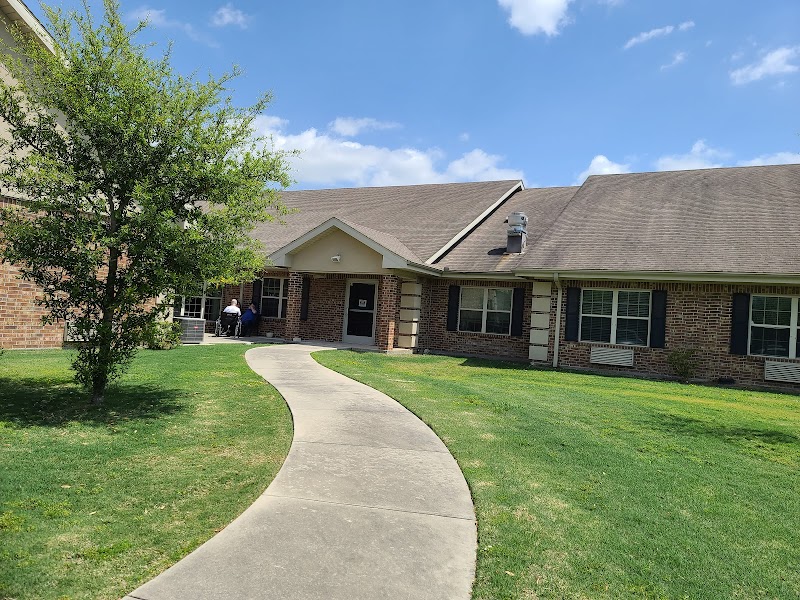
How is The Heights Of Tomball Staffed?

CMS rates THE HEIGHTS OF TOMBALL's staffing level at 2 out of 5 stars, which is below average compared to other nursing homes. Staff turnover is 53%, compared to the Texas average of 46%.

What Have Inspectors Found at The Heights Of Tomball?

State health inspectors documented 15 deficiencies at THE HEIGHTS OF TOMBALL during 2021 to 2025. These included: 2 Immediate Jeopardy (the most serious level, indicating potential for serious harm or death) and 13 with potential for harm. Immediate Jeopardy findings are rare and represent the most serious regulatory concerns. They require immediate corrective action.
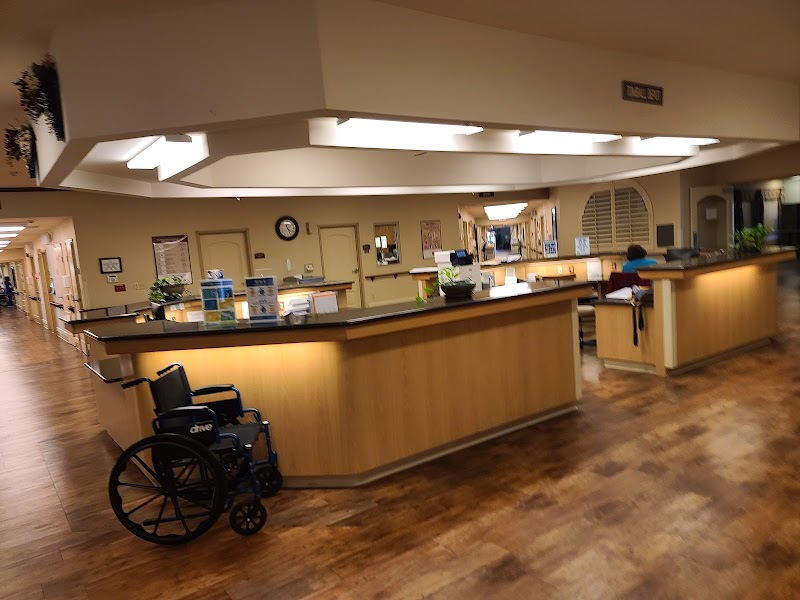
Who Owns and Operates The Heights Of Tomball?

THE HEIGHTS OF TOMBALL is owned by a for-profit company. For-profit facilities operate as businesses with obligations to shareholders or private owners. The facility is operated by TOUCHSTONE COMMUNITIES, a chain that manages multiple nursing homes. With 131 certified beds and approximately 114 residents (about 87% occupancy), it is a mid-sized facility located in TOMBALL, Texas.
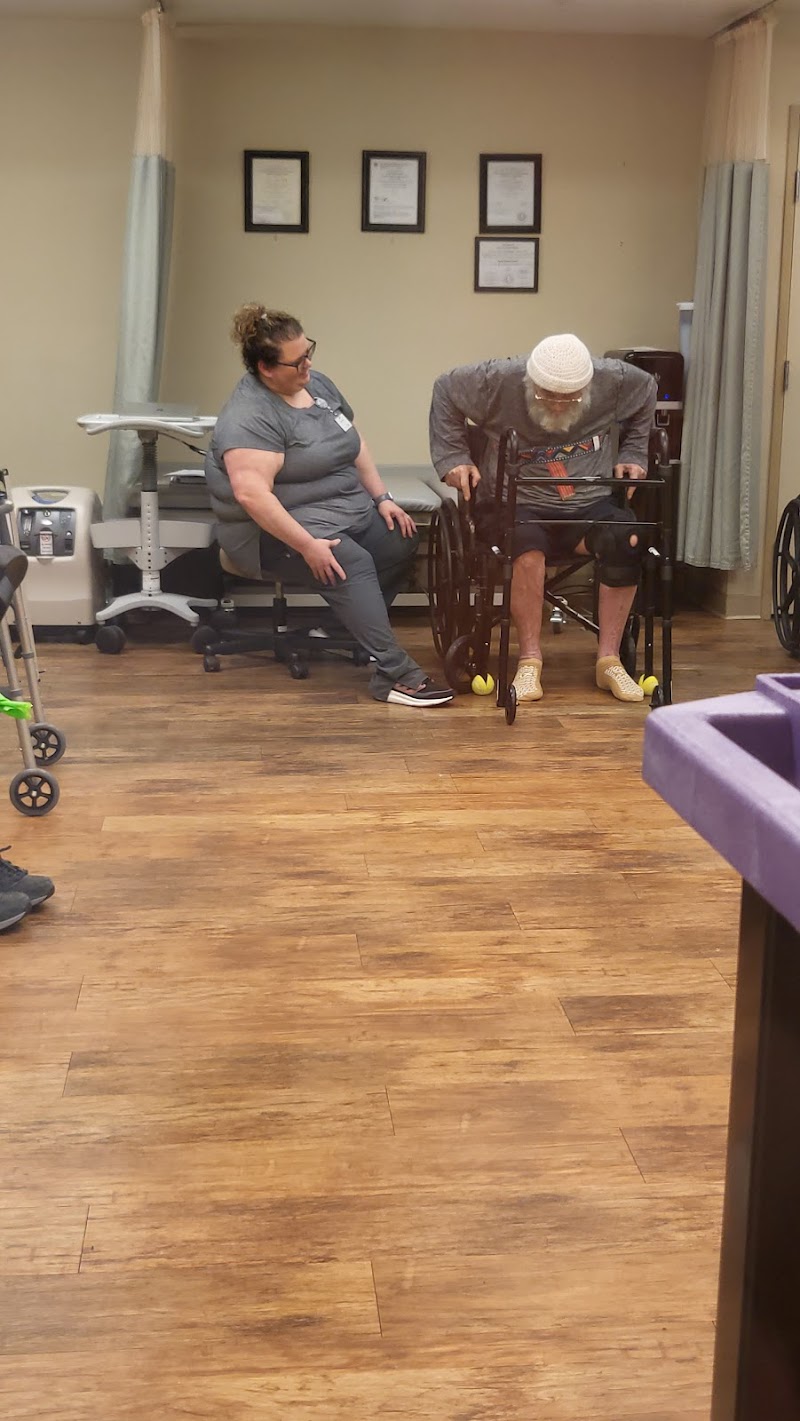
How Does The Heights Of Tomball Compare to Other Texas Nursing Homes?

Compared to the 100 nursing homes in Texas, THE HEIGHTS OF TOMBALL's overall rating (3 stars) is above the state average of 2.8, staff turnover (53%) is near the state average of 46%, and health inspection rating (3 stars) is at the national benchmark.

What Should Families Ask When Visiting The Heights Of Tomball?

Based on this facility's data, families visiting should ask: "What changes have been made since the serious inspection findings, and how are you preventing similar issues?" "Can you walk me through typical staffing levels on day, evening, and night shifts?" "Can I visit during a mealtime to observe dining assistance and food quality?" "How do you handle medical emergencies, and what is your hospital transfer rate?" These questions are particularly relevant given the facility's Immediate Jeopardy citations and the below-average staffing rating.

Is The Heights Of Tomball Safe?

Based on CMS inspection data, THE HEIGHTS OF TOMBALL has documented safety concerns. Inspectors have issued 2 Immediate Jeopardy citations (the most serious violation level indicating risk of serious injury or death). The facility has a 3-star overall rating and ranks #1 of 100 nursing homes in Texas. Families considering this facility should ask detailed questions about what corrective actions have been taken since these incidents.

Do Nurses at The Heights Of Tomball Stick Around?

THE HEIGHTS OF TOMBALL has a staff turnover rate of 53%, which is 7 percentage points above the Texas average of 46%. Moderate turnover is common in nursing homes, but families should still ask about staff tenure and how the facility maintains care continuity when employees leave.

Was The Heights Of Tomball Ever Fined?

THE HEIGHTS OF TOMBALL has been fined $26,367 across 2 penalty actions. This is below the Texas average of $33,343. While any fine indicates a compliance issue, fines under $50,000 are relatively common and typically reflect isolated problems that were subsequently corrected. Families should ask what specific issues led to these fines and confirm they've been resolved.

Is The Heights Of Tomball on Any Federal Watch List?

THE HEIGHTS OF TOMBALL is not on any federal watch list. The most significant is the Special Focus Facility (SFF) program, which identifies the bottom 1% of nursing homes nationally based on persistent, serious quality problems. Not being on this list means the facility has avoided the pattern of deficiencies that triggers enhanced federal oversight. This is a positive indicator, though families should still review the facility's inspection history directly.