TOMBALL REHAB & NURSING

815 N PEACH ST, TOMBALL, TX 77375 (281) 351-5443
For profit - Limited Liability company 126 Beds ADVANCED HEALTHCARE SOLUTIONS Data: November 2025 3 Immediate Jeopardy citations
Trust Grade
0/100
#1131 of 1168 in TX
Last Inspection: November 2024

Within standard 12-15 month inspection cycle. Federal law requires annual inspections.

Overview

Tomball Rehab & Nursing has received a Trust Grade of F, indicating significant concerns about the quality of care provided. They rank #1131 out of 1168 facilities in Texas, placing them in the bottom half of nursing homes statewide, and #92 out of 95 in Harris County, meaning there are very few local options that perform better. The facility is reportedly improving, with issues decreasing from 12 in 2023 to 8 in 2024, but they still face challenges, including $306,920 in fines, which is concerning and higher than 96% of Texas facilities. Staffing is noted as a strength, with a remarkable turnover rate of 0%, suggesting that the staff remains stable and familiar with the residents. However, there have been critical incidents, including a failure to provide necessary treatment for a resident with severe pressure ulcers and a tragic case where emergency CPR was not initiated promptly for an unresponsive resident, highlighting serious shortcomings in care.

Trust Score
F
0/100
In Texas
#1131/1168
Bottom 4%
Safety Record
High Risk
Review needed
Inspections
Getting Better
12 → 8 violations
Staff Stability
○ Average
Turnover data not reported for this facility.
Penalties
✓ Good
$306,920 in fines. Lower than most Texas facilities. Relatively clean record.
Skilled Nurses
⚠ Watch
Each resident gets only 24 minutes of Registered Nurse (RN) attention daily — below average for Texas. Fewer RN minutes means fewer trained eyes watching for problems.
Violations
⚠ Watch
25 deficiencies on record. Higher than average. Multiple issues found across inspections.
★☆☆☆☆
1.0
Overall Rating
★☆☆☆☆
1.0
Staff Levels
★★★★☆
4.0
Care Quality
★★☆☆☆
2.0
Inspection Score
Stable
2023: 12 issues
2024: 8 issues

The Good

  • 4-Star Quality Measures · Strong clinical quality outcomes
  • Full Sprinkler Coverage · Fire safety systems throughout facility
  • No fines on record

Facility shows strength in quality measures, fire safety.

The Bad

1-Star Overall Rating

Below Texas average (2.8)

Significant quality concerns identified by CMS

Federal Fines: $306,920

Well above median ($33,413)

Significant penalties indicating serious issues

Chain: ADVANCED HEALTHCARE SOLUTIONS

Part of a multi-facility chain

Ask about local staffing decisions and management

The Ugly 25 deficiencies on record

3 life-threatening
Nov 2024 2 deficiencies
CONCERN (D) 📢 Someone Reported This

A family member, employee, or ombudsman was alarmed enough to file a formal complaint

Potential for Harm - no one hurt, but risky conditions existed

Pharmacy Services (Tag F0755)

Could have caused harm · This affected 1 resident

**NOTE- TERMS IN BRACKETS HAVE BEEN EDITED TO PROTECT CONFIDENTIALITY** Based on observation, interview, and record review, the facility failed to provide pharmaceutical services (including procedures...

Read full inspector narrative →
**NOTE- TERMS IN BRACKETS HAVE BEEN EDITED TO PROTECT CONFIDENTIALITY** Based on observation, interview, and record review, the facility failed to provide pharmaceutical services (including procedures that assure the accurate acquiring, receiving, dispensing, and administering of all drugs and biologicals) to meet the needs of each resident for 1 of 1 resident (Resident #51) reviewed for gastrostomy tube management. - The facility failed to ensure LVN D mixed crush medications with water as ordered by MD to Resident #51 by pouring dry powder medication into the resident's G-tube. This failure could place residents at risk for adverse effects, pain, discomfort and not receiving the therapeutic effects of the medication. Findings included: Record review of Resident #51's Face Sheet dated 07/24/2024 revealed [AGE] year-old male admitted to the facility on [DATE] with diagnosis which included: difficulty swallowing, dementia, gastrostomy status (a gastrostomy feeding tube (G-tube) insertion is the placement of a feeding tube through the skin and the stomach wall. It goes directly into the stomach.). Record review of Resident #51's MDS dated [DATE] revealed the resident had severely impaired cognition as indicated by a BIMS score of 00 out of 15, and used of a feeding tube while a resident. Record review of Resident #51's undated Care Plan revealed, focus- requires tube feeding related to difficulty swallowing; intervention: administer tube feeding and water flushes as ordered, check for placement and gastric contents/residual per facility protocol. Record review of Resident #51's MD Order revealed the following active orders: Every shift flush enteral tube with 30 milliliters of water dash post medication administration and 5 to 10 milliliters water between each medication. Every shift for peg tube crushed medication contents of open capsule as well as liquid medications are diluted with at least five meals of water when fluid is not restricted. May crush crushable meds, open caps and mix with palatable substance. Observed on 11/6/24 at 7:52 am LVN D preparing medication for administration to Resident #51. She retrieved Norvasc 10 mg, Tylenol 650 mg, Lorazepam 0.5 mg, Carvedilol 6.25mg, Losartan 25 mg, Metformin 500mg, Lexapro 5 mg, Prilosec 20 mg and Xarelto 20 mg. Medications that were in dry, powder form were returned to the medication cup and LVN D entered into the resident's room. After repositioning the resident, LVN D retrieved 2 cups of room temperature water (each cup containing about 6-8 ounces) from Resident #51's bathroom and then checked the resident for placement and residual feeding. At 08:24 AM, LVN D flushed Resident #51's G-tube with a syringe containing 30 ml of water. She then poured undissolved powder medication down Resident # 51's G-tube followed by 5-30 ml of water. The method was continued for 6 more medications until the syringe became clogged on the seventh medication. LVN D unclogged the syringe and continued to place undissolved powder medication into the syringe followed by water for the remaining 2 medications. She the flushed the G-tube with 30 ml of water and reconnected the enteral feeding. Interviewed LVN D on 11/6/24 at 8:36 am regarding the process of giving undissolved powder medication into the G-tube and she stated she had learned to place undissolved powder medication into the syringe followed by water here and there. Interviewed LVN E on 11/6/24 at 10:05 am regarding administration of medications with residents with a G-tube. LVN E verbalized the policy regarding placing water with undissolved powder medication, mixing together and after administration, following with 10-15 milliliters water to flush between medications. LVN E stated undissolved powder medication placed directly into syringe was not done because it may cause blockage in the syringe during medication administration. LVN E reported he had a recent in-service by the facility regarding G-tube medication administration within the last 60 days. Interviewed LVN D on 11/6/24 at 10:06 am, LVN D reported going forward she would mix undissolved powder medication with water prior to administration. LVN D stated she was in-serviced by the facility within the last 60 days regarding G-tube medication administration. Interviewed the DON on 11/6/24 at 1:55 pm, the DON verbalized the facility procedure for administering medications into a G-tube. The DON said prior to administering medication via G-tube, nurses must dissolve the medications in 5-10 mL and LVN D should not have poured powdered/crushed medications directly into the Resident #51's tube because it could clog the tube. The DON stated medications were to be crushed, mixed with water and followed with 5-10 ml water between medications. When asked should undissolved powder medication be placed into the syringe and followed with 5-30 milliliters of water, the DON stated she had never heard of that. The DON reported risks to the resident if not mixing undissolved powder medication in water and followed with 10-15 milliliters water could clog the G-tube or syringe. Interviewed the Administrator on 11/7/24 at 2:40 pm regarding expectation for nursing staff and nursing tasks. The Administrator stated he expected his nurses to follow doctors' orders and facility policy and procedures for all tasks. The DON was responsible for nursing staff competencies and all nursing managers were expected to assure proper nursing care. When there was a failure with nursing care, such as not following doctors' orders or facility policy and procedures the Administrator expected the DON and nursing managers to educate and monitor nursing staff until proficient. Record review of the facility policy titled Medication Administration Enteral Tube Feeding issued 02/02/2015 and reviewed 02/10/2020 revealed 8. Crushed medication, contents of opened capsules, as well as liquid medications are diluted with at least 5 ml of water when fluid is not restricted. 11. Enteral tube must be flushed with at least 10 to 15 ml of water between each medication, unless otherwise ordered by prescriber.
CONCERN (E)

Potential for Harm - no one hurt, but risky conditions existed

Food Safety (Tag F0812)

Could have caused harm · This affected multiple residents

Based on observation, interview and record review the facility failed to store, prepare, distribute and serve food in accordance with professional standards for food service safety in one of one kitch...

Read full inspector narrative →
Based on observation, interview and record review the facility failed to store, prepare, distribute and serve food in accordance with professional standards for food service safety in one of one kitchen reviewed for dietary services. 1. The facility failed to ensure foods were not stored past their use by date. 2. The facility failed to ensure all food and drinks in storage were labeled. 3. The facility failed to ensure the dishwasher was maintained and effectively sanitizing dishware. These failures could place residents at risk of foodborne illness. Findings included: Observation of the kitchen on 11/05/2024 at 9:10AM revealed the following: - Fridge #1 contained a bin of mandarin oranges, dated 10/23/2024 and butterscotch pudding, date 10/18/2024, and a tray of individually poured drinks without a label. In an interview with the Dietary Manager on 11/05/2024 at 9:15AM, she stated she did not know for how long the leftover pudding and mandarin oranges were to stay in storage before throwing them away. She also said the drinks were supposed to be labeled and it may have been stored without a label by the dietary staff that was in training. Observations of the low-temp dish machine on 11/05/2024 at 9:30AM, and interview with the Dietary Manager and Dietary Aide A revealed dishes were being washed by Dietary aide A while the wash cycle was running at 98°F and the rinse cycle was running at 104°F. The Dietary Manager was then observed to ask Dietary aide A to document temperatures on the dishwasher temperature log. Dietary Aide A then wrote 100° for the wash cycle and 120°F for the rinse cycle. When asked how she knew what the temperatures were for the dishwasher, she stated she dipped the test strips in the dish machine water to check the temperature. She then grabbed the water sanitation test strips to show the surveyor the ppm was ranging from 50-100 ppm. When asked where the temperature gauge was on the dish machine, she stated she did not understand. The Dietary Manager then came forward to show Dietary Aide A where the temperature gauge was and stated it looked like the temp was at about 118-120°F. The Surveyor at this time checked the temperature gauge and rebutted that the temperature gauge was actually reading 110°F, to which the Dietary Manager agreed. The Dietary Manager said water temperatures ranging from 110°F to 120°F was appropriate for operating the dish machine. In an interview with the Dietary Manager on 11/07/2024 at 2:30PM, she stated Dietary Aide A had been working in the facility kitchen for about six years but had never in-serviced her on how to use the dish machine. She said she assumed Dietary Aide A knew how to use the dish machine and she had never done a competency check or audit on her kitchen staff while they operated the dishwasher. She stated the dish machine had since been fixed and the temperature of the water was now reaching 128°F. She stated if the temperature of the dishwasher was not reaching at least 120°F, then it should not be used because the dishes would not be sanitized properly and would put the residents at risk of foodborne illness from cross contamination. Record review of the facility's policy on food storage, dated November 2017, reflected, . Ready-to-eat food will be clearly labeled using calendar date to indicate the date the product was prepared and the date the product must be used or discarded. Use the following to determine the use by date: Held at 41°F or below = 7 days . Record review of the facility's policy on ware washing, dated 12/11/2017, reflected, . Low Temperature Dish Machines a. 120°F = minimum water temperature for both wash and rinse cycles b. chemical: chlorine sanitizer = 50ppm . Record review of FDA Food Code, dated 2022, reflected, .(A) Except when PACKAGING FOOD using a REDUCED OXYGEN PACKAGING method as specified under § 3-502.12, and except as specified in (E) and (F) of this section, refrigerated, READY-TO-EAT, TIME/TEMPERATURE CONTROL FOR SAFETY FOOD prepared and held in a FOOD ESTABLISHMENT for more than 24 hours shall be clearly marked to indicate the date or day by which the FOOD shall be consumed on the PREMISES, sold, or discarded when held at a temperature of 5ºC (41ºF) or less for a maximum of 7 days. The day of preparation shall be counted as Day 1.
Jun 2024 2 deficiencies
CONCERN (D) 📢 Someone Reported This

A family member, employee, or ombudsman was alarmed enough to file a formal complaint

Potential for Harm - no one hurt, but risky conditions existed

Pharmacy Services (Tag F0755)

Could have caused harm · This affected 1 resident

**NOTE- TERMS IN BRACKETS HAVE BEEN EDITED TO PROTECT CONFIDENTIALITY** Based on observation, interviews and record reviews, the facility failed to provide pharmaceutical services (including procedure...

Read full inspector narrative →
**NOTE- TERMS IN BRACKETS HAVE BEEN EDITED TO PROTECT CONFIDENTIALITY** Based on observation, interviews and record reviews, the facility failed to provide pharmaceutical services (including procedures that assure the accurate acquiring, receiving, dispensing, and administering of all drugs and biologicals) to meet the needs of each resident for 1 of 5 residents (R #1) reviewed for medication administration The facility failed to ensure Resident #1 was administered the 6:30am Lantus Solution-Insulin injection for a metabolic disorder that affects glucose metabolism (a medication used to treat pain) by LVN A. This failure could place residents at risk for a delay in medication administration and medication error and could result in a decline in health. Findings included: Review of R#1's face sheet revealed he was initially admitted to the facility on [DATE] and re-admitted [DATE]. Resident was diagnosed with type 2 Diabetes Melltus without complication (prevents the body from producing insulin), Hypertension (high blood pressure), chronic kidney disease (kidneys are damage and can't filter blood), peripheral vascular disease (slow progressive disorder or the blood vessels). Review of R#1 orders revealed, (insulin Glargine)-Inject 15 units subcutaneously in the morning; (orders start 6/8/23 at 6:30am); Accu Checks blood levels two times a day for DM (diabetes Mellitus (orders Start 1/28/23 at 8:00am); Vital signs twice daily and record in PCC (electronic health record) every day and evening shift (order Start 11/14/2022); Adverse drug event monitoring by licensed nurse, every shift, to observed resident for side effects from taking an Anticoagulant, antidiabetic and cardiac medication, which could cause excessive bleeding, blood pressure issues; Check catheter (a tube inserted into bladder, allowing urine to drain freely) for infection and trauma (order Start 8/16/2019); Elevate head of bed to >30 degrees at all times every shift (order Start 1/26/2016). Review of R#1's annual MDS assessment, dated 5/19/2024 revealed BIMS of 03, which indicates severe cognitive impairment. Review of R #1's care plan dated 10/31/2018 was at risk for pain r/t stage 4 pressure ulcer and administered meds as ordered by MD (medical doctor) (initiated 3/2/2018 and revision on 4/11/2023), Catheter care every shift cleanse site daily and apply dry dressing daily (date initiated 7/24/2015), resident is currently taking antihypertensive medication which should be administered as ordered. Monitor for side effects such as orthostatic hypotension, headache, vertigo, chest pain, and decreased heart rate (Bradycardia); give medications for improved blood flow or anticoagulants as ordered Plavix 75mg QD (initiated 7/24/2015 and revision 6/3/2021); resident is at risk for unstable blood sugars related to type II diabetes (Insulin-date initiated 7/24/2015 revision 6/19/2023)-Administer diabetes medications as ordered by the physician and monitor for adverse reactions and report as detected. Review of R#1's electronic nursing notes revealed no nursing documentation at all in R#1's notes between 6/6/2024 at 2:06pm and 6/13/2024 5:05pm. MAR revealed no vital signs or monitoring resident for adverse medication effects on 6/8/2024 during the 6:00am-2:00pm. In an interview with LVN A on 6/20/24 at 1:09pm, she was working the 6am-2pm shift on 6/8/2024. Also during the interview with LVN A, she stated she was assigned and worked the 500 hall. LVN A stated she administered medication and documented in the EMAR/ETAR during her shift. LVN A stated she has no idea and does not know why there was no documentation in the resident's orders or in PCC during her shift. LVN A stated there must have been an issue in getting service on the 500 hall area. LVN A stated it was important to document along with following the physician orders regarding residents' conditions. She further stated it was equally as important to monitor resident's adverse reaction to medication as they could go into an anaphylactic shock (blood pressure drops suddenly and the airways narrow, blocking breathing), get extremely sick and or die. In an interview with RN on 6/20/24 at 2:40am stated that all the orders must be followed, and documentation must be completed in PCC, EMAR, ETAR and initialed when medications are administered. RN stated, the missing documentation on 6/8/2024 should never occurred and there is no excuse for not documenting and following physician orders. In an interview with LVN B on 6/21/24 at 9:30am stated she worked 6/7/2024 6am - 2pm shift, but she worked on a different resident hall. She stated the PCC, EMAR/ETAR systems were working, and she did not experience any interferences in the computer system. She stated she had no complaints. LVN B stated documentation is a required practice for nurses as it shows what you've done, talks about the resident, change of conditions and reports problems to others. LVN B stated if it's not documented it didn't happen. LVN B stated she documents as she goes to eliminate being sidetracked. She further statedshe reports to the weekend nurse manager if there are any issues with residents and if there was an issue with the PCC system, she would immediately report it. In an interview with LVN C on 6/21/24 at 10:10am she stated she worked 6/7/2024 on 6am - 2pm shift on 6/7/2024. She was assigned to hallway 500. She stated she did not have any issues with documentation in the PCC, EMAR/ETAR or system failure that prevented the required electronic documentation in the PCC system. LVN C stated sometimes there was limited reception in the 500 hallway, where documenting may not post in the resident's file, but nurses are aware of the limited reception in the entrance of the hallway, so they just walk a few steps away and then document. She stated it is important to document to show residents are receiving care and any type of change of conditions. Record Review of the facility's Medication -Treatment Administration and Documentation Guidelines policy dated 1/9/2014 and revised 4/6/2023 Revealed the follow: #4- administer the medication according to the physician order. #5-Document e-signature for medications and treatments administered on the EMAR or ETAR immediately following administration. #7- Medications or treatments that were not administered should be documented as not administered on the EMAR/ETAR with the reason for the not administration.
CONCERN (D) 📢 Someone Reported This

A family member, employee, or ombudsman was alarmed enough to file a formal complaint

Potential for Harm - no one hurt, but risky conditions existed

Medical Records (Tag F0842)

Could have caused harm · This affected 1 resident

**NOTE- TERMS IN BRACKETS HAVE BEEN EDITED TO PROTECT CONFIDENTIALITY** Based on interviews and record reviews, the facility failed to maintain clinical records in accordance with accepted professiona...

Read full inspector narrative →
**NOTE- TERMS IN BRACKETS HAVE BEEN EDITED TO PROTECT CONFIDENTIALITY** Based on interviews and record reviews, the facility failed to maintain clinical records in accordance with accepted professional standards and practices that are complete and accurately documented for 1 of 5 Residents (R #1), reviewed for medical records accuracy, in that: 1.The facility failed to document Resident #1's 8:00am blood sugar levels were checked by AccuCheck two times day for diabetes mellitus by LVN A. 2.The facility failed to document Resident #1 received his Vital signs and record in PCC during LVN A 6:00am-2:00pm shift. 3.The facility failed to document Resident #1 was monitored for an Adverse Drug Effects during LVN A 6:00am-2:00pm shift. 4.The facility failed to document Resident #1 was monitored for an Adverse Drug Effects Anticoagulant Monitoring during LVN A 6:00am-2:00pm shift. 5.The facility failed to document Resident #1's was monitored for Adverse Antidepressant Medication during LVN A 6:00am-2:00pm shift. 6.The facility failed to document Resident #1's was monitored for Adverse Antidiabetic Medication during LVN A 6:00am-2:00pm shift. 7.The facility failed to document Resident #1's was monitored for Adverse Cardiac Medications (blood pressure medications, beta blockers) during LVN A 6:00am-2:00pm shift. 8.The facility failed to document Resident #1's Catheter stabilizer was in place and secure during LVN A 6:00am-2:00pm shift. 9.The facility failed to document Resident #1's suprapubic site was cleaned and pat dry then place a split gauze on site during LVN A 6:00am-2:00pm shift. 10.The facility failed to document Resident #1's head of bed elevated to 30 degrees during LVN A 6:00am-2:00pm shift. 11.The facility failed to document Resident #1 was evaluated for pain during LVN A 6:00am-2:00pm shift. 12.The facility failed to document Resident #1's was monitored for Adverse Insulin Therapy effects during LVN A 6:00am-2:00pm shift. This deficient practice could affect residents whose records are maintained by the facility and could place them at risk for errors in care, and treatment. Findings included: Review of R#1's face sheet revealed he was initially admitted to the facility on [DATE] and re-admitted [DATE]. Resident was diagnosed with type 2 Diabetes Melltus without complication (prevents the body from producing insulin), Hypertension (high blood pressure), chronic kidney disease (kidneys are damage and can't filter blood), peripheral vascular disease (slow progressive disorder or the blood vessels). Review of R#1 orders revealed, (insulin Glargine)-Inject 15 units subcutaneously in the morning; (orders start 6/8/23 at 6:30am); Accu Checks blood levels two times a day for DM (diabetes Mellitus (orders Start 1/28/23 at 8:00am); Vital signs twice daily and record in PCC (electronic health record) every day and evening shift (order Start 11/14/2022); Adverse drug event monitoring by licensed nurse, every shift, to observed resident for side effects from taking an Anticoagulant, antidiabetic and cardiac medication, which could cause excessive bleeding, blood pressure issues; Check catheter (a tube inserted into bladder, allowing urine to drain freely) for infection and trauma (order Start 8/16/2019); Elevate head of bed to >30 degrees at all times every shift (order Start 1/26/2016). Review of R#1's annual MDS assessment, dated 5/19/2024 revealed BIMS of 03, which indicates severe cognitive impairment. Review of R #1's care plan dated 10/31/2018 was at risk for pain r/t stage 4 pressure ulcer and administered meds as ordered by MD (medical doctor) (initiated 3/2/2018 and revision on 4/11/2023), Catheter care every shift cleanse site daily and apply dry dressing daily (date initiated 7/24/2015), resident is currently taking antihypertensive medication which should be administered as ordered. Monitor for side effects such as orthostatic hypotension, headache, vertigo, chest pain, and decreased heart rate (Bradycardia); give medications for improved blood flow or anticoagulants as ordered Plavix 75mg QD (initiated 7/24/2015 and revision 6/3/2021); resident is at risk for unstable blood sugars related to type II diabetes (Insulin-date initiated 7/24/2015 revision 6/19/2023)-Administer diabetes medications as ordered by the physician and monitor for adverse reactions and report as detected. Review of R#1's electronic nursing notes revealed no nursing documentation at all in R#1's notes between 6/6/2024 at 2:06pm and 6/13/2024 5:05pm. MAR revealed no vital signs or monitoring resident for adverse medication effects on 6/8/2024 during the 6:00am-2:00pm. In an interview with LVN A on 6/20/24 at 1:09pm, she was working the 6am-2pm shift on 6/8/2024. Also during the interview with LVN A, she stated she was assigned and worked the 500 hall. LVN A stated she administered medication and documented in the EMAR/ETAR during her shift. LVN A stated she has no idea and does not know why there was no documentation in the resident's orders or in PCC during her shift. LVN A stated there must have been an issue in getting service on the 500 hall area. LVN A stated it was important to document along with following the physician orders regarding residents' conditions. She further stated it was equally as important to monitor resident's adverse reaction to medication as they could go into an anaphylactic shock (blood pressure drops suddenly and the airways narrow, blocking breathing), get extremely sick and or die. In an interview with RN on 6/20/24 at 2:40am stated that all the orders must be followed, and documentation must be completed in PCC, EMAR, ETAR and initialed when medications are administered. RN stated, the missing documentation on 6/8/2024 should never occurred and there is no excuse for not documenting and following physician orders. In an interview with LVN B on 6/21/24 at 9:30am stated she worked 6/7/2024 6am - 2pm shift, but she worked on a different resident hall. She stated the PCC, EMAR/ETAR systems were working, and she did not experience any interferences in the computer system. She stated she had no complaints. LVN B stated documentation is a required practice for nurses as it shows what you've done, talks about the resident, change of conditions and reports problems to others. LVN B stated if it's not documented it didn't happen. LVN B stated she documents as she goes to eliminate being sidetracked. She further statedshe reports to the weekend nurse manager if there are any issues with residents and if there was an issue with the PCC system, she would immediately report it. In an interview with LVN C on 6/21/24 at 10:10am she stated she worked 6/7/2024 on 6am - 2pm shift on 6/7/2024. She was assigned to hallway 500. She stated she did not have any issues with documentation in the PCC, EMAR/ETAR or system failure that prevented the required electronic documentation in the PCC system. LVN C stated sometimes there was limited reception in the 500 hallway, where documenting may not post in the resident's file, but nurses are aware of the limited reception in the entrance of the hallway, so they just walk a few steps away and then document. She stated it is important to document to show residents are receiving care and any type of change of conditions. Record Review of the facility's Medication -Treatment Administration and Documentation Guidelines policy dated 1/9/2014 and revised 4/6/2023 Revealed the follow: #5-Document e-signature for medications and treatments administered on the EMAR or ETAR immediately following administration. #7- Medications or treatments that were not administered should be documented as not administered on the EMAR/ETAR with the reason for the not administration.
Feb 2024 1 deficiency 1 IJ
CRITICAL (J) 📢 Someone Reported This

A family member, employee, or ombudsman was alarmed enough to file a formal complaint

Immediate Jeopardy (IJ) - the most serious Medicare violation

Deficiency F0678 (Tag F0678)

Someone could have died · This affected 1 resident

**NOTE- TERMS IN BRACKETS HAVE BEEN EDITED TO PROTECT CONFIDENTIALITY** Based on interviews and record reviews, the facility failed to provide basic life support, including CPR (Cardiopulmonary Resusc...

Read full inspector narrative →
**NOTE- TERMS IN BRACKETS HAVE BEEN EDITED TO PROTECT CONFIDENTIALITY** Based on interviews and record reviews, the facility failed to provide basic life support, including CPR (Cardiopulmonary Resuscitation), to a resident requiring such emergency care and subject to related physician orders and the resident's advance directives for 1 of 2 residents (CR #1) reviewed for basic life support, including CPR. The facility failed to ensure that a resident received CPR in accordance with professional standards of practice. The facility failed to immediately initiate CPR at about 3:28 AM on 2/4/24 when CR#1 was found unresponsive, by waiting an additional 7 minutes. The facility failed to ensure CPR was performed appropriately and accurately for approximately 10 minutes once initiated by staff. An Immediate Jeopardy (IJ) was identified on 02/07/24 at 3:20pm. While the IJ was removed on 02/09/24 at 4:00 p.m., the facility remained out of compliance at a severity level of no actual harm with potential for more than minimal harm that is not immediate jeopardy at a scope of pattern. as the facility continued to monitor the implementation and effectiveness of their plan of removal. These failures could place residents at risk of not receiving necessary life-saving measures, decline in health, and death. Findings Included: Record Review of CR#1's face sheet revealed, a [AGE] year-old female, admitted to the facility on [DATE] with primary diagnoses of Acute Respiratory Failure with Hypoxia (a condition where you don't have enough oxygen in the tissues in your body), Dysphagia (Difficulty swallowing), Oropharynegeal phase (voluntary and depends on motor and sensory pathways that move food posteriorly through the oral cavity to the oropharynx, triggering as series of reflexive mov), Cognitive communication deficit (may occur after a stroke, tumor, brain injury, progressive degenerative brain disorder, or other neurological damage, which result in difficulty with thinking and how someone uses language), cardiac arrest (sudden unexplained loss of heart function, breathing and consciousness), epilepsy (Brain disorder that causes reoccurring, unprovoked seizures), not intractable, without status epilepticus (can't be controlled through anti-seizure medications), type 1 Diabetes Mellitus without complications (Insulin dependent), Hypothyroidism (deficiency of thyroid hormones), unspecified convulsions (rapid, involuntary muscle contractions that cause uncontrollable shaking and limb movement), Hypertension (condition in which the force of the blood against artery walls is too high), Acidosis, (Too much acid in body fluids), Elevated white blood cell count (the immune system is working to destroy an infection, a sign of physical or emotional stress, or particular types of cancer), , anoxic brain damage (the brain is starved of oxygen), atrial fibrillation (irregular, often rapid heart rate that commonly causes poor blood flow), Morbid (severe) Obesity (More than a 100 pounds over you ideal body weight) Record Review of the MDS dated [DATE], revealed CR#1 was unable to respond and had no BIMS (Brief Interview for Mental Status) score, which suggest severe impairment. Record Review of Care Plan dated 12/28/23 revealed CR #1 was full code. Staff to anticipate needs. Record Review of Orders revealed: Assess for pain every shift and document using: Numerical Scale of 0-10 if verbal or PAINAD if non-verbal 12/28/23 2200 D/C Date 2/4/24 0856; Enteral feed order-every shift check G/T placement prior to administration of meds and hanging enteral feedings 12/28/23 2200 D/C Date 2/4/24 0856; Enteral feed order-every shift check gastric residual volume. Hold feeding for 1 hr and notify physician for residual greater than 70cc; Eternal Feed Order-every shift Flush enteral tube with 30ml water pre/post medication administration and 5-10 ml water between each medication 12/28/23 2200 D/C Date 2/4/24 0856; Enteral Feed Order every shift keep HOB elevated 30-45 degrees at all times-aspiration precautions 12/28/23 2200 D/C Date 2/4/24 0856; HOB elevated at 30 degrees due to SOB while lying flat. 12/28/23 2200 D/C Date 2/4/24 0856; Monitor 02 sat, respirations, and lung sounds q shift. Every shift for Tracheostomy Lung Sounds: C=Clear, W=Wheezes, D=Diminished, R=Rales/Rhonchl; Respiratory Quality: U=Even and Unlabored, S=Shallow, L=Labored, D=Distress 12/28/23 2200 D/C Date 2/4/24 0856; Oral care Q shift-every shift Suction with a yankuer daily 12/28/23 2200 D/C Date 2/4/24 0856; Provide oral care Qshift & PRN every shift 12/28/23 0600 D/C Date 2/4/24 0856; Suction Qshift & PRN. Report abnormal secretions to MD 12/28/23 2200 D/C Date 2/4/24 0856; Trach care Qshift and PRN. Notify MD with changes every shift 12/28/23 2200 D/C Date 2/4/24 0856; Verify the following emergency supplies are at the bedside (above the HOB): Ambu bag, Obturator, Water-soluble lubricant, Trach in the size ordered, Trach in a size below and size above (preferably), E-cyclinder at the bedside for emergency 02 use. 12/28/23 2200 D/C Date 2/4/24 0856; Enteral Feed Order four times a day (Bolus) Enteral Feeding: Glucerna 1.5 Amount:240 ml 4x/day, volume to be delivered 948 ml.***(May use Diabetlsource A/A or Glucerma 1.2 if 1.5 is not available)*** 12/29/23 0600 D/C Date 2/4/24 0856; Enteral Feed Order four times a day (Bolus) Enteral Feeding: Glucema 1.5 Amount 240 ml 4x/day, volume to be delivered 948 ml.**(May use Dlalbetlsource A/A or Glucema 1.2 if 1.5 is not available) 1/27/23 2200 D/C Date 2/4/24 1050; Enteral Feed Order four times a day (Bolus) Enteral Feeding: Glucema 1.5 Amount 240 ml 4x/day, volume to be delivered 948 ml.**(May use Dlalbetlsource A/A or Glucema 1.2 if 1.5 is not available.)***2/3/24 1200-Hold Date- from 2/3/24 1724 to 2/4/24 0856 D/C Date 2/4/24 0856; Enteral Feed Order four times a day Flush peg tube with 90 ml water before and after each bolus feeding. Start date 01/27/24 1200 -D/C Date-2/4/24 0856; Enteral Feed Order four times a day for 5 days Jevity 1.5 four times a day 8 fluid ounces-start date-2/3/24 2000-D/C date- 2/4/24 0856; Insulin Lispro [NAME] KwikPen Subcutanious Solution Pen-Injector 100 UNIT/ML (Insulin Lispro)-Inject as per sliding sale: if 151-200=2 units, 201-250=4units, 251-300=6units, 301-350=8units, 351-400=10 units 401 and above give 12 units and notify the NP/MD, subcutaneously before meals and at bedtime for DM-start date 12/29/23 0630-D/C 2/4/24 0856. Record review of last documented Vitals revealed the following for Blood Sugar: 2/3/2024 at 9:10pm:10 121.0 mg/dL-Blood Sugar 2/3/2024 at 5:16pm 81.0 mg/dL-Blood Sugar 2/3/2024 at 11:38am 101.0 mg/dL-Blood Sugar 2/3/2024 at 8:24am 98.0 mg/dL-Blood Sugar Record review of last documented Vitals revealed the following for breaths/min 2/3/2024 at 5:51pm 18-breaths/min 2/3/2024 at 9:58am 18-breaths/min 2/3/2024 at 12:01am 18-breaths/min Record review of last documented Vitals revealed the following for Trach 2/3/2024 at 5:51pm 96.0% Trach 2/3/2024 at 9:58am 96.0% Trach 2/3/2024 at 12:01am 96.0% Trach Record review of last documented Vitals revealed the following for Pain Level 2/3/2024 at 10:38pm 0 bpm Pain ad-Pain Level 2/3/2024 at 2:53pm 0 bpm Numerical-Pain Level 2/3/2024 at 9:58am 0 mg/dL-Painad-Pain Level 2/3/2024 at 12:00am 0 mg/dL-Numerical-Pain Level Record review of progress note revealed the only note documented on 2/4/24 at 05:11AM by LVN A reflected, [CR#1] was found nonresponsive around 3:30AM CPR was started and 911 was called. EMS arrived at 3:40AM to take over. EMS attempted to revive CR#1 until 4:04AM when they informed staff that they could not get any vitals and asked if we had anyone to pronounce time of death on duty. Staff RN pronounced CR#1 dead. Body was put back in bed via lift by staff and was cleaned up. [LVN A] informed FM that CR#1 had passed. FM called Mortuary to come pick up CR#1, they said they would call back with ETA. Family removed all belonging from room. MD and DON informed. In a telephone interview on 2/6/24 at 2:30pm with LVN A said CNA B came to her and told her that something was wrong with CR#1. LVN A stated she came back to the nursing station and immediately telephoned 911. LVN A stated she checked on CR#1 by sticking her head around the curtain about 11:30pm to ensure she was breathing. At that time, she stated she did not provide any services to CR#1 even though her initials indicated she did. LVN A stated when she cam on to shift, she put her initial on the computer, then made note of who she needed to see during the night. She was asked if she thought that indicating in the treatment notes was professionally appropriate when she had not provided any treatment services to residents. She stated she didn't see anything wrong with it since she was going to see her patients anyway. Observation of surveillance camera revealed on 2/4/2024 at 3:28AM CR#1 was found unresponsive by CNA's A & B then they exited the room. LVN B began compressions 7 minutes after CR#1 was initially found unresponsive. LVN B was told by RN to stop the compressions while she placed the board under CR#1's back. Four minutes later, RN attached the ambu bag to the oxygen tank. Three minutes later EMS arrived to CR#1's room and took control. In an interview on 2/6/24 at 5:38pm with CNA B revealed the facility was short staff. Both CNA's Had 30 residents a piece. CNA A asked for assistant round 12:30am to assist with changing resident. Around 3:30 family called went back into the room to assist. She went in the resident room, tongue yellowish color. Noticed she wasn't breathing. She went and got nurse. Completed full code. Stated she believes the nurse on break. Stated she went to the car and got the nurse. Stated she went out and got nurse LVN who was on break. Stated she was in the room when Fire and Rescue police, then EMS arrived. EMS took over. Stated LVN B was performing CPR alone. He started compressions. Nurse supervisor was supposed to be assisting LVN B. Did not go into the room. In an interview on 2/6/24 at 5:50pm with CNA A, revealed she initially observed CR#1 around 12:00am when she went in the room to change resident. The resident was still alive. Around after 2:00am or 3:00am FM called and stated the nurse has not been in CR#1's room. Five (5) minutes after speaking with FM, we (CNA A and CNA B) went to check on CR#1 and change her. CNA A stated that the two of them began removing the pillows supporting CR#1's hand because she needed to be changed. When we looked at her face, she did not look the same as she did when we went in her room at 12:00am. We immediately left and called the nurse and told her what we observed. Someone called emergency. In an interview on 2/6/24 at 9:29pm with LVN B who stated CNA A and CNA B came to him around 3:30am and said CR#1 was not breathing. He stated he immediately checked the face sheet and scrolled through the miscellaneous paperwork to ensure there was no DNR. LVN B went to CR#1's room, was assisted by other staff in getting CR#1 on the floor where he began compressions. He continued compressions until EMS arrived and took over. LVN B said RN got the (ambu) bag (known as a manual resuscitator). He stated the primary nurse, LVN A called EMS. EMS took over and started the compressions and placed tube in the resident throat and continued 15-20 minutes. EMS stated they did everything then they called code and asked the facility to sign documents and RN stated CR#1 was dead. LVN B also stated he could not remember when dates of his CPR certification, but stated the facility could pull it up on their computer. In an interview on 2/7/24 at 1:30pm with DON revealed, when a code is called protocol is urgency and immediate! The compressions and oxygen bag are simultaneously. RN should not have asked LVN B to stop doing compressions to allow her to place a board under CR#1's back. This was determined to be an Immediate Jeopardy (IJ) on 2/7/24 at 3:20PM. The Administrator, the DON and the Regional Nurse were notified. The Administrator was provided with the IJ template and a POR was requested at this time. The following Plan of Removal submitted by the facility and was accepted on 2/9/2024 at 4:00PM Tag Cited: F-678 Issue Cited: Failure to ensure that a resident received CPR in accordance with professional standards of practice. Immediate Action Taken A. Resident # 1 expired in the facility on 2/4/2024. B. On 2/7/2024 the DON/Designee began In Service education to all licensed nurses on Cardiopulmonary Resuscitation Policy that is a guideline for processing the patient's right and choice regarding Cardiopulmonary Resuscitation, to provide basic life support, including CPR to any resident requiring such care prior to the arrival of emergency medical personnel in the absence of advanced directive or a Do Not Resuscitate order. This In-Service education was completed on 2/7/2024 at 7:30 pm, and no licensed nurse was allowed to work until they had completed this In-Service. C. On 2/7/2024 Social Worker/Designee began 100% audit of all resident's code status to correctly identify if they are a full code or DNR. This will be completed on 2/7/2024 at 7:30 pm and corrective action will be addressed if identified. D. On 2/7/2024 DON/Designee reviewed the crash cart check list and validated that all items were present on crash cart. E. On 2/7/2024, an audit was completed by Human Resources to validate that 14 of 17 licensed nurses were CPR certified. The 3 licensed nurses what were not CPR certified, will not be allowed to work until they attend the CPR training course on 2/8/2024. F. On 2/6/2023 the primary night nurse for resident # 1was suspended and will be terminated. Two other nurses involved in the incident will not be allowed to work until they receive 1:1 education from the DON or Regional Nurse Consultant regarding Cardiopulmonary Resuscitation, to provide basic life support, including CPR to any resident requiring such care prior to the arrival of emergency medical personnel in the absence of advanced directive or a Do Not Resuscitate order. G. On 2/7/2024 the DON/Designee conducted a mock CPR drill with the 2 pm to 10 pm shift, after the IJ was called. H. The DON/Designee will conduct a mock CPR drill on each shift daily x 3 days, beginning on 2/7/2024. 1. Identification of Residents Affected or Likely to be Affected: 2. The DON/Designee validated that there are no other like residents in the facility at this time. 3. Actions to Prevent Occurrence/Recurrence: A. On 2/8/2024 all license nurses will receive in-person CPR training by a Certified CPR Instructor. No license nurse will be allowed to work until they have received CPR certification. B. On 2/8/2024 all certified Nurse Aides on the evening and night shifts will receive in-person CPR training by a Certified CPR Instructor. No certified Nurse Aide on the evening or night shift will be allowed to work until they have received CPR certification. C. DON/Designee will do mock drills weekly x 4 weeks, 2 x month x 2 months, then monthly ongoing. D. Starting 2/7/2024 any newly hired licensed nurse, or certified nurse aide will be required to have CPR certification within 2 weeks of hire. E. For all new or readmissions, the social worker or designee will review resident's code status daily in the morning meeting to validate that resident's code status is correct. F. DON will review crash cart check list 5 x weekly to validate that all needed items to conduct a code is available, this will be on going. E. On 2/7/2024 an ad hoc meeting regarding the immediate Jeopardy was conducted to review the plan of removal and interventions. On 2/7/2024 the facility's Administrator notified the Medical Director regarding the Immediate Jeopardy the facility received related to failure to start CPR in accordance with professional standards of practice, and reviewed plan to sustain compliance. Date Facility Asserts Likelihood for Serious Harm No Longer Exists: ______2/8/2024___________ Monitoring completed from 2/7/2024 through 2/9/2024. Interview were conducted with the following employees from varying shifts: Administrator, DON, RN A, RN B, LVN A, LVN B LVN C, CNA A, CNA B, CNA C, CNA D, CNA E, CNA F and CMA A, all of whom indicated they received training on 2/7/24 in the areas of CPR and protocol. During an interview, each employee listed, indicated they are aware of performing CPR and the protocols (which entailed the resident is Full-Code and Not DNR prior to performing CPR). Each employee was able to give an example of a Code Blue and the procedures they were to follow (ex.calling Help Room # and Bring Crashcart the individual responsible for calling 911 and ensuring that all actions taken are urgent). Record Review for the In-service training in the following areas: AHS Emergency Codes (specifically code blue) on 2/7/2024; Cardiopulmonary Resuscitation -Advanced Directives Policy 2/7/2024; Clinical Document Guideline 2/7/2024; Mock CPR-Drill conducted on 2/7/2024 at 1:07am and ending 1:38am; Code Blue documentation timeline & steps during a code blue 2/7/2024; and auditing of the residents who are DNR, Full-Code and those needing a Code Status in PCC; BLS (RN from the American Heart Association) which includes applying the Ambu bag to a trach for CPR. The Facility's Policy Review on Cardiopulmonary Resuscitation-Advance Directives revised date 3/14/2014 reads, Licensed nurses must maintain current CPR certification for Healthcare Providers through a CPR provider who training includes hands-on-practice and in-person skills assessment. The IJ was lowered on 02/09/24 at 4:00 p.m., the facility remained out of compliance at a severity level of no actual harm with potential for more than minimal harm that is not immediate jeopardy at a scope of pattern. as the facility continued to monitor the implementation and effectiveness of their plan of removal.
Jan 2024 2 deficiencies
CONCERN (E) 📢 Someone Reported This

A family member, employee, or ombudsman was alarmed enough to file a formal complaint

Potential for Harm - no one hurt, but risky conditions existed

Comprehensive Care Plan (Tag F0656)

Could have caused harm · This affected multiple residents

**NOTE- TERMS IN BRACKETS HAVE BEEN EDITED TO PROTECT CONFIDENTIALITY** Based on interview and record review the facility failed to develop and implement a comprehensive person-centered care plan for ...

Read full inspector narrative →
**NOTE- TERMS IN BRACKETS HAVE BEEN EDITED TO PROTECT CONFIDENTIALITY** Based on interview and record review the facility failed to develop and implement a comprehensive person-centered care plan for each resident, consistent with the resident rights that included measurable objectives and timeframes to meet a residents medical, nursing, and mental and psychosocial needs that were identified in the comprehensive assessment for 3 of 7 residents (Resident #1, #2 and #3) reviewed for care plans . 1. The facility failed to develop a care plan for Resident #1 after the resident had several incidents of observed unsafe smoking practices. 2. The facility failed to appropriately implement Resident #2' s care planned safe smoking goals and interventions when the resident was smoking outside of scheduled hours unsupervised. 3. The facility failed to appropriately implement Resident #3 ' s care planned safe smoking goals and interventions when the resident was smoking outside of scheduled hours unsupervised. These failures could place residents at risk for unmet care needs and decreased quality of care. Findings Include: 1. Record review of Resident #1's face sheet, dated 01/03/24, reflected a [AGE] year-old female who was admitted to the facility on [DATE]. Resident #1 had diagnoses which included Hemiplegia (paralysis of partial or total body function on one side of the body) and Hemiparesis (one-sided weakness, but without complete paralysis); Cerebral Infarction (necrotic tissue in the brain due to disrupted blood supply and restricted oxygen supply); Right Elbow Contracture and, Muscle wasting and atrophy (significant shortening of the muscle fibers and a loss of overall muscle mass). Record review of progress notes in Resident #1's electronic health record reflected the following: On 03/21/23, Social Worker B noted, MSW contacted resident smokers during 930a break to discuss reported noncompliance (ie . vaping in room, lighters/cigarettes being kept in personal belongs), MSW reminded residents of smoking agreement that was previously signed and also guidelines that must be maintained on behalf of resident safety, MSW went on to further discuss residents ' rights as well as extend social services to address any questions that may arise surrounding smoking policy. Record review of Resident #1 ' s progress notes dated 03/24/23, Social Worker B noted, MSW conducting room rounds this date, res observed having vape pen in her lap, MSW asked res to return vape to smoke box, resident handed vape to MSW and propelled away, res has been CP for hiding smoking paraphernalia on her person, MSW will continue to closely monitor. Record review of Resident #1 ' s progress notes dated 04/27/23, LVN B noted, CNA retrieved a vape pen from this resident at this time. RP was made aware and reminded of the care plan that was recently had. Record review of Resident #1 ' s progress notes dated 04/28/23, LVN B noted, Another vape pen was removed from this resident possession at this time. Phoned RP and notified her. [RP] stated she has not been to the facility since last weekend, and she also say that after our last care plan she will not bring anymore. She believes are vape pens that she has hidden. So this nurse informed her that is she says they were stolen they are in my office. Record review of Resident #1 ' s progress notes dated 09/15/23, LVN D noted, CNA notified this nurse that while resident was outside smoking, resident had her head down and cigarette was burning through her shorts. no burns on skin noted. CNA pushed resident inside. This nurse pushed resident to her room to assess. I had to pick up resident left leg because it was dragging d/t past stroke. Record review of Resident #1's Annual MDS, dated [DATE], revealed the resident's BIMS score was 15, which indicated cognitive intactness. Resident #1 required two-person physical assist for transferring, one-person physical assist with bed mobility and toilet use, and required setup help with eating. Further review of the MDS did not reflect whether Resident #1 did or did not use tobacco. Record review of Resident #1's Smoking Evaluation, dated 10/04/23, indicated the resident was independent and does not require supervision to smoke. Further review of the smoking evaluation indicated the resident had no evidence of burn holes noted in clothing or equipment. The Safety Screen also indicated a care plan was used to ensure Resident #1 was safe while smoking. Further review of the evaluation reflected, If all of the answers on the evaluation are yes, the resident is determined to be an independent smoker. If any of the answers on the evaluation are no, the resident is determined to be a dependent smoker. The resident's care plan must include individualized interventions that may be utilized. Record review of Resident #1's care plan, last revised on 10/04/23, reflected she was a smoker and was at risk for injury, but was a safe smoker and did not require an apron. Interventions included performing smoking assessments according to facility policy; educating the resident on the smoking policy; explaining and showing the resident and family designated smoking areas and repeat as necessary; assisting the resident to and from smoking area as needed; and reminding the resident and family all smoking paraphernalia must be kept at the nurse ' s station. The care plan also indicated a revision was made on 03/22/23 to include the Resident #1's history of having a lighter and refusing to give to staff, causing risk for injury however, the care plan reflected no intervention updates on 03/22/23. Further review of the care plan reflected no revisions to include Resident #1 ' s smoking incident which resulted in burnt clothing on 09/15/23. 2. Record review of Resident #2's face sheet, dated 01/16/24, reflected a [AGE] year-old male who was admitted to the facility on [DATE]. Resident #2 had diagnoses which included Cellulitis (an acute infection of the skin caused by bacteria that enter the skin through a cut, scratch, sting, animal bite, splinter, puncture wound, piercings and tattoos) of the Buttocks; Unspecified open wound (open wound or gunshot wound) of lower back and pelvis without penetration into retroperitoneum (space behind the abdomen); Type 2 Diabetes (long-term medical condition in which the body improperly uses insulin, resulting in unusual blood sugar levels) and, Difficulty in walking. Record review of Resident #2's Quarterly MDS dated [DATE], reflected the resident's BIMS score was 14, which indicated cognitive intactness. Resident #2 used a wheelchair and required substantial assistance with taking on/off footwear; moderate assistance with toileting, bathing, and lower body dressing; and supervision or touching assistance with upper body dressing. The resident performed all other ADLs independently. Further review of the MDS did not reveal whether Resident #2 did or did not use tobacco. Record review of Resident #2's care plan, last revised on 01/03/24, reflected he was not a safe smoker, was at risk for injury and did not require an apron. Interventions included educating the resident on the smoking policy; and, explaining and showing the resident and family designated smoking areas and repeat as necessary. Further review indicated the care plan was updated on 01/03/24 to include an incident of noncompliance. The care plan did not reflect specific details of the noncompliance, however, was revised to include the resident required direct supervision while smoking but was noncompliant as an intervention. Record review of Resident #2's electronic health record did not reflect Progress Notes, or any other documentation which indicated the resident had an incident of noncompliance with the smoking policy on 01/03/24. Record review of Resident #2's Smoking Evaluation, dated 08/22/23, did not reflect whether the resident was an independent smoker or safe to smoke. Further review of the smoking evaluation reflected the resident required supervision and for the facility to store his cigarettes and lighter. The evaluation also indicated that a plan of care was used to ensure Resident #2's safety while smoking. 3. Record review of Resident #3's face sheet, dated 01/16/24, reflected a [AGE] year-old female who was admitted to the facility on [DATE]. Resident #2 had diagnoses which included Hemiplegia (paralysis of partial or total body function on one side of the body) and Hemiparesis (one-sided weakness, but without complete paralysis); Right Elbow Contracture (stiff right elbow with limited range of motion); Cerebral Infarction (necrotic tissue in the brain due to disrupted blood supply and restricted oxygen supply); and, Muscle wasting and atrophy (significant shortening of the muscle fibers and a loss of overall muscle mass). Record review of Resident #3's Quarterly MDS, dated [DATE], reflected the resident's BIMS score was 9, which indicated moderate cognitive impairment. Resident #3 had impairments on both sides of her upper and lower extremities, used a motorized wheelchair, required substantial assistance for toileting and bathing, supervision or touching assistance for all other ADLs , but she ate independently. Further review of the MDS did not reflect whether Resident #3 did or did not use tobacco. Record review of Resident #3's care plan, last revised on 01/03/24, reflected she was a smoker and was at risk for injury, but was a safe smoker and did not require an apron. Interventions included performing smoking assessments according to facility policy; educating the resident on the smoking policy; explaining and showing the resident and family designated smoking areas and repeat as necessary; assisting the resident to and from the smoking area as needed; and reminding the resident and family all smoking paraphernalia must be kept at the nurses ' station; and, did not require direct staff supervision during smoking breaks. The care plan also indicated a revision was made on 11/16/23 which included Resident #3's noncompliance with the smoking contract on 11/15/23. The care plan did not reflect specific details of the noncompliance incident, nor revisions to include interventions after the resident ' s noncompliance on 11/15/23. Resident #3 ' s care plan indicated the resident had an ADL self-care performance deficit related to cognitive impairment, functional limitations in range of motion or decreased mobility and a contracture of the right elbow. Record review of Resident #3's electronic health record did not reflect progress notes, or any other documentation which indicated the resident had an incident of noncompliance with the smoking policy on 11/15/23. Record review of Resident #3's Smoking Assessment, dated 03/23/23, did not reflect whether the resident had an independent smoker or was safe to smoke. The assessment indicated Resident #3 had cognitive loss, a visual deficit, required supervision and required the facility to store her lighter and cigarettes. The assessment indicated Resident #3 did not have dexterity problems. The Smoking Assessment reflected a care plan was used to ensure Resident #3 was safe while smoking. Record review of Resident #3's Smoking Evaluation, dated 10/04/23, indicated resident was independent and does not require supervision to smoke. The evaluation reflected Resident #3 had cognitive loss, vision sufficient for safe smoking; required supervision and required the facility to store her lighter and cigarettes. The Smoking Evaluation indicated a care plan was used to ensure Resident #3 was safe while smoking. Further review of the evaluation reflected, If all of the answers on the evaluation are yes, the resident is determined to be an independent smoker. If ANY of the answers on the evaluation are no, the resident is determined to be a dependent smoker. The resident's care plan must include individualized interventions that may be utilized. Observation of residents smoking on 01/03/24 at 10:20 AM revealed, no scheduled smoke times posted on the door, or anywhere else near the area inside or outside in the smoking area. Resident #1 was sitting in her wheelchair at a table in the outside area. Resident #1's profile of the right side of her body was facing the door that leads from inside the facility out to the smoking area. Resident #1 was rummaging through cigarette butts inside a tabletop cigarette receptacle. Resident #2 and Resident #3 sat in their wheelchairs diagonally across from Resident #1, near the wall of the facility. Residents #2 and #3 were smoking a cigarette and having a conversation. Resident #2 often looked over in the direction of Resident #1, and either asked if she was okay or attempted to include Resident #1 in the conversation Resident #2 was having with Resident #3. Resident #2 finished his cigarette, wheeled over to and tossed the butt into the Smoker's Pole that sat on the ground, and wheeled back over to the same spot near Resident #3. Resident #1 began wheeling herself backwards. Resident #2 wheeled over to the rear of Resident #1's wheelchair and pushed Resident #1's wheelchair toward the door leading inside the facility. Resident #2 stopped near Resident #1's wheelchair near the door, but with enough space between the door and Resident #1's wheelchair to allow Resident #2 to wheel himself over and hold the door open while still attempting to assist Resident #1 through the doorway and into the facility. Resident #2 let the door close behind Resident #1 and then wheeled back over near Resident #3. Resident #3 finishes her cigarette, then Resident #2 and #3 wheel themselves inside the facility. No staff joined the residents in the smoker's area while they smoked. No staff observed the smoking residents by approaching or standing near the windows looking out into the smoker's area. The smoker's area is at the end of the 400 hall, which is also a hall with occupied resident rooms. The distance between the nurse's station, which is where 400 hall begins, is at least 60 feet away from the windows looking out into the smoker's area. In an interview with Resident #1 on 01/03/24 at 10:38 AM, she said she did not know long she had been at the facility. She said she was a smoker. She said she did not know what time it was and did not know what the facility ' s scheduled smoke times were. She said she knew the facility ' s smoking policies. Resident #1 stopped responding to questions. In an interview with Resident #2 on 01/03/24 at 10:40 AM, he said he had been living at the facility since the summertime. He said Resident #1 needed a lot of help and that was the reason he came over to help her get back inside the building. He said he tried to look out for Resident #1 and so did other residents at the facility. He said one of the aides usually helped Resident #1 go inside and out of the building to smoke. He said the staff that came outside with the smoking materials would light Resident #1 ' s cigarette for her too. He said Resident #1 smoked but did not think she had smoked a cigarette while she was outside a few minutes ago. He said the nurse ' s kept everyone ' s cigarettes and passed them out when they come outside during smoke breaks. He said Resident #1 came outside on her own this morning. He said that staff did not have to be outside for him to smoke cigarettes. He said the staff knew he could handle smoking on his own. He said if he wanted to smoke, he was going to smoke no matter what anyone said. He said if a staff said anything to him about smoking, he would probably cuss them out. He said he did not have any cigarettes nor a lighter with him or in his room. He said he did not recall ever seeing Resident #1 or Resident #3 with their own cigarettes or lighters. Resident #2 refused to answer questions regarding how he and Resident #2 accessed the cigarettes they had just smoked or how he and Resident #2 were able to light the cigarettes. Resident #2 said he was not for sure of the scheduled smoke breaks, but he thought there were four smoke breaks each day. He said he knew what the facility ' s smoking policies were but was told he was safe to smoke. In an interview with Resident #3 on 01/03/24 at 10:40 AM, she said she could not remember how long she had been living at the facility. Resident #3 said she was a smoker. She said Resident #1 was a smoker too. She said she did not know if Resident #1 smoked a cigarette while she was outside earlier. Resident #3 said she did not know where the cigarette she smoked came from and did not remember who lit the cigarette for her. She said staff was not outside with the residents right now, but that the staff did come outside when residents were smoking. She said she did not know what time the smoke breaks were supposed to be. She said she was not sure if she knew all the facility ' s smoking policies. In an interview with the DON on 01/03/24 at 10:58 AM, she said she was not aware residents had been outside smoking cigarettes unsupervised. She said she would have to find out which staff was assigned to overseeing the smoke breaks for the day. She said the residents were aware of the smoking policies, but the residents also knew today was the new administrator ' s first day and a lot of different things were happening at the facility on that day. She said resident ' s violating the smoking policy had recently become a problem. She said management was aware and had been working to address the issue. She said staff knew to remind residents who were noncompliant of the smoking policies and to immediately report the noncompliance to a nurse or the ADON. She said she did not know would have to review electronic health records for Residents #1, #2 and #3 because she could not recall off the top of her head when they were last assessed for safe smoking, if they were care planned for smoking or what their interventions related to smoking were. She said she was not aware of any past smoking incidents involving Resident #1, #2 or #3, but would have to review their electronic health records to be sure. The DON said management would immediately work to address the incident and review other necessary information. In an interview with LVN B on 01/10/24 at 10:00 AM, she said she had worked at the facility as a float nurse during the 6a-2p shift for almost two years. She said the facility had four scheduled smoking times and assigned staff members that take residents outside to smoke. She said she did not know what the scheduled smoking times because she was not one of the staff assigned to any smoking duties. She said even though she did not know the smoking schedule, she still knew what the smoking policies were. She said it is not okay for residents to smoke outside during unapproved times or without an assigned staff present. She said residents are not allowed to have smoking materials. She said the resident's cigarettes were kept in a storage area and passed out during smoke breaks. She said the assigned staff was responsible for lighting cigarettes. She said if she discovered a resident violating the smoking policy, she would immediately notify the ADON to prevent the situation from becoming a safety issue. She said she had never found a resident violating the policy herself, but had a CNA notify her that a resident was violating the smoking policy. She said the CNA came and told LVN B that the CNA had found a resident smoking unsupervised. She said she could not remember the exact date this occurred, but it had been a few months since the incident. She said the resident involved in the incident was Resident #1. She said the CNA told her Resident #1 was outside smoking and had burned a hole in her pants. She said after the CNA notified her, she returned to the smoking area with the CNA to talk to the resident. She said the CNA made sure the resident's cigarette was put out and thrown away before notifying LVN B about what was going on. LVN B said she knew Resident #1 had violated the smoking policy in the past but did not know anything about the incidents. She said she knew other staff had spoken with the resident in the past about being noncompliant. She said was when she observed Resident #1 that day, she seemed more tired than normal, and saw the hole in the resident ' s pant left from the cigarette. She said she asked the resident if she was hurt or burnt anywhere, and Resident #1 said no. She said she reminded the resident about the smoking policy and told her she could have consequences if she kept violating the policy. She said she had the CNA assist LVN B with getting the resident back to her room. She said they assisted the resident into bed then LVN B performed a head-to-toe assessment to check for injuries, vitals and blood pressure. She said the resident did not have any injuries from the incident with the cigarette, but Resident #1 was having difficulty breathing and was very lethargic. She said she completed a change in condition assessment in the resident's electronic health record and contacted the resident's doctor. She said the doctor gave orders to send the resident out to the hospital. She said she notified the DON and the resident's responsible party and documented the smoking incident in the resident's progress notes. She said she did not know if the resident's care plan was updated after the resident burnt her clothing. She said that was something the charge nurse, ADON or DON probably took care of. In an interview LVN C on 01/10/24 at 10:28 AM, she said she began working as the former MDS Coordinator's assistant in October 2023. She said the former MDS nurse left her position with the facility last week and she had been promoted to the MDS Coordinator position. She said she was responsible for assessing residents and reviewing notes from the nurses to put together care plans for residents. She said she performed assessments for care plans and quarterlies, and assisted with new admissions, discharges and PASSR. LVN C said a resident having a change in condition, being put on or taken off of hospice services, falls and other incidents were all reasons to update a resident's care plan. She said the MDS Coordinator would know when it was necessary to update a resident's care plan during the morning staff meetings. She said during morning meetings the staff discuss the things going on with residents like changes in condition, falls and incidents. She said the MDS Coordinator was typically responsible for making updates to care plans, but other staff had the ability to make changes to care plans. She said updating care plans was a joint effort because the social worker, dietary services, the ADON's and the DON all worked on updating care plans. LVN C said charge nurses assessed smoking residents upon admission and if the residents were safe to smoke, they could do so. She said smoking was something that needed to care planned for smoking residents. She said if a resident had an incident while smoking the resident needed to be re-assessed for safe smoking and have their care plan updated based on the incident and the new assessment. She said a charge nurse or the ADON was responsible for doing smoking assessments. LVN C said she did not know why Resident #1's care plan was not updated after the resident had an incident with burning her clothes. She said the incident took place before she began working for the facility. She said she was not aware of Resident #1's incident or history of noncompliance with the facility's smoking policies. She said the former MDS nurse left her position with the facility last week and she had been was promoted to the MDS Coordinator position. She said she was responsible for assessing residents and reviewing notes from the nurses to put together care plans for residents. She said she performed assessments for care plans and quarterlies, and assisted with new admissions, discharges and PASSR. LVN C said a resident having a change in condition, being put on or taken off of hospice services, falls and other incidents were all reasons to update a resident's care plan. She said the MDS Coordinator would know when it was necessary to update a resident's care plan during the morning staff meetings. She said during morning meetings the staff discussed the things going on with residents like changes in condition, falls and incidents. She said the MDS Coordinator was typically responsible for making updates to care plans, but other staff had the ability to make changes to care plans. She said updating care plans was a joint effort because the social worker, dietary services, the ADON's and the DON all worked on updating care plans. In an interview with ADON B on 01/10/24 at 12:35 PM, she said the MDS Coordinator, ADONs and the DON were all responsible for working on resident care plans. She said even though ADONs and the DON completed care plans, the MDS Coordinator was responsible for verifying the accuracy of all resident care plans, so it was a team effort. ADON B said smoking evaluations should be completed for residents on admission, on a quarterly basis and if a resident showed signs of a decline. She said she was not aware Residents #1 and #2 were smoking unsupervised on 01/03/24. She said she did not know exact dates of the last smoking evaluations for Residents #1, #2 and #3. ADON B said she did not know whether the residents were considered safe smokers and would have to look at the residents' charts. ADON B said she was sure Residents #1, #2 and #3 were care planned for smoking but was not aware of each of their interventions. She said again, she would have to review their charts. ADON B said she did not recall any incidents of Resident #1 being noncompliant with smoking policies. She said she did not recall an incident that resulted in Resident #1 burning her clothes. ADON B said Resident #1 should have been reassessed for safe smoking by a nurse after burning her clothes but did not know whether this was done. She said Resident #1's care plan should have also been updated after the incident by the MDS Coordinator. She said prior to 12/6/23, the MDS Coordinator was solely responsible for updating resident care plans, so she stayed out of dealing with them. ADON B said if the incident occurred before then, she would not have known whether Resident #1's care plan was updated afterwards. She said smoking residents were at risk of not receiving appropriate care from facility staff without accurate and up to date smoking evaluations and care plans. In an interview with the Administrator and DON on 1/10/24 at 1:15 PM, the Administrator said her first day on the job was 01/03/24. She said she was aware of issues with residents being noncompliant with the facility's smoking policies. She said she was already working with the rest of the management team to address the issue. Both the administrator and the DON said they were not aware Resident #1 had an incident that resulted in Resident #1 burning her clothing. The Administrator said a re-assessment for safe smoking, care plan updates and disciplinary action according to the facility's policy all should have taken place after Resident #1 burnt her clothes while smoking. The DON said she began working at the facility in October 2023 and was never made aware the resident had an incident where she burnt her clothing. The DON agreed that Resident #1 should have been re-assessed and had her care plan updated. The Administrator and the DON agreed Resident #1's smoking incident and incidents of residents smoking unsupervised not being care planned put the residents at risk of unmet care needs and at risk of burns or other serious injuries. Record review of the facility policy, revised 02/10/2021, titled, Comprehensive Care Plans reflected the following: 3. The comprehensive care plan will describe, at a minimum, the following: a. The services that are to be furnished to attain or maintain the resident ' s highest practicable physical, mental, and psychosocial well-being . 6.The objectives will be utilized to monitor the resident ' s progress. Alternative interventions will be documented, as needed
CONCERN (E) 📢 Someone Reported This

A family member, employee, or ombudsman was alarmed enough to file a formal complaint

Potential for Harm - no one hurt, but risky conditions existed

Accident Prevention (Tag F0689)

Could have caused harm · This affected multiple residents

**NOTE- TERMS IN BRACKETS HAVE BEEN EDITED TO PROTECT CONFIDENTIALITY** Based on observation, interview and record review the facility failed to ensure each resident received adequate supervision and ...

Read full inspector narrative →
**NOTE- TERMS IN BRACKETS HAVE BEEN EDITED TO PROTECT CONFIDENTIALITY** Based on observation, interview and record review the facility failed to ensure each resident received adequate supervision and assistance devices to prevent accidents for 3 of 7 residents (Resident #1, Resident #2, Resident #3) reviewed for accidents, hazards, and supervision. The facility failed to ensure Resident #1, Resident #2 and Resident #3 were supervised while smoking during unscheduled smoking hours. This failure could place residents at risk of burns and other serious injuries. Findings include: 1. Record review of Resident #1's face sheet, dated 01/03/24, reflected a [AGE] year-old female who was admitted to the facility on [DATE]. Resident #1 had diagnoses which included Hemiplegia (paralysis of partial or total body function on one side of the body) and Hemiparesis (one-sided weakness, but without complete paralysis); Cerebral Infarction (necrotic tissue in the brain due to disrupted blood supply and restricted oxygen supply); Right Elbow Contracture and, Muscle wasting and atrophy (significant shortening of the muscle fibers and a loss of overall muscle mass). Record review of Progress Notes in Resident #1's electronic health record reflected on 03/21/23, Social Worker B noted, MSW contacted resident smokers during 930a break to discuss reported noncompliance (ie . vaping in room, lighters/cigarettes being kept in personal belongs), MSW reminded residents of smoking agreement that was previously signed and also guidelines that must be maintained on behalf of resident safety, MSW went on to further discuss residents ' rights as well as extend social services to address any questions that may arise surrounding smoking policy. Record review of Resident #1 ' s progress notes dated 09/15/23 reflected, LVN D noted, CNA notified this nurse that while resident was outside smoking, resident had her head down and cigarette was burning through her shorts . No burns on skin noted. CNA pushed resident inside. This nurse pushed resident to her room to assess. I had to pick up resident left leg because it was dragging d/t past stroke . Record review of Resident #1's Annual MDS, dated [DATE], reflected the resident's BIMS score was 15, which indicated cognitive intactness. Resident #1 required two-person physical assist for transferring, one-person physical assist with bed mobility and toilet use, and required setup help with eating. Further review of the MDS did not reveal whether Resident #1 did or did not use tobacco. Record review of Resident #1's Smoking Evaluation, dated 10/04/23, indicated the resident was independent and does not require supervision to smoke. The resident had no evidence of burn holes noted in clothing or equipment. A care plan was used to ensure Resident #4 was safe while smoking. Further review of the evaluation reflected, If all of the answers on the evaluation are yes, the resident is determined to be an independent smoker. If any of the answers on the evaluation are no, the resident is determined to be a dependent smoker. The resident's care plan must include individualized interventions that may be utilized. Record review of Resident #1's care plan, last revised on 10/04/23, reflected she was a smoker and was at risk for injury, but was a safe smoker and did not require an apron. Interventions included performing smoking assessments according to facility policy; educating the resident on the smoking policy; explaining and showing the resident and family designated smoking areas and repeat as necessary; assisting the resident to and from smoking area as needed; and reminding the resident and family all smoking paraphernalia must be kept at the nurses station. The care plan also indicated a revision was made on 03/22/23 to include the Resident #1's history of having a lighter and refusing to give to staff, causing risk for injury however, the care plan reflected no intervention updates on 03/22/23. Further review of the care plan revealed no revisions to include Resident #1 ' s smoking incident which resulted in burnt clothing on 09/15/23 . 2. Record review of Resident #2's face sheet, dated 01/16/24, reflected a [AGE] year-old male who was admitted to the facility on [DATE]. Resident #2 had diagnoses which included Cellulitis (an acute infection of the skin caused by bacteria that enter the skin through a cut, scratch, sting, animal bite, splinter, puncture wound, piercings and tattoos) of the Buttocks; Unspecified open wound (open wound or gunshot wound) of lower back and pelvis without penetration into retroperitoneum (space behind the abdomen); Type 2 Diabetes (long-term medical condition in which the body improperly uses insulin, resulting in unusual blood sugar levels) and, Difficulty in walking. Record review of Resident #2's Quarterly MDS, dated [DATE], reflected the resident's BIMS score was 14, which indicated cognitive intactness. Resident #2 used a wheelchair and required substantial assistance with taking on/off footwear; moderate assistance with toileting, bathing, and lower body dressing; and supervision or touching assistance with upper body dressing. The resident performed all other ADLs independently. Further review of the MDS did not reflect whether Resident #2 did or did not use tobacco. Record review of Resident #2's care plan, last revised on 01/03/24, reflected he was not a safe smoker, was at risk for injury and did not require an apron. Interventions included educating the resident on the smoking policy; and, explaining and showing the resident and family designated smoking areas and repeat as necessary. Further review indicated the care plan was updated on 01/03/24 to include an incident of noncompliance. The care plan did not reflect specific details of the noncompliance, however, was revised to include the resident required direct supervision while smoking but was noncompliant as an intervention. Record review of Resident #2's electronic health record did not reflect Progress Notes, or any other documentation which indicated the resident had an incident of noncompliance with the smoking policy on 01/03/24. Record review of Resident #2's Smoking Evaluation, dated 08/22/23, did not reflect whether the resident was an independent smoker or safe to smoke. The resident required supervision and the facility to store his cigarettes and lighter. The evaluation also indicated a plan of care was used to ensure Resident #2's safety while smoking. 3. Record review of Resident #3's face sheet, dated 01/16/24, reflected a [AGE] year-old female who was admitted to the facility on [DATE]. Resident #2 had diagnoses which included Hemiplegia (paralysis of partial or total body function on one side of the body) and Hemiparesis (one-sided weakness, but without complete paralysis); Right Elbow Contracture (stiff right elbow with limited range of motion); Cerebral Infarction (necrotic tissue in the brain due to disrupted blood supply and restricted oxygen supply); and, Muscle wasting and atrophy (significant shortening of the muscle fibers and a loss of overall muscle mass). Record review of Resident #3's Quarterly MDS, dated [DATE], reflected the resident's BIMS score was 9, which indicated moderate cognitive impairment. Resident #3 had impairments on both sides of her upper and lower extremities, used a motorized wheelchair, required substantial assistance for toileting and bathing, supervision or touching assistance for all other ADLs, but she ate independently. Further review of the MDS did not reflect whether Resident #3 did or did not use tobacco. Record review of Resident #3's care plan, last revised on 01/03/24, reflected she was a smoker and was at risk for injury but was a safe smoker and did not require an apron. Interventions included performing smoking assessments according to facility policy; educating the resident on the smoking policy; explaining and showing the resident and family designated smoking areas and repeat as necessary; assisting the resident to and from smoking area as needed; and reminding the resident and family all smoking paraphernalia must be kept at the nurse ' s station; and, did not require direct staff supervision during smoking breaks. The care plan also indicated a revision was made on 11/16/23 to include Resident #3's noncompliance with the smoking contract on 11/15/23. Further review of the care plan did not reflect specific details of the noncompliance incident, nor revisions to include interventions after the resident ' s noncompliance on 11/15/23. Resident #3 ' s care plan also indicated the resident had an ADL self-care performance deficit related to cognitive impairment, functional limitations in range of motion or decreased mobility and a contracture of the right elbow. Record review of Resident #3's electronic health record did not reflect progress notes, or any other documentation which indicated the resident had an incident of noncompliance with the smoking policy on 11/15/23. Record review of Resident #3's Smoking Assessment, dated 03/23/23, did not reflect whether the resident was an independent smoker or safe to smoke. Resident #3 had cognitive loss, a visual deficit, required supervision and required the facility to store her lighter and cigarettes. Resident #3 did not have dexterity problems. The Smoking Assessment also reflected a care plan was used to ensure Resident #3 was safe while smoking. Record review of Resident #3's Smoking Evaluation, dated 10/04/23, indicated resident was independent and does not require supervision to smoke. Resident #3 had cognitive loss, vision sufficient for safe smoking; required supervision and required the facility to store her lighter and cigarettes. The Smoking Evaluation also indicated a care plan was used to ensure Resident #3 was safe while smoking. Further review of the evaluation reflected, If all of the answers on the evaluation are yes, the resident is determined to be an independent smoker. If any of the answers on the evaluation are no, the resident is determined to be a dependent smoker. The resident's care plan must include individualized interventions that may be utilized. Observation of facility smoking area on 01/03/24 at 10:20 AM revealed, no scheduled smoke times posted on the door, or anywhere else near the area inside or outside in the smoking area. Resident #1 was sitting in her wheelchair at a table in the outside area. Resident #1's profile of the right side of her body was facing the door which led from inside the facility out to the smoking area. Resident #1 was rummaging through cigarette butts inside a tabletop cigarette receptacle. Resident #2 and Resident #3 sat in their wheelchairs diagonally across from Resident #1, near the wall of the facility. Residents #2 and #3 were smoking a cigarette and having a conversation. Resident #2 often looked over in the direction of Resident #1, and either asked if she was okay or attempted to include Resident #1 in the conversation Resident #2 was having with Resident #3. Resident #2 finished his cigarette, wheeled over to and tossed the butt into the Smoker's Pole which sat on the ground, and wheeled back over to the same spot near Resident #3. Resident #1 began wheeling herself backwards. Resident #2 wheeled over to the rear of Resident #1's wheelchair and pushed Resident #1's wheelchair toward the door leading inside the facility. Resident #2 stopped near Resident #1's wheelchair near the door, but with enough space between the door and Resident #1's wheelchair to allow Resident #2 to wheel himself over and hold the door open while still attempting to assist Resident #1 through the doorway and into the facility. Resident #2 let the door close behind Resident #1 and then wheeled back over near Resident #3. Resident #3 finished her cigarette, then Residents #2 and #3 wheeled themselves inside the facility. No staff joined the residents in the smoker's area while they smoked. No staff observed the smoking residents by approaching or standing near the windows looking out into the smoker's area. The smoker's area was at the end of the 400 hall, which was also a hall with occupied resident rooms. The distance between the nurse's station, which was where 400 hall began, was at least 60 feet away from the windows looking out into the smoker's area. In an interview with Resident #1 on 01/03/24 at 10:38 AM, she said she did not know how long she had been at the facility. She said she was a smoker. She said she did not know what time it was and did not know what the facility ' s scheduled smoke times were. She said she knew the facility ' s smoking policies. Resident #1 stopped responding to questions. In an interview with Resident #2 on 01/03/24 at 10:40 AM, he said he had been living at the facility since the summertime. He said Resident #1 needed a lot of help and was the reason he went over to help her get back inside the building. He said he tried to look out for Resident #1 and so did other residents at the facility. He said one of the aides usually helped Resident #1 go inside and out of the building to smoke. He said the staff who went outside with the smoking materials would light Resident #1 ' s cigarette for her. He said Resident #1 smoked but did not think she had smoked a cigarette while she was outside a few minutes ago. He said the nurse ' s kept everyone ' s cigarettes and passed them out when they went outside during smoke breaks. He said Resident #1 went outside on her own this morning. He said staff did not have to be outside for him to smoke cigarettes. He said the staff knew he could handle smoking on his own. He said if he wanted to smoke, he was going to smoke no matter what anyone said. He said if a staff said anything to him about smoking, he would probably cuss them out. He said he did not have any cigarettes nor a lighter with him or in his room. He said he did not recall ever seeing Resident #1 or Resident #3 with their own cigarettes or lighters. Resident #2 refused to answer questions regarding how he and Resident #2 accessed the cigarettes they had just smoked or how he and Resident #2 were able to light the cigarettes. Resident #2 said he was not for sure of the scheduled smoke breaks, but he thought there were four smoke breaks each day. He said he knew what the facility ' s smoking policies were but was told he was safe to smoke. In an interview with Resident #3 on 01/03/24 at 10:40 AM, she said she could not remember how long she had been living at the facility. Resident #3 said she was a smoker. She said Resident #1 was a smoker too. She said she did not know if Resident #1 smoked a cigarette while she was outside earlier. Resident #3 said she did not know where the cigarette she smoked came from and did not remember who lit the cigarette for her. She said staff were not outside with the residents, but the staff went outside when residents were smoking. She said she did not know what time the smoke breaks were. She said she was not sure if she knew all of the facility ' s smoking policies. In an interview with the DON on 01/03/24 at 10:58 AM, she said she was not aware residents were outside smoking cigarettes unsupervised. She said she would have to find out which staff were assigned to oversee the smoke breaks for the day. She said the residents were aware of the smoking policies, but the residents also knew today was the new administrator ' s first day and a lot of different things were happening at the facility. She said residents who violated the smoking policy had recently become a problem . She said management was aware and was working to address the issue. She said staff knew to remind residents who were noncompliant of the smoking policies and to immediately report the noncompliance to a nurse or the ADON. She said she did not know who would have to review the electronic health records for Residents #1, #2 and #3 because she could not recall off the top of her head when they were last assessed for safe smoking, if they were care planned for smoking or what their interventions related to smoking were . She said she was not aware of any past smoking incidents which involved Residents #1, #2 or #3, but would have to review their electronic health records to be sure. The DON said management would immediately work to address the incident and review other necessary information . In an interview with LVN B on 01/10/24 at 10:00 AM, she said she had worked at the facility as a float nurse during the 6AM-2PM shift for almost two years. She said the facility had four scheduled smoking times and assigned staff members who took residents outside to smoke. She said she did not know what the scheduled smoking times were because she was not one of the staff assigned to any smoking duties . She said even though she did not know the smoking schedule, she still knew what the smoking policies were. She said it was not okay for residents to smoke outside during unapproved times or without an assigned staff present. She said residents were not allowed to have smoking materials. She said the resident's cigarettes were kept in a storage area and passed out during smoke breaks. She said the assigned staff were responsible for lighting cigarettes. She said if she discovered a resident violating the smoking policy, she would immediately notify the ADON to prevent the situation from becoming a safety issue. She said she never found a resident violating the policy herself, but had a CNA notify her a resident was violating the smoking policy. She said the CNA came and told LVN B the CNA found a resident smoking unsupervised. She said she could not remember the exact date this occurred, or who the CAN was, but it had been a few months since the incident. She said the resident involved in the incident was Resident #1. She said the CNA told her Resident #1 was outside smoking and had burned a hole in her pants. She said after the CNA notified her, she returned to the smoking area with the CNA to talk to the resident. She said the CNA made sure the resident's cigarette was put out and thrown away before notifying LVN B about what was going on. LVN B said she knew Resident #1 had violated the smoking policy in the past but did not know anything about the incidents. She said she knew other staff had spoken with the resident in the past about being noncompliant. She said when she observed Resident #1 that day, she seemed more tired than normal, and saw the hole in the resident ' s pants left from the cigarette. She said she asked the resident if she was hurt or burnt anywhere, and Resident #1 said no. She said she reminded the resident about the smoking policy and told her she could have consequences if she kept violating the policy. She said she had the CNA assist LVN B with getting the resident back to her room. She said they assisted the resident into bed then LVN B performed a head-to-toe assessment to check for injuries, vitals and blood pressure. She said the resident did not have any injuries from the incident with the cigarette, but Resident #1 had difficulty breathing and was very lethargic. She said she completed a change in condition assessment in the resident's electronic health record and contacted the resident's doctor. She said the doctor gave orders to send the resident out to the hospital. She said she notified the DON and the resident's responsible party and documented the smoking incident in the resident's progress notes. She said she did not know if the resident's care plan was updated after the resident burnt her clothing. She said that was something the charge nurse, ADON or DON probably took care of. She said all of the staff knew residents were not supposed to smoke unattended by staff. She said staff also knew incidents with residents smoking were supposed to be immediately reported to the ADON. In an interview with LVN C on 01/10/24 at 10:28 AM, she said she began working as the former MDS Coordinator's assistant in October 2023. LVN C said charge nurses assessed smoking residents upon admission and if the residents were safe to smoke, they could do so. She said smoking was something that needed to care planned for smoking residents. She said if a resident had an incident while smoking the resident needed to be re-assessed for safe smoking and have their care plan updated based on the incident and the new assessment. She said a charge nurse or the ADON was responsible for doing smoking assessments. LVN C said she did not know why Resident #1's care plan was not updated after the resident had an incident with burning her clothes. She said the incident took place before she began working for the facility. She said she was not aware of Resident #1's incident or history of noncompliance with the facility's smoking policies. LVN C said residents breaking the smoking policy was not uncommon and sometimes a little difficult for staff to manage. She said a lot of the residents were completely independent before living at the facility and wanted to feel like they were being treated like adults. She said both the residents and staff were aware residents were not supposed to smoke unsupervised and only during smoke breaks. She said she could not remember the scheduled smoking break times. She said the staff knew they were supposed to ask the resident to put their cigarette out and then report the incident to the ADON. LVN C said staff tried to abide by asking residents to put their cigarettes out when they were caught being noncompliant, but some residents would become upset, aggressive, and even violent with staff sometimes over being reminded about the smoking policies. She said in those instances or if the staff anticipated behavior like that from a resident being noncompliant, staff knew to immediately report the noncompliance to the ADON. She said even though residents who were noncompliant with the smoking policy knew what the consequences were, but likely chose to continue noncompliant behavior because consequences were not enforced. In an interview with LVN A on 01/10/24 at 11:43 AM, she said the smoking area was located on the back of the 400 hall and residents had scheduled 4 smoke breaks. She said residents were not allowed to smoke outside of those four times. She said it was okay for residents to smoke during unauthorized times if they were accompanied by one of their family members in the smoking area. LVN A said the residents' smoking supplies were kept at Station B in a tackle box and any overflow of supplies were kept in cubbies in the medication room. She said if staff were to catch a resident being noncompliant with the facility's smoking policy, the staff were supposed to have a conversation with the resident and document the incident in a progress note in the resident's electronic health record. In an interview with CNA A on 01/10/24 at 11:56 AM, he said he had worked at the facility for 20 years. He said there were four designated smoke breaks for residents. He said the residents did not always adhere to the smoking times. He said if residents were caught smoking unsupervised or smoking outside of the designated times, staff were supposed to report the information to the nurse. He said if he saw a resident smoking unsupervised, he might say something to the resident, but some of the residents could get verbally aggressive and sometimes violent. He said he did not know why but a lot of the residents got really angry about cigarette smoking. He said whether he said something to the resident or not, he would always call the nurse for everything . In an interview with Med Aide A on 01/10/24 at 12:10 PM, she said she had worked at the facility one year. She said she knew what the facility's smoking policies were for the residents and staff. She said she also was in-serviced on the smoking policies but could not recall when. Med Aide A said all residents had to be supervised if they were smoking. She said if she saw a resident smoking unsupervised, she would immediately notify a nurse. In an interview with LVN D on 01/10/24 at 12:24 PM, she said there was supposed to be a staff member outside with residents whenever they smoked. She said if she saw a resident smoking a cigarette unsupervised, she would ask the resident to put the cigarette out immediately. LVN D said she would re-educate the residents on the policies and put a progress note in the resident ' s chart and notify the ADON and DON. In an interview with ADON B on 01/10/24 at 12:35 PM, she said smoking evaluations should be completed for residents on admission, on a quarterly basis and if a resident showed signs of a decline. She said she was not aware Residents #1 and #2 were smoking unsupervised on 01/03/24. She said she did not know exact dates of the last smoking evaluations for Residents #1, #2 and #3. ADON B said she did not know whether the residents were considered safe smokers and would have to look at the residents' charts. ADON B said she was sure Residents #1, #2 and #3 were care planned for smoking but was not aware of each of their interventions. She said again, she would have to review their charts. She said the residents were aware of the facility's smoking policies and should not have been smoking unsupervised. She said the staff were also aware of the smoking policies. ADON B said if residents were outside smoking unattended or during off hours it was her expectation that staff asked the noncompliant resident to put the cigarette out. She said she knew asking residents to do that could be difficult for staff anticipating certain residents' reactions. ADON B said some residents would use profane language or get aggressive with staff. She said at the very least, the staff were expected to notify management so they could immediately ensure safety for the smoking residents. She said the residents signed smoking agreements when they were admitted to the facility. ADON B said the residents really did not respect the smoking policies because they got reminded of the policies each time, they were noncompliant. She said there were no real consequences beyond reeducation for the residents. She said the residents knew one of the potential risks of violating the smoking policies was being asked to leave the facility. ADON B said she could not recall any incidents of noncompliance with the smoking policies that resulted in a documented disciplinary action or reprimand for any residents since she started working for the facility. She said she thought the residents might not have taken the policies seriously since there had been changes in the administrator's position several times and expectations of each administrator had been different. ADON B said now they had a permanent Administrator who started last week, she was hopeful about improvements with the smoking residents. She said the new Administrator had been made aware that smoking noncompliance was an issue. ADON B said she did not recall any incidents of Resident #1 being noncompliant with smoking policies. She said she did not recall an incident that resulted in Resident #1 burning her clothes. ADON B said Resident #1 should have been reassessed for safe smoking by a nurse after burning her clothes but did not know whether this was done. ADON B said if the incident occurred before then, she would not have known whether Resident #1's care plan was updated afterwards. She said smoking residents were at risk of not receiving appropriate care from facility staff without accurate and up to date smoking evaluations and care plans. ADON B said smoking residents were also at risk of being put in unsafe situations and sustaining injuries when their care plans were not appropriately followed or smoking unsupervised. In an interview with the Administrator and DON on 1/10/24 at 1:15 PM, the Administrator said her first day on the job was 01/03/24. She said she was aware of issues with residents being noncompliant with the facility's smoking policies. She said she was already working with the rest of the management team to address the issue. Both the Administrator and the DON said they were not aware Resident #1 had an incident that resulted in Resident #1 burning her clothing. The Administrator said a re-assessment for safe smoking, care plan updates and disciplinary action according to the facility's policy all should have taken place after Resident #1 burnt her clothes while smoking. The DON said she began working at the facility in October 2023 and was never made aware the resident had an incident where she burnt her clothing. The DON agreed Resident #1 should have been re-assessed and had her care plan updated. The DON said the chair of the smoking policy was the Social Worker. She said the facility had not had a permanent social worker in a while. The DON said the social worker helped to oversee and manage the effectiveness of the smoking policy. She said a permanent social worker had just been hired along with having an administrator in place. The DON said she was confident issues with residents violating the smoking policy would decrease. The DON said the staff had been re-educated on the facility smoking policies since she had started her position as the DON but could not remember the exact date. The Administrator and the DON agreed it was their expectation residents either put their cigarette out or staff remain with the resident until they finished their cigarette when staff found residents smoking unsupervised. The Administrator said she would prefer for the resident to put their cigarette out immediately; however, she understood it might take some time working with the residents to get them to comply with policies. The Administrator and the DON agreed Resident #1's smoking incident and incidents of residents smoking unsupervised put the residents at risk of unmet care needs and at risk of burns or other serious injuries. Record review of the facility ' s, undated, Smoking Agreement for residents reflected the following: .At no time is a resident allowed to have smoking materials of any kind (this includes lighters, cigarette, electronic cigarettes, smokeless tobacco, etc.) in their possession, all smoking materials will be kept by the facility in a central location . Smoking is always supervised by a staff member, at no time shall a resident smoke on the premises without a staff member present .Smoking is only allowed at the designated smoke times .Smoking outside the designated scheduled times may occur if a staff member is present .Periodic evaluation of the resident ' s physical and cognitive status will be completed .Failure to follow this agreement will result in re-education regarding the smoking policy and procedures and could lead to discharge depending upon the severity of incident . By signing the acknowledgment agreement below, you attest that during your stay at the facility: I will not keep any type of smoking materials in my possession .I will not smoke on premises except at designated times at designated location, and with staff present .I understand that I will periodically have an evaluation completed to determine the type of smoking supervision, I may, or may not need .I have received a copy of the facility ' s smoking policy and Smoking Agreement .I understand failure to follow the facility smoking policies may lead to reeducation and or discharge from the facility. Record review of the facility ' s, undated, Smoking Policy Statement reflected the following: 2. Residents and Visitors .This facility will supervise all resident smoking for the safety of all residents and employees .All resident smoking paraphernalia must be checked in with the nurse .Resident smoking paraphernalia will be secured at the nurse ' s station and provided to the resident at specified smoking times .Supervision of smoking residents will be a shared responsibility of all departments . 3. Reporting Violations a. It is the responsibility of all personnel to report smoking violations. Violations should be reported to the employee ' s supervisor as soon as practical. The various supervisors are responsible for enforcing these rules .c. Residents that fail to abide by facility smoking rules will be given a notice of intent to discharge .Scheduled smoking times for residents. Facility will determine smoking times . For your safety, residents are not [TRUNCATED]
Jan 2024 1 deficiency
CONCERN (D) 📢 Someone Reported This

A family member, employee, or ombudsman was alarmed enough to file a formal complaint

Potential for Harm - no one hurt, but risky conditions existed

Assessment Accuracy (Tag F0641)

Could have caused harm · This affected 1 resident

**NOTE- TERMS IN BRACKETS HAVE BEEN EDITED TO PROTECT CONFIDENTIALITY** Based on interview and record review, the facility failed to complete an assessment that accurately reflected the resident's sta...

Read full inspector narrative →
**NOTE- TERMS IN BRACKETS HAVE BEEN EDITED TO PROTECT CONFIDENTIALITY** Based on interview and record review, the facility failed to complete an assessment that accurately reflected the resident's status for 1 of 6 residents (Resident #6) whose records were reviewed for MDS accuracy, in that: The facility failed to ensure Resident #6's admission MDS accurately reflected his hearing loss and use of hearing aids. This failure by the facility placed the resident at risk of not receiving the care and services to meet his needs. Findings included: Review of Resident #6's face sheet dated 1/4/2024 revealed Resident #6 was an [AGE] year-old male who was admitted to the facility on [DATE] with a primary diagnosis of fracture of left femur. Other diagnoses include diabetes type 2, anemia, and anxiety. Record review of Resident #6's admission progress note dated 11/16/23 at 7:04 PM written by LVN A reflected that Resident#6 had hearing aids in both ears. Record review of Resident #6's admission MDS assessment dated [DATE], Section B0200 revealed the resident was determined to have normal, adequate hearing. On section B0300, the resident was marked as not using hearing aids. Record review revealed a progress note dated 12/4/23 at 5:59 PM written by LVN B that notated Resident #6's ability to hear is adequate and resident does not use a hearing aid. Record review of Resident #6's care plan dated 12/24/23 noted the resident had a communication problem. The communication problem was not defined or detailed in the care plan. The intervention for the communication problem was to monitor effectiveness of communication strategies and assistive devices. Hearing aids were not included in the care plan. During an interview on 1/4/24 at 11:50 AM, Resident #6 was unable to hear surveyor speaking to him unless a loud voice was used while leaning near his ear. Resident reported his ability to hear was poor without his hearing aids. He reported that he lost one of his hearing aids and the other had a dead battery. During an interview on 1/4/24 at 2:43 PM, DON said the nurse responsible for MDS accuracy was on bereavement leave. DON was not able to explain why Resident #6's hearing loss and use of hearing aids were not documented accurately on his MDS. Record review of CMS's RAI Version 3.0 Manual, revised 10/2023, stated the RAI process has multiple regulatory requirements. Federal regulations at 42 CFR 483.20 (b)(1)(xviii), (g), and (h) require that (1) the assessment accurately reflects the resident's status. (2) a registered nurse conducts or coordinates each assessment with the appropriate participation of health professionals. (3) the assessment process includes direct observation, as well as communication with the resident and direct care staff on all shifts.
Nov 2023 2 deficiencies
CONCERN (D) 📢 Someone Reported This

A family member, employee, or ombudsman was alarmed enough to file a formal complaint

Potential for Harm - no one hurt, but risky conditions existed

Infection Control (Tag F0880)

Could have caused harm · This affected 1 resident

**NOTE- TERMS IN BRACKETS HAVE BEEN EDITED TO PROTECT CONFIDENTIALITY** Based on observation, interview, and record review the facility failed to maintain an infection prevention and control program d...

Read full inspector narrative →
**NOTE- TERMS IN BRACKETS HAVE BEEN EDITED TO PROTECT CONFIDENTIALITY** Based on observation, interview, and record review the facility failed to maintain an infection prevention and control program designed to provide a safe, sanitary, and comfortable environment and to help prevent the development and transmission of communicable diseases and infections for 2 (Resident #1 and #2) out of 2 residents reviewed for infection control, in that The facility failed to ensure CNA B changed glove and performed hand hygiene during incontinent care for Resident #1 and Resident #2. The facility failed to ensure CNA B cleaned Resident #1's anus during incontinent care. These failures could place residents living in the facility at risk of exposure to infections. Findings include: Review of Resident #1's face sheet revealed a [AGE] years old female initially admitted to the facility on [DATE]. Her current admission was on 06/15/2023. Her diagnoses included Lymphedema (Swelling in the body, arm or leg caused by a blockage in the lymph.), cellulitis of limb (a condition characterized by bacterial infection of the skin that causes redness, swelling, and pain in the infected area of the skin.), hypothyroidism (A condition in which the thyroid gland doesn't produce enough thyroid hormone.), Type 2 diabetes mellitus (characterized by high levels of sugar in the blood), hyperlipidemia (A condition in which there are high levels of fat particles in the blood). Review of Resident #1's MDS dated [DATE], section G revealed Resident #1 required one-person extensive assistance with toilet use and personal hygiene. Review of Resident #1's Care plan dated 06/19/2023 revealed resident had an ADL self-care performance deficit related to activity intolerance, impaired balance/ impaired coordination and she was a 1 to 2 person dependent for ADLs and 1 person assistance with personal hygiene. The goal was for Resident #1 to maintain a sense of dignity by being clean, dry, odor free, and well-groomed. Intervention was to assist resident with personal hygiene, toileting, bed mobility, transfer, dressing, locomotion on and off the unit. On 11/10/2023 at 4:43am during observation of incontinent care. CNA B performed incontinent care on Resident #1. CNA B wiped Resident #1's perineum at the front and at the back. She wiped resident's bottom but failed to separate resident's bottom fold to clean the anus. CNA B reached out to pick the zinc oxide ointment to be applied to resident's perineum area when Surveyor intervened and stopped the CNA B. Surveyor told CNA B that she did not clean the Resident #1 very well all the way to the anus, and that she needed to perform hand hygiene after cleaning the resident before reaching out to the ointment. CNA B looked at Surveyor and stated oh!. CNA B separated Resident #1's bottom fold and cleaned Resident #1's anus. Observation revealed there was a smear of bowel movement on the wipe CNA B used for cleaning Resident #1. Review of face sheet revealed Resident #2 was a [AGE] years old female who was initially admitted to the facility on [DATE]. Her current admission was on 07/09/2023. Her diagnoses included congestive heart disease (heart cannot pump blood well enough to meet body's needs.), morbid obesity (overweight with one or more health conditions), obstructive sleep apnea (breathing interrupted during sleep), Chronic Kidney disease, asthma (lung disease affecting breathing), Acute respiratory failure (sudden difficulty breathing as a result of diseases). Review of Resident #2's MDS dated [DATE], section G revealed Resident #2 required one-to-two-person extensive assistance with toilet use and personal hygiene. Review of Resident #2's Care plan dated 06/15/2023 revealed resident had an ADL self-care performance deficit related to dementia and congestive heart failure, and she required 1 to 2 person assistance with personal hygiene, toileting, bed mobility, personal hygiene. The goal was for Resident #2 to maintain a sense of dignity by being clean, dry, odor free, and well-groomed. Intervention was to assist resident with personal hygiene, toileting, bed mobility, transfer, dressing, locomotion on and off the unit. On 11/10/2023 at 4:52am in an observation of incontinent care performed by CNA B on Resident #2. CNA B cleaned Resident #2's perineum area, and she picked the Vitamins A & D ointment to apply on Resident #2 bottom when Surveyor intervened and stopped CNA B. Surveyor told CNA B that she needed to perform hand hygiene after cleaning Resident #2. CNA B immediately discarded the Vitamins A & D together with her gloves and she sanitized her hands. On 11/20/2023 at 9:29am in an interview with CNA B, she said she had received training on incontinent care. She also stated it was important to wipe the residents well and to perform hand hygiene during incontinent care, in order to stop the spread of germs and to prevent infections for the residents. On 11/20/2023 at 5:35pm in an interview with the DON, she stated the failure of CNA B to clean Resident #1 properly and to perform hand hygiene during the incontinent care for Residents #1 and Resident #2 exposed the residents to risk of infection. Review of policy titled 'Incontinence Care' dated 'Review Date 4-10-17' revealed in part, . Put on non-sterile, latex-free gloves .Cleanse peri-area and buttocks with cleansing agent wiping from front of perineum toward rectum. Remove linen/underpad and discard. Remove and discard gloves. Wash hands. Apply clean linen/underpad, brief or other incontinent products, as needed Review of policy titled 'Infection Prevention and Control Program' dated 'Date Reviewed/Revised: 4/12/2023' revealed in part, .All staff shall assume that all residents are potentially infected or colonized with an organism that could be transmitted during the course of providing resident care services. Hand hygiene shall be performed in accordance with our facility's established hand hygiene procedures.
CONCERN (D) 📢 Someone Reported This

A family member, employee, or ombudsman was alarmed enough to file a formal complaint

Potential for Harm - no one hurt, but risky conditions existed

Safe Environment (Tag F0921)

Could have caused harm · This affected 1 resident

Based on observations, interviews and record reviews, the facility failed to provide a safe, functional, sanitary, and comfortable environment for residents, staff, and the public for two facility ha...

Read full inspector narrative →
Based on observations, interviews and record reviews, the facility failed to provide a safe, functional, sanitary, and comfortable environment for residents, staff, and the public for two facility hallways reviewed for environment, in that. The facility failed to ensure they repaired the bulging and chipped floor which exposed the rough and uneven concrete on the 400 hallway. The facility failed to ensure the 100 hallway was free of strong urine odor. This deficiency could expose residents living in the facility to an uncomfortable living environment and to safety hazards such as falls, fractures, and hospitalization. Findings include: On 11/10/2023 at 5:04am, an observation on the 100 hallway revealed a very strong urine odor on 100 hall. On 11/10/2023 at 5:22am in an interview with Nurse A stated he was not sure where the odor was coming from, he said it could be probably from one of the resident's bowel movement. On 11/10/2023 at 6:12am observation revealed residents were observed in their wheelchair moving up and down the 400 hallway - some were wheeling themselves while some were being assisted by the staffs. Observation also revealed the floor on the 400 hall between rooms 400 - 402 and rooms 403 - 404 was chipped and exposing uneven concrete underneath. On 11/10/2023 at 10:10am in an interview with the DON, she stated the floor had been like that before she got to the facility in September 2023, and that was how the floor had been. She stated they (their corporate office) know about it. She stated the maintenance personnel was the one in charge of the floor. She stated she already talked to upper people about that, she stated she talked to the Administrator and corporate personnels about it, she stated the Administrator said the floor need to be re-done. as the exposed concrete on the floor was a safety hazard to the residents. On 11/10/2023 at 10:14am in an interview with the Maintenance Director, he stated they are aware of it, he stated the Administrator was aware of it, and he (Maintenance Director) had replaced the floor laminate a couple of times, he stated he replaced it two times but it kept coming off. He said it had not always been like this all along, he said it came off gradually and the concrete under the laminate eventually got exposed. Maintenance Director stated someone could trip on the floor. On 11/20/2023 at 5:35pm in an interview with the DON, she stated they would get together and figure out going from room-to-room and see if it was the mattress, linen, resident, or if any of the residents was hiding anything that was causing the odor. Review of facility policy titled 'Fall Management System' dated 'Review Date 2/19/2021' revealed in part Extrinsic risk factors for falls are part of the resident's environment and are most likely to be seen in areas such as the bedroom, bathroom, dining room and hallways.
Nov 2023 1 deficiency
CONCERN (E) 📢 Someone Reported This

A family member, employee, or ombudsman was alarmed enough to file a formal complaint

Potential for Harm - no one hurt, but risky conditions existed

Infection Control (Tag F0880)

Could have caused harm · This affected multiple residents

**NOTE- TERMS IN BRACKETS HAVE BEEN EDITED TO PROTECT CONFIDENTIALITY** Based on observation, interview and record review, the facility failed to establish and maintain an infection prevention and con...

Read full inspector narrative →
**NOTE- TERMS IN BRACKETS HAVE BEEN EDITED TO PROTECT CONFIDENTIALITY** Based on observation, interview and record review, the facility failed to establish and maintain an infection prevention and control program designed to provide a safe, sanitary and comfortable environment and to help prevent the development and transmission of communicable diseases and infections for 2 of 3 residents reviewed (Residents #3 and #4) for infection control., in that: 1. CNA B failed to wash her hands after performing incontinent care for Resident #3. 2. LVN A failed to don PPE when entering Resident #4's room. These failures could place residents at risk of contracting a communicable disease. Findings included: Resident #3 1. Record review of Resident #3's face sheet revealed reflected a [AGE] year-old male who was admitted into the facility on [DATE] and had diagnoses which included with stage 4 chronic kidney disease and benign prostatic hyperplasia. Record review of Resident #3's MD orders, dated 11/02/2023, revealed the resident was ordered to be on contact isolation precautions for C. Diff (Clostridioides difficile) that causes inflammation of the colon and can be transmitted from person to person by spores. The order was started on 09/15/2023 with no end date. Observations of Resident #3's room on 09/16/2023 at 4:00 PM revealed CNA B entered the room, to provide incontinent care, there was no soap available to use for handwashing in the room. CNA B doffed her used PPE and left Resident #3's room to wash her hands in a handwashing station across the hall . In an interview with CNA B on 09/16/2023 at 4:15 PM, she stated she was told yesterday Resident #3 had C. Diff. She stated she had to come out of the room to wash her hands because there was no soap in the room. She stated her leaving the room to wash her hands was an infection control issue . She said she was not sure who was in charge for keeping the soap in stock, but she believed it was an activities staff. In an interview with the ADON on 09/16/2023 at 4:20 PM, she stated if CNA B went from touching Resident #3 to the handwashing station across the hall without performing hand hygiene in between, that was an infection control hazard. She stated whoever last realized there was no soap should have notified the housekeeping department to refill the soap in Resident #3's bathroom. Resident #4 2. Record review of Resident #4's face sheet revealed reflected an [AGE] year-old male who was admitted into the facility on [DATE] and was diagnosed with diagnoses which included heart failure, acquired absence of right leg above knee and benign prostatic hyperplasia. Record review of Resident #4's MD order, dated 11/02/2023, revealed the resident was ordered to be on isolation precautions for Shingles, a reactivation of chicken pox virus in the body that causes a rash. The order for isolation was started on 10/25/2023 and was ordered to end 10 days later on 11/04/2023. Record review of Resident #4's MDS, dated [DATE], revealed the resident's BIMS score was 0, which indicated the resident was able to complete the BIMS assessment and had no evidence of acute change in mental status. In an interview with Resident #4 on 10/25/2023 at 4:24 PM, he stated he was placed under quarantine this morning because he got a bump on his nose. Observations of Resident #4's room on 10/25/2023 at 4:40 PM, revealed RN A walked into his room without donning PPE from the PPE station that was hanging on the door. She turned off Resident #4's call light and asked Resident #4 if he needed help. She did not assist the resident at the time but proceeded out of the room without performing hand hygiene . In an interview with RN A on 10/25/2023 at 4:40 PM, she stated she was unaware Resident #4 was under contact isolation precautions. She stated her not being aware of the precautions places her at risk of transmitting a disease . In an interview with the DON and the Regional RN on 10/25/2023 at 4:49 PM, the Regional RN stated a shingles infection required contact isolation precautions and RN A would be re-educated on infection control. The DON stated RN A was placing other residents at risk of acquiring shingles by not using PPE or failing to wash her hands when coming into close contact with Resident #4. The DON stated CNA B also placed other residents at risk of infection by touching surfaces along the way to the hand washing station after caring for Resident #3 who had C. Diff. Record review of the facility's policy on infection control, revised 4/12/23, it reflected, . 2) All staff are responsible for following all policies and procedures related to the program. 3) Surveillance: A system of surveillance is utilized for prevention, identifying, reporting, investigating, and controlling infections and communicable diseases for all residents, staff, volunteers, visitors, and other individuals providing services under a contractual arrangement based upon a facility assessment and accepted national standards . Standard Precautions: a) All staff shall assume that all residents are potentially infected or colonized with an organism that could be transmitted during the course of providing resident care services. b) Hand hygiene shall be performed in accordance with our facility's established hand hygiene procedures. c) All staff shall use personal protective equipment (PPE) according to established facility policy . 5) Isolation Protocol (Transmission-Based Precautions): a) A resident with an infection or communicable disease shall be placed on transmission-based precautions as recommended by current CDC guidelines
Sept 2023 1 deficiency 1 IJ (1 affecting multiple)
CRITICAL (K) 📢 Someone Reported This

A family member, employee, or ombudsman was alarmed enough to file a formal complaint

Immediate Jeopardy (IJ) - the most serious Medicare violation

Pressure Ulcer Prevention (Tag F0686)

Someone could have died · This affected multiple residents

**NOTE- TERMS IN BRACKETS HAVE BEEN EDITED TO PROTECT CONFIDENTIALITY** Based on observation, interview and record review the facility failed to ensure, based on the comprehensive assessment of a resi...

Read full inspector narrative →
**NOTE- TERMS IN BRACKETS HAVE BEEN EDITED TO PROTECT CONFIDENTIALITY** Based on observation, interview and record review the facility failed to ensure, based on the comprehensive assessment of a resident, a resident with pressure ulcers received necessary treatment and services, consistent with professional standards of practice, to promote healing, prevent infection and prevent new ulcers from developing for 1 of 15 residents (Resident #1) reviewed for pressure ulcers. 1. The facility failed to ensure Resident #1, who admitted on [DATE] with a stage 4 pressure wound of the sacrum, stage 3 pressure wound of the right heel, stage 3 pressure wound of the left heel, stage 3 pressure wound of the right elbow, and skin tear wound of the left elbow, had documented and individualized wound care orders until 08/17/2023. Resident #1's wounds were not assessed by a wound care physician until 08/30/2023 and were not consistently tracked or measured for progression/regression. The facility also failed to ensure Resident #1 had weekly skin assessments on 08/12/2023, 08/19/2023, and 09/02/2023, and daily wound care treatments on 08/18/2023, 08/19/2023, 08/21/2023, 08/27/2023, 08/30/2023, 08/31/2023, and 09/02/2023, and resulted in wound deterioration, drainage, and odor. 2. Treatment LVN A falsely documented that Resident #1's wounds were treated as ordered by his physician on 08/25/2023, 08/30/2023 and 08/31/2023, when they were not. An Immediate Jeopardy (IJ) situation was identified on 09/06/2023 at 12:08 p.m. While the IJ was removed on 09/08/2023, the facility remained out of compliance at a scope of a pattern with actual harm that was not immediate jeopardy, due to the facility's need to evaluate the effectiveness of the corrective systems. These failures could place residents at risk of experiencing worsening wounds, infection, pain, and possibly death. Findings include: Record review of Resident #1's face sheet, dated 09/01/2023, revealed a [AGE] year-old male who was admitted to the facility from an acute care hospital on [DATE]. He had diagnoses which included quadriplegia (paralysis of all four limbs), protein-calorie malnutrition (the state of nutrition in which a deficiency or excess of energy, protein, and other nutrients causes measurable adverse effects on tissue/body form ad function), stage 4 pressure ulcer of the sacral region, and osteomyelitis (inflammation of bone caused by infection) of the sacral and sacrococcygeal region. Record review of Resident #1's admission MDS, dated [DATE], revealed he had a BIMS score of 15, which indicated the resident was (cognitively intact. He exhibited behaviors of rejection of care 1 to 3 days; he required extensive physical assistance from at least one staff for bed mobility, dressing, eating, and personal hygiene. Resident #1 was totally dependent on staff (1 staff) for toilet use and bathing; he used a wheelchair for mobility; he had an indwelling catheter and was always incontinent of bowel. Resident #1 frequently experienced pain; and he had four stage 3 pressure ulcers (Full thickness tissue loss. Subcutaneous fat may be visible, but bone, tendon or muscle is not exposed. Slough may be present but does not obscure the depth of tissue loss. May include undermining and tunneling) and one stage 4 pressure ulcer (Full thickness tissue loss with exposed bone, tendon, or muscle. Slough or eschar may be present on some parts of the wound bed. Often includes undermining and tunneling). Record review of Resident #1's care plan, revised on 08/23/2023, revealed the following care areas: * Resistance to Care: Resident #1 is resistant to care and at risk for injury, a decline in functional abilities, and not having his needs met in a timely manner. Resistance is related to: refuses shower, care, and medications. Goals included: Resident will be clean, well groomed, and episodes of resistance will decrease to less than weekly. Interventions included: Monitor behavior episodes and attempt to determine underlying cause. Consider location, time of day, persons involved, and situations. Document behaviors and interventions in behavior log; and Provide resident with opportunities to make decisions during ADL care and daily routine. * Pressure Ulcer: Resident #1 has a pressure ulcer and is at risk for infection, pain, and a decline in functional abilities. Date initiated: 08/19/2023. Goals included: Resident's pressure ulcer will be free from infection and the risk for infection will be minimized. Interventions included: Notify physician and responsible party of change in status; Provide wound care per physician's order. Keep dressing clean, dry, and intact. Replace the dressing as needed for soiling; Monitor dressing to ensure it is intact and adhering. Report loose or soiled dressings to treatment or charge nurse; Monitor and document for signs and symptoms of infection such as foul-smelling drainage, redness, swelling, tenderness, fever, and red lines or streaking originating at the wound. Notify the physician when detected. Observation and interview with Resident #1 on 09/01/2023 at 10:30 a.m. revealed he was alert, oriented, and in bed on an air mattress. Both of Resident #1's arms were contracted, and both of his feet were in protective boots. Treatment LVN A entered Resident #1's room and asked for his pain level so he could be medicated before she started his wound care. Resident #1 stated he did not get wound care on the previous day, 08/31/2023. Resident #1 stated on 08/30/2023, he had a virtual wound care visit with a wound care doctor. He said Treatment LVN A came in and uncovered all of his wounds so the wound care doctor could see them, and Treatment LVN A covered the wounds back up, without cleaning them. He said he also had a wound on his backside, which was not cleaned on 08/30/2023. He said Treatment LVN A told him she was not going to be able to do his wound care daily because he was in too much pain. He said he was mostly in pain when staff rolled him to the left, onto his bad shoulder. He said staff should roll him towards the door during wound care to avoid his painful left shoulder. LVN B assisted for observation of Resident #1's wound dressings. Resident #1's dressings on both elbows and both heels were dated 08/29/2023. Resident #1's right and left elbow dressings, dated 8/29/2023, were soiled with yellow and brown drainage. There were large pools of yellow and brown drainage on the pillows underneath both elbow wounds. Both of Resident #1's heel wound dressings, dated 8/29/2023, were soiled with yellowish-clear fluid mixed with blood. Both protective boots were also stained with yellowish-clear and red drainage. Resident #1's sacral wound dressing, dated 8/30/2023, was wet with clear, yellow and brown drainage mixed with blood. When LVN B rolled Resident #1 over on his right arm to expose the sacral wound dressing, there was a very foul odor from the area. Resident #1 said two to three weeks prior (he could not recall the dates) he did not receive wound care for five continuous days. He said during that time period, there were nine days when he only received wound care for two days. He said he spoke to the ADON after not receiving wound care multiple days and she said she would be doing his treatments daily. He stated he also spoke to the Previous Administrator, who said she was told he refused wound care. Resident #1 said he never refused wound care, but he did ask staff (various unidentified staff) to come back to do his wound care if he was in too much pain at that time, but the staff never came back. At approximately 11:00 a.m., Treatment LVN A returned to Resident #1's room. Treatment LVN A said she did not complete Resident #1's wound care the day before on 08/31/2023 because he was in pain when she attempted to do it. Treatment LVN A said Resident #1 was asleep the morning of 08/31/2023 and he told her he was in a lot of pain. Treatment LVN A said when she returned, Resident #1's pain level was still high, so she did not do wound care. Resident #1 said that incident happened the day before on 08/30/2023, not 08/31/2023 and he said he told Treatment LVN A to go ahead and do the wound care to get it over with. Treatment LVN A said if she did not complete wound care by the end of the day, she let the nurse know Resident #1 wanted someone to come back, so they could complete wound care on their shift. Resident #1 said he knew Treatment LVN A did not attempt wound care on 08/31/203 because he had a visitor that morning who fed him and stayed with him for some time. Treatment LVN A stated she did not know why she dated some of Resident #1's wounds 08/29/2023 and the sacral wound was dated 08/30/2023. Interview and observation of Resident #1's wound care on 09/01/2023 at 11:30 a.m. revealed Treatment LVN A completed the treatments according to physician's orders. When Resident #1 was turned towards the door, onto his right arm, there was a foul odor and a large amount of drainage from his sacral wound area. Treatment LVN A said the foul odor came from Resident #1's sacral wound. Treatment LVN A said the odor was from old blood and drainage that pooled because the wound had not been treated the day before. Treatment LVN A pointed to white edges around the very large sacral wound and stated that was where the wound retained fluid. Record review of Resident #1's hospital records, dated 07/20/2023, revealed he was admitted to a local acute care hospital on [DATE]. No discharge date was listed (08/04/2023). The last documented description and treatment of Resident #1's sacral wound and left posterior elbow pressure injury was 07/17/2023 and revealed the following: Pressure Injury Sacrum: Pressure Injury: Stage (4); Exposed Structure (Bone); Wound Length (11 cm); Wound Width (13 cm); Wound Depth (0.5 cm); Drainage Amount (Small); Drainage Odor (None); Wound Cleanse (Hypochlorus acid); Secondary Dressing (Foam); Peri-Wound Treatment (Liquid film barrier). Left Posterior Elbow Pressure Injury: Stage (Unstageable); Shape (Circular); Wound Length (1.6 cm); Wound Width (1.6 cm); Drainage Amount (Small); Drainage Odor (None); Wound Cleansed (Cleansed); Secondary Dressing (Foam). Record review of Resident #1's, Admit/Readmit Evaluation dated 08/04/2023 revealed, . C. Skin Integrity . Wound Types present on admission: 1. Skin wound Ulcer: Open Wound . Right Elbow. Type: Pressure. Left Elbow. Type: Pressure. Right heel. Type: Pressure. Left heel. Type: Pressure. Sacrum. Type: Pressure . Comments: Resident has multiple wounds Further review of the document revealed no documentation of wound measurements. Record review of Resident #1's physician progress note, dated 08/19/2023, revealed his primary care physician visited him on 08/19/2023. The document read in part, Chief Complaint/Nature of Presenting Problem: Patient seen for evaluation of multiple wounds, chronic osteomyelitis sacral ulcer, functional quadriplegia, and chronic pain . Physical Exam: . Skin: Right heel unstageable measures 3 cm x 2.5 cm by UTD. Right Achilles ulcer unstageable measures 1 cm x 1 cm by UTD. Left Achilles unstageable ulcer measures 3 cm x 2.5 cm times UTD. Right elbow ulcer 3 cm x 3 cm x 0.2 cm. Left elbow measures 1 cm x 2.5 cm x 0.2 cm. Sacral ulcer measures 11.5 cm x 12.1 cm x 0.2 cm . Record review of Resident #1's physicians orders for August 2023 revealed the following orders: * Cleanse Left Elbow with normal saline/wound cleanser and pat dry. Apply medihoney and calcium alginate then cover with a dry dressing daily every dayshift for wound healing. Communication Method: Verbal. Order Status: Discontinued. Order Date: 08/17/2023. Start Date: 08/17/2023. * Cleanse Left heel with normal saline/wound cleanser and pat dry. Apply medihoney and calcium alginate then cover with a dry dressing daily and PRN every dayshift for wound healing. Communication Method: Verbal. Order Status: Discontinued. Order Date: 08/17/2023. Start Date: 08/17/2023. * Cleanse Right Elbow with normal saline/wound cleanser and pat dry. Apply medihoney and calcium alginate then cover with a dry dressing daily every dayshift for wound healing. Communication Method: Verbal. Order Status: Discontinued. Order Date: 08/17/2023. Start Date: 08/17/2023. * Cleanse Right heel with normal saline/wound cleanser and pat dry. Apply medihoney and calcium alginate then cover with a dry dressing daily every dayshift for wound healing. Communication Method: Verbal. Order Status: Discontinued. Order Date: 08/17/2023. Start Date: 08/17/2023. * Cleanse sacral area wound with normal saline/wound cleanser and pat dry. Apply calcium alginate and cover with a dry dressing daily and PRN every dayshift as needed for wound healing. Communication Method: Verbal. Order Status: Discontinued. Order Date: 08/17/2023. Start Date: 08/17/2023. * Perform head to toe skin assessment. Document any changes in skin integrity in the medical record every dayshift every Saturday for wound prevention/early identification. Notify the physician of any changes in skin integrity. Communication Type: Phone. Order Status: Active. Order Date: 08/04/2023. Start Date: 08/05/2023. * Stage 3 Left Heel: Cleanse area with normal saline or wound cleanser, pat dry. Apply collagen powder and calcium alginate. Cover with island border dressing daily and PRN if soiled in the morning for wound care. Communication Method: Prescriber written. Order Status: Active. Order Date: 08/31/2023. Start Date: 09/01/2023. * Left Elbow Skin Tear: Cleanse area with normal saline, pat dry. Apply collagen powder and calcium alginate. Cover with island border dressing daily and PRN if soiled one time a day for wound care. Communication Method: Prescriber written. Order Status: Active. Order Date: 08/31/2023. Start Date: 09/01/2023. * Stage 3 Right Elbow: Cleanse area with wound cleaner, pat dry. Apply collagen powder and calcium alginate and cover with island dressing daily and PRN if soiled in the morning for wound care. Communication Method: Prescriber written. Order Status: Active. Order Date: 08/31/2023. Start Date: 09/01/2023. * Stage 3 Right Heel: Cleanse area with wound cleaner, pat dry. Apply collagen powder and calcium alginate and cover with island dressing daily and PRN if soiled in the morning for wound care. Communication Method: Prescriber written. Order Status: Active. Order Date: 08/31/2023. Start Date: 09/01/2023. * Stage 4 Sacral Wound: Cleanse area with wound cleaner, pat dry. Apply collagen powder and calcium alginate. Cover with foam border/silicone dressing daily and PRN if soiled in the morning for wound care. Communication Method: Prescriber written. Order Status: Active. Order Date: 08/31/2023. Start Date: 09/01/2023. Record review of Resident #1's TAR for August 2023 revealed the following: * Cleanse Left Elbow with normal saline/wound cleanser and pat dry. Apply medihoney and calcium alginate then cover with a dry dressing daily every dayshift for wound healing. Start Date: 08/17/2023. D/C date: 08/31/2023. Entry boxes were blank on 08/18/2023, 08/19/2023, 08/21/2023, and 08/27/2023, which indicated the wound treatment was not completed on those days. The entry box for 08/25/2023 indicated Treatment LVN A completed the treatment (record review of progress note dated 08/25/2023 indicated Treatment LVN A did not complete the wound care treatment). * Cleanse Left heel with normal saline/wound cleanser and pat dry. Apply medihoney and calcium alginate then cover with a dry dressing daily and PRN every dayshift for wound healing. Start Date: 08/17/2023. D/C Date; 08/31/2023. Entry boxes were blank on 08/18/2023, 08/19/2023, 08/21/2023, and 08/27/2023, which indicated the wound treatment was not completed on those days. The entry box for 08/25/2023 indicated Treatment LVN A completed the treatment (record review of progress note dated 08/25/2023 indicated Treatment LVN A did not complete the wound care treatment). * Cleanse Right heel with normal saline/wound cleanser and pat dry. Apply medihoney and calcium alginate then cover with a dry dressing daily every dayshift for wound healing. Start Date: 08/17/2023. D/C Date: 08/31/2023. Entry boxes were blank on 08/18/2023, 08/19/2023, 08/21/2023, and 08/27/2023, which indicated the wound treatment was not completed on those days. The entry box for 08/25/2023 indicated Treatment LVN A completed the treatment (record review of progress note dated 08/25/2023 indicated Treatment LVN A did not complete the wound care treatment). * Cleanse sacral area wound with normal saline/wound cleanser and pat dry. Apply calcium alginate and cover with a dry dressing daily and PRN every dayshift for wound healing. Start Date: 08/17/2023. D/C Date: 08/31/2023. Entry boxes were blank on 08/18/2023, 08/19/2023, 08/21/2023, and 08/27/2023, which indicated the wound treatment was not completed on those days. The entry box for 08/25/2023 indicated Treatment LVN A completed the treatment (record review of progress note dated 08/25/2023 indicated Treatment LVN A did not complete the wound care treatment). * Cleanse Right Elbow with normal saline/wound cleanser and pat dry. Apply medihoney and calcium alginate then cover with a dry dressing daily every dayshift for wound healing. Start Date: 08/17/2023. D/C Date: 08/31/2023. Entry boxes were blank on 08/18/2023, 08/19/2023, 08/21/2023, and 08/27/2023, which indicated the wound treatment was not completed on those days. The entry box for 08/25/2023 indicated Treatment LVN A completed the treatment (record review of progress note dated 08/25/2023 indicated Treatment LVN A did not complete the wound care treatment). * Perform head to toe skin assessment. Document any changes in skin integrity in the medical record every dayshift every Saturday for wound prevention/early identification. Notify the physician of any changes in skin integrity Start Date: 08/05/2023. Entry boxes were blank on 08/12/2023 and 08/19/2023, which indicated skin assessments were not completed on those days. Record review of Resident #1's TAR for September 2023 revealed the following: * Left Elbow Skin Tear: Cleanse area with normal saline, pat dry. Apply collagen powder and calcium alginate. Cover with island border dressing daily and PRN if soiled one time a day for wound care. Start Date: 09/01/2023. The entry box for 09/02/2023 was blank, which indicated the wound treatment for that day was not completed. * Perform head to toe skin assessment. Document any changes in sin integrity in the medical record every dayshift every Saturday for wound prevention/early identification. Notify the physician of any changes in skin integrity Start Date: 08/05/2023. The entry box for 09/02/2023 was blank, which indicated the skin assessment for that day was not completed. * Stage 3 Left Heel: Cleanse area with normal saline or wound cleanser, pat dry. Apply collagen powder and calcium alginate. Cover with island border dressing daily and PRN if soiled in the morning for wound care. Start Date: 09/01/2023. The entry box for 09/02/2023 was blank, which indicated the wound treatment for that day was not completed. * Stage 3 Right Elbow: Cleanse area with wound cleaner, pat dry. Apply collagen powder and calcium alginate and cover with island dressing daily and PRN if soiled in the morning for wound care. Start Date: 09/01/2023. The entry box for 09/02/2023 was blank, which indicated the wound treatment for that day was not completed. * Stage 3 Right Heel: Cleanse area with wound cleaner, pat dry. Apply collagen powder and calcium alginate and cover with island dressing daily and PRN if soiled in the morning for wound care. Start Date: 09/01/2023. The entry box for 09/02/2023 was blank, which indicated the wound treatment for that day was not completed. * Stage 4 Sacral Wound: Cleanse area with wound cleaner, pat dry. Apply collagen powder and calcium alginate. Cover with foam border/silicone dressing daily and PRN if soiled in the morning for wound care. Start Date: 09/01/2023. The entry box for 09/02/2023 was blank, which indicated the wound treatment for that day was not completed. Record review of Resident #1's wound care physician's progress notes revealed the following: * Date of Service: 08/14/2023. Note: The patient's visit has been rescheduled. * Date of Service: 09/04/2023 (actually for 08/21/2023). Note: After discussion with the administrator on 08/21/2023, the patient's visit has been rescheduled at the request of the facility. * Date: 08/30/2023. Wound Care Telemedicine Follow Up Evaluation. The document read in part, Today's visit was requested by the patient (or responsible party) who has consented to wound care services via telemedicine. Services were furnished through our HIPAA-compliant telecommunication system utilizing real time, two-way audio/video communication. Patient is in their place of residence; provider is licensed and enrolled to render services within the respective state . Stage 4 Pressure Wound Sacrum Full Thickness: Wound Size (13.9 x 9 x 0.8 cm); Surface Area (125.10 cm2); Exudate (Moderate Serous); Wound Progress (Not improved) . Skin Tear Wound of the Left, Posterior, Medial Elbow Full Thickness: Wound Size (2.1 x 1.3 x .2 cm); Exudate (Moderate Serous [clear to yellow fluid that leaks out of a wound]); Wound Progression (Improved evidenced by decreased depth) . Stage 3 Pressure Wound of the Right Heel Full Thickness: Wound Size (1 x 2 x 0.1 cm); Exudate (Light Serous) . Stage 3 Pressure Wound of the Right Elbow Full Thickness: Wound Size (2.5 x 2.2 x 0.1 cm); Exudate (Moderate Serous) . Stage 3 Pressure Wound of the Left Heel Full Thickness: Wound Size (0.5 x 0.5 x 0.1 cm); Exudate (Moderate Serous) * Date: 09/06/2023. Wound Care Telemedicine Follow Up Evaluation. The document read in part, Today's visit was requested by the patient (or responsible party) who has consented to wound care services via telemedicine. Services were furnished through our HIPAA-compliant telecommunication system utilizing real time, two-way audio/video communication. Patient is in their place of residence; provider is licensed and enrolled to render services within the respective state . Stage 4 Pressure Wound Sacrum Full Thickness: Wound Size (13.5 x 15.0 x 0.8 cm); Surface Area (202.50 cm2); Cluster Wound (open ulceration area of 182.25 cm2); Exudate (Moderate Sero-sanguinous [both blood and liquid part of blood]); Wound Progress (Exacerbated due to generalized decline of patient) . Skin Tear Wound of the Left, Posterior, Medial Elbow Full Thickness: Wound Size (1.0 x 1.0 x .3 cm); Exudate (Moderate Sero-sanguinous); Wound Progression (Improved) . Stage 3 Pressure Wound of the Right Heel Full Thickness: Wound Size (1.5 x 1.5 x 0.1 cm); Exudate (Light Sero-sanguinous) . Stage 3 Pressure Wound of the Right Elbow Full Thickness: Wound Size (2.5 x 2.7 x 0.1 cm); Exudate (Light Sero-sanguinous); Wound Progress (Not Improved)) . Stage 3 Pressure Wound of the Left Heel Full Thickness: Wound Size (2.2 x 2.0 x 0.1 cm); Exudate (Moderate Sero-sanguinous); Wound Progress (Exacerbated due to need to offload) Record review of Resident #1's progress notes for August 2023 revealed the following notes regarding wounds and wound care: * On 08/04/2023 at 10:47 p.m., LVN F wrote, . Pt. is alert and is able to verbalize needs. Pt. is contracted on RUE with open area on the right lateral/outer elbow . Pt. is unable to make use of his BUE and will continue to need assist with ADLs Q-shift. Pt. has wounds on the following other areas: - Right Achilles, Right heel, Left Achilles, Left inner elbow. Open area on sacral area, approximately 30.0 cm by 25.0 cm . * On 08/07/2023 at 10:14 p.m., LVN F wrote, . Pt. declined wound care on this shift . * On 08/09/2023 at 11:15 a.m., LVN F wrote, . Pt. has sacral decubitus with dry dressing in place. MD's NP assessed pt. on this shift and gave orders as follows: - Air mattress Q-shift due to multiple wounds . * On 08/10/2023 at 7:52 p.m., RN H wrote, . Wound care continued daily due to multiple wounds on sacrum, bilateral elbows, and bilateral heels and Achilles . * On 08/17/2023 at 12:36 p.m., RN H wrote, . Resident seen by wound care treatment nurse. * On 08/20/2023 at 1:46 p.m., LVN F wrote, Wound care continued daily due to multiple wounds, with dry dressing in place . * On 08/21/2023 at 8:10 p.m., LVN F wrote, . Wound care continued with dry dressing in place . * On 08/25/2023 at 4:02 p.m., Treatment LVN A wrote, Attempting to provide wound care services as ordered, pain assessment completed prior to start of treatment. Patient verbalized pain 8- 9/10. Moaned and cried with any attempts to move extremities. Wound care not completed at this time, notified charge nurse to re-evaluate patient's pain level in the next hour to offer wound care as ordered. * On 08/27/2023 at 6:51 p.m., LVN F wrote, . Wound care was performed in the a.m. shift and pt. tolerated well . * On 08/28/2023 at 6:07 p.m., LVN F wrote, . Dry dressings are intact on wound area: bilateral elbows, bilateral heels, and Achilles, and sacrum. Pressure relieving boots are in place on BLE as ordered . * On 08/30/2023 at 11:36 a.m., Treatment LVN A wrote, Patient was seen by Wound Care Doctor D to evaluate wound care and/or treatment. New orders received to discontinue medihoney for bilateral elbows and heels due to mild debridement being successful and evident by all wounds having meaty red center, moderate amount of sero-sanguinous drainage with odor. Updated orders received and uploaded . Further review of Resident #1's records revealed no documentation which indicated any of Resident #1's wounds were unavoidable. Record review of an undated facility document titled, Quality Assurance Performance Improvement Report revealed it listed the number of new pressure wounds (two admitted with on 08/07/2023), new neuropathic/diabetic wounds (0), new arterial, venous, and mixed vascular wounds (one recurring on 08/07/2023), new surgical wounds (one admitted with on 08/07/2023), new skin tears (three acquired on 08/07/2023), and other new wounds (one on 08/07/2023) the facility had for the time period of 08/01/2023 thru 08/28/2023. Further review of the document revealed no information regarding why the PIP was initiated, no information on what issues were identified, no information on specific residents, no mention of residents not being seen by the wound care doctor, and there was no resolution or proposed plan for whatever the issue was. In an interview with the Corporate Nurse on 09/01/2023 at 4:00 p.m. and with the Treatment LVN A on 09/05/2023 at 9:15 a.m., they were asked to provide documentation of Resident #1's weekly skin assessments completed on 08/05/2023 and 08/26/2023, none were ever received. In an interview with Treatment LVN A on 09/01/2023 at 12:09 p.m., she stated she was hired on 08/16/2023 or 08/17/2023. She said she did a skin sweep for the entire building on Saturday, 08/19/2023 and her first official day doing wounds was Monday, 08/21/2023. She stated blanks on the TAR meant a particular treatment was not done. Treatment LVN A looked in the facility's computer system at Resident #1's TAR and said the blanks meant nobody did Resident #1's wound treatments on those days. She said she did not know why there were blanks on Resident #1's TAR on some of the days she was supposed to do his wound care. She said she did rounds with the wound care doctor on Monday, 08/21/2023. She said 08/21/2023 was her first day meeting the wound care doctor, Wound Care Doctor C and that was his last day at the facility. She said the facility had been having issues with Wound Care Doctor C not completing rounds with all of the residents with wounds. She said Wound Care Doctor C was not giving aides time to get residents back to their rooms and in bed and he would not see those residents on those days. Treatment LVN A said on 08/21/2023, Wound Care Doctor C did not see Resident #1 because rounds took 4.5 hours and he said he ran out of time. She said Wound Care Doctor C wanted to see some of the residents and not others. She said there was also a communication issue regarding new residents because after she did the skin sweep for the building, she assumed Wound Care Doctor C knew about all the residents with wounds, but he did not. She said Wound Care Doctor C did not know Resident #1 had wounds. She said the facility administration was not happy with Wound Care Doctor C, so they fired him after rounds on 08/21/2023. She said she called the wound care company and got Wound Care Doctor D to do virtual visits on 08/30/2023 with the residents Wound Care Doctor C did not see on 08/21/2023, which included Resident #1. She said the facility would be getting a new wound care doctor, Wound Care Doctor E, on a permanent basis. Treatment LVN A said she did not currently do weekly skin assessments, but eventually she would. She said there were approximately 20 residents in the building with multiple wounds, so wound care took a long time. She said the facility did not have a wound care nurse since May 2023, so the floor nurses were doing weekly skin assessments. She stated she had not yet become familiar with the building's wounds, so the process took a long while. Documentation of Treatment LVN A's skin sweep was requested at that time but was never received. In an interview with the Corporate Nurse on 09/01/2023 at 4:30 p.m., she stated she and the administrator put a PIP in place on 08/21/2023, after they determined the wound care doctor was not visiting all their wound residents. The Corporate Nurse said the Administrator, who was not present, had the PIP and she (the Corporate Nurse) could not locate it. The Corporate Nurse stated they provided a copy of the PIP to the state survey team who completed a full-book survey on 08/25/2023. The Corporate Nurse and the ADON searched thru binders in the Administrator's office but stated they could not find the PIP. In an interview with Treatment LVN A on 09/05/2023 at 9:15 a.m., she stated she did document completion of Resident #1's wound care treatment before she actually did the treatments on 08/30/2023 and 08/31/2023. She said she knew she had to stop doing that, as she had done it before. She said Resident #1 was back and forth with his pain levels and eventually told her he wanted wound care done in the evening. She said she had already documented on his TAR while she was outside his door preparing for the treatment. She said the oncoming nurse (she did not name the nurse) said he would do Resident #1's wound care, but he did not. She said she also documented completion of the wound care treatment on 09/01/2023 before she entered Resident #1's room because she did not know the State Surveyor was in the room with the resident. She said she measured the wounds on 08/30/2023 when Wound Care Doctor D did virtual rounds. She said some residents, which included Resident #1, were at the facility for a while and had never been seen by Wound Care Doctor C, so she needed an emergency visit from Wound Care Doctor D. She said 08/30/2023 was the first day Resident #1 was assessed by a wound care physician, and he was admitted on [DATE]. She said if wound care was not provided daily or according to physician's orders, they could get worse, increase in size, get infected, or more wounds could develop. Documentation of Treatment LVN A's skin sweep and wound care tracking information were requested again at that time but were never received. In an interview with LVN B on 09/05/2023 at 1:15 p.m., she stated she often cared for Resident #1 as his assigned nurse. She said before Treatment LVN A was hired, she guessed she and the other nurses were supposed to do wound care, but it was hard to get to that point of doing the dressings. She said with all the stuff she and the other [TRUNCATED]
Aug 2023 5 deficiencies
CONCERN (D)

Potential for Harm - no one hurt, but risky conditions existed

Infection Control (Tag F0880)

Could have caused harm · This affected 1 resident

**NOTE- TERMS IN BRACKETS HAVE BEEN EDITED TO PROTECT CONFIDENTIALITY** Based on observation, interview, and record review the facility failed to establish and maintain an infection prevention and con...

Read full inspector narrative →
**NOTE- TERMS IN BRACKETS HAVE BEEN EDITED TO PROTECT CONFIDENTIALITY** Based on observation, interview, and record review the facility failed to establish and maintain an infection prevention and control program designed to provide a safe, sanitary, and comfortable environment and to help prevent the development and transmission of communicable diseases and infections for 1 of 8 resident (Resident #81) reviewed for infection control. -LVN O failed to wipe Resident #81's perineal area using only a front to back motion during incontinent care. -LVN O failed to cleanse the tip of Resident #81's penis during incontinent care -LVN O failed to perform hand hygiene after removing gloves during incontinent care These failures could place residents at risk for infection, injury, and hospitalization. Findings included: Record review of Resident #81's face sheet revealed a [AGE] year-old male admitted to the facility on [DATE]. His diagnoses included non-compliance with medical treatment, chronic pain, muscle wasting, Diabetes, acquired absence of left leg above the knee, gastroparesis (delayed emptying of the stomach), pyloric stenosis (narrowing of the opening from the stomach to the first part of the small intestine and depression. Record review of Resident #81's quarterly MDS assessment, dated 06/08/2023, revealed a BIMS score of 10 out of 15, which indicated the resident's cognition was moderately impaired. Resident #81's functional status revealed he required extensive assistance with one staff for transfers and toilet use. He required extensive assistance with one staff assistance for bed mobility, dressing, and personal hygiene. Resident #81 was occasionally incontinent of urine and frequently incontinent of bowel. Record review of Resident #81's undated care plan revealed: Resident #81 had bladder/bowel incontinence r/t impaired mobility and physical limitations. Goal-Resident #81 will remain free from skin breakdown d/t incontinence and brief use through the next review date. Interventions-check frequently for wetness and soiling, change as needed. Resident #81 had an ADL self-care performance deficit r/t functional limitation in range of motion or decreased mobility and amputation of left leg above the knee. Goal-Resident #81 will maintain a sense of dignity by being clean, dry, odor free and well-groomed through the next review date. Interventions-Toileting: extensive one person assist. During an observation and interview on 08/24/2023 at 2:40 PM, Resident #81's incontinent care was provided by LVN O revealed, LVN O put on clean gloves. LVN O entered the room and explained the process to Resident #81. LVN O unfastened Resident #81's brief. Using clean disposable wipes from a package, she wiped down the right groin, folded the wipe and wiped the right groin again. Using a clean disposable wipe from the package, she wiped down the left groin, folded the wipe and wiped down the left groin. Using a clean wipe from the package she wiped from the top of the pubis downward over the shaft and tip of the penis. She removed the gloves and put on new gloves. She assisted the resident and rolled him to his right side. Using clean wipes she wiped from the back, over the rectum and towards the perineum and the testicles. Using clean wipes from the package she repeated until the stool was off the skin and the last wipe came out clean. She removed gloves and put on clean gloves. Using a fresh wipe, she cleaned around the testicles. Using a fresh wipe one for each leg she cleaned the back of the thighs, in the direction of the rectum. She removed the gloves and put on clean gloves. Using fresh wipes she cleaned the left buttocks starting from the tailbone, in the direction of the gluteal fold and upper thigh. Using fresh wipes, she cleaned the right buttocks starting from the tailbone, in the direction of the gluteal fold and upper thigh. She rolled up the soiled brief and placed into the trash bin. She picked up the clean brief and positioned under the resident. She touched the resident's shirt and rolled him onto his back then secured the brief. The top sheet was stained, and she removed it from the bed. She touched the throw blanket and covered the resident. She took the soiled linen and soiled trash bag and walked out of the room. She returned to the room and at that time another staff member entered with plastic bags and bagged the soiled linen then removed both soiled bags from the room. LVN O removed gloves, placed then in the trash and walked out of the room. LVN O said she washed her hands in the medication room prior to entering Resident #81's room. LVN O stated she always starts incontinent care by washing from front to back, then moves to the back of the resident. She stated the risk to the resident would be infection if done in the opposite direction. She stated incontinent care was different for male residents and can clean in any direction as long as she cleaned the front first and did not contaminate. She said there is less risk of infection for males than for females. She stated there was no soiling at the penis and that was why she cleaned in that direction. LVN O stated she changed her gloves three times and did not know why she did not hand sanitize and change gloves after cleaning the resident. She stated she was not paying attention. She said the last wipe used on the resident was clean and so her gloves were still good to use and that she would change gloves only if they were soiled. LVN O stated she realized that this was done in error and should have changed gloves before touching anything clean. LVN O stated she prefers to wash her hands after incontinent care at the sink in the medication room down the hall. She stated she was supposed to wash hands before entering and after exiting a resident room. She stated she would wash her hands at the sink in Resident #81's room. Observed LVN O wash hands using soap and water. In an interview on 08/24/2023 at 4:20 PM, the ADON E/Infection Preventionist, stated she expected the nurse to begin incontinent care by cleaning the tip on the penis first then clean down the shaft. She stated it was not ok to clean from pubis down the front and to the tip of the penis d/t moving dirt to the open area of the tip of penis and risking infection. The ADON E stated when cleaning the back of a resident, she expected the nurse to start cleaning from the perineal area towards the back for both female and male residents. She stated it was not ok to clean from back to front when cleaning the rectal area as this would be bringing contaminants to the front area. The ADON E stated it was not ok to touch the package of cleansing wipes with used gloves. The ADON E stated when she herself performs peri care, she would pull out several wipes at a time and if she needed more, she would remove gloves, put on clean gloves to remove more wipes from the package. She stated this would prevent contaminating the clean package of wipes. The ADON E stated it was not ok to hand sanitize down the hall before entering a resident room as the hands can pick up germs anywhere from the hall. She stated she expects the nursing staff to hand sanitize after incontinent care. She expects the nursing staff to change gloves prior to carrying soiled bags out of the resident rooms then hand sanitize after depositing the soiled bags in the soiled linen room. She stated if the nursing staff do not have soiled bags to carry out of the room, they should hand sanitize before leaving the room to decrease bringing contaminants outside the room. The ADON E stated she will be conducting one-on-one in-service on incontinent care with LVN O by conducting the competency checklist. In an interview on 08/25/2023 at 1:05 PM the Interim DON stated she expected staff to wash hands before leaving a resident room after resident care, especially after ADL brief care. She stated that soap and water was to be used as this was the regulation standards. She stated the facility did not have a policy and procedure specifically for male incontinent care. Record review of LVN O's competency check list for Nursing Peri-care conducted by the ADON E dated 3/5/2023, revealed she did meet the performance criteria #11. Washed tip of penis at urethral meatus first, using circular motion from meatus outward. She did not meet the following performance criteria, for male peri-care: #14. Dried completely using a different section of the towel for each stroke. #21. Used a separate wipe for each stroke then discard. She met the performance criteria #26. Discard soiled gloves, sanitize/or wash hands and apply clean gloves, only after prompting. Further review revealed LVN O signed the checklist. Record review of the facility's policy and procedure for Incontinent Care, with the review date 04/10/2017 read in part: Purpose: To outline a procedure for cleansing the perineum and buttocks after an incontinent episode Procedure: .4. Wash hands .8. If feces present, remove with toilet paper or disposable wipes by wiping from front of perineum toward rectum. Discard soiled materials and gloves. Wash hands. 9. Put on non-sterile, gloves .11. Cleanse peri-area and buttocks with cleansing agent wiping from front of perineum toward rectum 15. Remove and discard gloves 16. Wash hands . Record review of the facility's policy and procedure for Hand Hygiene, revised on 2/11/2022 read in part: Policy: All staff will perform proper hand hygiene procedure to prevent the spread of infection to other personnel, residents, and visitors. This applies to all staff working in all locations within the facility. Definitions: Hand hygiene is a general term for cleaning your hands by hand washing with soap and water or the use of an antiseptic hand rub .3. Alcohol-based hand rub with 60 to 95% alcohol is the preferred method for cleaning hands in most clinical situations. Wash hands with soap and water whenever they are visibly dirty, before eating and after using the restroom .6. Additional considerations: a. The use of gloves does not replace hand hygiene. If your task requires gloves, perform hand hygiene prior to donning gloves, and immediately after removing gloves .
CONCERN (E)

Potential for Harm - no one hurt, but risky conditions existed

Deficiency F0558 (Tag F0558)

Could have caused harm · This affected multiple residents

**NOTE- TERMS IN BRACKETS HAVE BEEN EDITED TO PROTECT CONFIDENTIALITY** Based on observation, interview and record review, the facility failed to ensure 3 of 3 residents (Resident #13, Resident #69, R...

Read full inspector narrative →
**NOTE- TERMS IN BRACKETS HAVE BEEN EDITED TO PROTECT CONFIDENTIALITY** Based on observation, interview and record review, the facility failed to ensure 3 of 3 residents (Resident #13, Resident #69, Resident #303) reviewed for reasonable accommodation of needs. -The facility failed to ensure Resident #13, Resident #69, Resident #303 timely smoke breaks to meet the needs of the resident This failure could place residents at risk of not receiving care or attention needed. Findings Included: 08/25/2023 at 10:00 am Record review of the facility's smoke break times and the list of residents who requested smoke breaks at the facility. 08/25/2023 at 10:05 am Record review of resident evaluations conducted by the facility for residents to safely smoke without staff monitoring or assistance. Observed on 08/25/2023 at 1:28 pm 10 residents in the smoking area waiting for 24 minutes in the 102 degrees Fahrenheit temperature for smoking task to start. The temperature was noted on the large round thermometer hanging up in the smoking area. Interviewed on 08/25/2023 at 1:32 pm Housekeeping 1 stated the residents that smoke never know who or when the staff will come with the cigarettes. They stated the front desk receptionist used to be assigned to the smoking task but that was 2 years ago. Record review of Resident #13 face sheet, dated 08/25/2023, reflected a [AGE] year-old male admitted to the facility on [DATE] with diagnoses: Type 2 Diabetes Mellitus (is a condition that happens because of a problem in the way the body regulates and uses sugar as a fuel), cellulitis of buttock, rash and other nonspecific skin eruption, (A serious bacterial infection of the skin which usually affects the leg and the skin appears as swollen and red and painful), pressure ulcer of sacral region (Ulcers which occur on the skin surface due to prolonged pressure lying in bed without movement (bedridden), sitting on a wheelchair or a cast used for prolonged period may cause sores. Sacral region (a triangular shaped bone at the bottom of the spine). Minimum Data Set (MDS) dated [DATE] reflected BIMS of 13 out of 15, which indicated intact cognition. Observed and interviewed on 08/25/2023 at 1:35 pm R#13 sitting in the smoking area in his wheelchair by the door. He stated it might be a while before the smoking attendant came because they don't have anyone assigned to assist with smoking anymore since the old receptionist left. R#13 stated someone from the smoking group will go sit by the nurse station to remind staff it is the time for smokers to smoke and when someone comes it is because they made time for the smokers. R#13 stated the smoking times are 9:30 am, 1:30 pm and 6:30 pm. R#13 stated he has had to wait over 1 hour to smoke in the past, due to facility being shorthanded. Record review of Resident #69 face sheet, dated 08/25/2023, reflected a [AGE] year-old male, admitted to the facility on [DATE] with diagnosis of Cardiomyopathy (is a disease that affects the heart muscle and impairs its ability to pump blood). Minimum Data Set (MDS) dated [DATE] reflected Brief Interview of Mental Status (BIMS) of 06, which indicated severe impaired cognition. Observed and interviewed on 08/25/2023 at 1:38 pm R #69 was sitting in the smoking area in his wheelchair in front of the picnic table. He stated he doesn't know who the smoking attendant is going to be, they don't have anyone assigned anymore. He stated he has told the upper management staff. R #69 stated he has had to wait longer than the scheduled time 9 out of 9 cigarette breaks. Record review of Resident #303 face sheet, dated 08/252023, reflected a [AGE] year-old male admitted to the facility on [DATE] with diagnoses of Chronic systolic heart failure (a disease that affects the heart muscle and impairs its ability to pump blood) and Type II Diabetes Mellitus (a condition that happens because of a problem in the way the body regulates and uses sugar as a fuel). Minimum Data Set (MDS) dated [DATE] reflected Brief Interview of Mental Status (BIMS) of 15, which indicated intact cognition. Observed and interviewed on 08/25/2023 at 1:45 pm, R #303 was sitting in the smoking area in his wheelchair between the door and the picnic table. He stated he has had times when the staff only allow 1 (one) cigarette because they don't have anyone assigned and don't have time for 2 (two) cigarettes and upper management knows about it. R #303 stated he had to wait one and a half (1.5) hours to smoke yesterday, due to facility being shorthanded. Interview on 08/25/2023 at 3:33 pm the Interim DON stated the facility is a smoking facility and she had not heard of any complaints regarding [NAME] smoke times. She stated it is the resident right to smoke when the facility has allotted times to smoke and for the facility to be timely. She stated the residents could become agitated if they waited a long time in the heat. She stated going forward she has assigned one person to assure smoking times are scheduled and timely. Interview 08/25/2023 at 3:36 pm CNA J she stated there are no assigned staff to take the residents out to their smoke breaks at 9:30 am, 1:30 pm or 6:30 pm. She stated she made time to take them out when she sees them lining up outside. CNA J stated she has seen the Activity Director also make time. CNA J reported yesterday the residents became agitated because it was hot and they had to wait. Record Review of facility's Smoking Policy (Revision date: 4/12/2023) read in part: _ staff members distribute smoking accessories to patients at center designated smoking times _ Patients may only smoke in designated center locations and at designated times smoking times will be posted Record Review of facility's residents rights policy (date reviewed 2/20/21) read in part: . 11 the facility will ensure all staff members are educated on the rights of residents and the responsibility of the facility to properly care for its residents. Resident Rights. The resident has the right to a dignified existence, self-determination, and communication with and access to persons and services inside and outside the facility.
CONCERN (E)

Potential for Harm - no one hurt, but risky conditions existed

Deficiency F0645 (Tag F0645)

Could have caused harm · This affected multiple residents

**NOTE- TERMS IN BRACKETS HAVE BEEN EDITED TO PROTECT CONFIDENTIALITY** Based on interview, and record review, the facility failed to coordinate assessments with the (PASRR) program under Medicaid in ...

Read full inspector narrative →
**NOTE- TERMS IN BRACKETS HAVE BEEN EDITED TO PROTECT CONFIDENTIALITY** Based on interview, and record review, the facility failed to coordinate assessments with the (PASRR) program under Medicaid in subpart C to the maximum extent practicable to avoid duplicative testing and effort for 2 of 2 residents (Resident #98 and #46) reviewed for PASRR in that: -The facility failed to update/receive/create the PASRR Level 1 form for Resident #98 with a diagnoses of mental illness -The facility failed to correct the PASRR Level I Screening for Resident #46 with a diagnosis of mental illness and obtain a PASRR Level II Evaluation from the LMHA (Local Mental Health Authority). This failure could place residents requiring PASRR services at risk of not having their special needs assessed and met by the facility. Findings included: Resident #98 Record review of Resident #98 face sheet, dated 8/25/2023, reflected a [AGE] year old Male admitted to the facility on [DATE] with diagnoses mental disorder (A disorder that can cause psychological and behavioral disturbances with varying severities),Chronic Atrial Fibrillation (is a type of abnormal heartbeat that can increase your risk of stroke, heart failure), Type II Diabetes Mellitus (is a condition that happens because of a problem in the way the body regulates and uses sugar as a fuel). Record review of Resident Minimum Data Set (MDS) dated [DATE] reflected Brief Interview of Mental Status (BIMS) of 11 out of 15, which indicated moderately impaired cognition. He required extensive assistance with ADL's. Section I Active Diagnoses revealed he was coded as having a mental illness. Record review of Resident #98's PASRR level 1 screening dated 06/23/2023 revealed his PASARR screening was documented Yes for the question C0100. Mental Illness, is there evidence or an indicator this is an individual that has a Mental Illness? Further review revealed the contact nurse was at the Fort [NAME] Nursing Center in Muskogee OK. There was no other PASRR documentation, such as a PASRR Level 2, PASRR Evaluation or Form 1012 completed for Resident. Resident #46 Record review of Resident #46's face sheet revealed a [AGE] year-old female who admitted to the facility on [DATE] with diagnoses including: bipolar disorder unspecified (a mental health disorder associated with episodes of extreme mood swings ranging from depressive lows to manic highs), psychosis (a severe mental condition characterized by an impaired relationship with reality), Wernicke's encephalopathy (a disorder primarily affecting the brain's memory system, usually resulting from deficiency of Vitamin B1), major depressive disorder (an illness characterized by persistent sadness and a loss of interest in activities and an inability to carry out daily activities), anxiety disorder (a mental health disorder characterized by feelings of worry and or fear and the inability to set aside those feelings) and adult failure to thrive (a decline resulting in a downward spiral of poor nutrition, weight loss, inactivity, depression and decreasing functional ability). Record review of Resident #46's Quarterly MDS dated [DATE] revealed she had a BIMS score of 7 out of 15 indicating severe cognitive impairment. She required extensive assistance with ADL's. Section I Active Diagnoses revealed she was coded as having an active diagnosis of bipolar disorder, anxiety, depression, and psychotic disorder. She was coded under Section N for Medications as having received antidepressant medications for 7 days. Record review of Resident #46's PASRR level 1 screening dated 01/14/2022 revealed her PASARR screening was documented No for the question C0100. Mental Illness, is there evidence or an indicator this is an individual that has a Mental Illness? Further review revealed the contact nurse was the facility's MDS nurse. Record review of Resident #46's undated comprehensive care plan revealed Focus-Psychotropic Drug Use - Resident uses antidepressants and anxiolytics related to depression and anxiety. Goal-resident will maintain highest level of function possible and not experience a decrease in functional abilities during the next 90 days, Interventions included: administer medications as ordered. Focus-Per chart notes/family, the resident exhibits episodes of hallucinations, Goal-no increased potential for escalation of hallucinations/changes in reality without intervention throughout the review period, Interventions included: refer for additional support services to meet the needs. Further review revealed no care plan for the active diagnosis of bipolar disorder or any recommended services or support activities. Record review of Resident #46's active physician orders revealed an order for Lamotrigine 25mg oral tablet in the morning r/t bipolar disorder and depression. The order was dated 07/26/2023. Record review of Resident #46's Psychiatric Initial Assessment written by the AGNP (Adult Gerontology Nurse Practitioner) dated 06/02/2022 revealed, a past history of schizophrenia. Further review revealed Per RP, the resident had a long history of mental illness, multiple admissions to different psychiatric facilities and bipolar disorder. Record Review revealed no PASRR screening or PASRR Evaluation in chart for Residents #98 and #46.4Requested all PASRR documentation from the Administrator. Observed on 8/24/23 at 8:00 am from Administrator the PASRR screening that was requested and received from someplace in Oklahoma. Interviewed on 8/24/23 at 8:03 the Administrator stated she did not know why residents #98 and #46 did not have a PASRR screening in the chart. She stated the MDS nurse and the social worker should be following up with all new admits and new diagnosis for mental illness (MI), intellectual disability (ID), or developmental disability (DD). She stated if residents screen positive on the PASSR for MI, ID, DD, resident should be evaluated by the Mental Health Authority as resident my qualify for additional benefits not otherwise able to be receive in the community. She stated if a resident's PASSR evaluation was positive then this should be added to the care plan because the resident may need individualized care. She stated the LIDDA has been notified to perform PASRR evaluation. In an interview on 08/24/2023 at 9:18 AM, the Regional LVN/MDS nurse stated a diagnosis of bipolar is a mental illness and just because a P1 was negative did not alleviate the nurse from reviewing the resident's medical history to check if the resident was being treated for a mental illness. Record review of the facility's Preadmission and Screening Resident Review (PASRR) Rules Guidelines Dated 04/26/2016, revision date: 12/5/2016; 3/22/17; 5/2/17; 7/19/17; 8/23/17, 9/1/18, 11/7/2018, 5/29/19, 6/3/20, 7/23 read in part: Guideline it is the intent of advanced health care solutions to meet and abide by all state and federal regulations that pertain to resident free admission and screening resident review (PASRR) rules. Purpose The purpose of the guide is to direct the user through the PASRR procedures. Referring entity completes a PL1 -if negative (Pre-Admission, Exempted Hospital Discharge or Expedited):_ NF enters the PL1 into SimpleLTC Portal for Negative Pre admission and admits the individual into the facility. If the resident has a qualifying MI diagnosis and the NF feels the resident should be positive they should talk to the referring entity and ask them to correct the PL1 or complete the 1012._If the resident has a qualifying diagnosis that meet the DD or ID criteria a new Positive PL1 must be completed with the referring entity as your facility. _if positive-AND the admission is Exempted (requiring less than 30 days of NF services) hospital discharge OR Expedited The social worker or designee enters the positive PL1 into the SimpleLTC Portal for Expedited admission and Exempted Hospital Discharges.-The social worker/designee monitors the SimpleLTC portal for the PE. The facility will ensure compliance with all Phase I and II guidelines of the PASARR Process for Long Term Care. The policy identified the MDS coordinators, marketing/admissions team members/social worker, administrator, DON, and IDT members as the parties responsible for compliance. The policy documented procedures including submission of a PL1 for all entering the facility. The policy further revealed If at any time a resident has a significant change, ., or you receive information that might indicate the resident may have a MI/ID/DD diagnosis or condition not contained in the medical record, please submit a PL1 form for the resident to be evaluated by the Local Authority.
CONCERN (E)

Potential for Harm - no one hurt, but risky conditions existed

ADL Care (Tag F0677)

Could have caused harm · This affected multiple residents

**NOTE- TERMS IN BRACKETS HAVE BEEN EDITED TO PROTECT CONFIDENTIALITY** Resident #98 Record review of Resident #98 face sheet, dated 8/25/2023, reflected a [AGE] year old Male admitted to the facility...

Read full inspector narrative →
**NOTE- TERMS IN BRACKETS HAVE BEEN EDITED TO PROTECT CONFIDENTIALITY** Resident #98 Record review of Resident #98 face sheet, dated 8/25/2023, reflected a [AGE] year old Male admitted to the facility on [DATE] with diagnoses mental disorder (A disorder that can cause psychological and behavioral disturbances with varying severities),Chronic Atrial Fibrillation (is a type of abnormal heartbeat that can increase your risk of stroke, heart failure), Type II Diabetes Mellitus (is a condition that happens because of a problem in the way the body regulates and uses sugar as a fuel). Minimum Data Set (MDS) dated [DATE] reflected Brief Interview of Mental Status (BIMS) of 11 out of 15, which indicated intact moderate cognition. Observed on 8/22/23 at 10:43 am Resident #98 lying in bed with head of bed flat, eyes are closed not answering questions, long nails noted. Observed on 8/22/23 at 10:43 am Resident #98 lying in bed with head of bed flat, eyes are closed not answering questions, long nails noted, fingernails approximately 1/4 of an inch long. Interview on 8/22/23 at 2:42 pm with MA A stated that nail care is important for residents to prevent injury or infection. MA A stated nurses and aides are responsible for filling/cutting nails, and nail care needs are monitored during the shower process. Record Review of bath Sheets dated 7/23-8/23/23 revealed Resident #98 received 7 baths on 7/30/23, 8/2/23, 8/5/23, 8/7/23, 8/10/23, 8/11/23. He was marked to have 4 refusals on 8/1/23, 8/15/23, 8/16/23, 8/17/23 and 20 Not Applicable. Resident shower/bath schedule 3 times weekly on Tuesday, Thursday and Saturday. Resident #13 Record review of Resident #13 face sheet, dated 8/25/2023, reflected a [AGE] year old male admitted to the facility on [DATE] with diagnoses Type 2 Diabetes Mellitus (is a condition that happens because of a problem in the way the body regulates and uses sugar as a fuel), cellulitis of buttock, rash and other nonspecific skin eruption, (A serious bacterial infection of the skin. Usually affects the leg and the skin appears as swollen and red and painful), pressure ulcer of sacral region (Ulcers which occur on the skin surface due to prolonged pressure. Lying in bed without movement (bedridden), sitting on a wheelchair or a cast used for prolonged period may cause sores. Sacral region (a triangular shaped bone at the bottom of the spine). Minimum Data Set (MDS) dated [DATE] reflected Brief Interview of Mental Status (BIMS) of 13 out of 15, which indicated intact cognition. Observation and interview on 8/22/23 at 10:30 am revealed Resident #13 lying in bed on left side with hob approximately 45 degrees, stated he has a wound on his buttock and needs it cleaned at least daily. He stated he doesn't get baths and would like a bath or shower soon; he can't remember the last bath or shower he received. Record Review of bath Sheets dated 7/23-8/23/23 revealed Resident#13 received 3 baths on 7/24/23, 8/5/23, 8/7/23. The sheet was marked to have 1 refusal on 7/25/23 and 25 Not Applicable. Resident shower/bath schedule 3 times weekly on Tuesday, Thursday and Saturday. Resident #304 Record review of Resident #304 face sheet, dated 8/25/23, reflected an [AGE] year old male originally admitted to the facility on [DATE] with diagnoses Morbid Obesity, Acquired absence of right leg above the knee, Artherosclerotic heart disease (A condition where the arteries become narrowed and hardened due to buildup of plaque (fats) in the artery wall). Minimum Data Set (MDS) dated [DATE] reflected Brief Interview of Mental Status (BIMS) of no score, however MDS dated [DATE] reflected BIMS of 14, which indicated intact cognition. Observation and interview on 8/22/23 at 10:10am revealed R#304 lying in bed with head of bed at approximately 30 degrees.He stated he is here because of pneumonia. Further observation revealed oxygen at 3 liters per nasal cannula, right arm with IV, bed in low position, motorized wheelchair at bedside, golden urine in urinary bag. Fingernails are long, need to be cut and would like them to be cut he was unable to remember when his nails were cut last. Fingernails approximately 3/16th of inch long with dark material under nails. Observation on 8/22/23 at 3:10 pm with RN A and surveyor of R#304's nails RN A stated his nails needed to be cut and filed. Fingernails approximately 1/8th of inch long with dark material under nails. Interview on 8/22/23 at 3:12 pm with RN A stated that nail care is important for residents to prevent injury or infection. She reports it is important that nails be cut when they get long to prevent infection. Nurses and CNA's are able to cut nails, typically if the nurse observe nail care is needed she will do it, and if CNA observes nail care is needed she will either do it or contact nurse if the resident is diabetic. Nail care needs should be observed during all types of care to include shower time. In an interview with CNA HH on 08/22/2023 at 3:05PM, she stated she worked on the 6a-2p and 2p-10p shifts on both halls. She said oral hygiene is provided daily to the residents. She stated the expectation is to in their POCs whenever care is done if it is listed on there and refusals are notified to the nurse and documented as well. In an interview with the Treatment Nurse on 08/23/2023 at 11: 50AM, she stated based on her observations of residents' skin, she attributed some of the skin break down to be caused by lack of showers and. She stated staff were not documenting refusals of baths as to care plan new interventions. She stated staff are supposed offer care the first time, if refused, offer care second time, if refused again, notify the family and try to assess the reason for the residents' refusal. She stated the purpose of documenting and notifying the family was to come up with alternatives and solutions for bathing interventions for the resident's plan of care. In an interview with CNA G on 08/24/23 at 10:34AM, she stated she typically worked on the A wing during the 6a-2p shift, and sometimes beyond 2PM when needed. She said during her shift, she made rounds on residents about three times, firstly at 6AM, again at 11AM and right before she leaves at 2PM. She stated the bath schedules were Monday, Wednesdays, Fridays for residents residing in even room numbers and Tuesdays, Thursdays, Saturdays for residents residing in odd room numbers. She stated all showers were to be documents in the POC system and refusals should be documented as well. She stated Resident #4 was tricky to deal with because the resident did not like her to do much of anything for her and there are only certain employees that will let her do stuff for her. She stated Resident #4's breath did not smell too good and had only performed oral care successfully on her one or two times. CNA G said she felt like there were not enough staff because on some shifts there are only two aides working on one wing she would be assigned 20+ residents to care for, and at that point she had no time to give residents showers at scheduled. She stated her personal goal was to not let any resident go without at least one bath a week and would give a bath on Sunday if she had to. She stated this was affecting the residents based on the many complaints she heard from residents regarding the lack of care. In a phone interview on 08/24/23 at 11:07AM, CNA O said she had worked at the facility for about a month and a half and typically worked the 6a - 2p shift. She stated the facility was usually had 3 CNAs staff on both wings. She stated there were some shifts where only two CNAs were working on one wing and in those cases, they could only squeeze in two to three resident showers total during their shift. She also stated whenever residents refused their showers at a certain time, she did not have enough time to follow up and ask again whether they wanted a shower/bath. She stated she believed residents missing showers were not good for them, but she did her job the best she could. In an interview with the Interim DON, on 08/24/23 at 12:59 PM, she stated she had been the active DON for the facility for the past month. She stated maintaining resident ADLs and POC documentation were an issue, and CNAs were not following through with next steps to ensure ADL care was provided following refusals. She stated the solution to the problems were mainly staffing enough CNAs to improve resident's quality of care and call light response. She stated the minimum number of aides staffed on both wings should be three, but there were issues with no-call no-shows and quality of aids, so she managed to stabilize staffing first before she noticed POC documentation both showers were an issue. She stated the ADON should have been responsible for monitoring to ensure CNAs POC documentation was done. In an interview with the Administrator on 08/25/23 at 10:33 AM, she stated did not know they had staffing agency contract with shift until today, so they have not used the service since she started working here in March 2023. In an interview on 08/25/2023 at 11:30 AM, MA G stated there were only two staff on her side today and 30 residents a piece. MA G stated this was why the residents were not getting all their showers. In an interview on 08/25/23 at 11:54 AM with CNA X, he stated on a good day, they had three aides, staffed on one side, and on a not so good day, they had two. He stated he typically worked four times a week and half of the time he worked, there were only two aides, including him, on his wing. He stated with three aides on one wing, they were assigned 18-20 residents per aide, but with only two aides, they were assigned 25+ residents per aide and it was a chore, but he did the best he could. He stated if there are three aides, he can get 4-5 showers done per shift, but less than that when there were only two of them. He said because of the lack of staff, the residents were not getting three showers as scheduled as scheduled and were most getting up to two out of three showers a week. He said the residents could be at increased risk of skin breakdown, rushed care and decreased self-esteem. He also stated CNAs were responsible for providing toothbrushes and toothpaste to their residents and those who were dependent had to be assisted with oral hygiene, but he did not always get around to providing oral care which helped to prevent bacterial infections. In an interview on 08/25/23 at12:20 PM with CNA J, she said all residents are scheduled to have three baths/showers a week and she was not doing her scheduled showers done because there was not enough time and she could get at most three showers done on her shift and today, she had only completed one shower and had no time to provide showers to any other residents. She stated she sometimes did have time to document care provided. She said she also had not passed out any toothbrushes or toothpaste lately because she did not have time. She stated she had reported issues with staffing multiple times, but the Administrator never do anything to fix it but just pointed us out as the problem. In an interview on 08/25/2023 at 1:00 PM, LVN U stated the residents were not getting their showers and no one gets proper care d/t staffing. LVN U stated she will be working a double shift and she will be the charge nurse d/t short staffing. LVN U stated she and the medication aide will be working second shift on Station B because no one else will work. In an interview on 08/25/23 at 06:03 PM with the Administrator and ADON E, the administrator stated three aides were needed to work on both sides, and if it were not available, they would push a CMA unto the floor and get a nurse on the med cart instead, initiated this system this place. ADON E stated when staffed called in, they did the best they could do despite the setback. The administrator stated she was not aware that showers were not being done because no one had made complaints to her about it and the former Staffing Coordinator gave her the impression that they were them getting done. She stated the charge nurses were in charge of reviewing documentation and nurses notes should have been documented to note refusals. ADON E stated the CNAs were supposed to cut non-diabetic residents' nails and to assess nail care on shower days. She said oral care was supposed to be done daily and if a resident was found with poop breath, she would believe that resident went days without oral care. The Administrator stated refusals of care were supposed to be reported to the DON, the doctor and family, noted in the nurses notes to later make updates the residents' plan of care. Record review of the facility's policy and procedure for Activities of Daily Living Care Guidelines dated 01/23/2016 read in part: Anticipated Outcome: Residents will receive essential services for activities of daily living to maintain good nutrition, grooming, and personal and oral hygiene. Fundamental Information: Conditions which may demonstrate unavoidable decline in ADLs include a) natural progression of the resident's disease state, b) deterioration of the resident's physical condition associated with the onset of a physical or mental disability, c) refusal of care and treatment by the resident or his/her surrogate to maintain functional abilities. A resident who is unable to carry out activities of daily living will receive the necessary services to maintain good nutrition, grooming and personal and oral hygiene. Process: Residents participate in and receive the following person-centered care - Bathing: includes grooming activities such as shaving, and brushing teeth and hair . Based on observation, interview and record review, the facility failed to provide the necessary services to maintain grooming and personal care for 11 of 12 residents (Residents #4, #13, #90, #98, #46, #81, #75, #34 #203, #204, #304) reviewed for ADL care, in that: -Residents #4, #13, #90, #98, #46, #81, #75, #34 #203, #204, #304 were all found without adequate nail care, oral care and bathing completed This failure placed residents at risk of not receiving assistance with ADL care and services resulting in a decreased quality of life and an increased risk of infection. Findings included: Resident #4 Record review of Resident #4's face sheet revealed a [AGE] year-old female who was admitted into the facility on [DATE] and was diagnosed with dementia and unspecified intellectual disability. Record review of Resident #4's MDS, dated [DATE], revealed the resident had a BIMS score of 3 indicating the resident's cognition was severely impaired. Record review of Resident #4's care plan revealed the resident had an ADL self-care performance deficit related to dementia goal for the resident was to, .maintain a sense of dignity by being clean, dry, odor free, and well groomed ., and needed assistance by 1 staff to perform bathing and personal hygiene. Record review of Resident #4's point of care records, dated 07/23/2023 - 08/23/2023, revealed resident was documented to have received 4 out of 12 scheduled baths on dates 07/26/2023, 08/04/2023, 08/11/2023, 08/14/2023, and with 1 noted refusal on 08/06/2023. Record review of Resident #4's progress notes revealed there were no notes regarding refusal of ADL care documented until 08/22/2023, in which it was noted, . [patient] declines hygiene and oral care, and becomes agitated when staff attempt to assist in routine care. This nurse, and administrator make contact with [Responsible Party] . Observation of Resident #4 on 08/22/2023 at 9:55AM revealed the resident sitting in her wheelchair unable to clearly respond to surveyor's questions. A foul odor was emitting from the resident's breath as she attempted to speak. Resident #90 Record review of Resident #90's face sheet revealed a [AGE] year old male who was admitted into the facility on [DATE] and was diagnosed with cerebral infarction (stroke) and hemiplegia and hemiparesis affecting his left dominant side. Record review of Resident #90's MDS, dated [DATE], revealed the resident had a BIMS score of 11, indicating the resident's cognition was impaired. Record review of Resident #90's care plan revealed the resident needed extensive by 1 staff to perform personal hygiene ADLs. Record review of Resident #90's point of care records, dated 07/23/2023 - 08/23/2023, revealed resident was documented to have received 4 out of 12 scheduled baths on dates 07/27/2023, 07/30/2023, 08/12/2023 and 08/17/2023, with 0 refusals noted. Record review of Resident #90's progress notes revealed there were no notes of refusal of ADL care documented from 07/23/2023 - 08/23/2023. Observations and interview with Resident #90 on 08/22/2023 at 10:09AM, revealed Resident #90 lying in bed with a foul odor emitting from his breath as he talked to surveyor standing 5 feet away from him. He stated the last shower he had received was a day or two before 8/11/23, and the last day he brushed his teeth was during his shower. He said he had never been offered toothbrush and toothpaste and although he was offered a shower yesterday, he refused it specifically due to feeling too cold in his room. The residents personal belonging were observed and no toothbrush or toothpaste was found on the resident or in his night stand. In an interview with CNA S, on 08/22/2023 at 10:25AM, she stated the standard for residents' oral hygiene is to be done every day when they first wake up in the morning. She stated she typically does not work with Resident #90, but he had refused a shower and oral hygiene today. She stated she believed that whoever typically worked the A wing did not frequently bath their residents because the residents were so used to not showering and refused showers more often. She stated she also believed the residents were not being provided oral care because she could not find any toothbrushes or toothpaste on the A wing, but would have to go to B wing located on the other side of the building to retrieve oral care supplies. She stated only one person agreed to a shower on her shift today, and that another resident told her she has not had a shower since she being admitted here three weeks ago. Resident #75 Record review of Resident #75's face sheet revealed a [AGE] year-old female who admitted into the facility on [DATE] and was diagnosed with Malignant Neoplasm of Mouth (oral cancer). Record review of Resident #75's MDS, dated , 08/12/2023, revealed the resident had a BIMS score of 0, indicating the resident was rarely or never understood at the time of assessment. Record review of Resident #75's care plan, dated 08/23/2023, revealed the resident had a ADL self-care performance deficit and the goal was for the resident to, .maintain a sense of dignity by being clean, dry, odor free, and well-groomed ., and the resident needed extensive assistance by 1 staff to perform bathing and personal hygiene ADL care. In an interview with Resident #75 on 08/22/2023 at 10:31AM, he stated she did not get her bed baths on her scheduled days. She stated she and her roommate switched days, so she was scheduled to get bed baths on evenings instead of mornings. She stated she had been asking for 4 days to get a bed bath and her hair washed and the CNA's had not given her a bath. Record review of Resident #75's point of care records, dated 07/23/2023 - 08/23/2023, revealed resident was documented to have received 3 out of 12 scheduled baths on dates 07/24/2023, 08/19/2023, and 08/22/2023, with 0 refusals noted. Record review of Resident #75's progress notes revealed there were no notes of refusal of ADL care documented from 07/23/2023 - 08/23/2023. Resident #34 Record review of Resident #34's face sheet revealed a [AGE] year-old female who admitted into the facility on [DATE] and was diagnosed with End Renal Disease, Sleep Disorder, and Type 2 Diabetes. Record review of Resident #34's MDS, dated , 07/24/2023, revealed the resident had a BIMS score of 11, indicating the resident's cognition was impaired. Record review of Resident #34's care plan, dated 08/23/2023, revealed the resident had a ADL self-care performance deficit and the goal was for the resident to, .maintain a sense of dignity by being clean, dry, odor free, and well-groomed ., and the resident needed extensive assistance by 1 staff to perform bathing and personal hygiene ADL care. In an interview with Resident #34 on 08/22/2023 at 11:01AM, she stated she did not get her showers on the days she is scheduled. She stated she may get a shower once a week. She stated she believed that the CNA's were doing the best that they could. She stated she had her last shower, the day prior, 08/21/2023. Record review of Resident #34's point of care records, dated 07/23/2023 - 08/14/2023, revealed resident was documented to have received 0 out of 12, with 0 refusals noted. There was no point of care records provided for 08/15/2023-08/23/2023. Record review of Resident #34's progress notes revealed there were no notes of refusal of ADL care documented from 07/23/2023 - 08/14/2023. In an interview with the CNA HH on 08/22/2023 at 3:45PM, she stated she smelled an odor on Resident #4's breath, like a poop smell. She stated based on the smell, she could tell the resident had not had oral care in a while. She stated she offered oral care to the resident but the resident refused, which she then reported to the nurse. Resident #46 Record review of Resident #46's face sheet revealed a [AGE] year-old female who admitted to the facility on [DATE] with diagnoses including: bipolar disorder unspecified (a mental health disorder associated with episodes of extreme mood swings ranging from depressive lows to manic highs), psychosis (a severe mental condition characterized by an impaired relationship with reality), Wernicke's encephalopathy (a disorder primarily affecting the brain's memory system, usually resulting from deficiency of Vitamin B1), major depressive disorder (an illness characterized by persistent sadness and a loss of interest in activities and an inability to carry out daily activities), anxiety disorder (a mental health disorder characterized by feelings of worry and or fear and the inability to set aside those feelings), adult failure to thrive (a decline resulting in a downward spiral of poor nutrition, weight loss, inactivity, depression and decreasing functional ability) and muscle weakness. Record review of Resident #46's Quarterly MDS dated [DATE] revealed she had a BIMS score of 7 out of 15 indicating severe cognitive impairment. She required extensive assistance with one person assistance for bed mobility, toilet use and personal hygiene. She required physical help in part of bathing activity. She was at risk of pressure ulcers/injuries. Record review of Resident #46's undated comprehensive care plan revealed Focus-Resident #46 had an ADL self-care performance deficit r/t activity intolerance. Goal-Resident #46 will maintain a sense of dignity by being clean, dry, odor free and well-groomed through the next review date. Interventions included Bathing: extensive one person assist. Provide shower, shave, oral care, hair care, and nail care per schedule and when needed. Record review of Resident #46's Task List Report for the CNAs dated 08/23/2023, revealed Task: Bathing schedule was Monday, Wednesday and Friday 2-10 pm shift. PRN 6am-2pm, 2pm-10pm, 10pm-6am. Date initiated was 1/15/2022. Record review of Resident #46's recorded bathing between 07/23/2023 and 8/23/2023, revealed four entries: 7/26/2023 at 8:49 PM, the resident refused, documented by MA G. 07/28/2023 9:59 PM, was not applicable, documented by CNA EE. 8/9/2023 at 9:14 PM, was not applicable, documented by MA G. 8/14 /2023 at 8:56 PM, the resident refused, documented by MA G. 8/16/2023 at 3:48 PM, the resident refused, documented by MA G. Further review revealed no other entries for bathing. Observation and interview on 08/23/2023 at 9:30 AM, Resident #46 was lying in bed she said she had memory loss and cannot remember when she showered last. Her hair was long and greasy. No odors were present. She was observed to be smiling and exhibited no signs and symptoms of distress. Resident #204 Record review of Resident #204's face sheet revealed a [AGE] year-old female who admitted into the facility on [DATE] and was diagnosed with type 2 diabetes and cellulitis. Record review of Resident #204's MDS, dated , revealed the resident had a BIMS score of 12 indicating the resident's cognition was slightly impaired. Record review of Resident #204's care plan, dated 06/21/2023, revealed the resident had an ADL self-care performance deficit and the goal was for the resident to, .maintain a sense of dignity by being clean, dry, odor free, and well-groomed ., and the resident needed extensive assistance by 1 staff to perform personal hygiene ADL care. Record review of Resident #204's point of care records, dated 07/23/2023 - 08/23/2023, revealed resident was documented to have received 5 out of 12 scheduled baths on dates 08/09/2023, 08/13/2023, 08/18/2023, 2 baths on 08/19/2023, and 08/20/2023 with 0 refusals noted. Record review of Resident #204's progress notes revealed there were no notes of refusal of ADL care documented from 07/23/2023 - 08/23/2023. In an interview with Resident #204 on 08/23/2023 at 9:48AM, she stated had a shower last week Thursday and had her hair washed, on 08/17/2023, for the first time since she was admitted here on May 15th. She stated she generally received bed baths are once or twice a month and she was never informed about a bath schedule from any nursing staff. She stated if the schedule was truly three times a week, then she was very behind on her showers and it did not make her feel great to learn that she is supposed to get baths/showers 2-3 times a week. Resident #203 Record review of Resident #203's face sheet revealed a [AGE] year-old male who was admitted into the facility on [DATE] and was diagnosed with chronic obstructive pulmonary disease and protein-calorie malnutrition. Record review of Resident #203's MDS, dated , 07/01/2023, revealed the resident had a BIMS score of 0, indicating the resident was rarely or never understood at the time of assessment. Record review of Resident #203's care plan, dated 08/23/2023, revealed the resident had a ADL self-care performance deficit and the goal was for the resident to, .maintain a sense of dignity by being clean, dry, odor free, and well-groomed ., and the resident needed extensive assistance by 1 staff to perform bathing and personal hygiene ADL care. In an interview with Resident #203 on 08/23/2023 at 10:14AM, he stated he had been here since beginning of August 2023, he had no idea what the bath schedule was, he stated he had a shower once since he has been here and a bed bath one other time and he sometimes wiped himself down with wipes. He stated the aides did whatever they wanted to do and would not do anything if they did not have to, and it makes him feel like they are just making money off him as he is here waiting to die. Record review of Resident #203's point of care records, dated 07/23/2023 - 08/23/2023, revealed resident was documented to have received 5 out of 12 scheduled baths on dates 08/02/2023, 08/04/2023, 08/13/2023, 08/15/2023, and 2 baths on 08/19/2023 with 0 refusals noted. Record review of Resident #203's progress notes revealed there were no notes of refusal of ADL care documented from 07/23/2023 - 08/23/2023. Resident #81 Record review of Resident #81's face sheet revealed a [AGE] year-old male admitted to the facility on [DATE]. His diagnoses included non-compliance with medical treatment, chronic pain, muscle wasting, Diabetes, acquired absence of left leg above the knee, gastroparesis (delayed emptying of the stomach), pyloric stenosis (narrowing of the opening from the stomach to the first part of the small intestine, adjustment disorder and depression. Record review of Resident #81's quarterly MDS assessment, dated 06/08/2023, revealed a BIMS score of 10 out of 15, which indicated the resident's cognition was moderately impaired. Resident #81's functional status revealed he required extensive assistance with one staff for transfers and toilet use. He required extensive assistance with one staff assistance for bed mobility, dressing, and personal hygiene. He was totally dependent on staff for bathing. Resident #81 was occasionally incontinent of urine and frequently incontinent of bowel. He was at risk of pressure ulcers/injuries. Record review of Resident #81's undated comprehensive care plan revealed: Resident #81 had an ADL self-care performance deficit r/t activity intolerance. Goal-Resident #81 will maintain a sense of dignity by being clean, dry, odor free and well-groomed through the next review date. Interventions included Bathing: extensive one person assist. Provide shower, shave, oral care, hair care, and nail care per schedule and when needed. Record review of Resident #81's recorded bathing between 07/23/2023 and 8/23/2023, revealed 6 entries: 07/25/2023 at 7:53 PM, it was documented as not applicable by CNA X. 7/27/2023 at 2:43PM, he was total dependence for full body bath/shower and was documented by CNA X. 8/10/2023 at 8:19 PM, he refused and was documented by CNA X. 08/15/2023 at 9:42 PM, it was documented as not applicable by CNA X. 8/19/2023 at 9:59 PM, it was documented as not applicable by The Activity Director. 08/22/2023 at 9:31 PM, the resident refused and was documented by MA G. Observation and interview on 08/24/2023 at 2:30 PM, Resident #81 was in bed, wearing a hospital gown and watching television. Resident #81 stated he prefers showers, but they are so backed up here they don't get to him, then it gets really late and he ends up not getting the shower. He stated even when he was homeless, he got daily showers. He stated his shower schedule was Tuesdays, Thursdays and Saturdays. He stated he could not recall the last time he got bathed.
CONCERN (E) 📢 Someone Reported This

A family member, employee, or ombudsman was alarmed enough to file a formal complaint

Potential for Harm - no one hurt, but risky conditions existed

Deficiency F0725 (Tag F0725)

Could have caused harm · This affected multiple residents

**NOTE- TERMS IN BRACKETS HAVE BEEN EDITED TO PROTECT CONFIDENTIALITY** Based on observation, interview and record review, the facility failed to ensure the facility had sufficient nursing staff with ...

Read full inspector narrative →
**NOTE- TERMS IN BRACKETS HAVE BEEN EDITED TO PROTECT CONFIDENTIALITY** Based on observation, interview and record review, the facility failed to ensure the facility had sufficient nursing staff with the appropriate competencies and skills sets to provide nursing and related services to maintain the highest practicable physical and psychosocial well-being for 11 of 12 residents (Residents #4, #13, #34, #90, #98, #46, #81, #203, #204, #304, #75) reviewed for ADL care, in that: -Residents #4, #13, #34, #90, #98, #46, #81, #203, #204, #304, #75 were all found without adequate nail care, oral care and bathing completed. This failure placed residents at risk of not receiving assistance with ADL care and services resulting in a decrease quality of life and an increased risk of infection. Findings included: Resident #4 Record review of Resident #4's face sheet revealed a [AGE] year-old female who was admitted into the facility on [DATE] and was diagnosed with dementia and unspecified intellectual disability. Record review of Resident #4's MDS, dated [DATE], revealed the resident had a BIMS score of 3 indicating the resident's cognition was severely impaired. Record review of Resident #4's care plan revealed the resident had an ADL self-care performance deficit related to dementia goal for the resident was to, .maintain a sense of dignity by being clean, dry, odor free, and well groomed ., and needed assistance by 1 staff to perform bathing and personal hygiene. Record review of Resident #4's point of care records, dated 07/23/2023 - 08/23/2023, revealed resident was documented to have received 4 out of 12 scheduled baths on dates 07/26/2023, 08/04/2023, 08/11/2023, 08/14/2023, and with 1 noted refusal on 08/06/2023. Record review of Resident #4's progress notes revealed there were no notes regarding refusal of ADL care documented until 08/22/2023, in which it was noted, . [patient] declines hygiene and oral care, and becomes agitated when staff attempt to assist in routine care. This nurse, and administrator make contact with [Responsible Party] . Observation of Resident #4 on 08/22/2023 at 9:55AM revealed the resident sitting in her wheelchair unable to clearly respond to surveyor's questions. A foul odor was emitting from the resident's breath as she attempted to speak. Resident #304 Record review of Resident #304 face sheet, dated 8/25/23, reflected an [AGE] year old male originally admitted to the facility on [DATE] with diagnoses Morbid Obesity, Acquired absence of right leg above the knee, Artherosclerotic heart disease (A condition where the arteries become narrowed and hardened due to buildup of plaque (fats) in the artery wall). Minimum Data Set (MDS) dated [DATE] reflected Brief Interview of Mental Status (BIMS) of no score, however MDS dated [DATE] reflected BIMS of 14, which indicated intact cognition. Observation and interview on 8/22/23 at 10:10am revealed R#304 lying in bed with head of bed at 30 degrees. He stated he is here because of pneumonia. Further observation revealed oxygen at 3 liters per nasal cannula, right arm with IV, bed in low position, motorized wheelchair at bedside, golden urine in urinary bag. Fingernails are long, need to be cut and would like them to be cut. Fingernails approximately 3/16th of inch long with dark material under nails. Observation on 8/22/23 at 3:10 pm with RN A and surveyor of R#304's nails RN A stated his nails needed to be cut and filed. Fingernails approximately 1/8th of inch long with dark material under nails. Interview on 8/22/23 at 3:12 pm with RN A stated that nail care is important for residents to prevent injury or infection. She reports it is important that nails be cut when they get long to prevent infection. Nurses and CNA's are able to cut nails, typically if the nurse observe nail care is needed she will do it, and if CNA observes nail care is needed she will either do it or contact nurse if the resident is diabetic. Nail care needs should be observed during all types of care to include shower time. Resident #98 Record review of Resident #98 face sheet, dated 8/25/2023, reflected a [AGE] year old Male admitted to the facility on [DATE] with diagnoses mental disorder (A disorder that can cause psychological and behavioral disturbances with varying severities),Chronic Atrial Fibrillation (is a type of abnormal heartbeat that can increase your risk of stroke, heart failure), Type II Diabetes Mellitus (is a condition that happens because of a problem in the way the body regulates and uses sugar as a fuel). Minimum Data Set (MDS) dated [DATE] reflected Brief Interview of Mental Status (BIMS) of 11 out of 15, which indicated intact moderate cognition. Observed on 8/22/23 at 10:43 am Resident #98 lying in bed with head of bed flat, eyes are closed not answering questions, long nails noted. Observed on 8/22/23 at 10:43 am Resident #98 lying in bed with head of bed flat, eyes are closed not answering questions, long nails noted, fingernails approximately 1/4 of an inch long. Interview on 8/22/23 at 2:42 pm with MA A stated that nail care is important for residents to prevent injury or infection. MA A stated nurses and aides are responsible for filling/cutting nails, and nail care needs are monitored during the shower process. Record Review of bath Sheets dated 7/23-8/23/23 revealed Resident #98 received 7 baths on 7/30/23, 8/2/23, 8/5/23, 8/7/23, 8/10/23, 8/11/23. He was marked to have 4 refusals on 8/1/23, 8/15/23, 8/16/23, 8/17/23 and 20 Not Applicable. Resident shower/bath schedule 3 times weekly on Tuesday, Thursday and Saturday. Resident #13 Record review of Resident #13 face sheet, dated 8/25/2023, reflected a [AGE] year old male admitted to the facility on [DATE] with diagnoses Type 2 Diabetes Mellitus (is a condition that happens because of a problem in the way the body regulates and uses sugar as a fuel), cellulitis of buttock, rash and other nonspecific skin eruption, (A serious bacterial infection of the skin. Usually affects the leg and the skin appears as swollen and red and painful), pressure ulcer of sacral region (Ulcers which occur on the skin surface due to prolonged pressure. Lying in bed without movement (bedridden), sitting on a wheelchair or a cast used for prolonged period may cause sores. Sacral region (a triangular shaped bone at the bottom of the spine). Minimum Data Set (MDS) dated [DATE] reflected Brief Interview of Mental Status (BIMS) of 13 out of 15, which indicated intact cognition. Observation and interview on 8/22/23 at 10:30 am revealed R#13 lying in bed on left side with hob 45 degrees, stated he has a wound on his buttock and needs it cleaned at least daily. He stated he doesn't get baths and would like a bath or shower soon; he can't remember the last bath or shower he received. Record Review of bath Sheets dated 7/23-8/23/23 revealed Resident#13 received 3 baths on 7/24/23, 8/5/23, 8/7/23. The sheet was marked to have 1 refusal on 7/25/23 and 25 Not Applicable. Resident #90 Record review of Resident #90's face sheet revealed a [AGE] year old male who was admitted into the facility on [DATE] and was diagnosed with cerebral infarction (stroke) and hemiplegia and hemiparesis affecting his left dominant side. Record review of Resident #90's MDS, dated [DATE], revealed the resident had a BIMS score of 11, indicating the resident's cognition was impaired. Record review of Resident #90's care plan revealed the resident needed extensive by 1 staff to perform personal hygiene ADLs. Record review of Resident #90's point of care records, dated 07/23/2023 - 08/23/2023, revealed resident was documented to have received 4 out of 12 scheduled baths on dates 07/27/2023, 07/30/2023, 08/12/2023 and 08/17/2023, with 0 refusals noted. Record review of Resident #90's progress notes revealed there were no notes of refusal of ADL care documented from 07/23/2023 - 08/23/2023. Observations and interview with Resident #90 on 08/22/2023 at 10:09AM, revealed Resident #90 lying in bed with a foul odor emitting from his breath as he talked to surveyor standing 5 feet away from him. He stated the last shower he had received was a day or two before 8/11/23, and the last day he brushed his teeth was during his shower. He said he had never been offered toothbrush and toothpaste and although he was offered a shower yesterday, he refused it specifically due to feeling too cold in his room. The residents personal belonging were observed and no toothbrush or toothpaste was found on the resident or in his night stand. In an interview with CNA S, on 08/22/2023 at 10:25AM, she stated the standard for residents' oral hygiene is to be done every day when they first wake up in the morning. She stated she typically does not work with Resident #90, but he had refused a shower and oral hygiene today. She stated she believed that whoever typically worked the A wing did not frequently bath their residents because the residents were so used to not showering and refused showers more often. She stated she also believed the residents were not being provided oral care because she could not find any toothbrushes or toothpaste on the A wing, but would have to go to B wing located on the other side of the building to retrieve oral care supplies. She stated only one person agreed to a shower on her shift today, and that another resident told her she has not had a shower since she being admitted here three weeks ago. Resident #75 Record review of Resident #75's face sheet revealed a [AGE] year-old female who admitted into the facility on [DATE] and was diagnosed with Malignant Neoplasm of Mouth (oral cancer). Record review of Resident #75's MDS, dated , 08/12/2023, revealed the resident had a BIMS score of 0, indicating the resident was rarely or never understood at the time of assessment. Record review of Resident #75's care plan, dated 08/23/2023, revealed the resident had a ADL self-care performance deficit and the goal was for the resident to, .maintain a sense of dignity by being clean, dry, odor free, and well-groomed ., and the resident needed extensive assistance by 1 staff to perform bathing and personal hygiene ADL care. In an interview with Resident #75 on 08/22/2023 at 10:31AM, he stated she did not get her bed baths on her scheduled days. She stated she and her roommate switched days, so she was scheduled to get bed baths on evenings instead of mornings. She stated she had been asking for 4 days to get a bed bath and her hair washed and the CNA's had not given her a bath. Record review of Resident #75's point of care records, dated 07/23/2023 - 08/23/2023, revealed resident was documented to have received 3 out of 12 scheduled baths on dates 07/24/2023, 08/19/2023, and 08/22/2023, with 0 refusals noted. Record review of Resident #75's progress notes revealed there were no notes of refusal of ADL care documented from 07/23/2023 - 08/23/2023. Resident #34 Record review of Resident #34's face sheet revealed a [AGE] year-old female who admitted into the facility on [DATE] and was diagnosed with End Renal Disease, Sleep Disorder, and Type 2 Diabetes. Record review of Resident #34's MDS, dated , 07/24/2023, revealed the resident had a BIMS score of 11, indicating the resident's cognition was impaired. Record review of Resident #34's care plan, dated 08/23/2023, revealed the resident had a ADL self-care performance deficit and the goal was for the resident to, .maintain a sense of dignity by being clean, dry, odor free, and well-groomed ., and the resident needed extensive assistance by 1 staff to perform bathing and personal hygiene ADL care. In an interview with Resident #34 on 08/22/2023 at 11:01AM, she stated she did not get her showers on the days she is scheduled. She stated she may get a shower once a week. She stated she believed that the CNA's were doing the best that they could. She stated she had her last shower, the day prior, 08/21/2023. Record review of Resident #34's point of care records, dated 07/23/2023 - 08/14/2023, revealed resident was documented to have received 0 out of 12, with 0 refusals noted. There was no point of care records provided for 08/15/2023-08/23/2023. Record review of Resident #34's progress notes revealed there were no notes of refusal of ADL care documented from 07/23/2023 - 08/14/2023. In an interview with the CNA HH on 08/22/2023 at 3:45PM, she stated she smelled an odor on Resident #4's breath, like a poop smell. She stated based on the smell, she could tell the resident had not had oral care in a while. She stated she offered oral care to the resident but the resident refused, which she then reported to the nurse. Resident #46 Record review of Resident #46's face sheet revealed a [AGE] year-old female who admitted to the facility on [DATE] with diagnoses including: bipolar disorder unspecified (a mental health disorder associated with episodes of extreme mood swings ranging from depressive lows to manic highs), psychosis (a severe mental condition characterized by an impaired relationship with reality), Wernicke's encephalopathy (a disorder primarily affecting the brain's memory system, usually resulting from deficiency of Vitamin B1), major depressive disorder (an illness characterized by persistent sadness and a loss of interest in activities and an inability to carry out daily activities), anxiety disorder (a mental health disorder characterized by feelings of worry and or fear and the inability to set aside those feelings), adult failure to thrive (a decline resulting in a downward spiral of poor nutrition, weight loss, inactivity, depression and decreasing functional ability) and muscle weakness. Record review of Resident #46's Quarterly MDS dated [DATE] revealed she had a BIMS score of 7 out of 15 indicating severe cognitive impairment. She required extensive assistance with one person assistance for bed mobility, toilet use and personal hygiene. She required physical help in part of bathing activity. She was at risk of pressure ulcers/injuries. Record review of Resident #46's undated comprehensive care plan revealed Focus-Resident #46 had an ADL self-care performance deficit r/t activity intolerance. Goal-Resident #46 will maintain a sense of dignity by being clean, dry, odor free and well-groomed through the next review date. Interventions included Bathing: extensive one person assist. Provide shower, shave, oral care, hair care, and nail care per schedule and when needed. Record review of Resident #46's Task List Report for the CNAs dated 08/23/2023, revealed Task: Bathing schedule was Monday, Wednesday and Friday 2-10 pm shift. PRN 6am-2pm, 2pm-10pm, 10pm-6am. Date initiated was 1/15/2022. Record review of Resident #46's recorded bathing between 07/23/2023 and 8/23/2023, revealed four entries: 7/26/2023 at 8:49 PM, the resident refused, documented by MA G. 07/28/2023 9:59 PM, was not applicable, documented by CNA EE. 8/9/2023 at 9:14 PM, was not applicable, documented by MA G. 8/14 /2023 at 8:56 PM, the resident refused, documented by MA G. 8/16/2023 at 3:48 PM, the resident refused, documented by MA G. Further review revealed no other entries for bathing. Observation and interview on 08/23/2023 at 9:30 AM, Resident #46 was lying in bed she said she had memory loss and cannot remember when she showered last. Her hair was long and greasy. No odors were present. She was observed to be smiling and exhibited no signs and symptoms of distress. Resident #204 Record review of Resident #204's face sheet revealed a [AGE] year-old female who admitted into the facility on [DATE] and was diagnosed with type 2 diabetes and cellulitis. Record review of Resident #204's MDS, dated , revealed the resident had a BIMS score of 12 indicating the resident's cognition was slightly impaired. Record review of Resident #204's care plan, dated 06/21/2023, revealed the resident had an ADL self-care performance deficit and the goal was for the resident to, .maintain a sense of dignity by being clean, dry, odor free, and well-groomed ., and the resident needed extensive assistance by 1 staff to perform personal hygiene ADL care. Record review of Resident #204's point of care records, dated 07/23/2023 - 08/23/2023, revealed resident was documented to have received 5 out of 12 scheduled baths on dates 08/09/2023, 08/13/2023, 08/18/2023, 2 baths on 08/19/2023, and 08/20/2023 with 0 refusals noted. Record review of Resident #204's progress notes revealed there were no notes of refusal of ADL care documented from 07/23/2023 - 08/23/2023. In an interview with Resident #204 on 08/23/2023 at 9:48AM, she stated had a shower last week Thursday and had her hair washed, on 08/17/2023, for the first time since she was admitted here on May 15th. She stated she generally received bed baths are once or twice a month and she was never informed about a bath schedule from any nursing staff. She stated if the schedule was truly three times a week, then she was very behind on her showers and it did not make her feel great to learn that she is supposed to get baths/showers 2-3 times a week. Resident #203 Record review of Resident #203's face sheet revealed a [AGE] year-old male who was admitted into the facility on [DATE] and was diagnosed with chronic obstructive pulmonary disease and protein-calorie malnutrition. Record review of Resident #203's MDS, dated , 07/01/2023, revealed the resident had a BIMS score of 0, indicating the resident was rarely or never understood at the time of assessment. Record review of Resident #203's care plan, dated 08/23/2023, revealed the resident had a ADL self-care performance deficit and the goal was for the resident to, .maintain a sense of dignity by being clean, dry, odor free, and well-groomed ., and the resident needed extensive assistance by 1 staff to perform bathing and personal hygiene ADL care. In an interview with Resident #203 on 08/23/2023 at 10:14AM, he stated he had been here since beginning of August 2023, he had no idea what the bath schedule was, he stated he had a shower once since he has been here and a bed bath one other time and he sometimes wiped himself down with wipes. He stated the aides did whatever they wanted to do and would not do anything if they did not have to, and it makes him feel like they are just making money off him as he is here waiting to die. Record review of Resident #203's point of care records, dated 07/23/2023 - 08/23/2023, revealed resident was documented to have received 5 out of 12 scheduled baths on dates 08/02/2023, 08/04/2023, 08/13/2023, 08/15/2023, and 2 baths on 08/19/2023 with 0 refusals noted. Record review of Resident #203's progress notes revealed there were no notes of refusal of ADL care documented from 07/23/2023 - 08/23/2023. Resident #81 Record review of Resident #81's face sheet revealed a [AGE] year-old male admitted to the facility on [DATE]. His diagnoses included non-compliance with medical treatment, chronic pain, muscle wasting, Diabetes, acquired absence of left leg above the knee, gastroparesis (delayed emptying of the stomach), pyloric stenosis (narrowing of the opening from the stomach to the first part of the small intestine, adjustment disorder and depression. Record review of Resident #81's quarterly MDS assessment, dated 06/08/2023, revealed a BIMS score of 10 out of 15, which indicated the resident's cognition was moderately impaired. Resident #81's functional status revealed he required extensive assistance with one staff for transfers and toilet use. He required extensive assistance with one staff assistance for bed mobility, dressing, and personal hygiene. He was totally dependent on staff for bathing. Resident #81 was occasionally incontinent of urine and frequently incontinent of bowel. He was at risk of pressure ulcers/injuries. Record review of Resident #81's undated comprehensive care plan revealed: Resident #81 had an ADL self-care performance deficit r/t activity intolerance. Goal-Resident #81 will maintain a sense of dignity by being clean, dry, odor free and well-groomed through the next review date. Interventions included Bathing: extensive one person assist. Provide shower, shave, oral care, hair care, and nail care per schedule and when needed. Record review of Resident #46's Task List Report for the CNAs dated 08/23/2023, revealed Task: Bathing schedule was Tuesday, Thursday, Saturdays on 2pm- 10pm shift, and PRN. Record review of Resident #81's recorded bathing between 07/23/2023 and 8/23/2023, revealed 6 entries: 07/25/2023 at 7:53 PM, it was documented as not applicable by CNA X. 7/27/2023 at 2:43PM, he was total dependence for full body bath/shower and was documented by CNA X. 8/10/2023 at 8:19 PM, he refused and was documented by CNA X. 08/15/2023 at 9:42 PM, it was documented as not applicable by CNA X. 8/19/2023 at 9:59 PM, it was documented as not applicable by The Activity Director. 08/22/2023 at 9:31 PM, the resident refused and was documented by MA G. Observation and interview on 08/24/2023 at 2:30 PM, Resident #81 was in bed, wearing a hospital gown and watching television. Resident #81 stated he prefers showers, but they are so backed up here they don't get to him, then it gets really late and he ends up not getting the shower. He stated even when he was homeless, he got daily showers. He stated his shower schedule was Tuesdays, Thursdays and Saturdays. He stated he could not recall the last time he got bathed. In an interview with CNA HH on 08/22/2023 at 3:05PM, she stated she worked on the 6a-2p and 2p-10p shifts on both halls. She said oral hygiene is provided daily to the residents. She stated the expectation is to in their POCs whenever care is done if it is listed on there and refusals are notified to the nurse and documented as well. In an interview with the Treatment Nurse on 08/23/2023 at 11: 50AM, she stated based on her observations of residents' skin, she attributed some of the skin break down to be caused by lack of showers and. She stated staff were not documenting refusals of baths as to care plan new interventions. She stated staff are supposed offer care the first time, if refused, offer care second time, if refused again, notify the family and try to assess the reason for the residents' refusal. She stated the purpose of documenting and notifying the family was to come up with alternatives and solutions for bathing interventions for the resident's plan of care. In an interview with CNA G on 08/24/23 at 10:34AM, she stated she typically worked on the A wing during the 6a-2p shift, and sometimes beyond 2PM when needed. She said during her shift, she made rounds on residents about three times, firstly at 6AM, again at 11AM and right before she leaves at 2PM. She stated the bath schedules were Monday, Wednesdays, Fridays for residents residing in even room numbers and Tuesdays, Thursdays, Saturdays for residents residing in odd room numbers. She stated all showers were to be documents in the POC system and refusals should be documented as well. She stated Resident #4 was tricky to deal with because the resident did not like her to do much of anything for her and there are only certain employees that will let her do stuff for her. She stated Resident #4's breath did not smell too good and had only performed oral care successfully on her one or two times. CNA G said she felt like there were not enough staff because on some shifts there are only two aides working on one wing she would be assigned 20+ residents to care for, and at that point she had no time to give residents showers at scheduled. She stated her personal goal was to not let any resident go without at least one bath a week and would give a bath on Sunday if she had to. She stated this was affecting the residents based on the many complaints she heard from residents regarding the lack of care. In a phone interview on 08/24/23 at 11:07AM, CNA O said she had worked at the facility for about a month and a half and typically worked the 6a - 2p shift. She stated the facility was usually had 3 CNAs staff on both wings. She stated there were some shifts where only two CNAs were working on one wing and in those cases, they could only squeeze in two to three resident showers total during their shift. She also stated whenever residents refused their showers at a certain time, she did not have enough time to follow up and ask again whether they wanted a shower/bath. She stated she believed residents missing showers were not good for them, but she did her job the best she could. In an interview with the Interim DON, on 08/24/23 at 12:59 PM, she stated she had been the active DON for the facility for the past month. She stated maintaining resident ADLs and POC documentation were an issue, and CNAs were not following through with next steps to ensure ADL care was provided following refusals. She stated the solution to the problems were mainly staffing enough CNAs to improve resident's quality of care and call light response. She stated the minimum number of aides staffed on both wings should be three, but there were issues with no-call no-shows and quality of aids, so she managed to stabilize staffing first before she noticed POC documentation both showers were an issue. She stated the ADON should have been responsible for monitoring to ensure CNAs POC documentation was done. In an interview with the Administrator on 08/25/23 at 10:33 AM, she stated did not know they had staffing agency contract with shift until today, so they have not used the service since she started working here in March 2023. In an interview on 08/25/2023 at 11:30 AM, MA G stated there were only two staff on her side today and 30 residents a piece. MA G stated this was why the residents were not getting all their showers. In an interview on 08/25/23 at 11:54 AM with CNA X, he stated on a good day, they had three aides, staffed on one side, and on a not so good day, they had two. He stated he typically worked four times a week and half of the time he worked, there were only two aides, including him, on his wing. He stated with three aides on one wing, they were assigned 18-20 residents per aide, but with only two aides, they were assigned 25+ residents per aide and it was a chore, but he did the best he could. He stated if there are three aides, he can get 4-5 showers done per shift, but less than that when there were only two of them. He said because of the lack of staff, the residents were not getting three showers as scheduled as scheduled and were most getting up to two out of three showers a week. He said the residents could be at increased risk of skin breakdown, rushed care and decreased self-esteem. He also stated CNAs were responsible for providing toothbrushes and toothpaste to their residents and those who were dependent had to be assisted with oral hygiene, but he did not always get around to providing oral care which helped to prevent bacterial infections. In an interview on 08/25/23 at12:20 PM with CNA J, she said all residents are scheduled to have three baths/showers a week and she was not doing her scheduled showers done because there was not enough time and she could get at most three showers done on her shift and today, she had only completed one shower and had no time to provide showers to any other residents. She stated she sometimes did have time to document care provided. She said she also had not passed out any toothbrushes or toothpaste lately because she did not have time. She stated she had reported issues with staffing multiple times, but the Administrator never do anything to fix it but just pointed us out as the problem. In an interview on 08/25/2023 at 1:00 PM, LVN U stated the residents were not getting their showers and no one gets proper care d/t staffing. LVN U stated she will be working a double shift and she will be the charge nurse d/t short staffing. LVN U stated she and the medication aide will be working second shift on Station B because no one else will work. In an interview on 08/25/23 at 06:03 PM with the Administrator and ADON E, the administrator stated three aides were needed to work on both sides, and if it were not available, they would push a CMA unto the floor and get a nurse on the med cart instead, initiated this system this place. ADON E stated when staffed called in, they did the best they could do despite the setback. The administrator stated she was not aware that showers were not being done because no one had made complaints to her about it and the former Staffing Coordinator gave her the impression that they were them getting done. She stated the charge nurses were in charge of reviewing documentation and nurses notes should have been documented to note refusals. ADON E stated the CNAs were supposed to cut non-diabetic residents' nails and to assess nail care on shower days. She said oral care was supposed to be done daily and if a resident was found with poop breath, she would believe that resident went days without oral care. The Administrator stated refusals of care were supposed to be reported to the DON, the doctor and family, noted in the nurses notes to later make updates the residents' plan of care. Record review of the facilities nursing services policy dated 12/20/2019, the policy states It is the policy of this facility to provide sufficient staff with appropriate competencies and skill sets to assure resident safety and attain or maintain the highest practicable physical, mental and psychosocial well-being of each resident. The facility's census, acuity and diagnoses of the resident population will be considered based on the facility assessment.
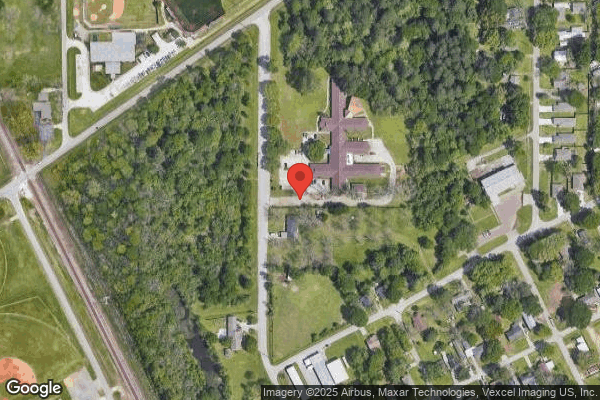
Feb 2023 3 deficiencies 1 IJ (1 affecting multiple)
CRITICAL (K) 📢 Someone Reported This

A family member, employee, or ombudsman was alarmed enough to file a formal complaint

Immediate Jeopardy (IJ) - the most serious Medicare violation

Respiratory Care (Tag F0695)

Someone could have died · This affected multiple residents

**NOTE- TERMS IN BRACKETS HAVE BEEN EDITED TO PROTECT CONFIDENTIALITY** Based on observation, interview, and record review, the facility failed to ensure that residents who needs respiratory care is p...

Read full inspector narrative →
**NOTE- TERMS IN BRACKETS HAVE BEEN EDITED TO PROTECT CONFIDENTIALITY** Based on observation, interview, and record review, the facility failed to ensure that residents who needs respiratory care is provided such care consistent with professional standards of practice, the comprehensive person-centered care plan, the residents goals, and preference for 3 of 19 residents (CR #1, Resident #2 and Resident #23) reviewed for tracheostomy care in that: -The NF failed to ensure all Nursing staff caring for residents with tracheotomies had been trained on maintaining artificial airway if a trach dislodged. -The NF failed to have emergency tracheostomy equipment at CR #1's bedside at all times when CR #1 trach dislodged. -The NF failed to order sufficient tracheostomy/respiratory equipment for residents with tracheotomy in the event of an emergency. CR #1 was found in bed on [DATE] with trach dislodged. CR #1 was transported to the hospital via EMS where he passed away shortly after arriving at the hospital. An IJ was identified on [DATE]. The IJ template was provided to the facility on [DATE] at 12:58pm. While the IJ was removed on [DATE], the facility remained out of compliance at a scope of K and a severity level of a K because all staff had not been trained on trach dislodgement/respiratory care. This failure has the potential to place residents with tracheostomies as well as other residents requiring respiratory care at risk of not receiving the necessary care and services needed to meet their medical goals resulting in a decline in health or harm. Findings included: CR #1 Record Review of CR #1's face sheet revealed a 34year old male admitted to the NF on [DATE] and discharged on [DATE]. CR #1 was admitted to the NF with the following diagnoses; cerebral infarction (stroke-damage to brain from interruption of its blood supply), type 2 diabetes mellitus, hyperlipidemia (elevated cholesterol), hypertension (high blood pressure), heart failure, acute respiratory failure with hypercapnia (elevated carbon dioxide), muscle wasting (loss of tissue), dyspnea (shortness of breath), and hypertrophic cardiomyopathy (heart muscle becomes abnormally thick). Record review CR #1's MDS dated [DATE] revealed CR #1 had a BIMS score of 5 indicating that CR #1 cognition was severely impaired. Further review revealed that CR #1 required extensive assistance with bed mobility, dressing, toilet use, personal hygiene, and totally dependent upon staff for eating. Further review revealed that resident was receiving special treatment for oxygen therapy and tracheostomy care. Record review of CR#1 Physician Order Summary Report revealed the following orders: -dated [DATE] suction trach every shift and PRN -dated [DATE] albuterol sulfate nebulization solution 2.5mg/0.5ml 1 application via trach every 6 hours as needed for SOB -dated [DATE] trach care BID and PRN -dated [DATE] trach type Portex 6.0 Record review of CR #1's MAR for the month of [DATE] revealed that the medication albuterol sulfate nebulization 2.5mg/0.5ml 1 application via trach every 6 hours PRN for SOB was administered 1 time on [DATE]. Record review of CR #1's Care Plan dated [DATE] revealed that CR #1 was care planned for a tracheostomy. The interventions included the following: -Provide oxygen, humidity, tracheostomy care, and tubing changes as indicated by physician orders -Ensure that trach ties are secured at all times -Suction as needed for increase secretions and congestion -Keep extra trach at bedside. If tube is coughed out and tube cannot be inserted obtain medical help immediately. Monitor/document for signs of respiratory distress elevate head of bed and stay with resident. Record review of CR #1's Nursing Progress Notes dated [DATE] documented by LVN W revealed in part: .12:40pm Primary Chief Complaint: Trach Issue .34year old man with tracheostomy on TC. He has hard secretions in the tracheostomy site not allowing suction catheter to pass. DON wants to transfer patient to ED so a new trach can be performed .Doctor order to send resident to ER to get trach switched out . Observation on [DATE] at 11:00am on 200 Hall was CR #1 resting in bed awake having a tracheostomy tube connected to oxygen. The dressing around resident trach site was clean with no secretions. Further observation was made of suctioning kit, tubing, and inner cannulas at CR #1's bedside along with an Ambu bag. Interview on [DATE] at 11:00am with CR #1 when asked how he was doing, CR #1 communicated by giving thumbs (doing okay). Further interview with CR #1's family member who was present in room at the time said CR #1 had gone to the hospital on Sunday [DATE] due to respiratory distress and the doctor said resident inner cannula was clogged due to CR #1 trach not being suctioned and changed. The family member said he did not remember the date but had asked a nurse to change CR #1's inner cannula and the staff member whose name he did not know told him the facility did not have any inner cannulas. The family member said the family of CR #1 had to constantly stay on the staff to provide trach care and that these concerns had been shared with the Administrator at the NF. The family member said the staff was very slow to answer CR #1's call light and they would sometimes have to go and look for staff to assist CR #1. Observation on [DATE] at 11:05am revealed CR #1's call light was turned on by surveyor with staff coming on the unit at 11:42am, but not into CR #1's room. The surveyor saw a staff member in the hallway. CR #1's call alarm was still alarming. CR #1 was not in any distress. Observation on [DATE] at 12:05pm the surveyor was leaving Hall 200. Observation revealed CR #1 call alarm still sounding. Interview on [DATE] at 12:09pm CNA SS said she was the CNA assigned to Halls 100 (rooms 100-105), 200, and Hall 300 (rooms 300-303). CNA SS said she had to do her rounds and feed other residents. CNA SS said she had already provided incontinent care for CR #1. CNA SS said when a resident light is on the staff were supposed to go in the resident (s) room and see what the resident needed and addressed the need. CNA SS said if she did not go to a resident room to answer or acknowledge the resident alarm it would be considered neglect. Further interview with CNA SS she said when she saw the surveyor in CR #1's room, she was on her way to get some gloves. Record review of CR #1's Nursing Progress Notes dated [DATE] revealed that CR #1 was readmitted from hospital after being admitted on [DATE]. The NF did not provide hospital record or a discharge summary. Record review of CR #1's Nursing Progress Notes dated [DATE] documented at by LVN T revealed in part: . Patient trach dislodged 10:10pm. Patient is alert and is able to provide appropriate response to verbal commands. Pt. has 6 trach and continues on room air without s/s of respiratory distress. Pt. stated he might have coughed hard thereby dislodging his trach. Pt. experienced shortness of breath about 10 minutes after trach dislodged. EMS personnel were by the bedside when Pt.'s O2 sat started to plummet down to 86% on 15L of O2 via Ambu bag (hand held self-inflating bag use to assist with breathing when one is not breathing or breathing adeauately) . Pt. was transferred to hospital for evaluation and treat. MD, RP, and Admin are all aware . Interview on [DATE] at 10:06am with family member of CR #1 said she spoke with the hospital ER doctor on [DATE] who said CR #1 died from a mucus plug. The family member said the ER Doctor told her he tried to get the trach back in but was unsuccessful. The family member said she had visited with CR #1 on [DATE] at the NF and CR #1 was wheezing. The family member said she asked the nurse who name she could not remember to give CR #1 a breathing treatment which the nurse gave. The family member said she had also asked the nurse to change CR #1's inner cannula but never saw the nurse replace the inner cannula. The family member said after CR #1 received the breathing treatment, the wheezing stopped. The family member said she went home. Further interview with family member said after CR #1 had passed away, a staff member at the NF had informed her that on [DATE] the NF had fliers up in the facility that all staff had to be trained on tracheotomy care. Record review of CR #1's hospital records dated [DATE] revealedin part: .Glide scope/ET (tool used to see airway/edotracheal tube) was attempted 4 (four) times unsuccessful, could not advance tube past vocal cords, was meeting resistance .Unfortunately patient did not seem to respond to our efforts during final code (emergency that indicates cardiopulmonary arrest (no heart rate and not breathing) .Patient CPR was carried out to more than a total of 70 minutes between EMS and our efforts .Despite patient's young age, too much time had elapsed and patient was unlikely to have a good neurologic outcome, assuming he would not succumb to other end-organ damage .CPR efforts were stopped and patient's time of death was announced at 1:08am . Interview on [DATE] at 11:29am with the Administrator regarding CR #1, he said he had called in a facility self-report because the hospital was insinuating lack of care on the NF side. The Administrator said CR #1 had blockage and that the hospital tried to intubate but the resident had a mucus plug (a buildup of dried or thick secretions in the airway blocking trach tube that allows for one to breathe). The Administrator was asked for the last training of the Nursing staff regarding tracheotomy care and trach dislodgement. Interview on [DATE] at 11:53am the NF Medical Director said after reviewing CR #1's records (Nursing Progress Notes dated [DATE]) CR #1 was stable, could talk, and cognizant. The Medical Director said CR #1's oxygen saturations were 100%. The Medical Director said it was not until EMS was beginning to transfer CR #1 from the bed to the stretcher, CR #1 oxygen saturations began to drop. The Medical Director said CR #1 might have had a mucus plug that could have moved during transfer. The Medical Director said a for sure sign of a of a mucus plug was decrease in oxygen saturation. The Medical Director said the only way to remove a mucus plug is having a bronchoscopy (a procedure that let the doctor look at the lungs and airway passages). The Medical Director said mucus plugs were not uncommon and residents could get small ones all the time. The Medical Director said CR #1 had coughed and dislodged the trach and staff was unable to place the trach back in. The surveyor asked the Medical Director what was the NF protocol if the nurse could not reinsert the same size trach and should a smaller size be used? The Medical Director said it was not the NF protocol to have a smaller trach size at the bedside when having difficulty inserting the initial size but to call EMS. The Medical Director said that protocol was done in the hospital system. The Medical Director said the NF had a total of 3 residents with tracheostomy and one was her resident that was doing good. The Medical Director said she had been the NF Medical Director at the NF since [DATE]. The Medical Director said she was not familiar with the NF protocol regarding trach dislodgement and maintaining artificial airway and would have to review their policy. Interview on [DATE] at 1:40pm with the Central Supply Manager said the NF currently had 3 residents with tracheostomies that used a #6 Shiley trach. Observation on [DATE] at 1:40pm of the NF Central Supply Room revealed it had 10 #6 Shiley cannulas in a box. Observation of a nurse (name not identified) coming to the supply room to get #6 Shiley cannulas. The Central Supply Manager said she had on hand also the disposable Portex #8 disposable cannulas with a total of 12 on hand which none of the residents with trachs were using. The Central Supply Manager said she had 1 #6 inner cannula of the Portex brand. The Central Supply Manager said 1 resident in the NF was using the #6 inner cannulas. Central Supply Manager said she ordered the #6 inner cannulas about 2 weeks ago and usually ordered 10 boxes at a time with 10 in a box, but the Portex brand she had to order individually and did not come in bulks. The Central Supply Manager said another brand she ordered for the inner cannulas was the Phoneris #6 inner cannulas that came in a box of 10 which the NF had 1 box with 10 inner cannulas. Further observation was made of the NF having size #4 inner cannulas brand name Phoneris with 10 in a box. The Central Supply Manager said she stocked the resident rooms who had trachs with supplies that included extra inner cannulas that she would place in the resident (s) rooms at bedside. The Central Supply Manger said she had never been told to stock with a smaller inner cannula but to just stock with the size the resident was using. The Central Supply Manager said extra trach supplies were stocked on the nurse carts that included trachs and inner cannula sizes of the residents. The Central Supply Manager said she ordered trach supplies every two to 3 weeks which included supplies for tracheotomies. The surveyor asked the Central Supply Manager for a copy of her last order summary report. The Central Supply Manager never provided a copy. On [DATE] at 1:50pm The Surveyor requested from the interim DON the NF staff training regarding tracheotomy/trach dislodgement. Interview conducted on [DATE] at 1:56pm with LVN T regarding CR #1. LVN T said the time was around 10:10pm on [DATE] on a Sunday when a CNA whose name he could not remember but believed the CNA was an Agency CNA. LVN T said the CNA came to him telling him that CR #1 wanted to speak with him. LVN T said the first thing he saw when he entered CR #1's room was CR #1 trach laying on his neck area and the right side of CR #1's trach collar was completely undone. LVN T said he asked CR #1 what happen? and CR #1 told him that he felt something on his neck and thought he coughed the trach out. LVN T said he tried to reinsert the trach but met resistance. LVN T said while he tried to reinsert the same trach that had dislodged, CR #1 complained of pain at the trach site. LVN T said he called from the hallway for extra assistance and then went to look for a size 4 inner cannula. LVN T said he looked in the supply room by the nurse station for a smaller size trach and did not find one. LVN T said during this time, CR #1 was not showing any signs of distress. LVN T said he had been working at the NF since 2015 of December and had taken care of residents with trachs before. LVN T said he had been in-serviced on trach care. LVN T said CR #1 was not connected to oxygen and that his trach was capped. LVN T said to his knowledge normally a smaller size trach size is kept at the resident bedside in case the trach dislodged. LVN T said EMS had been called and when they arrived, they tried to insert the resident's trach but was unsuccessful. LVN T said EMS inserted a rubbery device in CR #1's nostril and when they transferred CR #1 to the stretcher, CR #1 oxygen saturation dropped in the 80's. LVN T said the last time he had checked on CR #1 was 5 minutes prior to finding trach dislodged. Interview on [DATE] at 2:20pm the NF MDS Coordinator said the NF did not have an on staff Respiratory Therapist. The MDS Coordinator said the NF utilized the Corporate Respiratory Therapist when needed. Interview on [DATE] at 6:44pm via phone CNA SS said she no longer worked at the NF as of [DATE] (resigned). CNA SS said LVN T was not concerned about suctioning CR #1 or checking on CR #1. CNA SS said the family of CR #1 had to constantly stay on LVN T to provide trach care for CR #1. CNA SS said on Sunday, [DATE], she worked a double shift 6am-2pm to 2pm-10pm. CNA SS said she cared for CR #1 on the 6am-2pm shift and that CR #1 was doing good. CNA SS said although she was not CR #1's CNA for the 2pm-10pm shift, she was still working on the Hall that CR #1 was residing on and would answer his light if CR #1 called. CNA SS said the resident was doing good on the 6am-2pm shift as well as the 2pm-10pm shift until around 10pm. CNA SS said CR #1's room was right by the nurse station. CNA SS said CR #1 was very alert and oriented and could communicated with staff although his trach was capped. CNA SS said it was around 10pm when CR #1 had put on his call light, and she went to his room to see what he needed. CNA SS said when she went to CR #1's room, LVN T was also headed to CR #1's room a few steps ahead of her. CNA SS said when she entered CR #1's room, CR #1 did not appear to be in any distress but was pointing toward his face that he needed some help. CNA SS said because CR #1 was communicating with LVN T, she left the room. CNA SS said LVN T was in CR #1's room approximately 2-3minutes. CNA SS said she was standing at the nurse station and saw LVN T come out of CR #1's room headed toward the nurse station. CNA SS said she asked LVN T what was going on with CR #1? CNA SS said LVN T shared with her that CR #1 had pulled out his trach and he needed to call 911. CNA SS said LVN T said he did not want CR #1 to see that he was nervous. CNA SS said LVN T said he tried to reinsert the trach but could not get it in because it was the wrong size. CN A SS said LVN T then placed a call to 911 and after that went to the supply room to try and find another trach. CNA SS said at this time, she did not see any other nurses at the nurse station. CNA SS said she did not know if LVN T found what he was looking for but did see LVN T go back to CR #1's room. CNA SS said she never went back to CR #1's room. Interview on [DATE] at 9:20am with ADON B said she had been working at the NF for 2 weeks. The ADON B said it was general practice to have a trach size up or down at the resident bedside and this was done if the trach dislodged. ADON B said when trying to reinsert the trach, if resistance is met, the nurse could use a smaller trach to maintain airway. Interview on [DATE] at 9:28am with the MDS Coordinator said she had been working at the NF for 13 years. The MDS Coordinator said residents who had trachs, emergency trach supplies were to be kept at resident bedside in case the trach dislodged or started to experience any respiratory distress. The MDS Coordinator said the Shiley brand for trach's was the original brand. The MDS Coordinator said the NF had both brands the Shiley and the Portex but was unsure if they there was difference in the brands or if they could be used interchangeable. The MDS Coordinator said although she did not work the floor anymore, she had received in-service about 2 weeks ago on trach care. The MDS Coordinator said she believed that in the in-service it was told that a smaller trach size needed to be kept at the bedside in the event of an emergency. Interview on [DATE] at 12:26pm LVN T said the CNA that first responded to CR #1's call light was the CNA on the 10pm-6am who was Agency, and the time was around 10pm. LVN T said when he went to CR #1's room, he found CR #1 trach dislodged with the right side of the Velcro around neck was completely undone. LVN T said he immediately tried to insert CR #1's trach (#6 Shiley) and was unsuccessful. LVN T said he stepped in the hall and called for the assistance of the other nurse that was working with him who was a female nurse, RN U, that was at the nurse station. LVN T said he told RN U to bring a pulse oximeter (device use to monitor a person level of oxygen) and come to CR #1's room. LVN said CR #1 did not have a smaller size trach in room. LVN T said CR #1 did not appear to be in any distress and his pulse oximeter was 97-98% on room air therefore did not place CR #1 on oxygen. LVN T said RN U attempted to reinsert trach but could not get the trach in and like him kept meeting resistance. LVN T said he left resident room to call 911 and notify the physician. LVN T said he told the physician that CR #1 appeared to be stable, and that the physician said to cover CR #1's stoma site with a 4x4 and continued to monitor CR #1 and CR #1 did not have to send CR #1 to the hospital. LVN T said he was concerned about resident and the A, B, C's (airway, breathing, and circulation) and the doctor said go ahead and send CR #1 to the hospital. LVN T said he began to look for some k-y jelly and a smaller size trach but could not find either. LVN T said EMT tried to stabilize resident by using an Ambu bag along with an oxygen nonrebreather mask. LVN T said when he tried to reinsert the trach, he did not use an obturator to help guide it because he did not have one. LVN T said he received in-service on tracheostomy care and dislodgement 3 days after the incident by the Respiratory Therapist. LVN T said at this time he brought the question up with the RT about necessary trach supplies that needed to be kept at resident bedside with a tracheotomy. LVN T said the RT told him that a smaller size trach and Ambu bag always needed to be at the bedside in case the resident started having respiratory distress. Interview on [DATE] at 12:44pm RN V said when she arrived to work on [DATE] after 10:00pm, CR #1 was still in the room, RN V said she believed EMS had been called. RN V said it was a male and female in CR #1's room and initially CR #1 was not in any distress. RN V said she did not attempt to insert CR #1's trach or administer oxygen to CR #1. RN V said it was EMS that began bagging CR #1 when CR #1 went into distress when they were beginning to move CR #1. Interview on [DATE] at 2:15pm CNA S said she worked at the NF on [DATE] on the 2pm-10pm shift and was the CNA for CR #1. CNA S said she was Agency, and it was her first time working at the NF. CNA S said she arrived too the NF around 2:00pm and had to wait on her assignment. CNA S said when she got her assignment, she began to make her rounds. CNA S said she arrived too CR #1's room around 2:50pm and found CR #1 with mucus secretions all around his trach site gasping for air. CNA S said she tried to remove the mucus from around CR #1's trach site and went to tell the nurse who was a male nurse. CNA S said she continued to go and check on the other residents and in doing so, she saw a female nurse and told her what she saw regarding CR #1. CNA S said the female nurse told her that CR #1 probably just needed to be suctioned. CNA S said she checked on CR #1 again around 3:30pm because she was concerned and wanted to make sure he was okay. CNA S said CR #1 appeared to be okay resting quietly. CNA S said at this time she provided incontinent care for CR #1 with the assistance of another female staff who she believed was nurse. CNA S said at 5:00pm or a little after, she went to CR #1's room to feed his roommate and that CR #1 continued to rest quietly not appearing to be in any distress. CNA S said at one time during the shift, a female visitor was in CR #1's room. CNA S said she made her last round on CR #1 at 8:30pm and at this time CR #1 did not require any incontinent care but continued to rest quietly. CNA S said this was the last time that she saw CR #1. Resident 2 Record review of Resident # 2 face sheet revealed a 29year old female admitted to the NF on [DATE] with the following diagnoses that included acute and chronic respiratory failure, tracheostomy, dysphagia (difficulty swallowing), and anoxic brain damage (lack of oxygen to the brain). Record review of Resident #2's Physician Order Summary Report revealed order dated [DATE] for Trach size 8 with trach care every shift and PRN. Record review of Resident #2 MDS dated [DATE] revealed a BIMS score of 0 indicating cognition level severely impaired. Further review revealed resident was receiving the following therapies: oxygen, suctioning, and tracheostomy care. Further review revealed that the MDS did not address gastrostomy feedings. Record review of Resident #2's Care Plan dated [DATE] revealed that Resident #2 was being care planned for a tracheostomy trach size 8. Resident #3 Record review of Resident #3 face sheet revealed a 34year old male admitted to the NF on [DATE] diagnoses included chronic respiratory failure (when the lungs cannot get enough oxygen into the blood or get rid of enough carbon dioxide (odorless nonflammable gas) from the body) and tracheostomy. Record review of Resident #3's MDS dated [DATE] revealed that Resident #3 was receiving oxygen therapy, suctioning, and tracheostomy care. Record review of Resident #3's care plan dated [DATE] revealed that resident was being care planned for a tracheostomy that included the following interventions: -Provide oxygen, humidity, tracheostomy care, and tube changes as indicated by physician orders -Ensure that trach ties are secured at all times -Suction as needed for increase secretions and congestion -Keep extra trach (size 6) at bedside. If tube is coughed out and tube cannot be reinserted obtain medical help immediately. Monitor/document for signs of respiratory distress, elevate head of bed and stay with resident Record review of Resident # 3's Physician Orders revealed an order dated [DATE] trach type size #6. Further review of an order dated [DATE] replace disposable inner cannulas every day and PRN. Record review of Resident #3's TAR for the month of [DATE] revealed that the staff was documenting that they were following Physician Orders regarding trach care. Observation [DATE] at 10:07am of Resident #2 resting in bed awake with the head of bed elevated receiving continuous gastrostomy feedings. Resident #2 had a trach connected to oxygen. Further observation was made of resident not having an Ambu bag at the bedside. Interview and observation on [DATE] at 10:12am with LVN Q said she was the nurse for Resident #2. After LVN Q looked in Resident #2's room for trach supplies (inner cannulas and emergency trach kit), LVN Q said she did not have any inner cannulas at resident bedside nor an emergency trach kit. LVN Q said she did have inner cannulas on her cart of different sizes but did not know the size of Resident #2's trach unless she changed it. LVN Q could not explain why Resident #2 did not have an Ambu bag at the bedside or any of the other trach supplies. LVN Q said these supplies should be kept at the bedside of all residents that had a tracheotomy in the event of an emergency. LVN Q said it was the responsibility of Central Supply and the nurses to stock the resident rooms who had trachs with trach supplies. LVN Q said she had been working at the NF for about 8 months and had never observed trach supplies or Ambu bags at the bedside of residents who had trachs. LVN Q said she had received in-service on trach care about 2-3 weeks ago but did elaborate on the specifics of training provided. At 10:20am LVN Q checked her cart and found 1 inner cannula Shiley size 5.5mm and 2 Portex brand inner cannulas 5.0mm. LVN Q searched the NF for Ambu bags and could not find any on Station A or Station B, nor any in the supply rooms. LVN Q was able to find one 1 emergency trach kit with an obturator (a device used to insert a tracheostomy tube). LVN Q was informed by surveyor that suctioning of Resident #2's trach wanted to be observed. Observation on [DATE] at 10:25am Resident #3 having 2 Ambu bags in the room, one hanging on the wall and the other one inside of a drawer. Interview on [DATE] at 10:55am the MDS Coordinator said she would think it was the nurse responsibility to ensured that when caring for residents with a tracheotomy to have all necessary emergency supplies at resident bedside to maintain airway. Observation on [DATE] at 11:00am Resident #2's door was closed. When the surveyor entered the room, Resident #2's curtains were pulled. The surveyor pulled the curtains back and observed a female on the right side of the resident bed wearing a white lab coat with the initials NP on it. Further observation was made of LVN Q standing on the opposite side of the resident bed. The female with the white lab coat had a white drape across Resident #2's upper body torso with suctioning tubing in hands appearing to prepare for suctioning Resident #2 while LVN Q was observing. Further observation was made of a Ambu bag now present in Resident #2's room at the head of bed attached to the wall. Interview on [DATE] at 11:20am with LVN Q asking her where did the ambu bag hanging at the head of Resident #2's bed come from? LVN Q said she got the Ambu bag from Resident #3's room who had 2 Ambu bags in their room. Interview on [DATE] at 1:13pm with the Administrator regarding NF Policy on Trach dislodgement with training. The Administrator said the NF did not have a policy and was waiting on Corporate to send. Interview on [DATE] at 1:20pm the Respiratory Therapist with Corporate Office said she was just assigned to the NF and had come to the NF the first time on [DATE] to set up rooms for pending trach residents. The RT said she returned to the NF on [DATE] to conduct training check off with the Nursing staff on Trach care that included having same size trach and a smaller one at the bedside including Ambu bags, in case of an emergency and how to maintain an artificial airway. The RT said she had the staff to demonstrate to her on a mannequin when a trach became dislodged, how to insert the trach back by using an obturator to help guide with reinsertion and removing the obturator immediately after inserting the trach so that resident could breathe. The RT said due to the obturator being a plastic solid piece, no air exchange could occur if left in. The RT said it was also important to check the resident lung sounds to see if there was any air exchange after a trach is dislodge. The RT said the difference between the 2 trach brands Shiley and Portex inner canulas was that one was clear, and the other was white but was inter-changeable. The RT said she would have to research what other differences there was between the brands. The RT said if reinsertion was not successful, the resident should be given oxygen. The RT said a new trach with dislodgement could close quickly. Interview on [DATE] at 2:30pm LVN R the oncoming nurse on Station for the evening shift 2p-10p said she would be the nurse for Resident #3. LVN R said if Resident #3's trach became dislodged, she would not know how to reinsert it. Observation was made of Resident #3 having the obturator at the bedside along with other trach supplies. LVN R said she did not know how to use the device. LVN R said the last time she had been trained on trach care was in Nursing School. LVN R said she had been a nurse for a year and started working at the NF on last week. Interview on [DATE] at 2:45pm via phone with the Central Supply Manager said she had never ordered any trach insertion kits for emergency trach dislodgement. The Central supply Manager said she only ordered what was told to her to order by the Respiratory Therapist. The surveyor asked the Administrator on [DATE] at 3:30pm for the NF Policy on Trach Dislodgement. The Administrator said he was told by staff that the surveyor wanted a policy on mucus plugs. Record review of the NF in-services regarding Trach Care that the Administrator submitted to the surveyor did not include Trach dislodgment was on [DATE]. Interview with [DATE] at 12:55pm the Administrator said he spoke with the Regional [NAME] President of Operations and was informed that the NF did not have a policy at present on Trach Dislodgement and how to Maintain Artificial Airway. The Administrator said Central Supply Manager was responsible for ordering all respiratory and tracheostomy supplies. The Administrator said when the RT came to the NF, the RT was responsible for ensuring that all tracheostomy supplies were readily available to care for the residents. The Administrator said the Central Supply Manager was responsible for stocking each Nurses Station with tracheostomy supplies. The Administrator said it was the nurses on the units car[TRUNCATED]
CONCERN (D) 📢 Someone Reported This

A family member, employee, or ombudsman was alarmed enough to file a formal complaint

Potential for Harm - no one hurt, but risky conditions existed

Tube Feeding (Tag F0693)

Could have caused harm · This affected 1 resident

**NOTE- TERMS IN BRACKETS HAVE BEEN EDITED TO PROTECT CONFIDENTIALITY** Based on observation, interview, and record review the facility failed to ensure residents who are fed by enteral feeding receiv...

Read full inspector narrative →
**NOTE- TERMS IN BRACKETS HAVE BEEN EDITED TO PROTECT CONFIDENTIALITY** Based on observation, interview, and record review the facility failed to ensure residents who are fed by enteral feeding received the appropriate treatment and services to prevent potential complications for 1 of 19 resident reviewed for gastrostomy feedings (CR #1) in that: CR # 1's Gastrostomy/peg feedings was outdated according to the manufactured label. This failure could place residents with feeding tubes at risk for infections and/or metabolic abnormalities. Findings included: Record Review of CR #1's face sheet revealed a 34year old male admitted to the NF on 11/23/2022 and discharged on 01/222023. CR #1 was admitted to the NF with the following diagnoses; cerebral infarction (stroke-damage to brain from interruption of its blood supply), type 2 diabetes mellitus, hyperlipidemia (elevated cholesterol), hypertension (high blood pressure), heart failure, acute respiratory failure with hypercapnia (elevated carbon dioxide), muscle wasting (loss of tissue), dyspnea (shortness of breath), and hypertrophic cardiomyopathy (heart muscle becomes abnormally thick). Record review CR #1's MDS dated [DATE] revealed CR #1 had BIMS score of 5 indicating that CR #1 cognition was severely impaired. Further review of CR #1's functional status revealed that CR #1 required total assistance with eating. Further review revealed that CR #1 had a feeding tube/abdominal (PEG). Record review of CR #1's care plan dated 11/23/22 revealed that CR #1 was being care planned for peg tube feedings. Record review of CR #1's Physician Orders revealed the following order dated 12/12/2022 enteral feed one time a day for peg feeding Glucerna 1.2 at 50ml/hr. concurrent with water flush q hour 30ml to run with enteral feeding. The order prior dated 11/25/2022 revealed enteral feed every shift to infuse concurrent with feeding start water flush every hour with 30 ml's to run concurrently with enteral feeding (did not specify type of feeding or rate of feeding). Observation on 12/06/2022 at 11:00am of CR #1 resting in bed on back with head of bed elevated. CR #1 was receiving enteral feedings Glucerna1.2 cal at 60ml/hr along with a water flush infusing at 20ml/hr. The date hung on the enteral feeding read 12/05/2022 at 9:00am. The date hung on the water flush bag read 12/04/2022 at 2200 (11:00pm). The surveyor was unable to read initial on bag. Approximately left to count in the enteral feeding bag was 400ml and the water flush approximately 500ml. Interview on 12/06/2022 at 12:15pm with LVN W said she was CR #1's nurse. LVN W said the gastrostomy feedings are supposed to be changed on the night shift and as needed. LVN W said if the feedings finished on another shift, the nurse on that shift had to change the feeding. LVN W said the water flush bag was supposed to be changed when the gastrostomy/peg tube feeding is changed. LVN W said she also worked on 12/05/2022 on the 2pm- 10pm and that she hung CR #1's water flush and enteral feedings. LVN W observed the dates on CR #1's water flush and enteral feedings, LVN W said she thought she had changed out resident water flush. LVN W said she had been working at the NF for about a month and could not answer if she had been in-serviced on enteral feedings. LVN W was not able to tell the surveyor how often enteral feedings and water flush should be changed. LVN W said it was important to change the feedings along with the water flush for infection control purposes. Interview on 02/07/23 at 9:20am with ADON B said she had been working at the NF for 2 weeks. ADON B said residents who were receiving continuous enteral feedings with water flush, feedings needed to be changed out along with water flush every 24 hours for infection control purposes. Interview on 02/10/2023 at 11:06am with the Human Resource Director said she did not have any of the Nursing staff training records. The Human Resource Director said when the Nursing staff complete any training, she should get a copy of the training and place it in their files. The Human Resource Director said she had asked the Administrator and the DON in the past for the Nursing staff training and was told it would be provided, but she never received anything. The Human Resource Director said the only training she had received was at the time of hire like the I-9 Employment Eligibility Verification, etc. Interview on 02/14/2023 at 10:00am DON X said she started working at the NF 02/13/2023. DON X said it was best practices regarding resident (s) receiving enteral feedings that the feedings along with water flush bag be changed out every 24 hours to avoid any bacteria growth in the formula. DON X was unable to provide nursing in-service/training regarding enteral feedings. Record review of NF Policy on Care of Tube Feed Resident reviewed 01/09/2017 revealed in part : .Tube feeding care should be consistent with the current standards of practice and overall therapeutic goals of the resident and delivered in an ethical manner . Record review of the Manufactured Label for enteral feedings with flush bag revealed in part: .Do not use for greater that 24 hours .
CONCERN (E) 📢 Someone Reported This

A family member, employee, or ombudsman was alarmed enough to file a formal complaint

Potential for Harm - no one hurt, but risky conditions existed

Infection Control (Tag F0880)

Could have caused harm · This affected multiple residents

**NOTE- TERMS IN BRACKETS HAVE BEEN EDITED TO PROTECT CONFIDENTIALITY** Based on observations, interviews and record review, the facility failed to maintain an Infection Control Program designed to pr...

Read full inspector narrative →
**NOTE- TERMS IN BRACKETS HAVE BEEN EDITED TO PROTECT CONFIDENTIALITY** Based on observations, interviews and record review, the facility failed to maintain an Infection Control Program designed to prevent, recognize, and control the onset and spread of infection to the extent possible for 6 of 22 residents (CR #1, Resident # 3, Resident #5, Resident #6, and Resident #7) reviewed for infection control in that: -ADON A and LVN W did not disinfect work area prior to or after administering trach care for Resident #3. -ADON A and LVN W did not practice consistent hand hygiene when administering trach care for Resident #3. -ADON A and LVN W did not dispose soiled materials in a red biohazard bag after providing trach care for CR #3. -CR #1 had container of distilled water with no lid on the top of container. -Resident #3 suction cannister in room was not dated as to when the last time it had been changed. -MA did not wash or sanitize hands or equipment during medication pass for Resident #5, #6, and #7. These failures placed resident (s) at risk for cross contamination and infections. Findings include: CR #1 Record Review of CR #1's face sheet revealed a 34year old male admitted to the NF on 11/23/2022 with the following diagnoses:; cerebral infarction (stroke-damage to brain from interruption of its blood supply), type 2 diabetes mellitus, hyperlipidemia (elevated cholesterol), hypertension (high blood pressure), heart failure, acute respiratory failure with hypercapnia (elevated carbon dioxide), muscle wasting (loss of tissue), dyspnea (shortness of breath), and hypertrophic cardiomyopathy (heart muscle becomes abnormally thick). CR #1 was discharged on 01/22/2023. Record review CR #1's MDS dated [DATE] revealed CR #1 had a BIMS score of 5 indicating that CR #1 cognition was severely impaired. Further review revealed that CR #1 required extensive assistance with bed mobility, dressing, toilet use, personal hygiene, and totally dependent upon staff for eating. Further review revealed that resident was receiving special treatment for oxygen therapy and tracheostomy care. Record review of CR #1's Care Plan dated 11/23/2022 revealed in part: -Provide oxygen, humidity, tracheostomy care, and tubing changes as indicated by physician orders Record review of CR #1's Physician Order Summary Report revealed an order dated 11/30/22 may use humidity bottle via trach as tolerated. Change and date if low or empty every shift for tracheostomy. Observation on 12/06/2022 at 11:00am of CR #1 resting in bed on back with head of bed elevated. CR #1 had a tracheostomy connected to oxygen. Further observation was made of a humidifier bottle connected to oxygen machine dated 12/06/22. Further observation was made on CR #1's bedside table positioned on the left side of CR #1's bed. On the bedside table was a gallon container of distilled water with no lid on the top of the container. The container was half full. Interview on 12/06/2022 at 12:15pm LVN W said she was the nurse for CR #1. LVN W said regarding the open container of distilled water with no lid on top of the bedside table, she said it was the family of CR #1 that brought in the distilled water and left the top off the distilled water. Interview on 12/08/2022 via phone at 10:00am with CR #1's family member said after checking with other family members, no one had brought distilled water in the NF and that the distilled water was the NF. Interview on 02/25/2023 at 12:50pm with the Central Supply Manager said she ordered distilled water for the NF residents requiring oxygen with humidifiers. Resident # 3 Record review of Resident # 3 face sheet revealed an 34year old male admitted to the NF on 11/16/2021 with the following diagnoses:; chronic respiratory failure, major depression disorder, post-traumatic stress disorder, hypertension (high blood pressure), gastro-esophageal reflux disease (stomach acid or bile flows into the food pipe and irritates the lining), intentional self-harm by firearm discharge, gastrostomy (an opening into the stomach made surgically for the introduction of food), and tracheostomy (surgically created hole in the windpipe that provides an alternate airway for breathing). Record review of Resident #3's MDS dated [DATE] revealed Resident #3 had a BIMS score of 3 indicating cognition severely impaired. Further review revealed that Resident #3 was totally dependent on staff for ADL's. Record review of Resident # 3's Physician Order Summary Report revealed order dated 11/30/2022 trach care BID and PRN. Record review of Resident #3 TAR for the month of January 2023 revealed that the NF was following physician orders regarding trach care as indicated by nurses initials. Record review of Resident #3's care plan dated 11/16/2021 revealed that resident was being care planned for a tracheostomy that included the following interventions: -Provide oxygen, humidity, tracheostomy care, and tube changes as indicated by physician orders Observation on 12/06/2022 at 12:55pm revealed Resident #3 was awake resting in bed on an air mattress with head of bed elevated. Observation was made of suction cannister on the left side of Resident #3's bed with mucus fluids inside of it. The cannister did not have a date on it. Resident #3 had a trach collar attached to oxygen and coughing. Further observation was made of the mucus around the trach site was thick pale yellowish in color. Observation on 12/06/2022 at 1:05pm of ADON A providing trach suctioning for Resident #3. ADON A entered Resident #3's room carrying clean gloves in hand. ADON A proceeded to place gloves on hands without sanitizing or washing her hands with soap and water. ADON A proceeded to start arranging trach supplies at bedside on Resident #3's nightstand without disinfecting space. There was a suction cannister with fluids inside of it sitting on the nightstand. There was no date on the suction cannister. ADON A then opened the trach kit and removed the old gloves and placed on the sterile gloves taken from kit without washing or sanitizing her hands. ADON A said she was new to Resident # 3 but not new to tracheostomy suctioning. ADON A asked Resident #3's nurse LVN W to assist her with connecting the suction tubing saying her hands were sterile and proceeded to suction Resident #3 with her left hand. After ADON A suctioned Resident #3 trach one time, ADON A removed her soiled gloves not placing gloves or suctioning equipment in red biohazard bag but in a regular trash can. ADON A left the room without washing or sanitizing her hands saying she had to go and get some hand sanitizer leaving the surveyor and LVN W at Resident # 3 bedside. At 1:10pm ADON A returned to Resident #3 room with suction supplies and a suction cannister dated 12/06/22, and hand sanitizer. ADON A proceeded again to place on clean gloves to open a new suction kit. The surveyor did not observe ADON A wash or sanitize her hands or disinfect/sanitize her workspace. After placing sterile gloves on, ADON A had LVN W to connect tubing to suctioning. ADON A proceeded to start suctioning Resident #3 again with her sterile gloves on. When ADON A was done suctioning Resident #3 tracheostomy, she placed all soiled material inside of a cardboard box that was sitting on floor near the doorway of Resident #3's room. During this time DON D had come to Resident #3's room. DON D took the soiled material that was inside of the cardboard box and removed it from the room. The surveyor asked to see Resident #3's dressing around trach site be changed as well. ADON A left the room without washing or sanitizing her hands and LVN W took over and proceeded to change Resident #3's dressing around the trach site. The surveyor did not observe LVN W sanitize or wash her hands nor sanitize her workspace. LVN W placed trach kit on an unclean table that appeared to be dirty with noted dried spots on table. LVN W proceeded to place on clean gloves to clean resident dressing around trach site with saline moisten 4x4's. LVN W when done, placed the soiled materials in a regular trash can and not a biohazard bag. LVN W left Resident #3's room without washing or sanitizing her hands saying she was going to get some help to reposition Resident #3. Interview on 12/06/20222 at 1:28pm with LVN W said trach care such as changing resident dressing around trach site was not sterile but suctioning and changing out the inner cannula was. The surveyor asked LVN W the date on the cannister in the room that had fluids inside of it when entering the room prior to Resident #3 being provided trach suctioning. LVN W said there was no date on the cannister. LVN W said she would be changing out the cannister. LVN W said the suction cannisters were supposed to be changed out and dated daily on the night shift for infection control purposes. LVN W said soiled materials were to be placed inside of a red biohazard bag to prevent the spread of infections. LVN W said the reason she did not place the soiled material inside of a red biohazard bag was because there was not one in Resident #3's room. Interview on 12/06/2022 at 1:50pm ADON A admitted at one time during trach suctioning for Resident #3 not washing or sanitizing her hands. Further interview with ADON A she said all soiled materials should be placed inside of a red biohazard bag to prevent the spread of infections. Resident #5 Record review of face sheet for Resident #5 revealed resident was an [AGE] year old female resident admitted to the facility on [DATE]. Resident's diagnosis included Alzheimer's disease, covid-19, history of falling, Dementia, and muscle weakness. Resident #6 Record review of face sheet for Resident #6 revealed resident was an [AGE] year old female resident admitted to the facility on [DATE]. Resident's diagnosis included Dementia, Diverticulitis (inflammation) of large intestine, history of falling, presence of a pacemaker, and essential hypertension. Resident #7 Record review of face sheet for Resident #7 revealed resident was a [AGE] year old female resident admitted to the faciltiy on 12/1/2010. Resident's diagnosis included Type 2 diabetes, anxiety disorder, dysphagia, essential hypertension, hypothyroidism, and schizophrenia. During an observation on 12/24/22 beginning at 9:41 a.m., MA was observed coming out of Resident #4's room after completing medication pass to Resident #4. Without washing or sanitizing her hands, or using gloves, MA was observed to pull medications for Resident #5 (roommate to Resident #4). MA placed each medication pill into a cup and then proceeded into the room and gave medications to Resident #5. She came back to the medication cart to retrieve scissors for Resident #5, cut a candy bag open and then went back to the cart. MA then moved across the hall to Resident #6's door. Without washing or sanitizing her hand or cart, she proceeded to get medications for Resident #6. She pulled the blood pressure cuff out of the card drawer and took Resident #6's blood pressure and came back to the cart. Without sanitizing or washing her hands, and without sanitizing the blood pressure cuff she moved to Resident #7's room and proceeded to take Resident #7's blood pressure and dispense and administer medications. She did not wash her hands, sanitize her hands, or sanitize her cart of blood pressure cuff. MA did not wear gloves. During an interview on 12/24/22 at 9:55 am, the MA stated that she completed in-services about handwashing about a month and a half ago. She sadi said she should have washed her hands between every two residents and sanitize between every resident. She stated that the she did not do either during the 4 observations. She stated that she should be sanitizing blood pressure cuffs between each resident. She stated that she did not have wipes on the cart, nor did she get wipes. She said she just forgot basic infection control practices. During an interview on 12/24/22 at 10:00 a.m.- with the MOD, she stated that hands should be washed with soap and water for best practices in between residents, but definitely when soiled. She stated that sanitizing should be done between every resident. She stated that the blood pressure cuff should be sanitized between each use. She stated that there are plenty of wipe in the building and MA should have retrieved wipes to sanitize her cart and the blood pressure cuff. In an interview on 1/25/23 at 9:42 am with the Interim DON, she stated that the equipment should be sanitized between every resident. Hand sanitizer is ok to use between residents and then soap and water should be used when hands are soiled. Record review of the NF Policy in Hand Hygiene revised February 2020 revealed in part: .The Centers for Disease Control Prevention (CDC) defines hand hygiene as cleaning your hands by using either handwashing (washing hands with soap and water), antiseptic hand wash .Hand hygiene is a simple effective method for preventing the spread of pathogens, such as bacteria and viruses, which cause infections . Record review of the NF Policy on Tracheal Bronchial Suctioning revealed in part: .Set up clean work field .discard soiled supplies in appropriate containers .Aftercare clean hands per appropriate hand hygiene procedure . Record review of the NF Infection Control Policy revised 09/22/2017 revealed in part: .All contaminated disposable items shall be discarded in a waste receptacle lined with a red plastic bag . Record review of the NF Infection Control Policy revised 10/27/2022 revealed in part: The facility has established and maintained an infection prevention and control program designed to provide sanitary environment to help prevent the development and transmission of communicable diseases and infections Hand hygiene should be performed in accordance with facility's procedures. Licensed staff shall adhere to safe medication administration practices as described in relevant policies. All reusable items and equipment requiring disinfection or sterilization shall be cleaned in accordance with our current procedures. .All contaminated disposable items shall be discarded in a waste receptacle lined with a red plastic bag .
Jun 2022 5 deficiencies
CONCERN (D)

Potential for Harm - no one hurt, but risky conditions existed

Assessment Accuracy (Tag F0641)

Could have caused harm · This affected 1 resident

**NOTE- TERMS IN BRACKETS HAVE BEEN EDITED TO PROTECT CONFIDENTIALITY** Based on, observation, interview and record review the facility failed to accurately assess each resident's status for 1 of 5 Re...

Read full inspector narrative →
**NOTE- TERMS IN BRACKETS HAVE BEEN EDITED TO PROTECT CONFIDENTIALITY** Based on, observation, interview and record review the facility failed to accurately assess each resident's status for 1 of 5 Residents (Resident #56) reviewed for assessment accuracy in that: - Resident #56's Annual MDS dated [DATE] did not correctly assess his diagnoses. This failure affected 1 resident and placed all residents at risk of not receiving the proper care and services due to inaccurate diagnoses and records. Finding include: Resident #56 Record review of Resident #56's admission record revealed he was [AGE] years old. He was admitted to the facility on [DATE] with diagnoses that included Vascular Dementia with Behavioral Disturbances (condition affecting the blood flow to the brain that results in changes in memory, thinking and behavior), on 7/23/2019 with Unspecified Psychosis not due to a substance or known physiological condition (a mental disorder characterized by a disconnection from reality) Pneumonia due to Coronavirus Disease 2019, on 02/12/2021 and Dysphagia (difficulty or discomfort in swallowing)on 4/23/2020. Record review of Resident #56's annual MDS dated [DATE] revealed he had a BIMS score of 99 indicating that the resident was unable to complete the assessment and a SAMS should be conducted instead. Resident #56 was coded as being moderately impaired in his cognitive skills for decision making. Resident #56 was coded in section I for active diagnosis, as having Psychotic Disorder (other than schizophrenia). Observation of Resident #56 on 06/21/22 at 10:35 AM he was in his room with the TV on, seated in bed and wearing a facility gown that was stained and part of his sheets were stained. He spoke slowly and said he had spilled a little bit of his breakfast and that the stain on his gown was coffee and the one on his sheet was orange juice. He said that staff had come to help him, but he did not want to get up at that time to change his clothing and sheets. He was calm and soft spoken and avoided eye contact. There were no foul odors or obvious hazards observed in or around the room. His bed was in a low position. Record review on 6/23/22 at 09:00 AM of the facility electronic medical record for Resident #56 revealed his diagnosis of Unspecified Psychosis not due to a substance or known physiological condition (a mental disorder characterized by a disconnection from reality), was not documented in any nursing progress notes and he had not received any medication for the condition in January 2022 or February 2022. Further record review revealed he also had no specialized or consultant psychiatric services during the months of January 2022 and February 2022. Interview with Corporate MDS on 6/23/22 at 10:51 AM who said that the former MDS nurse was the one who miscoded Resident #56's active diagnoses on the February MDS. He said that the DON for the facility should be signing the completion of the MDS including accuracy, and he would be oversight. He did not know why they had been coded incorrectly. He said that Resident #56's Q MDS dated [DATE] had the correct active diagnoses which the ones that reflected what Resident #56 was actively being treated for. The Corporate MDS said that Resident #56 did not have a Level 2 PASRR because his mental illness diagnosis of Psychosis, that may have impacted completion of a Level 2 form, was not an active diagnosis. He said that they did not have a policy and procedure on MDS completion or process but that they followed the CMS RAI 3.0 Manual. During an interview on 06/23/22 at 11:10am MDS LVN A said she may have mistakenly coded Resident #56's psychosis as an active diagnosis in section I on his annual MDS dated [DATE] but would need to check to see. She said she believed that she completed the annual MDS dated [DATE] for Resident #56 she said Resident #56 may have been on medication to treat his psychosis when he admitted and that he had not been seen by any psychiatric services recently that she was aware of. MDS LVN A said that she used the CMS RAI 3.0 Manual as a guide for completing MDS'. Record review on 6/24/22 at 10:34 AM of Resident #56's admission orders and medication administration record dated 1/24/2019 revealed he had an order for and had received Seroquel tablet 25 MG . give 1 tablet by mouth at bedtime related to (sic) UNSPECIFIED PSYCHOSIS NOT DUE TO A SUBSTANCE OR KNOWN PHYSIOLOGICAL CONDITION. Record review on 6/24/22 at 10:34 AM of Resident #56's Medication Administration Record dated 2/1/2022-02/28/2022 revealed no medications for his diagnosis of psychosis were given. Record review of the CMS RAI Version 3.0 Manual for the MDS Assessments dated October 2019 revealed: SECTION I: ACTIVE DIAGNOSES Intent: The items in this section are intended to code diseases that have a direct relationship to the residents' current functional status, cognitive status, mood or behavior status, medical treatments, nursing monitoring, or risk of death. One of the important functions of the MDS assessment is to generate an updated, accurate picture of the residents' current health status .Active Diagnoses in the Last 7 Days - Check all that apply . Based on, observation, interview and record review the facility failed to accurately assess each resident's status for 1 of 5 Residents (Resident #56) reviewed for assessment accuracy in that: - Resident #56's Annual MDS dated [DATE] did not correctly assess his diagnoses. This failure had the potential to affect 1 resident and placed all residents at risk of not receiving the proper care and services due to inaccurate diagnoses and records. Finding include: Resident #56 Record review of Resident #56's admission record revealed he was [AGE] years old. He was admitted to the facility on [DATE] with diagnoses that included Vascular Dementia with Behavioral Disturbances (condition affecting the blood flow to the brain that results in changes in memory, thinking and behavior), on 7/23/2019 with Unspecified Psychosis not due to a substance or known physiological condition (a mental disorder characterized by a disconnection from reality) Pneumonia due to Coronavirus Disease 2019, on 02/12/2021 and Dysphagia (difficulty or discomfort in swallowing)on 4/23/2020. Record review of Resident #56's annual MDS dated [DATE] revealed he had a BIMS score of 99 indicating that the resident was unable to complete the assessment and a SAMS should be conducted instead. Resident #56 was coded as being moderately impaired in his cognitive skills for decision making. Resident #56 was coded in section I for active diagnosis, as having Psychotic Disorder (other than schizophrenia). Observation of Resident #56 on 06/21/22 at 10:35 AM he was in his room with the TV on, seated in bed and wearing a facility gown that was stained and part of his sheets were stained. He spoke slowly and said he had spilled a little bit of his breakfast and that the stain on his gown was coffee and the one on his sheet was orange juice. He said that staff had come to help him, but he did not want to get up at that time to change his clothing and sheets. He was calm and soft spoken and avoided eye contact. There were no foul odors or obvious hazards observed in or around the room. His bed was in a low position. Record review on 6/23/22 at 09:00 AM of the facility electronic medical record for Resident #56 revealed his diagnosis of Unspecified Psychosis not due to a substance or known physiological condition (a mental disorder characterized by a disconnection from reality), was not documented in any nursing progress notes and he had not received any medication for the condition in January 2022 or February 2022. Further record review revealed he also had no specialized or consultant psychiatric services during the months of January 2022 and February 2022. Record review on 6/24/22 at 10:34 AM of Resident #56's admission orders and medication administration record dated 1/24/2019 revealed he had an order for and had received Seroquel tablet 25 MG . give 1 tablet by mouth at bedtime related to (sic) UNSPECIFIED PSYCHOSIS NOT DUE TO A SUBSTANCE OR KNOWN PHYSIOLOGICAL CONDITION. Record review on 6/24/22 at 10:34 AM of Resident #56's Medication Administration Record dated 2/1/2022-02/28/2022 revealed no medications for his diagnosis of psychosis were given. Interview with Corporate MDS on 6/23/22 at 10:51 AM who said that the former MDS nurse was the one who miscoded Resident #56's active diagnoses on the February MDS. He said that the DON for the facility should be signing the completion of the MDS including accuracy, and he would be oversight. He did not know why they had been coded incorrectly. He said that Resident #56's Q MDS dated [DATE] had the correct active diagnoses which the ones that reflected what Resident #56 was actively being treated for. The Corporate MDS said that Resident #56 did not have a Level 2 PASRR because his mental illness diagnosis of Psychosis, that may have impacted completion of a Level 2 form, was not an active diagnosis. He said that they did not have a policy and procedure on MDS completion or process but that they followed the CMS RAI 3.0 Manual. During an interview on 06/23/22 at 11:10am MDS LVN A said she may have mistakenly coded Resident #56's psychosis as an active diagnosis in section I on his annual MDS dated [DATE] but would need to check to see. She said she believed that she completed the annual MDS dated [DATE] for Resident #56 she said Resident #56 may have been on medication to treat his psychosis when he admitted and that he had not been seen by any psychiatric services recently that she was aware of. MDS LVN A said that she used the CMS RAI 3.0 Manual as a guide for completing MDS'. Record review of the CMS RAI Version 3.0 Manual for the MDS Assessments dated October 2019 revealed: SECTION I: ACTIVE DIAGNOSES Intent: The items in this section are intended to code diseases that have a direct relationship to the residents' current functional status, cognitive status, mood or behavior status, medical treatments, nursing monitoring, or risk of death. One of the important functions of the MDS assessment is to generate an updated, accurate picture of the residents' current health status .Active Diagnoses in the Last 7 Days - Check all that apply .
CONCERN (D)

Potential for Harm - no one hurt, but risky conditions existed

Deficiency F0744 (Tag F0744)

Could have caused harm · This affected 1 resident

**NOTE- TERMS IN BRACKETS HAVE BEEN EDITED TO PROTECT CONFIDENTIALITY** Based on observation, interview, and record review, the facility failed to ensure residents with dementia received appropriate t...

Read full inspector narrative →
**NOTE- TERMS IN BRACKETS HAVE BEEN EDITED TO PROTECT CONFIDENTIALITY** Based on observation, interview, and record review, the facility failed to ensure residents with dementia received appropriate treatment and services to maintain their highest practicable well-being for 1 of 8 residents (Resident #32) reviewed for dementia care. The facility did not identify, document, or provide relevant activities that were cognitively appropriate and focused on the residents individualized needs for Resident #32. This failure could place residents with dementia at risk for increased behaviors, boredom, and decreased quality of life. Findings included: Record review of Resident #32's face sheet identified an [AGE] year-old female admitted to the facility on [DATE] and readmitted on [DATE]. Her diagnoses included bipolar disorder with psychotic features, fracture of left femur pain, cognitive communication deficit, unspecified dementia without behavioral disturbance and single episode of major depressive disorder. Record review of Resident #32's comprehensive MDS dated [DATE], revealed Resident #32: -BIMS score 1, severe impaired cognition, -resident mood interview score was 0, (no symptoms or frequency of mood concerns), -exhibited no physical behavioral symptoms directed toward others, -exhibited no verbal symptoms directed toward others, -exhibited no rejection of care, -exhibited no wandering, and -required extensive assistance from one person for her activities of daily living. -active diagnoses included cerebrovascular accident and non-Alzheimer's dementia. Record review of Resident #32's care plan, undated, read in part . Cognitive impairment, is at risk for a further decline in cognitive and functional abilities related to dementia . Monitor/ document/ report to physician any changes in cognitive function . Resident #32 has depression related to dementia . Administer medications as ordered. Monitor/ document for side effects and effectiveness . Resident #32 is dependent on staff for cognitive stimulation, activity attendance, and social interaction related to cognitive impairment and is at risk for isolation . Provide activities which do not involve overly demanding cognitive tasks . Monitor resident for targeted behaviors and document any displayed behavior or mood problems . Target behavior is: yelling out . Monitor interaction of resident with others for appropriateness . During an observation on 6/21/22 at 9:05 a.m. Resident #32 was lying in bed resting with her eyes closed. Bedside table was in front of her with colored pencils and an adult coloring book. During an observation on 6/21/22 at 12:54 p.m., Resident #32 was sitting upright in bed asleep . On the bedside table in front of her with her lunch tray, only a few bites taken. During an observation on 6/21/22 at 3:10 p.m., Resident was lying in her bed asleep. During an observation on 6/22/22 at 9:10 a.m., Resident was lying in her bed asleep. Bedside table was in front of her with colored pencils and an adult coloring book. During an observation and interview on 6/22/22 at 10:52 a.m., Resident #32 was sitting up in bed alert. On the bedside table in front of her was a cup of water, coloring book and some colored pencils. Resident #32 was pleasant and complimentary during the interview; she was confused with place and time. During an observation on 6/22/22 at 3:30 p.m. Resident #32 was lying in her bed asleep. Bedside table was in front of her with only a water cup. During an observation on 6/23/22 at 8:24 a.m. Resident #32 was sitting up in bed asleep with her breakfast tray on the bedside table in front of her. During an observation on 6/23/22 at 9:12 a.m. Resident #32 was lying bed asleep. During an observation on 6/23/22 at 1:50 p.m. Resident #32 was lying in bed asleep. During an observation and interview on 6/24/22 at 11:23 a.m., Resident #32 was sitting up in bed family members was in the room playing music and visiting with her. Resident #32 was very alert, smiling and conversing with family. Resident #32 pleasant and said she enjoyed her time with her family. The family said that Resident #32 was active when she was first admitted to the facility, wandering throughout the halls. They said Resident #32 had falls causing bilateral hip fractures about 2 years ago. Family pulled the blanket off Resident #32 to expose her legs which were contracted upward. The family said the resident was not able to safely sit in a wheelchair since her fractures and was bedbound. Family said the resident enjoyed to color. They said they sharpened the resident's colored pencils; the resident began to smile and was complimentary. Family said typically the resident was asleep when they came to visit, but easily aroused. During an interview on 6/23/22 at 1:30 p.m., RN A said he had not seen any type of negative behaviors from Resident #32. RN said the resident does not get up out of bed. RN said what I heard was the resident would wander all over the facility or turn herself around in bed. He said the resident was pleasant and cooperative with taking her meds and care provided. During an interview on 6/23/22 at 1:32 p.m., CNA A said Resident #32 was a pleasant lady and cooperative with all care. CNA said she had never reported behavioral concerns to the nurse. She said she had training on how to care for residents with dementia. She said the resident was nice to her and often times complimentary of staff. She said the resident was on hospice and slept a lot but enjoyed staff interactions and coloring. During an interview on 6/23/22 at 1:41 p.m., Activity Director said she visited with Resident #32 in the mornings. She said the resident was always pleasant to interact with and happy with her visits. The Activity Director said she had been working at the facility less than a month, but she had not seen any negative behaviors from the resident during her visits. She said Resident #32 liked to color and she would go into the resident room in the morning and place her coloring books and colors on the bedside table so they would be accessible. She said it was important to provide cognitive stimulation for residents with dementia to maintain cognitive functioning. During an interview on 6/23/22 at 1:55 p.m., DON said her staff had all been trained on caring for residents with dementia. During an interview on 6/24/22 at 11:38 a.m., the administrator said she expected staff to provide activities to residents that met their needs. The facility policy dated 2/17/20 titled Dementia-Alzheimer Care, stated, It is the policy of this center to provide Dementia Care by assessing resident's current cognitive functional, behavioral and communicative abilities along with past work, social and recreational interests to develop a resident centered plan of care .Procedure .(4)The Activity Department will provide activities that are appropriate to meet the resident's current level of cognition, communication, psychosocial and leisure/recreational activities .
CONCERN (D)

Potential for Harm - no one hurt, but risky conditions existed

Food Safety (Tag F0812)

Could have caused harm · This affected 1 resident

Based on observation, interview, and record review, the facility failed to store, prepare, distribute, and serve food in accordance with professional standards for food service safety in 1 of 1 kitche...

Read full inspector narrative →
Based on observation, interview, and record review, the facility failed to store, prepare, distribute, and serve food in accordance with professional standards for food service safety in 1 of 1 kitchen reviewed for food procurement in that: The facility failed to maintain proper holding temperature for food served at breakfast. This failure could place residents at risk of foodborne illness and disease. Findings included: Observation of the kitchen worktable on 6/23/22 at 8:00am food temperature taken by the Food Service Director revealed Cooked Ground Pork in deep pan cooling on the prep/worktable 93degrees Fahrenheit Gravy in deep pan 55.4 degrees Fahrenheit Interview with the Food Service Director on 06/23/22 at 8:10 AM revealed that leftover food saved for later used should be cooled in an ice bath. The facility failed to chill leftover food properly by placing food in 4-inch to 6-inch-deep pans. Chill from 140 degrees Fahrenheit to 70 degrees Fahrenheit in 2 hours. Food was left on the worktable to cool off since this morning; therefore, not using the HACCP Chill Method. Surveyor requested to see the temperatures taken as the food is cooling. The Food Service Director stated there no documentation of temperatures taken while the food was cooling. She stated, that she was responsible for training staff on proper cooling foods. Record review of facility's Food and Nutrition Services Policy and Procedure Manual on Food Safety and sanitation Plan revision dated 11/2017, read in part' .Policy: It is the policy of the facility to follow an effective, proactive food safety program that is based on preventing food safety hazards before they occur. The Hazard Analysis Critical Control Point (HACCP) Plan is an example of such program. 8. Proper Cooking - All Cooked foods must be cooled rapidly to 41 degrees Fahrenheit or below to slow bacterial growth. Hot foods will be cooled from 135 degrees Fahrenheit to 70 degrees Fahrenheit within 2 hours and to 41 degrees Fahrenheit or below in an additional 4 hours. Quick Chill methods to ensure rapid cooling include: 1. Food to be cooled must not be deeper or thicker than 3-4 inches. 2. Place food in shallow pans. 3. Cool food in an ice water bath.
CONCERN (D)

Potential for Harm - no one hurt, but risky conditions existed

Garbage Disposal (Tag F0814)

Could have caused harm · This affected 1 resident

Based on observation, interview and record review, the facility must dispose of garbage and refuse properly for 1 of 1 dumpster reviewed for garbage disposal. -The facility failed to ensure the dumpst...

Read full inspector narrative →
Based on observation, interview and record review, the facility must dispose of garbage and refuse properly for 1 of 1 dumpster reviewed for garbage disposal. -The facility failed to ensure the dumpster lids and doors were secured. This failure could place residents at risk of infection from improperly disposed garbage. Findings include: Observation of the dumpster area on 06-23-22 at 8:00 am revealed a commercial -size dumpster ¾ full of garbage and the door was open. Interview on 06-23-22 at 8:15 am, with the Food Service Director stated, the dumpster lids must always be closed by the facility staff dumping garbage after each use to keep vermin, pests and insects out of the dumpster and from entering the facility. Record review of facility policy and procedure on Garbage and Refuse Disposal revision dated 3/2012 revealed: Policy: The Dietary Department will hold, transfer, and dispose of garbage and refuse in a manner that does not create a nuisance or a breeding place for insects and rodent, or otherwise permit the transmission of disease. Procedure/implementation read in part ' .Dumpster must be covered with tight fitting lids. Dumpster doors and lids must be kept closed when not in use.
CONCERN (E)

Potential for Harm - no one hurt, but risky conditions existed

Medication Errors (Tag F0758)

Could have caused harm · This affected multiple residents

**NOTE- TERMS IN BRACKETS HAVE BEEN EDITED TO PROTECT CONFIDENTIALITY** Based on interview and record review, the facility failed to ensure residents who use psychotropic drugs received gradual dose r...

Read full inspector narrative →
**NOTE- TERMS IN BRACKETS HAVE BEEN EDITED TO PROTECT CONFIDENTIALITY** Based on interview and record review, the facility failed to ensure residents who use psychotropic drugs received gradual dose reductions, and behavioral interventions, unless clinically contraindicated, in an effort to discontinue these drugs, for 1 of 3 residents (Resident #32) reviewed for unnecessary psychotropic medications. Resident #32 was receiving antipsychotic Seroquel for diagnosis of major depressive disorder, single episode without adequate indication for its use or proper diagnosis. Resident #32 was receiving antidepressant Lexapro for diagnosis of depression without adequate indications for its use. These failures could place residents who receive psychoactive medications at risk of receiving medications without adequate monitoring or indications for use and decline in physical and mental health status. Findings included: Record review of Resident #32's face sheet identified an [AGE] year-old female admitted to the facility on [DATE] and readmitted on [DATE]. Her diagnoses included bipolar disorder with psychotic features, cognitive communication deficit, unspecified dementia without behavioral disturbance and single episode of major depressive disorder. Record review of Resident #32's comprehensive MDS dated [DATE], revealed Resident #32: -BIMS score 1, severe impaired cognition, -resident mood interview score was 0, no symptoms or frequency of mood concerns, -exhibited no physical behavioral symptoms directed toward others, -exhibited no verbal symptoms directed toward others, -exhibited no rejection of care, -exhibited no wandering, and -required extensive assistance from one person for her activities of daily living. -Resident #32 received antipsychotic and antidepressant medications. -A GDR was attempted on 9/18/21; no clinically contraindication documented by the physician. Record review of Resident #32's care plan, undated, read in part . Resident #32 uses psychotropic medications (antidepressants) related to depression . Goal: Resident #32 will maintain the highest level of function possible and not experience a decrease in functional abilities related to psychotropic use . Interventions: Administer antidepressant medications as ordered, Monitor/ document for side effects and effectiveness . side effects include: sedation/ drowsiness . Evaluate effectiveness and side effects of medications routinely for possible decrease/ elimination of psychotropic medications . Administer medications per physician's orders and monitor for unusual/ adverse reactions and effectiveness . Monitor pharmacist's drug regimen review for identification of potential drug interactions . Monitor resident for target behaviors and document any displayed behavior or mood problems. Target behavior is yelling out . Report abnormal findings to the physician . Monitor interaction of resident with others for appropriateness . Record review of Resident #32's Order Recap Report dated 6/23/22 revealed current orders: Lexapro Tablet 15mg by mouth in the morning for depression, start date 11/1/21. Seroquel Tablet 25mg by mouth two times a day related to major depressive disorder, single episode, start date of 4/29/22. Record review dated 4/27/22 of pharmacy monthly recommendations identified a comment Currently this resident is receiving an antipsychotic medication with a non-approved diagnosis. Diagnosis per face sheet was Major depression. Current order Seroquel diagnosis of psychosis. Diagnosis needs to be updated. Record review of hard chart for Resident #32 revealed an order dated 6/9/22 read as Add the following diagnosis code . Bipolar disorder with psychotic features. Record review of the pharmacy's Psychotropic and Sedative/ Hypnotic Utilization by Resident dated May 2022 identified Resident #32 received: Lexapro 15 mg for depression started on 11/18/21, last GDR was 3/8/18 and next GDR evaluation due 3/19. Seroquel 25mg for psychosis, start date of 9/18/21, last GDR 9/18/21, and next GDR was blank. Record review of Resident #32's Medication Administration Records (MAR) for May 2022 and June 2022 revealed she received routine Lexapro and Seroquel as ordered. She had an orders that read as Adverse Drug Event Monitoring: Licensed Nurse has observed this resident and none of the following side effects have been evidenced. Every shift for indications of an adverse drug event . and an order .Psychotropic medication/ antidepressants adverse drug event monitoring. Monitor every shift for indications of an adverse drug event. For May and June 2022 there was no documentation from nursing regarding target behaviors. During an observation on 6/21/22 at 9:05 a.m. Resident #32 was lying in bed resting with her eyes closed. During an observation on 6/21/22 at 12:54 p.m., Resident #32 was sitting upright in bed asleep. During an observation on 6/21/22 at 3:10 p.m., Resident was lying in her bed asleep. During an observation on 6/22/22 at 9:10 a.m., Resident was lying in her bed asleep. During an observation and interview on 6/22/22 at 10:52 a.m., Resident #32 was sitting up in bed alert. On the bedside table in front of her was a cup of water, coloring book and some colored pencils. Resident #32 was pleasant and complimentary during the interview, she was confused with place and time. During an observation on 6/22/22 at 3:30 p.m. Resident #32 was lying in her bed asleep. During an observation on 6/23/22 at 9:12 a.m. Resident #32 was lying bed asleep. During an observation on 6/23/22 at 1:50 p.m. Resident #32 was lying in bed asleep. During an observation and interview on 6/24/22 at 11:23 a.m., Resident #32 was sitting up in bed family members was in the room playing music and visiting with her. Resident #32 was very alert, smiling and conversing with family. Resident #32 pleasant and said she enjoyed her time with her family. The family said that Resident #32 was active when she was first admitted to the facility, wandering throughout the halls. They said Resident #32 had falls causing bilateral hip fractures about 2 years ago. Family pulled the blanket off Resident #32 to expose her legs which were contracted upward. The family said the resident was not able to safely sit in a wheelchair since her fractures and was bedbound. Family said the resident enjoyed to color. They said they sharpened the resident's colored pencils; the resident began to smile and was complimentary. Family said typically the resident was asleep when they came to visit, but easily aroused. During an interview on 6/23/22 at 1:30 p.m., RN A said he had not seen any type of negative behaviors from Resident #32. RN said the resident does not get up out of bed. RN said what I heard was the resident would wander all over the facility or turn herself around in bed. He said the resident was pleasant and cooperative with taking her meds and care provided. During an interview on 6/23/22 at 1:32 p.m., CNA A said Resident #32 was a pleasant lady and cooperative with all care. CNA said she had never reported behavioral concerns to the nurse. She said the resident was nice to her and often times complimentary of staff. The CNA said she was even surprised that the surveyor questioned if Resident #32 had negative behaviors. During an interview on 6/23/22 at 1:35 p.m., ADON said she was responsible for making sure the MD reviews the pharmacy recommendations. She said she had not seen any behaviors from Resident #32 since she had fractured both of her hips. She said the resident is usually very pleasant. During an interview on 6/23/22 at 1:41 p.m., Activity Director said she visited with Resident #32 in the mornings. She said the resident was always pleasant to interact with and happy with her visits. The Activity Director said she had been working at the facility less than a month but she had not seen any negative behaviors from the resident during her visits. During an interview on 6/23/22 at 2:40 p.m., the social worker provided a copy of Resident #32's last Care plan meeting. The social worker said she had just started working at the facility. She said it was the previous social worker who had her care conference. The social worker said she did not know Resident #32 that well and did not know what target behaviors they were monitoring. Record review of Resident #32's Care Plan Conference Summary dated 3/24/22 did not reference use of psychotropic or antidepressant medications or behavioral concerns. During an interview on 6/23/22 at 1:55 p.m., DON said GDR (Gradual Dose Reductions) are made by the pharmacy. She said the MD refers the residents to psych care if they are on psychotropic medications. She said the facility contracted with a new psych service. She said the process for GDR's was the pharmacy gave recommendations and the ADON follow-up with the physician with the pharmacy recommendations and follow through with the orders. DON said she evaluates and reviews to make sure the pharmacy reviews were all carried out. Requested Resident #32's psych services reports, did not receive prior to exiting. During an interview on 6/24/22 at 9:55 a.m., DON said the GDRs were reviewed in morning meeting with the IDT. The DON said IDT will go over once a month the pharmacy recommendations and discuss concerns of behaviors of residents. The DON said she reviewed Resident #32's MAR's for the last 2 years for target behaviors and the last date of negative behaviors documented was on 10/15/21 at 6:51 a.m. DON was not able to describe the residents behaviors. DON said the resident had a total of 9 documented behaviors since November 2020. DON said this was the first time she reviewed Resident #32's behaviors in the last 6 months. During an interview on 6/24/22 at 11:38 a.m., the administrator was discussing the QAPI process and said the facility had concerns with the GDR process and the IDT was working to improve the process. She said she noticed the facility had an increase trend in use of psychotropic medications. The administrator said that they have a new psychiatric care contract and a new pharmacist who are also working on review psychotropic medications. Record review of the facility policy Drug Regimen Review Process dated 1/8/21 read in part . Psychotropic drugs may be considered for elderly resident with dementia . In a small minority of circumstances . Only after medical, physical, functional, psychological, emotional psychiatric, social, and environmental causes have been identified and addressed . Residents who use psychotropic drugs will receive gradual dose reductions, and behavioral intervention, unless clinically contraindicated, in an effort to discontinue use of these drugs . each resident's drug regimen will be reviewed on an ongoing basis, taking into consideration the following elements: dose, duration of use, indications of use . Psychotropic drugs will be used for behavioral or psychological symptoms of dementia in these circumstances: The behavioral symptoms present a danger to the resident or others, and The symptoms are identified as being due to mania or psychosis or behavioral interventions have been attempted and included in the plan of care . Psychotropic medication side effects/ adverse effects are monitored periodically by objective evaluation (at least quarterly) and ongoing.
Understanding Severity Codes (click to expand)
Life-Threatening (Immediate Jeopardy)
J - Isolated K - Pattern L - Widespread
Actual Harm
G - Isolated H - Pattern I - Widespread
Potential for Harm
D - Isolated E - Pattern F - Widespread
No Harm (Minor)
A - Isolated B - Pattern C - Widespread

Questions to Ask on Your Visit

  • "What changes have you made since the serious inspection findings?"
  • "Can I speak with families of current residents?"
  • "What's your RN coverage like on weekends and overnight?"

Our Honest Assessment

Strengths
  • • Licensed and certified facility. Meets minimum state requirements.
Concerns
  • • Multiple safety concerns identified: 3 life-threatening violation(s), $306,920 in fines. Review inspection reports carefully.
  • • 25 deficiencies on record, including 3 critical (life-threatening) violations. These warrant careful review before choosing this facility.
  • • $306,920 in fines. Extremely high, among the most fined facilities in Texas. Major compliance failures.
  • • Grade F (0/100). Below average facility with significant concerns.
Bottom line: This facility has 3 Immediate Jeopardy findings. Serious concerns require careful evaluation.

About This Facility

What is Tomball Rehab & Nursing's CMS Rating?

CMS assigns TOMBALL REHAB & NURSING an overall rating of 1 out of 5 stars, which is considered much below average nationally. Within Texas, this rating places the facility higher than 0% of the state's 100 nursing homes. A rating at this level reflects concerns identified through health inspections, staffing assessments, or quality measures that families should carefully consider.

How is Tomball Rehab & Nursing Staffed?

CMS rates TOMBALL REHAB & NURSING's staffing level at 1 out of 5 stars, which is much below average compared to other nursing homes.

What Have Inspectors Found at Tomball Rehab & Nursing?

State health inspectors documented 25 deficiencies at TOMBALL REHAB & NURSING during 2022 to 2024. These included: 3 Immediate Jeopardy (the most serious level, indicating potential for serious harm or death) and 22 with potential for harm. Immediate Jeopardy findings are rare and represent the most serious regulatory concerns. They require immediate corrective action.

Who Owns and Operates Tomball Rehab & Nursing?

TOMBALL REHAB & NURSING is owned by a for-profit company. For-profit facilities operate as businesses with obligations to shareholders or private owners. The facility is operated by ADVANCED HEALTHCARE SOLUTIONS, a chain that manages multiple nursing homes. With 126 certified beds and approximately 91 residents (about 72% occupancy), it is a mid-sized facility located in TOMBALL, Texas.

How Does Tomball Rehab & Nursing Compare to Other Texas Nursing Homes?

Compared to the 100 nursing homes in Texas, TOMBALL REHAB & NURSING's overall rating (1 stars) is below the state average of 2.8 and health inspection rating (2 stars) is below the national benchmark.

What Should Families Ask When Visiting Tomball Rehab & Nursing?

Based on this facility's data, families visiting should ask: "What changes have been made since the serious inspection findings, and how are you preventing similar issues?" "Can you walk me through typical staffing levels on day, evening, and night shifts?" "Can I visit during a mealtime to observe dining assistance and food quality?" "How do you handle medical emergencies, and what is your hospital transfer rate?" These questions are particularly relevant given the facility's Immediate Jeopardy citations and the below-average staffing rating.

Is Tomball Rehab & Nursing Safe?

Based on CMS inspection data, TOMBALL REHAB & NURSING has documented safety concerns. Inspectors have issued 3 Immediate Jeopardy citations (the most serious violation level indicating risk of serious injury or death). The facility has a 1-star overall rating and ranks #100 of 100 nursing homes in Texas. Families considering this facility should ask detailed questions about what corrective actions have been taken since these incidents.

Do Nurses at Tomball Rehab & Nursing Stick Around?

TOMBALL REHAB & NURSING has not reported staff turnover data to CMS. Staff turnover matters because consistent caregivers learn residents' individual needs, medications, and preferences. When staff frequently change, this institutional knowledge is lost. Families should ask the facility directly about their staff retention rates and average employee tenure.

Was Tomball Rehab & Nursing Ever Fined?

TOMBALL REHAB & NURSING has been fined $306,920 across 3 penalty actions. This is 8.5x the Texas average of $36,148. Fines at this level are uncommon and typically indicate a pattern of serious deficiencies, repeated violations, or failure to correct problems promptly. CMS reserves penalties of this magnitude for facilities that pose significant, documented risk to resident health or safety. Families should request specific documentation of what issues led to these fines and what systemic changes have been implemented.

Is Tomball Rehab & Nursing on Any Federal Watch List?

TOMBALL REHAB & NURSING is not on any federal watch list. The most significant is the Special Focus Facility (SFF) program, which identifies the bottom 1% of nursing homes nationally based on persistent, serious quality problems. Not being on this list means the facility has avoided the pattern of deficiencies that triggers enhanced federal oversight. This is a positive indicator, though families should still review the facility's inspection history directly.