


Willow Creek Lodge

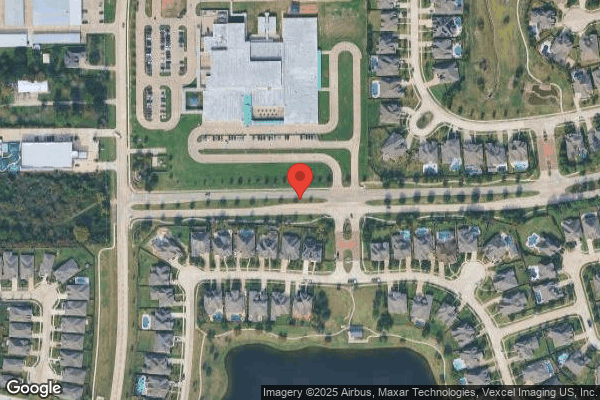
11830 Northpointe Boulevard, Tomball, TX 77377 (281) 205-9400
For profit - Limited Liability company 135 Beds CROSS HEALTHCARE MANAGEMENT Data: November 2025
Trust Grade
63/100
#386 of 1168 in TX
Last Inspection: July 2025

Inspected within the last 6 months. Data reflects current conditions.

Overview

Willow Creek Lodge has a Trust Grade of C+, which indicates it is slightly above average but has room for improvement. It ranks #386 out of 1168 nursing homes in Texas, placing it in the top half of facilities in the state, and #36 out of 95 in Harris County, meaning only a few local options are better. The facility is experiencing a worsening trend, with issues increasing from 3 in 2024 to 11 in 2025. While the overall star rating is good at 4 out of 5, staffing is a concern, rated at only 1 out of 5 stars with a high turnover rate of 63%, significantly above the state average of 50%. There have been some concerning incidents, such as the facility failing to maintain proper sanitizer levels in the kitchen, which could risk foodborne illness, and inadequate emergency water supplies that could lead to dehydration during a water supply loss. Additionally, inaccuracies in resident assessments raise concerns about the quality of care. However, the facility does have strong quality measures, rated 5 out of 5, suggesting that when care is provided, it is of high quality. Overall, while there are strengths in certain areas, families should weigh these concerns carefully when considering Willow Creek Lodge.

Trust Score
C+
63/100
In Texas
#386/1168
Top 33%
Safety Record
Low Risk
No red flags
Inspections
Getting Worse
3 → 11 violations
Staff Stability
⚠ Watch
63% turnover. Above average. Higher turnover means staff may not know residents' routines.
Penalties
⚠ Watch
$4,194 in fines. Higher than 79% of Texas facilities, suggesting repeated compliance issues.
Skilled Nurses
⚠ Watch
Each resident gets only 19 minutes of Registered Nurse (RN) attention daily — below average for Texas. Fewer RN minutes means fewer trained eyes watching for problems.
Violations
⚠ Watch
24 deficiencies on record. Higher than average. Multiple issues found across inspections.
★★★★☆
4.0
Overall Rating
★☆☆☆☆
1.0
Staff Levels
★★★★★
5.0
Care Quality
★★★★☆
4.0
Inspection Score
Stable
2024: 3 issues
2025: 11 issues

The Good

  • 5-Star Quality Measures · Strong clinical quality outcomes
  • Full Sprinkler Coverage · Fire safety systems throughout facility
  • No fines on record

Facility shows strength in quality measures, fire safety.

The Bad

Staff Turnover: 63%

17pts above Texas avg (46%)

Frequent staff changes - ask about care continuity

Federal Fines: $4,194

Below median ($33,413)

Minor penalties assessed

Chain: CROSS HEALTHCARE MANAGEMENT

Part of a multi-facility chain

Ask about local staffing decisions and management

Staff turnover is elevated (63%)

15 points above Texas average of 48%

The Ugly 24 deficiencies on record

Jul 2025 10 deficiencies
CONCERN (D)

Potential for Harm - no one hurt, but risky conditions existed

Resident Rights (Tag F0550)

Could have caused harm · This affected 1 resident

**NOTE- TERMS IN BRACKETS HAVE BEEN EDITED TO PROTECT CONFIDENTIALITY** Number of residents sampled: Number of residents cited: Based on observation, interview, and record review the facility failed t...

Read full inspector narrative →
**NOTE- TERMS IN BRACKETS HAVE BEEN EDITED TO PROTECT CONFIDENTIALITY** Number of residents sampled: Number of residents cited: Based on observation, interview, and record review the facility failed to ensure residents had the right to be treated with respect and dignity for 1 of 5 residents (Resident #83) reviewed for dignity.- The facility failed to change Resident #83's sheets after an episode of urinary incontinence in the early morning on Saturday 07/12/25 leaving her lying on the soiled sheets.- The facility failed to launder Resident #83's bed sheets after an episode of urinary incontinence on Saturday 07/12/25 leaving the soiled sheets in a bag on a chair in her room until Tuesday 07/15/25.This failure could place residents at risk of feeling uncomfortable and disrespected.Findings included:Record review of Resident #83's Face Sheet dated 07/15/25 revealed, an [AGE] year-old female who admitted to the facility on [DATE] with diagnoses which included: COPD (a lung disease that makes it difficult to breath), dysphagia (difficulty swallowing), hypertension (high blood pressure), anxiety disorder and skin cancer.Record review of Resident #83's Quarterly MDS dated [DATE] revealed, minimal difficulty hearing, moderately impaired cognition as indicated by a BIMS score of 08 out of 15; moderate severity of depression as indicated by a PHQ-9 (patient depression questionnaire) score of 15 out of 27 reporting: feelings of little interest or pleasure in doing things nearly every day; feeling tired or having little energy nearly every day; and no feelings of being down depressed/hopeless and no feeling bad about herself. She was always incontinent of both bladder and bowel.Record review of Resident #83's undated Care Plan revealed: Focus- resident has stress, bladder incontinence r/t disease process and impaired mobility; Goal- the resident will remain free of skin breakdown due to incontinence and brief use through the review date; Interventions- Brief use: the resident uses disposable briefs. Incontinent: check and as required for incontinence, was rinse and dry perineum (area between the genitals and anus), change clothing PRN after incontinence episodes. Focus- terminal prognosis r/t COPD; Goal- the resident's dignity and autonomy will be maintained at the highest level.An observation and interview on 07/15/25, at 09:15 AM revealed Resident #83 was sitting in bed playing with a deck of cards on her bedside table as she received oxygen via nasal canula at 4 L/min. He bed had patterned bed sheets that did not appear to be facility provided. She said on Saturday (07/12/25) she woke up in the early morning wet and the staff on duty provided her incontinence care including changing her brief and clothing, but they did not change her sheets, so she had to sleep on the wet mattress. Resident #83 said later on in the day, facility staff changed her sheets and placed the soiled sheets in a bag on the chair in her room and it had been sitting there ever since. The surveyor observed a bag on a chair in the resident's room that contained bed linens wadded up. Resident #83 said facility staff said her linens could not be laundered because they did not have her name on them, but no one would help her do it. She said she was able and willing to write her name on her sheets herself, but she needed help due to her limited mobility.An observation on 07/16/25 at 07:25 AM revealed Resident #83 was asleep in bed. A new stack of cleanly folded bed linens were observed on the chair in the resident's room where the bag of soiled linens sat the previous day.An observation and interview on 07/16/25 at 02:43 PM revealed, Resident #83 was lying on her right side on her dressed with patterned white sheets with folded clean white patterned bed linens in a chair across from her bed. Resident #83 said she woke up that night just soaked, and she felt disgusted that the staff did not take the time to change her sheets when they changed her brief. Resident #83 said her family member usually did her laundry, but the family member had been so sick that the facility needed to wash them. She said facility staff told her name had to be written on all her items, but no one would help her. In an interview on 07/17/25 at 08:00 AM, the DON said when a resident had an episode of incontinence where the bedding become soiled, nursing staff were expected to change the bedding and sanitize the mattress along with incontinence care. She said there was no point in changing the resident and leaving them in bodily waste. The DON said some residents had instructions that only their family did their laundry, and a sign would be visibly displaced in the resident's room, but she said she was unsure if Resident #83's family did her laundry. The DON said failure to change soiled bed linens after an episode of incontinence could place a resident at risk of skin breakdown, infections, and psychosocial harm (social and environmental influences on a person's mind and behavior. The DON said she was unaware of any issues Resident #83 had with her sheets not being changed or laundered.An observation and interview on 07/17/25 at 03:25 PM revealed Resident #83 was in bed talking to a family member on her phone. The resident and family member said the facility provided all laundry services for Resident #83 and the family did not do her laundry. There were no signs that reflected family does laundry observed in Resident #83's room. Resident #83 said the episode of incontinence occurred on Saturday at approximately 2-3 AM so she knew the staff were not too busy to change her linens, the staff were lazy and left her lying in her wet sheets. She said being left in wet sheets bothered her and made her feel cranky, but she did not have any redness, irritation, or wounds due to inappropriate incontinent care. Resident #83 said no one should be left to lay in soiled sheets and an unknown nurse helped her get her sheets washed yesterday (07/16/25).In an interview on 07/17/25 at 03:45 PM, LVN E said she worked with Resident #83 on 07/16/25 but she did not know Resident #83 had an issue with her sheets not being changed after incontinence care or being laundered all she saw was a stack of folded clean bedding on the chair in the resident's room.In an interview on 07/17/25 at 03:55 PM, the Laundry Director said all personal laundry was labeled when brought into the facility and personal sheets were washed with facility sheets daily to maintain the proper sanitizing temperatures and stacked in the residents room. He was unaware of any delay in resident laundry and said in cases such as Resident #83's sheets, the delay was most likely due to a CNA not moving the linens from the resident room to the soiled laundry area.Record review of Resident #83's Progress Notes from admission dated 07/17/25 revealed, no documentation of the resident's episode of incontinence on 07/12/25 and the need to launder her sheets.Record review of the facility's Grievance Log for July 2025 revealed, no grievances listed for Resident #83.Record review of the facility policy titled Perineal Care revised 02/2018 revealed, no instructions on changing clothing and linens after an episode of incontinence.
CONCERN (D)

Potential for Harm - no one hurt, but risky conditions existed

Notification of Changes (Tag F0580)

Could have caused harm · This affected 1 resident

**NOTE- TERMS IN BRACKETS HAVE BEEN EDITED TO PROTECT CONFIDENTIALITY** Number of residents sampled: Number of residents cited: Based on interview and record review the facility failed to immediately ...

Read full inspector narrative →
**NOTE- TERMS IN BRACKETS HAVE BEEN EDITED TO PROTECT CONFIDENTIALITY** Number of residents sampled: Number of residents cited: Based on interview and record review the facility failed to immediately consult with the resident's physician; when there wis an accident involving the resident which results in injury and has the potential for requiring physician intervention for 1 of 5 residents (Resident #67 ) reviewed for change of condition. - The facility failed to notify Resident #67's physician after she sustained a nickel sized skin tear on 07/10/25.This failure could place residents at risk for not receiving appropriate care and interventions.Finding include:Record review of Resident #67's Face Sheet dated 07/15/25 revealed, a [AGE] year-old female who admitted to the facility on [DATE] with diagnoses which included: sepsis (bacterial blood infection), COPD (a lung disease that makes it difficult to breathe), high cholesterol, vitamin d deficiency, low blood pressure and acid reflux.Record review of Resident #67's admission MDS dated [DATE] revealed, intact cognition as indicated by a BIMS score of 15 out of 15, she had no current or healed pressure injuries, no venous and arterial ulcers, and no other ulcers, wounds, or skin problems.Record review of Resident #67's undated Care Plan revealed, Focus- needs dialysis r/t kidney failure; intervention- monitor for dry skin and apply lotion as needed. There was no reference to any skin tears documented in Resident #67's care plan.An observation on 07/15/25 at 09:12 AM revealed Resident #67 was in bed with a dressing on her right lower arm that reflected 07/10. There was a nickel sized circle of dry blood visible through the dressing and the dressing appeared slightly dingy. Resident #67 said the dressing was old and she did not know how it happened.Record review of Resident #67's Progress Notes from 06/15/25 to 07/14/25 printed on 07/15/25 at 01:42 PM revealed no documentation of Resident #67's skin tear on 07/10/25 or notification to the physician.Record review of Resident #67's EMR on 07/15/25 revealed, no documented CIC, SBAR or skin note completed on 07/10/25.Record review of the facility Accident & Incident Report dated 07/15/25 with date range of 02/15/25 to 07/15/25 revealed, no documented accidents or incidents for Resident #67In an observation and interview with Resident #67 on 07/16/25 at 12:50 PM, revealed the Wound Care Nurse removed the dressing from Resident #67's lower right arm dated 07/10 and a circle of dried blood was observed on the dressing. There was a skin tear, and the resident said the wound did not hurt and an unknown staff put a dressing on it because it would not stop bleeding. The Wound Care Nurse said a skin tear was considered a CIC, and it should have been documented in the resident's chart as such. She said the staff member who identified the tear should have completed a CIC, Risk Management assessment, notified the Wound Care Nurse and sent notifications to the MD, nursing administration and family. The Wound Care Nurse said she was not notified of Resident #67's skin tear that occurred on 07/10/25 and that kind of injury warranted she received notification.In an observation and interview with Resident #67 on 07/16/25 at 01:40 PM revealed Resident #67 had a wound on her lower arm that appeared to be a superficial skin tear with the skin folded over itself in the corner and measured approximately 1' X 1.5. The Wound Care Nurse cleansed the area with wound cleanser and applied a new dressing dated 07/16/25. Resident #67 denied any pain associated with the skin tear.In an interview on 07/16/25 at 02:09 PM, the Wound Care Nurse said a skin CIC were any changes in color, break in skin, swelling and anything out of the norm. She said when a nurse observed a skin tear, they should immediately notify the wound care nurse, then the wound care doctor, complete a skin check and an SBAR. The Wound Care Nurse said if she was working at the time the orders were received, she would perform the initial care and if she was no, then the nurse would. She said neither she nor the Wound Care Doctor were notified of Resident #67's new skin tear and she did not see any documentation about the injury on the resident's medical record.In an interview on 07/17/25 at 08:00 AM, the DON said any newly identified skin tear was a change of condition, and the identifying nurse immediately notified the wound care nurse who then received orders to perform treatment from the wound care doctor. She said nursing staff were expected to ask the resident how it occurred, then complete a skin check, pain assessment, CIC/SBAR documentation and complete an incident report. She said after investigation, she identified RN C as the nurse who placed the dressing on Resident #67. The DON said in an interview RN C said he was notified by an unknown therapy staff that the Resident #67 had a new skin tear, and he performed treatment on the wound but he got caught up and forgot to document it[BR1] . She said the PT staff should have completed stop and watch documentation and submitted it to the nurse, but there was no documentation of the injury from what she had seen. The DON said to her knowledge RN C did not notify anyone or document the incident and no action was taken following his initial care on 07/10/25. The DON said failure to notify the physician, document the incident or provide follow up care could result in the wound worsening and/or infection. On 07/17/25 at 12:33 PM, an attempt was made to contact RN C via telephone. The surveyor left a message on RN C voicemail and sent a text message requesting the staff return the call. RN C did not return the call or reply to the text message.In an interview on 07/17/25 at 01:57 PM, the Wound Care Doctor said she was not notified of a new skin tear for Resident #67 on 07/10/25 and the first time she was heard of it was on 07/16/25 when she was notified by the Wound Care Nurse, but she had standing orders that could be followed. She said her expectation was that the wound care nurse notified her of the incident, and the standing orders be followed. She said if a resident received inappropriate treatment for a wound at a minimum the wound could worsen and in a worst-case scenario they could suffer from infection.Record review of the facility's In-service/Education Sheet dated 06/26/25 revealed, subject: Wound Care, Skin Assessments, Reporting Skin Issues. During your shift if a new skin issue is identified, you are required to notify the wound care nurse and complete the following: Braden Assessment (used to predict the risk of a pressure ulcer), Risk Management which includes skin note under progress notes and skin check assessment; SBAR and notify the wound care nurse. Noncompliance with these procedures may result in disciplinary action. RN C signed the in-service documentation indicating he received the training. Record review of the facility's undated Wound Care Standing Orders revealed, -Standing Order #2: Skin Tear Management. Indication: Skin tears (open skin) . Order: Cleanse skin tear with wound cleanser. Apply xeroform to wound bed, cover with dry dressing. Frequency: Dressing change three times per week. (Monday, Wednesday, Thursday) or as needed if soiled or non-adherent. Duration: until healed or per Wound MD guidance. Record review of the facility policy titled Acute Condition Changes- Clinical Protocol revised March 2018 revealed, 3. Direct care staff, including nursing assistants will be trained in recognizing subtle but significant changes in the resident (for example, a decrease in food intake, increased agitation, changes in skin color or condition) and how to communicate these changes to the Nurse.4. Nursing assistants are encouraged to use the Stop and Watch Early Warning Tool to communicate subtle changes in the resident to the nurse. 7. Before contacting a physician about someone with an acute change of condition, the nursing staff will collect pertinent details to report to the physician; for example, the history of present illness and previous and recent test results for comparison.a. Phone calls to attending or on-call physicians should be made by an adequately prepared nurse who has collected and organized pertinent information, including the resident/patient's current symptoms and status. 8. The nursing staff will contact the physician based on the urgency of the situation. For emergencies, they will call or page the physician and request a prompt response (within approximately one-half hour or less). 10. The nurse and physician will discuss and evaluate the situation. a. The physician should request information to clarify the situation; for example, vital signs, physical findings, a detailed sequence of events and description of symptoms. Cause Identification: 1. The staff and physician will discuss possible causes of the condition change based on factors including resident/patient history, current symptoms, medication regimen, and diagnostic test results. Treatment/Management:1. The physician will help identify and authorize appropriate treatments. Monitoring and Follow-Up: 1. The staff will monitor and document the resident/patient's progress and responses to treatment, and the physician will adjust treatment accordingly.2. The physician will help the staff monitor a resident/patient with a recent acute change of condition until the problem or condition has resolved or stabilized. 3. At the next visit, the physician will review the status of the condition change and document his/her evaluation, including the anticipated impact on the individual's function, prognosis, and quality of life. a. The physician will make interim visits as needed to assess the situation (especially if the individual is not stable or is not improving as anticipated).Record review of the facility policy titled Change in a Resident's Condition or Status revised 02/2021 revealed, Our facility promptly notifies the resident, his or her attending physician, and the resident representative of changes in the resident's medical/mental condition and/or status (e.g., changes in level of care, billing/payments, resident rights, etc.). 1. The nurse will notify the resident's attending physician or physician on call when there has been a(an): a. accident or incident involving the resident; b. discovery of injuries of an unknown source; 3. Prior to notifying the physician or healthcare provider, the nurse will make detailed observations and gather relevant and pertinent information for the provider, including (for example) information prompted by the Interact SBAR Communication Form. 4. Unless otherwise instructed by the resident, a nurse will notify the resident's representative when: a. the resident is involved in any accident or incident that results in an injury including injuries of an unknown source. 5. Except in medical emergencies, notifications will be made within twenty-four (24) hours of a change occurring in the resident's medical/mental condition or status. 8. The nurse will record in the resident's medical record information relative to changes in the resident's medical/mental condition or status.
CONCERN (D)

Potential for Harm - no one hurt, but risky conditions existed

Deficiency F0645 (Tag F0645)

Could have caused harm · This affected 1 resident

**NOTE- TERMS IN BRACKETS HAVE BEEN EDITED TO PROTECT CONFIDENTIALITY** Number of residents sampled: Number of residents cited: Based on interview and record review, the facility failed to ensure indi...

Read full inspector narrative →
**NOTE- TERMS IN BRACKETS HAVE BEEN EDITED TO PROTECT CONFIDENTIALITY** Number of residents sampled: Number of residents cited: Based on interview and record review, the facility failed to ensure individuals identified with MI, DD or ID were evaluated for services for 2 of 5 residents (Residents #2 and #77) reviewed for PASRR.- The facility failed to ensure Resident #2's diagnosis of Dementia and Mental Illness ( MDD and psychosis) were accurately documented in her PL1.- The facility failed to ensure Resident #77's diagnosis of Mental Illness (MDD) was accurately documented in his PL1.This failure could place residents who had a mental illness at risk of not receiving needed assessments (PASRR Evaluation), and individualized specialized services to meet their needs.Findings included: Resident #2Record review of Resident #2's Face Sheet dated 07/15/25 revealed, a [AGE] year-old female who admitted to the facility on [DATE] with diagnoses which included: unspecified psychosis, anxiety disorder, major depressive disorder, and unspecified dementia without behavioral disturbance.Record review of Resident #2's PL 1 completed 02/07/25 revealed, C0090 Primary diagnosis of dementia: the answer was NO for is there evidence that dementia is the primary diagnosis for this individual. C0100 Mental Illness: the answer was NO for is there evidence or an indicator this is an individual that has a mental illness.Record review of Resident #2's Quarterly MDS dated [DATE] revealed, severely impaired cognition as indicated by a BIMS score of 04 out of 15, delusions, verbal behavioral symptoms and other behavioral symptoms not directed towards others, active diagnoses of: anxiety disorder, depression and psychotic disorder, resident was taking antianxiety medications and the indication for use was noted, and the resident had non-Alzheimer's Dementia.Record review of Resident #2's undated Care Plan revealed, Focus- use of antipsychotic medications r/t fluctuating mood initiated on 02/24/25; intervention: Administer antipsychotic medication as ordered by a physician, monitor for side effects and effectiveness every shift. Focus- impaired cognitive function related to dementia; intervention- administer medications as ordered. Monitor/document for side effects and effectiveness.Record review of Resident #2's Order Summary Report dated 07/15/25 revealed, Resident #2 had orders for antipsychotic medication monitoring since 02/26/25. She was ordered Quetiapine (antipsychotic medication) 25 mg every 12 hours on admission on [DATE] and the medication was gradually increased to Quetiapine 100 mg ever morning and at bedtime on 06/17/25.Record review of Resident #2's July 2025 Medication Administration Record revealed, Resident #2 received Quetiapine 100 mg twice daily at 09:00 AM and 09:00 PM.Resident #77Record review of Resident #77's Face Sheet dated 07/15/25 revealed, a [AGE] year-old male who admitted to the facility on [DATE] with diagnoses which included: adjustment disorder with mixed anxiety and depressed mood, MDD, anxiety disorder and dementia without behavioral disturbance.Record review of Resident #77's PL 1 dated 05/01/2023 revealed, C0090 Primary diagnosis of dementia: the answer was YES for is there evidence that dementia is the primary diagnosis for this individual. C0100 Mental Illness: the answer was NO for is there evidence or an indicator this is an individual that has a mental illness.Record review of Resident #77's Annual MDS dated [DATE] revealed, moderately impaired cognition as indicated by a BIMS score of 08 out of 15, active diagnoses of: non-Alzheimer's Dementia anxiety disorder, depression, and psychotic disorder.Record review of Resident #77's undated Care Plan revealed, Focus- trauma screen performed which indicated trauma related to his stroke related loss of independence and the loss of his partner; Intervention- consult with social and psych services. Focus- impaired cognitive function and impaired though process r/t dementia; Intervention- administer medications as ordered. Monitor/document side effects and effectiveness. Focus: use of antidepressant medication r/t MDD, recurrent, severe with psychotic symptoms; Intervention: administer antidepressant medications as ordered by physician. Focus: use of psychotropic medications r/t behavior management; Intervention administer medications as ordered and monitor for side effects and effectiveness every shift. Focus: depression r/t dementia; intervention- administer medications as ordered and monitor for side effects and effectiveness. In an interview on 07/17/25 at 10:51 AM, the MDS nurse said when a resident admitted they should have a PASRR, she reviewed the information for completion and accuracy and enters it into the portal. She said if a resident had a positive PL 1 the appropriate behavioral health organization contacted the facility to initiate a meeting to determine if services were appropriate. She said regardless of whether a resident had a diagnosis of dementia or not if they had a diagnosis of mental illness such as Schizophrenia, mood disorder or MDD, mental illness should be indicated as yes in their PL1. She said an incorrect PASRR could place residents at risk of not being assessed for services and ultimately, they may not receive the services for which they are qualified. The MDS Nurse said based on what she saw in the system Resident #2's PASARR was inaccurate because she had dementia and a mental illness and Resident #77's was inaccurate because he also had a mental illness. She did not have a reason for why she did not identify the incorrect admitting PL1. Record review of the facility provided untiled document with no revision date revealed, 1 Purpose : This policy establishes procedures for complying with the federal Preadmission Screening and Resident Review (PASRR) program, as mandated by the Code of Federal Regulations, Title 42, Part 483, Subpart C, and Texas Administrative Code, Title 26, Part 1, Chapter 303. The PASRR process ensures that individuals seeking admission to or residing in [Nursing Facility Name], a Medicaid-certified nursing facility, are appropriately screened for mental illness (MI), intellectual disability (ID), or developmental disability (DD), also known as a related condition (RC), to determine the appropriateness of nursing facility placement and the need for specialized services. 2 Scope: This policy applies to all staff involved in the admission, assessment, and care planning processes at [Nursing Facility Name], including MDS coordinators, nursing staff, administrators, and billing personnel. It covers all individuals seeking admission, regardless of funding source (Medicaid, Medicare, private pay), and residents requiring ongoing reviews. 3 Definitions: PASRR Level I (PL1) Screening: A preliminary assessment to identify individuals with suspected MI, ID, or DD, completed prior to admission. [Nursing Facility Name] is committed to ensuring compliance with federal and Texas PASRR regulations by screening all applicants for MI, ID, or DD, facilitating appropriate placement, and providing required specialized services. The facility will collaborate with referring entities, local authorities, and the Texas Medicaid Healthcare Partnership (TMHP) to complete PASRR processes accurately and timely.
CONCERN (D)

Potential for Harm - no one hurt, but risky conditions existed

Deficiency F0655 (Tag F0655)

Could have caused harm · This affected 1 resident

Based on interview, observation, and record review the facility failed to develop and implement a baseline care plan for each resident that included the instructions needed to provide effective and pe...

Read full inspector narrative →
Based on interview, observation, and record review the facility failed to develop and implement a baseline care plan for each resident that included the instructions needed to provide effective and person-centered care of the resident that meet professional standards of quality care within 48 hours of a resident's admission for 1 of 6 residents (Resident #96) reviewed for baseline care plan. - The facility failed to ensure Resident #96's baseline care plan addressed the resident's diagnoses of anxiety disorder and depression which were treated with medications, the presence of a pacemaker, his orders for the opioid pain medication morphine.This failure could place newly admitted residents at risk of not having their individual, medical, functional, and psychosocial needs identified, and services provided with could cause a physical or psychosocial decline in health. Findings includeRecord review of Resident #96's Face Sheet dated 07/15/25 revealed, Resident #86 admitted to facility on 07/11/25 with diagnoses which included: anxiety disorder, depression, irregular heartbeat, and the presence of a cardiac pacemaker. The resident was receiving hospice services.Record review of Resident #96's EMR on 07/15/25 revealed, the resident's MDS was not completed yet due to his recent admissionRecord review of Resident #96's baseline care plan signed 07/11/25 revealed, Initial discharge goals- receive hospice care/coordination; Medications- Opioids and Black box medications (medications with life threatening risks such as opioid pain medications, benzodiazepines such as lorazepam used to treat anxiety, antidepressants like sertraline) and black box medications were not selected. There was no reference to his diagnosis of anxiety disorder, depression, or the presence of a pacemaker.Record review of Resident #96's Order Summary Report dated 07/17/25 revealed:- Pacemaker: continuous monitoring at bedside with home transmitter.- Lorazepam 0.5 mg- 1 tabled every 2 hours as needed for anxiety and SOB for 14 days - Morphine Sulfate 100 mg/5 mL- give 0.5 ml by mouth every 2 hours as needed for pain and/or SOB.- Sertraline 100 mg - give 1 tablet by mouth one time a day for depression/anxiety.An observation and interview on 07/15/25 at 11:43 AM revealed Resident #93 was well dressed and in no immediate distress sitting in a wheelchair with his legs cross watching TV in the activities room. He said he was doing well, on hospice and had no issues or concerns.In an interview on 07/17/25 at 08:08 AM, the DON said the care plan represented a plan of care that is personalized to the resident, and it should address, everything including diagnoses, dietary; wounds; and supportive devices. She said an inaccurate care plan could place residents at risk of not receiving the care they need, and the resident's necessary interventions and goals would be possibly unknown. In an interview on 07/17/25 at 02:31 PM, the MDS Nurse said the baseline care plan was developed by nursing staff within the first 48 hours after admission in order to provide immediate care for the resident. She said failure to have an accurate baseline care plan could place residents at risk of not receiving the care they requiredRecord review of the facility policy titled admission of Resident with no revision date revealed, The Baseline Care Plan will be developed within 48 hours of the resident's admission to the facility. The resident or resident representative will be given a summary of the Baseline Care Plan by completion of the comprehensive care plan. The resident's medical record will reflect the provision of the written Baseline Care Plan summary. 13. The Licensed Nurse and IDT members will develop a baseline plan of care detailing the resident's care needs that will be utilized by all staff members until the admission MDS has been completed and the resulting comprehensive care plan has been developed.
CONCERN (D)

Potential for Harm - no one hurt, but risky conditions existed

Quality of Care (Tag F0684)

Could have caused harm · This affected 1 resident

**NOTE- TERMS IN BRACKETS HAVE BEEN EDITED TO PROTECT CONFIDENTIALITY** Number of residents sampled: Number of residents cited: Based on observation, interview and record review, the facility failed t...

Read full inspector narrative →
**NOTE- TERMS IN BRACKETS HAVE BEEN EDITED TO PROTECT CONFIDENTIALITY** Number of residents sampled: Number of residents cited: Based on observation, interview and record review, the facility failed to ensure that residents received care and services in accordance with professional standards of practice for 1 of 5 residents (Resident #67) reviewed for quality of care.- The facility failed to provide care to Resident #67 for 4 days after she suffered from a skin tear on 07/10/25. These failures could place residents at risk of delay in care, worsening of health conditions, adverse reactions, infection and hospitalizationFindings included:Record review of Resident #67's Face Sheet dated 07/15/25 revealed, a [AGE] year-old female who admitted to the facility on [DATE] with diagnoses which included: sepsis (bacterial blood infection), COPD ( a lung disease that makes it difficult to breathe), high cholesterol, vitamin d deficiency, low blood pressure and acid reflux.Record review of Resident #67's admission MDS dated [DATE] revealed, intact cognition as indicated by a BIMS score of 15 out of 15, she had no current or healed pressure injuries, no venous and arterial ulcers, an no other ulcers, wounds, and skin problems.Record review of Resident #67's undated Care Plan revealed, Focus- needs dialysis r/t renal failure; intervention- monitor for dry skin and apply lotion as needed. There was no reference to any skin tears documented in Resident #67's care plan.An observation and interview on 07/15/25 at 09:12 AM revealed, Resident #67 in bed with a dressing on her right lower arm that read 07/10. There was a [NAME] sized circle of dry blood visible through the dressing and the dressing appeared slightly dingy. Resident #67 said the dressing was old and she did not know how it happened.In an observation and interview with Resident #67 on 07/16/25 at 12:50 PM, the Wound Care Nurse removed the dressing from Resident #67's lower right arm dated 07/10 and a circle of dried blood was observed on the dressing. There was a skin tear, and the resident said the wound did not hurt and an unknown staff put a dressing on it because it would not stop bleeding. In an observation and interview with Resident #67 on 07/16/25 at 01:40 PM revealed, Resident #67's lower arm had a superficial skin tear with the skin folded over itself in the corner and measured approximately 1' X 1.5. The Wound Care nurse cleansed the area with wound cleanser and applied a new dressing dated 07/16/25. Resident #67 denied any pain associated with the skin tear.In an interview on 07/16/25 at 02:09 PM, the Wound Care Nurse said when a nurse observed a skin tear, they should immediately notify the wound care nurse, then the wound care doctor, complete a skin note with a skin check and an SBAR. The Wound Care Nurse said if she was working at the time the orders were received, she would perform the initial care and if she was not working, the nurse would. She said neither she nor the Wound Care Doctor were notified of Resident #67's new skin tear and she did not see any documentation about the injury on the resident's medical record. She said from what she saw Resident #67 had not received any treatment to the skin tear on her right arm since 07/10/25In an interview on 07/17/25 at 08:00 AM, the DON said a newly identified skin tear was a change of condition, and the identifying nurse must immediately notify the provider, wound care nurse who then received orders to perform treatment. She said after investigation she identified RN C as the nurse who placed the dressing on Resident #67 but there was no documentation of the injury, or care provided to the site from what she had seen. The DON said failure to provide follow up care could result in the wound worsening and/or infection. On 07/17/25 at 12:33 PM, an attempt was made to contact RN C via telephone. Surveyor left a message on RN C voicemail and sent a text message requesting the staff return the call; RN C did not return the call or reply to the text message.In an interview on 07/17/25 at 01:57 PM, the Wound Care Doctor said she was not notified of a new skin tear for Resident #67 on 07/10/25 and the first time she heard of it was on 07/16/25 when she was notified by the Wound Care Nurse, but she had standing orders that could be followed. The Wound Care Doctor said she was unaware of any care provided to the site since she was not notified. She said the expectation was that the wound care nurse notify her of the incident, and the standing orders be followed. She said if a resident received inappropriate treatment for a wound at a minimum the wound could worsen and in a worst-case scenario they could suffer from infection.Record review of Resident #67's Skilled Evaluation dated 07/10/25 revealed, no documentation of any skin tears. Only skin discoloration that was present upon admission was documented.Record review of Resident #67's Progress Notes from 06/15/25 to 07/14/25 printed on 07/15/25 at 01:42 PM revealed no documentation of Resident #67's skin tear on 07/10/25 or documentation of wound care to the tear of Resident #67's right lower arm.Record review of Resident #67's Skin Assessment completed on 07/14/25 revealed, no documentation of Resident #67's skin tear from 07/10/25.Record review of Resident #67's Active Order Summary dated 07/15/25 at 01:48 PM revealed, no orders for care to Resident #67's skin tear on her lower right arm.Record review of the facility's undated Wound Care Standing Orders revealed, -Standing Order #2: Skin Tear Management Indication: Skin tears (open skin) . Order: Cleanse skin tear with wound cleanser. Apply xeroform to wound bed, cover with dry dressing. Frequency: Dressing change three times per week. (Monday, Wednesday, Thursday) or as needed if soiled or non-adherent. Duration: until healed or per Wound MD guidance. Record review of the facility policy titled Acute Condition Changes- Clinical Protocol revised March 2018 revealed, 3. Direct care staff, including nursing assistants will be trained in recognizing subtle but significant changes in the resident (for example, a decrease in food intake, increased agitation, changes in skin color or condition) and how to communicate these changes to the Nurse. The nursing staff will contact the physician based on the urgency of the situation 10. The nurse and physician will discuss and evaluate the situation. a. The physician should request information to clarify the situation; for example, vital signs, physical findings, a detailed sequence of events and description of symptoms. Cause Identification: 1. The staff and physician will discuss possible causes of the condition change based on factors including resident/patient history, current symptoms, medication regimen, and diagnostic test results. Treatment/Management:1. The physician will help identify and authorize appropriate treatments. Monitoring and Follow-Up: 1. The staff will monitor and document the resident/patient's progress and responses to treatment, and the physician will adjust treatment accordingly. 2. The physician will help the staff monitor a resident/patient with a recent acute change of condition until the problem or condition has resolved or stabilized. 3. At the next visit, the physician will review the status of the condition change and document his/her evaluation, including the anticipated impact on the individual's function, prognosis, and quality of life. a. The physician will make interim visits as needed to assess the situation (especially if the individual is not stable or is not improving as anticipated).
CONCERN (D)

Potential for Harm - no one hurt, but risky conditions existed

Tube Feeding (Tag F0693)

Could have caused harm · This affected 1 resident

**NOTE- TERMS IN BRACKETS HAVE BEEN EDITED TO PROTECT CONFIDENTIALITY** Number of residents sampled: Number of residents cited: Based on observation, interview, and record review, the facility failed ...

Read full inspector narrative →
**NOTE- TERMS IN BRACKETS HAVE BEEN EDITED TO PROTECT CONFIDENTIALITY** Number of residents sampled: Number of residents cited: Based on observation, interview, and record review, the facility failed to ensure residents who were fed by enteral means received the appropriate treatment and services to prevent complications of enteral feeding for 1 of 2 Resident (Resident #4)reviewed for enteral nutrition. - The facility failed to administer medications safely to Resident #4 via G-tube (a feeding tube inserted into the stomach through the abdomen) by not checking for placement and forcefully pushing fluids into the residents G-tube with a syringe. These failures could place residents at risk of injuries, and hospitalization. Findings include: Record review of Resident #4's Face Sheet dated 07/17/25 revealed, an [AGE] year-old male who admitted to the facility on [DATE] with diagnoses which included: heart failure, MDD, dysphagia (difficulty swallowing), type 2 diabetes with kidney disease, dementia, and anxiety. Record review of Resident #4's Significant Change in Status MDS dated [DATE] revealed, severely impaired cognitive skills for daily decision making, active diagnosis of dysphagia and use of a feeding tube while a resident. Record review of Resident #4's undated Care Plan revealed, Focus- resident requires tube feeding r/t weight loss and lack of appetite; intervention- check placement of enteral tube before and after administering medications Record review of Resident #4's Order Summary Report revealed,- Omeprazole 20 mg DR- t daily for GERD.- Sennosides 8.6 mg- give 1 tablet via PEG-tube every morning and at bedtime for constipation.- Polyethylene Glycol 3350 Powder (MiraLAX) Give 1 packet via G-Tube two times a day for constipation mix with 4-8 oz beverage of choice. An observation and interview on 07/16/25 at 09:00 AM revealed, LVN D preparing for administration of medication via G-tube to Resident #4 with a Jug of cold water on the top of her medication cart. She retrieved 1 tablet of Omeprazole 20 mg (antacid for acid reflux) oral disintegrating tablets and placed it in a medication cup and then retrieved and crushed 1 Sennosides 8.6 mg (laxative) tablet and 17 grams of MiraLAX (stool softener) mixed in approximately 6 ml of water. LVN D then poured cold water into a cups and entered into the residents room. She then mixed and administered the disintegrating omeprazole to Resident #4 placing it on his tongue, mixed the crushed Sennosides 8.6 mg in cold water, mixed it with the syringe and paused the resident's continuous feed. LVN D withdrew approximately 10 cc of cold water into the syringe, attached it to the side port since the main port still had the paused continuous feed connected and pushed with force through the syringe 10 cc of water. She did not check for placement with osculation (listening for sounds) or check for residual by pulling volume from the syringe attached to the side port. LVN D withdrew the entire volume of mixed MiraLAX and attached the syringe to the side port and attempted to push the medication into the tube but there was resistance, and she was unable to administer the medication with force through the g-tube side port. LVN D said she could not administer medication through Resident #4's g-tube via gravity because the port was too small. She said she had administered medication via syringe to Resident #4 successfully in the past. LVN D attempted to disconnect the continuous feed from the other port to use but it was stuck so she stopped medication administration and said she would get one of the male staff to help her to disconnect the continuous feed. Resident #4 was chatty throughout the observation and did not show or verbalize any pain or discomfort. In an interview with on 07/16/25 at 09:14 AM, the ADON said when administrating medication via G-tube staff must first dissolve the medications in warm water. The nurse must then check for placement by checking the residual feed and if acceptable they can begin administration of a warm water flush followed by the medications with 5-10 ml warm water flushes in between and a flush after the last medication. She said cold water should not be used because it could lead to residents having spasms and flushes/feeds must be done through gravity not by force of a syringe because the syringe can cause spasms if the medication is pushed too fast. In an interview on 07/17/25 at 08:08 AM, the DON said prior to administering medication via g-tube nursing staff must check for placement by injecting air and listening for bowel sounds and check for residual. She said they should not push the fluid with a syringe through the g-tube. The DON said medication must be administered via gravity because if force is used it could result in in internal injury to the resident or damage to the port. The DON said cold water should not be used to dissolve medication for g-tube administration because the medication would not dissolve which could cause the g-tube to become clogged, and the use of cold water could also cause cramping to the resident. The DON said nursing staff are not supposed to use the g-tube side port for medication administration because it was smaller . In an interview on 07/17/25 at 03:39 PM, LVN D said prior to medication administration nursing staff are expected to check for residual to make sure the feeding tube is in the right place and the resident is not full. She said if the residual is more than 30 mL nursing staff are expected to hold off on medication administration and failure to check placement could place residents at risk of the feed going into the wrong place if the tube was displaced which could lead to peritonitis (redness and swelling of the lining of your belly or abdomen). LVN D said g-tube medications should be administered via gravity because using force with a syringe could blow the tube or cause the resident injury. She said she attempted to administer medication to Resident #4 through the wrong port and she was not sure why, she said she should have used gravity, she had a brain fart and should have known better[VT3] . Record review of LVN D is undated Competency Assessment G Tube Medication Administration revealed, 4- dissolve crush medications in lukewarm water; 12- check for placement ; 13. Check for residual; 14. Flush tube with warm water. The assessment did not specify that medications were to be administered via gravity and LVN D was deemed competent in all tasks by the ADON.A request was made on 07/16/25 at 09:14 AM to the ADON for a policy on G-tube medication administration. The policy was not provided prior to exit, but a policy addressing the care of G-tubes was provided.Record review of the facility undated policy titled Enteral Feeding Tube, Care of revealed, no instructions on how to safely administer medications to resident's via G-tube.
CONCERN (D)

Potential for Harm - no one hurt, but risky conditions existed

Deficiency F0742 (Tag F0742)

Could have caused harm · This affected 1 resident

**NOTE- TERMS IN BRACKETS HAVE BEEN EDITED TO PROTECT CONFIDENTIALITY** Number of residents sampled: Number of residents cited: Based on observations, interviews and record reviews the facility failed...

Read full inspector narrative →
**NOTE- TERMS IN BRACKETS HAVE BEEN EDITED TO PROTECT CONFIDENTIALITY** Number of residents sampled: Number of residents cited: Based on observations, interviews and record reviews the facility failed to ensure a resident who displays or is diagnosed with a mental disorder or psychosocial adjustment disorder received appropriate treatment and services to correct the assessed problem or to attain the highest practicable mental and psychosocial well-being for 1 of 5 residents (Resident #11) reviewed for treatment and services for mental and psychosocial concerns.- The facility failed to provide mental health services to Resident #11 who was diagnosed with MDD resulting in the resident feeling sad, lonely and crying.These failures could place residents at risk of minor and major injuries, suicide threats, attempted suicide, hospitalization, and death.Findings included:Record review of Resident #11's Face Sheet dated [DATE] revealed a [AGE] year-old female who admitted to the facility on [DATE] with diagnosis of: difficulty walking, lack of coordination, breast cancer in left breast, PVD ( circulatory disease where there is reduced flow to the limbs and other parts of the body), and MDD. Record review of Resident #11's admission MDS dated [DATE] revealed, moderately impaired cognition as indicated by a BIMS score of 10 out of 15, her resident mood interview indicated mild depression with a score of 08 out of 27; the resident reported she felt down, depressed and hopeless nearly every day, but she did not feel bad about herself or have thoughts she would be better off dead or of hurting herself in any way. Resident #11 had no signs of psychosis and no behavioral symptoms, with an active diagnosis of depression.Record review of Resident #11's undated Care Plan revealed, Focus- MDD, single episode with severe psychotic features; Goal- resident will exhibit indicators of depression, anxiety or sad mood less than daily by review date; monitor/document/report any s/sx of depression including: hopelessness, anxiety, sadness, insomnia, anorexia, verbalizing, negative statements, repetitive anxious or health-related complaints, tearfulness.An interview and observation on [DATE] at 09:30 AM revealed, Resident #11 was well groomed and in no immediate distress propelling herself down out of the therapy room and down the hall in a wheelchair. When she entered her room Resident #11 said she was doing pretty good, but she was sad because she was lonely. She said she missed her grandchildren, missed a birthday and her brother died since she admitted to the facility. As she transferred herself from her wheelchair to her bed, she cried stating that she could not go to her brother's funeral because she was in the facility. Record review of Resident #11's Initial Social Services Assessment & History dated [DATE] signed by the Social Worker revealed, psychological wellbeing: adjusts well to change, psychiatric diagnosis of MDD, single episode with severe psychotic features; Social Services Summary: referral to psych/psychological services.Record review of Resident #11's entire EMR on [DATE] revealed, no documentation of a psychological referral or evaluation. There were no practitioner notes for psych services or reference of any type of psychiatric evaluation. In an interview on [DATE] at 12:42 PM, the DON said when a resident arrived at the facility with a diagnosis of mental health issues or orders for psych medication, they automatically receive a referral for psychiatric services. She said a psychiatry referral is required for residents with mental health diagnosis to ensure that the residents are being followed. The DON said if a resident had a diagnosis of MDD and did not receive a psych evaluation then the resident would not receive care for their diagnosis which could place residents at risk for self-isolation and self-harm. She said if a resident with MDD refused psych services the MD would talk to them to understand the significance. The DON said Resident #11 was generally calm, participated in the facility and goes to therapy, she said she had not observed any signs of depression in the resident. The DON was not sure if Resident #11 received any psychiatric services.[VT3] In an interview on [DATE] at 12:50 PM, Resident #11 said her mood was down because she wanted to go home. She said she did not want to die and would not try to harm herself. Resident #11 said no one from the facility had talked to her about her mood and she had not denied any offers for mental health services. In an interview on [DATE] at 01:13 PM, the Activities Director said Resident #11 liked to do word searches, plays bingo and exercises. She said the resident was sometimes withdrawn; the resident never told her she did not want to be at the facility, but she was excited about going home. The Activities Director said Resident #11 never showed or expressed signs of depression and suicidal ideation. In an interview on [DATE] at 01:20 PM, the Social Worker said Resident #11 lived with her son when she fell and was discovered hours later and due to this her son has concerns for her discharging home. She said Resident #11 wanted to discharge and live with her son, so her goal was to go home. The Social Worker said she assessed Resident #11's mood at the beginning of her stay and it was mild, so she asked if the resident wanted to talk to someone and she said no, so Resident #11 never received psychiatric services. She said residents with a diagnosis of MDD should be continuously evaluated because failure could result in a worsening of condition, but she had not observed any signs or symptoms of depression, sadness, or the resident crying. Record review of the facility provided list on [DATE] of residents who received behavioral health services with a licensed social worker revealed, Resident #11 was not being followed and had not received any psychological services. Record review of the facility Psychological Services Policy with no revision date revealed, Purpose & Context: As requested, the facility will provide or arrange for psychological services to meet the mental health needs of the residents. These services will support diagnosis, treatments and monitoring of psychiatric conditions and promote the quality of life for residents. Procedure: 1 Identification and referral. Residents may be referred for psychological services by physicians, nursing staff, social worker or upon admission screening. 2 Assessment: A licensed medical professional will assess the resident's mental health status, including cognitive, emotional, and behavioral functioning. 3 Treatment Planning: An individual treatment plan will be developed in coordination with the resident, their RP (when appropriate, and the interdisciplinary team. 4.Documentation: All assessments, interventions, progress notes and treatment plans will be part of the resident's medical record.
CONCERN (D)

Potential for Harm - no one hurt, but risky conditions existed

Infection Control (Tag F0880)

Could have caused harm · This affected 1 resident

**NOTE- TERMS IN BRACKETS HAVE BEEN EDITED TO PROTECT CONFIDENTIALITY** Number of residents sampled: Number of residents cited: Based on observation, interview, and record review the facility failed t...

Read full inspector narrative →
**NOTE- TERMS IN BRACKETS HAVE BEEN EDITED TO PROTECT CONFIDENTIALITY** Number of residents sampled: Number of residents cited: Based on observation, interview, and record review the facility failed to maintain an infection prevention and control program designed to provide a safe, sanitary, and comfortable environment and to help prevent the development and transmission of communicable diseases and infections for 1 of 5 residents (Resident #84) reviewed for infection control.- The facility failed to practice proper infection control when providing perineal care to Resident #84 following a bowel movement.These failures could place residents at risk of exposure to infection, decline in health and hospitalization.Findings included:Record review of Resident #84's Face Sheet dated 07/17/25 revealed, a [AGE] year-old male who admitted to the facility on [DATE] with diagnoses which included: right side paralysis, difficulty swallowing, anxiety disorder, dementia and need for assistance with personal care.Record review of Resident #83's Quarterly MDS dated [DATE] revealed, moderately impaired cognition as indicated by a BIMS score of 09 out of 15, and the resident was always incontinent of both bladder and bowel.Record review of Resident #84's undated Care Plan revealed, Focus: The resident has bowel incontinence r/t immobility; Goal: The resident will remain free from skin breakdown due to incontinence and brief use; Intervention: Check resident every two hours and assist with toileting as needed. In an observation and interview on 07/16/25 at 08:45 AM, CNA A provided incontinence care for Resident #84. The resident required EBP (a set of IC measures to reduce the spread of MDRO in healthcare settings), and CNA A wore the appropriate PPE. Resident #84 was observed to have stool inside his brief and on body; CNA A first used cleaned the black stool located around his testicles with wipes, then she wiped his groin, lower abdomen and then the resident's penis wearing the same gloves. She did not clean the tip of the penis, then turned the resident to his right side and wiped stool from the rectum and butt. CNA A then used a separate wipe to wipe Resident #84 down from front to back. After cleaning the dirty part CNA A changed gloves and did not sanitize or wash her hands. CNA A said she was supposed to clean the penis first and from tip on down; but she did not because she saw all the stool and wanted to clean that first. She said she should have started with penis first to prevent infection control; and should have washed her hands at the sink between changing gloves to prevent bacteria from spreading and transferring to clean items. She said she should not touch anything clean with dirty gloves.In an interview on 07/17/25 at 07:00 AM, the DON said during incontinence care nursing staff must begin at the top just like a sterile field. They must not use the same wipe and must pull back skin because elderly residents cannot perform self-care. She said staff must clean off the bowel movement and not go back and forth to prevent infection. The DON said the staff performing incontinence care must tuck the brief so as not to contaminate the front, then turn the resident and clean the backside of the resident from front to back, then clean and wipe again with new wipes until the wipes comes back clean; then remove gloves and perform hand hygiene. She said CNA A should not have cleaned from dirty to clean to prevent contamination and should not touch anything with dirty gloves. The DON said CNA A was nervous during the surveyor observed incontinence care and that partly attributed to her errors.Record review of CNA A's Competency Assessment for Perineal Care dared 04/29/24 revealed, she was assessed as competent for: Purpose: To clean the male perineum without contaminating the urethral area with germs from the rectal area. Emphasizing clean to dirty. 1 a- wash hands. Wear gloves and follow standard precautions.Record review of the facility provided undated Handwashing/Hand Hygiene policy revealed, no reference to washing from dirty to clean areas and no instructions to wash their hands between glove changes.Record review of the facility provided undated Infection Prevention and Control Guidelines revealed, Always wash your hands before and after procedures. Follow your facility's hand hygiene protocols. Always wash your hands before and after resident contact. Follow your facility's hand hygiene protocols. Use alcohol-based hand rub (ABHR) for hand hygiene, except when hands are visibly soiled. Follow your facility's hand hygiene protocols. Wear sterile or clean gloves when appropriate. Always wear gloves when working with or expecting to encounter body fluids.Record review of the facility policy titled Perineal Care revised 02/2018 revealed, For a male resident: a. Wet washcloth and apply soap or skin cleansing agent. b. Wash perinea! area starting with urethra and working outward. c. If the resident has an indwelling catheter, gently wash the juncture of the tubing from the urethra down the catheter about 3 inches. Gently rinse and dry the area. d. Retract foreskin of the uncircumcised male. e. Wash and rinse urethral area using a circular motion. f. Continue to wash the perineal area including the penis, scrotum, and inner thighs. g. Thoroughly rinse perinea! area in same order, using fresh water and clean washcloth. h. If the resident has an indwelling catheter, hold the tubing to one side and support the tubing against the leg to avoid traction or unnecessary movement of the catheter. i. Gently dry perineum following same sequence. j. Reposition foreskin of uncircumcised male. k. Ask the resident to turn on his side with his upper leg slightly bent, if able. 1. Rinse washcloth and apply soap or skin cleansing agent. m. Wash and rinse the rectal area thoroughly, including the area under the scrotum, the anus, and the buttocks. n. D1y area thoroughly. 9. Discard disposable items into designated containers. 10. Remove gloves and discard into designated container. 11. Wash and dry your hands thoroughly. 12. Reposition the bed covers. Make the resident comfortable. 13. Place the call light within easy reach of the resident. 14. Clean wash basin and return to designated storage area. 15. Clean the bedside stand. 16. Wash and dry your hands thoroughly.
CONCERN (E)

Potential for Harm - no one hurt, but risky conditions existed

Assessment Accuracy (Tag F0641)

Could have caused harm · This affected multiple residents

**NOTE- TERMS IN BRACKETS HAVE BEEN EDITED TO PROTECT CONFIDENTIALITY** Number of residents sampled: Number of residents cited: Based on observation, interview, and record review the facility failed t...

Read full inspector narrative →
**NOTE- TERMS IN BRACKETS HAVE BEEN EDITED TO PROTECT CONFIDENTIALITY** Number of residents sampled: Number of residents cited: Based on observation, interview, and record review the facility failed to ensure assessments accurately reflected the resident's status for 3 of 5 residents (Resident #2, Resident #67, and Resident #83) reviewed for accuracy of assessments .- The facility failed to accurately assess Resident #2's use of antipsychotics on her Quarterly MDS dated [DATE].- The facility failed to accurately assess Resident #67's dialysis status and use of antiplatelets on her Admissions MDS dated [DATE].- The facility failed to accurately assess Resident #83's hospice status on her Quarterly MDS dated [DATE].Findings include:Resident #2Record review of Resident #2's Face Sheet dated 07/15/25 revealed, a [AGE] year-old female who admitted to the facility on [DATE] with diagnoses which included: high blood pressure, unspecified psychosis, anxiety disorder, major depressive disorder, and unspecified dementia without behavioral disturbance.Record review of Resident #2's Order Summary Report dated 07/15/25 revealed, Resident #2 had orders for antipsychotic medication monitoring since 02/26/25. She was ordered Quetiapine (antipsychotic medication) 25 mg every 12 hours on admission on [DATE] and the medication was gradually increased to Quetiapine 100 mg ever morning and at bedtime on 06/17/25.Record review of Resident #2's July 2025 Medication Administration Record revealed, Resident #2 received Quetiapine 100 mg twice daily at 09:00 AM and 09:00 PM.Record review of Resident #2's Quarterly MDS dated [DATE] revealed, severely impaired cognition as indicated by a BIMS score of 04 out of 15, delusions, verbal behavioral symptoms and other behavioral symptoms not directed towards others, active diagnoses of: anxiety disorder, depression and psychotic disorder, resident was taking antianxiety medications and the indication for use was noted, and the resident had non-Alzheimer's Dementia. The MDS did not indicate Resident #67 was taking antipsychotic medications.Record review of Resident #2's undated Care Plan revealed, Focus- use of antipsychotic medications r/t fluctuating mood initiated on 02/24/25; intervention: Administer antipsychotic medication as ordered by a physician, monitor for side effects and effectiveness every shift.Resident #67Record review of Resident #67's Face Sheet dated 07/15/25 revealed, a [AGE] year-old female who admitted to the facility on [DATE] with diagnoses which included: sepsis (bacterial blood infection), COPD ( a lung disease that makes it difficult to breathe), high cholesterol, vitamin d deficiency, CAD (disease were fats and cholesterol build up in blood vessels), low blood pressure and acid reflux.Record review of Resident #67's Progress Note dated 06/21/25 at 04:36 PM revealed, Resident #67 arrived in the facility with a previous medical history of CKD, CAD, DM, COPD, she had orthostatic hypotension (a drop in pressure after a change in position) and a dialysis port to her right upper chest.Record review of Resident #67's Progress Notes dated 06/21/25 at 04:36 PM revealed, resident goes to dialysis every Monday, Wednesday, and Friday.Record review of Resident #67's Order Summary Report dated 07/15/25 revealed,- Resident #67 had varied dialysis related orders since 06/22/25.- Clopidogrel 75 mg- give 1 tablet by mouth one time a day r/t coronary heart disease.Record review of Resident #67's admission MDS dated [DATE] revealed, intact cognition as indicated by a BIMS score of 15 out of 15. The MDS indicated Resident #67 did not receive dialysis on admission, while a resident at the facility and that she was not taking antiplatelet medications.Record review of Resident #67's undated Care Plan revealed, Special Instructions: Resident #83 received dialysis every Monday, Wednesday and Friday, her chair time was 3:30 PM and the EMS would pick her up at 02:30 PM. Focus- needs dialysis r/t renal failure; intervention- monitor for dry skin and apply lotion as needed. An observation on 07/15/25 at 09:12 AM revealed, Resident #67 in bed. There was a visible dressing on her right chest and Resident #67 said the dressing was over her dialysis port.Resident #83Record review of Resident #83's Face Sheet dated 07/15/25 revealed, an [AGE] year-old female who admitted to the facility on [DATE] with diagnoses which included: COPD (a lung disease that makes it difficult to breath), dysphagia (difficulty swallowing), hypertension (high blood pressure), anxiety disorder and skin cancer.Record review of Resident #83's Quarterly MDS dated [DATE] revealed, minimal difficulty hearing, moderately impaired cognition as indicated by a BIMS score of 08 out of 15. The MDS did not indicate Resident #83 received Hospice Care while at the facility.Record review of Resident #83's undated Care Plan revealed; Special Instruction: Contact hospice provider with questions/concerns/change in condition, falls and death. Focus- terminal prognosis r/t COPD; the residents dignity and autonomy will be maintained at the highest level; intervention- consult with physician and social services to have hospice care for the resident in the facility, revised on 06/04/26.Record review of Resident #83's Order Summary Report dated 07/15/25 revealed,- Admit to hospice under the care of Dr. for a diagnosis of COPD, order date 04/30/25.- Contact Hospice with questions/concerns/change in condition/falls/death, order date 04/30/25.- No ER/Labs/Hospital visits without notifying hospice first, order date 04/30/25.In an interview on 07/16/25 at 02:39 PM, the MDS Nurse said she was responsible for completing resident MDSs and care plans and the MDS assessed the resident's functional abilities within a 7-day window. The MDS nurse said a resident's status of hospice, dialysis and other diagnosis/treatments should be accurately documented in their MDS because it triggered CAAs that were used to develop the care plan. She said an inaccurate MDS could result in a hinderance in a resident's plan of care, resulting in missed opportunity for treatment, untreated conditions and worsening of health conditions.In an interview on 07/17/25 at 08:08 AM, the DON said a resident's MDS told staff about patient needs and what would be done for them. She said the MDS triggered the CAAs and moved into the care plan so an incorrect MDS could place a resident at risk of not getting appropriate care. The MDS nurse said after review Resident #67's and Resident #83's care plans were inaccurate, and they should have included the residents' dialysis and hospice status. She said she did not know why they were not included and that they must have been missed.Record review of the facility policy titled Resident Assessment Instrument Process (RAI/MDS) with no revision date revealed, purpose: Gather data in order to develop comprehensive, individualized care plans that meet the medical, nursing, mental and psychosocial needs of each resident. Each care plan will describe services furnished to attain or maintain the resident's highest practicable physical, mental and psychosocial well-being as required. Care Area Assessments (CAAs) will be processed based on clinical analysis of the triggered MDS items. Individualized resident-centered care plans will be developed and updated as needed according to the data and resulting analysis utilizing CAA documentation.
CONCERN (E)

Potential for Harm - no one hurt, but risky conditions existed

Comprehensive Care Plan (Tag F0656)

Could have caused harm · This affected multiple residents

**NOTE- TERMS IN BRACKETS HAVE BEEN EDITED TO PROTECT CONFIDENTIALITY** Number of residents sampled: Number of residents cited: Based on observation, interview and record review the facility failed de...

Read full inspector narrative →
**NOTE- TERMS IN BRACKETS HAVE BEEN EDITED TO PROTECT CONFIDENTIALITY** Number of residents sampled: Number of residents cited: Based on observation, interview and record review the facility failed develop and implement a comprehensive person-centered care plan for each resident, consistent with resident rights, that included measurable objectives and time frames to meet a residents' mental, nursing and mental and psychosocial needs that were identified in the comprehensive assessment for 2 of 5 Residents (Resident #2 and Resident #67) reviewed for care plans.- The facility failed to include Resident #2's diagnosis of MDD in her care plan.- The facilitate failed to include Resident #67's diagnosis of hypotension (low blood pressure), CAD (buildup of fats & cholesterol on the walls of blood vessel), hyperlipidemia (high cholesterol) , COPD (disease that makes it hard to breath), GERD (acid reflux) and her use of antiplatelet (clopidogrel) on her care plan.This failure could place residents at risk for inadequate care.Findings include:Resident #2Record review of Resident #2's Face Sheet dated 07/15/25 revealed, a [AGE] year-old female who admitted to the facility on [DATE] with diagnoses which included: high blood pressure, unspecified psychosis, anxiety disorder, major depressive disorder, and unspecified dementia without behavioral disturbance.Record review of Resident #2's Quarterly MDS dated [DATE] revealed, severely impaired cognition as indicated by a BIMS score of 04 out of 15, delusions, verbal behavioral symptoms and other behavioral symptoms not directed towards others, active diagnoses of: anxiety disorder, depression and psychotic disorder, resident was taking antianxiety medications and the indication for use was noted, and the resident had non-Alzheimer's Dementia. Record review of Resident #2's undated Care Plan revealed, Focus- use of antipsychotic medications r/t fluctuating mood initiated on 02/24/25; intervention: Administer antipsychotic medication as ordered by a physician, monitor for side effects and effectiveness every shift. Focus- impaired cognitive function related to dementia; intervention- administer medications as ordered. Monitor/document for side effects and effectiveness. There was no focus area addressing Resident #2's diagnosis of MDD.Record review of Resident #2's Order Summary dated 07/15/25 revealed, - Mirtazapine (antidepressant) 7.5 mg- Give 2 tablet by mouth at bedtime r/t MDDResident #67Record review of Resident #67's Face Sheet dated 07/15/25 revealed, a [AGE] year-old female who admitted to the facility on [DATE] with diagnoses which included: sepsis (bacterial blood infection), COPD (a lung disease that makes it difficult to breathe), high cholesterol, vitamin d deficiency, hypotension, CAD, and GERD.Record review of Resident #67's admission MDS dated [DATE] revealed, intact cognition as indicated by a BIMS score of 15 out of 15, active diagnoses of orthostatic hypotension, CAD, GERD, Asthma/COPD/Chronic Lung Disease, and high cholesterol.Record review of Resident #67's undated Care Plan revealed, Special Instructions: Focus- needs dialysis r/t renal failure; intervention- monitor for dry skin and apply lotion as needed. There were no Focus areas for hypotension, CAD, COPD, hyperlipidemia, and her use of antiplatelets. Record review of Resident #67's Progress Note dated 06/21/25 at 04:36 PM revealed, Resident #67 arrived in the facility with a previous medical history of CKD[VT1] , CAD, DM[VT2] , COPD, she had orthostatic hypotension and a dialysis port to her right upper chest.Record review of Resident #67's Order Summary Report dated 07/15/25 revealed.- Midodrine 10 mg- give 1 tablet by mouth three times a day related to hypotension. - Clopidogrel 75 mg- give 1 tablet by mouth one time a day r/t coronary heart disease.An observation and interview on 07/15/25 at 09:12 AM revealed, Resident #67 in bed with a dressing on her right lower arm that read 07/10. There was a [NAME] sized circle of dry blood visible through the dressing and the dressing appeared slightly dingy. Resident #67 said the dressing was old and she did not know how it happened. There was a visible dressing on her right chest and Resident #67 said the dressing was over her dialysis port.In an interview on 07/16/25 at 02:39 PM, the MDS Nurse said she was responsible for resident MDSs and Care Plans. She said resident care plans should paint a full picture of the resident and document a plan of care for the patient. The MDS nurse said Resident #67's care plan was inaccurate because it should have had her diagnosis such as hypotension and COPD, but it did not. She said inaccurate care plans place residents at risk of an omission of assistance and not having a plan of care for an area of concern.In an interview on 07/17/25 at 08:08 AM, the DON said the care plan represents a plan of care that is personalized to the resident, and it should address, everything including diagnosis, dietary; wounds; supportive devices. She said an inaccurate care plan could place residents at risk of not receiving the care they need, and the resident's necessary interventions and goals would be possibly unknown.Record review of the facility policy titled Care Plans, Comprehensive Person-Centered revised 03/2022 revealed, A comprehensive, person-centered care plan that includes measurable objectives and timetables to meet the resident's physical, psychosocial and functional needs is developed and implemented for each resident. 3. The care plan interventions are derived from a thorough analysis of the information gathered as part of the comprehensive assessment. 7. The comprehensive, person-centered care plan: a. includes measurable objectives and timeframes; b. describes the services that are to be furnished to attain or maintain the resident's highest practicable physical, mental, and psychosocial well-being, including: (1) services that would otherwise be provided for the above, but are not provided due to the resident exercising his or her rights, including the right to refuse treatment; (2) any specialized services to be provided as a result of PASARR recommendations; and (3) which professional services are responsible for each element of care; c. includes the resident's stated goals upon admission and desired outcomes; d. builds on the resident's strengths; and e. reflects currently recognized standards of practice for problem areas and conditions. 8. Services provided for or arranged by the facility and outlined in the comprehensive care plan are: a. provided by qualified persons; b. culturally competent; c. trauma informed.
Jul 2025 1 deficiency
CONCERN (E) 📢 Someone Reported This

A family member, employee, or ombudsman was alarmed enough to file a formal complaint

Potential for Harm - no one hurt, but risky conditions existed

Comprehensive Care Plan (Tag F0656)

Could have caused harm · This affected multiple residents

**NOTE- TERMS IN BRACKETS HAVE BEEN EDITED TO PROTECT CONFIDENTIALITY** Based on observation, interview and record review the facility failed to develop and implement a comprehensive person-centered ...

Read full inspector narrative →
**NOTE- TERMS IN BRACKETS HAVE BEEN EDITED TO PROTECT CONFIDENTIALITY** Based on observation, interview and record review the facility failed to develop and implement a comprehensive person-centered care plan for each resident, consistent with the resident rights that included measurable objectives and timeframes to meet a resident's medical, nursing, and mental and psychosocial needs that were identified in the comprehensive assessment for 2 of 7 (Resident #1 and #2) residents reviewed for comprehensive assessments. The facility failed to develop and implement a care plan (dated 07/01/2025) that addressed Resident #1’s new diagnosis of chronic kidney disease after return from hospital on [DATE]. The facility failed to develop and implement a care plan (dated 07/02/2025) that addressed Resident #2’s allergy to lactose and a fall with injury on 06/02/2025. This deficient practice could place residents at risk of not receiving interventions individualized to their health care needs. The findings included: Record review of Resident #1's face sheet, dated 01/01/2025, reflected a [AGE] year-old admitted to the facility on [DATE] and initially admitted on [DATE]. Resident #1 had diagnoses which included: Chronic kidney disease, stage 4 (severe, damage to the kidneys occur when the kidneys are unable to filter waste products from the blood. This is the last stage before kidney failure), disorder of kidney and ureter, cognitive communication deficit, dementia, diabetes, hypertension (elevated blood pressures), muscle wasting and Alzheimer’s disease. Record review of Resident #1's Quarterly MDS, dated [DATE], revealed a BIMS score of 8 out of 15 indicating moderate impaired cognition. Resident #1 was always incontinent of bowel and bladder. The active diagnoses section included disorder of kidney and ureter. Record review of Resident #1’s hospital records, under the Nephrology Progress Notes, with the date of service as 06/10/2025 revealed an assessment to include CKD stage 3. Record review of Resident #1’s hospital discharge summary notes with the admit date of 06/03/2025 and discharge date of 06/12/2025 revealed AKI (acute kidney injury) on CKD stage 4 (meaning AKI occurs in CKD patients and is known to be more severe and difficult to recover). Record review of Resident #1’s care plan printed on 07/01/2025 revealed CKD was not addressed; no goals or interventions were put into place on the care plan. Record review of Resident #1’s active physician orders as of 07/01/2025 revealed an order for Furosemide 40mg tablet by mouth daily for diuretic (a drug that promotes the increased production of urine), start date was 06/13/2025. Record review of Resident #2’s face sheet dated 07/02/2025 reflected an [AGE] year-old admitted to the facility on [DATE]. Resident #2 had an allergy to Lactose. Resident #2’s diagnoses included Hemiplegia (severe loss of strength on one side of the body), Aphasia (language disorder caused by damage in a specific area of the brain), GERD Gastroesophageal Reflux Disease (a condition where stomach acid flows back into the throat causing symptoms like heartburn), obesity, Dysphagia (swallowing disorder); Dysarthria and Anarthria (speech disorders caused by brain damage). Record review of Resident #2's quarterly MDS, dated [DATE], revealed she had short term and long-term memory problems. Resident #2 made consistent independent decisions regarding tasks of daily life and had no evidence of acute changes in mental status. Further review revealed the resident had no fall history. Record review of Resident #2’s active physician order for food allergies dated 6/20/2024 revealed she had a mild intolerance to lactose. Record review of Resident #2’s active physician orders as of 07/02/2025 revealed an order for regular diet, mechanical soft texture and thin consistency. Further review revealed dietary supplement orders for health shake daily with lunch r/t weight trend, start date was 06/26/2025. Continued review revealed no orders for lactase (an enzyme that breaks down lactose, preventing symptoms like gas, bloating and diarrhea associated with lactose intolerance). Record review of Resident #2’s change in condition evaluation dated 06/02/2025 revealed the resident had a fall and had a wound to the side of the right thigh and contusion to the right side of the head. Record review of Resident #2’s incident note dated 06/02/2025 at 8:55 PM, the resident had an unwitnessed fall and was found on the floor next to the bed. Further review revealed the physician was notified and the resident was sent to hospital for further evaluation. Record review of Resident #2’s nurse note dated 06/03/2025 at 1:50 AM, the resident returned from the hospital, alert and oriented and had no complaints. Record review of Resident #2’s care plan printed on 07/02/2025 revealed the allergy to lactose was not addressed. No goals and interventions were in place to prevent risk of complications. Further review revealed the fall that took place on 6/2/2025 was not addressed in the care plan. No goals or interventions were in place on the care plan to prevent injuries from falls. In an observation and interview on 07/02/2025 at 2:00 PM revealed, Resident #2 was in the tv room sitting in a wheelchair that had a special large arm rest for her left arm. Resident #2 stated she recalled the fall, and she fell because she was practicing rolling from side to side in bed for when they clean her up. Resident #2 stated she hit her forehead on the wheel of the rolling table and hit her right cheek on the bar of the rolling table. She stated she had a bruise on the side of her face and had also hit her right thigh on the bar of the table. She stated it happened at night and she was sent to the hospital. She stated they did a CT scan, and nothing was broken. She stated that she had not fallen since then and that the nursing staff did remind her about safety. She stated she was lactose intolerant, and the kitchen knew but they keep sending her dairy products. She stated she can take lactase herself and it helped with preventing upset stomach. In an interview on 7/02/2025 at 3:00 PM, the MDS nurse who stated the purpose of the care plan was to meet with the IDT (interdisciplinary team), to educate staff and family members on the resident specific plan of care. The MDS nurse stated the care plan was based on resident needs, any changes in the resident’s status, significant change of condition, falls and behaviors. The MDS nurse stated if a resident had a fall, it would be discussed in the IDT meeting, added to the care plan because it must be represented in the care plan. The MDS nurse stated the team would place certain interventions to the care plan to help prevent injury or serious injury from occurring. The MDS nurse stated Resident #2’s fall was discussed on 06/03/2025 during risk management meeting and addressing it in the care plan was missed. The MDS nurse said she was responsible, and that not adding the fall to the care plan was an oversight. The MDS nurse stated Resident #2’s intolerance to lactose should be in the care plan was not and that it was also an oversight. The MDS nurse stated moving forward she would conduct chart audits so not to miss anything. The MDS nurse stated Resident #1’s CKD diagnosis should be in the care plan. The MDS nurse stated generally the admitting nurse and was responsible for adding information into PCC when a resident was admitted or readmitted and the information would be auto added to the 24-hour report. The MDS nurse stated during morning meetings, residents who were readmitted would be discussed including the rationale for readmission. The MDS nurse was asked how this could affect Resident #1 if CKD was not in the care plan: the MDS nurse stated the resident could be affected if there were any ongoing orders related to CKD that were not transferred over from the hospital. In an interview on 7/02/2025 at 4:16 PM, the DON who stated the purpose of the care plan was to provide a plan on how the resident will be cared for and modified to that specific resident. The DON stated if a resident had an active, new diagnosis that it would be addressed in the care plan. The DON stated Resident #1 was being followed by a kidney specialist therefore the CKD should be in the care plan. The DON stated she did not know why it was not added to the care plan. The DON stated allergies should also be addressed in the care plan and when Resident #2 had a fall, it was discussed during meetings and should have been added to the care plan as well. The DON stated with the fall not being addressed in the care plan we would not be able to implement interventions to prevent injury from falls. The DON stated it should have been added upon Resident #2’s return from the hospital on [DATE].). Record review of the facility policy titled Care Plans, Comprehensive Person-Centered, revised on March 2022, read in part: “…A comprehensive, person-centered care plan that includes measurable objectives and timetables to meet the resident’s physical, psychosocial and functional needs is developed and implemented for each resident….3. The care plan interventions are derived from a thorough analysis of the information gathered as part of the comprehensive assessment…11. Assessments of residents are ongoing, and care plans are revised as information about the residents and the residents’ condition change. 12. The interdisciplinary team reviews and updates the care plan: a. when there has been a significant change in the resident’s condition; b. when the desired outcome is not met; c. when the resident has been readmitted to the facility from a hospital stay…” Record review of the undated facility policy and procedure titled Condition Change of the Resident read in part: “…Basic Responsibility: licensed nurse, other…Purpose: Observe record and report any condition change to the physician so proper treatment can be implemented…Care Plan Documentation Guidelines: 1. Identify underlying problem causing the condition change. 2. Record measurable goal for resolution of the condition. 3. Develop a plan to treat the condition. Observe and monitor resident’s response to treatment. Record preventative measures, safety measures and resident education provided…” Record review of the facility’s policy titled Falls and Fall Risk, Managing, revised March 2018, read in part: “Based on previous evaluations and current data, the staff will identify interventions related to the resident’s specific risks and causes to try to prevent the resident from falling and to try to minimize complications from falling…1. The staff will monitor and document each resident’s response to interventions intended to reduce falling or the risks of falling…”
Jun 2024 3 deficiencies
CONCERN (D)

Potential for Harm - no one hurt, but risky conditions existed

Comprehensive Care Plan (Tag F0656)

Could have caused harm · This affected 1 resident

**NOTE- TERMS IN BRACKETS HAVE BEEN EDITED TO PROTECT CONFIDENTIALITY** Based on observation, interview, and record review, the facility failed to develop the comprehensive person-centered care plan w...

Read full inspector narrative →
**NOTE- TERMS IN BRACKETS HAVE BEEN EDITED TO PROTECT CONFIDENTIALITY** Based on observation, interview, and record review, the facility failed to develop the comprehensive person-centered care plan with services furnished to maintain the resident's highest practicable physical well-being for 1 of 5 residents, (Resident #71), in that: -The facility failed to ensure Resident #71's care plan was not updated to reflect the resident's need for a urinary catheter care. -This failure placed residents at risk of not receiving adequate care. Findings Include: Record review of Resident #71 face sheet, dated 06/11/2024, reflected a [AGE] year old male admitted to the facility on [DATE] with diagnosis of infection and inflammatory reaction due to indwelling urethral catheter. Record review of Resident #71 Minimum Data Set (MDS) dated [DATE] reflected BIMS score of 04, which indicated severe impaired cognition. Record review of Resident #71 comprehensive care plan dated 05/25/2024 revealed no plan of care for urethral catheter care. Observed Resident #71 on 06/11/2024 lying in bed with head of bed at approximately 30°, urinary catheter noted with light yellow urine. In an interview with CNA A on 06/13/20/24 at 3:38 PM, CNA A stated nurses start care plans when the resident arrives to facility. All the care residents needs should be in the care plan., CNA A stated she is able to see planned for resident in the Plan of care (POC) tab in Point Click Care (PCC) (an electronic charting application). CNA A stated the reason for care plans is so everybody is knowledgeable of care that is needed by the resident and what to monitor for and report up the chain of command. She states the care plan is updated daily in the morning meeting. CNA A stated the risk of not having a care plan is the resident won't get the care they need and a possible lawsuit may occur. In an interview with RN A on 06/13/2024 at 3:53 PM, RN A stated when the resident is admitted to the facility the nurse starts the baseline care plan in Point Click Care (PCC) (an electronic charting application). RN A stated safety, nutrition, activities of daily living, disease process should be in the care plan so the resident can get proper care. RN A stated the care plan is updated during daily rounds and as changes are noted during the shift. RN A stated information from the care plan is given to the CNA verbally and also through the plan of care tab in PCC. RN A stated the risk of not having a care plan is resident won't get proper care and is at risk for harm. In an interview with CNA B 6/13/2024 at 4:10 PM, CNA B stated nurses start the care plan when the resident arrives to facility. CNA B stated all residents' needs like mobility, and diet, should be in the care plan., stated she is able to see the plan in the Plan of care (POC) tab in Point Click Care (PCC). CNA B stated the reason for care plans is so everybody is knowledgeable of care that is needed by the resident and what to monitor for and report up the chain of command. She states the care plan is updated daily in the morning meeting either by the nurse or social worker. CNA B stated the risk of not having a care plan is the resident won't get the care they need and a possible harm to resident may occur. In an interview with LVN A on 6/13/2024 at 4:19 PM LVN A stated when the resident is admitted to the facility, the nurse starts the baseline care plan in Point Click Care (PCC) (an electronic charting application). LVN A stated safety, nutrition, mobility, activities of daily living, disease process should be in the care plan so the resident can get proper care. LVN A stated the care plan is updated during daily rounds and as changes are noted during the shift. LVN A stated, information from the care plan is given to the CNA verbally and also through the plan of care tab in PCC. LVN A stated the risk of not having a care plan is resident won't get proper care and is at risk for harm. In an interview with the DON on 6/13/2024 at 4:32 PM, the DON stated when the resident is admitted to the facility the admitting nurse begins the baseline care plan in Point Click Care (PCC). DON stated all diagnosis, mobility status, medications and treatments should be in the care plan so the resident can get proper care. DON stated the care plan is updated during Interdisciplinary Team meetings (IDT), daily rounds and as changes are noted during the shift, information from the care plan is given to the CNA verbally and also through the plan of care tab in PCC. DON stated the risk of not having a care plan is a failure to care for the resident, resident won't get proper care and is at risk for harm. In an interview with the Administrator on 6/13/20/24 at 4:43 PM, the Administrator stated when the resident is admitted to the facility, the admitting nurse begins the baseline care plan in Point Click Care (PCC). Administrator stated all of the residents needs should be in the care plan so the resident can get proper care. Administrator stated the care plan is updated by nurses as changes are noted during the shift. Administrator stated the risk of not having a care plan is unacceptable and is a potential failure to care for the resident, and resident is at risk for harm. Record review of facilities policy titled, Care Plans, Comprehensive Person-Centered 2001 Med-Pass, Inc. (Revised July 2016) read in part . A comprehensive, person-centered care plan should include measurable objectives and timetables to meet the psychosocial and functional needs The comprehensive person-centered care plan should be developed within 7 days of the completion of the required MDS assessment and should be completed within 21 days of admission describe the services that are to be furnished in an attempt to assist the resident attain or maintain that level of physical, mental and psychosocial wellbeing that the resident desires or that is possible .interventions should address the underlying sources of the problem.
CONCERN (D)

Potential for Harm - no one hurt, but risky conditions existed

Deficiency F0710 (Tag F0710)

Could have caused harm · This affected 1 resident

**NOTE- TERMS IN BRACKETS HAVE BEEN EDITED TO PROTECT CONFIDENTIALITY** Based on observation, interview, and record review, the facility failed to ensure a physician supervised the care of a resident ...

Read full inspector narrative →
**NOTE- TERMS IN BRACKETS HAVE BEEN EDITED TO PROTECT CONFIDENTIALITY** Based on observation, interview, and record review, the facility failed to ensure a physician supervised the care of a resident for one (Resident #71) of five residents reviewed for physician services in that: The facility failed to ensure the physician supervised and monitored Resident #71's indwelling urethral catheter since Resident #71 was diagnosed with infection and inflammatory reaction due to indwelling urethral catheter. This failure could cause a delay in appropriate medical care and a worsening in symptoms, condition, or illness up to and including death. Findings included: Record review of Resident #71's face sheet, dated 06/11/2024, reflected a 85 -year -old male admitted to the facility on [DATE] with diagnosis of Infection and inflammatory reaction due to indwelling urethral catheter. Record review of Resident #71's Minimum Data Set (MDS) dated [DATE] reflected BIMS score of 04, which indicated severe impaired cognition. Record review Resident #71's physician orders indicated Resident #71 didoes not have any orders from the physician to care for indwelling urethral catheter. Observed Resident #71 on 06/11/2024 lying in bed with head of bed at approximately 30°, urinary catheter noted with light yellow urine. In an interview with CNA A on 06/13/20/24 at 3:30 PM, CNA A stated that she did not review MD orders and gets her instruction for care from the nurse that observes the physician orders. CNA A stated she doesn't look for the orders but knows they are in Point Click Care (PCC) (an electronic charting application). CNA A stated MD orders are needed because of chain of command., they know what is best for the resident and she must not do any care that is not ordered by MD. CNA A stated the risk of not having a doctor or nurse practitioner order is that the wrong care could be given and a lawsuit might occur. In an interview with RN A on 06/13/2024 at 3:46 PM, RN A stated physician orders should be reviewed before performing care with a resident and before informing the CNA of care needed. MD orders are found in Point Click Care (PCC) under the order tab. Nurses give verbal instructions to CNA's for the care needed from the MD orders. RN A stated orders come from physician, hospital orders, and hospital orders will be verified with the primary care doctor during initial admit process. RN A stated if there are no orders for a particular treatment, one must call that doctor and have a discussion about what is needed. Physician orders are needed because nurses are not allowed to prescribe and the doctor is higher in the chain of command and is knowledgeable about resident needs. RN #1 stated the risk of not having MD orders is possible harm to resident and/or lawsuit can occur. In an interview with CNA B 6/13/2024 at 4:02 PM CNA B stated that she did not review MD orders and gets her instruction for care from the nurse that observes the physician orders. CNA B stated she doesn't look for the orders but knows they are in Point Click Care (PCC). CNA B stated MD orders are needed to be able to perform care for the resident. CNA B stated the risk of not having a doctor order is no care or wrong care could be given to resident with harmful effects and a lawsuit might occur. In an interview with LVN A on 6/13/2024 at 4:11 PM LVN A stated physician orders should be reviewed when seeing resident for the first time, before performing care and when informing the CNA of care needed. MD orders are found in Point Click Care (PCC) under the order tab. Nurses give verbal instructions to CNA's for the care needed from the MD orders. LVN A stated if there are no orders for a particular treatment one must call that doctor and ask for orders. Physician orders are needed for safety of resident, continuity of care. LVN#1 stated the risk of not having MD orders is possible harm to resident. In an interview with the DON on 6/13/2024 at 4:24 PM, the DON stated physician orders should be reviewed daily before performing care and before informing the CNA of care needed. MD orders are found in Point Click Care (PCC) under the order tab. Nurses give verbal instructions to CNA's for the care needed from the MD orders. DON stated if there are no orders for a particular treatment one must call that doctor and request orders. Physician orders are needed because nurses are not allowed to prescribe. DON stated the risk of not having MD orders is possible harm to resident. DON stated the expectation going forward is all residents will have orders for all treatments and she will begin a review process to identify any residents without proper orders regarding care. In an interview with the Administrator on 6/13/20/24 at 4:36 PM, Administrator stated physician orders should be reviewed quickly. MD orders are found in Point Click Care (PCC) under the order tab. Administrator stated if there are no orders for a particular treatment the nurse should call that doctor and request orders. Physician orders are needed because they have a medical degree and that is how we operate. Administrator stated the risk of not having MD orders is not acceptable and possible harm could occur to resident. Administrator stated the expectation going forward is all residents will have orders for all treatments, and he will follow up with DON and ensure all residents have orders for treatments. Record review of facility's policy titled Medication and Treatment Orders, 2001 Med-Pass, Inc. (Revised July 2016) read in part Policy Statement Orders for medications and treatments will be consistent with principle of safe and effective order writing.
CONCERN (F)

Potential for Harm - no one hurt, but risky conditions existed

Food Safety (Tag F0812)

Could have caused harm · This affected most or all residents

Based on observation, interview, and record review, the facility failed to maintain correct chemical concentration , based on periodic testing, at least once per shift during the dishwasher's wash cyc...

Read full inspector narrative →
Based on observation, interview, and record review, the facility failed to maintain correct chemical concentration , based on periodic testing, at least once per shift during the dishwasher's wash cycle in one of one kitchen. The facility failed to test and maintain proper concentration level of sanitizer solution during the dishwasher's wash cycle. This failure could affect all residents by placing them at risk for food-born illness. Findings included: Observation of the kitchen on 06/11/2024 at 9:08 am revealed the facility's only dishwasher in use at the time, was a low-temp dishwasher. Staff A was observed performing a strip test after a load of dishes had been washed. The strip did not change color after 5 attempts; indicating lower than minimum PPM levels of sanitizer solution. Interview on 06/11/24 at 9:20 am with Staff A, the Dietary Supervisor revealed she arrived to work after her morning kitchen staff who was responsible of logging test results each morning, which she then verified. When asked about the entry for that morning and the two mornings prior, she stated she made staff aware of the logging requirement but did not ask staff to perform the test. She also stated she did not perform random strip tests herself and relied solely on what is logged by her staff. When asked what the risks were when there was a malfunction in the dishwasher, she stated the residents would be at risk for cross-contamination and diseases. Interview on 6/11/24 at 9:31 am with Staff B revealed he did not log testing results prior to the observation because he was in a hurry that morning and did not test sanitation levels during the wash. Interview on 6/13/24 at 3:10 pm with the Administrator revealed he was unaware of the dishwasher's malfunction. He stated he was made aware after the observation made by surveyor on 06/11/2024 and was also made aware of the repairs that occurred the next later that afternoon. He confirmed the facility's policy required kitchen staff to log concentration levels of sanitizing solution with the use of testing trips each shift during wash cycles.
Sept 2023 2 deficiencies
CONCERN (D) 📢 Someone Reported This

A family member, employee, or ombudsman was alarmed enough to file a formal complaint

Potential for Harm - no one hurt, but risky conditions existed

Transfer Requirements (Tag F0622)

Could have caused harm · This affected 1 resident

**NOTE- TERMS IN BRACKETS HAVE BEEN EDITED TO PROTECT CONFIDENTIALITY** Based on interview and record review the facility failed to ensure a discharge was appropriately communicated and documented in ...

Read full inspector narrative →
**NOTE- TERMS IN BRACKETS HAVE BEEN EDITED TO PROTECT CONFIDENTIALITY** Based on interview and record review the facility failed to ensure a discharge was appropriately communicated and documented in the medical record of one (Resident #1) out of four residents reviewed for discharge requirements. The facility failed to ensure that Resident #1's medical record had physician documentation to address why the resident was being discharged and what needs of the resident the facility could not meet. This failure could place residents at risk for inappropriate discharge from the facility and cause psychological harm. The findings included: Review of Resident #1's face sheet revealed a [AGE] year-old female admitted on [DATE] and was discharged on 05/20/2023. Her diagnoses included: metabolic encephalopathy (a problem with the brain d/t an underlying condition), altered mental status, muscle wasting, hypothyroidism (a condition in which the thyroid gland produces an insufficient amount of thyroid hormone, common symptoms include memory problems), dementia, depression, anxiety, HTN, heart disease, brain stroke, fracture of bones in the neck and cystitis (inflammation of the bladder). Record review of Resident #1's admission MDS, dated [DATE] revealed the resident's speech was unclear, was rarely/never understood and rarely/never understood others. She did not wear hearing aids and her vision was adequate. She had short term and long-term memory problems. Her cognitive skills for daily decision making were severely impaired. She did not have behavioral symptoms. Functional status under Section G revealed ADL activities occurred only once or twice and the resident required one-person physical assist. Section GG, prior functioning: Everyday Activities revealed the resident was dependent on a helper to complete self-care and functional cognition. Section N, Medications revealed the resident received antipsychotic and antianxiety medications during the last two days. Record review of Resident #1's Discharge MDS, dated [DATE] revealed she had continuous inattention behavior. Record review of Resident #1's undated comprehensive care plan revealed, Focus - the resident had delirium or an acute confusion episode r/t Acute disease process, acute cystitis with metabolic encephalopathy, date initiated 05/19/2023. Goal - the resident will be free of s/sx of delirium (change in behavior, mood, cognitive function, communication, level of consciousness, restlessness) through the review date. Interventions included - reduce distractions. The resident understands consistent, simple, directive sentences. Provide the resident with necessary cues-stop and return if agitated. Consult with family and interdisciplinary team, review chart to establish baseline level of functioning. Educate the resident/family/caregivers to observe for and report any s/sx of delirium. Focus - the resident uses anti-anxiety medications r/t anxiety disorder. Interventions included - administer anti-anxiety medications as ordered by the physician. Monitor/document/report PRN any adverse reactions: confusion, disorientation, impaired thinking, unexpected side effects: mania, hostility, rage, aggression, hallucinations. Monitor/record occurrence of target behavior symptoms (pacing, wandering, inappropriate response to verbal communication, violence/aggression towards staff/others, etc.) Focus - the resident used psychotropic medications r/t behavior management. Interventions included - administer psychotropic medications as ordered by the physician. Monitor for side effects and effectiveness. Discuss with MD, family regarding ongoing need for use of medications. Review interventions and alternate therapies attempted. Record review of Resident #1's active orders as of 05/18/2023 revealed a verbal order dated 05/18/2023 to admit the resident to the facility under the care of the physician. Further review revealed the following orders: Hydromorphone HCL oral liquid 1mg/ml, give 1 ml by mouth every 4 hours as needed for pain; Lorazepam 1mg tablet, give 1 tablet by mouth every 4 hours as needed for anxiety for 14 days; Quetiapine Fumarate 100 mg, give 1 tablet by mouth at bedtime for antipsychotics; Risperidone 0.5 mg tablet, give 1 tablet by mouth two times a day for antipsychotics. Record review of Resident #1's Behavior Note dated 5/20/2023 at 6:48 AM created by LVN A read, Resident had been awake and screaming all night, PRN meds given but not effective. Resident attempted to get out of bed so was put on a wheelchair and [NAME] to the nursing station to be safe, did one on one the whole night. Record review of Resident #1's Communication with Physician note dated 05/20/2023 at 12:11 PM, created by the DON read in part: Situation: Increase agitation, insomnia, hallucination/delusion, banging of head at the nurses' station counter, screaming Get me out of the shower, mama! Background: Resident was admitted 5/18 with no behaviors noted as the resident was asleep from time of admission till 0715 .Had breakfast .During that time resident has been showing behaviors of agitation and anxiety and to trying to get out of bed. A noted increase in agitation and hallucination at sundown Assessment (RN)/Appearance (LPN): Day shift staff noted no changes in resident behavior Recommendations: Per PCP on call send resident to ER for psych evaluation . Record review of Resident #1's physician verbal order dated 05/20/2023 at 11:48 AM, revealed the description: Send to ER for psych evaluation and treat for Medication management, with no appropriate dx with behavior of insomnia, psychosis, hallucinations/delusions. Record review of Resident #1's Behavior Note dated 5/20/2023 at 12:21 PM, created by LVN B read, Patient was found on morning rounds at 0630 at nurses' desk with outgoing nurse in w/c 1:1 ongoing. Patient is agitated at this time with multiple attempts to stand from w/c. Patient also attempting to tilt w/c backwards, was medicated x1 per PRN orders and assisted to bed. Patient slept for a few minutes before waking up. All morning medications given. VS 114/76-65-18-97.8. Record review of Resident #1's Health Status note dated 5/20/2023 at 1:06 PM created by LVN B read, Patient transferred to Hospital ER for evaluation and treatment. Dx of AMS, delusional behavior and agitation. Report called to ER department. Patient departed on stretcher with two EMTs. Patient calling out and crying continuously in low voice and unable to console. Will answer to name only. F/C patent, respirations even and nonlabored. Record review of Resident #1's Communication with Family note dated 5/20/2023 at 2:31 PM created by the DON revealed the RP returned the call from DON. The RP was notified of Resident #1's behavior and the physician's order to send the resident to the ER. Record review of Resident #1's progress notes dated 05/18/2023 at 9:40 PM to 5/20/2023 at 4:05 PM revealed no evidence documented by the Physician to address the reason the resident was discharged , the needs of the resident the facility could not meet, the danger that failure to discharge would pose for the resident and the services available at the receiving facility to meet the needs of the resident. Further review of the electronic health records revealed no Physician Progress notes, no Transfer Summary and no Discharge Summary. During an interview with the Administrator and the DON on 9/19/2023 at 12:45 PM, the Administrator stated prior to Resident #1's admission the facility received the clinical paperwork and financial review. The Administrator stated yes, we were able to meet her needs. The Administrator stated the RP made promises to come and sign the admission paperwork but never showed up. The Administrator stated Resident #1 was psychiatric evaluation and we needed the right dx and pain management before accepting back. The Administrator stated the facility would have accepted the resident back only if the RP completed the paperwork and be available when needed. The Administrated stated technically Resident #1 was admitted to the facility and the RP gave a verbal OK to treat the resident. The Administrator stated the concern was the resident needed 1:1 sitter and the facility could not provide this. The DON stated the resident was no longer safe, she was banging her head. During an interview on 09/19/2023 at 3:35 PM, the DON stated the nurse in charge of the resident would be responsible to send a Discharge Summary. The DON stated for a transfer to hospital, the nurse would send the resident's face sheet, medication list, recent labs if any, history, and physical and physician orders to transfer. Resident #1 was sent to the hospital because the hospital had a psychiatric unit. During an interview on 09/19/2023 at 4:25 PM, the Administrator stated she did not notify the Ombudsman regarding Resident's emergency transfer/discharge to the hospital. The Administrator stated Ombudsman would be notified for a 30-day notice situation only. During a telephone interview on 9/20/2023 at 9:40 AM, LVN A who worked night shift stated Resident #1 was screaming out a family name, trying to get out of bed, banging her head. LVN A stated she was unsure exactly what [NAME] as banging her head on in her room. LVN A stated the bed was low. LVN A stated, we tried educating and redirecting her, but she did not understand. LVN A stated, she was really out of it, so we had to bring her to the nursing station. LVN A stated Resident #1 was banging her head at the nursing station counter. On 9/20/2023 at 10:45 AM, the Surveyor requested the following from the Administrator: Resident #1's Transfer Summary, Discharge Summary and the Physician letter/notes regarding the reason for Resident #1's discharge. During an interview on 9/20/2023 at 1:35 PM, the DON stated the RP called her the same day Resident #1 was transferred to the hospital and told her the resident was ready to return to the facility. The DON stated she contacted the ER and was told by the ER staff the resident was calm and asleep. The DON stated the following day the hospital case manager called and told the DON that Resident #1 was calm, not exhibiting behaviors and ready to return. The DON stated if the hospital sent clinicals containing information about what the hospital provided for Resident #1, the facility would have been able to determine if services could be provided and the resident would be accepted back. The DON stated there were no physician notes for Resident #1, only the Physician orders to send her to the ER and there was no Transfer Summary or Discharge Summary. During an interview on 09/20/2023 at 1:55 PM, the Administrator stated Resident #1 would have been permitted to return to the facility under the condition there was communication with the RP and part of not accepting her back was the resident's behavior also that 24 hours under psych care was not enough time to see changes. The Administrator stated if the resident was in Psych management for 3-5 days, then things would be different. During an interview on 09/21/2023 at 5:30 PM, Resident #1's RP stated Resident #1 was currently at another nursing facility. Record review of the facility policy titled Transfer or Discharge Notice, revised March 2021 read in part: Policy Statement - Residents and/or representatives are notified in writing, and in a language and format they understand, at least thirty (30) days prior to a transfer or discharge. Policy Interpretation and Implementation .2. Residents are permitted to stay in the facility and not be transferred or discharged unless a. the transfer is necessary for the resident's welfare and the resident's needs cannot be met in the facility 4. Under the following circumstances, the notice is given as soon as it is practicable but before the transfer or discharge: .d. An immediate transfer or discharge is required by the resident's urgent medical needs .6. A copy of the notice is sent to the Office of the State Long-Term Care Ombudsman at the same time the notice of transfer or discharge is provided to the resident and representative. 7. Residents have the right to appeal a discharge, the facility will not discharge residents while the appeal is pending .8. The reasons for the transfer or discharge are documented in the resident's medical record 7. This policy applies to facility-initiated transfers, and not resident-initiated transfers. Further review of the policy revealed no physician required documentation in Resident #1's medical records. Record review of the facility policy titled Bed-Holds and Returns, revised March 2022, read in part: Policy Statement - Residents and /or representatives are informed (in writing) of the facility and state (if applicable) bed-hold policies. Policy Interpretation and Implementation .6. If the resident is transferred with the expectation that he or she will return, but it is determined that the resident cannot return, that the resident will be formally discharged . Record review of the facility policy titled Discharging the Resident, revised December 2016 read in part: Purpose - The purpose of this procedure is to provide guidelines for the discharge process. Preparation .6. If the resident is being discharged to a hospital or another facility, ensure that a transfer summary is completed, and telephone report is called to the receiving facility .
CONCERN (D) 📢 Someone Reported This

A family member, employee, or ombudsman was alarmed enough to file a formal complaint

Potential for Harm - no one hurt, but risky conditions existed

Pharmacy Services (Tag F0755)

Could have caused harm · This affected 1 resident

**NOTE- TERMS IN BRACKETS HAVE BEEN EDITED TO PROTECT CONFIDENTIALITY** Based on observation, interview, and record review the facility failed to provide pharmaceutical services (including procedures ...

Read full inspector narrative →
**NOTE- TERMS IN BRACKETS HAVE BEEN EDITED TO PROTECT CONFIDENTIALITY** Based on observation, interview, and record review the facility failed to provide pharmaceutical services (including procedures that assure the accurate acquiring, receiving, dispensing, and administering of all drugs and biologicals) to meet the needs of 1 of 3 residents (Resident #1) reviewed for pharmaceutical services. -The facility failed to accurately document on the MAR when the medication Hydromorphone solution (a medication for pain), was signed out on Resident #1's narcotic count sheet. This failure could place residents receiving medications at risk of inadequate therapeutic outcomes, uncontrolled pain, and uncontrolled anxiety. Findings included: Review of Resident #1's face sheet revealed a [AGE] year-old female admitted on [DATE] and was discharged on 05/20/2023. Her diagnoses included: metabolic encephalopathy (a problem with the brain d/t an underlying condition), altered mental status, muscle wasting, hypothyroidism (a condition in which the thyroid gland produces an insufficient amount of thyroid hormone, common symptoms include memory problems), dementia, depression, anxiety, HTN, heart disease, brain stroke, fracture of bones in the neck and cystitis (inflammation of the bladder). Record review of Resident #1's admission MDS, dated [DATE] revealed the resident's speech was unclear, was rarely/never understood and rarely/never understood others. She did not wear hearing aids and her vision was adequate. She had short term and long-term memory problems. Her cognitive skills for daily decision making were severely impaired. She did not have behavioral symptoms. Functional status under Section G revealed ADL activities occurred only once or twice and the resident required one-person physical assist. Section GG, prior functioning: Everyday Activities revealed the resident was dependent on a helper to complete self-care and functional cognition. Section N, Medications revealed the resident received antipsychotic, and antianxiety medications during the last two days since admission. The resident received opioid medications (used for pain) during the last day since admission. Record review of Resident #1's undated comprehensive care plan revealed, Focus - the resident had delirium or an acute confusional episode r/t Acute disease process, acute cystitis with metabolic encephalopathy, date initiated 05/19/2023. Goal - the resident will be free of s/sx of delirium (change in behavior, mood, cognitive function, communication, level of consciousness, restlessness) through the review date. Interventions included - reduce distractions. The resident understands consistent, simple, directive sentences. Provide the resident with necessary cues-stop and return if agitated. Consult with family and interdisciplinary team, review chart to establish baseline level of functioning. Educate the resident/family/caregivers to observe for and report any s/sx of delirium. Focus - the resident uses anti-anxiety medications r/t anxiety disorder. Interventions included - administer anti-anxiety medications as ordered by the physician. Monitor/document/report PRN any adverse reactions: confusion, disorientation, impaired thinking, unexpected side effects: mania, hostility, rage, aggression, hallucinations. Monitor/record occurrence of target behavior symptoms (pacing, wandering, inappropriate response to verbal communication, violence/aggression towards staff/others, etc.) Focus - the resident used psychotropic medications r/t behavior management. Interventions included - administer psychotropic medications as ordered by the physician. Monitor for side effects and effectiveness. Discuss with MD, family regarding ongoing need for use of medications. Review interventions and alternate therapies attempted. Record review of Resident #1's active orders as of 05/18/2023 revealed the following orders: Hydromorphone HCL oral liquid 1mg/ml, give 1 ml by mouth every 4 hours as needed for pain; Lorazepam 1mg tablet, give 1 tablet by mouth every 4 hours as needed for anxiety for 14 days; Quetiapine Fumarate 100 mg, give 1 tablet by mouth at bedtime for antipsychotics; Risperidone 0.5 mg tablet, give 1 tablet by mouth two times a day for antipsychotics. Further review revealed the following orders: Anti-anxiety side effects monitoring: 0) No side effects noted 1) Hypotension 2) Sedation 3) Dizziness 4) Dry mouth 5) Blurred vision, 6) Urinary retention 7) Drowsiness 8) Slurred speech 9) Confusion 10) Fatigue 11) Nightmares 12) Appetite changes, every shift for Lorazepam. Anti-Psychotic Behavior monitoring: 0) No behaviors noted 1) Agitated 2) Angry 3) Compulsive 4) Pacing 5) Yelling 6) Danger to self or others 7) Fighting 8) Hallucinations 9) Insomnia 10) Nervousness 11) Mood changes 12) Uncooperative 13) Wandering 14) Refusal of care 15) Suicidal Ideation. Interventions: 0) None 1) Redirect 2) Change positions 3) Ambulate 4) 1 on 1 5) back rub. Outcome Codes: Improved (I) Same (S) Worsened (W): every shift for Quetiapine and Risperdal. Further review revealed no order to monitor for pain. Record review of Resident #1's May 2023 MAR revealed on 05/20/2023 at 7:05 AM, LVN B documented the administration of Hydromorphone HCL 1 ml, for a pain level of 10. LVN B documented the letter I for ineffective. On 05/20/2023 at 11:46 AM, LVN B documented the administration of Hydromorphone HCL 1 ml, for a pain level of 10. LVN B documented the letter I for ineffective. On 05/20/2023 at 7:06 AM, LVN B documented the administration of Lorazepam 1mg and documented the letter I for ineffective. On 05/20/2023 at 11:49 AM, LVN B documented the administration of Lorazepam 1mg and documented the letter I for ineffective. Further review revealed no documented administration of Hydromorphone on 05/19/2023 and no doses were documented as administered prior to 7:05 AM on 05/20/2023. Record review of the Controlled Drug Receipt/Record/Disposition Form for Resident #1 revealed LVN A signed out Hydromorphone solution 1ml, on 5/19/2023 at 11:00 PM and 5/20/2023 at 3:00AM. Record review of Resident #1's Behavior Note dated 5/20/2023 at 6:48 AM created by LVN A read, Resident had been awake and screaming all night, PRN meds given but not effective. Resident attempted to get out of bed so was put on a wheelchair and brought to the nursing station to be safe, did one on one the whole night. During a telephone interview on 9/20/2023 at 9:40 AM, LVN A who worked night shift stated Resident #1 was screaming out a family name, trying to get out of bed, banging her head. LVN A stated she was unsure exactly what she was banging her head on in her room. LVN A stated the bed was low. LVN A stated, we tried educating and redirecting her, but she did not understand. LVN A stated, she was really out of it, so we had to bring her to the nursing station. LVN A stated Resident #1 was banging her head at the nursing station counter. LVN A stated she did not remember if she gave any medications and that if she could see the chart she might remember. During an interview on 09/20/2023 at 4:45 PM, the DON stated the rule of thumb when administering narcotics is to check the PRN medication order and document the administration right away in the MAR. The DON stated this is what she expected the nurses to always do. The DON stated if the medication was given and documented, the system will have a red alert for the nurse to do a follow up on the effectiveness. The DON stated the nurse on night shift told her she was administering PRN medications at night for Resident #1. The DON stated the resident was screaming out in pain and needed the pain medication and not the Lorazepam. The DON stated PRN medications are given at the nurse's discretion. The DON stated, going forward she will conduct inservice again for proper documentation of PRN medications and that her expectation was that documentation on the narcotic sheet should be the right count and should match up with the MAR because when the physician looks at the medications for the resident, the physician would not review the narcotic sheet but would instead be reviewing the MAR. The DON stated if a PRN medication was not documented as administered, then the resident did not receive it and the physician may possibly discontinue the medication since the resident was no longer needing it. The DON stated if the PRN medication was discontinued and the resident was still needing it, the behaviors will start up again. During an interview on 09/20/2023 at 6:00 PM, the DON stated she was told by the night nurse that PRN medications were given to Resident #1. The DON did not state which PRN medications. The DON stated even with the medications that were given on 9/20/2023 on day shift, they were ineffective and Resident #1's behaviors remained unchanged. The DON stated, moving forward she would conduct a 2-week plan inservice. The DON stated she would check the narcotic sheets against the PRN medications to make sure the nursing staff do things correctly and this would be a verbal warning to the nursing staff. Record review of the facility staff inservice dated 05/08/2023 for Proper Medication Pass Procedure and Infection Control was conducted by the Pharmacist. Nursing staff signed the sheet. Further review revealed no signature by LVN A. Record review of the facility policy and procedure titled Administering Oral Medications, revised October 2010 read in part: Purpose - the purpose of this procedure is to provide guidelines for the safe administration of oral medications. Preparation - 1. Verify that there is a physician's medication order for this procedure General Guidelines - Follow the medication administration guidelines in the policy entitled Administering Medications .Steps in the Procedure .9. b. For narcotics. Check the narcotic record for the previous drug count and compare with the supply on hand .Documentation - Follow documentation guidelines in the procedure entitled Documentation of Medications Administration .
Mar 2023 6 deficiencies
CONCERN (D)

Potential for Harm - no one hurt, but risky conditions existed

Deficiency F0582 (Tag F0582)

Could have caused harm · This affected 1 resident

**NOTE- TERMS IN BRACKETS HAVE BEEN EDITED TO PROTECT CONFIDENTIALITY** Based on interview and record review the facility failed to ensure each resident was informed before, or at the time of admissio...

Read full inspector narrative →
**NOTE- TERMS IN BRACKETS HAVE BEEN EDITED TO PROTECT CONFIDENTIALITY** Based on interview and record review the facility failed to ensure each resident was informed before, or at the time of admission, and periodically during the residents stay, of services available in the facility and of changes for those services, which included changes for services not covered under Medicare/Medicaid or by the facility's per diem rate for 1 of 3 residents (Resident #22) reviewed for beneficiary notices. The facility failed to give Resident #22 a Skilled Nursing Facility Advance Beneficiary Notice (SNF ABN) when she was discharged from skilled services at the facility before her covered days were exhausted. This failure could place residents at risk of not being fully informed about services covered by Medicare. Findings included: Record review of Resident #22's face sheet revealed an [AGE] year-old female admitted to the facility on [DATE] and readmitted on [DATE]. Her diagnoses included Alzheimer's disease with late onset, heart disease, chronic kidney disease, and anxiety. Record review of Resident #22's quarterly MDS assessment dated [DATE] revealed she started occupational therapy on 11/22/22 and ended it on 12/21/22. Record review of Resident #22's Order Summary Report for March 2023 revealed an order to discontinue skilled OT on 12/21/22, order date 12/22/22. Record review of Resident #22's SNF Beneficiary Protection Notification completed by the facility revealed she started Medicare Part A skilled services on 12/1/22 and the last covered day of part A service was on 12/21/22. The facility/provider initiated the discharge from Medicare Part A Services when benefit days were not exhausted and noted that a SNF ABN, Form CMS-10055 was not issued to the resident when it should have been. In an interview on 3/23/23 at 4:04 p.m. the Business Office Manager said she was new to the facility and was not aware that issuing ABNs was her responsibility unit 1/11/23. She said the purpose of the ABN was to notify the residents of charges they could be responsible for once they went past their Medicare stay. She said the ABN provided the resident with estimated cost of services after the last covered day. She said Resident #22 was supposed to receive an ABN because she remained in the facility for long term care. In an interview on 3/24/23 at 2:14 p.m. the Administrator said the Business Office Manager became responsible for issuing the ABNs around November or December of 2022. She said she expected the BOM to issue the ABN to the resident. Record review of the facility's Medicare Advance Beneficiary and Medicare Non-Coverage Notices dated September 2022 read in part, .Residents are informed in advance when changes will occur to their bills . Skilled Nursing Facility Advance Beneficiary Notice (CMSS form 10055) 1. If the director of admissions or benefits coordinator believes (upon admission or during the resident's stay) that Medicare (Part A of the Fee for Service Medicare Program) will not pay for an otherwise covered skilled service, the resident (or representative) is notified in writing why the service may not be covered and of the resident's potential liability for payment of the non-covered service. 2. The facility issues the Skilled Nursing Facility Advance Beneficiary Notice for the following triggering events: .b. Reduction . C. Termination . 4. The resident (or representative) is informed that they may choose to continue receiving the skilled services that may not be paid for by Medicare and assume financial responsibility .
CONCERN (D)

Potential for Harm - no one hurt, but risky conditions existed

Accident Prevention (Tag F0689)

Could have caused harm · This affected 1 resident

**NOTE- TERMS IN BRACKETS HAVE BEEN EDITED TO PROTECT CONFIDENTIALITY** Based on observation, interview, and record review the facility failed to ensure that residents received adequate supervision an...

Read full inspector narrative →
**NOTE- TERMS IN BRACKETS HAVE BEEN EDITED TO PROTECT CONFIDENTIALITY** Based on observation, interview, and record review the facility failed to ensure that residents received adequate supervision and assistance devices to prevent accidents for one (Resident #37) of eight residents reviewed for falls. The facility failed to prevent Resident #37's avoidable accident when the anti-tippers (bars that prevent the wheelchair from falling over) were positioned incorrectly on his wheelchair. Resident #37 was transferred from his bed to his wheelchair and fell backwards, hitting his head and sustaining pain to the left knee. The facility failed to ensure Resident #37 was assessed for injuries by a nurse prior to being picked up from the floor. This failure could place residents at risk for injury, hospitalization, and death. Findings included: Record review of Resident #37's face sheet revealed a [AGE] year-old male admitted to the facility on [DATE] and readmitted on [DATE]. His diagnoses included spondylosis (age-related wear and tear affecting the spinal disks), hemiplegia affecting left nondominant side (paralysis of one side of the body), chronic pain syndrome, unspecified lack of coordination, and need for assistance with personal care. Record review of Resident #37's quarterly MDS assessment dated [DATE] revealed a BIMS score of 15 out of 15 which indicated intact cognition. He required extensive assistance of one staff for transfers. Record review of Resident #37's Incident Report dated 3/20/23 written by the DON read in part, .Nursing Description: CNA assisted resident with transfer from bed to wheelchair. CNA made sure that wheelchairs were locked before transfer . Upon sitting on the wheelchair, resident wheelchair fell backwards. PT and OT came and assisted CNA to get resident and wheelchair back up. Writer came, according to resident he hit his head . Immediate Action Taken: Upon writer's assessment, wheelchair brakes in good working condition, but anti tippers noted to be facing upward, instead of downward for safety. It prevents wheelchairs going over backwards. Correctly position anti tippers immediately by writer and social at this time . Injuries Report Post Incident: No injuries observed post incident . Record review of Resident #37's Progress Note dated 3/20/23 written by LVN R read in part, .x ray to the left knee for the diagnosis of pain . Record review of Resident #37's Progress Note dated 3/20/23 written by LVN R read in part, .left knee xray results in, called to notify MD but was unable to reach him, then left a message and a call back number . Record review of Resident #37's Progress Note dated 3/21/23 written by LVN V read in part, .acetaminophen 500 mg give 1 tablet . as needed for pain . Record review of Resident #37's Incident Note dated 3/21/23 at 9:34 a.m. written by LVN V read in part, .s/p fall 1/3, c/o pain early this shift, medicated with prn with good result neuro in progress . Record review of Resident #37's Incident Note dated 3/22/23 written by LVN V read in part, .Resident is s/p fall day 2/3, no delay injury noted . In an interview on 3/21/23 at 12:39 p.m. Resident #37's family member said Resident #37 flipped over backwards in the wheelchair and hit his head yesterday morning (3/20/23). She said two therapists picked Resident #37 up from the floor. She said the DON assessed Resident #37 approximately 30 minutes after the fall. In an observation and interview on 3/21/23 at 12:42 p.m. Resident #37 was lying in bed. He said he suffered pain in his left leg and foot from the fall and asked for pain medication every 15 minutes last night (3/20/23). Record review of Resident #37's care plan revised on 3/22/23 revealed the resident had an actual fall with no injury. The intervention was provided anti-tippers to wheelchair. In an interview on 3/22/23 at 1:38 p.m. CNA X said on yesterday 3/21/23 he transferred Resident #37 to his wheelchair, he went backwards and hit his head slightly on the wall. He said there was a slight error with the back safety wheels (anti-tippers) on Resident #37's wheelchair. He said the wheels were locked, but he noticed after the fall that the anti-tippers were positioned incorrectly, they were turned up instead of down. He said he did not recall being trained specifically on the special wheels in the back (anti-tippers) prior to the fall. He said he reported the fall immediately to the nurse. He said two therapists assisted him immediately after the fall and positioned Resident #37 upright. He said Resident #37 was screaming, frightened, and panicking and wanted to get up so they sat him upright, and the DON came to assess him. He said they normally did not move a resident after a fall prior to the nurse assessing because there could be a fracture, contusion, or something else could be wrong with the resident. In an interview on 3/23/23 at 12:13 p.m. COTA said on the day Resident #37 fell (3/21/23) he was in the room next door to the resident. He said the whole room shook and he heard a boom. He went to Resident #37's room and saw him lying down (on the floor). He said CNA X was in the process of trying to get Resident #37 up and he helped him sit him up. He said the nurse had not made it yet but as soon as they got him up, CNA X left to get the nurse. He said they normally wait for the nurse to assess the resident before picking them up to make sure there is no injury. He said they picked him up prior to a nurse assessment because it was a reactionary response, and he was in the wheelchair. In an interview on 3/24/23 at 12:01 p.m. the DON said she trained CNAs in the past on not moving a resident prior to the nurse assessment. She said the resident could have a fracture and would not want to add to the injury. She said she talked to the therapy department about it as well. In an interview on 3/24/23 at 2:14 p.m. the Administrator said the CNA did not pay attention and the anti-tippers were positioned up and the wheelchair did not support the resident. She said a nurse was supposed to assess the resident prior to moving to ensure there was no injury from head to toe. Record review of the Wheelchair Anti-tippers in-service dated 2/22/23 presented by the DON read in part, .Our main goal is patient safety. Before transferring resident to wheelchair, make sure brakes are locked and check for anti-tipper . anti tipper wheels should be facing down. The purpose of anti-tipper is to prevent wheelchairs from going over backwards or tipping backwards. It also serves as a stabilizer to prevent from flipping wheelchair backwards. During an event of a resident fall, staff are not to get resident up without a nurse present. Charge nurses to assess the resident from head to toe and for possible injury. Unless the charge nurse say it is okay to get resident up, then we can get resident up . Record review of the facility's Accidents and Incidents policy dated July 2017 read in part, .All accidents or incidents involving residents, employees, visitors, vendors, etc., occurring on our premises shall be investigated and reported to the Administrator . 3. This facility is in compliance with current rules and regulations governing accidents and/or incident involving a medical device.
CONCERN (D) 📢 Someone Reported This

A family member, employee, or ombudsman was alarmed enough to file a formal complaint

Potential for Harm - no one hurt, but risky conditions existed

Deficiency F0692 (Tag F0692)

Could have caused harm · This affected 1 resident

**NOTE- TERMS IN BRACKETS HAVE BEEN EDITED TO PROTECT CONFIDENTIALITY** Based on observation, interview, and record review, the facility failed to ensure a resident maintained acceptable parameters of...

Read full inspector narrative →
**NOTE- TERMS IN BRACKETS HAVE BEEN EDITED TO PROTECT CONFIDENTIALITY** Based on observation, interview, and record review, the facility failed to ensure a resident maintained acceptable parameters of nutritional status for 1 of 2 residents (Resident #12) reviewed for nutrition. The facility failed to ensure Resident #12's tube feeding order was entered correctly. Resident #12 was receiving feeding over 20 hours instead of 22 hours as verbally ordered by the Physician. This failure could place residents in the facility at risk of not having their nutritional needs addressed and/or met. Findings included: Record review of Resident #12's face sheet revealed a [AGE] year-old female admitted to the facility on [DATE] and readmitted on [DATE]. Her diagnosis included gastrostomy status (an opening from the stomach to the outside of the abdomen that can be used for feeding), mild protein-calorie malnutrition, deaf non speaking, and hemiplegia (paralysis of one side of the body) and hemiparesis (weakness of one side of the body) following cerebral infarction (stroke). Record review of Resident #12's quarterly MDS assessment dated [DATE] revealed her cognitive skills for daily decision making was severely impaired. She received 51% or more total calories through a feeding tube. Record review of Resident #12's care plan dated 10/19/22 revealed she required tube feeing related to dysphagia (a condition with difficulty in swallowing food or liquid). Her intervention was to administer g-tube feedings as ordered. Record review of Resident #12's Progress Note dated 3/17/23 written by RN Y read in part, .Resident arrived at facility at 7:30 p.m. on stretcher with RP at her bedside. Per report, resident is NPO, on continuous feeding (Glucerna 1.2) rate 45 cc/hr . Record review of Resident #12's Order Summary Report for March 2023 revealed orders for Glucerna 1.5 continuous at 45 mL for 22 hours, order date 3/23/23; Resident will be disconnected from 10:00 a.m. - 12:00 noon of downtime for ADLs, therapy, activities, and quality of life, order date 3/23/23. Record review of Resident #12's Physician Orders dated 3/23/23 revealed Glucerna 1.5 continuous at 45 mL for 20 hours was discontinued on 3/23/23 at 2:41 p.m.; Resident will be disconnected 8 a.m. - 12 noon of downtime for ADLs, therapy, activities, and quality of life was discontinued on 3/23/23 at 2:47 p.m. Record review of Resident #12's Progress Note dated 3/24/23 written by the DON read in part, .RP was notified yesterday 3/23/23 at approximately 1:30 p.m. that resident was getting a total of 135 less calories daily since 3/18/23. The order says continuous feeding x 22 hours, and to stop feeding at 10 a.m. and restart at 12 noon. The eMAR stop time was mistakenly entered at 8 a.m. RP was understanding during our discussion. Writer added that NP was also notified with new order to monitor weekly weight and RD consult, RP verbalizes understanding . Record review of Resident #12's Medication Administration Record for March 2023 revealed she was disconnected from feeding at 8 a.m. and reconnected at noon daily from 3/19/23 to 3/23/23. In an observation on 3/21/23 at 12:01 p.m. Resident #12 was lying in bed in her room. She motioned tear drops down both eyes and motioned pointed toward her mouth repeatedly. She pointed to tube feeding and rubbed her stomach. The tube feeding was off. In an interview on 3/21/23 at 12:06 p.m. LVN V said Resident #12 was NPO and her feeding down time was from 8 a.m.-12 p.m. In an observation on 3/21/23 at 12:13 p.m. of Resident #12 she started to moan and pointed to her mouth and rubbed her stomach. Resident pointed to the formula and shook her hand. In an interview on 3/21/23 at 12:21 p.m. LVN V said she started Resident #12's feeding. She said the resident did not previously want the feeding and preferred to eat, but now the resident was accepting of the feeding and allowed her to turn the feeding on. In an interview on 3/23/23 at 3:12 p.m. the DON said she put the original feeding order in for Resident #12 and wrote to turn the feeding off at 8 a.m. and back on at 12 p.m. She said she did not know how that happened but just changed the order to run for 22 hours because it was supposed to be a 2-hour bowel rest, not 4 hours. She said she informed the MD who instructed her to do a RD consultation and monitor Resident #12's weights weekly. In an interview on 3/24/23 at 12:01 p.m. the DON said Resident #12 returned from the hospital (3/17/23) on 24 hours continuous feeding but knew there should be a gut rest. She said she verified the orders with the NP on 3/18/23 and he said to apply a 2-hour gut rest. She said she then put the order in wrong and did not find out about it until this Surveyor asked about it on Thursday 3/23/23. She said she notified the RD who said Resident #12 was receiving 135 calories less per day. In an interview on 3/24/23 at 12:17 p.m. the DON said they reweighed Resident #12 and she was 92.4 pounds. She said Resident #12 said she was hungry and there was a risk of malnutrition because Resident #12's BMI was low. She said there were normally more people who double checked the order including the nurse, ADON, and DON. In an interview on 3/24/23 at 12:37 p.m. the NP said it was ideal to give the resident a 2-hour bowel rest but did not think 4 hours was abnormal. He said the Dietitian would evaluate the resident to discuss the weight and ensure the caloric intake was appropriate. In an interview on 3/24/23 at 12:41 p.m. the Dietitian said she and the DON spoke about an error with Resident #12's feeding order. She said the feeding was supposed to run over 22 hours instead of 20 hours. She said Resident #12 was not receiving the required calories, protein, and fluids needed. She said the feeding order was corrected. In an interview on 3/24/23 at 2:14 p.m. the Administrator said there was a mistake in Resident #12's feeding order. She said she expected physician orders to be followed. She said the concern was fixed and taken to quality assurance. Record review of the facility's Medication Orders dated November 2014 read in part, .The purpose of this procedure is to establish uniform guidelines in the receiving and recording of medication orders . 4. Enteral orders - when recording orders for enteral tube feeding, specify the type of feeding, amount, frequency of feeding .
CONCERN (D)

Potential for Harm - no one hurt, but risky conditions existed

Unnecessary Medications (Tag F0759)

Could have caused harm · This affected 1 resident

**NOTE- TERMS IN BRACKETS HAVE BEEN EDITED TO PROTECT CONFIDENTIALITY** Based on observation, interview, and record review, the facility failed to ensure that the medication error rate was not five pe...

Read full inspector narrative →
**NOTE- TERMS IN BRACKETS HAVE BEEN EDITED TO PROTECT CONFIDENTIALITY** Based on observation, interview, and record review, the facility failed to ensure that the medication error rate was not five percent (%) or greater. The facility had a medication error rate of 12% based on 3 errors out of 25 opportunities, which involved 1 of 6 residents (Resident #25) reviewed for medication errors. MA C administered Resident #231's Refresh Tears (eye drops) to Resident #25 and administered the wrong amount of Refresh Tears to Resident #25. MA C administered one Docusate (a stool softener) to Resident #25 instead of two as prescribed by the Physician. This failure could place residents at risk of not receiving the intended therapeutic benefits of prescribed medications. Findings included: Record review of Resident #25's face sheet revealed an [AGE] year-old female admitted to the facility on [DATE]. Her diagnoses included vascular dementia (a general term describing problems with reasoning, planning, judgment, memory and other thought processes caused by brain damage from impaired blood flow to your brain), constipation, and dry eye syndrome of bilateral lacrimal glands (a small almond-shaped organ that produces tears to moisten and protect the eye). Record review of Resident #25's quarterly MDS assessment dated [DATE] revealed a BIMS score of 14 out of 15 which indicated intact cognition. She needed extensive assistance of two staff with ADL care. Record review of Resident #25's care plan dated 11/17/22 revealed she had constipation related to decreased mobility and pain. The interventions were to administer medications as ordered. Record review of Resident #25's Order Summary Report for March 2023 revealed orders for: Docusate 100 mg give 2 capsules in the morning for constipation, order date 8/23/19; Refresh tears solution 5% instill 2 drops in both eyes two time a day for dry eyes, order date 5/27/21. In an observation and interview on 3/22/23 at 8:32 am MA C prepared the following medication for Resident #25: Docusate 100 mg (1 tablet instead of 2 as prescribed by the doctor), Lubricating plus carboxymethylcellulose single use eye drops (Refresh Tears) that belonged to Resident #231, Citalopram 10 mg (1 tablet), Furosemide 20 mg (1 tablet), Carbidopa/levodopa 25 mg/100 mg (1 tablet), Meloxicam 7.5 mg (2 tablets), Potassium Chloride ER 10 meq (1 tablet), Acetaminophen 325 mg (2 tablets), Aspirin chewable 81 mg (1 tablet), and Senna plus 8.6/50 mg (1 tablet). MA C counted and said she had 11 pills in her medication cup. She entered Resident #25's room and administered the medication to Resident #25. She then administered 1 drop of Refresh Tears in each eye instead of 2 as prescribed by the doctor. In an interview on 3/22/23 at 8:38 a.m. MA C said she administered one drop for Refresh Tears in each eye for Resident #25, but she was supposed to administer two in each eye. She said she thought it was supposed to be two drops total. She said followed the MAR for the directions. She said she would administer an additional drop in each eye. She said according to the MAR she was supposed to administer 12 pills to Resident #25, but she only had 11. She said the resident was supposed to receive 2 docusate pills and she normally prepared 2. She said she thought she prepared 2 docusate pills. She said she was not supposed to use medication that belonged to another resident. She said the single use eye drops were house stock. In an interview on 3/23/23 at 3:16 p.m. the DON said she expected nursing staff to read the directions on the MAR and give the right amount to the resident because it is the doctor's order. She said MA C should have administered 2 drops per eye to Resident #25. She said eye drops were prescribed for dry eyes and the resident could have a little dryness. She said docusate was prescribed for constipation, and there was a risk of constipation. She said there was no borrowing of medication even if it was the same dosage, medication, or single use because it could cause the other resident to miss their medication due to a shortage. In an interview on 3/24/23 at 2:14 p.m. the Administrator said nursing staff were expected to follow the five medication rights which included the right dose and patient. She said staff were in serviced on checking the medication label and not borrowing medication from other residents. Record review of the facility's Administering Medications policy dated April 2019 read in part, .Medications are administered in a safe and timely manner, and as prescribed . 4. Medications are administered in accordance with prescriber orders . 9. The individual administering medications verifies the resident's identity before giving the resident his/her medications . 10. The individual administering the medication checks the label THREE (3) times to verify the right resident, right medication, right dosage, right time and right method (route) of administration before giving the medication . 26. Medications ordered for a particular resident may not be administered to another resident, unless permitted by State law and facility policy, and approved by the Director of Nursing Services.
CONCERN (E) 📢 Someone Reported This

A family member, employee, or ombudsman was alarmed enough to file a formal complaint

Potential for Harm - no one hurt, but risky conditions existed

Abuse Prevention Policies (Tag F0607)

Could have caused harm · This affected multiple residents

Based on interviews and records reviewed, the facility failed to implement written policies and procedures that prohibit and prevent abuse, neglect, and exploitation of residents and misappropriation ...

Read full inspector narrative →
Based on interviews and records reviewed, the facility failed to implement written policies and procedures that prohibit and prevent abuse, neglect, and exploitation of residents and misappropriation of resident property for 4 (Director of Food Services Manager, Housekeeping Manager, Certified Nurse Assistant M (CNA M), and Certified Nurse Assistant O (CNA O)) of 17 employees reviewed for employee misconduct registry (EMR)/nurse aide registry (NAR). -The facility failed to check the EMR/NAR annually for 4 of 17 employees. This failure could place residents at an increased risk of abuse, neglect, exploitation, and/or misappropriation of property. The findings included: Record review of facility's undated Employee Chart Check revealed a hire date of 01/18/2021 and an EMR/NAR check date of 01/08/2021 for the Director of Food Services Manager. Further record review of staff's personnel file revealed an EMR/NAR printout with a run date of 01/08/2021. Record review of facility's undated Employee Chart Check revealed a hire date of 10/01/2020 and an EMR/NAR check date of 04/15/2020 for the Housekeeping Director. Further record review of staff's personnel file revealed an EMR/NAR printout with a run date of 04/15/2020. Record review of facility's undated Employee Chart Check revealed a hire date of 10/01/2020 and an EMR/NAR check date of 02/27/2020 for CNA M. Further record review of staff's personnel file revealed an EMR/NAR printout with a run date of 02/27/2020. Record review of facility's undated Employee Chart Check revealed a hire date of 12/24/2021 and an EMR/NAR check date of 12/23/2021 for CNA O. Further record review of staff's personnel file revealed an EMR/NAR printout with a run date of 12/23/2021. During an interview on 03/24/2023 at 2:25 p.m., the Human Resources Manager (HRM) said she had been working at the facility since June 2013. She said she was responsible for running the EMR/NAR checks. She said per Federal and state regulations they were only required to be checked before hire. She said she did not run them at any other time. She said she received regulation training on when to run EMR/NAR checks from her corporate human resources office. She said she was instructed by the facility to run them annually. During an interview on 03/24/2023 at 3:40 p.m., the Administrator said the HRM was responsible for running the EMR/NAR checks. She said per regulations, the checks should be run before hire and upon the employee's anniversary date. She said the facility has an audit tool they utilize to ensure the EMR/NAR are being checked annually. She said she was not aware that all employees' checks had not been run annually. She said the facility's corporate human resources director sent out a memo, around November or December 2022, informing the facility that it was time to run annual background checks. She said not running the EMR/NAR checks annually could place residents at risk for abuse, neglect, and/or misappropriation of property. Record review of Annual Background Checks memo dated 11/28/2022 from the facility's corporate human resources director, read in part: It's that time of the year where we need to run our annual background checks for staff to stay in compliance. Record review of the facility's Abuse Policy dated 10/01/202, read in part: Policy It is the policy of [facility name] to prohibit resident or patient abuse or neglect in any form . The Executive Director is designated the Abuse Coordinator for [facility name]. Procedure 1. Screening: a. Pre-employment screening will be completed on all employees, to include: Professional licensure, certification, or registry check as applicable (pre-hire and annually) Employee Misconduct Registry (EMR)- pre-hire and annually.
CONCERN (F)

Potential for Harm - no one hurt, but risky conditions existed

Deficiency F0922 (Tag F0922)

Could have caused harm · This affected most or all residents

Based on observations, interviews, and records reviewed, the facility failed to establish procedures to ensure that water is available to essential areas when there is a loss of normal water supply fo...

Read full inspector narrative →
Based on observations, interviews, and records reviewed, the facility failed to establish procedures to ensure that water is available to essential areas when there is a loss of normal water supply for 1 of 1 facility. -The facility's emergency water supply consisted of 225 gallons (45, 5-gallon jugs) of water on hand for a census of 76 residents and 104 employees stored in a shed behind the building. This failure could place residents at serious risk for complications from dehydration and sanitation. Findings included: Observation of the emergency water supply on 03/23/2023 at 4:15 p.m. revealed there were 45, 5-gallons jugs of water for the emergency supply stored in the facility's shed located behind the building. During an interview on 03/24/2023 at 8:52 a.m., the Director of Food Services Manager (DFSM) said she had been the DFSM for about a year. She said they should have 1 gallon of water per person for 3 days (1 gallon of water x 3 days x (76 residents + 104 staff members=180 persons) = 540 gallons gallon of water) and currently had 45, 5-gallon jugs of water (225 gallons) on the premises. She said the facility probably needed about 679 total gallons of water for residents and staff. She said there was not an emergency water supply when she became the DFSM. She said due to budget constraints she could not order all the water at once. She said if there was a disaster, residents and staff would not get enough water. She said not having the required amount of water supply on hand could cause residents to get sick, become malnourished, and/or pass away. During an interview on 03/24/2023 at 3:40 p.m., the Administrator said she was responsible for ensuring the facility had the required amount of water as per regulation, and she had delegated the task to the DFSM. She said the facility should have 3 gallons of water per resident per day. She said she did not know how many gallons of water was on hand. She said if the facility needed more water, she would go to the store and buy more. She said residents would not be able to take their medications and/or stay hydrated if they did not have the required emergency water supply. Record review of the undated Emergency Preparedness Guidance from their local food vendor, read in part: 7. An emergency source of water needs to be identified. One gallon per person, per day, is essential and a minimum three-day supply should be on hand at all times. This includes residents, staff, families of residents, and families of staff who will be at the facility. Record review of the facility's Emergency Supplies Planning policy, revised August 2018, read in part: Supplies Assessment: 2. An adequate supply of emergency water .is maintained in appropriate quantities and in accordance with all applicable regulations to accommodate the needs of residents, staff members, and their family members for emergency situations requiring evacuation or sheltering in place. Sealed Emergency Water Supply: 1. The facility maintains a minimum of 1 gallon of sealed emergency water per person for three days. This is the minimum amount designated for personal use/consumption and not for the essential functions of the facility. 2. The emergency water needs for personal consumption are calculated using the following equation: Calculation: (gallons) x (days) x (people) = gallons needed Gallons of water per person = 1 (recommended) Numbers of days = 3 recommended Number of people (staff + residents) = ____ Example: 1 (gallons) x 3 (days) x 200 (people) = 600 gallons needed.
Jan 2023 2 deficiencies
CONCERN (D) 📢 Someone Reported This

A family member, employee, or ombudsman was alarmed enough to file a formal complaint

Potential for Harm - no one hurt, but risky conditions existed

Deficiency F0658 (Tag F0658)

Could have caused harm · This affected 1 resident

**NOTE- TERMS IN BRACKETS HAVE BEEN EDITED TO PROTECT CONFIDENTIALITY** Based on observation, interview and record review, the facility failed to ensure services provided by the facility met professio...

Read full inspector narrative →
**NOTE- TERMS IN BRACKETS HAVE BEEN EDITED TO PROTECT CONFIDENTIALITY** Based on observation, interview and record review, the facility failed to ensure services provided by the facility met professional standards of quality for 1 of 5 residents (Resident #1) reviewed for professional standards. - MA A provided services outside the scope of practice of a MA by stopping and administering medication via nebulizer to Resident #1 This failure could place resident at risk for inappropriate and inadequate medication administration. Findings Included: Record review of Resident #1's face sheet dated 1/30/23 revealed, a [AGE] year-old female who admitted to the facility on [DATE] with diagnoses which included: COPD , a group of disease that cause airflow blockage and breathing-related problems. Record review of Resident #1's undated care plan revealed, Focus- Emphysema/COPD r/t physiological atrophy ; interventions- give aerosol or bronchodilators (medications used to make breathing easier) as ordered. Monitor/document any side effects and effectiveness. Record review of Resident #1's MDS dated [DATE] revealed, severely impaired cognition as indicated by a BIMS score of 6 out of 15, extensive assistance on most ADLs and always incontinent of both bladder and bowel. Record review of Resident #1's Physician Order dated 09/28/22 revealed, Ipratropium-Albuterol 0.5-2.5 mg/3ml- inhale orally every 12 hours for COPD. Record review of Resident #1's MAR dated 01/30/23 revealed, LVN A administered Resident # 1's Ipratropium-Albuterol scheduled for 9 AM. An observation and interview on 01/30/23 at 09:40 AM revealed, Resident #1 calling out for help in her room with the door closed. MA A opened the door and Resident #1 said her breathing treatment was not working. MA A took a look at the nebulizer mask, reattached the tubing. Once attached a faint mist could be seen then MA A attached the mask to Resident #1's face and began to administer aerosolized medication to the resident via nebulizer. MA A said that LVN A started the nebulizer solution Resident #1 was receiving but she stopped it to administer oral medications to the resident. MA A said medication aides are not allowed to administer medications via nebulizer to residents but she had to stop the treatment LVN A started on Resident #1 because she needed to administer the resident's oral medications . MA A said interrupting nebulizer treatments could place residents at risk of not receiving adequate medication. In an interview on 01/30/23 at 09:44 AM, LVN A said she started administration of Ipratropium-Albuterol to Resident #1 scheduled for 9 am . LVN A said only nurses are qualified to administer medication via nebulizer to patients by first performing a respiratory assessment, adding the medication to the nebulizer, administering the medication over a 15-minute period and completing another respiratory assessment after administration was completed. She said that nebulizer treatments should never be stopped once they begin unless the resident experienced an adverse reaction to the medication such as shortness of breath or rapid heart rate. LVN A said interruption of breathing treatments could place residents at risk of not getting enough medication and their breathing becoming uncontrolled. In an interview on 01/30/23 at 09:46 AM, the VP of Clinical Services said prior to receiving medication via nebulizer nursing staff must first evaluate the resident's pulse, respirations and breathing. If the resident's vitals are acceptable the nurse can then administer the medication to the resident over a 10-15-minute period and once administration is complete a respiratory assessment must be completed again. The VP of Clinical Services said that MAs should not administer medications via nebulizer because they are not trained to evaluate and access the efficacy of the treatment. The VP of Clinical Services said that MA administering medication via nebulizer outside of the scope of practice placed residents at risk of not receiving medications as prescribed or adverse reactions. In an interview on 01/30/23 at 09:53 AM, Resident #1 said she could not remember if her breathing treatment was frequently stopped to administer her oral medications. Record review of the facility document Job Description- Certified Medication Aide effective 10/01/21 revealed, Essential Duties and Responsibilities- following accepted practices and regulations, prepares, administers, and documents medications for residents. Record review of MA A's Medication Administration Observation dated 01/13/23 revealed, no assessment for medication administration via nebulizer. Record review of the facility policy titled Administering Medications through a Small Volume (Handheld) Nebulizer revised 10/2010 revealed,23- Administer therapy until medication is gone.
CONCERN (D) 📢 Someone Reported This

A family member, employee, or ombudsman was alarmed enough to file a formal complaint

Potential for Harm - no one hurt, but risky conditions existed

Pharmacy Services (Tag F0755)

Could have caused harm · This affected 1 resident

**NOTE- TERMS IN BRACKETS HAVE BEEN EDITED TO PROTECT CONFIDENTIALITY** Based on observation, interview, and record review, the facility failed to provide pharmaceutical services, which included proce...

Read full inspector narrative →
**NOTE- TERMS IN BRACKETS HAVE BEEN EDITED TO PROTECT CONFIDENTIALITY** Based on observation, interview, and record review, the facility failed to provide pharmaceutical services, which included procedures that assured the accurate acquiring, receiving, dispensing, and administering of all drugs and biologicals, to meet the needs of each resident for 1 of 5 residents (Resident #1), reviewed for pharmacy services. - MA A failed to observe Resident #1 during medication administration. This failure could place residents at risk of not receiving the therapeutic benefit of medications, and deterioration of health. Findings included: Record review of Resident #1's face sheet dated 1/30/23 revealed, a [AGE] year-old female who admitted to the facility on [DATE] with diagnoses which included: pneumonia, type 2 diabetes, hypertension, depression, anemia and Alzheimer's disease . Record review of Resident #1's undated care plan revealed, Focus- use of anti-anxiety medications, use of antibiotics. Use of antidepressants, behavior problem related to depression and Alzheimer's with behavioral disturbance, diagnoses of dementia, impaired cognition, diagnosis of GERD and a diagnosis of diabetes; Interventions- administer medications as ordered. Record review of Resident #1's MDS dated [DATE] revealed, severely impaired cognition as indicated by a BIMS score of 6 out of 15, extensive assistance on most ADLs and always incontinent of both bladder and bowel. Record review of Resident #1's Physician Order Summary Report dated 01/30/23 revealed: - Bumex 2mg (antidiuretic)- give 1 tablet one time a day every Monday through Thursday for edema (fluid retention) and CHF - Buspirone 10 mg- give 1 tablet by mouth two times a day for anxiety - Citalopram 20 mg- give 1 tablet by mouth one time a day for depression - Cyanocobalamin 1000 mcg- give 1 tablet by mouth one time a day for supplement - Depakote Sprinkles Capsules DR- give 1 capsule two times a day for mood stabilization - Docusate 100 mg- give 1 capsule by mouth two times a day for constipation - Fluconazole 150 mg- give 1 tablet by mouth in the morning every Monday for yeast infection prophylaxis - Gemtessa 75 mg- give 1 tablet by mouth one time a day related to other specified bladder disorders - Lasix 40 mg (antidiuretic)- give 1 tablet by mouth two times a day for edema/CHF - Pantoprazole 40 mg- give 1 tablet by mouth one time a day for GERD - Singulair 10 mg- give 1 tablet by mouth one time a day for allergic rhinitis/nasal drip - Tylenol 650 mg- give 2 tablets by mouth two times a day for arthritis. Record review of Resident #1's 01/30/23 MAR revealed, MA A administered Bumex, Depakote, Docusate, Fluconazole, Gemtessa, Furosemide, Pantoprazole, Singulair and Tylenol for Resident #1's medications scheduled for 9 AM. An observation and interview on 01/30/23 beginning at 09:32 AM revealed, MA A preparing to administering medication to Resident #1. Resident #1 appeared well groomed and in no immediate distress, sitting in her wheelchair with a bed side table in front of her. After preparing her medication , MA A walked into Resident #1's room and placed the resident's medications on a napkin and walked out of the room without observing the resident place the medications in her mouth or completely swallow it. After MA A walked out of the room, Resident #1 dropped an unknown quantity of medication on the floor while attempting to pick up the pills. MA A said nursing staff are expected to observe residents swallow oral medications prior to leaving the room. She said that Resident #1 liked to pick up her medications individually and occasionally drops her stool softener pill because it is round and difficult for her to pick up. MA A could not explain why she didn't watch Resident #1 take her medications today and was unable to determine what medications were taken or what medications fell on the floor. MA A said failure to observe residents taking their medications placed residents at risk of not receiving their medication, pocketing therapy and untreated health conditions. In an interview on 1/30/23 at 09:46 AM, the VP of Clinical Services said nursing staff are supposed to observe residents during the entire medication administration process because failure to do so could lead to residents pocketing or throwing away medication leaving their health conditions untreated . In an interview on 01/30/23 at 09:53 AM, Resident #1 said that she likes to take her medication individually and the nurse places it on the table so she can take it. She said that her medication fell on the floor but she could not remember if it happened before. Record review of MA A's Medication Administration Observation dated 01/13/23 revealed, staff ensured medications were administered to the resident (e.g., left medications at bedside.) The skill was check checked indicating criteria met. Record review of the facility document titled Administering Oral Medications revised 10/2010 revealed: .16- allow the resident to swallow oral tablets or capsules at his or her comfortable pace; 17- if the resident cannot hold his or her own medications, place the cup near the lips and gently introduce each mediation one at a time, followed by a sip of water, do not rush the resident; .20- if a medication falls to the floor, discard and document per facility protocol. Repeat the preparation; 21- remain with the resident until all mediations have been taken.
Understanding Severity Codes (click to expand)
Life-Threatening (Immediate Jeopardy)
J - Isolated K - Pattern L - Widespread
Actual Harm
G - Isolated H - Pattern I - Widespread
Potential for Harm
D - Isolated E - Pattern F - Widespread
No Harm (Minor)
A - Isolated B - Pattern C - Widespread

Questions to Ask on Your Visit

  • "Why is there high staff turnover? How do you retain staff?"
  • "Can I speak with families of current residents?"
  • "What's your RN coverage like on weekends and overnight?"

Our Honest Assessment

Strengths
  • • No major safety red flags. No abuse findings, life-threatening violations, or SFF status.
  • • $4,194 in fines. Lower than most Texas facilities. Relatively clean record.
Concerns
  • • 24 deficiencies on record. Higher than average. Multiple issues found across inspections.
  • • 63% turnover. Above average. Higher turnover means staff may not know residents' routines.
Bottom line: Mixed indicators with Trust Score of 63/100. Visit in person and ask pointed questions.

About This Facility

What is Willow Creek Lodge's CMS Rating?

CMS assigns Willow Creek Lodge an overall rating of 4 out of 5 stars, which is considered above average nationally. Within Texas, this rating places the facility higher than 99% of the state's 100 nursing homes. This rating reflects solid performance across the metrics CMS uses to evaluate nursing home quality.

How is Willow Creek Lodge Staffed?

CMS rates Willow Creek Lodge's staffing level at 1 out of 5 stars, which is much below average compared to other nursing homes. Staff turnover is 63%, which is 17 percentage points above the Texas average of 46%. High turnover can affect care consistency as new staff learn residents' individual needs. RN turnover specifically is 73%, which is notably high. RNs provide skilled clinical oversight, so turnover in this role can affect medical care quality.

What Have Inspectors Found at Willow Creek Lodge?

State health inspectors documented 24 deficiencies at Willow Creek Lodge during 2023 to 2025. These included: 24 with potential for harm.

Who Owns and Operates Willow Creek Lodge?

Willow Creek Lodge is owned by a for-profit company. For-profit facilities operate as businesses with obligations to shareholders or private owners. The facility is operated by CROSS HEALTHCARE MANAGEMENT, a chain that manages multiple nursing homes. With 135 certified beds and approximately 85 residents (about 63% occupancy), it is a mid-sized facility located in Tomball, Texas.

How Does Willow Creek Lodge Compare to Other Texas Nursing Homes?

Compared to the 100 nursing homes in Texas, Willow Creek Lodge's overall rating (4 stars) is above the state average of 2.8, staff turnover (63%) is significantly higher than the state average of 46%, and health inspection rating (4 stars) is above the national benchmark.

What Should Families Ask When Visiting Willow Creek Lodge?

Based on this facility's data, families visiting should ask: "How do you ensure continuity of care given staff turnover, and what is your staff retention strategy?" "Can you walk me through typical staffing levels on day, evening, and night shifts?" "Can I visit during a mealtime to observe dining assistance and food quality?" "How do you handle medical emergencies, and what is your hospital transfer rate?" These questions are particularly relevant given the facility's high staff turnover rate and the below-average staffing rating.

Is Willow Creek Lodge Safe?

Based on CMS inspection data, Willow Creek Lodge has a clean safety record: no substantiated abuse findings (meaning no confirmed cases of resident harm), no Immediate Jeopardy citations (the most serious violation level indicating risk of serious injury or death), and is not on the Special Focus Facility watch list (a federal program monitoring the lowest-performing 1% of nursing homes). The facility has a 4-star overall rating and ranks #1 of 100 nursing homes in Texas. While no facility is perfect, families should still ask about staff-to-resident ratios and recent inspection results during their visit.

Do Nurses at Willow Creek Lodge Stick Around?

Staff turnover at Willow Creek Lodge is high. At 63%, the facility is 17 percentage points above the Texas average of 46%. Registered Nurse turnover is particularly concerning at 73%. RNs handle complex medical decisions and coordinate care — frequent RN changes can directly impact care quality. High turnover means new staff may not know residents' individual needs, medications, or preferences. It can also be disorienting for residents, especially those with dementia who rely on familiar faces. Families should ask: What is causing the turnover? What retention programs are in place? How do you ensure care continuity during staff transitions?

Was Willow Creek Lodge Ever Fined?

Willow Creek Lodge has been fined $4,194 across 1 penalty action. This is below the Texas average of $33,121. While any fine indicates a compliance issue, fines under $50,000 are relatively common and typically reflect isolated problems that were subsequently corrected. Families should ask what specific issues led to these fines and confirm they've been resolved.

Is Willow Creek Lodge on Any Federal Watch List?

Willow Creek Lodge is not on any federal watch list. The most significant is the Special Focus Facility (SFF) program, which identifies the bottom 1% of nursing homes nationally based on persistent, serious quality problems. Not being on this list means the facility has avoided the pattern of deficiencies that triggers enhanced federal oversight. This is a positive indicator, though families should still review the facility's inspection history directly.