ADVANCED REHABILITATION AND HEALTHCARE OF VERNON
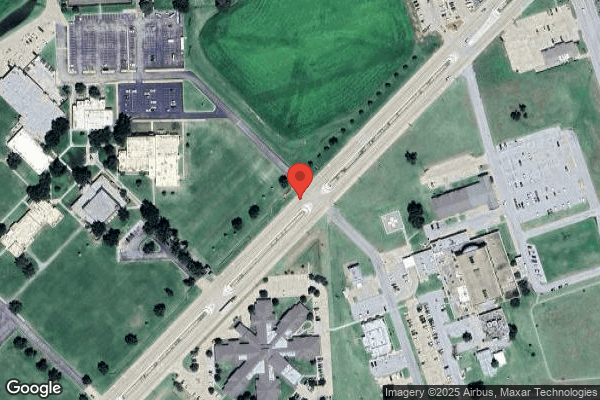

4401 COLLEGE DR, VERNON, TX 76384 (940) 552-9316
For profit - Corporation 120 Beds ADVANCED HEALTHCARE SOLUTIONS Data: November 2025
Trust Grade
75/100
#177 of 1168 in TX
Last Inspection: August 2025

Inspected within the last 6 months. Data reflects current conditions.

Overview

Advanced Rehabilitation and Healthcare of Vernon has a Trust Grade of B, indicating it is a good choice for families looking for a nursing home. It ranks #177 out of 1,168 facilities in Texas, placing it in the top half, and it is the only option in Wilbarger County. The facility is improving, with issues decreasing from 6 in 2024 to 5 in 2025. Staffing is average with a rating of 3 out of 5 stars and a turnover rate of 30%, which is better than the state average of 50%. While there are positive aspects, such as no fines and good RN coverage exceeding 88% of Texas facilities, there are also concerning incidents. For example, a resident was not given their medication as prescribed, which could affect their health. Additionally, the facility failed to maintain proper food safety standards, risking residents' health due to foodborne illnesses. Lastly, there were deficiencies in providing individualized activity plans for residents, potentially leading to feelings of isolation. Overall, the facility has strengths in staffing and compliance but needs improvement in specific care areas.

Trust Score
B
75/100
In Texas
#177/1168
Top 15%
Safety Record
Low Risk
No red flags
Inspections
Getting Better
6 → 5 violations
Staff Stability
○ Average
30% turnover. Near Texas's 48% average. Typical for the industry.
Penalties
✓ Good
No fines on record. Clean compliance history, better than most Texas facilities.
Skilled Nurses
○ Average
Each resident gets 35 minutes of Registered Nurse (RN) attention daily — about average for Texas. RNs are the most trained staff who monitor for health changes.
Violations
⚠ Watch
17 deficiencies on record. Higher than average. Multiple issues found across inspections.
★★★★☆
4.0
Overall Rating
★★★☆☆
3.0
Staff Levels
★★★★☆
4.0
Care Quality
★★★★☆
4.0
Inspection Score
Stable
2024: 6 issues
2025: 5 issues

The Good

  • 4-Star Quality Measures · Strong clinical quality outcomes
  • Full Sprinkler Coverage · Fire safety systems throughout facility
  • No fines on record
  • Staff turnover below average (30%)

    18 points below Texas average of 48%

Facility shows strength in quality measures, fire safety.

The Bad

Staff Turnover: 30%

16pts below Texas avg (46%)

Typical for the industry

Chain: ADVANCED HEALTHCARE SOLUTIONS

Part of a multi-facility chain

Ask about local staffing decisions and management

The Ugly 17 deficiencies on record

Aug 2025 3 deficiencies
CONCERN (D)

Potential for Harm - no one hurt, but risky conditions existed

Deficiency F0628 (Tag F0628)

Could have caused harm · This affected 1 resident

**NOTE- TERMS IN BRACKETS HAVE BEEN EDITED TO PROTECT CONFIDENTIALITY** Based on interviews and record reviews, the facility failed to ensure the transfer or discharge is documented in the resident's ...

Read full inspector narrative →
**NOTE- TERMS IN BRACKETS HAVE BEEN EDITED TO PROTECT CONFIDENTIALITY** Based on interviews and record reviews, the facility failed to ensure the transfer or discharge is documented in the resident's medical records and appropriate information is communicated to the receiving healthcare institution or provider for 1 of 2 (Resident #2) reviewed for discharges. 1. The facility failed to ensure the transfer or discharge was documented in the Resident #2's medical records.2. There was no documentation from the physician indicating that Resident #2 had specific needs that could not be met in the facility. These failures affected discharged residents and could place the residents at risk of being discharged and not having access to available advocacy services, discharge/transfer options, and appeal process.The findings included: Record review of the face sheet for Resident #2 dated 08/08/25 revealed a [AGE] year-old male admitted to the facility on [DATE]. His diagnoses included myocardial infarction (heart attack), acute kidney failure, thrombocytopenia (a medical condition characterized by low platelets count, which can lead to excessive bleeding and bruising), sepsis due to methicillin resistant staphylococcus aureus (a life-threatening medical emergency caused by the body's overwhelming response to an infection), dehydration (loss of fluids in the body), and acute pulmonary edema (a serious condition characterized by the rapid accumulation of fluid in the lungs, leading to severe breathing difficulties and requiring immediate medical attention). Review of Resident #2's admission MDS assessment, dated 07/29/25, reflected the resident had a BIMS score of 13, which reflected the resident was cognitively intact. Section BO300 indicated adequate hearing and clear speech. Resident #2 had no behavioral problems but was dependent with most ADLs. Review of Resident #2's care plan dated 07/08/25 reflected Resident #2, relative expressed a desire to return to community, the resident will be discharge to. An attempt to interview the RP for Resident #2 was made on 08/06/25 at 9:25 and on 08/08/25 at 1:12p.m without success. During interview with ADON 2 on 08/08/25 at 11:07a.m, she stated she was an Assistant Director of Nursing for the facility. She said she communicated with Resident #2's family during his discharge from the facility on 07/29/25. ADON 2 explained she was not the nurse that discharged the resident. She stated the residents were discharged by the floor nurse on that hall. She said RN A discharged the resident. ADON 2 noted she checked Resident #2's EHR and did not see documentation for a discharged resident as required, including physician's order for discharge, social worker notes, discharge assessment, and therapy notes. During an interview and record review on 08/08/25 at 11:21a.m, RN A stated she was responsible for Resident #2 and discharged him on 07/29/25. RN A reviewed Resident #2's closed EHR and said she did not document the discharge instructions for Resident #2, including all special instructions or precautions for ongoing care as appropriate and comprehensive care plan goals. RN A also stated she did not have documentation for the basis for discharging Resident #2 and the specific resident needs that could not be met at the facility. She explained the facility's policy started with receiving an order from the doctor for discharge. RN A stated she assessed the resident's health status including vital signs, and ensured the resident's belongings and medication were assembled before discharge. She would communicate with the resident's representative and document the result. During interview with the DON on 08/07/25 at 10:27a.m, she said Resident #2 was discharged to a hospice agency on 07/29/25 because the facility was unable to control his pain. She explained the discharge was temporary, and she was expecting resident to come back to the facility. The DON stated she checked, but did not see any documentation in the EHR from the MD regarding the facility-initiated discharge of Resident #2. This may be, she stated, because they were expecting the resident back to the facility. Review of the facility's policy for Transfer and Discharge, dated 10/10/2017 reflected the following [in part]: Policy StatementThis facility complies with federal regulations to permit each resident to remain in the facility. and not transfer ordischarge unless the following criteria is met:Fundamental Information1. The transfer or discharge is necessary for the resident's welfare and the resident's needs cannot be met in the facility.2) The transfer or discharge is appropriate because the resident's health has improved sufficiently so the resident no longer needs the service provided by the facility.Policy Explanation and Compliance Guidelines:Non-Emergency Transfers or Discharges - initiated by the facility, return not anticipated.a) Document the reasons for the transfer or discharge in the resident's medical record. and in the case of necessity for the resident's welfare and the resident's needs cannot be met in the facility, document the specific resident needs that cannot be met, facility attempts to meet the resident needs and the service available at the receiving facility to meet the needs. Document any danger to the health or safety of the resident or other individuals that failure to transfer or discharge would pose.b) At least 30 days before the resident is transferred or discharged , the Social Services Director will notify the resident and the resident's representative in writing in a language and manner they understand. (This time frame does not apply if the resident has not resided in the facility for 30 days.)c) Contents of the notice must include:i) The reason for transfer or discharge: ii) The effective date of transfer or discharge.iii) The location to which the resident is transferred or discharged :iv) A statement of the resident's appeal rights. including the name, address (mailing and email), and telephone number of the entity which receives such requests: and information on how to obtain an appeal form and assistance in completing the form and submitting the appeal hearing request.
CONCERN (E)

Potential for Harm - no one hurt, but risky conditions existed

Pharmacy Services (Tag F0755)

Could have caused harm · This affected multiple residents

**NOTE- TERMS IN BRACKETS HAVE BEEN EDITED TO PROTECT CONFIDENTIALITY** Based on observation, interview, and record review, the facility failed to provide pharmaceutical services (including procedures...

Read full inspector narrative →
**NOTE- TERMS IN BRACKETS HAVE BEEN EDITED TO PROTECT CONFIDENTIALITY** Based on observation, interview, and record review, the facility failed to provide pharmaceutical services (including procedures that assure the accurate acquiring, receiving, dispensing, and administering of all drugs) to meet the needs for 1 of 6 residents (Resident #61) reviewed for pharmaceutical services. 1. LVN-B facility failed to administer medications to Resident #61 according to physician's orders.2. LVN-B left Resident #61's medication with her in a pill cup to take later. This failure could place residents who received medications at risk for not receiving the intended therapeutic benefit of the medications.The findings included: Record review of face sheet dated 08/06/2025 revealed a [AGE] year-old female admitted most recently on 05/26/2023 with diagnoses to include: right below knee amputation (leg surgically removed below the knee); muscle weakness (condition where muscles are not as strong as they should be); bipolar disorder (mental health condition characterized by extreme mood swings); acute kidney failure (sudden rapid decrease in kidney function); and peripheral vascular disease (circulation disorder where blood vessels outside the heart and brain become narrowed, weakened or blocked affecting blood flow to the limbs and other organs). Record review of Resident #61s medication administration record and corresponding physician orders on 08/05/25 at 11:15AM revealed the following medications were to be administered at 9:00 AM: · Acidophilus (Lactobacillus) oral 1 capsule, in the morning · Alendronate Sodium 10mg oral 1 tablet in the morning for osteoporosis · Aripiprazole 15mg oral 1 tablet in the morning, for bipolar disorder · Ascorbic Acid 500mg oral 1 tablet in the morning, for wound healing · Azithromycin 250mg oral 1 tablet in the morning, for upper respiratory infection for 4 days · Bumetadine 1mg oral 1 tablet in the morning, for fluid retention, hold if SBP less than 100, or DBP less than 60. Residents blood pressure was 134/68. · Divalproex Sodium delayed release, 500mg oral 1 tablet in the morning, for bipolar disorder · Levothyroxine Sodium 25mcg oral 1 tablet in the morning for hypothyroidism · Meloxicam 15mg oral 1 tablet in the morning, for arthritis, take with food and fluids to avoid GI distress · Multivitamin oral 1 tablet in the morning, for supplement · Oxybutynin Chloride extended release, 10mg oral 1 tablet in the morning, for bladder spasms · Oyster Cal 500 1 tablet oral in the morning, for supplement · Spironolactone 50mg oral 1 tablet in the morning, for hypertension · Uloric 80mg oral 1 tablet in the morning, for gout · Vitamin D3 25mcg (1000 UT) oral 1 tablet in the morning, for supplement · Buspirone HCl 10mg oral 1 tablet every morning and at bedtime, for generalized anxiety · Colace 100mg oral 1 capsule every morning and at bedtime, for constipation · Duloxetine HCl delayed release 60mg oral 1 capsule every morning and at bedtime, for depression · Omeprazole 20mg oral 1 capsule two times a day, for GERD · Quetiapine Fumarate 200mg oral 2 tablets every morning and at bedtime, for bipolar · Senna 8.6mg oral 1 tablet every morning and at bedtime, for constipation · Tylenol extra strength 500mg oral 2 tablets every morning and at bedtime, for pain In an observation and interview on 08/05/2024 at 11:04 AM with Resident #61, revealed the resident’s room door was open and her bedside table had multiple medication cups with tablets/capsules in each. Upon entry, Resident #61 was sitting in her wheelchair facing her bed. Behind her was her bedside table with 8 medication cups that contained 2-3 tablets/capsules in each cup with hydration available. Resident turned her wheelchair around towards the bedside table and stated she was getting ready to take her medications then take a shower. The Resident stated she takes around 40 medications a day and that “the nurses only do this for me” (pointing at the medication cups with pills) “so that I can take them when I want” and that they were all from that morning. In an observation on 08/07/2025 at 10:44am of Resident #61’s room revealed her privacy curtain was partially pulled across, but she was not in her room. Observed, on Resident #61’s bedside table, there were 2 clear plastic medicine cups that contained several medications in each and there were other empty medicine cups stacked up on the table with a handwritten note from Resident #61 to not throw them away. After exiting Resident #61’s room, a nurse observed at end of this hallway (400) with a medication cart. In an interview on 08/07/2025 at 10:48am, LVN B (hall 400) stated she had worked there for 13 years. She stated the expectations were when she administered oral medications to residents, she would inform the resident what medication she had for them before handing it to the resident to take. She stated she then would discard the medication cup, perform hand hygiene, and move on to the next resident. LVN B stated if she left the medications unattended and did not watch the resident swallow the medications, an adverse outcome might be the resident forgetting to take them, the resident may get a double dose if they had another one scheduled for noon or the next administration time, or another resident could pick them up and swallow them, and could possibly have a reaction to the medication. In an observation on 08/07/2025 at 10:55am, LVN B walked back into Resident #61’s room, pulled the curtain, and spoke to the Resident. In an interview on 08/07/2025 at 11:00am, LVN C stated she had worked at this facility for almost 6 years, and when passing medications, the expectation was to watch the resident swallow the medication before leaving the room; stating she has never left medications sitting on the table for the resident to take whenever. She stated an adverse outcome would be the resident not taking the medication as ordered, or any other resident could take them and have a negative reaction. In an interview on 08/07/2025 at 11:05am, the DON stated the procedure and her expectation for administering oral medications was to knock, introduce herself, explain to the resident what medications they were taking, and ensure the resident swallowed the medication. She further stated an adverse outcome would be the resident not taking them properly, or another resident might get a hold of them and take them. In an interview on 08/08/2025 at 12:03pm, RN A stated she had worked at this facility for 4 years. She stated when she passed medications she knocked, announced herself, informed the resident of the medications she had for them, gave the resident the medicine cup that contained the medications and made sure they took them. RN A stated if a resident was not in his/her room at that time, she would look for them and if she could not find the resident, she would lock the medications in the locked drawer in the medication cart until she could find them. RN A stated the facility’s expectation was to find the resident and administer the medications in a timely manner. She stated the only time she would leave medications sitting in a room was if there was an emergency, but that she did not leave medications in a room without the resident taking them. RN A stated she would leave medications if the resident were alert, oriented, and able to take them later. She stated an adverse outcome if the medications were left unattended could be that another resident might pick them up and have an allergic reaction or adverse reaction, and they would not know what they were taking. In a follow up interview on 08/08/2025 at 12:08pm, RN A returned to say, After speaking with the DON, the facility expects that nurses/medication aides do not leave medications in a resident's room unattended. Review of the facility’s policy statement titled “Medication-Treatment Administration and Documentation”, origination date 1/9/2014 (Revised 4/6/2023) included [in part]: “Policy Interpretation 4. Administer the medication according to the physician order. 5. Document e-signature for medication and treatments administered on the EMAR or ETAR immediately following administration. 7. Medication or treatments that were not administered should be documented as not administered on the EMAR/ETAR with the reason for the not administration. 12. Review the EMAR/ETAR after each medication and treatment administration is completed and prior to the end of the shift to validate documentation is completed and supports services provided according to physician orders.” **Requests for documentation of Oral Medication Administration in-services or skills review forms were not provided prior to exit.
CONCERN (E)

Potential for Harm - no one hurt, but risky conditions existed

Food Safety (Tag F0812)

Could have caused harm · This affected multiple residents

**NOTE- TERMS IN BRACKETS HAVE BEEN EDITED TO PROTECT CONFIDENTIALITY** Based on observation, interview, and record review, the facility failed to store, prepare, distribute, and serve food in accorda...

Read full inspector narrative →
**NOTE- TERMS IN BRACKETS HAVE BEEN EDITED TO PROTECT CONFIDENTIALITY** Based on observation, interview, and record review, the facility failed to store, prepare, distribute, and serve food in accordance with professional standards for food service safety, for the facility's only kitchen residents as evidence by: The facility failed to ensure:A. The temperature of the walk-in freezer was below 0 degrees Fahrenheit; B. The [NAME] counter drawers and cabinets in the dining room were clean and not soiled;C. The refrigerator in the Activity Room was clean and not soiled, opened food items were placed in sealed containers and were labeled with a use by date. These failures could place residents at risk for foodborne illness, compromised nutritional health status, and being served food items that may not be fresh, taste stale, or be contaminated. The findings included: In an observation on 08/05/25 at 9:67 AM, during the initial tour of kitchen, the temperature of the walk-in freezer was 21 degrees Fahrenheit. Inside the freezer there was a tub of ice cream, soft to the touch and not frozen. In the dining room, the [NAME] counter drawers and cabinets edges were sticky and soiled with wet and dry coffee. The inside of the drawers and cabinets were sticky and contained dirt, food crumbs, liquid coffee, and dried brown areas/spots. Items in the drawers and cabinets included soiled coffee cups and lids with wet and dried coffee on them, soiled napkins with brown spots on them, packets of coffee creamer and salt were soiled with brown spots on them and wadded up paper/trash. In an observation on 08/05/25 at 11:51 am, the refrigerator in the activity room was dirty with dirt, food crumbs, and dried food. The freezer contained a milkshake open to air, not dated, and a tub of sherbet that was opened and not dated. The refrigerator contained a dried-out piece of cake open to air not dated; a taco, burrito, and sandwich wrapped in paper not dated; dried out refried beans in a container not dated; a gallon of tea opened and not dated; a bowl of soup not dated; and green icing without a lid not dated. In a follow-up observation on 08/06/25 at 8:41 am, the walk-in freezer temperature was 9 degrees Fahrenheit The [NAME] counter in the dining room and the refrigerator in the Activity Room remained soiled. In an interview with the Activity Director on 08/06/25 at 9:58 am, she said the refrigerator was used by everybody and was not aware of who was responsible to clean it. In a follow-up observation on 08/07/25 at 10:37 am, the walk-in freezer temperature was 10 degrees Fahrenheit. The [NAME] counter in the dining room and the refrigerator in the Activity Room remained soiled. In a record review on 08/07/25 at 10:55 am, the temperature log for the freezer revealed the temperatures from 08/01/25 to 08/07/25.08/01/25: 5:00 am 0 degrees; 6:50 pm 3 degrees.08/02/25: 5:00 am 1 degree; 6:00 pm 7 degrees.08/03/25: 5:05 am 2 degrees; 6:00 pm 7 degrees. 08/04/25: 5:00 am 4 degrees; 6:00 pm 11 degrees.08/05/25: 5:05 am 3 degrees; 2:15 pm 3 degrees.08/06/25: 5:07 am 0 degrees; 4:00 pm 8 degrees.08/07/25: 5:12 am 3 degrees. Afternoon check had not been completed. In an interview on 08/07/25 at 11:00 am, the Dietary Manager said the temperature of the freezer should be between 0 degrees and -10 degrees Fahrenheit. She was aware of the temperature of the freezer being elevated and the Maintenance Director turned down the temperature setting yesterday (08/06/25). She said the temperatures of the freezer were logged in the morning at 5:30 am, and acknowledged the temperature had not been below 0 degrees Fahrenheit. The findings concerning the [NAME] counter in the dining room and refrigerator in the activity room were observed with the Dietary Manager, and (he/she) said they would get it cleaned and fix the issue. In an interview on 08/07/25 at 11:05 am, the Maintenance Director said he turned down the temperature of the freezer down to -10 degrees Fahrenheit yesterday (08/06/25) and was not able to turn it down any further. He said he would contact the vendor to have the freezer serviced. In an interview and record review on 08/07/25 at 3:45 pm, the Dietary Manager said the freezer was serviced that afternoon and provided an invoice of service completed. The temperature of the freezer was -1 degrees Fahrenheit and the food was frozen. In an interview on 08/08/25 at 4:00 pm, the Administrator said it was her expectation for the [NAME] counter in the dining room and the refrigerator in the activity room to be cleaned when soiled. She was not aware of the concerns. She said there had been some confusion between the kitchen and maintenance departments over who was responsible to clean those items. In an interview on 08/08/25 at 5:09 pm, the Dietary Manager said there had been some confusion over who was responsible to clean the [NAME] table in the dining room and the refrigerator in the activity room and as a result it had been missed. She said the issues had the potential to attract bugs and rodents and food born illnesses. Record review of the facility policy Frozen and Refrigerated Food Storage, dated as revised 12/5/2017, revealed the following [in part]:Policy Statement: PHF/TCS (Potentially hazardous/Time temperature control for safety) foods will be properly refrigerated or frozen to reduce the potential for food borne illness and maintain product integrity. Fundamental Information:Frozen foods must be kept at a temperature to keep the food frozen solid. Procedure:9. Items stored in the refrigerator must be dated upon receipt. 13b. Check labeling and dating, use any items that are close to the use by date and discard any items that are past their use by date. Record review of the Food and Drug Administration Food Code, dated 2022, specified [in part]:4-601.11 Equipment, Food-Contact Surfaces, Nonfood-Contact Surfaces, and Utensils. (C) Nonfood-contact surfaces of equipment shall be kept free of an accumulation of dust, dirt, food residue, and other debris.
Jun 2025 1 deficiency
CONCERN (D) 📢 Someone Reported This

A family member, employee, or ombudsman was alarmed enough to file a formal complaint

Potential for Harm - no one hurt, but risky conditions existed

Infection Control (Tag F0880)

Could have caused harm · This affected 1 resident

**NOTE- TERMS IN BRACKETS HAVE BEEN EDITED TO PROTECT CONFIDENTIALITY** Based on observation, interview, and record review, the facility failed to maintain an infection prevention and control program ...

Read full inspector narrative →
**NOTE- TERMS IN BRACKETS HAVE BEEN EDITED TO PROTECT CONFIDENTIALITY** Based on observation, interview, and record review, the facility failed to maintain an infection prevention and control program designed to provide a safe, sanitary, and comfortable environment to help prevent the development and transmission of communicable disease and infections for one (Resident #1) of three residents reviewed for infection control practices. CNA A failed to perform proper hand hygiene and glove changes while providing incontinence care to Resident #1 on 06/11/2025. This failure could place residents at risk for the spread of infection. Findings included: Review of Resident #1's face sheet dated 06/12/25, revealed a 78- year- old female admitted to the facility on [DATE] with diagnoses including age-related debility (physical and mental weakness), muscle weakness, muscle wasting and atrophy (partial or complete wasting away of the body). Review of Resident #1's Quarterly MDS assessment dated [DATE] revealed Resident #1 required partial/moderate assistance with most activities of daily living (ADLs). Resident #1 was frequently incontinent of bowel and bladder. Review of Resident #1's Care Plan dated 11/01/21 revealed he had bowel and bladder incontinence. Its goal stated Resident #1 will be clean and odor free through the next review date. Observation of incontinence care for Resident #1 on 06/11/25 at 10:44p.m. revealed CNA A washed her hands prior to donning (putting on) gloves. CNA A removed Resident #1's brief that was soiled with urine. CNA A wiped the resident from front to back. She did not change gloves but continued to clean the resident. Her gloves were visibly soiled with urine. CNA A did not wash her hands, change gloves, or perform hand hygiene before placing the clean brief underneath the resident. CNA A retrieved the old, soiled brief and placed on a trash can. CNA A removed her gloves and picked up the trash. She washed her hands before leaving Resident #1's room. In an interview on 06/11/25 at 10:52 a.m. with CNA A, she stated she should have changed her gloves before retrieving a clean brief and placing it underneath Resident #1. CNA A stated she has been in the facility since July 2024 and received infection control training in March 2025. She said cross contamination was going from clean to dirty. CNA A noted the resident could acquire an infection when she did not follow good infection control practices including changing gloves before retrieving the clean brief. CNA A stated she did not change her gloves because she was nervous. During interview on 06/12/25 at 4:20 p.m. the DON stated she was aware of some of the concerns raised about infection control practice. She stated she and ADON B was responsible for infection control in the facility. The DON stated employees received training on hire, every March and annually. She noted the regional nurse conducts spot checks and training with return demonstration periodically. The DON explained aides were expected to follow standard precaution including washing hands and changing gloves while providing care. Review of the facility's infection control policy revised 04/12/2023 reflected the following: Policy: This facility has established and maintains an infection prevention and control program designed to provide a safe, sanitary, and comfortable environment and to help prevent the development and transmission of communicable diseases and infections as per accepted national standards and guidelines. Policy Explanation and Compliance Guidelines: . Standard Precautions: a. All staff shall assume that all residents are potentially infected or colonized with an organism. that could be transmitted during providing resident care services. b. Hand hygiene shall he performed in accordance with our facility's established hand hygiene. procedures. c. All staff shall use personal protective equipment (PPE) according to established facility policy. d. Licensed staff shall adhere to safe injection and medication administration practices, as described in relevant facility policies. e. Environmental cleaning and disinfection is performed routinely with high touch cleaning. procedures. f All staff have responsibilities related to report cleanliness issues in the facility to the Administrator/designee and housekeeping.
Feb 2025 1 deficiency
CONCERN (D) 📢 Someone Reported This

A family member, employee, or ombudsman was alarmed enough to file a formal complaint

Potential for Harm - no one hurt, but risky conditions existed

Deficiency F0657 (Tag F0657)

Could have caused harm · This affected 1 resident

**NOTE- TERMS IN BRACKETS HAVE BEEN EDITED TO PROTECT CONFIDENTIALITY** Based on interview and record review, the facility failed to ensure each resident / and or their representative were invited to ...

Read full inspector narrative →
**NOTE- TERMS IN BRACKETS HAVE BEEN EDITED TO PROTECT CONFIDENTIALITY** Based on interview and record review, the facility failed to ensure each resident / and or their representative were invited to attend/participate attend and IDT in the care plan meeting including both the comprehensive and quarterly review assessments for with the participation of the resident for 1 of 6 residents (Resident's #1) reviewed for care plan timing and revision. The facility failed to ensure representatives/residents were invited to attend comprehensive care meetings for Resident #1. The facility failed to document the reason for the representative/resident non-participation in the care plan meeting. This failure could place residents at risk of not being able to attain or maintain their highest practicable level of physical, mental, and psychosocial well-being. The findings included: In a record review of Resident #1's face sheet, dated 02/19/25, revealed the resident was a [AGE] year-old female, originally admitted to the facility on [DATE] and with the latest admission date of 09/19/24. The resident was discharged on 02/10/25 to the local hospital. Resident had diagnosis of atherosclerotic heart disease of native coronary artery without angina pectoris (blockage of the arteries of the heart), dysphagia (difficulty swallowing), and vascular dementia (brain damage caused from impaired blood flow). In a record review of Resident #1's last quarterly MDS, dated [DATE], revealed resident's BIMS score was 00 reflecting resident was not able to complete the interview and was not interview able. In an interview on 02/20/25 at 10:00 am, Resident #1's POA stated she had not been invited to a care plan meeting in a long time. In a record review of Resident #1's comprehensive care plan revealed it was dated as reviewed/revised on 01/07/25. The attendance document on the care plan was blank. In a record review on 02/20/25 at 11:00 am, Resident #1's progress notes revealed no documentation evidence that the resident had been invited to participate or attend a care plan conference. In an interview on 02/20/25 at 10:45 am, the Social Worker stated the facility reviewed Resident #1 care on 01/16/25 but never did have an official care plan meeting with Resident #1 or with Resident #1's POA. She said the meeting should have been shortly after the facility review. She said it was her responsibility to arrange care plan meetings. She said she has been out sick, and it was missed. In an interview on 02/20/25 at 1:30 pm, the Administrator said Resident #1's care was reviewed by the facility on 01/16/25 with the facility doctor, Administrator, MDS nurse, and the Business Office Manager in attendance. She said the facility did not have an official care plan meeting that included the resident or the resident's representative. She said the Social Worker had been out sick and it was missed. She said it was her expectation for the facility to invite the resident and resident's representative to the care plan meetings . She said a potential negative outcome would be the resident's family would not know anything about the resident's care plan. Record review of the facility policy Comprehensive Care Plans, dated as reviewed/revised 09/04/24, revealed the following [in part]: Policy: Is the policy of this facility to develop and implement a comprehensive person-centered care plan for each resident, consistent with resident rights . Policy Explanation and Compliance Guidelines: d. The resident and the resident's representative, to the extent practicable.
Jun 2024 5 deficiencies
CONCERN (D)

Potential for Harm - no one hurt, but risky conditions existed

Assessment Accuracy (Tag F0641)

Could have caused harm · This affected 1 resident

**NOTE- TERMS IN BRACKETS HAVE BEEN EDITED TO PROTECT CONFIDENTIALITY** Based on interview and record review the facility failed to ensure assessments accurately reflected the resident's status for 1 ...

Read full inspector narrative →
**NOTE- TERMS IN BRACKETS HAVE BEEN EDITED TO PROTECT CONFIDENTIALITY** Based on interview and record review the facility failed to ensure assessments accurately reflected the resident's status for 1 of 7 residents (Resident #90) reviewed for accuracy of assessments. 1. The facility failed to ensure Resident# 90's MDS accurately reflected that he did not an enteral feeding tube. This failure could place residents at risk for not receiving care and services to meet their physical needs and promote feelings of well-being and quality of life. The findings included: Record review of Resident #90's admission profile, dated 6/6/24, reflected a [AGE] year-old male whose most recent admission date was 06/16/21. Resident #5 had diagnoses which included: cerebral infarct (a dead A condition caused by disrupted blood flow to the brain causing brain cells to die), hypertension (high bleed pressure) and atrial fibrillation ( an irregular heart rhythm causing inadequate blood flow to the body). Record review of Resident #90s admission MDS, dated [DATE], Section K0300 reflected Resident #90 did have a feeding tube while a resident of the facility. Section C revealed he had a BIMS score of 10 (moderate cognitive impairment). Record review of Resident # 90's physician active order summary report dated 6/6/24 reflected he was on a mechanical soft diet with concentrated carbohydrate snacks ordered 3 times a day. There was no order for a feeding tube or for tube feedings. In an interview and an observation on 06/04/24 at 11:01 AM, Resident #90 stated he had never had a feeding tube. No enteral feeding tube site was noted to Resident # 90's abdomen during the observation. In an Interview on 6/06/24 at 10:03 AM, MDS Coordinator C stated Resident #90 did not have a G tube. She stated she completed MDS Section K and documented the resident had a feeding tube while a resident at the facility. She stated it was a documentation error which she made because she was not paying attention. She stated failure to document the MDS properly could result in the resident not receiving needed care She stated she was responsible for the accuracy of the MDS, and no one monitored her for accuracy since she was a Registered Nurse. She stated the facility followed the RAI Manual as their policy for completing Resident Assessments. In an interview on 6/06/24 at 12:00 PM, the DON said she expected the MDS to accurately reflect the resident's condition at the time of assessment. She stated the MDS RN Coordinator was responsible for monitoring the accuracy of the assessment. Review of CMS'S RAI Version 3.0 Manual version 1.17.1 dated October 2019 revealed: The RAI process has multiple regulatory requirements. Federal regulations at 42 CFR 483.20 (b)(1)(xviii), (g) and (h) require that. (1) the assessment accurately reflects the resident's status (2) a registered nurse conducts or coordinates each assessment with the appropriate participation of health professionals (3) the assessment process includes direct observation, as well as communication with the resident and direct care staff on all shifts. Nursing homes are left to determine. (1) who should participate in the assessment process (2) how the assessment process is completed (3) how the assessment information is documented while remaining in compliance with the requirements of the Federal regulations and the instructions contained within this manual.
CONCERN (D)

Potential for Harm - no one hurt, but risky conditions existed

Deficiency F0761 (Tag F0761)

Could have caused harm · This affected 1 resident

Based on observation, interview and the facility failed to ensure that drugs and biologicals were secured and stored in locked compartments, and permit only authorized personnel to have access to the ...

Read full inspector narrative →
Based on observation, interview and the facility failed to ensure that drugs and biologicals were secured and stored in locked compartments, and permit only authorized personnel to have access to the keys for 1 of 3 medication carts (Hall 4 medication cart) observed for medication storage, in that:. The Hall 4 Medication cart was left unlocked. This failure placed the residents at risk for medications being misappropriated or for potential harm and adverse reactions from access to medications not prescribed for them. The findings included: In an observation and interview on 6/15/2024 that lasted from 09:03 AM to:9:25 AM the Hall 4 nurses' medication cart was left unlocked by RN F in the open hallway at 9:03 AM as she entered a resident's room to administer medications. There was no other nurse to attend the cart in the hallway of Hall 4. There was 1 housekeeping staff in the area of the cart. RN F returned to the cart and stated she should not have left theHall 4 medication cart unlocked and unattended in the hallway. She stated she left it unlocked because she was busy and nervous with the surveyor watching her pass meds, she just did not think to lock it. She stated failure to lock the cart could result in drug diversion or a resident getting a medication that was not intended for them . In an interview on 6/5/24 at 10:00 AM the DON stated she expected the nurses to keep the medication room door locked and the medication cart locked at all times when not in use and unattended. She stated failure to do so could result in a resident coming along and getting a medication that was not intended for them or result in a drug diversion. Record review of the facility policy Medication Storage, dated 1/20/21, revealed the following [in part]: General Guidelines: a. All drugs and biologicals will be stored in locked compartments (i.e., medication carts, cabinets, drawers, refrigerators, medication rooms) under proper temperature controls. b. Only authorized personnel will have access to the keys to locked compartments. c. During a medication pass, medications must be under the direct observation of the person administering medications or locked in the medication storage area/cart. 2. Narcotics and Controlled Substances: a. Schedule II drugs and back-up stock of Schedule III, IV and V medications are stored under double-lock and key.
CONCERN (D)

Potential for Harm - no one hurt, but risky conditions existed

Infection Control (Tag F0880)

Could have caused harm · This affected 1 resident

**NOTE- TERMS IN BRACKETS HAVE BEEN EDITED TO PROTECT CONFIDENTIALITY** Based on observations, interview and record review, the facility failed to establish and maintain an infection prevention and co...

Read full inspector narrative →
**NOTE- TERMS IN BRACKETS HAVE BEEN EDITED TO PROTECT CONFIDENTIALITY** Based on observations, interview and record review, the facility failed to establish and maintain an infection prevention and control program designed to provide a safe, sanitary, and comfortable environment and to help prevent the development and transmission of communicable diseases and infections for 1 of 3 residents (Resident #71) when reviewed for infection control. 1.The facility failed to ensure CNA D washed or sanitized her hands between glove changes as appropriate while providing incontinence care for Resident # 71. This failure could place residents at risk for cross contamination and the spread of infection. The findings included: Record review of Resident #71's face sheet, dated 06/6/24, reflected a [AGE] year-old female who was admitted to the facility on [DATE]. Resident #71 had diagnoses of: muscle weakness, and hemiplegia (paralysis of the right side of the body). and diabetes with hyperglycemia ( a condition that results from too much sugar in the blood which can result in the symptom of increased urination). Record review of Resident #71's MDS admission Assessment, dated 12/11/23 reflected Resident #71 required partial to moderate assistance with most ADLs and was always incontinent of bladder and frequently incontinent of bowels . Resident #71 had a BIMS score of 12 (moderate cognitive impairment). Observation and interview on 6/6/24 at 10:42 a.m. of incontinence care for Resident #71 revealed CNA D, before the start of care, washed her hands, gathered supplies, and explained the procedure to Resident #71. She then donned gloves and removed Resident #71's urine soiled brief. She then performed incontinent care and removed the soiled brief and her gloves and her gloves and did not sanitize her hands between glove changes. She applied new gloves and fastened the resident's brief. She gathered the soiled supplies in a bag and washed her hands before leaving the room. She stated she knew she should have changed gloves and sanitized her hands before touching the resident and the clean brief. She stated this could lead to cross contamination and infection. In an interview on 6/6/24 at 10:50 AM, CNA D stated cross contamination was mixing clean with dirty and that she should have washed her hands before she retrieved Resident #71's clean brief and fastened it. She stated Resident #71 could get an infection for not following good infection control practice. She stated she had yearly competency check and had been in-service on infection control and hand hygiene in the last 3 months. In an interview on 6/6/24 at 1:00 PM the DON stated she was responsible as the Infection Preventionist for infection control in the facility. The DON stated all staff were expected to follow standard precautions which included washing hands or using hand sanitizer after changing gloves while providing care. She stated CNA D knew she should change gloves and sanitize her hands when touching a clean area after removing a soiled brief. She stated failure to practice good hand hygiene could result in an adverse outcome for the resident due to infection. She stated staff were monitored for competency through annual and spot competency checks. Record review of the facility's policy and procedure for Handwashing/Hand Hygiene, dated 11/12/27, reflected the following [in part]: Policy: Staff involved in direct resident contact will perform proper hand hygiene procedures to prevent the spread of infection to other personnel, residents, and visitors. Policy Explanation and Compliance Guidelines: 1. Hand hygiene is a general term that applies to either handwashing or the use of an antiseptic hand rub, also known as alcohol-based hand rub (ABHR). 2. Staff will perform hand hygiene when indicated, using proper technique consistent with accepted standards of practice. 3. Hand hygiene is indicated and will be performed under the conditions listed in, but not limited to, the attached hand hygiene table. Either antimicrobial Soap and Water or Alcohol Based hand Rub: Before applying and after removing personal protective equipment., including gloves.
CONCERN (E)

Potential for Harm - no one hurt, but risky conditions existed

Deficiency F0679 (Tag F0679)

Could have caused harm · This affected multiple residents

**NOTE- TERMS IN BRACKETS HAVE BEEN EDITED TO PROTECT CONFIDENTIALITY** Based on observation, interview, and record review, the facility failed to provide an ongoing program to support residents in th...

Read full inspector narrative →
**NOTE- TERMS IN BRACKETS HAVE BEEN EDITED TO PROTECT CONFIDENTIALITY** Based on observation, interview, and record review, the facility failed to provide an ongoing program to support residents in their choice of activities, both facility-sponsored group and individual activities and independent activities, designed to meet the interests of and support the physical, mental, and psychosocial well-being of each resident, encouraging both independence and interaction in the community, for 2 of 32 residents (Residents #19 and #105) reviewed for activity programming, as evidenced by: 1. Resident #19 did not have an in-room activity plan developed and implemented to meet her individual interests, abilities, and needs. 2. Resident #105 did not have an in-room activity plan developed and implemented to meet his individual interests, abilities, and needs. 3. There was not a system in place to identify the residents requiring one-to-one individual activity programming. This failure could place the residents at risk for isolation, decline in cognitive status, and decreased feelings of well-being within their environment. The findings included: 1. Resident #19 Review of Resident #19's admission Record, dated 6/06/2024, revealed a [AGE] year-old female admitted to the facility on [DATE]. The resident's diagnoses included: chronic atrial fibrillation (irregular heartbeat); hypertension (high blood pressure); pulmonary hypertension (type of high blood pressure that affects the lungs and the right side of the heart); hyperlipidemia (high cholesterol); hypothyroidism (thyroid gland disorder); chronic kidney disease (loss of kidney function); and diabetes mellitus type 2 (insufficient production of insulin causing high blood sugar). Review of Resident #19's Annual MDS assessment, dated 9/27/23, revealed a BIMS was not conducted, and the resident had memory problems and modified independence in decision making skills. Section F Activity Preferences documented a response of not very important for the selection options: reading materials; listening to music; being around animals or pets; doing things with groups of people; doing favorite activities; going outside for fresh air; and participation in religious services or practices. Review of Resident #19's comprehensive care plan, dated 5/21/2020, revealed it addressed the concern area of Activities and the resident's dependence on staff for cognitive stimulation, activity attendance, and social interaction related to cognitive impairment and risk for isolation. The documented goal was for Resident #19 to maintain involvement in cognitive stimulation and social activities as desired through the next review. The interventions included to provide a program of activities of interest that empower the resident by encouraging and allowing choice, self-expression, and responsibility; to provide activities which did not involve overly demanding cognitive tasks and to engage the resident in simple structured activities; and to respect the resident's right to refuse to attend activities. The most recent revisions to the interventions for this care plan were dated 3/22/2023 and documented to invite the resident to scheduled activities and to assist and escort the resident to activity functions. The care plan had not been revised to address the resident's lack of participation in group activities and did not include the option of one-to-one individual activity programming. Review of Resident #19's electronic health record progress notes revealed an Activity Progress Note dated 4/11/2023. The Activity Director documented Resident #19 was not one for attending too many of the activities provided here in our facility. She loves to stay in her room and watch television. She does tend to have her days and nights mixed up, so she comes out of her room at night and talks to the staff and drinks coffee. She is on a regular diet and takes all of her meals in the comfort of her own room. Will continue to monitor and encourage. There were no further or more recently documented Activity Progress Notes in Resident #19's electronic health record. Observation on 6/03/24 at 3:06 PM revealed Resident #19 was resting in bed. She was awake and had her eyes open. The television in her room was not turned on. Resident #19 picked up a fig bar snack from her overbed table, opened the package, and ate half of the fig bar. She stated it was good. Observation on 6/05/24 at 9:20 AM revealed Resident #19 was resting in bed with her eyes closed. In an interview on 6/05/24 at 9:20 AM, CNA E, who was in the hallway near Resident #19's room, stated Resident #19 was hard of hearing and did not usually attend activities. He stated he had not seen any visitors for Resident #19. 2. Resident #105 Review of Resident #105's admission Record, dated 6/06/2024, revealed an [AGE] year-old male admitted to the facility on [DATE]. The resident's diagnoses included: ataxia (loss of muscle control that causes clumsy movements); gastro-esophageal reflux disease (back-flow of stomach acid into the throat); dementia (memory problems and impaired thought processes); hypertension (high blood pressure); neuropathy (nerve damage that causes weakness, numbness, and pain in hands and feet); and Parkinsonism (neurological condition characterized by movement problems such as tremors, slowness of movement, and rigidity). Review of Resident #105's admission MDS Assessment, dated 5/17/2024, revealed a BIMS score of 6 out of 15, indicating cognitive impairment. Section F Activity Preferences documented a response of very important for the selection options: being around animals or pets; doing favorite activities; going outside for fresh air; and participation in religious services or practices; and somewhat important for the selection options: listening to music; keeping up with current news; and doing things with groups of people. Review of Resident #105's comprehensive care plan, dated 5/24/24, revealed it addressed cognitive impairment. There was not a care plan to address activity programming and activity participation. Review of Resident #105's admission Activity Evaluation, dated 5/30/2024, revealed a standardized form for selecting and documenting activity preferences, activity pursuits, personal demographic information, physical status, and the name and date of the person completing the evaluation. The form had not been completed and was blank with no questions answered except for the type of evaluation and the date. Observation on 6/03/24 at 4:23 PM revealed Resident #105 was in bed with his eyes closed. He was using oxygen at 3 lpm via nasal cannula. The room lights were turned off and the room was dark. Observation on 6/04/24 at 10:14 AM revealed Resident #105 was seated in a wheelchair and was using portable oxygen at 2 lpm via nasal cannula. His wheelchair was positioned at a table in the living room area at end of his hallway. Resident #105 was holding a padded cloth cube with buttons sewn to the fabric. Review of the May 2024 activity calendar schedule and the June 2024 activity calendar revealed room visits were scheduled at 1:00 PM on Monday, Tuesday, Wednesday, and Friday. During an interview and record review on 6/06/24 at 5:47 PM, the Activity Director stated he did an activity evaluation in the residents' electronic health records when he was prompted to by the computer. He stated it was usually for new admissions or for re-admissions, when someone had gone to the hospital and was readmitted . The Activity Director stated he did not have a list of residents that he did in-room visits with and did not document when he did do one-to-one activities with the residents. He stated he did not document individual resident activity programming. The Activity Director stated he did in-room activities mostly with the residents who did not like group activities and came to him and asked him to come to their rooms and polish their fingernails. He stated he did write progress notes. He reviewed Resident #19's electronic health record and stated the last note he documented was on 4/11/2023 and it was a late entry for 4/05/2023 when it was due. He stated he had not documented any further notes for Resident #19. The Activity Director stated Resident #19 would occasionally get in her wheelchair and go to the dining room during bingo. He stated she did not play but she did watch. The Activity Director stated he did not do in-room activities with Resident #19. He stated the resident did her own thing. He stated he had not seen any family members or anyone else visit Resident #19. The Activity Director stated he was also a CNA and worked the night shift. He stated Resident #19 had her days and nights mixed up and she was more active at night. He stated she would sleep during the day and get up in her wheelchair at night and would talk with the staff. He stated that was when he had the most interaction with her. The Activity Director stated Resident #19 loved coffee and ate cereal with milk around 2:00 AM for a snack. He stated the staff made instant coffee if there was not any brewed coffee available for her to drink. The Activity Director stated there was a monthly activity calendar in the resident's room. He stated the staff, usually the CNAs, reminded and invited Resident #19 to attend group activities. The Activity Director stated he would look for a policy and procedure for activity programming. In an interview on 6/06/24 at 6:03 PM, the Activity Director discussed activity programming for Resident #105. The Activity Director stated, He has dementia and there's nothing I can do with him. Review of the facility's Recreation Services Policies and Procedures Manual, dated 1/2015, revealed [in part]: Resident Needs Recreation becomes extremely significant in meeting each resident's needs for quality of life. Well planned programs must be designed to enhance residents' abilities to function at their highest practicable level as well as to allow them to realize their own abilities to function at their own potential for fulfillment. The process must include assessing the residents' functional abilities, interests and needs, developing mutually agreed upon goals and the use of specialized recreation services as approaches to meet the individualized goals. Recreation services include recreation treatment services and opportunities for recreation participation .
CONCERN (E)

Potential for Harm - no one hurt, but risky conditions existed

Medical Records (Tag F0842)

Could have caused harm · This affected multiple residents

**NOTE- TERMS IN BRACKETS HAVE BEEN EDITED TO PROTECT CONFIDENTIALITY** Based on interview and record review, the facility failed to maintain medical records that were complete and accurately document...

Read full inspector narrative →
**NOTE- TERMS IN BRACKETS HAVE BEEN EDITED TO PROTECT CONFIDENTIALITY** Based on interview and record review, the facility failed to maintain medical records that were complete and accurately documented in accordance with accepted professional standards and practices for 8 of 32 residents (Residents #57, #8, #43, #68, #82, #100, #105, and #261) whose records were reviewed for accurate and complete documentation. 1. The facility failed to ensure physician orders were written for Resident #57 for dialysis. 2. The facility failed to ensure Resident #8's Out of Hospital - Do Not Resuscitate Order form included a date for the physician's signature and included the physician's license number. 3. The facility failed to ensure Resident #43's Out of Hospital - Do Not Resuscitate Order form included the physician's printed name. 4. The facility failed to ensure Resident #68's Out of Hospital - Do Not Resuscitate Order form included the physician's license number and was signed in the correct section for Physician Statement. 5. The facility failed to ensure Resident #82's Out of Hospital - Do Not Resuscitate Order form included a date for the physician's signature, the physician's printed name, and the physician's license number. 6. The facility failed to ensure Resident #100's Out of Hospital - Do Not Resuscitate Order form included a date for the physician's signature, the physician's printed name, and the physician's license number. 7. The facility failed to ensure Resident #105's Out of Hospital - Do Not Resuscitate Order form included a date for the physician's signature, the physician's printed name, and the physician's license number. 8. The facility failed to ensure Resident #261's Out of Hospital - Do Not Resuscitate Order form included a date for the physician's signature and the physician's license number. This failure could place residents at risk for discrepancies in the provision of necessary medical care and services and desired end-of-life decisions not being honored. The findings included: 1. Resident #57 Review of Resident #57's admission Record, dated 6/06/2024, revealed a [AGE] year-old female admitted [DATE]. The resident's diagnoses included: diabetes mellitus type 2 (insufficient production of insulin causing high blood sugar); paroxysmal atrial fibrillation (irregular heartbeat); major depressive disorder (a mood disorder that causes persistent feelings of sadness and a loss of interest in activities once enjoyed); and end stage kidney disease (kidney failure). Record review of Resident #57's Quarterly MDS, dated [DATE], documented she had a BIMS score of 12 out of 15 which indicated she was cognitively intact, a diagnosis of end stage kidney disease, and received dialysis treatments. Record review of Resident 57's physician orders dated 06/06/24 revealed she did not have a completed order for hemodialysis treatments (a procedure where a dialysis machine and a special filter called an artificial kidney, or a dialyzer are used to clean an individual's blood. During an observation and interview on 6/03/24 at 9:03 AM, Resident #57 was in her wheelchair propelling herself down the hall. She stated she was on her way to dialysis and received dialysis 3 times a week. In an interview on 6/06/24 at 4:44 PM, the DON stated Resident #57 should have an order for her dialysis that was complete and personalized naming the specific care the resident was ordered to receive. She stated the order was written by ADON B. She stated she felt the failure occurred due to the fact that the electronic health record generated a template for the order and the nurse did not go back and complete the order to the personal needs of the resident. She stated It should have been caught during the morning meetings when the nurses go over new physician orders to ensure they are complete. In an interview on 6/06/24 at 4:50 PM, ADON B stated she had written the dialysis order for Resident #57 and the order was not complete. She stated she should have gone back when she received the specific dialysis orders from the dialysis center and completed the order. She stated she was responsible for ensuring the order was complete and accurate. Review of the facility policy titled Transcribing or Noting and discontinuing Orders, dated reviewed 02/10/21, revealed [in part]: Physician orders are written and transcribed, noted, and discontinued by the Charge Nurse onto the MAR, TAR or other center designated area. - The ADON or designee validates the order and transcription then enters the physician order into the Electronic Physician Order system MEDICATION/TREATMENT ORDER TRANSCRIPTION - Document the times of the administration ordered for prescribed medication or treatment according to center specified practice e.g., medication pass schedule - If general administration times are ordered for treatment administration the treatment may be assigned a shift for administration based upon work-load distribution or center practices e.g., dressing change can be transcribed onto the TAR for 2-10p shift. 2. Resident #8 Review of Resident #8's admission Record, dated 6/04/2024, revealed a [AGE] year-old female admitted to the facility on [DATE]. The resident's diagnoses included: diabetes mellitus type 2 (insufficient production of insulin causing high blood sugar); hypertension (high blood pressure); anxiety; major depressive disorder (a mood disorder that causes persistent feelings of sadness and a loss of interest in activities once enjoyed); schizoaffective disorder (a mental health condition that is marked by a mix of schizophrenia symptoms, such as hallucinations and delusions, and mood disorder symptoms, such as depression, mania and a milder form of mania called hypomania); convulsions (seizures); hypothyroidism (thyroid gland disorder); and malignant neoplasm of the right kidney (cancer of the kidney). The form documented the resident had an Advance Directive of an OOH-DNR. Review of Resident #8's OOH-DNR Order form revealed it was signed by the resident and two witnesses on 4/06/22. The Physician's Statement section had an illegible signature and the physician's printed name. The signature was not dated and the physician's license number was not documented on the form. 3. Resident #43 Review of Resident #43's admission Record, dated 6/06/2024, revealed a [AGE] year-old male admitted to the facility on [DATE]. The resident's diagnoses included: diabetes mellitus type 2 (insufficient production of insulin causing high blood sugar); hypertension (high blood pressure); psychosis with delusions (a loss of contact with reality - generally considered a common symptom of severe mental illness with beliefs that have no basis in reality); post-traumatic stress disorder (a mental health condition that develops following a traumatic event characterized by intrusive thoughts about the incident, recurrent distress/anxiety, flashback and avoidance of similar situations); anxiety; gastro-esophageal reflux disease (back-flow of stomach acid into the throat); chronic kidney disease (loss of kidney function); and a left leg above the knee amputation. The form documented the resident had an Advance Directive of an OOH-DNR. Review of Resident #43's OOH-DNR Order form revealed it was signed by his responsible family member and two witnesses on 12/13/2021. The Physician's Statement section had an illegible signature that was dated 12/15/2021 and documented the physician's license number. The physician's printed name was not documented on the form. 4. Resident #68 Review of Resident #68's admission Record, dated 6/06/2024, revealed a [AGE] year-old female admitted to the facility on [DATE]. The resident's diagnoses included: diabetes mellitus type 2 (insufficient production of insulin causing high blood sugar); hypertension (high blood pressure); depression (sad mood state); bipolar disorder (serious mental illness characterized by extreme mood swings, ranging from extreme excitement episodes to extreme depressive feelings); schizophrenia (a mental disorder characterized by delusions, hallucinations, disorganized thoughts, speech and behavior); anxiety; dysphonia (hoarse voice); and dysphagia (swallowing problem). The form documented the resident had an Advance Directive of an OOH-DNR. Review of Resident #68's OOH-DNR Order form revealed it was signed by her responsible family member and two witnesses on 3/20/24. The Directive by Two Physicians section had an illegible signature dated 3/20/24 and the resident's attending physician's printed name. The form did not document the physician's license number. The Physician's Statement section, which should have been completed and signed by the attending physician, was blank. 5. Resident #82 Review of Resident #82's admission Record, dated 6/06/2024, revealed a [AGE] year-old male admitted to the facility on [DATE]. The resident's diagnoses included: diabetes mellitus type 2 (insufficient production of insulin causing high blood sugar); hypertension (high blood pressure); major depressive disorder (a mood disorder that causes persistent feelings of sadness and a loss of interest in activities once enjoyed); bipolar disorder (serious mental illness characterized by extreme mood swings, ranging from extreme excitement episodes to extreme depressive feelings); schizophrenia (a mental disorder characterized by delusions, hallucinations, disorganized thoughts, speech and behavior); post-traumatic stress disorder (a mental health condition that develops following a traumatic event characterized by intrusive thoughts about the incident, recurrent distress/anxiety, flashback and avoidance of similar situations); anxiety; and cerebral infarction (stroke). The form documented the resident had an Advance Directive of an OOH-DNR. Review of Resident #82's OOH-DNR Order form revealed it was signed by the resident and two witnesses on 6/12/24. The Physician's Statement section had an illegible signature that was not dated, and the physician's license number and printed name were not documented on the form. 6. Resident #100 Review of Resident #100's admission Record, dated 6/04/2024, revealed an [AGE] year-old female admitted to the facility on [DATE]. The resident's diagnoses included: end stage heart failure; hypertension (high blood pressure); hypothyroidism (thyroid gland disorder); anxiety; gastro-esophageal reflux disease (backflow of stomach acid into the throat); dementia (memory problem and cognitive impairment); and chronic kidney disease, stage 3 (progressive kidney failure). The form documented the resident had an Advance Directive of an OOH-DNR. Review of Resident #100's OOH-DNR Order form revealed it was signed by her responsible family member and two witnesses on 1/24/2024. The Physician's Statement section had an illegible signature that was not dated, and the physician's printed name and license number were not documented on the form. The physician did not sign in the final section for signatures of all persons who had signed the form and acknowledged the form was properly completed. 7. Resident #105 Review of Resident #105's admission Record, dated 6/06/2024, revealed an [AGE] year-old male admitted to the facility on [DATE]. The resident's diagnoses included: ataxia (loss of muscle control that causes clumsy movements); gastro-esophageal reflux disease (back-flow of stomach acid into the throat); dementia (memory problems and impaired thought processes); hypertension (high blood pressure); neuropathy (nerve damage that causes weakness, numbness, and pain in hands and feet); and Parkinsonism (neurological condition characterized by movement problems such as tremors, slowness of movement, and rigidity). The form documented the resident had an Advance Directive of an OOH-DNR. Review of Resident #105's OOH-DNR Order form revealed it was signed by his responsible family member and two witnesses on 5/29/24. The Physician's Statement section had an illegible signature that was not dated, and the physician's license number and printed name were not documented on the form. In an interview on 6/06/24 at 12:15 PM, the DON stated Resident #105 was diagnosed with lung cancer. She stated the resident's family did not want to send him to an oncologist or receive aggressive cancer treatments. The DON stated the family had chosen to have Resident #105 receive hospice services. 8. Resident #261 Review of Resident #261's admission Record, dated 6/06/2024, revealed a [AGE] year-old male admitted to the facility on [DATE]. The resident's diagnoses included: diabetes mellitus type 2 (insufficient production of insulin causing high blood sugar); osteoarthritis (arthritis in the bones); peripheral vascular disease (narrowed arteries reduce blood flow to the arms or legs); atherosclerotic heart disease (occurs when the blood vessels that carry oxygen and nutrients from the heart to the rest of the body (arteries) become thick and stiff - sometimes restricting blood flow to the organs and tissues); and left leg below the knee amputation. Review of Resident #261's OOH-DNR Order form revealed it was signed by his responsible family member and two witnesses on 2/27/2024. The Physician's Statement section had an illegible signature that was not dated, and the physician's license number was not documented on the form. The physician did not sign in the final section for signatures of all persons who had signed the form and acknowledged the form was properly completed. In an interview on 6/05/24 at 4:09 PM, the Administrator stated the prior Social Service Director, who was not a social worker, had been responsible for explaining the advanced directives and OOH-DNR Order forms to the new admission residents and/or their responsible parties. The Administrator stated the Social Service Director used the instructions on the back side of the OOH-DNR Order form to complete the form. She stated she did not think there was a facility policy and procedure for completing advanced directives and OOH-DNR Order forms and she would need to look for a policy and procedure. In an interview on 6/06/24 at 6:53 PM, the Business Office Manager stated the previous Social Service Director had been employed in the facility for approximately one year and had left employment in the facility on 3/13/2024. She stated now the AIT was responsible for the Social Services Department duties. The Business Office Manager stated she did the admission Packet business paperwork for the new admission residents and the Social Services Director reviewed the Advanced Directives information with the new admission resident and/or their responsible party. The Business Office Manager stated a signed copy of the OOH-DNR Order form was sent to the physician's office to be signed. She stated when it was returned to the facility, a copy was put in the code folder in the rotunda (binder notebook located at the nurses station) and the original would be in a file in the Social Services Director's office. The Business Office Manager stated one of the ADONs was responsible for entering the OOH-DNR order in the physician orders in the resident's electronic health record. During an interview and record review on 6/06/24 at 6:45 PM, the AIT stated she brought up the topic of Advanced Directives during the care plan meetings with the residents and their representatives and explained the Advanced Directive options. She stated that was done about day 13 after admission. The AIT stated she had worked in the facility in the Social Worker position from 2015 to 2020. She stated she returned one year ago as the Business Administration Coordinator and Marketing Director and now was an AIT. She said she was well versed in Advanced Directives due to her background in Social Service Work. She provided an OOH-DNR Order form she had recently completed that had been signed by the physician. The form did not include the physician's license number. The AIT believed the document to be a binding valid legal document even with the missing information. In an interview on 6/06/24 at 7:03 PM, the two RN ADONs both said a resident was not DNR status until the DNR was in hand. They said for a DNR to be valid it must have 2 witness signatures, the physician's signature, and the resident's or Power of Attorney's signature. The ADONs completed the last step for a resident to be DNR status. The DON was present during the interview and said during the morning staff meeting, the Social Worker told them when an OOH-DNR Order was back from the physician's office and the nursing staff needed to put a DNR order in the resident's electronic health record. The DON said the nurses put the order in the resident's electronic health record. Both ADONs said they did not always look at a resident's OOH-DNR Order form to make sure that it was filled in completely. They said sometimes they did not look at them at all, and the Social Worker was the first set of eyes to check for accuracy. The ADONs said they just took the OOH-DNR Order form from the Social Worker without checking the form for accuracy and completion before writing the order and entering it in the resident's electronic health record. The DON said that was one of their failures. Review of the Instructions for Issuing an OOH-DNR Order, dated as revised July 1, 2009, revealed the following [in part]: PURPOSE: The Out-of-Hospital Do-Not-Resuscitate (OOH-DNR) Order on reverse side complies with Health and Safety Code (HHSC), Chapter 166 for use by qualified persons or their authorized representatives to direct health care professionals to forgo resuscitation attempts and to permit the person to have a natural death with peace and dignity. This Order does NOT affect the provision of other emergency care, including comfort care. Applicability: This OOH-DNR Order applies to health care professionals in out-of-hospital settings, including physicians' offices, hospital clinics and emergency departments. Implementation: A competent adult person, as least [AGE] years of age, or the person's authorized representative or qualified relative may execute or issue an OOH-DNR Order. The person's attending physician will document the existence of the Order in the person's permanent medical record . In addition .the attending physician must sign .in the physician's statement section .The original or a copy of a fully and properly completed OOH-DNR Order shall be honored by responding health care professionals . Definitions: Attending Physician: A physician, selected by or assigned to a person, with primary responsibility for the person's treatment and care and is licensed by the Texas Medical Board, or is properly credentialed and holds a commission in the uniformed services of the United States and is serving on active duty in this state .
Feb 2024 1 deficiency
MINOR (B) 📢 Someone Reported This

A family member, employee, or ombudsman was alarmed enough to file a formal complaint

Minor Issue - procedural, no safety impact

Room Equipment (Tag F0908)

Minor procedural issue · This affected multiple residents

Based on observation, interview, and record review, the facility failed to maintain all mechanical, electrical, and patient care Equipment in safe operating condition for 1 (Hot water heater) of 3 re...

Read full inspector narrative →
Based on observation, interview, and record review, the facility failed to maintain all mechanical, electrical, and patient care Equipment in safe operating condition for 1 (Hot water heater) of 3 reviewed for essential equipment. The facility failed to repair or replace the hot water heater that supplied hot water for Halls 1, 2 and 3 for 7 days. This was determined to be past noncompliance because the facility took corrective actions prior to surveyor entry. This failure could place residents at risk for poor hygiene and health. Findings include: During an interview on 2/21/24 at 10:10am with the facility Administrator, Administrator stated on 1/31/24 the hot water heater which supplied hot water to Hall 1, 2 and 3 stopped working. The Administrator stated local plumbing was contacted. The blower motor on the water heater had failed and ordered a new blower. On 2/6/24 the blower motor was replaced by and hot water was restored to Halls 1, 2 and 3. The Administrator stated between 1/31/24 to 2/6/24 resident in Halls 1, 2, and 3 were able to take showers in rooms in Halls 4, 5 and 6. The Administrator stated residents residing in Halls 1, 2, and 3 were informed that showers will be taken in the Hall 4, 5 or 6 until repairs are made. The Administrator stated no showers for residents living in Halls 1, 2 and 3 were missed. During and interview on 2/21/24 at 10:34am, the Maintenance Director stated the hot water heater for Halls 1,2 and 3 went down on 1/31/24. The Maintenance Director stated he called immediately, and they arrived that day, 1/31/24. A Heater blower was needed, and the plumber ordered the part. Repairs were made on 2/6/24. Observation on 2/21/24 at 11:00am revealed hot water was being supplied to Halls 1, 2 and 3. Record review of invoices from revealed invoice 42671 dated 1/31/24 that blower was ordered and invoice #42656 dated 2/7/24 revealed replacement of blower on 2/6/24. During an interview on 2/21/24 at 1:54pm, Resident #3 stated that facility informed Resident #3 that the hot water heater was out, and showers would be performed in another hall. Resident #3 stated they did not miss any shower times and was not inconvenienced during this time until repairs could be made. During an interview on 2/21/24 at 2:05pm, Resident #4 stated that the facility informed her of the hot water heater not working and that showers will be done in other halls. Resident #4 stated she did not miss any showers during this time and was not inconvenienced. During an interview on 2/21/24 at 2:18pm, Resident #5 stated that the facility informed him that until water heater was repaired showers will be done in Halls 4, 5 or 6. Resident #5 stated he was not inconvenienced during this time and did not miss any of his shower times.
Nov 2023 1 deficiency
CONCERN (E) 📢 Someone Reported This

A family member, employee, or ombudsman was alarmed enough to file a formal complaint

Potential for Harm - no one hurt, but risky conditions existed

Medical Records (Tag F0842)

Could have caused harm · This affected multiple residents

**NOTE- TERMS IN BRACKETS HAVE BEEN EDITED TO PROTECT CONFIDENTIALITY** Based on interview, and record review, the facility failed to maintain medical records that were complete, and accurate for 2 of...

Read full inspector narrative →
**NOTE- TERMS IN BRACKETS HAVE BEEN EDITED TO PROTECT CONFIDENTIALITY** Based on interview, and record review, the facility failed to maintain medical records that were complete, and accurate for 2 of 8 residents (Resident #1, Resident #2) reviewed for medical records. The facility failed to update the eMAR after medication administered for Resident #1 and Resident #2. This failure could place the residents at risk of medication errors which could result in incorrect treatment. Findings included: Record review of Resident #1's electronic health record revealed a [AGE] year-old female, admission date 1/28/2020, Diagnoses: chronic obstructive pulmonary disease (lung diseases that block airflow and make it difficult to breathe, severe protein-calorie malnutrition , repeated falls, other abnormalities of gait and mobility (change in walking pattern), muscle weakness (generalized), pain in right hip, muscle wasting and atrophy (wasting of muscle mass), major depressive disorder (persistent feelings of sadness and loss of interest), chronic pain syndrome (ongoing pain lasting longer than 6 months) , anxiety disorder (feelings of worry and fear that interfere with daily activities), unspecified lack of coordination, insomnia (common sleep disorder). Record review of Resident #1's Controlled Drug Record undated for Morphine Sulfate Oral Tablet 15mg, 1/1 PO Q4 PRN (physician's order revealed 1 tablet orally every 4 hours as needed) revealed 1 amount given 10/1/23 at 630pm, 1 amount given 10/16/23 at 1015am, 1 given 11/1/23 at 210pm, 1 given 11/1/23 at 6pm, 1 given 11/1/23 at 8pm, 1 given 11/2/23 at 220pm, 1 given 11/2/23 at 610pm, 1 given 11/2/23 at 10pm, 1 given 11/4/23 at 720pm, 1 amount given 11/4/23 at 10pm, 1 amount given 11/5/23 at 6pm, 1 amount given 11/5/23 at 10pm, 1 amount given 11/7/23 at 6pm, 1 amount given 11/7/23 at 10pm, 1 amount given 11/8/23 at 10am. Record review of Resident #1's eMAR dated October 2023 revealed no amount or documentation of Morphine Sulfate Oral Tablet 15mg, 1/1 PO Q4 PRN (1 tablet orally every 4 hours as needed) given for 10/1/23 at 630pm, 10/16/23 at 1015am. Record review of Resident #1's eMAR dated November 2023 revealed no amount or documentation of Morphine Sulfate Oral Tablet 15mg, 1/1 PO Q4 PRN (1 tablet orally every 4 hours as needed) given 11/1/23 at 210pm, 11/1/23 at 6pm, 11/1/23 at 8pm, 11/2/23 at 220pm, 11/2/23 at 610pm, 11/2/23 at 10pm, 11/4/23 at 720pm, 11/4/23 at 10pm, 11/5/23 at 6pm, 11/5/23 at 10pm, 11/7/23 at 6pm, 11/7/23 at 10pm, 11/8/23 at 10am. Record review of Resident #2's electronic health record revealed a [AGE] year-old female, admission date 9/8/2023, Diagnoses: malignant neoplasm of pancreas (cancer in organ lying behind the lower part of the stomach), chronic obstructive pulmonary disease (lung diseases that block airflow and make it difficult to breathe), atherosclerotic heart disease of native coronary artery without angina pectoris (plaque buildup in the wall of the arteries that supply blood to the heart), depression (persistent feeling of sadness and loss of interest), hyperlipidemia (high levels of lipids in the blood), essential (primary) hypertension (high blood pressure), acute kidney failure, hypothyroidism (underactive thyroid), anemia (blood doesn't have enough healthy red blood cells), major depressive disorder, anxiety disorder (feelings of worry and fear that interfere with daily activities), insomnia (sleep disorder). Record review of Resident #2's Controlled Drug Record undated for Norco 5/325mg , (physician's order: 1 tablet orally every 8 hours as needed for pain) revealed 1 given on 10/14/23 at 10pm, 1 given on 10/24/23 at 10pm, 1 given 10/25/23 at 5pm, 1 given 10/26/23 at 3pm, 1 given 10/27/23 at 308pm, 1 given 10/28/23 at 11pm, 1 given 11/1/23 at 210pm and 1 given 10pm, 1 given 11/2/23 at 220pm and 10pm. Record review of Resident #2's eMAR for October 2023 revealed no amount given or documented for Norco 5/325mg, 1 tablet orally every 8 hours as needed for pain for 10/14/23 at 10pm, 10/24/23 at 10pm,10/25/23 at 5pm,10/26/23 at 3pm, 10/27/23 at 308pm, 10/28/23 at 11pm. Record review of Resident #2's eMAR for November 2023 for no amount given or documented for Norco 5/325mg, 1 tablet orally every 8 hours as needed for pain for 11/1/23 at 210pm or 10pm, 11/2/23 at 220pm or 10pm. Interview on 11/17/23 at 4:52 pm with LVN-A revealed he was to document medications administered in the patient's MARs. LVN revealed he has the computer (for eMAR) and the notebook and narc sheet (Controlled Drug Record) that he uses to document vital signs and all meds administered. Interview on 11/19/2023 at 12:03 pm with the ADON revealed during the facility's drug diversion investigation, the facility looked at administration records and sheets and found multiple pain pills given that did not add up. The facility had residents that rarely took these pills and then all of a sudden on the terminated employees shift, the residents were supposedly taking more than double. These were uninterviewable residents, but staff reported no change in condition to include the increase. After this incident, staff monitored these residents more closely and there was actually no change in condition. Interview on 11/19/23 at 1:22pm with the DON revealed the facility did an audit on 11/3/2023 on the MARs documentation and did a retraining to all staff on 11/3/2023. The DON provided the MARs and the narc sheets and revealed that the terminated employee documented on the narc sheet but not on the MARs. The night nurse stumbled upon the drug discrepancy because she had just counted that before it was signed in a few days before. Interview on 11/19/23 at 3:47 pm with the ADM revealed the ADON's should be checking documentation daily to check for omission. The ADM did not answer when asked what could happen to the resident. The ADM stated, I know what you are saying and revealed they have put new procedures in place to prevent this from happening again. The MARs will be audited twice a week and have them document the number on the narcotic sheet, as well. Record review of the Drug Diversion Guidelines policy dated 2/23/2017 revealed the following recommendations are designed to reduce and limit drug diversion: .8). Document usage both on MARs and narcotic count sheet as soon as possible after administration. 9). Document administration of PRNs controlled substances on the MARs including dose, date, time, route, and effectiveness of medication. Record review of the Medication-Treatment Administration and Documentation Guidelines dated 4/6/2023 revealed Process: .5). Document e-signature for medications and treatments administered on the EMAR immediately following administration. 6). When a controlled medication is administered .enter the following information on the accountability record .; date and time of administration, amount administered, signature of the nurse administering the dose. (Also document controlled medication dose administered on the eMAR). 11). Document PRN medication and treatment administered on the EMAR or ETAR along with the reason immediately following administration. Document effectiveness of the intervention on the EMAR as indicated. 12). Review the EMAR and ETAR after each medication and treatment administration is completed and prior to the end of the shift to validate documentation is completed and support services provided according to physician orders.
Apr 2023 5 deficiencies
CONCERN (D)

Potential for Harm - no one hurt, but risky conditions existed

Deficiency F0694 (Tag F0694)

Could have caused harm · This affected 1 resident

**NOTE- TERMS IN BRACKETS HAVE BEEN EDITED TO PROTECT CONFIDENTIALITY** Based on observation, interview and record review the facility failed to ensure parenteral fluids were administered consistent w...

Read full inspector narrative →
**NOTE- TERMS IN BRACKETS HAVE BEEN EDITED TO PROTECT CONFIDENTIALITY** Based on observation, interview and record review the facility failed to ensure parenteral fluids were administered consistent with professional standards of practice and in accordance with physicians' orders, the comprehensive person-centered care plan and the resident's goals and preferences for 1 of 3 residents (Resident #83) reviewed for receiving parenteral (administered through a vein) fluids. The facility failed to ensure Resident #83's midline intravenous catheter (an intravenous catheter that is suitable for long term infusion therapy) dressing to her right upper arm, was changed every Wednesday as ordered by her physician. This failure could place residents at risk of complications such as infection and/or sepsis and midline catheter displacement and/or infiltration. Findings include: Record review of Resident #83's face sheet, dated 04/10/23, revealed a [AGE] year-old female who was admitted to the facility on [DATE] with diagnoses which included peripheral vascular disease (a circulatory condition and where narrow blood vessels reduce blood flow to the limbs), hypertension (high blood pressure), and hyperlipidemia (high blood pressure). Record review of Resident #83's care plan, dated 03/31/23, revealed she required IV Therapy via a midline intravenous catheter. The facility would assess the catheter site for signs and symptoms of infection, dislodgement, pain, streaking or drainage. The catheter site dressing changes were not listed on the care plan as an intervention. Record review of Resident #83's active physician orders, dated 04/05/23, revealed an order for Resident #83's midline dressing to the left upper extremity change, every Wednesday, on every AM shift (6AM-2PM) as needed, dated 03/31/23, and revised on 04/10/23, to include and as needed portion of the order. Record review of Resident #83's nursing medication administration record, dated 04/01/23 to 04/16/23, revealed the dressing change for the midline was initialed by LVN A as completed on 04/05/23. In an observation on 04/10/23 at 8:38 AM revealed the midline line dressing was dated 03/31/23 for Resident #83. In an observation on 04/10/23 at 10:38 AM revealed the midline line dressing was dated 03/31/23 for Resident #83. In an interview on 04/13/23 at 10:00 AM, ADON E stated on 04/10/23 she saw Resident #83's midline dressing on her left upper arm had not been changed since 03/31/23. She stated she knew the dressing should be changed every 7 days. She stated it was the responsibility of the charge nurse to change the midline dressing and the treatment nurse was also available to change the midline dressing if the charge nurse was busy. She stated the dressing was still dated 03/31/23 when it was changed however there was documentation on the medication administration record that the dressing had been changed on 04/05/23. She stated she did not know why It was documented as done, when the date on the dressing indicated it had not been done. She stated failing to change an IV site dressing could result in an infection in the resident. In an interview on 04/13/23 the DON stated her expectation was for a midline dressing to be changed every week. She stated she did not know why the dressing was initialed as changed by LVN A on 04/05/23 but she would find out and Inservice staff on the facility policy regarding vascular access devices. In an interview with LVN A on 04/13/23 at 11:00 AM, she stated she did not change Resident #83's dressing on 04/05/23. She stated she remembered she initialed the medication administration record, but she stated she thought she was initialing a reminder that the resident had a midline dressing. She stated the consequence of not changing a midline intravenous catheter dressing was infection. Record review of the facility's Dressing Change for Vascular Access Devices policy, dated revised 02/21, revealed: . transparent dressings are changed every 7 days or changed immediately if nonocclusive or soiled, drainage or moisture is present under the dressing, or there are signs of irritation or inflammation, at the insertion site.
CONCERN (D)

Potential for Harm - no one hurt, but risky conditions existed

Respiratory Care (Tag F0695)

Could have caused harm · This affected 1 resident

**NOTE- TERMS IN BRACKETS HAVE BEEN EDITED TO PROTECT CONFIDENTIALITY** Based on observation, interview and record review the facility failed to ensure that a resident who needed respiratory care, was...

Read full inspector narrative →
**NOTE- TERMS IN BRACKETS HAVE BEEN EDITED TO PROTECT CONFIDENTIALITY** Based on observation, interview and record review the facility failed to ensure that a resident who needed respiratory care, was provided such care, consistent with professional standards of practice, the comprehensive person-centered care plan and the residents' goals, and preferences for 2 of 2 residents (Residents #22 and #43) reviewed for respiratory care. 1. The facility failed to ensure Resident #22's CPAP mask was kept in a bag while not in use. 2. The facility failed to ensure oxygen tubing for Residents #43 was changed weekly. These failures could place residents at risk for infections and transmission of communicable diseases. Findings include: 1. Record review of Resident #22's face sheet, dated 04/13/2023, revealed an [AGE] year-old female who was admitted to the facility on [DATE] and readmission date of 03/02/2023. Resident #22 had diagnoses which included hypertension (high blood pressure), Obstructive sleep apnea (periods of not breathing while asleep) and a cognitive communicative deficit (not able to communicate effectively). Record review of Resident #22's MDS Quarterly Assessment, dated 03/09/2023, revealed a BIMS score of 15, which indicated the resident was cognitively intact. Record review of Resident #22's Care Plan, dated 03/02/2023, revealed the resident had an impaired respiratory status and was at risk for shortness of breath, respiratory distress, increased anxiety, and hypoxia. Her CPAP therapy should administer as ordered by MD. In an observation on 04/10/2023 at 3:32 PM, Resident #22 was lying in her bed. Her CPAP tubing and mask was lying on the floor, not covered or bagged. In an observation on 04/11/2023 at 3:24 PM, Resident #22's CPAP mask and tubing was on the floor face down, not covered or bagged. 2. Record review of Resident #43's face sheet, dated 04/13/2023, revealed an [AGE] year-old female who was admitted to the facility on [DATE]. Resident #43 had diagnoses which included hypertension (high blood pressure), personal history of COVID (respiratory infection) and Type 2 Diabetes Mellitus (chronic condition that affects the way the body processes blood sugar). Record review of Resident #43's electronic Physician Orders, accessed on 03/12/2023, revealed an order for Oxygen at 2-4 liters per minute via nasal cannula. Order date of 02/23/2023. The Physician Orders specified to change the Oxygen tubing weekly, every Wednesday on the 2-10 PM shift. The Resident's records revealed the documentation showed it was changed on Wednesday, 04/05/2023. Record review of Resident #43's Care Plan, dated 03/08/2023, revealed the resident received Oxygen therapy for ineffective gas exchange. Record review of Resident #43's MDS Quarterly assessment, dated 03/09/2023, revealed a BIMS score of 10, which indicated the resident was moderately impaired. Section I: Active diagnosis revealed: Personal history of COVID. Section O: Respiratory Treatments was not marked for Oxygen Therapy. In an observation and interview on 04/10/23 at 1:00 PM, Resident #43 was sitting in her recliner reading a book while receiving oxygen via nasal cannula at 2 liters per minute. Her oxygen tubing was dated 03/29/2023. She stated she was on oxygen continuously. In an observation on 04/10/2023 at 2:17 PM, Resident #43's oxygen tubing was changed with a new date of 04/10/2023. In an interview on 04/10/2023 at 02:45 PM with the ADON revealed oxygen tubing was changed weekly based on the resident's orders, or as needed if they become contaminated or occluded. She stated the oxygen tubing should have been changed on Wednesday, but it was not, even though staff checked off it was performed. She stated she went through the entire facility to make sure all of the tubing was changed. She stated all tubing should be stored in a plastic bag when not in use to prevent cross contamination and infection, as well as not on the floor. In an interview with the DON on 04/10/2023 at 3:00 PM, she revealed it was the floor nurse who worked on Wednesday's, responsibility to make sure the oxygen tubing was changed. She said she was unsure why it was not done, but it was reported to her by the ADON that it had not been completed the previous week. She was preparing for an all-staff in-service to resolve and correct the issue. Record review of the facility's policy Oxygen Administration, dated 09/12/2014, revealed in part: 1) When oxygen was not in use, store Oxygen tubing and nasal canula or mask in plastic bag. 2) Change disposable parts once a week and label with date.
CONCERN (D)

Potential for Harm - no one hurt, but risky conditions existed

Medical Records (Tag F0842)

Could have caused harm · This affected 1 resident

**NOTE- TERMS IN BRACKETS HAVE BEEN EDITED TO PROTECT CONFIDENTIALITY** Based on interview and record review the facility failed to, in accordance with accepted professional standards and practices, m...

Read full inspector narrative →
**NOTE- TERMS IN BRACKETS HAVE BEEN EDITED TO PROTECT CONFIDENTIALITY** Based on interview and record review the facility failed to, in accordance with accepted professional standards and practices, maintain medical records on each resident that were complete and accurately documented for 1 of 2 residents (Resident #102) reviewed for accuracy of medical records. The facility failed to ensure Resident #102 medical record was complete and included physician orders for continuous oxygen. This failure could place residents at risk of receiving inadequate care and services. Findings include: Record review of Resident #102's medical record revealed a [AGE] year-old female who was admitted to the facility on [DATE] with the a diagnosis which included: Chronic Obstruction Pulmonary Disease with exacerbation (chronic lung disease characterized by air flow limitation). Record review of Resident #102's electronic medical records, dated on 04/10/2023 did not reflect an order for oxygen. During an interview with the ADON on 04/13/2023 at 2:00 p.m. revealed she was the one who was responsible for admitting the resident and completing her orders accurately. She stated she somehow forgot to enter the order for her oxygen and the resident did not have a physician's order. She revealed it used to trigger under the admission task, but now it had to be entered manually. She stated she was going to enter one immediately and she would notify the DON. She said this failure could place the residents at risk for not receiving the correct treatments if an order was not administered. During an interview with the DON on 04/13/2023 at 3:30 p.m. revealed the resident did not have a physician's order, she said all residents receiving oxygen should have an order in the chart. She said she would be providing an in-service class to correct the failure. Record review of the facility's policy and procedure over transcribing or noting orders, dated 02/10/2021, revealed in part: When a physician order is completed, it is necessary to transcribe or note information received into the appropriate forms to ensure care provision. The instructions for care provision are entered into the physician order form then transcribed or noted on the medication administration record or treatment administration record and or other center designated areas.
CONCERN (D)

Potential for Harm - no one hurt, but risky conditions existed

Infection Control (Tag F0880)

Could have caused harm · This affected 1 resident

**NOTE- TERMS IN BRACKETS HAVE BEEN EDITED TO PROTECT CONFIDENTIALITY** Based on observation, interview and record review the facility failed to establish and maintain an infection prevention and cont...

Read full inspector narrative →
**NOTE- TERMS IN BRACKETS HAVE BEEN EDITED TO PROTECT CONFIDENTIALITY** Based on observation, interview and record review the facility failed to establish and maintain an infection prevention and control program designed to provide a safe, sanitary and comfortable environment and to help prevent the development and transmission of communicable diseases and infections for 1 of 3 (Resident #31) residents reviewed for infection control. CNA C failed to thoroughly clean feces from the area between the buttocks and around the anus during incontinent care for Resident #31. This failure could place resident at risk of unnecessary infections. Findings include: Record review of Resident #31's Annual MDS, dated [DATE], revealed a [AGE] year-old female with an admission date of 04/02/18. Resident #31 had diagnoses which included, unspecified dementia (a group of symptoms affecting memory, thinking and social abilities severely enough to interfere with your daily life), diabetes (a metabolic disorder in which the body has high sugar levels for prolonged periods of time), and hypertension (high blood pressure). Record review of Resident #31's Annual MDS, dated [DATE], revealed Resident #31 had a short- and long-term memory problem and her cognitive skills were severely impaired. ADL and hygiene care needs included extensive 1-person physical assistance, and she was always incontinent of bowel and bladder. During an observation and interview on 04/13/23 at 11:15 AM, Resident #31 was lying in her bed awake and oriented. CNAs C and D performed hand hygiene and donned gloves before touching the resident. CNA C provided incontinent care while CNA D assisted. CNA C cleaned the outer area of the resident's vagina. She did not separate the labia to wipe until CNA D told her to do so. CNA C then appropriately wiped and cleaned resident's vaginal area and discarded soiled wipes appropriately. CNA C took her gloves off and washed her hands. CNA C reapplied gloves and repositioned the resident towards CNA D. CNA C wiped Resident #31's outer buttocks 5 times without cleaning the inner buttocks and anal area. CNA C turned the resident back on her back. CNA's C and D washed their hands and applied a new set of gloves and started to apply the resident's clean brief without cleaning the inner buttocks and anus. The surveyor questioned if they had cleaned the inner buttocks. CNA C stated she had not, she forgot. She then began to spread the resident's buttocks and wiped her from front to back. There was a large amount of feces on the wipe. She obtained a clean wipe and cleaned her vaginal area and there was feces on the wipe. She stated she had forgotten to clean that area because she was nervous and did not realize the resident had a bowel movement before providing incontinent care. There was dried feces visible on Resident #31's inner buttocks area before CNA C cleaned the area. Both CNAs C and D performed hand hygiene and put on new gloves and applied a new brief. They covered the resident with her bed in the lowest position and left the room. In an interview on 04/13/23 11:35 AM, CNA D said she was unable to see what CNA C was doing, but Resident #31 should not have dried feces on her. CNA D said this failure could allow the resident to develop skin issues and cause the resident to get an infection. During an interview on 04/13/22 at 12:13 PM, the DON said her expectation was CNAs should clean residents thoroughly when performing incontinent care to prevent infection. She stated the CNAs knew how to perform incontinent care correctly and stated she did spot monitoring of their performance frequently. She stated she did competency checks on hire and annually and the failure occurred because CNA C was nervous. Record review of the facility's policy and procedure titled Incontinence, dated 4/10/17, revealed in part: .Position on side. If feces present wipe away with tissue by wiping from front of perineum toward the rectum. Discard soiled materials and wash hands. Put on gloves and cleanse peri-area and buttocks wiping from front toward the rectum.
CONCERN (E)

Potential for Harm - no one hurt, but risky conditions existed

Assessment Accuracy (Tag F0641)

Could have caused harm · This affected multiple residents

**NOTE- TERMS IN BRACKETS HAVE BEEN EDITED TO PROTECT CONFIDENTIALITY** Based on interview and record review the facility failed to ensure assessments accurately reflected the resident's status for 4 ...

Read full inspector narrative →
**NOTE- TERMS IN BRACKETS HAVE BEEN EDITED TO PROTECT CONFIDENTIALITY** Based on interview and record review the facility failed to ensure assessments accurately reflected the resident's status for 4 of 4 Residents (Residents #54, #65, #75 and #85) reviewed for accuracy of assessment. 1. The facility failed to ensure Resident #54's MDS, dated [DATE], accurately reflected the residents use of antipsychotics. 2. The facility failed to ensure Resident #65's MDS, dated [DATE]accurately reflected the residents use of antipsychotics. 3. The facility failed to ensure Resident #75's MDS, dated [DATE], accurately reflected the resident had a diabetic ulcer. 4. The facility failed to ensure Resident #85's MDS, dated [DATE], Accurately reflected the residents use of antipsychotics. These failures could place residents at risk of not receiving the proper care and services due to inaccurate records. Finding include: 1. Record review of Resident #54's admission record revealed an [AGE] year-old male who was admitted to the facility on [DATE] with diagnoses which included bipolar disorder (mental disorder characterized by periods of depression), Major Depressive Disorder (clinical depression) and Anxiety (state of anxiousness). Record review of Resident #54's Physician Orders, dated 04/13/2023, revealed the resident was ordered Seroquel 25 mg, 1 tablet by mouth every morning and bedtime for treatment of Bipolar (a mental health condition that causes extreme mood swings that include emotional highs [mania or hypomania] and lows [depression]). Review of Resident #54 ' s MDS, dated [DATE], indicted in section N0410 the resident received Antipsychotics the last 7 days, but in section N0450 it was checked no that antipsychotics were not received. 2. Record review of Resident #65's admission record revealed an [AGE] year-old female who was admitted to the facility on [DATE] with diagnoses which included bipolar disorder (mental disorder characterized by periods of depression), Major Depressive Disorder (clinical depression) and Anxiety (state of anxiousness) and psychosis (emotions are lost with external reality). Record review of Resident #65's Physician Orders, dated 04/13/2023, revealed the resident was ordered Quetiapine 25 mg, 1 tablet by mouth at bedtime for treatment of psychosis and hallucinations. Review of Resident #65 ' s MDS, dated [DATE] indicated in section N0410 the resident received Antipsychotics the last 7 days, but in section N0450 it was checked no that antipsychotics were not received. 3. Record review of Resident #75's care plan revealed the resident had a Diabetic Ulcer and osteomyelitis related to Diabetes. Goal: Resident's wound will show improvement by next review date. Interventions: Ensure appropriate protective devices are applied to affected areas; Monitor Blood Sugar Levels; Monitor pressure areas for color, sensation, temperature; Monitor/document wound size, depth, margins: peri-wound skin, sinuses, undermining, exudates, edema, granulation, infection, necrosis, eschar, gangrene, document progress in wound healing on an ongoing basis. Notify MD as indicated; Monitor/document/report to MD PRN any signs or symptoms of infection: green drainage, foul odor, redness and swelling, red lines coming from the wound, excessive pain, fever; monitor/document/report to MD PRN changes in wound color, temp, sensation, pain, or presence of drainage and odor. Review of Resident #75 ' s MDS, dated [DATE], indicated in section M1040 the resident did not have a diabetic ulcer. 4. Record review of Resident #85's admission record revealed a [AGE] year-old female who was admitted to the facility on [DATE] with diagnoses which included Major Depressive Disorder (clinical depression) and Anxiety (state of anxiousness) and schizophrenia. Record review of Resident #85's Physician Orders, dated 04/13/2023, revealed the resident was ordered Abilify 5 mg, 1 tablet at bedtime for treatment of Schizophrenia (a mental disorder characterized by delusions, hallucinations, disorganized thoughts, speech, and behavior). During an interview on 12/09/2022 at 11:10 AM, the MDS Coordinator said Resident #18 was not aware an order for heel boots while in the bed would be considered a pressure reducing device. She pulled up the order and said she was not aware the resident even had an order for heel boots. The order at the time showed it was being care planned and it was being documented on the ADL flow sheet as being administered. After reviewing the records, she said she completed a correction of the 10/05/2022 assessment to reflect the administration of heel boots. She said this failure could place residents at risk for not receiving an accurate assessment. When asked about guidance on completing an MDS, she said they followed the CMS RAI 3.0 Manual. During an Interview with the MDS Coordinator on 04/13/23 at 10:13 AM, she revealed Resident #75 did not have any type of skin problem. She stated the Resident #75 was admitted with the error and the admission MDS was incorrectly document by her and it was a diabetic ulcer. She revelated Residents #54, #65 and #85's Section N0450 was not completed accurately. She stated she should have checked yes for that box so it would trigger additional assessments and questions boxes below. She stated these inaccurate assessments could result in the resident not receiving needed care and it likely occurred because she was doing the MDS for 108 resident's and she was in a hurry and made a mistake. Record review of the facility's policy and procedures regarding MDS Accuracy guidelines, dated 10/24/2022, revealed in part: The purpose of the MDS guideline is to ensure each resident receives an accurate assessment by qualified staff that are familiar with his/her physical, mental, and psychosocial well-being in order to identify the specific needs of the resident in accordance with the RAI Manual. The assessment must accurately reflect the resident's status. Review of Resident #85 ' s MDS, dated [DATE], indicated in section N0410 the resident received Antipsychotics the last 7 days, but in section N0450 it was checked no that antipsychotics were not received.
Understanding Severity Codes (click to expand)
Life-Threatening (Immediate Jeopardy)
J - Isolated K - Pattern L - Widespread
Actual Harm
G - Isolated H - Pattern I - Widespread
Potential for Harm
D - Isolated E - Pattern F - Widespread
No Harm (Minor)
A - Isolated B - Pattern C - Widespread

Questions to Ask on Your Visit

  • "Can I speak with families of current residents?"
  • "What's your RN coverage like on weekends and overnight?"

Our Honest Assessment

Strengths
  • • No major safety red flags. No abuse findings, life-threatening violations, or SFF status.
  • • No fines on record. Clean compliance history, better than most Texas facilities.
  • • 30% turnover. Below Texas's 48% average. Good staff retention means consistent care.
Concerns
  • • 17 deficiencies on record. Higher than average. Multiple issues found across inspections.
Bottom line: Generally positive indicators. Standard due diligence and a personal visit recommended.

About This Facility

What is Advanced Rehabilitation And Healthcare Of Vernon's CMS Rating?

CMS assigns ADVANCED REHABILITATION AND HEALTHCARE OF VERNON an overall rating of 4 out of 5 stars, which is considered above average nationally. Within Texas, this rating places the facility higher than 99% of the state's 100 nursing homes. This rating reflects solid performance across the metrics CMS uses to evaluate nursing home quality.

How is Advanced Rehabilitation And Healthcare Of Vernon Staffed?

CMS rates ADVANCED REHABILITATION AND HEALTHCARE OF VERNON's staffing level at 3 out of 5 stars, which is average compared to other nursing homes. Staff turnover is 30%, compared to the Texas average of 46%. This relatively stable workforce can support continuity of care.

What Have Inspectors Found at Advanced Rehabilitation And Healthcare Of Vernon?

State health inspectors documented 17 deficiencies at ADVANCED REHABILITATION AND HEALTHCARE OF VERNON during 2023 to 2025. These included: 16 with potential for harm and 1 minor or isolated issues.

Who Owns and Operates Advanced Rehabilitation And Healthcare Of Vernon?

ADVANCED REHABILITATION AND HEALTHCARE OF VERNON is owned by a for-profit company. For-profit facilities operate as businesses with obligations to shareholders or private owners. The facility is operated by ADVANCED HEALTHCARE SOLUTIONS, a chain that manages multiple nursing homes. With 120 certified beds and approximately 106 residents (about 88% occupancy), it is a mid-sized facility located in VERNON, Texas.

How Does Advanced Rehabilitation And Healthcare Of Vernon Compare to Other Texas Nursing Homes?

Compared to the 100 nursing homes in Texas, ADVANCED REHABILITATION AND HEALTHCARE OF VERNON's overall rating (4 stars) is above the state average of 2.8, staff turnover (30%) is significantly lower than the state average of 46%, and health inspection rating (4 stars) is above the national benchmark.

What Should Families Ask When Visiting Advanced Rehabilitation And Healthcare Of Vernon?

Based on this facility's data, families visiting should ask: "Can I visit during a mealtime to observe dining assistance and food quality?" "How do you handle medical emergencies, and what is your hospital transfer rate?" "Can I speak with family members of current residents about their experience?"

Is Advanced Rehabilitation And Healthcare Of Vernon Safe?

Based on CMS inspection data, ADVANCED REHABILITATION AND HEALTHCARE OF VERNON has a clean safety record: no substantiated abuse findings (meaning no confirmed cases of resident harm), no Immediate Jeopardy citations (the most serious violation level indicating risk of serious injury or death), and is not on the Special Focus Facility watch list (a federal program monitoring the lowest-performing 1% of nursing homes). The facility has a 4-star overall rating and ranks #1 of 100 nursing homes in Texas. While no facility is perfect, families should still ask about staff-to-resident ratios and recent inspection results during their visit.

Do Nurses at Advanced Rehabilitation And Healthcare Of Vernon Stick Around?

ADVANCED REHABILITATION AND HEALTHCARE OF VERNON has a staff turnover rate of 30%, which is about average for Texas nursing homes (state average: 46%). Moderate turnover is common in nursing homes, but families should still ask about staff tenure and how the facility maintains care continuity when employees leave.

Was Advanced Rehabilitation And Healthcare Of Vernon Ever Fined?

ADVANCED REHABILITATION AND HEALTHCARE OF VERNON has no federal fines on record. CMS issues fines when nursing homes fail to meet care standards or don't correct problems found during inspections. The absence of fines suggests the facility has either maintained compliance or corrected any issues before penalties were assessed. This is a positive indicator, though families should still review recent inspection reports for the full picture.

Is Advanced Rehabilitation And Healthcare Of Vernon on Any Federal Watch List?

ADVANCED REHABILITATION AND HEALTHCARE OF VERNON is not on any federal watch list. The most significant is the Special Focus Facility (SFF) program, which identifies the bottom 1% of nursing homes nationally based on persistent, serious quality problems. Not being on this list means the facility has avoided the pattern of deficiencies that triggers enhanced federal oversight. This is a positive indicator, though families should still review the facility's inspection history directly.