TWIN PINES NORTH NURSING AND REHABILITATION CENTER
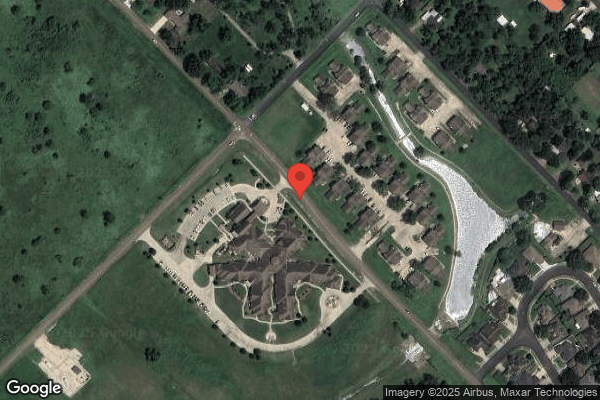
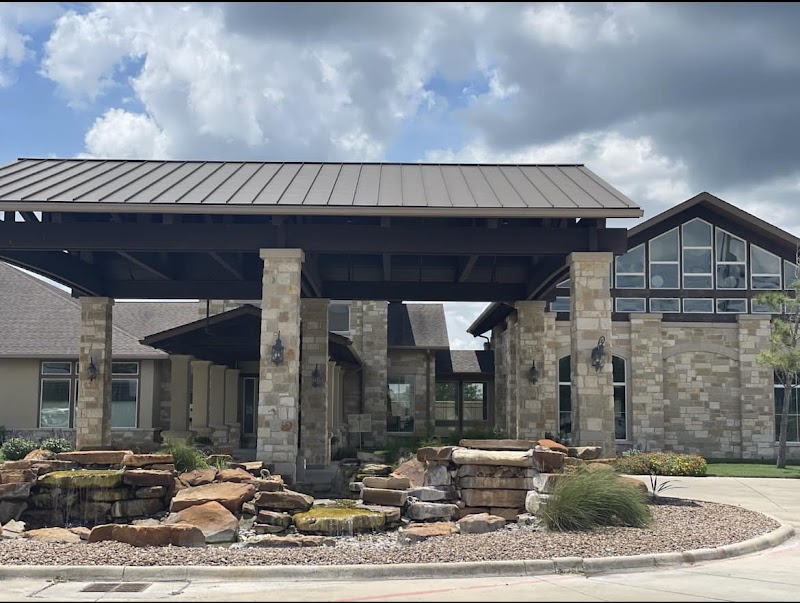
1301 MALLETTE DRIVE, VICTORIA, TX 77904 (361) 576-9454
For profit - Corporation 90 Beds CREATIVE SOLUTIONS IN HEALTHCARE Data: November 2025
Trust Grade
55/100
#600 of 1168 in TX
Last Inspection: April 2025

Within standard 12-15 month inspection cycle. Federal law requires annual inspections.

Overview

Twin Pines North Nursing and Rehabilitation Center has a Trust Grade of C, which means it is average and falls in the middle of the pack among nursing homes. It ranks #600 out of 1168 facilities in Texas, placing it in the bottom half, and is #3 out of 4 in Victoria County, indicating there is only one other local option that is better. The facility is showing signs of improvement, with the number of issues decreasing from 13 in 2024 to 7 in 2025. However, staffing is a significant concern, rated at just 1 out of 5 stars, and the turnover rate is 60%, which is higher than the Texas average of 50%. On a positive note, there have been no fines reported, which is a good sign. Yet, recent inspector findings highlighted several issues, such as failures in accurately documenting medical records, improper hand hygiene practices by staff during care, and a lack of qualified personnel in the food and nutrition services department, which could pose risks to residents' health and safety.

Trust Score
C
55/100
In Texas
#600/1168
Bottom 49%
Safety Record
Low Risk
No red flags
Inspections
Getting Better
13 → 7 violations
Staff Stability
⚠ Watch
60% turnover. Above average. Higher turnover means staff may not know residents' routines.
Penalties
✓ Good
No fines on record. Clean compliance history, better than most Texas facilities.
Skilled Nurses
⚠ Watch
Each resident gets only 16 minutes of Registered Nurse (RN) attention daily — below average for Texas. Fewer RN minutes means fewer trained eyes watching for problems.
Violations
⚠ Watch
23 deficiencies on record. Higher than average. Multiple issues found across inspections.
★★★☆☆
3.0
Overall Rating
★☆☆☆☆
1.0
Staff Levels
★★★☆☆
3.0
Care Quality
★★★★☆
4.0
Inspection Score
Stable
2024: 13 issues
2025: 7 issues

The Good

  • Full Sprinkler Coverage · Fire safety systems throughout facility
  • No fines on record

Facility shows strength in fire safety.

The Bad

3-Star Overall Rating

Near Texas average (2.8)

Meets federal standards, typical of most facilities

Staff Turnover: 60%

14pts above Texas avg (46%)

Frequent staff changes - ask about care continuity

Chain: CREATIVE SOLUTIONS IN HEALTHCARE

Part of a multi-facility chain

Ask about local staffing decisions and management

Staff turnover is elevated (60%)

12 points above Texas average of 48%

The Ugly 23 deficiencies on record

Sept 2025 1 deficiency
CONCERN (D) 📢 Someone Reported This

A family member, employee, or ombudsman was alarmed enough to file a formal complaint

Potential for Harm - no one hurt, but risky conditions existed

Medical Records (Tag F0842)

Could have caused harm · This affected 1 resident

**NOTE- TERMS IN BRACKETS HAVE BEEN EDITED TO PROTECT CONFIDENTIALITY** Based on observation, interview, and record review, the facility failed to maintain medical records, in accordance with accepted...

Read full inspector narrative →
**NOTE- TERMS IN BRACKETS HAVE BEEN EDITED TO PROTECT CONFIDENTIALITY** Based on observation, interview, and record review, the facility failed to maintain medical records, in accordance with accepted professional standards and practices, which are complete and accurately documented for 1 of 4 residents (Resident #1) reviewed for documentation. LVN B inaccurately documented on Resident #1's TAR that his BiPAP was removed on 9/16/25 in the morning. This failure could place residents at risk for inaccurately documented interventions, monitoring, and information provided to the interdisciplinary team. The findings were: Record review of Resident #1 's face sheet, dated 9/18/25, reflected the resident was admitted to the facility on [DATE]. Resident #1 had diagnoses which included: acute and chronic respiratory failure with hypercapnia (too much CO2 (carbon) in the bloodstream) [primary], congestive heart failure, obesity, end stage renal disease, hypertensive heart disease, sleep apnea (sleep disorder where breathing stops and starts), and COPD (lung disease). Record review of Resident#1's admissions MDS, dated [DATE], reflected a BIMS score of 9, indicative of moderate impairment in cognition. Record review of Resident#1's Physician' Orders, dated August 2025 revealed: connect resident to BiPAP machine when sleeping and napping; and Remove BIPAP upon waking up. Record review of Resident #1's TAR dated September 2025 reflected the BiPAP machine was removed every morning upon the resident waking up for the period September 1 to September 16, 2025. On 9/16/25, LVN B documented the removal of Resident #1's BiPAP in the AM. Record review of Resident #1's Care Plan, undated revealed, the goal of respiratory care. The CP stated the resident required the BiPAP related to sleep apnea, morbid obesity with hypoventilation. Further review revealed the care plan noted, resident removes BIPAP per personal preference, and nursing staff were required to monitor saturation as ordered and the resident was to use the BiPAP as ordered. Record review of Resident#1's Nurse Note, dated 9/15/25 at 11:09 PM authored by LVN B, reflected: resident was upset, refused his medications, broke his cane, and threw his BiPAP machine to the floor. LVN B documented the BiPAP machine would not turn on, and the resident remained on continuous O2 through the nasal cannula. LVN B further documented that the resident was alert and oriented. During an interview with LVN A on 9/18/25 at 11:32 AM, LVN A stated, based on the nurse note dated 9/15/25 at 11:09 PM authored by LVN B, the resident threw the BiPAP on the floor and went to sleep without a BiPAP. LVN A stated per the nurse note revealed the resident was on continuous O2. LVN A stated the TAR documented by LVN B reflected removal of the resident's BiPAP in the morning. LVN A stated the resident claimed the BiPAP was not present the night of 9/15/25 but the TAR reflected the BiPAP was removed in the morning. Attempted interview on 9/18/25 at 2:03 PM with Resident #1 was unsuccessful. During an interview with the DON on 9/18/25 at 3:46 PM, the DON stated the nurse note dated 9/15/25 at 11:09 PM authored by LVN B reflected Resident #1 threw his BiPAP on the floor and refused to put it on. The DON stated, LVN B inaccurately documented on the TAR that the BiPAP was removed in the morning. The DON stated she could not explain the inaccurate documentation of the TAR by LVN B. During an interview with LVN B on 9/19/25 at 10:18 AM, LVN B stated she was the night nurse for Resident #1 on 9/15/25. LVN B stated on 9/15/25 around 11:00 PM the resident got upset and threw his BiPAP on the floor. LVN B stated the BiPAP was not re-connected to the resident and continuous O2 remained in place on the resident through a nasal cannula the entire time. LVN B stated she inaccurately charted on Resident #1's TAR that she removed the resident's BiPAP in the morning on 9/16/25. LVN B stated that she should have charted removing Resident #1's nasal canula and replacing it. During an interview with the DON on 9/19/25 at 11:18 AM, The DON stated the TAR for Resident #1 should document per MD order when the BiPAP was removed when the resident was awakened. The DON confirmed LVN B inaccurately documented in the TAR the removal of Resident #1's BiPAP in the morning on 9/16/25. The DON stated she trusted that nurses accurately documented in the clinical record and by exception would check when inaccurate documentation was noted in the clinical record. During an interview with the Administrator on 9/19/25 at 11:35 AM, the Administrator stated resident records needed to be accurate to reflect care and services given. Record review of the facility's policy titled, Documentation, undated, revealed, The facility will maintain complete and accurate documentation for each resident on all appropriate clinical record sheets.
Apr 2025 6 deficiencies
CONCERN (D) 📢 Someone Reported This

A family member, employee, or ombudsman was alarmed enough to file a formal complaint

Potential for Harm - no one hurt, but risky conditions existed

Deficiency F0558 (Tag F0558)

Could have caused harm · This affected 1 resident

**NOTE- TERMS IN BRACKETS HAVE BEEN EDITED TO PROTECT CONFIDENTIALITY** Based on observations, interviews, and record review, the facility failed to ensure residents had the right to reside and receiv...

Read full inspector narrative →
**NOTE- TERMS IN BRACKETS HAVE BEEN EDITED TO PROTECT CONFIDENTIALITY** Based on observations, interviews, and record review, the facility failed to ensure residents had the right to reside and receive services in the facility with reasonable accommodation of resident needs and preferences except when to do so would endanger the health or safety of the resident or other residents for 1 of 8 residents (Resident #274) reviewed for accommodation of needs. The facility failed to ensure Resident #274's call light was within reach while he was lying on his bed in his room on 04/06/2025 at 11:45 a.m. This failure could place residents at risk for delay in care and services, and increased risk of falls and injuries. The findings included: Record review of Resident # 274's admission Record dated 04/07/2025 revealed he was a [AGE] year-old man initially admitted to the facility on [DATE] and re-admitted on [DATE] with diagnoses which included: Dementia (a general term for loss of memory, language, problem-solving and other thinking abilities); Legal blindness; acquired absence of right leg above knee; and acquired absence of left leg below knee. Record review of Resident #274's 5-day MDS assessment dated [DATE] revealed a BIMS score of 03, indicating severe cognitive impairment. Further review revealed Resident #274 was assessed as being dependent for all his hygiene, dressing and transfer needs, and required use of a mechanical lift for transfers. Record review of Resident #274's Care Plan initiated 01/28/2025 revealed he had impaired cognitive function/dementia, impaired visual function and had a communication problem, with interventions which included Ensure/provide a safe environment: Call light in reach . Observation and Interview of Resident #274 in his room on 04/06/2025 at 11:45 a.m. revealed his call light was looped over and behind the bed frame at head of his bed, not within reach of Resident #274. Resident #274 was only able to answer in one-word answers to questions and when asked if he could use his call light, Resident #274 moved his hand around on the bed as if looking for the call light, then stopped, but did not answer. During an observation and interview with LVN-I in Resident #274's room on 04/06/2025 at 11:49 a.m., LVN-I stated they had just cleaned and changed Resident #274 earlier that morning and must have moved the call light out of the way while they were cleaning him and forgot to replace the call light within his reach afterwards. LVN-I removed the call light from the bed frame at head of bed and secured it to the linens next to Resident #274's hand. LVN-I stated Resident #274 had a visual impairment and needed total care, and without his call light in reach would not be able to call for help if needed. During an interview with the Regional Compliance Nurse on 04/06/2025 at 11:52 a.m., she stated that Resident #274's call light should have been replaced and secured within his reach after they had completed cleaning and changing him and before leaving the room. The Regional Compliance Nurse stated that without his call light in reach, Resident #274 would not be able to call for help. During a follow-up interview with the Regional Compliance Nurse and the DON on 04/08/2025 at 4:30 p.m., the Regional Compliance Nurse stated the facility does not have a policy on Call Lights.
CONCERN (D) 📢 Someone Reported This

A family member, employee, or ombudsman was alarmed enough to file a formal complaint

Potential for Harm - no one hurt, but risky conditions existed

Comprehensive Care Plan (Tag F0656)

Could have caused harm · This affected 1 resident

Based on interviews and record reviews the facility failed to review and revise a comprehensive person-centered care plan for each resident, consistent with the resident rights, that included measurab...

Read full inspector narrative →
Based on interviews and record reviews the facility failed to review and revise a comprehensive person-centered care plan for each resident, consistent with the resident rights, that included measurable objectives and timeframes to meet a resident's medical, nursing, and mental and psychosocial needs that were identified in the comprehensive assessment for 1 of 26 residents (Resident #126) reviewed for care plans. The facility failed to revise a care plan to address Resident #126's oxygen usage. This failure could have placed residents at risk of not having their needs identified and met. The findings were: Record review of Resident #126's face sheet, dated 4/9/25, revealed an original admission date of 1/18/23 with diagnoses that included: cerebral infarction (a condition in which blood flow to the brain is blocked), atherosclerotic heart disease (a condition in which there is damage to the major blood vessels of the heart), and type 2 diabetes (a condition in which the body has trouble controlling the blood sugar). Record review of Resident's #126's re-admission MDS assessment, dated 2/7/25, revealed a BIMS score of 14 which indicated intact cognition. Record review of Resident #126's Physician's orders initiated on 2/7/25 revealed Resident #126 could receive oxygen up to 5 liters as needed. Record review of Resident #126's ongoing care plan initiated on 2/10/25 revealed that the Resident's oxygen's use was not documented in the care plan. During an interview with MDS LVN-D on 4/9/25 at 10:00am she stated Resident # 126's oxygen use was not documented on his current care plan. She stated having the oxygen usage on the care plan was important for care staff to be aware of the resident's care needs so that the needs are met. During an interview with the ADON on 4/9/25 at 10:20 a.m., she stated Resident #126's oxygen's use was not documented on his current care plan. She stated the Resident's oxygen usage should have been documented on the resident's care plan and it had been omitted. She stated that having this information documented on the resident's care plan by nursing staff would allow the resident care needs to be met. Record review of the facility's policy titled Comprehensive Care Planning-GP-MC 03-18.0 in the Nursing Policy and Procedure Manual that was undated revealed The resident's care plan will be reviewed after each Admission, Quarterly, Annual and/or Significant Change MDS assessment and revised based on changing goals, preferences and needs of the resident and in response to current interventions.
CONCERN (D) 📢 Someone Reported This

A family member, employee, or ombudsman was alarmed enough to file a formal complaint

Potential for Harm - no one hurt, but risky conditions existed

Respiratory Care (Tag F0695)

Could have caused harm · This affected 1 resident

**NOTE- TERMS IN BRACKETS HAVE BEEN EDITED TO PROTECT CONFIDENTIALITY** Based on observation, interview, and record review, the facility failed to ensure that a resident who needed respiratory care wa...

Read full inspector narrative →
**NOTE- TERMS IN BRACKETS HAVE BEEN EDITED TO PROTECT CONFIDENTIALITY** Based on observation, interview, and record review, the facility failed to ensure that a resident who needed respiratory care was provided such care, consistent with professional standards of practice for 1 of 2 residents (Resident # 274) reviewed for respiratory care. The facility failed to ensure Resident #274's oxygen was set at the correct oxygen setting of 3 L/min as ordered by the physician, instead of 10 L/min, which it was set at on 04/06/2025 at 11:45 a.m. This failure could place resident at risk of developing respiratory complications, and experiencing adverse side effects. The findings included: Record review of Resident # 274's admission Record dated 04/07/2025 revealed he was a [AGE] year old man initially admitted to the facility on [DATE] and re-admitted on [DATE] with diagnoses which included: Chronic obstructive Pulmonary Disease (COPD - a group of lung disease that block airflow and make it difficult to breathe). Record review of Resident #274's 5-day MDS assessment dated [DATE] revealed a BIMS score of 03, indicating severe cognitive impairment. Further review revealed Resident #274 was assessed as being dependent for all his hygiene, dressing and transfer needs. Record review of Resident #274's Care Plan initiated 01/28/2025 revealed he had impaired cognitive function/dementia, impaired visual function and had oxygen via nasal prongs at 3-4 L/min. The Care Plan also addressed his removal of his oxygen at times with interventions to notify the Nurse if the oxygen was off the resident. Record review of Resident #274's Order Summary Report dated 04/07/2025 revealed orders for: - May use oxygen @ 3-4 l/m via nasal canula every shift related to CHRONIC OBSTRUCTIVE PULMONARY DISEASE; and -O2 at (3-4) liters per (NASAL CANULA) Observation and Interview of Resident #274 in his room on 04/06/2025 at 11:45 a.m. revealed his nasal canula was around his neck, resting on his chest, with the nasal prongs at the back of his head. Observation of his oxygen concentrator revealed his oxygen was set at 10 L/min. Resident #274 did not appear to be in any distress or have any difficulty breathing, and was able to verbally state no when asked if he was having trouble breathing or having shortness of breath. During an observation and interview with LVN-E in Resident #274's room on 04/06/2025 at 11:49 a.m., LVN-E stated Resident #274 will sometimes remove his oxygen tubing and stated they had just cleaned and changed Resident #274 earlier that morning and he had the nasal canula on then. LVN-E proceeded to correctly place the nasal canula on Resident #274, and then after being asked what setting his oxygen was supposed to be set at, she stated 3 liters and checked his oxygen setting, and stated it had been set at 10 L/min, and immediately changed the setting to 3 L/min. LVN-E stated that sometimes Resident #274's family member will increase his oxygen setting thinking he needs more oxygen, but stated she had not seen Resident #274's family member there that morning and could not remember if she had checked his oxygen setting after cleaning him earlier that morning. LVN-E stated that with his oxygen setting set to 10 L/min and no humidification, it could have dried out his nasal membranes and caused nose bleeds. During an interview on 04/06/2025 at 11:52 a.m. with the Regional Compliance Nurse, she stated that Resident #274's oxygen should not have been set at 10 L/min, and that the Nurse should check his oxygen setting each time she works with the resident and check his oxygen saturation levels at least once per shift and as needed. The Regional Compliance Nurse further stated she will address the oxygen setting with the Nurse and noted that humidification was not needed for oxygen settings less than 4 L/min. Observation of Resident #274's room on 04/07/2025 at 3:11 p.m. revealed Resident #274's nasal canula was dangling off the side of the bed, and his oxygen was set at 3 L/min. The DON entered the room, observed the nasal canula dangling off the side of the bed, and she stated that he frequently removes his nasal canula. The DON obtained a pulse oximeter (device used to measure saturation of oxygen in a person's blood) to check his oxygen saturation level and stated it was 98% on room air, within normal limits. The DON stated she would contact the doctor to see if Resident #274 needed to continue to receive oxygen therapy since he was maintaining adequate oxygen saturation levels without the oxygen. Record review of the facility policy titled Oxygen Administration revised 03/21/2023, revealed The amount of oxygen by percent of concentration of L/min, and the method of administration, is ordered by the physician. The administration, monitoring of responses, and safety precautions associated with it are performed by the nurse. Further review revealed Turn on oxygen after properly setting for volume and place device in position.
CONCERN (D) 📢 Someone Reported This

A family member, employee, or ombudsman was alarmed enough to file a formal complaint

Potential for Harm - no one hurt, but risky conditions existed

Pharmacy Services (Tag F0755)

Could have caused harm · This affected 1 resident

**NOTE- TERMS IN BRACKETS HAVE BEEN EDITED TO PROTECT CONFIDENTIALITY** Based on interview, and record review the facility failed to provide pharmaceutical services (including procedures that assure t...

Read full inspector narrative →
**NOTE- TERMS IN BRACKETS HAVE BEEN EDITED TO PROTECT CONFIDENTIALITY** Based on interview, and record review the facility failed to provide pharmaceutical services (including procedures that assure the accurate acquiring, receiving, dispensing, and administering of all drugs and biologicals) to meet the needs of each resident for 1 of 5 residents (Resident #53) reviewed for pharmacy services. The facility failed to ensure Resident #53's Insulin Lispro was acquired and available per physician's orders. This failure could place residents at risk of not receiving their prescribed medications and a decreased quality of life. The findings included: Record review of Resident # 53's admission Record dated 04/07/2025 revealed a [AGE] year-old man admitted to the facility on [DATE] and re-admitted [DATE] with diagnosis of Type 2 diabetes mellitus (happens when the body cannot use insulin correctly and sugar builds up in the blood). Record review of Resident #53's 5-day MDS assessment dated [DATE] revealed he had a BIMS score of 15 indicating intact cognition and was assessed as having Diabetes Mellitus and receiving insulin injections. Record review of Resident #53's Care Plan initiated 03/07/2025 revealed he had Diabetes Mellitus with interventions for diabetes medication as ordered by the doctor. Record review of Resident #53's Order Summary Report dated 04/07/2025 revealed an order for Insulin Lispro Injection Solution 100 UNIT/ML (Insulin Lispro) inject as per sliding scale: if 150-199=1 UNIT; 200-249= 2 UNITS; 250-299=3 UNITS; [PHONE NUMBER]=4 UNITS, subcutaneously before meals and at bedtime related to TYPE 2 DIABETES MELLITUS WITHOUT COMPLICATIONS . During an observation on 04/07/2025 at 04:41 p.m., LVN-C was observed to administer 2 units of Insulin Lispro into Resident #53's left deltoid (upper arm) with an Insulin Lispro pen labeled with a pharmacy label for Resident #274. Further observation of the Insulin Lispro pen revealed that the pharmacy label with Resident #274's name was on the lower end of the insulin pen and handwritten on the outside of the cap of the insulin pen, in black permanent marker was Resident #53's last name. During an interview with LVN-C on 04/07/2025 at 4:46 p.m. LVN-C stated she used Resident #274's Insulin Lispro pen for Resident #53, because Resident #53 was out of his insulin Lispro, but it was the same medication, and she did not want Resident #53 to go without his insulin. She stated she had checked the extra supply in the refrigerator in the medication room and Resident #53 did not have any Insulin Lispro there, and when she checked the order for his medication found it was supposed to be delivered later that night, but since his insulin was due before evening meal and he did not have any, she used the Insulin Lispro pen labeled for Resident #274 to administer insulin to Resident #53 because it was the same type insulin that Resident #53 receives. She stated she sanitized and put a new pen needle on the pen and wrote Resident #53's last name on the cap of the pen. The Regional Compliance Nurse approached during this interview and when shown the Insulin Lispro pen, she stated LVN-C should not have used an insulin pen labeled for one resident to be used for a different resident, even if it was the same medication. She stated this could result in Resident #247 running out of his medication early and stated that LVN-C should have used insulin from the stat-safe (an emergency kit that contains a small quantity of medications that can be dispensed when pharmacy services not available). During a joint interview with the DON and Regional Compliance Nurse on 04/08/2025 at 3:00 p.m., the DON stated that each Nurse is responsible for ordering medications when they see that the medication is starting to get low. The DON noted that when insulin is given per sliding scale, the amount of insulin administered varies, and this can make knowing when to re-order difficult, but stated that each insulin pen is only good for 30 days after it is opened. The Regional Compliance Nurse stated that they would need to review their medication order procedure. Record review of the facility policy titled Medication Administration Procedures revised 10/25/2017 revealed the following: - Medications prescribed for one resident are not to be administered to any other resident; and - It is prohibited from borrowing one resident's medication to be used for a different resident.
CONCERN (D) 📢 Someone Reported This

A family member, employee, or ombudsman was alarmed enough to file a formal complaint

Potential for Harm - no one hurt, but risky conditions existed

Deficiency F0761 (Tag F0761)

Could have caused harm · This affected 1 resident

**NOTE- TERMS IN BRACKETS HAVE BEEN EDITED TO PROTECT CONFIDENTIALITY** Based on observations, interviews, and record review the facility failed to ensure that all drugs and biologicals used in the fa...

Read full inspector narrative →
**NOTE- TERMS IN BRACKETS HAVE BEEN EDITED TO PROTECT CONFIDENTIALITY** Based on observations, interviews, and record review the facility failed to ensure that all drugs and biologicals used in the facility were labeled and stored in accordance with professional standards for 1 of 5 residents (Resident #53) reviewed for pharmacy services. The facility failed to ensure LVN C did not handwrite Resident #53's last name on the cap of an Insulin Lispro pen (a rapid-acting insulin used to lower blood sugar levels in people with diabetes) which was labeled with a pharmacy label for a different resident (Resident #274) and administer insulin from that Insulin Lispro pen labeled for Resident #274 to Resident #53. This failure could affect residents prescribed medications in the facility and place them at risk for not receiving the correct medications due to incorrect labelling or not having their medications available when needed. Findings Included: Record review of Resident # 53's admission Record dated 04/07/2025 revealed a [AGE] year-old man admitted to the facility on [DATE] and re-admitted [DATE] with diagnosis of Type 2 diabetes mellitus (happens when the body cannot use insulin correctly and sugar builds up in the blood). Record review of Resident #53's 5-day MDS assessment dated [DATE] revealed he had a BIMS score of 15 indicating intact cognition, and was assessed as having Diabetes Mellitus and receiving insulin injections. Record review of Resident #53's Care Plan initiated 03/07/2025 revealed he had Diabetes Mellitus with interventions for diabetes medication as ordered by the doctor. Record review of Resident #53's Order Summary Report dated 04/07/2025 revealed an order for Insulin Lispro Injection Solution 100 UNIT/ML (Insulin Lispro) inject as per sliding scale: if 150-199=1 UNIT; 200-249= 2 UNITS; 250-299=3 UNITS; [PHONE NUMBER]=4 UNITS, subcutaneously before meals and at bedtime related to TYPE 2 DIABETES MELLITUS WITHOUT COMPLICATIONS . During an observation on 04/07/2025 at 04:41 p.m., LVN-C was observed to administer 2 units of Insulin Lispro into Resident #53's left deltoid (upper arm) with an Insulin Lispro pen labeled with a pharmacy label for Resident #274. Further observation of the Insulin Lispro pen revealed that the pharmacy label with Resident #274's name was on the lower end of the insulin pen and handwritten on the outside of the cap of the insulin pen, in black permanent marker was Resident #53's last name. During an interview with LVN-C on 04/07/2025 at 4:46 p.m. LVN-C stated she used Resident #274's Insulin Lispro pen for Resident #53, because Resident #53 was out of his insulin Lispro, but it was the same medication, and she did not want Resident #52 to go without his insulin. She stated she had checked the extra supply in the refrigerator in the medication room and Resident #53 did not have any Insulin Lispro there, and when she checked the order for his medication found it was supposed to be delivered later that night, but since his insulin was due before evening meal and he did not have any, she used the Insulin Lispro pen labeled for Resident #274 to administer insulin to Resident #53 because it was the same type insulin that Resident #53 receives. She stated she sanitized and put a new pen needle on the pen and wrote Resident #53's last name on the cap of the pen. The Regional Compliance Nurse approached during this interview and when shown the Insulin Lispro pen, she stated LVN-C should not have used an insulin pen labeled for one resident to be used for a different resident, even if it was the same medication. She stated this could result in Resident #247 running out of his medication early and stated that LVN-C should have used insulin from the stat-safe (an emergency kit that contains a small quantity of medications that can be dispensed when pharmacy services not available). Record review of the facility policy titled Medication Administration Procedures revised 10/25/2017 revealed the following: - Medications prescribed for one resident are not to be administered to any other resident; and - It is prohibited from borrowing one resident's medication to be used for a different resident.
CONCERN (D) 📢 Someone Reported This

A family member, employee, or ombudsman was alarmed enough to file a formal complaint

Potential for Harm - no one hurt, but risky conditions existed

Infection Control (Tag F0880)

Could have caused harm · This affected 1 resident

**NOTE- TERMS IN BRACKETS HAVE BEEN EDITED TO PROTECT CONFIDENTIALITY** Based on observation, interview, and record review, the facility failed to establish and maintain an infection control program d...

Read full inspector narrative →
**NOTE- TERMS IN BRACKETS HAVE BEEN EDITED TO PROTECT CONFIDENTIALITY** Based on observation, interview, and record review, the facility failed to establish and maintain an infection control program designed to provide a safe, sanitary, and comfortable environment and to help prevent the development of communicable diseases and infections for 2 of 7 residents (Residents #52 and #53) reviewed for infection control. 1. The facility failed to ensure CNA A and CNA B wore gowns while in providing care to Resident #52 who was on EBP. 2. The facility failed to ensure LVN C did not administer insulin Lispro (a rapid-acting insulin used to lower blood sugar levels in people with diabetes) to Resident #53, from an insulin pen labelled for a different resident (Resident #274). These failures could place residents at risk for cross contamination and infection. The finding included: 1. Record review of Resident #52's admission Record, dated 04/08/2025, revealed a [AGE] year-old male admitted on [DATE] with re-admission on [DATE] with diagnoses which included: Dementia (a group of symptoms affecting memory, thinking, and social abilities, which interfere with daily life); Injury of Urethra (tube that carries urine from bladder out of the body); Urinary Tract Infection (a bacterial infection that occurs in any part of the urinary system); Obstructive and Reflux Uropathy (condition characterized by urinary tract blockage and/or backflow of urine). Record review of Resident #52's 5-day MDS assessment dated [DATE] revealed the resident had a BIMS score of 09 indicating Moderate Cognitive Impairment, and was assessed as having an indwelling catheter. Record review of Resident #52's care plan initiated 01/13/2025 revealed the resident had an indwelling catheter and was on enhanced barrier precautions with interventions which included Gloves and gown should be donned if any of the following activities are to occur: toileting/incontinent care .catheter care. Record review of Resident #52's Order Summary Report dated 04/08/2025 revealed orders which included: - Provide catheter care every shift related to URINARY TRACT INFECTION, SITE NOT SPECIFIED (order date 02/27/2025) - ENHANCED BARRIER PRECAUTIONS (order date 02/28/2025) Observation on 04/08/2025 at 10:50 a.m. revealed CNA-A and CNA-B sanitized their hands and put on gloves to perform peri-care and catheter care for Resident #52 but did not wear a gown. There was an EBP sign posted on entrance door to Resident #52's room and a supply of PPE next to the door. During a joint interview on 04/08/2025 at 11:03 a.m. with CNA-A and CNA-B, both stated they had received training on EBP, and knew they were supposed to put on both a gown and gloves when working directly with any resident with a catheter but had just gotten nervous and forgot. CNA-A stated that by not following EBP, it could result in spread of germs and infection. During an interview with the DON on 04/08/2025 at 11:47 a.m., the DON stated that both CNA's should have followed EBP by wearing both a gown and gloves to provide foley care to Resident #52, and that both CNA's had received training on infection control including EBP. The DON stated that not following EBP could increase the risk of the spread of infection. Record review of the facility policy titled Enhanced Barrier Precautions and dated 04/01/2024 revealed: - EBP are used in conjunction with standard precautions and expand the use of PPE to donning of gown and gloves during high-contact resident care activities that provide opportunities for transfer of MDRO's to staff hands and clothing; and - EBP are indicated for resident with any of the following . Wounds and/or indwelling medical devices even if the resident is not known to be infected or colonized with a MDRO. 2. Record review of Resident # 53's admission Record dated 04/07/2025 revealed a [AGE] year old man admitted to the facility on [DATE] and re-admitted [DATE] with diagnoses of Type 2 diabetes mellitus (happens when the body cannot use insulin correctly and sugar builds up in the blood). Record review of Resident #53's 5-day MDS assessment dated [DATE] revealed he had a BIMS score of 15 indicating intact cognition, and was assessed as having Diabetes Mellitus and receiving insulin injections. Record review of Resident #53's Care Plan initiated 03/07/2025 revealed he had Diabetes Mellitus with interventions for diabetes medication as ordered by the doctor. Record review of Resident #53's Order Summary Report dated 04/07/2025 revealed an order for Insulin Lispro Injection Solution 100 UNIT/ML (Insulin Lispro) inject as per sliding scale: if 150-199=1 UNIT; 200-249= 2 UNITS; 250-299=3 UNITS; [PHONE NUMBER]=4 UNITS, subcutaneously before meals and at bedtime related to TYPE 2 DIABETES MELLITUS WITHOUT COMPLICATIONS . During an observation on 04/07/2025 at 04:41 p.m., LVN-C was observed to administer 2 units of Insulin Lispro into Resident #53's left deltoid (upper arm) with an Insulin Lispro pen labelled for Resident #274. Further observation of the Insulin Lispro pen revealed that the pharmacy label with Resident #274's name was on the lower end of the insulin pen and handwritten on the outside of the cap of the insulin pen, in black permanent marker was Resident #53's last name. During an interview with LVN-C on 04/07/2025 at 4:46 p.m. LVN-C stated she used the Insulin Lispro pen for Resident #274 for Resident #53, because Resident #53 was out of his insulin Lispro, but it is the same medication, and she did not want Resident #52 to go without his insulin. She stated she had checked the extra supply in the refrigerator in the medication room and Resident #53 did not have any Insulin Lispro there, and when she checked the order for his medication found it was supposed to be delivered later that night, but since his insulin was due before evening meal and he did not have any, she used the Insulin Lispro pen labelled for Resident #274 to administer insulin to Resident #53 because it was the same type insulin that Resident #53 receives. She stated she sanitized and put a new pen needle on the pen and wrote Resident #53's last name on the cap of the pen. While conducting the interview with LVN-C on 04/07/2025 at 4:46 p.m., the Regional Compliance Nurse approached and when shown the Insulin Lispro pen labelled for Resident #247, but was used to administer insulin to Resident #53, she stated that LVN-C should not have used an insulin pen labelled for one resident to be used for a different resident, even if it was the same medication. She stated that this could result in Resident #247 running out of his medication early and stated that LVN-C should have used insulin from the stat-safe (an emergency kit that contains a small quantity of medications that can be dispensed when pharmacy services not available). During further interview with the Regional Compliance Nurse on 04/09/2025 at 12:31 p.m. the Regional Compliance Nurse stated that the same insulin pen should not be used for 2 different residents as it could result in spread of infection. Record review of the Nurse Proficiency Audit for LVN-C dated 4/1/2025 revealed LVN-C was assessed as satisfactory for tasks which included: Administers medications properly and Infection Control prevents cross contamination. Record review of the facility policy titled Medication Administration Procedures revised 10/25/2017 revealed the following: - Medications prescribed for one resident are not to be administered to any other resident; and - It is prohibited from borrowing one resident's medication to be used for a different resident. Record review of an article titled Sharing Insulin Pens: Are You Putting Patients at Risk? dated 10/15/2013 at https://pmc.ncbi.nlm.nih.gov/articles/PMC3816894/ revealed Backflow of blood and other biologic material into the insulin cartridge or reservoir can occur after injection (1). For this reason, insulin pens, like other injection devices, must never be used by more than one person.
Aug 2024 1 deficiency
CONCERN (D) 📢 Someone Reported This

A family member, employee, or ombudsman was alarmed enough to file a formal complaint

Potential for Harm - no one hurt, but risky conditions existed

Medical Records (Tag F0842)

Could have caused harm · This affected 1 resident

**NOTE- TERMS IN BRACKETS HAVE BEEN EDITED TO PROTECT CONFIDENTIALITY** Based on interview and record review, the facility failed to maintain clinical records on each resident that were complete and a...

Read full inspector narrative →
**NOTE- TERMS IN BRACKETS HAVE BEEN EDITED TO PROTECT CONFIDENTIALITY** Based on interview and record review, the facility failed to maintain clinical records on each resident that were complete and accurately documented in accordance with accepted professional standards and practices for 1 of 5 residents (Resident #5) reviewed for accuracy and completeness of clinical records, in that: The facility failed to accurately document Resident #5's wound care status in her wound administration record. This failure placed facility residents at risk for lack of wound care or incorrect wound care due to misinformation by incomplete and inaccurate medical records. Findings included: Record review of Resident #5's face sheet, dated 08/19/2024, revealed the resident was admitted to the facility on [DATE] with diagnoses which included: heart failure, end-stage renal disease with dialysis (kidney failure which required blood to be filtered several times a week by a special machine), protein-calorie malnutrition (insufficient intake to meet required body's nutritional needs for protein and calories causing weight loss and muscle loss), atherosclerotic heart disease (hardening of the arteries), atrial fibrillation (irregular heart beat), peripheral vascular disease (narrowing of the arteries to the hands and/or feet), cirrhosis of liver (liver disease that can lead to organ failure), and cardiac defibrillator (mechanical device implanted in the body to assist the heart with beating). Record review of Resident #5's admission MDS, dated [DATE], revealed a BIMS score of 12 out of 15, which indicated the was independent in making decisions, and the resident was admitted to the facility with a skin tear and 3 unstageable DTIs (form of pressure-induced damage to underlying tissues, which include muscles and bones while the skin surface remains intact). Record review of Resident #5's care plan revealed the resident had a skin tear to her left lower leg, and DTI to left lateral (outer) heel, right heel, and sacrum. Under interventions was listed, Administer treatments as ordered and monitor for effectiveness. Record review of Resident #5's Weekly-Ulcer Assessment, dated 07/19/24, for the Skin Tear on the resident's left lower extremity (leg) revealed she was admitted with skin tear, the physician was notified and gave an order to cleanse the skin tear to the left lower extremity with wound cleanser, pat dry with gauze, apply Therahoney to wound bed, cover with dressing, and wrap with kerlix every other day or as needed until resolved. Record review of Resident #5's Weekly-Ulcer Assessment, dated 07/19/24, for the DTI on the resident's right heel revealed she was admitted with DTI, the physician was notified and gave an order to cleanse the DTI to the right heel with wound cleanser, pat dry with gauze, apply skin prep, and leave open to air till resolved. Record review of Resident #5's Weekly-Ulcer Assessment, dated 07/19/24, for the DTI on the resident's left lateral heel revealed she was admitted with DTI, the physician was notified and gave an order to cleanse the DTI to the left heel with wound cleanser, pat dry with gauze, apply skin prep, and leave open to air till resolved. Record review of Resident #5's Weekly-Ulcer Assessment, dated 07/19/24, for the DTI on the resident's sacrum (area between the two hip bones to the lowest vertebra of the spine) revealed she was admitted with DTI, the physician was notified and gave an order to cleanse the DTI to the sacrum with wound cleanser, pat dry with gauze, apply skin prep, and leave open to air till resolved. Record review of Resident #5's Physician Order Summary report, dated 08/19/2024, revealed the following wound orders: - Cleanse skin tear to left lower extremity with wound cleanser, pat dry, pat dry with gauze, apply Therahoney to wound bed, cover with pad, wrap with kerlix every other day and as needed until resolved, with a start date of 07/19/2024. - Cleanse DTI to left lateral heel with wound cleanser, pat dry with gauze, apply skin prep, leave open to air every day until resolved, with a start date of 07/19/2024. - Cleanse DTI to right heel with wound cleanser, pat dry with gauze, apply skin prep, leave open to air every day until resolved, with a start date of 07/19/2024. - Cleanse DTI to sacrum with wound cleanser, pat dry with gauze, apply skin prep, leave open to air every day until resolved, with a start date of 07/19/2024. Record review of Resident #5's July 2024 WAR revealed wound care to the resident's skin tear to her left lower extremity, wound care to the DTIs on her left heel, right heel and sacrum were not documented as provided on 07/22/2024 and 07/28/2024. Further review revealed there was no documentation of if attempts to provide wound care to the resident were made on 07/22/2024 or 07/28/2024. During a telephone interview on 08/20/2024 from 12:17 p.m. to 12:40 p.m., LVN B stated she worked on 07/22/2024 and 07/28/2024. LVN B stated she only provided wound care to Resident #5 on 07/28/2024, could not remember if she documented the wound care was done on 07/28/2024 and did not know why she did not document on the WAR that wound care was provided to Resident #5 on 07/28/2024. During a telephone interview on 08/20/2024 at 2:29 p.m., the Interim DON stated she was the Interim DON from 06/01/2024 to 08/09/2024. The Interim DON stated she assisted LVN B with her workload by providing wound care to Resident #5 on a Monday (07/22/2024) and forgot to document that wound care was provided due to being so busy. During an interview on 08/20/2024 at 1:43 p.m., the Administrator stated wound care should be documented in the WAR after it had been completed. The Administrator stated just because wound care was not documented as being completed did not indicate that wound care was not provided to the resident. The Administrator stated that the nurse could have been busy and forgot to document that wound care was done and she could not think of any harm to the resident. During an interview on 08/20/2024 at 2:00 p.m., the Regional Compliance Nurse, who was the acting Interim DON, reviewed Resident #5's July 2024 WAR and verified wound care was not documented as provided to the resident on 07/22/2024 and 07/28/2024. The Regional Compliance Nurse stated wound care should be documented in the WAR after it was provided to residents and there would be no harm to the resident by not documenting it completed on the WAR. Record review of the undated Dressing Change Checklist policy revealed verifies orders for wound treatment from .chart documents procedures per facility policy.
May 2024 3 deficiencies
CONCERN (D) 📢 Someone Reported This

A family member, employee, or ombudsman was alarmed enough to file a formal complaint

Potential for Harm - no one hurt, but risky conditions existed

Deficiency F0882 (Tag F0882)

Could have caused harm · This affected 1 resident

Based on interview and record review, The facility failed to designate one or more individual(s) as the infection preventionist(s) had completed specialized training in infection prevention and contro...

Read full inspector narrative →
Based on interview and record review, The facility failed to designate one or more individual(s) as the infection preventionist(s) had completed specialized training in infection prevention and control for 1 of 1 Infection Preventionist (ADON A) reviewed for infection control training. The facility's Infection Preventionist did not have specialized infection control training. This failure could have placed the residents at risk for infectious outbreaks that may lead to decline in health. Findings included: Record review of email received on 5/11/24 at 3:58 pm from the Admin revealed Nursing Home Infection Preventionist Training Course for the Admin and the DON after investigator requested certification/training for ADON A. During an interview on 5/11/24 at 11:21 am LVN C said ADON A was responsible for infection control. During interview on 5/11/24 at 12:30 pm, ADON A said she was responsible for the facility's infection control. During an interview on 5/11/24 at 3:13 pm, ADON A said she was a certified Infection Preventionist but did not know where her certification was. ADON A further stated administration might have had a copy. During interview on 5/11/24 at 3:15 pm, the DON said ADON A was the infection preventionist and was certified. Record review of the facility's infection control policy titled, Infection Control Plan: Overview , dated 03/2024, revealed .Facility IP, DON, and Administrator will complete the CDC train course to provide initial and ongoing education of all healthcare workers in the theory and practice of infection control and prevention .
CONCERN (E) 📢 Someone Reported This

A family member, employee, or ombudsman was alarmed enough to file a formal complaint

Potential for Harm - no one hurt, but risky conditions existed

Medical Records (Tag F0842)

Could have caused harm · This affected multiple residents

**NOTE- TERMS IN BRACKETS HAVE BEEN EDITED TO PROTECT CONFIDENTIALITY** Based on interview, and record review, the facility failed to ensure resident medical records are kept in accordance with accept...

Read full inspector narrative →
**NOTE- TERMS IN BRACKETS HAVE BEEN EDITED TO PROTECT CONFIDENTIALITY** Based on interview, and record review, the facility failed to ensure resident medical records are kept in accordance with accepted professional standards and practices, the facility must maintain medical records on each resident that are complete and accurately documented for 4 of 10 residents (Residents #3, #4, #5, and #9) reviewed for clinical records, in that: 1. The facility failed to ensure Resident #3's wound care treatments as ordered by the physician were documented. 2. The facility failed to ensure Resident #3's weekly skin assessments were documented per facility policy on a weekly basis. 3. The facility failed to ensure Resident #4's weekly skin assessment was documented accurately on 5/1/24. 4. The facility failed to ensure Resident #5's weekly skin assessments were documented per facility policy on a weekly basis. 5. The facility failed to ensure Resident #9's wound care treatments as ordered by the physician were documented. 6. The facility failed to ensure Resident #9's weekly skin assessments were documented per facility policy on a weekly basis. These deficient practices could place residents at risk for improper care due to inaccurate records. Findings included: 1. Record review of Resident #3's admission Record, dated 5/8/24, revealed the resident was re-admitted to the facility on [DATE] with diagnoses which included: Pleural Effusion (buildup of fluid between the tissues that line the lungs) , Type 2 diabetes (condition in which the body has trouble controlling blood sugar and using it for energy) , Osteomyelitis (serious infection of the bone), and peripheral vascular disease (circulatory condition in which narrowed blood vessels reduce blood flow to the limbs). Record review of Resident #3's Care Plan, dated 12/5/23, revealed: The resident has an unstageable pressure ulcer to Lt. heel . Administer treatments as ordered . Record review of Resident #3's quarterly MDS assessment, dated 4/6/24, reflected the resident had a BIMS score of 15, suggesting intact cognition. Further review revealed the resident had an unstageable pressure ulcer. Record review of Resident #3's Order Summary Report, dated 5/8/24, revealed: Cleanse stage iv pressure ulcer to Lt. heel with wound cleanser, pat dry with 4x4 gauze, apply Therahoney to wound bed, apply Hydrofera Blue, cover with silicone foam dressing QOD &PRN every day shift every other day for Wound Care. Record review of Resident #3's April WAR revealed the resident did not have wound care to the pressure ulcer on the left heel documented on the following days: 4/7/24, 4/12/24, 4/14/24, and 4/18/24. Record review of Resident #3's May WAR revealed the resident did not have wound care to pressure ulcer to left heel documented on 5/4/24. Record review of Resident #3's progress notes revealed there was not documentation of wound care treatments on the above-mentioned dates. Attempted interview on 5/11/24 at 3:57 pm with LVN E was unsuccessful. 2. Record review of Resident #3's EMR revealed weekly skin assessments were not documented for the following dates: 2/28/24, 3/13/24, 3/27/24, and 4/24/24. 3. Record review of Resident #4's admission Record, dated 5/8/24, revealed the resident was re-admitted to the facility on [DATE] with diagnoses which included: Peripheral Vascular Disease (circulatory condition in which narrowed blood vessels reduce blood flow to the limbs), Chronic Kidney Disease (condition in which kidneys are damaged and cannot filter blood) , cognitive communication deficit (difficulty with thinking and language), Dementia (group of thinking and social symptoms that interferes with daily functioning) , Hemiplegia (paralysis of one side of the body) . Record review of Resident #4's comprehensive MDS assessment, dated 4/28/24, reflected the resident had a BIMS score of 14, suggesting intact cognition. Further review of this MDS revealed the did not have any arterial ulcers. Record review of Resident #4's Order Summary, dated 5/8/24, revealed: Cleanse arterial wound to Lt great toe with wound cleanser, pat dry with 4x4 gauze, apply betadine and LOTA QD till resolved. every day shift for Until Healed . Record review of Resident #4's Care Plan, dated 5/8/24, revealed The resident has arterial ulcer of the Lt. great toe r/t Vascular insufficiency . Record review of Resident #4's Initial Skin Assessment, dated 4/25/24, revealed .Left great toe around toenail bed has an infected/gangrene ulcer . Record review of Resident #4's Weekly Ulcer Assessment, dated 4/29/24, revealed Resident #4 had an arterial wound to the left great toe. Record review of Resident #4's Weekly Skin Assessment, dated 5/1/24, revealed the resident did not have any wounds. Record review of Resident #4's Weekly Ulcer Assessment, dated 5/6/24, revealed Resident #4 had an arterial wound to the left great toe. 4. Record review of Resident #5's admission Record, dated 5/8/24, revealed the resident was re-admitted to the facility on [DATE] with diagnoses which included: atrial fibrillation (An irregular, often rapid heart rate that commonly causes poor blood flow), Dysphagia (difficulty swallowing) , cognitive communication deficit (difficulty with thinking and language) , and Dementia (group of thinking and social symptoms that interferes with daily functioning). Record review of Resident #5's Care Plan, dated 6/20/23, revealed: .The resident with potential for pressure ulcer development . Record review of Resident #5's quarterly MDS assessment, dated 3/8/24, reflected the resident had a BIMS score of 10, suggesting moderate cognitive impairment. Record review of Resident #5's EMR revealed weekly skin assessments were not documented for the following dates: 2/6/24, 2/20/24, 3/5/24, 3/19/24, 4/2/24, 4/16/24, and 4/30/24. 5. Record review of Resident #9's admission Record, dated 5/8/24, revealed the resident was re-admitted to the facility on [DATE] with diagnoses which included: Cellulitis (common bacterial skin infection) of Left Lower Limb, Ulcer to Left Lower Leg, Reduced Mobility, Peripheral Vascular Disease (circulatory condition in which narrowed blood vessels reduce blood flow to the limbs), Pressure Ulcer of Left Heel and Dementia (group of thinking and social symptoms that interferes with daily functioning) . Record review of Resident #9's Care Plan, dated 6/5/23, revealed: The resident has unstageable pressure ulcer to Lt. heel .Has non-pressure wound to Lt. 2nd toe Administer treatments as ordered .The resident has Venous wound to LLL .Administer treatments as ordered . Record review of Resident #9's quarterly MDS assessment, dated 4/16/24, reflected the resident had a BIMS score of 10, suggesting moderate cognitive impairment. Further review revealed the resident had an unstageable pressure ulcer. Record review of Resident #9's Order Summary Report, dated 5/11/24, revealed: .Cleanse non-pressure wound to Lt. 2nd toe with wound cleanser, pat dry with 4x4 gauze, apply skin prep, LOTA QD till resolved. every day shift for Wound Care . Cleanse unstageable pressure ulcer to Lt. heel with wound cleanser, pat dry with 4x4 gauze, apply Santyl nickel thick to wound bed, cover with calcium alginate and 4x4 gauze, wrap with kerlix QD & PRN till resolved every day shift for Wound Care . Cleanse venous wound to Lt. lower leg with Anasept wound cleanser, pat dry with 4x4 gauze, cover with adaptic, collagen wound care, cover with calcium alginate and super absorbent pad, wrap with kerlix QD &PRN. every day shift for Wound Care . Cleanse skin tear to Lt. lower posterior leg with wound cleanser, pat dry with 4x4 gauze, apply Therahoney, cover with adaptic and wrap with kerlix QD till resolved. every day shift for Skin Tear .Discontinued . Record review of Resident #9's March WAR revealed the resident did not have wound care treatment to the left second toe, left lower posterior leg, unstageable pressure ulcer to left heel, and venous wound to left lower leg documented on the following days: 3/17/24, 3/24/24, 3/26/24, 3/30/24, and 3/31/24. Record review of Resident #9's April WAR revealed the resident did not have wound care treatment to the left second toe, left lower posterior leg, unstageable pressure ulcer to left heel, and venous wound to left lower leg documented on the following days: 4/8/24, 4/12/24, 4/13/24, and 4/14/24. Record review of Resident #9's May WAR revealed the resident did not have wound care treatment to the left second toe, unstageable pressure ulcer to left heel, and venous wound to left lower leg documented on the following days: 5/4/24 and 5/5/24. Record review of Resident #9's progress notes revealed there was documentation of wound care treatments on the above-mentioned dates. 6. Record review of Resident #9's EMR revealed weekly skin assessments were not documented for the following dates: 2/14/24, 2/28/24, 3/13/24, 3/20/24, and 4/24/24, and 5/8/24. During an interview on 5/8/24 at 12:51 pm, LVN C said she was unaware of Resident #3's and Resident #9's missed treatments. She stated one day Resident #3 was at dialysis and asked the floor nurse to complete the wound care treatment when he returned but could not recall what day. LVN C said she did not audit resident records, the ADONs were responsible for auditing resident records. LVN C said the charge nurses were responsible for completing wound care treatments on her days off. LVN C said she did not know why the treatments were missed. LVN C said she worked on 3/21/24 and 3/31/24 but worked on the floor passing medications. She added she also worked on 4/5/24, 4/12/24, and 4/18/24 but did not know what happened on those days. LVN C said weekly skin assessments were completed weekly and there was a schedule at the nurses' station. LVN C further stated nurses were to document all skin issues observed, adding alerts were triggered by PCC and this informed her if she needed to assess the resident further. LVN C said if the weekly skin assessments were not completed accurately, she may not receive alerts. LVN C said the charge nurses were responsible for completing weekly skin assessments every week. LVN C further stated she did not know why the weekly skin assessments were not completed for the above-mentioned residents. During an interview on 5/11/24 at 11:40 am, LVN D said when skin assessments were completed only new skin issues were supposed to be documented. LVN D further stated he documented anything he saw whether it was a new issue or not. During an interview on 5/11/24 at 12:30 pm, ADON A said nurses were alerted by PCC when a resident's weekly skin assessment was due. ADON A further stated she did not believe weekly skin assessments were completed for all residents and said she believed weekly skin assessments were only required for residents receiving skilled services. ADON A said she and ADON B were responsible for ensuring weekly skin assessments were completed. They were also responsible for auditing resident records, including treatments and assessments. ADON A further stated records were audited every morning and any missing documentation was brought to the nurses' attention for completion. ADON A said she was not aware of the missing treatments for Resident #3 and Resident #9, adding they were assigned to ADON B. ADON A further stated sometimes the nurses complete the treatments but did not document them and other times they missed the treatments and it was the responsibility of the ADONs to let the nurses know if something was red meaning it had not been completed, in the EMR. ADON A said she probably knew there were missing weekly skin assessments for residents mentioned above and probably told the nurses to follow up but that was a lot of follow ups. During an interview on 5/11/24 at 2:00 pm, ADON B said there was a list at each nurses' station that listed when weekly skin assessments were due and that skin assessments were to be completed weekly on all residents. ADON B further stated resident records were reviewed in the morning meetings every Monday - Friday and either she or ADON A attended these meetings; adding if there was anything that needed to be addressed, it was addressed. ADON B said the DON completed the audits and if she saw something missing throughout the day, this was brought to the attention of the ADONs and LVN C, adding that she became aware of missing documentation of the DON brought it to her attention. ADON B said the floor nurses were responsible for completing weekly skin assessment and all skin issues should be documented head to toe. ADON B further stated the DON was responsible for ensuring weekly skin assessments were documented accurately. ADON B said the floor nurses were responsible for wound care treatments during the week and the RN supervisor on the weekends in the absence of LVN C. ADON B further stated when treatments were not completed, they appeared red in PCC and it was addressed with the nurse to know why it had not been completed and offered help, if needed. ADON B said she was not aware of Resident #3's and Resident #9's missed treatments. During an interview on 5/11/24 at 2:34 pm, RN F said she completed Resident #3's and Resident #9's treatments on some of the days but did not document them. RN F further stated she did not know on which days this happened. She stated sometimes she was busy and left documentation for the end of the shift and forgot to document. RN F further stated other days, she did not have time to complete wound care treatments and asked the night shift nurse to complete the treatments but was unable to recall on what days she forgot to document and what days she was unable to complete treatments. RN F said the expectations was for treatments were to be documented immediately after administration. RN F said she was not aware skin assessments were to be completed on a weekly basis until a few months ago, about February or January. RN F further stated she did not remember why she did not complete weekly skin assessments when she was assigned to Resident #5 and Resident #9, adding she was probably too busy or thought she had completed them and had not. Attempted interview on 5/11/24 at 3:57 pm with LVN E was unsuccessful. During an interview on 5/11/24 at 5:20 pm, the DON said she tried to audit resident records and that auditing was a collaboration between herself and the ADONs. She further stated the facility did not have a requirement as to how often resident records were audited. The DON said ADON A (treatment nurse) was responsible for ensuring wound care treatments were completed when she was at the facility and the charge nurses in the treatment nurse's absence. The DON said she was not aware of the missing treatments and skin assessments. Record review of the facility's policy, titled Documentation, dated 2003, revealed: Documentation is the recording of all information, both objective and subjective, in the clinical record of an individual resident. It includes observations . of the resident involving care and treatments. It has legal requirements regarding accuracy and completeness . The facility will maintain complete and accurate documentation for each resident on all appropriate clinical record sheets . Document completed assessments in a timely manner and per policy. Complete documentation in the electronic health record in a timely manner . Record review of the facility's policy, titled Skin Assessment, revised 8/15/16, revealed: . All residents should have a skin assessment on a weekly basis completed in PCC Record review of the facility's policy, titled Skin Integrity Management, revised 10/5/16, revealed: . Wound care should be performed as ordered by the physician .
CONCERN (E) 📢 Someone Reported This

A family member, employee, or ombudsman was alarmed enough to file a formal complaint

Potential for Harm - no one hurt, but risky conditions existed

Infection Control (Tag F0880)

Could have caused harm · This affected multiple residents

**NOTE- TERMS IN BRACKETS HAVE BEEN EDITED TO PROTECT CONFIDENTIALITY** Based on observation, interview, and record review, the facility failed to maintain an infection prevention and control program ...

Read full inspector narrative →
**NOTE- TERMS IN BRACKETS HAVE BEEN EDITED TO PROTECT CONFIDENTIALITY** Based on observation, interview, and record review, the facility failed to maintain an infection prevention and control program designed to provide a safe, sanitary and comfortable environment and to help prevent the development and transmission of communicable diseases and infections for 3 of 4 residents (Residents #1, #8, and #10) reviewed for infection control, in that: 1. The facility failed to ensure CNA G used proper hand washing technique during catheter care for Resident #1. 2. The facility failed to ensure CNA G used proper hand hygiene during catheter care for Resident #10. 3. The facility failed to ensure RN F used proper infection control practices during wound care for Resident #8. These deficient practices could place residents at risk for infection and delayed wound healing. Findings included: 1. Record review of Resident #1's admission Record, dated 5/8/24, revealed the resident was admitted to the facility on [DATE] with diagnoses which included: Dementia (group of thinking and social symptoms that interferes with daily functioning), Acute Kidney Failure (condition in which kidneys suddenly are unable to filter waste from blood). Obstructive and Reflux Uropathy (obstructed urinary flow). Record review of Resident #1's Care Plan, dated 1/2/24, revealed: The resident has Indwelling Catheter . Record review of Resident #1's quarterly MDS assessment, dated 3/5/24, revealed the resident had a BIMS score of 9, suggesting severe cognitive impairment. Further review of this document revealed Resident #1 had an indwelling catheter and required substantial/maximal assistance (helper does more than half the effort.) for toileting and bathing. Record review of Resident #1's Order Summary Report, dated 5/8/24, revealed an order for catheter care every shift, dated 12/6/23. Observation of catheter care for Resident #1 on 5/10/24 beginning at 10:12 am revealed CNA G, after completing hand hygiene, used a clean paper towel to close the faucet after drying her hands and then wiped her hands with the same paper towel before she threw it in the trash bin and donned gloves. Further observation following catheter care for Resident #1 revealed CNA G removed her gloves and gown, washed her hands for 11 seconds, used a clean paper towel to close the faucet after drying her hands and then wiped her hands with the same paper towel before she threw it in the trash bin. During an interview on 5/10/24 at 10:29 am, CNA G said she had not realized she wiped her hands with the same paper towels she used to close the faucet after providing catheter care for Resident #1. CNA G further stated she cross contaminated by doing that and this could spread germs to the resident and herself. CNA G said hands were supposed to be washed for at least 20 seconds. 2. Record review of Resident #10's admission Record, dated 5/10/24, revealed the resident was re-admitted to the facility on [DATE] with diagnoses which included: Acute Kidney Failure (condition in which kidneys suddenly are unable to filter waste from blood), Malnutrition, Dementia (group of thinking and social symptoms that interferes with daily functioning), and Anxiety (feeling of dread, fear, or uneasiness). Record review of Resident #10's Care Plan, dated 1/4/23, revealed: The resident has an ADL Self Care Performance Deficit . Record review of Resident #10's quarterly MDS assessment, dated 3/15/24, revealed the resident did not have BIMS score listed. Further review of this document revealed Resident #10's cognitive skills for decision making was severely impaired and was dependent (helper does all of the effort. Resident does none of the effort to complete the activity. Or the assistance of 2 or more helpers is required for the resident to complete the activity.) for toileting and bathing. Observation of Peri-care (washing the genitals and anal area) for Resident #10 on 5/10/24 at 1:52 pm revealed CNA G sanitized her hands for 5 seconds without allowing hands to dry before she began peri-care. Further observation revealed CNA G sanitized her hands for 2 seconds once peri-care was completed. During an interview on 5/10/24 at 2:13 pm, CNA G said when using hand sanitizer, it was supposed to be rubbed and allowed to dry so that it was effective. 3. Record review of Resident #8's admission Record, dated 5/8/24, revealed the resident was re-admitted to the facility on [DATE] with diagnoses which included: Dementia (group of thinking and social symptoms that interferes with daily functioning), Atrial Fibrillation (An irregular, often rapid heart rate that commonly causes poor blood flow), Asthma (condition in which airways become inflamed, narrow, and produce extra mucus, making it difficult to breathe), and Major Depressive Disorder (mental health disorder characterized by persistently depressed mood or loss of interest in activities). Record review of Resident #8's Care Plan, dated 10/2/23, revealed: The resident has a stage iii pressure ulcer to Rt. Lateral malleolus .Administer treatments as ordered . Record review of Resident #8's comprehensive MDS assessment, dated 4/5/24, revealed the resident had a BIMS score of 15, suggesting intact cognition. Further review of this document revealed the Resident #8 had an unhealed pressure ulcer. Record review of Resident #8's Order Summary Report, dated 5/8/24, revealed an order for Cleanse stage III pressure ulcer to Rt. lateral malleolus [bone on the outside of the ankle joint] with wound cleanser, pat dry with 4x4 gauze, cover with calcium alginate and a dry dressing QD till resolved. every day shift. Observation of wound care to Resident #8's right lateral (side) ankle on 5/10/24 beginning at 8:48 am revealed RN F gathered supplies, donned PPE, explained procedure, removed resident's items from bedside table, removed gloves, and washed hands for 14 seconds. Further observation revealed RN F returned to treatment cart, retrieved tray with supplies and placed on bedside table, closed the door, sanitized hands, and donned gloves. RN F removed her gloves and returned to treatment cart. RN F then used scissors to cut tape without sanitizing the scissors. RN F closed the door, sanitized her hands, opened door, and returned to the treatment cart to retrieve more gloves. RN F re-entered the resident's room, closed the door, donned gloves without sanitizing or washing her hands, the right glove tore while she donned it. RN F proceeded to remove Resident #8's dressing and completed wound care. Further observation revealed RN F cut the clean dressing without sanitizing the scissors. RN F placed the dressing on the wound and secured with tape. RN F removed right glove and then the left touching the outside of the glove with her bare right hand. RN F then removed the gown touching the outside of the gown with her bare hands and placed in a biohazard bag. RN F did not sanitize or wash her hands before or after leaving Resident #8's room. During an interview on 510/24 at 9:22 am, RN F said it was important to wash hands for at least 30 seconds to make sure she was getting all the germs off her hands. RN F further stated there was no reason for her not sanitizing the scissors prior to cutting the tape and the dressing. RN F said she grabbed them without thinking. RN F said the gloves tore all the time and she should have donned a new pair after her gloves tore during Resident #8's wound care. RN F said she should not have touched the outside of the gown with her bare hands to avoid contaminating them. RN F further stated she had not realized she did not sanitize her hands before or after she left Resident #8's room. During an interview on 5/11/24 at 12:30 pm, ADON A said she was responsible for infection control and provided training quarterly. ADON A further stated staff were expected to sanitize or wash their hands when providing resident care, after removing gloves and before donning new gloves. ADON A added staff were expected to wash their hands for at least 20 seconds, dry them, use a clean paper towel to close the faucet, and dispose of the paper towel without wiping their hands with that paper towel. ADON A said she expected staff to remove their gloves and then the gown, pulling the gown off from the back and rolling it with the inside out without touching the outside of the gown. During an interview on 5/14/2024 at 2:05 pm, the DON stated it was her expectation for staff to practice appropriate infection control. If staffs' hands were heavily soiled, then proper handwashing should occur with soap and water . If a glove tore and hands were heavily soiled, then the glove should be changed after washing hands. During an interview on 5/14/2024 at 2:10 pm, the Administrator stated staff knew to use infection control practices when they took care of residents. The Administrator further stated staff should adhere to the CDC guidelines which the facility followed. Record review of the facility's policy titled, Infection Control Plan: Overview dated 03/2004, revealed: . The facility will require staff to wash their hands after each direct resident contact for which hand washing is indicated by accepted professional practice. The facility will require staff to Donn and Doff PPE before and after contact with resident who needs isolation to prevent the spread of infection to others in the facility . Record review of the facility's policy titled, Fundamentals of Infection Control Precautions updated 03/2004, revealed: . Hand hygiene continues to be the primary means of preventing the transmission of infection. The following is a list of some situations that require hand hygiene . Before and after direct resident contact (for which hand hygiene is indicated by acceptable professional practice); Before and after performing any invasive procedure .Before and after entering isolation precaution settings . Before and after assisting a resident with personal care . Before and after changing a dressing; Upon and after coming in contact with a resident's intact skin . After handling soiled . dressings .After handling soiled equipment .After removing gloves . Recommended techniques for washing hands with soap and water include: wetting hands first with clean, running warm water, applying the amount of product recommended by the manufacturer to hands, and rubbing hands together vigorously for at least 20 seconds covering all surfaces of the hands and fingers; then rinsing hands with water and drying thoroughly with a new disposable towel; and turning off the faucet on the hand sink with the disposable paper towel . Recommended techniques for performing hand hygiene with an ABHR: Include applying product to the palm of one hand and rubbing hands together, covering all surfaces of hands and fingers, until the hands are dry . Non-invasive resident care equipment is cleaned daily or as need between use . Staff will wear intact disposable gloves in good condition and change after each use, which helps reduce the spread of microorganisms .
Feb 2024 5 deficiencies
CONCERN (D) 📢 Someone Reported This

A family member, employee, or ombudsman was alarmed enough to file a formal complaint

Potential for Harm - no one hurt, but risky conditions existed

Assessment Accuracy (Tag F0641)

Could have caused harm · This affected 1 resident

**NOTE- TERMS IN BRACKETS HAVE BEEN EDITED TO PROTECT CONFIDENTIALITY** Based on interview and record review, the facility failed to ensure the assessment accurately reflected the resident's status fo...

Read full inspector narrative →
**NOTE- TERMS IN BRACKETS HAVE BEEN EDITED TO PROTECT CONFIDENTIALITY** Based on interview and record review, the facility failed to ensure the assessment accurately reflected the resident's status for 2 of 20 residents (Residents #8 and #38) whose assessments were reviewed, in that: 1. Resident #8's Significant Change MDS incorrectly documented the resident had a life expectancy of less than 6 months. 2. Resident #38's Significant Change MDS incorrectly documented the resident had a life expectancy of less than 6 months. This deficient practice could place residents at-risk for inadequate care due to inaccurate assessments. The findings were: 1. Record review of Resident #8's face sheet, dated 02/23/2024, revealed an initial admission date of 11/15/2021 and a readmission date of 12/08/2023 with diagnoses that included atrial fibrillation, heart disease, and severe vascular dementia. Record review of Resident #8's Significant Change MDS, dated [DATE], indicated in Section J Resident #8 did not have a life expectancy of less than 6 months. Further review revealed in Section O Resident #8 did receive hospice care while a resident of the facility and within the last 14 days. Record review of Resident #8's electronic medical record active orders as of 02/23/2024 revealed an order on 12/21/2023 for: Admit to [Hospice Company], Dx: VASCULAR DEMENTIA. Further review of Resident #8's electronic medical record revealed a Certificate of Terminal Illness signed by Resident #8's physician. 2. Record review of Resident #38's face sheet, dated 02/21/2024, revealed an initial admission date of 08/15/2019 and readmission date of 05/03/2024 with diagnoses that included chronic obstructive pulmonary disease, malignant neoplasm of liver, cerebral aneurysm, and dementia. Record review of Resident #38's Significant Change MDS, dated [DATE], indicated in Section J Resident #8 did not have a life expectancy of less than 6 months. Further review revealed in Section O Resident #8 did receive hospice care while a resident of the facility and within the last 14 days. Record review of Resident #38's electronic medical record active orders as of 02/21/2024, revealed an order on 11/28/2023 for: Admit to [Hospice Company] Services. DX: MALIGNANT NEOPLASM OF LIVER, NOT SPECIFIED AS PRIMARY OR SECONDARY. Further review of Resident #38's electronic medical record revealed a Certificate of Terminal Illness signed by Resident #38's physician. In an interview with the MDS Coordinator on 02/23/2024 at 3:14 p.m., the MDS Coordinator revealed she was responsible for completing the MDS for Resident #8 and Resident #38. The MDS Coordinator initially stated she does not code Section J regarding the resident's life expectancy even when the resident is hospice as she was told, we don't have to, it's not required. The MDS Coordinator revealed the reason for the significant change MDS assessments for Resident #8 and Resident #38 were the resident's admissions to hospice. The MDS Coordinator further stated she knew she should have coded both sections yes and missed it. In an interview with the Administrator on 02/23/2024 at 3:14 p.m., the Administrator revealed the MDS should have been coded yes for both sections J and O and coding them no was an error. The Administrator had no explanation as to why the error occurred. In an interview with the Administrator and Area Director on 02/23/2024 at 3:26 p.m., the Administrator revealed the facility does not have a policy regarding MDS assessments because they use the RAI Manual. Record review of, Long-Term Care Facility Resident Assessment Instrument 3.0 User's Manual, Version 1.18.11, October 2023, revealed, J1400, Prognosis: Code 0, no: if the medical record does not contain physician documentation that the resident is terminally ill and the resident is not receiving hospice services. Code 1, yes: if the medical record includes physician documentation: 1) that the resident is terminally ill; or 2) the resident is receiving hospice services. Further review revealed O0110K1, Hospice Care: Code residents identified as being in a hospice program for terminally ill persons where an array of services is provided for the palliation and management of terminal illness and related conditions. The hospice must be licensed by the state as a hospice provider and/or certified under the Medicare program as a hospice provider.
CONCERN (D) 📢 Someone Reported This

A family member, employee, or ombudsman was alarmed enough to file a formal complaint

Potential for Harm - no one hurt, but risky conditions existed

ADL Care (Tag F0677)

Could have caused harm · This affected 1 resident

**NOTE- TERMS IN BRACKETS HAVE BEEN EDITED TO PROTECT CONFIDENTIALITY** Based on observation, interview, and record review, the facility failed to ensure a resident who is unable to carry out activiti...

Read full inspector narrative →
**NOTE- TERMS IN BRACKETS HAVE BEEN EDITED TO PROTECT CONFIDENTIALITY** Based on observation, interview, and record review, the facility failed to ensure a resident who is unable to carry out activities of daily living receives the necessary services to maintain good nutrition, grooming, and personal and oral hygiene for 1 of 20 residents (Resident #38) reviewed for activities of daily living, in that: The facility failed to assist Resident #38 maintain personal hygiene. This failure could place residents at risk of feelings of poor self-esteem and loss of dignity. The findings were: Record review of Resident #38's face sheet, dated 02/21/2024, revealed an initial admission date of 08/15/2019 and readmission date of 05/03/2024 with diagnoses that included chronic obstructive pulmonary disease, malignant neoplasm of liver, cerebral aneurysm, and dementia. Record review of Resident #38's Significant Change MDS, dated [DATE], revealed the resident had a BIMS score of 07, which indicated severe cognitive impairment. Further review revealed Resident #38 required supervision (oversight, encouragement or cueing) and one-person physical assist for eating at the time of the assessment. Record review of Resident #38's Care Plan, revised on 11/20/2023, revealed a Focus for potential weight loss. Interventions included: encourage meal intake and offer substitutions, monitor for s/sx of difficulty swallowing, the red glass program. A red glass was placed on the resident's meal tray to indicate resident needs assistance. During an observation and interview on 02/21/2024 at 10:24 a.m., revealed Resident #38 was leaning to the right side in bed with her breakfast of oatmeal and sausage patty (chopped with gravy) in a Styrofoam box open with a spoon lying on top of the oatmeal. Further observation revealed the presence of a light brown substance smeared across half of Resident #38's overbed table. Resident #38 was asked if she had eaten breakfast or needed help. Resident #38 looked around the room and bed and at the tray with a confused gaze and stated, I can do it. Resident #38 was observed putting her hand in the oatmeal and dragging it across the table and then reached for something in her lap. Further observation revealed a Styrofoam cup of milk with a biscuit in it lying in Resident #38's lap which had spilled all over her gown and bedcovers. During an observation and interview with CNA A on 02/21/2024 at 10:35 a.m., CNA A stated the smeared matter across Resident #38's tray was her oatmeal and then stated, she probably needs assistance with her meals. CNA A started explaining to Resident #38 she was there to assist her to clean up and stated she was not very familiar with Resident #38 but thought she preferred to feed herself. During an interview with RN B on 02/21/2024 at 10:35 a.m., RN B revealed the CNAs usually go back and make rounds on all the residents to see if they need anything. RN B stated, The CNA working today may not be familiar with these residents as she does not always work this hall. During an interview with the DON on 02/21/2024 at 10:55 a.m., the DON revealed the expectation was for staff to make rounds every 2 hours. CNAs are to pick up meal trays for residents with COVID therefore Resident #38 should have been attended to and her breakfast tray removed from the room. The DON further revealed that Resident #38 was on hospice, not had much of an appetite and needing encouragement to eat. The DON stated before Resident #38 tested positive for COVID she would eat in the dining room with staff and sit at the nurse's station for snacks in between meals to have supervision or assistance as needed. Record review of the facility's policy titled, Resident Rights, revised 11/28/2016, revealed The Resident has a right to a dignified existence .
CONCERN (D) 📢 Someone Reported This

A family member, employee, or ombudsman was alarmed enough to file a formal complaint

Potential for Harm - no one hurt, but risky conditions existed

Deficiency F0805 (Tag F0805)

Could have caused harm · This affected 1 resident

Based on observation, interviews, and record reviews, the facility failed to ensure food was prepared in a form designed to meet individual needs for 3 of 3 residents (Residents #3, #8 and #20) review...

Read full inspector narrative →
Based on observation, interviews, and record reviews, the facility failed to ensure food was prepared in a form designed to meet individual needs for 3 of 3 residents (Residents #3, #8 and #20) reviewed for food prepared in a form designed to meet individual needs, in that: Cook C did not ensure food prepared for residents receiving a pureed diet was in the proper consistency for this diet. This deficient practice could affect residents who received pureed meals from the kitchen by contributing to dissatisfaction, poor intake, choking, and/or weight loss. The findings included: Record review of the pureed meal lunch menu for 02/22/2024 revealed the menu for the pureed meal was: Pureed breaded pork chops with pork gravy, pureed sweet & savory blend vegetables, pureed honey kissed roll, pureed ginger bread cake, and a beverage. Review of the electronic health records for Residents #3, #8 and #20 revealed they all had following diet order: Diet texture, Pureed; Thin Liquids consistency. Observation 02/22/2024 at 10:20 AM in the kitchen revealed [NAME] C prepared individual pureed food items in the food processor. During an interview on 02/22/2024 at 10:21 AM with [NAME] C she stated she did not follow any recipes when she prepared the pureed menu items. During an interview on 02/22/2024 at 10:25 AM, the DM stated the recipes for the pureed menu were not in the kitchen and available to the staff tasked to prepare the pureed menu items and she would print them out in her office and bring them to the kitchen. Observation on 02/22/2023 at 12:00 PM revealed the sample of pureed bread provided on the test tray was sticky and gummy in texture. When a fork was inserted into the center of the sample, the entire sample, which had formed a ball, was lifted off the plate. Further observation revealed the sample of pureed bread stuck to the roof of the mouth when tasted and did not have the texture and consistency required for food served to residents ordered a pureed diet. During an interview on 02/22/2024 at 12:45 PM with the Administrator and Area Director they stated they observed the consistency of the pureed bread sample and both concurred the sample of pureed bread was not an appropriate texture for residents receiving a pureed diet, and the texture of the bread could pose a potential choking hazard and lead to inadequate intake and weight loss for residents receiving this diet. They further stated it was a concern there were no recipes for the pureed menu items in the kitchen, and both the staff member who prepared the pureed bread and the DM needed additional training on the preparation of food for modified diets. Record review of facility policy CS 00-12.0 Consistency Modification 2012, revealed: We will adequately meet nutritional needs of the resident and provide food in a consistency that the resident can tolerate. 3. The pureed diet is given to residents with chewing, swallowing or choking problems. The desired consistency for blended foods is that of applesauce or mashed potatoes. Record review of the International Dysphagia Diet Standardization Initiative (IDDSI) guidelines for Food Textures That [NAME] a Choking Risk, 2019, revealed: Sticky or gummy textures are a choking risk because they are sticky and can become stuck to the roof of the mouth, the teeth or cheeks and fall into the airway. They require sustained and good chewing ability to reduce stickiness by adding saliva to make them safe to swallow. https://iddsi.org/IDDSI/media/images/Complete_IDDSI_Framework_Final_31July2019.pdf
CONCERN (E) 📢 Someone Reported This

A family member, employee, or ombudsman was alarmed enough to file a formal complaint

Potential for Harm - no one hurt, but risky conditions existed

Deficiency F0801 (Tag F0801)

Could have caused harm · This affected multiple residents

Based on interview and record review, the facility failed to employ staff with the appropriate competencies and skill sets to carry out the functions of the food and nutrition service, taking into con...

Read full inspector narrative →
Based on interview and record review, the facility failed to employ staff with the appropriate competencies and skill sets to carry out the functions of the food and nutrition service, taking into consideration resident assessments, individual plans of care, and the number, acuity and diagnoses of the facility's resident population in accordance with the facility assessment required in that: The Director of Food and Nutrition Services did not have the appropriate certification, education, or qualifications to serve as the Director of Food and Nutrition Services. This deficient practice could place the residents who consume food prepared from the kitchen at risk of food borne illness and not receiving adequate nutrition. The findings were: Record review of the Dietary Manager's (DM) employee file revealed she was hired on 01/23/2018. Further review revealed the education certificate provided revealed the DM was not a qualified dietitian and also was not a Certified Dietary Manager (CDM), Certified Foodservice Manager (CFM), had a similar national certification for food service management and safety from a national certifying body, had an associate degree or higher in food service management or hospitality (if the course of study included food service or restaurant management from an accredited institution of higher learning), or had 2 or more years of experience in the position of food and nutrition service in a nursing facility setting and had completed a course of study in food safety management by no later than October 1, 2023. Record review of the facility employee files revealed the facility's RD was contracted and not a full-time employee of the facility. During an interview on 02/20/2024 at 11:50 AM, the DM stated she had the completed Dietary Managers Association approved course and had taken the test in December 2019 but did not pass the test. She had taken the test one more time since then and did not pass it. She began a dietary manager's program at a local college in May 2023 with a scheduled completion date in April 2024. During an interview on 02/22/2024 at 12:45 PM with the Administrator and Regional Manager, the Administrator stated she was aware the DM was not a CDM or CFM and further acknowledged the facility did not have a qualified Director of Food and Nutrition services. The Administrator verified the facility's Dietitian was contracted and not a full-time employee of the facility. The Regional manager stated the facility's management had changed on 07/01/2022 and the DM did not begin her course of study to become a CDM until 05/2023. During an interview on 02/23/2024 at 1:52 PM with the HR Manager, the HR Manager confirmed the DM's date of hire was on 01/23/2018.
CONCERN (E) 📢 Someone Reported This

A family member, employee, or ombudsman was alarmed enough to file a formal complaint

Potential for Harm - no one hurt, but risky conditions existed

Food Safety (Tag F0812)

Could have caused harm · This affected multiple residents

Based on observation, interview, and record review, the facility failed to store, prepare, distribute, and serve food in accordance with professional standards for food service safety for 1 of 1 kitch...

Read full inspector narrative →
Based on observation, interview, and record review, the facility failed to store, prepare, distribute, and serve food in accordance with professional standards for food service safety for 1 of 1 kitchen, in that: 1. There was a 2.5 gallon box of tea on the floor used to prop open the door the dry storage room. 2. There was a 25-lb. bag of bread crumbs that was torn open and not sealed in a container in the dry storage room. 3. There was a 24-oz. container of cottage cheese that had been opened and was past its use-by date in the reach in cooler. These failures could place residents who received meals and/or snacks from the kitchen at risk for food borne illness. The findings included: 1. Observation on 02/20/2024 at 11:47 AM revealed the door to the dry storage room was propped open by a box containing a 2.5 gallon bag of unsweetened tea intended for use in a beverage dispenser. The box containing the tea was on the floor, and there were two #10 cans of cranberry sauce on top of the box. During an interview on 02/20/2024 at 11:48AM with the DM, she stated there was food on the floor but stated the facility no longer used that brand of tea anyway. 2. Observation on 02/20/2024 at 11:49 AM in the dry storage room revealed there was a 25 lb.-bag of bread crumbs on a stool adjacent to the wire racks against the wall. The top left corner of the bag was torn open and the tear extended to 1/3 of the bag on the left side. The bag was not in a sealed container and there was no date indicating the date it was stored or a use-by date. During an interview on 02/20/2024 at 11:49 AM with the DM she stated the bag of bread crumbs was open, not sealed in a container and not labeled with an opened- or use-by date. The DM further stated the bread crumbs were being used at that time for the lunch meal but should not have been left open in the dry storage room. 3. Observation on 02/20/2024 at 11:50 AM in the reach-in cooler revealed an opened 24-oz container of cottage cheese. Written in marker on top of the container was 1-26-24. During an interview on 02/20/2024 at 11:50 AM with the DM she stated the container of cottage cheese had been opened and was over three weeks past the use-by date as indicated on the container. The DM stated the policy was to use or discard the food within seven days. The facility had a consultant dietitian that provided monthly training and oversight of the kitchen. Record review of facility policy IC 00-8.0 Food Storage and Supplies, Dietary Services Policy & Procedure Manual 2012, revealed: All facility storage areas will be maintained in an orderly manner that preserves the condition of food and supplies. We will ensure storage areas are clean, organized, dry and protected from vermin and insects. 1. b. All food and supplies are to be stored six (6) inches above the floor on surfaces which facilitate thorough cleaning, and 18 inches or more from the sprinkler head. 3. Dry bulk foods (e.g. flour, sugar) are stored in seamless metal or plastic containers with tight covers or bins which are easily sanitized. Containers are labeled. 4. Opened packages of food are stored in closed containers with covers or in sealed bags, dated as to when opened. Record review of facility policy IC 00-5.0 Food Safety, Dietary Services Policy & Procedure Manual 2012, revealed: Food is to be wrapped or sealed and covered in clean containers. Open food shall be labeled, dated and stored properly. Perishable open foods shall be used within 7 days or less. Record review of the Food Code, U.S. Public Health Service, U.S. FDA, 2022, U.S. Department of H&HS, 3-305.11, revealed: Preventing Contamination from the Premises - Food Storage. (A) Except as specified in (B) and (C) of this section, FOOD shall be protected from contamination by storing the FOOD: (1) In a clean, dry location; (2) Where it is not exposed to splash, dust, or other contamination. Record review of the Food Code, U.S. Public Health Service, U.S. FDA, 2022, U.S. Department of H&HS, revealed 3-501.17 Ready-to-Eat/Time Temperature Control for Safety Food, Date Marking. (B) Except as specified in (E) -(G) of this section, refrigerated, ready-to-eat, time/temperature control for safety food prepared and packaged by a food processing plant shall be clearly marked, at the time the original container is opened in a food establishment and if the food is held for more than 24 hours, to indicate the date or day by which the food shall be consumed on the premises, sold, or discarded, based on the temperature and time combinations specified in (A) of this section and: (1) The day the original container is opened in the food establishment shall be counted as Day 1; and (2) The day or date marked by the food establishment may not exceed a manufacturer's use-by date if the manufacturer determined the use-by date based on food safety.
Jan 2024 4 deficiencies
CONCERN (D) 📢 Someone Reported This

A family member, employee, or ombudsman was alarmed enough to file a formal complaint

Potential for Harm - no one hurt, but risky conditions existed

Report Alleged Abuse (Tag F0609)

Could have caused harm · This affected 1 resident

**NOTE- TERMS IN BRACKETS HAVE BEEN EDITED TO PROTECT CONFIDENTIALITY** Based on interviews and record review, the facility failed to ensure that all alleged violations involving abuse, neglect, inclu...

Read full inspector narrative →
**NOTE- TERMS IN BRACKETS HAVE BEEN EDITED TO PROTECT CONFIDENTIALITY** Based on interviews and record review, the facility failed to ensure that all alleged violations involving abuse, neglect, including injuries of unknown source were reported immediately, but not later than 2 hours after the allegation is made, if the events that cause the allegation involve abuse or result in serious bodily injury, or not later than 24 hours if the events that cause the allegation do not involve abuse and do not result in serious bodily injury, to the administrator of the facility and to other officials (including to the State Survey Agency and adult protective services where state law provides for jurisdiction in long-term care facilities) in accordance with State law through established procedures for 1 (Resident #1) of 3 residents reviewed for abuse, neglect, and misappropriation of property, in that; The facility failed to report Resident #1's allegation of abuse from 08/13/2023. This failure could place residents at risk for not having incidents reported as required and continued abuse and neglect which could result in diminished quality of life. The findings were: Record review of Resident #1's face sheet, dated 01/17/2024, revealed an admission date of 08/08/2023 with diagnoses that included: anxiety disorder, chronic obstructive pulmonary disease, asthma, muscle weakness, unsteadiness on feet and other abnormalities of gait and mobility. Record review of Resident #1's Part A 5-day stay MDS, dated [DATE], revealed a BIMS score of 15 which indicated the resident's cognition to be intact. Further review in Section G, Functional Status, revealed Resident #1 required supervision for all transfers and mobility. Record review of Resident #1's care plan, initiated 08/08/2023 and revised 08/09/2023, revealed Resident #1 required supervision with bed mobility, used a wheelchair for mobility and was at risk for falls. Record review of the facility grievance reports for July 2023-January 2024 revealed a complaint form dated 08/11/2023 completed for Resident #1 by the Administrator. Nature of complaint noted as resident unhappy in facility, food, odor, lights (too bright in room) and staff (perfume too strong). Resident wishes to be transferred to another facility. Resident states she would like to d/c AMA. Further review of complaint form revealed Resident #1 generally unhappy with facility as a whole and threatening to call state and that Resident #1 phoned police after d/c stating, we stole her meds and that resident was informed resident and police meds were provided to [family member]. Record review of Resident #1's electronic medical record, progress note dated 08/13/2023, RN D, documented that Resident #1 reported resident felt abused and neglected. Further review of progress note revealed resident continued to specifically text the words abuse and neglect. Record review in TULIP (an online system for submitting long-term care licensure applications) on 01/19/2024 revealed no self-report was made for the allegation of abuse made by Resident #1. During an interview with the Administrator on 01/19/2024 at11:41 a.m., the Administrator stated at the time after she met with Resident #1, she felt RN D had not used the right words and therefore had not felt it was a reportable incident. The Administrator added that she had chosen to handle the issues through the grievance process. Record review of the facility's policy titled, Abuse/Neglect, Rev: 3/29/18, revealed, E. Reporting. 3. Facility employees must report all allegations of: abuse, neglect, exploitation, mistreatment of residents, misappropriation of resident property or injury of unknown source to the facility administrator. The facility administrator or designee will report to HHSC all incidents that meet the criteria of Provider Letter 19-17 date 7/10/19.
CONCERN (D) 📢 Someone Reported This

A family member, employee, or ombudsman was alarmed enough to file a formal complaint

Potential for Harm - no one hurt, but risky conditions existed

Deficiency F0655 (Tag F0655)

Could have caused harm · This affected 1 resident

**NOTE- TERMS IN BRACKETS HAVE BEEN EDITED TO PROTECT CONFIDENTIALITY** Based on interview and record review, the facility failed to develop and implement a baseline care plan for each resident that i...

Read full inspector narrative →
**NOTE- TERMS IN BRACKETS HAVE BEEN EDITED TO PROTECT CONFIDENTIALITY** Based on interview and record review, the facility failed to develop and implement a baseline care plan for each resident that includes the instructions needed to provide effective and person-centered care of the resident that meet professional standards of quality care for 1 (Resident #1) of 3 residents reviewed for baseline care plan, in that: The facility failed to ensure Resident #1's baseline care plan included information related to Resident #1's respiratory and therapy needs. This failure could place newly admitted residents at risk of not receiving continuity of care and communication among nursing home staff to ensure their immediate care needs are met. The findings were: Record review of Resident #1's face sheet, dated 01/17/2024, revealed an admission date of 08/08/2023 with diagnoses that included: anxiety disorder, chronic obstructive pulmonary disease, asthma, muscle weakness, unsteadiness on feet and other abnormalities of gait and mobility. Record review of Resident #1's Part A 5-day stay MDS, dated [DATE], revealed a BIMS score of 15 which indicated the resident's cognition to be intact. Further review in Section J, Health Conditions, revealed Resident #1 had shortness of breath with exertion and when lying flat. Further review in Section O, Special Treatments, Procedures, and Programs, revealed Resident #1 had received Occupational Therapy and Physical Therapy within the 7 days prior to completion of the MDS Assessment. Record review of Resident #1's baseline care plan, initiated 08/08/2023 and revised 08/09/2023, revealed no focus area for Resident #1's respiratory or therapy needs. Record review of Resident #1's Order Summary Report, dated 01/18/2024, revealed an order for OT TO EVAL AND TX and an order for PT TO EVAL AND TX, dated 08/08/2023. Review revealed an order for Resident #1 to receive OT services 5x/wk x 2 wks and an order for PT 5x/week x 6 weeks that included several modalities. Further review revealed an order for Albuterol Sulfate Nebulization Solution, 1 vial inhale orally via nebulizer every 4 hours as needed for Shortness of Breath and Breztri Aerosphere Inhalation Aerosol, 1 puff inhale orally two times a day. Record review of Resident #1's Treatment Administration Record, for the month of August 2023, revealed Resident #1 used the Breztri Aerosphere inhaler 11 times from 08/08/2023 - 08/13/2023. In an interview with the MDS Coordinator and Administrator on 01/19/2024 at 11:30 a.m., the MDS Coordinator confirmed Resident #1's respiratory and therapy orders had not been addressed on the baseline care plan. The MDS Coordinator revealed the care plan was created from the initial nursing assessment and updated when the MDS was completed. The MDS Coordinator added that respiratory orders and therapy orders were given on admission and should have been in Resident #1's care plan. The MDS Coordinator stated it was the responsibility of the MDS Coordinators to review orders to ensure all resident needs were captured on the care plan. Record review of the facility's policy titled, Comprehensive Care Planning, undated, revealed, The facility will develop and implement a comprehensive person-centered care plan for each resident, consistent with the resident rights that includes measurable objectives and timeframes to meet a resident's medical, nursing, and mental and psychosocial needs that are identified in the comprehensive assessment. The services that are to be furnished to attain or maintain the resident's highest practicable physical, mental, and psychological well-being; and .any specialized services or specialized rehabilitative services .
CONCERN (D) 📢 Someone Reported This

A family member, employee, or ombudsman was alarmed enough to file a formal complaint

Potential for Harm - no one hurt, but risky conditions existed

Deficiency F0946 (Tag F0946)

Could have caused harm · This affected 1 resident

Based on interview and record review, the facility failed to provide the required compliance and ethics training for 1 of 2 employees (LVN B) reviewed for training requirements, in that: The facility ...

Read full inspector narrative →
Based on interview and record review, the facility failed to provide the required compliance and ethics training for 1 of 2 employees (LVN B) reviewed for training requirements, in that: The facility failed to ensure compliance and ethics training was provided to LVN B. This failure could affect residents and place them at risk of poor care or victimization due to lack of staff training. The findings included: Review of the Facility Staff Roster, undated, revealed: LVN B - date of hire - 07/01/2022 Record review of the LVN B's training transcript for the year of 2023 revealed LVN B had not completed the required annual Ethics training. In an interview with the HR Coordinator on 01/19/2024 at 2:00 p.m., the HR Personnel revealed LVN B was missing training for the facility's Corporate Compliance and Ethics. The HR Coordinator further revealed each month sets of training were assigned for staff to complete and LVN B should have completed the Ethics course. The HR Coordinator revealed she is responsible for monitoring to ensure all trainings are completed and was unsure how LVN B's Compliance and Ethics training had been missed. During an interview with the Administrator on 01/19/2024 at 3:15 p.m., the Administrator revealed Corporate Compliance and Ethics was part of the training all staff were scheduled to complete. The Administrator stated she would re-assign Ethics training to LVN B and ensure it was completed. The Administrator further revealed the facility did not have a policy for staff training and development however follow corporate guidelines ad regulations.
CONCERN (D) 📢 Someone Reported This

A family member, employee, or ombudsman was alarmed enough to file a formal complaint

Potential for Harm - no one hurt, but risky conditions existed

Deficiency F0949 (Tag F0949)

Could have caused harm · This affected 1 resident

Based on interview and record review, the facility failed to provide mandatory effective behavioral health training for 2 of 2 employees (CNA A and LVN B) reviewed for training, in that: The facility...

Read full inspector narrative →
Based on interview and record review, the facility failed to provide mandatory effective behavioral health training for 2 of 2 employees (CNA A and LVN B) reviewed for training, in that: The facility failed to ensure effective behavioral health training was provided to CNA A and LVN B. This failure could place residents at risk of not attaining or maintaining their highest practicable physical, mental, and psychosocial well-being due to lack of staff training. The findings included: Review of the Facility Staff Roster, undated, revealed: CNA A - date of hire - 08/03/2022 LVN B - date of hire - 07/01/2022 Record review of the CNA A and LVN B's training transcript for the year of 2023 revealed CNA A and LVN B had not completed the required annual Ethics training. In an interview with the HR Coordinator on 01/19/2024 at 2:00 p.m., the HR Personnel revealed CNA A and LVN B were missing Behavioral Health training. The HR Coordinator further reviewed the organization's training program and stated behavioral health was not a part of that training. During an interview with the Administrator on 01/19/2024 at 3:15 p.m., the Administrator revealed that each month corporate would send down which trainings were to be completed. The Administrator stated behavioral health had not been one of the components in the required training for all staff. The Administrator further revealed the facility did not have a policy for staff training and development however follow corporate guidelines ad regulations.
Nov 2023 1 deficiency
CONCERN (D) 📢 Someone Reported This

A family member, employee, or ombudsman was alarmed enough to file a formal complaint

Potential for Harm - no one hurt, but risky conditions existed

Report Alleged Abuse (Tag F0609)

Could have caused harm · This affected 1 resident

**NOTE- TERMS IN BRACKETS HAVE BEEN EDITED TO PROTECT CONFIDENTIALITY** Based on observation, interview and record review, the facility failed to ensure that all allegations involving abuse, neglect, ...

Read full inspector narrative →
**NOTE- TERMS IN BRACKETS HAVE BEEN EDITED TO PROTECT CONFIDENTIALITY** Based on observation, interview and record review, the facility failed to ensure that all allegations involving abuse, neglect, and misappropriation were reported immediately, but no later than 2 hours after the allegation is made if the events result in serious bodily injury, to the State Survey Agency for 1 of 5 residents (Resident #4) reviewed for reporting. The facility did not report to the State Survey Agency (HHSC) one incident resulting in serious bodily injury. This failure could place residents at risk for unreported injuries. The findings included: Record review of Resident #4's face sheet, dated 11/10/23, revealed the resident was admitted on [DATE]with diagnoses that included: Muscle weakness, Dysphagia (difficulty swallowing), Unsteadiness, abnormal gait/mobility, Cognitive communication deficit, History of falls and Dementia. Record review of Resident #4's Care Plan, dated 10/4/23, revealed Focus area that read: The resident is risk for falls r/t decreased mobility, recent fall with multiple FXs, cognitive communication deficit, dementia. Record review of Resident #4's MDS assessment, dated 10/7/23, revealed, the resident had a BIMS score of 3 (suggesting severe impairment). Record review of Resident #4's hospital record History and Physical, dated 11/8/23, revealed: .Chief Complaint: Trauma Post fall .Patient was reportedly found on the ground by nursing home staff with a large contusion to her head as well as a laceration . Patient complaining of pain to her left leg with acute swelling/blistering hematoma .HEENT: Pt with significant bruising to face in entirety, forehead, racoon eyes .Extremities: large blistering hematoma left lower extremity tender to palpation .***Hematology*** .RBC 2.42 (L) HGB 8.3 (L) HCT 25.3 (L) .Trauma Post Fall to include: Head Laceration - 7cm repaired in ED with staples Nasal Bone fractures - minimally displaced nasal bone fractures - admit to tele, obs for monitoring .Anemia - transfuse RBCs for hemoglobin less than 7 . Review of hospital record ED Nurse Documentation, dated 11/8/23, revealed: Wound care: of laceration located on top of head, 9 staples placed . Record review of hospital radiology results, dated 11/8/23, revealed: CT of the head, cervical spine and facial bones. IMPRESSION:: 1. Large scalp hematoma .4. Nasal bone fractures. Record review of progress note, dated 11/8/23 and authored by Staff A, read: CNA put resident to bed. This nurse was on 400 hall heard screaming. CNA went to room resident lying on left side of bed near nightstand with head against the wall. Large puddle of blood present on floor near wall with large bump. Nose is bleeding . States she fell & hit her head. 911 called . Record review of progress note, dated 11/9/23 and authored by LVN F, read: This nurse called [Hospital] . Resident admitted for Non-traumatic hematoma of soft tissue, scalp laceration and fracture to nasal bone . During observation and interview with Resident #4, on 11/10/23 at 1:26 PM, Resident #4 was lying in bed with family at the bedside, she was covered, wearing a cervical collar (neck brace) there was bruising noted to face and eyes, bruising to her chin and upper lip, golf ball sized bump to left temple, staples were noted to the top of the resident's head, family member uncover resident and a very large hematoma was noted to the resident's left lower leg with a blister. Resident #4 said she did not remember what happened. Family said all the bruises were new because she was already healed from the previous fall. During interview on 11/10/23 at 5:27 PM, CNA C said that on 11/8/23, Resident #4 said she was trying to get up and fell . During an interview on 11/13/43 at 8:29 am RN D said the incident on 11/8/23, involving Resident #4's fall with subsequent injuries, was not reported to HHSC because the resident was able to say what happened . During an interview on 11/13/23 at 8:37 am LVN A said that she assessed Resident #4 after she was found on the floor in her room. Staff A said there was bruising to the resident's face, she had blood coming from her nose, she had blood on the top of her head. Staff A said the resident had a laceration to the top of the head but did not know the extent because the EMTs had wrapped her head. Staff A added that there was a whole bunch of blood. During an interview on 11/13/23 at 8:42 am RN D said it was noted that the Resident #4 had swelling to the left side of her face and a laceration to the top of the head. During an interview on 11/13/23 at 11:30 am Administrator E said Resident #4 sustained a laceration to the head and swelling to the face. She added that the incident was not reported to HHSC because the resident was able to say that she fell. Administrator E said that she did not know how big the laceration was but that she considered it a serious injury. Review of the facility's intakes in TULIP on 11/10/23 revealed there was not an incident intake following Resident #4's fall with subsequent laceration to the head and nasal fracture. Record review of facility's policy, dated 3/29/18, titled Abuse/Neglect read: The facility will provide and ensure the promotion and protection of resident rights Appropriate notification to state and home office will be the responsibility of the administrator and per policy .The facility administrator or designee will report to HHSC all incidents that meet the criteria of Provider Letter 19-17 dated 7 /10/19. a. If the allegations involve abuse or result in serious bodily injury, the report is to be made within 2 hours of the allegation .
Jan 2023 2 deficiencies
CONCERN (D)

Potential for Harm - no one hurt, but risky conditions existed

Deficiency F0657 (Tag F0657)

Could have caused harm · This affected 1 resident

**NOTE- TERMS IN BRACKETS HAVE BEEN EDITED TO PROTECT CONFIDENTIALITY** Based on interview and record review, the facility failed to ensure that the comprehensive care plan was reviewed and revised by...

Read full inspector narrative →
**NOTE- TERMS IN BRACKETS HAVE BEEN EDITED TO PROTECT CONFIDENTIALITY** Based on interview and record review, the facility failed to ensure that the comprehensive care plan was reviewed and revised by the interdisciplinary team after each assessment for 1 of 8 residents (Resident #3) for care plan revisions, in that: The facility failed to ensure Resident #3's care plan was revised to indicate PRN tube feedings had been discontinued. This deficient practice could place residents at risk of receiving inappropriate care. The findings include: Record review of Resident #3's face sheet dated 01/05/2023 revealed an admission date of 08/29/2022 and diagnoses which included: cerebral infarction (stroke), dysphagia (difficulty swallowing), protein-calorie malnutrition (nutritional status in which reduced availability of nutrients leads to changes in body composition and function) and gastrostomy (an opening into the stomach from the abdominal wall, made surgically for the introduction of food). Record review of Resident #3's Quarterly MDS, dated [DATE], revealed a BIMS score of 03, which indicated severe cognitive impairment. Record review of Resident #3's Care Plan, dated 12/13/2022 revealed a Focus: The resident requires PRN tube feeding r/t Cerebral infarction with hemiparesis (weakness of one entire side of the body). date initiated: 09/06/2022, revision on 12/13/2022. Record review of Resident #3's clinical Treatment Administration Record for September 2022 revealed the last time the resident received tube feedings was on 09/09/2022. Record review of Resident #3's clinical record, Order Summary Report with Active Orders as of 01/04/2023, revealed a dietary order on 11/24/2022 for: RCS/LCS diet Mechanical Soft texture, Honey consistency, related to MILD PROTEIN-CALORIE MALNUTRITION. Record review of Resident #3's clinical record revealed a progress note dated 12/14/2022, Resident returned from appt with [Doctor]. Gtube removed per MD. Dressing clean dry and intact to stoma (any opening in the body). No new orders received. In an interview with MDS Coordinator A on 01/05/2023 at 3:56 p.m., MDS Coordinator A was asked who is responsible for revising the care plan and MDS Coordinator A stated, new orders and changes do not go through me, a nurse administrator would have to put them in. In an interview with the Corporate Administrator on 01/05/2023 at 4:30 p.m., the Corporate Administrator was asked who is responsible for updating care plans. The Corporate Administrator revealed new (acute) orders are the responsibility of a nurse manager and the MDS Coordinator ensures accuracy during quarterly assessments. In an interview with the ADON and DON on 01/06/2023 at 11:34 a.m., the ADON confirmed she received Resident #3 back from the physician's office on the day the g-tube was removed. The ADON stated the process at that time was for any new information and order to be entered into the computer. The DON revealed that after written orders are entered and sent to the medical records department, the order is presented at stand up (morning meeting) and then a nurse manager will update the care plan as needed. The DON further revealed Resident #3 had not received any feedings since September and the care plan should have been updated to reflect Resident #3's diet order. The DON then stated, I don't know what to say other than this one was missed. Record review of the facility's policy titled, Comprehensive Care Planning, undated, revealed, A comprehensive care plan will be .* The resident's care plan will be reviewed after each Admission, Quarterly, Annual and/or Significant Change MDS assessment, and reviewed based on changing goals, preferences and needs of the resident and in response to current interventions.
CONCERN (E)

Potential for Harm - no one hurt, but risky conditions existed

Food Safety (Tag F0812)

Could have caused harm · This affected multiple residents

Based on observation, interview, and record review, the facility failed to store, prepare, distribute, and serve food in accordance with professional standards for food service safety for 1 of 1 kitch...

Read full inspector narrative →
Based on observation, interview, and record review, the facility failed to store, prepare, distribute, and serve food in accordance with professional standards for food service safety for 1 of 1 kitchen, in that: 1. The Maintenance Supervisor was not wearing a beard restraint while in the facility kitchen during preparation for the lunchtime meal service. 2. Dietary [NAME] B did not wear a facemask while preparing a meal for facility residents. These deficient practices could place all residents who consume food prepared in facility kitchen at risk of consuming contaminated food. The findings were: 1. Observation on 01/05/2023 at 11:16 a.m. in the kitchen during preparation for the lunchtime meal revealed the Maintenance Supervisor was not wearing a beard restraint, and his facial hair was visible on the parts of his face not covered by his facemask. During an interview with the Maintenance Supervisor on 01/05/2023 at 11:16 a.m., the Maintenance Supervisor confirmed he was not wearing a beard restraint, confirmed he had been trained to do so, and reported he had forgotten to don the restraint. During an interview with the Dietary Manager on 01/05/2023 at 11:52 a.m., the Dietary Manager confirmed staff with facial hair should don a beard restraint while in the kitchen to prevent food contamination. 2. Observation on 01/03/2023 at 11:45 a.m. in the corridor outside of the facility kitchen revealed Dietary [NAME] B was not wearing a facemask. Observation on 01/05/2023 between 11:19 a.m. and 11:51 a.m. inside the facility kitchen during preparation for lunchtime meal service, revealed Dietary [NAME] B prepared food to be served to residents for lunch and while not wearing a facemask. During an interview with Dietary [NAME] B on 01/05/2023 at 11:19 a.m., Dietary [NAME] B confirmed she was preparing the lunchtime meal service for facility residents, confirmed that the facility policy regarding facemasks was to wear a facemask at all times while inside the facility, and stated she disliked wearing a facemask because the kitchen was hot during meal preparation. Dietary [NAME] B acknowledged that she could potentially infect residents with Covid-19 or another communicable disease by cooking while not wearing a facemask. During an interview with the Dietary Manager on 01/05/2023 at 11:52 a.m., the Dietary Manager confirmed that the facility policy regarding facemasks for was to wear a facemask at all times while inside the facility. The Dietary Manager acknowledged that dietary cooks could potentially infect residents with Covid-19 or another communicable disease by cooking while not wearing a facemask. Record review of signs posted at facility entrance and throughout facility between 01/03/2023 and 01/06/2023, revealed, Masks Required. Our county's COVID-19 community transmission is [sic] HIGH, or we have had a positive case in the last 14 days. Record review of the Centers for Disease Control webpage, Interim Infection Prevention and Control Recommendations for Healthcare Personnel During the Coronavirus Disease 2019 (COVID-19) Pandemic Updated Sept. 23, 2022, accessed 01/05/2023, revealed, When Community Levels are high, source control [the use of masks to cover a person's mouth and nose and to help reduce the spread of large respiratory droplets to others when the person talks, sneezes, or coughs] is recommended for everyone. Record review of the Centers for Disease Control webpage, COVID-19 by County, Updated Aug.11, 2022, accessed 01/06/2023, revealed, Victoria County, Texas COVID-19 Community Level High. Further review revealed, individual-Level Prevention Steps You Can Take Based on Your COVID-19 Community Level. When the COVID-19 Community Level is High: Wear a high-quality mask or respirator. Record review of the Food Code, U.S. Public Health Service, U.S. FDA, 2017, U.S. Department of H&HS, 3-305.14 Food Preparation, During preparation, unpackaged food shall be protected from environmental sources of contamination. Record review of the facility policy, Infection Control Plan: Overview, dated 2016, revealed, The facility will establish and maintain an Infection Control Program designed to provide a safe, sanitary, and comfortable environment and to help prevent the development and transmission of disease and infection. Record review of the Food Code, U.S. Public Health Service, U.S. FDA, 2017, U.S. Department of H&HS, 2-402.11, revealed, (A) Except as provided in (B) of this section, Food employees shall wear hair restraints such as hats, hair coverings or nets, beard restraints, and clothing that covers body hair, that are designed and worn to effectively keep their hair from contacting exposed food; clean equipment, utensils, and linens; and unwrapped single service and single-use articles. Record review of the facility policy, Dietary Food Service Personnel Policy and Procedures, dated 2012, revealed, Sanitation and Food Handling: 2. Hair nets or hats covering the hairline are worn at all times. [NAME] guards are required for facial hair.
Understanding Severity Codes (click to expand)
Life-Threatening (Immediate Jeopardy)
J - Isolated K - Pattern L - Widespread
Actual Harm
G - Isolated H - Pattern I - Widespread
Potential for Harm
D - Isolated E - Pattern F - Widespread
No Harm (Minor)
A - Isolated B - Pattern C - Widespread

Questions to Ask on Your Visit

  • "Why is there high staff turnover? How do you retain staff?"
  • "Can I speak with families of current residents?"
  • "What's your RN coverage like on weekends and overnight?"

Our Honest Assessment

Strengths
  • • No major safety red flags. No abuse findings, life-threatening violations, or SFF status.
  • • No fines on record. Clean compliance history, better than most Texas facilities.
Concerns
  • • 23 deficiencies on record. Higher than average. Multiple issues found across inspections.
  • • Grade C (55/100). Below average facility with significant concerns.
  • • 60% turnover. Above average. Higher turnover means staff may not know residents' routines.
Bottom line: Mixed indicators with Trust Score of 55/100. Visit in person and ask pointed questions.

About This Facility

What is Twin Pines North's CMS Rating?

CMS assigns TWIN PINES NORTH NURSING AND REHABILITATION CENTER an overall rating of 3 out of 5 stars, which is considered average nationally. Within Texas, this rating places the facility higher than 99% of the state's 100 nursing homes. This mid-range rating indicates the facility meets federal standards but may have areas for improvement.
How is Twin Pines North Staffed?

CMS rates TWIN PINES NORTH NURSING AND REHABILITATION CENTER's staffing level at 1 out of 5 stars, which is much below average compared to other nursing homes. Staff turnover is 60%, which is 14 percentage points above the Texas average of 46%. High turnover can affect care consistency as new staff learn residents' individual needs. RN turnover specifically is 80%, which is notably high. RNs provide skilled clinical oversight, so turnover in this role can affect medical care quality.

What Have Inspectors Found at Twin Pines North?

State health inspectors documented 23 deficiencies at TWIN PINES NORTH NURSING AND REHABILITATION CENTER during 2023 to 2025. These included: 23 with potential for harm.
Who Owns and Operates Twin Pines North?

TWIN PINES NORTH NURSING AND REHABILITATION CENTER is owned by a for-profit company. For-profit facilities operate as businesses with obligations to shareholders or private owners. The facility is operated by CREATIVE SOLUTIONS IN HEALTHCARE, a chain that manages multiple nursing homes. With 90 certified beds and approximately 76 residents (about 84% occupancy), it is a smaller facility located in VICTORIA, Texas.

How Does Twin Pines North Compare to Other Texas Nursing Homes?

Compared to the 100 nursing homes in Texas, TWIN PINES NORTH NURSING AND REHABILITATION CENTER's overall rating (3 stars) is above the state average of 2.8, staff turnover (60%) is significantly higher than the state average of 46%, and health inspection rating (4 stars) is above the national benchmark.

What Should Families Ask When Visiting Twin Pines North?

Based on this facility's data, families visiting should ask: "How do you ensure continuity of care given staff turnover, and what is your staff retention strategy?" "Can you walk me through typical staffing levels on day, evening, and night shifts?" "Can I visit during a mealtime to observe dining assistance and food quality?" "How do you handle medical emergencies, and what is your hospital transfer rate?" These questions are particularly relevant given the facility's high staff turnover rate and the below-average staffing rating.

Is Twin Pines North Safe?

Based on CMS inspection data, TWIN PINES NORTH NURSING AND REHABILITATION CENTER has a clean safety record: no substantiated abuse findings (meaning no confirmed cases of resident harm), no Immediate Jeopardy citations (the most serious violation level indicating risk of serious injury or death), and is not on the Special Focus Facility watch list (a federal program monitoring the lowest-performing 1% of nursing homes). The facility has a 3-star overall rating and ranks #1 of 100 nursing homes in Texas. While no facility is perfect, families should still ask about staff-to-resident ratios and recent inspection results during their visit.

Do Nurses at Twin Pines North Stick Around?

Staff turnover at TWIN PINES NORTH NURSING AND REHABILITATION CENTER is high. At 60%, the facility is 14 percentage points above the Texas average of 46%. Registered Nurse turnover is particularly concerning at 80%. RNs handle complex medical decisions and coordinate care — frequent RN changes can directly impact care quality. High turnover means new staff may not know residents' individual needs, medications, or preferences. It can also be disorienting for residents, especially those with dementia who rely on familiar faces. Families should ask: What is causing the turnover? What retention programs are in place? How do you ensure care continuity during staff transitions?

Was Twin Pines North Ever Fined?

TWIN PINES NORTH NURSING AND REHABILITATION CENTER has no federal fines on record. CMS issues fines when nursing homes fail to meet care standards or don't correct problems found during inspections. The absence of fines suggests the facility has either maintained compliance or corrected any issues before penalties were assessed. This is a positive indicator, though families should still review recent inspection reports for the full picture.

Is Twin Pines North on Any Federal Watch List?

TWIN PINES NORTH NURSING AND REHABILITATION CENTER is not on any federal watch list. The most significant is the Special Focus Facility (SFF) program, which identifies the bottom 1% of nursing homes nationally based on persistent, serious quality problems. Not being on this list means the facility has avoided the pattern of deficiencies that triggers enhanced federal oversight. This is a positive indicator, though families should still review the facility's inspection history directly.