GREENVIEW NURSING AND REHABILITATION
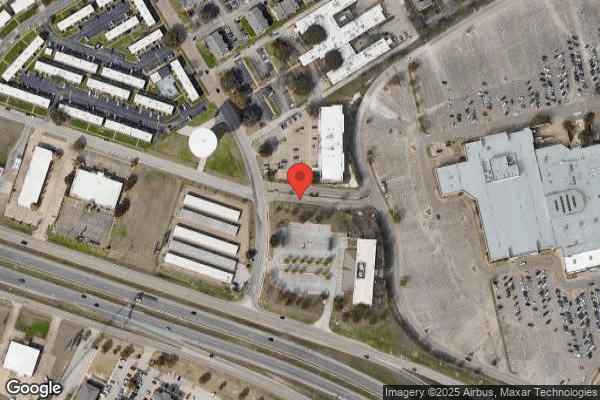
401 OWEN LN, WACO, TX 76710 (254) 772-8900
For profit - Limited Liability company 128 Beds EDURO HEALTHCARE Data: November 2025 3 Immediate Jeopardy citations
Trust Grade
0/100
#995 of 1168 in TX
Last Inspection: March 2025

Within standard 12-15 month inspection cycle. Federal law requires annual inspections.

Overview

Greenview Nursing and Rehabilitation has received a Trust Grade of F, indicating poor performance and significant concerns. This facility ranks #995 out of 1168 in Texas, placing it in the bottom half of all facilities in the state, and #10 out of 17 in McLennan County, meaning only a few local options are worse. The facility's situation is worsening, with the number of issues increasing from 13 in 2024 to 18 in 2025. Staffing is a major concern, with a rating of 1 out of 5 stars and a turnover rate of 67%, significantly higher than the state average. Additionally, they have incurred fines totaling $59,554, which is concerning, and they provide average RN coverage. Specific incidents raise serious alarms, including a failure to protect three residents from physical abuse and neglect. One resident was not monitored properly after exhibiting aggressive behavior, while another was physically abused by staff. In another incident, a resident was able to exit the secure unit unsupervised, highlighting inadequate supervision that led to dangerous situations. While there are some strengths, such as average RN coverage, the overall picture is troubling and indicates a facility that may not provide safe and reliable care. Families should carefully weigh these factors before considering this nursing home for their loved ones.

Trust Score
F
0/100
In Texas
#995/1168
Bottom 15%
Safety Record
High Risk
Review needed
Inspections
Getting Worse
13 → 18 violations
Staff Stability
⚠ Watch
67% turnover. Above average. Higher turnover means staff may not know residents' routines.
Penalties
✓ Good
$59,554 in fines. Lower than most Texas facilities. Relatively clean record.
Skilled Nurses
⚠ Watch
Each resident gets only 18 minutes of Registered Nurse (RN) attention daily — below average for Texas. Fewer RN minutes means fewer trained eyes watching for problems.
Violations
⚠ Watch
36 deficiencies on record. Higher than average. Multiple issues found across inspections.
★☆☆☆☆
1.0
Overall Rating
★☆☆☆☆
1.0
Staff Levels
★☆☆☆☆
1.0
Care Quality
★☆☆☆☆
1.0
Inspection Score
Stable
2024: 13 issues
2025: 18 issues

The Good

  • Full Sprinkler Coverage · Fire safety systems throughout facility
  • No fines on record

Facility shows strength in fire safety.

The Bad

1-Star Overall Rating

Below Texas average (2.8)

Significant quality concerns identified by CMS

Staff Turnover: 67%

20pts above Texas avg (46%)

Frequent staff changes - ask about care continuity

Federal Fines: $59,554

Above median ($33,413)

Moderate penalties - review what triggered them

Chain: EDURO HEALTHCARE

Part of a multi-facility chain

Ask about local staffing decisions and management

Staff turnover is elevated (67%)

19 points above Texas average of 48%

The Ugly 36 deficiencies on record

3 life-threatening 5 actual harm
Sept 2025 1 deficiency
CONCERN (D) 📢 Someone Reported This

A family member, employee, or ombudsman was alarmed enough to file a formal complaint

Potential for Harm - no one hurt, but risky conditions existed

Deficiency F0813 (Tag F0813)

Could have caused harm · This affected 1 resident

**NOTE- TERMS IN BRACKETS HAVE BEEN EDITED TO PROTECT CONFIDENTIALITY** Based on observation, interview and record review the facility failed to have a policy regarding use and storage of foods brough...

Read full inspector narrative →
**NOTE- TERMS IN BRACKETS HAVE BEEN EDITED TO PROTECT CONFIDENTIALITY** Based on observation, interview and record review the facility failed to have a policy regarding use and storage of foods brought to residents by family and other visitors to ensure safe and sanitary storage, handling, and consumption for 1 of 5 residents (Residents #1) reviewed for food and nutrition services.1. The facility failed to ensure Resident #1's personal refrigerator did not have a brown substance stuck to the bottom of the refrigerator and freezer along with a food encrusted butter knife. 2. The facility failed to ensure Resident #1's personal refrigerator had a temperature log.These deficient practices could place residents at risk of foodborne illness due to consuming foods which might be spoiled. The findings include: Record review of Resident #1's admission Record reflected Resident #1 was admitted to the facility on [DATE]. Resident #1 had diagnoses which included Alzheimer's disease (a progressive brain disorder that affects memory, thinking, and behavior), elevated blood pressure, muscle weakness and chronic pain. Record review of Resident #1's admission MDS, dated [DATE], reflected Resident #1 had a BIMS score of 15, which indicated she was cognitively intact. Resident #1 required Substantial/Maximal assistance with personal hygiene, upper and lower body dressing. During an observation and interview on 09/12/25 at 10:25 a.m. revealed Resident #1 had a personal refrigerator. There was a brown substance stuck to the bottom of the refrigerator and freezer along with a food encrusted butter knife. There was no temperature log for the refrigerator. Resident #1 stated she did not have anything in the refrigerator at this time, but she did occasionally store food in it. Resident #1 stated staff did not clean her refrigerator. In an interview on 09/12/25 at 1:05 p.m., the Maintenance Director stated it was his first week working at the facility. He stated all refrigerators should have a temperature log and be clean. He stated he was not sure why it had not been done in the past. He stated housekeeping and maintenance were responsible for checking the cleanliness of the refrigerators and temperatures. He stated not keeping the residents' room refrigerators clean and within a proper temperature, could lead to mold, antifreeze could be leaking, spoiled food not at the right temperature that could cause residents to become sick. In an interview on 09/12/25 at 1:10 p.m., the ADM stated the facility staff should have been checking the residents' refrigerators in the rooms for cleanliness and temperatures. He stated moving forward the facility would have a temperature log taped to each refrigerator. He stated he was not sure why it was not completed before now. He stated the negative effects could be spoiled food, which could cause illness Record review of the facility's policy titled Resident Refrigerators, dated 06/15/2025, reflected, Maintenance staff shall record refrigerator temperatures weekly on a temperature log attached to the refrigerator. a. A thermometer shall remain in the refrigerator. It shall be calibrated prior to use and periodically thereafter.b. Temperatures will be at or below 41 0 F, and freezers will be cold enough to keep foods frozen solid to the touch (or in accordance with state regulations).c. If temperatures are out of range, maintenance staff shall notify nursing department to discard any foods that require refrigeration and take measures to remedy the problem.d. If problems persist with maintaining proper temperatures, the refrigerator shall be removed from use and the resident/family notified.(Nursing/housekeeping) staff shall clean the refrigerator weekly and discard any foods that are out of compliance. Nursing staff shall clean up spills as needed or refer to housekeeping staff.
Jul 2025 3 deficiencies 1 IJ (1 affecting multiple)
CRITICAL (K) 📢 Someone Reported This

A family member, employee, or ombudsman was alarmed enough to file a formal complaint

Immediate Jeopardy (IJ) - the most serious Medicare violation

Free from Abuse/Neglect (Tag F0600)

Someone could have died · This affected multiple residents

**NOTE- TERMS IN BRACKETS HAVE BEEN EDITED TO PROTECT CONFIDENTIALITY** Based on interview, observation, and record review, the facility failed to ensure the residents had the right to be free from ph...

Read full inspector narrative →
**NOTE- TERMS IN BRACKETS HAVE BEEN EDITED TO PROTECT CONFIDENTIALITY** Based on interview, observation, and record review, the facility failed to ensure the residents had the right to be free from physical abuse and neglect for 3 (Resident #1, Resident #2, and Resident #3) of 9 residents reviewed for abuse and neglect. 1.The facility failed to provide continuous one to one monitoring for Resident #1 after repeated targeted aggressive behavior against Resident #2. An Immediate Jeopardy (IJ) situation was identified on 07/01/25 at 6:55 pm for failure #1.While the IJ was removed on 07/02/25 a 6:42 pm the facility remained out of compliance at a scope of isolated that with a potential for more than minimal harm, due to the facility's need to evaluate the effectiveness of the corrective systems. 2.The facility failed to ensure Resident #3 was not physically abused by MA F on 06/25/2025 when MA F grabbed Resident #3's wrist. These failures could affect the residents by placing them in mental anguish or emotional distress, pain, and physical harm. Findings included: 1.Resident #1 Review of Resident #1's face sheet dated 07/01/25 reflected an [AGE] year-old male who was admitted to the facility on [DATE] and readmitted on [DATE] with diagnoses including other frontotemporal neurocognitive disorder (degeneration of the frontal and temporal lobes of the brain, leading to a range of behavioral, language, and movement difficulties) vascular dementia (a decline in thinking skills caused by conditions that reduce or block blood flow to the brain, leading to brain damage), with other behavioral disturbance, and major depressive disorder (a serious mental illness characterized by persistent sadness, loss of interest in activities, and other symptoms that significantly interfere with daily life). Review of Resident #1's quarterly MDS assessment, dated 05/23/25, reflected a BIMS score of 9, indicating moderate cognitiveimpairmentSection E Behavior reflected physical behavior directed towards others (example hitting, kicking, pushing, scratching, grabbing, abusing others sexually) – behavior of this type occurred every 1 – 3 days. Verbal behaviors directed towards others (example threatening others, screaming at other, cursing at others) – behavior of this type occurred every 1 – 3 days. Review of Resident #1's care plan reflected focus – noted behaviors of physical aggression: 1.05/13/15 resident to resident – Resident #1 was seen holding a fork/spoon like object and was on the verge of trying to stab another resident 2.05/19/25 resident to resident - Resident #1 grazed the other resident in the back of head with remote 3.05/28/25 resident to resident – Resident #1 hit another resident with a broom while sitting in the secure dining room 4.06/01/25 resident was destroying dining room area by overturning table and chair Review of Resident #1's care plan reflected interventions for noted behaviors of physical aggression: 1.05/13/25 document behaviors in the clinical record. 2.05/13/25 let physician know if behaviors are interfering with daily living. 3.05/13/25 refer to psychologist/psychiatrist as needed. Review of Resident #1's care plan reflected focus revised on 05/29/25 indicated Resident #1 had potential to demonstrate verbally abusive behaviors related to vascular dementia, with other behavioral disturbance.Review of Resident #1's care plan reflected focus revised on 05/26/25 indicated Resident #1residedon the facility secured unit related to deemed at risk for elopement. Review of Resident #1's care plan reflected focus revised on 06/30/25 indicated Resident #1 demonstrated behavior symptoms/risk at times such as cursing at other residents who are in the way and following other resident (Resident #2) around telling him to get out from his property. Review of Resident #1's care plan reflected focus revised on 05/26/25 indicated Resident #1 was at risk for behaviors related to demonstrates physically abusive behaviors 05/26/25 – resident to resident, Resident #1 ambulating on hallway with staff member when he hit another resident in the face. Review of Resident #1's care plan reflected interventions dated 05/26/25 indicated psychiatric referral as needed to evaluate and follow in house or outpatient. Observation of the facility secured unit on 07/01/25 at 12:10 p.m., revealed Resident #1 wassitting quietly at a dining table.Residents had finished eating. Two staff members were observed in the diningareaperforming normal work duties. Observation in facility secured unit on 07/01/25 at 2:56 p.m., Resident #1 reflected the door was closed to Resident #1’s room. When surveyor entered with the assistance of RN D, Resident #1 was sitting on his bed. His roommate was laying in his own bed sleeping. Observed no 1:1 monitoring of Resident #1. Review of Resident #1’s Nurses Notedated 05/09/25 written by the ADON reflected Resident #1 was placed on the secure unit due to elopement risk. Review of Resident #1’s Nurses Note dated 05/13/25 written by LPN A reflected aide (name of aide not stated) reported to LPN A that Resident #1, who was the roommate of Resident #2, was seen holding a fork/spoon like object and was on the verge of trying to [stab] Resident #2.The aide was unable to remove the fork/spoon out of Resident #1’s hands.LPN A was called and able to remove the fork/spoon from Resident #1. Both residents were assessed for injury, none at the time will continue to monitor both residents for any complications. Review of Resident #1’s Nurses Note dated 05/20/25 written by RN C reflected Resident #1 was holding a remote in hand and refused to put remote down.Resident #1 picked up broom in the dining room hallway and attempted to hit another Resident #2. CNA (name of CNA not stated) able to redirect and remove broom from Resident #1.Resident #1 was holding remote that he refused to put down. Resident #1 “grazed” Resident #2 in the back of the head with remote. Residents separated for safety. Resident #1 closely monitored post incident. Review of Resident #1’s Progress Note Psychiatric Initial Evaluation dated 05/20/25 by PNP reflected dementia with behavioral disturbances. Patient #1 currently on 1:1 observation, continue current medication regimen. Continue to assess for adverse effects and let medication management associates know. Patient has significant cognitive impairment consistent with Alzheimer’s disease (a progressive neurodegenerative disorder that gradually destroys memory and thinking skills, eventually impacting the ability to carry out even the simplest tasks). Patient with history of becoming easily agitated. Staff report patient was physically aggressive towards another resident with difficulty redirecting over the weekend. No aggressive behaviors noted during evaluation. Seen for initial psychiatric evaluation by request of facility. Consider sending to psychiatric hospital or emergency room if patient is a danger to self or others. Review of Resident #1’s Nurses Note dated 05/20/25 writtenbyRN D reflected PNP saw Resident #1.PNP said she hoped the medications will help calm him down and he will have less behaviors. Review of Resident #1’s Nurses Note dated 05/26/25 written by LVN E reflected Resident #1 walked down the hallway of the secured unit when he hit Resident #2 on the face. Both Resident #1 and Resident #2 grabbed each other’s arms. Residents separated by two staff members (names of staff members no listed).No acute injuries noted. Resident #1 was easily redirected and was calm after being separated from Resident #2. Will continue to monitor. Review of Resident #1 Psychiatry Follow Up from PNP dated 05/27/25 reflected Resident #1 was involved in an altercation with another resident over the weekend, where he was the aggressor. Resident #1 with vascular dementia with behavioral disturbances, currently 1:1 (indicates that one staff member is assigned to continuously observe a single patient. This was often necessary for patients with certain behavioral conditions). Consider sending to emergency room or psychiatric hospital. Dementia in other diseases classified elsewhere, moderate with other behavioral disturbance – Resident #1 with history of becoming easily agitated. Was involved in an altercation with another resident [Resident #2] over the weekend. Resident #1 was the aggressor.Resident #1 continued to be on 1:1, required close monitoring. He appeared to dislike one particular resident (Resident #2). Resident #1 seen in room on 1:1 observation, did not engage much, oriented to self only, significant cognitive impairment consistent with dementia. Resident #1 required 1:1 observation and required close monitoring. Staff were to monitor, redirect, and ensure Resident #1’s safety.It was recommended to keep Resident #1 and Resident #2 in separate locations. Resident #2 Review of Resident #2’s face sheet dated 07/01/25 reflected a [AGE] year-old male who was admitted to the facility on [DATE] with diagnoses including senile degeneration of brain (decline in cognitive abilities, memory, and behavior associated with old age), Major depressive disorder, wandering in diseases (repetitive, aimless movement from place to place, often without a clear purpose or destination, especially in individuals with dementia or other cognitive impairments). Review of Resident #2's quarterly MDS assessment, dated 04/18/25, reflected a BIMS score of 3, indicating severe cognitiveimpairment. Review of Resident #2's care plan reflected focus revised on 04/12/25, indicated Resident #2 had a behavior problem related to taking other residents’ food off their tray during meals. Review of Resident #2’s Nurses Note dated 05/13/25 written by LPN A reflected Resident #1, who was a roommate with Resident #2, was seen holding a folk/spoon like object and was on the verge of trying to stab Resident #2. The aide (name of aide not stated) tried to get the folk out of Resident #1’s hands but Resident #1 was unable to give up the folk. LPN A was called to the scene and was able to remove the folk from Resident #1. Both residents were assessing for any injury, no injuries. Review of Resident #2’s Nurses Note dated 05/26/25 written by LVN E reflected Resident #2’s was walking down the hallway when he was hit on left side of jaw by another resident (Resident #1). Both residents grabbed each other's arms. Resident separated from the other resident by staff x2. No visible injuries noted. Attempted to initiate neurological assessment and vitals, Resident #2 refused at this time. Will continue to monitor. Review of Resident #2’s Nurses Note dated 05/20/25 written by RN C reflected Resident #2 was sitting in chair in dining room. Another resident (Resident #1) attempted to hit Resident #2 with broom and hit the chair. Resident #2 remained seated in dining room chair. Resident #1 grazed Resident #2’s hair on the back of the head with the remote. Resident #2 remained seated, no signs of agitation or aggressive behavior noted. Residents separated for safety. Review of Resident #2’s Progress Note Psychiatric Follow Up Evaluation dated 05/20/25 by PNP reflected Resident #2 was involved in an altercation where he was hit by another resident (Resident #1). Plan was to redirect and keep him safe. Review of Resident #2 Progress Note from PNP dated 05/27/25 reflected Resident #2 was involved in an altercation where another resident (Resident #1) hit him; Resident #2 did not retaliate. Resident #1 required redirection and safety measures. Staff were advised to try to keep Resident #2 and Resident #1 in different locations to prevent further incidents. Review of facility complaint incident report dated 06/01/25 revealed Resident #1 had a problem with Resident #2. Resident #1 is fixated on Resident #2.Resident #1 said, “he thinks resident two broke his family up.” Review of Psychiatry Follow Up from PNP dated 06/10/25 reflected Resident #1 with history of becoming easily agitated and continued to be 1:1 observation, required close monitoring. On and off agitation and aggressive behavior towards one particular resident (Resident #2). Social support – Resident #1 received 1:1 observation and required close monitoring due to aggressive behavior. Follow up – staff to monitor, re-direct and keep safe, continue 1:1 observation due to behavioral issues. Keep Resident #1 and Resident #1 at different locations was encouraged. Continue secure unit placement. Consider sending to the emergency room if identified harm to self or other. Review of Resident #2’s Nurses Note dated 06/17/25 written by RN D revealed Resident #2 would take food when he walked by. Review of IDT (team is composed of various healthcare professionals who collaborate to provide comprehensive care and support for residents) meeting note dated 06/19/25 and attended by the Administrator, ADON, MDS Coordinator and therapy reflected, “Team decided that with information that we reviewed [Resident #1] would be OK off 1:1 monitoring.”No MD or PNP listed as attending meeting and no documentation of information reviewed. Review of Resident #2’s Nurses Note dated 06/20/25 written by RN D revealed Resident #2 seen walking around eating and stealing food from others. Was able to redirect him but he kept walking towards other and grabbing at food or drinks. Other patients are very upset and stating they might hit him if he kept doing it. Review of Resident #2’s Nurses Note dated 06/21/25 written by RN D revealed was going in other rooms and standing over patients while sleeping. Other patients getting upset. Review of Resident #2’s Nurses Note dated 06/26/25 written by RN D revealed continues to take other's food at times. Review of Resident #2’s Progress Note dated 07/02/25 written by MD reflected Resident #2 was the target of another resident’s (Resident #1’s) erratic behavior on 06/28/25, though staff preventedaltercation. Interview on 07/01/25 at 2:42 p.m., with the PNP revealed Resident #1 was a safety concern because he was aggressive. She was concerned about his safety and the safety of the other residents if Resident #1 was not provided 1:1 monitoring.She said he was on the correct medications and if he was not given 1:1 monitoring, the facility needed to find alternative placement for Resident #1. Interview on 07/01/25 at 12:10 p.m., with RN D revealed Resident #1 “targets” Resident #2, but Resident #1 instigates things by taking food and items from residents’ trays (including Resident #1’s tray). RN D said he was not concerned Resident #1 would harm other residents and Resident #1 was currently not 1:1. RN D felt they had enough staff and Resident #1 could be watched. He said some incidents between Resident #1 and Resident #2 have occurred in the past even when Resident #1 was on 1:1 monitoring because staff was not watching.An example was when Resident #1 attempted to hit Resident #2 with a broom. Interview on 07/01/25 at 2:56 p.m., with RN D revealed Resident #1 said he was taken off 1:1 monitoring last Wednesday(06/25/25) and when RN D came to work on the followingThursday (06/26/25), Resident #1 was off 1:1 monitoring and had been off 1:1 monitoring since. Interview on 07/02/25 at 11:29 p.m., CNA G revealed she had not witnessed any physical aggression towards Resident #2 by Resident #1. She said Resident #2 would go around Resident #1’s food tray and take things from his tray. CNA G example gave the example of when Resident #2 took Resident #1’s food cover. CNA G said this would aggravate Resident #1 and said Resident #1 would say something to the affect that Resident #2 was messing with his wife.Resident #1 thought that Resident #2 was in Resident #1’s home. She said Resident #1 would threaten Resident #2 when Resident #2 moved things around and said, “I’m going to kick your ass.”CNA G did not think that 1:1 monitoring was necessary because there were 2 aides in the secured unit she said when staff was there they could re-direct Resident #1.She said that Resident #1 listened to her, but she was not sure if he listened to the staff on othershifts. Interview on 07/02 25 at 2:50 p.m., LVN E revealed she had worked in the secured unit and was familiar with the relationship between Resident #1 and Resident #2. She said that Resident #1 seemed like he would get agitated when he saw Resident #2. She said Resident #1 would get upset and start walking towards Resident #2 getting verbally aggressive and cursing. She said there was an altercation between Resident #1 and Resident #2 with a broom when she was on duty, but she did not see what happened. She said a CNA got in between the residents. She said she was not concerned about resident safety because Resident #1 always received 1:1 monitoring when she was working the secured unit. She said as long as Resident #1 was 1:1 she was not concerned about safety. She said it was the responsibility of the DON and Administrator to decide if a resident received 1:1 monitoring. She said the negative effect of a resident who does not have 1:1 monitoring and needs 1:1 monitoring was that a resident could get hurt. Interview on 07/02/25 at 2:17 p.m., RN C revealed she used to work in the secured unit at night and was familiar with Resident #1 and Resident #2. She said they are physically independent in that they are not in wheelchairs and are able to walk. She said Resident #1 and Resident #2 do not like each other. Resident #1 would say, “it is my house.” She said the residents should be separated. She said Resident #1 should definitely be monitored 1:1. She said if Resident #1 was not monitored 1:1, Resident #2 can get close to him and that irritated Resident #1. She said if Resident #1 is monitored 1:1, he can be re-directed quickly. She said when he received 1:1 monitoring, he was fine but as soon as he was taken off his behaviors go back to what they were previously.She thinks that Resident #1’s behavior could cause harm to Resident #2 or himself if Resident #1 did not receive 1:1 monitoring. Interview on 07/02/25 at 12:46 p.m., with the DON revealed she had not witnessed any disturbances between Resident #1 and Resident #2, but it was reported to her by the overnight nurse (could not remember the name of the nurse) by phone that Resident #1 attempted to hit Resident #2 with a broom. The ADON had heard that Resident #1 thinks that Resident #2 was trying to “break up his family.” She said that Resident #1 found Resident #2 sitting on Resident #1’s bed and Resident #2 had an incontinent episode and Resident #1 had been “fixated” on Resident #2 since this episode. The ADON said the IDT team decided if a resident was going to come off 1:1 monitoring.She said the IDT team consists of the Administrator, the DON, Social Worker, and psychologist. She said she felt like the PNP should have been included in the decision whether to remove Resident #1 from 1:1monitoring. Interview on 07/01/25 at 5:13 p.m., CNR #1 revealed Resident #1 was fixated on Resident #2 and they were both in the secured unit, so it was not like you could keep them separate. She said the facility held an IDT meeting on 06/19/25 and the team reviewed Resident #1’s behaviors and progress note charting and found 1:1 monitoring for Resident #1 was not warranted any longer. She said the facility needed to make sure the provider was consulted and updated. She said if the PNP said Resident #1 needed to have 1:1 monitoring, then Resident #1 needed to be on 1:1 monitoring. She said if you don’t get the approval from the provider, the PNP, you run the risk of more resident-to-resident altercations. Interview on 07/02/25 at 3:15 p.m., CNR #2 revealed that during the IDT meeting on 06/19/25 that concluded that was okay to end Resident #1’s 1:1 a critical component that was missing because the PNP was not included and consulted. He said it was the responsibility of the Administrator make sure that all relevant people are present during an IDT meeting. He said the possible negative outcome of not including the PNP provider at the IDT meeting to provide input regarding the possibility of removing Resident #1 from 1:1 monitoring would be continuing issues with resident-to-resident altercations. Interview on 07/02/25 at 3:06 p.m., the Administrator revealed the PNP should have been kept in the loop when the IDT team made the decision on 06/19/25 to removed Resident #1 from 1:1 monitoring. He said he thought Resident #1 was doing better because Resident #1 did not have any incidents of altercations with Resident #1.He said that the IDT meeting participants should have included a mental health provider to discuss Resident #1’s 1:1 status. He said that Resident #1’s 1:1 monitoring should have remained intact, and he should not have been removed from 1:1 monitoring. He said the negative affect of not having a resident on 1:1 monitoring who should be on 1:1 monitoring would be that it could be unsafe for residents. The Administrator said it was his understanding that Resident #1 only had problems with Resident #2, and Resident #1 was focused on Resident #2.Resident #1 thought that Resident #2 stole his family. He also heard that Resident #2 had an incontinent incident on Resident #1’s bed and Resident #1 had not forgotten about the incident and Resident #1 was still upset about it.The Administrator said the facility was working on getting Resident #1 transferred to another facility because of his fixation on Resident #2 and concerns for Resident #1’s safety and other safety of the other residents in the secured unit. It is the responsibility of the Administrator and the IDT team to make sure that the physical and mental providers are included in the IDT meeting when making decisions about 1:1 monitoring status. Review of facility policy Resident to Resident Altercations dated December 2016 reflected the facility staff will monitor residents for aggressive/inappropriate behavior towards other residents. Occurrences of such incidents shall be promptly reported to the nurse supervisor, director of nursing services, and the administrator. If two residents are involved in an altercation staff will notify each resident's attending physician of the incident, review the events with the nursing supervisor, director of nursing and possible measures to try to prevent additional incidents, make any necessary changes to the care plan approaches to any or all of the involved individuals, document in the resident’s clinical record all interventions and their effectiveness, contract psychiatric services as needed for assistance in assessing the resident, identifying causes, and developing a care plan for interventions and management as necessary or as may be recommended by the attending physician or interdisciplinary care planning team. If after carefully evaluating the situation, it is determined that care cannot be readily given within the facility to transfer the resident. This was determined to be an Immediate Jeopardy (IJ) on 07/01/25 at 5:27 pm.The Administrator was notified at 6:55 p.m.The ADM was provided with the IJ template on 07/01/25 at 6:55 p.m. The following Plan of Removal submitted by the facility was accepted on 07/02/25 at 1:01 p.m. PLAN OF REMOVAL On 07/01/2025 an abbreviated survey was initiated at the facility.On 07/01/2025 the surveyor provided an Immediate Jeopardy (IJ) Template notification that the Regulatory Services has determined that the condition at the facility constitutes an immediate threat to resident health and safety. The notification of Immediate Jeopardy states as follows: The facility failed to continuously monitor Resident #1 1:1 for multiple altercations of aggressive behavior targeted against Resident #2. IMMEDIATE JEOPARDY PLAN OF REMOVAL for F600 – Failure to Protect Residents from Abuse Tag Number: F600 Regulation: The resident has the right to be free from abuse. Deficient Practice: The facility failed to ensure that Resident #1 was continuously monitored as ordered for 1:1 supervision following multiple episodes of physical aggression toward Resident #2, placing Resident #2 at risk for harm. 1. Corrective action(s) taken for resident(s) found to be affected: Who: The Administrator/Designee and Secure Unit Charge Nurse. What: Immediately reinstated 1:1 monitoring for Resident #1 to ensure Resident #1 and Resident #2 are separated. 1:1 monitoring to include direct 24-hour eyes on supervision by dedicated/assigned staff member. In-service education provided clarification to staff to ensure Resident #1 is not left alone at any time and the protocol for providing breaks and adequate replacement for assigned staff member. When: Initiated on 07/01/2025, following incident review. Where: On the secured memory care unit, where both residents reside. Additionally: Resident #2 was assessed by the ADON/Designee for injury and psychosocial impact—no acute injury found, no acute psychosocial impact. Referral was made to [MD]on 07/01/25 to conduct follow up visit on 7/2/2025. No other residents identified during review of R-to-R altercations with Resident #1 Psychiatric Nurse Practitioner (NP) re-evaluated Resident #1 on 07/01/2025, recommending need to reinstate 1:1 due to continued aggression. The interdisciplinary team (IDT) met on 07/01/2025 and updated Resident #1’s care plan to reflect behavior management strategies, permanent 1:1 status, and physical separation plan from Resident #2 through direct 1:1 supervision. Finding alternate placement. 2. How the facility will identify other residents who could be affected: Who: ADON/Designee. What: Conducted a review of all residents on the secured unit with active or recent aggressive behavior or R-to-R altercations within the last 30 days. Facility wide incidents were reviewed and are currently ongoing starting on 7/1/25 When: Audit began 07/01/2025 and will be completed by 07/02/25. Where: Secured unit. The audit includes: Review of behavior monitoring orders. Validation of 1:1 interventions being documented and implemented. Documentation is assigned to the Charge Nurse on the MAR/TAR every shift and paper monitoring, which includes location, behavior/activity and supervising staff initials, is ongoing with 1 hour frequency. Confirmation of care plan updates for any additionally identified resident and interdisciplinary review of any behavior incidents in the last 30 days. 3. Systemic changes made to ensure the deficient practice does not recur: Who: Staff Development Nurse, in coordination with Administrator/Designee and Regional Nurse Consultant. What: Regional Nurse provided education to the Assistant Director of Nursing and Administrator on 07/01/2025 by in-service education. Assistant Director of Nursing and Administrator will conduct Facility-wide in-service education and posttest for all licensed nurses, CNAs, agency and direct care staff prior to the start of assigned shift. New staff will receive training during orientation: Abuse prevention Resident to Resident altercation policy Requirements for initiating, documenting, and discontinuing 1:1 supervision. In-service provided clarification to staff outlining the expectations of 1:1 supervision, including, 24-hour eyes on supervision; not leaving Resident unsupervised at any time; providing adequate coverage of assigned staff member. Importance of timely IDT reviews and documentation in the MAR/TAR and care plan. When: Initiated on 07/01/2025 and completed by 07/02/2025 with all current and oncoming staff/agency prior to start of shift worked; new staff will receive this training during orientation. Where: In-person training held in facility and documented with sign-in sheets. Additional changes: Continue 1:1 Supervision Monitoring Log, to be maintained at the point of care (resident’s room or nearby nurse station), requiring hourly initials by assigned staff. Verification of completion of monitoring log will be done by ADON/designee daily. 1:1 supervision will be reviewed by IDT within 24 hours of initiation and will be reviewed daily for continued appropriateness of 1:1. 4. How the facility will monitor to ensure compliance and prevent recurrence: Who: Administrator/designee. What: Weekly audits of 100% of residents with 1:1 orders for compliance with documentation, monitoring logs, and MAR/TAR entries. Monthly reviews of incident reports involving R-to-R contact, focusing on behavioral care planning and response follow-through. When: Weekly audits for 8 weeks starting 07/02/25, followed by monthly audits for 4 months. Where: Monitoring will occur facility wide for any identified R-to-R altercations. Audit results will be reported to the QAPI Committee monthly, and immediate corrective action will be taken for any missed 1:1 interventions or breakdowns in IDT communication. 5. Date of completion: All corrective actions and training will be fully implemented by: July 02, 2025 Monitoring: Review of Resident #1’s MAR and TAR reflected 1:1 supervision continuous 24hr monitoring with every hour checks every hour for physical behaviors every shift documented every hour with no behavioral issues reflected. Observation 07/02/25 at11:25 a.m. of Resident #1 with 1:1 monitoringdedicated/assigned staff member. Observation 07/02/25 at 1:00 p.m. of Resident #1 with 1:1 monitoringdedicated/assigned staff member. Observation on 07/03/25 at 11:40 am of Resident #1 with 1:1 monitoringdedicated/assigned staff member. Interview on 07/02/25 with CRN #1 stated she assessed Resident #2 for any psychosocial impact and no acute injury found. Review of PNP documentation dated 07/01/25 re-evaluation of Resident #1 recommended need to reinstate 1:1 monitoring due to continued aggression. Review ofinterdisciplinary team (IDT) meeting document dated 07/01/2025 and review of updated Resident #1&rsqu[TRUNCATED]
CONCERN (D) 📢 Someone Reported This

A family member, employee, or ombudsman was alarmed enough to file a formal complaint

Potential for Harm - no one hurt, but risky conditions existed

Pharmacy Services (Tag F0755)

Could have caused harm · This affected 1 resident

**NOTE- TERMS IN BRACKETS HAVE BEEN EDITED TO PROTECT CONFIDENTIALITY** Based on interview, observation, and record review, the facility failed to ensure that residents received routine and emergency ...

Read full inspector narrative →
**NOTE- TERMS IN BRACKETS HAVE BEEN EDITED TO PROTECT CONFIDENTIALITY** Based on interview, observation, and record review, the facility failed to ensure that residents received routine and emergency drugs and biologicals for 1 of 6 residents (Resident #3) reviewed for pharmacy services. The facility failed to give Resident #3 her Rivaroxaban 20mg (a medication used to prevent blood clots) tablet scheduled medication on 06/22/2025, 06/23/2025, 06/24/2025 and 06/25/2025. These failures placed residents at risk not receiving the therapeutic benefit or adverse reactions to prescribed medications. Record review of Resident #3's admission record, dated 07/02/2025, reflected a [AGE] year-old female originally admitted to the facility on [DATE] and last readmitted on [DATE]. Resident #3 had diagnoses that included Type 2 Diabetes Mellitus (a condition that affects how the body uses sugar as a fuel), Senile Degeneration of Brain (a decline in an individual's memory, behavior, and cognitive abilities), Chronic Systolic Heart Failure (an impairment in the heart's ability to fill with and pump blood), Cerebral Infarction (a blood clot blockage that impair blood flow through the brain artery), Chronic Kidney Disease (an impairment in the kidney's ability to filter out toxins), Anxiety Disorder (intense and excessive worry and fear in response to real or perceived threats), Essential Hypertension (high blood pressure), Chronic Obstructive Pulmonary Disease (a chronic lung disease that limits airflow and causes ongoing respiratory symptoms), Major Depressive Disorder (a mood disorder that causes a persistent feeling of sadness and loss of interest), and Paroxysmal Atrial Fibrillation (an abnormal heart rhythm that is characterized by rapid and irregular beating of the upper portions of the heart). Record review of Resident #3's comprehensive MDS, dated [DATE], reflected a BIMS score of 13 which indicated her cognition was intact. Record review of Resident #3's care plan, dated 10/14/2019 and last revised 04/26/2025, reflected Focus: [Resident #3] receives anticoagulant therapy r/t Disease process of chronic embolisms (a long-term conditions that blocks blood flow), atrial fibrillation, cardiac pacemaker (an implantable device that regulates heart rate when triggered). Interventions included: Administer ANTICOAGULANT medications as ordered by physician. Observe for side effects and effectiveness Q-SHIFT. Record review of Resident #3's care plan, dated 04/13/2021 and last revised 04/26/2025, reflected Focus: [Resident #3] has chronic deep vein thrombosis (a long-term condition characterized by blood clots in the veins) BLE. Interventions included: Give medications as ordered. Observe/document for side effects and effectiveness. Record review of Resident #3's care plan, dated 05/09/2022 and last revised 04/26/2025, reflected Focus: [Resident #3] had a cerebral vascular accident (a condition in which poor blood flow to a part of the brain causes cell death). Interventions included: Give medications as ordered by the physician. Observe/document side effects and effectiveness. Record review of Resident #3's Rivaroxaban order dated 10/10/2022 revealed Rivaroxaban Tablet 20 MG Give 1 tablet by mouth in the evening for Heart valve condition give with the evening meals. Record review of Resident #3's Medication Administration Record (MAR) for Rivaroxaban reflected the medication was scheduled to be given with the evening meal. The MAR reflected that staff did not give the resident the Rivaroxaban on the following dates:06/22/2025 showed not given,06/23/2025 marked as given (Interview with MA H revealed medication was not available and was not given),06/24/2025 marked as given (Interview with MA H revealed medication was not available and was not given), and06/25/2025 showed not given. Record review of Resident #3's Medication Administration Record nurses' notes reflected the following:06/22/2025 19:38 (07:38 PM) Note Text: Rivaroxaban Tablet 20 MG Give 1 tablet by mouth in the evening for Heart valve condition give with the evening meals on oredr [spelling?].06/25/2025 17:23 (05:23 PM) Note Text: Rivaroxaban Tablet 20 MG Give 1 tablet by mouth in the evening for Heart valve condition give with the evening meals reorder. Record review of Drug Record Book, dated 04/03/2025 to 07/03/2025 reflected the following ordered and delivery dates for Resident #3's Rivaroxaban 20MG tablet quantity of 14 with each delivery from the facility pharmacy:Ordered 04/10/2025 Received 04/11/2025,Ordered 05/04/2025 Received 05/04/2025,Ordered 05/18/2025 Received 05/19/2025,Ordered 06/03/2025 Received 06/04/2025, andOrdered 06/23/2025 Received 06/25/2025. During an interview with RN C on 07/02/2025 at 2:17 PM, revealed that she had been trained on medication administration. She said that the policy for medication out of stock was to put a note in awaiting the medication delivery. She said depending on the medication staff could pull it out of the e-kit or call the pharmacy for a stat delivery. She said the effects of a resident not getting medication that is prescribed was that by the resident not having the medication, it was not serving the purpose for what the medication was used for. During an interview with Resident #3 on 07/02/2025 at 3:06 PM, revealed that when MA F gave her medication to her on 06/25/2025. She said was checking her medication and noticed she did not have her Rivaroxaban. She said she described the medication to MA F and the aide told her that she did not see it. Resident #3 said she told MA F that it was her medication to prevent a stroke. She said that then MA F tried to grab the medication cup from her but Resident #3 refused to give it the MA F. Resident #3 said that she kept telling MA F that she would take her medication, but she wanted the nurse to see what medications she had and what medications she did not get. She said that CNA J came into her room and confirmed that Resident #3's Rivaroxaban was not in the pill cup. Resident #3 stated that she missed several doses of her Rivaroxaban that week. During an interview on 07/02/2025 at 5:15 PM, LVN B stated Resident #3's Rivaroxaban was taken off the medication cart and put on the nurses' cart to ensure the Rivaroxaban was being given starting 06/26/2025. She said the policy for medication that was out of stock was to check the e-kit (pharmacy supplied emergency kit to obtain needed medication) to see if it was available. She said staff was also supposed to notify the DON and ADMIN to get approval to have the medication stat delivered. She said then staff was to contact the pharmacy. She stated that no one told her that Resident #3 was out of the medication. She said looking at the EMAR it looked as if it was checked off but not given. The person giving it did not notify her that the medication was not in stock. She stated the negative affect of Resident #3 not getting the medication was she could have a stroke. During an interview on 07/02/2025 at 6:04 PM, MA H stated she told Resident #3 that she was out of the Rivaroxaban. She said the policy was if the medication was out of stock that staff needed to resubmit the medication to the pharmacy. She stated she was not sure when and what time she ordered the medication. MA H stated the medication should have come in while she was scheduled off. She also said she was not sure if she told the nurse that Resident #3 was out of the medication. MA H stated she checked the box on 06/23/2025 and 06/24/2025 which indicated she administered Resident #3 the Rivaroxaban on accident. MA H stated the negative affect of Resident #3 not getting the medication was it could upset Resident #3. During an interview on 07/02/2025 at 6:20 PM, MA F stated she went to Resident #3's room to administer her medication. She stated Resident #3 asked for a medication that was not in the cup. MA F stated she told Resident #3 that the medication was not in the cart or in overflow. She stated all the pills in the cup were all the pills that was in the medication cart for Resident #3. She stated the Rivaroxaban was on the EMAR but not in the medication cart. MA F stated Resident #3's Rivaroxaban was on reorder and should have already been received. She stated she notified LVN K on 06/25/2025 that Resident #3 was out of her Rivaroxaban. During an interview on 07/03/2025 at 09:54 AM, MA G she worked on 06/22/2025 as the medication aide. She stated the resident was out of the medication and it was reordered, though she wasn't sure when. She stated the policy for when a medication was out of stock was to check the overflow area to check if the medication was there. She stated, if not then they were to use the refill button on the EMAR. MA G stated they were then instructed to tell the nurse, and the nurse would contact the pharmacy and possibly pull it from the facility's E-Kit (emergency supply of medication provided by the pharmacy) if the medication was in the E-Kit. She stated she was unsure if Rivaroxaban was one of the medications provided in the E-Kit. MA G stated, in the past there was some difficulty obtaining medication from the pharmacy due to insurance issues, but she was unsure if that was the case with Resident #3's Rivaroxaban. She stated if a resident were to miss their dose of Rivaroxaban, then it could cause the resident to have blood clots that could lead to strokes. She stated it was important to ensure the resident received their anticoagulant medications. During an interview on 07/03/2025 at 11:15 AM, the ADON revealed her, and staff had been trained on medication administration. She stated the policy for medication that was out of stock was the medication aide would tell the nurse so the facility can get an on hold order until the medication could be obtained. She said Resident #3 could have a heart attack or some other medical condition if the medication was not given. She said that Resident #3's Rivaroxaban was placed on the nurse's medication cart for the nurses to administer effective 06/26/2025. The ADON reviewed the Drug Record Book and stated it appeared the resident must have missed some doses based off the quantity received and the order received dates. The ADON stated the negative effect of Resident #3 not getting the medication was she could have a heart attack or another medical condition. During an interview on 07/03/2025 at 11:38 AM, CNR #1 stated it was her expectation for medication aides to notify the nurses. She stated the nurses should then contact the provider to place the medication on hold until it could be obtained. CNR #1 stated she also expected the nurses to contact the pharmacy to find out when the medication would be delivered or place a stat delivery for the order. CNR #1 reviewed the Drug Record Book and stated it appeared the resident must have missed some doses based off the quantity received and the order received dates. She stated the negative effect of Resident #3 not getting the medication was she could have complications from the diagnosis the provider is treating with the medication prescribed, she could have a decline in health status, or even hospitalization. During an interview on 07/03/2025 at 12:03 PM, the ADM stated he and staff was trained on medication administration. He stated the policy for medication that was out of stock was that the medication aide was to let the nurse know. The ADM stated then the nurse should call the provider. The ADM reviewed the Drug Record Book and stated it appeared the resident must have missed some doses based off the quantity received and the order received dates. He stated depending on the medication it could cause the resident to spiral. He also stated it could cause clots. He said he was not sure because he was not medical. Record review of in-services for 04/01/2025-07/01/2025 reflected no in-services related to medication administration, medication reordering, or what to do if a medication was not in stock. Record review of Medication Reordering Policy dated 5/9/2025 revealed it is the policy of this facility to accurately and safely provide or obtain pharmaceutical services including the provision of routine and emergency medications and biologicals in a timely manner to meet the needs of each resident. The facility will utilize a systematic approach to provide or obtain routine and emergency medications and biologicals in order to meet the needs of each resident. Each time a nurse is administering medications and observes (6) or less doses left of one kind, that nurse will reorder the medication, time permitting.
CONCERN (D) 📢 Someone Reported This

A family member, employee, or ombudsman was alarmed enough to file a formal complaint

Potential for Harm - no one hurt, but risky conditions existed

Deficiency F0760 (Tag F0760)

Could have caused harm · This affected 1 resident

**NOTE- TERMS IN BRACKETS HAVE BEEN EDITED TO PROTECT CONFIDENTIALITY** Based on interview, observation, and record review, the facility failed to ensure residents were free of significant medication ...

Read full inspector narrative →
**NOTE- TERMS IN BRACKETS HAVE BEEN EDITED TO PROTECT CONFIDENTIALITY** Based on interview, observation, and record review, the facility failed to ensure residents were free of significant medication errors for 1 of 3 residents (Resident #3) reviewed for significant medication errors. The facility failed to ensure Resident #3 was administered her Rivaroxaban 20mg tablet (a medication used to prevent blood clot formation to prevent a cerebral infarction, which is a blood clot blockage that impairs blood flow through the brain artery that can lead to permanent disability or even death) scheduled medication on 06/22/2025, 06/23/2025, 06/24/2025 and 06/25/2025. These failures placed residents at risk for complications, as well as jeopardize their health and safety. Findings included: Record review of Resident #3's admission record, dated 07/02/2025, reflected a [AGE] year-old female originally admitted to the facility on [DATE] and last readmitted on [DATE]. Resident #3 had diagnoses that included Type 2 Diabetes Mellitus (a condition that affects how the body uses sugar as a fuel), Senile Degeneration of Brain (a decline in an individual's memory, behavior, and cognitive abilities), Chronic Systolic Heart Failure (an impairment in the heart's ability to fill with and pump blood), Cerebral Infarction (a blood clot blockage that impair blood flow through the brain artery), Chronic Kidney Disease (an impairment in the kidney's ability to filter out toxins), Anxiety Disorder (intense and excessive worry and fear in response to real or perceived threats), Essential Hypertension (high blood pressure), Chronic Obstructive Pulmonary Disease (a chronic lung disease that limits airflow and causes ongoing respiratory symptoms), Major Depressive Disorder (a mood disorder that causes a persistent feeling of sadness and loss of interest), and Paroxysmal Atrial Fibrillation (an abnormal heart rhythm that is characterized by rapid and irregular beating of the upper portions of the heart). Record review of Resident #3's comprehensive MDS, dated [DATE], reflected a BIMS score of 13 which indicated her cognition was intact. Record review of Resident #3's care plan, dated 10/14/2019 and last revised 04/26/2025, reflected Focus: [Resident #3] receives anticoagulant therapy r/t Disease process of chronic embolisms (a long-term conditions that blocks blood flow), atrial fibrillation, cardiac pacemaker (an implantable device that regulates heart rate when triggered). Interventions included: Administer ANTICOAGULANT medications as ordered by physician. Observe for side effects and effectiveness Q-SHIFT. Record review of Resident #3's care plan, dated 04/13/2021 and last revised 04/26/2025, reflected Focus: [Resident #3] has chronic deep vein thrombosis (a long-term condition characterized by blood clots in the veins) BLE. Interventions included: Give medications as ordered. Observe/document for side effects and effectiveness. Record review of Resident #3's care plan, dated 05/09/2022 and last revised 04/26/2025, reflected Focus: [Resident #3] had a cerebral vascular accident (a condition in which poor blood flow to a part of the brain causes cell death). Interventions included: Give medications as ordered by the physician. Observe/document side effects and effectiveness. Record review of Resident #3's Rivaroxaban order dated 10/10/2022 revealed Rivaroxaban Tablet 20 MG Give 1 tablet by mouth in the evening for Heart valve condition give with the evening meals. Record review of Resident #3's Medication Administration Record (MAR) for Rivaroxaban reflected the medication was scheduled to be given with the evening meal. The MAR reflected that staff did not give the resident the Rivaroxaban on the following dates:06/22/2025 showed not given,06/23/2025 marked as given (Interview with MA H revealed medication was not available and was not given),06/24/2025 marked as given (Interview with MA H revealed medication was not available and was not given), and06/25/2025 showed not given. Record review of Resident #3's Medication Administration Record nurses' notes reflected the following:06/22/2025 19:38 (07:38 PM) Note Text: Rivaroxaban Tablet 20 MG Give 1 tablet by mouth in the evening for Heart valve condition give with the evening meals on oredr [spelling?].06/25/2025 17:23 (05:23 PM) Note Text: Rivaroxaban Tablet 20 MG Give 1 tablet by mouth in the evening for Heart valve condition give with the evening meals reorder. Record review of Drug Record Book, dated 04/03/2025 to 07/03/2025 reflected the following ordered and delivery dates for Resident #3's Rivaroxaban 20MG tablet quantity of 14 with each delivery from the facility pharmacy:Ordered 04/10/2025 Received 04/11/2025,Ordered 05/04/2025 Received 05/04/2025,Ordered 05/18/2025 Received 05/19/2025,Ordered 06/03/2025 Received 06/04/2025, andOrdered 06/23/2025 Received 06/25/2025. During an interview with RN C on 07/02/2025 at 2:17 PM, revealed that she had been trained on medication administration. She said that the policy for medication out of stock was to put a note in awaiting the medication delivery. She said depending on the medication staff could pull it out of the e-kit or call the pharmacy for a stat delivery. She said the effects of a resident not getting medication that is prescribed was that by the resident not having the medication, it was not serving the purpose for what the medication was used for. During an interview with Resident #3 on 07/02/2025 at 3:06 PM, revealed that when MA F gave her medication to her on 06/25/2025. She said was checking her medication and noticed she did not have her Rivaroxaban. She said she described the medication to MA F and the aide told her that she did not see it. Resident #3 said she told MA F that it was her medication to prevent a stroke. She said that then MA F tried to grab the medication cup from her but Resident #3 refused to give it the MA F. Resident #3 said that she kept telling MA F that she would take her medication, but she wanted the nurse to see what medications she had and what medications she did not get. She said that CNA J came into her room and confirmed that Resident #3's Rivaroxaban was not in the pill cup. Resident #3 stated that she missed several doses of her Rivaroxaban that week. During an interview on 07/02/2025 at 5:15 PM, LVN B stated Resident #3's Rivaroxaban was taken off the medication cart and put on the nurses' cart to ensure the Rivaroxaban was being given starting 06/26/2025. She said the policy for medication that was out of stock was to check the e-kit (pharmacy supplied emergency kit to obtain needed medication) to see if it was available. She said staff was also supposed to notify the DON and ADMIN to get approval to have the medication stat delivered. She said then staff was to contact the pharmacy. She stated that no one told her that Resident #3 was out of the medication. She said looking at the EMAR it looked as if it was checked off but not given. The person giving it did not notify her that the medication was not in stock. She stated the negative affect of Resident #3 not getting the medication was she could have a stroke. During an interview on 07/02/2025 at 6:04 PM, MA H stated she told Resident #3 that she was out of the Rivaroxaban. She said the policy was if the medication was out of stock that staff needed to resubmit the medication to the pharmacy. She stated she was not sure when and what time she ordered the medication. MA H stated the medication should have come in while she was scheduled off. She also said she was not sure if she told the nurse that Resident #3 was out of the medication. MA H stated she checked the box on 06/23/2025 and 06/24/2025 which indicated she administered Resident #3 the Rivaroxaban on accident. MA H stated the negative affect of Resident #3 not getting the medication was it could upset Resident #3. During an interview on 07/02/2025 at 6:20 PM, MA F stated she went to Resident #3's room to administer her medication. She stated Resident #3 asked for a medication that was not in the cup. MA F stated she told Resident #3 that the medication was not in the cart or in overflow. She stated all the pills in the cup were all the pills that were in the medication cart for Resident #3. She stated the Rivaroxaban was on the EMAR but not in the medication cart. MA F stated Resident #3's Rivaroxaban was on reorder and should have already been received. She stated she notified LVN K on 06/25/2025 that Resident #3 was out of her Rivaroxaban. During an interview on 07/03/2025 at 09:54 AM, MA G she worked on 06/22/2025 as the medication aide. She stated the resident was out of the medication and it was reordered, though she wasn't sure when. She stated the policy for when a medication was out of stock was to check the overflow area to check if the medication was there. She stated, if not then they were to use the refill button on the EMAR. MA G stated they were then instructed to tell the nurse, and the nurse would contact the pharmacy and possibly pull it from the facility's E-Kit (emergency supply of medication provided by the pharmacy) if the medication was in the E-Kit. She stated she was unsure if Rivaroxaban was one of the medications provided in the E-Kit. MA G stated, in the past there was some difficulty obtaining medication from the pharmacy due to insurance issues, but she was unsure if that was the case with Resident #3's Rivaroxaban. She stated if a resident were to miss their dose of Rivaroxaban, then it could cause the resident to have blood clots that could lead to strokes. She stated it was important to ensure the resident received their anticoagulant medications. During an interview on 07/03/2025 at 11:15 AM, the ADON revealed her, and staff had been trained on medication administration. She stated the policy for medication that was out of stock was the medication aide would tell the nurse so the facility can get an on hold order until the medication could be obtained. She said Resident #3 could have a heart attack or some other medical condition if the medication was not given. She said that Resident #3's Rivaroxaban was placed on the nurse's medication cart for the nurses to administer effective 06/26/2025. The ADON reviewed the Drug Record Book and stated it appeared the resident must have missed some doses based off the quantity received and the order received dates. The ADON stated the negative affect of Resident #3 not getting the medication was she could have a heart attack or another medical condition. During an interview on 07/03/2025 at 11:38 AM, CNR #1 stated it was her expectation for medication aides to notify the nurses. She stated the nurses should then contact the provider to place the medication on hold until it could be obtained. CNR #1 stated she also expected the nurses to contact the pharmacy to find out when the medication would be delivered or place a stat delivery for the order. CNR #1 reviewed the Drug Record Book and stated it appeared the resident must have missed some doses based off the quantity received and the order received dates. She stated the negative affect of Resident #3 not getting the medication was she could have complications from the diagnosis the provider is treating with the medication prescribed, she could have a decline in health status, or even hospitalization. During an interview on 07/03/2025 at 12:03 PM, the ADM stated he and staff was trained on medication administration. He stated the policy for medication that was out of stock was that the medication aide was to let the nurse know. The ADM stated then the nurse should call the provider. The ADM reviewed the Drug Record Book and stated it appeared the resident must have missed some doses based off the quantity received and the order received dates. He stated depending on the medication it could cause the resident to spiral. He also stated it could cause clots. He said he was not sure because he was not medical. Record review of in-services for 04/01/2025-07/01/2025 reflected no in-services related to medication administration, medication reordering, or what to do if a medication was not in stock. Record review of facility policy titled Administering Medications, dated 2001 and revised April 2019, reflected: Policy StatementMedications are administered in a safe and timely manner, and as prescribed.Policy Interpretation and Implementation.4. Medications are administered in accordance with prescriber orders, including any required time frame.
Jun 2025 5 deficiencies 1 IJ
CRITICAL (J) 📢 Someone Reported This

A family member, employee, or ombudsman was alarmed enough to file a formal complaint

Immediate Jeopardy (IJ) - the most serious Medicare violation

Accident Prevention (Tag F0689)

Someone could have died · This affected 1 resident

**NOTE- TERMS IN BRACKETS HAVE BEEN EDITED TO PROTECT CONFIDENTIALITY** Based on observation, interview, and record review, the facility failed to ensure each resident received adequate supervision an...

Read full inspector narrative →
**NOTE- TERMS IN BRACKETS HAVE BEEN EDITED TO PROTECT CONFIDENTIALITY** Based on observation, interview, and record review, the facility failed to ensure each resident received adequate supervision and assistance devices to prevent accidents for 1 (Resident #1) of 3 residents reviewed for accidents and hazards. The facility failed to ensure there was appropriate supervision on [DATE] when Resident #1, who resided on the secure unit, exited the secure unit, after RN A left the unit (to respond to a code after not being familiar with the CPR policy), and then one of the facility's side exits and got into the passenger seat of a parked fire truck in the parking lot. An Immediate Jeopardy (IJ) was identified on [DATE]. The IJ template was provided to the facility on [DATE] at 4:28pm. While the IJ was removed on [DATE], the facility remained out of compliance at a scope of isolated and a severity level of no actual harm with potential for more than minimal harm that was not immediate jeopardy due to the facility's need to evaluate the effectiveness of the corrective systems. These failures placed residents at risk of elopement, falls, or injuries and not having their end-of-life wishes followed. Findings included: Review of Resident #1's quarterly MDS assessment dated [DATE] reflected he was an [AGE] year-old-male who was admitted to the facility on [DATE] with diagnoses including dementia (memory loss), major depressive disorder with severe psychotic symptoms (loss of contact with reality) (extreme sadness), anxiety (extreme worry), unsteadiness on feet, and frontotemporal neurocognitive disorder (when nerve cells in the brain are lost). Section E - Behavior, revealed that he had physical and verbal behavior directed toward others in the last 1-3 days, and wandering had occurred in the last 4-6 days in the last week. His BIMS score was a 9, indicating he was moderately cognitively impaired. Review of Resident #1's elopement risk assessment dated [DATE] revealed a score of 6, which indicated he was a high risk of elopement. Review of Resident #1's care plan dated [DATE] revealed that he was to reside in the secure unit due to risk of elopement and to have elopement risk assessments per facility protocol. Review of progress note dated [DATE] at 10:00am by RN A reflected, Patient was brought back to unit by staff up front. Stated he was seen at the front door. Patient came back very calm and was even pushing another patient with him. Patient stated, I was just wanting to look at the fire truck. He was unable to state how he exited. All areas were checked. Side and back door are locked. All windows are secured shut and unable to open. Management informed and looked at cameras and noted he went out secure main door when it did not secure properly behind me as I was exiting to respond to a code on the other side of the building. DON contacted family. Patient was put on 1:1 (monitoring where a staff member is directly responsible for one resident) And q15 minute checks was started also immediately. Reminded all staff to ensure door is locked when going out. Review of progress note dated [DATE] at 10:00am by the DON reflected, at 0939, this nurse received a phone call from charge nurse {RN A}, stating that this resident was found at the front door of facility during a time of a code on another resident on one side of the building, and an emergency on the other. {RN A} verbally stated as he was exiting the doors of the secure unit to go assist, he stated that, the resident must have followed me out of the secure unit and that is how he ended up in the mix of the facility due to the nature of the emergency and situation. Admissions coordinator was at the front of the building and seen resident as he was at the front door of the building holding his remote and was with the EMS staff and firemen and immediately redirected resident back to the secure unit. Resident was approachable and easily willing to go back to the secure unit. He pushed another resident in his wheelchair to the south station of the building, in good spirits, hugging everyone and, glad to be a help to others. No injuries were reported on resident. This nurse instructed charge nurse, {RN A} to immediately initiate one on one monitoring on this resident to indefinite timing, 24 hours a day, as resident is a high elopement risk with good understanding verbalized. {The DON} instructed {RN A} to ensure that anytime the secure doors are opened by any staff member or at any time, that they need to make sure they are completely closed and locked to where no resident in a secure unit can exit. There are two other doors on secure unit that have been tested and do work; alarms will sound and go off if they are pushed. This nurse spoke with daughter, and explained to her the situation and she thanked nurse for the phone call and update and stated she was at a funeral and wouldn't be back up to the facility for the rest of the day. This nurse and {daughter} discussed this residents' disease process, and she expressed her feelings about it and how she is sad seeing the rapid decline in her father, cognitively, and she and her brother are coming to realization to acceptance about it. She stated that resident used to be a Life support educator, and that in his mind, he probably really did think he was a part of the emergency he seen happening and followed the nurse/EMS staff, thinking he was helping save someone's life. I informed {daughter} that I had re-initiated one on one monitoring on her dad due to safety measures, and it would be a 24-hour monitoring, and she tearfully expressed her appreciation. I told her to contact this nurse at any time with any questions, concerns, or needs and she verbalized understanding. In an attempted interview on [DATE] at 9:10am with Resident #1, the HHSC surveyor attempted to ask him about recent events, but he stated he did not remember the events in question. During an interview on [DATE] at 11:16am with RN A he stated that on [DATE] he was the RN assigned to the secure unit and was assisted by CNA B. He was aware that CNA B was off the unit for lunch at the time a code (indicating a resident had stopped breathing and needed CPR) was called, but he thought it was just him and 1 other nurse working in the building during that time, so he said he had to respond to the code. He stated that he was only off the unit for a couple of minutes. He stated that when he left the unit the door did not lock behind him and that the door got stuck unless it was pushed shut. He stated that a code was never called over the loudspeaker, and he had heard through word of mouth from another CNA there was a code. When he arrived to the code, the RN told him the resident collapsed, so she started CPR and never had a chance to call the code. He stated they (EMS/Nurse) were already working on the resident and didn't need any help, so he went back to the secure unit. He stated he knew his CNA was off the unit and he knew he was leaving the residents unattended/unsupervised. His stated his priority was the emergency when he found out about it. He could not recall who told him about the code. He stated that he received no notification other than CNA word of mouth. He stated that based on experience as a nurse he was to respond to all codes, and he had no direction from the facility on responding to codes. He stated he did not see Resident #1 was by the doors when he went off the unit and didn't know he was followed. He stated he had received no training on CPR response teams and no training on the team or identifying who responded or not. During an interview on [DATE] at 11:36am with the DON she stated that she was not aware CNA B was off the unit when RN A responded to the code. She thought there was an additional agency staff present on the secure unit that day. She later confirmed there was no agency staff present on the secure unit on [DATE] and just RN A and CNA B were working on the secure unit. She stated 2 other nurses were working on the other side of the building and there was no reason for RN A to leave the secure unit. During an interview on [DATE] at 1:19pm with the AC, she stated that RN A never attended the code. She also stated that she was at the front door of the facility when Resident #1 had made his way to the door, and that she had redirected him back to the secured unit. She was unable to verify if Resident #1 had made it outside the front door or just to the front door of the building. During an interview on [DATE] at 3:22pm with the RNC he stated that if a code happened on a certain hall, the staff that worked that hall should respond, and that all direct care staff were CPR trained and certified. During an interview on [DATE] at 6:30pm with RN A, he stated that based on experience as a nurse he was to respond to all codes, and he had no direction from the facility on responding to codes. He stated he had received no training on CPR response teams and no training on the team or identifying who responds or not. He stated that for that incident there was no code called over the loudspeaker, he was just notified through CNA word of mouth. During an interview on [DATE] at 8:36am with MA C, she stated that she did not recall any recent in-services on elopement or resident supervision. During an interview on [DATE] at 8:43 am with RN B, she stated they had not received in-serving on elopement since the incident on [DATE]. During an interview with the MD on [DATE] at 10:30am she stated that her expectation for staffing in the secure unit was that there would be somebody working in the unit to make sure residents could not harm themselves or others, to provide medications and help during meals. For staffing, she stated that there were times when the residents were stable, and the environment varied based on the patients' behaviors. She said if they were poorly staffed or things happened, more staff could be needed, but in general somebody needed to be always back there with the residents. She stated she had concerns if all staff left the secure unit for an extended amount of time, but if someone was stepping out to get help or something quick, that should be allowed. In the situation on [DATE] she stated that RN A was a very well-trained nurse, and she thought it was appropriate that he stepped out to check on things and then returned. She stated that a resident would be ordered to live on the secure unit due to Alzheimer's disease, not being aware of his surroundings, and not being aware of potentially dangerous situations. The MD stated she had no more concerns with Resident #1 getting around the fire truck than any other residents. She stated she did not think Resident #1 had the capacity to drive, pick up heavy things, or move equipment anymore. The MD stated there was potential for injury, but she didn't know that the fire truck would sit much higher than the bed in his room or a table in the secure unit, so the MD did not know that it would be more of a fall risk. She stated it wouldn't be good if Resident #1 got into any hoses and the MD did not know if Resident #1 had any strength to pull heavy equipment. In an interview with the RNC on [DATE] at 11:17am he stated that the facility did not have any policies specific to the secure unit. In an interview on [DATE] at 12:20 pm with the DON, she stated that every staff member had a code legend on their badge, and that if there was a resident coding, someone would get on the loudspeaker/intercom and call a code blue, which would alert everybody, so staff could respond. She stated they did not designate teams; the nurses would just respond. The expectation of responding nurses would be that they call 911 and get crash cart to help out. In an interview with MA C on [DATE] at 12:31pm she stated that she was working on the south hall on [DATE] as a medication aide. She stated that the south side entrance door alarm went off (meaning that the exit door had been opened) so she responded to the door. She looked outside and did not see any residents outside. She stated she was able to see out into the driveway where the fire truck was parked. She stated that she thought the door alarm may have been triggered by the in and out of the emergency personnel on the other side of the building, and that the emergency personnel took the coded resident out of the facility's main front door. She stated she worked until 2:00pm on [DATE] and was never informed of Resident #1's elopement, and that she did not receive in-service for elopement until [DATE], even though she had worked another shift on [DATE]. She stated that a negative outcome of a resident leaving out of the south door unsupervised was that they could potentially walk into traffic, get lost, get injured, or die. Review of video footage provided by the facility revealed RN A leaving the secure unit on [DATE] at 9:22:37am and returning at 9:24:18am. Resident #1 could be seen on camera peeking out from his bedroom door and watching RN A leave the unit, and then Resident #1 ambulated to the secure unit door and pushed it open at 9:22:42 and began walking down the south hallway. Resident #1 was then seen through a different camera view, pushing open and walking out of the building's south side entrance and walking into the driveway and ambulating into the passenger side of the fire truck with its lights on, that was parked there. There were no facility staff or emergency personnel in view of the camera. Review of a different camera view of the facility outside the front main entrance revealed Resident #1 approaching the ambulance that was parked in the driveway in front of the main entrance. Resident #1 was seen observing the ambulance but did not open any of the doors, and no facility staff or emergency personnel were in view of the camera. Resident #1 was observed making his way to the facility front door on his own. In a different camera view of the facility inside the main entrance at 9:25:27 the AC can be seen making her way from the entrance, down the hallway toward the dining area at 9:25:57., At this time her back was toward the main entrance, and she went out of the camera's view until she reappeared at 9:28:01 and began her way back toward the front entrance doors. At 9:28:40 she came back into the camera view and was observed guiding Resident #1 down the hallway with their hands intertwined. Resident #1 was returned to the secure unit at 9:30:52am. Review of the facility's Safety and Supervision of Residents policy dated 2018 revealed, Our facility strives to make the environment as free from accident hazards as possible. Resident safety and supervision and assistance to prevent accidents are facility-wide priorities. Resident supervision is a core component of the systems approach to safety. The type and frequency of resident supervision is determined by the individual resident's assessed needs and identified needs and identified hazards in the environment. Review of the facility's policy titled 'Emergency Procedure - Cardiopulmonary Resuscitation' last revised February 2028 reflected, Select and identify a CPR Team for each shift in the case of an actual cardiac arrest. To the extent possible, designate a team leader on each shift who is responsible for coordinating the rescue effort and directing other team members during the rescue effort. The ADM, DON, and RNC were notified on [DATE] at 4:18pm that an Immediate Jeopardy had been identified due to the above failure and an IJ template was provided. The following POR was accepted on [DATE] at 11:43am: On [DATE] an abbreviated survey was initiated at the facility. On 5-30-25 the surveyor provided an Immediate Jeopardy (IJ) Template notification that the Regulatory Services has determined that the condition at the facility constitutes an immediate Jeopardy to resident health and safety. The notification of Immediate Jeopardy states as follows: The facility failed to ensure there was appropriate supervision on [DATE] when Resident #1, who resides on the secure unit, exited the secure unit, after RN A left the unit, and then one of the facility's side exits (approximately 160 feet from the secure unit) and got into the passenger seat of a parked fire truck (approximately an additional 220 feet from the exit door) in the parking lot. Immediate Jeopardy Plan of Removal - F689 (Supervision to Prevent Accidents) 1. Resident #1 (Affected Resident): Resident #1 was safely returned to the secure unit by the medication aide on [DATE] after exiting the unit unsupervised. The elopement was self-reported to HHSC on [DATE] by the Administrator. Immediate actions taken included: o Initiation of 1:1 supervision by the CNA on 5-24-25 for 24 hours from the time of the incident. o The charge nurse updated the elopement risk assessment on 5-25-25, reviewed and updated the care plan as needed. o The interdisciplinary team review was initiated by the Administrator and the interdisciplinary team on 5-25-25. o CNA B and RN A were instructed on 5-24-25 by the DON to not leave residents unattended, especially those on secure unit, even for a moment. o Door hardware on the secure unit was repaired by the maintenance director to ensure door latched when closing and signage placed (Please make sure the door is closed and latched behind you!) on 5-26-25. All staff were in-serviced by the DON/designee on 5-30-25 to ensure that the door is closed and latches when exiting. New hire employees will be in serviced during orientation and prior to the start of their first shift. PRN employees and agency staff will be in-serviced prior to the start of their next assigned shift. 2. Identification of At-Risk Residents (Facility-Wide Review): On [DATE], the MDS coordinator initiated a full audit of all the residents on the secure unit to identify additional elopement risks. All current elopement risk assessments were reviewed and updated as needed on 5-30-25 by the MDS coordinator. Care plans were reviewed by the MDS coordinator on 5-30-25 to ensure they reflect current interventions. All staff were in-serviced by the DON/designee on 5-30-25 to immediately notify administration by phone of any breaks or coverage issues. Door alarm systems and locking mechanisms for all exit doors were checked by maintenance on 5-26-25 and documented on a log and will be reviewed by the administrator daily. 3. System Correction: o The DON/designee in-serviced all staff on elopement protocol, and supervision protocols, on [DATE] and are ongoing until all staff have completed training on 5-31-25. Mandatory in-services will be completed on 5-31-25 with all current and oncoming staff prior to the start of shift worked. The regional nurse provided education to the director of nursing and the administrator on 5-30-25 regarding supervision protocols, elopement prevention, and response expectations for secure unit. Agency staff and PRN staff will not be assigned to the secure unit unless they have completed the facility's elopement prevention and supervision in-service. This will be verified through the human resources and staffing coordinator prior to working their shift. This will be validated by the DON/designee. o A revised policy on code response was implemented by the regional nurse on [DATE] to require designated responders to any emergency or code being called, ensuring secure unit staff do not leave residents unattended. o Daily door audits were implemented on 5-30-25 by the maintenance director for all secure unit exits for 14 days and then weekly thereafter. This will be documented by the maintenance director on a daily audit form and reported to the Administrator daily. o The DON/designee in-serviced staff on 5-30-25 when assigned to the secure unit staff are now required to formally sign out when taking a break or leaving the unit to verify designated coverage is in place prior to leaving the unit ensuring continuous supervision of residents in accordance with facility protocols. Agency staff and PRN staff will not be assigned to the secure unit unless they have completed the facility's elopement prevention and supervision in-service. This will be verified through the human resources and staffing coordinator. This will be validated by the DON/designee. o Each staff member attending the in-service will complete a verbal return demonstration to confirm comprehension of the content presented, and once the staff verbalizes understanding by repeating back the information then the in-service will be signed at that time. o Verbal return demonstrations will include scenario-based questions, policy clarification, and role-specific expectations (e.g., code response protocol, secure unit coverage requirements). o Competency will be assessed in real time by a licensed nurse, department manager, or clinical educator. o Staff who do not successfully complete the verbal return demonstration will receive immediate re-education and follow-up assessment to ensure understanding. 4. Administrative Oversight/Monitoring: oThe DON/designee is completing daily visual checks on secure unit supervision and door status for 14 days starting [DATE]. o The Maintenance Director will check the secure unit door latch and magnetic locking mechanism daily starting 5-30-25 for 14 days, then weekly thereafter, to ensure the door closes and secures properly. If there is a malfunction to the door the maintenance will fix it and if unable the location will be monitored directly by designated staff member until repaired. o QAA Committee will review supervision compliance and elopement documentation monthly for 3 months. ADHOC QAPI meeting was held on 5-30-25 by the Administrator and IDT team to review the deficiency and the process of when the POR will be completed. 5. Completion Date: [DATE] The surveyor monitored the POR on [DATE], [DATE], and [DATE] as follows: During observation on [DATE] between 9:00am-9:50am revealed the south side entrance door working properly, it had a delayed egress mechanism, signage that stated Emergency Exit Only Push Until Alarm Sounds. Door Can Be Opened in 15 Seconds. When tested, the door did not immediately open, and after 15 seconds a loud alarm sounded and the door opened to the outside. An exit door in the secure unit revealed a sign that read Do not use door. An alarm code was used by facility staff to enter/exit the secure unit main entrance as well as the back exit door, the back exit door also had a delayed egress mechanism and sounded a loud alarm when opened without the door code. During an observation on [DATE] at 9:47am revealed signage placed on secure unit doors advising staff to ensure door closure and latching. The surveyor tested the secure unit door to ensure its latching. Review of Resident #1's progress note dated [DATE] reflected, One on one monitoring, indefinite timing, 24 hours a day, on this resident continues due to resident being a high elopement risk. Resident sitting up in bed. Resident attempting to wake up roommate and easily redirected back to bed. Resident alert and oriented to self. Review of Resident #1's elopement risk assessment dated [DATE] revealed he was scored at a 13, indicating high risk for wandering. Review of secure unit resident list revealed 2 additional residents whose elopement risk assessments were updated on [DATE] and the other 13 were done prior to [DATE]. Review of Resident #1's care plan updated [DATE] reflected he was a high risk for elopement, was to maintain 1:1 supervision until behavior stabilized and IDT determined it was safe to discontinue. Review of a document titled Systemic Issues No real-time staff assignment to monitor unit during dual emergencies revealed the regional nurse provided education on the following topics, 1:1 supervision maintained, door security protocol re-education completed with staff on secure unit, mock drill to assess emergency-response door security codes, secure unit alarms re-tested and validated, resident's care plan and elopement risk assessment updated, QAPI follow-up scheduled in 30 days for reassessment and was signed by the DON, ADM and the RNC. Review of 15 residents who resided on the secure unit revealed updated elopement risk assessments and care plans with assessment and/or updated dates of [DATE]. Review of a log titled Daily Secure Doors Door Monitoring Log reflected dates of: [DATE]-10am Checked Door Functions [DATE]-10am Checked Door Functions [DATE]-10am Checked Door Functions [DATE]-10am Checked Door Functions [DATE]-10am Checked Door Functions [DATE]-10am Checked Door Functions Review of the facility's QAPI meeting agenda, dated [DATE], titled Unauthorized Exit from Secured Memory Care Unit revealed the MD, MS, MDS, DOR, ADON, DON, RNC, and ADM were all in attendance. Review of the facility's in-service dated [DATE] and [DATE], and conducted by the RNC, ADON, and DON titled Elopement Prevention and Supervision In-Service Packet revealed all staff (CNA B, MA C, and RN A's signatures were visible) were in-serviced on the following: 1. Supervision Protocols for Residents on Secure Units -Never leave residents on a secure unit unsupervised. -Ensure coverage is confirmed before leaving for any reason. -Document any staff hand-offs. -Notify supervisor immediately if understaffed. 2. Elopement Prevention Strategies -Know which residents are at risk (review care plans and risk assessments). -Ensure resident doors and alarms are operational at the beginning of each shift. -Report and document any unsafe conditions immediately. 3. Door Security and Exit Door Monitoring -Check that doors latch and alarms sound properly at the start and end of each shift. -Ensure signage remains visible on all secure exits. -Never prop open doors to the secure unit. -Report door malfunctions to maintenance immediately. 4. Code Response Expectations and Designated Response Team Procedures - Secure unit staff must not respond to codes unless alternate staff has assumed coverage. -Follow the designated code response team assignments. -If you're not assigned to respond, remain at your post. -Call for assistance if help is needed, but do not leave residents unattended. 5. Reporting and Documentation of Coverage Breaks -Notify supervisor or nurse manager prior to leaving your post for break or emergency. -Ensure a staff handoff is documented. -Use the assignment sheet or staff coverage log. -Report and document any observed lapses in supervision. Review of 2 sign out sheets titled Secure Unit Staff Break Sign Out revealed 1 sheet dated [DATE] with 3 staff members clock in times and clock out times handwritten. A sheet dated [DATE] with 5 staff members clock in times and clock out times handwritten. Review of in-servicing post tests in employee files in the HR office reflected staff completed question/answer tests to verify their comprehension of the in-services provided with dates observed of 5/30 and 6/1. Review of a log titled Daily Administrative Oversight Log reflected columns titled Observer (DON/Designee), Supervision in place on secure unit? (Yes/No), Any gaps in coverage (yes/no), Door functional and locked? (Yes/No), Corrective actions taken if issues found. The logs had dates of [DATE]-[DATE] with yes and no answers and the ADON's signatures next to each date. Review of the revised CPR Policy dated [DATE] reflected, It is the policy of this facility to adhere to residents' rights to formulate advance directives. In accordance with these rights, the facility will implement guidelines regarding cardiopulmonary resuscitation (CPR) in accordance with accepted clinical standards and federal regulations. Emergency Preparedness and Code Response (Added [DATE]) - A revised Code Response Protocol was implemented by the Regional Nurse on [DATE] to ensure resident safety during emergency situations. - Designated emergency responders will be pre-identified for each shift and are responsible for responding to codes and medical emergencies. - Staff assigned to the secure unit are prohibited from leaving the unit unattended under any circumstance, including to respond to a code, unless relieved by appropriate coverage. - This measure ensures continuous supervision of high-risk residents and aligns with regulatory requirements under F689 (Supervision to Prevent Accidents) and F678 (CPR). - Staff have been educated and a log of designated code responders is maintained at each nurse's station for reference. Review of handwritten staff unit assignments dated 6/12 and 6/13 revealed a CR next to 2 nurses per shift indicating they were the code responders for their shift. During an interview on [DATE] at 9:47am with the MS, he stated that he was notified of the elopement on [DATE] and went to the facility at 10am that day to begin door checks on all facility doors to ensure latching/security. He stated that he was to be responsible for secure unit door checks for 2 weeks from [DATE], and then weekly. He stated the protocol was to check the doors behind him and ensure proper latching/locking. During an interview on [DATE] at 5:24pm with CNA C, she stated that she was providing 1:1 supervision to Resident #1 due to his elopement that occurred on [DATE]. She stated that she received in-service training on elopement, door safety and security, supervision instructions specific to Resident #1, and keeping the door code private. During interviews on [DATE] from 5:13pm-5:40pm with 1 MA, 4 CNA's, 1 LVN, and 1 SC from multiple shifts revealed they were all in-serviced between [DATE]-[DATE] on elopement, ensuring door safety/security, visual checks if doors alarm, supervision of residents, keeping door codes private, not leaving residents alone in the secure unit, and who the abuse coordinator is. They stated they were to immediately go to the door that alarmed to see who exited, and ensure they see the person that exited before leaving the door to ensure it was not a resident. During an interview on [DATE] at 10:47am with the MS, he stated that he repaired the secure unit doors so they would close without rubbing on [DATE]. He also stated that he adjusted the timing on the doors so they have 3 seconds, from the time the code is input on the keypad, meaning whoever is trying to gain entry, would have 3 seconds to open the door after inputting the code on the keypad, and if they don't open it within the 3 seconds it would re-engage the magnetic lock. He confirmed he conducts daily audits of all secured exit doors and turns them into the ADM. During an interview on [DATE] at 11:25am with the MDSC she stated that she was given instructions to update/view all care plans and ensure elopement risk assessments were completed. She stated that the secure unit RN completed the elopement risk assessments, but she verified all assessments were done on [DATE]. She also went into each care plan and made sure they all had problem/focus areas for elopement risk. During an interview on [DATE] at 11:37am with RN A he stated he got in-serviced after the elopement on needing to make sure there was always staff on the secure unit. He stated that during his shifts he made sure all doors were working properly and alarms were working, if they were not, he was to notify the DON or the ADM immediately. He stated that Resident #1 was still residing at the facility and on 1:1 monitoring. He stated he had not had any issues with the secured unit door not closing or latching. He stated if a code were called or something else happened, he was to stay on the unit. If there was a code, he was to page the code and start CPR. He confirmed he had to take a posttest to confirm his comprehension of the topics presented.
SERIOUS (G) 📢 Someone Reported This

A family member, employee, or ombudsman was alarmed enough to file a formal complaint

Actual Harm - a resident was hurt due to facility failures

Pressure Ulcer Prevention (Tag F0686)

A resident was harmed · This affected 1 resident

**NOTE- TERMS IN BRACKETS HAVE BEEN EDITED TO PROTECT CONFIDENTIALITY** Based on observation, interview and record review, the facility failed to ensure residents received care consistent with profess...

Read full inspector narrative →
**NOTE- TERMS IN BRACKETS HAVE BEEN EDITED TO PROTECT CONFIDENTIALITY** Based on observation, interview and record review, the facility failed to ensure residents received care consistent with professional standards of practice to prevent pressure ulcers and did not develop pressure ulcers unless the individual's clinical condition demonstrates they were unavoidable, and a resident with pressure ulcers received necessary treatment and services to promote healing, prevent infection, and prevent new ulcers from developing for one 1 (Resident #3) of six residents reviewed for quality of care. The facility failed to complete weekly skin assessments, obtain wound care orders and a therapy consult for Resident #3, causing his wound to deteriorate. These failures placed the resident at risk of not receiving adequate care and services, pain, and decreased quality of life. Findings included: Review of Resident #3's face sheet dated 5/29/2025 reflected a [AGE] year-old male admitted to the facility on [DATE] with diagnoses that included: Spastic Quadriplegic Cerebral Palsy (congenital disorder of movement, muscle tone or posture), other mixed anxiety disorders, urine retention, chronic pain, Hypertension (high blood pressure) and cramps and spasm. Review of Resident #3's quarterly MDS dated [DATE] reflected a BIMS score of 13 suggesting resident was cognitively intact. Further review of MDS, section M, Skin Conditions reflected a clinical assessment was competed to determine risk of pressure ulcer/injury and that Resident #3 was at risk of developing pressure ulcers/injuries. The MDS , Section M, reflected Resident #3 did not have any pressure ulcers/injuries at that time. Review of Resident orders from 4/1/2025 until 5/29/2025 reflected no treatment orders for wound care or medications for wound healing. Review of Resident #3's progress notes dated 4/28/2025 at 11:30 pm revealed Resident c/o burning sensation to abrasion on right calf. Redness to abrasion noted on assessment. This nurse cleaned 5x5x0.1cm abrasion to back of right calf with normal saline and applied TAO and a dry dressing. Review of Resident #3's progress notes dated 4/29/2025 at 11:55 pm reflected F/U skin injury. This nurse cleaned 5x5x0.1cm abrasion to back of right calf with normal saline and applied TAO and a dry dressing. On assessment this nurse noted slight redness on border of skin injury. No c/o of increased pain/discomfort. Review of Resident #3's progress notes dated 5/2/2025 to 5/28/2025 reflected no notes about wound on right rear calf and no notes about therapy consult . Review of Resident #3's progress notes dated 5/29/2025 at 1:08 pm by LVN-A reflected Partial thickness wound with etiology of trauma to right posterior superior calf. 80% granulation tissue noted and 20% slough. Dried serous drainage noted to peri wound. Peri wound with no abnormality noted. New wound care order of Partial thickness wound with etiology of trauma to right posterior superior calf. Cleanse with wound cleanser or normal saline. Pat dry. Apply TAO to wound bed. Apply calcium alginate. Cover with silicone border dressing to promote autolytic debridement daily and PRN. RP, [name] notified of area and of new wound treatment. RP also verbalized consent for resident to be seen by [name] Wound care. No concerns or questions voiced at this time. Review of Resident #3's weekly skin assessments revealed he received a skin assessment on 4/10/2025 and not again until 5/29/2025. During an interview on 5/29/2025 at 11:04 am, Resident #3 stated he had had the wound on the back of his calf for a couple weeks. He stated they were cleaning it and putting some stuff on it but hadn't done that in while. He stated the wound was from the back of his calf rubbing on his wheelchair because of the way his lower leg hangs. He stated one of the staff gave him a towel to sit on to cover the edge of the wheelchair seat but it was still rubbing and hurt. He stated a nurse told him to leave it open so it would heal, but it kept rubbing on his chair and had gotten worse. He stated a staff person also told him they would have therapy look at his chair to see if they could help. He said he supposedly had a custom wheelchair on order but did not know the status on that. Resident #3 stated the wound was burning but the pain medications he was already on helped some. During an interview on 5/29/2025 at 11:15 am, LVN A said she had just started as wound care nurse and was not sure how long the facility was without a wound care nurse before she started. She stated she would be reaching out to the wound care doctor for orders and follow up for Resident #3. LVN A stated she checked the EMR and the last weekly skin assessment was competed on 4/10/2025 for Resident #3. During an observation conducted with LVN-A present, on 5/29/2025 at 11:04 am, Resident #3 was noted to have a wound approximately (investigator did not have a ruler to measure but wound care nurse took measurements afterwards) 1cm wide by 2cm long on his right rear calf. The wound area was oval, red around the edges, open and not covered. The top layer of the skin had been rubbed away exposing raw skin. Observation also revealed that Resident #3 was sitting on a towel that was draped over the front edge of his wheelchair seat. During an interview on 5/29/2025 at 9:43 am, WCMD stated he had taken over wound care of this facility about 5 weeks ago. He stated when he first started coming the facility had 13-14 wounds and now they were down to 5-6. He stated he has observed residents being offloaded using wedges or other cushions and heels being floated and wounds were improving and healing. During an interview on 5/30/2025 at 5:12 pm, DON stated skin assessments are supposed to be completed weekly. She stated they had a problem back in April where the skin assessments were not being generated as expected in the electronic medical records, but the nurses still knew to complete the skin assessments and chart in the progress notes. DON stated the prior wound care nurse was responsible for making sure the skin assessments were being done, but she had been terminated. She stated the facility had just hired a new wound care nurse, but the charge nurses were responsible for completing weekly skin assessments in the interim, until the wound care nurse had been replaced. Review of undated facility policy skin Assessment reflected: It is our policy to perform a full body skin assessment as part of our systematic approach to pressure injury prevention and management. This policy includes the following procedural guidelines in performing the full body skin assessment. 1. A full body, or head to toe, skin assessment will be conducted by a licensed or registered nurse upon admission/re-admission, daily for three days, and weekly thereafter. The assessment may also be performed after a change of condition or after any newly identified pressure injury. 7. Documentation of skin assessment: a. Include date and time of the assessment, your name, and position title. b. Document observations (e.g. skin conditions, how the resident tolerated the procedure, etc.). c. Document type of wound. d. Describe wound (measurements, color, type of tissue in wound bed, drainage, odor, pain). e. Document if resident refused assessment and why. f. Document other information as indicated or appropriate.
CONCERN (D) 📢 Someone Reported This

A family member, employee, or ombudsman was alarmed enough to file a formal complaint

Potential for Harm - no one hurt, but risky conditions existed

Infection Control (Tag F0880)

Could have caused harm · This affected 1 resident

Based on observation, interview, and record review the facility failed to maintain an infection prevention and control program to help prevent the development and transmission of communicable diseases...

Read full inspector narrative →
Based on observation, interview, and record review the facility failed to maintain an infection prevention and control program to help prevent the development and transmission of communicable diseases and infections when 1 of 5 staff (CNA A) observed for infection control failed to perform proper hand hygiene. CNA-A failed to perform hand hygiene while serving and assisting residents with their meal in the facility's only dining room on 5/29/2025. These deficient practices placed residents at risk for cross contamination and spread of infection. Findings included: During an observation in the dining room on 5/29/2025 at 12:31 pm CNA-A was observed three separate times, carrying meal trays from the kitchen cart and taking them to the residents. He then placed the tray on the table and assisted residents by setting up their trays - taking utensils and unwrapping them from the napkin and placing them on the tray, and opening drinks. CNA-A carried meal trays to residents without using hand hygiene in between the carrying/passing each tray. During an interview on 5/29/2025 at 12:42 pm, CNA-A stated he had passed four trays to residents without using hand hygiene in between. He stated he had received training on performing hand hygiene between each tray passed. CNA-A stated he did not have a reason for passing trays without hand hygiene, that it was not acceptable and that he knew what he was supposed to be doing. CNA-A stated passing trays without performing hand hygiene could lead to cross contamination with bacteria or germs and residents could get sick especially older people. During an interview on 5/30/2025 at 4:44 pm, the DON stated she was aware of staff passing trays during lunch in the dining room without performing hand hygiene. She stated her expectation was that staff will sanitize their hands before passing trays and in between passing trays. She stated her concerns would be for cross contamination and infections. She stated they have residents at risk for infection and a worst-case scenario could be a resident gets an infection and becomes septic [[life threatening complication of an infection]. She stated she has done in services on hand hygiene with staff and she expected them to follow training. During an interview on 5/29/2025 at 5:01 pm, the ADM stated his expectation was that staff will perform hand hygiene after each time they touch or pass a tray. They can either wash their hands or use hand sanitizer. The ADM stated his concerns for staff not performing hand hygiene would be that germs can be passed easily, the facility had a population that could get sick easily and infection like the common cold, flu or viral or bacterial infections could be spread. Review of Facility Policy Handwashing/Hand Hygiene dated Q3 , 2018, reflected: This facility considers hand hygiene the primary means to prevent the spread of infections. 1. All personnel shall be trained and regularly in-serviced on the importance of hand hygiene in preventing the transmission of healthcare-associated infections. 2. All personnel shall follow the handwashing/hand hygiene procedures to help prevent the spread of infections to other personnel, residents, and visitors. 7. Use an alcohol-based hand rub containing at least 62% alcohol; or, alternatively, soap (antimicrobial or non-antimicrobial) and water for the following situations: a. Before and after coming on duty. b. Before and after direct contact with residents. o. Before and after eating or handling food. p. Before and after assisting a resident with meals
CONCERN (E) 📢 Someone Reported This

A family member, employee, or ombudsman was alarmed enough to file a formal complaint

Potential for Harm - no one hurt, but risky conditions existed

Pharmacy Services (Tag F0755)

Could have caused harm · This affected multiple residents

**NOTE- TERMS IN BRACKETS HAVE BEEN EDITED TO PROTECT CONFIDENTIALITY** Based on interview and record review, the facility failed to provide pharmaceutical services (including procedures that assure t...

Read full inspector narrative →
**NOTE- TERMS IN BRACKETS HAVE BEEN EDITED TO PROTECT CONFIDENTIALITY** Based on interview and record review, the facility failed to provide pharmaceutical services (including procedures that assure the accurate administering of all drugs and biologicals) to meet the needs of each resident for one (Resident #2) of two residents reviewed for medication pass, in that: The facility failed to ensure Resident #2 was administered his medications within the one hour before and one hour after timeframe. These failures placed residents at risk for not receiving therapeutic effect of their medications as ordered by the physician. Findings included: Review of Resident #2's face sheet dated 6/1/2025 reflected a [AGE] year-old male admitted on [DATE] with diagnoses that included: Parkinson's Disease (central nervous system disorder), Type 2 Diabetes (blood sugar regulation disorder), Asthma (breathing disorder), Hypertension (high blood pressure), major depressive disorder and Epilepsy (seizure disorder). Review of Resident #2's quarterly MDS dated [DATE] reflected a BIMS score of 13 suggesting no cognitive impairment. Review of Resident #2's orders dated 6/1/2025 reflected a physician's order for Rytary Oral Capsule Extended Release 48.75-195 MG (Carbidopa-Levodopa) Give 4 capsule by mouth three times a day related to PARKINSON'S DISEASE WITHOUT DYSKINESIA, WITHOUT MENTION OF FLUCTUATIONS. Review of Resident #2's MAR audit for the last 14 days reflected the following late administrations: Rytary Oral Capsule Extended Release 48.75-195 MG (Carbidopa-Levodopa) Scheduled on 05/21/2025 at 06:00 am Administered on 05/21/2025 09:49 am (2 hours and 49 minutes late) Rytary Oral Capsule Extended Release 48.75-195 MG (Carbidopa-Levodopa): Scheduled on 05/23/2025 at 06:00 Administered on 05/23/2025 at 09:33 (2 hours 33 minutes late) Rytary Oral Capsule Extended Release 48.75-195 MG Scheduled on 05/27/2025 at 06:00 am Administered on 05/27/2025 at 08:32 am (one hour and 32 minutes late) Rytary Oral Capsule Extended Release 48.75-195 MG (Carbidopa-Levodopa) Scheduled on 05/20/2025 at 22:00 (10 pm) Administered on 05/21/2025 at 02:52 am (3 hours and 52 minutes late) Rytary Oral Capsule Extended Release 48.75-195 MG (Carbidopa-Levodopa Scheduled on 05/21/2025 at 22:00 (10 pm) Administered on 05/22/2025 01:18 am (2 hours and 18 minutes late) Rytary Oral Capsule Extended Release 48.75-195 MG (Carbidopa-Levodopa) Scheduled on 05/22/2025 at 22:00 (10 pm) Administered on 05/23/2025 04:25 am (5 hours and 25 minutes late) Review of Resident #2's care plan reflected the following problems: [Resident #2] has the potential for complications r/t Parkinson's with an intervention: Administer [Resident #2's] medications as ordered. During an interview on 6/1/2025 at 1:57 pm, Resident #2 stated his medications had often been late. He stated when his Parkinson's medications had been late, it had caused him to have increased tremors in his hand and made it hard for him to hold or grasp things without dropping them or spilling them. He stated it had further affected his speech when they had been late as his speech had started to slur. He stated it had usually been the first dose of the day and the last dose of the day that had been late, and staff had often woken him late after midnight to give him his meds scheduled for 10 pm. Resident #2 stated the doctor had told him his medications for Parkinson's were very time-oriented and needed to be on a schedule to help him with his symptoms. During an interview on 5/30/2025 at 5:29 pm, the DON stated medications were to be administered within one hour before or after the scheduled time. She stated they had a lot of agency nurses, and these nurses would not accept shifts if they must pass meds. She stated medications being late had been a problem since she started in March 2025, but they were doing the best that they could. She stated she was aware of medications being late on the north side due to the use of agency nurses who were not familiar with the residents, and it took them longer to pass meds. She stated nurses and medication aides were to chart in the EMR when the med was given so the administration time reflected the time the medication was given. During an interview on 6/1/2025 at 2:40 pm, the DON stated it was her expectation that medications be given on time and that staff arrive on time and give meds on time. The DON stated her concerns with Resident #2's late medications for Parkinson's disease were adverse effects which were usually an increase in symptoms including tremors. She stated this could be uncomfortable for the resident. During an interview on 6/1/2025 at 3:36 pm, the MD stated she had heard from residents and staff, as well, about late medications. She stated she was aware they had been working on it to improve, but consistent staffing had been a problem. She stated with Parkinson medications they need to be given within a few hours but within the one-hour time frame would be ideal. She stated in general - except in an emergency - within an hour would be ideal for med administration. She said her concerns for Resident #2 were that there was a sufficient gap between doses to help manage symptoms. She stated she was not aware of what the gaps in doses had been for Resident #2 and she would have to look into it. Review of facility policy Administering Medications dated Q3 , 2018 reflected the following: Medications shall be administered in a safe and timely manner, and as prescribed. Medications must be administered in accordance with the orders, including any required time frame. Medications must be administered within one (1) hour of their prescribed time, unless otherwise specified (for example, before and after meal orders).
CONCERN (E) 📢 Someone Reported This

A family member, employee, or ombudsman was alarmed enough to file a formal complaint

Potential for Harm - no one hurt, but risky conditions existed

Food Safety (Tag F0812)

Could have caused harm · This affected multiple residents

Based on observation, interview, and record review, the facility failed to provide a safe, clean, comfortable, and homelike environment for the facility's one of one kitchen reviewed for physical envi...

Read full inspector narrative →
Based on observation, interview, and record review, the facility failed to provide a safe, clean, comfortable, and homelike environment for the facility's one of one kitchen reviewed for physical environment. The facility failed to provide housekeeping services necessary to maintain a sanitary, orderly, and comfortable interior in the facility's only kitchen. These failures could affect residents by placing them at risk of contaminated food due to the lack of a well-kept kitchen environment. Findings included: In an observation on 05/29/2025 at 8:57am of the entryway to the facility's only kitchen there was a large dead squashed cockroach on the tile floor, with visible shoe print marks around it. Underneath a storage rack in the kitchen was another large dead cockroach surrounded by food debris, and stained floor tiles. Inside an uncovered dirty floor drain beneath a kitchen prep sink were 4 large dead cockroaches. To the right side of the ice machine were 2 large dead cockroaches surrounded by debris and a singular leaf and to the left of the ice machine was 1 large dead cockroach surrounded by other debris and stains. In an interview with the DS on 5/29/2025 at 9:00am she revealed that the dead bugs in the kitchen were water bugs, and she stated the pest control guy should have been coming out to the facility any day. She said she was shorthanded in the kitchen and if she could get some extra help that's when it would get more thoroughly cleaned. She stated that every night the floors got mopped, and once a month the floors got buffed. In an interview with the MS on 5/29/2025 at 10:00am he stated that the bugs in the kitchen were American cockroaches (waterbugs) and that he did not know anything about the kitchen being short staffed. He stated that they did have a pest control contract and when pest control visited the facility, the chemical they used would kill those bugs, and help make them not reproduce. He stated the bugs came in through the doors and drains. If it was hot outside, they wanted to be inside where it was cool, and around the water. He stated it was the kitchen staff's responsibility to sweep and mop the floors daily. He stated he thought there was a grate over the drain. In an additional observation on 05/29/2025 at 12:09pm of the facility's only kitchen the American roaches were cleaned out of the drain under the prep sink, but there were still roaches behind the ice machine, under the storage racks, and in the entryway to the kitchen. In an interview with the DON on 05/30/2025 at 4:04pm she revealed that she was not aware of the American cockroaches in the kitchen. The dietitian asked her to do a walk-through of the kitchen last week. She did not see them that day. She knew they have frequent pest people going there. She stated she had 2 baby roaches go in her office through a vent on the wall a couple weeks ago. When shown the pictures of the cockroaches in the kitchen, she stated it did not appear the floor was mopped every night. She stated that when she left late at night sometimes around 7pm, the trays would still be waiting to be washed outside the kitchen door. In an interview with the ADM on 05/30/2025 at 5:05pm he stated that he had gone through the kitchen before and saw one or two of the American cockroaches but did not see a lot of them. He mainly saw them near drains. He stated that if kitchen staff saw the bugs, they should be immediately removed and they should not just wait for pest control to go to the facility. He said the kitchen staff were responsible for ensuring the cleanliness of the kitchen. He stated that the kitchen floors should be swept and mopped twice daily, once after breakfast, and once after dinner, and swept after all three meals. He stated that they did not keep a log of when the floors were swept/mopped in the kitchen. He stated that a negative outcome of large bugs being in the kitchen was that remnants of those bugs could potentially get into residents' food. Review of the facility's Sanitation policy dated last revised October 2008 reflected, the food service area shall be maintained in a clean and sanitary manner. All kitchens, kitchen areas and dining areas shall be kept clean, free from litter and rubbish and protected from rodents, roaches, flies and other insects. All utensils, counters, shelves, and equipment shall be kept clean, maintained in good repair and shall be free from breaks, corrosions, open seams, cracks, and chipped areas that may affect their use or proper cleaning. Seals, hinges, and fasteners will be kept in good repair.
May 2025 1 deficiency
CONCERN (D) 📢 Someone Reported This

A family member, employee, or ombudsman was alarmed enough to file a formal complaint

Potential for Harm - no one hurt, but risky conditions existed

Deficiency F0558 (Tag F0558)

Could have caused harm · This affected 1 resident

**NOTE- TERMS IN BRACKETS HAVE BEEN EDITED TO PROTECT CONFIDENTIALITY** Based on observation, interview, and record review the facility failed to ensure the resident had the right to reside and receiv...

Read full inspector narrative →
**NOTE- TERMS IN BRACKETS HAVE BEEN EDITED TO PROTECT CONFIDENTIALITY** Based on observation, interview, and record review the facility failed to ensure the resident had the right to reside and receive services in the facility with reasonable accommodations of resident needs and preferences except when to do so would endanger the health or safety of the resident or other residents for 1 of 8 residents (Resident #1) reviewed for resident rights. The facility failed to ensure Resident #1's call light was within reach on 05/16/2025. This failure could place residents at risk of their needs not being met. Findings include: Record review of Resident #1's admission record, dated 05/16/2025, reflected a [AGE] year-old male who was readmitted to the facility on [DATE]. Resident #1 had diagnoses which included: acute on chronic systolic (congestive) heart failure (a sudden worsening of existing heart failure), type 2 diabetes mellitus with proliferative diabetic retinopathy with macular edema, left eye (central part of the retina, swells from the leaking fluid and causes blurred vision), muscle weakness (lack of physical or muscle strength), cognitive communication deficit (trouble with thinking and using language), legal blindness (severely limited vision). Record review of Resident #1's Quarterly MDS assessment, dated 03/25/2025, reflected the resident had a BIMS score of 04, which indicated severe cognitive impairment. Resident #1 was dependent in the areas: toileting hygiene, lower body dressing, putting on/taking off footwear and personal hygiene. Resident #1 required substantial/maximal assistance in the area: shower/bathe self. Record review of Resident #1's care plan, dated 05/16/2025, reflected Resident #1 was care planned for fall r/t unaware of safety need, vision problems and had an intervention of call light within reach at all times. During an observation on 05/16/2025 at 10:45 am., Resident #1 was observed in his wheelchair while his call light was observed hanging over his nightstand approximately 2 feet away from Resident #1's wheelchair. During an interview and observation on 05/16/2025 at 2:37 pm., Resident #1 stated that he was not aware his call light was hanging over his nightstand due to him being legally blind. Resident #1 stated that staff never clip his call light to him. Resident #1 stated if he needed assistance, he would have to wheel himself in the hallway or wait until a staff member comes to his room. Resident #1 was observed in his wheelchair while his call light was observed hanging over his nightstand approximately 2 feet away from Resident #1's wheelchair. During an interview with CNA A on 05/16/2025 at 2:50 pm., CNA A stated she and CNA B both were working the north hall where Resident #1 resided. CNA A stated CNAs made rounds every two hours or as needed. CNA A stated it was everyone's responsibility to ensure residents' call lights were within reach. CNA A stated, when making rounds, CNAs checked to see if residents needed assistance and ensured the residents were safe. CNA A stated the purpose of a call light was for a resident to call for assistance. CNA A stated she was not aware Resident #1's call light was not within reach. CNA A stated if a resident could not reach the call light, the resident would not be able to call for help if they need something. During an interview with CNA B on 05/16/2025 at 3:00 pm., CNA B stated she and CNA A both worked the north hall where Resident #1 resided. CNA B stated CNAs made rounds at least every two hours unless there was a resident who may require more frequent checks. CNA B stated that it was the CNAs and anyone who entered the resident's room to ensure the call light was in reach. CNA B stated during rounds, CNAs were taught to ensure the resident call lights were in reach. CNA B stated she was not aware Resident #1's call light was not within reach. CNA B stated if a resident's call light was not in reach the resident would not be able to call for assistance. During an interview with the DON on 05/16/2025 at 3:45 pm., the DON stated all residents' call lights should be always within reach. The DON stated it was everyone's responsibility to ensure residents' call lights were always within reach. The DON stated if a resident's call light was not within reach the resident would not be able to receive assistance if they needed it. During an interview with the ADM on 05/16/2025 at 4:35pm., the ADM stated call lights should always be within reach. The ADM stated it was the nursing staffs' responsibility to ensure call lights were within reach. The ADM stated if a resident call light was not within reach, then the resident may not be able to call for assistance. The ADM stated her expectation was for all resident's call lights to always be within reach. A record review of the facility's Call Lights: Accessibility and Timely Response policy, dated 2024, reflected The purpose of this procedure is to assure the facility is adequately equipped with a call light at each residents' bedside, toilet, and bathing facility to allow resident to call for assistance. Call lights will directly relay to a staff member or centralized location to ensure appropriate response. Policy Explanation and Compliance Guidelines: 2. All residents will be educated on how to call for help by using the resident call system. 3. Each resident will be evaluated for unique needs and preferences to determine any special accommodations that may be needed in order for the resident to utilize the call system. 5. Staff will ensure the call light is within reach of resident and secured, as needed
Apr 2025 1 deficiency
CONCERN (D) 📢 Someone Reported This

A family member, employee, or ombudsman was alarmed enough to file a formal complaint

Potential for Harm - no one hurt, but risky conditions existed

Report Alleged Abuse (Tag F0609)

Could have caused harm · This affected 1 resident

**NOTE- TERMS IN BRACKETS HAVE BEEN EDITED TO PROTECT CONFIDENTIALITY** Based on interviews and record review, the facility failed to ensure that all allegations involving abuse, neglect, and misappro...

Read full inspector narrative →
**NOTE- TERMS IN BRACKETS HAVE BEEN EDITED TO PROTECT CONFIDENTIALITY** Based on interviews and record review, the facility failed to ensure that all allegations involving abuse, neglect, and misappropriation of resident property were reported immediately, but no later than 24 hours after the allegation was made to the State Survey Agency for 2 of 5 residents (Resident #1 Resident #2) reviewed for abuse. The facility failed to report within 24 hours to the State Survey Agency (HHSC - Health and Human Services Commission) that there was alleged physical abuse between Resident # 1 and Resident # 2 when staff reported to the ADM on 04/05/2025. Resident #2 pushed/hit Resident # 1 in the chest as they passed each other in the hallway on date 04/05.2025. This failure could place residents at risk for further abuse. Findings included: A record review of Resident #1's face sheet dated 04/19/2025 reflected a [AGE] year-old female who was admitted to the facility on [DATE]. Resident #1's diagnosis was end stage renal disease(kidneys lose the ability to remove waste and balance fluids), essential primary hypertension(abnormal high blood pressure), and osteoarthritis(flexible tissue at the ends of bones wears down). A record review of Resident #1's Quarterly MDS assessment, dated 01/29/2025, reflected the resident had a BIMS score of 15, which indicated cognitive intact. A record review of Resident #1's facility investigation report dated 04/08/2025, reflected Resident # 1 notified the charge nurse that Resident #2 had hit her in the breast area. A record review of Resident #2's face sheet dated 04/19/2025, reflected a [AGE] year-old male who was admitted to the facility on [DATE]. Resident #2's diagnosis was cerebral infraction(blood flow to the brain blocked), type 2 diabetes(body having trouble controlling blood sugar and using it for energy), and vascular dementia(memory loss). A record review of Resident #2's Quarterly MDS assessment, dated 03/10/2025, reflected the resident had a BIMS score of 9, which indicated moderate cognitive impairment. A record review of Resident #2's facility investigation report dated 04/08/2025, reflected Resident # 1 notified the charge nurse that Resident #2 had hit her in the breast area. A record review of the facility's provider investigator report dated 04/08/2025 reflected the facility did not report the alleged verbal sexual abuse allegations within 24 hours to the State Survey Agency (HHSC). The Provider investigator report revealed the incident occurred on 04/05/2025 at 2:30 pm. The ADM reported the incident to HHSC on 04/05/2025 at 12:41 pm. Attempted interview with ADON on 04/21/2025 at 12:53 pm and 4:00 pm was unsuccessful. Voice message was left for the ADON to return call. The ADON did not return call before or after the facility exit on 04/21/2025. During an interview with Resident #2 on 04/21/2025 at 1:05 pm, stated that he was safe and did not have any issues with Resident # 1. Resident # 2 stated that he and Resident # 1 was both in wheelchairs, and Resident # 1 came down the hall, date and time not recalled, and told him to pick which side he was going to be on. Resident # 2 stated he did not mean any harm but he pushed Resident # 1 toward her chest area to move her out of his way so he could get by. During an interview with Resident # 1 on 04/21/2025 at 1:30 pm, stated she was safe, and she did not have any issues with Resident #2. Resident # 1 stated she was coming down the hallway, could not recall the date, and she just only told Resident # 2 which side of the hall he was going to be on. Resident # 1 stated Resident # 2 had said something to her (can't recall), and he pushed her chest area. Resident # 1 stated she was not injured or hurt but she did let staff know what had happened. During an interview with the DON on 04/21/2025 at 4:03 pm, stated the ADM was responsible for reporting the incident with Resident # 1 and Resident # 2 on 04/04/2025. The DON stated it was expected for the ADM to report timey to prevent any further abuse. During an interview with the ADM on 04/21/2025 at 4:11 pm, stated that when the incident had happened on 04/05/2025 at 2:30 pm he immediately started investigating. The ADM stated Resident # 1 and Resident # 2 were both interviewed, and he was getting conflicting stories from each of the residents. The ADM stated that it was first told Resident # 2 had pushed Resident#1 out the way to get by when they were in the hallway. The ADM stated then it was told Resident #2 had hit Resident # 1 in the breast area when they were in the hallway. The ADM stated he did not report to the state as alleged abuse until 04/08/2025 after the stories kept on changing. The ADM stated the report should have been made to HHSC on 04-05-2025 when the incident had occurred. The ADM stated he was responsible for reporting the incident to the state timely. The ADM stated it was expected to report alleged abuse to HHSC within 24 hours to prevent further abuse. A record review of the Long-Term Care Regulation Provider Letter dated August 29, 2024 facility's reflected Abuse, Neglect, Exploitation, Misappropriation of Resident Property and other incidents that a Nursing Facility (NF) must report to the Health and Human Services Commission (HHSC).
Mar 2025 7 deficiencies
CONCERN (D)

Potential for Harm - no one hurt, but risky conditions existed

Deficiency F0558 (Tag F0558)

Could have caused harm · This affected 1 resident

**NOTE- TERMS IN BRACKETS HAVE BEEN EDITED TO PROTECT CONFIDENTIALITY** Based on observations, interviews, and record review the facility failed to ensure residents received services in the facility w...

Read full inspector narrative →
**NOTE- TERMS IN BRACKETS HAVE BEEN EDITED TO PROTECT CONFIDENTIALITY** Based on observations, interviews, and record review the facility failed to ensure residents received services in the facility with reasonable accommodations of resident's needs and preferences except when to do so would endanger the health and safety of the resident or other residents for 2 of 6 residents (Resident #68 and #55) reviewed for resident rights. The facility failed to ensure Resident's #68's call light was within reach on 03/17/25. The facility failed to provide Resident #55 with access to the call light when he was sitting in the middle of the room. This failure could place residents at risk of needs not being met. Findings included: Record Review of Resident #68's face sheet dated 03/18/25 reflected the resident was a [AGE] year-old female admitted on [DATE]. Her diagnoses included congestive heart failure (a serious condition that occurs when the heart can't pump enough blood to meet the body's needs), anxiety (intense, excessive, and persistent worry and fear about everyday situations), anemia (a condition marked by a deficiency of red blood cells or of hemoglobin in the blood), and cerebral infarction (a pathologic process that results in an area of necrotic tissue in the brain). Record Review of Resident #68's 5-Day MDS dated [DATE] reflected Resident #68 required supervision or touching assistance for eating, was dependent on staff for toileting, and required substantial or maximal assistance for bathing. MDS reflected Resident #68 had a BIMS score of 08 which indicated Resident #68 was moderately cognitively impaired. Record review of Resident #68's care plan dated 10/26/22, updated on 10/27/22 reflected: Resident was at risk for falls r/t impaired mobility/balance, impaired cognition, psychoactive medication, HTN, CVA with left hemiparesis, CHF, CAD, NSTEMI. Goal: Resident #68 would be free of falls through the review date. Interventions included: Call Light within reach at all times. In an interview and observation on 03/17/25 at 10:57 AM, Resident #68 did not verbally answer the state surveyor but shook her head yes when asked if she was ok and if the staff treat her well. Resident #68 appeared pleasantly confused and was continuously grinding her teeth. Resident appeared clean and groomed. Resident #68's call light was observed out of residents reach and was at the end of Resident #68's bed on the floor. Resident #68 was not able to demonstrate if she could reach the call light. In an observation on 03/17/25 at 12:32 PM, Resident #68's call light was observed out of the residents reach and lying on the floor in front of the resident's bed. Review of Resident #55's undated face sheet reflected a [AGE] year-old male who was admitted to the facility on [DATE] with diagnoses including mood disorder, diabetes, anxiety, and schizophrenia. Review of Resident #55's most recent MDS, dated [DATE], reflected a BIMS of 2, indicating a severe cognitive impairment. Observation on 3/17/25 at 2:12 PM, revealed that Resident #55 was sitting in the middle of the room in a geri chair, . Resident #55 did not have the call light was not within the residents reach. close to him when Resident #55 was in the middle of the room. Resident #55 was moaning and wanting help, . Resident #55 was trying to get his sweater off, but he could not get the sweater off. Resident #55 was in the room for almost 10 minutes before staff came to help. resident #55. In an interview on 03/17/25 at 12:34 PM, CNA C stated Resident #68 was able to talk and communicate with her and the resident could use the call light to call for help if needed. She stated Resident #68 used the call light frequently when she needed help from staff. She stated Resident #68 would not have been able to reach her call light where it was located at that time. She stated she had been trained on call light placement. She stated if a resident could not reach their call light, they would not be able to call for help or the staff would not know if a resident was in distress. In an interview on 03/19/25 at 12:11 PM, the ADM stated the staff had been trained on resident rights and call light placement. He stated it was his expectation that all residents call lights be in reach at all times. He stated if a residents call light was not within the resident's reach, a resident could have possibly fell trying to get to the call light. In an interview on 03/19/25 at 12:18 PM, the DON stated the staff had been trained on resident rights and call light placement. She stated it was her expectation that all residents call lights be within their reach at all times. She stated if a residents call light was not within their reach, it could have caused potential falls, a lack of immediate assistance, or their needs may not have been properly met. During an interview on 3/19/2025 at 1:30 PM with CNA D, she stated that it is not expected that the resident will be put in the middle of the room where Resident #55 cannot get help and is without stimulation for an extended period. The CNA D said that if Resident #55 is left alone in the middle of the room, Resident #55 could fall and get injured. CNA D said that she had been trained on resident rights and dignity; the last time was around a month ago. During an interview on 3/19/2025 at 1:40 PM with CNA E, she stated that it is not expected for Resident #55 to be in the middle of the room without the call light. CNA E said that it is not typical for a resident to be put in the middle of the room without being able to reach the call light. Resident #55 is not typically left in the middle of the room. CNA E said that if resident #55 is left in the middle of the room and out of reach of the call light, Resident #55 could be injured. CNA E said that she had been trained on resident rights and dignity; the last time was a month ago. During an interview on 3/19/2025 at 1:50 PM with LVN B, she said the call light needs to be within reach when a resident is in their room alone. LVN B said that residents are not expected to be left in the room with the call light within reach. LVN E said that she has been trained on resident rights and dignity, the last time being a month ago. LVN B said a resident could fall out of the chair or be injured. During an interview with DON on 3/19/2025 at 2:35 PM, she stated that leaving a resident in the middle of the room was not expected at the facility. The DON said leaving a resident like this was not acceptable at the facility at any time. The DON said she was trained on residents' rights and dignity when she started at the facility. The DON stated that a resident could fall and be injured if left in the room alone without being in reach of the call light. If the resident chooses to do that, it should be care planned . During an interview on 3/19/2025 at 3:10 PM, the ADM stated that leaving a resident in the middle of the room was unacceptable and that the facility does not expect that. The ADM said that he had been trained on resident rights and dignity. Record review of the facility policy titled Answering the Call Light and dated 2001 (revised July 2023) reflected Purpose: The purpose of this procedure is to ensure timely responses to the resident's requests and needs. General Guidelines: 5. Ensure that the call light is accessible to the resident when in bed, from the toilet, from the shower or bathing facility and from the floor . Review of the facility's Resident Rights Policy, dated 2003, reflected the following: Resident rights provide and ensure the promotion and protection of dignity and confidentiality, self-determination, and communication. Outcome: Protection and promotion of resident rights Improve resident outcomes by respecting resident rights.
CONCERN (D)

Potential for Harm - no one hurt, but risky conditions existed

Deficiency F0583 (Tag F0583)

Could have caused harm · This affected 1 resident

**NOTE- TERMS IN BRACKETS HAVE BEEN EDITED TO PROTECT CONFIDENTIALITY** Based on observations, interviews, and record review, the facility failed to ensure that each resident has a right to personal p...

Read full inspector narrative →
**NOTE- TERMS IN BRACKETS HAVE BEEN EDITED TO PROTECT CONFIDENTIALITY** Based on observations, interviews, and record review, the facility failed to ensure that each resident has a right to personal privacy and confidentiality of his or her personal medical records for 1 of 6 residents when reviewed for privacy (Resident #246). The facility failed to ensure the RN provided privacy by closing the laptop and leaving the laptop unattended in the hallway which displayed Resident #246's information after closing Resident #246's door and while performing wound care on Resident 246's right arm on 03/18/25 at 11:45 AM. These failures could place residents at risk of having medical information personal or care instructions exposed to others and misuse of personal information. The findings included: Record review of Resident #246's face sheet dated 03/18/25 reflected a [AGE] year-old male with an admission date of 02/17/25. His diagnoses included sepsis (a potentially life-threatening condition that arises when the body's response to infection causes injury to its own tissues and organs), pleural effusion (accumulation of excessive fluid in the pleural space, the potential space that surrounds sac lung), dementia (a general name for a decline in cognitive abilities that impacts a person's ability to perform everyday activities), and chronic kidney disease (long standing disease of the kidneys leading to renal failure). Record Review of Resident #246's 5-Day MDS dated [DATE] reflected Resident #246 required set-up or clean up assistance for eating, was dependent on staff for toileting, and required substantial or maximal assistance for bathing. The MDS reflected Resident #246 had a BIMS score of 03 which indicated Resident #246 was severely cognitively impaired. Record review of Resident #246's care plan dated 02/23/25 reflected: Resident had alteration in skin integrity, fragile skin, poor nutrition, Stage 4 Pressure Ulcer of Contiguous Site of Back, Buttock and Hip, Unstageable Pressure Ulcer of Right Elbow. In an observation on 03/18/25 at 11:50 AM, Resident #246 was lying in bed with the head of bed elevated. The resident was awake and had his call light in reach. The resident did not appear to be in any pain or distress. The resident appeared pleasantly confused and did not answer questions when asked by the state surveyor. In an observation on 03/18/25 at 11:45 AM, RN A prepared her supplies to perform wound care for Resident #246. RN A locked her treatment cart and entered the resident's room, leaving her computer open with Resident #246's information displayed. RN A closed Resident #246's door and prepped Resident #246 for wound care. The State Surveyor stepped out of the resident's room prior to wound care being performed and other residents and staff were present in the hallway. RN A's computer screen was visible to the state surveyor and although facing toward Resident #246's door, it could have been picked up or viewed by other residents or staff. RN A performed wound care for Resident #246 without having closed the computer. RN A finished wound care and left the resident's room. RN A walked down the hallway to dispose of hazardous waste while the monitor remained open displaying Resident #246's information. In an interview on 03/18/25 at 11:57 AM, RN A stated she usually closed her computer and turned it over after she looked at her notes. She stated she had not meant to leave it open. She stated she had been trained on resident privacy and HIPPA. She stated if a device was left out in the open with a resident's information displayed, another resident could take a look at the information. In an interview on 03/19/25 at 12:11 PM, the ADM stated staff had been trained on resident rights and privacy and protecting resident health information. He stated it was his expectation that residents' records should be preserved and kept confidential by staff. He stated if a resident's information had been left exposed or out in the open, the resident's private information could have potentially been seen by others or gotten into the hands of the wrong person. In an interview on 03/19/25 at 12:18 PM, the DON stated staff had been trained on resident rights and privacy and protecting residents' health information. She stated it was her expectation that residents' records should be preserved and kept confidential by staff. She stated if a resident's information had been left exposed or out in the open, it would violate the HIPPA law. Record review of the facility policy titled Resident Rights and dated 2001 revised February 2021 reflected Policy statement: Employees shall treat with kindness, respect, and dignity. Policy Statement: 1. Federal and state laws guarantee certain basic rights to all residents of this facility. These rights include the resident's right to: a. a dignified existence; b. be treated with respect, kindness, and dignity; t. privacy and confidentiality .
CONCERN (D)

Potential for Harm - no one hurt, but risky conditions existed

Medication Errors (Tag F0758)

Could have caused harm · This affected 1 resident

**NOTE- TERMS IN BRACKETS HAVE BEEN EDITED TO PROTECT CONFIDENTIALITY** Based on interviews, and record review the facility failed to ensure each resident's drug regimen was free from unnecessary drug...

Read full inspector narrative →
**NOTE- TERMS IN BRACKETS HAVE BEEN EDITED TO PROTECT CONFIDENTIALITY** Based on interviews, and record review the facility failed to ensure each resident's drug regimen was free from unnecessary drugs for one (Resident #73) of six residents reviewed for medications. The facility failed to indicate adequate diagnosis and monitoring for Seroquel (an atypical antipsychotic medication) for Resident #73. The facility failed to have a completed consent with justification of the appropriateness of an atypical antipsychotic medication for Resident #73. This failure could place residents on psychoactive medications at risk for adverse consequences such as impairment or decline of an individual's mental or physical condition. The findings were: Record review of Resident #73's admission Record dated 03/18/25 reflected he was an [AGE] year-old male, admitted to the facility on [DATE]. His diagnosis included: unspecified dementia (a decline in brain function), cognitive communication disorder, depression, and degenerative disease of the nervous system. Record review of Resident #73's Psychiatry Progress Notes dated 7/23/2024: Today, we conducted a medication review as requested by the staff for behavioral monitoring and medication review. Present during the review were the Director of Nursing (DON) and Assistant Director of Nursing (ADON)-Pt with a diagnosis of MDD (major Depressive Disorder), Anxiety, and Insomnia. Record review of Resident #73's Care Plan revised on 10/06/25 reflected: Focus: Resident #73 is receiving psychotropic medications related to agitation/delirium and depression. Interventions/task: Monitor/record occurrence of for target behavior symptoms pacing, wandering, disrobing, inappropriate response to verbal communication, violence/aggression towards staff/others and document per facility protocol. Monitor/record/report to MD prn side effects and adverse reactions of psychoactive medications: unsteady gait, tardive dyskinesia, shuffling gait, rigid muscles, shaking, frequent falls, refusal to eat, difficulty swallowing, dry mouth, depression, suicidal ideations, social isolation, blurred vision, diarrhea, fatigue, insomnia, loss of appetite, weight loss, muscle cramps nausea, vomiting, behavior symptoms not usual to the person. Record review of Resident #73's consent for Antipsychotic or Neuroleptic Medication Treatment dated 10/10/24 reflected no psychiatric or maladaptive behavior, no diagnosis diagnostic criteria or assessment findings, no need for and benefit of the proposed treatment with antipsychotic medication was indicated. The form was not signed by the persons prescribing the medication, that person's designee, or the facilities medical director. Record review of Resident #73's quarterly MDS dated [DATE] revealed a BIMS score of 13, indicating he was cognitively intact. The MDS also reflected Resident #73 was taking an antipsychotic medication daily. Record review of Resident #73's Physicians Order Summary dated March 2025 reflected he had an order for Seroquel Oral Tablet 50 MG (Quetiapine Fumarate) Give 1 tablet by mouth two times a day for indication of depression dated 10/05/2024. The order did not have a related diagnosis in place for the use of Seroquel. Record review of Resident #73's March 2025 Medication Administration Record reflected Resident #73 was administered Seroquel Oral Tablet 50 MG (Quetiapine Fumarate) Give 1 tablet by mouth two times a day for depression. The MAR reflected there was no monitoring in place for side effects of antipsychotic medications. In an interview on 03/19/25 at 1:41 p.m., LVN B stated Resident #73 was currently taking Seroquel for depression. She stated there was no supporting diagnosis in his history and physical. She stated the nurses do enter antipsychotic medication orders upon admission and when received from the doctor. She stated consents for medications should be obtained at the time the order was received. She stated depression was not an appropriate indication of use for Seroquel. She stated the supervisors do check the orders after they were put in. She stated she has been educated on appropriate diagnosis or antipsychotics but not through this facility. She stated this facility did have a learning tree program the nurses used for in-services. She stated not having an appropriate diagnosis, monitoring, or consent could lead to lack of oversight for his mental illness. In an interview on 03/19/25 at 1:59 PM the DON stated she has worked at the facility for 2 weeks. She stated she could not explain why the consent for Resident #73's antipsychotic medication was not signed or reviewed by the Doctor. The DON stated depression was not an appropriate diagnosis for Seroquel treatment. She stated Resident #73 had a diagnosis of Major Depressive Disorder noted in his psychiatric notes. She stated administration staff were now doing a daily white board meeting where they reviewed orders. She stated the DON and the ADONs were running an order recap report from the electronic medical records to review residents for changes in conditions, new orders received, labs, and 24-hour report information to assist in catching errors. The DON stated the importance would be that the resident should have the appropriate diagnosis, oversight, and the appropriate medications to treat their psychiatric conditions. Record review of the facility's policy Psychotropic Medication Use dated July 2022, reflected: Residents will not receive medications that are not clinically indicated to treat a specific condition. Policy Interpretation and Implementation l. A psychotropic medication is any mediation that affects brain activity associated with mental processes and behavior. Drugs in the following categories are considered psychotropic medications and are subject to prescribing, monitoring, and review requirements specific to psychotropic medications: a. Anti-psychotics. b. Anti-depressants. c. Anti-anxiety medications; and d. Hypnotics. Residents, families and/or the representative are involved in the medication management process. Psychotropic medication management includes: e. indications for use. f. dose (including duplicate therapy). g. duration. h. adequate monitoring for efficacy and adverse consequences; and i. preventing, identifying, and responding to adverse consequences. Residents who have not used psychotropic medications are not prescribed or given these medications unless the medication is determined to be necessary to treat a specific condition that is diagnosed and documented in the medical record. Consideration of the use of any psychotropic medication is based on comprehensive review of the resident. This includes evaluation of the resident's signs and symptoms in order to identify underlying causes. Residents receiving psychotropic medications are monitored for adverse consequences, including: j. anticholinergics effects - flushing, blurred vision, dry mouth, altered mental status, difficulty urinating, falls, excessive sedation and constipation. k. cardiovascular effects - irregular heart rate or pulse, palpitations, lightheadedness, shortness of breath, diaphoresis, chest/arm pain, increased blood pressure, orthostatic hypotension. l. metabolic effects - increased cholesterol and triglycerides, poorly controlled or unstable blood sugar, weight gain. m. neurologic effects - agitation, distress, extrapyramidal symptoms, neuroleptic malignant syndrome, Parkinsonism, tardive dyskinesia, cerebrovascular events; and n. psychosocial effects - inability to perform ADLs or interact with others, withdrawal or decline from usual social patterns, decreased engagement in activities, diminished ability to think or concentrate.
CONCERN (D)

Potential for Harm - no one hurt, but risky conditions existed

Deficiency F0849 (Tag F0849)

Could have caused harm · This affected 1 resident

**NOTE- TERMS IN BRACKETS HAVE BEEN EDITED TO PROTECT CONFIDENTIALITY** Based on interviews and record review, the facility failed to obtain the hospice nursing documentation, most recent hospice plan...

Read full inspector narrative →
**NOTE- TERMS IN BRACKETS HAVE BEEN EDITED TO PROTECT CONFIDENTIALITY** Based on interviews and record review, the facility failed to obtain the hospice nursing documentation, most recent hospice plan of care specific to each patient, hospice election form, physician certification and recertification of the terminal illness specific to each patient, names and contact information for hospice personnel involved in hospice care of each patient, hospice medications information, hospice physician and attending physician orders for one (Resident #246) of six residents reviewed for hospice services and records. The facility failed to obtain the required hospice documentation for Resident #246 when he was admitted to hospice. This failure could affect residents by placing them at risk for services and treatments not being coordinated for end-of-life care. Findings included: Record review of Resident #246's Face Sheet dated 03/18/25 reflected he was a [AGE] year-old male admitted on [DATE] with active diagnoses of sepsis (an infection of the blood), heart failure (a condition in which the heart is unable to pump blood around the body properly), hypertension (elevated blood pressure), and chronic kidney disease. Record review of Resident #246's census report dated 03/18/25 reflected his primary payor was Hospice Medicaid Texas as of 03/14/25. Review of Resident #246's progress notes type Nurses Notes dated 03/16/25 at 1:02 pm reflected Received report from The hospital on what are the wishes of resident's family. They will continue comfort measures with Hospice. nurse came to drop off orders and this nurse asked if resident may be able to get a bariatric bed to help. She said she would ask and be back later. She dropped off some updated orders to DC and some to add. Resident returned via emergency medical services and was transferred to his bed without further incidents. Per report, there were not any other injuries than existing skin issues. Resident in bed with two family members at bedside. He was medicated with 4 MG of hydromorphone and 1 MG of Ativan. Resident received new orders for antibiotic Cefdinir & Fluconazole for urinary tract infection Orders updated in PCC. Hospice nurse here. Signed by LVN B Review of Resident #246's care plan dated 03/16/25 reflected he was receiving anti-anxiety medications related to comfort care. There were no Hospice care plans for Resident #246. Review of Resident #246's Nursing Facility follow up exam progress notes dated 03/17/25 at 8:30 am reflected Resident #246 was a [AGE] years old male, is being seen today for a nursing facility follow-up visit. The patient is now on hospice care after recent hospitalization. Discussed with Family Member at bedside desire to keep patient comfortable. Electronically signed by Nurse Practitioner Record review of Physician Orders Summary for the month of March 2025 reflected there was no order for hospice services. The physician orders also reflected an order for Hydromorphone (a pain medication) oral tablets for pain hospice, end of life care dated 03/16/25. Review of Resident #246's Significant change in status MDS assessment dated [DATE] was in progress and reflected a BIMS score of 03 which indicated severe cognitive impairment. The MDS was incomplete at the time of review. In an interview on 03/19/25 at 1:41 PM LVN B stated Resident #246 was on hospice services. She stated there was normally a physician's order for hospice services to evaluate and initiate hospice care. The charge nurses obtain the hospice physicians order and places it into the resident's electronic medical record. She stated Resident #246 had a palliative order from the hospital upon his recent discharge on [DATE]. She stated there was no order to specify what hospice company was to provide care. She stated hospice communicates with the facility staff with any type of changes in the residents' condition or needs when they come into the facility. She stated the hospice aide visits twice a week to assist with bathing and the nurse comes 2 times weekly for Resident #246. LVN B stated Hospice does provide a folder located at the nurses' station with the resident's hospice plan of care in it. LVN B stated Resident #246 did not have a folder yet available from hospice. She stated by not having a folder containing the hospice plan of care, orders, certification, contact information, or appropriate physicians order in the medical record it could cause confusion related to what company the resident was receiving services from leading to not receiving the care that was needed. In an interview on 03/19/25 at 1:59 PM the DON stated she has worked at the facility for 2 weeks. She stated she was unsure when Resident #246 was admitted to hospice. She stated the charge nurses were responsible for checking orders upon readmission from the hospital and placing the hospice order into the computer. She stated administration staff were now doing a daily white board meeting where they review orders. She stated the DON and the ADONs were running an order recap report from the electronic medical records to review residents for changes in conditions, new orders received, labs, and 24-hour report information to assist in catching errors. She stated not having a hospice plan of care available, certification, hospice medication list, contact information, or orders to admit to hospice can create confusion. She stated the nurses would not know who to call for Resident #246. The DON stated the hospice medical director was also Resident #246's primary physician so the nurses would still have a contact if a change in residents condition occurred. Review of the facility's policy titled, Hospice Program, revised July 2017 reflected, Hospice services are available to residents at the end of life. In general, it is the responsibility of the facility to meet the resident's personal care and nursing needs in coordination with the hospice representative and ensure that the level of care provided is appropriately based on the individual resident's needs. These include: Twenty-four-hour room and board care. Administering prescribed therapies, including those therapies determined appropriate by the hospice and delineated in the hospice plan of care. Notifying the hospice about the following: (l) A significant change in the resident's physical, mental, social, or emotional status. (2) Clinical complications that suggest a need to alter the plan of care. (3) A need to transfer the resident from the facility for any condition. (4) The resident's death. Communicating with the hospice provider (and documenting such communication) to ensure that the needs of the resident are addressed and met 24 hours per day; and Our facility has designated (Name) (Title) to coordinate care provided to the resident by our facility staff and the hospice staff. (Note: this individual is a member of the IDT with clinical and assessment skills who is operating within the State scope of practice act). He or she is responsible for the following: a. Collaborating with hospice representatives and coordinating facility staff participation in the hospice care planning process for residents receiving these services. b. Communicating with hospice representatives and other healthcare providers participating in the provision of care for the terminal illness, related conditions, and other conditions, to ensure quality of care for the resident and family. c. Ensuring that the Long term Care facility communicates with the hospice medical director, the resident's attending physician, and other practitioners participating in the provision of care to the resident as needed to coordinate the hospice care with the medical care provided by other physicians. d. Obtaining the following information from the hospice: (l) The most recent hospice plan of care specific to each resident. (2) Hospice election form. (3) Physician certification and recertification of the terminal illness specific to each resident. (4) Names and contact information for hospice personnel involved in hospice care of each resident. (5) Instructions on how to access the hospice's 24-hour on-call system. (6) Hospice medication information specific to each resident; and (7) Hospice physician and attending physician (if any) orders specific to each resident. e. Ensuring that our facility staff provides orientation on the policies and procedures of the facility, including resident rights, appropriate forms, and record keeping requirements, to hospice staff furnishing care to the residents. 13. Coordinated care plans for residents receiving hospice services will include the most recent hospice plan of care as well as the care and services provided by our facility (including the responsible provider and discipline assigned to specific tasks) in order to maintain the resident's highest practicable physical, mental, and psychosocial well-being. 14. The coordinated care plan will reflect the resident's goals and wishes, as stated in his or her advance directives and during ongoing communication with the resident or representative, including: a. Palliative goals and objectives. b. Palliative interventions; and c. Medical treatment and diagnostic tests. 15. The coordinated care plan shall be revised and updated as necessary to reflect the resident's current status including, but not limited to: a. Diagnosis. b. Problem list. c. Symptom management (pain, nausea, vomiting). d. Bowel and bladder care. e. Nutrition and hydration needs. f. Oral health. g. Skin integrity. h. Spiritual, activity and psychosocial needs; and i. Mobility and positioning.
CONCERN (E)

Potential for Harm - no one hurt, but risky conditions existed

Deficiency F0565 (Tag F0565)

Could have caused harm · This affected multiple residents

**NOTE- TERMS IN BRACKETS HAVE BEEN EDITED TO PROTECT CONFIDENTIALITY** Based on observation, interviews and record review, the facility failed to provide the residents or family group with a private ...

Read full inspector narrative →
**NOTE- TERMS IN BRACKETS HAVE BEEN EDITED TO PROTECT CONFIDENTIALITY** Based on observation, interviews and record review, the facility failed to provide the residents or family group with a private space; and consider the views of the resident or family group and act promptly upon the grievances and recommendations of such groups concerning issues of resident care and life in the facility or to demonstrate their response and rationale for such response for 1 of 1 resident council reviewed. The facility failed to provide a private meeting space for residents to conduct monthly resident council meetings. The facility failed to follow up on concerns and requests expressed in resident council meetings from January 2025 through March 2025. This failure placed residents at risk of not having the privacy needed to openly discuss their needs and preferences and have their preferences honored. Findings included: During an interview on 3/17/25 at approximately 3 PM, AD stated that the facility does not have a private meeting space for family or resident group meetings. The AD stated the facility's normal practice was to put up fabric curtains at the dining room entrance to prevent access by uninvited persons. Observation of the facility's dining room on 3/18/25 at 11 AM, revealed a temporary expandable curtain rod and blackout curtains being used to restrict access to the designated resident council meeting area which was in the open dining room. The curtains did not completely obstruct the view into the area and did not obstruct the sounds of conversation inside and outside of the meeting area, therefore providing no privacy. During interviews conducted on 3/18/25 at 11 AM at the resident council meeting, residents expressed the grievance official does not respond to the resident or family groups concerns and no rationales are provided relating to grievances filed. The group stated they do not know who the current grievance official is. The group stated that the process for filing a grievance involves filling out a grievance/concern report and putting it in the [grievance] box. The residents stated resolutions to grievances filed are not shared with them. Leaving the residents to believe that their grievances are not a priority, are not resolved, or that staff members don't care about their preferences or concerns. The resident council stated that their complaints regarding food, menus, and food temperatures continue to be unresolved issues. They stated that lost or missing clothing items that go to laundry continues to be an issue. Resident #29 stated that the facility continues to serve too much pasta and starchy foods that are not good for her health or her preferences. Resident #12 stated that she has continuously expressed her desire to have more fiber in her diet. Resident #12 said the drinks offered lack taste, are watered down, and sometimes are thick and chunky. The residents stated that they go weeks without their sheets being changed. Resident #49 stated that socks and other clothing items are often lost in the laundry or just never returned from laundry. Review of Grievances on 3/18/25 at 12:00 PM, reflected in part the following: 1/17/25 10:45 AM Grievance/Concern Report Communicated By: Resident Council Concern: Socks are missing. Resolution: None listed; Only documentation listed is Theft/Loss. No resident follow-up indicated. 1/17/25 10:45 AM Grievance/Concern Report Communicated By: Resident Council Concern: Food is cold. Resolution: There (sic) working on fixing the steam table. It's not staying hot enough. 1/29/25 @ 12:35 PM 1.) took temps of plate warmer-one side was 110 [degrees] another was 115 [degrees]. 2.) steam table temp was 145 [degrees] and all lights were on-meaning they (sic) working. No resident follow-up indicated. 1/19/25 1:10 PM Grievance/Concern Report Communicated By: Resident #29 Concern: .dietary is serving too much pasta. Resolution: Resident to be informed when pasta is served so that she can choose something else. No resident follow-up indicated. 1/29/25 No time listed Grievance/Concern Report Communicated by: Resident #12 Concern: No menu for Sunday Resolution: They forgot. I told them that's important for the residents to know what there (sic) meal is going to be for that day. No resident follow-up indicated. 1/31/25 3:45 PM Grievance/Concern Report Communicated by: Resident #29 Concern: Food. Last Resident Council meeting it was decided that the a la carte would come down on February 1st. Several residents complained .meat is not cooked well. Meat is greasy. Lemonade & tea are hot and not cold. When the food is supposed to be cold it is hot. When the food is supposed to be hot it is cold. Resolution: .cooks take the temps on there food before serving it. No resolution. No resident follow-up indicated. 2/4/25 2:45 PM Grievance/Concern Report Concern: Missing sweat pants. Resolution: Keep looking. No resolution. No resident follow-up indicated. 2/17/25 4:55 PM Grievance/Concern Report Communicated by: Resident #74 Concern: He has gone all weekend without a TV cause (sic) the plug will not reach. It is almost 5:00 today & still no TV. Resolution: None listed. No resident follow-up. Review of Resident #12's face sheet dated 3/19/25, revealed resident #12 was originally admitted to the facility on [DATE], with her most recent admission being on 3/24/23. Her diagnoses include chronic kidney disease (gradual loss of kidney function), Type 2 Diabetes (a chronic condition characterized by insulin resistance and high blood sugar levels), Heart Failure, Need for Assistance with Personal Care, and Dementia (a group of symptoms affecting memory, thinking, and social abilities) in other diseases classified elsewhere without behavioral disturbance, psychotic disturbance, mood disturbance, and anxiety. Review of Resident #12's Quarterly MDS assessment dated [DATE], indicated the resident's BIMS score to be 9, suggesting moderate cognitive impairment. Review of Resident #29's face sheet dated 3/19/25, revealed Resident #29 was originally admitted to the facility on [DATE], with her most recent admission being on 3/1/25. Her diagnoses include Acute Posthemorrhagic Anemia (a condition in which a person quickly loses a large volume of circulating hemoglobin, Urinary Tract Infection (an infection in any part of the urinary system), and Type 2 Diabetes Mellitus (a chronic condition characterized by insulin resistance and elevated blood sugar). Review of Resident #29's Quarterly MDS assessment dated [DATE], indicated the resident's BIMS score to be 13, suggesting minimal cognitive impairment. Review of Resident #49's face sheet on 3/19/25, revealed Resident #49 was originally admitted to the facility on [DATE], with his most recent admission being on 6/20/24. His diagnoses include acute chronic combined systolic and diastolic heart failure (congestive heart failure), Type 2 Diabetes Mellitus (a chronic condition characterized by insulin resistance and elevated blood sugar), and Morbid Obesity (excessive body weight which could lead to death) due to excessive calories. Review of Resident #49's annual MDS assessment dated [DATE], indicated the resident's BIMS score to be 14, suggesting minimal cognitive impairment. Review of Resident #74's face sheet on 3/19/25, revealed Resident #74 was admitted to the facility on [DATE]. His diagnoses include Drug or Chemical Induced Diabetes Mellitus (a chronic condition characterized by insulin resistance and elevated blood sugar), acute kidney failure, and personal history of traumatic brain injury. The Resident's code status was full code. Review of Resident #74's quarterly MDS assessment dated [DATE], indicated the resident's BIMS score to be 9, suggesting moderate cognitive impairment. During observation of the facility on 3/17/2025 at 10:25 AM, staff were observed searching residents' rooms for socks, and none could be found. Also, staff members were attempting to locate clean sheets for residents' beds that had already been stripped. An unidentified staff member was overheard saying that the sheets were in the dryer and would be ready soon. During an observation of the facility on 3/19/25 at approximately 2:30 PM, the ADM and other staff were seen going through piles and bags of clothing items stacked on top of tables in the dining room with residents gathered around in an effort to identify the owner of the clothing items and/or giving the items away to a resident in need. In an interview on 3/19/25 at 2:35 PM, the DON stated that she had been employed with the facility for 2 weeks. DON stated that the facility's SW would normally be designated as the facility's grievance official. The DON stated the facility does not currently have a SW on staff. The former SW left her position 2 weeks prior. The DON stated that she and ADM are handling the facility's grievances in the absence of a SW. The DON stated there were no unresolved grievances. The DON stated that she has handled one grievance herself and that she notified the person reporting the grievance of the outcome. In an interview on 3/19/25 at 2:35 PM, the CRN stated that he knew the former SW to prioritize grievances and complaints. The CRN stated that the facility SW would typically serve as the facility's grievance official, but the facility does not currently employ a SW. He stated that he has assisted in the resolution of grievances. The CRN stated that the resident's food choices and menu requests as stated on the grievance reports are regarded as a priority and changes have been made according to those requests. The CRN stated the kitchen staff try hard. He stated that it is his belief that all parties to any grievance filed have been notified of its outcome. The CRN stated that the makeshift privacy curtain/partition utilized for family and resident group meetings is sufficient as you can't hear what's being said on either side of the curtain. The CRN stated that AD sits directly on the outside of the curtain/partition to prevent anyone else from entering the area, not to listen to what is being said. He said he feels the grievance process here is a good process. In an interview on 3/19/25 at approximately 3 PM, the ADM stated their grievance process involves the completion of a grievance form that is then forwarded to the SW for resolution. The SW is to resolve the grievance within 3-5 days. Currently the facility does not have a SW on staff, but a SW has been hired that will be starting soon. ADM stated that in the absence of a SW, he has been handling grievances filed. He stated that there are no unresolved grievances and residents have been notified of the resolution of grievances filed. He stated the importance of resolving grievances is to ensure residents feel heard and problems or issues are remedied. The ADM acknowledged lost or missing laundry items have been a problem. His expectation is the laundry schedule will be followed as stated in policy. ADM stated that he or other staff will personally search for missing items and go through unclaimed laundry items to identify its owner or give the item to another resident who can use them. Missing socks and clothing items is issue that has to be addressed on an ongoing basis. Review of the facility's policy revised on 2/2021 entitled Resident Rights states in part the following: 1. Federal and state laws guarantee certain basic rights to all residents of this facility. These rights include the resident's right to: t. privacy and confidentiality. v. have the facility respond to his or her grievances. Review of facility policy dated 12/23 entitled Grievances reflected the following: It is the policy of this facility to establish a grievance process that allows the residents a way to execute their right to voice concerns or grievances to the facility or other agencies/entity without fear of discrimination or reprisal. General concerns may be voiced at resident and/or family council meetings. A review of the action plan implemented by CRN on 3/19/25, in recognition of deficient practice, revealed the following in part: 1. Develop a Comprehensive Grievance Policy a. Create a clean, written grievance policy that outlines the procedures for resident to voice concerns, the process for investigating grievances, and the timeline for resolution. This policy should be easily accessible and provided to all residents upon admission. 2. Designate a Grievance Official . 3. Educate Residents and Staff: a. Inform residents of their right to file grievances . b. Train staff on the importance of addressing complaints promptly and respectfully, emphasizing the facility's commitment to resolving issues. 4. Implement a Reporting System . 5. Timely Investigation and Resolution: a. Investigate all grievances promptly upon receipt. b. Provide the resident with a written decision regarding their grievance, including steps taken to resolve the issue. 6. Monitor and Evaluate . 7. Protect Against Retaliation . 8. Provide External Resources .
CONCERN (E)

Potential for Harm - no one hurt, but risky conditions existed

Safe Environment (Tag F0584)

Could have caused harm · This affected multiple residents

**NOTE- TERMS IN BRACKETS HAVE BEEN EDITED TO PROTECT CONFIDENTIALITY** Based on observations, record reviews, and interviews, the facility failed to provide a safe, functional, sanitary and comfortab...

Read full inspector narrative →
**NOTE- TERMS IN BRACKETS HAVE BEEN EDITED TO PROTECT CONFIDENTIALITY** Based on observations, record reviews, and interviews, the facility failed to provide a safe, functional, sanitary and comfortable environment for residents for 1 of 1 facility reviewed for environment. The facility failed to repair cracks and penetrations (holes) in residents' bedroom and bathroom walls, clean residents' toilets and bathroom floors, clean dust particles and dirt from the ceiling and air vents in residents' bedrooms, repair residents' bathroom toilet, clean residents' bedroom and bathroom walls, empty residents' trash in their bedrooms and bathrooms, properly repair residents' bathroom vents, and clean residents bedroom blinds, windows and window sills. This deficient practice could place residents at risk of not living in a safe, functional, sanitary and comfortable environment. Findings included: Observation of Resident #59's shared bedroom and bathroom on 3/17/25 at 10 AM, revealed dust particles and dirt on the residents' ceiling and coming out of the air vents. There were black, furry spots in and around the bedroom air vent that appeared to be mold. Dirt, dust, food, and trash were observed on and in the corners of the room's floors and walls. The bedroom floors were discolored and dingy from past incidents of water leaks and standing water. The bathroom toilet was in disrepair, leaking at the base. A stained and discolored towel was observed around the base of the toilet. Clumps of dirt and other unidentified matter were observed on the bathroom floor. The toilet seat appeared to be stained with feces. The interior toilet rim contained what appeared to be smeared feces. The molding along the bathroom floor was dirty, stained and gapped. The trashcans in the room and bathroom were full. The bathroom wall contained holes. There were stains and splatters observed on the walls of the bathroom. Around the base of the toilet and near a used plunger, wet and soggy pieces of toilet paper were observed. The toilet base was also observed to be stained and the bolts securing it to the floor were rusty or missing. Observation of Resident #74's shared bedroom and bathroom on 3/17/25 at 10:37 AM, revealed wet coffee grounds in and around the edge of the sink. The bathroom floor and walls were observed to be dirty, scuffed and stained. The toilet seat and rim were observed to contain dirt, hair and feces smeared on and around them. A hole in the bathroom wall was observed. The bedroom floor appeared to be dirty, dingy and stained from past incidents of water leaks and standing water. Observation of Resident #6's shared bedroom and bathroom on 3/17/25 at 10:47 AM, revealed dirty floors containing dirt and dust. The bathroom walls were observed to be splattered and dirty. The trash can in the bathroom was full. The bathroom contained a toilet chair over the commode that was splattered with feces. The toilet rim and bowl also contained splattered, dried feces, and dirty water in the bowel containing urine and toilet paper that had not been flushed. The walls and doors in the bathroom were scuffed, scraped and discolored. The air vent in the bathroom was observed to be in disrepair as it was being held onto the ceiling by one piece of black tape at one corner but pulling away from the ceiling tile elsewhere leaving a gap around the vent. Toilet paper pieces were observed behind and around the toilet bowel. The air conditioning vent appeared to contain black, furry spots believed to be mold around its edges, The vertical window blinds were observed to be broken, dirty and stained. The windows in room were observed to have brown paper towel twisted and pushed into the cracks of the window, presumably to prevent water from leaking in. The bedroom floors were observed to be dusty, dirty and containing trash. In an interview on 3/17/25 at 9:52 AM, Resident #59 stated that his room and bathroom had not been cleaned since 3/14/25. He stated that his bedroom and bathroom are often unkept and dirty. He stated that housekeeping at the facility is irregular and inadequate. The Resident stated that he has had past problems with roaches in his room, but none at this time. The Resident stated that the staining and dinginess on the floor was caused by water leaking in at the windows. The Resident stated that the trash in his room and bathroom were emptied whenever housekeeping got around to it. The Resident stated that the toilet in his bathroom leaks. He stated that he has made staff aware of this, but no repairs have been done. The Resident stated that he puts a towel around the base of the toilet to keep the leaking water from standing on the bathroom floor. During interview with Resident #59, a member of the housekeeping staff came in the room and asked the Resident if he needed anything. The housekeeping staff then stated that he would come back later. After the housekeeping staff member left, Resident #59 stated that this was part of the problem. He said staff come in and ask if you need anything rather than coming in and completing basic housekeeping services. In an interview on 3/17/25, Resident #6 (who is mostly non-verbal) indicated that she would like her room cleaned by nodding her head. In an interview on 3/19/25 at 2:10 PM, LVN D stated that she is an agency nurse that had been assigned to the facility approximately 1 week prior. LVN D stated that her expectation regarding resident rooms and bathrooms is that they would be neat, orderly, clean and be free from hazards. LVN D stated that she would expect resident rooms and bathrooms to be cleaned daily. If this did not occur, the risk of danger to the residents and is maximized, including threats of infection or disease. LVN D stated that she had not observed any rooms in need of housekeeping services at the facility. In an interview on 3/19/25 at approximately 2:15 PM, HK A stated that he has been employed at the facility in housekeeping services for 3 years. His supervisor is HKS. HK A stated he is familiar with housekeeping duties and their cleaning schedule. He stated that there is at least 2-3 housekeeping staff members present at the facility 7 days a week. HK A stated that he follows a published cleaning schedule that includes disinfectant cleaning of all hard surfaces and floors, daily cleaning of all bathrooms, and emptying trash cans. If an issue regarding housekeeping is brought to his attention, he is to handle that immediately. If there are any issues of disrepair in any part of the facility, he will notify nursing staff and they will create a digital workorder in PCC that is immediately routed to maintenance staff. HK A stated that he has been properly trained to conduct all aspects of his job and that he feels supported by management and other staff members. In an interview on 3/19/25 at 2:21 PM, HKS stated that she has been employed with the facility since 2013. She started out as a CNA, but was promoted to supervisor of housekeeping, laundry and floors in 2021. HKS stated that it is her expectation that she and her staff follow their published guidelines or processes as they pertain to their position in order to maintain a safe environment for the residents and others by preventing the spread of infection. HKS said that she actively participates in housekeeping and laundry duties where needed. She stated that her department is fully staffed, but due to the size of the facility and the extent of its needs, there are times when her departments are running behind in their scheduled duties. HKS stated that she typically has 3 staff on duty, including herself. She said she will come in on weekends as well and help if needed as well. HKS stated that she is familiar with the facility's policies and procedures pertaining to housekeeping, floors and laundry and makes she her staff are aware too. HKS said she is aware of the broken toilet in Resident #59's room and elsewhere. She stated that her department will handle minor types of maintenance issues if they can, but typically an electronic work order is input and assigned to the maintenance team to complete. HKS stated that management is very supportive of her department and its needs. In an interview on 3/19/25 at approximately 2:30PM, the MT stated that he has been employed with the facility for 1 month. MT said that his department is made aware of maintenance issues throughout the building through an electronic work order system. The work orders are routed to him or his supervisor. Those work orders are then completed based on the seriousness of the issue being reported. MT stated that his priority tasks today have been repairing toilets and plumbing in the 100 hall. MT stated that unresolved maintenance issues and lack of proper housekeeping could lead to hazards to the residents' safety. In an interview on 3/19/25 at 2:35 PM, the CRN acknowledged that housekeeping has been an ongoing issue of concern that the facility is addressing. CRN stated that housekeeping staff are invested in remedying the identified problems and try hard. However, CRN said that some of the problems lie with the residents. He stated that housekeeping staff get a lot of push back from residents in that they don't want their space touched or moved around in order to properly clean. CRN stated that this became such an issue that they had to engage the assistance of their ombudsman. According to CRN, the ombudsman was able to get a handful of residents to agree to allow housekeeping to come in and do a deep clean and organization of their rooms. CRN said things have improved since they began doing mock surveys and focusing on housekeeping services. CRN stated that they implemented a new cleaning schedule that staff are still getting familiar with. CRN stated that maintenance issues are handled by that department. He stated that an electronic work order is created and routed to the maintenance team for assessment and completion. CRN said there are only 2 members of the maintenance staff so some work orders are delayed in completion. He said the maintenance supervisor is good at work order prioritization. CRN said if something needs to be done such as cleaning or minor maintenance, he will do the task himself to get things done quickly. CRN said the lack of housekeeping and maintenance could lead to serious hazards and danger to the residents and put them at risk of further illness. In an interview on 3/19/25 at 2:35 PM, the DON stated that maintenance and housekeeping staff are on-call or available 24/7. She stated that CRN is always available to her and the rest of the facility staff for support and guidance. DON said she feels housekeeping and maintenance do a good job and work hard. The supervisors in those areas are also knowledgeable and good managers per DON. DON said a lack of proper housekeeping and maintenance could lead to illnesses. In an interview on 3/19/25 at approximately 2:45PM, the ADM stated that he is the interim administrator and has been assigned to this facility since February 2025. He stated that he is familiar with the housekeeping and maintenance processes and needs within the facility. He believes all staff follow the policies implemented at the facility. He stated that housekeeping is to follow a daily housekeeping schedule that all have been trained on. This includes the weekends. ADM stated that if this schedule is not followed, residents and others could be put at risk for illness and could lead to infection control issues. ADM stated that the maintenance department utilizes a digital work order system within the PCC system. ADM stated that when a maintenance issue is discovered and a work order input in the system, the maintenance supervisor gets an alert. The supervisor is to prioritize completion of these issues, but is expected to resolve the issues right away. ADM said the negative impact of not resolving maintenance issues timely is that the problem can turn into something bigger that could cause and environmental hazard and lead to a lack of infection control. Review of Resident #59's face sheet revealed the resident is a [AGE] year-old male who was originally admitted to the facility on [DATE], with his most recent admission on [DATE]. Resident #59's diagnoses include cerebral infarction (stroke), hypertension (high blood pressure), major depressive disorder (low mood, loss of interest, pleasure, or happiness); blindness of the right eye, and insomnia. Resident #59's quarterly MDS assessment dated [DATE], indicated a BIMS score of 15, suggesting no cognitive impairment. Review of resident #74's face sheet revealed resident #74 was admitted to the facility on [DATE]. His diagnoses include Drug or Chemical Induced Diabetes Mellitus (a chronic condition characterized by insulin resistance and elevated blood sugar), acute kidney failure, and personal history of traumatic brain injury. Review of resident #74's quarterly MDS assessment dated [DATE], indicated the resident's BIMS score to be 9, suggesting moderate cognitive impairment. Review of Resident #6's face sheet revealed the resident is a [AGE] year-old female who was originally admitted to the facility on [DATE], with her most recent admission on [DATE]. Resident #6's diagnoses include chronic obstructive pulmonary disease (progressive lung condition which causes breathing difficulties), Type 2 Diabetes Mellitus (chronic condition characterized by insulin resistance and elevated blood sugar), unspecified asthma (a breathing disorder), and moderate protein calorie malnutrition (deficiency of energy, protein and micronutrients). Review of Resident #6's quarterly MDS assessment dated [DATE], indicated the resident's BIMS score to be 15, suggesting no cognitive impairment. Review of the facility's policy entitled Cleaning and Disinfection of Surfaces revised August 2019, states Environmental surfaces will be cleaned and disinfected according to current CDC recommendations for disinfection of healthcare facilities and the OSHA Bloodborne Pathogens Standard. Review of the facility's policy entitled Cleaning and Disinfecting Residents' Rooms revised August 2013, states in part: Housekeeping surfaces will be cleaned on a regular basis, when spills occur and when the surfaces are visibly dirty. Environmental surfaces will be cleaned on a regular basis, when spills occur and when the surfaces are visibly dirty. Walls, blinds, and window curtains in resident areas will be cleaned when these surfaces are visibly dirty. Clean medical waste containers intended for reuse .daily or when such receptacles become visibly contaminated . Review of the facility's policy entitled Maintenance Services revised December 2009, states in part: The Maintenance Department is responsible for maintaining the buildings, grounds and equipment in a safe and operable manner at all times.
CONCERN (F)

Potential for Harm - no one hurt, but risky conditions existed

Food Safety (Tag F0812)

Could have caused harm · This affected most or all residents

**NOTE- TERMS IN BRACKETS HAVE BEEN EDITED TO PROTECT CONFIDENTIALITY** Based on observation, interviews, and record review, the facility failed to store, prepare, distribute, and serve food following...

Read full inspector narrative →
**NOTE- TERMS IN BRACKETS HAVE BEEN EDITED TO PROTECT CONFIDENTIALITY** Based on observation, interviews, and record review, the facility failed to store, prepare, distribute, and serve food following professional standards for food service safety for 1 of 1 kitchen reviewed for kitchen sanitation to maintain an infection prevention and control program (IPCP) designed to provide a safe, sanitary, and comfortable environment to help prevent the development and transmission of communicable diseases and infections in 1 of 2 dining rooms observed for infection control. in that: - Food items were not labeled and/or dated. Some food items that were labeled were out of date. - Dirty vents and vents with leaves in the kitchen. - Utensils in a dirty plastic drawer. Dirty fryer and grease in the kitchen. - Dirty Juice dispenser not cleaned. - Not all the food is being temped at lunch. - Blood on the walk-in floor. - Food temps not being taken. - Moldy and rotten food is present during walk-in. - Cereal containers are not labeled/dated correctly, and the lid is not closed. LVN C and CNA A failed to practice proper hand hygiene while distributing food and drinks in the secure unit dining room. These failures could place all residents who received meals from the kitchen at risk for food-borne illness and placed residents at risk of cross contamination and the spread of infection Findings include: An observation on 3/17/2025 at 9:15 a.m. of the pantry reflected the following: The dried pantry had food that was not dated and some food that was out of date, - Brown Sugar is in a zip lock bag dated 3/17, with no end date on the bag. - Tortillas dated 2-14 with no end date. Observation on 3/17/20225 at 9:15 a.m. of the walk-in refrigerator reflected the following: The walk-in had food that was molded, rotten, not dated correctly, and some food that was out of date, - Grated cheese in a zip lock bag dated 2-18 with no end date. - Sliced cheese in a zip lock bag dated 3-18-2005 with no end date - Lunch meat dated 3-8-25 that was out of date. - Sausage patties that were dated 3-16-25 with no end date. - Lunch meat with a hole in the package not wrapped up or dated. - Small containers of cheese with no date. - Mold on the bell pepper. - Rotten tomatoes that were leaking. - Blood on the walk-in refrigerator floor. Observation on 3/17/20225 at 9:25 a.m. of the kitchen reflected the following: There were leaves in a vent, dirty vents. Utensils were in a dirty plastic drawer, the fryer was dirty, grease was in the fryer, and the cereal was not dated or closed properly. - The vent by the entry door that was extended one foot down had been left inside the vent. - Several other vents in the kitchen were black and dirty. - Utensils stored in a plastic drawer contained dirt on the bottom of the drawer. - The fryer was dirty, and there was dirty grease in the fryer. Observation on 3/17/20225 at 11:40 a.m. of the food temperatures reflected the following: Temperature was not taken of all the food that was being served to the residents. - The temperature of the hot dogs was not taken. - The temperature of the beans was not taken. - The temperature of the chili was not taken. - The temperature of the mechanical soft meatloaf was not taken. - The temperature of the un-sauced meatloaf in the oven was not tempted. - The temperature of the mashed potatoes was not taken. - Staff did not retake the temp of the meatloaf after reheating it when it was 158 degrees. Observation of dining services and food distribution to residents in the secure dining room on 3/17/2025 starting at approximately 12:30 PM revealed: LVN C and CNA A failed to practice proper hand hygiene while distributing food and drinks in the secure unit dining room. In an interview on 3/17/25 at 1:15 PM, LVN C stated she had been employed at the facility since December 2024. She stated the proper procedure for handling and distributing food items and drinks is to wash or disinfect their hands before and after each tray pass and drink distribution. LVN C stated that she is familiar with the facility's policy regarding hand hygiene. LVN C said she forgot to sanitize her hands per policy but showed me that she keeps a personal bottle of hand sanitizer on her person. LVN C acknowledged that hand sanitation is a necessary component of resident care and is necessary to prevent the spread of infection and disease. In an interview on 3/17/25 at 1:25 PM, CNA A stated that she has been employed at the facility for 1 year and 3 months. She stated that hand sanitation practices should be followed prior to and after food and drink distribution. She stated that she usually practices proper hand hygiene but overlooked it on this date. She stated proper hand hygiene is necessary to stop the spread of infection. Observation on 3/18/20225 at 11:40 a.m. of the food temperatures reflected the following: Temperature was not taken of all the food that was being served to the residents. - The temperature of the Tomato soup was not taken . - The temperature of the gravy was not taken. - The temperature of the un-sauced Salisbury was not taken. LVN C and CNA A failed to wash or sanitize their hands before and after obtaining and distributing food trays and drinks to residents on the secure unit. Observation of the secure unit and its dining room on 3/17/2025, at 12 PM, revealed hand sanitizer dispensers throughout the unit that were easily accessible. During an interview with the KC C on 03/19/2025 at 1:20 pm, KC C said he has been at the facility for 2 years. KC C said that he cooks and does everything else in the kitchen. KC C said that he temps all the food served to the residents. KC C said he logs all the temps in the logbook for food temps. KC C said that residents would be upset if food were not hot KC C said that leftover food is only kept for two days, and then it is thrown out. KC C said that when dating food, there should be a date that it is put in and an expiration date. KC C said that the walk-in is checked daily. KC C said that produce is checked every day. KCC said that a resident can get sick if the food temps are not checked or if food is not dated correctly. During an interview with the KC B on 03/19/2025 at 1:40 pm, KC B said all food was temped before it is served to the residents. The temperature is logged in the book. KC B said food placed in Ziploc bags should be dated when they are put in the walk-in refrigerator and a used-by date. KC B said the walk-in refrigerator should be checked every night for outdated products. KC B said that any food that is found outdated is to be thrown in the trash. KC B said that residents could get sick if the food is not temped, or out of date food is used to serve the residents. During an interview with KA A on 03/19/2025 at 1:50 p.m.,. KA A said that she does not temp foods in the kitchen. KA A said that she does not check the walk-in refrigerator because it is not her responsibility to check walk-in refrigerator. KA A said that if she sees out-of-date food, then she throws it in the trash. KA A said that if residents are served out-of-date food, then they could get sick. KA A said that the juice machine is cleaned daily. During an interview with KM on 03/19/2025 at 1:55 p.m. KM said staff should have been using the thermometer when they were temping food. KM said that residents complain when the food is cold. KM said that she tries to check the walk-in refrigerator daily. KM said they have a company that is supposed to come to clean the juice machine. They said that they still use it even though it hasn't been cleaned, but they tried to clean the outside. KM said that they have someone who was supposed to come to clean the vents once a month, but that has not been done. KM Set that items placed in zip lock bags should have the date they were placed in a zip lock bag and the expiration date. KM said that all foods cooked in the kitchen are supposed to be temped before they are given to the residents. KM said that residents could get sick if they're giving food that is not the correct temperature or outdated food labeled wrong. In an interview on 3/19/25 at 2:45PM, the DON stated that all staff are expected to practice proper hand hygiene and staff should wash or sanitize their hands thoroughly using the proper technique after any resident contact. This is to minimize the spread of infection. In an interview on 3/19/25, the CRN stated that staff on the secure unit acknowledged their deficient hand sanitation practices observed on 3/17/25. The CRN stated that upon learning of staff's deficient hand sanitation practices on the secure unit, an action plan was implemented to address their non-compliance. The CRN stated that hand sanitation is necessary to maintain the safety of the residents, themselves, and others. In an interview on 3/19/25 at approximately 3 PM, the ADM stated his expectation is that staff will properly wash or sanitize their hands before, during and after passing resident food trays and drinks. Failure to do so could lead to an infection or illness outbreak. He acknowledged that staff are properly trained on these practices. Record review of Policy Statement: Foods shall be received and stored in a manner that complies with safe food labeling practices dated/undated. Indicated : Policy Interpretation and Implementation 7. All foods stored in the refrigerator or freezer will be covered, labeled, and dated ('use by date). 9. Refrigerated foods will be stored in a way that promotes adequate air circulation around food storage containers. Refrigerators/walk-ins will not be overcrowded. Record review of the facility's Infection Control policy revised October 2018 states in part the following: The facility's infection control policies and practices are intended to facilitate maintaining a safe, sanitary and comfortable environment and to help prevent and manage transmission of disease and infections. All personnel will be trained on our infection control policies and practices upon hire and periodically thereafter, including where and how to find and use pertinent procedures and equipment related to infection control. The depth of employees training shall be appropriate to the degree of direct resident contact and job responsibilities. A review of the action plan implemented by CRN on or about 3/19/25, in recognition of deficient practice, revealed the following: Action Plan to Address Hand-Hygiene Non-Compliance: 1. Immediate Correction Action: a. Retraining: The CNA [and nurse] observed not sanitizing hands between handling meal trays will undergo immediate retraining on proper hand hygiene protocols, i including the importance of sanitizing hands before and after resident contact and between different tasks. 2. Education and Training: a. Regular In-service Training-Implement mandatory hand hygiene training sessions for all CNAs [and nurses], emphasizing the '5 Moments for Hand Hygiene' as outlined by the World Health Organization (WHO) i. Before touching a resident. ii. Before a clean/aseptic procedure. iii. After body fluid exposure risk. iv. After touching a resident. v. After touching resident surroundings. 3. Monitoring and Feedback: a. Direct Observation: Conduct regular, unannounced observations of CNAs [and nurses] during their shifts to monitor hand hygiene compliance. b. Feedback Mechanism: Provide immediate, constructive feedback to staff following observations, highlighting areas of improvement and acknowledging proper practices . 4. Accessibility Improvements: a. Hand Sanitizer Placement: Ensure that alcohol-based hand rubs [NAME] readily available at all points of care, including resident rooms and common areas, to facilitate easy access for staff. 5. Policy Reinforcement: a. Review and Update Protocols as needed: Reassess current hand hygiene policies to `ensure they align with CDC and WHO guidelines. b. Staff Acknowledgment: Require all CNAs [and nurses] to read an acknowledge understanding of updated hand hygiene protocols. 6. Cultivating a Culture of Safety: a. Leadership Engagement: Encourage leadership to model proper hand hygiene practices and promote a culture where safety and infection prevention are prioritized. b. Just Culture Approach: [NAME] an environment where staff feel comfortable reporting non-compliance or barriers to proper hand hygiene without fear of punitive action, focusing instead on systemic improvements. 7. Evaluation and Continuous Improvement: a. Regular Audits: Implement routine audits to assess hand hygiene compliance rates and identify trends or recurrent issues . b. Continuous Feedback Loop: Use audit results to inform ongoing training and process improvements, ensuring that hand hygiene practices evolve with emerging best practices. This action plan was signed by LVN C and CNA A.
Oct 2024 3 deficiencies 2 Harm
SERIOUS (G) 📢 Someone Reported This

A family member, employee, or ombudsman was alarmed enough to file a formal complaint

Actual Harm - a resident was hurt due to facility failures

Free from Abuse/Neglect (Tag F0600)

A resident was harmed · This affected 1 resident

**NOTE- TERMS IN BRACKETS HAVE BEEN EDITED TO PROTECT CONFIDENTIALITY** Based on observations, interviews, and record review, the facility failed to ensure its residents were free from abuse for 2 of ...

Read full inspector narrative →
**NOTE- TERMS IN BRACKETS HAVE BEEN EDITED TO PROTECT CONFIDENTIALITY** Based on observations, interviews, and record review, the facility failed to ensure its residents were free from abuse for 2 of 10 Residents (Resident #2 and Resident #3) reviewed for resident-on-resident abuse. 1. The facility failed to prevent Resident #1 from punching Resident #2, on his body, on 8/18/2024. 2. The facility failed to prevent Resident #1 from physically abusing Resident #3, with a wheelchair, on 8/22/2024. This failure could have placed the facility residents at risk of physical harm and mental anguish. Findings included: Resident #1 Record review or Resident #1's AR, dated 10/29/2024, reflected a [AGE] year-old male who admitted to the facility on [DATE]. He was diagnosed with Dementia (which was a disease that affected memory, thought, and interfered with daily life). Record review of Resident #1's Discharge MDS (unplanned), dated 10/10/2024, reflected the resident had a BIMS Score of 1. A BIMS Score of 1 indicated the resident had severe cognitive impairment. Record review of Resident #1's CCP reflected a focus area, initiated on 8/22/2024, revised on 8/22/2024, for potential to demonstrate physical behaviors related to dementia and poor impulse control. The CCP indicated on: 8/18/2024-he hit his roommate for messing with him while he was sleeping; 8/22/2024-resident to resident incident noted, resident held the arms of roommate's wheelchair slamming his wheelchair into his roommate's legs, yelling, cursing towards roommate. The Goal, initiated on 8/22/2024, revised on 8/22/2024, revealed a goal of fewer than 3 episodes per week of physical behavior. The interventions for nursing staff, initiated and revised both on 8/22/2024, revealed nursing staff was supposed to analyze key times, places, circumstances, triggers, and what de-escalated behavior and document. Assess and address for contributing sensory deficits. Assess and anticipate Resident's needs: food, thirst, toileting needs, comfort level, body positioning, pain. Cognitive assessment. Communication: provide physical and verbal cues to alleviate anxiety; give positive feedback, assist verbalization of source of agitation, assist to set goals for more pleasant behavior, encourage seeking out of staff member when agitated. Evaluate for side effects of medications. Give resident as many choices as possible about care and activities. Modify environment; adjust room temperature to comfortable level, reduce noise, dim lights, place familiar objects in room, keep door closed. Document observed behavior and attempted interventions in behavior log. Monitor/document/report to MD of danger to self and others. Psychiatric/Psychogeriatric consult as indicated. Intervene before agitation escalates; Guide away from source of distress; Engage calmly in conversation; If response is aggressive, staff walk calmly away, and approach later. Record review of Resident #1's PN, dated 8/18/2024 at 8:12 AM, reflected: Was reported that Resident #1 had hit his roommate, Resident #2, for messing with him while he was sleeping. Resident #1 said his roommate, Resident #2, was grabbing him while he was sleeping. Resident #1 said he warned Resident #2 the first time to get away. Resident #1 said Resident #2 grabbed him, so Resident #1 hit Resident #2 to get him away. Resident #1 did not remember where he hit Resident #2. The Administrator and the NP was informed. No new orders received. Resident #1 has been calm so far this morning and has not made complaints towards his roommate, Resident #2. Record review of self-reported incidents did not reflect a facility self-report for Resident #1 and Resident #2's altercation on 8/18/2024. Record review of historical census information from 8/17/2024 to 8/22/2024, dated 10/29/2024, indicated Resident #1 changed rooms on 8/20/2024 to reside with Resident #3. Record review of Resident #1's PN, dated 8/20/2024 at 11:36 AM revealed the presence of a UTI (which was the presence of bacteria in the urethra and bladder). Resident was alert and mildly confused. Record review of Resident #1's PN, dated 8/22/2024 at 6:15 AM, reflected: This nurse was sitting at the desk and heard yelling coming from Resident #1 and Resident #3's room. Upon entering room, Resident #1 was found with Resident #3's wheelchair and Resident #3 sitting on the side of Resident #1's bed. Resident #1 was holding the arms of the wheelchair slamming it into Resident #3's legs yelling, I'm going to kill you shut your mouth. Resident #3 was yelling Mother F***** . Record review of an intake, dated 8/22/2024, reflected a resident-on-resident abuse between Resident #1 and Resident #3 on 8/22/2024. Record review of Resident #1's PN, dated 8/22/2024 at 1:39 PM reflected Resident #1 moved to his private room in the Memory Care Unit. Record review of Resident #1's PN, dated 8/22/2024 at 7:31 PM reflected an order for 50 Milligrams of Seroquel (mood regulator) at bedtime. Record review of historical census information from 8/17/2024 to 8/22/2024, dated 10/29/2024, indicated Resident #1 changed rooms on 8/22/2024 with no assigned roommate. Record review of Resident-to-Resident incident in Resident #1's PN, dated 8/22/2024 at 9:10 AM, reflected Resident #1 did not have any injuries. Breathing-normal; facial expression-sad; frightened; frown; body language-tensed; console needed-distracted/reassured by voice or touch. Resident alert. Predisposing psychological factors-confusion; dementia; impaired memory. Predisposing situational factor-recent room change. Record review of Resident #1's PN, dated 8/23/2024 at 9:46 AM, reflected: IDT Event Review Name of IDT participating in review: Administrator, DON, ADON, MDS (C) *Event Being Reviewed: Resident #1 to Resident #3 incident on 8/22/2024. *Root Cause Analysis for event: Resident #3 was cursing at Resident #1 because he was getting into the Resident #3's snacks and ate all of them. Per responsible party, it was noted that Resident #1 got aggressive when consuming sugary items. Resident #1, confused and aggressive, pushed a wheelchair into his roommate's legs to get him to stop cursing at him. *Interventions initiated and residents' response / compliance with Intervention: Resident #1 and Resident #3 separated and assessed for injury. *New Interventions suggested following current IDT review: Resident #1 room changed. Record review of Resident #1's post event head to toe skin check PN, dated 8/23/2024 at 12:32 PM, reflected no new skin issues, no apparent injuries. Recorded review of Resident #1's PN, dated 10/10/2024 at 2:54 PM, reflected the resident was DC to hospital. (Return not anticipated.) Record review of the facility's incident reports from 8/22/2024 to 10/30/2024 did not reflect any resident-on-resident altercations involving Resident #1, Resident #2, and Resident #3. Interview on 10/29/2024 at 2:39 PM with LVN A revealed she did not have an answer to why the Resident upon Resident interaction on 8/18/2024 between Resident #1 and Resident #2 was not reported to the state office. Interview on 10/29/2024 at 2:43 PM with LVN B revealed she did not have an answer to why the Resident upon Resident interaction on 8/18/2024 between Resident #1 and Resident #2 was not reported to the state office. Interview on 10/29/2024 at 2:45 PM with LVN C revealed she did not have an answer to why the Resident upon Resident interaction on 8/18/2024 between Resident #1 and Resident #2 was not reported to the state office. Interview on 10/29/2024 at 3:00 PM with NP H revealed no recall of any information having pertained to Resident #1 and Resident #2's altercation, which occurred on 8/18/2024. When asked why she was mentioned in a PN of Resident #1, she stated, I do not work on the weekends and did not take any calls, 8/18/2024 was a Sunday . Interview on 10/29/2024 at 4:00 PM with the ADM revealed the resident-on-resident incident, which occurred on 8/18/2024, between Resident #1 and Resident #2 was not reported to the state office because there were no injuries. The incident on 8/18/2024 did not make the ADM, or the staff, feel that Resident #1 was the aggressor towards Resident #2, nor did they feel that Resident #1 was a threat to other residents. On 8/22/2024, Resident #1 engaged in a resident-on-resident altercation with Resident #3. The incident with Resident #1 and Resident #3 was reported to the state office because the situation was discovered by staff, was reported to him as possible physical contact, and resulted with no injuries. The ADM did not feel that Resident #1 was the aggressor in the incident with Resident #3. After the incident with Resident #1 and Resident #3, Resident #1 was moved to a private room on the Memory Care Unit. The ADM did not think a lack of any action, such as updating Resident #1's CCP after the incident on 8/18/2024, would have stopped the incident on 8/22/2024 . Resident #2 Record review or Resident #2's AR, dated 10/29/2024, reflected an [AGE] year-old male who admitted to the facility on [DATE]. He was diagnosed with legal blindness and schizoaffective disorder (which was a mental illness with both psychotic and mood fluctuations.) Record review of Resident #2's Quarterly MDS, dated [DATE], reflected the resident had a BIMS Score of 4. A BIMS Score of 4 indicated the resident had severe cognitive impairment. Record review of Resident #2's CCP reflected a focus area, initiated 7/27/2024, revised 9/1/2024, for behavior problems evidenced by Alzheimer's Disease: up late at night, entering other people's rooms, grabbing at roommate, and taking things down from the walls. The goal, initiated on 7/27/2024, was for Resident #2 to have fewer episodes of restlessness. The intervention, revised on 9/1/2024, for nursing staff was to administer medications as ordered; anticipate and meet needs; create opportunity for positive interaction; explain procedures; monitor episodes and attempt to determine underlying cause; and provide a program of activities. Record review of Resident #2's PN, dated 8/18/2024 at 8:36 AM, reflected: Last night, reported this morning, Resident #2 was messing with his roommate, Resident #1, and grabbing on him while he was trying to sleep. Resident #1 reported Resident #2 would not leave him alone after he told him to go away. Resident #1 resorted to hitting Resident #2 on his body. Record review of Resident #2's PN, dated 8/18/2024 at 9:16 AM, reflected a skin assessment, with no new injuries from last night. Fading bruise to left upper arm. Skin discoloration to left elbow/forearm. Record review of Resident #2's PN, dated 8/18/2024 at 10:57 AM, reflected hospice and RP #12 were at the facility and order received, from hospice, for 50 Milligrams of Seroquel (mood regulator) at bedtime. RP #12 saw Resident #2's bruise on left upper arm. Requested to speak to management. Record review of Resident #2's PN, dated 8/20/2024 at 10:56 AM reflected Resident #2 was more confused and agitated than normal. Resident stated, [my roommate beat me up last night and gave me a concussion.] Record review of Resident #2's PN, dated 8/20/2024 at 2:19 PM reflected Resident #2 received an order, from hospice, for 50 milligrams of Trazadone (a treatment for insomnia) at bedtime to ease resident's restlessness. Observation and interview on 10/29/2024 at 10:10 AM with Resident #2 revealed him in his wheelchair in the memory care unit having just came from an activity. He was unable to recall any injuries or harm from another resident. No distress noted. He felt safe at the facility. Interview and record review on 10/29/2024 at 6:00 PM with Resident #2's RP, RP #11, revealed he was made aware, by staff, about the incident with Resident #1 and Resident #2 on 8/18/2024. He did not know many details, but he did learn of a bruise on Resident #2's left upper arm from another one of Resident #2's RP, RP #12. RP #11 stated he went to the facility on 8/21/2024 to look at Resident #2's arm and take a photo. Record review of a photo, provided by a RP #11 on 10/29/2024 at 6:17 PM, reflected a baseball sized bruise on Resident #2's left upper arm. Interview on 10/29/2024 at 6:34 PM with RP #12 revealed RP #12 went to the facility on 8/18/2024 between 8-9 AM. She stated she was told, from staff, about an incident between Resident #1 and Resident #2 when she arrived. She was not informed it was of a physical nature. While there, she noticed a bruise on Resident #2's left upper arm. The bruise was about a quarter in diameter and was purple. She stated Resident #2 told her, My roommate hit me because I was in his bed. She stated Resident #2 pointed to his left upper arm and to his lower abdomen area. RP #12 had visited Resident #2 the day before, 8/17/2024, and did not notice a bruise on Resident #2's arm because of long sleeves, but Resident #2 did not mention, to RP #12, his arm being hurt. Resident #3 Record review or Resident #3's AR, dated 10/29/2024, reflected a [AGE] year-old male who admitted to the facility on [DATE]. He was diagnosed with hemiplegia (which was one-sided paralysis), hemiparesis (which was one-sided muscle weakness), and speech and language deficits. Record review of Resident #3's Quarterly MDS, dated [DATE], reflected the resident did not receive a BIMS Assessment, due to rarely/never understood. By staff assessment, cognitive skills for daily decision making were consistent and reasonable. Record review of Resident #3's CCP reflected a focus area, initiated on 3/29/2021, evidenced by physical aggression towards other residents. The goal, revised on 11/23/2022, was for resident to demonstrate effective coping skills and not harm self or others. The intervention, initiated on 3/29/2021, was for nursing staff to administer medications as ordered; analyze times of day and location; assess and address sensory deficits; anticipate needs; communication; provide choices; observe and document; and intervene before agitation escalates. A focus area, initiated on 4/19/2024, for potential to demonstrate physical behaviors R/T anger, history of harm to others, and poor impulse control: pushed his rollator walker into his roommate's leg on 6/28/2024. The goal, revised on 6/23/2024, was for resident to verbalize understanding of need to control physical aggressive behavior. The intervention, initiated 6/28/2024, was for nursing staff to analyze times of day and location; assess and address sensory deficits; anticipate needs; observe and document; evaluate side effects of medication; and psychiatric consult, as necessary. A focus area for potential behavior problems, initiated on 8/22/2022, R/T heart conditions and anxiety: Resident to Resident incident-resident held arms of roommate's wheelchair slamming his wheelchair into his roommate's legs-yelling and cursing. The goal, initiated on 8/22/2024, was that resident would have fewer episodes of physical behavior. The intervention, initiated on 8/22/2024, for nursing staff was to administer medications as ordered; develop appropriate methods to cope; create opportunity for positive interaction; intervene as necessary to protect others; monitor episodes and attempt to determine underlying cause; and provide a program of activities. Record review of Resident-to-Resident incident in Resident #3's PN, dated 8/22/2024 at 9:10 AM, reflected Resident #3 did not have any injuries. Breathing-normal; facial expression-smiling, or inexpressive; body language-relaxed; console needed-no need to console. Oriented to person, place, situation. Predisposing situational factor-dislikes roommate/exhibiting behaviors. Record review of Resident #3's PN, dated 8/23/2024 at 9:58 AM, reflected: IDT Event Review Name of IDT participating in review: Administrator, DON, DOR, ADON, MDS (C) *Event Being Reviewed: Resident to resident 8/22/2024 *Root Cause Analysis for event: Resident #3 started cussing at his roommate, Resident #1, because was taking and consuming all his snacks. The roommate, Resident #1, became aggressive and started pushing Resident #3's wheelchair into his legs while yelling at him. *Interventions initiated and residents' response/compliance with Intervention: Residents were separated and assessed. *New Interventions suggested following current IDT review: Resident #1 moved to alternate room. Record review of Resident #3's post event head to toe skin check PN, dated 8/23/2024 at 12:25 PM, reflected no new skin issues, no apparent injuries, range of motion within normal limits, denied pain or injury to head. Observations on 10/29/2024 at 10:39 AM with Resident #3 revealed him receiving assistance with personal hygiene. No distress noted. Interview on 10/29/2024 at 10:45 AM with Resident #3 revealed he could not remember any details about the resident-on-resident altercation on 8/22/2024. He did verbalize with tones and facial expressions that he was not hurt; he confirmed with tones and facial expressions that he was not harmed; they were just yelling. He confirmed with tones and facial expressions that he felt safe at the facility. Interview on 10/30/2024 at 10:26 AM with Resident #3's RP, RP #13, revealed she was informed about the resident-on-resident altercation on 8/22/2024. RP #13 did not have concerns for Resident #3's safety. She felt Resident #3 was safe at the facility. Interview on 10/30/2024 at 3:01 PM with RN D revealed he responded to Resident #1 and Resident #2's resident to resident altercation on the morning on 8/18/2024. He stated he separated the two residents, after learning of the incident, and then told the ADM. RN D thought the incident was abuse and should have been reported in the 2 hours requirement. RN D stated, abuse was supposed to be reported within two hours to start a timely investigation. Timely responses help people remember details and the facts of the incidents stay fresh. If reporting was not timely, residents risked the abuse continuing or lead to other medical or psychosocial problems. He had attended training on ANE, ANE reporting, and Resident-on-Resident Altercations. Interview on 10/30/2024 at 3:21 PM with LVN E revealed she was a charge nurse at the facility. The immediate response for resident-on-resident abuse was to separate the residents, calm the residents, make sure they were safe, and perform an assessment for injuries. Staff were trained to report allegations of abuse, or actual incidents of, to the ADM as soon as possible. The ADM had a 2-hour window to report incidents of abuse. LVN E had attended training on ANE, ANE reporting, Resident-on-Resident Altercations . Interview on 10/30/2024 at 3:32 PM with CNA F revealed she had just started work at the facility. CNA F stated, the first thing to do when witnessing a resident-on-resident altercation is to separate the resident and make sure they were safe. The altercation was supposed to be reported immediately to the charge nurse and to the ADM. She just attended an in-service training where she learned incidents of abuse needed to be reported to the state within 2 hours. She had taken training on dementia care and resident upon resident abuse. She had not witnessed any resident-on-resident altercations while at the facility . Interview on 10/30/2024 at 3:38 PM with CNA G revealed he had been working at the facility for 3 years. He stated he had participated in in-service trainings for Abuse, Neglect, and Resident-on-Resident Altercations. Allegations of ANE, or resident harm, were supposed to be reported to the charge nurse and the ADM immediately. Interview on 10/30/2024 at 3:49 PM with the LVN C revealed she had not attended an IDT team meeting to discuss the Resident #1 and Resident #2 incident that occurred on 8/18/2024. She stated she learned about the Resident #1 and Resident #2's incident the next day, which was Monday 8/19/2024. The incident on 8/18/2024 was a form of abuse and should have been reported to the state agency. Resident #1's CCP should have been updated as soon as possible to address negative outcomes and to keep other residents safe. If the incident on 8/18/2024 had been addressed by the IDT members and addressed Resident #1's CCP, the incident on 8/22/2024 might have been avoided. It could have been avoided by having Resident #1 already in a private room or having chosen a better roommate. Interview on 10/30/2024 at 4:10 PM with the ADM revealed the decision not to report the incident on 8/18/2024 with Resident #1 and Resident #2 was the ADM's choice, not of the other leadership staff. He reiterated he did not feel any intervention for Resident #1, stemming from the incident on 8/18/2024, would have had any positive effect on, or stop, the incident with Resident #1 and Resident #3 on 8/22/2024; therefore, there was no CCP update for Resident #1, post the resident-on-resident incident on 8/18/2024. CCP updates were made after Resident #1 and Resident #3's resident altercation on 8/22/2024; Resident #1 moved rooms too. There was no direction in the facility's Comprehensive Care Plan to address timeliness of updates. He did not feel there was any failure on his staff's duties to update Resident #1's CCP after the incident on 8/18/2024. He had seen to his staff's completion of in-service trainings on 8/22/2024 on ANE, Resident-on-Resident Altercations, ANE Reporting, Protecting Residents during an Abuse Investigation, and Resident Rights. Record review of 10 resident safe surveys, dated 8/23/2024, reflected positive answers, yes, for 1. Are you happy with nursing staff. 2. Are you happy with the therapy department. 3. Do you feel safe at the facility. 4. If you did not feel safe would you tell the Administrator or the Director of Nursing. Record review of the facility's in-service trainings, from 8/23/2024 to 8/29/2024, indicated 80 employees attended training for Coordinating/Implementing Abuse, Neglect, and Exploitation Policies and Procedures, Resident Rights, Abuse, Neglect, Exploitation or Misappropriation- Reporting and Investigating, Identifying Types of Abuse, Abuse and Neglect- Clinical Protocol, Recognizing Signs and Symptoms of Abuse, QAPI Review of Abuse, Neglect, Exploitation or Misappropriation, Protection of Residents During Abuse Investigations, Compliance and Ethics-Risk Areas for Fraud and Abuse, and Resident to Resident Altercations. Record review of the facility's Coordinating/Implementing Abuse, Neglect, and Exploitation Policies and Procedures, dated April 2021, reflected policies were in place to prohibit and prevent resident abuse, neglect, exploitation, or misappropriation of resident property, reporting and response to investigations, the administrator having the overall responsibility for the coordination and implementation of facility policy. Record review of the facility's Resident Right's Policy, dated February 2021, reflected residents had the right to be free from abuse, neglect, exploitation, or misappropriation of resident property. Record review of the facility's Abuse, Neglect, Exploitation or Misappropriation- Reporting and Investigating Policy, dated September 2022, reflected if resident abuse, neglect, exploitation, misappropriation of resident property or injury of an unknown source is suspected, the suspicion must be reported immediately to the administrator and to other officials according to state law. Immediately is defined as: within two hours of an allegation involving abuse or result in serious bodily injury or within 24 hours of an allegation that does not involve abuse or result in serious bodily injury. Within 5 business days of the incident, the administrator will provide a follow-up investigation report. Record review of the facility's Identifying Types of Abuse Policy, dated September 2022, reflected Physical Abuse of any kind against residents is strictly prohibited. Abuse is defined as the willful infliction of injury, unreasonable confinement, intimidation, or punishment with resulting physical harm, pain, or mental anguish. Abuse toward a resident can occur as resident-to-resident abuse, staff to resident abuse, or visitor to resident abuse. Physical abuse included, but was not limited to hitting, slapping, biting, punching, or kicking. Some situations of abuse do not result in an observable physical injury, but psychosocial effects of abuse may not be immediately apparent. Record review of the facility's Abuse and Neglect- Clinical Protocol Policy, dated March 2018, reflected abuse defined as the willful infliction of injury, unreasonable confinement, intimidation, or punishment with resulting physical harm, pain, or mental anguish. Willful defined as acting deliberately, not that the individual must have intended to inflict injury or harm. The facility management and staff will institute measures to address the needs of residents and minimize the possibility of abuse and neglect. Record review of the facility's Recognizing Signs and Symptoms of Abuse, dated April 2021, reflected all personnel are expected to report any signs and symptoms of abuse or neglect to their superior or to the director of nursing services immediately. Signs of physical abuse can be injuries that are non- accidental or unexplained. Record review of the facility's QAPI Review of Abuse, Neglect, Exploitation or Misappropriation, dated September 2022, reflected the QAPI Team was responsible for integrating the findings of a confirmed allegation of abuse into a performance improvement initiative. Record review of the facility's Resident-to-Resident Altercation Policy, dated September 2022, reflected occurrences of such incidents were reported to the ADM. If two residents engaged in an altercation, staff were to review the events with nursing supervisor and DON and evaluate the effectiveness of interventions meant to address distressed behaviors for one, or both, residents. The ADM, who would report in accordance with the reporting criteria, would do so within two hours of the allegation involving abuse. Record review of the facility's CCP Policy, dated December 2016, reflected the CCP will contain measurable objectives and timeframes; describe these services that are being furnished to attain or maintain their residence highest practical physical, mental, and psychosocial well-being; and incorporate risk factors associated with identified problems, such as identify the professional services that are responsible for each element of care. The IDT must review and update the CCP when the desired outcome has not been met.
SERIOUS (G) 📢 Someone Reported This

A family member, employee, or ombudsman was alarmed enough to file a formal complaint

Actual Harm - a resident was hurt due to facility failures

Comprehensive Care Plan (Tag F0656)

A resident was harmed · This affected 1 resident

**NOTE- TERMS IN BRACKETS HAVE BEEN EDITED TO PROTECT CONFIDENTIALITY** Based on interviews and record review, the facility failed to develop and implement a CCP for 1 or 3 residents (Resident #1) rev...

Read full inspector narrative →
**NOTE- TERMS IN BRACKETS HAVE BEEN EDITED TO PROTECT CONFIDENTIALITY** Based on interviews and record review, the facility failed to develop and implement a CCP for 1 or 3 residents (Resident #1) reviewed for CCP. 1. The facility failed to implement care plan interventions for Resident #1, after Resident #1's physically abused Resident #2 on 8/18/2024, to protect other facility residents. This failure could have placed the facility residents at risk of physical harm and mental anguish. Findings included: Resident #1 Record review or Resident #1's AR, dated 10/29/2024, reflected a [AGE] year-old male who admitted to the facility on [DATE]. He was diagnosed with Dementia (which was a disease that affected memory, thought, and interfered with daily life.) Record review of Resident #1's Discharge MDS (unplanned), dated 10/10/2024, reflected the resident had a BIMS Score of 1. A BIMS Score of 1 indicated the resident had severe cognitive impairment. Record review of Resident #1's CCP reflected a focus area, initiated on 8/22/2024/ revised on 8/22/2024, for potential to demonstrate physical behaviors related to dementia and poor impulse control. The CCP indicated on: 8/18/2024-he hit his roommate for messing with him while he was sleeping; 8/22/2024-resident to resident incident noted, resident held the arms of roommate's wheelchair slamming his wheelchair into his roommate's legs, yelling, cursing towards roommate. The Goal, initiated on 8/22/2024, revised on 8/22/2024, revealed a goal of fewer than 3 episodes per week of physical behavior. The interventions for nursing staff, initiated and revised both on 8/22/2024, revealed nursing staff was supposed to analyze of key times, places, circumstances, triggers, and what de-escalates behavior and document. Assess and address for contributing sensory deficits. Assess and anticipate Resident's needs: food, thirst. toileting needs, comfort level, body positioning, pain. Cognitive assessment. Communication: provide physical and verbal cues to alleviate anxiety; give positive feedback, assist verbalization of source of agitation, assist to set goals for more pleasant behavior, encourage seeking out of staff member when agitated. Evaluate for side effects of medications. Give resident as many choices as possible about care and activities. Modify environment; adjust room temperature to comfortable level, reduce noise, dim lights, place familiar objects in room, keep door closed. Document observed behavior and attempted interventions in behavior log. Monitor/document/report to MD of danger to self and others. Psychiatric/Psychogeriatric consult as indicated. Intervene before agitation escalates; Guide away from source of distress; Engage calmly in conversation; If response is aggressive, staff walk calmly away, and approach later. Record review of Resident #1's PN, dated 8/18/2024 at 8:12 AM, reflected: Was reported that Resident #1 had hit his roommate, Resident #2, for messing with him while he was sleeping. Resident #1 says his roommate, Resident #2, was grabbing him while he was sleeping. Resident #1 said he warned Resident #2 the first time to get away. Resident #1 said Resident #2 grabbed him, so Resident #1 hit Resident #2 to get him away. Resident #1 did not remember where he hit Resident #2. Administrator and NP was informed. No new orders received. Resident #1 has been calm so far this morning and has not made complaints towards his roommate, Resident #2. Record review of self-reported incidents, did not reflect a facility self-report for Resident #1 and Resident #2's altercation on 8/18/2024. Record review of historical census information from 8/17/2024 to 8/22/2024, dated 10/29/2024, indicated Resident #1 changed rooms on 8/20/2024 to reside with Resident #3. Record review of Resident #1's PN, dated 8/20/2024 at 11:36 AM revealed the presence of a UTI (which was the presence of bacteria in the urethra and bladder.) Resident was alert and mildly confused. Record review of Resident #1's PN, dated 8/22/2024 at 6:15 AM, reflected: This nurse was sitting at the desk and heard yelling coming from Resident #1 and Resident #3's room. Upon entering room, Resident #1 was found with his Resident #3's wheelchair and Resident #3 sitting on the side of Resident #1's bed. Resident #1 was holding the arms of the wheelchair slamming it into Resident #3's legs yelling I'm going to kill you shut your mouth Resident #3 was yelling Mother F***** Record review of an intake, dated 8/22/2024, reflected a resident-on-resident abuse between Resident #1 and Resident #3 on 8/22/2024. Record review of Resident #1's PN, dated 8/22/2024 at 1:39 PM reflected Resident #1 moved to his private room in the memory Care Unit. Record review of historical census information from 8/17/2024 to 8/22/2024, dated 10/29/2024, indicated Resident #1 changed rooms on 8/22/2024 with no assigned roommate. Record review of Resident #1's PN, dated 8/22/2024 at 7:31 PM reflected an order for 50 Milligrams of Seroquel (mood regulator) at bedtime. Record review of Resident to Resident incident in Resident #1's PN, dated 8/22/2024 at 9:10 AM, reflected Resident #1 did not have any injuries. Breathing-normal; facial expression-sad; frightened; frown; body language-tensed; console needed-distracted/reassured by voice or touch. Resident alert. Predisposing psychological factors-confusion; dementia; impaired memory. Predisposing situational factor-recent room change. Record review of Resident #1's PN, dated 8/23/2024 at 9:46 AM, reflected: IDT Event Review Name of IDT participating in review: Administrator, DON, ADON, MDS (C) *Event Being Reviewed: Resident #1 to Resident #3 incident on 8/22/2024. *Root Cause Analysis for event: Resident #3 was cursing at Resident #1 because he was getting into the Resident #3's snacks and ate all of them. Per responsible party, it was noted that Resident #1 got aggressive when consuming sugary items. Resident #1, confused and aggressive, pushed a wheelchair into his roommate's legs to get him to stop cursing at him. *Interventions initiated and residents' response / compliance with Intervention: Resident #1 and Resident #3 separated and assessed for injury. *New Interventions suggested following current IDT review: Resident #1 room changed. Record review of Resident #1's post event head to toe skin check PN, dated 8/23/2024 at 12:32 PM, reflected no new skin issues, no apparent injuries. Recorded review of Resident #1's PN, dated 10/10/2024 at 2:54 PM, reflected the resident was DC to hospital. (Return not anticipated.) Record review of the facility's incidents report from 8/22/2024 to 10/30/2024 did not reflect any resident-on-resident altercations involving Resident #1, Resident #2, Resident #3. Interview on 10/29/2024 at 3:00 PM with NP H revealed no recall of any information having pertained to Resident #1 and Resident #2's altercation, which occurred on 8/18/2024. When asked how she was mentioned in a PN of Resident #1, she stated, I do not work on the weekends and did not take any calls, 8/18/2024 was a Sunday. Interview on 10/29/2024 at 4:00 PM with the ADM revealed the resident-on-resident incident, which occurred on 8/18/2024, between Resident #1 and Resident #2 was not reported to the state office because there were no injuries. The incident on 8/18/2024 did not make the ADM, or the staff, feel that Resident #1 was the aggressor towards Resident #2, nor did they feel that Resident #1 was a threat to other residents. On 8/22/2024, Resident #1 engaged in a resident-on-resident altercation with Resident #3. The incident with Resident #1 and Resident #3 was reported to the state office because the situation was discovered quickly by staff, was reported as possible physical contact, but resulted with no injuries. The ADM did not feel that Resident #1 was the aggressor in the incident with Resident #3. After the incident with Resident #1 and Resident #3, Resident #1 was moved to a private room on the Memory Care Unit. The ADM did not think a lack of any action, such as updating Resident #1's CCP after the incident on 8/18/2024, would have stopped the incident on 8/22/2024. Resident #2 Record review or Resident #2's AR, dated 10/29/2024, reflected an [AGE] year-old male who admitted to the facility on [DATE]. He was diagnosed with Legal Blindness and Schizoaffective Disorder (which was a mental illness with both psychotic, and mood, fluctuations.) Record review of Resident #2's Quarterly MDS, dated [DATE], reflected the resident had a BIMS Score of 4. A BIMS Score of 4 indicated the resident had severe cognitive impairment. Record review of Resident #2's CCP reflected a focus area, initiated 7/27/2024 / revised 9/1/2024, for behavior problems evidenced by Alzheimer's Disease: up late at night, entering other people's rooms, grabbing at roommate, and taking things down from the walls. The goal, initiated on 7/27/2024, was for Resident #2 to have fewer episodes of restlessness. The intervention, revised on 9/1/2024, for nursing staff was to administer medications as ordered; anticipate and meet needs; create opportunity for positive interaction; explain procedures; monitor episodes and attempt to determine underlying cause; and provide a program of activities. Record review of Resident #2's PN, dated 8/18/2024 at 8:36 AM, reflected: Last night, reported this morning, Resident #2 was messing with his roommate, Resident #1, and grabbing on him while he was trying to sleep. Resident #1 reported Resident #2 would not leave him alone after he told him to go away. Resident #1 resorted to hitting Resident #2 on his body. Record review of Resident #2's PN, dated 8/18/2024 at 9:16 AM, reflected a skin assessment, with no new injuries from last night. On fading bruise to left upper arm. Skin discoloration to left elbow/forearm. Record review of Resident #2's PN, dated 8/18/2024 at 10:57 AM, reflected hospice and RP #12 were at the facility and order received, from hospice, for 50 Milligrams of Seroquel (mood regulator) at bedtime. RP #12 saw Resident #2's bruise on left upper arm. Requested to speak to management. Record review of Resident #2's PN, dated 8/20/2024 at 10:56 AM reflected Resident #2 was more confused and agitated than normal. Resident stated, [my roommate beat me up last night and gave me a concussion.] Record review of Resident #2's PN, dated 8/20/2024 at 2:19 PM reflected Resident #2 received an order, from hospice, for 50 milligrams of Trazadone (a treatment for insomnia) at bedtime to ease resident's restlessness. Observation and interview on 10/29/2024 at 10:10 AM with Resident #2 revealed him in his wheelchair in the memory care unit having just came from an activity. He was unable to recall any injuries or harm from another resident. No distress noted. He felt safe at the facility. Interview and record review on 10/29/2024 at 6:00 PM with Resident #2's RP, RP #11, revealed he was made aware, by staff, about the incident with Resident #1 and Resident #2 on 8/18/2024. He did not know many details, but he did learn of a bruise on Resident #2's left upper arm from another one of Resident #2's RP, RP #12. RP #11 stated he went to the facility on 8/21/2024 to look at Resident #2's arm and take a photo. Record review of a photo, provided by a RP #11 on 10/29/2024 at 6:17 PM, reflected a baseball sized bruise on Resident #2's left upper arm. Interview on 10/29/2024 at 6:34 PM with RP #12 revealed RP #12 went to the facility on 8/18/2024 between 8-9 AM. She stated she was told, from staff, about an incident between Resident #1 and Resident #2 when she arrived. She was not informed it was of a physical nature. While there, she noticed a bruise on Resident #2's left upper arm. The bruise was about a quarter in diameter and was purple. She reported Resident #2 told her, My roommate hit me because I was in his bed. She stated Resident #2 pointed to his left arm and to his lower abdomen area. RP #12 had visited Resident #2 the day before, 8/17/2024, and did not notice a bruise on Resident #2's arm because of long sleeves, but Resident #2 did not mention his arm being hurt. Resident #3 Record review or Resident #3's AR, dated 10/29/2024, reflected a [AGE] year-old male who admitted to the facility on [DATE]. He was diagnosed with Hemiplegia (which was one-sided paralysis,) Hemiparesis (which was one-sided muscle weakness,) and Speech and Language deficits. Record review of Resident #3's Quarterly MDS, dated [DATE], reflected the resident did not receive a BIMS Assessment, due to rarely/never understood. By staff assessment, cognitive skills for daily decision making were consistent and reasonable. Record review of Resident #3's CCP reflected a focus area, initiated on 3/29/2021, evidenced by physical aggression towards other residents. The goal, revised on 11/23/2022, was for resident to demonstrate effective coping skills and not harm self or others. The intervention, initiated on 3/29/2021, was for nursing staff to administer medications as ordered; analyze times of day and location; assess and address sensory deficits; anticipate needs; communication; provide choices; observe and document; and intervene before agitation escalates. A focus area, initiated on 4/19/2024, for potential to demonstrate physical behaviors R/T anger, history of harm to others, and poor impulse control: pushed his rollator walker into his roommate's leg on 6/28/2024. The goal, revised on 6/23/2024, was for resident to verbalize understanding of need to control physical aggressive behavior. The intervention, initiated 6/28/2024, was for nursing staff to analyze times of day and location; assess and address sensory deficits; anticipate needs; observe and document; evaluate side effects of medication; and psychiatric consult, as necessary. A focus, initiated on 8/22/2022, for potential behavior problems R/T heart conditions and anxiety: Resident to Resident incident-resident held arms of roommate's wheelchair slamming his wheelchair into his roommate's legs-yelling and cursing. The goal, initiated on 8/22/2024, was that resident would have fewer episodes of physical behavior. The intervention, initiated on 8/22/2024, for nursing staff was to administer medications as ordered; develop appropriate methods to cope; create opportunity for positive interaction; intervene as necessary to protect others; monitor episodes and attempt to determine underlying cause; and provide a program of activities. Record review of Resident to Resident incident in Resident #3's PN, dated 8/22/2024 at 9:10 AM, reflected Resident #3 did not have any injuries. Breathing-normal; facial expression-smiling, or inexpressive; body language-relaxed; console needed-no need to console. Oriented to person, place, situation. Predisposing situational factor-dislikes roommate/exhibiting behaviors. Record review of Resident #3's PN, dated 8/23/2024 at 9:58 AM, reflected: IDT Event Review Name of IDT participating in review: Administrator, DON, DOR, ADON, MDS *Event Being Reviewed: Resident to resident 8/22/2024 *Root Cause Analysis for event: Resident #3 started cussing at his roommate, Resident #1, because was taking and consuming all his snacks. The roommate, Resident #1, became aggressive and started pushing Resident #3's wheelchair into his legs while yelling at him. *Interventions initiated and residents' response/compliance with Intervention: Residents were separated and assessed. *New Interventions suggested following current IDT review: Resident #1 moved to alternate room. Record review of Resident #3's post event head to toe skin check PN, dated 8/23/2024 at 12:25 PM, reflected no new skin issues, no apparent injuries, Range of motion within normal limits, denied pain or injury to head. Observations on 10/29/2024 at 10:39 AM with Resident #3 revealed him receiving assistance with personal hygiene. No distress noted. Interview on 10/29/2024 at 10:45 PM with Resident #3 revealed he could not remember and details about the resident-on-resident altercation on 8/22/2024. He did verbalize with tones and facial expressions that he was not hurt; he confirmed with tones and facial expressions that he was not harmed; they were just yelling. He confirmed with tones and facial expressions that he felt safe at the facility. Interview on 10/30/2024 at 10:26 AM with Resident #3's RP, RP #13, revealed she was informed about the resident-on-resident altercation on 8/22/2024. RP #13 did not have concerns for Resident #3's safety. She felt Resident #3 was safe at the facility. Observations on 10/30/2024 at 2:21 PM of a resident group activity, in the facility dining room, revealed a peaceful atmosphere with staff and resident participation. Adequate staff were present. No disturbances: residents were calm. Interview on 10/30/2024 at 3:01 PM with RN D revealed he responded to Resident #1 and Resident #2's resident to resident altercation on the morning on 8/18/2024. He stated he separated the two residents, after learning of the incident, and then told the ADM. RN D thought the incident was abuse and should have been reported in the 2 hours requirement. RN D stated, abuse was supposed to be reported within two hours to start a timely investigation. Timely responses help people remember details and the facts of the incidents stay fresh. If reporting was not timely, residents risked the abuse continuing or lead to other medical or psychosocial problems. He had attended training on ANE, ANE reporting, and Resident-on-Resident Altercations. Interview on 10/30/2024 at 3:49 PM with the LVN C revealed she had not attended an IDT team meeting to discuss the Resident #1 and Resident #2 incident that occurred on 8/18/2024. She stated she learned about the Resident #1 and Resident #2 incident the next day, which was Monday 8/19/2024. The incident on 8/18/2024 was a form of abuse and should have been reported to the state agency. Resident #1's CCP should have been updated as soon as possible to address negative outcomes and to keep residents safe. If the incident on 8/18/2024 had been addressed in Resident #1's CCP, the incident on 8/22/2024 could have been avoided. It could have been avoided by having Resident #1 in a private room or having chosen a better roommate. Interview on 10/30/2024 at 4:10 PM with the ADM revealed the decision not to report the incident on 8/18/2024 with Resident #1 and Resident #2 was the ADM's choice, not of the other leadership staff. He reiterated he did not feel any intervention for Resident #1, stemming from the incident on 8/18/2024, would have had any positive effect on, or stop, the incident with Resident #1 and Resident #3 on 8/22/2024; therefore, there was no CCP update for Resident #1, post the resident-on-resident incident on 8/18/2024. CCP updates were made after Resident #1 and Resident #3's resident altercation on 8/22/2024. There was no direction in the facility's Comprehensive Care Plan to address timeliness of updates. He did not feel there was any failure on his staff to have not updated Resident #1's CCP with a behavior intervention after 8/18/2024. Record review of the facility's CCP Policy, dated December 2016, reflected the CCP will contain measurable objectives and timeframes; describe these services that are being furnished to attain or maintain their residence highest practical physical, mental, and psychosocial well-being; and incorporate risk factors associated with identified problems, such as identify the professional services that are responsible for each element of care. The IDT must review and update the CCP when the desired outcome has not been met.
CONCERN (D) 📢 Someone Reported This

A family member, employee, or ombudsman was alarmed enough to file a formal complaint

Potential for Harm - no one hurt, but risky conditions existed

Report Alleged Abuse (Tag F0609)

Could have caused harm · This affected 1 resident

**NOTE- TERMS IN BRACKETS HAVE BEEN EDITED TO PROTECT CONFIDENTIALITY** Based on interviews and record review, the facility failed to ensure that all alleged violations involving abuse were reported i...

Read full inspector narrative →
**NOTE- TERMS IN BRACKETS HAVE BEEN EDITED TO PROTECT CONFIDENTIALITY** Based on interviews and record review, the facility failed to ensure that all alleged violations involving abuse were reported immediately, but not later than 2 hours after the allegation is made for 2 of 10 residents (Resident #1 on Resident #2) reviewed for abuse. 1. The facility failed to report physical abuse, from Resident #1 on Resident #2 on 8/18/2024, within 2 hours. 2. The facility failed to complete a 5-day provider investigation for the Resident #1 on Resident #2 abuse, which on 8/18/2024. This failure could have placed the facility residents at risk of physical harm and mental anguish. Findings included: Resident #1 Record review or Resident #1's AR, dated 10/29/2024, reflected a [AGE] year-old male who admitted to the facility on [DATE]. He was diagnosed with Dementia (which was a disease that affected memory, thought, and interfered with daily life.) Record review of Resident #1's Discharge MDS (unplanned), dated 10/10/2024, reflected the resident had a BIMS Score of 1. A BIMS Score of 1 indicated the resident had severe cognitive impairment. Record review of Resident #1's CCP reflected a focus area, initiated on 8/22/2024/ revised on 8/22/2024, for potential to demonstrate physical behaviors related to dementia and poor impulse control. The CCP indicated on: 8/18/2024-he hit his roommate for messing with him while he was sleeping; 8/22/2024-resident to resident incident noted, resident held the arms of roommate's wheelchair slamming his wheelchair into his roommate's legs, yelling, cursing towards roommate. The Goal, initiated on 8/22/2024, revised on 8/22/2024, revealed a goal of fewer than 3 episodes per week of physical behavior. The interventions for nursing staff, initiated and revised both on 8/22/2024, revealed nursing staff was supposed to analyze of key times, places, circumstances, triggers, and what de-escalates behavior and document. Assess and address for contributing sensory deficits. Assess and anticipate Resident's needs: food, thirst. toileting needs, comfort level, body positioning, pain. Cognitive assessment. Communication: provide physical and verbal cues to alleviate anxiety; give positive feedback, assist verbalization of source of agitation, assist to set goals for more pleasant behavior, encourage seeking out of staff member when agitated. Evaluate for side effects of medications. Give resident as many choices as possible about care and activities. Modify environment; adjust room temperature to comfortable level, reduce noise, dim lights, place familiar objects in room, keep door closed. Document observed behavior and attempted interventions in behavior log. Monitor/document/report to MD of danger to self and others. Psychiatric/Psychogeriatric consult as indicated. Intervene before agitation escalates; Guide away from source of distress; Engage calmly in conversation; If response is aggressive, staff walk calmly away, and approach later. Record review of Resident #1's PN, dated 8/18/2024 at 8:12 AM, reflected: Was reported that Resident #1 had hit his roommate, Resident #2, for messing with him while he was sleeping. Resident #1 says his roommate, Resident #2, was grabbing him while he was sleeping. Resident #1 said he warned Resident #2 the first time to get away. Resident #1 said Resident #2 grabbed him, so Resident #1 hit Resident #2 to get him away. Resident #1 did not remember where he hit Resident #2. Administrator and NP was informed. No new orders received. Resident #1 has been calm so far this morning and has not made complaints towards his roommate, Resident #2. Record review of self-reported incidents, did not reflect a facility self-report for Resident #1 and Resident #2's altercation on 8/18/2024. Record review of historical census information from 8/17/2024 to 8/22/2024, dated 10/29/2024, indicated Resident #1 changed rooms on 8/20/2024. Recorded review of Resident #1's PN, dated 10/10/2024 at 2:54 PM, reflected the resident was DC to hospital. (Return not anticipated.) Record review of the facility's incidents report from 8/22/2024 to 10/30/2024 did not reflect any resident-on-resident altercations involving Resident #1 or Resident #2. Interview on 10/29/2024 at 2:39 PM with LVN A revealed she did not have an answer to why the Resident upon Resident interaction on 8/18/2024 between Resident #1 and Resident #2 was not reported to the state office. Interview on 10/29/2024 at 2:43 PM with LVN B revealed she did not have an answer to why the Resident upon Resident interaction on 8/18/2024 between Resident #1 and Resident #2 was not reported to the state office. Interview on 10/29/2024 at 2:45 PM with LVN C revealed she did not have an answer to why the Resident upon Resident interaction on 8/18/2024 between Resident #1 and Resident #2 was not reported to the state office. Interview on 10/29/2024 at 3:00 PM with NP H revealed no recall of any information having pertained to Resident #1 and Resident #2's altercation, which occurred on 8/18/2024. When asked how she was mentioned in a PN of Resident #1, she stated, I do not work on the weekends and did not take any calls, 8/18/2024 was a Sunday. Interview on 10/29/2024 at 4:00 PM with the ADM revealed the resident-on-resident incident, which occurred on 8/18/2024, between Resident #1 and Resident #2 was not reported to the state office because there were no injuries. The incident on 8/18/2024 did not make the ADM, or the staff, feel that Resident #1 was the aggressor towards Resident #2, nor did they feel that Resident #1 was a threat to other residents. Resident #2 Record review or Resident #2's AR, dated 10/29/2024, reflected an [AGE] year-old male who admitted to the facility on [DATE]. He was diagnosed with Legal Blindness and Schizoaffective Disorder (which was a mental illness with both psychotic, and mood, fluctuations.) Record review of Resident #2's Quarterly MDS, dated [DATE], reflected the resident had a BIMS Score of 4. A BIMS Score of 4 indicated the resident had severe cognitive impairment. Record review of Resident #2's CCP reflected a focus area, initiated 7/27/2024 / revised 9/1/2024, for behavior problems evidenced by Alzheimer's Disease: up late at night, entering other people's rooms, grabbing at roommate, and taking things down from the walls. The goal, initiated on 7/27/2024, was for Resident #2 to have fewer episodes of restlessness. The intervention, revised on 9/1/2024, for nursing staff was to administer medications as ordered; anticipate and meet needs; create opportunity for positive interaction; explain procedures; monitor episodes and attempt to determine underlying cause; and provide a program of activities. Record review of Resident #2's PN, dated 8/18/2024 at 8:36 AM, reflected: Last night, reported this morning, Resident #2 was messing with his roommate, Resident #1, and grabbing on him while he was trying to sleep. Resident #1 reported Resident #2 would not leave him alone after he told him to go away. Resident #1 resorted to hitting Resident #2 on his body. Record review of Resident #2's PN, dated 8/18/2024 at 9:16 AM, reflected a skin assessment, with no new injuries from last night. On fading bruise to left upper arm. Skin discoloration to left elbow/forearm. Record review of Resident #2's PN, dated 8/18/2024 at 10:57 AM, reflected hospice and RP #12 were at the facility and order received, from hospice, for 50 Milligrams of Seroquel (mood regulator) at bedtime. RP #12 saw Resident #2's bruise on left upper arm. Requested to speak to management. Record review of Resident #2's PN, dated 8/20/2024 at 10:56 AM reflected Resident #2 was more confused and agitated than normal. Resident stated, [my roommate beat me up last night and gave me a concussion.] Record review of Resident #2's PN, dated 8/20/2024 at 2:19 PM reflected Resident #2 received an order, from hospice, for 50 milligrams of Trazadone (a treatment for insomnia) at bedtime to ease resident's restlessness. Observation and interview on 10/29/2024 at 10:10 AM with Resident #2 revealed him in his wheelchair in the memory care unit having just came from an activity. He was unable to recall any injuries or harm from another resident. No distress noted. He felt safe at the facility. Interview and record review on 10/29/2024 at 6:00 PM with Resident #2's RP, RP #11, revealed he was made aware, by staff, about the incident with Resident #1 and Resident #2 on 8/18/2024. He did not know many details, but he did learn of a bruise on Resident #2's left upper arm from another one of Resident #2's RP, RP #12. RP #11 stated he went to the facility on 8/21/2024 to look at Resident #2's arm and take a photo. Record review of a photo, provided by a RP #11 on 10/29/2024 at 6:17 PM, reflected a baseball sized bruise on Resident #2's left upper arm. Interview on 10/29/2024 at 6:34 PM with RP #12 revealed RP #12 went to the facility on 8/18/2024 between 8-9 AM. She stated she was told, from staff, about an incident between Resident #1 and Resident #2 when she arrived. She was not informed it was of a physical nature. While there, she noticed a bruise on Resident #2's left upper arm. The bruise was about a quarter in diameter and was purple. She reported Resident #2 told her, My roommate hit me because I was in his bed. She stated Resident #2 pointed to his left arm and to his lower abdomen area. RP #12 had visited Resident #2 the day before, 8/17/2024, and did not notice a bruise on Resident #2's arm because of long sleeves, but Resident #2 did not mention his arm being hurt. Interview on 10/30/2024 at 3:01 PM with RN D revealed he responded to Resident #1 and Resident #2's resident to resident altercation on the morning on 8/18/2024. He stated he separated the two residents, after learning of the incident, and then told the ADM. RN D thought the incident was abuse and should have been reported in the 2 hours requirement. RN D stated, abuse was supposed to be reported within two hours to start a timely investigation. Timely responses help people remember details and the facts of the incidents stay fresh. If reporting was not timely, residents risked the abuse continuing or lead to other medical or psychosocial problems. He had attended training on ANE, ANE reporting, and Resident-on-Resident Altercations. Interview on 10/30/2024 at 3:21 PM with LVN E revealed she was a charge nurse at the facility. The immediate response for resident-on-resident abuse was to separate the residents, calm the residents, make sure they were safe, and perform an assessment for injuries. Staff were trained to report allegations of abuse, or actual incidents of, to the ADM as soon as possible. The ADM had a 2 hour window to report incidents of abuse. LVN E had attended training on ANE, ANE reporting, Resident-on-Resident Altercations. Interview on 10/30/2024 at 3:32 PM with CNA F revealed she had just started work at the facility. CNA F stated, the first thing to do when witnessing a resident-on-resident altercation is to separate the resident and make sure they were safe. The altercation was supposed to be reported immediately to the charge nurse and to the ADM. She just attended an in-service training where she learned incidents of abuse needed to be reported to the state within 2 hours. She had taken training on dementia care and resident upon resident abuse. She had not witnessed any resident-on-resident altercations while at the facility. Interview on 10/30/2024 at 3:38 PM with CNA G revealed he had been working at the facility for 3 years. He stated he had participated in in-service trainings for Abuse, Neglect, and Resident-on-Resident Altercations. Examples of abuse were physical, emotional, and sexual; physical abuse examples were hitting or pushing; Emotional abuse examples were being rude, not being respectful, or discounting feelings; sexual abuse examples were inappropriately touching private parts, unwanted sex, unwanted touching. Allegations of ANE, or resident harm, were supposed to be reported to the charge nurse and the ADM immediately. Interview on 10/30/2024 at 4:10 PM with the ADM revealed the decision not to report the incident on 8/18/2024 with Resident #1 and Resident #2 was the ADM's choice, not of the other leadership staff. He reiterated he did not feel any intervention for Resident #1 would have had any positive effect on Resident #1's behaviors. He did not feel there was any failure on his staff to have not updated Resident #1's CCP with a behavior intervention after 8/18/2024 . Record review of the facility's Coordinating/Implementing Abuse, Neglect and Exploitation Policies and Procedures, dated April 2021, reflected policies were in place to prohibit and prevent resident abuse, neglect, exploitation, or misappropriation of resident property, reporting and response to investigations, the Administrator having the overall responsibility for the coordination and implementation of facility policy. Record review of the facility's Abuse, Neglect, Exploitation or Misappropriation- Reporting and Investigating Policy, dated September 2022, reflected if resident abuse, neglect, exploitation, misappropriation of resident property or injury of an unknown source is suspected, the suspicion must be reported immediately to the administrator and to other officials according to state law. Immediately is defined as: within two hours of an allegation involving abuse or result in serious bodily injury or within 24 hours of an allegation that does not involve abuse or result in serious bodily injury. Within 5 business days of the incident, the administrator will provide a follow-up investigation report. Record review of the facility's Identifying Types of Abuse Policy, dated September 2022, reflected Physical Abuse of any kind against residents is strictly prohibited. Abuse is defined as the willful infliction of injury, unreasonable confinement, intimidation, or punishment with resulting physical harm, pain, or mental anguish. Abuse toward a resident can occur as resident to resident abuse, staff or resident abuse, or visitor to resident abuse. Physical abuse includes, but is not limited to hitting, slapping, biting, punching, or kicking. Some situations of abuse do not result in an observable physical injury for the cycle social effects of abuse may not be immediately apparent. Record review of the facility's Abuse and Neglect- Clinical Protocol Policy, dated March 2018, reflected abuse defined as the willful infliction of injury, unreasonable confinement, intimidation, or punishment with resulting physical harm, pain, or mental anguish. Willful defined as acting deliberately, not that the individual must have intended to inflict injury or harm. The facility management and staff will institute measures to address the needs of residents and minimize the possibility of abuse and neglect. Record review of the facility's Protection of Residents During Abuse Investigations, dated April 2021, reflected the victim is evaluated for his, or her, feelings of safety. If he or she communicates fear or insecurity, measures are taken to alleviate. Examples are changing the room assignment or providing more supervision. If the alleged abuse involved another resident, there may be restrictions on the accused resident's freedom to visit other resident's rooms unattended. Record review of the facility's Resident-to-Resident Altercation Policy, dated September 2022, reflected occurrences of such incidents were reported to the ADM. If two residents engaged in an altercation, staff were to review the events with nursing supervisor and DON and evaluate the effectiveness of interventions meant to address distressed behaviors for one, or both, residents. The ADM, who would report in accordance with the reporting criteria, would do so within two hours of the allegation involving abuse.
Oct 2024 2 deficiencies
CONCERN (E) 📢 Someone Reported This

A family member, employee, or ombudsman was alarmed enough to file a formal complaint

Potential for Harm - no one hurt, but risky conditions existed

Deficiency F0558 (Tag F0558)

Could have caused harm · This affected multiple residents

Based on interviews and record review, the facility failed to ensure residents received services with reasonable accommodation of resident's needs and preferences for 1 of 1 facility reviewed for resi...

Read full inspector narrative →
Based on interviews and record review, the facility failed to ensure residents received services with reasonable accommodation of resident's needs and preferences for 1 of 1 facility reviewed for resident rights. The facility failed to ensure the phones were working consistently and receiving incoming phone calls. This failure could place residents at risk of not receiving calls from family, friends, or providers leading to anxiety, sadness, and decreased quality of life. Findings included : During a telephone interview on 10/14/24 at 10:59 AM with an anonymous FM, they stated phone calls to the facility would ring only a couple of times then disconnect. They stated they called the facility four times last week and only two of the calls were answered. They stated the intermittent problem had been going on for a couple of months. They stated the SW had provided her personal cell phone number and they had left messages on the personal cell phone. During an interview on 10/14/24 at 12:01 RN C stated she had received reports from family members that they had attempted to call the facility and their calls did not go through. She stated most of the residents had cell phones, so they received calls. During an interview on 10/14/24 at 12:12 PM with RN D, she stated there had been a problem with the phones mostly on the weekends. She stated sometimes the ringers were turned off or down and they did not know a call came in . She stated eventually they figured out the phones were not ringing and fixed the problem. Residents could have missed calls if the incoming calls went unanswered. During an interview on 10/14/24 at 2:45 PM LVN A stated she had received complaints from families about the phones not working right. She stated, per the families, the call did not go through or went straight to voice mail. She stated the administration was aware of the problem. She stated she had given her personal cell phone number to some family members. She stated if the phones were not working and a resident had gone to the hospital or an appointment, the hospital may not have been able to get through to give report for continuity of care. During an interview on 10/14/24 at 3:00 PM, the SW stated there had been intermittent issues with the phones and fax machines for a couple of months. She stated families had told her that phone calls do not always go through. She stated she had given her personal cell phone number to family members. She stated the concerns were reported to the administration. She stated having instances of incoming calls not being received could have delayed residents having contact with their loved ones causing anxiety or agitation . During an interview on 10/14/24 at 4:20 PM, the DON stated she had worked at the facility about a month. She stated she had received reports that intermittently, incoming calls did not always go through. She stated she had reported the issue to the ADM and the regional nurse. She stated the regional nurse was going to escalate the issue. She stated she reported the issue just before the ADM went on vacation on 10/07/24. She stated she expected the phone to work 24/7. She stated she was not aware of any missed calls from providers. She stated providers call the nursing on-call phone as needed. The on-call phone was a cell phone rotated between the ADONs. She stated a negative outcome for residents was disappointment of not receiving a call timely. She stated when a resident was sent to the emergency room, the nurses were to call the hospital every two hour for report or updates, rather than risk missing a call from the hospital. During an interview on 10/14/24 at 4:38 PM, the AIT stated he had been at the facility for about three weeks. He stated he heard there were occasional glitches with the calls, but the phone system was not completely down. He stated the MS had been on the phone with the phone provider earlier. He stated when calls did not go through on the first attempt, the caller could get angry or frustrated. During an interview on 10/14/24 at 4:58 PM, the MS stated the phones run off the internet, so it was harder to troubleshoot than when it was just a phone line going to the phone pole. He stated about three months ago, a phone company technician came out and reprogrammed all the phones and as far as he knew everything was working fine. He stated he had heard phones ringing and saw the receptionist transfer calls. He stated he heard today that incoming calls had not gone through all the time. He stated he just finished an hour-long phone call with the provider, and they would send out a technician . He stated if the calls did not go through, residents may miss phone calls. Review of the facility policy, Resident Rights, revised 02/2021, reflected in part, 1. Federal and state laws guarantee certain basic rights to all residents of this facility. These rights include the resident's right to: f. communication with and access to people and services, both inside and outside the facility; cc. access to a telephone, mail, and email; dd. Communicate in person and by mail, email, and telephone with privacy.
CONCERN (E) 📢 Someone Reported This

A family member, employee, or ombudsman was alarmed enough to file a formal complaint

Potential for Harm - no one hurt, but risky conditions existed

ADL Care (Tag F0677)

Could have caused harm · This affected multiple residents

**NOTE- TERMS IN BRACKETS HAVE BEEN EDITED TO PROTECT CONFIDENTIALITY** Based on observations, interviews, and record review the facility failed to ensure a resident who was unable to carry out activi...

Read full inspector narrative →
**NOTE- TERMS IN BRACKETS HAVE BEEN EDITED TO PROTECT CONFIDENTIALITY** Based on observations, interviews, and record review the facility failed to ensure a resident who was unable to carry out activities of daily living received necessary services to maintain good nutrition, grooming, and personal and oral hygiene for two of three residents (Resident #1 and Resident #2) reviewed for ADLs. The facility failed to ensure Resident #1 and Resident #2 received showers as scheduled. This failure could place residents at risk of a decline in hygiene, at risk for skin breakdown, loss of dignity, and decline in quality of life. Findings included: Review of Resident #1's significant change in status MDS assessment dated [DATE], Section A (Identification Information) reflected a [AGE] year-old male admitted to the facility on [DATE]. Section I (Active Diagnoses) reflected diagnoses including hypertension (high blood pressure), Chron's disease (a type of inflammatory bowel disease), type 2 diabetes (a condition that affects the way the body processes blood sugar), epilepsy (a neurological disorder causing seizures), schizoaffective disorder (a mental health disorder that is marked by a combination of symptoms, such as hallucinations or delusions, and depression or mania), muscle weakness, and abnormalities of gait and mobility. Section C (Cognitive Patterns) reflected a BIMS score of 11 indicating moderately impaired cognition. Section GG (Functional Abilities) reflected he required partial/moderate assistance with bathing and transfers. Review of Resident #1's comprehensive care plan, a focus, revised on 08/29/24, reflected Resident #1 had impaired physical functioning related to debility, cognitive impairment, and fracture. Interventions reflected he required partial/moderate assistance with bathing. A focus, revised on 07/30/24 reflected Resident #1 had episodes of being resistive to care. Interventions reflected, negotiate a time for ADLs so that the resident participates in the decision-making process. Return at the agreed upon time. Review of Resident #1's ADL Bathing Log from 09/15/24 through 10/14/24, reflected he received five showers - 09/16/24, 09/18/24, 09/23/24, 09/27/24, and 10/08/24. Review of Resident #1's progress notes from 9/01/24 through 10/13/24, reflected no documentation of bathing offered or refused. The progress notes reflected no documentation of negotiating a time for ADLs. During an observation and interview on 10/14/24 at 12:04 PM revealed Resident #1 sitting in a wheelchair in the dining room. His hair was somewhat disheveled. He stated he was going out for an appointment, so he tried to make himself look presentable. During an interview on 10/14/24 at 3:46 PM, Resident #1 stated he hardly ever got showers. He stated, If I had to guess, I would say I got three showers in the last 30 days. He stated he was supposed to get showers on Mondays, Wednesdays, and Fridays. He stated the staff hardly ever offered showers. He stated there was one time when he was not feeling good, and he told the CNA he did not want a shower but only that one time. He stated it made him feel like the staff did not care about me. Review of Resident #2's quarterly MDS assessment dated [DATE], Section A (Identification Information) reflected a [AGE] year-old male admitted to the facility on [DATE]. Section I (Active Diagnoses) reflected diagnoses including type 2 diabetes (a condition that affects the way the body processes blood sugar), dementia, malnutrition, epilepsy (a neurological disorder causing seizures), and repeated falls. Section C (Cognitive Patterns) reflected a BIMS score of 8 indicating moderately impaired cognition. Section GG (Functional Abilities) reflected he required supervision or touching assistance for bathing. Review of Resident #2's comprehensive care plan revised on 10/14/24, reflected a focus of impaired physical functioning related to debility and cognitive impairment. The interventions reflected he required partial/moderate assistance with showering. Review of Resident #2's ADL Bathing Log from 09/15/24 through 10/13/24 reflected he received seven showers - 09/18/24, 09/23/24, 09/27/24, 09/29/24, 10/2/24, 10/8/24, and 10/12/24. The log reflected he was not available on two of his scheduled shower days - 10/05/24 and 10/10/24. Review of Resident #2's progress notes from 09/13/24 through 10/14/24, reflected no documentation that bathing was refused. During an observation and interview on 10/14/24 at 12:16 PM, Resident #2 was sitting on the edge of his bed eating his lunch. His hair and clothes were disheveled. He stated he could not remember how often he showered or if staff offered showers. During an interview on 10/14/24 at 2:27 PM, the ADON stated if a resident refused a shower or bed bath, the CNA was expected to tell the nurse. The nurse was expected to talk with the resident and provide education about the benefits of bathing. If the resident continued to refuse, the expectation was the nurse would write a progress not documenting the education provided and the refusal. She stated if a resident was in an even numbered room, bathing was scheduled for Monday, Wednesday, and Friday. If a resident was in an odd numbered room, bathing was scheduled for Tuesday, Thursday, and Saturday . She stated residents had the right to refuse. Not bathing could lead to skin issues or infection. During an interview on 10/14/24 at 2:45 PM, LVN A stated she had worked at the facility for just over a year. She stated when a resident refused a shower, she talked with the resident and encouraged them to shower. If the resident continued to refuse, she told the CNAs to document that the nurse had been notified. She stated not bathing routinely could have caused skin breakdown. During an interview on 10/14/24 at 3:40 PM, CNA B stated she had worked at the facility for a year. She stated if a resident refused a shower she talked to the resident and tried to influence and encourage them to comply. She stated she notified the charge nurse when a resident refused. CNA B opened an electronic medical record and demonstrated how the CNAs documented bathing. She stated they checked the yes box if the resident was bathed. They checked the no box if bathing was not completed. If bathing was not scheduled for the shift or the day, they could check the n/a box. She stated they just checked the boxes . She stated if bathing was not documented, residents may develop skin problems. During an interview on 10/14/24 at 4:20 PM, the DON stated she had worked at the facility for about a month. She stated it was her expectation that bathing was completed as scheduled either Monday, Wednesday, Friday or Tuesday, Thursday, Saturday. She stated if a resident refused bathing, the CNA notified the nurse and the nurse talked with the resident. If the resident continued to refuse, the nurse was expected to write a progress note. She stated she had recently given an in-service that went over this information. She stated not bathing routinely could have caused poor hygiene, odor, or infections. She stated at this time, no-one that she was aware of monitored routine documentation. During an interview on 10/14/24 at 4:31 PM, the ADON described the process of how the CNAs documented showers. She stated CNAs checked the appropriate box but did not type any free text because it was not in their scope. She stated the nurses were expected to write a progress note when bathing was refused. During an interview on 10/14/24 at 4:38 PM, the AIT stated it was his expectation that documentation was completed timely and accurately. He stated if bathing was not completed routinely, a resident may have experienced infections or wounds. During an interview on 10/14/24 at 4:55 PM, the DON stated Resident #2 had been out of the facility for several days recently which may have accounted for some showers not being documented. She stated she did not find any progress notes for either Resident #1 or Resident #2 for refusal of bathing. Review of the facility Census Report printed 10/14/24, reflected Resident #1 was staying in a room ending with an even number. The report reflected Resident #2 was staying in a room ending with an odd number. Record review of an in-service conducted on 10/02/24 and again on 10/04/24 by the DON, reflected staff were educated on Bed Bath versus Shower, Shower Schedule, and Refusals. 19 staff signed as attending including LVN A and CNA B. Review of the policy Activities of Daily Living (ADLs), Supporting, revised 03/2018, reflected in part, Residents who are unable to carry out activities of daily living independently will receive the services necessary to maintain good nutrition, grooming, and personal and oral hygiene. 2. Appropriate care and services will be provided for residents who are unable to carry out ADLs independently, with the consent of the resident and in accordance with the plan of care, including appropriate support and assistance with: a. Hygiene (bathing, dressing, grooming, and oral care). Review of the policy Bath, Shower/Tub, revised 02/2018, reflected in part, The purpose of this procedure are to promote cleanliness, provide comfort to the resident and to observe the condition of the resident's skin. Documentation 1. The date and time the shower/tub bath was performed. 2. The name and title of the individual(s) who assisted the resident with the shower/tub bath. 3. All assessment data (e.g., any reddened areas, sores, etc., on the resident's skin) obtained during the shower/tub bath. 4. How the resident tolerated the shower/tub bath. 5. If the resident refused the shower/tub bath, the reason(s) why and the intervention taken. 6. The signature and title of the person recording the data. Reporting 1. Notify the supervisor if the resident refuses the shower/tub bath.
Jul 2024 1 deficiency
CONCERN (E) 📢 Someone Reported This

A family member, employee, or ombudsman was alarmed enough to file a formal complaint

Potential for Harm - no one hurt, but risky conditions existed

Infection Control (Tag F0880)

Could have caused harm · This affected multiple residents

**NOTE- TERMS IN BRACKETS HAVE BEEN EDITED TO PROTECT CONFIDENTIALITY** Based on observation, interview and record review, the facility failed to maintain an infection and prevention control program t...

Read full inspector narrative →
**NOTE- TERMS IN BRACKETS HAVE BEEN EDITED TO PROTECT CONFIDENTIALITY** Based on observation, interview and record review, the facility failed to maintain an infection and prevention control program that included, at a minimum, a system for preventing and controlling infections for 4 of 6 residents (Residents #1, #2, #3, and #4) reviewed for infection control, as indicated by: MA A and MA B did not clean and disinfect the wrist blood pressure monitor while using it on Resident #1, Resident # 2, Resident #3, and Resident #4. This failure could place the residents at risk of transmission of disease and infection. Findings included: Review of Resident #1's face sheet dated 07/16/24 reflected, Resident #1 originally admitted to the facility on [DATE] and readmitted on [DATE]. She was a [AGE] year-old female diagnosed with Paranoid schizophrenia, Type 2 Diabetes, Hypertension, Peripheral vascular disease (blood vessels narrowing) , Chronic Obstructive Pulmonary Disease (Breathing difficulty) , Coronary Artery Disease, (blood supply to the heart limited due to plaque buildup),Unsteadiness on feet, Anxiety disorder, and Muscle weakness. Record review of Resident #1's MDS dated [DATE], reflected she was unable to complete the assessment. Record review of Resident #1's care plan dated 07/02/24 revealed she had altered cardiovascular status related to Hypotension and Coronary Artery Disease (blood supply to the heart limited due to plaque buildup) . Relevant interventions were observing Vital signs daily and PRN and notify MD of significant abnormalities. Review of Resident # 1's MAR for July 2024, reflected: Coreg Tablet 25 MG (Carvedilol): Give 1 tablet by mouth two times a day for Hypertension Hold for SBP<100; DBP<60; or HR<55. Review of Resident #2's face sheet, dated 07/16/24, reflected Resident #2 initially admitted to the facility on [DATE] and readmitted on [DATE]. She was a [AGE] year-old female diagnosed with type 2 diabetes, Muscle Weakness, Dysphagia (Difficulty to swallow), Unsteadiness on feet, Lack of coordination, Muscle wasting and atrophy and Cognitive Communication Deficit. Record review of Resident #2's MDS assessment dated [DATE], reflected she was unable to complete the assessment. Record review of Resident #2's care plan dated 04/25/24 revealed, she had hypertension and relevant intervention was obtaining blood pressure readings and giving anti-hypertensive medications as ordered. Review of Resident # 1's MAR for July 2024 reflected: Metoprolol Tartrate Oral Tablet 25 MG (Metoprolol Tartrate): Give 1 tablet by mouth two times a day related to essential (primary) hypertension, give with food. An observation on 07/16/24 at 10:20 a.m., revealed MA A failed to sanitize the wrist blood pressure monitor after using it on Resident #1 and before and after using it on Resident #2. MA A took the blood pressure of Resident #1 with the wrist blood pressure monitor and without sanitizing the monitor she kept it on the top of the medication cart. After administering the medications to Resident #1, she moved on to Resident #2 and used the same blood pressure monitor on her without sanitizing it. During an observation and interview on 07/16/24 at 11:30 a.m., MA A said she was an MA for about 30 years and works at the facility as a PRN staff for the last three years. She stated she did not compromise the infection control protocol by not sanitizing the blood pressure cuff in between Resident #1 and Resident #2. The DON was standing next to her and listening to the conversation at that time. MA A stated, strict infection control protocol started implementing at nursing facilities only during Covid time. She added, there was no compulsion of such practices prior to Covid period, and no harm occurred. When the investigator asked her if she believed sanitizing medical equipment in between the residents would not minimizes the risk of spreading infectious disease, MA A replied she think it would not make any difference. MA A stated, by cleaning the blood pressure cuffs at the end of every shift, before storing it away for the next day would be sufficient to control the spreading of infectious diseases. When the investigator asked what the policy of the facility was, she stated she did not know what it was and stated in the facility policy regarding sanitization of medical equipment. MA A stated she received trainings on infection control quite often however could not remember if there were any in-services specifically related to sanitation of medical equipment. Review of Resident #3's face sheet, dated 07/16/24, reflected Resident #3 initially admitted to the facility on [DATE] and readmitted on [DATE]. He was a [AGE] year-old male diagnosed with Hypertension, Heart failure, Tachycardia (increased frequency of heartbeat), Unsteadiness on feet, Muscle weakness, Lack of coordination, Dementia, Type 2 diabetes, and Major depressive Disorder. Record review of Resident #3's MDS assessment dated [DATE], reflected he had a BIMS score of 10, indicating moderate cognitive impairment. Record review of Resident #3's care plan dated 07/14/24 revealed he had hypertension, and the relevant intervention was observing/documenting/reporting any signs and symptoms of hypertension and giving anti-hypertensive medications as ordered. Review of Resident # 3's MAR for July,2024 reflected: Metoprolol Tartrate Oral Tablet 50 MG (Metoprolol Tartrate) Give 50 mg by mouth two times a day for Tachycardia with meal. Review of Resident #4's face sheet, dated 07/16/24, reflected Resident #4 was initially admitted to the facility on [DATE] and readmitted on [DATE]. He was a [AGE] year-old male diagnosed with Dementia, Type 2 Diabetes, Hypertension, Heart Failure, Chronic Kidney Disease, Muscle Weakness, and History of falling. Record review of Resident #4's MDS assessment dated [DATE], reflected he had a BIMS score of 03, indicating severe cognitive impairment. Record review of Resident #4's care plan dated 07/02/24 revealed he had hypertension, and the relevant intervention was obtaining blood pressure readings as ordered. Review of Resident # 4's MAR for July 2024, reflected: AmLODIPine Besylate Oral Tablet 5 MG (Amlodipine Besylate): Give 1 tablet by mouth one time a day related to Essential (primary) Hypertension. Hold if SBP< 100 or DBP< 60. An observation on 07/16/24 at 11:00 a.m., revealed MA C was administering medications under the supervision of MA B. MA B was helping MA C by taking blood pressures of the residents using a wrist blood pressure monitor. MA B took the blood pressure of Resident #3 with the wrist blood pressure monitor and kept it on the med cart top. They then moved on to Resident #4 and took the blood pressure using the same blood pressure cuff. Neither MA B nor MA C sanitized the monitor before and after using it on Resident #3 and Resident #4. During an interview on 07/16/24 at 11:15 a.m., MA B stated sanitizing blood pressure cuffs in between the residents was important. She continued, mistakes could happen with anyone and the best way to resolve it was learning from their mistakes. MA B stated following infection control protocol was important to minimize spreading diseases from one resident to another. MA B stated she received trainings on infection control previous month and there were no in-services on sanitizing medical equipment. During an interview on 07/16/24 at 11:20 a.m., MA C stated she started working at the facility 2 days ago. MA C said she was concentrating on dispensing medications for the residents and did not give attention to blood pressure cuff. She said it was important to follow infection control policies to minimize the risk of contagious diseases. She said since she was very new to the facility she had not received any in-services so far. During an interview on 07/16/24 at 1:30 p.m., the DON stated she heard MA A stating sanitizing medical equipment in between residents was not effective in controlling infections. She stated what MA A's understanding about infection control was not satisfactory and was not acceptable at the facility. The DON stated the facility policy provide very clear guideline about the importance of sanitizing medical equipment. The DON said MA A needed one to one education as she had very limited insight about infection control practices. She stated her expectation was, the nursing staff follow the facility policy/procedure for handwashing and sanitization of medical equipment that included sanitizing the blood pressure monitor every time after the use on residents. She added, this was essential to stop spreading transmittable diseases. Review of the in-service records from 04/01/24 to 07/16/24 revealed there were no in services conducted on disinfection of medical equipment. Review of facility's policy titled Cleaning and disinfecting non. Critical Resident care Items revised in June 2011 reflected. Purpose: The purpose of this procedure is to provide guidelines for disinfection of non-critical resident care items .Reusable items are cleaned and disinfected or sterilized between residents (e.g: Stethoscopes, durable medical equipment) .
Jun 2024 1 deficiency
CONCERN (D) 📢 Someone Reported This

A family member, employee, or ombudsman was alarmed enough to file a formal complaint

Potential for Harm - no one hurt, but risky conditions existed

Comprehensive Care Plan (Tag F0656)

Could have caused harm · This affected 1 resident

**NOTE- TERMS IN BRACKETS HAVE BEEN EDITED TO PROTECT CONFIDENTIALITY** Based on interview, and record review, the facility failed to develop and implement a comprehensive person-centered care plan fo...

Read full inspector narrative →
**NOTE- TERMS IN BRACKETS HAVE BEEN EDITED TO PROTECT CONFIDENTIALITY** Based on interview, and record review, the facility failed to develop and implement a comprehensive person-centered care plan for each resident that included measurable objectives and timeframes to meet a resident's medical, nursing, mental, and psychosocial needs for 1 (Resident #1) of 1 resident reviewed for care plans in that: 1. The comprehensive care plan did not reflect Resident #1's behaviors of refusing HD along with interventions. 2. The facility failed to notify the kidney center on 05/09/24 and 05/11/24 about the resident refusing treatment and not making it to his appointments as reflected in the care plan. These failures could result in residents at risk of receiving inadequate interventions not individualized to their care needs. Findings include : Record review of Resident #1's face sheet dated 06/04/24 revealed a [AGE] year-old male admitted on [DATE] with a diagnoses of type 2 diabetes mellitus (long term medical condition in which the body doesn't use insulin properly, resulting in unusual blood sugar levels) without complications, acute metabolic acidosis (condition in which too much acid accumulates in the body), hyperkalemia (high potassium levels in the blood), end stage renal disease (AKA end stage kidney disease or kidney failure is final, permanent kidney failure that requires a regular course of dialysis or a kidney transplant), fluid overload unspecified, and patients noncompliance with other medical treatment and regimen due to unspecified reason. Record review of Resident #1's MDS assessment dated [DATE] reflected Section O titled Special Treatments, Procedures, and Programs marked for dialysis while a resident. Section I reflected active diagnosis of Renal Insufficiency, Renal Failure, or End Stage Renal Disease (kidney failure). MDS assessment reflected a BIMS score of 14 suggesting cognition intact. Record review of Resident #1's care plan last revised 06/01/24 reflected identified problem alteration in kidney function with intervention notify physician and dialysis center if [Resident #1] is unable to make appointment. The care plan did not identify any behaviors related to dialysis. Record review of Resident #1's nursing progress notes dated 05/07/24 reflected , Resident refused to go to dialysis today due to nausea. PRN administered for the nausea. Resident still refusing to go to dialysis. NP notified. The nursing note reflected the NP was notified but not the KC. Record review of Resident #1's nursing progress notes dated 05/10/24 reflected , Resident is non-compliant with HD, resident was sent to the ER yesterday due to refusal to go to dialysis. The nursing note did not reflect that the KC was notified. Record review of KC medical records requested for Resident #1's hospitalization reflected an encounter date 05/14/24 and reflected, brought from NH for missing HD for >1 wk. Found to have volume overload and hyperkalemia. Received multiple sessions of HD in hospital. DC back to NH. Nephrology consult notes reflected, [Resident #1] declined to go to dialysis subsequently due to some stomach upset. Finally transported to dialysis but instructed to get ER clearance and found to have potassium 6.1 chronically volume overloaded but not dyspneic (short of breath). In an interview on 06/04/24 at 10:27 AM with the KC ADM she stated Resident #1 missed HD treatments on 05/07/24 , 05/09/24, and 05/11/24. The KC ADM stated they attempted to contact the facility and called 05/09/24, 05/10/24, 05/11/24, and 05/14/24 to ask why Resident #1 was missing treatments but received no response and no call back. The KC ADM stated Resident #1 eventually showed up on 05/14/24 for treatment but due to missing so many sessions Resident #1 was sent to the emergency room where he was admitted to the hospital and received his HD there. The KC ADM stated while being transported to the ER for HD clearance, Resident #1's vitals were normal, he denied shortness of breath, weakness, and dizziness. She stated Resident #1 did not appear in any apparent distress based on nursing assessments. In an interview on 06/04/24 at 02:22 PM with Resident #1, he stated he knew he was supposed to go to dialysis, but he usually wakes up feeling sick and declines to go. Resident #1 stated both the KC and the NF have educated him on the importance of attending dialysis. In an Interview on 06/04/24 at 03:14 PM with the MDS Coordinator, she stated if care plans were not implemented it could affect the resident in a negative way. The MDS Coordinator said that a negative outcome of not receiving dialysis would cause the resident's body to fill with toxins. The MDS Coordinator stated it was the residents right to refuse care and services but if they are frequently refusing care, it should be care planned . The MDS Coordinator stated she was new to the facility and they were still in the process of completing audits for care plans. In an interview on 06/04/24 at 03:58 PM with the DON, she stated it was her expectation that the care plans were made to address each residents' unique needs and every aspect of their care. She stated that based on the documentation available the KC was not notified of Resident #1 refusing HD and not making his appointments. She said the expectation has been that the nursing staff contact the dialysis center if a resident isn't able to make it and then document it- she said, they are usually good about documenting these things. The DON stated that the nursing notes did reflect he frequently refused HD, that the NP was notified, and he received HD at the hospital. The DON stated the nursing staff is responsible for notifying the KC when Resident #1 is unable to attend his appointments. The DON added that they were having phone issues at the facility briefly during this time which could be why the KC was not able to get through, however, nothing was documented to show an attempt was made to reach out to them for the two days in question. The DON stated that she was not sure what interventions were in place because she did not see anything in the care plan to reflect Resident #1 refusing HD. She stated both of her MDS Coordinators are new, and they will be receiving training on the expectations because she expects that refusal of care is reflected in the care plan. The DON also stated that they had not completed care plan audits for the last month but have been in discussions in the morning meetings of those that need to be updated and are working on them. In an interview on 06/04/24 at 04:15 PM with the ADM he stated it was his expectation that each resident has an individualized care plan. The ADM stated that refusal of care or services should be a part of the care plan. He stated if it were his family member refusing dialysis, he would expect it to be care planned so that he knew there were interventions in place. The ADM stated it was the responsibility of the nursing staff to initialize care plans and the MDS Coordinator's responsibility to keep up with any changes. The ADM stated if the resident is not able to make it to the KC for HD it is his expectation that nursing staff, or the assigned van driver notify the KC. The ADM stated he did not have a clinical answer to a negative outcome that could occur from missing dialysis, but he said, it is not good. Record review of the facility policy, Care Plans, Comprehensive Person-Centered last revised March 2022 reflected: Policy statement: A comprehensive, person- centered care plan that includes measurable objectives and timetables to meet the residents physical, psychosocial and functional needs is developed and implemented for each resident. - The interdisciplinary team (IDT), in conjunction with the resident and his/her family or legal representative, develops and implements a comprehensive, person-centered care plan for each resident. - The care plan interventions are derived from a thorough analysis of the information gathered as part of the comprehensive assessment. - The comprehensive, person-centered care plan: a. includes measurable objectives and timeframes; b. describes the services that are to be furnished to attain or maintain the resident's highest practicable physical, mental, and psychosocial well-being, including: (1) services that would otherwise be provided for the above, but are not provided due to the resident exercising his or her rights, including the right to refuse treatment; (2) any specialized services to be provided as a result of PASARR recommendations; and (3) which professional services are responsible for each element of care; c. includes the resident's stated goals upon admission and desired outcomes; d. builds on the resident's strengths; and e. reflects currently recognized standards of practice for problem areas and conditions. continues - Care plan interventions are chosen only after data gathering, proper sequencing of events, careful consideration of the relationship between the resident's problem areas and their causes, and relevant clinical decision making. - When possible, interventions address the underlying source(s) of the problem areas, not just symptoms or triggers. - Assessments of residents are ongoing and care plans are revised as information about the residents and the residents' conditions change.
May 2024 2 deficiencies 2 Harm
SERIOUS (G) 📢 Someone Reported This

A family member, employee, or ombudsman was alarmed enough to file a formal complaint

Actual Harm - a resident was hurt due to facility failures

Notification of Changes (Tag F0580)

A resident was harmed · This affected 1 resident

**NOTE- TERMS IN BRACKETS HAVE BEEN EDITED TO PROTECT CONFIDENTIALITY** Based on observation, interview and record review that facility failed to immediately inform the resident; consult with the resi...

Read full inspector narrative →
**NOTE- TERMS IN BRACKETS HAVE BEEN EDITED TO PROTECT CONFIDENTIALITY** Based on observation, interview and record review that facility failed to immediately inform the resident; consult with the resident's physician; and notify, consistent with his or her authority, the resident representative(s) when there is (A) significant change in the resident's physical, mental, or psychosocial status (that is, a deterioration in health, mental, or psychosocial status in either life-threatening conditions or clinical complications); (C) A need to alter treatment significantly (that is, a need to discontinue an existing form of treatment due to adverse consequences, or to commence a new form of treatment). On 5/11/2024 Resident #1 was admitted into the hospital due to a decline in health. Resident #1 was lethargic, unable to stand, skin was pale in color and fingertips were turning purple. Resident #1 was diagnosed with severe dehydration and non-traumatic rhabdomyolysis (breakdown of muscle tissue that release a damaging protein into the blood). The facility failed to identify there was a decrease in Resident #1's meal intake and notify the nutritionist, NP, or PCP to address nutritional or hydration concerns for Resident #1 This failure could place residents at risk of not getting the medical treatment required that could lead to other adverse health consequences. Findings included: Review of Resident #1's undated face sheet reflected an [AGE] year-old male with an admission date of 5/2/2024. Diagnoses included: UNSPECIFIED DEMENTIA (a group of thinking and social symptoms that interfere with daily functioning), Parkinson's disease (a disorder of central nervous system that affects movement, often including tremors), anxiety (intense, excessive, and persistent worry and fear about everyday situations), and depression (a group of conditions associated with the elevation or lowering of a person's mood). Review of Resident #1's admissions MDS assessment dated [DATE] reflected incomplete. Only the identification page of the assessment had been completed no other sections of the assessment were completed. Review of Resident #1's care plan dated 5/2/2024 reflected Resident # 1 was an elopement risk and was placed on the secure unit at the facility when he admitted to the facility. Resident # 1 was at risk for falls and had previous falls in the home prior to admitting to the facility. The care plan did not reflect any interventions to address the nutritional or fluid intake needs for Resident #1. Review of Resident #1's physician orders for Resident #1 reflected, the facility did not have a physician's order for Resident #1's diet or fluid intake. Record review of hospital medical records dated 5/11/2024 reflected Resident #1 was admitted to the hospital on [DATE] from the nursing facility. Resident # 1 was diagnosed with non-traumatic rhabdomyolysis (breakdown of muscle tissue that release a damaging protein into the blood) and severe dehydration. Resident #1 was currently in the hospital receiving fluids and has suffered acute kidney injury. In an interview via phone on 5/14/2024 at 7:40 am with Resident #1's RP, revealed when she showed up on 5/11/2024 to take Resident #1 home she stated he was very weak, pale in the face, fingers were turning purple, and he could not get up out of the wheelchair into the car. She stated she had them call 911 and he was taken to the hospital where he was diagnosed as being severely dehydrated and having rhabdomyolysis (breakdown of muscle tissue that release a damaging protein into the blood). The RP stated she was not aware of what could have happened in this short period of time to cause this decline in his health. She stated when he admitted to the facility, he was using his walker to walk, eating, and talking. The RP stated she admitted Resident #1 to the facility on 5/2/2024 because they were having some renovations completed at their home. She stated he was previously at another facility closer to their home but had continued to have elopement issues so that was the reason he was transferred to this facility. The RP stated Resident #1 was on the secure unit at this facility, but stated she just does not understand the decline in his health from the time he admitted to the time he discharged . In an interview on 5/14/2024 at 10:00 am with hospital RN staff reported Resident #1 stated that he had not had anything to eat or drink for the past three days. Hospital RN staff reported the resident admitted to the hospital with severe dehydration and rhabdomyolysis (breakdown of muscle tissue that release a damaging protein into the blood) she stated this could cause the dehydration. In an interview on 5/14/2024 at 11:15 am with PCP, revealed he never saw Resident #1 while at facility he stated the NP met with the resident. He stated he was never contacted or made aware of any issues related to this resident. The PCP stated there were no additional treatment services for this resident and there were no medication changes ordered for this resident. In an interview on 5/14/2024 at 12:38 pm with the DON she reported they did keep fluid intake records for Resident #1 she stated when the resident had some coughing issues when eating and drinking, they contacted the RP on 5/6/2024 who advised that Resident #1 had a swallowing problem. She stated they were advised to cut his food smaller and encourage smaller bites, drink and swallow slowly, and monitor the resident. The DON stated they do not track fluid intake for residents unless there was an order. However, she stated if the resident was eating below 50% of their meals, they were provided with a supplemental shake with each meal. She stated it was standard facility protocol, however reported they do not document if the shake supplement was provided or if the resident consumed the shake. She stated they did not add this intervention to the care plan because it was standard to do and not an order. She stated she did not address the eating or drinking issues with the NP or PCP because they spoke with the RP and were doing what the RP advised them to do for the resident. The DON stated she did send the resident out to the hospital because she stated he did not look right. She stated the resident was assessed at the hospital and returned to the facility the same day. She stated the hospital called and stated the resident was stable and ready to be picked up. The DON stated they never received any discharge paperwork from the hospital from the 5/9/2024 visit due to a breach in their system. The DON stated she did contact the director of OT/PT to have a swallow assessment completed for the resident. The DON stated all staff had been trained on abuse/neglect and the protocol. She stated all CNA staff had been trained to report any changes in condition to their nurse and they would discuss in their morning meeting for steps to take and treatment. The DON stated the facility did not have a hydration policy. In an interview on 5/14/2024 at 3:17pm with the NP revealed, Resident #1 admitted to the facility on [DATE] for respite care. She stated she normally did not see the residents if they were at the facility for respite care. She stated she did not know how long Resident #1 was going to be at the facility, so she saw Resident #1 on 5/6/2024. The NP stated Resident #1 was not getting any additional treatment and, stated no medications were changed. She stated the resident was confused and appeared to have already had a cognitive decline requiring to be on a secure unit. She stated she was contacted by the facility indicating that Resident #1 was having some hip pain. She advised the facility to check with the RP about getting some x-rays and stated she was advised that Resident #1 would be discharging on 5/10/2024 to return home. She stated she was not aware of any other issues regarding Resident #1. In an interview on 5/15/2024 at 12:15 pm with the hospital treating physician reported that rhabdomyolysis (breakdown of muscle tissue that release a damaging protein into the blood) could be caused from a fall and being left in that spot for a prolonged period of time or it can be caused by not getting the nutrition and hydration needed. She stated the resident reported lying in the bed and not having anything to eat or drink for three days. She stated the cause of rhabdomyolysis (breakdown of muscle tissue that release a damaging protein into the blood) would be consistent with lying in a bed and not having anything to eat or drink for three days. The physician reported there was no other way that the rhabdomyolysis could be caused except for one of these two ways. Record review of facility abuse/neglect policy dated March 2018 reflected the following: All residents will be free from abuse/neglect. Record review of facility Intake, Measuring and Recording policy dated October 2010 reflected the following: Review the resident care plan to assess for any special needs of the resident. Verify there is a physician's order for this process. In an interview with the DON on 5/14/2024, she stated the facility did not have a dehydration/ hydration policy.
SERIOUS (G) 📢 Someone Reported This

A family member, employee, or ombudsman was alarmed enough to file a formal complaint

Actual Harm - a resident was hurt due to facility failures

Deficiency F0692 (Tag F0692)

A resident was harmed · This affected 1 resident

**NOTE- TERMS IN BRACKETS HAVE BEEN EDITED TO PROTECT CONFIDENTIALITY** Based on interview and record review the facility failed to ensure residents maintained acceptable parameters of nutritional sta...

Read full inspector narrative →
**NOTE- TERMS IN BRACKETS HAVE BEEN EDITED TO PROTECT CONFIDENTIALITY** Based on interview and record review the facility failed to ensure residents maintained acceptable parameters of nutritional status, such as usual body weight or desirable body weight range and electrolyte balance, unless the resident's clinical condition demonstrated that was not possible or the resident preferences indicated otherwise for 1 of 13 residents (Resident #1) reviewed for nutrition and hydration. On 5/11/2024 Resident #1 was admitted into the hospital due to a decline in health. Resident #1 was lethargic, unable to stand, skin was pale in color and fingertips were turning purple. Resident #1 was diagnosed with severe dehydration and non-traumatic rhabdomyolysis (breakdown of muscle tissue that release a damaging protein into the blood). The facility failed to identify there was a decrease in Resident #1's meal intake and notify the nutritionist, NP, or PCP to address nutritional or hydration concerns for Resident #1. This failure could place residents at risk of nutritional deficit, dehydration, and other adverse health consequences. Findings included: Review of Resident #1's undated face sheet reflected an [AGE] year-old male with an admission date of 5/2/2024. Diagnoses included: UNSPECIFIED DEMENTIA (a group of thinking and social symptoms that interfere with daily functioning), Parkinson's disease (a disorder of central nervous system that affects movement, often including tremors), anxiety (intense, excessive, and persistent worry and fear about everyday situations), and depression (a group of conditions associated with the elevation or lowering of a person's mood). Review of Resident #1's admissions MDS assessment dated [DATE] reflected incomplete. Only the identification page of the assessment had been completed no other sections of the assessment were completed. Review of Resident #1's care plan dated 5/2/2024 reflected Resident # 1 was an elopement risk and was placed on the secure unit at the facility when he admitted to the facility. Resident # 1 was at risk for falls and had previous falls in the home prior to admitting to the facility. The care plan did not reflect any interventions to address the nutritional or fluid intake needs for Resident #1. Review of Resident #1's physician orders for Resident #1 reflected, the facility did not have a physician's order for Resident #1's diet or fluid intake. Record review of meal intake records dated 5/2/2024- 5/11/2024 reflected on 5/6/2024 ,5/7/2024, 5/8/2024, and 5/10/2024 Resident #1 consumed less than 25% of his dinner on the days listed. On 5/2/2024 reflected no record of dinner eaten. Record review of progress note dated 5/2/2024 at 5:27 pm by LVN A reflected, Resident #1 refused to eat dinner because he had anxiety and was worried about being at the facility. The note reflected LVN A redirected Resident #1, however does not indicate if he ate his dinner. Record review of progress note dated 5/6/2024 at 2:18 pm by LVN A, reflected he contacted the RP regarding Resident #1 observed coughing and after eating and drinking. The RP stated Resident #1 had swallowing problems due to his Parkinson's disease. The RP stated Resident #1 had a swallow study in January 2024, she advised for the resident to take small bites and to encourage to swallow in between bites. Record review of hospital medical records dated 5/11/2024 reflected Resident #1 was admitted to the hospital on [DATE] from the nursing facility. Resident # 1 was diagnosed with non-traumatic rhabdomyolysis (breakdown of muscle tissue that release a damaging protein into the blood) and severe dehydration. Resident #1 was currently in the hospital receiving fluids and has suffered acute kidney injury. In an interview via phone on 5/14/2024 at 7:40 am with Resident #1's RP, revealed when she showed up on 5/11/2024 to take Resident #1 home she stated he was very weak, pale in the face, fingers were turning purple, and he could not get up out of the wheelchair into the car. She stated she had them call 911 and he was taken to the hospital where he was diagnosed as being severely dehydrated and having rhabdomyolysis (breakdown of muscle tissue that release a damaging protein into the blood). The RP stated she was not aware of what could have happened in this short period of time to cause this decline in his health. She stated when he admitted to the facility, he was using his walker to walk, eating, and talking. The RP stated she admitted Resident #1 to the facility on 5/2/2024 because they were having some renovations completed at their home. She stated he was previously at another facility closer to their home but had continued to have elopement issues so that was the reason he was transferred to this facility. The RP stated Resident #1 was on the secure unit at this facility, but stated she just does not understand the decline in his health from the time he admitted to the time he discharged . In an interview on 5/14/2024 at 10:00 am with hospital RN staff reported Resident #1 stated that he had not had anything to eat or drink for the past three days. Hospital RN staff reported the resident admitted to the hospital with severe dehydration and rhabdomyolysis (breakdown of muscle tissue that release a damaging protein into the blood) she stated this could cause the dehydration. In an interview on 5/14/2024 at 11:15 am with PCP, revealed he never saw Resident #1 while at facility he stated the NP met with the resident. He stated he was never contacted or made aware of any issues related to this resident. The PCP stated there were no additional treatment services for this resident and there were no medication changes ordered for this resident. In an interview on 5/14/2024 at 12:38 pm with the DON she reported they did keep fluid intake records for Resident #1 she stated when the resident had some coughing issues when eating and drinking, they contacted the RP on 5/6/2024 who advised that Resident #1 had a swallowing problem. She stated they were advised to cut his food smaller and encourage smaller bites, drink and swallow slowly, and monitor the resident. The DON stated they do not track fluid intake for residents unless there was an order. However, she stated if the resident was eating below 50% of their meals, they were provided with a supplemental shake with each meal. She stated it was standard facility protocol, however reported they do not document if the shake supplement was provided or if the resident consumed the shake. She stated they did not add this intervention to the care plan because it was standard to do and not an order. She stated she did not address the eating or drinking issues with the NP or PCP because they spoke with the RP and were doing what the RP advised them to do for the resident. The DON stated she did send the resident out to the hospital because she stated he did not look right. She stated the resident was assessed at the hospital and returned to the facility the same day. She stated the hospital called and stated the resident was stable and ready to be picked up. The DON stated they never received any discharge paperwork from the hospital from the 5/9/2024 visit due to a breach in their system. The DON stated she did contact the director of OT/PT to have a swallow assessment completed for the resident. The DON stated all staff had been trained on abuse/neglect and the protocol. She stated all CNA staff had been trained to report any changes in condition to their nurse and they would discuss in their morning meeting for steps to take and treatment. The DON stated the facility did not have a hydration policy. In an interview on 5/14/2024 at 3:17pm with the NP revealed, Resident #1 admitted to the facility on [DATE] for respite care. She stated she normally did not see the residents if they were at the facility for respite care. She stated she did not know how long Resident #1 was going to be at the facility, so she saw Resident #1 on 5/6/2024. The NP stated Resident #1 was not getting any additional treatment and, stated no medications were changed. She stated the resident was confused and appeared to have already had a cognitive decline requiring to be on a secure unit. She stated she was contacted by the facility indicating that Resident #1 was having some hip pain. She advised the facility to check with the RP about getting some x-rays and stated she was advised that Resident #1 would be discharging on 5/10/2024 to return home. She stated she was not aware of any other issues regarding Resident #1. In an interview on 5/14/2024 at 4:26 pm with LVN A revealed, the CNAs were trained to let their nurse know if there was any change in condition for any resident. LVN A stated the CNA staff are trained to pay attention to the resident's trays if they are not eating or drinking when the get their meals, their urine color, or if they are changing the resident and they are fairly dry they are not getting enough hydration and they would need to push fluids. LVN A stated the resident admitted for respite care and had a decline while at the facility. He stated all staff had been trained on abuse/neglect and the administrator was the abuse/ neglect coordinator he stated he had never seen or suspected abuse/neglect at this facility. In an interview on 5/15/2024 at 7:08 am with RN revealed, he worked with Resident #1 on the secure unit. He stated when the resident admitted to the facility he was doing more. He stated he was using his walker to get around and able to feed himself with some assistance as needed. He stated the resident took water and other hydration with meals and stated his appetite continued to decrease. RN stated he contacted the RP on 5/6/2024 and reported swallowing problems but was told he was still on a regular diet and needed to take small bites. He stated the resident was a 2x person assist for the week that he was at the facility. RN stated he contacted the hospital Resident #1 went to on 5/9/2024 to try to obtain those records however, due to the hospital breach in their system they did not have any records available they could provide. RN stated he let the DON know about the issues Resident #1 was having and they contacted the therapy department to try to get another swallow study for the resident. RN stated they helped with eating and drinking for Resident #1 he stated the resident continued to decline. The RN stated the CNAs are trained to report any changes in a resident's condition to the nurse on duty. He stated they would report to the DON or contact the NP for concerns with a resident. In an interview on 5/15/2024 at 7:32 am with RP, revealed Resident #1 saw two doctors on yesterday and stated they came up with a plan for him to go home on hospice care. She stated the doctor of the supportive and palliative care department attributed his condition to his current diagnosis and progression of the Parkinson's disease and Dementia. She stated she just did not expect this, and stated she wanted someone to blame. The RP stated she felt the hospital did not do what they needed to do on 5/9/2024 before releasing him back to the facility. She stated she did speak with the hospital staff on 5/9/2024, but stated she could not remember what was said regarding Resident #1's condition. The RP stated she would be taking Resident #1 back home to are for him and that he would not be returning to the facility. The RP stated palliative care has been put into place and they will come into the home and provide these services. In an interview on 5/15/2024 at 12:15 pm with the hospital treating physician reported that rhabdomyolysis (breakdown of muscle tissue that release a damaging protein into the blood) could be caused from a fall and being left in that spot for a prolonged period of time or it can be caused by not getting the nutrition and hydration needed. She stated the resident reported lying in the bed and not having anything to eat or drink for three days. She stated the cause of rhabdomyolysis (breakdown of muscle tissue that release a damaging protein into the blood) would be consistent with lying in a bed and not having anything to eat or drink for three days. The physician reported there was no other way that the rhabdomyolysis could be caused except for one of these two ways. In an interview on 5/15/2024 at 2:15pm with director of OT/PT revealed, she was advised that Resident #1 was coughing and had problems swallowing during meals. She stated since Resident #1 was a Veteran, and his services were being covered by the Veteran Administrator she contacted the VA to get approval for another swallow study to be completed on Resident #1. She stated she was advised by the VA that this condition was not a new condition for Resident #1 and that a swallow assessment was completed in January 2024 and another one would not be approved at this time. In an interview on 5/15/2024 at 2:30 pm with LVN B revealed, she worked through an employment agency. She stated she worked the night of 5/9/2024 when Resident #1 was sent out the hospital. She stated she was advised by other staff that he was sent out due a decline, stated the resident was struggling breathing and his blood pressure was low. LVN B stated she received a call that night from the RP. She stated the RP reported that the hospital advised her to put a DNR in place for Resident #1. She stated the RP blamed herself for his decline and stated he had been declining ever since going to the first facility. She stated the RP reported that she felt the resident was declining to due being in unfamiliar surroundings and places. LVN B stated the administrator was the abuse/neglect coordinator and they needed to report any suspected abuse/neglect to the administrator immediately, she stated she had never seen or suspected abuse/neglect at this facility. In an interview on 5/15/2024 at 4:07pm with CNA B, revealed she worked on the MC unit with Resident #1. Stated she was not aware that the resident had any eating issues. She stated she was not aware of why the resident was on the secure unit and thought it was odd. She stated she gave the best care that she could to the resident with the information she was provided. CNA B stated the nurses usually would let them know what was going on with a resident. CNA B stated the RP advised them to cut Resident #1's food up so he could take smaller bites, but stated he should have been on a puree' textured diet. She stated there were a lot of things that the RP stated Resident #1 could do when he admitted but he could not, she stated they had to provide a lot of assistance to Resident #1. CNA B stated she let the nurse on duty LVN A know about the amount of assistance Resident #1 required. She stated when the resident was in the wheelchair, he required two people assist because he was a tall man and required two people to assist him. CNA B stated she had been trained on change in condition, she stated it could be loss of appetite, not participating in activities, or wanting to stay in bed. She stated she was trained to let her nurse know if there were any changes with the residents. She stated if a resident had hydration problems, they were trained to push hydration throughout the day and encourage the resident drink throughout the day. CNA B stated the administrator was the abuse/neglect coordinator and they were required to report immediately if they see or suspected abuse/ neglect to the administrator or their nurse. She stated she had never seen of suspected abuse/neglect at this facility. In an interview on 5/15/2024 at 4:18 pm with CNA C, revealed she worked the 6pm to 6am shift with Resident #1 on the secure unit. She stated when she noticed the resident had a change in condition and was in the bed more, she stated she let the nurse know. She stated she did not assist with any meals, she stated when she arrived, she just turned the resident every two hours to prevent skin breakdown. CNA C stated they were trained to let the nurse know if there were any changes with the residents. She stated she had also been trained on abuse/ and stated the administrator was the abuse/neglect coordinator and they needed to report immediately if they seen or suspected abuse/neglect. She stated she had never seen or suspected abuse/neglect at this facility. CNA C stated if a resident hydration concerns, they would push fluids and monitor the intake throughout the day. Record review of 10 resident's charts who were identified to have fluid restriction/ monitoring, special diet. Each resident's chart reviewed had a care plan to address nutritional needs, an order to monitor hydration intake, meal intake records to monitor the amount of their meal they consumed throughout each day. The records reflected they were monitored and evaluated by the primary care physician and nutritionist regularly. The charts reflected weekly weight monitoring to track any significant weight loss of the residents. Record review of facility in-service on abuse/neglect dated 3/25/2024 reflected staff had been in-serviced on abuse/neglect. Record review of facility in-service on Standard of Care dated 1/11/2024 reflected staff had been in-serviced on standards of care. Record review of facility abuse/neglect policy dated March 2018 reflected the following: All residents will be free from abuse/neglect. Record review of facility Intake, Measuring and Recording policy dated October 2010 reflected the following: Review the resident care plan to assess for any special needs of the resident. Verify there is a physician's order for this process. In an interview with the DON on 5/14/2024, she stated the facility did not have a dehydration/ hydration policy.
Apr 2024 2 deficiencies
CONCERN (D) 📢 Someone Reported This

A family member, employee, or ombudsman was alarmed enough to file a formal complaint

Potential for Harm - no one hurt, but risky conditions existed

Investigate Abuse (Tag F0610)

Could have caused harm · This affected 1 resident

**NOTE- TERMS IN BRACKETS HAVE BEEN EDITED TO PROTECT CONFIDENTIALITY** Based on interview and record review the facility failed to, in response to allegations of abuse, neglect, exploitation, or mist...

Read full inspector narrative →
**NOTE- TERMS IN BRACKETS HAVE BEEN EDITED TO PROTECT CONFIDENTIALITY** Based on interview and record review the facility failed to, in response to allegations of abuse, neglect, exploitation, or mistreatment, have evidence that all alleged violations were thoroughly investigated and report the results of all investigations to the administrator or his or her designated representative and to other officials in accordance with State law, including to the State Survey Agency, within 5 working days of the incident, and if the allegation was verified appropriate corrective action was taken for one of six residents (Resident #1) reviewed for abuse and neglect . The facility failed to report, within five days, the results of an investigation of an allegation of Abuse and Neglect involving Resident #1 when she fell on 4/15/2024. This failure could place residents at risk for continued abuse or neglect without appropriate corrective actions being taken. Findings include: Record review of Resident #1's face sheet, dated 4/29/2024, reflected a [AGE] year-old female who was admitted to the facility on [DATE]. Resident #1 had diagnoses which included Chronic Obstructive Pulmonary Disease (a condition involving constriction of the airways and difficulty breathing), Dementia (progressive memory loss), Hypertension (high blood pressure), Congestive Heart Failure (weakness in the heart that leads to a buildup of fluid in the lungs), Mood Disorder, Acute Respiratory Distress and Chronic Pain. Record review of Resident #1's MDS, dated [DATE], reflected a BIMS of fourteen (14), which indicated Resident #1 had no cognitive impairments. Record review of Resident #1's SBAR form, dated 4/15/2024, reflected RN A entered Resident #1's room and saw Resident #1 on the floor with two EMTs rolling Resident #1 onto a lift blanket. The SBAR form indicated RN A asked the EMTs what happened, and they told her the resident fell. During an interview on 4/29/2024 at 12:15 PM, the DON stated RN A went and told her she was sending Resident #1 out to the ER then she went back later on and told her Resident #1 was found on the floor and she thought EMS had dropped Resident #1. The Therapy Director first came to her the next day, 4/16/2024, and stated the ST was in the room and Resident #1 had not fallen, then a couple days later, the Therapy Director went back and said the ST was in the room and heard a noise and then saw Resident #1 on the floor. The DON stated at that point Resident #1 had already passed away in the hospital. The DON stated at that point she informed the AD. She stated it would be the AD's responsibility to investigate. She stated there was no suspicion about Abuse and Neglect and that an investigation was not completed. She further stated, I was missing pieces to the story, and I didn't know I was missing pieces. During an interview on 4/29/2024 at 12:58 PM, the AD stated, I did not have any awareness that there was an unwitnessed fall. He stated there was a dispute in regard to the allegation that she was found on the floor and that is the reason why it was not investigated. He stated he was responsible for ensuring an investigation is done . He said these incidents should be reported to him so he can ensure residents are safe. Record review of the facility policy Abuse, neglect, Exploitation or Misappropriation - Reporting and Investigating, dated September 2022, reflected: All reports of resident abuse (including in juries of unknown origin), neglect, exploitation, or theft/misappropriation of resident property are reported to local, state, and federal agencies (as required by current regulation) and thoroughly investigated by facility management. Findings of all investigations are documented and reported .Investigating Allegations: 1. All allegations are thoroughly investigated. The administrator initiates investigations.
CONCERN (E) 📢 Someone Reported This

A family member, employee, or ombudsman was alarmed enough to file a formal complaint

Potential for Harm - no one hurt, but risky conditions existed

Report Alleged Abuse (Tag F0609)

Could have caused harm · This affected multiple residents

**NOTE- TERMS IN BRACKETS HAVE BEEN EDITED TO PROTECT CONFIDENTIALITY** Based on interview and record review the facility failed to ensure that all alleged violations involving abuse, neglect, exploit...

Read full inspector narrative →
**NOTE- TERMS IN BRACKETS HAVE BEEN EDITED TO PROTECT CONFIDENTIALITY** Based on interview and record review the facility failed to ensure that all alleged violations involving abuse, neglect, exploitation or mistreatment, including injuries of unknown source and misappropriation of resident property, were reported immediately, but not later than 2 hours after the allegation was made, if the events that caused the allegation involved abuse and resulted in serious bodily injury to the administrator of the facility and to other officials (including to the State Survey Agency) in accordance with state law through established procedures for three of seven residents (Residents #1, #2 and #3 ) reviewed for abuse and neglect . 1. The facility failed to report Resident #1's fall on 4/15/2024, which resulted in a facial injury, in a timely manner to the State . 2. The facility failed to report resident on resident abuse with Resident #2 and Resident #3 that occurred on 4/03/2024 in a timely manner to the state. These failures could place residents at risk for abuse, neglect and a decreased quality of life. Findings include: 1. Record review of Resident #1's face sheet, dated 4/29/2024, reflected a [AGE] year-old female who was admitted to the facility on [DATE]. Resident #1 had diagnoses which included Chronic Obstructive Pulmonary Disease (a condition involving constriction of the airways and difficulty breathing), Dementia (progressive memory loss), Hypertension (high blood pressure), Congestive Heart Failure (weakness in the heart that leads to a buildup of fluid in the lungs), Mood Disorder, Acute Respiratory Distress and Chronic Pain. Record review of Resident #1's Optional State Assessment MDS, dated [DATE], reflected a BIMS of fourteen (14), which indicated Resident #1 had no cognitive impairments. Resident #1's functional status for transfers, eating or toilet use was supervision. Record review of Resident #1's SBAR form, dated 4/15/2024, reflected RN A entered Resident #1's room and saw Resident #1 on the floor with two EMTs rolling Resident #1 onto a lift blanket. The SBAR reporting form indicated RN A asked the EMTs what happened, and they told her the resident fell. During an interview on 4/29/2024 at 1:52 PM, FM D stated they saw Resident #1 at the ER on [DATE] and she was not responding to them. She stated the resident had a cut on her nose. FM D stated the ER Doctor told FM that the EMS crew found Resident #1 face down with blood on her face. FM D stated Resident was intubated and put in ICU but later was taken off life support on 4/22/2024 and passed away. During an interview on 4/29/2024 at 11:35 AM, CNA B stated she was working on 4/15/2024 and was walking up the hall with the EMS crew headed to Resident #1's room. She stated she saw PT C coming up the hall towards them and PT C stated Resident #1 had fallen and was face down on the floor. CNA B stated when she arrived in the room, Resident #1 was face down on the floor and was breathing slowly. She stated the EMTs patted Resident #1 and she did not respond. During an interview on 4/29/2024 at 11:47 AM, ST C stated she was working on 4/15/2024 and was in Resident #1's room providing speech therapy services to Resident #1's roommate. She stated the privacy curtain was pulled between the beds. She stated, the next thing I knew I heard a big sound on the other side of the curtain as if someone had fallen. She stated she looked around the curtain and saw Resident #1 on the floor. She stated she went out in the hall and ran down the hall hollering for a nurse. She stated when she turned the corner by the nurse's station she met the EMS crew in the hall with CNA B right behind them and she told them all Resident #1 had fallen. She stated she watched them all enter Resident #1's room. She stated she did not tell anyone else that day about the fall but the next day she told the Therapy Director what happened, and the Therapy Director went and told the DON. She stated she received training on Abuse and Neglect, and she was supposed to report to the Abuse Coordinator who was the Administrator. When asked why she didn't report it, she stated I don't know. I was pretty shaken up by the whole process, the day it happened. She further stated no one from administration went and interviewed her about the fall or asked her for a statement of what she saw and heard. During an interview on 4/29/2024 at 10:46 AM, RN A stated she was working on 4/15/2024. She stated Resident #1 looked like she was struggling to breathe so she got her a breathing treatment. She stated Resident #1 had chronic COPD and it was not uncommon for her to be short of breath. She stated after the breathing treatment, Resident #1's breathing had not improved so she had spoken to Resident #1 about going to the hospital and she refused. RN-A stated she had contacted the NP who had been in the building. She stated the NP had seen Resident #1 that morning and convinced her she needed to go to the ER because she was having trouble breathing. RN-A stated she had gone to the nurse's station to call EMS and get resident's paperwork together and had left Resident #1 in her bed. She stated resident had been alert and oriented all morning, but short of breath. EMS arrived and went to the room. RN-A stated she entered the room after EMS and saw the resident face down on the floor with EMS attempting to roll her to a lift blanket. During an interview on 4/29/2024 at 10:14 am, the NP stated she was in the facility on 4/15/2024 doing rounds and was not scheduled to see Resident #1 that day. She stated about 9:30 - 10:30 am, RN A asked her to come and check on Resident #1 who was having trouble breathing and refused to go to the hospital. The NP stated when she entered the room, Resident #1 was sitting in her wheelchair and had an oxygen mask on her face and was awake and alert. She stated she spoke to Resident #1 regarding her condition and why it was important for her to go to the hospital and Resident #1 agreed to go to ER. She stated she saw Resident #1 before, and Resident #1 had been resistant to going to the ER in the past. She stated Resident #1 had chronic breathing problems and had labored breathing even at rest or with mild exertion. She stated when she left Resident #1 she was on oxygen, alert and talking. She stated it would have been ok for RN A to leave her alone in her room to go back to the nurse's station. She stated, things can happen abruptly - hard to tell if staff had been in the room if that would have changed. During an interview on 4/29/2024 at 12:15 PM, the DON stated RN A went to her on 4/15/2024 and told her she was sending Resident #1 out to the ER; then she went back later on and told her Resident #1 was found on the floor and she thought EMS had dropped Resident #1. The Therapy Director had first come up to her the next day, 4/16/2024 and stated the ST was in the room and Resident #1 had not fallen, then a couple days later, the Therapy Director went back up and said ST was in the room and heard a noise and then saw Resident #1 on the floor. The DON stated at that point Resident #1 had already passed away in the hospital. The DON stated at that point on or about 4/22/2024, she informed the AD. She stated it would have been the AD's responsibility to report the incident to the State Agency . She stated there was no suspicion about Abuse and Neglect and nobody thought it was a situation that needed to be reported. She further stated, I was missing pieces to the story, and I didn't know I was missing pieces . During an interview on 4/29/2024 at 12:58 PM, the AD stated, I did not have any awareness that there was an unwitnessed fall. He stated there was a dispute in regard to the allegation that she was found on the floor and that is the reason why it was not reported or investigated. He stated he was responsible for reporting . Record review of the facility policy Abuse, neglect, Exploitation or Misappropriation - Reporting and Investigating, dated September 2022, reflected: All reports of resident abuse (including injuries of unknown origin), neglect, exploitation, or theft/misappropriation of resident property are reported to local, state, and federal agencies (as required by current regulation) and thoroughly investigated by facility management. Findings of all investigations are documented and reported . 2. The administrator or the individual making the allegation immediately reports his or her suspicions to the following persons or agencies: a. The state licensing/certification agency responsible for surveying/licensing the facility 2. Record review of Resident #2's face sheet, dated 04/30/2024, reflected a [AGE] year-old female admitted [DATE]. Resident #2 had diagnoses which included anxiety disorder (an emotion which is characterized by an unpleasant state of inner turmoil and includes feelings of dread over anticipated events), Bipolar Disorder (a serious mental illness that causes unusual shifts in mood, ranging from extreme highs to lows), Hypothyroidism (underactive thyroid) and Heart Failure (a condition that occurs when the heart muscle doesn't pump blood as well as it should). Record review of Resident #2 's Quarterly MDS, dated [DATE], reflected she had a BIMS score of 00 out of 15, which indicated severely impaired cognition. Resident #2 required assistance with activities of daily living. Record review of Resident #2's Care Plan, date initiated 01/19/2021, reflected Resident #2 had an ADL self-care performance deficit related to confusion and impaired balance. She required extensive assistance with bed mobility, transfers, dressing, toileting, and personal hygiene. She required total assistance with bathing and limited assistance with eating. She required two-person assistance for all ADL's and one person assist for eating. Record review of Resident #2's progress notes reflected no documentation regarding an abuse allegation on 04/03/2024. Review of the miscellaneous tab reflected one nurse's note written by the DON at 2350 (11:50 PM) on 04/03/2024, which documented Resident #3 attempted to grab Resident 2's pants and when asked Resident #3 reported he was not doing anything. The residents were separated and Resident #2 was assessed to have no signs or symptoms of trauma, no redness, bruising, tearing, no signs or symptoms of physical or psychological distress. Per the note the resident did not say anything happened when she was asked. An attempt was made to contact Resident #2's RP but received no answer. The Interim administrator and regional nurse were notified of the event and assessments. No incident report was written. Record review of Resident #3's face sheet, dated 04/30/2024, reflected a [AGE] year-old male admitted [DATE]. Resident #3 had diagnoses which included Alzheimer's Disease (disease which causes the brain to shrink and brain cells to eventually die affecting a person's ability to function), Pain in left knee, Reduced mobility, Cognitive Communication Deficit, Other sexual dysfunction not due to a substance or known physiological condition. Record review of Resident #3's Quarterly MDS, dated [DATE], reflected he had a BIMS of 02 out of 15, which indicated severely impaired cognition. Resident #3 required assistance with activities of daily living. Record review of Resident #3's Care Plan dated 10/18/2022 reflected he had an ADL self-care performance deficit related to impaired mobility and impaired cognition. He required supervision for bed mobility, transfer, eating, dressing, toileting, personal hygiene, and one-person physical assist for bathing. The Care Plan reflected Resident #3 had a behavior problem related to a history of exhibiting sexually inappropriate and possessive behavior directed toward a specific female resident. It also reflected Resident #3 had impaired cognitive function/impaired thought process related to Alzheimer's and encephalopathy (disease of the brain that alters brain function or structure) . Record review of Resident #3's progress notes reflected no documentation regarding an abuse allegation on 04/03/2024. Review of the miscellaneous tab reflected one nurse's note written by the DON at 2350 (11:50 PM) on 04/03/2024 which documented Resident #3 attempted to grab Resident #2's pants and when asked Resident #3 reported he was not doing anything. The residents were separated, and Resident #3 was assessed, taken to his room, assisted with hygiene, and assisted into bed. An attempt was made to contact Resident #3's RP but received no answer. The Interim administrator and regional nurse were notified of event and assessments. No incident report was written. Interview with Resident #2 on 04/30/2024 at 11:05 AM. Resident #2 was unable to converse. The resident was sitting in a chair outside. Interview with the DON at 4:55 PM on 04/30/2024 with the Administrator present reflected the DON said she received a call from the night nurse that Resident #3 attempted to grab Resident #2's pants. The DON stated she went to the facility and the night nurse told her Resident #3, was a pervert and was pulling on the pants of Resident #2 with hand motion moving up and down Resident #2's pants. It was dark and could not really see to determine what happened. There were no notes in the record from the night nurse, who was no longer employed at the facility. The DON said she completed an assessment on Resident #2 and there were no signs of redness, bruising or trauma of any kind and documented on a nurses note. She said she reported this to the administrator and regional nurse on 04/03/2024 and was advised this was not a reportable abuse incident. She stated, I did what administration said to do . Interview with the Administrator at 4:44 PM on 04/30/2024 with the DON present. The Administrator said the incident was discussed between the DON, himself and the regional nurse and they concluded the incident was not a reportable incident at the time. He reported he is the abuse coordinator and it is his responsibility to report abuse allegations to the state. He stated, looking back it probably should have been reported as abuse. Record review of the facility's Abuse, Neglect, Exploitation or Misappropriation Policy-Reporting and Investigating policy, dated Revised September 2022, reflected: Reporting Allegations to the Administrator and Authorities 1. If resident abuse, neglect, exploitation, misappropriation of resident property or injury of unknown source is suspected, the suspicion must be reported immediately to the administrator and to other officials according to state law . 3. Immediately is defined as: a. within two hours of an allegation involving abuse or result in serious bodily injury; or b. within 24 hours of an allegation that does not involve abuse or result in serious injury . 6. Upon receiving any allegations of abuse, neglect, exploitation misappropriation of resident property or injury of unknown source, the administrator is responsible for determining what actions (if any) are needed for the protection of the residents.
Feb 2024 1 deficiency
CONCERN (F)

Potential for Harm - no one hurt, but risky conditions existed

Food Safety (Tag F0812)

Could have caused harm · This affected most or all residents

Based on observations, interviews, and record review, the facility failed to store, prepare, distribute, and serve food in accordance with professional standards for food service safety for 1 of 1 kit...

Read full inspector narrative →
Based on observations, interviews, and record review, the facility failed to store, prepare, distribute, and serve food in accordance with professional standards for food service safety for 1 of 1 kitchens reviewed for dietary services. 1. The facility failed to seal food products in airtight containers, labels food products with product name, label food products with the open/discard date, and dispose of food products after discard date. 2. The facility failed to clean and sanitize the kitchen's only industrial can opener, food prep areas, and the area surrounding the facility's only dishwasher. This failure placed the residents at risk of ingesting food-borne pathogens. Findings included: Observation on 2-12-2024 at 8:45 AM in the facility's dry storage area reflected 1 box of pineapple tidbits stored directly on the floor; and 2 large bags of potato chips, each stored in a 2-gallon plastic bag, without labels which signified the product name, the date they were opened, or the date the product expired. Observation on 2-142-2024 beginning at 8:50 AM of the facility's walk-in cooler (32 degrees Fahrenheit) reflected 1package of sliced American cheese in a plastic bag, which was not tightly sealed, without a label which signified the product name, the date it was opened, or the date the product expired; 1 package of grated cheese, which was not tightly sealed, without a label which signified the product name, the date it was opened, or the date the product expired; 1 package of chicken fried patties, which was not tightly sealed, without a label which signified the product name, the date it was opened, or the date the product expired; 1 40 ounce bottle of barbeque sauce without a label which signified the product name, the date it was opened, or the date the product expired; 2 small packages of sliced luncheon meat, which were not tightly sealed, without labels which signified the product name, the date they were opened, or the date the products expired; 1,one, 4 quart plastic contains of tomatoes, which was not tightly sealed, without a label which signified the product name, the date it was opened, or the date the product expired; 1, one, 4 quart plastic contains of green bell peppers, which was not tightly sealed, without a label which signified the product name, the date it was opened, or the date the product expired. Observation on 2-12-2024 at 9:00 AM of the facility's freezer (-8 degrees Fahrenheit) reflected 39 assorted boxes and bags of frozen foods stored closely together, thus having limited adequate circulation around food storage containers. Observation reflected 1 bag of fried potatoes, without a label which signified the product name, the date it was opened, or the date the product expired; and, 4 individual bags of frozen waffles, without labels which signified the product name, the date they were opened, or the date the products expired. Observation on 2-12-2024 at 9:32 AM of the kitchen's food preparation area and equipment reflected the industrial can-opener its internal working parts, and the plastic mounting bracket, which secured it to the food prep table, were coated with a dark brown substance and food particles. The dark brown substance and food particles were sticky to the touch and thick enough to scrape away with a gloved finger; the facility's only dishwasher had an accumulation of white grit and food particles on the top, and sides, of the machine. The metal vent, above the dishwasher, had an accumulation of grime and a dark brown substance; and, the side walls of a preparation table, next to the facility's flat grill, had an accumulation of grease and food particles. Interview on 2-14-24 at 12:35 PM with DA revealed it was important to store foods in airtight containers, label the product with its name, write the date the item was opened, and write the date when the item was expected to expire for foods in the dry storage, refrigerator, and the freezer. The labels were created to know which items were fresh; and which items needed to be thrown away. Food improperly sealed, or not thrown when they expired, risked the growth of bacteria, mold, and food-borne pathogens. Kitchen equipment, and food preparation areas, needed to be cleaned with soapy water and sanitizer, which also reduced the growth of bacteria, mold, and food-borne pathogens having spread through cross-contamination. If a resident ingested bacteria, mold, or food-borne pathogens, they risked becoming ill having resulted in vomiting, stomach pain, and diarrhea. Interview on 2-24-2024 at 12:43 with the KM revealed food stored in the dry storage area, the refrigerators, and in the freezers were required to be sealed in airtight containers, labeled with the product name, labeled with the date the item was opened, and labeled with the date the item was expected to expire. The labeling system was in place to know which items were fresh; and which items needed to be discarded. If air got into a food container, or was kept past its expiration date, the item risked the growth of bacteria, mold, and food borne pathogens. Kitchen staff were also instructed to clean, and sanitize, their respective areas after each use. Ineffective cleaning and sanitizing also promoted the growth of bacteria, mold, and food borne pathogens. If a resident consumed bacteria, mold, and food borne pathogens, they were placed at risk for illnesses having resulted in stomach cramps, diarrhea, dehydration, and unintended weight loss. The KM stated the failure of her staff to properly label and date stored food products and sanitize their respective food preparation areas was the result of the kitchen staff having failed to follow instructions and the KM having failed to train her staff. Interview on 2-14-2024 at 1:39 PM with the DON revealed she expected the kitchen staff was knowledgeable about the way food was supposed to be stored, how long foods were supposed to be kept, and how kitchen areas, and equipment, were supposed to be cleaned. Periodically, members of the IDT team checked areas throughout the facility and brought areas of concern to the IDT meetings for discussion; however, she was not informed about any short comings in the kitchen, or its failures to adhere to proper food storage and cleanliness. Interview on 2-14-2024 at 2:26 PM the ADM revealed there were facility policies in place that covered food safety and sanitization for dietary services. The kitchen was not checked by the IDT team; the ADM relied on the DM's input. The failure for the kitchen's non-compliance of company policy was the DM not having trained her staff and not having held her staff to the facility's standards. Record review of the United States Food Code 2022, website: www.fda.gov. Food Contact with Equipment and Utensils: Pathogens can be transferred to food from utensils that have been stored on surfaces which have not been cleaned and sanitized. They may also be passed on by consumers or employees directly, or indirectly from used tableware or food containers. Food Storage: The possibility of product contamination increases whenever food is exposed. Changing the container(s) for machine vended time/temperature control for safety food allows microbes that may be present an opportunity to contaminate the food. Pathogens could be present on the hands of the individual packaging the food, the equipment used, or the exterior of the original packaging. In addition, time/temperature control for safety foods are vended in a hermetically sealed state to ensure product safety. Once the original seal is broken, the food is vulnerable to contamination. Record review of the kitchen's staff instructions, undated, indicated the [Cook's Helper] was supposed to check the walk-in (referring to the walk-in refrigerator) and make sure all was dated and anything over 5 days was thrown away. [AM [NAME] Job Flow] indicated staff cleaned and sanitized their area. [Lunch [NAME] Work Flow] indicated staff cleaned and sanitized their area. Record review of the facility's policy for [Foods Preparation and Service,] dated November 2022, indicated [General Guidelines] (2) Cross-contamination could occur when harmful substances, chemical or disease-causing microorganisms were transferred to food by hands, food contact surfaces, sponges, cloth towels, or utensils that were not adequately cleaned. [Food Preparation Area] (4d.) Cleaning and sanitizing work surfaces and food contact equipment between uses, following food code guidelines. [Food Distribution and Service] (15) All food service equipment and utensils will be sanitized according to current guidelines and manufacturers' recommendations. Record review of the facility's policy for [Refrigerators and Freezers,] dated November 2022, indicated (7) All food was appropriately dated to ensure proper rotation by expiration dates. Received dates, dates of delivery, were marked on cases and on individual items removed from cases for storage. [Use by] dates were completed with expiration dates on all prepared food and refrigerators. Expiration dates on unopened food were observed and [used by] dates were indicated once food was opened. (9) Supervisors were responsible for ensuring food items in pantry, refrigerators, and freezers were not passed [used by] or expiration dates. Record review of the facility's policy for [Food Receiving and Storage,] dated November 2022, indicated [Dry Food Storage] (4) Dry foods that are stored in bins are removed from original packaging, labeled, and dated [use by dates.] Such foods are rotated using a [first-in first-out system. (5) Food in designated dry storage areas were kept at least 6 inches off the floor. [Refrigerated and Frozen Storage] (1) All food stored in the refrigerator or freezer are covered, labeled, and dated [use by dates;] and, (3) Refrigerated foods are stored in such a way that promotes adequate air circulation around food storage containers. Record review of the facility's policy for [Sanitization,] dated November 2022, indicated (3) All equipment, food contact surfaces and utensils are cleaned and sanitized using heat or chemical sanitizing solutions; (8) When cleaning fixed equipment (mixers, slicers, and other equipment that cannot readily be immersed in water), the removable parts are (a) washed and sanitized and non-removable parts were cleaned with the detergent and hot water, rinsed, air dried and sprayed with the sanitizing solution; and (b) the equipment was reassembled and any food contact surface that may have been contaminated during the process were re-sanitized.
Jan 2024 1 deficiency 1 IJ
CRITICAL (J) 📢 Someone Reported This

A family member, employee, or ombudsman was alarmed enough to file a formal complaint

Immediate Jeopardy (IJ) - the most serious Medicare violation

Accident Prevention (Tag F0689)

Someone could have died · This affected 1 resident

**NOTE- TERMS IN BRACKETS HAVE BEEN EDITED TO PROTECT CONFIDENTIALITY** Based on interviews, observations, and record review the facility failed to ensure each resident receives adequate supervision a...

Read full inspector narrative →
**NOTE- TERMS IN BRACKETS HAVE BEEN EDITED TO PROTECT CONFIDENTIALITY** Based on interviews, observations, and record review the facility failed to ensure each resident receives adequate supervision and assistive devices for one of twenty residents (Resident #1) reviewed for accidents. The facility failed to ensure Resident #1's coffee cup was positioned properly at the upper right of his plate which led to him knocking it over. Resident #1 sustained 2nd degree burns to his bilateral inner thighs from the hot coffee. An IJ was identified on 01/11/2024 at 4:10 PM. While the IJ was removed on 01/12/2024, the facility remained out of compliance at a severity level of actual harm and a scope of isolated harm due to the facility continuing to monitor the implementation and effectiveness of their Plan of Removal. These failures placed all residents at risk for injuries, pain, and mental anguish. Findings include: Record review of Resident #1's face sheet dated 01/11/2024, reflected Resident #1 was a [AGE] year-old man admitted on [DATE] with diagnoses of unspecified glaucoma (build-up of fluid in the eye, which presses on the retina and optic nerve), unspecified cataract (a condition in which the lens of the eye becomes cloudy), muscle weakness (lack of physical or muscle strength), and type 2 diabetes mellitus with proliferative diabetic retinopathy with macular edema, left eye (central part of the retina, swells from the leaking fluid and causes blurred vision). Record review of Resident #1's quarterly MDS assessment dated [DATE] reflected Resident #1 had a BIMS score of 09, which indicated moderate cognitive impairment. Section B (Hearing, Speech, and Vision) reflected Resident #1's vision was highly impaired. Section GG (Functional Abilities and Goals) reflected Resident #1 required setup or clean-up assistance for eating. Record review of Resident #1's care plan dated 01/11/ 2024 reflected Resident #1 was care planned for impaired visual function related to cataracts, glaucoma, and diabetic retinopathy. Resident #1 was care planned for ADL self-care performance deficit related to confusion, impaired balance, and limited mobility with interventions of eating self-performance (limited assist) support provided (x1 assist). Resident #1 was also care planned for blisters to medial thighs bilaterally related to coffee spillage in his lap. Record review of the facility nursing progress note dated 12/29/23 reflected, At approximately. 10:00 am the nurse was called to the dining room; the nurse notified the resident was yelling. Resident reported he had spilled coffee on himself, the nurse returned to his room to assess injury. I wasted coffee in my lap Record review of the facility nursing progress note dated 01/02/24 reflected, Nurse practitioner there to see resident today and assess blisters to inner thighs bilaterally. New orders noted by the charged nurse and entered into the computer. Care plan updated to reflect the following: Focus: Resident #1 had blisters to medial thighs bilaterally related to coffee spillage in his lap. Goal: Resident #1's blisters would heal without complications in the next 30 days. Interventions: Administer treatment as ordered by the physician, assist Resident #1 with his coffee and provide Kennedy cup (non-spill cup) as needed while drinking his coffee, for closed blister on left inner thigh: spray with skin prep or betadine and cover with foam dressing daily, for opened blister on inner right thigh: clean with NS, apply Silvadene to red base wound, calcium alginate to the slough are and cover with foam dressing, change daily, monitor blisters to legs bilaterally for signs of infections or swelling, and notify physician with any concerns. Record review of the facility nursing progress note dated 01/02/24 reflected, received new order for wound care to change orders for care of burns to residents bilateral thighs, New order to clean open blisters to bilateral thighs with NS/WC, pat dry, apply petrolatum gauze to wound beds, and cover with dry gauze type dressing daily and PRN. Resident advised of new orders to start 01/11/2024. Record review of the wound care progress note dated 01/03/24 reflected, Resident #1's wound #1 status was Open. The date acquired was: 1/1/2024. The wound was classified as a Partial Thickness wound with etiology (the cause or cause of a disease) of 2nd degree Burn and was located on the right, Anterior Upper Leg. The wound measured 8cm length x 8.5cm width x 0.1cm depth; 53.407cm2 area and S.341cm3 volume. There was no tunneling or undermining noted. There was a non-present amount of drainage noted. There was no necrotic tissue within the wound bed. The periwound skin appearance did not exhibit: Callus (a region of thickened skin that develops from increased friction), Crepitus (popping, clicking or cracking sound in joints), Excoriation (health condition where you compulsively pick at your skin), Induration (thickening or hardening of soft tissues of the body), Rash (irritated or swollen skin), Scarring (the body's natural way of healing and replacing lost or damage skin), Dry/Scaly (small, hard, dry area that fall of in small pieces), Maceration (skin softening and breaking down due to prolonged contact with moisture that is usually not present on the skin), Atrophie Blanche (a chronic condition that presents as recurrent, painful, ulcers of the lower leg, ankle, or dorsal foot), Cyanosis (bluish color in the skin, lips, and nail beds caused by a shortage of oxygen in the blood), Ecchymosis (bruises), Hemosiderin Staining (areas of discolored skin that usually affect the lower leg, typically on the ankle and the top of the foot), Mottled (marked with spots of different colors), Pallor (skin paleness), Rubor (redness to skin), Erythema (skin rash). Periwound temperature was noted as No Abnormality. Wound #2 status was Open. The date acquired was: 1/1/2024. The wound was classified as a Partial Thickness wound with etiology (the cause or cause of a disease) of 2nd degree Bum and was located on the left,Medial Upper Leg. The wound measures 0.5cm length x 3cm width x 0.1cm depth; 1.178cm2 area and 0.118cm3 volume. There was no tunneling or undermining noted. There was a non-present amount of drainage noted. The wound margin was flat and intact. There was no necrotic tissue within the wound bed. The periwound skin appearance did not exhibit: Callus (a region of thickened skin that develops from increased friction), Crepitus (popping, clicking or cracking sound in joints), Excoriation (health condition where you compulsively pick at your skin), Induration (thickening or hardening of soft tissues of the body), Rash (irritated or swollen skin), Scarring (the body's natural way of healing and replacing lost or damage skin), Dry/Scaly (small, hard, dry area that fall of in small pieces), Maceration (skin softening and breaking down due to prolonged contact with moisture that is usually not present on the skin), Atrophie Blanche (a chronic condition that presents as recurrent, painful, ulcers of the lower leg, ankle, or dorsal foot), Cyanosis (bluish color in the skin, lips, and nail beds caused by a shortage of oxygen in the blood), Ecchymosis (bruises), Hemosiderin Staining (areas of discolored skin that usually affect the lower leg, typically on the ankle and the top of the foot), Mottled (marked with spots of different colors), Pallor (skin paleness), Rubor (redness to skin), Erythema (skin rash). Periwound temperature was noted as No Abnormality. A Record Review of Coffee temp log reflected there was no documentation of coffee temperatures before January 2024. There were missing coffee temperatures for the PM shift on 01/07/24, 01/08/24, and 01/09/24. The coffee temperature log only has one AM and one PM column for documentation. During an observation on 01/10/24 at 1:15 pm of Resident #1's injuries, it was observed Resident #1 had two bandaged areas on both his right and left inner thighs. Observation of the upper right inner thigh area was observed to be pink in color, skin missing. No observation of Resident's #1 left thigh due to Resident #1 yelling out in pain. During an interview on 01/10/24 at 10:30am with Resident #1 stated his plate was placed in front of him and his cup of coffee placed beside the plate (right side), but near the edge of the table. Resident #1 states that his vision was impaired, and he can see objects, shadows, and movement, but not clearly. Resident #1 stated that typically his cup of coffee would have been placed near to the center of the table. Resident #1 stated that his cup was usually at the upper right of his plate with the handle turned out so that he could easily manage his grip on the cup. Resident #1 stated that while he was attempting to take a bite of his food, his hand/arm knocked over his cup of hot coffee directly into his lap. Resident #1 stated he yelled out in pain when he spilled the hot coffee. Resident #1 states that he was wearing sweatpants at the time. During an interview on 01/10/24 at 11:45 am with the CNA, he stated that Resident #1 needs his food and drink positioned to his liking, so he doesn't knock it over. CNA stated that Resident #1 liked his coffee positioned near the center of the table so could see it. Attempted an interview on 01/10/24 at 1:20 pm with LVN #1. No answer but voicemail was left. No return call was made from LVN #1. During an interview on 01/10/24 at 2:45 pm with the DON, she stated she was notified of Resident #1 injuries but there was no redness or blistering at the time. Resident #1 was given a cold towel to place in his lap and the MD was notified. The DON stated LVN #1 and NA #1 gave Resident #1 a shower after the incident and no redness or blistering was observed at that time. DON stated that Resident #1 sustained 2nd degree burns to his left and right thigh because of the incident. During an interview with Dietary Supervisor on 01/10/24 at 3:15pm, a request was made for the coffee/hot liquid temperatures for the calendar year of 2023. Dietary Supervisor stated the facility had not taken any coffee/hot liquid temps prior to January 2024. During an interview on 01/10/24 at 4:15 pm with the ADM, he stated hot liquid temps should be taken after batch of coffee was made. The ADM stated if no temperatures are taken then there would be potential for the coffee/hot liquid to be too hot for the residents. If the coffee/hot liquid was too hot, then there would be risks for resident to sustain injuries from the coffee/hot liquid. During an interview on 01/10/24 at 4:30 pm with the Dietary supervisor, she stated coffee was made 7 times a day. There was a coffee pot for both halls and one for the dining area. The Dietary supervisor stated that the dishwashing staff was responsible for checking the temperature of the coffee. The Dietary supervisor stated she was not aware the temperature of the coffee needed to be checked after each batch was made. During an interview on 01/11/24 at 9:45 am with dishwashing staff #1, he stated he checked the temperature of each coffee pot before each meal. Dishwashing staff #1 stated he only checked the temperature for breakfast and before lunch. The dishwashing #1 stated he did not remember when he was in-services on hot liquids. Attempted an interview on 01/11/24 at 10:15 am with NA #1. No answer but voicemail was left. No return call was made from NA #1. Attempted an interview on 01/11/24 at 2:15 pm with LVN #1. No answer but voicemail was left. No return call was made from LVN #1. Attempted an interview on 01/11/24 at 12:55 pm with NA #1. No answer but voicemail was left. No return call was made from NA #1. Review of the facility's Safety of Hot Liquids Policy dated 2001 reflected Residents will be evaluated for safety concerns and potential of injury from hot liquids up admission, readmission and on change of condition. Appropriate precautions will be implemented to maximize choice of beverage while minimizing the potential of injury. Policy interpretation and implementation 1. The potential for burns from hot liquids is considered an ongoing concern among residents with weakened motor skills, balance issues, impaired cognition, and nerve or musculoskeletal condition. 2. Residents with these or other conditions may suffer from accidental burns and related complications stemming from thinner, more fragile skin that may burn quickly and severely and take longer to heal. 3. Residents who prefer hot beverages with meals (i.e. coffee, tea, soups, etc.) will not be restricted from these options. Instead, staff will conduct regular Hot Liquid Safety Evaluations as indicated, and document the risk factors for scalding and burns in the care plan. 4. Once risk factors for injury from hot liquids are identified, appropriate intervention will be implemented to minimize the risk from buns, such interventions may include: A. Maintaining a hot liquid serving temperature of not more than 155 degrees Fahrenheit: B. Serving hot beverages in a cup with a lid: C. Encouraging residents to sit at the table while drinking or eating hot liquids: D. Providing protective lap coverage or clothing to protect skin from accidental spills, and E. Staff supervision or assistance with hot beverages. 5. Food service staff will monitor and maintain food temperatures that comply with food safety requirements but do not exceed recommended temperatures to prevent scalding. This was determined to be an Immediate Jeopardy on 01/11/24 at 4:10 pm. The ADM was notified. The ADM was provided with the IJ template on 01/11/24 at 4:10 pm. The Plan of Removal was accepted on 01/12/2024 at 10:20 AM and included the following: All listed items will be completed by 01/12/24 with continued follow-up: 1. On 1/11/2024, Resident #1 was assessed by the Director of Nursing/Designee to validate that the resident was not exhibiting signs or symptoms of physical or psychosocial distress related to the deficient practice and to ensure that measures were in place to minimize the risk of future burns related to hot liquids. Care Plan was reviewed to validate all current interventions in place. On 1/11/2024 The Director of Nursing/Designee notified resident #1's responsible party and physician of the identified deficient practice. 2. On 1/11/2024, dietary log was initiated to monitor and temp all brewed batches of coffee throughout the day. Total of 13 dietary staff, 9 of which have received education, the remaining 4 will be completed on 1/12/2024, prior to start of shift, on the process to monitor and temp all batches and requirement to be 155 degrees or less prior to making available for residents consumption. 3. The Director of Nursing/Designee completed a sweep of all facility residents' hot liquid assessment, validated they were current and applicable for all residents on 1/11/2024. Director of nursing/designee then validated for appropriate interventions to be in place and that care plans are updated as applicable related to risk assessment. 3 residents with visual deficit/legally blind were identified including Rresident #1 All 3 identified were supplied with specialty mugs with handles, non-slip bases and lids on January 4, 2024. 4 residents identified as needing assist with all hot liquids, these care plans were updated to reflect necessary need. 5 residents identified with need to be seated at table to securely place hot liquids while drinking. Those care plans updated to reflect the need for this intervention on 1/11/2024. 4. Director of Nursing completed education with all dietary staff on requirements to monitor and log temperature of all batches of coffee, and requirement that temperature before serving or making available to resident be 155 degrees or less 5. The Director of Nursing/Designee provided education to all facility staff on policy for hot liquids and list of specific residents that require additional interventions for hot liquid safety. This education included the requirement to implement appropriate interventions to prevent burns for residents consuming hot liquids. To monitor for compliance: Director of Nursing/Designee will review residents identified with safety concerns from hot liquid assessment daily x 7 days, beginning 1/12/2024, to validate all implemented interventions are in place and any newly identified residents at risk are addressed accordingly with appropriate interventions. Any identified concerns will be corrected with applicable education completed as identified, Director of Nursing/Designee will then continue to monitor daily in clinical meeting ongoing. Monitoring will continue daily in kitchen with temperature log completed on each new batch. Administrator/designee will audit logs daily Monday through Friday to validate hot liquids are temped prior to serving and will review in QAPI for compliance. Any trends or concerns were/will be addressed with the Quality Assurance Performance Committee and continue until a lessor frequency deemed appropriate through QAPI review. Plan of Removal completion date is 01/12/2024. Monitoring for Plan of Removal was completed on 01/12/2024 as follows: The Director of Nursing/Designee provided education to all facility staff on policy for hot liquids and list of specific residents that require additional interventions for hot liquid safety. This education included the requirement to implement appropriate interventions to prevent burns for residents consuming hot liquids. In an interview on 01/12/2024 at 9:05 am with Regional RN, stated Resident #1 was assessed and not exhibiting and signs or symptoms of physical or psychological distress related to recent deficient practice in regard to the coffee burn. Measure have been put in in place to prevent further coffee burns including a cup with a lid, the kitchen staff will ensure coffee remains 155 or less prior to serving coffee to the resident. Resident #1 was in a great mood. He stated, I'm getting better every day. Wounds are improving. Noted inner left thigh was healed, and 2 of the wounds to the right inner thigh are pink, and dry, without any scabs. The wound to the top of the right thigh was approximately 1cm x 1cm, skin pink, blister has popped and without any signs of infection. Resident #1 stated, it does itch a bit. Resident #1 denies any pain. Family and physician were notified of the deficient practice. The physician agrees with current wound care orders and interventions. Regional RN also stated that the facility identified Resident #1, Resident #2, and Resident #3 will use a Kennedy cup (non-spill cup). Resident #4, Resident #5, Resident #6, and Resident #7 will need physical assistance at the table during meals. Resident #8 Resident #9 Resident #10, and Resident #11 will need to be sitting at a table when receiving hot liquids. During interviews on 01/12/24 from 9:50 am - 10:45 am with six dietary staff members (1 dietary supervisor, 3 dietary aides and 2 dietary cooks), who were able to articulate information from the hot liquid in-service. Observation on 01/12/2024 at 9:30am, Kennedy cups for Resident #1, Resident #2, and Resident #3. Each cup had the resident's name on it. Record review on 01/12/2024 at 9:45am, reflected a new hot liquid temperature sheet with columns for documentation for date, time, batch, temp, staff name, and correction/retemp. Record review of the facility's Procedure for monitoring temperature of Coffee 1. All batches of coffee to have temperature taken prior to being allowed for resident consumption. 2. Log each temperature, date/time, batch number, your initials, and time temperature taken. 3. If temperature too high - above 135 degrees, correction taken and what temperature was on recheck. An IJ was identified on 01/11/2024. The IJ template was provided to the facility on [DATE] at 4:10 PM. While the IJ was removed on 01/12/2024, the facility remained out of compliance at a severity level of actual harm and a scope of isolated harm due to the facility continuing to monitor the implementation and effectiveness of their Plan of Removal.
Dec 2023 1 deficiency
CONCERN (D) 📢 Someone Reported This

A family member, employee, or ombudsman was alarmed enough to file a formal complaint

Potential for Harm - no one hurt, but risky conditions existed

Safe Transfer (Tag F0626)

Could have caused harm · This affected 1 resident

**NOTE- TERMS IN BRACKETS HAVE BEEN EDITED TO PROTECT CONFIDENTIALITY** Based on interviews and record review, the facility failed to follow regulations and a written policy on permitting residents to...

Read full inspector narrative →
**NOTE- TERMS IN BRACKETS HAVE BEEN EDITED TO PROTECT CONFIDENTIALITY** Based on interviews and record review, the facility failed to follow regulations and a written policy on permitting residents to return to the facility after they were hospitalized , or placed on therapeutic leave, for 1of 8 residents (RES #6) who were reviewed for discharges. On 11/11/2023, the facility did not allow RES #6 to return to the facility after he was sent to the emergency room for acute care. This failure placed residents at risk for not receiving care and services to meet their needs upon therapeutic leave and hospitalization. Finding include: Record review of RES #6's AR, dated 12-5-2023, reflected RES #6 was [AGE] year-old male who was admitted to the facility on [DATE]. RES #6 was diagnosed with Anxiety Disorder, Attention Deficit Hyperactivity Disorder, Intellectual Disabilities, and Type-2 Diabetes. Record review of RES #6's Annual MDS, dated [DATE], C- Cognitive Patterns, C0100, indicated that a BIMS, which was a numeric score to designate a level of cognitive function, should have been conducted; however, Section C0500 did not indicate RES #6's BIMS Score. Section E- Behaviors, RES #6 was coded as 0 for (1) physical aggression directed towards others, such as hitting, kicking, pushing, scratching, grabbing, abusing others sexually; (2) verbal behaviors directed towards others, such as threatening others, screaming at others, cursing at others; and (3) other behaviors direction towards others, such as physically hitting or scratching self, pacing, rummaging, public sexual acts, disrobing in public, growing food or body wastes, or verbal and vocal symptoms like screaming and disruptive sounds. A code of 0 indicated RES #6 did not exhibit the listed behaviors. Record review of RES #6's Discharge MDS, dated [DATE], indicated a Staff Assessment for Mental Status, Sections C0700 was coded a 1 for Short-Term Memory, which indicated RES #6's memory was OK. Section C1000 was coded a 2, for Cognitive Skills for Daily Decision Making, which indicated RES #6's decision making was Modified Independence, which meant he had some difficulty in new situations only. Section E- Behaviors reflected RES #6 was coded as 1, for (1) physical aggression directed towards others, such as hitting, kicking, pushing, scratching, grabbing, abusing others sexually; (2) verbal behaviors directed towards others, such as threatening others, screaming at others, cursing at others; and (3) other behaviors direction towards others, such as physically hitting or scratching self, pacing, rummaging, public sexual acts, disrobing in public, growing food or body wastes, or verbal and vocal symptoms like screaming and disruptive sounds. A code of 1 indicated RES #6 exhibited the listed behaviors 1-3 days. Record review of RES #6's CP, revised on 2/3/22, indicated a Focus Area for Needs, demonstrated by RES #6 dependent on staff for emotional intellectual physical and social needs Related to cognitive deficits. RES #6 preferred music, dancing, singing, sports, TV, cooking, and exercise. The Goal, initiated on 12/6/2021, indicated RES #6 would maintain involvement in cognitive stimulation and social activities as desired. Interventions for facility staff were to (1) provide a program of activities that is of interest and empowers the resident by encouraging and allowing choice, self-expression, and responsibility; and (2) provide one-on-one room visits and activities if unable to attend out of room events. Record review of RES #6's PN, written on 11/10/2023 at 7:30 AM by RN A, indicated RES #6 was on isolation for Covid-19 and was acting out towards staff. The PN indicated RES #6 had turned up his radio, slammed his door, cursed at staff, threw objects at staff, pulled the call button cord from the wall, swung the call button cord at staff, punched two staff, and kicked at staff. RES #6 was sent to the hospital (the ER) on 11/10/2023 at 8:00 AM for his displayed agitation. Both LAR #6 and LAR #7 were called. Record review of RES #6 PN, written on 11/10/2023 at 12:41 PM by RN A, reflected RES #6 returned to the facility on [DATE] at 12:41 PM. RES #6 remained calm and ate his lunch. RES #6 was in a new room, had a music box for entertainment, and watched TV. Record review of RES #6 PN, written on 11/10/2023 at 1:45 PM by RN A, reflected RES #6 continued to play his music loudly, which led to the power cord removal. RES #6 attempted to get the power cord back from RN A but was told no. RES #6 grabbed the power cord, along with RN's stethoscope, and threw them both back at the RN A. RES #6 continued to slam his door, curse at staff, and kick at staff, which led to a phone call for police intervention. The local PD arrived on scene. RES #6 assaulted a police officer. The PN indicated the PD Officer stated he could not do anything about RES #6's behavior because RES #6 was not in a right frame of mind. The DON and administration worked with RES #6's PCP to get to try to get him somewhere else for help. Record review of RES #6's PN, written on 11/10/2023 at 2:41 PM by RN A, indicated RES #6 received a Haloperidol injection in left upper arm. (Haloperidol, also known as Haldol, was a medication for mood disorders, which helped the recipient think more clearly, feel less nervous, and take part in everyday life.) Record review of RES #6's PN, written on 11/10/2023 at 3:30 PM by RN A, indicated the Haldol injection was not affective. RES #6 continued to kick at and throw objects at staff. RES #6 stated he did not want to be at the facility anymore. The facility called a staff member at a local community adult daycare, which RES # 6 attended frequently, to help calm RES #6. The intervention did not work. The facility called EMS and RES #6 was sent to the local hospital ER for his behaviors. Record review of RES #6's PN, written on 11/10/2023 at 10:15 PM by RN B, indicated RES #6 returned from the local hospital ER with the ADM at 10:15 PM. RES #6 continued to beat on the secure doors and yelled he did not want to be there. RES #6 was provided a one-to-one staff. RES #6 was observed as he sat in bed and watched TV. Record review of RES #6's PN, written on 11/11/2023 at 12:35 AM by RN B, reflected RES #6 threw his shoes, a trash can, and patient supplies down the hall. RES #6 continued to yell, curse, kick at staff, and hit doors. RES #6 continued to verbalize he wanted to leave and wanted to go to jail. Staff were unable to redirect him. Record review of RES #6's PN, written on 11/11/2023 at 2:32 AM by the DON, reflected RES #6 assaulted the charge nurse and got through the doors of the secure unit. RES #6 ran to the front of the facility, where he tore things up and threw anything he could get his hands on. Staff could not return RES #6 to the secure unit; staff called 911. the PD removed RES #6 from the facility by 3 PD Officers. RES #6 was outside of the facility with the PD Officers. The facility contacted LAR #6, who requested a medication review for RES #6's behaviors. Record review of RES #6's PN, written on 11/11/2023 at 3:30 AM by the DON, indicated the PD brought RES #6 back inside the facility from the parking lot. The PD escorted RES #6 back to his room and decided not to take RES #6 anywhere. The PD stated RES #6 resided at the facility and he had medical care. The PN indicated the PD informed facility staff that the facility would have to manage RES #6. The charge nurse called EMS; EMS transported RES #6 back to the local hospital ER. Record review of RES #6's PN, written on 11/11/2023 at 5:05 AM by LPN A, indicated the local hospital ER called the facility and reported RES #6 was calm and was ready to return to the facility. Record review of RES #6's PN, written on 11/11/2023 at 5:15 AM by LPN A, indicated nurse reported to DON and left voicemail on administrator's #. (The PN did not contain any more information.) Interview on 12-5-2023 at 2:51 PM with the SW at the local hospital ER revealed RES #6 had two visits to the local hospital ER between 11-10-2023 and 11-11-2023. The SW read from their charting system that RES #6 presented to the ER from the facility, by EMS, on 11-10-23 at 3:42 PM and DC back to the facility with the ADM on 11-10-2023 at 9:53 PM. RES #6 returned to the ER by EMS on 11-11-2023 at 4:09 AM and was prepared to DC back to the facility. The SW stated the ER staff called the facility on 11-11-2023 at 5:05 AM to inform the facility that RES #6 was calm and ready to return. The SW stated the ER called the facility again on 11-11-2023 at 6:09 AM, having spoken to RN A, and informed RN A that RES #6 was ready for return to the facility. The SW stated that RN A responded by stating, we are not taking [RES #6] back; we will get in trouble for dumping him, but we will be OK with that. The SW stated the facility did not send RES #6's medications to the hospital and RES #6 stayed in the ER for the next 3 days until DC to LAR #7 on 11-14-2023 at 3:38 PM. The SW at the local hospital ER reviewed the documentation and stated there was no documentation of additional calls between the local hospital ER and the facility. Interview on 12-5-2023 at 2:38 PM with LAR #6 revealed the family was upset because LAR #6 and LAR #7 felt like the facility dumped RES #6 at the local hospital ER for his behaviors. LAR #6 stated RES #6 was back at home living with LAR #7, but it was difficult for LAR #7 to provide the level of care RES #6 required. LAR #6 stated that LAR #7 was not used to RES #6's routines or medication requirements. Interview on 12-5-2023 at 4:00 PM with RN A revealed he spoke to the ER staff on the phone on 11-11-2023 around 6:09 AM and admitted he told the ER staff that we, the facility, are not taking [RES #6] back; we will get in trouble for dumping him, but we will be OK with that. RN A stated that the information he told the ER about refusing RES #6's return was disseminated from RN B in the morning shift change report on 11-11-2023 between 5:00 AM to 6:00 AM. Interview on 12/5/2023 at 5:13 PM with the ADM revealed RES #6 had a lot of behavioral outbursts on 11/10/2023 and 11/11/2023. The ADM stated that RES #6 destroyed property, threatened the safety of other residents, and assaulted his staff. The ADM explained that he never officially told any of the staff that RES #6 was not allowed back at the facility. The ADM stated the official word to DC RES #6 was not given to him until the morning of 11/11/2023, around 6:15 AM, by his corporate offices. He stated he did not know why RN A told the ER that the facility would not accept RES #6 back at the facility at 6:09 AM. The ADM stated he called the local hospital ER on [DATE] at 630 AM and spoke to a man, a man whose name he could not recall, having stated [RES #6] has demonstrated behaviors that make him a danger to other residents and staff, and we will not be able to accept him back. The ADM stated the man who answered the phone simply hung up the phone having said nothing. The ADM did not make any more attempts to check on RES #6 or to locate a different facility to address RES #6's needs. The ADM's conversation with the local hospital ER was not documented in RES #6's chart. Upon request for existing documentation related to RES #6's DC, the ADM did not present any documentation that could support the facility's attempts to seek alternate accommodations for RES #6. Interview on 12/5/2023 at 5:15 PM with the DON revealed she had been speaking with the SW at the local hospital ER multiple times on 11/10/2023 and 11/11/2023 to try to get RES #6 some help. The DON stated [RES #6] behaved in a manner, which posed a danger to residents and staff. We, the facility, were not trying to dump [RES #6] at the ER. We tried to get him some help. Interview on 12-6-2023 at 4:00 PM with LAR #7 revealed she picked RES #6 up from the local hospital ER on [DATE] at 3:38 PM. RES #6's did not have any medication from the facility. After LAR #7 collected RES #6 from the local hospital ER, LAR #7 and RES #6 went to the facility at 5:30 PM to collect RES #6's things. Record review of RES #6's Order Summary Report indicated on RES #6 was prescribed multiple medications for mood, sleep, cholesterol, and diabetes. LAR #7 stated she was not sure how to provide care for RES #6. She stated that he had a lot of pills, and she was not comfortable giving RES #6 injections. Interview on 12/6/2023 at 5:57 PM with RES #6 revealed he was acting out in the facility due to being isolated after having tested positive for Covid-19 (11/9/2023.) RES #6's daily routine was altered, due to isolation, and was not allowed to go to the adult day care, like he had been doing daily. RES #6 said the facility sent him to the hospital, where he stayed until his LAR #7 picked him up and took him home. RES #6 stated he was glad to have left the facility and was glad he was back home with LAR #7. RES #6 stated he was doing OK. Record review of the facility's policy regarding Transfer or Discharge, Facility Initiated, dated October 2022, in Section- Notice of Discharge after Transfer, reflected if a discharge is initiated by the facility after an emergency transfer to the hospital, the reason for discharge was based on the resident's status at the time the resident seeks to return to the facility, not at the time the resident was transferred to acute care.
Nov 2023 1 deficiency
CONCERN (D) 📢 Someone Reported This

A family member, employee, or ombudsman was alarmed enough to file a formal complaint

Potential for Harm - no one hurt, but risky conditions existed

Safe Environment (Tag F0584)

Could have caused harm · This affected 1 resident

**NOTE- TERMS IN BRACKETS HAVE BEEN EDITED TO PROTECT CONFIDENTIALITY** Based on observation, interview, and record review, the facility failed to provide a safe, clean, comfortable, and homelike envi...

Read full inspector narrative →
**NOTE- TERMS IN BRACKETS HAVE BEEN EDITED TO PROTECT CONFIDENTIALITY** Based on observation, interview, and record review, the facility failed to provide a safe, clean, comfortable, and homelike environment for one (room [ROOM NUMBER]) of four resident rooms reviewed for a clean and homelike environment, in that: The facility failed to ensure room [ROOM NUMBER] did not have spattered and smeared orange and brown substance on the wall by the bed and the room was free of a bitter foul odor. This failure placed residents at risk of decreased feelings of self-worth and a diminished quality of life. Findings included: Observation on 11/09/23 at 9:42 AM revealed room [ROOM NUMBER] on the secured unit to have spattered and smeared orange and brown substance covering the wall by a resident's bed. The room had a strong bitter foul odor which intensified when approaching the bed. During an interview on 11/09/23 at 11:40 AM, the ADM stated they had a rounds system in place where the department heads were assigned certain rooms/halls to make rounds on each morning. He stated he was one of the department heads assigned to the secure unit and had made rounds that morning. He stated he had not observed anything on the walls in room [ROOM NUMBER] or a foul odor. He stated if he had, he would have relayed that information to the housekeeping department. During an observation and interview on 11/09/23 beginning at 11:47 AM, CNA A stated she had made the beds in room [ROOM NUMBER] earlier that morning and she did not remember seeing anything on the wall. We went to room [ROOM NUMBER] and stated she thought it smelled like feces due to one of the residents having a bowel movement earlier that morning. She noticed the wall and stated that was house keeping's responsibility and they had not yet made their rounds in the secured unit that morning. During an observation and interview on 11/09/23 beginning at 11:54 AM, the ADM stepped into room [ROOM NUMBER] and stated it smelled vomitous. He stated the current state of the wall and the odor in the room did not meet his expectations. He stated although it was the responsibility of the house keeping department to ensure resident rooms were cleaned, it was also every staff member's responsibility to notify housekeeping staff when a room needed to be tended to. Review of the facility's Environmental Services policy, revised December of 2009, reflected the following: A quality control program shall be maintained by the housekeeping and laundry departments.
Nov 2022 3 deficiencies
CONCERN (D)

Potential for Harm - no one hurt, but risky conditions existed

Deficiency F0914 (Tag F0914)

Could have caused harm · This affected 1 resident

**NOTE- TERMS IN BRACKETS HAVE BEEN EDITED TO PROTECT CONFIDENTIALITY** Based on observation, interview, and record review the facility failed to ensure full visual privacy by having ceiling suspended...

Read full inspector narrative →
**NOTE- TERMS IN BRACKETS HAVE BEEN EDITED TO PROTECT CONFIDENTIALITY** Based on observation, interview, and record review the facility failed to ensure full visual privacy by having ceiling suspended curtains, which extend around the bed to provide total visual privacy in combination with adjacent walls and curtains for 2 of 2 residents (Resident #73 and Resident #28) who did not have ceiling suspended curtains in their room. The facility failed to provide privacy curtains for Resident's #73 and #28 who shared a room. This failure could place all residents who depend on staff for personal care at risk for lack of personal privacy, dignity and self-esteem. Findings Included: Record review of Resident #73's undated face sheet reflected he was a [AGE] year-old male admitted to the facility on [DATE] with diagnoses of Dysphagia (difficulty swallowing) following non-traumatic intracerebral hemorrhage (brain bleed, stroke), Nutritional Anemia (low red blood cell count due to poor nutritional intake), Senile degeneration of brain (loss of intellectual ability associated with advanced age), Hyperlipidemia (high fats in blood), and anxiety disorder. Record review of the annual MDS for Resident #73 dated 10/02/2022 reflected his functional status required extensive assistance of one person for dressing, toileting, and personal hygiene. His BIMS score was 0, indicating severe cognitive function. Record review of the care plan for Resident #73 dated 04/16/2021 and revised on 11/23/2022 reflected he was incontinent of bowel and bladder. Clean peri-area with each incontinence episode. Record review of the undated face sheet for Resident #28 reflected he was a [AGE] year-old male admitted to the facility on [DATE] with diagnoses of Schizophrenia (severe mental condition resulting in hallucinations and delusions - seeing and hearing things that are not there), Protein-calorie malnutrition (inadequate intake of food resulting in muscle wasting, loss of under the skin fat), Hypothyroidism (condition in which thyroid gland doesn't produce enough hormone can disrupt heart rate, body temperature, and all aspects of metabolism - chemical processes that occur in body in order to maintain life), and unspecified intellectual disabilities. Record review of the quarterly MDS for Resident #28 dated 10/21/2022 reflected his functional status required supervision and limited assistance for dressing, toileting, and personal hygiene. His BIMS score was 3, indicating severe cognitive function. Observation on 11/30/2022 at 10:00 AM revealed there were no privacy curtains installed in the room assigned to Resident #73 and Resident #28 who were not interviewable. Interview on 11/30/2022 at 10:15 AM CNA G stated she didn't know why there were no privacy curtains in the room for Resident #73 and Resident #28. Observation and Interview on 11/30/2022 at 10:20 AM with MNT-F who was observed coming down the hall with a ladder. All rooms should have privacy curtains. I'm fixing to put some in there. (Resident #73 and #28's room) Interview on 11/30/2022 at 10:30 AM, MNT-E stated, All rooms should have privacy curtains. I have them (curtains) in the back storage, but they haven't been put up yet. The residents need them up if they're being changed or just want some privacy. Interview on 11/30/2022 at 2:37 PM, DON stated, We are supposed to have privacy curtains in every room, even private ones. The resident's dignity could be at risk. Interview on 11/30/2022 at 3:08 PM, ADMIN stated, The potential issue with not having curtains is privacy, maybe they're getting treatments. Yes, it could be a dignity issue. Review of a facility policy Confidentiality of information and personal privacy dated 10/2017 reflected The facility will strive to protect the resident's privacy regarding his or her: accommodations, medical treatment, personal care.
CONCERN (E)

Potential for Harm - no one hurt, but risky conditions existed

Safe Environment (Tag F0921)

Could have caused harm · This affected multiple residents

Based on observation, interview, and record review, the facility failed to provide a safe, functional, sanitary and comfortable, environment for resident's, staff, and the public for one hall (secure ...

Read full inspector narrative →
Based on observation, interview, and record review, the facility failed to provide a safe, functional, sanitary and comfortable, environment for resident's, staff, and the public for one hall (secure unit) of two halls and one room (Resident #59's) of twenty-five rooms reviewed for environment. The facility failed to ensure intake and exhaust air vents were in clean and good repair for the secure unit. The facility failed to ensure walls, ceiling tiles, bathroom trim, and sinks were in clean and good repair for Resident #59's room. This failure could affect all residents, staff, and the public by placing them at risk for diminished quality of life due to the lack of a well-kept environment. Findings included: Observation on 11/28/2022 at 9:10 AM in Resident #59's room revealed, peeled off paint on the wall near the bathroom door. The bathroom door had a built-up brown substance near the handle and there was graffiti (writing) on the bathroom door. There was a hole in the bathroom ceiling and paint was peeling off the metal trim around the bathroom walls. Exhaust vents in the bathroom and bedroom had thick dust on them. There was a slimy, black substance around the sink handles in the bedroom and the wall over Resident #59's bed had graffiti written on it. Interview on 11/28/2022 at 9:17 AM, Resident #59 stated, I wrote on the walls when I wasn't feeling good, and I can't get it off. They're supposed to paint the walls. Interview on 11/29/2022 at 10:39 AM, MTN-E stated, That could be dirt on the (bathroom) door. (Resident #59's room). I haven't had a chance to come back here. CNAs and Nurses can turn in issues on work orders. There is a loose ceiling tile and dust on the vents. I have a company that's supposed to change filters. The bathroom needs to be redone. Vent dust could be unhealthy. I have allergies bad myself. I'll get my assistant to come in here and put a new ceiling tile up. That nasty gunk around sink, it's not mold, it just hasn't been cleaned. When the housekeeping company left, they didn't leave any supplies. I'm reordering all cleaning supplies. Observation on 11/29/2022 at 2:50 PM on the secure unit revealed, three intake vents in the hallway coated with dirt and dust. Seven exhaust vents were coated with dirt and dust. A sprinkler head outside Resident #59's room was coated with dirt and dust from the exhaust vent. Interview on 11/29/2022 at 3:07 PM, MNT-E stated, The air filter company comes one time a month. They were here yesterday. I'm trying to change companies. They're supposed to change the filters, but they left some filters outside my door. The intakes are dirty, and the sprinkler heads are coated with dirt. It's (cleaning) not being done. I'm fixing to clean that myself. I'm trying to get this done. I've been working 12 hours a day. Interview on 11/30/2022 at 2:37 PM, DON stated, It (dirty intake and exhaust vents) could worsen their (residents) allergies or breathing. I would think maintenance should be cleaning them routinely. Interview on 11/30/2022 at 3:04 PM, Dr. H. stated There's no doubt that air quality is important. Particulate matter can make things worse. Chronic Rhinitis can be seasonal or perennial. Common sense would tell you if you're not cleaning the vents, it could make allergies worse. Interview on 11/30/2022 at 3:08 PM, ADMIN stated, Inhaling all that buildup (dirt, dust) could cause more respiratory issues. I'm responsible for making sure the vents are clean. Review of a facility policy Maintenance Service dated 2001 and revised December 2009, reflected, The Maintenance Department is responsible for maintaining the buildings, grounds and equipment in a safe and operable manner at all times. Functions of Maintenance personnel include, Maintaining the building in compliance with current federal, state, and local laws, regulations, and guidelines. Maintaining the building in good repair and free from hazards. Providing routinely scheduled maintenance service to all areas.
CONCERN (E)

Potential for Harm - no one hurt, but risky conditions existed

Deficiency F0924 (Tag F0924)

Could have caused harm · This affected multiple residents

Based on observation, interview, and record review the facility failed to equip corridors with firmly secured handrails on each side for 3 of 12 residents reviewed for physical environment. - 3 Resid...

Read full inspector narrative →
Based on observation, interview, and record review the facility failed to equip corridors with firmly secured handrails on each side for 3 of 12 residents reviewed for physical environment. - 3 Resident bathrooms (Resident # 49's, Resident # 45's, and Resident # 11's bathroom ) were found with loose safety handrails attached to wall. All three resident's toilet themselves. This failure could place residents at risk for falls and injuries due to the handrails giving way when pressure was applied. Findings Included: In an observation on 11/28/2022at 11:00AM, 11/29/2022 at 2:00PM, 11/30/2022 at 10:04AM in Resident # 49's, Resident # 45's, Resident # 11's bathroom , the left-handed shower rail was loose with hole in the wall where handrail was connected. In an observation on 11/28/22 revealed Resident#11 had limited range of motion to the right side of her body. In an interview on 11/28/22 at 11:00AM Resident #11 stated she did not have use of the right side of her body but was able to toilet herself. She said she was afraid of falling because of the loose safety handrail in her bathroom. In an interview on 11/28/22 at 11:10AM Resident #45 stated she had noticed the loose handrail when toileting herself but figured they would fix it when they could. In an interview on 11/28/22 at 11:18AM Resident #49 stated she noticed the hand rail was loose when transferring herself to the toilet so she used the other handrail. In an interview on 11/30/22 at 10:04 AM with MA-C she said the safety rails were loose in Resident # 49's, Resident # 45's, Resident # 11's bathrooms but had not realized they needed repair until this time. She said this could put residents at risk for falling. She said any staff that was aware of safety issues such as loose handrails should notify maintenance director to fix. In an interview on 11/30/22 at 10:16AM with ADM-A, he said the safety rails were loose in Resident # 49's, Resident # 45's, Resident # 11's bathrooms , but was not aware of them needing repair until this time. He said this could put residents at risk for falling. He said any staff that was aware of safety issues such as loose handrails should notify maintenance director to fix. In an interview on 11/30/22 at 10:16AM with MNT-E, he said the safety rails were loose in Resident # 49's, Resident # 45's, Resident # 11's bathrooms, and thought old assistant had repaired them already. He said this could put residents at risk for falling. He said any staff that was aware of safety issues such as loose handrails should notify maintenance director to repair immediately. In an interview on 11/30/22 at 2:33PM with DON-B, she stated a safety handrail in the bathroom that was not secured to the wall could result in a resident falling and/or injury. She stated the maintenance director should be notified by staff when a loose handrail was noticed. She stated maintenance director should repair loose handrail immediately including any holes in the wall around the handrail. Review of a facility's policy Maintenance Service dated 2001 and revised December 2009, reflected, The Maintenance Department is responsible for maintaining the buildings, grounds and equipment in a safe and operable manner at all times. Functions of Maintenance personnel include, Maintaining the building in compliance with current federal, state, and local laws, regulations, and guidelines. Maintaining the building in good repair and free from hazards. Providing routinely scheduled maintenance service to all areas.
Understanding Severity Codes (click to expand)
Life-Threatening (Immediate Jeopardy)
J - Isolated K - Pattern L - Widespread
Actual Harm
G - Isolated H - Pattern I - Widespread
Potential for Harm
D - Isolated E - Pattern F - Widespread
No Harm (Minor)
A - Isolated B - Pattern C - Widespread

Questions to Ask on Your Visit

  • "What changes have you made since the serious inspection findings?"
  • "What safeguards are in place to prevent abuse and neglect?"
  • "Why is there high staff turnover? How do you retain staff?"
  • "Can I speak with families of current residents?"
  • "What's your RN coverage like on weekends and overnight?"

Our Honest Assessment

Strengths
  • • Licensed and certified facility. Meets minimum state requirements.
Concerns
  • • Multiple safety concerns identified: Federal abuse finding, 3 life-threatening violation(s), 5 harm violation(s), $59,554 in fines, Payment denial on record. Review inspection reports carefully.
  • • 36 deficiencies on record, including 3 critical (life-threatening) violations. These warrant careful review before choosing this facility.
  • • $59,554 in fines. Extremely high, among the most fined facilities in Texas. Major compliance failures.
  • • Grade F (0/100). Below average facility with significant concerns.
Bottom line: This facility has a substantiated abuse finding. Extreme caution advised. Explore alternatives.

About This Facility

What is Greenview Nursing And Rehabilitation's CMS Rating?

CMS assigns GREENVIEW NURSING AND REHABILITATION an overall rating of 1 out of 5 stars, which is considered much below average nationally. Within Texas, this rating places the facility higher than 0% of the state's 100 nursing homes. A rating at this level reflects concerns identified through health inspections, staffing assessments, or quality measures that families should carefully consider.
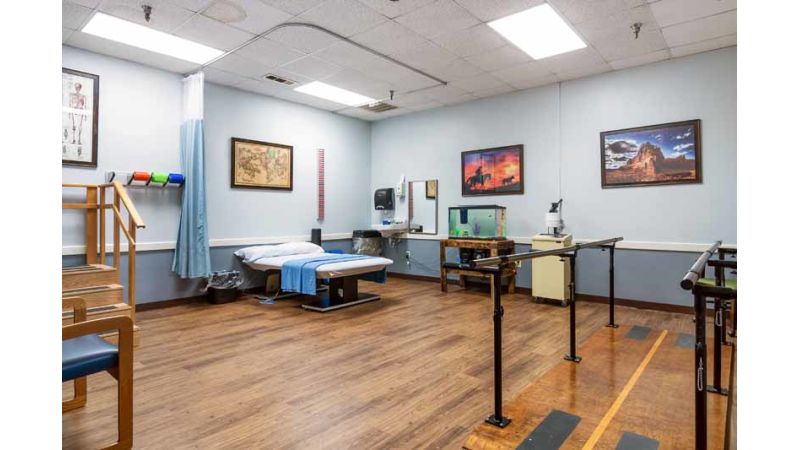
How is Greenview Nursing And Rehabilitation Staffed?

CMS rates GREENVIEW NURSING AND REHABILITATION's staffing level at 1 out of 5 stars, which is much below average compared to other nursing homes. Staff turnover is 67%, which is 20 percentage points above the Texas average of 46%. High turnover can affect care consistency as new staff learn residents' individual needs. RN turnover specifically is 71%, which is notably high. RNs provide skilled clinical oversight, so turnover in this role can affect medical care quality.

What Have Inspectors Found at Greenview Nursing And Rehabilitation?

State health inspectors documented 36 deficiencies at GREENVIEW NURSING AND REHABILITATION during 2022 to 2025. These included: 3 Immediate Jeopardy (the most serious level, indicating potential for serious harm or death), 5 that caused actual resident harm, and 28 with potential for harm. Immediate Jeopardy findings are rare and represent the most serious regulatory concerns. They require immediate corrective action.
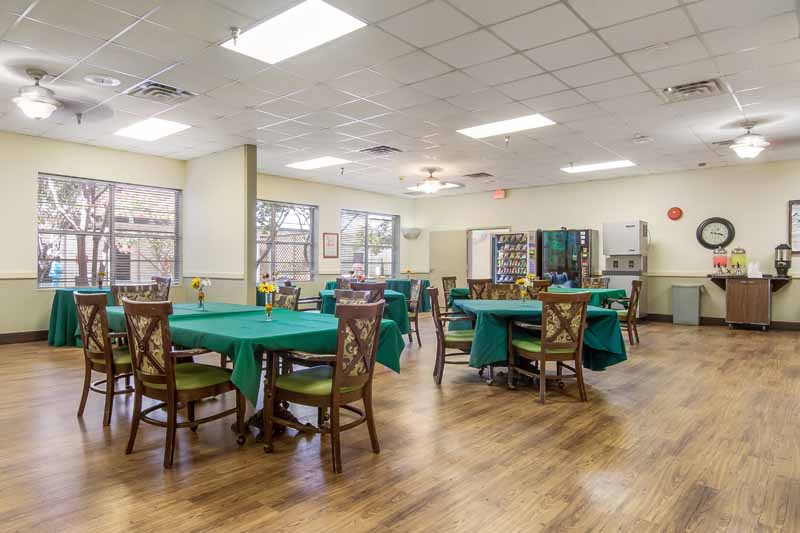
Who Owns and Operates Greenview Nursing And Rehabilitation?

GREENVIEW NURSING AND REHABILITATION is owned by a for-profit company. For-profit facilities operate as businesses with obligations to shareholders or private owners. The facility is operated by EDURO HEALTHCARE, a chain that manages multiple nursing homes. With 128 certified beds and approximately 90 residents (about 70% occupancy), it is a mid-sized facility located in WACO, Texas.
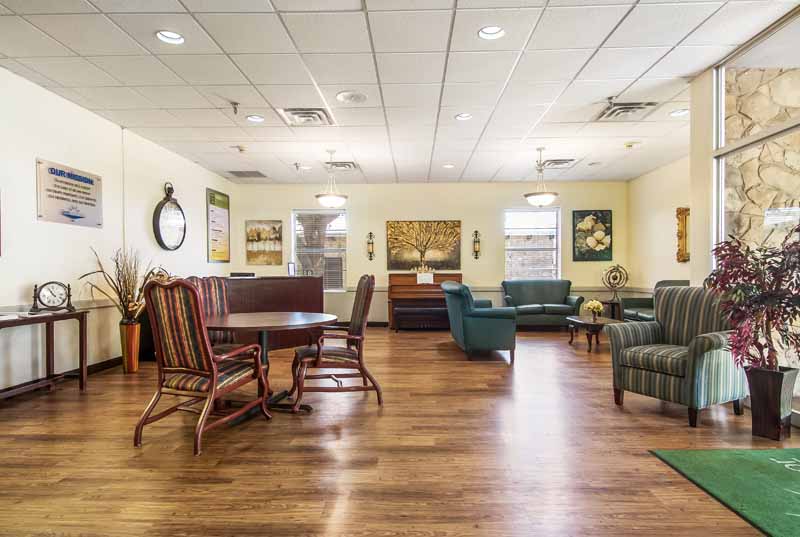
How Does Greenview Nursing And Rehabilitation Compare to Other Texas Nursing Homes?

Compared to the 100 nursing homes in Texas, GREENVIEW NURSING AND REHABILITATION's overall rating (1 stars) is below the state average of 2.8, staff turnover (67%) is significantly higher than the state average of 46%, and health inspection rating (1 stars) is much below the national benchmark.

What Should Families Ask When Visiting Greenview Nursing And Rehabilitation?

Based on this facility's data, families visiting should ask: "What changes have been made since the serious inspection findings, and how are you preventing similar issues?" "What safeguards and monitoring systems are in place to protect residents from abuse or neglect?" "How do you ensure continuity of care given staff turnover, and what is your staff retention strategy?" "Can you walk me through typical staffing levels on day, evening, and night shifts?" These questions are particularly relevant given the facility's Immediate Jeopardy citations, the substantiated abuse finding on record, the facility's high staff turnover rate, and the below-average staffing rating.

Is Greenview Nursing And Rehabilitation Safe?

Based on CMS inspection data, GREENVIEW NURSING AND REHABILITATION has documented safety concerns. The facility has 1 substantiated abuse finding (meaning confirmed case of resident harm by staff or other residents). Inspectors have issued 3 Immediate Jeopardy citations (the most serious violation level indicating risk of serious injury or death). The facility has a 1-star overall rating and ranks #100 of 100 nursing homes in Texas. Families considering this facility should ask detailed questions about what corrective actions have been taken since these incidents.

Do Nurses at Greenview Nursing And Rehabilitation Stick Around?

Staff turnover at GREENVIEW NURSING AND REHABILITATION is high. At 67%, the facility is 20 percentage points above the Texas average of 46%. Registered Nurse turnover is particularly concerning at 71%. RNs handle complex medical decisions and coordinate care — frequent RN changes can directly impact care quality. High turnover means new staff may not know residents' individual needs, medications, or preferences. It can also be disorienting for residents, especially those with dementia who rely on familiar faces. Families should ask: What is causing the turnover? What retention programs are in place? How do you ensure care continuity during staff transitions?

Was Greenview Nursing And Rehabilitation Ever Fined?

GREENVIEW NURSING AND REHABILITATION has been fined $59,554 across 4 penalty actions. This is above the Texas average of $33,674. Fines in this range indicate compliance issues significant enough for CMS to impose meaningful financial consequences. Common causes include delayed correction of deficiencies, repeat violations, or care failures affecting resident safety. Families should ask facility leadership what changes have been made since these penalties.

Is Greenview Nursing And Rehabilitation on Any Federal Watch List?

GREENVIEW NURSING AND REHABILITATION is not on any federal watch list. The most significant is the Special Focus Facility (SFF) program, which identifies the bottom 1% of nursing homes nationally based on persistent, serious quality problems. Not being on this list means the facility has avoided the pattern of deficiencies that triggers enhanced federal oversight. This is a positive indicator, though families should still review the facility's inspection history directly.