Jeffrey Place Healthcare Center
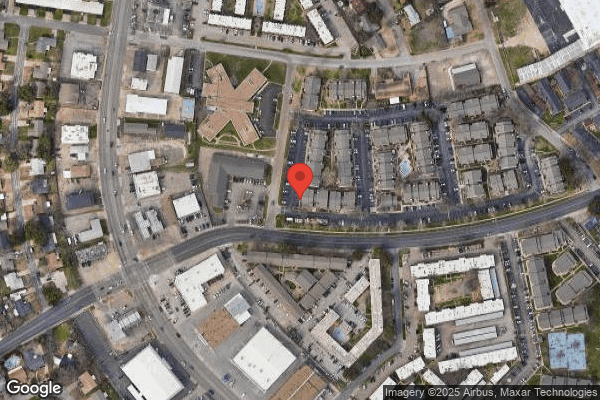

820 Jeffrey Dr, Waco, TX 76710 (254) 772-9480
For profit - Corporation 95 Beds SLP OPERATIONS Data: November 2025 2 Immediate Jeopardy citations
Trust Grade
9/100
#1013 of 1168 in TX
Last Inspection: February 2025

Within standard 12-15 month inspection cycle. Federal law requires annual inspections.

Overview

Jeffrey Place Healthcare Center has received a Trust Grade of F, indicating significant concerns about the quality of care, placing it among the lowest-rated facilities. It ranks #1013 out of 1168 nursing homes in Texas, meaning it is in the bottom half of facilities statewide, and #12 out of 17 in McLennan County, indicating limited local options. Despite the facility showing an improving trend with a decrease in reported issues from 15 to 14, it still faces serious challenges, including a concerning staffing rating of 1 out of 5 stars and a high turnover rate of 57%. There were critical incidents, such as a resident suffering injuries after falling from the bed due to inadequate supervision and another resident eloping from the facility, highlighting serious lapses in safety protocols. While there are some strengths, such as an average quality measure rating, the overall environment raises notable concerns for families considering this facility for their loved ones.
Trust Score
F
9/100
In Texas
#1013/1168
Bottom 14%
Safety Record
High Risk
Review needed
Inspections
Getting Better
15 → 14 violations
Staff Stability
⚠ Watch
57% turnover. Above average. Higher turnover means staff may not know residents' routines.
Penalties
✓ Good
$8,021 in fines. Lower than most Texas facilities. Relatively clean record.
Skilled Nurses
⚠ Watch
Each resident gets only 7 minutes of Registered Nurse (RN) attention daily — below average for Texas. Fewer RN minutes means fewer trained eyes watching for problems.
Violations
⚠ Watch
39 deficiencies on record. Higher than average. Multiple issues found across inspections.
★☆☆☆☆
1.0
Overall Rating
★☆☆☆☆
1.0
Staff Levels
★★★☆☆
3.0
Care Quality
★★☆☆☆
2.0
Inspection Score
Stable
2024: 15 issues
2025: 14 issues

The Good

  • Full Sprinkler Coverage · Fire safety systems throughout facility
  • No fines on record

Facility shows strength in fire safety.

The Bad

1-Star Overall Rating

Below Texas average (2.8)

Significant quality concerns identified by CMS

Staff Turnover: 57%

10pts above Texas avg (46%)

Frequent staff changes - ask about care continuity

Federal Fines: $8,021

Below median ($33,413)

Minor penalties assessed

Chain: SLP OPERATIONS

Part of a multi-facility chain

Ask about local staffing decisions and management

Staff turnover is elevated (57%)

9 points above Texas average of 48%

The Ugly 39 deficiencies on record

2 life-threatening
Jul 2025 1 deficiency
CONCERN (E) 📢 Someone Reported This

A family member, employee, or ombudsman was alarmed enough to file a formal complaint

Potential for Harm - no one hurt, but risky conditions existed

Pharmacy Services (Tag F0755)

Could have caused harm · This affected multiple residents

**NOTE- TERMS IN BRACKETS HAVE BEEN EDITED TO PROTECT CONFIDENTIALITY** Based on interview and record review, the facility failed to provide pharmaceutical services (including procedures that assure t...

Read full inspector narrative →
**NOTE- TERMS IN BRACKETS HAVE BEEN EDITED TO PROTECT CONFIDENTIALITY** Based on interview and record review, the facility failed to provide pharmaceutical services (including procedures that assure the accurate acquiring, receiving, dispensing, and administering of all drugs and biologicals) for 4 (Resident #1, #2, #3, and #4) of 15 residents reviewed for accurate medical records.The facility failed to ensure the accuracy of Resident # 1, #2, #3 and # 4's, pain PRN narcotic drug record versus residents' eMARs for June and July 2025. The documentation between the two records did not match.This deficient practice could result in errors in care and treatment.Findings included:Review of Resident #1's face sheet, undated, reflected a [AGE] year-old female who was admitted to the facility on [DATE] and readmitted on [DATE] with diagnoses that included myocardial infarction (a condition where blood flow to a part of the heart muscle is blocked, causing damage or death to that tissue), chronic obstructive pulmonary (a progressive lung disease characterized by airflow obstruction and breathing difficulties), anxiety disorder (a group of related conditions characterized by excessive and persistent fear or worry in situations that are not threatening), and schizoaffective disorder, depressive type (a mental illness characterized by a combination of symptoms from both schizophrenia (a severe, chronic brain disorder that affects how a person thinks, feels, and behaves)).Review of Resident #1's quarterly MDS assessment, dated 07/07/25, reflected a BIMS score of 05, indicating severe cognitive impairment. Section J - Health Conditions - Resident #1 received PRN pain medications or was offered or declined.Review of Resident #1's admission care plan reflected a problem start date of 02/18/17 category - Pain, Resident #1 was at risk for pain due to history of fracture and generalized osteoarthritis (a condition that causes the breakdown of cartilage in joints, leading to pain, stiffness, and swelling). Approach dated 07/26/21 administer medications as ordered and notify medical doctor if not effective. Review of Resident #1's medication orders reflected tramadol - Schedule IV (substances that have potential for abuse and dependence) tablet; 50 mg; amount to administer: 1 tab; oral, frequency Every 6 Hours - PRN, diagnosis - pain, start dated 10/13/2024 - open endedReview of Resident #1's handwritten Narcotic Drug Record (provided for documentation, including route, date, time, and dose, of a narcotic administered to an individual patient/resident) for tramadol 50 mg tablet 1 tablet by mouth every 6 hours as needed revealed the tramadol 50 mg tablet reflected:06/01/25 handwritten time illegible 1 tab.06/05/25 handwritten time illegible 1 tab.06/09/25 handwritten time illegible 1 tab.06/11/25 time 4:00 pm 1 tab.06/16/25 handwritten time illegible 1 tab.06/19/25 handwritten time illegible 1 tab.06/20/25 time 2:30 pm 1 tab.06/21/25 time 6:30 pm 1 tab.06/23/25 time 3:00 pm 1 tab. 06/26/25 handwritten time illegible 1 tab.06/28/25 time 7:00 pm 1 tab.07/03/25 time 2:00 pm 1 tab.07/08/25 time 7:15 pm 1 tab.07/11/25 time 2:45 pm 1 tab.07/14/25 handwritten time illegible 1 tab.07/18/25 handwritten time illegible 1 tab.07/19/25 time 7:30 pm 1 tab.07/20/25 handwritten time illegible 1 tab.07/22/25 handwritten time illegible 1 tab.07/22/25 handwritten time illegible 1 tab.07/22/25 handwritten time illegible 1 tab.07/23/25 handwritten time illegible 1 tab.Record review of Resident #1's June 2025 MAR reflected no entries of tramadol - Schedule IV (substances that have a low potential for abuse and addiction compared to Schedule III drugs, but still have the potential for abuse and dependence) tablet; 50 mg; Amount to Administer: 1 tab; oral, frequency Every 6 Hours - PRN, diagnosis - pain, start dated 10/13/2024 - Open Ended administered to Resident #1.Record review of Resident #1's July 2025 MAR reflected tramadol - Schedule IV (substances that have a low potential for abuse and addiction compared to Schedule III drugs, but still have the potential for abuse and dependence) tablet; 50 mg; Amount to Administer: 1 tab; oral, frequency Every 6 Hours - PRN, diagnosis - pain, start dated 10/13/2024 - open ended administered to Resident #1 was administered on:07/28/25 time 9:29 pm for PRN reason pain; pain before administered level 4 (moderated) PRN result effective Review of Resident #2's face sheet, undated, reflected a [AGE] year-old male who was admitted to the facility on [DATE] and readmitted on [DATE] with diagnoses that included hemiplegia and hemiparesis following cerebral infarction affecting right dominant side (usually caused by a stroke, is a condition characterized by paralysis (hemiplegia) or weakness (hemiparesis) on one side of the body), chronic obstructed pulmonary disease (a progressive lung disease that makes it difficult to breathe) and bipolar disorder (a mental health condition characterized by extreme mood swings, including emotional highs (mania or hypomania) and lows (depression).Review of Resident #2's quarterly MDS assessment, dated 06/06/25, reflected a BIMS score of 06, indicating severe cognitive impairment. Section J - Health Conditions - Resident #2 received PRN pain medications or was offered or declined.Review of Resident #2's care plan reflected problem start date 02/26/2019 and edited 07/17/25 reflected Resident #2 has complaints of chronic pain related to hemiplegia, pain site back pain, generalized pain approach date edited 07/17/25 administer PRN mediations Tylenol (Acetaminophen) and/or Tylenol #3 (Acetaminophen) PRN return to assess effectiveness.Review of Resident #2's medication orders reflected acetaminophen-codeine - Schedule III (substances with a moderate potential for abuse and dependence) tablet; 300-30 mg; Amount to Administer 1 tablet oral, Every 4 Hours - PRN, 06/03/2025 - open endedReview of Resident #2's handwritten Narcotic Drug Record for Acetaminophen/codeine 300/30 (brand: Tylenol #3) mg tablet give 1 tablet by mouth every 4 hours as needed revealed the tramadol 30 mg tablet reflected:06/11/25 time 9:00 am 1 tab.06/11/25 time 3:00 pm 1 tab.06/13/25 time 9:00 am 1 tab.06/17/25 time 8:40 pm 1 tab.06/20/25 time 7:00 pm 1 tab.06/21/25 time 8:00 am 1 tab.06/21/25 time 7:00 pm 1 tab.06/22/25 time 8:00 am 1 tab.06/22/25 time 7:00 pm 1 tab.06/23/25 time 8:00 am 1 tab.06/23/25 time 7:00 pm 1 tab.06/24/25 time 8:00 am 1 tab.06/24/25 time 8:00 pm 1 tab.06/25/25 time 8:00 am 1 tab.06/25/25 time 8:00 pm 1 tab.06/26/25 time 8:00 am 1 tab.06/26/25 time 7:00 pm 1 tab.06/27/25 time 8:00 am 1 tab.06/27/25 time 7:00 pm 1 tab.06/28/25 time 8:00 am 1 tab.06/28/25 time 7:00 pm 1 tab.06/29/25 time 8:00 am 1 tab.06/29/25 time 7:00 pm 1 tab.06/30/25 time 8:00 am 1 tab.06/30/25 time 8:00 pm 1 tab.07/01/25 time 8:00 am 1 tab.07/01/25 time 8:00 pm 1 tab.07/02/25 time 8:00 am 1 tab.07/02/25 time 8:00 pm 1 tab.07/03/25 time 8:00 am 1 tab.07/03/25 time 8:00 pm 1 tab.07/04/25 time 8:00 pm 1 tab.07/05/25 time 8:00 am 1 tab.07/06/25 time 3:00 am 1 tab.07/06/25 time 8:00 am 1 tab.07/06/25 time 7:00 pm 1 tab.07/07/25 time 8:00 am 1 tab.07/07/25 time 8:00 pm 1 tab.07/07/25 time 2:00 am 1 tab.07/08/25 time 8:00 pm 1 tab.07/09/25 time 7:00 am 1 tab.07/09/25 time 8:00 pm 1 tab.07/10/22 time 8:00 am 1 tab.07/10/22 time 7:00 pm 1 tab.07/10/22 time 11:30 pm 1 tab.07/11/22 time 8:00 am 1 tab.07/11/22 time 7:00 pm 1 tab.07/12/22 time 8:00 am 1 tab.07/12/22 time 7:00 pm 1 tab.07/13/22 time 8:00 am 1 tab.07/13/22 time 7:00 pm 1 tab.07/14/22 time 7:00 am 1 tab.07/14/22 time 7:00 pm 1 tab.07/15/22 time 7:00 am 1 tab.07/15/22 time 8:00 pm 1 tab.07/16/22 time 0800 [8:00 am] 1 tab.07/16/22 time 8p 1 tab.07/16/22 time 0800 [8:00 am] 1 tab.07/17/25 time 8:00 am 1 tab.07/17/25 time 8:00 pm 1 tab.07/18/25 time 8:00 am 1 tab.07/18/25 time 8:00 pm 1 tab.07/19/25 time 8:00 am 1 tab.07/19/25 time 8:00 pm 1 tab.07/20/25 time 8:00 am 1 tab.07/20/25 time 8:00 pm 1 tab.07/21/25 time 8:00 am 1 tab.07/21/25 time 7:00 pm 1 tab.07/22/25 time 8:00 am 1 tab.07/22/25 time 7:00 pm 1 tab.07/23/25 time 8:00 am 1 tab.07/23/25 time 6:40 pm 1 tab.Record review of Resident #2's June 2025 MAR reflected, acetaminophen-codeine - Schedule III (substances with a moderate potential for abuse and dependence) tablet; 300-30 mg; Amount to Administer 1 tablet oral, Every 4 Hours - PRN, 06/03/2025 - Open Ended was administered on:06/08/25 time 7:16 am, for pain, pain level before administered level 5 (moderate) PRN result follow up effective06/09/25 time 8:38 pm, for pain, pain level before administered level 6 (moderate) PRN result follow up effective06/12/25 time 9:32 pm, for pain, pain level before administered level 6 (moderate) PRN result follow up effective06/19/25 8:03 am, for pain, pain level before administered level 4 (moderate) PRN result follow up effective06/19/25 5:03 pm for pain, pain level before administered level 5 (moderate) PRN result follow up effectiveRecord review of Resident #2's July 2025 MAR reflected, acetaminophen-codeine - Schedule III (substances with a moderate potential for abuse and dependence) tablet; 300-30 mg; Amount to Administer 1 tablet oral, Every 4 Hours - PRN, 06/03/2025 - Open Ended was administered on:07/10/25 11:23 pm for pain, pain level 3 (noticeable and distracting) PRN result follow up effective.Review of Resident #'3s face sheet, undated, reflected a [AGE] year-old female who was admitted to the facility on [DATE] and readmitted on [DATE] with diagnoses that included sequelae of cerebral infarction (also known as stroke (occurs when blood flow to the brain is disrupted, either by a blockage or a bleed) refers to the long-term consequences or complications that arise after a stroke), moderate intellectual disabilities (individuals with an intelligence quotient between 35 and 39), and schizophrenia, unspecified (a diagnostic term used when a person experiences symptoms of schizophrenia (a chronic and severe mental health disorder that affects how a person thinks, feels, and behaves) or other psychotic disorders, but their symptoms don't fully meet the criteria for a more specific diagnosis within the schizophrenia spectrum. Review of Resident #3's quarterly MDS assessment, dated 06/06/25, reflected a BIMS score of 11, indicating moderate cognitive impairment. Section J - Health Conditions - reflected Resident #3 did not received PRN pain medications or was offered or declined.Review of Resident #3's admission care plan reflected no care plan for pain involving the administration of tramadol. Resident #3's care plan reflected problem start date - 09/13/2023 Pain- Ibuprofen, Muscle Rub, edited: 06/12/2025 approach start date: - 09/13/2023 administer pain medications as ordered.Review of Resident #3's medication orders reflected tramadol Schedule IV (have a low potential for abuse relative to other controlled substances) tablet; 50 mg; amount to administer: 1 tablet; oral Every 6 Hours - PRN, take 1 tablet by mouth every 6 hours as needed for pain, indications: acute pain start date 06/26/2025 - Open EndedReview of Resident #3's handwritten Narcotic Drug Record for tramadol 50 mg tablet 1 tablet by mouth every 6 hours as needed revealed the tramadol 50 mg tablet reflected:06/29/25 time 11:00 1 tab06/30/25 time 10:00 1 tab.06/30/25 time 7:42 1 tab.07/10/25 time 7:45 1 tab.07/12/25 time 8:00 am 1 tab.07/12/25 time illegible 1 tab.07/21/25 time 11:00 am 1 tab.07/21/25 time 7:15 pm 1 tab.Record review of Resident #3's June 2025 MAR reflected tramadol Schedule IV (have a low potential for abuse relative to other controlled substances) tablet; 50 mg; amount to administer: 1 tablet; oral Every 6 Hours - PRN, take 1 tablet by mouth every 6 hours as needed for pain, indications: acute pain start date 06/26/2025 - Open Ended was administered on: 06/26/25 time 6:49 pm, for pain, PRN result follow up effective06/30/25 time 8:14 am, for pain, PRN result follow up effectiveRecord review of Resident #3's July 2025 MAR reflected tramadol Schedule IV (have a low potential for abuse relative to other controlled substances) tablet; 50 mg; amount to administer: 1 tablet; oral Every 6 Hours - PRN, take 1 tablet by mouth every 6 hours as needed for pain, indications: acute pain start date 06/26/2025 - Open Ended was administered on: 07/01/25 time 5:46 am, for pain, PRN result follow up effective07/02/25 time 4:35 pm, for pain PRN result follow up effective07/04/25 time 9:47 am, for pain, PRN result follow up effective07/05/25 time 5:50 am, for pain PRN result follow up effective07/05/25 time 9:18 pm for pain PRN results follow up effective07/07/25 time 9:51 pm for pain PRN results follow up effective 07/12/25 time 6:20 pm for pain PRN results follow up effective 07/13/25 time 12:49 am for pain PRN results follow up effective07/13/25 time 9:27 am for pain PRN results follow up effective07/14/25 time 2:20 am for pain PRN results follow up effective07/15/25 time 1:14 pm for pain PRN results follow up effective07/16/25 time 9:20 pm for pain PRN results follow up effective07/17/25 time 7:38 am for pain PRN results follow up effective07/17/25 time 6:37 pm for pain PRN results follow up effective07/18/25 time 4:20 am for pain PRN results follow up effective07/18/25 time 9:21 pm for pain PRN results follow up effective07/19/25 time 4:27 pm for pain PRN results follow up effective07/20/25 time 11:16 pm for pain PRN results follow up effective07/23/25 time 9:24 am for pain PRN results follow up effective07/23/25 time 7:36 pm for pain PRN results follow up effective07/24/25 time 7:33 am for pain PRN results follow up effectiveReview of Resident #4's face sheet, undated, reflected a [AGE] year-old female who was admitted to the facility on [DATE] with diagnoses that included unspecified fracture of lower end of right femur (the thigh bone, the longest and strongest bone in the human body) unspecified abnormalities of gait and mobility and other lack of coordination, cognitive communication deficit (difficulties in communication that arise from impairments in cognitive processes like attention, memory, and executive functions, rather than issues with speech or language production themselves).Review of Resident #4's resident assessment and care screening MDS assessment, dated 07/24/25, reflected a BIMS score of 10, indicating moderate cognitive impairment. Section J - Health Conditions - Resident #4 received PRN pain medications or was offered or declined.Review of Resident #4's admission care plan reflected problem start date 07/18/2025 pain related to right femur fracture - Tramadol approach start date - 07/18/2025 administer pain medications as orderedReview of Resident #4's medication orders reflected tramadol Schedule IV (have a low potential for abuse relative to other controlled substances) tablet; 50 mg; amount to administer: 1 tablet; oral Every 6 Hours - PRN, take 1 tablet by mouth every 6 hours as needed for pain, indications: acute pain start date 07/18/2025 - Open Ended Review of Resident #4's handwritten Narcotic Drug Record for tramadol 50 mg tablet give 1 tablet by mouth every 6 hours as needed reflected:07/22/25 time 1:00 pm 1 tab.07/24/25 time 7:10 pm 1 tab.Record review of Resident #4's July 2025 MAR reflected tramadol Schedule IV (have a low potential for abuse relative to other controlled substances) tablet; 50 mg; amount to administer: 1 tablet; oral Every 6 Hours - PRN, take 1 tablet by mouth every 6 hours as needed start date 07/18/2025 - Open Ended was administered on: 07/19/25 time 5:30 am PRN reason pain, pain level before 3 (notable pain that can be distracting) PRN result effective07/19/25 time 11:24 pm PRN reason pain, pain level before 4 (moderate) PRN result effective.Interview on 07/29/25 at 12:40 pm with Resident #1 who stated she was not getting her pain medications.Interview on 07/29/25 at 2:33 pm with Resident #1's hospice RN reflected when she visited Resident #1, Resident #1's pain was controlled and her review of Resident #1's hospice facility visits records reflected that Resident #1's pain had been controlled. Interview on 07/29/25 at 3:40 pm with Resident #2 who stated the staff at the facility treated him respectfully and he felt safe at the facility. She said he received all of his pain medication, and he did not have any concerns. Interview on 07/29/25 at 3:45 pm with Resident #3 who stated the staff treated her respectfully and she got all of her pain medications. Interview on 07/29/25 at 6:14 pm with Resident #4 who stated the staff treated her respectfully and she received all of her PRN pain medications. She stated the staff was responsive when she asked for the medication and she received it, she did not have any concerns. Interview on 07/28/25 at 5:04 pm with LVN A via phone stated she had administered PRN controlled substance medications to residents. She said the facility procedure was to sign on the individual resident Narcotic Drug Record that the medication was given then to record in the eMAR that the resident was administered the medication. She said the negative effect of medication that was administered but not documented in the eMAR was there was no documentation that it was given to the resident. She said that could be bad for the resident because you do not know how much medication the resident received. She said if a resident goes to the hospital, there was no record in the eMAR of what the resident had taken. She said everyone was responsible for making sure that medication given to the resident was documented in the eMAR and all staff have a role to plan. She said there was a computer problem that caused an interruption when documenting PRN medication in the eMAR and she let the DON know. She said the PRN eMAR documentation did get better. She said it was important to make sure the resident was not in pain, and they had received their correct medications. Interview on 07/29/25 at 4:36 pm with LVN D who stated he administered PRN controlled substance pain medications to facility residents. He said that when a controlled substance was going to be administered to a resident, the medication was signed out on the individual resident's Narcotic Drug Record, administered to the resident, then documented in the resident's eMAR that they received the medication. He said he was not properly trained in documenting PRN medications in eMAR and until a recent in-service involving documenting PRN controlled substances in the eMAR. He said he did not realize that he was making an error on the computer when documenting that the resident received their medication. He said that if it was not documented in the eMAR that a resident received their pain medication, the resident could go without their pain medication. He said it was a problem because you would not know if the medication the resident received was effective if it was not documented that they received it. He said that at times, the facility internet did not work well and there was an interruption in service that did not enable the documentation of the medication in the eMAR. He said it was the responsibility of the DON to confirm that PRN controlled substance medications given to the residents were documented as given in the eMAR. Interview on 07/28/25 at 4:33 pm with LVN B via phone stated she administered PRN pain medications to residents. She said when you administer PRN controlled substances the procedure was to sign on the individual resident's Narcotic Drug Record documenting that you gave the resident the controlled substance and to document in the eMAR that the medication was administered to the resident. She said the eMAR should match the resident's Narcotic Drug Record for that date and time. She said the negative effect of not documenting in the eMAR that the resident received the medication would be that you would not know if the resident was given the medication, and the resident could be in pain. She said the nurse was supposed to make sure she residents' get their medication. She said the ADON and DON were responsible for make sure that the medications have been correctly administered to the residents. Interview on 07/28/25 at 4:51 pm with LVN C via phone stated she had administered PRN controlled substance to facility residents. She said the facility policy is to sign out the medication on the resident's Narcotic Drug Record and then document in the eMAR that the medication was administered to the resident. She said medication administered to a resident should always be documented in the eMAR. She said the negative effect of not documenting medication administered in the eMAR would be that you don't know if the resident really got the medication, and it does not accurately reflect what medications were given to the resident. She said the resident's Narcotic Drug Record should match eMAR and it was the responsibility of the nurse to follow through and confirm that it was documented. She said there was an interruption in the internet system and at times the staff thought the medication was successfully documented in the eMAR, but it did not show up. She said anytime there was a glitch in the emery system she told the DON. She said it was very important to make sure that the resident was not in pain, and they were given the correct medications. Interview on 07/28/25 at 4:15 pm with the ADON revealed she had administered PRN tramadol to Resident #3. She stated that the facility procedure for administering PRN tramadol to Resident #3 was to write on the resident's Narcotic Drug Record that the medication was administered to Resident #3 and then document the administration of the medication on MAR in the computer. The ADON said all kinds of things could happened if the tramadol was not marked as administered on the MAR. She said you could give the resident too much medication. She said the resident's Narcotic Drug Record and the MAR should match. She said that there was a computer glitch in the facility system and the documentation in residents' MARs that PRN medication was administered did not stick on the MAR. She said it was an on and off problem and she reported it to the DON. She said it was the responsibility of the nurse administering the medication to the resident to make sure that medications reflected on the Narcotic Drug Record and the residents' MAR matched. Interview on 07/28/25 at 2:31 pm with the DON who stated if a resident was administered a pain medication it was signed out on the resident Narcotic Drug Record and, when administered, entered into the eMAR documenting that the medication was administered. She said there was a problem if the PRN pain medication was not marked administered in the eMAR because you would not know how the medication was being used and if it was effective. She said when it is documented it the eMAR, there was a pain assessment if it was not documented, you are not really tracking the residents' pain. She said if medication was not charted, then it was not given. She said the charge nurse was responsible for making sure the eMAR and the resident Narcotic Drug Record matched. Interview on 07/29/25 at 6:17 pm with the Administrator who stated it was important that the resident Narcotic Drug Record matched the eMAR to make sure resident was administered the correct dosage and to monitor residents' pain. A resident might need a pain medication review the MD and if the eMAR does not accurately reflect what was administered to the resident, it would be difficult to review the pain and what pain medication would be beneficial to the resident. It was the responsibility of the charge nurse and the nursing administration to audit the medications recorded in the eMAR. She thought that part of the problem with the eMAR documentation was an internet issue, but that had been repaired. Additionally, she thought that the nurses administering the medication were missing a computer step in the eMAR that did not record that the resident received the information. Interview on 07/29/25 at 4:15 pm with the facility MD who stated he was concerned that the PRN controlled substances were not documented in the eMAR because it was an internal inconsistency and there needed to be better oversight. He said he was not concerned that the residents did not receive the PRN controlled substance pain medication because he said the DON was very good. He was concerned that if the problem was not corrected, people could find an opportunity to take advantage of the situation and corporate needed to know because they might need a better program. Review of facility policy Medication Administration - General Guidelines dated 06/01/2022 reflected the medication administration record (MAR) is always employed during medication administration.Documentation (including electronic). The individual who administers the medication dose records the administration on the residents' s MAR/eMAR directly after the medication is given. To ensure necessary doses were administered and documented. In no case should the individual who administered the medications report off duty without first recording the administration of any medications.The resident's MAR/eMAR is initialed by the person administering the medication in the space provided under the date and on the line for that specific medication dose administration.When PRN medications are administered, the following documentation is provided:a. date and time of administration, dose, route of administration (if other than oral).b. Complaints or symptoms for which the medication was given.c. Results achieved from giving the dose and the time results were noted.d. Signature or initials of person recording administration and signature or initials of person recording effects, if different from the person administering the medication.
Jul 2025 2 deficiencies 1 IJ
CRITICAL (J) 📢 Someone Reported This

A family member, employee, or ombudsman was alarmed enough to file a formal complaint

Immediate Jeopardy (IJ) - the most serious Medicare violation

Accident Prevention (Tag F0689)

Someone could have died · This affected 1 resident

**NOTE- TERMS IN BRACKETS HAVE BEEN EDITED TO PROTECT CONFIDENTIALITY** Based on observation, interview, and record review, the facility failed to ensure that the resident received adequate supervisio...

Read full inspector narrative →
**NOTE- TERMS IN BRACKETS HAVE BEEN EDITED TO PROTECT CONFIDENTIALITY** Based on observation, interview, and record review, the facility failed to ensure that the resident received adequate supervision and assistive devices to prevent accidents for 1 of 3 residents (Resident #2).On 5/30/2025 at approx. 12:00 p.m., CNA D had been providing incontinent care to Resident #2. While care was being provided, the resident rolled off the bed onto the floor, hitting his face on the nightstand. Resident #2 sustained swelling and redness to the right side of his face, redness to his right knee, and required admission to the hospital on 5/30/25, for further treatment. A review of the care plan dated 5/20/20 reflected that Resident #2 required one-person assistance for bed mobility and transfers. And two-person assistance for ADL care.The noncompliance was identified as PNC. The IJ began on 05/30/25 and ended on 05/31/25 due to the in-services and CNA D had been suspended. The facility had corrected the noncompliance before the survey began. This failure resulted in resident #2 sustaining a femur fracture and hematoma.Findings included:A record review of Resident #2's face sheet reflected that he was a [AGE] year-old male admitted to the facility on [DATE]. He had been admitted with diagnoses including acute neurologic cerebral infarction, sepsis of an unspecified organ, dysphagia, cerebrovascular disease, chronic obstructive pulmonary disease, bipolar disorder, major depressive disorder, generalized muscle weakness, lack of coordination, and enterocolitis due to Clostridium difficile.A review of the MDS quarterly assessment dated [DATE] reflected a BIMS score of 6, indicating severe cognitive impairment. Section GG, which reflects functional abilities, indicated that Resident #2 required dependent, two-person assistance for showers, toileting, hygiene, and bed transfers. The MDS reflected prior to the incident resident #2 did not require a 2 person assist. A care plan dated 5/20/2025 reflected that Resident #2 required one-person assistance for bed mobility and transfers and two-person assistance for ADLs. Resident #2's care plan was updated after the incident to reflect the changes made to D/C the mattress.A record review of medical records dated 5/30/2025 reflected that Resident #2 had been admitted to the hospital with complaints of pain to his right knee and right cheek. The report stated that Resident #2 sustained an acute fracture of the right femur and a hematoma to the head without facial fracture.The record of doctors' orders reflected the doctor had put in an order for a low air mattress on 4/16/2025 for the resident and the resident denied wanting his mattress to be changed out. The doctor finally talked the resident into using the new mattress because it will help his wound heal and relieve the pressure. The day of the fall, the DON contacted the doctor and advised him of the fall and that the resident requested the mattress be taken off his bed and his old mattress be put back on and the doctor agreed to and D/C the low air mattress.An interview conducted on 6/24/2025 with Resident #2 revealed that he was not able to recall the incident.An interview on 6/24/2025 at 12:30 p.m. with CNA D who stated that on 5/30/2025 she had been providing incontinent care to Resident #2. She stated that while providing care, Resident #2 rolled off the bed, hitting his face and knee on the floor. CNA D reported that she immediately called for help, the nurse assessed Resident #2, and he was sent to the hospital. CNA D stated she had been employed at the facility since October 2024 and was not aware that Resident #2 was a two-person assist. She explained that she had always provided care to him alone. CNA D said she was suspended for one day after her shift ended at 2:00 p.m. She also stated that the Director of Nursing (DON) later informed her that Resident #2 was a two-person assist.An interview with the DON on 6/24/25 at 2:57pm revealed that she had not known whether CNA D was aware of the two-person assist requirement because the care plan and MDS conflicted-one stated one-person assist, while the other stated two-person assist. The DON explained that CNAs were responsible for reviewing a resident's care plan before providing care. She stated she had not been aware when the incident occurred. After the incident, the DON said she completed a return demonstration with CNA D for peri care and bed mobility when CNA D returned to work. The DON was uncertain whether CNA D had completed her shift before being suspended. She also reported that Resident #2 told her he had fallen out of bed.Interview with the Administrator dated 6/25/25 at 09:38am, who stated that she became aware of the fall around shift change at on 5/20/25 around 2:00 p.m. Resident #2 had been assessed by a nurse and immediately transferred to the hospital. The Administrator stated that CNA D was suspended pending investigation and returned to work on 6/1/2025 after being suspended on 5/31/2025. She explained it was her expectation that charge nurses ensure CNAs are aware of residents' care needs.A review of the facility's Fall Prevention Program policy, revised in November 2024, indicated that Each resident will be assessed for fall risk and will receive care and services in accordance with their individualized level of risk to minimize the likelihood of falls.The facility completed a Plan of Removal.Interviews with two CNAs on 6/24/25 at 1:13pm, revealed that they had been in-serviced on Abuse/Neglect and assistance with mobility. CNA A and CNA B both stated they were aware of where to locate a resident's care needs in the care plan, and they stated they would notify the nurse if there was conflicting information.An interview with the Charge nurse A on 6/24/25 at 1:04pm revealed she had been trained on Abuse/Neglect and mobility assistance. She stated that when conflicting information was present, the DON would be contacted for clarification.A record review of in-services titled Assisting Dependent Residents, Abuse and Neglect, dated 5/31/2025 and conducted by the DON showed all employees had signed the documentation.A record review of a Perineal Care/Incontinent Care Competency dated 5/31/25 reflected that the DON had observed CNA D. All observation points were marked as satisfactory.Observations of CNA E and CNA F conducted at the facility on 6/24/2025 of two-person transfers using a mechanical lift revealed no concerns-staff appeared trained in mechanical lift usage. Observations of two-person in-bed peri-care also showed no concerns, and staff followed appropriate steps to ensure care and resident safety. In an interview on 7/11/2025 with the MDS Coordinator at 2:35pm revealed, that once the IJ (immediate jeopardy) was called all MDS's and care plans were reviewed and updated to reflect correct and accurate information for each resident. A record review was completed of 7 residents' (Residents #3, #4, #6, #7, #8, #9, #10) MDS's and Care plans to ensure they were correct and identified the resident's level of care required they had all been updated and were correct for each resident's chart reviewed. An observation was completed on 7/11/2025 of CNA D and another staff at 2:05pm completing a transfer using the mechanical lift with a resident no concern was noted during this observation. In an interview with CNA D on 7/11/2025 at 1:31pm revealed she was not trained but she was given an in-service, but she was not trained. She stated she watched another staff member perform the use of the mechanical lift. She stated she worked at another facility and in total she has been using the mechanical lift for 2 years. She stated she has the DON personally showed her how to locate the residents plan of care (POC). She stated the resident was a 1 person assist and after the fall he became a 2 person assist. She stated the resident could roll on his own from side to side. She stated she was not aware of them changing his mattress. She stated she position herself as she always does and when he tuned, he slid straight off the bed. CNA D stated she was trained by the DON where to find the POC (plan of care) and if she needed more training she would provide it to her. In an interview on 7/11/2025 with the Administrator at 12:20pm revealed, to ensure that the information reflected in a resident's plan of care was accurate they were going to meet with the IDT tea. The Administrator stated they would discuss the change in condition per resident and once the changes have been placed in the computer, they would notify the nurses, so everyone could be aware of what changes had been made to a resident's plan of care.The noncompliance was identified as PNC. The IJ began on 05/30/25 and ended on 05/31/25 due to the in-services and CNA D had been suspended. The facility had corrected the noncompliance before the survey began.
CONCERN (D) 📢 Someone Reported This

A family member, employee, or ombudsman was alarmed enough to file a formal complaint

Potential for Harm - no one hurt, but risky conditions existed

Deficiency F0760 (Tag F0760)

Could have caused harm · This affected 1 resident

**NOTE- TERMS IN BRACKETS HAVE BEEN EDITED TO PROTECT CONFIDENTIALITY** Based on the interviews and record review the facility failed ensure residents were free of any significant medication errors fo...

Read full inspector narrative →
**NOTE- TERMS IN BRACKETS HAVE BEEN EDITED TO PROTECT CONFIDENTIALITY** Based on the interviews and record review the facility failed ensure residents were free of any significant medication errors for 1(resident # 1) of 6 reviewed for significant medication errors.The facility failed to ensure Resident #1 received his prescribed medications. According to residents' #1 MAR the missed medications are: Insulin glargine prescribed for diabetes, Lactulose prescribed for weakness, Allopurinol prescribed for hypertension, Clotrimazole prescribed for a disorder of the skin, Docusate sodium prescribed for obesity, fish oil prescribed for hyperlipidemia, Gabapentin prescribed for type 2 diabetes mellitus with foot ulcer, Rosuvastatin prescribed for hyperlipidemia, Tamsulosin prescribed for diabetes mellitus, and Valsartan prescribed for hypertension according to the physicians' orders on June 5, 2025 and June 6, 2025. Medication Technician #1 failed to ensure that resident #1 was free of a medication error.This deficit practice could place residents at risk of serious harm, up to and including death.Findings included:Based on the interviews and record review the facility failed ensure residents were free of any significant medication errors for 1(resident # 1) of 6 reviewed for significant medication errors. The facility failed to ensure Resident #1 received his prescribed medications. According to residents' #1 MAR the missed medications are: Insulin glargine prescribed for diabetes, Lactulose prescribed for weakness, Allopurinol prescribed for hypertension, Clotrimazole prescribed for a disorder of the skin, Docusate sodium prescribed for obesity, fish oil prescribed for hyperlipidemia, Gabapentin prescribed for type 2 diabetes mellitus with foot ulcer, Rosuvastatin prescribed for hyperlipidemia, Tamsulosin prescribed for diabetes mellitus, and Valsartan prescribed for hypertension according to the physicians' orders on June 5, 2025 and June 6, 2025. Medication Technician #1 failed to ensure that resident #1 was free of a medication error. This deficit practice could place residents at risk of serious harm, up to and including death.Findings included:A record review of Resident #1's face sheet dated on 6/24/25 reflected that a [AGE] year-old male admitted to the facility on [DATE]. Resident #1 had a medical history of acute osteomyelitis (a rapidly developing inflammation and infection of the bone, often caused by bacteria, that can lead to bone damage if not treated promptly), Diabetes mellitus due to underlying condition with other diabetic kidney complication (kidney disease (diabetic nephropathy) that develops as a consequence of diabetes caused by another underlying condition, and is characterized by specific kidney issues), Acute pain due to trauma (a sudden, intense pain that arises from an injury or physical damage, like a fall, car accident, or bone fracture), Essential hypertension (a condition characterized by persistently elevated blood pressure where no specific underlying medical cause can be identified), non-pressure chronic ulcer of part of right foot with necrosis of bone (a persistent open sore on the foot, specifically on the right foot, that is not caused by pressure, and involves the death of bone tissue (necrosis)), Disorder of the skin and subcutaneous tissue, unspecified (a skin or subcutaneous tissue disorder where the specific nature of the condition), Type 2 diabetes mellitus with foot ulcer (a situation where a person with type 2 diabetes develops a wound on their foot that doesn't heal properly), Hyperlipidemia (an abnormally high concentration of fats or lipids in the blood), unspecified Sepsis in right foot, unspecified organism (Unspecified sepsis in the right foot with an unspecified organism means that the patient has a serious condition where their body's response to an infection is causing damage to its own tissues and organs, and the source of that infection is located in their right foot), Streptococcus (a type of bacteria that can cause skin, soft tissue and respiratory tract infections), Obesity (a chronic condition characterized by excessive accumulation of body fat that poses a risk to health). On 6/7/25, Resident #1 was discharged voluntarily due to him feeling that the facility had failed him by not providing prescribed medications. A record review for Resident's #1 care plan, was not able to be reviewed. Resident #1 was at the facility for two days; a care plan was not yet in place. A record review of Residents #1 MAR dated 6/7/2025, reflected that Insulin glargine, Lactulose, Allopurinol, Clotrimazole, Docusate sodium, fish oil, Gabapentin, Rosuvastatin, Tamsulosin, and Valsartan, where missed June 5th and June 6th, 2025. Next to the medications, the medication Technician noted that the medications were not in the facility. A record review of Residents #1 progress report dated 6/6/25 10:30pm reflected that resident c/o pain, tramadol had not come in. Hydrocodone 5/325 mg was delivered earlier 06/5/25, by the pharmacy. This medication was prescribed from Doctor #A. According to the progress note entered by Charge nurse A, notified the DON, the DON gave an okay to give Hydrocodone for pain, until the Tramadol could be delivered to the facility. Hydrocodone would be dc' d when Tramadol was delivered. On 6/6/25 at 8:03pm a progress note entered by Charge nurse A stated that Lantus, prescribed for diabetes, was given. A record review of Resident #1 notes dated 6/7/25 3:36pm entered by CNA A, reflected that Resident #1 had been yelling for 911 to be called, it stated that his right leg was hurting, and he didn't want to be at the facility any longer. Charge nurse A, talked to him several times, but he continued to state that he wanted to go to the hospital. The facility Called 911 for non-emergency. When EMS arrived, Resident #1 stated that no one had been in his room since June 6/6/26. Resident #1 was transferred out as requested. A record review of Resident's #1 orders as well as medical discharge summary, on 6/24/25, at 1:34pm, reflected that [NAME] #B prescribed Allopurinol, Aspirin, Docusate Sodium, Lovenox, Gabapentin, Insulin Glargine, Insulin, Lactulose, Rosuvastatin, Tamsulosin, and Valsartan. During an interview via phone on 06/24/25 at 9:35am hospital Social Worker A stated that she was not present when Resident #1 came into the hospital, however she was able to read a report written by Social Worker B, both social workers work at the local hospital. Social Worker B stated that the report from the nursing facility reflected Resident #1 came into the ER with pain in his right foot from sepsis. She stated that Residents #1's foot was amputated a week prior to his admission the facility. Social Worker A stated that the report read that Resident #1 reported that the facility had not given him his Antibiotics, Sepsis medication or his insulin shots. According to Social Worker B, Social Worker #A wrote that she was sent medical records from the nursing facility. The medical records indicated that medications had been missed. According to the report read by Social Worker #B, missing the medications would have no lasting or harmful impact. An interview with the DON on 6/25/25 at 9:15am, who stated that the medications were in the facility. She said that all medical technicians are aware of this fact. DON also stated that there are over the counter medications in the medication room. She said that the Insulin glargine was given however, due to Medication Technician #A not being able to get into the MAR she was unable to see this. DON acknowledged that Resident #1 was supposed to receive his insulin shot twice, however he received it only once on 6/6/25. A second interview with the DON on 6/25/25 at 12:13pm reflected that there was an error with central intake. Central intake is a data base that send/hold residents' information. DON said that when Resident #1 was admitted to the nursing facility, he arrived with the incorrect social security number. DON said that Resident #1 arrived with the social security number of a different Resident from another facility with the same name. She said that once Central intake fixed the issue, Resident #1 received his medication at the end of the day 6/5/25. DON reported again that Resident #1, had still missed medication on 6/5/25 and 6/6/25. During an interview with the Medication Technician A on 6/25/25 at 10:30am, she stated that she takes her own notes of when she gives residents medication. She keeps these notes in a personal notebook that she keeps on her person during medication pass. Medical Technician A said that she does not include names when taking these notes. She said that Resident #1 has been aggressive since he arrived on 6/5/25. She stated that Resident #1 missed his morning medication of 6/5/25 due to entering the facility after medication pass had already been completed. Medication Technician #1 stated Resident #1 refused his medication on 6/6/25. Medication Technician A stated that she notated in the MAR that the medication was not in the building because she was unsure how to document that Resident #1 refused. During an interview with 3 CNA's on 6/25/25 at 11:14am, they stated that no resident has never reported not receiving medication to them. They said they were in-serviced on 6/24/25 about how and what to document if a resident refuses medication. CNA A stated that if she is unsure if a medication was given, she would ask a charge nurse. CNA B and CNA C said that they would ask their DON about it if the charge nurse was unavailable. During an interview with Resident #3 and Resident #4 (who reside at the nursing facility), on 6/25/25 at 12:23pm, Resident #3 stated that he enjoys being at the facility. He said that he feels safe, and that staff treat him with respect. Resident #2 stated he has never missed any medication since he has been present at the nursing facility. Resident #3 stated that he was new to the facility, however he feels comfortable, and he has received all his medications at the prescribed times. He stated that when he has asked for his pain medication, he has had no problem with receiving it.A Record review of Medication Unavailable in-service dated on 6/24/25 was completed and signed by Medication Technician A LVN's and CNA's. A record review of Employee Corrective Action Form completed on 6/24/25 signed by Medication Technician 1 indicated that she would follow policy moving forward and the MAR. During a record of undated policy When a Medication in NOT on Cart Unavailable Medication Policy it reads When a medication is unavailable on the med cart get medication from EKIT if not in EKIT notify Charge nurse. During a record review of undated policy When a Med is not Available policy it read Charge nurse will notify physician for a substitute or an order to hold until available from pharmacy. The communication should be documented in nurse notes.
Feb 2025 10 deficiencies
CONCERN (D)

Potential for Harm - no one hurt, but risky conditions existed

Deficiency F0558 (Tag F0558)

Could have caused harm · This affected 1 resident

**NOTE- TERMS IN BRACKETS HAVE BEEN EDITED TO PROTECT CONFIDENTIALITY** Based on observation, interview and record review, the facility failed to ensure each resident had a right to reside and receive...

Read full inspector narrative →
**NOTE- TERMS IN BRACKETS HAVE BEEN EDITED TO PROTECT CONFIDENTIALITY** Based on observation, interview and record review, the facility failed to ensure each resident had a right to reside and receive services in the facility with reasonable accommodation of the residents needs and preferences for 1 of 16 residents (Resident #14) reviewed for accommodation of needs. Resident #14's call light was not within her reach. The call light was located at the bottom of the bed out of reach of the resident. This failure could place residents at risk of not having their needs met and a decline in their quality of care and life. Findings included: Record review of Resident #14's face sheet, dated 02/04/2025, revealed a [AGE] year-old female admitted on [DATE] with diagnoses that included, but were not limited to, cerebral infarction(stroke) unspecified lack of coordination, weakness, unspecified convulsions, nausea with vomiting. Record review of Resident #14's quarterly MDS, dated [DATE], revealed a BIMS score of 14 out of 15 which indicated Resident #14 was cognitively intact. Resident #14 required maximal assistance with bed mobility and dressing, with eating, toileting hygiene and upper and lower body dressing. Resident #14 also requires maximal assistance to roll left and right, and dependent on chair to bed transfer. Record review of Resident #14's care plan, dated 02/04/25, revealed, in part, Resident #14 is at risk for seizures with the approach to have call light in reach. During an observation and attempted interview on 02/04/2025 at 9:54 AM, Resident #14 was lying in her bed, resident would not talk with surveyor. Observation of call light on resident's bed at the foot of the bed out of reach of resident. During an observation on 02/04/2025 at 11:50 AM, Resident #14 was lying in her bed, observation of call light on resident's bed at the foot of the bed out of reach of resident. During an interview and observation on 02/05/2025 at 11:53 AM, the DON was observed putting call light in reach of resident . The DON stated not having the call light in reach could cause the resident to need something and not be able to call for help. During an interview on 02/04/2025 at 10:00 AM, CMA A stated that Resident #14 just yells out when she needs help. When asked if the Resident #14 was not able to yell for help what possibly could happen, CMA A stated the resident could try to get up and fall. During an observation on 02/06/2025 at 8:35 AM, Resident #14 was lying in her bed, observation of call light on resident's bed at the foot of the bed out of reach of resident. During an interview on 02/06/2025 at 8:45 AM CNA C stated that all staff were responsible for iensuring call lights were in reach. The possible negative outcome for not having it in reach of the resident would be that residents could get hurt. During an interview on 02/06/2025 at 8:50 AM, the ADM and the DON were in the ADM's office, the ADM stated Resident #14 couldn't use the regular call light so she hollers for help., When asked if Resident #14 could use the pad style call light, the ADM said she could use that type. The DON stated the facility had that type of call light and said she would change out Resident #14's regular call light to the pad type call light. The ADM did not have a negative outcome for not having a call light in reach. During an interview on 02/06/2025 at 9:32 AM with Resident #14's family member, the family member stated Resident #14 can and will use the call light if it was near her. The family member said the call light that the facility should be using was the pad type call light to accommodate Resident #14's lack of movement in her hands. Record Review of Accommodations of Needs Policy dated March 2021 reflected the following: Our facility's environment and staff behaviors are directed toward assisting the resident in maintaining and or achieving safe independent function, dignity, and wellbeing. The resident's individual needs and preferences including the need for adaptive devices and modifications to the physical environment, are evaluated upon admission and reviewed on an ongoing basis.
CONCERN (D)

Potential for Harm - no one hurt, but risky conditions existed

Deficiency F0559 (Tag F0559)

Could have caused harm · This affected 1 resident

**NOTE- TERMS IN BRACKETS HAVE BEEN EDITED TO PROTECT CONFIDENTIALITY** Based on record review and interview, the facility failed to ensure the right to receive written notice of a room change before ...

Read full inspector narrative →
**NOTE- TERMS IN BRACKETS HAVE BEEN EDITED TO PROTECT CONFIDENTIALITY** Based on record review and interview, the facility failed to ensure the right to receive written notice of a room change before the change was made for 1 of 16 residents (Resident #19) reviewed for right to receive written notification in that: The facility did not provide evidence that Resident #19 was given a written notice of a room change before the resident was moved. This failure could place all residents at risk for being displaced without notice and/or reason and decrease quality of life being in a new environment. Findings included: Record review of Resident #19's face sheet dated 2/5/2025 revealed a [AGE] year-old female admitted to the facility on [DATE] with diagnoses that included but not limited to acute kidney failure, heat failure, major depressive disorder, and weakness. Record review of Resident #19's Quarterly MDS dated [DATE] revealed resident had a BIMS score of 15 out of 15 indicating cognition was intact. Record review of Resident #19's care plan dated 12/16/2024 revealed resident had a problem with psychosocial wellbeing with approach to allow resident to participate in daily care and decision making. Record review of Resident #19's progress notes dated 01/30/2025 revealed resident was moved to another room on 1/30/2025, no information of how the resident was notified of the moved. Interview on 02/04/2025 at 9:31 AM, Resident #19 stated she was moved to a different room because the staff told her the room, she was in was a Medicare room and she needed to be changed to a Medicaid room. Resident #19 said she didn't understand what the staff meant and didn't realize she could say she didn't want to move. Resident #19 said she didn't like the room she was in because in her old room she could see out the window and in her new room she cannot. Resident #19 said she was never given any type of written notice about moving rooms. Resident #19 said she was told verbally when she was moved. Interview on 02/05/2025 the DON said she was new and that she was told that the resident had to move rooms because of payment reason so she had the resident moved. The DON said she did not give Resident #19 anything in writing about the move. The DON stated that a possible negative outcome for moving a resident without consent would be it wouldn't be good for their wellbeing. Interview on 02/05/25 at 9:00 AM, the ADM said she only gave verbal notice to Resident #19 about the move. The ADM said that they were going to do some remodeling in that room and that was why she was moved, it wasn't because of the any type of billing. The ADM said the resident should have been given a notice in writing as to why she was moving. Interview on 02/06/2025 at 11:09 AM, the SW said she did not assess the resident's wellbeing before the resident was moved, the SW was unsure if that was protocol to do so. The SW stated that moving a resident without consent or notification could be viewed as punishment by the resident. Record Review of the Resident Rights policy dated February 2021 reflected the following: Federal and state laws guarantee certain basic rights to all residents of this facility. These rights include the resident's right to: Self Determination. Be informed of and participate in his or her care planning and treatment. Refuse a transfer from distinct part within the institution. Record Review of Policy Statement Room Change/Roommate Assignment dated June 25, 2024 When a resident is being moved at the request of facility staff, the resident, family, or resident representative must receive an explanation in writing of why the move is required.
CONCERN (D)

Potential for Harm - no one hurt, but risky conditions existed

Comprehensive Care Plan (Tag F0656)

Could have caused harm · This affected 1 resident

**NOTE- TERMS IN BRACKETS HAVE BEEN EDITED TO PROTECT CONFIDENTIALITY** Based on observation, interview, and record review the facility failed to develop and implement a comprehensive care plan for ea...

Read full inspector narrative →
**NOTE- TERMS IN BRACKETS HAVE BEEN EDITED TO PROTECT CONFIDENTIALITY** Based on observation, interview, and record review the facility failed to develop and implement a comprehensive care plan for each resident, that includes measurable objectives and timeframes to meet a resident's medical, nursing, mental and psychosocial needs as identified in the comprehensive assessment for 1 of 16 (Resident #43) reviewed for care plans. This facility failed to implement the comprehensive care plan for Resident #43, resulting in ineffective communication. This failure could place residents at risk of not receiving the care needed to live at their highest practicable level of health and mental well-being. Findings included: Record review of Resident #43's clinical face sheet, dated 02/06/2025, revealed a [AGE] year-old male who was admitted to the facility on [DATE] with a BIMS score of 08 indicating moderate cognitive impairment with a diagnosis of, but not limited to, Cerebral infarction (stroke) Aphasia (inability to speak) following cerebral infarction, Dysphasia (difficulty swallowing)following cerebral infarction, Muscle wasting and atrophy, not elsewhere classified, Unsteadiness on feet, lack of coordination, Type 2 diabetes mellitus with unspecified complications, Gastrostomy status, Gastro-esophageal reflux disease without esophagitis, Cellulitis of left finger, Pain, Constipation, disorders of bile acid and cholesterol metabolism, Anxiety disorder, Insomnia, chronic pain, hypertension The face sheet also stated that Resident #43 speaks Mandarin. Record review of Resident #43's MDS dated [DATE] revealed in section A1110-Language A) Resident's preferred language is Mandarin and B) stated that Resident #43 will need/want an interpreter to communicate with doctor or health care staff. Section B-hearing, Speech, and Vision revealed that Resident #43 has unclear speech, and is sometimes understood and usually understands others. In section C-Cognitive patterns under C0200 the repetition of three words revealed that Resident #43 could repeat 3 words after first attempt. Record review of Resident #43's Care Plan dated 12/30/2024 revealed the following: Communication: [Resident #43] primary language is Mandarin and has expressive aphasia r/t late effects of CVA. Goal: Will be able to communicate his/her wants, needs. Approach: -Ask simple yes/no questions and allow adequate time to respond, communication board as needed -Do not pretend to understand, request clarification when needed -Speak directly to resident in clear voice facing him/her -ST referral During an observation on 02/04/25 at 08:52 AM revealed Resident #43 lying in bed on his back with covers pulled up to chest. Resident #43 was unable to answer any questions that were asked of him. During an interview on 02/05/25 at 01:20 PM the MDS nurse revealed that the SW performs the BIMS for residents. and that Resident #43 should be using a translator to communicate. During an interview on 02/05/25 at 01:22 PM the SW stated that Resident #43 used SW's Google translate APP to communicate to Resident #43. The SW stated that Resident #43 speaks back to the phone, and it will translate what he says from Mandarin to English. The surveyor asked SW if she could demonstrate how she communicates with Resident #43 using her phone. During an observation on 02/05/25 at 01:26 PM revealed demonstration with Resident #43 and SW using her google translate. The SW fumbled quite a bit and had to find the languages to be translated in the APP. The process of communicating with Resident #43 took approximately 25minutes. Resident #43 never spoke to the phone head shaking and thumbs up was his only form of communication. There was no communication board utilized during this demonstration. During an interview on 02/06/25 at 08:44 AM LVN G who was responsible for the care of Resident #43 for the day was asked if a translator was utilized during his care, and LVN G stated that it was not due to the resident answering questions with shaking his head or give a thumbs up to respond to questions because he does not speak. LVN G was asked how the resident understood her when the language that he speak was Mandarin/Chinese? LVN G stated that he gives a thumbs up and shakes his head yes or no. LVN G stated that a negative outcome for not utilizing translation services were that Resident #43 wouldn't understand what they were asking. During an interview on 02/06/25 at 09:30 AM CNA L said Resident #43 does not have a communication board. CNA L stated that there has been no education on communication with this resident. CNA L stated that a negative outcome for not being able to communicate with this resident was something could go wrong. During an interview on 02/06/25 at 09:41 AM CNA I stated that Resident #43 does not have a communication board and has not received any education on communication services for Resident #43. During an interview on 02/06/25 at 11:48 AM DON stated that a negative outcome for not being able to communicate with Resident #43 would be that he was not able to communicate his needs. Record review of facility provided policy titled, Care Plans, Comprehensive Person-Centered, revised December 2020 revealed the following: Policy Statement A comprehensive, person-centered care plan that includes measurable objectives and timetables to meet the resident's physical, psychosocial, and functional needs is developed and implemented for each resident. The services provided or arranged by the facility, as outlined by the comprehensive care plan are provided by qualified persons, are culturally-competent and trauma-informed. .7. The care planning process will: a. Facilitate resident and/or representative involvement; b. include an assessment of the resident's strengths and needs; and c. Incorporate the resident's personal and cultural preferences in developing the goals of care. .8. The comprehensive, person-centered care plan will: . . b. Describe the services that are to be furnished to attain or maintain the resident's highest practicable physical, mental and psychosocial well-being; c. Describe services that would otherwise be provided for the above, but are not provided due to the resident exercising his or her rights, including the right to refuse treatment; . . j. Reflect the resident's expressed wishes regarding care and treatment goals;
CONCERN (D)

Potential for Harm - no one hurt, but risky conditions existed

Deficiency F0676 (Tag F0676)

Could have caused harm · This affected 1 resident

**NOTE- TERMS IN BRACKETS HAVE BEEN EDITED TO PROTECT CONFIDENTIALITY** Based on observation, interview, and record review, the facility failed to provide the necessary care and services to ensure tha...

Read full inspector narrative →
**NOTE- TERMS IN BRACKETS HAVE BEEN EDITED TO PROTECT CONFIDENTIALITY** Based on observation, interview, and record review, the facility failed to provide the necessary care and services to ensure that a resident's abilities in activities of daily living do not diminish unless circumstances of the individual's clinical condition demonstrate that such diminution was unavoidable for 1 (Resident #43) of 16 residents reviewed for activities of daily living. The facility failed to work with Resident #43 on using his communication device to communicate effectively. This failure could place residents with communication deficits in danger of being unable to communicate and thereby experiencing a decrease in quality of life. Findings included: Record review of Resident #43's clinical face sheet, dated 02/06/2025, revealed a [AGE] year-old male who was admitted to the facility on [DATE] with a BIMS score of 08 indicating moderate cognitive impairment with a diagnosis of, but not limited to, Cerebral infarction (stroke) Aphasia (inability to speak) following cerebral infarction, Dysphasia (difficulty swallowing)following cerebral infarction, Muscle wasting and atrophy, not elsewhere classified, Unsteadiness on feet, lack of coordination, Type 2 diabetes mellitus with unspecified complications, Gastrostomy status, Gastro-esophageal reflux disease without esophagitis, Cellulitis of left finger, Pain, Constipation, disorders of bile acid and cholesterol metabolism, Anxiety disorder, Insomnia, chronic pain, hypertension. The face sheet also states that Resident #43 speaks Mandarin. Record review of Resident #43's MDS dated [DATE] revealed in section A1110-Language A) Resident's preferred language is Mandarin and B) stated that Resident #43 will need/want an interpreter to communicate with doctor or health care staff. Section B-hearing, Speech, and Vision revealed that Resident #43 has unclear speech, and is sometimes understood and usually understands others. In section C-Cognitive patterns under C0200 the repetition of three words revealed that Resident #43 could repeat 3 words after first attempt. Review of Resident #43's Care Plan dated 12/30/2024 revealed the following: Communication: [Resident #43] primary language is Mandarina and has expressive aphasia r/t late effects of CVA. Goal: Will be able to communicate his/her wants, needs. Approach: -Ask simple yes/no questions and allow adequate time to respond, communication board as needed -Do not pretend to understand, request clarification when needed -Speak directly to resident in clear voice facing him/her -ST referral During an observation on 02/04/25 at 08:52 AM revealed Resident #43 lying in bed on his back with covers pulled up to chest. Resident #43 was unable to answer any questions that were asked of him. During an interview on 02/05/25 at 01:20 PM MDS nurse revealed that the SW performs the BIMS for residents. and that Resident #43 should be using a translator to communicate. During an interview on 02/05/25 at 01:22 PM SW stated that Resident #43 used SW's Google translate APP to communicate to Resident #43. SW stated that Resident #43 speaks back to the phone, and it will translate what he says from Mandarin to English. The surveyor asked SW if she could demonstrate how she communicates with Resident #43 using her phone. During an observation on 02/05/25 at 01:26 PM revealed demonstration with Resident #43 and SW using her google translate. SW fumbled quite a bit and had to find the languages to be translated in the APP. The process of communicating with Resident #43 took approximately 25minutes. Resident #43 never spoke to the phone head shaking and thumbs up was his only form of communication. There was no communication board utilized during this demonstration. During an interview on 02/06/25 at 08:44 AM LVN G who was responsible for the care of Resident #43 for the day was asked if a translator was utilized during his care, and LVN G stated that it was not due to the resident answering questions with shaking his head or give a thumbs up to respond to questions because he does not speak. LVN was asked how the resident understood her when the language that he spoke was Mandarin/Chinese? LVN stated that he gives a thumbs up and shakes his head yes or no. LVN G stated that a negative outcome for not utilizing translation services were that Resident #43 wouldn't understand what they were asking. During an interview on 02/06/25 at 09:30 AM CNA L said Resident #43 does not have a communication board. CNA L stated that there has been no education on communication with this resident. CNA L stated that a negative outcome for not being able to communicate with this resident was something could go wrong. During an interview on 02/06/25 at 09:41 AM CNA I stated that Resident #43 does not have a communication board and has not received any education on communication services for Resident #43. During an interview on 02/06/25 at 11:48 AM DON stated that a negative outcome for not being able to communicate with Resident #43 would be that he would not able to communicate his needs. Record review of facility provided policy titled, Care Plans, Comprehensive Person-Centered, revised December 2020 revealed the following: Policy Statement A comprehensive, person-centered care plan that includes measurable objectives and timetables to meet the resident's physical, psychosocial, and functional needs is developed and implemented for each resident. The services provided or arranged by the facility, as outlined by the comprehensive care plan are provided by qualified persons, are culturally-competent and trauma-informed. .7. The care planning process will: a. Facilitate resident and/or representative involvement; b. include an assessment of the resident's strengths and needs; and c. Incorporate the resident's personal and cultural preferences in developing the goals of care. .8. The comprehensive, person-centered care plan will: . . b. Describe the services that are to be furnished to attain or maintain the resident's highest practicable physical, mental and psychosocial well-being; c. Describe services that would otherwise be provided for the above, but are not provided due to the resident exercising his or her rights, including the right to refuse treatment; . . j. Reflect the resident's expressed wishes regarding care and treatment goals; Record review of facility provided policy titled, Residents Rights, revised February 2021, revealed the following: Policy Interpretation and Implementation 1. Federal and state laws guarantee certain basic rights to all residents of this facility. These rights include the resident's right to: a. a dignified existence; b. be treated with respect, kindness, and dignity; . Record review of facility provided policy titled, Accommodation of Needs, revised March 2021, revealed the following: Policy Interpretation and Implementation 1. The resident's individual needs and preferences are accommodated to the extent possible, . 2. The resident's individual needs and preferences, including the need for adaptive devices and modifications to the physical environment, are evaluated upon admission and reviewed on an ongoing basis. .4. In order to accommodate individual needs and preferences, staff attitudes and behaviors are directed towards assisting the residents in maintaining independence, dignity and well-being to the extent possible and in accordance with the residents' wishes. For example: a. interacting with the residents in ways that accommodate the physical or sensory limitations of the residents, promote communication, and maintain dignity; .
CONCERN (D)

Potential for Harm - no one hurt, but risky conditions existed

Quality of Care (Tag F0684)

Could have caused harm · This affected 1 resident

**NOTE- TERMS IN BRACKETS HAVE BEEN EDITED TO PROTECT CONFIDENTIALITY** Based on observation, interview, and record review, the facility failed to ensure the residents received treatment and care in a...

Read full inspector narrative →
**NOTE- TERMS IN BRACKETS HAVE BEEN EDITED TO PROTECT CONFIDENTIALITY** Based on observation, interview, and record review, the facility failed to ensure the residents received treatment and care in accordance with professional standards of practice for 1 of 24 residents (Resident #25) reviewed for physician orders for treatments. In six observations over three days, the facility failed to follow physician orders and apply Resident #25's hearing aid as ordered for Resident # 25. The failure could affect residents currently residing in the facility resulting in not receiving needed care to maintain optimum health and placing them at risk for injury and/or deterioration in their condition. Findings include: Record review of Resident # 25's face sheet printed 02/4/2025 revealed a [AGE] year-old female, admitted on [DATE] with the following diagnoses: moderate intellectual disabilities, cognitive communication deficit, dysphasia, weakness, and generalized anxiety disorder. Record review of Resident # 25's MDS, dated [DATE] revealed a BIMS of 11 indicating no cognitive impairment. Resident #25 required substantial/maximal assistance to complete bathing, toileting, and lower body dressing. Resident # 25 needed partial/moderate assistance with upper body dressing, and supervision or touch assistance with eating and oral hygiene. Record review of Resident #25's Care Plan dated 11/21/24 documented Resident #25 needed the assistance of 1 to 2 staff for ADLs. She was at risk for pain, dry skin and was at risk of not having needs met due to communication issues. Record review of Resident #25's physician's orders dated 2/4/25, documented Apply right hearing aid in right ear every day in am and remove at night at bedtime. Special instructions Resident is to wear right hearing aid in right ear every am and is to be removed every pm at bedtime. Order start date was 11/17/23- open ended. In an observation on 02/4/2025 at 10:40 am, Resident # 25 was sitting in a wheelchair in her room. There was no hearing aid in her right ear. In an observation on 02/4/2025 at 12:25 pm, Resident # 25 was sitting in a wheelchair in her room. There was no hearing aid in her right ear. In an observation on 02/4/2025 at 2:15 pm, Resident # 25 was sitting in a wheelchair in her room. There was no hearing aid in her right ear. In an observation and interview on 02/5/2025 at 10:00 am, Resident # 25 was sitting in a wheelchair. There was no hearing aid in her right ear. Resident #25 stated she was supposed to a hearing aid but did not know where they were. Resident # 25 stated staff did not put the hearing aid on her all the time. Resident #25 stated she had not had them on at all this week. In an observation on 02/5/2025 at 3:40 pm, Resident # 25 was sitting in a wheelchair in an activity and there was no hearing aid in her right ear. In an interview on 02/6/2025 at 9:06 am, Resident #25's family member stated she visits resident at least once a month and she had never seen Resident #25 wearing a hearing aid in her right ear. In an interview on 02/6/2025 at 9:31 am LVN F stated she usually works with Resident #25 and is well acquainted with her needs. She stated Resident #25 has an order for a hearing aid in her right ear. When asked why Resident #25 did not have the hearing aid on she stated she just had not had time to get them out of the box yet. She stated everyone on staff knows Resident #25 has a hearing aid and should be wearing them every day. She stated a negative outcome for not having the hearing aid on could be she would not be able to hear. She stated she was trained by the other nurses in the facility. In an interview on 02/6/2025 at 9:40 am, the DON stated she expected all staff follow the physicians' orders. She stated an order would be put into the charting system after it is written by a physician. The order then would be listed on the Treatment Administration Record. The DON stated an order for hearing aids would be listed on the Treatment Administration Record and the system would trigger the staff to put the hearing aids on the resident. The DON stated she expected the nursing staff to put the hearing aids on Resident #25 every day as ordered. She stated she trained the nurses to do their jobs and expects physicians' orders were followed 100 percent for all orders and all residents. She stated the consequences of not wearing the hearing aid would be poor care for the resident. In an interview on 2/6/25 at 10: 55 am, the ADM stated she could not locate any policies on Quality of Care, following physician orders or documentation of treatment administration.
CONCERN (D)

Potential for Harm - no one hurt, but risky conditions existed

Respiratory Care (Tag F0695)

Could have caused harm · This affected 1 resident

**NOTE- TERMS IN BRACKETS HAVE BEEN EDITED TO PROTECT CONFIDENTIALITY** Based on observation, interview, and record review the facility failed to ensure respiratory care, including tracheostomy care a...

Read full inspector narrative →
**NOTE- TERMS IN BRACKETS HAVE BEEN EDITED TO PROTECT CONFIDENTIALITY** Based on observation, interview, and record review the facility failed to ensure respiratory care, including tracheostomy care and tracheal suctioning was provided consistent with professional standards of practice, the comprehensive person-centered care plan, the residents' goals and preferences for 1 (Resident #24) of 16 residents reviewed for respiratory care. The facility failed to ensure Resident #24's oxygen was set to the 4 lpm indicated in her physician's order. This failure could place residents who receive oxygen at an increased risk for hypercapnia (too much carbon dioxide in the blood), pulmonary oxygen toxicity (damage to the lung lining tissues and air sacs), hypoxemia (low levels of oxygen in the blood, decreasing the oxygen supply to vital organs), and shortness of breath. Findings Included: Record review of Resident #24's admission record dated 02/04/25 revealed an [AGE] year-old female admitted to the facility on [DATE] with diagnoses that included, but were not limited to, acute and chronic respiratory failure (failure of lungs to provide oxygen), chronic obstructive pulmonary disease with (acute) exacerbation (inflammation of lung tissue due to non-infectious causes, which results in cough without mucus or phlegm, shortness of breath, and fatigue), and heart failure (heart muscle fails to pump blood as it should). Record review of Resident #24's quarterly MDS completed on 10/30/24 revealed the following: Section C: Resident #24 had a BIMS score of 14 which indicated intact cognition. Section O: Resident #24 was receiving continuous oxygen at admission and while resident of the facility. Record review of Resident #24's care plan, last reviewed by DON on 01/01/25 revealed Resident #24 had shortness of breath related to pneumonia, heart failure, and chronic obstructive pulmonary disease was to receive oxygen at 4 lpm to address the issues. Record review of Resident #24's physician's orders dated 02/04/25 revealed an order for continuous oxygen at 4 lpm via NC. This order had a start date of 07/15/22. Record review of Resident #24's oxygen saturations from 01/04/25 to 02/04/25 revealed 83 entries. In 16 of the entries Resident #24 was receiving oxygen at lower rates than the 4 lpm ordered. In one of the entries Resident #24 was receiving oxygen at a higher rate than the 4 lpm ordered. During an observation and interview on 02/04/25 at 10:33 AM Resident #24 was in her room, seated in her wheelchair, receiving O2 via NC at 5 lpm. She stated she had been on O2 for over a year. When asked if she moved the dial to adjust the flow rate of the O2 she stated the nurses set the flow rate and she did not touch the dial. She stated her oxygen was supposed to be set at 3 lpm. During an observation on 02/04/25 at 11:24 AM Resident #24's O2 concentrator was set at 5 lpm. During an observation on 02/05/25 at 10:16 AM Resident #24 was seated in her w/c receiving O2 via NC at 5 lpm. During an interview on 02/05/25 at 02:02 PM CNA J stated nurses were responsible for setting flow rates for O2. During an observation on 02/05/25 at 02:05 PM Resident #24 was lying on her bed receiving O2 via NC at 4.5 lpm. During an observation and interview on 02/05/25 at 02:08 PM LVN D stated nurses were responsible for setting flow rates on O2. He stated nurses knew what level to set O2 flow rate by referring to physician's orders. LVN D looked on his computer and found Resident #24's order for O2 at 4 lpm. During an interview on 02/06/25 at 08:46 AM CMA stated nurses were responsible for setting oxygen flow rates. During an interview on 02/06/25 at 08:50 AM LVN F stated nurses were responsible for setting oxygen flow rates. She stated the physician's orders revealed what level to set the flow rate. LVN F stated if the O2 was set lower or higher than the order called for, it could have a negative outcome for the resident. She stated, If they got CHF (congestive heart failure) it could mess with they [sic] heart. During an interview on 02/06/25 at 08:53 AM LVN G stated nurses set O2 flow rates and know what rate to set by looking at physician's orders. She stated if O2 was set lower than the order the resident would not get the O2 they need and if it was set higher the resident would get too much (O2) yeah, it's not good. During an interview on 02/06/25 at 10:39 AM DON stated a possible negative outcome of O2 administered at lower or higher rates than ordered was, Not enough O2 if lower than ordered and too high can cause some disease processes to exacerbate. Record review of facility policy titled Medication Administration-General Guidelines and dated 06/01/22 revealed the following: . Medications are administered as prescribed in accordance with good nursing principles and practices . 2) Medications are administered in accordance with written orders of the prescriber. Record review of facility policy titled Oxygen Administration and dated 2010 revealed the following: . The purpose of this procedure is to provide guidelines for safe oxygen administration. Verify that there is a physician's order for this procedure. Review the physician's orders or facility protocol for oxygen administration. Review the resident's care plan to assess for any special needs of the resident. Turn on the oxygen.
CONCERN (D)

Potential for Harm - no one hurt, but risky conditions existed

Deficiency F0761 (Tag F0761)

Could have caused harm · This affected 1 resident

**NOTE- TERMS IN BRACKETS HAVE BEEN EDITED TO PROTECT CONFIDENTIALITY** Based on observation, interview, and record review, it was determined the facility failed to ensure drugs and biologicals were s...

Read full inspector narrative →
**NOTE- TERMS IN BRACKETS HAVE BEEN EDITED TO PROTECT CONFIDENTIALITY** Based on observation, interview, and record review, it was determined the facility failed to ensure drugs and biologicals were stored in locked compartments and labeled in accordance with currently accepted professional principles and include the appropriate accessory and cautionary instructions, and the expiration date when applicable on 2 of 3 medication carts (Hall 200 and Hall 300) reviewed for medication storage. -Medication cart for 200 Hall had 9 medication cups with multiple medications in them for unidentified residents in top drawer of medication cart. -Medication cart for 300 Hall had Lantus Solo-star for Resident #33 with no open date. -Medication cart for 300 Hall had Insulin Aspart for Resident #61 with no open date. -Medication Triamcinolone acetonide cream was on Resident #27's bed. The facility's failures could place residents receiving medication at risk for drug diversion, lack of drug efficacy, and adverse reactions. Findings included: During an observation on [DATE] at 08:45 AM revealed the medication cart for 200 Hall had 9 medication cups with multiple medications in top drawer. Medication cart was observed with CMA B. CMA B stated that she shouldn't do that and apologized. CMA B stated that the negative outcome for pre-prepping medications was it's bad. When CMA B was asked if she could possibly pick up the wrong medication cup, CMA B stated, Oh no, I would never do that. During an observation on [DATE] at 09:03 AM revealed the mediation cart for Hall 300 with LVN F contained Lantus Solo-star for Resident #33 with no open date on the pen. Medication cart also revealed Insulin Aspart for Resident #61 with no open date written on the pen. During an interview on [DATE] at 09:10 AM LVN F stated that a negative outcome for not writing the open dates on the insulin could result in a write up for her. During an interview on [DATE] at 11:06 AM DON stated that a negative outcome for having medications pre-prepped before administering medications to residents could lead to a medication error. DON stated that a negative outcome for not having open dates on medications could lead to a nurse or MA giving an expired medication. Record review of facility provided policy titled, Storage of Medications, revised [DATE], revealed the following: 1. Drugs and biologicals used in the facility are stored in locked compartments under proper temperature, light and humidity controls. Only persons authorized to prepare and administer medications have access to locked medications. .3. The nursing staff is responsible for maintaining medication storage and preparation areas in a clean, safe, and sanitary manner. 4. Drug containers that have missing, incomplete, improper, or incorrect labels are returned to the pharmacy for proper labeling before storing. Discontinued, outdated, or deteriorated drugs or biologicals are returned to the dispensing pharmacy or destroyed. Record review of facility provided policy titled, Preparation and General Guidelines, dated [DATE], revealed the following: . Procedures A. Preparation .4. FIVE RIGHTS - Right resident, right drug, right dose, right route, and right time, are applied for each medication being administered. A triple check of these 5 Rights is recommended at three steps in the process of preparation of a medication for administration: (1) When the medication is selected, (2) when the dose is removed from the container, and finally (3) just after the dose is prepared and the medication put away. .B. Administration . .4. When medications are administered by mobile cart taken to the resident's location (room, dining area, etc.) medications are administered at the time they are prepared. Medications are not pre-poured either in advance of the med pass or for more than one resident at a time.
CONCERN (E)

Potential for Harm - no one hurt, but risky conditions existed

Safe Environment (Tag F0584)

Could have caused harm · This affected multiple residents

Based on observation, interview, and record review, the facility failed to ensure a safe, clean, comfortable, and homelike environment was provided for 1 of 16 resident (Resident # 19) and 1 of 1 faci...

Read full inspector narrative →
Based on observation, interview, and record review, the facility failed to ensure a safe, clean, comfortable, and homelike environment was provided for 1 of 16 resident (Resident # 19) and 1 of 1 facility observed for environment 1. Hall 2 and Hall 4 had residue on the floor causing it to feel sticky while walking. 2. Hall 2 had a roach walking across the floor. 3. Resident #19's room was not homelike with her personal items stacked up against the wall, gnats flying around resident's face. 4. Gnats flying around in the conference room. 5. Phone outlet in the unlocked conference room was hanging out of the wall and wires attached. These failures could affect residents by placing them in an uncomfortable and unsanitary environment. Findings include: In an observation on 02/24/2025 at 8:27 AM, Conference room located on hall 5 was unlocked and the phone outlet was hanging out of the wall, wires attached. In an interview and observation on 02/04/2025 at 9:31 AM, Resident #19 was in her room, the room was cluttered with her personal items in bags and piled up against the wall. Resident #19 stated that she cannot put the items up herself and stated she did not like the clutter in her room., Resident #19 said she moved into the room on January 30, 2025, and her personal items have been piled up since then. In an observation on 02/05/2025 at 7:04 AM, shoes were sticking to floor while walking. In an observation on 02/05/2025 at 8:27 AM several gnats were flying around in the conference room. In an observation on 02/05/2025 at 9:40 AM, A roach was observed crawling across the hall on Hall 2. In an observation on 02/05/2025 at 9:41 AM, this surveyor was walking on Hall 2 and her feet were sticking to the floor. The floor appeared to have a type of residue causing the floor to feel sticky. In an interview and observation on 02/05/2025 at 9:45 AM, Resident #19 was in her room, the room was cluttered with her personal items in bags and piled up against the wall. 2 to 3 Gnats were flying around Resident, Resident #19 stated that the gnats were bothering her. In an interview on 02/05/2025 at 10:00 AM, CMA A stated the negative outcome for having a cluttered environment would that it could affect the resident's wellbeing. In an interview and observation on 02/05/2025 at 10:30 AM, the DON stated that the nursing staff and all staff were responsible for ensuring items were put up in resident's room. The DON stated they had a contract with a pest control company and facility was treated monthly and the last treatment was in January. The DON showed surveyor the pest control book where they keep track of any pest sightings and treatments. The negative outcome would be to have clutter around in a room would the room would not feel homelike for the resident. In an interview and observation on 02/05/2025 at 10:43 AM, CMA B stated that it was all staff's responsibility to ensure residents had a homelike environment and that a possible negative outcome for having a dirty environment would be that it could cause the residents to get depressed. In an interview on 02/06/2025 at 8:50 AM, the ADM stated it was not normal for rooms to be cluttered and that it was the nurses responsibility to ensure items were put up in the room. The negative outcome for having a dirty environment would be that that it was not homelike for the residents. In an observation on 02/06/2025 at 9:30 AM, Resident #19 was in her room, the room was cluttered with her personal items in bags and piled up against the wall. In an interview on 02/06/2025 at 10:33 AM, the MS stated it was his responsibility to ensure the residents had a clean homelike environment. The MS stated they had a contract with Pest Control but because residents bring their personal items in the facility roaches can come with their items. The MS also stated it was his responsibility to ensure any residue on floors need to be cleaned but staff need to let him know if any issues of such were going on. The MS said that negative outcome for not having homelike clean environment would that it may not feel like home. Record Review of the grievances from the past three months revealed on 12/28/2024 a grievance was filed due to a roach was observed on a bedside table in their room. Record review of the Homelike Environment policy dated February 2021 reflected the following: Residents are provided with a safe, clean, comfortable, and homelike environment and encouraged to use their personal belongs to the extent possible. Staff provides person-centered care that emphasized the resident's comfort, independence and personal needs and preferences. The facility staff and management maximized, to the extent possible, the characteristics of the facility that reflect a personalized, homelike setting. These characteristics include clean, sanitary and orderly environment and personalized furniture and room arrangements, clean bed and linens that are in good condition.
CONCERN (E)

Potential for Harm - no one hurt, but risky conditions existed

Infection Control (Tag F0880)

Could have caused harm · This affected multiple residents

Based on observation, interview, and record review, the facility failed to maintain an infection prevention and control program designed to provide a safe, sanitary, and comfortable environment and to...

Read full inspector narrative →
Based on observation, interview, and record review, the facility failed to maintain an infection prevention and control program designed to provide a safe, sanitary, and comfortable environment and to help prevent the development and transmission of communicable diseases and infections for 5 (LVN F, CNA I, CNA J, CNA K, and LVN G) of 5 staff reviewed for resident care -LVN F came out of resident room fully donned in PPE. -LVN F did not clean glucometer before or after checking glucose level for Resident #61. -CNA I did not perform hand hygiene or glove change during incontinent care of Resident #31. -CNA J wore gloves from the hallway into Resident #31's room to assist with incontinent care. -CNA J did not perform HH or glove change during incontinent care of Resident #31. -CNA K did not retract foreskin for cleaning procedure indicated in catheter care for Resident #265. -CNA K did not don PPE before performing Catheter care for Resident #265. -CNA I did not perform HH or glove changes during assisting with wound care for Resident #6. -LVN G did not don PPE to administer medications via Peg tube to Resident #43. These failures could place residents at risk of cross-contamination and infections. Findings include: During an observation on 02/04/25 at 08:57 AM revealed LVN F coming out of unidentified residents' room fully garbed in PPE. Room had posting on the door for droplet precautions. LVN F never removed gloves or PPE, reached for the medication cart that was outside of the room and pulled it closer to herself in the doorway. LVN F came out of room after doffing PPE in bathroom of room. LVN F went to medication cart to get some tape to take into the Isolation room. LVN F then proceeded to grab PPE and placed gloves on, then a face mask. LVN F took a gown out of the packaging and pushed the outer packaging of the gown down into the trash on the side of the medication cart. LVN F never switched gloves before going back into the unidentified resident's room. Observation from the hallway revealed that LVN F placed tape on oxygen tubing in the residents' room with the same gloves that was used to push down the trash with. During an observation on 02/04/25 at 11:31 AM revealed a medication administration performed by LVN F. LVN F did not clean glucometer before performing glucose check for Resident #61. LVN F did not perform HH before performing finger stick for Resident #61 or wipe the skin with alcohol before sticking the Residents skin. LVN F then removed the gloves and did not perform HH and started to prep insulin to administer to Resident #61. LVN F did not perform HH before donning gloves to administer insulin to Resident #61 and LVN F did not perform HH after administering insulin to Resident #61. During an observation on 02/04/25 at 11:42 AM revealed a medication administration performed by LVN F. LVN F did not clean the glucometer before the glucose check for Resident #265. LVN F did not perform HH before donning gloves to perform finger stick. LVN F did not perform HH before donning gloves to administer insulin to Resident #265 and did not perform HH after doffing gloves after insulin administration to Resident #265. During an observation on 02/05/25 at 10:54 AM revealed incontinent care performed for Resident #31 by CNA I and CNA M. No HH was performed before starting incontinent care for Resident #31. CNA M had gloves on before entering into room and never changed gloves before starting to assist with incontinent care. CNA I used dirty gloves to place a clean brief under Resident #31 after the back side of Resident #31 had been cleaned. Protective cream was placed on Resident #31 by CNA I with the same gloves that were used to clean the Resident #31. No hand hygiene or glove change was performed between the dirty and clean aspects of incontinent care. HH was not performed after incontinent care was completed by either CNA. During an interview on 02/05/25 at 11:01 AM CNA M stated that the negative outcome for not performing hand hygiene or changing gloves could lead to an infection control issue. During an interview on 02/05/25 at 11:03 AM CNA I stated that the negative outcome for not performing HH and glove changes would be infection control. During an observation on 02/05/25 at 11:22 AM revealed catheter care was performed for Resident #265 by CNA K. CNA K did not don PPE to perform catheter care for Resident #265 who was on EBP precautions due to catheter placement. CNA K did not retract the foreskin to clean the head of the penis of Resident #265 during catheter care. CNA K did not perform HH after the care was completed. During an interview on 02/05/25 at 11:22 AM CNA K stated that she just didn't put the PPE on and did not have a response when asked about the performance of catheter care. CNA K also stated I forgot to when asked why Hand hygiene wasn't done. CNA K stated that a negative outcome would be infection control. During an observation on 02/06/25 at 9:52 AM revealed wound care for Resident #6 performed by LVN F and CNA I. CNA I was observed changing her gloves to assist LVN F twice with no hand hygiene performed in between glove changes. During an interview on 02/06/25 at 10:11 AM CNA I stated that HH was not performed because I just forgot. CNA I stated that a negative outcome would be infection control. During and observation on 02/06/25 at 10:18 AM revealed LVN G perfored medication administration via PEG-tube for Resident #43. LVN G did not don PPE due to Resident #43 being on EBP due to Peg-tube being present. During an interview on 02/06/25 at 10:38 AM LVN G stated that the reason for not utilizing PPE was I don't know, I just didn't put it on, I was nervous. LVN G stated that the negative outcome was that it could lead to the spread of infection among other residents. During an interview on 02/06/25 at 11:37 AM DON stated that a negative outcome of staff not performing hand hygiene, not utilizing PPE for Residents on EBP and other areas of care could lead to infection control issues. Record review of facility provided policy titled Perineal Care, revised 01/20/2023, revealed the following: .Steps in the procedure . .3. Perform hand hygiene and done gloves .B. For a Male Resident: .3. If the resident has an indwelling catheter, gently wash the juncture of the tubing from the urethra down the catheter about 3 inches. Gently clean and dry the area. 4. Retract foreskin of the uncircumcised mail. 5. Clean urethral area with a cleansing wipe using a circular motion. Use a clean section of the cleansing wipe for each stroke by folding each used section inward. Use a new cleansing wipe, as needed. 6. Continue to clean the perineal area including the penis, scrotum, inner thighs. 7. Thoroughly clean perineal area in same order, using a new cleansing wipe as needed. 8. If the resident has an indwelling catheter, hold the tubing to one side and support the tubing against the leg to avoid traction or unnecessary movement of the catheter. 9. Gently dry perineum following same sequence. 10. Reposition foreskin of uncircumcised male. .13. Perform hand hygiene. Record review of facility provided policy titled Obtaining a Fingerstick Glucose level, revised October 2011, revealed the following: . Equipment and Supplies . 3. Disinfected blood glucose meter(glucometer) with sterile lancet; or single-resident use spring-loaded device (e.g., Penlet) or automatic or safety type lancet; . .6. Single use alcohol swab; and 7. Personal protective equipment (e.g., gowns, gloves, mask, etc., as needed.) Steps in the Procedure .3. Always ensure that blood glucose meters intended for reuse are cleaned and disinfected between resident uses .18. Clean and disinfect reusable equipment between uses according to the manufacturer's instructions and current infection control standards of practice. .20. Wash hands. Record review of facility provided policy titled Handwashing/Hand Hygiene, revised 01/20/2023, revealed the following: Policy Statement This facility considers hand hygiene the primary means to prevent the spread of infections. Policy Interpretation and implementation 1. All personnel shall follow the handwashing/hand hygiene procedures to help prevent the spread of infections to other personnel, resident, and visitors. .5. Hand Hygiene must be performed prior to donning and after doffing gloves. 6. hand hygiene is the final step after removing a disposing of personal protective equipment. Record review of facility provided policy titled Infection Prevention and Control Program, dated July 2024 revealed the following: Policy and interpretation and implementation . .C. Standard and transmission-based precautions to be followed to prevent the spread of infections; . .F. The hand hygiene procedures to be followed by staff involved in direct resident contact.
CONCERN (F)

Potential for Harm - no one hurt, but risky conditions existed

Food Safety (Tag F0812)

Could have caused harm · This affected most or all residents

Based on observation, interview, and record review, the facility failed to store, prepare, and serve food under sanitary conditions in 1 of 1 kitchen when they failed to: A. Ensure staff did not use b...

Read full inspector narrative →
Based on observation, interview, and record review, the facility failed to store, prepare, and serve food under sanitary conditions in 1 of 1 kitchen when they failed to: A. Ensure staff did not use bare or gloved hands when serving food. B. Ensure stored food was properly labeled, dated and stored. These failures placed all residents who ate food served by the kitchen at risk of cross contamination and food-borne illness. Findings included: An observation of the facility freezer on 2/4/25 at 8:45 am, revealed: a box of frozen cookie dough, open to air and crumbs in the bottom of the freezer. An observation of the facility cooler on 2/4/25 at 8:46 am, revealed: a box of chopped pecans, open to air and an opened package of turkey lunchmeat dated 1/30/25 and a use by date of 2/1/25. In an observation and interview on 2/4/25 at 11:20 am, the DA was observed touching kitchen surfaces with gloved hands in the kitchen. [NAME] A touched the steam table and picked up silverware rolls and placed the silverware on each tray. DA then picked up a plate and then walked to the tray of rolls on the counter and placed a roll on the tray of food. DA placed the tray on the serving cart. DA did not wash her hands or change her gloves. DA then picked up another plate of food then walked to the rolls and placed a roll on the second plate with her gloved hand. DA did not wash hands or change gloves between tasks. DA stated she just forgot and was supposed to use tongs when touching bread. DA stated not changing gloves and not using tongs could cause cross contamination and illness for the residents. An observation of the facility freezer on 2/5/25 at 10:33 am, revealed: a box of frozen cookie dough, open to air and crumbs in the bottom of the freezer. An observation of the facility cooler on 2/5/25 at 10:34 am, revealed: a box of chopped pecans, open to air and an opened package of turkey lunchmeat dated 1/30/25 and a use by date of 2/1/25. In an interview on 2/6/25 at 9:50 am, the DM stated all food items should be labeled and dated when taken out of the box. She stated all food had to have a date and a label. The DM stated foods should be labeled and dated as soon as it comes in or is taken out of the box. The DM stated foods should be thrown out by the expiration date and they just missed the lunchmeat. The DM stated tongs should always be used when serving food. The DM stated all kitchen staff know they should secure foods when storing. The DM stated she had done an in-service on all the kitchen issues with the staff, and they were aware of the kitchen policies. Record review of the policy dated 12/1/11 titled, Food Storage revealed to ensure freshness opened and bulk items are stored in tightly covered containers. All containers are labeled and dated. All refrigerator foods are stored per state and federal guidelines. All refrigerator foods are labeled, dated and tightly sealed including leftovers using clean covered containers. All leftovers are used within 48 hours. Items that are over 48 hours are discarded. Frozen foods are stored in moisture proof wrap or containers that are labeled and dated. Record review of the policy dated 6/1/19 titled, Food Preparation and Handling revealed prepare food with the least manual contact as possible. Record review of the policy dated 10/1/18 titled, Employee Sanitation revealed Employees must wash hands immediately before engaging in food preparation including working with exposed food, clean equipment and utensils, and unwrapped single service articles. Use gloves for one single task. When using gloves wash hands before touching or putting on new gloves. Change gloves between each food preparation task, after touching items utensils or equipment not related to task. Record review of the policy dated 12/1/11 titled, General Kitchen Sanitation revealed clean and sanitize all food preparation areas, food contact surfaces, and equipment. Keep food contact surfaces free of accumulated soil. to ensure freshness
Jan 2025 1 deficiency
CONCERN (D) 📢 Someone Reported This

A family member, employee, or ombudsman was alarmed enough to file a formal complaint

Potential for Harm - no one hurt, but risky conditions existed

Deficiency F0624 (Tag F0624)

Could have caused harm · This affected 1 resident

**NOTE- TERMS IN BRACKETS HAVE BEEN EDITED TO PROTECT CONFIDENTIALITY** Based on record review and interviews, the facility failed to provide and document sufficient preparation and orientation to res...

Read full inspector narrative →
**NOTE- TERMS IN BRACKETS HAVE BEEN EDITED TO PROTECT CONFIDENTIALITY** Based on record review and interviews, the facility failed to provide and document sufficient preparation and orientation to residents to ensure safe and orderly transfer or discharge from the facility for one (1) of one resident reviewed for transfer and discharge rights. (Resident #2) The facility failed to plan for a safe discharge for Resident #2. This failure could place residents at risk for not receiving care and services to meet their needs upon discharge. Findings included: Review of Resident #2's Face Sheet dated 12/10/2024 reflected a [AGE] year-old male admitted [DATE] at 2:44 PM. with diagnoses of Unspecified Dementia (a general term for a decline in mental abilities that affects a person's daily life), Major depressive disorder with psychotic symptoms, Essential (Primary) Hypertension (abnormally high blood pressure that not caused by a medical condition), Pain, unspecified (pain that does not have a clear cause or diagnosis), and Major Depressive Disorder (persistent low mood and loss of interest in activities that people enjoy). Resident #2 was discharged on 12/11/2024 at 10:17 AM. Record Review of the Medical Record was completed on 01/22/2025. These records were reviewed to assess the admission process. There was no MDS, Care Plan, Interdisciplinary Discharge Summary, or 30-Day Discharge Letter included in the Medical Record. During a phone interview on 01/22/2025 at 9:52 AM with the complainant, she stated Resident #2's was brought to the ER for a psychiatric evaluation by family member after leaving the nursing facility. The complainant contacted the NF and was told the NF would take Resident #2 back if he was appropriately medicated. The complainant stated Resident #2 was in the ER for 5 days awaiting placement and was placed at an alternative facility. During an interview on 01/22/2025 at 2:33 PM with the DON she reported the Ombudsman was notified of the discharge . During an interview with the facility Administrator on 01/22/2025 at 2:37 PM she reported she was out on vacation at the time of the admission and discharge of Resident #2. Per her report based on her email chain of the situation, Resident #2 came from home after being seen by his primary care provider and was placed on the secure unit. The Interim DON in charge at the time spoke with family upon admission. Based on the email report, Resident #2 was getting acclimated then the next day Resident #2 was trying to get out the window. The Secure Unit Staff were unable to redirect the behavior of Resident #2. Resident #2 was placed on a one to one for elopement risk. The Administrator stated since Resident #2 had not been there for 30 days, the decision was made to discharge him to home . The Administrator confirmed this was a facility-initiated discharge. The Administrator reported she was not in the building and the IDON handled the discharge. Resident #2 was discharged to family. The Administrator reported the facility was contacted to see if Resident #2 could return. The staff at the NF informed the caller that the Resident would have to receive a new referral and assess to see if his needs could be met at the NF. During a phone interview on 01/22/2025 at 2:45 PM with Resident #2's family member, the family member stated staff from the NF called and told her she had to come pick up Resident #2 the day after admission. The caller stated they could not keep him. The family member stated the NF did not give any information on how to further care for Resident #2. The family member further stated she felt it was safe to take Resident #2 home because Resident #2s behavior was always pretty good with her. She reported she did not know what had transpired overnight at the NF. She stated Resident #2 is currently at another NF and was doing well. During an interview on 01/22/2025 at 2:56 PM, the Facility Liaison reported the resident was dropped off at the facility by a neighbor. Resident #2 was referred to the facility by his Primary Care Provider. The Facility Liaison reported Resident #2's family member refused to go with the resident to the secure unit upon admission and this set him off. The staff were struggling to trying to keep Resident #2 calm. Prior to admission, Resident #2's family member reported to the Facility Liaison Resident #2 could be combative. The Facility Liaison reported she went to visit Resident #2 while he was in the ER after he was discharged from the NF. She stated she encouraged Resident #2's family member to take the resident to the ER because more information was needed than what was provided by the resident's primary care provider. During an interview with the Corporate DON on 01/22/2025 at 4:25pm she stated the discharge was not implemented according to the policy of the organization. Record Review of the Medical Record on 01/22/2025 showed the record was lacking the Interdisciplinary Discharge Summary and Physician's orders for discharge. Review of facility's Discharge Summary and Plan policy reflected When a resident's discharge is anticipated, a discharge summary and post-discharge plan will be developed to assist the resident to adjust to his/her new living environment.
Jul 2024 2 deficiencies
CONCERN (E) 📢 Someone Reported This

A family member, employee, or ombudsman was alarmed enough to file a formal complaint

Potential for Harm - no one hurt, but risky conditions existed

ADL Care (Tag F0677)

Could have caused harm · This affected multiple residents

**NOTE- TERMS IN BRACKETS HAVE BEEN EDITED TO PROTECT CONFIDENTIALITY** Based on observation, interview, and record review, the facility failed to ensure residents unable to conduct activities of dail...

Read full inspector narrative →
**NOTE- TERMS IN BRACKETS HAVE BEEN EDITED TO PROTECT CONFIDENTIALITY** Based on observation, interview, and record review, the facility failed to ensure residents unable to conduct activities of daily living (ADLs) received the necessary services to maintain good grooming and personal hygiene for five of six residents (Residents #1, Resident #2, Resident #3, Resident #4, and Resident #5) reviewed for quality of life/ADL care. The facility failed to ensure nailcare was completed for Resident #1, Resident #2, Resident #3, and Resident #4's and to ensure Resident #5 received a timely response for incontinent care. This failure could place residents at risk for poor hygiene, infections, dignity issues, embarrassment, humiliation, and decreased quality of life. Findings include: 1. Record Review of Resident #1's Face Sheet dated 07/18/2024 revealed a [AGE] year-old male admitted on [DATE] and readmitted on [DATE] with diagnoses of Traumatic Brain Injury (a head injury causing damage to the brain), Unspecified convulsions (uncontrollable muscle contractions), Mixed hyperlipidemia (high cholesterol), Seizures (sudden disturbance in the brain that causes behavior, movements, and consciousness), anxiety disorder (intense, excessive worry), and other specified disorders of the brain (diverse group of brain conditions that do not fit in another category). Record review of Resident #1's Quarterly MDS Assessment, dated 06/24/2024, reflected the resident had a BIMS score of 7 which indicated severely impaired cognition. Resident #1 required a one person assist from staff for personal hygiene, dressing, toileting, bathing, and oral hygiene. Record review of Resident #1's Comprehensive Care Plan dated 07/05/2024 reflected Resident #1 was dependent on staff for completion of ADL tasks. Intervention: Resident #1 required extensive assistance for bathing and hygiene. Resident #1 did not receive nail care daily between 6:00am and 2:00pm, per care plan. Interview and observation on 07/18/2024 at 4:14 pm reflected Resident #1 had a blackish/brownish substance underneath all nails on his right and left hand. The residents' nails were about one quarter of an inch past the end of his fingertip. Resident #1 stated he would like his nails trimmed. 2. Record Review of Resident # 2's Face Sheet dated 7/18/2024 revealed a [AGE] year-old female admitted on [DATE] with diagnoses Cerebral infarction, unspecified (stroke), Type 2 diabetes mellitus with unspecified complications (complications from the body's inability to produce insulin), Heart failure, unspecified (reduced blood supply to the heart), Gastrostomy status (feeding tube), Chronic obstructive pulmonary disease (trouble breathing, wheezing), Hypertensive heart disease with heart failure (the heart ceases to function caused by high blood pressure), and Muscle weakness (inability for the muscles to perform). Record review of Resident #2's Quarterly MDS Assessment, dated 06/26/2024, reflected the resident had a BIMS score of 2 which indicated severely impaired cognition. Resident #2 required extensive and total assistance staff for personal hygiene, dressing, toileting, bathing, and oral hygiene. Record review of Resident #2's Comprehensive Care Plan dated 07/10/2024 reflected Resident #2 was dependent on staff for completion of ADL tasks. Intervention: Resident #1 was fully dependent on staff for assistance with ADL's. The care plan did not address nail care for the resident. Interview and observation on 07/18/2024 at 9:07 am reflected Resident #2 had a blackish/brownish substance underneath all nails on her right hand, left hand was not visible. The residents' nails were about one quarter of an inch past the end of her fingertip. Resident did not respond to interview questions. Therefore, she was not interviewed. 3. Record Review of Resident #3's Face Sheet dated 07/18/2024 revealed an [AGE] year-old female admitted on [DATE] with diagnoses of Unspecified Dementia (symptoms that affect memory and daily life), and Chronic Obstructive Pulmonary Disease (persistent breathlessness and cough), Hypertension (high blood pressure). Review of the MDS for Resident #3 was not available due to international Microsoft issues. Per resident roster provided by the ADM, the facility identified Resident #3 as a resident that could participate in an interview. Record review of Resident #3's Comprehensive Care Plan dated 06/06/2024 reflected Resident #3 required assistance from staff for completion of ADL tasks. Intervention: Resident #3 required extensive assistance for bathing, hygiene, dressing, grooming. Nailcare was not addressed in the care plan for Resident #3. Interview and observation on 07/18/2024 at 4:45 pm reflected Resident #3 had long fingernails exceeding one half inch past the tips of her fingers. Resident #3 stated she would like to have her nails cut back by half the length. Two of the nails had a light brown substance underneath the nails. Resident stated she also had an ingrown toenail. 4. Record Review of Resident #4's Face Sheet dated 07/18/2024 revealed a [AGE] year-old female admitted on [DATE] with diagnoses of Cerebral Infarction (stroke), Hemiplegia and Hemiparesis following cerebral infarction affecting right dominant side (weakness or paralysis from the stroke), Dysphagia (difficulty swallowing), Asymptomatic human immunodeficiency virus [HIV] (virus affecting the immune system), and Type 2 diabetes mellitus with diabetic polyneuropathy (nerve pain caused by Diabetes). Review of the MDS for Resident #4 was not available due to international Microsoft issues. Per resident roster provided by the ADM, the facility identified Resident #4 as a resident that could participate in an interview. Record review of Resident #4's Comprehensive Care Plan dated 06/26/2024 reflected Resident #4 was dependent on staff for completion of ADL tasks. Intervention: Resident #4 required extensive assistance for bathing, hygiene, dressing and grooming. Nailcare was not addressed in the Care Plan for Resident #4. Interview and observation on 07/18/2024 at 4:15 pm reflected Resident #4 had a blackish/brownish substance underneath most nails. The resident's nails were more than one half inch past the end of her fingertip. Resident #4 stated she would like her nails trimmed. 5. Review of face sheet dated 7/17/2024 for Resident #5 reflected a [AGE] year-old female admitted to the facility on [DATE] with diagnoses of Encephalopathy (condition that affects brain structure and function), Hyperlipidemia (high cholesterol),Hypertension (high blood pressure), Congestive Heart Failure (the hearts inability to fill up and pump blood), Bipolar Disorder (mental illness characterized by extreme mood swings), Acquired absence of left leg above knee amputation (no left leg below the knee), and Chronic kidney disease (kidneys cannot filter properly). Review of the MDS assessment for Resident #5 was not available due to international Microsoft issues. Per resident roster provided by the ADM, the facility identified Resident #5 as a resident that could participate in an interview. Review of the Care Plan dated 06/04/2024 for Resident #5 identified a Bowel/Bladder Incontinence problem. The interventions included wearing briefs, Depends, or pantiliners when out of bed, check for incontinence as needed, and keep call light in easy reach. Observation on 07/17/2024 at 10:30 am revealed Resident #5 was sitting in her wheelchair in her room. Resident #5 stated she pressed her call light over three hours ago and no one had come to check on her. A puddle of urine was dripping onto the floor, underneath Resident #5's wheelchair. The resident was tearful and stated, It makes me feel like an invalid. Interview on 7/18/2024 at 5:20pm with LVN - F revealed they had worked at the facility for four months, and stated the nurses and CNAs were responsible to provide nail care to residents. Adverse outcomes were identified as, they could scratch themselves. LVN - F stated, There was no acceptable reason why the resident was left soiled for more than three hours, especially if the nurse is making the required rounds every two hours. Identified adverse outcomes were, Bed sores and red bottoms. Interview on 7/19/2024 at 9:36am with CNA - D revealed they had worked at the facility for eighteen years. CNA - D stated nail care was performed when they gave the residents their showers, and cleaned underneath and clipped their nails. CNA - D stated there was no acceptable reason the resident was left soiled for more than three hours. Identified adverse outcomes were, breakdown, sores, rashes and it will weaken the skin. Interview on 7/19/2024 at 9:50am with LVN - F revealed they had worked at the facility for six months. LVN - F said all nursing staff were responsible to ensure the residents had proper nailcare. The nurses took care of the residents with Diabetes. Adverse outcomes were identified as, Scratch themselves, infection, eat something that's bad for them. LVN - F said residents were checked-on by the CNAs every two hours and those that wet more often, were checked every hour by the CNAs. LVN - F said there was no reason for why the resident was left soiled for more than three hours. Interview on 7/19/2024 at 10:20am with the ADON revealed (he/she) had been employed at the facility for five years. The ADON stated, The nursing staff were responsible to provide nail care to the residents. They should have done nailcare on their assigned shower day, and on Sundays. They should get nails checked every day because they play in their poop. The ADON stated there was no acceptable reason for prolonged wetness. Interview on 7/19/2024 at 11:00am with the ADM, stated the expectation was that each resident had their nails checked every Sunday and as needed. She stated the CNAs and nurses are responsible for providing nail care to ensure residents do not scratch themselves or get infections. The ADM revealed the expectation was that residents were checked every two hours and there was no acceptable reason for why a resident was wet for more than three hours. Record review of the facility policy on Fingernails/Toenails Care, revised in February 2018, reflected the following: Purpose - The purposes of this procedure are to clean the nail bed, to keep nails trimmed and to prevent infections. General Guidelines 1. Nail care includes daily cleaning and regular trimming.
CONCERN (E) 📢 Someone Reported This

A family member, employee, or ombudsman was alarmed enough to file a formal complaint

Potential for Harm - no one hurt, but risky conditions existed

Deficiency F0761 (Tag F0761)

Could have caused harm · This affected multiple residents

Based on observation and interview, the facility failed to ensure all drugs and biologicals were in locked compartments and inaccessible to unauthorized staff, visitors, and residents for 2 of 4 medic...

Read full inspector narrative →
Based on observation and interview, the facility failed to ensure all drugs and biologicals were in locked compartments and inaccessible to unauthorized staff, visitors, and residents for 2 of 4 medication carts (Med Cart #1 and Med Cart #2) reviewed for medication storage in that: The facility failed to prevent: Medication Cart #1 being unattended and unlocked in the doorway to dining room on 7/17/2024. Medication Cart #2 being unattended and unlocked across from the nurses' station on 7/17/2024. This failure could allow residents unsupervised access to prescription and over-the-counter medications. Findings Include: Observation on 07/17/2024 at 9:10 am revealed, Med Cart #1 sitting near the entrance to the dining room. Med Cart #1 was unsupervised and unlocked. Review of the contents of the cart revealed prescription and over-the counter medications and ointments, glucometer supplies, insulin pens, and insulin syringes. The CMA was approximately thirty yards away with her back turned away from cart. The unlocked computer sitting on top of Med Cart #1 had resident information to other residents, visitors and staff walking past the cart. The ADON approached the cart, reminded the CMA to lock the cart when stepping away, and the ADON secured the cart. Observation on 07/17/2024 at 9:13 am revealed, Med Cart #2 sitting across from nurses' station, up against the wall with the drawer's facing outward. Med Cart #2 was unsupervised and unlocked. Review of the contents of the cart revealed prescription and over-the counter medications and ointments, glucometer supplies, insulin pens, and insulin syringes. The nurse assigned to the cart was not in sight. The ADON approached the cart and asked another staff member sitting in nurses' station to page LVN - A. The ADON secured the cart. Interview on 7/18/2024 at 11:13 am with CMA - A revealed they had been in that position for a year and had received training on the facility's medication policy. She stated the facility trained her for the position. CMA - A stated she left the cart unlocked in the doorway of the dining room. However, she was passing medications at the time, and she was in eyesight of the cart. She stated there were residents in the dining room and others were outside smoking. She identified adverse outcomes for residents as the possibility of a resident taking the wrong medication and experience side effects. She stated the keys to the narcotic box were on her person and residents would not have had access to those medications. Interview attempt on 7/18/2024 at 11:39a m with LVN - A. Called and left a voice message was left requesting a return call. Interview on 7/18/2024 @ 5:20 pm with LVN - B revealed (he/she) had worked at the facility for four months. He said the CMAs and nurses were responsible to lock the med carts. He identified adverse outcomes as the potential for others to steal medication from the cart. Interview on 7/19/2024 @ 9:36 am with CNA - D revealed (he/she) had worked at the facility for eighteen years. She stated it was the CMA's responsibility to lock the med cart, as they are the only ones that had the keys. She said, It was the DON and ADON who ensure it is actually being done. Interview on 7/19/2024 at 9:50 am with LVN - F revealed (he/she) had worked at the facility for six months. She stated the nurses and CMAs were responsible to lock the med carts. She identified adverse outcomes as the potential for residents to take an unprescribed medication and experience adverse reactions. Interview on 7/19/2024 at 10:20 am with the ADON revealed (he/she) had been employed at the facility for five years. She stated it was everyone's responsibility to lock the med carts and face the drawers towards the wall. She identified adverse outcomes as the potential for others to ramble through the cart and take medications or equipment. Interview on 7/19/2024 at 11:00 am with the ADM, she stated her expectation was that the nurses and CMAs locked the med carts.
Jun 2024 2 deficiencies
CONCERN (D) 📢 Someone Reported This

A family member, employee, or ombudsman was alarmed enough to file a formal complaint

Potential for Harm - no one hurt, but risky conditions existed

Notification of Changes (Tag F0580)

Could have caused harm · This affected 1 resident

**NOTE- TERMS IN BRACKETS HAVE BEEN EDITED TO PROTECT CONFIDENTIALITY** Based on interview and record review, the facility failed to notify the resident representative regarding a change in the reside...

Read full inspector narrative →
**NOTE- TERMS IN BRACKETS HAVE BEEN EDITED TO PROTECT CONFIDENTIALITY** Based on interview and record review, the facility failed to notify the resident representative regarding a change in the resident's condition, for one (Resident #2) of six residents reviewed for changes in condition. , in that: The facility failed to inform Resident #2's Representative (RP) when Resident #2 was found in Resident #1's room on 5/25/2024 while Resident #1 was masturbating behind his curtain . This failure could place residents at risk of not having their Responsible Party notified of changes resulting in a delay in decision making for medical interventions. The findings included: Review of Resident #1's face sheet dated 6/26/2024 reflected a [AGE] year-old male admitted to the facility on [DATE] with diagnoses that included: Mood Disorder, Diabetes mellitus (blood sugar regulation disorder), Alcohol abuse, Pulmonary hypertension (a type of hypertension that affects arteries in the lungs and heart) due to lung diseases, Atrial fibrillation (heart rhythm disorder involving the atria of the heart) and Ventricular fibrillation (heart rhythm disorder involving the ventricles of the heart). Review of Resident #1's quarterly MDS assessment dated [DATE], reflected a BIMS score of 10 suggesting moderate cognitive impairment. Review of section E - Behavior reflected resident had not had any behaviors related to hallucinations delusions, physical behaviors, verbal behaviors, wandering or rejection of care behaviors. Review of Resident #1's progress note dated 5/25/2024 by LVN A reflected Resident in room with penis out playing with self in front of another resident when staff came in to remove [sic Resident #2] he started yelling and cursing at staff to get out of room. Message left for family and [Nurse Practitioner] made aware. Review of Resident #2's face sheet dated 6/26/2024 reflected a [AGE] year-old female admitted to the facility on [DATE] with diagnoses that included: Alzheimer's disease (progressive disease that destroys memory and other important mental functions), unspecified dementia (progressive memory loss disorder), Generalized anxiety disorder, femur head fracture (broken hip), muscle weakness, lack of coordination, Dysphagia (difficulty swallowing), neuropathy (nerve pain), and Hypertension (high blood pressure). Review of Resident #2's quarterly MDS assessment dated [DATE] reflected Resident #2 could not complete the BIMS scoring assessment in Section C. The staff assessment section (C700) was completed and indicated resident had a long-term and short-term memory problem and her decision-making skills were severely impaired. Review of Section E - Behaviors, reflected Resident #2 had wandering behaviors behavior of this type occurred daily Review of Resident #2's progress notes printed 6/26/2024 reflected no entry on 5/25/2024 concerning the incident with Resident #1 or note that Resident #2's RP had been notified of the incident. Review of Resident #2's care plan dated 4/3/2024 reflected Resident #2 had the Problem: Behavioral Symptoms: [Resident #2] disruptive behavior including taking other residents plates, wandering into other residents rooms, and touching other residents personal items. Interventions included convey acceptance of resident during periods of inappropriate behavior, encourage diversional activities, keep environment calm and relaxed, redirect as needed and remove from public area when behavior is unacceptable. During an interview on 6/26/2024 at 2:16 pm, Resident #2's RP stated he does not recall anyone telling him about the incident with Resident #2 and Resident #1 involving anything sexual or Resident #2 being in a room while Resident #1 was masturbating. RP stated the facility has been good about calling him if Resident #2 falls or wanders, or when he needs to know something about Resident #2 - but he does not remember anything like that of a sexual nature. RP stated he was concerned about this because he wondered if there could be other things he does not know that have happened with Resident #2 and he was not notified. During an interview on 6/26/2024 at 3:22 pm, LVN A stated she was working on 5/25/2024 when the incident with Resident #1 took place. She stated on 5/25/2024, Resident #1 was in his room, on his bed masturbating and had the curtain drawn. Resident #2 wandered into Resident #1's room and then laid down on the roommate's bed. Resident #1 did not alert staff and continued his sexual activity with himself. She stated she redirected Resident #2 out of the room and took her to her room. She stated Resident #2 is very confused and she had no way of knowing how or if this affected Resident #2. LVN A stated she thought she had charted in Resident #2's EMR about the incident with Resident #1. She stated she did not remember calling the RP for Resident #2, but she believed he had come up to the facility later that afternoon and she told him in person about the incident. She stated she thought she charted all of this but when she went back to look there was no progress note in Resident #2's chart about the incident or about her telling the RP. She stated in certain areas of the building they have problems with the computers saving and she wondered if that is what could have happened. During an interview on 6/27/2024 at 3:59 pm, the DON stated her expectation of the charge nurse after the incident would have been to complete documentation in the EMR and notify the RP. She stated she was not aware that there was no documentation in the EMR for Resident #2 about the incident or that the RP was not called. DON stated she did review Resident #2's EMR and did not see any documentation on the incident with Resident #1 or notification of the RP. She stated sometimes there were problems with computers saving and she has told staff to just restart the computer and chart again. During an interview on 6/27/2024 at 4:07 pm, the AD stated her expectation of documentation in Resident #2's EMR there should have been a progress note and RP should have been called. AD stated she had not checked the documentation, but her understanding was that it was not there. AD stated Resident #2 had rights and the RP has a right to know what is going on involving the resident. Review of facility policy Change in a Resident's Condition or Status dated 4/20/2023 revealed, Our facility promptly notifies the resident, his or her attending physician, health care provider and the resident representatives of changes in the resident medical/mental condition and/or status (e.g., change in level of care, billing/payments, resident rights, etc.)
CONCERN (D) 📢 Someone Reported This

A family member, employee, or ombudsman was alarmed enough to file a formal complaint

Potential for Harm - no one hurt, but risky conditions existed

Comprehensive Care Plan (Tag F0656)

Could have caused harm · This affected 1 resident

**NOTE- TERMS IN BRACKETS HAVE BEEN EDITED TO PROTECT CONFIDENTIALITY** Based on interviews and record reviews the facility failed to implement a comprehensive person-centered care plan that includes ...

Read full inspector narrative →
**NOTE- TERMS IN BRACKETS HAVE BEEN EDITED TO PROTECT CONFIDENTIALITY** Based on interviews and record reviews the facility failed to implement a comprehensive person-centered care plan that includes measurable objectives and timeframes to meet a resident's medical, nursing, and psychosocial needs for one resident (Resident #1) of six (6) residents reviewed for care plans. The facility failed to ensure Resident #1's care plan was updated and revised to reflect inappropriate sexual behaviors towards staff. This failure placed residents at risk of not having their individualized needs met in a timely manner and communicated to providers and could result in a decline in physical and psychosocial well-being. Findings included: Review of Resident #1's face sheet dated 6/26/2024 reflected a [AGE] year-old male admitted to the facility on [DATE] with diagnoses that included: Mood Disorder, Diabetes mellitus (blood sugar regulation disorder), Alcohol abuse, Pulmonary hypertension (a type of hypertension that affects arteries in the lungs and heart) due to lung diseases, Atrial fibrillation (heart rhythm disorder involving the atria of the heart) and Ventricular fibrillation (heart rhythm disorder involving the ventricles of the heart). Review of Resident #1's quarterly MDS assessment dated [DATE], reflected a BIMS score of 10 suggesting moderate cognitive impairment. Review of section E - Behavior reflected resident had not had any behaviors in the last 7 days related to hallucinations delusions, physical behaviors, verbal behaviors, wandering or rejection of care behaviors. Review of Resident #1's progress note dated 5/25/2024 by LVN A reflected Resident in room with penis out playing with self in front of another resident when staff came in to remove [sic Resident #2] he started yelling and cursing at staff to get out of room. Message left for family and [Nurse Practitioner] made aware. Review of Resident #1's progress note dated 5/26/2024 by LVN A reflected Resident remains on follow up for sexual behaviors this morning while this nurse was checking his blood sugar resident keep rubbing buttocks of this nurse and would not stop after being told to stop discussed appropriate behaviors then left room. Review of Resident #1's progress note dated 5/26/2024 by Nurse Practitioner reflected he is having increased sexual behaviors and masturbating in front of staff. Started medication today and will monitor for sexual aggression Review of Resident #1's current care plan dated 6/26/2024 reflected a problem: Behavioral Symptoms: [Resident #1] has a hx of going through roommates personal items and another problem: Behavioral Symptoms: Resident has a diagnosis of AMS and resides in the secured unit due to his wandering and poor safety awareness. Further review reflected no problems or interventions for inappropriate sexual behaviors. During an interview on 6/27/2024 at 3:59 pm, the DON stated she was aware of Resident #1's inappropriate sexual behaviors towards staff. She stated there was an incident on 5/25/2024 when Resident #1 was found masturbating in his room behind his curtain . She stated this incident was documented in the EMR and his care plan should have been updated. She stated it was the team's responsibility (DON, MDS Nurse , even the charge nurses) to update the care plan but ultimately it was her responsibility to ensure the care plan was updated. DON stated care plans are important because they tell nursing the problems residents have and the interventions to be used to address those problems. During second Interview on 6/27/2024 at 5:51 pm, the DON stated the care plan in the system for Resident #1 was the most recent and it had not been updated after his inappropriate sexual behaviors. During an interview on 6/27/2024 at 4:07 pm, the AD stated she was aware of the incident with Resident #1 being in his room masturbating when Resident #2 wandered in. She stated Resident #1's care plan should have been updated by either the MDS Nurse or the DON. She stated they had talked about it and thought it had been done. She stated the care plan is important because it tells how to take care of residents, how to provide care for resident. Needed to know how to provide care. A review of the facility policy Care Plans, Comprehensive Person-Centered dated December 2020 revealed a policy statement A comprehensive, person-centered care plan that includes measurable objectives and timetable to meet the resident's physical, psychosocial and functional needs is developed and implemented for each resident. Further, the policy revealed 13. Assessments of residents are ongoing and care plans are revised as information about the residents and the residents' conditions change.
May 2024 2 deficiencies
CONCERN (D) 📢 Someone Reported This

A family member, employee, or ombudsman was alarmed enough to file a formal complaint

Potential for Harm - no one hurt, but risky conditions existed

Free from Abuse/Neglect (Tag F0600)

Could have caused harm · This affected 1 resident

**NOTE- TERMS IN BRACKETS HAVE BEEN EDITED TO PROTECT CONFIDENTIALITY** Based on Interviews and record reviews, the facility failed to ensure residents were free from verbal abuse for one of 6 residen...

Read full inspector narrative →
**NOTE- TERMS IN BRACKETS HAVE BEEN EDITED TO PROTECT CONFIDENTIALITY** Based on Interviews and record reviews, the facility failed to ensure residents were free from verbal abuse for one of 6 residents reviewed for abuse. The facility failed to prevent verbal abuse for Resident # 1 as self-reported by CNA A when she responded in the smoking area to Resident # 1 one yelling at her and calling her a Bitch, by repeating the statement to the resident. The noncompliance was identified as Pass noncompliance that began on 4/21/2024 and ended on 4/22/2024. The facility had corrected the noncompliance before the survey began. This failure could place residents at risk for psychosocial harm and further abuse. Findings include: Review of Resident # 1's face sheet dated 5/7/2024 revealed a [AGE] year-old female admitted to the facility 8/18/2023 with diagnosis that include Unspecified mood [affective] disorder (characteristic of depressive disorder and can cause clinically significant distress or impairment in social, occupational, or other important areas) Parkinson's Disease (a disorder of the nervous system), Cognitive communication deficit. (Difficulty with thinking and how someone uses language). Review of Resident # 1 Quarterly MDS dated [DATE] revealed a BIMS score of 11 which can indicate a moderate cognitive impairment. Resident # 1 behavior and functional status revealed she had no physical or verbal behavioral symptoms or decreased in mood or social isolation, Resident is independent with all activities of daily living and is continent of bowel and bladder. Review of Resident # 1's care plan revised 4/21/2024 revealed a problem of verbally aggressive with staff when being redirected during smoke breaks if she is out of cigarettes. Approach is RP will ensure the Resident # 1 has cigarettes of her own to decrease behaviors related to not having cigarettes. Interview with 5 LVN's and 14 CNAs over all shifts on 5/7/2024 revealed staff were able to identify types of abuse, and the abuse coordinator for reporting. Interview with Resident # 1 on 5/17/2024 at 1:00 pm stated she felt safe in the facility, and she did not recall the incident or the name calling, during the interview the resident was focused on not having cigarettes that day instead of the incident. Resident stated she has not issues with the aides and they are very good about answering her call light and meeting her needs. Attempted Phone interview with CNA A 5/17/2024 at 1:30 pm no answer, voice message left asking for return call. Interview with DON on 5/17/2024 at 1:45 pm stated her expectations are that all employee's treat the resident with respect and abuse of any kind is not tolerated. When CNA A self-reported the verbal abuse of Resident # 1 by herself, she had no choice to terminate her and classify her as a Non rehire. She stated she was not sure if a referral was made on the CNA. Interview with ADM on 5/17/2024 at 2:00 pm stated her expectations that Abuse of any type is not acceptable with policy will be enforced regardless of who reports the abuse. She stated that since the verbal abuse was confirmed by CNA A per policy with confirmed abuse she was terminated. She stated she was not sure what the policy of the company of referring the CNA A and will explore it. Review of Incident statement dated 4/21/2024 signed by the DON, revealed the following, notified at 4:47 pm by CNA A that during the smoke break Resident # 1 called her a Bitch for redirecting her behavior. CNA A reported that before she knew it, she had called Resident # 1 a Bitch in return. Review of Witness statement dated 4/21/2024 signed by CNA A revealed that she did call Resident # 1 the aforementioned word in response to the Resident's use of the word to her. She then went to the charge nurse and reported the incident. Review of Witness statement dated 4/21/2024 signed by Resident # 1 revealed that she does not recall using the word prior to CNA A using it , but did use it in reply. Record review of CNA A employee filed revealed a termination counseling dated 4/21/2024. Signed by the DON on 4/22/2024. Review of Resident # 1's medical record revealed a progress note dated 4/21/2024 signed by the NP, with an assessment of Resident # 1's behavior with no mention by the resident of the incident, just that she is out of cigarettes and that upsets her. Review of in-services on Abuse, Neglect and Exploitation dated 4/21/2024 and employee roster, revealed training was provided to staff on 4/22/2024. Review of facility policy titled Abuse, Neglect and Exploitation revised 10-2023 revealed the following the facility will provide protection for the health, welfare and rights of each resident by developing and implementing written policies and procedure that prohibit and prevent abuse, neglect and exploitation and misappropriation of property. Employee training B. existing staff will receive annual education through plan ins-services and/or assigned web-based training. Training topic will include 2. Identifying what constitutes abuse, neglect, exploitation, and misappropriation of resident property. The surveyor confirmed PNC had been implemented sufficiently to remove the deficiency by: Facility implementation of monitoring resident for psychosocial harm. Facility notification of abuse incident to responsible party, MD, Ombudsman and HHSC. Facility Completion of investigation of Incident. Assessment of Resident # 1 by Nurse Practitioner on day of incident. Completion of in-services on abuse. Termination of confirmed perpetrator. The noncompliance was identified as PNC. The facility had corrected the noncompliance before the survey began.
CONCERN (D) 📢 Someone Reported This

A family member, employee, or ombudsman was alarmed enough to file a formal complaint

Potential for Harm - no one hurt, but risky conditions existed

Deficiency F0761 (Tag F0761)

Could have caused harm · This affected 1 resident

Based on observation, interview and record review the facility failed to ensure in accordance with state and federal laws, all drugs and biologicals were stored in locked compartments, for 1 of 4 medi...

Read full inspector narrative →
Based on observation, interview and record review the facility failed to ensure in accordance with state and federal laws, all drugs and biologicals were stored in locked compartments, for 1 of 4 medication carts review for medication storage that Medication cart # 1 was left unattended and unlocked in the hallway not facing the wall. This failure could allow resident, unsupervised access to prescription and over-the-counter medication, and can result in the resident can receive medication that had not maintained the effectiveness due to lack of temperature management or proper labeling. Finding Include: Observation on 5/7/2024 at 3:06pm revealed a medication cart in front of a resident's room, unlocked with the top drawer slightly opened and no staff member in site. Upon inspection the medication cart had medical supplies, prescription and over-the counter medications. There we 2 residents in the hallway at the time of observation. LVN A returned to the cart at 3:08 pm and secured the cart. Interview of LVN A on 5/7/2024 at 3:08 pm revealed that she was unaware she did not lock the medication cart prior going into the resident's room. She stated that another resident might have gotten something from the cart while it was unattended. Interview with DON on 5/7/2024 at 3:30 pm revealed her expectations where that when the medication cart be locked when out of sight of the employee or positioned in the open doorway of a resident's room with the drawers facing in toward the room per the policy. She stated that another resident may get something out of the cart they were not supposed to have which is a potential risk. Interview with ADM on 5/7/2024 at 345 pm revealed her expectations are that all facility policies be followed to ensure the safety of the residents. Not doing so can put the resident at potential risk. Record Review of policy Administering Medication revised April 2019 on 5/7/2024 at 3 35pm stated. 16. During administration of medications, the medication cart is kept closed and locked when out of sight the medication nurse or aide. It may be kept in the doorway of the resident's room with open drawers facing inwards and all other sides closed.
Apr 2024 3 deficiencies 1 IJ
CRITICAL (J) 📢 Someone Reported This

A family member, employee, or ombudsman was alarmed enough to file a formal complaint

Immediate Jeopardy (IJ) - the most serious Medicare violation

Accident Prevention (Tag F0689)

Someone could have died · This affected 1 resident

**NOTE- TERMS IN BRACKETS HAVE BEEN EDITED TO PROTECT CONFIDENTIALITY** Based on observation, interview, and record review the facility failed to ensure adequate supervision and assistive devices to p...

Read full inspector narrative →
**NOTE- TERMS IN BRACKETS HAVE BEEN EDITED TO PROTECT CONFIDENTIALITY** Based on observation, interview, and record review the facility failed to ensure adequate supervision and assistive devices to prevent accidents for Resident #1 of 7 residents reviewed for accidents and supervision. The facility failed to ensure Resident # 1 was free from accidents. Resident # 1 eloped from facility on 3/16/2024. Resident # 1 was located two blocks from that facility at a local convenient store that was on busy high traffic road. Resident #1 was found walking in the opposite direction of the facility, disoriented, and confused when facility RN A located her. This failure resulted in an identification of an (IJ) Immediate Jeopardy on 4/5/202 at 11:30am. The IJ Immediate Jeopardy template was provided to the ADM on 4/5/2024 at 11:30am. While the (IJ) Immediate Jeopardy was removed on 4/8/2024 at 12:00pm, the facility remained out of compliance at a scope of isolated and severity level of no actual harm because all staff had not been trained on the elopement process and missing resident procedure. This failure placed all residents at risk for accidents and harm. Findings included: On 4/5/2024 during an observation of the facility front door in the lobby area. The facility door was observed to be an egress door that alarmed after holding for 15 seconds. However, the alarm on the door was observed turned off, so the door opened freely without the alarm sounding. Visitors, staff, and residents were observed going in and out the door without the alarm sounding. During this observation there was no staff assigned to monitor the door for who was leaving or coming in the door. Resident #1 was a [AGE] year-old female who was admitted to the facility on [DATE] with diagnoses of Unspecified dementia (progressive or persistent loss of intellectual functioning, with impairment of memory and thinking), unspecified severity, without behavioral disturbance, psychotic disturbance, mood disturbance, and anxiety. During an interview on 4/4/2024 at 12:20pm with Resident #1 revealed that she eloped from the on 3/16/2024. Resident #1 stated she went to the store to get cigarettes. Resident #1 stated she went out the front door of the facility. Resident #1 stated there was no staff at the front desk when she went out the door. Resident # 1 stated she was scared and glad to be alive. Resident # 1 demonstrated how she put her hand up so that the cars would not hit her. Resident # 1 stated she was not going to do that anymore, she showed Surveyor #1 the alarm alert bracelet that had been placed on her ankle. Record review of Resident's #1 quarterly MDS dated [DATE], Section GG functioning reflected Resident #1 had a BIMS score of 2 which indicated severe impairment in cognitive thinking. Record review of Resident #1's care plan reflected prior to 3/20/2024, there was no elopement interventions. On 3/20/2024, after Resident # 1 had eloped from the facility the following care plan and interventions were put into place: Record review of Resident #1 care plan dated 3/20/2024 reflected the care plan had been updated with interventions to address the recent elopement which included the following: roam alert, assess roam alert 1x daily to ensure working properly, elopement assessment will be completed quarterly and with change in condition, document and report any exit seeking behaviors to nursing staff, verify placement of roam alert every shift, and if resident begins to wander provide comfort measures and basic needs for the resident. During an interview on 4/4/2024 at 4:51pm with FM #1, revealed Resident # 1 called her FM to get cigarettes. FM#1 stated she sent FM #2 to the facility to take Resident #1 to the store to purchase some cigarettes, FM#1 stated that was when the facility realized that Resident # 1 had eloped from the facility. FM#1 stated Resident #1 was located at the convenient store across the street walking in the opposite direction of the facility. During an interview on 4/4/2024 via phone at 4:28pm with RN # 1, revealed she was weekend nurse on the day of 3/16/2024. RN #1 stated she was notified by one of the CNA's that Resident # 1 was missing. She stated she and the other staff started searching for Resident # 1 inside and outside the building. RN #1 stated she got in the car with one of the workers and they drove up the street searching for Resident # 1. RN # 1 stated they located Resident # 1 at the convenient store walking in the opposite direction of the facility. She stated they returned Resident # 1 to the facility. RN # 1 stated a head-to-toe assessment was completed once returned and no injuries were noted. During an interview on 4/4/2024 at 5:02pm with the DON, she stated when Resident # 1 admitted to the facility that it was noted that she had wandering behaviors but had not exhibited any elopement or exit seeking behaviors. During an interview on 4/8/2024 at 10:35am with CNA A, revealed that on March 16, 2024, around 12:00pm she was working when Resident # 1 eloped from the facility. CNA A stated she had seen Resident # 1 earlier when the other residents went outside on a smoke break around 11:30am, but stated she came back in the facility. CNA A stated she thought Resident # 1 was displaying exit seeking behaviors early in the day. CNA A stated Resident # 1 continued to walk back and forth to the front door and stated Resident # 1 then sat down in the front by the front door. CNA A stated Resident #1 waited until there was no staff around and went out the front door. CNA A stated she advised the nurses that Resident # 1 had left the building when the FM showed up and was looking for Resident # 1. CNA A stated Resident #1 had never exhibited those behaviors before and stated she had never attempted to leave the facility, so she was surprised when she found out that Resident #1 had eloped. Record review of facility progress report dated 3/16/2024 at 1:44pm, completed by LVN A reflected, on 3/16/2024 the facility was unable to locate Resident #1 when FM came to facility looking for her. The progress report reflected Resident # 1 was found at the convenient store and returned to the facility around 1:00pm. Record review of facility elopement policy dated 9/1/2023, reflected the following: The facility will ensure that all residents who exhibit wandering behavior and or are at risk for elopement received adequate supervision to prevent accidents and receive care in accordance with their person-centered plan of service. An (IJ) Immediate Jeopardy was identified on 4/5/2024 at 11:30am., due to the above failures. The ADM was notified on 4/5/2023. The ADM was provided with the (IJ) Immediate Jeopardy template on 4/5/2023 at 11:30am, and a Plan of Removal (POR) was requested. A Plan of Removal was first submitted by the ADM on 4/5/2024 at 1:17pm. The Plan of removal accepted on 4/7/2024 at 1:29pm Plan of Removal Date Initiated: 4/5/2024 and accepted on 4/7/2024 The facility must ensure each resident receives adequate supervision and assistance devices to prevent accidents. This failure placed Resident # 1 in danger and has the potential for other residents at risk of elopement from the facility. With a change in condition the facility could have performed another elopement risk assessment. Residents at risk for elopement could be affected by this deficient practice. Action: Residents residing outside of the secured unit will be educated over signing out prior to leaving the building via a council meeting and/or 1:1(person- to person contact) education. The center will place a sign on the door stating, residents must sign out prior to exiting the doors. The center will add in the admission paperwork, Residents wishing to leave the center must sign out. Person(s) Responsible: Administrator and/or Designee Date: 4/6/2024 by 1PM Action: The facility will place an alarm on the door. All staff will know to respond to the door when it alarms. When the door alarms and staff respond they will check the elopement binder to see if the resident attempting to leave is at risk for elopement and should not leave unattended. Additionally, the staff will check to ensure the resident has signed out to avoid an elopement situation. All of this will be educated on, and all staff will be educated prior to working their next shift. Person(s) Responsible: Administrator and/or Designee Date: 4/7/2024 by 12PM Action: The facility will review residents with change in condition in clinical meeting and the IDT (Interdisciplinary Team) and/or Doctor will determine what the change in condition will trigger, such a new elopement risk assessment being completed. If the change in condition occurs over the weekend the nurses will know to notify the MD and Director of Nursing and/or Assistant Director of Nursing immediately so assessments can be completed, and interventions can be put in place. Nurses will know to notify the DON and/or ADON & MD through education. Person(s) Responsible: Director of Nursing and/or Assistant Director of Nursing, and/or Designee Date: 4/6/2024 by 3PM Action: All residents received an elopement assessment. 24 people are at risk for elopement. No new elopement risks that were not previously identified. New admissions will receive an elopement assessment upon admission, quarterly, and as needed. Person(s) Responsible: Director of Nursing, Assistant Director of Nursing, and/or Designee Date: 4/5/2024 by 3PM Action: All residents triggering as an elopement risk will have a care plan and person-centered interventions in place. New admission that are identified as elopement risks in the above assessment will have a person-centered care plan initiated. Person(s) Responsible: Director of Nursing, Assistant Director of Nursing, MDS Coordinator, and/or Designee Date: 4/5/2024 by 3PM Action: All staff will be educated over wandering/elopement/missing resident. Test will be completed for comprehension. All staff will be educated prior to working their next shifts. Person(s) Responsible: Administrator and/or Designee Date: 4/5/2024 by 8PM Action: All doors was checked for functionality on 4/5/2024 with no concerns. Door functionality was checked weekly and as needed by Maintenance Director and/or Designee. Person(s) Responsible: Maintenance Director and/or Designee Date 4/5/2024 by 3PM Action: Ad hoc QAPI (specifically done for Quality Assurance performance improvement) to review the template and plan to remove the immediacy. Person(s) Responsible: Administrator and/or Designee Date: 4/5/2024 by 3PM Monitoring on 4/8/2024 included the following: 9:10am - Entrance in facility. Observation made on 4/8/2024 at 9:10am- of the entry door, the facility has set up a desk that was always monitored by staff. There was a sign-in and out book for the resident if they are going out for fresh air, there is a separate book for those residents who are signing out leaving the property. Each book has a different sign -in and out sheet for each day. Each day they start a new sign-in and out sheet. Observation made on 4/8/2024 at 9:10am of sign posted on front of facility front door alerting all residents of the sign-in and out process. Observation of table set up at front door with sign-in and out books for fresh air and for leaving the facility property. On 4/8/2024 in an interview at 9:15am with AA who revealed she worked 8am- 5pm Monday through Friday. The AA stated she had been trained on the elopement process, stated the code was Pink if they had a missing resident. Stated she was would her immediate supervisor know, then they would start searching for the resident, notify the family or RP, the DON, administrator, and police. The AA stated she had also been trained on abuse/neglect and stated the administrator was the abuse/neglect coordinator. She stated the protocol to let her know immediately if she is not available the DON, and the next person in charge. Stated she had never seen or suspected abuse/neglect at this facility. On 4/8/2024 in an interview at 9:20am with RN B, revealed she worked the 6am to 2pm shift. RN b stated the facility had implemented the new sign-in and out sheet and the front door was going to be always monitored for now during all shifts. RN B stated she had been trained on abuse/neglect and the process. Stated she had also been trained on the elopement process and that the code was Pink if they had a missing resident. RN B stated all the residents had been in-serviced on the new sign-in and out process and stated some were upset that they had to do it that way now. Record review of the Elopement risk assessments completed from 4/6/2024-4/8/2024 for all residents- 83 assessments completed all residents assessed. Record review of the Competency elopement test dated 4/6/2024 -4/8/2024 completed by - 83 staff that covered the elopement process if a resident was missing the code to call and the steps to take. Review of Wandering and Elopement policy in-service dated 4/5/24-completed by 100% of staff. Review of Emergency Procedure - Missing resident in-service -dated 4/5/2-24 - completed by 100% of staff. Review of the QAPI - dated 4/5/2024 addressed the elopement process and procedures. Observation made on 4/8/2024 at 11:00am- 1:00pm of alarm alerts going off through the day each time a resident with an alarm alert was within so many feet of the front door. During an interview on 4/8/2024 at 9:59am via phone with LVN A revealed she worked the 10pm- 6am shift. LVN A stated she had been trained on abuse/neglect. She stated the abuse/neglect coordinator was the Admin. and the protocol was to stop the abuse/neglect first ensure the safety of the resident and then make all notifications. LVN A stated she had also been trained on the elopement process and procedures. She stated the code for a missing resident was code Pink LVN A stated once the code Pink was called then a head count would be completed, and the search would be started by all staff. During an interview on 4/8/2024 at 10:31am with LVN C revealed she worked the 6am-2pm shift. LVN C stated she had been trained on abuse/neglect and the elopement process and procedure. She stated the abuse/neglect coordinator was the Admin. and the protocol was to stop the abuse/neglect first ensure the safety of the resident and then make all notifications. She stated the code for a missing resident was code Pink LVN C stated once the code Pink was called they would start search inside and outside the building and if the resident was still not able to be located then they would contact the police. During an interview on 4/8/2024 at 11:00am with the Maintenance supervisor, who stated he checked all exit doors to ensure working properly. He stated he was educated on the elopement process and that the elopement code was Pink. The Maintenance supervisor stated the abuse/neglect coordinator was the Admin. and he needed to report immediately if he saw or suspected abuse/neglect, he stated he had never seen or suspected abuse/ neglect at this facility. During an interview on 4/8/2024 at-11:10am with CNA D and CNA E revealed they both worked the 6am- 2pm shift. CNA D and CNA E both stated they were trained on abuse/neglect and the elopement process and procedures. They stated the code when there was a missing resident was code Pink. They reported the process was to notify the nurse immediately, call the code Pink and everyone would start searching inside and outside the building looking for the missing resident. CNA D and CNA E reported that the abuse/neglect coordinator was the Admin., and the protocol was to report immediately to management if they saw or suspected abuse/neglect. They both stated that they had never seen or suspected abuse/neglect at this facility. During an interview on 4/8/2024 at 11:05am with Resident # 30 revealed he was educated on the sign-in and out process and stated he was started following the process. During an interview on 4/8/2024 at 11:20am with the DON revealed she and other designated staff completed elopement assessments on all residents. She stated all staff were trained on the elopement process and emergency process. Stated any agency staff will be in-serviced before starting their shift by herself or someone from nursing would in-service. The DON stated only facility staff were working at facility at this time. The DON stated the sign-out book was placed at the front door and the front door would be monitored 24/7 (24 hours 7 days a week) and the sign-in and out sheet would be changed daily. She stated all exit doors were checked to ensure they were functioning properly. The DON stated all residents were educated on the sign-in and out procedure moving forward. During an interview on 4/8/2024 at11:30am with Admin revealed, all staff were in-serviced over the elopement process and emergency procedures. She stated it was her expectation that staff follow all the steps when they had a missing resident. The Admin. stated all the residents were educated on the sign-in and out procedure, she stated a lot of the residents were upset that they had to do it this way. The admin stated it was her expectation that staff stop any abuse/ notify her or the DON immediately and ensure that the resident was safe. The Admin. stated they added the sign-in and out process to the admission packet for any new residents. During an interview on 4/8/2024 at 11:45am with the following residents who were on a smoke break outside included: Resident # 3, Resident # 8, Resident #9, and Resident # 10 who all stated they were educated on the sign-in and out policy. It was said they were required to sign-out when going out for fresh air on the front porch. They also stated that they had to check with a nurse prior to signing -out if they were going to the store or leaving the facility for any reason. Review of facility elopement policy undated reflected the following: The facility will ensure that residents who exhibit wandering behavior and /or are at risk for elopement receive adequate supervision to prevent accidents and receive care in accordance with their person-centered plan of care. On 4/8/2023 at 12:00pm., the ADM was informed the (IJ)immediate Jeopardy was removed. While the (IJ) Immediate Jeopardy was removed on 4/8/2024 at 12:00pm, the facility remained out of compliance at a scope of isolated and severity level of no actual harm because all staff had been trained on the elopement process and missing resident procedure.
CONCERN (D) 📢 Someone Reported This

A family member, employee, or ombudsman was alarmed enough to file a formal complaint

Potential for Harm - no one hurt, but risky conditions existed

Free from Abuse/Neglect (Tag F0600)

Could have caused harm · This affected 1 resident

**NOTE- TERMS IN BRACKETS HAVE BEEN EDITED TO PROTECT CONFIDENTIALITY** Based on interview and record review, the facility failed to protect 2 resident (Resident # 3 and Resident #4) of 7 residents re...

Read full inspector narrative →
**NOTE- TERMS IN BRACKETS HAVE BEEN EDITED TO PROTECT CONFIDENTIALITY** Based on interview and record review, the facility failed to protect 2 resident (Resident # 3 and Resident #4) of 7 residents reviewed for abuse. Resident # 3 reported that LVN E called her stupid and incompetent. Resident #3 stated this made her upset. Resident # 4 reported that LVN E touched her inappropriate by rubbing her shoulder and thigh. Resident # 4 stated this made her feel uncomfortable. This failure caused these residents to be abused, this failure also places other residents at risk of being abused. Findings included: Resident #3 was [AGE] year-old woman who re-admitted to the facility on [DATE]. Resident # 3 admitted the facility with the following diagnosis: bipolar disorder, anxiety disorder, heart failure, cognitive communication deficit diabetic chronic kidney disease. Record review of Resident # 3's quarterly MDS dated [DATE] section GG functioning, reflected Resident # 3 had a BIMS score of 12 which indicated minimal impairment. During an interview on 4/5/2024 at 10:40am with Resident # 3 revealed, she could not remember the exact date of the incident, but stated they had a nurse LVN E who was passing their medications. Resident # 3 stated it was late around 11:30pm and she still had not received her nighttime medications, she stated she went to LVN E and ask when she was going to get her medications. Resident # 3 stated LVN E, was fidgety and sweating, she stated he told her he had already given her medications. Resident # 3 stated she asked LVN E, was he competent to pass medications because of the way he was acting, she stated he said, she was not competent, that's why she was in the facility. Resident # 3 stated he then called her stupid. Resident # 3 stated she was upset and told the Admin. Resident # 4 was a [AGE] year-old woman who admitted to the facility on [DATE]. Resident # 4 was admitted to the facility with the following diagnosis: acute kidney failure, hypertension, obesity, and major depressive disorder. Record review of Resident # 4 quarterly MDS dated [DATE] section GG functioning, reflected Resident #4 had a BIMS score of 12 which indicates minimal cognitive impairment. During an interview on 4/8/2024 at 11:45am with Resident #4 revealed she was in the shared area near the nurse's station on the night of the incident. Resident # 4 stated LVN E was talking loudly and moving fast, she stated it seemed like something wasn't right with LVN E by the way he was acting. Resident # 4 stated he was talking to her and asking her questions about how she liked her food. She stated LVN E was moving around and started rubbing her neck and shoulder area, she stated LVN E then got down on one knee like he was proposing to her and started rubbing her thigh. Resident # 4 stated it made her feel uncomfortable because he did not have to rub on her to give her medications. Resident #4 stated she did report this to other staff what LVN E had done and how it made her feel. Resident # 4 stated she did not ask to be treated like that nor did she want to the be treated like that by any staff. During an interview on 4/8/2024 at 10:35am with CNA A, revealed she was working the night of the incident March 30, 20224. CNA A stated she was working on the MC unit that night but came out around 8:30 -9:00pm to see why none of the residents on the MC unit had received their medications yet. CNA A stated she witnessed LVN E acting strange, she stated he was moving fast, talking fast, talking loudly and was argumentative with the residents who had asked for their medications. CNA A stated she heard LVN E call Resident # 3 stupid and incompetent. CNA A stated LVN E also got down on one knee and was holding Resident # 4's hand and one hand was on her thigh, she stated she told LVN E at that time that he was inappropriate. CNA A stated one of the nurses who worked that night made the staff leave. During an interview via phone on 4/8/2024 at 9:59am with LVN A, stated she worked the night of March 30,2024, she stated she worked the 10pm to 6am shift. LVN A stated LVN E appeared to be unhinged, she stated he was argumentative with staff and with the residents that night. Record review of witness statement dated 4/2/2024 completed by LVN K, reflected she worked the night of 3/30/2024. LVN K statement reflected, she overheard LVN E talking loudly while he was passing medications to the residents. The statement reflected initially it sounded like LVN E was joking with the residents, but then LVN E got belligerent with the residents. LVN K statement also reflected LVN E became argumentative and irate with Resident # 3 because she was concerned about her medications and his ability to give medication due to how he was acting. LVN K's statement reflected LVN E tried to open the medication cart and when it did not open, he became crazed, the statement reflected LVN E left and went home after this. During an interview at 12:30pm on 4/8/2024 with Admin. revealed, she was contacted the night of March 30, 2024, by one of the nurses. The Admin. stated when she learned of the incident LVN E was sent home that night and suspended pending an investigation. The Admin. stated when she conducted her investigation on March 31,2024 that both Resident # 3 and Resident #4 made an outcry of abuse by LVN E. She stated Resident # 3 stated LVN E called her stupid when she asked him about her medications. The Admin. stated Resident # 4 made an outcry that LVN A had rubbed her neck, shoulder, and her thigh. The Admin. stated after she concluded her investigation that LVN E was terminated from the facility on 4/4/2024 due to inappropriate behaviors which resulted in an abuse allegation. Record review of LVN E suspension documentation dated 3/31/2024, reflected he was suspended pending investigation. Record review of LVN E termination documentation dated 4/4/2024, reflected LVN E was terminated from the facility. Record review of facility Abuse prevention Program dated 1/9/2023 reflected the following: Our residents have the right the be free from abuse. This includes but not limited to verbal or physical abuse not required to treat the resident's symptoms. Record review of facility Resident Rights policy dated February 2021 reflected the following: Employees shall treat all residents with kindness, respect, and dignity
CONCERN (D) 📢 Someone Reported This

A family member, employee, or ombudsman was alarmed enough to file a formal complaint

Potential for Harm - no one hurt, but risky conditions existed

Safe Transfer (Tag F0626)

Could have caused harm · This affected 1 resident

**NOTE- TERMS IN BRACKETS HAVE BEEN EDITED TO PROTECT CONFIDENTIALITY** Based on interview, and record review the facility failed to permit a resident to return to the facility after being hospitalize...

Read full inspector narrative →
**NOTE- TERMS IN BRACKETS HAVE BEEN EDITED TO PROTECT CONFIDENTIALITY** Based on interview, and record review the facility failed to permit a resident to return to the facility after being hospitalized or placed on therapeutic leave for 1 (Resident # 2) of 7, residents reviewed for bed hold. Resident # 2 was not permitted to return to the facility after being discharged from the hospital. The facility refused to allow Resident #2 to return to the facility after he was cleared for psychiatric services needed and assessed from a recent fall. Resident # 2 was clear to discharge back to the facility on 3/31/2024. This failure could place the resident at risk of not getting the care and services required. Findings included: Resident # 2 was a [AGE] year-old male who was admitted to the facility on [DATE] to the secure unit. Resident # 2 had the following diagnosis: progressive Dementia with behavioral disturbance, urinary tract infection, and heart failure. Record review of Resident # 2 MDS admission assessment dated [DATE], Sec, GG cognitive functioning reflected a BIMS score of 06, which indicates severe impairment. Record review of Resident # 2 care plan dated 3/21/2024, reflected behavioral issues identified with the following interventions in place: 1:1 supervision, fix calming tea for resident, approach calm to see what the resident's needs were, and redirect the resident. During an interview on 4/4/2024 at 7:59am with hospital RN case manager, revealed Resident # 2 was cleared for discharge back to the facility on 3/31/2024 by the treating physician. The hospital RN case manager reported they had spoken with the facility staff and advised the facility that psychiatric services were not recommended for Resident #2, and he was cleared to discharge back to the facility, she stated staff refused. During an interview on 4/4/2024 at 1:14pm with the facility Marketing liaison, revealed she previously spoke with the hospital regarding Resident # 2. She reported she advised the hospital of behavioral problems the resident was having at the facility and felt that Resident # 2 needed psychiatric treatment services before he would return to the facility. During an interview on 4/4/2024 at 2:30pm with the DON, revealed the facility requested that the hospital referred Resident # 2 to a psychiatric facility for treatment. The DON stated the facility had received the psychiatric evaluation completed by the hospital, but stated the facility still wanted Resident # 2 referred for psychiatric treatment before he returned to the facility. Record review of facility census report dated 3/29/2024 reflected Resident # 2 was discharged on 3/29/2024 and return expected. Record review of hospital medical records dated 4/2/2024 and 4/3/2024 completed by psychiatric physician regarding Resident # 2 reflected the following: Resident #2 was assessed by psychiatric services and no psychiatric services were recommended. The psychiatric assessment record was provided to the facility and the facility refused to accept Resident # 2 back into the facility. Record review of facility bed hold and Return policy dated August 2021 reflected the following: Residents may return to and resume residence in the center after a hospitalization or therapeutic leave as outlined this policy. The resident will be permitted to return to an available bed in the location of the center that he or she previously resided.
Jan 2024 6 deficiencies
CONCERN (D)

Potential for Harm - no one hurt, but risky conditions existed

Infection Control (Tag F0880)

Could have caused harm · This affected 1 resident

Based on observation, interview, and record review, the facility failed to maintain an infection prevention and control program designed to provide a safe, sanitary, and comfortable environment and to...

Read full inspector narrative →
Based on observation, interview, and record review, the facility failed to maintain an infection prevention and control program designed to provide a safe, sanitary, and comfortable environment and to help prevent the development and transmission of communicable diseases and infections for 3 of 6 residents (Residents #32, #38, and #50) reviewed for infection control. MA C failed to sanitize a re-useable blood pressure cuff between blood pressure checks on Residents #32, #38, and #50. This failure could place residents at risk of contracting or spreading an infection. Findings included: Observations on 01/23/24 between 07:31 AM and 7:37 AM revealed MA C taking Resident #32's blood pressure. MA C then returned to the medication cart outside the room and place the cuff on the cart. A few minutes later she returned to the same room with the same blood pressure cuff and placed it on Resident #38's arm. After taking Resident #38's blood pressure, she returned to the medication cart again and placed the cuff on the cart. MA C then moved the cart, down the hall, outside of Resident #50's room, took the cuff into the room and used it to take Resident #50's blood pressure. After that, MA C left Resident #50's room and placed the cuff on the medication cart. MA C did not sanitize the blood pressure cuff at any point while taking and recording blood pressures for these residents. In an interview on 01/23/24 07:45 AM, MA C said she did not sanitize the blood pressure cuff at any point between using it on Residents #32, #38, and #50. She said she had forgot to do so. She stated she had sanitizing wipes in her cart and should use them to clean the cuff between use on each resident. She said that was important to prevent the spread of germs and possible infection. She said she was trained in infection control practices but did not recall the last time. In an interview on 01/23/24 at 11:42 AM, the Administrator said she and the DON share the responsibility of infection preventionist and she expected staff to sanitize all equipment between use on each resident. She said staff were trained in infection control by the nursing managers and were expected to follow the policies of the facility regarding sanitizing equipment. She said if equipment was not sanitized between use, residents would be placed at risk of the spread of infection. In an interview on 01/23/24 10:16 AM, the DON said she was the infection preventionist and trained staff on infection control practices. She said all equipment should be sanitized between use on residents. She said that was necessary to prevent he possible spread of infection. She said she expected staff to follow the facility's infection control policies at all times. She said she did not recall exactly but did provide an infection control in-service in December, 2023. She said she and the ADONs also remind staff daily about infection control practices. Record review of the facility's policy titles, Cleaning and Disinfection of Resident-Care Items and Equipment, revised October 2018 reflected: .Resident-care equipment, including reusable items and durable medical equipment will be cleaned and disinfected according to current CDC recommendations for disinfection and the OSHA Bloodborne Pathogens Standard.3. Durable medical equipment (DME) must be cleaned and disinfected before reuse by another resident. 4. Reusable resident care equipment will be decontaminated and/or sterilized between residents according to manufacturers' instructions
CONCERN (E)

Potential for Harm - no one hurt, but risky conditions existed

Deficiency F0565 (Tag F0565)

Could have caused harm · This affected multiple residents

Based on observation, interview, and record review, the facility failed to provide a private space for residents' monthly council meetings for 7 of 7 confidential residents reviewed for Resident Counc...

Read full inspector narrative →
Based on observation, interview, and record review, the facility failed to provide a private space for residents' monthly council meetings for 7 of 7 confidential residents reviewed for Resident Council. The facility did not provide a private space for resident council meeting. This failure could place residents, who attended resident council meetings, at risk of not being able to voice concerns due to a lack of privacy. Findings include: During a confidential group interview on 01/23/2024 at 10:08 a.m. was held in the Activity Director's Office. Seven residents stated the monthly Resident Council Meetings were held monthly in the dining room . The residents stated that there had not been any concerns regarding privacy the monthly Resident Council Meetings. The residents stated the Activity Director would close off the 4 open entryways to the Dining Room during Resident Council Meetings and have a posting for residents and staff to know that the meeting was in progress. They residents stated that there had not been any issues with residents and staff interrupting the Resident Council Meetings. During the confidential group interview 2 staff members including the Activity Director interrupted the meeting. In an interview on 01/23/2024 at 1:51 p.m., the Activity Director stated organizing activities for residents and providing a private location for the monthly resident council meetings were part of her job duties. The Activity Director stated she was aware that the monthly resident council meetings should be held in a private area. The Activity Director stated that the Resident Council Meetings had been held in the Dining Room since her employment at the facility 12 years ago. The Activity Director stated during the monthly Resident Council Meetings to ensure privacy for the residents who participated in Resident Council, she would place chairs in the open four hallways adjacent to the Dining Hall. She stated that she would also place the signs on the chairs during the Resident Council Meeting that reflected, Do Not Disturb. Resident Council Meeting is in progress. The Activity Director stated the risk associated with the facility not providing a private place for residents who participate in Resident Council Meetings was that the residents may feel as though they were not able to express their feelings without been concerned about retaliation from staff and residents. The Activity Director stated that she felt that there could not be any harm done to the residents who participated in the monthly Resident Council Meetings because the meetings were held in the rear of the Dining Hall to prevent anyone from hearing the discussions or concerns addressed during the meetings . The Activity Director stated that she has not received any concerns from residents who attend the monthly Resident Council Meetings regarding confidentiality and privacy due to the meetings being held in the Dining Hall. In an interview on 01/24/2024 at 11:48 a.m., the Administrator stated she was aware that a private space should be available for resident council meeting per the facility's Resident Council Policy. The Administrator stated that the Activity Director was responsible for conducting and providing a safe location for the residents who participate in the monthly Resident Council Meetings to have their meetings. The Administrator stated that the monthly Resident Council Meetings had been held in the Dining Room since her employment with the facility. She stated that she had spoken with the previous Administrator about privacy for residents during the Resident Council Meetings. The Administrator stated that she and the Activity Director decided to block off the 4 open hallways to the Dining Room to prevent anyone from entering the Dining Hall during the Resident Council Meetings. She stated that the Resident Council Meetings were held in between the residents' Smoke Breaks to ensure privacy for the residents during their meeting. The Administrator stated that herself and the Activity Director were currently in the process of clearing out an Administrative Office for the monthly Resident Council Meetings for privacy. The Administrator stated that there were at least 20-30 residents who participated in the monthly Resident Council Meetings and that the Dining Room was the only space available at the facility to accommodate the members of the Resident Council. The Administrator stated that she did not feel that there were any risks or harm done to the residents who attended the monthly Resident Council Meetings due to the meeting being held in the rear of the Dining Room. The Administrator reported that there had not been any complaints from the residents in Resident Council regarding privacy issues with the location of the meetings being held in the Dining Room. Observation on 01/22/2024 at 12:47 p.m. revealed a posting on the wall in the main hallway dated 01/01/2024 that reflected, Resident Council Meeting will be held on 01/30/2024 @ 1:30 PM in Main Dining Room! Observation on 01/23/2023 at 10 a.m., revealed a posting on the exterior door of the Activity Director's Office dated 01/23/2024 that reflected, Resident Council Meeting in Progress please DO NOT disturb! Observation on 01/23/2024 at 11 am. of the Dining Hall of the facility revealed there were 4 open doorways that did not have doors. The observation revealed that the ADON's Office was located inside the Dining Hall and the door was open and staff were present inside the office. The observation revealed that there was a kitchen window that was open and kitchen staff were speaking with residents at the window. Record review of the facility's policy titled Resident Council last revised on 02/2021, indicated The facility supports residents ' rights to organize and participate in the resident council . 3. The resident council group is provided with space, privacy and support to conduct meetings.
CONCERN (E)

Potential for Harm - no one hurt, but risky conditions existed

Safe Environment (Tag F0584)

Could have caused harm · This affected multiple residents

**NOTE- TERMS IN BRACKETS HAVE BEEN EDITED TO PROTECT CONFIDENTIALITY** Based on observation, interview, and record review, the facility failed to maintain a safe, functional, sanitary, and comfortabl...

Read full inspector narrative →
**NOTE- TERMS IN BRACKETS HAVE BEEN EDITED TO PROTECT CONFIDENTIALITY** Based on observation, interview, and record review, the facility failed to maintain a safe, functional, sanitary, and comfortable environment for 1 (room [ROOM NUMBER]) of 12 resident rooms, 1 (400 hall shower room) of 6 shower rooms, and 1 (400 Hall) of 4 halls reviewed for environment. The facility failed to ensure the ceiling in room [ROOM NUMBER] was free from a hole in the tile, a drooping tile with water stains and dust surrounding the air vent, and a hole in the wall beneath his window. The facility failed to ensure the walls, floor, and bathroom fixtures were clean and in good repair in the 400 Hall shower room. The facility failed to ensure the ceiling remained free from water leaking onto the hallway floors. These failures could place residents at risk of a diminished quality of life due to an unsafe and unmaintained environment. Findings included: An observation and interview on 1/22/24 at 10:15 AM in room [ROOM NUMBER] revealed Resident #57 complained about the condition of his room. He pointed out a hole in the ceiling tile in the corner of his room which was observed to be approximately 4 inches x 3 inches. Resident #57 pointed out the air vent above his bed and stated he felt like it was a health hazard. The air vent was surrounded by dust , and the ceiling tile, in which it was situated, was drooping and had a large water stain. Resident #57 denied observing any water leaking from the area. A hole was observed in the wall beneath Resident #57's window near the floor. The hole was approximately six inches long and four inches wide. A confidential resident interview revealed the resident was not comfortable taking showers in the 400 Hall shower room because there was black stuff all around the tiles and cracked tiles everywhere with black stuff on them. The resident stated they preferred bed baths because of the condition of the shower room. The resident stated they had complained about it before, but nothing was ever done. The resident stated the staff knew because they were in there giving the showers every day. The resident was unable to say when or to whom they complained. An observation on 1/22/24 at 11:20 AM in the 400 hallway revealed there was water leaking from the ceiling near a sprinkler head close to room [ROOM NUMBER] and dripping onto the floor. There were folding wet floor signs situated around the puddle on the floor. An observation of the 400 Hall shower room on 1/22/24 at 12:35 revealed the shower stall on the left had brown/yellow stains around several tiles in center of stall. There was a broken and partially missing tile with a jagged edge near the right side of floor at the base of the wall. There were black stains in the grout between the tiles on the floor and wall which were heavier along the back wall. There was grout missing along the base of the wall between the left and right stalls. Observation of the right stall revealed multiple missing and broken tiles all along the base of the walls, and a black substance was noted within the cracks. There was a long, thin, brown stain extending from end of handrail down onto tiles approximately 12 inch long. The stain was thick and appeared to be a dried adhesive. There were eight screw holes and brown stains on wall near water faucet handle. There was black staining in grout between the wall tiles. Observation in the bathroom, located within the shower room, revealed two large bins covered with lids, one containing trash and the other soiled linens. There was a very foul odor in the room. There were 2 adjacent metal inset toilet paper holders in the wall by the toilet. The holders were completely covered in black and brown rust. When rubbed, a black gritty substance was left on the finger and sprinkled to the ground. One clean brief and two rolls of toilet paper were observed on the toilet tank; one was wrapped and the other open and partially used. An interview with the Maintenance Director on 1/22/24 at 12:44 PM revealed he was aware there were issues with the ceiling tiles in room [ROOM NUMBER]. He stated he had been replacing ceiling tiles and had recently run out of them. He stated more had been ordered and were due to arrive on 1/23/24. He stated he was not aware of the hole in the wall and depended on staff to log those types of issues in the maintenance logbook located at the nurses' station. The Maintenance Director stated the leak in the ceiling had just started that morning and he thought it was due to the rain. He stated he was waiting for the rain to end so that he could fully investigate it. He stated he was not aware of any issues with the roof or sprinkler system. When asked about the condition of the 400 Hall shower room, the Maintenance Director stated he was aware of the issues with the floor tile and was trying to replace them as he could. An observation on 1/23/24 at 6:50 AM in the 400 hallway revealed the area where the ceiling was dripping was no longer wet. The ceiling tile was discolored in the area affected by the leak. An interview with the Administrator on 1/23/24 at 3:58 PM revealed she stated she was aware there were issues with facility maintenance. She stated she and the Maintenance Director walked the building with regional leadership the previous week. The Administrator stated they had a list of rooms to be addressed and included things like paint touch-up. The Administrator stated they became aware of issues based on staff reporting and used of the maintenance logbook. She stated she had reminded staff to use the logbook at the nurses' station because they would try to catch the Maintenance Director in the halls and just tell him which made it difficult for him to keep up with all the requests. The Administrator stated they were also trying to get new furniture for the residents, and it was a priority for her. She stated the residents told her they really wanted updated furniture and theirs were getting old and required a lot of upkeep. The Administrator stated the facility department heads conducted weekly Angel rounds in resident rooms. She explained they checked on the residents, how were they doing, whether call lights were functioning and in reach, whether they had water in reach, and whether rooms were tidy and in good condition. She stated any issues should be documented on the Angel forms as well as in the maintenance logbook. The Administrator stated she was aware of the issues with the tile in the 400 Hall shower room and they were hoping to get it resolved soon. She stated she was previously unaware of the Shower room [ROOM NUMBER] hall, aware there were some tile issues, hoping to get resolved soon. She stated she was previously not aware of the ceiling issues in room [ROOM NUMBER] until she was told by the Maintenance Director. She stated they were expecting additional ceiling tiles soon. The Administrator stated she knew about the ceiling leak on 1/22/24 and the Maintenance Director had the leak stopped before he left for the day. It was checked again that morning and no further leaking was found. In a telephone interview on 1/23/24 at 10:35 PM, LVN G stated he typically worked the 300 and 400 halls. He stated any maintenance issues would be called to the Maintenance Director and Administrator if it was an emergency or otherwise noted in the maintenance logbook. He stated whoever identified the issue should be the one to report it. LVN G stated he was unaware of any issues in the shower rooms as he never utilized it on the night shift. He denied noticing any issues in room [ROOM NUMBER]. An interview and observation on 1/24/24 at 7:25 AM with ADON B revealed any maintenance issues observed should be reported to the Administrator and the Maintenance Director. She stated CNAs and nurses should report any issues they find and could use the maintenance logbook as well. While observing the condition of the 400 Hall shower room, ADON B stated she was not previously aware of the issue as she had not been in that shower room. She stated residents should be able to use the bathroom located within the shower room. When asked about the risk to residents using that shower room, ADON B stated, .this is their home, it probably wouldn't feel good. An observation and interview on 1/24/24 at 7:35 AM with CNA H revealed the 400 Hall shower room still had black areas within the grout and cracked tiles. Two large bins were observed in the bathroom and an open bag of soiled linen was observed on the floor of the bathroom. There was a strong foul odor in the room. CNA H stated she seldom had residents who used the bathroom in the shower room because she had them go in their rooms before they went for a shower. She stated the linens were probably placed on the floor because there was no room left in the bins. She stated the bins were placed there during meal times so they were not in the hall while trays were passed. CNA H stated maintenance issues should be reported directly to the Maintenance Director or entered into the logbook. She denied reporting the shower room issues herself and stated she thought he already knew. A large rubber mat was observed on the floor of one of the shower stalls. CNA H denied hearing residents complain about the room and stated the broken tiles did not pose a risk because she moved the mat under the resident while showering and laid towels on the floor for them after their shower. CNA H stated she was not aware of any issues in room [ROOM NUMBER]. An interview with CNA I on 1/24/24 at 7:45 AM revealed she was aware of the issues in the 400 hall shower room and stated it had been like that for a long time. She stated maintenance issues should be entered in the maintenance logbook, but she knew it had been reported before. She stated she felt like if the black substance on the wall was mildew, it would be a health hazard. CNA I was not aware of the issues in room [ROOM NUMBER]. An interview with the Administrator and ADON A and observation of the 400 hall shower room on 1/24/24 at 8:00 AM revealed the facility's housekeeping supervisor stopped working at the facility on 1/19/24. The Administrator stated she was currently responsible for housekeeping services and they had interviews lined up for the position. The Administrator stated she was aware of the issues and had been talking to leadership about it and working on a plan. ADON A stated the bathroom was functional. When pointing out the thick rust on the toilet paper holders, ADON A stated she had been unaware of the issue. ADON A stated she did not think the broken tiled posed a safety risk as they were along the sides of the stalls and she was unsure of any health risks associated with the black substance within the cracks and on the grout. When asked whether they felt there were any psychosocial impacts to the residents, the Administrator and ADON A stated they had received no complaints from the residents. The Administrator stated they were working on upgrades but the process took time. During an observation and interview on 1/24/24 at 11:25 AM, Housekeeping Staff J stated she had been working at the facility since September 2024. She stated was aware of the issues in the 400 Hall shower room and had previously discussed it with her supervisor but could not recall when they spoke. She stated they had tried a different cleaner on lack areas between the tiles, but it was no good. While observing the rusted toilet paper holder, Housekeeping Staff J stated she had tried to sanitize it but it was rusted out. The surveyor lightly rubbed the surface with a paper towel and black sediment was observed falling to the ground. When asked how something like that could be sanitized, Housekeeping Staff J stated she would speak to the Maintenance Director about it. Record review of the facility's maintenance logbook entries dated 11/9/23 through 1/22/24 revealed there were no entries related to the issues within room [ROOM NUMBER]. The following entries were related to the 400 Hall shower room: 11/18/23: 400 shower rm toilet will not fill up. 12/6/23: 400 hall shower water running
CONCERN (E)

Potential for Harm - no one hurt, but risky conditions existed

Comprehensive Care Plan (Tag F0656)

Could have caused harm · This affected multiple residents

Based on interview and record review the facility failed develop and implement a comprehensive person-centered care plan for each resident, consistent with resident rights, that include measurable obj...

Read full inspector narrative →
Based on interview and record review the facility failed develop and implement a comprehensive person-centered care plan for each resident, consistent with resident rights, that include measurable objectives and time frames to meet residents' mental and psychosocial needs for 6 Residents ( #10, #40, #6, #31,#25 and #51) out of 6 reviewed for care plan. The Minimum Data Set Coordinator did not update Resident #10, Resident#40, Resident#31, Resident#5 and Resident #51 care plan to reflect the personal refrigerator in the resident's room. This failure could place the 6 residents at risk for unmet care needs. Findings included: Record review of Resident #51 care plan dated 08/01/23 revealed no care plan for personal refrigerator in Resident room. Record review of Resident # 6 care plan dated 11/28/23 revealed, no care plan for personal refrigerator in Resident room. Record review of Resident # 31 care plan dated 07/18/23 revealed, no care plan for personal refrigerator in Resident room. Record review of Resident # 40 care plan dated 05/04/23 revealed, no care plan for personal refrigerator in Resident room. Record review of Resident #25 care plan dated 05/04/23 revealed, no care plan for personal refrigerator in Resident room. Record review of Resident #10 care plan dated 08/10/23 revealed, no care plan for personal refrigerator in Resident room. During an interview on 01/24/24 at 1:00 PM, the Minimum Data Set Coordinator stated she did not know the care plan for residents with a personal refrigerator needed to be updated to reflect that the assessment was completed until she reviewed the policy on 01/23/24. Record review of facility's policy for foods brought by Family/Visitors dated 09/11/23 revealed: 2. Care plan updated to reflect assessment
CONCERN (E)

Potential for Harm - no one hurt, but risky conditions existed

Deficiency F0730 (Tag F0730)

Could have caused harm · This affected multiple residents

Based on interview and record review, the facility failed to conduct a performance review of nurse aides at least once every 12 months and provide regular in-service education based on the outcome of ...

Read full inspector narrative →
Based on interview and record review, the facility failed to conduct a performance review of nurse aides at least once every 12 months and provide regular in-service education based on the outcome of these reviews for 3 of 3 CNAs (CNA D, CNA E, and CNA F) CNAs who worked at the facility more than a year. The facility failed to conduct performance reviews at least every 12 months for CNA D, CNA E, and CNA F. This deficient practice could result in residents not receiving the necessary care and services due to nurse aides not receiving training based on their identified needs. Findings included: Review of the facility's personnel files revealed CNA D (hired 09/15/2014) had a performance review completed in 2016 and 2017 but no documented evidence a performance review was completed since 2017. A review of the facility's personnel files for CNA E (hired 10/02/2018) and CNA F (hired 01/24/2022) revealed no documented evidence annual performance reviews were conducted since hire. An interview on 01/23/2024 at 10:16 AM with the DON revealed she had not completed any annual performance evaluations on staff since she began working at the facility on 11/17/2023. She said they were important because they allowed staff to understand what was expected of them and to identify strengths and weaknesses in their performance. She said performance evaluations helped to identify training needs for staff to ensure they were caring for residents appropriately. An interview on 01/23/2024 at 11:43 AM with the Administrator revealed she began working at the facility on 06/01/2023 and had not completed any performance reviews since she had been at the facility. She said the reviews should be done by the nursing managers. She said the purpose was to identify training needs staff may need to improve performance and ensure adequate care for the residents. An interview on 01/24/2024 at 12:00 PM with the Human Resources Director revealed she recently began working as the Director of HR and had not completed any performance reviews. She said she was not aware annual reviews should be completed and was not sure who would be responsible to complete them. She said Corporate HR had not told her about them. She said she did not have a system in place to ensure performance reviews were completed annually. She stated CNA D did have a performance evaluation for the year 2016 and 2017 but none since that time. She said CNAs E and F had no performance evaluations in their personnel files. An interview on 01/24/2024 at 12:20 PM with CNA D revealed she had worked in the facility for eleven years. She said the Administrator did meet with staff to discuss wage increases from time to time but did not recall having an annual performance evaluation. A telephone interview on 01/24/2024 at 1:20 PM with the Corporate Compliance Officer revealed the performance evaluations were important as they helped identify training needs for staff. He said they provide an opportunity for staff to provide feedback to managers regarding what they may need to ensure they are doing their job in the best way possible. He said he used to be the Corporate HR Manager and confirmed performance evaluation were not being done in the facility. He was not able to answer why. An interview on 01/24/2024 at 12:45 PM with the Administrator revealed the facility did not have a policy on annual performance evaluations.
CONCERN (E)

Potential for Harm - no one hurt, but risky conditions existed

Deficiency F0813 (Tag F0813)

Could have caused harm · This affected multiple residents

Based on observation, interviews and record reviews the facility failed to follow their policy regarding storage of foods brought to residents by family and other visitors to ensure safe and sanitary ...

Read full inspector narrative →
Based on observation, interviews and record reviews the facility failed to follow their policy regarding storage of foods brought to residents by family and other visitors to ensure safe and sanitary storage, handling and consumption of the food and beverages for 6 Residents ( #10, #40, #6, #31,#25 and #51) out of 6 reviewed for personal food storage. The facility staff did not label and date Resident #10, Resident #40,Resident #6, Resident#31, Resident #25 and Resident#51 food and beverages. The facility staff did not clean out resident #10, Resident#40, Resident #6, Resident#31, Resident #5 and Resident#51 personal refrigerators on a schedule or as needed. The Minimum Data Set Coordinator did not update Resident #10, Resident#40, Resident#31, Resident#5 and Resident #51 care plan to reflect the personal refrigerator in the resident's room. The deficient practice placed six residents who had personal refrigerators at risk of food borne illness. Findings included: During an observation and interview on 01/23/24 at 9:00 AM, revealed. Resident #51 had at crumbs from cake and an open container of whipped cream that were not labeled and dated. Resident#51 had red sticky substance on the bottom part of the refrigerator. Resident#51 stated the personal refrigerator needed to be cleaned out. During an observation and interview on 01/23/24 at 9:05 AM Resident #25 had fruit, can soda and opened chips in her personal refrigerator. Residents #25 stated she had no concerns about her personal refrigeration. During an observation on 01/23/24 at 9:10 AM Resident #31 had 1 opened can of soda and 4 unopened cans of sodas. Resident #31had a brown sticky substance at the bottom of the refrigerator. During an observation on 01/23/24 at 9:08 AM Resident #6 had 5 opened can sodas and 4 unopened cans in his personal refrigerator. Resident #6 inside walls and bottom of the refrigerator was sticky with a brown substance. Resident #6 had food (unrecognizable) at the bottom of the refrigerator not labeled dated or sealed. During an observation on 01/23/24 at 9:10 AM Resident #40 had no food or beverages in his personal refrigerator. Resident #40 freezer section was sticky with an off-white substance and his refrigerator section was sticky with a white, brown substance and crumbs. During an observation on 01/23/24 at 9:30 AM Resident #10 had 4 uncovered cups with orange, brown, red, and clear liquid substance in her personal refrigerator. Resident #10 top section of refrigerator was frozen. Record review of Resident #51 care plan dated 08/01/23 revealed no care plan for personal refrigerator in Resident room. Record review of Resident # 6 care plan dated 11/28/23 revealed, no care plan for personal refrigerator in Resident room. Record review of Resident # 31 care plan dated 07/18/23 revealed, no care plan for personal refrigerator in Resident room. Record review of Resident # 40 care plan dated 05/04/23 revealed, no care plan for personal refrigerator in Resident room. Record review of Resident #25 care plan dated 05/04/23 revealed, no care plan for personal refrigerator in Resident room. Record review of Resident #10 care plan dated 08/10/23 revealed, no care plan for personal refrigerator in Resident room. During an interview on 01/23/24 at 1:45 PM, CNA D stated residents could be in danger of being sick from eating old food. During an interview on 01/23/24 at 2:00 PM, the DON stated residents could be in danger of foodborne illness. During an interview on 01/24/24 at 6:30 AM, LVN D stated, there needed to be a cleaning schedule and a person that labeled and dated the food. LVN G stated the food could be spoiled and could cause the residents to be sick. During an interview on 01/24/24 at 1:00 PM, the Minimum Data Set Coordinator stated she did not know the care plan for residents with a personal refrigerator needed to be updated to reflect that the assessment was completed until she reviewed the policy on 01/23/24. During an interview on 01/24/34 at 1:15 PM, the Administrator stated residents could get sick from expired food. Record review of facility policy called resident personal food policy (revised 09/11/23) reflected, It is the policy of this facility to provide safe and sanitary storage, handling, and consumption of all food including food and fluids brought to residents by family and other visitors. .2) follows proper sanitation and food handling practices to prevent the outbreak of foodborne illness .d) Foods requiring refrigeration will be received by the facility designee .to ensure proper and immediate storage including labeling and dating Record review of facility's policy for foods brought by Family/Visitors dated 09/11/23 revealed: 1. Foods requiring refrigeration will be received by the facility designee .to ensure proper and immediate storage including labeling and dating 2. Care plan updated to reflect assessment 3. Follow proper sanitation and food handling practices to prevent the outbreak of foodborne illness .
Oct 2023 1 deficiency
CONCERN (E) 📢 Someone Reported This

A family member, employee, or ombudsman was alarmed enough to file a formal complaint

Potential for Harm - no one hurt, but risky conditions existed

Respiratory Care (Tag F0695)

Could have caused harm · This affected multiple residents

**NOTE- TERMS IN BRACKETS HAVE BEEN EDITED TO PROTECT CONFIDENTIALITY** Based on observation, interview, and record review, the facility failed to ensure that residents who needed respiratory care wer...

Read full inspector narrative →
**NOTE- TERMS IN BRACKETS HAVE BEEN EDITED TO PROTECT CONFIDENTIALITY** Based on observation, interview, and record review, the facility failed to ensure that residents who needed respiratory care were provided with such care, consistent with professional standards of practice for three (Resident #1, Resident #2, and Resident #3) of five residents reviewed for respiratory care, in that: The facility failed to change oxygen tubing weekly as ordered and ensure the oxygen tubing was bagged while not in use for Resident #1, Resident #2, and Resident #3. These deficient practice could place residents that receive oxygen therapy at risk for inadequate care and respiratory infection. Findings Included: Review of Resident #1's undated face sheet reflected a [AGE] year-old female who was admitted to the facility on [DATE] with diagnoses including chronic obstructive pulmonary disease (a type of progressive lung disease), wheezing, and generalized muscle weakness. Review of Resident #1's quarterly MDS assessment, dated 08/24/23, reflected a BIMS of 14, indicating she was cognitively intact. Section O (Special Treatments, Procedures, and Programs) reflected she received oxygen therapy. Review of Resident #1's quarterly care plan, revised 08/28/23, reflected she had impaired gas exchange related to COPD with an intervention of administering breathing treatments as ordered by physician. Review of Resident #1's physician order, dated 05/29/18, reflected to change O2 tubing, mask, and clean filter weekly and PRN once a day on Sunday. Observation on 10/17/23 at 10:22 AM revealed Resident #1 was not in her room. By her bedside there was an oxygen concentrator. The tubing attached to the concentrator was laying on the floor unbagged and was dated 10/08/23 . Review of Resident #2's undated face sheet reflected an [AGE] year-old male who was admitted to the facility on [DATE] with diagnoses including COPD, generalized muscle weakness, viral pneumonia, and age-related physical debility. Review of Resident #2's quarterly MDS assessment, dated 09/22/23, reflected a BIMS of 13, indicating he was cognitively intact. Section O (Special Treatments, Procedures, and Programs) reflected he received oxygen therapy. Review of Resident #2's quarterly care plan, revised 08/01/23, reflected he had COPD and required continuous oxygen with an intervention of administering oxygen as ordered and observing oxygen precautions. Review of Resident #2's physician order, dated 06/16/23, reflected to change O2 tubing, mask, and clean filter weekly and PRN once a day on Sunday. Observation on 10/17/23 at 11:22 AM revealed Resident #2 asleep. His nasal cannula was resting on his chin and the oxygen tubing connected to the concentrator was dated 10/02/23. Review of Resident #3's undated face sheet reflected an [AGE] year-old female who was admitted to the facility on [DATE] with diagnoses including COPD, congestive heart failure , hypertension (high blood pressure), heart failure, and insomnia (trouble sleeping). Review of Resident #3's quarterly MDS assessment, dated 08/22/23, reflected a BIMS of 11, indicating she was cognitively moderately impaired. Section O (Special Treatments, Procedures, and Programs) reflected she received oxygen therapy. Review of Resident #3's quarterly care plan, revised 08/09/23, reflected she had the potential for elevated BP, edema, SOB and irregular HR related to DX of CHF and hypertension with an intervention of administering oxygen therapy as ordered. Review of Resident #3's physician order, dated 07/15/22, reflected to change oxygen tubing, cannula/mask once a week on Sunday. Observation on 10/17/23 at 11:26 AM revealed Resident #3's concentrator on. The tubing attached to the concentrator was on the floor by her bed unbagged and was dated 10/02/23. Resident #1 ambulated into the room, sat down on her bed, and picked up the tubing and placed the nasal cannula in her nose . During an interview on 10/17/23 at 1:47 PM, the DON stated her expectations were that oxygen tubing was replaced weekly on Sunday's and PRN. She stated she expected for the tubing to be bagged when not in use to prevent any infection control issues. She stated the nurses were responsible for ensuring the tubing was changed weekly. She stated the importance of changing the oxygen tubing regularly was to ensure the tubing was providing adequate oxygen, there were no kinks in the tubing, and to prevent respiratory infections . Review of the facility's Oxygen Administration Policy, revised October of 2010, reflected it did not address the changing of oxygen tubing or bagging the tubing when it was not being utilized.
May 2023 2 deficiencies
CONCERN (E) 📢 Someone Reported This

A family member, employee, or ombudsman was alarmed enough to file a formal complaint

Potential for Harm - no one hurt, but risky conditions existed

Deficiency F0761 (Tag F0761)

Could have caused harm · This affected multiple residents

Based on observation, interview, and record review, the facility failed to ensure that all drugs and biologicals were stored in locked compartments and inaccessible to unauthorized staff, visitors, an...

Read full inspector narrative →
Based on observation, interview, and record review, the facility failed to ensure that all drugs and biologicals were stored in locked compartments and inaccessible to unauthorized staff, visitors, and residents for 2 (Medication Cart #1 and Treatment Cart #2) of 5 medication/treatment carts reviewed for medication storage in that: treatment cart #2 and medication cart #1 were left at the nurses' station unattended and unlocked. This failure could place residents, unauthorized staff and visitors access to medications. Findings include: 1. An observation on 05/04/23 at 7:39 AM revealed Medication Cart #1 was left unlocked and unattended. All drawers could be opened, medication and supplies (needles, lancets, gauze, alcohol pads, prescription Phenylephrine HCl, scissors, multiple packages of prescription nitroglycerin, insulin safety syringes, multiple vials of liquid medications, pen needles, albuterol inhalers, prescription medications) could be easily accessed. There were 2 residents within eyesight of the cart and no staff could be observed. In an interview on 05/04/23 at 7:40 AM, LVN A stated that medication cart 1 belonged to the 10PM-6AM shift nurse who had left her shift already. LVN A was then observed walking away. Observation on 5/4/23 at 7:39 am revealed Treatment Cart #2 was unattended, and the lock was broken which left the cart unable to be secured. All drawers could be opened, wound supplies, wound cleaning solution, ointments and large container of liquids could be easily accessed. There were 2 residents within eyesight of the cart and no staff could be observed. In an interview 05/04/2023 at 8:10 AM, the DON - stated that all medication carts and treatment carts should be locked when unattended and nothing on top. She stated it was important for the carts to be locked while unattended, so unlicensed people do not get into the cart. The DON stated that staff knew that the medication and treatment carts were to be locked at all times. The DON stated she was not aware that lock on treatment cart was broken, and stated that the facility had an extra cart to replace the broken cart with. The DON further stated that it was the charge nurses responsibility to ensure the carts were locked and nursing managements responsibility to ensure its locked as well. In an interivew on 05/04/2023 at 10:00 am, the ADM stated that her expectation was for the medication and treatment carts remained locked when not in use. The ADM stated that she was not aware the treatment cart lock was broken and the expectation was when a piece of equipement was not functionining properly it be removed from the resident care area and repaired or replaces as soon as possible. Review of the facility's policy Storage of medication policy , revised November 2020, reflected: the facility shall store all drugs and biologicals in a safe, secure, and orderly manner. Item #7 reads: Compartments (including, but not limited to, drawers, rooms, refrigerators, carts, and boxes) containing drugs and biologicals shall be locked when not in use, and trays or carts used to transport such items shall not be left unattended if open or otherwise potentially available to others.
CONCERN (F) 📢 Someone Reported This

A family member, employee, or ombudsman was alarmed enough to file a formal complaint

Potential for Harm - no one hurt, but risky conditions existed

Food Safety (Tag F0812)

Could have caused harm · This affected most or all residents

**NOTE- TERMS IN BRACKETS HAVE BEEN EDITED TO PROTECT CONFIDENTIALITY** Based on observation, interview, and record review, the facility failed to store, prepare, distribute, and serve food in accorda...

Read full inspector narrative →
**NOTE- TERMS IN BRACKETS HAVE BEEN EDITED TO PROTECT CONFIDENTIALITY** Based on observation, interview, and record review, the facility failed to store, prepare, distribute, and serve food in accordance with professional standards for food service safety in the facility's only kitchen. 1. The facility failed to ensure food items in the dry food storage and refrigerator were dated, labeled, and sealed. 2. The facility failed to provide supplies for adequate handwashing when entering the kitchen area. This failure could place the residents at risk for food borne illness and cross contamination. Findings include: An Observation on 5/4/2023 at 07:30 am revealed there were no towels available at the handwashing sink. An observation on 5/4/2023 at 07:45 am of the Pantry area included: Bag marked Potato chips covered in saran wrap with no open or use by date noted Bag Marked Breadcrumbs covered in saran wrap dated 3/23 with no use by date noted Bag marked cheese sauce covered in saran wrap dated 4/25 with no use by date noted An observation on 5/4/2023 at 07:50 am of the Freezer included: Sealed bag marked bread vegetables with no label or use by date noted Unsealed bag of yellow square with no identifier, label or use by date noted Sealed bag with green pieces with no identifier, label or use by date noted Sealed bag # 2 with green pieces with no identifier, label or use by date Sealed bag with oblong white pieces with no identifier, label or use by date Sealed bag of red oblong objects with no identifier, label or use by date. Sealed bag labeled Hush Puppies with a date of 4/14/23 and use by date of 4/30/2023 An observation on 5/4/2023 at 07:55 am of the Refrigerator included: 2 sealed bags of green paste like substance with red and green pieces with no identifier, label or use by date noted. Bag of light green substance, brown spots, and what appeared to be moisture with no identifier, label or use by date noted. 2 clear plastic containers of red, white and green substance with no identifier, label or use by date noted. White Jug with label Glacier Clear water with thick red substance, no identifier, label or use by date noted. Clear bucket labeled broth with date 4/12 with no use by date noted. Sealed bag of Turkey dated 5/3 with no use by date noted. Block of cheese dated 5/3 with no use by date noted. Tray of glasses with orange fluid in them with no identifier, label or use by date noted. Tub with 2 sealed oblong bags with red substance with no identifier, label or use by date noted. Observation on 5/4/2023 at 07:55 am of the Kitchen area, on the floor under serving table included Box of long brown vegetable with sprouts, no identifiers, or label of use by date. In an interview on 5/4/2023 at 10:30 am with the DM, she said that her expectation was that the handwashing station should have adequate supplies and while it was the responsibility of housekeeping to provide those supplies, it was everyone's responsibility to ensure the proper supplies were there. The DM stated that her expectation was that all food items were labeled, dated, and sealed and it was all kitchen staff's responsibility. She stated it was important to know what the food item was and when it was to expire so residents did not get sick and there was no cross contamination. Review of the facility policy titled Food Storage dated 12/01/11 reflected Guideline 1 To ensure freshness, opened and bulk items are stored in tightly covered container, all containers are labeled and dated Guideline 2 E all refrigerated foods are dated, labeled and tightly sealed including left overs, using clean, nonabsorbent, covered containers that are approved for food storage. All leftovers are used with 48 hours, Items that are over 48 hours old are discarded and guideline 3 E Frozen foods are stored in moisture proof [NAME] or containers that are labeled and dated.
Dec 2022 1 deficiency
CONCERN (D) 📢 Someone Reported This

A family member, employee, or ombudsman was alarmed enough to file a formal complaint

Potential for Harm - no one hurt, but risky conditions existed

Accident Prevention (Tag F0689)

Could have caused harm · This affected 1 resident

**NOTE- TERMS IN BRACKETS HAVE BEEN EDITED TO PROTECT CONFIDENTIALITY** Based on Observation, interviews and record review, the facility failed to ensure the resident environment remains as free of ac...

Read full inspector narrative →
**NOTE- TERMS IN BRACKETS HAVE BEEN EDITED TO PROTECT CONFIDENTIALITY** Based on Observation, interviews and record review, the facility failed to ensure the resident environment remains as free of accident hazards as is possible; and the resident receives adequate supervision and assistance devices to prevent accidents for one (Resident #1) of five residents reviewed for falls and accidents. This facility failed to ensure that fall mats were placed beside Resident # 1 bed in his room. This facility failed to complete a fall risk assessment for Resident # 1 after having a suspected fall. This failure placed residents at an increased risk of falls, that could lead to injury and pain. Findings Included: Review of Resident #1's undated face sheet reflected a [AGE] year-old male who was admitted to the facility on [DATE] with diagnoses including history of falls, muscle weakness, Alzheimer's disease unspecified, Unspecified lack of coordination, Hospice Review of Resident #1 care plan dated 11/23/2022, reflected the following: Resident # 1 was at risk for fall due to his unsteady gait, age related physical debility and Dementia dx. The care plan reflected, Resident # 1 had previous falls 12/10/2020, 12/14/2020 and 11/23/2022. The care plan went on to reflect that Resident # 1 remained a high risk for falls. The care plan reflected the following interventions: Resident #1 call light would be in reach, bed in lowest position, and fall mat on floor. Review of Resident #1 quarterly MDS assessment dated [DATE] reflected, a BIMS score of 00, indicating severe cognitive impairment. The MDS indicated that Resident #1 required extensive assistance in the following areas: toileting/ bathing, and transferring. The assessment further reflected that Resident # 1 was identified for falls. Review of Hospice Visit Report dated 11/23/2022, reflected Resident # 1 was assessed for pain rated at level 6, tense, with face grimacing and groaning. Tramadol was increased to 100mg every 6 hours as needed for pain. Review of the MAR, reflect, Resident #1 had an order for Tramadol 50mg (milligrams) 3x per day Review of facility incident report investigation dated 11/24/2022, reflected on 11/22/2022 beginning at approximately 9:00pm: CNA A reported to LVN A, that Resident #1 was scratching and pointing at his groin area. LVN A assessed Resident # 1 with no redness or irritation noted. At approx. 10:30pm CNA A and CNA B provided Perineal care (Cleaning the private areas) to Resident # 1's roommate when Resident # 1 was noticed that both his brief and clothing were on the floor. The report reflected, when CNA A and CNA B attempted to put Resident # 1 brief and clothing back on Resident # 1 yelled out in pain holding his rt/leg, CNA A immediately got LVN B Resident # 1 was assessed, physician notified pain medication ordered until assessed by Hospice on 11/23/2022 continued medication regimen. The report reflected on 11/24/2022 Hospice assessed Resident #1, and ordered the following: 1. Tramadol 100mg by mouth every 6 hours for rt (right)/hip pain 2. X- rays The report reflected that the X-rays were taken at facility reflected, Resident # 1 suffered an acute appearing greater trochanter (tubercle of the femur near its joint with hip bone) fracture. Consider CT (computerized tomography/ scan or series of x-ray images taken from different angles around the body) Right hip. The reported reflected that on 11/25/2022 at 9 am, Resident # 1 was sent to the ER (emergency room) for further evaluation. Review of medical records dated 11/25/2022 from Ascension Providence Hospital, reflected Resident # 1 was admitted to the ER (Emergency Room) for an unwitnessed fall. Medical records reflected Resident # 1 suffered a nondisplaced greater trochanter fracture, right side treated nonsurgical at family request. Resident # 1 discharged back to facility weightbearing as tolerated follow up in orthopedic clinic. Medical records concluded that Resident # 1 was not in acute distress, Resident # 1 remained hemodynamically stable throughout the entire ED (Emergency Department) visit without evidence requiring urgent intervention or hospitalization Resident # 1 discharged back to facility. Observation on 12/12/2022 at 3:45 pm of Resident #1, revealed he was not able to recall any of the events that took place. Resident #1 was observed lying in bed, he attempted to get up and grabbed his right leg and yelled out in pain. Resident # 1 was advised by this Surveyor not to try to get up on his own and to wait for staff to assist. Observation at 3:45pm on 12/12/2022 of Resident # 1 room, reflected Resident # 1 bed was positioned low to the ground. Resident # 1 did not have a fall mat in his room or beside his bed. During an interview on 12/12/2022 at 3:30 pm with CNA-C, stated on 11/22/2022 approximately 8:30 pm, Resident # 1 pointed at his groin area stated it was hurting, CNA-C stated when she went to Resident # 1 room, she noticed Resident # 1 bed was in a high position, she stated she lowered Resident # 1 bed. CNA-C stated she got LVN-B who was on duty at time to assess Resident # 1. CNA-C stated after Resident # 1 was assessed CNA-C changed Resident # 1 brief and he was able to roll over in bed did not appear to be in distress or pain Resident # 1 went to bed. During an interview on 12/12/2022 at 6:00 pm with CNA-A, she stated, she and CNA-B were providing Peri care (cleaning of private areas) to Resident # 1's roommate. CNA-A stated they observed Resident # 1 lying in his bed with his brief and clothing on the floor, Resident #1 was covered with a sheet. CNA-A stated once they finished with the roommate, they went over to Resident #1 bed to put his brief and clothing back on, when Resident #1 tried to roll over he yelled out holding his right leg. CNA-A stated she went and advised LVN-A who was on duty at that time. CNA-A stated LVN-A assessed Resident # 1 and gave him something for the pain. During a phone interview on 12/12/2022 at 6:20 pm with CNA-B, she stated, when she and CNA-A attempted to put Resident #1 brief and clothing back on he yelled out in pain holding his right leg. CNA-B stated CNA-A immediately went and let LVN-A know and she assessed the resident and gave him something for the pain. During a Phone interview on 12/12/2022 at 6:10 pm with LVN-A, revealed on 11/22/2022 at approx. 10:30pm CNA-A told her that Resident #1 was in pain and holding his right leg. LVN-A stated she assessed Resident# 1 and called the hospice nurse. LVN-A stated the hospice nurse sent an order for Tramadol 50mg every 8 hours for pain and Ativan 1mg (milligram) 1x every 6hours for anxiety. LVN-A stated the primary hospice nurse was scheduled to assess Resident # 1 on 11/23/2022. LVN-A stated she also contacted the doctor. LVN-A stated she did not complete a fall assessment because Resident #1 was already in bed and was not aware that he may have had a fall. During an interview on 12/12/2022 at 4:38 pm with ADON, she stated completed and updated Resident # 1 care plan. She stated the care plan was updated after the fall with the following interventions for Resident # 1, the interventions included the following: Resident # 1, will use call light to call for assistance, bed low in position with fall mat on floor. She stated they have verbally encouraged the Resident # 1 to use the call light before getting up. During an interview on 12/12/2022 at 4:00 pm with the DON, she stated Resident# 1 went on hospice care 2/11/2022 and in their care plan the resident did not have an order for a fall mat listed. Surveyor advised that this intervention has been on the care plan since 2020, she stated she would be working with the MDS nurse to get the plans current. She stated if some had a fall or suspected fall the staff should get the nurse and start the fall risk assessment immediately. During an interview on 12/12/2022 at 6:50 pm with ADM, stated it is expected that if there is a suspected fall or unwitnessed fall that the residents be assessed and start the investigation process. ADM stated it was expected that fall assessments are completed for every fall and each quarter as needed to assess the resident's need for further intervention. ADM stated it was expected that care plans are up to date and clearly reflect the resident's treatment services. ADM stated Resident # 1 went on hospice 2/11/2022 and in the hospice plan of care indicated that Resident # 1 did not require a fall mat. ADM stated they had not updated the care plan to reflect that Resident # 1 no longer needed a fall mat. ADM stated she had QAPI (Quality Assurance Performance Improvement) records in her office and would provide the records. Review of facility in-service completed: 1. Abuse/Neglect for Dementia resident dated 11/25/202 QAPI (Quality Assurance Performance Improvement) records requested not provided by facility. Review of Facility Policy for Assessing Falls dated March 2018: 4. Residents must be assessed upon admission and regularly for potential risk of falls. Relevant risk factors must be addressed Promptly. 8. Complete an incident report for resident falls no later than 24 hours after fall occurs. The incident report form should be completed by the nursing supervisor on duty at the time and submitted to the Director of Nursing. Review of facility Abuse/ Neglect policy dated May 2020: 9. All occurrences of abuse, neglect injuries of unknown source of resident will be analyzed by the Quality Assurance and Performance Improvement (QAPI) Committee to determine if system changes need to be made.
Nov 2022 6 deficiencies
CONCERN (D) 📢 Someone Reported This

A family member, employee, or ombudsman was alarmed enough to file a formal complaint

Potential for Harm - no one hurt, but risky conditions existed

Safe Environment (Tag F0584)

Could have caused harm · This affected 1 resident

**NOTE- TERMS IN BRACKETS HAVE BEEN EDITED TO PROTECT CONFIDENTIALITY** Based on observation, interview, and record review, the facility failed to maintain a safe, functional, sanitary, and comfortabl...

Read full inspector narrative →
**NOTE- TERMS IN BRACKETS HAVE BEEN EDITED TO PROTECT CONFIDENTIALITY** Based on observation, interview, and record review, the facility failed to maintain a safe, functional, sanitary, and comfortable environment for 1 (room [ROOM NUMBER]) of 41 rooms reviewed. The facility failed to maintain room [ROOM NUMBER] in a safe and sanitary condition. The failure placed residents at risk for injury and decreased quality of life. Findings included: Observation and interview on 11/08/22 at 11:27 AM of room [ROOM NUMBER] revealed a vent cover measuring approximately 10 inches by 10 inches on the wall and approximately 4 inches from the floor was badly bent out of shape and had sharp edges protruding approximately 2 inches out from the wall. Resident #59's bed was at the low position and bed was leveled about 3 inches from the vent cover. Resident #59 stated the vent hole had been like that for a while. Resident #59 stated he had informed the staff; however, he got tired of telling them about the holes on the wall. Further review of the room revealed another hole next to the vent hole measuring approximately 4 inches by 3 inches. Resident #59 stated he did not like his room, and it should be fixed. Record review on 11/08/22 at 2:30 PM of the facility's Maintenance Repair Logbook revealed no request for repair of vent cover in room [ROOM NUMBER]. Interview on 11/09/22 at 12:56 PM with CNA A revealed he was aware of the vent damage and the hole in the wall for room [ROOM NUMBER]. He stated he observed it about 2 months ago. He stated he informed the maintenance staff; however, he was unsure if he followed up. CNA A stated when a room needed repair, they documented it in the logbook. CNA A stated he was unsure if he wrote the concern in the logbook. He stated the risk of having the holes in the wall was that it could cause the resident to get his arm caught. Observation and interview on 11/09/22 at 1:15 PM with the Maintenance Director revealed all repair requests were logged in the Maintenance Repair logbook. He stated every time a staff informed him of a repair request, he notified them to log it in the logbook because it was easier for him to keep track of repairs. He stated he was not aware of any repair request for room [ROOM NUMBER]. The Maintenance Director and the State Surveyor entered room [ROOM NUMBER], Maintenance Director stated he was not aware of the bent vent and the hole on the wall. He stated he would be putting in an order for new vents. He stated this was the first time seeing the vent and the hole. He stated the resident could hurt himself by having the vent like that. Observation on 11/10/22 at 1:50 PM of the Maintenance Director measuring the vent cover to be 10 inches by 10 inches, the vent hole to be 7 inches by 7 inches. Hole next to the vent hole measuring 5 inches by 3 inches. Interview on 11/10/22 at 3:31 PM with the Administrator revealed she had not been notified of any needed repairs for room [ROOM NUMBER]. She stated her expectation was for staff to notify her right away regarding any needed repairs in the residents' rooms. She stated they have a maintenance repair logbook for any concerns and repairs. She stated they were in the process of remodeling rooms. Record review of facility's policy Homelike Environment, revised February 2021, reflected the following: .Residents are provided with a safe, clean, comfortable and homelike environment and encouraged to use their personal belongings to the extent possible. 2). The facility staff and management maximize, to be extent possible, the characteristics of the facility that reflect a personalized, homelike setting.
CONCERN (D)

Potential for Harm - no one hurt, but risky conditions existed

Tube Feeding (Tag F0693)

Could have caused harm · This affected 1 resident

**NOTE- TERMS IN BRACKETS HAVE BEEN EDITED TO PROTECT CONFIDENTIALITY** Based on observation, interview, and record review, the facility failed to ensure a resident who is fed by enteral means receive...

Read full inspector narrative →
**NOTE- TERMS IN BRACKETS HAVE BEEN EDITED TO PROTECT CONFIDENTIALITY** Based on observation, interview, and record review, the facility failed to ensure a resident who is fed by enteral means receives the appropriate treatment and services to prevent complications of enteral feeding including but not limited to aspiration pneumonia, diarrhea, vomiting, dehydration, and metabolic abnormalities for 1 of 2 residents (Resident # 37) reviewed for tube feeding in that: LVN G plunged 100 cc of water and 237 cc of feeding formula via syringe instead of via gravity flow before feeding formula through Resident #37's g-tube. This failure could place residents with g-tubes at risk for complications, aspiration, and pneumonia. Findings included: Record review of Resident #37's admission face sheet revealed the resident was a [AGE] year-old female who was admitted to the facility on [DATE] and re-admitted on [DATE]. Her diagnoses included fluid overload, nausea, other symptom and signs concerning food and fluid intake, pneumonitis due to inhalation of food and vomit, and nutritional marasmus (a severe form of malnutrition - specifically, protein-energy undernutrition). Record review of the MDS annual assessment dated [DATE] revealed Resident #37's cognition moderately impaired (with no BIMS reported) and required total assistance with activities of daily living and required total assistance with feeding. Further review revealed that the resident had unclear speech (slurred or mumbled words) and functional gastrostomy. Record review of Resident #37's care plan dated 08/30/22 revealed the following: - Resident takes nothing by mouth until further notice; - Make sure the resident receives and supplements ordered by medical doctor; - Monitor signs and symptoms of aspiration pneumonia; - Observe resident closely for signs of choking and/or aspiration; and - Use aspiration precautions. Record review of resident #37's physician order dated 09/10/22 revealed an order to flush peg tube with 100 cc of water before and after each tube feeding for a total of 1200 cc free water per 24 hours. Record review of resident #37's physician order dated 11/09/22 revealed the following order: Enteral feeding: Jevity Give 237 mL per g-tube every 4 hours as tolerated at 6:00 AM, 10:00 AM, 2:00 PM, 6:00 PM, 10:00 PM, and 2:00 AM. Observation on 11/09/22 at 9:24 AM revealed LVN G verified the g-tube placement for Resident #37 by inserting a small amount of air via a syringe and listening to the stomach with a stethoscope for a gurgling sound. LVN G then checked for residual and aspirated 10 cc. Next, LVN G used a syringe to plunge 100 cc of water in g-tube. LVN G then used the syringe to plunge 273 cc of feeding formula in g-tube. LVN G was then observed to use gravity flow for the following 100 cc of water after administering the formula. Interview on 11/09/22 at 2:21 PM with LVN G revealed she messed up the first time. She stated she should have not plunged the water and the feeding formula. LVN G stated she should have allowed the flow of gravity to be used. LVN G stated the risk of plunging could cause resident to vomit, tubing can get clogged, pushing too much could cause pressure build-up and cause the tubing to rupture. Interview with the DON on 11/09/22 at 2:45 PM revealed she had done an in-service on the proper techniques and producers with the LVN G on g-tube feeding prior to the observation with Resident #37. She stated they went over each step, and what not to do. The DON stated the risk of plunging could cause the resident's stomach to rupture. Record review of facility in-service of 09/21/22 revealed the following topics were covered: intact core, cleaning the g-tube, and g-tube feeding. Record review of the facility's policy entitled, Enteral tube feeding via syringe (Bolus), dated March 2015, reflected the following: .Initiate feeding 1. Attach 60 ml syringe .to the tube and unclamp the tube. Elevate syringe approximately eighteen (18) inches above the resident's head. 2. Fill the syringe with prescribed amount of enteral feeding to be given. Unclamp the tube and allow the feeding to flow by gravity.
CONCERN (D)

Potential for Harm - no one hurt, but risky conditions existed

Deficiency F0761 (Tag F0761)

Could have caused harm · This affected 1 resident

Based on observation, interview, and record review, the facility failed to ensure all drugs and biologicals had acceptable labeling for one (Hall 200 and Hall 500 Nurse Medication Cart) of two medicat...

Read full inspector narrative →
Based on observation, interview, and record review, the facility failed to ensure all drugs and biologicals had acceptable labeling for one (Hall 200 and Hall 500 Nurse Medication Cart) of two medication carts reviewed for labeling and storage. The facility failed to ensure insulin vials were dated after they were opened and those that were expired were removed from the cart. This failure could place residents at risk of not receiving the therapy needed. Findings included: Observation on 11/09/22 at 1:19 PM of the nurses' medication cart used for Hall 200 and Hall 500 with LVN G revealed one insulin pen was opened, partially used, and not labeled with the open date. There was also one Humalog vial that had an opening date of 10/07/22. Interview on 11/09/22 at 1:34 PM with LVN G, who was the Hall 200 and Hall 500 charge nurse, revealed she knew insulin pens/vials were supposed to be dated once they were opened or after they were removed from the refrigerator and placed on the cart. She stated she knew she was supposed to check her cart to ensure insulins were labeled and dated and to remove the expired ones. She stated the side effects of not putting the opening date was that a nurse would not know when the insulins expired, and the insulins might not be effective. She stated the risk of having expired medications on the cart was residents could get reactions with expired medication, and the blood sugars would not be controlled which might result in diabetic coma. She stated she had completed training on labeling and dating medications, and it was the responsibility of all nurses to check the carts to ensure medications and insulins were labeled and had an opening date. Interview on 11/09/22 at 3:04 PM with the DON revealed it was her expectation that staff date the insulin pens once they pulled them from the refrigerator. She stated it was also the responsibility of the charge nurse to check daily on the expiration dates and labeling. She stated if the staff were not putting the opening dates on the insulin pens and vials that required an open date it placed residents at risk of receiving expired medication, having reactions, and the medication not being effective. She stated it was her responsibility to monitor the carts. Review of the facility's Medication Administration Policy, dated April 2019, reflected: .The expiration/beyond use date on the medication label is checked prior to administering. When opening a multi-dose container, the date opened is recorded on the container 14.Insulin pens are clearly labeled with the resident's name and other identifying information. Prior to administering insulin with an insulin pen, the nurses verifies that the correct pen is used for that resident
CONCERN (D)

Potential for Harm - no one hurt, but risky conditions existed

Deficiency F0804 (Tag F0804)

Could have caused harm · This affected 1 resident

Based on observation, interview, and record review the facility failed to provide food prepared by methods, which conserved nutritive value, flavor, and appearance for two (lunch and breakfast meals) ...

Read full inspector narrative →
Based on observation, interview, and record review the facility failed to provide food prepared by methods, which conserved nutritive value, flavor, and appearance for two (lunch and breakfast meals) of two meal services reviewed for puree meals. 1. Dietary Aide H failed to ensure the puree food was prepared in a manner to conserve nutritional value by blending the food with water as a blending additive during the lunch meal on 11/08/22. 2. The Dietary Manager failed to ensure the puree food was prepared in a manner to conserve nutritional value by blending the food with water as a blending additive during the breakfast meal on 11/09/22. The failure could place residents, who were on a pureed diet, at risk for a decreased in nutritive status, loss of appetite, decreased intake and unwanted weight loss. Findings included: Observation on 11/08/22 at 11:10 AM revealed Dietary Aide H preparing the pureed lunch. Dietary Aide H placed sausage in the food processor and then added tap water without measuring the water. The pureed sausage did not to have a mashed potato consistency, instead it had a thin/liquid consistency. Dietary Aide H then placed cooked beans inside the food processor and added tap water without measuring the water and blended. The pureed beans had an applesauce consistency. Dietary Aide H next placed bread in the processor and did not add liquid or thickener to it. The bread had a rough, dry consistency. The Dietary Manager then placed a scoop of rice on the pureed plate. Interview with Dietary Aide H on 11/08/22 at 11:15 AM revealed she added water to the puree food, and she did not know how much water to add. She stated she would need to check with the Dietary Manager to get the exact amount of how much water to add. She stated there was one resident that was served a pureed meal. She stated she did not think the resident was at any risk when water was added to the pureed food. Interview with the Dietary Manager on 11/08/22 at 11:20 AM revealed she did not have recipes for any of the pureed meals. She stated she usually added thickener to the pureed meals. She stated when the pureed food looked too thick, she just added water. The Dietary Manager stated she followed the instructions for the regular resident menu, and she prepared the pureed meals based off those instructions. Observation on 11/09/22 at 7:10 AM revealed the Dietary Manager added thickener and tap water, without measuring either, to breakfast sausage, and she then blended them. The Dietary Manager then added waffles and tap water without measuring out the water to the processor and blended. Interview with the Dietary Manager on 11/09/22 at 7:20 AM revealed she blended the food until the food looked smooth. She stated adding water did not affect the residents in any way. Interview with the Regional Dietitian on 11/17/22 at 1:00 PM revealed the Dietary Manager should have a spread sheet with a regular menu and a pureed menu. The pureed menu should detail how many scoops should be used and what type of liquid or thickener to use. The Regional Dietitian expected kitchen staff to follow the instructions on the menu. The Regional Dietitian stated the nutritional value of the meal would change when adding water. Review of the facility's undated Pureed Texture policy reflected: .It is critical that standardized recipes be followed when preparing pureed foods to ensure nutritional quality is maintained. Review of the facility's undated Proper Pureed Preparation Methods and Portion Control reflected the following: .4. Add small amount of liquid (milk, broth or other liquid as specified in recipe to food (generally 1-2 [tablespoon] per serving) . Review of the facility's undated Affects of Pureeing Food reflected: .1. Pureering food can alter the taste, consistency and sometimes the volume of food. For examples, 1/2 c[up] of cooked .will become 1/3 c[up] of pureed cooked .2. The nutrient value of the cooked .will be altered
CONCERN (D) 📢 Someone Reported This

A family member, employee, or ombudsman was alarmed enough to file a formal complaint

Potential for Harm - no one hurt, but risky conditions existed

Deficiency F0914 (Tag F0914)

Could have caused harm · This affected 1 resident

**NOTE- TERMS IN BRACKETS HAVE BEEN EDITED TO PROTECT CONFIDENTIALITY** Based on observation, interview, and record review the facility failed to ensure full visual privacy by having ceiling suspended...

Read full inspector narrative →
**NOTE- TERMS IN BRACKETS HAVE BEEN EDITED TO PROTECT CONFIDENTIALITY** Based on observation, interview, and record review the facility failed to ensure full visual privacy by having ceiling suspended curtains or furniture designed to give privacy for 1 (Resident #59) of 17 dually occupied rooms reviewed for privacy. The facility failed to ensure Resident #59 had privacy curtains in his room. This failure placed residents at loss of privacy and dignity and decreased quality of life. Findings included: Review of Resident #59's face sheet dated 11/10/22, revealed the resident was a [AGE] year-old male, who originally admitted to the facility on [DATE] and readmitted on [DATE]. His diagnoses included essential hypertension, Type 2 diabetes, and muscle weakness. Record review of Resident #59's MDS dated [DATE] revealed a BIMS score of 08 which indicated the resident's cognition was moderately impaired. The MDS further indicated Resident #59 needed extensive assistance by one person for bed mobility, transfer, dressing, toilet use and personal hygiene. Observation and interview on 11/08/22 at 11:27 AM revealed Resident #59 lying on Bed A. There was no privacy curtain for Bed A. Resident #59 revealed he did not recall having a privacy curtain since being in his room. Resident #59 stated he did not think a privacy curtain was a requirement since he never had one. He stated he had not asked to have a privacy curtain. Observation on 11/09/22 at 7:55 AM revealed Resident #59 in his room lying down. There was no privacy curtain for Bed A. Observation and interview on 11/09/22 12:56 PM with CNA A revealed he was the aide for 200 Hall. He stated every room should have two privacy curtains for Bed A and Bed B unless it was a private room. CNA A stated to his knowledge everyone on his hall had a privacy curtain. CNA A entered room [ROOM NUMBER] and stated Resident #59 did not have a privacy curtain. He stated Resident #59 should have one. He stated he believed housekeeping might have taken it down to wash it. He stated he had not realized Resident #59 did not have one and resident had not requested one. CNA A stated the risk of not having a privacy curtain could cause resident to be exposed when care was being provided. Observation and interview on 11/09/22 at 2:04 PM with the Housekeeping Supervisor revealed each resident should have two privacy curtains for Bed A and Bed B. She stated she had not taken any privacy curtains down and had not washed any lately. She stated when she took a privacy curtain down to wash, she replaced it immediately. The Housekeeping Supervisor observed room [ROOM NUMBER] and stated Bed A did not have a privacy curtain. She stated the risk of not having a privacy curtain was that it could cause the resident to be exposed, and it was needed for dignity. Observation and interview on 11/09/22 at 3:23 PM with the DON revealed her expectation was for every resident to have a privacy curtain. She stated she was not aware of any missing privacy curtains. She stated the risk of not having a privacy curtain was that it was a dignity issue and for respect. Interview on 11/10/22 at 3:38 PM with the Administrator revealed her expectation regarding privacy curtain were for the privacy curtain to be up. She stated every double-occupancy room should have two privacy curtains. She stated she was not aware of any missing privacy curtains. She stated the risk of not having a privacy curtain is a dignity issue. Record review of the facility's Dignity dignity policy, revised February 2021, reflected: .Each resident shall be cared for in a manner that promotes and enhances his or her sense of well-being, level of satisfaction with life, and feelings of self-worth and self-esteem 11). Staff promote, maintain and protect resident privacy, including bodily privacy during assistance with personal care and during treatment procedures.
CONCERN (D)

Potential for Harm - no one hurt, but risky conditions existed

Deficiency F0919 (Tag F0919)

Could have caused harm · This affected 1 resident

**NOTE- TERMS IN BRACKETS HAVE BEEN EDITED TO PROTECT CONFIDENTIALITY** Based on observation, interview and record review, the facility failed to ensure resident rooms were adequately equipped to allo...

Read full inspector narrative →
**NOTE- TERMS IN BRACKETS HAVE BEEN EDITED TO PROTECT CONFIDENTIALITY** Based on observation, interview and record review, the facility failed to ensure resident rooms were adequately equipped to allow residents to call for staff assistance through a communication system which relays the call directly to a staff member or to a centralized staff work area for 1 (Resident #59) of 69 residents reviewed for resident call system. The facility failed to ensure Resident #59's had a working call light. This failure could have placed residents at risk of being unable to obtain assistance when needed. Findings included: Review of Resident #59's face sheet dated 11/10/22, revealed the resident was a [AGE] year-old male, who originally admitted to the facility on [DATE] and readmitted on [DATE]. His diagnoses included essential hypertension, Type 2 diabetes, and muscle weakness. Record review of Resident #59's MDS dated [DATE] revealed a BIMS score of 08 which indicated the resident's cognition was moderately impaired. The MDS further indicated Resident #59 needed extensive assistance by one person for bed mobility, transfer, dressing, toilet use and personal hygiene. Record review of Resident #59's care plan dated 09/15/22 reflected the following: Problem: Resident is at risk for falls. Goal: Resident will remain free of injuries and falls. Approach: Keep call light within reach. Resident has epilepsy related to seizure disorder. Goal: Resident will not injure self-secondary to seizure disorder. Approach: keep call light in reach. Observation and interview on 11/08/22 at 11:27 AM with Resident #59 revealed his call light device did not work. Resident #59's room revealed his call light was on the floor underneath the foot of the bed disconnected/unplugged from the wall. Call light cord was broken, there was only one call light that belonged to Resident #59's roommate. Resident #59 could not recall if he had informed the staff. Resident #59 denied having a bell or any other source to call for assistance. He stated he usually yelled for help. Observation on 11/08/22 at 1:30 PM of Resident #59's room revealed the call light device was on the floor disconnected/unplugged from the wall. Interview and observation on 11/08/22 at 2:08 PM with CNA B revealed she was the aide for 200 Hall this morning. She stated every resident on her hall should have a call light within reach and working properly. CNA B and the State Surveyor entered room [ROOM NUMBER], and CNA B was observed to pick up Resident #59's call light from the floor. CNA B stated Resident #59's call light cord was broken. CNA B stated she did not notice his call light on the floor when she completed her rounds during her shift. CNA B stated Resident #59 was upset this morning and threw his trash can towards the call light and broke it. CNA B stated it happened after breakfast; however, she did not recall the exact time. CNA B stated the last time she went to Resident #59's room was after lunch to pick up his lunch tray. CNA B entered an empty room and grabbed the call light and placed it in Resident #59's room. She stated it was important for residents to have call lights so that they could notify staff when assistance was needed. Interview on 11/08/22 at 3:14 PM with the DON revealed her expectations for call lights was for every resident to have one and be within reach. She stated she expected all her staff to answer them and not have a resident to wait long. She stated her expectations were for her staff to inform her of any call light issues. She stated she had not been informed of any broken call lights. She stated risk of not having a working call light and within reach could prevent them from calling for help. Record review of undated facility's Answering the Call light policyi, revised March 2021, reflected: .The purpose of this procedure is to ensure timely responses to the resident's requests and needs 4). Be sure that the call light is plugged in and functioning at all times. 5). When the resident is in bed or confined to a chair be sure the call light in whin easy reach of the resident.
Understanding Severity Codes (click to expand)
Life-Threatening (Immediate Jeopardy)
J - Isolated K - Pattern L - Widespread
Actual Harm
G - Isolated H - Pattern I - Widespread
Potential for Harm
D - Isolated E - Pattern F - Widespread
No Harm (Minor)
A - Isolated B - Pattern C - Widespread

Questions to Ask on Your Visit

  • "What changes have you made since the serious inspection findings?"
  • "Why is there high staff turnover? How do you retain staff?"
  • "Can I speak with families of current residents?"
  • "What's your RN coverage like on weekends and overnight?"

Our Honest Assessment

Strengths
  • • Licensed and certified facility. Meets minimum state requirements.
Concerns
  • • Multiple safety concerns identified: 2 life-threatening violation(s), Payment denial on record. Review inspection reports carefully.
  • • 39 deficiencies on record, including 2 critical (life-threatening) violations. These warrant careful review before choosing this facility.
  • • Grade F (9/100). Below average facility with significant concerns.
  • • 57% turnover. Above average. Higher turnover means staff may not know residents' routines.
Bottom line: Trust Score of 9/100 indicates significant concerns. Thoroughly evaluate alternatives.

About This Facility

What is Jeffrey Place Healthcare Center's CMS Rating?

CMS assigns Jeffrey Place Healthcare Center an overall rating of 1 out of 5 stars, which is considered much below average nationally. Within Texas, this rating places the facility higher than 0% of the state's 100 nursing homes. A rating at this level reflects concerns identified through health inspections, staffing assessments, or quality measures that families should carefully consider.
How is Jeffrey Place Healthcare Center Staffed?

CMS rates Jeffrey Place Healthcare Center's staffing level at 1 out of 5 stars, which is much below average compared to other nursing homes. Staff turnover is 57%, which is 10 percentage points above the Texas average of 46%. High turnover can affect care consistency as new staff learn residents' individual needs.

What Have Inspectors Found at Jeffrey Place Healthcare Center?

State health inspectors documented 39 deficiencies at Jeffrey Place Healthcare Center during 2022 to 2025. These included: 2 Immediate Jeopardy (the most serious level, indicating potential for serious harm or death) and 37 with potential for harm. Immediate Jeopardy findings are rare and represent the most serious regulatory concerns. They require immediate corrective action.

Who Owns and Operates Jeffrey Place Healthcare Center?

Jeffrey Place Healthcare Center is owned by a for-profit company. For-profit facilities operate as businesses with obligations to shareholders or private owners. The facility is operated by SLP OPERATIONS, a chain that manages multiple nursing homes. With 95 certified beds and approximately 66 residents (about 69% occupancy), it is a smaller facility located in Waco, Texas.

How Does Jeffrey Place Healthcare Center Compare to Other Texas Nursing Homes?

Compared to the 100 nursing homes in Texas, Jeffrey Place Healthcare Center's overall rating (1 stars) is below the state average of 2.8, staff turnover (57%) is significantly higher than the state average of 46%, and health inspection rating (2 stars) is below the national benchmark.

What Should Families Ask When Visiting Jeffrey Place Healthcare Center?

Based on this facility's data, families visiting should ask: "What changes have been made since the serious inspection findings, and how are you preventing similar issues?" "How do you ensure continuity of care given staff turnover, and what is your staff retention strategy?" "Can you walk me through typical staffing levels on day, evening, and night shifts?" "Can I visit during a mealtime to observe dining assistance and food quality?" These questions are particularly relevant given the facility's Immediate Jeopardy citations, the facility's high staff turnover rate, and the below-average staffing rating.

Is Jeffrey Place Healthcare Center Safe?

Based on CMS inspection data, Jeffrey Place Healthcare Center has documented safety concerns. Inspectors have issued 2 Immediate Jeopardy citations (the most serious violation level indicating risk of serious injury or death). The facility has a 1-star overall rating and ranks #100 of 100 nursing homes in Texas. Families considering this facility should ask detailed questions about what corrective actions have been taken since these incidents.

Do Nurses at Jeffrey Place Healthcare Center Stick Around?

Staff turnover at Jeffrey Place Healthcare Center is high. At 57%, the facility is 10 percentage points above the Texas average of 46%. High turnover means new staff may not know residents' individual needs, medications, or preferences. It can also be disorienting for residents, especially those with dementia who rely on familiar faces. Families should ask: What is causing the turnover? What retention programs are in place? How do you ensure care continuity during staff transitions?

Was Jeffrey Place Healthcare Center Ever Fined?

Jeffrey Place Healthcare Center has been fined $8,021 across 1 penalty action. This is below the Texas average of $33,159. While any fine indicates a compliance issue, fines under $50,000 are relatively common and typically reflect isolated problems that were subsequently corrected. Families should ask what specific issues led to these fines and confirm they've been resolved.

Is Jeffrey Place Healthcare Center on Any Federal Watch List?

Jeffrey Place Healthcare Center is not on any federal watch list. The most significant is the Special Focus Facility (SFF) program, which identifies the bottom 1% of nursing homes nationally based on persistent, serious quality problems. Not being on this list means the facility has avoided the pattern of deficiencies that triggers enhanced federal oversight. This is a positive indicator, though families should still review the facility's inspection history directly.