ST. ANTHONY'S CARE CENTER
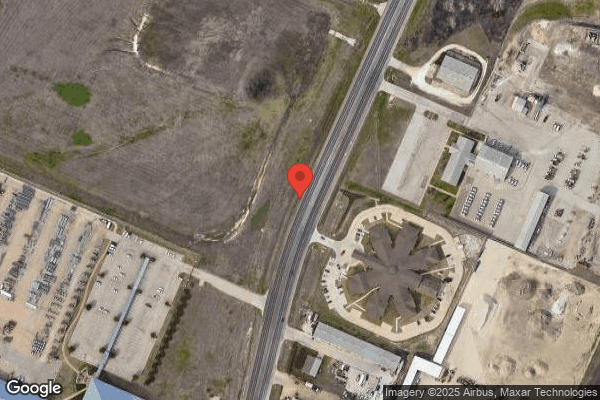

7501 BAGBY AVE., WACO, TX 76712 (254) 666-8003
For profit - Individual 120 Beds Independent Data: November 2025
Trust Grade
43/100
#570 of 1168 in TX
Last Inspection: December 2024

Within standard 12-15 month inspection cycle. Federal law requires annual inspections.

Overview

St. Anthony's Care Center has a Trust Grade of D, indicating below-average quality with some concerning issues. It ranks #570 out of 1168 facilities in Texas, placing it in the top half, and #4 out of 17 in McLennan County, meaning only three local options are better. The facility's trend is worsening, with reported issues increasing from 3 in 2023 to 9 in 2024. Staffing is a concern, with a turnover rate of 71%, which is higher than the Texas average of 50%, suggesting challenges in maintaining a stable workforce. While fines totaling $20,891 are average and RN coverage is also average, there have been serious incidents, including a failure to monitor a resident for skin changes, which could lead to pressure injuries, and a lack of privacy for several residents when staff entered their rooms without knocking. Overall, while there are some strengths, significant weaknesses raise important questions for families considering this facility.

Trust Score
D
43/100
In Texas
#570/1168
Top 48%
Safety Record
Moderate
Needs review
Inspections
Getting Worse
3 → 9 violations
Staff Stability
⚠ Watch
71% turnover. Very high, 23 points above average. Constant new faces learning your loved one's needs.
Penalties
⚠ Watch
$20,891 in fines. Higher than 95% of Texas facilities. Major compliance failures.
Skilled Nurses
⚠ Watch
Each resident gets only 23 minutes of Registered Nurse (RN) attention daily — below average for Texas. Fewer RN minutes means fewer trained eyes watching for problems.
Violations
⚠ Watch
14 deficiencies on record. Higher than average. Multiple issues found across inspections.
★★★☆☆
3.0
Overall Rating
★★★☆☆
3.0
Staff Levels
★★☆☆☆
2.0
Care Quality
★★★☆☆
3.0
Inspection Score
Stable
2023: 3 issues
2024: 9 issues

The Good

  • Full Sprinkler Coverage · Fire safety systems throughout facility
  • No fines on record

Facility shows strength in fire safety.

The Bad

3-Star Overall Rating

Near Texas average (2.8)

Meets federal standards, typical of most facilities

Staff Turnover: 71%

25pts above Texas avg (46%)

Frequent staff changes - ask about care continuity

Federal Fines: $20,891

Below median ($33,413)

Minor penalties assessed

Staff turnover is very high (71%)

23 points above Texas average of 48%

The Ugly 14 deficiencies on record

2 actual harm
Dec 2024 6 deficiencies
CONCERN (D)

Potential for Harm - no one hurt, but risky conditions existed

Deficiency F0655 (Tag F0655)

Could have caused harm · This affected 1 resident

**NOTE- TERMS IN BRACKETS HAVE BEEN EDITED TO PROTECT CONFIDENTIALITY** Based on interviews and record review the facility failed to develop and implement a baseline care within 48 hours of admission ...

Read full inspector narrative →
**NOTE- TERMS IN BRACKETS HAVE BEEN EDITED TO PROTECT CONFIDENTIALITY** Based on interviews and record review the facility failed to develop and implement a baseline care within 48 hours of admission that included the instructions needed to provide effective and person-centered care of the resident that meet professional standards of quality care for 1 of 10 residents (Resident #21) reviewed for baseline care plans. The facility failed to create a baseline care plan was created for Resident #21 within 48 hours of admission that addressed the resident's need for nutrition via enteral feeds. This failure could place the resident at risk of further malnutrition, a lack of continuity of care and communication among nursing home staff, reduced resident satisfaction of care, and reduced safeguards against adverse events that are most likely to occur right after admission. Findings included: Record review of Resident #21's face sheet dated 12/17/24 reflected, a [AGE] year-old female admitted to the facility on [DATE] with diagnoses of gastroparesis (a condition where the stomach stops digesting food), an artificial opening of the digestive tract (j-tube )(an artificial tube placed directly into the small intestine for food and medicine administration), unspecified protein calorie malnutrition, nausea with vomiting, and chronic obstructive pulmonary disease (an inflammatory disease of the lungs). Record review of Resident #21 's MDS dated [DATE] indicated the resident received 51% or more of her fluid and total calories through a feeding tube. Record review of Resident #21's care plan dated 08/05/2024 reflected: Focus dated 08/05/2024 - The resident has a terminal prognosis related to COPD and has elected to receive services through hospice provider. Goal dated 08/05/2024- Comfort will be maintained through the next review date. Intervention dated 08/14/2024- Adjust provisions of ADLs to compensate for the resident's changing abilities Focus dated 08/05/2024- The resident will attend activities of interest. Resident enjoys jigsaw puzzles, manicures, BINGO, and visiting with family. Goal dated 08/05/2024 Resident will continue to attend activities of interest at least 3x a week through the next review date. Interventions dated 08/05/2024- Ensure wheelchair is available to use to attend activities. Record review of care plan for Resident #21 on 12/17/2024 revealed no specific information or interventions about resident's physical considerations for gastroparesis , nausea, or care for her artificial J-Tube. Record review of the electronic healthcare records system for Resident #21 on 12/17/2024 revealed the baseline care plan was completed by the system on 08/08/2024. Interview on 12/17/2024 with the ADON B at 2:35 pm revealed she was not aware that the baseline care plan was done a week after Resident #21's admission. She stated it was the charge nurse's responsibility to initiate the baseline care plans upon admission if the ADON or DON were not there. She stated that there was no reason for Resident #21 to not have a baseline care plan. She stated if there was no baseline care plan available it could impact the resident's care when they were vulnerable upon admission. Interview on 12/18/2024 with the DON at 5:00 pm revealed when shown Resident #21's care plan in the Electronic Medical Record that the baseline care plan was done on 08/08/24 she replied, it should have been done in the same day. She stated they previously had issues with care plans, and they had switched to documenting on paper care plans while interviewing the resident when they were admitted . She stated it's important for residents to have care plans because the staff could be missing vital components to the resident's care. Interview on 12/18/2024 with the ADM at 5:15 pm revealed there was no base line care plan for Resident #21 , and it was the facility policy to have a baseline care plan within 24 hours of a resident admitting into the facility. She stated when a resident was admitted it was the charge nurse's responsibility to initiate the baseline care plan on the electronic healthcare record system. She was supposed to print it out and leave it for the staff to review in the morning meeting. After the care plan would be approved it should have gone to the MDS nurse's office for final input into the electronic healthcare record. She stated that even if a resident was admitted on a weekend, as Resident #21 was, her baseline care plan should have been picked up at the Monday morning all staff meeting. She stated that they changed the system for care plans in October 2024 and the DON was responsible for completing a paper baseline care plan sheet upon admission. She stated that potential outcomes for Resident #21 could have been catastrophic, such as not receiving proper care for her J-Tube. Record review of the facility's Comprehensive Care Plan policy revealed objectives that reflected, 3. To clearly delineate instructions needed to provide effective and person-centered care of the resident that meet professional standards of quality care. Procedure: 1. Nursing home staff will develop a baseline care plan for the resident's care within 48 hours of admission to the facility. 2. The baseline care plan will include, at a minimum the following: a. Initial goals based on admission orders b. Physician orders c. Dietary orders d. Therapy services e. Social services f. PASRR recommendation, if applicable.
CONCERN (D)

Potential for Harm - no one hurt, but risky conditions existed

Deficiency F0760 (Tag F0760)

Could have caused harm · This affected 1 resident

**NOTE- TERMS IN BRACKETS HAVE BEEN EDITED TO PROTECT CONFIDENTIALITY** Based on interview and record review, the facility failed to ensure residents were free from any significant medication errors f...

Read full inspector narrative →
**NOTE- TERMS IN BRACKETS HAVE BEEN EDITED TO PROTECT CONFIDENTIALITY** Based on interview and record review, the facility failed to ensure residents were free from any significant medication errors for 1(Resident #21) of 10 residents reviewed for medication errors. 1. The facility failed to accurately administer and log a medication and then identify and report a medication administration error. This deficient practice puts the residents at risk for decline in physical condition that is unacknowledged by the facility, a risk for potential for adverse reactions due to improper medication administration and a decrease in quality of life for the residents. Review of Resident #21's Face sheet dated 12/17/24 reflected, a [AGE] year-old female admitted to the facility on [DATE] with diagnoses of gastroparesis (a condition where the stomach stops digesting food), an artificial opening of the digestive tract (g-tube)(an artificial tube placed directly into the small intestine for food and medicine administration), unspecified protein calorie malnutrition, nausea with vomiting, and chronic obstructive pulmonary disease (an inflammatory disease of the lungs). Review of Resident #21's quarterly MDS dated [DATE] revealed resident was receiving hospice services. Review of Residents #21's care plan dated 08/05/2024 reflected, Observe resident closely for signs of pain, administer pain medications as ordered, and notify physician immediately if there is breakthrough pain. Review of Resident #21's order dated 11/29/2024 reflected 10 mg of (hydrocodone/acetaminophen) every 4 hours. Review of Resident #21's order reflected 5 mg of (hydrocodone/acetaminophen) PRN was canceled 12/18/2024. Review of controlled drug sheet for Resident #21's hydrocodone/acetaminophen reflected that 5 mg PRN (hydrocodone/acetaminophen) was zeroed out on 11/29/2024. Review of pharmacy logs for resident #21 hydrocodone/acetaminophen on 12/17/2024 revealed 5 mg (hydrocodone/acetaminophen) had not been refilled since 11/29/24. Record review of the controlled drug book for Resident #21 on the floor cart reflected documented administrations of 10 mg (hydrocodone/acetaminophen) at 4 am and 5 am signed by LVN B Interview with Resident #21 on 12/18/24 at 12:08 pm, she stated that she thought she had received double hydrocodone/acetaminophen this morning. She said she didn't remember getting her second dose, but she believed it happened because she felt extremely drowsy. She stated this was the first time it had happened. She stated she was not upset about the medication error because she had just slept a little longer. Interview with LVN A on 12/18/24 at 1:00 pm, she stated she noticed the resident #21 was groggy. She had checked the logs and saw that the resident had an extra dose of (hydrocodone/acetaminophen) at 5 am and held the morning dose of the medication. She had not reported the medication error to facility staff at that time. She stated she called hospice to clarify the order but did not tell them she had an extra dose. After she spoke with hospice, she had the extra 5 mg order of (hydrocodone/acetaminophen) canceled. She stated she did not realize LVN B administered two doses of the 10 mg hydrocodone/acetaminophen until she reviewed the log with the surveyor. She stated that the logs and counts were reconciled, and she did not see LVN B added anything to the logs. She stated the resident did not ask for the medication, and she did not know why she gave it to LVN A said that she should have reported the extra dosage to the charge nurse, ADON or doctor. She believed the ADONs were responsible for reconciling the orders with the system. She stated that they should have monitored her for medication side effects and the risks to the resident for not reporting a medication error could be that the resident had a bad reaction, or she could have slept all day. Interview with ADON A on 12/18/2024 at 12:45 pm, she stated that the 5 mg order should have been discontinued on 11/29/24 when the dosage was increased to 10 mg every 4 hours. She stated that was a medication error and both nurses should have reported the error to her. She stated that when the nurses made a medication error, they should have made sure the resident was safe, notify the doctor, and monitored the resident for any side effects. The orders were reconciled by the charge nurses or ADONs. She stated that the residents who were given too many opioid medications could have serious side effects including hospitalization or death. Interview with the DON on 12/18/2024 at 1:00 pm, she stated that giving two doses of hydrocodone/acetaminophen was a medication error and both nurses should have reported it. She reviewed the pharmacy logs and confirmed that 5 mg dose had not been refilled since 11/29/24 and the dose had been still active in the system until today. She stated that the charge nurses and ADON should have reconciled the order. The DON stated she had received a statement from the LVN A and LVN B. She had performed a teachable moment with LVN A and had contacted the agency to place that nurse on the Do Not Return List. Interview with LVN B on 12/18/24 at 02:27 PM, she stated that she made a mistake. She worked at the facility before but was employed by a staffing facility and had not worked in 2 weeks. She stated that the resident was very particular about her medications and about two weeks ago had told her she took 2 doses of the medication. She stated that she had given the previously scheduled doses at 8 pm and 12 am correctly. She stated the resident did not ask for the medication and she did not know why she had given it to her. She stated she had not looked at the physician's order and gave her two doses at 4 am but did not log the two doses. She stated that while she was counted the medications with LVN A, she added the 5 am dose to the sheet because she realized her mistake. She had not reported it to the charge nurse or any facility staff. She stated she should have reported the incident to the charge nurse. She had not received any training or in-services in the last 6 months from her company of any of the facilities that she had worked at. She stated if she does not report administration errors the resident could overdose or get sick. Interview with ADM on 12/18/24 at 4:30 pm she stated that the nurse should have read the order and followed it exactly. Both nurses should have reported the error to the ADON. Both nurses should should have checked on the resident. The DON should have taken over after the report. She stated LVN B would not be back. She expected orders to be discontinued because they had processes in place for reconciling doctors' orders. The negative outcomes were that residents would not have the best quality of care. Review of facility policy of undated medication error reflected, All medication errors must be promptly reported to the Director of Nursing Services, attending physician, and the pharmacist.
CONCERN (D)

Potential for Harm - no one hurt, but risky conditions existed

Medical Records (Tag F0842)

Could have caused harm · This affected 1 resident

**NOTE- TERMS IN BRACKETS HAVE BEEN EDITED TO PROTECT CONFIDENTIALITY** Based on interview and record review, the facility failed to maintain medical records in accordance with accepted professional s...

Read full inspector narrative →
**NOTE- TERMS IN BRACKETS HAVE BEEN EDITED TO PROTECT CONFIDENTIALITY** Based on interview and record review, the facility failed to maintain medical records in accordance with accepted professional standards and practices that are complete and accurate for 1 (Resident #28) of 10 residents reviewed for medical records. The facility failed to ensure nursing staff monitored and documented oxygen saturation levels with ordered weekly vital signs for Resident #28. This deficient practice puts the residents at risk for decline in physical condition that is unacknowledged by the facility, a risk for potential for adverse reactions due to improper medication administration and a decrease in quality of life for the residents. Review of Resident #28's face sheet dated 12/17/24 revealed a [AGE] year-old woman admitted to the facility on [DATE] with a history of unspecified dementia, anxiety (intense and excessive worry and fear), unspecified atrial fibrillation (irregular heartbeat), cerebral infarction (stroke or temporary lack of blood flow to the brain), chronic embolism and thrombosis of unspecified deep veins of unspecified proximal lower extremity (blood clot that forms inside a blood vessel). Review of Resident #28's MDS dated [DATE], revealed resident had a hospitalization for pneumonia in the last six months. Review of Resident #28's care plan dated 10/05/24 revealed resident may not be able to make all her needs known due to dementia diagnosis. Review of electronic healthcare records for Resident #28 revealed an order for Vital signs q Sunday every day shift every Sun starting 9/29/2024. It showed a recent hospitalization with a diagnosis of pneumonia (inflammation usually caused by infection of the lungs), hypoxia (low oxygen levels in the blood), and sepsis (life-threatening organ dysfunction) from 08/18/2024 to 08/23/2024. Review of the most recent pulse oximetry reading for Resident #28 was recorded on 10/06/2024 at 9:27 am. This shows no pulse oximetry readings for the ordered dates of 10/13/2024, 10/20/2024, 10/27/2024, 11/03/2024, 11/10/2024, 11/17/2024, 11/24/2024, 12/01/2024,12/08/2024, and 12/15/2024. This was after a hospitalization for Pneumonia, from which she returned to the facility on [DATE]. Interview with LVN E on 12/18/24 at approximately 01:00 PM, stated that a standard full set of vital signs includes blood pressure, pulse, oxygen saturation, temperature, and respirations. Interview with ADON B on 12/18/24 at 1:40 pm, revealed that vital signs are completed by nurses when ordered as a weekly task and are assigned on the TAR. She stated that a full set of vital signs includes blood pressure, temperature, pulse, respirations, oxygen saturation, and pain. ADON added oxygen saturation as a required field on the TAR at the time of the interview. She stated she did not know why the TAR did not update when the orders were updated. She stated that she had already started in-service documents for staff on required content for vital signs. She also stated, they should have known to do that. Interview with ADON A on 12/18/24 at 2:53 pm, revealed that it was her responsibility to put in admission orders into the TAR. She stated there should have been six vital signs for complete vital signs: including temperature, blood pressure, pulse, oxygen saturation, and pain. When asked who put in the orders for the TAR for Resident #28, she stated it was added by the DON. When asked what the potential outcome for the patient was if not completing the weekly oxygen saturation level with vital signs, she stated that if they are in respiratory distress or if they have lung problems, we need to know that information. It could be bad if we don't have that. Interview with the DON on 12/18/24 at 4:41 pm, revealed that complete vital signs are a part of the basic nursing skills that every nurse learns. Vital signs include blood pressure, pulse, respirations, temperature, and oxygen saturation. Her expectation was that they be collected weekly, every Sunday. She stated the potential outcome for Resident #28 was that since she had pneumonia, that is more likely to happen again. Interview with the ADM on 12/18/24 in 5:08 pm, revealed that her expectation for weekly vital signs orders is that they are to be done as it was ordered and correct.
CONCERN (E)

Potential for Harm - no one hurt, but risky conditions existed

Resident Rights (Tag F0550)

Could have caused harm · This affected multiple residents

**NOTE- TERMS IN BRACKETS HAVE BEEN EDITED TO PROTECT CONFIDENTIALITY** Based on observation, interview and record review the facility failed to ensure residents had a right to personal privacy and co...

Read full inspector narrative →
**NOTE- TERMS IN BRACKETS HAVE BEEN EDITED TO PROTECT CONFIDENTIALITY** Based on observation, interview and record review the facility failed to ensure residents had a right to personal privacy and confidentiality of his or her personal and medical records for 3 of 10 residents (Resident #47, Resident #352, and Resident # 354) residents reviewed for personal privacy. CNA A, CNA B, and CNA C failed to knock before entering Resident #47, Resident #352, and Resident # 354's rooms. The deficient practice could place residents at risk of feeling like their privacy was being invaded or the facility was not their home. Findings include: Record review of Resident #47 face sheet, dated 12/17/2024, revealed an [AGE] year-old female who was admitted to the facility on [DATE]. Resident #47 had diagnoses which included heart failure, fibromyalgia (chronic widespread pain), disease of the blood, kidney failure, high cholesterol, wound on right heel, breast cancer, falls, and a pacemaker. Record review of Resident #47's Quarterly MDS, dated [DATE], revealed Resident #47's BIMs score was 14, which meant the resident was cognitively intact. Record Review of Resident #47's care plan dated 10/07/2024 revealed that the resident had an ADL self-care deficits related to general weakness. Record review of Resident #352 face sheet, dated 12/17/2024, revealed an [AGE] year-old female who was admitted to the facility on [DATE]. Resident #352 had diagnoses which included heart disease, kidney disease, high blood pressure, shortness of breath, depression, anxiety, high cholesterol, history of breast cancer, and pacemaker. Record review of Resident #352's Quarterly MDS, dated [DATE], revealed Resident #352's BIMs score was 15 which meant the resident was cognitively intact. Record Review of Resident #352's care plan dated 12/16/2024 did not reveal any self-care. Record review of Resident #354 face sheet, dated 12/17/2024, revealed an [AGE] year-old male who was admitted to the facility on [DATE]. Resident #354 had diagnoses which included urinary tract infection, kidney disease, high blood pressure, weakness, depressive disorder, and dementia (general decline in cognitive ability). Record review of Resident #354's Quarterly MDS, dated [DATE], revealed Resident #354's BIMs score was 9 which meant the resident was moderately impaired for cognition. Record review of Resident #354's care plan, dated 12/09/2024, revealed that the resident had an ADL self-care deficits related to general weakness. Observation on 12/16/2024 at 9:05 AM revealed that CNA C opened Resident #47's door and walked into the room without knocking on the resident's door. Observation on 12/16/2024 at 12:23 PM of dining services on the hall revealed that CNA B walked into Resident #352 and Resident #354's rooms without knocking before entering. Observation on 12/17/2024 at 8:21 AM revealed CNA A and CNA C walked into Resident #47's room without knocking before entering. An Interview with Resident #47 on 12/17/2024 at 8:33 AM revealed that staff did not always knock on the resident's door. She stated that she does not really get upset but she would like for them to knock all the time before entering her room. An interview with Resident #352 on 12/17/2024 12:00 PM revealed that some staff did not knock on the resident's door. She said that if staff did not knock, she would ignore them because they did not knock. She said that she wanted staff to knock every time before they came in her room, so she knew what was going on. In an interview with Resident #354 on 12/17/2024 at 1:15 PM revealed that staff do not knock on his door. He said he does not get upset about staff not knocking. He stated that he preferred for staff to knock before entering his room. In an interview with CNA C on 12/17/2024 at 12:58 PM revealed she had been trained on resident rights. She stated the policy was for staff to knock on the resident's room and announce yourself before entering. She said that all staff were required to knock anytime they were going to enter the resident's room. She said the resident may feel that staff are intruding on their privacy. She said she thought the resident probably did not like staff not knocking. She stated that she did not know that she had to knock every time before entering the resident's room. In an interview with CNA B on 12/17/2024 at 1:12 PM revealed that she had been trained on resident rights. She stated that staff were supposed to knock on the resident's door before entering even if the staff were answering the call light. She said it was important to knock because the resident had the right to privacy. She said that the resident may get irritated if staff do not knock before entering. She said that she did not knock on the resident's door before entering because she was not thinking. She said she should have knocked. In an interview with CNA A on 12/17/2024 at 1:16pm revealed that she had been trained on resident rights. She said that the policy for knocking on the door was that all staff were supposed to knock. She said it was important to knock on the resident's door because it is their home. She stated that if staff do not knock on the door, it could frighten the resident because they are not expecting the staff. She stated that she did not know she did not knock and that she just got busy. She said that she knows that it is important to knock on the resident's door. In an interview with the DON on 12/18/2024 at 4:39 PM revealed that she and the staff have been trained on resident rights. She said that the staff know that they are supposed to knock before entering. She said the policy was that staff were supposed to knock every time before entering. She said it was important to knock for the resident's privacy and it was their right. She said that residents may feel like staff were invading their privacy if they did not knock on their door. In an interview with the ADM on 12/18/2024 at 4:49 PM revealed her and the staff had been trained on resident rights. She stated the policy was that all staff knock on the resident's door before entering especially if they are in the bathroom. She said staff should be always knocking before entering. She said that it was important because it was the resident's home, and they have the right to let staff enter or not. She said that if staff are not knocking the resident may feel disrespected or sad. She said she did not know why staff were not knocking on the resident's door. She said she thought that staff were not paying attention. Record Review of Resident Rights Policy, undated, revealed Residents do not leave their individual personalities or basic human rights behind when they move into long term care facilities. The right to personal privacy. When providing care always provide privacy by knocking and announcing yourself.
CONCERN (E)

Potential for Harm - no one hurt, but risky conditions existed

Deficiency F0726 (Tag F0726)

Could have caused harm · This affected multiple residents

**NOTE- TERMS IN BRACKETS HAVE BEEN EDITED TO PROTECT CONFIDENTIALITY** Based on interview and record review, the facility failed to ensure competent nursing services for 1 (Resident #21) of 10 reside...

Read full inspector narrative →
**NOTE- TERMS IN BRACKETS HAVE BEEN EDITED TO PROTECT CONFIDENTIALITY** Based on interview and record review, the facility failed to ensure competent nursing services for 1 (Resident #21) of 10 residents reviewed for competent nursing services. 1. The facility failed to accurately administer and log a medication and then identify and report a medication administration error. This deficient practice puts the residents at risk for decline in physical condition that is unacknowledged by the facility, a risk for potential for adverse reactions due to improper medication administration and a decrease in quality of life for the residents. Review of Resident #21's Face sheet dated 12/17/24 reflected, a [AGE] year-old female admitted to the facility on [DATE] with diagnoses of gastroparesis (a condition where the stomach stops digesting food), an artificial opening of the digestive tract (g-tube)(an artificial tube placed directly into the small intestine for food and medicine administration), unspecified protein calorie malnutrition, nausea with vomiting, and chronic obstructive pulmonary disease (an inflammatory disease of the lungs). Review of Resident #21's quarterly MDS dated [DATE] revealed resident was receiving hospice services. Review of Residents #21's care plan dated 08/05/2024 reflected, Observe resident closely for signs of pain, administer pain medications as ordered, and notify physician immediately if there is breakthrough pain. Review of Resident #21's order dated 11/29/2024 reflected 10 mg of (hydrocodone/acetaminophen) every 4 hours. Review of Resident #21's order reflected 5 mg of (hydrocodone/acetaminophen) PRN was canceled 12/18/2024. Review of controlled drug sheet for Resident #21's hydrocodone/acetaminophen reflected that 5 mg PRN (hydrocodone/acetaminophen) was zeroed out on 11/29/2024. Review of pharmacy logs for resident #21 hydrocodone/acetaminophen on 12/17/2024 revealed 5 mg (hydrocodone/acetaminophen) had not been refilled since 11/29/24. Record review of the controlled drug book for Resident #21 on the floor cart reflected documented administrations of 10 mg (hydrocodone/acetaminophen) at 4 am and 5 am signed by LVN B Interview with Resident #21 on 12/18/24 at 12:08 pm, she stated that she thought she had received double hydrocodone/acetaminophen this morning. She said she didn't remember getting her second dose, but she believed it happened because she felt extremely drowsy. She stated this was the first time it had happened. She stated she was not upset about the medication error because she had just slept a little longer. Interview with LVN A on 12/18/24 at 1:00 pm, she stated she noticed the resident #21 was groggy. She had checked the logs and saw that the resident had an extra dose of (hydrocodone/acetaminophen) at 5 am and held the morning dose of the medication. She had not reported the medication error to facility staff at that time. She stated she called hospice to clarify the order but did not tell them she had an extra dose. After she spoke with hospice, she had the extra 5 mg order of (hydrocodone/acetaminophen) canceled. She stated she did not realize LVN B administered two doses of the 10 mg hydrocodone/acetaminophen until she reviewed the log with the surveyor. She stated that the logs and counts were reconciled, and she did not see LVN B added anything to the logs. She stated the resident did not ask for the medication, and she did not know why she gave it to LVN A said that she should have reported the extra dosage to the charge nurse, ADON or doctor. She believed the ADONs were responsible for reconciling the orders with the system. She stated that they should have monitored her for medication side effects and the risks to the resident for not reporting a medication error could be that the resident had a bad reaction, or she could have slept all day. Interview with ADON A on 12/18/2024 at 12:45 pm, she stated that the 5 mg order should have been discontinued on 11/29/24 when the dosage was increased to 10 mg every 4 hours. She stated that was a medication error and both nurses should have reported the error to her. She stated that when the nurses made a medication error, they should have made sure the resident was safe, notify the doctor, and monitored the resident for any side effects. The orders were reconciled by the charge nurses or ADONs. She stated that the residents who were given too many opioid medications could have serious side effects including hospitalization or death. Interview with the DON on 12/18/2024 at 1:00 pm, she stated that giving two doses of hydrocodone/acetaminophen was a medication error and both nurses should have reported it. She reviewed the pharmacy logs and confirmed that 5 mg dose had not been refilled since 11/29/24 and the dose had been still active in the system until today. She stated that the charge nurses and ADON should have reconciled the order. The DON stated she had received a statement from the LVN A and LVN B. She had performed a teachable moment with LVN A and had contacted the agency to place that nurse on the Do Not Return List. Interview with LVN B on 12/18/24 at 02:27 PM, she stated that she made a mistake. She worked at the facility before but was employed by a staffing facility and had not worked in 2 weeks. She stated that the resident was very particular about her medications and about two weeks ago had told her she took 2 doses of the medication. She stated that she had given the previously scheduled doses at 8 pm and 12 am correctly. She stated the resident did not ask for the medication and she did not know why she had given it to her. She stated she had not looked at the physician's order and gave her two doses at 4 am but did not log the two doses. She stated that while she was counted the medications with LVN A, she added the 5 am dose to the sheet because she realized her mistake. She had not reported it to the charge nurse or any facility staff. She stated she should have reported the incident to the charge nurse. She had not received any training or in-services in the last 6 months from her company of any of the facilities that she had worked at. She stated if she does not report administration errors the resident could overdose or get sick. Interview with ADM on 12/18/24 at 4:30 pm she stated that the nurse should have read the order and followed it exactly. Both nurses should have reported the error to the ADON. Both nurses should should have checked on the resident. The DON should have taken over after the report. She stated LVN B would not be back. She expected orders to be discontinued because they had processes in place for reconciling doctors' orders. The negative outcomes were that residents would not have the best quality of care. Review of facility policy of undated medication error reflected, All medication errors must be promptly reported to the Director of Nursing Services, attending physician, and the pharmacist.
CONCERN (E)

Potential for Harm - no one hurt, but risky conditions existed

Infection Control (Tag F0880)

Could have caused harm · This affected multiple residents

**NOTE- TERMS IN BRACKETS HAVE BEEN EDITED TO PROTECT CONFIDENTIALITY** Based on observations, interviews, and record review, the facility failed to provide a safe and sanitary environment to prevent ...

Read full inspector narrative →
**NOTE- TERMS IN BRACKETS HAVE BEEN EDITED TO PROTECT CONFIDENTIALITY** Based on observations, interviews, and record review, the facility failed to provide a safe and sanitary environment to prevent the development and transmission of communicable diseases and infections for 4 of 11 residents (Resident #74, Resident #26, Resident #91, and Resident #64) reviewed for infection control. 1. LVN C provided catheter care and peri-care to Resident #74 without conducting hand hygiene with glove changes. 2. LVN F provided suprapubic catheter care to Resident #26 with without conducting hand hygiene with glove changes. 3. LVN D provided wound care to Resident #91 without conducting hand hygiene with glove changes. 4. CNA D provided peri-care to Resident #64 without conducting hand hygiene with glove changes. These failures could place the residents at risk of infection transmission, sepsis, and hospitalization. Findings included: Resident #74 Record review of Resident #74's face sheet reflected a [AGE] year-old female who admitted to the facility on [DATE]. She had diagnoses of osteomyelitis (infection of the bone), pressure ulcer of sacral region stage 4, diabetes mellitus type 2, hypertension, chronic kidney disease, anemia, adult failure to thrive, neuromuscular dysfunction of bladder (a condition where the muscles of the bladder do not work properly), and retention of urine. Record review of Resident #74's Annual MDS Assessment, dated 11/21/2024, reflected the resident had a BIMS Score of 13, which indicated the resident had no cognitive impairment. The resident had an indwelling catheter. Record review of Resident #74's Care Plan reflected a focus area for an indwelling catheter due to a diagnosis of neurogenic bladder. The goal reflected Resident #74 would have no injuries, infections, or complications related to indwelling catheter. The intervention reflected catheter care per facility policy and PRN. Record review of Resident #74's Order Summary Report dated 12/17/24 reflected an order, started on 12/28/23, for catheter care every shift. Observation on 12/16/24 at 02:47 PM of foley catheter care and peri-care for Resident #74 revealed LVN C cleansed the indwelling catheter tubing with two wipes. LVN C did not conduct hand hygiene when changing gloves. LVN C then cleansed Resident #74's bottom with wipes. LVN C did not conduct hand hygiene when changing gloves. When LVN C began conducting indwelling catheter care, she pulled the catheter tubing from the meatus and out, and Resident #74 stated, Ouch, that hurt. Bright red bleeding from Resident #74's peri area was noted after the catheter tubing was pulled. An interview on 12/16/24 at 03:18 PM with LVN C revealed she always wore a gown with gloves when taking care of residents with Foley catheters and wounds. LVN C stated Resident #74 had vaginal bleeding on occasion, and stated she did not pull on the catheter tubing. An interview on 12/16/24 at 03:23 PM with Resident #74 revealed she felt pain when her catheter was pulled on during catheter care. Resident #74 stated she didn't think she had experienced vaginal bleeding for a long time. Resident #26 Record review of Resident #26's face sheet reflected a [AGE] year-old male who admitted to the facility on [DATE], with a re-admission date of 01/31/24. He had diagnoses of obstructive and reflux uropathy (improper voiding of the kidneys) , chronic kidney disease, diabetes mellitus type 2, and benign prostatic hyperplasia (enlarged prostate gland). Record review of Resident #26's Quarterly MDS Assessment, dated 11/07/2024, reflected the resident had a BIMS Score of 14, which indicated the resident had no cognitive impairment. The resident had an indwelling catheter. Record review of Resident #26's Care Plan dated 01/31/24 reflected a focus area for an indwelling supra-pubic catheter which increased his risk for re-current urinary tract infections. The goals reflected the resident would have no injuries, infections, or complications related to an indwelling catheter and the catheter would maintain patency. The interventions reflected catheter care per facility policy and PRN. Record review of Resident #26's Order Summary Report dated 12/17/24 reflected to cleanse suprapubic catheter site with normal saline daily and monitor for signs and symptoms of infection or excoriation every shift. The Order Summary Report also reflected to conduct supra-pubic catheter care every shift. Observation on 12/16/24 at 03:22 PM revealed LVN F did not conduct hand hygiene with glove changes when providing supra-pubic catheter care for Resident #26. Interview on 12/16/24 at 03:44 PM revealed LVN F had forgotten to conduct hand hygiene with glove changes during Resident #26's supra-pubic catheter care. LVN F stated the importance of conducting good hand hygiene during resident care was to prevent the spread of infection, and the impact on the resident could be an infection. Resident #91 Record review of Resident #91's face sheet reflected an [AGE] year-old male who admitted to the facility on [DATE]. He had diagnoses of metabolic encephalopathy (brain dysfunction due to diabetes) , diabetes mellitus type 2, adult failure to thrive, peripheral vascular disease (improper circulation to the limbs), and hypertension. Record review of Resident #91's Quarterly MDS Assessment, dated 11/12/2024, reflected the resident had a BIMS Score of 6, which indicated the resident had severe cognitive impairment . The resident had an unhealed pressure injury that was present upon admission. Record review of Resident #91's Care Plan dated 01/31/24 reflected a focus area for an indwelling supra-pubic catheter which increased his risk for re-current urinary tract infections. The goals reflected the resident would have no injuries, infections, or complications related to an indwelling catheter and the catheter would maintain patency. The interventions reflected catheter care per facility policy and PRN. Record review of Resident #91's Order Summary Report dated 12/17/24 reflected to cleanse left heel with normal saline, pat dry, apply antiseptic with collagen, place alginate calcium and cover with a dry dressing every day for skin integrity. The Order Summary Report also reflected to cleanse the right lateral lower leg with normal saline, pat dry, apply triple antibiotic ointment, and then place an absorbent dressing and wrap with a kerlix dressing every Monday, Wednesday, and Friday for skin integrity. An observation on 12/17/24 at 09:51 AM of wound care for Resident #91 revealed LVN D had not sanitized her scissors when preparing a clean field with wound care supplies. LVN D removed her gloves after removing Resident #91's left wound dressing and took her scissors out of her pocket. LVN D did not conduct hand hygiene after removing her gloves and did not clean the scissors before using them to cut Resident #91's left leg dressing. An interview on 12/17/24 with LVN D revealed she should have sanitized or washed her hands after removing her gloves and stated she had sanitized her scissors before Resident #91's wound care. Resident #64 Record review of Resident #64's face sheet reflected a [AGE] year-old female who admitted to the facility on [DATE]. She had diagnoses of osteomyelitis, diabetes mellitus type 2, chronic kidney disease, hypertension, mitral and aortic valve insufficiency (bad heart valves), and anemia. Record review of Resident #64's MDS Assessment, dated 11/24/2024, reflected the resident had a BIMS Score of 13, which indicated the resident had no cognitive impairment. The MDS further reflected Resident #64 had frequent incontinence of bowel and bladder and required assistance with activities of daily living. Record review of Resident #64's Care Plan reflected a focus area of episodes of incontinence, and interventions were to provide incontinence checks every 2 hours and as needed. Provide incontinence care as needed. Another focus area reflected Resident #64 had an ADL self-care performance deficit, with goal of resident remaining clean, dry, and odor free. Interventions reflected to provide incontinence checks every 2 hours and as needed. Record review of Resident #64's Order Summary Report reflected to assess resident every shift for fever, sore throat, cough, new shortness of breath, fatigue, muscle or body aches, headache, new loss of taste or smell, congestion or runny nose, nausea or vomiting, or diarrhea. Observation on 12/17/24 at 01:23 PM of peri-care for Resident #64 revealed CNA D did not sanitize her hands after removing her gloves in between tasks. Interview on 12/17/24 at 01:31 PM with CNA D revealed she sanitized her hands with glove changes when a resident had a bowel movement. CNA D stated she did not have sanitizer in her pocket today. Interview on 12/18/24 at 04:20 PM with DON revealed to control infections the staff had been taught the hands were the greatest transmitter of disease. The DON stated that staff should have been sanitizing their hands when removing their gloves, and residents could have developed infections, sepsis (serious end stage infection) , and a decline in status. Her expectation was for all staff to conduct good hand hygiene to help prevent the spread of infection. The DON further stated all staff had been instructed to sanitize when they got out of their car, sanitized before entering a resident's room, after touching the sink/faucet. The DON stated she would be re-training on, Foam in, foam out, which referred to an infection control technique that emphasized the importance of using alcohol-based hand sanitizer foam before and after patient contact. The DON further stated the facility had hand sanitizer on the walls and small bottles had been available to all staff members. The DON stated training had been done on annual infection control, and the infection control nurse had done multiple in-services each month. The DON stated infection control was a collaborative effort with primarily the infection control nurse and herself. An interview on 12/18/24 at 04:49 PM with the ADM revealed all staff should have conducted hand hygiene to help prevent the spread of infections, and sanitized hands after removing gloves. The ADM stated that not sanitizing hands with glove change could have lead to infections, cross-contamination and was not a clean practice. The ADM stated her expectations were for all staff to follow the rules with no exceptions. The ADM further stated they would be re-in servicing all staff on hand hygiene when providing resident care, and on conducting hand hygiene after removing gloves. Record review of undated Policy & Procedure on Hand Cleaner, Antiseptic reflected, Purpose: To cleanse the hands between resident contacts including, but not limited to, during medication and treatment administration. To prevent the spread of infection. Equipment: Antiseptic cleanser such as alcohol gel or solution in pump container or squeeze bottle per facility procedure. Individual hand washing packets. Hands should be washed with soap and water after 10-15 applications of hand cleaner, or as directed by manufacturer. Review of policy Hand Hygiene dated revision 10.2022 revealed the following relevant information: 1. Wash hands with soap and water when hands are visibly soiled (e.g., blood, body fluids). 2. Use an alcohol-based hand rub containing at least 62% alcohol; or, alternatively, soap (antimicrobial or non- antimicrobial) and water for the following situations: e. Before and after handling an invasive device (e.g., urinary catheters, IV access sites), h. before moving from a contaminated body site to a clean body site during resident care, and m. after removing gloves. Review of policy IPCP Standard and Transmission-Based Precautions dated revision 10.2022 revealed: It is the policy of this facility to implement infection control measures to prevent the spread of communicable diseases and conditions. Review of policy Infection Prevention and Control Program dated revision 10.2022 revealed: The infection prevention and control program are a facility wide effort involving all disciplines and individuals and is an integral part of the quality assurance and performance management program. Further it revealed the goals were to: decrease the risk of infection to residents and personnel, recognize infection control practices while providing care, identify and correct problems related to infection control, ensure compliance with state and federal regulations related to infection control and promote individual residents' rights and wellbeing while trying to prevent and control the spread of infection.
Dec 2024 2 deficiencies 2 Harm
SERIOUS (G) 📢 Someone Reported This

A family member, employee, or ombudsman was alarmed enough to file a formal complaint

Actual Harm - a resident was hurt due to facility failures

Pressure Ulcer Prevention (Tag F0686)

A resident was harmed · This affected 1 resident

**NOTE- TERMS IN BRACKETS HAVE BEEN EDITED TO PROTECT CONFIDENTIALITY** Based on interviews and record review the facility failed to provide care, consistent with standards of practice, to prevent pre...

Read full inspector narrative →
**NOTE- TERMS IN BRACKETS HAVE BEEN EDITED TO PROTECT CONFIDENTIALITY** Based on interviews and record review the facility failed to provide care, consistent with standards of practice, to prevent pressure injuries for one resident (Resident #1) of six reviewed for pressure injuries. The facility failed to have a system in place to monitor Resident #1 for skin changes and prevent the development of right lateral foot and ankle blanchable redness from admission on [DATE] through discharge on [DATE]. On 10/13/2024, when family attempted to examine Resident #1's foot, he made a sound and pulled his foot away from their touch. This failure could place residents at risk for the development of pressure injuries, wounds infection, and pain. Findings included: Review of Resident #1's face sheet dated 12/10/2024 reflected a [AGE] year-old male admitted to the facility on [DATE] with diagnoses that included: Parkinson's Disease (movement disorder), arthritis (joint swelling and tenderness), weight loss, history of cerebral infarction (brain attack/stroke), and stenosis of the right carotid artery (narrowing of the blood vessel) Review of Resident #1's admission MDS dated [DATE] reflected resident #1 entered from Hospice/Home. Review of Resident #1's progress noted dated 10/11/2024 at 3:57 pm reflected resident was admitted from home on [DATE] for a respite stay. Review of Resident #1's admission assessment dated [DATE] at 3:57 pm in section H Skin Integrity, reflected the resident's skin was a normal color, warm with normal turgor (elasticity), and no skin concerns noted. Review of Resident #1's Point of Care tasks dated 12/12/2024 at 2:06 pm reflected Resident #1 was to be turned and repositioned each shift and the tasks had been signed off as completed each shift while he was in the NF. Review of hospice notes dated 10/14/2024 indicated Resident #1 was seen at home and he now has blanchable redness to right lateral foot and ankle. RN provided education on keeping feet floated and repositioning to prevent skin breakdown. During an interview with FM #1 on 12/10/2024 at 2:00 pm, they stated Resident #1 was admitted on [DATE] for a respite stay. They stated Resident #1 had been on hospice services at home and did not have any skin issues when he went to the Nursing Facility. They stated when they got Resident #1 home on the morning of 10/13/2024 his right foot had big red and purple marks down the side. They stated the skin was not broken but there were spots on his right foot where it looked like he had laid for a long time. During an interview with FM #2 on 12/10/2024 at 2:10 pm, they stated they picked up Resident #1 at the NF on 10/13/2024 and brought him home about 9:00 am. They stated he was smelly, very stiff, and grimacing when they moved him - which was not normal for him. They stated Resident #1 had socks on his feet when they got to the NF and they did not look at Resident #1's feet while still in the NF, they just changed him and got him ready to go home. They stated they got home about 9:15 am and started to clean up Resident #1 and change his clothes. They stated that's when they noticed the red marks along the side of his right foot that looked like blisters with purple centers. They stated they took pictures of Resident #1's foot and agreed to send them to this State Investigator. FM #2 stated they had had Resident #1 on hospice services at home and he had not had any skin breakdown when he was admitted to the NF. She stated when they tried to examine and clean the areas on his foot, he made a sound like a gasp or intake of breath and pulled his foot away. An interview with the hospice RN was attempted on 12/11/2024 at 2:31pm, but the RN was out on leave. During an interview with the DON on 12/12/2024 at 1:20 pm she stated she was not aware of any skin issues with Resident #1 after he was discharged . She stated her expectation was that staff would round on the residents every 2 hours and reposition per the task list in POC and sign the CNA tasks off in the EMR. The DON stated there was no procedure in place right now for a discharge skin assessment and no expectation that staff would have done an exit skin assessment on Resident #1 before he left the NF. The DON stated they do skin assessments upon admission and Resident #1 had a skin assessment completed . DON stated Resident #1 was only in the facility for 2 days and she would not have expected any skin issues and the Family didn't say anything after discharge about skin issues. In an interview with the AD on 12/12/2024 at 1:30 pm she stated she was not made aware of any skin issues with Resident #1 after he was discharged . She stated they did not have any procedures in place for respite residents to have skin assessments coming and going from the NF, but they would be putting new procedures in place to have both admitting and discharging skin assessments . Review of pictures from FM #2 dated 10/13/2024 and timestamped at 9:13 am reflected a bright red circle the size of a half dollar with a purple center in it on the outside of Resident #1's right heel, a bright red circle the size of a quarter with a purple center in it on the side of his right foot in the middle of his foot and a bright red area, larger than a half dollar, on the outside and underside of his right foot in pinky toe area, also with a purple center. The skin in the pictures did not appear broken, weeping, or having discharge. Review of facility procedure 540 Positioning the Resident with an incomplete date of 2/14/2, reflected: Purpose, to change resident's position using good body mechanics, to relieve pressure and prevent skin breakdown, to relive pain, to promote proper body alignment. Procedure also reflected: Documentation may include date, time, body position, frequency of positioning .condition of skin.
SERIOUS (G) 📢 Someone Reported This

A family member, employee, or ombudsman was alarmed enough to file a formal complaint

Actual Harm - a resident was hurt due to facility failures

Pharmacy Services (Tag F0755)

A resident was harmed · This affected 1 resident

**NOTE- TERMS IN BRACKETS HAVE BEEN EDITED TO PROTECT CONFIDENTIALITY** Based on interviews and record review the facility failed to provide pharmaceutical services to include the acquiring and admini...

Read full inspector narrative →
**NOTE- TERMS IN BRACKETS HAVE BEEN EDITED TO PROTECT CONFIDENTIALITY** Based on interviews and record review the facility failed to provide pharmaceutical services to include the acquiring and administering of medications to meet the needs of each resident for 1 of 6 residents (Resident #1) reviewed for pharmacy services. The facility failed to ensure Resident #1 received his prescribed medication for Parkinson's disease (disorder of the central nervous system that affects movement) from 10/11/2024 to 10/13/2024. Resident #1 missed 5 doses of this medication causing him discomfort and increase in symptoms. This failure placed residents at risk for pain, increases in symptoms, medical complications, and decreased quality of life. Findings included: Review of Resident #1's face sheet dated 12/10/2024 reflected a [AGE] year-old male admitted to the facility on [DATE] with diagnosis that included: Parkinson's Disease (movement disorder), arthritis (joint swelling and tenderness), weight loss, history of cerebral infarction (brain attack/stroke), and stenosis of the right carotid artery (narrowing of the blood vessel) Review of Resident #1's admission MDS dated [DATE] reflected Resident #1 entered from Hospice/Home. Review of Resident #1's progress noted dated 10/11/2024 at 3:57 pm reflected the resident was admitted from home on [DATE] for a respite stay. Review of Resident #1's hospice orders dated 10/11/2024 provided to the NF reflected an order for Carbidopa-Levodopa-Entacapone, 75-100-200 mg, one tablet, three times a day. Review of Resident #1's October 2024 MAR on 12/11/2024 reflected no listing or administration record for Carbidopa-Levodopa-Entacapone, 75-100-200 mg, one tablet, three times a day. During an interview with FM #2 on 12/10/2024 at 2:10 pm, they stated they picked up Resident #1 at the NF on 10/13/2024 and brought him home about 9:00 am. They stated he was smelly, very stiff, and grimacing when they moved him - which was not normal for him. She stated Resident #1 seemed different overall, she stated he did not speak in full sentences, only said one word. She stated when they changed him and moved him in the NF, he moaned and made faces and appeared in pain. She stated, It took a lot for [Resident #1] to say he was in pain and if he did or if he acted like it, he was probably in a lot of pain. She stated when they put him in the car, it was hard for him to move, and he made sounds of discomfort and the same thing happened when they got him home and took him out of the car and into the house. She stated when she got home, she noticed there was the same amount of his Parkinson's medication in the bottle as when she dropped it off and then she suspected the NF has not given him any of his Parkinson's medications and that's why he was so uncomfortable. During an interview on 12/11/2024 at 4:10 pm, the ADON stated she had been the one to complete the admission orders on Resident #1. She stated as she put the medication orders in, she put a checkmark by each medication. She stated there was no checkmark by the Carbidopa-Levodopa-Entacapone, 75-100-200 mg, because she had missed it and had not put the order in the EMR. She stated without the order, Resident #1 would not have gotten this medication. She stated the medication was for Resident #1's Parkinson's disease and without the medication he could have had increased tremors, lapses in mental status, discomfort, or other side effects from Parkinson's disease. During an interview on 12/11/2024 at 4:30 pm, the DON stated she was now aware that Resident #1 had not received his Parkinson's medication. She stated her expectation was that staff would input all admission orders completely so the residents received the required medications. She stated Resident #1 could have potentially had an increase in side effects from his Parkinson's disease by missing 5 doses. During an interview on 12/12/2024 at 9:09 am, the Hospice Medical Director stated he expected the orders to be carried out in the NF and we don't want that for any of our patients to miss any medication. He further stated Resident #1's Carbidopa-Levodopa-Entacapone, 75-100-200 mg, was a medication they would continue with their hospice patients until they could no longer swallow to help with symptoms. He stated Resident #1 missing 5 doses would not be life threatening but more of a symptom issue where there would be the potential for quite a bit of discomfort and pain .rigidity, motor dysfunction, stiffness - all having the potential to cause pain. Review of facility policy dated v1-2024, Medication Administration and General Guideline reflected medications are administered as prescribed, in accordance with State Regulation using good nursing principles and practices and only by persons legally authorized to do so. Further: #2 Medications are administered in accordance with written orders of the attending physician.
May 2024 1 deficiency
CONCERN (D) 📢 Someone Reported This

A family member, employee, or ombudsman was alarmed enough to file a formal complaint

Potential for Harm - no one hurt, but risky conditions existed

Incontinence Care (Tag F0690)

Could have caused harm · This affected 1 resident

**NOTE- TERMS IN BRACKETS HAVE BEEN EDITED TO PROTECT CONFIDENTIALITY** Based on interview and record review, the facility failed to ensure that a resident who is incontinent of bladder receives appro...

Read full inspector narrative →
**NOTE- TERMS IN BRACKETS HAVE BEEN EDITED TO PROTECT CONFIDENTIALITY** Based on interview and record review, the facility failed to ensure that a resident who is incontinent of bladder receives appropriate treatment and services to prevent urinary tract infections to the extent possible for one (Resident #1) of five residents reviewed for quality of care. The facility failed to carry out physician orders for a urinalysis for Resident #1 to diagnose a possible urinary tract infection. This failure could place residents with possible urinary tract infections at risk of sepsis, renal failure, and pain. Findings included: Review of Resident #1's face sheet dated 5/7/2024, reflected a [AGE] year-old male admitted to the facility on [DATE] with diagnoses that included Cerebral infarction (Stroke), Dementia, Heart Failure, Retention of Urine, Hypertension (high blood pressure), cognitive communication deficit, and Mood disorder. Review of Resident #1's Quarterly MDS assessment dated [DATE] reflected a BIMS score of 3, suggesting severe cognitive impairment. Review of Section H (Bladder and Bowel) reflected Resident #1 was always incontinent. Review of Resident #1's care plan dated 4/26/2024 reflected the following problem: Resident has episodes of incontinence due to cognitive and physical impairments. At risk of complications related to incontinence with the intervention of observe for/document for signs/symptoms of UTI .notify MD and RP of abnormal findings Review of Resident #1's orders dated 4/18/2024 reflected and order for UA with C&S. Obtain specimen via in and out cath Review of Resident #1's progress notes dated 4/15/2024 at 1:36 PM by LVN A, reflected received order from hospice for UA with C&S via in and out catheter. During an interview on 5/7/2024 at 9:47 am, the FM stated Resident #1 stated he was having back pain and feeling bad and often these would be signs and symptoms of an UTI. She stated the hospice nurse was in the facility on 4/15/2024 and stated she would order a UA and communicated this to the nurse on duty, LVN A. She stated she was at the facility every day and never saw anyone collect the urine for the UA. On 4/18/2024, the hospice nurse case manager checked, and the UA specimen had still not been collected. She said no one from the facility had communicated with her regarding what was going on with the specimen collection. During an interview on 5/7/2024 at 2:22 PM, the hospice nurse case manager (NCM) revealed she ordered the UA with the hospice Physician's approval on 4/15/2024, and by 4/18/2024, the UA was still not been collected. She stated there was a delay in getting the UA from the facility, but she had not received any communication from the facility about any issues with collecting the specimen. She stated her expectation is that the specimen would be collected within 24 hours depending on how difficult it is and expected the facility to communicate if they had issues collecting the specimen. She stated she was in the facility assessing Resident #1 on 4/18/2024 and the specimen has still not been collected, so she discontinued the order. During an interview on 5/7/2024 at 2:24 PM, LVN A revealed he had been working on 4/15/2024 and had received the order to collect the UA from Resident #1 from hospice as they suspected Resident #1 had an UTI. He stated night shift nurses usually collected the UA's. So he had not made any attempt to get the urine specimen from Resident #1, he just passed it on in report to night shift. He stated when he received physician orders it was his responsibility to follow up and ensure the order was carried out - except if it is a UA. He stated for UA's it is the night shift's nurses responsibility and that's the way it's always been. During an interview on 5/7/2024 at 2:39 PM, the ADON stated if there is a Dr's order, the nurse that receives the order is responsible for carrying it out. She stated there was no facility policy that the night nurse always collects urine specimens for UA. She stated LVN A should have attempted to collect the specimen on his shift. ADON stated it was not acceptable that he did not attempt to follow the order and get the specimen. She stated urine specimens were collected to rule out UTI's in residents and get them treated. She stated a delay in getting a specimen could cause residents to get very sick with infection. During an interview on 5/7/2024 at 2:48 PM, the DON stated the nurse that received the order is responsible for making sure it is completed. She stated if a resident had an order for a UA, this could help determine if they have an infection or not. She further stated depending on the level and particular bacteria that was growing, a resident could become more ill and more symptomatic and need to be sent out for higher level of care. She stated her expectation is that the nurse should have completed the lab slip, attempted to collect the UA and then put the specimen in the refrigerator for the lab to collect in the morning. She stated if the nurse was not able to collect the specimen, they should have put in a progress note and passed the information onto the next shift. She stated there should have been documentation in the progress notes and there was not, concerning Resident #1's specimen collection. The DON stated they have an order path they follow and provided a chart Order Path Flow Chart that outlined the order process. During an interview on 5/7/2024 at 2:48 PM, The AD stated her expectation was that physician orders would be followed and if staff was not able to do that, they would have communicated with the DON or ADON's. She stated to her knowledge there has not been any other issues getting urine specimens collected form any other residents. She stated it is important to get specimens when ordered so the facility would know if a resident has an infection or not and start the appropriate treatment. During an interview on 5/8/2024 at 2:53 PM, the Hospice Physician (HP) stated he was informed the UA had never been collected and was not particularly thrilled that the order wasn't followed. He stated it was not okay if orders were not followed but a facility needs to communicate if they are having problems collecting the urine specimen so a reasonable solution can be achieved. He stated when a urine specimen collection was delayed it could delay treatment to the resident which could cause a resident to further decompensate; the infection could get worse. He further stated the C&S was very important because it told them what the organism was that was causing the infection and he wanted to know as soon as possible so he could treat the infection with the correct antibiotic. He also clarified that the Nurse Case Managers issued orders working under his directive. A facility policy on Physician orders related to collection of lab specimens was requested but the AD stated they did not have a policy. Review of undated facility Order Path Flow Chart reflected the nurse receives the order, the nurse put the order in the EMR, then the order went to the ADON for review. The ADON initials the order and sends it to the MDS nurse to update the care plan as needed.
Nov 2023 3 deficiencies
CONCERN (D)

Potential for Harm - no one hurt, but risky conditions existed

Resident Rights (Tag F0550)

Could have caused harm · This affected 1 resident

**NOTE- TERMS IN BRACKETS HAVE BEEN EDITED TO PROTECT CONFIDENTIALITY** Based on observations, interviews, and record review, the facility failed to ensure each resident was treated with dignity for 1...

Read full inspector narrative →
**NOTE- TERMS IN BRACKETS HAVE BEEN EDITED TO PROTECT CONFIDENTIALITY** Based on observations, interviews, and record review, the facility failed to ensure each resident was treated with dignity for 1 of 8 (Resident #53) residents who were observed for resident rights. The facility failed to place Resident # 53's transparent plastic catheter bag containing urine, which was visibly hanging off the resident's bed, in a non -translucent dignity bag to obscure its view from others. This placed the resident at risk for indignity, diminished quality of life, and loss of self-worth. Findings included: Record review of Resident # 53's admission Record, dated 11-9-2023, indicated a [AGE] year-old female admitted on [DATE] to the facility. Resident # 53 was diagnosed with blockage of blood to the heart muscle, heart failure, chronic kidney disease, and retention of urine. Record review of Resident # 53's MDS, dated [DATE], indicated Resident # 53 had a BIMS score of 6, which suggests severe cognitive impairment, and utilized an indwelling catheter for incontinence. Record review or Resident # 53's Care Plan, revised on 10-18-2023, indicated Resident # 53 had functional bladder incontinence due to previous stroke and required a catheter. The goal for the resident, revised on 10-18-2023, was not to have any injuries, infections, of complications related to the indwelling catheter. The Foley catheter will remain in place through the next review date. The target date was 1-1-2024. Interventions for CNAs, LVNs, and RNs were to follow Catheter Care, Indwelling Catheter Policy. Observations on 11-7-2023 at 9:00 AM reflected Resident # 53's in bed and their transparent plastic catheter bag visible on the lower left side of the resident's bed. The dark colored dignity bag was empty next to the transparent plastic catheter bag of urine. Observations on 11-8-2023 at 8:44 AM reflected Resident # 53's in bed and their transparent plastic catheter bag visible on the lower left side of the resident's bed. The dark colored dignity bag was empty next to the transparent plastic catheter bag of urine. Observations on 11-9-2023 at 8:36 AM reflected Resident # 53's in bed and their transparent plastic catheter bag visible on the lower left side of the resident's bed. The dark colored dignity bag was empty next to the transparent plastic catheter bag of urine. Interview and observation on 11/09/23 beginning at 2:36 PM CNA B revealed CNAs were trained to make sure that the transparent plastic catheter bag was concealed inside the dark colored bag, known as a dignity bag. CNA B stated the catheter bag was supposed to be concealed in the dignity bag whether the resident was in bed or in a chair. CNA B stated that clean bags were in the clean utility closet. She stated that a resident may be embarrassed or ashamed if someone saw it. Interview and record review on 11-9-2023 beginning at 2:47 PM with the DON revealed it was policy to place the transparent plastic catheter bag inside a dignity bag and staff were trained to follow that policy. The DON stated that the practice of putting the transparent plastic catheter bag in the dignity bag was to protect the resident from being self-conscious or embarrassment if someone saw it. Interview on 11-9-2023 at 2:55 PM with the ADM revealed the transparent plastic catheter bag was supposed to be placed inside the dignity bag shielded from sight. The ADM stated the dignity bag was used to prevent embarrassment if someone were to see it. Record review of the facility's Catheter Care, Indwelling Catheter, undated, did not address the use of dignity bags to conceal catheter bags from sight.
CONCERN (D)

Potential for Harm - no one hurt, but risky conditions existed

Deficiency F0657 (Tag F0657)

Could have caused harm · This affected 1 resident

**NOTE- TERMS IN BRACKETS HAVE BEEN EDITED TO PROTECT CONFIDENTIALITY** Based on observation, interview, and record review the facility failed to revise the care plan for 1 of 8 (Resident # 40) reside...

Read full inspector narrative →
**NOTE- TERMS IN BRACKETS HAVE BEEN EDITED TO PROTECT CONFIDENTIALITY** Based on observation, interview, and record review the facility failed to revise the care plan for 1 of 8 (Resident # 40) residents reviewed for care plans. Resident # 40's care plans inaccurately reflected indwelling catheter use. This failure placed the resident at risk of not having their needs met to achieve the highest quality of life. Findings included: Observation 11/7/2023 at 1130 AM of Resident #40 lying in bed revealed no indwelling catheter in use. Record review of Resident # 40 face sheet dated 11/09/2023 reflects a [AGE] year-old female admitted to the facility on [DATE]. Diagnosis includes Dementia (a group of thinking and social symptoms that interfere with daily functioning), Atherosclerotic heart disease( a vascular disease where the blood vessels carrying oxygen away from the heart become damaged) Essential (primary) Hypertension( abnormally elevated blood pressure that is not the result of a medical condition). Record review of Resident #40 's Quarterly MDS dated [DATE] indicated a BIM score of 2 (0-7 suggests severe cognitive impairment) Section H indicates no appliances and Urinary continence was recorded as a 3 (always incontinent). Record review of Resident # 40 Care plan dated 11/9/2023 indicated a focus on the Resident having an indwelling catheter. At risk for UTI (Urinary Tract Infection), complication, and urinary retention initiated 4/17/2023. The goal of the foley catheter will remain patent through the next review date initiated on 4/17/2023 with revision on 10/18/2023. Record review of Resident # 40 Physician orders reflected no order for Foley, the last order for an indwelling Foley catheter was discontinued on 4/14/2023. An interview on 11/8/2023 at 11 am with LAR # 40 reveals that the resident has not had a foley since the day after she came back from the hospital. Interview on 11/09/23 12:12 PM MDS LVN revealed Care plans should be updated and current, we go over orders in our daily meetings. I am not sure why they are not up to date. potential harm to the resident would be not receiving the proper care. Interview on 11/09/2023 at 12:30 pm MDS RN revealed RN she has been here a couple of months, she was not sure why the care plans on the residents aren't up to date, they review the new orders in the morning meeting Monday - Friday and she takes her computer to update them in real-time. She stated that not updated care plans could cause potential harm to lack of care. Interview on 11/09/2023 12:45 pm DON stated her expectations are that the care plans are updated based on the orders and residents' needs in real-time. She stated that the care plan indicated that the resident had a foley and could not really cause any harm to the resident, asked if in general harm could come from an updated care plan, and she stated she did not see that there could be. Interview on 11/09/2023 13:00 pm ADM, her expectation was that care plans are updated as the resident's condition and orders change. she stated a care plan that was not updated could cause a potential lack of care for a resident. Record review 11/09/2023 13:30 Policy Comprehensive care plans undated 3. The comprehensive care plan will be c. reviewed and revised (including discharge plans) by the interdisciplinary team after each assessment.
CONCERN (D)

Potential for Harm - no one hurt, but risky conditions existed

Pressure Ulcer Prevention (Tag F0686)

Could have caused harm · This affected 1 resident

**NOTE- TERMS IN BRACKETS HAVE BEEN EDITED TO PROTECT CONFIDENTIALITY** Based on observations, interviews, and record review, the facility failed to ensure residents with pressure ulcers receive neces...

Read full inspector narrative →
**NOTE- TERMS IN BRACKETS HAVE BEEN EDITED TO PROTECT CONFIDENTIALITY** Based on observations, interviews, and record review, the facility failed to ensure residents with pressure ulcers receive necessary treatment and services, consistent with professional standards of practice, to promote healing, prevent infection and prevent new ulcers from developing for 2 of 8 residents (Residents # 15 and Resident # 53) reviewed for pressure ulcers. The facility failed to perform repositioning Q (every) two hours for resident # 15 and Resident # 53 on 11-9-2023 to prevent skin breakdown and pressure ulcers. This failure placed residents at risk of developing pressure ulcers/wounds, worsening pressure ulcers/wounds, pain, infection, or hospitalization. Findings included: Observations and interviews pertaining to for Resident # 15. Record review of Resident # 15's admission Record, dated 11-9-2023, indicated an [AGE] year-old male admitted on [DATE] to the facility. Resident # 15 was diagnosed with disrupted blood flow to the brain, which caused complete paralysis and weakness of the right side, impaired ability to remember, think, or make decisions, and heart failure. Record review of Resident # 15's MDS, dated [DATE], indicated Resident # 15 had a BIMS score of 3, which suggests severe cognitive impairment, and was at risk for developing pressure ulcers/injuries. Section G of Resident # 15's MDS, Functional Status, indicated ADL Self-Performance was a code of 3 for bed mobility. The code of 3 indicated the resident required extensive assistance when resident moved in bed, turned, or positioned their body. Section G of Resident # 15's MDS, Functional Status, indicated ADL Support Provided was a code of 3 for bed mobility. The code of 3 indicated the resident required 2+ persons to physically assist. Record review of Resident 15's Care Plan, revised on 11-8-2023, indicated that Resident # 53 had ADL self-care performance deficits related to loss of oxygen to the brain and paralysis of one side of the body. The goal for Resident # 15 was to improve level of functioning in bed mobility through 11-30-2024. Interventions for CNAs pertaining to bed mobility indicated extensive assistance was required to turn and position Q 2 hours for PRN comfort. Record review or Resident # 15's Care Plan, revised on 11/08/2023, indicated Resident # 15 was at risk for skin break down related to decreased mobility, incontinence, equipment, nutritional status, and disease process. The goal was to have no reports of skin breakdown due to decreased mobility, incontinence, equipment, nutritional status, and disease process through 11-30-2023. Interventions for CNAs, LVNs, and RNs were to (1) encourage and assist resident to suspend heels when in bed with pillows; (2) encourage resident and provide assistance to turn and reposition Q 2 hours and PRN (as needed) for comfort; and (3) follow facility policies/protocols for the prevention of skin breakdown. Interview on 11-7-2023 at 10:41 AM with LAR # 15 revealed concerns that Resident # 15 did not get the attention needed during the day, and on the weekends. LAR # 15 felt the care was good, and Resident # 15 liked the facility, but LAR # 15 wished staff went in the room more often to check on Resident # 15 to change and re-position him. Observation on 11-9-2023 at 8:32 AM reflected Resident # 15 in bed. His heels were on the mattress, both slightly curved outwards; his lower extremities (knee to ankle) were on the mattress; his lower extremities (knees to buttocks) were on the mattress; his buttocks and sacrum were against the mattress; his back and upper body were elevated at 30-45 degrees against the mattress; and his shoulders and head were elevated against the mattress. Observation on 11-9-2023 at 9:32 AM reflected Resident # 15 in bed. His heels were on the mattress, both slightly curved outwards; his lower extremities (knee to ankle) were on the mattress; his lower extremities (knees to buttocks) were on the mattress; his buttocks and sacrum were against the mattress; his back and upper body were elevated at 30-45 degrees against the mattress; and his shoulders and head were elevated against the mattress. Resident # 15 was in the same position as the previous observation at 8:32 AM. Observation on 11-9-2023 at 10:10 AM reflected Resident # 15 in bed. His heels were on the mattress, both slightly curved outwards; his lower extremities (knee to ankle) were on the mattress; his lower extremities (knees to buttocks) were on the mattress; his buttocks and sacrum were against the mattress; his back and upper body were elevated at 30-45 degrees against the mattress; and his shoulders and head were elevated against the mattress. Resident # 15 was in the same position as the previous observation at 9:32 AM. Observation on 11-9-2023 at 10:20 AM reflected Resident # 15 in bed. His heels were on the mattress, both slightly curved outwards; his lower extremities (knee to ankle) were on the mattress; his lower extremities (knees to buttocks) were on the mattress; his buttocks and sacrum were against the mattress; his back and upper body were elevated at 30-45 degrees against the mattress; and his shoulders and head were elevated against the mattress. Resident # 15 was in the same position as the previous observation at 10:10 AM. Observation on 11-9-2023 at 10:36 AM reflected Resident # 15 in bed. His heels were on the mattress, both slightly curved outwards; his lower extremities (knee to ankle) were on the mattress; his lower extremities (knees to buttocks) were on the mattress; his buttocks and sacrum were against the mattress; his back and upper body were elevated at 30-45 degrees against the mattress; and his shoulders and head were elevated against the mattress. Resident # 15 was in the same position as the previous observation at 10:20 AM. Observation on 11-9-2023 at 11:03 AM reflected Resident # 15 in bed. His heels were on the mattress, both slightly curved outwards; his lower extremities (knee to ankle) were on the mattress; his lower extremities (knees to buttocks) were on the mattress; his buttocks and sacrum were against the mattress; his back and upper body were elevated at 30-45 degrees against the mattress; and his shoulders and head were elevated against the mattress. Resident # 15 was in the same position as the previous observation at 10:36 AM. Observations and interviews pertaining to for Resident # 53. Record review of Resident # 53's admission Record, dated 11-9-2023, indicated a [AGE] year-old female admitted on [DATE] to the facility. Resident # 53 was diagnosed with blockage of blood to the heart muscle, heart failure, and paralysis of left upper limb. Record review of Resident # 53's MDS, dated [DATE], indicated Resident # 53 had a BIMS score of 6, which suggests severe cognitive impairment, and was at risk for developing pressure ulcers/injuries. Section M of Resident 53's MDS, which covers skin conditions, reflected that the resident required a pressure reducing device for chair, a pressure reducing device for bed, and was on a turning/repositioning program. Section GG of Resident # 53's MDS, Functional Abilities and Goals, GG0170 Mobility, indicated the code of 01 for Section A- Roll left and right. A code of 01 indicated that Resident # 53 was categorized as Dependent. Categorized as Dependent meant that the helper did all the effort, and the resident did not provide any effort. The assistance of 2 or more helpers was required to complete the activity. Record review of Resident 53's Care Plan, revised on 10-18-2023, indicated that Resident # 53 had ADL self-care performance deficits related to fatigue, impaired balance, and a stroke. The goal for Resident # 53 was to maintain current level of functioning through 1-16-2024. Interventions for CNAs pertaining to bed mobility indicated extensive assistance was required to turn and position Q 2 hours for PRN comfort. Record review or Resident # 53's Care Plan, revised on 10-18-2023, indicated Resident # 53 had potential for pressure ulcer development related to immobility. The goal for Resident # 53, revised on 10-18-2023 was to have intact skin, free from redness, blisters, or discoloration by/through review date. The target date was 1-16-2024. Interventions for CNAs were to follow facility policies/protocols for the prevention/treatment of skin breakdown. Record review of Resident # 53's Care Plan, revised on 10-18-2023, indicated Resident # 53 was at risk for skin breakdown / and of pressure ulcers related to decreased mobility, incontinence, and nutritional status. The goal for Resident # 53 was to have no reports of skin breakdown through 1-16-2024. Interventions for CNAs, LVN's, and RNs were to encourage resident and provide assistance to turn and reposition Q 2 hours and PRN comfort. Interview on 11-8-2023 at 9:47 AM with LAR # 53 revealed concerns that Resident # 53 was not checked on enough and Resident # 53 was left in the same position most of the day. Observations on 11-9-2023 at 8:37 AM reflected Resident # 53 in bed. Her heels were in pressure relieving boots under the covers; her lower extremities (knee to ankle) were on the mattress; her lower extremities (knees to buttocks) were on the mattress; her buttocks and sacrum were against the mattress; her back and upper body were elevated at 30-45 degrees against the mattress; and her shoulders and head were elevated against the mattress. There were no visible pads or pillows placed against the resident providing a position change. Observations on 11-9-2023 at 9:34 AM reflected Resident # 53 in bed. Her heels were in pressure relieving boots under the covers; her lower extremities (knee to ankle) were on the mattress; her lower extremities (knees to buttocks) were on the mattress; her buttocks and sacrum were against the mattress; her back and upper body were elevated at 30-45 degrees against the mattress; and her shoulders and head were elevated against the mattress. Resident # 53 was in the same position as the previous observation at 8:37 AM. Observations on 11-9-2023 at 10:10 AM reflected Resident # 53 in bed. Her heels were in pressure relieving boots under the covers; her lower extremities (knee to ankle) were on the mattress; her lower extremities (knees to buttocks) were on the mattress; her buttocks and sacrum were against the mattress; her back and upper body were elevated at 30-45 degrees against the mattress; and her shoulders and head were elevated against the mattress. Resident # 53 was in the same position as the previous observation at 9:34 AM. Observations on 11-9-2023 at 10:21AM reflected Resident # 53 in bed. Her heels were in pressure relieving boots under the covers; her lower extremities (knee to ankle) were on the mattress; her lower extremities (knees to buttocks) were on the mattress; her buttocks and sacrum were against the mattress; her back and upper body were elevated at 30-45 degrees against the mattress; and her shoulders and head were elevated against the mattress. Resident # 53 was in the same position as the previous observation at 10:10 AM. Observations on 11-9-2023 at 10:37AM reflected Resident # 53 in bed. Her heels were in pressure relieving boots under the covers; her lower extremities (knee to ankle) were on the mattress; her lower extremities (knees to buttocks) were on the mattress; her buttocks and sacrum were against the mattress; her back and upper body were elevated at 30-45 degrees against the mattress; and her shoulders and head were elevated against the mattress. Resident # 53 was in the same position as the previous observation at 10:21 AM. Observations on 11-9-2023 at 11:04 AM reflected Resident # 53 in bed. Her heels were in pressure relieving boots under the covers; her lower extremities (knee to ankle) were on the mattress; her lower extremities (knees to buttocks) were on the mattress; her buttocks and sacrum were against the mattress; her back and upper body were elevated at 30-45 degrees against the mattress; and her shoulders and head were elevated against the mattress. Resident # 53 was in the same position as the previous observation at 10:37 AM. Interview and observation on 11-9-2023 beginning at 11:12 AM with CNA A revealed she was assigned to Resident # 15 and Resident # 53's rooms' today, 11-9-2023, between 8:32 AM and 11:04 AM; her shift began at 6:00 AM. CNA A stated one of her duties was to perform repositioning every two hours for Resident # 15 and Resident # 53. Re-positioning was important for the residents because some of them could not turn themselves. The reason they are supposed to be repositioned was to relieve pressure against certain areas on the body, because constant pressure would cause skin breakdown or pressure ulcers. CNA A demonstrated how she would log into a remote computer screen, called a kiosk, on the hall after providing a service, and chart the last time she repositioned a resident. She stated that the last time she repositioned Resident # 15 was before breakfast, which was served at 7:30 AM. She stated the last time she repositioned Resident # 53 was about 7:00 AM, 11-9-2023. Interview on 11-9-2023 at 11:40 AM with RN A revealed repositioning was important for the residents. Re-positioning and checking on the residents were supposed to happen Q 2 hours. It was important to check and turn residents to prevent pressure ulcers, skin breakdowns, pain, or infection. She stated that she and CNA A repositioned Resident # 53 at 11:22 AM. Interview and record review on 11-9-2023 beginning at 11:47 AM with the DON revealed the kiosk used to document CNA duties in the hallway provided a date and time stamp on the computer and the history of services was maintained up to the minute The DON printed the histories for re-positioning for Resident # 15 and Resident # 53. The printout for Resident # 15 did not indicate any repositioning entries for 11-9-202. The printout for Resident # 53 indicated a repositioning entry for 10:48 AM, on 11-9-2023. The printout reflected CNA A entered the documentation on the kiosk. Interview and record review on 11-9-2023 beginning at 12:10 PM with CNA A reflected she provided repositioning for Resident # 15 just before breakfast, which was served at 7:30 AM, on 11-9-2023. She stated that she had not provided any repositioning for Resident # 15 since before 7:30 AM. CNA A stated she provided repositioning for Resident # 53 around 7:00 AM on 11-9-2023. The printed history for Resident # 53's repositioning was provided to CNA A; she stated that the entry for 11-9-2023 at 10:48 AM was an accidental entry. CNA A stated she had not repositioned Resident # 53 since 7:00 AM until the recent repositioning at 11:22 AM. CNA A admitted the entry for repositioning Resident # 53 at 10:48 AM on 11-9-2023 was an accidental entry and it did not occur. Interview on 11-9-2023 at 2:57 PM with the DON revealed residents were supposed to be repositioned Q 2 hours. She stated residents left in one position too long could lead to contractures, developing/worsening pressure ulcers, and infection. The DON stated that fail safes were in place to prevent the development of skin deterioration such as repositioning Q 2 hours, skin assessments, and passing skin concerns off to the nursing staff. Interview with the ADM on 11-9-2023 at 2:59 PM revealed residents were supposed to be repositioned Q 2 hours. The ADM stated it was important to turn residents to keep skin healthy, prevent pressure ulcers, and infections; the ADM added that residents could get bored looking in one direction and that could become sad and lonely. Record review of the facility's Prevention of Pressure Policy, undated, indicated that equipment, such as foot cradles, pillows, and other devices were utilized to (3d) provide pressure relief. The policy indicates (10) a schedule was established for positioning and turning a resident to meet their needs; as well, documentation of the service would contain date, time, and method to provide pressure relief.
Sept 2022 2 deficiencies
CONCERN (D)

Potential for Harm - no one hurt, but risky conditions existed

Respiratory Care (Tag F0695)

Could have caused harm · This affected 1 resident

**NOTE- TERMS IN BRACKETS HAVE BEEN EDITED TO PROTECT CONFIDENTIALITY** Tag:695 -D Based on observation, interview, and record review, the facility failed to provide residents respiratory care consist...

Read full inspector narrative →
**NOTE- TERMS IN BRACKETS HAVE BEEN EDITED TO PROTECT CONFIDENTIALITY** Tag:695 -D Based on observation, interview, and record review, the facility failed to provide residents respiratory care consistent with professional standards of practice for 2 of 5 residents (Residents #14 and 90) reviewed for oxygen therapy, in that The humidifier bottles for Residents #14's and 90's oxygen concentrators were empty for at least one full day. This failure placed residents at risk of nose and throat discomfort, and skin breakdown and inadequate respiratory care. Findings included: Review of face sheet for Resident #14 reflected an [AGE] year old female admitted to the facility on [DATE] with diagnoses of atrial fibrillation (irregular heart rhythm), coronary artery disease (a condition where the major blood vessels supplying the heart are narrowed. The reduced blood flow can cause chest pain and shortness of breath), dementia, and anxiety disorder. Review of the modified quarterly MDS for Resident #14 dated [DATE] reflected she was receiving oxygen therapy. Review of the care plan for Resident #14 dated [DATE] reflected the following: Resident is at risk for chest pains, a regular pulse, edema and adverse reaction to medication's due to diagnosis of cardiovascular disease: a-fib, CHF, HTN, CAD. Resident will have no reports of unrelieved cardiovascular complications through next review date. Observe for SOB, increased edema, chest pain fatigue, dyspnea, change in heart rate and notify MD of abnormal findings. Provide 02 and NEB treatments as ordered and indicated. Review of physician orders for Resident #14 reflected the following orders, both dated [DATE]: Oxygen at 2-4 L/M via NC to maintain O2 at >90% and change O2 tubing q Sunday. Time and date. Review of oxygen saturation for Resident #14 from [DATE] to [DATE] reflected it never dropped below 93%, which indicated no episodes of respiratory distress. Observation on [DATE] at 11:11 a.m. revealed Resident #14 lying asleep in her bed with a nasal cannula and tubing applied to her nose and connected to an oxygen concentrator. The concentrator was dusty across its surface, and the humidifier bottle, dated [DATE], was empty. The oxygen tubing was dated [DATE]. The concentrator was running at four liters per minute. Observation on [DATE] at 1:50 p.m. revealed Resident #14 lying asleep in her bed with her nasal cannula applied and oxygen concentrator in the same condition as the day before: dusty with an empty humidifier bottle and running at four liters per minute. Skin around the resident's nose was not visibly irritated or broken down. Review of the face sheet for Resident #90 reflected an [AGE] year-old female admitted to the facility on [DATE] with diagnoses of cerebral infarction (dead tissue in the brain as a result of the loss of blood supply), atrial fibrillation, heart failure, and anxiety disorder. Review of the significant change MDS for Resident #90 dated [DATE] reflected she was receiving oxygen therapy. Review of the care plan for Resident #90 dated [DATE] reflected the following: The resident has Shortness of Breath requiring O2 via NC. The resident will have no complications related to SOB though the review date. Assist resident/family/ caregiver in learning signs of respiratory compromise. Refer significant other/caregiver to participate in basic life support class for CPR, as appropriate. Encourage sustained deep breaths by: Using demonstration (emphasizing slow inhalation, holding end inspiration for a few seconds, and passive exhalation), Using incentive spirometer (place close for convenient resident use), Asking resident to yawn. Maintain a clear airway by encouraging resident to clear own secretions with effective coughing. If secretions cannot be cleared, suction as needed to clear secretions. Monitor /document changes in orientation, increased restlessness, anxiety, and air hunger. Monitor/document breathing patterns. Report abnormalities to MD: Nasal flaring, Respiratory depth changes, Altered chest excursion, Use of accessory muscles, Pursed-lip breathing or prolonged expiratory phase, Increased anteroposterior chest diameter. Monitor/document/Report breathing abnormalities to MD. Review of physician orders for Resident #90 reflected the following, dated [DATE] May use oxygen @2-5 L via nc for SOB to maintain greater than 90% and the following, dated [DATE]: Change oxygen/neb tubing weekly. Time and date. Observation on [DATE] at 8:51 a.m. revealed Resident #90 lying in bed asleep with a nasal cannula applied to both nostrils and connected to an oxygen concentrator. The humidifier bottle was almost empty with less than an eighth of an inch of water inside. Observation on [DATE] at 3:25 p.m. revealed the humidifier bottle on Resident #90's oxygen concentrator was empty. The concentrator was running at four liters per minute. During an interview on [DATE] at 12:28 p.m., LVN B stated she was the charge nurse for Resident #14 that day. She stated she was from a staffing agency and did not know everything about the residents, but she knew the oxygen tubing and humidifier bottle should have been changed every Sunday night by the overnight charge nurse or as needed by the halls' charge nurse. She stated that, if the humidifier bottle was empty during the week, the charge nurse should have changed it. She stated sometimes the CNAs would notice the bottle was empty and let the charge nurses know. She stated it was important to change out the humidifier bottle to keep the resident's nose and throat moist and comfortable. She stated she had not received any specific training or in-servicing on oxygen concentrator and tubing maintenance since she had been working at the facility. During an interview on [DATE] at 12:35 p.m., LVN C stated he was the charge nurse for Resident #90. He stated it was the charge nurse's responsibility to monitor and maintain the oxygen concentrator and tubing. He stated they had an overnight shift charge nurse who changed the tubing every week on a certain night but was not sure which night that was. He stated, if they saw a humidifier bottle empty, they were to replace it. He stated they monitor by using their own observations and relying on reports from CNAs, the resident, and the resident's family. He stated the humidifier kept the nose and throat from drying out during continuous oxygen therapy. He stated they received training off and on and discuss issues such as oxygen therapy at meetings. He stated he could not remember a specific training about oxygen therapy. During an interview on [DATE] at 12:39 p.m., the MDSN stated the humidifier bottle should have always been replaced when it was empty, because they did not want the nostrils to be dry and bleeding. She stated they needed to have the humidity there to keep the nostrils and throat moist so the resident would not be uncomfortable. During an interview on [DATE] at 1:10 p.m., the DON stated humidifier bottles on the oxygen concentrator should have contained water at all times, and they should be a part of the orders to change the tubing each week. She stated the bottles were pre-filled and sterile, so they were easy to replace. She stated the charge nurses should have changed the tubing and bottle out each Sunday night, wipe down the concentrator, and make sure the filter was clean. She stated when she learned the humidifier bottles had sat empty for a couple of days, she updated the orders to include the bottle. She stated that should have been in the orders all along. She stated the charge nurses were responsible for entering orders into the EMR. She stated the humidifier bottle was necessary and did affect the oxygen delivery. She stated the ambient air was probably humid enough to hydrate a resident's nostrils. She stated continuous oxygen therapy could dry out sinuses and cause discomfort and skin breakdown. She stated she thought there had been in-servicing on oxygen therapy. She stated it was her responsibility and that of the ADONs to monitor for compliance. During an interview on [DATE] at 2:31 p.m., the ADM stated there had not been one person responsible for monitoring that oxygen concentrators were properly cleaned and stocked. She stated each charge nurse should have been responsible for their hall's oxygen concentrators, but the Sunday night charge nurses on the 10 p.m. to 6 a.m. shift were responsible for changing out the tubing and humidifier bottles. She stated the humidifier bottle should have contained water on the concentrator and been dated, and the filters should have been cleaned. She stated the DON maintained accountability for ensuring the procedure was upheld. She stated she had assumed the DON was following up, but they would put more accountability in place. She stated she did not know exactly why they used the humidifiers on the oxygen concentrators, but she thought it might be to keep the nose moist so that it was more comfortable for the residents. She stated she did not know the potential consequence for not having water in the humidifier bottle. Review of in-services from [DATE] to [DATE] reflected no in-servicing related to oxygen therapy or respiratory care. Review of undated guidance from the American Lung Association found at Oxygen Delivery Devices and Accessories | American Lung Association reflected the following: A humidifier is required for oxygen flows at over 4 liters per minutes (continuous). The type of humidifier you use will depend on your type of home oxygen and how much oxygen you need. A humidifier can help ease the nose and sinus dryness that can come with oxygen use. The humidifier should always remain level so water does not spill into the tubing. Review of undated facility policy titled Respiratory Care reflected that oxygen should be administered according to physician orders and clinical standards of practice.
CONCERN (D)

Potential for Harm - no one hurt, but risky conditions existed

Deficiency F0761 (Tag F0761)

Could have caused harm · This affected 1 resident

**NOTE- TERMS IN BRACKETS HAVE BEEN EDITED TO PROTECT CONFIDENTIALITY** Tag 761-D Based on observation, interview and record review the facility failed to ensure all drugs and biological medications w...

Read full inspector narrative →
**NOTE- TERMS IN BRACKETS HAVE BEEN EDITED TO PROTECT CONFIDENTIALITY** Tag 761-D Based on observation, interview and record review the facility failed to ensure all drugs and biological medications were not past their expiration dates and/or discontinued for 2 (two) of 2 (two) Nurses Medication Carts (Hall 100/600 Cart and Hall 200/400 cart) reviewed. The facility failed to ensure expired and/or discontinued medications were removed from the carts. This failure could place residents at risk of not receiving the intended therapeutic benefits of their medications or of receiving medications not prescribed for them. Findings include: Observation and interview on [DATE] at 10:15 a.m. of Hall 200/400 nurse's medication cart revealed Prednisone (a steroid medication) 20mg tablet bottle with no expiration date indicated on the bottle. LVN A stated, I don't see a date written on it. During an interview on [DATE] at 10:31 a.m., the DON stated she was not able to find the expiration date on the Prednisone (a steroid medication) bottle. After checking the computer records, DON stated, This medication has been exhausted or discontinued and should have been pulled out. The medication has been exhausted referring to resident has completed taking the medication for the given time. Observation on [DATE] at 10:40 a.m., on Hall 100/600 nurse's medication cart revealed a bottle of Hibiclens (used for cleaning the wounds) with expiration date 05/2022. During an interview on [DATE] at 1:30 p.m., LVN A stated the nurses are mainly responsible for removing medication that are discontinued as soon as the medication are discontinued. The discontinued medications get put into the discontinued box inside the medication room. LVN A stated it's important to removed discontinued medications so the medication would not be administered to residents. LVN Astated adverse effect of administering expired medication could possibly cause some kind of reaction to the residents. During an interview on [DATE] at 1:39 a.m., the DON stated when medications are discontinued or exhausted the medications should be removed from the med cart. Either the nurse or medication aide are responsible to remove the discontinued medication from the cart. The DON stated it is important to remove the discontinued medication from the cart to prevent medication error or to prevent from being administered to residents and could prevent misappropriation depending on what the medication are. The DON stated pharmacist from the pharmacy audits medication carts on their visits. The DON stated, pharmacy did not do a medication cart audit in [DATE] and last time the audit was done was in August of 2022. During an interview on [DATE] at 2:30 p.m., the ADM stated all staff are in-served by ADON regarding discontinued medications to be removed from the medication carts. Admin stated DON and ADON are responsible to ensure the medication carts does not have discontinued medications and Pharmacy is also responsible to ensure medication audits are conducted at the time of the visit. The Admin stated it is important to removed discontinued medication from the medication cart so that wrong dosage will not be administered and to leave no room for error. Record review of facility's policy of Discontinued Medication reflected: 2. Medications are removed from the medication cart immediately upon receipt of an order to discontinue avoiding inadvertent administration.
Understanding Severity Codes (click to expand)
Life-Threatening (Immediate Jeopardy)
J - Isolated K - Pattern L - Widespread
Actual Harm
G - Isolated H - Pattern I - Widespread
Potential for Harm
D - Isolated E - Pattern F - Widespread
No Harm (Minor)
A - Isolated B - Pattern C - Widespread

Questions to Ask on Your Visit

  • "Why is there high staff turnover? How do you retain staff?"
  • "Can I speak with families of current residents?"
  • "What's your RN coverage like on weekends and overnight?"

Our Honest Assessment

Strengths
  • • Licensed and certified facility. Meets minimum state requirements.
Concerns
  • • 14 deficiencies on record, including 2 serious (caused harm) violations. Ask about corrective actions taken.
  • • $20,891 in fines. Higher than 94% of Texas facilities, suggesting repeated compliance issues.
  • • Grade D (43/100). Below average facility with significant concerns.
  • • 71% turnover. Very high, 23 points above average. Constant new faces learning your loved one's needs.
Bottom line: Trust Score of 43/100 indicates significant concerns. Thoroughly evaluate alternatives.

About This Facility

What is St. Anthony'S's CMS Rating?

CMS assigns ST. ANTHONY'S CARE CENTER an overall rating of 3 out of 5 stars, which is considered average nationally. Within Texas, this rating places the facility higher than 99% of the state's 100 nursing homes. This mid-range rating indicates the facility meets federal standards but may have areas for improvement.

How is St. Anthony'S Staffed?

CMS rates ST. ANTHONY'S CARE CENTER's staffing level at 3 out of 5 stars, which is average compared to other nursing homes. Staff turnover is 71%, which is 25 percentage points above the Texas average of 46%. High turnover can affect care consistency as new staff learn residents' individual needs.

What Have Inspectors Found at St. Anthony'S?

State health inspectors documented 14 deficiencies at ST. ANTHONY'S CARE CENTER during 2022 to 2024. These included: 2 that caused actual resident harm and 12 with potential for harm. Deficiencies causing actual harm indicate documented cases where residents experienced negative health consequences.

Who Owns and Operates St. Anthony'S?

ST. ANTHONY'S CARE CENTER is owned by a for-profit company. For-profit facilities operate as businesses with obligations to shareholders or private owners. The facility operates independently rather than as part of a larger chain. With 120 certified beds and approximately 105 residents (about 88% occupancy), it is a mid-sized facility located in WACO, Texas.

How Does St. Anthony'S Compare to Other Texas Nursing Homes?

Compared to the 100 nursing homes in Texas, ST. ANTHONY'S CARE CENTER's overall rating (3 stars) is above the state average of 2.8, staff turnover (71%) is significantly higher than the state average of 46%, and health inspection rating (3 stars) is at the national benchmark.

What Should Families Ask When Visiting St. Anthony'S?

Based on this facility's data, families visiting should ask: "How do you ensure continuity of care given staff turnover, and what is your staff retention strategy?" "Can I visit during a mealtime to observe dining assistance and food quality?" "How do you handle medical emergencies, and what is your hospital transfer rate?" "Can I speak with family members of current residents about their experience?" These questions are particularly relevant given the facility's high staff turnover rate.

Is St. Anthony'S Safe?

Based on CMS inspection data, ST. ANTHONY'S CARE CENTER has a clean safety record: no substantiated abuse findings (meaning no confirmed cases of resident harm), no Immediate Jeopardy citations (the most serious violation level indicating risk of serious injury or death), and is not on the Special Focus Facility watch list (a federal program monitoring the lowest-performing 1% of nursing homes). The facility has a 3-star overall rating and ranks #1 of 100 nursing homes in Texas. While no facility is perfect, families should still ask about staff-to-resident ratios and recent inspection results during their visit.

Do Nurses at St. Anthony'S Stick Around?

Staff turnover at ST. ANTHONY'S CARE CENTER is high. At 71%, the facility is 25 percentage points above the Texas average of 46%. High turnover means new staff may not know residents' individual needs, medications, or preferences. It can also be disorienting for residents, especially those with dementia who rely on familiar faces. Families should ask: What is causing the turnover? What retention programs are in place? How do you ensure care continuity during staff transitions?

Was St. Anthony'S Ever Fined?

ST. ANTHONY'S CARE CENTER has been fined $20,891 across 5 penalty actions. This is below the Texas average of $33,288. While any fine indicates a compliance issue, fines under $50,000 are relatively common and typically reflect isolated problems that were subsequently corrected. Families should ask what specific issues led to these fines and confirm they've been resolved.

Is St. Anthony'S on Any Federal Watch List?

ST. ANTHONY'S CARE CENTER is not on any federal watch list. The most significant is the Special Focus Facility (SFF) program, which identifies the bottom 1% of nursing homes nationally based on persistent, serious quality problems. Not being on this list means the facility has avoided the pattern of deficiencies that triggers enhanced federal oversight. This is a positive indicator, though families should still review the facility's inspection history directly.