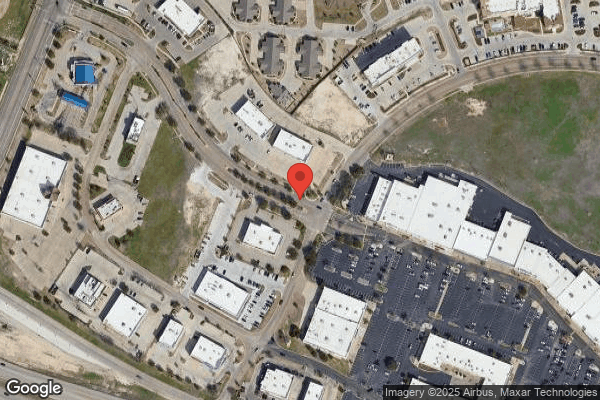
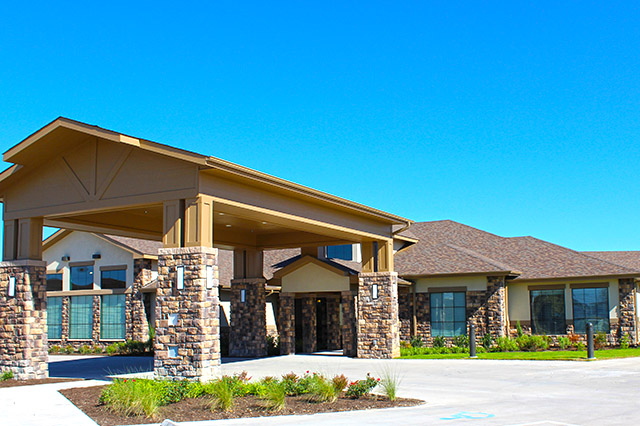
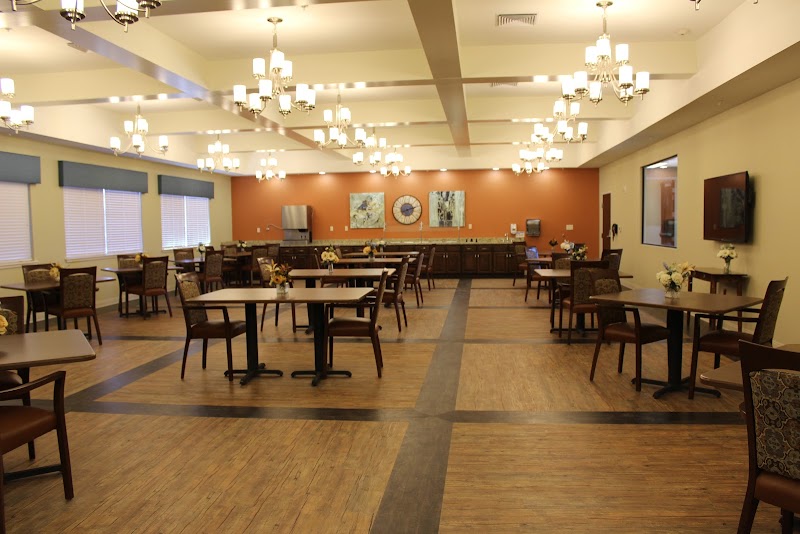
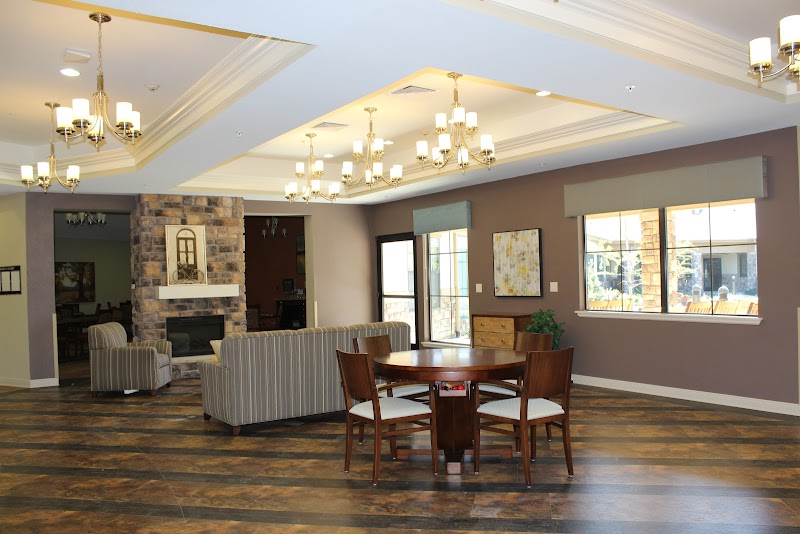
The Brazos of Waco

2430 Market Place Drive, Waco, TX 76711 (254) 981-7900
For profit - Corporation 123 Beds FUNDAMENTAL HEALTHCARE Data: November 2025 6 Immediate Jeopardy citations
Trust Grade
0/100
#874 of 1168 in TX
Last Inspection: December 2024

Within standard 12-15 month inspection cycle. Federal law requires annual inspections.

Overview

The Brazos of Waco has received a Trust Grade of F, indicating significant concerns and a poor standard of care. Ranked #874 out of 1168 nursing homes in Texas, they are in the bottom half of facilities in the state and #7 out of 17 in McLennan County, meaning only six homes nearby perform worse. Unfortunately, the facility's situation is worsening, with the number of issues increasing from 11 in 2024 to 12 in 2025. Staffing is a major concern, with a low rating of 1 out of 5 stars and a high turnover rate of 64%, significantly above the state's average, which means many staff members leave, affecting continuity of care. Recent inspection findings highlighted critical failures, including not notifying a resident's family about significant health changes, which led to the resident needing emergency treatment, demonstrating serious issues in communication and care management. While the quality measures received a perfect score of 5/5, it's essential to weigh these strengths against the troubling deficiencies and overall poor ratings.

Trust Score
F
0/100
In Texas
#874/1168
Bottom 26%
Safety Record
High Risk
Review needed
Inspections
Getting Worse
11 → 12 violations
Staff Stability
⚠ Watch
64% turnover. Above average. Higher turnover means staff may not know residents' routines.
Penalties
⚠ Watch
$53,393 in fines. Higher than 91% of Texas facilities. Major compliance failures.
Skilled Nurses
⚠ Watch
Each resident gets only 18 minutes of Registered Nurse (RN) attention daily — below average for Texas. Fewer RN minutes means fewer trained eyes watching for problems.
Violations
⚠ Watch
34 deficiencies on record. Higher than average. Multiple issues found across inspections.
★★☆☆☆
2.0
Overall Rating
★☆☆☆☆
1.0
Staff Levels
★★★★★
5.0
Care Quality
★☆☆☆☆
1.0
Inspection Score
Stable
2024: 11 issues
2025: 12 issues

The Good

  • 5-Star Quality Measures · Strong clinical quality outcomes
  • Full Sprinkler Coverage · Fire safety systems throughout facility
  • No fines on record

Facility shows strength in quality measures, fire safety.

The Bad

2-Star Overall Rating

Below Texas average (2.8)

Below average - review inspection findings carefully

Staff Turnover: 64%

18pts above Texas avg (46%)

Frequent staff changes - ask about care continuity

Federal Fines: $53,393

Above median ($33,413)

Moderate penalties - review what triggered them

Chain: FUNDAMENTAL HEALTHCARE

Part of a multi-facility chain

Ask about local staffing decisions and management

Staff turnover is elevated (64%)

16 points above Texas average of 48%

The Ugly 34 deficiencies on record

6 life-threatening
Sept 2025 1 deficiency 1 IJ
CRITICAL (J) 📢 Someone Reported This

A family member, employee, or ombudsman was alarmed enough to file a formal complaint

Immediate Jeopardy (IJ) - the most serious Medicare violation

Deficiency F0760 (Tag F0760)

Someone could have died · This affected 1 resident

**NOTE- TERMS IN BRACKETS HAVE BEEN EDITED TO PROTECT CONFIDENTIALITY** Based on interview and record review the facility failed to ensure that residents are free of any significant medication errors ...

Read full inspector narrative →
**NOTE- TERMS IN BRACKETS HAVE BEEN EDITED TO PROTECT CONFIDENTIALITY** Based on interview and record review the facility failed to ensure that residents are free of any significant medication errors for 1 of 6 residents (Resident #1) reviewed for significant medication errors in that Resident #1 's hospital Discharge summary dated [DATE] stated Stop taking Valacyclovir 1000mg. Resident #1 received 5 doses of Valacyclovir 1000mg after the medication had been discontinued, resulting in readmission to the hospital for altered mental status and metabolic encephalopathy due to Valacyclovir toxicity. The resident had been prescribed Valacyclovir for HSV Opthalmicus (infection of the eye by Herpes Simplex Virus). The noncompliance was identified as PNC. The Immediate Jeopardy (IJ) began on 09/20/2025 and ended on 09/22/2025. The facility had corrected the noncompliance before the investigation began. This failure could place residents at risk of serious outcomes such as overdose or death.Findings include: Record review of Resident #1's Face Sheet reflected the resident was a [AGE] year-old female admitted to the facility on [DATE] with diagnoses of Acute and Subacute Infective Endocarditis (an infection of the inner lining of the heart (endocardium) and its valves.) Record review of Resident #1's Quarterly MDS, dated [DATE] reflected a BIMS of 15 meaning there is no or very little cognitive impairment. Record review of Resident #1's Care Plan, last updated 08/13/2025 reflected that Resident #1 required Hemodialysis (a treatment that removes waste products and excess fluid from the blood when the kidneys are no longer able to do so.Record review of the hospital Discharge Instructions dated 09/20/2025 stated stop taking: Valacyclovir 1000mg tablet.Record review of the MAR for September 2025 indicated Resident #1 was administered 3 doses of Valacyclovir on 9/21/25 and 1 dose on 9/22/25. During an interview on 09/26/2025 at 10:47AM, the DON stated Resident #1 was originally admitted to the hospital for Metabolic Encephalopathy (a condition where the brain does not function properly due to an imbalance in the chemicals and nutrients that the brain needs to function normally) then returned to the facility on 9/20/2025. When Resident #1 returned the agency nurse admitted her to the facility and entered the medications per the discharge instructions from the Hospital. There was an order to discontinue the Valacyclovir, but the agency nurse failed to discontinue this medication. Upon learning of Resident 1's rehospitalization, the DON completed an audit of Resident #1's chart and discovered the error. The DON stated she contacted the agency nurse; however, the agency nurse merely stated she was unfamiliar with the version of the electronic medical record and offered no other explanation for the error. The DON stated they have a nurse reference book that describes how to manage orders. It also contained information for contacting members of the nursing management team if there were any questions regarding the management of medication orders. The DON stated they notified the agency of the need to discontinue services of this nurse. The DON stated that upon discovery of the error, a medication error report was completed, and the physician and responsible party were notified. The DON stated they held an Ad Hoc QAPI on 09/22/2025. During an interview with ADON D on 09/26/2025 at 11:25AM, the ADON stated she contacted the agency representative on 09/22/2025 at 2:43PM and reported the error and notified the representative that the agency nurse was not to return to the facility.Record review of the hospital admission records dated 09/22/2025 was due to Metabolic Encephalopathy (a condition in which the brain does not receive enough oxygen or nutrients leading to changes in brain function) due to Valacyclovir toxicity. During an interview on 09/26/2025 at 11:32AM, LVN A stated after breakfast on 09/21/2025, Resident #1's family member stated that Resident #1 was very confused and was not answering questions appropriately. Resident #1 was Spanish speaking only and LVN Awas bilingual. LVN A stated she assessed Resident #1, and she had slurred speech and could not follow commands. LVN A stated she then notified the nurse practitioner who assessed Resident #1 and gave orders for transport to the hospital. Record review of the Facility Investigation Report dated 09/22/2025 indicated actions taken prior to entrance were: Medication error report completed with appropriate physician and responsible party notified. The nurse responsible for medication error suspended pending further investigation. Resident report roster was completed for the 30 days of facility admissions August 23, 2025, to September 22, 2025. These resident's hospital discharge orders were reviewed in comparison to the admitting orders entered into the electronic medical record and the Medication Reconciliation Report. There were no other errors found during the audit. Re-education of Administrative Nurses by Clinical Services Director on process of medication reconciliation with admission orders and confirmation of admission orders with physician. DON/Designee will re-educate staff nurses, before nurse completes new admission or re-admission. Ad Hoc QAPI was held on 09/22/2025. Record Review of the Inservice Sign in sheets dated 09/22/2025 revealed staff were educated on the medication reconciliation process.During interviews on 09/26/2025 with staff, the following was stated:*At 2:43PM ADON D stated she was in-serviced by the Clinical Services Director regarding the process for medication reconciliation as documented on the in-service sign in sheet of 09/22/2025.*At 5:13PM The DON stated she was in-serviced by the Clinical Services Director regarding the process for medication reconciliation as documented on the in-service sign in sheet of 09/22/2025. She stated weekend staffing was amended to include a member of the nursing leadership team to ensure a second nurse reviews medication reconciliation during non-business hours. She stated she, the 2 ADONs, and the MDS nurse will now work one weekend per month to provide this coverage. *At 5:14PM RN F stated she received training of second nurse review of medication reconciliation.*At 5:50PM LVN I stated she received training of second nurse review of medication reconciliation. LVN I stated she was in-serviced by the Clinical Services Director regarding the process for medication reconciliation as documented on the in-service sign in sheet of 09/22/2025. Record Review of the Ad Hoc QAPI agenda and sign in sheet revealed the meeting was held. Record Review was conducted of the audit of resident hospital discharge orders as compared to admitting orders and outcomes were confirmed on 09/26/2025 by conducting a Record Review of the medical records of 5 Residents selected for the random sample. Record Review of the undated policy Medication Reconciliation was conducted on 09/26/2025. Policy statement #2 read: Residents who are being readmitted to our facility after an acute care stay will have review of the most current SNF discharge medication profile with the readmission medication orders to validate that the resident has a comprehensive and accurate medication profile.The noncompliance was identified as PNC. The Immediate Jeopardy (IJ) began on 09/20/2025 and ended on 09/22/2025. The facility had corrected the noncompliance before the investigation began.
Aug 2025 2 deficiencies 1 IJ
CRITICAL (J) 📢 Someone Reported This

A family member, employee, or ombudsman was alarmed enough to file a formal complaint

Immediate Jeopardy (IJ) - the most serious Medicare violation

Accident Prevention (Tag F0689)

Someone could have died · This affected 1 resident

**NOTE- TERMS IN BRACKETS HAVE BEEN EDITED TO PROTECT CONFIDENTIALITY** Based on observation, interviews, and record review, the facility failed to ensure the resident environment remained as free of ...

Read full inspector narrative →
**NOTE- TERMS IN BRACKETS HAVE BEEN EDITED TO PROTECT CONFIDENTIALITY** Based on observation, interviews, and record review, the facility failed to ensure the resident environment remained as free of accident hazards as was possible and each resident received adequate supervision and assistance devices to prevent accidents for 1 of 6 residents (Resident #4) reviewed for accidents, hazards, and supervision, in that: The facility failed to provide adequate supervision to prevent injury for an incident that occurred on on 08/09/2025 at 4:30PM in the Dining Room, Resident #4 was attempting to get a cup of coffee. The cup overflowed and spilled coffee in Resident #4's lap and resulted in urns with 3 blisters to the left upper thigh. The facility failed to take the temperature of the coffee and keep temperature logs of the coffee. The facility failed to assess other residents for hot liquids An (IJ) Immediate Jeopardy was identified on 08/26/2025. The IJ template was provided to the ADM on 08/26/2025 at 7:28PM. While the IJ was removed on 8/28/2025, the facility remained out of compliance at a scope of isolated and a severity level of no actual harm with the potential for more than minimal harm that is not immediate jeopardy due to the facility's need to evaluate the effectiveness of the corrective systems. Findings included: Record review of Resident #4's undated Face Sheet reflected the resident was a [AGE] year-old male admitted to the facility on [DATE] with diagnoses of Cerebral Infarction, unspecified (brain tissue death caused by a blocked artery supplying blood to the brain, leading to a lack of oxygen and nutrients) and Hemiplegia (the total or severe loss of motor function on one side of the body, resulting in paralysis) and Hemiparesis (weakness on one side of the body, affecting the arm, leg, or face) following cerebral infarction affecting right dominant side, diabetes, Hypertension, Burn of unspecified degree of left thigh Record review of Resident #4's quarterly MDS, dated [DATE] reflected a BIMS score of 12 (moderate cognitive impairment) Section G of the MDS reflected for eating and drinking resident# 4 required the need for supervision, oversight, encouragement and cueing. Record review of Resident #4's Care Plan, last updated 08/18/2025 reflected that Resident #4 required some minimal assistance with ADLs. History of CVA with right hemiparesis, Current. Care Planned interventions include the following: Approach: Eating: Assist of 1 staff member.During an interview with DA C conducted on 08/20/2025 at 2:38PM, she stated she saw Resident #4 trying to get coffee and she tried to help. DA C stated there was a lid on the cup, but it spilled anyway, and DA C reported the event immediately to the nurse. During the verbal assessment performed by the nurse, Resident #4 denied any injury. DA C stated she was in-serviced on removing the coffee servers from the Dining Room and placing them in the locked Nutrition Room after each meal service and the dietary staff are not to bring the coffee into the Dining Room unless nursing staff are present. On 08/20/2025 at 2:42PM, conducted a phone interview with the Dietary Manager. The Dietary Manager confirmed the coffee available for self-service to the residents prior to Resident #4 receiving the burn injury was not temperature tested. On 08/20/2025 at 3:13PM conducted an interview with LVN E. She stated Resident #4 informed her about the burns to his legs on the day following the event. LVN E stated she assessed the leg on 08/10/2025 at 7:27AM and obtained orders for care of the wounds and notified the DON. She stated she did find 3 open areas that appeared to be blisters that had burst. Record review of Resident #4's progress note dated 08/09/25 at 6:30 PM Recorded as Late Entry on 08/12/2025 at 08:53 AM- reflected Resident found in dining room with pants wet with coffee. Resident assessed for pain and burn. Resident reported not feeling pain or burn. Resident reported I'm fine I don't feel burn right now. Resident continued with process of getting coffee and returned to room. Record Review on 8/20/2025 of the progress note dated 08/09/2025 at 6:30PM written by LVN D regarding the coffee spill. LVN D documented that she asked the resident if he was injured, and Resident #4 denied being injured. Record review of Resident #4's incident report dated 08/10/25 reflected incident date 08/09/2025 resident was observed in the dining room with pants wet with coffee. Resident reported trying to get coffee with kitchen staff assistance. Resident assessed immediately for pain and burn. Resident reported not feeling pain or burn stating I'm fine I don't feel any pain. Resident proceeded with getting another cup of coffee and returning to his room.Record review of Resident #4's progress note dated 08/10/25 at 6:00 PM [Recorded as Late Entry on 08/12/2025 at 08:51 AM] reflected Resident reported dressing came off. Assessed skin and affected area. Skin appears pink and moist. Changed dressing. Resident reported feeling pain during procedure. Resident was given PRN acetaminophen. Cleaned skin with normal saline and gauze. Xeroform Petrolatum dressing placed on affected area. Covered dressing with Non adhesive super absorbent wound dressing and secured with skin tape. Assessed resident for discomfort. Resident tolerated procedure with no further discomfort after receiving PRN pain medication. Record review of Resident #4's prescription orders dated 08/10/25 reflected order description: for Silvadene (silver sulfadiazine) cream; 1%; amt: small amount cover wounds; topical, frequency: twice a day 1: 06:00 AM- 06:00 PM 2: 06:00 AM- 06:00 PM. Special instructions: apply cream to 3 open wounds on left thigh.Record review of Resident #4's progress note dated 08/10/25 at 11:30 AM -- INVALID -- On 8/9/25, at 6:30PM, reflected resident was found in dining room with pants wet with coffee spilled on himself. Resident assessed for pain and burn. Resident reported not feeling pain or burn. resident returned to room with coffee. Record review of Resident #4's progress note dated 08/10/25 at 11:25 AM -- INVALID-- reflected Resident found in dining room with pants wet with coffee. Resident assessed for pain and burn. Resident reported not feeling pain or burn. Resident reported I'm fine I don't feel burn right now. Resident continued with process of getting coffee and returned to room. Record review of Resident #4's progress note dated 08/10/25 at 9:45 AM reflected Call made to resident's family member to inform about coffee spilling on resident's left thigh. Discussed treatment plan ordered by provider. Advised that will continue to monitor resident for any signs of infection. Answered all questions and listened to concerns had. Family member stated that she will be at facility later today to see resident. Record review of Resident #4's progress note dated 08/10/25 at 9:32 AM reflected Call to on-call provider to notify that resident had coffee spilled onto left thigh. Rec'd order for Silvadene cream to be applied to areas 2x per day. Wound care order to cleanse area with normal saline, apply thick layer of Silvadene cream and to cover with non-stick dressing and monitor for sign/symptoms of infection. Record review of Resident #4's progress note dated 08/10/25 at 8:23 AM reflected Spoke with resident about coffee spill incident that occurred on Saturday evening. Resident stated that after dinner the dietary aide helped him get coffee while in the dining room. Resident was using the cup with the lid, but it must have been overfilled. Stated that the coffee spilled onto his leg. He stated the dietary aide put towels on the area and took him to his room. Resident reports that it was not painful. Assessed left thigh and observed approximately dollar size open area, quarter sized open area, and dime size area open area. No signs/symptoms of infection noted. Will continue to monitor for changes. Record review of Resident #4's progress note dated 08/10/25 at 7:27 AM reflected Resident came up to this nurse and stated he was in the dining room getting coffee with another resident yesterday and they spilled coffee on his lap. Resident L thigh has 3 open areas where it appears to have bubbled then burst. Area cleaned and dressing placed. Weekend supervisor and DON notified. Record review of a therapy screening form dated 08/11/25 for Resident #4 reflected nursing referral for difficulty performing ADLs: feeding. Resident with coffee burn, assessment of AE referral, occupational therapy is recommended. Record review of Resident #4's progress note dated 08/11/25 at 1:22 PM reflected Resident seen by provider due to recent burns to left thigh. New orders received to start Doxycycline 100mg BID x10 days to prevent infection. Orders updated on MAR; family member aware. No other concerns at this time. Care ongoing.Record review of Resident #4's progress note dated 08/13/25 at 1:21 PM reflected Resident seen for initial visit by Dr. for Burn Wound of Left, Anterior Thigh w/Partial Thickness and Burn Wound of Left Medial Thigh w/Partial Thickness. Burn wound #1 is located on left anterior thigh caused by hot beverage; wound measures 6.1 x 4.5 x 0.1 cm/surface area 27.45 cm2. Light serous drainage (clear, watery fluid) noted. 100% dermis observed. Edges attached to wound base. Redness noted to peri-wound. Temperature is warm to touch. Burn wound #2 is located on the left medial thigh; measuring 2.3 x 13 x 0.21 cm/surface area 29.90 cm2. Light serous drainage noted. Erythema (superficial reddening of the skin)and fluid filled blisters noted to peri wound. Edges attached to base. 100% Dermis observed. New orders apply Silver Sulfadiazine to wounds, cover with Xeroform Gauze dressing, and wrap wounds with Gauze Roll Kerlix 4'5, and secure Kerlix with Ace Bandage or Coban 3(three) times daily. Emergency contact updated on wound visit with WCD. No concerns verbalized at this time.On 8/20/2025 at 11:15am attempted observation and interview with resident# 4, not available not in room. Attempted to locate resident # 4 throughout the day. On 08/20/2025 at 4:45PM conducted an in-person interview with the DON. The DON stated she was not notified that the resident sustained burns to his upper leg on the evening it occurred. She was notified on 8/10/2025 by the Nursing Supervisor, LVN E, after Resident #4 had complained to her that morning about having the burns on his leg. The DON stated she notified her corporate supervisor as soon as she was notified of the event. The DON then described the follow up actions of both nurses to include they received instructions for wound care. The DON also verbally confirmed the documented in-service training received by herself, the Administrator, and the Dietary Director. The DON further stated she initiated in-service training with the staff immediately. The DON stated she was not notified of the event in a timely manner; therefore, she implemented corrective action with the responsible nurse. In an interview on 8/26/2025 with the DON at 4:00pm revealed they completed an observation assessment on 8/10/2025 and 8/18/2025. The DON stated each resident who had access and drank coffee was observed this included 19 other residents. The DON stated they did not have a formal assessment for the observation that was completed. The DON was not able to state what the observation included in order to determine if a referral to PT (physical therapy) was needed. The DON stated the results of the observations completed was not documented. Record Review of the policy Guidelines to Reduce Risk of Burns from Hot Beverages. Dated 08/01/2020. The policy statement stated, Precautions shall be implemented to limit the risk of burns from hot beverages (coffee, tea, etc.). he policy described the recommended coffee brewing temperatures as between 195- and 205-degrees Fahrenheit. The actual serving temperatures should range from 155 degrees to 175 degrees based on individual preference. An (IJ) Immediate Jeopardy was identified on 08/26/2025 at 7:15PM due to the above failures. The Census was 64. The ADM was notified on 08/26/2025 at 7:28PM. The ADM was provided with the (IJ) Immediate Jeopardy template on 08/26/2025 at 7:28PM, and a Plan of Removal (POR) was requested. A Plan of Removal was first submitted by the ADM on 08/26/2025 at 9:20PM. The Plan of Removal was accepted on 08/28/2025 at 3:43PM. The facility failed to ensure that the resident environment remained free from accidents and was appropriately supervised. Performed Record Review of facility investigation and follow up of the incident on 08/20/2025. Charge Nurse verbally questioned resident on 8/9/25 regarding burn and pain, resident denied both. Identified resident had skin assessment completed on 8/10/25 by charge nurse and on call nurse practitioner notified. Treatment orders were received and implemented on 8/10/25. Nurses note entered on 8/10/25 by charge nurse of notification and orders received. The Electric urn used for self-service coffee was disconnected on 8/10/25 by the Dietary Manager. The Dietary manger was reeducated by the Clinical Consultant on 8/10/25 on coffee service for residents including: temperature checks for hot beverages to include recording the start temperature and the serving temperature, between 155 degrees F and 175 degrees F on a temperature log. Coffee will be served into carafes from the commercial coffee maker in the kitchen and placed in the nourishment room for nursing staff to dispense as requested by residents.Kitchen staff were reeducated by the Dietary manger by 8/27/25 on coffee service for residents including: temperature checks for hot beverages to include recording the start temperature and the serving temperature, between 155 degrees F and 175 degrees F on a temperature log. Coffee will be served into carafes from the commercial coffee maker in the kitchen and placed in the nourishment room for nursing staff to dispense as requested by residents. An audit was completed by Nursing Leadership, Dietary Department and Administrator to identify residents in house who drink coffee. 20 were identified. Head to toe skin audits on the 20 identified residents were completed by the Licensed Nurses on 8/10/25 on paper and uploaded to the resident's medical record. No additional concerns were identified. An Evaluation will be completed on Residents who consume coffee to identify their ability to manage hot beverages independently by the Director of Nursing/Designee by 8/27/25. Those identified as needing assistance will have care plans updated by the Director of Nursing/Designee with needed safeguards individualized by resident needs to reduce the risk of burns from hot beverages. Clinical Consultant reeducated Administrator, Director of Nursing and Dietary Manager on appropriate notification and assessment if a coffee burn is identified on 8/10/25. Nursing staff and dietary staff were reeducated by the Director of Nursing/Designee on guidelines to reduce the risk of burns from hot beverages on 8/26/25 including: Pot or urns containing hot liquids will not be left unattended Facility staff will pour hot beverages Use of resident specific additional safeguards if indicated If a resident sustains an injury, an assessment from the licensed nurse will be completed immediately. Director of Nursing and physician will be notified for further direction This re-education will be completed by 8/26/25. Nursing staff or dietary staff not receiving this re-education by this date will receive prior to next scheduled shift. This will be provided for agency staff and new hire orientation through verbal education by the Director of Nursing/Designee. The Dietary Manager/Designee will assess newly admitted residents thorough the diet history observation in the electronic medical record Monday - Friday to identify those residents that request and/or consume coffee and communicate to the Director of Nursing/Designee to validate any needing assistance with hot beverages have care plans in place with needed safeguards. The Director of Nursing/Designee will review new admissions in clinical morning meeting Monday - Friday to validate residents identified as needing assistance with hot beverages have care plans updated with needed safeguards, recording on the clinical morning meeting form. The medical director was notified of the immediate jeopardy on 8/26/2025 by the administrator.An Ad Hoc Quality Assurance Performance Improvement meeting was held on 8/26/2025 regarding the contents of this plan. Monitoring on 08/27/2025 and 08/28/2025 included the following:Record review of Resident #4's care plan dated 07/16/25 reflected: Problem Start Date: 08/27/2025 Resident should have a lid on all hot liquids and should be sitting at a table while drinking or eating them. Goal Target Date: 12/27/2025 Resident will not get a burn Approach Start Date: 08/27/2025Resident to use cup with lid, temp will not exceed 175 degrees, resident should be sitting at table while eating or drinking hot fluids, staff to assist. 08/27/25 Regarding hot liquid safety, resident has some weakness in upper extremities and reduced movement in upper extremities, suggested interventions include that the resident will use a cup with a lid, hot liquids do not exceed 175 degrees, and that the resident should be drinking all hot fluids while sitting at a table while using a sippy cup and has been seeing therapy. Record review of Resident #4's progress note dated 08/27/25 @ 10:00pm written by LVN S, regarding hot liquid safety, reflected resident has some weakness in upper extremities and reduced movement in upper extremities, suggested interventions include that the resident will use a cup with a lid, hot liquids do not exceed 175 degrees, and that the resident should be drinking all hot fluids while sitting at a table while using a sippy cup and has been seeing therapy. On 08/27/25 at 4:00 PM Observation of the dining room revealed the electric urn was removed. On 8/27/25 at 5:13 PM observation of the coffee urn in the locked nutrition room by the nurse's station revealed the item name, date, temperature reading, and employee initial. Dietary Staff R. On 8/27/25 at 5:15 PM Interview with the Dietary Manager who stated she worked at the facility for 10 months. She stated she was re-educated on abuse, neglect, rights, and coffee service for residents. She stated re-education on coffee services for residents included temperatures for hot beverages and had to be documented on a daily log. She stated the temperature had to be between 155 degrees- 175 degrees; not to exceed 175 degrees. She stated dietary staff use a stainless-steel thermometer. She stated the coffee urn is not to be left unattended. She stated facility staff would pour and serve hot beverages. She stated the facility ordered new coffee cups with lids. She stated they are using Styrofoam cups with tear back lids until the new cups arrive. She stated some of the residents use a specialized cup with lid. She stated coffee would be placed in the locked nutrition room for nursing staff to serve if residents request. She stated she was re-educated on reporting guidelines for hot beverage burns and proper procedure for handling and monitoring hot liquids. She stated she would report to the DON immediately. She stated she was re-educated on assessing newly admitted residents. She stated she would assess newly admitted residents the day after admission. She stated she goes over the resident's preferences and identifies residents that request coffee. She stated she documents in the resident profile under meal tracker, care plan, meal ticket and communicates with the DON alerting her of hot beverages the residents are getting and how often. She stated she would update preferences upon request by residents. She stated she re-educated all dietary staff on the hot beverage procedure, and daily coffee temperature log. She stated she put a sticker on the in-service sheet which showed the item, date, time, temperature, and staff initial. Coffee temperatures are checked before the urn is put on the food cart or brought to the nurse station which also include sticker. The urn for the dining room stays in the kitchen until nursing or CNA staff are in the dining room feeding and serving residents. Dietary staff are monitoring drinks during all meals in the dining room. She stated after meal services hot beverages will be put in the nutrition room for as needed services. On 08/27/25 at 5:45 PM Observed several staff in the dining room assisting residents with meal and drinks. Observed a Sign posted on the wall that said, Coffee available upon request located in the nutrition room between meals. Observed a coffee urn in the dining room on the counter which included a sticker with item, date, temperature reading 159 degrees, and staff initial. Observed staff pouring and serving coffee in a Styrofoam cup with lid and specialized cups to residents. On 08/27/25 at 5:56 PM Interview with Med Aide N who stated she had worked at the facility for 5 months. She stated she had been trained on abuse, neglect, rights, notification of resident change, and hot beverages. She stated staff are in-serviced every other week. She stated they went over the proper way of handling and serving the coffee. She stated coffee is served from an urn. She stated staff had to pour and serve all hot beverages. She stated staff serve coffee in Styrofoam cups with lids. She stated dietary staff check the temperature and put a sticker on the urn with the temperature before bringing it to the dining room. She stated the coffee cannot be brought out until the charge nurse is in the dining room. The coffee urn will never be left unattended.She stated if a resident asked for coffee, she would tell the resident she would have to get with the charge nurse or offer a different type of beverage. She stated the temperatures should be around 155 degrees. She stated if a resident sustained an injury, she would immediately notify the nurse. On 08/27/25 at 6:10 PM Interview with CNA J. She stated she had worked at the facility 3 years. She stated she had been in-serviced on abuse, neglect, rights, notification of resident change and hot beverages. She stated staff are in-serviced every week. She stated staff had to pour and serve coffee for the residents. She stated coffee is served in styrofoam cup with a lid or specialized cup with lid. She stated the coffee is not to be left unattended, and when finished serving staff would take the coffee urn to the kitchen. She stated a coffee urn is kept locked in the nutrition room by the nurses' station. She stated the electric coffee urn was taken out of the dining room. She stated if a resident wanted coffee she would tell the resident to go to the dining room and she would bring coffee to them in a Styrofoam cup with a lid. She stated dietary staff check the coffee temperature and put a sticker on the coffee urn. She stated the coffee temperature ranges between 155degrees -175 degrees. She stated if a resident sustained an injury, she would immediately notify the nurse in charge. On 08/27/25 at 6:20 PM Interview with [NAME] F who stated she had worked at the facility for one year. She stated she had been in-serviced on abuse, neglect, rights, and checking the temperature for hot beverages and hot beverage policy. She stated staff are in-serviced monthly. She stated the big coffee pot had been taken out of the dining room. She stated nursing staff had to request coffee from the kitchen. She stated staff had to pour coffee for the residents and the coffee is now being served out of an insulated coffee pitcher. She stated temperatures are checked before coffee is brought to the dining room with a stainless-steel thermometer. She stated temperature checks for hot beverages include the start and serve temperatures. She stated temperatures should be between 155 degrees and 175 degrees and logged on a temperature log. She stated a label is put on the coffee pitcher which includes the item, date, time, temperature, and employee initial. She stated the coffee pitcher will not be left unattended. She stated coffee is kept locked in the nutrition room by the nurse station and staff had to serve the resident coffee. Record Review of in-service dated 08/10/25 reflected 3 administrative staff had been in-serviced on reporting guidelines for hot beverage burns and proper procedure for handling and monitoring hot liquids. Record Review of facility nutrition policies and procedures revision date 08/01/2020 reflected Precautions shall be implemented to limit the risk of burns from hot beverages (coffee, tea, etc.). 1. Hot beverages should be consumed at temperatures between 155 F and 175 F. Palatability is affected by temperature and varies from person to person, based on individual preference. 2. Commercial coffee brewing equipment is designed to heat water and hold coffee at desirable temperatures.A. Coffee should be brewed at temperatures between 195 F and 205 F to extract the full flavor. Storing coffee at temperatures between 175 F and 190 F will maintain the fresh brewed flavor for a limited period.B. Hot water dispensed from commercial coffee urns will be in the 185 F to 200 F range. 3. Pots or urns containing hot liquids should not be left unattended. 4. Facility staff should pour all hot beverages. 5. Locations where hot beverages may be prepared and/or re-heated such as employee break rooms or nourishment rooms should be safeguarded. 6. Patients or residents should not carry hot beverages without a lid while walking or moving in a wheelchair. 7. Beverages should not be re-heated by patients or residents or visitors. 8. The Facility may consider using china or ceramic cups, in lieu of plastic mugs, or foam cups, which do not provide for rapid cooling. 9. When serving hot beverages to patients or residents:A. Transfer the beverage from its brewing urn to a serving container. Beverages served directly from the brewing urn will be hotter.B. Do not overfill cups.C. Explain to patient/resident that a hot beverage is being served.D. Place cup away from the edge of the table and within patient's/resident's field of vision and reach of dominant hand.E. Remove lids to allow beverage to cool faster.10. When hot beverages are available for self-service: (e.g. dining room, lobby, beverage cart on unit)A. Coordinate beverage set-up in supervised areas only.B. Transfer the beverage from its brewing urn to a serving container.C. Do not overfill serving containers.D. Use only containers with safety or screw top lids rather than loose lids.E. Pre-pour beverages whenever possible into cups with lids. Record Review of in-service dated 08/10/2025 reflected that 5 staff had been in-serviced on hot beverage procedures regarding start and serving temperature and check of the beverage until it has reached a temperature range of 155 degrees-175 degrees per company policy. Once the proper temperature is reached staff will write out a ticket of type of beverage, date, time, and temperature. No hot beverage will be put out for serving until nursing staff is there to start. After all meal services hot beverages will be put in the nutrition room for as needed service. Record Review of skin monitoring: comprehensive CNA shower review dated 08/11/2025 reflected head to toe audits for 19 residents who drink coffee. No concerns were noted. Record Review of hot beverage temperature log sheet for August 2025 reflected start and serve temperatures. No concerns were noted. On 08/28/25 at 12:42 PM Interview with LVN E who stated she had worked at the facility for 2 years.She stated she had been in-serviced on abuse, neglect, rights, notification of resident change, and hot beverages and hot cereal. She stated staff are in-serviced every two weeks. She stated the coffee is served in an urn with a handle. She stated they went over serving temperature which is 155 degrees. She stated dietary staff check coffee temperature in the kitchen and put a label on the urn which includes the item, date, temperature, and staff initial. She stated the coffee is brought to the dining room when nursing staff is in the dining room and urns containing hot liquids will not be left unattended.She stated staff had to pour and serve hot beverages to the residents. She stated staff use Styrofoam cups with lids. She stated some of the residents have a specialized cup with lid. She stated the Administrator had ordered new cups with lids; they are using Styrofoam cups with lids until the new cups arrive. She stated coffee is kept in the nutrition room for nursing staff to dispense if residents request. She stated most of the residents that drink coffee are independent.She stated if a resident sustained an injury she would immediately assess the resident, notify the family, DON, and PCP. On 08/28/25 at 12:57 PM Interview with [NAME] O who stated she had worked at the facility for 1 year. She stated she had been in-serviced on abuse, neglect, rights, and hot beverages and cereal. She stated staff are in-serviced once a month. She stated dietary aides are supposed to check the temperature when coffee is freshly brewed and served. She stated the serving temperature should be between 155 degrees -175 degrees. She stated dietary staff had to wait until nursing staff asked for the coffee to be brought to dining room. She stated the coffee is served in an urn with a label which included item, temperature, date and staff initials. She stated the nursing staff had to pour the coffee and serve to residents. She stated coffee is poured in Styrofoam cups with a lid until the new cups and lids arrive. She stated coffee will not be left unattended. She stated a coffee urn is placed in the nutrition room for staff to dispense if residents request. She stated dietary staff also have to check the temperature and label the hot cereal. She stated a temperature log is kept daily for hot beverages. Temperatures are checked with a stainless-steel thermometer. She stated if a resident asked for coffee she would tell the resident to go ask the nurse. She stated if a resident sustained an injury, she would immediately notify nursing staff. On 08/28/25 at 1:15 PM conducted Interview with CNA P who stated he had worked at the facility for about 4 months. He stated he had been in-serviced on abuse, neglect, rights, hot beverages, and notification of resident change. He stated staff are in-serviced monthly. He stated coffee is served from an urn and only when nursing staff is in the dining room. He stated coffee is not to be left unattended in the dining room. He stated after meals the coffee is brought to the nutrition room which is kept locked. He stated the temperature should be between 155 degrees -175 degrees. He stated the coffee is served in an urn which had a sticker that shows the item, temperature, and staff initial. He stated staff pour and served the coffee for residents. He stated if a resident asked for coffee, he would go get the coffee and bring it to the resident. He stated most of the coffee drinkers are independent. He stated coffee is served in a Styrofoam cup with lid. He stated some of the residents had a specialized cup with lid. He stated if a resident sustained an injury he would immediately report to the nurse in charge. Record Review of in-service dated 08/10/2025 reflected 13 staff from different shifts had been in-serviced on abuse, neglect, and resident rights. Record Review of in-service dated 08/10/2025 reflected 18 staff had been in-serviced on the hot beverage policy. Record Review of evaluations completed for all residents. Their criteria were all the same for the evaluations. Residents were screened for cognition, mobility, dexterity, and behaviors to see if they were safe with hot beverages. Record Review of facility daily monitor log for appropriate hot beverage cup/lids reflected 08/11/25 through 08/15/25 no concerns. On 08/28/25 at 3:00 PM conducted Interview the DON stated she had worked at the facility for four months.She stated she had been trained on abuse, neglect, resident rights, and hot beverages. She stated the electric urn was discontinued immediately. She stated coffee is being served from an urn. She stated the dietary manager, DON, and Administrator were reeducated on coffee service for the r[TRUNCATED]
CONCERN (D) 📢 Someone Reported This

A family member, employee, or ombudsman was alarmed enough to file a formal complaint

Potential for Harm - no one hurt, but risky conditions existed

Notification of Changes (Tag F0580)

Could have caused harm · This affected 1 resident

**NOTE- TERMS IN BRACKETS HAVE BEEN EDITED TO PROTECT CONFIDENTIALITY** Based on interview and record review, the facility failed to immediately notify the resident's physician following an incident t...

Read full inspector narrative →
**NOTE- TERMS IN BRACKETS HAVE BEEN EDITED TO PROTECT CONFIDENTIALITY** Based on interview and record review, the facility failed to immediately notify the resident's physician following an incident that occurred on 08/09/2025 at 4:30PM in the Dining Room, when Resident #4 was attempting to get a cup of coffee. The cup overflowed and spilled coffee in Resident #4s lap, resulting in Resident #4 sustaining 3 blisters to the left upper thigh. The facility failed to notify Resident #4's physician when he sustained burns from hot coffee, he spilled in his lap. This deficient practice could place residents at risk of not receiving adequate and timely intervention. The findings include: Record review of Resident #4's undated Face Sheet reflected the resident was a [AGE] year-old male admitted to the facility on [DATE] with diagnoses of Cerebral Infarction, unspecified (brain tissue death caused by a blocked artery supplying blood to the brain, leading to a lack of oxygen and nutrients) and Hemiplegia (the total or severe loss of motor function on one side of the body, resulting in paralysis) and Hemiparesis (weakness on one side of the body, affecting the arm, leg, or face) following cerebral infarction affecting right dominant side. Record review of Resident #4's quarterly MDS, dated [DATE] reflected a BIMS score of 12 (moderate cognitive impairment) and in Section G, the need for a low level of supervision in the form of staff oversight, with encouragement or cueing with eating or drinking. Record review of Resident #4's Care Plan, last updated 08/18/2025 reflected that Resident #4 requires some minimal assistance with ADLs, and he does not ask for help and often time refuses to allow staff to help him, History of CVA with right hemiparesis, Current. Care Planned interventions include the following:Approach: Eating: Assist of 1 staff member. Record Review was conducted of Resident #4's medical record. A progress note entered by LVN D on 08/09/2025 at 6:30PM, described how Resident #4 spilled coffee in his lap and LVN Ds assessment of Resident #4 who denied any injury. There was no documentation of notification of the physician or the DON in the progress note. During an interview with DA C conducted on 08/20/2025 at 2:38PM, she stated she saw Resident #4 trying to get coffee and she tried to help. DA C stated there was a lid on the cup, but it spilled anyway, and DA C reported the event immediately to the nurse. During an interview with the DON on 08/20/2025 at 4:45PM, the DON stated she was not notified of the event until the following day. She stated had she been notified; she would have ensured Resident #4's physician was notified. The DON stated she implemented corrective action with LVN D for not notifying the physician and the DON. Record review of the facility investigation report dated 08/15/2025 was performed on 08/20/2025. The report indicated the facility investigation findings as unconfirmed. There is also documentation of the following: Nursing Staff in services on Abuse, Neglect/Misappropriation, Hot Beverage Policy, Burn Policy and Proper Notification to the DON and Administrator, The Administrator, DON, and Dietary Manager were in serviced on Guidelines to Reduce the Risk of Burns from Hot Beverages, Dietary staff were in serviced on measuring the temperature of coffee and placing a sticker on the coffee pots with the date and temperature of the coffee, and One on one Inservice with LVN D regarding reporting incident/change of condition to the DON/Designee. Documentation of the Personnel action was present and reflected the signature of LVN D. Record Review of in-service dated 08/11/2025 reflected 20 staff had been in-serviced on notification of resident change. Our ability to ensure trust is paramount in what we do daily, and by keeping lines of communication open and involving the resident and their responsible party/emergency contact in the care we are providing; we build that foundation. It is REQUIRED to notify residents, responsible parties, or an emergency contact of any changes that occur with our residents. Responsible Party (RP) or an emergency contact if resident is their own RP will be notified of any changes at the time of occurrence and be DOCUMENTED in the progress notes.Record Review of in-service dated 08/11/2025 reflected 14 staff had been in-serviced on notification to the director of nursing but there was no mention of notification of the physician. Communication is crucial for proper management of nursing facilities and notification of the Director of nursing is imperative. You are required to notify the Director of Nursing and or designee for the following immediately: Incidents and Accidents with C/O Pain or Observed Injury BurnsSafety Hazards / Equipment Malfunction Record Review of in-service dated 08/12/2025 reflected 22 staff had been in-serviced on burns. Burns are a major incident in nursing homes and can cause serious negative out comes. Any burn injuries are required to have the provider assigned, DON, RP, and administrator notified immediately no matter the severity of the burn. Record Review of facility wound care policies and procedures revision date 06/01/2015 reflected all burns and scalds will be seen by a physician or a nurse as soon as possible for appropriate treatment. The purpose is to provide immediate first aid when injury occurs in the facility. Record review of the policy entitled: Care of a Burn Injury dated 06/01/2025 states Notify the physician and supervisor as soon as possible.
Jul 2025 1 deficiency
CONCERN (D) 📢 Someone Reported This

A family member, employee, or ombudsman was alarmed enough to file a formal complaint

Potential for Harm - no one hurt, but risky conditions existed

Deficiency F0627 (Tag F0627)

Could have caused harm · This affected 1 resident

**NOTE- TERMS IN BRACKETS HAVE BEEN EDITED TO PROTECT CONFIDENTIALITY** Based on interview and record review, the facility failed to permit Resident #1 to remain in the facility and failed to document...

Read full inspector narrative →
**NOTE- TERMS IN BRACKETS HAVE BEEN EDITED TO PROTECT CONFIDENTIALITY** Based on interview and record review, the facility failed to permit Resident #1 to remain in the facility and failed to document the reason or notice of the discharge in the resident's medical record or implement policies to allow the resident to return to the facility upon discharge from the hospital for 1 of 1 resident reviewed for discharges (Resident #1).The facility failed to allow Resident #1 to return to the facility after his hospitalization. The facility failed to appropriately notify the resident, his representative, and the Long-term Care Ombudsman in writing of the discharge. This failure placed residents at risk of an extended, unnecessary hospitalization and a traumatic psychosocial adjustment to a new facility. Record review of Resident #1's undated face sheet, revealed he was a [AGE] year-old male admitted [DATE] and discharged [DATE] at 04:15 PM. The face sheet revealed his diagnoses were Metabolic Encephalopathy (brain function disrupted due to chemical imbalances), Gastric Reflux (acid from stomach backs up into the esophagus), prostate disease ( range of medical conditions affecting the prostate gland), Parkinson's disease (a movement disorder of the nervous system), and Cognitive Communication Deficit (a group of disorders that affect the ability to communicate effectively). Record review of Resident #1's Initial MDS assessment dated [DATE] revealed a BIMS score of 10, which indicated the resident's cognitive ability was moderately impaired and he required assistance with his activities of daily living. Record review of Resident #1's Care Plan, reflected a Focus area was initiated for Cognitive Loss / Dementia on 7/18/25 with a goal to meet the residents needs and maintain his dignity. Resident #1's interventions included to provide a quiet non-hurried environment free of distractions. In an interview on 7/30/25 at 9:30 AM, the ADM stated Resident #1 was sent to the ER on [DATE] for evaluation after he assaulted a staff member by blocking her in a chair and forcefully touching her in a sexual manner which was not his normal behavior. He stated neither the staff member or the resident was injured and neither required medical attention. ADM stated the police were not notified. He stated the hospital could not find any medical changes with the resident and they wanted to return the resident to the facility, but the facility refused on 7/25/25 to accept Resident #1 back. ADM stated the family, Ombudsman, and the Medical Director were notified but discharge paperwork was still being worked on. A record review on 7/30/25 at 2:00 PM of Resident #1's facility chart did not reflect a discharge noticeIn an interview on 7/30/25 at 5:00 PM, the BOM stated the normal discharge process was to issue a 30-day discharge notice. She stated this is important as it gives families time to find safe or alternate placement for the resident. If notices are not given, then something could happen to the resident to cause them harm. She stated she did not handle Resident #1's discharge. She stated she handled financial discharges, and the ADM handles the other types of discharges. In an interview on 7/30/25 at 5:25 PM, the DON stated the normal process for discharge was to follow the policy for safe discharge planning if the resident did not initiate the discharge. She stated they give a 30-day notice and help find an alternate place. She stated a discharge notice is the residents right and it is important to ensure resident is safe to go home and to prevent injury to the resident. She stated Resident #1 was not provided a discharge notice prior to his discharge on [DATE].In an interview on 7/30/25 at 5:44 PM, the ADM stated the normal policy for discharge is to give a 30-day discharge notice. He stated Resident #1's discharge paperwork was still in process and the resident was discharged without planning. He stated the purpose of the 30-day notice is to allow time for families to find placement needed to prevent an unsafe discharge which could lead to harm to a resident. A record review of the hospital Discharge summary dated [DATE] for Resident #1, reflected the resident was sent to the ER for out of character behavior on 7/25/25 and remained in the hospital until 7/29/25. The records reflected on 7/29/25 the resident was discharged to an alternate local nursing home with clinical notes reflecting he was stable with an unremarkable exam except for known Dementia Parkinson Disease with other behavioral disturbances. The discharge summary also reflected, the facility (nursing home) had declined to take him back and Patient would need placement at a different facility, as he could not live on his own.A record review of the facility policy titled, Social Services Policies and Programs-Discharge Notification dated 6/9/2023 reflected the following: Before a facility discharges a resident, the facility must notify the resident of the discharge and the reasons for the move in writing and in a language and manner they understand. The notice of discharge must be made by the facility at least 30 days before the resident is discharged . A copy of the discharge notice must be included in the resident's record.
Jul 2025 1 deficiency
CONCERN (D) 📢 Someone Reported This

A family member, employee, or ombudsman was alarmed enough to file a formal complaint

Potential for Harm - no one hurt, but risky conditions existed

PASARR Coordination (Tag F0644)

Could have caused harm · This affected 1 resident

**NOTE- TERMS IN BRACKETS HAVE BEEN EDITED TO PROTECT CONFIDENTIALITY** Based on interview and record review, the facility failed to incorporate the recommendations from the PASARR level II determinat...

Read full inspector narrative →
**NOTE- TERMS IN BRACKETS HAVE BEEN EDITED TO PROTECT CONFIDENTIALITY** Based on interview and record review, the facility failed to incorporate the recommendations from the PASARR level II determination and the PASARR evaluation report into a resident's assessment, care planning, and transitions of care for one (Resident #2) of 3 residents reviewed for PASARR services. The facility failed to submit a NFSS request within 20 days of the IDT meeting that was held on 2/4/2025 and failed to resubmit a NFSS request when it was initially denied ensuring the request was approved for specialized services for PASARR for Resident #1. This failure could place residents at risk of not receiving the needed care and services to attain or maintain their highest practicable physical, mental, and psychosocial well-being. Findings included:Resident #2 face sheet dated 6/30/2025 reflected a [AGE] year-old male admitted on [DATE] with diagnoses that included: Schizoaffective disorder, depressive type (mental health condition), Major Depressive Disorder with psychotic features (mental health disorder characterized by depressed mood or loss of interest in activities), Unspecified lack of expected normal physiological development in childhood, reduced mobility, Spina Bifida (birth defect affecting the development of a developing baby's spinal cord), Paraplegia (loss of motor and sensory functions in the lower limbs, and generalized anxiety. Review of Resident #2's quarterly MDS dated [DATE] reflected he had a BIMS of 15 suggesting resident had no cognitive impairments. Review of Resident #2's care plan dated 6/30/2025 reflected Resident #2 has been identified as having a positive PASSAR evaluation related to [diagnosis] of Schizoaffective D/O Bipolar type and MDD with an intervention of coordinating services with a representative from the MHMR. Review of Resident #2's PCSP dated 2/12/2025 reflected an IDT meeting was held on 2/4/2025 for PASSAR services with nursing facility staff and local mental health authority staff in attendance with Resident #2. During an interview on 7/1/2025 at 9:45 am, Resident #2 stated he had attended his PASARR meeting back in February and was getting the services he needed. He stated he was unaware of the documentation required by the nursing facility of deadlines. He stated he was aware of the PASARR he was entitled to and had no concerns. During an interview on 6/30/2025 at 12:02 pm, the MDS Nurse stated Resident #2 was still on PASARR services and an IDT meeting was held with the local mental health authority on 2/4/2025. She stated she was on vacation at the time and was not aware the IDT meeting had taken place. She stated she found about the IDT meeting sometime later - she was not sure of the date - and she contacted corporate, and they sat down and completed the NFSS. She stated it was already late at that point - past the 20 business days. She stated the NFSS is normally done by therapy, but the Director of Rehabilitation (DOR) didn't know how to do the NFSS so she and corporate completed it and submitted the form. She stated they did not know about the IDT meeting until they received an email from HHS (PASARR) on 4/21/2025. During an interview on 6/30/2025 at 1:50 pm, the DOR stated therapy did an evaluation on Resident #2 on 4/24/2025 and the first NFSS was submitted on 4/24/2025 and was denied on 5/8/2025. They submitted a new application on 5/16/2025 and it was accepted on 5/24/2025. She stated she was unaware of the IDT meeting that was held on 2/4/2025 and was not in the building at the time. She stated she was responsible for completing and sending in PASARR forms and not getting them in on time could cause the resident to not receive the services they required. During an interview on 7/1/2025 at 2:00 pm, the ADM stated he was aware of the PASARR issue with Resident #2, but this had happened under the previous administration. He stated to his knowledge there were no other issues with PASARR services in the facility, and it was just not meeting a deadline for documentation. Review of Facility Policy PASARR Documentation Policy dated 11/1/2017, reflected This policy is intended as a general guide for the PASARR process. Each facility develops a process for completion of the PASARR requirements as indicated by state specific policy and procedures.4. Any individual seeking admission to a Medicaid Certified nursing facility (NF) receives a PASARR Level I screening for any intellectual disability or (ID) or developmental disability (DD) or mental illness (MD) before or upon admission.5. If the PASARR Level I screening indicates the individual may have an ID, DD, or MI diagnosis, follow the state-specific process for completion of the Level II evaluation.6. If the Level II evaluation confirms an ID, DD or MD diagnosis the Facility collaborates with local resources when special services are necessary or required.7. If special services are required, the Facility will coordinate services per state policy and develop a care plan that addresses the specific needs.8. Care plan will be reviewed and updated as needed, quarterly and with significant change to evaluate and validate the effectiveness of interventions and make adjustments as necessary.
Mar 2025 2 deficiencies 2 IJ (2 affecting multiple)
CRITICAL (K) 📢 Someone Reported This

A family member, employee, or ombudsman was alarmed enough to file a formal complaint

Immediate Jeopardy (IJ) - the most serious Medicare violation

Notification of Changes (Tag F0580)

Someone could have died · This affected multiple residents

**NOTE- TERMS IN BRACKETS HAVE BEEN EDITED TO PROTECT CONFIDENTIALITY** Based on interview and record review, the facility failed to immediately notify the resident's representative(s) when there was ...

Read full inspector narrative →
**NOTE- TERMS IN BRACKETS HAVE BEEN EDITED TO PROTECT CONFIDENTIALITY** Based on interview and record review, the facility failed to immediately notify the resident's representative(s) when there was a significant change in the resident's physical status for one (Resident #1) of ten residents reviewed for changes in condition. The facility failed to notify the CHF clinic or the MD of Resident #1's weight gain per providers orders. On 3/7/25 Resident #1 exhibited signs of shortness of breath and required IV Lasix a diuretic (medication used to reduce extra fluid in the body, also known as edema, caused by heart failure) to be administered on her visit to the CHF clinic 03/07/25 for a greater than 10-pound weight gain in a week from 02/27/25 to 03/07/25. An Immediate Jeopardy (IJ) was identified on 03/19/25. The Administrator was notified of the Immediate Jeopardy and provided with the IJ Template on 03/19/25 at 05:36 PM. While the Administrator and DON were notified that the IJ was removed on 03/20/25 at 06:10 PM, the facility remained out of compliance at a scope of isolated and a severity level of no actual harm with potential for more than minimal harm that was not immediate jeopardy due to the facility's need to evaluate the effectiveness of the corrective systems. This failure could place all residents at risk of a delay in medical evaluation and treatment contributing to avoidable harm such as fluid overload, respiratory distress, swelling, and increased blood pressure. Findings included: Review of Resident #1's face sheet dated 03/19/25 reflected a [AGE] year-old female admitted to the facility on [DATE] with a diagnoses that included acute on chronic (congestive) heart failure (primary, admission)(long term condition that happens when your heart cant pump blood well enough to give your body a normal supply), post-traumatic stress disorder-chronic (mental and behavioral disorder that develops from experiencing a traumatic event), generalized anxiety disorder (condition with exaggerated tension, worrying, and nervousness about daily life), unspecified combined systolic (congestive) and diastolic (congestive) heart failure (long term condition that happens when your heart cant pump blood well enough to give your body a normal supply), and Alzheimer's disease with early onset (condition that affects memory, thinking, and behavior). Residents face sheet also reflected she discharged to another SNF on 03/11/25. Review of Resident #1's Discharge MDS dated [DATE] reflected a BIMS score of 15 indicating cognition intact. The Discharge MDS also identified unspecified combined systolic (congestive) and diastolic (congestive) heart failure as an active diagnosis. Other health conditions, shortness of breath was checked for shortness of breath or trouble breathing with exertion (walking, bathing, transferring), shortness of breath or trouble breathing when sitting at rest, and shortness of breath or trouble breathing when lying flat. Medications also indicated Resident #1 was on a diuretic (medication used to reduce extra fluid in the body, also known as edema, caused by heart failure). Review of Resident #1's care plan last revised 02/26/25 reflected [Resident #1] is at risk for respiratory distress/SOB due to dx of CHF with goal of [Resident #1] will not exhibit or develop respiratory distress as evidence by no SOB or O2 sat (oxygen saturation, amount of oxygen in the blood) at 90% and interventions that included administer medications as ordered, monitor adverse reaction. Contact MD if noted. Review of Resident #1's physician orders reflected an order for daily weights with a start date of 02/25/25 with special instructions that revealed, CHF/Check daily weight each morning and contact CHF clinic for weight gain of 2+ lbs overnight or 3-5 lbs in 1 week. Review of Resident #1's documented weights by LVN A and LVN B included: 03/08/25: 244.20 lbs 03/07/25: 250.00 lbs 03/06/25: 251.00 lbs 03/05/25: 250.00 lbs 03/04/25: 248.20 lbs 03/03/24: 246.00 lbs 03/02/25: 242.00 lbs 03/01/25: 241:00 lbs 02/28/25: 236.80 lbs Weight on 02/28/25 was 236.8 pounds and weight on 03/07/25 was 250 pounds which was a 13.2-pound weight gain in a week. Daily weights also reflected Resident #1 had multiple days (03/01/25, 03/03/25, 03/04/25, and 03/05/25) with a 2-pound overnight weight gain. Record review of Resident #1's O2 Saturation levels reflected: 03/06/25 O2 Saturation at 90% at 12:11 PM 03/06/25 O2 Saturation at 90% at 01:31 PM Review of Resident #1's nursing progress notes between 02/28/25 and 03/07/25 reflected no notes on notification of weight gain to the CHF facility per orders. Review of Resident #1's nursing progress notes dated 03/06/25 reflected resident called NP and stated to have SOB. 90% O2 NC. Review of Resident #1's MAR/TAR 02/27/25-03/10/25 revealed , observe for s/s of SOB or trouble breathing and reflected multiple days SOB with exertion. Included lying flat was avoided 7 of 12 days. Review of CHF clinic documents dated 03/07/25 revealed nursing note Lasix 100mg IV per mini infuser, patient up 10.7 pounds from 02/26/25. In an interview on 03/19/25 at 10:40 AM with Resident #1's family, she stated she was concerned that the facility was not managing Resident #1's weights or adjusting her Lasix as needed. She stated Resident #1 appeared like she could not breathe very well and then later she found out from the CHF clinic after her visit on 03/07/26 that Resident #1 had a lot of fluid built up. Resident #1's family stated that when she asked the CHF clinic why this was not caught earlier and if they were notified by the SNF, the CHF clinic told her they were not notified of the weight changes by the SNF which resulted in delay of care and built up of fluid in Resident #1's body. In an interview on 03/19/25 at 12:10PM with the DON, after reviewing the nursing progress notes for 02/28/25 through 03/07/25), she stated she was only able to identify a notification to the resident's physician regarding weight gain on 03/01/25 but did not see notification was made to the CHF clinic between 02/27/25-03/07/25 regarding the weight gain. She stated it was her expectation that the notification was made per the order. She stated there should have been a call by the charge nurse on duty. She stated it was important because of the possibility of fluid overload (fluid overloading the heart) and a negative outcome of not following the order could be respiratory distress (difficulty breathing). In an interview on 03/19/25 at 01:04 PM with the CHF Facility RN Supervisor (RNS), she stated that Resident #1 was seen at the facility on 02/27/25 and again on 03/07/25. She stated based on their weight records they documented the resident gained 10.7 pounds on 03/07/25 since her last visit 02/27/25. RNS stated the CHF Facility was not notified in between visit days of an increase in weight. She stated it was the expectation that they were notified by the facility of changes because they were trying to keep the resident out of the hospital and the emergency room. She stated noticing changes in weight gain was how they monitored fluids and by catching it early they were able to make changes to diuretic medications. She stated, We want to catch the problem before it becomes serious. She stated that the resident had to be administered IV Lasix as a result of the large amount of weight gain/fluids and was SOB from the large amount of fluid in her body (including around heart and lungs). In an interview on 03/19/25 at 01:36 PM with the MD, he stated it was his expectation was that nursing staff followed the orders and notify the CHF facility of weight gain. He stated the reason was the CHF clinics had the ability to track subtle changes like weight gain or breathing before they became bigger problems and would allow them to adjust diuretics. He stated a negative outcome of not following the orders had the potential to result in the resident having difficulty breathing and would end up in the hospital. In an interview on 03/19/25 at 02:15 PM with LVN A she stated the CHF facility should have been notified of Resident #1's weight gain and said she took weights for Resident #1 on the weekend and let the oncoming nurse know through report of the weight gain and not the CHF facility . She stated no follow up was made to ensure the CHF facility was made aware. She stated a negative outcome of not notifying the CHF clinic would be cardiac issues with the resident, and CHF clinic should have been notified. In an interview on 03/19/25 at 2:22 PM with LVN B she stated she took weights for Resident #1 on weekdays as well as weekends. She stated she was aware of the order to notify the CHF facility if there was an increase in weight of 2 pounds per day but did not recall making the notifications to CHF center. LVN B stated the CHF facility should have been notified by the nurse on shift and did not recall why she did not make the notification. She stated a negative outcome of not notifying would be a delay in care for the resident or the required use of IV Lasix to manage the increase in fluids. She also stated the increase in weight was also a significant change in condition which also resulted in the IV administration of Lasix which was a change in Resident #1's care. Review of facility policy Physician and Other Communication/ Change in Condition last revised 05/05/23 reflected: To improve communication between physicians and nursing staff to promote optimal patient/resident care, provide nursing staff with guidelines for making decisions regarding appropriate and timely notification of medical staff regarding changes in a patient's/resident's condition, and provide guidance for the notification of patients/residents and their responsible party regarding changes in condition. Notify the physician of the change in medical condition. The nurse will document all assessments and changes in the patient's/resident's condition in the medical record. Changes and new approaches will be reflected in the individualized care plan. All attempts to notify physicians and family members/legal representatives will be thoroughly documented in the patient's/resident's medical record. The ADM, DON, and CC were notified on 03/19/25 at 06:09 PM that an IJ was identified due to the above failures and the facility's need to take immediate action to ensure facility staff act timely to prevent a delay in treatment for residents while following providers orders. The Plan of Removal was accepted on 03/20/25 and included: Plan of Removal Problem: F684 Quality of Care On 3/19/25 an abbreviated survey was initiated at the facility. The surveyor provided an immediate jeopardy template notification that the Regulatory Services has determined that the condition at the facility constitutes an immediate jeopardy stating: The facility failed to notify the CHF clinic of Resident #1's weight gain per provider's orders. Resident #1 was exhibiting signs of shortness of breath and required IV Lasix to be administered on her visit to the CHF clinic 03/07/25 for a greater than 10-pound weight gain in a week from 02/27/25 to 03/07/25. Resident #1 no longer resides in the facility. The facility activity report and the 24hour report for the past 72hours will be audited by the Director of Nursing/Designee on 3/19/25 to identify any documentation that indicates changes in resident's condition and notification to provider as ordered. None were identified. The Director of Nursing will be reeducated by the Clinical Consultant on 3/19/25 on following providers orders to prevent a delay in treatment and change in condition including: Prompt notifications documented in residents medical record to providers as designated in provider orders All attempts to notify medical staff and responsible parties by the licensed nurse will be documented in resident's medical record Notifications to required medical staff of weight changes as ordered Nursing Leadership will validate in clinical morning meeting that any documentation regarding a change of condition has been assessed appropriately and provider has been notified. This will be documented on the Clinical Morning Meeting Agenda Monday - Friday during morning meeting by the Director of Nursing/Designee and on the Weekend by the Weekend Supervisor. Shortness of breath Weight gain in residents with Congestive Heart Failure causing shortness of breath Licensed nurses, including PRN nurses, will be reeducated by 3/20/25 by the Director of Nursing/Designee on following provider orders to prevent a delay in treatment and change in condition including: Prompt notifications to providers as designated in provider orders All attempts to notify medical staff and responsible parties by the licensed nurse will be documented in resident's medical record Notifications to required medical staff of weight changes as ordered Shortness of breath Weight gain in Congestive Heart Failure residents causing shortness of breath Licensed Nurses, including PRN nurses not receiving this education by 3/20/25 will receive prior to their next scheduled shift and this will be completed in New Hire orientation. Director of Nursing/Designee will review the Facility Activity Report and 24-hour report in clinical morning meeting Monday - Friday beginning 3/20/25 to identify any documentation regarding a change in condition and validate the resident has been assessed appropriately and provider notified. The Weekend Supervisor will validate on the weekend. This will continue for 4 weeks, then randomly for 2 additional months. The Administrator will oversee the continuation of this plan. Ad Hoc QAPI will be held on 3/19/25 The Medical Director was notified of the Immediate Jeopardy and contents of this plan on 3/19/25. Monitoring began 03/20/25 and included the following: Record review completed of the facility 24-hour report for previous 72 hours as of 03/20/25 . Completed by the DON. All residents in the facility were reviewed for any concerns identified and marked for follow up. Record review of an in-service dated 03/19/25 titled: Change of Condition monitoring, reviewing clinical documentation and signs & symptoms of CHF exacerbation with proper notification to providers of changes. revealed staff were educated on: - Prompt notifications documented in residents medical record to providers as designated in provider orders. - All attempts to notify medical staff and responsible parties by the licensed nurse will be documented in resident's medical record. - Notifications to required medical staff of weight changes as ordered. - Nursing Leadership will validate in clinical morning meeting that any documentation regarding a change of condition has been assessed appropriately and provider has been notified. This will be documented on the Clinical Morning Meeting Agenda Monday - Friday during morning meeting by the Director of Nursing/Designee and on the Weekend by the Weekend Supervisor. - Shortness of breath - Weight gain in residents with Congestive Heart Failure causing shortness of breath. Signed as completed by the DON and presented by the CC. Record review of an additional in-service dated 03/19/25 revealed: - Prompt notifications to providers as designated in provider orders. - All attempts to notify medical staff and responsible parties will be documented in resident's medical record. - Notifications to required medical staff of weight changes as ordered. - Validating any clinical morning meeting that any documentation regarding a change of condition has been assessed appropriately and provider has been notified. - Shortness of breath. - Weight gain in residents with Congestive Heart Failure causing shortness of breath. Signed by the DON and presented by the CC. Record review of in-service dated 03/20/25 titled Heart Failure Management- recognizing change of condition in CHF Residents such as weight gain and shortness of breath along with other symptoms. Reflected signed by the DON and presented by the CC. Record review of a staff in-service dated 03/20/25 revealed staff were educated on Heart Failure Management- recognizing change of condition in CHF Residents such as weight gain and shortness of breath along with other symptoms. Presented by the DON and signed by the nursing staff. (80% of compliance met, 8 of 10 nursing staff, LVNs and RN's employed) Record review of a staff in-service dated 03/20/25 revealed staff were educated on: - Prompt notifications to providers as designated in provider orders. - All attempts to notify medical staff and responsible parties will be documented in resident's medical record. - Notifications to required medical staff of weight changes as ordered. - Shortness of breath - Weight gain in Congestive Heart Failure residents causing shortness of breath. Signed by the nursing staff. (80% of compliance met, 8 of 10 nursing staff, LVNs and RN's employed) Record Review of training dated 03/19/25 titled: Change of Condition revealed staff were trained on: - Licensed nurses must notify providers of change of condition for orders if necessary to prevent a delay in treatment including: - Prompt notifications to providers as designated in provider orders. - All attempts to notify medical staff and responsible parties will be documented in resident's medical record. - Notifications to required medical staff of weight changes as ordered. (80% of compliance met, 8 of 10 nursing staff, LVNs and RN's employed) Record review of the Adhoc QAPI dated 03/19/25 for F684 revealed the meeting included the ADM, DON, CC, and MD. Record Review of a signed statement by the DON on 03/19/25 revealed notification to the MD regarding Immediate Jeopardy. Record review of the undated new hire orientation packet which included an added section revealed the following: - Respiratory care all nurses validate resident is receiving oxygen per MD orders. - Change of condition recognition and notification to providers. - Prompt notification to providers, all attempts to notify medical staff and RP will be documented in residents medical record. - Notifications to require medical staff of weight changes as ordered. SOB, weight gain in CHF resident causing SOB. - Policy on physician and other communication /change in condition policy added and packet on the Management of heart failure preventing and managing exacerbations & comorbidities. Record review of education provided to the only 2 agency nurse (LVN F and LVN G) staff working on 03/19/25-03/20/25 revealed education included change of condition and CHF education. Record review of an email from the DON to RN C dated 03/20/25 at 11:29 AM revealed communication with RN C on change of conditions and early warning signs of CHF exacerbation and the need to notify. RN C stated she read the in-services and understood the material being presented. RN C was not on shift that day per the schedule and so was provided the material and in-service virtually per the DON, which was reviewed. Record review of an email from the DON to LVN B dated 03/20/24 at 11:34 AM revealed communication with LVN B on change of conditions and early warning signs of CHF exacerbation and the need to notify/ Management of Heart Failure. LVN B responded that she reviewed the material and understood the topics presented. LVN B was not on shift per the schedule and the material was provided virtually per the DON , which was reviewed. Record review of text messages from the DON to LVN A from 03/20/25 at 12:53 PM, revealed LVN A was not working but was sent in-services and education was provided on change of conditions and early warning signs of CHF exacerbation and the need to notify. LVN A stated she acknowledged the in-services and understood the material being provided. Record review of text messages from DON to LVN D from 03/20/25 at 02:40 PM, revealed LVN D was not working but was sent in-services and education was provided on change of conditions and early warning signs of CHF exacerbation and the need to notify. LVN D stated she acknowledged the in-services and understood the material being provided. In an interview on 03/20/25 at 04:27 PM with LVN E, she stated she was provided the in-service training which covered changes of condition and the need to notify providers. She stated it was presented to her by the DON prior to her shift. LVN E stated there was a verbal assessment to confirm understanding of the material presented and that she also reviewed a PowerPoint on CHF management. LVN E stated she would observe for changes in behavior, weight gain, or changes in oxygen saturation and make sure she was notifying the providers and the CHF clinic as needed if identified in the orders. LVN E stated that all interventions and notifications should be documented in the resident's progress notes. LVN E also stated she understood weights should be taken in the morning after the resident's first bathroom break to accurately assess. She stated any weights over a 2-3 pound change overnight or a 5 pound change in a week was reportable to the providers. In an interview on 03/20/25 at 04:40 PM with LVN F, she stated she received in-services prior to starting her shift which included changes of condition and who she would notify, weight gain, CHF management including s/s and concerns to look for. She stated the material was presented to her by the DON and was given a verbal quiz to confirm understanding on the material. LVN F provided examples of what to look for and information on what was considered outside of normal parameters for oxygen and weight to confirm understanding. LVN F stated all interventions and notification of change should be documented in the resident's progress notes. In an interview on 03/20/25 at 04:57 PM with the DON, she stated training was provided to her by the CC and then she provided training to floor staff (other nurses) on changes of condition and CHF management. She stated education was provided before shift to those working 03/20/25, and virtual training was provided to those not on shift. She stated training would also be ongoing to any oncoming agency, PRN, or new staff. She stated a review was also completed on all current CHF residents and there were no concerns with the orders and none required to be seen by a CHF clinic at the time of review. In an interview on 03/20/25 at 05:49 PM with the ADM, he stated that 03/19/25 was the first time he was made aware of Resident #1s weight fluctuations. He stated it was his expectations that providers were notified per orders. He stated he was interim Administrator but that all documentation for the IJ would be available to the incoming Administrator and that the DON would also be at the facility to continue to provide education to new staff to ensure orders are being followed to prevent potential negative outcomes. Review of the staff training indicated above reflected that out of the 10 staff of RNs/LVNs, 8 of them were confirmed to have received the in-service for change of condition, notification of change, and CHF management meeting 80% overall compliance. Training was provided to RN's and LVN's only across all shifts as this is who was in charge of weights and notifying of changes of condition. The Administrator was notified the IJ was removed on 03/20/25 at 06:10 PM, however the facility remained out of compliance, at a scope of isolated and a severity level of no actual harm that is not immediate jeopardy due to the facility's need to continue to monitor the implementation and effectiveness of their corrective systems.
CRITICAL (K) 📢 Someone Reported This

A family member, employee, or ombudsman was alarmed enough to file a formal complaint

Immediate Jeopardy (IJ) - the most serious Medicare violation

Quality of Care (Tag F0684)

Someone could have died · This affected multiple residents

**NOTE- TERMS IN BRACKETS HAVE BEEN EDITED TO PROTECT CONFIDENTIALITY** Based on interview and record review, the facility failed to ensure the residents receive treatment and care in accordance with ...

Read full inspector narrative →
**NOTE- TERMS IN BRACKETS HAVE BEEN EDITED TO PROTECT CONFIDENTIALITY** Based on interview and record review, the facility failed to ensure the residents receive treatment and care in accordance with professional standards of practice, the comprehensive person-centered care plan, and the residents' choices for 1 of 10 residents (Resident #1) reviewed for quality of care. The facility failed to notify the CHF clinic of Resident #1's weight gain per providers orders. On 3/7/25 Resident #1 exhibited signs of shortness of breath and required IV Lasix a diuretic (medication used to reduce extra fluid in the body, also known as edema, caused by heart failure) to be administered on her visit to the CHF clinic 03/07/25 for a greater than 10-pound weight gain in a week from 02/27/25 to 03/07/25. An Immediate Jeopardy (IJ) was identified on 03/19/25. The Administrator was notified of the Immediate Jeopardy and provided with the IJ Template on 03/19/25 at 05:36 PM. While the Administrator and DON were notified that the IJ was removed on 03/20/25 at 06:10 PM, the facility remained out of compliance at a scope of isolated and a severity level of no actual harm with potential for more than minimal harm that was not immediate jeopardy due to the facility's need to evaluate the effectiveness of the corrective systems. This failure could place all residents at risk of a delay in medical evaluation and treatment contributing to avoidable harm such as fluid overload, respiratory distress, swelling, and increased blood pressure. Findings included: Review of Resident #1's face sheet dated 03/19/25 reflected a [AGE] year-old female admitted to the facility on [DATE] with a diagnoses that included acute on chronic (congestive) heart failure (primary, admission)(long term condition that happens when your heart cant pump blood well enough to give your body a normal supply), post-traumatic stress disorder-chronic (mental and behavioral disorder that develops from experiencing a traumatic event), generalized anxiety disorder (condition with exaggerated tension, worrying, and nervousness about daily life), unspecified combined systolic (congestive) and diastolic (congestive) heart failure (long term condition that happens when your heart cant pump blood well enough to give your body a normal supply), and Alzheimer's disease with early onset (condition that affects memory, thinking, and behavior). Residents face sheet also reflected she discharged to another SNF on 03/11/25. Review of Resident #1's Discharge MDS dated [DATE] reflected a BIMS score of 15 indicating cognition intact. The Discharge MDS also identified unspecified combined systolic (congestive) and diastolic (congestive) heart failure as an active diagnosis. Other health conditions, shortness of breath was checked for shortness of breath or trouble breathing with exertion (walking, bathing, transferring), shortness of breath or trouble breathing when sitting at rest, and shortness of breath or trouble breathing when lying flat. Medications also indicated Resident #1 was on a diuretic (medication used to reduce extra fluid in the body, also known as edema, caused by heart failure). Review of Resident #1's care plan last revised 02/26/25 reflected [Resident #1] is at risk for respiratory distress/SOB due to dx of CHF with goal of [Resident #1] will not exhibit or develop respiratory distress as evidence by no SOB or O2 sat (oxygen saturation, amount of oxygen in the blood) at 90% and interventions that included administer medications as ordered, monitor adverse reaction. Contact MD if noted. Review of Resident #1's physician orders reflected an order for daily weights with a start date of 02/25/25 with special instructions that revealed, CHF/Check daily weight each morning and contact CHF clinic for weight gain of 2+ lbs overnight or 3-5 lbs in 1 week. Review of Resident #1's documented weights by LVN A and LVN B included: 03/08/25: 244.20 lbs 03/07/25: 250.00 lbs 03/06/25: 251.00 lbs 03/05/25: 250.00 lbs 03/04/25: 248.20 lbs 03/03/24: 246.00 lbs 03/02/25: 242.00 lbs 03/01/25: 241:00 lbs 02/28/25: 236.80 lbs Weight on 02/28/25 was 236.8 pounds and weight on 03/07/25 was 250 pounds which was a 13.2-pound weight gain in a week. Daily weights also reflected Resident #1 had multiple days (03/01/25, 03/03/25, 03/04/25, and 03/05/25) with a 2-pound overnight weight gain. Record review of Resident #1's O2 Saturation levels reflected: 03/06/25 O2 Saturation at 90% at 12:11 PM 03/06/25 O2 Saturation at 90% at 01:31 PM Review of Resident #1's nursing progress notes between 02/28/25 and 03/07/25 reflected no notes on notification of weight gain to the CHF facility per orders. Review of Resident #1's nursing progress notes dated 03/06/25 reflected resident called NP and stated to have SOB. 90% O2 NC. Review of Resident #1's MAR/TAR 02/27/25-03/10/25 revealed , observe for s/s of SOB or trouble breathing and reflected multiple days SOB with exertion. Included lying flat was avoided 7 of 12 days. Review of CHF clinic documents dated 03/07/25 revealed nursing note Lasix 100mg IV per mini infuser, patient up 10.7 pounds from 02/26/25. In an interview on 03/19/25 at 10:40 AM with Resident #1's family, she stated she was concerned that the facility was not managing Resident #1's weights or adjusting her Lasix as needed. She stated Resident #1 appeared like she could not breathe very well and then later she found out from the CHF clinic after her visit on 03/07/26 that Resident #1 had a lot of fluid built up. Resident #1's family stated that when she asked the CHF clinic why this was not caught earlier and if they were notified by the SNF, the CHF clinic told her they were not notified of the weight changes by the SNF which resulted in delay of care and built up of fluid in Resident #1's body. In an interview on 03/19/25 at 12:10PM with the DON, after reviewing the nursing progress notes for 02/28/25 through 03/07/25), she stated she was only able to identify a notification to the resident's physician regarding weight gain on 03/01/25 but did not see notification was made to the CHF clinic between 02/27/25-03/07/25 regarding the weight gain. She stated it was her expectation that the notification was made per the order. She stated there should have been a call by the charge nurse on duty. She stated it was important because of the possibility of fluid overload (fluid overloading the heart) and a negative outcome of not following the order could be respiratory distress (difficulty breathing). In an interview on 03/19/25 at 01:04 PM with the CHF Facility RN Supervisor (RNS), she stated that Resident #1 was seen at the facility on 02/27/25 and again on 03/07/25. She stated based on their weight records they documented the resident gained 10.7 pounds on 03/07/25 since her last visit 02/27/25. RNS stated the CHF Facility was not notified in between visit days of an increase in weight. She stated it was the expectation that they were notified by the facility of changes because they were trying to keep the resident out of the hospital and the emergency room. She stated noticing changes in weight gain was how they monitored fluids and by catching it early they were able to make changes to diuretic medications. She stated, We want to catch the problem before it becomes serious. She stated that the resident had to be administered IV Lasix as a result of the large amount of weight gain/fluids and was SOB from the large amount of fluid in her body (including around heart and lungs). In an interview on 03/19/25 at 01:36 PM with the MD, he stated it was his expectation was that nursing staff followed the orders and notify the CHF facility of weight gain. He stated the reason was the CHF clinics had the ability to track subtle changes like weight gain or breathing before they became bigger problems and would allow them to adjust diuretics. He stated a negative outcome of not following the orders had the potential to result in the resident having difficulty breathing and would end up in the hospital. In an interview on 03/19/25 at 02:15 PM with LVN A she stated the CHF facility should have been notified of Resident #1's weight gain and said she took weights for Resident #1 on the weekend and let the oncoming nurse know through report of the weight gain and not the CHF facility . She stated no follow up was made to ensure the CHF facility was made aware. She stated a negative outcome of not notifying the CHF clinic would be cardiac issues with the resident, and CHF clinic should have been notified. In an interview on 03/19/25 at 2:22 PM with LVN B she stated she took weights for Resident #1 on weekdays as well as weekends. She stated she was aware of the order to notify the CHF facility if there was an increase in weight of 2 pounds per day but did not recall making the notifications to CHF center. LVN B stated the CHF facility should have been notified by the nurse on shift and did not recall why she did not make the notification. She stated a negative outcome of not notifying would be a delay in care for the resident or the required use of IV Lasix to manage the increase in fluids. She also stated the increase in weight was also a significant change in condition which also resulted in the IV administration of Lasix which was a change in Resident #1's care. Review of facility policy Physician and Other Communication/ Change in Condition last revised 05/05/23 reflected: To improve communication between physicians and nursing staff to promote optimal patient/resident care, provide nursing staff with guidelines for making decisions regarding appropriate and timely notification of medical staff regarding changes in a patient's/resident's condition, and provide guidance for the notification of patients/residents and their responsible party regarding changes in condition. Notify the physician of the change in medical condition. The nurse will document all assessments and changes in the patient's/resident's condition in the medical record. Changes and new approaches will be reflected in the individualized care plan. All attempts to notify physicians and family members/legal representatives will be thoroughly documented in the patient's/resident's medical record. The ADM, DON, and CC were notified on 03/19/25 at 06:09 PM that an IJ was identified due to the above failures and the facility's need to take immediate action to ensure facility staff act timely to prevent a delay in treatment for residents while following providers orders. The Plan of Removal was accepted on 03/20/25 and included: Plan of Removal Problem: F684 Quality of Care On 3/19/25 an abbreviated survey was initiated at the facility. The surveyor provided an immediate jeopardy template notification that the Regulatory Services has determined that the condition at the facility constitutes an immediate jeopardy stating: The facility failed to notify the CHF clinic of Resident #1's weight gain per provider's orders. Resident #1 was exhibiting signs of shortness of breath and required IV Lasix to be administered on her visit to the CHF clinic 03/07/25 for a greater than 10-pound weight gain in a week from 02/27/25 to 03/07/25. Resident #1 no longer resides in the facility. The facility activity report and the 24hour report for the past 72hours will be audited by the Director of Nursing/Designee on 3/19/25 to identify any documentation that indicates changes in resident's condition and notification to provider as ordered. None were identified. The Director of Nursing will be reeducated by the Clinical Consultant on 3/19/25 on following providers orders to prevent a delay in treatment and change in condition including: Prompt notifications documented in residents medical record to providers as designated in provider orders All attempts to notify medical staff and responsible parties by the licensed nurse will be documented in resident's medical record Notifications to required medical staff of weight changes as ordered Nursing Leadership will validate in clinical morning meeting that any documentation regarding a change of condition has been assessed appropriately and provider has been notified. This will be documented on the Clinical Morning Meeting Agenda Monday - Friday during morning meeting by the Director of Nursing/Designee and on the Weekend by the Weekend Supervisor. Shortness of breath Weight gain in residents with Congestive Heart Failure causing shortness of breath Licensed nurses, including PRN nurses, will be reeducated by 3/20/25 by the Director of Nursing/Designee on following provider orders to prevent a delay in treatment and change in condition including: Prompt notifications to providers as designated in provider orders All attempts to notify medical staff and responsible parties by the licensed nurse will be documented in resident's medical record Notifications to required medical staff of weight changes as ordered Shortness of breath Weight gain in Congestive Heart Failure residents causing shortness of breath Licensed Nurses, including PRN nurses not receiving this education by 3/20/25 will receive prior to their next scheduled shift and this will be completed in New Hire orientation. Director of Nursing/Designee will review the Facility Activity Report and 24-hour report in clinical morning meeting Monday - Friday beginning 3/20/25 to identify any documentation regarding a change in condition and validate the resident has been assessed appropriately and provider notified. The Weekend Supervisor will validate on the weekend. This will continue for 4 weeks, then randomly for 2 additional months. The Administrator will oversee the continuation of this plan. Ad Hoc QAPI will be held on 3/19/25 The Medical Director was notified of the Immediate Jeopardy and contents of this plan on 3/19/25. Monitoring began 03/20/25 and included the following: Record review completed of the facility 24-hour report for previous 72 hours as of 03/20/25 . Completed by the DON. All residents in the facility were reviewed for any concerns identified and marked for follow up. Record review of an in-service dated 03/19/25 titled: Change of Condition monitoring, reviewing clinical documentation and signs & symptoms of CHF exacerbation with proper notification to providers of changes. revealed staff were educated on: - Prompt notifications documented in residents medical record to providers as designated in provider orders. - All attempts to notify medical staff and responsible parties by the licensed nurse will be documented in resident's medical record. - Notifications to required medical staff of weight changes as ordered. - Nursing Leadership will validate in clinical morning meeting that any documentation regarding a change of condition has been assessed appropriately and provider has been notified. This will be documented on the Clinical Morning Meeting Agenda Monday - Friday during morning meeting by the Director of Nursing/Designee and on the Weekend by the Weekend Supervisor. - Shortness of breath - Weight gain in residents with Congestive Heart Failure causing shortness of breath. Signed as completed by the DON and presented by the CC. Record review of an additional in-service dated 03/19/25 revealed: - Prompt notifications to providers as designated in provider orders. - All attempts to notify medical staff and responsible parties will be documented in resident's medical record. - Notifications to required medical staff of weight changes as ordered. - Validating any clinical morning meeting that any documentation regarding a change of condition has been assessed appropriately and provider has been notified. - Shortness of breath. - Weight gain in residents with Congestive Heart Failure causing shortness of breath. Signed by the DON and presented by the CC. Record review of in-service dated 03/20/25 titled Heart Failure Management- recognizing change of condition in CHF Residents such as weight gain and shortness of breath along with other symptoms. Reflected signed by the DON and presented by the CC. Record review of a staff in-service dated 03/20/25 revealed staff were educated on Heart Failure Management- recognizing change of condition in CHF Residents such as weight gain and shortness of breath along with other symptoms. Presented by the DON and signed by the nursing staff. (80% of compliance met, 8 of 10 nursing staff, LVNs and RN's employed) Record review of a staff in-service dated 03/20/25 revealed staff were educated on: - Prompt notifications to providers as designated in provider orders. - All attempts to notify medical staff and responsible parties will be documented in resident's medical record. - Notifications to required medical staff of weight changes as ordered. - Shortness of breath - Weight gain in Congestive Heart Failure residents causing shortness of breath. Signed by the nursing staff. (80% of compliance met, 8 of 10 nursing staff, LVNs and RN's employed) Record Review of training dated 03/19/25 titled: Change of Condition revealed staff were trained on: - Licensed nurses must notify providers of change of condition for orders if necessary to prevent a delay in treatment including: - Prompt notifications to providers as designated in provider orders. - All attempts to notify medical staff and responsible parties will be documented in resident's medical record. - Notifications to required medical staff of weight changes as ordered. (80% of compliance met, 8 of 10 nursing staff, LVNs and RN's employed) Record review of the Adhoc QAPI dated 03/19/25 for F684 revealed the meeting included the ADM, DON, CC, and MD. Record Review of a signed statement by the DON on 03/19/25 revealed notification to the MD regarding Immediate Jeopardy. Record review of the undated new hire orientation packet which included an added section revealed the following: - Respiratory care all nurses validate resident is receiving oxygen per MD orders. - Change of condition recognition and notification to providers. - Prompt notification to providers, all attempts to notify medical staff and RP will be documented in residents medical record. - Notifications to require medical staff of weight changes as ordered. SOB, weight gain in CHF resident causing SOB. - Policy on physician and other communication /change in condition policy added and packet on the Management of heart failure preventing and managing exacerbations & comorbidities. Record review of education provided to the only 2 agency nurse (LVN F and LVN G) staff working on 03/19/25-03/20/25 revealed education included change of condition and CHF education. Record review of an email from the DON to RN C dated 03/20/25 at 11:29 AM revealed communication with RN C on change of conditions and early warning signs of CHF exacerbation and the need to notify. RN C stated she read the in-services and understood the material being presented. RN C was not on shift that day per the schedule and so was provided the material and in-service virtually per the DON, which was reviewed. Record review of an email from the DON to LVN B dated 03/20/24 at 11:34 AM revealed communication with LVN B on change of conditions and early warning signs of CHF exacerbation and the need to notify/ Management of Heart Failure. LVN B responded that she reviewed the material and understood the topics presented. LVN B was not on shift per the schedule and the material was provided virtually per the DON , which was reviewed. Record review of text messages from the DON to LVN A from 03/20/25 at 12:53 PM, revealed LVN A was not working but was sent in-services and education was provided on change of conditions and early warning signs of CHF exacerbation and the need to notify. LVN A stated she acknowledged the in-services and understood the material being provided. Record review of text messages from DON to LVN D from 03/20/25 at 02:40 PM, revealed LVN D was not working but was sent in-services and education was provided on change of conditions and early warning signs of CHF exacerbation and the need to notify. LVN D stated she acknowledged the in-services and understood the material being provided. In an interview on 03/20/25 at 04:27 PM with LVN E, she stated she was provided the in-service training which covered changes of condition and the need to notify providers. She stated it was presented to her by the DON prior to her shift. LVN E stated there was a verbal assessment to confirm understanding of the material presented and that she also reviewed a PowerPoint on CHF management. LVN E stated she would observe for changes in behavior, weight gain, or changes in oxygen saturation and make sure she was notifying the providers and the CHF clinic as needed if identified in the orders. LVN E stated that all interventions and notifications should be documented in the resident's progress notes. LVN E also stated she understood weights should be taken in the morning after the resident's first bathroom break to accurately assess. She stated any weights over a 2-3 pound change overnight or a 5 pound change in a week was reportable to the providers. In an interview on 03/20/25 at 04:40 PM with LVN F, she stated she received in-services prior to starting her shift which included changes of condition and who she would notify, weight gain, CHF management including s/s and concerns to look for. She stated the material was presented to her by the DON and was given a verbal quiz to confirm understanding on the material. LVN F provided examples of what to look for and information on what was considered outside of normal parameters for oxygen and weight to confirm understanding. LVN F stated all interventions and notification of change should be documented in the resident's progress notes. In an interview on 03/20/25 at 04:57 PM with the DON, she stated training was provided to her by the CC and then she provided training to floor staff (other nurses) on changes of condition and CHF management. She stated education was provided before shift to those working 03/20/25, and virtual training was provided to those not on shift. She stated training would also be ongoing to any oncoming agency, PRN, or new staff. She stated a review was also completed on all current CHF residents and there were no concerns with the orders and none required to be seen by a CHF clinic at the time of review. In an interview on 03/20/25 at 05:49 PM with the ADM, he stated that 03/19/25 was the first time he was made aware of Resident #1s weight fluctuations. He stated it was his expectations that providers were notified per orders. He stated he was interim Administrator but that all documentation for the IJ would be available to the incoming Administrator and that the DON would also be at the facility to continue to provide education to new staff to ensure orders are being followed to prevent potential negative outcomes. Review of the staff training indicated above reflected that out of the 10 staff of RNs/LVNs, 8 of them were confirmed to have received the in-service for change of condition, notification of change, and CHF management meeting 80% overall compliance. Training was provided to RN's and LVN's only across all shifts as this is who was in charge of weights and notifying of changes of condition. The Administrator was notified the IJ was removed on 03/20/25 at 06:10 PM, however the facility remained out of compliance, at a scope of isolated and a severity level of no actual harm that is not immediate jeopardy due to the facility's need to continue to monitor the implementation and effectiveness of their corrective systems.
Feb 2025 2 deficiencies 1 IJ
CRITICAL (J) 📢 Someone Reported This

A family member, employee, or ombudsman was alarmed enough to file a formal complaint

Immediate Jeopardy (IJ) - the most serious Medicare violation

Respiratory Care (Tag F0695)

Someone could have died · This affected 1 resident

**NOTE- TERMS IN BRACKETS HAVE BEEN EDITED TO PROTECT CONFIDENTIALITY** Based on observations, interviews, and record review, the facility failed to ensure that a resident who needed respiratory care ...

Read full inspector narrative →
**NOTE- TERMS IN BRACKETS HAVE BEEN EDITED TO PROTECT CONFIDENTIALITY** Based on observations, interviews, and record review, the facility failed to ensure that a resident who needed respiratory care was provided such care, consistent with professional standards of practice and the resident's goals and preferences for 1 of 6 residents (Resident#1) reviewed for respiratory care. The facility failed to supply oxygen to Resident #1 while she was out on pass to a medical clinic appointment on 02/13/2025 and 02/21/25 resulting in increased shortness of breath, anxiety, and an inability to breath. An Immediate Jeopardy (IJ) was identified on 2/25/25 at 6:07 p.m. The IJ template was provided on 02/25/2027 at 6:07PM. While the IJ was removed on 2/27/25, the facility remained out of compliance at actual harm that is not immediate jeopardy with a scope identified as isolated due to the facility's need to complete in-service training and evaluate the effectiveness of the corrective systems. These failures placed residents on continuous oxygen at risk of experiencing desaturation, unconsciousness, and death. Findings included: Record review of Resident #1's undated face sheet reflected she was a [AGE] year-old female who was admitted to the facility on [DATE] with diagnosis of acute on chronic systolic heart failure (a condition in which the heart is too weak to pump the blood around the body to meet its needs), chronic obstructive pulmonary disease (a group of lung conditions making it difficult to breath), personal history of COVID-19, and wheezing. Record review of Resident #1's care plan dated 01/08/2025 reflected there were no care plans to reflect Resident#1's need for oxygen, disease process of COPD (Chronic Obstructive Pulmonary Disease), disease process of CHF (Congestive Heart Failure), or her ADL (Activities of Daily Living) needs. Record review of Resident #1's Quarterly MDS dated [DATE] reflected she had a BIMS score of 15 indicating she was cognitively intact. Resident #1 required substantial/maximal assistance indicating the helper did more than half the effort or the helper lifted or held trunk or limbs and provided more than half the effort for ADL care showering, upper and lower body dressing, and toileting hygiene. The MDS reflected Resident #1 received oxygen therapy while a resident continuously. Record review of Resident #1s' Physician orders for February 2025 reflected an order for Oxygen at 2 liters per minute via nasal cannula every shift dated 02/17/2025. Record review of Resident #1s' Physician orders history report for dated of 01/01/2025 through 02/25/25 reflected an order for Oxygen at 2 liters per minute via nasal cannula every shift dated 12/20/2024. The order history report also reflected an order to check Resident #1 every hour to ensure the oxygen delivery is functioning properly. Report any complications to the DON or Administrator. This order was started on 01/10/2025 and then discontinued on 01/26/2025. Record review of the facility's grievance log for January and February 2025 reflected Resident #1's RP had filed a grievance on 01/10/2025 stating when Resident #1 was at an appointment the oxygen tank was not turned on after being transported from the facility. The RP turned the oxygen on. Then later within the same day the RP was dropping off laundry and noticed the residents' eyes looking glassy so she checked her oxygen tank and found the tank was full but not turned on and she had to turn it on again. The internal investigation revealed there were new oxygen regulators at the facility and had not been attached to the oxygen tank appropriately. Staff were in serviced on 1/17/25 on oxygen regulators and the grievance was closed as resolved. Record review of Oxygen saturation Vital sign report reflected on 02/13/25 Resident #1 had her oxygen level checked at 1:18pm and it was 97% with oxygen in place at 2 pm. Record review reflected on 02/21/25 at 2:39am the facility staff checked Resident #1's oxygen level, and it was 98% with oxygen in place at 2 lpm. Record review of a Medical Clinic visit reflected that on 2/13/25 at 9:35 Resident #1 arrived at the medical clinic and she had an oxygen saturation level on room air (without oxygen flowing) of 84% but recovered up to 100% after being placed on oxygen at 2 liters per minute in the clinic. In an interview on 02/25/25 at 10:15 The Private Caregiver for Resident #1 stated there have been many times that Resident #1 was sent out to a medical appointment with an empty oxygen tank causing her shortness of breath, changes in mental status, and severe anxiety. She stated she meets the resident at the medical clinic to relay to the family if there were any changes in residents' condition or care. She stated that the resident's RP had filed a complaint with the facility back in January 2025 and had an emergency care-plan meeting with the facility staff related to the residents need for working oxygen tanks. She stated they thought the issues were resolved but this month the resident had been sent to the specialty medical clinic twice with empty portable oxygen tanks. On 2/13/25 and on 2/21/25 the resident was sent with a portable oxygen tank to the medical clinic that was reading red indicating the oxygen tank was empty. This caused the resident to have low oxygen level while at the medical clinic causing Resident #1 confusion, shortness of breath, and anxiety. The Private Caregiver stated that the medical clinic staff were able to intervene and place Resident #1 on their in-house oxygen unit and brought her oxygen levels back up. She stated the facility staff did not check the tanks prior to the resident leaving and never monitored if the tanks were full or empty. In an interview on 02/25/25 at 10:25 Resident #1 stated she had a constant problem with the facility not ensuring there was oxygen in the portable oxygen tanks. She stated she had a diagnosis of CHF and COPD (both disease process will cause shortness of breath) and has difficulty breathing. She stated she always used oxygen continuously. Resident #1 stated she must see a medical specialist weekly for management of her CHF and COPD disease processes. She stated she was sent to the medical clinic the last 2 visits on 2/13/25 and on 2/21/25 with empty oxygen tanks. The specialty clinic staff changed her from her empty potable tanks (sent by the facility) to the wall oxygen unit in the medical clinic. Resident #1 stated she became confused, belligerent, and has severe crippling anxiety due to feeling as if she must struggle to breathe without adequate oxygen supply. Resident #1 stated she was transported to the medical clinic by ride safe a transport company. She stated the nurses do not check the oxygen tank to see if it's empty or full prior to leaving to her medical appointments. Resident #1 stated she was told to use the oxygen concentrator in her room. She stated that limits her mobility to freely move around the building and she did not like being grounded to her room, it was like a punishment. Resident #1 stated she could not take her oxygen concentrator with her to the appointments as it required electricity to function. She stated the oxygen tank problem had been reported to the administrator previously in a grievance form in January 2025. She stated she attended an emergency care-plan meeting with her RP regarding the issue, and the facility staff began to check the oxygen more frequently. Then the staff stopped checking the oxygen. So, it did not last long them checking the tanks. In an interview on 02/25/25 at 10:25 the RP of Resident #1 stated she has found Resident #1 with either her oxygen off, attached wrong, with an empty oxygen tank, or the liter flow set to the wrong amount multiple times. She stated she did meet with the facility ADM in January and drafted an emergency plan for the facility to increase the frequency of checking Resident #1's oxygen and then they stopped. The RP stated Resident #1 has shown up for two appointments in the last 2 weeks with empty oxygen tanks at the specialty medical clinic. At one of those appointments her oxygen saturation was 84%, normal range is above 90%. She said Resident #1 was belligerent, confused, short of breath, and having anxiety. The RP said the nurses at the clinic were able to transfer Resident #1 to their in-house oxygen unit on the wall and brought her level up to 100% but she still suffered from anxiety and not being able to breathe. She stated Resident #1 wears her oxygen continuously. She was never without it unless the facility failed to ensure she has oxygen on. In an interview on 02/25/25 at 11:15 am the RN Specialty Clinic Director stated it was their expectation that all residents coming from a facility should have a working portable oxygen tank with them If they were oxygen dependent. She stated Resident #1 had been to the clinic 2 times with an empty portable oxygen tank on 02/13/25 and 02/21/25. She stated when a Resident #1 arrived at the clinic the staff checked her vital signs and, on the 02/13/25, when Resident #1 came into the facility, she had a saturation level of 84% indicating a critically low oxygen level and Resident #1 was not receiving enough oxygen in her blood to function. The RN Specialty Clinic Director stated a normal oxygen level is above 90%. She stated the staff immediately hooked Resident #1 to their in-house oxygen unit on the wall and within 3 minutes Resident #1s oxygen saturation went up to 100%. She stated it was a very similar situation on 2/21/25 when the resident arrived again with an empty tank. She stated clinical staff did call the facility and addressed it with the charge nurse of Resident #1. She stated the lack of oxygen caused Resident #1 to feel like she was unable to breath, causing shortness of breath, anxiety, and confusion from hypoxia (low oxygen level). She stated Resident #1 did have anxiety, confusion, and shortness of breath at both clinical visits on 02/13/25 and 02/21/25. In an interview on 02/25/25 at 1:15 pm the Interim DON stated she has been at the facility for 2 weeks. She stated the nurses were instructed to check oxygen tanks and should check portable oxygen tanks prior to the residents leaving the facility. She stated staff should always make sure the portable oxygen tank was on and full for mobile residents. She stated the staff were educated on monitoring the tanks verbally and with written in-services. She stated the DON was responsible for providing education to the staff. She stated she was aware of a recent in-service given in January on oxygen concentrator/regulator monitoring. The Interim DON stated she was not aware of an emergency plan for Resident #1 to have increased monitoring. She stated the negative outcomes for having empty oxygen tanks in use for a resident that required oxygen while out to medical appointments could be confusion and respiratory distress due to inadequate oxygen delivery. In an interview on 02/25/25 at 1:35 pm the Interim ADM stated he was not aware of the Emergency Plan for Resident #1. He stated that Resident #1 was hardly in her room and sometimes would leave on ride safe without checking with the nurses prior to leaving. He stated he was aware of a recent complaint related to the oxygen regulators. He stated the facility had bought new regulators and the nursing staff had to be educated on them. The Interim ADM stated all residents should be sent out on pass to medical appointments or anywhere with adequate amount of oxygen if they require continuous oxygen to prevent shortness of breath. On 02/25/25 at 2:15 pm a call was placed to The Medical Director and a message was left for a return call. In a record review of facility policy titled Oxygen Therapy dated 02/12/2024 reflected: Oxygen administration helps relieve hypoxemia and maintain adequate oxygenation of tissues and vital organs. Oxygen administration increases blood oxygen content so that the heart doesn't have to pump as much blood per minute to meet tissue demands. PRECAUTIONS: The administration of oxygen to patients/residents with Chronic Obstructive Pulmonary Disease (COPD), especially a carbon dioxide retainer, must be carefully monitored as too much oxygen can cause a decrease in respirations due to Carbon dioxide narcosis. Special Considerations: Maintain the patient's/resident's target oxygen saturation level within the provider's recommended range. If the patient/resident has COPD or another risk factor for hypercapnic respiratory failure, a saturation of 88%-92% may be necessary. DOSAGE: Oxygen therapy will be used to administer a FI02 (Fraction of Inspired Oxygen) (the amount of air a person is breathing in) greater than 21 % by means of various administration devices. Oxygen therapy will be used to raise the patient's/resident's Pa02 (Partial Pressure of Oxygen in the arterial blood flow) to an acceptable baseline using the lowest FI02. Preparation of Equipment: The licensed nurse is to check the oxygen outlet port to verify flow in accordance with provider's order. An Immediate Jeopardy was identified on 2/25/25 at 6:07 p.m. and an IJ template was provided to the Interim ADM and Interim DON. The following Plan of Removal submitted by the facility was accepted on 02/27/2025 at 7:48 a.m. Plan of Removal for F695 Head to toe comprehensive assessment, including assessing the respiratory system for abnormalities, signs of distress or change in condition completed on Resident #1 by Director of Nursing/Designee on 2/25/25 with no negative effects and physician notified. Resident #1's responsible party notified on 2/25/25. An observation of the 6 residents currently in the facility with orders for continuous Oxygen was completed on 2/25/25 by the Director of Nursing/Designee to validate oxygen is being delivered per physician orders. No issues identified. Administrative Nurses were reeducated on Oxygen Administration on 2/25/25 by the Clinical Consultant including: Validate residents are receiving oxygen per physician's orders. Validating residents with orders for continuous oxygen have a full portable oxygen tank prior to going out of the facility and document on the resident's leave of absence form. Licensed nurses were reeducated on Oxygen Administration on 2/25/25 by the Director of Nursing/Designee including: Validate residents are receiving oxygen per physician's orders. Validating residents with orders for continuous oxygen have a full portable oxygen tank prior to going out of the facility and document on the resident's leave of absence form. Licensed Nurses working on 2/25/25 received this education. All nurses that have not worked will receive education by the Director of Nursing/Designee prior to their next scheduled shift. This education will also be completed in New Hire and agency orientation by the Director of Nursing/Designee. Member of Nursing Management will interview 2 staff members per week for 4 weeks to validate comprehension of provided reeducation. Members of Nursing Management will round daily and document on the validation tool for 5 days to validate that oxygen is being delivered per physician's orders, then 3x per week for 2 weeks. Director of Nursing/designee will validate and document on the validation tool that the leave of absence form is completed for residents who leave the facility and have orders for continuous oxygen, including documentation that the resident was sent with a full portable cylinder. This will be validated daily for 5 days, then 3x per week for 2 weeks. QAPI was held on 2/25/25. The Medical Director was notified of the Immediate Jeopardy on 2/25/25. Monitoring of the plan of removal included the following: 2/27/25 10:28am- Record Review reflected a head-to-toe comprehensive assessment including respiratory system was completed on Resident #1 on 2/25/25 by the DON with no negative finding. Record review reflected that 6/6 residents who wore oxygen continuously were evaluated to ensure physicians orders were being followed and residents were receiving oxygen. Record review reflected on 2/25/25 the DON and the ADON were reeducated by the Clinical Services Director on verifying oxygen was on and tank had enough for residents when going out on pass and during activities in the building. Record review reflected that licensed nurses (10/12) have been reeducated on oxygen administration on 2/25/25 by the DON including validating residents were receiving oxygen per physicians' orders, validating residents with orders for continuous oxygen had a full tank prior to going out of the facility, and documenting on the residents leave of absence form adequate supply of oxygen. Record review reflected that 1 random staff member had been audited by the DON for comprehension on education provided related to oxygen dated 2/26/25 and passed. Record Review reflected that the DON rounded daily, and documented oxygen was being delivered as ordered for those residents requiring oxygen dated 2/25/25, 2/26/25, and 2/27/25. Record review reflected that Resident #1 was provided a leave of absence form on 2/26/25 and the oxygen tank was verified by the DON to be full prior to the resident's exit from the facility for a medical appointment. Record review reflected that on 2/25/25 at 7:00PM a QAPI was held attended by the Medical Director, Interim Administrator, Interim DON, and the Clinical Services Director. During the meeting the IJ was discussed along with the writing of the POC. Observation on 2/27/25 at 11:38 am rounds were completed and reflected 6/6 residents requiring continuous oxygen had oxygen in place as ordered by their physician. Their portable tanks were secured and full or almost full. Interviewed 10 nursing staff (2-night shift LVN A and LVN B, 1 agency staff nurse LVN C, 1 PRN LVN D, a Weekend Supervisor RN E, and 5-day shift nurses LVN F, LVN G, LVN H, LVN I, LVN J ) they stated they had been educated on receiving oxygen orders, oxygen administration, oxygen order verification, and validating residents who required oxygen had it in place as ordered by the physician. They stated they were aware of the leave of absence form and to verify in writing on the form, that residents who were going out on pass and required oxygen, that their tanks were full. The Nurses stated the pass forms were printed from their matrix (an electronic medical record) system and in writing the nurse validated the amount of oxygen in the tank onto the form to ensure the resident was safe for transportation. In an interview on 2/27/25 at 2:35 pm the Interim DON stated she was educated by the clinical services director on oxygen administration, checking oxygen, and ensuring residents were adequately equipped with oxygen prior to leaving the facility. She stated she educated the nursing staff on the above in person and by phone. There were 2 nurses that work night shift that have not worked since the IJ was called and they would be educated prior to their next shift. She stated she did do a head-to-toe full comprehensive assessment on Resident #1 with no negative findings. The DON stated an audit was completed on residents with oxygen and all residents receiving oxygen had adequate supply within their portable tanks. She stated she has questioned 1 nurse this week so far to ensure comprehension of new oxygen plan and plans to continue audits x 4 weeks. The DON stated since Resident #1 frequently leaves for appointments and was out of her room the facility was planning on obtaining her a portable concentrator for her to take with her that will be battery operated with a backup battery in case it was needed. The portable concentrator had already been ordered at that time. The plan was for all residents to have adequate oxygen supply if needed and no negative outcomes. In an interview on 2/27/25 at 2:50PM the Interim ADM stated the POR had been implemented as written, the nursing mangers were educated and in turn the nurses were educated by the managers. He stated that an audit was completed on residents receiving oxygen and all residents were receiving it per physicians' orders. He stated Resident #1 had a full body assessment and there were no negative findings. He stated a QAPI meeting was help with The Medical Director for the development of the POR and all residents would receive an out on leave form printed from their EMR. The nurses were to sign the form ensuring residents leave the facility with a full bottle of oxygen. He stated that today the facility had ordered a portable concentrator for Resident #1 to ensure she always had adequate supply of oxygen because she was out of her room often and the portable concentrator would not restrict her freedom to roam the building as she desired. The Interim ADM and Interim DON were informed the Immediate Jeopardy was removed on 02/27/2025 at 3:45 p.m. The facility remained out of compliance at a severity level of no actual harm with the potential for more than minimal harm that is not immediate jeopardy and a scope of Isolated due to the facility's need to evaluate the effectiveness of the corrective systems that were put into place.
CONCERN (D) 📢 Someone Reported This

A family member, employee, or ombudsman was alarmed enough to file a formal complaint

Potential for Harm - no one hurt, but risky conditions existed

Comprehensive Care Plan (Tag F0656)

Could have caused harm · This affected 1 resident

**NOTE- TERMS IN BRACKETS HAVE BEEN EDITED TO PROTECT CONFIDENTIALITY** Based on interviews and record review, the facility failed to implement a comprehensive care plan to meet the medical and nursin...

Read full inspector narrative →
**NOTE- TERMS IN BRACKETS HAVE BEEN EDITED TO PROTECT CONFIDENTIALITY** Based on interviews and record review, the facility failed to implement a comprehensive care plan to meet the medical and nursing needs and the services to be furnished to attain or maintain the resident's highest practicable physical, mental, and psychosocial well-being of 1 (Resident #1) of 6 residents reviewed for care plans. The facility failed to complete an accurate comprehensive care plan for Resident #1, by not care planning her required need for oxygen, monitoring her for shortness of breath related to her disease process of Chronic Obstructive Pulmonary. The facility failed to complete an accurate comprehensive care plan for Resident #1, by not care planning her required need for specialty medical appointment related to her disease process of Congestive Heart Failure. The facility failed to complete an accurate comprehensive care plan for Resident #1, by not care planning her need for substantial/maximal assistance with her Activities of Daily Living including showering, upper and lower body dressing, and toileting hygiene. This failure could place residents at risk of not having their care and treatment needs met to ensure necessary care and services were provided for specific disease processes and activities of daily living. Findings included: Record review of Resident #1's undated face sheet reflected she was a [AGE] year-old female who was admitted to the facility on [DATE] wit diagnosis of acute on chronic systolic heart failure (a condition in which the heart is too weak to pump the blood around the body to meet its needs), chronic obstructive pulmonary disease (a group of lung conditions making it difficult to breath), personal history of COVID-19, and wheezing. Record review of Resident #1's care plan dated 01/08/2025 reflected there were no care plans to reflect Resident#1's need for oxygen, disease process of COPD (Chronic Obstructive Pulmonary Disease), disease process of CHF (Congestive Heart Failure), or her ADL (activities of Daily Living) needs. Record review of Resident #1's Quarterly MDS dated [DATE] reflected she had a BIMS score of 15 indicating she was cognitively intact. Resident #1 required substantial/maximal assistance indicating the helper did more than half the effort or the helper lifted or held trunk or limbs and provided more than half the effort for ADL care showering, upper and lower body dressing, and toileting hygiene. The MDS reflected Resident #1 received oxygen therapy while a resident continuously and received a diuretic medication. Record review of Resident #1s' Physician orders for February 2025 reflected an order for oxygen at 2 liters per minute via nasal cannula every shift dated 02/17/2025. The Physician orders reflected an order to assist times 2 persons with bed mobility dated 12/20/24, and for Resident #1 to have daily weights with special instructions: CHF/check daily weight each morning and contact CHF clinic for weight gain of 2+ lbs. overnight or 3-5+ lbs. in 1 week Once A Day at 07:00 AM dated 2/25/25. Record review of Resident #1s' Physician orders history report for dated of 01/01/2025 through 02/25/25 reflected an order for oxygen at 2 liters per minute via nasal cannula every shift dated 12/20/2024. The order history report also reflected an order to check Resident #1 every hour to ensure the oxygen delivery is functioning properly. Report any complications to the DON or Administrator. This order was started on 01/10/2025 and then discontinued on 01/26/2025. Record review of facility's grievance log for January and February 2025 reflected Resident #1s RP had filed a grievance on 01/10/2025 stating when Resident #1 was at an appointment the oxygen tank was not turned on after being transported from the facility. The RP turned the oxygen on. Then later within the same day the RP was dropping off laundry and noticed the residents' eyes looking glassy and checked her oxygen tank and found the tank was full but not turned on and she had to turn it on again. The internal investigation revealed there were new oxygen regulators at the facility and had not been attached to the oxygen tank appropriately. Staff were in serviced on 1/17/25 on oxygen regulators and the grievance was closed as resolved. In an interview on 02/25/25 at 10:25 Resident #1s stated she has a constant problem with the facility not ensuring there was oxygen in the portable oxygen tanks. She stated she had a diagnosis of CHF and COPD (both disease process will cause shortness of breath) and has difficulty breathing. She stated she always uses oxygen continuously. Resident #1 stated she must see a medical specialist weekly for management of her CHF and COPD disease processes. She stated she was sent to the medical clinic the last 2 visits on 2/13/25 and on 2/21/25 with empty oxygen tanks. The specialty clinic staff changed her from her empty potable tanks (sent by the facility) to the wall oxygen unit in the medical clinic. Resident #1 stated she becomes confused, belligerent, and has severe crippling anxiety due to feeling as if she must struggle to breathe without adequate oxygen supply. Resident #1 stated she was transported to the medical clinic by ride safe a transport company. She stated the nurses do not check the oxygen tank to see if it's empty or full prior to leaving to her medical appointments. Resident #1 stated she was told to use the oxygen concentrator in her room. She stated that limits her mobility to freely move around the building and she does not like being grounded to her room it was like a punishment. Resident #1 stated she could not take her oxygen concentrator with her to the appointments as it requires electricity to function. She stated the oxygen tank problem had been reported to the administrator previously in a grievance form in January 2025. She stated she attended an emergency care-plan meeting with her RP regarding the issue, and the facility staff began to check the oxygen more frequently. Then the staff stopped checking the oxygen. So, it did not last long them checking the tanks. In an interview on 02/25/25 at 10:25 The RP of Resident #1 stated she has found Resident #1 with either her oxygen off, attached wrong, with an empty oxygen tank, or the liter flow set to the wrong amount multiple times. She stated she did meet with the facility ADM in January and drafted an emergency plan for the facility to increase the frequency of checking Resident #1s oxygen and then they stopped. The RP stated Resident #1 has shown up for two appointments in the last 2 weeks with empty oxygen tanks at the specialty medical clinic. At one of those appointments her oxygen saturation was 84%, Normal range is above 90%, she said Resident #1 was belligerent and confused short of breath and having anxiety. The RP said the nurses at the clinic were able to transfer Resident #1 to their in-house oxygen unit on the wall and bring her level up to 100% but she still suffered from anxiety and not being able to breathe. She stated Resident #1 wears her oxygen continuously she is never without it unless the facility fails to ensure she has oxygen on. In an interview on 2/26/25 at 1:30pm with the MDS Coordinator she stated she has worked for the facility for 8 years. She stated she did the basic comprehensive care plan for Resident #1, and the emergency care plans were completed by the DON or the ADON. She stated she was responsible for holding the care plan meetings. She stated she did not update the comprehensive care plan at the care plan meetings. The MDS Coordinator stated she should have done a care plan for the COPD, CHF, and oxygen use. She stated It would be nice if she were able to update the care plans at the meetings, but she would have to borrow a computer and there was no way to update the care plan while in the meeting. She stated she did not think there were any negative effects for not having a care plan, in place for COPD, CHF disease processes, and ADL care for Resident #1. She stated Resident #1 was alert and oriented and she could verbalize her needs. In an interview on 2/26/25 at 1:45pm the Interim DON stated that the MDS coordinator was responsible for completing the comprehensive care plan. She stated the DON and the ADON updated the care plan with acute changes. She stated the MDS coordinator should update comprehensive care plans after each meeting. Those care plan meeting were held quarterly and as needed. The Interim DON stated the disease processes of CHF, COPD, interventions, monitoring, and use of oxygen should have been care planned. The care plan should have been updated with residents' changes in condition including the need to increase the monitoring of the oxygen, daily weights, and assistance with needs within the ADL care plan. The negative effects could be that the resident would not receive appropriate care. Record review of facility policy titled Care Plan Process Person -Centered Care dated 05/05/2023 reflected: PROCEDURES Following RAI Guidelines (a tool used by Nursing Homes to assess a resident needs and strengths) develop and implement a comprehensive person-centered care plan that includes measurable objectives and timeframes to meet a resident's medical, nursing, and mental and psychosocial needs that are identified in the comprehensive assessment. The Interdisciplinary Team (IDT) will review for effectiveness and revise the person-centered care plan after each assessment. This includes both the comprehensive and quarterly assessments. For the comprehensive assessment the review will be completed with seven (7) days and no more than 21 days after admission. Thru ongoing assessment, the facility will initiate person-centered care plans when the resident's clinical status or change of condition dictates the need such as but not limited to falls and pressure ulcer development. Residents will remain actively engaged in the person-centered care planning process and has the right to participate in the development of and be informed in advance any changes to the person-centered care plan; see the person-centered care plan and choose to sign the care plan after significant changes. The person-centered care plan includes: Date Problem Resident goals for admission and desired outcomes Time frames for achievement Interventions, discipline specific services, and frequency
Jan 2025 3 deficiencies
CONCERN (E) 📢 Someone Reported This

A family member, employee, or ombudsman was alarmed enough to file a formal complaint

Potential for Harm - no one hurt, but risky conditions existed

Quality of Care (Tag F0684)

Could have caused harm · This affected multiple residents

**NOTE- TERMS IN BRACKETS HAVE BEEN EDITED TO PROTECT CONFIDENTIALITY** Based on interviews and record review, the facility failed to ensure based on the comprehensive assessment of a resident, that r...

Read full inspector narrative →
**NOTE- TERMS IN BRACKETS HAVE BEEN EDITED TO PROTECT CONFIDENTIALITY** Based on interviews and record review, the facility failed to ensure based on the comprehensive assessment of a resident, that residents received treatment and care in accordance with professional standards of practice, the comprehensive person-centered care plan, and the residents' choices for three (Resident #1, Resident #2, and Resident #3) of six residents reviewed for quality of care. The facility failed to weigh Residents #1, #2, and #3 according to physician orders. This failure could place residents at risk of not receiving necessary medical care, harm, and hospitalization. Findings included: Review of Resident #1's undated face sheet reflected a [AGE] year-old female who was admitted to the facility on [DATE] with diagnoses including congestive heart failure, edema (swelling), hypertension (high blood pressure), and type II diabetes. Review of Resident #1's admission MDS, dated [DATE], reflected a BIMS score of 14, indicating no cognitive impairment. Review of Resident #1's admission care plan, dated 12/30/24, reflected she was at risk of nutrition and/or dehydration with an intervention of monitoring weights, skin report, and labs per policy. Review of Resident #1's physician order, dated 12/26/24, reflected daily weights. Review of Resident #1's weights in her EMR, from 12/26/24 - 01/08/25, reflected she was weighed on 12/26/24, 12/29/24, 01/01/25, 01/07/25, and 01/08/25. Review of Resident #2's undated face sheet reflected an [AGE] year-old male who was admitted to the facility on [DATE] with diagnoses including acute kidney failure, congestive heart failure, generalized edema, and hypertension. Review of Resident #2's admission MDS, dated [DATE], reflected a BIMS score of 3, indicating a severe cognitive impairment. Review of Resident #2's admission care plan, dated 12/18/24, reflected he was at risk of nutrition and/or dehydration risk with an intervention of monitoring weights, skin report, and labs per policy. Review of Resident #2's physician order, 01/03/25, reflected daily weights. Review of Resident #2's weights in his EMR, from 12/18/24 - 01/08/25, reflected she was weighed on 01/04/25. Review of Resident #3's undated face sheet reflected a [AGE] year-old female who was admitted to the facility on [DATE] with diagnoses including type II diabetes, congestive heart failure, morbid obesity, and pressure ulcers. Review of Resident #3's quarterly MDS, dated [DATE], reflected a BIMS score of 14, indicating no cognitive impairment. Review of Resident #3's quarterly care plan, dated 12/16/24, reflected she was at risk of nutrition and/or dehydration with an intervention of monitoring weights, skin report, and labs per policy. Review of Resident #3's physician order, dated 08/13/24, reflected daily weights. Review of Resident #3's weights in her EMR, from 11/01/24 - 01/08/25, reflected she was weighed on 11/01/24, 12/04/24, 12/10/24, and 01/01/25. During an interview on 01/08/25 at 2:57 PM, the DON stated physician orders should always be followed. She stated it was her expectation for the admitting nurses were expected to weigh a resident upon admission and then nurses were to weigh weekly or daily - whichever was ordered. She stated it was important for a resident with a diagnosis of CHF to be diagnosed as ordered so weight gain could be monitored (to ensure no excess fluid was on the heart). She stated a negative outcome of not weighing residents regularly could be exacerbation of health conditions. Review of an in-service entitled Weights, dated 11/11/24 and conducted by the DON, reflected the following: Nursing and Aides: We have several residents on daily and weekly weights. The weights must be collected in order to track our residents' weights. This is IMPORTANT to collect the weight on the day it is due. Review of the facility's Physician Orders Policy, revised May 5, 2023, reflected it did not address the importance of following physician orders.
CONCERN (E) 📢 Someone Reported This

A family member, employee, or ombudsman was alarmed enough to file a formal complaint

Potential for Harm - no one hurt, but risky conditions existed

Respiratory Care (Tag F0695)

Could have caused harm · This affected multiple residents

**NOTE- TERMS IN BRACKETS HAVE BEEN EDITED TO PROTECT CONFIDENTIALITY** Based on observations, interviews, and record review, the facility failed to ensure that residents who needed respiratory care w...

Read full inspector narrative →
**NOTE- TERMS IN BRACKETS HAVE BEEN EDITED TO PROTECT CONFIDENTIALITY** Based on observations, interviews, and record review, the facility failed to ensure that residents who needed respiratory care were provided with such care, consistent with professional standards of practice for three (Resident #2, Resident #4, and Resident #6) of six residents reviewed for respiratory care. The facility failed to: - Ensure Resident #2 had an order for oxygen therapy or had an Oxygen in Use sign on the door to his room. - Ensure Residents #4's oxygen tubing not in use was bagged and off the floor of their room. - Ensure Resident #4 was not eating lunch in the dining room utilizing oxygen with an empty oxygen tank. - Ensure Resident #6's nasal cannula tubing was connected to the concentrator and water was in the cannister. These deficient practices could place residents that receive oxygen therapy at risk for inadequate care and respiratory infection. Findings Included: Review of Resident #2's undated face sheet reflected an [AGE] year-old male who was admitted to the facility on [DATE] with diagnoses including acute kidney failure, congestive heart failure, generalized edema (swelling), and hypertension (high blood pressure). Review of Resident #2's admission MDS, dated [DATE], reflected a BIMS score of 3, indicating a severe cognitive impairment. Section O (Special Treatments, Procedures, and Programs) reflected he did not required any respiratory treatments. Review of Resident #2's admission care plan, dated 12/18/24, reflected no problems or interventions for oxygen therapy. Review of Resident #2's physician orders, on 01/08/25, reflected no orders for continuous oxygen. Observation on 01/08/25 at 11:05 AM revealed Resident #2 asleep in his room utilizing an oxygen concentrator with the cannula in his nose. There was no Oxygen in Use sign on the door to his room. Review of Resident #4's undated face sheet reflected a [AGE] year-old male who was admitted to the facility on [DATE] with diagnoses including chronic obstructive pulmonary disease (a disease that was characterized by persistent respiratory symptoms), presence of cardiac pacemaker, hypertension, and dysphagia (difficulty swallowing). Review of Resident #4's quarterly MDS assessment, dated 12/06/24, reflected a BIMS score of 15, indicating no cognitive impairment. Section O (Special Treatments, Procedures, and Programs) reflected he did not required any respiratory treatments. Review of Resident #4's quarterly care plan, dated 10/28/24, reflected he required oxygen by nasal cannula at 2-4 L per minute continuous with an intervention of O2 equipment turned on accurately, connected properly, and set to the correct setting (flow rate). Review of Resident #4's physician order, dated 10/18/24, reflected O2 at 2-4 liters per minute via nasal cannula to keep sats >90%. Review of Resident #4's physician order, dated 10/18/24, reflected keeping O2 cannula/mask/tubing and/or nebulizer mask/tubing bagged when not in use. Observation on 01/08/25 at 10:22 AM revealed Resident #4 asleep in his room utilizing his oxygen concentrator. He had an oxygen tank on the back of his wheelchair that was empty with the tubing not bagged and on the floor. He had a nebulizer mask on his bedside table that was not bagged. During and observation and interview on 01/08/25 on12:56 PM revealed Resident #4 eating lunch in the dining room. He had his oxygen nasal cannula in his nose and the oxygen tank on the back of his wheelchair was empty. He stated his oxygen was working okay. During an interview on 01/08/25 at 1:02 PM, LVN A stated she noticed Resident #4's oxygen tank was empty when she took him to the dining room, but she had taken his oxygen saturations and they were at 93% and he did not require oxygen unless his saturations were under 93%. During an observation and interview on 01/08/25 at 1:04 PM, CNA B stated Resident #4 always needed to be receiving oxygen. When she noticed his tank was empty, her eyes went wide, and she called for LVN C for assistance. LVN C took Resident #4's oxygen saturations which was at 91%. She left to go get him a full oxygen tank after stating he needed to always have oxygen on. Review of Resident #6's undated face sheet printed 01/08/24, reflected a [AGE] year-old female admitted to the facility on [DATE]. Her diagnoses included cerebral infarction (stroke), vascular dementia with anxiety, neuromuscular dysfunction of bladder (nerve damage impairing bladder control), and coronary artery disease (narrowing of the vessels that carry blood to the heart). Review of Resident #6's quarterly MDS assessment dated [DATE], reflected a BIMS score of 7 indicating severely impaired cognition. Section O (Special Treatments, Procedures, and Programs) reflected she required oxygen therapy. Review of Resident #6's comprehensive care plan, revised 01/08/24 reflected, Problem: Resident is on 2-4 liters of oxygen per minute via NC . She likes to take it off often times during the day. Goal: Have improved lung sounds, maintaining healthy diet, have a target O2 SAT level between 94% and 98%. Approach: Encourage Resident #6 to leave her oxygen tubing in place. Explain that it helps her to breathe. O2 equipment should be turned on, connected properly, and set to the correct flow rate and to monitor O2 levels. [sic] Review of Resident #6's physician order dated 11/25/24 reflected, O2 at 2-4 liters per minute via nasal cannula prn to keep sats greater than 90% every shift prn. During an observation on 01/08/25 at 10:15 AM, Resident #6 was lying in bed with the head of the bed elevated. She was wearing a nasal cannula. The oxygen concentrator next to her bed had a water cannister attached. The cannister did not contain any water. The cannula tubing was dated with a piece of tape. The tape was stuck to a baggie that was hanging from the concentrator. The end of the nasal cannula tubing was not attached to the oxygen concentrator. An observation and interview on 01/08/25 at 10:23 AM revealed LVN C, donned PPE and entered Resident #6's room. She informed the resident that she was going to check her oxygen saturation. She checked and reported a result of 92%. LVN C took the water canister and filled it with tap water from the bathroom. She returned the cannister and attached it to the concentrator. LVN prepared to leave the room. When asked if she had any other concerns with oxygen set up other than the empty water canister, she returned to the concentrator and found the nasal cannula tubing was not connected to the concentrator. LVN C stated she had made rounds earlier and the oxygen had been connected. She stated she did not know how the tubing became disconnected but though maybe the resident had pulled on the tubing. She stated not having the tubing connected could have resulted in the resident's oxygen level dropping. During an interview on 01/08/25 at 2:57 PM, the DON stated she believed the rule to have an oxygen in use sign outside the room of a resident who utilized oxygen had gone away years ago because it was a dignity issue. She stated residents on continuous oxygen that leave the room more often had tanks in their rooms. She stated she would hope the aides would check the tanks to ensure they were not empty before a resident left the room. She stated it was everyone's responsibility of making sure tanks were full. She stated if tubing was not in use in a resident's room it should be bagged. She stated it was to prevent a resident from walking over it and prevent infection control issues. She stated if a resident was on continuous oxygen they should probably have a physician's order for it. She stated Resident #4 did not necessarily need oxygen on when not in his room. She stated it was her expectation that oxygen would be administered as ordered by the physician, the tubing be correctly attached, and the resident be monitored. She stated water was not necessary for the concentrators because it did not mess with the delivery of the oxygen. Review of the facility's Oxygen Therapy Policy, revised 02/12/24, reflected the following: Oxygen administration increases blood oxygen content so that the heart doesn't have to pump as much blood per minute to meet tissue demands. . Verify the provider's order for the oxygen therapy; all orders for oxygen therapy will include administration modality, liter flow, continuous or as needed (PRN). PRN orders will include the specific guidelines as to when the patient/resident is to use oxygen. . Check the patient's/resident's room to make sure it's safe for oxygen administration, place oxygen precautions sign on the door of the patient's/resident's room.
CONCERN (E) 📢 Someone Reported This

A family member, employee, or ombudsman was alarmed enough to file a formal complaint

Potential for Harm - no one hurt, but risky conditions existed

Infection Control (Tag F0880)

Could have caused harm · This affected multiple residents

**NOTE- TERMS IN BRACKETS HAVE BEEN EDITED TO PROTECT CONFIDENTIALITY** Based on observations, interviews, and record review, the facility failed to maintain an infection control program designed to p...

Read full inspector narrative →
**NOTE- TERMS IN BRACKETS HAVE BEEN EDITED TO PROTECT CONFIDENTIALITY** Based on observations, interviews, and record review, the facility failed to maintain an infection control program designed to prevent the development and transmission of infection for two of five residents (Resident #3 and Resident #6) reviewed for infection control. CNA D failed to wear PPE while providing care to resident #3 who was on Enhanced Barrier Precautions. LVN C used a pulse oximeter (a device that measures the amount of oxygen in the blood) on Resident #6, who was on Enhanced Barrier Precautions, then failed to clean or sanitize the oximeter before placing it back in her pocket. These failures could place residents at risk for spread of infection. Findings included: Review of Resident #3's face sheet printed 01/08/24, reflected a [AGE] year-old female admitted to the facility on [DATE]. Her diagnoses included coronary artery disease (narrowing of the vessels that carry blood to the heart), heart failure, and diabetes mellitus type 2 (a condition that affects the way the body processes blood sugar). Review of Resident #3's quarterly MDS assessment dated [DATE], reflected a BIMS score of 14 indicating intact cognition. Review of Resident #3's physician order dated 11/11/24 reflected, Resident is on EBP precautions for wound to buttock. Review of Resident #3's comprehensive care plan, last reviewed/revised 01/08/24 reflected the problem, Resident is on EBP precautions for wound to buttocks. The goal reflected, Resident remain infection free. The approach reflected, Staff wears PPE during direct patient care. Review of Resident #6's face sheet printed 01/08/24, reflected a [AGE] year-old female admitted to the facility on [DATE]. Her diagnoses included cerebral infarction (stroke), vascular dementia with anxiety, neuromuscular dysfunction of bladder (nerve damage impairing bladder control), and coronary artery disease (narrowing of the vessels that carry blood to the heart). Review of Resident #6's quarterly MDS assessment dated [DATE], reflected a BIMS score of 7 indicating severely impaired cognition. Review of Resident #6's physician order dated 11/11/24 reflected, Resident is on EBP for catheter use. Review of Resident #6's comprehensive care plan, last reviewed/revised 01/08/25 reflected the problem, Resident is on EBP precautions for catheter use. The goal reflected, Resident stays infection free. The approach reflected, Staff wears PPE during direct patient care. An observation on 01/08/25 at 10:01 AM revealed Resident #3's room door was open, but the privacy curtain closed. Below the level of the curtain, two sets of lower legs and feet, very close together, were visible. A staff member stepped from behind the curtain. She was wearing gloves and had a bag of trash in one hand. She verified she was providing care to Resident #3. A sign on the door indicated Enhanced Barrier Precautions were in effect. The sign had pictures of the PPE required when providing care. To the left of the doorway there was a cart that contained PPE supplies. During an interview on 01/08/25 at 10:09 AM, CNA D came out of Resident #3's room. She stated she had been helping the resident and assisted her to the bedside commode. She confirmed that she had received training on EBP and infection control. She stated when the resident was on EBP, you had to wear a gown, mask, and gloves when providing care. CNA D stated she did not wear a gown or mask when providing care to Resident #3. She stated she did not see the sign on the door, so she did not know to wear the PPE. She stated not following infection control protocols could spread infections. An observation and interview on 01/08/25 at 10:23 AM revealed LVN C, without first performing hand hygiene, donned a mask, gown, then gloves and entered Resident #6's room. She informed the resident that she was going to check her oxygen saturation. LVN C put her gloved hand under the isolation gown and checked multiple pockets until she found the pulse oximeter. She checked and reported a result of 92%. She then reached under the isolation gown again and placed the oximeter back in her pocket. She completed a couple other tasks, doffed the PPE, and exited the room. LVN C stated they had frequent trainings regarding infection control, and she had been trained on EBP. When asked about the procedure for cleaning equipment used on more than one resident, such as a blood pressure cuff or an oximeter, she stated she had to go back to her cart at the nurses' station to get a wipe because they don't keep wipes near the rooms. She stated she would clean the oximeter then. When asked how she cleaned her pockets, she stated she used a wipe for the pocket too. During an interview on 01/08/25 at 2:07 PM, the ADON stated it was her expectation, that when providing care to a resident on EBP, staff would wear PPE including a mask, gown, and gloves. She stated anyone with things such as a catheter, a dialysis port, a colostomy, or a g-tube should be on EBP. She stated not wearing PPE or not following infection control practices could get people sick or spread infection. She stated as the Infection Preventionist, she was responsible for monitoring infections. She stated both her and the DON were responsible for training the staff about infection control. She stated CNA D had been trained on EBP recently, but she was unable to find the document at the time of the interview. She stated she had told staff not to put equipment in their pockets. The wipes were used for sanitizing, and you had to be aware of the dry time listed on the label. During an interview on 01/08/25 at 2:57 PM, the DON stated it was her expectation that infection control practices were followed. She stated anyone with a wound or a line such as a catheter, gastric tube, or intravenous catheter, should be on EBP. When staff provided care to those residents, she expected a mask, gown, and gloves to be worn. She stated purple top wipes were available and nurses had them on their carts. She expected those wipes to be used to clean the equipment. She stated it was not acceptable to put equipment in pockets and it was not okay to use a sanitizing wipe to clean a pocket. She stated the ADON did most of the infection control training and monitoring. Review of the policy, Isolation/Precautions Including Standard/Universal Precautions, and Enhanced Barrier Precautions, revised 08/25/22, reflected in part, . 1. A. EBP will be implemented for all residents with the following: .2) Wounds and/or indwelling medical devices (central lines, urinary catheter .) regardless of MDRO colonization status. B. EBP will be implemented during the following high-contact resident care activities: 1) Dressing 2) Bathing/showering 3) Transferring 4) Providing hygiene 5) Changing linens 6) Changing briefs or assisting with toilet 7) Device care or use: central lines, urinary catheter, feeding tube, tracheostomy/ventilator. C. EBP requires the following PPE: 1) Gloves 2) Gown 3) Face protection if performing activity with risk of splash or spray 4) All PPE is donned and doffed with appropriate hand hygiene and disposable after individual use or when visibly soiled .F. The facility will post clear signage on the door or wall outside of the room indicating the type of precaution and required PPE (gowns and gloves) G. The facility will post signage that clearly indicates the high-contact resident care activities that require the use of gown and gloves . Review of the CDC website https://www.cdc.gov/long-term-care-facilities/hcp/prevent-mdro/PPE.html, accessed on 01/08/25, reflected in part, Expand the use of PPE and refer to the use of gown and gloves during high-contact resident care activities that provide opportunities for transfer of MDROs to staff hands and clothing. MDROs may be indirectly transferred from resident-to-resident during these high-contact care activities. Nursing home residents with wounds and indwelling medical devices are at especially high risk of both acquisition of and colonization with MDROs. The use of gown and gloves for high-contact resident care activities is indicated, when Contact Precautions do not otherwise apply, for nursing home residents with wounds and/or indwelling medical devices regardless of MDRO colonization as well as for residents with MDRO infection or colonization.
Dec 2024 5 deficiencies
CONCERN (D)

Potential for Harm - no one hurt, but risky conditions existed

Assessment Accuracy (Tag F0641)

Could have caused harm · This affected 1 resident

**NOTE- TERMS IN BRACKETS HAVE BEEN EDITED TO PROTECT CONFIDENTIALITY** Based on interview and record review, the facility failed to ensure the resident assessment accurately reflected the resident's ...

Read full inspector narrative →
**NOTE- TERMS IN BRACKETS HAVE BEEN EDITED TO PROTECT CONFIDENTIALITY** Based on interview and record review, the facility failed to ensure the resident assessment accurately reflected the resident's status for 3 of 5 residents (Residents #39, #42, and #57) reviewed for comprehensive assessments. The facility failed to complete an accurate quarterly comprehensive assessment dated [DATE] for Resident #39 by not including hospice services. The facility failed to complete an accurate annual comprehensive assessment dated [DATE] for Resident #42 and failed to complete an accurate admission comprehensive assessment dated [DATE] for Resident #57 by not including an antiplatelet medication and incorrectly including an anticoagulant medication. This failure could place residents at risk of not having their care and treatment needs assessed to ensure necessary care and services were provided. The findings included: Record review of Resident #39's undated face sheet reflected a [AGE] year-old female who was admitted to the facility on [DATE]. Resident #39 had diagnoses which included: cerebral infarction (a pathologic process that results in an area of dead tissue in the brain), anxiety (intense, excessive, and persistent worry and fear about everyday situations), hyperlipidemia (abnormally high levels of any or all fat cells in the blood), and dysphagia (difficulty in swallowing). Record review of Resident #39's Quarterly MDS assessment dated [DATE], reflected that Resident #39 had a BIMS score of 07 which reflected the resident was severely cognitively impaired. Resident #39's Quarterly MDS assessment reflected that the resident was not receiving hospice services. Record review of Resident #39's Physician's Orders, dated 12/18/24, reflected the resident had an order to admit to hospice on 08/08/24. Record review of Resident #39's care plan dated 08/20/24 reflected Resident #39 was on end of life hospice services. Goal: Resident will experience death with dignity and physical comfort. Advanced directive wishes will be honored. Interventions included: Communicate with hospice when any changes are indicated to the plan of care. Notify hospice when there is any change in the resident's condition. Record review of Resident #42's undated face sheet reflected a [AGE] year-old female who was admitted to the facility on [DATE]. Resident #42 had diagnoses which included: atherosclerotic heart disease of native coronary artery (coronary artery disease) (heart disease involving the reduction of blood flow to the cardiac muscle due to a build up of atheromatous plaque in the arteries of the heart), dysphagia (difficulty in swallowing), dementia (a general name for a decline in cognitive abilities that impacts a person's ability to perform everyday activities), and congestive heart failure (a serious condition that occurs when the heart can't pump enough blood to meet the body's needs). Record review of Resident #42's Annual MDS assessment dated [DATE], reflected that Resident #42 had a BIMS score of 10 which reflected the resident was moderately cognitively impaired. Resident #42's Annual MDS assessment reflected that the resident was not receiving antiplatelet medication but was receiving anticoagulant medication. Record review of Resident #42's Physician's Orders, dated 12/17/24, reflected the resident had an order for aspirin [OTC] tablet, chewable; 81 mg; amt: 1 tablet (81MG) daily; oral Once A Day. The Physician orders did not reflect an order for an anticoagulant medication. Aspirin is an antiplatelet drug. Record review of Resident #42's care plan dated 10/31/24 reflected Resident #42 was currently taking antiplatelet medication. Goal: resident will receive therapeutic treatment from medication with no complications. Interventions included: Antiplatelet Drug - Monitor for Extreme tiredness, (fatigue), Heartburn, Headache, Upset stomach and nausea, Stomach pain, Diarrhea, Nosebleed. Licensed Nurse will obtain and monitor lab results and report to physician. Record review of Resident #57's undated face sheet reflected an [AGE] year-old male who was admitted to the facility on [DATE]. Resident #57 had diagnoses which included: anxiety (intense, excessive, and persistent worry and fear about everyday situations), dementia (a general name for a decline in cognitive abilities that impacts a person's ability to perform everyday activities), atrial fibrillation (a common heart arrhythmia that causes the upper chambers of the heart to beat irregularly and often rapidly), and hyperlipidemia (abnormally high levels of any or all fat cells in the blood). Record review of Resident #57's admission MDS assessment dated [DATE], reflected that Resident #57 had a BIMS score of 04 which reflected the resident was severely cognitively impaired. Resident #57's admission MDS assessment reflected that the resident was not receiving antiplatelet medication but was receiving anticoagulant medication. Record review of Resident #57's Physician's Orders, dated 12/17/24, reflected the resident had an order for aspirin [OTC] tablet, chewable; 81 mg; amt: 81mg; oral Once A Day. The Physician orders did not reflect an order for an anticoagulant medication. Aspirin is an antiplatelet drug. Record review of Resident #57's care plan dated 12/16/24 reflected Resident #57's antiplatelet medication was not care planned. In an interview on 12/18/24 at 11:39 AM, the MDS stated she was responsible for completing the MDS assessments. She stated it was the responsibility of the group to check for accuracy of the MDS assessments. She stated she had been trained on completion of MDS assessments and she had been doing this a long time. She stated resident information such as aspirin/antiplatelets, anticoagulants, and hospice should all be reflected correctly on the residents' MDS assessments. She stated if an MDS assessment was not completed correctly, she would have done a modification of the assessment, and it could have caused financial interruption or discretion for the facility. In an interview on 12/18/24 at 01:27 PM, the DON stated the MDS nurse was responsible for completing the MDS assessments. She stated it was the responsibility of the MDS nurse and corporate to check for accuracy of the MDS assessments. She stated the staff responsible for the MDS's had been trained on completion of MDS assessments. She stated resident information such as aspirin/antiplatelets, anticoagulants, and hospice should all be reflected correctly on the residents' MDS assessments. She stated if an MDS assessment was not completed correctly, it would require a modification and could cause the facility to lose money. Record review of RAI Manual MDS 3;0 Section N reflected N0415I1. Antiplatelet: Check if an antiplatelet medication (e.g., aspirin/extended release, dipyridamole, clopidogrel) was taken by the resident at any time during the 7-day observation period (or since admission/entry or reentry if less than 7 days). N0415I2. Antiplatelet: Check if there is an indication noted for all antiplatelet medications taken by the resident any time during the observation period (or since admission/entry or reentry if less than 7 days). Record review of the facility's policy dated 2023 with a completed revision date of 05/05/23 and an e-mail revision date of 09/28/23 titled Minimum Data Set reflected Policy: A licensed nurse will conduct or coordinate each assessment with the interdisciplinary team. An MDS, which is a comprehensive, accurate, standardized reproducible assessment will be completed for each resident, using the RAI process. Facility staff complete a comprehensive assessment of each resident's needs, strengths, goals, life history, and preferences, and offer guidance for further assessment once problems have been identified. Procedures: 1. Review the resident's medical record. This review may include pre-admission activities. Identify resident's status, care and services rendered during the Observation Period for the current assessment. Review is to include, but not be limited to pre-admission, admission, and transfer notes; current plan of care, physicians' orders, progress notes, history and physical; nursing, dietary, activity, social service, and therapy notes and assessments; monthly summaries, lab and xray reports, consultations, medication administration records, treatment administration records, and resident, staff and family interviews. 2. If a Care Area Assessment (CAA) is triggered, the facility will further assess the resident to determine whether the resident is at risk of developing, or currently has a weakness or need associated with that CAA, and how the risk, weakness or need affects the resident. Supplemental information must be gathered and analyzed by the facility based on the triggered CAAs prior to developing the comprehensive care plan. Documentation of the facility's rationale for deciding whether or not to proceed with care planning for each area triggered is recorded in the medical record. The Facility addresses all risks identified within the context of the MOS assessment, even if they do not cause a CAA to trigger. 7. Interview the resident's physician. Ask about the discharge plan, goals of care, medication, and treatment orders. Discuss any negative outcomes identified during assessment.
CONCERN (D)

Potential for Harm - no one hurt, but risky conditions existed

Deficiency F0761 (Tag F0761)

Could have caused harm · This affected 1 resident

**NOTE- TERMS IN BRACKETS HAVE BEEN EDITED TO PROTECT CONFIDENTIALITY** Based on observation, interview, and record review the facility failed to label drugs and biologicals in accordance with current...

Read full inspector narrative →
**NOTE- TERMS IN BRACKETS HAVE BEEN EDITED TO PROTECT CONFIDENTIALITY** Based on observation, interview, and record review the facility failed to label drugs and biologicals in accordance with currently accepted professional principles, and include the appropriate accessory and cautionary instructions, and the expiration date when applicable for 1 of 5 medication carts reviewed in that: The medication cart for the 100 hall, 200 hall and 300 halls had thirteen unidentified loose pills and a personal purse was stored in the bottom drawer of medication cart for the 200 and half of 300 hall. These deficient practices could affect residents and result in a drug diversion due to medications not being properly disposed and secured. The findings were: Observation of medication cart for the 200 hall and half of the 300 halls on [DATE] at 08:50 am revealed one big round white pill with L403: on one side and 325MG on the other side, one big oval white pill with ATV 40 on one side and blank on the other side. One small round white pill with the letters HH on one side and the numbers 223 on the other side. One small round white pill with the letter G on one side and the number 41 on the other side. One big white round pill with the number 209 on one side and blank on the other side. One small yellow round pill with the letter T on one side and blank on the other side. One round small white pill with N029 on one side and blank on the other side and one round white pill with TEVA on one side and the other side had the number 54. MA E was not able to identify the eight loose pills. Observation of medication cart for the 100 hall and half of the 300 halls on [DATE] at 09:40 am revealed one big round white pill with the number 209 on one side and blank on the other side. One pink small round pill with LUPIN on one side and the number 10 on the other side. One small white round pill with the letters WW on one side and the number 771 on the other side. One small pink oval pill with the letter 5 on one side and the number 894 on the other side. One small white round pill with the number 144 on one side and the letters W/W on the other side. MA F was not able to identify the five loose pills. Interview with MA E on [DATE] at 09:27 am voiced when she notices loose pills in the bottom of the cart, she disposes of them. She verbalized she would dispose of the eight pills that were found in the bottom of her cart today in the biohazard dispenser. MA E voiced that a resident would have to get a key in order to get into the medication cart. Therefore, she wouldn't normally see staff take it or anything. They would just normally dispose of it. MA E verbalized a lot of times if too many blister packs are in the medication cart, they all get compacted and they can go through the ones pushed in the back and the pills will pop out. MA E verbalized routine checks of the blister packs is what can prevent that from happening. MA E voiced if she saw pills on the bottom of the medication cart she would use a pill identifier to see what kind of pill it is and then put it in the trash. MA E voiced loose pills was not included in the new hire training, but they've been instructed before from bosses and staff and just training over time to dispose of loose pills. Interview with MA F on [DATE] at 10:02 am verbalized it is not okay to keep personal items including purses in the medication carts. The adverse effects of having personal property stored inside a medication cart can be cross contamination, it can be harmful, it can cause confusion or be a distraction while working. MA F voiced staff get in-serviced on medication carts, monthly. She is not sure about a policy for storing personal items on the medication cart and if there is one MA F stated she is not sure what it states specifically. MA F voiced she has not seen loose pills in the medication carts. If she did see any loose pills, she would dispose of them. MA F was not sure if there is a policy for loose pills in carts, but verbalized staff has been told about loose pills in the past. MA F acknowledged she was trained on loose pills when she was hired in November. MA F voiced that the pills may have fallen to the bottom of the medication cart when they are being popped out of their blister packs and staff just don't notice. Interview with LVN A on [DATE] at 10:15 am voiced it is not okay to store personal items on the medication carts. The adverse effects of having personal property stored inside a medication cart can be that if a staff member has a drink or anything like that it can spill on medications. If it were a purse being stored on or inside the cart, would be sketchy (dishonest) as far as might be putting medications in your purse. LVN A voiced that staff get in-serviced on medication carts and they just had this one this week besides that she thought it had been a month or two. LVN A voiced staff have been trained on not keeping personal items on medication carts. LVN A verbalized staff are not allowed to have personal belongings, they are instructed to keep personal belongings at the nurse's station. She did not give an answer when asked if she knew of any policy the facility may have related to personal items on the carts. LVN A stated she has seen loose pills in the bottom of the medication cart under the blister packets that hold the medications. She usually disposes of them when she does see them and there is a policy for loose pills. She voiced she has been trained on the policy for loose pills. During an interview on [DATE] at 10:24 AM, MA G stated it is not okay to store personal items on the carts. MA G said if a personal purse is stored in the bottom of the medication cart where resident medications are stored, people may be able to steal medications or medications may fall into the purse. The liquid medication may spill into the purse. MA G acknowledged that staff are trained at least once a month over medication carts. MA G was not sure if there was a specific policy related to storing personal items in the medication carts but staff have been told multiple times not to store personal property on or inside the carts. MA G stated sometimes she has seen loose pills in the bottom of the medication carts. If she sees loose pills, she notifies the nurse and if the nurse is busy she notifies the DON. Loose pills are disposed in the sharp's container. MA G stated she has not been trained on loose pills. MA G stated she thinks the pills may come loose and fall to the bottom of the medication carts because when staff are dispensing the medications into the medication cups, the medication may fall sometimes. When that happens to her, she looks for the medication and tells the nurse and it is disposed. MA G stated that all MAs are responsible for cleaning the carts and she usually does it in between medication passes. During an interview on [DATE] at 10:31 AM, LVN B stated that it is not okay for personal items to be stored in the medication carts, including purses. LVN B added we technically have lockers. LVN B stated some potential adverse effects of having personal items such as a purse stored in the medication cart, could be that the purse could get stolen. Residents can get into the purse depending on what is in it. LVN B stated that staff go over in-services that educated it is better practice not to have drinks and personal property on carts. LVN B stated she has not really seen loose pills in the bottom of the medication carts under the blister packets. If she were to see any loose pills, she would dispose of them in the sharp's container. LVN B stated that as far as a policy for loose pills staff are supposed to maintain clean carts and she knows if a narcotic is found on the bottom of a cart or falls inside the cart, staff should get a second person to observe the disposing of the medication in the sharps container. LVN B stated there has probably been an in-service for loose pills. Staff are in-serviced and there is a book that shows all in-services. LVN B stated all nurses and MAs are responsible for cleaning out the carts. A lot of times night shift have more time, but day shift will need to clean them too. LVN B stated that the loose pills may have come loose and fell to the bottom of the medication cart because sometimes when they are dispensing the medication into the small cup from the blister packets it can fall. If it falls staff are supposed to try to find it and tell the nurse so it can be chunked . During an interview on [DATE] at 10:38 AM, DON stated it is not okay for staff to store personal items such as a personal purse inside the medication carts. Some harmful things that could happen if staff have personal items on the carts is that they don't know what they're bringing from their homes. There is potential for theft of medications and supplies from the carts. DON stated she thinks the facility has done a lot of in-services on storing personal items on carts. She has never found any personal items inside of the carts. DON was not sure if there is a policy on storing personal property on medication carts. DON stated it is not normal for loose medication pills to be on the bottom of the medication carts. All staff are responsible for cleaning and checking the carts. DON stated they do a monthly audit to look for those things including expired dates. DON was unsure if there was a facility policy that covered loose pills. DON voiced staff are trained on loose pills when they do their monthly audits on carts. DON stated she thinks the pills come out of the blister packets and fall to the bottom of the medication carts because the carts are so full of blister packets. The backs are so thin that pills pop out easily. Record review of the Facility's Medication Management Program states: Policy - The facility implements a medication management program to meet the pharmaceutical needs of patients and residents, according to established standards of practice and regulatory requirements. Procedures: Administering the medication pass - #16 states: once removed from the package or container, unused doses should be destroyed following facility policy and documenting the destruction according to facility policy.
CONCERN (E)

Potential for Harm - no one hurt, but risky conditions existed

Comprehensive Care Plan (Tag F0656)

Could have caused harm · This affected multiple residents

**NOTE- TERMS IN BRACKETS HAVE BEEN EDITED TO PROTECT CONFIDENTIALITY** Based on observation, interviews and record reviews, the facility failed to develop and implement a comprehensive person-centere...

Read full inspector narrative →
**NOTE- TERMS IN BRACKETS HAVE BEEN EDITED TO PROTECT CONFIDENTIALITY** Based on observation, interviews and record reviews, the facility failed to develop and implement a comprehensive person-centered care plan for each resident, which included measurable objectives and timeframes to meet a resident's medical, nursing, and mental and psychosocial needs for 4 of 6 residents (Residents #10, #12, #39, and #57) reviewed for care plans. The facility failed to include anticoagulant medication in Resident #10 and #39's comprehensive care plan. The facility failed to include opioid medication in Resident #12's comprehensive care plan. The facility failed to include antiplatelet medication in Resident #57's comprehensive care plan. This failure could place residents at risk for not receiving necessary care and services or having important care needs identified and met. Findings included: Record review of Resident #10's undated face sheet reflected an [AGE] year-old female who was admitted to the facility on [DATE]. Resident #10 had diagnoses which included: cerebral infarction (a pathologic process that results in an area of dead tissue in the brain), dysphagia (difficulty in swallowing), dementia (a general name for a decline in cognitive abilities that impacts a person's ability to perform everyday activities), and hypertension (a long-term medical condition in which the blood pressure in the arteries is persistently elevated). Record review of Resident #10's Quarterly MDS assessment dated [DATE], reflected that Resident #10 had a BIMS score of 00 which reflected the resident was severely cognitively impaired. Resident #10's Quarterly MDS assessment reflected that the resident was receiving anticoagulant medication. Record review of Resident #10's Physician's Orders, dated 12/18/24, reflected the resident had an order for: Eliquis (apixaban) tablet; 5 mg; amt: 1 tablet (5MG) BID; oral Twice A Day on 12/16/24. Eliquis is an anticoagulant medication. Record review of care plan dated 11/13/2024 reflected Resident #10 was not care planned for taking an anticoagulant medication. In an observation on 12/16/24 at 09:35 AM, Resident #10 was laying in her bed. She did not respond when her named was called or when eye contact was given. She continued to be look at the TV with a blank stare. No visible bruising was seen on Resident #10. Record review of Resident #12's undated face sheet reflected a [AGE] year-old male who was admitted to the facility on [DATE]. Resident #12 had diagnoses which included: diffuse traumatic brain injury with loss of consciousness (when a sudden external physical assault damages the brain and involves a loss of consciousness that lasts more than 6 hours), dysphagia (difficulty in swallowing), dysuria (difficult or painful urination), congestive heart failure (a serious condition that occurs when the heart can't pump enough blood to meet the body's needs), respiratory failure (results from inadequate gas exchange by the respiratory system meaning that the arterial oxygen, carbon dioxide, or both cannot be kept at normal levels), and pain in leg (pain). Record review of Resident #12's Quarterly MDS assessment dated [DATE], reflected that Resident #12 had a BIMS score of 15 which reflected the resident was cognitively intact. Resident #12's Quarterly MDS assessment reflected that the resident was receiving an opioid medication. Record review of Resident #12's Physician's Orders, dated 12/18/24, reflected the resident had an order for: acetaminophen-codeine - Schedule III tablet; 300-30 mg; amt: 1; oral. Special Instructions: 1 tablet PO every 6 hours as needed for pain ordered on 01/26/24 and Tylenol (acetaminophen) [OTC] tablet; 325 mg; amt: 2 tabs; oral Special Instructions: Give 2 tabs PO PRN every 4hrs for mild pain ordered on 11/16/23. Acetaminophen-Codeine is an opioid medication. Record review of Resident #12's care plan which was last revised 10/31/24 reflected Resident #12 was not care planned for taking an opioid medication. In an interview on 12/16/24 at 10:53 AM, Resident #12 stated he was fine, and everything was ok. He stated he had no concerns. Record review of Resident #39's undated face sheet reflected a [AGE] year-old female who was admitted to the facility on [DATE]. Resident #39 had diagnoses which included: cerebral infarction (a pathologic process that results in an area of dead tissue in the brain), anxiety (intense, excessive, and persistent worry and fear about everyday situations), hyperlipidemia (abnormally high levels of any or all fat cells in the blood), and dysphagia (difficulty in swallowing). Record review of Resident #39's Quarterly MDS assessment dated [DATE], reflected that Resident #39 had a BIMS score of 07 which reflected the resident was severely cognitively impaired. Resident #39's Quarterly MDS assessment reflected that the resident was receiving an anticoagulant medication. Record review of Resident #39's Physician's Orders, dated 12/18/24, reflected the resident had an order for: Eliquis (apixaban) tablet; 5 mg; amt: 1 tab; oral Twice A Day on 08/06/24. Eliquis is an anticoagulant medication. Record review of Resident #39's care plan which was last reviewed 11/18/24 reflected Resident #39 was not care planned for taking an anticoagulant medication. In an interview on 12/16/24 at 10:14 AM, Resident #39 stated things were ok, and she had no concerns. Record review of Resident #57's undated face sheet reflected an [AGE] year-old male who was admitted to the facility on [DATE]. Resident #57 had diagnoses which included: anxiety (intense, excessive, and persistent worry and fear about everyday situations), dementia (a general name for a decline in cognitive abilities that impacts a person's ability to perform everyday activities), atrial fibrillation (a common heart arrhythmia that causes the upper chambers of the heart to beat irregularly and often rapidly), and hyperlipidemia (abnormally high levels of any or all fat cells in the blood). Record review of Resident #57's admission MDS assessment dated [DATE], reflected that Resident #57 had a BIMS score of 04 which reflected the resident was severely cognitively impaired. Record review of Resident #57's Physician's Orders, dated 12/17/24, reflected the resident had an order for aspirin [OTC] tablet, chewable; 81 mg; amt: 81mg; oral Once A Day. Aspirin in an anticoagulant medication. Record review of Resident #57's care plan dated 12/16/24 reflected Resident #57 was not care planned for taking an antiplatelet medication. In an interview on 12/16/24 at 10:10 AM, Resident #57 stated he was fine, and he had no concerns. In an interview on 12/17/24 at 2:04 PM LVN C stated she was an agency nurse and she had worked at the facility for only three days. She stated she was given a 206-page document to read when she started. She stated the MAs passed the medication on the 300 hall, and they should have monitored and documented on the MAR that they monitored for signs and symptoms from anticoagulants. She stated some of the symptoms could have been bruising or bleeding. She stated, she was not sure how the facility monitored anticoagulants on care plans or why Resident #10's care plan did not show anticoagulants. She stated anticoagulant medications should have been included on the care plan and that was a question management should have answered. In an interview on 12/18/24 at 9:11 AM, the DON, stated she had noticed Resident #10's anticoagulant, Eliquis, was not on her care plan but was in her physician's order and being monitored. She stated some nurses knew how to update care plans and some do not. She further stated the MDS coordinator was responsible for ensuring care plans were completed; however, DON, ADON, and LVNs can make changes if a resident received a new order or if there was a change of condition, the care plan would need to be updated. She stated she was responsible for training the LVNs on care plans and if they had any issues with an update, she was available for them to ask for help. She stated she believed they had a care plan policy, and she would have to look for it. She stated negative effects of not monitoring Resident #10's anticoagulant in her care plan would be potential bruising and bleeding, and because she cannot verbally tell staff if she fell or bumped her elbow, which could lead to a bruise, staff would not know to monitor for bruising. In an interview on 12/18/24 at 9:20 AM, the MDS stated depending on the department, such as social services were responsible for care planning and monitoring behaviors, anti -psychotic drugs, and anticoagulant medications, would determine who was responsible for documenting on the care plan, but she was responsible for the initial care plan unless there was a change and/ or medication started after the comprehensive assessment was done. She stated the DON was good at keeping up with the care plans however she could not believe Resident #10 had been at the facility for 3 years and no one had noticed her anticoagulant was not on her care plan. She stated as of 12/18/24 she was starting a care plan audit. She stated she did not look at a care plans when most important was a residents lab work and the Nurse Practitioner's concerns. A care plan was not going to decide on a resident care like the labs and the Doctor who would provide information such as blood in the stool, vomiting, and falls. In an interview on 12/18/24 at 11:39 AM, the MDS stated she was responsible for completing the MDS assessments. She stated it was a group of staff, such as the DON, Dietary Manager, Social Services, and Charge Nurses who were responsible for completing care plans. She stated it was the responsibility of the group to check for accuracy of the care plans. She stated she had been trained on completion of care plans and she had been doing this a long time. She stated resident information such as aspirin/antiplatelets, anticoagulants, and pain should have all been reflected correctly on the care plans. She stated if a resident's care plan was completed inaccurately, it could have caused confusion towards staff regarding the resident's care. In an interview on 12/18/24 at 01:27 PM, the DON stated there are multiple staff members, such as herself, activities, nurse leadership, charge nurses, social services, and dietary manager that were responsible for completing care plans. She stated it was the responsibility of the MDS nurse and corporate to check for accuracy of the care plans. She stated the staff responsible for the care plans had been trained on completion of care plans. She stated resident information such as aspirin/antiplatelets, anticoagulants, and pain should have all been reflected correctly on the care plans. She stated if a resident's care plan was completed inaccurately, she does not really know how it would affect the resident because there are orders in place to monitor for pain and for any bleeding due to the anticoagulants/antiplatelets and as long as the staff were following physicians orders, the resident should not have been affected. Review of facility policy dated 2023 (complete revision May 5, 2023) titled Care Plan Process, Person-Centered Care revealed Policy: The facility will develop and implement a baseline and comprehensive care plan for each resident that includes the instructions needed to provide effective and person-centered care of the resident that meet professional standards of quality care. Person-centered care means the facility focuses on the resident as the center of control and supports each resident in making his or her own choices. Person-centered care includes trying to understand what each resident is communicating, verbally and nonverbally, identifying what is important to each resident with regard to daily routines and preferred activities, and understanding the resident's life before coming to reside in the nursing home . The services provided or arranged by the facility, as outlined by the comprehensive person-centered care plan, will meet professional standards of quality. Procedures: 2.The baseline person-centered care plan will include the minimum healthcare information necessary to properly care for the resident including, but not limited to initial goals based on admission orders, resident goals, physician orders, dietary orders, therapy services, social services, and PASRR recommendation, if applicable. 3.Following RAI Guidelines develop and implement a comprehensive person-centered care plan that includes measurable objectives and timeframes to meet a resident's medical, nursing, and mental and psychosocial needs that are identified in the comprehensive assessment. 4. A. The Baseline Person-centered care plan Summary includes immediate resident needs. B. Physician Orders or CCD (Continuity of Care Document). 9. Thru ongoing assessment, the facility will initiate person-centered care plans when the resident's clinical status or change of condition dictates the need such as but not limited to falls and pressure ulcer development. 11. The person-centered care plan includes: A. Date B. Problem C. Resident goals for admission and desired outcomes D. Time frames for achievement E. Interventions, discipline specific services, and frequency F. Refusal of services and/or treatments 1) Evaluation of resident's decision-making capacity 2) Educational attempts 3) Attempts to find alternative means to address the identified risk/need. G. Discharge plans 1) Resident's preference and potential for future discharge 2) Resident's desire to return to the community and any referrals to local contact agencies and/or other appropriate entities, for this purpose. H. Resolution/Goal Analysis
CONCERN (E)

Potential for Harm - no one hurt, but risky conditions existed

ADL Care (Tag F0677)

Could have caused harm · This affected multiple residents

**NOTE- TERMS IN BRACKETS HAVE BEEN EDITED TO PROTECT CONFIDENTIALITY** Based on observations, interview, and record review the facility failed to ensure that a resident who was unable to carry out ac...

Read full inspector narrative →
**NOTE- TERMS IN BRACKETS HAVE BEEN EDITED TO PROTECT CONFIDENTIALITY** Based on observations, interview, and record review the facility failed to ensure that a resident who was unable to carry out activities of daily living received the necessary services to maintain good personal hygiene for 4 of 6 residents (Resident #3, Resident #37, Resident #41, and Resident #52) reviewed for hygiene. The facility failed to ensure Resident #3 Resident #37, Resident #41, Resident #52 received a shower or bath as scheduled. This deficient practice could place residents who were dependent on staff for ADL care at risk for loss of dignity, and/or a diminished quality of life. The findings were: Resident #3 Record review of Resident #3's undated face sheet reflected she was an [AGE] year-old female who was admitted to the facility on [DATE] with diagnoses of Paraplegia (the inability to move the lower half of the body), unspecified, Cerebral infarction (a condition in which part of the brain dies from lack of oxygen), unspecified, Neuromuscular dysfunction of bladder (when the nerves and muscles that control your bladder are not working), unspecified, and Muscle wasting and atrophy. Record review of Resident #3's care plan dated 08/20/2024 reflected Resident #3 required assistance with ADLs. The care plan's goal was that Resident #3 would maintain a sense of dignity by being clean, dry, odor free and well-groomed over the next 90 days. Interventions included: Bathing- Assist of 1 or 2 staff members- If showering, use 2 staff and the mechanical lift. Encourage resident to take a shower, she often refuses and only wants a bed bath. Sometimes she refuses the bed bath. Record review of Resident #3's Quarterly MDS assessment dated [DATE] reflected she had a BIMS score of 15 indicating she was cognitively intact. The MDS reflected she was Dependent for bathing indicating the helper does all the effort and the resident does none of the effort to complete the activity. The MDS reflected the resident did not reject care. Record review of an undated facility shower assignment sheet reflected Resident #3 was to receive a shower or bed bath every Monday, Wednesday, and Friday on the day shift. The schedule indicated resident should have received a shower or bed bath on 12/2, 12/4, 12/6, 12/9, 12/11, 12/13, 12/16, 12/18. Record review of the resident shower assignment sheet for 12/02/24 reflected that Resident #3 had received a bed bath on 12/2/24, the Resident left early for an appointment and was not bathed. Date of 12/4/24 and was not showered with no indication resident had refused care. On dates of 12/9/24, 12/11/24, and 12/13/24 the shower assignment sheet was signed by a CNA but was not marked for bed bath or shower. Record review of Point of care history report for the month of December 2024 reflected Resident #3 received Physical help with bathing on 12/02/24, Bathing activity did not occur on 12/4/24, total dependence (Helper does ALL of the effort. Resident does none of the effort to complete the activity. Or the assistance of 2 or more helpers is required for the resident to complete the activity) for 12/6/24, supervision (Helper provides verbal cues and/or touching/steadying and/or contact guard assistance as resident completes activity. Assistance may be provided throughout the activity or intermittently) on 12/9/24 , activity did not occur on 12/11/24, activity did not occur on 12/13/24, activity did not occur on 12/16/24. In an interview and observation on 12/16/24 at 10:10 AM Resident #3 stated she was to have surgery on her right eye today and would like a bath prior to surgery. She stated the staff said they would come but have not. Resident #3 was worried about being on time and stated she had to leave at 11:30 am. Resident #3 had a urine odor to her clothing and her sheets had food spills on them from her breakfast . In an interview on 12/17/24 at 1:53 PM, Resident #3 stated she did not get a shower yesterday prior to her appointment. Resident #3 stated she just did not want to stink prior to her appointment. She stated she was unsure the day of her last shower. Resident #37 Record review of Resident #37's undated face sheet reflected he was a [AGE] year-old male who was admitted to the facility on [DATE] with diagnoses of Chronic obstructive pulmonary disease (a condition of the lungs affecting the ability to breathe), unspecified, Type 2 diabetes mellitus without complications (elevated blood sugars), Rash and other nonspecific skin eruption, and Muscle weakness. Record review of Resident #37's care plan dated 08/20/2024 reflected Resident #37 required assistance with ADLs. The care plan's goal was that Resident #37 would maintain a sense of dignity by being clean, dry, odor free and well-groomed over the next 90 days. Interventions included: Bathing Assist of 1- often refuses related to his breathing. Resident #37 preferred to shower only 1 time weekly, and staff will honor his wishes. Record review of Resident #37's Quarterly MDS assessment dated [DATE] reflected he had a BIMS score of 11 indicating he had moderate cognitive impairment. The MDS reflected he required substantial/maximal assistance with bathing indicating the helper does more than half the effort to complete the task. The MDS reflected the resident did not reject care. Record review of an undated facility shower assignment sheet reflected Resident #37 was to receive a shower every Tuesday, Thursday, and Saturday on the day shift. The schedule indicated resident should have received a shower or bed bath on 12/3/24, 12/5/24, 12/7/24, 12/10/24, 12/12/24, 12/14/24, 12/17/24. Record review of Point of care history report for the month of December 2024 reflected shower activity did not occur from December 03/2024 to December 17/2024 indicating Resident #37 missed 7 opportunities for showering equaling 14 days without a shower. Record review of facility progress notes for 12/1/2024 to 12/17/2024 did not indicated Resident #37 had refused his showers. In an interview and observation on 12/16/24 at 9:54 AM Resident #37 stated he hasn't had a shower in a while, sometime last week. He has musty body odor, and his clothes are disheveled and appear dirty . Resident #37 stated he used to have a schedule for his showers on his wall and he can't remember what days. Resident #37 said he would like to have a shower consistently. Resident #41 Record review of Resident #41's undated face sheet reflected he was a [AGE] year-old male who was admitted to the facility on [DATE] with diagnoses of Cerebral infarction, unspecified (a condition in which part of the brain dies from lack of oxygen), Type 2 diabetes mellitus (elevated blood sugars), Iron deficiency anemia, and Major depressive disorder, recurrent. Record review of care plan dated 12/28/2022 reflected Resident #41 required assistance with ADLs. He will refuse to take shower and will. refuse to get out of bed. The care plan's goal was that Resident #41 would maintain a sense of dignity by being clean, dry, odor free and well-groomed over the next 90 days. Interventions included: BATHING: Assist of 1 if giving a bed bath, requires 2 staff members when giving a shower. Record review of Resident #41's Annual MDS assessment dated [DATE] reflected he had a BIMS score of 13 indicating he was cognitively intact. The MDS reflected he was Dependent for bathing indicating the helper does all the effort and the resident does none of the effort to complete the activity. The MDS reflected the resident did not reject care. Record review of Progress notes dated 12/1/24 to 12/17/24 reflected no episodes of Resident #41 refusing his showers. Record review of an undated facility shower assignment sheet reflected Resident #41 was to receive a shower every Tuesday Thursday and Saturday on the day shift. The schedule indicated resident should have received a shower or bed bath on 12/3, 12/5, 12/7, 12/10, 12/12, 12/14, 12/17. Record review of Point of care history report for the month of December 2024 reflected shower activity occurred on 12/10/24 and a bed bath was given on 12/17/24. This indicated that Resident #41 was bathed 2 times within the last 17 days. In an interview on 12/16/24 at 10:01 AM Resident #41 stated he hasn't had a shower in many days. He stated he would like to, but the staff must use a mechanical lift and that is just too difficult. Resident #41 stated he would like to feel clean, Resident #52 Record review of Resident #52's undated face sheet reflected she was a [AGE] year-old female who was admitted to the facility on [DATE] with a diagnosis of Unspecified fracture of left femur, initial encounter for closed fracture, Polyosteoarthritis (arthritis in multiple joints), Pediatric feeding disorder, Muscle weakness, Dysphagia (difficulty swallowing), seizures, and Hemiplegia and hemiparesis following unspecified cerebrovascular disease affecting left dominant side (paralysis after a stroke). Record review of Resident #52's care plan dated 11/06/2024 reflected Resident #52 required assistance with ADLs. The care plan's goal was that Resident #52 would maintain a sense of dignity by being clean, dry, odor free and well-groomed over the next 90 days. Interventions included: BATHING: Assist of 1 if giving a bed bath, requires 2 staff members when giving a shower. Record review of Resident #52's Quarterly MDS assessment dated [DATE] reflected she had severely impaired cognition and was unable to complete the BIMS. The MDS reflected she was Dependent for bathing indicating the helper does all the effort and the resident does none of the effort to complete the activity. The MDS reflected the resident did not reject care. Record review of an undated facility shower assignment sheet reflected Resident #52 was to receive a shower every Monday, Wednesday, and Friday on the day shift. The schedule indicated Resident #52 should have received a shower or bed bath on 12/2/24, 12/4/24, 12/6/24, 12/9/24, 12/11/24, 12/13/24, and 12/16/24. Record review of Point of care history report for the month of December 2024 reflected shower activity occurred on 12/02/24 and a bed bath was given on 12/04/24 and 12/11/24. This indicated that Resident #52 was only bathed 3 times within the last 17 days. In an interview on 12/16/24 at 11:42 AM with Resident #52's family member and guardian stated it had been 1 week since Resident #52 had been showered, the staff just do not shower her unless I'm on them . The Family Member stated Resident #52 does not have the capability to refuse care as she is nonverbal. In an interview on 12/17/24 at 2:10 PM CNA H stated she was not at the facility all the time and works for an agency. She stated she feels like the facility is adequately staffed to meet resident's needs. She stated documentation of showers is completed in the residents plan of care She stated the facility also has a handout that the nurse aides acquire at the start of their shifts with resident room numbers and beds assigned to shower days. She stated if a resident were to refuse their shower the staff report that to the charge nurse and the charge nurse then reports to the DON. CNA H was not aware of Residents #3, #37, #41, and #52's showers had been missed or refused. She stated negative effects for not giving showers could include body odors and depression. In an interview on 12/17/24 at 2:17 PM with MA G she stated she works for an agency and floats the building depending on where they need her to work. She stated she had been trained on ADL policy and care required to provide. She stated shower documentation was completed within the POC under bathing. She stated there was a shower sheet completed also that was handed in to the nurse. She stated the facility was not always adequately staffed to give the showers. She stated occasionally residents refuse their showers and at that time she would leave the resident and attempt again later in the day. MA G stated if a resident were to refuse a second time, she would notify the charge nurse and mark the shower as refused. MA G stated some of the negative effects for not giving showers would be body odors, depression, and skin irritation. In an interview on 12/18/24 at 9:25am LVN B stated the CNAs should report to the nurses and then the nurse will attempt to convince the resident to take a shower. She stated there was a shower sheet and if the resident refused the shower the nurse will fill out a sheet and sign it and send the sheet to the DON informing her of the refusal. LVN B stated there were some residents who do refuse showers often and some of the residents only like certain staff. LVN B stated she had suggested getting a shower aide to the DON because It's hard to keep up with the call lights sometimes when the CNAs are in the rooms giving showers. She stated negative effects for not giving showers could include poor hygiene and depression. She stated residents feel better when they are showered. In an interview on 12/18/24 at 01:27 PM The DON stated her expectations are that the shower is due the day it is due. She stated staff need to find out why the resident is not taking their shower. The DON stated all staff were trained when they enter the facility on ADL care. She stated the facility will also pair agency staff with another CNA who will train them. She stated the charge nurse was responsible for charting interventions and communication with the management when residents refuse showers. She stated staff needed to alert families and DON of problems, so families are not shocked when they discover their loved one is refusing showers. The DON stated negative effects on the resident really depends on the person. She said some of these residents did not bathe 3 times a week at home and we must honor their rights when they refuse the shower. Record review of facility policy titled Activities of Daily Living, Optimal Function dated May 05, 2023, reflected The facility provides necessary care to all residents that are unable to carry out activities of daily living on their own to ensure they maintain proper nutrition, grooming, and hygiene.
CONCERN (E)

Potential for Harm - no one hurt, but risky conditions existed

Pressure Ulcer Prevention (Tag F0686)

Could have caused harm · This affected multiple residents

**NOTE- TERMS IN BRACKETS HAVE BEEN EDITED TO PROTECT CONFIDENTIALITY** Based on interview, and record review, the facility failed to ensure residents receive care, consistent with professional standa...

Read full inspector narrative →
**NOTE- TERMS IN BRACKETS HAVE BEEN EDITED TO PROTECT CONFIDENTIALITY** Based on interview, and record review, the facility failed to ensure residents receive care, consistent with professional standards of practice, to prevent pressure ulcers and a resident with pressure ulcers receives the necessary treatment and services, based on the comprehensive assessment and consistent with professional standards of practice, to promote healing, prevent infection, and prevent new ulcers from developing for 3 (Resident #3, Resident #41, and Resident #52) of 6 residents reviewed for quality of care. The facility failed to complete weekly skin assessments according to their orders and for Residents # 3, # 41, and # 52. These failures could place residents at risk for developing pressure ulcers or wounds. Findings included: Resident #3 Record review of Resident #3's undated face sheet reflected she was an [AGE] year-old female who was admitted to the facility on [DATE] with diagnoses of Paraplegia (the inability to move the lower half of the body), unspecified, Cerebral infarction (a condition in which part of the brain dies from lack of oxygen), unspecified, Neuromuscular dysfunction of bladder (when the nerves and muscles that control your bladder are not working), unspecified, and Muscle wasting and atrophy. Record review of Resident #3's Quarterly MDS assessment dated [DATE] reflected she had a BIMS score of 15 indicating she was cognitively intact. The MDS reflected Resident #3 was at risk for pressure ulcer /injuries The MDS reflected she was admitted with a stage 3 pressure ulcer. Record review of Resident #3's care plan dated 08/20/2024 reflected Resident #3 has a Stage 3 Pressure ulcer to Coccyx (buttocks). Resident goal was that Resident's skin will remain intact. Interventions included to Report any signs of skin breakdown (sore, tender, red, or broken areas). Record review of an undated physicians order report reflected Resident #3 was ordered to have a skin inspection completed weekly on Fridays with a start dated on 03/27/2024. Record review of observation history report for the month of December 2024 reflected Resident #3 had no weekly skin observation from 12/01/2024 to 12/17/2024. Resident #41 Record review of Resident #41's undated face sheet reflected he was a [AGE] year-old male who was admitted to the facility on [DATE] with diagnoses of Cerebral infarction, unspecified (a condition in which part of the brain dies from lack of oxygen), Type 2 diabetes mellitus (elevated blood sugars), Iron deficiency anemia, and Major depressive disorder, recurrent. Record review of Resident #41's Annual MDS assessment dated [DATE] reflected he had a BIMS score of 13 indicating he was cognitively intact. The MDS reflected Resident #41 was at risk for pressure ulcer /injuries. The MDS reflected Resident #41 had a venous and arterial ulcer present. Record review of care plan dated 12/28/2022 reflected Resident #41 is at risk for pressure ulcers related to debility, moisture, current and HX of pressure ulcers. Resident #41's goal was for skin to remain intact. Interventions on the care plan included to conduct a systematic skin inspection weekly, pay particular attention to the bony prominences. Record review of undated physicians order report reflected Resident #41 was ordered to have a skin inspection completed weekly on Fridays with a start dated on 03/27/2024. Record review of observation history report for the month of December 2024 reflected Resident #41 had no weekly skin observation from 12/01/2024 to 12/17/2024. Resident #52 Record review of Resident #52's undated face sheet reflected she was a [AGE] year-old female who was admitted to the facility on [DATE] with diagnoses of Unspecified fracture of left femur, initial encounter for closed fracture, Polyosteoarthritis (arthritis in multiple joints), Pediatric feeding disorder, Muscle weakness, Dysphagia (difficulty swallowing) seizures, and Hemiplegia and hemiparesis following unspecified cerebrovascular disease affecting left dominant side (paralysis after a stroke). Record review of Resident #52's Quarterly MDS assessment dated [DATE] reflected she had severely impaired cognition and was unable to complete the BIMS. The MDS reflected she was Dependent for bathing indicating the helper does all the effort and the resident does none of the effort to complete the activity. The MDS reflected Resident #52 was at risk for pressure ulcer /injuries. The MDS reflected Resident #52 had no current pressure ulcers or skin injuries. Record review of Resident #52's care plan dated 03/20/2024 reflected Resident #52 was at risk for pressure ulcers related to moisture, debility, decreased sensory perception. The residents' goal was for the skin to remain intact. Interventions included Report any signs of skin breakdown (sore, tender, red, or broken areas). Record review of an undated physicians order report reflected Resident #52 was ordered to have a skin inspection completed weekly on Wednesday with a start date on 10/18/2024. Record review of observation history report for the month of December 2024 reflected Resident #52 had one weekly skin inspection dated 12/04/2024 from 12/01/2024 to 12/17/2024. In an interview on 12/18/24 at 9:25am LVN B stated the nurses were responsible for completing the skin assessments for the residents. She stated skin assessments were ordered for A bed on the morning shift and B bed were on the night shift once weekly. She stated skin assessments were documented under observations within the medical record. She stated she was not sure why Residents #3, #41, or #52's skin assessments were not completed. LVN B stated failure to complete weekly skin assessments could lead to pressure sores or skin issues. In an interview on 12/18/24 at 1:27 PM The DON stated she has to hold the nurses accountable, and her expectations were that skin assessments were to be completed on the day they are due. She stated there was an order in the computer for them to be completed that alerts the nurse on treatment record to complete the skin assessments. She stated the nurses were trained on the skin assessment and skin system as needed, quarterly, and monthly at the all-staff meeting. She stated the wound care nurse, and The DON were responsible for ensuring skin assessments were completed. She stated she was not sure why Residents #3, #41, or #52's skin assessments were not completed. She stated the facility has been relying on agency nurses to staff their building and its difficult to follow up with them to ensure their work was completed. The DON stated negative effects for residents when not completing skin assessments included not catching skin issues early that can lead to worsening outcomes for residents. In an interview on 12/18/24 at 2:01 PM LVN D stated she has worked at the facility for 1 month. She stated, skin assessments were the responsibility of the nurses. She stated she and The DON oversee the system to make sure the skin assessments were completed. She stated the facility had had a lot of agency nurses in the building and that is the reason why the skin assessments were not completed. She stated she was not sure why Residents #3, #41, or #52's skin assessments has not been completed. She stated negative effects for not completing skin assessments included skin breakdown and worsening skin issues. Record review of facility policy titled Documentation -Licensed Nursing dated May 5, 2023, reflected Documentation pertaining to the patient/resident will be recorded in accordance with regulatory guidelines. The nursing staff will be responsible for recording care and treatment observations and assessments and other appropriate entries in the patient /resident clinical record. Surveyor requested skin assessment policy on 12/18/24 and it was not provided by facility.
Nov 2024 1 deficiency 1 IJ
CRITICAL (J) 📢 Someone Reported This

A family member, employee, or ombudsman was alarmed enough to file a formal complaint

Immediate Jeopardy (IJ) - the most serious Medicare violation

Accident Prevention (Tag F0689)

Someone could have died · This affected 1 resident

**NOTE- TERMS IN BRACKETS HAVE BEEN EDITED TO PROTECT CONFIDENTIALITY** Based on interviews and record reviews the facility failed to ensure each resident receives adequate supervision with assistance...

Read full inspector narrative →
**NOTE- TERMS IN BRACKETS HAVE BEEN EDITED TO PROTECT CONFIDENTIALITY** Based on interviews and record reviews the facility failed to ensure each resident receives adequate supervision with assistance devices to prevent accidents for 1 (Resident #1) of 3 residents reviewed for accidents. The facility failed to ensure Resident #1 received assistance, in an appropriately sized space, while being lifted out of her wheelchair using a mechanical lift, as specified in the care plan. CNA B did not ensure Resident #1 was positioned in the center of the lift sling and CNA D failed to stay by Resident #1's side with hand on assistance. The noncompliance was identified as PNC. The IJ began on 11/4/24 and ended on 11/23/24 The facility had corrected the noncompliance before the survey began. This failure could place residents at risk of injuries, falls, and a decline in quality of life. Findings included: Record review of Resident #1's face sheet dated undated reflected; Resident #1 was a [AGE] year-old female who was admitted to the facility on [DATE]. Resident #1's diagnoses included fracture of the left femur (broken thigh bone), poly osteoarthritis (painful inflammation in five or more joints), cerebral infarction (blocked blood flow to the brain causing brain tissue to die), muscle weakness, hemiplegia (paralysis on one side of the body), hemiparesis (one sided muscle weakness) following unspecified cerebrovascular disease (conditions that affect blood flow to the brain) affecting left dominant side. Record review of Resident #1's annual MDS assessment, dated 1/18/24, section C (Cognitive Patterns) reflected no BIMS score as resident was rarely or never understood. Section GG (Functional Abilities) reflected she was dependent for bed mobility and bed to chair transfers. Record review of Resident #1's comprehensive care plan, revised 11/15/24, reflected in part, Resident has side rails on bed for repositioning. She is at risk for falls. She also has a full torso harness attached to her wheelchair as she has zero trunk control. She will thrust herself forward at times. She is a mechanical (lift brand name) for transfers. Intervention added 11/07/24, Rearrange furniture and bed in (Resident #1's) room to ensure smooth transition for the (lift brand name). Record review of a progress note dated 11/4/24 reflected, Witnessed Fall RP present. Res being transferred to bed via (mechanical lift brand name) 2 CNAs and grandmother present CNA (CNA B and D's names) stated while positioning (Lift) alongside bed res raised up leaned forward slide out of the sling onto the floor. Standing outside the door I immediately went into the room observed res laying on the floor. Head to toe assessment completed VS: 104/70 90 20 97.0 97% RA res is nonverbal assisted onto bed off the floor. Dr notified transported to (Local) Hospital for further evaluation. Record review of Resident #1's Local Hospital Emergency Department Discharge Instructions dated 11/5/24 revealed no new orders. X-ray results were noted to be negative. Record review of Resident #1's progress note dated 11/5/24 reflected, Resident #1 returned from the hospital with no injuries having been found. The nurse documented This nurse was made aware of a hematoma (a collection of blood that pools outside the blood vessels) on the left hip. Residents [family member] requested the area be re-x rayed as it may be a delayed injury related to a fall the week prior. Record review of Resident #1's radiology reports from a mobile x-ray provider (performed at the facility), dated 11/14/24 reflected in part, HIP UNI W OR W/O PELVIS 2-3 V, LEFT Results: The left hip joint is in alignment, but there is narrowing of the joint space due to mild degenerative changes. There is mild degenerative spurring involving acetabular border and femoral head and neck junction. No fracture or dislocation is seen. Pubic rami are intact. Conclusion: Mild osteoarthritis of the left hip. Record review of Resident #1's progress note dated 11/20/24 included additional x-rays were ordered. The nurse documented the x-ray results in her progress note as follows: Acute fracture distal femur with some displacement and impaction noted. Orders received from provider to send resident to ED for further evaluation. Record review of Resident #1's radiology reports from a mobile x-ray provider (performed at the facility), dated 11/20/24 reflected in part, Femur 1 View, Left. Results: Acute fracture distal femur with some displacement and impaction. No acute findings elsewhere. Conclusion: Distal femoral fracture. Record review of Resident #1's Local Hospital Emergency Department Discharge Instructions dated 11/20/24 revealed a diagnosis of a closed femur fracture. A referral to a local surgeon for scheduling of surgery, and an immobilizer for left knee. During an observation, and an interview on 11/24/24 at 3:04pm in Resident #1's room revealed Resident #1 was in bed and a FM was sitting in a chair next to the bed. When asked if she was aware of Resident #1's fall, FM replied that she had been visiting when the drop, not a fall from the lift occurred. FM stated she feels responsible because she was not paying attention to the lift, she was trying to move Resident #1's wheelchair out of the way since it was a tight fit to use the lift in the small space available. FM stated she had since watched the video of the lift and pointed out a camera in the room pointing toward Resident #1's side of the room. FM opened the video on her phone. The video dated 11/4/24 showed CNA B in the room entranceway, which had an opening between the adjoining room wall and the wall/door to the bathroom. Resident #1 was sitting in her wheelchair with a lift sling under her. CNA D came into the area, walking sideways between the wall and the wheelchair, Resident #1 was lifted into the air by the mechanical lift. Resident #1 was observed tilting to the left with her head and upper body on the edge of the sling as she became visible to the camera prior to the fall. CNA B was standing at the foot of Resident #1, controlling the lift and CNA D, was standing on Resident #1's left side, she begins to turn Resident #1 suspended in the air, towards the bed. Resident #1 position while suspended is at the foot of the bed to the right side of the bed and between the bathrooms outer wall. Resident #1 is not over the bed. There was a pause and CNA D moved herself towards Resident #1's feet away from Resident #1's left upper body side, there did not appear to be room beside the resident and the edge of the bed. Resident #1 slid to the left and off the sling, upper body first, landing on the floor and the metal mechanical lift leg extensions. At time stamp 14:34:17 on the video Resident #1 can be seen on the floor laying towards her left side with her thigh area on top of the mechanical leg extension. During an interview on 11/24/24 at 12:20pm LVN A stated had been working on 11/20/24 when Resident #1's FM pointed out to her that Resident #1 had a new area of swelling on her left leg. LVN A stated Resident #1 had been indicating via grimacing that she was in pain and was being provided pain medications since the fall from the lift. She stated multiple x-rays had been taken, that they and the hospital had not seen an injury. On 11/20/24 she called the doctor and was given orders for Resident #1's entire left leg; those x-rays showed the fracture. During an interview on 11/24/24 at 2:36pm CNA B stated when she first arrived on 11/4/24 Resident #1's FM asked for Resident #1 to be put into bed. She stated CNA D assisted her since Resident #1 required the use of a mechanical lift. CNA D stated she started having trouble moving the left because of the positioning of the bed, CNA D came toward her to help with the lift positioning. Resident #1 unexpectedly leaned forward at the same time CNA D moved and Resident #1 fell out of the sling. CNA B stated there was not enough room to maneuver the lift. The room had been arranged the same way for a while and she knew the room had limited space. CNA B stated Resident #1's room had since been rearranged so we do not have that problem any longer. CNA B stated LVN C had been in the hallway outside Resident #1's room, she had immediately entered the room to check on Resident #1. CNA B stated she did not understand how Resident #1's fracture could be from that fall as the resident hit her head not her leg. CNA B stated Resident #1 was positioned correctly on the sling it happened because Resident #1 unexpectedly leaned forward. During an interview on 11/24/24 at 3:58pm LVN C stated she had been in the hallway outside Resident #1's room preparing medications. She heard screaming and ran into Resident #1's room. She stated Resident #1 was on the floor, CNA B and CNA D were standing back on the other side of the lift and Resident #1's FM was behind all of them. LVN C stated the CNA's told her the resident had hit her head in the fall she did an assessment of Resident #1 and did not see any injuries, including on the resident's legs. She called emergency services right away because the resident had hit her head. LVN C stated she did not see the actual lift for Resident #1, but the FM had shown her a video and Resident #1 was leaning to the left and not positioned correctly in the center of the sling. During an interview on 11/24/24 at 4:47pm CNA D stated she had started working at the facility a week before the incident. CNA D stated by the time she got to the room to assist, Resident #1's sling was already hooked up. CNA D stated the fall happened because Resident #1 had leaned forward and to the left. When asked about the positioning of Resident #1 in the sling prior to the fall, CNA D stated everybody keeps talking about this video like it shows something and discontinued the call/interview. During an interview on 11/24/24 at 4:29pm the DON stated all staff receive training on using a mechanical lift upon hire and while shadowing a staff the first three days on the floor. She stated after the fall occurred all staff had been provided an in-service on appropriate use of the lift, including positioning. DON stated prior to Resident #1's fall they had to use the lift between the wall and the bed, making it difficult to maneuver. She stated they rearrange the room so it would not be as difficult to put mechanical lift legs under the bed. DON stated she had seen sections of the video that Resident #1's FM had but not the entire video. She was not aware of Resident #1 leaning to the left but stated they had included in the in-service the correct positioning and sling to be used. DON stated CNA B and CNA D should have positioned Resident #1 better in the sling and kept someone at Resident #1's side. DON stated the outcome of not using lift correctly could be harm to the resident. During an interview on 11/24/24 at 5:31pm the Adm stated she was made aware of Resident #1's having fallen out of the lift at the time it happened. She stated although Resident #1 returned from the hospital without injuries, they did in-services with all staff and rearranged the furniture in Resident #1's room. She stated they had done an additional set of x-rays at the facility after continued expressions of pain. On 11/20 swelling was noted and x-rays were again performed and that set of x-rays showed a fracture. The Administrator stated she wondered if the injury was because of the fall. She stated she had not seen the video of the fall, but the DON had seen parts of the video and planned to look at the entire video. Adm stated they have been and will continue to do monitoring of mechanical lifts. Record review of CNA B's Infection Prevention and Control Boot Camp Class evaluation, dated 2/4/24, includes mechanical lift training and transfer techniques. Record review of CNA D Check off sheet evaluation, dated 10/25/24 includes mechanical lift training and transfer techniques. Record review of the facility Record of Inservice, dated 11/7/24, given to CNAs Band D reflected the following was included, one staff always have a hand on the resident and position patient/resident for maximum comfort. Record review of the facility Record of Inservice, dated 11/23/24, given to all staff reflected the following was included, one staff always have a hand on the resident and position patient/resident for maximum comfort. The inservice includes review of policy which includes need for full back support, head support and the residents medically appropriate position. Review of the facility policy dated 3/27/2017 Mechanical Lifts: General Guidelines reflected in part, H. 3) Clear path for the lift device. a) Ensure adequate space for lift to pivot and move freely to receiving area. b) Ensure lift can fit under or around receiving surface and through doorways, as needed.
Feb 2024 4 deficiencies
CONCERN (D) 📢 Someone Reported This

A family member, employee, or ombudsman was alarmed enough to file a formal complaint

Potential for Harm - no one hurt, but risky conditions existed

Transfer Notice (Tag F0623)

Could have caused harm · This affected 1 resident

**NOTE- TERMS IN BRACKETS HAVE BEEN EDITED TO PROTECT CONFIDENTIALITY** Based on interview and record review, the facility failed to inform the Responsible Party of a decision to transfer a resident t...

Read full inspector narrative →
**NOTE- TERMS IN BRACKETS HAVE BEEN EDITED TO PROTECT CONFIDENTIALITY** Based on interview and record review, the facility failed to inform the Responsible Party of a decision to transfer a resident to another facility for one (Resident #9) of one resident reviewed for notification of changes, in that: The facility failed to ensure Resident #9's Responsible Party was involved in the decision to transfer her to another facility. This failure placed residents at risk of not having their preferred responsible party represent them in medical and care decisions. Findings included: Review of Resident #9's face sheet reflected a [AGE] year-old female admitted to the facility on [DATE] with diagnoses including: Intellectual Disability, Bipolar Disorder (mood swing disorder), General Anxiety Disorder, Muscle Wasting and Atrophy, Mood Disorder, History of Falls, Type 2 Diabetes (blood sugar regulation disorder), and Hypertension (high blood pressure). Resident #9's face sheet further revealed she had a legal guardian as her RP. Review of Resident #9's admission MDS assessment dated [DATE] reflected a BIMS of 6 suggesting severe cognitive impairment. Review of Resident #9's undated Care Plan reflected the problem Baseline Care Plan with goal: #8 Discharge plans will be identified. Resident does not have any plans to discharge and Approach: Complete discharge evaluation and plan. Provide to resident and legal guardian. Review of Resident #9's progress note dated 2/13/2024 at 4:34 pm written by SW reflected Resident referral sent to [other NF] following guardian's approval. Social Worker to follow up on referral. No other needs or referrals at this time. Review of progress note dated 2/19/2024 at 6:52 pm reflected Resident discharged to [other NF] with all belongings at 5:15 pm [other NF] transportation. Report called to LVN at [other NF]. Further review of progress notes reflected no entries related to the notification of Resident #9's RP that a referral was accepted, or that RP gave approval for discharge. During an interview on 2/27/2024 at 11:00 am Resident #9's RP stated the facility SW had contacted him on 2/13/2024 and stated Resident #9 was having behaviors, so he had given the SW permission to send out referral packets to other NF but that the facility needed to check back with him before transferring her out. He stated a week later he received a call from the other NF regarding signing some papers for Resident #9. He stated he did not know Resident #9 had been moved and no one called him to get approval. He stated he did not give the approval to move [Resident #9] and he never had the chance to make that decision. They just moved her. During an interview on 2/27/2024 at 11:12 am, the SW stated Resident #9 was having a lot of behaviors, so she had reached out to the RP and the RP agreed to a referral to another NF. She sent the referral out to the other NF on 2/13/2024 and then she was out sick after that. She stated the admission Coordinator picked up on the referral but did not know if the RP was contacted once the referral wa accepted. She stated she did not return to work until 2/19/2024. During an interview on 2/27/2024 at 11:20 am, ADMC stated the other NF contacted her via text on 2/14/2024 and let her know Resident #9 had been accepted for admission. She stated she texted their NF group chat that Resident #9 had been accepted but could not move until 2/19/2024. She stated she had not notified the RP that Resident #9 was accepted as she assumed the SW was in communication with the other NF. She stated she had notified the SW that Resident #9 had been accepted and SW sent discharge orders. During another interview on 2/27/2024 at 11:28 am, the SW stated she assumed since it was put in the group chat that Resident #9 had been accepted that someone had a conversation with the RP. She stated usually it was her responsibility to notify the RPs if referrals had been accepted and get approval from the RPs to transfer residents, but she was out sick and assumed someone else had taken care of it. During an interview on 2/27/2024 at 12:10 pm, the AD stated their facility SW initiated the whole discharge/transfer conversation with the RP for Resident #9. The AD stated Resident #9's RP had given approval for the referral and the referral had been accepted by the other NF; then the transfer was arranged for Monday 2/19/2024. She stated their facility SW was working under the assumption that the RP had been notified since a date and pick up time had been arranged and because the RP had given approval for the referral to be sent over to the other NF. Review of Facility policy Resident Rights dated 11/1/2017 revealed Policy: 1. The facility staff will promote a quality of life for patients/residents that support independent expression, choice, and decision making, consistent with applicable law and regulation. Further revealed Procedures: 18. Facility staff encourages the patient/resident to make choices that are significant to him/her.
CONCERN (E) 📢 Someone Reported This

A family member, employee, or ombudsman was alarmed enough to file a formal complaint

Potential for Harm - no one hurt, but risky conditions existed

Deficiency F0809 (Tag F0809)

Could have caused harm · This affected multiple residents

**NOTE- TERMS IN BRACKETS HAVE BEEN EDITED TO PROTECT CONFIDENTIALITY** Based on observation, interview, and record review, the facility failed to ensure that each resident received, and the facility ...

Read full inspector narrative →
**NOTE- TERMS IN BRACKETS HAVE BEEN EDITED TO PROTECT CONFIDENTIALITY** Based on observation, interview, and record review, the facility failed to ensure that each resident received, and the facility provided at least three meals daily, at regular times comparable to normal mealtimes in the community for five (Resident #1, Resident #2, Resident #3, Resident #4, and Resident #5) out of five residents reviewed for timely meals, in that: Resident #1 did not get his lunch tray on time, and he was hungry. Resident #2 sometimes did not get breakfast before she left for dialysis. Resident #3 felt unimportant and hungry when he did not get his meals on time. Resident #4 received her meal late. Resident #5 felt lossy when she did not get her meals on time. The failures placed residents at risk of unplanned weight loss, altered nutritional status, decreased feelings of self-worth. Residents had a diminished quality of life because getting their meals late made 1 (one) resident feel unimportant, 2 (two) residents feel hungry, and 1 (one) resident feel lossy. Findings included: Review of Resident #1's undated face sheet reflected a [AGE] year-old male with current admission to facility on 12/02/2023 and last admitted to the facility on [DATE] with diagnoses including spastic hemiplegia (a type of cerebral palsy that causes muscle tightness and involuntary contractions in the limbs and extremities on one side of the body) affecting left nondominant side, personal history of traumatic brain injury, cognitive communication deficit, other specified disorders of brain, muscle wasting and atrophy, and muscle weakness. Review of Resident #1's annual MDS assessment, dated 12/12/2023, reflected a BIMS of 14, indicating no cognitive impairment. Resident #1 required substantial/maximal assistance with eating, helper lifts or holds trunk or limbs and provides more than half the effort. Review of Resident #1's quarterly care plan, dated 12/14/23, reflected he was at risk for malnutrition and/or dehydration related to: Personal history of traumatic brain injury, depression, vitamin D deficiency, provide diet as ordered by physician: house finger foods diet. Review of Resident #2's undated face sheet reflected a [AGE] year-old female with current admission to facility on 08/09/2022 and last admitted to the facility on [DATE] with diagnoses including hypotension (low blood pressure), Type 2 diabetes mellitus (inadequate control of blood levels of glucose), end stage renal disease , and genetic related intellectual disabilities. Review of Resident #2's annual MDS assessment, dated 12/18/2023, reflected a BIMS of 15, indicating no cognitive impairment. Review of Resident #2's quarterly care plan, dated 08/17/2022 revealed Resident #2 is at risk for malnutrition and/or dehydration related to: end stage renal disease with dialysis, hyperkalemia ; non-compliant to diet and fluid restrictions; morbid obesity. Provide resident with Renal, CCHO diet, large portions with 1200 cc fluid restriction while honoring food and beverage preferences as feasible. Review of Resident #3's undated face sheet reflected a [AGE] year-old male with current admission to facility on 08/19/2021 and last admitted to the facility on [DATE] with diagnoses including cerebral infarction (disruption of blood flow to the brain), difficulty in walking, abnormalities of gait and mobility, muscle wasting and atrophy, multiple sites, need for assistance with personal care, limitation of activities due to disability, long term (current) drug therapy, congestive heart failure, hemiplegia (paralysis on one side of the body) and hemiparesis (weakness or the inability to move on one side of the body). Review of Resident #3's annual MDS assessment, dated 01/05/2024, reflected a BIMS of 15, indicating no cognitive impairment. Review of Resident #4's undated face sheet reflected a [AGE] year-old female with current admission to facility on 12/14/2023 with diagnoses including end stage renal disease, obesity, diabetes mellitus, dependence on renal dialysis, unsteadiness on feet, chronic kidney disease and congestive heart failure . Review of Resident #4's quarterly care plan, dated 12/19/2023 revealed the resident was at risk for malnutrition and/or dehydration related to end stage renal disease; dependence on renal dialysis; diabetes mellitus due to underlying condition with diabetic chronic kidney disease. Review of Resident #5's undated face sheet reflected an [AGE] year-old female with current admission to facility on 09/23/2022 and last admitted to the facility on [DATE] with diagnoses including dementia, abnormalities of gait and mobility, generalized anxiety disorder, lack of coordination, migraine, and cerebral infarction (disruption of blood flow to the brain ). Review of Resident #5's quarterly care plan, dated 08/17/2022 revealed Resident #5 was at risk for malnutrition and/or dehydration related to unspecified dementia, mild protein-calorie malnutrition, hyperlipidemia. She has had family members pass away recently and has reported an intentional weight loss to the speech therapist. Observation on 2/28/2024 at 2:50 PM of the posted Meal Service Times in the dining room revealed the following: Breakfast - 7:30 AM Lunch - 12:00 PM Dinner - 5:00 PM Observation on 02/28/24 at 1:00 PM revealed 6 residents in the dining room and no lunch trays served. Observation on 02/28/24 at 1:15 PM revealed lunch meal trays being delivered on the 300 hall. No other hallways received trays. Observation on 02/29/2024 at 7:48 PM revealed no breakfast trays in the dining room or any of the hallways. Observation on 02/29/2024 at 8:05 AM revealed Resident #3 did not have his breakfast tray. Observation on 02/29/2024 at 8:24 AM revealed Resident #4 did not have her breakfast tray. Interview on 02/28/24 with RA C at 1:51 PM revealed the facility had been late serving meals for a couple of months. The meals were late, and the residents were agitated and upset. RA C revealed that Resident #1 got upset about the food being late and she had witnessed him hit the wall with his fist and had witnessed him start cussing when he did not have his tray. Interview on 02/28/2024 with the ADC at 12:45 PM revealed she has had residents complain that the food was served late. Interview on 02/29/2034 with 3:06 pm MA B revealed meals are always late, most of the times an hour late. She revealed that the residents didn't really like that their food comes out so late, and they were really upset about it. Interview and observation on 02/28/24 at 1:00 PM with Resident #1 revealed he was sitting in the dining room, and he had no lunch tray. The surveyor overhead him asking a staff member in the dining room if she could get him a lunch tray. When the surveyor asked if he asked for a lunch tray he said yes. He said he was starving and very hungry. He said he must wait for food all the time. Interview on 02/29/2024 at 8:34 AM Resident #2 said the staff always brought her meals late and the meals were always cold. She said she had to be ready to go to dialysis at 9:00 AM and sometimes she has gone without eating until she gets back from dialysis then dinner is late. She said she has gone all day without eating until dinner . When asked how this makes her feel she said was is the normal routine and she is used to it. Interview on 02/29/2023 at 8:05 AM with Resident #3 revealed, when asked when his meals were served, breakfast was around 9:00 - 9:30 AM, lunch is 1:00 - 1:30 PM, and dinner was served around 6:00 - 6:30 PM. When asked how this made him feel, he said he gets hungry, and it made him feel like he was not very important. Interview on 02/29/2024 at 3:18 PM with Resident #5 revealed, when asked when her meals are served, she said breakfast was usually at 9:00 AM, lunch could be at 1:00 PM, and dinner could be 6:00 PM. When asked how she felt about the meals being served late she gave the thumbs down gesture and said it had been going on for about 2 years and she has spoken about it in resident council meetings and people had been vocal about it. She said it made her feel lousy because by the time they get their meals, it was late, and the food was cold. She said she felt this had fully been discussed with the Administrator. Interview on 02/29/2024 with the Administrator at 4:57 PM who revealed, when told that residents and staff had made statements that meals are served late and that the surveyor observed that meals are served after the posted mealtimes, the Administrator said she did not believe meals had been served late. Facility Nutrition Policies and Procedures dated 06/2023 reflects serve meals at the times specified/posted.
CONCERN (E) 📢 Someone Reported This

A family member, employee, or ombudsman was alarmed enough to file a formal complaint

Potential for Harm - no one hurt, but risky conditions existed

Deficiency F0810 (Tag F0810)

Could have caused harm · This affected multiple residents

**NOTE- TERMS IN BRACKETS HAVE BEEN EDITED TO PROTECT CONFIDENTIALITY** Based on observation, interview, and record review the facility failed to provide special eating equipment and utensils for resi...

Read full inspector narrative →
**NOTE- TERMS IN BRACKETS HAVE BEEN EDITED TO PROTECT CONFIDENTIALITY** Based on observation, interview, and record review the facility failed to provide special eating equipment and utensils for residents who need them and appropriate assistance to ensure that the resident can use the assistive devices when consuming meals and snacks for 4 (four) residents (Residents #1, #6, #7, and 8) of five residents reviewed. The facility failed to provide Resident #1 with finger foods. The facility failed to provide Resident #6 with a built-up fork, built- up spoon, a right-angled fork, a right-angled spoon, and a two handled cup. (Built up utensils are designed with molded plastic handles to assist individuals with limited or weakened grasping strength. They are non-slip utensils to allow maximum control with minimum effort during mealtimes.) The facility failed to provide Resident #7 with a built-up fork and a built-up spoon. The facility failed to provide Resident #8 with a weighted spoon and a weighted fork. (Weighted utensils provide weight to help stabilize hand and arm movements for those who experience tremors or shakes when eating.) This failure put residents at risk for decreased fluid intake, dehydration, and decreased quality of life. Findings included: Review of Resident #1's undated face sheet reflected a [AGE] year-old male with current admission to facility on 12/02/2023 and last admitted to the facility on [DATE] with diagnoses including spastic hemiplegia (a type of cerebral palsy that causes muscle tightness and involuntary contractions in the limbs and extremities on one side of the body) affecting left nondominant side, personal history of traumatic brain injury, cognitive communication deficit, other specified disorders of brain, muscle wasting and atrophy, and muscle weakness. Review of Resident #1's annual MDS assessment, dated 12/12/2023, reflected a BIMS of 14, indicating no cognitive impairment. Resident #1 required substantial/maximal assistance with eating, helper lifts or holds trunk or limbs and provides more than half the effort. Review of Resident #1's quarterly care plan, dated 12/14/23, reflected he was at risk for malnutrition and/or dehydration related to: Personal history of traumatic brain injury, depression, vitamin D deficiency, provide diet as ordered by physician: house finger foods diet. Review of Resident #6's undated face sheet reflected an [AGE] year-old female with admission to facility on 01/30/2022 and last admitted to the facility on [DATE] with diagnoses including cerebral infarction (disruption of blood flow to the brain), lack of coordination, speech and language deficits, abnormalities of gait and mobility, and cognitive communication deficits. Review of Resident #6's annual MDS assessment, dated 02/02/2024, reflected a BIMS of 3, indicating severe cognitive impairment . Review of Resident #7's undated face sheet reflected a [AGE] year-old female with admission to facility on 05/25/2018 and last admitted on [DATE] with diagnoses including acute pyelonephritis (a bacterial infection causing inflammation of the kidneys) osteomyelitis (an inflammation of swelling of bone tissue that is usually the result of an infection) of vertebra, sacral (located below the lumbar spine and above the tailbone) and sacrococcygeal (pertaining to both the sacrum and coccyx (the tailbone) region and speech and language deficits. Review of Resident #7's annual MDS assessment, dated 01/20/2024, reflected a BIMS of 14, indicating no cognitive impairment. Resident #7 required set up care for eating. Review of Resident #7's quarterly care plan, dated 09/13/2022, reflected she was at risk for malnutrition and/or dehydration related to multiple sclerosis; inadequate oral intake; unspecified and protein-calorie malnutrition . Review of Resident #8's undated face sheet reflected a [AGE] year-old male with admission to facility on 7/15/202 and last admitted to the facility on [DATE] with diagnoses including Metabolic encephalopathy (a problem in the brain), acute respiratory disease, memory deficit following other cerebrovascular disease, cognitive social or emotional deficit following other cerebrovascular disease, Dry eye syndrome (a condition that affect the blood flow and the blood vessels in the brain) generalized anxiety disorder, and muscle wasting and atrophy. Review of Resident #8's annual MDS assessment, dated 07/22/2022, reflected a BIMS of 3, indicating severe cognitive impairment. Resident required subversion, oversight, encouragement or cueing with feeding and a one-person physical assist. Review of Resident #8's quarterly care plan, dated 02/06/2024 eating deficit at admission: ability to use utensils- weighted- to get food to mouth and swallow food requires resident has an order for large portions, supervision/touch assistance. Review and observation on 02/28/2024 at 8:50 AM of Resident #1's breakfast food tray ticket revealed finger food. Resident #1's breakfast food ticket listed cereal of choice, scrambled egg, sausage links , juice of choice, beverage of choice and coffee. The surveyor observed Resident #1's food tray contained scrambled eggs, bacon, and juice. The surveyor observed scrambled eggs spilled and scattered on the dining table and floor . Review and observation on 02/28/2024 at 8:30 AM of Resident #6's breakfast food tray ticket revealed a built-up fork, build-up spoon, right-angled fork (to assist with ease of eating), right-angled spoon and two handled cup. No built-up fork, build-up spoon, right-angled fork, right-angled spoon and two handled cup were observed for Resident #6 . Review and observation on 02/28/2024 at 1:30 PM of Resident #6's lunch food tray ticket revealed a built-up fork, build-up spoon, right-angled fork, right-angled spoon and two handled cup. No built-up fork, build-up spoon, right-angled fork, right-angled spoon and two handled cup were observed for Resident #6. The surveyor made an attempt to speak with Resident #6, but she did not respond to surveyor . Review, observation, and interview on 02/28/2024 at 1:36 PM of Resident #7's lunch food tray ticket revealed a built-up fork, build-up spoon. No built-up fork or build-up spoon were observed for Resident #6 . The Surveyor observed Resident #7 eating the broccoli with her hands. When the surveyor asked Resident #7 if she usually had a fork or a spoon that made it easier for her to eat, she said she did, but she did not know where they were. Review, observation, and interview on 02/28/2024 at 8:40 AM of Resident #8's breakfast food tray ticket revealed a weighted spoon and weighted fork. No weighted spoon and weighted fork were observed for Resident #8. The surveyor observed Resident #8 alone in his room. The surveyor observed scrambled eggs spilled and scattered on the table where Resident #8's tray was placed, and scattered on the floor. The surveyor made an attempt to speak with Resident #8, but he did not respond to surveyor about questions concerning utensils but said he enjoyed the food. Review, observation, and interview on 02/28/2024 at 12:39 AM of Resident #8's lunch food tray ticket revealed a weighted spoon and weighted fork. No weighted spoon and weighted fork were observed for Resident #8. The surveyor observed Resident #8 alone in his room. The surveyor made an attempt to speak with Resident #8, but he did not respond to the surveyor about questions concerning utensils but said he liked the food very much. Interview on 02/29/2024 with the DON at 1:07 PM revealed that it would be problem for residents if they did not have the adaptive utensils listed on their tray tickets when they ate. Residents requiring those utensils would not be able to eat very well and might not get enough adequate nutrition. When asked if she felt that scrambled eggs were a finger food, she said no, and it could be a dignity issue to the resident to eat scrambled eggs with their hands because scrambled eggs can't be eaten with fingers. Interview on 02/29/2024 with the AD at 4:57 PM revealed meal tickets are supposed to show what is on the residents' tray and it was the responsibility of the kitchen to make sure that residents have the adaptive equipment that was listed on the residents' tray tickets. If residents did not have adaptive devices to eat, it could be difficult for them to eat. When asked if she thought eggs were a finger food, she said, it depended on how dense the eggs were cooked. Review of the facility Nutrition Policies and Procedures dated 06/20/2023 revealed check each tray for accuracy to ensure the diet order and tray ticket is followed.
CONCERN (E) 📢 Someone Reported This

A family member, employee, or ombudsman was alarmed enough to file a formal complaint

Potential for Harm - no one hurt, but risky conditions existed

Infection Control (Tag F0880)

Could have caused harm · This affected multiple residents

**NOTE- TERMS IN BRACKETS HAVE BEEN EDITED TO PROTECT CONFIDENTIALITY** Based on observation, interview, and record review, the facility failed to establish and maintain an infection prevention and co...

Read full inspector narrative →
**NOTE- TERMS IN BRACKETS HAVE BEEN EDITED TO PROTECT CONFIDENTIALITY** Based on observation, interview, and record review, the facility failed to establish and maintain an infection prevention and control program designed to provide a safe, sanitary, and comfortable environment and to help prevent the development and transmission of communicable diseases and infections for two (2) of 2 residents (Resident #10 and Resident #11) reviewed for blood sugar checks. LVN A failed to use a clean gauze to wipe Resident #10's and Resident #11's fingers after the blood sample was taken for a blood glucose check. LVN A failed to properly clean Resident #11's skin surface before administering insulin. This failure could result in the spread of diseases to residents which could result in decreased quality of life, illness, and hospitalization. Findings include: Review of Resident #'10's face sheet dated 2/28/2024 reflected a [AGE] year-old male admitted to the facility on [DATE] with diagnoses that included: Traumatic Brain Injury, Sepsis (systemic infection), Dysphagia (difficulty swallowing), Type 2 Diabetes (blood sugar disorder), Hypertension (high blood pressure) and Cerebrovascular Disease. Review of Resident #10's quarterly MDS dated [DATE] reflected a BIMS of 14 suggesting resident was cognitively intact. Review of Resident #11's face sheet dated 2/28/2024 reflected an [AGE] year-old female admitted on [DATE] with diagnoses that included: Type 2 Diabetes, Hypertension, Angina pectoris (chest pain), Dementia (progressive memory loss disease), Hypothyroidism, Dysphagia, Cognitive Communication Deficit and Muscle Wasting and Atrophy. Review of Resident #11's annual MDS dated [DATE] reflected a BIMs of 13 suggesting resident was cognitively intact. During an observation on 2/28/2024 at 11:45 am, revealed LVN A performed a blood sugar check on Resident #10 by wiping his finger with an alcohol pad, performing the finger prick, collecting the blood drop sample and then re-used the alcohol pad to apply to his finger after the drop of blood was collected. During an observation on 2/28/2024 at 11:52 am, revealed LVN A performed a blood sugar check on Resident #11 by cleaning the resident's finger with an alcohol pad, performing the finger prick, collecting the blood drop sample and then re-used the alcohol pad to apply to her finger after the drop of blood was collected. Additionally, on 2/28/2024 at 12:03 pm, LVN A was observed prepping the abdominal skin area for the insulin injection by wiping the skin with an alcohol prep pad in a back-and-forth motion across the site to be used. During an interview on 2/28/2024 at 12:05 pm, LVN A stated she had been a nurse a long time and had received training on how to check a resident's blood sugar and how to administer insulin injections. She stated she had been trained to clean injection sites using an alcohol prep pad in a circular motion from inside the circle to out but had been using the back and forth wiping motions for years and that was how I typically clean the fingers or administration site. LVN A stated she had been trained to use a clean gauze to put on the resident's finger after the blood sample was collected, but she often reused the alcohol pad on a resident's finger when she was finished collecting the blood sample for the glucose check. LVN A stated not cleaning the administration sites properly or reusing the alcohol pad can cause a risk of infections to residents. During an interview on 2/28/2024 at 12:40 pm, the DON stated proper cleaning of an injection site was done in a circular pattern from inside out and that a back-and-forth motion would not meet her expectations. She stated it was okay for nursing staff to dry a finger with a gauze pad, but it was not acceptable to reuse an alcohol pad or reuse a gauze pad on a resident's finger. She stated improperly cleaning an injection site or reusing an alcohol prep pad would be an infection control issue. During an interview on 2/29/2024 at 4:30 pm, the Clinical Services Director provided a blood glucose monitoring procedure and informed the investigator that this is the procedure we follow when performing blood sugar checks. She clarified they did not have their own procedure and followed the textbook provided procedure. Record review of Lippincott's undated blood glucose Monitoring Procedure, pages 78 and 79 revealed: clean the puncture site with an alcohol pad and allow it to dry completely. After collecting the blood sample, apply firm pressure to the puncture site to stop the bleeding. Review further revealed Complications: False results from improper collection may lead to inappropriate treatment or lack of treatment. Record Review of facility policy Medication Management dated May 5, 2023, stated: #13 The authorized staff member administers medications according to accepted standards of practice and in compliance with regulatory requirements. Record review of facility policy Infection Prevention and Control Policies and Procedures dated 5/15/2023, reflected: Purpose: To establish a facility wide program that incorporates a system for preventing, identifying, reporting, investigating, and controlling infections and communicable disease. The program covers all residents, staff, consultants, students .volunteers, visitors, and other individuals by providing services under a contractual agreement and is based on the individual facility assessment following accepted national standards.
Jan 2024 1 deficiency
CONCERN (E) 📢 Someone Reported This

A family member, employee, or ombudsman was alarmed enough to file a formal complaint

Potential for Harm - no one hurt, but risky conditions existed

Pharmacy Services (Tag F0755)

Could have caused harm · This affected multiple residents

**NOTE- TERMS IN BRACKETS HAVE BEEN EDITED TO PROTECT CONFIDENTIALITY** Based on interview and record review, the facility failed to provide pharmaceutical services which includes the accurate acquiri...

Read full inspector narrative →
**NOTE- TERMS IN BRACKETS HAVE BEEN EDITED TO PROTECT CONFIDENTIALITY** Based on interview and record review, the facility failed to provide pharmaceutical services which includes the accurate acquiring and administering of medications to meet the needs for three (Residents #2, #3, and #5) of seven residents reviewed for pharmacy services. The facility failed to ensure Residents #2, #3, and #5 received their mediations in the timeframe ordered from 1/1/24 to 1/5/24. This failure placed residents at risk for medical complications, decreased quality of life and hospitalization. Findings included: Review of Resident #2's face sheet dated 1/13/2024, reflected a [AGE] year-old female admitted on [DATE] with diagnoses that included Parkinson's Disease, Chronic Kidney Disease, stage 3, Concussion (mild traumatic brain injury), Heart Failure, and repeated falls. Review of Resident #2's MDS assessment dated [DATE], reflected a BIMS score of 13 indicating Resident #2 was cognitively intact. Review of Resident #2's physician orders dated 1/13/2024 reflected an order for Rytary (carbidopa-levodopa) capsule, extended release, 23.75-95 mg; amount to administer: 3, oral, four times a day 08:00 am, 12:00 pm, 04:00 pm, 08:00 pm. Review of Resident #2's January MAR dated 1/13/2024 reflected the following administrations for Rytary (used to treat symptoms of Parkinson Disease): 1/1/2024, 7:00 am scheduled dose, charted at 11:;05 am by LVN C with information: charted late. 1/1/2024, 2:00 pm scheduled dose, charted at 4:28 pm by LVN C with information: charted late. 1/1/2024, 8:00 pm scheduled dose, charted at 12:31 am by LVN D with information: charted late, pt care. 1/2/2024, 8:00 am scheduled dose, charted at 11:29 am by MA - A with information: charted late. 1/3/2024, 8:00 am scheduled dose, charted at 12:40 pm by MA - B with information: charted late. 1/3/2024, 2:00 pm scheduled dose, charted at 8:50 pm by MA - A with information: charted late. During an interview on 1/14/2024 at 1:34 pm, Resident #2 stated she had told them over and over about her medications needing to be on a schedule. She stated when her medications are late, she gets jittery sometimes and she wakes up at night and can't sleep from shaking. She stated one night she was already in bed and asleep when they came by and woke her up to give her medication and she did not like being woken up it scared her. Review of Resident #3's face sheet dated 1/13/2024, reflected a [AGE] year-old male admitted on [DATE] with diagnoses that included Sepsis (systemic infection), Paraplegia (paralysis of limbs or parts of the body), Muscle weakness, Arthritis, Urinary Tract Infection, Angina pectoris (cardia pain), Benign Prostatic Hyperplasia (enlarged Prostate gland) and restless leg syndrome. Review of Resident #3's MDS dated [DATE], reflected a BIMS score of 13 indicating Resident #3 was cognitively intact. Review of Resident #3's physician orders dated 1/13/2024 reflected an order for Baclofen tablet, 10 mg, oral, Take 1 tablet (10mg) by mouth, 3 (three) times daily: 08:00 am, 02:00 pm, 08:00 pm. Review of Resident #3's January MAR dated 1/13/2024 reflected the following administrations for Baclofen (used to treat muscle spasms): 1/2/2024, 8:00 am scheduled dose, charted at 11:42 am by MA-A with information: charted late. 1/3/2024, 8:00 am scheduled dose, charted at 10:49 am by LVN C with information: charted late. 1/4/2024, 8:00 am scheduled dose, charted at 12:38 pm by MA-B with information: charted late. 1/4/2024, 8:00 pm scheduled dose, charted at 12:54 am by LVN D with information: charted late. During an interview on 1/14/2024 at 1:28 pm Resident #3 stated he has had problems with muscle spasms due to late medications and that sometimes I can't get to sleep until I get my medications. He stated when his medications were late he has to stay up and wait for them and he would like to go to bed. Review of Resident #5's face sheet dated 1/13/2024, reflected a [AGE] year-old male admitted on [DATE] with diagnoses that included Cerebral infarction (stroke/brain injury), Diabetes mellitus (blood sugar disorder), Pain, Muscle wasting and atrophy, Heart disease, Hypertension (high blood pressure), abnormalities of gait and mobility. Review of Resident #5's MDS dated [DATE], reflected a BIMS score of 15 indicating Resident #5 was cognitively intact. Review of Resident #5's physician's orders dated 1/13/2024 reflected an order for Gabapentin capsule, 300 mg. 1 cap, oral, four times a day 08:00 am, 01:00 pm, 05:00 pm, 08:00 pm Review of Resident #5's MAR dated 1/13/2024 reflected the following administration for Gabapentin (used to treat Diabetic neuropathy - nerve pain): 1/2/2024, 8:00 am scheduled dose, charted at 1:02 pm by MA-A with information: charted late. 1/3/2024, 1:00 pm scheduled dose, charted at 5:23 pm by MA-B with information: charted late. 1/4/2024, 8:00 pm scheduled dose, charted at 10:00 pm by LVN D with information: charted late. During an interview on 1/14/2024 at 1:55 pm, Resident #5 stated getting his medications late was affecting his sleep and his mood. He stated when he asks about where his medications are, staff has said you'll get them when you get them. He stated they don't explain to him why they were late and his life is getting turned upside down because I never know when I'm going to get my meds. He stated, evening meds are a joke; you don't know when you're going to get them. He stated that was a problem for him because he wants to take my meds and get settled down. He stated he was not able to go to bed when I want to because I have to stay up until I get my medications. During an interview on 1/13/2024 at 2:42 pm, MA-A reviewed the MAR provided by the investigator and confirmed that was her name by the dates on the MAR listed above. She stated she had received training on medication administration and that they were supposed to chart as soon as you give it she stated sometimes she gives medications late because she has to stop and help a resident or sometimes there were problems with the internet or sometimes the EMAR was down. S he stated she believes the DON was aware of these issues, but she had not brought it to the DON's attention. She stated they put 'charted late' in the MAR when a med was given late because that's just the way it's been done. She stated if she had a problem with medication administration, she was supposed to let the nurse know. She stated it was important to give Parkinson's medications on time because a resident could have a breakthrough and their symptoms can get worse. She stated it was important to give Gabapentin on time because a resident could have pain if it was late. During an interview on 1/16/2024 at 12:58 pm, MA-B reviewed the MAR provided by the investigator and confirmed that was her name by the dates on the MAR listed above. MA-B stated she had received training on medication administration, and they should document when they give it She stated sometimes the med was given on time, but the computer messes up or there were internet issues. She stated when she charts that a medication was given late it was a combination of charting late and medications being given late. She stated when medication is given late, they were supposed to notify the nurse. She stated in the past she had let the nurse know when she was running behind on giving meds. She stated late charting can look like late administration, and she has no way to show a medication was given on time if it's charted late. She said when she was training and running behind on passing medications they told her to just put down that it was charted late even when it was given late. MA-B did not remember who it was that told her to do this. She stated if medications were given late a lot of stuff can happen - seizures, excruciating pain - may not be able to get their pain under control. She further stated Residents could be in pain, they could have spasms, they could have a reaction, a resident could be off balance and shaking. During an interview on 1/16/2024 at 3:08 pm, LVN C reviewed the MAR provided by the investigator and confirmed that was her name by the dates on the MAR listed above. LVN C stated she had received training on medication administration, and it was her responsibility to give medications on time. She stated if she cannot give medications on time she should notify the provider or DON and make sure they are aware of what's going on in case there are any adverse reactions. She stated some of the late charting was because they had had issues with the internet, but she stated there were a couple that are probably given late and that she just put charted late on the MAR. She stated they were supposed to chart like right away, whenever we give them. She stated if medications were not given on time a resident could have adverse reactions, symptoms could become triggered, pain won't be managed, symptoms won't be managed. Multiple attempts were made to interview LVN D but calls and texts were not returned. A call attempt was made by phone on 1/16/2024 @ 1:13 pm, VM Full - no way to leave a message. A text was sent 1/16/2024 at 1:14pn, and another call made on 1/16/2024 at 1:51 pm, VM full - no way to leave a message. During an interview on 1/14/2024 at 3:19 pm, the DON stated if a medication was given too early or too late, the med aides were supposed to notify the charge nurse and the charge nurse can notify her and she can notify the MD. She stated the facility would also need to report it to the families and they have not been doing that. During another interview on 1/16/2024 at 1:22 pm, the DON stated medications should be charted when they were administered and that if a medication was charted late it could mean it was given late. She stated she believed the majority of the time the nursing staff just charted them late and got into a habit of putting charted late on the MAR. She thinks most of them were given on time but there was no way to know for sure. She stated the medication aides were responsible for making sure medications were given on time and they should notify the nurse if they were late, and the nurse will notify her. She clarified that she ultimately was responsible for making sure medications were administered per physician order but whomever is assigned to the medications should have called her. She said sometimes it was the medication aides on the cart and sometimes it was the nurses. She stated problems with late medications could be for Parkinson's medications (Rytary) a resident could experience an increase in symptoms, for Gabapentin, a resident could have increased nerve pain and for a mediation for Baclofen a resident could experience increased muscle spasms but that depending on the medications and residents they can have different side effects. She further stated she was aware of internet issues as there were parts of the building with poor internet signal and that they have to push the cart up to where there is a better signal to chart. She stated the AD was aware of the internet issues and has reached out to IT. She stated they did have an issue on 1/8/24 where the wind had knocked out power and they were paper charting and that lasted about 2-3 hours. During an interview on 1/16/24 at 4:51 pm the Administrator (AD) stated it was good practice to chart when a medication is given and she was not aware of the chronic issue with late medication administration. She stated she was aware of computer and internet issues in the building and has created a ticket about the internet coverage and laptops not functioning properly. She stated her expectations around medication administration was that any missed or late medication should be addressed with the DON or NP. When asked what could happen if medications were missed or late she stated, not being a clinical person, I would not know what could happen - I really don't know. She stated the DON was responsible for making sure resident receive medications as ordered. During an interview on 1/16/24 at 12:21 pm, the Medical Director (MD) stated he was not aware that medications were being given late and had not been notified. He stated if medications were given late, the MA should notify the nurse or DON. He stated staff should be charting medications as they were administered and that the chart time should be the administered time. He stated his expectations were that medications should be given on time and if there is some reason why it can't be on time it should be reported to the DON. He stated if there was a pattern of medications being administered late, it should be reported to him, but otherwise late medications should be reported to the DON and the DON can use their clinical judgement and then notify him as needed. Regarding Parkinson's medications being given late: late administration is not what I would want to happen. He stated he would not expect any long-term effects from late Parkinson's medication administration but that it could lead to an exacerbation of the Parkinson's symptoms if the doses were more than 12 hours apart, but each resident was different. He stated with the medication Baclofen there could be more muscle spasms with prolonged periods between doses and if there were shortened times between doses of Baclofen it could lead to sedation being experienced; regarding the medication Gabapentin and late administration times, it could lead to an increase in pain for a resident. Review of the facility policy Medication Management Program dated complete Revision May 5, 2023, revealed under the heading Preparing for the Medication Pass: 5. the same person authorized medical, or license person prepares, administers, and records the medications. 7. Medications are administered no more than one (1) hour before to one (1) hour after the designated med pass time. 8. Documentation of medications administered is completed according to State and Federal requirements. The initials and verifying signature are generally required. Further revealed under the heading Administering the Medication Pass: 11. Immediately after administering the medication to the resident, the authorized staff or licensed nurse will return to the cart and document medication administration with initials on the MAR.
Oct 2023 3 deficiencies
CONCERN (D)

Potential for Harm - no one hurt, but risky conditions existed

Accident Prevention (Tag F0689)

Could have caused harm · This affected 1 resident

**NOTE- TERMS IN BRACKETS HAVE BEEN EDITED TO PROTECT CONFIDENTIALITY** Based on observation, interview, and record review the facility failed to ensure that residents The resident environment remains...

Read full inspector narrative →
**NOTE- TERMS IN BRACKETS HAVE BEEN EDITED TO PROTECT CONFIDENTIALITY** Based on observation, interview, and record review the facility failed to ensure that residents The resident environment remains as free of accident hazards as is possible for 1/1 (Resident #42) residents reviewed for accidents and hazards The facility failed to ensure Resident #42's splint was replaced after being damaged from the facility staff to prevent potential occurrence of right forearm contracting. This failure could place residents at risk of potential injury and/or skin damage. Findings included: Record review of Resident #42's face sheet revealed the resident was a [AGE] year-old male, admitted [DATE] and readmitted [DATE] with cerebral infarction, congestion heart failure, atypical atrial flutter muscle weakness, type 2 diabetes, hyperlipidemia, essential primary hypertension (high blood pressure), unsteadiness on feet, and high blood pressure. Record review of Resident #42's quarterly MDS dated [DATE], revealed a BIMS score of 15 indicating the resident's cognition was intact. The assessment reflected Resident #42 required total dependence with one-person physical assist on lower body dressing and putting on socks and footwear. Record review of Resident #42's care plan dated 09/21/2023 revealed no plan of care for the splint device. Observation and interview with Resident #42 on 10/24/23 at 01:14 PM revealed the resident sitting on wheelchair. Resident #42's stated that he was frustrated that his splint for his right forearm broke. Resident #42 stated that he was given a stent at his previous hospital visit after having a stroke. Resident #42 stated that the stint was given to prevent his hand from curling up and to keep it remaining stable to maintain his range of motion. Resident #42 said that a couple of months ago the house aide at the facility washed his splint by accident in the laundry room which caused the device to bend and tear up by the sides. Resident #42 since the splint device was washed the zippers that were supposed to keep the splint closed came off and that caused the blades inside to be exposed. Resident #42 stated he bruised his left hand when removing the splint device last night. Surveyor observed metal blade was exposed around the splint device edges. Surveyor also observed a red bruise on the left hand of Resident #42. Interview with OT B on 10/26/23 at 10:27 AM revealed that Resident #42 received his splint from Encompass Health Hospital. OT B stated that since resident received the splint she has been evaluating and monitoring the effectiveness of the splint by observing Resident #42's range of motion. OT B stated that Resident # 42 has been managed prophylactically for stroke by using his splint to keep his hands from constricting and by getting frequent Botox(protein) injections. OT B stated that Resident #42 was offered a different splint to use 2 months prior but preferred the one from Encompass Health Hospital. since he feels it worked the best, so she communicated that to DOR about two months prior to order that specific splint device. OT B stated that there was a potential for Resident # 42's right forearm to contract with a damage device but that the splint was still working properly and no decline in function was noted. OT B stated that Resident # 42 should be wearing device throughout the day except when sleeping and or showering or if arm gets too sore. The DOR stated that there was a risk for bruising with the splint blades being exposed for Resident #42. OT B stated that the plan for ordering new devices is that she communicates to the DOR what is needed and she is responsible for making the order. Interview with the administrator on 10/26/23 at 01:30 PM revealed that she was responsible for ordering inventory for the facility. The Administrator stated that as soon as the device was damaged it should have been communicated to her at the morning meetings after therapy was made aware. The Administrator stated she was not aware of the old splint device being damaged. The Administrator stated that risk that can occur by Resident #42 continuing to wear the splint were skin issues such as bruising. Record review of the Policy regarding Rehabilitation Services Policies & Procedures dated 03/1/2019 revealed the facility will obtain the necessary equipment (including rental or purchase of durable medical equipment) to meet the needs of patients/residents referred to therapy.
CONCERN (E)

Potential for Harm - no one hurt, but risky conditions existed

Comprehensive Care Plan (Tag F0656)

Could have caused harm · This affected multiple residents

**NOTE- TERMS IN BRACKETS HAVE BEEN EDITED TO PROTECT CONFIDENTIALITY** Based on observation, interview, and record review, the facility failed to develop and implement a comprehensive person-centered...

Read full inspector narrative →
**NOTE- TERMS IN BRACKETS HAVE BEEN EDITED TO PROTECT CONFIDENTIALITY** Based on observation, interview, and record review, the facility failed to develop and implement a comprehensive person-centered care plan for each resident, consistent with the resident rights, that includes measurable objectives and timeframes to meet a resident's medical, nursing, and mental and psychosocial needs that are identified in the comprehensive assessment for 5 (Resident's #3, #6, #17, #28 and #42) of 12 residents reviewed for care plans. The facility failed to develop and implement a comprehensive person-centered care plan to address Residents #3, #6, #17's skin concerns, #28's weight loss and # 42's use of splint to right wrist. This failure could place residents at risk of not having their individual care needs met, which could cause a decline in physical health, psychosocial health, and quality of care. Findings included: Record Review of Resident #3's face sheet, downloaded on 10/25/23, reflected the resident was a [AGE] year-old male who admitted to the facility on [DATE]. Resident #3 admitted to the facility with diagnoses of spina bifida (a birth defect in which there is incomplete closing of the spine and the membranes around the spinal cord during early development in pregnancy), schizoaffective disorder (a mental disorder characterized by abnormal thought processes and unstable mood), dysphagia (difficulty in swallowing) and paraplegia (paralysis of the legs and lower body, typically caused by spinal injury or disease). Record review of Resident #3's quarterly MDS assessment, dated 09/08/23, reflected Resident #3's cognition was intact with a BIMS score of 15, and he required extensive two-person physical assistance with bed mobility and transfers and extensive one-person assist with dressing, toilet use and personal hygiene. Resident #3's MDS revealed resident was coded to have MASD. Record review of the physician orders tab in Resident #3's EHR reflected the following order: Daily wound treatment: Left, posterior thigh - cleanse area with wound cleaner, pat dry, then apply barrier cream and LOTA dated 09/06/23. Daily wound treatment: Right ischium - cleanse area with wound cleaner, pat dry, then apply barrier cream and LOTA dated 10/04/23. Daily wound treatment: Right, Proximal, Posterior Thigh- cleanse area with wound cleaner, pat dry, then apply barrier cream and LOTA dated 10/04/23. Record review of Resident #3's Care Plan, dated with last care conference of 10/11/23, reflected t the LNAC's to left thigh, non-pressure area to right thigh or skin tear to right hip was not care planned. Record review of the undated facility wound care summary reflected Resident #3 had a non-pressure area to right thigh which initiated on 08/31/23, a moisture associated area to left thigh which initiated 09/06/23 and a skin tear to right hip which initiated 09/22/23. Observation and interview on 10/25/23 at 09:42 AM reflected Resident #3's was up in wheelchair in the dining room. Resident #3 was clean and groomed and dressed appropriately for the weather. He stated the staff took care of all of his skin problems and he had no concerns. 2. A record review of Resident #6's face sheet dated 10/26/2023 reflected an [AGE] year-old female admitted on [DATE] with diagnoses of non-pressure chronic ulcer of other part of right lower leg with fat layer exposed, non-pressure chronic ulcer of unspecified part of left lower leg with unspecified severity, non-pressure chronic ulcer of unspecified part of right lower leg with fat layer exposed, non-pressure chronic ulcer of unspecified part of left lower leg with necrosis (death) of muscle, non-pressure chronic ulcer of other part of left lower leg with fat layer exposed, non-pressure chronic ulcer of other part of left lower leg with unspecified severity, and non-pressure chronic ulcer of other part of left lower leg with necrosis of muscle. A record review of Resident #6's MDS assessment dated [DATE] reflected a BIMS of 14, which indicated mildly impaired cognition. A record review of Resident #6's care plan last revised on 10/16/2023 reflected she was at risk for pressure ulcers. Resident's #6's care plan did not reflect her current wounds, location of current wounds or person-centered interventions for her wounds. A record review of Resident #6's Wound Care Administration History dated 10/01/2023-10/26/2023 reflected she had wounds on her left heel, left anterior (near the front) medial (in the middle) foot, and left distal (away from the center) foot. During an observation and interview on 10/24/2023 at 2:38 p.m., Resident #6 was observed sitting in her room with a bandage on her left heel. Resident #6 stated she wanted the Surveyor to speak with her family member. During an interview on 10/26/2023 at 9:15 a.m., Resident #6's family stated Resident #6 had a pressure sore on her heel. Resident #6's family member stated she did not have concerns about Resident #6's care, and that the facility had been getting better since Resident #6 was taken off hospice. 3. Record Review of Resident #17's face sheet, downloaded on 10/25/23, reflected the resident was a [AGE] year-old female who admitted to the facility on [DATE]. Resident #17 admitted to the facility with diagnoses of diffuse traumatic brain injury (type of traumatic brain injury that results from a blunt injury to the brain), Parkinson's disease (chronic degenerative disorder of the central nervous system that affects both the motor system and non-motor systems), dysphagia (difficulty in swallowing) and anxiety (a feeling of worry, nervousness, or unease, typically about an imminent event or something with an uncertain outcome). Record review of Resident #17's quarterly MDS assessment, dated as last reviewed on 08/18/23, reflected Resident #17's cognition was moderately impaired with a BIMS score of 08, and she required extensive two-person physical assistance with transfers and extensive one-person assist with bed mobility, dressing, eating, toilet use and personal hygiene. Record review of the physician orders tab in Resident #17's EHR reflected the following order: Cleanse open area to right buttocks with Dakin's solution, pay dry apply silver alginate and cover with dry dressing once daily dated 10/24/23. Record review of Resident #17's Care Plan, dated with last care conference of 09/28/23, reflected the care plan did not address the resident's wound to right buttock. Observation on 10/25/23 at 09:47 AM of Resident #17 revealed Resident #17 was up in wheelchair in day area for and activity. Resident #17 appeared clean and groomed and was in no sign of pain or distress. Resident #17 was dressed appropriately for weather and temperatures. In an interview on 10/26/23 at 03:19 PM, Resident #17 stated she was doing and feeling well, and staff were took good care of her. She stated staff took good care of her wound on her right buttock and had done bandage changes to it every day and she had no concerns about anything. 4. Record Review of Resident #28's face sheet, downloaded on 10/25/23, reflected the resident was a [AGE] year-old female who admitted to the facility on [DATE]. Resident #28 was admitted to the facility with diagnoses of major depressive disorder (a mental disorder characterized by at least two weeks of pervasive low mood, low self-esteem, and loss of interest or pleasure in normally enjoyable activities), myalgia (pain in a muscle or a group of muscles), dysphagia (difficulty in swallowing) and Type 2 diabetes (adult onset diabetes, a form of diabetes mellitus that is characterized by high blood pressure, insulin resistance, and relative lack of insulin). Record review of Resident #28's quarterly MDS assessment, dated 08/30/23, reflected Resident #28's cognition was moderately impaired with a BIMS score of 12, and she required extensive one-person physical assistance with bed mobility and personal hygiene, supervision of one-person assist for transfer and dressing and supervision with set-up help only for eating and toilet use. Resident # 28'3 MDS revealed resident was coded for weight loss of more than 5% in the last month or more than 10% in the last 6 months. Record review of the physician orders tab in Resident #28's EHR reflected the following order: Give house shake with meals dated 08/29/23. Record review of Resident #28's Care Plan, dated 08/22/23, reflected the care plan did not address the resident's significant weight loss of 5.6% in 1 month when going from 170.00 pounds to 160.40 pounds from 07/02/23 to 08/01/23. Observation and interview on 10/24/23 at 10:00 AM revealed Resident #28 was sitting up in wheelchair in her room. Resident #28 was dressed appropriately and had no sign of pain or distress. Resident #28 stated everything was going fine and staff treated her good. Resident #28 stated the food was ok, sometimes good and sometimes bad, and she had a pureed diet. She stated her appetite was not always great and she did not usually eat all of her food. She stated she also had a shake that she drank with all of her meals. Interview and observation on 10/25/2023 of Resident #28's lunch meal tray reflected resident had eaten half of main entrée, which was Sheppard's pie, half of side of greens, and 75% of her desert which was cinnamon apples. Resident #28 stated she had eaten all she wanted, and she did not like it much, but it was ok. She stated she drank her shake as well and she was full. 5. A record review of Resident #42's face sheet dated 10/26/2023 reflected a [AGE] year-old male, admitted [DATE] and readmitted [DATE] with cerebral infarction, congestion heart failure, atypical atrial flutter muscle weakness, type 2 diabetes, hyperlipidemia, essential primary hypertension (high blood pressure), unsteadiness on feet, and high blood pressure. Record review of Resident #42's quarterly MDS dated [DATE], reflected a BIMS score of 15 which indicated the resident's cognition was intact. The assessment reflected Resident #42 required total dependence with lower body dressing and putting on socks and footwear one-person physical assist. Observation and interview with Resident #42 on 10/24/23 at 01:14 PM reflected the resident sat on wheelchair with. Resident #42 stated that he was frustrated that he felt he needed a new splint since his device was damaged. Resident #42 stated that the facility would not provide him with another device of the same quality. During an interview on 10/26/2023 at 1:15 p.m., LNAC stated Resident #42 should have had his splint device care planned. LNAC stated that it was facility protocol to reorder new devices for residents when damaged. LNAC stated that nursing staff were made unaware of Resident #42's intervention for stoke prophylaxis (prevention) due to nobody communicating during morning meetings that resident needed an intervention. During an interview on 10/26/2023 at 1:30 p.m., the DON stated that she had worked at the facility for less than a month so she did not know about Resident #42 splint device getting damaged. The DON stated that facility should have care planned Resident #42's stroke prophylaxis (prevention) as soon as they were made aware of the change of conditions to his health status. The DON stated that facility staff were supposed to do morning meetings on the weekdays and stated that nobody from therapy communicated to the nursing staff about the resident's splint device. The DON stated that by having no care plan, Resident # 42 could risk having skin issues. In an interview on 10/26/23 at 10:08 AM with the LNAC, she stated weight loss, skin concerns, such as skin tears, and wounds, should all be care planned. She stated she did the annual comprehensive care planning only. She stated all of those types of issues and other things, such as falls were discussed and addressed in the facility weekly meeting which consisted of the DON, ADON, Dietary Manager and others. She stated those issues should have been care planned at least weekly during those meetings. She stated staff were trained on how to care plan those things and she had in-serviced nurses on how to care plan if a resident were to fall just a few months ago. She stated if a care plan was not done correctly, staff could not look back to see if resident had previous issues or risks. She stated she did not think anyone even really looked at the care plans and for her personally, she would assess her residents and would have taken care of them per the assessment. She stated for a newer nurse the care plan could be beneficial. She stated if a resident could not communicate with her, she would look at the care plan and if the care plan was not completed properly, it could be a potential harm to the resident. She stated she went strictly by the MDS as to what needed to be care planned. In an interview on 10/26/23 at 10:20 AM with the Wound Care Nurse, she stated she was aware of a MASD to Resident #3's left and right thighs and a pressure area to Resident #17's right buttock. She stated she was not aware of a skin tear on Resident #3's right hip. She stated all skin concerns, including wounds and skin tears, should be care planned. She stated she believed any of the nurses could do care plans, and she thought that the LNAC or ADON should have care planned the areas on the residents. She stated she was going to be trained on how to care plan wounds when they occur and those areas on those residents were there prior to her starting work in the facility. She stated she had worked in the facility for about two weeks now. She stated if a care plan was not completed correctly, it could cause a resident to be neglected. In an interview on 10/26/23 at 10:25 AM with the DON, she stated issues such as significant weight loss, wounds, and any skin concerns should have been care planned within 48 hours after issue is identified. She stated they were holding weekly meetings in the facility where they were tracking everything such as falls, infections, weight loss, wounds, skin concerns, and pain. She stated she care planned any issue that came up in the meeting. She stated before she came to work for the facility the charge nurses were having to care plan things and the LNAC only did the annual care plans. She stated now only herself or the LNAC would be care planning things, besides the new Wound Care Nurse which she would be training on how to care plan wounds. She stated she believed staff had been trained on doing care plans, but she had not in-serviced staff herself since she had worked in the facility, which had been about a month and a half. She stated staff would not know how to take care of a resident properly if a care plan was not created or completed correctly. She stated she was aware of Resident #17 having a wound, but she was not aware that Resident #3 had a MASD or skin tear to right hip or Resident #28 having a significant weight loss. In an interview on 10/26/23 at 10:51 AM with the Administrator, she stated falls, skin issues, wounds and injuries should all be care planned at least 48 hours after the incident occurred. She stated staff was trained on doing care plans, but she was unsure of when the training was completed. She stated the DON, LNAC and Social Worker were all responsible for completing care plans. She stated wounds, skin concerns, weight loss and many other things were discussed in the weekly meeting and daily in the facility stand up meeting and anything that were to come up was to be care planned at that time. She stated she got a wound report weekly and she got the dietician reports when they were done also, but she was not aware of the issues with Resident's #3, #6, #17 or #28 off the top of her head. She stated if a care plan was not completed correctly, there could have been a lapse in resident care. Record review of the facility's Care Plan Process, Person- Centered Care policy, dated May 5, 2023, reflected: Policy: The facility will develop and implement a baseline and comprehensive care plan for each resident that includes the instructions needed to provide the effective and person-centered care of the resident that meets professional standards of quality care. The facility will provide the resident and their legal representative with a summary of the baseline person-centered care plan that includes but is not limited to the initial goals of the resident, a summary of the residents medications and dietary instructions, any services and treatments to be administered by the facility and personnel acting on behalf of the facility any updated information based on the details of the comprehensive person-centered care plan, as necessary. The facility will coordinate the development of the person-centered care plan within the required timeframes. Procedures: 3. Following RAI guidelines develop and implement a comprehensive person-centered care plan that includes measurable objectives and timeframes to meet a residents medical, nursing, and mental and psychosocial needs that are identified in the comprehensive assessment. Subject: 9. Thru ongoing assessment, the facility will initiate person-centered care plan when the residents' clinical status or change of condition dictates the need such as but not limited to falls and pressure ulcer development.
CONCERN (F)

Potential for Harm - no one hurt, but risky conditions existed

Food Safety (Tag F0812)

Could have caused harm · This affected most or all residents

Based on observation, interview and record review, the facility failed to store, prepare, distribute and serve food in accordance with professional standards for food service safety for one of one kit...

Read full inspector narrative →
Based on observation, interview and record review, the facility failed to store, prepare, distribute and serve food in accordance with professional standards for food service safety for one of one kitchens reviewed for sanitation. The facility failed to ensure all food items were dated and discarded prior to their use-by date. The facility failed to ensure all utensils were sanitized properly. The facility failed to ensure hot foods were served at a temperature of 135° F or higher. These failures placed residents at risk of foodborne illness. Findings included: An observation of the kitchen's reach-in refrigerator on 10/24/2023 at 8:19 a.m. revealed a container of sliced ham with a preparation date od 10/15/2023 and a use-by date of 10/18/2023. An observation of the walk-in refrigerator on 10/24/2023 at 8:22 am revealed two containers of cottage cheese dated 9/03/2023 and 8/03/2023 respectively. Both containers had a printed manufacturer's use-by date of 10/05/2023. During an interview on 10/24/2023 at 8:26 a.m., the Dietary Manager stated once condiments were opened, they kept them for 14-15 days before discarding them. Observations of the walk-in refrigerator from 8:27 a.m.-8:29 a.m. revealed the following: At 8:27 a.m., the walk-in refrigerator contained a jug of salad dressing with an opened date of 8/09/2023, and a use-by date of 9/09/2023. At 8:27 a.m., the walk-in refrigerator contained a jug of mustard dressing with an opened date of 6/09/2023 and a use-by date of 7/08/2023. At 8:29 a.m., the walk-in refrigerator contained a jug of Italian dressing with an opened date of 5/03/2023, and a use-by date of 6/04/2023. During an interview on 10/24/2023 at 8:31 a.m., the Dietary Manager stated if something were in the refrigerator past its due date, it was probably overlooked. The Dietary Manager stated kitchen staff went by the manufacturers' use-by dates and if an item were passed that date, they would discard it. An observation of the kitchen's three compartment sink on 10/24/2023 at 8:34 a.m. revealed the first compartment was filled with soapy water, and the second and third compartments were empty. An observation beginning on 10/24/2023 at 11:08 a.m. revealed [NAME] A pureed pasta with tomato sauce. [NAME] A washed the food processor in the three-compartment sink, rinsed it with running water, but did not sanitize it. [NAME] A then proceeded to puree vegetables using the food processor. An observation on 10/24/2023 at 11:19 a.m. revealed that after pureeing vegetable, [NAME] A washed the food processor in a sink of soapy water, rinsed it, but did not sanitize it. [NAME] A proceeded to puree bread using the food processor. During an interview on 10/24/2023 at 11:26 a.m., [NAME] A stated he typically sanitized the food processor after washing it, but he did not do it that time because he had to start serving lunch at 11:30 a.m. and wanted to save time. An observation on 10/24/2023 at 11:39 a.m. revealed [NAME] A measured food temperatures on the service line before serving lunch. [NAME] A measured the pureed vegetable to be 121° F, the pureed pasta to be 128° F, and the minced and moist baked ziti to be 134° F. [NAME] A stated serving temperatures needed to be 145° F. [NAME] A stated the steam table holding the pureed vegetable, pureed pasta and minced and moist baked ziti had not been turned on, he turned it on an hour prior, and it took a while to heat up. [NAME] A stated the steam table would heat up as he served. [NAME] A did not reheat food items and proceeded to serve lunch. An observation of the kitchen's food preparation area on 10/25/2023 revealed three bulk containers holding food thickener, brown rice and flour and sugar-all bins were labeled but none were dated. During an interview on 10/25/2023 at 11:11 a.m., the Dietary Manager stated the bins used to have a date but since the lids were washed in the dish machine, the labels came off so they would have to get new ones. During an interview on 10/25/2023 at 2:57 p.m., the RDN stated everything should be labeled and dated. The RDN stated the process for washing dishes in the three-compartment sink was to wash, rinse and sanitize-she stated yes that the food processor needed to be sanitized in between uses. The RDN stated for hot foods, the minimum serving temperature was 135°. The RDN stated if a hot food item was below 135° F, she expected staff to remove the item and bring it up to 165° F for a minimum of 15 seconds before returning it to the steam table. The RDN stated she would have to find out how long dressing were good after they were opened. The RDN stated for perishable items such as cottage cheese, she would think the facility should go by the manufacturer's best-if-used-by date. The RDN stated she monitored the kitchen once a month, the Administrator monitored once a week by rounding and doing a sanitation report, and the Dietary Manger and cooks monitored daily. The RDN stated she had not been to the facility since August 2023, and was not sure how the Dietary Manager monitored the kitchen. The RDN stated on occasion, she had noticed some issues with labeling and dating but she did not remember anything being a consistent concern. The RDN stated she in-serviced dietary staff in August of 2023. The RDN stated she was not confidently able to say how dietary staff were trained on food safety and sanitation, but stated the Dietary Manager shadowed new staff for two to three weeks. The RDN stated if foods were not dated, discarded properly, if dishes were not sanitized properly, and if foods were not at the proper temperature-residents could have the potential for foodborne illness. During an interview on 10/25/2023 at 3:20 p.m., the Administrator stated if foods were opened, the contents should be dated. The Administrator stated she was not sure the exact order of the three-compartment sink process, but staff would need to use all three steps before using a utensil again. The Administrator stated if food was below 135° F before serving, she would expect staff to bring the temperature up to meet the standard. The Administrator stated she did audit rounds in the kitchen once a week and the Dietary Manager monitored daily by checking food temperatures, checking for sanitation and cleanliness, monitoring food storage, and checking chemical and temperature logs. The Administrator stated staff were trained by the Dietary Manager on foods sanitation and safety by working directly with them. The Administrator stated if foods were no discarded properly, sanitized properly, or heated properly, there was always the potential for foodborne illness. A record review of the facility's in-service dated 8/23/2023-8/24/2023 reflected dietary staff were trained on meal temperatures, food storage, and the three compartment sink. A record review of the facility's policy titled SAFE FOOD TEMPERATURES dated 2020 reflected the following: POLICY: Food temperatures will be maintained at acceptable levels during food storage, preparation, holding, serving, delivery, cooling, and reheating. The steamtable may not be used to reheat food. PROCEDURES: 1. Minimize the time that time/temperature control for safety (TCS) food is in the temperature danger zone (41 to 135° F) throughout the food handling process to no more than 4 hours. 3. Reheat all previously cooked TCS food so that all parts of the food reach an internal temperature of at least 165° F for 15 seconds. 6. Hold hot foods at 135° F or higher during meal service (on the trayline). Hold cold foods at 40° F or lower during meal service (on the trayline). Maintain and serve hot beverages at 135 For higher. A record review of the facility's policy titled STORAGE AND CLEANING OF DISHES AND UTENSILS dated 2/01/2019 reflected the following: Proper ware-washing and storage is also important in food safety. When washing dishes and utensils, rinse or scrape food particles off before washing. Do not load dirty dishes and then unload clean dishes at the dish machine without washing your hands first. Inspect clean dishes for debris and send back through the dish machine as needed. Follow the proper procedure when washing dishes in the 3-compartment sink. A record review of the facility's policy titled FODO SAFETY IN RECEIVING AND STORAGE dated 6/02/2023 reflected the following: POLICY: Food will be received and stored by methods to minimize contamination and bacterial growth. PROCEDURES: 6. Check expiration dates and use-by dates to assure the dates are within acceptable parameters. General Food Storage Guidelines 3. Place food that is repackaged in a leak-proof, pest-proof, non-absorbent, sanitary container with a tight-fitting lid. Label both the container and its lid with the common name of the contents, the date it was transferred to the new container. and the discard date. It is recommended that food stored in bins (e.g. flour or sugar) be removed from its original packaging. Refrigerated Storage Guidelines 12. Refrigerated, ready to eat Time/Temperature Control for Safety Foods (TCS) are properly covered, labeled, dated with a use-by date, and refrigerated immediately. [NAME] them clearly to indicate the date by which the food shall be consumed or discarded. The day of preparation or day original container is opened shall be considered day 1. Follow USDA guidelines for food storage. 13. In the case of commercially processed food, the date marked by the facility may not exceed a manufacturer's use-by date. 14. Refrigerated condiments and salad dressings are properly covered, labeled, and clearly marked to indicate a use by date two months from the date opened. A record review of the USDA's 2017 Food Code reflected the following: 4-701.10 Food-Contact Surfaces and Utensils. EQUIPMENT FOOD-CONTACT SURFACES and UTENSILS shall be SANITIZED. 4-702.11 Before Use After Cleaning. UTENSILS and FOOD-CONTACT SURFACES of EQUIPMENT shall be SANITIZED before use after cleaning. 3-501.17 Ready-to-Eat, Time/Temperature Control for Safety Food, Date Marking. (B) Except as specified in (E) -(G) of this section, refrigerated, READY-TO-EAT TIME/TEMPERATURE CONTROL FOR SAFETY FOOD prepared and PACKAGED by a FOOD PROCESSING PLANT shall be clearly marked, at the time the original container is opened in a FOOD ESTABLISHMENT and if the FOOD is held for more than 24 hours, to indicate the date or day by which the FOOD shall be consumed on the PREMISES, sold, or discarded, based on the temperature and time combinations specified in (A) of this section and: (1) The day the original container is opened in the FOOD ESTABLISHMENT shall be counted as Day 1; and (2) The day or date marked by the FOOD ESTABLISHMENT may not exceed a manufacturer's use-by date if the manufacturer determined the use-by date based on FOOD safety. 3-501.16 Time/Temperature Control for Safety Food, Hot and Cold Holding. (A) Except during preparation, cooking, or cooling, or when time is used as the public health control as specified under §3-501.19, and except as specified under [paragraph] (B) and in [paragraph] (C ) of this section, TIME/TEMPERATURE CONTROL FOR SAFETY FOOD shall be maintained: (1) At 57°C (135°F) or above, except that roasts cooked to a temperature and for a time specified in [paragraph] 3-401.11(B) or reheated as specified in [paragraph] 3-403.11(E) may be held at a temperature of 54°C (130°F) or above; or (2) At 5ºC (41ºF) or less.
Sept 2023 1 deficiency
CONCERN (E) 📢 Someone Reported This

A family member, employee, or ombudsman was alarmed enough to file a formal complaint

Potential for Harm - no one hurt, but risky conditions existed

Comprehensive Care Plan (Tag F0656)

Could have caused harm · This affected multiple residents

**NOTE- TERMS IN BRACKETS HAVE BEEN EDITED TO PROTECT CONFIDENTIALITY** Based on interview, observation, and record review, the facility failed to ensure the care plan reflects individualized interven...

Read full inspector narrative →
**NOTE- TERMS IN BRACKETS HAVE BEEN EDITED TO PROTECT CONFIDENTIALITY** Based on interview, observation, and record review, the facility failed to ensure the care plan reflects individualized interventions for 2 of 5 residents (Resident #1 and #2) reviewed for care plans. A) The facility failed to ensure Resident #1's care plan reflected falls and individualized interventions for the fall on 8/15/23. B) The facility failed to ensure Resident #2's care plan reflected falls and individualized interventions for the falls on 08/02/23, 08/04/23, and 08/07/23. This failure could place residents at risk for needs not being identified and interventions put in place. Findings included: A) Record review of Resident #1's undated Face Sheet on 9/01/23 reflected he was a [AGE] year-old male admitted to the facility on [DATE] with a diagnosis of Type 2 diabetes mellitus with hyperglycemia (a disease in which your blood sugar is too high), Pneumonia (a bacterial infection of the lungs), cellulitis of the lower limb (a bacterial infection of the skin on the legs). Resident #1's BIMS score is 6 showing severe impairment. Resident #1 requires Moderate assistance with all ADL's In a record review of Resident #1's Nurses Notes dated 08/15/2023 written by LVN B reflected an unwitnessed fall in his room. Resident #1 was sitting in his wheelchair and attempted to stand sliding to the floor. In a record review for Resident #1's incident investigation worksheet dated 8/15/2023 there were no medical considerations, no environmental factors and no recommendations or interventions to prevent further falls completed on the investigation worksheet. In a record review for resident #1's MDS dated [DATE] section J indicates resident has had 1 fall without injury since his admission [DATE]. In a record review for Resident #1's care plan for falls dated 03/13/2023 interventions are as follows: keep personal items and frequently used items within reach dated 03/13/2023, give resident verbal reminders not to ambulate without assistance dated 03/13/2023, provide as needed toileting assistance dated 03/13/2023. There are no interventions or updates related to fall 8/15/2023. B) Record review of Resident #2's undated Face Sheet on 9/01/23 reflected He was a [AGE] year-old male who was admitted on [DATE] with a diagnosis of Alzheimer's Disease (a brain disorder that slowly destroys memory and thinking), Benign prostatic hyperplasia (a condition in which the prostate gland becomes very enlarged), and Vascular dementia (changes in cause by lack of blood flow to the brain). Observation on 09/01/2023 at 10:16 AM in Resident #2's room Resident was present up in wheelchair it was observed he had a low bed with a floor mat beside his bed. Record review of Resident #2's Nurses Notes dated 08/02/2023 written by LVN D reflected an unwitnessed fall in his room. Resident #2 was found on the floor next to his bed on his fall mat. Record review of Resident #2's Nurses Notes dated 08/04/2023 written by LVN D reflected an unwitnessed fall in the lounge area. Record review of Resident #2's Nurses Notes dated 08/07/2023 written by LVN C reflected a witnessed fall in the therapy gym. Resident #2 was attempting to stand, lost his balance and fell face first onto the floor causing a laceration to his head. In a record review for Resident #2's incident investigation worksheets from 08/02/23, 08/04/23,08/07/23, there were no medical considerations, no environmental factors and no recommendations or interventions to prevent further falls completed on the investigation worksheet for falls 08/02/23, 08/04/23, 08/07/23. In a record review for Resident #2's care plan for falls dated 06/19/23 interventions are as follows: Keep call light in reach at all times 06/19/23, keep personal items and frequently used items within reach 06/19/23, provide resident an environment free from clutter06/19/23, provide toileting assistance as needed 06/19/23. Tere are no interventions or updates related to falls 08/02/23, 08/04/23, 08/07/23. There was no fall mat noted for Resident #2 on his care plan. In a record review for resident #2's MDS dated [DATE] section J indicates resident has had no falls since his admission 2/22/2023. In an interview with LVN A on 09/01/23 at 2:30P.M.- LVN A stated she does evaluate and read the care plan for resident. The care plan is important because it is a communication tool and keeps the staff aware of changes and new interventions needed for the resident. The care plan shows what the nurses and CNA's need to do for that resident. LVN A stated If a fall care plan is not developed or updated it could lead to the resident having more falls and possibly fracturing a hip. In an interview with the Interim DON on 09/01/23 at 3:36P.M. he stated Care plans are supposed to be updated with each fall. The Care plan is a communication tool between the nursing staff, if they are not updated then it can equal breakdown in communication between the staff. Not everyone knowing the plan of care for resident can impact the resident negatively resulting in more falls with injury. In an interview with the Administrator on 09/01/23 at 3:48P.M. she stated Care plans absolutely are important and need to be updated. The care plan is a form of communication between all the staff regarding resident care. The care plan not being updated would impact the care negatively by no one knowing what to do for the resident. This lack of knowledge could lead to further risk of falls, possibly causing serious injury. The DON is responsible for updating the care plan In a record review for policy and procedures titled Care Plan Process, Person Centered Care plan dated May 5, 2023, #9 reads: Thru ongoing assessment, the facility will initiate a person-centered care plan when the resident's clinical status or change in condition dictates the need such as but not limited to falls and pressure ulcer development. In a record review for policy and procedures titled Fall Management dated May 5, 2023, #6 under Procedures reads: The care plan reflects individualized interventions that are reassessed and revised as needed.
Jul 2023 2 deficiencies
CONCERN (D) 📢 Someone Reported This

A family member, employee, or ombudsman was alarmed enough to file a formal complaint

Potential for Harm - no one hurt, but risky conditions existed

Resident Rights (Tag F0550)

Could have caused harm · This affected 1 resident

**NOTE- TERMS IN BRACKETS HAVE BEEN EDITED TO PROTECT CONFIDENTIALITY** Based on observation, interview, and record review the facility failed to ensure residents were treated with respect and dignity...

Read full inspector narrative →
**NOTE- TERMS IN BRACKETS HAVE BEEN EDITED TO PROTECT CONFIDENTIALITY** Based on observation, interview, and record review the facility failed to ensure residents were treated with respect and dignity 1 of 7 (Resident #1) sampled residents reviewed for resident rights. The facility failed to come back and remove Resident # 1 off her bedpan. Resident # 1 was left on a bedpan from 12:15pm until approximately 2:30pm when another staff came to assist her off the bedpan. This caused Resident #1 pain to her buttocks, and frustration after lying on the bedpan with feces and urine for over two hours. This failure could affect all residents in the facility not to be treated with respect and dignity and could affect their quality of life and well- being. The findings included: Record review of Resident #1's admission face sheet dated 7/14/2023 revealed Resident # 1 was a [AGE] year-old woman with an admission date of 3/25/2022 with Acute respiratory failure (affects the breathing, such as pneumonia), pain unspecified, dizziness and giddiness (feeling on being unbalanced and lightheaded), muscle spasm (painful contractions of tightening of the muscles), muscle wasting (weakening, shrinking, and loss or muscle), unsteadiness on feet (not walking in a steady way). Record review of Resident #1's quarterly MDS assessment dated [DATE] revealed a BIMS score of 15 which indicated no cognitive impairment. Section G (functional status) of the assessment revealed Resident #1 required supervision assistance toileting and transfers, limited assistance with dressing and bed mobility. Record review of Resident #1's care plan dated 6/19/2023 revealed, a goal was to maintain a sense of dignity by being clean, dry, odor free and well-groomed. Interventions included: Resident # 1 required 1 staff assistance with dressing, transfer, toileting, bed mobility and eating. Observation /interview on 7/13/2023 at 11:30AM with Resident # 1, Resident # 1 was observed lying in bed resting. Resident # 1 revealed that she doesn't request assistance a lot, stated she try to do as much as possible for herself when she can. However, stated she had pneumonia and had been feeling weak and unsteady on her feet. She stated she was unable to make to the bathroom so requested staff assistance to use the bedpan. Resident #1 stated once the aide came in and assisted her on the bedpan, she stated she never returned. Resident # 1 stated she was on the bedpan for over an hour after she pushed her call light. Resident # 1 stated another aide showed up to assist after 2:00pm she stated she had been on the bedpan since around lunch time. Resident # 1 stated she was frustrated and upset that she was left on the bedpan for such a long period of time. Resident # 1 stated she did turn in a grievance when this incident happened. Resident # 1 stated also yesterday 7/12/2023 she pushed her call light also for assistance and no one ever came to assist her, she stated she had to try to make it to the bathroom on her own as she felt unsteady and weak due to being sick. An interview on 7/14/2023 at 11:50am with Restorative aide revealed, Resident #1 is usually independent for the most part but required some assistance because she was getting weak from being sick. Stated she is not sure of what time it was when Resident # 1 was placed on the bedpan. The restorative aide stated she assisted the staff when Resident # 1 was placed on the bedpan. She stated once they placed the resident on the bedpan, she went to do other duties around the building. The Restorative aide stated that she floated all over the building assisting other staff, she stated after she returned from her break, she noticed that Resident # 1 call light was on, so she went down to Resident #1's room and observed that Resident # 1 was still sitting on the bedpan. The Restorative aide stated Resident # 1 complained on her bottom hurting from sitting so long on the bedpan and that Resident # 1 was upset from being left on the bedpan. An interview on 7/14/2023 at 10:00am with the ADON, revealed the Resident # 1 requested to be put on the bedpan. The ADON stated it was during the lunch- time hour, she stated Resident #1 turned on her light once she was finished. The ADON stated CNA B took a long time returning to take Resident # 1 off the bedpan, she stated she was not sure of the exact time. The ADON stated anyone could respond to a call- light but stated no one responded for at least 2 hours. The ADON stated through their investigation when they spoke with CNA B, she denied leaving Resident # 1 on the bedpan but stated Resident # 1 was able to state who placed her on the bedpan and who left her on the bedpan. The ADON stated they in-serviced all aides and stated CNA B was eventually terminated due to ongoing issues with providing resident care. The ADON stated she does not have a formal way of tracking what the aides are doing but stated she does random rounds and makes notes, she stated she was going to start having one -on- one with the aides to ensure they knew what the expectations are and the job duties that are required. An interview on 7/14/2023 at 12:45pm with SOWK revealed, she followed up with Resident # 1 after the incident. She stated staff placed Resident # 1 on a bedpan and forgot to go back and get her off the bedpan. The SOWK stated Resident # 1 was frustrated because she was not feeling well and had been left on the bedpan for a period of time. The SOWK stated she encouraged Resident # 1 to voice any concerns she may have, and she would continue to follow-up with her. An interview on 7/14/2023 at 1:08pm with ADM, revealed she had been with this facility since September 2022. The ADM stated she had been working on customer service since that time. The ADM stated when she learned of the incident regarding Resident # 1 when she saw the grievance Resident # 1 completed, she immediately suspended that staff pending their investigation. The ADM stated there was clearly a systems failure that no one responded to the call light. She stated CNA B was eventually terminated due to ongoing performance issues. Record review of grievance dated 5/23/2023 completed by the resident reflected: that she was placed on a bedpan at approximately 12:30pm and stated the staff never came back to take the resident off the bedpan. Stated another staff came back and took her off the bedpan at approximately 2:15pm. Record review of facility investigation dated 5/30/2023 reflected, the allegation of neglect was unfounded by the facility. Review of facility interview dated 5/23/2023 with CNA B revealed, the allegation of not treating the resident with dignity and respect was denied. Record review of CNA B personnel file revealed personnel action taken written warning for not providing appropriate resident care for Resident # 1. Record review of an in-service on Abuse/Neglect/exploitation, Resident rights, and job description revealed completed with all staff on 5/25/2023. Record Review of facility policy Resident Rights reflected: The facility protects and promotes the rights of each resident in our care. Each resident has the right to a dignified existence.
CONCERN (D) 📢 Someone Reported This

A family member, employee, or ombudsman was alarmed enough to file a formal complaint

Potential for Harm - no one hurt, but risky conditions existed

Free from Abuse/Neglect (Tag F0600)

Could have caused harm · This affected 1 resident

**NOTE- TERMS IN BRACKETS HAVE BEEN EDITED TO PROTECT CONFIDENTIALITY** Based on observation, interview, and record review the facility failed to ensure residents were free from abuse for 2 of 7 resid...

Read full inspector narrative →
**NOTE- TERMS IN BRACKETS HAVE BEEN EDITED TO PROTECT CONFIDENTIALITY** Based on observation, interview, and record review the facility failed to ensure residents were free from abuse for 2 of 7 residents (Resident #1 and Resident # 2) of sampled residents reviewed for abuse/neglect. Resident #1 was left lying on a bedpan of feces and urine for over two hours. This caused the resident pain, frustration, and anger. This could affect Resident # 1's well-being and quality of life. Facility staff was overheard heard yelling at Resident # 2 and was observed being rough with the resident while providing care. This could cause the resident injury and could affect her quality of life. This failure could place all residents at risk of being abused/neglected Findings included: Record review of Resident #1's admission face sheet dated 7/14/2023 revealed Resident # 1 was a [AGE] year-old woman with an admission date of 3/25/2022 with Acute respiratory failure (affects the breathing, such as pneumonia), pain unspecified, dizziness and giddiness (feeling on being unbalanced and lightheaded), muscle spasm (painful contractions of tightening of the muscles), muscle wasting (weakening, shrinking, and loss or muscle), unsteadiness on feet (not walking in a steady way). Record review of Resident #1's quarterly MDS assessment dated [DATE] revealed a BIMS score of 15 which indicated no cognitive impairment. Section G (functional status) of the assessment revealed Resident #1 required supervision assistance toileting and transfers, limited assistance with dressing and bed mobility. Record review of Resident #1's care plan dated 6/19/2023 revealed, a goal was to maintain a sense of dignity by being clean, dry, odor free and well-groomed. Interventions included: Resident # 1 required 1 staff assistance with dressing, transfer, toileting, bed mobility and eating. Observation /interview on 7/13/2023 at 11:30AM with Resident # 1, Resident # 1 was observed lying in bed resting. Resident # 1 revealed that she was left on a bedpan with urine and feces for over an hour. Resident # 1 stated she had been placed on the bedpan by CNA B around lunch time and the Restorative aide showed up to assist her off the bedpan after 2:00pm. Resident # 1 stated she was frustrated and upset that she was left on the bedpan for such a long period of time. An interview on 7/14/2023 at 11:50am with Restorative aide revealed, Resident #1 revealed she was not sure of what time it was when Resident # 1 was placed on the bedpan. The restorative aide stated she assisted the staff when Resident # 1 was placed on the bedpan. The Restorative aide stated that she floated all over the building assisting other staff and then took her break. She stated after she returned from her break, she noticed that Resident # 1 call light was on, so she went down to Resident #1's room and observed that Resident # 1 was still sitting on the bedpan. The Restorative aide stated Resident # 1 complained of her bottom hurting from sitting so long on the bedpan and that Resident # 1 was upset from being left on the bedpan. The Restorative aide stated Resident # 1 had been on the bedpan for a long period of time, but could not give exact times, she stated she was surprised when she aw that Resident # 1 was still on the bedpan. Record review of Resident #2's admission face sheet dated 7/14/2023 reflected Resident #2 is an 87- year-old woman admitted to the facility on [DATE]. Resident # 2 was diagnosed with cerebral infraction affecting right dominant side (the pathologic process that results in an area of neurotic tissue of the brain) Altered mental status (change in mental functioning), cognitive communication deficit (difficulty in thinking and how one uses language), and muscle weakness (full effort doesn't produce normal muscle contraction or movement). Record review of Resident #2's quarterly MDS assessment dated [DATE] reflected a BIMS of 99 (unable to complete assessment). Section G Functional status reflected Resident # 2 required extensive assistance with bed mobility, transfers, dressing, toileting, and personal hygiene. Section G also reflected moving from seated to standing position, walking, turning around, moving on and off toilet and surface to surface transfer Resident # 2 is unsteady and required staff assistance. Record review of Resident # 2 care plan dated 5/22/2023 reflected Resident# 2 had the following goal to maintain a sense of dignity by being clean, dry, odor free and well groomed. The care plan reflected Resident # 2 required 1 person assist with bathing, bed mobility, dressing, toileting, and transfers. Observation on 7/13/2023 at 11:45am of Resident # 2 reflected, Resident # 2 observed sitting in the common area with other residents. Resident # 2 appeared to be clean and dressed appropriate. Resident # 2 was able to wave hand when spoken to by surveyor. Resident # 2 was not able to communicate. Resident # 2 did not appear to be in any pain or distress during the observation. In a phone interview on 7/14/2023 at 3:33pm with CNA A, revealed on 6/16/2023 at around 7:15am she assisted Resident # 2 with a transfer and stated the Resident # 2 was very impatient. CNA A stated Resident #2 was sliding down due to the socks she had on, she stated she had to sling (throw) Resident #2 in her wheelchair to prevent her from falling. CNA A stated Resident # 2 wore hearing aids and stated she had to raise her voice in order for her to hear what she was saying as she did not have her hearing aids in at the time. CNA A stated the LVN B came in the room and took Resident # 2 in the bathroom to get her ready for the day. She stated no one spoke with her about any issue. She stated she called the facility and spoke with the administrator and stated she was advised that she was terminated as a result of the facility investigation. In an interview on 7/14/2023 at 4:04pm with LVN B, revealed on 6/16/2023 stated she heard the Resident # 2 yelling out in her room and stated CNA A went in to provide care to the resident. LVN B stated she could hear CNA A speaking loudly to Resident #2 at the nurse's station. LVN B stated she went into the room and took over advised CNA A that she would take care of Resident#2. LVN B stated CNA A transferred Resident # 2 from the bed to her wheelchair and stated when she transferred Resident # 2 in the chair, the chair shifted back with the force in which CAN sat her down in the chair. LVN B stated LVN A came into the room and advised CNA A that she needed to leave the room at that time based on the way she was shouting at Resident #2. In an interview on 7/14/202 at 4:15pm with LVN A, revealed on 6/16/2023 LVN A was at the nurse's station she stated she was getting ready for her day it was about 7:00am. She stated she went down the hall and heard CNA A yelling at Resident # 2. She stated she entered the room and advised CNA A not to be yelling Resident # 2 like that, she stated she advised CNA A that she and LVN B would complete the care for Resident # 2. LVN A stated care was provided to Resident #2, she contacted the administrator and advised her of what happened. LVN A stated the ADM advised her that she needed to remove CNA A from the floor. She stated she advised CNA A, to leave the floor and wait for the ADM in the front. LVN A stated CNA A did not wait for the ADM, she stated she left the building. LVN A stated she did think that it was verbal abuse by CNA A, she stated the tone of voice, and the loudness of her voice was not appropriate and felt like it was abuse. LVN A stated Resident #2 had no marks or bruises noted. An interview on 7/14/2023 at 10:00am with the ADON, revealed the Resident # 1 requested to be put on the bedpan. The ADON stated it was during the lunch- time hour, she stated Resident #1 turned on her light once she was finished. The ADON stated the CNA B took a long time returning to take Resident # 1 off the bedpan. The ADON stated anyone could respond to a call- light but stated no one responded for at least 2 hours. The ADON stated through their investigation when they spoke with the CNA B, she denied leaving Resident # 1 on the bedpan but stated Resident # 1 was able to state who placed her on the bedpan and who left her on the bedpan. The ADON stated with Resident # 2 CNA A admitted to raising her voice with the resident, she stated she was also terminated. The ADON stated they in-serviced all aides and stated the aide was eventually terminated due to ongoing issues with providing resident care. The ADON stated she does not have a formal way of tracking what the aides are doing but stated she does random rounds and makes notes, she stated she was going to start having one -on- one with the aides to ensure they knew what the expectations were and what the job duties that were required. The ADON An interview on 7/14/2023 at 3:13pm with CNA C, revealed she worked on 7/13/2023, the 6:00am to 2:00pm shift. CNA C stated she di not see Resident # 1 call light on during her shift. CNA C stated she did not respond to a call light for Resident # 1 as she is independent. An interview on 7/14/2023 at 1:08pm with ADM, revealed she had been with this facility since September 2022. The ADM stated she had been working on customer service since that time. The ADM stated when she learned of the incident regarding Resident # 1, she immediately suspended that staff pending their investigation. The ADM stated there was clearly a systems failure that no one responded to the call light. She stated the aide was eventually terminated due to ongoing performance issues. The ADM stated regarding Resident # 2 incident, CNA A was immediately asked to leave the floor by LVN A. The ADM. stated through her investigation of the incident that CNA A did admit to raising her voice at Resident # 2 but denied that she was rough with Resident # 2. The ADM stated CNA A was terminated. Record review of facility investigation dated 6/16/2023 reflected, the allegation of abuse was confirmed by the facility. Record review of CNA A, and CNA B personnel files reflected personnel action taken staff terminated. Record review of facility Abuse/Neglect policy undated reflected: The facility 's Leadership prohibits abuse/neglect of a resident and are reported immediately.
Jan 2023 2 deficiencies
CONCERN (D) 📢 Someone Reported This

A family member, employee, or ombudsman was alarmed enough to file a formal complaint

Potential for Harm - no one hurt, but risky conditions existed

Report Alleged Abuse (Tag F0609)

Could have caused harm · This affected 1 resident

**NOTE- TERMS IN BRACKETS HAVE BEEN EDITED TO PROTECT CONFIDENTIALITY** Based on interview and record review, the facility failed to ensure all alleged violations involving of mistreatment, and abuse ...

Read full inspector narrative →
**NOTE- TERMS IN BRACKETS HAVE BEEN EDITED TO PROTECT CONFIDENTIALITY** Based on interview and record review, the facility failed to ensure all alleged violations involving of mistreatment, and abuse were reported immediately, but not later than 24 hours after the allegation was made, to the administrator of the facility and to other officials (including to the State Agency) for one (Resident #1) of four residents reviewed for abuse LVN-A verbally abused Resident #1 1.)The facility had multiple verbal complaints from Resident #1's family regarding LVN-A verbally mistreating Resident #1 and failed to investigate or report incidents. 2.)The facility had a formal grievance filed by CNA-B that was not documented. This failure placed residents who were residing in the facility at risk for abuse. Findings Included: Record review of electronic medical record dated 1/6/23 Resident#1 was a [AGE] year old female with a BIMS of 13 and a diagnosis of acute respiratory failure, muscle wasting and atrophy, insomnia, and dysphagia (difficulty breathing). Record review of employee file for LVN-A revealed a hire date of 6/22/22 and no disciplinary or coaching actions in employee file. Record review of grievance logs for 10/1/22-1/6/23 revealed no grievances were filed regarding Resident#1. In an interview on 1/6/23 at 10:53AM SW-A, stated she had worked in the facility for about 4 months. SW-A said she was in charge of maintaining the grievance logs. SW-A said the process when a complaint came in was a grievance form was filled out by the person receiving the information. SW-A said the form was then sent to the department the complaint was concerning, and the department head handles complaint, then it was sent back to her (SW-A) to file and document in the computer. SW-A stated she did not recall or have documentation regarding a grievance or allegation of abuse on Resident#1. In an interview on 1/6/23 at 2:17 PM Resident#1's Family member said she witnessed LVN-A yelling at Resident #1 at the nurse's station to go back to her room. She said she had spoken to the DON and the ADMIN multiple times about LVN-A being disrespectful to Resident #1. She said she spoke to the ADMIN and filed a verbal grievance on 11/29/22, 12/22/22, and 12/28/22. She said she was told each time LVN-A would not be taking care of Resident #1 again. She said she decided to file official complaint after LVN-A was still taking care of Resident #1. She said Resident#1 was afraid of LVN-A because nothing had been done to stop her from yelling at her. In an interview on 1/6/23 at 3:39PM CNA-B recalled an incident in December 2022 when she was sitting down the hall charting when Resident #1 went to LVN-A at the nurse's station. CNA-B said she could hear LVN-A with her voice loud but could not understand what she said. CNA-B said Resident #1 yelled at LVN-A, Don't talk to me like that. Resident #1 found her after that and said, why does she have to be so mean CNA-B said she has had multiple residents say LVN-A was mean to them. CNA-B said she had filled out a complaint/grievance form the day of incident and slid it under the DON's office door because she was not at the facility when it happened. She said she never heard anything else about the incident or grievance she filed. In an interview on 1/6/23 at 3:51PM Resident #1 said LVN-A had yelled at her on multiple occasions. She said in December she went to the nurses' station to ask LVN-A to help another resident get his missing clothes and LVN-A yelled at her go back to your room. She said she had a similar experience with LVN-A the night she moved in. She said her family member had spoken to the ADMIN multiple times about LVN-A yelling at people. She said she had heard LVN-A yell at other residents but did not know who they were. She said CNA-A and CNA-B both witnessed LVN-A yelling and said they were going to report the incident to the Administrator. She said she was scared of LVN-A because nothing had been done to prevent her from yelling at residents. In an interview on 1/6/23 at 4:15PM CNA-A recalled an incident in December 2022 (not the time or date) where LVN-A was at the nurses' station yelling at Resident#1. CNA-A said she could not understand the entire conversation only the part where LVN-A yelled at Resident#1 to go back to her room and Resident#1 told LVN-A Don't talk to me like that. CNA-A said she reported it to the nurse working that day but could not recall the name of nurse. She said Resident#1 was upset the remainder of the day. In an Interview on 1/6/23 at 5:01PM the DON, stated she has worked in the facility for about 7 months. She said she had complaints on LVN-A in the past but never anything that could be considered abuse. She said she had known LVN-A for many years, and she came across as rude at times. She said LVN-A was a good nurse but not everyone liked her. She said she had not seen a grievance form regarding LVN-A yelling at a resident. She said she did not know about Resident#1's family reporting LVN-A to ADMIN for yelling at Resident#1. She said there was not a specific place to turn in grievances. She said grievance forms are either handed directly to a manager of slid under their office door. She said the DON, the ADMIN, and the SW's offices were secure and were not shared with other staff members. She said she had not received any grievances about verbal abuse recently. She stated an example of verbal abuse is yelling forcefully at a resident and she had never witnessed abuse in this facility. She stated if staff suspect abuse, she should stop the abuse and report it to Administrator which is the Abuse Coordinator. She said the facility policy stated to report abuse allegations to state within 2 hours if physical harm occurred or as soon as possible if physical harm had not occurred. In an interview on 1/6/23 at 5:08PM ADMIN stated she has worked in the facility for about 4 months. She said she had spoken to families in the past about grievances and when those come in, they are sent to that department head to handle the concern then it is sent to social worker to log into the system. She said after hours there is not a central location to turn in grievances to. ADMIN said she had come into her office and found grievances slid under the door to the office multiple times in the past . She said she did not do a grievance but did investigate when a family member reported nurse being rude, but she did not specifically say verbal abuse. She said one of the conversations with Resident#1's family was regarding an encounter where the resident was told to stay in her room. She said she LVN-A telling Resident#1 to go back to her room may have been rude but was not considered abuse in her opinion. She said she had not spoken to Resident#1 about the incidents reported by Resident #1's family member. She stated an example of verbal abuse is cursing at a resident and he have never witnessed abuse in this facility. She stated if staff suspect abuse, they should stop the abuse and report it to herself because she is the Abuse Coordinator. She said all employees are trained upon hire and periodically throughout the year about reporting abuse and neglect. She said the facility policy stated to report abuse allegations to state within 2 hours if physical harm occurred or as soon as possible if physical harm had not occurred. Record review of Abuse, Neglect, Exploitation, or Mistreatment policy revised 11/1/2017 revealed the facility's leadership must implement appropriate and necessary guidelines, which prohibit the mistreatment, neglect and abuse of the resident. The facility shall report no later than 24 hours if the events that cause the allegation do not result in serious bodily injury.
CONCERN (D) 📢 Someone Reported This

A family member, employee, or ombudsman was alarmed enough to file a formal complaint

Potential for Harm - no one hurt, but risky conditions existed

Investigate Abuse (Tag F0610)

Could have caused harm · This affected 1 resident

**NOTE- TERMS IN BRACKETS HAVE BEEN EDITED TO PROTECT CONFIDENTIALITY** Based on interview and record review, the facility failed to ensure all alleged violations involving of mistreatment, and abuse ...

Read full inspector narrative →
**NOTE- TERMS IN BRACKETS HAVE BEEN EDITED TO PROTECT CONFIDENTIALITY** Based on interview and record review, the facility failed to ensure all alleged violations involving of mistreatment, and abuse were thoroughly investigated by facility within 5 working days of the incidient for one (Resident #1) of four residents reviewed for abuse. LVN-A verbally abused Resident #1 1.)The facility had multiple verbal complaints from Resident #1's family regarding LVN-A verbally mistreating Resident #1 and failed to investigate or report incidents. 2.)The facility had a formal grievance filed by CNA-B that was not investigated or documented. This failure placed residents who were residing in the facility at risk for abuse. Findings Included: Record review of electronic medical record dated 1/6/23 Resident#1 was a [AGE] year old female with a BIMS of 13 and a diagnosis of acute respiratory failure, muscle wasting and atrophy, insomnia, and dysphagia (difficulty breathing). Record review of employee file for LVN-A revealed a hire date of 6/22/22 and no disciplinary or coaching actions in employee file. Record review of grievance logs for 10/1/22-1/6/23 revealed no grievances were filed regarding Resident#1. In an interview on 1/6/23 at 10:53AM SW-A, stated she had worked in the facility for about 4 months. SW-A said she was in charge of maintaining the grievance logs. SW-A said the process when a complaint came in was a grievance form was filled out by the person receiving the information. SW-A said the form was then sent to the department the complaint was concerning, and the department head handles complaint, then it was sent back to her (SW-A) to file and document in the computer. SW-A stated she did not recall or have documentation regarding a grievance or allegation of abuse on Resident#1. In an interview on 1/6/23 at 2:17 PM Resident#1's Family member said she witnessed LVN-A yelling at Resident #1 at the nurse's station to go back to her room. She said she had spoken to the DON and the ADMIN multiple times about LVN-A being disrespectful to Resident #1. She said she spoke to the ADMIN and filed a verbal grievance on 11/29/22, 12/22/22, and 12/28/22. She said she was told each time LVN-A would not be taking care of Resident #1 again. She said she decided to file official complaint after LVN-A was still taking care of Resident #1. She said Resident#1 was afraid of LVN-A because nothing had been done to stop her from yelling at her. In an interview on 1/6/23 at 3:39PM CNA-B recalled an incident in December 2022 when she was sitting down the hall charting when Resident #1 went to LVN-A at the nurse's station. CNA-B said she could hear LVN-A with her voice loud but could not understand what she said. CNA-B said Resident #1 yelled at LVN-A, Don't talk to me like that. Resident #1 found her after that and said, why does she have to be so mean CNA-B said she has had multiple residents say LVN-A was mean to them. CNA-B said she had filled out a complaint/grievance form the day of incident and slid it under the DON's office door because she was not at the facility when it happened. She said she never heard anything else about the incident or grievance she filed. In an interview on 1/6/23 at 3:51PM Resident #1 said LVN-A had yelled at her on multiple occasions. She said in December she went to the nurses' station to ask LVN-A to help another resident get his missing clothes and LVN-A yelled at her go back to your room. She said she had a similar experience with LVN-A the night she moved in. She said her family member had spoken to the ADMIN multiple times about LVN-A yelling at people. She said she had heard LVN-A yell at other residents but did not know who they were. She said CNA-A and CNA-B both witnessed LVN-A yelling and said they were going to report the incident to the Administrator. She said she was scared of LVN-A because nothing had been done to prevent her from yelling at residents. In an interview on 1/6/23 at 4:15PM CNA-A recalled an incident in December 2022 (not the time or date) where LVN-A was at the nurses' station yelling at Resident#1. CNA-A said she could not understand the entire conversation only the part where LVN-A yelled at Resident#1 to go back to her room and Resident#1 told LVN-A Don't talk to me like that. CNA-A said she reported it to the nurse working that day but could not recall the name of nurse. She said Resident#1 was upset the remainder of the day. In an Interview on 1/6/23 at 5:01PM the DON, stated she has worked in the facility for about 7 months. She said she had complaints on LVN-A in the past but never anything that could be considered abuse. She said she had known LVN-A for many years, and she came across as rude at times. She said LVN-A was a good nurse but not everyone liked her. She said she had not seen a grievance form regarding LVN-A yelling at a resident. She said she did not know about Resident#1's family reporting LVN-A to ADMIN for yelling at Resident#1. She said there was not a specific place to turn in grievances. She said grievance forms are either handed directly to a manager of slid under their office door. She said the DON, the ADMIN, and the SW's offices were secure and were not shared with other staff members. She said she had not received any grievances about verbal abuse recently. She stated an example of verbal abuse is yelling forcefully at a resident and she had never witnessed abuse in this facility. She stated if staff suspect abuse, she should stop the abuse and report it to Administrator which is the Abuse Coordinator. She said the facility policy stated to report abuse allegations to state within 2 hours if physical harm occurred or as soon as possible if physical harm had not occurred. In an interview on 1/6/23 at 5:08PM ADMIN stated she has worked in the facility for about 4 months. She said she had spoken to families in the past about grievances and when those come in, they are sent to that department head to handle the concern then it is sent to social worker to log into the system. She said after hours there is not a central location to turn in grievances to. ADMIN said she had come into her office and found grievances slid under the door to the office multiple times in the past . She said she did not do a grievance but did investigate when a family member reported nurse being rude, but she did not specifically say verbal abuse. She said one of the conversations with Resident#1's family was regarding an encounter where the resident was told to stay in her room. She said she LVN-A telling Resident#1 to go back to her room may have been rude but was not considered abuse in her opinion. She said she had not spoken to Resident#1 about the incidents reported by Resident #1's family member. She stated an example of verbal abuse is cursing at a resident and he have never witnessed abuse in this facility. She stated if staff suspect abuse, they should stop the abuse and report it to herself because she is the Abuse Coordinator. She said all employees are trained upon hire and periodically throughout the year about reporting abuse and neglect. She said the facility policy stated to report abuse allegations to state within 2 hours if physical harm occurred or as soon as possible if physical harm had not occurred. Record review of Abuse, Neglect, Exploitation, or Mistreatment policy revised 11/1/2017 revealed the facility's leadership must implement appropriate and necessary guidelines, which prohibit the mistreatment, neglect and abuse of the resident. The facility shall report no later than 24 hours if the events that cause the allegation do not result in serious bodily injury.
Sept 2022 3 deficiencies
CONCERN (D)

Potential for Harm - no one hurt, but risky conditions existed

Deficiency F0638 (Tag F0638)

Could have caused harm · This affected 1 resident

**NOTE- TERMS IN BRACKETS HAVE BEEN EDITED TO PROTECT CONFIDENTIALITY** Based on observation, interview, and record review, the facility failed to assess each resident every 3 months using the Minimum...

Read full inspector narrative →
**NOTE- TERMS IN BRACKETS HAVE BEEN EDITED TO PROTECT CONFIDENTIALITY** Based on observation, interview, and record review, the facility failed to assess each resident every 3 months using the Minimum Date Set form for 1 of 22 residents (Resident #1) reviewed for assessments. The facility failed to ensure Residents #1's quarterly MDS assessment was completed, MDS assessment was 42 days overdue. This failure could place residents at risk of not receiving necessary care or services. Findings included: Review of Resident #1's face sheet dated 08/31/22 reflected an [AGE] year-old female admitted to the facility on [DATE] with the following diagnoses: Staphylococcal Arthritis, right hip (an infection in the joint fluid and joint tissues), Cognitive Communication Deficit (an impairment in organization/ thought organization, sequencing, attention, memory, planning, problem-solving, and safety awareness). Review of Resident #1's last completed Quarterly assessment dated [DATE] reflected a BIMS of 02 indicating she had severe cognitive impairment. Resident #1 was further assessed to require limited to extensive assistance with ADLs. Review of Resident #1's EMR on 08/31/22 reflected Resident #1's quarterly assessment was started on 07/20/2022. It has not been completed and is now 42 days overdue. On the last day of the Survey, the MDS Assessment is still showing In Progress. In an observation and interview on 08/31/22 at 1:03 PM, the LVN A stated that Resident #1's MDS Assessment was overdue. LVN A stated the MDS Assessment should have been completed with the person who left at the end of July. She stated it was the responsibility of the RN to monitor MDS's and to sign off it was complete. She stated the MDS Assessment was not submitted because the RN had not signed off on it. She stated MDS's are completed upon admission, if there was a change in condition, and if the resident was going to stay in the building (long term care). She stated the facility does not have a policy regarding MDS completion timelines. She stated she followed the RAI manual. She stated the potential outcome of not completing MDS was the facility may not know what was going on with the resident. LVN A submitted the overdue quarterly assessment for the resident during the interview. In an interview on 08/31/22 at 1:25 PM, the DON stated she was not aware that an MDS Assessment was overdue and had not been submitted. She stated LVN A was supposed to monitor the MDS's to ensure they are being completed. Review of the RAI manual dated October 2019 reflected quarterly assessments are completed by calculating from the ARD (assessment reference date) of the previous assessment plus 92 calendar days.
CONCERN (E)

Potential for Harm - no one hurt, but risky conditions existed

Deficiency F0655 (Tag F0655)

Could have caused harm · This affected multiple residents

**NOTE- TERMS IN BRACKETS HAVE BEEN EDITED TO PROTECT CONFIDENTIALITY** Based on interview and record review, the facility failed to develop a baseline care plan within 48 hours of a resident's admiss...

Read full inspector narrative →
**NOTE- TERMS IN BRACKETS HAVE BEEN EDITED TO PROTECT CONFIDENTIALITY** Based on interview and record review, the facility failed to develop a baseline care plan within 48 hours of a resident's admission for 4 (Resident #111, Resident #108, Resident #116, and Resident #109) of 6 residents reviewed for baseline care plans. The facility failed to develop a baseline care plan for Resident #111, Resident #108, Resident #116, and Resident #109 within the required 48-hour timeframe. This failure could place residents at risk for not receiving necessary care and services or having important care needs identified and met. Findings included: Resident #111 Review of Resident #111's face sheet dated 09/01/2022 revealed a [AGE] year-old male admitted on [DATE] with diagnoses including hypertension (high blood pressure), chronic kidney disease (gradual loss of kidney function over a period of months to years), anxiety disorder (a feeling of worry, nervousness, or unease, typically about an imminent event or something with an uncertain outcome) and type 2 diabetes (high blood sugar, insulin resistance, and relative lack of insulin). Review of the most recent MDS dated [DATE] reflected Resident #111 had a BIMS score of 14 indicating Resident #111 was cognitively intact and able to complete the interview. Review of Resident #111's clinical record revealed a baseline care plan was not completed. Resident #108 Review of Resident #108's face sheet dated 09/01/2022 revealed an [AGE] year-old female admitted on [DATE] with diagnoses including COPD (progressive lung disease characterized by long-term respiratory symptoms and airflow limitation), hypertensive heart disease (a number of complications of high blood pressure that affect the heart), heart failure (a complex syndrome of a group of signs and symptoms that commonly include shortness of breath, excessive tiredness, and leg swelling), and dementia (a disorder that manifests as a set of related symptoms, which usually surfaces when the brain is damaged by injury or disease. Review of Resident #108's most recent MDS dated [DATE] was still in progress. Review of Resident #108's clinical record revealed a baseline care plan was not completed. Resident #116 Review of Resident #116's face sheet dated 09/01/2022 revealed a [AGE] year-old female admitted on [DATE] with diagnoses including spinal stenosis (an abnormal narrowing of the spinal canal or neural foramen that results in pressure on the spinal cord or nerve roots), depression (feelings of severe despondency and dejection), anxiety (a feeling of worry, nervousness, or unease, typically about an imminent event or something with an uncertain outcome), and acute pain due to trauma (pain caused by injury, surgery, illness, trauma, or medical procedures serving as a warning or threat to the body). Review of Resident #116's most recent MDS dated [DATE] was still in progress. Review of Resident #116's clinical record revealed a baseline care plan was not completed. Resident #109 Review of Resident #109's face sheet dated 09/01/2022 revealed a [AGE] year-old female admitted on [DATE] with diagnoses including hypertension (high blood pressure), chronic kidney disease (gradual loss of kidney function over a period of months to years), type 2 diabetes (high blood sugar, insulin resistance, and relative lack of insulin), and Hyperlipidemia (high concentration of fats in the blood). Review of the most recent MDS dated [DATE] reflected Resident #109 had a BIMS score of 14 indicating Resident #109 was cognitively intact and able to complete the interview. Review of Resident #109's clinical record revealed a baseline care plan was not completed. In an interview with the CSD on 09/01/2022 at 10:28 AM, she stated any baseline care plans should have been under the care plan tabs in electronic record. She stated if the baseline care plan was not under the care plan tab, then there has not been one done. In an interview with the DON on 09/01/2022 at 10:36 AM, she stated baseline care plans were done in the electronic record under the care plan tab and if there was not one then one has not been done and they were working on that right now. In an interview with the CSD on 09/01/2022 at 11:17 AM, she stated the interdisciplinary team was responsible for initiating and completing baseline care plans. She stated it was the facility policy for all residents, including Respite and Hospice residents, to have a baseline care plan done and in place within 48 hours. She stated staff followed the care plan to provide appropriate care to the resident. She stated if a resident doesn't have a baseline care plan done the staff could have possibly looked in the resident's profile, physicians orders, hospital notes, or therapy. She stated she didn't feel like not having a baseline care plan could cause a resident harm because there are other things staff could refer regarding the care of residents. She stated all nursing staff, to include CNA's, had access to the resident's care plans. In an interview with the DON on 09/01/2022 at 11:29 AM, she stated the interdisciplinary team was responsible for initiating and completing baseline care plans. She stated it was the facility policy for all residents, including Respite and Hospice residents, to have a baseline care plan done and in place within 48 hours of admitting. She stated staff followed the plan of care when providing care to the resident. She stated if a resident doesn't have a baseline care plan done the staff could have possibly looked in the physicians' orders, hospital records, or therapy orders. She stated she didn't feel like not having a baseline care plan could cause a resident harm or negativity because there are other things staff could refer regarding the care of residents. She stated all nursing staff, to include CNA's, had access to the resident's care plans, profiles, and any major components of care. In an interview with LVN A on 09/01/2022 at 1:03 PM, she stated baseline care plans were to be done by the nurses within 48 hours of resident admission. She stated the interdisciplinary team was responsible for making sure the baseline care plans were done. She stated if a resident does not have a baseline care plan it would possibly put the resident at risk for not getting their needs met. In an interview with LVN B on 09/01/2022 at 1:09 PM, she stated she was a charge nurse with the facility, and she followed residents care plans to provide proper care to residents. She stated she didn't initiate any care plans for new residents because she didn't really know how. She stated she would tell the ADON so the ADON would do the baseline care plan. In an interview with the ADM on 09/01/2022 at 1:20 PM, she stated she did not feel that a resident not having a baseline care plan done would cause the resident to be at risk of not getting their needs met because that is just the paperwork, and it does not ensure the resident was not being taken care of. She stated she believed that it was facility policy for a resident's baseline care plan to be done within 48 hours of admission. The ADM stated that if there was a facility policy for baseline care plans, they should be following that policy. Review of facility's policy, Person Centered Care Plan Process dated 2017 reflected, . facility will develop and implement a baseline comprehensive care plan for each resident that includes the instructions needed to provide effective and person-centered care of the resident that meet professional standards of quality care, facility will coordinate the development of the person centered care plan within the required timeframes, develop and implement the baseline care plan within 48 hours of a residents' admission.
CONCERN (E)

Potential for Harm - no one hurt, but risky conditions existed

Food Safety (Tag F0812)

Could have caused harm · This affected multiple residents

Based on observation, interview, and record reviews the facility failed to store, prepare, and serve food in accordance with professional standards for food service safety for one of one kitchen revie...

Read full inspector narrative →
Based on observation, interview, and record reviews the facility failed to store, prepare, and serve food in accordance with professional standards for food service safety for one of one kitchen reviewed for kitchen sanitation. A. The facility failed to ensure Dietary [NAME] C wore a beard net when serving food from the steam food table. and the B. Dietary Aide failed to properly wear a hair net when preparing drinks for residents. C. The facility failed to properly store, label and cover food in the facility's walk in refrigerator and freezer. D. The facility failed to sanitize one deep fryer located in the kitchen. These failures could place the residents who were served from the kitchen at risk for health complications and foodborne illnesses. Findings included: A. Observation on 08/30/2022 at 7:15 AM, Dietary [NAME] C was serving breakfast from the steam table. He had approximately 8-10-inch beard and was not donning a beard net. In an interview on 08/30/2022 at 7:18 AM Dietary [NAME] C stated he was required to wear a beard net when in the kitchen. He stated beard nets were in the same bin as the hair nets prior to entering the kitchen. He also stated there were a possibility hair could fall into the food while preparing food and serving food for the residents. He stated it was possible a resident could become ill if food was contaminated by hair. He also stated the dietary staff had been in serviced on wearing hair nets and beard nets. B. Observation on 08/31/2022 at 10:30 AM Dietary Aide was placing silverware into napkins. Her hair neat was on the back of her neck and not covering her hair. In an interview on 08/31/2022 at 10:34, AM Dietary Aide stated her hair net must have fallen off her head. She stated all staff in the kitchen were to wear hair nets. She also stated hair could fall into food, on napkins, silverware, plates, and cups if staff was not properly wearing a hair net. She stated it was not sanitary for hair to fall on any items where the residents would place in their mouths. She also stated the resident could become ill from someone else's hair. She stated she had been in serviced on wearing hair net when in the kitchen. She stated there was not any shortage of hair nets for staff. C. Observation of the walk-in refrigerator in the kitchen on 08/30/2022 at 7:22 AM - 7:40 AM revealed the following: - a container of unknown leftover soup not in the original container without a label or date on the container. - leftover cake on a flat pan that was not labeled, dated, or completely covered. - leftover jello not in original package that was not labeled or dated - leftover lettuce not in the original package that was dated 08/07. - leftover tortillas partially opened not in the original package that was not labeled or dated. - leftover nectar thicken milk not in the original container that was not labeled or dated. - leftover pasta with tomato sauce not in the original container that was not labeled, dated, or completely covered. Observation of the walk-in freezer in the kitchen on 8/30/2022 at 7:45 AM revealed 8 large trays of uncooked bacon not in the original package. The bacon was on wax/ parchment paper on each tray. The 8 trays were stacked on top of each other. Each tray had saran wrap covering the uncooked bacon. Upon touching the bacon on all the 8 trays, it was determined the bacon was not frozen. It was barely cold to the touch from outside of the saran wrap. All 8 trays of bacon were not dated or labeled. There was a plastic container ¼- ½ opened with uncooked- unfrozen bacon slices in the container that was not labeled or dated. D. Observation on 08/30/2022 at 7:50 AM, the deep fryer had approximately 8 inches of crumbs from the side to the middle of the grease. The grease was very dark and had a strong unpleasant odor. The top of the fryer handles were half was covered in light brown round hard crumbs. The back of the fryer had built up blackish, brownish, yellowish dried/ hard substance approximately 1-2 inches thick. There was white loose substance on the back of the fryer. When opened the fryer door the bottom of the fryer had brownish/ yellowish/ blackish dried hard substance approximately 1-2 inches thick. Inside the two baskets had light brown small round crumbs. In an interview on 08/30/2022 at 7:51 AM Dietary [NAME] C stated the staff had not used the deep fryer to cook anything today (08/30/2022). He stated the deep fryer was cleaned after staff used it to fry anything. He also stated he didn't know the last time the deep fryer was used. He stated he only cleaned the fryer when he used it. He stated the fryer was to be cleaned on the shift it was used by the cook or by any staff it was assigned to. He stated usually one person is assigned to clean all the areas and equipment for each shift and it was usually someone different each day. In an interview on 08/30/2022 at 11:00 AM, the Dietary Consultant stated all leftover food was to be labeled and dated. She stated any leftover food was to be sealed. She stated all staff was expected to wear hair nets and beard guards when in the kitchen. She also stated the hair net and beard guard was used by staff to protect hair from falling into food, plates, or cups. She stated if staff hair was in resident's food, cup, or plate there was a potential for cross contamination. She stated a resident did have a potential of becoming ill. She also stated the fryer was to be cleaned after each use and if there was build up substance anywhere on the fryer it was expected to be deep cleaned and not wait until the fryer was scheduled to be cleaned. She stated it was the Dietary Manager's responsibility to monitor all areas of the kitchen including cleaning, in servicing staff on hair nets, beard guards, labeling left-over food and sanitation. In an interview on 08/31/2022 at 10:34 AM, Dietary Aide stated she did not see any assignments of who was to clean in the kitchen. She stated they would take turns and the person who had more time was the one that usually did the cleaning after each shift. She also stated the deep fryer wasn't always cleaned after each use. She stated she saw the deep fryer on 08/30/2022 in AM when preparing for breakfast and noticed it wasn't clean. She stated the staff on 08/30/2022 did not use the deep fryer for breakfast that morning. In an interview on 08/31/2022 at 10:45 AM, Dietary [NAME] F stated there wasn't a specific staff assigned to clean the deep fryer or any equipment. He stated anyone had time would clean at the end of shift. He stated when the deep fryer was used it was to be wiped down before the end of shift. He stated there were times the staff did not have time to clean the deep fryer. He stated he did not know the schedule of when the deep fryer was to be deep cleaned. Record Review of the Dietary Cleaning Schedule dated 08/22/2022 through 08/28/2022 the deep fryer was wiped down on 08/28/2022. The dietary cleaning schedule had deep fat fryer (wipe down after each shift) assigned to AM/PM [NAME] and frequency was daily. This was the frequency of cleaning the deep fryer for the entire month of August 2022 except for the week of 08/29/2022 thru 09/04/2022. The dietary cleaning schedule for the week of 08/29/2022 reflected deep fat fryer (wipe down after each shift) by the AM /PM [NAME] and frequency was weekly. In an interview on 08/31/2022 at 11:00 AM Dietary Manager stated all left-over foods, and any left-over thickened milk was required to be sealed, labeled, and dated. She stated all staff was expected to wear a hair net when in the kitchen that covered all of the staff's hair. She also stated if a male cook had a beard, he was expected to wear a beard net. She stated there wasn't a shortage of hair nets or beard nets. She also stated the deep fryer was to be deep cleaned weekly and was to be wiped down after each shift. She stated in the past week the staff used the deep fryer on Monday 08/29/2022 and Sunday 08/28/2022 to prepare french fries and it was used on 08/25/2022 to prepare hash browns. She stated the staff used the fryer on 08/30/2022 for breakfast, but she didn't know what they cooked in the fryer. She then stated the fryer was not used on 08/30/2022 for breakfast she was mistaken. She stated the staff was required to place their initials each time they cleaned anything in the kitchen. She stated the staff was responsible for cleaning the deep fat fryer on 08/29/2022 but according to the cleaning schedule the staff did not document their initials beside the deep fat fryer to indicate it had been cleaned. She stated the deep fryer was to be deep cleaned once a week. She also stated the dietary cleaning schedule for August indicated the fryer was to be cleaned daily and not weekly. She stated it was her responsibility to assign duties to the dietary staff and to monitor the staff to ensure all equipment was being cleaned as scheduled. She stated she was not going to answer why the cleaning schedule changed the week of 08/29/2022 from daily to weekly cleanings of the deep fryer. In an interview on 09/01/2022 at 8:20 AM, the Administrator stated she began working at this facility on 08/29/2022. She stated all staff in the kitchen was expected to wear hair nets and beard nets. She stated the hair nets was expected to cover all the hair and not be on the back of the neck. She also stated all left-over food/ drinks was to be labeled, dated, and covered. She stated if there was any food over 3 days old it should be in the garbage. She also stated the deep fryer was expected to be deep cleaned whenever it was dirty. She stated after a cook used the deep fryer it should be wiped down and the fryer needed to be cleaned. She also stated she would be involved in the kitchen to monitor any issues and to prepare a better plan to clean equipment and to ensure staff was wearing hair nets/ beard nets. She stated this would be a priority since there was evidence of concerns in the kitchen. She stated Dietary Manager was expected to monitor her staff and sanitation in the kitchen. Record Review of the facility's policy, Sanitation and Food Safety in Food and Nutrition Services dated 2020 reflected the Nutrition Service Director (Dietary Manager) develops, implements, and monitors cleaning schedule that assigns specific cleaning responsibilities to specific individuals. Cleaning tasks are initialed as they are completed. The Nutrition Service Director (Dietary Manager) provided written cleaning instructions for each area and piece of equipment in the kitchen. The instructions specify which chemical is used for each task. Infection control and sanitation practices are followed to minimize the risk of contamination of food and prevent food borne illness. Record Review of the facility's policy, Food Safety in Receiving and Storage dated 2020 reflected Place food that is repackaged in a leak-proof, pest -proof, non-absorbent, sanitary container with a tight-fitting lid. Label both the container and its s lid with the common name of the contents, the date it was transferred to the new container, and the discard date. Record Review of the facility's policy, Safe Food Handling dated 2020 reflected Anyone working in the kitchen during normal food production hours is expected to wear appropriate hair restraints ( such as hats, hair covers, hair nets, beard restraints). Refrigerated Time/Temperature Control for Safety leftover foods are properly covered, labeled, and dated and marked with a used by date. Leftovers are discarded after 3 days unless otherwise indicated. Items that cannot be used within 3 days may be placed in the freezer. Leftover pureed food is discarded.
Understanding Severity Codes (click to expand)
Life-Threatening (Immediate Jeopardy)
J - Isolated K - Pattern L - Widespread
Actual Harm
G - Isolated H - Pattern I - Widespread
Potential for Harm
D - Isolated E - Pattern F - Widespread
No Harm (Minor)
A - Isolated B - Pattern C - Widespread

Questions to Ask on Your Visit

  • "What changes have you made since the serious inspection findings?"
  • "Why is there high staff turnover? How do you retain staff?"
  • "Can I speak with families of current residents?"
  • "What's your RN coverage like on weekends and overnight?"

Our Honest Assessment

Strengths
  • • Licensed and certified facility. Meets minimum state requirements.
Concerns
  • • Multiple safety concerns identified: 6 life-threatening violation(s), Special Focus Facility, $53,393 in fines. Review inspection reports carefully.
  • • 34 deficiencies on record, including 6 critical (life-threatening) violations. These warrant careful review before choosing this facility.
  • • $53,393 in fines. Extremely high, among the most fined facilities in Texas. Major compliance failures.
  • • Grade F (0/100). Below average facility with significant concerns.
Bottom line: This facility is on CMS's Special Focus list for poor performance. Consider alternatives strongly.

About This Facility

What is The Brazos Of Waco's CMS Rating?

CMS assigns The Brazos of Waco an overall rating of 2 out of 5 stars, which is considered below average nationally. Within Texas, this rating places the facility higher than 0% of the state's 100 nursing homes. A rating at this level reflects concerns identified through health inspections, staffing assessments, or quality measures that families should carefully consider.

How is The Brazos Of Waco Staffed?

CMS rates The Brazos of Waco's staffing level at 1 out of 5 stars, which is much below average compared to other nursing homes. Staff turnover is 64%, which is 18 percentage points above the Texas average of 46%. High turnover can affect care consistency as new staff learn residents' individual needs.

What Have Inspectors Found at The Brazos Of Waco?

State health inspectors documented 34 deficiencies at The Brazos of Waco during 2022 to 2025. These included: 6 Immediate Jeopardy (the most serious level, indicating potential for serious harm or death) and 28 with potential for harm. Immediate Jeopardy findings are rare and represent the most serious regulatory concerns. They require immediate corrective action.

Who Owns and Operates The Brazos Of Waco?

The Brazos of Waco is owned by a for-profit company. For-profit facilities operate as businesses with obligations to shareholders or private owners. The facility is operated by FUNDAMENTAL HEALTHCARE, a chain that manages multiple nursing homes. With 123 certified beds and approximately 62 residents (about 50% occupancy), it is a mid-sized facility located in Waco, Texas.

How Does The Brazos Of Waco Compare to Other Texas Nursing Homes?

Compared to the 100 nursing homes in Texas, The Brazos of Waco's overall rating (2 stars) is below the state average of 2.8, staff turnover (64%) is significantly higher than the state average of 46%, and health inspection rating (1 stars) is much below the national benchmark.

What Should Families Ask When Visiting The Brazos Of Waco?

Based on this facility's data, families visiting should ask: "What changes have been made since the serious inspection findings, and how are you preventing similar issues?" "How do you ensure continuity of care given staff turnover, and what is your staff retention strategy?" "Can you walk me through typical staffing levels on day, evening, and night shifts?" "Can I visit during a mealtime to observe dining assistance and food quality?" These questions are particularly relevant given the facility's Immediate Jeopardy citations, the facility's high staff turnover rate, and the below-average staffing rating.

Is The Brazos Of Waco Safe?

Based on CMS inspection data, The Brazos of Waco has documented safety concerns. Inspectors have issued 6 Immediate Jeopardy citations (the most serious violation level indicating risk of serious injury or death). The facility is currently on the Special Focus Facility watch list (a federal program monitoring the lowest-performing 1% of nursing homes nationwide). The facility has a 2-star overall rating and ranks #100 of 100 nursing homes in Texas. Families considering this facility should ask detailed questions about what corrective actions have been taken since these incidents.

Do Nurses at The Brazos Of Waco Stick Around?

Staff turnover at The Brazos of Waco is high. At 64%, the facility is 18 percentage points above the Texas average of 46%. High turnover means new staff may not know residents' individual needs, medications, or preferences. It can also be disorienting for residents, especially those with dementia who rely on familiar faces. Families should ask: What is causing the turnover? What retention programs are in place? How do you ensure care continuity during staff transitions?

Was The Brazos Of Waco Ever Fined?

The Brazos of Waco has been fined $53,393 across 2 penalty actions. This is above the Texas average of $33,613. Fines in this range indicate compliance issues significant enough for CMS to impose meaningful financial consequences. Common causes include delayed correction of deficiencies, repeat violations, or care failures affecting resident safety. Families should ask facility leadership what changes have been made since these penalties.

Is The Brazos Of Waco on Any Federal Watch List?

The Brazos of Waco is currently an SFF Candidate, meaning CMS has identified it as potentially qualifying for the Special Focus Facility watch list. SFF Candidates have a history of serious deficiencies but haven't yet reached the threshold for full SFF designation. The facility is being monitored more closely — if problems continue, it may be added to the official watch list. Families should ask what the facility is doing to address the issues that led to this status.