THE HEIGHTS NURSING AND REHABILITATION
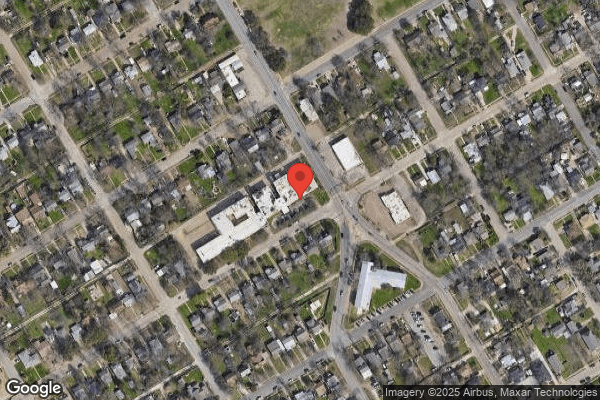
2501 MAPLE AVE, WACO, TX 76707 (254) 752-0311
For profit - Corporation 162 Beds GULF COAST LTC PARTNERS Data: November 2025 5 Immediate Jeopardy citations
Trust Grade
0/100
#1120 of 1168 in TX
Last Inspection: July 2025

Inspected within the last 6 months. Data reflects current conditions.

Overview

The Heights Nursing and Rehabilitation has received a Trust Grade of F, indicating significant concerns about its care quality. It ranks #1120 out of 1168 facilities in Texas, placing it in the bottom half, and #14 out of 17 in McLennan County, meaning there are very few local options that are better. The facility's performance has remained stable over recent years, with five issues reported in both 2024 and 2025. Staffing is a notable weakness, with a low 1-star rating and a troubling 64% turnover rate, far exceeding the Texas average of 50%. Additionally, the home has incurred $312,129 in fines, indicating repeated compliance problems, and it has average RN coverage, which is crucial for catching potential issues that CNAs might miss. Specific incidents highlight serious deficiencies, including failures to investigate an overdose incident involving a resident, to create an appropriate care plan addressing their history of drug use, and to supervise the resident adequately, all of which created risks for overdose and potential harm. While the facility has some positive quality measures rated at 4 out of 5, the overall picture raises significant concerns for prospective residents and their families.

Trust Score
F
0/100
In Texas
#1120/1168
Bottom 5%
Safety Record
High Risk
Review needed
Inspections
Holding Steady
5 → 5 violations
Staff Stability
⚠ Watch
64% turnover. Above average. Higher turnover means staff may not know residents' routines.
Penalties
✓ Good
$312,129 in fines. Lower than most Texas facilities. Relatively clean record.
Skilled Nurses
⚠ Watch
Each resident gets only 19 minutes of Registered Nurse (RN) attention daily — below average for Texas. Fewer RN minutes means fewer trained eyes watching for problems.
Violations
⚠ Watch
19 deficiencies on record. Higher than average. Multiple issues found across inspections.
★☆☆☆☆
1.0
Overall Rating
★☆☆☆☆
1.0
Staff Levels
★★★★☆
4.0
Care Quality
★★☆☆☆
2.0
Inspection Score
Stable
2024: 5 issues
2025: 5 issues

The Good

  • 4-Star Quality Measures · Strong clinical quality outcomes
  • Full Sprinkler Coverage · Fire safety systems throughout facility
  • No fines on record

Facility shows strength in quality measures, fire safety.

The Bad

1-Star Overall Rating

Below Texas average (2.8)

Significant quality concerns identified by CMS

Staff Turnover: 64%

17pts above Texas avg (46%)

Frequent staff changes - ask about care continuity

Federal Fines: $312,129

Well above median ($33,413)

Significant penalties indicating serious issues

Chain: GULF COAST LTC PARTNERS

Part of a multi-facility chain

Ask about local staffing decisions and management

Staff turnover is elevated (64%)

16 points above Texas average of 48%

The Ugly 19 deficiencies on record

5 life-threatening
Jul 2025 5 deficiencies
CONCERN (D)

Potential for Harm - no one hurt, but risky conditions existed

Deficiency F0688 (Tag F0688)

Could have caused harm · This affected 1 resident

**NOTE- TERMS IN BRACKETS HAVE BEEN EDITED TO PROTECT CONFIDENTIALITY** Based on observation, interview, and record review the facility failed to ensure a resident with limited range of motion and lim...

Read full inspector narrative →
**NOTE- TERMS IN BRACKETS HAVE BEEN EDITED TO PROTECT CONFIDENTIALITY** Based on observation, interview, and record review the facility failed to ensure a resident with limited range of motion and limited mobility receives appropriate treatment and services to increase range of motion and/or to prevent further decrease in range of motion and appropriate services, equipment, and assistance to maintain or improve mobility for 1 of 6 residents (Resident #22) reviewed for ROM and mobility, in that:The facility failed on 4/25/2025 to ensure Resident #22 continued to receive OT services that were signed off on by the MD on the resident's initial OT evaluation. This failure placed residents at risk of not maintaining their highest practicable physical, mental, and psychosocial well-being. Review of Resident #22's comprehensive MDS assessment dated [DATE] reflected a [AGE] year-old male who was admitted to the facility on [DATE] with diagnoses that included stroke (when blood supply to part of the brain is suddenly reduced, leading to brain cell death and/or permanent damage), high blood pressure, diabetes mellitus (chronic disease where the body does not produce enough insulin), hemiplegia (paralysis) or hemiparesis (weakness on one side of the body). His BIMS score was a 00, indicating severe cognitive impairment. In Section GG - Functional Abilities, for the tasks of sit to lying, lying to sitting on side of bed, sit to stand, chair/bed-to-chair transfer, he was indicated as being Dependent- Helper does all of the effort, resident does none of the effort to complete the activity. Or, the assistance of 2 or more helpers is required for the resident to complete the activity. For the task of roll left and right he was indicated as requiring Substantial/maximal assistance - Helper does more than half the effort. Helper lifts or holds trunk or limbs and provides more than half the effort.Review of Resident #22's comprehensive care plan last revised 6/29/2025 reflected he had an ADL self-care performance deficit with a goal that he would improve his current level of function in bed mobility, transfers, eating, dressing, toilet use, and personal hygiene. An intervention of Notify DOR of need for ST/PT/OT evaluation and treatment as per MD orders was listed. He was not care planned for refusing any services.Review of Resident #22's physician's orders, active as of 7/23/2025, reflected the following standing (a written protocol that allows the healthcare team to perform specific clinical tasks without needing a physician's order) orders: PT to eval and treat on admission OT to eval and treat on admission ST to eval and treat on admissionReview of Resident #22's Occupational Therapy Evaluation & Plan of Treatment dated 4/18/2025 reflected diagnoses of cerebral infarction due to thrombosis of left anterior cerebral artery (blockage of blood flow to the front part of the brain) and muscle weakness. The reason for referral listed stated, Patient was referred to OT d/t recent admission to this facility. Patient presents with decreased: bed mobility, activity tolerance, and ROM LUE. Patient will benefit from OT to address these deficits and maximize overall QOL.The treatment approaches included: therapeutic exercises, neuromuscular reeducation, group therapeutic procedure, occupational therapy evaluation: moderate complexity, therapeutic activities, and self-care management training. The Frequency was for 12 time periods, for a duration of 30 days, with an intensity of daily, and the certification period was for 4/18/2025-5/17/2025. The following goals were listed: Patient will perform L UE strengthening exercises x 8-10 minutes, in order to improve strength for bed mobility.Patient will tolerate 5-7 minutes PROM to R UE, in order to improve ROM and prevent contracture.Patient will safely perform bed mobility tasks with Mod (A) with use of siderails for use of compensatory strategies in order todecrease risk for skin breakdown.Patient/caregivers will demonstrate 85% accuracy for safety/compensatory strategies for bed mobility.These were signed off on by the medical director on 4/21/2025 and it stated, I certify the need for these medically necessary services furnished under this plan of treatment while under my care from 4/18/2025 through 5/17/2025.In an observation on 7/21/2025 at 11:18 AM with Resident #22 he was observed to not be responding to the state surveyors' questions with words, rather he was using his left hand to move his thumb in a sideways or upwards movement to indicate a thumbs-up when asked if he felt okay, was being treated well by staff, and if he participated in activities. In a confidential interview the person stated that when Resident #22 first admitted , they thought the facility was going to be giving the resident rehabilitation to regain his functions, but there seemed to be no improvement with the resident's abilities. They stated that staff report that the resident refused therapy. This person stated that every time they visit the resident would be lying in the same position in bed. They confirmed that the resident had right side paralysis, and that his Medicaid had not been approved yet, and the facility would not do anything until that was approved. In an interview on 7/22/2025 at 4:22 PM with the DOR she stated that Resident #22 had been ‘Medicaid pending' since his admission on [DATE], indicating that certain corporate procedures had to be followed to get the resident's therapy visits financially covered while his insurance was awaiting approval. She stated that she thought Resident #22 had rehabilitation potential for contracture management, to prevent more contractures, and she confirmed that he was not receiving any services at the time. His initial OT evaluation was conducted on 4/18/2025 and he had only received 5 visits between the time period of 4/18-4/25. When asked by the state surveyor if the facility conducted ‘facility authorizations' for residents who could benefit from rehab, but were still Medicaid pending, she stated that yes, the facility did do them, and that rehab would authorize 5 visits, but it was a corporate rule to only allow 5 residents a month, unless it was determined an additional resident really needed it. She stated that if a resident were to exhaust their 5 visits, they could be picked back up based on IDT meetings and then the ADM would approve the additional visits. In an interview with the BOM on 07/23/2025 at 11:46 AM she stated that Resident #22's Medicaid application was denied in error, and that their back office had re-submitted the necessary documentation recently. She stated that based on her experience his application would be approved. When asked about therapy, she stated that corporate does allow 5 initial therapy visits, and if the DOR felt the residents needed more, she could get more approved. In a follow up interview with the DOR on 07/23/2025 at 11:55 AM she stated that Resident #22 was not able to position the way he needed to, and he was only able to use his left hand to thumbs up or down when answering questions. The therapy goals would have helped him achieve being able to roll side to side and to use his bed rails for repositioning. She stated he still needed more therapy to continue being able to work toward those goals. When asked why he was not currently receiving therapy, she stated that she planned to pick him back up soon, and that the residents only got a certain amount of approved therapy visits. She also stated they were short staffed and the staff she had, already had full caseloads. She stated that she was the only full-time staff for about 4 months, so it was hard to keep additional people on case loads. She tried to prioritize residents with falls, contractures, decreased strength, and ADLs. She stated that it was up to her discretion, and if she felt like he needed more therapy she could go through the steps of the policy, and she confirmed that she felt he needed more therapy. However, she felt she did not have the resources to continue providing him therapy previously, because most of her staff worked PRN. She stated that a negative outcome of the resident not receiving therapy services was an overall decrease in quality of life, inability to do for oneself, and not reaching their full potential with ADLs. In an observation on 07/23/2025 at 12:11 PM Resident #22 was observed to require extensive assistance by the DOR by her having to place both of her hands under his left side back to prop him up to assist him in being able to turn and reach for his right-side bed rail. The resident lifted his left arm to reach the right bed rail and once he made contact, he grabbed it but made no attempt to maneuver his body. In a follow up interview with the DOR on 07/23/2025 at 12:13 PM she stated that when Resident #22 was receiving therapy services he would sometimes refuse, but they would attempt to come back 3 times before scheduling the visit for another day, and he did receive all 5 of his initial visits. She stated that the goal would have been (if he were to have continued therapy services) for him to have had better bed mobility, by reaching for items on his bedside table, repositioning, and assisting staff with ADLs. In an interview on 07/23/2025 at 1:59 PM with the DOO she stated that therapy was to be offered in 2-week increments (rather than 5 days) for residents on Medicaid pending status. She further clarified that the 1st 2 approved weeks, the administrator signed off for approval, the next 2 weeks, she (DOO) would sign off for approval and then the following 3 weeks, the Senior VP ofOperations signed off for approval. She stated that she would provide re-education to staff. In an interview on 07/23/2025 at 3:50 PM with the DON she stated she had only been working at the facility for 5 days, but that Resident #22 could have been experiencing no overall improvement in his well-being or quality of life due to not receiving necessary rehab services. Review of the facility's Medicaid Therapy Tracker policy dated 2/2025 revealed, If your facility has identified a need for therapy interventions on a Medicaid only resident, the following approval process will be implemented. 1st approval - request in writing the resident, reason for the request, which disciplines will be involved and frequency/duration of services. This step will also require the Administrator's signature. 2nd approval - request in writing the resident, reason for the request, which disciplines will be involved and frequency/duration of services. This step will also require the Administrator's and Regional's signature. 3rd Approval- request in writing the resident, reason for the request, which disciplines will be involved and frequency/duration of services. This step will also require the Administrator's, Regional's and Sr VP of Operations signature.This form will be submitted monthly to the Regional and Sr VP of Operations. Services should not be rendered until all required signatures are obtained.Review of the facility's undated Resident Rights policy revealed, 8. Safe Environment. The resident has a right to a safe, clean, comfortable and homelike environment, including but not limited to receiving treatment and supports for daily living safely.
CONCERN (D)

Potential for Harm - no one hurt, but risky conditions existed

Pharmacy Services (Tag F0755)

Could have caused harm · This affected 1 resident

Based on observation, interview, and record review the facility failed to provide pharmaceutical services, including procedures that assure the accurate acquiring, receiving, dispensing, and administe...

Read full inspector narrative →
Based on observation, interview, and record review the facility failed to provide pharmaceutical services, including procedures that assure the accurate acquiring, receiving, dispensing, and administering of all drugs and biologicals, to meet the needs of each resident for 2 of 3 medication carts reviewed (East Cart, 1 [NAME] Back Cart). The facility failed to ensure narcotic logs on the East Cart and 1 [NAME] Back Cart were completely filled out and were not missing nurse signatures from 7/19/25-7/21/25.This failure could place residents at risk of drug outages due to drug diversions and poor inventory control which could result in the diminished health and well-being of residents.Findings included: Observation on 7/22/25 at 4:20 PM of the East Medication Cart Narcotic Log revealed 2 shifts with no narcotic counts recorded and 2 other shifts with partially completed entries. The 7/19/25 6PM line was missing a time and a signature of the off-going nurse for the count. The 7/20/25 6AM and 6PM shifts were both completely blank, indicating that 2 nurses failed to sign or count narcotics for those shifts. The 7/21/25 8AM line had only the signature of the oncoming medication aide and was missing a nurse's signature. Observation on 7/22/25 at 5:00 PM of the 1 [NAME] Back Medication Cart Narcotic Log revealed that the line for 7/20/25 6:05 PM had a blank box where the on-coming nurse should have signed. In an interview on 7/22/25 at 4:37 PM the DON stated that her expectations were that counts be completed prior to passing the narcotic keys every shift. She was not aware the counts had been missed prior to us discussing it and she denied knowing why they were missed. In an interview on 7/22/25 at 4:39 PM MA-B stated 2 agency nurses worked on the East Hall from 6 PM on 7/19/25- 6 AM on 7/21/25. She stated the nurses working on the shifts involved were LVN-A and LVN-B. She denied having any knowledge on why they did not sign out the narcotic count. In an interview on 7/23/25 at 4:30 PM MA-C stated the policy was for 2 nurses to count narcotics and sign the narcotic sheet. He stated it was important to count the narcotics with 2 people to verify and have a witness that the count was correct. He stated the negative outcome if count was missed was that narcotics could be short or missing, and residents could be neglected on their medications. He stated Agency nurses passed medications for the day and night shifts on the East Hall for the 7/19/25. and 7/20/25 shifts. In an interview on 7/23/25 at 4:35 PM RN-A stated, the policy was for 2 nurses to count narcotics and sign the narcotic sheet. She stated it was important to count the narcotics with 2 people to decrease chances of narcotic diversions and safely confirm that narcotics were not missing. She stated not counting narcotics could affect residents if a medication supply was low and a resident could not get their medications. In an interview on 7/23/25 at 4:45 PM the DON stated, the policy was for 2 nurses to count narcotics and sign the narcotic sheet between shift changes. She stated staff could not go home or take the narcotic keys until narcotics were counted and documented. She stated it was important to count the narcotics with 2 people to verify the count was correct. She stated not counting could affect residents if medications were diverted and the medication count was off. She stated, if that happened, then the medication may not be available for the resident, or it could cause a medication dosage error by leading to a missed dose or a duplicated dose. She stated the rule was that if they did not document something, then it was assumed it didn't happen. She stated that this morning she had tried to call the agency nurses that did not sign out but they had not called her back. In an interview on 7/23/25 at 5:02 PM the ADM stated the policy was to count narcotics at shift change and record the count on the log. She stated count should be done by 2 people, so no one could take narcotics. She stated it could affect residents by making them miss medications they needed. In an interview on 7/23/25 at 5:23 PM MA-A stated in a telephone interview with the DON present, that RN-A counted with her on 7/21/25 at 8 AM. In an interview on 7/23/25 at 5:30 PM, RN -A stated she did count with MA-A on 7/21/25 at 8 AM and she must have forgotten to sign the sheet. Interview on 7/23/25 at 6:09 PM attempted with LVN-B but she did not answer, and the phone would not accept a message. No call back was received. In an interview on 7/23/25 at 6:20 PM LVN-A stated she worked the weekend shifts for 7/19/25 at 6 PM-7/21/25 at 6 AM. She stated she did not remember why they didn't sign off the narcotic sheets. She stated they did count each day, and she counted with a facility staff nurse. She stated it was important to count with 2 people to prevent medications from being stolen and to catch if a wrong medication had been given. She stated that she did not think missing counts would affect residents. A record review of the facility policy titled; Controlled Substance Administration & Accountability dated 2025 reflected the following:All controlled substances obtained from a non-automated medication cart are recorded on the designated usage form. Written documentation must be clearly legible with all applicable information provided. For areas without automated dispensing systems, two licensed nurses account for all controlled substances and access keys at the end of each shift.
CONCERN (D)

Potential for Harm - no one hurt, but risky conditions existed

Smoking Policies (Tag F0926)

Could have caused harm · This affected 1 resident

**NOTE- TERMS IN BRACKETS HAVE BEEN EDITED TO PROTECT CONFIDENTIALITY** Based on observation, interview, and record review the facility failed to implement their established policy regarding smoking, ...

Read full inspector narrative →
**NOTE- TERMS IN BRACKETS HAVE BEEN EDITED TO PROTECT CONFIDENTIALITY** Based on observation, interview, and record review the facility failed to implement their established policy regarding smoking, smoking areas, and smoking safety for 1 (Resident #49) of 8 residents reviewed for smoking. The facility failed to inform Resident #49 of the facility's smoking policy prior to 7/21/2025.The facility failed on 7/21/2025 to maintain a clean smoking area for staff and residents. These failures could result in unwanted fire hazards and pose safety risks to residents and staff. Findings included:Review of Resident #49's comprehensive MDS assessment dated [DATE] reflected a [AGE] year-old female who admitted to the facility on [DATE] with diagnoses that included, amputation, anemia, coronary artery disease (narrowed or blocked arteries caused by plague buildup), diabetes, high cholesterol, hyperlipidemia (high levels of fats in the blood), mild cognitive impairment, and limitation of activities due to disability. Her BIMS score was an 11, indicating she had moderate cognitive impairment. In Section J - Health Conditions, Resident #49 was marked as ‘Yes' for J1300 Current Tobacco Use. Review of Resident #49's care plan dated last revised 7/7/2025 reflected that she was care planned for an intervention of Encourage resident to refrain from smoking. due to a diagnosis of coronary artery disease related to hypercholesterolemia (high cholesterol). There was no indication Resident #49 had been informed of the smoking policy.In an observation on 7/21/2025 at 1:49 PM of a smoking break, Resident #49 had a pouch where her smoking materials were kept, and there were no cigars observed. Resident #49 was observed going up to a male resident and asking him for a cigar, when the AD interrupted and stated they could not do that. The smoking area was observed to be littered with cigarette butts and cigar wrappers. Additionally, cigarette butts were observed to be in plant pots by one of the facility's exit doors. In an interview on 07/21/2025 at 1:57 PM with the AD who was providing the smoke break to residents she stated that she provided smoke breaks to residents at 1:45 and 4pm daily when she worked. She stated that she would think it was housekeeping or maintenance's responsibility to clean up the cigarette butts off the ground. She stated that a fire could happen if the butts were put out and/or left in the plant pots and stated that it did look bad out there due to the trash and cigarette butts on the ground. Resident #49 usually smoked [a certain brand] and she came out during every smoke break. When shown a copy of the list of smokers provided to the state survey team, which did not include the name of Resident #49, and asked how she knew if the resident was permitted to smoke, she stated that it was communicated to her from nursing, who conducted the safe smoking assessments. She stated that Resident #49 was newly admitted to the facility, and the DON told the AD that the smoking policy was in the resident's admission packet, when asked if Resident #49 was aware of the smoking rules.In an interview on 07/22/2025 at 12:04 PM with Resident #49 she stated she was never informed of the rules about smoking or that she could not share, until 7/21/25 when the AD stated she could not borrow a cigar from a male resident because the state was present. She stated that her FM would bring her cigars when she ran out or she would ask another resident who smoked the same brand, and they would lend her one. In a follow up interview on 07/23/2025 at 3:24 PM with the AD she stated that Resident #49 would borrow cigars from any resident who smoked the same type as her. She confirmed the name of the resident whom Resident #49 was observed asking from during the 1:45 PM smoke break on 7/21, and that Resident #49 had in the past borrowed from him. She stated that it was the responsibility of the staff providing the smoke break to inform all smokers of the rules. When asked why residents should not share smoking materials, she stated that it was due to incidents years ago where residents would borrow from others after stating they would return the favor, or pay the loaner back, and fail to follow through on those promises, which led to problems, so the policy was put into place. In an interview on 07/23/2025 at 3:40 PM with the DON she stated that she had only been working at the facility for 5 days, however, if a resident was not compliant with the smoking policy, the staff would address it.Review of the facility's undated Smoking policy revealed, Residents are prohibited from sharing or loaning tobacco products to others.Review of the facility's undated Resident Rights policy revealed, 6. Information and communication. The resident has the right to be informed of his or her rights and of all rules and regulations governing resident conduct and responsibilities during his or her stay in the facility. 8. Safe Environment. The resident has a right to a safe, clean, comfortable and homelike environment, including but not limited to receiving treatment and supports for daily living safely.
CONCERN (E)

Potential for Harm - no one hurt, but risky conditions existed

Food Safety (Tag F0812)

Could have caused harm · This affected multiple residents

Based on observation, interview and record review the facility failed to store, prepare, distribute and serve food in accordance with professional standards for food service safety in 1 of 1 kitchen r...

Read full inspector narrative →
Based on observation, interview and record review the facility failed to store, prepare, distribute and serve food in accordance with professional standards for food service safety in 1 of 1 kitchen reviewed for food and nutrition services. The facility failed on 07/22/2025 to ensure dietary CK 2 used proper hand hygienewore gloves while plating food for service on the line. The facility failed on 07/22/2025 to ensure CK 1 wore a beard net while preparing food for the residents. The facility failed on 07/22/2025 to ensure dietary CK 1 washed his hands or changed his gloves while preparing pureed food for the residents and in between tasks. The facility failed on 07/22/2025 to ensure dietary CK 1 cleaned and sanitized the food processer in between pureed food items. These failures could place residents at risk for food contamination and/or foodborne illness. In an observation on 07/22/2025 at 9:35 AM of the facility's only kitchen revealed CK 1 was near the food preparation table preparing food and was not wearing a beard net. CK 1 had a visible beard and mustache no more than one inch in length.In an observation on 07/22/2025 at 10:39 AM of the facility's only kitchen revealed CK 1 was in the kitchen near the food preparation table, and three compartment sink area with his beard net pulled below his bottom lip. CK 1 was wearing gloves while moving about touching other surfaces (food processor, kitchen sink handles, sink, food processor) in the kitchen without changing his gloves after encountering different surfaces and then resumed his food handling with the same gloves.Observation on 07/22/2025 at 11:00 AM, revealed CK 1's beard net was pulled below his bottom lip while preparing pureed chicken with chicken broth. CK 1 washed the food processor in the three-compartment sink, rinsed it with running water, but did not sanitize it. CK 1 proceeded to puree broccoli using the food processor and repeated the same process. CK 1 then proceeded to puree garlic bread with the unsanitized food processor. CK 1 then grabbed a dirty towel with food particles and brown spots off the dirty cart. CK 1 wiped down the food processor base and food preparation area with the same dirty towel. During the entire process of pureeing the chicken, broccoli, and garlic bread, dietary CK 1 did not change his gloves or wash his hands in between tasks.In an observation on 07/22/2025 at 11:20 AM CK 1 was near the stove and food preparation area with his beard net pulled below his bottom lip. In an observation on 07/22/2025 at 11:45 AM, CK 2 did not put on gloves before preparing trays on the serving line. In an interview on 07/22/2025 at 10:39 AM with the DM, she stated the kitchen staff was to always wear gloves and hair/beard nets when preparing food, which included the puree food process. She stated all staff were required to change their gloves and wash hands in between tasks and whenever they touched anything contaminated. This was to avoid cross contamination and sanitation issues. She stated if the kitchen staff were moving about touching other surfaces in the kitchen while preparing food, they must change gloves, wash their hands, and put on new gloves. She stated the food processor should go in the dish washer to be cleaned and sanitized in between uses. She stated the food processor base should be cleaned after each use with soap and water. She stated the staff had sanitizing buckets, one with soap and water and one with water kept under the cooking station. She stated the staff should be pulling the clean towel out of the soapy water and sanitizing the equipment after each use, and when done staff should put the dirty towel in the dirty bin. She stated a potential negative outcome of not using proper washing and sanitizing between pureed food items was there could be cross contamination, the resident could get sick, or it could affect the integrity of the meal.In an interview on 07/22/2025 at 12:15 PM, CK 2 stated she did not put gloves on before preparing trays on the serving line. She stated she was trained on proper hand hygiene. She stated all staff should be washing hands and wearing gloves on the serving line. She stated she was trained to wash and sanitize the blender in between pureed items. She stated the proper technique for cleaning and sanitizing the blender was to use the three-compartment sink to wash with soap and water and air dry in between pureed items. She stated a potential negative outcome of not properly washing and sanitizing the blender in between puree food items was food poisoning and cross contamination. She stated anyone that entered the kitchen was supposed to wear the appropriate hair and beard net to prevent hair from falling into food. She stated she had been trained but did not recall the date.In an interview on 07/22/2025 at 12:30 PM, CK 1 stated he did not change his gloves while preparing food for the residents. He stated he was required to change his gloves and wash hands in between tasks and after touching anything contaminated. He stated the germs on his gloves may spread to the food. He stated he did not wash and sanitize the food processor in between pureed items, and he was running behind on time. He stated the proper technique for cleaning and sanitizing the food processor was to use the three-compartment sink to wash with soap and water and air dry in between pureed items. He stated a potential negative outcome of not properly cleaning and sanitizing the food processor was the residents could get sick. He stated his beard, and mustache was short, and he did not think he needed a beard net with his beard and mustache being short. He stated he was trained but did not recall the date.Record review of facility's undated food processor cleaning policy reflected 1. Disassemble Unplug the food processor from the power outlet. Carefully detach all removable parts: the lid, feeder tube, blade, and bowl.2. Clean the parts Remove large food particles: Rinse the bowl, lid, and blade under warm water to eliminate any remaining food particles. Handwashing: Wash the bowl, lid, blade, and pusher with warm, soapy water and a soft cloth or sponge. Hard -to-reach areas: Utilize a nylon or soft bristled brush to thoroughly clean crevices and areas around the blade that are difficult to access. Base and Power Cord: Wipe down the base and power cord with a damp, soapy cloth. Never immerse the base in the water or any other liquids.3. Sanitize After washing, rinse all parts (except the motor base) with clean water to remove any soapy residue. Sanitize the food contact surface with an approved sanitizer, such as a diluted bleach solution, following the manufacturer's instructions for concentration and contact time. Optional: In a three-compartment sink, immerse the disassembled items in the third sink, which contains hot water (at least 117 degrees) for 30 seconds, or use a properly prepared chemical sanitizing solution.Important consideration for nursing homes PPE: Staff should wear appropriate PPE, including gloves, when handling food during the cleaning process to further minimize the risk of contamination.Following these cleaning and sanitation procedures for food processors and other kitchen equipment will help maintain a safe and hygienic environment for the residents and staff in the nursing home. Change gloves between the line and the dirty station/sinks. Wash processor between each food item change. 3 compartment sinks, soap, rinse, sanitize, and return between each food itemRecord review of FDA food code dated 2022 revealed 2-402 hair restraints reflected2-402.11 Effectiveness(A) Except as provided in (B) of this section, Food Employees shall wear hair restraints such as hats, hair coverings or nets, beard restraints, and clothing that covers body hair, that are designed and worn to effectively keep their hair from contacting exposed Food; clean Equipment, Utensils, and Linens; and unwrapped Single-Service and Single-Use Articles.Record review of the facility's policy titled ‘Kitchen Sanitation', dated 2023, reflected It is the policy of the facility to ensure kitchen sanitation is completed by the kitchen staff per shift, per day. It is up to the facility to ensure facility equipment is cleaned and sanitized.
CONCERN (E)

Potential for Harm - no one hurt, but risky conditions existed

Infection Control (Tag F0880)

Could have caused harm · This affected multiple residents

**NOTE- TERMS IN BRACKETS HAVE BEEN EDITED TO PROTECT CONFIDENTIALITY** Based on observation, interview, and record review the facility failed to establish and maintain an infection prevention and con...

Read full inspector narrative →
**NOTE- TERMS IN BRACKETS HAVE BEEN EDITED TO PROTECT CONFIDENTIALITY** Based on observation, interview, and record review the facility failed to establish and maintain an infection prevention and control program designed to provide a safe, sanitary, and comfortable environment and to help prevent the transmission of communicable diseases and infections for 4 of 4 residents (Residents #15, #25, #34, and #70) and 1 of 1 laundry carts reviewed for infection control. The facility failed on 07/21/2025 to ensure laundry staff handled and stored linens during transport in a manner to ensure cleanliness, protect from dust, and to prevent cross-contamination and the spread of infections. The facility failed on 07/22/2025 to ensure MA-A sanitized reusable equipment (BP cuff) between Residents #15, #25, #34, and #70. This failure could place residents at risk for development of communicable diseases and infections that could diminish a residents' quality of life. Findings included: Record review of Resident #15's undated face sheet, revealed she was a [AGE] year-old female admitted [DATE] with diagnoses of Hypothyroidism (low thyroid), Ocular Hypertension, Hypertension (High BP in the eye), and Schizophrenia (mental illness). Record review of Resident #15's Quarterly MDS assessment dated [DATE] revealed a BIMS score of 15, which indicated the resident's cognitive ability was not impaired. Record review of Resident #15's Care Plan, reflected a Focus area was initiated for Hypertension on 10/2/15 and revised on 6/20/25 with a goal to have no side effects from BP medications. Resident #15's interventions included to check BP. Record review of Resident #25's undated face sheet, revealed she was a [AGE] year-old female admitted [DATE] with diagnoses of Congestive Heart Failure, Kidney Transplant, Hypertension, and Chronic Obstructive Pulmonary Disease (lung disease). Record review of Resident #25's Quarterly MDS assessment dated [DATE] revealed a BIMS score of 15, which indicated the resident's cognitive ability was not impaired. Record review of Resident #25's Care Plan, reflected a Focus area was initiated for Hypertension on 2/11/25 with a goal to remain free from symptoms of Hypertension. Resident #25's interventions included to give anti-hypertensive medications and monitor for side effects. Record review of Resident #34's undated face sheet, revealed he was a [AGE] year-old male admitted [DATE] with diagnoses of Hemiplegia (paralysis on 1 side), Bipolar Disorder (mood disorder), Hypertension, and Cerebral Infarct (stroke).Record review of Resident #34's Quarterly MDS assessment dated [DATE] revealed a BIMS score of 08, which indicated the resident's cognitive ability was moderately impaired. Record review of Resident #34's Care Plan, reflected a Focus area was initiated for Hypertension on 2/12/25 with a goal to remain free from symptoms of hypertension. Resident #34's interventions included to give anti-hypertensive medications and monitor for side effects. Record review of Resident #70's undated face sheet, revealed he was a [AGE] year-old male admitted [DATE] with diagnoses of Multiple Sclerosis (muscle weakening disease), Elevated [NAME] Blood Cell Count, Hypertension, and Elevated Liver Enzyme Levels. Record review of Resident #70's chart reflected that his MDS assessment had not been completed yet related to his recent admission date. Record review of Resident #70's Care Plan, reflected a Focus area was initiated for Hypertension on 7/22/25 with a goal to remain free from complications. Resident #70's interventions included to monitor and document blood pressure readings. Observation on 7/21/25 at 12:42 PM revealed LS-A pushing the laundry cart down the hall on the [NAME] Nursing Unit. The top of the cart was covered with a cloth, but the sides were completely uncovered and open to the air on both sides. Residents and visitors were observed moving down the hall also. Multiple resident's hanging clothes were observed in the exposed area of the cart. Observation on 7/22/25 at 8:56 AM revealed MA-A passing medications. She picked up the blood pressure cuff without cleaning it and entered Resident #34's room and proceeded to take his blood pressure. Upon returning to the medication cart, she placed the uncleaned blood pressure cuff on the top of the cart near the area she was preparing medications. She proceeded to give him his medications then performed hand hygiene but did not clean the cuff. Observation on 7/22/25 at 9:10 AM revealed MA-A passing medications. She picked up the uncleaned blood pressure cuff and entered Resident #70's room and proceeded to take his blood pressure. Upon returning to the medication cart, she placed the uncleaned blood pressure cuff on the top of the cart near the area she was preparing medications. She proceeded to give him his medications then performed hand hygiene but did not clean the cuff. Observation on 7/22/25 at 9:31 AM revealed MA-A passing medications. She picked up the uncleaned blood pressure cuff and entered Resident #25's room and proceeded to take her blood pressure. Upon returning to the medication cart, she placed the uncleaned blood pressure cuff on the top of the cart near the area she was preparing medications. She proceeded to give the resident her medications then performed hand hygiene but did not clean the cuff. Observation on 7/22/25 at 9:36 AM revealed MA-A passing medications. She picked up the uncleaned blood pressure cuff and entered Resident #15's room and proceeded to take her blood pressure. Upon returning to the medication cart, she placed the uncleaned blood pressure cuff on the top of the cart near the area she was preparing medications. She proceeded to give the resident her medications then performed hand hygiene but did not clean the cuff. In an interview on 7/22/25 at 9:45 AM MA-A stated that she forgot to clean the blood pressure cuff between residents. She stated the policy is to clean the cuff to prevent from spreading infections between residents. In an interview on 7/21/25 at 12:42 PM, LS-A stated that only the top of the linen cart had to be covered. She stated that small undergarments were delivered in the closed bin drawers below. She stated the policy of the facility was to just cover the top of the cart and she denied any concerns/risk with the exposed linens. In an interview on 7/23/25 at 4:10 PM, LM stated the policy on delivering linens/clothes to residents was to bring in all the resident's clothes on a cart that was covered all the way around. She stated it was important to keep linens covered to prevent cross contamination and the negative outcome to residents if linens were not covered was residents could catch infections and get sick. In an interview on 7/23/25 at 4:24 PM, CNA-A stated, the policy on delivering linens/clothes to residents was to bag them and transfer them to their room. She stated it was important to keep linens covered to keep germs and bacteria from cross contaminating the clothing and the negative outcome to residents if linens were not covered was, they could get sick because ultimately they would be exposed to germs and bacteria. She stated the policy on cleaning reusable equipment (BP Cuffs) between residents was to wipe the BP cuff with the sanitizing wipes provided and wait the appropriate time to use. She stated it was important to clean the cuffs to prevent cross contamination and the negative outcome to residents if cuffs were not cleaned was the resident could get sick from cross contamination. In an interview on 7/23/25 at 4:30 PM, MA-C stated the policy on cleaning reusable equipment (BP Cuffs) between residents was to sanitize the cuff between each resident. He stated this was important to prevent spread of infections and the negative outcome to residents if the cuffs were not cleaned was residents could get infections from other residents and get sick. In an interview on 7/23/25 at 4:35 PM, RN-A stated the policy on delivering linens/clothes to residents was to keep carts covered. She stated it was important to keep linens covered for Infection control and the negative outcome to residents if linens were not covered was, they could be exposed to germs and infectious material and get sick. She stated the policy on cleaning reusable equipment (BP Cuffs) between residents was to clean between each resident and let the cuff sit for the designated kill time. She stated it was important to clean the cuffs because if not residents could get sick. In an interview on 7/22/25 at 4:45 PM, the DON stated the policy on delivering linens/clothes to residents was to deliver them covered. She stated this was important for infection control and the negative outcome to residents if linens were not covered was they could get infections. She stated the policy on cleaning reusable equipment (BP Cuffs) between residents was to clean between each resident with an approved cleanser and follow the guidelines for the number of minutes to wait before reuse. She stated it was important to clean the cuffs to keep infections down and not doing so could possibly give residents infections. In an interview on 7/23/25 at 5:02 PM, the ADM stated the policy on delivering linens/clothes to residents was to deliver covered in bags or on a fully covered cart. She stated it was important to keep linens covered for infection control and to keep linens clean until they were delivered. She stated the negative outcome to residents if linens were not covered could be exposure to dirt and it could make residents sick. She stated the policy on cleaning reusable equipment (BP Cuffs) was to clean them between each resident. She stated the policy was to sanitize all equipment between every use. She stated it was important to clean the cuffs to prevent residents from getting sick from exposure to germs.A record review of the facility's undated policy titled, Infection Prevention and Control Program reflected the following:All reusable equipment requiring cleaning or disinfection shall be cleaned in accordance with current procedures governing soiled or contaminated equipment. Non-sterile supplies are stored and maintained as clean prior to use.Laundry staff shall handle and transport linens to prevent spread of infection.Clean linens shall be delivered to resident care units on covered linen carts with covers down.
Jun 2024 5 deficiencies
CONCERN (D)

Potential for Harm - no one hurt, but risky conditions existed

Quality of Care (Tag F0684)

Could have caused harm · This affected 1 resident

**NOTE- TERMS IN BRACKETS HAVE BEEN EDITED TO PROTECT CONFIDENTIALITY** Based on observation, interview and record review the facility failed to ensure, based on the comprehensive assessment of a resi...

Read full inspector narrative →
**NOTE- TERMS IN BRACKETS HAVE BEEN EDITED TO PROTECT CONFIDENTIALITY** Based on observation, interview and record review the facility failed to ensure, based on the comprehensive assessment of a resident, that residents received treatment and care in accordance with professional standards of practice, the comprehensive person-centered care plan, and the resident's choices for 1 of 2 resident (Resident #31) reviewed for quality of care. The facility failed to ensure Resident #31's wound care orders were followed daily. This failure could place residents at risk for worsening of wounds, development of infections, and possible loss of the highest practicable level of functioning. Findings include: Record review of Resident #31's face sheet, dated 06/13/24, reflected a [AGE] year-old female who was admitted to the facility on [DATE]. Resident #31 had diagnoses which included Muscle Wasting, Stroke, Chronic Kidney Disease, Gangrene (dead body tissue) and Hypertension (High blood pressure). Record review of Resident #31's Quarterly MDS reflected a BIMS score of 7, indicated the resident's cognition was severely impaired. Record review of Resident #31's Care Plan, reflected a Focus was initiated for open area related to her auto immune disease on her right dorsal shin. This area heals and then reopens at times. The Care Plan Focus was revised on 3/12/24. On 5/1/24 the goal was revised to reflect a goal for her shin to heal without complications. Record review of Resident #31's orders reflected a wound treatment order to be done one time daily with a start date of 6/7/24 at 6:00 pm and a revision date of 6/12/24. Record review of Resident #31's TAR reflected an order beginning on 6/7/24 to provide daily wound care. The order is: Open area to RLE: Cleanse with normal saline, pat dry, apply Silver Alginate, cover with non-adherent dressing daily one time a day for treatment for open area. The TAR reflected no dressing changes were marked as performed for 6/7-6/12/24. The first date charted as wound treatment performed was 6/13/24. Record Review on 6/13/24 at 08:48 a.m. revealed Resident #31's TAR reflected a RLE dressing change charted as completed on 6/13/24 at 5:12 a.m. by agency nurse. On the TAR, the order had a start date on 6/7/24 and a revision date of 6/12/24. The TAR documented 6/13/24 at 05:12 a.m. dressing change was the first dressing change marked as completed and there were no notes which indicated why the dressing changes were not charted for 6/7/24 to 6/12/24. Observation on 06/11/24 at 10:45 a.m. revealed Resident #31 had a dressing on her right lower extremity with no date or initials to indicate when it was last changed. Observation on 06/12/24 at 01:58 p.m. revealed Resident #31 had a dressing on her right lower extremity with no date or initials to indicate when it was last changed. Observation on 6/13/24 at 8:44 a.m. revealed Resident #31 had a dressing on her right lower extremity with no date or initials to indicate when it was last changed. The dressing was a clean, flat, approximately 2x2 inch white gauze dressing covered with a clear dressing. The dressing edges were well adhered to skin with no signs of normal deterioration to the dressing. Skin redness extended past the dressing on the resident's right side and above the dressing edges. Unable to determine if redness was small amount of dried blood or scraped skin abrasion only. No drainage or signs of infection were observed on or around the dressing. Record Review on 6/13/24 at 08:48 a.m. revealed Resident #31's TAR reflected a RLE dressing change charted as completed on 6/13/24 at 5:12 a.m. by agency nurse. On the TAR, the order had a start date on 6/7/24 and a revision date of 6/12/24. The TAR documented 6/13/24 at 05:12 a.m. dressing change was the first dressing change marked as completed and there were no notes which indicated why the dressing changes were not charted for 6/7/24 to 6/12/24. Observation on 6/13/24 at 9:49 a.m. revealed LVN-B changed the dressing on Resident #31's right lower extremity according to orders and facility policy. The uncovered wound revealed an approximate wound area at its largest points were 3.5 inches width by 3.0 inches height. The wound appeared as a red abrasion with a small center spot approximately 1.5 mm radius and 1 mm deep (about the size of a pen tip) with a white dry center. Small, scabbed areas appeared across the red area. There was no drainage or signs of infection observed. In an interview on 6/11/24 at 10:45 a.m., Resident #31 stated the last time the dressing was changed on her right lower extremity was 3 days ago after her Saturday shower. In an interview on 6/12/24 at 01:58 p.m., Resident #31 stated the nursing staff had not come in to change the dressing since yesterday. In an interview on 6/13/24 at 08:48 a.m., LVN-B stated the last time a dressing change could be determined by looking at the date on the dressing and by looking in the electronic chart on the TAR. She said the TAR showed the dressing had already been changed on 6/13/24 at 05:12 a.m. by the night nurse. She stated the order was written to start on 6/7/24 and revised on 6/12/24. LVN-B stated the TAR showed the 6/13/24 at 05:12 a.m. dressing change was the first dressing change completed and there were no notes which indicated why the dressing changes were not completed for 6/07/24 to 6/12/24. In an interview on 6/13/24 at 08:54 a.m., Resident #31 stated, I think the dressing was changed the day before yesterday when I showered. The resident stated the dressing was not changed at 5:12 a.m. today. In an interview on 6/13/24 at 08:56 a.m., DON stated she instructed the staff to wait and do the dressing today with the State Surveyor. The DON stated an agency nurse was assigned to Resident #31 and she was sure the dressing was not changed this morning at 5:12 a.m. The DON stated she would research the order and dressing change history charted. In a joint interview on 6/13/24 at 09:43 a.m. with the DON and the ADON they stated they did daily Fail-Safe Risk Rounds to confirm orders were not missed. The DON stated she was responsible for auditing records to ensure wounds were done. She stated the audit was done but this one order was not caught due to a recent computer change. The DON stated a section of the electronic health record called the WAR was inactivated, but the staff nurse inadvertently entered the order into the WAR, so it did not show in the audit nor the treatment record. The DON also stated the staff were in serviced on the computer changes and the correct process to enter orders prior to the change. The ADON stated she did additional audits, and she caught the problem on 6/12/24 and corrected the order. The DON instructed LVN-B to change the dressing because it was not currently dated, and dressings needed to be dated. In a joint interview on 6/13/24 at 12:05 p.m. with the DON and the ADON, the DON stated an audit was done on all of agency nurse assignment and all task she signed as completed were verified as completed except the dressing change for Resident #31. The ADON stated an audit was done on the WAR tab for all of June and all orders were previously corrected by the ADON with no treatments missed for any residents except Residents #31's dressing change. In an interview on 6/13/24 at 2:38 PM, Resident #31 stated she did not remember if she told anyone about the missed dressing changes. Resident #31 stated the dressings were done on shower days and shower days were Saturday (6/8/24) Tuesday (6/11/24) and Thursday (6/13/24). In an interview on 6/13/24 at 2:36 p.m. the MDR stated the facility notified him some of Resident #31's dressing changes were missed. He stated, they always let me know anytime an order is not done or if there is a problem. The MDR stated the wound had not worsened but the concern if a wound was not treated properly was always a risk of infection. In an interview on 6/13/24 at 03:05 p.m., the DON stated her expectation was wound orders be implemented correctly and placed in the right tab. She stated wound care should be charted in the electronic health record and the dressing should be dated to track when dressing changes were done. The DON stated the potential outcome if wound care was missed was the wound could get worse or develop an infection. The DON stated the computer department was permanently correcting the problem with the WAR so no orders could be entered into that tab. In an interview on 6/13/24 at 03:12 p.m., the ADON stated her expectation was wound orders be completed per physician orders and if questions arose the staff should reach out to her for help. She stated wound care should be charted in the electronic health record and the dressing should be dated and initialed. The ADON stated the potential outcome if wound care was missed was infections. In an interview on 6/13/24 at 03:18 p.m., the ADM stated her expectation was wound care orders should be implemented and followed. The ADM stated the care should be recorded in the correct place under the correct tab. She stated the potential outcome if wound care was missed was that wounds could worsen and cause further health issues. In an interview on 6/13/24 at 03:25 p.m., CNA-C stated the CAN's reported wounds to the nurses. She stated that if wound care was missed infections could develop. Record review of the facility's, undated, policy titled; Wound Treatment Management reflected: It is the policy of this facility to provide evidence-based treatments in accordance with current standards of practice and physician orders . Wound treatments will be provided in accordance with physician orders . Treatment will be documented in the Treatment Administration Record or in the electronic health record.
CONCERN (D)

Potential for Harm - no one hurt, but risky conditions existed

Deficiency F0919 (Tag F0919)

Could have caused harm · This affected 1 resident

**NOTE- TERMS IN BRACKETS HAVE BEEN EDITED TO PROTECT CONFIDENTIALITY** Based on observation, interview and record review the facility failed to be adequately equipped to allow residents to call for s...

Read full inspector narrative →
**NOTE- TERMS IN BRACKETS HAVE BEEN EDITED TO PROTECT CONFIDENTIALITY** Based on observation, interview and record review the facility failed to be adequately equipped to allow residents to call for staff assistance through a communication system which relays the call directly to a staff member or to a centralized staff work area for 1 of 5 residents (Resident #40) reviewed for physical environment. The facility failed to ensure Resident #40 had a working call light in the room. This failure could place residents at risk of not being able to get assistance when needed. Findings include: Record review of Resident #40's face sheet, dated 06/13/24, reflected a [AGE] year-old female who was admitted to the facility on [DATE] with diagnoses which included pulmonary embolism (a blood clot in the lung that creates a blockage) without acute cor pulmonale (enlarged ventricle), cognitive communication deficit, unspecified atrial fibrillation (irregular and rapid heart rhythm that can lead to a stroke, heart failure or other complications), and dementia (loss of cognitive function that interferes with daily life) in other diseases classified elsewhere- unspecified severity- without behavioral disturbance, psychotic disturbance-,mood disturbance and anxiety ((A group of symptoms that affects memory, thinking and interferes with daily life.). Record review of Resident #40's quarterly MDS assessment, dated 04/01/24, reflected a BIMS score of 04, which indicated severe cognitive impairment. Section GG for functional abilities reflected Resident #40 was completely dependent on personal hygiene and toileting; and required maximal assistance with dressing and showers. Record review of Resident #40's care plan, last revised 06/14/24, reflected Falls Risk- [Resident #40] is at risk for falls related to dependence upon staff to provide assistance for stability to complete ADL's, functional incontinence and poor safety awareness secondary to cognitive impairment. Interventions for the identified problem in the care plan included, - Anticipate and meet the resident's needs. - Be sure the residents call light is within reach and encourage the resident to use it for assistance as needed. The resident needs prompt response to all requests for assistance. An observation and interview on 06/11/24 at 01:44 PM revealed Resident #40 in her bed with the call light cord observed at the bedside to the right of the resident. The call light cord was frayed and hung by a thin white cable, and a black cable was observed completely severed from the push-button end of the cord. Resident #40 was asked to test the call light and upon pushing the button it was observed neither the green light at the base of the call light, nor the light outside of Resident #40's room was activated. Resident #40 stated she was not sure how long the call light had been out because she usually just waited for staff to enter her room to ask for assistance, she said they checked on her frequently. An observation and interview on 06/11/24 at 01:52 PM revealed LVN A attempt to push Resident #40's call light to test for functionality; the call button was pushed, and the call light was observed not functioning in the room or flashing outside of the resident's room. LVN A stated this is the first time she noticed the call light not functioning but it was probably due to the frayed wires. She was unable to determine how long the call light was damaged prior to that moment. LVN A stated a negative outcome to Resident #40 not having a functioning call light would be the resident could sit there wet or soiled due to needing staff assistance with incontinent care. LVN A stated she would promptly report it to maintenance to have it resolved and was observed bringing Resident #40 a hand bell to ring if she needed assistance in the meantime. In an in interview on 06/13/24 at 03:32 PM with the DON, she stated it was her expectation that residents call lights were functioning and placed within reach of the residents to call for help as needed. She stated functionality was tested by MNT, but nursing staff also did rounds to check for placement. The DON stated a resident having a non-functioning call light was negligence because they could not be getting their needs met. The DON said after the problem with Resident #40 was identified they did an audit of all residents to ensure their call lights were functioning. No major concerns were identified though the audit. In an interview on 06/13/24 at 03:44 PM with the ADM she stated it was her expectation all residents had a functioning call light in reach to call for help as needed. She said if anyone identified a concern with a call light staff were required to let MNT know. The ADM stated they had Angel Rounds which is a system where the heads of the departments check on functionality and placement of call lights in resident's rooms daily. The ADM stated a negative outcome to residents not being able to call for assistance would be the residents not getting the help they need which could potentially lead to a fall in some residents. In an interview on 06/13/24 at 04:00 PM with MNT, he stated the residents call lights were checked for functionality and placement every morning during Angel Rounds. He also stated if a concern was identified staff were required to immediately let him know. The MNT said there was a maintenance system they had that would also prompt him to complete a full call light system audit regularly. The MNT said as soon as the problem was identified with Resident #40, she was given a hand bell and the call light cord was replaced later the same day. The MNT said a negative outcome to a resident not having a functioning call light could potentially lead to a fall with injury. Record review of the facility's, undated, policy titled Call Lights: Accessibility and Timely Response reflected: The purpose of this policy is to assure the facility is adequately equipped with a call light at each resident's bedside, toilet, and bathing facility to allow residents to call for assistance. Call lights will directly relay to a staff member or centralized location to ensure appropriate response. - Ensure the call light system alerts staff members directly or goes to a centralized staff work area.
CONCERN (E)

Potential for Harm - no one hurt, but risky conditions existed

Deficiency F0576 (Tag F0576)

Could have caused harm · This affected multiple residents

Based on interview and record review the facility failed to ensure residents had the right to send and receive mail, and to receive letters, packages, and other materials delivered to the facility for...

Read full inspector narrative →
Based on interview and record review the facility failed to ensure residents had the right to send and receive mail, and to receive letters, packages, and other materials delivered to the facility for the resident through the means other than a postal service for 11 of 11 confidential residents reviewed for weekend mail delivery. The facility failed to ensure residents received their mail on the weekend. This failure could place residents at risk of not receiving mail in a timely manner and could result in a decline in residents' psychosocial well-being and quality of life. Findings include: During a confidential group interview 11 of 11 residents stated mail was not distributed on Saturdays. They stated mail did not get delivered until Monday or even picked up until Monday. The residents stated they had spoken to different [unnamed] staff about the issue but were told nobody was there who could deliver it on the weekend . In an interview on 06/13/24 at 02:39 PM with the SW, she said she was not aware of anyone who was assigned to deliver mail on the weekend. She said other than nursing staff she was not sure who worked on the weekend who would be able to deliver the mail and didn't think it got delivered. In an interview on 06/13/24 at 02:50 PM with the BOM, she stated the facility did not have anyone on weekends to deliver mail. The BOM said staff knew to put any weekend mail in her box, and she would deliver it to the residents when she came in on Monday. The BOM said she was not sure if it was a resident right to receive mail on the weekends and was not aware of the section which included weekend mail delivery under the Residents [NAME] of Rights. The BOM said she was sure there could be a potential negative outcome such as residents getting upset if they were expecting a package, but she said all mail whether it was a check or other envelope that was coming in on the weekend was held and not delivered until the Monday upon her return . She believed it was due to cutting back and not having a weekend receptionist. In an interview on 06/13/24 at 03:44 PM with the ADM, she stated it was her expectation the residents mail was being delivered on the weekend, and that it was a resident right to receive weekend mail delivery. The ADM stated currently they did not have anyone specific assigned to deliver mail on the weekends . She stated they currently had the mail delivered to the BOM's box. The ADM stated not delivering mail to residents on the weekend is a resident rights issue but not life or death. She said it was however the residents right to receive mail in a timely manner and they would review the process for a CNA to deliver the weekend mail. Record review of the facility's, undated, Resident Rights policy reflected: Information and communication: The resident has the right to be informed of his or her rights and of all rules and regulations governing resident conduct and responsibilities during his or her stay in the facility. - The resident has the right to send and receive mail, and to receive letters, packages and other materials delivered to the facility for the resident through a means other than a postal service, including the right to: o Privacy of such communications consistent with this section; and o Access to stationary, postage, and writing implements at the residents own expense.
CONCERN (E)

Potential for Harm - no one hurt, but risky conditions existed

Food Safety (Tag F0812)

Could have caused harm · This affected multiple residents

Based on observation, interview and record review the facility failed to store, prepare, distribute and serve food in accordance with professional standards for food service safety in 1 of 1 kitchen r...

Read full inspector narrative →
Based on observation, interview and record review the facility failed to store, prepare, distribute and serve food in accordance with professional standards for food service safety in 1 of 1 kitchen reviewed for food and nutrition services. The facility failed to ensure the kitchen staff cleaned and sanitized the blender in between pureed food items. This failure could place residents at risk for food contamination and foodborne illness. Findings include: Observation of the kitchen on 06/11/24 at 10:02 AM revealed [NAME] E pureeing mixed vegetables for lunch. The mixed vegetables were pureed and placed in an appropriate container. Once the puree vegetables were completed, [NAME] E took the blender to the three-compartment sink. [NAME] E rinsed the blender with water and air dried the container. [NAME] E did not wash with soap or sanitize the blender. [NAME] E left the blender lid on the counter where the puree vegetables were. [NAME] E placed cooked beef inside the blender, with the unwashed blender lid that had mixed vegetable residue on the top. [NAME] E placed the beef in an appropriate holding container. [NAME] E took the blender and the lid to the three compartments sink and rinsed the blender and the lid with water. [NAME] E did not sanitize the blender or blender lid. [NAME] E continued with puree mashed potatoes with the non-sanitized blender. In an interview on 06/11/2024 at 10:30AM, [NAME] E stated she was trained to wash and sanitize the blender in between pureed items but said she forgot. [NAME] E stated the proper technique for cleaning and sanitizing the blender was to use the three-compartment sink to wash it and air dry in between pureed items. She stated a potential negative outcome of not properly cleaning and sanitizing the blender was the residents could get sick . In an interview on 06/12/2024 at 11:00 AM, the DM stated, the expectation for washing and sanitizing the blender was to use the three compartments sink in between food items and use a sanitation wipe if the dish could not be washed in water. She stated a potential negative outcome of not using proper washing and sanitizing between pureed food items was there could be cross contamination, the resident could get sick, or it could affect the integrity of the meal. In an interview on 06/13/2024 at 3:02 PM, [NAME] F stated he was trained to wash and sanitize the blender in between pureed items. [NAME] F stated the process for cleaning and sanitizing the blender was to use the three-compartment sink. He stated a potential negative outcome of not properly washing and sanitizing the blender in between puree food items was food poisoning and cross contamination could occur. In an interview on 06/13/2024 at 3:30 PM, the ADM stated the expectation for the blender was that it was properly cleaned and sanitized in between food items. She stated a potential negative outcome would be cross contamination or illness. Record review of the facility's policy Kitchen Sanitation, dated 2023, reflected it is the policy of the facility to ensure kitchen sanitation is completed by the kitchen staff per shift, per day. It is up to the facility to ensure facility equipment is cleaned and sanitized.
CONCERN (E)

Potential for Harm - no one hurt, but risky conditions existed

Infection Control (Tag F0880)

Could have caused harm · This affected multiple residents

**NOTE- TERMS IN BRACKETS HAVE BEEN EDITED TO PROTECT CONFIDENTIALITY** Based on observation, interview and record review the facility failed to establish and maintain an infection prevention and cont...

Read full inspector narrative →
**NOTE- TERMS IN BRACKETS HAVE BEEN EDITED TO PROTECT CONFIDENTIALITY** Based on observation, interview and record review the facility failed to establish and maintain an infection prevention and control program designed to provide a safe, sanitary and comfortable environment and to help prevent the transmission of communicable diseases and infections for 5 of 5 residents (Residents #27, #11, #20, #38 and #17) reviewed for infection control. 1. The facility failed to ensure CMA performed proper hand hygiene when passing medications. 2. The facility failed to ensure CMA sanitized equipment according to infection control guidelines. This failure could place residents at risk for development of communicable diseases and infections. Findings were: 1. Record review of Resident #27's face sheet, dated 06/12/24, reflected a [AGE] year-old male who was admitted to the facility on [DATE]. Resident #27 had diagnoses which included Muscle wasting, Heart disease, Chronic Obstructive Pulmonary Disease (lung disease). Depression and Anxiety Disorder. Record review of Resident #27's quarterly MDS, dated [DATE], reflected a BIMS of 15, which indicated the resident's cognition was intact. Record review of Resident #27's Care Plan reflected on 3/15/20 a Focus was initiated for risk of infection. 2. Record review of Resident #11's face sheet, dated 06/11/24, reflected a [AGE] year-old female who was admitted to the facility on [DATE]. Resident #11 had diagnoses which included Schizophrenia, (mental illness) COPD (lung disease), Anemia, Anxiety Disorder, Hypertension (high blood pressure) and Deficiency of Specified B group vitamins. Record review of Resident #11's quarterly MDS, dated [DATE], reflected a BIMS score of 15, which indicated the resident's cognition was intact. Record review of Resident #11's Care Plan reflected on 3/15/20 a Focus was initiated for risk of infection. The Care plan also reflected Resident #11 had a risk for shortness of breath and respiratory distress due to her diagnosis of COPD. 3. Record review Resident #20's face sheet, dated 06/12/24, reflected a [AGE] year-old female who was admitted to the facility on [DATE]. Resident #20 had diagnoses which included Alzheimer's Disease (Dementia), Hypertension (high blood pressure), Muscle Wasting, Seizures, Vascular Dementia, Bipolar (mood disorder) and Stroke. Record review Resident #20's quarterly MDS, dated , 05/26/24, reflected a BIMS score of 11, which indicated the resident had moderate cognitive impairment. Record review of Resident #20's Care Plan reflected on 12/20/22 a Care Plan Focus was initiated for self-care deficit related to stroke, weakness and deconditioning. 4. Record review of Resident #38's face sheet, dated 06/12/24, reflected a [AGE] year-old male who was admitted to the facility on [DATE]. Resident #38 had diagnoses which included COPD (lung disease), Pneumonia, Malnutrition, Respiratory (Breathing) Failure, Heart Failure and Dependence on Supplemental Oxygen. Record review of Resident #38's quarterly MDS, dated [DATE], reflected a BIMS score of 07, which indicated the resident had severe cognitive impairment. Record review of Resident #38's Care Plan reflected on 1/31/24 a Focus was initiated for respiratory failure with a goal to remain free from complications of asthma and interventions planned to encourage prompt treatment of any respiratory infections. 5. Record review of Resident #17's face sheet, dated 06/14/24, reflected a [AGE] year-old female who was admitted to the facility on [DATE]. Resident #17 had diagnoses which included Heart Disease, COPD (lung disease), Post Traumatic Stress Disorder and Muscle Weakness. Record review of Resident #17' quarterly MDS reflected a BIMS score of 09, which indicated the resident had moderate cognitive impairment. Record review of Resident #17's Care Plan reflected on 9/26/23 a Focus was initiated for asthma with a goal to remain free from complications of asthma and interventions planned to encourage prompt treatment of any respiratory infections. Observation on 6/12/24 at 8:44 a.m. revealed MA went to Resident #27's room with a blood pressure cuff to check his vitals. She returned to the medication cart and placed blood pressure cuff on the top of the medication cart without sanitizing it. The MA proceeded to administer Resident #27's medications, then returned to the medication cart to start the next resident's medications without sanitizing the blood pressure cuff. Her hands were sanitized. Observation on 6/12/24 at 9:00 a.m. revealed MA prepared medications for Resident #11 on top of the medication cart. The blood pressure cuff she had not sanitized was still on the top of the medication cart on which she was working. She then proceeded to take Resident #11's blood pressure. After administering Resident #11's medications, she returned the blood pressure cuff to the top of the medication cart without sanitizing it. MA performed hand hygiene on her hands. Observation on 6/12/24 at 9:04 a.m. revealed MA prepared medications for Resident #20 on top of the medication cart. The blood pressure cuff she had not sanitized was still on the top of the medication cart, on which she was working. The MA then proceeded to take Resident #20's blood pressure with the blood pressure cuff. After administering Resident #20's medications, she returned the blood pressure cuff to the top of the medication cart without sanitizing it. The MA did not wash or sanitize her hands after leaving the resident's room. Observation on 6/12/24 at 9:23 a.m. revealed MA entered Resident #38's room without performing hand hygiene to ask if he was ready for his medications. Resident was on his cell phone, so she agreed to come back for his medications. She removed the breakfast tray from his room. MA did not perform hand hygiene after disposing of the tray. The blood pressure cuff she had not sanitized remained on her cart. Observation on 6/12/24 at 9:26 a.m. revealed MA entered Resident #17's room to see if she was ready for medication. The resident was not ready for her medications. MA left the room and washed her hands. The un-sanitized blood pressure cuff remained on her cart. In an interview on 6/12/24 at 09:40 a.m., the MA stated she missed hand hygiene between a couple of rooms. She stated she, wondered if she should be cleaning the blood pressure cuff. She stated infection control was important to prevent the spread of infections between residents and examples of potential spread would be scabies or C. Diff. (Clotridoides Difficile Colitis) infections. In an interview on 6/13/24 at 03:05 p.m., the DON stated the facility knew hand hygiene, and it was expected. The policy was to sanitize hands with alcohol gel if not visibly soiled or wash hands if visibly soiled. The DON stated she gave hand hygiene in-services often and did monthly hand hygiene competencies. She stated the policy was for staff to disinfect equipment between residents and they are expected to do that. The DON stated the potential outcome of not doing hand hygiene and disinfecting equipment was potential outbreak of infections. In an interview on 6/13/24 at 03:12 p.m., the ADON stated the policy was to sanitize hands with alcohol gel if they were not soiled and to use soap and water if hands were soiled. The ADON stated she gave frequent in-services on this and randomly asked staff to demonstrate how to wash hands properly. She stated the policy on disinfecting equipment was to disinfect based on kill time that was indicated on the disinfecting wipes. The ADON said she gave regular in-services on disinfecting equipment. The ADON stated the potential outcome of not doing hand hygiene and disinfecting equipment was possible transfer of infections to residents. In an interview on 6/13/24 at 03:18 p.m. the ADM stated the policy on hand hygiene between residents was to clean hands with soap and water if soiled or use 70% alcohol if not soiled. The ADM stated they gave regular in-services on hand hygiene and disinfecting equipment between residents. She stated equipment should be disinfected between residents every single time. The ADM stated the potential outcome of not doing hand hygiene and disinfecting equipment was germs and disease could be spread to others. In an interview on 6/13/24 at 03:25 p.m., CNA-C stated the policy on hand hygiene between residents was to wash hands. She stated they were regularly in-serviced on hand hygiene and sanitizing equipment. CNA-C stated they had a disinfecting spray they could use on equipment between residents. She stated the potential outcome of not doing hand hygiene and disinfecting equipment was they could get in trouble for not doing it and residents could get infections. CNA-C stated they always had supplies to do hand hygiene and sanitizing the equipment. Record review of the facility's, undated, policy titled, Hand Hygiene reflected All staff will perform proper hand hygiene procedures to prevent the spread of infections to other personnel, residents, and visitors .Hand hygiene is indicated and will be performed under the conditions listed in, but not limited to, the attached hand hygiene table . either hand washing, or Alcohol Based Hand Rub is indicated in the following circumstances: Between resident contacts After handling contaminated objects Before preparing or handling medications Record review of the facility's policy titled, Cleaning and Disinfection of Resident-Care Items and Equipment dated 03/01/22, reflected Reusable items are cleaned and disinfected or sterilized between residents. The policy categorized blood pressure cuffs as non-critical items which can be decontaminated where they are used.
Dec 2023 3 deficiencies 3 IJ
CRITICAL (J) 📢 Someone Reported This

A family member, employee, or ombudsman was alarmed enough to file a formal complaint

Immediate Jeopardy (IJ) - the most serious Medicare violation

Investigate Abuse (Tag F0610)

Someone could have died · This affected 1 resident

**NOTE- TERMS IN BRACKETS HAVE BEEN EDITED TO PROTECT CONFIDENTIALITY** Based on interview and record review, the facility failed to ensure that all alleged violations of abuse, neglect, exploitation,...

Read full inspector narrative →
**NOTE- TERMS IN BRACKETS HAVE BEEN EDITED TO PROTECT CONFIDENTIALITY** Based on interview and record review, the facility failed to ensure that all alleged violations of abuse, neglect, exploitation, or misappropriation of property were thoroughly investigated in order to prevent further potential abuse, neglect, exploitation or misappropriation while the investigation was in progress for one (Resident #1) of five residents reviewed for abuse and neglect, in that: The facility failed to investigate after Resident #1 was diagnosed with a Fentanyl overdose on 12/25/23. This failure resulted in an identification of an Immediate Jeopardy (IJ) on 12/28/23 at 2:47 PM. While the IJ was removed on 12/29/23 at 6:15 PM, the facility remained out of compliance at a severity of actual harm at a scope of isolated that is not Immediate Jeopardy due to the facility's need to evaluate the effectiveness of the corrective systems. This failure placed residents at risk of a drug overdose, hospitalization, or death. Findings included: Review of Resident #1's undated face sheet reflected a [AGE] year-old male who was admitted to the facility on [DATE] and readmitted on [DATE] with diagnoses including inhalant abuse (a broad range of household and industrial chemicals whose volatile vapors or pressurized gases can be concentrated and breathed in via the nose or mouth to produce intoxication), nicotine dependence, personal history of traumatic brain injury, major depressive disorder, and other psychoactive substance dependence. Review of Resident #1's admission MDS assessment, dated 09/15/23, reflected a BIMS of 12, indicating a moderate cognitive impairment. Section G (Functional Status) reflected he was completely dependent with ADLs. Review of Resident #1's quarterly care plan, dated 09/28/23, reflected he presented with primary diagnosis of depression and bipolar with an intervention of ensuring all needs were met. Review of Resident #1's admission summary, dated [DATE], reflected the following: Lifestyle: Resident/family member report currently uses or HX of alcohol use. [Resident #1] has a history of smoking in past. Smoked, drank, abused drugs at an early age in life. Review of Resident #1's progress notes in his EMR, dated 12/25/23 at 11:36 PM and documented by RN C, reflected the following: Nurse called ER to get updated, [Resident #1] is being admitted d/t / opioid overdose, [Resident #1] tested positive for opioids and Fentanyl. [Resident #1] has current orders for opioids however does not have an order for Fentanyl. Review of Resident #1's hospital discharge paperwork, dated 12/25/23, reflected the following: Chief Complaint: [Resident #1] presets with Altered Mental Status HPI: .who presented to ED for evaluation of acute encephalopathy (a group of disorders that affect the brain and cause confusion, memory loss, or other mental changes) which began last night. Per chart review this afternoon nursing staff noticed [Resident #1] was not acting like himself and was more lethargic. Reportedly [nursing staff] are worried [Resident #1]'s family was giving him extra medications or narcotics . In ER [Resident #1] was medicated with multiple doses of Narcan (a drug used to treat known or possible opioid overdose), woke up had GCS 15 (The highest possible GCS score is 15, and the lowest is 3. A score of 15 means you were fully awake, responsive and have no problems with thinking ability or memory). Now requiring Narcan drip. Further workup revealing: UA consistent with infection, UDS + opiates and Fentanyl. Mental status: obtunded (dazed, desensitized), withdraws to pain. Principal Diagnosis: Opioid overdose Review of Resident #1's physician orders in his EMR, on 12/28/23, reflected no order for Fentanyl or any other opioids, besides Tylenol with Hydrocodeine. Review of Resident #1's EMR, on 12/28/23, reflected no admission paperwork, documents from his previous SNF , history and physical, or nurse practitioner notes. During an interview on 12/29/23 at 2:37 PM, Resident #1 stated he did not ask anyone for fentanyl or any illegal drugs, and no one, not facility staff or family member, gave him anything he did not recognize. He stated he started feeling off before his family arrived for a visit. He stated at lunch, his food was going everywhere but into his mouth. He stated after his family arrived, he felt the highest he had ever felt in his life. He stated when he went to the hospital back at the beginning of December, he did not feel high like he had this most recent incident. He stated no one brings him drugs and staff do not offer him drugs. During a telephone interview on 12/28/23 at 10:11 AM, Resident #1's FM A state he and two other family members came to pick up Resident #1 on 12/25/23 around 5:00 PM. He stated RN C showed them to his room where he immediately noticed something was off with Resident #1. He stated he seemed to be heavily medicated, had a blank stare, and was mumbling. He stated this was unlike him as he was normally very communicative. He stated he asked RN C, You all had not noticed he was like this? He stated RN C said no and left the room. He stated it was very unnerving no one had noticed Resident #1's change in condition as it was obvious something was wrong with him. He stated it looked like someone had given him drugs as he was acting high. He stated Resident #1 was sent to the hospital earlier in the month for similar symptoms and wondered if someone had drugged him then, too. During an interview on 12/28/23 at 10:59 AM, the ADM stated he was notified of Resident #1's Fentanyl overdose on the morning of 12/26/23. He stated he was told by RN C that family members came to visit him on 12/25/23 and spent some time in his room and then stated they were going to take him out for Christmas dinner. RN C told him the family pushed him down the hallway to leave and she (RN C) asked them to sign him out first. RN C told him that an aide noticed Resident #1 did not look right. RN C told him the aide got RN C and she determined he needed to be sent to the hospital. When asked if he believed this should have been self-reported to HHSC he stated he did not because Resident #1 had a history of drug use. He stated he got kicked out of his previous facility for smoking marijuana. He stated he did not believe drugs were pushed on him, rather that he asked for them. When asked if there was any kind of investigation conducted, he stated he was waiting until he could interview Resident #1 once he returned from the hospital because that would be the main source of his investigation. He stated he had seen Resident #1 a few times on 12/25/23 during the day and he was his normal self. He stated he was not sure if he had any other visitors that day but did regularly have friends that visited him in the facility. He stated he had noticed that not all visitors signed in the visitor log when they entered the facility. He stated he planned on banning the three family members that visited him that day. He stated there was nothing in his care plan regarding his history of drug use because they had not had any incidents with Resident #1 and drugs while he had been at the facility. A request was made at this time for any admitting documents or documentation from his previous facility. During an observation and interview on 12/28/23 at 11:41 AM, the Receptionist stated she worked Monday - Friday from 8:00 AM - 5:00 PM. She stated there was not a receptionist that worked on weekends and she did not work on Christmas Day. She stated visitors were to sign-in in their Visitor Logbook, and she pointed across the lobby to a binder. Record Review of the Visitor Logbook in the lobby, from 12/01/23 - 12/28/23, reflected no documented visitors for Resident #1. During an interview on 12/28/23 at 11:49 AM, LVN D stated she did not work on Christmas Day, but is almost always Resident #1's nurse on days she was working at the facility. She stated he often had visitors such as friends and family that would come by. She stated she had never heard of him requesting illegal substances of any kind. During a telephone interview on 12/28/23 at 1:31 PM, Resident #1's FM B stated that the current hospitalization was the second mysterious incident that has happened to Resident #1 at this facility. He stated on 12/08/23 he was sent to the hospital with the same symptoms, but a drug test was not performed. He stated the family members that visited him on 12/25/23 were family members from the other side of the family. He stated an incident like these two had not happened before at any other facility and Resident #1 had been residing in nursing facilities for over 20 years. He stated at most nursing facilities, you had to sign in when you entered, and this facility did not do that. He stated there is a book but no one enforced the rule. He stated he had never signed in and no one had ever asked who he was. He stated Resident #1 did have a history of drug abuse which is what led to him needing nursing facility care. He stated he asked Resident #1 at the hospital if he requested drugs and he responded, Why would I request something that could kill me? During a telephone interview on 12/28/23 at 2:11 PM, RN C stated she was working on 12/25/23 when Resident #1 had to be sent to the hospital. She stated during the day he was acting normal and there was nothing out of the usual. She stated in the evening, three family members that she had never seen before came to see him and stated they were going to take him home for Christmas. As they made their way down the hall, she yelled for someone to sign him out first. She stated an aide, who she could not remember who it was, told her that Resident #1 did not look right. She stated she went and assessed him and he was slumped in his wheelchair, was ashy white, eyes were dilated, and he could not talk - which was out of the norm for him. She stated his oxygen level was 81% and she told the family she was calling 911. She stated since the symptoms were very similar to the symptoms he experienced in early December, she requested that a drug test be conducted in the ER. During an interview on 12/28/23 at 2:24 PM, the ADM stated he could not find any admission documents or documents from Resident #1's previous facility. He stated he was an Interim ADM and was not working at the facility when Resident #1 was admitted . He stated the Admissions Coordinator that worked at the facility at that time no longer worked there. Review of the facility's Illegal Drug Use Policy, dated 09/01/23, reflected the following: This facility is an illegal drug-free facility. Illegal drugs are defined for the purpose of this policy as the use, possession, or distribution of any substances which is unlawful under the Controlled Substances Act. The facility reserves the right to inspect staff only areas, conduct staff alcohol and drug testing, and terminate staff employment for violation of this policy. 1. No one is allowed to possess, be under the influence of, or use any of said illegal drugs on the premises of this facility. The ADM was notified on 12/28/23 at 2:47 PM that an Immediate Jeopardy had been identified due to the above failures and an IJ template was provided. The following POR was accepted on 12/29/23 at 11:31 AM: F 689 - The facility failed to ensure resident environment remains as free of accident hazards as possible On 12/28/2023 an abbreviated survey was initiated at (facility). On 12/28/2023 the surveyor provided an Immediate Jeopardy (IJ) Template notification that the Regulatory Services has determined that the condition at the facility constitutes an immediate jeopardy to resident health and safety. The notification of Immediate Jeopardy states as follows: Per the ADM, Resident #1 has a history of drug use and was kicked out of his old facility for smoking marijuana. He stated they did not investigate the incident because it was his belief that the family brought in the drugs, due to the resident being fine during the day until the family arrived. During an interview with Resident #1's FM revealed that there is no way of knowing who gave the resident his drugs. However, there is no way for the resident to get the drugs himself, regardless of if he asks for them or not. He stated they have no visitation process, and no one has ever asked him to sign in and anyone could just walk into the facility whenever. Interviews with staff revealed Resident #1 has family and friends visiting him often. Review of the Visitor Log at the entrance of the facility reflected no visitors had signed in for this resident for the month of December. There is nothing in Resident #1's CP regarding a history of drug use/addiction, so no interventions were in place. Immediate Action: 1. Action: Resident returned from the hospital and assessed by licensed nurse and care plan updated by MDS Nurse. Current interventions include scheduling a care conference with resident and responsible party to discuss current interventions put into place to prevent reoccurrence. Resident is receiving (psychiatry care services). Referral for face-to-face visit requested. Start Date: 12/28/2023 Completion Date: 12/28/2023 at 5:35 p.m. Responsible: MDS Nurse and Charge Nurse 2. Action: Incident report completed by Interim DON of alleged incident occurring on 12/25/2023 Start Date: 12/28/2023 Completion Date: 12/28/2023 @ 4:42 p.m. Responsible: Interim DON 3. Action: Ad Hoc QAPI Notified Medical Director of IJ template and action items to lower the immediacy. Start Date: 12/28/2023 Completion Date: 12/28/2023 @ 6:34 p.m. Responsible: Administrator, Medical Director, [NAME] President of Clinical Operations Identification of Resident(s) Affected or Likely to be Affected: 1. Action: Review of all residents ICD-10 codes completed by MDS nurse for identification of other residents with illicit drug history to ensure care plans are in place. No other residents identified. Start Date: 12/28/2023 Completion Date: 12/29/2023 at 5:00 p.m. Responsible: MDS Nurse Actions to Prevent Occurrence/Recurrence: 1. Action: Education provided to Administrator and Interim DON on investigating allegations of residents under the facility's care being on illegal drugs and contacting the proper authorities. Start Date: 12/28/2023 Completion Date: 12/28/2023 at 5:35 p.m. Responsible: [NAME] President of Clinical Operations 2. Action: Signage posted at all facility entrances on no illicit drugs are to be brought in by visitors and/or staff. All facility staff educated on signage posted at all entrances indicating no illicit drugs are to be brought in by visitors and/or staff prior to working their next shift. All new hires will be educated prior to working their first shift. Administrator will designate Department Managers and/or designee to visualize signage remains in place every 8 hours x 7 days a week x 4 weeks. Start Date: 12/28/2023 Completion Date: 12/28/2023 at 6:30 p.m. Responsible: Administrator, Department Managers, [NAME] President of Clinical Operations, and/or designee 3. Action: Visitor log placed at nursing station for facility staff to write name of who is visiting and which resident they are visiting. All facility staff educated on new visitor log and how to complete prior to working their next shift. All new hires will be educated prior to working their first shift. Start Date: 12/28/2023 Completion Date: 12/28/2023 7 p.m. Responsible: Administrator, Interim DON, [NAME] President of Clinical Operations, and/or designee 4. Action: All facility staff educated on Illegal Drug Use Policy and immediately reporting any illegal drugs found in a residents room or on the facility grounds to the Administrator immediately. Start date: 12/29/2023 Completion: 12/29/2023 Responsible: Administrator, Interim DON, [NAME] President of Clinical Operations, and/or designee Action Item: Monitoring for compliance Vice President of Clinical Operations will review all Incident and Accident reports 5 days a week (Monday to encompass Friday-Sunday) x 4 weeks to ensure thorough investigations were completed and interventions care planned. MDS nurse to complete weekly audits of residents ICD-10 codes for current illicit drug use and/or history and such is care planned. Interim DON to audit visitor list at nurses station 5 days a week (Monday to encompass Friday-Sunday) x 4 weeks to ensure visitors are appropriately logged and log indicates which resident they were visiting. Interim DON and/or ADON to validate all staff education completed weekly x 4 weeks. Administrator to validate completion of the above weekly x 4 weeks. Vice President of Clinical Operations to validate completion of the above weekly x 4 weeks. Start Date: 12/28/2023 Completion Date: 2/1/2023 Responsible: [NAME] President of Clinical Operations, MDS nurse, Interim DON, Administrator and/or designee The Surveyor monitored the POR on 12/29/23 as followed: Observation on 12/29/23 at 2:24 PM revealed a sign on the entrance door that read ATTENTION ALL STAFF AND VISITORS: ILLICIT DRUGS ARE NOT PERMITTED TO BE BROUGHT INTO THE FACILITY OR GIVEN TO ANYONE AT THE FACILITY. During interviews on 12/29/23 from 2:58 PM - 5:55 PM with one HSKA, three LVNs, one MA, and two CNAs revealed they were all in-serviced before their shifts on illegal drugs not be allowed in the facility, on the facility's Illegal Drug Use Policy and immediately reporting any illegal drugs found in a residents room or on the facility grounds to the Administrator immediately, the signage posted on all entrance/exit doors regarding no illegal drugs were to be brought in, and the new visitor sign-in process. Observation on 12/29/23 at 3:32 PM revealed a visitor logbook at the nurses' station that was highly visible. There was a large sign that read ALL VISITORS MUST SIGN IN AT THE NURSES STATION. Review of an in-service entitled Illegal Drug Signage conducted by the MDSC, dated 12/28/23, reflected staff were educated on the following: There is a sign posted at the entrance for all staff and visitors that illicit drugs are not permitted to be brought into the facility or given to anyone in the facility. Review of an in-service conducted by the VPCO , dated 12/28/23, reflected staff were educated on the following: Anytime we receive information from outside entities or facility staff and/or visitors regarding illegal drug use the investigation must be started immediately and reported to the Police Department and HHSC if warranted. Review of the facility's Ad Hoc QAPI meeting, dated 12/28/23, reflected the following were in attendance: ADM, VPCO, RDO, and MD. While the IJ was removed on 12/29/23 at 6:15 PM, the facility remained out of compliance at a severity of actual harm at a scope of isolated that is not Immediate Jeopardy due to the facility's need to evaluate the effectiveness of the corrective systems.
CRITICAL (J) 📢 Someone Reported This

A family member, employee, or ombudsman was alarmed enough to file a formal complaint

Immediate Jeopardy (IJ) - the most serious Medicare violation

Comprehensive Care Plan (Tag F0656)

Someone could have died · This affected 1 resident

**NOTE- TERMS IN BRACKETS HAVE BEEN EDITED TO PROTECT CONFIDENTIALITY** Based on observation, interview, and record review the facility failed to develop and implement a comprehensive person-centered ...

Read full inspector narrative →
**NOTE- TERMS IN BRACKETS HAVE BEEN EDITED TO PROTECT CONFIDENTIALITY** Based on observation, interview, and record review the facility failed to develop and implement a comprehensive person-centered care plan for each resident that included measurable objectives and timetables to meet a resident's medical, nursing, and mental and psychosocial needs for one (Resident #1) of five residents reviewed for care plans, in that: The facility failed to care plan Resident #1's history of illegal drug abuse. On 12/25/23, Resident #1 went unresponsive and was diagnosed with a Fentanyl overdose in the hospital. This failure resulted in an identification of an Immediate Jeopardy (IJ) on 12/28/23 at 2:47 PM. While the IJ was removed on 12/29/23 at 6:15 PM, the facility remained out of compliance at a severity of actual harm at a scope of isolated that is not Immediate Jeopardy due to the facility's need to evaluate the effectiveness of the corrective systems. This failure placed residents at risk of a drug overdose, hospitalization, or death. Findings included: Review of Resident #1's undated face sheet reflected a [AGE] year-old male who was admitted to the facility on [DATE] and readmitted on [DATE] with diagnoses including inhalant abuse (a broad range of household and industrial chemicals whose volatile vapors or pressurized gases can be concentrated and breathed in via the nose or mouth to produce intoxication), nicotine dependence, personal history of traumatic brain injury, major depressive disorder, and other psychoactive substance dependence. Review of Resident #1's admission MDS assessment, dated 09/15/23, reflected a BIMS of 12, indicating a moderate cognitive impairment. Section G (Functional Status) reflected he was completely dependent for ADLs. Review of Resident #1's quarterly care plan, dated 09/28/23, reflected he presented with primary diagnosis of depression and bipolar with an intervention of ensuring all needs were met. There was nothing in the care plan reflected he had a history of drug abuse. Review of Resident #1's admission summary, dated [DATE], reflected the following: Lifestyle: Resident/family member report currently uses or HX of alcohol use. [Resident #1] has a history of smoking in past. Smoked, drank, abused drugs at an early age in life. Review of Resident #1's progress notes in his EMR, dated 12/25/23 at 11:36 PM and documented by RN C, reflected the following: Nurse called ER to get updated, [Resident #1] is being admitted d/t / opioid overdose, [Resident #1] tested positive for opioids and Fentanyl. [Resident #1] has current orders for opioids however does not have an order for Fentanyl. Review of Resident #1's hospital discharge paperwork, dated 12/25/23, reflected the following: Chief Complaint: [Resident #1] presets with Altered Mental Status HPI: .who presented to ED for evaluation of acute encephalopathy (a group of disorders that affect the brain and cause confusion, memory loss, or other mental changes) which began last night. Per chart review this afternoon nursing staff noticed [Resident #1] was not acting like himself and was more lethargic. Reportedly [nursing staff] are worried [Resident #1]'s family was giving him extra medications or narcotics . In ER [Resident #1] was medicated with multiple doses of Narcan (a drug used to treat known or possible opioid overdose), woke up had GCS 15 . Now requiring Narcan drip. Further workup revealing: UA consistent with infection, UDS + opiates and Fentanyl. Mental status: obtunded (dazed, desensitized), withdraws to pain. Principal Diagnosis: Opioid overdose Review of Resident #1's EMR, on 12/28/23, reflected no admission paperwork, documents from his previous SNF , history and physical, or nurse practitioner notes. During an interview on 12/29/23 at 2:37 PM, Resident #1 stated he did not ask anyone for fentanyl or any illegal drugs, and no one, not facility staff or family member, gave him anything he did not recognize. He stated he started feeling off before his family arrived for a visit. He stated at lunch, his food was going everywhere but into his mouth. He stated after his family arrived, he felt the highest he had ever felt in his life. He stated when he went to the hospital back at the beginning of December, he did not feel high like he had this most recent incident. He stated no one brings him drugs and staff do not offer him drugs. During a telephone interview on 12/28/23 at 10:11 AM, Resident #1's FM A state he and two other family members came to pick up Resident #1 on 12/25/23 around 5:00 PM. He stated RN C showed them to his room where he immediately noticed something was off with Resident #1. He stated he seemed to be heavily medicated, had a blank stare, and was mumbling. He stated this was unlike him as he was normally very communicative. He stated he asked RN C, You all had not noticed he was like this? He stated RN C said no and left the room. He stated it was very unnerving no one had noticed Resident #1's change in condition as it was obvious something was wrong with him. He stated it looked like someone had given him drugs as he was acting high. He stated Resident #1 was sent to the hospital earlier in the month for similar symptoms and wondered if someone had drugged him then, too. During an interview on 12/28/23 at 10:59 AM, the ADM stated he was notified of Resident #1's Fentanyl overdose on the morning of 12/26/23. He stated he was told by RN C that family members came to visit him on 12/25/23 and spent some time in his room and then stated they were going to take him out for Christmas dinner. RN C told him the family pushed him down the hallway to leave and she (RN C) asked them to sign him out first. RN C told him that an aide noticed Resident #1 did not look right. RN C told him the aide got RN C and she determined he needed to be sent to the hospital. He stated he got kicked out of his previous facility for smoking marijuana. He stated he did not believe drugs were pushed on him, rather that he asked for them. When asked if there was any kind of investigation conducted, he stated he was waiting until he could interview Resident #1 once he returned from the hospital because that would be the main source of his investigation. He stated he had seen Resident #1 a few times on 12/25/23 during the day and he was his normal self. He stated he was not sure if he had any other visitors that day but did regularly have friends that visited him in the facility. He stated he had noticed that not all visitors signed in the visitor log when they entered the facility. He stated he planned on banning the three family members that visited him that day. The ADM stated the MDSC was primarily responsible for ensuring the accuracy of care plans. He stated it was important to individualize the care plans to each resident to ensure the highest quality of care to avoid any potential minor or major harm. He stated he would assume Resident #1's drug history was not in his care plan due to it not having happened while he had been residing at the facility. During an observation and interview on 12/28/23 at 11:41 AM, the Receptionist stated she worked Monday - Friday from 8:00 AM - 5:00 PM. She stated there was not a receptionist that worked on weekends and she did not work on Christmas Day. She stated visitors were to sign-in in their Visitor Logbook, and she pointed across the lobby to a binder. Record Review of the Visitor Logbook in the lobby, from 12/01/23 - 12/28/23, reflected no documented visitors for Resident #1. During an interview on 12/28/23 at 11:49 AM, LVN D stated she did not work on Christmas Day, but is almost always Resident #1's nurse on days she was working at the facility. She stated he often had visitors such as friends and family that would come by. She stated she had never heard of him requesting illegal substances of any kind. During a telephone interview on 12/28/23 at 1:31 PM, Resident #1's FM B stated that the current hospitalization was the second mysterious incident that has happened to Resident #1 at this facility. He stated on 12/08/23 he was sent to the hospital with the same symptoms, but a drug test was not performed. He stated the family members that visited him on 12/25/23 were family members from the other side of the family. He stated an incident like these two had not happened before at any other facility and Resident #1 had been residing in nursing facilities for over 20 years. He stated at most nursing facilities, you had to sign in when you entered, and this facility did not do that. He stated there is a book but no one enforced the rule. He stated he had never signed in and no one had ever asked who he was. He stated Resident #1 did have a history of drug abuse which is what led to him needing nursing facility care. He stated he asked Resident #1 at the hospital if he requested drugs and he responded, Why would I request something that could kill me? During a telephone interview on 12/28/23 at 2:11 PM, RN C stated she was working on 12/25/23 when Resident #1 had to be sent to the hospital. She stated during the day he was acting normal and there was nothing out of the usual. She stated in the evening, three family members that she had never seen before came to see him and stated they were going to take him home for Christmas. As they made their way down the hall, she yelled for someone to sign him out first. She stated an aide, who she could not remember who it was, told her that Resident #1 did not look right. She stated she went and assessed him and he was slumped in his wheelchair, was ashy white, eyes were dilated, and he could not talk - which was out of the norm for him. She stated his oxygen level was 81% and she told the family she was calling 911. She stated since the symptoms were very similar to the symptoms he experienced in early December , she requested that a drug test be conducted in the ER. During an interview on 12/28/23 at 2:24 PM, the ADM stated he could not find any admission documents or documents from Resident #1's previous facility. He stated he was an Interim ADM and was not working at the facility when Resident #1 was admitted . He stated the Admissions Coordinator that worked at the facility at that time no longer worked there. During an interview on 12/29/23 at 4:25 PM, the MDSC stated she was responsible for all resident care plans. She stated she looked at what was triggering from the MDS, medications that needed monitoring, diagnoses, and behaviors. She stated not having any interventions for Resident #1 regarding his history of drug abuse was an over-sight and was missed. Review of the facility's Comprehensive Care Plans Policy, dated 01/01/23, reflected the following: It is the policy of this facility to develop and implement a comprehensive person-centered care plan for each resident, consistent with resident rights, that includes measurable objectives and timeframes to meet a resident's medical, nursing, and mental and psychosocial needs that are identified in the resident's comprehensive assessment. The ADM was notified on 12/28/23 at 2:47 PM that an Immediate Jeopardy had been identified due to the above failures and an IJ template was provided. The following POR was accepted on 12/29/23 at 11:31 AM: F656 - The facility must develop and implement a comprehensive person-centered care plan for each resident. On 12/28/2023 an abbreviated survey was initiated at (facility). On 12/29/2023 the surveyor provided an Immediate Jeopardy (IJ) Template notification that the Regulatory Services has determined that the condition at the facility constitutes an immediate jeopardy to resident health and safety. The notification of Immediate Jeopardy states as follows: Resident #1 is a [AGE] year-old male who was admitted to the facility on [DATE] with diagnoses including TBI, cocaine dependence (in remission), and bipolar disorder. Interview with the ADM revealed that on 12/25/23 around 5:00 PM, three of Resident #1's family members came to visit. Approximately 20 minutes later the family was pushing him down the hallway towards the exit to take him to dinner when a CNA noticed that he did not look like himself. The CNA went and got the nurse who observed him to be sedated, have low O2 sats, and was unresponsive. Resident #1 was immediately sent to the hospital. Due to him having a similar episode earlier in the month, the nurse requested that a drug test be conducted at the ER. The results showed fentanyl and THC in the resident's system. Per the ADM, Resident #1 has a history of drug use and was kicked out of his old facility for smoking marijuana. He stated they did not investigate the incident because it was his belief that the family brought in the drugs, due to the resident being fine during the day until the family arrived. Interviews with staff revealed Resident #1 has family and friends visiting him often. Review of the Visitor Log at the entrance of the facility reflected no visitors had signed in for this resident for the month of December. There is nothing in Resident #1's CP regarding a history of drug use/addiction, so no interventions were in place. Review of the facility's ANE Policy reflects that the facility will implement policies and procedures to prevent neglect. Facility Response: Immediate Action 1. Action: Resident returned from the hospital and assessed by licensed nurse and care plan updated by MDS Nurse. Current interventions include scheduling a care conference, scheduled for 12/29/2023 at 3:00 pm with resident and responsible party to discuss current interventions put into place to prevent reoccurrence (1) Observe resident(s) for signs and symptoms of drug use, change in level of consciousness, excessive sedation, speech impairment. Any findings to be reported to administrator/designee, medical director, and responsible party and (2) Educate resident(s) on the adverse effects that illegal drugs could have on their overall health condition. Resident is receiving Psychiatry Services. Referral for face-to-face visit requested by MDS nurse. Start Date: 12/28/2023 Completion Date: 12/28/2023 at 5:35 p.m. Responsible: MDS Nurse and Charge Nurse Identification of Resident(s) Affected or Likely to be Affected: Action: Review of all residents ICD-10 codes completed by MDS nurse for identification of other residents with illicit drug history to ensure care plans are in place. 1 other resident identified and care plan updated by MDS nurse. Start Date: 12/28/2023 Completion Date: 12/29/2023 at 12:00 p.m. Responsible: MDS Nurse Action to Prevent Occurrence/Recurrence: Action 1: Interim Director of Nursing and MDS Nurse educated to ensure care plans are in place and interventions are present for all current residents with a history of drug addiction (through audit only 2 residents identified with a history of drug addiction) and all future admissions with a history/current drug abuse will have a history of drug abuse care plan initiated, with interventions, per regulation. New admissions with a history of drug abuse will be identified through their referral paperwork or upon admission assessment. State Date: 12/29/2023 Completion: 12/29/2023 at 2 p.m. Responsible: [NAME] President of Clinical Operations Action 2: All facility staff educated on Illegal Drug Use Policy and immediately reporting any illegal drugs found in a resident's room or on the facility grounds to the administrator/designee immediately. The administrator/designee will call the proper authorities, initiate an investigation, report to HHSC if warranted, and will notify the DON/MDS to ensure a care plan is initiated/updated and interventions are in place. The Administrator, Interim DON, VP of Clinical Operations, and the MDS nurse will educated all facility staff prior to working their next scheduled shift. The Administrator, Interim DON, and/or the MDS nurse will educate all new staff prior to working their first shift. Start date: 12/29/2023 Completion: 12/29/2023 by 12 p.m. Responsible: Administrator, Interim DON, [NAME] President of Clinical Operations, MDS nurse and/or designee Action for Monitoring for Compliance: Action: MDS nurse to complete weekly audits of residents ICD-10 codes for current illicit drug use and/or history and ensure it is care planned weekly x 4 weeks. Administrator/designee will document on the morning stand up form, any residents with a new diagnosis of illicit drug use 5 days a week x 4 weeks (Monday to encompass Friday - Sunday). The VP of clinical operations will validate daily stand-up forms weekly x 4 weeks. All new admissions identified as having a history of drug addiction, the MDS Coordinator will initiate a care plan and ensure interventions are in place. VP of Clinical Operations will audit weekly all new admission for illegal drug use and validate care plan includes drug use history. At a minimum the QAPI committee will review all education and all audits surrounding deficient practice. Start Date: 12/28/2023 Completion: 12/29/2023 by 12 p.m. Responsible: Administrator, Interim DON, MDS nurse, and or/designee Action: Ad Hoc QAPI Notified Medical Director of IJ template and action items to lower the immediacy. Start Date: 12/29/2023 Completion Date: 12/29/2023 @ 12 p.m. Responsible: Administrator, Medical Director, [NAME] President of Clinical Operations The Surveyor monitored the POR on 12/29/23 as followed: Observation on 12/29/23 at 2:24 PM revealed a sign on the entrance door that read ATTENTION ALL STAFF AND VISITORS: ILLICIT DRUGS ARE NOT PERMITTED TO BE BROUGHT INTO THE FACILITY OR GIVEN TO ANYONE AT THE FACILITY. During interviews on 12/29/23 from 2:58 PM - 5:55 PM with one HSKA, three LVNs, one MA, and two CNAs revealed they were all in-serviced before their shifts on illegal drugs not be allowed in the facility, on the facility's Illegal Drug Use Policy and immediately reporting any illegal drugs found in a residents room or on the facility grounds to the Administrator immediately, the signage posted on all entrance/exit doors regarding no illegal drugs were to be brought in, and the new visitor sign-in process. Observation on 12/29/23 at 3:32 PM revealed a visitor logbook at the nurses' station that was highly visible. There was a large sign that read ALL VISITORS MUST SIGN IN AT THE NURSES STATION. Review of an in-service entitled Illegal Drug Signage conducted by the MDSC, dated 12/28/23, reflected staff were educated on the following: There is a sign posted at the entrance for all staff and visitors that illicit drugs are not permitted to be brought into the facility or given to anyone in the facility. Review of an in-service conducted by the VPCO , dated 12/28/23, reflected staff were educated on the following: Anytime we receive information from outside entities or facility staff and/or visitors regarding illegal drug use the investigation must be started immediately and reported to the Police Department and HHSC if warranted. Review of the facility's Ad Hoc QAPI meeting, dated 12/28/23, reflected the following were in attendance: ADM, VPCO, RDO, and MD. Review of an in-service conducted by the VPCO, dated 12/29/23, reflected the MDSC was educated on the following: All residents diagnoses are part of the care plan and should be included with interventions. In morning meeting review of all new diagnosis of illicit drug use are to be care planned immediately. You must let the ADM know in morning meeting of any residents with a new diagnosis of illicit drug use. Review of Resident #1's updated care plan, dated 12/29/23, reflected he had a history of illicit drug use with interventions of notifying the NP if there is a change in condition and to set up appointment with psychiatric services. While the IJ was removed on 12/29/23 at 6:15 PM, the facility remained out of compliance at a severity of actual harm at a scope of isolated that is not Immediate Jeopardy due to the facility's need to evaluate the effectiveness of the corrective systems.
CRITICAL (J) 📢 Someone Reported This

A family member, employee, or ombudsman was alarmed enough to file a formal complaint

Immediate Jeopardy (IJ) - the most serious Medicare violation

Accident Prevention (Tag F0689)

Someone could have died · This affected 1 resident

**NOTE- TERMS IN BRACKETS HAVE BEEN EDITED TO PROTECT CONFIDENTIALITY** Based on observation, interview, and record review, the facility failed to ensure each resident recived adequate supervision to ...

Read full inspector narrative →
**NOTE- TERMS IN BRACKETS HAVE BEEN EDITED TO PROTECT CONFIDENTIALITY** Based on observation, interview, and record review, the facility failed to ensure each resident recived adequate supervision to prevent accidents for one (Resident #1) of five residents reviewed for accidents and hazards, in that: The facility failed to supervise or prevent access to illegal drugs for Resident #1, knowing he had a history of drug use. On 12/25/23, Resident #1 went unresponsive and was diagnosed with a Fentanyl overdose in the hospital. This failure resulted in an identification of an Immediate Jeopardy (IJ) on 12/28/23 at 2:47 PM. While the IJ was removed on 12/29/23 at 6:15 PM, the facility remained out of compliance at a severity of actual harm at a scope of isolated that is not Immediate Jeopardy due to the facility's need to evaluate the effectiveness of the corrective systems. This failure placed residents at risk of a drug overdose, hospitalization, or death. Findings included: Review of Resident #1's undated face sheet reflected a [AGE] year-old male who was admitted to the facility on [DATE] and readmitted on [DATE] with diagnoses including inhalant abuse (a broad range of household and industrial chemicals whose volatile vapors or pressurized gases can be concentrated and breathed in via the nose or mouth to produce intoxication), nicotine dependence, personal history of traumatic brain injury, major depressive disorder, and other psychoactive substance dependence. Review of Resident #1's admission MDS assessment, dated 09/15/23, reflected a BIMS of 12, indicating a moderate cognitive impairment. Section G (Functional Status) reflected he was completely dependent with ADLs. Review of Resident #1's quarterly care plan, dated 09/28/23, reflected he presented with primary diagnosis of depression and bipolar with an intervention of ensuring all needs were met. Review of Resident #1's admission summary, dated [DATE], reflected the following: Lifestyle: Resident/family member report currently uses or HX of alcohol use. [Resident #1] has a history of smoking in past. Smoked, drank, abused drugs at an early age in life. Review of Resident #1's progress notes in his EMR, dated 12/25/23 at 11:36 PM and documented by RN C, reflected the following: Nurse called ER to get updated, [Resident #1] is being admitted d/t / opioid overdose, [Resident #1] tested positive for opioids and Fentanyl. [Resident #1] has current orders for opioids however does not have an order for Fentanyl. Review of Resident #1's hospital discharge paperwork, dated 12/25/23, reflected the following: Chief Complaint: [Resident #1] presets with Altered Mental Status HPI: .who presented to ED for evaluation of acute encephalopathy (a group of disorders that affect the brain and cause confusion, memory loss, or other mental changes) which began last night. Per chart review this afternoon nursing staff noticed [Resident #1] was not acting like himself and was more lethargic. Reportedly [nursing staff] are worried [Resident #1]'s family was giving him extra medications or narcotics . In ER [Resident #1] was medicated with multiple doses of Narcan (a drug used to treat known or possible opioid overdose), woke up had GCS 15 (The highest possible GCS score is 15, and the lowest is 3. A score of 15 means you were fully awake, responsive and have no problems with thinking ability or memory). Now requiring Narcan drip. Further workup revealing: UA consistent with infection, UDS + opiates and Fentanyl. Mental status: obtunded (dazed, desensitized), withdraws to pain. Principal Diagnosis: Opioid overdose Review of Resident #1's physician orders in his EMR, on 12/28/23, reflected no order for Fentanyl or any other opioids, besides Tylenol with Hydrocodeine. Review of Resident #1's EMR, on 12/28/23, reflected no admission paperwork, documents from his previous SNF , history and physical, or nurse practitioner notes. During an interview on 12/29/23 at 2:37 PM, Resident #1 stated he did not ask anyone for fentanyl or any illegal drugs, and no one, not facility staff or family member, gave him anything he did not recognize. He stated he started feeling off before his family arrived for a visit. He stated at lunch, his food was going everywhere but into his mouth. He stated after his family arrived, he felt the highest he had ever felt in his life. He stated when he went to the hospital back at the beginning of December, he did not feel high like he had this most recent incident. He stated no one brings him drugs and staff do not offer him drugs. During a telephone interview on 12/28/23 at 10:11 AM, Resident #1's FM A state he and two other family members came to pick up Resident #1 on 12/25/23 around 5:00 PM. He stated RN C showed them to his room where he immediately noticed something was off with Resident #1. He stated he seemed to be heavily medicated, had a blank stare, and was mumbling. He stated this was unlike him as he was normally very communicative. He stated he asked RN C, You all had not noticed he was like this? He stated RN C said no and left the room. He stated it was very unnerving no one had noticed Resident #1's change in condition as it was obvious something was wrong with him. He stated it looked like someone had given him drugs as he was acting high. He stated Resident #1 was sent to the hospital earlier in the month for similar symptoms and wondered if someone had drugged him then, too. During an interview on 12/28/23 at 10:59 AM, the ADM stated he was notified of Resident #1's Fentanyl overdose on the morning of 12/26/23. He stated he was told by RN C that family members came to visit him on 12/25/23 and spent some time in his room and then stated they were going to take him out for Christmas dinner. RN C told him the family pushed him down the hallway to leave and she (RN C) asked them to sign him out first. RN C told him that an aide noticed Resident #1 did not look right. RN C told him the aide got RN C and she determined he needed to be sent to the hospital. When asked if he believed this should have been self-reported to HHSC he stated he did not because Resident #1 had a history of drug use. He stated he got kicked out of his previous facility for smoking marijuana. He stated he did not believe drugs were pushed on him, rather that he asked for them. When asked if there was any kind of investigation conducted, he stated he was waiting until he could interview Resident #1 once he returned from the hospital because that would be the main source of his investigation. He stated he had seen Resident #1 a few times on 12/25/23 during the day and he was his normal self. He stated he was not sure if he had any other visitors that day but did regularly have friends that visited him in the facility. He stated he had noticed that not all visitors signed in the visitor log when they entered the facility. He stated he planned on banning the three family members that visited him that day. He stated there was nothing in his care plan regarding his history of drug use because they had not had any incidents with Resident #1 and drugs while he had been at the facility. A request was made at this time for any admitting documents or documentation from his previous facility. During an observation and interview on 12/28/23 at 11:41 AM, the Receptionist stated she worked Monday - Friday from 8:00 AM - 5:00 PM. She stated there was not a receptionist that worked on weekends and she did not work on Christmas Day. She stated visitors were to sign-in in their Visitor Logbook, and she pointed across the lobby to a binder. Record Review of the Visitor Logbook in the lobby, from 12/01/23 - 12/28/23, reflected no documented visitors for Resident #1. During an interview on 12/28/23 at 11:49 AM, LVN D stated she did not work on Christmas Day, but is almost always Resident #1's nurse on days she was working at the facility. She stated he often had visitors such as friends and family that would come by. She stated she had never heard of him requesting illegal substances of any kind. During a telephone interview on 12/28/23 at 1:31 PM, Resident #1's FM B stated that the current hospitalization was the second mysterious incident that has happened to Resident #1 at this facility. He stated on 12/08/23 he was sent to the hospital with the same symptoms, but a drug test was not performed. He stated the family members that visited him on 12/25/23 were family members from the other side of the family. He stated an incident like these two had not happened before at any other facility and Resident #1 had been residing in nursing facilities for over 20 years. He stated at most nursing facilities, you had to sign in when you entered, and this facility did not do that. He stated there is a book but no one enforced the rule. He stated he had never signed in and no one had ever asked who he was. He stated Resident #1 did have a history of drug abuse which is what led to him needing nursing facility care. He stated he asked Resident #1 at the hospital if he requested drugs and he responded, Why would I request something that could kill me? During a telephone interview on 12/28/23 at 2:11 PM, RN C stated she was working on 12/25/23 when Resident #1 had to be sent to the hospital. She stated during the day he was acting normal and there was nothing out of the usual. She stated in the evening, three family members that she had never seen before came to see him and stated they were going to take him home for Christmas. As they made their way down the hall, she yelled for someone to sign him out first. She stated an aide, who she could not remember who it was, told her that Resident #1 did not look right. She stated she went and assessed him and he was slumped in his wheelchair, was ashy white, eyes were dilated, and he could not talk - which was out of the norm for him. She stated his oxygen level was 81% and she told the family she was calling 911. She stated since the symptoms were very similar to the symptoms he experienced in early December, she requested that a drug test be conducted in the ER. During an interview on 12/28/23 at 2:24 PM, the ADM stated he could not find any admission documents or documents from Resident #1's previous facility. He stated he was an Interim ADM and was not working at the facility when Resident #1 was admitted . He stated the Admissions Coordinator that worked at the facility at that time no longer worked there. Review of the facility's Illegal Drug Use Policy, dated 09/01/23, reflected the following: This facility is an illegal drug-free facility. Illegal drugs are defined for the purpose of this policy as the use, possession, or distribution of any substances which is unlawful under the Controlled Substances Act. The facility reserves the right to inspect staff only areas, conduct staff alcohol and drug testing, and terminate staff employment for violation of this policy. 1. No one is allowed to possess, be under the influence of, or use any of said illegal drugs on the premises of this facility. The ADM was notified on 12/28/23 at 2:47 PM that an Immediate Jeopardy had been identified due to the above failures and an IJ template was provided. The following POR was accepted on 12/29/23 at 11:31 AM: F 689 - The facility failed to ensure resident environment remains as free of accident hazards as possible On 12/28/2023 an abbreviated survey was initiated at (facility). On 12/28/2023 the surveyor provided an Immediate Jeopardy (IJ) Template notification that the Regulatory Services has determined that the condition at the facility constitutes an immediate jeopardy to resident health and safety. The notification of Immediate Jeopardy states as follows: Per the ADM, Resident #1 has a history of drug use and was kicked out of his old facility for smoking marijuana. He stated they did not investigate the incident because it was his belief that the family brought in the drugs, due to the resident being fine during the day until the family arrived. During an interview with Resident #1's FM revealed that there is no way of knowing who gave the resident his drugs. However, there is no way for the resident to get the drugs himself, regardless of if he asks for them or not. He stated they have no visitation process, and no one has ever asked him to sign in and anyone could just walk into the facility whenever. Interviews with staff revealed Resident #1 has family and friends visiting him often. Review of the Visitor Log at the entrance of the facility reflected no visitors had signed in for this resident for the month of December. There is nothing in Resident #1's CP regarding a history of drug use/addiction, so no interventions were in place. Immediate Action: 1. Action: Resident returned from the hospital and assessed by licensed nurse and care plan updated by MDS Nurse. Current interventions include scheduling a care conference with resident and responsible party to discuss current interventions put into place to prevent reoccurrence. Resident is receiving (psychiatry care services). Referral for face-to-face visit requested. Start Date: 12/28/2023 Completion Date: 12/28/2023 at 5:35 p.m. Responsible: MDS Nurse and Charge Nurse 2. Action: Incident report completed by Interim DON of alleged incident occurring on 12/25/2023 Start Date: 12/28/2023 Completion Date: 12/28/2023 @ 4:42 p.m. Responsible: Interim DON 3. Action: Ad Hoc QAPI Notified Medical Director of IJ template and action items to lower the immediacy. Start Date: 12/28/2023 Completion Date: 12/28/2023 @ 6:34 p.m. Responsible: Administrator, Medical Director, [NAME] President of Clinical Operations Identification of Resident(s) Affected or Likely to be Affected: 1. Action: Review of all residents ICD-10 codes completed by MDS nurse for identification of other residents with illicit drug history to ensure care plans are in place. No other residents identified. Start Date: 12/28/2023 Completion Date: 12/29/2023 at 5:00 p.m. Responsible: MDS Nurse Actions to Prevent Occurrence/Recurrence: 1. Action: Education provided to Administrator and Interim DON on investigating allegations of residents under the facility's care being on illegal drugs and contacting the proper authorities. Start Date: 12/28/2023 Completion Date: 12/28/2023 at 5:35 p.m. Responsible: [NAME] President of Clinical Operations 2. Action: Signage posted at all facility entrances on no illicit drugs are to be brought in by visitors and/or staff. All facility staff educated on signage posted at all entrances indicating no illicit drugs are to be brought in by visitors and/or staff prior to working their next shift. All new hires will be educated prior to working their first shift. Administrator will designate Department Managers and/or designee to visualize signage remains in place every 8 hours x 7 days a week x 4 weeks. Start Date: 12/28/2023 Completion Date: 12/28/2023 at 6:30 p.m. Responsible: Administrator, Department Managers, [NAME] President of Clinical Operations, and/or designee 3. Action: Visitor log placed at nursing station for facility staff to write name of who is visiting and which resident they are visiting. All facility staff educated on new visitor log and how to complete prior to working their next shift. All new hires will be educated prior to working their first shift. Start Date: 12/28/2023 Completion Date: 12/28/2023 7 p.m. Responsible: Administrator, Interim DON, [NAME] President of Clinical Operations, and/or designee 4. Action: All facility staff educated on Illegal Drug Use Policy and immediately reporting any illegal drugs found in a residents room or on the facility grounds to the Administrator immediately. Start date: 12/29/2023 Completion: 12/29/2023 Responsible: Administrator, Interim DON, [NAME] President of Clinical Operations, and/or designee Action Item: Monitoring for compliance Vice President of Clinical Operations will review all Incident and Accident reports 5 days a week (Monday to encompass Friday-Sunday) x 4 weeks to ensure thorough investigations were completed and interventions care planned. MDS nurse to complete weekly audits of residents ICD-10 codes for current illicit drug use and/or history and such is care planned. Interim DON to audit visitor list at nurses station 5 days a week (Monday to encompass Friday-Sunday) x 4 weeks to ensure visitors are appropriately logged and log indicates which resident they were visiting. Interim DON and/or ADON to validate all staff education completed weekly x 4 weeks. Administrator to validate completion of the above weekly x 4 weeks. Vice President of Clinical Operations to validate completion of the above weekly x 4 weeks. Start Date: 12/28/2023 Completion Date: 2/1/2023 Responsible: [NAME] President of Clinical Operations, MDS nurse, Interim DON, Administrator and/or designee The Surveyor monitored the POR on 12/29/23 as followed: Observation on 12/29/23 at 2:24 PM revealed a sign on the entrance door that read ATTENTION ALL STAFF AND VISITORS: ILLICIT DRUGS ARE NOT PERMITTED TO BE BROUGHT INTO THE FACILITY OR GIVEN TO ANYONE AT THE FACILITY. During interviews on 12/29/23 from 2:58 PM - 5:55 PM with one HSKA, three LVNs, one MA, and two CNAs revealed they were all in-serviced before their shifts on illegal drugs not be allowed in the facility, on the facility's Illegal Drug Use Policy and immediately reporting any illegal drugs found in a residents room or on the facility grounds to the Administrator immediately, the signage posted on all entrance/exit doors regarding no illegal drugs were to be brought in, and the new visitor sign-in process. Observation on 12/29/23 at 3:32 PM revealed a visitor logbook at the nurses' station that was highly visible. There was a large sign that read ALL VISITORS MUST SIGN IN AT THE NURSES STATION. Review of an in-service entitled Illegal Drug Signage conducted by the MDSC, dated 12/28/23, reflected staff were educated on the following: There is a sign posted at the entrance for all staff and visitors that illicit drugs are not permitted to be brought into the facility or given to anyone in the facility. Review of an in-service conducted by the VPCO , dated 12/28/23, reflected staff were educated on the following: Anytime we receive information from outside entities or facility staff and/or visitors regarding illegal drug use the investigation must be started immediately and reported to the Police Department and HHSC if warranted. Review of the facility's Ad Hoc QAPI meeting, dated 12/28/23, reflected the following were in attendance: ADM, VPCO, RDO, and MD. While the IJ was removed on 12/29/23 at 6:15 PM, the facility remained out of compliance at a severity of actual harm at a scope of isolated that is not Immediate Jeopardy due to the facility's need to evaluate the effectiveness of the corrective systems.
May 2023 1 deficiency
CONCERN (D)

Potential for Harm - no one hurt, but risky conditions existed

Deficiency F0645 (Tag F0645)

Could have caused harm · This affected 1 resident

**NOTE- TERMS IN BRACKETS HAVE BEEN EDITED TO PROTECT CONFIDENTIALITY** Based on interview and record review, the facility failed to ensure all Pre-admission Screening and Resident Review (PASARR) Lev...

Read full inspector narrative →
**NOTE- TERMS IN BRACKETS HAVE BEEN EDITED TO PROTECT CONFIDENTIALITY** Based on interview and record review, the facility failed to ensure all Pre-admission Screening and Resident Review (PASARR) Level I Screening for residents diagnosed with mental illness were accurate and residents were provided with a PASRR Level II Screening for 1 of 2 resident (Resident #3) reviewed for PASARR coordination, by failing to ensure: 1. Resident # 3's PASARR Level I was completed accurately for Resident #3 who had active mental health diagnosis. This failure could place residents at risk for inappropriate placement in the nursing facility for long term care and at risk of not receiving appropriate care and services from the local authority, which could result in a possible decline in mental health The findings were: 1. Record review of Resident # 3's face sheet, dated 05/10/23, revealed a [AGE] year-old female admitted on [DATE] with diagnoses that included schizophrenia (a serious mental condition of a type involving a breakdown in the relation between thought, emotion, and behavior, leading to faulty perception, inappropriate actions and feelings, withdrawal from reality and personal relationships into fantasy and delusion, and a sense of mental fragmentation, bipolar disorder (a mental disorder characterized by periods of depression and periods of abnormally elevated mood that each lasts from days to weeks), unspecified psychosis (certain types of schizophrenia, paranoid, and other psychotic disorders), and paraplegia (paralysis of the legs and lower body, typically caused by spinal injury or disease). Record review of Resident # 3's Quarterly MDS dated [DATE] revealed a BIMS score of 99, suggesting the patient could not complete the interview. Further review revealed in section I, 5900 - Bipolar Disorder, I, 5950 - Psychotic Disorder (other than Schizophrenia), and I, 6000 - Schizophrenia entered as a diagnosis. Record review of Resident # 3's physician orders dated 01/26/22 revealed that Resident # 3 had order for may refer to LPC for Mental Health Counseling Evaluation as needed. Record review of Resident # 3's PASARR Level I screening dated 01/21/19 completed by LVN B revealed Resident # 3 did have a mental illness. Record review of Resident # 3's PASARR Level I screening dated 01/26/22 completed by SS revealed Resident # 3 did not have a mental illness. Record review of Resident # 3's clinical record revealed there was no PASRR Level II Screening found after 01/26/22. Record review of Resident # 3's care plan, last revised on 03/10/23, revealed a care plan for Resident # 3 has a diagnosis of Schizophrenia. She exhibits behaviors of verbal and physical aggression towards staff. She also has episodes of care and medication refusals. Goal: No report of injury to self or other due to behaviors through next review date. Interventions: If resident becomes agitated/combative, provide for safety, back away, seek assistance, reproach when calm, provide medication as ordered and indicated for PRN, Refer to psychological services as indicated. In an interview on 05/10/23 at 2:15 PM with LVN A, she stated in regard to Resident # 3, that she had contacted the LIDDA for residents with MI earlier that day, and they told her there had been an error with Resident # 3's PASARR. LVN A stated the other facility that Resident # 3 had been at was responsible for doing the PASARR. She stated Resident # 3 had never had a diagnosis of Dementia. She stated she did not do Resident # 3's PASARR upon Resident # 3 re-admitting and that it had been done by a previous staff member, but she had seen the first PASARR upon residents initial admission. She stated Resident # 3 had gotten COVID-19 and was transferred to another facility and then returned to this facility. She stated she is responsible for checking the accuracy of PASARR's for new admissions after they admit now. She stated she had worked here before and left for a while and then came back. She stated when she worked here before, her and another staff member split the alphabet to determine who did the PASARR's and MDS's. She stated she always corrected any PASARR that she may have found that was wrong She stated the LIDDA for ID/DD normally informed her when it was close to time to have a meeting for residents with ID/DD, but the previous social worker had tried keeping up with residents with MI. She stated if a resident had a PASARR completed incorrectly it could cause them to not receive the services available to them. In an interview on 05/10/23 at 12:24 PM with ADM, he stated the MDS nurse was usually responsible for ensuring the accuracy and completion of PASARR's for residents and sometimes the Social worker ensured the accuracy as well. He stated he was not aware Resident # 3's PASARR was completed incorrectly until LVN A told him about it and LVN A then submitted a form 1012 (mental illness/dementia resident review) and a new PASARR Level I must be submitted. He stated if a PASARR screening was done incorrectly a resident may be identified incorrectly and the resident may miss care needed or not be taken care of correctly, or the resident could miss services that could be offered to them. In an interview on 05/10/23 at 12:32 PM with DON, she stated LVN A was responsible for ensuring accuracy of PASARR screenings. She stated she was not aware that Resident # 3's PASARR was inaccurately completed, and that resident had already resided in facility when she began working there. She stated if a resident's PASARR was not completed correctly, the resident may not get the extra services that may be needed, and Resident # 3 could have missed some counseling or something else that Resident # 3 may have wanted. Record Review of facility policy admission Criteria dated 2001 (revised March 2019) revealed under Policy Statement: Policy Interpretation and Implementation: 9. All new admissions and re-admissions are screened for mental disorders (MD), intellectual disabilities (ID), or related disorders (DR) per the Medical Pre-admission Screening and Resident Review (PASARR) process; a. The facility conducts a level I PASARR screen for all potential admissions, regardless of payor source, to determine if the individual meets the criteria for MD, ID or RD, b. If the level I screen indicates that the individual may meet the criteria for a MD, ID, or RD, he or she is referred to the state PASARR representative for the Level II (evaluation and determination) screening process; (1) The admitting nurse notifies the social services department when a resident is identified as having a possible (or evident) MD, ID, or RD. (2) The social worker is responsible for making referrals to the appropriate state-designated authority. c. Upon completion of the Level II evaluation, the state PASARR representative determines if the individual has a physical or mental condition, what specialized or rehabilitative services he or she needs, and whether placement in the facility is appropriate. d. The state PASARR representative provides a copy of the report to the facility. e. The interdisciplinary team determines whether the facility is capable of meeting the needs and services of the potential resident that are outlined in the evaluation. f. Once a decision is made, the State PASARR representative, the potential resident and his or her representative are notified . 12. Our admission policies apply to all resident s admitted to the facility regardless of race, color, creed, national origin, age, sex, religion, handicap, ancestry, marital or veteran status, and/or payment source. 13. The Administrator, through the Admissions Department, ensures that the resident and the facility follow applicable admission policies.
Apr 2023 2 deficiencies 2 IJ
CRITICAL (J) 📢 Someone Reported This

A family member, employee, or ombudsman was alarmed enough to file a formal complaint

Immediate Jeopardy (IJ) - the most serious Medicare violation

Free from Abuse/Neglect (Tag F0600)

Someone could have died · This affected 1 resident

**NOTE- TERMS IN BRACKETS HAVE BEEN EDITED TO PROTECT CONFIDENTIALITY** Based on observation, interview, and record review the facility failed to ensure residents were free from abuse for 1 of 8 (Resi...

Read full inspector narrative →
**NOTE- TERMS IN BRACKETS HAVE BEEN EDITED TO PROTECT CONFIDENTIALITY** Based on observation, interview, and record review the facility failed to ensure residents were free from abuse for 1 of 8 (Resident # 1 residents reviewed for abuse. The facility failed to ensure Resident # 1 was not assaulted by Resident # 4 on [DATE]. Resident #1 was hospitalized on [DATE] and died from the injuries sustained on [DATE]. Resident # 1 had a history or wandering in residents rooms and Resident # 4 had a history of aggressive behaviors towards other residents and staff. An IJ was identified on [DATE]. The IJ began on [DATE] and removed on [DATE]. The facility took action to remove the IJ before the survey began. While the IJ was removed on [DATE], the facility remained out of compliance at a scope of actual harm that was not immediate Jeopardy and a severity level of isolated because (e.g.) all staff had not been trained on abuse/neglect, supervision, wandering/ elopement signs. This failure placed all residents at risk of being Abused. Findings included: Record review of Resident # 1 and Resident #4 records are closed records. Resident # 1 discahrged from facility to hopsital on [DATE] and died on [DATE]. Resident # 4 transferred to another facility not to return to this facility on [DATE]. Record review of Resident #1's face sheet reflected she was a [AGE] year-old woman admitted to the facility on [DATE]. Resident # 1 was admitted with diagnoses of Dementia (a general term for loss of memory, language, problem-solving and other thinking abilities that are severe enough to interfere with daily life), Alzheimer's (a type of Dementia that affects memory, thinking and behavior), Cirrhosis of the Liver (severe scaring of the liver). Record review of Quarterly MDS dated [DATE], reflected Resident #1 had a BIMS score of 99 which indicated unable to complete assessment. Resident # 1 had a history of wander ing and exit seeking behaviors. Review of a Care Plan dated [DATE] reflected Resident # 1 had exit seeking behaviors and had the following interventions: Check for proper functioning of the wander guard system every shift Monitor resident for tail gaiting when visitor and staff exiting facility Reassess elopement risk at least quarterly Refer to social services as needed Use diversion activities when exit seeking behavior occurs Use verbal and if necessary physical cues for redirection to persuade exit-Convey acceptance during periods of inappropriate behavior Talk to resident during entire procedure of care seeking behaviors. Use wander guard system to alert staff of exit seeking behavior Record Review of hospital records dated [DATE]for Resident #1 reflected, Resident #1 was admitted to the hospital on [DATE]. The records reflected Resident # 1 was diagnosed with a Subdural Hematoma (a type of bleeding in which a collection of blood usually associated with a traumatic brain injury). The records reflected that Resident # 1 clinically decompensated and a repeat CT showed a worsening (SDH) Subdural Hematoma (a type of bleeding in which a collection of blood usually associated with a traumatic brain injury) and a (SAH) Seperatical Subarachroid Hemorrhage bleeding that is spreading to other parts of the body). The medical records further reflected that on [DATE] Resident # 1 had a decompressive craniotomy (used to treat intercranial pressure that is unresponsive to conventional treatment for SDH/SAH). Review of Resident #4 face sheet reflected he was a [AGE] year-old man admitted to the facility on [DATE]. Resident # 4 was admitted with a diagnosis of Generalized Epilepsy ( a form of epilepsy characterized by general seizures with no apparent cause), Cerebral Palsy (a group of disorders that affect a person's ability to move and maintain balance and posture), Congenital deformity of spine (the vertebrae don't form properly very early in fetal development), Contracture right elbow(an injury that causes pain and limits bending of the elbow), Unspecified Dementia(a Mental disorder in which a person loses the ability to think, remember, learn, and make decisions), Unspecified Psychosis (when there is inadequate information to make the diagnosis of a specific psychotic disorder), Moderate intellectual disabilities (intellectual and adaptive functioning that are approximately three to four standard deviations below the mean), and Schizoaffective Disorder(a combination of symptoms of schizophrenia and mood disorder, such as depression or bipolar disorder). Record review of Resident # 4 MDS dated [DATE] reflected a BIMS score of 00 (which indicated the resident does not have the cognitive ability for the assessment to be completed). The MDS reflected Resident # 4 is ambulatory no assistance walking or with transfers. Resident #4 has a contracted arm, so he only has the use of one arm. Requires assistance dressing, some ADL's. Record review of Resident #4 care plan dated [DATE], reflected a behavior to be physically aggressive. The plan reflected that Resident # 4 is very protective of his belongings and has become aggressive with staff and recently with another resident. Interventions included: Administer medications as ordered, analyze time of day, places, circumstances, triggers, and what de-escalates behavior and document. Monitor Q shift (every shift) and document observed behavior and attempted interventions Monitor/document any signs /symptoms that resident is posing a danger to self or others Staff to provide Q 15minute (every shift) or Q 1-hour (every shift) checks as directed Staff will encourage resident to keep distance from other residents that provoke agitation Record review of facility progress notes dated [DATE] - [DATE] of Resident # 4 aggressive behaviors towards others, the incidents are as follows: Incident [DATE], Resident # 4 assaulted Resident # 1 causing death. Incident [DATE], Resident # 4 assaulted another resident. Incident [DATE], Resident # 4 assaulted another resident Incident [DATE], Resident # 4 assaulted staff member LVN D Observation of facility video dated [DATE], reflected Resident #1 going into Resident # 4's room earlier that day with several staff on the hall never redirected. The video showed there were two staff observed in the hall prior to Resident # 1 entering Resident # 4's room. The video showed LVN B on the hall, and another unknown staff no redirection was provided. Resident #1 sustained were a busted lip that was bleeding, busted nose, one tooth was knocked out, and swelling to the left side on her forehead. Resident # 1 died from the injuries she sustained. Observation on [DATE] at 12:30pm, revealed an unidentified resident wandering on the East end of the hall near the Pharmacy supply room, which was observed to be open at the time. No staff observed in the area to resident this resident. Observation on [DATE] at 4:00, revealed unidentified resident on far East end of the building, near back exit door. Resident came in conference where surveyor was working asking to be changed, no staff observed on hall, resident not redirected. During a phone interview on [DATE] at 5:21pm with LVN A, revealed she was working the day of the incident. She stated she provided one on one care and supervision for another resident. LVN A stated she saw Resident # 4 pushing something aggressively in his door, but could not see what, she stated when she walked down the hall, she saw Resident # 1 in the doorway of the Resident #4's room. LVN A described Resident #1 as laid with her head back and legs stretched out in her wheelchair. LVN A stated she pulled Resident # 1 out the room and called for help. LVNA stated Resident # 1 was conscience but seemed to be confused. In an interview on [DATE] at 2:22pm with LVN D, revealed one time when she tried to assist Resident # 2 with pouring the sugar, he got upset and grabbed her wrist. She stated Resident # 2 grabbed her wrist really hard and started to twist it, she stated it hurt and she yelled out in pain. LVN D stated when she yelled out Resident # 2 let her wrist go, stated her arm was red and it hurt. LVN D stated Resident # 1 was a wanderer and stated she had taken the Resident # 1 out of Resident # 2's room before maybe a week before and stated Resident # 1 was in his room while he was asleep watching him sleep. LVN D stated they would try to keep an eye on Resident # 1 throughout the day and redirect her if she went into someone's room. During a phone interview on [DATE] at 2:47pm with LVN B, revealed Resident # 1 was known to be a wanderer and had been known to wander into other resident's rooms. She stated on the day of the incident [DATE] early that day she pushed Resident # 1 off the 1 [NAME] Hall, back to the common area. She stated later she talked to Resident # 1 on the 1 [NAME] Hall but could not remember what she spoke to her about. She stated she did not remember what happened after she had spoken with Resident # 1. She stated she did not redirect Resident # 1 at that time because she was just sitting in the hall, she stated she was not bothering anyone she was just in her chair. LVN B stated she had been trained on abuse/neglect and stated the administrator is the abuse/neglect coordinator. She stated she had never seen or suspected abuse/neglect. In an interview on [DATE] at 3:10pm the ADM. stated Resident # 1 was a wanderer. He stated staff would redirect Resident # 1 when she would go into resident's rooms. The ADM. stated staff tried to keep Resident # 1 in their sight. He stated staff did not redirect Resident # 1 when she was assaulted because it was during dinner time and all staff assisted with dinner service for the other residents. In an interview on [DATE] at 4:21PM the DON stated Resident # 1 was a wanderer. She stated the resident wore a wander guard, they redirected Resident # 1, and tried to keep her in their sight the best they could. The DON stated the staff would make rounds every two hours to check on all the residents. In an interview on [DATE] at 5:00pm the ADON revealed, Resident #1 was a wanderer. She stated they often removed and redirected Resident # 1 from going into other resident's rooms and messing with their things. The ADON stated Resident # 1 wears a wander guard and stated they tried to keep an eye on her the best they could by redirecting, she stated the door alarm would go off if she got close to any of the doors. In a phone interview on [DATE] at 11:30am LE, revealed the facility contacted EMS at 5:55PM on [DATE] and they were dispatched to the facility. LE reported that Resident # 1 was assaulted by Resident #4 at the facility and was transported to the hospital for further treatment. The LE reported the resident that assaulted Resident # 1 was not arrested at the time of the incident due to his diagnosis. LE stated the case was sent to the District Attorney's office to see if charges would be filed. In a phone interview on [DATE] at 1:30PM MD, revealed that Resident # 1 died from the injuries sustained from being assaulted by another resident. He reported that Resident # 1 continued to hemorrhage (bleed) worsened and spread through other parts of Resident # 1 body, he stated Resident # 1 expired on [DATE]. Review of QAPI - (Quality Assurance and Performance Improvement) dated Nov. 2022- [DATE]. ADM. reported the incident was discussed in the meeting along with the other incidents and accidents. Record review of in-service completed [DATE], reflected staff in-serviced on Abuse/Neglect. Record review of facility Abuse /Neglect policy dated [DATE] which reflected: Our resident has the right to be free from abuse/neglect Protect our residents from neglect by anyone including but not necessarily limited to facility staff other residents, consultants, and volunteer staff from other agencies. An Immediate Jeopardy was identified on [DATE]. The ADM. was informed of the IJ on [DATE] and provided with the IJ template on [DATE] at 4:20pm. Record review on [DATE] reflects staff in-serviced on Dementia / Behavioral issues 73 staff have been in-serviced. Record review on [DATE] reflected the DON/ADON, and DON completed a training on governance and Leadership on [DATE]. Records review on [DATE] reflected staff were in-serviced on Dementia care 73 staff have been trained and 17 more staff still need to be trained. Review of records reflect 19 staff have been trained on the mealtime monitoring services. Review of records on [DATE] reflected residents identified as wander risk had been reassessed on [DATE], which indicated they were no longer a wander risk. Review of care plans on [DATE], reflected the care plans for residents identified as wander risk had been updated to reflect any new interventions. Record review on [DATE] reflected, the MD (Medical Director) was made aware of the IJ, consulted regarding the plan of removal and agreed with the plan presented. Record review on [DATE] reflected, a QAPI meeting was held on [DATE] the IJ was discussed and plan of correction. An IJ was identified on [DATE]. The IJ began on [DATE] and removed on [DATE]. The facility took action to remove the IJ before the survey began. While the IJ was removed on [DATE], the facility remained out of compliance at a scope of actual harm that was not immediate Jeopardy and a severity level of isolated because (e.g.) all staff had not been trained on abuse/neglect, supervision, wandering/ elopement signs.
CRITICAL (J) 📢 Someone Reported This

A family member, employee, or ombudsman was alarmed enough to file a formal complaint

Immediate Jeopardy (IJ) - the most serious Medicare violation

Accident Prevention (Tag F0689)

Someone could have died · This affected 1 resident

**NOTE- TERMS IN BRACKETS HAVE BEEN EDITED TO PROTECT CONFIDENTIALITY** Based on observation, interview, and record review the facility failed to provide adequate supervision and devices to prevent ac...

Read full inspector narrative →
**NOTE- TERMS IN BRACKETS HAVE BEEN EDITED TO PROTECT CONFIDENTIALITY** Based on observation, interview, and record review the facility failed to provide adequate supervision and devices to prevent accidents for 2 of 8 (Resident #1, Resident # 4) residents reviewed for accidents and supervision. The facility failed to supervise and redirect Resident # 1 from entering Resident # 4's room resulting in Resident # 1 being assaulted by Resident # 4 on [DATE]. Resident # 1 died from the injuries sustained on [DATE]. Resident # 1 had a history of wandering behavior and would often wander into other residents rooms. Resident # 4 had a history of aggressive behaviors towards staff and residents. An IJ was identified on [DATE]. The IJ began on [DATE] and removed on [DATE]. The facility took action to remove the IJ before the survey began. While the IJ was removed on [DATE], the facility remained out of compliance at a scope of actual harm that was not immediate Jeopardy and a severity level of isolated because (e.g.) all staff had not been trained on abuse/neglect, supervision, wandering/ elopement signs. This failure placed all residents at risk of accidents, hazards, hospitalization, and /or death. Findings included: Record review of Resident # 1 and Resident # 4 records are closed records review. Resident # 1 discharged to the hospital on [DATE] where she later died on [DATE]. Resident # 4 discharged from the facility on [DATE] return not expected. Record review of Resident #1's face sheet reflected she was a [AGE] year-old woman admitted to the facility on [DATE]. Resident # 1 was admitted with diagnoses of Dementia (a general term for loss of memory, language, problem-solving and other thinking abilities that are severe enough to interfere with daily life), Alzheimer's (a type of Dementia that affects memory, thinking and behavior), Cirrhosis of the Liver (severe scaring of the liver). Record review of Quarterly MDS dated [DATE], reflected Resident #1 had a BIMS score of 99 which indicated unable to complete assessment. Review of a Care Plan dated [DATE] reflected Resident # 1 had exit seeking behaviors and had the following interventions: Check for proper functioning of the wander guard system every shift Monitor resident for tail gaiting when visitor and staff exiting facility Reassess elopement risk at least quarterly Refer to social services as needed Use diversion activities when exit seeking behavior occurs Use verbal and if necessary physical cues for redirection to persuade exit-Convey acceptance during periods of inappropriate behavior Talk to resident during entire procedure of care seeking behaviors. Use wander guard system to alert staff of exit seeking behavior Review of Resident #4 face sheet reflected he was a [AGE] year-old man admitted to the facility on [DATE]. Resident # 4 was admitted with a diagnosis of Generalized Epilepsy ( a form of epilepsy characterized by general seizures with no apparent cause), Cerebral Palsy (a group of disorders that affect a person's ability to move and maintain balance and posture), Congenital deformity of spine (the vertebrae don't form properly very early in fetal development), Contracture right elbow(an injury that causes pain and limits bending of the elbow), Unspecified Dementia(a Mental disorder in which a person loses the ability to think, remember, learn, and make decisions), Unspecified Psychosis (when there is inadequate information to make the diagnosis of a specific psychotic disorder), Moderate intellectual disabilities (intellectual and adaptive functioning that are approximately three to four standard deviations below the mean), and Schizoaffective Disorder(a combination of symptoms of schizophrenia and mood disorder, such as depression or bipolar disorder). Record review of Resident # 4 MDS dated [DATE] reflected a BIMS score of 00 (which indicated the resident does not have the cognitive ability for the assessment to be completed). Resident # 4 was ambulatory no assistance walking or with transfers. Resident #4 has a contracted arm, so he only has the use of one arm. Requires assistance dressing, some ADL's Record review of Resident #4 care plan dated [DATE], reflected a behavior to be physically aggressive. The plan reflected that Resident # 4 is very protective of his belongings and has become aggressive with staff and recently with another resident. Interventions included: Administer medications as ordered, analyze time of day, places, circumstances, triggers, and what de-escalates behavior and document. Monitor Q shift (every shift) and document observed behavior and attempted interventions Monitor/document any signs /symptoms that resident is posing a danger to self or others Staff to provide Q 15minute (every shift) or Q 1-hour (every shift) checks as directed Staff will encourage resident to keep distance from other residents that provoke agitation Record review of facility progress notes dated [DATE] - [DATE] of Resident # 4 aggressive behaviors towards others, the incidents are as follows: Incident [DATE], Resident # 4 assaulted Resident # 1 causing death. Incident [DATE], Resident # 4 assaulted another resident. Incident [DATE], Resident # 4 assaulted another resident Incident [DATE], Resident # 4 assaulted staff member LVN D In an interview on [DATE] at 4:00pm LVN C, stated Resident # 1, was a wanderer. She statedshe wore a wander guard, so this would alert them if the resident went near the exit doors. She stated they monitored by redirecting the resident and checking on her every two hours. During a phone interview on [DATE] at 5:21pm LVN A, revealed that Resident # 1, was a wanderer and they monitored as best as they could. LVN A stated they monitored by redirecting, tried to keep her close to the nurse's station, and when they completed their two- hour checks on all residents. LVN A described Resident # 4 as being pleasant when around others, stated she had heard that he was aggressive with others but stated she had never seen Resident # 4 be aggressive. During a phone interview on [DATE] at 2:47pm LVN B, revealed Resident # 1, was a wander stated they monitored by redirecting the resident and she wore a wander guard so if she went close to the doors the alarm would sound. LVN B stated Resident # 4 had been aggresive with other residents in the past, and stated also a staff member. LVN B stated Resident # 4 is usually a happy person who likes to speak to everyone when walking down the halls. In an interview on [DATE] at 2:22pm with LVN D, revealed one time when she tried to assist Resident # 4 with pouring the sugar, he got upset and grabbed her wrist. She stated Resident # 2 grabbed her wrist really hard and started to twist it, she stated it hurt and she yelled out in pain. LVN D stated when she yelled out Resident # 4 let her wrist go, stated her arm was red and it hurt. LVN D stated Resident # 1 was a wanderer and stated she had taken the Resident # 1 out of Resident #4's room before maybe a week before and stated Resident # 1 was in his room while he was asleep watching him sleep. LVN D stated they would try to keep an eye on Resident # 1 throughout the day and redirect her if she went into someone's room In an interview on [DATE] at 2:00pm with CNA A, B, and C, revealed Resident # 1, was identified as a wanderer. They reported that they monitored the resident movements by keeping her close to the nurse's station throughout the day. They reported the resident also wore a wander guard and she went close to the doors the alarm would sound and alert them. CNA A, B, and C stated they monitored Resident # 1, the best that they could. CNA A, B, and C stated Resident # 4 was usuaully happy, he liked to interact with others and wave when he walked down the halls. CNA A, B, and C stated Resident # 4 had been aggressive with other residents and with another staff member. They stated Resident # 4 was protective of his things and didn't like people messing with this things such as his hats and sun glasses that he always wore. In an interview on [DATE] at 4:45pm with DON revealed, Resident # 1, was a wanderer and staff must redirect resident. She stated they monitor the resident every two hours and check the wander guard daily to ensure that it is working. The DON described Resident # 4 as pleasant, happy guy and stated this was the first aggressive behavior she had seen by Resident # 4 since she started at the facility. In an interview on [DATE] with ADM. revealed all staff were aware that Resident # 1, was a wanderer. He stated the resident wore a wander guard that would alarm if she went near the doors. He stated Resident # 1was injured by Resident # 4 during dinner time service and the staff were passing trays to the other residents. The administrator stated they had their QAPI meeting on [DATE] and they discussed their incidents and reportable findings and that the facility had been substantiated but not cited. The administrator did not indicate that there was any discussion regarding monitoring of the other residents, how t the incident occurred and what they needed to do to prevent an incident like this from happening again. He stated they did not talk about the incident in detail. The administrator stated that he was not able to put every resident on one-to-one supervision. Records Review of in-service completed [DATE], revealed staff in-serviced on Abuse/Neglect. Review of facility Abuse /Neglect policy dated [DATE] which reflected: Our resident has the right to be free from abuse/neglect Protect our residents from neglect by anyone including but not necessarily limited to facility staff other residents, consultants, and volunteer staff from other agencies. Record Review of Wander guard Policy dated [DATE] reflected the following: 1. If identified as at risk for wandering, elopement, or other safety issues, the resident's care plan will include strategies and interventions to maintain the resident's safety. Record Review of facility Safety and Supervision of Residents policy dated [DATE] reflected the following: 1. Safety risks and environmental hazards are identified on an ongoing basis through a combination of employee trainings, employee monitoring, and reporting process. 2. Our individualized, resident- centered approach to safety addresses safety and accident hazards for individual residents 3. The are team shall target interventions to reduce individual risks related to hazards in the environment, including adequate supervision and assistive devices. 4. Monitoring the effectiveness of interventions to include the following: a. Evaluating the effectiveness of interventions b. Modifying and replacing interventions as needed c. Ensuring that interventions are implemented correctly and consistently An Immediate Jeopardy was identified on [DATE]. The ADM. was informed of the IJ on [DATE] and provided with the IJ template on [DATE] at 4:20pm. Observation of facility video dated [DATE], reflected Resident #1 going into Resident # 4's room earlier that day with several staff on the hall never redirected. The video showed there were two staff observed in the hall prior to Resident # 1 entering Resident # 4's room. The video showed LVN B on the hall, and another unknown staff no redirection was provided. Resident #1 sustained were a busted lip that was bleeding, busted nose, one tooth was knocked out, and swelling to the left side on her forehead. Resident # 1 died from the injuries she sustained. Observation of facility video dated [DATE], reflected Resident #1 going into Resident # 4's room that day with several staff on the hall with no redirection provided. Observation on [DATE] at 12:30pm, revealed an unidentified resident wandering on the East end of the hall near the Pharmacy supply room, which was observed to be open at the time. No staff observed in the area to resident this resident. Observation on [DATE] at 4:00, revealed unidentified resident on far East end of the building, near back exit door. Resident came in conference where surveyor was working asking to be changed, no staff observed on hall, resident not redirected. In an interview on [DATE] at 3:30pm with CNA D revealed, he had been trained on abuse/neglect, wandering and supervision, resident rights. Stated the abuse /neglect protocol is to report if they see or suspect abuse /neglect to the administrator who is the abuse/ neglect coordinator. Stated they have been trained on monitoring during mealtimes, stated residents are being required to dine in their room or in the dining room so they can ensure supervision of the residents. Stated she looked at the [NAME] to see what a resident's care needs were and the nurse updated them when changes were made to the care plan. Stated rounds are made every two hours or as needed when residents use their call lights. In an interview on [DATE] at 3:40 with CNA E revealed, he had been trained on abuse/neglect, wandering and supervision, resident rights. Stated they have been trained on monitoring during mealtimes, stated residents are being required to dine in their room or in the dining room so they can ensure supervision of the residents. Stated he looked at the [NAME] to see what a resident's care needs were and the nurse updated them when changes were made to the care plan. Stated rounds are made every two hours, stated however throughout the day they are walking the halls. Stated the abuse /neglect protocol is to report if they see or suspect abuse /neglect to the administrator who is the abuse/ neglect coordinator. In an interview on [DATE] at 3:50pm with CNA F revealed, she had been trained on abuse/neglect, wandering and supervision, resident rights. Stated she looked at the [NAME] to see what a resident's care needs were and the nurse updated them when changes were made to the care plan. Stated rounds are made every two hours, stated however throughout the day they are walking the halls. Stated they have been trained on monitoring during mealtimes, stated residents are being required to dine in their room or in the dining room so they can ensure supervision of the residents. Stated the abuse /neglect protocol is to report if they see or suspect abuse /neglect to the administrator who is the abuse/ neglect coordinator. In an interview on [DATE] with DON, stated all nursing and CNA staff have been trained on how to review the [NAME] in the PCC (point click care system) and know what the care needs are for the residents. She stated the nurses would continue to train staff on changes with residents on admission and as they occur with the residents. DON stated they would continue to assess the residents for wandering and elopement risk and make changes to interventions as they go. In an interview on [DATE] with ADM. Stated was his expectation that all staff get the needed training, and they follow the care plans of the residents when providing care and supervision. He stated they would continue to monitor and make changes as needed to their facility policies and systems that are in place. Record review on [DATE] reflects staff in-serviced on Dementia / Behavioral issues 73 staff have been in-serviced. Record review on [DATE] reflected the DON/ADON, and DON completed a training on governance and Leadership on [DATE]. Records review on [DATE] reflected staff were in-serviced on Dementia care 73 staff have been trained and 17 more staff still need to be trained. Review of records reflect 19 staff have been trained on the mealtime monitoring services. Record review on [DATE] of wander assessment dated [DATE] reflected, Resident # 1 and Resident # 2 are no longer identified as risk for wandering or elopement from the facility. Records Review of care plans on [DATE], reflected the care plans for Resident # 2 reflected no changes to the current interventions in place. The care plan for Resident # 3 reflected new interventions in place and that Resident # 3 has a wander guard for wandering and elopement. Record review on [DATE] reflected, the MD was made aware of the IJ, consulted regarding the plan of removal and agreed with the plan presented. Record review on [DATE] reflected, a QAPI meeting was held on [DATE] the IJ was discussed and plan of correction. An IJ was identified on [DATE]. The IJ began on [DATE] and removed on [DATE]. The facility took action to remove the IJ before the survey began. While the IJ was removed on [DATE], the facility remained out of compliance at a scope of actual harm that was not immediate Jeopardy and a severity level of isolated because (e.g.) all staff had not been trained on abuse/neglect, supervision, wandering/ elopement signs.
Mar 2023 3 deficiencies
CONCERN (D) 📢 Someone Reported This

A family member, employee, or ombudsman was alarmed enough to file a formal complaint

Potential for Harm - no one hurt, but risky conditions existed

Safe Environment (Tag F0584)

Could have caused harm · This affected 1 resident

**NOTE- TERMS IN BRACKETS HAVE BEEN EDITED TO PROTECT CONFIDENTIALITY** Based on observation, interview, and record review, the facility failed to provide a safe, functional, sanitary, and comfortable...

Read full inspector narrative →
**NOTE- TERMS IN BRACKETS HAVE BEEN EDITED TO PROTECT CONFIDENTIALITY** Based on observation, interview, and record review, the facility failed to provide a safe, functional, sanitary, and comfortable, environment for one room (room [ROOM NUMBER]) of forty-two rooms reviewed for environment. The facility failed to ensure the floor, bedside table, and trash can were clean and soiled clothing and linen were not on the floor of Resident #6's room. This failure could affect residents by placing them at risk for diminished quality of life due to the lack of a well-kept environment. Review of Resident #6's face sheet reflected dated 3/10/2023 reflected a [AGE] year-old female who was admitted to the facility on [DATE], with diagnoses including Paraplegia, Cognitive Communication Deficit, Cerebrovascular disease (brain disorders), Colostomy (surgical operation for colon diversion), Pain, Bipolar Disorder, and Schizophrenia. Review of Resident #6's most recent MDS assessment, dated 12/2/2022, reflected a BIMS of 0, indicating significant cognitive impairment. Review of Resident # 6's care plan revealed resident had a history of refusing care and medications and could become aggressive with staff at times. A problem related to throwing items on the floor was not listed. An observation from the hallway on 3/10/2023 at 10:08 am revealed Resident #6's room, room [ROOM NUMBER], had a soiled towel balled up and laying in the middle of the floor, a tied, clear bag of what appeared to be soiled clothing/gown laying on the floor, paper and food debris laying on the floor, a trash can with brown spots and stains all over it, and a bed side table with brown stains/smudge spots all over the chrome table base. During an interview on 3/10/2023 at 10:14 am, LVN B stated Resident # 6 had a history of throwing items (clothing, trash, food) on the floor. When asked if Resident #6 ever put her soiled clothing in a bag and tied it up, LVN B stated not to her knowledge. LVN B could not state when Resident #6's trashcan and bedside table were last cleaned. LVN B stated Housekeeping was responsible for cleaning the resident rooms and nursing staff/C N A's took care of soiled linens/clothes. During an interview on 3/10/2023 at 2:05 pm, the ADON stated Resident #6 would often throw food and trash on the floor. She stated she was not sure if this was in Resident #6's care plan. She stated resident rooms were cleaned daily but she was not sure how often bedside tables and trashcans were wiped down. She stated Resident #6 would sometimes throw linen and clothes on the floor but was not aware of Resident #6 tying up bags of soiled clothing and throwing in on the floor. During an interview on 3/10/2023 at 3:58 pm, the DON stated her expectations of resident's rooms are that they would be picked up and cleaned up; linen on the floor is my pet peeve. She stated regarding Resident #6: usually her things are hanging over her garbage can. She stated she has not seen them tied up in a bag on the floor. She stated, I do not know what housekeeping is doing to keep the room clean. She stated the resident was very particular and sometimes refused care. She stated she was not sure how often trashcans and bedside tables were cleaned. Review of facility policy Infection Control, revised April 2010 revealed: This facility's infection control policies and practices are intended to facilitate maintaining a safe, sanitary, and comfortable environment and to help and manage transmission of diseases and infections. Further: the object of our infection control policies and practice are to: 2a Maintain a safe, sanitary and comfortable environment for personnel, residents, visitors and the general public.
CONCERN (D) 📢 Someone Reported This

A family member, employee, or ombudsman was alarmed enough to file a formal complaint

Potential for Harm - no one hurt, but risky conditions existed

Deficiency F0761 (Tag F0761)

Could have caused harm · This affected 1 resident

Based on observation, interview, and record review, the facility failed to ensure that all drugs and biologicals were stored in locked compartments and inaccessible to unauthorized staff, visitors, an...

Read full inspector narrative →
Based on observation, interview, and record review, the facility failed to ensure that all drugs and biologicals were stored in locked compartments and inaccessible to unauthorized staff, visitors, and residents for one (Hall 1 West) of five (5) medication/treatment carts reviewed for medication storage. The facility failed to prevent the treatment cart on Hall 1 West, from being unattended and unlocked. This failure could place residents, unauthorized staff and visitors access to medications that could cause physical harm and decreased quality of life. Findings include: Observation on 3/10/2023 at 9:47 am revealed the treatment cart on Hall 1 [NAME] was unattended and unlocked. There were no residents observed in the immediate vicinity of the treatment cart. Observation on 1/10/2023 at 9:51 am revealed a CNA staff member walking down the hall, past the unlocked treatment cart. During an interview on 3/10/2023 at 9:52 am, C N A - A stated she observed the cart was unlocked. C N A - A stated she did not know who was responsible for the unlocked treatment cart. During an interview on 3/10/2023 at 9:53 am, LVN B stated she observed the treatment cart to be unlocked. LVN B stated the treatment nurse had a key to the cart and she did not know why it was unlocked. She stated she came on shift at 8:00 am and did not notice that the treatment cart was unlocked. She stated she was not sure who was responsible for the unlocked treatment cart. LVN B was observed locking the treatment cart. During an interview on 3/10/2023 at 11:30 am, the Administrator (AD) stated medication carts were supposed to be locked when unattended. During an interview on 3/10/2023 at 11:38 am, the Director of Nursing (DON) stated it was her expectation that medication carts and treatment carts would be locked when not attended. She stated both floor nurses would have been responsible for the treatment cart when they accepted the nursing keys at the start of their shift. She further stated the treatment cart would fall under the medication cart policies and should have been locked. During an interview on 3/10/2023 at 11:52 am, LVN C stated she was currently the treatment nurse for the facility. She stated she had come in at 6:00 am to work the floor and the treatment cart was locked. She stated she had unlocked the cart to get supplies, but she got what she needed and had locked it back. She stated she left the building at 8:15 am and gave the nursing keys to the ADON, who then passed the keys onto LVN B. She stated, we are supposed to lock the cart when you are leaving or away from the cart. She stated, there are medications in there - saline, wound cleanser, anti-fungal cream, barrier cream, acetic acid and that a resident or anyone could get sick from the medications if they used them. She stated if a resident were to drink acetic acid it could make them very sick. During an interview on 3/10/2023 at 2:05 pm, the ADON stated she had given the keys to LVN B when she came on shift at 8:00 am. She stated she had not noticed that the treatment cart was unlocked. Review of the facility policy Security of Medication Cart, revised April 2007, reads: #4 medication carts must be securely locked at all times when out of the nurses' view, #5 when the mediation cart is not being used, it must be locked and parked at the nurses' station or inside the medication room. Review of the facility policy Medication Storage Policy, revised April 2007, reads: the facility shall store all drugs and biologicals in a safe, secure, and orderly manner. Item #7 reads: Compartments (including, but not limited to, drawers, rooms, refrigerators, carts, and boxes) containing drugs and biologicals shall be locked when not in use, and trays or carts used to transport such items shall not be left unattended if open or otherwise potentially available to others.
CONCERN (D) 📢 Someone Reported This

A family member, employee, or ombudsman was alarmed enough to file a formal complaint

Potential for Harm - no one hurt, but risky conditions existed

Deficiency F0924 (Tag F0924)

Could have caused harm · This affected 1 resident

**NOTE- TERMS IN BRACKETS HAVE BEEN EDITED TO PROTECT CONFIDENTIALITY** Based on observation, interview, and record review, the facility failed to provide a safe, functional, sanitary, and comfortable...

Read full inspector narrative →
**NOTE- TERMS IN BRACKETS HAVE BEEN EDITED TO PROTECT CONFIDENTIALITY** Based on observation, interview, and record review, the facility failed to provide a safe, functional, sanitary, and comfortable environment for residents, staff, and the public for one (middle hall of 1 West) of three halls reviewed for physical environment. The facility failed to ensure the missing handrail outside room [ROOM NUMBER], located in the middle hall of 1 [NAME] was repaired or replaced. This failure could affect residents by placing them at risk for injury or harm due to lack of a well-kept environment. During an observation on 3/10/2023 at 10:04 am, the handrail in the middle hall on 1 West, outside room [ROOM NUMBER], approximately six feet in length, was missing. During an interview on 3/10/2023 at 11:20am, the AD stated the handrail had been missing for over a year. He stated the facility owners were planning to do a complete renovation, so they have not been fixing things as they come up. He acknowledged that the handrail was a safety issue not an aesthetic issue and that residents used handrails for fall prevention and to propel themselves in wheelchairs. He stated the facility maintenance man had just started and he had not gotten around to replacing it yet. He stated they had not had any significant gaps in staff for the maintenance department. During an observation on 3/10/2023 at 1:00 pm, a staff member was noted to be waiting for the elevator and was holding a section of handrail in his hand. During an interview on 3/10/2023 at 1:00 pm, the staff member identified himself as the Maintenance Manager and stated he had only been working at the facility for 4 days. He stated he had not noticed the handrail was missing and had not really gotten the lay of the entire building yet and what needed to be done. He stated it absolutely was a problem for the residents if a railing is missing because some residents use it for balance or to propel themselves along in their wheelchairs. During an interview on 3/10/2023 at 2:05 pm, the ADON stated the handrail had been missing for over a year and they had maintenance staff during that time. She stated maintenance coverage was gone for one weekend because the previous maintenance staff left on Friday and the new maintenance staff started on Monday. She stated they had not been without maintenance staff for any extended period of time. She stated it was a safety hazard for residents to have the handrail missing as residents use them for balance and it can help prevent falls. Review of facility policy Maintenance Services, revised December 2009, reflected item #1, The Maintenance Department is responsible for maintaining the building, grounds, and equipment in a safe and operable manner at all times.; item #2 functions of maintenance personnel include, but are not limited to: item #2a, Maintaining the building in compliance with current federal, state, and local laws, regulation, and guidelines., item #2b, Maintain the building in good repair and free from hazards.
Understanding Severity Codes (click to expand)
Life-Threatening (Immediate Jeopardy)
J - Isolated K - Pattern L - Widespread
Actual Harm
G - Isolated H - Pattern I - Widespread
Potential for Harm
D - Isolated E - Pattern F - Widespread
No Harm (Minor)
A - Isolated B - Pattern C - Widespread

Questions to Ask on Your Visit

  • "What changes have you made since the serious inspection findings?"
  • "Why is there high staff turnover? How do you retain staff?"
  • "Can I speak with families of current residents?"
  • "What's your RN coverage like on weekends and overnight?"

Our Honest Assessment

Strengths
  • • Licensed and certified facility. Meets minimum state requirements.
Concerns
  • • Multiple safety concerns identified: 5 life-threatening violation(s), $312,129 in fines, Payment denial on record. Review inspection reports carefully.
  • • 19 deficiencies on record, including 5 critical (life-threatening) violations. These warrant careful review before choosing this facility.
  • • $312,129 in fines. Extremely high, among the most fined facilities in Texas. Major compliance failures.
  • • Grade F (0/100). Below average facility with significant concerns.
Bottom line: This facility has 5 Immediate Jeopardy findings. Serious concerns require careful evaluation.

About This Facility

What is The Heights Nursing And Rehabilitation's CMS Rating?

CMS assigns THE HEIGHTS NURSING AND REHABILITATION an overall rating of 1 out of 5 stars, which is considered much below average nationally. Within Texas, this rating places the facility higher than 0% of the state's 100 nursing homes. A rating at this level reflects concerns identified through health inspections, staffing assessments, or quality measures that families should carefully consider.

How is The Heights Nursing And Rehabilitation Staffed?

CMS rates THE HEIGHTS NURSING AND REHABILITATION's staffing level at 1 out of 5 stars, which is much below average compared to other nursing homes. Staff turnover is 64%, which is 17 percentage points above the Texas average of 46%. High turnover can affect care consistency as new staff learn residents' individual needs. RN turnover specifically is 60%, which is notably high. RNs provide skilled clinical oversight, so turnover in this role can affect medical care quality.

What Have Inspectors Found at The Heights Nursing And Rehabilitation?

State health inspectors documented 19 deficiencies at THE HEIGHTS NURSING AND REHABILITATION during 2023 to 2025. These included: 5 Immediate Jeopardy (the most serious level, indicating potential for serious harm or death) and 14 with potential for harm. Immediate Jeopardy findings are rare and represent the most serious regulatory concerns. They require immediate corrective action.

Who Owns and Operates The Heights Nursing And Rehabilitation?

THE HEIGHTS NURSING AND REHABILITATION is owned by a for-profit company. For-profit facilities operate as businesses with obligations to shareholders or private owners. The facility is operated by GULF COAST LTC PARTNERS, a chain that manages multiple nursing homes. With 162 certified beds and approximately 63 residents (about 39% occupancy), it is a mid-sized facility located in WACO, Texas.

How Does The Heights Nursing And Rehabilitation Compare to Other Texas Nursing Homes?

Compared to the 100 nursing homes in Texas, THE HEIGHTS NURSING AND REHABILITATION's overall rating (1 stars) is below the state average of 2.8, staff turnover (64%) is significantly higher than the state average of 46%, and health inspection rating (2 stars) is below the national benchmark.

What Should Families Ask When Visiting The Heights Nursing And Rehabilitation?

Based on this facility's data, families visiting should ask: "What changes have been made since the serious inspection findings, and how are you preventing similar issues?" "How do you ensure continuity of care given staff turnover, and what is your staff retention strategy?" "Can you walk me through typical staffing levels on day, evening, and night shifts?" "Can I visit during a mealtime to observe dining assistance and food quality?" These questions are particularly relevant given the facility's Immediate Jeopardy citations, the facility's high staff turnover rate, and the below-average staffing rating.

Is The Heights Nursing And Rehabilitation Safe?

Based on CMS inspection data, THE HEIGHTS NURSING AND REHABILITATION has documented safety concerns. Inspectors have issued 5 Immediate Jeopardy citations (the most serious violation level indicating risk of serious injury or death). The facility has a 1-star overall rating and ranks #100 of 100 nursing homes in Texas. Families considering this facility should ask detailed questions about what corrective actions have been taken since these incidents.

Do Nurses at The Heights Nursing And Rehabilitation Stick Around?

Staff turnover at THE HEIGHTS NURSING AND REHABILITATION is high. At 64%, the facility is 17 percentage points above the Texas average of 46%. Registered Nurse turnover is particularly concerning at 60%. RNs handle complex medical decisions and coordinate care — frequent RN changes can directly impact care quality. High turnover means new staff may not know residents' individual needs, medications, or preferences. It can also be disorienting for residents, especially those with dementia who rely on familiar faces. Families should ask: What is causing the turnover? What retention programs are in place? How do you ensure care continuity during staff transitions?

Was The Heights Nursing And Rehabilitation Ever Fined?

THE HEIGHTS NURSING AND REHABILITATION has been fined $312,129 across 3 penalty actions. This is 8.6x the Texas average of $36,200. Fines at this level are uncommon and typically indicate a pattern of serious deficiencies, repeated violations, or failure to correct problems promptly. CMS reserves penalties of this magnitude for facilities that pose significant, documented risk to resident health or safety. Families should request specific documentation of what issues led to these fines and what systemic changes have been implemented.

Is The Heights Nursing And Rehabilitation on Any Federal Watch List?

THE HEIGHTS NURSING AND REHABILITATION is not on any federal watch list. The most significant is the Special Focus Facility (SFF) program, which identifies the bottom 1% of nursing homes nationally based on persistent, serious quality problems. Not being on this list means the facility has avoided the pattern of deficiencies that triggers enhanced federal oversight. This is a positive indicator, though families should still review the facility's inspection history directly.