WESLEY WOODS HEALTH & REHABILITATION
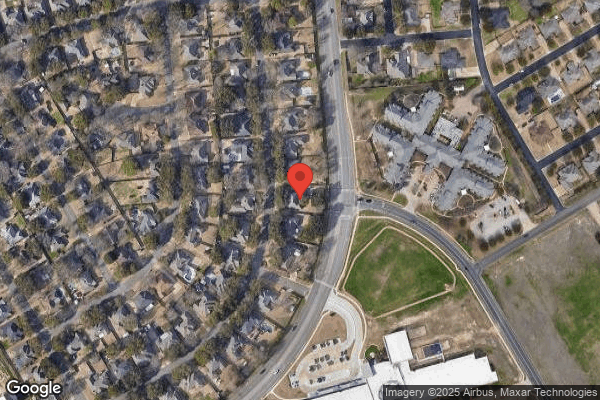
1700 WOODGATE DRIVE, WACO, TX 76712 (254) 666-5454
For profit - Corporation 120 Beds FOURCOOKS SENIOR CARE Data: November 2025 2 Immediate Jeopardy citations
Trust Grade
6/100
#886 of 1168 in TX
Last Inspection: August 2023

Over 2 years since last inspection. Current conditions may differ from available data.

Overview

Wesley Woods Health & Rehabilitation has received a Trust Grade of F, indicating significant concerns about the facility's quality of care. It ranks #886 out of 1168 nursing homes in Texas, placing it in the bottom half of all facilities, and #8 out of 17 in McLennan County, meaning only seven local options are better. The facility's performance is worsening, with reported issues increasing from 5 in 2024 to 10 in 2025. Staffing is rated average with a turnover of 46%, which is slightly better than the state average but still concerning. The facility has incurred $73,450 in fines, which is higher than 75% of Texas facilities, raising red flags about compliance with care standards. Specific incidents include critical medication errors where three residents received double doses of pain medication without proper documentation or follow-up, indicating serious lapses in medication management. Additionally, there was a serious incident where a resident experienced a fall after being pushed by a staff member, suggesting a failure to ensure residents' safety and protect them from potential abuse. Overall, while there are some staffing strengths, the facility has significant weaknesses that families should carefully consider.

Trust Score
F
6/100
In Texas
#886/1168
Bottom 25%
Safety Record
High Risk
Review needed
Inspections
Getting Worse
5 → 10 violations
Staff Stability
⚠ Watch
46% turnover. Above average. Higher turnover means staff may not know residents' routines.
Penalties
⚠ Watch
$73,450 in fines. Higher than 77% of Texas facilities, suggesting repeated compliance issues.
Skilled Nurses
⚠ Watch
Each resident gets only 17 minutes of Registered Nurse (RN) attention daily — below average for Texas. Fewer RN minutes means fewer trained eyes watching for problems.
Violations
⚠ Watch
30 deficiencies on record. Higher than average. Multiple issues found across inspections.
★★☆☆☆
2.0
Overall Rating
★★★☆☆
3.0
Staff Levels
★★☆☆☆
2.0
Care Quality
★★☆☆☆
2.0
Inspection Score
Stable
2024: 5 issues
2025: 10 issues

The Good

  • Full Sprinkler Coverage · Fire safety systems throughout facility
  • No fines on record

Facility shows strength in fire safety.

The Bad

2-Star Overall Rating

Below Texas average (2.8)

Below average - review inspection findings carefully

Staff Turnover: 46%

Near Texas avg (46%)

Higher turnover may affect care consistency

Federal Fines: $73,450

Well above median ($33,413)

Moderate penalties - review what triggered them

Chain: FOURCOOKS SENIOR CARE

Part of a multi-facility chain

Ask about local staffing decisions and management

The Ugly 30 deficiencies on record

2 life-threatening 2 actual harm
Aug 2025 2 deficiencies
CONCERN (D) 📢 Someone Reported This

A family member, employee, or ombudsman was alarmed enough to file a formal complaint

Potential for Harm - no one hurt, but risky conditions existed

Deficiency F0583 (Tag F0583)

Could have caused harm · This affected 1 resident

Based on observation, record review, and interviews, the facility failed to ensure a resident has a right to personal privacy and confidentiality of his or her personal and medical records for 1 of 4 ...

Read full inspector narrative →
Based on observation, record review, and interviews, the facility failed to ensure a resident has a right to personal privacy and confidentiality of his or her personal and medical records for 1 of 4 computers.On 08/14/2025 LVN A left the facility's computer open and unattended at the nurse's station with residents' personal medical information visible to anyone who passed by. The failure could place residents at risk of having their private information changed, viewed, and not kept secure. Findings include: During an observation on 08/14/2025 at 12:17pm reflected that LVN left her computer unlocked/opened and unsupervised, vaguely visible in an open area for resident and other individuals/guest of the facility passing by the nurse's station. At the time of the observation LVN was passing medication and approximately 35 feet away from the computer at the nurse station. During an interview with LVN A on 08/14/2025 at 12:17pm, the LVN A stated she was told it was ok to leave the computer screen unlocked with the resident's information displayed. The LVN A stated she did not remember who told her it was ok and then stated that's how she was trained. The LVN A stated a negative outcome of leaving a computer with resident information display would be a HIPAA violation or someone could have access to the resident information. During an interview with ADON on 08/15/2025 at 10:00am, the ADON stated the nurse using the computer was responsible for ensuring residents' information was not displayed on the unattended computer. The ADON stated a negative outcome of an unattended computer was resident's information could be accessed by anyone. The ADON stated her expectations were for staff to ensure resident information was not displayed on unattended computer screens. During an interview with DON on 08/15/2025 at 10:20am, the DON stated whoever was using the computer would be responsible for ensure the computer was locked prior to leaving the computer. The DON stated that a negative outcome would be a HIPAA violation. The DON stated that a family member, visitor, or another resident could have access to the computer if it was not locked when unattended. The DON stated that the facility immediately begun inservicing nurses and aides on locking computers and kiosk. The DON stated her expectation were for all computers to be locked when unattended. During an interview with ADM on 08/15/2025 at 11:10am, the ADM stated it was the staff who was using the computer was responsible for ensuring the computer screen was locked when unattended. The ADM stated a negative outcome could be that someone would have access to a resident's personal information. The ADM's expectation moving forward was for staff to ensure their computer screens were locked when unattended. The ADM provided this investigator with the HIPAA Privacy Notice Acknowledgment and Standards of Compliance with Related Policies and Agreements. Record review of the facility's HIPAA Privacy Notice Acknowledgment, undated reflected, By signing below, I acknowledge receipt of the facilities NOTICE OF PRIVACY PRACTICES FOR PERSONAL HEALTH INFORMATION. I understand the content and intent of the Notice and agree to abide by its instructions. I further understand that as an employee or volunteer of this facility that I am subject to the Articles of the Employee Handbook I have received. Specifically, I understand the progressive discipline program. By signing this document acknowledging the Privacy Notice, I am expressly acknowledging the modification, by addition of this document, to the Employee Handbook. I also understand that ANY VIOLATION of the Privacy Notice which results in Protected Information being released in violation of this policy will result in my termination and reporting of the Employee Misconduct Registry as a violation of Resident Rights. Please read this carefully as violation of this policy modifies the progressive discipline program listed in the Employee Handbook .
CONCERN (D) 📢 Someone Reported This

A family member, employee, or ombudsman was alarmed enough to file a formal complaint

Potential for Harm - no one hurt, but risky conditions existed

Report Alleged Abuse (Tag F0609)

Could have caused harm · This affected 1 resident

**NOTE- TERMS IN BRACKETS HAVE BEEN EDITED TO PROTECT CONFIDENTIALITY** Based on interviews and record review the facility failed to report the findings of all investigations of abuse, neglect, exploi...

Read full inspector narrative →
**NOTE- TERMS IN BRACKETS HAVE BEEN EDITED TO PROTECT CONFIDENTIALITY** Based on interviews and record review the facility failed to report the findings of all investigations of abuse, neglect, exploitation, or mistreatment, including misappropriation of resident property, in accordance with state law, including the state survey agency, within 5 working days of the incident for 1 out 1 reviewed for reporting.The facility failed to submit a Provider Investigation Report (Form 3613-A) to HHSC for a reported incident on 07/18/2025 involving an allegation of misappropriation of property.This failure could place all residents at risk of incidents not being investigated by or reported to HHSC. Findings included: Record review of an incident with an allegation of misappropriation of property involving Resident #1 reflected the incident was reported to HHSC on 07/18/2025. Record review of TULIP reflected no provider investigation report submitted. During an interview with ADM on 08/15/2025 at 11:10am, the ADM stated she was responsible for completing a thorough investigation for ANE. The ADM stated she had a provider letter that stated if you report ANE online then you do not have to complete a Provider Investigation Report (Form 3613-A. The ADM stated that all of the investigation information was submitted within the allotted timeframe therefore she did not believe there was a negative outcome from the 3613-A not being completed. Record review of facility policy Prevention and Reporting of Suspected Resident Abuse and Neglect, undated, reflected, Policy: Prevention and Reporting of Suspected Resident Abuse and Neglect - This facility has designed and implemented processes, which strive to ensure the prevention and reporting of suspected or alleged resident abuse and neglect. This facility has implemented the following processes in an effort to provide residents and staff a comfortable and safe environment. The Administrator and Director of Nursing are responsible for the implementation and ongoing monitoring of abuse policies and procedures. Implementation and ongoing monitoring consist of the following policies: Screening, Training, Prevention, Identification, Protection, Investigation and Reporting. Procedure: 6. Investigation (The Administrator and Director of Nursing are responsible for investigation and reporting)A. Investigation of all alleged violations will be done under the direction of the DON and/or Administrator. This may utilize a Compliant Form, Initial Investigation for Possible Abuse Violations form, or other written documentation. 7. Reporting Requirements and Definitions:H. Misappropriation of Resident Property - the pattered or deliberate misplacement, exploitation, or wrongful, temporary or permanent use of a resident's belongings or money without a resident's consent. Record review of Long-Term Care Regulation Provider Letter Number: PL 18-20 (ALL) (Revised), dated January 19, 2023, reflected, Providers can report incidents to CII: online through the TULIP (Texas Unified Licensure Information Portal) system at https://txhhs.force.com/TULIP/ (preferred method); by calling [PHONE NUMBER] (live agents are available Monday - Friday, 7 am-7 pm); or via email: ciicomplaints@hhs.texas.gov. In addition to reporting an incident, a provider must investigate, or ensure that an investigation was completed, to determine why it occurred, what actions the provider will take in response to the incident and what changes will be made to help prevent a similar incident from occurring.4 A provider must submit a PIR to CII using HHSC Form 3613-A (for use by an ALF, DAHS facility, ICF/IID, NF or PPECC) or HHSC Form 3613 (for use by a HCSSA). Please ensure you use the correct form for your provider type. The PIR must include all information from the initial incident report and any additional information the provider has obtained since making the initial report, including witness statements. The provider must submit the PIR within the applicable required time frame, as follows: Five working days for an ICF/IID, NF or skilled NF;.
Jun 2025 2 deficiencies
CONCERN (D) 📢 Someone Reported This

A family member, employee, or ombudsman was alarmed enough to file a formal complaint

Potential for Harm - no one hurt, but risky conditions existed

Resident Rights (Tag F0550)

Could have caused harm · This affected 1 resident

**NOTE- TERMS IN BRACKETS HAVE BEEN EDITED TO PROTECT CONFIDENTIALITY** Based on observation, interviews, and record reviews the facility failed to ensure each resident was treated with respect, digni...

Read full inspector narrative →
**NOTE- TERMS IN BRACKETS HAVE BEEN EDITED TO PROTECT CONFIDENTIALITY** Based on observation, interviews, and record reviews the facility failed to ensure each resident was treated with respect, dignity, and care for 1 of 5 residents (Resident #2) observed for resident rights. The facility failed to ensure Resident #2 was treated with respect and dignity when providing personal care for this resident. This failure could place residents at risk of lowered self-esteem, depression, and frustration. Findings included: Record Review of Resident #2's admission record revealed Resident #2 is an [AGE] year-old woman. Resident #2 was admitted to the facility on [DATE] with diagnosis of Alzheimer's Disease (a progressive brain disorder that slowly destroys memory and thinking skills, eventually impacting the ability to conduct even the simplest tasks), Depression and Anxiety Disorder. Record Review of Resident #2's care plan revealed. 1. Focus Area dated 07/10/2023, indicating Resident #2 has a history of resisting/refusing care and can become physically and verbally aggressive during care. 2. Focus Area dated 07/23/2023, indicating Resident #2 has difficulty communicating needs due to history of Alzheimer's diagnosis. 3. Focus Area dated 07/29/2023, indicating Resident #2 has anxiety. Observation on 06/24/2025 at 1:15PM of Resident #2 sitting in her wheelchair at the front of the unit. Resident #2 appeared calm and relaxed during this observation. Resident #2 began crying when this HHSC Investigator approached her. Resident #2 was unable to voice what was wrong with her. Record Review of Resident #2 MDS record dated 03/31/2025 revealed that Resident #2 has a BIMS of 00, which indicate severe cognitive impairment. Record Review of facility's Investigation Report #regarding Resident #2 revealed the following: 1. Staff member provided a written summary stating they had been frustrated with Resident #2 while providing care due to the unusually demanding workload, resulting in frustration, and stated unprofessional works and statements to Resident #2. 2. Resident #2's informed the facility that the staff member told Resident #2 don't touch me, there is no one here to help you. 3. In-services on Abuse, Neglect, Resident Rights and Electronic Monitoring was provided to the facility staff. Record Review of Nursing Note dated 06/08/2025 by LVN revealed Resident #2's family member called and stated the night aide was rough with Resident #two. Skin assessment was completed with no visuals of marks or bruises. Interview on 06/24/2025 at 3:26PM with DON revealed that the ADM provides training on Resident Rights to staff members upon hire and anytime there is suspected abuse or neglect. The DON stated Resident Rights training includes the differences between abuse and neglect, steps to take during a suspected abuse claim as well as to whom to report. The DON stated the expectation on how residents are treated is with dignity and respect. The DON stated the steps the facility takes during an abuse investigation is to suspend the suspected employee, complete interviews, and review footage if available. The DON stated during the investigation with the suspected employee, they confirmed that they did not speak to Resident #2 with respect, and dignity while providing personal care. The DON stated the suspected employee was terminated upon completion of the investigation. The DON stated the result of the investigation was founded. Interview on 06/24/2025 at 4:08PM with ADM revealed that ADM provides Resident Rights trainings to staff upon hire and quarterly. The ADM stated this training includes screening of abuse, different types of abuse, and to whom to report suspected abuse or neglect. The ADM stated the expectation on how residents are treated is to treat them fairly and ensure they are free from abuse or neglect. The ADM stated the typical result of abuse/neglect investigation is to terminate employment with the employee. The ADM stated the result of Resident #2's investigation was that the staff member was witnessed on camera mistreating Resident #1 therefore resulting in termination of employment. Record Review of facility undated policy titled Resident Rights revealed: 1. The purpose of this policy is to ensure that resident rights are respected and protected, and to inform residents of their rights and provide an environment in which they can be exercised. 2. The resident has the right to: a. A dignified existence, self-determination, and communication with and access to persons and services inside and outside the facility. b. Exercise their rights as a resident of the facility and as c. Be treated with respect and dignity. d. To be free from abuse, neglect, and misappropriation of resident's property. Record Review of Resident #2 MDS record dated 03/31/2025 revealed that Resident #2 has a BIMS of 00, which indicate severe cognitive impairment. Record Review of facility's Investigation Report #regarding Resident #2 revealed the following: 1. Staff member provided a written summary stating they had been frustrated with Resident #2 while providing care due to the unusually demanding workload, resulting in frustration and stated unprofessional works and statements to Resident #2. 2. Resident #2's daughter informed the facility that the staff member told Resident #2 don't touch me, there is no one here to help you. 3. In-services on Abuse, Neglect, Resident Rights and Electronic Monitoring was provided to the facility staff. Record Review of Nursing Note dated 06/08/2025 by LVN revealed Resident #2's family member called and stated the night aide was rough with Resident #2her mother. Skin assessment was completed with no visuals of marks or bruises. Interview on 06/24/2025 at 3:26PM with DON revealed that the ADM provides training on Resident Rights to staff members upon hire and anytime there is suspected abuse or neglect. The DON stated Resident Rights training includes the differences between abuse and neglect, steps to take during a suspected abuse claim as well as who to report to. The DON stated the expectation on how residents are treated is with dignity and respect. The DON stated the steps the facility takes during an abuse investigation is to suspend the suspected employee, complete interviews, and review footage if available. The DON stated during the investigation with the suspected employee, they confirmed that they did not speak to Resident #2 with respect, and dignity while providing personal care. The DON stated the suspected employee was terminated upon completion of the investigation. The DON stated the result of the investigation was founded. Interview on 06/24/2025 at 4:08PM with ADM revealed that ADM provides Resident Rights trainings to staff upon hire and quarterly. The ADM stated this training includes screening of abuse, different types of abuse, and who to report suspected abuse or neglect to. The ADM stated the expectation on how residents are treated is to treat them fairly and ensure they are free from abuse or neglect. The ADM stated the typical result of abuse/neglect investigation is to terminate employment with the employee. The ADM stated the result of Resident #2's investigation was that the staff member was witnessed on camera mistreating Resident #1 therefore resulting in termination of employment. Record Review of facility undated policy titled Resident Rights revealed: 1. The purpose of this policy is to ensure that resident rights are respected and protected, and to inform residents of their rights and provide an environment in which they can be exercised. 2. The resident has the right to: a. A dignified existence, self-determination, and communication with and access to persons and services inside and outside eth the facility. b. Exercise their rights as a resident of the facility and as c. Be treated with respect and dignity. d. To be free from abuse, neglect and misappropriation of resident's property.
CONCERN (E) 📢 Someone Reported This

A family member, employee, or ombudsman was alarmed enough to file a formal complaint

Potential for Harm - no one hurt, but risky conditions existed

Deficiency F0809 (Tag F0809)

Could have caused harm · This affected multiple residents

**NOTE- TERMS IN BRACKETS HAVE BEEN EDITED TO PROTECT CONFIDENTIALITY** Based on observations, record reviews and interviews, the facility failed to provide each resident at least three meals daily, a...

Read full inspector narrative →
**NOTE- TERMS IN BRACKETS HAVE BEEN EDITED TO PROTECT CONFIDENTIALITY** Based on observations, record reviews and interviews, the facility failed to provide each resident at least three meals daily, at regular times comparable to normal mealtimes in the community or in accordance with resident needs, preferences, requests, and plan of care for three (Resident #1, Resident #3, and Resident #5) of 5 reviewed for timely meals. The facility failed to provide breakfast, lunch, and dinner according to the designated meal service schedules on multiple occasions. This deficient practice could place residents at risk of low blood sugar levels, increased stress levels, slowed metabolism rates, weakened immune systems, malnutrition, weakened hearts, and organ failures. Findings include: Interview on 06/24/2025 at 10:47AM with OMB revealed that lunch had been served late to the residents as late as 2PM while OMB was at the facility. OMB stated late meals had been served to residents more than once in the month of May and June. Observation on 06/24/2025 at 12:11PM revealed that lunch trays had been served in the dining room. Record review of Resident #1's admission record revealed Resident #1 is a [AGE] year-old female who admitted to the facility on [DATE] with diagnosis of Hereditary and Idiopathic Neuropathy (inherited conditions that affect the peripheral nervous system, leading to progressive nerve damage) and Essential Hypertension (most common type of high blood pressure). Record Review of Resident #1 MDS record dated 05/14/2025 revealed that Resident #1 has a BIMs of 15 which indicates no cognitive impairment. Interview on 06/24/2025 at 1:30PM with Resident #1 revealed that mealtimes are often served late. Resident #1 stated that the meals are served later than designated mealtimes approximately 3 times per week. Resident #1 described late as 9:00AM for breakfast when scheduled breakfast is from 7:30-8:30AM, and 2:00 PM for lunch when scheduled lunch is from 11:30AM-12:30PM. Resident #1 stated being served meals late makes her feel hungry and unpleased. Resident #1 believed late meals are a result of disorganization in the kitchen with staff. Record review of Resident #3's admission record revealed Resident #3 is a 89- year-old female who admitted to the facility on [DATE] with diagnosis of Hypertensive Chronic Kidney Disease with Stage 1 through Stag 4 Chronic Kidney Disease (high blood pressure and kidney damage occur together, progressing through stages 1 to 4) and Mixed Hyperlipidemia (genetic condition where a person has elevated levels of both cholesterol and triglycerides in their blood). Record Review of Resident #3 MDS record dated 03/27/2025 revealed that Resident #3 has a BIMs of 15 which indicates no cognitive impairment. Interview on 06/24/2025 at 1:40PM with Resident #3 revealed that they are used to meals coming late due to it happening so often. Resident #3 stated that lunch has often been served at 2:00PM when it is scheduled for 11:30AM-12:00PM. Resident #3 stated that dinner had once been served at 8:00PM due to lunch being served late. Resident #3 stated this made them feel like the staff/facility had forgotten about them. Resident #3 stated this made them feel disgusting. Resident #3 believed late meals are a result of disorganization. Interview on 06/24/2025 at 2:00PM with Resident #5 revealed that mealtimes are disorganized. Resident #5 stated that meals are often late. Resident #5 could not explain why meals could be late . Interview on 06/24/2025 at 2:25PM with DM revealed that DM had been employed at the facility for 2 months. The DM stated mealtimes are 7:00AM, 11:10AM, and 4:45PM. The DM stated there have been times where meals are late. The DM stated residents were served lunch at 2:00PM approximately 4 weeks prior, due to the head cook walked out of the kitchen and did not return. The DM stated this could negatively impact a resident's capability to receive their medications. DM stated snacks are offered 3x a day and is delivered to the units. Interview on 06/24/2025 at 2:45PM with LVN A revealed that LVN A had been employed at the facility for 14 years. LVN A stated mealtimes are 5:00PM-6:00PM for dinner. LVN A stated that they had entered the evening shift to work at 1:30PM, and hall carts had still been on the unit. LVN A stated this was because lunch was served late, resulting in dinner being served after 6:00PM. LVN A stated something like this had happened approximately 3 times. LVN A stated this could negatively impact a resident who is diabetic and cause residents to be hungry. Interview on 06/24/2025 at 03:36PM with DON revealed that DON had been employed at the facility for almost 1 year. The DON stated that mealtimes are to be served at 8:00AM, 12:00PM and 5:00PM. The DON stated the expectation is timeliness for meal preparation and times. The DON stated this could negatively impact a resident by causing low blood sugar for diabetics, potential for missing medications that are required to be taken with meals and could cause GI issues . DON reported they provide snacks to residents. Interview on 06/24/2025 at 4:08PM with ADM revealed that ADM had been employed at the facility for almost 2 years. The ADM stated that the expectation as far as mealtimes, should be served on time. The ADM stated if meals are going to be late, they offer snacks to residents. The ADM stated this could negatively impact residents by being hungry and potentially weight loss. The ADM stated changes that have been made to avoid late mealtimes have been to hire new kitchen staff. The ADM stated the day that meals were served extremely late were due to the head chef quitting and walking out without notice. The ADM stated the facility did not know the staff member had left, resulting in late meals. ADM stated she had helped in the kitchen that day. Record review of document titles Resident Meal Service and Snacks provided by the facility revealed the following: 1. Resident meals will be served at regular hours with a maximum of fourteen hours between the evening meal and breakfast the following day.
May 2025 1 deficiency
CONCERN (E) 📢 Someone Reported This

A family member, employee, or ombudsman was alarmed enough to file a formal complaint

Potential for Harm - no one hurt, but risky conditions existed

Pharmacy Services (Tag F0755)

Could have caused harm · This affected multiple residents

**NOTE- TERMS IN BRACKETS HAVE BEEN EDITED TO PROTECT CONFIDENTIALITY** Based on observation, interview, and record review, the facility failed to provide pharmaceutical services (including procedures...

Read full inspector narrative →
**NOTE- TERMS IN BRACKETS HAVE BEEN EDITED TO PROTECT CONFIDENTIALITY** Based on observation, interview, and record review, the facility failed to provide pharmaceutical services (including procedures that assure the accurate acquiring, receiving, dispensing, and administering of all drugs and biologicals) to meet the needs of each resident for three (Resident #1 and Resident #3) of five residents reviewed for pharmaceutical services.On 5/2/2025, two (2) medication cards - one from Resident #1 and one from Resident #3 - were observed with white tape on the reverse side of the card. The tape on the reverse side of the medication card indicated the potential for tampering. Administrative and nursing staff failed to be aware of patch use, failed to verify that the patches used were from the pharmacy, and failed to be trained on the use of patches to include when patches were acceptable for use in the facility policies and procedures.On 4/30/2025 during shift overlap, LVN-A and LVN-B discovered a narcotic count sheet reconciliation error. LVN-A noted on the count sheet the medication had been wasted, when it had not been wasted.The deficient practice could place residents at risk of medication overdoses or medication errors leading to adverse reactions, loss of consciousness, loss of breathing function and death.Findings included:Resident #1Review of Resident #1's face sheet dated 5/2/2205 reflected an [AGE] year-old female admitted on [DATE] with diagnoses that included: Dementia (memory disorder), seizures, low back pain, delusional disorders, osteoarthritis of bilateral knees (chronic joint disease resulting in breakdown of cartilage).Review of Resident #1's significant change MDS dated [DATE] indicated she had a BIMS score of 8 suggesting moderate cognitive impairment. Review of Resident #1's current care plan revealed she was at risk for pain related to her history of back injuries/surgeries, history of a left knee replacement, and arthritis of the knees with interventions that included provide medications as ordered.Review of Resident #1's progress notes dated 4/30/2025 revealed no note about the medication error and no note that resident had been assessed.Review of Resident #1's progress notes for 5/1/2025 at 6:30 am reflected VS 97.7,78,18,118/68, 96% RA 0 -10 PAIN alert and oriented x 2 per normal base line. confused per normal baseline. resident is able to voice needs and has no s/s of distress noted. Residents awake and alert sitting in bed with HOB elevated. PO fluids encouraged and provided. Review of Resident #1's orders dated 10/16/2024 reflected a physician order as follows: Endocet Oral Tablet 5-325MG (Oxycodone w/Acetaminophen), Give 1 tablet by mouth every 4 hours for chronic pain.Further review of Resident #1's orders revealed an order as follows: HYDROcodone-Acetaminophen Oral Tablet 5-325 MG (Hydrocodone-Acetaminophen) Give 1 tablet by mouth one time only for pain until 04/30/2025. Review of Resident #1's pain assessment on the MAR on 4/30/2025 reflected a pain level of 4.Review of Resident #1's narcotic count sheet for Endocet Oral Tablet 5-325MG (Oxycodone w/Acetaminophen) revealed an entry on 4/30/2025 at 7:40 pm with a count of 36 tablets that had a line drawn threw it and initialed by LVN-A and another entry on 4/30/2025 at 9:40 pm stating correct count 37 signed by LVN-A.Resident #2Review of Resident # 2's face sheet dated 5/3/2025, reflected she was a [AGE] year-old female admitted on [DATE] with diagnoses that include: Dementia (memory disorder), history of brain cancer, benign neoplasm of ascending color (tumor in the colon), major depressive disorder, bipolar disorder, anxiety disorder, contractures of bilateral lower legs, left hip pain, and chronic pain (other). Review of Resident #2's quarterly MDS dated [DATE] indicated she had a BIMS score of 12 suggesting mild cognitive impairment. Resident #2's face sheet indicated a FM was her RP.Review of Resident #2's current care plan revealed she has a diagnosis of chronic pain with interventions that included provide PRN medications as indicated.Review of Resident #2's orders reflected a physician order dated 8/11/2024 as follows: Norco Oral Tablet 5-325 MG (Hydrocodone-Acetaminophen), Give 1 tablet by mouth four times a day for Pain.Review of Resident 2's narcotic count sheet for Norco Oral Tablet 5-325 MG (Hydrocodone-Acetaminophen) indicated it was administered on 4/30/2025 as follows: one table given at 4:00 pm, one tablet given at 7:36 pm and one tablet wasted at 9:30 pm. The line with the wasted comment was signed by LVN-A and DON.Resident #3Review of face sheet dated 5/6/2025 reflected Resident #3 was an [AGE] year-old female admitted on [DATE] with diagnoses that include: Alzheimer's Disease (a progressive disease that destroys memory), Dementia (memory disorder), chronic pain, hypertension (high blood pressure) heart disease and cognitive communication deficit. Review of Resident #3's significant change MDS dated [DATE] indicated she had a BIMS score of 10 suggesting moderate cognitive impairment. Review of Resident #3's orders reflected an order dated 5/11/2024 as follows: Ultram Oral Tablet 50 MG (Tramadol HCl), Take 1 tablet by mouth every 8 hours as needed.During an observation on 5/2/2025 at 12:10 pm a blister card of Oxycodone medication for Resident #1 was noted to have two pieces of white tape on the back of the card. Further review of the blister card and pharmacy label revealed no labeling to indicate the blister pack had been modified by the pharmacy. The blister card observed did not have any deficits on the front side of the card where the tape had been observed on the reverse side.During an observation on 5/2/2025 at 1:11 pm a blister card of Tramadol medication for Resident #3 was noted to have two pieces of white tape on the back of the card. Further review of the blister card and pharmacy label revealed no labeling to indicate the blister pack had been modified by the pharmacy. The blister card observed did not have any deficits on the front side of the card where the tape had been observed on the reverse side.During an interview on 5/2/2025 at 12:32 pm, LVN-C stated she had not noticed the tape on the back of the cards when she counted the cart this morning. She stated if she was checking in medications from the pharmacy and saw that tape on the back, she would not accept it and would tell the DON in case there was tampering. She stated she had never received any training that covered getting medications cards from the pharmacy with tape on the back was allowed.During an interview on 5/2/2025 at 12:35 pm, MA-D stated she had never seen any medication cards with tape on the back and that she was very anal about checking the back of the cards. She stated if she did see a card with tape on the back, she would tell the DON if she saw they were tampered with. She stated they have plain white labels for use on the plastic med card dividers and the tape looked very similar so she would suspect tampering. She stated she had never received any training about accepting medication cards from the pharmacy with tape on the back.During an interview on 5/2/2025 at 1:01 pm, LVN-E stated she did sign for medications from the pharmacy and they were not supposed to accept the cards if that were tampered with. She stated if she saw the tape on the back, she would not accept the medications and she would tell the DON. She also stated if she saw card with tape on the back while she was counting with another nurse, she would not accept the keys to the cart and would tell the DON. She stated she had never had training about medication cards with tape on the back and what to do.During an interview on 5/2/2025 at 1:10 pm, MA-F stated she had not noticed the tape on the back of the card this morning and she had never seen it before. She stated if she had, she would report to the DON and would not accept the keys to the cart. She stated she had never had training about medication cards with tape on the back and what to do.During an interview on 5/2/2025 at 1:36 pm, the ADM stated she had a conversation with the pharmacy rep and they informed her they will put tape consistent with what was observed on the back of the medication cards if there is a pharmacy error made. She stated she was unsure if the facility policy allowed them to accept cards like that from the pharmacy. She stated probably not but she would pull the policy.During an interview on 5/2/2025 at 4:10 pm, the DON stated they had received a letter from the pharmacy today regarding tape on the back of medication cards but was not aware of a policy in place prior to today that allowed pharmacy to send cards with tape on the back and for staff to accept med cards with tape on the back. She stated to her knowledge there had never been in services with the staff on acceptable use of patches for medication cards from the pharmacy. She stated the tape on the back could appear as if the cards had been tampered with.During an interview on 5/2/2025 at 5:06 pm, the Pharmacy Director stated I don't know that anything exists in writing for the nursing facility to use patches. He stated there was nothing between the parties and they had come up with new ways of doing corrections so there were no problems in the future. He stated going forward they will have stickers that can be used for corrections that can be printed.Record review of pharmacy letter received 5/2/2025 from the Pharmacy Director stated Any blister cards containing medications with blister errors (i.e. incorrect number of pills in a bubble, etc.) may be corrected by the pharmacy staff so long as the correct patch is placed over the appropriate bubble(s). All instances will be verified by a [pharmacy name] pharmacist to assure accuracy prior to being send out. Appropriate patches to be used can be ordered from [supplier] and include, but are not limited to plain white, white with yellow and foil. Note that foil patches many only be sued for blister cards that can be heat sealed while other patches may be used for blister cards that cannot be heat sealed.Record review of facility policies revealed there was no policy that addressed the use of tape patches by the pharmacy to correct pharmacy errors or that medication card with patches were allowed to be accepted by nursing staff for resident use.Review of facility audit completed 5/2/2025 reflected an additional 13 blister cards were identified as having tape on the back of the card and had been re-ordered from the pharmacy if an additional blister card was not already available.Review of the undated facility policy on Receiving Medications from the Pharmacy states:It is the policy of this facility to assure all medications are correctly delivered and errors rectified as soon as possible to assure proper handling of all medications and to assure a system is adhered to at all times.#8 - Any discrepancies found in the acceptance of the medications should be IMMEDIATELY notified to the technician making the delivery.Review of the undated facility policy on Shift Change and Medication Cart Responsibility states:It is the policy of this facility to ensure the transition from one shift to the next is appropriate, ensure proper handling of all medications and minimize risk.#7 - Any discrepancies found in the acceptance of the medications should be IMMEDIATELY notified to the charge nurse and Director of Nurses and Administrator.During an interview on 5/3/2025 at 12:05 pm, LVN-A stated she had worked on 4/30/2025 and discovered a narcotic count discrepancy at shift change when she was counting narcotics with the oncoming nurse for evening shift, LVN B. She realized the count was off and called the DON. The DON told LVN-A to mark on Resident #2's narcotic count sheet that one tablet was wasted to make the count correct. She stated she had called the NP and received an order for a one-time dose of hydrocodone. She stated on her drive home, she realized she should not have falsified the information on the narcotic count sheet and marked wasted on Resident #2's sheet because it had not been wasted. She stated she had a lapse in judgement at the moment because she has been a nurse 40 years and this had never happened before, and it scared her.She stated she had received training on narcotic count sheets, and they were supposed to notify the DON when there was a discrepancy. She stated falsifying narcotic count sheets could lead to med errors and could cause potential harm to residents like a bad reaction, an overdose, they could end up in the hospital, or over sedated that could lead to respiratory depression.During an interview on 5/3/2025 at 2:08 pm, LVN-B stated she had come in to work night shift on 4/30/2025 and was counting narcotics with LVN-A the nurse going off shift. She stated they discovered the count was off for Resident #2's Hydrocodone. She stated LVN-A noted in writing by the count discrepancy wasted and initialed it but LVN-B did not initial it.During an interview on 5/3/2025 at 1:06 pm, the DON stated she was aware of the narcotic count discrepancy that occurred on 4/30/2025 by LVN-A. The DON stated she told LVN-A to mark the narcotic count sheet that the medication had been wasted and she knew it had not been wasted but had actually been given to Resident #1. She stated LVN-A and herself both signed the correction. She stated she realized it was wrong and I really don't have an explanation for why I told her to do that. DON was asked if the direction to mark that the medication has been wasted on the narcotic count sheet she had given LVN-B was the appropriate decision and she stated, absolutely not - it was not the right decision.During an interview on 5/3/2025 at 1:54 pm, the NP stated a facility nurse had called her on 4/30/2025 about a one-time order for Resident #2 to have hydrocodone. She stated she was not aware of any documentation falsification on the narcotic count sheet and said, I would not let anyone falsify documents She stated she did not normally have problems with this facility and the staff were fairly consistent and they don't have a lot of agency staff. She stated her concerns with false narcotic count sheet documentation would be patient safety as it could lead to a bad patient outcome.During an interview on 5/3/2025 at 1:25 pm, the ADM stated she was not aware of the falsification of the narcotic count sheet documentation. She stated her expectation was that staff would fill out the narc sheet correctly to show it was given or not given. She stated LVN-A should not have marked the narcotic count sheet as wasted if the medication had not been wasted.
Apr 2025 1 deficiency 1 IJ (1 affecting multiple)
CRITICAL (K) 📢 Someone Reported This

A family member, employee, or ombudsman was alarmed enough to file a formal complaint

Immediate Jeopardy (IJ) - the most serious Medicare violation

Pharmacy Services (Tag F0755)

Someone could have died · This affected multiple residents

**NOTE- TERMS IN BRACKETS HAVE BEEN EDITED TO PROTECT CONFIDENTIALITY** Based on interview and record review, the facility failed to maintain accurate and timely medication records to minimize the pot...

Read full inspector narrative →
**NOTE- TERMS IN BRACKETS HAVE BEEN EDITED TO PROTECT CONFIDENTIALITY** Based on interview and record review, the facility failed to maintain accurate and timely medication records to minimize the potential for medication related adverse consequences or events for three (Resident #1, Resident #2 and Resident #3) of five residents reviewed for med errors. A medication error occurred on 11/28/2024 where residents # 1, #2 and #3 all received a double dose of their scheduled narcotic pain medication. Residents #1, #2 and #3 received their first dose at 7pm and the second dose at 8:30 pm. The nursing facility failed to: o follow their policy for medication administration to avoid errors. o document and monitor Residents #1, #2, and #3 after the medication errors to ensure no adverse effects o notify the Responsible Parties of Residents #1, #2, and #3 after medication errors An Immediate Jeopardy (IJ) was identified on 04/4/2025 at 5:50 pm and the facility was notified and given an IJ template. A revised template was provided on 4/7/2025 at 2:05 pm. While the IJ was removed on 04/8/2025 at 3:55 pm, the facility remained at a level of no actual harm at a scope of pattern that was not immediate jeopardy due to the facility's need to evaluate the effectiveness of the corrective systems. The deficient practice could place residents at risk of medication overdoses leading to loss of consciousness, loss of breathing function and death. Findings include: Resident #1 Review of Resident # 1's face sheet dated 4/4/2025 reflected a [AGE] year-old female admitted on [DATE] with diagnoses that included: Dementia (memory disorder), history of brain cancer, benign neoplasm of ascending colon (tumor in the colon), major depressive disorder, bipolar disorder, anxiety disorder, contractures of bilateral(both) lower legs, left hip pain, and chronic pain (other). Resident #1's face sheet indicated a FM was her RP. Resident #1's quarterly MDS dated [DATE] indicated she had a BIMS of 12 suggesting mild cognitive impairment. Review of Resident #1's orders on 4/4/2025 reflected a physician's order dated 8/11/2024 as follows: Norco Oral Tablet 5-325 MG (Hydrocodone-Acetaminophen), Give 1 tablet by mouth four times a day for pain. Review of Resident #1's narcotic count sheet for Norco Oral Tablet 5-325 MG (Hydrocodone-Acetaminophen) indicated it was administered on 11/28/2024 at 7 am, 11 am, 3pm, 7pm and 8:30 pm Resident #2 Review of Resident #2's face sheet dated 4/4/2025 reflected an [AGE] year-old female admitted on [DATE] with diagnoses that included: Dementia (memory disorder), seizures, low back pain, delusional disorders, osteoarthritis of bilateral knees (chronic joint disease resulting in breakdown of cartilage). Resident #2's face sheet indicated a FM was her RP. Resident #2's quarterly MDS dated [DATE] indicated she had a BIMS of 11 suggesting mild cognitive impairment. Review of Resident #2's orders on 4/4/2025 reflected a physician's order dated 10/16/2024 as follows: Percocet Oral Tablet 5-325MG (Oxycodone w/Acetaminophen), Give 1 tablet by mouth four times a day for pain. Review of Resident #2's narcotic count sheet for Percocet Oral Tablet 5-325MG (Oxycodone w/Acetaminophen) indicated it was administered on 11/28/2024 at 7 am, 11 am, 3pm, 7pm and 8:30 pm. Resident #3 Review of Resident #3's face sheet dated 4/4/2025 reflected an [AGE] year-old female admitted on [DATE] with diagnoses that included: Dementia (memory disorder), chronic kidney disease, chronic pain, hypertension (high blood pressure) and cognitive communication deficit. Resident #3's face sheet indicated a FM was her RP. Resident #3's quarterly MDS dated [DATE] indicated she had a BIMS of 12 suggesting mild cognitive impairment. Review of Resident #3's orders on 4/4/2025 reflected a physician order dated 8/11/24 as follows: HYDROcodone-Acetaminophen Oral Tablet 10-325 MG (Hydrocodone-Acetaminophen), Give 1 tablet by mouth four times a day for pain. Review of Resident #3's narcotic count sheet for HYDROcodone-Acetaminophen Oral Tablet 10-325 MG indicated it was administered on 11/28/2024 at 5 am, 11 am, 3pm, 7pm and 8:30 pm. Record Review of a facility medication error form dated 11/29/2024 revealed a med error had occurred on 11/28/2024 that included resident #1, resident #2, and resident #3 and involving MA-A and LVN B and that the Physicians' statement or orders: continue to monitor, no changes and action taken was education on med rights, write up. During an interview on 4/4/2025 at 12:45 pm, the DON stated on 11/28/24 there was a medication error involving resident #1, resident #2 and resident #3 where they received a double dose of their narcotic pain medication. She stated that occurred because MA -A had not signed off the medications in the EMR and LVN B saw they were due on the EMR and gave them again. She did one on one in-services with the staff involved in the med error but not the rest of the nursing staff. She stated she probably should have included all nursing staff on the in-service training for medication errors. She stated the facility did fill out a med error form, but there were no progress notes indicating the RPs had been notified or that the residents had been monitored for adverse effects after the med error. During an interview on 4/4/2025 at 2:20 pm the Administrator stated there was no follow up monitoring done for resident' #1, resident #2, and resident #3, the med errors were not documented in the EMR progress notes, the RPs were not notified and the med errors were not noted on the 24-hour report to pass information to the next shifts. During an interview on 4/4/2025 at 3:16 pm the facility Medical Director stated he had concerns because there was no follow up monitoring done on the residents with the narcotic med errors. He stated he would have expected staff to monitor for altered mental status, clinical sedation, and respiratory depression. He stated at a minimum vital signs should have been checked to include monitoring oxygen saturation and respirations as an overdose of narcotic could cause a resident to stop breathing. During an interview on 4/5/2025, MA-A stated she had given scheduled narcotic pain meds on 11/28/2024 to resident #1, resident #2, and resident #3 and had signed them off on the narcotic count sheet. She stated she did not sign them off in the EMR, because she was just helping the nurse out before she left at the end of her shift and did not have time. MA-A stated it was her responsibility to sign off the medications in the EMR because she was the one that had actually given the medications to the residents. She stated she had been trained on medication administration and the person that gave the medication is the one responsible for signing off the EMR and the narcotic count sheets. She stated she had written the medication administration on a piece of paper and had given it to the LVN B before she left. She stated she found out later LVN B had forgotten about her note and had also given resident #1, resident #2, and resident #3 the same medications and as a result the residents got a double dose of narcotics. She stated a double dose of narcotics could cause residents to become sleepy, their blood pressure could drop, they could fall, stop breathing and lose consciousness, or even die. During an interview on 4/7/2025 at 1:19 pm, LVN B stated she worked the night shift on 11/28/2024 and gave resident #1, resident #2, and resident #3 their evening dose of narcotic medication because it was showing due in the EMR. She stated she also signed the medications out on the narcotic count sheet. She stated she had forgotten that MA-A told her the medications had already been given but not signed off in the EMR and had not noticed the previous administration on the narcotic count sheet. She stated she had been trained on medication administration and the person that gave the medication is the one responsible for signing off the EMR and the narcotic count sheets. She stated residents that got a double dose of narcotic medications could stop breathing, they could have a cardiac arrest, they could die depending on what else they have going on [a resident] could die pretty fast. Review of the undated facility policy on Medication errors and Drug Reactions revealed: 1) All medication errors and drug reactions must be promptly reported to the Director of Nursing Services, attending physician and the pharmacist. 2. A detailed account of the incident must be recorded and should include documentation of: a. Time and date of the incident b. Name, strength, and dosage of medication administered c. Resident's reaction to the medication d. Condition of the resident e. Any treatment administered; and f. Date and time the physician was notified, and instructions given. 3. Monitor closely any resident who has received incorrect medication or is having a drug reaction. Immediately report to the Director of Nursing Services and attending physician any change in the resident's condition. The ADM was notified on 04/4/2025 at 5:50 pm that an Immediate Jeopardy had been identified due to the above failures and an IJ template was provided. The following POR was accepted on 04/07/2025 at 4:54 pm: On 4/4/25 an abbreviated survey was initiated at [Facility name]. On 04/04/25, the surveyor provided an Immediate Jeopardy Template notification. that the Regulatory Services has determined that the condition at the facility constitutes an immediate jeopardy to the resident health and safety. Complaint Survey regarding Medication Errors. Failure is as follows: Residents #1, 2, and 3 o on 11/28/24 a medication error occurred and there was not documentation by facility staff of a medication error in the progress notes. Responsible parties for Residents # 1, 2, and 3 were contacted and made aware of the med errors on 4/4/2025. The Medical Director was made aware of past med error. o All residents have the potential to be affected by deficient practices of medication administration. o Missed Medication Report was pulled for the past 6 months to ensure no other residents were administered narcotics twice. o Review of all Narcotic sheets for the past 6 months was reviewed to ensure that there were no double doses of narcotics based on the sign out sheets and comparing to nurse notes and EMARs. o To prevent from occurring, the ADONs are reviewing count sheets daily to ensure no double doses have been administered. Training Topic: Administering Medications, Medication Errors, and Notification to Physicians, Family, and others. The Chief Operating Officer and Director of Clinical Operations educated the DON and Administrator with a posttest to show understanding The Director of Nurses Provided training to the nurses and medication aides on duty Training started on 4/4/25 at 2:50pm for nurses and med aides on duty with a post test to show understanding Training was concluded at 6:15 for all staff on-site Training will be concluded for those not present, they will be educated and required to pass a post test before they take their next assignment New Hire's will receive training from the DON or designee during new hire orientation The facility does not utilize agency staff Notification Chief Operating Officer was notified at 2:31 on 4/4/25 Director of Clinical Operations was notified at 2:31 on 4/4/25 Medical Director was notified by the administrator on 4/4/25 at 2:43 pm. Immediate Action The person who made the error(s) received an in-service and a disciplinary action. Residents with med errors on 11/28/24 were assessed on 4/4/25 and 4/5/25 and all notifications were made and documented on 4/4/25 and 4/5/25 by the ADON and CHARGE NURSE AD-HOC QA meeting Ad-Hoc QAPI meeting was held on 4/4/25 at 3:30PM -attendance was Medical Director via email and phone contact - COO via email and phone contact - ADON in person - DON in person - Administrator in person preparing the meeting Recurrence Prevention Missed Medications report will be ran during daily stand-up meeting to review medications that were missed. Any medication errors, the staff member will be contacted and an in-service and disciplinary action (where necessary) will be initiated. All nursing staff who administer medications will be given reminder. education over the policy and procedures by the DON or Nurse Managers that will be initiated immediately following the med error until all staff who administer medications has received re-education. The ADONs are reviewing count sheets to ensure no one has been doable dosed or that a dose has been missed and not documented in the EMAR. This is part of their morning routines. Monitoring for effectiveness Missed Medication Report will be ran prior to daily stand-up meeting by the DON This will be an ongoing process. The Surveyor monitored the POR on 4/8/2025 as followed: During interviews on 4/8/2025 from 12:22 pm - 3:45 pm with two LVNs, two MAs, DON and AD all stated they had been in-serviced on medication errors, policies on administering medications, appropriate notifications, post med error monitoring and completing a post test on all topics. Observations of two different medication administrations with a nurse and a MA on 4/8/2025 between 12:22 pm - 12:51 pm revealed no medication errors. Review of an Ad Hoc QAPI Agenda, dated 4/4/2025, reflected the Medical Director, Administrator, Chief Operating Officer, ADON, Business Office Manager, Maintenance Director, Housekeeping Director, Director of Nursing, Human Resource Coordinator, Social Worker, and the Admission/Marketing Coordinator were in attendance where they discussed medication errors and failure to document; In-services over administering medications, medication errors, and notifications and reviewed post test for administering medications. Review of an in service dated 4/4/2025 conducted by the Chief Operating Officer reflected the Administrator and Director of Nursing were in services on administering medications, medication errors and drug reactions, notifications to family, and posttest on medication administrations. Review of an in service dated 4/1/2025 conducted by the Director of Clinical Services reflected the DON and both ADONs were in serviced on the following: compliance concern, training and medication errors. Review of an in service dated 4/4 - 4/5/2025 conducted by the Director of Nursing reflected all staff from all shifts were in serviced on the following topics: med error policy, administering medication policy, notification to family, MD & others and the post test. Review of missed medication audit report dated 4/6/25 - 4/8/25 reflected no missed meds and no new med errors. While the IJ was removed on 04/8/2025 at 3:55 pm, the facility remained at a level of no actual harm at a scope of pattern that was not immediate jeopardy due to the facility's need to evaluate the effectiveness of the corrective systems.
Mar 2025 1 deficiency
CONCERN (D) 📢 Someone Reported This

A family member, employee, or ombudsman was alarmed enough to file a formal complaint

Potential for Harm - no one hurt, but risky conditions existed

Deficiency F0552 (Tag F0552)

Could have caused harm · This affected 1 resident

**NOTE- TERMS IN BRACKETS HAVE BEEN EDITED TO PROTECT CONFIDENTIALITY** Based on interview and record review the facility failed to ensure the resident had the right to be informed of, and participate...

Read full inspector narrative →
**NOTE- TERMS IN BRACKETS HAVE BEEN EDITED TO PROTECT CONFIDENTIALITY** Based on interview and record review the facility failed to ensure the resident had the right to be informed of, and participate in, his or her treatment including the right to be informed in advance, by the physician or other practitioner or professional, of the risks and benefits of proposed care and treatment and treatment alternatives or treatment options and to choose the alternative or option he or she preferred for one of nine residents (Resident #1) reviewed for resident rights . The facility failed to notify Resident #1's responsible party when his labs result on 2/25/2025 indicated his lithium levels were out of range. This failure could place residents at risk of a lack of a dignified existence, self-determination and quality of life. Findings include: Record review of Resident # 1's face sheet, dated 3/28/2025, reflected a [AGE] year-old male who was admitted to the facility on [DATE]. Resident #1 had diagnoses which included: Traumatic Subarachnoid Hemorrhage (Brain bleed), Type 2 Diabetes (a blood sugar regulation disorder), bipolar disorder (mood disorder), Depression, Hypertension (high blood pressure), Kidney Disorder, and history of Stroke (brain attack). The face sheet further reflected that a family member was Resident #1's responsible party. Record review of Resident #1's admission MDS assessment, dated 2/25/2025, reflected a BIMS of 10, which indicated moderate cognitive impairment. Record review of Resident #1's orders reflected a lab order, dated 2/21/2025, for a Lithium level. Record review of Resident #1's lab results, dated 2/25/2025, reflected a lithium level of 1.4 H [high] with a reference range of 0.6 to 1.2 Record review of Resident #1's progress notes, dated 2/26/202, reflected the following: Labs received and reviewed by nursing, copy of labs placed in folder for MD review. During an interview on 3/28/2025 at 3:13 pm, Nurse A stated she was the charge nurse on the unit on 2/25/2025 when Resident #1's lab results had come back. She stated she did not know the results had come back or had been placed in the folder. She said usually one of the ADONs would print out the lab results and bring them directly to the charge nurse and then the charge nurse would call the RP. She stated if they were put right in the folder, she would not be aware the lab results were back, and the RP needed to be called. She stated for Resident #1's lithium level result, if she had known, she would have called the NP or MD first, then called the family or RP. She stated she did not call Resident #1's RP and that's why there was no progress note about this in the EMR. She stated by not calling Resident #1's RP, the RP could lose trust in the nursing staff and not feel comfortable with resident's being at the facility . During an interview on 3/28/2025 at 1:08 PM, the ADON B stated it was the charge nurses on the unit's responsibility to call the RP or family members about out-of-range lab results. She stated she had received the lithium level results for Resident #1 and reviewed them and put them in the practitioner folder at the nurse's station but the charge nurse on the unit should have called Resident #1's RP . She stated it was not unusual to leave lab results in the folder for the practitioner to review, that was the facility's normal practice. She stated she was unaware the other ADON was printing out the results and handing them to the charge nurses on the unit. She stated she had concerns because there was no documentation that the charge nurse had called Resident #1's RP in the EMR. If the RP was not notified, there could be allegations that the facility wasn't taking care of their family member and there would be no progress notes for continuity of care. She stated, we probably should have taken extra time for the lithium levels and called the RP, then added we probably should have done a little bit better . During an interview on 3/28/2025 at 1:50 PM, the DON stated the out-of-range lab results for Resident #1 should have been communicated to the RP by the charge nurse. The DON stated her concerns would have been that Resident #1 had only been in the facility a week and the RP would not have known what was going on with the resident's care and the resident had rights to have this information. She stated one of the ADON's would print out lab results for the nurses and take them to the unit. She stated they recently made a change and split the units between two ADONs and the ADON for the unit Resident #1 was on may not have been aware the results needed to be printed out and taken to the charge nurse . During an interview on 3/28/2025 at 5:00 PM, the AD stated her expectation was the out-of-range lithium results be communicated to the RP by the charge nurse on the unit. She stated the RP had a right not know what was going on with the residents. During an interview on 3/28/2025 at 1:34 PM, the MD stated his expectation was that he would receive a phone call for any lab results that were a critical level, but out of range level results could just go in the folder at the nurse's station for him or the NP to review. He stated Resident #1 was clinically he was doing pretty fine and was not aware of any clinical concerns. When asked if the RP should have been called for the out of range lithium level, the MD stated probably so noting Resident #1 had only been in the facility a week at that point and there should have been notification to the POA or RP - whoever is the decision maker - that he had some abnormal lab values. Record review of the facility's, undated, Policy Resident Rights reflected the following: The resident has the right: - to be informed of, and participate in, his or her treatment, including the right to: Be fully informed in a language they can understand of their total health status. Be informed, in advance, of the care to be furnished and the type of care giver or professional that will furnish the care.
Mar 2025 3 deficiencies
CONCERN (D) 📢 Someone Reported This

A family member, employee, or ombudsman was alarmed enough to file a formal complaint

Potential for Harm - no one hurt, but risky conditions existed

Resident Rights (Tag F0550)

Could have caused harm · This affected 1 resident

**NOTE- TERMS IN BRACKETS HAVE BEEN EDITED TO PROTECT CONFIDENTIALITY** Based on observation, interview, and record review, the facility failed treat each resident with respect and dignity and care fo...

Read full inspector narrative →
**NOTE- TERMS IN BRACKETS HAVE BEEN EDITED TO PROTECT CONFIDENTIALITY** Based on observation, interview, and record review, the facility failed treat each resident with respect and dignity and care for each resident in a manner and in an environment that promotes maintenance or enhancement of his or her quality of life for one (Resident #1) of six residents reviewed for resident rights. The facility failed to ensure CNA C treated Resident #1 with dignity while in his room prior to providing care on 09/25/24 as she was observed talking about non-sensical information. This failure could place residents at risk of intimidation, psychosocial harm, and a decreased quality of life. Findings included: Review of Resident #1's undated face sheet reflected an [AGE] year-old male who was admitted to the facility on [DATE] with diagnoses including Alzheimer's Disease (a brain disorder that slowly destroys memory), cognitive communication deficit disorder (a brain injury that affects a person's ability to communicate effectively), and ADL self-care performance deficit. Review of Resident #1's undated care plan reflected a focus revised on 11/20/19 of impaired cognition/thought process as evidenced by long/short memory deficits and needs supervision assistance with decisions and a goal revised on 07/16/24 of Resident #1 will be able to communicate basic needs on a daily basis with interventions revised on 11/20/19 of face the resident when speaking and make eye contact and introduce self to resident and explain care/procedure to be performed prior to beginning. Review of Resident #1's quarterly MDS assessment, dated 9/24/2024, a BIMS was not conducted due to him rarely/never being understood. Section GG (Functional Abilities and Goals) reflected he was dependent for ADLs. Review of Resident #1's quarterly care plan, dated 7/16/2024, reflected he had an ADL Self Care Performance Deficit and required extensive, total assistance with all ADL areas. Observation of video footage provided by Resident #1's RP D, dated 9/25/2024 at 7:48 PM, revealed CNA C in Resident #1's room, grabbing a brief from a cabinet and other various items while Resident #1 was in bed. CNA C was heard saying (directed to no one in particular), You aren't going to be doing anything to me. Trust me, I ain't scared. The way I found this one, I'll find another. Doesn't scare me one little bit. I can guarantee you that. During an interview on 03/04/2025 at 3:05 PM, Resident #1's RP D revealed the same details viewed in the video. She stated, The staff act like they simply do not care about the residents, and some should not have jobs working directly with human beings. A telephone interview was attempted on 3/4/2025 at 4:10 PM with CNA C. A returned call was not received prior to exit. During an interview on 03/04/2025 at 5:45 PM, the ADM stated she was shown the video of CNA C in Resident #1's room by RP D. She stated it was inappropriate for her to be talking about other things while in a resident's room. She stated staff should be focused solely on the resident and making them feel comfortable. Review of the facility's undated Resident Rights Policy reflected the following: The resident has the right: - To a dignified existence, self-determination . - To be treated with respect and dignity.
CONCERN (D) 📢 Someone Reported This

A family member, employee, or ombudsman was alarmed enough to file a formal complaint

Potential for Harm - no one hurt, but risky conditions existed

Accident Prevention (Tag F0689)

Could have caused harm · This affected 1 resident

**NOTE- TERMS IN BRACKETS HAVE BEEN EDITED TO PROTECT CONFIDENTIALITY** Based on observation, interview, and record review, the facility failed to ensure the residents environment remained as free of ...

Read full inspector narrative →
**NOTE- TERMS IN BRACKETS HAVE BEEN EDITED TO PROTECT CONFIDENTIALITY** Based on observation, interview, and record review, the facility failed to ensure the residents environment remained as free of accident hazards as is possible and ensure each resident received adequate supervision for one (Resident #1) of six residents reviewed for accidents and hazards. The facility failed to ensure CNA B and CNA C appropriately utilized the mechanical lift on 9/25/24 while transferring Resident #1 to his bed causing him to hit his head on the wall. This failure could place residents at risk of harm, injury, and hospitalization. Findings included: Review of Resident #1's undated face sheet reflected an [AGE] year-old male who was admitted to the facility on [DATE] with diagnoses including Alzheimer's Disease (a brain disorder that slowly destroys memory), cognitive communication deficit disorder (a brain injury that affects a person's ability to communicate effectively), and ADL self-care performance deficit. Review of Resident #1's quarterly MDS assessment, dated 9/24/2024, a BIMS was not conducted due to him rarely/never being understood. Section GG (Functional Abilities and Goals) reflected he required a mechanical lift for transferring. Review of Resident #1's care plan, undated, reflected a focus, undated, of ADL self-care performance in bed mobility and transfers and a goal revised on 07/16/24 for Resident #1 to maintain current level of function in bed, mobility, and transfers with an intervention dated 10/10/23 that reflected Resident #1 required mechanical lift for transfers and provide 2 person for transfer, provide reassurance as needed, observe extremities and devices during transfer and position for comfort, encourage and remind resident to use handles as able during transfers. Observation of video footage provided by Resident #1's RP D, dated 09/25/2024 at 7:44 PM, revealed CNA B and CNA C, who were moving the resident from Geri-chair back to his bed using a mechanical lift. Resident #1's bed was against the wall. CNAs B and C moved the lift quickly and did not line up the sling to his bed or lock the lift. Resident #1's head hit the wall and he immediately grabbed his head with his left hand in pain and shock. During an interview on 03/04/2025 at 2:51 PM, CNA A stated she recalled placing Resident #1 in the Geri-chair, but did not recall any injuries on Resident #1, and if she had, she would have reported it to the charge nurse. She stated, I knew the family have video cameras in the resident's room, but I was never shown the video. She said she was trained on abuse and neglect and mechanical lifts. During an interview on 03/04/2025 at 3:05 PM, Resident #1's RP D revealed the same details viewed in the video. She stated, The staff act like they simply do not care about the residents, and some should not have jobs working directly with human beings. A telephone interview was attempted on 3/4/2025 at 4:10 PM with CNA C. A returned call was not received prior to exit. During an interview on 3/4/2025 at 5:20 PM, CNA B stated she did not recall the incident with Resident #1. She recited the necessary steps to safely transfer a resident in and out of bed. She said the mechanical lift should have been parallel with the bed. She said effective communication with the other CNA's was what ensured a safe transfer; making sure all staff were coordinated. She provided examples of abuse and neglect and to whom suspected abuse should be reported. She stated she was unaware of facility staff who were rough or disrespectful with residents. During an interview on 3/4/2025 at 5:45 PM the ADM stated CNA B immediately told a nurse about Resident #1 hitting his head during the transfer on 09/25/24. She stated CNA C retired and CNA B was counseled, retrained on mechanical lift procedures, and remained employed by the facility. Review of the CNA B's personnel file, on 03/04/24, reflected she was re-trained on proper mechanical lift techniques and received a written warning on 10/02/24. A performance evaluation dated 10/31/2024 reflected CNA B had consistently performed above acceptable levels of performance. Comments on the performance evaluation stated, Employee works well with others and provides excellent care to residents. She is very interactive with the residents, on top of her CNA duties. Employee is ambitious and has a lot of drive to further her nursing career. Review of the facility's undated Resident Abuse and Neglect Policy, reflected the following: . D. Neglect Allegation - Neglect is defined as failure to provide goods and services necessary to avoid physical harm, mental anguish or mental illness .
CONCERN (D) 📢 Someone Reported This

A family member, employee, or ombudsman was alarmed enough to file a formal complaint

Potential for Harm - no one hurt, but risky conditions existed

Food Safety (Tag F0812)

Could have caused harm · This affected 1 resident

Based on observation, interview, and record review the facility failed to store, prepare, and distribute food in accordance with professional standards for food service safety in one of one kitchen re...

Read full inspector narrative →
Based on observation, interview, and record review the facility failed to store, prepare, and distribute food in accordance with professional standards for food service safety in one of one kitchen reviewed for kitchen and food sanitation. The facility failed to ensure DA A wore a beard restraint while preparing food for residents. These failures could have placed residents at risk for food contamination and foodborne illness. Findings included: Observation on 3/4/2025 at 12:30 PM of the kitchen revealed DA A was near the serving table and was not wearing a beard guard when near the food. DA A had a visible sideburns, mustache, and beard no more than one half inch in length. Observation on 3/4/2025 at 4:20 PM of the kitchen revealed DA A was in the kitchen and moving about the serving, drink and dessert tables with the beard net pulled down underneath their chin. In an interview on 3/4/2025 at 4:25 PM, DA A stated they were supposed to wear hair and beard nets when in the kitchen. They said it was important to wear hair and beard nets to prevent resident illness. In an interview on 3/4/2025 at 4:35 PM, the DM stated all dietary staff were aware of the policy that required them to wear beard nets when in the kitchen. They cited negative outcomes were food contamination and risk of illness for residents. During an interview on 2/24/2024 at 5:27 PM, the DON stated her expectation was anyone who entered the kitchen should have worn the appropriate hair/beard nets to prevent hair from falling into the food. During an interview on 2/24/2025 at 5:45 PM the ADM stated anyone who was in the kitchen should have been wearing the required hair/beard nets to prevent food contamination. Review of the facility's undated policy titled Section 9 - Dietary and Food Service reflected the following: Policy: Hair Nets Procedure: It is MANDATORY that all Dietary Staff wear hairnets while on duty in any food preparation area this facility. Any person with a beard must wear a beard net. Bald persons are excluded from wearing hair nets and clean-shaven persons are excluded from wearing beard nets.
Jun 2024 2 deficiencies 1 Harm
SERIOUS (G) 📢 Someone Reported This

A family member, employee, or ombudsman was alarmed enough to file a formal complaint

Actual Harm - a resident was hurt due to facility failures

Free from Abuse/Neglect (Tag F0600)

A resident was harmed · This affected 1 resident

**NOTE- TERMS IN BRACKETS HAVE BEEN EDITED TO PROTECT CONFIDENTIALITY** Based on interviews and record review, the facility failed to ensure the residents had the right to be free from abuse for one (...

Read full inspector narrative →
**NOTE- TERMS IN BRACKETS HAVE BEEN EDITED TO PROTECT CONFIDENTIALITY** Based on interviews and record review, the facility failed to ensure the residents had the right to be free from abuse for one (Resident #1) out of seven reviewed for abuse. The facility failed to prevent abuse by failing to ensure Resident #1 was not pushed by CNA A resulting in a fall in his room on 5/27/2024. This failure placed residents at risk for abuse with potential for injuries, pain, trauma, and hospitalization. Findings included: Review of Resident #1's face sheet dated 6/12/2024 reflected a [AGE] year-old male admitted on [DATE] with diagnoses that included: Osteoarthritis left knee (arthritis of the knee), Alzheimer's Disease (progressive brain disorder that destroys memory and thinking skills), Age-related Macular Degeneration (degenerative condition of the eye affecting sight), Psychophysical visual disturbances (auditory/visual hallucinations/delusions), Hearing loss, Hypertension (high blood pressure), and Cerebrovascular Disease (problem with blood flow in the brain). Review of Resident #1's admission MDS dated [DATE] reflected a BIMS score of 3 suggesting severe cognitive impairment. Section D for mood indicated no mood problems at that time. Section E for behavior indicated Resident #1 had delusions, verbal behaviors/symptoms directed toward others and had refusal of care behaviors 1 to 3 days in the last week. Review of Resident #1's care plan dated 6/12/2024 reflected Resident #1 had a witnessed fall and aggressive/combative behaviors on 5/27/2024 with an intervention of Resident had a witnessed fall related to aggressive and combative behaviors. Resident was assessed for injury and was found to have no injury at this time. Resident refused vitals and all other interventions. Redirection was ineffective. Resident was assisted back to bed. Fall and safety precautions maintained. Review of Resident #1's progress notes dated 5/27/2024 at 10:00 AM by RN B reflected: Resident was being assisted to his room by this nurse and aides while showing combative behavior with staff and housekeeping. This nurse and aide walked resident to room and let go of resident when resident tried to swing again at this nurse and lost balance and fell on his bottom against his bed. This nurse and aides attempted to help resident up and resident continued with combative and aggressive behavior, but we were able to get resident backup and resident still attempted to swing at this nurse and aides when on his feet. This nurse and aides exited residents room to prevent resident from injuring staff or himself. Resident refused any VS check. Further review of progress notes on 5/28/2024 at 7:29 PM skin assessment completed and noted healing scratch to left lower back and left side of neck, no open areas noted, no s/s pain noted to areas. Review of neurological flow sheet dated 5/27/2024 for Resident #1 indicated an initial assessment was completed at 10:03 AM on 5/27/2024 by RN B with a note refused by resident. Review of PA progress note dated 5/27/2024 reflected 5/27 More agitation recently will add hydroxyzine to 75mg QID, was on this at home. Has been swinging at staff. Has done this before at home. Was able to speak to [FM]. Doing well with therapy. Family concerned about oral intake, seems good to me, but will follow up with BMP. PA progress notes further revealed that Resident #1's vital signs were taken at 10:27 AM on 5/27/2024. Under Assessment and Plan: 5/27 Increase hydroxyzine [anti-anxiety medications] to 75 mg QID. During an interview on 6/12/2024 at 11:34 AM, Resident #1 stated he was doing good and felt safe at the facility. He stated he remembered falling a while back and got some scratches, but it wasn't too bad. Resident #1 denied having any issues with staff or other residents but appeared confused at times and was not able to answer a question posed, but paused and shrugged his shoulders. During an interview on 6/12/2024 at 1:16 PM, the FM stated they were contacted by the facility on 5/27/2024 and informed that Resident #1 had fallen but had no injuries. The FM stated they went up to the facility on 5/27/2024 and arrived about 30 minutes after the facility called. Resident #1 was in his room in bed. The FM stated about 5 to 10 minutes later the facility PA came in and spoke to Resident #1 and assessed him for increased agitation and stated he would increase his anxiety medication. The FM stated they later reviewed video footage of the incident and could see Resident #1 being pushed by CNA A and fell in his room, then staff left him alone. The FM stated no one ever asked Resident #1 if he was okay or attempted to check him out to see if he was hurt. The FM stated they did not see anyone enter his room again until they arrived approximately 30 minutes later. The FM stated she was very upset and was crying by what they had witnessed being done to Resident #1 in the video. The FM stated they had a care plan meeting the next day, 5/28/2024, at the facility to discuss Resident #1's behaviors and aggressiveness towards staff. The FM stated at the meeting they showed the video footage of the fall incident from 5/27/2024 to the AD. The FM stated the AD watched the video several times and immediately took action. The FM stated a head-to-toe skin assessment was completed for Resident #1. Resident #1 was noted to have a scratch on his left lower back and an abrasion to the left collar bone area. During an interview on 6/12/2024 at 2:24 PM the AD stated the facility had a care plan meeting with Resident #1's FM on 5/28/2024 about 3:00 PM. After the meeting the FM showed her and the DON the video footage from the fall incident on 5/27/2024 in Resident #1's room. The AD stated, in the video I see her [CNA B] push the resident to the ground; the nurse tries to jump in front of him to catch him, but she does not. The AD stated she could see the resident being combative with staff as they tried to help him up but Resident #1 was not assessed immediately due to aggressiveness. She stated in the video she could see staff assist Resident #1 to his feet, assist him to the bed where he sat down, and then staff left the room and closed the door behind them. The AD stated they immediately suspended the CNA and RN involved and notified the police, and the MD. The AD stated the DON had an immediate head to toe skin assessment completed on Resident #1 where a scratch on his lower back and an abrasion on his collar bone area were discovered. The AD stated the police arrived the next morning, 5/29/2024, and Resident #1 was interviewed by her with the police present. Resident #1 was able to recall that he fell and that someone pushed him from behind causing him to fall. Resident #1 showed his injuries to the police officer. During an interview on 6/12/2024 at 2:24 PM, the DON stated on 5/27/2024 she had received a call from RN B that Resident #1 had fallen. RN B had assessed him and had no injuries. She stated she was told the facility PA was on the unit at that time and saw the resident and also assessed him. She stated this was what RN B stated in the statement that she had given about the incident. She stated she was not aware Resident #1 had not been assessed until 5/28/2024 when the FM showed them the video. She stated on 5/28/2024, she watched the video of the fall incident provided by the FM and it showed CNA A pushing Resident #1 from the back. He fell hitting his bed on the way down and landed on his bottom. She stated she could not see RN B assess Resident #1 in the video nor hear her ask if he was okay or if she could take his vital signs. She stated CNA A was terminated after the incident and on 5/30/2024, RN B was provided 1:1 education on proper transfers, had to take a test, and complete a return demonstration before she was cleared to return to work on 5/31/2024. The DON stated Resident #1 was not assessed immediately because of his aggressive behavior. She stated the facility PA was on the unit and about 30 minutes after the fall the AP went to see Resident # 1. There were no new orders, no injuries noted, and no complaints from Resident #1 at that time. The DON stated on 5/30/24 Resident #1 indicated he had pain to his knees and ankles and was observed guarding his left shoulder. Xray images were ordered and ruled out any fractures. During an interview on 6/13/2024 at 10:37 AM, RN B stated she was with Resident #1 and CNA A on 5/27/2024 when Resident #1 fell. RN B stated she did not see CNA A push the resident. She stated she did see him fall and tried to catch him but was not able to and he hit the bed and then landed on the floor on his bottom. She stated they immediately tried to help Resident #1 back up, but he was fighting with them and trying to hit them. She stated she thought she asked him if he was okay and if she could do vitals on him right after he fell. She stated she watched the video and could not hear herself ask if he was ok over CNA A talking. She stated she did not hear herself ask him if she could do vital signs and did not hear Resident #1 say no. She stated she has been trained on falls and stated they were supposed to assess residents after the fall to see if there were any injuries. She stated they left the room because Resident #1 was so agitated, and they wanted to give him time to calm down. She stated the next staff that went in Resident #1's room was the facility PA and that was about 30 minutes or so later and the FM was already in the room. During an interview on 6/13/2024 at 11:42 AM, the Medical Director (MD) stated he was aware of the fall incident with Resident #1 on 5/27/2024 where he was pushed by CNA A. He stated his expectations after a fall was for the resident to be assessed to see if there were any injuries. If there were any major injuries needing emergency care, these should be taken care of and address any reasons for the fall to prevent a recurrence. The MD stated he would have concerns about waiting 30 minutes or more to assess a resident, That is concerning if nobody asks him if he is okay or looks at him for 30 minutes. He stated his understanding was that Resident #1 had been assessed and had no injuries. He stated Resident #1 has been a very challenging resident that they had managed as well as they could until he started becoming more violent. Review of video provided by the FM revealed on 5/27/2024 at 9:38 am Resident #1 was being assisted to his room by CNA A and RN B. Resident #1 was seen walking through the doorway with both staff and was struggling with staff. RN B lets go of his left hand and then CNA A lets go of his right hand and was seen taking her left hand and pushing it against Resident #1's back causing him to fall to the ground, striking the bed, and landing on the floor on his bottom. Staff was then seen trying to assist Resident #1 up and he was resisting. The staff gets Resident #1 to his feet and assisted him to the bed where he sat down. Staff then left the room and closed the door. Audio review does not indicate if any staff asked him if he was okay after the fall or if any staff asked him if they could check his vitals and Resident said 'no'. Review of statement dated 5/29/2024 at 10:05 AM, CNA A revealed she denied doing anything to Resident #1 and that he had been forcefully pulling away. In an attempt not to hurt [Resident #1[ due to his pulling from us, [RN B] and I let him go, at which time I began to fall and was able to break my fall. I attempted to brace [Resident #1] from falling but it was too late. Review of statement dated 5/29/2024 at 8:52 AM, RN B stated CNA A had come to help her get Resident #1 to his room and we both help him to his room while he is still trying to hit us, we let go of his arms when we enter the room and at that point [Resident #1] attempts to hit us again and tumbles over his feet and falls to the ground with his back on the bed I ask him is he okay and can I take his vitals. {Resident #1] replies to me no and begins to cuss at us again. We finally were able to get him up and he tells us get the *** out so we leave the room. Review of facility self-report dated 5/29/2024 that included Plan of Correction and steps taken reflected: o Reviewed footage from the family multiple times and then reviewed footage from the facility cameras and it Is almost definite that the resident was pushed by CNA [CNA A] resulting in him becoming unsteady and falling. He fell onto his left side brushing against the bed frame and the overbed table. o Interview with resident with officer [name omitted] present-resident able to recall that he fell. He was not able to recall the day, but he recalls someone pushing him from behind causing him to lose his balance and he fell. He pulled up his sweater and showed the officer the area on his left clavicle and the scratch on his left lower back. Review of CNA A onboarding folder reflected she had received training on ANE on 9/16/2002 and the form was signed by CNA A. Further review reflected a document Senate [NAME] 9. Legislation on curbing abuse was signed on 9/16/2020 by CNA A indicating CNA A had been made aware of how to curb abuse. Review of background check information provided by facility on 6/13/2024 reflected appropriate background checks (employability, criminal and license checks) were performed prior to hire and yearly as required for CNA A and RN B. Review of facility in-service training sheet dated 5/21/2024 with topics Abuse and Neglect, who to report allegations of abuse to, Resident Rights, Customer Service reflected the printed name and signature of CNA A. The in-service sheet had a copy of the facility Abuse and Neglect Policy attached, copy of the Resident Rights hand out attached, as well as hand out with the Abuse Coordinator's information and phone number. Review of undated facility Policy Prevention and Reporting of Suspected Abuse and Neglect reflected This facility has designed and implemented processes, which strive to ensure the prevention and reporting of suspected or alleged resident abuse and neglect. This facility has implemented the following processes in an effort to provide residents and staff a comfortable and safe environment. The Administrator and Director of Nursing are responsible for the implementation and ongoing monitoring of abuse policies and procedures. Implementation and ongoing monitoring consist of the following policies: Screening, Training, Prevention, Identification, Protection, Investigation, and Reporting.
CONCERN (D) 📢 Someone Reported This

A family member, employee, or ombudsman was alarmed enough to file a formal complaint

Potential for Harm - no one hurt, but risky conditions existed

Quality of Care (Tag F0684)

Could have caused harm · This affected 1 resident

**NOTE- TERMS IN BRACKETS HAVE BEEN EDITED TO PROTECT CONFIDENTIALITY** Based on interviews and record review the facility failed to ensure residents received treatment and care in accordance with pro...

Read full inspector narrative →
**NOTE- TERMS IN BRACKETS HAVE BEEN EDITED TO PROTECT CONFIDENTIALITY** Based on interviews and record review the facility failed to ensure residents received treatment and care in accordance with professional standards of practice for one of three residents (Resident #1) reviewed for quality of care. The facility failed to ensure Resident #1 was assessed by RN B for injuries after his fall on 5/27/2024. This failure placed residents at risk for potential injuries, pain, and hospitalization. Findings included: Review of Resident #1's face sheet dated 6/12/2024 reflected a [AGE] year-old male admitted on [DATE] with diagnoses that included: Osteoarthritis left knee (arthritis of the knee), Alzheimer's Disease (progressive brain disorder that destroys memory and thinking skills), Age -related Macular Degeneration (degenerative condition of the eye affecting sight), Psychophysical visual disturbances (auditory/visual hallucinations/delusions) , Hearing loss, Hypertension (high blood pressure), and Cerebrovascular Disease (problem with blood flow in the brain). Review of Resident #1's admission MDS dated [DATE] reflected a BIMS score of 3 suggesting severe cognitive impairment. Section D for Mood indicated no mood problems at that time. Section E for Behavior indicated Resident #1 had delusions, verbal behaviors symptoms directed toward others and had refusal of care behaviors 1 to 3 days in the last week. Review of Resident #1's care plan dated 6/12/2024 reflected Resident #1 had a witnessed fall and aggressive/combative behaviors on 5/27/2024 with an intervention of Resident had a witnessed fall related to aggressive and combative behaviors. Resident was assessed for injury and was found to have no injury at this time. Resident refused vitals and all other interventions. Redirection was ineffective. Resident was assisted back to bed. Fall and safety precautions maintained. Review of Resident #1's progress notes dated 5/27/2024 at 10:00 AM by RN B reflected: Resident was being assisted to his room by this nurse and aides while showing combative behavior with staff and housekeeping. This nurse and aide walked resident room and let go of resident when resident tried to swing again at this nurse and lost balance and fell on his bottom against his bed. This nurse and aides attempted to help resident up and resident continued with combative and aggressive behavior, but we were able to get resident backup and resident still attempted to swing at this nurse and aides when on his feet. This nurse and aides exited residents room to prevent resident from injuring staff or himself. Resident refused any VS check. Further review of progress notes on 5/28/2024 at 7:29 PM skin assessment completed and noted healing scratch to left lower back and left side of neck, no open areas noted, no s/s pain noted to areas. Review of neurological flow sheet dated 5/27/2024 for Resident #1 indicated an initial assessment was completed at 10:03 AM on 5/27/2024 by RN B with note refused by resident. Review of PA progress note dated 5/27/2024 reflected 5/27 More agitation recently will hydroxyzine to 75mg QID, was on this at home. Has been swinging at staff. Has done this before at home. Was able to speak to daughter, Crystal. Doing well with therapy. Family concerned about oral intake, seems good to me, but will follow up with BMP. PA progress notes further revealed that Resident #1's vital signs were taken at 10-:27 AM on 5/27/2024. Under Assessment and Plan: 5/27 Increase hydroxyzine [anti-anxiety medications] to 75 mg QID. During an interview on 6/12/2024 at 11:34 AM, Resident #1 stated he was doing good and felt safe at the facility. He stated he remembered falling a while back and got some scratches, but it wasn't too bad. Resident #1 denied having any issues with staff or other residents but appeared confused at times and had trouble answering questions. During an interview on 6/12/2024 at 1:16 PM, FM stated they were contacted by the facility on 5/27/2024 and informed that Resident #1 had fallen but had no injuries. FM stated they went up to the facility on 5/27/2024 and arrived about 30 minutes after the facility called. Resident #1 was in his room in bed. FM stated about 5 to 10 minutes later the facility PA came in and spoke to Resident #1 an assessed him for increased agitation and stated he would increase his anxiety medication. FM stated they later reviewed video footage of the incident and could see Resident #1 being pushed by CNA A and fell in his room, then staff left him alone. FM stated no one ever asked Resident #1 if he was okay or attempted to check him out to see if he was hurt. FM stated they did not see anyone enter his room again until they arrived approximately 30 minutes later. FM stated she was very upset and was crying by what they had witnessed being done to Resident #1 in the video. FM stated they had a care plan meeting the next day, 5/28/2024, at the facility to discuss Resident #1's behaviors and aggressiveness towards staff. FM stated at the meeting they showed the video footage of the fall incident from 5/27/2024 to the AD. FM stated the AD watched the video several times and immediately took action. FM stated a head-to-toe skin assessment was completed for Resident #1. Resident #1 was noted to have a scratch on his left lower back and an abrasion to the left collar bone area. During an interview on 6/12/2024 at 2:24 PM the AD stated the facility had a care plan meeting with Resident #1's FM on 5/28/2024 about 3:00 PM. After the meeting the FM showed her and the DON the video footage from the fall incident on 5/27/2024 in Resident #1's room. AD stated, in the video I see her [CNA B] push the resident to the ground; the nurse tries to jump in front of him to catch him, but she does not. Ad stated she could see resident being combative with staff as they tried to help him up but Resident #1 was not assessed immediately due to aggressiveness. She stated in the video she could see staff assist Resident #1 to his feet, assist him to the bed where he sat down and then staff left the room and closed the door behind them. AD stated they immediately suspended the CNA and RN involved and notified the police and MD. AD stated the DON had an immediate head to toe skin assessment completed on Resident #1 where a scratch on his lower back an abrasion on his collar bone area were discovered. During an interview on 6/12/2024 at 2:24 PM, DON stated on 5/27/2024 she had received a call from LVN B that Resident #1 had fallen, RN B had assessed him, and had no injuries. She stated she was told the facility PA was on the unit at that time and saw the resident and also assessed him. She stated this is what RN B stated in the statement that she had given about the incident. She stated she was not aware Resident #1 had not been assessed until 5/28/2024 when FM showed them the video. She stated on 5/28/2024, she watched the video of the fall incident provided by the FM and it showed CNA A pushing Resident #1 from the back and he fell hitting his bed on the way down and landed on his bottom. She stated she could not see RN B assess Resident #1 in the video nor hear her ask if he was okay or if she could take his vital signs. She stated CNA A was terminated after the incident and on 5/30/2024, RN B was provided 1:1 education on proper transfers, had to take a test and complete a return demonstration before she was cleared to return to work on 5/31/2024. DON stated Resident #1 was not assessed immediately because of his aggressive behavior. She stated the facility PA was on the unit and about 30 minutes after the fall the AP went to see Resident # 1 - there were no new orders, no injuries noted and no complaints from Resident #1 at that time. DON stated on 5/30/24 Resident #1 resident indicated he had pain to his knees and ankles and was observed guarding his left shoulder. Xray images were ordered and ruled out any fractures. DON stated her expectation was that residents would be assessed immediately after a fall for any injuries and documented in the medical record She stated after Resident #1's fall it would have been the nurse's responsibility to assess the resident. She stated when the RN called her to tell her about the fall, the RN told her she has assessed him and that is what she put in her statement. DON stated she was informed that after the fall, Resident #1 was being combative and aggressive so his assessment could have only made him more upset, but the RN should have attempted or give him time to calm down and then go back a little while later - maybe 10-15 minutes. She stated if residents were not assessed after falls there could be injuries that are not addressed. During an interview on 6/13/2024 at 10:37 AM, RN B stated she was with Resident #1 and CNA A on 5/27/2024 when Resident #1 fell. RN B stated she did not see CNA A push the resident, but she did see him fall and tried to catch him but was not able to and hit the bed and then landed on the floor on his bottom. She stated they immediately tried to help Resident #1 back up, but he was fighting with them and trying to hit them. She stated she thought she asked him if he was okay and if she could do vitals on him right after he fell. She stated she watched the video and could not hear herself ask if he was ok over CNA A talking. She stated she did not hear herself ask him if she could do vital signs and did not hear Resident #1 say no. She stated she has been trained on falls and stated they are supposed to assess residents immediately after the fall to see if there are any injuries and that she had not followed facility policy and assessed Resident #1 after his fall She stated they left the room because Resident #1 was so agitated, and they wanted to give him time to calm down. She stated the next staff that went in Resident #1's room was the facility PA and that was about 30 minutes or so later and FM was already in the room. She stated when an assessment is completed it should be documented in the progress notes. She stated she knows she documented his neurological assessment but wasn't sure about his fall assessment. During an interview on 6/13/2024 at 11:42 AM, the Medical Director (MD) stated he was aware of the fall incident with Resident #1 on 5/27/2024 where he was pushed by CNA A. He stated his expectations after a fall is for the resident to be assessed immediately to see if there are any emergent injuries. If there are any major injuries needing emergency care, these should be taken care of and address any reasons for the fall to prevent a recurrence. MD stated he would have concerns about waiting 30 minutes or more to assess a resident, That is concerning if nobody asks him if he is okay or looks at him for 30 minutes. He stated his understanding was that Resident #1 had been assessed and had no injuries. He stated Resident #1 has been a very challenging resident that they had managed as well as they could until he started becoming more violent. Review of video provided by FM revealed on 5/27/2024 at 9:38 am Resident #1 was being assisted to his room by CNA A and RN B. Resident #1 is seen walking through the doorway with both staff and is struggling with staff. RN B lets go of his left hand and then CNA A lets go of his right hand and is seen taking her left hand and pushing it against Resident #1's back causing him to fall to the ground, striking the bed and landing on the floor on his bottom. Staff is then seen trying to assist Resident #1 up and he is resisting. The staff gets Resident #1 to his feet and assists him to the bed where he sits down. Staff then leaves the room and closes the door. Audio review does not indicate any staff asked him if he was okay after the fall or if any staff asked him they could check his vitals and Resident said 'no'. Review of statement dated 5/29/2024 at 8:52 AM, RN B stated CNA A had come to help her get Resident #1 to his room and we both help him to his room while he is still trying to hit us, we let go of his arms when we enter the room and at that point [Resident #1] attempts to his us again and tumbles over his fee and falls to the ground with his back on the bed I ask him is he okay and can I take his vitals. {Resident #1] replies to me no and begins to cuss at us again. We finally were able to get him up and he tells us get the *** out so we leave the room. Review of facility self-report dated 5/29/2024 that included Plan of Correction and steps taken reflected: o Reviewed footage from the family multiple times and then reviewed footage from the facility cameras and it Is almost definite that the resident was pushed by CNA [CNA A] resulting in him becoming unsteady and falling. He fell onto his left side brushing against the bed frame and the overbed table. o Interview with resident with officer [name omitted] present-resident able to recall that he fell. He was not able to recall the day but he recalls someone pushing him from behind causing him to loose his balance and he fell. He pulled up his sweater and showed the officer the area on his left clavicle and the scratch on his left lower back. Review of undated facility Policy Fall and Post-Fall management under heading Post-Fall Procedure: 1. Document in the resident's medical record information about the fall to including pain assessment, neurological assessments (if applicable), assessment for injury, witnesses (if any), and any other pertinent information.
May 2024 2 deficiencies
CONCERN (E) 📢 Someone Reported This

A family member, employee, or ombudsman was alarmed enough to file a formal complaint

Potential for Harm - no one hurt, but risky conditions existed

Pharmacy Services (Tag F0755)

Could have caused harm · This affected multiple residents

**NOTE- TERMS IN BRACKETS HAVE BEEN EDITED TO PROTECT CONFIDENTIALITY** Based on interview, and record review, the facility failed to ensure to provide pharmaceutical services (including procedures th...

Read full inspector narrative →
**NOTE- TERMS IN BRACKETS HAVE BEEN EDITED TO PROTECT CONFIDENTIALITY** Based on interview, and record review, the facility failed to ensure to provide pharmaceutical services (including procedures that assure the accurate acquiring, receiving, dispensing, and administering of all drugs and biologicals) to meet the needs of 3 of 5 residents (Resident #1, Resident #2, and Resident #3) reviewed for medication administration, in that: LVN A failed to document the medications administered to Resident #1, Resident #2, and Resident #3, in the MAR. This deficient practice could place residents at-risk of Medication Administration Errors that leads to the danger of overdosing drugs. The findings included: Record review of Resident #1's face sheet, dated 05/25/24, revealed the resident was a [AGE] year-old female who was admitted to the facility on [DATE] with diagnoses that included: Alzheimer's disease, , Hypertension, Dysphagia (difficult to swallow), Encounter for palliative care, Psychotic disorder with delusions due to known physiological condition, Insomnia, Anxiety Disorder and constipation. Record review of Resident #1's MDS assessment, dated 05/20/24, revealed Resident #1 did not have a BIMS completed due to the resident rarely/ never understood. Record review of Resident #1's careplan dated 05/ 20/24 revealed: Resident/family has elected Hospice Care. Resident is at risk of complications related to dying process and the relevant intervention was: Observe for non-verbal S/S of pain to include but not limited to restlessness, agitation, facial grimacing, assess for cause and relieve as possible, provide ordered pain medications and notify MD, Hospice if not effective. Record review of Resident #1's Hospice Physician's Orders, revealed: Lorazepam Oral Tablet 0.5 MG (Lorazepam): Give 1 tablet by mouth every 2 hours as needed for agitation x2 doses and if still agitated call hospice. Start Date-05/12/2024 and D/C Date-05/14/2024. Lorazepam Oral Tablet 0.5 MG (Lorazepam): Give 1 tablet by mouth every 2 hours as needed for anxiety for 90 Days. Start Date- 05/01/2024 and D/C Date- 05/19/2024. Record review of Resident #1's May 2024, MAR with Controlled Drug Log, revealed, Lorazepam 0.5MG administered on 05/01 at 10:30PM, 05/10 at 11:00PM, 5/11/24 at 10:00PM, 05/16/24 at 10:00PM, 05/17/24 at 6:00AM and 8:00PM, 5/18/24 at 7:50AM and 1:00PM and 05/19/24 at 9:00PM were recorded in the controlled drug log and not in the MAR. Record review of Resident #2's face sheet, dated 05/25/24, revealed the resident was a [AGE] year-old female who was initially admitted to the facility on [DATE] and readmitted on [DATE] with diagnoses that included: Hemiplegia and Hemiparesis ( severe loss of strength) , Aphasia (Loss of ability to understand or express speech) following nontraumatic subarachnoid hemorrhage (Bleeding in the tissue layer that cover the brain) , Dysphasia (Difficult to swallow) following nontraumatic subarachnoid hemorrhage, Hypertension, Hyperlipidemia (Excess fat in blood), Anemia in chronic kidney disease, Muscle weakness, Lack of coordination, Cognitive communication deficit, Difficulty in walking, Unsteadiness on feet and Chronic kidney disease. Record review of Resident #2's MDS assessment, dated 04/07/24, revealed Resident #2's BIMS score was 13 indicating Resident #2's cognition was intact. Record review of the careplan dated 05/ 20/24 revealed Resident #2 is at risk for pain and relevant intervention was providing scheduled pain medication (Tramadol) as ordered. Record review of Resident #2's physician's orders, reviewed on 05/25/24, revealed: Ultram Oral Tablet 50 MG (Tramadol HCl) : Give 1 tablet by mouth every 8 hours as needed for pain. Record review of Resident #2's May 2024 MAR with Controlled Drug Logs, revealed, Ultram Oral tablet 50MG administered on 05/22/24 at 4:40PM was recorded in the controlled drug log and not in the MAR. Record review of Resident #3's face sheet, dated 05/25/24, revealed the resident was a [AGE] year-old female who was initially admitted to the facility on [DATE] and readmitted on [DATE] with diagnoses that included: Type 2 diabetes mellitus, sleep Disorder, Hypertension, Unsteadiness on feet, Muscle wasting and Atrophy, Muscle weakness, Cognitive communication deficit, Insomnia, Lack of coordination, Restlessness and Agitation, Mood Disorder, Dementia, Psychotic disturbance, Pressure ulcer of left heel, stage 2. Record review of Resident #3's MDS assessment, dated 04/30/24, revealed a BIMS score was 03 indicating Resident #3's cognition was severely impaired. Record review of the careplan dated 05/ 20/24 revealed resident #3 had demonstrated physical and verbal behaviors and the relevant intervention was giving medication as prescribed for agitation. Record review of Resident #3's physician's orders revealed: Ativan Oral Tablet 1 MG (Lorazepam): Give 1 tablet by mouth every 6 hours as needed for anxiety/agitation for 14 Days. -Start Date- 05/01/2024. Ativan Oral Tablet 1 MG (Lorazepam): Give 1 tablet by mouth every 6 hours as needed for Anxiety/agitation for 14 Days. -Start Date- 05/17/2024 Record review of Resident #3's May ,2024 MAR with Controlled Drug Logs, revealed, Ativan Oral Tablet 1 MG administered on 05/14/24 at 12:40PM, 05/15/24 at 07:25AM, 5/17/24 at 2:00AM and 5:00PM and 05/21/24 at 2:55PM were recorded in the controlled drug log and not in the MAR. During an interview on 05/25/24 at 3:00pm with the DON she stated, any medication that was administered to a resident should be entered in the MAR as soon as possible. If it was a scheduled medication and if it was not administered, the rationale for not administering should be given instead of keeping it blank. If it was a PRN medication, the dose and the time of the administration should be entered in the MAR. DON stated this was the expectation from the nurses as it was the minimum requirement of the nursing competency. DON stated, she identified the nurse who made these documentation errors and its was LVN A who works in the night shift. DON stated she was in the facility relatively new and had not done any auditing to identify any medication documentation errors. During an interview on 05/25/24 at 3:10PM with ADM, she stated as per facility policy and procedure documentation of the medication administration on MAR was mandatory. She stated entering administration documentation in the MAR was important to minimize the risk of drug overdose as MAR was a communication tool as well among the nursing staff, informing the latest medication administration status. On 05/25/24 at 12:30PM and 3:15pm LVN A was not available for an interview over the phone. Record review of in-service records revealed there were no in services on documentation of administration of medication, between 01/01/24 and 05/25/24. Record review of facility's undated policy Medication Administration and general guidelines reflected: The resident's MAR is initiated by the person administering a medication, in the space provided under the date and on the line for that specific medication dose administration or if utilizing an Electronic Medical Record, the initials of the nurse electronically stamped into the record. All licensed personnel/ nurses will be assigned a secure password which will not be shared or given out to other personnel. When PRN medications administered, the following documentation is provided: Date and time of administration, dose, route of administration (if other than oral), and if applicable the injection site Signature or initials of person recording administration and signature or initials of person recording effects if different from person administering. Record review of the Texas Board Of Nursing website https://www.bon.texas.gov/rr_current/217-11.asp.html#:~:text=RULE%20%C2%A7217.11,Nurses%20with%20advanced%20practice%20authorization. accessed on 05/31/24 reflected: The Texas Board of Nursing is responsible for regulating the practice of nursing within the State of Texas for Vocational Nurses, Registered Nurses, and Registered Nurses with advanced practice authorization. The standards of practice establish a minimum acceptable level of nursing practice in any setting for each level of nursing licensure or advanced practice authorization. Failure to meet these standards may result in action against the nurse's license even if no actual patient injury resulted. (1) Standards Applicable to All Nurses. All vocational nurses, registered nurses and registered nurses with advanced practice authorization shall . . (D) Accurately and completely report and document: (i) the client's status including signs and symptoms. (ii) nursing care rendered. (iii) physician, dentist or podiatrist orders. (iv) administration of medications and treatments.
CONCERN (F) 📢 Someone Reported This

A family member, employee, or ombudsman was alarmed enough to file a formal complaint

Potential for Harm - no one hurt, but risky conditions existed

Food Safety (Tag F0812)

Could have caused harm · This affected most or all residents

Based on observations, interviews, and record reviews, the facility failed to store, prepare, distribute, and serve food in accordance with professional standards for food service safety for 1 of 1 ki...

Read full inspector narrative →
Based on observations, interviews, and record reviews, the facility failed to store, prepare, distribute, and serve food in accordance with professional standards for food service safety for 1 of 1 kitchen reviewed for food storage and labeling in that: The facility failed to ensure food and beverages were safely stored, labeled, and dated in the walk in refrigerator and freezer on 05/25/24. This deficient practice could place residents at risk of foodborne illness. The findings included: Observation of the walk in Refrigerator on 5/25/24 at 10:30AM revealed: 1. One plastic container containing pink substance has no name or opened/prepared and used by dates on it. The DA B accompanied the investigator and stated it was slices of ham. 2. One plastic container with chopped mix vegetables has no name or opened/prepared and used by dates on it. 3. One steel tray containing 6 pieces of sandwich without any name and opened/prepared and used by dates on it. The DA B accompanied the investigator and stated she was not sure when it was prepared. 4. One cardboard box containing 6 packets of ham without any name and opened/prepared and used by dates on it. The DA B stated they were ham removed from the freezer for thawing and was not sure when it was removed from freezer. 5. One transparent plastic container containing yellow substance without any name and with a sticker with 05/15/24 written on it. The DA B accompanied the investigator and stated it was peach prepared on 05/15/24. 6. One plastic tray containing two packets of creamy yellow substance without any name or opened/prepared and used by dates on it. The DA B accompanied the investigator and stated it was beaten egg removed from the freezer and was not sure how long it was stored in the refrigerator. 7. One transparent plastic container containing a white substance without any name and with a sticker with 05/17/24 written on it. The DA B accompanied the investigator and stated it was coleslaw prepared on 05/17/24. 8. One steel tray containing about 2 dozen of brown palm size pieces without any name and with a sticker with 05/18/25 written on it. The DA B accompanied the investigator and stated it was baked chicken prepared on 05/18/24. 9. One cardboard box of parmesan cheese with a sticker with 05/11/24 written on it. 10. There were two boxes and a pile of 3 boxes of food items stored on the floor. Observation of the walk-in freezer on 05/25/24 at 10:50AM revealed there were two piles of cardboard boxes of food items stored on the floor. During an interview on 05/25/24 at 11:00AM, DA B stated she started working at the facility a few weeks ago and learning the facility policies and procedures . She stated as it was Saturday the DM was off from duty. She stated she was not sure about the policy of the facility about the storage of prepared or opened food items. She stated she believed the items past 3 days should be thrown away. A few seconds later she stated might be 5 days. She said she did not get any training at the facility related to food handling. During an interview on 05/25/24 at 11:05AM DA C stated she was new at the facility. She stated she was not sure about the life of prepared food items. DA C stated all the items should be stored with labels indicating the expiry dates on it. She said she did not get any training at the facility for food handling. During an interview on 05/25/24 at 11:15AM ADM stated the DM was off from work in the weekends and was not reachable for a telephone interview. She stated the expectation was the staff follow the policy and protocol of the facility for food handling. Record review of the in-service records revealed there were no in services in between 01/01/2024 and 05/25/24 on preparing, labelling, and storing of food items. Review of the facility's undated policy Storage of Food in Refrigeration reflected: . 4. All containers must be labeled with the contents and date food item was placed in storage. 5.Previously cooked foods can be held in refrigeration of 41 degrees or lower for up to 7 days and then must be discarded. 6.Food items that remain sealed from the supplier may be held until the expiration date if unopened
Jan 2024 1 deficiency
CONCERN (E) 📢 Someone Reported This

A family member, employee, or ombudsman was alarmed enough to file a formal complaint

Potential for Harm - no one hurt, but risky conditions existed

Medical Records (Tag F0842)

Could have caused harm · This affected multiple residents

**NOTE- TERMS IN BRACKETS HAVE BEEN EDITED TO PROTECT CONFIDENTIALITY** Based on interview and record review, the facility failed to ensure that medical records were accurately documented for three(Re...

Read full inspector narrative →
**NOTE- TERMS IN BRACKETS HAVE BEEN EDITED TO PROTECT CONFIDENTIALITY** Based on interview and record review, the facility failed to ensure that medical records were accurately documented for three(Resident #1, Resident #3, and Resident #7) of seven residents reviewed for accurate medical records, in that: The facility failed to ensure Residents #1, #3 and #7 had catheter care performed per physicians' orders on 1/6/24, 1/7/24, 1/8/24 and 1/12/24. This failure could place residents with indwelling urinary catheters at risk of sepsis, skin breakdown, urinary tract infections, and pain. Findings included : Review of Resident #1's face sheet dated 1/22/2024 reflected a [AGE] year-old male admitted on [DATE] with diagnoses that included Cervical Disc Disorder (spinal disorder), retention of urine, cardiac pacemaker, Type 2 Diabetes (blood sugar disorder), Hypertension (high blood pressure), and Benign Prostatic Hyperplasia (enlargement of the prostate gland). Review of Resident #1's MDS assessment dated [DATE] reflected a BIMS of 14 suggesting Resident #1 was cognitively intact. Section H (Bladder and Bowel) reflected he had an indwelling catheter. Review of Resident #1's undated care plan reflected: Resident has an indwelling catheter. At risk for UTI, complications Urinary Retention.; Interventions: Catheter care per facility policy and PRN, Empty and record output every shift and PRN, Flush as ordered and PRN patency. Review of Resident #1's physicians order in the EMR on 1/22/2024 reflected the following: Foley catheter care and output every shift, ordered 1/7/2024 and indefinite end date. Review of Resident #1's TAR for January 2024 revealed blank spaces for foley catheter care and output on 1/8/2024, evening shift and on 1/12/2024, day shift. During an observation and interview on 1/17/2024 at 12:49 pm, Resident #1 stated it was going okay but he has had a lot of nausea. He stated he was receiving catheter care as far as he knows. He stated when he first got to the facility, the area where the catheter went in was sore, but it has gotten better. Resident #1's catheter bag was observed to be below the bed, had pale yellow urine in it, with no loops in the tubing and appeared to be draining appropriately. Review of Resident #3's face sheet dated 1/17/2024 reflected an [AGE] year-old male admitted on [DATE] with diagnoses that included heart failure, Hypertension, Benign Prostatic Hyperplasia, presence of a cardiac pacemaker, Syncope and collapse (fainting). Review of Resident #3's MDS assessment dated [DATE] reflected a BIMS of 15 suggesting Resident #3 was cognitively intact. Section H (Bladder and Bowel) reflected he had an indwelling catheter. Review of Resident #3's physicians order in the EMR on 1/22/2024 reflected the following: Foley catheter care and output every shift, ordered 12/27/2023 and indefinite end date. Review of Resident #3's care plan dated 1/7/2024 reflected: Resident has an indwelling catheter. At risk for UTI, complications Obstructive Uropathy; Interventions: Catheter care per facility policy and PRN, Empty and record output every shift and PRN Review of Resident #3's TAR for January 2024 revealed blank spaces for foley catheter care and output on 1/6/24, evening shift and 1/7/2024, day and evening shift. During an Observation and interview on 1/17/2024 at 12:09 pm, Resident #3 stated the staff came by every shift and emptied his catheter and flushed it out. He stated the care was very good. Resident #3's catheter bag was observed to be below the bed, had a small amount of urine in it, with no loops in the tubing and appeared to be draining appropriately. Review of Resident #7's face sheet dated 1/17/2024 reflected an [AGE] year-old female re-admitted on [DATE] with an original admission date of 6/11/2019 with diagnoses that included retention of urine, Chronic Kidney Disease, Senile degeneration of the brain, Hypertension, difficulty in walking, Neuromuscular Dysfunction of Bladder and Hypothyroidism. Review of Resident #7's MDS assessment dated [DATE] reflected a BIMS of 10 suggesting Resident #3 was moderately cognitively impaired. Section H (Bladder and Bowel) reflected she had an indwelling catheter. Review of Resident #7's physicians order in the EMR on 1/22/2024 reflected the following: Foley catheter 14fr 30ml flush with 60 ml Q shift with catheter care, I&O monitoring Q shift, ordered 8/15/2022 and no end date. Review of Resident #7's care plan dated 1/9/2024 reflected: Resident has an indwelling catheter. At risk for UTI, complications Urinary Retention; Interventions: Catheter care per facility policy and PRN, Empty and record output every shift and PRN, flush as ordered and PRN patency. Review of Resident #7's TAR for January 2024 revealed blank spaces for foley catheter care and output on 1/6/24, evening shift and 1/7/2024, day and evening shift and 1/12/2024, day shift. During an observation and interview on 1/17/2024 at 2:22 PM, Resident #7 stated the staff come by and check on it and put water in it and as far as she knows it's all okay. Resident denied any issues with her catheter at that time. Resident #7 was observed to be in a Geri chair; her catheter bag was observed to be below the level of her person, had a little urine in it, with no loops in the tubing and appeared to be draining appropriately. During an interview on 1/19/2024 at 3:17 pm, LVN A stated she had been working on 1/8/2024 in the evening and on 1/12/2024 during the day and had been responsible for Resident #1, #3 and Resident #7's catheter care. She stated it was her responsibility to complete catheter care and documentation. She stated some shifts she was the nurse; the med aide and CNA and it was a lot of work. She stated she believed she provided the catheter care on those dates but forgot or just got into a hurry and did not document. She stated, I know how to perform cath care and I am supposed to document when I provide care. She stated if there were blanks on the TAR or care was not documented it could mean it was not done. She further stated if catheter care was not done a resident could be susceptible to a UTI or any type of bacterial infection; they could even become septic and die. During an interview on 1/22/2024 at 12:38 pm, LVN B stated she had been working the weekend of 1/6/2024 and 1/7/2024 and had been responsible for Resident #3 and #7's catheter care. She stated she thought she had completed all her documentation as she was getting ready to go on vacation. She stated she normally does her documentation right away but sometimes gets busy on and off the unit so she makes notes for herself so she can go back. She stated she provided the catheter but forgot to document but it was nothing intentional. She stated she has received training on documentation of tasks and if it isn't documented, it wasn't done. She stated with the blanks on the TAR, I'm sure it looks like it wasn't done. She stated if catheter care was not performed as ordered a resident could get an infection for sure or have to go to the hospital. During an interview on 1/22/2024 at 8:28 am, the DON stated documentation should be done every shift. She stated, we are reevaluating and working to not use agency. She stated the facility was still responsible for oversite of agency staff. She stated she believes they are taking care of the residents, but they haven't been documenting sometimes she stated, If it's not documented it's not done and could lead to infection or hospitalization of residents. She believes the care is being provided but they need to do the documentation to reflect what they are actually are doing. She stated it was her responsibility to ensure documentation was completed: I will take responsivity for that- I can pull those things up on the exception reports in the computer and monitor. She stated, there have been a lot of deficient things that I am working on, and it is going to take some time to get to everything corrected. She further stated, there has been an ongoing thing with her regarding documentation referring to LVN B she stated she had spoken to her about her documentation, and she always says, I thought I did it DON stated the care of residents reflects LVN B has been taking care of them, but documentation has been an issue with LVN B. During an interview on 1/22/2024 at 11:57 am, the AD stated it was her expectation that staff will follow the orders, if they don't have one, they can call and get one. She further stated they should be following orders and documenting everything that they do. She stated if care was not done or documented a resident has the potential for infection, there could be med errors, they could lose their job or their license. She stated it was the nurse's responsibility to complete the care and documentation. During an interview on 1/19/2024 at 5:11 pm the Medical Director stated his expectation was that catheter care was being done; I assume it's being done because it's a standing order; it's an order, so you do it. He stated the facility has had very few incidents with catheter problems except if it gets pulled out and that they rarely have to send a resident out to the ER. He stated he was aware of the catheter care documentation issue as it was discussed int a meeting on 1/17/2024 but in general I have no concerns with nursing care or any routine care at the facility. The MD stated if care was not provided as ordered there was a potential a catheter could come out, a resident could get an infection or there could be skin irritation. He stated if documentation was not done it could be the care was not done. I'm not concerned about the quality of care that they provide, but they probably need some in-services. Review of facility policy Urinary Catheter Care, dated c2018 under the heading perform catheter care and maintenance revealed: It is important to follow your facility's policy and clinical procedure for performing routine catheter care. Regular catheter care is very important to prevent infection and other complications. The most important factor is keeping the insertion site clean; therefore, residents with catheters will need assistance to maintain their daily hygiene. Review of facility procedure 245 Catheter Care, Indwelling Catheter revealed: BASIC RESPONSIBILITY: Licensed Nurse, certified nurse's aide; PURPOSE: To prevent infections, To reduce irritation; DOCUMENTATION GUIDELINES: Documentation may include: Date, time, procedure, condition of the perineum and catheter insertion site; Any unusual condition or change in condition; Color, amount, consistency and odor of urine; Notification of the physician of any change in condition; Intake and output and evaluation of intake and output per facility policy; Signature and title.
Aug 2023 4 deficiencies 1 Harm
SERIOUS (G)

Actual Harm - a resident was hurt due to facility failures

Deficiency F0583 (Tag F0583)

A resident was harmed · This affected 1 resident

**NOTE- TERMS IN BRACKETS HAVE BEEN EDITED TO PROTECT CONFIDENTIALITY** Based on observation, interview and record review, the facility failed to respect the residents' right for 3 (Resident #1, Resid...

Read full inspector narrative →
**NOTE- TERMS IN BRACKETS HAVE BEEN EDITED TO PROTECT CONFIDENTIALITY** Based on observation, interview and record review, the facility failed to respect the residents' right for 3 (Resident #1, Resident #27, and Resident #42) of 3 residents to send and promptly receive unopened mail, letters, and packages each postal delivery day. The facility failed to ensure Residents #1, #27, and #42 had the right to receive unopened packages. The failure could affect the rights of the facility's residents by opening their packages. Findings included: Review of Resident #1's face sheet dated 08/02/2023 revealed a [AGE] year-old-female with an admission date of 02/02/2019. Diagnoses included unspecified dementia, unspecified severity, without behavioral disturbance, psychotic disturbance, mood disturbance, and anxiety, bipolar disorder, unspecified, and personal history of malignant neoplasm of brain (a fast-growing cancer that spreads to other areas of the brain and spine). Review of Resident #1's most recent MDS assessment dated [DATE] revealed Resident #1 had a BIMS score of 14 suggesting Resident #1 is cognitively intact. Review of Resident #27's face sheet dated 08/02/2023 revealed a [AGE] year-old-female with an admission date of 06/11/2023. Diagnoses included Alzheimer's disease, unspecified, dementia in other diseases classified elsewhere, unspecified severity, without behavioral disturbance, psychotic disturbance, mood disturbance, and anxiety, cognitive communication deficit, and other symptoms and signs involving cognitive functions and awareness. Review of Resident #27's most recent MDS assessment dated [DATE] revealed Resident #27 had a BIMS score of 99 suggesting resident was unable to complete the interview. Review of resident #42's face sheet dated 08/02/2023 revealed a [AGE] year-old-male with an admission date of 05/15/2023. Diagnoses included vascular dementia (changes to memory, thinking, and behavior resulting from conditions that affect the blood vessels in the brain), mild cognitive impairment of uncertain or unknown etiology, personal history of transient ischemic attack (a stroke that lasts only a few minutes), and cerebral infarction without residual deficits. Review of Resident #42's most recent MDS assessment dated [DATE] revealed Resident #42 had a BIMS score of 13 suggesting the resident is cognitively intact. Interview with Resident #42 on 08/02/2023 at 10:06 a.m., revealed that he had received packages two times at the facility and both times the packages came to his room fully opened. When he asked the receptionist, who brought him the packages, why there were opened, he revealed she said the facility had to make sure he was not getting anything he should not have. He revealed it felt like it was an evasion of his privacy for them to be opened before he even had a chance to see what was in them. Interview on 08/02/2023 with the facility receptionist at 1:03 p.m., revealed that she opened the residents' packages and took the opened boxes to the residents. When asked why she opened them, she revealed she did not know why she opened them then said she felt like it was a courtesy to them because often they are taped and might have difficulties opening them. She said that there is no facility policy requiring her to open resident packages and no one from the facility administration told her to open resident packages. When asked why she opened Resident #42's package she revealed that she was not sure if he has scissors and if he did, he might hurt himself with the scissors. She revealed she did try to tape his package shut after opening it to make it look like it had not been previously opened. When asked how she would feel if she received a package delivered to her home opened, she said she would feel like she had her privacy invaded. She revealed she opened Resident #1's package that contained books, Resident #27's packages that contained clothing, and Resident #47's packages that contained books. She revealed she was not trained in resident's rights but had received an in-service on residents' rights. Interview on 08/02/2023 with the ADM at 2:25 p.m., revealed she had no idea that the receptionist was opening residents' packages and was surprised. ADM revealed that the receptionist had been both trained and in-serviced resident rights and residents' packages should never be opened without their permission. ADM revealed if her packages were delivered to her opened, she would be unhappy and feel like it was an invasion of privacy. Review of HHSC (Health and Human Services Commission) Nursing Facility Resident Rights', undated, revealed Residents of Texas nursing facilities have all the rights, benefits, responsibilities, and privileges granted by the Constitution and laws of this state and the United States. They have the right to be free of interference, coercion, discrimination, and reprisal in exercising these rights as citizens of the United States. Residents have the right to be treated with dignity, courtesy, consideration, and respect. Residents of the right to privacy and confidentiality and residents have the right to receive unopened mail.
CONCERN (E)

Potential for Harm - no one hurt, but risky conditions existed

ADL Care (Tag F0677)

Could have caused harm · This affected multiple residents

**NOTE- TERMS IN BRACKETS HAVE BEEN EDITED TO PROTECT CONFIDENTIALITY** Based on observation, interview, and record review the facility failed to ensure residents unable to conduct activities of daily...

Read full inspector narrative →
**NOTE- TERMS IN BRACKETS HAVE BEEN EDITED TO PROTECT CONFIDENTIALITY** Based on observation, interview, and record review the facility failed to ensure residents unable to conduct activities of daily living (ADLs) received the necessary services to maintain good grooming and personal hygiene for four of 10 residents (Resident #23, Resident #68, Resident #16, and Resident #57) reviewed for quality of life. The facility failed to ensure Resident # 23's, Resident #68's, Resident # 16's, and Resident #57's fingernails were trimmed and cleaned. These failures could place residents at risk for poor hygiene, dignity issues and decreased quality of life. Findings included: 1. Record review of Resident #23's face sheet, dated 08/02/2023, reflected an 84 -year-old male admitted to the facility on [DATE] with diagnoses which included Alzheimer's disease (a brain disorder that slowly destroys memory, and thinking skills and, eventually, the ability to carry out the simplest task), muscle wasting and atrophy (loss or decrease of muscle mass), lack of coordination (uncoordinated movement), and muscle weakness (when full effort doesn't produce a normal muscle contraction or movement). Record review of Resident #23's Significant Change MDS assessment, dated 05/30/2023, reflected Resident# 23 had a BIMS score of 5 which indicated residents' cognition was severely impaired. Resident #23 did not reject care. Resident #23 was assessed to require assistance with ADLs. Record review of Resident #23's Comprehensive Care Plan, dated 06/02/2023, reflected Resident #23 had an ADL self-care performance deficit. Intervention: Personal Hygiene: resident required total assistance with personal hygiene. Check nail length, trim, and clean as needed. Resident #23 had age related cognitive decline (overall slowness in thinking and difficulty sustaining attention, multitasking, holding information in mind, and word finding), and cognitive communication deficit (difficulty with thinking and how someone uses language). Resident had highly impaired vision. Intervention: Resident #23 required total assistance with personal hygiene. Staff will explain care to be provided, talk to resident, and provide reassurance as needed during care. Observation on 07/31/2023 at 10:28 AM, Resident #23 was sitting in the common area in a specialty chair. He was looking toward his hands. Resident #23 had blackish/brownish substance underneath the fingernails on both hands: middle finger and fore finger. His middle and fore fingernail on his left hand was long and jagged. Record review of Resident #23's nurse notes dated 07/01/2023 through 07/31/2023, reflected Resident #23 did not refuse nail care. In an interview on 07/31/2023 at 10:33 AM, Resident #23 mumbled when he was asked two questions and did not attempt to continue with the interview. 2. Record review of Resident #68's face sheet, dated 07/13/2023, reflected an [AGE] year-old male admitted to the facility on [DATE] with diagnoses which included unspecified dementia, unspecified severity, without behavioral disturbance, psychotic disturbance, mood disturbance, and anxiety ( a mental disorder in which a person loses the ability to think, remember, learn, make decisions, and solve problems), cognitive communication deficit (difficulty with thinking and how someone uses language), muscle weakness (when full effort doesn't produce a normal muscle contraction or movement), and pain in unspecified joint (indicative that the joints are strained). Record review of Resident #68's Significant Change MDS assessment, dated 05/18/2023, reflected Resident # 68 was unable to complete the cognitive interview. The staff cognitive assessment indicated Resident # 68 had poor short- and long-term memory recall. His decision-making abilities were severely impaired. Resident #68 had difficulty focusing and was easily distracted. He did not reject care. Resident #68 did require extensive assistance with personal hygiene. Record review of Resident #68's Comprehensive Care Plan, dated 06/05/2023, reflected Resident #68 had an ADL self-care performance deficit with personal hygiene. Intervention: He required assistance with personal hygiene. Check nail length, trim, and clean. Report any changes to the nurses. Record review of Resident #68's nurses notes, dated, 07/02/2023 through 08/01/2023, reflected resident did not refuse nail care. Observation on 07/31/2023 at 10:52 AM, reflected Resident #68 was sitting in a chair by the television toward the end of the 300 hall. Resident #68 had a blackish / brownish substance underneath his jagged fingernails on his right hand. In an interview on 07/31/2023 at 10:55 AM, Resident #68 stated his nails were dirty and needed to be cut. He stated his nails looked awful. Resident #68 stated he needed to find some people. He did not respond to any further conversation or questions. 3. Record review of Resident #16's face sheet, dated 08/01/2023, reflected an [AGE] year-old male admitted to the facility on [DATE] with diagnoses which included Alzheimer's disease, unspecified (a brain disorder that slowly destroys memory, and thinking skills and, eventually, the ability to carry out the simplest task), muscle wasting and atrophy, not elsewhere classified, unspecified site (loss or decrease of muscle mass), cognitive communication deficit (difficulty with thinking and how someone uses language), muscle weakness (when full effort doesn't produce a normal muscle contraction or movement), and other lack of coordination (uncoordinated movement is due to a muscle control problem an inability to coordinate movements) Record review of Resident #16's Quarterly MDS assessment, dated 05/30/2023, reflected Resident # 23 had a BIMS score of 9 which indicated residents' cognition was moderately impaired. He had difficulty focusing and was easily distracted and difficulty with concentration. Resident #16 did not reject care. He required assistance with ADLs. Record review of Resident #16's Comprehensive Care plan, dated 07/29/2023, reflected Resident #16 had ADL self-care performance deficit with personal hygiene. Intervention: check nail length, trim, and clean per facility guidelines and a necessary. Report any changes to the nurse. Resident #16 had difficulty communicating needs due to diagnosis of Alzheimer's disease (a brain disorder that slowly destroys memory, and thinking skills and, eventually, the ability to carry out the simplest task). Record review of Resident #16's nurses notes, dated 07/02/2023 through 08/01/2023, reflected Resident #16 did not reject any nail care. Observation on 07/31/2023 at 10:49 AM, Resident #16 was sitting in the hallway on the 300 unit. Resident #16 both hands had long and jagged fingernails on his middle finger, fore finger, and ring finger. Resident#16 also had blackish /brownish substance underneath the middle and ring fingernail on his right hand. In an interview on 07/31/2023 at 10:51 AM, Resident #16 stated my nails need to be cut and wash. He stated it looked like he used the bathroom on his fingernails. Resident #16 stated he did not know the last time his nails were trimmed or cleaned. 4. Record review of Resident #57's face sheet, dated 08/01/2023, reflected a [AGE] year-old female admitted to the facility on [DATE] with diagnoses which included unspecified signs and symptoms involving cognitive functions and awareness ( mental processes involved in the acquisition of knowledge, manipulation of information, and reasoning), cognitive communication deficit (difficulty with thinking and how someone uses language),unspecified dementia (the impaired ability to remember, think or make decisions that interferes with doing everyday activities), and lack of coordination (uncoordinated movement is due to a muscle control problem an inability to coordinate movements). Record review of Resident #57's Quarterly MDS assessment, dated 06/03/2023, reflected Resident #57 had a BIMS score of 7 which indicated resident's cognition was severely impaired. Resident did not reject care. Resident required assistance with ADLS. Record review of Resident #57's Comprehensive Care plan, dated 06/14/2023, reflected Resident #57 had an ADL self-care performance deficit with bathing, dressing and personal hygiene related to confusion, dementia (the impaired ability to remember, think or make decisions that interferes with doing everyday activities). Record Review of Resident #57's nurses notes, dated 07/03/2023 through 08/02/2023, reflected the nurse did not document any refusal of nail care from Resident #57. Observation on 07/31/2023 at 11:30 AM, Resident #57 was sitting in a chair in the common area on 300 hall. Resident #578 had a blackish/brownish substance underneath the nails on her ring finger, and middle finger on the right hand. Her nails were long, jagged on her right hand and her middle finger and ring finger on the left hand. In an interview on 07/31/2023 at 11:35 AM, Resident #57 stated she wished someone would cut her nails they were rough. She also stated her nails needed to be painted they looked awful, and she was ashamed of her nails. Resident #57 also stated her nails had dirt or something under them and she wished her nails were in better condition. In an interview on 08/01/2023 at 11:00 AM, Nurse Supervisor/LVN E stated any resident with a diagnosis of Diabetes (a chronic long-lasting health condition that affects how your body turns food into energy) the nurse was required to trim, cut, and clean the residents' nails. She stated CNAs were responsible for other resident's nail care. Nurse Supervisor/LVN E stated residents nails were expected to be trimmed weekly and cleaned as needed. She stated if a residents' nails were dirty, and the resident ate food with their hands or placed their hands in their mouth there was a potential a resident would ingest bacteria. She also stated there was a possibility a resident would develop a stomach infection or virus. Nurse Supervisor/LVN E stated a resident may have symptoms of vomiting or diarrhea. She stated a resident had potential of causing skin tears if their nails were not trimmed. She also stated it was a possibility the resident could pull the nail off if the nail was hung onto a blanket or anything. She stated it was the nurse supervisor's responsibility to monitor the CNAs to ensure the residents were receiving proper nail care. She stated if a resident refused nail care the CNAs would report it to her and she would document it in the nurses' notes. In an interview on 08/02/2023 at 7:50 AM, the Administrator stated residents' nail care was the CNAs' responsibility. She stated if a resident was a diabetic it was the Nurses' responsibility. She stated nail care was expected to be taken care of when nails were visibly dirty or needed to be trimmed. She also stated if it was a certain type of bacteria a resident may become physically ill. She stated if a resident was assessed to require supervision with nail care she expected a nurse or a CNA to be with the resident and assist as needed. The Administrator stated a resident had potential to scratch themselves and develop a skin tear if the residents' nails were not trimmed properly. She stated the purpose of nail care was to prevent infection. She also stated it was the nurse supervisor's responsibility to monitor the CNAs and nail care for all residents. The administrator stated if a resident was assessed to require supervision with one staff assist, she did expect a staff to be present with the resident during nail care. In an interview on 08/02/2023 at 8:31 AM, the Director of Nurses stated the CNAs were responsible of cleaning and trimming/cutting residents' nails except the residents with a diagnosis of diabetes. She stated for any resident with a diagnosis of diabetes the nurses were responsible for nail care. The Director of Nurses stated the residents' nails were expected to be trimmed and cleaned during showers or as needed. She stated if a resident had dirty nails there was a possibility bacteria could be on their fingers and/or underneath the resident's nails. She stated there was a potential a resident could ingest bacteria from their fingernails into their mouth. She stated it depended on the type of bacteria of what type an illness a resident could receive from the bacteria. The Director of Nurses also stated a resident potentially could become ill with stomach issues or any type of infection. She stated it depended on what was underneath the residents' nails. She also stated a resident had a potential to scratch themselves and may develop a skin concern such as a skin tear and may develop an infection if the residents' nails were not trimmed properly. She stated it was the nurse supervisor's responsibility to monitor nursing staff to ensure residents were receiving proper nail care. She also stated if a resident was care planned or assessed on the MDS required supervision with personal hygiene, she expected staff to be present with the resident during nail care. She stated the CNAs would report to the nurse if a resident refused nail care, and the nurse would document it in the nurse's progress notes located in the electronic medical records. In an interview on 08/02/2023 at 8:57 AM, ADON A stated any nurse can trim and clean diabetic resident's nails and the CNAs were responsible for trimming /cleaning non-diabetic residents' nails. She also stated if any non-nursing staff viewed residents' nails dirty or needed to be trimmed the staff was expected to report it to the nurse. She also stated if residents' nails jagged there was a potential a resident may scratch themselves and receive a skin tear. ADON A stated a resident may become physically ill if ingested any type of bacteria. She stated it was difficult to know exactly the symptoms until the bacteria was identified. She stated it was a possibility a resident may need medical care from the hospital depending on what type of symptoms the resident may develop after ingesting bacteria. She stated it was the Nurse supervisor's responsibility to monitor the CNAs on completing nail care. ADON A stated if a resident refused nail care the CNA would report it to the nurse. She also stated the nurse would document the refusal under the progress note tab in the electronic medical records. In an interview on 08/02/2023 at 9:20 AM, ADON B stated the CNAs were responsible for nail care unless a resident was a diabetic during showers and as needed. She stated the nurses was responsible for diabetic nail care. She stated resident's nails were to be trimmed if needed and cleaned during showers. ADON B stated the nursing staff was expected to clean and trim residents' nails immediately if there was blackish substance underneath their nails and/or if their nails needed to be trimmed. She stated if residents' nails were rough around the edges there was a possibility a resident may receive an infection from a skin tear or may scratch another resident. She also stated the blackish substance possibly may be fecal matter underneath the residents' nails. ADON B stated a resident may become physically ill with an intestinal problem such as vomiting and/or diarrhea. She stated it was the nursing supervisor's responsibility to monitor the CNAs to ensure they are completing ADL care on the residents. In an interview on 08/02/2023 at 9:40 AM, CNA C stated the residents were expected to have their nails trimmed and cleaned on their shower days and as needed. She stated if a resident was a diabetic it was the Nurses' responsibility. She also stated nail care was expected to be taken care of when nails were visibly dirty or needed to be trimmed. CNA C also stated if it was a certain type of bacteria a resident may become physically ill. She stated if a resident had dirty nails there was a possibility bacteria could be on their fingers and/or underneath the resident's nails. CNA C stated if the resident was eating food with their hands there was a potential a resident could ingest bacteria transferred from their hands and/or fingernails onto their food. She stated it depended on the type of bacteria of what type an illness a resident could receive from the bacteria. She also stated a resident could become ill with stomach issues and develop diarrhea or vomiting. She also stated a resident had a potential to scratch themselves and may develop a skin concern such as a skin tear and may develop an infection. She stated the CNAs were expected to report to the nurse if a resident refused nail care and the nurse would document it in her nurses' notes. In an interview on 08/02/2023 at 9:55 AM, CNA D stated the CNAs were responsible to clean and trim the residents' nails except for the residents with diagnosis of diabetes. He stated the charge nurse was responsible to clean and trim diabetic residents' nails. He also stated any staff was expected to clean and trim non-diabetic residents' nails if they observed the residents' nails needed to be trimmed or cleaned. CNA D stated if residents had blackish substance underneath their nails it was a possibility the substance was feces. He also stated if a resident swallowed bacteria from their fingernails there was a possibility a resident develops some type of stomach infection and need to be hospitalized for further medical treatment. CNA D stated if residents nails were not trimmed properly there was a potential a resident may scratch themselves and develop a skin tear. He also stated nail care was performed in the shower and as needed. He stated he was not aware of any residents refusing nail care in the past week. CNA D stated the CNAs receive morning report of any type of behaviors or physical concerns with the residents. He also stated the nurse would document any refusal in the electronic medical records in their progress notes. Record review of the facility's Policy on Care of Fingernails and Toenails, not dated, reflected basic responsibility was the Licensed Nurse and the Nursing Assistant. Purpose: To clean the nail bed, to keep nails trimmed, and to prevent infections. To aid in the prevention of skin problems around the nail bed. To prevent accidental scratching and injuring skin from rough / jagged nails.
CONCERN (E)

Potential for Harm - no one hurt, but risky conditions existed

Respiratory Care (Tag F0695)

Could have caused harm · This affected multiple residents

**NOTE- TERMS IN BRACKETS HAVE BEEN EDITED TO PROTECT CONFIDENTIALITY** Based on observations, interviews, and record reviews, the facility failed to ensure that residents who needed respiratory care ...

Read full inspector narrative →
**NOTE- TERMS IN BRACKETS HAVE BEEN EDITED TO PROTECT CONFIDENTIALITY** Based on observations, interviews, and record reviews, the facility failed to ensure that residents who needed respiratory care were provided with such care, consistent with professional standards of practice for 3 (Resident #20, Resident #5, and Resident #22) of 3 residents reviewed for respiratory care, in that: The facility failed to: A.) Change and date the nebulizer mask and oxygen humidifier for Resident #20 B.) Change oxygen tubing and date humidifier for Resident #5 and Resident #22 These deficient practices could place residents that receive oxygen therapy at risk for inadequate care and respiratory infection. Findings Included: Resident#20 Record review of Resident #20's face sheet dated August 2,2023 revealed the resident was an [AGE] year-old female admitted on [DATE]. Her diagnoses were Chronic Kidney Disease (a condition in which the kidneys are damaged and cannot filter blood as well as they should), Nontraumatic Subdural Hemorrhage (a bleeding in the space surrounding the brain), Spinal Stenosis lumbar region with neurogenic claudication ( a narrowing of the space around the lower spine putting direct pressure on the spinal cord), Dementia (an illness of the brain that affects a persons thinking and ability to perform everyday task). Record review of Resident #20's clinical physician orders dated as of 12/29/22 revealed an order to Change out nebulizer mask and tubing weekly nursing to date and initial plastic bag and equipment to be stored in bag when not in use every night shift on Sunday. Record review of Resident #20's MDS dated [DATE] revealed the resident's BIMS was 09 indicating moderately impaired cognition. The MDS indicated the resident required extensive assistance of one person while performing activities of daily living (dressing, eating, and toileting). Resident #5 Record review of Resident #5's face sheet dated 8/2/23 revealed the resident was an [AGE] year-old female admitted on [DATE]. Diagnoses were Dementia (an illness of the brain that affects a person's thinking and ability to perform everyday task), Pulmonary Fibrosis (scaring of the lung tissues), orthostatic hypotension (a condition characterized by a drop in blood pressure). Record review of Resident #5's clinical physician orders dated as of 07/21/23 - revealed an order to change NC (Nasal Cannula) tube every Thursday night. Record review of Resident #5's MDS dated [DATE] revealed the resident's BIMS was 99 indicating she was cognitively impaired. The MDS indicated the resident requires substantial / maximal assistance while performing activities of daily living (dressing, bathing, and toileting). Record review of Resident #5's care plan initiated 06/04/23 reads in part: Resident #5 requires oxygen therapy related), Pulmonary Fibrosis (scaring of the lung tissues) and change oxygen tubing every Thursday night. Resident #22 Record review of Resident #22's face sheet dated August 2,2023 revealed the resident was an [AGE] year-old female admitted on [DATE]. Diagnoses were Dementia (an illness of the brain that affects a person's thinking and ability to perform everyday task), Dysarthria following Cerebrovascular Disease (a motor disorder that makes it difficult to form and pronounce words), Dysphagia following unspecified cerebrovascular disease (swallowing difficulty after a stroke) Record review of Resident #22's clinical physician orders dated as of 08/30/22- revealed an order for oxygen at 2-4 Liter per minute per nasal canula continuous for Shortness of breath. Change oxygen tubing and clean filter every Sunday night. Record review of Resident #22's MDS dated [DATE] revealed the resident's BIMS was 06 indicating she was cognitively impaired. The MDS indicated the resident was dependent while performing activities of daily living (dressing, bathing, and toileting). Record review of Resident #22's care plan initiated 05/03/22 read in part: Resident 5 requires oxygen therapy related to Congestive Heart Failure (a condition that develops when your heart doesn't pump enough blood for your body needs). During an observation on 08/02/23 at 09:16 AM, Resident #20 oxygen/nebulizer date on tubing is 5/28/23. Oxygen humidifier empty and not dated. During an observation on 8/2/23 at 9:16 AM, Resident #5 has oxygen in place tubing date of 7/21/23 humidifier empty and not dated. During an observation on 8/2/23 at 9:16 AM, Resident #22's oxygen tubing with date of 6/19/23 tubing coiled up loosely on floor and around concentrator. During an interview on 8/2/23 at 09:45 AM, LVN F stated she is not sure what the policy is regarding oxygen tubing LVN F understands that oxygen tubing is generally changed weekly at night or when faulty or dirty. LVN F stated the order reads to change tubing on Thursday night. LVN F said she had been trained with an Inservice. LVN F said the Risk to the resident would be bacteria within the plastic leading to respiratory infection causing illness. Lack of oxygen may be delivered. Tubing may become uncomfortable for the resident. During an interview on 8/2/23 at 10:00 AM, ADON B revealed the facility does have a policy to change o2 tubing on the night shift weekly. The facility has educated the staff through in service. Night shift is responsible for making sure oxygen/nebulizer tubing is changed but anyone can change tubing. Risk for residents could be that they are not getting proper amount of oxygen needed. Residents could be at Risk for infection leading to illness. During an interview on 08/02/23 at 12:30 PM, the DON revealed the policy regarding oxygen is not very clear.It is expected that the nurses follow the physicians' orders and change oxygen tubing as ordered weekly.If tubing is not changed it could lead to respiratory infection or illness for resident. In a record review for policy Oxygen Administration, it is revealed the purpose is to administer oxygen to the resident when insufficient oxygen is being carried by the blood to the tissues. Check and clean oxygen equipment (including filter), masks, tubing, and cannula. If visibly soiled, or otherwise known to be contaminated, replace masks, tubing and/ or cannula. Regular replacement intervals are not required, but not otherwise prohibited. If prefilled oxygen humidifiers are used, it is recommended that the date the humidifier is to be changed be entered on a nursing form (i.e., medication or treatment form) and initialed each time humidifier is changed. Humidifier should be labeled with the date and time changed.
CONCERN (F)

Potential for Harm - no one hurt, but risky conditions existed

Infection Control (Tag F0880)

Could have caused harm · This affected most or all residents

Based on interview the facility failed to maintain an infection prevention and control program designed to provide a safe, sanitary, and comfortable environment to help prevent the development and tra...

Read full inspector narrative →
Based on interview the facility failed to maintain an infection prevention and control program designed to provide a safe, sanitary, and comfortable environment to help prevent the development and transmission of communicable diseases and infections for all residents The facility failed to establish and implement a water management program as part of the infection control program. This failure had the potential to affect all residents in the facility by placing them at risk of contracting, spreading, and/or exposing them to bacterial or viral infections that could lead to the spread of communicable diseases. Findings included: During an interview with The Administrator at 08/02/24 at 10:30 AM, it was revealed that to her knowledge The Facility water has never been tested for legionella. She then called the cooperate office to confirm the lack of water testing. The Administrator stated there was not a policy on legionella testing or waterborne pathogens testing process. The Administrator reports that cooperate office had ordered a testing kit, but it has not been delivered and she was unsure when it will be available. The Administrator stated the risk of water not being tested could be respiratory widespread infection or some other illness. There is no Policy for record review.
Jun 2023 1 deficiency
CONCERN (D) 📢 Someone Reported This

A family member, employee, or ombudsman was alarmed enough to file a formal complaint

Potential for Harm - no one hurt, but risky conditions existed

Resident Rights (Tag F0550)

Could have caused harm · This affected 1 resident

**NOTE- TERMS IN BRACKETS HAVE BEEN EDITED TO PROTECT CONFIDENTIALITY** Based on observation, interview and record review, the facility failed to treat each resident with respect and dignity and care ...

Read full inspector narrative →
**NOTE- TERMS IN BRACKETS HAVE BEEN EDITED TO PROTECT CONFIDENTIALITY** Based on observation, interview and record review, the facility failed to treat each resident with respect and dignity and care in a manner and in an environment that promoted maintenance or enhancement of his or her quality of life, recognizing each resident's individuality for one of 4 residents reviewed for resident rights (Resident #1). 1. CNA A failed to introduce themselves to Resident #1 when entered the room and communicate the care that was being provided effectively. 2. CNA A failed to provide professionalism in voice tone and was demanding in the care for Resident #1. These failures could place residents who require assistance with care at risk for social isolation, and loss of dignity and self-worth. Findings included: Review of Resident #1's face sheet dated 06-26-2023 reflected a [AGE] year-old male admitted to the facility on [DATE]. Diagnoses included unspecified Dementia(memory loss) Type 2 Diabetes (resistance to insulin) Vascular Dementia(disoriented and confusion) Alzheimer's Disease(memory loss) cognitive communication deficit(difficulty thinking) major depressive disorder(feeling of sadness), and secondary Parkinsonism(movement symptoms tremors, slowed movements, and stiffness. Review of Resident #1's MDS assessment dated [DATE] revealed Resident #1's BIMS summary score of 5 which indicated severe cognitive impairment. Review of Resident #1's care plan dated 06-21-2023 revealed Resident #1's was care planned for depression. Interventions included: approach in a calm manner, introduce self and explain procedure/care to be provided. Focus documented Alzheimer's with interventions of disregard inappropriate responses or comments. Do not rush the resident when providing care, introduce yourself to the resident and explain the care/procedure to be performed prior to beginning, and engage in simple structured activities that avoid overly demanding tasks. Observation on 06-27-2023 at 1:45 PM of the electronic monitoring device dated May 19, 2023, at 4:47 PM was of Resident # 1 being repositioned in the bed and was heard demanding Resident #1 to put dentures in his mouth and appeared frustrated with Resident #1 by the voice tone. Interview on 06-26-2023 at 11:45 PM with The Administrator revealed Resident #1 had an electronic monitoring system in the room and the Resident's RP emailed the video to the facility on [DATE]. The RP stated that CNA A was unprofessional in tone when caring for Resident #1. The Administrator stated CNA A was immediately suspended beginning 05-21-2023 pending investigation and was able to return on 05-22-2023. The Administrator stated the investigation concluded no abuse or neglect was found. The Administrator stated the video provided evidence that CNA A could have improved on communication and professional skills. An interview was attempted on 06-26-2023 at 1:43 PM with Resident #1. Resident # 1 was sleeping. Interview on 06-26-2023 at 1:45 PM with Resident # 1's RP revealed there was an electronic recording device in Resident 1's room and the video was sent to the facility's administrator of CNA A demanding the resident to place her dentures in her mouth and appeared unprofessional in voice tone. Attempted an interview on 06-26-2023 at 2:30 PM with CNA A and the number on file was not in service no other contact number for CNA A. Interview on 06-26-2023 at 4:20 PM with The DON revealed after she observed the electronic monitoring video, CNA A should have introduced herself to Resident # 1 when she entered the room. CNA A should have explained to Resident #1 the care she would be providing. The DON stated CNA A appeared frustrated when she entered Resident #1's room and could have been more professional with her voice tone rather than sounding demanding to the resident when she told Resident # 1 to put dentures in mouth. Interview on 06-26-2023 at 4:45 PM with The Administrator revealed CNA A should have introduced herself to Resident #1 and been more professional in communicating with Resident #1. CNA A should have been professional by explaining to Resident #1 the care CNA A was going to provide. Explaining what care she was going to provide would not have startled Resident # 1 when CNA A was moving the resident in the bed. Record review of the facility's resident rights policy not dated stated the purpose is to ensure that resident rights are respected and protected. To inform residents of their rights and provide an environment in which they can be exercised. The procedure for residents do not leave their individual personalities or basic human rights behind when they move to a long-term care facility.
Jun 2023 1 deficiency 1 IJ
CRITICAL (J) 📢 Someone Reported This

A family member, employee, or ombudsman was alarmed enough to file a formal complaint

Immediate Jeopardy (IJ) - the most serious Medicare violation

Free from Abuse/Neglect (Tag F0600)

Someone could have died · This affected 1 resident

**NOTE- TERMS IN BRACKETS HAVE BEEN EDITED TO PROTECT CONFIDENTIALITY** Based on interviews and record review the facility failed to ensure residents had the right to be free from abuse for 1 of 7 res...

Read full inspector narrative →
**NOTE- TERMS IN BRACKETS HAVE BEEN EDITED TO PROTECT CONFIDENTIALITY** Based on interviews and record review the facility failed to ensure residents had the right to be free from abuse for 1 of 7 residents (Resident #1) reviewed for abuse. The facility failed to ensure a safe environment free from abuse for Resident #1 when CNA A pulled a taser out to scare Resident #1 on 04/29/2023. An Immediate Jeopardy (IJ) was identified to have occurred from 04/29/23 to 05/06/23. This was determined to be a Past Noncompliance IJ due to the facility having to implemented actions that corrected the noncompliance prior to the investigation. The failure could place residents at risk for abuse. Findings included: Review of Resident #1's face sheet reflected the resident was a [AGE] year-old male and was admitted to the facility on [DATE]. The diagnoses included Unspecified dementia, unspecified severity, without behavioral disturbance, psychotic disturbance, mood disturbance, and anxiety (a condition in which a person loses the ability to think, remember, learn, make decisions, and solve problems. Symptoms may include personality changes, and emotional problems), major depressive disorder (a mood disorder that causes a persistent feeling of sadness and loss of interest), anxiety disorder (feeling of fear, dread, and uneasiness), glaucoma in diseases classified elsewhere (disease of the eye and adnexa), and insomnia (sleep disorder in which you have trouble falling and/or staying asleep). Review of Resident #1's MDS, dated [DATE] revealed Resident #1's BIMS score was 03 (out of 15) which indicated cognitive severe impairment. Review of Resident #1's Care Plan, dated 04/06/23, addresses a history of insomnia, resisting/refusing care, Alzheimer/Dementia, depression, and potential of demonstrate physical behaviors related to dementia/poor impulse control. Resident #1's interventions for history of insomnia were assess daytime sleeping patterns, assess for causes of insomnia and document in the clinical record, dim light and provide quiet environment during the night, and collaborate with in-house nurse practitioner/medical director and psych nurse, as warranted. Resident #1 interventions for resisting/refusing care are do not rush resident when providing care, encourage and allow them to perform all cares as able, introduce self to resident, explain all care to be provided, use simple direct communication, 1-2 step instructions, offer 1-2 item choices as needed. If the resident is combative, aggressive of refuse care, provide for safety, offer alternative time for car, back away, seek assistance as needed, notify nurse of behaviors of refusal. Resident #1 interventions for Alzheimer/Dementia are if resident behaviors are affecting other residents, remove from common area and place in calmer setting. Do not isolate, provide music, tv, and other appropriate activity, introduce self to resident and explain care/procedure to be performed prior to beginning, encourage and assist resident to attend activities of interest, and encourage and allow resident to verbalize needs and concerns. Resident #1 interventions for depression are social worker will visit and provide emotional support and reassurance through a comforting presence as needed, approach in calm manner, introduce self and explain procedure/care to be provided, provide positive interaction with resident, observe for side effects to include but not limit to: headache, weakness change in appetite, nervousness, change in appetite, dry mouth and document findings and notify medical director. Resident #1 interventions for demonstrating physical behaviors related to dementia/poor impulse control are communication: provide physical and verbal cues to alleviate anxiety; give positive feedback, assist verbalization of source of agitation, assist to set goals for more pleasant behavior, encourage seeking out of staff member when agitated, document observed behavior and attempted interventions in behavior log, when Resident #1 becomes agitated: intervene before agitation escalates; guide away from source of distress; engage calmly in conversation; if response is aggressive, to staff walk calmly away and approach later. Interview with the DON on 05/16/23 at 12:41 p.m. the DON stated she was not in the building when CNA A pulled the taser on Resident #1 but stated that she was notified by Charge Nurse A. The DON stated that no weapon such as a taser were allowed in the facility. The DON stated CNA A could have injured the residents, herself, or other staff members by having a taser in the facility. The DON stated that the resident could have suffered mental anguish for the incident. CNA A was placed in the Do Not Return list from the facility and exited from the agency. DON stated she has been in-serviced on abuse and neglect and workplace violence. Interview with the Administrator on 05/16/23 at 1:25 p.m. the Administrator stated that Charge Nurse A called and stated that CNA A pulled out a taser on Resident #1. Charge Nurse A removed CNA A, ensured the resident was ok and then called the administrator. The Administrator then immediately notified the [staffing agency name] Agency and police. Facility staff were in-serviced on facility policies and procedures. The Administrator stated that the Account Representative for stated that the agency does not require agency staff to be in-serviced on abuse or neglect. The agency only required agency staff to receive a background check, verification of licenses/certifications and drug test. The Administrator stated weapons were not allowed in the facility. The Administrator said that the resident or staff could have been hurt during this incident. Interview with the Charge Nurse A on 05/26/23 at 10:20 a.m., Charge Nurse A stated she was on the other side of the dining area and heard flickering sounds, like something electrical. Charge Nurse A then started walking around to find where the noise was coming from. Charge Nurse A then saw CNA A with the taser by her side pointed at the ground setting it off. CNA A was telling Resident #1 to get back and don't mess with me. Charge Nurse A then told CNA A to stop and had a staff remove CNA A while Charge Nurse A stayed with Resident #1. Charge Nurse A and Resident #1 walked to his room. Charge Nurse A asked Resident #1 was he ok and he stated yes. Resident #1 then stated he wanted to stay in his room, but he wasn't upset. Charge Nurse A stated Resident #1 had no injuries from the incident. Charge Nurse A then reached out to the Administrator and DON regarding the situation. Charge Nurse A was told to get a statement from CNA A but CNA A refused. CNA A stated to Charge Nurse A that she was going to leave because she was told she could come back. Charge Nurse A stated that CNA A did state that Resident #2 went into Resident 1's room and that upset him. CNA A stated that's when Resident #1 began to yell and ball up his fist at her in a threatening way. Charge Nurse A stated she did not call the Police because the Administrator stated she would do it. Charge Nurse A stated that she was in-serviced on preventing abuse, abuse coordinator (ADM) and Violence Free Workplace. Interview with CNA B on 05/26/23 at 11:25 a.m., CNA B stated that she and CNA A was assisting to change a resident when they overheard a resident talking in a loud aggressive tone. Once they left out the room CNA A went to see what was going on. CNA B stated that Resident #1 appeared to be upset but she didn't know why. CNA B stated she doesn't know what a taser looks like, but she did hear a noise that sounded like electricity. CNA B stated she has never seen the item that was making the electricity noise. CNA B stated that she was an agency staff and has not been back to the facility since the incident. CNA B stated she did not witness any resident harmed doing the incident. A record of review of the facility's Prevention and Reporting of Suspected Resident Abuse and Neglect policy not dated, reflected, the facility has designed and implement processes, which strive to ensure the prevention and reporting of suspected or alleged resident abuse and neglect. This facility has implemented the following processes in an effort to provide residents and staff a comfortable and safe environment. The Administrator and Director of Nursing are responsible for the implementation and ongoing monitoring of abuse policies and procedures. Implementation and ongoing monitoring consist of the following policies: Screening, Training, Prevention, Identification, Protection, Investigation and Reporting. Reporting, Requirements and Definitions: C. Abuse Allegation - define as the willful infliction of injury, unreasonable confinement intimidation, or punishment with resulting physical harm, pain or mental anguish. A record of review of the facility's policy titled Violence-Free Workplace not dated, reflected, It is facility policy to provide a workplace that is safe and free from all threatening and intimidating conduct. Therefore, facility will not tolerate violence or threats of violence of any form in the workplace, at work related functions, or outside of work if it affects the workplace. This policy applies to facility employees, clients, customers, guests, vendors and persons doing business with Senior Care. It will be a violation of this policy for any individual to engage in any conduct, verbal or physical, which intimidates, endangers, or creates the perception of intent to harm persons or property. Examples include but are not limited to: Physical assaults or threats of physical assault, whether made in person or by: other means (i.e., in writing, by phone, fax, or email). Verbal conduct that is intimidating and has the purpose or effect of threatening the health or safety of a coworker. Possession of firearms or any other lethal weapon on company property, in a vehicle being used on company business, in any company owned or leased parking facility, or at work-related function. Any other conduct or acts which management believes represents an imminent or potential danger to workplace safety/security. Anyone with questions or complaints about workplace behaviors, which fall under this policy, may discuss them with a supervisor or a Human Resources representative. The facility will promptly and thoroughly investigate any reported occurrences or threats of violence. Violations of this policy will result in disciplinary action, up to and including immediate termination of employees. Where such actions involve non-employees, facility will take action appropriate for the circumstances. Where appropriate and/or necessary, facility will also take whatever legal actions are available and necessary to stop the conduct and protect facility employees and property. This noncompliance was identified as Past Noncompliance (PNC). The noncompliance began on 04/29/2023 and ended on 05/06/2023. The facility had corrected the noncompliance before the survey began. The facility took the following actions to correct the non-compliance: 1. 04/29/23 Administrator immediately removed CNA A from the facility, and they were not allowed to return to the facility. 2. 04/29/23 DON has been in-serviced on abuse and neglect and workplace. 3. 04/29/23 The Administrator then immediately notified the [staffing agency name] Agency and police department. 4. 04/29/23 The facility self-reported the incident to HHS. 5. 04/29/23 The facility gave the resident a head-to-toe assessment. No injuries were noted. 6. 04/29/23 The facility gave the resident a psychological assessment. No psychological harm was noted. 7. 04/29/23 The facility notified family. 8. 04/29/23 The facility notified the facility's medical director. 9. 04/29/23 The facility placed the CNA A the do not return list. 10. 04/29/23 The Staffing Agency terminated the CNA A for their agency. 11. 04/29/23 The facility implemented a procedure for in-servicing agency staff. 12. 04/29/23 The facility in-serviced staff on Preventing Abuse, Abuse Coordinator & Violence Free Workplace. 13. 04/29/23 The Staff Agency implemented in-serving for agency staff. Agency staff are receiving an abuse, neglect and misappropriation in-servicing prior to them receiving an assessment. 14. 05/26/23 interview with Agency Staff and Facility Staff revealed they had been in-serviced from the facility on Abuse, Neglect Exploitation, Workplace violence. 15. 05/31/23 QAPI met in reference to the incident on 04/29/23. 16. 06/09/23 interviews with AD, CNA D, CNA F and CNA G revealed they had been in-serviced from the facility on Abuse, Neglect Exploitation, Workplace violence.
May 2023 1 deficiency
CONCERN (D) 📢 Someone Reported This

A family member, employee, or ombudsman was alarmed enough to file a formal complaint

Potential for Harm - no one hurt, but risky conditions existed

Transfer Notice (Tag F0623)

Could have caused harm · This affected 1 resident

**NOTE- TERMS IN BRACKETS HAVE BEEN EDITED TO PROTECT CONFIDENTIALITY** Based on interview and record review, the facility failed to notify the resident and the resident's representative(s) of the tra...

Read full inspector narrative →
**NOTE- TERMS IN BRACKETS HAVE BEEN EDITED TO PROTECT CONFIDENTIALITY** Based on interview and record review, the facility failed to notify the resident and the resident's representative(s) of the transfer or discharge and the reasons for the move in writing and in a language and manner they understand, and the facility failed to ensure the content of the notice included the effective date of transfer or discharge and the location to which the resident was transferred or discharged for one (Resident #1) of three residents reviewed for discharge. The facility failed to provide discharge notice as soon as practical before the transfer or discharge to Resident #1's RP and the Ombudsman This failure could place residents at risk for not receiving care and services to meet their needs upon discharge, disruption of care, and being discharged without alternate placement. Findings Include: Review of Resident #1's face sheet dated 5/19/2023, reflected a [AGE] year-old male was admitted to the facility on [DATE] with a diagnosis of Mood Disturbance and Anxiety, Disorders of Kidney and Ureter, Major Depressive Disorder, Anxiety Disorder, Hypertension, Schizoaffective Disorder, Bipolar Disorder, Muscle Weakness, and Lack of Coordination Review of Resident #1's MDS dated [DATE] revealed Resident #1's BIMS Summary score of 3 indicated severe cognitive impairment. Review of Resident #1's progress notes revealed Resident #1 was transferred to an acute care behavioral health facility on 5/3/2023 by local police on an Emergency Detention Order (EDO) due to escalating behaviors, aggressive behaviors, and medication non-compliance. During an interview on 5/19/2023 at 10:35 am, AD stated they did not issue Resident #1 a 30-day discharge notice because up until he was discharged from the behavioral health facility they intended to take him back. When they reviewed his progress notes from the behavioral health facility, they felt his behaviors had not stabilized and Resident #1 was unsafe to bring back in the building. She stated the safety of the other residents was more important and further stated she knew she might get cited but the other resident's safety comes first. During an interview on 5/19/2023 at 10:50 am, the SW at the behavioral health facility stated Resident #1 was admitted for behavior stabilization and medication management on 5/3/2023. BHSW stated during the intake screening the facility stated they would be re-admitting resident back to their facility. BHSW stated during a call with the AD of the SNF on 5/17/23 to make arrangements for Resident #1 to be picked up by the facility the AD stated they would not take Resident #1 back. The BHSW stated Resident #1 was discharged to RP's custody and was taken home. During an interview on 5/19/2023 at 1:26 pm, the Medical Director stated he was familiar with Resident #1 and his behaviors. He stated he was not aware a 30-day discharge had not been issued for Resident #1 and stated he thought he was being discharged to the BH facility. He further stated he had not provided any documentation about Resident #1's discharge and that no one reached out to me about a letter for discharge. MD stated it was his understanding that the resident was not stable enough to come back. He stated there were no discussions about a 30-day discharge notice being needed and it did not cross his mind about Resident #1 being improperly discharged . During an interview on 5/19/2023 at 1:13 pm RP stated she had a meeting on 5/1/2023 with the AD, DON and SNF-SW, and they told her they were sending him to the BH facility to be evaluated and get his medication straightened out. She stated they told her he would be readmitted to the facility after he was discharged from the BH facility, but if there was another incident they would issue Resident # 1 a 30-day discharge notice. She stated on 5/17/2023, she received a call from the BH facility that the SNF had dumped Resident #1 and he had to be out by midnight on 5/18/23, so she went and picked Resident # 1 up and brought him home. She stated she received a call from the SNF SW Director of Admissions on 5/17/23 and they told her they could not take him back because they could not meet his needs. She stated they did not mention a 30-day discharge notice, or the appeal process or the Ombudsman. She stated she did not know what she could do so she went and picked up Resident #1 from the BH facility on 5/18/2023. During an interview on 5/19/2023 at 2:02 pm the SNF SW stated Resident #1's behaviors had been escalating and this was a huge concern. She stated She and the Director of Admissions called Resident #1's RP on 5/17/2023 and informed her they would not be taking Resident #1 back because they could not meet his needs. She stated she did not recall if a 30- day discharge notice, or the appeal process or Ombudsman was discussed. She stated to my recollection it was not discussed. I know I didn't. During an interview on 5/19/2023 at 2:22 pm the Director of Admissions stated she and the SNF SW called the RP and told RP the SNF could not accept Resident #1 back because they could not meet his needs. She stated they did not provide a list of what those needs were that they could not meet to the RP. She stated they did not talk about the Ombudsman, 30-day discharge process or the appeal process with the RP. They referred the RP back to the BH facility SW. During an interview on 5/23/2023 at 8:58 am, RP stated she was very stressed out because Resident #1 wanted to fight her, wanted to fight the neighbors. RP started crying and stated I don't know what I'm going to do. He's not happy here. The SNF was his home and he's lost his home. She stated resident was at the SNF for a year and a half and he is very anxious; it's one thing after another and I can't take care of him and take care of myself. I don't know what to do. She stated she had reached out to 5 or 6 facilities and no one would take him; once they read his notes they say they can't care of him, so I don't know what I'm going to do. Record Review of Intake Screening and Assessment form dated 5/3/2023, from BH facility under section Discharge Planning reflected Resident #1would be discharged back to the SNF and the question Do they agree to accept patient at discharge? was circled Yes. Record review of undated facility policy Admission, Transfer and Discharge reflected: 1. A 30-day discharge letter will be issued unless the administrator and director of nursing are in agreement and the physician documents the need for the discharge., 2. This facility permits each resident to remain in the facility and will not transfer or discharge the resident from the facility unless: c. the safety of individuals in the facility is endangered, as documented by any physician.
Dec 2022 1 deficiency
CONCERN (D) 📢 Someone Reported This

A family member, employee, or ombudsman was alarmed enough to file a formal complaint

Potential for Harm - no one hurt, but risky conditions existed

Report Alleged Abuse (Tag F0609)

Could have caused harm · This affected 1 resident

**NOTE- TERMS IN BRACKETS HAVE BEEN EDITED TO PROTECT CONFIDENTIALITY** Based on interview and record review, the facility failed to ensure reporting reasonable suspicion of crimes against a resident ...

Read full inspector narrative →
**NOTE- TERMS IN BRACKETS HAVE BEEN EDITED TO PROTECT CONFIDENTIALITY** Based on interview and record review, the facility failed to ensure reporting reasonable suspicion of crimes against a resident or individual receiving care from the facility within prescribed timeframes to the appropriate entities. 1- The facility failed to immediately report an allegation of mistreatment regarding Resident#1 to State Agency immediately, or within 24 hours, of the allegation that facility received through a grievance filed by family. 2- The facility completed an investigation that resulted in the alleged perpetrator being terminated for code of conduct, violation of policies, and rudeness to customers. This failure could place residents at risk of mental abuse. Findings included : Record review revealed admission record dated 12/6/2022 Resident#1 was an [AGE] year-old male with a diagnosis of dementia without behavior disturbance, psychotic disturbance, mood disturbance, and anxiety. Record review revealed a grievance dated 11/07/2022 from FAMILY regarding Resident#1. The complainant showed ADMIN the videos and interaction (from cameras in resident room) between the MA and the resident which reflected the MA was unprofessional, without compassion, and did not show the resident dignity. The facility's response was to suspend the MA pending further investigation and the MA was terminated on 11/9/22. The family was informed the facility would schedule virtual dementia training for all staff. Record review of the Employee Disciplinary Action Form dated 11/09/2022, revealed termination of MA, for violation of code of conduct, violation of company policies, and rudeness to customers/coworkers. Description of infraction reflected: On 11/07/2022 the MA entered Resident #1's room. On video, she was observed being disrespectful, rude, lacking compassion or professionalism toward the resident. The conduct was a violation of the code of conduct and was unacceptable on any level. Plan for Improvement was termination. In an interview on 12/6/22 at 11:30 AM with FAMILY she said she filed a couple of grievances with the facility prior to her moving Resident #1 to a different facility. She said she had cameras in his room and did not feel he was receiving the level of care or respect he deserved. She said she did not have the camera footage anymore. She said she spoke with ADMIN and DON about the incident and the facility did terminate 2 employees over the disrespect Resident #1 endured during the incident. She said Resident#1 was being assisted with incontinence care when MA told Resident#1 no to keep his hands down and pushed his hands down. She said MA's tone was very abrupt and disrespectful during the incident. She said she felt there was a better way to handle the situation and MA did not have the patience to be working with dementia patients. She said she had too many issues with the way Resident#1 was treated she decided to move him to a different facility. In an interview on 12/6/22 at 3:11 PM the DON said if the facility was notified of any potential mistreatment of a resident, the abuse coordinator which is ADMIN would immediately file a report with the state and start an internal investigation. The DON said the alleged perpetrator would be suspended from duty until the investigation was completed. DON said regarding the grievance from FAMILY, the unprofessional behavior seen on camera was during incontinence care, MA was not compassionate, but DON did not feel it was abusive . She said MA told Resident#1 no and to put his hand down, while moving Resident#1'shands down, instead of nicely asking Resident#1 to put his hand down. She said she did not report it to State Agency because she did not feel it was abuse and it was handled internally by terminating employee after investigating the incident . In an interview on 12/6/22 at 1:37 PM the ADMIN said if the facility was notified of any abuse of a resident, she as the abuse coordinator would immediately file a report with the state and start an internal investigation. The ADMIN said the alleged perpetrator would be suspended from duty until the investigation was complete. When asked about the grievance regarding Resdient#1 she repeated several times that the incident was not abuse. She said if the family had reported abuse, it would have been investigated as abuse. She said FAMILY was upset that MA was rude to Resident#1 but never used the word abuse. She said she watched the video of the incident and felt MA did not act professional but was not abusive. She said her policy reflecting mistreatment of a resident did not include any of the allegations reported in the grievance. She said mistreatment is not the same as abuse. She said after the investigation of the incident was completed the employee was terminated. She said she did not report the incident to the State Agency because the investigation determined it was not abuse. When asked what she was investigating the incident for that required MA to be suspended she said it was not abuse. Record review of policy Prevention and Report of Suspected Resident Abuse and Neglect (undated) revealed the administrator should designate a person to complete an investigative report and to notify Texas Department of Human Services according to state law as required by state; state specific guidelines for reporting would be followed. Upon identification of suspected abuse, provide immediate safety; suspend suspected employee pending outcome of the investigation. Investigation of all alleged violations will be documented on complaint form or initial investigation for Possible Abuse Violations form. In the case of a direct caregiver being suspected of allegedly abusing, neglecting, or mistreating a resident, the administrator must relieve the individual of his/her duties without pay until the investigation is complete. Mental/Emotional Abuse: Includes, but not limited to, humiliation, harassment, and threats of punishment or deprivation. Abuse: the willful infliction of mental anguish. Willful, as used in this definition of abuse., means the individual must have acted deliberately, not that the individual must have intended to inflict harm.
Jun 2022 3 deficiencies
CONCERN (D)

Potential for Harm - no one hurt, but risky conditions existed

Deficiency F0583 (Tag F0583)

Could have caused harm · This affected 1 resident

**NOTE- TERMS IN BRACKETS HAVE BEEN EDITED TO PROTECT CONFIDENTIALITY** Based on observation, interview, and record review, the facility failed to respect the resident's right to personal privacy duri...

Read full inspector narrative →
**NOTE- TERMS IN BRACKETS HAVE BEEN EDITED TO PROTECT CONFIDENTIALITY** Based on observation, interview, and record review, the facility failed to respect the resident's right to personal privacy during care, for two of two residents reviewed for medication administration. (Residents #21 and #3) 1. MA 1 did not provide complete privacy when providing Residents #21 and # 3 their medications or while obtaining Resident # 21's blood pressure. This failure could place residents at risk for embarrassment, poor self-esteem, choking, weight loss, and unmet needs. Findings included: Review of Resident #21's face sheet reflected an [AGE] year-old female with an admission date of 08/17/2021. Resident #21's diagnoses included Cerebral Infarction (pathologic process that results in an area of necrotic tissue in the brain), Hemiplegia (paralysis of one side of the body), Mixed Receptive-Expressive Language Disorder (communication disorder in which both receptive and expressive areas of communication may be affected in any degree), Dysphagia (difficulty in swallowing), and Muscle Weakness which revealed resident had physical and mental disorders. Review of the most recent MDS dated [DATE] reflected Resident #21 had a BIMS score of 00 indicating Resident #21 was not able to complete the interview and had poor cognition. Review of Resident #3's face sheet reflected an [AGE] year-old female with an admission date of 08/27/2021. Resident #3's diagnoses included Alzheimer's Disease, Hypothyroidism (disorder of the endocrine system in which the thyroid gland does not produce enough thyroid hormone), Dementia, Hypertension, and Muscle Wasting which revealed resident had physical and mental disorders. Review of the most recent MDS dated [DATE] reflected Resident #3 had a BIMS score of 99 indicating Resident #3 was not able to complete the interview. Observation on 06/23/2022 at 8:10 AM, revealed MA 1's medication cart parked right outside of the dining room where residents were eating breakfast. Observation of on 06/23/2022 at 8:13 AM, MA 1 interrupted Resident #21's meal and obtained her blood pressure reading in the dining room while Resident #21 was being assisted to eat. Observation of on 06/23/2022 at 8:15 AM, MA 1 administered medications to Resident #21 while she and other residents were eating in the dining room. Observation of on 06/23/2022 at 8:30 AM, MA 1 administered medications to Resident # 3 while she and and other residents were eating in the dining room. In an interview with MA 1 on 06/23/2022 at 8:37 AM, she stated she always gives the residents that need their medications crushed and with their meals because if they get their medications before they eat, they won't eat their food. She stated she was trained to give the medications in the dining room when she started, and she's been here for three months. Observation of Resident #3 on 06/23/2022 at 8:52 AM, revealed Resident # 3 was up in a specialized high back wheelchair, resident was awake but not verbal and unable to answer questions. Resident # 3 appeared clean and groomed and without signs of distress or pain. Observation of Resident #21 on 06/23/2022 at 9:00 AM, revealed Resident #21 was up in gerichair, resident was awake but not verbal and unable to answer questions. Resident appeared clean and well-groomed and without signs of distress or pain. In an interview with CNA 2 on 06/23/2022 at 9:05 AM, CNA 2 stated MA 1 passes medications in the dining room during meals for breakfast and lunch. She stated the medications are given during the meals when the residents are eating, and the meal is always interrupted. CNA 2 stated she doesn't know if any other MAs give medications during meals because she has the same schedule as MA 1. She stated MA 1 gives medications to other residents as well sometimes, not just the residents that require assistance. She stated she feels like it bothers the residents when MA 1 interrupts the residents' meals because it takes their attention away from their food. CNA 2 stated she does not think it's good for MA 1 to give the medications during meals because the medicine could taste bad and then it may leave a bad taste in the resident's mouth so the resident may not eat anymore. She stated after Resident #3 took her medications during the morning meal, Resident #3 did not eat as well and began spitting out more food than she consumed. In an interview with RN 3 on 06/23/2022 at 9:19 AM, RN 3 stated MA 1 usually passes medication to the residents in their rooms but the residents that need assistance with meals normally get their medications during meals in the dining room. In an interview with CNA 4 on 06/23/2022 at 9:30 AM, CNA 4 stated every single day MA 1 passes medications to the residents in the dining area. She stated this happens while the residents are eating. She stated she thinks it throws the residents meal off because sometimes the taste of the medication could be bad. She stated RN 3 is going to take up for MA 1 because RN 3 does not want to be without MA 1. She stated MA 1 will interrupt any of the residents that are in the dining room while eating. She stated if the resident does not like the taste of the medicine, they are not going to continue to eat and then it may cause them to lose weight or, it could be a choking risk if the medications does not go down all the way. In an interview with CNA 5 on 06/23/2022 at 9:37 AM, CNA 5 stated MA 1 starts the medication pass early in the morning and she passes medication throughout the entire day. She stated she saw MA 1 giving the residents their medications in the dining room today. In an interview with the DON on 06/23/2022 at 12:43 PM, the DON stated it is her expectation that staff provide privacy and follow facility policies when administering medication to residents. In an interview with the ADM on 06/23/2022 at 1:29 PM, the ADM stated it is her expectation that staff should provide privacy while administering medications. Record review of the facility's undated Resident Rights policy revealed on pages 1 and 2 under procedure that the resident has the right to their personal privacy and confidentiality of their person and medical records. Record review of the facility's undated administering medication - oral policy revealed on page 2 under administration 3. Provide privacy, good lighting, and elevate height of bed as appropriate.
CONCERN (D)

Potential for Harm - no one hurt, but risky conditions existed

Infection Control (Tag F0880)

Could have caused harm · This affected 1 resident

Based on observation, interview and record review, the facility failed to maintain an infection and prevention control program that included, at a minimum, a system for preventing and controlling infe...

Read full inspector narrative →
Based on observation, interview and record review, the facility failed to maintain an infection and prevention control program that included, at a minimum, a system for preventing and controlling infection for 3 of 6 residents reviewed for infection control during medication administration. (Residents #46, #50, and #76) MA 2 failed to perform hand hygiene during medication administration between Residents #76, #50, and #46. This deficient practice could place residents at risk of transmission and/or spread of infection. Findings include: Observation on 06/22/22 at 1:10 PM revealed MA 2 assisted Resident #25 in providing tissue to clean resident's dirty hand. MA 2 then proceeded to push the med cart to Resident #76's room. Without performing hand hygiene, MA 2 started to prepare medication for Resident #76's room. MA 2 with non-gloved hands opened a capsule and poured the powder into the med cup and mixed it with vanilla pudding. Without performing hand hygiene, MA 2 administered the medication to Resident #76. MA 2 returned to the med cart and without performing hand hygiene started to prepare medication for Resident #50. Without performing hand hygiene MA 2 went into Resident #50's room to administer the medication. Without performing hand hygiene MA 2 returned to the med cart threw away the med cups in the trash can and started to push the med cart towards Resident #46's room. On the way to Resident #46's room, MA 2 touched a caution wet floor sign when trying to move it out of the way. MA 2 borrowed a pen from another staff and without performing hand hygiene started to prepare medication for Resident #46. Without performing hand hygiene MA 2 opened a capsule and poured into a cup and mixed it with vanilla pudding. Without performing hand hygiene MA 2 proceeded to Resident #46's room to administer medication. MA 2 returned to the med cart and didn't perform hand hygiene. During an interview on 06/22/22 at 1:36 PM, MA 2 stated should have performed hand hygiene between residents but just had forgotten because she was nervous. MA 2 stated she usually have hand sanitizer with her but did not have one during the medication administration time. MA 2 stated it is important to perform hand hygiene to prevent contamination and to stop spread of germs. MA 2 stated, Residents can get sick from it or die if we don't perform hand hygiene. MA 2 reported in-service had been done on hand hygiene. During an interview on 06/23/22 at 2:14 PM, the DON stated she expected hand hygiene between residents during care and medication administration. Review of facility's in-service dated 2018 and titled Hand Hygiene reflected that you should was your hands: Before and after caring for a resident. Review of facility policy undated and titled Hand washing reflected the following: Hand washing will be regarded by this facility as the single most important means of preventing the spread of infection.
CONCERN (F)

Potential for Harm - no one hurt, but risky conditions existed

Room Equipment (Tag F0908)

Could have caused harm · This affected most or all residents

Based on observation and interview, the facility failed to maintain all mechanical, electrical, and patient care equipment in safe operating condition for 1 of 2 cold storage units in the kitchen. One...

Read full inspector narrative →
Based on observation and interview, the facility failed to maintain all mechanical, electrical, and patient care equipment in safe operating condition for 1 of 2 cold storage units in the kitchen. One of the facility walk-in freezers was operating without a heat strip around the door or a flap curtain between the door and cold storage. This condition caused the freezer to form a sheet of ice on the floor and on boxes on the lower two storage shelves. This failure could place residents at risk for not having access to safe frozen foods or pose a delay in receiving meals should the unit become inoperable. Findings included: During an initial tour of the kitchen facilities on 6/21/22 at 9:30 a.m., it was revealed to the Surveyor that the walk-in freezer was icing over around the door, causing a sheet of ice to form on the floor and on boxes on the lower two shelves. The ice on the floor is approximately 1 inch thick and creates a slick surface at the entry to the freezer. The ice covers the length of the doorway and protrudes beyond the threshold on the left side of the entrance. Boxes on the lowest shelf, on the left side are covered in ice. Observation by Surveyor was that secure footing could not be maintained when walking into the freezer. During an interview with the DM on 6/21/22 at 9:45 a.m., the DM 8 stated that this condition had been ongoing for over 2 weeks. The DM 8 stated that he believed the freezer heat strip was not functioning and the flap curtain was no longer present in the freezer. The DM 8 also stated the floor under the ice is buckling. The DM 8 stated he had informed facility maintenance and two AC companies have been out to bid the job. According to DM 8 the bids will be directed to the Administrator via email. When asked in a later interview with the DM 8, on 6/22/22 at 10 a.m., if he thought the food in the boxes was still usable, he stated that it is sealed and it is frozen shakes. Surveyor and DM 8 tested the frozen products, and they were palatable with no evidence of freezer burn. The DM 8 stated that products are cycled in and out of the freezer every 2 weeks and he was not aware that foods had been yet damaged by the condition. When asked by Surveyor, what outcome could be possible due to the damage, the DM 8 stated that staff could fall on the ice and foods could become unusable. During an interview with the ADMGR 10 on 6/22/22 at 1:00 p.m., the ADMGR 10 stated that he loosens the ice from around the door every morning and attempts to sweep up the loose pieces if he can break them up. The ADMGR 10 stated that the missing flap curtain increases the possibility that ice will form when the door is open as its function is to prevent warm air from entering. The ADMGR 10 stated he has not slipped on the ice, but he wears non-slip shoes when entering the freezer. In an interview with the MD 8 on 6/22/22 at 2:00 p.m., the MD 11 stated the facility is waiting on bids to replace the freezer and the freezer has been malfunctioning for approximately 2 weeks. The MD 11 stated the floor is buckling beneath the leak and he does not have maintenance records as he does not know how to address the unit's malfunctioning. In an interview with the ADM on 6/23/22 at 10:00 a.m., the ADM stated she has not seen/received bids from the two Air Conditioning Companies who have looked at the Freezer Unit. The ADM stated she was aware of the issues with the walk-in freezer. Review of an undated policy, provided by the ADM, entitled Housekeeping/Maintenance reflected: Purpose: .Provide a safe environment for residents, families, visitors and staff A review of an undated policy, provided by the ADM, entitled Dietary/Food Services: Storage of Food in Refrigeration did not address maintenance of cold storage. Review of the facility's Daily Census for 06/23/22 indicated a census of 87 residents.
Sept 2021 4 deficiencies
CONCERN (D)

Potential for Harm - no one hurt, but risky conditions existed

Deficiency F0757 (Tag F0757)

Could have caused harm · This affected 1 resident

**NOTE- TERMS IN BRACKETS HAVE BEEN EDITED TO PROTECT CONFIDENTIALITY** Based on interview, and record review the facility failed to ensure residents did not receive medications without an indication ...

Read full inspector narrative →
**NOTE- TERMS IN BRACKETS HAVE BEEN EDITED TO PROTECT CONFIDENTIALITY** Based on interview, and record review the facility failed to ensure residents did not receive medications without an indication for use for one (Resident #15) of six residents reviewed for unnecessary drugs. Resident #15 is taking a 10mg Aricept Tablet once daily by mouth at bedtime for dementia. There was no documented evidence that Resident #15 was diagnosed with dementia. This failure could place residents at risk for taking unnecessary medications with adverse effects. Findings Included: An interview with Resident #15 at 10:30 AM on 09/21/2021 revealed he was alert and oriented to person. Resident #15 was able to answer questions and hold coherent conversation during interview. Resident #15 mentioned having some memory problems but denied having dementia or Alzheimer's. Record Review at 1:28 PM on 09/22/2021 revealed Resident #15's electronic health record orders dated 09/22/2021 revealed he was prescribed to take a 10mg Aricept Tablet once daily by mouth at bedtime for dementia. The medication was prescribed on April 28, 2020 by the Medical Director and was entered into the electronic record by LVN A. Resident #15's face sheet revealed he admitted to the facility on [DATE] and he is diagnosed with Major Depressive Disorder, Psychotic Disorder with Delusions due to Known Physiological Condition, Delirium due to Known Physiological Condition, and Mild Cognitive Impairment. His date of birth was listed as 05/10/1947. An interview with the MDS Coordinator at 2:26 PM on 09/22/2021 revealed the qualifications for a PASRR approval are that the resident triggers positive or yes for a diagnosis of mental impairment, intellectual or development impairment. Resident #15 did not qualify for a PASRR Level II or services through PASRR due to being diagnosed after being admitted . The MDS Coordinator also stated that Resident #15 is also not diagnosed with psychosis. Per Resident #15's record, he does not have mental impairment or disability with his current diagnosis. Per the MDS Coordinator, Resident #15 has symptoms of psychosis but not a diagnosis of psychosis. Record Review at 2:44 PM on 09/22/2021 of the original handwritten copy of the doctor orders for the Aricept revealed Resident #15 was prescribed the medication for cognitive deficit and short-term memory. An interview with the DON at 5:20 PM on 09/22/2021 revealed person responsible for entering medication data into the electronic health record database is the charge nurse on the floor, the ADONs, and the DON. The DON stated usually the nurse who is on the floor receiving the medication order or whomever is handling the new admission enter the information into the system. The timeframe to enter data is within the shift, or as soon as the nurse is possibly able. The ADONs are responsible for checking that the resident's information is accurate and matches across all records and data streams. If data is ever entered into the system incorrectly, the worst-case scenario is death, but there could be side effects from wrong dosages. The importance of ensuring all data is accurate for the residents is so that the residents can have the best outcomes. The DON stated she would have to check for a policy regarding entering medication data into the electronic health record database. The DON stated she recalled a huge training on the electronic health record database in 2018 and that now she is responsible for ensuring any new nurses get trained on data entry when they are hired. An interview with the Administrator at 6:17 PM on 09/22/2021 revealed there is no policy for entering data into the electronic health record database. The Administrator stated that the facility uses best practice which is that the nurse who receives the medication order will enter the order into the system by the end of their shift. If the nurse cannot get to it, the order will be entered by an ADON the following morning. A telephone interview with Medical Director at 3:53 PM on 09/24/2021 revealed Resident #15 is diagnosed with COPD, Atrial Fibrillation, Hypokalemia, History of Psychosis, and Cognitive Decline. The Medical Director stated these diagnoses were per the History and Physical documentation from 04/15/2020 that he kept on his computer and that Resident #15 does not currently have a diagnosis of dementia. The Medical Director stated he most likely prescribed Resident #15 10mg of Aricept on 04/28/2020 due to cognitive decline because the resident has some signs of dementia but had not been tested recently for dementia in order to justify prescribing the medication for dementia. The Medical Director stated he visits the facility weekly and will address resident needs as they arise, and he meets with Resident #15 quarterly, however the nurse practitioner meets with Resident #15 once a month. The Medical Director stated the last time he documented seeing Resident #15 was in December 2020. Record Review of undated document titled, Facility Name Administering Medication - Oral at 10:47 AM on 09/27/2021 revealed staff administering medications should read the label 3 times as they prepare the medication, carefully checking the drug label against the Medication Administration Record (MAR), med card or physicians orders, according to facility policy.
CONCERN (D)

Potential for Harm - no one hurt, but risky conditions existed

Deficiency F0761 (Tag F0761)

Could have caused harm · This affected 1 resident

Based on observation, interview and record review, CMA D, RN B and RN C failed to ensure timely identification and removal of expired medications from the medication carts on the 300 Hall and the 100 ...

Read full inspector narrative →
Based on observation, interview and record review, CMA D, RN B and RN C failed to ensure timely identification and removal of expired medications from the medication carts on the 300 Hall and the 100 Hall. Two of three medications carts reviewed contained four expired medications. This failure could result in resident's receiving medications that are less effective and/or at risk for bacterial growth. The findings included: An observation of the Medication Cart on the 300 Hall on 09/22/21 at 09:50 revealed a bottle of Calcitrate tablets with an expiration date of 06/2021. CMA D removed this bottle of medication from the medication cart. In an interview on 09/23/21 09:40 AM CMA D said that no residents on the 300 Hall were taking Calcitrate at this time. In an interview on 09/23/21 at 09:53 AM CMA D revealed all the medications that were expired were not supposed to be in the medication cart. CMA D was responsible to check and make sure that there were not expired medications in the medication cart. CMA D stated the expired medication were stored in the medication room until the DON collected the medication for destruction. An observation of the medication cart on the100 Hall on 09/22/21 at 01:35 PM with RN B revealed the following medications were found to be expired: 1. Resident #24- Nitroglycerin Patch 0.1mg/hr, expired 08/21; 30 patches remained in the box that originally came with 30 patches. 2. Resident #24 - Losartan Potassium tablets 25mg. Expired 07/05/21. 3. Resident #67 - Novolog Insulin. Bottle was marked as opened 8/2, expires 9/15. RN B recalculated the date of expiration and stated that it would be 9/18, as the medication expired 28 days after opening. RN B took out all the expired medications from the medication cart. An interview with RN B on 09/22/21 at 01:43PM revealed the medications that were expired were supposed to be removed from the medication cart. RN B acknowledged that the medications had expired and removed them. RN B stated the effect of administering an expired medication would be less effective. RN B stated the she was responsible to check the cart and remove any expired medication. An interview on 09/22/21 at 02:05 PM with RN C revealed she had administered the expired insulin to resident #67 on 09/21/21 on the evening shift and she did not realize the medication had expired. RN C stated she was responsible to check the medication for the expire date before administering the medication. RN C stated administering of expired medications could be less effective. In an interview on 09/22/21 at 02:00 PM the DON stated the staff who administered medications were to make sure they did not administer expired medication and they were to remove expired medications from the medication cart. DON stated administering expired medication could be ineffective. In a record review on 09/23/21 at 1000 AM of the facility's Storage of Medications Policy, the purpose of the policy read Ensure that medications are stored in a safe, secure, and orderly manner. Procedure #3 of this policy reads No discontinued, outdated, or deteriorated medications are available for use in this facility. All such medications are destroyed. This policy was not dated.
CONCERN (E)

Potential for Harm - no one hurt, but risky conditions existed

Infection Control (Tag F0880)

Could have caused harm · This affected multiple residents

Based on observation, interview and record review, the facility failed to develop and maintain infection control policy and procedures designed to provide a safe environment to help prevent the develo...

Read full inspector narrative →
Based on observation, interview and record review, the facility failed to develop and maintain infection control policy and procedures designed to provide a safe environment to help prevent the development and transmission of communicable diseases for infection control for two (Receptionist G and CNA T) of 4 staff reviewed for infection control. 1. Receptionist G failed to screen visitors and staff for signs and symptoms of COVID-19 upon entry into the facility. 2. CNA T failed to complete hand hygiene during lunch meal service in hall 200. These failures placed residents at risk of infection and exposure to COVID-19 and foodborne illness, which could result in infection, hospitalization or death. Finding included: 1. Observation on 09/21/21 at 7:00 AM revealed Receptionist G took five HHSC surveyors' temperatures but did not ask or have surveyors to complete a form with preliminary screening questions related to COVID-19 signs, symptoms, and exposure. After being screened, HHSC surveyors' temperatures were not documented. Observation on 09/21/21 at 7:51 AM- 8:15AM revealed five staff members of the facility received temperature checks and were asked, Do you have, or have you experienced COVID-19 symptoms? Receptionist G did not clarify what the signs and symptoms of COVID-19 were to the staff. Receptionist G only documented their names and temperatures prior to entering the building. Interview with Receptionist G on 09/21/21 at 8:20 AM revealed prior to visitors and staff entering the building they are screened by receiving a temperature check and asked if they have or had experienced any COVID-19 symptoms. She stated she did not list the signs and symptoms of COVID-19. She stated the signs and symptoms are loss of taste and smell, diarrhea and headache. She stated she did not know any other symptoms of COVID-19. She stated her last in-service on infection control and screening was about three months ago. She stated she did not know how often she received in-services on infection control. She stated, That is a good question . Interview with RN E, who was also the Infection Preventionist, on 09/23/21 at 12:00 PM revealed the protocol for screening staff, visitors and residents was the same. RN E stated everyone who entered the facility must be screened by receiving a temperature check, observed and asked if they were or had experienced signs and symptoms of COVID-19, and stated the signs and symptoms were to be verbally listed to each person prior to entering the facility. RN E stated after being screened, each person was to receive a name tag. RN E stated failure to properly screen could result in missing a COVID-19 positive person and could cause a potential outbreak. RN E stated she was responsible for training all staff, including Receptionist G on infection control and screening but stated she did not train Receptionist G. She stated she was trained by someone else but stated there was not a reason as to why she had not trained Receptionist G. RN E stated, The receptionist knows the signs and symptoms of COVID because we have had it in the building. RN E stated she had constantly spoken to Receptionist G about COVID-19 symptoms but stated she had not signed any documentation, such as log which she had been trained over infection control or COVID-19 signs and symptoms. Review of the facility's COVID-19 Prevention and Control, not dated, revealed . 4. All approved visitors/consultants/contractors or otherwise and Healthcare Workers will be screened prior to or at entry to the facility. The screening will include the following: a. Sign in .b. Complete a questionnaire about symptoms, travel and direct exposure/contact with others who are infected or suspected to be infected, to include (See COVID-19 Questionnaire): . Fever, defined as a temperature of 100.4 Fahrenheit and above; . Signs or symptoms of COVID-19, including chills, cough, shortness of breath or difficulty breathing, fatigue, muscle or body aches, headache, new loss of taste or smell, sore throat, congestion or runny nose, nausea or vomiting, or diarrhea; . Any other signs and symptoms as outlined by CDC in Symptoms of Coronavirus at cdc.gov; . Close contact in the last 14-days with someone who has a confirmed diagnosis of COVID-19, is under investigation for COVID-19, or is ill with a respiratory illness, regardless of the visitor's vaccination status; or has tested positive for COVID-19 in the last 10-days. Review of the facility's policy, COVID-19 Response for Nursing Facilities, dated 07/20/21, revealed . The facility should actively screen, monitor, and surveil everyone who comes into the NF. 2. In an observation on 09/21/21 at 8:15 AM revealed CNA F entered Resident #56's room with a tray of food, and she had gloves on. CNA F set up the meal on the Resident #56's bedside table moving the table and left the resident's room with the same gloves on. CNA F took the gloves off in the dining area and then donned clean gloves without any form of hand hygiene and got another food tray from the food cart. CNA F took the meal tray to Resident #28's room, set up the meal for the resident and left the resident's room with the same gloves on. CNA F proceeded to the dining area and served Resident #68 a bowl of cereal with the same gloves. After serving Resident #68 the CNA F did not change her gloves, she proceeded to the meal cart and got Resident #29's meal tray and served the resident; the resident was observed in the dining room. After serving Resident #29 CNA F took off the gloves and without any form of hand hygiene started assisting the resident with her meal. In an interview on 09/21/21 at 8:28 AM with CNA F revealed she did not have hand sanitizer with her but there was a sink at the nurse station where the staff was supposed to complete hand hygiene. CNA F stated she was not allowed to keep hand sanitizer on the hallway, but she could have one in her pocket. CNA F stated she had an in-service on infection control and hand hygiene about 3 weeks ago. CNA F stated per the facility protocol she was supposed to clean her hands with water or hand sanitizer after taking off the gloves. She stated she did not complete hand hygiene because she was moving too fast. CNA F stated she was supposed to complete hand hygiene to prevent the spread of infection. In an interview on 09/23/21 at 11:38 AM with the DON revealed she expected the staff to complete hand hygiene after they left the resident's room and after taking off their gloves. Staff were expected to complete hand hygiene to prevent the spread of infection In an interview on 09/23/21 at 11:50 AM with RN E revealed she was the infection preventionist. RN E stated she had completed hand hygiene in-service with the staff. CNA F was checked off on hand hygiene on 7/28/21. RN E expected the staff to complete hand hygiene after taking off their gloves, and after leaving the resident's room. RN E stated staff were to complete hand hygiene between residents to prevent the spread of infection. Facility record review of in-service, not dated, and titled wash your hands reflected on 7/28/21 CNA F completed a check off on hand washing. Review of the facility policy not dated and titled section 12 - infection control reflected, Purpose: Hand washing will be regarded by this facility as the single most important means of preventing the spread of infection 2. Hands should be washed twenty (20) seconds under the following conditions: .j. After removing gloves.m. Upon completion of duty.
CONCERN (F)

Potential for Harm - no one hurt, but risky conditions existed

Food Safety (Tag F0812)

Could have caused harm · This affected most or all residents

Based on observation, interviews, and record review, the facility failed to store, prepare, distribute, and serve food in accordance with professional standards for food service safety in 1 of 1 kitch...

Read full inspector narrative →
Based on observation, interviews, and record review, the facility failed to store, prepare, distribute, and serve food in accordance with professional standards for food service safety in 1 of 1 kitchen reviewed for kitchen sanitation. 1. The facility failed to ensure food was properly stored in the facility's refrigerator, freezer, and dry storage. 2. The facility failed to ensure expired foods were discarded. These failures could place all residents at risk for food-borne illness. Findings Included: Observation of the facility's refrigerator on 09/21/20 at 7:26 AM revealed: - 1 plastic container dated 09/18/21 contained potato soup with an open lid exposed to air; and - 1 plastic container not dated contained tuna with an open lid exposed to air. Observation of the facility's freezer on 09/21/21 at 7:35 AM revealed: - 1 box of green peas open and exposed to air; - 1 box of crinkle cut sliced carrots open and exposed to air; and - 1 box of turkey breakfast sausage patties open and exposed to air. Observation of the facility's dry storage on 09/21/21 at 7:43 AM revealed: - 1 can of butterscotch pudding with no expiration date; - 1 can of fancy tomato ketchup with no expiration date ; - 1 can of dark red kidney beans with no expiration date; - 4 cans of diced green chile peppers roasted and peeled with no expiration date; - 6 boxes of creamy white icing mix dated 12/09/20; - 2 boxes of brownie mix complete dated 04/28/21; - 3 boxes of devil's food cake mix dated 02/26/21; - 10 boxes of white cake mix dated 05/24/21; - 1 box of homestyle buttermilk pancake and waffle mix complete dated 12/12/20; - 2 boxes of muffin mix dated 04/21/21; - 1 box of yellow cake mix dated 05/24/21; - 6 bags of original buttermilk pancake and waffle mix complete dated 08/07/21; - 6 box of baking soda dated 09/26/20; - 2 bags of biscuit mix dated 05/05/21; - 4 bags of complete cornbread mix dated 07/02/21; - 1 bottle of red wine vinegar dated 08/09/21; - 1 bottle of red wine vinegar dated 09/09/21; - 12 boxes of thickened lemon-flavored water dated 07/21/21; - 6 boxes of thickened sweetened tea with lemon dated 05/19/20; and - 6 boxes of thickened sweetened tea with lemon dated 10/07/20 . In an interview with Dietary Manager on 09/23/21 at 9:38 AM she stated she and the cook were responsible for ensuring food is dated and getting rid of expired food. She stated her expectation was for food in the refrigerator and dry storage to be checked daily for spoilage. She stated she checked the bags and boxes of food in the freezer weekly to ensure food was sealed. She stated she did not know the manufactures expiration date for the non-dated items located in dry storage. She stated residents were at risk of food borne illnesses from expired food in the refrigerator, dry storage, and unsealed food in the freezer . Review of the facility policy titled Food Safety, undated, revealed, comply with Department of Health Guidelines in the food service department . Review of U.S Department of Health and Human Services Food Code, dated 2017, revealed, 3-202.15 Package Integrity reflected: Food packages shall be in good condition and protect the integrity of the contents so that the food is not exposed to adulteration or potential contaminants. The Food and Drug Administration Food Code dated 2017 reflected, .3-302.12 Food Storage Containers, Identified with Common Name of Food. Except for containers holding food that can be readily and unmistakably recognized such as dry pasta, working containers holding food or food ingredients that are removed from their original packages for use in the food establishment, such as cooking oils, flour, herbs, potato flakes, salt, spices, and sugar shall be identified with the common name of the food 3-305.11 Food Storage. (A) .food shall be protected from contamination by storing the food: (1) In a clean, dry location; (2) Where it is not exposed to splash, dust, or other contamination .(B) .refrigerated, ready-to eat time/temperature control for safety food prepared and packaged by a food processing plant shall be clearly marked, at the time the original container is opened in a food establishment and if the food is held for more than 24 hours, to indicate the date or day by which the food shall be consumed on the premises, sold, or discarded, based on the temperature and time combinations specified in (A) of this section and: (1) The day the original container is opened in the food establishment shall be counted as Day 1; and (2) The day or date marked by the food establishment may not exceed a manufacturer's use-by date if the manufacturer determined the use-by date based on food safety
Understanding Severity Codes (click to expand)
Life-Threatening (Immediate Jeopardy)
J - Isolated K - Pattern L - Widespread
Actual Harm
G - Isolated H - Pattern I - Widespread
Potential for Harm
D - Isolated E - Pattern F - Widespread
No Harm (Minor)
A - Isolated B - Pattern C - Widespread

Questions to Ask on Your Visit

  • "What changes have you made since the serious inspection findings?"
  • "Can I speak with families of current residents?"
  • "What's your RN coverage like on weekends and overnight?"

Our Honest Assessment

Strengths
  • • Licensed and certified facility. Meets minimum state requirements.
Concerns
  • • Multiple safety concerns identified: 2 life-threatening violation(s), 2 harm violation(s), $73,450 in fines, Payment denial on record. Review inspection reports carefully.
  • • 30 deficiencies on record, including 2 critical (life-threatening) violations. These warrant careful review before choosing this facility.
  • • $73,450 in fines. Extremely high, among the most fined facilities in Texas. Major compliance failures.
  • • Grade F (6/100). Below average facility with significant concerns.
Bottom line: Trust Score of 6/100 indicates significant concerns. Thoroughly evaluate alternatives.

About This Facility

What is Wesley Woods Health & Rehabilitation's CMS Rating?

CMS assigns WESLEY WOODS HEALTH & REHABILITATION an overall rating of 2 out of 5 stars, which is considered below average nationally. Within Texas, this rating places the facility higher than 0% of the state's 100 nursing homes. A rating at this level reflects concerns identified through health inspections, staffing assessments, or quality measures that families should carefully consider.
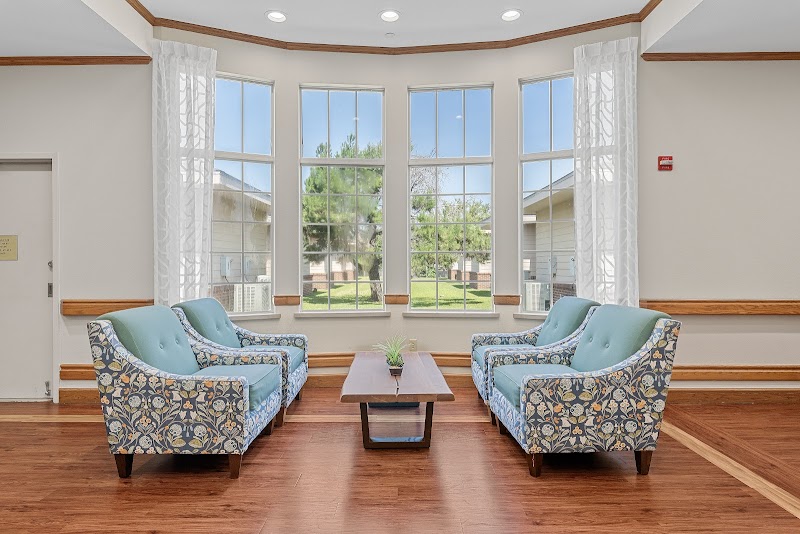
How is Wesley Woods Health & Rehabilitation Staffed?

CMS rates WESLEY WOODS HEALTH & REHABILITATION's staffing level at 3 out of 5 stars, which is average compared to other nursing homes. Staff turnover is 46%, compared to the Texas average of 46%.

What Have Inspectors Found at Wesley Woods Health & Rehabilitation?

State health inspectors documented 30 deficiencies at WESLEY WOODS HEALTH & REHABILITATION during 2021 to 2025. These included: 2 Immediate Jeopardy (the most serious level, indicating potential for serious harm or death), 2 that caused actual resident harm, and 26 with potential for harm. Immediate Jeopardy findings are rare and represent the most serious regulatory concerns. They require immediate corrective action.
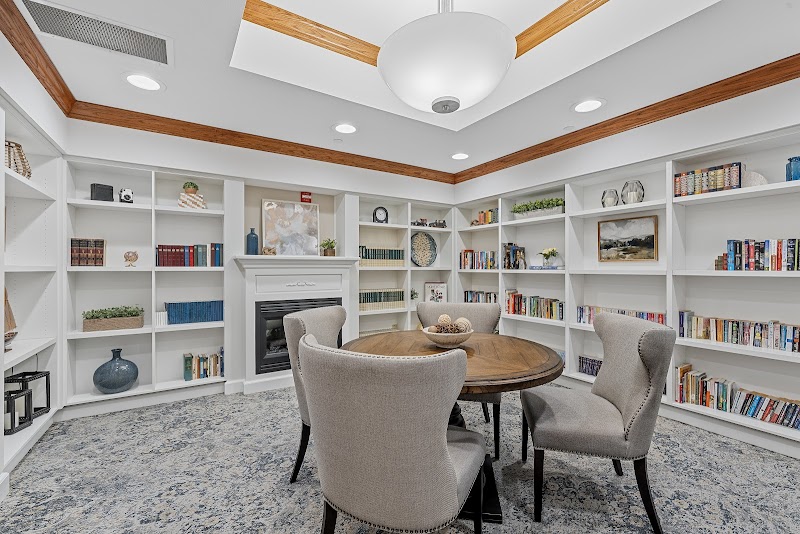
Who Owns and Operates Wesley Woods Health & Rehabilitation?

WESLEY WOODS HEALTH & REHABILITATION is owned by a for-profit company. For-profit facilities operate as businesses with obligations to shareholders or private owners. The facility is operated by FOURCOOKS SENIOR CARE, a chain that manages multiple nursing homes. With 120 certified beds and approximately 112 residents (about 93% occupancy), it is a mid-sized facility located in WACO, Texas.
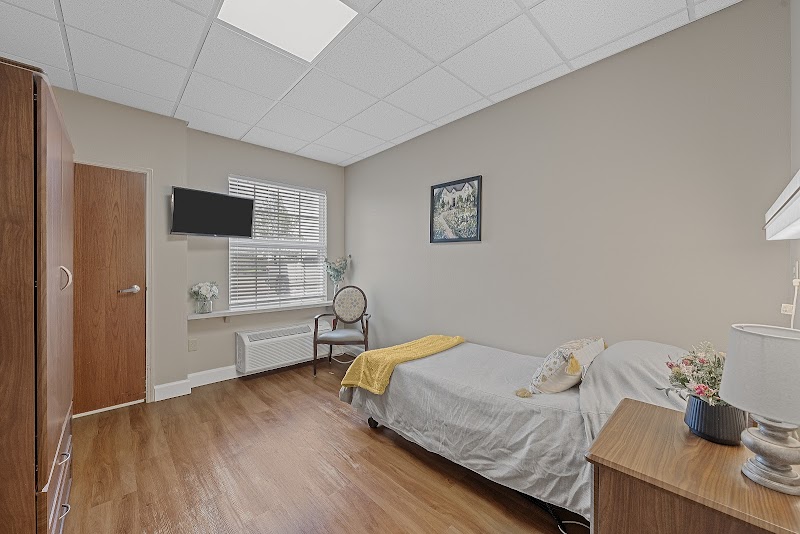
How Does Wesley Woods Health & Rehabilitation Compare to Other Texas Nursing Homes?

Compared to the 100 nursing homes in Texas, WESLEY WOODS HEALTH & REHABILITATION's overall rating (2 stars) is below the state average of 2.8, staff turnover (46%) is near the state average of 46%, and health inspection rating (2 stars) is below the national benchmark.

What Should Families Ask When Visiting Wesley Woods Health & Rehabilitation?

Based on this facility's data, families visiting should ask: "What changes have been made since the serious inspection findings, and how are you preventing similar issues?" "Can I visit during a mealtime to observe dining assistance and food quality?" "How do you handle medical emergencies, and what is your hospital transfer rate?" "Can I speak with family members of current residents about their experience?" These questions are particularly relevant given the facility's Immediate Jeopardy citations.

Is Wesley Woods Health & Rehabilitation Safe?

Based on CMS inspection data, WESLEY WOODS HEALTH & REHABILITATION has documented safety concerns. Inspectors have issued 2 Immediate Jeopardy citations (the most serious violation level indicating risk of serious injury or death). The facility has a 2-star overall rating and ranks #100 of 100 nursing homes in Texas. Families considering this facility should ask detailed questions about what corrective actions have been taken since these incidents.

Do Nurses at Wesley Woods Health & Rehabilitation Stick Around?

WESLEY WOODS HEALTH & REHABILITATION has a staff turnover rate of 46%, which is about average for Texas nursing homes (state average: 46%). Moderate turnover is common in nursing homes, but families should still ask about staff tenure and how the facility maintains care continuity when employees leave.

Was Wesley Woods Health & Rehabilitation Ever Fined?

WESLEY WOODS HEALTH & REHABILITATION has been fined $73,450 across 3 penalty actions. This is above the Texas average of $33,813. Fines in this range indicate compliance issues significant enough for CMS to impose meaningful financial consequences. Common causes include delayed correction of deficiencies, repeat violations, or care failures affecting resident safety. Families should ask facility leadership what changes have been made since these penalties.

Is Wesley Woods Health & Rehabilitation on Any Federal Watch List?

WESLEY WOODS HEALTH & REHABILITATION is not on any federal watch list. The most significant is the Special Focus Facility (SFF) program, which identifies the bottom 1% of nursing homes nationally based on persistent, serious quality problems. Not being on this list means the facility has avoided the pattern of deficiencies that triggers enhanced federal oversight. This is a positive indicator, though families should still review the facility's inspection history directly.