Woodland Springs Nursing Center
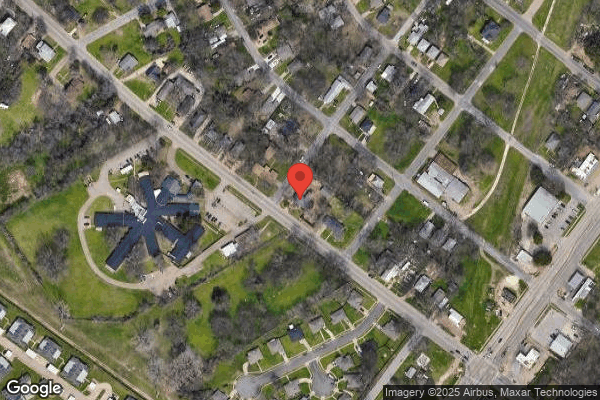
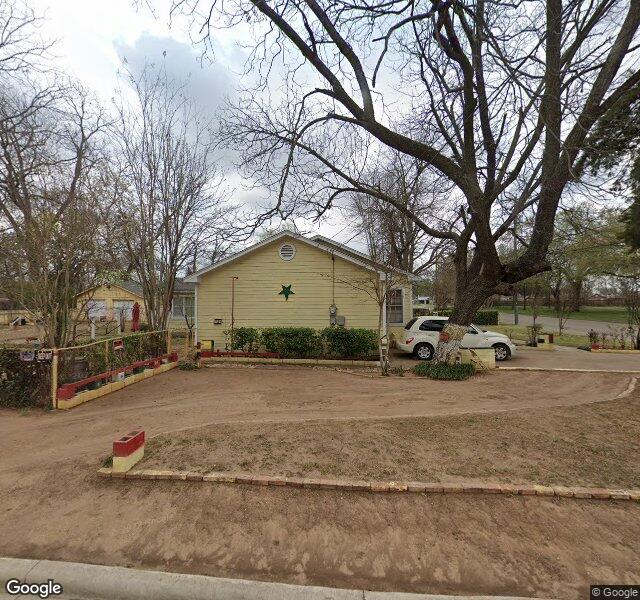
1010 Dallas St, Waco, TX 76704 (254) 752-9774
For profit - Corporation 132 Beds CHARLESTON HEALTHCARE GROUP Data: November 2025 5 Immediate Jeopardy citations
Trust Grade
0/100
#1168 of 1168 in TX
Last Inspection: August 2024

Within standard 12-15 month inspection cycle. Federal law requires annual inspections.

Overview

Woodland Springs Nursing Center has received a Trust Grade of F, indicating significant concerns about the facility's care standards. It ranks #1168 out of 1168 nursing homes in Texas, placing it in the bottom tier of facilities in the state, and #17 out of 17 in McLennan County, meaning there are no local options rated lower. The facility's performance trend is stable, with 8 reported issues in both 2024 and 2025, suggesting ongoing problems rather than improvement. Staffing is somewhat of a strength, with a turnover rate of 45%, which is below the Texas average, yet the overall staffing rating is only 2 out of 5 stars, indicating below-average staffing levels. However, the facility has faced serious concerns, including incidents where residents were not protected from aggressive behavior, leading to injury and hospitalization, and failures to maintain a safe environment, which resulted in a resident's death after inadequate supervision. Overall, while there are some staffing positives, the facility's critical issues and poor ratings raise significant red flags for families considering care for their loved ones.

Trust Score
F
0/100
In Texas
#1168/1168
Bottom 1%
Safety Record
High Risk
Review needed
Inspections
Holding Steady
8 → 8 violations
Staff Stability
⚠ Watch
45% turnover. Above average. Higher turnover means staff may not know residents' routines.
Penalties
✓ Good
$110,884 in fines. Lower than most Texas facilities. Relatively clean record.
Skilled Nurses
⚠ Watch
Each resident gets only 20 minutes of Registered Nurse (RN) attention daily — below average for Texas. Fewer RN minutes means fewer trained eyes watching for problems.
Violations
⚠ Watch
26 deficiencies on record. Higher than average. Multiple issues found across inspections.
★☆☆☆☆
1.0
Overall Rating
★★☆☆☆
2.0
Staff Levels
★☆☆☆☆
1.0
Care Quality
★☆☆☆☆
1.0
Inspection Score
Stable
2024: 8 issues
2025: 8 issues

The Good

  • Full Sprinkler Coverage · Fire safety systems throughout facility
  • No fines on record

Facility shows strength in fire safety.

The Bad

1-Star Overall Rating

Below Texas average (2.8)

Significant quality concerns identified by CMS

Staff Turnover: 45%

Near Texas avg (46%)

Higher turnover may affect care consistency

Federal Fines: $110,884

Well above median ($33,413)

Significant penalties indicating serious issues

Chain: CHARLESTON HEALTHCARE GROUP

Part of a multi-facility chain

Ask about local staffing decisions and management

The Ugly 26 deficiencies on record

5 life-threatening 3 actual harm
Aug 2025 1 deficiency
CONCERN (D) 📢 Someone Reported This

A family member, employee, or ombudsman was alarmed enough to file a formal complaint

Potential for Harm - no one hurt, but risky conditions existed

Deficiency F0602 (Tag F0602)

Could have caused harm · This affected 1 resident

**NOTE- TERMS IN BRACKETS HAVE BEEN EDITED TO PROTECT CONFIDENTIALITY** Based on interview and record review, the facility failed to provide pharmaceutical services (including procedures that assure t...

Read full inspector narrative →
**NOTE- TERMS IN BRACKETS HAVE BEEN EDITED TO PROTECT CONFIDENTIALITY** Based on interview and record review, the facility failed to provide pharmaceutical services (including procedures that assure the accurate acquiring, receiving, dispensing, and administering of all drugs and biologicals) to meet the needs of each resident for one (Resident #1) of five residents reviewed for pharmacy services. The facility failed to prevent a diversion of Resident #1's Hydrocodone-Acetaminophen Oral 10-325 MG tablet, 60 tablets reported missing on 08/18/2025. The failure could place residents at risk for medication error and delay therapy. Findings include:Record review of Resident #1's face sheet, printed 08/28/2025, reflected a [AGE] year-old male who was admitted to the facility on [DATE] and readmitted on [DATE] and discharged on 08/27/2025 to Oceans Behavioral Hospital. His diagnoses included mild cognitive impairment of uncertain or unknown etiology (Mild cognitive impairment is the in-between stage between typical thinking skills and dementia), type 2 diabetes mellitus without complications (a stage of the disease where a person has elevated blood sugar levels but has not developed any chronic complications), hyperlipidemia (excess of lipids or fats in your blood), gout (a disease in which defective metabolism of uric acid causes arthritis, especially in the smaller bones of the feet, deposition of chalkstones, and episodes of acute pain). Record review of Resident #1's comprehensive MDS assessment, dated 07/16/2025, Section C (Cognitive Patterns) reflected a BIMS score of 09, which indicated moderately impaired.Record review of Resident #1's physician's order reflected an order, dated 03/18/2025 for Hydrocodone-Acetaminophen Oral 10-325 MG tablet. Give 1 tablet by mouth every 4 hours as needed for pain. Record review of Resident #1's Medication Administration Record (MAR) for Hydrocodone-Acetaminophen Oral 10-325 MG tablet revealed the medication was scheduled to be given PRN for pain. The MAR revealed that staff gave the resident the medication on the following dates and times:Charted Date Time Pain Level (a scale is used to measure his or her pain so that the doctor can plan how best to manage it)8/17/2025 3:32 PM/7:43 PM 78/18/2025 05:14 AM/9:20 PM 5/78/19/2025 8:24 PM 88/20/2025 05:21 AM 88/25/2025 10:33 PM 08/26/2025 06:00 AM/10:00 AM 10Record Review or the resident electronic health records revealed Resident #1 was discharged out of the facility as of 08/27/2025Record review of the Provider Investigation Report, dated 08/18/2025, reflected, On 08/18/2025 at 09:30 AM, by the ADON that Resident #1 were missing 60 tabs out of 180 tabs of Hydrocodone /APAP 10/325 from the facility's med cart. We started a facility wide search immediately. The Administrator and nursing staff were not able to locate the drugs. They have started a formal investigation. Consultant pharmacy, regional nurses notified. Incident reported to Police Department. In-serviced started on control substance documentation and storage., interviewed the nursing staff that worked on the cart the day before up to when the medication went missing, an audit of the medication carts were done to make sure no other medications were missing and all other counts were accurate. After the investigation was completed, the medication was not found and the administrator and nursing staff wan unable to determine who took the medication. During an interview with the ADON on 8/28/2025 at 5:20 PM revealed she stated she worked the medication cart on 8/17/2025 from 6 am to 2 pm. She handed the med cart and keys to an agency worker who worked the cart from 2 pm to 10 pm. She stated the narcotic medication count was accurate, and they signed off once it was switched over. She stated whenever there was a shift change, staff were to count the cart with the person they were giving the cart to and if there were any discrepancies, they were to report it to the ADON, DON or the ADM. The ADON stated when the staff came in on Monday 8/18/2025 morning, the nurse that was supposed to take over the cart was late, and another nurse took over the cart. Once the LVN came in, they counted the meds, and it was allegedly accurate. The LVN came to her about 8:30 AM and advised her that the Hydrocodone-Acetaminophen Oral 10-325 MG table was missing and the medication count sheet in which the medications was listed was also missing. She stated there was an investigation conducted, and they viewed cameras, drug tested staff that had access to the cart, they notified the doctor and the pharmacy consultant. The ADON stated the nurse that reported the medication missing was no longer with the company due to being terminated because of excessive tardiness and missing days. The other nurse was agency, and she was no longer allowed to return to the facility. She stated Resident #1's medication was PRN, and he had enough medication that he did not miss a dosage. She stated with the drug diversion it could have cause the resident not to have his meds and could have been left in pain. During an interview with the SC on 8/29/2025 at 10:18 AM revealed the drug diversion happened between agency nurses. On 8/18/2025, LVN B noticed the missing meds and it was reported. She stated when drug diversion occurred, policy stated to call whoever was on call, the ADON, DON or Administrator and they would come in and began an investigation on the missing medication and report it to state, drug screen staff involved, get statement from nurse/MA involved. An interview with MA A on 8/29/2025 at 11:05 AM revealed when drug diversion occurs, the policy is to report to charge nurse and the DON for them to investigate. She stated she has not had any issues with the count being off. She stated when she gets the cart from another med tech or nurse, they count the medication cart together, and they sign off that the count is correct, and they sign the narcotic book and hand off the keys. She stated if she had any issues with the count she knows to report it. An interview with LVN A on 8/29/25 at 12:52 PM revealed narcotic count is done with off going and ongoing nurse, and both sign off together. She stated if the count is off, she doesn't accept the cart, she will call management which is the DON, ADON, Administration. She stated a negative outcome will be the resident missed their medication and based on the type of medication; they can have an adverse reaction. Record review of a statement dated 8/20/2025 taken from LVN B stated she worked on 8/17/2025 the night shift 10 PM to 6 AM. She stated when she came on shift, she counted the carts with the nurse leaving and the count was correct. She stated when she got off, she counted with the oncoming nurse, and the count was correct. She stated she do not know of any missing narcoticsAn interview with the ADM on 8/29/2025 at 1:08 PM revealed he was notified about the narcotics missing. He stated he notified the doctor about the missing medication and the quantity on hand for Resident #1. He stated Resident #1 was assessed and there was no negative outcome and there was enough medication for Resident #1. He stated that medication cart that was worked by all nurses and a MA that day and they were drug tested. He stated the last nurse, which was an agency nurse whom is no longer working for the company and was not able to be interviewed,, whom was the last person to work the cart was asked not to return to the facility. There were agency nurses that worked the 2 PM to 10 PM and the 10 PM to 6 AM shift were agency nurses. He stated the last dosage of medication Resident # 1 was administered was 8/18/2025 at 5:15 AM and again on 9:21 AM and that is when it was found missing. He stated law enforcement was notified and provided an item number. He stated they have watched the cameras and were not able to determine what happened to the medication. He stated the way the nurses are positioned with the med cart, the cameras did not show anyone taking medication from the cart or the pages out of the book. All the other medications carts were counted to make sure no other medications were missing. He stated a negative outcome that can happen is there will be missing medication, and the resident could miss a dose of their medication. Record review of the undated policy of Injection Safety - Drug Diversion, revealed drug diversion is referring to the theft or other deviation that removes a prescription drug from its intended path from the manufacturer to the patient. 1. All drugs and biologicals, including controlled substances, are stored in lock compartments and only authorized personnel have keys to locked compartments (i.e., medication carts, cabinets, drawers, refrigerators, medication rooms). 2. Staff with access to medications are trained on their responsibilities for safe storage and administration of medications, including documentation and disposition of medications. 3. Staff with access to controlled medications are trained on the facility's policy for the administration and accountability of controlled substances. Each employee is required to report suspicion or known diversion of a controlled substance to the Director of Nursing or Administrator.
Jul 2025 2 deficiencies
CONCERN (D) 📢 Someone Reported This

A family member, employee, or ombudsman was alarmed enough to file a formal complaint

Potential for Harm - no one hurt, but risky conditions existed

Report Alleged Abuse (Tag F0609)

Could have caused harm · This affected 1 resident

**NOTE- TERMS IN BRACKETS HAVE BEEN EDITED TO PROTECT CONFIDENTIALITY** Based on interviews, and record reviews, the facility failed to ensure that all alleged violations involving abuse, neglect are ...

Read full inspector narrative →
**NOTE- TERMS IN BRACKETS HAVE BEEN EDITED TO PROTECT CONFIDENTIALITY** Based on interviews, and record reviews, the facility failed to ensure that all alleged violations involving abuse, neglect are reported immediately, but not later than 24 hours if the events that cause the allegation do not involve abuse and do not result in serious bodily injury, to the State Survey Agency in accordance with State law through established procedures for 1 of 7 residents (Resident #1) reviewed for abuse and neglect, in that:Based on interviews, and record reviews, the facility failed to ensure that all alleged violations involving abuse, neglect are reported immediately, but not later than 24 hours if the events that cause the allegation do not involve abuse and do not result in serious bodily injury, to the State Survey Agency in accordance with State law through established procedures for 1 of 7 residents (Resident #1) reviewed for abuse and neglect, in that:The facility did not report an incident of potential neglect for Resident #1 to the State Survey Agency within 24 hours, when Resident #1 fell out of his wheelchair while being transported on the facility's van on 06/25/25.This failure could place residents at-risk of not having incident and accident investigations reported within the timeframe required. Findings included:Record review of Resident #1's admission record, dated 06/10/2025, reflected an [AGE] year-old male who was re-admitted to the facility on [DATE]. Resident #1 had diagnoses which included: Chronic kidney disease stage 4 (when your kidneys are damage and can't filter blood properly), type 2 diabetes mellitus without complications (when the body cannot use insulin correctly and sugar builds up in the blood without any common health problems associated with the disease), muscle weakness (reduced ability of the body to contract muscle properly, resulting in a lower strength in one or more muscle), and lack of coordination (having difficulty controlling your movements and making them work together smoothly). Record review of Resident #1's Quarterly MDS assessment, dated 07/08/2025, reflected the resident had a BIMS score of 09, which indicated moderate cognitive impairment. Resident #1 required substantial/maximal assistance in the areas of toileting hygiene, upper body dressing, lower body dressing, putting on/taking off footwear and personal hygiene. Resident #1 requires substantial/maximal assistance in the area of shower/bathe self.Record review of Resident #1's care plan, dated 07/15/2025, reflected Resident #1 was care planned for moderate risk for falls r/t unsteady, weak and use of psychoactive, requires assist with ADL's, ADL self-care performance deficit r/t confusion, impaired balance, limited mobility, limited physical mobility r/t weaknessReview of Resident #1's nursing progress note, dated 06/25/25, reflected a progress note entered by the AD that stated, While being transported in [facility name] van from hospital seat belt buckle came loose causing resident to slide onto floor in sitting position resident was at facility when incident occurred witnessed by ADRecord review of Resident#1's witness fall assessment, dated 06/25/2025, reflected was assessed for injuries none noted able to [NAME] was assisted to chair x3 staff and gait.Record review of Resident#1's EMS Patient Care Report, dated 06/25/2025, reflected upon arrival to scene FD is on scene. PT is found inside of a PT transport shuttle for nursing home. Pt was helped up from floor into wheelchair by FD. Pt declines of hurting anywhere and does not want to go to hospital. LVN who was driving the bus stated she hit the brakes too hard and caused Pt to fall out of chair. Once Pt is settled in seat. EMS advise driver to pull out of busy traffic into parking lot to obtain vitals on Pt. Once obtained, Pt still declines wanting to be seen at hospital. Pt is presented with refusal form and educated on risks associated with not being seen at hospital. Pt repeats risk and still declines. Refusal form signed by Pt. Pt declines any other needs at this time.During an interview with Resident #1 on 07/15/2025 at 11:45 AM., Resident #1's stated that he was headed to facility from being picked up at from hospital by the AD in the facility's van. Resident #1 stated they were almost to the facility when the AD hit her brakes, and he slid out of his wheelchair. Resident stated that he was not buckled up when he slid out of his wheelchair. Resident #1 stated both the AD and ADM knew that he slid out of wheelchair due to his seat belt not being buckled. Resident #1 stated that he was not hurt and laughed about the incident. Resident #1 stated that the incident happened a few blocks away from the facility and the local EMS and fire department responded to the incident. Resident #1 stated that the ADM came to the scene of the incident to check on him. Resident #1 stated he didn't remember the date of the incident but stated he believes it happened last month (June 2025).During an interview with the AD on 07/15/2025 at 2:00 PM, The AD stated she was bringing Resident #1 to the facility after he had been discharged from the hospital. The AD stated a few miles away from the facility she had to hit her brakes quickly due to the light turning yellow. The AD stated that Resident #1 slid out his wheelchair onto the floor. The AD stated Resident #1 was buckled when leaving the hospital but at the time of the incident Resident #1 was not wearing a seatbelt. The AD stated she doesn't how the seat belt came a loose. The AD stated she called 911 and the facility's ADM. The AD stated that EMS checkout Resident #1 and there were no injuries. The AD stated that she had not had anything like that happen to her before. The AD stated that she was not aware that the incident was not reported to the state. During an interview with the NC on 07/15/2025 at 2:30 PM, The NC stated she was not aware of the incident. The NC stated that she was told by staff that Resident #1 was buckled in his wheelchair at the time of the incident. During an interview with the ADM on 07/15/2025 at 2:45 PM, The ADM stated that the AD was bring Resident #1 back from the hospital when the AD hit her brake causing Resident #1 to slide to the floor. The ADM stated that the AD stated she wasn't speeding, and Resident #1 did not have any injuries from the incident. The ADM stated that AD notified him and EMS of the incident. The ADM stated he went to the scene of the incident to check on the resident and AD. The ADM stated that the residents seat buckle came loose which caused the resident to slide out of his chair. The ADM stated that they followed the facility's protocol, and the incident was not reportable.Review of the facility's Abuse, Neglect, Exploitation or Misappropriation Reporting and Investigation policy, dated September 2022, revealed All reports of resident abuse (including injuries of unknown origin) neglect, exploitation, or theft/misappropriation of resident property are reported to local, state, and federal agencies (as required by current regulations) and thoroughly investigated by facility management. Findings of all investigations are documented or reported.Policy Interpretation and ImplementationReporting Allegation to the administrator and Authorities1. If resident abuse, neglect, exploitation, misappropriation of resident property or injury of unknown source is suspected, the suspicion must be reported immediately to the administrator and to other officials according to state law.2. The administrator of the individual making the allegation immediately reports his or her suspicions to the following persons or agencies:a. The state licensing/certification agency responsible for surveying/licensing the facility;b. The local/state ombudsman;c. The resident's representative;d. Adult protective services (where state lay provides jurisdiction in long term care);e. Law enforcement officials;f. The resident's attending physician; and g. The facility medical director.3. Immediately is define as:a. Within two hours of an allegation involving abuse or result in serious bodily injury; orb. Within 24 hours of an allegation that does not involve abuse or result in serious bodily injury. 6. Upon receiving any allegations of abuse, neglect, exploitation, misappropriation of resident property or injury of unknown source, the administrator is responsible for determining what actions (if any) are needed for the protection of residents.
CONCERN (E) 📢 Someone Reported This

A family member, employee, or ombudsman was alarmed enough to file a formal complaint

Potential for Harm - no one hurt, but risky conditions existed

Deficiency F0680 (Tag F0680)

Could have caused harm · This affected multiple residents

Based on interviews and record reviews, the facility failed to ensure the activities program was directed by a qualified professional who was a qualified therapeutic recreation specialist or an activi...

Read full inspector narrative →
Based on interviews and record reviews, the facility failed to ensure the activities program was directed by a qualified professional who was a qualified therapeutic recreation specialist or an activities professional who was licensed or registered by the state for 1 of 1 Activity Director (AD) reviewed for qualified professionals, in that: Based on interviews and record reviews, the facility failed to ensure the activities program was directed by a qualified professional who was a qualified therapeutic recreation specialist or an activities professional who was licensed or registered by the state for 1 of 1 Activity Director (AD) reviewed for qualified professionals, in that: The facility failed to have a qualified AD to serve as the director of the activities program. This failure could place residents at risk for reduced quality of life due to lack of activities that were individualized to match the skills, abilities, and interests/preferences of each resident.The findings included:During an interview with the AD on 07/15/2025 at 2:00 PM, The AD stated she has been the AD since March 2025. The AD stated she was an assistant AD/CNA before she was the AD. The AD stated that the previous AD was fired in February 2025, and she has been the AD since. The AD stated that she has been helping as a CNA and transportation driver and hasn't had the time to start her certification. The AD stated that she has enrolled in the appropriate class but could not provide any evidence of her enrollment.During an interview with the ADM on 07/15/2025 at 2:45 PM, the ADM stated that the current AD was previous the AD assistant. The ADM stated that he thought the current AD was enrolled in taking the appropriate classes to have her AD certification. The ADM stated once the appropriate classes were completed then the facility would reimburse the current AD for completing her certification. The ADM stated that he did not have any information that the AD was enrolled in the appropriated classes for her AD certification. The ADM stated a negative outcome would be if the AD did not know the appropriate activity director guidelines due to not completing the AD certification. The ADM stated the facility did not have a policy regarding activities/activities director.Review of the facility Activities Director job description, not dated, reflected must be qualified therapeutic recreation specialist who is: licensed or registered, if applicable by the state in which practicing.
Jun 2025 1 deficiency
CONCERN (D) 📢 Someone Reported This

A family member, employee, or ombudsman was alarmed enough to file a formal complaint

Potential for Harm - no one hurt, but risky conditions existed

Deficiency F0645 (Tag F0645)

Could have caused harm · This affected 1 resident

Based on the interview and record review, the facility failed to identify a diagnosis of mental illness on the preadmission screening and resident review (PASRR) assessment for #25, whose records were...

Read full inspector narrative →
Based on the interview and record review, the facility failed to identify a diagnosis of mental illness on the preadmission screening and resident review (PASRR) assessment for #25, whose records were reviewed for PASRR services. The facility failed to get a PASRR eval when Resident #25's Level 1 PASRR screening indicated the resident had mental illness diagnoses of schizoaffective disorder, bipolar type, and anxiety. Findings included: This deficient practice could place residents with mental illness at risk for not obtaining the services needed to treat their mental health diagnoses. The facility failed to complete a PASRR screening on Resident #25. Findings included: Record review of Resident #25's face sheet dated 06/25/2025 revealed the resident was admitted to the facility 08/24/2024 with diagnoses that included: Unspecified dementia, schizoaffective disorder, bipolar type (a mental health condition involving psychotic symptoms like hallucinations and delusions alongside mood episodes of mania and sometimes depression), and borderline intellectual functioning. Resident #25 was diagnosed, schizoaffective disorder, bipolar type on 7/18/2024. Record review of Resident #25's quarterly MDS assessment, completed on 06/04/2025, Section C, revealed a BIMS score of 08/15, indicating moderate cognitive impairment. Section I (Active Diagnoses) indicated Resident #25 had diagnoses of schizophrenia (e.g., schizoaffective and schizophreniform disorders). Section N (Medications) indicated Resident #25 was taking antipsychotic medications. Record review of Resident #25's care plan, dated 04/02/2025, revealed Resident #25 exhibits/reports mood problem related to mood disturbance and Psychosis. She was receiving the antipsychotic medication Seroquel, and the interventions included monitoring for behavior management to reassure the patient about the progress he is making towards goals. Record review of the documents in Resident #25's electronic health record revealed a PASRR 1 evaluation dated 08/27/2024, indicating the resident did not have a primary diagnosis of dementia, mental illness, intellectual disability, or developmental disability. Record review of Resident #25's physician order, dated 12/27/2024, revealed an order for Seroquel Oral Tablet, 50 MG, give 1 tablet by mouth two times a day related to schizoaffective disorder, bipolar type. The order date and start date was 12/27/2024. During an interview on 06/25/2025 at 3:13 PM, the DON stated that Resident #25's Level II PASRR evaluation was not completed . The DON explained that either the MDS coordinator or the ADON completes the Level II PASRR screening at the facility. She mentioned that the resident received more services through Part B than with PASRR services . Resident #25 was not receiving services through PASRR. The DON also noted that the resident was receiving therapy services, but those services were not provided through PASRR. During an interview on 06/25/2025 at 3:13 PM, the ADON MDS Minimum Data Set coordinator said that she was primarily responsible for handling the PASRR screenings, although the MDS occasionally performs them. The ADON stated she conducted the PASRR screening for Resident #25. She mentioned that if a resident comes from the hospital, there could be an issue because sometimes they do not provide a PASRR. The ADON said she checks whether a resident was receiving NSF and Medicaid services. ADON that when a resident gets a new diagnosis, they get a new PASRR screening. She also stated that if the PASRR was not completed on time, it could result in a delay in services. Review of facility policy dated March 2019 and titled admission Criteria reflected the following: 9. All new admissions and re-admissions are screen for mental disorders (MD), intellectual disabilities (ID), or related disorders (RD) per the Medicaid preadmission screening and resident review process. a. The facility conducts a level I PASARR screens for all potential admissions, regardless of payer source, to determine if the individual meets the criteria for a MD, ID, or RD. b. If the level I screen indicates the individual may meet the criteria for a MD, ID, or RD, he or she is referred to the State PASARR representative for the level II evaluation and determination screening process. (1) The admitting nurse notifies the social services department when a resident is identified as having a possible evident MD, ID or RD. (2) The social worker is responsible for making referrals to the appropriate state designated authority.
Jun 2025 2 deficiencies 1 IJ
CRITICAL (J) 📢 Someone Reported This

A family member, employee, or ombudsman was alarmed enough to file a formal complaint

Immediate Jeopardy (IJ) - the most serious Medicare violation

Accident Prevention (Tag F0689)

Someone could have died · This affected 1 resident

**NOTE- TERMS IN BRACKETS HAVE BEEN EDITED TO PROTECT CONFIDENTIALITY** Based on observation, interview and record review the facility failed to ensure the resident environment remained as free of acc...

Read full inspector narrative →
**NOTE- TERMS IN BRACKETS HAVE BEEN EDITED TO PROTECT CONFIDENTIALITY** Based on observation, interview and record review the facility failed to ensure the resident environment remained as free of accident hazards as was possible and each resident received adequate supervision and assistance devices to prevent accidents for one of four residents (Resident #1) reviewed for accidents hazards. The facility failed to ensure Resident #1, who received anticoagulant therapy, received adequate supervision when she experienced blunt trauma on 05/14/25 when she hit her head and, approximately 10 hours later, on 05/15/25, was transferred to the hospital due to vomiting and subsequently passed away. An Immediate Jeopardy (IJ) situation was identified on 05/22/25. While the IJ was removed on 05/26/25, the facility remained out of compliance at a scope of isolated that with a potential for more than minimal harm, due to the facility's need to evaluate the effectiveness of the corrective systems. This failure could place residents at risk of injury, hospitalization and death. The findings include: Record review of Resident #1's face sheet, dated 05/21/25, reflected a [AGE] year-old female who was admitted to the facility on [DATE] and readmitted on [DATE] and 05/12/25. Resident #1 had diagnoses which included hemiplegia and hemiparesis (hemiplegia and hemiparesis both refer to weakness or paralysis on one side of the body), morbid (severe) obesity due to excess calories (refers to having a Body Mass Index [BMI] of 40 or higher, or a BMI of 35 or higher with at least one obesity-related health condition), and cellulitis of left lower limb (a bacterial skin infection that can cause redness, swelling, warmth, and pain in the affected area). Record review of Resident #1's admission MDS assessment, dated 03/24/25, reflected a BIMS of 11, which indicated moderate cognitive impairment. Section N (Medications) reflected she was taking an anticoagulant (blood thinner). Record review of Resident #1's admission care plan reflected: Resident #1, care plan focus, dated 02/07/22, had potential for bleeding related to anticoagulant therapy. Resident #1, care plan focus, dated 03/15/25, was at risk for injury, falls related to excessive clutter in room. Resident #1, care plan focus, revision dated 05/08/25, required extensive-total assist with intervention, dated 05/08/25, provide assist as needed check q 2 hrs. & prn. Resident #1, care plan focus, revision dated 05/03/22, Resident #1 had ADL self-care performance deficit related to pain and hemiplegia and hemiparesis following cerebral infarction (a type of stroke that occurs when blood flow to the brain is interrupted leading to a lack of oxygen and nutrients to brain tissues) affecting left non-dominant side with intervention revised on 05/08/24 Transfer: The resident requires extensive to total assistance by 2 staff to move between surfaces as necessary. ***mechanical lift*** and Resident #1 is also able to do a self-transfer if she isn't feeling weak Resident #1 care plan focus revision, dated 04/08/25, reflected Resident #1 has a history of verbally aggressive behavior. Observation on 05/23/25 at 1:48 PM of facility video footage of Resident #1's hallway on 05/14/25 beginning at 2:00 PM revealed at 2:49 PM on 05/14/25, CNA A entered Resident #1's room alone with a mechanical lift. No other staff member was observed entering or leaving Resident #1's room with CNA A and the mechanical lift. At 2:56 PM, CNA A left Resident #1's room and put the mechanical lift next to the wall outside of Resident #1's room. Record review of Police Incident Report, dated 05/17/25, reflected a police officer received a call from the hospital about a questionable death and a judge ordered an autopsy on a female who was believed to be a victim of abuse or neglect which caused her death. The report reflected Resident #1 was sent to the hospital due to nausea and vomiting that started around 3:00 AM. Hospital staff reported Resident #1 was coherent and alert and told them she hit her head on the cabinet the day prior 'during repositioning in bed on a sling.' Resident #1 reported to the hospital that she, 'was laid back and struck her head on the cabinet very hard.' Record review of the preliminary autopsy report, dated 05/17/25, reflected preliminary cause of death: blunt force trauma to the head, subdural hematoma of right cerebral hemisphere (a condition where blood collects between the skull and the surface of the right side of the brain. This occurs due to a head injury or other causes) and evidence of uncal herniation (a type of brain herniation where a portion of the temporal lobe [the uncus] is forced downwards and through the tentorial incisura due to increased intracranial pressure. It's a serious condition that can cause significant neurological damage and is often a life-threatening emergency.) Record review of hospital records, dated 05/15/25, reflected Emesis [vomiting] per EMS nausea/vomiting since 3:00 AM given Reglan (treats symptoms of gastroesophageal reflux disease [a condition where stomach acid and sometimes stomach contents flow back into the esophagus, the tube connecting your mouth to your stomach]), Zofran (prevents nausea and vomiting) at nursing home. 'PT states she hit head at NH (no LOC); H/O CVA, LT- sided weakness, [hospital] transport. Pt. reports that she hit her head on a cabinet yesterday Record review of hospital records Medical Decision Making, dated 05/15/25, reflected CT (computed tomography) did reveal a chronic appearing hygroma with acute intracranial hemorrhage (a situation where a patient presents with a long-standing subdural hygroma (a collection of cerebrospinal fluid) that is suddenly complicated by a fresh hemorrhage in the subdural space (a layer of cells called [NAME] border cells). Patient observations: PT alert and oriented X4 [someone who is alert and oriented to person, place, time, and event], cooperative, frequent request for nausea/pain meds [medication] upon arrival. Record review of hospital records, dated 05/15/25, reflected Injury Type: blunt trauma PT states she, 'hit her head on a wooden cabinet 05/14/25 while being lifted into a WC at NH' Record review of hospital records, dated 05/15/25, Brief History - she reports that yesterday during repositioning in bed on sling, she was asked to lay back and struck her head on a cabinet very hard. She had a cephalohematoma (an accumulation of blood under the scalp) but otherwise no issues related to this. She was found to have had an acute chronic subdural hematoma in the setting of recent acute mild traumatic brain injury secondary to her recent head trauma (the patient had a recent head trauma that caused initial bleeding, and then later, the blood clot organized into a chronic subdural hematoma) while at the care facility. Record review of hospital course/summary records, dated 05/17/25, reflected Resident #1 was a [AGE] year-old female with a past medical history of diabetes mellitus type II (blood sugar regulation disorder) and cerebrovascular accident (a medical condition where blood flow to the brain is suddenly disrupted leading to brain cell death and potential neurological damage) left sided and lower extension deficits (often associated with specific muscle imbalances or conditions), who was at her care facility when she developed nausea and vomiting. She said she reportedly struck her head on a cabinet. She was on chronic anticoagulation Lovenox (a medication that helps prevent blood clots from forming and is a type of anticoagulant) 100 mg twice a day for diabetes mellitus type II and cerebrovascular accident who was at her care facility when she developed persistent nausea and vomiting. The patient was unable to use or move her left upper and left lower extremity. She was found to have an acute on chronic subdural hematoma in the setting of recent acute mild traumatic brain injury secondary to her recent head trauma (refers to a situation where there is a new [acute] bleeding within an existing [chronic] subdural hematoma) while at the care facility. She is non-ambulatory due to prior cerebrovascular accident. The patient required intubation (a flexible tube is inserted into a person's airway to help them breath) in the emergency department for depressed Glasgow Coma Scale (a neurological scale used to assess the level of consciousness in people with head injuries) and was evaluated by the neurosurgery team who decided that her prognosis was exceedingly poor. She had a fixed and dilated right pupil (can be a serious sign, potentially indicating a neurological issue like stroke, brain injury or intracranial [within the skull] bleeding) as well as decerebrate posturing (a neurological sign indication severe brain damage, characterized by abnormal extensor responses (a reflex in which the big toe extends upward and the other toes fan outward when the sole of the foot is stroked) specifically in the upper and lower limbs. The patient did not make any neurologic recovery. Palliative care was consulted, and the patient was transitioned to comfort care on 05/17/25. She passed away at 12:48 AM on 05/17/25. Record review of LVN C's Nurses Note, dated 05/14/25 at 10:38 PM, reflected CNA'S reported to this nurse while they were transferring the resident from bed to shower chair the resident started to sliding down and they eased the resident down to the floor. I asked resident what happened the resident stated while they were transferring her, she was sliding down and they eased her to the floor. I assessed the resident head to toe and all body parts no injury noted resident denies pain. Vital signs - blood pressure 106/61, pulse 75, temperature 97.3, respiratory rate 18, oxygen saturation 97% room. Record review of LVN D's Nurses Notes reflected dated created 05/15/25 at 6:00 AM reflected, Resident noted to have nausea/vomiting. PRN zofran and reglan administered. C/O headache as well. PRN APAP administered. Resident noted to be diaphoretic (sweating heavily). VS: 97.0 [temperature] 132/57 [blood pressure] 72 [pulse]18 95% on room air [oxygen saturation] Increased weakness noted as well. Resident cleaned up and vomited two more times. Call returned by [MD], made aware of change in condition. New order received to transfer to ER for evaluation and tx. Call placed to daughter made aware of transfer to [hospital]. On call notified of transfer. Record review of resident #1's orders reflected aspirin oral capsule 81 mg (aspirin) give 81 mg by mouth one time a day related to hemiplegia and hemiparesis following cerebral infarction affecting left non-dominant side start date 01/31/2024 no discontinued dated. Record review of Resident #1's Neurological Check Assessment forms beginning 05/14/25 at 5:36 PM through 05/14/25 at 8:30 PM by LVN C and 05/14/25 at 10:30 PM through 05/15/25 at 5:15 AM by LVN D reflected: 05/14/25 at 5:36 PM, temperature within normal range, pulse within normal range, respiration readings within normal range, blood pressure within normal range, full consciousness (awake, aware, oriented), movement all four extremities, hand grip equal and strong, speech clear, pupil reactions brisk - both eyes, pupil size bilateral equal. 05/14/25 at 5:50 PM, temperature within normal range, pulse within normal range, respiration readings within normal range, blood pressure within normal range, full consciousness (awake, aware, oriented), movement all four extremities, hand grip equal and strong, speech clear, pupil reactions brisk - both eyes, pupil size bilateral equal. 05/14/25 at 6:07 PM, normal temperature within normal range, pulse within normal range, respiration readings within normal range, blood pressure within normal range, full consciousness (awake, aware, oriented), movement all four extremities, hand grip equal and strong, speech clear, pupil reactions brisk - both eyes, pupil size bilateral equal. 05/14/25 at 6:25 PM, normal temperature within normal range, pulse within normal range, respiration readings within normal range, blood pressure within normal range, full consciousness (awake, aware, oriented), movement all four extremities, hand grip equal and strong, speech clear, pupil reactions brisk - both eyes, pupil size bilateral equal. 05/14/25 at 7:00 PM, normal temperature within normal range, pulse within normal range, respiration readings within normal range, blood pressure within normal range, full consciousness (awake, aware, oriented), movement all four extremities, hand grip equal and strong, speech clear, pupil reactions brisk - both eyes, pupil size bilateral equal. 05/14/25 at 7:30 PM, normal temperature within normal range, pulse within normal range, respiration readings within normal range, blood pressure within normal range, full consciousness (awake, aware, oriented), movement all four extremities, hand grip equal and strong, speech clear, pupil reactions brisk - both eyes, pupil size bilateral equal. 05/14/25 at 8:30 PM, normal temperature within normal range, pulse within normal range, respiration readings within normal range, blood pressure within normal range, full consciousness (awake, aware, oriented), movement all four extremities, hand grip equal and strong, speech clear, pupil reactions brisk - both eyes, pupil size bilateral equal. 05/14/25 at 10:30 PM, normal temperature within normal range, pulse within normal range, respiration readings within normal range, blood pressure within normal range, full consciousness (awake, aware, oriented), movement all four extremities, hand grip equal and strong, speech clear, pupil reactions brisk - both eyes, pupil size bilateral equal. 05/14/25 at 11:15 PM, normal temperature within normal range, pulse within normal range, respiration readings within normal range, blood pressure within normal range, full consciousness (awake, aware, oriented), movement all four extremities, hand grip equal and strong, speech clear, pupil reactions brisk - both eyes, pupil size bilateral equal. 05/15/25 at 12:30 AM, normal temperature within normal range, pulse within normal range, respiration readings within normal range, blood pressure within normal range, full consciousness (awake, aware, oriented), movement all four extremities, hand grip equal and strong, speech clear, pupil reactions brisk - both eyes, pupil size bilateral equal. 05/15/25 at 1:30 AM, normal temperature within normal range, pulse within normal range, respiration readings within normal range, blood pressure within normal range, full consciousness (awake, aware, oriented), movement all four extremities, hand grip equal and strong, speech clear, pupil reactions brisk - both eyes, pupil size bilateral equal. 05/15/25 at 4:15 AM, normal temperature within normal range, pulse within normal range, respiration readings within normal range, blood pressure within normal range, full consciousness (awake, aware, oriented), movement all four extremities, hand grip equal and strong, speech clear, pupil reactions brisk - both eyes, pupil size bilateral equal. 05/15/25 at 5:15 AM, normal temperature within normal range, pulse within normal range, respiration readings within normal range, blood pressure within normal range, full consciousness (awake, aware, oriented), movement all four extremities, hand grip equal and strong, speech clear, pupil reactions brisk - both eyes, pupil size bilateral equal. Record review of CNA A's Employee Warning Report dated 05/16/25 reflected supervisor's/employer's statement, staff member suspended pending investigation of incident involving resident that occurred 05/14/25. During investigation, staff member was observed violating facility safety/nursing policies. Staff member has given multiple different accounts of incident, making it difficult to verify what actually occurred discussed with CNA A by phone and employee declined to sign document. Interview on 5/21/25 at 2:30 PM with CNA A revealed CNA A and CNA B were transferring Resident #1 together using a gait belt from Resident #1's bed into a shower chair and Resident #1 began to wiggle and she and CNA B eased Resident #1 to the floor. After Resident #1 was on the floor, CNA B got the mechanical lift and both CNA A and CNA B transferred Resident #1 into the shower chair using the mechanical lift. CNA A said when the nurse came into assess Resident #1, Resident #1 was in bed. She said Resident #1 did not hit her head and if Resident #1 hit her head, she would have told the nurse. Interview on 05/21/25 at 5:35 PM with CNA B reflected she worked the 2:00 PM - 10:00 PM shift on 05/14/25 and she and CNA A went into Resident #1's room to assist Resident #1 with her shower. CNA B said she thought it was about 3:30 PM on 05/14/25. CNA B said Resident #1 was wearing a gait belt and when she and CNA A were transferring Resident #1 from her bed to her shower chair Resident #1 became weak and they gently sat Resident #1 down on the floor of her room. CNA B said Resident #1 did not fall and she did not hit her head. She said after Resident #1 sat on the floor, they used a mechanical lift to transfer Resident #1 from the floor to her shower chair and they wheeled Resident #1 into the shower using the shower chair. CNA B said after Resident #1 was in her bed after her shower, LVN C came to assess Resident #1 . Interview on 05/21/25 at 1:16 PM with LVN C revealed CNA A and CNA B reported to her they were transferring Resident #1 from her bed to the shower chair and Resident #1 began to slide down and the CNAs eased Resident #1 down to the floor of Resident #1's room. The CNAs informed LVN C of the incident after Resident #1 was in her bed. LVN C said she did not know how the CNAs got Resident #1 from the floor to the bed. LVN C thought the CNAs used a mechanical lift, but she did not witness them using a mechanical lift to transfer Resident #1 from the floor to her bed. She said after the CNAs informed her Resident #1 slide to the floor, she assessed Resident #1. LVN C said Resident #1 was not a mechanical lift transfer prior to this incident but Resident #1 had been declining and just returned from the hospital. CNA C said she assessed her from head to toe and did not find any trauma to Resident #1's head. She said Resident #1 denied pain and was talking without difficulty. LVN C said the CNAs should have called her to assess Resident #1 before they moved Resident #1 because she was the charge nurse and residents were not to be moved when they were on the floor. Interview on 05/23/25 at 1:24 PM with LVN D revealed LVN D worked the 10:00 PM - 6:00 AM shift beginning 05/14/25 and conducted neurological checks on Resident #1 that evening. LVN D said on 05/15/25 Resident #1 had vomited, and she cleaned her up and gave her PRN nausea medication. LVN D stated Resident #1 had a fall during the 2:00 PM - 10:00 PM shift from a chair and this occurred before LVN D's shift started. LVN D said she was not told Resident #1 hit her head. LVN D said Resident #1 was not herself, not at baseline and she was sweating. Interview on 05/22/25 with a FP G at 9:05 am who was employed with the autopsy company that conducted Resident #1's autopsy, revealed Resident #1's injures were consistent with a fall and the injuries could have occurred even from a minor fall. He said her subdural hemorrhage was caused by trauma and it would have been exceedingly rare for her to have had those injuries if she had not had a fall. He said if she received treatment sooner, potentially, she might have survived or at least had a better chance of survival. He said because Resident #1 was on anticoagulants, a fall would work in tandem for causing catastrophic bleeding. He said the autopsy photos were consistent with a fall and there was a pretty significant contusion (an injury to soft tissue that causes bleeding without breaking the skin) of the frontal scalp and the back of the scalp. He said her trauma exhibited in the autopsy was from a fall and not a natural death. Interview on 06/11/25 at 9:15 am with a FP G at 9:15 am who was employed with the autopsy company that conducted Resident #1's autopsy and was the FP who conducted Resident #1's autopsy revealed that Resident #1's had an acute bleed that was a day or two old but could not say that it was not an older bleed. She stated there was a subdural contusion (a lift threatening condition where blood collects between the brain and its outer covering) underneath the scalp at the hairline and it did look like she hit her head. Interview on 05/21/25 at 12:36 PM with the DON reflected CNA A and CNA B reported to her that during a transfer with Resident #1, from her bed to a shower chair they broke a fall meaning the CNAs repositioned a person to prevent a fall from happening. The DON said most days Resident #1 did well with staff assisting her with transfers, but she was weak. The DON said she told the CNAs when in doubt, use a mechanical lift and sometimes Resident #1 needed a mechanical lift. The DON said after the CNAs, broke the fall Resident #1 was upset and cursing. She said that when the staff, broke her fall she decided to treat it like a fall and LVN C assessed Resident #1 and the DON wanted close attention paid to Resident #1 because Resident #1 could be difficult. The DON said they used the buddy system to care for Resident #1 because Resident #1 was challenging. The DON stated Resident #1 had a history of calling 911 to come to the facility to take her to the hospital. She said she wanted the nurses to conduct neurological checks on Resident #1 because she wanted to treat the situation where the CNAs broke her fall as if it were a fall and because of Resident #1's history of calling 911 and telling them she needed treatment. The DON stated she wanted the staff to go above and beyond, and they conducted the neurological checks to be on the safe side. Interview on 05/26/25 at 11:23 AM with the Administrator revealed, after observing on 05/23/25 the facility video footage of Resident #1's hallway on 05/14/25 at 2:49 PM, CNA A entered Resident #1's room alone with a mechanical lift. The Administrator said if CNA A was transferring Resident #1 using a mechanical lift, there should have been two people transferring Resident #1 to prevent any accidents and for the safety of Resident #1 . Interview on 05/22/25 at 5:30 PM with MD E revealed she received a call from the facility on 05/15/25 about Resident #1's nausea and vomiting. She said she did not remember the call very well and did not document the call in her records which she usually did. MD E said if Resident #1 was given PRN medication for the vomiting and she was still vomiting, she needed to go to the ER. She said she did not remember if they discussed Resident #1 falling or any discussion that Resident #1 hit her head. Record review of the facility's, undated, policy Safe Lifting and Movement of Residents, , reflected: In order to protect the safety and well-being of staff and residents, and to promote quality care, this facility uses appropriate techniques and devices to lift and move residents. Resident safety, dignity comfort and medical condition will be incorporated into goals and decisions regarding the safe lifting and movement of residents. Nursing staff, in conjunction with the rehabilitation staff, shall assess individual residents' needs for transfer assistance on an ongoing basis. Staff will document resident transferring and lifting needs in the care plan. Such assessment shall include residents' preferences for assistance, residents' mobility, resident size, weight bearing ability, cognitive status, whether the resident is usually cooperative with staff and the residents' goals for rehabilitation, including restoring and maintaining functional abilities. Record review of the facility's, undated, policy Neurological Assessment, reflected: The purpose of this procedure is to provide guidelines for a neurological assessment 1. upon physician order 2. when following an unwitnessed fall 3. subsequent to a fall with a suspected head injury 4. when indicated by resident condition When assessing neurological status, always include frequent vital signs. Particular attention should be paid to widening pulse pressure (often a sign of increased arterial stiffness or a decreased ability of the heart to pump effectively) a difference between systolic pressure (the higher number in the blood pressure reading and diastolic pressure (the pressure in your arteries when your heart is at rest between beats, allowing the heart to refill with blood). This may be indicative of increasing intracranial pressure. Record review of the facility's, undated, policy Falls-Clinical Protocol reflected all should be categorized as 1. those that occur while trying to rise from a sitting or lying to an upright position for an individual who has a fall, the staff and practitioner will begin to try to identify possible causes within 24 hours of the fall. 2. those that occur while upright and attempting to ambulate and 3. other circumstances such as sliding out of a chair or rolling from a low bed to the floor Falls should also be identified as witnessed or unwitnessed events. This was determined to be an Immediate Jeopardy (IJ) on 05/22/25 at 5:27 PM. The ADM was notified. 5:. The ADM was provided with the IJ template on 05/22/25 at 5:27 PM . The following Plan of Removal submitted by the facility was accepted on 05/24/25 at 4:02 PM: Plan of Removal Immediate Jeopardy On 05/22/2025 an abbreviated survey was initiated. On 05/22/25, the surveyor provided an Immediate Jeopardy (IJ) Template notification that the Regulatory Services has determined that the condition at the facility constitutes an immediate jeopardy to resident health and safety. The notification of Immediate jeopardy states as follows: The facility failed to ensure Resident #1 received adequate supervision when she experienced trauma to the head, and approximately 10 hours later was transferred to the hospital due to vomiting and subsequently passed away. Action: The DON was in-serviced by Corporate Consultant on safe transfers, mechanical lift safety guide, falls clinical protocol, incident and accident reporting via a conference call on 5/22/25, 6:22 PM. The DON will educate the ADON/ADM/designee and all direct care staff, PRN, new staff and agency staff upon hire: safe transfers, mechanical lift use, falls-clinical protocol, and incident and accident reporting before the beginning of next scheduled shift. All current staff, PRN, agency and new hires will receive this training prior to working their next shift. The retention of the training will be monitored by performing a pre/post test. Start Date: 05/22/2025 Completion Date: 05/23/2025 Responsible: DON/ADON/Therapy/designee Action: All current and new residents that require the use of the mechanical lift/2 person assist will have the care plan KARDEX reviewed to ensure they are up to date. Seventeen residents have been identified that currently use the lift or 2 person assist. Start Date: 05/22/2025 Completion Date: 05/23/2025 Responsible: MDS/designee Action: The DON/ADON/Therapy to help conduct lift competencies on all current, PRN, and new nursing staff and will be maintained in the employee file. The retention of the training will be monitored by performing a pre/posttest and will be maintained in the employee file. This will be conducted prior to working the next shift. All agency staff will complete a competency prior to working a shift. The DON/designee will monitor conduct three random observations of transfer with lifts and/or 2-person assists a week for the next 4 weeks then three random observations of transfer w/lifts and/or 2-person assists monthly thereafter. All findings will be reported to the QAPI team. Start Date: 05/22/2025 Completion Date: 05/23/2025 Responsible: Therapy/designee The charge nurse/DON/ADON will assess each resident that has been identified to use a mechanical lift to determine if any other residents have had any injury related to use of a lift. This will be completed on 5/23/25. Seventeen residents have been identified that use a mechanical lift. A facility-wide survey was completed 05/23/25, all residents deny that they have suffered any accidents or hazards. The DON was in-serviced by RN Corporate Consultant on 05/22/25 on safety and supervision. This in-service was then provided to the nursing staff, CMA's and CNA's on 05/23/25. All in-services will be provided to the two agency companies and will be required before working their next shift and future shifts. This will be ongoing. The agencies will provide signed confirmation on their electronic platform. The DON/ADON/ADM will be responsible for ensuring the education is completed prior to working a shift. A QAPI plan is being initiated with this POR , the DON and Administrator will carry out the plan and monitoring. The Corporate consultants will monitor the plan monthly with each site visit for the next 6 months . Monitoring of the POR included the following: Interview on 05/24/25 at 4:45 PM with the CC revealed she in-serviced the DON on the facility policy regarding safety and supervision, safe transfers, mechanical lift safety guidelines, falls clinical protocol, incident and accident reporting via a conference call on 5/22/25 at 6:22 PM. The CC discussed with the DON the safety and supervision of residents in general and during transfers and the falls protocol and using the mechanical lift for safe transfers and safety during 2-person non-mechanical lift transfers. The CC in-serviced the DON on educating her staff that even if they suspected there was an injury to the head, or any injury, nurses needed to notify the MD and send the resident to the hospital at that time. She in-serviced the DON on educating CNAs to report in a timely manner to the nurses anything out of the ordinary that occurred during transfers or during CNA involvement with resident care and safety. Interview on 05/24/25 with the DON at 4:00 pm revealed she was in-serviced by the CC and together they reviewed the facility policy procedures on safety and supervision, safe transfers, mechanical lift guidelines, falls clinical protocol, incident and accident reporting via a conference call on 5/22/25 at 6:22 PM. They discussed ensuring the safety of residents who used a mechanical lift and residents who were a two person assist. The DON said during the in-service they discussed the requirement for nurses to call the MD and get an order for the resident to go to the hospital if there was even a suspicion of the resident hitting their head or had any safety issues. CNAs were to report to their charge nurse any type of fall, incident, or accident even if they thought it was minimal. It needed to be reported to the charge nurse because it was the responsibility of the charge nurse to follow up with the resident and escalate as needed. It was the responsibility of the charge nurse to report any suspected head injury to the MD. It was the responsibility of the Abuse and Neglect coordinator to report any concerns of abuse and neglect and the responsibility of the DON to assist with investigations as directed and follow up with any reported suspicion of head injury. It was the responsibility of the charge nurse to make sure CNAs were reporting to the nurses any and all concerns about resident care and safety and problems or concerns with resident transfers and the nurse's responsibility to follow up with those concerns to the MD and to notify on call staff. Interview on 05/25/25 at 9:26 AM with the DOR reflected
CONCERN (E) 📢 Someone Reported This

A family member, employee, or ombudsman was alarmed enough to file a formal complaint

Potential for Harm - no one hurt, but risky conditions existed

Quality of Care (Tag F0684)

Could have caused harm · This affected multiple residents

**NOTE- TERMS IN BRACKETS HAVE BEEN EDITED TO PROTECT CONFIDENTIALITY** Based on interview and record review the facility failed to ensure based on the comprehensive assessment of a resident, the faci...

Read full inspector narrative →
**NOTE- TERMS IN BRACKETS HAVE BEEN EDITED TO PROTECT CONFIDENTIALITY** Based on interview and record review the facility failed to ensure based on the comprehensive assessment of a resident, the facility ensured that residents received treatment and care in accordance with professional standards of practice, the comprehensive person-centered care plan, and the residents' choices for one of five residents (Resident #2) reviewed for quality of care. 1. The facility failed to ensure that Resident #2 was prepared for his scheduled eye doctor appointments. 2. The facility failed to ensure Resident #2 did not eat prior to his scheduled eye surgery on 7/15/2024. 3. The facility failed to ensure Resident #2 received an exam for medical clearance prior to his eye procedure on 5/21/2025. 4. The facility failed to have Resident #2 at his scheduled appointment on 3/3/2025 and resident was a no call/no show for this appointment. These failures could place residents at risk for unassessed changes in conditions that could lead to permanent impairment, including decreased quality of life, or further vision deficits. Findings included: Record review of Resident #2's face sheet, dated 5/22/2025, reflected a [AGE] year-old male who was admitted to the facility on [DATE]. Resident #2 had diagnosis which included unspecified vision loss, unspecified glaucoma (a group of eye conditions that can cause blindness), Type D Diabetes Mellitus without complications (blood sugar disorder) and Hyperglyceridemia (elevated level of fat in the blood) Record review of Resident #2's quarterly MDS, dated [DATE] reflected a BIMs of 10, which indicated mild cognitive impairment. Section B; Vision reflected Resident #2 was severely impaired and did not wear corrective lenses. Record review of Resident #2's care plan, dated 5/22/2025, reflected the focus: [Resident #2] is legally blind unspecified glaucoma. Also, the focus [Resident #2] refuses to attend appts at [location outside current city], also refuses to attend appointments d/t weather or if resident isn't agreeable to treatment plans; Goal: The resident will cooperate with care through next review date; and allow the resident to make decisions about treatment regime, to provide sense of control, Educate resident/family/caregivers of the possible outcome(s) of not complying with treatment or care, Provide resident with opportunities for choice during care provision, Spoke with Staff at [eye doctor] regarding resident refusing additional tx and refusal of appointments in [location outside current city]. During an interview on 5/21/2025 at 4:10 pm, Resident #2 stated he did not remember missing any eye appointments, but he didn't always know when they were. He stated the facility took care of that for him. He stated he was legally blind in his left eye and had poor vision in his right eye. He stated he did remember missing an eye procedure because he ate but no one at the facility told him he couldn't eat, and they took him to the dining room for breakfast and lunch that day. He stated he was not aware the eye doctor needed medical clearance for his most recent surgical procure earlier this month, but they [the facility] keep track of all that, I don't. he stated the staff with him was supposed to check him out and make his next appointments and he was not aware of any problems with not showing up for a scheduled appointment. During an interview on 5/22/2025 at 9:30 AM, the EYD stated they had been treating Resident #2 for over a year and often had issues with the nursing facility following instructions for surgery and getting the resident to appointments. The EYD stated one surgical procedure had to be canceled at the last minute, delaying care because Resident #2 had eaten meals prior to the procedure and was supposed to be NPO. He stated his office had to fit in an appointment the next day to prevent the resident from further vision deterioration. He stated for another procedure to help the resident with his vision, he required medical clearance from the NF doctor and the medical clearance was never completed by the NF doctor. He stated he and the anesthesiologist had to complete the medical clearance right before the procedure so it would not be canceled - further delaying critical vision treatments for Resident #2. The EYD stated he was concerned Resident #2 would have further deterioration in his vision without timely attendance at follow up appointments and surgical procedures. He stated it was important that all appointments and procedures be completed on time as scheduled to prevent further potential loss of the vision Resident #2 had remaining in his one eye and to prevent blindness. During an interview on 5/24/2025 at 1:24 PM, the ADM stated his expectation was that residents would get to their appointments at the date and time of their scheduled appointment. He stated they would try to get the resident to appointments at the doctor's office unless the resident refused. He stated he was not aware of any transportation problems getting residents to and from appointments. He stated he was aware one appointment had to be rescheduled for Resident #2 because he ate breakfast, and they asked the EYD office if they could change the appointment and they were able to change it. The ADM stated he was not aware the EYD faxed the NF asking for medical clearance for Resident #2 for a surgical procedure - he stated this was a medical/clinical question for the DON. During an interview on 5/25/2025 at 1:45 PM, the DON stated once the facility was aware of the appointment date and time they coordinated with the ADM, activities director and designees to ensure the completion of the appointment. If the resident refused an appointment the team encouraged them to go, educated them why they needed to go, and alerted the family and physician of the missed appointments. The NF attempted to get any rescheduled refusals or conflicting appointments rescheduled as the clinic allowed. The ADM DON and activities staff get residents to their appointments and submit any follow up information to the charge nurse and medical records. She stated they did not have a designee for coordinating appointments it was a collaborative effort by the DON, the ADM and Activities - they all worked together to get them to their appointments. The DON stated they did have residents who refused to go to appointments - there were various reasons why they did not want to go. She stated the NF might have conflicting appointments which could cause an appointment already scheduled to have to be rescheduled. She stated she did not recall a resident being taken to the dining room for breakfast and lunch when he was NPO and his procedure having to be canceled. She stated she was aware a surgical clearance that had a delay in return of completion by a physician - but clearance so the procedure would not cancel, and risk further delay to Resident #2. Record review of an email from the EYD surgical coordinator, dated 5/22/205, reflected Resident #2: After patient's appointment on 2/20/2025 the patient was never checked out and left his appointment, so our office had to call to request to schedule his follow up appointment (reference 4). This would be in reference to the 3/3 no showed appointment. Our office attempted to schedule multiple times with no answer. We left multiple voicemails and finally spoke with someone on 2/27/2025 who scheduled the appointment [for 3/3/2025]. For his procedure July 15th [2024] it was rescheduled because he ate. We were not notified by the patient or nursing facility. We were notified by the surgery center that he ate breakfast and lunch after being told to be NPO. For his procedure scheduled for May 21, 2025, the patient was scheduled and given instructions on May 14, 2025. These were physically given and emailed. When the facility was called to request the patient's pre-operative clearance, we were notified that they were not aware it was needed. Record review of eye doctor records reflected: Audio recordings were provided and revealed Multiple messages were left for the NF between 2/20/2025 and 2/27/2025 requesting NF contact eye doctor for follow up appointment. Email dated 7/16/2024 reflected Resident #2's procedure from yesterday 7/15 [24] was cx-ed [canceled]. He ate breakfast and lunch. Fax confirmation dated 7/1/2024 to NF with pre-surgery instructions patient has surgery scheduled for July 15th [2024] and we are missing information regarding the patient's demographics. The attached documents need to be filled out signed and faxed back to [Eye doctor] at [fax number provided] Communication note dated 5/20/2025 at 1:46 pm requested clearance. Communication note dated 5/21/2025 at 9:43 am [NF staff] said she is looking into where it is Communication note dated 5/21/2025 I spoke to nurse [staff name], she stated that they were not aware that he had to have medical clearance prior to surgery, that the person that brought him was not the regular transportation person, it was someone in admissions. She said that if we call [local family medicine clinic] that they could possibly clear him for surgery, since he was already fasting. Communication note dated 5/21/2025 at 10:06 am for Resident #2 Spoke with [NF staff] on her personal number [phone number]. She is one of the nurses at [NF]. I informed her that since the facility was unable to get his pre-op done for surgery, we will have someone do it at the facility so he could still proceed today. She confirmed with me that he has been fasting and did have transportation to have him at [name] Surgery Center at 11:45AM. Review of facility policy Transportation, Diagnostic Services revised [DATE] reflected: Our facility will assist residents in arranging transportation to/from diagnostic appointments when necessary. Should it become necessary to transport a resident to a diagnostic service outside the facility, the Social Service Designee or Charge Nurse shall notify the resident and inform them of the appointment. 2. The resident's representative (sponsor) will be responsible for transporting the resident to his or her lab appointment. 3. Should it become necessary for the facility to provide transportation, nursing/administration will be responsible for arranging the transportation. 4. A member of the Nursing Staff, or Administration, will accompany the resident to the diagnostic center when the resident's family is not available. 5. Requests for transportation should be made as far in advance as possible, so as to not have conflicting scheduled appointments. 6. The use of volunteers to transport residents to appointments must be approved by the Administrator.
May 2025 1 deficiency
CONCERN (D) 📢 Someone Reported This

A family member, employee, or ombudsman was alarmed enough to file a formal complaint

Potential for Harm - no one hurt, but risky conditions existed

Report Alleged Abuse (Tag F0609)

Could have caused harm · This affected 1 resident

**NOTE- TERMS IN BRACKETS HAVE BEEN EDITED TO PROTECT CONFIDENTIALITY** Based on observation, interview, and record review, the facility failed to ensure that all alleged violations involving abuse, n...

Read full inspector narrative →
**NOTE- TERMS IN BRACKETS HAVE BEEN EDITED TO PROTECT CONFIDENTIALITY** Based on observation, interview, and record review, the facility failed to ensure that all alleged violations involving abuse, neglect, exploitation, or mistreatment, including injuries of unknown source, were reported immediately to the State Survey Agency for incidents of alleged abuse and neglect for one out of eight residents (Resident #1) in that: The facility failed to report to Health and Human Services alleged abuse occurred in the facility secured unit involving Resident #1 and Resident #2. During Resident #1's 05/15/25 LA Update meeting, Resident #1 reported he was hit by Resident #2. The date of alleged occurrence was unknown. This failure could place residents at risk of abuse, neglect, pain, and diminished quality of life. Findings included: Review of Resident #1's face sheet dated 05/16/25, reflected a [AGE] year-old male original admission date of 08/15/16, and readmissions 08/15/16 and 04/18/25 with diagnoses of paranoid schizophrenia (characterized by delusions of persecution), major depressive disorder, and schizoaffective disorder, bipolar type (a mental health condition characterized by a combination of schizophrenia symptoms (like delusions and hallucinations) and symptoms of bipolar disorder (like mania and depression). Review of Resident #1's MDS, dated [DATE], reflected a BIMS score of 10 reflecting moderate cognitive impairment. Review of Resident #1's care plan focus revision dated 04/04/25 reflected Resident #1 was PASRR positive for mental illness paranoid schizophrenia/schizoaffective disorder (a mental illness characterized by symptoms of both schizophrenia and mood disorders like mania or depression) with interventions of PASRR services for mental illness. Review of Resident #2's face sheet dated 05/22/25, reflected an [AGE] year-old male original admission date of 10/22/245 with diagnoses of unspecified dementia (a diagnosis given when a person exhibits symptoms of dementia but the underlying cause or specific type of dementia cannot be clearly identified), macular degeneration (a leading cause of vision loss in people 60 and older) and chronic obstructive pulmonary disease (a chronic progressive lung disease that make it difficult to breath). Review of Resident #2's MDS, dated [DATE], reflected a BIMS score 3 reflecting severe cognitive impairment. Review of Resident #2's care plan focus dated 10/13/24 reflected impaired cognitive function related to dementia (a term for a group of brain disorders that cause a decline in thinking, memory, and reasoning abilities, significantly impacting daily life) with intervention dated 10/13/24 ask yes/no questions to determine resident's needs. Record review of PASRR Comprehensive Service Plan (PCSP) Form dated 05/15/25 for Resident #1 reflected the following: Type of meeting - LA update Reason for meeting - change in service Resident #1 PASRR positive for mental illness only Meeting participants - Resident #1, LA, and facility ADON LA comments reflected - Team met for LA Update to initiate MI PASRR services . [Resident #1] reported another resident assaulting him in his bathroom earlier this month, causing him to hit his head on the toilet resulting in a bump on his head. He stated that the facility would not call 911 and would not allow him to call 911. Team explained to [Resident #1] that the facility staff may have determined that his injury did not require a higher level of care. [Resident #1] . Team encouraged [Resident #1] to follow his medication regimen to ensure that he was not experiencing situations as a result of his mental illness, as he has a history of this. [Resident #1] stated he will continue to refuse his Vistaril. Review of a document dated 05/16/25 listed the sending fax number of the facility and receiving fax number of Health and Human Services intake reporting number and reflected that a self report was made by the facility DON. The document reflected, Please see attached LTC (long term care) facility self-report. Please forward all correspondence to [email for the DON]. The self-repot included Resident #1's client information and the brief narrative reflected, per HHSC (Health and Human Services) surveyor [Resident #1] reported to external cm that he was beat up by a resident and a little girl, sitting on edge of bed. No fax confirmation included with faxed self-report. Record review on 05/16/25 of Texas Unified Licensure Information Portal - the online portal used by healthcare providers in Texas to report various incidents, including those related to abuse and neglect reflected no initial self-report by the facility for an incident involving Resident #1 and Resident #2. Interview on 05/16/25 with Resident #1's PASRR LA at 2:07 pm reflected the ADON was present in the PASRR LA update meeting during the entire meeting including when Resident #1 said Resident #2 assaulted him. Interview on 05/16/25 with the ADON at 5:54 pm reflected when the PASRR LA representative arrived at the facility for Resident #1's PASRR meeting she was passing out pills to other residents and told Resident #1's LA that she would join the meeting when she was finished passing out the pills. The ADON said it was about 10 or 15 minutes before she joined Resident #1's PASRR meeting. The ADON said at the time she was present during the meeting Resident #1 made no statement that Resident #2 hit him, and Resident #1 made no statement that he told staff he wanted to go to the hospital because of being hit by Resident #2. Interview and observation on 05/16/25 at 1:42 pm with Resident #1 in the facility secured unit revealed Resident #1 said Resident #2 hit him in his head with his fist and there were no witnesses. He said it happened sometime after Resident #1 went to the inpatient psychiatric clinic. Resident #1 said he did not bleed when he was hit, and he pointed to the left side of his forehead head with his right hand and surveyor observed no injury. Resident #1 said he felt safe at the facility, but sometimes other people got into other people's business. Interview and observation on 05/17/25 at 7:52 pm with Resident #2 in the facility secured unit revealed Resident #2 looking at the vending machine and telling the surveyor he wanted crackers. Resident #2 spoke incoherently and pointed at the food items in the vending machine. When Resident #2 was asked if he felt safe at the facility, he said, Yes. Resident #1 was observed in the same area with Resident #2 and no negative interactions were noted between Resident #1 and Resident #2. Interview on 05/17/25 with CNA A at 4:30 pm revealed Resident #1 had not told her that Resident #2 hit him. She said that Resident #1 and Resident #2 share a bathroom and sometimes they yelled at each other, but she had not witnessed or been told by Resident #1 that he was hit or injured by Resident #2. She said if Resident #1 told her that Resident #2 hit him, she would have reported it immediately to the charge nurse. She said that the Administrator was the ANE coordinator, and she would also report ANE to the Administrator. She said she was trained in ANE when she was hired at the facility and the facility conducted in-service training on ANE several times a year. She said everyone was responsible for reporting ANE. She said that she was not concerned about any resident-to-resident abuse in the secured unit but if she saw or heard of any abuse she would report it immediately. Interview on 05/17/25 with RN B at 5:06 pm revealed she worked in the secured unit and Resident #1 never told her that Resident #2 hit him. She said she was not concerned about Resident #1 and Resident #2 having any altercations. She said if there was an allegation of Resident #2 hitting Resident #1, she would separate them immediately, even if the event was not witnessed but reported to her by one of the residents and report it immediately to the Administrator or the DON. She said anyone who heard about or witnessed ANE was responsible for reporting. She said she was trained in ANE when she began working at the facility and she had frequent in-services regarding ANE. She said ANE was a hot topic because it was important to know about what to do if abuse was witnessed or reported and anyone one who saw or heard about abuse was responsible for reporting the ANE. Interview on 05/16/25 with the facility SW at 6:16 pm revealed she checked on Resident #1 on a weekly basis and put a behavior note in his progress notes for each check-in. She revealed Resident #1 had a history of making allegations that were not true, mostly about the staff. She stated that if he told her that another resident hit him or if he reported he was abused, either witnessed or unwitnessed, she would report it immediately to the Administrator, because he was the Abuse and Neglect Coordinator for the facility. She said that if the Administrator was not available, she would report it to the DON. She said that they could not assume that a resident who had mental health issues or a history of false statements was not abused, it needed to be reported to ensure the safety of the resident. She said she was trained on ANE when she was hired at the facility and she conducted the ANE education, that was based on the facility policy, for new residents who entered the facility so they would know the facility did not tolerate abuse and to education new residents on the types of abuse. She said the facility conduced monthly in-services on ANE education and training. Interview on 05/16/25 with the psychiatric NP at 6:34 pm revealed Resident #1 had a history of refusing to take his medication and recently refused 2 psychiatric telehealth visits with her. She said Resident #1 had mood swings, would curse at the staff, and made a lot of allegations that he was being abused by staff. She said Resident #1 did not tell her that he was hit by Resident #2 but was confident that the facility would have reported it to the state if they were aware the resident made an allegation that he was hit by Resident #2. She said the facility was, on top of it and even if a resident was delusional and reported an allegation of abuse, the facility would still report it. Interview on 05/17/25 with the Administrator at 6:34 pm revealed he was not aware of any abuse regarding Resident #1 until 05/16/25 at about 5:00 pm when he was shown the PASRR Comprehensive Service Plan (PCSP) Form dated 05/15/25. He said the PASRR person did not tell him about any abuse involving Resident #1 and if she knew of abuse, she should have told him. He said the facility had an in-service on abuse and neglect every month. He said if a resident said someone hit them, and the resident had a history of false allegations he would report the allegation to the state regardless of the residents past history of false allegations. He said the allegation involving Resident #1 and Resident #2 was not reported because he was not aware of Resident #1's allegation. He said it was everyone's responsibility in the facility to report ANE and anyone could pick up the phone and call the HHSC hotline, or they could call or tell him about the alleged abuse and he would report all allegations of ANE. He said he did not know the details of what happened during Resident #1's PASRR meeting with the ADON. He felt the PASRR person should have reported it to him even though it was discussed in Resident #1's PASRR meeting. He said the ADON had been trained in ANE and knew how to report ANE. Review of facility in-services reflected in-services on Abuse, Neglect and Exploitation dated 12/18/24, 01/16/25, 02/16/25, 03/05/25, 04/16/25, and 05/15/25. Review of facility policy Abuse Investigating and Reporting, undated, reflected all alleged violation involving abuse, neglect, exploitation, or mistreatment including injuries of an unknown source and misappropriation of property will be reported by the facility administrator or his/her designee to the following persons or agencies: the state licensing slash certification agency responsible for surveying/licensing the facility, the local/state ombudsman, the Residents Representative (Sponsor) of Record, Adult Protective Services (where state law provides jurisdiction in long-term care), law enforcement officials, the resident's attending physician and the medical director. An alleged violation of abused, neglect, exploitation, or mistreatment (including injuries of unknown sources and misappropriate of resident property) will be reported immediately, but not later than two (2) hours if the alleged violation involves abuse or has resulted in serious bodily injury or twenty-four hours if the alleged violation does not involve abuse and has not resulted in serious bodily injury. Verbal/written notices to agencies may be submitted via special carrier fax email or by telephone.
Jan 2025 1 deficiency 1 IJ
CRITICAL (J) 📢 Someone Reported This

A family member, employee, or ombudsman was alarmed enough to file a formal complaint

Immediate Jeopardy (IJ) - the most serious Medicare violation

Accident Prevention (Tag F0689)

Someone could have died · This affected 1 resident

**NOTE- TERMS IN BRACKETS HAVE BEEN EDITED TO PROTECT CONFIDENTIALITY** Based on observation, interview and record review the facility failed to ensure each resident received adequate supervision for ...

Read full inspector narrative →
**NOTE- TERMS IN BRACKETS HAVE BEEN EDITED TO PROTECT CONFIDENTIALITY** Based on observation, interview and record review the facility failed to ensure each resident received adequate supervision for 1 of 1 resident (Resident #1) reviewed for supervision. The facility failed to ensure Resident #1 did not elope from the facility on [DATE]. Resident #1 was missing from the facility from approximately 5:00 am to 8:00am am until he was located by police. An IJ was identified on [DATE] at 4:10 PM. While the IJ was removed on [DATE] at 7:45AM, the facility remained out of compliance at a level of no actual harm at a scope of isolated with a potential for more than minimal harm, that was not immediate jeopardy, due to the facility's need to evaluate the effectiveness of the corrective systems. This deficient practice placed residents at risk for falls, injuries, dehydration, hospitalization, and death. Findings included: Record review of Resident #1's admission recorded dated [DATE] reflected a [AGE] year-old male who was admitted to the facility on [DATE]. Resident #1 had diagnoses that included: dementia (brain diseases that cause declining thinking, memory, and reasoning skills), psychosis (mental state where a person's perception of reality is different from other such as hallucinations and delusions), depression (feeling sad, unhappy, or miserable), major depressive disorder (mood disorder that can cause a persistent feeling of sadness and loss of interest), muscle weakness(when your muscle feel tired, weak, or unable to exert their usual force), abnormality of gait and mobility (any deviation from a normal walking pattern, including changes in the rhythm, coordination, and stability of movement), lack of coordination(not being able to move your body smoothly and precisely), and symbolic dysfunction (disorder that affects a person's ability to perceive or perform certain activities). Record review of Resident #1's Annual MDS assessment, dated [DATE], revealed the resident had a BIMS score of 03 indicating the resident had severe cognitive impairment. Resident #1 required supervision or touching assistance in the following areas: personal hygiene, putting on/taking off footwear, lower body dressing, upper body dressing, shower/bathe self, toileting hygiene, and oral hygiene. Record review of an Elopement Risk Assessment dated [DATE], reflected Resident #1 was a risk for elopement. Record review of local weather with outside temperatures for the local area on [DATE] from 5:00am 8:00am temperatures ranged from 28 degrees to 30 degrees F. Record review of progress note, dated [DATE], reflected nurse was made aware of elopement at approx. 0800 that resident was not in room or unit. This nurse made staff aware of situation and head count and search initiated of building and surrounding area of outside perimeter. Resident was seen approximately 0500 near day room and was unable to sit down on couch and returned to room at this time. Call placed to DON, made aware of situation. Call placed to emergency contact, made aware and will keep updated. Record review of progress note, dated [DATE], reflected DON responded to report by charge nurse of suspected elopement. CODE Pink response measure deployed, unable to locate resident facility premises. Administrator and Corporate Team alerted of incident; local PD dispatched for further assistance. Resident located near facility by local PD. Nursing Admin arrived at scene, where Resident #1 refused to be transported back to facility. After several minutes of convincing by the officer on scene, Resident #1 was transported to facility by police car. Upon arrival to the facility, Resident #1 became increasingly irate and agitated, adamantly refusing to return to facility. Resident #1 stated, Don't come near me, I'm not going in there, and if you force me I'll f**k you up and everyone else back there. Police Dept able to eventually de-escalate the situation. Resident #1 demanded that we give him his belongings and release him now! I explained to Resident #1 that we would have to get an order from his physician in order to release him and have a meeting with our Team and his friend to come up with a plan for him to leave safely. Resident #1 began to yell and curse and said, I'm not waiting on a Dr, I'm leaving now, I'm a grown man and it's my choice, I'm not in prison! PD stated, Resident #1 is his own Responsible Party and appears to be alert and cognitive and the facility cannot hold him here against his will. I explained to PD that resident had history of alcohol-induced dementia, and I did not feel comfortable releasing him into the community with no secure discharge plan. Local PD began asking a series of questions to attempt to review his cognitive status. They stated Resident #1 knew his name, the year, his whereabouts, where he was from, and named several people on his contact list. I explained to local PD that LTC settings have clinical assessments used to determine a resident's cognitive status, and PD attempted to assist me with completing this assessment to no avail. Resident #1 grew agitated towards the end of the assessment, began to make threats of physical violence, and did not allow completion. At this time, I requested that the officers encourage Resident #1 to go to the local hospital for further evaluation to rule out infection, abnormal labs, etc. After several moments, Resident #1 was transferred to local hospital via police car. IDT team, ombudsman, medical director, corporate team notified. Record review of progress note, dated [DATE] at 10:31am, reflected the DON spoke w/staff from local hospital re: transfer of Resident #1 to in-patient psychiatric hospital. Stated that another psychiatric evaluation had been completed and per the new psychiatric evaluation, resident did not meet criteria for in-patient psych stay. Local hospital staff stated, Resident #1 continued to refuse to return to the nursing facility and continued to make threats of physical harm if made to return to facility. DON requested that local hospital staff forward clinical updates/evaluation notes and results to e-fax for review as soon as possible, so that resident updates could be discussed with Administrator, Clinical Consultant, IDT Team and appropriate interventions and measures are able to be put in place. Emphasized to local hospital staff that we are willing to accept resident back, however we want to ensure the safety of the residents and staff upon his return. Encouraged local hospital to connect Resident #1 with a counselor or social worker that may be able to help him cope with the emotions that he was experiencing, and acceptance of his need to be in a long-term care setting. DON requested that local hospital stay in close contact with the nursing facility so that we may collaborate on a safe transfer for the resident. Anticipated to connect [DATE] after the nursing facility IDT meeting and local hospital doctor rounds/team meeting to discuss further. Record review of Resident #1's care plan, dated [DATE], revealed Resident #1 was care planned for risk of side effects/complications from antidepressant use related to depression, deep vein thrombosis, difficulty making decisions dementia associated with alcoholism with behavioral disturbance, placed in secure unit d/t history of elopement, physically aggressive behavior, h/o of wandering, and impaired comprehension. Record review of a police report date [DATE], revealed the local pd was notified Resident #1 was missing at 8:33am on [DATE]. The record review also revealed Resident #1 was located at 10:16am on [DATE]. An interview with the MD on [DATE] at 1:11pm, revealed the MD was told that Resident #1 departed through a window, the doors had an alarm but not the windows. The MD stated Resident #1's elopement could have caused Resident #1 harm from hypothermia(a condition that occurs when body temperature drops below 95 degrees Fahrenheit or 35 degrees Celsius.) or possible death. The MD stated Resident #1's elopement was unacceptable. An interview with the DON on [DATE] at 11:27am, revealed the DON stated she was informed by the charge nurse that Resident #1 was noticed missing around 7:30am on [DATE]. The DON stated a CNA noticed that Resident #1 wasn't in his normal seat for breakfast. DON stated the staff then checked all of the rooms, smoking area, rest room and therapy room but Resident #1 could not be found. The DON stated staff searched all over the facility inside and outside. The DON stated she advised staff to go to Resident #1 room and it was noticed that his window was ajar. The DON stated that's when the local PD was notified Resident #1 was missing. The DON stated Resident #1 was found 4-5 away blocks from the facility by the local PD and returned. The DON stated once Resident #1 was in the parking lot of the facility having behaviors, so the local PD took him to a local hospital for an evaluation. The DON stated that Resident #1 did not qualify for inpatient stay and was return to the facility later the same day. The DON stated that some negative outcomes of Resident #1's elopement could have been the resident could have been injured or died. The DON stated that expectations for residents' supervision to be carried out appropriately, all residents were safe, and their needs are being met. An observation and interview with Resident #1 on [DATE] at 12:25pm, revealed that Resident #1 stated that he was feeling good and did not have any thought of leaving the facility. Resident #1 did not state how he left the facility. Resident #1 was in his room lying in bed at the time of the interview. An interview with CNA A on [DATE] at 2:42pm, revealed that CNA A stated she worked on [DATE] when Resident #1 eloped. CNA A stated she usually laid eyes on all residents when the shift started but not on that day because she was running late so she just went to working. CNA A stated that around breakfast time she noticed she had seen Resident #1 in the common area, so she went to Resident #1's room and opened the door but he wasn't there. CNA A stated she checked the common area and his room twice but couldn't locate Resident #1. CNA A stated she then notified the nurse that Resident #1 was missing. CNA A stated her, and the nurse went to Resident #1's room that was when the nurse noticed Resident #1's window was open. CNA A stated that Resident #1 could have been hurt or died due to his elopement. Review of the facility's Safety and Supervision of Resident policy, dated [DATE], revealed Our facility strives to make the environment as free from accident hazards as possible, Resident safety and supervision and assistance to prevent accidents are facility wide priorities. Policy Interpretation and Implementation Facility Oriented Approach to Safety 1. Our facility-oriented approach to safety addresses risks for groups of residents. Resident Risks and Environmental Hazards 1. Due to their complexity and scope, certain resident risk factors and environmental hazards are addressed in dedicated policies and procedures. These risk factors and environmental hazards include the following: e. unsafe wandering . This was determined to be an Immediate Jeopardy on [DATE] at 4:10 pm. The DON was notified. The DON was provided with the IJ template on [DATE] at 4:10 pm. The Plan of Removal was accepted on [DATE] at 7:45 am and included the following: All listed items will be completed by [DATE] with continued follow-up: 1. Elopement, wandering residents, emergency Response: Missing Resident, Abuse and Neglect, Window Alarms Recognition, Response and Maintenance policy and procedure review was facilitated by DON with all facility staff. [DATE]. 2. The DON or designee will audit new admissions for elopement risk and ensure appropriate interventions are in place. 3. The facility will implement census checks every 4 hours until further review, facility wide. Charge Nurses and/or Designee will be responsible for completion. 4. Window alarms were placed on each window in the secure unit by the Maintenance/Life Safety Team. Completed [DATE]. Placement and checking function will be performed by Charge Nurse/designee each shift. 5. Every resident will have an updated wandering risk scale completed by Charge Nurse/designee by [DATE]. 6. New hires will receive education on wandering, elopement, and resident safety by the DON, Director of Social Services, or designee(s). 7. Any resident that attempts to leave or wishing to leave will be reported to the DON/designee and new interventions will be put in place at that time. 8. Twice a week, for 3 months or until the pattern of compliance is maintained, the DON/designee will check the monitoring logs to ensure compliance, any non-compliance will be reported to the facility administrator. 9. A Quality Assurance Performance Improvement (QAPI) Performance Improvement Project (PIP) was implemented to review and interpret all audit findings on [DATE]. Members of the IDT Team including DON, ADON, Director of Rehab, Maintenance Director, Admission/Marketing Team, Social Services Director, Activities Director, Business of Manager, and Central Supply Director. All findings will be discussed at the monthly QAA meeting for a minimum of three months or until the pattern of compliance is maintained. Plan of Removal completion date is [DATE]. Monitoring for Plan of Removal was completed on [DATE] as follows: Record review on [DATE] at 9:00am, reflected staff were inserviced on elopement, wandering residents, emergency Response: Missing Resident, Abuse and Neglect, Window Alarms Recognition, Response and Maintenance policy. 48 staff were inserviced on elopement, wandering residents, emergency Response: Missing Resident, Abuse and Neglect, Window Alarms Recognition, Response and Maintenance policy Record review on [DATE] at 10:35am, reflected all 89 residents had updated wandering assessments. Record review on [DATE] at 10:40am, reflected census check were being completed every four hours. Observation on [DATE] at 9:30am, reflected window alarms on all windows in the secure unit were working. There were 12 rooms on the secure unit. Each alarm was triggered and could be heard from a far distance. Staff responded to the window alarms appropriately. During interviews on [DATE] from 9:50 am - 11:45 am with six staff members (2 6am - 2pm LVNs, 2 6am-2pm CNAs, 2 2pm-10pm LVNs 2 2pm-10pm CNAs, 2 10pm-6am LVNs, and 2 10pm-6am CNAs), who were able to articulate information from the following in-services: Elopement, wandering residents, emergency Response: Missing Resident, Abuse and Neglect, Window Alarms Recognition, Response and Maintenance policy and procedure. All staff interviewed stated if any residents that attempt to leave or wishing to leave they would report it to the DON/designee immediately. During an interview with the DON on [DATE] at 11:50am, revealed the DON stated the facility had not any new admissions, no new hires, and no resident had attempted to leave or wished to leave since Resident #1's elopement. The DON stated that all patio furniture was removed from the smoking area due to Resident #1 elopement. The DON stated that with the information gather it was likely that Resident #1 used the patio furniture to get over the fence to elope. While the IJ was removed on [DATE] at 7:45AM, the facility remained at a level of no actual harm at a scope of isolated that is not immediate jeopardy due to the facility's need to evaluate the effectiveness of the corrective systems.
Aug 2024 6 deficiencies 3 IJ (2 affecting multiple)
CRITICAL (J)

Immediate Jeopardy (IJ) - the most serious Medicare violation

Comprehensive Care Plan (Tag F0656)

Someone could have died · This affected 1 resident

**NOTE- TERMS IN BRACKETS HAVE BEEN EDITED TO PROTECT CONFIDENTIALITY** Based on interviews and record review the facility failed to develop and implement a comprehensive person-centered care plan for...

Read full inspector narrative →
**NOTE- TERMS IN BRACKETS HAVE BEEN EDITED TO PROTECT CONFIDENTIALITY** Based on interviews and record review the facility failed to develop and implement a comprehensive person-centered care plan for each resident, consistent with the residents that included measurable objectives and timeframe's to meet a resident's medical, nursing, and mental and psychosocial needs that were identified in the comprehensive assessment . For 1 (Resident # 52) of 16 reviewed. The facility failed to develop and implement a comprehensive care plan for Resident # 52 that included interventions to ensure safety from the residents aggressive physical and verbal behaviors. On 08/30/24 at 6:16 PM an Immediate Jeopardy (IJ) was identified. While the IJ was removed on 08/31/24, the facility remained out of compliance at a scope of widespread and a severity level of potential for more than minimal harm due to the facility continuing to monitor the implementation and effectiveness of their Plan of Removal. This failure put the resident at risk from their highest practicable physical, mental, and psychosocial well-being. Findings included: Review of Resident # 52's face sheet dated 8/30/2024 revealed a [AGE] year-old male admitted on [DATE] with diagnosis that include Hemiplegia and hemiparesis following cerebral infarction affecting left non-dominant side, ( partial paralysis due to a blockage in the brain impeding blood flow), Unspecified mood ( Affective) disorder ( any in a group of conditions of mental and behavioral disorder where the main underlying characteristic is a disturbance in the person's mood) Major depressive disorder, recurrent, severe with psychotic symptoms (sadness and hopelessness with symptoms of seeing, hearing, smelling or believing things that are not real) and Intermittent Explosive Disorder ( a condition that causes repeated, sudden outburst of impulsive, violent behavior or angry verbal outburst). Review of Resident #52's Quarterly MDS dated [DATE], revealed a BIMS score of 08 (indicates a Moderate cognitive impairment) Section E0200 Behavioral symptoms revealed no physical behavioral symptoms directed to others, no verbal behavioral symptoms directed toward others, and no other behavioral symptoms not directed toward others. Review of Residents # 52 care plan 04/02/2023 and updated 2/20/2024 revealed Resident #52's h/o using profanity/verbally aggressive with staff and resident's r/t intermittent explosive disorder. 04/07/2023 Cursed out nurse,04/19/2023 Cursed out resident,04/20/2020 cursed staff and residents,05/03/2023 Cursed out nurse,05/20/2023 Cursed out nurse and CNA, 06/01/2023 Cursed out nurse,06/08/2023 cursed nurse,06/09/2023 cursed nurse,06/11/2023 Cursed CNA,06/12/2023 Cursing staff,06/15/2023 Cursed out nurse,06/20/2023 Cursed out nurse,06/23/2023 cursing in dining room,07/24/2023 cures out resident,07/25/2023 cursed resident out,08/02/2023 cursing staff,08/13/2023 cursed out nurse,08/23/2023 Resident in common area, calling female resident a fucking whore,08/24/2023 Residents behavior, unacceptable, cursing and yelling at nurse and,08/29/203 cursing staff and residents,1/31/2024 verbal aggression initiated,2/19/2024 verbal aggression initiated Review of Resident's #52 Process notes dated 8/30/2024 at 11.49 am written by the SW revealed Spoke with the resident regarding incident that happened over the weekend. When SW asked him about it, he responded, you don't' Know?' Resident then stated that he was attacked by the other resident who hit him. He stated he needed to contact his family to let them know that he had been attacked. SW informed him that he has the right to call his family and asked if he needed assistance, he responded no, he can do it. The incident is still under investigation. Several residents were witnesses and state that Resident # 52 was the instigator. Review of Incident and accident report which is not a part of the medical record dated 8/25/2024 09:02 am completed by LVN J, At approximately 0 am, once breakfast was completed, this nurse was assessing another resident her breathing treatment when a resident came wheeling down the hall stating, they are fighting. I did not immediately understand what was going on, then I realized everyone was moving towards the dining hall and I followed. Once I arrived in the dining hall resident where being separated. I spoke and found a housekeeper who had witnessed most of the incident, Resident # 52 was verbally, harassing Resident #42, Resident # 42 told him something around the lines of leave me alone I'm not bothering you or anyone, Resident #52 preceded to go around the wall towards Resident #42 and continued to verbally harass him then threw something towards Resident #42's direction. Resident #42 then picked up a chair to hit Resident # 52 and staff members removed the chair from Resident # 42's hands, then Resident #42 attempted to hit Resident #52. Due to a lot of bodies and movement it is unsure if Resident #42 actually hit Resident #52. During the Resident council meeting on 8/28/224 at 10 am revealed many of the residents stated there was a resident in the facility that is verbally and aggressive behavior (Resident # 52), resident report the facility is aware of the behaviors and do not appear to be doing anything about it. Several residents stated that there were afraid of (resident #52 because of his aggressive behaviors) , one resident stated he now carries a cane with him when he leaves his room so that he can protect himself from (Resident #52). In an interview on 8/29/2024 at 11:45 am with the SW, she stated that she was trying very hard to get Resident # 52 to a different facility. SW stated she is aware of the concerns of the other resident with the behaviors of Resident # 52, She stated that her interventions with Resident # 52 are to discuss the behavior with him and try to redirect it., she admitted that most times this is not successful. She stated Resident # 52 is not currently on any kind of behavior modification plan and the psychiatric NP sees him, and the local authority follows. him with services. She stated there is a policy for dealing with aggressive residents but the she does not use the interventions with Resident # 52 and he is not responsive to it, her goal for Resident # 52 is to keep him and the other residents safe until placement can be found. In an interview on 8/29/2024 at 11:30 with the ADN, he stated that he looked into the resident-to-resident altercation and felt that there was no intent for the bystander resident to be harmed so he did not report it. The ADN stated he was notified on Saturday of the event and did his investigation on Monday. He stated he was aware of the 24 hours requirement to report abuse which resident to resident altercation is considered. He acknowledged that and was not sure what he needed to report. He stated the injury to Resident # 62 by Resident # 52 was an accident and not intentional, he stated from the staff report over the phone to him on Saturday he determined that the injury was unintentional and did not do an investigation till Monday. The ADN stated Resident #52 was a difficult case, and that he never should have been admitted to the facility. He stated the more they document Resident #52's behaviors the more difficult placement will be. He stated he was afraid to put him on a one to one because that could set him off and may result in him getting physical. The ADN stated he is not really is not sure what to do, until they get him accepted at another facility. He stated his expectation that the staff keep them and the other resident's safe from Resident # 52's behaviors. The ADN stated Resident #52 's behavior did place the residents and staff at risk for abuse. He stated Resident #52 was difficult to deal with and they had been seeking placement for Resident # 52 in a more appropriate facility but had not found a placement yet that would accept him with his behaviors. The ADN stated there were no special interventions in place at this time for his behaviors. Review of Policy Care Plans, comprehensive Person-centered revised December 2016 on 8/30/2024 at 1:30 PM revealed The comprehensive, person-centered care plan will be. Describe the services that are to be furnished to attain or maintain the resident highest practicable physical, mental and psychosocial well-being. This was determined to be an Immediate Jeopardy (I) on [Date] at [Time]. The [identifier of people notified] were notified. The [identifier of the person given the I template ] was provide with the IJ template on [Date] at [Time]. The following Plan of Removal submitted by the facility was accepted on 08/31/24 at 12:35 PM and reflected the following: The alleged deficient practice was the facility failed to develop and implement a comprehensive care plan that included interventions to ensure safety from the residents aggressive, physical, and verbal behaviors. 1. Identification of Residents Affected or Likely to be Affected: The facility took the following actions to address the citation and prevent any additional residents from suffering an adverse outcome. (Completion Date: 8/30/24) This Resident was discharged on 8/30/2024 with no plan to return to the facility. The facility issued an emergency discharge to ensure the safety of other residents. 2. Actions to Prevent Occurrence/Recurrence: The facility took the following actions to prevent an adverse outcome from reoccurring. (Completion Date: 8/31/24) Every incident should result in a revision of the care plan to prevent recurrence of any altercation. All residents were reviewed by the SS and marketing director with no one exhibiting aggressive behaviors at this time of 8/31/24 @ 11:30 am. The IDT team will be in-serviced on the care plan revision policy and process by the corporate nurse/DON by 8/31/24. The DON or designee will audit each care plan after each incident to ensure interventions were in place to protect the well-being of other residents as appropriate. In-serviced by corporate nurses at 8:00 PM on 8/30/24. A Quality Assurance Performance Improvement (QAPI) Performance Improvement Project (PIP ) was implemented to review and interpret all audit findings. All findings will be discussed at the monthly QAA meeting for a minimum of three months or until the pattern of compliance is maintained. QAPI will be completed by corporate nurse by 8/30/24. New staff will be educated and trained on facility abuse policies upon hire during general orientation. Agency staff will be educated and trained on facility abuse policies prior to starting shift. Abuse Prevention and Response policies made available for review at all times. Date Facility Asserts Likelihood for Serious Harm No Longer Exists: 8/31/24. Monitoring of facility's Plan of Removal included the following: 3. Confirmation that Resident # 52's was discharged on 8/30/2024 to behavioral hospital. 4. Audit of Policies to show they were reviewed by the corporate nurse and the administrative team were educated on 8/30/2024. 5. In-services to Staff on Abuse and Neglect were started on 8/30/24 and per audit completed at 2:30 PM on 8/31/2024 all staff scheduled from 8/30/2024 thru 8/31/2024 have completed the training. All administrative staff completed the training, plan is for remaining staff and PRNs to complete training prior to working the next shift. A text was sent out to all employees with expectations. 6. In-services to Nursing staff and IDT team on Care plans and documentation were started on 8/30/2024 and per audit on 8/31/2024, all nursing staff on duty and all IDT team members have completed training, Plan is for remaining staff and PRNs to complete training prior to working the next shift. A text was sent out to all employees with expectations. 7. Per interview with administrator, 1:1's will be determined by himself and the DON and in services will be done at that time to address the resident's needs. 8. Interviews with 9/18 staff members on duty 8/31/2024 revealed they have all had training and all were able to verbalize the training and the process for reporting and managing resident to resident aggression. An IJ was identified on 08/30/24 at 6:16 PM . The IJ template was provided to the facility on [DATE] at 6:16 PM. While the IJ was removed on 08/3124, the facility remained out of compliance at a scope of Isolated and a severity level of potential for more than minimal harm because all staff had not been trained on the plan of removal.
CRITICAL (K)

Immediate Jeopardy (IJ) - the most serious Medicare violation

Free from Abuse/Neglect (Tag F0600)

Someone could have died · This affected multiple residents

**NOTE- TERMS IN BRACKETS HAVE BEEN EDITED TO PROTECT CONFIDENTIALITY** Based on observations, interviews and record reviews, the facility failed to ensure the resident had the right to be free from A...

Read full inspector narrative →
**NOTE- TERMS IN BRACKETS HAVE BEEN EDITED TO PROTECT CONFIDENTIALITY** Based on observations, interviews and record reviews, the facility failed to ensure the resident had the right to be free from Abuse as defined in this subpart to protect 2 (Resident #42 and Resident #62) of 82 residents from Resident's # 52 aggressive behavior. 1. The facility failed to protect the residents from an aggressive resident with behaviors (Resident # 52). Resident #62 sustained an injury to her foot that required her to be taken to the hospital for evaluation. 2. The facility failed to put interventions in place to ensure the safety of Resident # 52 and other residents at the facility. On 08/30/24 at 6:16 PM an Immediate Jeopardy (IJ) was identified. While the IJ was removed on 08/31/24, the facility remained out of compliance at a scope of widespread and a severity level of potential for more than minimal harm due to the facility continuing to monitor the implementation and effectiveness of their Plan of Removal. This failure placed the residents at risk for abuse. Findings included: Review of Resident # 42's Quarterly MDS dated [DATE] revealed a [AGE] year-old male admitted to the facility 03/25/2022 with diagnoses that included Alzheimer's disease (a progressive disease that destroys memory and other important mental functions), stroke (a condition in which poor blood flow to the brain causes cell death) and anxiety disorder (significant and uncontrollable feeling of anxiety and fear such that a person's social, occupational, and personal functions are significantly impaired). Resident #42 had a BIMS score of 11 which suggested moderate cognitive impairment. Review of Resident # 62's Quarterly MDS dated [DATE] revealed a [AGE] year-old female admitted to the facility 01-30-2024 with diagnoses that included cerebralvascular accident (a condition in which poor blood flow to the brain causes cell death), anxiety disorder (significant and uncontrollable feeling of anxiety and fear such that a person's social, occupational, and personal functions are significantly impaired). Resident #52's BIMS score was 15 which suggested no cognitive impairment. Review of Resident # 52's face sheet dated 8/30/2024 revealed a [AGE] year-old male admitted on [DATE] with diagnoses that included hemiplegia and hemiparesis following cerebral infarction affecting left non-dominant side (partial paralysis due to a blockage in the brain impeding blood flow), unspecified mood (affective) disorder (any in a group of conditions of mental and behavioral disorder where the main underlying characteristic is a disturbance in the person's mood), major depressive disorder, recurrent, severe with psychotic symptoms (sadness and hopelessness with symptoms of seeing, hearing, smelling, or believing things that are not real), and intermittent explosive disorder (a condition that causes repeated, sudden outburst of impulsive, violent behavior, or angry verbal outburst). Review of Resident #52's Quarterly MDS dated [DATE], revealed a BIMS score of 08 which indicated a moderate cognitive impairment. Section E0200 Behavioral symptoms revealed no physical behavioral symptoms directed to others, no verbal behavioral symptoms directed toward others, and no other behavioral symptoms not directed toward others. Review of Resident # 52's care plan, dated 04/02/2023 and updated 2/20/2024, revealed Resident # 52's h/o using profanity and verbally aggressive with staff and resident's r/t intermittent explosive disorder. On 04/07/2023 cursed out nurse, 04/19/2023 cursed out resident, 04/20/2020 cursed staff and residents, 05/03/2023 cursed out nurse, 05/20/2023 cursed out nurse and CNA, 06/01/2023 cursed out nurse, 06/08/2023 cursed nurse, 06/09/2023 cursed nurse, 06/11/2023 cursed CNA, 06/12/2023 cursing staff, 06/15/2023 cursed out nurse, 06/20/2023 cursed out nurse, 06/23/2023 cursing in dining room, 07/24/2023 cursed out resident, 07/25/2023 cursed resident out, 08/02/2023 cursing staff, 08/13/2023 cursed out nurse, 08/23/2023 resident in common area, calling female resident a fucking whore, 08/24/2023 residents behavior, unacceptable, cursing, and yelling at nurse, and 08/29/2023 cursing staff and residents: 1/31/2024 verbal aggression initiated, 2/19/2024 verbal aggression initiated. Review of Resident #52's Progress notes dated 8/30/2024 at 11:49 am written by the SW revealed Spoke with the resident regarding incident that happened over the weekend. When SW asked him about it, he responded, 'you don't know?' Resident then stated that he was attacked by the other resident who hit him. He stated he needed to contact his family to let them know that he had been attacked. SW informed him that he has the right to call his family and asked if he needed assistance, he responded no, he can do it. The incident is still under investigation. Several residents were witnesses and state that Resident # 52 was the instigator. Review of Incident and accident report which was not a part of the medical record dated 8/25/2024 at 09:02 am completed by LVN J, At approximately 9 am , once breakfast was completed, this nurse was assessing another resident her breathing treatment when a resident came wheeling down the hall stating, they are fighting. I did not immediately understand what was going on, then I realized everyone was moving towards the dining hall and I followed. Once I arrived in the dining hall the residents were being separated. I spoke and found a housekeeper who had witnessed most of the incident, Resident # 52 was verbally, harassing Resident #42, Resident # 42 told him something around the lines of leave me alone I'm not bothering you or anyone. Resident #52 preceded to go around the wall towards Resident #42 and continued to verbally harass him then threw something towards Resident #42's direction. Resident #42 then picked up a chair to hit Resident # 52 and staff members removed the chair from Resident # 42's hands, then Resident #42 attempted to hit Resident #52. Due to a lot of bodies and movement it is unsure if Resident #42 actually hit Resident #52. In an interview on 8/27/2024 at 10:00 am with Resident # 52 he stated he did not wish to answer questions at that time. In an interview on 8/27/2024 at 10:30 am with Resident #42, he stated that Resident #52 always picked on him and this last weekend he pushed to far and he felt he had to do something . He did not share details of the other incidents but stated that the administrator and other staff were aware of the situation. In an interview on 8/27/2024 at 11 am with Resident #62, she reported that when Resident #52 threw a bowl this weekend, it hit her foot. There was a bruise, swelling, and pain. She was sent to the Emergency R room that afternoon for evaluation. The doctor will follow up with her today about the foot as she was still in pain . The resident stated this happened on Saturday and several staff member were present, she stated that this is an ongoing issue but did not elaborate for the other incidents. During the Resident council meeting on 8/28/224 at 10 am revealed many of the residents stated there was a resident in the facility that is verbally and aggressive behavior (Resident # 52), resident report the facility is aware of the behaviors and do not appear to be doing anything about it. Several residents stated that there were afraid of (resident #52 because of his aggressive behaviors) , one resident stated he now carries a cane with him when he leaves his room so that he can protect himself from (Resident #52). In an interview on 8/29/2024 at 11 am with the DON, she stated that she was aware of the incident and did not know if it was reported to the state, as the administrator was the one that was responsible for that. She was not sure if it would qualify as reportable or not. She stated all they could do was redirect Resident # 52 when he got upset to help keep the other residents safe in the dining room. The DON stated an incident report was completed and the incident was not part of the medical record. She stated they were actively seeking placement for the resident and were having placement issues with Resident # 52 because of the behaviors . In an interview on 8/29/2024 at 11:30 with the ADM, he stated that he looked into the resident-to-resident altercation and felt that there was no intent for the bystander resident to be harmed so he did not report it. The ADM stated he was notified on Saturday of the event and did his investigation on Monday. He stated he was aware of the 24 hours requirement to report abuse which resident to resident altercation is considered. He acknowledged that and was not sure what he needed to report. He stated the injury to Resident # 62 by Resident # 52 was an accident and not intentional, he stated from the staff report over the phone to him on Saturday he determined that the injury was unintentional and did not do an investigation till Monday. The ADM stated Resident #52 was a difficult case, and that he never should have been admitted to the facility. He stated the more they document Resident #52's behaviors the more difficult placement will be. He stated he was afraid to put him on a one to one because that could set him off and may result in him getting physical. The ADM stated he is not really is not sure what to do, until they get him accepted at another facility. He stated his expectation that the staff keep them and the other resident's safe from Resident # 52's behaviors. The ADM stated Resident #52 's behavior did place the residents and staff at risk for abuse. He stated Resident #52 was difficult to deal with and they had been seeking placement for Resident # 52 in a more appropriate facility but had not found a placement yet that would accept him with his behaviors. The ADM stated there were no special interventions in place at this time for his behaviors. In an interview on 8/29/2024 at 11:45 am with the SW, she stated that she was trying very hard to get Resident # 52 to a different facility. SW stated she is aware of the concerns of the other resident with the behaviors of Resident # 52, She stated that her interventions with Resident # 52 are to discuss the behavior with him and try to redirect it., she admitted that most times this is not successful. She stated Resident # 52 is not currently on any kind of behavior modification plan and the psychiatric NP sees him, and the local authority follows. him with services. She stated there is a policy for dealing with aggressive residents but the she does not use the interventions with Resident # 52 and he is not responsive to it, Her goal for Resident # 52 is to keep him and the other residents safe until placement can be found. Review of Tulip 8/29/2024 at noon revealed no reported incident from the 8/26/2024 or 8/27/2024. Review of the facility policy Abuse Prevention Program revised December of 2016 stated As part of the abuse prevention, the administration will 1. Protect our resident from abuse by anyone including but not necessarily limited to facility, staff, other residents. Review of the facility policy Resident to Resident Altercations/aggressive behavior Revised September 2022 Facility staff should monitor resident for aggressive behavior, instance of behavior should be reported immediately .If you are unable to prevent an aggressive behavior or altercation, your priority is to ensure the safety of yourself and anyone around. This was determined to be an Immediate Jeopardy (IJ) on [8/30/2024 at 5:25 PM The ADM] were notified. The ADM] was provide with the IJ template on [8/30/2024 at 5:25 PM]. The following Plan of Removal submitted by the facility was accepted on 08/31/24 at 12:35 PM and reflected the following: The alleged deficient practice was the facility failed to protect the residents from an aggressive resident with behaviors and failed to put interventions in place to ensure the safety of the resident and other residents. 1. Identification of Residents Affected or Likely to be Affected: The following actions were taken to prevent Resident # 52 from perpetrating additional abusive behaviors. (Completion Date: 8/30/2024) The Medical director was notified of the current IJ at the facility. Resident # 52 was admitted to hospital on [DATE]. admitted via emergency detention order on 8/30/24. 2. Actions to Prevent Occurrence/Recurrence: The facility took the following actions to prevent an adverse outcome from reoccurring. Abuse policies were reviewed/updated on 8/30/24. The Administrator/designee re-educated all staff on facility abuse policies. This will be completed by 8/31/24. The administrator/DON were provided re-education from the corporate nurse and COO on 8/30/24 7:30 PM. All residents were reviewed by the SW and marketing director with no aggressive behaviors found at this time. 8/31/24 11:30 am. The administrator/designee provided re-education to all staff on abuse prevention and reporting. The DON and designee educated Nurse Aides and Licensed Nurses on documenting behaviors. Behavior documentation will be monitored by the Social Services Director or designee and care plans will be updated as indicated. Staff will be educated on new interventions either verbally or in written form by the Care Plan Coordinator or designee. In the event of any future resident to resident abuse, the perpetrating resident will immediately be placed on 1:1 supervision until primary care, nursing, and psychiatric evaluations can be complete. Outcomes of these evaluations will result in continued 1:1 supervision or the initiation of discharge planning to a facility with a focus on behavior management. New staff will be educated and trained on facility abuse policies upon hire during general orientation. Agency staff will be educated and trained on facility abuse policies prior to starting shift. Abuse Prevention and Response policies made available for review at all times. Date Facility Asserts Likelihood for Serious Harm No Longer Exists: 8/31/24. Monitoring of facility's Plan of Removal included the following: 1. Audit of Policies : Abuse and Neglect, Reporting, care plans and documentation to show they were reviewed by the corporate nurse and the administrative team were educated on 8/30/2024. 2. In-services to Staff on Abuse and Neglect were started on 8/30/24 and per audit completed at 2:30 PM on 8/31/2024 all staff scheduled from 8/30/2024 thru 8/31/2024 have completed the training. All administrative staff completed the training, plan was for remaining staff and PRNs to complete training prior to working the next shift. A text was sent out to all employees with expectations. 3. In-services to Nursing staff and IDT team on Care plans and documentation were started on 8/30/2024 and per audit on 8/31/2024, all nursing staff on duty and all IDT team members have completed training. The plan was for the remaining staff and PRNs to complete training prior to working the next shift. A text was sent out to all employees with expectations. 4. Per interview with administrator, 1:1's will be determined by himself, and the DON and in-services will be done at that time to address the residents needs. 5. Interviews with 9/18 staff members on duty 8/30 /2024 and on 8/31/2024 in the day and evening shift revealed they have all had training and all were able to verbalize the training and the process for reporting and managing resident to resident aggression . The ADM was informed the Immediate Jeopardy (IJ) was removed on 8/31/2024 at 5:45 PM ). The facility remained out of compliance at a scope of widespread and a severity level of potential for more than minimal harm due to the facility's need to evaluate the effectiveness of the corrective systems that were put into place.
CRITICAL (K)

Immediate Jeopardy (IJ) - the most serious Medicare violation

Abuse Prevention Policies (Tag F0607)

Someone could have died · This affected multiple residents

**NOTE- TERMS IN BRACKETS HAVE BEEN EDITED TO PROTECT CONFIDENTIALITY** Based on interviews and record review, the facility failed to implement written policies and procedures that prohibit and preven...

Read full inspector narrative →
**NOTE- TERMS IN BRACKETS HAVE BEEN EDITED TO PROTECT CONFIDENTIALITY** Based on interviews and record review, the facility failed to implement written policies and procedures that prohibit and prevent abuse, neglect, and exploitation of resident's, establish policies and procedures to investigate any such allegations for 3 out of 16 residents reviewed for abuse. The facility failed to follow and implement its policy regarding Resident # 52's verbal and physical abuse of other residents to ensure the safety of all residents . An IJ was identified on 08/30/24. The IJ template was provided to the facility on [DATE] at 6:16 PM. While the IJ was removed on 08/31/24, the facility remained out of compliance at a scope of widespread and a severity level of potential for more than minimal harm because all staff had not been trained on the plan of removal. This failure could put all residents at risk from abuse. Finding include: Review of Resident # 52's face sheet dated 8/30/2024 revealed a [AGE] year-old male admitted on [DATE] with diagnosis that include Hemiplegia and hemiparesis following cerebral infarction affecting left non-dominant side, ( partial paralysis due to a blockage in the brain impeding blood flow), Unspecified mood ( Affective) disorder ( any in a group of conditions of mental and behavioral disorder where the main underlying characteristic is a disturbance in the person's mood) Major depressive disorder, recurrent, severe with psychotic symptoms (sadness and hopelessness with symptoms of seeing, hearing, smelling or believing things that are not real) and Intermittent Explosive Disorder ( a condition that causes repeated, sudden outburst of impulsive, violent behavior or angry verbal outburst). Review of Resident #52's Quarterly MDS dated [DATE], revealed a BIMS score of 08 (indicates a Moderate cognitive impairment) Section E0200 Behavioral symptoms revealed no physical behavioral symptoms directed to others, no verbal behavioral symptoms directed toward others, and no other behavioral symptoms not directed toward others. Review of Residents # 52 care plan 04/02/2023 and updated 2/20/2024 revealed Resident #52's h/o using profanity/verbally. aggressive with staff and resident's r/t intermittent explosive disorder. 04/07/2023 Cursed out nurse,04/19/2023 Cursed out resident,04/20/2020 cursed staff and residents,05/03/2023 Cursed out nurse,05/20/2023 Cursed out nurse and CNA, 06/01/2023 Cursed out nurse,06/08/2023 cursed nurse,06/09/2023 cursed nurse,06/11/2023 Cursed CAN,06/12/2023 Cursing staff,06/15/2023 Cursed out nurse,06/20/2023 Cursed out nurse,06/23/2023 cursing in dining room,07/24/2023 cures out resident,07/25/2023 cursed resident out,08/02/2023 cursing staff,08/13/2023 cursed out nurse,08/23/2023 Resident in common area, calling female resident a fucking whore,08/24/2023 Residents behavior, unacceptable, cursing and yelling at nurse and,08/29/203 cursing staff and residents,1/31/2024 verbal aggression initiated,2/19/2024 verbal aggression initiated Review of Resident's #52 Process notes dated 8/30/2024 at 11.49 am written by the SW revealed Spoke with the resident regarding incident that happened over the weekend. When SW asked him about it, he responded, you don't' Know?' Resident then stated that he was attacked by the other resident who hit him. He stated he needed to contact his family to let them know that he had been attacked. SW informed him that he has the right to call his family and asked if he needed assistance, he responded no, he can do it. The incident is still under investigation. Several residents were witnesses and state that Resident # 52 was the instigator. Review of Incident and accident report which is not a part of the medical record dated 8/25/2024 09:02 am completed by LVN J, At approximately 0 am, once breakfast was completed, this nurse was assessing another resident her breathing treatment when a resident came wheeling down the hall stating, they are fighting. I did not immediately understand what was going on, then I realized everyone was moving towards the dining hall and I followed. Once I arrived in the dining hall resident where being separated. I spoke and found a housekeeper who had witnessed most of the incident, Resident # 52 was verbally, harassing Resident #42, Resident # 42 told him something around the lines of leave me alone I'm not bothering you or anyone, Resident #52 preceded to go around the wall towards Resident #42 and continued to verbally harass him then threw something towards Resident #42's direction. Resident #42 then picked up a chair to hit Resident # 52 and staff members removed the chair from Resident # 42's hands, then Resident #42 attempted to hit Resident #52. Due to a lot of bodies and movement it is unsure if Resident #42 actually hit Resident #52. Review of Resident # 42 Quarterly MDS dated [DATE] revealed a [AGE] year-old male admitted to the facility 03/25/2022 with diagnosis that include Alzheimer's disease ( A progressive disease that destroys memory and other important mental functions), Stroke ( a condition in which poor blood flow to the brain causes cell death) and Anxiety disorder (significant and uncontrollable feeling of anxiety and fear such that a person's social, occupational and personal functions are significantly impaired). BIMS score of 11 (8-12 suggests moderate cognitive impairment) Review of Resident # 62 Quarterly MDS dated [DATE] revealed a [AGE] year-old female admitted to the facility 01-30-2024 with diagnosis that include Cardiovascular Accident ( a condition in which poor blood flow to the brain causes cell death) Anxiety disorder (significant and uncontrollable feeling of anxiety and fear such that a person's social, occupational and personal functions are significantly impaired).BIMS score of 15 ( 13-15 suggest no cognitive impairment) Interview 8/27/2024 at 10:00 am with Resident # 52 he does not wish to answer questions at this time. Interview 8/27/2024 at 10:30 am with Resident #42, he stated that Resident #52 always picks on him and this last weekend he pushed too far, and he felt he had to do something. Interview 8/27/2024 at 11 am with Resident #62 reported that when Resident #52 threw a bowl this weekend, it hit her foot and there was a bruise, swelling and pain, she was sent to the ER that afternoon for evaluation, the doctor will follow up with he today about the foot as she is still in pain. During the Resident council meeting on 8/28/224 at 10 am revealed many of the residents stated there was a resident in the facility that is verbally and aggressive behavior (Resident # 52), resident report the facility is aware of the behaviors and do not appear to be doing anything about it. Several residents stated that there were afraid of (resident #52 because of his aggressive behaviors) , one resident stated he now carries a cane with him when he leaves his room so that he can protect himself from (Resident #52). Interview 8/29/2024 at 11 am with the DON, she stated that she was aware of the incident and does not know if it was reported to the state, as the administrator is the one that is responsible for that. she is not sure if it would qualify as reportable or not. she stated all we can do is redirect Resident # 52 when he gets upset, Staff are to monitor Resident # 52 when in common area's to assist in this to keep the others residents safe. They do have a policy for aggressive residents, Resident's #52 is resistance to any interventions. She stated her expectation is that all resident's incident should be reflected in the Resident's progress notes. Interview 8/29/2024 at 11:30 with ADN He stated that he looked into the resident-to-resident altercation and feel that there was no intent for the bystander resident to be harmed so he did not report it. ADN stated he was notified on Saturday by phone of the incident with Resident # 52 did his investigation on Monday He stated the facility policy it that resident to resident are to be reported within 24 hours, he stated that he determined the injury to Resident # 62 foot was not intention and did not meet the reporting requirement. Interview 8/29/2024 at 11:45 am with SW, she stated that she is trying very hard to get Resident #52 to a different facility. She stated that the Facility does have a policy for Resident-to-Resident altercations that include separating the residents involved, and they do that with Resident #52. She does not know how many incidents with Resident's #52's behavior there are but she thinks at the minimum he is verbally aggressive two to three times a week. Review of Tulip 8/29/2024 at noon revealed no reported incident from the 8/26/2024 or 8/27/2024. Review of facility policy 8/29/2024 at 12:30 PM Resident to Resident Altercations/aggressive behavior Revised September 2022 Facility staff should monitor resident for aggressive behavior, instance of behavior should be reported immediately .If you are unable to prevent an aggressive behavior or altercation, your priority is to ensure the safety of yourself and anyone around. The facility's Plan of Removal for the Immediate Jeopardy was accepted on 08/31/24 at 12:35 PM and reflected the following: The alleged deficient practice was the facility failed to follow and implement a policy regarding verbal and physical abuse of other residents and ensure the safety of other residents. 3. Identification of Residents Affected or Likely to be Affected: The facility took the following actions to address the citation and prevent any additional residents from suffering's an adverse outcome. (Completion Date: by. 8/30/24) The Administrator or designee immediately ensured the safety and well-being of all residents. Resident #52 was sent to psych hospital for inpatient stay by an emergency detention warrant obtained through the county judges office on 8/30/24. 4. Actions to Prevent Occurrence/Recurrence: The facility took the following actions to prevent an adverse outcome from reoccurring. (Completion Date: 8/30/24) Resident #52 was taken to psych hospital on 8/30/24, Oceans hospital. Abuse policies were reviewed 8/30/24 by both corporate nurses at 6:30 PM The Administrator and DON were re-in serviced by the corporate nurse and COO on 8/30/24 at 7:30 PM. All residents were reviewed by the SS and marketing director, and no one is exhibiting aggressive behaviors at this time on 8/31/24 at 11:30 am. Abuse investigation procedure and documentation process were reviewed 8/30/24 by both corporate nurses at 6:30pm. The administrator and designees educated all staff on facility abuse policies. Started on 8/30/24 and will be completed by 8/31/24. The administrator and designees educated all staff on abuse prevention and reporting, started on 8/30/24 and will be completed by 8/31/24. The Social Services Director began discussing facility abuse policies with residents and families at the initial care plan conference for all new residents that enter the facility. New staff will be educated and trained on facility abuse policies upon hire during general orientation. Agency staff will be educated and trained on facility abuse policies prior to starting shift. Abuse Prevention and Response policies made available for review at all times. Date Facility Asserts Likelihood for Serious Harm No Longer Exists: 8/31/24. The alleged deficient practice is the facility failed to protect the residents from an aggressive with behaviors and failed to put interventions in place to ensure the safety of the resident and other residents. Monitoring of facility's Plan of Removal included the following: 1. Confirmation that Resident was discharged on 8/30/2024 to Ocean' behavioral hospital. 2. Audit of Policies to show they were reviewed by the corporate nurse and the administrative team were educated on 8/30/2024. 3. In-services to Staff on Abuse Neglect were started on 8/30/24 and per audit completed at 2:30 PM on 8/31/2024 all staff scheduled from 8/30/2024 thru 8/31/2024 have completed the training. All administrative staff completed the training, plan is for remaining staff and PRNs to complete training prior to working the next shift. A text was sent out to all employees with expectations. 4. In-services to Nursing staff and IDT team on Care plans and documentation were started on 8/30/2024 and per audit on 8/31/2024, all nursing staff on duty and all IDT team members have completed training, Plan is for remaining staff and PRNs to complete training prior to working the next shift. A text was sent out to all employees with expectations. 5. Per interview with administrator, 1:1's will be determined by himself and the DON and in services will be done at that time to address the resident's needs. 6. Interviews with 9/18 staff members on duty 8/31/2024 revealed they have all had training and all were able to verbalize the training and the process for reporting and managing resident to resident aggression. An IJ was identified on 08/30/24. The IJ template was provided to the facility on [DATE] at 6:16 PM. While the IJ was removed on 08/3124, the facility remained out of compliance at a scope of widespread and a severity level of potential for more than minimal harm because all staff had not been trained on the plan of removal.
CONCERN (D)

Potential for Harm - no one hurt, but risky conditions existed

Report Alleged Abuse (Tag F0609)

Could have caused harm · This affected 1 resident

**NOTE- TERMS IN BRACKETS HAVE BEEN EDITED TO PROTECT CONFIDENTIALITY** Based on interviews and record review, the facility failed to ensure all alleged violations involving Resident to Resident alter...

Read full inspector narrative →
**NOTE- TERMS IN BRACKETS HAVE BEEN EDITED TO PROTECT CONFIDENTIALITY** Based on interviews and record review, the facility failed to ensure all alleged violations involving Resident to Resident altercations were reported immediately to the administrator or the abuse coordinator and to THHSC within the 2-hour period for 1 of 2 residents (Resident #52 and Resident # 42) reviewed for abuse. The facility failed to ensure allegations of resident abuse with injury were immediately reported to the administrator or abuse coordinator and to the State Agency no later than 2 hours after the incident occurred or was suspected. This failure could place residents at risk of abuse, physical harm, mental anguish, and emotional distress. Findings included: Review of Resident # 52's face sheet dated 8/30/2024 revealed a [AGE] year-old male admitted on [DATE] with diagnosis that include Hemiplegia and hemiparesis following cerebral infarction affecting left non-dominant side, ( partial paralysis due to a blockage in the brain impeding blood flow), Unspecified mood ( Affective) disorder ( any in a group of conditions of mental and behavioral disorder where the main underlying characteristic is a disturbance in the person's mood) Major depressive disorder, recurrent, severe with psychotic symptoms (sadness and hopelessness with symptoms of seeing, hearing, smelling or believing things that are not real) and Intermittent Explosive Disorder ( a condition that causes repeated, sudden outburst of impulsive, violent behavior or angry verbal outburst). Review of Resident #52's Quarterly MDS dated [DATE], revealed a BIMS score of 08 (indicates a Moderate cognitive impairment) Section E0200 Behavioral symptoms revealed no physical behavioral symptoms directed to others, no verbal behavioral symptoms directed toward others, and no other behavioral symptoms not directed toward others. Review of Residents # 52 care plan 04/02/2023 and updated 2/20/2024 revealed Resident #52's h/o using profanity/verbally. aggressive with staff and resident's r/t intermittent explosive disorder. 04/07/2023 Cursed out nurse,04/19/2023 Cursed out resident,04/20/2020 cursed staff and residents,05/03/2023 Cursed out nurse,05/20/2023 Cursed out nurse and CNA, 06/01/2023 Cursed out nurse,06/08/2023 cursed nurse,06/09/2023 cursed nurse,06/11/2023 Cursed CNA,06/12/2023 Cursing staff,06/15/2023 Cursed out nurse,06/20/2023 Cursed out nurse,06/23/2023 cursing in dining room,07/24/2023 cures out resident,07/25/2023 cursed resident out,08/02/2023 cursing staff,08/13/2023 cursed out nurse,08/23/2023 Resident in common area, calling female resident a fucking whore,08/24/2023 Residents behavior, unacceptable, cursing and yelling at nurse and,08/29/203 cursing staff and residents,1/31/2024 verbal aggression initiated,2/19/2024 verbal aggression initiated Review of Resident's #52 Process notes dated 8/30/2024 at 11.49 am written by the SW revealed Spoke with the resident regarding incident that happened over the weekend. When SW asked him about it, he responded, you don't' Know?' Resident then stated that he was attacked by the other resident who hit him. He stated he needed to contact his family to let them know that he had been attacked. SW informed him that he has the right to call his family and asked if he needed assistance, he responded no, he can do it. The incident is still under investigation. Several residents were witnesses and state that Resident # 52 was the instigator. Review of Incident and accident report which is not a part of the medical record dated 8/25/2024 09:02 am completed by LVN J, At approximately 0 am, once breakfast was completed, this nurse was assessing another resident her breathing treatment when a resident came wheeling down the hall stating, they are fighting. I did not immediately understand what was going on, then I realized everyone was moving towards the dining hall and I followed. Once I arrived in the dining hall resident where being separated. I spoke and found a housekeeper who had witnessed most of the incident, Resident # 52 was verbally, harassing Resident #42, Resident # 42 told him something around the lines of leave me alone I'm not bothering you or anyone, Resident #52 preceded to go around the wall towards Resident #42 and continued to verbally harass him then threw something towards Resident #42's direction. Resident #42 then picked up a chair to hit Resident # 52 and staff members removed the chair from Resident # 42's hands, then Resident #42 attempted to hit Resident #52. Due to a lot of bodies and movement it is unsure if Resident #42 actually hit Resident #52. Per the report the administrator, responsible party and primary medical doctor were notified. Review of Resident # 42 Quarterly MDS dated [DATE] revealed a [AGE] year-old male admitted to the facility 03/25/2022 with diagnosis that include Alzheimer's disease ( A progressive disease that destroys memory and other important mental functions), Stroke ( a condition in which poor blood flow to the brain causes cell death) and Anxiety disorder (significant and uncontrollable feeling of anxiety and fear such that a person's social, occupational and personal functions are significantly impaired). BIMS score of 11 (8-12 suggests moderate cognitive impairment) Interview 8/27/2024 at 10:00 am with Resident # 52 he does not wish to answer questions at this time. Interview 8/27/2024 at 10:30 am with Resident #42, he stated that Resident #52 always picks on him and this last weekend he pushed too far, and he felt he had to do something. Interview 8/29/2024 at 11 am with the DON, she stated that she was aware of the incident and does not know if it was reported to the state, as the administrator is the one that is responsible for that. she is not sure if it would. qualify as reportable or not. Her expectation is that all staff report and incident with suspicion of abuse to the ADM at the time of the occurrence. Interview 8/29/2024 at 11:30 with ADM He stated that he investigated the resident-to-resident altercation with Resident # 52 and the injury of Resident # 62 and feel that there was no intent for the bystander resident to be harmed so he did not report it. ADM stated he was notified on Saturday by staff over the telephone of the event and did his investigation on Monday. He stated that his understanding that for abuse to be reported intent must be present. ADM what not sure what the facility policy stated about the time line to report, but he was aware of the state requirement. Review of Tulip 8/29/2024 at noon revealed no reported incident from the 8/26/2024 or 8/27/2024. Review of the facility policy Abuse Prevention Program revised December of 2016 stated As part of the abuse prevention, the administration will 1. Protect our resident from abuse by anyone including but not necessarily limited to facility, staff, other residents. Reporting 1. All alleged violations involving abuse, neglect, exploitation, or mistreatment, including injuries of unknown origin will be reported by the facility administrator, or his/her designee to the following persons or agencies. a. The state licensing agency responsible for surveying/licensing the facility b. The local/state ombudsman c. The resident's representative of record d. Law enforcement officials e. The resident's attending physician f. The facility medical director Review of the facility policy Resident to Resident Altercations/aggressive behavior Revised September 2022 Facility staff should monitor resident for aggressive behavior, instance of behavior should be reported immediately .If you are unable to prevent an aggressive behavior or altercation, your priority is to ensure the safety of yourself and anyone around.
CONCERN (D)

Potential for Harm - no one hurt, but risky conditions existed

Infection Control (Tag F0880)

Could have caused harm · This affected 1 resident

**NOTE- TERMS IN BRACKETS HAVE BEEN EDITED TO PROTECT CONFIDENTIALITY** Based on observations, interviews, and record review, the facility failed to maintain an infection and prevention control progra...

Read full inspector narrative →
**NOTE- TERMS IN BRACKETS HAVE BEEN EDITED TO PROTECT CONFIDENTIALITY** Based on observations, interviews, and record review, the facility failed to maintain an infection and prevention control program that included, at a minimum, a system for preventing and controlling infections for 1 of 3 residents (Residents #45) reviewed for infection control., as indicated by: MA A did not clean and disinfect the wrist blood pressure monitor while using it on Resident #45. This failure could place the residents at risk of transmission of disease and infection. Findings included: Review of Resident #45's face sheet dated 08/27/24 reflected, Resident #45 was admitted to the facility on [DATE]. HShe was a [AGE] year-old male diagnosed with type 2 diabetes, hypertension, acquired absence of right and left leg above knee, and heart failure. Record review of Resident #45's initial MDS dated [DATE], reflected his BIMS score was 09, which indicateding his cognition was moderately impaired. Record review of Resident #45's care plan dated 08/16/24 revealed he had the potential for complications related atrial fib (Irregular Heart beat), the potential for complications related to hypertension, and the relevant interventions were administering related medications as ordered, observing for effectiveness &/or side effects, and checking pulse daily & prn and notifying the physician of an irregular pulse rate &/or as needed. Review of Resident #45's the MAR for August 2024, reflected: Diltiazem HCl ER Capsule Extended Release 24 Hour 180 MG: Give 180 mg by mouth one time a day for high blood pressure, hold if systolic <100, HR < 50. An observation on 08/27/24 at 11:10 a.m., revealed MA A failed to sanitize the wrist blood pressure monitor before using it on Resident #45. MA A took the wrist blood pressure monitor from her scrub's pocket and without sanitizing it, applied it on Resident #45's wrist for taking his blood pressure. During an interview on 08/27/24 at 11:20 a.m., MA A stated she was working at the facility for about 3 years. MA A said she was concentrating on administering medications for the residents and forgot to sanitize the blood pressure cuff after she took it out from her pocket. She stated the monitor could get contaminated from the pocket and for that reason it was important to follow infection control protocol and sanitize the blood pressure cuffs before using it on the resident. She added, this was essential to minimize the risk of spreading contagious diseases. MA A stated she was aware of the importance of sanitizing medical equipment and received training however did not know the exactly when it was. During an interview on 08/29/24 at 1:30 p.m., the DON stated the facility policy provided very clear guidelines about the importance of sanitizing medical equipment. She stated the expectation was, the nursing staff was to follow the facility policy/procedure for handwashing and sanitization of medical equipment that included sanitizing the blood pressure monitor and make sure it was sanitized before applying it on a resident . She added, this was essential to stop spreading transmittable diseases. Review of the in-service records from 04/01/24 to 07/16/24 revealed there were no in- services conducted on disinfection of medical equipment. Review of facility's policy titled Cleaning and disinfection of Resident care Items revised in June 2011 reflected: The purpose of this procedure is to provide guidelines for disinfection of non-critical resident care items . 1. The following categories are used to distinguish the levels of sterilization/ disinfection necessary for items used in resident care . d. Reusable items are cleaned and disinfected or sterilized between residents (e.g., stethoscopes, durable medical equipment)
CONCERN (E)

Potential for Harm - no one hurt, but risky conditions existed

Pharmacy Services (Tag F0755)

Could have caused harm · This affected multiple residents

**NOTE- TERMS IN BRACKETS HAVE BEEN EDITED TO PROTECT CONFIDENTIALITY** Based on interviews and record review, the facility did not provide pharmaceutical services to meet the needs of each resident f...

Read full inspector narrative →
**NOTE- TERMS IN BRACKETS HAVE BEEN EDITED TO PROTECT CONFIDENTIALITY** Based on interviews and record review, the facility did not provide pharmaceutical services to meet the needs of each resident for three (Resident #45, Resident #25, and Resident #10) of six residents reviewed for pharmaceutical services., in that: The facility failed to ensure: 1. Resident #45 was administered his prescribed Diltiazem (for hypertension), Gabapentin (for neuropathy), and Amiodarone (for arrhythmia). 2. Resident #25 was administered his prescribed Hydroxyzine Pamoate and Gabapentin (for bipolar disorder), Abilify and Benztropine Mesylate (for Schizophrenia), and Divalproex Sodium ER (for agitation). 3. Resident #10 was administered his Rhopressa Ophthalmic Solution and Simbrinza Suspension (for open angle glaucoma), Tamsulosin HCl (for Genitourinary), and Mylanta Suspension (for gastroesophageal reflux disease). This deficient practice could place residents at risk of not receiving the intended therapeutic benefit of the medications or could result in worsening or exacerbation of chronic medical conditions. Findings included: Review of Resident #45's face sheet dated 08/27/24 reflected, Resident #45 was admitted to the facility on [DATE]. He was a [AGE] year-old male diagnosed with type 2 diabetes, hypertension, acquired absence of right and left leg above knee, and heart failure. Record review of Resident #45's initial MDS dated [DATE], reflected his BIMS score was 09, which indicateding his cognition was moderately impaired. Record review of Resident #45's care plan dated 08/16/24 revealed he had thewas potential for complications related to atrial fib (Abnormal heartbeat), and hypertension, and the relevant interventions were administering medications as ordered, observing for effectiveness &/or side effects, checking pulse daily & prn and notify the physician of an irregular pulse rate &/or as needed. Review of Resident #45's medication order reflected: Diltiazem HCl ER Capsule Extended Release 24 Hour 180 MG: Give 180mg by mouth one time a day for high blood pressure. Hold if systolic . <100, HR < 50. Start Date- 07/22/2024. Gabapentin Oral Capsule 300 MG (Gabapentin): Give 3 capsule by mouth three times a day for neuropathy pain. Start Date- 08/09/2024. Amiodarone HCl Oral Tablet 200 MG (Amiodarone HCl): Give 1 tablet by mouth three times a day for Antiarrhythmic (against abnormal heart rhythms) for 30 Days Hold if HR < 50. Notify Dr. Start Date- 07/22/2024. Review of Resident #45's MAR of August 24 reflected Diltiazem HCL scheduled at 12:00PM on 08/01/24, 08/09/24, 08/15/24, 08/18/24, Gabapentin 300MG scheduled at 1:30PM on 08/15/24, 08/18/24, 08/22/24, and Amiodarone HCl 200 MG scheduled at 1:00PM on 08/15/24 and 08/18/24, were not administered. There was no reason marked for not administering the medications. Other medications scheduled on these days were administered indicating Resident #25 was present at the facility . Review of Resident #25's face sheet dated 08/29/24 reflected, Resident #25 was admitted to the facility on [DATE]. He was a [AGE] year-old male diagnosed with schizophrenia, abnormal weight loss, bipolar disorder, hypertension, heart failure and type 2 diabetes. Record review of Resident #25's quarterly MDS dated [DATE], reflected the attempt for assessment was conducted however the resident [NAME] rarely/never understood. Record review of Resident #25's care plan dated 07/12/24 revealed he was diagnosed with schizophrenia and, bipolar disorder. The relevant intervention was administering related medications and observe for side effect and adverse effects. Review of Resident #25's Medication order, reflected: Hydroxyzine Pamoate Capsule 50 MG: Give 1 capsule by mouth three times a day related to bipolar disorder, unspecified. Start Date-02/02/2023. Abilify Oral Tablet 5 MG (Aripiprazole) Give 1 tablet by mouth at bedtime, related to schizophrenia, unspecified. Start Date- 07/29/2024. Benztropine Mesylate Tablet 1 MG Give 1 mg by mouth two times a day, related to schizophrenia, unspecified. Start Date-12/10/2022. Divalproex Sodium ER Oral Tablet Extended Release: 24 Hour 250 MG (Divalproex Sodium) Give 1 tablet by mouth three times a day for agitation. Start Date-05/24/2023. Gabapentin Capsule Give 300 mg by mouth two times a day related to bipolar . disorder, unspecified. Start Date- 12/10/2022. Review of Resident #45's MAR of August 24 reflected Hydroxyzine Pamoate50 MG scheduled at 11:30AM on 08/02/24, 08/09/24, 08/11/24, 08/15/24, 08/16/24,. 08/18/24, Abilify 5 MG scheduled at 8:00PM on 08/04/24, 08/09/24, 08/10/24, Benztropine Mesylate 1MG scheduled at 8:00PM on 08/04/24, and 08/09/24, 08/10/24, Divalproex Sodium ER 250 MG scheduled on 08/02/24, 08/03/24, 08/09/24, 08/10/24, 08/11/24, 08/13/24, 08/15/24, 08/18/24, 08/19/24, 08/20/24, 08/22/24, and 08/24/24 and scheduled at 8:00PM on 08/04/24 and 08/09/24, and Gabapentin Capsule scheduled at 8:00PM on 08/04/24, 08/09/24, and 08/10/24, were not administered. There was no reason marked for not administering the medications. Other medications scheduled on these days were administered indicating Resident#25 was present at the facility . Review of Resident #10's face sheet dated 08/29/24 reflected, Resident #10 was initially admitted to the facility on [DATE] and readmitted on [DATE]. He was a [AGE] year-old male diagnosed with hypertension, chronic obstructive pulmonary disease (breathing difficulty), gastroesophageal reflux disease (acid reflex), open angle glaucoma (a condition that causes gradual vision loss), dementia, psychotic disturbance, mood disturbance, and anxiety, and prostatic hyperplasia (prostate gland growth). Record review of Resident #10's quarterly MDS dated [DATE], reflected his BIMS assessment was not completed. Record review of Resident #10's care plan dated 07/05/24 revealed. Resident #10 has: 1. Impaired vision related to disease process primary open-angle glaucoma, bilateral severe stage, retinal neovascularization, unspecified, right eye, and has gastroesophageal reflux disease. 2. Incontinent of urine related to the disease process benign prostatic hyperplasia with lower urinary tract symptoms, and urinary frequency. 3. Gastroesophageal reflux disease without esophagitis. The relevant interventions were, administering eyes drops and administering medications as ordered for gastroesophageal reflux disease and prostatic hyperplasia. Review of Resident # 10's medication order reflected: Rhopressa Ophthalmic Solution 0.02 % (Netarsudil Dimesylate): Instill 1 drop in both eyes two times a day related to primary open angle glaucoma, bilateral, severe stage. Start Date- 06/06/2024. Simbrinza Suspension 1-0.2 % (Brinzolamide- Brimonidine): Instill 1 drop in both eyes three times a day related to primary open angle glaucoma, bilateral, severe stage. Start Date- 05/06/2022. Tamsulosin HCl Oral Capsule 0.4 MG (Tamsulosin HCl): Give 1 capsule by mouth at bedtime for Genitourinary. -Start Date- 05/21/2023. Mylanta Suspension 200-200-20 MG/5ML (Alum &Mag Hydroxide-Simeth): Give 30 cc by mouth before meals related to gastroesophageal reflux disease without esophagitis give 1 hour before meals. Start Date- 03/01/2016. Review of Resident #45's MAR of August 24 reflected Rhopressa Ophthalmic Solution 0.02 % scheduled at 8:00PM on 08/02/24 and 08/10/24, Simbrinza Suspension 1-0.2 % at 1:00PM on 08/02/24, 08/09/24, 08/10/24, 08/10/24 , 08/11/24 , 08/13/24 , 08/15/24, 08/16/24 , 08/18/24, 08/19/24 , 08/20/24, 08/22/24, and 08/24/24, and Tamsulosin HCl Oral Capsule 0.4 MG scheduled at 208:00PM on 08/04/24 and 08/10/24, and Mylanta Suspension 200-200-20 MG/5ML scheduled at 11:00am on 08/09/24 , 08/10/24, 08/11/24, 08/15/24, and 08/16/24, were not administered. Other medications scheduled on these days were administered indicating Resident#25 was present at the facility. During a telephone interview on 08/29/24 at 3:30PM the MD stated that the nurses should follow the instruction in the medication order and administer the medications in a timely matter without any omissions. The MD said any significant adverse effect was unlikely with the omission of one or two doses of the medications that Resident #45, Resident #25, and Resident # 10 were taking. Adhering to the medication order regarding dose and frequency [NAME] very important as a persistent omission might affect the therapeutic level. The MD stated the issue of medication omissions wereas a relevant concern that would be included in the next QAPI meeting. During an interview on 08/30/24 at 3:00PM the DON stated the omission of medication administration by the MAs and nurses were not acceptable. She stated sheit was not sure if they were real omissions of medication administration or omission in documentation of the administration of medications. The DON said she did MAR auditing once in 15 days however she was unable to tell why these omissions were not captured in the audit. Also, the DON did not clarify when the previous MAR auditing was completed. She said in- services were conducted on a regular basis on medication administration . DON said omission of medication may affect the therapeutic effect of the medication and/ or delay the process of curing. Record review of the facility policy Administering medications revised in April 2019 reflected: Medications are administered in a safe and timely manner and as prescribed Medications are administered in accordance with prescriber orders, including any required time frame Medication errors are documented, reported, and reviewed by the QAPI committee to inform process changes and or the need for additional staff training
Jan 2024 2 deficiencies 2 Harm
SERIOUS (G) 📢 Someone Reported This

A family member, employee, or ombudsman was alarmed enough to file a formal complaint

Actual Harm - a resident was hurt due to facility failures

Notification of Changes (Tag F0580)

A resident was harmed · This affected 1 resident

**NOTE- TERMS IN BRACKETS HAVE BEEN EDITED TO PROTECT CONFIDENTIALITY** Based on interview and record review, the facility failed to immediately inform the resident; consult with the resident's physic...

Read full inspector narrative →
**NOTE- TERMS IN BRACKETS HAVE BEEN EDITED TO PROTECT CONFIDENTIALITY** Based on interview and record review, the facility failed to immediately inform the resident; consult with the resident's physician; and notify, consistent with his or her authority the resident representative(s) when there is a significant change in the resident's physical, mental, or psychosocial status for 1 (Resident #1) of 5 residents reviewed for notification of change. The facility failed to: 1. Notify the physician when Resident #1 had a significant change in condition marked by inability to swallow breakfast, then difficulty swallowing morning medications, and then Resident #1 refused his lunch; this resulted in Resident #1 being sent to ER and had pieces of food removed from his throat in the emergency room and was diagnosed with pneumonia and septic shock (life-threatening condition caused by a severe infection that requires immediate medical attention). This failure could place residents at risk of not receiving interventions, treatments, and care by recognizing and addressing the physical, mental, and neurological dysfunctions such as altered state of consciousness, nausea, vomiting, cognitive decline, confusion, memory loss, and changes in behavior in an effective and timely manner to prevent residents from further harm, injury, or death. Findings included: Record review of Resident #1's undated face sheet, printed on 01/16/24, revealed that he was a [AGE] year-old male first admitted to the facility on [DATE] with diagnoses that included dementia, moderate intellectual disabilities, Down Syndrome (a genetic disease that causes intellectual disabilities, shorter neck, and protruding tongue), and reduced mobility. Record review of Resident #1's admission MDS assessment dated [DATE] revealed a BIMS score could not be formed, so the staff assessment for mental status revealed Resident #1 had severely impaired cognition. In Section B it stated that he was rarely/never understood, and rarely/never understands others. Further review revealed that Resident #1 required setup or clean-up assistance for eating; moderate assistance for oral hygiene and upper body dressing, substantial/maximal assistance for toileting and shower/bathe, lower body dressing, putting on/off footwear, and personal hygiene. Under section K, swallowing/nutritional status reflected he did not require mechanically altered or therapeutic diet. Record review of Resident #1's undated care plan revealed Resident #1 was at high risk for malnutrition with an intervention of report new onset of chewing or swallowing problems; Resident #1 had a diagnosis of allergies and an intervention to observe for side effects of the medication which included pain when swallowing and persistent sore throat (notify physician if present). Further review revealed Resident #1 was incontinent of bowel and bladder with an intervention to observe for acute behavioral changes and to notify physician of behavioral changes. Further review revealed Resident #1 has dementia with an intervention to notify the physician of cognitive changes. Resident #1's care plan revealed that he took antipsychotic medication, and he should be monitored for signs and symptoms of change in mood or behavior and to report to the physician if noted. Record review of Resident #1's active orders on EHR revealed an order to monitor the resident's vital signs for health maintenance every shift starting 12/17/23. Further review revealed an order for Regular Diet, Regular Texture, Thin Consistency entered 12/16/23 and further revealed an order that stated May crush meds and/or open capsules as needed every shift entered 12/17/23. Record review of Resident #1's progress notes on EHR revealed a progress note written by LVN A with an effective date of 01/13/24 at 1:45 pm and created 01/13/24 at 2:53 pm that stated MA B reported Resident #1 would not swallow his medications and was holding them in his mouth. LVN A further wrote will continue to monitor for any significant changes or concerns and will notify PCP of any abnormal findings. There were no progress notes related to Resident #1's change in condition prior to 1:45 pm on 01/13/24. During an interview on 01/16/24 at 11:07 am with LVN C she stated that Resident #1 was usually alert and spent most of his day in a geri-chair (large padded chairs with wheeled bases, and are designed to assist seniors with limited mobility) near the nurses' station. She said he required total care and assistance with meals. She said he can grab smaller foods and eat them. She further stated Resident #1 had no swallowing problems, he takes his medications whole, and never had respiratory problems. She also stated that he has a good appetite, never refused meals, and enjoyed snacks whenever they were provided. During an interview on 01/16/24 at 11:36 am with MA D he stated Resident #1 took his medication fine; MA D would place medication in Resident #1's mouth, cue him here is your medicine, and give him water and he swallowed without any issues. He stated that Resident #1 has a good appetite and he had never seen Resident #1 choke or have swallowing issues. During an interview on 01/16/24 at 12:47 pm with CNA E she stated she arrived on 01/13/24 at five something in the morning and noticed Resident #1 was already in front of the TV by the nurses' station, which was abnormal, and she was told he kept trying to get out of bed and that was why he was by the nurses' station. She tried to feed breakfast to Resident #1, which was ground sausage with gravy on it, and when she put it in Resident #1's mouth he made no attempt to chew it. CNA E was concerned and went to get a small spoon to remove the sausage from Resident #1's mouth, then she gave him some juice and he would not swallow that either and it came out of his mouth. She said he was not acting normal for him, his eyes were not active, he was not interested in anything, and he was usually an avid eater. After the nurse passed medications, CNA E told LVN A that Resident #1 was not eating. CNA E stated that she thought LVN A took vitals and said they would keep an eye on him and see how he did at lunch. CNA E stated that Resident #1 usually fidgeted, moved his arms and legs and was alert, but on 01/13/24 he seemed sleepy. CNA E stated he did not do well at lunch either. She stated that LVN A decided to send Resident #1 to the hospital and CNA E assisted getting Resident #1 ready and on the stretcher with EMS personnel. Record review of Resident #1's vital signs on EHR tab revealed on 01/13/24 at 9:30 am his oxygen on room air was 97% documented by LVN A. It further revealed his pain was 0 and his temperature was 97.9 Fahrenheit on 01/13/24 at 9:30 am per LVN A's documentation. Further review revealed the last documented blood pressure, pulse, and respiration rate was recorded 01/11/24 at 11:27 pm. Record review of Resident #1's progress notes on EHR revealed a progress note written by LVN A with an effective date of 01/13/24 at 1:45 pm that stated MA B said Resident #1 was holding his meds in his mouth and she would continue to monitor; the record then revealed a progress note written by LVN A on 01/13/24 at 2:30 pm which stated CNA E reported that Resident #1 refused breakfast and lunch. LVN A then entered a progress note linked to an order for a barium swallow study dated 01/13/24 at 3:20 pm. Further record review revealed LVN A entered a progress note dated 01/13/24 at 3:45 pm stated EMS was called to transport Resident #1 to the ER due to change in behavior and abnormal vital signs : blood pressure 98/48, pulse 68, oxygen saturation 88% and O2 was applied. Awaiting arrival of EMS. Further review revealed a progress note dated 01/13/24 at 4:06 pm stating LVN A attempted to contact RP #1; followed by a progress note dated 01/13/24 at 4:12 pm stating LVN A attempted to contact RP #2. During an interview on 01/16/24 at 1:32 pm with MA B she stated that Resident #1 was sleepy on 01/13/24 when she tried to give him his morning medications; she gave him his medication but he held it in his mouth, so she gave him resource (a thickened liquid) and the medicine went down. She gave him more resource and he held it in his mouth and it spilled out of his mouth. MA B told LVN A and then MA B went to wait for food for herself. Record review of Resident #1's Medication Admin Audit Report for 01/13/24 revealed that MA B administered Resident #1's morning medications at 10:44 am. During an interview on 01/16/24 at 1:56 pm with LVN A she stated Resident #1 refused breakfast , which he had done in the past, and then MA B said Resident #1 was not swallowing his medications. LVN A put in an order for a swallow study for Resident #1. She stated Resident #1 did not eat breakfast or lunch per CNA E, so she checked his vital signs in the afternoon and said his blood pressure was low and oxygen was low, around 88%, so she called the non-emergency ambulance number for evaluation of altered mental status, not eating, and vital signs. LVN A was defensive and further interview was not going to be productive. During an interview on 01/17/24 at 5:39 pm with MD she stated she was not informed that Resident #1 had a change in behavior, refused meals nor that he did not swallow his medication. She stated it was her expectation that she be notified for any change in condition for any of her residents. Record review of the hospital emergency department provider notes for date of services of 01/13/24 revealed provider was at Resident #1's bedside 01/13/24 at 4:38 pm. It further revealed under history that the chief complaint was altered mental status and that EMS noted Resident #1 had a rightward gaze, left arm twitching, periods of apnea (stopped breathing), hypotension (low blood pressure), and unequal and sluggish pupils. Further review revealed his presenting vitals were temperature of 98.3 Fahrenheit, blood pressure of 91/43, pulse of 76, oxygen saturation of 94%, and respiratory rate of 12 on 01/13/24 at 4:44 pm. Review of the physical exam portion revealed he appeared ill and he had multiple small and medium sized pieces of questionably hamburger meat to the posterior oropharynx (middle part of the throat behind the mouth) which were removed with ring forceps; oropharynx was very dry with dry mucous membranes. It further stated there were intermittent brief periods of apnea and corresponding drop in pulse oxygen. The section for imaging results revealed a CT of the abdomen that showed ground glass opacity (hazy increased lung opacity through which structures can still be seen, often indicates infection or lung damage) in the base of both lungs with an area of consolidation in the right middle lobe and left lower lobe. The impression documented by the physician interpreting the imaging stated 1. Areas of ground glass opacity and consolidation in the visualized lung bases worrisome for pneumonia. Further review revealed during EMS transport his oxygen saturation dropped to 60% requiring 15 L nonrebreather. His blood pressure in the emergency room dropped to 79/51 and 12 L non-rebreather was used. Pneumonia was diagnosed and antibiotics were started. Resident #1's RP wanted continued care for a few days to see if Resident #1 would improve, if not he wanted to transition to hospice care. During an interview with a hospital nurse on 01/15/24 at 6:15 pm she stated that Resident #1 was being treated for pneumonia and they could not rule out aspiration pneumonia. She also stated Resident #1, who was in the ICU bed, also had a diagnosis of septic shock. During an interview on 01/16/24 at 4:18 pm with the DON she stated that her expectation of her nursing staff was that after Resident #1 did not swallow his breakfast and LVN A was notified, LVN A should have done a focused assessment, which would include checking Resident #1's oral cavity to ensure his airway was not impaired, try to get the resident to talk (if able) and cough if possible, collect all vital signs and check skin color. She stated that not performing a thorough assessment focused on choking/breathing/airway could cause harm by not being able to breathe. Record review of a sign posted on the wall in the dining room revealed breakfast time for Resident #1's hall was at 7:30 am. Record review of the Acute Condition Changes policy, revised 03/18, revealed .1. Physician will help identify individuals at risk for change of condition 3. Direct care staff will recognize subtle but significant changes in the resident with the examples decrease in food intake, increased agitation, change in skin color . 8. Nursing staff will contact the physician or on-call physician (within approximately one-half hour or less)
SERIOUS (G) 📢 Someone Reported This

A family member, employee, or ombudsman was alarmed enough to file a formal complaint

Actual Harm - a resident was hurt due to facility failures

Quality of Care (Tag F0684)

A resident was harmed · This affected 1 resident

**NOTE- TERMS IN BRACKETS HAVE BEEN EDITED TO PROTECT CONFIDENTIALITY** Based on interview and record review, the facility failed to ensure that residents received treatment and care in accordance wit...

Read full inspector narrative →
**NOTE- TERMS IN BRACKETS HAVE BEEN EDITED TO PROTECT CONFIDENTIALITY** Based on interview and record review, the facility failed to ensure that residents received treatment and care in accordance with professional standards of practice, the comprehensive person-centered care plan, and the residents' choices for 1 (Resident #1) of 5 residents reviewed for quality of care. The facility failed to: 1. Ensure staff conducted a thorough assessment of Resident #1 (which delayed Resident #1 from being sent to the emergency room), who was unable to swallow his breakfast on 01/13/24 at 9:00 am and had pieces of food removed from his throat in the emergency room and was diagnosed with pneumonia and septic shock (life-threatening condition caused by a severe infection that requires immediate medical attention) This failure could affect all residents by placing them at risk of not receiving quality care and treatments, injury, hospitalization, and/or death. Findings included: Record review of Resident #1's undated face sheet, printed on 01/16/24, revealed that he was a [AGE] year-old male first admitted to the facility on [DATE] with diagnoses that included dementia, moderate intellectual disabilities, Down Syndrome (a genetic disease that causes intellectual disabilities, shorter neck, and protruding tongue), and reduced mobility. Record review of Resident #1's admission MDS assessment dated [DATE] revealed a BIMS score could not be formed, so the staff assessment for mental status revealed Resident #1 had severely impaired cognition. In Section B it stated that he was rarely/never understood, and rarely/never understands others. Further review revealed that Resident #1 required setup or clean-up assistance for eating; moderate assistance for oral hygiene and upper body dressing, substantial/maximal assistance for toileting and shower/bathe, lower body dressing, putting on/off footwear, and personal hygiene. Under section K, swallowing/nutritional status reflected he did not require mechanically altered or therapeutic diet. Record review of Resident #1's undated care plan revealed Resident #1 was at high risk for malnutrition with an intervention of report new onset of chewing or swallowing problems; Resident #1 had a diagnosis of allergies and an intervention to observe for side effects of the medication which included pain when swallowing and persistent sore throat (notify physician if present). Further review revealed Resident #1 was incontinent of bowel and bladder with an intervention to observe for acute behavioral changes and to notify physician of behavioral changes. Further review revealed Resident #1 has dementia with an intervention to notify the physician of cognitive changes. Resident #1's care plan revealed that he took antipsychotic medication and he should be monitored for signs and symptoms of change in mood or behavior and to report to the physician if noted. Record review of Resident #1's active orders on EHR revealed an order to monitor the resident's vital signs for health maintenance every shift starting 12/17/23. Further review revealed an order for Regular Diet, Regular Texture, Thin Consistency entered 12/16/23 and further revealed an order that stated May crush meds and/or open capsules as needed every shift entered 12/17/23. Record review of Resident #1's progress notes on EHR revealed a progress note written by LVN A with an effective date of 01/13/24 at 1:45 pm and created 01/13/24 at 2:53 pm that stated MA B reported Resident #1 would not swallow his medications and was holding them in his mouth. LVN A further wrote will continue to monitor for any significant changes or concerns and will notify PCP of any abnormal findings. There were no progress notes related to Resident #1's change in condition prior to 1:45 pm on 01/13/24. Record review of Resident #1's vital signs on EHR revealed the following vital signs and date/time last documented: 01/11/24 11:27 pm Blood Pressure 112/64 01/11/24 11:27 pm Pulse 70 01/11/24 11:27 pm Respiratory rate 18 breaths/minute 01/13/24 9:30 am Temperature 97.0 01/13/24 9:30 am Oxygen 97% on room air During an interview on 01/16/24 at 11:07 am with LVN C she stated that Resident #1 was usually alert and spent most of his day in a geri-chair (large padded chairs with wheeled bases, and are designed to assist seniors with limited mobility) near the nurses' station. She said he required total care and assistance with meals. She said he can grab smaller foods and eat them. She further stated Resident #1 had no swallowing problems, he takes his medications whole, and never had respiratory problems. She also stated that he has a good appetite, never refused meals, and enjoyed snacks whenever they were provided. During an interview on 01/16/24 at 11:36 am with MA D he stated Resident #1 took his medication fine; MA D would place medication in Resident #1's mouth, cue him here is your medicine, and give him water and he swallowed without any issues. He stated that Resident #1 has a good appetite and he had never seen Resident #1 choke or have swallowing issues. During an interview on 01/16/24 at 12:47 pm with CNA E she stated she arrived on 01/13/24 at five something in the morning and noticed Resident #1 was already in front of the TV by the nurses' station, which was abnormal, and she was told he kept trying to get out of bed and that was why he was by the nurses' station. She tried to feed breakfast to Resident #1, which was ground sausage with gravy on it, and when she put it in Resident #1's mouth he made no attempt to chew it. CNA E was concerned and went to get a small spoon to remove the sausage from Resident #1's mouth, then she gave him some juice and he would not swallow that either and it came out of his mouth. She said he was not acting normal for him, his eyes were not active, he was not interested in anything, and he was usually an avid eater. After the nurse passed medications, CNA E told LVN A that Resident #1 was not eating. CNA E stated that she thought LVN A took vitals and said they would keep an eye on him and see how he did at lunch. CNA E stated that Resident #1 usually fidgeted, moved his arms and legs and was alert, but on 01/13/24 he seemed sleepy. CNA E stated he did not do well at lunch either. She stated that LVN A decided to send Resident #1 to the hospital and CNA E assisted getting Resident #1 ready and on the stretcher with EMS personnel. Record review of Resident #1's vital signs on EHR tab revealed on 01/13/24 at 9:30 am his oxygen on room air was 97% documented by LVN A. It further revealed his pain was 0 and his temperature was 97.9 Fahrenheit on 01/13/24 at 9:30 am per LVN A's documentation. Further review revealed the last documented blood pressure, pulse, and respiration rate was recorded 01/11/24 at 11:27 pm. Record review of Resident #1's progress notes on EHR revealed a progress note written by LVN A with an effective date of 01/13/24 at 1:45 pm that stated MA B said Resident #1 was holding his meds in his mouth and she would continue to monitor; the record then revealed a progress note written by LVN A on 01/13/24 at 2:30 pm which stated CNA E reported that Resident #1 refused breakfast and lunch. LVN A then entered a progress note linked to an order for a barium swallow study dated 01/13/24 at 3:20 pm. Further record review revealed LVN A entered a progress note dated 01/13/24 at 3:45 pm stated EMS was called to transport Resident #1 to the ER due to change in behavior and abnormal vital signs : blood pressure 98/48, pulse 68, oxygen saturation 88% and O2 was applied. Awaiting arrival of EMS. During an interview on 01/16/24 at 1:32 pm with MA B she stated that Resident #1 was sleepy on 01/13/24 when she tried to give him his morning medications; she gave him his medication but he held it in his mouth, so she gave him resource (a thickened liquid) and the medicine went down. She gave him more resource and he held it in his mouth and it spilled out of his mouth. MA B told LVN A and then MA B went to wait for food for herself. Record review of Resident #1's Medication Admin Audit Report for 01/13/24 revealed that MA B administered Resident #1's morning medications at 10:44 am. During an interview on 01/16/24 at 1:56 pm with LVN A she stated Resident #1 refused breakfast , which he had done in the past, and then MA B said Resident #1 was not swallowing his medications. LVN A put in an order for a swallow study for Resident #1. She stated Resident #1 did not eat breakfast or lunch per CNA E, so she checked his vital signs in the afternoon and said his blood pressure was low and oxygen was low, around 88%, so she called the non-emergency ambulance number for evaluation of altered mental status, not eating, and vital signs. LVN A was defensive and further interview was not going to be productive. Record review of the hospital emergency department provider notes for date of services of 01/13/24 revealed provider was at Resident #1's bedside 01/13/24 at 4:38 pm. It further revealed under history that the chief complaint was altered mental status and that EMS noted Resident #1 had a rightward gaze, left arm twitching, periods of apnea (stopped breathing), hypotension (low blood pressure), and unequal and sluggish pupils. Further review revealed his presenting vitals were temperature of 98.3 Fahrenheit, blood pressure of 91/43, pulse of 76, oxygen saturation of 94%, and respiratory rate of 12 on 01/13/24 at 4:44 pm. Review of the physical exam portion revealed he appeared ill and he had multiple small and medium sized pieces of questionably hamburger meat to the posterior oropharynx (middle part of the throat behind the mouth) which were removed with ring forceps; oropharynx was very dry with dry mucous membranes. It further stated there were intermittent brief periods of apnea and corresponding drop in pulse oxygen. The section for imaging results revealed a CT of the abdomen that showed ground glass opacity (hazy increased lung opacity through which structures can still be seen, often indicates infection or lung damage) in the base of both lungs with an area of consolidation in the right middle lobe and left lower lobe. The impression documented by the physician interpreting the imaging stated 1. Areas of ground glass opacity and consolidation in the visualized lung bases worrisome for pneumonia. Further review revealed during EMS transport his oxygen saturation dropped to 60% requiring 15 L nonrebreather. His blood pressure in the emergency room dropped to 79/51 and 12 L non-rebreather was used. Pneumonia was diagnosed and antibiotics were started. Resident #1's RP wanted continued care for a few days to see if Resident #1 would improve, if not he wanted to transition to hospice care. During an interview with a hospital nurse on 01/15/24 at 6:15 pm she stated that Resident #1 was being treated for pneumonia and they could not rule out aspiration pneumonia. She also stated Resident #1, who was in the ICU bed, also had a diagnosis of septic shock. During an interview on 01/16/24 at 4:18 pm with the DON she stated that her expectation of her nursing staff was that after Resident #1 did not swallow his breakfast and LVN A was notified, LVN A should have done a focused assessment, which would include checking Resident #1's oral cavity to ensure his airway was not impaired, try to get the resident to talk (if able) and cough if possible, collect all vital signs and check skin color. She stated that not performing a thorough assessment focused on choking/breathing/airway could cause harm by not being able to breathe. Record review of a sign posted on the wall in the dining room revealed breakfast time for Resident #1's hall was at 7:30 am. Record review of the Acute Condition Changes policy, revised 03/18, revealed .2. The nurse shall assess and document vital signs, neurological status, pain, level of consciousness 3. Direct care staff will recognize subtle but significant changes in the resident with the examples decrease in food intake, increased agitation, change in skin color
Oct 2023 1 deficiency
CONCERN (D) 📢 Someone Reported This

A family member, employee, or ombudsman was alarmed enough to file a formal complaint

Potential for Harm - no one hurt, but risky conditions existed

Free from Abuse/Neglect (Tag F0600)

Could have caused harm · This affected 1 resident

**NOTE- TERMS IN BRACKETS HAVE BEEN EDITED TO PROTECT CONFIDENTIALITY** Based on observation, interview and record review the facility failed to ensure residents were free from abuse for 1 of 5 reside...

Read full inspector narrative →
**NOTE- TERMS IN BRACKETS HAVE BEEN EDITED TO PROTECT CONFIDENTIALITY** Based on observation, interview and record review the facility failed to ensure residents were free from abuse for 1 of 5 residents (Resident #1) reviewed for resident abuse. The facility did not ensure Resident #1 was free from abuse, as a result Resident #2 struck Resident #1 on the right side of the face and pulled her wig off. This failure could place residents at risk of physical harm, mental anguish, or emotional distress. This was determined to be PNC as the facility had implemented corrective actions prior to entry. The findings included: Record review of Resident #1's face sheet dated [DATE], indicated Resident #1 was a [AGE] year-old female, initially admitted on [DATE] and recently admitted to the facility on [DATE] with a diagnosis of Metabolic Encephalopathy (a problem in the brain caused by a chemical imbalance in the blood), Major Depressive Disorder, Chronic Viral Hepatitis (an infection that causes liver inflammation and damage), Type 2 Diabetes Mellitus, Schizophrenia ((a type of mental disorder) and Need for continuous supervision. Record review of Resident #1's quarterly MDS dated [DATE] indicated her BIMS score was 4 indicating severe cognitive impairment. Section E of the MDS did not indicate any behavior issues. Record review of Resident #1's care plan, revised on [DATE] indicated Resident #1 exhibits socially disruptive behavior at times, such as yelling and cursing at staff and other residents. Resident #1 had a habit of wandering and intrudes on other resident's privacy. The approach included to obtain a psych consult and to offer a distraction during disruptive episodes and verbal directions for tasks, approach resident in calm manner and place the Resident #1 in area where frequent observation is possible. Record review of Resident #2's face sheet dated [DATE], indicated Resident #2 was a [AGE] year-old female, admitted to the facility on [DATE] with diagnoses of Type 2 Diabetes Mellitus, Vitamin D Deficiency, Hyperlipidemia (Excess fat in blood), Osteoarthritis (the tissues in the joint break down over time), Personality disorder, Pain in right knee, Bipolar Disorder and Hypertension (High blood pressure). Record review of Resident #2's quarterly MDS dated [DATE] indicated her BIMS was 3 indicating severe cognitive impairment. Section E of the MDS indicates behavior issues. Record review of Resident #2's care plan, revised on [DATE], reflected: Resident displays verbal and physically aggressive behavior. On [DATE] day shift Resident has been physically and verbally aggressive towards other residents and staff. [DATE] evening shift aggressive nature, argumentative and defiant. [DATE] Resident becomes verbally and physically aggressive towards staff when redirected. [DATE] Resident balled up fist and walked up on nurse and stated, I will beat your ass; I will tear your ass off the bone. [DATE]physical aggression initiated. [DATE] physical aggression initiated. [DATE] physical aggression initiated. The interventions included: Activities staff will visit and provide diversional activities. Identify causes for behavior and reduce factors that may provoke resident. Do not argue with resident. Medication adjustment by the Nurse Practitioner. The DON follow up with the Behavioral Hospital for a safe transfer. Pursue for an Emergency Detention Order. Both the activities initiated on [DATE] Record review of the provider investigation report dated [DATE] indicated that Resident #1 reported to LVN A that Resident #2 struck her in on the rights side of the face and pulled her wig off after an argument. Resident #1 was visibly upset and expressed discomfort to the right side of her head. Staff eventually succeeded to console her. Resident #1 was sent out to ER for evaluation after the incident and the incident was reported to the police. Record review on [DATE] of the nurses notes of Resident # 2 revealed that Resident #2 had been physically and verbally aggressive towards other residents and staff members almost every day since her admission on [DATE] and required constant redirection and 1:1 supervision. Record review of the Record of In-service reflected the facility conducted the following in-services on: [DATE] on Review of Policy Physical Aggression [DATE] on Abuse, Neglect, and Misappropriation policy. [DATE] Resident #1 and Resident #2 must be separated at all times. On [DATE] at 2:00PM, LVN A who reported the incident was not available for a face-to-face interview or an interview over the phone. Resident #1 was discharged from the facility on [DATE], after the hospice nurse pronounced Resident #1 expired on [DATE] at 10:39PM. During a telephone interview on [DATE] at 2:25PM the family member of Resident #1 stated the facility had informed her that Resident #2 struck Resident #1 on her face and pulled her wig off and she met Resident #1 on that day. The family member stated she observed Resident #1 in pain on her face from the incident. She stated the facility took care of Resident #1 after the incident and sent her to the ER for evaluation. Record Review on [DATE] of the hospital Discharge summary dated [DATE] reflected: [Resident #1] is a [AGE] year-old female patient presented to the emergency department for evaluation of head and back pain after blunt trauma. Vitals signs in the emergency department are stable on room air. Physical exam negative for acute traumatic findings. Labs deferred due to lack of clinical suspicion for metabolic derangement. Imaging negative for traumatic injuries. Patient discharged in stable condition. Return precautions given. All questions answered. During an observation on [DATE] at 3:00PM Resident #2 was resting in the memory care area and CNA A was sitting beside her and communicating. Resident #2 was non interviewable. During an interview on [DATE] at 3:00PM, CNA A stated she was deployed for 1:1 observation on Resident #2 at that time. She stated staff were on rotation on that role for the last few weeks due to Resident #2's impulsive and aggressive behavior. During an interview on [DATE] at 2:40 PM, the DON stated the facility was trying to do everything to keep the residents at the facility safe. She said Resident #2 was sent to the ER on [DATE] for evaluation and treatment for elevated ammonia level as this could be one of the reasons for her aggression. She said a long-term nursing care the facility was not a safe and right place for Resident #1 due to her long history of mental illness and aggressive behavior. The DON said communication was going on with a Behavioral Hospital for her safe discharge. This transfer was further complicated with Resident #2's lack of cognitive capacity to provide consent and the unavailability of the nominated POA, as that family member was unwell and admitted to a hospital. The DON stated the facility tried to gain an Emergency Detention Order however was they were unsuccessful. The DON said Resident #2's aggressive behavior was managed by 1:1 observation. Staff were trained for managing aggressive behavior through in-service sessions. The DON stated she strongly believed the facility complies since they did everything they could do for keeping residents safe. When investigator asked about the effectiveness of the interventions as the incident occurred while all the interventions were in place, the DON stated there were no incidents after [DATE]. The Investigator pointed out that as per the facility investigation report and nursing notes the staff came to know about the incident only when Resident #1 reported the incident to the staff after the occurrence of the incident. The DON said she thinks the main reason for her erratic behavior was the high level of ammonia in her blood and once that issue was addressed Resident #2 appeared calm and settled. Record review on [DATE] of Lab Result Report dated [DATE] reflected, the urine specimen collected by the lab on [DATE]. The lab result of Resident #2's Ammonia was 68.4 umol /L (Reference Range: 11.0 -51.0 umol/L) During an interview on [DATE] at 3:30PM, the ADM stated Resident #2 was on 1:1 observation. She stated the facility did everything to keep the residents safe. She said Resident #2 was not an appropriate resident for the nursing facility due to her prolonged history of mental illness and aggressive behaviors. She stated Resident #2 was verbally and physically aggressive to staff and residents almost every day and every shift since her admission. She stated, at the facility all the efforts were made to keep the residents safe, and the facility was looking for a safe transfer of Resident #2 to the right place. She stated the facility was committed not to have any inappropriate discharge of Resident #2 and in the meantime the facility was doing everything to keep the residents safe, as it was evident that there were no incidences after [DATE]. Record review of the facility's policy on Abuse Prevention Program, revised in 12/2016, reflected: Our residents have the right to be free from abuse, neglect, misappropriation of resident property and exploitation. This includes but is not limited to freedom from corporal punishment, involuntary seclusion, verbal, mental, sexual, or physical abuse, and physical or chemical restraint not required to treat the resident's symptoms. Policy Interpretation and Implementation: Protect our residents from abuse by anyone including, but not necessarily limited to facility staff, other residents, consultants, volunteers, staff from other agencies, family members, legal representatives, friends, visitors, or any other individual . . 4. Require staff training/orientation programs that include such topics as abuse prevention, identification and reporting of abuse, stress management, and handling verbally or physically aggressive resident behavior . .6. Identify and assess all possible incidents of abuse. 7.Investigate and report any allegations of abuse within timeframes as required by federal requirements. 8.Protect residents during abuse investigations.8.Protect residents during abuse investigations.
Jun 2023 3 deficiencies
CONCERN (D)

Potential for Harm - no one hurt, but risky conditions existed

Deficiency F0657 (Tag F0657)

Could have caused harm · This affected 1 resident

**NOTE- TERMS IN BRACKETS HAVE BEEN EDITED TO PROTECT CONFIDENTIALITY** Based on interview and record review, the facility failed to ensure that the comprehensive care plan was reviewed and revised by...

Read full inspector narrative →
**NOTE- TERMS IN BRACKETS HAVE BEEN EDITED TO PROTECT CONFIDENTIALITY** Based on interview and record review, the facility failed to ensure that the comprehensive care plan was reviewed and revised by the interdisciplinary team after each assessment for one (Resident #5) of six residents for care plan revisions, in that: The facility failed to ensure Resident #5's care plan was revised to include her actual advance directive. These failures could place residents at risk of receiving inappropriate care. The findings include: Review of Resident #5's face sheet, dated 06/29/23, reflected she was originally admitted to the facility on [DATE] and readmitted on [DATE]. Her diagnoses included dementia, major depressive disorder, and hypertensive heart disease. Review of Resident #5's most recent quarterly MDS assessment, dated 04/26/23, reflected she had a BIMS score of five, indicating severely impaired cognition. Review of Resident #5's physician's orders revealed she was a full code as of 05/24/23. Review of Resident #5's electronic health record revealed there was no evidence of an OOH-DNR being signed. Review of Resident #5's care plan on 06/27/23 reflected the following: Focus: [Resident #5] and her [RP]/POA wish for [Resident #5]'s Advance Directive be updated to OOH-DNR status. Date Initiated: 05/31/21 .Revision on: 01/30/23 [sic]. An interview on 06/28/23 at 9:35 AM with the MDS Coordinator and the SW revealed each department was responsible for updating their respective parts to the care plan. The MDS Coordinator and the SW said that since the SW was new to the facility, the DON was responsible for entering the information related to advance directives on the residents' care plans. The MDS Coordinator said there was an offsite MDS Consultant completing and updating residents' care plans but that it was not his responsibility to be updating them. Review of Resident #5's care plan on 06/28/23 reflected a full code status for her advanced directive (after surveyor intervention). A follow-up interview on 06/28/23 at 3:00 PM with the MDS Coordinator revealed the surveyor asking questions about Resident #5's care plan and advance directives on the care plan prompted him to go in and change or update the information. The MDS Coordinator said he saw that Resident #5's care plan stated she was a DNR, which was inaccurate. The MDS Coordinator said he changed Resident #5's care plan to reflect the accurate advanced directive of full code. The MDS Coordinator said the care plan was supposed to match the resident's advanced directive code because it was related to the services and care the resident receives from staff. An interview on 06/28/23 at 3:27 PM with the DON revealed the care plan was the services the resident is to receive. The DON said they have an MDS Consultant who was responsible for ensuring the quarterly care plans were completed and correct. The DON confirmed Resident #5 was a full code status for her advanced directive because the facility had not received a signed OOH-DNR yet so the resident's care plan should have reflected the full code status. The DON did not give a concern related to the care plan not being accurate regarding a resident's advanced directive. Review of the facility's policy, revised December 2016, and titled Care Plans, Comprehensive Person-Centered reflected: 8. The comprehensive, person-centered care plan will: .j. reflect the resident's expressed wishes regarding care and treatment
CONCERN (D)

Potential for Harm - no one hurt, but risky conditions existed

Drug Regimen Review (Tag F0756)

Could have caused harm · This affected 1 resident

**NOTE- TERMS IN BRACKETS HAVE BEEN EDITED TO PROTECT CONFIDENTIALITY** Based on interviews and record reviews, the facility failed to act upon the recommendations of the pharmacist report of irregula...

Read full inspector narrative →
**NOTE- TERMS IN BRACKETS HAVE BEEN EDITED TO PROTECT CONFIDENTIALITY** Based on interviews and record reviews, the facility failed to act upon the recommendations of the pharmacist report of irregularities for two (Residents #71 and #2) of five residents reviewed for (MRR) Medication Regimen Review. 1. The facility failed to follow up on a recommendation regarding Resident #71's duplicate medications (Diabetic Tussin EX syrup and [NAME]-Tussin Syrup) 2. The facility failed to follow up on a recommendation for GDR regarding Resident #2's Clomipramine and Ativan. These failures placed residents at risk for being over medicated or experiencing undesirable side effects and could cause a physical or psychosocial decline in health status. The findings included: 1. Review of Resident #71's face sheet, dated 06/29/2023, revealed she was a [AGE] year-old female who originally admitted to the facility on [DATE] and re-entered to the facility on [DATE]. Her diagnoses included long term current use of insulin, Type 2 diabetes without complications, bradycardia (heart rate slower than 60 beats per minute), hypertension (high blood pressure), and chronic respiratory failure with hypoxia (Respiratory failure is a condition in which the level of oxygen in the blood becomes dangerously low or the level of carbon dioxide in the blood becomes dangerously high). Review of Resident #71's physician's orders reflected: Diabetic Tussin EX syrup Give 10 milliliters by mouth every 4 hours as needed for cough start date 02/11/2023 and [NAME]-Tussin Syrup Give 10 cc by mouth every 4 hours as needed for cough with a start date of 12/01/2021. Review of Resident #71's MDS, dated [DATE], reflected a BIMS score of 10. Resident #71 has shortness of breath with exertion (transferring, bathing .). Resident #71 used her wheelchair as her mobility device. Review of Resident #71 MAR reflected resident #71 had not been administered [NAME]-Tussin syrup since February. Review of Resident #71 MRR, dated 06/29/23, reflected the following: MRR Date:04/05/23 According to Long- term Care Drug Monitoring Regulations, .Please evaluate the multiple orders for Guaifenesin. Please verify the dosing potential and provide a rationale below for continuance. Diabetic Tussin EX Syrup (Guaifenesin) Give 10ml every 4 hours as needed for cough [NAME]- Tussin Syrup Give 10ml every 4 hours as needed for cough. No physician signature and DON signature noted on the MRR. There was no indication that the facility followed up on the request to delete duplicated medications. 2. Review of Resident #2's face sheet, dated 06/29/2023, revealed he was a 76 -year-old male who originally admitted to the facility on [DATE] and readmitted to the facility on [DATE]. His diagnoses included: anxiety disorder unspecified, brief psychotic disorder, and major depressive disorder, single episode, unspecified Review of Resident #2's physician's orders reflected: Ativan tablet 1 MG(Lorazepam) Give 1 mg by mouth two times a day for anxiety with a start date of 03/23/2018. Clomipramine HCL capsule 25 MG Give 3 capsule by mouth three times a day related to brief psychotic disorder. Give three capsules to equal 75MG with a start date of 05/30/2022. Review of Resident# 2's MDS, dated [DATE], reflected a BIMS score of 08. Active diagnoses anxiety disorder, depression and psychotic disorder. Record review of Residents #2 June MAR reflected the following Ativan tablet 1 MG(Lorazepam) Give 1 mg by mouth two times a day for anxiety. Clomipramine HCL capsule 25 MG Give 3 capsule by mouth three times a day related to brief psychotic disorder. Give three capsules to equal 75MG Medications initialed on the MAR meaning medication had been administered. Review of Resident #2 MRR, dated 06/29/23, reflected the following: MRR Date:02/02/2023, Please evaluate the routine use of the following psychoactive medications and consider a dose reduction. If a dose reduction is not desired, please indicate below a rationale for the continued use. This resident is prescribed the following psychoactive medications: Clomipramine 75mg TID and Ativan 1 mg BID Note to physician: According to CMS interpretive Guidelines for Long Term Care Facilities, justification for NOT reducing a psychoactive must be Documented either on this form or within the clinical record in order to be considered clinically contraindicated as to why the reduction is not desired at this time. Review of Resident's #2 MRR reflected DON and consultant pharmacist both signed the documentation. No physician response noted. There was no indication that the facility followed up on the request for Gradual Drug Reduction. Interview on 06/29/23 at 03:46 PM with The DON, stated the Diabetic Tussin EX syrup was unavailable sometimes at the pharmacy for Resident #71. The DON stated the [NAME]-Tussin Syrup could be used instead. The DON stated she could not account for why the order was not changed. The DON stated when Diabetic Tussin EX syrup was not available at the pharmacy. The pharmacy staff would communicate with them. The DON stated a request was sent out to the pharmacy and nursing staff did not follow up. The [NAME] stated they utilize a residence program. The DON stated the nursing admin are responsible for sending out the MRR out to the physician offices and the nursing admin would delegate out to the nurses. The DON stated the nursing admin is responsible for making sure the MRR's are followed up on, reviewed, and signed. The DON stated the GDR was used to revisit resident's medications and make sure residents are not getting too much, not enough, and what they need. The DON stated the Pharmacist said GDR needs to be put in place. Then the facility will send the recommendation to the physician. The DON stated then it would be up to the physician to accept the GDR. The DON stated the nurse that was assigned to the hall was responsible for the follow-up. The DON stated she did not know the GDR carried on until the next month. The DON stated no follow-up was done on Resident#2 medication. On 06/29/23 at 3:50 pm attempted interview with pharmacist. Review of the facility's policy, revised May 2019, and titled Medication Regimen Review reflected: 5.) MRR involves a thorough review of the resident's medical record to prevent, identify, report and resolve medication related problems, medication errors and other irregularities, for example (a) medication order in excessive doses'(c) duplicative therapies .(16.) The consultant pharmacist submits a quarterly report that includes a summary of key findings from MRR including: (D) Recommended solutions for specific problem area .(E) Follow-up reports relatives to facility's corrective action related to problem areas; and (f) other pertinent information.
CONCERN (E)

Potential for Harm - no one hurt, but risky conditions existed

Menu Adequacy (Tag F0803)

Could have caused harm · This affected multiple residents

Based on observation, interview, and record review, the facility failed to ensure the menu was followed for one (the lunch meal on 06/27/23) of three lunch meals reviewed for dietary services. The fa...

Read full inspector narrative →
Based on observation, interview, and record review, the facility failed to ensure the menu was followed for one (the lunch meal on 06/27/23) of three lunch meals reviewed for dietary services. The facility failed to ensure residents on a pureed diet received the pureed bread component on their meal tray. This failure could place residents that eat out of the kitchen at risk of poor intake, chemical imbalance, and/or weight loss. The findings include: Review of a list provided by the facility on 06/29/23 and titled Diet Type Report reflected the following residents were ordered a pureed diet: Resident #38, Resident #37, Resident #81, Resident #43. Observation on 06/27/23 at 11:07 AM of the kitchen and [NAME] D making the pureed foods revealed she mixed the meat with beef broth and did not add any bread slices to the mixture. Observation on 06/27/23 at 12:00 PM of the facility's menu for the lunch meal on 06/27/23 reflected the following: BBQ Chicken, Baked Beans, Chuckwagon Corn, Garlic Bread Toast, Magic Cookie Bar, Beverage/Water. Observation on 06/27/23 at 12:32 PM of Resident #43's tray revealed three scoops of pureed food (a vegetable, a starch, and a protein), and a bowl of pudding for dessert. There was no bread component on the tray. An interview on 06/27/23 at 12:33 PM with CNA E revealed the kitchen staff told her they were serving the protein with gravy, starch, and a vegetable. CNA E said the residents on a non-pureed diet received a piece of bread but the residents on a pureed diet did not receive a bread portion per what the kitchen told her. CNA E said she was not sure why the residents on a pureed did not receive a bread portion. An interview on 06/27/23 at 3:07 PM with [NAME] D revealed she was told to only serve four food items for residents on a pureed diet: meat, vegetable, a starch, and a dessert. [NAME] D said she was responsible for making the pureed food items for breakfast and lunch today (06/27/23). [NAME] D said she was never told to make a pureed bread option for residents and instead put the bread portion mixed in with the meat. [NAME] D said she put two pieces of bread in the meat mixture earlier so there was some bread served to the residents receiving pureed foods. [NAME] D said she was not sure how many residents were on a pureed diet but said that two pieces of bread was probably not enough for each resident to receive a full serving of pureed bread based on how she made the pureed meat today. An interview on 06/27/23 at 3:19 PM with the DM revealed the facility had five or six residents on a pureed diet at the facility currently. The DM said the pureed meat that [NAME] D made had the pureed bread portion mixed in it and that combination was approved by the dietitian. The DM said she had trained everyone on how to make the pureed foods, including [NAME] D. The DM said [NAME] D was responsible for making the pureed foods for the lunch service today (06/27/23). The DM said [NAME] D was supposed to have common sense and be able to know that there were five residents on pureed diets. Therefore, five pieces of bread would be added to the meat mixture while making the pureed foods. The DM said if the residents on a pureed diet are not getting the full items on each plate with their meals, it could lead to weight loss if it was an ongoing issue. The DM said she was busy with other things but normally would check the pureed items to make sure they were made correctly. An interview via phone on 06/27/23 at 3:35 PM with the Dietitian revealed she approved for the kitchen staff to add the pureed bread portion to the pureed meat portion and increase the serving size to accommodate for such. The Dietitian said if residents on pureed diet were not receiving the pureed bread portion for their meal, then that could lead to weight loss because they were not getting the recommended amount of calories for that meal. An interview on 06/28/23 at 4:35 PM with the Administrator revealed residents on a pureed diets should have received everything listed on the menu. The Administrator said [NAME] D knew better to include bread for all residents no matter their diet order and it was the cook's responsibility to ensure she was following the recipe and guidance from the dietitian regarding how to make the pureed food. The Administrator said if the residents on a pureed diet continued to not receive all components of the meal it could lead to weight loss. Review of the facility's policy, revised October 2017, and titled Menus reflected: 1. Menus meet the nutritional needs of residents in accordance with the recommended dietary allowances of the Food and Nutrition Board .8. Menus provide a variety of foods from the basic daily food groups and indicate standard portions at each meal.
May 2022 6 deficiencies 1 Harm
SERIOUS (G)

Actual Harm - a resident was hurt due to facility failures

Accident Prevention (Tag F0689)

A resident was harmed · This affected 1 resident

**NOTE- TERMS IN BRACKETS HAVE BEEN EDITED TO PROTECT CONFIDENTIALITY** Based on observation, interview and record review, the facility failed to provide adequate supervision and assistance devices to...

Read full inspector narrative →
**NOTE- TERMS IN BRACKETS HAVE BEEN EDITED TO PROTECT CONFIDENTIALITY** Based on observation, interview and record review, the facility failed to provide adequate supervision and assistance devices to prevent accidents and to ensure the resident environment remained as free of accident hazards as is possible for one of twenty-seven residents reviewed for accidents (Resident #14) and two of five halls reviewed for smoking hazards (halls 100 and 200). 1. he facility failed to ensure safety of therapy provided to Resident #14 by means of heat therapy with a moist heating pack resulted in a burn injury to Resident #14's left shoulder. 2. The facility was utilizing ashtrays made of combustible materials. These failures placed residents at risk of injury, pain, and infection. Findings include: 1. During initial observation rounds and interview on 5/10/2022 at 9:13 a.m., Resident #14 was noted to be sitting up in a wheelchair, a dressing was noted to be on his left shoulder. Resident #14 reported that his shoulder had a burn from therapy leaving a heating pad on too long. Limited range of motion was noted on his left side due to a stroke. Review of Resident #14's face sheet reflected he was a [AGE] year-old male originally admitted to the facility on [DATE] and readmitted on [DATE] with the following diagnoses: Epilepsy, unspecified, Difficulty in walking not elsewhere classified, Unsteadiness on feet, Other lack of coordination, Cystitis unspecified without hematuria, Muscle Weakness (generalized), Pain, unspecified, Type 2 Diabetes Mellitus without complications, Personal history of transient ischemic attack (TIA) and cerebral, Infarction without residual deficits, Anemia unspecified, unspecified age-related cataract, hyperlipidemia unspecified, insomnia unspecified, unspecified visual loss, Essential (primary) hypertension, Hemiplegia and hemiparesis following cerebral infarction, affecting left non-dominant side, gastroesophageal reflux disease without esophagitis, and dysphagia unspecified. Review of Resident #14's Quarterly MDS assessment dated [DATE], reflected Resident #14 was assessed to have a BIMS score of 12 indicating moderate cognitive impairment. Resident #14 was assessed to require extensive to supervisory assistance for all ADLs, he received Occupational Therapy 4 out of the 7 days and Physical Therapy 5 out of the 7 days, and he did not have any skin conditions prior to 04/14/2022. Review of Resident #14's Active Physician Orders, dated 05/12/2022 with a start date of 04/21/2022, reflected an order, Cleanse wound left shoulder with saline or wound cleanser, pat dry, apply collagen, anasept, border gauze. Change every day shift until wound is healed. Review of an Incident Report which was dated 04/18/2022, reflected that Resident #14 reported a wound to left shoulder on 4/18/22. The incident report stated, wound reddened area, small scab with no bleeding, prn pain medication given and cleansed with normal saline, triple antibiotic ointment (TAO) applied and covered with non-adherent dressing. Observation of Resident #14's wound on 05/12/22 at 11:00 AM, RN C removed the dressing to left shoulder of Resident #14. The wound appeared superficial, with only some light scarring appearance to skin and with no signs of infection noted. Review of a written statement provided by the PTA dated 04/18/2022, stated On April 14, 2022, I treated Resident #14. He received a hot pack on his left shoulder while completing an activity with his right arm. There were six (6) layers between patient skin and the actual hot pack. Patients' ability to feel sensation, skin integrity, and skin appearance on left shoulder were all checked and passed assessment before placement of hot pack. Throughout the ten (10) minute hot pack treatment session patient was verbally asked and assessed for overheating of hot pack which can lead to burning. Patient had no complaints, stating that it was feeling good and was not too hot. Once hot pack was removed patients' skin was checked again where some normal redness was found. The blanching test was performed on red areas and results indicated that patient still had adequate blood flow and no burns were noted. Patient completed rest of therapy exercises with no complaints, signs, or symptoms of any issue. Review of a written statement provided by the DOR dated 4/18/2022 stated I was informed by nursing that Resident #14 was complaining about a wound on his shoulder and that he felt it was a result of a hot pack he received in therapy on Thursday. I spoke to him and he told me that he did not realize the hot pack was too hot at the time, but he believes now that it must have been. Resident #14 has chronic shoulder pain in his stroke affected left shoulder and often requests a hot pack. Sensation is intact and there have been no complaints in previous sessions. I spoke with the therapist who treated him with a hot pack that day and she explained that standard protocols were followed and there was no evidence of discomfort or injury at the time of treatment. Review of Resident #14's Wound Physicians note (Initial wound evaluation and management summary), dated 04/20/2022, reflected .He has a burn wound of the left, dorsal shoulder for at least 7 days duration, and also revealed that wound measurements were 1.5cm X 0.7cm x not measurable (length x width x depth), and additional wound detail states heating pad in therapy. Notes also reflected that thick adherent devitalized necrotic tissue .100%), and surgical excisional debridement procedure was performed to remove necrotic tissue and establish the margins of viable tissue. Further review of the wound evaluation & management summary reflected no burn degree listed. In an interview with the DON on 05/11/22 at 09:11 AM, the DON stated that she thought the full thickness was from the debridement process, and not from the burn itself. She stated they were not aware of the burn until the 18th of April 2022, when Resident #14 started complaining. Once they were made aware, they started treatment and the doctor came and started the debridement process. In an interview with the DOR on 05/12/22 at 10:10 AM, he stated that Resident #14 had been receiving hot packs regularly with no issues before. He also stated that he did not know about the burn until the next day if it really was a burn. He also stated that he looked at the skin the next day and the skin was gone. The DOR stated that he was unsure if it really was a burn or if it was another skin issue. He stated that they always use at least 6 layers between the skin and a hot pack, and that there are two layers on the hot pack itself, and they include an additional 4 layers. Stated that they use a hydro regulator for their hot packs, so it is wet/moist heat, and the hydro regulator is maintained at a temperature range of 165-168 degrees. He stated that they do not document each step of the procedure while doing treatments because they would not have time to provide all the treatments they provide if they had to document each step. He also stated that Resident #14 was still receiving physical therapy, but that he was not on speech therapy and had not been in the last year. Observation of temperature logbook revealed that all temperatures of hydro regulator appeared within range specified above and that temperatures were checked daily. In an interview with the DON on 05/12/22 at 04:05 PM, she stated that she would not speculate on how the burn happened, but that what she understood, per therapy, is that they had performed a treatment with a hot pad and stated he had received treatments before with no issues. The DON stated that RN C worked on the Friday (4/15/2022) after Thursday (4/14/2022) treatment, and the resident did not verbalize any complaints until Monday (4/18/2022), when RN C communicated to her (DON), that wound occurred because of the hot pack in therapy. She stated the expectation would have been that she be notified of any injury, which she was, but the burn itself was entirely the responsibility of the therapy department. In an interview with the ADM on 5/12/2022, she stated that she was not aware of how the burn on Resident #14's left shoulder happened, because she had only been here since last Monday (5/2/2022). 2. Observation on 5/11/2022 at 1:10 p.m., revealed the following ashtrays on the patio at the end of the secure unit (hall 200): two hard plastic chimney style ashtrays with small openings in the top and the inside of the openings lined with metal; and one chimney-style ashtray made of thin plastic in two parts. Eight smoking residents and one staff person were seated in different areas around the patio and outside yard while a ninth resident sat with the group and did not smoke. All smoking residents used the available ashtrays. There was no lidded, metal trash can in the vicinity of the smoking area. Observation on 5/12/2022 at 10:58 a.m., revealed the following ashtrays on the patio at the end of hall 100: -three hard plastic chimney style ashtrays with small openings in the top and the inside of the openings lined with metal; one chimney-style ashtray made of thin plastic in two parts, the bottom of which was a plastic bowl holding a metal bucket, and the top of which was a very thin plastic neck through which cigarette butts were dropped to land in the bucket; and a few metal tabletop ashtrays without lids. Observation of this area on 5/12/22 at 11:15 a.m., revealed seven residents and one staff person seated in chairs and at picnic tables smoking and using all three types of ashtrays. There was no lidded, metal trash can in the vicinity of the smoking area. During an interview on 5/12/2022 00/00/00 at 5:12 p.m. at 11:14 a.m., the ADM stated she had just started a week prior, and one of the first things she noticed when she walked around the building was the unacceptable ashtrays. When asked if anything had been initiated to replace the ashtrays, she stated that more of the metal tabletop ashtrays had been ordered, and they come with lids. She stated that she had seen other facilities use red metal wastebaskets that have a push pedal to open, but she was concerned that people would put trash in them, and the trash would be another fire hazard. Review of policy dated July 2017 and titled Hazardous Areas, Devices, and Equipment reflected the following: All hazardous areas, devices and equipment in the facility will be identified and addressed appropriately to ensure resident safety and mitigate accident hazards to the extent possible.
CONCERN (D)

Potential for Harm - no one hurt, but risky conditions existed

Deficiency F0808 (Tag F0808)

Could have caused harm · This affected 1 resident

**NOTE- TERMS IN BRACKETS HAVE BEEN EDITED TO PROTECT CONFIDENTIALITY** Based on observation, interview, and record review, the facility failed to assure that residents receive and consume foods in th...

Read full inspector narrative →
**NOTE- TERMS IN BRACKETS HAVE BEEN EDITED TO PROTECT CONFIDENTIALITY** Based on observation, interview, and record review, the facility failed to assure that residents receive and consume foods in the appropriate form and/or the appropriate nutritive content as prescribed by a physician, and/or assessed by the interdisciplinary team to support the resident's treatment, plan of care, in accordance with his/her goals and preferences for one (1) of twenty-seven (5) residents reviewed for therapeutic diets. (Resident #14) The facility failed to provide Resident #14 a mechanical soft diet as ordered by physician . This failure could lead to choking hazards, aspiration, and possible death by choking to resident. Findings: Review of Resident #14's face sheet reflected he was a [AGE] year-old male originally admitted to the facility on [DATE] and readmitted on [DATE] with the following diagnoses: Epilepsy, unspecified, Difficulty in walking not elsewhere classified, Unsteadiness on feet, Other lack of coordination, Cystitis unspecified without hematuria, Muscle Weakness (generalized), Pain, unspecified, Type 2 Diabetes Mellitus without complications, Personal history of transient ischemic attack (TIA) and cerebral, Infarction without residual deficits, Anemia unspecified, unspecified age-related cataract, hyperlipidemia unspecified, insomnia unspecified, unspecified visual loss, Essential (primary) hypertension, Hemiplegia and hemiparesis following cerebral infarction, affecting left non-dominant side, gastroesophageal reflux disease without esophagitis, and dysphagia unspecified. Review of Resident #14's active physician orders revealed the dietary order was: No Added Salt (NAS) diet, Mechanical Soft texture, Thin consistency with a start date of 11/24/2020. During initial rounds on 05/10/22 at 09:13 AM, Resident #14 was noted to be sitting up in his wheelchair, he stated that the food is not good, sometimes the meat is hard to chew, and foods are repeated too much. He stated they take good care of him, it is just the food that is not good. He stated that he was waiting on his dentures, and he only had a few teeth, that is why the food was hard to chew. Resident #14 noted to have 3 teeth total, one (1) canine on his right side and two (2) molars on his right side Observation of the lunch meal on 05/10/22 at 12:33 PM, revealed Resident #14 received his lunch tray in his room. He received a regular texture tray. The CNA was observed to cut the enchiladas up for him. During observation of the lunch meal on 05/11/22 at 12:42 PM, Resident #14's lunch tray consisted of a regular texture tray with whole pork cutlets. The dietary slip indicated regular texture. During an interview with the DTC on 05/12/22 at 11:00 AM, she was asked if she knew what could happen if a resident that was ordered a mechanical soft diet received a regular texture tray. She stated that they normally just abide by the resident's requests, and that they monitor for safety, she did not specifically answer the question asked. During an interview with Resident #14 on 05/12/22 at 11:10 AM, he stated he would rather receive a mechanical soft tray and stated they have been serving him a regular tray. He stated that it would be easier to chew his meats if he could receive a mechanical soft tray. During an interview with the DON on 05/12/22 at 01:01 PM, she stated Resident #14 was seen by the dentist on 2/25/22 and the process for obtaining his dentures had been started on that date. In an interview with the DM on 05/12/22 at 03:31 PM, she stated that she had not received any communication regarding a mechanical soft diet for Resident #14. She stated that it could be a choking hazard to the resident if he were unable to chew the foods. She also stated that she was able to go on the EMR a communication slip from the doctor or from therapy, and that she would update them on the EMR, and that she would make rounds with the dietitian and usually she gets them from third parties. If it was a doctor's order, she did not see it for Resident #14. She stated that she was locked out of the EMR for their diet orders. She was not sure what happened with communication regarding Resident #14's diet order, and it could be that they just did not get it in to her if there was a request form. She also stated she worked at the facility in November 2020. During an interview on 05/12/22 at 04:05 PM, the DON said regarding Resident #14 receiving regular texture versus mechanical soft: they fill out communication forms for communication with the kitchen and they do not communicate by word of mouth because it could be misunderstood, or the kitchen could say they never received it. She stated that residents that receive the wrong food texture could suffer from potential choking or aspiration. She also stated that she is unsure what happened with the communication in this instance . A policy titled Therapeutic Diets, dated October 2017, states: Policy: Therapeutic diets are prescribed by the Attending Physician to support the resident's treatment and plan of care and in accordance with his or her goals and preferences. Policy Interpretation and Implementation: Diet will be determined in accordance with the resident's informed choices, preferences, treatment goals and wishes. Diagnosis alone will not determine whether the resident is prescribed a therapeutic diet. A therapeutic diet must be prescribed by the resident's attending physician (or non-physician provider). The attending physician may delegate this task to a registered or licensed dietician as permitted by state law. A therapeutic diet is considered a diet ordered by a physician, practitioner, or dietician as part of treatment for a disease or clinical condition, to modify specific nutrients in the diet, or to alter the texture of a diet, for example: a. Diabetic/calorie controlled diet; b. Low sodium diet; c. Cardiac diet; and d. Altered consistency diet. If a mechanically altered diet is ordered, the provider will specify the texture modification. The resident has the right not to comply with therapeutic diets. The dietician, nursing staff, and attending physician will regularly review the need for, and resident acceptance of, prescribed therapeutic diets.
CONCERN (E)

Potential for Harm - no one hurt, but risky conditions existed

Deficiency F0645 (Tag F0645)

Could have caused harm · This affected multiple residents

**NOTE- TERMS IN BRACKETS HAVE BEEN EDITED TO PROTECT CONFIDENTIALITY** Based on observation, interview, and record review, the facility failed to ensure residents with mental disorder received an ind...

Read full inspector narrative →
**NOTE- TERMS IN BRACKETS HAVE BEEN EDITED TO PROTECT CONFIDENTIALITY** Based on observation, interview, and record review, the facility failed to ensure residents with mental disorder received an independent physical and mental evaluation performed by a person or entity other than the State mental health authority, prior to admission, to determine whether the individual required specialized services for three of eight (Residents #31, 66, and 80) residents reviewed for PASARR. Residents #31, 66, and 80 had qualifying mental illnesses but had not been referred to the LMHA for PASARR evaluation. This failure placed residents with mental illness at risk of not receiving specialized services which could help them attain their highest practicable well-being. Findings included: Review of face sheet for Resident #31 reflected a [AGE] year-old female admitted to the facility on [DATE] with a diagnosis of bipolar disorder. Review of entry MDS for Resident #31 dated 4/8/2022 reflected that no BIMS score was taken. Review of care plan for Resident #31 dated 12/6/2021 reflected the following: (Resident #31) is at risk for side effects/complications from antidepressant use related to MAJOR DEPRESSIVE DISORDER, RECURRENT, UNSPECIFIED BIPOLAR DISORDER. Review of level I PASARR evaluation dated 3/24/2017 for Resident #31 reflected that she had no qualifying diagnoses. Review of face sheet for Resident #66 reflected a [AGE] year-old male admitted to the facility on [DATE] with diagnoses of recurrent major depressive disorder, and bipolar disorder. Review of the quarterly MDS for Resident #66 dated 4/15/2022 reflected a BIMS score of 14, indicating little or no cognitive impairment. Review of the care plan for Resident #66 dated 2/12/2022 reflected the following: Potential for complications/side effects r/t use of psychotropic medications. Use of antidepressant and antipsychotic medications. Review of level I PASARR evaluation dated 1/3/2022 for Resident #66 reflected that he had no qualifying diagnoses and that the physician certified she would only require 30 days in the facility. During an observation and interview on 5/11/2022 at 8:50 a.m., Resident #66 stated he was unhappy in the facility and did not like it. He stated he did not want to elaborate further. He was seated in his wheelchair in his room, which was dark, and looking at his cell phone. He was clean and well-groomed and wearing clean clothing. Review of face sheet for Resident #80 reflected a [AGE] year-old female admitted to the facility on [DATE] with a diagnosis of bipolar disorder. Review of the quarterly MDS dated [DATE] for Resident #80 reflected a BIMS score of 12, indicating a moderate cognitive impairment. Review of the care plan for Resident #80 dated 11/26/2021 reflected the following: has the potential for injury r/t side effects of antipsychotic medication use related to BIPOLAR DISORDER, UNSPECIFIED. Review of level I PASARR evaluation dated 3/21/2021 for Resident #80 reflected that she had no qualifying diagnoses and that the physician certified she would only require 30 days in the facility. During an observation and interview on 5/10/2022 at 10:25 a.m., Resident #80 stated that she was doing well and did not need any help. She was seated in her wheelchair, clean and well groomed, and had an oxygen cannula in her nose. During an interview on 5/11/2022 at 2:30 p.m., the MDSRN stated that she used to be a nurse at the facility and had returned in January 2022 as the MDS nurse. She stated the facility used to have a second MDS nurse who completed all the PASARR-related activities, and the MDSRN did not know very much about what PASARR required. She stated since she has been back she has received some training in PASARR from her corporate supervisor, but she did not recall exactly what it entailed. She stated she did not have a particular system to monitor compliance with PASARR regulations. During an interview on 5/12/2022 at 3:50 p.m., the ADM stated she had only been working at the facility for one week and had not developed any systems to ensure PASARR compliance. She stated she knew a little, but not very much about PASARR requirements. She did not remark on a possible outcome of an eligible resident not receiving PASARR services. Review of facility policy dated March 2019 and titled admission Criteria reflected the following: 9. All new admissions and re-admissions are screen for mental disorders (MD), intellectual disabilities (ID), or related disorders (RD) per the Medicaid preadmission screening and resident review process. a. The facility conducts a level I PASARR screens for all potential admissions, regardless of payer source, to determine if the individual meets the criteria for a MD, ID or RD. b. If the level I screen indicates the individual may meet the criteria for a MD, ID, or RD, he or she is referred to the State PASARR representative for the level II evaluation and determination screening process. (1) The admitting nurse notifies the social services department when a resident is identified as having a possible evident MD, ID or RD. (2) The social worker is responsible for making referrals to the appropriate state designated authority.
CONCERN (E)

Potential for Harm - no one hurt, but risky conditions existed

Comprehensive Care Plan (Tag F0656)

Could have caused harm · This affected multiple residents

**NOTE- TERMS IN BRACKETS HAVE BEEN EDITED TO PROTECT CONFIDENTIALITY** Based on observation, interview, and record review the facility failed to develop and implement a comprehensive person-centered ...

Read full inspector narrative →
**NOTE- TERMS IN BRACKETS HAVE BEEN EDITED TO PROTECT CONFIDENTIALITY** Based on observation, interview, and record review the facility failed to develop and implement a comprehensive person-centered care plan for each resident, consistent with the resident rights for 3 of 27 residents (Residents # 77, #66 and #70) reviewed for care plans. The facility did not revise care plans to include the following: 1. The care plan for Resident #77 reflected a full code status, and he had a DNR status. 2. The care plan for Resident #70 did not include any items related to Foley catheter care. 3. The care plan for Resident #66, who had a peg tube placement through which he was no longer receiving nutrition, did not include any care planning for peg tube status. This deficient practice placed residents at risk of not having their individual care needs met. Findings included: 1. A record review of Resident #77's face sheet reflected a [AGE] year old male admitted to the facility on [DATE] with diagnoses to include chronic obstructive pulmonary disease, abnormal results of liver function studies, history of other infectious and parasitic diseases, personal history of tuberculosis, personal history of transient ischemic attack (TIA), chronic viral hepatitis C, atherosclerotic heart disease of native coronary artery without angina pectoris, hemiplegia and hemiparesis following cerebral infarction. Review of Quarterly MDS for Resident #77 dated 4/19/2022 reflected a BIMS score of 6, indicating a significant cognitive impairment. Record review of the care plan dated 12/14/2021 for Resident #77 did not address advance directives During an interview with Resident #77 on 5/11/2022 at 8:39 AM, he stated he currently wishes to have a DNR. During an interview with the MDSLVN on 5/12/2022 at 2:53 PM, he said has been assisting with care plans since the middle of last year. The MDSLVN stated he updated the care plans with information from the MDS, nurses notes and orders. He stated he resident would not be at risk because the facility nursing staff look at the paper charts only. 2. Record review of the face sheet reflected a [AGE] year-old female admitted to the facility on [DATE] with a diagnosis of end-stage renal disease. Record review of the MDS dated [DATE], indicated Resident #70 had a foley in place. Record review of active physician orders reviewed 5/12/2022 for Resident #70 revealed Catheter orders: Change foley catheter 16FR, balloon 30cc every month and as needed PRN, every day shift every 1 month(s) starting on the 5th for 28 day(s) for foley; Catheter care every shift, every shift for FOLEY CATHETER; and FOLEY OUTPUT EVERY SHIFT every shift for FOLEY CATHETER. Review of of active care plan dated 2/5/2022, did not address Resident #70's foley catheter. During an observation on 5/11/2022 at 9:03 AM, Resident #70 was noted to be sitting up in the wheelchair in the common area watching TV. She stated that she was doing good and was taken care of. Resident #70 appeared well-groomed. Resident had foley catheter. Interview with the MDSRN on 5/12/2022 at 03:30 PM, she stated the foley catheter should have been included on the care plan and that by not including it, the resident may suffer from neglect to the catheter and could get an infection. Interview with the DON on 5/12/2022 at 04:05 PM, she stated the foley catheter should be on the care plan. She said any and all care, all diagnoses, and any treatments should be absolutely care planned. When asked why the foley catheter may not have been care planned, she stated it was probably due to short staffing. 3. Review of the face sheet for Resident #66 reflected a [AGE] year-old male admitted to the facility on [DATE] with diagnoses of pain, person injured in collision between other specified motor vehicles, wedge compression fracture of T11-T12 vertebra, dorsalgia (back pain), aphasia (loss of ability to express or understand speech), hypertension (high blood pressure), recurrent major depressive disorder, and bipolar disorder. Review of the quarterly MDS for Resident #66 dated 4/15/2022 reflected a BIMS score of 14, indicating little or no cognitive impairment. The MDS also reflected section K0510 Nutrition Approaches was marked Not Checked for Feeding Tube- Nasogastric or Abdominal. Review of physician orders reviewed 5/12/2022 for Resident #66 reflected the following orders: Flush peg tube with 50- 100cc of H2O twice daily until peg tube removed. Every day and evening shift. Dated 1/24/2022; and Referral to surgery for PEG tube removal. Tolerating PO intake. one time only for 99 Days. Dated 4/21/2022 Review of the care plan for Resident #66 dated 2/12/2022 reflected no care plan item, goal, or intervention related to the care of his peg tube. During an observation and interview on 5/11/2022 at 8:50 a.m., Resident #66 pulled up his shirt and revealed a peg tube attached to a stoma in his abdomen. The tube was surrounded by clean, white gauze. He stated he had a tube still but did not use it anymore. He stated he did not know why it was still there or why they put it in, in the first place. During an interview on 5/12/2022 at 11:09 a.m., the DON stated she was aware Resident #66 still had a peg tube inserted, and her expectation was that it was cleansed and changed according to physician orders. She stated they had the initial appointment with a gastrointestinal surgeon to schedule removal, and they had the next step in the process scheduled for the beginning of June 2022. She stated he refused to go once to the surgeon visit, claiming that he was going home and would have the procedure done after he got back home. She stated she expected the peg tube to be included in the care plan, even if it was no longer in use, because that was how the staff knew how to take care of it. She stated that the MDS nurses made the care plans, and it should have had the peg tube on it. She read his care plan and stated that she did not see the tube care planned. She stated as long as the peg tube was being flushed regularly and physician orders followed, there would not be a negative outcome to Resident #66. During an nterview on 5/12/2022 at 4:05 p.m., the DON stated that any medical condition, including foley catheter and planned weight loss, should be on the care plan. When asked why it may not have been care planned, she stated that it was probably due to short staffing. A record review of the facility's Care Plan, Comprehensive Person Centered. The policy statement states A comprehensive, person centered care plan that includes measurable objective and timetable to meet the resident's physical, psychosocial and functional need is developed and implemented for each resident.
CONCERN (E)

Potential for Harm - no one hurt, but risky conditions existed

Food Safety (Tag F0812)

Could have caused harm · This affected multiple residents

**NOTE- TERMS IN BRACKETS HAVE BEEN EDITED TO PROTECT CONFIDENTIALITY** Based on observation, interview, and record review, the facility failed to store, prepare, distribute, and/or serve food under s...

Read full inspector narrative →
**NOTE- TERMS IN BRACKETS HAVE BEEN EDITED TO PROTECT CONFIDENTIALITY** Based on observation, interview, and record review, the facility failed to store, prepare, distribute, and/or serve food under sanitary conditions in 1 of 1 kitchen reviewed for kitchen sanitation. The facility failed to ensure: - foods in refrigerated storage were properly labeled. - foods were stored at proper temperatures (foods that should have been refrigerated after opening were not refrigerated). - prepared foods were held at safe temperatures before serving. These failures could place residents who received meals prepared in the kitchen at risk of foodborne illnesses. Findings include: During an observation on 5/10/22 at 08:20AM, the dry storage area was noted to have several food items on the floor: 1) pancake syrup, which was still in the box with plastic wrap around it, 2) two (2) boxes of taco shells, 3) 2 individual serving size containers of cereals, 4) 1 single serving size jello cup. 1 bottle of enchilada sauce was also noted in dry storage on the shelf. The enchilada sauce had been opened but had not been labeled with an open date or use by date, the bottle was half full and was not refrigerated. The manufacturers label states refrigerate after opening. There were eight (8) individual size cartons of Nepro w/carb steady therapeutic nutrition for people on dialysis, in the flavor of homemade vanilla, that were noted to be stored on the shelving. These Nepro containers had an expiration date of November 1, 2020. Also noted during further observation of refrigerator that there were freezer bags containing food: onions, steak fingers, waffles, and chicken nuggets with no labeling of contents or use by date. During an interview with the DM on 5/10/2022 at 08:35 AM she stated the Nepro was not ordered by her, and that it was just some extras that they had kept for the residents. She also stated that she had thought about the enchilada sauce needing to be refrigerated, but it just did not get put in the refrigerator. Regarding the foods on the floor, she stated that they had just fallen out of their boxes, and she would take care of them as well. She also stated she would be throwing out the unlabeled foods in the refrigerator. During observation on 05/11/22 at 10:13 AM, enchilada sauce still noted on shelf with what appeared to be a substantial amount gone, and not refrigerated. During observation on 05/11/22 at 11:48 AM, food temperatures noted were as follows: 1. The foods that were just off stove: a. pork chops - 173o F b. red beans & rice - 200o F c. green beans - 204o F 2. The foods being held on the steam table: a. chicken tenders - 128o F b. gravy - 128o F c. cornbread - 128o F 3. The purees being held on the steam table: a. peas - 128o F b. meat (pork chops) - 128o F c. mashed potatoes - 128o F During this observation on 5/11/22 at 11:48 AM, CK D, DM, and DA E were asked what the temperature should be for foods being held on the steam table, and all seemed to be unsure and did not give an answer. The observation of the temperature log revealed that all logged steam table temperatures appeared to be within normal limits. The DM stated that she would check the temperatures on steam table to ensure it is set for the correct temperature. During further observation on 5/11/2022 at 12:08 PM, the unlabeled refrigerated foods had been removed, but there was a bag of mixed vegetables unlabeled. There was a date of 5/10, but it was not listed at a use by date and no labeling of contents of the bag were noted. During an interview with DM at this same time, she stated that she would throw out the enchilada sauce and reeducate staff. During interview on 05/12/22 at 03:31 PM, the DM stated she found out that the steam table was only turned on 30 minutes before storing foods and had not had time to fully heat up. She stated that she normally turns it on at least one hour before using it. She also stated that serving foods that were not held at the correct temperatures could result in complaints of cold foods, and improper storage could result in stomach bugs. She also revealed that foods that are not held at correct temperatures should be reheated to 165o F, and then hold on steam table at 135o F. She stated that the improperly stored enchilada sauce could result in bacterial growth and could impact the residents. A policy titled Food Preparation and Storage, dated April 2019 reflected: Policy Statement: Food and nutrition services employees prepare and serve food in a manner that complies with safe food handling practices. Policy Interpretation and Implementation: Food preparation, cooking and holding/time temperatures: Internal cooking temperature Raw animal foods 145o F for 15 seconds Raw eggs cooked for immediate service Fish (except as listed below) Meat (except as listed below) Commercially raised game animals, rabbits 155o for 15 seconds Ground meat (beef, pork) Ground fish Raw eggs held for service Comminuted meat, fish, or commercially raised game animals Injected or mechanically tenderized meats Ratites (ostrich, [NAME] and emu) 165o F for 15 seconds Wild game animals Poultry Stuffed fish, meat, port, pasta, ratites & poultry Stuffing containing fish, meat, ratites & poultry The danger zone for food temperatures is between 41o F and 135o F. This temperature range promotes the rapid growth of pathogenic microorganisms that cause foodborne illness. The longer foods remain in the danger zone the greater the risk for growth of harmful pathogens. Therefore, PHF must be maintained below 41o F or above 135o F. The following internal cooking temperatures/times for specific foods are reached to kill or sufficiently inactivate pathogenic microorganisms: Fresh, frozen or canned fruits and vegetables are cooked to a holding temperature of 135o F. Ready to eat foods that require reheating are taken directly from the sealed container or intact package from the food processing source and cooked to at least 135o F. Mechanically altered hot foods prepared for a modified consistency diet remain above 135o F during preparation or they are reheated to 165o F for at least 15 seconds. Food Service/Distribution: Proper hot and cold temperatures are maintained during food service. Foods that are held in the temperature danger zone are discarded after 4 hours. The temperatures of foods held in steam tables are monitored throughout the meal by food and nutrition services staff. A policy titled Food Receiving and Storage, dated October 2017, reflected: Policy: Foods shall be received and stored in a manner that complies with safe food handling practices. Policy Interpretation and Implementation: Food in designated dry storage areas shall be kept off the floor (at least 18 inches) and clear of sprinkler heads, sewage/waste disposal pipes and vents. All foods stored in the refrigerator or freezer will be covered, labeled and dated (use by date).
CONCERN (E)

Potential for Harm - no one hurt, but risky conditions existed

Infection Control (Tag F0880)

Could have caused harm · This affected multiple residents

**NOTE- TERMS IN BRACKETS HAVE BEEN EDITED TO PROTECT CONFIDENTIALITY** Based on observation, interview and record review, the facility failed to maintain an infection and prevention control program t...

Read full inspector narrative →
**NOTE- TERMS IN BRACKETS HAVE BEEN EDITED TO PROTECT CONFIDENTIALITY** Based on observation, interview and record review, the facility failed to maintain an infection and prevention control program that included, at a minimum, a system for preventing and controlling infections for 1 of 2 residents reviewed for incontinent care. (Resident #67) 1. Certified Nurse Aide (CNA) A and B failed to properly wash or sanitize their hands when changing gloves and moving from a soiled area to a clean area of Resident #67 when providing incontinent care. 2. The AD was observed calling BINGO without a mask or other form of source control and sitting less than six feet away from residents. This deficient practice placed residents at risk for cross contamination, spread of infection and urinary tract infections. Findings include: Review of Resident #67's face sheet reflected she was a [AGE] year-old female with an admission date of 10/27/2021. Resident #67's diagnoses included Cerebral Infarction, Muscle Weakness, Congestive Heart Failure, Dysphagia, Hypertension, Gastroesophageal Reflux Disease, and Urinary Tract Infections. Review of the most recent MDS dated [DATE] reflected Resident #67 had a Brief Interview for Mental Status (BIMS) score of 00 indicating Resident #67 was not able to complete the interview. The MDS assessment for bowel and bladder reflected Resident #67 was always incontinent of bowel and bladder and was totally dependent for her toileting needs. During observation on 05/11/2022 at 11:00 AM, CNA A provided incontinent care with the assistance from CNA B to Resident #67. CNA A and CNA B collected supplies, washed hands, and both CNA's donned gloves. They pulled down Resident # 67's blankets and CNA A then used disposable wipes to clean Resident #67's peri area, disposing of soiled wipes into a plastic bag at the bedside. CNA A and CNA B turned Resident #67 onto her side to cleanse the rectal area and buttocks with disposable wipes, disposing of soiled wipes into trash can lined with plastic bag. CNA A changed gloves and fastened clean brief onto Resident #67. CNA A failed to wash or sanitize hands before fastening Resident #67's brief or placing blankets back over resident. CNA A gathered the trash bag and removed gloves. Both CNAs washed hands and exited room with trash bag. CNA A failed to wash hands or use hand sanitizer between glove changes when moving from a dirty to clean area during incontinent care for Resident #67. During an interview on 05/11/2022 at 11:07 AM, CNA A stated she was in-serviced regularly on infection control and hand hygiene. She stated she forgot to sanitize her hands in between changing her gloves. She stated she usually does this, and she is supposed to, she just forgot. During an interview on 05/11/2022 at 11:08 AM, CNA B stated she was in-serviced regularly on infection control and hand hygiene. She stated they should be washing or sanitizing their hands in between changing gloves. During an interview on 05/12/2022 at 10:36 AM, the DON stated she in-serviced staff regularly on infection control and hand washing. She stated it is her expectation that staff wash or sanitize their hands in between glove changes. During an interview on 05/12/2022 at 4:33 PM, the Administrator stated staff are being in-serviced regularly on infection control and handwashing. She stated it is her expectation that staff wash or sanitize their hands in between changing gloves during resident care. 2. Observation on 5/11/2022 at 2:00 p.m., revealed a BINGO activity was underway in the main dining area. The AD was seated at a dining table with three other residents, calling the BINGO numbers and letters loudly. Her N95 mask was under her chin, and her mouth and nose were uncovered. The three residents at her table were approximately three feet away from her. She wore her mask off her face until a surveyor intervened, at which point she was heard to say to the DON that there was a resident in the activity who could not hear well and also relied on lip reading to hear the activity, so he would not be able to participate if she had to wear the mask over her mouth and nose. During an interview on 5/11/2022 at 2:10 p.m., the DON stated that the residents could not hear the AD calling out BINGO if she was wearing her mask. She asked if it would be acceptable to have the AD move to a table at least six feet away from the residents and have her mask off during the activity. Review of a policy dated 2001 (revised August 2019) provided by the DON, titled Handwashing/Hand Hygiene revealed the following: policy statement: this facility considers hand hygiene the primary means to prevent the spread of infections; # 2 stated all personnel shall follow the handwashing/hand hygiene procedures to help prevent the spread of infections to other personnel, residents, and visitors. #7 stated use an alcohol-based hand rub containing at least 62% alcohol; or, alternatively, soap (antimicrobial or non-antimicrobial) and water for the following situations: h. before moving from a contaminated body site to a clean body site during resident care; i. after contact with a residents intact skin; m. after removing gloves. Procedure stated, applying and removing gloves; 1. perform hand hygiene before applying non-sterile gloves. Review of the Texas Curriculum for Nurse Aides in Long Term Care Facilities (Third Edition 2000), Procedural Guideline #24-Perineal Care/Incontinent Care Female (with or without catheter), revealed the following elements: B 1. a. Wash hands 6. Wash hands and put on clean gloves for perineal care. 11. Closing steps b. If gloved, remove and discard gloves following facility policy at the appropriate time to avoid environmental contamination. Wash Hands.
Understanding Severity Codes (click to expand)
Life-Threatening (Immediate Jeopardy)
J - Isolated K - Pattern L - Widespread
Actual Harm
G - Isolated H - Pattern I - Widespread
Potential for Harm
D - Isolated E - Pattern F - Widespread
No Harm (Minor)
A - Isolated B - Pattern C - Widespread

Questions to Ask on Your Visit

  • "What changes have you made since the serious inspection findings?"
  • "What safeguards are in place to prevent abuse and neglect?"
  • "Can I speak with families of current residents?"
  • "What's your RN coverage like on weekends and overnight?"

Our Honest Assessment

Strengths
  • • Licensed and certified facility. Meets minimum state requirements.
Concerns
  • • Multiple safety concerns identified: Federal abuse finding, 5 life-threatening violation(s), 3 harm violation(s), $110,884 in fines, Payment denial on record. Review inspection reports carefully.
  • • 26 deficiencies on record, including 5 critical (life-threatening) violations. These warrant careful review before choosing this facility.
  • • $110,884 in fines. Extremely high, among the most fined facilities in Texas. Major compliance failures.
  • • Grade F (0/100). Below average facility with significant concerns.
Bottom line: This facility has a substantiated abuse finding. Extreme caution advised. Explore alternatives.

About This Facility

What is Woodland Springs Nursing Center's CMS Rating?

CMS assigns Woodland Springs Nursing Center an overall rating of 1 out of 5 stars, which is considered much below average nationally. Within Texas, this rating places the facility higher than 0% of the state's 100 nursing homes. A rating at this level reflects concerns identified through health inspections, staffing assessments, or quality measures that families should carefully consider.

How is Woodland Springs Nursing Center Staffed?

CMS rates Woodland Springs Nursing Center's staffing level at 2 out of 5 stars, which is below average compared to other nursing homes. Staff turnover is 45%, compared to the Texas average of 46%. This relatively stable workforce can support continuity of care.

What Have Inspectors Found at Woodland Springs Nursing Center?

State health inspectors documented 26 deficiencies at Woodland Springs Nursing Center during 2022 to 2025. These included: 5 Immediate Jeopardy (the most serious level, indicating potential for serious harm or death), 3 that caused actual resident harm, and 18 with potential for harm. Immediate Jeopardy findings are rare and represent the most serious regulatory concerns. They require immediate corrective action.

Who Owns and Operates Woodland Springs Nursing Center?

Woodland Springs Nursing Center is owned by a for-profit company. For-profit facilities operate as businesses with obligations to shareholders or private owners. The facility is operated by CHARLESTON HEALTHCARE GROUP, a chain that manages multiple nursing homes. With 132 certified beds and approximately 88 residents (about 67% occupancy), it is a mid-sized facility located in Waco, Texas.

How Does Woodland Springs Nursing Center Compare to Other Texas Nursing Homes?

Compared to the 100 nursing homes in Texas, Woodland Springs Nursing Center's overall rating (1 stars) is below the state average of 2.8, staff turnover (45%) is near the state average of 46%, and health inspection rating (1 stars) is much below the national benchmark.

What Should Families Ask When Visiting Woodland Springs Nursing Center?

Based on this facility's data, families visiting should ask: "What changes have been made since the serious inspection findings, and how are you preventing similar issues?" "What safeguards and monitoring systems are in place to protect residents from abuse or neglect?" "Can you walk me through typical staffing levels on day, evening, and night shifts?" "Can I visit during a mealtime to observe dining assistance and food quality?" These questions are particularly relevant given the facility's Immediate Jeopardy citations, the substantiated abuse finding on record, and the below-average staffing rating.

Is Woodland Springs Nursing Center Safe?

Based on CMS inspection data, Woodland Springs Nursing Center has documented safety concerns. The facility has 1 substantiated abuse finding (meaning confirmed case of resident harm by staff or other residents). Inspectors have issued 5 Immediate Jeopardy citations (the most serious violation level indicating risk of serious injury or death). The facility has a 1-star overall rating and ranks #100 of 100 nursing homes in Texas. Families considering this facility should ask detailed questions about what corrective actions have been taken since these incidents.

Do Nurses at Woodland Springs Nursing Center Stick Around?

Woodland Springs Nursing Center has a staff turnover rate of 45%, which is about average for Texas nursing homes (state average: 46%). Moderate turnover is common in nursing homes, but families should still ask about staff tenure and how the facility maintains care continuity when employees leave.

Was Woodland Springs Nursing Center Ever Fined?

Woodland Springs Nursing Center has been fined $110,884 across 4 penalty actions. This is 3.2x the Texas average of $34,188. Fines at this level are uncommon and typically indicate a pattern of serious deficiencies, repeated violations, or failure to correct problems promptly. CMS reserves penalties of this magnitude for facilities that pose significant, documented risk to resident health or safety. Families should request specific documentation of what issues led to these fines and what systemic changes have been implemented.

Is Woodland Springs Nursing Center on Any Federal Watch List?

Woodland Springs Nursing Center is not on any federal watch list. The most significant is the Special Focus Facility (SFF) program, which identifies the bottom 1% of nursing homes nationally based on persistent, serious quality problems. Not being on this list means the facility has avoided the pattern of deficiencies that triggers enhanced federal oversight. This is a positive indicator, though families should still review the facility's inspection history directly.