KEENELAND NURSING AND REHABILITATION
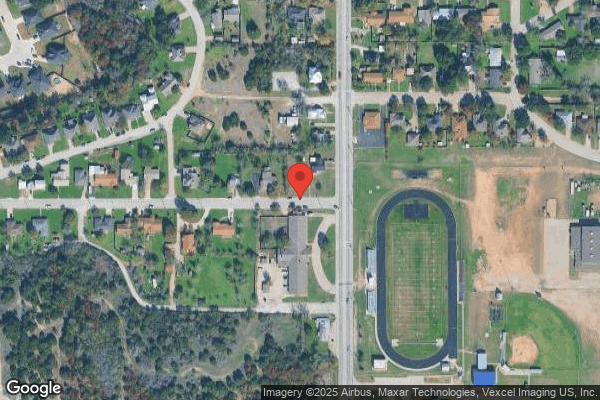
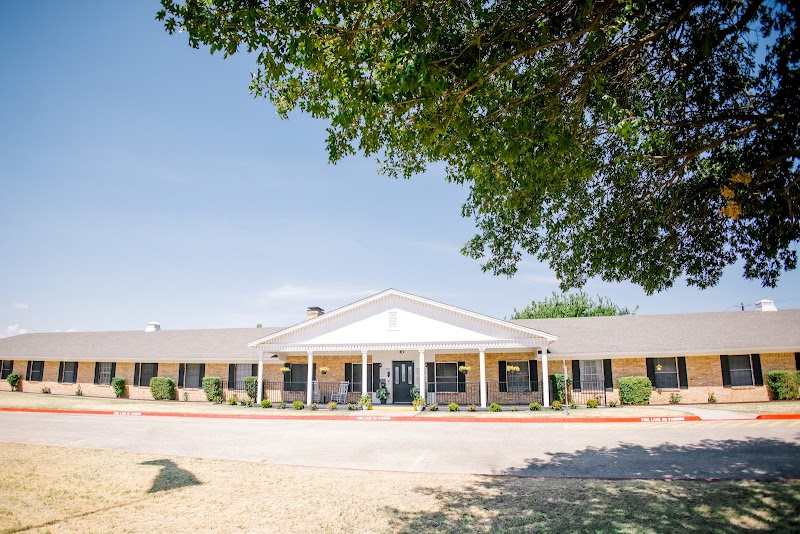
700 S BOWIE DR, WEATHERFORD, TX 76086 (817) 594-2715
For profit - Corporation 72 Beds SUMMIT LTC Data: November 2025
Trust Grade
75/100
#76 of 1168 in TX
Last Inspection: December 2024

Within standard 12-15 month inspection cycle. Federal law requires annual inspections.

Overview

Keeneland Nursing and Rehabilitation has a Trust Grade of B, which indicates it is a good choice for families seeking a nursing home, although it is not without its concerns. Ranked #76 out of 1,168 facilities in Texas, it is in the top half, and #2 out of 9 in Parker County means there is only one other local option that rates higher. The facility is improving, having reduced issues from three in 2024 to one in 2025. However, staffing is a weakness, with a poor rating of 1 out of 5 stars and a high turnover rate of 78%, which is concerning compared to the Texas average of 50%. On the positive side, there have been no fines reported, and the facility has excellent ratings in overall quality and health inspections. There were specific incidents noted, such as failures in tube feeding management for two residents, where proper labeling of formula and water was not ensured, and another incident where residents were not provided with private space for group meetings, potentially limiting their ability to voice concerns. Overall, while there are notable strengths, families should consider the staffing issues and the impact of the incidents on residents' well-being.

Trust Score
B
75/100
In Texas
#76/1168
Top 6%
Safety Record
Low Risk
No red flags
Inspections
Getting Better
3 → 1 violations
Staff Stability
⚠ Watch
78% turnover. Very high, 30 points above average. Constant new faces learning your loved one's needs.
Penalties
✓ Good
No fines on record. Clean compliance history, better than most Texas facilities.
Skilled Nurses
⚠ Watch
Each resident gets only 13 minutes of Registered Nurse (RN) attention daily — below average for Texas. Fewer RN minutes means fewer trained eyes watching for problems.
Violations
⚠ Watch
15 deficiencies on record. Higher than average. Multiple issues found across inspections.
★★★★★
5.0
Overall Rating
★☆☆☆☆
1.0
Staff Levels
★★★★★
5.0
Care Quality
★★★★★
5.0
Inspection Score
Stable
2024: 3 issues
2025: 1 issues

The Good

  • 5-Star Quality Measures · Strong clinical quality outcomes
  • Full Sprinkler Coverage · Fire safety systems throughout facility
  • No fines on record

Facility shows strength in quality measures, fire safety.

The Bad

Staff Turnover: 78%

31pts above Texas avg (46%)

Frequent staff changes - ask about care continuity

Chain: SUMMIT LTC

Part of a multi-facility chain

Ask about local staffing decisions and management

Staff turnover is very high (78%)

30 points above Texas average of 48%

The Ugly 15 deficiencies on record

Mar 2025 1 deficiency
CONCERN (D) 📢 Someone Reported This

A family member, employee, or ombudsman was alarmed enough to file a formal complaint

Potential for Harm - no one hurt, but risky conditions existed

Medical Records (Tag F0842)

Could have caused harm · This affected 1 resident

**NOTE- TERMS IN BRACKETS HAVE BEEN EDITED TO PROTECT CONFIDENTIALITY** Based on interviews and record reviews, the facility failed to maintain medical records on each resident that were complete and ...

Read full inspector narrative →
**NOTE- TERMS IN BRACKETS HAVE BEEN EDITED TO PROTECT CONFIDENTIALITY** Based on interviews and record reviews, the facility failed to maintain medical records on each resident that were complete and accurately documented for 1 (Resident #7) of 4 residents reviewed for medical records. The facility failed to document Resident #7's weekly skin assessments. These failures place residents at risk of health and safety due to inaccurate assessments. Findings included: Record review of Resident #7's face sheet dated 3/27/25 revealed, a [AGE] year-old female admitted on [DATE] with the following diagnoses: Cerebral palsy (group of movement disorders), cerebral infraction (stroke), vascular dementia (brain damage), type 2 diabetes, schizophrenia, muscle wasting (loss of muscle mass and strength). Record review of Resident #7's quarterly MDS dated [DATE] revealed, Section C-Cognitive Behavior BIMS score of 00 (severe cognitive impairment), Section GG-Extensive assist (means helper did all the effort for rolling left to right in bed, dressing, toileting, transferring). Section M-Skin Condition revealed the resident was at risk for pressure ulcers. Record review of Resident #7's care plan dated 3/4/25 revealed, Resident #7 was at risk for skin break down and ulcers, approach to care: Monitor for incontinent every 2 hours and PRN, change promptly, monitor for skin break down, assess skin weekly and record findings, apply moisturizing lotion. Record review of Resident #7's weekly skin assessment documentation revealed no evidence that skin assessments were performed on: 03/11/2025 and 03/18/2025. During an interview on 3/23/25 at 4:30pm. LVN N stated that she is one of Resident #7's nurses, and that charge nurses were responsible for weekly skin assessments. LVN N stated that the facility's computer documentation system would high-light the day each resident was due for a skin assessment. LVN N stated the skin assessment was probably done but that the nurse failed to document in the resident's chart. LVN N stated the skin assessments should have been documented weekly in a resident's chart. During an interview on 3/25/25 at 3:58 p.m., the DON stated his expectation would be that skin assessments be performed weekly by the charge nurse. The DON stated that himself and the ADON monitored that skin assessments were being done by performing random chart audits. The DON stated charge nurses were responsible for performing weekly skin assessments. The DON stated he was unaware why skin assessments had not been documented. The DON stated that weekly skin assessments were an important measure to help prevent skin issues and catching any issues early. Review of the facility policy titled Skin Integrity Monitoring System dated 2/2021, Assessment and Monitoring, 3.) All residents will be assessed weekly using the (Weekly Skin Assessment) form for any type of skin integrity complications, this will include pressure injury and non-pressure related complications. The (Weekly Skin Assessment) will be documented on the (Weekly Skin Assessment) in clinical software.
Dec 2024 3 deficiencies
CONCERN (D) 📢 Someone Reported This

A family member, employee, or ombudsman was alarmed enough to file a formal complaint

Potential for Harm - no one hurt, but risky conditions existed

Infection Control (Tag F0880)

Could have caused harm · This affected 1 resident

**NOTE- TERMS IN BRACKETS HAVE BEEN EDITED TO PROTECT CONFIDENTIALITY** Based on observations, interviews, and record reviews, the facility failed to establish and maintain an infection prevention and...

Read full inspector narrative →
**NOTE- TERMS IN BRACKETS HAVE BEEN EDITED TO PROTECT CONFIDENTIALITY** Based on observations, interviews, and record reviews, the facility failed to establish and maintain an infection prevention and control program designed to provide a safe, sanitary, and comfortable environment and to help prevent the development and transmission of communicable diseases and infections for 2 of 5 residents (Resident #26, Resident #32) reviewed for infection control. The facility failed to ensure staff followed infection control policies and procedures while providing Resident #26 and Resident #32 with wound care. This failure could place residents at risk for cross contamination and infection. The findings include: Record review of Resident #26's admission record dated 12/19/24 revealed Resident #26 was a [AGE] year-old female with an admission date to the facility of 01/03/2023. admission record revealed Resident #26 had diagnoses that included muscle weakness, type 2 diabetes, transient cerebral ischemic attack (stroke), and anxiety. Record review of Resident #26 's MDS (minimum data set) assessment dated [DATE] revealed the resident had a BIMS (Brief Interview for Mental Status) of 6 indicating the resident had severe cognitive impairment. Under section M1200 the skin and ulcer/injury treatment, revealed the resident to had a pressure injury and needed applications of ointments/medication. Record review of Resident #26 's Care plan dated 11/12/2024 revealed Problem: Resident has a stage 3 right medial shin pressure ulcer related to immobility. Goal: Resident's ulcer will heal without complications. Approach: keep clean and dry as possible. Minimize skin exposure to moisture. Record review of Resident #26 's order summary revealed an order of pressure wound of the left medial shin: cleanse with normal saline and gauze. Apply alginate calcium and santyl to wound bed. Cover with a bordered island dressing. And pressure wound of the right medial shin: cleanse with normal saline and gauze. Apply alginate calcium and santyl to wound bed. Cover with a bordered island dressing During an observation of wound care on 12/19/24 at 09:54 AM with the DON for Resident #26, the DON used shears that were not cleaned prior to use, to cut the dressing that was placed on Resident #26's wounds on her left shin and right shin. Record review of Resident #32's admission record dated 12/19/24 revealed Resident #32 was a [AGE] year-old female with an admission date to the facility of 06/04/2024. admission record revealed Resident #32 had diagnoses that included Cerebral infarction due to thrombosis of right middle cerebral artery (stroke), hearing loss, contracture (A permanent tightening of the muscles, tendons, skin, and surrounding tissues that causes the joints to shorten and stiffen) of muscle right upper arm, contracture of muscle left upper arm, and contracture right hand. Record review of Resident #32 's MDS dated [DATE] revealed the resident was unable to obtain a BIMS score due to being rarely or never understood. Section M1200 the skin and ulcer/injury treatment, revealed the resident to have a have a pressure injury and needing of applications of ointments/medication. Under section M1040 other ulcers, wounds and skin problems, D. open lesion(s) other than ulcers, rashes, cuts. Record review of Resident #32 's order summary revealed orders of Right hand: Apply alginate calcium once daily wrap with island gauze with border for 30 days ordered on 10/18/24 and pressure wound of the right ring finger: cleanse w/ NS and gauze. Apply alginate calcium and santyl. Cover with bordered island dressing ordered on 12/06/24. During an observation of wound care on 12/19/24 at 09:54 AM with the DON for Resident #32, the DON cleansed the resident's wound to the inside of her right hand, then set the resident's hand down on the resident's gown with no barrier in place. During an interview on 12/19/24 at 01:53 PM, the DON stated that he normally had someone holding Resident #32's hand during wound care due to pain, but since she was not in pain, he did not think to have someone hold the hand to prevent contaminating the wound. The DON stated he recognized how that was cross contamination. The DON stated the shears he used were cleaned after the last wound care was performed and was placed in his office. The DON acknowledges that he could not guarantee the shears were clean by the time he used them since they had been out of his sight. The DON stated he recognized how that could be a chance for cross contamination. Record review of facility policy titled infection control - cleaning and disinfecting resident care items and equipment stated in part reusable items are to be cleaned and disinfected or sterilized between residents.
CONCERN (E) 📢 Someone Reported This

A family member, employee, or ombudsman was alarmed enough to file a formal complaint

Potential for Harm - no one hurt, but risky conditions existed

Tube Feeding (Tag F0693)

Could have caused harm · This affected multiple residents

**NOTE- TERMS IN BRACKETS HAVE BEEN EDITED TO PROTECT CONFIDENTIALITY** Based on observation, interview, and record review, the facility failed to ensure residents fed by enteral means received the ap...

Read full inspector narrative →
**NOTE- TERMS IN BRACKETS HAVE BEEN EDITED TO PROTECT CONFIDENTIALITY** Based on observation, interview, and record review, the facility failed to ensure residents fed by enteral means received the appropriate treatment and services for 2 of 2 residents (Residents #8 and #23) reviewed for tube feeding management. 1. The facility failed to ensure that Resident #8 and Resident #23 had properly labeled formula and water for their tube feedings on 12/17/24 and 12/18/24. 2. The facility failed to ensure that Resident #8's head of bed was elevated while her tube feeding was infusing on 12/18/24. These failures could place residents at risk of aspiration and not receiving adequate nutrition by way of enteral feeding. The findings included: Review of Resident #8's face sheet revealed she was a [AGE] year-old female admitted to the facility on [DATE] with diagnoses including dementia, dysphagia (difficulty swallowing) following stroke, and protein-calorie malnutrition. Review of Resident #8's Annual MDS Assessment, dated 11/21/24, revealed: she scored a 5 on her mental status exam, indicating severe cognitive impairment. She was dependent on staff for all ADLs. She had loss of liquids/solids from mouth when eating or drinking, holding food in mouth/cheeks or residual in food in mouth after meals, coughing or choking during meals or when swallowing medications, and complaints of difficulty or pain with swallowing. She had a feeding tube and received 51% or more of her total calories from tube feeding and 501 cc/day or more of her fluid intake from tube feeding. Review of Resident #8's Care Plan, most recent edit date 12/18/24, revealed the following: Problem - Resident was at nutritional risk and fluid alteration as she requires enteral tube feeding, Isosource 1.5 continuous feeding with water flushes. (Resident is NPO related to stroke associated dysphagia. Goal - Resident will not exhibit signs of complications from feeding tube or enteral feeding solution. Approach (interventions) - Administer medications via tube; evaluate/record/report effectiveness/adverse side effects. Check placement and patency of feeding tube before each feeding or medication administration. Monitor for signs of malnutrition (pale skin, dull eyes, swollen lips, swollen gums, swollen and/or dry tongue with [NAME] or magenta hue, poor skin turgor, cachexia (a general state of ill health involving weight loss and muscle loss), bilateral edema, muscle wasting). NPO (nothing by mouth) status. Provide flushes/additional fluids as ordered. Provide frequent oral care, lubricate lips. Review of Resident #8's Physician Order Report on 12/18/24 revealed the following orders: Change irrigation set every day (Start Date: 12/28/23) Diet - NPO (nothing by mouth) every shift (Start Date: 8/6/24) Elevate head of bed 30 degrees every shift (Start Date: 8/14/23) Monitor feeding tube site and change dressing daily, cleanse site with normal saline and gauze, place a new dressing over the site daily and as needed for soiled dressing (Start Date: 9/4/24) Isosource 1.5 at 85 ml/hour for 20 hours - flush to be 350 ml of water every 4 hours while pump is running, every day at 2:00 pm (Start Date: 9/5/24) Check feeding tube placement by auscultating (listening with stethoscope) air passage before medication administration and every shift (Start Date: 11/26/24) Observation on 12/17/24 at 12:51 pm revealed Resident #8 in bed with tube feeding disconnected. The resident's tube feeding formula and water were hanging on a pole at bedside. The prefilled bag of formula had no label on the bag indicating resident information or date the feeding was prepared. The bag of water hanging with formula had a label with only the date (12/16/24) and resident's name legible. Observation on 12/18/24 at 5:10 pm revealed Resident #8 in bed, the head of the bed was elevated approximately 15-20 degrees with tube feeding connected and infusing at 85 ml/hr. Review of Resident #23's Face Sheet revealed he was a [AGE] year-old male admitted to the facility on [DATE] with diagnoses including stroke, dysphagia (difficulty swallowing), gastrostomy (feeding tube) status, and protein-calorie malnutrition. Review of Resident #23's Quarterly MDS Assessment, dated 11/5/14, revealed: he scored a 15 on his mental status exam, indicating he was cognitively intact. He was dependent on staff for all ADLs. He had loss of liquids/solids when eating or drinking, and coughing or choking during meals or when swallowing medications. He had a feeding tube. He had a mechanically altered diet. He received 51% or more of his total calories from tube feeding and 501cc/day or more of his fluid intake from tube feeding. Review of Resident #23's Physician Order Report revealed the following orders: Check feeding tube placement by aspirating stomach contents prior to feedings and flushes every shift - if residual is greater than 100 cc, hold feeding for 1 hour and recheck, if still greater than 100 cc notify physician (Start Date: 9/24/20) Elevate head of bed 30 degrees every shift (Start Date: 3/1/21) Cleanse feeding tube site every day with normal saline and gauze (Start Date: 3/9/23) Change irrigation set and feeding bad every day, 6 pm - 6 am (Start Date: 8/27/24) Flush feeding tube with 5-10 ml of water between each medication when administering medications, every shift (Start Date: 10/5/23) Start tube feeding with Isosource 1.5 at 90 cc/hour for 12 continuous hours, 225 cc water every 4 hours, every day at 5:00 pm (Start Date: 10/7/24) Stop tube feeding at 5:00 am every day (Start Date: 10/7/24) Pleasure feedings, regular diet, mechanical soft texture, thin liquids, must be sitting up in wheelchair for pleasure feedings (Start Date: 12/17/24) A record review of Resident #23's care plan was completed on 12/19/24. The care plan contained proper documentation of the resident's tube feeding, goals, and interventions. The saved copy of the resident's care plan was erased and unable to be referenced at the time the citation was written. Observation on 12/18/24 at 5:05 pm revealed Resident #23's tube feeding hanging on pole with bag of water. The resident was not in the room at the time, and the tube feeding set up was hanging but not connected to the resident. Neither bag (formula or water) had a label indicating date prepared or resident information. In an interview on 12/19/24 at 5:26 pm with the ADON and DON, the DON stated that Resident #8 and Resident #23 were the only tube residents in the facility with feeding tubes. The DON stated that the nurses should ensure that the HOB was elevated to 30 to 45 degrees during a tube feeding, the resident should remain with HOB elevated throughout the feeding and then for at least 30 minutes after the feeding is disconnected. The DON and ADON both stated that the formula and water bags should have a label including the date, nurse initials, flow rate for feeding, resident name, resident room number, and the time the bag was hung. The DON stated that annual competencies were done for feeding tubes for all nursing staff. The ADON stated there were newly hired nurses in the facility that might need refreshing on the training and policy/procedure. The DON stated there was no excuse for the failures. The ADON stated the failures were an educational issue with the nursing staff. In an interview on 12/19/24 at 6:17 pm, the Administrator stated that she had nothing further to add regarding the failures and that she agreed with everything the ADON and DON had stated. She stated that the formula and water bags not being labeled occurred on 2 different staff rotations and that indicated it was an educational issue across the board that needed to be addressed. She stated that the head of the bed not being elevated was also an educational issue. Review of facility policy titled Enteral Formula Via: Feeding Tube, Bolus, Gravity, Pump (Closed/Open) Administration effective date 10/2020 revealed, in part: The syringe and bag (if used) should be changed every 24 hours. The ready-to-hang bottles should be changed according to the manufacturer recommendation or when total amount infused is less than the manufacturer recommendation . The syringe, bag, and/or bottle should be labeled with the resident name, room number, date changed, and the nurse's signature/initials. The bag or bottle should also specify the physician order for formula, rate, route, and means of administration. Elevate the head of the bed at least 30 degrees or more before starting the feeding and for at least 30-40 minutes after the feeding. It is policy that the head of the bed is elevated at least 30 degrees or more during the administration of the tube feeding and 1 hour after the feeding is completed.
MINOR (C) 📢 Someone Reported This

A family member, employee, or ombudsman was alarmed enough to file a formal complaint

Minor Issue - procedural, no safety impact

Deficiency F0801 (Tag F0801)

Minor procedural issue · This affected most or all residents

Based on interview and record review, the facility failed to employ sufficient staff with the appropriate competencies, and skills set to conduct the functions of the food and nutrition service for 1 ...

Read full inspector narrative →
Based on interview and record review, the facility failed to employ sufficient staff with the appropriate competencies, and skills set to conduct the functions of the food and nutrition service for 1 of 1 (DM) reviewed for qualified dietary staff. The facility failed to ensure the facility's DM met the requirements for a certified dietary manager. This failure could place residents at risk of not having their nutritional needs met and place them at risk for food born illnesses. Findings included: Record review of the DM's employee file revealed a hire date on 1/20/21. There was no documented evidence of a Dietary Manager Certificate found in the file. In an interview on 12/17/24 at 10:30AM, the DM stated she did not have her dietary manager certification. The DM stated she stated her employment at the facility was in Housekeeping then as the Dietary Manager at the facility for the past 2 years. The DM stated she was planning on starting online classes after the New Year. She stated she did have a current food handlers' certificate. In an interview on 12/19/24 at 2:00 PM, the Administrator stated her expectation was that the Dietary Manager would have completed a food service manager's course and have a current certification as a Dietary manager. She stated the failure could result in the resident's not having their nutritional needs met and place them at risk for foodborne illness. Review of the Job description of the Dietary Manager not dated, revealed in part: Job summary - Manage the operations of the dietary department to include staffing, food ordering and preparation, food delivering and clean up, in accordance with facility policies, physician orders, care plans, and appropriate regulations. Successful completion of Certified Dietary Manager exam.
Oct 2023 6 deficiencies
CONCERN (D)

Potential for Harm - no one hurt, but risky conditions existed

Assessment Accuracy (Tag F0641)

Could have caused harm · This affected 1 resident

**NOTE- TERMS IN BRACKETS HAVE BEEN EDITED TO PROTECT CONFIDENTIALITY** Based on observation, interview and record review the facility failed to accurately assess each resident's status for 1 of 4 Res...

Read full inspector narrative →
**NOTE- TERMS IN BRACKETS HAVE BEEN EDITED TO PROTECT CONFIDENTIALITY** Based on observation, interview and record review the facility failed to accurately assess each resident's status for 1 of 4 Residents (Resident #36) reviewed for assessment accuracy in that: Resident #36's admission MDS dated [DATE] did not have Section H (bowel and bladder) coded correctly. This failure could place residents at risk of not receiving the proper care and services due to inaccurate records. Finding included: Record review of Resident #36's face sheet dated 08/25/2023 revealed she was [AGE] year-old female. She was admitted to the facility on [DATE] with a diagnosis of Cerebral infarction due to thrombosis of unspecified cerebral artery (disrupted blood flow to the brain due to problems with the blood vessels that supply it). Record review of Resident #36's admission MDS dated [DATE] revealed the following: Section C (BIMS) revealed a score of 11 out 15, reveals that the resident had moderate cognitive impairment. Section H (bowel and bladder) revealed the resident did not have an indwelling catheter, did have an ostomy. Record review Resident #36's orders revealed that the resident had a Foley Catheter, start date of 08/07/2023. Record review of Resident #36 orders from 08/07/2023 to 08/25/2023 revealed that the resident did not have an Ostomy. Record review of Resident #36's care plan dated 08/25/2023 revealed that the resident did not have an ostomy and did have a catheter. During an observation and interview on 10/23/2023 beginning at 3:16 PM, Resident #36 was in her room lying in bed. Resident had a catheter bag hanging from bedside that was covered by a privacy bag. She revealed that she had a catheter before she was admitted into the facility. She revealed that she has never had an ostomy and was unsure what it even was. Observation revealed that the resident did not have an ostomy and did have a catheter. During an interview on 10/25/23 at 09:56 AM, the MDS Coordinator, revealed the admission MDS dated [DATE] was coded inaccurately under the bowel and bladder section. She revealed that Resident #36 has had a catheter since admission and has not had an ostomy since admission. She revealed that the failure could cause an inaccurate care plan and confusion with the floor staff in the care areas. The MDS coordinator revealed that they use the RAI manual for guidance, she was unsure of they had a policy covering it. Record review of the facility's policy and procedures regarding resident assessments dated October 2010 revealed: The purpose of this assessment is to describe the resident's capabilities to perform daily life functions and to identify significant impairments in functional capacity derived from the comprehensive assessment helps the staff to plan care that allows the resident to reach his/her highest practicable level of functioning. All persons who have completed any portion of the MDS Resident Assessment Form MUST sign such document attesting to the accuracy of such information. A copy of the facilities policy on Accuracy of Assessments was requested on 08/25/2023 and was not received at the time of exit.
CONCERN (D)

Potential for Harm - no one hurt, but risky conditions existed

Deficiency F0657 (Tag F0657)

Could have caused harm · This affected 1 resident

**NOTE- TERMS IN BRACKETS HAVE BEEN EDITED TO PROTECT CONFIDENTIALITY** Based on interview and record review, the facility failed to develop the comprehensive care plan with the participation of the r...

Read full inspector narrative →
**NOTE- TERMS IN BRACKETS HAVE BEEN EDITED TO PROTECT CONFIDENTIALITY** Based on interview and record review, the facility failed to develop the comprehensive care plan with the participation of the resident and the IDT (Interdisciplinary Team) for 2 of 6 residents (Resident #36 and #37) reviewed for care plans. The facility's failure could affect residents by placing them at risk for individual needs not being identified and addressed in the IDT meeting and decreased feelings of self-determination and psychosocial well-being within their living environment. The findings included: Record review of Resident #36's face sheet dated 10/25/2023 revealed resident was a [AGE] year-old female. She was admitted to the facility on [DATE] with a diagnosis of Cerebral infarction due to thrombosis of unspecified cerebral artery (disrupted blood flow to the brain due to problems with the blood vessels that supply it). Record review of Resident #36's admission MDS dated [DATE] revealed the following: Section C (BIMS) revealed a score of 11 out 15, reveals that the resident had moderate cognitive impairment. Record review in Resident #36's electronic record revealed there was a Care Conference completed on 08/10/2023, but it was before the admission MDS assessment containing Section V (CAAS) and the Care Plan was completed. The resident was not included or invited to the meeting. In an interview on 10/23/23 at 3:16 PM, Resident #36 revealed that she has not been included or attended a care plan conference or meeting. She revealed that she had some things she would like to discuss concerning her care. Record review of Resident #37's face sheet dated 10/25/2023 revealed resident was a [AGE] year-old male. He was admitted to the facility on [DATE] with a diagnosis of end stage renal disease (kidney failure), gangrene (tissue death), hypertension (high blood pressure) and symbolic dysfunctions (language deficit). Record review of Resident #37's admission MDS dated [DATE] revealed the following: Section C (BIMS) revealed a score of 15 out 15, reveals that the resident was cognitively intact. Record review in Resident #37's electronic record revealed there was a Care Conference completed on 09/26/2023, but it was before the admission MDS assessment containing Section V (CAAS) and the Care Plan was completed. A RN was not included in the IDT meeting. In an interview on 10/23/2023 at 3:13 PM, Resident #37 stated he had never been invited or attended a care plan conference meeting. In an interview on 10/25/2023 at 09:56 AM the MDS Coordinator revealed from electronic record review that the IDT meeting was not conducted at all on Resident #36. She revealed that what was captured before the MDS was completed was a care conference that was requested by the family. She revealed that the care plan was not discussed, since it was not completed yet. She revealed for Resident #37, she did not have a RN or the full IDT present. She revealed that was not doing them correctly. She revealed that Resident #37 did not even have his CAAS completed or the care plan when they had a meeting on 09/26/2023. The MDS Coordinator revealed that she forgot to do it. The MDS Coordinator revealed that the care plan failure could cause the residents to receive improper care. She revealed that she uses the RAI for guidance and for their policy and procedure. Record review of the facility policy Care Plans, dated 02/2021, reflected the following [in part]: 1. Concerns and Problems a. Review CAA (Care Area Assessment) triggers on the MDS. If the interdisciplinary Team (IDCPT) decides to proceed with care planning, list the problem. 1. The specific problem as well as the underlying cause should be listed. 2. If the home is using nursing diagnoses for problem statements, the underlying condition must be identified. This may be done by following the nursing diagnoses with a statement beginning Due to . or Related to . b. Sources are, but are not limited to: 1. Problems relating to diagnoses. 2. Problems relating to physician's orders. (Remember, all orders for care should correspond to a diagnosis.) 3. Dietary problems - including the need for feeding assistance. 4. Psychosocial problems. 5. Activity problems. 6. Rehabilitation problems. 7. Behavior control problems. 8. Problems related to preventive care. 9. Problems related to provision of safety. 10. All problems identified on all assessments. 11. Specialized services related to PASRR and RT 2. Resident Goals (Short-Term Goals) a. List a measurable, reasonable goal for each problem identified. Goals should be stated in terms of what the resident will or will not accomplish. b. It may be difficult for the staff to think in these terms for gravely ill residents. However, specific goals such as, Skin intact, No weight loss, No further contractures, etc. are measurable. However, the IDCPT must be sure to state a reasonable goal. c. Although each discipline may have a unique goal to accomplish for each problem, all disciplines should work as a team and coordinate efforts to accomplish care plan goals. 3. Approach / Plan a. List care to be provided for the problem listed. The care must be NECESSARY AND APPROPRIATE to accomplish the goal stated. b. Coordinate care to be provided to the resident for the most effective, efficient utilization of resources. c. Individualize care to ensure the care plan is person centered for the unique needs of the resident. d. Communicate vital information to staff providing direct resident care. e. List infection control measures. f. List safety measures. g. Each discipline should list approaches for the care it will provide. Coordinating care by all disciplines, working toward a common or similar goal, will improve efficiency. 4. Involved Service or Responsible Discipline a. The following persons are to be involved in the development of the care plan: Licensed nurses (LVN/RN) Registered Nurse (RN) Nursing assistants (C N A responsible for resident). Restorative nursing assistant (RNA). Dietary supervisor (FSS). Social Service Designee (SSD). Activity Director (AD). Therapists (RPT, ST, OT, RRT). Attending Physician Any other professional needed
CONCERN (D)

Potential for Harm - no one hurt, but risky conditions existed

Deficiency F0761 (Tag F0761)

Could have caused harm · This affected 1 resident

Based on observation, interview and record review, the facility failed to ensure medications were secured on 1 of 2 medication carts reviewed for pharmacy services. The facility did not ensure medica...

Read full inspector narrative →
Based on observation, interview and record review, the facility failed to ensure medications were secured on 1 of 2 medication carts reviewed for pharmacy services. The facility did not ensure medications carts were secured and locked. This failure could place the residents who resided in the facility at risk of a drug diversion. Findings included: During an observation on 10/24/2023 at 4:36 PM, LVN A left a medication cart unlocked and unattended. She did not have visual of the medication cart. There were 3 residents that were in close range to the medication cart. The medication cart contained medications that were perscribed to the residents. During an interview on 10/25/2023 at 9:32 AM with LVN A, she revealed that she walked away after she found out she was going to have to work a different area than she normally does. She stated she stepped away and wasn't paying attention to the cart and if she locked it. She revealed the failure could cause the resident to gain access to medications that would be bad for them. She revealed she has received training on locking the medication carts. She revealed that it was a one-time failure, and she has since been in-serviced on it. During an interview on 10/25/2023 at 10:00 AM with the DON, revealed that her expectations are for the medication carts to be locked anytime a nurse walks away from it. She revealed that she has provided training to LVN A. A policy and procedure titled: Medication storage dated 02/2021 was received on 10/25/2023 at 10:03 AM, revealed the following: Only licensed nurses, the consultant pharmacist, and those lawfully authorized to administer medications (i.e., medication aides, etc.) are allowed access to medications. Medication rooms, carts, and medications supplies are locked or attended by persons with authorized access.
CONCERN (E)

Potential for Harm - no one hurt, but risky conditions existed

Deficiency F0565 (Tag F0565)

Could have caused harm · This affected multiple residents

Based on interviews, the facility failed to ensure residents had a right to organize and participate in resident groups in the facility and provide 7 out of 7 Residents private space to conduct group ...

Read full inspector narrative →
Based on interviews, the facility failed to ensure residents had a right to organize and participate in resident groups in the facility and provide 7 out of 7 Residents private space to conduct group meetings without facility staff present or continued interruptions by facility staff walking through the meeting to and from the kitchen and outside breakroom. The facility failed to provide a private area for confidential resident group meeting. This failure placed all residents that could participate in a resident council at risk of not having the right to voice their concerns without staff being present or overhearing their concerns and to conduct resident council meetings without interference. Findings included: During a confidential group interview on 10/24/2023 at 2:00 p.m., 7 residents stated that staff cut through area during resident council meetings. During an interview on 10/24/2023 at 3:30 p.m., AD stated that the facility had to move council meetings from conference room to therapy room then from therapy room to dining room due to resident council growing. AD stated that residents have complained about staff walk through the dining room during the resident council meeting. She stated that she reported the complaint over to management. She felt that residents should have the right to have privacy during the council meetings. She stated that since the meetings were for one hour a month, staff should be able to walk around the building to get to their breakroom opposed to walking through dining room for convenience. During an interview on 10/24/2023 at 3:44 p.m., ADMN stated that the facility does not have a policy for resident council. Admin stated that the facility goes off the TAC (Texas Administrative Code) requirements. She stated that she was aware in the past that it was an issue with staff walking through resident council. Admin felt the failure was because the facility did not have signage telling staff not to enter the dining room during resident council meeting. She stated her expectation was for staff to not enter resident council meeting. She stated the negative effect would be that the residents would not be able to speak freely during their meetings with staff present.
CONCERN (E)

Potential for Harm - no one hurt, but risky conditions existed

Deficiency F0679 (Tag F0679)

Could have caused harm · This affected multiple residents

**NOTE- TERMS IN BRACKETS HAVE BEEN EDITED TO PROTECT CONFIDENTIALITY** Based on interview, and record review the facility failed to provide an ongoing program to support residents in their choice of ...

Read full inspector narrative →
**NOTE- TERMS IN BRACKETS HAVE BEEN EDITED TO PROTECT CONFIDENTIALITY** Based on interview, and record review the facility failed to provide an ongoing program to support residents in their choice of activities, both facility-sponsored group and individual activities and independent activities, designed to meet the interests of and support the physical, mental, and psychosocial well-being of each resident, encouraging both independence and interaction in the community for 2 of 2 (Resident #31 & Resident #36) residents reviewed for individual activities. The facility failed to provide one-on-one visits to Resident #31 & Resident #36 as care planned. This failure could result in residents having a diminished quality of life. Findings included: Record review of Resident #31's face sheet dated 10/24/2023 revealed an [AGE] year-old female who was admitted on [DATE] (initial) and 09/10/2023 (most recent) with diagnoses of adult failure to thrive (state of decline), cognitive communication deficit (difficulty with thinking and how someone uses language), weakness, dysphagia following nontraumatic subarachnoid hemorrhage (difficulty swallowing after brain bleed not caused by trauma), reduced mobility, and hemiplegia (inability to move one side of the body). Record review of Resident #31's quarterly MDS dated [DATE] revealed BIMS of 15 meaning cognitively intact. Resident #31 needs extensive one person assistance with bed mobility, self-performance, and toilet use. Resident #31 was not observed to transfer or walk at the time of the assessment. Resident #31 needed supervision / setup with eating at the time of the assessment. Received medications for anxiety, depression, fluid retention, and infection. Record review of Resident #31's care plan revealed problem start date: 04/12/2023 category: activities . is a one on one in room. She likes to have her nails done and reminisce. Her Husband visits her every day. She likes to read and watch television. She is a bed bound resident. But enjoys our visits. Intervention: Resident will have one on one room visits 3 times per week through the review date. The resident will maintain involvement in cognitive stimulation, social activities as desired through review date. During an interview on 10/24/2023 at 12:07 p.m., Resident #31 stated there was a man that comes to visit her some but doesn't know when he was here. She stated that she thought he was a chaplain. She stated that she had care plan meetings in her room since she did not like to get out of bed. She stated that the activities director did not come into room three times a week. Resident #31 stated that she was not lonely as she had Jesus. Record review of Resident #36's face sheet dated 10/24/2023 revealed an [AGE] year-old female who was admitted on [DATE] with diagnoses of pain, open-angle glaucoma (disease that affects vision), cerebral infarction due to thrombosis of infarction (stroke caused by blood clot), aphasia (difficulty swallowing), hemiplegia and hemiparesis following cerebrovascular disease affecting left non-dominant side (inability to move or weakness of left side that is not dominant as person is right handed), cognitive communication deficit (difficulty with thinking and how someone uses language), weakness, and depression. Record review of Resident #36's comprehensive MDS dated [DATE] revealed BIMS of 11 meaning moderately impaired cognition. Resident is dependent on staff to perform oral hygiene (clean teeth), toileting, bathing, dressing, putting on and taking off footwear, and transferring from bed to chair. Record review of Resident #36's care plan revealed problem start date: 10/01/2023 category: activities . needs one on one in room social interactions AD visits 2x a week for stimulating conversations about news and tv shows the weather current events in the work. Sometimes refuses visits do to pain or family visitors. During an interview on 10/24/2023 at 10:23 a.m., Resident #36 stated she did not get to participate in activities much. She stated she uses a hoyer lift (machine that allows staff to transfer someone that cannot assist with transfer). During an interview on 10/25/2023 at 9:50 a.m., AD stated that she had been doing activities. She will provide print out of documentation for the residents' one on one activities. She revealed she had not been good with documenting activities in facility's electronic system. Record review of the facility's one on one documentation provided on 10/25/2023 revealed that both Resident #31 and Resident #36 had two 1:1 observation in the month of October of 2023. During an interview on 10/25/2023 at 1:30 p.m., AD stated that the observations were the only documented. She stated that she has 7 days to document activities. During an interview on 10/25/2023 at 1:48 p.m., ADMN stated that documentation should occur within 24 hours of activity being performed. She stated that staff members should not be documenting anything on a note pad, it should be completed in electronic documentation. She stated that all staff had been trained on documentation. During an interview on 10/25/2023 at 1:48 p.m., AD stated she had not documented activities. She stated that she was unsure of how many times each resident required one on one. Record review of the policy titled ONE-ON-ONE PROGRAM dated 01/01/2023 revealed Policy One-on-one wellness visits will be provided for those residents whose physical or intellectual impairments prohibit their active involvement in group programs and/or those residents wo prefer not to attend group programs and/or for identified short term rehab patients. Procedure Wellness staff will utilize the One-on-One Tracking form to maintain an up to date list of residents identified for one-on-one programming each month. When visits are completed the date of intervention is noted and the appropriate documentation information is completed in the wellness activity participation documentation (form or EMR depending on facility) .The resident's individual care plan must include identified need and interventions as well as the number of visits he/she is to receive per week. The wellness staff are responsible for documenting each one-on-one session according to the facility documentation process (see Home Office Forms for paper log and refer to EMR as identified) and should include: Date, Duration of visit, Intervention(s), Response(s). If a one-on-one intervention is offered but the resident refuses, it must also be documented with reason for refusal. Based on interview, and record review the facility failed to provide an ongoing program to support residents in their choice of activities, both facility-sponsored group and individual activities and independent activities, designed to meet the interests of and support the physical, mental, and psychosocial well-being of each resident, encouraging both independence and interaction in the community for 2 of 2 (Resident #31 & Resident #36) residents reviewed for individual activities. The facility failed to provide one-on-one visits to Resident #31 & Resident #36 as care planned. This failure could result in residents having a diminished quality of life. Findings included: Record review of Resident #31's face sheet dated 10/24/2023 revealed an [AGE] year-old female who was admitted on [DATE] (initial) and 09/10/2023 (most recent) with diagnoses of adult failure to thrive (state of decline), cognitive communication deficit (difficulty with thinking and how someone uses language), weakness, dysphagia following nontraumatic subarachnoid hemorrhage (difficulty swallowing after brain bleed not caused by trauma), reduced mobility, and hemiplegia (inability to move one side of the body). Record review of Resident #31's quarterly MDS dated [DATE] revealed BIMS of 15 meaning cognitively intact. Resident #31 needs extensive one person assistance with bed mobility, self-performance, and toilet use. Resident #31 was not observed to transfer or walk at the time of the assessment. Resident #31 needed supervision / setup with eating at the time of the assessment. Received medications for anxiety, depression, fluid retention, and infection. Record review of Resident #31's care plan revealed problem start date: 04/12/2023 category: activities . is a one on one in room. She likes to have her nails done and reminisce. Her Husband visits her every day. She likes to read and watch television. She is a bed bound resident. But enjoys our visits. Intervention: Resident will have one on one room visits 3 times per week through the review date. The resident will maintain involvement in cognitive stimulation, social activities as desired through review date. During an interview on 10/24/2023 at 12:07 p.m., Resident #31 stated there was a man that comes to visit her some but doesn't know when he was here. She stated that she thought he was a chaplain. She stated that she had care plan meetings in her room since she did not like to get out of bed. She stated that the activities director did not come into room three times a week. Resident #31 stated that she was not lonely as she had Jesus. Record review of Resident #36's face sheet dated 10/24/2023 revealed an [AGE] year-old female who was admitted on [DATE] with diagnoses of pain, open-angle glaucoma (disease that affects vision), cerebral infarction due to thrombosis of infarction (stroke caused by blood clot), aphasia (difficulty swallowing), hemiplegia and hemiparesis following cerebrovascular disease affecting left non-dominant side (inability to move or weakness of left side that is not dominant as person is right handed), cognitive communication deficit (difficulty with thinking and how someone uses language), weakness, and depression. Record review of Resident #36's comprehensive MDS dated [DATE] revealed BIMS of 11 meaning moderately impaired cognition. Resident is dependent on staff to perform oral hygiene (clean teeth), toileting, bathing, dressing, putting on and taking off footwear, and transferring from bed to chair. Record review of Resident #36's care plan revealed problem start date: 10/01/2023 category: activities . needs one on one in room social interactions AD visits 2x a week for stimulating conversations about news and tv shows the weather current events in the work. Sometimes refuses visits do to pain or family visitors. During an interview on 10/24/2023 at 10:23 a.m., Resident #36 stated she did not get to participate in activities much. She stated she uses a hoyer lift (machine that allows staff to transfer someone that cannot assist with transfer). During an interview on 10/25/2023 at 9:50 a.m., AD stated that she had been doing activities. She will provide print out of documentation for the residents' one on one activities. She revealed she had not been good with documenting activities in facility's electronic system. Record review of the facility's one on one documentation dated 08/25/2023 provided revealed that both Resident #31 and Resident #36 had two 1:1 observation in the month of October. During an interview on 10/25/2023 at 1:30 p.m., AD stated that the observations were the only documented. She stated that she has 7 days to document activities. During an interview on 10/25/2023 at 1:48 p.m., ADMN stated that documentation should occur within 24 hours of activity being performed. She stated that staff members should not be documenting anything on a note pad, it should be completed in electronic documentation. She stated that all staff had been trained on documentation. Record review of the policy titled ONE-ON-ONE PROGRAM dated 01/01/2023 revealed Policy One-on-one wellness visits will be provided for those residents whose physical or intellectual impairments prohibit their active involvement in group programs and/or those residents wo prefer not to attend group programs and/or for identified short term rehab patients. Procedure Wellness staff will utilize the One-on-One Tracking form to maintain an up to date list of residents identified for one-on-one programming each month. When visits are completed the date of intervention is noted and the appropriate documentation information is completed in the wellness activity participation documentation (form or EMR depending on facility) .The resident's individual care plan must include identified need and interventions as well as the number of visits he/she is to receive per week. The wellness staff are responsible for documenting each one-on-one session according to the facility documentation process (see Home Office Forms for paper log and refer to EMR as identified) and should include: Date, Duration of visit, Intervention(s), Response(s). If a one-on-one intervention is offered but the resident refuses, it must also be documented with reason for refusal.
MINOR (C)

Minor Issue - procedural, no safety impact

Staffing Information (Tag F0732)

Minor procedural issue · This affected most or all residents

Based on observation and interview, the facility failed to post the daily nurse staffing information with the current date, resident census, and numbers of staff actual hours worked at the beginning o...

Read full inspector narrative →
Based on observation and interview, the facility failed to post the daily nurse staffing information with the current date, resident census, and numbers of staff actual hours worked at the beginning of each shift in a place readily accessible to residents and visitors, in that: 1. The facility failed to update and post the daily nurse staffing information on 10/25/2023. This failure could affect residents, their families, and facility visitors by placing them at risk of not having access to information regarding staffing data and facility census. The findings included: Observation on 10/25/2023 at 2:30 PM revealed the daily nurse staffing pattern was not posted on the wall in the location designated for it. In an interview on 10/25/2023 at 2:35 PM, ADON stated, I'm sorry I failed to change the staffing today because I've been working ever since last night. In an interview on 10/25/23 at 2:40 PM DON stated, We post the staffing daily today it was just an oversight on our part, and she said failure to post the daily staffing would give the public inaccurate information regarding the facility staffing, and census. In an interview on 10/25/23 at 2:53 PM Administrator stated, we don't have a policy on nurse staff posting but the staff posting is posted daily by the ADON and I check it on a daily basis but with everything that's going on I failed to check it today. She said not posting the information would give the public inaccurate information.
Nov 2022 2 deficiencies
CONCERN (D) 📢 Someone Reported This

A family member, employee, or ombudsman was alarmed enough to file a formal complaint

Potential for Harm - no one hurt, but risky conditions existed

Report Alleged Abuse (Tag F0609)

Could have caused harm · This affected 1 resident

**NOTE- TERMS IN BRACKETS HAVE BEEN EDITED TO PROTECT CONFIDENTIALITY** Based on interview and record review the facility failed to ensure all alleged violations involving abuse, neglect, exploitation...

Read full inspector narrative →
**NOTE- TERMS IN BRACKETS HAVE BEEN EDITED TO PROTECT CONFIDENTIALITY** Based on interview and record review the facility failed to ensure all alleged violations involving abuse, neglect, exploitation or mistreatment, including injuries of unknown source, and misappropriation of resident property, are reported immediately, but not later than 2 hours after the allegation is made, if the events that cause the allegation involve abuse or result in serious bodily injury, or not later than 24 hours if the events that cause the allegation do not involve abuse and do not result in serious bodily injury, to the administrator of the facility and to other officials including the State Survey Agency in accordance with the State law through established procedures for Residents (Resident #7) reviewed for reportable incidents in that: The facility did not report to HHSC (State Agency) within the required timeframe after Resident #1 choked to death in the dining room. This failure placed residents at risk for neglect and incidents involving resident safety not being reported to the State Agency by the facility. The findings included: Record review of Resident #7's face sheet, revealed a [AGE] year old female admission date 07/27/2022 and diagnoses which included Chronic obstructive pulmonary disease, muscle weakness, difficulty in walking, dysphagia (difficulty swallowing), oropharyngeal phase (difficulty initiating swallowing), gastro-esophageal reflux disease without esophagitis, rheumatoid arthritis, anemia, diabetes, hyperosmolality and hypernatremia, anxiety disorder and pneumonia. Advanced Directive indicated Full Code (Full Code allows for all interventions, CPR, chest compressions, defibrillator and breathing tube). Record review of Resident #7's initial MDS started 8/27/2022 revealed a BIMS score of 10, which indicated cognitively impaired. (Scores closer to 0 indicate severe cognitive impact whilst scores closer to 15 indicate an intact cognitive response: 08 - 12: moderately impaired.) Record review of Nursing notes dated10/31/22 ,and witness statements from ADON and LVN #1 reavealed on 10/31/2022 at approximately 12:45pm Resident #7 was eating lunch in dining room when resident began to choke. LVN #1 performed the Heimlich maneuver on resident #7. ADON and DON responded to situation and came to dining room to help. Heimlich maneuver was able to cause resident #7 to vomit but resident had stopped breathing, DON began CPR. EMT arrived and continued CPR with no response and Resident #7 expired. Record review of HHSC computerized program for tracking facilities Self-Reports revealed the Administrator, DON or designee did not Self-Report to HHSC that Resident #7 Death to HHSC. Record review of resident #7 Care Plan, Dated 7/27/22, revised 10/18/22, Risk of Aspiration Pneumonia, check for Ausculate lung sounds, Crackles, wheezing. Elevate head of bed for lung expansion, monitor/Document/report to MD the following, aspiration, Pneumonia, fever, cough, trachypnea and hypoxia. Record review of waivers Against Medical Advice, signed by resident # 7 dated 7/30/22, resident was informed of risks for: Recurrent Lung infection, choking/coughing, Pain during swallowing, aspiration Pneumonia, Fluid Overload. Resident was informed of risks. During interview on 11/3/2022 at 1:39 pm with the facily's Administrator and Director of Nursing said that they consulted with their corporate office, and it was decided that the incident was not a reportable incident. When asked what was the reasoning for determining not to report the incident the Administrator stated she did not know. During interview on 11/04/2022 at 3:00 pm with Administrator and DON said they did not report because the facility had Care Planned that Resident #7 was at risk for aspiration, Resident #7 was informed of risks by facility, Resident #7's personal physician, facility's Social worker, facility's Ombudsman and family. Resident #7 reserved the right to eat normal textured food and had signed waivers from the facility that Resident #7 knew the risks but it was her choice to eat regular textured food and staff monitors resident's in the dining room. Review of Facility's policy of Reporting Abuse, Neglect, Exploitation, mistreatment of residents, misappropriation of resident's property or injury of unknown source to the facility administrator. The administrator or designee will report the allegation to HHSC. If the allegations involve abuse or result in serious bodily injury, the report is to be made within 2 hours of the allegation. If the allegation does not involve abuse or serious bodily injury, the report must be made within 24 hours of allegation. Neglect, Is the failure of the facility, its employees or Services to a resident that are necessary to avoid physical harm, pain Neglect, Is the failure of the facility, its employees or Services to a resident that are necessary to avoid physical harm, pain, mental anguish or emotional distress., mental anguish or emotional distress.
CONCERN (D) 📢 Someone Reported This

A family member, employee, or ombudsman was alarmed enough to file a formal complaint

Potential for Harm - no one hurt, but risky conditions existed

Investigate Abuse (Tag F0610)

Could have caused harm · This affected 1 resident

**NOTE- TERMS IN BRACKETS HAVE BEEN EDITED TO PROTECT CONFIDENTIALITY** Based on interview and record review the facility failed to ensure all alleged violations involving abuse, neglect, exploitation...

Read full inspector narrative →
**NOTE- TERMS IN BRACKETS HAVE BEEN EDITED TO PROTECT CONFIDENTIALITY** Based on interview and record review the facility failed to ensure all alleged violations involving abuse, neglect, exploitation or mistreatment, including injuries of unknown source, and misappropriation of resident property, are thoroughly investigated for one of one reportable incidents (Resident #7) reviewed for investigations. The facility failed to thoroughly investigate when Resident #7 choked to death in the dining room. This failure placed residents at risk for neglect and incidents involving resident safety not being reported to the State Agency by the facility. The findings included: Record review of Resident #7's face sheet, revealed a [AGE] year old female admission date 07/27/2022 and diagnoses which included Chronic obstructive pulmonary disease, muscle weakness, difficulty in walking, dysphagia (difficulty swallowing), oropharyngeal phase (difficulty initiating swallowing), gastro-esophageal reflux disease without esophagitis, rheumatoid arthritis, anemia, diabetes, hyperosmolality and hypernatremia, anxiety disorder and pneumonia. Advanced Directive indicated Full Code (Full Code allows for all interventions, CPR, chest compressions, defibrillator and breathing tube). Record review of Resident #7's initial MDS started 8/27/2022 revealed a BIMS score of 10, which indicated cognitively impaired. (Scores closer to 0 indicate severe cognitive impact whilst scores closer to 15 indicate an intact cognitive response: 08 - 12: moderately impaired.) Record review of Nursing notes dated10/31/22 ,and witness statements from ADON and LVN #1 reavealed on 10/31/2022 at approximately 12:45pm Resident #7 was eating lunch in dining room when resident began to choke. LVN #1 performed the Heimlich maneuver on resident #7. ADON and DON responded to situation and came to dining room to help. Heimlich maneuver was able to cause resident #7 to vomit but resident had stopped breathing, DON began CPR. EMT arrived and continued CPR with no response and Resident #7 expired. Record review of HHSC computerized program for tracking facilities Self-Reports revealed the Administrator, DON or designee did not Self-Report to HHSC that Resident #7 Death to HHSC. Record review of resident #7 Care Plan, Dated 7/27/22, revised 10/18/22, Risk of Aspiration Pneumonia, check for Ausculate lung sounds, Crackles, wheezing. Elevate head of bed for lung expansion, monitor/Document/report to MD the following, aspiration, Pneumonia, fever, cough, trachypnea and hypoxia. Record review of waivers Against Medical Advice, signed by resident # 7 dated 7/30/22, resident was informed of risks for: Recurrent Lung infection, choking/coughing, Pain during swallowing, aspiration Pneumonia, Fluid Overload. Resident was informed of risks. During interview on 11/3/2022 at 1:39 pm with the facily's Administrator and Director of Nursing said that they consulted with their corporate office, and it was decided that the incident was not a reportable incident. When asked what was the reasoning for determining not to report the incident the Administrator stated she did not know. During interview on 11/04/2022 at 3:00 pm with Administrator and DON said they did not report because the facility had Care Planned that Resident #7 was at risk for aspiration, Resident #7 was informed of risks by facility, Resident #7's personal physician, facility's Social worker, facility's Ombudsman and family. Resident #7 reserved the right to eat normal textured food and had signed waivers from the facility that Resident #7 knew the risks but it was her choice to eat regular textured food and staff monitors resident's in the dining room. Review of Facility's policy of Reporting Abuse, Neglect, Exploitation, mistreatment of residents, misappropriation of resident's property or injury of unknown source to the facility administrator. The administrator or designee will report the allegation to HHSC. If the allegations involve abuse or result in serious bodily injury, the report is to be made within 2 hours of the allegation. If the allegation does not involve abuse or serious bodily injury, the report must be made within 24 hours of allegation. Neglect, Is the failure of the facility, its employees or Services to a resident that are necessary to avoid physical harm, pain Neglect, Is the failure of the facility, its employees or Services to a resident that are necessary to avoid physical harm, pain, mental anguish or emotional distress., mental anguish or emotional distress. Investigation: Comprehensive investigations will be the responsibility of the Administrator and/or Abuse Preventionist. All allegations of Abuse, Neglect, Exploitation, mistreatment of residents, misappropriation of resident property and injuries of unknown source will be investigated.
Aug 2022 3 deficiencies
CONCERN (D)

Potential for Harm - no one hurt, but risky conditions existed

Assessment Accuracy (Tag F0641)

Could have caused harm · This affected 1 resident

**NOTE- TERMS IN BRACKETS HAVE BEEN EDITED TO PROTECT CONFIDENTIALITY** Based on interviews, and record reviews the facility failed to ensure assessments accurately reflected the resident's status for...

Read full inspector narrative →
**NOTE- TERMS IN BRACKETS HAVE BEEN EDITED TO PROTECT CONFIDENTIALITY** Based on interviews, and record reviews the facility failed to ensure assessments accurately reflected the resident's status for 1of 2 residents (Resident #' 21) reviewed for PASSR Evaluation. 1. Resident #21's admission MDS dated [DATE] inaccurrately documented the resident did not have serious mental illness despite having diagnoses including Schizophrenia. This failure could place residents at risk of inadequate care and services based on inaccurate assessment and place residents at risk of inaccurate information being transmitted to CMS which uses the data to shape future regulations and improve the quality of life and care for residents who live in nursing facilities. The findings included: Record review of Resident #21's face sheet, not dated, revealed a [AGE] year-old male with a re-admission date of 01/11/2022 and the latest return date of 07/03/2022. The resident had diagnoses which included: Schizophrenia, Major Depressive Disorder, Psychosis, and unspecified Dementia without behavior disturbance. Record review of Resident #21'correction MDS dated [DATE] revealed a BIMS of 3 which indicated severe cognitive impairment Record reviews of Resident #21 's EMR and the long-term care portal documentation on 08/11/22, revealed the resident's PL 1 (initial screening to identify an individual as having a mental illness or intellectual disability), and was dated 1/11/22 and, indicated yes for mental illness. His PE section for mental Illness was documented as completed on 01/28/22. Section C, (the section of the PE pertaining to Mental Illness) documented the resident had the following Mental Illness Diagnoses: mood Disorder bipolar, major depression or other mood disorder, psychotic disorder, and schizoaffective disorder (all of these conditions are classified as mental illness diagnoses by the Diagnostical and Statistical Manual of Mental Disorders 5th Edition - DSM-5). Resident #21's admission MDS dated [DATE] Section A 1500 indicated no, the resident had not been evaluated by level 2 PASRR and determined to have a serious mental illness. A 1510 Level 2 PASRR conditions did not indicate that the had a serious mental illness or other related condition. During an interview with MDS Regional Consultant on 08/11 /22 at 10:35 AM she stated Resident 21's admission MDS dated [DATE], section A1500 and A1510 were marked no for Mental illness, and this would be an inaccuracy. MDS nurse stated she was unaware this was an MDS inaccuracy and confirmed the resident did have diagnoses of Schizophrenia, Mood disorder. In an interview on 08/11/2022 at 10:30 AM, the MDS nurse she was responsible for the accuracy of the MDS sections she completed. She did not state how the residents could be affected by these inaccuracies. The Regional MDS Consultant stated in an interview on 8/11/22 at 11:40 AM the facility followed the RAI (Resident Assessment Instrument Manual Manual) for information on completion of the MDS and there was not another written policy.
CONCERN (D)

Potential for Harm - no one hurt, but risky conditions existed

Unnecessary Medications (Tag F0759)

Could have caused harm · This affected 1 resident

**NOTE- TERMS IN BRACKETS HAVE BEEN EDITED TO PROTECT CONFIDENTIALITY** Based on observation, interview, and record review the facility failed to ensure a medication error rate was not 5 percent or gr...

Read full inspector narrative →
**NOTE- TERMS IN BRACKETS HAVE BEEN EDITED TO PROTECT CONFIDENTIALITY** Based on observation, interview, and record review the facility failed to ensure a medication error rate was not 5 percent or greater. The medication error rate was 26 percent with 8 errors in 30 opportunities involving one staff, LVN A and 1 of 1 resident (Resident # 83) reviewed for medication errors. Resident ID # 83 's medications were combined in a bolus dose and administered through her gastrostomy feeding tube instead of administering the medications separately. This failure could place residents receiving medication by gastrostomy tube at risk of not receiving the intended therapeutic benefit of their medication, or blockage of the feeding tube. The findings include: Review of resident # 83's face sheet, not dated, revealed she was admitted to the facility on [DATE]. She was [AGE] years of age. Her diagnoses included: chronic obstructive pulmonary disease (chronic lung disease) dysphagia (difficulty swallowing), gastroesophageal reflux disease (reflux of stomach contents into esophagus), and hypertension (high blood pressure) Record review of Resident #83's orders dated 08/10/2022 revealed the following medications scheduled for administration: amlodipine 10 mg 1 tablet by g-tube (term used to describe a tube in the stomach) one time a day, Guaifenesin 400 mg 3 tablets per g-tube every 12 hours to equal 1200 mg every 12 hour , hydralazine 50 mg 1 tablet per g-tube, every day, hydroxychloroquine 400 mg 1 tablet every day, montelukast 10 mg one tablet a day, prednisone 10 mg 1 tablet once a day, vitamin C 500 mg 1 tablet daily, B12 100 mcg 1 tablet every day, Vitamin D3 10/400 1 daily, and zinc 50 mg 1 daily. During an observation of medication pass on 08/11/2022 at 09:17 AM LVN A prepared 1 crushed a bolus dose of medications which contained: amlodipine 10 mg 1 tablet, Guaifenesin 400 mg 3 tablets to equal 1200 mg, hydralazine 50 mg 1 tablet hydroxychloroquine 400 mg, prednisone 10 mg 1 tablet, Vitamin D3 1 tablet, Vitamin B12 100 mcg 1 tablet, Zinc 50 mg 1po and entered the resident's room. LVN A administered the medications to resident # 83 mixed together in one medicine cup through her gastrostomy tube. In an in interview at 9:30 AM on 08/10/2022 LVN A stated it was her normal practice to combine and administer the medications in a bolus dose. She stated she routinely administered gastrostomy tube (tube for feeding and medications inserted into the stomach) medications in a bolus dose. She stated that the consequences of administering the meds in the bolus dose was that the tube could become clogged. In interview at 10:30:AM on 08/10/2022 the DON stated that his expectation was that g- tube medications should be crushed and given individually in separate cups, and meds should be followed by at least 15 ml of water before and between each medication. He stated the resident did not have a physician's order to bolus his medications in one dose. He stated he would Inservice the nurses on the proper technique for administering the medications. Review of the facility's policy titled Medication Administration, dated 202/2021, revealed in part: 1. Check placement of tube in stomach by insertion of air into tube and listening to the epigastric area with a stethoscope for a bubbling sound or aspirate contents of stomach with a catheter syringe. 2. Attach the barrel of the syringe to the tube and pour water into the syringe per physician order; instill and add liquids or diluted medication to the syringe; allow to flow into the tube by gravity or administer gentle boosts with the plunger (approximately 1 inch down) if the medication will not flow by gravity: Each medication should be administered separately Liquid dosage forms should be used when available and if appropriate Verify that the medication can be crushed (If not crushable ask physician to change to a crushable form) Grind simple compressed tablets to a fine powder and mix with water Open hard gelatin capsules and mix powder with water Dilute liquid medication as appropriate Review of article titled Drug Administration Through an Enteral Feeding Tube revealed: Avoid mixing medications intended for administration through an enteral feeding tube .when more than one drug is administered at the same time, predicting stability and compatibility becomes even more difficult. Thus, when more than one drug is scheduled for administration, they must be given separately. https://www.nursingcenter.com/ce_articleprint?an=00000446-200910000-00027 accessed 08/11/2022.
CONCERN (D)

Potential for Harm - no one hurt, but risky conditions existed

Infection Control (Tag F0880)

Could have caused harm · This affected 1 resident

**NOTE- TERMS IN BRACKETS HAVE BEEN EDITED TO PROTECT CONFIDENTIALITY** Based on observation, interview and record review, the facility failed to maintain an infection and prevention control program t...

Read full inspector narrative →
**NOTE- TERMS IN BRACKETS HAVE BEEN EDITED TO PROTECT CONFIDENTIALITY** Based on observation, interview and record review, the facility failed to maintain an infection and prevention control program that included, at a minimum, a system for preventing and controlling infections for 1 of 2 residents (Residents #8) reviewed for infection control (incontinent care). CNA C failed to sanitize her hands between glove changes and when going from a dirty to a clean area during incontinent care for Resident #8. This deficient practice placed residents at risk for cross contamination and/or acquiring an infection. Findings include: Resident #8 Review of Resident 8's face sheet, not dated, revealed Resident #8 was a [AGE] year-old female with a re-admission date of 05/06/22. Her diagnoses included the following: diabetes, hypertension, cerebrovascular accident (stroke) Review of Resident 's significant change MDS, dated [DATE] revealed the resident's BIMS score was an 11, (indicating mild cognitive impairment). Resident #8 was totally dependent and required the support of 2 staff for toileting, and extensive assistance of 1 person for personal hygiene and was always incontinent of bowel and bladder. Review of Resident # 8's care plan dated revised 08/08/2022 revealed the resident had a self-care deficit, was incontinent of both bowel and bladder and required extensive assistance with personal hygiene, and toileting. Interventions included: aid with incontinent care as needed and report signs and symptoms of urinary tract infection. During an observation on 08/09/2022 at 10:54 AM CNA C and CNA D provided incontinent care to Resident #8. CNA D loosened the brief and CNA C cleansed the labia and meatus (opening to the passageway that leads to the bladder). CNA D then cleaned the rectal area which was soiled with feces and then changed her gloves. She did not perform hand hygiene after removing her gloves and donning a new pair of gloves to apply a clean brief to resident #8. During an interview on 8/09/2022 at 11:00 AM, CNA C stated she normally performs hand hygiene after completing incontinent care and after glove changes. She stated she was nervous and did not have hand sanitizer in her pocket which was why she failed to sanitize her hands after changing gloves when providing incontinent care to resident #8. She stated the failure to perform hand hygiene could increase the risk of infections. She stated that she had been trained and checked off on incontinent care by the DON. During an interview on 8/11/2022 at 11:10 AM, the DON stated it was his expectation that CNA's and all staff should change gloves and perform hand hygiene after resident contact and, when going from a dirty to a clean area during resident care. He stated failure to perform hand hygiene properly could cause infections. He stated the error occurred because CNA C was nervous. He stated he performed competency checks for CNA'S a least yearly. Review of the facility policy titled Handwashing dated October 2020, revealed the following elements in part: The policy of this home is that hand hygiene is the primary means to prevent the spread of infection. The use of gloves does not replace proper handwashing. Hand hygiene products and supplies (sinks, soap, towels, alcohol-based-hand rub shall be readily available and convenient for staff use to encourage the compliance with hand hygiene. Review of the Texas Curriculum for Nurse Aides in Long Term Care Facilities (Third Edition 2000), Procedural Guideline #24-Perineal Care/Incontinent Care Female (with or without catheter), revealed the following elements: B 1. a. Wash hands 6. Wash hands and put on clean gloves for perineal care.
Understanding Severity Codes (click to expand)
Life-Threatening (Immediate Jeopardy)
J - Isolated K - Pattern L - Widespread
Actual Harm
G - Isolated H - Pattern I - Widespread
Potential for Harm
D - Isolated E - Pattern F - Widespread
No Harm (Minor)
A - Isolated B - Pattern C - Widespread

Questions to Ask on Your Visit

  • "Why is there high staff turnover? How do you retain staff?"
  • "Can I speak with families of current residents?"
  • "What's your RN coverage like on weekends and overnight?"

Our Honest Assessment

Strengths
  • • No major safety red flags. No abuse findings, life-threatening violations, or SFF status.
  • • No fines on record. Clean compliance history, better than most Texas facilities.
Concerns
  • • 15 deficiencies on record. Higher than average. Multiple issues found across inspections.
  • • 78% turnover. Very high, 30 points above average. Constant new faces learning your loved one's needs.
Bottom line: Generally positive indicators. Standard due diligence and a personal visit recommended.

About This Facility

What is Keeneland Nursing And Rehabilitation's CMS Rating?

CMS assigns KEENELAND NURSING AND REHABILITATION an overall rating of 5 out of 5 stars, which is considered much above average nationally. Within Texas, this rating places the facility higher than 99% of the state's 100 nursing homes. This rating reflects solid performance across the metrics CMS uses to evaluate nursing home quality.
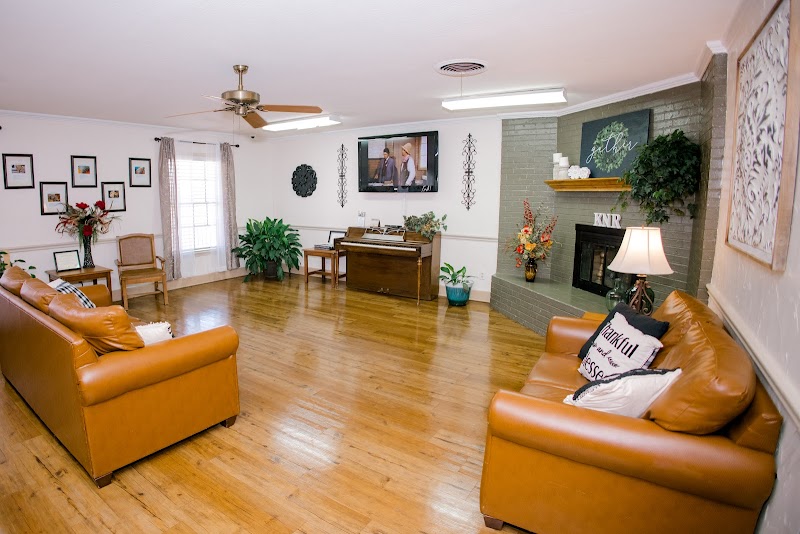
How is Keeneland Nursing And Rehabilitation Staffed?

CMS rates KEENELAND NURSING AND REHABILITATION's staffing level at 1 out of 5 stars, which is much below average compared to other nursing homes. Staff turnover is 78%, which is 31 percentage points above the Texas average of 46%. High turnover can affect care consistency as new staff learn residents' individual needs. RN turnover specifically is 83%, which is notably high. RNs provide skilled clinical oversight, so turnover in this role can affect medical care quality.

What Have Inspectors Found at Keeneland Nursing And Rehabilitation?

State health inspectors documented 15 deficiencies at KEENELAND NURSING AND REHABILITATION during 2022 to 2025. These included: 13 with potential for harm and 2 minor or isolated issues.
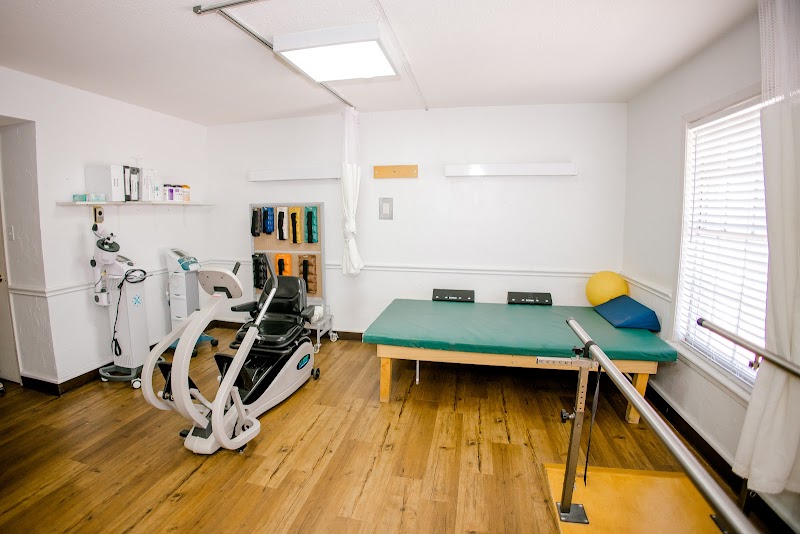
Who Owns and Operates Keeneland Nursing And Rehabilitation?

KEENELAND NURSING AND REHABILITATION is owned by a for-profit company. For-profit facilities operate as businesses with obligations to shareholders or private owners. The facility is operated by SUMMIT LTC, a chain that manages multiple nursing homes. With 72 certified beds and approximately 36 residents (about 50% occupancy), it is a smaller facility located in WEATHERFORD, Texas.
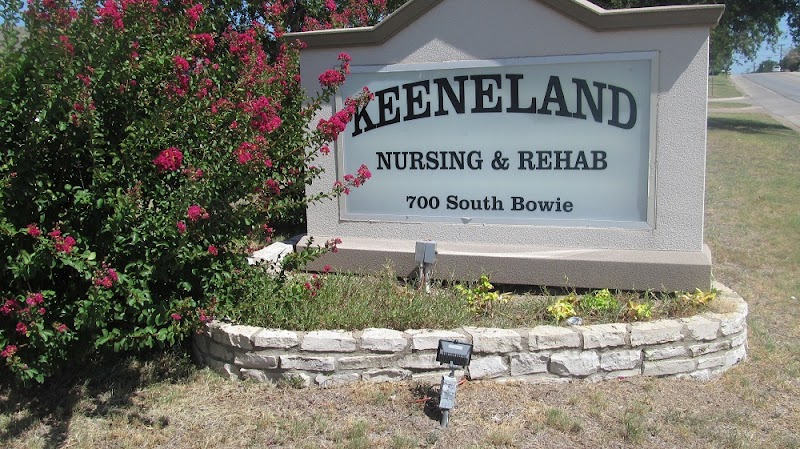
How Does Keeneland Nursing And Rehabilitation Compare to Other Texas Nursing Homes?

Compared to the 100 nursing homes in Texas, KEENELAND NURSING AND REHABILITATION's overall rating (5 stars) is above the state average of 2.8, staff turnover (78%) is significantly higher than the state average of 46%, and health inspection rating (5 stars) is much above the national benchmark.

What Should Families Ask When Visiting Keeneland Nursing And Rehabilitation?

Based on this facility's data, families visiting should ask: "How do you ensure continuity of care given staff turnover, and what is your staff retention strategy?" "Can you walk me through typical staffing levels on day, evening, and night shifts?" "Can I visit during a mealtime to observe dining assistance and food quality?" "How do you handle medical emergencies, and what is your hospital transfer rate?" These questions are particularly relevant given the facility's high staff turnover rate and the below-average staffing rating.

Is Keeneland Nursing And Rehabilitation Safe?

Based on CMS inspection data, KEENELAND NURSING AND REHABILITATION has a clean safety record: no substantiated abuse findings (meaning no confirmed cases of resident harm), no Immediate Jeopardy citations (the most serious violation level indicating risk of serious injury or death), and is not on the Special Focus Facility watch list (a federal program monitoring the lowest-performing 1% of nursing homes). The facility has a 5-star overall rating and ranks #1 of 100 nursing homes in Texas. While no facility is perfect, families should still ask about staff-to-resident ratios and recent inspection results during their visit.

Do Nurses at Keeneland Nursing And Rehabilitation Stick Around?

Staff turnover at KEENELAND NURSING AND REHABILITATION is high. At 78%, the facility is 31 percentage points above the Texas average of 46%. Registered Nurse turnover is particularly concerning at 83%. RNs handle complex medical decisions and coordinate care — frequent RN changes can directly impact care quality. High turnover means new staff may not know residents' individual needs, medications, or preferences. It can also be disorienting for residents, especially those with dementia who rely on familiar faces. Families should ask: What is causing the turnover? What retention programs are in place? How do you ensure care continuity during staff transitions?

Was Keeneland Nursing And Rehabilitation Ever Fined?

KEENELAND NURSING AND REHABILITATION has no federal fines on record. CMS issues fines when nursing homes fail to meet care standards or don't correct problems found during inspections. The absence of fines suggests the facility has either maintained compliance or corrected any issues before penalties were assessed. This is a positive indicator, though families should still review recent inspection reports for the full picture.

Is Keeneland Nursing And Rehabilitation on Any Federal Watch List?

KEENELAND NURSING AND REHABILITATION is not on any federal watch list. The most significant is the Special Focus Facility (SFF) program, which identifies the bottom 1% of nursing homes nationally based on persistent, serious quality problems. Not being on this list means the facility has avoided the pattern of deficiencies that triggers enhanced federal oversight. This is a positive indicator, though families should still review the facility's inspection history directly.