Focused Care at Webster
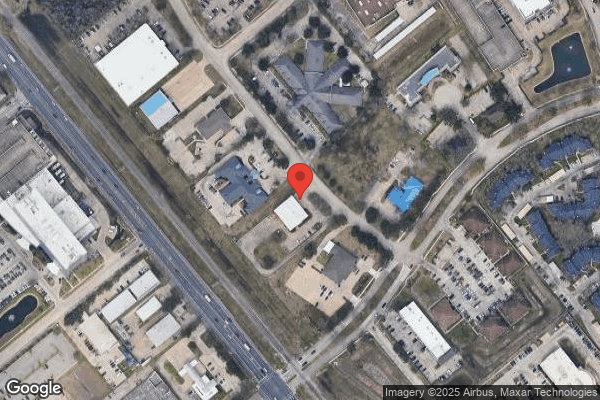
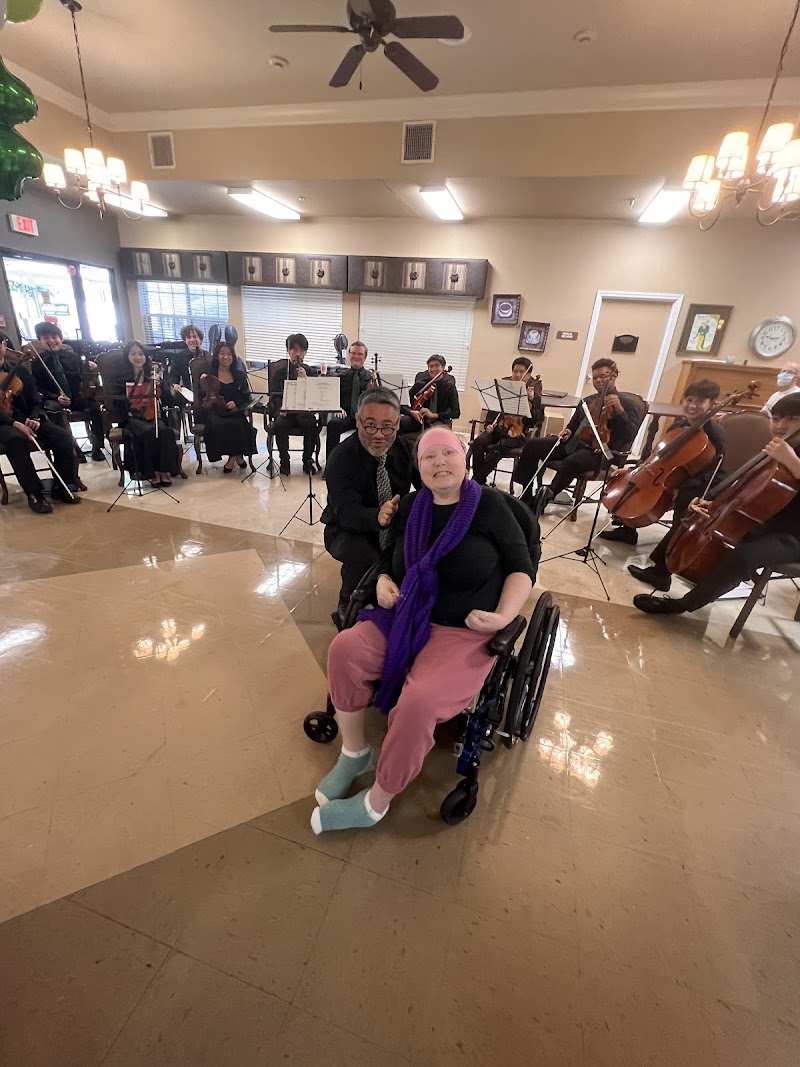
17231 Mill Forest, Webster, TX 77598 (281) 488-5224
For profit - Limited Liability company 120 Beds FOCUSED POST ACUTE CARE PARTNERS Data: November 2025
Trust Grade
43/100
#466 of 1168 in TX
Last Inspection: January 2025

Within standard 12-15 month inspection cycle. Federal law requires annual inspections.

Overview

Focused Care at Webster has a Trust Grade of D, indicating below-average performance with some concerns about the quality of care provided. It ranks #466 out of 1168 nursing homes in Texas, placing it in the top half of facilities, but its county rank of #43 out of 95 shows that there are better local options available. The facility is experiencing a worrying trend, as issues have increased from 5 in 2024 to 7 in 2025. Staffing is a significant concern here, with a low rating of 1 out of 5 stars and a high turnover rate of 73%, which is above the Texas average of 50%. While the facility has average RN coverage, there have been serious incidents such as a failure to provide necessary hypertension medication to a resident, leading to a hospital admission, and delays in dental referrals for lost dentures, which could affect residents' quality of life. Overall, while there are some strengths, such as decent health inspections, the weaknesses in staffing and specific incidents raise red flags for families considering this nursing home.

Trust Score
D
43/100
In Texas
#466/1168
Top 39%
Safety Record
Moderate
Needs review
Inspections
Getting Worse
5 → 7 violations
Staff Stability
⚠ Watch
73% turnover. Very high, 25 points above average. Constant new faces learning your loved one's needs.
Penalties
○ Average
$23,140 in fines. Higher than 53% of Texas facilities. Some compliance issues.
Skilled Nurses
⚠ Watch
Each resident gets only 22 minutes of Registered Nurse (RN) attention daily — below average for Texas. Fewer RN minutes means fewer trained eyes watching for problems.
Violations
⚠ Watch
25 deficiencies on record. Higher than average. Multiple issues found across inspections.
★★★☆☆
3.0
Overall Rating
★☆☆☆☆
1.0
Staff Levels
★★☆☆☆
2.0
Care Quality
★★★★☆
4.0
Inspection Score
Stable
2024: 5 issues
2025: 7 issues

The Good

  • Full Sprinkler Coverage · Fire safety systems throughout facility
  • No fines on record

Facility shows strength in fire safety.

The Bad

3-Star Overall Rating

Near Texas average (2.8)

Meets federal standards, typical of most facilities

Staff Turnover: 73%

26pts above Texas avg (46%)

Frequent staff changes - ask about care continuity

Federal Fines: $23,140

Below median ($33,413)

Minor penalties assessed

Chain: FOCUSED POST ACUTE CARE PARTNERS

Part of a multi-facility chain

Ask about local staffing decisions and management

Staff turnover is very high (73%)

25 points above Texas average of 48%

The Ugly 25 deficiencies on record

1 actual harm
Jan 2025 7 deficiencies
CONCERN (D)

Potential for Harm - no one hurt, but risky conditions existed

Deficiency F0576 (Tag F0576)

Could have caused harm · This affected 1 resident

**NOTE- TERMS IN BRACKETS HAVE BEEN EDITED TO PROTECT CONFIDENTIALITY** Based on observation , interview, and record review the facility failed to ensure the resident's had the right to have reasonabl...

Read full inspector narrative →
**NOTE- TERMS IN BRACKETS HAVE BEEN EDITED TO PROTECT CONFIDENTIALITY** Based on observation , interview, and record review the facility failed to ensure the resident's had the right to have reasonable access to the use of telephone and a place in the facility where calls can be made without being without being overheard for 1 of 3 (Resident #1) residents reviewed for communication. The facility failed to provide a place for Resident #1 to make telephone calls without being overheard. Observation of Resident #1 using the phone at nursing station while (3) nurses were at the nurse station and (2) other resident's at the nurse station receiving medication. This failure could place residents at risk of conversation being overheard and privacy right's not being respected and could result in a decline in resident's psychosocial well-being and quality of life. Findings include: Record review of Resident #1 admission face sheet dated 01/14/2021 reflected a [AGE] year-old male admitted on [DATE]. Record review of Resident #1's History and Physical dated 01/28/23 revealed diagnosis of depression (a common mental health condition characterized by persistent low mood, loss of interest or pleasure in activities, and other symptoms that interfere with daily functioning.) Record review of Resident #1's MDS dated [DATE] revealed a BIMS of 14 indicating the resident was cognitively intact. During Interview with Resident #1 on 1/28/2025 at 10:30AM. Resident #1 said he called his friends or family on the phone at the nursing station he was told that is the only place to make a telephone call or if you have a cell phone. Resident #1 said the facility does not have a cordless phone to use and most of my conversations are heard by the nurses or anyone walking by. Resident #1 said we only get 15 minutes due to the nursing staff needing to use the phone. Resident #1 said he had not been offered any other phone to use in private. Resident #1 said he knows how to use the phone however staff will call the number for him. Resident #1 said he does not feel secure in his conversations and speaking in an open area, and he knows the nurse can hear his conversation. Resident #1 said it makes him feel like he does not have any privacy. During Interview with DON on 1/28/2025 at 11:20 am the DON said the nurse's station is the only area for residents to use the phone. Many of the alert residents have their own personal cell phones. The DON said unfortunately we do not have an area for the Residents to use for privacy. During Interview with facility Administrator on 1/28/2025 at 12:00 pm the Administrator said the residents are able to use the phone at the nurse station or at the receptionist desk if need be. He stated I have a phone by my office that they can use also but as of now we do not have designated area for the resident to use, we are currently working on that. The Administrator said the facility did not have a policy on resident phone use and privacy.
CONCERN (D) 📢 Someone Reported This

A family member, employee, or ombudsman was alarmed enough to file a formal complaint

Potential for Harm - no one hurt, but risky conditions existed

Deficiency F0602 (Tag F0602)

Could have caused harm · This affected 1 resident

**NOTE- TERMS IN BRACKETS HAVE BEEN EDITED TO PROTECT CONFIDENTIALITY** Based on observation, interview, and record review, the facility failed to ensure residents were free from Misappropriation of p...

Read full inspector narrative →
**NOTE- TERMS IN BRACKETS HAVE BEEN EDITED TO PROTECT CONFIDENTIALITY** Based on observation, interview, and record review, the facility failed to ensure residents were free from Misappropriation of property for one (Resident #15) of 18 residents reviewed for misappropriation of property. The facility failed to ensure Resident #15 was free from misappropriation of property when an employee used her credit card for personal benefit. The non-compliance was identified as past non-compliance. The facility had corrected the noncompliance before the survey began. This failure could place residents at risk of Exploitation/Misappropriation of Property and financial distress. Findings include: Record review of Resident #15's face sheet dated 01/29/25 revealed [AGE] year-old female, with an original admission date of 05/25/24 and re admitted on [DATE]. Her diagnosis included acute pyelonephritis (A sudden and severe inflammation of kidney due to a bacterial infection). Muscle wasting, Hypothyroidism (a condition where the thyroid gland does not make enough hormone) communication deficit (Difficulty in communication that arises from impairments in cognitive process), unspecified lack of coordination, Unsteadiness on feet. Record review of Resident #15's admission MDS assessment dated [DATE] revealed she had a BIMS score of 12 out of 15, which indicated moderate cognitive impairment. Resident #15 was independent with ADLs for toileting and personal hygiene coded as limited assistant. Record review of PIR (Form 3613-A of Texas Health and Human Services) dated 12/30/24 read in part Resident #15's responsible party reported that there were fraudulent charges on Resident #15's debit card. RP stated that Resident #15's debit card was mission and there were charges on the debit card. Record review of Facility's communication with Resident #15's RP revealed Resident #15's debit card was stolen at the facility and two charges were made on the debit card as $30.66 at a gas station on Hwy 3 and $73.61 for margaritas down in Lake [NAME] Texas. Observation and interview on interview on 01/27/25 at 10:00AM, revealed Resident #15 was present at the facility in her room, in bed, alert and oriented. During an interview she said she was doing well and sleepy. In an interview with Resident #15 on 01/27/25 at 1:00PM, she said she remembered the incident very well. She said she wanted a cup of coffee and the girl (CNA T) said she was on her break and would get her the coffee. Resident #15 said e CNA T sat at the edge of her bed. Resident #15 said she took the $6 from her purse and her debit card might have fallen out and she did not know until her daughter called her to ask if she gave her debit card to anyone. Resident #15 said she told her RP no and explained to her RP that she sent someone out to the store to get her coffee but gave the staff the sum of #$6.00 for the coffee. Resident #15 said she remembered the staff very well and called CNA T by name and described her as golden girl because CNA T had some earrings on her face and nose. Phone call was made to Resident #15's RP on 01/27/25 at 4:00pm, no answer. Second phone call was made on 01/28/24 at 11:00am and at 4:30pm no answer voice message was with a phone #. During an interview with the Facility's Administrator and the DON on 01/28/24 at 2:00pm, the DON said the facility know exactly who the staff was by Resident #15's description of the staff, the schedule and sign in sheet. The DON identified the CNA' as CNA T. The DON said the police was called by Resident #15's RP as soon as she discovered that Resident #15's debit card was stolen and there were charges made on it. The DON said as soon as she received the e-mail, herself, the Administrator, and the Social Worker started an investigation and reported it to the State as required. The DON on said the police walk walked in almost at the same time while she was doing the investigation. She said the police asked for the staff that worked on the 29 and the 30th of December 2024. The DON said CNA T had gone out through the back door out of the facility. The DON said she called CNA T and CNA T told her that she had a ticket in at another county, and she was on her way to pay the ticket. The DON said the police gave a case # and a copy of the video that shows CNA T purchasing goods from the store. The DON said CNA CAN T worked from 12/11/24 through 12/30/24 the day the police showed up for the investigation. The DON provided CNACAN T. signed schedules and timecard that indicated CNA clocked in and out. Phone call placed to CNA T on 01/28/25 at 3:00PM. No answer; message was left with a returned phone #. During a phone interview on 1/29/25 at 2:30PM, CNA T said she worked at the facility for 3 days and she did not work with Resident #15. She said she worked with another CNA, CNA K that worked with Resident #15. She said the CNA K gave her ride to the store because CNA K was going to get coffee for Resident #15. CNA T said she bought some goods and paid for what she bought with her card. She said she does not remember CNA CAN K's full name. She gave a name that did not exist on the employee list provided by the facility. CNA T said she did not clock in at the facility because she did not have a pin # to clock in since she was on orientation. She said she wrote her hours on a paper and submitted it to the DON. She said she did not work at the facility on 12/29/2024 to 12/30/20244 because she lost her son on the 12/29/24. She said she did not go back to the facility to work due to poor working condition of not being trained and not having enough staff. Phone call was made to Local Police department that investigated that investigated the case on 01/30/25 at 3:30pm. Message left with a returned call phone # and case #-2403057. Second attempt was made on 01/30/25 at 5:00pm. Record review of facility's schedules with signatures revealed CNA T was hired on 12/10/24. She had two-day orientation on 12/11/24 and 12/12/24. Record review of signed schedules revealed CNA T worked till 12/30/24. Record review of facility of facility's provided policy on abuse, neglect and exploitation dated 02/01/2017 revised 01/01/2023 read in part The purpose of this policy is to ensure that each resident has the right to be free from any type of Abuse, Neglect, Intimidation, Involuntary Seclusion/Confinement, and or Misappropriation of property.
CONCERN (D)

Potential for Harm - no one hurt, but risky conditions existed

Deficiency F0694 (Tag F0694)

Could have caused harm · This affected 1 resident

**NOTE- TERMS IN BRACKETS HAVE BEEN EDITED TO PROTECT CONFIDENTIALITY** Based on observation, interview and record review, the facility failed to ensure that parenteral fluids must be administered con...

Read full inspector narrative →
**NOTE- TERMS IN BRACKETS HAVE BEEN EDITED TO PROTECT CONFIDENTIALITY** Based on observation, interview and record review, the facility failed to ensure that parenteral fluids must be administered consistent with professional standards of practice and in accordance with physician orders and consistent with professional standards for 1 (Resident #286) of 2 residents reviewed for intravenous fluids. The facility failed to ensure that the dressing on Resident #286's mid-line intravenous line (a short flexible tube inserted into a vein to administer fluids and medications) was changed according to the doctor's order and facility's standard of care. The failure could place residents at risk of infections. Findings include: Record Review of Resident 286's face sheet dated 1/30/25, revealed resident is a [AGE] year old female admitted to the facility on [DATE] with diagnoses including Unspecified Dementia, Urinary Tract Infection, Type 2 Diabetes and Unspecified Systolic (Congestive) Heart Failure. Record review of Resident 286's quarterly MDS dated [DATE] revealed a BIMS score of 13 that suggests that Resident 286's cognition is intact. Record review of Resident 286's order summary report dated 1/27/25 reflected the following orders: Mid line dressing and cap change weekly using sterile technique per protocol as needed with an order and start date of 01/20/2025. Mid line dressing and cap change weekly using sterile technique per protocol one time a day every Mon for prophylaxis with order date of 1/20/25 and start date of 1/27/25. Record review of Resident 286's care plan with an admission date of 1/19/2025 revealed focus that resident is on antibiotic(s) and is at risk for adverse reactions. Record review of Resident 286's January medication and treatment administration record printed on 1/30/25 revealed that there were no mid line dressing and cap changes documented during 1/20-1/26/25. Per treatment administration record Resident 286 was monitored for signs and symptoms of infection every 8 hours from 1/20-1/30/25. Record review of Resident 286's January medication and treatment administration record printed on 1/30/25 revealed that Resident 286 received IV antibiotics (Meropenem) and Metronidazole every 8 hours as from 1/20-1/27/25. Observation of Resident 286 on 1/27/25 at 11:55 a.m., revealed resident was in her room, lying in bed. Resident was observed to have a midline to her right upper arm with dressing dated 1/18/25. Interview with LVA A on 1/27/25 at 11:55 a.m. revealed that she also confirmed that Resident 286's midline dressing was dated 1/18/25. LVA A stated that Resident 286's midline dressing should have been changed around 1/26/25 and that night shift usually changes the IV dressings. Interview with DON on 1/27/25 at 3:36 p.m. revealed that they do not have a policy for midline dressing changes and the competency is the only form they have. The DON confirmed that IV dressing changes should be completed every five to seven days per facility's competency. Interview of DON on 1/29/25 at 11:06 a.m. revealed that IV dressing changes are to be done every five to seven days and the nurse is responsible with the practice being the night shift changes the IV dressings. Record review of the facility's competency assessment for peripheral IV dressing changes revealed that dressings are to be changed at least every 5 to 7 days.
CONCERN (D) 📢 Someone Reported This

A family member, employee, or ombudsman was alarmed enough to file a formal complaint

Potential for Harm - no one hurt, but risky conditions existed

Pharmacy Services (Tag F0755)

Could have caused harm · This affected 1 resident

**NOTE- TERMS IN BRACKETS HAVE BEEN EDITED TO PROTECT CONFIDENTIALITY** Based on observation, interview and record review, the facility failed to provide routine and emergency drugs and biologicals to...

Read full inspector narrative →
**NOTE- TERMS IN BRACKETS HAVE BEEN EDITED TO PROTECT CONFIDENTIALITY** Based on observation, interview and record review, the facility failed to provide routine and emergency drugs and biologicals to its residents or obtain them under an agreement described in §483.70(f) for 1 (Resident #3) of 5 residents reviewed for pharmacy services. The facility failed to provide Mucinex DM as ordered for Resident #3. The failure could place residents at risk of receiving less than therapeutic benefits from medications. Findings include: Mucinex DM is a medication that has two ingredients which are guaifenesin and dextromethorphan. Guaifenesin is a medication that helps to clear chest congestion and dextromethorphan is a cough suppressant that relieves cough. Resident #3 was given only guaifenesin instead of Mucinex DM. Record review of Resident 3's Progress Notes dated 1/28/25 at 5:02 p.m. revealed that LVN B spoke to the resident's NP and that new order was received to discontinue Mucinex DM and restart Guaifenesin 400 mg oral twice a day routine for cough and congestion. Record Review of Resident 3's face sheet dated 1/30/25 revealed resident is a [AGE] year old male admitted to the facility on [DATE] with diagnoses including Cerebral Infarction (Stroke), Dysphagia (difficulty swallowing), Type 2 Diabetes Mellitus, Hypertensive Disease with Heart Failure with history of acute upper respiratory infection and acute bronchitis. Record review of Resident 3's quarterly MDS dated [DATE] revealed a BIMS score of 15 that suggests Resident #3's cognition is intact. Record review of Resident 3's January Medication Administration Record printed on 1/30/25 revealed Mucinex DM Oral Tablet Extended Release 12 Hour 30-600 mg (Dextromethorphan-Guaifenesin) Give 1 tablet by mouth every 12 hours for Cough and congestion for 7 days with a start date of 1/22/25 at 9 a.m. and discontinue date of 1/28/25 at 4:57 p.m. Mucinex DM was documented as being administered from 1/22-1/27/25 at 9 a.m. and 9 p.m. and on 1/28/25 at 9 a.m. Record review of Resident 3's Care Plan provided on 1/30/25 revealed a focus that Resident 3 is at risk for frequent infections related to diabetes mellitus with goal that Resident 3 will have no complications related to diabetes through the review date. Observation of Resident 3's medication administration on 1/28/25 at 8:23 a.m. revealed that Resident 3 was administered guaifenesin 400 mg for order of Mucinex DM Oral Tablet Extended Release 12 Hour 30-600 mg (Dextromethorphan-Guaifenesin) Give 1 tablet by mouth every 12 hours by CMA A. Interview of CMA A on 1/28/25 at 12:54 p.m. revealed that the process to order over the counter medications that are needed is to write the medication needed on a paper and give to the person who is over central supply. CMA A stated that over the counter medications are ordered twice a month. Observation of the facility's medication room on 1/28/25 at 1:01 p.m. accompanied by CMA A revealed that no Mucinex DM could be found with the over the counter medications stock. Interview of LVN B on 1/28/25 at 1:02 p.m. revealed that she was not aware that Resident #3 was receiving guaifenesin 400 mg instead of Mucinex DM and that the Mucinex DM was not in stock. LVN B said that when Mucinex DM was first ordered she found a box of Mucinex DM and had given it to the CMA. LVN B said that Resident #3 had been taking guaifenesin 400 mg for years and it was changed to Mucinex DM for seven days last week when resident got sick. Interview of Central Supply/Transportation on 1/28/25 at 1:10 p.m. revealed that staff will notify her when medications are not in stock. Central Supply/Transportation said that orders are placed once a week on Mondays, but she can run to a local pharmacy to purchase medications if needed. Observation of the facility's medication room on 1/28/25 at 1:25 p.m. accompanied by Central Supply/Transportation. No Mucinex DM could be found in the medication room with the assistance of Central Supply/Transportation. Interview of Central Supply/Transportation on 1/28/25 at 1:25 p.m. revealed that Mucinex DM was ordered and was suppose to be delivered last week but was delayed due to the winter storm that occurred on 1/21/25. Observation of 100 hallway medication cart on 1/28/25 at 4:55 p.m. with CMA A revealed that no Mucinex DM could be found with either the over the counter medications or with Resident #3's medications from the pharmacy. Interview of Central Supply/Transportation on 1/29/25 at 9:21 a.m. revealed that she will notify the DON and administrator if the supply truck does not arrive. Central Supply/Transportation said that if the supply truck does not arrive that she will reach out to sister facility for supplies. Central Supply/Transportation said that she makes the orders on Monday and the truck usually comes on Tuesday but she will wait a day before checking on the order. Central Supply/Transportation said she reached out on 1/22/25 regarding the order that should have arrived on 1/21/25 and was told the truck should arrive by 1/23-1/24/25 and by 1/27-1/28/25 at the latest. Central Supply/Transportation said the truck arrived early this morning on 1/29/25. Interview of DON on 1/29/25 at 11:06 a.m. revealed that the central supply person orders the over the counter medication after she is given a list from staff and that they inventory the over the counter stock as well. The DON stated that if there is a new order then the central supply person can go purchase the medication from a local pharmacy if needed. Interview with LVN C on 1/29/25 at 11:22 a.m. revealed she could not remember administering specific medication to Resident #3 but was not aware of him missing any medications. LVN C said she was responsible for refiling missing medications from medication cart if needed. LVN C said she would check the over the counter medication stock and the automated medication dispensing system if she was unable to find a medication that was ordered. Interview of CMA B on 1/29/25 at 11:45 a.m. revealed that if she needs an over the counter medication then she will check the medication room and if she is unable to find the medication that she would notify the charge nurse. CMA B said she would make a list for Central Supply/Transportation and give them the list directly. Record review of facility's policy House Supplied (Floor Stock) Medications revealed that the facility may maintain a supply of commonly used over-the-counter (OTC) medications considered floor stock or house medications (not resident-specific), to be administered only upon receipt of an order from an authorized prescriber. Record review of facility's policy General Guidelines for Medication Administration revealed that the facility is to have a sufficient medication distribution system to ensure safe administration of medications with unnecessary interruptions.
CONCERN (D)

Potential for Harm - no one hurt, but risky conditions existed

Medical Records (Tag F0842)

Could have caused harm · This affected 1 resident

**NOTE- TERMS IN BRACKETS HAVE BEEN EDITED TO PROTECT CONFIDENTIALITY** Based on observation, interview and record review, the facility failed to maintain medical records on each resident that are acc...

Read full inspector narrative →
**NOTE- TERMS IN BRACKETS HAVE BEEN EDITED TO PROTECT CONFIDENTIALITY** Based on observation, interview and record review, the facility failed to maintain medical records on each resident that are accurately documented for 1 (Resident #3) of 5 residents reviewed for resident records. Resident #3's Medication Administration Record showed that Mucinex DM oral tablet extended release 12 Hour 30-600 mg was documented as being given when guaifenesin 400 mg tablet was administered. The failure could place residents who receive medications from facility staff at risk for less than therapeutic benefits, and/or not receiving ordered medications due to inaccurate documentation of administration. Findings include: Record Review of Resident 3's face sheet dated 1/30/25 revealed resident was a [AGE] year old male admitted to the facility on [DATE] with diagnoses including Cerebral Infarction (Stroke), Dysphagia (difficulty swallowing), Type 2 Diabetes Mellitus, Hypertensive Disease with Heart Failure with history of acute upper respiratory infection and acute bronchitis. Record review of Resident's 3's quarterly MDS dated [DATE] revealed a BIMS score of 15 that suggests Resident #3's cognition is intact. Record review of Resident 3's January Medication Administration Record printed on 1/30/25 revealed Mucinex DM Oral Tablet Extended Release 12 Hour 30-600 mg (Dextromethorphan-Guaifenesin) Give 1 tablet by mouth every 12 hours for Cough and congestion for 7 days with a start date of 1/22/25 at 9 a.m. and discontinue date of 1/28/25 at 4:57 p.m. Mucinex DM was documented as being administered from 1/22-1/27/25 at 9 a.m. and 9 p.m. and on 1/28/25 at 9 a.m. Record review of Resident 3's Care Plan provided on 1/30/25 revealed a focus that Resident 3 is at risk for frequent infections related to diabetes mellitus with goal that Resident 3 will have no complications related to diabetes through the review date. Observation of Resident 3's medication administration on 1/28/25 at 8:23 a.m. revealed that Resident 3 was administered guaifenesin 400 mg for order of Mucinex DM Oral Tablet Extended Release 12 Hour 30-600 mg (Dextromethorphan-Guaifenesin) Give 1 tablet by mouth every 12 hours by CMA A. Observation of 100 hallway medication cart on 1/28/25 at 4:55 p.m. with CMA A revealed that no Mucinex DM could be found with either the over the counter medications or with Resident #3's medications from the pharmacy. Interview of CMA A on 1/28/25 at 12:54 p.m. revealed that she notified the charge nurse (LVN B) about three days prior to interview when she could not find the Mucinex DM order and was instructed that she could give the guaifenesin 400 mg. CMA A said that the Mucinex was on order. CMA A said that Resident #3 was previously taking guaifenesin 400 mg and the order was recently changed to Mucinex DM . CMA A said that she normally works on the hall that Resident #3 is currently residing on which shows that CMA A is familiar with Resident #3 and gives his medications frequently. Interview of LVN B on 1/28/25 at 1:02 p.m. revealed that she was not aware that Resident #3 was receiving guaifenesin 400 mg instead of Mucinex DM. LVN B said that Resident #3 had been taking guaifenesin 400 mg for years and it was changed to Mucinex DM for seven days last week when resident got sick. Interview of CMA A on 1/28/25 at 4:47 p.m. revealed that she did not document in the facility's electronic medical record when she notified the nurse regarding needing Mucinex DM for Resident #3. CMA A stated that she does not chart notifications to the nurse in the electronic medical record. CMA A stated she has given Resident #3 guaifenesin 400 mg since she started working at the facility. Interview of LVN C on 1/29/25 at 11:22 a.m. revealed she could not remember administering specific medication to Resident #3 but was not aware of him missing any medications. Per Resident 3's January MAR, LVN C had documented administering Mucinex DM at 9 p.m. 1/23/25, 1/24/25 and 1/25/25. Interview of CMA B on 1/29/25 at 11:45 a.m. revealed that she would have administered medications to Resident #3 as what is documented on Resident 3's medication administration record. Per Resident 3's January MAR, CMA B had documented administering Mucinex DM at 9 a.m. on 1/25/25 and 1/26/25. Record review of facility's policy General Guidelines for Medication Administration revealed that medications are to be administered as prescribed in accordance with good nursing principles and practices. Record review of facility's policy Administration Procedures for All Medications revealed that after administration of a medication that staff should document administration in the MAR or TAR.
CONCERN (E)

Potential for Harm - no one hurt, but risky conditions existed

MDS Data Transmission (Tag F0640)

Could have caused harm · This affected multiple residents

**NOTE- TERMS IN BRACKETS HAVE BEEN EDITED TO PROTECT CONFIDENTIALITY** Based on Record review and interview, the facility failed to transmit encoded, accurate, and complete MDS data to the CMS System...

Read full inspector narrative →
**NOTE- TERMS IN BRACKETS HAVE BEEN EDITED TO PROTECT CONFIDENTIALITY** Based on Record review and interview, the facility failed to transmit encoded, accurate, and complete MDS data to the CMS System for 2 (Resident #15, Resident #56) of 18 residents reviewed for MDS transmission, in that: -The facility failed to transmit a completed admission MDS assessment for Resident #15 - The facility failed to ensure Resident #56's Significant change MDS Assessment was completed within 14 days significant change. This failure could place residents at-risk of not having their assessments completed timely, which could result in denial of services and or payment for services. Findings include: Findings include. Record review of Resident #15's face sheet dated 01/29/25 revealed Resident #15 was a [AGE] year-old female, with an original admission date of 05/25/24 and re admitted on [DATE]. Her diagnosis included acute pyelonephritis (A sudden and severe inflammation of kidney due to a bacterial infection). Muscle wasting, Hypothyroidism (a condition where the thyroid gland does not make enough hormone) communication deficit (Difficulty in communication that arises from impairments in cognitive process), unspecified lack of coordination, Unsteady feet. Record review of Resident #15's admission MDS dated [DATE] was completed 02/13/25 which was 20 days after admission. Resident #56 Record review of Resident #56's face sheet dated 01/27/25 revealed Resident #56 was a [AGE] year-old female, with an original admission date of 08/19/24 and re admitted on [DATE]. Her diagnosis included Respiratory failure, muscle wasting, hypothyroidism, Hypothyroidism (a condition where the thyroid gland does not make enough hormone) and depression. Record review of Resident #56's significant change MDS dated [DATE] was signed as completed on 09/17/24 53 days after significant change MDS. During an interview on 01/29/25 at 2:00PM, the MDS coordinator said she was not present at the facility during the time of the MDS assessment. She said the facility did an audit and was aware of the late MDS and had a plan of correction in place. She said she was responsible for ensuring that all MDS reflected resident's condition and are transmitted within a certain time frame. She said not completing the MDS in a timely manner could result in care plan not being completed and delay in care and services as well as denial of payment for services by payor source. During an interview with the DON on 01/28/24 at 4:00PM , she said she was not trained to sign the MDS and there was a Cooperate staff that signed off on the MDS. Policy on MDS completion and transmission was requested on 01/29/24 at 4:00 PM. MDS coordinator said she follows the RAI manual
CONCERN (E)

Potential for Harm - no one hurt, but risky conditions existed

Deficiency F0790 (Tag F0790)

Could have caused harm · This affected multiple residents

**NOTE- TERMS IN BRACKETS HAVE BEEN EDITED TO PROTECT CONFIDENTIALITY** Based on observations, interviews, and record review, the facility failed to ensure that §483.55(a)(5) Must promptly, withi...

Read full inspector narrative →
**NOTE- TERMS IN BRACKETS HAVE BEEN EDITED TO PROTECT CONFIDENTIALITY** Based on observations, interviews, and record review, the facility failed to ensure that §483.55(a)(5) Must promptly, within 3 days, refer residents with lost or damaged dentures for dental services. If a referral does not occur within 3 days, the facility must provide documentation of what they did to ensure the resident could still eat and drink adequately while awaiting dental services and the extenuating circumstances that led to the delay for 1 of 10 residents (Residents #70) reviewed for dental services. -The facility failed to assist in providing emergency or routine dental services in a timely manner. -The facility failed to promptly within 3 days, refer Resident #70 for dental services related to lost dentures. -The facility failed to provide documentation of the extenuating circumstances that led to the delay in Resident #70 being seen by a dentist. These failures could place residents at risk of oral complications, dental pain, and diminished quality of life. Findings included: Resident #70 Review of Resident #70's admission Record revealed she was a [AGE] year-old female who admitted to the facility on [DATE] with diagnoses which included effusion of right wrist (condition in which there is an excessive build-up of fluid within the joint of the right wrist), protein calorie malnutrition (condition of nutritional status in which reduced availability of nutrients leads to changes in body composition and function), fracture of lower end of right radius (broken bone of lower right arm near the wrist), and abnormal weight loss (unintentional weight loss). Review of Resident #70's admission MDS assessment dated [DATE] revealed she had a BIMS score of 14 out of 15 indicating she had intact cognitive function, she used a wheelchair for mobility, required set-up assistance with eating, received a regular diet and had no reported weight loss or gain and there was no documentation of mouth/dental pain or issues and no dental CAA's were triggered at the time of the assessment. Record review on 1/29/25 at 2:12 pm of facility Grievance/Complaint Form for Resident #70 completed by Social Worker and dated 12/2/24 revealed in part: Family member reports that residents' dentures are missing . and listed the date incident occurred as 11/26/24. Recommendations/Corrective Action taken: Resident was placed on dental list to be fitted for new dentures . Record review on 1/29/25 at 2:15pm of facility undated dental Appointment Pull Chart List revealed: Resident #70 had a dental appointment on 2/14/25 at 2:00 pm. Telephone interview followed immediately by an in-person interview with family member of Resident #70 on 1/28/25 at 2:57 pm who said that he requested Resident #70 receive a puree diet back in early December 2024 because Resident #70 could not eat her regular diet without her upper denture which was lost back on 11/26/24. Family member said they spoke with the SW repeatedly immediately after the loss of the upper denture on 11/26/24 and was told that the facility assumed no responsibility for the loss of the dentures and would not pay to replace them. Family member said that he offered to split the cost of dentures 50%/50% with the facility but SW told him Administrator said no. Family member said they never spoke with Administrator or DON. The Family member said they only spoke with the SW and the SW said that Resident #70 needed a payor source to see the dentist. The Family member said that Resident #70 and had just gotten approved for Medicaid in January 2025. The family member said that after about 10 days to two weeks after Resident #70's upper dentures were lost, and Resident #70 still had not seen the dentist and when he asked the SW about this, he had repeatedly been given excuses about the holidays and the winter storm for why Resident #70 had not been seen by the dentist yet. Interview on 1/28/25 at 4:08pm with Administrator who said that SW managed scheduling of dental consultations for residents and was responsible for the facility's dental program. The Administrator said he was advised by corporate oversight that they would not pay for dentures. The Administrator said he was not informed of family member's offer to split costs 50%/50%. The Administrator said that he did not know when Resident #70 was supposed to see the dentist for the first time. The Administrator said he thought the grievance had been resolved and that the SW was also responsible for the grievance follow ups. The Administrator did not respond when asked if he thought waiting from 11/26/24 until 2/14/25 to see a dentist was too long to wait. The Administrator said he was brand new and had only worked at the facility for few months. Interview with the SW on 1/28/25 at 4:24pm he said he was responsible for sending referrals and for scheduling dental services for the facility residents. When asked if he had updated Resident #70 or her family member on the first dental visit being scheduled for 2/14/25, the SW said that he spoke with Resident #70's family member almost every day but could not recall if he told them that the first dental appointment was not until 2/14/25. When asked if he thought waiting from 11/26/24 until 2/14/25 to be seen by a dentist for new dentures was too long of a wait, the SW replied 12/2/24. The SW said that the grievance was on 12/2/24. The SW then said that he initiated the referral process on 12/10/24 and would look to see how he could provide documentation as he could not show surveyor in the facility's EMR or Resident #70's clinical notes, where his documentation of the referral with dental services and communications with Resident #70 or her family members could be located in Resident #70's clinical record. When asked if he had informed the DON and Administrator about any potential delays in Resident #70 being seen by a dentist, the SW huffed and said that he thought he had discussed the situation with everyone and moving forward he would document everything as it happened. Interview on 1/29/25 with RD at 12:29 pm she said that Resident #70 had not triggered for weight loss despite not having her upper dentures, until January 2025. RD said that Resident #70 did not have significant weight loss and that she evaluated all facility residents upon admission and quarterly and as needed when clinically indicated. RD said that Resident #70 admitted to facility with history of significant weight loss but had not had a significant weight loss since admission. RD said that last month in December, it was brought to her attention that Resident #70 was having trouble chewing without her upper denture and the family member requested a pureed diet. RD said IDT and physician agreed with recommendation. RD said she had no updates on Resident #70's denture or dental visit status. Interview and observation with on 1/30/25 at 8:15 am observed staff removing breakfast trays from hallway and observation of Resident #70's breakfast tray revealed she had consumed all of hot cereal on tray for a meal intake of 25%,. 100% of coffee and health shake were consumed. The DON proceeded to bedside with surveyor and had Corporate Clinical Nurse on telephone at the time of the observation and interview. Resident #70 who was seated in bed appropriately groomed and dressed. Resident #70 said she did not have any issue with eating soft foods now but said that if she had her dentures, she would eat regular food. Resident #70 said that she had no pain in her mouth. Resident #70 said that she did not know when she was supposed to see the dentist because her family member kept track of all of those things for her. Resident #70 said she wished she had her teeth but did not feel neglected over not having them because she can eat other things and was not a big eater anyway . Resident #70 said she did not know how long it had been since she lost her teeth and said she did not feel like it was taking too long to get new ones. Resident #70 shrugged her shoulders and stated, what's time in a place like this. Resident #70 said she was [AGE] years old and content for now. Interview on 1/30/25 with DON at 09:00am she said she and her ADON were responsible for monitoring weights at the facility and that Resident #70 had no significant weight loss since the loss of her dentures. The DON said that the SW was responsible for ensuring residents were added to the dental list and that she was not aware of any significant delay in Resident #70 getting a dental referral and actual appointment with the dentist. The DON said that she did not believe Resident #70 had been neglected by having to eat a pureed diet due to not having her upper dentures and said that at one point Resident #70 had a referral to go home with family member on hospice. The DON said that she had not been updated on actual date of Resident #70's first dental appointment. The DON did not respond when asked if she thought waiting from November until February to see a dentist was too long. Telephone interview on 1/30/25 at 11:10 am with MDD A who said that Resident #70 was [AGE] years old and had no bone for her upper denture to fit properly and comfortable. MDD A said that bone loss was a part of the aging process and that most likely once Resident #70 received the new upper dentures, they will not fit her well or be comfortable and Resident #70 will most likely end up not wearing them. MDD A said that waiting from late November until mid-February to be seen by a dentist would not have a negative clinical impact on Resident #70 . Record review on 1/30/25 at 2:33pm of SW text message log revealed he placed calls and text messages to Dental Company A starting on 12/11/24. Requested dental policy and procedure from DON on 1/30/25 at 09:00am and Administrator on 1/30/25 at 11:13 am. At time of survey exit on 1/30/25 at 5:00pm, no policy had been provided to the survey team for review.
Nov 2024 1 deficiency
CONCERN (D) 📢 Someone Reported This

A family member, employee, or ombudsman was alarmed enough to file a formal complaint

Potential for Harm - no one hurt, but risky conditions existed

Free from Abuse/Neglect (Tag F0600)

Could have caused harm · This affected 1 resident

**NOTE- TERMS IN BRACKETS HAVE BEEN EDITED TO PROTECT CONFIDENTIALITY** Based on interview and record review, the facility failed to ensure residents were free from verbal abuse for 1 of 5 residents (...

Read full inspector narrative →
**NOTE- TERMS IN BRACKETS HAVE BEEN EDITED TO PROTECT CONFIDENTIALITY** Based on interview and record review, the facility failed to ensure residents were free from verbal abuse for 1 of 5 residents (Resident # 1) reviewed for abuse. The facility failed to prevent Med Aide A, on 11/18/2024, from verbally abusing Resident # 1 when he used foul language. These failures could place residents at risk of emotional distress, fear, decreased quality of life and further abuse. Findings included: Review of face sheet for Resident # 1, dated 11/21/2024, reflected he was admitted to the facility on [DATE] with diagnoses of : Major Depressive Disorder(is a serious mood disorder that can affect how someone feels, thinks, and acts), Unspecified Osteoarthritis ( is a type of arthritis that affects an unspecified joint), and Anxiety Disorder (a mental health condition that involves persistent and uncontrollable feelings of fear and anxiety that can significantly impact a person's life). Review of the Quarterly MDS Assessment for Resident # 1, dated 11/6/2024 reflected Resident # 1 BIMS score was 15 and he had the ability to express ideas and wants. His physical assessments reflect. He needed extensive assistance with bed mobility, transfers, and ADL's. He needed limited assistance with eating. He was assessed as always incontinent of bladder and bowel. Review of the Care Plan for Resident # 1 revision date 7/2/2024 reflected interventions were in place for: bathing/showering bed mobility and personal hygiene. Provide supportive care, assistance with mobility as needed. Review of the facility investigation reflected the incident was reported on 11/19/2024 and occurred on the evening of 11/18/2024. Review of the incident report reflected Resident # 1 was to by Med Aide A FU Resident # 1. CNA B said Med Aide A said, FU Resident # 1. On interview by the DON Resident # 1 corroborated the statement. Resident # 1 said he has shoulder pain. Assessment of Resident # 1 showed no signs of physical injury. In an interview on 11/21/2024 at 2:00 pm Resident # 1 stated on 11/18/2024 CNA A needed to give him a bed bath. He stated CNA A needed to place a sheet under him. He stated CNA A needed him to turn to his right side. He stated CNA A was new, and she did not know how to handle him. He stated CNA A asked CNA B to assist. He said he was trying to tell CNA A and CNA B how to position him. He stated CNA A said they needed assistance from an aide who was familiar with working with him and CNA A got Med Aide A to assist them. He said Med Aide A arrived at his room and immediately began to be rude. He stated Med Aide A told him Come on Resident # 1 we have things to do, and we cannot be in your room all day. Resident # 1 stated he can turn himself and hold on to the bed rail. He said CNA A and CNA B used a bed sheet to help roll him to the left side. He stated Med Aide A was shrugging and pushing his right shoulder. Resident # 1 said he told Med Aide A to stop because he was too rough. Resident # 1 said he asked Med Aide A to leave his room. He said Med Aide A told him Resident # 1 Ioing to let you have it. F it. He said Med Aide A remained in the room and he asked him to leave again. He stated as Med Aide A was leaving the room he said F you Resident # 1. Resident # 1 stated he felt fine and safe since Med Aide A was removed from the building. He stated Med Aide A had demonstrated a bad attitude on different occasions. He stated that he immediately reported this incident to LVN A and the DON. In an interview on 11/21/2024 at 3:45 pm CNA A stated she and CNA B went to give Resident # 1 a bed bath. She stated Resident # 1was a huge patient, and this was the first time she worked with him. She stated she left the room to get linen and wipes. She stated when she returned to the room, she and CNA B did a comfort bath on Resident # 1. She stated Resident # 1 was disrespectful to her and CNA B. She stated Resident # 1 told her how to properly bathe him. She stated she asked Med Aide A to assist as Med Aide A was Resident # 1's CNA in the past. She stated Resident # 1 seen Med Aide A and said, get the F out my room. She stated Med Aide A continued to assist with the patients care. She stated Resident # 1 had a draw sheet under him and this sheet made it easier to turn Resident # 1. She stated Resident # 1 was holding the bed rail while Med Aide A was positioning the sheets under Resident # 1. She stated she was trying to clean Resident # 1. She stated Resident # 1 yelled again for Med Aide A to get out of his room. She stated Med Aide A was walking out of Resident # 1's room and Med Aide A said, F it. She stated that she continued to provide care to Resident # 1. She stated that Resident # 1 told her that if she wanted to know how to care for him, to ask him. She stated that LVN A and the DON immediately came to Resident # 1's room. She stated she provided a written statement to the DON. Review of a Statement from CNA B dated 11/18/2024 reflected she had overheard Med Aide A tell Resident # 1 FU Resident # 1 In an interview on 11/21/2024 at 4:10 pm CNA B stated she was assisting CNA A with Resident # 1's bed bath. She stated when she arrived at Resident # 1's room both Resident # 1 and CNA A were aggravated. She stated Resident # 1 was trying to tell CNA A how he wanted things done. CNA B stated both she and CNA A were new, therefore, she left the room to find the nurse as she wanted to make certain they were following the proper protocol for Resident # 1's line of care. She stated she could not find the nurse, so she returned to Resident # 1's room. She said Med Aide A offered to assist. She stated Med Aide A entered Resident # 1's room and he said to Resident # 1 let's get this done. She said Med Aide A was a little rough with Resident # 1. She stated she witnessed Med Aide A Grab Resident # 1's arm and pull it up as Med Aide A was trying to force Resident # 1 roll over. CNA B stated she had worked with Resident # 1, and he can roll over he was just a little slow. CNA B stated Resident # 1 told Med Aide A to leave his room. Resident # 1 told Med Aide A he wanted me and CNA A to finish his care. She stated Med Aide A refused to leave Resident # 1's room. She stated Resident # 1 told Med Aide A I told you to leave my room. She stated Med Aide Asaid, F it. She said as Med Aide A was leaving the room he turned around and told Resident # 1 FU Resident # 1 and he walked out the room. She stated Med Aide A should have left the room when first asked. She stated she and CNA finished cleaning Resident # 1. CNA B felt Resident # 1 was verbally abused by Med Aide A. CNA B stated that she immediately reported this abuse to LVN A. In an interview on 11/21/2024 at 3:06 pm LVN A stated Resident # 1 reported that CNA A and CNA B were providing care to him. He stated that the CNA's were completing their care when Med Aide A came in the room to assist them. She stated Resident # 1 reported that Med Aide A was trying to turn him, and Med Aide A pulled his right arm. She said Resident # 1 reported when Med Aide attempted to pull his right arm again, he asked Med Aide A to stop. She stated Resident #1 told her Med Aide A told him FU Resident # 1. LVN A stated Resident # 1 reported Med Aide A hurt his right shoulder when he pulled him. LVN A stated she assessed Resident # 1 and reported the incident to the DON. LVN A stated based on what Resident # 1 reported to her she felt as though Resident # 1 was verbally abused by Med Aide A. In a telephone interview on 11/21/2024 at 3:30 pm, Med Aide said he also worked as a CNA. He stated he has been Resident # 1's CNA. He stated he was working the medication cart on 11/18/2024 when CNA A asked for assistance with Resident # 1. He stated CNA A was new, and she informed him she was trying to give Resident # 1 a bed bath and she asked if I could assist with turning Resident # 1. He stated Resident # 1 can assist with turning as Resident # 1 will grab the bed rail for support and turn. He stated Resident # 1 was turned by scooching over to the left and Resident # 1 will grab the bed rail while he pushed his shoulder with the sheet and tuck the sheet under him. He stated this day Resident # 1 wanted to be pushed by the hip. He stated while the CNA was cleaning Resident # 1, he took the lining and rolled it up so Resident # 1 could turn on the other side. He said Resident # 1 started yelling I'm not clean yet. He stated Resident # 1 had things when it was a new worker, he tried to go above and beyond. He stated Resident # 1 wanted to guide staff through the whole thing by telling them how to clean him. He stated Resident # 1 was turned to side, and he was getting ready to put his diaper on him. He stated Resident # 1 told him Boy you better get out of here. He said Resident # 1 let the rail go and he landed flat on his back. He said Resident # 1 tried to swing at him and told him to leave the room. He said he told Resident # 1 Resident # 1 you got this and he left out the room. He denied speaking to Resident # 1 inappropriately. He denied saying FU or F it. Med Aide said he was trained in Abuse, Neglect and Exploitation. In an interview on 11/21/2024@ 4:27 pm with the DON on 11/18/2024 LVN A informed her the CNA needed to report something that was going on with Resident # 1. She stated she went to Resident # 1's room and Resident # 1 informed her that he was verbally abused by Med Aide A. She stated she immediately asked Med Aide A to get off the floor and to go to her office. The DON stated she spoke with Resident # 1 who informed her that Med Aide A told him FU Resident # 1. She stated she assessed and interviewed Resident # 1. She stated Resident # 1 said Med Aide A was rough with him. He stated Med Aide A pushed him too hard. He stated that Resident # 1 told her he was trying to turn to hold the bar when Med Aide A pushed his shoulder. She stated she called Resident # 1's doctor and he ordered a stat x ray of the shoulder. She stated Resident # 1 told her he told Med Aide A to get out his room and Med Aide A said, FU Resident # 1. The DON stated that skin and pain assessment was performed on Resident # 1. The DON stated at the time of the assessment Resident # 1 reported he was in pain because he had received pain medications. The DON stated Med Aide A was suspended that day and was removed from the floor immediately. The DON stated safety surveys have been conducted to make sure all residents feel safe. The DON stated if Med Aide A said to Resident # 1 FU Resident #1that was verbal abuse. The DON stated interviews were conducted with Resident # 1, Med Aide A, LVN A, CNA A and CNA B. The DON stated all staff have been trained in abuse, neglect, and exploitation. In an interview on 11/21/2024 at 4:56 pm with the Administrator, he said he expected his team to be professional, including no profanity or abuse. The Administrator stated he expected staff to follow rules and regulations passed by the State of Texas. He stated he was notified about the incident between Resident # 1 and Med Aide A on Monday night. He stated the incident report was sent to the state on Tuesday. He stated the investigation has been done to include interviews with Resident # 1, CNA's, Med Aide A and LVN A. He stated Med Aide A was suspended. He stated abuse Inservice and safe surveys were conducted. The Administrator stated all staff have been in serviced on abuse and neglect. Review of Med Aide A's employee record reflected he was hired on 7/23/2024 background check. completed; his last abuse prevention training was done on 7/23/2024. Review of a Statement from LVN A dated 11/18/2024 reflected that Resident # 1 reported that Med Aide A told him FU Resident # 1 FU Review of the Facility Policy on Abuse Neglect dated 2/1/2027 reflected the resident has a right to be free from any type of Abuse, . The facility staff will adhere to the policies and procedure and will follow the guidelines in the written policy and procedure. Examples of verbal abuse threats of harm, saying things that frighten a resident, name calling, bullying, demeaning, intimidating, or controlling.
Oct 2024 3 deficiencies
CONCERN (D) 📢 Someone Reported This

A family member, employee, or ombudsman was alarmed enough to file a formal complaint

Potential for Harm - no one hurt, but risky conditions existed

Notification of Changes (Tag F0580)

Could have caused harm · This affected 1 resident

**NOTE- TERMS IN BRACKETS HAVE BEEN EDITED TO PROTECT CONFIDENTIALITY** Based on record review and interview, the facility failed to immediately inform the resident representative(s) of the need to al...

Read full inspector narrative →
**NOTE- TERMS IN BRACKETS HAVE BEEN EDITED TO PROTECT CONFIDENTIALITY** Based on record review and interview, the facility failed to immediately inform the resident representative(s) of the need to alter treatment significantly (that is, a need to discontinue an existing form of treatment due to adverse consequences, or to commence a new form of treatment) for one (Resident #1) of five residents reviewed for notification of changes. -The facility failed to ensure they reported, to Resident #1's Representative on 09/30/2024, Resident #1's change of condition with moisture associated skin damage (MASD) on the sacrum and buttock to include new orders for zinc oxide (used to treat and prevent diaper rash and other minor skin irritations). - The facility failed to ensure they reported, to Resident #1's Representative on 09/30/2024, when noted blanching redness to the left lateral forefoot and the left heel on Resident#1. These failures could place residents at risk for harm and not allowing the opportunity for consent of care. Findings included: Record review of Resident #1's (undated) face sheet revealed an [AGE] year-old female admitted to the facility on [DATE] and re-admitted on [DATE]. Her diagnoses included cognitive communication deficit (difficulty paying attention to a conversation, staying on topic, remembering information, responding accurately, understanding jokes or metaphors, or following directions), dysphagia (difficulty swallowing foods or liquids, arising from the throat or esophagus, ranging from mild difficulty to complete and painful blockage) and cellulitis (a common, potentially serious bacterial skin infection). Further review revealed Resident #1's family member was identified as Resident #1's Medical and Financial Power of Attorney, Responsible Party, and Emergency Contact. Record review of Resident #1's quarterly MDS assessment dated [DATE] revealed she had a BIMS score 08 out of 15 which indicated she had moderately impaired cognition. She required partial/moderate assistance with toileting hygiene, shower/bathe self and required substantial/maximal assistance with personal hygiene. Record review of Resident#1's care plan initiated 09/30/2024 and revised on 10/10/2024 revealed the following read in part: . Focus: The resident has potential/actual impairment to skin integrity of the Buttock r/t Incontinence and immobility. Goal: The resident will maintain or develop clean and intact skin by the review date. Target Date: 12/31/2024. The resident will have no complications r/t (SPECIFY skin injury type) of the (SPECIFY location) through the review date. Target Date: 12/31/2024. Interventions: Follow facility protocols for treatment of injury. Reposition resident while in bed every 2 hours to relieve pressure. Educate resident/family/caregivers of causative factors and measures to prevent skin injury . Record review of Resident #1's Physician orders dated 09/30/2024 revealed an order to apply zinc oxide to MASD on the sacrum and buttock area every shift and PRN until healed. Every shift for Skin integrity. Record review of Resident #1's Treatment Administration Record for the month of October 2024 revealed that Resident #1 was receiving zinc oxide on the 6am to 6pm shift and 6pm to 6am shift. Record review of Resident #1's nurse's notes dated 09/30/2024 at 4:19 pm written by the Wound Care Nurse read in part: .Resident has noted MASD to the buttock zinc applied and treatment in place. Resident has blanching redness to the left lateral forefoot and the left heel . Record review of Resident #1's electronic Medical Record revealed no documentation that the family representative was informed about that change in medication/skin impairment. In a telephone interview on 10/21/2024 at 12:12 p.m., Resident #1's representative stated she had not received any communication that her loved one had bed sores until she learned herself by visiting Resident #1 at the hospital on [DATE]. In an interview on 10/21/2024 at 4:05 p.m., with the Wound Care Nurse stated she reviewed Resident #1's nurses notes with the Surveyor. The Wound Care Nurse stated that resident's responsible party should have been informed about the new order. The Wound Care Nurse stated that she did not see any documentation that she notified the Responsible party I forgot to notify the family . In an interview on 10/21/2024 at 4:49 p.m., with LVN A, she stated any time a new mediation was ordered or there was a change in condition, family needed to be notified, so that they were aware of the resident's new order and document in the progress notes. In an interview on 10/21/2024 at 5:04 p.m., with the Wound Care Nurse and the DON. The DON stated that nurses were to notify the family at the start of a new medication or change in condition. The DON stated she re-educated the Wound Care Nurse on the change of conditions protocols to include notifications for residents and their representatives any new orders and or treatments in their care. DON stated family/representatives needed to know so they could have ease of mind. Nurses needed to notify plan of care as it prevents the family from feeling their loved ones are not neglected and in the know of any changes in patients. Record Review of the facility's Change in a Resident's Condition or Status policy (Revised May 2017) read in part: .Policy Statement: Our facility shall promptly notify the resident, his or her Attending Physician, and representative (sponsor) of changes in the resident's medical/mental condition and/or status (e.g., changes in level of care, billing/payments, resident rights, etc.). 4. Unless otherwise instructed by the resident, a nurse will notify the resident's representative when: b. There is a significant change in the resident's physical, mental, or psychosocial status; 5. Except in medical emergencies, notifications will be made within twenty-four (24) hours of a change occurring in the resident's medical/mental condition or status. .
CONCERN (D) 📢 Someone Reported This

A family member, employee, or ombudsman was alarmed enough to file a formal complaint

Potential for Harm - no one hurt, but risky conditions existed

Pressure Ulcer Prevention (Tag F0686)

Could have caused harm · This affected 1 resident

**NOTE- TERMS IN BRACKETS HAVE BEEN EDITED TO PROTECT CONFIDENTIALITY** Based on observation, interview, and record review, the facility failed to ensure that residents received the necessary treatmen...

Read full inspector narrative →
**NOTE- TERMS IN BRACKETS HAVE BEEN EDITED TO PROTECT CONFIDENTIALITY** Based on observation, interview, and record review, the facility failed to ensure that residents received the necessary treatment and services, to promote healing, prevent infection for 1 of 5 residents (Resident #2) reviewed for pressure ulcers in that: -The facility failed to ensure Resident #2's right buttock stage 3 wound had a dressing covering the wound on 10/25/24. This failure could affect residents with wounds placing them at risk of infection, a decline in health, pain, and hospitalization. Findings included: Record review of Resident #2's (undated) face sheet revealed a [AGE] year-old male admitted to the facility on [DATE] and re-admitted on [DATE]. His diagnoses included pressure ulcer of sacral region, stage 4 (full thickness tissue loss with exposed bone, tendon, or muscle), type 2 diabetes mellitus (a long-term condition in which the body has trouble controlling blood sugar and using it for energy) and bed confinement status (which is meant for patients confirmed to be bedridden). Record review of Resident #2's quarterly MDS assessment dated [DATE] revealed he had a BIMS score 10 out of 15 which indicated he had moderately impaired cognition. He required substantial/maximal assistance with toileting hygiene, shower/bathe self, and personal hygiene. Record review of Resident #2's care plan initiated 03/21/2019 and revised on 10/25/2024 revealed the following: Focus: The resident has Stage 3 pressure injury to the Rt. Buttock D/T immobility. Goal: The resident's pressure ulcer will show signs of healing and remain free from infection by/through review date. Target Date: 12/31/2024. Interventions: Monitor dressing daily to ensure it is intact and adhering. Report lose dressing to Treatment nurse. Record review of the Physician's orders for Resident #2 revealed an order to Cleanse stage 3 Pressure Injury to the Rt. buttock with moistened 4x4 gauze with WC/NS, Pat dry, apply Honey and calcium alginate, cover with border gauze dressing daily and PRN for soilage/dislodgement until healed. as needed for soilage/dislodgment Observation and attempted interview on 10/25/24 at 12:13 p.m., revealed Resident #2 was resting in his bed. He was alert and well groomed. The resident mumbled for 5 minutes while being interviewed and could not make himself understood and did not respond appropriately to asked questions about his pressure sore/injuries. Observation on 10/25/24 at 12:18 p.m., revealed the Wound Care Nurse providing wound care for Resident #2. The Wound Care Nurse was assisted by ADON A. An open area of approximately 2.0 centimeters in diameter, was observed without a dressing on the right buttock. The Wound Care Nurse said, WCD did the dressing yesterday it must have come off. In an interview on 10/25/24 at 12:36 p.m., with CNA BB, she stated she provided peri care and got the resident dressed for his appointment that morning around 7:20 am. She stated there was 1 patch on the resident's bottom which was pretty soiled with BM. She stated she did not notify the Wound Care nurse or the floor nurse that the dressing needed to be changed because the transport was already in the room waiting to take the resident. In an interview on 10/25/24 at 12:41 p.m., with the Wound Care Nurse, she confirmed Resident #2's right buttock wound did not have a dressing on it. She said the CNA should have immediately notified her or the floor nurse because there were prn orders if the dressing became soiled or dislodged. The WCN stated it was important to provide dressings on the wound to keep it protected from infections. Wound bed could damage by scaping on brief itself . Feces can get in it and cause delayed healing. In an interview on 10/25/24 at 1:01 p.m., the DON stated the Wound Care Nurse was responsible for wound care Monday through Friday and the floor nurses were responsible for wound care on the weekends. The Surveyor shared the observation from earlier. The DON said her exception was for wound dressings to be changed daily and as needed if soiled or dislodged according to physician's orders. She stated the CNA should have notified the charge nurse/wound care nurse so they could dress the wound. She stated it was important to dress the wound to prevent infection. If the wound was left open it can get germs, delayed wound healing and for patient's comfort . In an interview on 10/25/24 at 2:11 p.m., with LVN Z, she said the CNA did not notify her that Resident #2's dressing had come off. She said the CNAs were supposed to come and tell the nurses right away so the nurse can dress the wound as there were prn orders for dressing change. Record review of the facility's Skin Management policy (Last Revised: 10/06/2022) revealed read in part: .POLICY: The purpose of this procedure is for prevention and treatment of skin breakdown such as pressure injuries, diabetic ulcers, arterial ulcers, and skin wounds. 4. Treatment: Wound care dressings are dated and initialed .
CONCERN (D) 📢 Someone Reported This

A family member, employee, or ombudsman was alarmed enough to file a formal complaint

Potential for Harm - no one hurt, but risky conditions existed

Medical Records (Tag F0842)

Could have caused harm · This affected 1 resident

**NOTE- TERMS IN BRACKETS HAVE BEEN EDITED TO PROTECT CONFIDENTIALITY** Based on interview, and record review, the facility failed to maintain clinical records in accordance with accepted professional...

Read full inspector narrative →
**NOTE- TERMS IN BRACKETS HAVE BEEN EDITED TO PROTECT CONFIDENTIALITY** Based on interview, and record review, the facility failed to maintain clinical records in accordance with accepted professional standards and practices that are complete and accurately documented for 1 of 5 residents (Resident #1) reviewed for clinical records. -The facility failed to ensure the treatment administration records (TAR) for Resident #1 reflected that the administration of the treatment orders was accurately documented . This failure could result in further error and a decline in heath. Findings included: Record review of Resident #1's (undated) face sheet revealed an [AGE] year-old female admitted to the facility on [DATE] and re-admitted on [DATE]. Her diagnoses included cognitive communication deficit (difficulty paying attention to a conversation, staying on topic, remembering information, responding accurately, understanding jokes or metaphors, or following directions), dysphagia (difficulty swallowing foods or liquids, arising from the throat or esophagus, ranging from mild difficulty to complete and painful blockage) and cellulitis (a common, potentially serious bacterial skin infection). Further review revealed Resident #1's (family member) was identified as Resident #1's Medical and Financial Power of Attorney, Responsible Party, and Emergency Contact. Record review of Resident #1's quarterly MDS assessment dated [DATE] revealed she had a BIMS score 08 out of 15 which indicated she had moderately impairment cognition. She required partial/moderate assistance with toileting hygiene, shower/bathe self and required substantial/maximal assistance with personal hygiene. Record review of Resident#1's care plan initiated 09/30/2024 and revised on 10/10/2024 revealed the following: Focus: The resident has potential/actual impairment to skin integrity of the Buttock r/t Incontinence and immobility. Goal: The resident will maintain or develop clean and intact skin by the review date. Target Date: 12/31/2024. The resident's will have no complications r/t (SPECIFY skin injury type) of the (SPECIFY location) through the review date. Target Date: 12/31/2024. Interventions: Follow facility protocols for treatment of injury. Reposition resident while in bed every 2 hours to relieve pressure. Educate resident/family/caregivers of causative factors and measures to prevent skin injury. Record review of Resident #1's Physician orders dated 09/30/2024 revealed an order to apply zinc oxide to MASD on the sacrum and buttock area every shift and PRN until healed. Every shift for Skin integrity. Record review of Resident #1's TAR for the month of October 2024 for MASD on the sacrum and buttock area had blanks on the TAR on 10/1/24, 10/2/24, 10/3/24, 10/4/24, 10/5/24, 10/6/24, 10/9/24, 10/10/24, 10/11/24, 10/12/24, 10/13/24. Record review of Resident #1's nurses note for the month of October 2024 revealed there was no documentation of Resident #1's treatments not being done, notification to the MD or a Nurse Practitioner of treatment not being done, or of Resident #1 refusing treatment. There was no documentation indicating why the scheduled treatment was withheld or not administered as ordered. In an interview on 10/25/2024 at 12:41p.m., with the WCN, she stated she was the wound care nurse and responsible for administering wound care treatments during the week and the facility Charge Nurses were responsible for administering wound care treatments on the weekend/night shift. The WCN stated she did not know why the TAR had blanks. WCN said that she was performing the treatments and the failure was that the TAR did not accurately reflect the treatment. In an interview and record review on 10/25/24 at 1:01p.m., the Surveyor reviewed Resident #1's TAR, physician order, and nurses' notes with the DON. The DON confirmed the Wound Care Nurse, and the floor nurses did not document on the TAR after performing the treatments in October 2024. She stated there should not be any open/blank spaces in the TAR and that if it was not documented it means it was not completed. The DON stated, there was no explanation for the holes in the MAR. The DON stated the facility had a wound care nurse who did wound care Monday through Friday and the floor nurses did wound care on Saturday/Sunday. The DON stated it was important to follow through with wound care orders, to decrease the risk of infection and to monitor the progress of the wound and make sure it is healing. If the TAR did not reflect wound care was not done, then it could not be determined if it was completed. The DON stated she and the 2 ADONs audited the TAR to ensure wound care was done per orders and documented. Record review of facility's Charting and Documentation policy (Revised July 2017)) read in part: . Policy Statement: All services provided to the resident, progress toward the care plan goals, or any changes in the resident's medical, physical, functional or psychosocial condition, shall be documented in the resident's medical record. The medical record should facilitate communication between the interdisciplinary team regarding the resident's condition and response to care. Policy Interpretation and Implementation: 2. The following information is to be documented in the resident medical record: c. Treatments or services performed; 7. Documentation of procedures and treatments will include care-specific details, including: a. The date and time the procedure/treatment was provided; b. The name and title of the individual(s) who provided the care; c. The assessment data and/or any unusual findings obtained during the procedure/treatment; d. How the resident tolerated the procedure/treatment; e. Whether the resident refused the procedure/treatment; f. Notification of family, physician or other staff, if indicated; and g. The signature and title of the individual documenting .
Feb 2024 1 deficiency 1 Harm
SERIOUS (H) 📢 Someone Reported This

A family member, employee, or ombudsman was alarmed enough to file a formal complaint

Actual Harm - a resident was hurt due to facility failures

Pharmacy Services (Tag F0755)

A resident was harmed · This affected multiple residents

**NOTE- TERMS IN BRACKETS HAVE BEEN EDITED TO PROTECT CONFIDENTIALITY** Based on interview and record review the facility failed to provide pharmaceutical services to include procedures that assure th...

Read full inspector narrative →
**NOTE- TERMS IN BRACKETS HAVE BEEN EDITED TO PROTECT CONFIDENTIALITY** Based on interview and record review the facility failed to provide pharmaceutical services to include procedures that assure the accurate administering of all drugs and biologicals to meet the needs of each resident for 1 of 6 (CR#1) residents reviewed for pharmacy services to meet the needs of each resident in that: 1. The facility failed to ensure physician ordered, Tramadol (an FDA controlled medication for pain) was provided the scheduled or PRN as resident requested for her pain; 2. The facility failed to ensure Nifedipine hypertension medication was provided to CR#1 causing a high systolic pressure and hospital admission. This failure caused CR#1 to have unresolved pain and an increase in her BP and placed all residents in the facility at risk for missed medications. Findings Included: Record review of CR#1's undated face sheet revealed an [AGE] year-old woman who was admitted to the facility on [DATE] with diagnoses of Unspecified Dementia (a general term for a group of thinking and social symptoms that interferes with daily functioning), Hyperlipidemia (a condition in which rthere are high levels of fat particle in the blood) , Hypertensive heart disease(changes in the left ventricle, left atrium as a result of chronic blood pressure elevation) with heart failure and low back pain. Record review of CR#1's MDS dated [DATE] revealed Section C500- Brief interview of mental status (BIMS) score was 13, which meant she was cognitively intact. Record review of CR #1's physician orders dated 1/23/2023 revealed Tramadol HCL oral tablet 100 mg every 12 hours as needed for pain and twice PRN and Nifedipine Oral capsule 10 mg by mouth at bedtime for HTN (hypertension) hold for SBP (systolic blood pressure) <100. Record review of CR#1's MAR dated 1/1/2024-1/31/2024 record revealed no one documented that Tramadol HCL 100 mg oral tablet was given on 1/15, or 1/18 on night shift. Further review revealed Nifedipine 10 mgs was not documented as given on 1/9, 1/15 or 1/18/2024. 1/9/2024- Blood pressure shows N/A in documentation. 1/15/2024 - Blood pressure was documented as 134/78. It should have been given 1/18/2024- Blood pressure was documented as 120/71 .It should have been given. Record review of Disciplinary action record revealed DON wrote a written action notice for LVN A on 1/23/2024. Dates of occurrences were 1/15/2024 and 1/18/2024. Facts regarding incident: LVN A failed to administer scheduled medication to CR#1. LVN A failed to document why medication was not given. Expectations for team member behavior: LVN A will administer resident medications as ordered when unable to she will document accordingly. An interview with CR#1's RP on 1/30/2024 at 2:45 p.m. revealed CR#1 had been admitted to the hospital on [DATE] due to her blood pressure being elevated to 200/67. She said she learned that LVN A had not been administering CR#1's pain or high blood pressure medications. She said she learned about CR#1's missed medications on or about 1/18/2024 when she received a call from an unnamed Nurse. She said she was not sure of the exact date she received the call. She said the doctor decided to send her to the hospital because CR#1's blood pressure was high. She was discharged to the hospital on 1/19/2024 and will not return to the facility. She said was not aware of the exact days CR#1 missed her medications. An interview with Regional Operations Manager on 1/30/2024 at 3:07pm, revealed she stated LVN A failed to ensure CR#1 received her pain or hypertension medications. She could not recall which medication was not administered at the time. She stated she was out of the building and received a call from a former nurse (RN A) who stated she ran a missed medication report and learned that LVN A did not administer medications. She said RN A said told the DON and she instructed the DON to do a written warning of discipline. She said the Regional Nurse had remote access and reviewed the MAR and LVN A had put see progress note by the reason the medication was not given. She stated again that she did not recall which medications but recalled that it was 2 days. She said that LVN A had been educated on Neglect by the DON. She said the physician had been notified. An interview with the DON on 1/30/2024 at 3:21pm revealed she wrote the written disciplinary action for LVN A . She stated former nurse (RN A) ran a missed medication report and verified that LVN A had not given CR#1 her hypertension medication on 1/15/2024 and 1/18/2024. She said it was her understanding on the evening of 1/15/2024 CR#1 had visitors in her room and did not want her pain medication at the time. She said she is not sure what exactly happened. But, LVN A did not document that she had given her the pain or hypertension medication. She said she looked at the schedule and LVN A worked both nights she was supposed to get the night dose of Nifedipine or the scheduled Tramadol. She said her expectation is that all medications will be administered as ordered, document any refusals and notify the physician. She said the physician and family were notified. An interview with the Administrator on 2/1/2024 at 9:23am, revealed she had been employed two days at the facility. She said she wanted to learn more information and called LVN A to interview about the incident. She said LVN A stated CR#1 was in a bad mood on 1/18/2024 and refused her Tramadol although she was complaining about being in pain. She said she questioned why a resident in pain would refuse her pain medication. She said LVN A said CR#1 did not want it on or about 10pm but she later gave CR#1 the medication. She said she was confused about this situation. She said she spoke with two CNA's that said the Resident was agitated. She said she was still looking into the incident. An interview with LVN A on 2/1/24 at 11:15am, states she and CR#1 had a good relationship. She said she attempted to give her medications 1/18/2024/around 10pm but she did not want her melatonin until she had taken her shower. She said Melatonin and all her medications were provided on the 15th and 18th. She said CR#1 had no issues taking her blood pressure medication and her blood pressure was in normal range. LVN A stated CR#1 refused a PRN medication (tramadol) on the 19th around 4 a.m. after complaining of pain . She said the resident got angry saying that she should have offered the medication earlier in the night and she used expletives towards her. She explained that it is a PRN medication, and she has to tell her she needed it for her pain. CR #1 was screaming down the hallway. Aides in room with her. LVN A said she did not pop the medication. It was her understanding that CR#1 told the DON said she had not given CR#1 her medications. She said denied CR#1 used expletives prior to this incident. She said it is her job to provide medications as ordered. She said on the night of 2/18/2024 the computer was glitching and this might be why her documentation was not there, but she did administer all medications as ordered. An interview with CR#1 on 2/1/2024 at 3:30 p.m. revealed LVN A did not give her Tramadol like she requested on 1/15, 1/18 and a night prior but she could not recall the date. She said she requested her Tramadol later during the night when she was ready to sleep due to her back pain. She said she was currently at a local hospital and had a pacemaker put in earlier today (2/1/2024). She said she had no issues getting her medications except the last few days before she left the facility. CR#1 said she was not sure why those nights were a problem for LVN A to give her medications as she requested. She said she never denied her blood pressure or pain medication. She would sometimes ask LVN A to come back to give her the Tramadol. Record review of the medication and orders policy revised 7/2016 did not address missed medications or documentation requirements.
Dec 2023 4 deficiencies
CONCERN (D)

Potential for Harm - no one hurt, but risky conditions existed

PASARR Coordination (Tag F0644)

Could have caused harm · This affected 1 resident

**NOTE- TERMS IN BRACKETS HAVE BEEN EDITED TO PROTECT CONFIDENTIALITY** Based on observation, interview, and record review, the facility failed to coordinate assessments with the Preadmission Screenin...

Read full inspector narrative →
**NOTE- TERMS IN BRACKETS HAVE BEEN EDITED TO PROTECT CONFIDENTIALITY** Based on observation, interview, and record review, the facility failed to coordinate assessments with the Preadmission Screening and Resident Review (PASARR) program to the maximum extent practicable for 1 of 7 residents (Resident #53) reviewed for PASARR. -The facility failed to update the PASARR Level 1 forms for Resident #53 after a diagnosis of intellectual disability. This failure could place residents requiring PASARR services at risk of not having their special needs assessed and met by the facility. Findings included: Record review of Resident #53's admission Record, dated 12/29/2022, revealed a-[AGE] year-old male who admitted to the facility on [DATE] and readmitted on [DATE]. Resident #53's had an active diagnosis of moderate intellectual disability (a condition that limits intelligence and disrupts abilities necessary for living independently). Record review of the PASARR evaluation for Resident #53 revealed it was completed on 01/06/2023. It was determined that resident was not eligible for PASRR specialized services because serious mental illness. Resident # 53 was diagnosed with moderate intellectual disability on 03/01/2023. Record review of Resident #53's care plan dated 11/30/2023 read in part Resident #53 has a communication problem related to intellectual disabilities. Goal-Resident #53 will maintain current level of communication function by making sounds, using appropriate gestures, responding to yes/no questions appropriately through the review date (no date indicated on review).' Interventions: Anticipate and meet needs (needs unspecified); Allow adequate time to respond, Repeat as necessary, Do not rush, Request clarification from him to ensure understanding, Face when speaking, make eye contact, Turn off TV/radio to reduce environmental noise, Ask yes/no questions if appropriate, Use simple, brief, consistent words/cues, Use alternative communication tools as needed; Monitor/document frustration level. Wait 30 seconds before providing him with word; Monitor/document/report PRN any changes in: Ability to communicate, Potential contributing factors for communication problems, Potential for improvement. Observation and interview on 11/13/23 at 10:43 am revealed Resident #53 was in bed and easily arousable to verbal stimuli. Resident #53 had a slower speech pattern and said that he had no care concerns but would like to be moved from the facility. He said he received his medications but did not know what medications he had been taking. 12/06/23 11:56 AM Interview with MDS Coordinator who said she had worked at the facility for about 3 years but was new to her MDS Role and had only been working as an MDS Coordinator for 8 months. She said the RN at this facility could not sign the MDS' right now because she had to take a class. She said that she had been trained by corporate staff who had retired and then by Regional MDS staff. She said that the social worker was responsible for setting meetings with MHMRA or LIDAA. She said that she did not keep PASRR evaluation or Level II denial letters, and that perhaps the social worker had them. 12/07/23 10:00 PM Interview and record review with MDS Coordinator who revealed that she was not aware the PASRR evaluation Level II had not been completed for Resident #53's after Resident # 53 was diagnosed with an intellectual disability of 03/01/2023. 12/07/23 2:00 PM Interview and record review with MDS Coordinator who revealed that she was responsible for completing the PASRR. She stated that completed PASSR Level 1 referral update on 12/07/2023 after surveyors kept asking for the PASARR positive list of the residents with a denial of services letter. She said Resident #53's PASRR on admission was negative and he was diagnosed with an intellectual disability of 03/01/2023. She said she did not know that all residents with negative level 1 PASRR were supposed to be reassessed after a diagnosis of an intellectual disability. She stated that the PASSR should have been completed within 24 hours of Resident #53's updated diagnosis. The MDS Coordinator did not say whether or not she had received any training regarding PASARR. MDS Coordinator did not reveal how monitoring to ensure it was done timely and accurately. She said she would wait to see what the recommendations were after the referral was processed. She did not know why the referral had not been completed on 3/01/23 and she said that it would be important for a resident to receive PASARR services if they qualified. The MDS Coordinator said that the potential risk to a resident for not having the corrected referral submitted to identify intellectual disability, would be that resident would not receive the necessary services qualified for. Record review of the facility's Resident Assessment-Coordination with PASARR Program policy dated implemented 6/2023 and Date Revised: 06/2023 revealed 9. Any resident who exhibits a newly evident or possible serious mental disorder, intellectual disability, or a related condition will be referred promptly to the state mental health or intellectual disability authority for a level II resident review .b. A resident whose intellectual disability or related was not previously identified and evaluated through PASARR.
CONCERN (E)

Potential for Harm - no one hurt, but risky conditions existed

Comprehensive Care Plan (Tag F0656)

Could have caused harm · This affected multiple residents

**NOTE- TERMS IN BRACKETS HAVE BEEN EDITED TO PROTECT CONFIDENTIALITY** Based on observation, interview and record review, the facility failed to ensure the comprehensive resident-centered care plan w...

Read full inspector narrative →
**NOTE- TERMS IN BRACKETS HAVE BEEN EDITED TO PROTECT CONFIDENTIALITY** Based on observation, interview and record review, the facility failed to ensure the comprehensive resident-centered care plan was reviewed and revised by the Interdisciplinary team after each assessment for 1 of 18 residents reviewed for care plan accuracy (Resident # 80) in that: ---Resident # 80 was care planned for Restorative Care Program, but facility does not have a Restorative program This failure could place residents at risk of receiving inaccurate care and services. Findings include: Record review of Resident # 80's face sheet revealed a [AGE] year old male with admission date of 3/3/23 and diagnoses including traumatic brain injury (brain dysfunction caused by an outside force, usually a violent blow to the head), cerebral infarction (stroke), hemiplegia and hemiparesis (weakness and paralysis on one side of the body), following cerebral infarction, speech and language deficits following cerebral infarction, Diabetes (chronic disease causing elevated levels of blood glucose that cause damage to major organs) , depressive disorder (loss of interest), hypertension (high blood pressure), heart disease (damage of the major blood vessels of the heart), atrial fibrillation (irregular heart rate that causes poor blood flow). Record review of Resident # 80 care plan for limited physical mobility, undated, revealed intervention for Nursing Rehabilitation/Restorative: Bed Mobility Program, with restorative aide to perform Range of motion exercises in all planes 3 to 5 times a week. Record review of Resident # 80 MDS dated [DATE] revealed a BIMS score of 14, indicating no impairment of cognitive skills, limitation in range of motion with mobility impairments in upper and lower extremities and substantial/maximal assistance required for mobility. Resident # 80 was not coded as having therapy. Observation of Resident #80 on 12/05/23 at 04:00 PM revealed resident in bed, covered with sheet, awake, alert, but unable to talk (stroke), gave thumbs up sign when asked how he was doing. He was asked about assistance from staff with moving his limbs while providing care, and he gave a thumbs up sign. Observation of Resident #80 on 12/6/23 at 12:20pm revealed resident in bed, lunch tray on bedside table, resident picking at food, fork on table. CNA S came in room, asked if he wanted PBJ, unwrapped half sandwich, he took the sandwich and took one bite but put it down. CNA S went to get him more water and said he can feed himself. In further interview, she said the aides move his arms and legs while providing care throughout the day. Record review of Resident #80's clinical physician order dated 3/3/23 revealed ST and OT to evaluate and treat as needed. Physician order dated 12/5/23 revealed ST to evaluate and treat as needed. In an interview on 12/8/23 at 11:00 am, the Rehab Director said Resident # 80 had Physical Therapy for 8 weeks in April after he was admitted to the facility, and he was evaluated for therapy every quarter, and he was just evaluated by ST on 12/5/23. She said Resident # 80 was on Hospice services. In an interview on 12/8/23 at 12:20 pm, the DON said there is no Restorative Program in the facility. She said the program ended, and CNA's work with the residents while they provide care. She said they did an audit of the care plans a few months ago to make sure the Restorative Program was removed, but they must have missed this one. She said the risk of having inaccurate care plans would be the resident would not receive proper care. In an interview on 12/8/23 at 12:40 pm, the Administrator said they do not have a Restorative Program anymore because they did not have the necessary components. She said the Restorative program needed to be removed from the care plan since it was not accurate, and care plan should be correct for the care the resident receives. In an interview on 12/8/23 at 1:40 pm, the MDS coordinator said the Restorative program has been discontinued, and an audit was done of all the care plans to remove it, but Resident # 80's care plan was missed, but it would be removed, since care plans needed to be accurate. She said the risk of not having accurate care plans would be the resident would not receive proper care. In an interview on 12/8/23 at 2:40 pm, CNA S said Resident # 80 was on Hospice, and the Hospice aide comes twice a week to bathe him, and the aides in the facility check and change his brief as needed and perform some range of motion if he allows it. Record review of the facility policy on Care Plans, dated 9/3/20XX, read, in part, .care plan is revised every quarter, significant change of condition, annual or a resident condition change on an individualized basis .
CONCERN (E)

Potential for Harm - no one hurt, but risky conditions existed

Pharmacy Services (Tag F0755)

Could have caused harm · This affected multiple residents

**NOTE- TERMS IN BRACKETS HAVE BEEN EDITED TO PROTECT CONFIDENTIALITY** Based on observation, record review and interviews, the facility failed to provide pharmaceutical services, including procedures...

Read full inspector narrative →
**NOTE- TERMS IN BRACKETS HAVE BEEN EDITED TO PROTECT CONFIDENTIALITY** Based on observation, record review and interviews, the facility failed to provide pharmaceutical services, including procedures that ensure the accurate acquisition and administration of all drugs to meet the needs of 1 of 8 residents (Resident #67) reviewed for pharmaceutical services. - The facility failed to acquire and dispense Clonazepam 1 MG, an anticonvulsant (antiseizure) used to treat anxiety to Resident #67 as ordered from 11/5/23 through 11/9/23 and again on 11/24/23 and 11/25/23. This failure could place residents receiving medication at risk of inadequate therapeutic outcomes, increased negative side effects, and a decline in health. Findings included: Record review of Resident #67's admission Record dated 12/06/23 revealed, a [AGE] year-old male admitted to the facility on [DATE] and readmitted on [DATE] with diagnoses which included: Wernicke's Encephalopathy (a life-threatening illness caused by thiamine deficiency, which primarily affects the peripheral and central nervous symptoms), anxiety disorder, and post-traumatic stress disorder. Record review of Resident #67's undated care plan revealed, Focus -The resident uses anti-anxiety medications r/t anxiety disorder. Goal- The resident will be free from discomfort or adverse reactions related to anti-anxiety therapy through the review date. Interventions- Administer ANTI-ANXIETY medications as ordered by physician. Monitor for side effects and effectiveness Q-SHIFT. Record review of Resident #67's Order Summary Report dated 11/01/2023 -11/30/2023 and printed on 12/8/23 at 1:34pm revealed only 1 medication listed Abilify Oral Tablet 10 MG (Aripiprazole) Give 1 tablet by mouth one time a day for Bipolar D/O. Prescriber Entered 11/10/2023 Discontinued 11/11/2023. Interview with Administrator and DON on 12/7/23 at 10:30am updated order summary report was requested to include all medications in November. Was not received prior to exit. Record review of Resident #67's November MAR revealed, Resident #67 did not receive Clonazepam 1 mg every 12 hours on the following days because the medication was not available: 11/05/23 scheduled for 08:00 PM 11/0623 scheduled for 08:00 AM and 08:00 PM 11/07/23 scheduled for 08:00 PM 11/08/23 scheduled for 08:00 AM 11/09/23 scheduled for 08:00 PM 11/24/23 scheduled for 08:00 AM 11/25/23 scheduled for 08:00 AM Record review of Resident #67's nursing progress notes dated 11/6/23 by MA A revealed Note Text: (sic)Clonazepam Tablet 1 MG Give 1 tablet by mouth every 12 hours for (sic)ANXIETY Nurse reordered. Record review of Resident #67's nursing progress notes dated 11/7/23 by CNA/MA C revealed Note Text: (sic)Clonazepam Tablet 1 MG Give 1 tablet by mouth every 12 hours for (sic)ANXIETY (sic) i talked to the nurse this med has been reordered waiting on arrival. Record review of Resident #67's nursing progress notes dated 11/8/23 by CNA/MA B revealed Created Date: 11/8/23 11:08 Note Text: (sic) clonazepam Tablet 1 MG Give 1 tablet by mouth every 12 hours for (sic)ANXIETY On order. Record review of Resident #67's nursing progress notes dated 11/8/23 by LVN C revealed Note Text: Nurse called the pharmacy around 7:30am, 11/7/23 to order clonazepam 1 mg. (a person) answered the call and she said his medicine is coming next delivery, but it didn't (sic) came so nurse called again pharmacy 11/8/23, 8:40 am they said they need new prescription, so nurse notified Dr. B he need new prescription. Record review of Resident #67's nursing progress notes dated 11/24/23 by CNA/MA A revealed Note Text: (sic)Clonazepam Tablet 1 MG Give 1 tablet by mouth every 12 hours for (sic)ANXIETY nurse to call Dr. Record review of Resident #67's nursing progress notes dated 11/25/23 by CNA/MA C revealed Note Text: (sic)Clonazepam Tablet 1 MG Give 1 tablet by mouth every 12 hours for (sic)ANXIETY med has been reordered waiting on (sic)arrival. Observation and interview of Resident #67 on 12/4/23 at 9:18am revealed he was lying in bed and appeared well fed and groomed and in no immediate distress, Resident #67 said they would rate facility a 6 out of 10 with only care concern related to not receiving Klonopin/Clonazepam on a couple of occasions because the medication had run out per staff. Resident #67 said they were ok on those occasions without the medication and had other as needed medications but Resident #67 said they did not want it to happen again because it was supposed to be a scheduled medication and did not know if a new prescription was needed. Resident #67 said they had not reported the issue to the physician or the facility administration through an official grievance. Resident #67 said it had not happened for the month of December so far. Telephone interview with CNA/MA B on 12/923 at 2:09 pm who said they did not remember the documentation on Resident #67 on 11/8/23. CNA/MA B said they did not normally work on Resident #67's unit and was not familiar with the resident or the Clonazepam order. CNA/MA B said that whatever was written on 11/8/23 must have been what happened and said that MA's do not have access to any emergency kits or the facility electronic emergency medication disbursement system (Nexsys). CNA/MA B said that they had been trained by facility to obtain and submit refill requests when a resident had at least 3 days of medication left and sometimes sooner if over a holiday or weekend. CNA/MA B said that they would have reported the medication being unavailable to the charge nurse because that was what they had been trained to do, per facility policy and procedure. Attempted interview/telephone interview with CNA/MA A on 12/8/23 at 10:33am and again on 12/9/23 at 2:06 pm. There was no answer and no return call prior to exit. Attempted interview/telephone interview with LVN B on 12/9/23 at 2:12pm. There was no answer and no return call prior to exit. Interview with LVN C on 12/9/23 at 2:14pm who said they did not recall Resident #67 ever being out of medication and then said it had been a long time since Resident #67 had been out of any medication. LVN C said they attempted to remove Resident #67's Clonazepam medication on 11/8/23 but the removal failed because the medication needed a new prescription and had no refills. They said that Clonazepam was a controlled substance and required a specific prescription and refill. LVN C said they did not know why or how Resident #67 ended up running out of Clonazepam at that time. LVN C said they did not want to speculate on why or how the medication did not get a refill prescription in time. LVN C said that the MA's give the scheduled medications for the facility's residents and the nurses give the as needed medications because anything as needed requires an assessment. LVN C said it would have been the MA's assigned to Resident #67 to report any refill issues to the charge nurse and that the MA's can even go higher and speak with ADON or DON if needed and if issue was not resolved or addressed. LVN C said they were only aware of Resident #67 being out of Clonazepam on 11/8/23 per their note. Interview with the DON on 12/9/23 at 2:30 pm who said that Resident #67 did not get Clonazepam 1 mg as scheduled in November 2023. The DON said they did not know why Resident #67 did not receive Clonazepam 1 mg as prescribed and did not know why Resident #67 did not have any refills or a new prescription per the nursing documentation. The DON said Resident #67 should have gotten the clonazepam without any gaps or delays due to ordering and that the nurses should have been able to get the medication from the facility emergency kit/Nexsys. The DON said they had conducted some updated in-service training with staff over the last couple of days and that they had reconfirmed all of the licensed nurses had access to the emergency medication kit/Nexsys. The DON said they had hired an ADON, and she will follow up on these things. Record review of facility policy and procedure titled Administration Procedures for All Medications and dated with a revision date(s) 08-2020 contained no information regarding refilling medications or controlled substance prescriptions. Record review of facility policy and procedure titled Controlled Substance Prescriptions dated Revision Date(s) 08-2020 revealed: Note: If an electronic health record (EHR) system is used, specific procedures should be. followed, and may differ slightly from the procedures for using paper physician order sheets, verbal telephone order sheets and MARs/TARs. Electronic systems also describe procedures for electronic signatures. Maintenance and support procedures for these systems are described in. the system user manuals. Procedures will vary between the various electronic systems available. The policy and procedure provided contained not information on timeframes for reordering scheduled controlled substance medications. Additional policies and procedures regarding reordering medications and timeframes for reordering medication and or emergency kit/Nexsys access were requested and not received prior to facility exit.
CONCERN (E)

Potential for Harm - no one hurt, but risky conditions existed

Infection Control (Tag F0880)

Could have caused harm · This affected multiple residents

**NOTE- TERMS IN BRACKETS HAVE BEEN EDITED TO PROTECT CONFIDENTIALITY** Based on observation, interview, and record review, the facility failed to maintain an infection control program designed to pre...

Read full inspector narrative →
**NOTE- TERMS IN BRACKETS HAVE BEEN EDITED TO PROTECT CONFIDENTIALITY** Based on observation, interview, and record review, the facility failed to maintain an infection control program designed to prevent the development and transmission of infection for 6 of 15 residents (Resident #31, #47, 44, #54, #66, #67, #77) reviewed for transmission base precautions and infection control. The facility failed to ensure LVN A implemented appropriate use of PPE and transmission-based precautions prior to enter and exiting residents' rooms (room [ROOM NUMBER] and room [ROOM NUMBER]) The facility failed to ensure LVN A washed or sanitized their hands after providing care to Resident # 44 who was on contact isolation. Corporate Nurse A failed to implement appropriate use of PPE and transmission-based precautions prior to entering and exiting Resident #42's room (room [ROOM NUMBER]) who was on contact isolation. The facility failed to notify family members, residents, or physicians about the possible RSV (Respiratory Syncytial Virus - contagious virus that causes infections of the respiratory tract) outbreak and was unable to articulate or show evidence of resident or staff testing for RSV or criteria for testing residents. These failures have the potential to affect residents by placing them at an increased and unnecessary risk of exposure to communicable diseases and infections. Findings included: Record review of Resident #54's face sheet dated 12/08/2023 revealed resident was admitted to the facility on [DATE], age [AGE] years old; resident had a diagnosis of URI dated 12/1/23; a physician order and medication record revealed that Resident was stated on Amoxicillin for Upper Respiratory tract infection for 7 days, with a start date and time of 12/01/2023 at 9:00pm. Record review of Resident #67's face sheet dated 12/08/2023 revealed resident was admitted to the facility on [DATE], age [AGE] years old; resident had a diagnosis of URI dated 12/4/2023; a physician order and medication record revealed that Resident was stated on Amoxicillin for Upper Respiratory tract infection for 1 day, with a start date and time of 12/04/2023 at 8:00pm and an additional order of Amoxicillin for Upper Respiratory tract infection for 4 days. Record review of Resident #77's face sheet dated 12/08/2023 revealed resident was admitted to the facility on [DATE], age [AGE] years old; resident had a diagnosis of COPD dated 10/26/23; a physician order and medication record revealed that Resident was stated on Amoxicillin for Upper Respiratory tract infection for 4 days, with a start date and time of 12/02/2023 at 5:00pm Record review of Resident #31's face sheet dated 12/08/2023 revealed resident was admitted to the facility on [DATE], age [AGE] years old; resident had a diagnosis of RSV dated 12/02/23. Record review of Resident #47's face sheet dated 12/08/2023 revealed resident was admitted to the facility on [DATE], age [AGE] years old; resident had a diagnosis of RSV dated 12/02/2023. Resident #47 had no RSV test or test results. Resident #47 nurse progress notes revealed that Resident had a CXR for productive cough, fever of 100.5, and bilateral lung sounds on 11/30/23. Record review of Resident #66's face sheet dated 12/08/2023 revealed resident was admitted to the facility on [DATE], age [AGE] years old; resident had a diagnosis of RSV dated 12/02/2023. The lab results provided for #31, #47 and #66 revealed positive RSV nasal swab results dated 12/1/23 indicating the residents were all positive for RSV. The provided facility roster revealed that these identified residents resided on the 100 hall of the facility. Record review of facility infection control tracking and trending log dated November 2023 revealed Residents #42, #27, #70, and CR #136 were being treated for URI. Residents #42, #27, #70, and CR #136 was not part of the sampled resident. Record review of Resident #44's face sheet dated 12/08/2023 revealed resident was admitted to the facility on [DATE], age [AGE] years old; resident had a diagnosis had no order for contact isolation and had a history of MRSA (methicillin-resistant Staphylococcus aureus. MRSA is a staph germ (bacteria) that does not get better with the type of antibiotics that usually cure staph infections. When this occurs, the germ is said to be resistant to certain antibiotics), E. Coli (Escherichia coli is a bacterium that is found in the lower intestine), ESBL (ESBL production is associated with a bacteria usually found in the bowel and can be resistant to some antibiotics) and Proteus Mirabilis (occur usually in patients under long-term catheterization. The bacteria have been found to move and create encrustations on the urinary catheters. Proteus mirabilis can enter the bloodstream through wounds. This happens with contact between the wound and an infected surface). Observation on 12/04/23 and 12/05/2023 revealed that both Resident #54 and Resident #67 resided on the 400 hall of the facility and there was no TBP postings or PPE observed in or around Resident #54 and Resident #67 room. Both was symptomatic for RSV and were being treated for Upper Respiratory tract infection. Observation, interview, and record review with Resident #77 on 12/4/23 at 09:30am revealed resident lying in bed awake wearing NC with 3L oxygen supply. Resident #77 stated she was being treated for RSV. There were no TBP postings or PPE observed in or around Resident #77's room and the door. Record review revealed resident had a diagnosis of URI and was being treated with antibiotics dated 12/1/23. Residen#77 resided on 100 hall of the facility, directly across from Residents #31 and #47 who was also being treated for RSV. Observation of Resident #44 at the main nursing station located in the middle of the facility, at 2:30 pm revealed the resident was seated amongst other residents gathered for a musical guest activity. Resident #44's dressing to her head and face was loose enough to visualize extensive wound to face that was exposed to air. Resident #44 was identified by the facility as a contact isolation resident as evidenced by posting on the resident's room door. Resident #44 resided on 300 hall of the facility. Observation, interview, and record review on 12/04/2023 at 2:45pm revealed that Corporate Nurse A walked into Resident #42's room without donning PPE. Resident #42's room was identified as Contact Isolation with signs posted on door and PPE set-up directly outside of the room. Observation of Corporate Nurse A walking in and out of Resident #42's room without donning/doffing PPE or washing his hands. Interview with Corporate Nurse A who said that he did not need to don any PPE to enter Resident #42's room because he did not touch anything. Corporate Nurse A stated that after leaving the room, Corporate Nurse A said that he was going to touch Resident #42's Foley catheter bag to lift it up off of the floor. When asked why the Resident was on Contact Isolation, Corporate Nurse A stated that he did not know why the Resident #42 was on Contact Isolation. Corporate Nurse A donned PPE to re-enter Resident #42's room. Corporate Nurse A also said he had been fully vaccinated. Resident #42's room door remained open. Record review of Resident #42 physician order report dated 12/08/2023 revealed resident was place on contact isolation due to candida auris (is a type of yeast that can cause severe illness and spreads easily among patients in healthcare facilities). Observation on 12/04/2023 at 2:47pm, LVN A was observed assisting Resident #44 back to her room on 300 hall, which was identified with posting on door Contact Isolation with signs posted on door and PPE set-up directly outside of the room. The door was open. LVN A observed entering the room with resident without donning any PPE. LVN A was not wearing a face mask or gloves and did not wash or sanitize her hands before or after entering the room. Observation on 12/04/2023 at 2:50pm who then walked across the facility to the100 hall and entered room [ROOM NUMBER] which was identified as Droplet Precaution for RSV and had with signs posted on door and PPE set-up directly outside of the room. The door was open. LVN A did not donn any PPE; was not wearing a face mask or gloves; and did not wash or sanitize her hands before or after entering the room. Both Resident #31 and Resident #47 were inside the room [ROOM NUMBER] at that time. The care provided to the residents at the time of the observation was not revealed by LVN A. Observation and Interview on 12/4/23 at 10:00am revealed Resident #31, Resident #47, and Resident #66 was placed Droplet Precaution for RSV and had PPE set-up outside the door. Interview with LVN A revealed that Resident #77 was being treated for an URI infection but had no PPE set-up outside or around Resident #77 's room. LVN A stated that she did not know why Resident #77 who was being treated for URI did not have signs posted on door and PPE set-up outside of the room. LVN A stated that no facility training had been provided on RSV. 12/04/23 09:19 AM Interview with Housekeeper J, revealed that he had worked for about 6-7 months. Peroxide based disinfectant used and appropriately labeled on cart. No facility training had been provided on RSV. Interview on 12/4/23 at 10:10am with CNA S stated that she did not know why Resident #77 who was being treated for URI did not have signs posted on door and PPE set-up outside of the room. CNA S stated that no facility training had been provided on RSV. Interview with Corporate Nurse A on 12/4/23 at 2:55pm who said that he did not know why LVN A entered the Droplet precaution rooms on 100 hall of the facility without proper PPE. Corporate Nurse A said that Residents #31 and #47 were on droplet precautions for RSV and that LVN A should have donned and doffed PPE properly. Interview with the ADON on 12/4/23 at 2:58 pm who said that LVN A walking in and out of Resident #44's room and in and out of Resident's #31 and #47's rooms without proper PPE was cross contamination. The ADON said that LVN A should not have done that. The ADON said that Residents #31 and #47 were on Droplet Precautions due to testing positive for RSV. The ADON said that they were testing residents for RSV based on resident symptoms but could not articulate which residents were symptomatic or how they were checking ADON stated that all positive resident resided on the 100 hall of the facility. The ADON was not aware Interview on 12/4/23 at 3:00 pm with the Administrator, ADON and Corporate Nurse A who said facility IP was out sick. The Administrator stated that IP A is responsible for the tracking and monitoring of communicable infectious disease within the facility. The Administrator stated that in IP A absences, the DON is responsible and is the designated IP back-up, but that DON was also absent on 12/04/2023 due to [NAME] Duty. The Administrator said that facility cases of RSV were first identified over the weekend (12/02/2023) and the Interdisciplinary Team had not had time to review what the next steps would be. The ADON, Administrator and Corporate Nurse A were unsure how many residents had tested positive for RSV and were unsure of how many residents were tested for RSV. The Administrator stated that she was unaware of how RSV was being tracked by IP A who was on sick leave as of 12/04/2023. The Administrator stated that education related to RSV had not been provided to staff as of 12/04/2023. The medical director had not been notified of the outbreak as of 12/04/2023. The Administrator revealed that the facility did not have an implemented system in place to ensure the prevention of further resident infections. The Administrator revealed that nothing had been done to mitigate the risk of others (residents/staff) being infected. Interview on 12/5/23 at 1:30pm, the ADON revealed that IP A had not completed the required training (CDC Nursing Home Infection Preventionist Training Course) and the DON was the backup IP. The Administrator fail to provide documentation of training/competency for IP A as of 12/05/2023. Interview on 12/05/2023 at 4:09pm, [NAME] County Public Health Infectious Disease Epidemiologist stated that the facility had not reported the RSV outbreak. Per the information provided, definition for respiratory outbreaks outbreak in a long-term care facility is three or more cases occurring within 72 hours in residents who are in proximity to each other (e.g., in the same area of the facility), OR a sudden increase of cases. Per the Epidemiologist the facility was required to report the RSV outbreak. As of 12/05/2023 at 11:00am the facility had not provided any lists of residents who had been tested for RSV or any additional RSV results since 12/1/23 as requested by the surveyor from the Administrator and ADON at 8:30am, 11:30, and 4:30pm on 12/04/203. Record review of the facility's policy titled, Infection Control - Transmission - Based Precautions For Infection, with and effective date of 11/10/2019 and last revised on 10/24/22 revealed Droplet-In addition to Standard Precautions, use droplet precautions (gown, gloves, mask) for a resident known or suspected to be infected with microorganisms transmitted by droplets that can be generated by the resident sneezing, coughing, talking, etc. and drop from the air. These incudes bacterial infections and some viral infections Spatial separation >6 feet and only co-horting residents with same virial infection in the same room with droplet route. If resident must leave room the resident should wear a surgical facemask. Record review of the facility's policy titled, Infection Control - Transmission - Based Precautions For Infection, with and effective date of 11/10/2019 and last revised on 10/24/22 revealed Contact-In addition to standard precautions, use Contact precautions (gown, gloves, mask or face shield if splashing could occur) for residents known or suspected to be infected with microorganisms that can be easily transmitted by direct or indirect contact includes epidemiologically important organisms (Multidrug-resistant organisms) such as methlcillin-resistant Staphylococcus aureus (MRSA} and vancomyclnresistant Enterococcus (VRE), other highly transmissible infections such as C/ostridium difficile and herpes (simplex or zoster), other transmissible conditions such as impetigo, pediculosis, scabies, and conditions such as a rash of unknown origin, conjunctivitis, draining wounds, etc
Feb 2023 1 deficiency
CONCERN (E) 📢 Someone Reported This

A family member, employee, or ombudsman was alarmed enough to file a formal complaint

Potential for Harm - no one hurt, but risky conditions existed

Infection Control (Tag F0880)

Could have caused harm · This affected multiple residents

Based on interview and record review, the facility failed to ensure a safe, sanitary, and comfortable environment to help prevent the development and transmission of communicalble diseases and infecti...

Read full inspector narrative →
Based on interview and record review, the facility failed to ensure a safe, sanitary, and comfortable environment to help prevent the development and transmission of communicalble diseases and infections and failed to notify HHSC as part of their infection prevention and control program when fifteen residents and three staff members, tested positive for COVID-19 between 02/17/2023 and 02/21/2023 for 15 of 16 residents, (Residents #1, #2, #3, #4, #5, #6, #7, #8, #9, #10, #11, #12, #13, #14, and #15), and 3 of 3 staff members (Staff A, Staff B, and Staff C) reviewed for infection control. -The facility failed to notify HHSC as required by their infection prevention and control policy when fifteen residents and three staff members, tested positive for COVID-19 after the facility went approximately seven months with no COVID-19 positive staff or residents (the last COVID-19 positive case was reported to HHSC on 07/22/2022). This failure could place all COVID-19 negative residents at risk of being exposed to the virus. Findings included: Record review of TULIP on 02/22/2023 revealed no self-reported incidents from this facility on 02/17/2023 and none regarding new COVID-19 positive cases at the facility since 07/22/2022. Record review of the facility's COVID-19 Positive Resident Tracking and Staff COVID-19 Positive Tracking logs for February 2023 revealed the following: -On 02/17/2023 two residents tested positive for COVID-19. -On 02/18/2023 three residents and one staff member tested positive for COVID-19. -On 02/20/2023 nine residents and two staff members tested positive for COVID-19. -On 02/21/2023 one resident tested positive for COVID-19. Interview with the DON on 02/22/2023 at 8:30 a.m., she stated the facility recently had an outbreak of COVID-19 with 15 positive residents and three positive staff members. The DON said the outbreak started on the previous Friday, 02/17/2023, when two residents exhibited symptoms of nasal congestion and cough. She stated she gave the facility's corporate Director of Infection Control Prevention all the information to submit to the state. The DON said nobody told her she had to report the COVID-19 positive cases to HHSC. She said she completed the necessary report and sent it in to the CDC on Monday, 02/20/2023 as required. The DON said she was not sure who normally called in COVID-19 incidents to HHSC. She said the current outbreak was the first the facility had since she was hired in September 2022, and she thought the CDC forms were all she had to do. In an interview with the ADON on 02/22/2023 at 11:30 a.m., she stated she was also the facility's infection control preventionist. The ADON said as the facility's infection control preventionist, she was in charge of managing the COVID-19 outbreak and making sure CDC guidelines were followed. The ADON said she kept up with federal/state plan for COVID-19. She said the first resident, Resident #1, started showing symptoms on Friday, 02/17/2022. She said after Resident #1 tested positive for COVID-19, the facility started testing staff and other residents who were in contact with Resident #1. The ADON said the Administrator and DON completed the self-reported incident to the state (not HHSC). The ADON said she gathered all the necessary information to include in the report to state. She said she thought it was the DON's responsibility to call in COVID-19 incidents to HHSC. The ADON said she was aware the facility had to report new COVID-19 cases if there were no positive cases in 14 days. In an interview with the Administrator on 02/22/2023 at 11:54 a.m., she said she was made aware of the COVID-19 outbreak on Friday, 02/17/2023. She said she believed the facility was supposed report the COVID-19 outbreak to HHSC, and she thought the DON reported it to HHSC on 02/21/2023. The Administrator said she would get the documentation from the DON to show the incident was reported to HHSC. She said it was the DON's responsibility to self-report COVID-19 positive cases. The Administrator said she knew the DON was having trouble sending in the report on 02/21/2023, so she sent the information to their corporate Director of Infection Control Prevention so she could send it. In a follow-up interview with the Administrator and the DON on 02/22/2023 at 12:00 p.m., the Administrator stated their Director of Infection Control Prevention told the DON she needed to send the report to the state distribution and the Administrator and DON both thought that meant it would be sent to HHSC. She said the DON had trouble sending the report in, so the DON sent the information back to the Director of Infection Control Prevention so she could send it. The Administrator stated she reached out to the Director of Infection Control Prevention via email, and she (Director of Infection Control Prevention) informed the Administrator she (Director of Infection Control Prevention) did not send any report HHSC because they (the DON and Administrator) asked for information in regard to sending the outbreak information to state distribution (CDC requirement), not HHSC. The DON said she and the Administrator both thought they were sending the necessary information to HHSC as well and the CDC. The Administrator said neither she nor the DON were aware of how to send COVID-19 self-reports although they were aware of how to report regular self-reported incidents to HHSC. An unsuccessful attempt was made to the Director of Infection Control Prevention on 02/22/2023 at 12:29 p.m. A voicemail message was left but not returned. Record review of facility policy titled, COVID-19 Preparation Plan and Guidance dated 02/13/2023 revealed, . When to contact your local public health department/HHSC: . Positive COVID-19 test result; Report the first confirmed case of COVID-19 after a community has been without new cases for 14 days or more, to HHSC Complaint and Incident Intake through the Texas Unified Licensure Information Portal (TULIP) or by calling . within 24 hours of the confirmed positive result . .
Sept 2022 8 deficiencies
CONCERN (D)

Potential for Harm - no one hurt, but risky conditions existed

Deficiency F0577 (Tag F0577)

Could have caused harm · This affected 1 resident

Based on observation, interview, and record review, the facility failed to post in a place readily accessible to residents, family members, and legal representatives of residents, the results of the m...

Read full inspector narrative →
Based on observation, interview, and record review, the facility failed to post in a place readily accessible to residents, family members, and legal representatives of residents, the results of the most recent survey of the facility with a census of 84. -The facility failed to post notice of the availability of survey results in areas of the facility that are prominent and accessible to where individuals wishing to examine do not have to ask to see them. This failure could place residents at risk of being uninformed of the facility's inspection history and any plans of correction the facility should have in place. The findings included: In an observation on 09/20/2022 at 8:30 a.m. during entrance revealed the lobby did not have a sign posted with notice of where to find the State Survey Results. In an observation on 09/20/22 from 10:30 a.m.-12:00 p.m., during a general walk through of the facility revealed there was not a sign posted with notice of where to find the State Survey Results. Observation was made in the lobby outside of the business office which revealed there were three signs encased in a frame, on a shelf, with information regarding contacting Medicaid and Medicare, Social Security Administration, and the right to electronic surveillance. In a confidential interview on 09/21/2022 with nine alert and oriented residents, they stated they were not aware of the location of the previous year surveyor results or how to find the information. All nine residents stated they would like to view the information. In an interview and observation on 09/20/2022 at 12:56 a.m., the Administrator was observed looking on the receptionist's desk for the State Survey Results when asked for the location, and she was not able to locate the results. She stated there was not a sign posted with notice of where to find the State Survey Results. In an interview and observation on 09/20/2022 at 1:00 p.m., the Hospitality Aide was observed looking on the receptionist's desk for the State Survey Results when asked for the location, and she was not able to locate the results. She stated she had worked at the facility for one year. She stated the results were kept on the receptionist's desk. She stated anyone wanting to see the results would ask the receptionist or hospitality aide for the results. She stated there was not a sign posted with notice of where to find the State Survey Results. In an interview, observation, and record review on 09/20/2022 at 1:20 p.m., the Administrator presented a white binder labeled Survey Results 2021, and the results were reviewed to be inside. The Administrator stated the results were found in the lobby on the shelf located outside of the business office. The Administrator was informed the results had not been in that location during entrance or during general observations. The Administrator stated, I do not know what to tell you. She stated there was not a sign posted with notice of where to find the State Survey Results because the binder was always sitting in the lobby accessible for all to see. In an interview and observation on 09/20/2022 at 1:29 p.m., the Receptionist stated she had worked at the facility for 3 years. She stated the State Survey Results are usually kept in a binder on her desk in the lobby. She stated there had never been a sign posted with notice of where to find the State Survey Results. She stated anyone who wished to see the result would have to ask the receptionists or staff working in the lobby at the time. She was observed searching for the results on the receptionist's desk, she was not able to locate the results, and she stated the results should not be anywhere else in the facility. She was shown the location of the results as indicated by the Administrator. She stated the results had been located on the shelf next to the business office in the past. She stated it was decided to move the results to the receptionist's desk after residents would move it from its location two months prior. In an interview on 09/21/2022 at 3:30 p.m., the Administrator stated she had put the 2021 survey results binder together on 09/16/2022, and she placed the binder on the shelf as previously mentioned. She stated she had never received the form, Report of Contact, (ROC) or Survey/Inspection Summary, form 3630, from the SA which prevented her from having the binder completed. She stated she sent multiple emails requesting the needed documents to the SA, and she did not receive the information until 09/16/2022. She stated she could provide a copy of the email correspondence. Record review of email correspondence between the Administrator and SSA dated 09/09/2022 at 8:22 a.m. and 9:00 a.m., reflected, I am writing to request the final ROC and cleared deficiencies report for survey date 07/21/2021. Record review of email correspondence between the Administrator and SSA dated 09/16/2022 at 8:47 a.m., with subject line [facility name] 07/09/2021 reflected in part, I am writing to request the clearance of deficiencies for the attached survey. Is this something you can provide me? Record review of email correspondence between the Administrator and SSA dated 09/16/2022 at 9:30 a.m., that the facility received SSA Form ROC and 3630 from the SA. Record review of the facility's policy titled, Residents Rights, dated December 2016 reflected in part .Employees shall treat all residents with kindness, respect, and dignity. 1. Federal and state laws guarantee certain basic rights to all residents of the facility. These rights include the resident's right to: w. examine survey results
CONCERN (D)

Potential for Harm - no one hurt, but risky conditions existed

Report Alleged Abuse (Tag F0609)

Could have caused harm · This affected 1 resident

**NOTE- TERMS IN BRACKETS HAVE BEEN EDITED TO PROTECT CONFIDENTIALITY** Based on interview and record review, the facility failed to ensure that all alleged violations involving abuse, neglect, exploi...

Read full inspector narrative →
**NOTE- TERMS IN BRACKETS HAVE BEEN EDITED TO PROTECT CONFIDENTIALITY** Based on interview and record review, the facility failed to ensure that all alleged violations involving abuse, neglect, exploitation or mistreatment, including injuries of unknown source and misappropriation of resident property, were reported immediately, but not later than 24 hours after the allegation were made, to other officials, including the State Survey Agency(SSA), for 2 of 2 residents (#7 and #12); reviewed for reporting in that: -The facility failed to report an incident to the SSA, Health and Human Service Commission (HHSC) immediately but not later than 24 hours of an incident of a missing jewelry on 06/20/2022 involving Resident #7 and $180 missing on 07/14/2022 involving Resident#12. This failure could place residents at risk for incidents involving misappropriation of resident property by the facility not reporting such incidents to the State Survey Agency. Findings included: Record review of the admission Record for Resident#7 revealed she was [AGE] years old female and was admitted to the facility on [DATE]. Her diagnoses included hypothyroidism, hyperlipidemia, epilepsy, insomnia, chronic pain, idiopathic peripheral autonomic neuropathy, hypertension, atrial fibrillation, gastro-esophageal reflux disease, spinal stenosis, dysphagia, cognitive communication deficit, and weakness. Record review of Resident #7's Quarterly MDS assessment dated [DATE] revealed BIMS score of 11 out of 15 indicating cognition that was moderately impaired. Record review of the admission Record for Resident#12 revealed he was [AGE] years old male and was admitted to the facility on [DATE]. His diagnoses included paraplegia, hyperlipidemia, neuropathy, gastro-esophageal reflux disease, gastrointestinal hemorrhage, hypertension, chronic pain, major depressive disorder, anemia, muscle weakness, neuromuscular dysfunction of bladder, constipation, and peripheral vascular disease. Record review of Resident #12's Quarterly MDS assessment dated [DATE] revealed BIMS score of 09 out of 15 indicating cognition that was moderately impaired. In an interview on 09/20/22 at 11:35 a.m., Resident #12 stated that sometime in June of 2022 he noticed he was missing a large amount of money, but he could not remember the amount. He stated there was a (CNA A) whose name he could not remember that was accused of stealing from the residents. Resident #12 stated the (CNA A) was accused of taking jewelry from another resident. Resident #12 stated when he noticed he was missing a lot of money, he remembered that (CNA A) had been in his room. Resident #12 stated he reported the incident sometime in June of 2022 to a different CNA and Nurse whose names he could not remember, but he never heard anything back. Resident #12 stated the next month he told the Activities Director what happened. Resident #12 stated the Activities Director told him the facility was replacing the money, because (CNA A) was accused of stealing jewelry, and (CNA A) was being arrested after the items were found in a pawn shop. Resident #12 stated the Activities Director gave him a Visa gift card with the missing amount of money on it. Resident #12 stated the Activities Director told him that (CNA A) was fired. Resident #12 stated he thought the issue was resolved when the facility returned the money. He stated he did not talk with any other staff about the incident after the Activities Director got involved. In a interview on 09/21/2022 at 10:30am, Resident #7 stated that (CNA A) whose name she could not remember was fired and arrest after stealing her bracelet that went missing in April of 2022. She stated that months later her bracelet was found at a pawn shop by the police, and it was returned to her. She stated that other residents had jewelry taken and pawned at the same place. In an interview on 09/21/2022 at 2:37 PM, the Activities Director stated Resident #12 reported to her in July of 2022 that he had $180 missing from his room after an aide that she later found out was CNA A had been in the room. She stated Resident #12 disclosed that he had told staff before about the missing money. She stated she completed a grievance regarding the incident sometime in July of 2022, and she reported to the Administrator. She stated CNA A was investigated and terminated after she had stolen and pawned jewelry from two other residents to include Resident #7. She stated that although it could not be proven that Resident #12's money was stolen by CNA A it was determined to be during the same time, and Resident #12 stated that CNA A had been in his room when he noticed the money was missing. She stated the facility reimbursed the money to Resident #12, and he accepted a reloadable gift card since the facility was not able to give him cash. She stated she only knew that both residents who had jewelry taken had their items returned after law enforcement found them at a pawn shop. In an interview on 09/21/2022 at 3:30pm, the Administrator stated that Resident #7's bracelet was reported lost in April of 2022. She stated that the facility looked for the missing item, but it was never found. She stated that in June of 2022 while the facility was investigating the missing jewelry of another resident, law enforcement found Resident #7's missing jewelry at a pawn shop with the other residents missing jewelry. She stated that it was determined that CNA A had taken both items and pawned them. She stated that CNA A was terminated and was charged with theft. She stated that the incident involving Resident # 7 was reported and investigated by the SSA the previous week. She agreed to provide documentation that the incident involving Resident #7 had been reported and investigated by the SSA. She stated that Resident#12 lost money, it was not stolen, the money was never found, and the facility did not reimburse Resident #12. She stated that the facility educated Resident #12 on keeping large amounts of money in his room, and he was given the option to keep his funds in a trust in which he declined. Record Review completed on 09/21/2022 at 3:50pm of the facilities grievance log from April through July of 2022 did not reveal a grievance involving Resident #7. On 07/12/2022 there was a grievance logged involving Resident #12 for missing item taken by the Activities Director. The complianant was described as Resident #12 reported $180 missing, and the incident was resolved by the Administrator replacing the money with a $180 Visa gift card, and the grievance was resolved on 07/14/2022. The grievance report was signed by the Administrator. Record Review completed on 09/21/22 at 4:00pm of the SSA Intake ID 358638 dated 06/20/2022, and Provider Investigation Report undated reported by the facility did not involve Resident #7. In an interview on 09/23/2022 11:41am, the Administrator stated the Administrator stated she was the Abuse Coordinator. She stated that she was not able to provide documentation that the incident involving Resident #7 was reported to the SSA. She stated that after the investigation was submitted online to the SSA she was not given an option to print or save the document. She stated that the incident involving Resident #12 was not reported to the SSA because his money was not stolen and reported as missing. She stated she stated that Resident #12 reported that his money was missing in the month of July of 2022 to the Activities Director after CNA A was already terminated, and CNA A would not have had the opportunity to take Resident #12's money from his room. She stated that Resident #12 did not have the cognitive level to state names, dates, times, or if someone had been in his room to take the missing money. She stated that no resident in the facility were aware of the events that lead to CNA A being terminated. She stated that she was never made aware that Resident #12 reported his money missing in June of 2022 to other staff at the facility. Record review of the facility policy titled, Abuse, dated 2/01/2017 revised 01/27/2020 read in part, .The purpose of this policy is to ensure that each resident has the right to be free from any type of Abuse, Neglect, Intimidation, Involuntary Seclusion/confinement, and or Misappropriation of property. The administrator and/or designee are responsible for maintaining all facility polices that prohibit abuse, neglect, and misappropriation of funds/personal belongings, involuntary seclusion, or corporal punishment. Reporting incidents, investigations, and facility response to results of investigation withing mandated timeframes. Reporting/Investigation: The law requires the abuse coordinator/designee, or employee of the facility who believe that the physical or mental health or welfare of resident has been or may be adversely affected by abuse, neglect or exploitation caused by another person to report the abuse, neglect, or exploitation. All events that involve an allegation of abuse or involve a suspicious serious bodily injury of unknown origin must be reported immediately or not later than 2 hours of alleged violation. If the allegation does not involve abuse and the event does not result in serious bodily injury, the allegation should be reported within 24 hours.
CONCERN (D)

Potential for Harm - no one hurt, but risky conditions existed

Investigate Abuse (Tag F0610)

Could have caused harm · This affected 1 resident

**NOTE- TERMS IN BRACKETS HAVE BEEN EDITED TO PROTECT CONFIDENTIALITY** Based on interview and record review, the facility failed to thoroughly investigate the allegation of misappropriation of proper...

Read full inspector narrative →
**NOTE- TERMS IN BRACKETS HAVE BEEN EDITED TO PROTECT CONFIDENTIALITY** Based on interview and record review, the facility failed to thoroughly investigate the allegation of misappropriation of property for 1 of 2 residents (Resident #12) reviewed for abuse, neglect, and exploitation in that: -The facility failed to investigate an allegation of misappropriation when Resident #12 alleged CNA A took $180 from his room. This failure could place residents at risk for incidents involving misappropriation of resident property by the facility not investigating such incidents. Findings included: Record review of the admission Record for Resident#12 revealed he was [AGE] year old male and was admitted to the facility on [DATE]. His diagnoses included paraplegia, hyperlipidemia, neuropathy, gastro-esophageal reflux disease, gastrointestinal hemorrhage, hypertension, chronic pain, major depressive disorder, anemia, muscle weakness, neuromuscular dysfunction of bladder, constipation, and peripheral vascular disease. Record review of Resident #12's Quarterly MDS assessment dated [DATE] revealed BIMS score of 09 out of 15 indicating cognition that was moderately impaired. In an interview on 09/20/22 at 11:35 a.m., Resident #12 stated that sometime in June of 2022 he noticed he was missing a large amount of money, but he could not remember the amount. He stated there was a (CNA A) whose name he could not remember that was accused of stealing from the residents. Resident #12 stated the (CNA A) was accused of taking jewelry from another resident. Resident #12 stated when he noticed he was missing a lot of money, he remembered that (CNA A) had been in his room. Resident #12 stated he reported the incident sometime in June of 2022 to a different CNA and Nurse whose names he could not remember, but he never heard anything back. Resident #12 stated the next month he told the Activities Director what happened. Resident #12 stated the Activities Director told him the facility was replacing the money, because (CNA A) was accused of stealing jewelry, and (CNA A) was being arrested after the items were found in a pawn shop. Resident #12 stated the Activities Director gave him a Visa gift card with the missing amount of money on it. Resident #12 stated the Activities Director told him that (CNA A) was fired. Resident #12 stated he thought the issue was resolved when the facility returned the money. He stated he did not talk with any other staff about the incident after the Activities Director got involved. In an interview on 09/21/2022 at 2:37 PM, the Activities Director stated Resident #12 reported to her in July of 2022 that he had $180 missing from his room after an aide that she later found out was CNA A had been in the room. She stated Resident #12 disclosed that he had told staff before about the missing money. She stated she completed a grievance regarding the incident sometime in July of 2022, and she reported to the Administrator. She stated CNA A was investigated and terminated after she had stolen and pawned jewelry from two other residents. She stated that although it could not be proven that Resident #12's money was stolen by CNA A it was determined to be during the same time, and Resident #12 stated that CNA A had been in his room when he noticed the money was missing. She stated the facility reimbursed the money to Resident #12, and he accepted a reloadable gift card since the facility was not able to give him cash. She stated she only knew that both residents who had jewelry taken had their items returned after law enforcement found them at a pawn shop. Record Review of the facility's grievance log revealed that on 07/12/2022 there was a grievance taken by the Activities Director logged involving Resident #12 for a missing item. The complianantt was described as Resident #12 reported $180 missing, and the incident was resolved by the Administrator replacing the money with a $180 Visa gift card, and was resolved on 07/14/2022. The grievance report was signed by the Administrator. In an interview on 09/21/2022 at 3:30 p.m., the Administrator stated that one resident's bracelet was reported lost in April 2022. She stated the facility looked for the missing item, but it was never found. She stated that in June 2022 while the facility was investigating the missing jewelry of a second resident, law enforcement found both residents missing jewelry at a pawn shop. She stated it was determined that CNA A had taken both items and pawned them. She stated CNA A was terminated and was charged with theft. She stated Resident #12 lost money, it was not stolen, the money was never found, and the facility did not reimburse Resident #12. She stated the facility educated Resident #12 on keeping large amounts of money in his room, and he was given the option to keep his funds in a trust in which he declined. In an interview on 09/23/2022 11:41 a.m., the Administrator stated she was the Abuse Coordinator. She stated the incident involving Resident #12 was not investigated as misappropriation because his money was not stolen and reported as missing. She stated Resident #12 reported that his money was missing in the month of July 2022 to the Activities Director after CNA A was already terminated, and CNA A would not have had the opportunity to take Resident #12's money from his room. She stated Resident #12 did not have the cognitive level to state names, dates, times, or if someone had been in his room to take the missing money. She stated no residents in the facility were aware of the events that lead to CNA A being terminated. She stated she was never made aware that Resident #12 reported his money missing in June 2022 to other staff at the facility. Record review of an undated typed statement completed by the Administrator reflected in part, .[CNA A ] was terminated in June [2022]; [Resident #12's] money was missing in June [2022]. These 2 incidents are not correlated. Record Review completed of the facility's staff sign in sheets for nursing staff from April 2022 through July 2022 revealed that CNA A worked on the following dates 06/01/2022, 06/03/2022, 06/04/2022, 06/05/2022, 06/09/2022, 06/10/20/22, 06/13/2022, 06/15/2022, 06/18/2022, and 06/19/2022. Record review of the employee file for CNA A revealed a hire date of 08/30/2021 with a termination date of 06/20/2022. Record review of the facility policy titled, Abuse, dated 2/01/2017 and revised 01/27/2020 reflected in part, .The purpose of this policy is to ensure that each resident has the right to be free from any type of Abuse, Neglect, Intimidation, Involuntary Seclusion/confinement, and or Misappropriation of property. The administrator and/or designee are responsible for maintaining all facility polices that prohibit abuse, neglect, and misappropriation of funds/personal belongings, involuntary seclusion, or corporal punishment. Investigating allegations. Reporting incidents, investigations, and facility response to results of investigation withing mandated timeframes. Reporting/Investigation: The law requires the abuse coordinator/designee, or employee of the facility who believe that the physical or mental health or welfare of resident has been or may be adversely affected by abuse, neglect or exploitation caused by another person to report the abuse, neglect, or exploitation. All events that involve an allegation of abuse or involve a suspicious serious bodily injury of unknown origin must be reported immediately or not later than 2 hours of alleged violation. If the allegation does not involve abuse and the event does not result in serious bodily injury, the allegation should be reported within 24 hours.
CONCERN (D)

Potential for Harm - no one hurt, but risky conditions existed

Deficiency F0637 (Tag F0637)

Could have caused harm · This affected 1 resident

**NOTE- TERMS IN BRACKETS HAVE BEEN EDITED TO PROTECT CONFIDENTIALITY** Based on observation, interview and record review, the facility failed to complete a significant change MDS assessment within 14...

Read full inspector narrative →
**NOTE- TERMS IN BRACKETS HAVE BEEN EDITED TO PROTECT CONFIDENTIALITY** Based on observation, interview and record review, the facility failed to complete a significant change MDS assessment within 14 days after a significant change in the resident's mental and physical condition for 1 of 35 residents (Resident #62) reviewed for assessments in that: -- Resident #62 was not re-assessed for her hospice (specific care for the sick or terminally ill) status. This failure affected 1 resident and placed residents at risk for not having their individual needs met due to inaccurate assessment/s. Findings Include: Resident #62 Record review of Resident #62's admission record revealed she was an 89- year -old female who was admitted to the facility on [DATE] and readmitted on [DATE]. Her diagnoses included contracture (condition of shortening, hardening of muscles, tendons, or other tissues, often leading to deformity and rigidity of joints) of right and left hand, history of falling, dementia (chronic or persistent disorder of the mental processes caused by brain disease or injury and marked by memory disorders, personality changes and impaired reasoning), with behavioral disturbance, dysphagia (swallowing difficulties) and chronic obstructive pulmonary disease (group of diseases that cause airflow blockage and breathing-related problems). Record review on 9/23/22 at 10:32 am of Resident #62's significant change MDS assessment dated [DATE] revealed she had a BIMS score of 2 indicating she had severely impaired cognition. In section G of the MDS, for functional status regarding Resident #62 was coded for transfer as total dependence on 2 people for physical assistance, bed mobility dressing, toileting, personal hygiene, and eating as total dependence of one person. Functioning limitation on range of motion was coded as (2) impairment on both sides on upper and lower extremities. In section H for bowel and bladder she was coded as always incontinent. In section O for Special Treatments, Procedures, and Programs, she was coded as receiving hospice services while a resident. Record review of Resident #62's undated EMR care profile on 9/22/22 at 6:08pm revealed the following orders: Please Admit to Hospice (Hospice Company P) 2815326498 DX. Alzheimer's Disease. HOSPICE COMPANY P REEVALUATION PER FAMILY REQUEST .Status .Discontinued .End Date .7/2/2021. Notify Hospice Company P for all (sic) beeds, concerns, falls and change in condition, refills if labs/x-ray needed or DEATH, Call Hospice Before Calling 911 .Status .Discontinued .End Date .7/2/2021. Record reviews on 9/22/22 at 4:08 pm and on 9/23/22 at 10:33 am of Resident #62's EMR revealed there were no significant change MDS assessment for Resident #62 after she was discharged from hospice. Record review of Resident #62's undated comprehensive care plan on 9/22/22 at 4:30pm revealed the following: Focus .The resident has a terminal prognosis r/t Alzheimer's and is on Hospice .Goal .The resident's dignity and autonomy will be maintained at highest level through the review date . Observation on 9/20/22 at 11:02 am of resident #62 she was in bed wearing personal pajamas and had carrot shaped hand rolls in both of her contracted hands. She was non-verbal, awake, alert and smiling. She did not appear to be in any distress and there were no foul odors or obvious hazards observed in her room or around the bed. Interview on 9/22/22 at 4:10pm with the Administrator who said that Resident #62 was no longer on hospice when she was asked for the hospice contract for Resident #62's hospice services. The Administrator said that Resident #62 had been discharged a while ago. She did not remember exactly when and would have to look it up. She said that she believed the family wanted her on hospice care services but, hospice did not pick her back up or something to that effect. Interview on 9/23/22 at 6:16pm with DON who said that she could not find a discharge order for Resident #62's discharge from hospice. She said that she believed the resident had been discharged from hospice, a while ago, but did not remember exactly when. The DON said that Resident #62 was not on hospice at this time. The DON also said that she did not see a significant change MDS in Resident #62's EMR and so that would mean that it probably was not there and had not been done. The DON said that she does not oversee the MDS department and did not sign any attestation or completion of MDS's for the facility. Interview with MDS Coordinator on 9/23/22 at 9:22 am who said that there was no Significant Change MDS for Resident #62's discharge from hospice and she said there should have been one. She said that Resident #62 was not currently on any hospice care and had not received any hospice care services that she was aware of. She said she was not the MDS Coordinator at the time of Resident #62's discharge. She said that ordinarily MDS is responsible for completing any MDS assessment and she did not know why or how the Significant Change MDS got missed for Resident #62. She said that significant change MDS' should be done to accurately reflect the status of a resident. MDS Coordinator said she used the RAI manual to complete the MDS'. In an interview with Regional Director of Clinical Reimbursement LVN, on 9/23/22 at 10:28 am she said she had been in her role for 3 years. She said that when a resident comes on or goes off hospice services, they were supposed to have an MDS assessment/specifically a significant change MDS, completed at that time. She said the previous MDS coordinator was responsible for completing the significant change MDS for Resident #62 at the time of her discharge from hospice, but she did not know why it had not been done. She said that the facility should have been having at least weekly IDT meetings to ensure changes in resident conditions were captured and MDS assessments and care plans were updated to reflect the residents' actual status. She said that she conducts audits of the MDS department but unfortunately only took over the building in [DATE] and the first audits she was able to conduct were in Jan/Feb of 2022. She said that the facility used the most up-to-date version of the RAI Manual as the policy and procedure used for guidance on completing MDS'. Record review on 9/23/22 at 11:18am of facility provided in-service Attendance Record, dated 9/23/2022 at 10:45 am read in part: 4. Significant Change in Status Assessment (SCSA)-must be no later than 14 days from the determination date of the significant change in status. IE Resident is admitted to hospice on 8/1/2022, SCSA must be opened & completed within 14 days which in this scenario would be by 8/15/2022. Significant change is when a change had been identified with a resident, such as admission, hospice, discharge from hospice, a fracture that would limit mobility, two or more changes, Record review of the CMS's RAI Version 3.0 Manual dated October 2019; page 2-22 read in part: 03. Significant Change in Status Assessment (SCSA) .The SCSA is a comprehensive assessment for a resident that must be completed when the IDT has determined that a resident meets the significant change guidelines for either major improvement or decline. It can be performed at any time after the completion of an admission assessment, and its completion dates depend on the date that the IDT's determination was made that the resident had a significant change. And defines a significant change as: A significant change is a major decline or improvement in a resident's status that: 1. Will not normally resolve itself without intervention by staff or by implementing standard disease-related clinical interventions, the decline is not considered self-limiting; 2. Impacts more than one area of the resident's health status; and 3. Requires interdisciplinary review and/or revision of the care plan.
CONCERN (D)

Potential for Harm - no one hurt, but risky conditions existed

Deficiency F0657 (Tag F0657)

Could have caused harm · This affected 1 resident

**NOTE- TERMS IN BRACKETS HAVE BEEN EDITED TO PROTECT CONFIDENTIALITY** Based on observation, interview and record review, the facility failed to review and revise the person-centered care plan to ref...

Read full inspector narrative →
**NOTE- TERMS IN BRACKETS HAVE BEEN EDITED TO PROTECT CONFIDENTIALITY** Based on observation, interview and record review, the facility failed to review and revise the person-centered care plan to reflect current condition for 1 of 35 residents reviewed for care plan accuracy. (Resident #62) in that- --Resident # 62's care plan was not individualized or updated to reflect her discharge from Hospice services. This failure affected 1 Resident and could affect residents and place them at risk of not having a comprehensive plan of care that addresses their specific needs. Findings include: Record review of Resident #62's admission record revealed she was an 89- year -old female who was admitted to the facility on [DATE] and readmitted on [DATE]. Her diagnoses included contracture (condition of shortening, hardening of muscles, tendons, or other tissues, often leading to deformity and rigidity of joints) of right and left hand, history of falling, dementia (chronic or persistent disorder of the mental processes caused by brain disease or injury and marked by memory disorders, personality changes and impaired reasoning), with behavioral disturbance, dysphagia (swallowing difficulties) and chronic obstructive pulmonary disease (group of diseases that cause airflow blockage and breathing-related problems). Record review on 9/23/22 at 10:32am of Resident #62' s Quarterly MDS dated [DATE] revealed she had a BIMS score of 2 indicating she had severely impaired cognition. In section G of the MDS, for functional status regarding Resident #62 was coded for ADL assistance with transfer and eating as extensive assistance of at least 2 people and extensive physical assistance of at least 1 person for, bed mobility, locomotion on and off the unit, dressing, toilet use, and personal hygiene. Functioning limitation on range of motion was coded as (2) impairment on both sides on upper and lower extremities. In section H for bowel and bladder she was coded as always incontinent. In section O for Special Treatments, Procedures, and Programs, there was nothing coded for section K. Hospice care. Record review of Resident #62's undated EMR care profile on 9/22/22 at 6:08pm revealed the following orders: . Please Admit to Hospice (Hospice Company P) 2815326498 DX. Alzheimer's Disease. . HOSPICE COMPANY P REEVALUATION PER FAMILY REQUEST .Status .Discontinued .End Date .7/2/2021. . Notify Hospice Company P for all (sic) beeds, concerns, falls and change in condition, refills if labs/x-ray needed or DEATH, Call Hospice Before Calling 911 .Status .Discontinued .End Date .7/2/2021. Record review of Resident #62's undated comprehensive care plan on 9/22/22 at 4:30pm revealed the following: Focus .The resident has a terminal prognosis r/t Alzheimer's and is on Hospice .Goal .The resident's dignity and autonomy will be maintained at highest level through the review date . Observation on 9/20/22 at 11:02 am of resident #62 she was in bed wearing personal pajamas and had carrot shaped hand rolls in both of her contracted hands. She was non-verbal, awake, alert and smiling. She did not appear to be in any distress and there were no foul odors or obvious hazards observed in her room or around the bed. Interview on 9/22/22 at 4:10pm with the Administrator who said that Resident #62 was no longer on hospice when she was asked for the hospice contract for Resident #62's hospice services. The Administrator said that Resident #62 had been discharged a while ago. She did not remember exactly when and would have to look it up. She said that she believed the family wanted her on hospice care services but, hospice did not pick her back up or something to that effect. Interview on 9/23/22 at 6:16pm with DON who said that she could not find a discharge order for Resident #62's discharge from hospice. She said that she believed the resident had been discharged from hospice, a while ago, but did not remember exactly when. The DON said that Resident #62 was not on hospice at this time. The DON also said that she did not see a significant change MDS in Resident #62's EMR and so that would mean that it probably was not there and had not been done. The DON said that she does not oversee the MDS department and did not sign any attestation or completion of MDS's for the facility and would not have known that her care plan had also not been updated regarding her hospice status/discharge from hospice. The DON said that MDS was responsible for annual, quarterly and signifcant change MDS's and the care plans that are associated with those assessments. Interview with MDS Coordinator on 9/23/22 at 9:22 am who said that there was no Significant Change MDS for Resident #62's discharge from hospice and she said there should have been one. She said that Resident #62 was not currently on any hospice care and had not received any hospice care services that she was aware of. She said she was not the MDS Coordinator at the time of Resident #62's hospice discharge. She said that ordinarily MDS is responsible for completing any MDS assessment and she did not know why or how the Significant Change MDS got missed for Resident #62. MDS Coordinator said that the care plan and assessments are used to bill Medicaid and or Medicare for services related to a residents' actual status. She said that Resident #62's care plan should have been updated/revised at the time of the significant change assessment, but that since the significant change assessment was never done, the care plan also never got revised or updated. She said she used the RAI manual to complete the MDS'. In an interview with Regional Director of Clinical Reimbursement LVN, on 9/23/22 at 10:28 am she said she had been in her role for 3 years. She said that when a resident comes on or goes off hospice services, they were supposed to have an MDS assessment/specifically a significant change MDS, completed at that time. She said that having the significant change MDS completed at that time would have prompted the update/revision of Resident #62's care plan. She said the previous MDS coordinator was responsible for completing the significant change MDS for Resident #62 at the time of her discharge from hospice, but she did not know why it had not been done. She said that the facility should have been having at least weekly IDT meetings to ensure changes in resident conditions were captured and MDS assessments and care plans were updated to reflect the residents' actual status. She said that she conducts audits of the MDS department but unfortunately had only took over the building in [DATE] and the first audits she was able to conduct were in Jan/Feb of 2022. She said that the facility used the most up-to-date version of the RAI Manual as the policy and procedure used for guidance on completing MDS'. Record review of the facility policy and procedure dated as revised August 2006 and entitled Using the Care Plan on 9/23/22 at 3:13pm that read in part: The care plan shall be used in developing the resident's daily care routines and will be available to staff personnel who have responsibility for providing care or services to resident. 2. The Nurse Supervisor uses the care plan to complete the CNA's daily/weekly work assignment sheets and/or flow sheets. 5. Changes in the resident's condition must be reported to the MDS Assessment Coordinator so that a review of the resident's assessment and care plan can be made. Record review of the facility policy and procedure dated as revised May 2011 entitled Care Area Assessments on 9/23/22 at 3:23pm that read in part: b. Review the triggered CAA's by doing in-depth, resident-specific assessment of the triggered condition. (4). Sequencing of clinically significant events.
CONCERN (D)

Potential for Harm - no one hurt, but risky conditions existed

Garbage Disposal (Tag F0814)

Could have caused harm · This affected 1 resident

Based on observation, interview and record review, the facility failed to ensure waste were properly contained in dumpster and covered in that -On 9-20-22 at 9:42 a.m. the facility's dumpster lid was...

Read full inspector narrative →
Based on observation, interview and record review, the facility failed to ensure waste were properly contained in dumpster and covered in that -On 9-20-22 at 9:42 a.m. the facility's dumpster lid was open. This failure has the potential to affect residents and place them at risk for infection and a decreased quality of life due to having an exterior environment which could attract pests, rodents, and other animals. Findings include: On 9-20-22 at 9:42 a.m., the surveyor and Director of Food Services observed the facility's dumpster area, in the lot behind the dietary department. The facility's commercial -sized dumpster (one dumpster with 2 lids were open and there was garbage in the dumpster. Observation and interview on 9-20-22 at 9:42 a.m., the Director of Food Services stated the dumpster lids needed to be closed at all times due to garbage spreading everywhere, to avoid smells and to keep pests, rodents and insects out of the area. The Dietary Manager had a staff member close the dumpster lids. Record review of facility's policy and procedure entitled Food-Related Garbage and Refuse Disposal, revised October 2017, reflected in part .garbage and refuse containing food wastes will be stored in a manner that is inaccessible to pest .outside dumpsters provided by garbage pickup services will be routinely monitored and kept closed and free of surrounding litter. CMS 672 (Resident Census and conditions of Residents Form) revealed a total census of 84.
CONCERN (E)

Potential for Harm - no one hurt, but risky conditions existed

Unnecessary Medications (Tag F0759)

Could have caused harm · This affected multiple residents

**NOTE- TERMS IN BRACKETS HAVE BEEN EDITED TO PROTECT CONFIDENTIALITY** Based on observation, interview, and record review the facility failed to ensure that the medication error rate was not five per...

Read full inspector narrative →
**NOTE- TERMS IN BRACKETS HAVE BEEN EDITED TO PROTECT CONFIDENTIALITY** Based on observation, interview, and record review the facility failed to ensure that the medication error rate was not five percent or greater. The facility had a medication error rate of 11%, based on four errors out of 34 opportunities, which involved 3 of 8 residents (Resident #31, #51, and #12 and two of four staff (MA T and MA C) observed during medication administration reviewed for medication error, in that: -MA C attempted to administer Resident #51's two blood pressure medications outside of prescribed parameters until surveyor intervened. -MA T failed to ensure Resident #31's medication preparation order was clarified and then left Resident #31's medication at the bedside. -MA C administered the wrong dose of Cranberry supplement tablet to Resident #12 as ordered by the physician. These failures affected three residents and placed all residents residing on the 100, 200 and 400 halls at risk of inadequate therapeutic outcomes, increased negative side effects, and a decline in health. Findings Include: Resident #12 Record review of Resident #12's admission record revealed he was a [AGE] year old male, residing on hall 400, who admitted to the facility on [DATE] and readmitted to the facility on [DATE] with the following diagnoses, paraplegia (paralysis of the legs and lower body, typically caused by spinal injury or disease), neuromuscular dysfunction of the bladder (when a person lacks bladder control due to brain, spinal cord or nerve problem), presence or urogenital implants and peripheral vascular disease (low and progressive circulation disorder). Record review of Resident #12's Physician order summary report on 9/21/22 at 4:18pm and dated as Active Orders As Of: 08/01/2022 revealed the following orders: Cranberry Tablet 500 MG Give 1 tablet by mouth one time a day for prophylaxis (preventatively), with an Order Status Active, and Order Date 05/31/2022 and Start Date 05/31/2022. Record review of Resident #12's Medication Administration Record (MAR) on 9/21/22 at 4:28pm and dated 9/1/2022-9/30/2022 revealed the Cranberry Tablet 500 MG was scheduled for administration 2p-5p and had been initialed as being administered daily from 9/1/22 through 9/21/22. Further record review of Resident #12's MAR dated 9/1/2022-9/30/2022 on 9/22/21 at 9:38am revealed the following entry: Cranberry Tablet 450 MG Give 1 tablet by mouth one time a day for prophylaxis .Start Date-09-23-2022 .2:00pm and had not been initialed as being administered. Observation and interview during medication pass on 9/21/22 at 2:29pm revealed MA C removed one bottle of Cranberry 450 mg tablet from the 400-hall medication aide cart and removed one Cranberry 450mg tablet and placed it in a medication cup for Resident #12. MA C handed the bottle to the surveyor. The surveyor noted that the bottle was an OTC medication that had no resident name on it which was labeled, Cranberry tablet 450 mg. The bottle also had the following directions in part which read . Take 2 tablets daily .MA C handed Resident #12 the medication cup containing 1 tablet of Cranberry 450 mg and watched at bedside while Resident #12 took the medication. When asked by surveyor if Resident #12 only had to take 1 tablet or 2 tablets she said only one. When asked if she had ever looked at the mg strength of the cranberry tablets, she yes. In an interview with the DON on 9/21/22 at 3:38pm she said that staff should be checking the dosage of medications being administered including the strength of even OTC medications. Resident #31 Record review of Resident # 31's admission record revealed he was a [AGE] year old male who admitted to the facility on [DATE] and readmitted to the facility on [DATE] with the following diagnoses: dysphagia (difficulty or discomfort in swallowing as a symptom of disease), need for assistance with personal care, contracture (condition of shortening and hardening of muscles, tendons, or other tissues, often leading to deformity and rigidity of joints) of left hand, and weakness. There was no diagnosis of constipation listed on Resident #31's admission record. Record review of Resident #31's physician Order Summary Report on 9/22/22 at 3:48pm and dated as Active Orders As Of: 09/22/2022, revealed the following order: MiraLAX Packet 17 GM (Polyethylene Glycol 3350), Give 1 packet by mouth one time a day for constipation. Order Status .Active .Order Date .01/18/2022 . Start Date .01/19/2022 . Further record review revealed there were no instructions on how to mix the medication in its powered form or what liquids it could be or should be mixed with. Observation and interview of medication administration with MA T, on 9/22/22 at 09:50 am revealed removed a bottle of (Polyethylene Glycol 3350) from the medication aide cart for 100 hall that had no residents name on it and poured a capful of powder into a clear plastic cup she then, added water to the cup and mixed the powder until dissolved for Resident #31. When asked by surveyor how did she know how much liquid to add to the powder, she said she normally just used the cups supplied on the cart. When asked how much liquid each cup could hold, she said she did not know. Surveyor asked MA T for an empty unused clear plastic cup, like the one she used to prepare Resident #31's medication mixture in, and she obliged. Surveyor looked on bottom of cup with read 7 oz. MA T said she was unaware she could look on the bottom of the cup to see how many ounces a cup could hold. When surveyor asked if MA T knew what type of liquids could be mixed with the MiraLAX, she said water and probably juice, but that the order did not actually say that specifically. When asked if she ever clarified orders if unsure what to give or how to give it, she said yes. When asked if the MiraLAX she had just prepared for Resident #31 came in a packet form as prescribed, she said she always just used the bottle of (Polyethylene Glycol 3350) as it was the generic version of the medication and was readily available on the cart. When surveyor asked how she would clarify an order, MA T said she would speak with the charge nurse. When surveyor asked if she would clarify the mixing instructions for Resident #31 with the charge nurse, she replied, I probably should. MA T proceeded to Resident #31's bedside and handed Resident #31 the clear plastic cup with the MiraLAX mixture and explained that it was his laxative. Resident #31 took a sip from the cup and then placed it on his bedside table. MA T thanked Resident #31 and left the room. When surveyor asked if MA T thought it was okay to leave the unfinished medication mixture at Resident #31's bedside, she said that Resident #31 takes his time and drinks it at his own pace. She said she would go back to the bedside later to check to see if Resident #31 had completed taking it. When asked by the surveyor if she had documented that Resident #31 had completed the full dose of his medication administration for the MiraLAX medication, she said yes, she would document that he had taken it, because Resident #31 had taken a sip of the medication, so she considered it to be given. Further record review of Resident #31's MAR dated 9/1/2022-9/30/2022 on 9/22/22 at 11:17 am revealed the following: MiraLAX Packet 17 GM (Polyethylene Glycol 3350) Give 1 packet by mouth one time a day for constipation-Start Date-01192022 0600, and revealed MiraLAX Packet 17 GM was scheduled for administration at *6a and had been initialed as administered on 9/1/22 through 9/22/22. Resident #51 Record review of Resident #51's admission record revealed he was a 62- year- old male who admitted to the facility on [DATE] with some of the following diagnoses: hypertensive heart disease without heart failure (changes in the left side of the heart and related arteries as a result of chronic elevated blood pressure), hyperlipidemia (blood that has too many lipids(fat), such as cholesterol and triglycerides), and unspecified sequelae of cerebral infarction (residual effects or conditions after acute damage to tissues in the brain due to the loss of oxygen to the affected area). There was no diagnosis of hypertension (high blood pressure) on Resident #51's admission record. Record review of Resident #51's physician Order summary Report on 9/22/22 at 4:08 pm that was dated as Active Orders As Of: 09/22/2022, revealed the following orders: . Lisinopril-hydroCHLOROthiazide Tablet 20-12.5 MG Give 1 tablet by mouth one time a day for Hypertension Hold if SBP<110 and HR<60 .Order Status .Active .Order Date 12/30/2021 .Start Date .12/31/2021. . Metoprolol Succinate ER Tablet Extended Release 24 Hour 25 MG Give 1 tablet by mouth one time a day for Hypertension Hold if SBP <110 and HR <60 .Order status .Active .Order Date .12/30/2021 .Start Date .12/31/2021. Observation and interview with MA C on 9/22/22 at 9:27 am during medication administration pass revealed MA C attempted to take Resident #51's blood pressure a total of 2 times, once on each arm. Initial blood pressure on Resident #51's left arm read: 97/86, HR 91 and the second reading:100/82, HR 88. MA C proceeded with the medication administration and removed the blister packs of medications for Resident #51 from the 200-hall medication aide cart, with resident #51's name on them. The blister packages read as follows: Lisinopril CTZ 20-12.5 mg 1 tablet PO QD Hold if <110 hr <60, and Metoprolol 25 mg ER 1 tab PO QD Hold if <110 HR < 60. MA C removed one pill from each packet and placed the 2 pills in a medication cup. MA C said to surveyor that Resident #51 preferred to have the medications dropped into his mouth and proceeded to put the medication cup to Resident #51's lips. The surveyor intervened and asked MA C to stop. The surveyor then asked MA C to repeat Resident #51's 2 previous blood pressure readings and asked her what she thought she should do and what she had been trained to do. MA C said, Oh yeah, I probably should not give him the blood pressure medications then?' MA C paused and said she would waste the blood pressure medications and notify the charge nurse that Resident #51's blood pressures were a little off. Record review of Resident #51's MAR on 9/22/22 at 4:43pm that was dated 9/1/2022-9/30/2022, revealed the following: Lisinopril-hydroCHLOROthiazide Tablet 20-12.5 MG Give 1 tablet by mouth one time a day for Hypertension Hold if SBP <110 and HR <60-Start Date-12/31/2021 0600, which was scheduled to be given at *6a and was initialed as administered by MA C at *6a 1 on 9/22/22, with a different blood pressure and pulse reading 132/76, 78. Resident #51's other blood pressure medication Metoprolol Succinate ER Tablet Extended Release 24 Hour 25 MG Give 1 tablet by mouth one time a day for Hypertension Hold if SBP <110 and HR <60-Start Date-12/31/2021 0600, which was scheduled to be given at *6a, was also initialed as administered by MA C at *6a 1 on 9/22/22, with a different blood pressure reading 132/76, 78. During a follow up interview with the DON on 9/22/22 at 4:50 pm, surveyor explained that record review of Resident #51's EMR and MAR did not have his initial blood pressure and heart rate readings on the MAR or in the EMR, from MA C's medication administration pass from earlier that morning. The DON said that she did not know why there were different blood pressure readings were documented on Resident #51's MAR or why there were no nursing notes regarding blood pressure medications not being administered at 6am or that Resident #51 had earlier blood pressure readings that were outside of the physician prescribed parameters. Surveyor asked DON if the EMR system allowed staff to delete or change information, she said she was not sure but believed they could and that she would try and find out what happened. When asked if staff had been trained to change or delete entries in any resident's clinical record, she said no. Follow up interview with MA C on 9/22/22 at 5:54pm she said that she retook Resident #51's blood pressure around 11:30am after holding the medication and telling the charge nurse, LVN O of his other blood pressure readings that were outside of prescribed parameters. She said she had gone back into Resident #51's EMR and MAR around that time and updated the blood pressure readings. She said she was not sure how to add blood pressures but that she could change them and so she did. MA C said that since Resident #51's blood pressures were back within parameters, she gave his medications, Lisinopril and the Metoprolol at that time. Interview with MA C and DON on 9/22/22 at 6:09pm DON said that she had LVN O enter a late entry note regarding the out of parameter blood pressure readings for Resident #51 on the earlier medication administration pass and that Resident #51's blood pressure medications had been held per parameters at that time. She provided the following copy of documentation by LVN O which read in part, as follows: Effective Date 9/22/22 11:41am .Created Date 9/22/22 at 5:24pm .Created by LVN O .BP rechecked 132/76, medication administered at this time, notified MD and RP. Asked DON why the note did not reflect the original blood pressure readings, or what medications had been held and then given at a later time and she said she told LVN O to do that and would have her redo the note. MA C then said that she did not have access to Resident #51's EMR nursing notes to document anything and only the nurses could document actual notes. MA C said she was able to delete the earlier blood pressure readings and replace them with the new blood pressure readings but did not know how to get the EMR system to accept both earlier and later blood pressure readings. The DON said she also did not know how to correct the issue. Record review on 9/22/22 at 6:12pm of Resident #51's nursing notes revealed the following entry: Orders Administration Note .Effective Date: 09/22/2022 09:10 .Created By: LVN O .Created Date: 9/22/2022 5:47 pm .Lisinopril-hydrochlorothiazide Tablet 20-12.5 MG Give 1 tablet by mouth one time a day for Hypertension Hold if SBP <100 and HR <60 low bp 97/86 p91/changed arm, checked again bp100/82p88 nurse notified and will recheck. Orders-Administration Note .Effective Date: 9/22/2022 09:30 .Created by: LVN O .Created Date: 9/22/2022 5:22pm . med aide reported BP of 97/86,p91, rechecked at @ 0930 bp 100/82,88, bp medication held due v/s outside parameters, resident has no s/o of distress, will continue to monitor. Record review of facility policy and procedure titled Oral Medication Administration with an Effective Date 09-2018 read in part .2. Refer to medication reference text for administration of any medication when added to any substance such as applesauce, juice, milk, etc., or confirm with a pharmacist. .6. Administer medication and remain with the resident while medication is swallowed. Exercise caution with residents who have difficulty with swallowing. Do not leave medication at the bedside, unless specifically ordered by the prescriber. .(. Chart each medication administration on the MAR or (eMAR) immediately following each resident's medication administration. Record review of facility policy and procedure titled General Guidelines for Medication Administration with an Effective Date 09-2018 read in part: .4. At a minimum, the 5 rights-right resident, right drug, right dose, right route and right time-should be applied to all medication administration and reviewed at three steps in the process of preparation: (1) when medication is selected, (2) when the does is removed from the container, and (3) after the dose is prepared and the medication is put away .Always employ the MAR during medication administration. Prior to the administration of any medication, the medication and dosage schedule on the resident's MAR are compared with the medication label .2. Medications are administered in accordance with written orders of the prescriber.12. Medications are administered within 60 minutes of the scheduled administration time .17 .The resident is always observed after administration to ensure that the dose was completely ingested. If only a partial dose was ingested, this is noted on the MAR and action is taken as appropriate.6. If a dose of regularly scheduled medication is withheld, refused, not available, or given at a time other than the scheduled time .an explanatory note is entered on the reverse side of the record .Nursing documents the notification and physician response.
CONCERN (E)

Potential for Harm - no one hurt, but risky conditions existed

Infection Control (Tag F0880)

Could have caused harm · This affected multiple residents

Based on observation, interview and record review, the facility failed to maintain an infection control program and procedure designated to provide a safe, sanitary, and comfortable environment and to...

Read full inspector narrative →
Based on observation, interview and record review, the facility failed to maintain an infection control program and procedure designated to provide a safe, sanitary, and comfortable environment and to help prevent the development, transmission of disease and infection for 3 out of 3 staff reviewed for CDC guidelines for COVID-19 infection control and prevention, in that: Food service attendant A and Housekeeper C were observed donning masks inappropriately. Housekeeper C had an unlabeled, undated, unnamed bottle of liquid on her housekeeping cart used for cleaning. This failure could effect residents and place them at risk of being exposed to COVID-19 or any infection, possibly resulting in serious illness. Findings include: On 9/20/222 at 9:36 a.m., the surveyor and Food Service Director observed Food Service Attendant A donning her surgical mask beneath her nose while preparing food. Observation and interview on 9/20/22 at 9:36 a.m., the Director of Food Service stated it was important to wear a mask by covering the mouth and nose completely and appropriately to protect the food from exposure to germs and making the residents sick. She stated that due to the language barrier she spoke on behalf of Food Service Attendant A. Food Service Attendant A placed her mask above her nose and went to wash her hands. Observation and interview on 9/202/22 at 11:20 a.m. Housekeeper C, on the 100 hallway, was asked what product/s she used to clean residents' rooms and the facility. She pulled an unlabeled, undated, unnamed, spray bottle off her housekeeping cart that was more than half-way filled with a yellow liquid. When asked why the bottle was not dated, named, or labeled, she said the Housekeeping Supervisor was supposed to supply the bottles and label them. She said her properly labeled bottle kept coming up missing, whenever she was off and when she came back to work, she was forced to use whatever bottles were available. Housekeeper C said the unlabeled, undated, yellow liquid filled bottle, was a disinfectant. She stated she did not know the name of the product used or what was in the bottle and said that she cleaned high contact areas and let the product sit on the surface of whatever she was cleaning for approximately 5 minutes. She said she thought that was the contact time but was not sure. Her teal N95 mask was twisted, with the straps not properly secured, to create a seal around her nose, chin or head, and the metal bracket across the nose was broken with one half of the bracket missing across the bridge of her nose. She said that wearing the mask correctly with the straps around her head properly hurt her ears. She said she was sweating and that was part of the reason why her mask was loose around her nose and but could not find a replacement mask, because the facility only put out the surgical masks and when she asked for the teal- colored N-95 masks, no one seemed to know where they were. Interview with the Housekeeping Supervisor on 09/20/22 at 11:29 a.m. he said the product in the bottle on Housekeeper C's cart was from Company E and was an EPA approved disinfectant that was peroxide based. He did not know why the product bottle on Housekeeper C's cart was not labeled. He said all housekeeping staff had been trained on products used, contact times and PPE/mask use, including donning and doffing. Requested copies of housekeeper and housekeeping specific trainings. Observation of Housekeeper C on 9/20/22 at 11:50 a.m. revealed she had returned and had on a surgical mask. She was wearing it properly and said that it was too big around the sides of her face, but she would double mask. 09/20/22 at 2:40 p.m. in a follow up interview with the Housekeeping Supervisor, he said the trainings and in-services regarding donning and doffing of PPE and how to wear masks was done by nursing and that nursing should have the trainings for his staff included as an all -staff training. He said he did not complete any specific in-services or trainings to his staff on PPE use, donning or doffing and that nursing had done it. On 9/23/22 at 9:09 a.m. in an interview with the Administrator, she said the facility had a general policy and procedure for infection control but did not have one to directly address masks. Record review of the facility's policy and procedure entitled Infection Control, last revised 1/15/22, reflected in part .This communities infection control policies and practices apply to all personnel .The objectives of our infection control policies and practices are to: prevent, detect, investigate and control infections in the community .maintain a safe, sanitary, and comfortable environment .establish guidelines for the availability and accessibility of supplies and equipment necessary for standard and transmission-based precautions.
Understanding Severity Codes (click to expand)
Life-Threatening (Immediate Jeopardy)
J - Isolated K - Pattern L - Widespread
Actual Harm
G - Isolated H - Pattern I - Widespread
Potential for Harm
D - Isolated E - Pattern F - Widespread
No Harm (Minor)
A - Isolated B - Pattern C - Widespread

Questions to Ask on Your Visit

  • "Why is there high staff turnover? How do you retain staff?"
  • "Can I speak with families of current residents?"
  • "What's your RN coverage like on weekends and overnight?"

Our Honest Assessment

Strengths
  • • Licensed and certified facility. Meets minimum state requirements.
Concerns
  • • 25 deficiencies on record, including 1 serious (caused harm) violation. Ask about corrective actions taken.
  • • $23,140 in fines. Higher than 94% of Texas facilities, suggesting repeated compliance issues.
  • • Grade D (43/100). Below average facility with significant concerns.
  • • 73% turnover. Very high, 25 points above average. Constant new faces learning your loved one's needs.
Bottom line: Trust Score of 43/100 indicates significant concerns. Thoroughly evaluate alternatives.

About This Facility

What is Focused Care At Webster's CMS Rating?

CMS assigns Focused Care at Webster an overall rating of 3 out of 5 stars, which is considered average nationally. Within Texas, this rating places the facility higher than 99% of the state's 100 nursing homes. This mid-range rating indicates the facility meets federal standards but may have areas for improvement.

How is Focused Care At Webster Staffed?

CMS rates Focused Care at Webster's staffing level at 1 out of 5 stars, which is much below average compared to other nursing homes. Staff turnover is 73%, which is 26 percentage points above the Texas average of 46%. High turnover can affect care consistency as new staff learn residents' individual needs. RN turnover specifically is 71%, which is notably high. RNs provide skilled clinical oversight, so turnover in this role can affect medical care quality.

What Have Inspectors Found at Focused Care At Webster?

State health inspectors documented 25 deficiencies at Focused Care at Webster during 2022 to 2025. These included: 1 that caused actual resident harm and 24 with potential for harm. Deficiencies causing actual harm indicate documented cases where residents experienced negative health consequences.

Who Owns and Operates Focused Care At Webster?

Focused Care at Webster is owned by a for-profit company. For-profit facilities operate as businesses with obligations to shareholders or private owners. The facility is operated by FOCUSED POST ACUTE CARE PARTNERS, a chain that manages multiple nursing homes. With 120 certified beds and approximately 78 residents (about 65% occupancy), it is a mid-sized facility located in Webster, Texas.

How Does Focused Care At Webster Compare to Other Texas Nursing Homes?

Compared to the 100 nursing homes in Texas, Focused Care at Webster's overall rating (3 stars) is above the state average of 2.8, staff turnover (73%) is significantly higher than the state average of 46%, and health inspection rating (4 stars) is above the national benchmark.

What Should Families Ask When Visiting Focused Care At Webster?

Based on this facility's data, families visiting should ask: "How do you ensure continuity of care given staff turnover, and what is your staff retention strategy?" "Can you walk me through typical staffing levels on day, evening, and night shifts?" "Can I visit during a mealtime to observe dining assistance and food quality?" "How do you handle medical emergencies, and what is your hospital transfer rate?" These questions are particularly relevant given the facility's high staff turnover rate and the below-average staffing rating.

Is Focused Care At Webster Safe?

Based on CMS inspection data, Focused Care at Webster has a clean safety record: no substantiated abuse findings (meaning no confirmed cases of resident harm), no Immediate Jeopardy citations (the most serious violation level indicating risk of serious injury or death), and is not on the Special Focus Facility watch list (a federal program monitoring the lowest-performing 1% of nursing homes). The facility has a 3-star overall rating and ranks #1 of 100 nursing homes in Texas. While no facility is perfect, families should still ask about staff-to-resident ratios and recent inspection results during their visit.

Do Nurses at Focused Care At Webster Stick Around?

Staff turnover at Focused Care at Webster is high. At 73%, the facility is 26 percentage points above the Texas average of 46%. Registered Nurse turnover is particularly concerning at 71%. RNs handle complex medical decisions and coordinate care — frequent RN changes can directly impact care quality. High turnover means new staff may not know residents' individual needs, medications, or preferences. It can also be disorienting for residents, especially those with dementia who rely on familiar faces. Families should ask: What is causing the turnover? What retention programs are in place? How do you ensure care continuity during staff transitions?

Was Focused Care At Webster Ever Fined?

Focused Care at Webster has been fined $23,140 across 2 penalty actions. This is below the Texas average of $33,310. While any fine indicates a compliance issue, fines under $50,000 are relatively common and typically reflect isolated problems that were subsequently corrected. Families should ask what specific issues led to these fines and confirm they've been resolved.

Is Focused Care At Webster on Any Federal Watch List?

Focused Care at Webster is not on any federal watch list. The most significant is the Special Focus Facility (SFF) program, which identifies the bottom 1% of nursing homes nationally based on persistent, serious quality problems. Not being on this list means the facility has avoided the pattern of deficiencies that triggers enhanced federal oversight. This is a positive indicator, though families should still review the facility's inspection history directly.