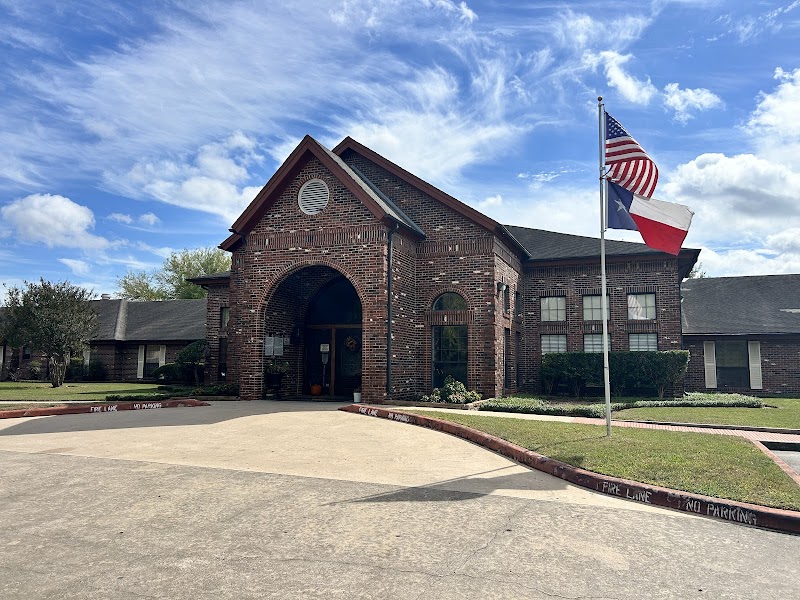
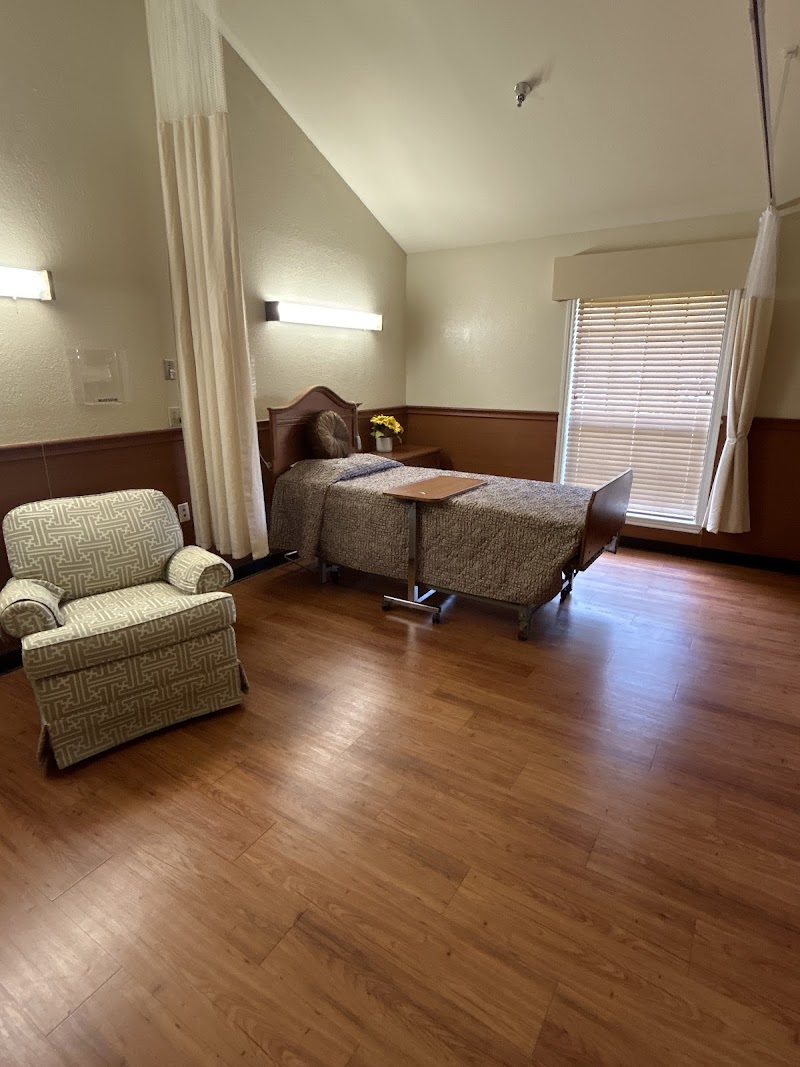
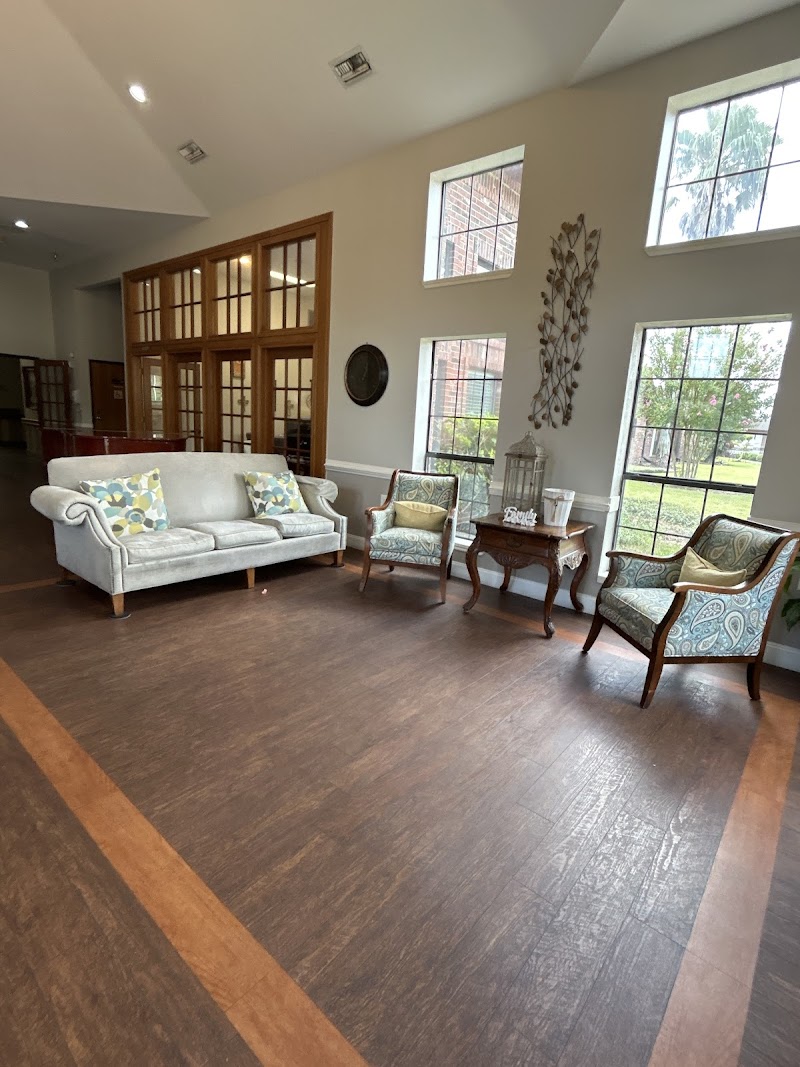
REGENCY VILLAGE

409 W GREEN, WEBSTER, TX 77598 (832) 740-1607
For profit - Limited Liability company 122 Beds CHAMBERS COUNTY PUBLIC HOSPITAL DISTRICT NO. 1 Data: November 2025 3 Immediate Jeopardy citations
Trust Grade
0/100
#817 of 1168 in TX
Last Inspection: May 2025

Inspected within the last 6 months. Data reflects current conditions.

Overview

Regency Village in Webster, Texas, has received a Trust Grade of F, indicating poor performance with significant concerns. It ranks #817 out of 1168 facilities in Texas, placing it in the bottom half of nursing homes in the state, and #67 out of 95 in Harris County, meaning only a few local options are better. Unfortunately, the facility's situation is worsening, as the number of reported issues increased from 4 in 2024 to 12 in 2025. Staffing is a notable weakness, with a low rating of 1 out of 5 stars and a troubling turnover rate of 0%, which is good, but likely indicates retention of inadequate staff rather than stability. The facility has incurred $41,727 in fines, which is average, but raises concerns about compliance with regulations. Specific incidents of concern include failing to inform a resident's physician about critical changes in their condition, leading to severe complications and amputations, as well as inadequate supervision resulting in a resident with exit-seeking behaviors eloping from the facility. While there are some strengths, such as average RN coverage, the overall picture suggests significant risks for residents at Regency Village. Families should carefully weigh these factors when considering this facility for a loved one.

Trust Score
F
0/100
In Texas
#817/1168
Bottom 31%
Safety Record
High Risk
Review needed
Inspections
Getting Worse
4 → 12 violations
Staff Stability
○ Average
Turnover data not reported for this facility.
Penalties
○ Average
$41,727 in fines. Higher than 60% of Texas facilities. Some compliance issues.
Skilled Nurses
⚠ Watch
Each resident gets only 22 minutes of Registered Nurse (RN) attention daily — below average for Texas. Fewer RN minutes means fewer trained eyes watching for problems.
Violations
⚠ Watch
24 deficiencies on record. Higher than average. Multiple issues found across inspections.
★★☆☆☆
2.0
Overall Rating
★☆☆☆☆
1.0
Staff Levels
★★★☆☆
3.0
Care Quality
★★★☆☆
3.0
Inspection Score
Stable
2024: 4 issues
2025: 12 issues

The Good

  • Full Sprinkler Coverage · Fire safety systems throughout facility
  • No fines on record

Facility shows strength in fire safety.

The Bad

2-Star Overall Rating

Below Texas average (2.8)

Below average - review inspection findings carefully

Federal Fines: $41,727

Above median ($33,413)

Moderate penalties - review what triggered them

Chain: CHAMBERS COUNTY PUBLIC HOSPITAL DIS

Part of a multi-facility chain

Ask about local staffing decisions and management

The Ugly 24 deficiencies on record

3 life-threatening 2 actual harm
May 2025 6 deficiencies
CONCERN (D)

Potential for Harm - no one hurt, but risky conditions existed

Comprehensive Assessments (Tag F0636)

Could have caused harm · This affected 1 resident

**NOTE- TERMS IN BRACKETS HAVE BEEN EDITED TO PROTECT CONFIDENTIALITY** Based on interviews and record review, the facility failed to electronically transmit encoded, accurate, and complete MDS data t...

Read full inspector narrative →
**NOTE- TERMS IN BRACKETS HAVE BEEN EDITED TO PROTECT CONFIDENTIALITY** Based on interviews and record review, the facility failed to electronically transmit encoded, accurate, and complete MDS data to the CMS System, within 14 days, upon a resident's transfer, reentry, discharge, and death, for 1 of 18 residents (Resident #35) reviewed for transmitted MDS data to the CMS System. The facility failed to complete Resident #35's admission MDS assessment within 14 days of admission. This failure could place residents at risk of not having their assessments transmitted timely which could cause a delay in treatment. The findings included: Record review of Resident #35's face sheet dated 05/13/25 revealed a -[AGE] year-old female admitted to the facility on [DATE]. Record review of Resident #35's admission MDS assessment, dated 12/18/2024, revealed the signature page indicated it was signed as completed on 12/30/24, 18 days after admission. During an interview with the DON on 5/13//25 at 2:00pm the DON said the MDS staff signed a few days ago. She said the MDS were being done remotely and the facility was in the process of hiring an MDS nurse. During interview on 5/14/25 at 1:33 p.m., the Director of Reimbursement said the former MDS Coordinator was a no call/no show yesterday 5/13/25 and they were in the process of hiring an MDS nurse. The Director of Reimbursement said that herself and the MDS Consultant would fill in the gap till the facility hired an MDS coordinator. The Director of Reimbursement said if the MDS was not completed timely, could result in delay in services. During interview on 5/14/25 at 1:54 p.m., the MDS Consultant said she had provided oversight to the facility since September of 2024. The MDS Consultant said it was a team effort between her and the Director or Reimbursement to cover the facility regarding MDS. The MDS Consultant said they would have someone soon to cover MDS remotely. The MDS Consultant said she trained staff at the facility in person regarding MDS by going over the policy and procedures, coding of the MDS, RAI manual and guidelines. The MDS Consultant said the previous MDS Coordinator had started at the facility in February of 2025 and had 2-3 years of prior experience. During an interview with the Facility's Administrator on 05/13/25 at 3:30PM, he said the facility had gone through several MDS staff for the past few months. He said late MDS may result in delay in providing needed services to resident. Policy on MDS completion was requested on 05/13/25 at 3:30pm and the Administrator said the facility followed the RAI manual.
CONCERN (D)

Potential for Harm - no one hurt, but risky conditions existed

ADL Care (Tag F0677)

Could have caused harm · This affected 1 resident

**NOTE- TERMS IN BRACKETS HAVE BEEN EDITED TO PROTECT CONFIDENTIALITY** Based on observation, interview and record review, the facility failed to ensure residents who were unable to carry out Activiti...

Read full inspector narrative →
**NOTE- TERMS IN BRACKETS HAVE BEEN EDITED TO PROTECT CONFIDENTIALITY** Based on observation, interview and record review, the facility failed to ensure residents who were unable to carry out Activities of Daily Living received the necessary services to maintain grooming and personal hygiene for 1 (Resident #7) of 5 residents reviewed for Activities of Daily Living. The facility failed to provide Resident #7 with adequate oral care. This failure could place residents at risk of diminished quality of life or decreased self-esteem. Findings included: Record review of Resident #7's face sheet dated 5/13/2025, revealed the resident was a [AGE] year-old female admitted to the facility on [DATE] with a diagnosis of Need for Assistance with Personal Care. Record review of Resident #7's annual MDS dated [DATE] revealed a BIMS score of 00 that indicated severe cognitive impairment. Record review also revealed score of 03 which was partial/moderate assistance for oral hygiene in Section GG0130. Record review of Resident #7's care plan printed 5/13/25 revealed the resident required extensive assistance by staff with personal hygiene and oral care Record review of Resident #7's POC Response History printed 5/12/25 with look back for 14 days showed documentation regarding personal hygiene (How resident maintains personal hygiene, including brushing teeth) from 4/29/25-5/4/25 and 5/6/25-5/8/25. Further review revealed there was no documentation on 5/5/25 and from 5/9/25-5/12/25. During interview on 5/12/25 at 11:31 a.m., Resident #7's family member stated she had previously put a sign above the resident's bed that said please help me brush my teeth. She stated Resident #7 was able to brush her teeth with set up assistance prior to recent decline. Resident #7 was no longer able to brush her teeth. Resident #7's family member said Resident #7's mouth was horrible, and she was disheartened when she saw the state of her mouth on 5/11/25. Resident #7's family member said she went to the nurse at that time and asked for mouth swabs and tried to do oral care but was not trained how to do oral care. Observation and interview on 5/12/25 at 2 p.m. of Resident #7 revealed dried brown crustiness to Resident #7's lips. LVN G removed the dried brown crusty substance from Resident #7's lips. There was a dry brown substance noted inside Resident #7's mouth coating her upper and lower teeth. LVN G and the DON then provided care to Resident #7. LVN G said she was not sure how often oral care should be completed. The DON said the aides were responsible for oral care and should provide oral care first thing in the morning and then as needed. During interview on 5/12/25 at 2:40 p.m., CNA K said they had not done oral care on Resident #7 as they had not worked with her in a while, and she had declined since they last worked with her, and they did not want to disturb her. CNA K said oral care was done once per shift. CNA K said they had oral care training during orientation and was checked off performing oral care on a resident. CNA K said if a resident was unable to brush their teeth, then they used a sponge to provide oral care. Observation on 5/13/25 at 10:42 a.m. of Resident #7 revealed no buildup noted on Resident #7's teeth or lips. During interview on 5/14/25 at 9:02 a.m., LVN H said she normally worked the hallways where Resident #7 resided. LVN H said the nurse was responsible for overseeing oral care, but the aides could perform oral care. LVN H said if a resident was unable to brush their teeth, then staff could use swabs which should be done after meals. LVN H said if a resident did not receive oral care, then the resident could get ulcers in the mouth or cavities or possible gum breakdown or infections. During interview on 5/14/25 at 9:32 a.m., CNA L said they should do oral care every day on the residents. CNA L said they used a sponge for oral care if the resident was unable to brush their teeth and would also do oral care after every meal. CNA L said they recently started at the facility and had not had any ongoing trainings regarding oral care and maybe had oral care training during orientation. CNA L said they worked on the hallway where Resident #7 resided. During interview on 5/14/25 10:25 a.m., the DON said if oral care was not completed then the resident could get oral decay, dental issues, dry tongue or could be hard for them to take anything in. The DON said they would do an in-serve regarding oral hygiene. During interview on 5/14/25 at 12:04 a.m., the ADON said if oral care was not completed then a resident could have dehydrated or parched mouth, cavities, or infection. During interview on 5/14/25 at 3:06 p.m., the Administrator said they did not have any previous trainings to provide regarding oral care this year. Record review of facility's procedure Oral Care revealed The purposes of this procedure are to keep the resident's lips and oral tissues moist, to cleanse and freshen the resident's mouth, and to prevent oral infection. Record review of facility's policy Activities of Daily Living (ADLs), Supporting revealed Residents who are unable to carry out activities of daily living independently will receive the services necessary to maintain good nutrition, grooming and personal and oral hygiene.
CONCERN (D)

Potential for Harm - no one hurt, but risky conditions existed

Respiratory Care (Tag F0695)

Could have caused harm · This affected 1 resident

**NOTE- TERMS IN BRACKETS HAVE BEEN EDITED TO PROTECT CONFIDENTIALITY** Based on observation, interview and record review, the facility failed to ensure that residents who needed respiratory care was ...

Read full inspector narrative →
**NOTE- TERMS IN BRACKETS HAVE BEEN EDITED TO PROTECT CONFIDENTIALITY** Based on observation, interview and record review, the facility failed to ensure that residents who needed respiratory care was provided such care, consistent with professional standards of practice for 2 (Residents #27 and #32) of 4 residents reviewed for respiratory care. The facility failed to ensure Resident #27's oxygen humidifier was not empty and Resident #32's oxygen concentrator was working appropriately by not beeping. The failure could place residents at risk of developing respiratory complications or having decreased quality of care from dry nasal passages that could lead to nosebleeds or sores. Findings included: Resident #27 Record review of Resident #27's face sheet dated 5/13/2025, revealed the resident was an [AGE] year-old female admitted to the facility on [DATE] with diagnoses including Alzheimer's Disease (progressive brain disorder that destroys memory and thinking skills) and Heart Failure (disorder when the heart does not pump blood as well as it should). Record review of Resident #27's quarterly MDS dated [DATE] revealed a BIMS score of 00 that indicated severe cognitive impairment. Record review also revealed under section O: oxygen therapy was received. Record review of Resident #27's Order Summary Report dated 5/13/25 revealed Change O2 tubing/water every week on Sunday night shift and PRN. Record review of Resident #27's May TAR printed 5/13/25 revealed Change O2 tubing/water every week on Sunday night shift and PRN. Record review of Resident #27's care plan printed 5/13/25 revealed the resident has oxygen therapy related to Congestive Heart Failure (disorder when the heart does not pump blood as well as it should) with intervention of oxygen settings of oxygen via nasal cannula at 3 liters continuously. Observation on 5/12/25 at 10:10 a.m. revealed Resident #27's humidifier bottle on her oxygen concentrator was empty while she was wearing oxygen at 2 liters via nasal cannula. Observation on 5/13/25 at 8:51 a.m. revealed Resident #27's humidifier bottle on her oxygen concentrator was empty while she was wearing oxygen at 2 liters via nasal cannula. During interview on 5/13/25 at 8:53 a.m., the DON observed Resident #27's oxygen concentrator and the DON said it was the nurse's responsibility to refill the oxygen humidifiers and should be done on Sundays. Resident #32 Record review of Resident #32's face sheet dated 5/13/2025, revealed the resident was a [AGE] year-old female admitted to the facility on [DATE] with diagnoses including Type 2 Diabetes Mellitus (high blood sugar) without complications and Heart Failure (disorder when the heart does not pump blood as well as it should). Record review of Resident #32's quarterly MDS dated [DATE] revealed a BIMS score of 11 that indicated moderate cognitive impairment. Record review also revealed oxygen therapy while a resident documented under section O for Resident #32. Record review of Resident #32's Order Summary Report dated 5/13/25 revealed Change O2 tubing/water every week on Sunday and PRN. Record review of Resident #32's May TAR printed 5/13/25 revealed Change O2 tubing/water every week on Sunday and PRN. Record review of Resident #32's care plan printed 5/13/25 revealed the resident has oxygen therapy related to Congestive Heart Failure (disorder when the heart does not pump blood as well as it should) with intervention to change oxygen tubing and water every week on Sunday and as needed. During interview and observation on 5/12/25 at 9:08 a.m., Resident #32 said she almost ran out of water in the oxygen humidifier bottle, and it bothered her nose, but she could not remember when the incident happened. Resident #32 was observed wearing oxygen at 4 liters via nasal cannula and there was about ¾ inch of water in the humidifier bottle on the oxygen concentrator. Resident #32's oxygen concentrator was noted to be beeping. During interview and observation on 5/13/25 at 8:55 a.m., Resident #32 said my nose tells me I need some water because her nose felt dry. Observation of Resident #32 revealed she was wearing oxygen at 4 liters via nasal cannula and there was about one centimeter of water in the humidifier bottle on the oxygen concentrator. Oxygen concentrator was beeping. During interview on 5/14/25 at 9:02 a.m., LVN H said she normally worked the hallways where Resident #27 and #32 resided. LVN H said she checked oxygen humidifier bottles daily when she made her first rounds. LVN H said Sunday night nursing staff was responsible for refilling the humidifier bottles on the oxygen concentrators. LVN H said an effect a resident could experience if the oxygen humidifier bottle was empty was the resident's sinuses could dry out or possible have thicken secretions. During interview on 5/14/25 10:25 a.m., the DON said if a resident's oxygen humidifier was not filled then the resident's nasal cavity could dry out causing a nosebleed. The DON said they would have an in-service regarding oxygen humidifiers. During interview on 5/14/25 at 12:04 a.m., the ADON said if a resident's oxygen concentrator's humidifier was empty then the resident could have dried out nares which could lead to nosebleeds or ulcers. During interview on 5/14/25 at 3:06 p.m., the Administrator said they did not have any previous trainings to provide regarding oxygen care this year. Record review of facility's policy Oxygen Administration revealed Periodically re-check water lever in humidifying jar.
CONCERN (E)

Potential for Harm - no one hurt, but risky conditions existed

Assessment Accuracy (Tag F0641)

Could have caused harm · This affected multiple residents

**NOTE- TERMS IN BRACKETS HAVE BEEN EDITED TO PROTECT CONFIDENTIALITY** Based on interview and record review, the facility failed to ensure that assessments accurately reflected residents' status for ...

Read full inspector narrative →
**NOTE- TERMS IN BRACKETS HAVE BEEN EDITED TO PROTECT CONFIDENTIALITY** Based on interview and record review, the facility failed to ensure that assessments accurately reflected residents' status for 3 (Resident #7, #16, #22) of 10 residents reviewed for accuracy of assessments. -The facility failed to ensure that Resident #7's falls that occurred on 4/20/25 were documented on their annual MDS assessment dated [DATE]. -The facility failed to ensure that Resident # 16 's falls were documented on her Annual MDS assessment dated [DATE], quarterly MDS dated [DATE] and 12/11/24. - The facility failed to ensure that Resident # 22 's falls were documented on her Annual MDS assessment dated [DATE], quarterly MDS dated [DATE] and 12/23/24. These failures could place residents at risk of receiving inadequate care and services based on inaccurate assessments. Findings included: Resident #7 Record review of Resident #7's face sheet dated 5/13/2025, revealed the resident was a [AGE] year-old female admitted to the facility on [DATE] with diagnoses including Acute on Chronic Systolic (Congestive) Heart Failure (disorder where the heard does not pump blood as well as it should) and Muscle Weakness. Record review of Resident #7's care plan with last review 5/13/25 revealed she had two falls on 4/20/25. Record review of Resident #7's Fall Nurses' Note dated 4/20/25 at 5:36 a.m. revealed resident had an un-witnessed fall with no injury. Record review of Resident #7's Fall Nurses' Note dated 4/20/25 at 12:33 p.m. revealed resident had an un-witnessed fall with no injury. Record review of Resident #7's Progress Notes for date range 4/19-4/21/25 revealed on 4/20/25 at 5:25 a.m. Resident #7 was found on the floor and on 4/20/25 at 12:47 p.m. Resident #7 was found lying on her right side. Record review of Resident #7's annual MDS dated [DATE] and printed 5/12/24 revealed a BIMS score of 00 that indicated severe cognitive impairment. Record review also revealed no falls since admission/entry or reentry or the prior assessment in section J1800. During interview on 5/14/25 at 10:25 a.m., the DON said Resident #7's falls on 4/20/25 should have been claimed on the MDS dated [DATE]. During interview on 5/14/25 at 1:33 p.m., the Director of Reimbursement said a fall should be coded if it occurred on 4/20/25 and the MDS was on 5/1/25. The Director of Reimbursement said if the MDS was not coded correctly then that triggered on care plans which could prevent interventions that could prevent future falls. Resident #16 Record review of Resident #16's face sheet dated 5/13/2025, revealed the resident was a [AGE] year-old female admitted to the facility on [DATE]. Her diagnoses included lack of coordination, unsteady feet, difficulty in walking, chronic respiratory failure, chronic pain, Hypertension (high blood pressure), depression, generalized anxiety, and muscle weakness. Record review of facility's accidents and incident's log dated 05/12/25 indicated Resident #16 had un-witnessed fall on 11/14/24, and witnessed falls on 12/30/24, 01/08/25, and 03/17/25. Record review of Resident #16's Care plan dated 04/16/24 revealed Resident #16 was care-planned for falls: Resident #16 has had an actual fall 3/16/25 - unwitnessed fall no injury Date Initiated: 04/16/2025, Revision on: 04/16/2025. Record review of Resident #16's annual MDS dated [DATE], indicated the section on fall assessment were left blank section on falls since admission, re-admission was coded 0 which indicated no fall history. Record review of Resident #16's Quarterly MDS dated [DATE] indicated the section on fall assessment were left blank section on falls since admission, re-admission was coded 0 which indicated no fall history Record review of Resident #16's Quarterly MDS dated [DATE] indicated the section on fall assessment were left blank section on falls since admission, re-admission was coded 0 which indicated no fall history. Resident #22 Record review of Resident #22's face sheet dated 5/13/2025, revealed a-72-year -old male resident admitted to the facility initially on 09/14/22 and readmitted on [DATE]. Record review of facility's accidents and incident's log dated 05/12/25 indicated Resident #22 had multiple falls as followed witnessed Falls on- 01/18/25 01/23/25 3/18/25 Unwitnessed Falls on 02/01/25 02/06/25 Record review of Resident #22's care plan dated 09/23/22 with a revision date of 04/16/25 indicated Resident #22 was care planned for falls: Focus-Resident # 22 had a fall on 1/18/25 - Witnessed Fall, 1/23/25 - Witnessed Fall,2/1/25 - Unwitnessed Fall, 2/6/25 - Unwitnessed Fall, 3/18/25 - Witnessed fall, Date Initiated: 09/23/2022. Goal: Resident #22 will be free of minor injury through the target date 03/27/2025. Resident #22 will not sustain serious injury through the target date 03/27/2025 . Record review of Resident #22's Significant change MDS assessment dated [DATE] and quarterly MDS dated [DATE], revealed the sections on fall assessment were left blank, section on falls since admission/ re-admission was coded 0 which indicated no fall history. During interview on 05/12/25 at 10:15 am Resident #22's sitter said she sits with Resident #22 due to multiple falls. Resident #22 was unable to communicate. During interview on 5/14/25 at 1:20 p.m. the CDO said if the MDS was coded inaccurately then the resident could have adverse effects but did not elaborate. During interview on 5/14/25 at 1:54 p.m., the MDS Consultant said if a MDS was not coded correctly then the care provided or needed could be affected, the care planning process could be affected, and could affect everything all the way around.
CONCERN (E)

Potential for Harm - no one hurt, but risky conditions existed

Comprehensive Care Plan (Tag F0656)

Could have caused harm · This affected multiple residents

**NOTE- TERMS IN BRACKETS HAVE BEEN EDITED TO PROTECT CONFIDENTIALITY** Based on observations, interviews and record reviews, the facility failed to develop and implement comprehensive care plans with...

Read full inspector narrative →
**NOTE- TERMS IN BRACKETS HAVE BEEN EDITED TO PROTECT CONFIDENTIALITY** Based on observations, interviews and record reviews, the facility failed to develop and implement comprehensive care plans with measurable objectives and timetables to meet the resident's medical, nursing, and psychological needs identified in the comprehensive assessment for of 20 residents reviewed for care plan accuracy(Residents # 59, 123, 17) ---there were no comprehensive care plans in Resident #'s 59, 123, and 17 elctronic medical records. These failures placed residents at risk of receiving inadequate care due to incomplete care plans. Findings include: Resident # 59 Record review of Resident # 59's face sheet revealed admission date 1/23/25 with diagnoses including Chronic Obstructive Pulmonary Disease (lung conditions causing airflow obstruction), hypertension (high blood pressure), heart failure (inability of heart to pump blood as it should), muscle weakness, lack of coordination (problems with balance). Record review of Resident # 59's admission MDS dated [DATE] revealed a BIMS score of 12, indicating moderate cognitive impairment, understands others and understood by others, frequently incontinent of bowel and bladder, partial/moderate assistance required for bathing and toileting, and supervision/set up for hygiene. Record review of Resident # 59's undated comprehensive care plan revealed it was blank: there were no focus areas, goals or interventions developed to assist direct care staff in providing care for Resident # 59. Resident # 123 Record review of Resident # 123's face sheet revealed admission date 4/29/25 with diagnoses including Parkinson's (central nervous system disorder affecting movement), unqualified visual loss, both eyes, hypertension (high blood pressure), chronic obstructive pulmonary disease (lung conditions causing airflow obstruction), anxiety disorder (excessive worry, fear, nervousness), depression (loss of interest in activities). Record review of Resident # 123's admission MDS dated [DATE] revealed a BIMS score of 15, indicating intact cognitive functioning, severely impaired visual functioning, understood by others and understands others, always continent, Hospice while a resident, partial/moderate assistance required for eating, hygiene, toileting, dressing, and maximum assistance needed for bathing. Record review of Resident # 123's undated comprehensive care plan revealed it was blank: there were no focus areas, goals or interventions developed to assist direct care staff in providing care for Resident # 123. Resident # 17 Record review of Resident # 17's face sheet revealed admission date 3/10/25 with diagnoses including dementia (impairment in memory, thinking and social abilities), peripheral neuropathy (nerve damage causing pain and numbness in hands and/or feet), transient ischemic attack (temporary interruption of blood flow to the brain), heart failure (inability of heart to pump blood as it should), osteoarthritis (deterioration of tissue at the ends of bones), cervicalgia (neck pain). Record review of Resident # 17's admission MDS dated [DATE] revealed BIMS score of 14 indicating intact cognitive ability, understands others and understood by others, always incontinent of bowel and bladder, partial/moderate assistance required for hygiene, and maximum assistance needed for toileting and dressing. Record review of Resident # 17's undated comprehensive care plan revealed it was blank: there were no focus areas, goals or interventions developed to assist direct care staff in providing care for Resident # 17. In an interview on 5/14/25 at 12:30pm, the DON said the MDS coordinator did not put the care plan into the EMR. She said the triggered areas from the MDS would be used to build the care plan, but it was not done for Residents # 59, # 123, and# 17. She said there would need to be someone hired to complete the care plans. In an interview on 5/14/25 at 12:40pm, the ADON said the DON and MDS nurse would be responsible for care plans, and she looks at the baseline care plan to determine if anything needed to be addressed. In an interview on 5/14/25 at 3:30pm, the RDO, DON, and ADON said they did not know what happened and why there were so many care plans missing. They said there have been 3 MDS nurses working here since September 2024. The MDS nurse would develop the care plan from information from the IDT meeting and input from the nurses. The risk of having incomplete care plans would residents not receive correct care. Record review of facility policy Care Plans, Comprehensive Resident Centered, revised December 2016, revealed, in part: .the comprehensive person-centered care plan is developed within 7 days of the required comprehensive assessment (MDS) .assessments of residents are ongoing and care plans are revised as information about the residents and the residents' conditions change .
CONCERN (F)

Potential for Harm - no one hurt, but risky conditions existed

Food Safety (Tag F0812)

Could have caused harm · This affected most or all residents

Based on observation, interview, and record review, the facility failed to store, prepare, distribute, and serve food in accordance with professional standards for food service safety in 1 of 1 kitche...

Read full inspector narrative →
Based on observation, interview, and record review, the facility failed to store, prepare, distribute, and serve food in accordance with professional standards for food service safety in 1 of 1 kitchen reviewed for dietary services, in that: - The facility failed to keep kitchen equipment clean and free of grease build up. - The facility failed to label foods for identification and dated with expiration date. - The facility failed to ensure that expired food items and products were not stored in the walk- in refrigerator. These failures could place residents at risk for food-borne illness and/or transmission-based infections. Findings included: Kitchen observation and interview on 05/12/25 at 8:40am, revealed one of one commercial can opener had a dark looking substance around the cutting blades and the blade holder. The deep fryer had dark looking grease with white floating substances on top of the grease. [NAME] G said she was off for three days and today 05/12/25 was her first day back. She said the grease was usually changed once a week but not sure of when it was changed last. Observation of the walk-in cooler and interview on (05/12/25 at 8:45AM revealed the following food items. -Half 32oz Ready care dairy drink with expiration date of 04/20/25 -Sandwich in a small tray without label, [NAME] G said they were made this morning for snacks. -A plastic container of coleslaw dated 05/10/25 no label. -A plastic container of crushed pineapple-no date and no label. -Assorted sandwich meat undated and unlabeled all in a plastic bag -5 lbs. container of Cottage cheese dated 02/20/25 -32 oz of baking buttered milk dated 04/20/25. -¾ full gallon of yellow mustard dated 01/17/25 -32oz of enchilada source dated 02/07/25 -1Lbs (16oz) Margarin half covered, and half exposed on the shelve with dark brown substance around the butter. -16oz cholate syrup dated 12/18/24. -48oz box of Lemon Crust Mix dated 01/25/25. -An unknown substance in a grocery bag. [NAME] G said she does not know what it was and have no idea who left it in the walk-in cooler. All undated and unlabeled items were identified and removed from the kitchen walk in cooler by cook G. During an interview with [NAME] G on 05/12/25 at 8:55AM, she said she expected all food items in the kitchen to be labeled with food item for identification and a used by date to prevent food burn, illness, and food poisoning. Attempt was made to communicate with the Dietary Manager on 05/12/25 at 2:00PM and was difficult due to hearing impairment. In an interview with the facility's Administrator, DON, and the Regional Clinical director on 05/12/25 at 4:00 PM, the Administrator said cleaning of the kitchen should be the responsibility of all staff. He said the Dietary Manager had some challenges and he was new to the position. The regional Director of Operation said the Dietary Manager would have more training on management. During an interview with the Registered Dietitian on 05/13/25 at 12:00PM, she said she expected the kitchen to be cleaned, all food items properly labeled and dated with date prepared and expiration date. She said all precooked food products are to be discard after 3 days if not used. Record review of facility's policy dated 2000 revised 2006 revealed- Policy Statement Food storage areas shall be maintained in a clean, safe, and sanitary manner. 1. Food Services, or other designated staff, will maintain clean, food storage areas at all times . 5 Prepared food stored in the refrigerator until service shall be dated with an expiration date. Such food will be tightly sealed with plastic wrap, foil, or a lid. 10 The Food Services Manager, or his/her designee, will check refrigerators and freezers daily for proper temperatures. The Food Services Manager will maintain records of such information.
Apr 2025 4 deficiencies 3 IJ
CRITICAL (J) 📢 Someone Reported This

A family member, employee, or ombudsman was alarmed enough to file a formal complaint

Immediate Jeopardy (IJ) - the most serious Medicare violation

Notification of Changes (Tag F0580)

Someone could have died · This affected 1 resident

**NOTE- TERMS IN BRACKETS HAVE BEEN EDITED TO PROTECT CONFIDENTIALITY** Based on observation, interviews, and record reviews the facility failed to immediately inform the resident's physician of a sig...

Read full inspector narrative →
**NOTE- TERMS IN BRACKETS HAVE BEEN EDITED TO PROTECT CONFIDENTIALITY** Based on observation, interviews, and record reviews the facility failed to immediately inform the resident's physician of a significant change in a resident's physical condition for one of five residents (Resident #1) reviewed for notification of change. -The facility failed to ensure Resident #1 received podiatry services on 3/29/24 and failed to ensure staff accurately and thoroughly reported Resident #1's change in condition to his third toe on his right foot, to his physician on 04/01/24. NP A was asked by Resident #1 to assess his right foot when he reported pain on 04/04/24. Resident #1 was sent to the hospital on [DATE] and had the third toe of his right foot amputated on 04/07/24 and the remaining toes on his right foot amputated on 5/12/24. Resident #1 no longer walked independently and used a wheelchair for mobility since 4/7/24. His right foot remained unhealed on 04/10/25 and he continued to receive n-going wound care and treatments related to repeated infections and other complications. An IJ was identified on 04/16/25 at 5:36pm. While the IJ was lowered on 04/19/25, the facility remained out of compliance at a scope of isolated and a severity level of actual harm that was not immediate jeopardy. These failures resulted in Resident #1 losing all of the toes on his right foot, significantly impacted his activities of daily living/mobility and placed residents at risk for infections, unwanted hospitalizations, amputation/s, and decreased quality of life. Finding included: Record review of Resident #1's admission Record revealed he was a [AGE] year old male who admitted to the facility on [DATE] and readmitted on [DATE] with the diagnoses of intellectual disabilities, Down syndrome, (a genetic chromosome 21 disorder causing developmental and intellectual delays), Type II diabetes mellitus with other circulatory complications (a long-term chronic condition in which the body has trouble controlling high levels of sugar in the blood), peripheral vascular disease, (a circulatory condition in which narrowed blood vessels reduce blood flow to the limbs/extremities) and acute osteomyelitis, right ankle and foot (a bone infection characterized by recent onset and can affect one or more parts of a bone). Record review of Resident #1's admission MDS dated [DATE] revealed he had a BIMS score of 11 out of 15 indicating he had moderate cognitive impairment. He was coded as having no wounds, wound infections or pressure injuries and was set-up assistance with all of his ADL's including ambulating without an assistive device. Record review of Resident #1's undated care plan revealed the following: Resident #1 is prone to skin tears, rashes and bruising of unknown origin related to fragile skin .Resident #1 will remain free from serious injury or complications from minor injury .All injuries will sic me monitored until they are resolved .Notify MD and sic RR of any abnormal findings .and was dated as initiated on 10/17/2024 and revised on 4/15/25 with a target date of 7/3/2025. Continued record review of undated care plan also revealed, the following care area initiated on 9/26/2014, Resident #1 has potential for impaired peripheral blood flow to lower extremities r/t Peripheral Vascular Disease (PVD) .Resident #1 will remain free of complications related to PVD through review date .Resident #1's extremities will be pain, pallor, rubor, coldness, edema and skin lesions through the review date . Educate the resident on the importance of proper foot care including: proper fitting shoes, wash and dry feet thoroughly, keep toenails cut, inspect feet daily, daily change of hosiery and socks .Monitor the extremities for /sx of injury, infection or ulcers .Monitor/document/report PRN and s/sx of complications of extremities: coldness of extremity, pallor, rubor, cyanosis and pain .Monitor/document/report PRN any s/sx of skin problems related to PVD: Redness, Edema, Blistering, Itching, Burning, Cuts, Other skin lesions. The following intervention was dated as initiated on 10/15/24, Clean right stump surgical with NS, apply dry dressing. Record review of Resident #1's Physician Orders for the month of March 2024, revealed there were no wound care orders. Record review of facility undated podiatry list for Resident #1 revealed he had been seen by podiatry on 12/29/23 and was scheduled to see podiatry on 3/29/24 (3 months later) but did not. There were no records, despite repeated attempts with facility staff and podiatry company to retrieve records on why Resident #1 was never seen by podiatry on 3/29/24. Surveyor team did not receive any explanatory documentation or interviews prior to facility exit on 04/19/25. Record review of Resident #1's Physician Orders for the month of April 2024, revealed there were no wound care orders. Record review of Resident #1's Physician Orders for the month of May 2024 revealed the following physician orders dated 4/23/24 and listed as active: - Notify NP A for PCP A if any increased drainage, redness, odor or s/s infection in right foot surgical wound. - Cleanse with NS, apply iodosorb (antimicrobial gel that can be used to treat skin wounds and ulcers), cover with absorptive dressing using 4x4's and kerlix as needed for surgical wound right dorsal foot. - Cleanse with NS, apply iodosorb, cover with absorptive dressing using 4x4's and kerlix, everyday shift for surgical wound R dorsal foot - Bactrim DS Oral Tablet 800-160 MG 1 tablet by mouth two times a day for cellulitis right lower leg and foot for 10 days. - Doxycycline Hyclate Oral Tablet 100 MG Give 1 tablet by mouth two times a day for cellulitis right lower leg and foot for 10 days. Record review of Resident #1's Health Status Note dated 4/1/24 at 5:46pm revealed the following documentation by LVN A: Resident c/o pain to toes on right foot. This nurse took off resident's sock and small opening to the third toe noted with swelling. Resident stated that he thinks his new shoes are too tight. Toe cleansed, applied TAO and bandage. Continued record review of nursing progress notes revealed there were no other progress notes, or physician orders regarding Resident #1's toe. There was no documentation of LVN A notifying Resident #1's MD, NP, or RP. Record review of Resident #1's weekly skin assessment dated [DATE] revealed No new skin issues observed. Continued record review revealed LVN A completed a weekly skin assessment dated [DATE] and read in part: Right toe Pressure .third toe on right foot with edema. Record review of Resident #1's Skin/Wound Note by Wound Care Nurse B dated 4/4/24 at 9:55 am revealed 3rd toe on right foot ischemic (not receiving enough blood flow), macerated (when skin softens and breaks down due to prolonged exposure to moisture). Bandaid removed that resident had previously placed around toe. NP at bedside evaluating resident, orders will be given to charge nurse. Record review of NP A progress note dated 4/4/24 revealed in part: Patient stopped this provider during rounds and asked that I evaluate his foot. He reports pain to right foot. Right third toe with soft black eschar (dead tissue) to entire toe, significant maceration (softened skin caused by prolonged exposure to moisture), foul odor, full thickness wound (one that extends beyond the skin's superficial layers and penetrates into the fat, muscle, bone or tendon) with exposed bone to lateral third toe between third and fourth toe .Patient sent to Hospital A. Called RP discussed wound infection with bone involvement. Wound will be difficult to heal secondary to patients' diagnoses .patient will need aggressive management, evaluation by ID (Infectious Disease), Vascular, Podiatry. Need eval for amputation of digit. Record review of Resident #1's hospital records with an admission Date: 4/04/2024 discharge date : [DATE] revealed in part: Primary Discharge Diagnosis: Gangrene of right third toe. Diabetic foot infection. Assessment Plan . Principal Problem: Fungal infection .Gangrene right 3rd toe .4/7/24 amputation of right 3rd toe. Continued record review revealed Resident #1 returned to the facility on 4/10/24. Record review of Resident #1's EMR revealed one wound care consultant note dated 4/23/24 by Wound Care MD A, which read in part: Wound Status .Wound Number: 2 .Wound Location: Right, Dorsal (back) foot (other distal) .Wound Type: Surgical Wound .Date Acquired: 04/23/2024. There was no other documentation from 4/10/24 when Resident #1 was discharged from the hospital until 4/23/24 from a Wound Care MD and documentation on 4/23/24 did not mention the amputation of the right foot third toe, located at the top anterior (front) of Resident #1's foot. Attempted to contact Wound Care MD A on 4/16/25 at 3:41pm and again on 4/17/24 at 12:02 pm. Did not receive a return call from Wound Care MD A prior to facility exit. Record review of Resident #1's EMR revealed Resident #1 received wound care from Wound Care MD A and Wound Care Company A from 4/23/2024 through 6/25/2024. There were no Wound Care MD A notes from 6/25/24 through 7/30/24. Continued record reviews revealed Resident #1 was seen by Wound Care MD B from 9/12/24 through facility exit on 4/9/25. Attempted on 4/15/25 at 2:12 pm to contact Wound Care Nurse A for interview and was advised by facility DON and HR they had no contact information for Wound Care Nurse A. DON and HR both said that Wound Care Nurse A and Wound Care MD A no longer worked for the facility. Record review of NP A Progress Note dated 5/6/24 revealed the following: Evaluated patient rapid progression of ischemia and eschar noted, orders given to transfer to Hospital A for inpatient management, patient requires urgent vascular eval, will likely need additional debridement, possible further amputation .Skin: Right third toe digit status post amputation, increased light yellow slough/brown eschar to base of amputation site, gangrenous changes to right fourth toe, dry eschar to anterior second toe, unable to separate first and second toes, fourth and fifth toes for evaluation due to eschar (thick crusty layer of dead tissue that forms over a wound or burn) and slough (dead tissue separated from living tissue often seen in wounds or ulcers) DTI to anterior foot .Site is clinically worsening now with new ischemic areas/gangrenous changes to second and fourth toes .unable to palpate pedal pulses (inability to feel pulses in the feet). Record review of Resident #1's hospital records with a Surgery Date: 5/12/24 .Procedure Transmetatarsal (bones in the foot between the toes and the ankle) amputation right foot .gangrene noted to right 4th and 2nd toe with malodor and drainage noted. Fungal infection noted to bilateral feet. Incision site dehisced (burst open; split). Record review of NP A History and Physical note dated 5/16/24 revealed in part: Patient was transferred to Hospital A on 5/6/24 due to worsening necrotic changes/ischemia at surgical site and to multiple toes of right foot. He was seen by ID, noted to have weight gangrene with osteomyelitis to the second metatarsal head, third metatarsal, fourth proximal phalanx with right foot cellulitis .Patient is now status post right TMA on 5/12/2024 .Gangrene associated with type 2 diabetes mellitus status post right TMA status post IV antibiotics as per ID. discharged on course of oral antibiotic through 5/19/2024 .NWB RLE until surgical site healed .Osteomyelitis right foot .Status post amputation of right foot through metatarsal bone. Telephone interview with LVN A on 4/15/2025 at 2:04 pm they said they no longer worked at the facility but remembered working with Resident #. LVN A said they remembered the issue with Resident #1's foot or toe but did not recall specifics. LVN A said they could not recall if they notified Resident #1's MD, NP, or RP about Resident #1's toe. LVN A said they could not recall if they got an order for the TAO and Band-Aid, they applied to Resident #1's toe. LVN A said they did not recall if they notified the facility wound care nurse but said the facility had a wound care nurse at the time but could not recall their name. LVN A said they did not complete any type of SBAR/change in condition form or incident/accident report. LVN A said they only completed a progress note and most likely put the information on the facility 24-hour nurse report LVN A said they did not recall notifying the DON, ADON or Administrator about Resident #1's toe. Interview on 4/15/25 at 2:15 pm with DON who said they began working at the facility as the DON in January 2025 and was unaware of anything that happened at the facility in 2024 and was unaware of the origin of right foot issues for Resident #1. Requested copy of nursing 24-hour report from 4/1/24. DON said they did not have access to that report. Interview and observation of Resident #1 on 4/15/25 at 3:55pm who was seated in his wheelchair in his room. He was wearing fingerless gloves and propelling himself around his room using his left leg and both arms. His right foot was completely bandaged in clean white gauze wrap up to and above his ankle. None of the right foot was visible underneath the dressing. He was wearing loose sweatpants and a white velcro sneaker on his left foot. Resident #1 said he had surgery on his right foot 2 times and said he used to walk before I lost my toes. When asked how many toes he had lost on his right foot, he replied, all of them. Resident #1 said he wished he could walk again because he did not walk now and could only use his wheelchair. Resident #1 said he liked his wheelchair, but it was not the same as walking. Resident #1 said he had no pain at the time or whenever his dressings were changed. Resident #1 said it only hurt when they cut my toes and after. Resident #1 refused at this interview for surveyor to observe the wound on his right foot. Interview with CNA C on 4/26/25 at 9:41am who said they worked at the facility since 2009 and was familiar with Resident #1. CNA C said they were rarely assigned to provide direct care for Resident #1 but would sometimes help him shower and did not recall observing any issues with his feet or toes. CNA C said Resident #1 was very nice and used to be independent for ADL's and used to walk around the facility with no walker, cane, or wheelchair. CNA C said he was saddened, and it was a sad circumstance that Resident #1 no longer walked around and had to use a wheelchair because Resident #1 used to love to go on facility outings and on outings with his family, but it seemed like Resident #1 could no longer do as much because of being in a wheelchair. Interview with CNA A on 4/16/25 at 9:50 am who said they worked with Resident #1 in the past and present and had worked at the facility for 4 years. CNA A said Resident #1 used to walk and was independent with mostly all of his ADL's but can now only use a wheelchair after his toes were amputated on his right foot. CNA A said they did not know any specific details about Resident #1's toes because he never complained to her about anything, and she never saw anything when she provided care. CNA C said that whatever happened, it started around the same time last year. CNA C said that if Resident #1 had complained to her she would have documented in her CNA notes and immediately reported it to the charge nurse at the time. Interview with CNA B on 4/16/25 at 10:00 am who said they worked the same unit that Resident #1 resided on but did not regularly provide direct care to Resident #1. CNA B said they worked at the facility since 2017 and was never aware of any issues with Resident #1's feet or toes until after the amputation. CNA B said they remembered Resident #1 as independent and used to walk freely but was now confined to a wheelchair. Attempted telephone interview with NP A on 4/16/25 at 12:09pm. Surveyor notified by DON that NP A declined to have contact information shared with surveyor and NP A refused to speak with any state surveyor or representative without legal representation present. DON provided surveyor with administrative office number to schedule an appointment. Surveyor left messages twice on administrative office voicemail with surveyor contact information and purpose of call and never received a return call prior to exit. Attempted interview with Wound Care Nurse A on 4/16/25 at 1:33pm but advised by DON and HR there were no contact numbers or information for Wound Care Nurse A after company change in September of 2024 and they did not know when Wound Care Nurse A's last date of employment was because they had no access to a lot of records after the company change in September of 2024. Telephone interview with Wound Care Nurse B on 4/16/25 at 3:48 pm who confirmed that they were the current facility wound care nurse and provided care and treatments as ordered to Resident #1. Wound Care Nurse B said they had only been working as the facility wound care nurse for 1 month and did not know who the previous wound care nurse was. Wound Care Nurse B said Wound Care MD B, saw and evaluating Resident #1 weekly. Wound Care Nurse B said they were responsible for completing the weekly skin assessments for Resident #1. Wound Care Nurse B said Resident #1 had 2 areas on his right foot currently and no issue or wound on his heel. Wound Care Nurse B said that Resident #1 had a small opening on the lateral side of his right foot and an opening in the area were his big toe used to be that will not close. Wound Care Nurse B said that neither area had any signs or symptoms of infection and Resident #1 tolerated and was compliant with the dressing changes and treatments well and did not complain of pain much. Wound Care Nurse B said they were not familiar with Resident #1 prior to amputation. Interview on 4/17/25 at 12:31 pm with Wound Care MD B who said they had been seeing Resident #1 since the fall of 2024. When asked if they knew the origin of Resident #1's wound, Wound Care MD B said they did not know what the wound looked like when it first started. Wound Care MD B said Resident #1's was not healing since the first amputation, due to the residents' history and issues with poor circulation and peripheral vascular disease. When asked if Wound Care MD B felt in their professional medical opinion if a 3-day delay in communication between the nurse identifying Resident #1's third right toe change in condition and when NP A evaluated Resident #1 three days later, because Resident #1 requested an evaluation, could have caused a wound that serious, Wound Care MD B could not say. Wound Care MD B said it would be hard to say if the 3-day delay in communication caused Resident #1's toe wound to deteriorate that quickly because he did not know what the toe looked like at the time it started but due to Resident #1's underlying vascular issues/PVD and diabetes history, it was possible that a wound like his could have developed in that short period of time. Attempted telephone interview on 4/17/25 at 12:37 pm with facility Medical Director and advised by facility ADON that Medical Director was off and with family and would return surveyor call if possible. Surveyor left voicemail message with contact information and purpose for call and never received a return call prior to exit. Interview with Administrator and DON on 4/17/25 at 1:44pm they both said they had no additional records for Resident #1. They both said they started working at the facility in their current roles after Resident #1 had his toes amputated. Administrator said they started working at the end of December 2024 and the DON said she started working at the facility in January 2025. They both said there had been a change in the company that owns the facility in 2024 and not all of the previous resident or staff records were available or accessible. They said they did not have information for Wound Care Nurse A, the former facility Social Worker and did not have any information from Podiatry Company A on why Resident #1 was not seen or treated on 3/29/24. They said they had no information on why LVN A documented on Resident #1's change in condition of right third toe but did not document the appropriate notifications to MD and RP. They said that was not their current practice, policy or procedure but had no control over what happened in the past. They said they had not completed any recent staff training on wound care, physician notifications or change in condition but staff completed whatever topic was on the monthly CBT's. Record review of Resident #1's current Wound Assessment Report created by Wound Care MD B dated 4/10/25 revealed in part: Location: Right Lateral Forefoot .Arterial Ulcer .Stage/Severity: Full Thickness .Location: Right Medial TMA .Surgical Wound .Stage/Severity: Full Thickness. Indicating Resident #1 had 2 areas on his right foot that remained unhealed from April 2024. Record review of LVN A's personnel file revealed there were no completed trainings listed and no competency checks in the file provided. Record review of at least 4 current facility nursing staff personnel files, ADON, Wound Care Nurse B, DON and LVN B on 4/15/25 at 4:48 pm revealed no specific documented training/curriculum for change in condition, wound care/skin, or physician notification. Record review of facility policy and procedure titled: Change in a Resident's Condition or Status Revised September 2017 read in part, .The facility shall notify the resident, his or her attending physician and representative (sponsor) of changes in the resident's condition and/or status.3. Except in medical emergencies, notifications will be made within twenty-four (24) hours of a change occurring in a resident's condition or status. Record review of the facility policy and procedure titled: Guidelines for Notifying Physicians of Clinical Problems Revised January 2017 read in part under the heading Overview, .These guidelines are intended to help ensure that 1) medical care problems are communicated to the medical staff in a timely, efficient and effective manner . The policy did not include information on wounds, skin, or foot problems. On 04/16/25 at 5:36 pm an IJ and Substandard Quality of Care (SQC) in area of Quality of Care were called with the Administrator, DON, ADON and RCO. They were informed that the IJ had been identified due to the above failures, the IJ template was provided, and they were asked to provide a plan of removal at that time. The plan of removal was accepted on 4/17/25 at 1:10 pm after revisions. The POR read in part: Plan of Removal for Immediate Jeopardy Actions that the facility will take to prevent serious harm from occurring or recurring for treatment and services to prevent complications for a resident who received foot care. 1. Facility in-serviced nurses regarding physician notification for changes of condition in resident skin integrity was initiated with licensed clinical staff on 4/16/25 by the DON and ADON. Scheduled staff will be completed before allowing patient assignment care. 2. The Medical Director was initially made aware of the Immediate Jeopardy 4/16/25 at 6:15 pm and had been involved in the development of the plan of removal. 3. All Nurses had an in-service regarding skin integrity and assessment protocol with a specific focus on lower extremity, foot and diabetic wounds from policy and procedure was initiated by the DON on 4/16/25. Scheduled staff will be completed by designee continuation before allowing patient assignment care. 4. The facility will identify skin conditions by completing skin assessments performed on each active resident in the facility by the ADON/DON/Designee starting 4/16/25. The update will be documented on the weekly skin in PCC-electronic medical record and any abnormal findings will be immediately communicated to the physician and or medical director for orders. This was with all licensed clinical staff and any scheduled staff will have the in-service completed prior to allowing patient care. 5. RNC (regional nurse-corporate) completed an in-service with DON and ADON regarding physician notification of changes in condition of skin and order implementation per policy and procedure. This was completed 4/16/25. 6. An in-service with nursing staff regarding POC ADL documentation including skin monitoring and reporting changes in skin from policy and procedure was initiated by the DON on 4/15/25 and continues, showers including skin assessment and reporting changes in skin or refusals to the nurse from policy and procedure was initiated by the DON on 4/14/25 and continues. Scheduled staff will be completed by designee continuation before allowing patient assignment care. Nursing administration monitors compliance and will review weekly skin documents for 2 weeks and follow up accordingly on MD notifications and orders. All CNA's had in-services on 4/14/2025 and were trained on making observations and reporting any resident changes in condition, how to report any changes, who to report any changes to, and what changes to look for, in residents while performing any care. Any CNA unable to attend would be individually trained before the start of their next shift. Monitoring: Observations on 4/17/25 of random and sample residents revealed call lights in place. Interviews on 4/17/25 with 2 CNA's, 1 LVN and 1 RN on all halls to verify in-service training on recognizing Change in condition and the procedure/s for reporting changes in condition, physician notifications and skin assessments and documentation. Questions asked of the staff included what the steps were to take when a resident had a change of condition in skin/wounds. Answers were to notify the charge nurse of any changes in a residents' condition and to document in POC and shower sheets. Charge nurses said they would assess the resident and complete a progress note, notify the physician, transcribe orders, and implement orders. The charge nurses also said they would notify the residents responsible party and the DON and then complete a skin assessment form as needed. Record review of nursing staffing sheets provided for the week of April 15, 2025, through April 17, 2025, provided signed in-service sheets for all current licensed nurses, certified CNAs and MAs on the POC ADL documentation including skin monitoring and reporting changes in skin from policies and procedures revealed compliance. Record review also revealed all staff work 12-hour shifts from either 6 am-6 pm or 6 pm -6 am. Observation of Resident #1 on 4/17/25 at 1:15 pm who declined to have wound or wound care observation conducted by surveyor at that time. Observation rounds on 4/17/25 at 10:22 am and 2:55 pm of staff members making rounds and checking on the status of residents including those dependent for ADL's, bathing/showers and with type II diabetes mellitus, current wounds, PU and NPU. Call lights were observed in place and staff observed responding to call lights in a timely manner. Record review on 4/17/25 at 5:08 pm confirmed training and in-services initiated on all facility shifts. RNC in-service training with DON and ADON had been completed. Copy of change in condition and physician notification policy and procedures were received, reviewed, and attached to the staff trainings. 100 % Audit of the facility census 73 of skin assessments had been completed. Audit of all physician notifications, as a result of facility wide skin audit had been completed. Audit on 4/18/25 of new hire nursing staff revealed no new staff hired that required new trainings. Audit on 4/18/25 of facility wide skin assessments revealed 15 residents identified with skin concerns with new orders received and implemented as prescribed. Interviews on 4/18/25 with 4 CNA's, 3 LVN's and 2 MA's on all halls to verify in-service training on recognizing Change in condition and the procedure/s for reporting changes in condition, physician notifications and skin assessments and documentation. Questions asked of the staff included what the steps were to take when a resident had a change of condition in skin/wounds. Answers were to notify the charge nurse of any changes in a residents' condition and to document in POC and shower sheets. Charge nurses said they would assess the resident and complete a progress note, notify the physician, transcribe orders, and implement orders. The charge nurses also said they would notify the residents responsible party and the DON and then complete a skin assessment form as needed. Interview with RNC/RCO on 4/18/25 at 4:47 pm who said skin audit was completed for facility. Audit of 5 of 15 residents identified with skin concerns and new orders revealed they had weekly skin assessments, progress notes that included documentation of MD and RP notifications and orders had been transcribed and implemented as ordered. Interviews on 4/19/25 at what time with 11 staff on all halls and spanning all shifts confirmed training on recognizing Change in condition and the procedure/s for reporting changes in condition, physician notifications and skin assessments and documentation. Questions asked of the staff included what the steps were to take when a resident had a change of condition in skin/wounds. Answers were to notify the charge nurse of any changes in a residents' condition and to document in POC and shower sheets. Charge nurses said they would assess the resident and complete a progress note, notify the physician, transcribe orders, and implement orders. The charge nurses also said they would notify the residents responsible party and the DON and then complete a skin assessment form as needed. Record review on 4/19/25 of training documents and nursing competencies of staff scheduled to work had been completed. On 4/19/25 at 1:10 pm the Administrator, RCO, and RDO were notified that the immediacy had been lowered, however, the facility remained out of compliance at a scope of isolated and a severity level of actual harm that was not immediate jeopardy. The facility was continuing to monitor their plan.
CRITICAL (J) 📢 Someone Reported This

A family member, employee, or ombudsman was alarmed enough to file a formal complaint

Immediate Jeopardy (IJ) - the most serious Medicare violation

Quality of Care (Tag F0684)

Someone could have died · This affected 1 resident

**NOTE- TERMS IN BRACKETS HAVE BEEN EDITED TO PROTECT CONFIDENTIALITY** Based on observation, interviews, and record reviews the facility failed to ensure that residents receive treatment and care in ...

Read full inspector narrative →
**NOTE- TERMS IN BRACKETS HAVE BEEN EDITED TO PROTECT CONFIDENTIALITY** Based on observation, interviews, and record reviews the facility failed to ensure that residents receive treatment and care in accordance with professional standards of practice for one of five residents (Resident #1), reviewed for Quality of Care. -The facility failed to ensure Resident #1 received podiatry services on 3/29/24 and failed to ensure staff accurately and thoroughly reported Resident #1's change in condition to his third toe on his right foot, to his physician on 04/01/24. NP A was asked by Resident #1 to assess his right foot when he reported pain on 04/04/24. Resident #1 was sent to the hospital on [DATE] and had the third toe of his right foot amputated on 04/07/24 and the remaining toes on his right foot amputated on 5/12/24. Resident #1 no longer walked independently and used a wheelchair for mobility since 4/7/24. His right foot remained unhealed on 04/10/25 and he continued to receive n-going wound care and treatments related to repeated infections and other complications. An IJ was identified on 04/16/25 at 5:36pm. While the IJ was lowered on 04/19/25, the facility remained out of compliance at a scope of isolated and a severity level of actual harm that was not immediate jeopardy. These failures resulted in Resident #1 losing all of the toes on his right foot, significantly impacted his activities of daily living/mobility and placed residents at risk for infections, unwanted hospitalizations, amputation/s, and decreased quality of life. Finding included: Record review of Resident #1's admission Record revealed he was a [AGE] year old male who admitted to the facility on [DATE] and readmitted on [DATE] with the diagnoses of intellectual disabilities, Down syndrome, (a genetic chromosome 21 disorder causing developmental and intellectual delays), Type II diabetes mellitus with other circulatory complications (a long-term chronic condition in which the body has trouble controlling high levels of sugar in the blood), peripheral vascular disease, (a circulatory condition in which narrowed blood vessels reduce blood flow to the limbs/extremities) and acute osteomyelitis, right ankle and foot (a bone infection characterized by recent onset and can affect one or more parts of a bone). Record review of Resident #1's admission MDS dated [DATE] revealed he had a BIMS score of 11 out of 15 indicating he had moderate cognitive impairment. He was coded as having no wounds, wound infections or pressure injuries and was set-up assistance with all of his ADL's including ambulating without an assistive device. Record review of Resident #1's undated care plan revealed the following: Resident #1 is prone to skin tears, rashes and bruising of unknown origin related to fragile skin .Resident #1 will remain free from serious injury or complications from minor injury .All injuries will sic me monitored until they are resolved .Notify MD and sic RR of any abnormal findings .and was dated as initiated on 10/17/2024 and revised on 4/15/25 with a target date of 7/3/2025. Continued record review of undated care plan also revealed, the following care area initiated on 9/26/2014, Resident #1 has potential for impaired peripheral blood flow to lower extremities r/t Peripheral Vascular Disease (PVD) .Resident #1 will remain free of complications related to PVD through review date .Resident #1's extremities will be pain, pallor, rubor, coldness, edema and skin lesions through the review date . Educate the resident on the importance of proper foot care including: proper fitting shoes, wash and dry feet thoroughly, keep toenails cut, inspect feet daily, daily change of hosiery and socks .Monitor the extremities for /sx of injury, infection or ulcers .Monitor/document/report PRN and s/sx of complications of extremities: coldness of extremity, pallor, rubor, cyanosis and pain .Monitor/document/report PRN any s/sx of skin problems related to PVD: Redness, Edema, Blistering, Itching, Burning, Cuts, Other skin lesions. The following intervention was dated as initiated on 10/15/24, Clean right stump surgical with NS, apply dry dressing. Record review of Resident #1's Physician Orders for the month of March 2024, revealed there were no wound care orders. Record review of facility undated podiatry list for Resident #1 revealed he had been seen by podiatry on 12/29/23 and was scheduled to see podiatry on 3/29/24 (3 months later) but did not. There were no records, despite repeated attempts with facility staff and podiatry company to retrieve records on why Resident #1 was never seen by podiatry on 3/29/24. Surveyor team did not receive any explanatory documentation or interviews prior to facility exit on 04/19/25. Record review of Resident #1's Physician Orders for the month of April 2024, revealed there were no wound care orders. Record review of Resident #1's Physician Orders for the month of May 2024 revealed the following physician orders dated 4/23/24 and listed as active: - Notify NP A for PCP A if any increased drainage, redness, odor or s/s infection in right foot surgical wound. - Cleanse with NS, apply iodosorb (antimicrobial gel that can be used to treat skin wounds and ulcers), cover with absorptive dressing using 4x4's and kerlix as needed for surgical wound right dorsal foot. - Cleanse with NS, apply iodosorb, cover with absorptive dressing using 4x4's and kerlix, everyday shift for surgical wound R dorsal foot - Bactrim DS Oral Tablet 800-160 MG 1 tablet by mouth two times a day for cellulitis right lower leg and foot for 10 days. - Doxycycline Hyclate Oral Tablet 100 MG Give 1 tablet by mouth two times a day for cellulitis right lower leg and foot for 10 days. Record review of Resident #1's Health Status Note dated 4/1/24 at 5:46pm revealed the following documentation by LVN A: Resident c/o pain to toes on right foot. This nurse took off resident's sock and small opening to the third toe noted with swelling. Resident stated that he thinks his new shoes are too tight. Toe cleansed, applied TAO and bandage. Continued record review of nursing progress notes revealed there were no other progress notes, or physician orders regarding Resident #1's toe. There was no documentation of LVN A notifying Resident #1's MD, NP, or RP. Record review of Resident #1's weekly skin assessment dated [DATE] revealed No new skin issues observed. Continued record review revealed LVN A completed a weekly skin assessment dated [DATE] and read in part: Right toe Pressure .third toe on right foot with edema. Record review of Resident #1's Skin/Wound Note by Wound Care Nurse B dated 4/4/24 at 9:55 am revealed 3rd toe on right foot ischemic (not receiving enough blood flow), macerated (when skin softens and breaks down due to prolonged exposure to moisture). Bandaid removed that resident had previously placed around toe. NP at bedside evaluating resident, orders will be given to charge nurse. Record review of NP A progress note dated 4/4/24 revealed in part: Patient stopped this provider during rounds and asked that I evaluate his foot. He reports pain to right foot. Right third toe with soft black eschar (dead tissue) to entire toe, significant maceration (softened skin caused by prolonged exposure to moisture), foul odor, full thickness wound (one that extends beyond the skin's superficial layers and penetrates into the fat, muscle, bone or tendon) with exposed bone to lateral third toe between third and fourth toe .Patient sent to Hospital A. Called RP discussed wound infection with bone involvement. Wound will be difficult to heal secondary to patients' diagnoses .patient will need aggressive management, evaluation by ID (Infectious Disease), Vascular, Podiatry. Need eval for amputation of digit. Record review of Resident #1's hospital records with an admission Date: 4/04/2024 discharge date : [DATE] revealed in part: Primary Discharge Diagnosis: Gangrene of right third toe. Diabetic foot infection. Assessment Plan . Principal Problem: Fungal infection .Gangrene right 3rd toe .4/7/24 amputation of right 3rd toe. Continued record review revealed Resident #1 returned to the facility on 4/10/24. Record review of Resident #1's EMR revealed one wound care consultant note dated 4/23/24 by Wound Care MD A, which read in part: Wound Status .Wound Number: 2 .Wound Location: Right, Dorsal (back) foot (other distal) .Wound Type: Surgical Wound .Date Acquired: 04/23/2024. There was no other documentation from 4/10/24 when Resident #1 was discharged from the hospital until 4/23/24 from a Wound Care MD and documentation on 4/23/24 did not mention the amputation of the right foot third toe, located at the top anterior (front) of Resident #1's foot. Attempted to contact Wound Care MD A on 4/16/25 at 3:41pm and again on 4/17/24 at 12:02 pm. Did not receive a return call from Wound Care MD A prior to facility exit. Record review of Resident #1's EMR revealed Resident #1 received wound care from Wound Care MD A and Wound Care Company A from 4/23/2024 through 6/25/2024. There were no Wound Care MD A notes from 6/25/24 through 7/30/24. Continued record reviews revealed Resident #1 was seen by Wound Care MD B from 9/12/24 through facility exit on 4/9/25. Attempted on 4/15/25 at 2:12 pm to contact Wound Care Nurse A for interview and was advised by facility DON and HR they had no contact information for Wound Care Nurse A. DON and HR both said that Wound Care Nurse A and Wound Care MD A no longer worked for the facility. Record review of NP A Progress Note dated 5/6/24 revealed the following: Evaluated patient rapid progression of ischemia and eschar noted, orders given to transfer to Hospital A for inpatient management, patient requires urgent vascular eval, will likely need additional debridement, possible further amputation .Skin: Right third toe digit status post amputation, increased light yellow slough/brown eschar to base of amputation site, gangrenous changes to right fourth toe, dry eschar to anterior second toe, unable to separate first and second toes, fourth and fifth toes for evaluation due to eschar (thick crusty layer of dead tissue that forms over a wound or burn) and slough (dead tissue separated from living tissue often seen in wounds or ulcers) DTI to anterior foot .Site is clinically worsening now with new ischemic areas/gangrenous changes to second and fourth toes .unable to palpate pedal pulses (inability to feel pulses in the feet). Record review of Resident #1's hospital records with a Surgery Date: 5/12/24 .Procedure Transmetatarsal (bones in the foot between the toes and the ankle) amputation right foot .gangrene noted to right 4th and 2nd toe with malodor and drainage noted. Fungal infection noted to bilateral feet. Incision site dehisced (burst open; split). Record review of NP A History and Physical note dated 5/16/24 revealed in part: Patient was transferred to Hospital A on 5/6/24 due to worsening necrotic changes/ischemia at surgical site and to multiple toes of right foot. He was seen by ID, noted to have weight gangrene with osteomyelitis to the second metatarsal head, third metatarsal, fourth proximal phalanx with right foot cellulitis .Patient is now status post right TMA on 5/12/2024 .Gangrene associated with type 2 diabetes mellitus status post right TMA status post IV antibiotics as per ID. discharged on course of oral antibiotic through 5/19/2024 .NWB RLE until surgical site healed .Osteomyelitis right foot .Status post amputation of right foot through metatarsal bone. Telephone interview with LVN A on 4/15/2025 at 2:04 pm they said they no longer worked at the facility but remembered working with Resident #. LVN A said they remembered the issue with Resident #1's foot or toe but did not recall specifics. LVN A said they could not recall if they notified Resident #1's MD, NP, or RP about Resident #1's toe. LVN A said they could not recall if they got an order for the TAO and Band-Aid, they applied to Resident #1's toe. LVN A said they did not recall if they notified the facility wound care nurse but said the facility had a wound care nurse at the time but could not recall their name. LVN A said they did not complete any type of SBAR/change in condition form or incident/accident report. LVN A said they only completed a progress note and most likely put the information on the facility 24-hour nurse report LVN A said they did not recall notifying the DON, ADON or Administrator about Resident #1's toe. Interview on 4/15/25 at 2:15 pm with DON who said they began working at the facility as the DON in January 2025 and was unaware of anything that happened at the facility in 2024 and was unaware of the origin of right foot issues for Resident #1. Requested copy of nursing 24-hour report from 4/1/24. DON said they did not have access to that report. Interview and observation of Resident #1 on 4/15/25 at 3:55pm who was seated in his wheelchair in his room. He was wearing fingerless gloves and propelling himself around his room using his left leg and both arms. His right foot was completely bandaged in clean white gauze wrap up to and above his ankle. None of the right foot was visible underneath the dressing. He was wearing loose sweatpants and a white velcro sneaker on his left foot. Resident #1 said he had surgery on his right foot 2 times and said he used to walk before I lost my toes. When asked how many toes he had lost on his right foot, he replied, all of them. Resident #1 said he wished he could walk again because he did not walk now and could only use his wheelchair. Resident #1 said he liked his wheelchair, but it was not the same as walking. Resident #1 said he had no pain at the time or whenever his dressings were changed. Resident #1 said it only hurt when they cut my toes and after. Resident #1 refused at this interview for surveyor to observe the wound on his right foot. Interview with CNA C on 4/26/25 at 9:41am who said they worked at the facility since 2009 and was familiar with Resident #1. CNA C said they were rarely assigned to provide direct care for Resident #1 but would sometimes help him shower and did not recall observing any issues with his feet or toes. CNA C said Resident #1 was very nice and used to be independent for ADL's and used to walk around the facility with no walker, cane, or wheelchair. CNA C said he was saddened, and it was a sad circumstance that Resident #1 no longer walked around and had to use a wheelchair because Resident #1 used to love to go on facility outings and on outings with his family, but it seemed like Resident #1 could no longer do as much because of being in a wheelchair. Interview with CNA A on 4/16/25 at 9:50 am who said they worked with Resident #1 in the past and present and had worked at the facility for 4 years. CNA A said Resident #1 used to walk and was independent with mostly all of his ADL's but can now only use a wheelchair after his toes were amputated on his right foot. CNA A said they did not know any specific details about Resident #1's toes because he never complained to her about anything, and she never saw anything when she provided care. CNA C said that whatever happened, it started around the same time last year. CNA C said that if Resident #1 had complained to her she would have documented in her CNA notes and immediately reported it to the charge nurse at the time. Interview with CNA B on 4/16/25 at 10:00 am who said they worked the same unit that Resident #1 resided on but did not regularly provide direct care to Resident #1. CNA B said they worked at the facility since 2017 and was never aware of any issues with Resident #1's feet or toes until after the amputation. CNA B said they remembered Resident #1 as independent and used to walk freely but was now confined to a wheelchair. Attempted telephone interview with NP A on 4/16/25 at 12:09pm. Surveyor notified by DON that NP A declined to have contact information shared with surveyor and NP A refused to speak with any state surveyor or representative without legal representation present. DON provided surveyor with administrative office number to schedule an appointment. Surveyor left messages twice on administrative office voicemail with surveyor contact information and purpose of call and never received a return call prior to exit. Attempted interview with Wound Care Nurse A on 4/16/25 at 1:33pm but advised by DON and HR there were no contact numbers or information for Wound Care Nurse A after company change in September of 2024 and they did not know when Wound Care Nurse A's last date of employment was because they had no access to a lot of records after the company change in September of 2024. Telephone interview with Wound Care Nurse B on 4/16/25 at 3:48 pm who confirmed that they were the current facility wound care nurse and provided care and treatments as ordered to Resident #1. Wound Care Nurse B said they had only been working as the facility wound care nurse for 1 month and did not know who the previous wound care nurse was. Wound Care Nurse B said Wound Care MD B, saw and evaluating Resident #1 weekly. Wound Care Nurse B said they were responsible for completing the weekly skin assessments for Resident #1. Wound Care Nurse B said Resident #1 had 2 areas on his right foot currently and no issue or wound on his heel. Wound Care Nurse B said that Resident #1 had a small opening on the lateral side of his right foot and an opening in the area were his big toe used to be that will not close. Wound Care Nurse B said that neither area had any signs or symptoms of infection and Resident #1 tolerated and was compliant with the dressing changes and treatments well and did not complain of pain much. Wound Care Nurse B said they were not familiar with Resident #1 prior to amputation. Interview on 4/17/25 at 12:31 pm with Wound Care MD B who said they had been seeing Resident #1 since the fall of 2024. When asked if they knew the origin of Resident #1's wound, Wound Care MD B said they did not know what the wound looked like when it first started. Wound Care MD B said Resident #1's was not healing since the first amputation, due to the residents' history and issues with poor circulation and peripheral vascular disease. When asked if Wound Care MD B felt in their professional medical opinion if a 3-day delay in communication between the nurse identifying Resident #1's third right toe change in condition and when NP A evaluated Resident #1 three days later, because Resident #1 requested an evaluation, could have caused a wound that serious, Wound Care MD B could not say. Wound Care MD B said it would be hard to say if the 3-day delay in communication caused Resident #1's toe wound to deteriorate that quickly because he did not know what the toe looked like at the time it started but due to Resident #1's underlying vascular issues/PVD and diabetes history, it was possible that a wound like his could have developed in that short period of time. Attempted telephone interview on 4/17/25 at 12:37 pm with facility Medical Director and advised by facility ADON that Medical Director was off and with family and would return surveyor call if possible. Surveyor left voicemail message with contact information and purpose for call and never received a return call prior to exit. Interview with Administrator and DON on 4/17/25 at 1:44pm they both said they had no additional records for Resident #1. They both said they started working at the facility in their current roles after Resident #1 had his toes amputated. Administrator said they started working at the end of December 2024 and the DON said she started working at the facility in January 2025. They both said there had been a change in the company that owns the facility in 2024 and not all of the previous resident or staff records were available or accessible. They said they did not have information for Wound Care Nurse A, the former facility Social Worker and did not have any information from Podiatry Company A on why Resident #1 was not seen or treated on 3/29/24. They said they had no information on why LVN A documented on Resident #1's change in condition of right third toe but did not document the appropriate notifications to MD and RP. They said that was not their current practice, policy or procedure but had no control over what happened in the past. They said they had not completed any recent staff training on wound care, physician notifications or change in condition but staff completed whatever topic was on the monthly CBT's. Record review of Resident #1's current Wound Assessment Report created by Wound Care MD B dated 4/10/25 revealed in part: Location: Right Lateral Forefoot .Arterial Ulcer .Stage/Severity: Full Thickness .Location: Right Medial TMA .Surgical Wound .Stage/Severity: Full Thickness. Indicating Resident #1 had 2 areas on his right foot that remained unhealed from April 2024. Record review of LVN A's personnel file revealed there were no completed trainings listed and no competency checks in the file provided. Record review of at least 4 current facility nursing staff personnel files, ADON, Wound Care Nurse B, DON and LVN B on 4/15/25 at 4:48 pm revealed no specific documented training/curriculum for change in condition, wound care/skin, or physician notification. Record review of facility policy and procedure titled: Change in a Resident's Condition or Status Revised September 2017 read in part, .The facility shall notify the resident, his or her attending physician and representative (sponsor) of changes in the resident's condition and/or status.3. Except in medical emergencies, notifications will be made within twenty-four (24) hours of a change occurring in a resident's condition or status. Record review of the facility policy and procedure titled: Guidelines for Notifying Physicians of Clinical Problems Revised January 2017 read in part under the heading Overview, .These guidelines are intended to help ensure that 1) medical care problems are communicated to the medical staff in a timely, efficient and effective manner . The policy did not include information on wounds, skin, or foot problems. On 04/16/25 at 5:36 pm an IJ and Substandard Quality of Care (SQC) in area of Quality of Care were called with the Administrator, DON, ADON and RCO. They were informed that the IJ had been identified due to the above failures, the IJ template was provided, and they were asked to provide a plan of removal at that time. The plan of removal was accepted on 4/17/25 at 1:10 pm after revisions. The POR read in part: Plan of Removal for Immediate Jeopardy Actions that the facility will take to prevent serious harm from occurring or recurring for treatment and services to prevent complications for a resident who received foot care. 1. Facility in-serviced nurses regarding physician notification for changes of condition in resident skin integrity was initiated with licensed clinical staff on 4/16/25 by the DON and ADON. Scheduled staff will be completed before allowing patient assignment care. 2. The Medical Director was initially made aware of the Immediate Jeopardy 4/16/25 at 6:15 pm and had been involved in the development of the plan of removal. 3. All Nurses had an in-service regarding skin integrity and assessment protocol with a specific focus on lower extremity, foot and diabetic wounds from policy and procedure was initiated by the DON on 4/16/25. Scheduled staff will be completed by designee continuation before allowing patient assignment care. 4. The facility will identify skin conditions by completing skin assessments performed on each active resident in the facility by the ADON/DON/Designee starting 4/16/25. The update will be documented on the weekly skin in PCC-electronic medical record and any abnormal findings will be immediately communicated to the physician and or medical director for orders. This was with all licensed clinical staff and any scheduled staff will have the in-service completed prior to allowing patient care. 5. RNC (regional nurse-corporate) completed an in-service with DON and ADON regarding physician notification of changes in condition of skin and order implementation per policy and procedure. This was completed 4/16/25. 6. An in-service with nursing staff regarding POC ADL documentation including skin monitoring and reporting changes in skin from policy and procedure was initiated by the DON on 4/15/25 and continues, showers including skin assessment and reporting changes in skin or refusals to the nurse from policy and procedure was initiated by the DON on 4/14/25 and continues. Scheduled staff will be completed by designee continuation before allowing patient assignment care. Nursing administration monitors compliance and will review weekly skin documents for 2 weeks and follow up accordingly on MD notifications and orders. All CNA's had in-services on 4/14/2025 and were trained on making observations and reporting any resident changes in condition, how to report any changes, who to report any changes to, and what changes to look for, in residents while performing any care. Any CNA unable to attend would be individually trained before the start of their next shift. Monitoring: Observations on 4/17/25 of random and sample residents revealed call lights in place. Interviews on 4/17/25 with 2 CNA's, 1 LVN and 1 RN on all halls to verify in-service training on recognizing Change in condition and the procedure/s for reporting changes in condition, physician notifications and skin assessments and documentation. Questions asked of the staff included what the steps were to take when a resident had a change of condition in skin/wounds. Answers were to notify the charge nurse of any changes in a residents' condition and to document in POC and shower sheets. Charge nurses said they would assess the resident and complete a progress note, notify the physician, transcribe orders, and implement orders. The charge nurses also said they would notify the residents responsible party and the DON and then complete a skin assessment form as needed. Record review of nursing staffing sheets provided for the week of April 15, 2025, through April 17, 2025, provided signed in-service sheets for all current licensed nurses, certified CNAs and MAs on the POC ADL documentation including skin monitoring and reporting changes in skin from policies and procedures revealed compliance. Record review also revealed all staff work 12-hour shifts from either 6 am-6 pm or 6 pm -6 am. Observation of Resident #1 on 4/17/25 at 1:15 pm who declined to have wound or wound care observation conducted by surveyor at that time. Observation rounds on 4/17/25 at 10:22 am and 2:55 pm of staff members making rounds and checking on the status of residents including those dependent for ADL's, bathing/showers and with type II diabetes mellitus, current wounds, PU and NPU. Call lights were observed in place and staff observed responding to call lights in a timely manner. Record review on 4/17/25 at 5:08 pm confirmed training and in-services initiated on all facility shifts. RNC in-service training with DON and ADON had been completed. Copy of change in condition and physician notification policy and procedures were received, reviewed, and attached to the staff trainings. 100 % Audit of the facility census 73 of skin assessments had been completed. Audit of all physician notifications, as a result of facility wide skin audit had been completed. Audit on 4/18/25 of new hire nursing staff revealed no new staff hired that required new trainings. Audit on 4/18/25 of facility wide skin assessments revealed 15 residents identified with skin concerns with new orders received and implemented as prescribed. Interviews on 4/18/25 with 4 CNA's, 3 LVN's and 2 MA's on all halls to verify in-service training on recognizing Change in condition and the procedure/s for reporting changes in condition, physician notifications and skin assessments and documentation. Questions asked of the staff included what the steps were to take when a resident had a change of condition in skin/wounds. Answers were to notify the charge nurse of any changes in a residents' condition and to document in POC and shower sheets. Charge nurses said they would assess the resident and complete a progress note, notify the physician, transcribe orders, and implement orders. The charge nurses also said they would notify the residents responsible party and the DON and then complete a skin assessment form as needed. Interview with RNC/RCO on 4/18/25 at 4:47 pm who said skin audit was completed for facility. Audit of 5 of 15 residents identified with skin concerns and new orders revealed they had weekly skin assessments, progress notes that included documentation of MD and RP notifications and orders had been transcribed and implemented as ordered. Interviews on 4/19/25 at what time with 11 staff on all halls and spanning all shifts confirmed training on recognizing Change in condition and the procedure/s for reporting changes in condition, physician notifications and skin assessments and documentation. Questions asked of the staff included what the steps were to take when a resident had a change of condition in skin/wounds. Answers were to notify the charge nurse of any changes in a residents' condition and to document in POC and shower sheets. Charge nurses said they would assess the resident and complete a progress note, notify the physician, transcribe orders, and implement orders. The charge nurses also said they would notify the residents responsible party and the DON and then complete a skin assessment form as needed. Record review on 4/19/25 of training documents and nursing competencies of staff scheduled to work had been completed. On 4/19/25 at 1:10 pm the Administrator, RCO, and RDO were notified that the immediacy had been lowered, however, the facility remained out of compliance at a scope of isolated and a severity level of actual harm that was not immediate jeopardy. The facility was continuing to monitor their plan.
CRITICAL (J) 📢 Someone Reported This

A family member, employee, or ombudsman was alarmed enough to file a formal complaint

Immediate Jeopardy (IJ) - the most serious Medicare violation

Accident Prevention (Tag F0689)

Someone could have died · This affected 1 resident

**NOTE- TERMS IN BRACKETS HAVE BEEN EDITED TO PROTECT CONFIDENTIALITY** Based on observation, interviews, and record review the facility failed to ensure the resident environment remained as free of a...

Read full inspector narrative →
**NOTE- TERMS IN BRACKETS HAVE BEEN EDITED TO PROTECT CONFIDENTIALITY** Based on observation, interviews, and record review the facility failed to ensure the resident environment remained as free of accident hazards as possible and that each resident received adequate supervision and assistance devices to prevent accidents for 1 of 2 residents (Resident # 2) reviewed for adequate supervision. --The facility failed to provide adequate supervision and put measures in place to prevent residents from eloping. Resident #2 had a history of exit seeking behaviors and wandering and eloped from the facility on 3/15/25. He was found walking on the street in front of the facility. The resident discharged to home 3/21/25. This noncompliance was identified as Past Non-Compliance. The IJ began on 3/15/25 and ended on 3/15/25. The facility corrected the noncompliance by conducting elopement assessments, updating care plans, providing in-servicing to staff, elopement drills, and ensuring all door locks were operating securely prior to surveyor entrance. This failure placed residents at risk of potential accidents, injuries, harm, or death. Findings included: Record review of Resident #2's face sheet revealed admission date 2/28/25 with diagnoses including: Dementia with behavioral disturbance (loss of cognitive functioning with disturbances to mood, behavior, and perception), depression (persistent sadness, loss of interest affecting sense of well-being), hypertension (high blood pressure), psychosis (disconnection from reality), schizoaffective disorder (mood disorder symptoms). Record review of resident #2's admission MDS dated [DATE] revealed a BIMS of 3, indicating severely impaired cognitive skills. Resident # 2 was independent in ambulation with no assistive devices and required supervision with ADLs, with partial/moderate assistance with bathing. Record review of the baseline care plan dated 2/28/25 revealed Resident # 2 was a fall/safety risk and safety measures included re-direct to use walker when walking. Behavior symptom measures included re-direct to go back to his room. Record review of Resident # 2's assessments revealed he had an admission elopement assessment dated [DATE], but it was not completed for safety measures. Record review of Resident # 2's care plan, initiated 3/21/25, revised 3/26/25, revealed he was an elopement risk, wanderer, wanders aimlessly. Interventions were to distract by offering pleasant diversions, structural activities, food, conversation, television, books, and provide a wander guard bracelet. Record review of progress notes dated 3/2/25 revealed Resident #2 attempted to elope from the facility multiple times: 6:08 am-attempted to elope, re-directed back to his room, re-educated on safety, resident expressed understanding; 7:22 am-attempted to elope by pushing the back door in cafeteria, was re-directed back to his room, re-educated on safety, resident expressed understanding; 7:50 am-attempted to elope at end of 300 hall, was re-directed back to his room, re-educated on safety, resident expressed understanding; 8:30am- attempted to elope tried to push open the front doors, was re-directed back to his room, re-educated on safety, resident expressed understanding; 8:50 am- attempted to elope through back door of 500 hall, was re-directed back to his room, re-educated on safety, resident expressed understanding; 9:15 am- attempted to force open the door leading out of cafeteria, was re-directed back to his room, re-educated on safety, resident expressed understanding; 11:22 am- attempted to force the front doors open, became combative when re-directed back to his room; 12:21 pm- attempted to elope from back door by cafeteria, became combative when re-directed back to his room; 1:54 pm - attempt to elope out front door, became combative when re-directed back to his room. MD, RP were notified. A telephone message was left with LVN E on 4/18/25 at 4:00pm, the call was returned on 4/23/25 at 2:30 pm. In telephone interview, LVN E confirmed the events in the progress note on 3/2/25 occurred, and Resident # 2 was confused and wandered in the facility. Record review of the Incident report dated 3/15/25 at 2:30 pm revealed: at approximately 2:15 the resident was escorted to his room, at apprx. 2:30 resident was then seen being escorted back into facility by staff. It was explained to nurse on duty that resident was seen walking down the street on the same side of the street as the facility going towards the gas station. The staff member explained the resident was confused and was not complaining of pain or discomfort at the time. Resident has clean clothes on and rubber sole shoes. Resident was alert and stable at time of return to facility. Resident stated he was going by a friend when asked where he was going. Resident could not explain which friend he was attempting to go by. Resident had skin assessment performed and no skin issues were found. v/s were taken and found to be WNL. MD and RP were notified. Resident was placed on 1 on 1 monitoring. Record review of the 24-hour report dated 3/15/2025 at 7:50 pm revealed the nursing progress note: approximately 2:15 pm resident was escorted to his room and at approximately 2:30 pm, resident was seen being escorted back to the facility by staff. It was explained the resident was seen walking down the street on same side as the facility going toward the gas station. The staff member explained the resident was confused, and there were no complaints of pain or discomfort at the time. The resident had clean clothes on and rubber soled shoes. Resident was alert, stable at time of return to facility. Resident had skin assessment performed, no skin issues found. Vital signs WNL. Resident was placed on 1:1 monitoring. MD and RP notified. Record review of Resident # 2's progress notes dated 3/15/ 25 revealed at approximately 2:15 pm resident was escorted to his room and at approximately 2:30 pm, resident was seen being escorted back to the facility by staff. It was explained the resident was seen walking down the street on same side as the facility going toward the gas station. The staff member explained the resident was confused, and there were no complaints of pain or discomfort at the time. The resident had clean clothes on and rubber soled shoes. Resident was alert, stable at time of return to facility. Resident had skin assessment performed, no skin issues found. Vital signs WNL. Resident was placed on 1:1 monitoring. MD and RP notified. Record review of Provider Investigation Report dated 3/15/25 revealed nursing was doing rounds on the 500 hall and noticed the resident was not in his room, the resident was a wanderer, search party was started. He was located outside the facility 15 minutes later, was assessed with no injuries or adverse effects, elopement assessment was completed, and resident was placed on 1:1 monitoring while the investigation was being completed. Resident was monitored closely after in-services were completed. All residents were counted, Maintenance Director checked all door alarms/wander guard systems, and a local fire and safety company was called to check the systems. In-services were initiated on Elopement protocols/Missing residents. The resident discharged to home 3/21/25. Record review of facility's in-service on Elopement, Missing Residents, and Wandering and Elopements was conducted with all staff 3/16/25 to 3/22/25, to allow for training of all disciplines on all shifts. Staff received training on the Elopement policy, including what to do in case a resident was seen leaving the premises, when a resident was missing, and when a missing resident returned to the premises. Record review of additional in-person in-services with all staff revealed Elopement/Missing Resident training on 12/30/24, including training on the Elopement and Missing Resident policies and procedures. In addition, the facility has online training available to staff at any time, including preventing, recognizing, reporting Abuse/Neglect, Managing behaviors, Resident Rights. Record review of facility Incident/Accident report dated 4/15/25 revealed no other elopements occured since 3/15/25. Interview with the DON on 4/16/25 at 11:20 am stated she was notified when Resident # 2 was missing on 3/15/25. She said Resident # 2 had a habit of wandering in the facility, and often had to be re-directed. She said she did not remember who found him, but he was found walking on the street outside the facility and was brought back into the facility. She said an assessment was done, and he had no injuries and did not complain of pain. He was placed on 1:1 monitoring. She said the staff knew to notify her of any incidents that occurred. Interview with MA A on 4/16/25 at 3:15 pm stated she works 6am to 6pm, and she had an in-service on elopement, the last one was about 3 weeks ago, after a resident eloped. She said she was the one who found him on 3/15/25 at around 2 pm, she was sitting in her car and saw him walking in the parking lot. She said she recognized him and went to re-direct him and bring him back into the facility. She said he was confused, and he cooperated when she brought him back inside. MA A said Resident #2 walked around a lot and she would see staff taking him back to his room, but she had never heard of him eloping until the time she found him and re-directed him back inside on 3/15/25. Interviews with LVN B and LVN C on 4/16/25 from 3:25 pm to 3:30 pm stated they had training on elopement about a month ago, including alert staff, inform the authorities and start searching for the resident. They said some residents are wanderers and would have to be monitored more closely and re-direct if they attempted to open a door or elope. The LVNs said they were not working on the day Resident # 2 eloped. Interview with the Receptionist on 4/16/25 at 3:40 pm stated if she saw any resident trying to get out the door, she said she would call the Administrator, make sure the code was set, and tell them they could not go out the door. She said at that point, they would usually turn around and return to their room or the hallway. Interview with the Administrator on 4/16/25 at 5:15 pm, stated Resident #2 would sometimes be seen standing by the front door looking at the code, like he was trying to get the door code. He said he was not seen trying to follow anyone out the door. Interviews with CNA D, CNA E, and CNA F on 4/17/25 from 12:15 pm to 12:30 pm stated they work the day shift, 6am to 6pm, and had training on elopement about a month ago, with instructions on what to do if a resident tried to get out or had gone outside the doors. They said the first thing would be to notify the nurse and Administrator and start searching for the missing resident. They said they had to watch some residents more closely since they tended to wander and had to re-direct them if they attempted to elope. The CNAs said they were not working when Resident # 2 eloped. Interview with MA B on 4/17/25 at 12:35 pm stated she works the day shift, 6am to 6pm, and had training on elopement about 3 weeks ago and had instructions on what to do if a resident was missing. She said the first thing would be to let the nurse know, and then start trying to find the resident. She said there is an Elopement Binder at the nurse's station with pictures of residents who are an elopement risk, so staff would be aware of residents who might try to elope. She said she was not working when Resident # 2 eloped. Interview with the Activity Director on 4/17/25 at 12:45 pm stated they had elopement training about 3 weeks ago, on what to do if a resident eloped and was missing. She said call the DON and Administrator and start searching for the resident. She said she was not working when Resident # 2 eloped and heard about it later. She remembered him., and said he was confused often and would sometimes come in her activity room. Interview with OT A and OT B on 4/17/25 at 1:55 pm stated they had elopement training about a month ago, with instructions on what to do if a resident attempted to elope, or if they eloped. They said to alert the nurses, Administrator, DON and try to keep the resident in the facility after they return. They said they were not working with Resident # 2 when he eloped, but he was on therapy service for a short time, and had PT, OT and ST. Interview with MA C on 4/18/25 at 9:40 am stated she works the day shift, 6am to 6pm, and had elopement training about 3 weeks ago, and it went over what to do if a resident eloped or tried to elope. She said if a resident was trying to elope, you would re-direct them, distract them by talking about family or other things. She said she was not working when Resident # 2 eloped but heard about it after it happened. She remembered him, and said he was easy to re-direct if he was wandering, but she did not see him trying to open the doors. Interview with MA D on 4/18/25 at 9:55 am revealed he works 6am to 6pm. He said he has had elopement training, with instructions on what to do if a resident eloped or tried to elope. He said he was not working when Resident # 2 eloped, but he did remember him. He said Resident # 2 was confused but easily re-directed. MA D said he would take Resident # 2 outside in the enclosed patio area and sit in the sun sometimes and he seemed to like that. Observations of the door locks with the Administrator on 4/18/25 at 10:40 am revealed 3 of the egress doors have added keypads for exit, along with magnetic locks and wander guard alarms. He said there are work orders in process, valid until 5/18/25, to have delayed egress hardware installed on the other egress doors. Interviews with CNA L, CNA M, CNA P, CNA R on 4/19/25 revealed they work the night shift, 6pm to 6am, and work weekends if needed. They said they have elopement training, and the last one was about 3 weeks ago. They said the training goes over the elopement policy, and what to do if a resident elopes or tries to elope. The main thing would be to let the nurse know and try to find the resident by searching inside and outside the facility. On 4/16/25 at 5:41 pm, the Administrator was provided the past noncompliance IJ template. A plan of removal was not requested. An IJ template was provided to the administrator via email. The noncompliance began on 3/15/25 and ended on 3/15/25. The facility had corrected the noncompliance before the investigation began. The following interventions were implemented prior to survey entry and surveyor confirmed Past Non-Compliance: Resident #2 was immediately assessed. Resident #2 was placed on 1:1 level of supervision. Resident #2's care plan was updated to reflect elopement risk. Facility notification of abuse incident to responsible party, MD, Ombudsman and HHSC. Completion of in-services on abuse and elopements. Staff and management recognizing the steps to report abuse and neglect and interventions for elopement. Record review of facility policy Elopements, revised April 2006, revealed: it is the responsibility of all personnel to report any resident attempting to leave the premises, or suspected of being missing, to the Charge Nurse as soon as practical. Should an employee observe a resident leaving the premises, he/she should attempt to prevent the departure, obtain assistance from other staff members, be courteous in preventing the departure; upon return to the facility: examine the resident for injuries, contact the physician, contact the resident's representative, complete an incident report, make notation in the medical record; should an employee discover a resident is missing from the facility, thoroughly search the building and premises, notify Administrator and DON, notify resident's representative, notify physician, notify law enforcement, provide search teams, make extensive search of surrounding areas. Record review of facility policy Wandering and Elopements, revised March 2019, revealed: the facility will identify residents who are at risk of unsafe wandering and strive to prevent harm while maintaining the least restrictive environment for residents .If identified as at risk for wandering, elopement, or other safety issues, the resident's care plan will include strategies and interventions to maintain the resident's safety. Record review of facility policy Emergency Procedures - Missing Resident, revised August 2018, revealed instructions including: alert department heads and pertinent staff of missing resident; note the time the resident was discovered missing; notify Administrator, Director of Maintenance, DON; initiate a thorough search by staff members to locate the resident; if search is unsuccessful, notify the police to report the resident missing; notify the responsible party and physician if resident not found in the facility or on the grounds.
CONCERN (D) 📢 Someone Reported This

A family member, employee, or ombudsman was alarmed enough to file a formal complaint

Potential for Harm - no one hurt, but risky conditions existed

PASARR Coordination (Tag F0644)

Could have caused harm · This affected 1 resident

**NOTE- TERMS IN BRACKETS HAVE BEEN EDITED TO PROTECT CONFIDENTIALITY** Based on observation, interview and record review, the facility failed to coordinate with Pre-admission and Resident Review prog...

Read full inspector narrative →
**NOTE- TERMS IN BRACKETS HAVE BEEN EDITED TO PROTECT CONFIDENTIALITY** Based on observation, interview and record review, the facility failed to coordinate with Pre-admission and Resident Review program (PASRR) under Medicaid and initiate services within 20 days after the date that the services are agreed upon in the IDT meeting, to ensure that individuals with intellectual developmental disabilities receive the care and services they need in the most appropriate setting for 1 of 31 residents (Resident#1) reviewed for PASRR. The facility failed to complete and submit therapy evaluations for Habilitative services for PT, OT and ST services agreed upon in an IDT meeting on 10/17/24 addressing Resident #1's needs. This failure could affect residents with intellectual and developmental disabilities requiring PASRR services at risk of a delay in or not receiving specialized services that would enhance their highest level of functioning. Finding included: Record review of Resident #1's admission Record revealed he was a [AGE] year old male who admitted to the facility on [DATE] and readmitted on [DATE] with the diagnoses of intellectual disabilities, Down syndrome, (a genetic chromosome 21 disorder causing developmental and intellectual delays), Type II diabetes mellitus with other circulatory complications (a long-term chronic condition in which the body has trouble controlling high levels of sugar in the blood), peripheral vascular disease, (a circulatory condition in which narrowed blood vessels reduce blood flow to the limbs/extremities) and acute osteomyelitis, right ankle and foot (a bone infection characterized by recent onset and can affect one or more parts of a bone). Record review of Resident #1's admission MDS dated [DATE] revealed he had a BIMS score of 11 out of 15 indicating he had moderate cognitive impairment. He was coded as having no wounds, wound infections or pressure injuries and was set-up assistance with all of his ADL's including ambulating without an assistive device. Record review on 4/15/25 of an interdisciplinary team conference meeting conducted on 10/17/24 page 4 of 8 revealed the following: A2700. Nursing Facility Specialized Services Indication .A. I certify that the need for all habilitation therapies (not habilitative therapies) were discussed .A2800. Nursing Facility Specialized Services .D. Specialized Assessment Occupational Therapy (OT) .E. Specialized Assessment Physical Therapy (PT) .F. Specialized Assessment Speech Therapy (ST) .G. Specialized Occupational Therapy (OT) .H. Specialized Physical Therapy (PT) .I. Specialized Speech Therapy (ST). All were coded in the second column as the number 2=New. A3000. IDD Specialized Services .F. Habilitation Coordination was coded as the number 3=on-going. IDT meeting held with attendees above. Services agreed upon as noted above. Resident wishes to start therapy PT/OT/ST. 3500 LA-IDD Specialized Services and Participation Confirmation .A. I am confirmed the IDD section .B. All IDD Specialized Services selected were agreed to by the IDT. And was coded as 1=Yes. Annual SPT was held. Individual will get new assessments for OT, PT and ST to start services and will continue with HAB Coordination for monthly monitoring . Record review of NFSS form dated 12/2/24 read in part: ST .Status: Denied .1. HHSC did not receive information previously requested from the nursing facility necessary to establish eligibility for the service .12/12/24 .Status: Denied .12/12/24 .TMHP: This therapy service cannot be processed because the individual does not have a valid assessment on file .Request type: Habilitative Therapies OT PT .OT .12/9/24 TMHP: NFSS form for Occupational Therapy was not submitted within 30 calendar days of IDT meeting .PT .12/9/24 TMHP: NFSS form for Physical Therapy was not submitted within 30 calendar days of IDT meeting. Interview on 4/15/25 at 1:43 pm with DOR/DOT they said they started working at the facility in September of 2024. They said they had some records from the previous company but not many records from before 9/1/24 when the current company took over. The DOR/DOT said Resident #1 most recently received habilitative services per the PASRR service plan from 1/3/25 through 3/21/25. The DOR/DOT said Resident #1 was on Medicare part A services from 4/10/24 through 5/6/24 and again from 5/15/24 through 7/27/24 and then Medicare B services from 9/23/24 through 10/17/24. Interview on 4/15/25 at 1:55 pm with HR they could not find any contact information on MDS Nurse A. Interview with MDS Nurse B on 4/15/25 at 2:08 pm who said they had only worked at the facility as the MDS Coordinator since February of 2025. MDS Nurse A said Resident #1 was receiving habilitative services for PT/OT/ST services since they had been in the MDS Coordinator role. MDS Nurse B said they did not know what happened regarding Resident #1's habilitative therapy services for PT/OT/ST prior to February 2025. Observation and interview with Resident #1 on 4/15/25 at 3:55 pm who was seated in his wheelchair in his room. He was wearing fingerless gloves and propelling himself around his room using his left leg and both arms. His right foot was completely bandaged in clean white gauze wrap up to and above the ankle. None of his right foot was visible underneath the dressing. He was wearing loose sweatpants and a white Velcro sneaker on his left foot. Resident #1 said he had surgery on his right foot 2 times and said he used to walk before I lost my toes. When asked how many toes he had lost on his right foot, he replied, all of them. Resident #1 said he wished he could walk again because he did not walk now and could only use his wheelchair. Interview with DON and Administrator on 4/17/25 at 1:44pm they both said there had been a change in the company that owns the facility in 2024 and not all of the previous resident or staff records were available or accessible. They said they did not have information for MDS Nurse A and did not know when they stopped working at the facility. Record review of facility policy and procedure titled Policy and Procedure for PL1/PASRR/NFSS//1012/PCSP/ Revised 1/16/2019 revealed in part: The facility will ensure compliance with all Phase I and II guidelines of the PASRR process for Long Term Care .All specialized services identified by the Local Authority must be added to the Comprehensive care plan and initiated within 25 days of the meeting date where the recommendations are ordered .If it is determined that the PE positive resident requires any additional services such as PT, OT, ST .complete the PCSP form marking recommended items .Notify physicians and obtain orders for recommended items, write orders in PCC, notify therapy of new orders, and submit NFSS forms for specific recommendations. Remember the recommendations must be completed within 25 days of the submission of the IDT form .Check the alerts tab daily .to see the progress of all NFSS forms and ensure everything is processed/complete.
Mar 2025 1 deficiency
CONCERN (D) 📢 Someone Reported This

A family member, employee, or ombudsman was alarmed enough to file a formal complaint

Potential for Harm - no one hurt, but risky conditions existed

Deficiency F0657 (Tag F0657)

Could have caused harm · This affected 1 resident

**NOTE- TERMS IN BRACKETS HAVE BEEN EDITED TO PROTECT CONFIDENTIALITY** Based on interviews and record reviews the facility failed to ensure a comprehensive care plan was developed within 7 days after...

Read full inspector narrative →
**NOTE- TERMS IN BRACKETS HAVE BEEN EDITED TO PROTECT CONFIDENTIALITY** Based on interviews and record reviews the facility failed to ensure a comprehensive care plan was developed within 7 days after completion of the comprehensive assessment and reviewed and revised by the interdisciplinary team after each assessment, including both the comprehensive and quarterly review assessments for 1 of 4 (Resident #1) residents reviewed for IDT meetings/ care plans. The facility failed to develop a comprehensive person-centered care plan for Resident #1. This deficient practice could place residents at risk of not being provided with the necessary care or services and not having personalized plans developed to address their specific needs. Findings included: 1. Record review of Resident #1's face sheet, dated 3/21/2025, reflected an [AGE] year-old male who was admitted to the facility on [DATE]. Resident #1 had a diagnoses which included: Enterocolitis Due to Clostridium Difficile, recurrent (A serious inflammation of the colon that can lead to severe symptoms like diarrhea, abdominal pain, and fever), Elevated white blood cell count, other schizoaffective disorders, Unspecified psychosis not due to a substance or known physiological condition, Ataxic gait (an abnormal walking pattern characterized by poor coordination and unsteadiness), Cognitive Communication Deficit, Unspecified Dementia, Unspecified Severity, with Behavioral disturbance. Record review of Resident #1's initial MDS assessment, dated 03/04/2025, reflected a BIMS score of 03, which indicated Resident #1's cognition was severely impaired . Record review of Section GG-Functional Abilities of Resident #1's MDS revealed Resident #1 received Partial/Moderate assistance with Eating, Oral hygiene, Upper body dressing. Attempted record review of Resident #1's electronic health record revealed the care plan was not completed. In an interview with the DON on 03/21/2025 at 2:46pm, she stated she opened the care plans and her and MDS worked together to complete the care plans. She stated she had been on vacation for a week. She stated when she was not at the facility the MDS was responsible. She stated she was not sure why Resident #1's care plan was not completed. She stated that there could have been a miscommunication between her and the MDS worker. She stated the risk of the care plan not being completed was the resident missing care or something happening to the resident. She stated they were behind on their care plans because the staff had quit so they hadn't been able to update all of the care plans yet. In an interview with MDS on 03/21/2025 at 2:54pm, she stated the care plan was a team effort and IDT completes it together. She stated she was not sure why the care plan wasn't completed. She stated the care plan had to be open by an RN and reported any RN could open the care plan. She stated the risk of the care plan not being completed was the staff may not know what care to provide to the resident. Record review of the Comprehensive Person-Centered Policy, revised December 2016, revealed The Interdisciplinary Team (IDT), in conjunction with the resident and his/her family or legal representative, develops and implements a comprehensive, person-centered care plan for each resident . The comprehensive, person-centered care plan is developed within seven (7) days of the completion of the required comprehensive assessment (MDS).
Mar 2025 1 deficiency
CONCERN (E) 📢 Someone Reported This

A family member, employee, or ombudsman was alarmed enough to file a formal complaint

Potential for Harm - no one hurt, but risky conditions existed

Infection Control (Tag F0880)

Could have caused harm · This affected multiple residents

**NOTE- TERMS IN BRACKETS HAVE BEEN EDITED TO PROTECT CONFIDENTIALITY** Based on observation, interview, and record review, the facility failed to establish and maintain an infection prevention and co...

Read full inspector narrative →
**NOTE- TERMS IN BRACKETS HAVE BEEN EDITED TO PROTECT CONFIDENTIALITY** Based on observation, interview, and record review, the facility failed to establish and maintain an infection prevention and control program designed to provide a safe, sanitary, and comfortable environment and to help prevent the development and transmission of communicable diseases and infections for 1 of 7 residents (Resident #1) reviewed for infection control. The Administrator failed to wash or sanitize his hands and did not donn appropriate personal protective equipment (PPE) when he entered and exited Resident #1's room. Resident #1 had COVID-19 and was on droplet precautions. The facility failed to ensure the Administrator wore appropriate PPE, which included a gown, gloves, and N95 mask, when entering Resident #1's room on 3/14/2025, who was on droplet precautions (steps taken in the hospital to prevent spreading infections) for COVID-19. The failures could place residents at risk of infectious diseases due to improper infection control practices. Findings include: Record review of Resident #1's face sheet dated 3/14/2025 revealed an [AGE] year-old female admitted on [DATE] with diagnoses of lymphedema (condition of localized swelling), anemia (the blood has a reduced ability to carry oxygen), and hypertension (high blood pressure). Record review of Resident #1's Quarterly MDS assessment dated [DATE] revealed a BIMS score of 15 out of 15 which indicated the resident was cognitively intact. Record review of Resident #1's Physician Order Summary Report dated 3/14/2025 revealed the following: Order date: 3/9/2025, Start Date: 3/9/2025, End Date: 3/17/2025. Resident requires strict isolation for COVID (an acute disease in humans caused by a coronavirus, which is characterized mainly by fever and cough and is capable of progressing to severe symptoms and in some cases death, especially in older people and those with underlying health conditions) (in a single occupancy room. All therapy and treatments are to be provided in the room. All meals are to be served in the room. Order Date: 3/7/2025, Start Date: 3/7/2025. Benzonatate Oral Capsule 100 mg - Given 1 capsule by mouth every 8 hours as needed for cough. Record review of Resident #1's Nursing Progress Note dated 3/7/2025 revealed the following: . [Resident #1] is positive for COVID .Patient has new COVID . In an observation on 3/14/2025 at 8:57 a.m. of Resident #1's closed door revealed signage that reflected, STOP - DROPLET PRECAUTIONS - EVERYONE MUST: Clean their hands, including before entering and when leaving the room. Make sure their eyes, nose and mouth are fully covered before room entry. Remove face protection before room exit. There was a three-draw container with hazard bags in the bottom drawer, gowns in the middle drawer, and the top drawer was empty. There was a package of personal cleansing wipes on top. In an observation on 3/14/2025 at 8:58 a.m., the Administrator entered Resident #1's closed room with a surgical mask on (Surveyor stood outside of the room). He did not sanitize his hands, put on gloves, a gown or eye protection before he entered the room. After he entered the room, he left the door open. Resident #1 was sitting with a meal tray in front of her. The Administrator assisted Resident #1 with pouring a liquid into a bowl. Resident #1 asked for more milk. The Administrator left the room and went to the next hall toward the kitchen. He did not sanitize or wash his hands before leaving Resident #1's room. The Administrator walked up to an open window with a counter. The Administrator placed his hands on the countertop. He asked a dietary aide for a cup of milk. He left the counter and entered back into Resident #1's room (left the door open). He did not sanitize or, wash his hands, or put on additional PPE. The Administrator assisted Resident #1 with the milk, walked out of the room and closed the door. In an interview on 3/14/2025 at 9:06 a.m. the Administrator said Resident #1 was on droplet precautions and initially said he did not need to gown up because Resident #1 had not touched her plate wear or food. He said he could not say without certainty if Resident #1 touched her dishes or food. He said he forgot to sanitize his hands when he entered the room, he was focused that the call light was on and went to answer it. He said he did not think his action was a risk for other residents or staff. He said he was trained on PPE and universal infection control protocols. In an interview on 3/14/2025 at 3:16 p.m. the DON said when a resident was on droplet precaution, staff should put on a N95 mask, eye protection, gown and wash or sanitize their hands when they entered the room. She said staff or visitors should take off all the PPE, throw it away before they left the room and wash or sanitize their hands after they have left the room. She said when the Administrator entered Resident #1's room without the required PPE and left the room and did the wash or sanitize his hands, he placed residents and staff at risk of spreading infection. She said Resident #1 was on droplet precaution because she tested positive for COVID on 3/9/2025. In a phone interview on 3/14/2025 at 3:33 p.m. the ADON (Infection Control Preventionist) said all staff, including the administrator, was required to wear N95 mask, eye protection, a gown, gloves, and shoe protection. She said the shoe protection was optional. She said staff should wash their hands before entering and exiting the room. She said universal infection control included sanitizing their hands before resident contact. She said there was a risk of spreading germs to residents and staff. Record review of facility's In-service Training and Education - Infection Control - Hand Hygiene Efforts (dated February 2025) revealed the following in part: Hand-Hygiene Practices: You must use hand sanitizer on your hands appropriately before entering patient rooms & exiting the room despite proper handwashing efforts in efforts completed, you must use hand sanitizer again once you exited the room. Should you touch surfaces such as doorknobs, carts, etc. it is always better air on the side of caution and just use hand sanitizer, its easy, its available and its best practice! You must wash hands OR use hand sanitizer before donning PPE. This is to prevent to prevent the potential of cross contamination - spreading infections. This is the proactive of IFC: Infection Control. Record review of the facility's Infection Prevention and Control Program policy (revised October 2018) reflected in part, . An infection prevention and control program (IPCP) is established and maintained to provide a safe, sanitary and comfortable environment and to help prevent the development and transmission of communicable diseases and infections . (7) implementing appropriate isolation precautions when necessary; and (8) following established general and disease-specific guidelines such as those of the Centers for Disease Control (CDC).] Record review of CDC guidance Droplet Precaution (dated 3/2024) reflected Use Droplet Precautions for patients known or suspected to be infected with pathogens transmitted by respiratory droplets that are generated by a patient who is coughing, sneezing, or talking. Source control: put a mask on the patient. Ensure appropriate patient placement in a single room if possible. In acute care hospitals, if single rooms are not available, utilize the recommendations for alternative patient placement considerations in the Guideline for Isolation Precautions. In long-term care and other residential settings, make decisions regarding patient placement on a case-by-case basis considering infection risks to other patients in the room and available alternatives. In ambulatory settings, place patients who require Droplet Precautions in an exam room or cubicle as soon as possible and instruct patients to follow Respiratory Hygiene/Cough Etiquette recommendations. Use personal protective equipment (PPE) appropriately. [NAME] mask upon entry into the patient room or patient space. Limit transport and movement of patients outside of the room to medically-necessary purposes. If transport or movement outside of the room is necessary, instruct patient to wear a mask and follow Respiratory Hygiene/Cough Etiquette.
Mar 2024 4 deficiencies 2 Harm
SERIOUS (G) 📢 Someone Reported This

A family member, employee, or ombudsman was alarmed enough to file a formal complaint

Actual Harm - a resident was hurt due to facility failures

Free from Abuse/Neglect (Tag F0600)

A resident was harmed · This affected 1 resident

**NOTE- TERMS IN BRACKETS HAVE BEEN EDITED TO PROTECT CONFIDENTIALITY** Based on observations, interviews, and record review, the facility failed to ensure a resident was free from abuse, neglect, and...

Read full inspector narrative →
**NOTE- TERMS IN BRACKETS HAVE BEEN EDITED TO PROTECT CONFIDENTIALITY** Based on observations, interviews, and record review, the facility failed to ensure a resident was free from abuse, neglect, and exploitation for 1 of 6 residents (Resident #27) reviewed for abuse and neglect. The facility failed to prevent and correct alleged violation of abuse regarding Resident #27 that was reported on 2/21/2024. It was alleged that on 2/20/2024 a charge nurse witnessed Resident #27's family member shaking the resident hard by her shoulders and was screaming at her. Resident #27 family member was instructed to leave the facility. The facility did not put in place a care plan or interventions to prevent the abuse from occurring again. The facility failed to thoroughly investigate the abuse allegation and mitigate further harm while they continue to investigate. This failure could place the census of 74 residents at risk of not having allegations of abuse or neglect investigated. These findings included: Record review of Resident #27's face sheet revealed she was a [AGE] year-old woman, admitted to the facility on [DATE] and readmitted on [DATE]. Her diagnosis included chronic obstructive pulmonary disease (a group of lung diseases that block airflow and make it difficult to breathe), urinary tract infection, muscle wasting and atrophy (decrease in size and wasting of muscle tissue), anxiety disorder, cognitive communication deficit (difficulty with thinking and how someone uses language), lack of coordination, and gastro-esophageal reflux disease (a digestive disease in which stomach acid or bile irritates the food pipe lining). Record review of Resident #27's quarterly MDS assessment dated [DATE] revealed a BIMS score of 6, indicating severely impaired cognition. Further review of Resident #27's MDS revealed she was dependent for toileting hygiene, shower/bath, and personal hygiene. She needed supervision or touching assistance eating, and oral hygiene, and she did not attempt to sit to lying, sit to stand, and chair/bed-to-chair transfer due to medical conditions or safety concerns. Record review of Resident #27's care plan date (unknown) revealed Resident #27 is dependent on staff for meeting emotional, intellectual, physical, and social needs r/t cognitive deficit, and immobility. Interventions dated 1/3/2024: Encourage ongoing family involvement. Invite the resident's family to attend special events, activities, meals. Record Review of Resident #27's progress notes dated 2/27/2024 revealed, Resident #27's went to podiatry appt accompanied by CNA A from the facility. CNA A stated Resident #27's family member arrived at the appointment after they were already in room with the PD. CNA A went on to say that Resident #27's and her family member greeted each other with a hug and the PD was already attempting to provide care on Resident #27's feet. CNA A stated that Resident #27 was screaming anytime the PD would touch her feet. Resident #27's family member told the PD to continue to provide care even though Resident #27 was screaming and saying no and the PD stated that he could not continue since she was refusing. When the appointment was over, Resident #27 family member stated that she would come and see her tonight on 2/27/2024 at 8:00 p.m. DON notified. Observation and interview on 2/26/2024 at 10:20a.m. with Resident #27, revealed her sitting up in bed wearing briefs and a t-shirt. She was using an oxygen machine. Resident #27 was trying to explain herself but had a hard time communicating. There was a wheelchair next to her bed. Her nails were long. She said she wanted to be changed. She pointed to her briefs and said she was burning in the back. Observation and interview on 2/29/2029 at 11:00a.m. with Resident #27 revealed her sitting up in bed, wearing briefs and a t-shirt. Resident #27 was not able to explain the incident that occurred with her and her family member. Resident #27 was not able to communicate if she felt safe with her family member coming to visit her. Resident #27 was not able to communicate effectively and was not able to explain what happened the night her family member came to visit her. Resident #27 was able to say she was doing fine. Interview on 2/27/2024 at 4:00p.m. with the DON and she said the next day after the incident occurred and when she returned to work, Resident #27 was assessed from head to toe for bruising. She said a head-to-toe assessment was not completed the night of the incident because the nurse was busy consoling Resident #27 and keeping her calm. She said Resident #27's family member is from City A, and she drives back and forth. She said she did not put anything in place regarding the family member and Resident #27, but she said she told the family member not to visit for a while and the family member agreed. She said the family member had not been back to the facility. She said the police was called and a report was made. She said the charge nurse asked the family member to leave and she complied. Interview on 2/28/2024 at 10:30a.m. with the Administrator and the DON, and the Administrator said he had set up a meeting with Resident #27 to see if she felt safe with her family member visiting her or would she like her banned from the facility. He said he did not know the family member was going to show up to her appointment. He said had she come to the building she would not have been allowed inside. The DON said she spoke with the family member on yesterday and told her she was not allowed to visit until she heard from them. She said she will talk to the resident to see what she would like to happen regarding her family member coming to visit her. Interview on 2/28/2024 at 11:55a.m. with the Social Worker and she said the DON notified her that Resident #27's family member was coming to visit her at her podiatrist appointment. She said she went and asked Resident #27 if it was okay for her family member to be there. She said Resident #27 told her the family member grabbed her by the face and not just her arm. She said Resident #27 did not have dementia. She said her BIMS score was a 6. She said she felt she needed to do what was necessary for the Resident #27's safety for the appointment, so she requested a CNA to go to the appointment. She said she informed the DON of the new allegations that was made by Resident #27. She said Resident #27 said it had always happened to her. She said she told the DON that Resident #27 said she did not want the family member to come to the visit. She said on 2/28/2024 in the meeting, they could not understand what Resident #27 was saying. She said there was a safety issue, and she should have put supervision in place. She said Resident #27 was her own RP. The Social Worker said she was responsible for writing the care plans. She said she just started working at the facility in January and had not been trained on how to complete the care plans which was why the incident was not documented in the care plan. Follow up- interview on 2/28/2024 at 3:42p.m. with the Social Worker and she said she completed a brief trauma questionnaire a day before the incident because the MDS and the UDAs was showing that it was outstanding, so she did the questionnaire. She said it showed how many days they were behind. She said they were behind because the facility was without a social worker for a month. She said if there was something serious going on such as abuse, she would call APS. She said no assessments were done when the incident occurred because she was not aware of any assessments she was supposed to complete. She said she has not had the proper training to complete the assessments. She said the facility could not afford her to go out to training because they need her at the facility. She said she had a lot of things to catch up on. Interview on 2/28/2024 3:52p.m. with LVN B and she said Resident #27 had been her resident for a while now. She said the family member takes care of things for Resident #27 and visits regularly. She said the family member normally visits late in the evening around 8:00p.m or 9:00p.m. She said the family member always wake up Resident #27 when she came to visit. She said Resident #27 is anxious and confused during those hours. She said she had witnessed in the past, heated exchange of words between Resident #27 and her family member but was not sure what was said. She said she did not tell anyone about it. She said it they just seemed to be arguing but nothing else was happening. She said on the night of the incident, she heard raised voices, and she went to the doorway to see what was going on. She said the family member was shaking her hard. She said her hands were on her shoulders and Resident #27 was trying to push the family member away. She said Resident #27 was yelling and said her family member was trying to kill her. LVN B said she asked the family member to stop, and she told her Resident #27 pushed her. She said she questioned the family member's mental state. She said she is elderly as well. She said she notified LVN C because she is normally the weekend supervisor, but on 2/28/2024 she was covering the halls. She said she asked what to do in this situation because she did not know what to do. She said LVN C told her to text the DON and she did just that. She said the DON said it should have been a phone call. She said she saw Resident #27 wearing hospital gown, and by looking at her when she changed her briefs, there were no marks. She said she did not document that she assessed Resident #27. She said she was not sure if she assessed Resident #27. She said Resident #27 was agitated. She said sat and talked with Resident #27 and calmed her and she went right to sleep. She said she received an in-service annually and that the Administrator is the abuse coordinator. She said he had not gone over anything with her regarding abuse training. She said there was no protocol set in place and if she were to witness abuse at the facility, she was not sure about what to do. She said she is not aware of the process. She said she had been working at the facility for four years. Interview on 2/29/2024 at 10:50a.m. with the Administrator and he said he was made aware of the incident regarding Resident #27 when he came into work the next day. He said the DON told him about the incident by a text she received from a staff member. He said he called in the report on 2/21/2024. He said he will make sure the residents are protected going forward. He said he was more focused on the physical part of the allegations rather than the documentation. He said if the family member were to come back to visit Resident #27, she would not be allowed to enter the facility. He said the protocol for abuse is to report it to the state, remove the threat immediately and design a plan so that it would not happen again. He said he felt like he protected Resident #27, but he did not communicate effectively with staff. Interview on 2/29/2024 at 11:14a.m. with CNA A and she said she arrived at the podiatrist appointment with Resident #27 and the PD came into the room. She said the PD tried to touch Resident #27 feet and she started to scream. She said the family member knocked on the door and the PD allowed her to come inside the room. She said management wanted her to accompany Resident #27, but no one told the PD that the family member was not supposed to be around Resident #27. She said she the PD told her he could not ask the family member to leave the appointment and she said she was not in the position to ask her to leave as well. She said Resident #27 and the family member hugged and kissed each other goodbye. She said she was not told that the family member was supposed to stay away from Resident #27. She said no one explained that to her. She said she was aggravated and did not know why she had to accompany Resident #27. She said she thought someone called the family member about the appointment. She said the Social Worker was worried about Resident #27. She said she was asked to write a statement after the podiatrist appointment with Resident #27. She said she was not sure as to why she did not write a statement when the incident happened. She said the incident happened over a week ago. Interview on 2/29/2024 at 11:56a.m. with CNA B and she said she had been working at the facility for a month. She said she had never been told by a staff member that a particular family member was banned from seeing Resident #27. She said she was not told that a family member could not enter the building. She said she was not aware of the abuse incident that occurred at the facility. She said if she were to witness abuse at the facility, she would inform the Administrator, the DON, and a nurse. She said she had been in-serviced at the facility on abuse and neglect. Interview on 2/29/2024 at 12:05p.m. with CNA C and said she had been working at the facility for a month. She said she heard about the incident, but she was not made aware that a family member was restricted from coming inside the building. She said if she were to ever witness abuse, she would report it to the Administrator, tell the DON and a nurse. She said she had never witnessed abuse at the facility. Interview on 2/29/2024 at 12:11p.m. with CNA D and she said she started orientation on 2/7/2024 or 2/10/2024. She said she had never been told by the Administrator that a family member was prohibited from coming inside the facility and had to stay away from Resident #27. She said if she witnessed abuse at the facility, she would report it immediately to the Administrator. She said you must make a phone call to the Administrator with 24 hours. She said she was told about abuse and neglect through in-service. She said she never witnessed abuse in the facility. Interview on 2/29/2024 at 12:23p.m. with CNA E and said she had been working at the facility for 3 months. She said she had never witnessed abuse at the facility. She said if she were to witness abuse at the facility, she would report it to the Administrator, the DON or the ADON within 24 hrs. She said she received an in-service today, 2/29/2024 about a resident, but she was not sure what resident they are speaking of. Interview on 2/29/2024 at 3:29p.m. the Family Member and she said Resident #27 was her only family member she had left. She said she is her POA. She said Resident #27 broke her hip and was in and out of the hospital. She said her family member is very friendly, but she would suddenly turn on you. She said there were several times she told her she was leaving and was not coming back to see her although she came back. She said she always come late to visit Resident #27 because she is busy during the day. She said she lives in City A. She said goes back and forth every week to pick up her mail to City B. She said the night of the incident she brought Resident #27 food because she does not eat the food at the facility. She said Resident #27 started telling her she had on nice clothes but accused her of using her money to buy her clothes. She said Resident #27 pushed her away and she grabbed her hands to talk to her. She said she never grabbed Resident #27's shoulders. She said the door was open and LVN A asked her to leave. She said she grabbed her belongings and left. She said the Resident #27 was not screaming. She said LVN A told her she would report the incident. She said she told LVN A to be mindful of how she reported the incident. She said the DON called her on 2/25/2024. She said when the DON first called her on 2/25/2024 she wanted to know what happened between her and Resident #27. She said she had gone to all of Resident #27 appointments. She said she kept tabs on her and paid her insurance. She said she knew she had an appointment with the foot doctor since the appointment was first scheduled. She said she scheduled the appointment. She said she was told by the DON she could not come into the building. She said she did not want Resident #27 to be at a facility where she could not visit her. She said the police called her to find out what the incident was about as well. She said the DON called her and asked for a picture. Record Review of the facility's policy titled Abuse and Neglect - Clinical Protocol, dated 10/01/2020, read in part, . Abuse is defined at §483.5 as the willful infliction of injury, unreasonable confinement, intimidation, or punishment with resulting physical harm, pain or mental anguish. Abuse also includes the deprivation by an individual, including a caretaker, of goods or services that are necessary to attain or maintain physical, mental, and psychosocial well-being. Instances of abuse of all residents, irrespective of any mental or physical condition, cause physical harm, pain, or mental anguish. It includes verbal abuse, sexual abuse, physical abuse, and mental abuse including abuse facilitated or enabled using technology. Neglect, means the failure of the facility, its employees or service providers to provide goods and services to a resident that are necessary to avoid physical harm, pain, mental anguish or emotional distress. The nurse will assess the individual and document related findings. Assessment data will include injury assessment (bleeding, bruising deformity, swelling etc.); Pain assessment; Current behavior; Patient's age and sex; All current medications, especially anticoagulants, NSAIDs, salicylate; Other platelet inhibitors; Vital signs; Behavior over last 24 hours (bruise could be related to movement disorder or aggressive behavior). The nurse will report findings to the physician. As needed, the physician will assess the resident/patient to verify or clarify such findings, especially if the cause or source of the problem is unclear .
SERIOUS (G) 📢 Someone Reported This

A family member, employee, or ombudsman was alarmed enough to file a formal complaint

Actual Harm - a resident was hurt due to facility failures

Investigate Abuse (Tag F0610)

A resident was harmed · This affected 1 resident

**NOTE- TERMS IN BRACKETS HAVE BEEN EDITED TO PROTECT CONFIDENTIALITY** Based on observations, interviews, and record review, the facility failed to prevent further potential abuse, neglect, exploitat...

Read full inspector narrative →
**NOTE- TERMS IN BRACKETS HAVE BEEN EDITED TO PROTECT CONFIDENTIALITY** Based on observations, interviews, and record review, the facility failed to prevent further potential abuse, neglect, exploitation, or mistreatment while the investigation is in progress for 1 of 6 residents (Resident #27) reviewed for abuse and neglect. The facility failed to prevent and correct alleged violation of abuse regarding Resident #27 that was reported on 2/21/2024. It was alleged that abused occurred on 2/20/2024 when a charge nurse witnessed Resident #27's family member shaking her hard by her shoulders and was screaming at her. Resident #27 was heard saying that resident #27 yelled saying her family member was trying to kill her. Resident #27 family member was instructed to leave the facility. The facility did not put in place a care plan or interventions to prevent the abuse from occurring again. After the abuse, the family member went to Resident #27's doctor appointment on 2/27/24 and told the provider to continue providing care even though the resident was screaming and saying no. LVN B had previously witnessed heated exchange of words in the past prior to the abuse incident. The facility failed to thoroughly investigate the abuse allegation and mitigate further harm while they continue to investigate. There were no safety restrictions in place, and staff were unaware there was an issue with the family member or that she was not supposed to be visiting Resident #27. The family member went with Resident #27 to a podiatrist appointment after the abuse incident on 2/27/24. The facility failed to do a thorough investigation as the Social Worker did not do any assessments on Resident #27 after the abuse incident and there were no head-to-toe assessments completed by LVN B or the DON. This failure could place the census of 74 residents at risk of not having allegations of abuse or neglect investigated. These findings included: Record review of Resident #27's face sheet revealed she was a [AGE] year-old woman, admitted to the facility on [DATE] and readmitted on [DATE]. Her diagnoses included chronic obstructive pulmonary disease (a group of lung diseases that block airflow and make it difficult to breathe), urinary tract infection, muscle wasting and atrophy (decrease in size and wasting of muscle tissue), anxiety disorder, cognitive communication deficit (difficulty with thinking and how someone uses language), lack of coordination, and gastro-esophageal reflux disease (a digestive disease in which stomach acid or bile irritates the food pipe lining). Record review of Resident #27's quarterly MDS assessment dated [DATE] revealed a BIMS score of 6, indicating severely impaired cognition. Further review of Resident #27's MDS revealed she was dependent for toileting hygiene, shower/bath, and personal hygiene. She needed supervision or touching assistance eating, and oral hygiene, and she did not attempt to sit to lying, sit to stand, and chair/bed-to-chair transfer due to medical conditions or safety concerns. Record review of Resident #27's care plan date (unknown) revealed Resident #27 was dependent on staff for meeting emotional, intellectual, physical, and social needs r/t cognitive deficit, and immobility. Interventions dated 1/3/2024: Encourage ongoing family involvement. Invite the resident's family to attend special events, activities, and meals. Record Review of Resident #27's progress notes dated 2/27/2024 revealed, Resident #27 went to podiatry appt accompanied by CNA A from the facility. CNA A stated Resident #27's family member arrived at the appointment after they were already in the room with the PD. CNA A went on to say that Resident #27 and her family member greeted each other with a hug and the PD was already attempting to provide care on Resident #27's feet. CNA A stated that Resident #27 was screaming anytime the PD would touch her feet. Resident #27's family member told the PD to continue to provide care even though Resident #27 was screaming and saying no and the PD stated that he could not continue since she was refusing. When the appointment was over, Resident #27's family member stated that she would come and see her tonight on 2/27/2024 at 8:00 p.m. DON notified. Observation and interview on 2/26/2024 at 10:20a.m. with Resident #27, revealed her sitting up in bed wearing briefs and a t-shirt. She was using an oxygen machine. Resident #27 was trying to explain herself but had a hard time communicating. There was a wheelchair next to her bed. Her nails were long. She said she wanted to be changed. She pointed to her brief and said she was burning in the back. Observation and interview on 2/29/2024 at 11:00a.m. with Resident #27 revealed her sitting up in bed, wearing brief, and a t-shirt. Resident #27 was not able to explain the incident that occurred with her and her family member. Resident #27 was not able to communicate if she felt safe with her family member coming to visit her. Resident #27 was not able to communicate effectively and was not able to explain what happened the night her family member came to visit her. Resident #27 was able to say she was doing fine. In an interview on 2/28/2024 3:52p.m. with LVN B, she said Resident #27 had been her resident for a while now. She said the family member took care of things for Resident #27 and visits regularly. She said the family member normally visits late in the evening around 8:00p.m or 9:00p.m. She said the family member always woke up Resident #27 when she came to visit. She said Resident #27 was anxious and confused during those hours. She said she had witnessed in the past, heated exchange of words between Resident #27 and her family member but was not sure what was said. She said she did not tell anyone about it. She said they just seemed to be arguing, but nothing else was happening. She said on the night of the incident, she heard raised voices, and she went to the doorway to see what was going on. She said the family member was shaking her hard. She said her hands were on her shoulders and Resident #27 was trying to push the family member away. She said Resident #27 was yelling and said her family member was trying to kill her. LVN B said she asked the family member to stop, and she told her Resident #27 pushed her. She said she questioned the family member's mental state. She said she was elderly as well. She said she notified LVN C because she was normally the weekend supervisor, but on 2/28/2024 she was covering the halls. She said she asked what to do in this situation because she did not know what to do. She said LVN C told her to text the DON and she did just that. She said the DON said it should have been a phone call. She said she saw Resident #27 wearing a hospital gown, and by looking at her when she changed her brief, there were no marks. She said she did not document that she assessed Resident #27. She said she was not sure if she assessed Resident #27. She said Resident #27 was agitated. She said she sat and talked with Resident #27 and calmed her and she went right to sleep. She said she received an in-service annually and that the Administrator was the abuse coordinator. She said he had not gone over anything with her regarding abuse training. She said there was no protocol set in place and if she were to witness abuse at the facility, she was not sure about what to do. She said she was not aware of the process. She said she had been working at the facility for four years. In an interview on 2/27/2024 at 4:00p.m. with the DON, she said the next day after the incident occurred and when she returned to work, Resident #27 was assessed from head to toe for bruising. She said a head-to-toe assessment was not completed the night of the incident because the nurse was busy consoling Resident #27 and keeping her calm. She said Resident #27's family member was from City A, and she drove back and forth. She said she did not put anything in place regarding the family member and Resident #27, but she said she told the family member not to visit for a while and the family member agreed. She said the family member had not been back to the facility. She said the police were called and a report was made. She said the charge nurse asked the family member to leave and she complied. In an interview on 2/28/2024 at 10:30a.m. with the Administrator and the DON, the Administrator said he had set up a meeting with Resident #27 to see if she felt safe with her family member visiting her or would she like her banned from the facility. He said he did not know the family member was going to show up to her appointment. He said had she come to the building she would not have been allowed inside. The DON said she spoke with the family member yesterday and told her she was not allowed to visit until she heard from them. She said she will talk to the resident to see what she would like to happen regarding her family member coming to visit her. In an interview on 2/28/2024 at 11:55a.m. with the Social Worker, she said the DON notified her that Resident #27's family member was coming to visit her at her podiatrist appointment. She said she went and asked Resident #27 if it was okay for her family member to be there. She said Resident #27 told her the family member grabbed her by the face and not just her arm. She said Resident #27 did not have dementia. She said her BIMS score was a 6. She said she felt she needed to do what was necessary for Resident #27's safety for the appointment, so she requested a CNA to go to the appointment. She said she informed the DON of the new allegations that was made by Resident #27. She said Resident #27 said this has always happened to her. She said she told the DON that Resident #27 said she did not want the family member to come to the visit. She said on 2/28/2024 in the meeting, they could not understand what Resident #27 was saying. She said there was a safety issue, and she should have put supervision in place. She said Resident #27 was her own RP. The Social Worker said she was responsible for writing the care plans. She said she just started working at the facility in January and had not been trained on how to complete the care plans which was why the incident was not documented in the care plan. During a follow-up interview on 2/28/2024 at 3:42p.m. with the Social Worker, she said she completed a brief trauma questionnaire a day before the incident because the MDS nurse and the UDA s was showing that it was outstanding, so she did the questionnaire. She said it showed how many days they were behind. She said they were behind because the facility was without a social worker for a month. She said if there was something serious going on such as abuse, she would call APS. She said no assessments were done when the incident occurred because she was not aware of any assessments she was supposed to complete. She said she has not had the proper training to complete the assessments. She said the facility could not afford her to go out to training because they need her at the facility. She said she had a lot of things to catch up on. In an interview on 2/29/2024 at 10:50a.m. with the Administrator, he said he was made aware of the incident regarding Resident #27 when he came into work the next day. He said the DON told him about the incident by a text she received from a staff member. He said he called in the report on 2/21/2024. He said he will make sure the residents were protected going forward. He said he was more focused on the physical part of the allegations rather than the documentation. He said if the family member were to come back to visit Resident #27, she would not be allowed to enter the facility. He said the protocol for abuse was to report it to the state, remove the threat immediately, and design a plan so that it would not happen again. He said he felt like he protected Resident #27, but he did not communicate effectively with staff. In an interview on 2/29/2024 at 11:14a.m. with CNA A, she said she arrived at the podiatrist appointment with Resident #27 and the PD came into the room. She said the PD tried to touch Resident #27's feet and she started to scream. She said the family member knocked on the door and the PD allowed her to come inside the room. She said management wanted her to accompany Resident #27, but no one told the PD that the family member was not supposed to be around Resident #27. She said she the PD told her he could not ask the family member to leave the appointment and she said she was not in the position to ask her to leave as well. She said Resident #27 and the family member hugged and kissed each other goodbye. She said she was not told that the family member was supposed to stay away from Resident #27. She said no one explained that to her. She said she was aggravated and did not know why she had to accompany Resident #27. She said she thought someone called the family member about the appointment. She said the Social Worker was worried about Resident #27. She said she was asked to write a statement after the podiatrist appointment with Resident #27. She said she was not sure as to why she did not write a statement when the incident happened. She said the incident happened over a week ago. In an interview on 2/29/2024 at 11:56a.m. with CNA B, she said she had been working at the facility for a month. She said she had never been told by a staff member that a particular family member was banned from seeing Resident #27. She said she was not told that a family member could not enter the building. She said she was not aware of the abuse incident that occurred at the facility. She said if she were to witness abuse at the facility, she would inform the Administrator, the DON, and a nurse. She said she had been in-serviced at the facility on abuse and neglect. In an interview on 2/29/2024 at 12:05p.m. with CNA C, she said she had been working at the facility for a month. She said she heard about the incident, but she was not made aware that a family member was restricted from coming inside the building. She said if she were to ever witness abuse, she would report it to the Administrator, tell the DON and a nurse. She said she had never witnessed abuse at the facility. In an interview on 2/29/2024 at 12:11p.m. with CNA D, she said she started orientation on 2/7/2024 or 2/10/2024. She said she had never been told by the Administrator that a family member was prohibited from coming inside the facility and had to stay away from Resident #27. She said if she witnessed abuse at the facility, she would report it immediately to the Administrator. She said she must make a phone call to the Administrator within 24 hours. She said she was told about abuse and neglect through an in-service. She said she never witnessed abuse in the facility. In an interview on 2/29/2024 at 12:23p.m. with CNA E, she said she had been working at the facility for 3 months. She said she had never witnessed abuse at the facility. She said if she were to witness abuse at the facility, she would report it to the Administrator, the DON, or the ADON within 24 hrs. She said she received an in-service today, 2/29/2024 about a resident, but she was not sure what resident they were speaking of. In an interview on 2/29/2024 at 3:29p.m. the Family Member said Resident #27 was her only family member she had left. She said she is her POA . She said Resident #27 broke her hip and was in and out of the hospital. She said her family member was very friendly, but she would suddenly turn on you. She said there were several times she told her she was leaving and was not coming back to see her although she came back. She said she always came late to visit Resident #27 because she was busy during the day. She said she lives in City A. She said she goes back and forth every week to pick up her mail in City B. She said the night of the incident she brought Resident #27 food because she does not eat the food at the facility. She said Resident #27 started telling her she had on nice clothes but accused her of using her money to buy her clothes. She said Resident #27 pushed her away and she grabbed her hands to talk to her. She said she never grabbed Resident #27's shoulders. She said the door was open and LVN A asked her to leave. She said she grabbed her belongings and left. She said Resident #27 was not screaming. She said LVN A told her she would report the incident. She said she told LVN A to be mindful of how she reported the incident. She said the DON called her on 2/25/2024. She said when the DON first called her on 2/25/2024 she wanted to know what happened between her and Resident #27. She said she had gone to all of Resident #27's appointments. She said she kept tabs on her and paid her insurance. She said she knew she had an appointment with the foot doctor since the appointment was first scheduled. She said she scheduled the appointment. She said she was told by the DON she could not come into the building. She said she did not want Resident #27 to be at a facility where she could not visit her. She said the police called her to find out what the incident was about as well. She said the DON called her and asked for a picture. Record Review of the facility's policy titled Abuse and Neglect - Clinical Protocol, dated 10/01/2020, read in part, . Abuse is defined at §483.5 as the willful infliction of injury, unreasonable confinement, intimidation, or punishment with resulting physical harm, pain or mental anguish. Abuse also includes the deprivation by an individual, including a caretaker, of goods or services that are necessary to attain or maintain physical, mental, and psychosocial well-being. Instances of abuse of all residents, irrespective of any mental or physical condition, cause physical harm, pain, or mental anguish. It includes verbal abuse, sexual abuse, physical abuse, and mental abuse including abuse facilitated or enabled using technology. Neglect, means the failure of the facility, its employees or service providers to provide goods and services to a resident that are necessary to avoid physical harm, pain, mental anguish or emotional distress. The nurse will assess the individual and document related findings .
CONCERN (D) 📢 Someone Reported This

A family member, employee, or ombudsman was alarmed enough to file a formal complaint

Potential for Harm - no one hurt, but risky conditions existed

Deficiency F0657 (Tag F0657)

Could have caused harm · This affected 1 resident

**NOTE- TERMS IN BRACKETS HAVE BEEN EDITED TO PROTECT CONFIDENTIALITY** Based on interview and record review the facility failed to revise and update the comprehensive care plan for 1 of 5 residents (...

Read full inspector narrative →
**NOTE- TERMS IN BRACKETS HAVE BEEN EDITED TO PROTECT CONFIDENTIALITY** Based on interview and record review the facility failed to revise and update the comprehensive care plan for 1 of 5 residents (Resident #27) reviewed for care plans. The facility failed to put in place interventions and update the care plan that would prevent further abuse and make staff aware of the incident for Resident #27. This failure could place other residents at risk of not having their individually needs met and place them at risk of abuse and neglect. Findings included: Record review of Resident #27's face sheet revealed she was a [AGE] year-old woman, admitted to the facility on [DATE] and readmitted on [DATE]. Her diagnosis included chronic obstructive pulmonary disease (a group of lung diseases that block airflow and make it difficult to breathe), urinary tract infection, muscle wasting and atrophy (decrease in size and wasting of muscle tissue), anxiety disorder, cognitive communication deficit (difficulty with thinking and how someone uses language), lack of coordination, and gastro-esophageal reflux disease (a digestive disease in which stomach acid or bile irritates the food pipe lining). Record review of Resident #27's quarterly MDS assessment dated [DATE] revealed a BIMS score of 6, indicating severely impaired cognition. Further review of Resident #27's MDS revealed she was dependent for toileting hygiene, shower/bath, and personal hygiene. She needed supervision or touching assistance eating, and oral hygiene, and she did not attempt to sit to lying, sit to stand, and chair/bed-to-chair transfer due to medical conditions or safety concerns. Record review of Resident #27's care plan date (unknown) revealed Resident #27 is dependent on staff for meeting emotional, intellectual, physical, and social needs r/t cognitive deficit, and immobility. Interventions dated 1/3/2024: Encourage ongoing family involvement. Invite the resident's family to attend special events, activities, meals. Observation and interview on 2/26/2024 at 10:20a.m. with Resident #27, revealed her sitting up in bed wearing briefs and a t-shirt. She was using an oxygen machine. Resident #27 was trying to explain herself but had a hard time communicating. There was a wheelchair next to her bed. Her nails were long. She said she wanted to be changed. She pointed to her briefs and said she was burning in the back. In an interview on 2/28/2024 at 1:53p.m. with the Administrator, he said he could have informed the Social Worker to update the care plan regarding #27's incident with the family member. He said the DON, and the ADON could have updated it as well. He said the abuse allegations were not care planned. He said the Social Worker had not been able to update the care plan because she had not been properly trained. He said it was important to update the care plan and put in place interventions to protect the resident from future abuse because abuse is the most important thing in a care plan. He said he should have put measures in place. He said moving forward he will audit the care plan and care plans must be updated within 72 hours. In an interview on 2/28/2024 at 2:03p.m. with the DON, she said the alleged abuse that happened between Resident #27 and a family member was not care planned. She said it was an oversight and it was missed. She said she did not have an answer as to why it was missed. She said it was important to have a plan put in place because it was important to make sure staff is aware of the safety of the resident and they know what they need to do to protect the resident. She said if it was not care planned, something could happen to the resident again. In an interview on 2/28/2024 at 11:55a.m. with the Social Worker, she said the DON notified her that Resident #27's family member was coming to visit her at her podiatrist appointment. She said she went and asked Resident #27 if it was okay for her family member to be there. She said Resident #27 told her the family member grabbed her by the face and not just her arm. She said Resident #27 did not have dementia. She said her BIMS score was a 6. She said she felt she needed to do what was necessary for Resident #27's safety for the appointment, so she requested a CNA to go to the appointment. She said she informed the DON of the new allegations that was made by Resident #27. She said Resident #27 said this has always happened to her. She said she told the DON that Resident #27 said she did not want the family member to come to the visit. She said on 2/28/2024 in the meeting, they could not understand what Resident #27 was saying. She said there was a safety issue, and she should have put supervision in place. She said Resident #27 was her own RP. The Social Worker said she was responsible for writing the care plans. She said she just started working at the facility in January and had not been trained on how to complete the care plans which is why the incident was not documented in the care plan. Record review of the facility's policy titled Care Plan revised on (04/2021) read in part . It is the policy of this facility that staff must develop a comprehensive person facility care plan to meet the needs of the resident. Approach / Plan, List care to be provided for the problem listed. The care must be NECESSARY AND APPROPRIATE to accomplish the goal stated, coordinate care to be provided to the resident for the most effective, efficient utilization of resources, individualize care to ensure the care plan is person facility for the unique needs of the resident, communicate vital information to staff providing direct resident care, List infection control measures, and List safety measures. Each discipline should list approaches for the care it will provide. Coordinating care by all disciplines, working toward a common or similar goal, will improve efficiency. Involved Service or Responsible Discipline. The following persons are to be involved in the development of the care plan: Licensed nurses (LVN/RN), Registered Nurse (RN), Nursing assistants (C N A responsible for resident), Restorative nursing assistant (RNA), Dietary supervisor (FSS), Social Service Designee (SSD), Activity Director (AD), Therapists (RPT, ST, OT, RRT), Attending Physician, an any other professional needed .
CONCERN (E)

Potential for Harm - no one hurt, but risky conditions existed

Unnecessary Medications (Tag F0759)

Could have caused harm · This affected multiple residents

**NOTE- TERMS IN BRACKETS HAVE BEEN EDITED TO PROTECT CONFIDENTIALITY** Based on observations, interviews, and record review, the facility failed to ensure that it was free of medication error rate of...

Read full inspector narrative →
**NOTE- TERMS IN BRACKETS HAVE BEEN EDITED TO PROTECT CONFIDENTIALITY** Based on observations, interviews, and record review, the facility failed to ensure that it was free of medication error rate of 5 percent or greater. Twenty-five opportunities were observed with a total of two errors, resulting in an eight percent medication error rate involving 2 residents (Residents #4 and #66) and 2 of 7 staff (LVN J and LVN L) reviewed for medication errors, in that: -LVN L administered the wrong dose of Prostat AWC (indicated for increased protein needs in low volume related to stages 2 to 4 pressure injuries, multiple pressure injuries, hard-to-heal wounds, unintentional muscle loss, protein-energy malnutrition, low serum proteins, and sarcopenia) to Resident #4. -LVN J administered Morphine Sulfate to Resident #66 using the wrong route. These failures affected 2 residents and placed other residents at risk for not receiving medications as ordered by the physician and not receiving the intended therapeutic benefit of their medications. Findings include: Resident # 4 Record review of clinical record facesheet for Resident #4 revealed that she was an [AGE] year-old female admitted to the facility on [DATE]. Her diagnoses included Alzheimer's disease, aphasia (loss of ability to understand or express speech, caused by brain damage), pressure ulcer of the right heel, diabetes mellitus, and hypertension. Record review of Resident #4's physician orders dated 09/29/2021 revealed an order for Prostat AWC, give 30mls via PEG Tube two times a day for dietitian recommendation related to Type 2 Diabetes. Observation on 02/29/2024 at 10:00 a.m. revealed LVN L administered Prostat AWC, 25mls (Milliliters) via PEG Tube to Resident # 4 with scheduled daily medications. Interview on 02/29/2024 at 10:15 p.m. LVN L revealed that she did not administer Prostat AWC, 30mls in error. She said that Resident #4 should have been given 30mls of Prostat AWC, but she gave 25mls and failed to administer the remaining 5mls. LVN L said that placed Resident #4 at risk for delayed wound healing and additional skin breakdown by not administering the right dose of medication to Resident #4. LVN L confirmed that the facility had provided training related to administering medications and that she was knowledgeable to the facility policy. Resident #66 Record review of the clinical record facesheet for Resident # 66 revealed that she was an [AGE] year-old female admitted to the facility on [DATE]. Her diagnoses included Alzheimer's disease, pressure ulcer of the right buttock, anxiety disorder, gastro-esophageal reflux disease, and hypertension. Record review of Resident #66's physician orders dated 01/13/2024 revealed an order for Morphine Sulfate Oral Solution 0.5ml to be given via G-Tube (Gastrostomy Tubes) route every 4 hours for pain and shortness of breath. Observation on 02/29/2024 at 1:03 p.m. revealed LVN J administered Morphine Sulfate to Resident #66 and used the wrong route (oral route). Interview on 02/29/2024 at 1:05 p.m. LVN J revealed the order read that Morphine Sulfate Oral Solution 0.5ml should be given via oral route. LVN J said that she did not realize that the physician ordered the medication to be given via the G-Tube route. LVN J said that she failed to confirm that with the physician order. She said that resident could have serious effects when administering medication via the wrong route. LVN J confirmed that that the facility had provided training related to administering medications and that she was knowledgeable to the facility policy. Interview on 02/29/2024 at 1:15 p.m. the DON said that medications should be checked for the correct dosage and route with each medication pass. The DON said that when medications were administered in error via the wrong route and dose that it can cause serious, sometimes long-term effects to the resident. The DON said that all nurses and CMA staff have been trained and were knowledgeable of the medication administration policy. The DON said that additional training will be provided. Record review of the facility's policy for Medication Administration revised April 2019 read in part: . Medications are administered in accordance with prescriber orders . The individual administering the medication checks the label three times to verify the right resident, right medication, right dosage, right time, and right method (route) of administration before giving the mediation . .
Dec 2022 8 deficiencies
CONCERN (D)

Potential for Harm - no one hurt, but risky conditions existed

Comprehensive Assessments (Tag F0636)

Could have caused harm · This affected 1 resident

**NOTE- TERMS IN BRACKETS HAVE BEEN EDITED TO PROTECT CONFIDENTIALITY** Based on interview, and record review, the facility failed to conduct initially and periodically a comprehensive, accurate, stan...

Read full inspector narrative →
**NOTE- TERMS IN BRACKETS HAVE BEEN EDITED TO PROTECT CONFIDENTIALITY** Based on interview, and record review, the facility failed to conduct initially and periodically a comprehensive, accurate, standardized reproducible assessment of each resident's functional capacity for 1 of 18 residents (Resident #84) reviewed for resident assessments. The facility failed to ensure Resident #84's admission MDS Assessment accurately reflected her mental condition. This failure could place residents at risk of not receiving the proper care required to attain or maintain the highest practicable physical, mental, and psychosocial well-being. The findings were: Record review of Resident #84's face sheet, dated 12/14/22, revealed a [AGE] year-old female admitted to the facility on [DATE]. Her diagnoses included bipolar disorder (a mental health condition that causes extreme mood swings that include emotional highs), major depressive disorder, abnormality of gait and mobility, dementia (A group of symptoms that affects memory thinking and interferes with daily life) mood disturbance and anxiety. Record review of Resident #84's admission MDS assessment dated , 08/05/22, revealed her BIMS score was 15, indicated her cognition was intact. Section A-1500 review for PASRR-revealed it was checked 0 indicated no mental illness section A1510 was left blank. Record review of Resident #84's PASRR level 1 screening, dated 07/28/22, revealed Resident #84 was positive for mental illness. Record review of Resident #84's PASRR level II screening, dated 11/23/20, revealed Resident #84 was positive for a mental illness of Bipolar, major depressive disorder. During an interview with the MDS Coordinator on 12/15/22 at 2:45 PM, she said she was responsible for completing the MDS and assuring the MDS reflected the Rresident's condition. She said it was an oversight and she would complete the MDS as an amendment and re-submit it. The MDS Coordinator said an inaccurate assessment could prevent resident from getting needed care and services. During an interview with the DON on 12/16/22 at 10:00AM, he said all assessment should accurately reflect residents condition at the time of the assessment Record review of facility's provided policy on comprehensive assessment, dated 2001 and revised 2016, did not address accuracy of assessment.
CONCERN (D)

Potential for Harm - no one hurt, but risky conditions existed

Deficiency F0657 (Tag F0657)

Could have caused harm · This affected 1 resident

**NOTE- TERMS IN BRACKETS HAVE BEEN EDITED TO PROTECT CONFIDENTIALITY** Based on observation, interview. and record review, the facility failed to ensure that the comprehensive care plan was reviewed ...

Read full inspector narrative →
**NOTE- TERMS IN BRACKETS HAVE BEEN EDITED TO PROTECT CONFIDENTIALITY** Based on observation, interview. and record review, the facility failed to ensure that the comprehensive care plan was reviewed and revised by the interdisciplinary team after each assessment for 2 of 18 residents (Residents #49 and #60,) reviewed for care plan. 1 The facility failed to develop a care plan for Resident #49 to include the triggered care areas of activities 2 The facility failed to develop a care plan for Resident #60 to include the triggered care areas of communication, These failures could place residents at risk for not receiving care and services to meet their needs. Findings included: 1 Record review of Resident #49's face sheet, dated 12/14/22, revealed a [AGE] year-old female admitted to the facility on [DATE] and readmitted on [DATE]. Her diagnoses included Alzheimer's disease, type 2 diabetes mellitus, heart failure, and dementia Record review of Resident #49's admission MDS assessment, dated 05/20/22, revealed her BIMS score was 3, indicated her cognition was severly impaired. Section V, CAAs revealed she was triggered for activities. Record review of Resident #49's care plan, dated 05/25/22, revealed there were no care plan for activities. 2 Record review of Resident #60's admission face sheet, dated 12/14/22, revealed he was 80 -year-old male who was admitted to the facility on [DATE]. His diagnoses included Dementia, anxiety, dysphasia (difficulty swallowing), traumatic subdural hemorrhage (condition due to bleeding under the membrane covering the brain), restlessness, and agitation. Record review of Resident #60's admission MDS assessment, dated 03/12/22, revealed his BIMS score was 7, indicated he was severly impaired cognitively. Section ection V, CAAs, reflected communication was triggered. Record review of Resident #60's care plan, dated 03/18/22, revealed there were no care plan for communication. During an interview with the MDS Coordinator on 12/16/22 at 10:00AM, she said Residents # 49 was triggered for visual function, because she was assessed as highly impaired for her vision , she looked at the two MDS and said communication for Resident # 60 was overlooked . She said she would update the care plans. The MDS coordinator said not planning all triggered areas on the assessment may affect residents mentally, physically and psychologically by not providing needed services and care. Record review of the facility policy titled Policy interpretation and implementation dated 2021, revised December 2016 reflected -Comprehensive assessment, care planning and care delivery process involved collecting, analyzing information, choosing, and initiating interventions, then monitoring results and adjusting interventions.
CONCERN (D)

Potential for Harm - no one hurt, but risky conditions existed

Deficiency F0658 (Tag F0658)

Could have caused harm · This affected 1 resident

**NOTE- TERMS IN BRACKETS HAVE BEEN EDITED TO PROTECT CONFIDENTIALITY** Based on observation, interview, and record review, the facility failed to ensure services provided, met professional standard o...

Read full inspector narrative →
**NOTE- TERMS IN BRACKETS HAVE BEEN EDITED TO PROTECT CONFIDENTIALITY** Based on observation, interview, and record review, the facility failed to ensure services provided, met professional standard of quality for 2 (Resident #27, and #60) of 18 residents assessed for physician's order in that: - The facility failed to follow Resident #27, & and Resident #60's physician's orders to place a wander guard due to the resident's risk of wandering. These failures could place residents at risk of not receiving the care and services ordered by the physician and a decline in health status. Record review of Resident #27's admission face sheet revealed he was an [AGE] year-old male who was admitted to the facility on [DATE]. His diagnoses included dementia without behavior disturbance, psychotic disturbance, mood disturbance, anxiety, restlessness, agitation, major depressive disorder, and type II diabetes. Record review of Resident #27's annual MDS assessment dated [DATE] revealed a BIMS score of 09 out of 15 which indicted his cognition was moderately impaired. MDS revealed the resident required the mobility device wheelchair. The resident had an active diagnosis of dementia, depression, psychotic disorder, restlessness and agitation Record review of Resident #27's Wander Risk assessment dated [DATE] revealed Resident #27 scored nine to indicate he was at risk to wander related to: -Resident #27 moved without assistance while in a wheelchair. -Resident #27 had a history of wandering. -Resident #27 had a diagnosis of dementia/cognitive impairment. Record review of Resident #27's physician's order summary report revealed wander guard due to at risk for wandering, check for placement to right ankle every shift. The order was dated 12/08/2022. Record review of Resident #27's care plan dated 12/08/2022 read in part: Focus: The resident was an elopement risk/wanderer related to history of attempts to leave the facility unattended and impaired safety awareness. Resident was agitated and attempted to leave the facility. Resident was redirected and brought back inside, and wander guard was placed to right ankle Goal: The resident will not leave facility unattended. Interventions: Identify pattern of wandering: Is wandering purposeful, aimless, or escape? Is resident looking for something? Intervene as appropriate. Wander Alert: Wander guard bracelet to right ankle. Observation on 12/14/22 at 9:00AM, revealed Resident #27 was in bed alert and oriented. Observation revealed Resident #27 had no wander guard on. Attempt was made to have an interview but he did not answer. Record review of Resident #60's admission face sheet, dated 12/14/22, revealed he was 80 -year-old male who was admitted to the facility on [DATE]. His diagnoses included Dementia, anxiety, dysphasia (difficulty swallowing) traumatic subdural hemorrhage (condition due to bleeding under the membrane covering the brain) restlessness, and agitation. Record review of Resident #60's admission MDS assessment, dated 03/14/22, revealed a BIMS score of 07 out of 15 which indicted his cognition was severely impaired. Record review of Resident #60's care plan dated 05/10/22 revealed - was an elopement risk/wanderer related to history of attempts to leave the facility unattended and impaired safety awareness. Resident was agitated and attempted to leave the facility. Resident was redirected and brought back inside, and wander guard was placed to right wanders aimlessly. Goals -Resident #60 will not leave the facility through the review period. Intervention - distract resident from wandering by offering pleasant diversion structured activities Interventions: Identify pattern of wandering: Is wandering purposeful, aimless, or escape. Is resident looking for something? Intervene as appropriate. Wander Alert: Wander guard bracelet to left ankle. Record review of Resident #60's physician orders, dated 06/06/22, revealed an order for wander guard to left ankle -check for placement and location every shift. Check for function every week on Fridays. Record review of Resident #60's Wander Risk assessment dated [DATE] revealed Resident #60 was score as high risk for elopement. Observation on 12/15/22 at 100AM, revealed Resident #60 was in bed alert and oriented. Observation revealed Resident #60 walked to the bathroom and back without assistancet. Observation revealed Resident #60 had no wander guard on. In an interview with LVN D on 12/15/22 at 11:15 AM, she said she would look . She said Resident # 60 took offut the wander guard . She asked Resident #60 where the wander guard was. Resident #60 said he didoes not know. LVN D said all staffing personnel are responsable for checking the wander guard on each shift. She said she would put one on. She said failure to ensure that the wander guard was in place may lead to elopement risk and possible injuries. In an interview on 12/15/2022 at 1:00 PM, the DON stated Resident #27 should have a wander guard on it was ordered. The risk was he could elope. The nurse was responsible for making sure the order was followed and the wander guard was on. The plan would be to assess for placement more frequently, assess why he removed if it was too tight or uncomfortable. A request was made to the DON for the facility policy for following physician's orders. In an interview on 12/15/2022 at 1:30 PM LVN MDS Coordinator stated the care plan identified the resident care needs. The purpose of the care plan was the plan of care for the resident. The risk of not implementing the care plan was the resident's care needs may not be met. The staff communicate changes using to the resident's care in the 24-hour report. In an interview on 12/16/2022 at 9:05 AM the DON stated his expectations for following physician's orders were followed promptly and followed as ordered. The risk of not following the orders correctly could have possible adverse effects on the resident. In an interview on 12/16/22 at 9:19 AM, the Administrator stated he expected the physician's orders to be followed. He stated if there was confusion or the order needed clarification, then he expected that to be done. Record review of the facility policy titled Wandering and Elopements Revised dated March 2019 read in part Policy Statement The facility will identify residents who are at risk of unsafe wandering and strive to prevent harm while maintaining the least restrictive environment for residents. 1. If identified as a risk for wandering, elopement, or other safety issues, the residents care plan will include strategies and interventions to maintain resident's safety Record review of the facility policy titled Care Plans, Comprehensive Person-Centered Revised dated December 2016 read in part Policy Statement A comprehensive, person -centered care plan that includes measurable objectives and timetables to meet the resident's physical, psychosocial and functional needs is developed and implemented for each resident . No care plan for following physician's orders was provided by exit
CONCERN (D)

Potential for Harm - no one hurt, but risky conditions existed

Deficiency F0761 (Tag F0761)

Could have caused harm · This affected 1 resident

Based on observation, interview, and record review, the facility failed to ensure that drugs and biologicals were labeled in accordance with professional principles and stored in locked compartments u...

Read full inspector narrative →
Based on observation, interview, and record review, the facility failed to ensure that drugs and biologicals were labeled in accordance with professional principles and stored in locked compartments under proper temperature controls for 2 of 4 medication carts. (300 Hall Nursing Cart and 400 Hall Medication Aide Cart) reviewed for medication storage. The facility failed to ensure: - The 300 Hall Nursing Cart did not include an insulin pen with no open date - The 400 Hall Medication Aide Cart did not contain medications stored outside of manufacturer specified temperature ranges. These failures could place residents at risk of adverse medication reactions and drug diversion. Findings included: 300 Hall Nursing Cart In an observation and interview on 12/14/22 at 07:49 AM, inventory of the 300 Hall nursing cart with LVN C revealed: - 1 open and in-use Lantus insulin pen for Resident # 101 with no open date. LVN C said nursing staff are expected to check their carts daily as used for inappropriately labeled medications. She said multi-dose insulin containers are labeled with the date when they are opened in order to track their expiration date. LVN C said when insulin expires it can lose efficacy and must be discarded in the drug disposal bin in the med room once it is reordered. She said use of expired insulin could place resident's at risk for insufficient blood sugar control 400 Hall Medication Aide Cart In an observation and interview on 12/14/22 at 09:27 AM, inventory of the 400 Hall Medication Aide Cart with MA A revealed: - An open and in use bottle of Acidophilus, a probiotic, at room temperature with manufacturers instructions of Refrigerate after opening. MA A said she was not aware that the bottle of acidophilus had to be refrigerated. She said since the probiotic was not stored in the fridge it could no longer be used and must be discarded in the trash. MA A said that use of medication stored at the wrong temperature could place residents at risk of GI upset. In an interview on 12/14/22 at 09:48, the DON said Nursing staff are expected to check their carts daily as used for inappropriately labeled medications and medications stored outside of manufacturer specified temperatures. He said all medications should be stored as specified by their manufacturer and multi-dose insulin containers should be labeled with the day opened in order to track the expiration date. The DON said once insulin expires it loses efficacy and can become contaminated while the probiotic can also become ineffective. He said the use of inappropriately labeled medications could place residents at risk of inadequate glycemic control in the case of insulin and GI upset in the case of a probiotic. Record review of the facility policy titled Storage of Medications revised 11/2020 revealed, 4- Drug containers that have missing, incomplete, improper, or incorrect labels are returned to the pharmacy for proper labeling before storing. Discontinued, outdated, or deteriorated drugs or biologicals are returned to the dispensing pharmacy or destroyed. 7- Medications requiring refrigeration are stored in a refrigerator located in the drug room at the nurses' station or other secured locations. Medications are stored separately from food and are labeled accordingly. Record review of the facility policy titled Medication Administration- Insulin Administration effective 06/21/17 revealed, 6- Follow the manufacturer's instructions for storage and expiration. Ensure that the opened date is documented on the vial or pen, refer to Policy 6.2 Dating and Discarding of Multidose Vials.
CONCERN (E)

Potential for Harm - no one hurt, but risky conditions existed

Comprehensive Care Plan (Tag F0656)

Could have caused harm · This affected multiple residents

**NOTE- TERMS IN BRACKETS HAVE BEEN EDITED TO PROTECT CONFIDENTIALITY** Based on interview and record review, the facility failed to develop and implement a comprehensive person-centered care plan for...

Read full inspector narrative →
**NOTE- TERMS IN BRACKETS HAVE BEEN EDITED TO PROTECT CONFIDENTIALITY** Based on interview and record review, the facility failed to develop and implement a comprehensive person-centered care plan for each resident, consistent with resident rights which included measurable objective and timeframes to meet a resident's medical, nursing, and mental, and psychosocial needs that were identified in the comprehensive assessment for 3 of 18 residents (Residents #49, #60, and #84) reviewed for care plans. 1 The facility failed to develop a care plan for Resident #49 to include the triggered care areas of communication and activities 2 The facility failed to develop a care plan for Resident #60 to include the triggered care areas of communication and activities 3 The facility failed to develop and implement care plans for Resident #84's for the triggered care area of mood and activities. These failures could place residents at risk for not receiving care and services to meet their needs. Findings included: 1 Record review of Resident #49's face sheet, dated 12/14/22, revealed a [AGE] year-old female admitted to the facility on [DATE] and readmitted on [DATE]. Her diagnoses included Alzheimer's disease, type 2 diabetes mellitus, heart failure, and dementia Record review of Resident #49's admission MDS assessment, dated 05/20/22, reflected Section V, CAAs, visual function and activities were triggered. Record review of Resident #49's care plan, dated 05/25/22, revealed there were no care plan for visual function and activities. 2 Record review of Resident #60's admission face sheet, dated 12/14/22, revealed he was 80 -year-old male who was admitted to the facility on [DATE]. His diagnoses included fementia, anxiety, dysphasia (difficulty swallowing), traumatic subdural hemorrhage (condition due to bleeding under the membrane covering the brain), restlessness, and agitation. Record review of Resident #60's admission MDS assessment, dated 03/12/22, reflected Section V, CAAs, communication was triggered. Record review of Resident #60's care plan, dated 03/18/22, revealed there were no care plan for communication. 3 Record review of Resident #84's face sheet, dated 12/14/22, revealed a [AGE] year-old female admitted to the facility on [DATE]. Her diagnoses included bipolar disorder (a mental health condition that causes extreme mood swings that include emotional highs), major depressive disorder, abnormality of gait and mobility, dementia (A group of symptoms that affects memory thinking and interferes with daily life), mood disturbance, and anxiety. Record review of Resident #84's admission MDS assessment, dated 05/20/22, reflected Section V, CAAS, mood and activities were triggered. Record review of Resident #84's admission MDS, dated [DATE], revealed her BIMS score was 15, which indicated no cognitive impairment. Section on mood assessment indicated mood score of 18 which indicated mood was present daily Record review of Resident #84's comprehensive care plans, dated 08/06/22, indicated no evidence of a care plan for Resident #84's mood disturbance and no care plan for activities. During an interview with the MDS Coordinator on 12/16/22 at 10:00 AM, she said Residents # 49 was triggered for visual function, because she was assessed as highly impaired for her vision, she looked at the three MDS and said communication for Resident # 60, mood and activities for Resident # 84 were overlooked. She said she would update the care plans. The MDS coordinator said not planning all triggered areas on the assessment may affect residents mentally, physically and psychologically by not providing needed services and care. Record review of the facility policy titled Policy interpretation and implementation dated 2021, revised December 2016 reflected -Comprehensive assessment, care planning and care delivery process involved collecting, analyzing information, choosing, and initiating interventions, then monitoring results and adjusting interventions.
CONCERN (E)

Potential for Harm - no one hurt, but risky conditions existed

Pharmacy Services (Tag F0755)

Could have caused harm · This affected multiple residents

**NOTE- TERMS IN BRACKETS HAVE BEEN EDITED TO PROTECT CONFIDENTIALITY** Based on observation, interview, and record review, the facility failed to provide pharmaceutical services (including procedures...

Read full inspector narrative →
**NOTE- TERMS IN BRACKETS HAVE BEEN EDITED TO PROTECT CONFIDENTIALITY** Based on observation, interview, and record review, the facility failed to provide pharmaceutical services (including procedures that assure the accurate acquiring, receiving, dispensing, and administering of all drugs and biologicals) to meet the needs of 3 of 10 residents ( Resident #16, Resident #21 and Resident #100), 1 of 4 Medication Carts( 400 Hall Medication Aide Cart and 1 of 1 Medication Rooms (Medication Room) reviewed for pharmacy services. - The facility failed to ensure the 400 Hall Med Aide Cart did not include and expired bottle of OTC iron supplement - The facility failed to ensure the Medication Storage Room did not contain expired reconstituted liquid and IV medications. - The facility failed to ensure that Resident #16 received his Memantine (a medication to treat memory deficits caused by Alzheimer's disease and dementia) as prescribed from 11/22/22 to 12/14/22. These failures could place residents at risk of not receiving the therapeutic benefit of medications, adverse reactions to medications and worsening of symptoms of diseases. Findings Included: 400 Hall Medication Aide Cart In an observation on 12/14/22 at 09:27 AM, inventory of the 400 Hall Medication Aide Cart with MA A revealed: - an in use and expired bottle of Iron supplement dated 10/2022. MA A said nursing staff are expected to check their carts on every shift for expired mediations and any identified medications can no longer be used and must be discarded in the drug disposal bin located in the med room. She said use of expired medications could place residents at risk of adverse reactions. Medication Storage Room In an observation on 12/14/22 at 09:41 AM, inventory of the Medication Room with LVN B revealed: - 1 open and expired bottle of Firvanq Vancomycin solution for suspension (an antibiotic) with a beyond use date of 12/05/22 for Resident #21 - 1 expired IV bag of Ampicillin/Sulbactam 3 g/100 ml (an antibiotic) with an expiration date of 12/11/22 for Resident #100 - 8 expired IV bags of Ampicillin/Sulbactam 3 g/100 ml) with an expiration date of 12/13/22 for Resident #100 LVN B said that Resident #21 and Resident #100 were no longer on the liquid or IV antibiotic and it was the responsibility of the discharging or discontinuing nurse to ensure that all discontinued medications are removed from circulation and discarded in the drug disposal bin located in the medication storage room. She said after IV medications expired they could become less effective or contaminated placing residents at risk for adverse reactions if used. In an interview on 12/14/22 at 09:48 AM, the DON said nursing staff are expected to check to check the medication room and carts daily for expired medications. He said it is the responsibility of the nurse that received the discharge or discontinuation order to ensure that the resident's medication is removed from circulation and discarded in the drug disposal bin located in the medication storage room. He said the use of expired medications can lose their efficacy, spoil or become contaminated and use could place residents at risk of inadequate therapy, GI upset and infection. Resident #16 Record review of Resident #16's face sheet dated 12/14/22 revealed, a [AGE] year-old male admitted to the facility on [DATE] with diagnoses which included: Alzheimer's disease, high cholesterol and seizures. Record review of Resident #16's admission MDS dated [DATE] revealed, impaired vision with use of corrective lenses, moderately impaired cognitive skills for daily decision making, extensive assistance with most ADLs, occasionally continent and frequently incontinent of bowel. Record review of Resident #16's undated care plan revealed, Focus- potential for unavoidable decline in both cognitive and physical status related to Alzheimer's, interventions- medications/treatments/interventions/labs per MD order. Focus- Resident has impaired cognition related to Alzheimer's, impaired decision making and short-term memory loss and is at risk for a further decline in cognitive and functional abilities. Goal- the resident will maintain current level of cognitive function; Interventions- administer medications as ordered. Record review of Resident #16's Physician's Order dated 11/21/22 revealed, Memantine ER 14 mg- 1 capsule by mouth one time a day for Alzheimer's. Record review of Resident #16' Physician's Orders Therapeutic Interchange Program-ATS dated 12/14/22 revealed, Discontinue- Memantine ER Capsule 14 mg and Start- Memantine 5 mg 1 Tablet by mouth two times a day for Alzheimer's disease. Record review of Resident #16's November 2022 MAR revealed, Resident #16 only received Memantine 14 mg ER( which the pharmacy substituted for 5 mg) once a day at 8 am on 11/22/22 to 11/30/22. Record review of Resident #16's December 2022 MAR revealed, Resident #16 only received Memantine 14 mg ER( which the pharmacy substituted for 5 mg) once a day at 8 am on 12/01/22 to 12/14/22. An observation on 12/14/22 at 08:02 revealed, MA A prepared medication for administration to Resident #16. She retrieved 1 tablet of Memantine 5 mg and administered it to Resident #16 instead of Memantine 14 mg ER as written on the patient's MAR. An observation on 12/14/22 at 12:05 PM revealed, Resident #16's Medication bag that read Memantine Tab 5 mg- QTY-1 substituted for Memantine ER capsule 14 mg. In an interview on 12/14/22 at 12:07 PM, MA A said that prior to medication administration nursing staff are expected to verify the resident's name, order, medication and then administer the medication as ordered. MA A said she administered Resident #19's Memantine 5mg that was provided by the pharmacy and did not notice it was not 14 mg as ordered on the resident's MAR. She said giving Resident #16 5mg instead of 14 mg, placed resident at risk of not receiving enough medications and worsening of symptoms. In an interview on 12/14/22 at 12:30 PM, the VP of Clinical Services said that Resident #16's memantine was changed from 14 mg to 5 mg by the pharmacy per the facility's contract. She said a medication interchange occurs when a patient is receiving an uncommon medication, the pharmacy makes a recommendation to the facility changing the medication strength and dose to one more readily available via fax or in the EMR. The VP of Clinical Services said that once the recommendation from the resident is received the nursing management the recommendation is communicated to the prescriber and the order is changed to the pharmacy recommended drug/strength/frequency once the prescriber approves the change. She said from what she could see in the EMR, Resident #16's order had not been changed from Memantine 14 mg ER to Memantine 5 mg. In an interview on 12/14/22 at 1:30, the Pharmacist said that the pharmacy made a recommendation for a therapeutic interchanged for Memantine 14 mg ER on ce daily to Memantine 5 mg twice daily for Resident #16 on 11/22/22. She said administering 5 mg of Memantine once daily to Resident #16 was not an appropriate interchange and would leave the resident with insufficient therapeutic effect. In an interview on 12/14/22 at 1:47 PM, the VP of Clinical Services said that Resident #16 had received 1 dose of 5 mg Memantine daily since his admission since the medication interchange had not been completed in the EMR. In an interview on 12/14/22 at 1:54 PM, the DON said that the facility and pharmacy have a list of medications that are interchanged once approved by the prescriber. The DON said after the pharmacy makes a recommendation for an interchange and it is approved by the provider nursing staff notate the interchange in the resident's EMR and change the order. He said to his knowledge the facility and prescriber were never aware of the interchange made by the pharmacy of Resident #16's Memantine 14 mg ER daily to Memantine 5 mg twice daily made on 11/22/22. The DON said Resident #16 had been receiving only 5 mg of Memantine daily since 11/22/22 and memantine was used to treat memory deficits. He said failure to administer the complete dose of Memantine placed Resident #16 at risk for decreased therapeutic effecting and worsening of the signs and symptoms of dementia but he had not observed any worsening of symptoms in Resident #16. The DON said that it was the nursing managements (ADON/DON) responsibility to ensure that all medication interchanges are completed accurately. Record review of the facility policy titled Storage of Medications revised 11/2020 revealed, 4- Drug containers that have missing, incomplete, improper, or incorrect labels are returned to the pharmacy for proper labeling before storing. Discontinued, outdated, or deteriorated drugs or biologicals are returned to the dispensing pharmacy or destroyed.
CONCERN (E)

Potential for Harm - no one hurt, but risky conditions existed

Unnecessary Medications (Tag F0759)

Could have caused harm · This affected multiple residents

**NOTE- TERMS IN BRACKETS HAVE BEEN EDITED TO PROTECT CONFIDENTIALITY** Based on observation, interview, and record review, the facility failed to ensure that the medication error rate was not five pe...

Read full inspector narrative →
**NOTE- TERMS IN BRACKETS HAVE BEEN EDITED TO PROTECT CONFIDENTIALITY** Based on observation, interview, and record review, the facility failed to ensure that the medication error rate was not five percent (%) or greater. The facility had a medication error rate of 10 percent based on 3 errors out of 30 opportunities, which involved 3 of 9 residents (Resident #16 and Resident #27, Resident #44)reviewed for medication errors. - LVN B failed to administer medication to Resident #44 as ordered by administering Levalbuterol ( a medication to help breathing) without the use of spacer. - MA A failed to administer medication to Resident #16 as ordered by administered Memantine 5 mg ( a medication to treat memory) instead of Memantine 14 mg ER. - MA A failed to administer medication to Resident #27 as ordered by administering 2 drops of Timolol ( a medication to treat glaucoma) into the resident's right eye instead of 1 drop. These failures could place residents at risk of inadequate therapeutic outcomes, increased negative side effects, and a decline in health. Resident #27 Record review of Resident #27's face sheet dated 12/14/22 revealed, an [AGE] year-old man admitted to the facility on [DATE] with diagnoses which included: type 2 diabetes, dementia without behavioral disturbance, chest pain and depression. Resident #27's face sheet did not increase any eye disease. Record review of Resident #27's Annual MDS dated [DATE] revealed, impaired vision, use of corrective lenses, moderately impaired cognition as indicated by a BIMS score of 9 out of 15, extensive assistance with most ADLs and frequently incontinent of both bladder and bowel. Record review of Resident #27's undated Care Plan revealed, Focus- has limited physical mobility r/t muscle weakness and right sided weakness secondary late effects of a stroke. Record review of Resident #27's Physician's Orders dated 04/08/22 revealed, Timolol Maleate 0.25%- 1 drop in right eye two times a day for Glaucoma. An observation on 12/14/22 at 09:36 AM revealed, MA A prepared medication for administration to Resident #27. She retrieved a bottle of Timolol 0.25% eye drops, entered into the resident's room and placed 2 drops into Resident #27's right eye. In an interview on 12/14/22 at 12:07 PM, MA A said that prior to medication administration nursing staff are expected to verify the resident's name, order, medication and then administer the medication as ordered. She said she didn't realize that Resident #27's eye drop order was for 1 drop in the right eye instead of the 2 drops she administered. MA A said that she should not have administered 2 drops instead of 1 drop and failure to administer medication as ordered places residents at risk for side effects. Resident #44 Record review of Resident #44's face sheet dated 12/14/22 revealed, a [AGE] year-old male admitted to the facility on [DATE] with diagnoses which included: difficulty swallowing, muscle weakness, hypertension, sleep apnea, muscle weakness and artificial hip joint. Resident #44's face sheet did not include any diagnosis associated with respiratory disease. Record review of Resident #44's Quarterly MDS dated [DATE] revealed, impaired vision, use of corrective lenses, intact cognition as indicated by a BIMS score of 13 out of 15, extensive assistance with most ADLs, use of an indwelling catheter and always incontinent of bowel. Record review of Resident #44's undated care plan revealed, no reference to Resident #44's use of an oral inhaler. Record review of Resident #44's Physician's Orders dated 06/10/22 revealed, Levalbuterol 45 mcg/act- inhale 2 puffs orally three times a day for SOB use with spacer. An observation and interview on 12/14/22 at 07:38 AM revealed, LVN B prepared medication for administration for Resident #44. She retrieved a Levalbuterol 45 mcg/act inhaler and administered 2 puffs by mouth to the Resident. LVN B placed the inhaler directly onto Resident #44's mouth, did not use a spacer, and after each puff a mist of mediation was observed leaking out from the right side of the resident's mouth and he took breaths. LVN B said that prior to administering medications, nursing staff are expected to verify the medication against the physicians orders and all medications must be administered as ordered. LVN B said she did not realize that Resident #44's inhaler order required the use of a spacer and she did not have a spacer available to use for the resident. She said the purpose of the spacer was to ensure that the resident received the full dose of the medication and without the spacer the resident might not get the full effect of the medication resulting in decreased breathing control. In an interview on 12/14/22 at 09:48 AM, the DON said that prior to administering medications nursing staff are expected to verify the medication, the order and the resident. He said that a spacer is used to ensure that resident receives the full dose of the oral inhaler and if an order requires medication to be administered with a spacer nursing staff must administer the medication as ordered. He said LVN B should have administered Resident #44's inhaler with a spacer and failure to use a spacer could place resident's at risk of insufficient therapy and SOB. Resident #16 Record review of Resident #16's face sheet dated 12/14/22 revealed, a [AGE] year-old male admitted to the facility on [DATE] with diagnoses which included: Alzheimer's disease, high cholesterol and seizures. Record review of Resident #16's admission MDS dated [DATE] revealed, impaired vision with use of corrective lenses, moderately impaired cognitive skills for daily decision making, extensive assistance with most ADLs, occasionally continent and frequently incontinent of bowel. Record review of Resident #16's undated care plan revealed, Focus- potential for unavoidable decline in both cognitive and physical status related to Alzheimer's, interventions- medications/treatments/interventions/labs per MD order. Focus- Resident has impaired cognition related to Alzheimer's, impaired decision making and short-term memory loss and is at risk for a further decline in cognitive and functional abilities. Goal- the resident will maintain current level of cognitive function; Interventions- administer medications as ordered. Record review of Resident #16's Physician's Order dated 11/21/22 revealed, Memantine ER 14 mg- 1 capsule by mouth one time a day for Alzheimer's. Record review of Resident #16' Physician's Orders Therapeutic Interchange Program-ATS dated 12/14/22 revealed, Discontinue- Memantine ER Capsule 14 mg and Start- Memantine 5 mg 1 Tablet by mouth two times a day for Alzheimer's disease. Record review of Resident #16's November 2022 MAR revealed, Resident #16 only received Memantine 14 mg ER( which the pharmacy substituted for 5 mg) once a day at 8 am on 11/22/22 to 11/30/22. Record review of Resident #16's December 2022 MAR revealed, Resident #16 only received Memantine 14 mg ER( which the pharmacy substituted for 5 mg) once a day at 8 am on 12/01/22 to 12/14/22. An observation on 12/14/22 at 08:02 revealed, MA A prepared medication for administration to Resident #16. She retrieved 1 tablet of Memantine 5 mg and 7 other solid medications and administered the medications to the resident. An observation on 12/14/22 at 12:05 PM revealed, Resident #16's Medication bag that read Memantine Tab 5 mg- QTY-1 substituted for Memantine ER capsule 14 mg. In an interview on 12/14/22 at 12:07 PM, MA A said that prior to medication administration nursing staff are expected to verify the resident's name, order, medication and then administer the medication as ordered. MA A said she administered Resident #19's Memantine 5mg that was provided by the pharmacy and did not notice it was not 14 mg as ordered on the resident's MAR. She said giving Resident #16 5mg instead of 14 mg, placed resident at risk of not receiving enough medications and worsening of symptoms. In an interview on 12/14/22 at 1:47 PM, the VP of Clinical Services said that Resident #16 had received 1 dose of 5 mg Memantine daily since his admission since the medication interchange had not been completed in the EMR. In an interview on 12/14/22 at 1:54 PM, the DON said that the facility and pharmacy have a list of medications that are interchanged once approved by the prescriber. The DON said after the pharmacy makes a recommendation for an interchange and it is approved by the provider nursing staff notate the interchange in the resident's EMR and change the order. He said to his knowledge the facility and prescriber were never aware of the interchange made by the pharmacy of Resident #16's Memantine 14 mg ER daily to Memantine 5 mg twice daily made on 11/22/22. The DON said Resident #16 had been receiving only 5 mg of Memantine daily since 11/22/22 and memantine was used to treat memory deficits. He said failure to administer the complete dose of Memantine placed Resident #16 at risk for decreased therapeutic effecting and worsening of the signs and symptoms of dementia but he had not observed any worsening of symptoms in Resident #16. The DON said that it was the nursing managements (ADON/DON) responsibility to ensure that all medication interchanges are completed accurately. Record review of the facility policy titled Medication Administration- Oral Inhalation Administration effective 06/21/17 revealed, supplies needed: . 2. Aero chamber or Spacer device, if ordered or indicated. 7- Administer medication as follows: . use spacer with inhaler, place spacer in mouth (spacers are particularly beneficial for older adults). Technique for using a spacer (holding chamber): d) Shake inhaler and insert into holding chamber. d) instruct resident breathe out and place holding chamber mouthpiece into the resident's mouth . e) Press down on haler as resident breathes in slowly through their mouth. Instruct the resident to continue to breathe through the holding chamber for 3 breaths.
CONCERN (F)

Potential for Harm - no one hurt, but risky conditions existed

Food Safety (Tag F0812)

Could have caused harm · This affected most or all residents

Based on observations, interviews, and record reviews, the facility failed to store, prepare, distribute, and serve food in accordance with professional standards for food service safety in 1 of 1 kit...

Read full inspector narrative →
Based on observations, interviews, and record reviews, the facility failed to store, prepare, distribute, and serve food in accordance with professional standards for food service safety in 1 of 1 kitchen: The facility failed to ensure: -1. The facility failed to label and date food items stored in walk-in- refrigerator -2. The facility failed to ensure that left over food items was dated and properly stored in sealed containers with lid -3. The facility failed to remove damaged food cans from inventory. -4. The facility failed to ensure that frozen meat was thawed properly under running water or in the refrigerator. These failures could place residents at risk of food-borne illness. The findings included: An initial tour observation and interview with the Dietary Manager and [NAME] A on 12/13/22 at 8:30AM to 9:00PM, revealed the following food items were unlabeled and undated, stored in quarter-sized pans sealed with plastic wrap. on a rolling cart in the kitchen by the steam table:. All were stored in a 1\4 restaurant pan sealed with a plastic wrap. - -2 pans of unlabeled brown substance identified by [NAME] A as puree bread. -A pan of white substances identified by [NAME] A as mash potatoes -2 pans of brown substances identified by [NAME] A as gravy. -10 Ibs ground beef stored in a pan at the bottom of the rolling cart. -An unidentified substance the Ddietary Manager said it was for soup. -Left over Scrambled eggs (cooked) in a plastic bag unlabeled and undated partially covered left on top of the kitchen counter. [NAME] A said they were left over from breakfast. -Left over salad in a plastic container. The Dietary Manager said that was a left-over salad. During an interview with [NAME] A on 12/13/22 at 8:40 AM, she said the food items on the rolling cart were for lunch. Observation of the walk-in on 12/13/22 at 8:45AM, revealed two sandwiches unlabeled and undated ion a serving tray. A container of creamy substance un-labeled and undated (identified by the Dietary Manager as pudding). A container of white substances (identified by the dietary Manager as cottage cheese) dated 12/09 . Observation of the dry goods storage revealed the following dented cans stored together with non-dented cans in a rack. 1 50 oz can of cream of chicken, 2 50 oz diced tomatoes, 1 10 oz can of chili without beans. During an interview with the Dietary Manager on 12/13/22 at 8:55 Am, she said all food in the walk in-freezer and the refrigerator should be labeled, dated , and kept in the walk-in cooler\refrigerator until ready for use. The Dietary Manager said all frozen meat products (ground beef) should have been thawed\defrosted under running water or in a pan in the refrigerator. The Dietary Manager said not refrigerating food properly could lead to food poisoning. She said dented cans may be exposed to air and spoilage leading to food poison as well. Record review of Facility's policy tittled Policy and Procedure manual dated 2021 read in part- Policy: Director of Food and Nutrition Services Responsibilities The director of food and nutrition services will assure that instructions for the food and nutrition services department are properly carried out, and that all local, state, and federal food, food safety and sanitation regulatory requirements are met. 6. Food will be prepared in a manner that prevents foodborne illness. Staff will follow proper sanitation and food handling practices. Food will be served as soon as possible after it has been prepared, and at the proper temperature to assure safe and palatable food. 6. Safe Thawing Practices a. Thaw meat, fish and/or poultry in a refrigerator in a drip proof container and in a way that prevents cross contamination (on a lower shelf with nothing underneath or near it). b. Completely submerge the item in clean running water (less than 70º F) that is running fast enough to agitate and float off loose ice particles. c. Thaw the item in a microwave oven using the defrost mode only if it is to be cooked immediately after thawing .
Understanding Severity Codes (click to expand)
Life-Threatening (Immediate Jeopardy)
J - Isolated K - Pattern L - Widespread
Actual Harm
G - Isolated H - Pattern I - Widespread
Potential for Harm
D - Isolated E - Pattern F - Widespread
No Harm (Minor)
A - Isolated B - Pattern C - Widespread

Questions to Ask on Your Visit

  • "What changes have you made since the serious inspection findings?"
  • "Can I speak with families of current residents?"
  • "What's your RN coverage like on weekends and overnight?"

Our Honest Assessment

Strengths
  • • Licensed and certified facility. Meets minimum state requirements.
Concerns
  • • Multiple safety concerns identified: 3 life-threatening violation(s), 2 harm violation(s), $41,727 in fines. Review inspection reports carefully.
  • • 24 deficiencies on record, including 3 critical (life-threatening) violations. These warrant careful review before choosing this facility.
  • • $41,727 in fines. Higher than 94% of Texas facilities, suggesting repeated compliance issues.
  • • Grade F (0/100). Below average facility with significant concerns.
Bottom line: This facility has 3 Immediate Jeopardy findings. Serious concerns require careful evaluation.

About This Facility

What is Regency Village's CMS Rating?

CMS assigns REGENCY VILLAGE an overall rating of 2 out of 5 stars, which is considered below average nationally. Within Texas, this rating places the facility higher than 0% of the state's 100 nursing homes. A rating at this level reflects concerns identified through health inspections, staffing assessments, or quality measures that families should carefully consider.

How is Regency Village Staffed?

CMS rates REGENCY VILLAGE's staffing level at 1 out of 5 stars, which is much below average compared to other nursing homes.

What Have Inspectors Found at Regency Village?

State health inspectors documented 24 deficiencies at REGENCY VILLAGE during 2022 to 2025. These included: 3 Immediate Jeopardy (the most serious level, indicating potential for serious harm or death), 2 that caused actual resident harm, and 19 with potential for harm. Immediate Jeopardy findings are rare and represent the most serious regulatory concerns. They require immediate corrective action.

Who Owns and Operates Regency Village?

REGENCY VILLAGE is owned by a for-profit company. For-profit facilities operate as businesses with obligations to shareholders or private owners. The facility is operated by CHAMBERS COUNTY PUBLIC HOSPITAL DISTRICT NO. 1, a chain that manages multiple nursing homes. With 122 certified beds and approximately 71 residents (about 58% occupancy), it is a mid-sized facility located in WEBSTER, Texas.

How Does Regency Village Compare to Other Texas Nursing Homes?

Compared to the 100 nursing homes in Texas, REGENCY VILLAGE's overall rating (2 stars) is below the state average of 2.8 and health inspection rating (3 stars) is at the national benchmark.

What Should Families Ask When Visiting Regency Village?

Based on this facility's data, families visiting should ask: "What changes have been made since the serious inspection findings, and how are you preventing similar issues?" "Can you walk me through typical staffing levels on day, evening, and night shifts?" "Can I visit during a mealtime to observe dining assistance and food quality?" "How do you handle medical emergencies, and what is your hospital transfer rate?" These questions are particularly relevant given the facility's Immediate Jeopardy citations and the below-average staffing rating.

Is Regency Village Safe?

Based on CMS inspection data, REGENCY VILLAGE has documented safety concerns. Inspectors have issued 3 Immediate Jeopardy citations (the most serious violation level indicating risk of serious injury or death). The facility has a 2-star overall rating and ranks #100 of 100 nursing homes in Texas. Families considering this facility should ask detailed questions about what corrective actions have been taken since these incidents.

Do Nurses at Regency Village Stick Around?

REGENCY VILLAGE has not reported staff turnover data to CMS. Staff turnover matters because consistent caregivers learn residents' individual needs, medications, and preferences. When staff frequently change, this institutional knowledge is lost. Families should ask the facility directly about their staff retention rates and average employee tenure.

Was Regency Village Ever Fined?

REGENCY VILLAGE has been fined $41,727 across 3 penalty actions. The Texas average is $33,496. While any fine indicates a compliance issue, fines under $50,000 are relatively common and typically reflect isolated problems that were subsequently corrected. Families should ask what specific issues led to these fines and confirm they've been resolved.

Is Regency Village on Any Federal Watch List?

REGENCY VILLAGE is not on any federal watch list. The most significant is the Special Focus Facility (SFF) program, which identifies the bottom 1% of nursing homes nationally based on persistent, serious quality problems. Not being on this list means the facility has avoided the pattern of deficiencies that triggers enhanced federal oversight. This is a positive indicator, though families should still review the facility's inspection history directly.