WELLINGTON CARE CENTER
1506 CHILDRESS ST, WELLINGTON, TX 79095 (806) 447-2777
Government - Hospital district 76 Beds CREATIVE SOLUTIONS IN HEALTHCARE Data: November 2025
Trust Grade
83/100
#374 of 1168 in TX
Last Inspection: October 2024

Within standard 12-15 month inspection cycle. Federal law requires annual inspections.

Overview

Wellington Care Center has a Trust Grade of B+, which indicates it is recommended and above average in quality. It ranks #374 out of 1168 facilities in Texas, placing it in the top half, and is the only option in Collingsworth County. The facility is improving, having reduced its issues from three in 2024 to just one in 2025. Staffing is a strong point, with a 4 out of 5-star rating and a turnover rate of only 27%, which is well below the Texas average, indicating a stable and experienced staff. There have been no fines, which is a positive sign, but there are some concerns, including food safety violations where food was not properly labeled and stored, as well as issues with residents not having proper access to functioning toilets and hot water, which could affect their dignity and comfort. Overall, while there are strengths in staffing and improvement trends, there are some areas that need attention to ensure the highest quality of care.

Trust Score
B+
83/100
In Texas
#374/1168
Top 32%
Safety Record
Low Risk
No red flags
Inspections
Getting Better
3 → 1 violations
Staff Stability
✓ Good
27% annual turnover. Excellent stability, 21 points below Texas's 48% average. Staff who stay learn residents' needs.
Penalties
✓ Good
No fines on record. Clean compliance history, better than most Texas facilities.
Skilled Nurses
⚠ Watch
Each resident gets only 27 minutes of Registered Nurse (RN) attention daily — below average for Texas. Fewer RN minutes means fewer trained eyes watching for problems.
Violations
⚠ Watch
12 deficiencies on record. Higher than average. Multiple issues found across inspections.
★★★★☆
4.0
Overall Rating
★★★★☆
4.0
Staff Levels
★★★★☆
4.0
Care Quality
★★★★☆
4.0
Inspection Score
Stable
2024: 3 issues
2025: 1 issues

The Good

  • 4-Star Staffing Rating · Above-average nurse staffing levels
  • 4-Star Quality Measures · Strong clinical quality outcomes
  • Low Staff Turnover (27%) · Staff stability means consistent care
  • Full Sprinkler Coverage · Fire safety systems throughout facility
  • No fines on record
  • Staff turnover is low (27%)

    21 points below Texas average of 48%

Facility shows strength in staffing levels, quality measures, staff retention, fire safety.

The Bad

Chain: CREATIVE SOLUTIONS IN HEALTHCARE

Part of a multi-facility chain

Ask about local staffing decisions and management

The Ugly 12 deficiencies on record

Jul 2025 1 deficiency
CONCERN (D) 📢 Someone Reported This

A family member, employee, or ombudsman was alarmed enough to file a formal complaint

Potential for Harm - no one hurt, but risky conditions existed

Deficiency F0627 (Tag F0627)

Could have caused harm · This affected 1 resident

**NOTE- TERMS IN BRACKETS HAVE BEEN EDITED TO PROTECT CONFIDENTIALITY** Based on interview and record review, the facility failed to establish and follow a written policy on permitting residents to re...

Read full inspector narrative →
**NOTE- TERMS IN BRACKETS HAVE BEEN EDITED TO PROTECT CONFIDENTIALITY** Based on interview and record review, the facility failed to establish and follow a written policy on permitting residents to return to the facility after being hospitalized for 1 of 5 residents (Resident #1) reviewed for transfer/discharge. The facility did not allow Resident #1 to return to the facility after evaluation and treatment at a Psych Hospital due to the resident potentially still having aggressive and physical behaviors towards others. This deficient practice could place residents at risk of being discharged and not allowed to return to the facility causing a disruption in their care and services and potential decline in health. Findings included: Record review of Resident #1's face sheet, dated 6/24/25, revealed that Resident #1 was a [AGE] year-old male resident who was admitted to the facility on [DATE] with the diagnoses of Alzheimer's disease with early onset (a progressive neurodegenerative disorder that primarily affects the brain, causing a gradual decline in cognitive function, including memory and thinking skills), muscle weakness, urinary tract infection, dementia in other diseases classified elsewhere (a general term for a decline in mental ability that significantly impacts daily life, encompassing various conditions like Alzheimer's disease and vascular dementia), moderate with agitation, schizoaffective disorder (a mental illness characterized by a combination of psychotic symptoms, like hallucinations and delusion, and mood disorder symptoms, such as depression or mania), depressive type, anxiety disorder, neuralgia and neuritis (pain caused by damaged or irritated nerves and/or inflammation of nerves), folate and thiamine deficiencies (not enough folic acid and vitamin B1), depression, chronic pain, hypertensive heart disease without heart failure, reflux, benign prostatic hyperplasia with lower urinary tract symptoms (prostate gland enlargement that can cause urination difficulty), shortness of breath, restlessness and agitation and hyperlipidemia (high levels of fat particles (lipids) in the blood. Record review of Resident #1's MDS, dated [DATE], revealed that Resident #1 had a BIMs score of 3, which indicates the Resident #1 had severe cognitive impairment. Resident #1 had a functionality of limited assistance needed with the exception to shower/bathing and dressing, which required assistance by one staff. Resident #1 wandered. Record review of Resident #1's care plan, dated 2/14/25, revealed the following:-Care Plan Focus: Resident #1 requires antidepressant medication - date initiated 2/14/25 Care Plan Goal: Resident #1 will be free from discomfort or adverse reactions related to antidepressant therapy through the review date. Date initiated 2/14/25, target date 5/15/25. Care Plan Interventions/Tasks: -Educate the resident/family caregivers about risk, benefits and the side effects and/or toxic symptoms of antidepressant drugs being given.-Give antidepressant medications ordered by physician. Monitor/document side effects and effectiveness: dry mouth, dry eyes, constipation, urinary retention, suicidal ideations.-Monitor/document/report to MD prn ongoing signs and symptoms of depression, unaltered antidepressant medications: sad, irritable, anger, never satisfied, crying, shame, worthlessness, guilt, suicidal ideations, negative mood/comments, slowed movement, agitation, disrupted sleep, fatigue, lethargy does not enjoy usual activities, changes in cognition, changes in weight/appetite, fear of being alone or with others, unrealistic fears, attention seeking, concern with body functions, anxiety, constant reassurance. All initiated 2/24/25-Care Plan Focus: Resident #1 uses antianxiety medications - date initiated 2/14/25 Care Plan Goal: Resident #1 will be free from discomfort or adverse reactions related to antianxiety therapy through the review date. Date initiated 2/14/25, target date 5/15/25. Care Plan Interventions/Tasks:-Educate the resident/family/caregiver about risks, benefits and he side effects and/or toxic symptoms of antianxiety drugs being given. -Give antianxiety medications ordered by physician. Monitor/documented side effects and effectiveness: antianxiety side effects: drowsiness, lack of energy, clumsiness, slow reflexes, slurred speech, confusion and disorientation, depression, dizziness, lightheadedness, impaired thinking and judgement, memory loss, forgetfulness, nausea, stomach upset, blurred or double vision. Paradoxical side effects: mania Hostility and rage, aggressive or impulsive behavior, hallucinations.-Monitor/record occurrence of for target behavior symptoms: pacing, wandering, disrobing, inappropriate response to verbal communication, violence/aggression towards staff/others - document pre facility protocol.-Resident #1 is taking antianxiety medications which are associated with an increased risk of confusion, amnesia, loss of balance and cognitive impairment that looks like dementia, falls, broken hips and legs. Monitor for safety. -If the resident is exit seeking, stay with the resident and notify the charge nurse by calling out, sending another staff member, call system, etc.-Monitor for fatigue and weight loss.-Provide structured activities: toileting, walking inside and outside, reorientation strategies including signs, pictures and memory boxes. All initiated 2/14/25-Care Plan Focus: Resident #1 is at risk for elopement. Initiated 2/14/25 Care Plan Goal: Resident #1 will remain safe within facility unless accompanied by staff or other authorized person through review date. Initiated 2/14/25, target date 5/15/25 Care Plan Interventions/Tasks:-Assess/record/report to MD risk factors for potential elopement such as: wandering, repeated requests to leave facility, statements such as I'm leaving I'm going home, attempts to leave facility, elopement attempts from previous facility, home or hospital.-Supervise closely and make regular compliance rounds whenever resident is in room.-Determine the reason the resident is attempting to elope. Is the resident looking for something or someone? Does it indicate the need for more exercise? Intervene as appropriate.-Provide structured activities: toileting, walking inside and outside, reorientation strategies including signs, pictures, and memory boxed.-Distract resident from elopement attempts by offering pleasant diversions - structured activities, food, conversation, television, books.-If the resident is exit seeking, stay with the resident and notify the charge nurse by calling out, sending another staff member, call system, etc. All initiated 2/14/25-Care Plan Focus: Resident #1 resides in the SecureCare Unit, related to diagnosis of dementia (or related diagnosis) and risk for elopement. Initiated 2/14/25 Care Plan Goal: Resident #1 will not have feelings of isolation and will feel safe and secure in the care received while on the SecureCare Unit. Care Plan Interventions/Tasks:-Admit to SecureCare unit per MD orders-Allow resident to perform ADLs to their highest ability, offer assistance as needed.-Assist and monitor resident for off unit activities if able-Engage resident in group activities and provide them with individualized, meaningful projects that they will accomplish throughout the day.-Involve resident in daily activities designed for SecureCare Unit.-Monitor for signs and symptoms of depression, withdrawal from usual activities.-Notify MD of any changes.-Psych services per MD ordersAll initiated 2/14/25-Care Plan Focus: The resident has a behavior problem related to urinating on the floor. Care Plan Goal: The resident will use his commode when urinating by the review date. Initiated 2/14/25, target date: 5/15/25 Care Plan Interventions/Tasks:-Administer medications as ordered. Monitor for side effects and effectiveness.-Anticipate and meet his needs.-Caregivers to provide opportunity for positive interaction, attention. Stop and talk with him as passing by-If reasonable, discuss the resident's behavior. Explain/reinforce why urinating on the floor is inappropriate and/or unacceptable to others.-Intervene as necessary to protect the rights and safety of others. Approach/Speak in a calm manner. Divert attention. Remove from situation and take to alternate location as needed.-Praise any indication of resident's progress/improvement in behavior.All initiated 2/14/25-Care Plan Focus: The resident requires antipsychotic medications Care Plan Goal: The resident will reduce the use of psychoactive medication through the review date. Care Plan Treatment/Tasks:-Administer medications as ordered. Monitor/document for side effects and effectiveness.-Consult with pharmacy, MD to consider dosage reduction when clinically appropriate.- Educate the resident/family/caregiver about risks, benefits, and the side effects.-Monitor/record occurrence of behavior symptoms, to include pacing, wandering, disrobing, inappropriate response to verbal communication, violence/aggression towards staff/others, etc. and document per facility protocol.-Monitor/record/report to MD prn side effects and adverse reactions of psychoactive medications: unsteady gait, tardive dyskinesia (severe involuntary movements), EPS (shuffling gait, rigid muscles, shaking), frequent falls, refusal to eat, difficulty swallowing, dry mouth, depression, suicidal ideation, social isolation, blurred vision, diarrhea, fatigue, insomnia, loss of appetite, weight loss, muscle cramps, nausea, vomiting, behavior symptoms not usual to the person. Record review of Resident #1's progress notes revealed the following: 3/11/25 at 5:10 a.m. - Resident did not sleep last night. Wandering up and down the hall, taking the cushions off the chairs in the TV room, going in and out of resident's rooms. Resident was given Lorazepam 0.5 mg po and Haldol as well with no positive results. 3/11/25 at 10:18 p.m. - Resident has been urinating on the floor in resident's room, resident redirected with negative results. 3/12/25 at 5:43 a.m. - Resident refused peri-care; resident has urinated on himself. CNA attempted several times, resident becomes agitated. 3/20/25 at 5:23 a.m. - Resident urinating on floor and had BM on floor in the dining room, resident redirected stated understanding. 4/20/25 at 9:08 p.m. - Resident tried to go into other resident's room, redirected to his room. 4/20/25 at 9:53 p.m. - Resident has been combative with staff and residents. Resident made close fist coming in contact with staff left side of face. Staff face read and swollen and causing pain to staff. Resident redirected several times with no success. Resident continues to ambulate up and down the hall. Attempted to administer prn medicine, resident refused, spit medicine out. Administration has been notified. This LVN was able to redirect resident to room. Resident is now lying in bed. Will continue to monitor. 4/21/25 at 8:15 a.m. - Haloperidol Oral tablet 5 mg, give one tablet by mouth every 6 hours as needed for anxiety for 14 days 4/21/25 at 11:21 a.m. - Resident with aggressive behaviors yesterday, referral made to Psych hospital #1. Psych hospital #1 accepted at this time. 4/21/24 at 4:29 p.m. - Resident is awaiting to be transferred to Psych hospital #1. No noted mental or physical distress. 5/21/25 at 11:35 a.m. - RN from Psych hospital #1 call and gave report on this resident. Resident has not had any aggression or agitation within the last few days, last aggressive behavior on 5/13/25 when resident pushed roommate and caused him to fall. Has two new orders, paperwork sent with resident. No skin issues noted. Resident on the way with Psych hospital staff. 5/21/25 at 4:53 p.m. - Resident being verbally aggressive with staff, refusing to leave other resident's rooms. Wanting to leave now. Notified doctor and new orders received. Notified Psych hospital #1 and will send a new referral at this time. 5/21/25 at 6:09 p.m. - Psych hospital #2 has accepted resident at this time. 5/23/25 at 2:25 p.m. - Resident will return from Psych hospital #2 today. He will admit to Psych hospital #1 tomorrow as they have accepted him. Family notified and they will transport resident in the am to Psych hospital #1. 5/24/25 at 1:54 a.m. - readmission Note: accompanied by staff. Vitals normal. Assessment completed. 5/24/25 at 9:26 a.m. - family here at this time to transport resident to Psych hospital #1. 6/20/25 at 2:51 p.m. - SW was contacted by DON to reach out to resident's brother to give an update on resident. SW contacted family and explained the resident had been denied at several facilities. Resident's brother reported that he had a contact at another facility that he had received from a family member. SW contacted NF #1 to send referral for resident - denied. SW also reached back out to NF #2 and #3 to check on referral. Resident has been denied at several facilities including NF #4 and #5. SW explained to family that referrals had been sent to several facilities without acceptance. Resident is still at Psych hospital #1. SW called NF #3 but was unable to speak to DON/Marketer. SW explained that she would attempt to reach back out to facility on Monday. Family voiced understanding. SW and family reviewed a list of secure care facilities. SW attempted to reach out to NF #6 and attempted to fax a referral to them. SW explained to family that she would again reach out to the SW at the facility to confirm fax number. SW explained to family that the 30-day letter stood. Resident's family were concerned about his belongings. SW explained that resident's belongings would not be thrown out. SW educated family several times during conversation about 30-day notice that they could reach out to the Administrator on Monday. Family member stated, Maybe we should just call State and let them work this out. SW make several phone calls to family and back and forth with family between 2:45 and 4:00 p.m. SW also notified DON and Administrator about phone calls and conversation. 6/23/25 at 9:44 a.m. - Facility SW contacted NF #3's DON about referral for resident. He asked SW to email it to him and stated that she would follow up with him. SW sent referral to NF #7 and NF #8. SW spoke with SW at NF #1, and she asked for updated records for resident from Psych hospital #1. SW emailed case manager, and she reported that she reported that she would send records to NF #1. SW followed up with NF #2 on Friday, June 20th and they reported that resident had been denied due to behaviors. SW also sent referrals to NF #5, and he was denied due to behaviors. SW attempted to send referral to NF #6 again. SW called to verify tax number, and they gave SW another number, Facility SW attempted to follow up with SW. 6/24/25 at 9:36 a.m. - SW contacted NF #1 again this morning about referral. NF #1 reported they have not seen any records from Psych hospital #1 yet. SW contacted Psych hospital #1 on Friday and again yesterday to send records to NF #1 per request of family and facility. NF #1 stated today that unless he was doing much better that she did not feel they would accept him because they would not be able to meet his needs. SW again attempted to call Psych hospital #1 case manager to follow up on records. SW left a voice mail for return call. SW attempted to follow up with NF #3 DON again this morning. He stated that he would contact SW back after morning meeting. SW has sent referral via email to Administrator and DON. He reported that he would follow up with SW after morning stand up meeting about possible fax number. SW attempted to call NF #7 and NF #8 this morning about referrals. SW left a message for DON and NF #7 and was unable to get ahold of anyone at NF #8. 6/24/25 at 9:58 a.m. - SW called NF #6 to follow up on referral. SW attempted to call X2. SW was on hold, and they hung up. SW attempted to call back and was on hold for 20 minutes with no answer. Resident was denied by NF #4 because they were afraid of him getting hurt because he wanders. He was also denied by NF #9 per DON. SW updated administrator and DON. 7/2/25 at 10:24 a.m. - SW sent a referral to NF #10. SW called and followed up with NF #7 and he was denied. SW also called to follow up with NF #8 and left a voicemail for return call about decision on placement. SW spoke with NF #1 and was informed that she cannot take him at this time. Referral will be sent to NF #11. She reported that she did not feel that he would be accepted at either place at this time. SW attempted to follow up with NF #6. Left a message for them to call back. SW will call again and follow up later this morning. 7/2/25 at 11:09 a.m. - SW called again to follow up with NF #6. Referral sent again per request of NF #10. SW waiting on call back from NF #6. 7/2/25 at 11:49 a.m. - NF #6 called and spoke to SW about referral. She reported that they were reviewing the referral for them. They would be reaching out to NP and to Psych hospital #1 to determine if they would be able to take him. She reported that she would contact SW by the end of the day. She also confirmed again that he had been denied at NF #9. 7/2/25 at 12:11 p.m. - SW spoke to NF #3 again to follow up on referral. Resnet again to the DON per request of facility. 7/2/25 at 2:05 p.m. - SW was notified by NF #10 that resident was denied for placement. 7/7/25 at 10:31 a.m. - NF #6 called and requested 90 days of nursing notes. Sent this morning. During an interview on 7/7/25 at 10:20 a.m., the Administrator, stated the Ombudsman got involved with Resident #1 and appealed his 30-day discharge and the facility lost the appeal. The Administrator stated even though the facility lost the appeal, she was not going to take Resident #1 back because she needed to protect all the residents and staff from Resident #1's aggressive behaviors because she was not going to let him hurt anyone in the facility. The Administrator stated if she took Resident #1 back, that would put everybody at risk of harm. The Administrator stated Resident #1 was in a Psych hospital #1 and that hospital had never looked for a place to send Resident #1 upon discharge and they knew she was not taking Resident #1 back in the building due to his behaviors. [NAME] stated the Ombudsman even said in the appeal meeting that the facility could not meet Resident #1's needs as he needed a memory care unit, and the appeal person still upheld the appeal. The Administrator stated she was not sure what was going to happen, but she was not going to take Resident #1 back at the risk of someone getting hurt. An attempt on 7/7/25 at 10:15 a.m. to contact the Ombudsman was unsuccessful. A detailed message was left along with a contact number. Record review of a Complaint intake #1020445, received 7/1/25, documented the following:It was unknown when Resident #1 was admitted to the facility. The complaint stated Resident #1 has been at the facility for at least seven months. On 5/21/25, Resident #1 received a 30-day discharge notice. The resident was supposed to be discharged on 6/20/25. However, Resident #1 was transferred to a behavior hospital, and she was not certain of the date. On 6/23/25, the complainant was contacted by the Administrator, stated that they were going to proceed to discharge Resident #1. The complainant filed a discharge appeal on Resident #1's behalf. On 7/1/25, the behavior hospital was ready to discharge Resident #1, however, the nursing facility was refusing to take him back. The complainant spoke to the Administrator, who confirmed the facility did not intend to take Resident #1 back. The Administrator also confirmed receipt of the request for a discharge hearing. The Administrator understands that the facility is supposed to have him back in the facility until the hearing and she is still refusing. The complainant is currently writing an email to see if the appeal process can be expedited. During an interview on 7/7/25 at 11:45 a.m., LVN A stated she had taken care of Resident #1 on many occasions. LVN A stated when Resident #1 showed his attitude, he was very scary. LVN A stated Resident #1 never hit her, but he had hit other staff members before. During an interview on 7/7/25 at 11:50 a.m., LVN B stated she was working when Resident #1 came back from the behavior hospital, his behaviors were way different. LVN B stated Resident #1 thought everyone was in his house, and he was trying to throw everyone out. LVN B stated Resident #1 was sent out again because a resident was in his room, and he got aggressive. LVN B stated Resident #1 was not in the facility 30 minutes and he was a whole different person, he was way worse. LVN B stated Resident #1 would lunge at staff so she would keep a distance from him as she was trained to do. During a telephone interview on 7/7/25 at 12:20 p.m., the Facility SW stated she was not present for any of Resident #1's behaviors, she just knew what she was told from staff. The SW stated she has tried every place his family wanted him to go, and several other places and she has had no luck finding a place. The SW stated she was still trying to find Resident #1 placement, but the behavioral hospital was not helping with placement at all. During a follow-up interview on 7/7/25 at 12:35 p.m., the Administrator provided a documented timeline of the events for a clearer picture of the events leading up to Resident #1's discharge that reflected the following: Resident #1 was admitted on [DATE]. They were told by the family that his only behavior was urinating on the floor. When he got here, we were told by hospice that he would make false accusations toward his family and would become aggressive. From the beginning, Resident #1 was hard to redirect and would go into other resident rooms, would pull out his dresser drawers and pull everything off the walls. On 4/20/25, he punched a CNA in the face when attempting to redirect. He was referred to Psych hospital #1 and transferred out on 4/21/25. Documentation from Psych hospital #1 noted that behaviors had improved, and he returned on 5/21/25. Resident #1 was more aggressive upon return than when he left. Resident #1 was in the facility for 4 hours when he was referred to Psych hospital #2 because Psych hospital #1 refused to take him back. Resident #1 was issued a 30-day notice at that time. Ombudsman, Psych hospital #2 and family received a copy of the notice. Resident #1 returned to the facility from Psych hospital #1, who could not get our judge to sign to hold him, on 5/23/25, Resident #1's family picked him up and drove him to Psych hospital #2 on 5/24/25. During the overnight stay at the facility, Resident #1 was provided one on one care to protect the safety of the other residents. On the morning of 7/1/25, the Administrator revealed a call from Psych hospital #1's case manager asking if the facility was going to take Resident #1 back because she knew there was a 30-day discharge from the facility, which was 6/20/25 but Resident #1's family member had informed her that the facility had to take him back, per the Ombudsman. The case manager was informed they were not taking him back but had been trying to help them place him. The Administrator then received a call from the Ombudsman saying we had to take him back and the Administrator told her they could not take him back for the safety of the other residents. At 5pm, the Administrator received notice of hearing at 2pm the next day. The facility lost the appeal hearing. Record review of the facility provided policy titled Transfer and Discharge, revised 2/12/25, documented the following: Emergency Transfers to Acute Care - Residents who are sent emergently to the hospital are considered facility-initiated transfers because the resident's return is generally expected. Discharge pending appeal - When a resident chooses to appeal his or her discharge from the facility, the facility will not discharge the resident while the appeal is pending. A facility's determination to not permit a resident to return while an appeal of the resident's discharge is pending must not be based on the resident's condition when originally transferred to the hospital.
Oct 2024 3 deficiencies
CONCERN (D)

Potential for Harm - no one hurt, but risky conditions existed

Deficiency F0561 (Tag F0561)

Could have caused harm · This affected 1 resident

**NOTE- TERMS IN BRACKETS HAVE BEEN EDITED TO PROTECT CONFIDENTIALITY** Based on observation, interview, and record review the facility failed to protect the right of the resident to make choices abou...

Read full inspector narrative →
**NOTE- TERMS IN BRACKETS HAVE BEEN EDITED TO PROTECT CONFIDENTIALITY** Based on observation, interview, and record review the facility failed to protect the right of the resident to make choices about aspects of his or her life in the facility that are significant to the resident for 1 (Resident #22) of 13 residents reviewed for resident rights. The facility failed to ensure Resident #22 was allowed to shower in the mornings as was her preference. This failure could put residents at risk of feeling devalued and uncomfortable in their home. Findings Included: Record review of Resident #22's admission record dated 10/16/24 revealed a [AGE] year-old female admitted to the facility on [DATE] with diagnoses that included, but were not limited to, functional dyspepsia (impaired digestion) and personal history of transient ischemic attack (stroke), need for assistance with personal care, and cerebral infarction (occurs as a result of disrupted blood flow to the brain due to problems with the blood vessels that supply it, stroke) without residual deficits. Record review of Resident #22's quarterly MDS completed on 09/25/24 revealed the following: Section C: Resident #22 had a BIMS score of 12 which indicated moderately impaired cognition. Section G: Resident #22 used a walker and was independent across all ADLs. Record review of Resident #22's care plan completed 09/25/24 revealed Resident #22 had an ADL self-care performance deficit and required supervision as needed during bathing. Record review of Resident #22's task schedule for October 2024 revealed 5 of the 7 showers taken thus far in October 2024 were given in the afternoon. The shower dates/times were as follows: 10/02/24 09:22 AM 10/04/24 01:59 PM 10/07/24 01:59 PM 10/09/24 01:39 PM 10/11/24 01:59 PM 10/14/24 10:22 AM 10/16/24 01:59 PM During an interview on 10/16/24 at 10:30 AM Resident #22 stated she was scheduled for morning showers because she preferred to shower in the morning. She stated she wants her shower in the morning, gets ready for her shower in the morning, and was often told that staff were too busy, and she would have to come back after lunch for her shower. She said this had happened to her 4 times in the past month. Resident #22 stated she was waiting in the hall outside the shower with her supplies and clean clothes ready to shower and staff have told her they do not have time and she will have to come back after lunch. She said she would then have to change out of her shower shoes, put her clean clothes back in her room and put her regular shoes on to go to lunch. Then after lunch she would have to do all of that in reverse to take her shower. Resident #22 stated it annoyed her to have her shower postponed in this manner. She said, I know it is a nursing home, but it should feel like home, and it doesn't. During an interview on 10/16/24 at 01:01 PM CNA B stated she had worked for the facility for 13 years. She stated every time we are short staffed residents who are waiting to shower in the morning are told there is not time, and they will need to come back for their shower after lunch. She stated a possible negative outcome of this for residents was, They don't get to shower when they want, they have to wait. CNA B stated some residents are allowed to shower independently but staff have to stay in the shower room with the residents even if they are independent. During an observation and interview on 10/16/24 at 03:01 PM Resident #22 was returning to her room from her shower. She stated staff stay with her when she is showering because I am a fall risk. My blood pressure will just drop suddenly sometimes. During an interview on 10/17/24 at 08:37 AM ADON stated everyone was responsible to ensure residents were showered at the time they prefer. She stated nurses will shower residents if they have time and the CNAs need the help. She said showers were planned out and scheduled and residents were assigned shower times. ADON stated she did not think it would cause a negative outcome for a resident who preferred to be showered in the morning to have to wait until the afternoon. She said, I don't think it will affect them negatively as long as they get it that day and we reassure them (that they will be showered that day). During an interview on 10/17/24 at 09:37 AM LVN C stated she showers 3-4 residents per week as needed. She said if a resident wanted to be showered in the morning we would accommodate them to get what they want. During an interview on 10/17/24 at 10:23 AM DON stated charge nurses were responsible for assigning shower times and for overseeing showers. She said if a resident was scheduled for a morning shower and had to wait until the afternoon to shower it might just worry them a little more than was needed, but sometimes things just happen. Record review of facility policy Resident Rights dated 2003 revealed the following: We believe each resident has a right to . self-determination . 8. Each resident is treated with consideration, respect, and full recognition of his/her dignity and individuality .
CONCERN (E)

Potential for Harm - no one hurt, but risky conditions existed

Safe Environment (Tag F0584)

Could have caused harm · This affected multiple residents

**NOTE- TERMS IN BRACKETS HAVE BEEN EDITED TO PROTECT CONFIDENTIALITY** Based on observation, interview, and record review the facility failed to protect the resident's right to a safe, clean, comfort...

Read full inspector narrative →
**NOTE- TERMS IN BRACKETS HAVE BEEN EDITED TO PROTECT CONFIDENTIALITY** Based on observation, interview, and record review the facility failed to protect the resident's right to a safe, clean, comfortable and homelike environment, including but not limited to receiving treatment and supports for daily living safely for 2 (Resident #7 and Resident #20) of 12 residents and 3 of 6 anonymous residents reviewed for resident rights. 1. The facility failed to ensure Resident #7 and Resident #20 had a toilet that flushed properly. 2. The facility failed to ensure 3 of 6 anonymous residents had ready access to hot water in their rooms and/or in the shower. These failures could result in residents feeling frustrated and undignified in their living environment. Findings Included: 1. Record review of Resident #7's admission record dated 10/16/24 revealed a [AGE] year-old male admitted to the facility on [DATE] with diagnoses that included, but were not limited to, chronic kidney disease (longstanding disease of the kidneys leading to kidney failure), history of bladder cancer, and benign prostatic hyperplasia (the flow of urine is blocked due to the enlargement of prostate the gland; symptoms include increased frequency of urination at night and difficulty in urinating). Record review of Resident #7's annual MDS completed on 08/19/24 revealed the following: Section C: Resident #7 had a BIMS score of 11 which indicated moderately impaired cognition. Section GG: Resident #7 used a walker and was independent across all ADLs. Section H: Resident #7 was always continent of bowel and bladder. Record review of Resident #7's care plan completed on 08/22/24 revealed discharge from facility was not feasible due to his inability to care for himself. The intervention listed was, Respect resident's right to view nursing facility as his home. Record review of Resident #20's admission record dated 10/16/24 revealed a [AGE] year-old male admitted to the facility on [DATE] with diagnoses that included, but were not limited to, dementia (a group of thinking and social symptoms that interferes with daily functioning), extrapyramidal and movement disorder (drug induced movement disorder resulting in abnormal involuntary movements, alterations in muscle tone, and postural disturbances), and muscle weakness. Record review of Resident #20's annual MDS completed on 08/02/24 revealed the following: Section C: Resident #20 had a BIMS score of 6 which indicated severely impaired cognition. Section GG: Resident #20 used a w/c and was independent across all ADLs except for bathing/showering where he required set up or clean up assistance. Section H: Resident #20 was always continent of bladder and occasionally incontinent of bowel. Record review of Resident #20's care plan completed on 08/02/24 revealed discharge from the facility was not feasible for Resident #20 due to his diagnoses. The intervention listed was, Respect his family's right to view nursing facility as his home. During an observation and interview on 10/15/24 at 11:26 AM Resident #20 stated his toilet does not flush. This surveyor attempted to flush the toilet in Resident #20's bathroom and discovered that when the handle of the toilet was pushed down the water would swirl in the toilet bowl slowly but would not empty down the drain. This surveyor attempted to hold the handle down and the effect was the same. Resident #20 stated when he had to flush the toilet he had to flush it and flush it and flush it for 15 to 20 minutes every time he used the bathroom. During an observation and interview on 10/16/24 at 08:14 AM Resident #7 stated the toilet in his room (the room he shared with Resident #20-therefore the same toilet) had not flushed every since I moved in here. He stated he had been in the facility for a year. Resident #7 stated he told several staff members about the toilet not functioning over the time he has been in facility. He stated the most recent conversation he had with a staff member about the toilet was 10/15/24 when he told the maintenance man (MS) the toilet would not flush. Resident #7 said when he needed to flush the toilet he would flush it and flush it and flush it and flush it. As he was speaking, Resident #7 was making the motion of pushing the handle on the toilet down repeatedly and in quick succession. During an interview on 10/16/24 at 01:36 PM ADM stated staff finally got the guys (Resident #7 and Resident #20) to agree to change rooms so they will have a functional toilet. During an interview on 10/16/24 at 01:53 PM ADM stated Resident #7 and Resident #20 declined to move rooms last time they complained about their toilet not working. She stated they complained about their toilet not working on 07/17/24. During an interview on 10/17/24 at 08:31 AM ADM stated Resident #7 and Resident #20 got a new toilet in their old room and had moved back to their old room and were happy now. 2. During an anonymous interview on 10/16/24 at 10:30 AM 3 of 6 residents complained of no hot water in their rooms and sometimes in their showers. One Resident said he did not have hot water in his room. One said he had warm water, but he had to let it run forever for it to get warm. One resident said she just came back from her shower and the water was cool. She said, Now I'm freezing. Residents said they have not had hot water for at least a month. They said facility replaced one of the hot water heaters 2 weeks ago, but it did not seem to help so now they are waiting on a hot water pump. On 10/16/24 at 10:32 AM A facility policy addressing homelike, safe, functional environment was requested. ADM provided Resident's Rights policy. During an interview on 10/17/24 at 08:39 AM ADON stated a possible negative outcome to residents of having a toilet that did not flush properly was, It could flood bathroom. She stated a possible negative outcome of a resident not having hot water in their room was, I just think it helps with sanitization and infection and no one likes to take a cold shower or wash their hands in cold water. She stated she had been aware of issues with the hot water in the facility for about a month. ADON stated, It will be super-hot and not so hot and one side (of hall C) had some (hot water) and one side didn't. ADON stated facility replaced a hot water heater and had plumbers come out and it is still not completely resolved. They (residents) have warm water but not as hot as they would like. During an observation on 10/17/24 at 09:30 AM ADM entered a resident's room on hall C and was heard tell him that his water could not be hotter because if his water was hotter the residents in the rooms at the other end of the hall would have water that was too hot and might cause burns. She offered to let the resident move to a room closer to the other end of the hall and he said, I don't want to move, I want to stay here. During an interview on 10/17/24 at 09:34 AM LVN C stated she had worked for the facility about a year. She stated a possible negative outcome of residents having a toilet that did not flush properly was it could back up or flood and could make the room stink. LVN C said, Not pleasant at all. She said a possible negative outcome to residents of not having hot water was, I mean when you take a hot shower you feel more clean; that is how you kill bacteria and germs and if it is their (resident's) preference (to have) hot water we should do what we can for them.' LVN C said she showered approximately four residents per week. She stated she had encountered cool water in the shower, but she had also had the shower water be too warm. During an interview on 10/17/24 at 09:40 AM CNA B stated she had run out of hot water when showering residents. She stated residents had complained to her that the shower water was too cold. She said, It is off and on, it will stay warm where you want it and all of a sudden it switches to cold. It just happened to me in there (gestures at the shower door). During an interview on 10/17/24 at 09:49 AM MS stated he had worked for the facility for 4 weeks. He said he was aware of the issues with some residents not having hot water. He said the facility replaced a water heater and got a new water pump, but it did not solve the problem. He said the halls are plumed in a U-shape and the rooms closest to water heater had water that was appropriately hot but those on the other end of the U had water that consistently measured at 90 degrees. MS stated the facility will need to buy a stronger pump or add two more water heaters to address the issue. He added, Which would be expensive. MS stated he checked water temperatures in resident rooms every Monday and the rooms on the half of the U-shape in each hall that were furthest from the water heater had water that did not warm past 90 degrees, while those rooms closer to the water heater were at 110 degrees-the hottest allowed. He said it took 5-7 minutes for the water to reach 90 degrees on one side of the hall and on the other side it took about a minute to reach 110 degrees. MS stated he did not think residents were negatively affected by the lack of access to hot water because we have public bathrooms close to water heaters they can get to if they need it (hot water). MS stated HSK D, Resident #7, and Resident #20 brought the dysfunctional toilet to his attention when I first got here. MS stated at that time he let ADM know about the toilet not flushing and he spoke to his regional manager and was told it was due to the facility's water pressure but it ended up not being our water pressure. MS said toilets usually last several years but when they get old, they stop flushing. He said the water in the toilet would go down if it was plunged. MS stated, But we can't do that every time. MS stated the toilet in Resident #7 and Resident #20's room had not worked for 4 weeks to his knowledge, but yesterday he installed a new toilet in their room, and it was working very well. MS stated a possible negative outcome for the residents of a toilet that would not flush was, That would be annoying. He added, There is a guest bathroom and our handicap bathroom so if there was an emergency, they could use that. During an interview on 10/17/24 at 10:23 AM DON stated a possible negative outcome of a toilet that did not flush properly was, It would fill up with urine and maybe cause an odor in the room. When asked what a possible negative outcome of no access to hot water would be, she stated, I only know of one (resident) who has complained, and I did offer him a different room and he did not want to move room. During an interview on 10/17/24 at 10:27 AM HSK D stated she had to plunge the toilet of Resident #7 and Resident #20 periodically but did not know it was not working properly. During an interview on 10/17/24 at 10:48 AM ADM stated the facility received their first complaint about residents not having hot water 2 months ago when a resident filed a grievance. She stated they ordered a hot water heater at that time and installed it about a month later and it is still the same story. ADM stated, I've asked resident who complained to let me move him somewhere with hotter water. He refuses. She stated, We've been working on it (hot water) a good 2 months. On 10/17/24 at 03:07 PM ADM stated the facility did not have a policy addressing plumbing but did have tasks to check water temperature monthly. Record review of facility grievances for the past 6 months revealed a grievance filed on 09/13/24 by a resident on C hall regarding a lack of hot water. Record review of the last 6 months of Resident Council minutes revealed the following: On 06/24/24 Resident #7 complained of his toilet not working. On 07/16/24 Residents complained of no hot water in bathrooms and the toilet in the room Resident #7 and Resident #20 shared not working. Record review of facility policy titled Resident Rights and dated 2003 did not address environment.
CONCERN (F)

Potential for Harm - no one hurt, but risky conditions existed

Food Safety (Tag F0812)

Could have caused harm · This affected most or all residents

Based on observations, interviews, and record reviews the facility failed to store, prepare, distribute and serve food in accordance with professional standards for food service safety. The facility f...

Read full inspector narrative →
Based on observations, interviews, and record reviews the facility failed to store, prepare, distribute and serve food in accordance with professional standards for food service safety. The facility failed to label and date food properly. The facility failed to store frozen food properly. The facility failed to remove a dented can of mandarin oranges from circulation. These failures could place residents at risk of contracting foodborne illness. Findings Included: An observation on 10/15/24 at 09:47 AM of the upright freezer revealed the following: 1 resealable bag of what appeared to be breaded meat patties. No label no date. 1 box of green peas with blue plastic bag open leaving peas visible and open to air 1 box of mixed vegetables, blue plastic bag open leaving vegetables open to air An observation on 10/15/24 at 09:51 AM of the refrigerator revealed the following: 1 plastic basket of strawberries with a green-gray fuzzy substance on one of the strawberries 1 opaque, plastic, round storage container 2/3 full of cooked cauliflower florets dated 10/12/24 During an interview on 10/15/24 at 09:52 AM DM stated leftovers were dated with the date they were made. She stated gravy was good for 7 days and meat and vegetables were good for 3 days. An observation on 10/15/24 at 09:57 AM of the pantry revealed the following: 1 large can of mandarin oranges dented on the bottom seam. An observation on 10/15/24 at 10:03 AM of the chest freezer revealed the following: 1 box of beef patties lined with open plastic bag meat open to air During an interview on 10/16/24 at 08:08 AM [NAME] A stated she had worked for facility for 2 years and leftovers were printed with the date they are made and thrown out after 5 days. During an interview on 10/16/24 at 01:07 PM [NAME] A stated a possible negative outcome of not labelling and dating food in the refrigerator and not taking dented cans out of circulation was, They (residents) could get food poisoned. She stated kitchen staff were responsible for labelling and dating leftovers. During an interview on 10/17/24 at 08:41 AM ADON stated, People could get food poisoning if food was not labelled and date correctly and if dented cans were not taken out of circulation. During an interview on 10/17/24 at 09:36 AM LVN C stated food could grow bacteria or be spoiled if it was not labelled and dated correctly. During an interview on 10/17/24 at 10:10 AM DM stated all kitchen staff were responsible for labelling and dating food and she was responsible for taking dented cans out of circulation. She stated kitchen staff had been in-serviced at least monthly on labelling and dating. She stated a possible negative outcome to residents of food not being labelled and dated properly and dented cans not being taken out of circulation was food poisoning. She stated food being open to air in the freezer could ruin the food. During an interview on 10/17/24 at 10:18 AM DON stated residents could get spoiled food if food was not labelled and dated properly and dented cans were not taken out of circulation. She stated food open to air in the freezer could result in freezer burn. Record review of in-services from DM for last 12 months revealed 4 on handwashing, 1 on sanitization, and 1 on leftovers. The in-services were simply the sign-in sheet and did not reveal what was discussed/taught. Record review of facility policy titled Food Safety and dated 2012 revealed the following: We will ensure all food purchased shall be wholesome and manufactured, processed and prepared in compliance with all State, Federal, and local laws and regulations. Food shall be handled in a safe manner. 2. Food is to be tightly wrapped or sealed and covered in clean containers. Opened food shall be labeled, dated and stored properly. 7. Dented or otherwise damaged cans will not be used, unless inspected by the dietary service manager and found not to be dented on the top or seam, and not perforated. Dented cans will be stored in a separate location and returned to the food vendor for credit. 8. Do not keep potentially hazardous food in refrigerator past the labeled expiration date. Record review of facility policy titled Left - Over Foods and dated 2012 revealed the following: . 4. The guidelines from the 'Texas Food Establishment Rules' will be used when determining the shelf life of leftovers. Record review of facility policy titled Food Storage and Supplies and dated 2012 revealed the following: 4. Open packages of food are stored in closed containers with covers or in sealed bags, and dated as to when opened. However, if possible food spoilage is observed prior to the best by date, the product will be discarded.
Oct 2023 1 deficiency
CONCERN (D) 📢 Someone Reported This

A family member, employee, or ombudsman was alarmed enough to file a formal complaint

Potential for Harm - no one hurt, but risky conditions existed

Accident Prevention (Tag F0689)

Could have caused harm · This affected 1 resident

**NOTE- TERMS IN BRACKETS HAVE BEEN EDITED TO PROTECT CONFIDENTIALITY** Based on observation, interview and record review, the facility failed to ensure the resident environment remained as free of ac...

Read full inspector narrative →
**NOTE- TERMS IN BRACKETS HAVE BEEN EDITED TO PROTECT CONFIDENTIALITY** Based on observation, interview and record review, the facility failed to ensure the resident environment remained as free of accident hazards and each resident received adequate supervision as is possible for 1 of 5 residents (Resident #1) residing in the locked unit reviewed for accidents and hazards. The facility failed to ensure that an empty resident room that was under construction was safe and secured from residents in the locked unit. Resident #1 was able to enter the unlocked room and eloped through a hole in the wall. The opening in the wall was covered by plywood due to a missing air conditioning unit. Resident #1 removed the plywood and crawled through the opening. This failure, identified as past noncompliance, could affect residents in the locked unit of the facility by placing them at risk of serious injury. The findings included: Record review of Resident #1's admission Record dated October 1, 2023, revealed that Resident #1 was admitted to the facility on [DATE]. The resident's diagnosis included unspecified dementia, unspecified severity with agitation, generalized anxiety disorder and Alzheimer's disease with early onsite. Record review of Resident #1's MDS assessment dated [DATE] revealed Resident #1 had a BIMS score of 4 which indicated that Resident #1 has severe cognitive impairment. Record review of Resident #1's Elopement Risk assessment dated [DATE] revealed that Resident #1 verbalized anger and frustration about placement and her cognitive skills for daily decision making were poor. Record review of Resident #1's Secure Care Environment screening dated 9/9/2023 revealed that Resident #1 exhibited exit seeking behavior. Record review of Resident #1's care plan dated 9/9/2023 revealed that Resident #1 resided in the secured care unit due to dementia with agitation and was at risk for elopement as she tried to leave her previous facility. Interview with CNA A on 10/10/2023 at 5:59 AM revealed that he was working during the time of the incident and stated that he saw Resident #1 in her wheelchair inside the corridor of her room about 4:30 AM. Resident #1 was talking to her neighbor in the adjacent room. CNA A said at approximately 5:30 AM to 5:45 AM he was taking the trash out for his coworker and saw a person in the grass, he approached the person and realized it was Resident #1. CNA A stated that he took Resident #1 into the facility. CNA A stated that he reported the incident to his charge nurse and the ADM and DON were immediately notified. CNA A stated that Resident #1 kept saying please don't tell my family I tried to leave, they will be so embarrassed. CNA A stated that Resident #1 did not appear hurt, and she was assessed by the charge nurse on duty. CNA A said the room that Resident #1 eloped from was right across the hall from the resident's room and the door was always shut with a sign on the door saying under construction. CNA A said that Resident #1 was agitated during the day prior to the incident and was beating on the doors between the secured unit and the main facility yelling that she wanted to go home. Interview/Observation with CNA A on 10/10/2023 at 6:05 AM revealed the area where CNA A found Resident #1. CNA A pointed to the area where he found the resident, the area was on the premises in a grassy area approximately 100 feet from the where the resident eloped. Observation on 10/10/2023 at 6:00 AM revealed that the room that the resident eloped from was directly across the hall from Resident #1's room. The door leading to the room had a doorknob that locked. Interview on 10/10/2023 at 8:10 AM, DON stated that she was called about 6:00 AM on 9/30/2023 about the incident with a resident eloping. DON stated she came immediately to the facility, and they started 15-minute watches on the resident to ensure the resident wasn't in any distress. DON stated she and ADM scheduled a Care Conference with the family on 9/30/2023. DON stated that Resident #1 had been agitated the day prior to the incident and was saying she wanted to go home. Interview on 10/10/2023 at 9:18AM, MS stated that he and his assistant were working on the empty room prior to the incident that occurred on 9/30/2023 with Resident #1. MS stated that the hole was secured with a piece of plywood and wood screws. MS stated that he didn't know how the resident eloped because the hole was secured with plywood and two small dressers were in front of the secured plywood . MS stated that the door was closed when they were not working on room. MS stated that the negative outcome for elopement would be that a resident could get hurt. MS stated that since the incident he installed a doorknob on the door with a lock and key. He and the ADM are the only two with the key. MS also stated that he has secured the hole with plywood using 3-inch cement screws. MS stated he has been in-serviced on elopement policy and procedures and the staff was given an elopement drill. Interview on 10/10/23 at 10:48 AM with Resident #1's family member revealed that the family member was contacted about Resident #1's elopement early morning on 9/30/2023. The family member said she met with the ADM and DON and decided to put Resident #1 in a behavioral hospital due to her exit seeking behaviors. Interview on 10/10/2023 at 11:38 AM, CNA B stated that she was working during the time of the incident and was working on the secured unit hall. CNA B said that she started doing her rounds at 4:00 AM on 9/30/2023. CNA B said she would always start with Resident #1's room as it was at the end of the hall. CNA B said that Resident #1 was sitting on the edge of her bed and requested water. CNA B said she got Resident #1 water and then went to check on the rest of the residents. CNA B said that she did not hear any noise relating to the incident. CNA B asked CNA A to take her trash out as she couldn't leave the secured unit. CNA A returned with Resident #1 and was assessed by her charge nurse. CNA B said the negative outcome for a resident eloping would be that a resident could get hurt. CNA B stated that no alarms went off as there are alarms on all doors in the facility, so she didn't know how the resident eloped. CNA B stated that she has been in-serviced on elopement policy and procedures. Interview/Observation on 10/10/2023 beginning at 1:25 PM, ADM stated she was contacted by staff about 6:00 Am on 9/30/2023 about the elopement. ADM stated that staff told her no alarms went off during the night so ADM walked through the facility looking in every room to see where the resident eloped. ADM stated she went into the empty room across from Resident #1's room and saw her wheelchair near the opening of the wall where the air conditioning unit was out of the wall. A piece of plywood was on a small dresser near the opening. Observation of the empty room revealed the hole in the wall had been secured by plywood and screws. Surveyor attempted to remove the plywood but was not able to as it was secured tightly to the wall. ADM stated that she and her Maintenance Supervisor are the only two that have a key to the room. ADM stated that she contacted her Quality Assurance and Performance Improvement(QAPI)Team. The team meets quarterly or as necessary to address any needs of care and/or quality of life. The team met relating to the incident and put in place a plan. ADM also so said she in-serviced her employees on elopement prevention and policy. ADM stated that she had an elopement drill and conducted Champion rounds to ensure that the door to the empty room stayed secured. Record Review of SecureCare Environment admission Criteria and Process policy revealed the following: The goal of the SecureCare Environment is to meet the individual needs of residents with dementia related illness. The SecureCare Environment will provide a safe environment. Record Review revealed the ADM conducted two In-services for entire staff on 9/30/2023. In-service for Rooms that are under construction/doors/alarms or window issues and and In-service on Secure Units. Record Review revealed the ADM conducted two In-services for entire staff on 10/02/2023. In-service for Elopement policy and procedures and an In-service for Elopement prevention. Record Review revealed the documentation of Champion rounds that were being done daily to check on the room's lock status. Record Review revealed that the ADM conducted an Elopement Drill with her staff on 10/02/2023. Record Review orevealed that the ADM had an Off-Cycle Quality Assurance and Performance Improvement(QAPI) meeting on 9/30/2023. The meeting identified a system failure with the room under construction that was left unlocked and allowed a resident to enter and attempt to elope. The goal for the plan is to have all rooms that are under construction locked and secure to prevent any resident from going inside. The plan included doing champion rounds for 4 weeks ensuring the room under construction stayed locked and re-educating staff on secured units.
Sept 2023 4 deficiencies
CONCERN (D)

Potential for Harm - no one hurt, but risky conditions existed

Deficiency F0558 (Tag F0558)

Could have caused harm · This affected 1 resident

**NOTE- TERMS IN BRACKETS HAVE BEEN EDITED TO PROTECT CONFIDENTIALITY** Based on observation, interview and record review, the facility failed to ensure each resident received services in the facility...

Read full inspector narrative →
**NOTE- TERMS IN BRACKETS HAVE BEEN EDITED TO PROTECT CONFIDENTIALITY** Based on observation, interview and record review, the facility failed to ensure each resident received services in the facility with reasonable accommodation of resident needs and preferences for 2 of 12 (Resident #1 and Resident #7) reviewed for accommodation of needs. The facility failed to ensure that Resident #1's and Resident #7's call lights were within reach. This failure could affect residents who are dependent on staff for transferring in and out of bed and/or wheelchair, toileting, and activities of daily living, resulting in a diminished quality of life. Findings included: Observation on 9/27/23 at 11:14 AM Resident #7 was observed sleeping in her bed. One side of the bed, and the head of the bed were touching adjoining walls. Resident #7 was clean, dressed and had water on her bedside table. Her call light, which was a red string connected to a light switch, was clipped to the room-dividing curtain, about 3-4 feet out of reach. Record Review on 9/27/23 at 11:26AM of Resident #7's clinical records revealed a [AGE] year-old female admitted to the facility on [DATE] with the following diagnoses : acute systolic (congestive) heart failure (a specific type of heart failure that occurs in the heart's left ventricle, putting the person at risk for death), depression, abnormal weight loss, candidiasis(yeast infection) of skin and nail, non-pressure chronic ulcer of the of left lower leg, non-pressure ulcer of left thigh, non-pressure chronic ulcer of buttock, nausea with vomiting, thrombocytopenia (a condition that occurs when the platelet count in your blood is too low), hypothyroidism, type 2 diabetes mellitus without complications, hypokalemia (when the amount of potassium in your blood is too low), chronic atrial fibrillation, personal history of Covid-19, encounter for screening for other viral diseases, mild protein-calorie malnutrition, other lack of coordination, history of falling, unspecified allergy, acute chronic systolic (congestive) heart failure, hypoxemia (low levels of oxygen in the blood), attention and concentration deficit, other reduced mobility, mild cognitive impairment of uncertain or unknown etiology, anxiety disorder, metabolic encephalopathy, essential (primary) hypertension, sick sinus syndrome, heart failure, gastro-esophageal reflux disease without esophagitis, constipation, other specified arthritis, muscle weakness (generalized), dysphagia, oropharyngeal phase, unsteadiness on feet, other abnormalities of gait and mobility, cognitive communication deficit, pain, need for assistance with personal care, presence of cardiac pacemaker, retention of urine, chronic gout, without tophus (tophi), vitamin B-12 deficiency anemia, muscle wasting and atrophy, not elsewhere classified. Record review of Resident #7's quarterly MDS dated [DATE] documented a BIMS score of 02 out of 15 indicating that Resident #7 was severely cognitively impaired. Resident #7 required extensive assistance of 2 plus people for bed mobility and transfers. Resident #7 required extensive assistance with eating, dressing and toilet use. Record review of Resident #7's care plan dated 9/18/23 documented the following: Focus: I am at risk for falls related to balance problems and require total assistance with transfers. I have had a decline in ROM to upper and lower extremities due to pain. I require a wheelchair for mobility and am totally dependent on staff for mobility. Goal: I will be free of falls and will not sustain serious injury through next review date. Interventions/Tasks: Ensure call light is within reach and encourage use for assistance, as needed. Focus: I have an ADL self-care performance deficit, pain related to arthritis, physical limitations of weakness, limited ROM and require wheelchair for mobility. I have increased risk for contractures due to pain/weakness. Goal: I will maintain or improve current level of function in ADL status by review date. Interventions/Tasks: Encourage resident to use bell to call for assistance. Observation on 9/27/23 at 1:11PM Resident #1 was observed sleeping in her bed. One side, and the head of the bed were touching adjoining walls. Resident #1 was clean, dressed and had water on her bedside table. Her call light, which was a red string connected to a light switch, was seen hanging against the wall, near the end of her bed. Record review of Resident #1's face sheet, dated 9/27/23 , revealed a [AGE] year-old female admitted to the facility on [DATE] with the following diagnoses : generalized idiopathic epilepsy (primary generalized epilepsy) and epileptic syndromes, not intractable, without status epilepticus (a seizure lasting 5-minutes or more), long-term use of opiate analgesic, candidiasis (yeast infection), non-pressure chronic ulcer of left foot, unspecified chronic conjunctivitis (Pink Eye), muscle wasting and atrophy, unspecified abnormalities of gait and mobility, unspecified dementia without behavioral disturbance, psychotic disturbance, mood disturbance and anxiety, bilateral primary osteoarthritis of knee (both knees), other hemoglobinopathies (a group of blood disorders passed down through families), immune thrombocytopenic purpura (an abnormal decrease in the number of platelets in the blood), other specified rheumatoid arthritis, multiple sites, iron deficiency anemia, impacted cerumen (ear wax), personal history of Covid-19, other reduced mobility, encounter for screening for other viral diseases, unspecified glaucoma, dysphagia, oral phase, need for assistance with personal care, unspecified sequelae of cerebral infarction (long-term effects of a stroke), emphysema, chronic obstructive pulmonary disease with respiratory infection, chronic obstructive pulmonary disease, unspecified protein-calorie malnutrition, dysphagia, oropharyngeal phase, abnormal posture, cognitive communication deficit, muscle weakness, unspecified lack of coordination, other chronic pain, chronic pain syndrome, unspecified hearing loss, essential (primary) hypertension, unspecified atrial fibrillation, heart failure, gastro-esophageal reflux disease without esophagitis, abnormal results of thyroid function studies, long-term use of anticoagulants, constipation, systemic lupus erythematosus (the most common type of lupus), unsteadiness on feet, other lack of coordination. Record review of Resident #1's quarterly MDS dated [DATE] documented a BIMS score of 03 out of 15 indicating that Resident #1 was severely cognitively impaired. Resident #1 required extensive assistance of 2 plus people for bed mobility and transfers. Resident #1 required extensive assistance with eating, dressing and toilet use. Record review of Resident #1's care plan dated 8/29/23 documented the following: Focus: I am at risk of falls related to a previous CVA (cerebral vascular accident) event with left-sided paralysis and a diagnosis of Lupus. Goal: I will be free of falls and will not sustain serious injury through the next review date. Interventions/Tasks: Be sure call light is within reach and encourage resident to use it for assistance as needed. Focus: I have an ADL self-care performance deficit related to Lupus, paraplegia on left side related to a CVA event in 2000 and chronic pain. Goal: I will maintain current ADL status or have no preventable decline by review date. Interventions/Tasks: Encourage resident to use bell to call for assistance. Resident #1 was not available for interview, during the time of this survey, due to severe cognitive impairement and extensive hearing loss. In an observation on 9/28/23 at 7:34 PM it was noted that Resident #7's call light was clipped to the underside of her pillow. In an interview on 9/28/23 at 7:36 PM Resident #7 stated that she could not see the call light string and it would have to be in a position where she could both see and/or feel for it, or she would have to be verbally guided, for it to be used. She stated that she knows how to use the call light, but unless she knows exactly where it is placed, due to her poor eye sight, it cannot be used In an interview on 9/28/23 at 7:42 PM the Administrator stated that all call lights should be in working order and within reach of every resident. The Administrator was asked for the policy regarding call light maintenance and use. The Administrator stated that the facility did not have a call light policy .
CONCERN (D)

Potential for Harm - no one hurt, but risky conditions existed

Deficiency F0578 (Tag F0578)

Could have caused harm · This affected 1 resident

**NOTE- TERMS IN BRACKETS HAVE BEEN EDITED TO PROTECT CONFIDENTIALITY** Based on interview, and record review, the facility failed to ensure all residents had the right to formulate an advanced direct...

Read full inspector narrative →
**NOTE- TERMS IN BRACKETS HAVE BEEN EDITED TO PROTECT CONFIDENTIALITY** Based on interview, and record review, the facility failed to ensure all residents had the right to formulate an advanced directive for 1 (Resident #10) of 12 residents reviewed for advanced directives. Resident #10 had a DNR is her record that had information for only one physician in section F. The facility's failure to ensure the accuracy of a residents advanced directive such as a DNR (Do Not Resuscitate), recognized under State law (whether statutory or as recognized by the courts of the State), relating to the provision of health care could place residents a risk for not receiving healthcare as per their or their legal representatives wishes. Findings include: Resident #10 Record review of the face sheet dated 9-27-2023 in the clinical record for Resident #10 revealed a [AGE] year-old female resident admitted to the facility originally on 5-29-2018 and readmitted on [DATE] with diagnoses to include seizures (sudden, uncontrolled body movements and changes in behavior that occur because of abnormal electrical activity in the brain, generalized anxiety disorder (a mental health disorder characterized by feeling of worry, anxiety, or fear that are strong enough to interfere with one's daily activities), dysarthria and anarthria (difficult or unclear articulation of speech that is otherwise linguistically normal), dysphagia(difficulty swallowing food or liquids arising from the throat or esophagus), anorexia (an eating disorder causing people to obsess about weight and what they eat), spastic quadriplegia cerebral palsy (a form of cerebral palsy (a cognitive disorder of movement, muscle tone, or posture) that affects both arms and legs and often the torso and face), malnutrition, (lack of proper nutrition), anoxic brain injury (caused by a complete lack of oxygen to the brain, which results in the death of brain cells after approximately four minutes of oxygen deprivation), multiple contractures (a condition of shortening and hardening of muscles, tendons, or other tissue, often leading to deformity and rigidity of joints), pain, and altered mental status. Under the section Advanced Directives Resident #10 was listed as a DNR. Record review of the clinical record for Resident #10 revealed the last MDS completed was an annual dated 7-27-2023 with a BIMS 0f 3 indicating she was severely cognitively impaired, and she required assistance of one to two people with all her activities. Record review of the clinical record for Resident #10 revealed a care plan with a last reviewed date of 7-27-2023 with the following: Resident #10 had an order for Do Not Resuscitate (DNR)-Date initiated 5-30-2018 Record review of the clinical record for Resident #10 revealed an Order Summary with active orders as of 9-27-2023 with the following order: DNR (with an order date of 10-8-2021) Record review of the clinical record for Resident #10 revealed a DNR dated 11-11-2015 and signed by FM C/Power of Attorney with the following: Section F: Directive by two physicians on behalf of the adult, who is incompetent or unable to communicate and without guardian, agent, proxy, or relative. Under Attending Physician there was a physician signature, printed name, date, and license number. There was no second physician signature or information. Section: Physician Statement also has no information for the physician signature or information. Section: All persons who have singed above must sign below, acknowledging that this document has been properly completed. -there is no second physician signature. During an interview on 09-27-2023 at 02:58 PM this surveyor contacted FM C/Power of Attorney for Resident #10. FM C/Power of Attorney insisted this surveyor would have to talk with Family Friend D concerning Resident #10's condition. FM C/Power of Attorney would not confirm any other information and ended the phone call. During an interview on 09-28-2023 at 11:19 AM the Administrator reported that she had just recently performed and audit of all the DNR's and that they should all be correct. During an interview on 09-27-2023 at 03:03 PM this surveyor contacted Family Friend D listed in Resident #10's chart and FF D advised this surveyor that I called the wrong number. This surveyor verified the contact information for Family Friend D was correct per the DON. During an interview on 09-28-2023 at 02:21 PM LVN A (the nurse responsible for Resident #10 this shift) reported that if Resident #10 was found without a pulse or not breathing, basically coding then LVN A would start the code, send a staff member to check Resident #10's code status in the computer system, and if the Resident #10 was a DNR then LVN A would stop the code. LVN A reported that she thought Resident #10 was a full code at this time but would have to check the computer to verify. LVN A checked the computer and noted that Resident #10 was a DNR and again reported that if resident #10 was in a code situation LVN A would start the code, determine the code status, then stop the code once the DNR status was verified. LVN A was asked to review Resident #10's DNR which she pulled up in the computer and printed. LVN A reviewed the DNR in the computer and LVN B (who was also present during the interview) reviewed the printed form. LVN A reported that the DNR form did not have a second physicians' signature in the section for two physicians' signatures and did not have the second physicians' signature on the bottom section. LVN B also reported that there needed to be a second physicians' signature and the second physician signature at the bottom of the DNR form was missing. When asked both LVN's stated that the DNR was not valid and that if Resident #10 was to code they would start CPR. LVN A reported that if a DNR was not completed correctly that staff could get into trouble, there could be a lawsuit, that it could result in a resident not getting what they wished. They could get compressions (from the CPR process). During an interview on 09-28-2023 at 02:43 PM the DON (with the Administrator present) reviewed Resident #10's DNR and confirmed that the DNR was incorrect, that the physician did sign in the wrong spot, and that Resident #10 was going to be a full code until a new DNR could be completed. The DON did verify that they would contact FM C/POA and start the process to get a new DNR. The Administrator reported if a DNR is not completed correctly then a lawsuit could happen and the DNR would not hold up in court. The Administrator also reported that she felt that Resident #10's wishes would be honored because FM C/POA was very specific that she wanted Resident #10 to be a DNR and that staff would review the clinical record and the face sheet and note that Resident #10 was a DNR, that they would not review the DNR itself for accuracy so Resident #10's and FM C/POA's wishes would be honored. Record review of facility provided policy titled Do Not Resuscitate Order, revised 10-12-2013, revealed the following: Out of Hospital DNR Form The Out of Hospital DNR form was designed by the Texas Department of Human Services to comply with the requirement as set forth in the Health and Safety Code for the purpose of instructing Emergency Medical personnel and other health care professionals to forgo resuscitation attempts. 11. All validly executed DNR orders will be honored by the facility. Record review of OUT-OF-HOSPITAL DO-NOT-RESUSCITATE (OOH-DNR) ORDER-TEXAS DEPARTMENT OF STATE HEALTH SERVICES, undated revealed the following: -The original or a copy of a fully and properly completed OOH-DNR Order or the presence of an OOH-DNR device on a person is sufficient evidence of the existence of the original OOH-DNR Order and either one shall be honored by responding health care professional
CONCERN (D)

Potential for Harm - no one hurt, but risky conditions existed

Comprehensive Care Plan (Tag F0656)

Could have caused harm · This affected 1 resident

**NOTE- TERMS IN BRACKETS HAVE BEEN EDITED TO PROTECT CONFIDENTIALITY** Based on observations , interview and record review, the facility failed to develop and implement a comprehensive person-centere...

Read full inspector narrative →
**NOTE- TERMS IN BRACKETS HAVE BEEN EDITED TO PROTECT CONFIDENTIALITY** Based on observations , interview and record review, the facility failed to develop and implement a comprehensive person-centered care plan for each resident that included measurable objectives and timeframes to meet a resident medical, nursing, mental, and psychosocial needs for 2 (Resident #3, #7) of 15 residents reviewed for care plans. Residents #3 and #7 did not have interventions of a fall mat implemented that was listed in care plans. Resident #7's care plan was not revised after intervention of fall mat was discontinued. This failure can result in residents not receiving appropriate needs based on interventions listed in resident's care plans. Findings Included: Resident #3 Record review of Resident #3's face sheet on 9/28/23, revealed a [AGE] year-old female admitted to the facility on [DATE] and a re-entry on 6/13/2023. Diagnoses include but are not limited to major depressive disorder, lack of coordination, muscle weakness, difficulty and walking, atherosclerotic heart disease of native coronary artery without angina pectoris (hardening of arteries due to gradual plaque buildup), and acute embolism and thrombosis of unspecified deep veins of left lower extremity (blood clot forms in a vein deep in the body). Record review of Resident #3's face sheet on 9/28/23, revealed a BIMS score of 03 indicating severe impairment of cognition. Record review of Resident #3's care plan, dated 8/17/23, page 17, listed a focus of alteration in musculoskeletal status r/t : fall prior to entry with several fx (fractures) Fall since entry with fall mat now beside bed with an intervention of fall mat beside bed due to trying to get up on her own. An observation on 9/27/23 at 1:53 PM with Resident #3 revealed resident lying on bed in lowest position with no fall mat in place. An observation on 09/28/23 at 8:39 AM, Resident #3's bed in lowest position with a fall mat in place. Resident #7 Record review of Resident #7's face sheet, dated 9/28/23, revealed a [AGE] year-old female admitted to the facility on [DATE]. Diagnoses included but are not limited to unspecified dementia, vascular dementia (brain damage due to impaired blood flow), schizoaffective disorder (mental illness that affects thoughts, mood, and behavior), and displaced intertrochanteric fracture of right femur (hip fracture or a broken hip). Record review of Resident #7's Quarterly MDS, dated [DATE], revealed resident has a BIMS of 06 that indicated moderate impairment. Record review of Resident #7's care plan , dated 8/15/23, revealed a Focus that Resident #7 has limited physical mobility related to fracture of right femur with an intervention of fall mat beside bed when in bed. An observation on 09/28/23 at 02:41 PM revealed Resident #7 lying in bed with no fall mat in place. An observation on 09/28/23 at 03:33 PM revealed Resident #7 lying in bed with no fall mat beside bed. An observation on 09/28/23 at 04:07 PM revealed Resident #7 lying in bed with no fall mat on floor. An observation on 09/29/23 at 10:05 AM revealed Resident #7 with no fall mat in place while resident was in bed. An observation on 09/29/23 at 10:41 AM revealed Resident #7 with no fall mat on floor while Resident #7 was lying in bed. In an interview on 09/29/23 10:42 AM, LVN A unaware if fall mat was care planned. LVN A indicated the DON updates employees on care plan items and does this once or twice a month. LVN A stated a negative outcome could be that she, Resident #7, can break her hip or bruise her face. In an interview on 09/29/23 at 10:44 AM, LVN F stated Resident #7 was not to have a fall mat. LVN F indicated that she was not care planned for it. LVN F stated that she would go look. LVN F confirmed that there was no fall mat on the floor. LVN F indicated she reviewed care plans once a week. LVN F stated a negative outcome would be increased or severe injury. In an interview on 09/29/23 at 10:48 AM, ADON stated Resident #7 doesn't have a fall mat. ADON stated Resident #7 did but doesn't need it anymore. ADON stated care plans reviewed with any new fall and quarterly. ADON confirmed there was not fall mat on floor. ADON stated a negative outcome was Resident #7 could hurt herself . In an interview on 09/29/23 at 10:51 AM, DON stated Resident #7 was not care planned for a fall mat and confirmed one was not on the floor. DON stated the fall mat was usually found in the care plan and kiosk (device staff used for chart access). DON stated she was the one that updates staff on care plans. DON stated care plans are looked at quarterly or with a significant change. DON stated a negative outcome was the resident could fall. In an interview on 09/29/23 at 10:55 AM, ADON stated there was no order now for a fall mat and it was off Resident #7's care plan. It was there and it is not now. ADON stated that was our bad. Record review of Comprehensive Care Planning, no date provided, states, the facility will establish, document and implement the care and services to be provided to each resident to assist in attaining or maintaining his or her highest practicable quality of life. The comprehensive care plan will reflect interventions to enable each resident to meet his/her objectives. Interventions are the specific care and services that will be implemented.
CONCERN (D) 📢 Someone Reported This

A family member, employee, or ombudsman was alarmed enough to file a formal complaint

Potential for Harm - no one hurt, but risky conditions existed

Food Safety (Tag F0812)

Could have caused harm · This affected 1 resident

Based on observation, interview, and record review, the facility failed to store, prepare distribute, and serve food in accordance with professional standards for food service safety for 1 of 1 kitche...

Read full inspector narrative →
Based on observation, interview, and record review, the facility failed to store, prepare distribute, and serve food in accordance with professional standards for food service safety for 1 of 1 kitchens observed. DM failed to follow policy on hand hygiene prior to preparing trays for lunch by not practicing hand hygiene prior to serving food after leaving the kitchen area and touching surfaces. This failure can result in a risk of infection and cross contamination to residents of the facility. Findings included: An observation on 9/27/23 at 12:21 PM showed DM walking out of the kitchen, moving cart, moving orange Wet Floor cone, and touching the beverage area. DM walked back into the kitchen and began service on three trays that were sitting on the service line of the steam table. No hand hygiene was practiced prior to serving the food on the trays. An interview on 9/28/23 at 2:23 PM with DM revealed that hand washing should take place after using the restroom and in between what you are doing, after eating or drinking. DM indicated she oversaw the training, and training happens every day if items are noticed. DM stated that other trainings are in-services provided to dietary staff. DM stated a negative outcome could be making people sick if hand hygiene is not practiced. An interview on 9/28/23 at 2:23 PM with DM present, DA E indicated hand washing after everything; if you touch anything, you sanitize. DA E stated DM oversaw training, and it was every day verbally. DA E stated that a negative outcome could be cross contamination if hand hygiene is not practiced. Record review of Sanitation and Infection control, dated 2012, section IC 00-1.0; Infection Control, Line 2 states, Careful handwashing by personnel will be done in the following situations: Line B: between handing of dirty dishes, boxes, or equipment and handling clean food or utensils.
Jul 2022 3 deficiencies
CONCERN (D)

Potential for Harm - no one hurt, but risky conditions existed

Deficiency F0558 (Tag F0558)

Could have caused harm · This affected 1 resident

**NOTE- TERMS IN BRACKETS HAVE BEEN EDITED TO PROTECT CONFIDENTIALITY** Based on observation, interview and record review, the facility failed to ensure each resident had a right to reside and receive...

Read full inspector narrative →
**NOTE- TERMS IN BRACKETS HAVE BEEN EDITED TO PROTECT CONFIDENTIALITY** Based on observation, interview and record review, the facility failed to ensure each resident had a right to reside and receive services in the facility with reasonable accommodation of resident needs and preferences for one of 12 residents (Resident #3) reviewed for accommodation of needs. Resident #3's call light was not left within her reach. This failure could place residents at risk of not having their needs met and a decline in their quality of care and life. Findings include: Record review of Resident #3's face sheet, dated 07/21/22, revealed a [AGE] year-old female admitted on [DATE] with diagnoses that included, but were not limited to, generalized idiopathic epilepsy (seizure disorder), suicidal ideations, insomnia, right hip pain, lack of coordination, unsteadiness of feet, reduced mobility, cognitive communication deficient (difficulty with thinking and how someone uses language), schizoaffective disorder bipolar type (mental disorder in which a person experiences a combination of symptoms of schizophrenia and mood disorder), dementia, generalized anxiety disorder, muscle weakness, need for assistance with personal care, and major depressive disorder. Record review of Resident #3's quarterly MDS, dated [DATE], revealed a BIMS score of 11 out of 15 which indicated her BIMS score was moderately impaired. She required extensive two-person staff assistance with bed mobility and dressing, total two-person staff dependence with transferring and toilet use, supervision with setup help only with eating and limited one-person staff assistance with personal hygiene. Record review of Resident #3's care plan, dated 05/18/22, revealed, in part, [Resident #3] is at risk for falls r/t: Cognitive loss and unaware of safety needs/hazards .Pain & increased weakness .9/25/2020: Due to increased pain, she is now requiring two for transfers and on occasion they have to use mechanical lift & is using a w/c for mobility .11/4/2020: MD saw her on rounds and ordered another x-ray of right hip .Findings are of concern for a vascular necrosis (death of bone tissue) with associated osteoarthrosis (joint inflammation). Results sent to MD. 12/10/2020: Non-weight bearing (unable to stand/put weight on the affected limb) due to degenerative joint disease .Be sure her call light is within reach and encourage her to use it for assistance as needed . She is non-weight bearing. Lift must be used for transfers. Record review of Resident #3's physicians orders, dated 05/27/22, revealed, in part, NON WEIGHT BEARING every shift related to IDIOPATHIC ASEPTIC NECROSIS OF UNSPECIFIED BONE (loss of blood flow to the bone potentially causing the bone to die) . During an interview on 07/19/22 at 2:05 PM, Resident #3 stated the call light response time in the facility had slowed. She could not provide a length of time she had to wait, she stated it might not be as long as she thought it was, I can be a clock watcher. She stated she had suffered no injuries or negative outcomes due to waiting for someone to answer her call light and voiced no other concerns with the facility during the time of the initial interview. During a confidential interview on 07/20/22 at 4:00 PM, Individual E and Individual F both reported that Resident #3 had informed them both some night shift staff would take Resident #3's call light away from her on the nights she used it frequently. Neither individual would provide names of the night shift staff or what nights they worked. Neither individual reported observing staff removing Resident #3's call light, only that Resident #3 had reported it to them before. During a confidential interview on 07/20/22 at 5:18 PM, Individual C stated there was a night nurse and a day shift CNA who she had observed had taken Resident #3's call light away from her before. Individual C stated that Resident #3 would pull the call light every 10 minutes, I think she has a crush on him [unidentified night shift staff], but that's just me. Individual C stated, they bad mouth her, I would cry if they talked to me like that. But I kind of get it. She is on the call light all the time. I don't think she likes me. During an observation and interview on 07/21/22 at 5:10 AM, Resident #3 was lying in her bed, eating a cracker and her call light string was on the floor, not within her reach. She was wearing a t-shirt and brief only and her sheet was around her knees. When asked why her call light was on the floor, Resident #3 stated, it got taken away from me. She stated this happened before on the night shift. She stated CNA D took it away for her because she used it too much. She stated it made her feel left out when she had her call light taken away from her. During an observation and interview on 07/21/22 at 5:14 AM, CNA D entered Resident #3's room. When asked about her call light, which was still on the floor, he stated he was just in her room two or three minutes ago and she had it within reach, it must have fallen. He stated he was preparing to change her brief during his final morning rounds. During an interview on 07/21/22 at 5:15 AM outside of Resident #3's room, CNA D stated he had just been in Resident #3's room two or three minutes prior to surveyor entering her room. He stated Resident #3 had her call light with her all night, because she is one to be on her call light a lot. He stated he had made a round about 20 minutes earlier letting the residents in his hall know that he was going to be changing their briefs during his final shift rounds, as he normally did. He stated there were a few residents, including Resident #3, who would push their bedside tables away and prepare for him to come change their brief. He stated she might have pushed her call light off her bed since she knew he was coming into her room shortly. CNA D stated Resident #3 would probably not have been able to reach her call light where it was on the floor and she was non-weight bearing. CNA D stated he always tried to make sure residents had their call lights within reach and a negative resident outcome could have been that Resident #3 could have fallen if she did not have her call light within reach. During an interview on 07/21/22 at 6:25 AM, DON stated, I certainly don't want anyone to take the call bell away from her [Resident #3]. DON stated putting the call light with a resident's reach was not a specific topic in itself during staff training upon hire, per se, more during hands-on training. DON stated she has talked about resident's rights with staff. She stated not providing a resident with their call light was a a scary proposition and residents could have experienced skin break down if someone needed to be changed, or a resident could get thirsty, a resident could fall, anything could happen. During an interview on 07/21/22 at 4:00 PM, Resident #3 stated she had not suffered any negative outcomes as a result of not having her call light taken away but reported, it sure made me scared sometimes. Record review of a facility provided policy titled, Answering the Call Light, dated 2022, revealed, in part, Purpose .The purpose of this procedure is to ensure timely responses to the resident's requests and needs .General Guidelines .5. When the resident is in bed or confined to a chair be sure the call light is within easy reach of the resident .
CONCERN (D)

Potential for Harm - no one hurt, but risky conditions existed

Deficiency F0761 (Tag F0761)

Could have caused harm · This affected 1 resident

**NOTE- TERMS IN BRACKETS HAVE BEEN EDITED TO PROTECT CONFIDENTIALITY** Based on observation, interview and record review, the facility failed to ensure drugs and biologicals used in the facility were...

Read full inspector narrative →
**NOTE- TERMS IN BRACKETS HAVE BEEN EDITED TO PROTECT CONFIDENTIALITY** Based on observation, interview and record review, the facility failed to ensure drugs and biologicals used in the facility were labeled in accordance with currently accepted professional principles, and included the appropriate accessory and cautionary instructions, and the expiration date when applicable for one of two medication carts (C Hall medication cart) reviewed for medication storage and labeling. The C Hall medication cart contained three loose, unidentified pills and three expired medications. These failures could place residents at risk for drug diversion, exposure to expired drugs, and accidental or intentional administration to the wrong resident. Findings include: Record review of Resident #1's face sheet, dated 07/21/22, revealed a [AGE] year-old female admitted on [DATE] with diagnoses that included, but were not limited to, allergic rhinitis (disorder caused by allergy-causing substance, called allergens.) Record review of Resident #1's annual MDS, dated [DATE], revealed a BIMS score of 11 out of 15 which indicated her cognition was moderately impaired. She required extensive, two-person assistance with bed mobility, dressing and toilet use, total two-person dependence with transferring, and extensive one-person assistance with personal hygiene. Record review of Resident #1's physician's orders, dated 07/21/22, revealed, in part, Flonase Suspension(Fluticasone Propionate) (used to reduce allergies) 1 spray in both nostrils one time a day related to ALLERGIC RHINITIS, UNSPECIFIED .Start Date 01/19/2022. Record review of Resident #1's medication administration record, dated 07/01/22 through 07/31/22, revealed Flonase Suspension (Fluticasone Propionate) was initialed as administerd once daily every day from 07/01/22 up to 07/19/22. Record review of Resident #3's face sheet, dated 07/21/22, revealed a [AGE] year-old female admitted to the facility on [DATE] with diagnoses that included, but were not limited to, generalized idiopathic epilepsy (seizure disorder), right hip pain, lack of coordination, unsteadiness of feet, reduced mobility, cognitive communication deficient (difficulty with thinking and how someone uses language), dementia, muscle weakness, and need for assistance with personal care, Record review of Resident #3's quarterly MDS, dated [DATE], revealed a BIMS score of 11 out of 15 which indicated her BIMS score was moderately impaired. She required extensive two-person staff assistance with bed mobility and dressing, total two-person staff dependence with transferring and toilet use, supervision with setup help only with eating and limited one-person staff assistance with personal hygiene. Record review of Resident #3's physician's orders, dated 07/21/22, revealed in part, Ciclopirox Solution 8 % (topical solution for treating skin infections) Apply to 1st & 2nd toe bilaterally topically one time a day for Dry Skin anti-fungal Clean weekly with rubbing alcohol .Start Date 01/19/2022. Record review of Resident #3's medication administration administration record, dated 07/01/2022 through 07/31/22, revealed Ciclopirox Solution 8 % was initialed as applied once daily after the use-by date of 07/13/22 from 07/13/22 up to 07/20/22 with the exception of one day, 07/18/22. Reord review of Resident #19's face sheet, dated 07/21/22, revealed a [AGE] year-old female admitted to the facility on [DATE] with diagnoses that included, but were not limited to, acute-on-chronic diastolic heart failure (decline in the performance of the heart during diastole, the period where the heart relaxes to fill up with blood). Record review of Resident #19's admission MDS, dated [DATE], revealed a BIMS score of 9 out of 15 which indicated her cognition was moderately impaired. She required extensive, one-person assistance with bed mobility, transferring, and toilet use, extensive, two-person assistance with dressing and limited, one-person assistance with personal hygiene. The MDS also revealed a diagnosis of heart failure and hypertension. Record review of Resident #19's physician's orders, dated 07/21/22, revealed, in part, Carvedilol Tablet 6.25 MG(used to treat heart failure and high blood pressure) Give 1 tablet by mouth one time a day related to ESSENTIAL (PRIMARY) HYPERTENSION .Start Date 06/04/2022. Record review of Resident #19's medication administration administration record dated, 07/01/2022 through 07/31/22, revealed Carvedilol 6.25 MG was initialed as being administered once daily from 07/01/22 up to 07/20/22. During an observation and interview on 07/20/22 at 10:52 AM of the C Hall medication cart with ADON, three loose pills were discovered at the bottom of the drawer containing multiple blister packs (pre-filled, resident specific medication packs). ADON identified one pill as being Neurontin (used to relieve nerve pain), possibly for Resident #30 since she was taking this medication. ADON was unable to identify the other two tablets, one which was a whole tablet and one which was one-half of a tablet. ADON stated these should have been discarded and not in the bottom of the drawer and if not discarded properly, they could have ended up in another resident's medications. Also observed in the same medication cart was one bottle of Ciclopirox 0.8% for Resident #3 with a pharmacy use-by date on the box of 07/13/22 and a manufacturer expiration of 11/2022, no additional numbers. The pharmacy label on the box revealed it was ordered on 07/13/21. ADON stated this prescription was expired per the pharmacy use-by date. She stated very little was used of this medication when it was applied because it was only applied to Resident #3's first and second toenail of each foot daily. She stated this should have been discarded and another should have been ordered. Also observed in the same medication cart was one bottle of carvedilol 12.5 mg tablets for Resident #19 with a pharmacy labeled discard date of 04/11/18. ADON stated she knew what happened; the previous Monday, 07/18/22, another nurse, LVN G, had discovered Resident #19's blister pack of carvedilol 12.5 mg was empty, and she found a bottle of carvedilol 12.5 mg tablets in Resident #19's medication bin in the medication room that the family had brought when Resident #19 was admitted . ADON stated LVN G had asked her if the bottle was ok to use and ADON informed her it was since it was the same medication and same order or use, but she had not thought to inform LVN G to check the expiration date; she had thought it would be ok since the family had brought it for the /resident. ADON stated LVN G should have checked the expiration date and it should have been discarded. She stated the medication should have been obtained from their emergency kit. Upon further observation of the same medication cart, a bottle of fluticasone nasal spray for Resident #1 was discovered with an expiration date of 04/22, no additional numbers. ADON stated this was expired and should have been discarded. ADON stated typically the night shift nurses were responsible for checking medication carts for loose pills and expired medications but her regular night shift nurse was on vacation. She stated administering expired medications to a resident could have resulted in the medication not being as effective. During an interview on 07/21/22 at 6:15 AM, DON stated expired medications should have been removed from the medication carts and reordered. She stated usually the night shift nurses had a little more time to check the medication carts for expired medications, but it was every nurse's responsibility to check. She stated, like any medication, if it was expired it could potentially be not quite as effective. DON stated during training, new nursing staff orient with a nurse and discuss checking for expired medications in the medication cart. DON stated there should also not have been loose pills on the medication carts. They should have been discarded in a sharps container. She stated during training, new nurses were informed loose pills were not to be in their medication cart, it was part of the policy. DON stated nurses were responsible for checking the medication carts for loose pills. She stated it was her expectation all the nurses tidy their medication carts. When asked about a negative consequence of having loose pills on the medication carts, DON stated the resident would not be able to use the medication and it could affect cost for the resident over time. She stated if a resident ran out of a medication and it was too early to fill, the facility would have to pay for it. Record review of facility provided policy titled, Recommended Medication Storage, dated 2012, revealed, in part, Medications that require an 'open date' as directed by the manufacturer should be dated when opened in a manner that it is clear when the medication was opened. Below is a list of medications that require a date when opening and the recommended time frame the mediation should be used. This is not an all-inclusive list and the manufacturer recommendations will supersede this list . The previously discussed medications were not listed on the policy provided. The policy did not address loose pills in the medication cart. Record review of additional facility provided policy titled, Medication Administration Procedures dated 2003 did not address loose pills in the medication cart or when to discard expired medications.
CONCERN (F)

Potential for Harm - no one hurt, but risky conditions existed

Food Safety (Tag F0812)

Could have caused harm · This affected most or all residents

Based on observation, interview, and record review, the facility failed to store, prepare, and serve food under sanitary conditions in 1 of 1 kitchen reviewed for sanitary conditions when they failed ...

Read full inspector narrative →
Based on observation, interview, and record review, the facility failed to store, prepare, and serve food under sanitary conditions in 1 of 1 kitchen reviewed for sanitary conditions when they failed to: A. The facility failed to ensure stored food was properly labeled and dated. B. The facility failed to ensure scoops were not left in the bulk containers (e.g., flour). These failures placed residents who ate food served by the kitchen at risk of food-borne illness. Findings included: Observations on 7/19/2021 beginning at 10:27 AM during initial Kitchen rounds revealed: Refrigerator #1: 1. 1 silver metal bowl containing liquid gelatin with plastic wrap covering was unlabeled and undated. 2. 1 clear bag of green leafy vegetable in clear bag unlabeled and undated. 3. 1 white small bowl containing sliced bananas with plastic wrap covering was unlabeled and undated. Freezer #1: 1. 5 brown bags of frozen food unlabeled and undated. 2. 4 bags of onion rings in original packaging undated. Freezer #2: 1. 3 packages of brussel sprouts in original packaging undated. 2. 1 clear bag of yellow sliced vegetables in original clear packaging unlabeled and undated. Freezer #3: 1. 1 clear bag of tamales unlabeled. 2 1 clear bag of tortellini pasta unlabeled Shelf at end of Kitchen under preparation table: 1. 1 large white plastic container with a lid and labeled flour contained a scoop in the flour. Pantry: 1. 1 clear original bag of wafers, unlabeled and with tear in bottom of the bag open to air. 2. 1 box of raisins in original box and clear bag open to air. 3. 1 marshmallow bag in original packaging undated. 4. 4 large water jugs with 2 of the 4 seals broken open to air and 1 of the 4 with foil loosely covering the top open to air. In an interview on 07/19/2022 at 11:05 AM, the KW said that the unlabeled bags should have been labeled and the undated bags should have been dated. She said that no food should have been open. When asked who was responsible for dating and labeling storage bags or containers, she said that she did it sometimes and the Supervisor. In an interview on 07/21/2022 at 10:20 AM with KM and ADM, the KM said that the DT had conducted monthly inspections of the Kitchen. When asked how should bulk dry goods be stored, KM said that they were to be in a container with a lid to prevent contaminates and the container was dated/labeled. When asked if a scoop was to be stored inside the container she said no. When asked what a negative outcome to Residents would be if the scoop was left inside the container, she said that they could become sick. When asked how food out of its original container was to be stored, she said in a ziploc bag or plastic container with a lid. She stated per policy it was to be dated and labeled. Record Review of the Quality Assurance Monitor 1 Kitchen/Food Service Observation dated 7/13/2022 by DT A, revealed Dry Storage: Bulk items covered, labeled, dated scoop clean and store outside of bulk container (scoops stored in protected area). Category marked with X No. Record Review of the Quality Assurance Monitor 1 Kitchen/Food Service Observation dated 6/28/2022 by DT B, revealed Dry Storage: All food 6 off the floor, labeled, dated; food not rotated out of date, rotated FIFO. Category marked with X No. Record Review of the facility's policy titled DRY STORAGE and SUPPLIES dated 2012, documented the following: Procedure: 3. Dry Bulk Foods (e.g. flour, sugar) are stored in seamless metal or plastic containers with tight covers or bins which are easily sanitized. Containers are labeled. Scoops should not be left in food containers or bins 4. Open packages of food are stored in closed containers with tight covers dated as to when opened. Record Review of the facility's policy titled Storage Refrigerators dated 2012, documented the following: Procedure: .5. Food must be covered when stored, with a date label identifying what is in the container.
Understanding Severity Codes (click to expand)
Life-Threatening (Immediate Jeopardy)
J - Isolated K - Pattern L - Widespread
Actual Harm
G - Isolated H - Pattern I - Widespread
Potential for Harm
D - Isolated E - Pattern F - Widespread
No Harm (Minor)
A - Isolated B - Pattern C - Widespread

Questions to Ask on Your Visit

  • "Can I speak with families of current residents?"
  • "What's your RN coverage like on weekends and overnight?"

Our Honest Assessment

Strengths
  • • Grade B+ (83/100). Above average facility, better than most options in Texas.
  • • No major safety red flags. No abuse findings, life-threatening violations, or SFF status.
  • • No fines on record. Clean compliance history, better than most Texas facilities.
  • • 27% annual turnover. Excellent stability, 21 points below Texas's 48% average. Staff who stay learn residents' needs.
Concerns
  • • 12 deficiencies on record. Higher than average. Multiple issues found across inspections.
Bottom line: Generally positive indicators. Standard due diligence and a personal visit recommended.

About This Facility

What is Wellington's CMS Rating?

CMS assigns WELLINGTON CARE CENTER an overall rating of 4 out of 5 stars, which is considered above average nationally. Within Texas, this rating places the facility higher than 99% of the state's 100 nursing homes. This rating reflects solid performance across the metrics CMS uses to evaluate nursing home quality.
How is Wellington Staffed?

CMS rates WELLINGTON CARE CENTER's staffing level at 4 out of 5 stars, which is above average compared to other nursing homes. Staff turnover is 27%, compared to the Texas average of 46%. This relatively stable workforce can support continuity of care.

What Have Inspectors Found at Wellington?

State health inspectors documented 12 deficiencies at WELLINGTON CARE CENTER during 2022 to 2025. These included: 12 with potential for harm.
Who Owns and Operates Wellington?

WELLINGTON CARE CENTER is owned by a government entity. Government-operated facilities are typically run by state, county, or municipal agencies. The facility is operated by CREATIVE SOLUTIONS IN HEALTHCARE, a chain that manages multiple nursing homes. With 76 certified beds and approximately 33 residents (about 43% occupancy), it is a smaller facility located in WELLINGTON, Texas.
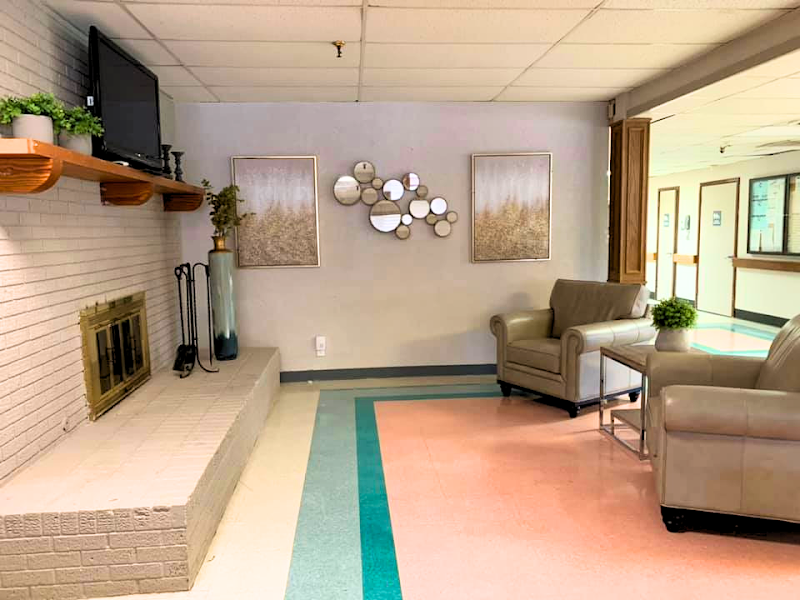
How Does Wellington Compare to Other Texas Nursing Homes?

Compared to the 100 nursing homes in Texas, WELLINGTON CARE CENTER's overall rating (4 stars) is above the state average of 2.8, staff turnover (27%) is significantly lower than the state average of 46%, and health inspection rating (4 stars) is above the national benchmark.

What Should Families Ask When Visiting Wellington?

Based on this facility's data, families visiting should ask: "Can I visit during a mealtime to observe dining assistance and food quality?" "How do you handle medical emergencies, and what is your hospital transfer rate?" "Can I speak with family members of current residents about their experience?"

Is Wellington Safe?

Based on CMS inspection data, WELLINGTON CARE CENTER has a clean safety record: no substantiated abuse findings (meaning no confirmed cases of resident harm), no Immediate Jeopardy citations (the most serious violation level indicating risk of serious injury or death), and is not on the Special Focus Facility watch list (a federal program monitoring the lowest-performing 1% of nursing homes). The facility has a 4-star overall rating and ranks #1 of 100 nursing homes in Texas. While no facility is perfect, families should still ask about staff-to-resident ratios and recent inspection results during their visit.

Do Nurses at Wellington Stick Around?

Staff at WELLINGTON CARE CENTER tend to stick around. With a turnover rate of 27%, the facility is 19 percentage points below the Texas average of 46%. Low turnover is a positive sign. It means caregivers have time to learn each resident's needs, medications, and personal preferences. Consistent staff also notice subtle changes in a resident's condition more quickly.

Was Wellington Ever Fined?

WELLINGTON CARE CENTER has no federal fines on record. CMS issues fines when nursing homes fail to meet care standards or don't correct problems found during inspections. The absence of fines suggests the facility has either maintained compliance or corrected any issues before penalties were assessed. This is a positive indicator, though families should still review recent inspection reports for the full picture.

Is Wellington on Any Federal Watch List?

WELLINGTON CARE CENTER is not on any federal watch list. The most significant is the Special Focus Facility (SFF) program, which identifies the bottom 1% of nursing homes nationally based on persistent, serious quality problems. Not being on this list means the facility has avoided the pattern of deficiencies that triggers enhanced federal oversight. This is a positive indicator, though families should still review the facility's inspection history directly.