WHITESBORO HEALTH AND REHABILITATION CENTER
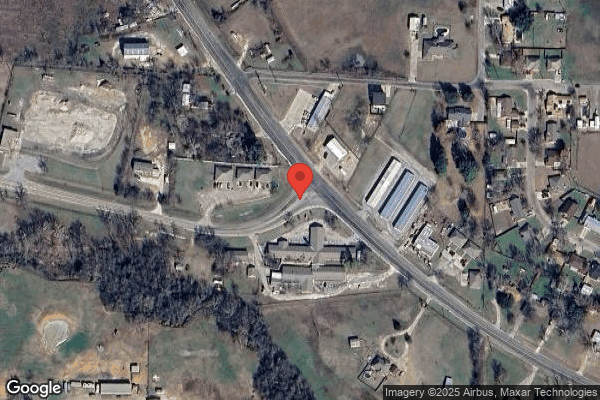
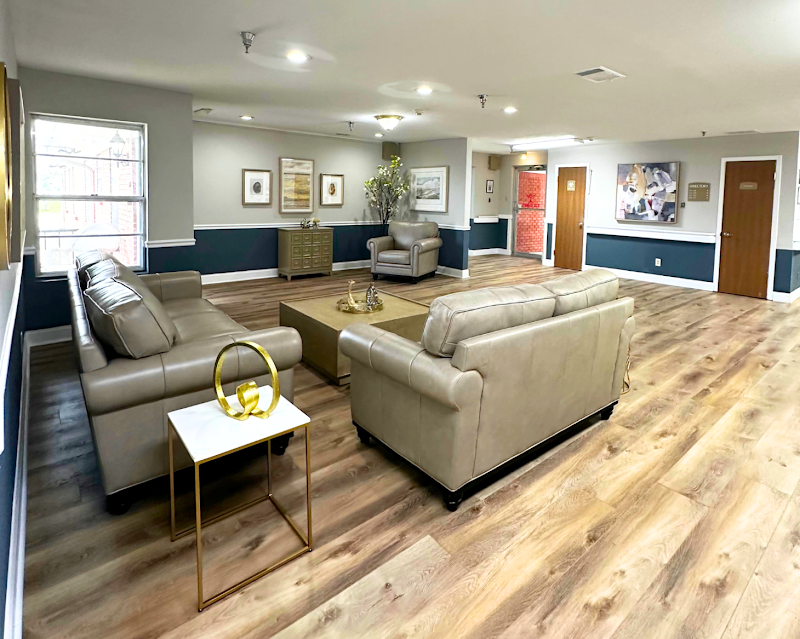
1204 SHERMAN DR, WHITESBORO, TX 76273 (903) 564-7900
For profit - Corporation 100 Beds CREATIVE SOLUTIONS IN HEALTHCARE Data: November 2025 3 Immediate Jeopardy citations
Trust Grade
24/100
#614 of 1168 in TX
Last Inspection: May 2025

Inspected within the last 6 months. Data reflects current conditions.

Overview

Whitesboro Health and Rehabilitation Center has received a Trust Grade of F, indicating significant concerns regarding care quality and safety. Ranking #614 out of 1168 facilities in Texas places them in the bottom half, and #6 out of 11 in Grayson County means only five local options are worse. The facility's trend is worsening, with issues increasing from 3 in 2024 to 10 in 2025. Staffing is a relative strength with a 0% turnover rate, suggesting staff stability, but the overall staffing rating is only 2 out of 5 stars, indicating below-average staffing levels. Recent inspections revealed critical incidents, including a failure to administer a resident's anti-seizure medication for two days, which could lead to life-threatening seizures, and inadequate supervision resulting in a resident falling and sustaining fractures. While RN coverage is better than 81% of Texas facilities, the presence of $28,970 in fines and multiple critical issues suggests families should carefully consider if this facility meets their loved one's care needs.

Trust Score
F
24/100
In Texas
#614/1168
Bottom 48%
Safety Record
High Risk
Review needed
Inspections
Getting Worse
3 → 10 violations
Staff Stability
○ Average
Turnover data not reported for this facility.
Penalties
○ Average
$28,970 in fines. Higher than 53% of Texas facilities. Some compliance issues.
Skilled Nurses
○ Average
Each resident gets 34 minutes of Registered Nurse (RN) attention daily — about average for Texas. RNs are the most trained staff who monitor for health changes.
Violations
⚠ Watch
13 deficiencies on record. Higher than average. Multiple issues found across inspections.
★★★☆☆
3.0
Overall Rating
★★☆☆☆
2.0
Staff Levels
★★★☆☆
3.0
Care Quality
★★★☆☆
3.0
Inspection Score
Stable
2024: 3 issues
2025: 10 issues

The Good

  • Full Sprinkler Coverage · Fire safety systems throughout facility
  • No fines on record

Facility shows strength in fire safety.

The Bad

3-Star Overall Rating

Near Texas average (2.8)

Meets federal standards, typical of most facilities

Federal Fines: $28,970

Below median ($33,413)

Moderate penalties - review what triggered them

Chain: CREATIVE SOLUTIONS IN HEALTHCARE

Part of a multi-facility chain

Ask about local staffing decisions and management

The Ugly 13 deficiencies on record

3 life-threatening
Sept 2025 3 deficiencies
CONCERN (D) 📢 Someone Reported This

A family member, employee, or ombudsman was alarmed enough to file a formal complaint

Potential for Harm - no one hurt, but risky conditions existed

Resident Rights (Tag F0550)

Could have caused harm · This affected 1 resident

**NOTE- TERMS IN BRACKETS HAVE BEEN EDITED TO PROTECT CONFIDENTIALITY** Based on observation, interview, and record review, the facility failed to treat each resident with respect and dignity and care...

Read full inspector narrative →
**NOTE- TERMS IN BRACKETS HAVE BEEN EDITED TO PROTECT CONFIDENTIALITY** Based on observation, interview, and record review, the facility failed to treat each resident with respect and dignity and care for each resident in a manner and in an environment that promoted maintenance or enhancement of his or her quality of life for 1 of 4 (Resident #1) residents reviewed for dignity.The facility failed to treat Resident #1 with dignity and promote enhancement of his quality of life when the resident was not provided a privacy bag for his urinary catheter bag (collection bag for urine) on 09/10/2025.This failure could place residents at risk of not having their right to a dignified existence maintained.Findings included: Record review of Resident #1's Face Sheet, dated 09/10/2025, reflected the resident was a [AGE] year-old male who admitted to the facility on [DATE]. Resident #1 had diagnoses which included benign prostatic hyperplasia (flow of urine from the bladder is blocked) and cerebral infarction (blood flow to a part of the brain is blocked). Record review of Resident #1's Quarterly MDS (tool used to assess functional capabilities and health needs) Assessment, dated 08/19/2025, reflected moderately impaired cognition with a BIMS (tool used to assess cognition) score of 08. Section H (bowel and bladder) indicated Resident #1 had an indwelling urinary catheter. Record review of Resident #1's Comprehensive Care Plan, dated 07/23/2025, reflected Resident #1 had an indwelling catheter. One intervention was position catheter bag and tubing below the level of the bladder and in a privacy bag.During an observation and interview on 9/10/2025 at 8:40 AM, Resident #1 was sitting in his wheelchair in the hallway near the nurse's station talking to CNA B. Resident #1's urinary catheter bag was hanging on his wheelchair and not in a privacy bag. Resident #1 stated it was usually covered. CNA B stated Resident #1 had probably lost the privacy bag. She stated it was supposed to be covered for the resident's dignity. CNA B stated she would get a privacy bag for the resident.During an interview on 09/10/2025 at 8:54 AM, LVN C stated Resident #1's urinary catheter bag should have been inside a privacy bag. She stated it was a dignity issue. During an interview on 09/10/2025 at 2:14 PM, the DON stated her expectation was for nursing staff to ensure urinary catheter bags were covered for the dignity of the residents. During an interview on 09/10/2025 at 3:20 PM, the ADON stated residents with a urinary catheter should have it in a privacy bag for the resident's dignity.The facility's policy Catheter Care, undated, did not address the use of a privacy bag.
CONCERN (D) 📢 Someone Reported This

A family member, employee, or ombudsman was alarmed enough to file a formal complaint

Potential for Harm - no one hurt, but risky conditions existed

Deficiency F0558 (Tag F0558)

Could have caused harm · This affected 1 resident

**NOTE- TERMS IN BRACKETS HAVE BEEN EDITED TO PROTECT CONFIDENTIALITY** Based on observation, interview, and record review the facility failed to ensure residents had the right to reside and receive s...

Read full inspector narrative →
**NOTE- TERMS IN BRACKETS HAVE BEEN EDITED TO PROTECT CONFIDENTIALITY** Based on observation, interview, and record review the facility failed to ensure residents had the right to reside and receive services in the facility with reasonable accommodation of resident needs and preferences except when to do so would endanger the health or safety of the resident or other residents for 1 of 10 (Resident #2) residents reviewed for reasonable accommodation of needs. The facility failed to ensure the call light system in Resident #2's room was in a position accessible to the resident on 09/10/2025.This failure could place the residents at risk of being unable to obtain assistance when needed and help in the event of an emergency.Findings included: Record review of Resident #2's Face Sheet, dated 09/10/2025, reflected the resident was a [AGE] year-old male who admitted to the facility on [DATE]. Resident #2 had diagnoses which included dementia (decline in cognitive function that interferes with daily life) and unsteadiness on feet.Record review of Resident #2's Quarterly MDS Assessment, dated 08/20/2025, reflected severe cognitive impairment with a BIMS score of 03. Resident #2 required staff assistance for self-care needs. Record review of Resident #2's Comprehensive Care Plan, dated 09/01/2025, reflected the resident was at risk for falls. One of the interventions was to ensure the call light was within reach and encourage the resident to use it for assistance as needed. During an observation and interview on 09/10/2025 at 9:40 AM, Resident #2 was lying in bed awake. Resident #2's call light cord was on the floor approximately two feet to the right of the head of his bed. When he was asked if he used his call light, Resident #2 replied no. A further attempt to interview the resident was unsuccessful due to his cognitive status. CNA B came into the resident's room and stated the resident did not use the call light. He stated Resident #2 had poor vision and the call light was normally clipped near the resident's pillow. CNA B placed the call light within the resident's reach. He stated it was important for the call light to be within the resident's reach so he could use it to call for help. During an interview on 09/10/2025 at 10:23 AM, LVN C stated Resident #2 did not use the call light and staff had to anticipate his needs. She stated staff tried to keep the call light clipped on Resident #2's bed. She stated it was important to ensure the call light was within the resident's reach because it was a safety issue. LVN C stated it was also Resident #2's right to have access to his call light. During an interview on 09/10/2025 at 1:45 PM, the Administrator stated the facility did not have a policy specific to call light placement. He stated the expectation was for all residents to have access to their call lights. He stated the nursing staff monitored call light placement during rounds, and all staff should ensure the call light is within reach before leaving a resident's room. He stated the call light should have been clipped within Resident #2's reach. During an interview on 09/10/2025 at 2:14 PM, the DON stated Resident #2's call light should have been within his reach so if he wanted to use it he could. During an interview on 09/10/2025 at 3:20 PM, the ADON stated all residents should have their call light in reach. He stated it was for the residents' safety and to ensure they could notify staff if they needed assistance of any kind.The facility did not provide a policy related to the use of call lights.
CONCERN (D) 📢 Someone Reported This

A family member, employee, or ombudsman was alarmed enough to file a formal complaint

Potential for Harm - no one hurt, but risky conditions existed

Infection Control (Tag F0880)

Could have caused harm · This affected 1 resident

**NOTE- TERMS IN BRACKETS HAVE BEEN EDITED TO PROTECT CONFIDENTIALITY** Based on observation, interview, and record review the facility failed to establish and maintain an infection prevention and con...

Read full inspector narrative →
**NOTE- TERMS IN BRACKETS HAVE BEEN EDITED TO PROTECT CONFIDENTIALITY** Based on observation, interview, and record review the facility failed to establish and maintain an infection prevention and control program designed to provide a safe, sanitary, and comfortable environment and to help prevent the development and transmission of communicable diseases and infections for 1 of 5 (Resident #3) residents reviewed for infection control.The facility failed to ensure CNA B changed gloves and washed his hands while providing incontinence care for Resident #3 on 09/10/2025.This failure could place residents at risk of cross-contamination and development of infections.The findings included:Record review of Resident #3's Face Sheet, dated 09/10/2025, reflected the resident was a [AGE] year-old female who admitted to the facility on [DATE]. Resident #3 had diagnoses which included hypertension (high blood pressure) and chronic obstructive pulmonary disease (lung disease that causes shortness of breath). Record review of Resident #3's Quarterly MDS Assessment, dated 08/04/2025, reflected intact cognition with a BIMS score of 15. Section H (bladder and bowel) indicated Resident #3 was frequently incontinent of bowel and bladder. Record review of Resident #3's Comprehensive Care Plan, dated 06/26/2025, reflected Resident #3 has bladder incontinence. Interventions included to provide incontinence care as needed every two hours and monitor for signs and symptoms of a urinary tract infection. During an interview and observation on 09/10/2025 at 1:20 PM, CNA B provided incontinence care for Resident #3. Resident #3 agreed for the surveyor to observe CNA B provide care. CNA B washed his hands in the resident's restroom and placed incontinence care items on a towel draped over the bedside table. CNA B pulled down the front of the brief and cleaned the resident used a single wipe for each pass. CNA B removed his gloves and went to a cabinet in the resident's room, opened the door, and removed a clean brief. CNA B did not use hand sanitizer or wash his hands. CNA B returned to the bedside and put on clean gloves. Resident #3 rolled to her left side and CNA B cleaned the resident's bottom. He did not remove his gloves. CNA B placed the clean brief under Resident #3. He moved to the opposite side of the bed and Resident #3 rolled to her right side. CNA B pulled on the draw sheet to straighten it and straightened the brief under the resident. Resident #3 rolled to her back and CNA B secured the tabs on the brief. CNA B removed his gloves and washed his hands in the resident's restroom before exiting the room. CNA B stated he should have washed his hands or used hand sanitizer when he took off his gloves. CNA B stated he should not have touched the clean brief and draw sheet while wearing the gloves he used to clean Resident #3. CNA B stated it could spread infectious diseases. During an interview on 09/10/2025 at 2:02 PM, LVN C stated anytime a staff member removed gloves, they should wash their hands or use hand sanitizer. LVN C stated staff should not touch anything else with soiled gloves. She stated it was important for infection control. During an interview on 09/10/2025 at 2:14 PM, the DON stated the expectation of staff was to always wash their hands or use hand sanitizer between dirty and clean gloves. She stated this was important because of the potential for infection. She stated the facility would provide in-service training to ensure staff followed infection control measures when caring for residents. During an interview on 09/10/2025 at 3:20 PM, the ADON stated CNA B should have washed his hands or used hand sanitizer when changing gloves during incontinence care. He stated CNA B should not have touched clean items while wearing soiled gloves. The ADON stated it was important to prevent cross contamination and infection. Review of the facility's policy Fundamentals of Infection Control Precautions, undated, reflected, A variety of infection control measures are used for decreasing the risk of transmission of microorganisms in the facility. Hand hygiene continues to be the primary means of preventing the transmission of infection. The following is a list of some situations that require hand hygiene . Before and after assisting a resident with personal care. Wearing gloves does not replace the need for hand washing because gloves may have small inapparent defects or be torn during use, and hands can become contaminated during removal of gloves.
May 2025 4 deficiencies
CONCERN (D)

Potential for Harm - no one hurt, but risky conditions existed

Accident Prevention (Tag F0689)

Could have caused harm · This affected 1 resident

**NOTE- TERMS IN BRACKETS HAVE BEEN EDITED TO PROTECT CONFIDENTIALITY** Based on observations, interviews, and record review the facility failed to ensure the resident environment remained as free fro...

Read full inspector narrative →
**NOTE- TERMS IN BRACKETS HAVE BEEN EDITED TO PROTECT CONFIDENTIALITY** Based on observations, interviews, and record review the facility failed to ensure the resident environment remained as free from accident hazards as possible and each resident received adequate supervision and assistive devices to prevent accidents for 1 (Resident #41) of 8 residents reviewed for accident hazards. The facility failed to ensure Resident #41's fall mat was not folded up and leaned against a wall when Resident #41 was lying in bed on 05/13/2025. This failure could place residents at risk of harm and serious injuries. Findings included: Record review of Resident #41's Physician's Order, dated 04/08/2025, reflected low bed with floor mat at bedside. Record review of Resident #41's Face Sheet, dated 05/13/2025, reflected the resident was an [AGE] year-old male who admitted to the facility on [DATE]. Resident #41 had diagnoses which included unsteadiness on feet and a history of falls. Record review of Resident #41's Quarterly MDS Assessment, dated 03/16/2025, reflected severely impaired cognition with a BIMS score of 01. The Quarterly MDS Assessment indicated that the resident had dementia and seizure (abnormal brain activity affecting muscle control) disorder. Record review of Resident #41's Comprehensive Care Plan, dated 03/31/2025, reflected Resident #41 was at risk for falls r/t Confusion, Gait/balance problem. One intervention was Keep bed in lowest position with floor mat at bedside. During an observation on 05/13/2025 at 9:26 AM, Resident #41 was lying in bed asleep. Resident #41's fall mat was folded up and leaned against the wall near his bed. During an interview on 05/13/2025 at 9:47 AM, RN A stated Resident #41 had tried to get out of bed without assistance. She stated it was important to have Resident #41's fall mat next to his bed to prevent injury if he fell. She stated she was not sure if the fall mat was to be used at nighttime or any time the resident was in bed. During an interview on 05/13/2025 at 11:30 AM, the DON stated Resident #41's fall mat should have been placed next to the bed while the resident was lying in bed. She stated it should be put up when the resident was not in bed. She stated this intervention helped prevent an injury if the resident fell. During an interview on 05/15/2025 at 1:15 PM, CNA B stated Resident #41's bed had to be in the lowest position and the floor mat next to the bed when Resident #41 was in bed. She stated this was important to prevent injury if the resident fell. During an interview on 05/15/2025 at 1:40 PM, the Administrator stated it was important to have a fall mat in place in case Resident #41 tried to transfer or was non-compliant with waiting for staff to assist him. He stated if the resident rolled out of the bed, the fall mat could prevent injury. The facility did not provide a policy for fall mats prior to exit.
CONCERN (D)

Potential for Harm - no one hurt, but risky conditions existed

Incontinence Care (Tag F0690)

Could have caused harm · This affected 1 resident

**NOTE- TERMS IN BRACKETS HAVE BEEN EDITED TO PROTECT CONFIDENTIALITY** Based on observation, interview, and record review, the facility failed to ensure a resident who was incontinent of bladder rece...

Read full inspector narrative →
**NOTE- TERMS IN BRACKETS HAVE BEEN EDITED TO PROTECT CONFIDENTIALITY** Based on observation, interview, and record review, the facility failed to ensure a resident who was incontinent of bladder received appropriate treatment and services to prevent urinary tract infections for 2 (Resident #41 and Resident #24) of 10 residents reviewed for infection control. 1. The facility failed to ensure Resident #41's foley catheter (tube that drains urine) bag was not touching the floor when the resident was lying in bed on 05/13/2025. 2. The facility failed to ensure CNA D wiped from front to back when providing incontinent care to Resident #24 on 05/15/2025. These failures could place residents at risk of cross-contamination and development of infections. The findings included: Resident #41 Record review of Resident #41's Face Sheet, dated 05/13/2025, reflected the resident was an [AGE] year-old male who admitted to the facility on [DATE]. Resident #41 had diagnoses which included neuromuscular dysfunction of the bladder (bladder does not function properly) and hypertension (high blood pressure). Record review of Resident #41's Quarterly MDS Assessment, dated 03/16/2025, reflected severely impaired cognition with a BIMS score of 01. The MDS Assessment reflected Resident #41 had an indwelling foley catheter. Record review of Resident #41's Comprehensive Care Plan, dated 03/13/2025, reflected Resident #41 has indwelling foley catheter. Interventions included Position catheter bag and tubing below the level of bladder and in a privacy bag and check tubing for kinks and maintain drainage bag off the floor. During an observation on 05/13/2025 at 9:26 AM, Resident #41 was lying in bed asleep. Resident #41's foley bag (collects urine) was in a privacy bag and hung on the bedrail. The bottom of the privacy bag was touching the floor. During an interview on 05/13/2025 at 9:47 AM, RN A stated Resident #41's foley bag should not have been touching the floor. She stated it was not supposed to be on the floor because it could collect bacteria, become contaminated, and cause infection. During an interview on 05/13/25 at 11:30 AM, the DON stated it was important to prevent foley catheter bags from touching the ground to prevent contamination and infection. She stated the nurse and CNAs were responsible for monitoring the foley bags to ensure they were kept off of the floor. The DON stated she was in-servicing staff. Review of the facility's policy Catheter Care reflected Be sure the catheter tubing and drainage bag are kept off the floor. Resident #24 Record review of Resident #24's Face Sheet, dated 05/14/2025, reflected the resident was an [AGE] year-old female who admitted to the facility on [DATE]. Resident #24 had diagnoses which included dementia and the need for assistance with personal care. Record review of Resident #24's Quarterly MDS Assessment, dated 04/03/2025, reflected moderate impaired cognition with a BIMS score of 08. Section G (functional status) indicated Resident #24 required extensive assistance with toileting needs. Record review of Resident #24's Comprehensive Care Plan, dated 04/07/2025, reflected ADL Self Care Performance Deficit. One intervention was to assist resident with toileting needs. During an observation and interview on 05/15/2025 at 10:17 AM CNA D and CNA E provided incontinence care for Resident #24. CNA D and CNA E washed their hands in resident's restroom and put on gloves. CNA D pulled down the front of Resident #24's brief and used a single wipe with each pass to clean the resident, wiping in a downward motion. Resident #24 rolled to her left side and CNA E held the resident while CNA D cleaned the resident's bottom. CNA D did not wipe the resident from the front to the back, ensuring to wipe toward the bottom. After cleaning Resident #24's bottom, CNA D stated she should have wiped from front to back. CNA D did not clean the resident again. CNA D dropped the soiled brief into the trash bag. She used hand sanitizer when changing gloves. CNA D placed a clean brief under Resident #24 and applied barrier cream to the resident's bottom. CNA D used hand sanitizer when changing gloves. CNA D secured the tabs on each side of the brief and pulled up the resident's blanket. CNA D and CNA E removed their gloves and washed their hands in the resident's restroom. Upon exiting Resident #24's room, CNA D stated she should have wiped the resident from front to back to prevent infection. She stated it was important to not transfer anything. She stated not cleaning correctly could cause the resident to get a urinary tract infection. During an interview on 05/15/2025 at 11:42 AM, the DON and Regional Nurse stated it was important for staff to clean the residents properly when providing incontinence care to prevent the spread of infection. The DON stated staff would be in-serviced. Review of the facility's policy Infection Control Policy and Procedures Manual 2019, updated March 2024, reflected The facility will establish and maintain an Infection Control Program designed to provide a safe, sanitary and comfortable environment and to help prevent the development and transmission of disease and infection.
CONCERN (E)

Potential for Harm - no one hurt, but risky conditions existed

Resident Rights (Tag F0550)

Could have caused harm · This affected multiple residents

**NOTE- TERMS IN BRACKETS HAVE BEEN EDITED TO PROTECT CONFIDENTIALITY** Based on observations, interviews, and record review, the facility failed to treat each resident with respect and dignity and ca...

Read full inspector narrative →
**NOTE- TERMS IN BRACKETS HAVE BEEN EDITED TO PROTECT CONFIDENTIALITY** Based on observations, interviews, and record review, the facility failed to treat each resident with respect and dignity and care for each resident in a manner and in an environment that promoted maintenance or enhancement of his or her quality of life for one (Resident #147) of five residents reviewed for dignity. The facility failed to treat Resident #147 with dignity and promote enhancement of his quality of life when the resident was not provided a privacy bag for his foley bag (collection bag for urine) on 05/13/2025. This failure placed residents at risk of not having their right to a dignified existence maintained. Findings included: Record review of Resident #147's Face Sheet, dated 05/13/2025, reflected the resident was a [AGE] year-old male who admitted to the facility on [DATE]. Resident #147 had diagnoses which included obstructive and reflux uropathy (urine flow is blocked) and central cord syndrome (affects motor function in arms and legs). Record review of Resident #147's Comprehensive MDS (tool used to assess functional capabilities and health needs) Assessment, dated 05/12/2025, reflected Resident #147 was cognitively intact with a BIMS (tool used to assess cognition) score of 15. Section H (bowel and bladder) reflected Resident #147 had an indwelling foley catheter. Record review of Resident #147's Comprehensive Care Plan, dated 05/13/2025, reflected Resident #147 had an indwelling catheter related to obstructive and reflux uropathy. One intervention was to provide a catheter bag with an attached cover. During an observation, an interview on 05/13/25 at 9:34 AM, Resident #147 was sitting in his wheelchair in the doorway of his room. His foley catheter bag was not in a privacy bag. Resident #147 stated he came to the facility on Friday and a staff member told him the previous day they would bring him a bag to cover it but did not. Resident #147 stated he wanted the foley bag hid because it was embarrassing. During an interview on 05/13/2025 at 9:38 AM, CNA B stated she just came on shift and was going to get Resident #147 a privacy bag. She stated she planned to get one as soon as she finished rounding on her residents. She stated it was important for the resident's dignity and other residents might not want to see the foley bag. During an interview on 05/13/2025 at 9:47 AM, RN A stated the Resident #147's foley bag should have been covered. She stated it could be embarrassing for the resident. She stated no one wanted to walk around with a foley bag and have everyone see what was in it. During an interview on 5/13/2025 at 11:30 AM, the DON stated she instructed staff to get Resident #147 a foley bag with an attached cover and remind the resident to call staff to empty the foley bag. The DON stated it was important to ensure foley bags were covered for the dignity of the resident. She stated the nurses and CNAs were responsible for monitoring to ensure foley bags were covered. She stated she would in-service staff. During an interview on 05/15/2025 at 1:40 PM, the administrator stated it was important to keep the foley catheter bag in a privacy bag for the resident's dignity. He stated it could be embarrassing for the resident. Review of the facility's policy Catheter Care did not reflect the use of a privacy bag.
CONCERN (E)

Potential for Harm - no one hurt, but risky conditions existed

Infection Control (Tag F0880)

Could have caused harm · This affected multiple residents

Based on observation, interview, and record review the facility failed to establish and maintain an Infection Prevention and Control Program designed to provide a safe, sanitary, and comfortable envir...

Read full inspector narrative →
Based on observation, interview, and record review the facility failed to establish and maintain an Infection Prevention and Control Program designed to provide a safe, sanitary, and comfortable environment and to help prevent the development and transmission of communicable diseases and infections for 3 (Residents #24, #23, and #1) of 12 residents reviewed for infection control. The facility failed to ensure LVN C cleaned the blood pressure cuff between residents when administering medication to Residents #24, #23, and #1 on 05/14/2025. These failures could place residents at risk of cross-contamination and development of infections. The findings included: During observation and interview on 05/14/2025 at 7:59 AM, LVN C was observed administering medication to residents. LVN C took a blood pressure cuff into Resident #24's room and checked her blood pressure prior to preparing the medication to administer. LVN C did not use a wipe to sanitize the blood pressure cuff when she returned to the medication cart. After administering the medication to Resident #24, LVN C took the blood pressure cuff into Resident #23's room and checked her blood pressure. She returned to the medication cart and did not use a wipe to sanitize the blood pressure cuff. LVN C prepared the medication and took it to Resident #23. LVN C took the blood pressure cuff into Resident #1's room to check his blood pressure. LVN C returned to the medication cart to prepare Resident #1's medication to administer. LVN C did not use a wipe to sanitize the blood pressure cuff. LVN C administered the medication to Resident #1 and returned to the medication cart. LVN C stated she did not clean the blood pressure cuff between residents. LVN C stated it was important to sanitize items used for more than one resident to control infection. During an interview on 05/14/2025 at 8:50 AM the Regional Nurse stated LVN C was probably nervous about being watched and forgot to clean the blood pressure cuff. She stated they would follow-up with LVN C. During an interview on 05/14/25 at 10:53 AM, the DON stated LVN C should have cleaned the blood pressure cuff between residents. She stated any equipment used for more than one resident must be wiped with a sanitizing wipe between residents. She stated this was important for infection control. The DON stated she had already provided 1:1 in-service to LVN C. Review of the facility's policy Infection Control Policy and Procedures Manual 2019, updated March 2024, reflected The facility will establish and maintain an Infection Control Program designed to provide a safe, sanitary and comfortable environment and to help prevent the development and transmission of disease and infection .Ensure that reusable equipment is appropriately cleaned, disinfected, or reprocessed.
Mar 2025 3 deficiencies 3 IJ (2 affecting multiple)
CRITICAL (J) 📢 Someone Reported This

A family member, employee, or ombudsman was alarmed enough to file a formal complaint

Immediate Jeopardy (IJ) - the most serious Medicare violation

Accident Prevention (Tag F0689)

Someone could have died · This affected 1 resident

**NOTE- TERMS IN BRACKETS HAVE BEEN EDITED TO PROTECT CONFIDENTIALITY** Based on observations, interviews, and record review the facility failed to ensure residents received adequate supervision and a...

Read full inspector narrative →
**NOTE- TERMS IN BRACKETS HAVE BEEN EDITED TO PROTECT CONFIDENTIALITY** Based on observations, interviews, and record review the facility failed to ensure residents received adequate supervision and assistance devices to prevent accidents for one (Resident #1) of four residents reviewed for accidents and supervision. The facility failed to transport the resident in a safe manner by using the rollator walker as a wheelchair resulting in the resident falling forward and sustaining fractures to her left elbow, and right hip. A Past Non-Compliance Immediate Jeopardy (PNC IJ) was identified and presented to the Administrator and DON on 03/20/2025 at 3:45 PM. The noncompliance began on 02/15/2025 and ended on 02/21/2025. The facility corrected the noncompliance before the investigation began. This failure could place residents at risk of injury and a decreased quality of life. Findings Included: Record review of Resident # 2's Face Sheet printed 03/18/25 reflected was an [AGE] year-old female admitted to the facility on [DATE]. It reflected a history of falls with injury; Rheumatoid Arthritis, history of prior fractures, advanced osteoarthritis, lack of coordination, muscle weakness, a BIMS score of 15 , ( brief screening tool that aids in detecting cognitive impairment) , however, the resident was noted to have difficulty focusing and disorganized thinking at baseline. Record review of Resident #2's Care Plan dated 03/18/25 revealed: The resident has an ADL Self Care Performance Deficit Date Initiated: 12/16/2024 - Interventions. The resident uses a walker Date Initiated: 12/16/2024. Toilet use: requires staff x1 for assistance Date Initiated: 12/16/2024. Walking: requires staff x1 for assistance Date Initiated: 12/16/2024 Record review of nursing notes dated 02/15/2025 at 1:30 PM Resident #2 complained of pain to her left shoulder, right elbow, and hip after falling from her rollator walker used for transporting her to the restroom by LVN C. She was medicated for pain but did not have relief from this, so she was sent to ER for evaluation. She returned same day with diagnosis of non-displaced hairline fracture to left proximal humorous and periprosthetic fracture around right internal prosthetic right hip joint. Further record review dated 02/15/25 at 5:14 PM, during the investigation of the incident, it was discovered that LVN C was transporting the resident using the rollator walker. The resident attempted to adjust herself in the seat of the walker while it was in motion and fell forward. As a result, the resident sustained a fracture to her left humorous and to her right femur. During an interview on 03/19/25 at 5:10 PM, LVN C, she stated she had been a nurse for about 30 years. She stated she was the weekend supervisor and sometimes on the weekends she would help the CNA. She stated sometimes the rollator and wheelchair were in resident #2's room. On 02/15/25, she stated she asked the resident which device she wanted to use to be transported, and the resident stated she wanted the rollator. LVN C stated she knew the resident should have been transported in the wheelchair and she had transferred Resident #2 using the rollator before. She said she helped the resident up and sat her in the rollator seat, moved forward then stopped for a second and the resident just rolled out and on the floor. LVN C stated she called and asked for assistance and then made the immediate decision to send her to the hospital for evaluation because resident #2 had some fractures in the past. LVN C stated if she had known Resident #2 was weaker, she would have sat her in the wheelchair. She said I have been in nursing homes for years; I usually have a second person with me but this time I did not. LVN C stated she had received one on one training after the incident and was also part of the group in service training on resident transfers, abuse, or neglect after the incident, and they also specified on not to use the Rollator, and ANE. Resident #1 was no longer at the facility and could not be contacted for interview. Record review of hospital records dated 02/15/25 revealed x-rays completed with diagnosis of fracture of Resident #1's right femur (thigh bone) and left humorous (upper arm bone). Record review of Care Plan dated 03/17/25, Resident #2 Interventions initiated prior to surveyor entry on 03/18/25: RP notified 02/15/25. MD notified 02/15/25. Record review of Investigation Safe surveys for observations of staff using rollator for transporting residents 02/15/25 LVN C, was suspended pending investigation. 02/15/25 02/21/25 One on one in service with LVN C over Transferring with a rollator walker specifying intended use and prohibiting using rollator as a wheelchair. Low bed ordered for resident. Pain management for fracture and bruising The facility completed in- services of all staff 23 total, on 02/17/25 on preventive strategies to reduce falls, falls/ ambulation difficulty, change in condition. Record review of Resident #2's In-services: dated 02/17/25, title Transferring with a rollator walker specifying intended use prohibiting using rollator as a wheelchair. Abuse and Neglect Monitoring - DON/designee to ask 6 nursing staff members per week how to locate how much assistance is needed for a resident task and what they would do if the proper number of staff is not present, resident. During facility rounds, are there any signs of staff performing their duties in a neglectful manner? Note any corrective actions. DON / Designee to monitor at least 5 of the following processes each week to ensure the proper number of staff is providing assistance: bathing, bed mobility, transferring, walking, incontinent care. Record review of Resident # 1's Care plan updated 02/15/25: The resident has an ADL Self Care Performance Deficit Date Initiated: 12/16/2024. Revision on: 03/17/2025 Toilet use: requires staff x1 for assistance Date Initiated: 12/16/2024. Created by: CN The resident uses a walker Date Initiated: 12/16/2024. Created by CN Record review of Resident # 1 Interventions: TRANSFER: the resident requires Mechanical lift and 2 staff for transfers. Date Initiated: 02/15/2025. Created by: RGCN The resident has a left humerus fracture and right femur fracture post Fall Date Initiated: 02/16/2025. Revision on: 03/17/2025 The resident has a left humerus fracture and right femur fracture post fall. Date Initiated: 02/16/2025. Revision on: 03/17/2025 GOAL: The resident will remain free of complications related to hip fracture, such as contracture formation, embolism, and immobility through review date Interventions: Rollator taken home by family Date Initiated: 02/17/2025 Created by:RGCN Report any pain to the charge nurse Date Initiated: 02/16/2025. Created by: RGCN Reposition as necessary to prevent skin breakdown. Prevent 90-degree flexion to prevent circulation problems. Date Initiated: 02/16/2025. Created by: RGCN The resident is risk for falls. Had an actual fall Date Initiated: 12/16/2024. Revision on: 03/17/2025 Goal The resident will be free of falls through the review date. Date Initiated: 12/16/2024. Intervention Ensure that the Resident is wearing appropriate footwear when ambulating or mobilizing in w/c. Date Initiated: 12/16/2024. Created by: CN. Anticipate and meet the resident's needs. Date Initiated: 12/16/2024. Created by: CN. Review of NN dated 02/18/25 revealed the resident had a follow up appointment with orthopedic MD for 03/03/25 and remained on NWB status until then was upgraded to WB as tolerated. Sling to affected arm and PT. During an interview on 03/19/25 at 2:51 PM CNA A, stated she has been a CNA for 25 years at this facility. CNA A stated she has never transported a resident in a rollator walker. CNA A stated the correct method to transport residents, is If they can walk with a gait belt, or a wheelchair, if it is a rollator you must walk with them but since we have been in-serviced, we do not use it. CNA A stated she had heard about the incident nut was not involved. She stated it was on another wing. She verified that she had been in serviced over using rollator and that management staff were checking on them. During an interview on 03/19/25 at 3:07 PM CNA B stated she has been a CNA for 19 years, 6 months at this facility. She stated she had never transported a resident in a rollator walker. She stated walkers are made for walking that is what their purpose is. She stated the correct method to transport residents depending on their care plan, was to use a gait belt. Verbally let them know step by step, she said it helped them when you are communicating with them. She stated she had heard about the incident and was inservice over transporting residents, falls and walkers and wheelchairs. During an interview on 03/19/25 at 3:33 PM CNA C stated has been a CNA for 16 years, has been here at this facility for about 2 months. She stated she had never transported a resident in a rollator walker and that it is to be used as walker. She stated the correct method for using a walker was a walker make sure they use it properly, use a gait belt to transfer them. She was not familiar with the incident abd had received in-servicing on how to properly use a wheelchair, and do not use a Rollator. She stated that the person transporting the resident should ensure they are performing the task correctly. During an interview on 03/19/25 at 2:15 PM, OTA stated she has never transported a resident in a rollator walker. OTA stated the correct method to transport residents is by using a wheelchair or if resident is able to ambulate with walker and gait belt. OTA stated she heard was a CNA was pushing a resident in a in a rollator, and she fell hit her face on the floor. OTA stated we were in serviced it mainly dealt with the rollator is not a mode of transport and trained on the use of wheelchairs. Interview attempts with PT D on 03/19/25 at 2:36 PM, and 2:45 PM were unsuccessful left VM. During an interview on 03/19/25 at 2:55 PM, PTA E, stated works part time more like as a needed basis. Stated the following, she had never transported a resident in a rollator walker. She stated it was not the correct method to transport residents, it was by wheelchair, and should not t use the Rollator PTA E was not familiar with the incident and confirmed in-servicing was received after the incident over how to transport residents, and not to use the rollator. During an interview on 03/19/25 at 2:45 PM with PTA F, stated has been a here since 10/2024. PTA F stated he has never transported a resident in a rollator walker. PTA F verbalized correct method of transporting residents. He stated he was not familiar with the incident. On 03/19/25 at 3:45 PM, a request was submitted to the ADMIN requesting the following policies from the facility. Assisting residents with toileting, transfers or transportation of residents, and a safe handling policy. The ADMIN stated they had no specific safe patient handling policy. During an interview on 03/19/25 at 4:20 PM with LVN F, stated she has been an RN for approximately 35 years. LVN F had stated she never has transported a resident in a rollator walker. LVN F, stated the correct method to transport residents, was either by walker or wheelchair depending by their ambulation status. LVN F, stated she knew about the incident, she completed the fall assessment on Resident #2. She stated in servicing was done over no transportation on the seated walkers. Use wheelchairs. During an interview on 03/19/25 at 4:30 PM ADON, she stated had been nurse for 6 years, ADON for about 3 weeks, she stated she had been trained on resident transfers. She stated she was trained in this facility. The ADON, stated the resident should not have been transported in the walker and should have been transported to the restroom with the use of a wheelchair. The ADON stated after the incident the entire staff received in service on resident transfers, abuse, or neglect. Additionally, on to not use a rollator as a means of transport, use a wheelchair. During an interview on 03/19/25 at 5:30 PM, RCN stated she has been trained in the proper technique on resident transfers. RCN stated as part of her regularly assigned duties it is her job to instruct medical staff, including nurses on the proper techniques to transfer residents. RCN stated she should not have used the seated walker to transport the resident seated walker. But instead used a wheelchair, to transport the resident to the restroom. RCN stated she was the one responsible for and provided everyone on the nursing staff on proper transfer techniques including that a wheelchair is the proper method and not to use a rollator as a transport device because the resident could fall out of the rollator and be injured. During an interview on 03/20/25 at 9:00 AM, the ADMIN stated she has been trained by the Therapy department on resident transfers, RGCN, RELIAS training. ADMIN stated the LVN should not have transported the resident in the walker, but with a wheelchair if it was not a mobile resident. ADMIN stated after the incident all staff received in service on resident transfers, abuse, or neglect. During record review of staff training on 03/20/25 at 8:15 AM. Certifications were validated and verified via documentation provided from the facility, regarding the training on resident transfers. During record review of LVN C's employee file on 03/20/25 at 8:30 it indicated no previous infractions. Her file was reviewed and reflected that she received in service on transfer/transportation of residents during one-on-one training following the incident as well as in a group setting from 02/16/25 to 02/17/25. Observation of resident transfers on 03/20/25 from 1:00 PM to 3:00 PM for staff CNA A, CNA B, CNA C, PTA. COTA did not reflect any concerns for transfer technique. Review of the facility policy dated October 5, 2016, titled Fall Risk Mini Manual 2003. After risk is assessed, individualized nursing care plans will be implemented to prevent falls. The resident and/or family members will be educated on methods to prevent falls. Interventions will focus on manipulating the environment, educating the resident/family, implementing rehabilitation programs to improve functional ability, and care monitoring of medication side effects. Interventions initiated prior to surveyor entry on 03/18/25: Audit of all residents requiring use oof assistive devices including rollator walkers Notification of MD and RP on 02/15/25 One on one in service with LVN C Self-report to HHSC on In-services: * Transferring with a rollator walker specifying intended use prohibiting using rollator as a wheelchair. * Abuse and Neglect Monitoring of all above in-services by DON - from 02/16/25 to 03/14/25 A Past Non-Compliance Immediate Jeopardy (PNC IJ) was identified and presented to the Administrator and DON on 03/20/2025 at 3:45 PM. The noncompliance began on 02/15/2025 and ended on 02/21/2025. The facility corrected the noncompliance before the investigation began.
CRITICAL (K) 📢 Someone Reported This

A family member, employee, or ombudsman was alarmed enough to file a formal complaint

Immediate Jeopardy (IJ) - the most serious Medicare violation

Pharmacy Services (Tag F0755)

Someone could have died · This affected multiple residents

**NOTE- TERMS IN BRACKETS HAVE BEEN EDITED TO PROTECT CONFIDENTIALITY** Based on observations, interviews, and record reviews, the facility failed to provide pharmaceutical services (including procedu...

Read full inspector narrative →
**NOTE- TERMS IN BRACKETS HAVE BEEN EDITED TO PROTECT CONFIDENTIALITY** Based on observations, interviews, and record reviews, the facility failed to provide pharmaceutical services (including procedure that assure the accurate acquiring, receiving, dispensing, and administering of all drugs and biologicals) to meet the needs of 1 (Resident #1) of four residents reviewed for pharmaceutical services. A Past Non-Compliance Immediate Jeopardy (PNC IJ) was identified and presented to the Administrator and DON on 03/20/2025 at 3:45 PM. The noncompliance began on 01/25/2025 and ended on 01/28/2025. The facility corrected the noncompliance before the investigation began. The facility failed to administer Resident #1's Lacosamide (anti- seizure medication) according to medication administration orders. Resident #1 did not receive her antiepileptic medication for two days (01/25/25 and 01/26/25). This failure could place residents at risk of not receiving medications as ordered by the physician, increasing the risk of inducing life-threatening seizures, injury and not receiving the therapeutic benefits of the medications. Findings included: Record review of Resident #1 face sheet dated 03/18/25, revealed Resident #1 was a [AGE] year-old female admitted to the facility for respite services on 01/21/25 and re-admitted to the facility on [DATE]. Diagnosis included Metabolic Encephalopathy (chemical imbalance caused by illness in the blood affecting the brain); Epilepsy without status Epilepticus (seizure without a seizure lasting more than 5 minutes) and Severe Intellectual disability. Record review of Resident #1's MDS assessment, dated 01/24/25, revealed the resident's BIMS score of 03, which indicated severe cognitive impairment. Record review of Resident #1's medication administration record, dated from 01/21/25 to 01/31/25 revealed Resident #1 was receiving Lacosamide Oral Tablet 200 MG (Lacosamide) Give 1 tablet by mouth two times a day for Seizures. Review of Resident #1's physician order dated 01/21/25, on 03/19/25 revealed, Lacosamide (anti-convulsant that works by decreasing abnormal electrical activity in the brain) oral tablet 200 mg (Lacosamide) give one tablet by mouth two times a day for seizures. Review of MAR (Medication Administration Record) dated [DATE] on 03/19/25, revealed Resident #1's Lacosamide 200 mg tablet had been documented as having been administered twice a day from 01/21/25 to 01/27/25. Review of the Individual Resident Narcotic Record for resident # 1 initiated on 01/23/25 revealed that the facility did not administer the Lacosamide as ordered. There was an overage of Lacosamide remaining on the narcotic count after Resident #1 was sent to the hospital for her seizures. Resident # 1 missed four doses of her Lacosamide in total. On 03/19/25, review of the SBAR document dated 01/27/25 revealed, that LVN F had notified MD that Resident #1 had experienced three separate seizures lasting 45 seconds, 45 seconds and 1 minute 30 seconds respectively. Resident was sent to the hospital for evaluation. She returned the same day with no new orders. During an interview on 03/19/25 at 4:50 PM LVN A stated he worked weekends, rotating 12-hour shifts. He advised it was mid-week and not his normal shift on the date of the incident on 01/25/25. LVN A said when Resident #1 was admitted to the facility on [DATE], she did not have any medication available at the facility. He stated he called the pharmacy to request the medications. The medications were received on 01/22/25. The resident accidentally dislodged her IV catheter on 01/23/25 and was sent out to the hospital for replacement. She returned to the facility on [DATE] with no new medication orders. LVN A stated he looked for the Lacosamide on 01/25/25 for administration and he was unable to locate it. He stated he looked in the E kit and the Lacosamide was not there. He stated when he could not find the medication, he called the pharmacy to request it but did not call the DON to let her know. He said the meds were found in the cart on 01/27/25 but was not in the usual order, as they were normally organized alphabetically. LVN A stated he did not recall it being it being in alphabetical order so he could not find it. LVN A stated he did not administer Lacosamide 200 mg oral tablet on 01/25/25 and 01/26/25 because he thought the medication was unavailable. LVN A was given one on one in-service over medication administration by the DON on 01/27/25. LVN A stated it was both his and LVN B's responsibilities to administer medications to the residents. LVN A resigned on 01/27/25. During an interview on 03/18/25 at 5:30 PM, LVN B said she has been a charge nurse for about 4 months here and have been a nurse for 22 years. LVN B stated they did not have Lacosamide. Everything else came in but that one. She stated Resident #1 did not have any seizures for the whole shift. She stated the meds came in the next day or the day after and that the E kit did not have the Lacosamide. The meds were not administered on 01/25/25 and 01/26/25. LVN A said failure to administer medication could place the resident at risk and jeopardize their health and safety. LVN A called first on 01/25/25 to make sure it was coming he was told it would be there that night. She stated they usually get them by around 830 -900 PM at the latest, and they do not get deliveries over the weekend. LVN B said, we can't give any meds if we do not have the medication. LVN B stated we did not have Lacosamide 200 mg, everything else came in but that one. She said the e-kit medication is placed in the box by the resident's name and the lock box is where narcotics are stored, it is in alphabetical order. LVN B stated she did not recall Resident #1 having any seizures on the shifts that she worked. The medication did not come in until 01/27/25. LVN B stated she did not think that not receiving the medication would have had a negative effect on Resident #1's care and well-being due to her age. LVN B stated Resident #1 was discharged to the hospital for seizures on 01/27/25. LVN B received in-service with group over 5 Right of medication administration on 01/28/25. Further record review dated 01/28/25, medication administration record indicated the medication was administered to Resident #1. Review of the Narcotic count sheet revealed no Lacosamide was administered on 01/25/25 and 01/26/25. LVN A and LVN B documented the medication administration incorrectly and were suspended pending investigation. During a follow up interview on 03/20/25 at 2:55 PM LVN D stated they were in serviced on what to do when medications are not available. It comprised of Check to see if available in e-kit. If not in e-kit call MD to notify of medication unavailable. Request alternative available in-house medication and a HOLD order for current medication. Call pharmacy, request refill medication to be sent out. If replacement order, ask for that medications to be sent out. Correct orders in PCC either HOLD order or replacement. Chart your conversations and resolution. Ensure to put names of parties notified- RP, MD, and Pharmacy. Notify DON of above action. LVN D stated received in service training for location and using of e-kit. LVN D was able to correctly verbalize all current procedures related to medications. During a follow up interview on 03/20/25 at 3:00 PM LVN E advised it can have a negative impact on residents if they do not receive their anti-seizure meds, because it would put them at risk for break through seizures. She advised that if they do not receive their anti-seizure meds, they can have breakthrough seizures. LVN F stated they were in serviced on what to do when medications are not available. It comprised of Check to see if available in e-kit. If not in e-kit call MD to notify of medication unavailable. Request alternative available in-house medication and a HOLD order for current medication. Call pharmacy, request refill medication to be sent out. If replacement order, ask for that medications to be sent out. Correct orders in PCC either HOLD order or replacement. Chart your conversations and resolution. Ensure to put names of parties notified- RP, MD, and Pharmacy. Notify DON of above action. LVN E stated received in service training for location and using of e-kit. LVN E also correctly verbalized knowledge of medication procedures. During a follow up interview on 03/20/25 at 3:10 PM with LVN F advised that if they do not receive their anti-seizure meds, they can have breakthrough seizures. LVN F stated they were in serviced on what to do when medications are not available. It comprised of Check to see if available in e-kit. If not in e-kit call MD to notify of medication unavailable. Request alternative available in-house medication and a HOLD order for current medication. Call pharmacy, request refill medication to be sent out. If replacement order, ask for that medications to be sent out. Correct orders in PCC either HOLD order or replacement. Chart your conversations and resolution. Ensure to put names of parties notified- RP, MD, and Pharmacy. Notify DON of above action. LVN F stated received in service training for location and using of e-kit and was able to correctly identify medication procedures. Attempted phone call to Resident #1 Representative, on 03/19/25 at 3:02 PM went unanswered and no call backs were received by time of exit. During an interview on 03/19/2025 at 5:24 PM with Physician, he stated he was familiar with the incident for Resident # 1. He stated the facility notified him about the missed medications, and she had missed them. He stated the possible outcomes of missing medications for this resident specifically was inducing a seizure if her medication levels drop. He stated it would be concerning if a resident did not receive their doses of Lacosamide because it would put them at risk for break through seizures. He stated his expectations related to medication administration was discussed at the QAPI meeting and was care planned. He said that there had been no other additional missed medications of which he was aware. He stated an ADHOC QAPI meeting was completed on 01/27/25 to include the IDT team and Medical Director during which this incident was the main topic. Review of the facility policy titled Pharmacy Policy & Procedure Manual 2003, stated that The Accountability Audit of Controlled Drug Audit Sheets record will be filled in with the information that corresponds to the Rx supply. Staff will note how many doses were given and how many doses remain. 15. Medication errors and adverse drug reactions are immediately reported to the resident's Physician. In addition, the Director of nurses and/or designee should be notified of any medication errors. Any medication error will require a medication error report that includes the error and actions to prevent reoccurrence. Record review of the facility PIR on 03/18/24 revealed that the facility completed their investigation the incident. Th investigation included the audit of all medication, including anti-seizure medication for all residents. they also conducted audits of narcotic sheet documentation during which it was discovered that LVN A and LVN B did not administer Resident #1s Lacosamide as prescribed. The facility suspended LVN A and LVN B and completed their investigation. Resident #1 did return to the facility on [DATE], but discharge on the same day back to her previous residence per her family's request. The facility initiated the following interventions prior to surveyor entry on 03/18/25. 100% audit of all medications ordered in facility. 100% audit of all anti-epileptic medications for all residents The facility obtained all medications as ordered for Resident #2 Medication Error report completed 01/27/25. Notification of MD and RP 01/27/25 LVN A and LVN B were suspended pending investigation. Self-report called in to HHSC on In serviced all staff completed on 01/27/25 over: admission and readmission medication reconciliation o Use of E-kit, when and how to use o medication administration, including seizure medication and those requiring triplicate o Physician orders o What to do if medication is unavailable o Abuse, Neglect, and Exploitation o Change in condition. A Past Non-Compliance Immediate Jeopardy (PNC IJ) was identified and presented to the Administrator and DON on 03/20/2025 at 3:45 PM. The noncompliance began on 01/25/2025 and ended on 01/28/2025. The facility corrected the noncompliance before the investigation began.
CRITICAL (K) 📢 Someone Reported This

A family member, employee, or ombudsman was alarmed enough to file a formal complaint

Immediate Jeopardy (IJ) - the most serious Medicare violation

Deficiency F0760 (Tag F0760)

Someone could have died · This affected multiple residents

**NOTE- TERMS IN BRACKETS HAVE BEEN EDITED TO PROTECT CONFIDENTIALITY** Based on observations, interviews, and record reviews, the facility failed to ensure that residents are free from any significan...

Read full inspector narrative →
**NOTE- TERMS IN BRACKETS HAVE BEEN EDITED TO PROTECT CONFIDENTIALITY** Based on observations, interviews, and record reviews, the facility failed to ensure that residents are free from any significant medication error for 1 (Resident#1) of 4 residents reviewed for medication errors. A Past Non-Compliance Immediate Jeopardy (PNC IJ) was identified and presented to the Administrator and DON on 03/20/2025 at 3:45 PM. The noncompliance began on 01/25/2025 and ended on 01/28/2025. The facility corrected the noncompliance before the investigation began. The facility failed to administer Resident #1's Lacosamide (anti- seizure medication) according to medication administration orders. Resident #1 did not receive her antiepileptic medication for two days (01/25/25 and 01/26/25). This failure could place residents at risk of not receiving medications as ordered by the physician, increasing the risk of inducing life-threatening seizures, injury and not receiving the therapeutic benefits of the medications. Findings included: Record review of Resident #1 face sheet dated 03/18/25, revealed Resident #1 was a [AGE] year-old female admitted to the facility for respite services on 01/21/25 and re-admitted to the facility on [DATE]. Diagnosis included Metabolic Encephalopathy (chemical imbalance caused by illness in the blood affecting the brain); Epilepsy without status Epilepticus (seizure without a seizure lasting more than 5 minutes) and Severe Intellectual disability. Record review of Resident #1's MDS assessment, dated 01/24/25, revealed the resident's BIMS score of 03, which indicated severe cognitive impairment. Record review of Resident #1's medication administration record, dated from 01/21/25 to 01/31/25 revealed Resident #1 was receiving Lacosamide Oral Tablet 200 MG (Lacosamide) Give 1 tablet by mouth two times a day for Seizures. Review of Resident #1's physician order dated 01/21/25, on 03/19/25 revealed, Lacosamide (anti-convulsant that works by decreasing abnormal electrical activity in the brain) oral tablet 200 mg (Lacosamide) give one tablet by mouth two times a day for seizures. Review of MAR (Medication Administration Record) dated [DATE] on 03/19/25, revealed Resident #1's Lacosamide 200 mg tablet had been documented as having been administered twice a day from 01/21/25 to 01/27/25. Review of the Individual Resident Narcotic Record for resident # 1 initiated on 01/23/25 revealed that the facility did not administer the Lacosamide as ordered. There was an overage of Lacosamide remaining on the narcotic count after Resident #1 was sent to the hospital for her seizures. Resident # 1 missed four doses of her Lacosamide in total. On 03/19/25, review of the SBAR document dated 01/27/25 revealed, that LVN F had notified MD that Resident #1 had experienced three separate seizures lasting 45 seconds, 45 seconds and 1 minute 30 seconds respectively. Resident was sent to the hospital for evaluation. She returned the same day with no new orders. During an interview on 03/19/25 at 4:50 PM LVN A stated he worked weekends, rotating 12-hour shifts. He advised it was mid-week and not his normal shift on the date of the incident on 01/25/25. LVN A said when Resident #1 was admitted to the facility on [DATE], she did not have any medication available at the facility. He stated he called the pharmacy to request the medications. The medications were received on 01/22/25. The resident accidentally dislodged her IV catheter on 01/23/25 and was sent out to the hospital for replacement. She returned to the facility on [DATE] with no new medication orders. LVN A stated he looked for the Lacosamide on 01/25/25 for administration and he was unable to locate it. He stated he looked in the E kit and the Lacosamide was not there. He stated when he could not find the medication, he called the pharmacy to request it but did not call the DON to let her know. He said the meds were found in the narcotic box on 01/27/25 so he could not find it originally. LVN A stated he did not administer Lacosamide 200 mg oral tablet on 01/25/25 and 01/26/25 because he thought the medication was unavailable. LVN A was given one on one in-service over medication administration by the DON on 01/27/25. LVN A stated it was both his and LVN B's responsibilities to administer medications to the residents. LVN A resigned on 01/27/25. During an interview on 03/18/25 at 5:30 PM, LVN B said she has been a charge nurse for about 4 months here and have been a nurse for 22 years. LVN B stated they did not have Lacosamide. Everything else came in but that one. She stated Resident #1 did not have any seizures for the whole shift. She stated the meds came in the next day or the day after and that the E kit did not have the Lacosamide. The meds were not administered on 01/25/25 and 01/26/25. LVN A said failure to administer medication could place the resident at risk and jeopardize their health and safety. LVN A called first on 01/25/25 to make sure it was coming he was told it would be there that night. She stated they usually get them by around 830 -900 PM at the latest, and they do not get deliveries over the weekend. LVN B said, we can't give any meds if we do not have the medication. LVN B stated we did not have Lacosamide 200 mg, everything else came in but that one. She said the e-kit medication is placed in the box by the resident's name and the lock box is where narcotics are stored, it is in alphabetical order. LVN B stated she did not recall Resident #1 having any seizures on the shifts that she worked. The medication did not come in until 01/27/25. LVN B stated she did not think that not receiving the medication would have had a negative effect on Resident #1's care and well-being due to her age. LVN B stated Resident #1 was discharged to the hospital for seizures on 01/27/25. LVN B received in-service with group over 5 Right of medication administration on 01/28/25. Further record review dated 01/28/25, medication administration record indicated the medication was administered to Resident #1. Review of the Narcotic count sheet revealed no Lacosamide was administered on 01/25/25 and 01/26/25. LVN A and LVN B documented the medication administration incorrectly and were suspended pending investigation. During a follow up interview on 03/20/25 at 2:55 PM LVN D stated they were in serviced on what to do when medications are not available. It comprised of Check to see if available in e-kit. If not in e-kit call MD to notify of medication unavailable. Request alternative available in-house medication and a HOLD order for current medication. Call pharmacy, request refill medication to be sent out. If replacement order, ask for that medications to be sent out. Correct orders in PCC either HOLD order or replacement. Chart your conversations and resolution. Ensure to put names of parties notified- RP, MD, and Pharmacy. Notify DON of above action. LVN D stated received in service training for location and using of e-kit. LVN D was able to correctly verbalize all current procedures related to medications including narcotic medication location. During a follow up interview on 03/20/25 at 3:00 PM LVN E advised it can have a negative impact on residents if they do not receive their anti-seizure meds, because it would put them at risk for break through seizures. She advised that if they do not receive their anti-seizure meds, they can have breakthrough seizures. LVN F stated they were in serviced on what to do when medications are not available. It comprised of Check to see if available in e-kit. If not in e-kit call MD to notify of medication unavailable. Request alternative available in-house medication and a HOLD order for current medication. Call pharmacy, request refill medication to be sent out. If replacement order, ask for that medications to be sent out. Correct orders in PCC either HOLD order or replacement. Chart your conversations and resolution. Ensure to put names of parties notified- RP, MD, and Pharmacy. Notify DON of above action. LVN E stated received in service training for location and using of e-kit. LVN E also correctly verbalized knowledge of medication procedures including narcotic medication location. During a follow up interview on 03/20/25 at 3:10 PM with LVN F advised that if they do not receive their anti-seizure meds, they can have breakthrough seizures. LVN F stated they were in serviced on what to do when medications are not available. It comprised of Check to see if available in e-kit. If not in e-kit call MD to notify of medication unavailable. Request alternative available in-house medication and a HOLD order for current medication. Call pharmacy, request refill medication to be sent out. If replacement order, ask for that medications to be sent out. Correct orders in PCC either HOLD order or replacement. Chart your conversations and resolution. Ensure to put names of parties notified- RP, MD, and Pharmacy. Notify DON of above action. LVN F stated received in s including narcotic medication location. Attempted phone call to Resident #1 Representative, on 03/19/25 at 3:02 PM went unanswered and no call backs were received by time of exit. During an interview on 03/19/2025 at 5:24 PM with Physician, he stated he was familiar with the incident for Resident # 1. He stated the facility notified him about the missed medications, and she had missed them. He stated the possible outcomes of missing medications for this resident specifically was inducing a seizure if her medication levels drop. He stated it would be concerning if a resident did not receive their doses of Lacosamide because it would put them at risk for break through seizures. He stated his expectations related to medication administration was discussed at the QAPI meeting and was care planned. He said that there had been no other additional missed medications of which he was aware. He stated an ADHOC QAPI meeting was completed on 01/27/25 to include the IDT team and Medical Director during which this incident was the main topic. Review of the facility policy titled Pharmacy Policy & Procedure Manual 2003, stated that The Accountability Audit of Controlled Drug Audit Sheets record will be filled in with the information that corresponds to the Rx supply. Staff will note how many doses were given and how many doses remain. 15. Medication errors and adverse drug reactions are immediately reported to the resident's Physician. In addition, the Director of nurses and/or designee should be notified of any medication errors. Any medication error will require a medication error report that includes the error and actions to prevent reoccurrence. Record review of the facility PIR on 03/18/24 revealed that the facility completed their investigation the incident. Th investigation included the audit of all medication, including anti-seizure medication for all residents. they also conducted audits of narcotic sheet documentation during which it was discovered that LVN A and LVN B did not administer Resident #1s Lacosamide as prescribed. The facility suspended LVN A and LVN B and completed their investigation. Resident #1 did return to the facility on [DATE], but discharge on the same day back to her previous residence per her family's request. The facility initiated the following interventions prior to surveyor entry on 03/18/25. 100% audit of all medications ordered in facility. 100% audit of all anti-epileptic medications for all residents The facility obtained all medications as ordered for Resident #2 Medication Error report completed 01/27/25. Notification of MD and RP 01/27/25 LVN A and LVN B were suspended pending investigation. Self-report called in to HHSC on In serviced all staff completed on 01/27/25 over: admission and readmission medication reconciliation o Use of E-kit, when and how to use o medication administration, including seizure medication and those requiring triplicate o Physician orders o What to do if medication is unavailable o Abuse, Neglect, and Exploitation o Change in condition. A Past Non-Compliance Immediate Jeopardy (PNC IJ) was identified and presented to the Administrator and DON on 03/20/2025 at 3:45 PM. The noncompliance began on 01/25/2025 and ended on 01/28/2025. The facility corrected the noncompliance before the investigation began.
Mar 2024 3 deficiencies
CONCERN (D) 📢 Someone Reported This

A family member, employee, or ombudsman was alarmed enough to file a formal complaint

Potential for Harm - no one hurt, but risky conditions existed

Deficiency F0761 (Tag F0761)

Could have caused harm · This affected 1 resident

**NOTE- TERMS IN BRACKETS HAVE BEEN EDITED TO PROTECT CONFIDENTIALITY** Based on observation, interview, and record review the facility failed to label drugs and biologicals used in the facility in ac...

Read full inspector narrative →
**NOTE- TERMS IN BRACKETS HAVE BEEN EDITED TO PROTECT CONFIDENTIALITY** Based on observation, interview, and record review the facility failed to label drugs and biologicals used in the facility in accordance with currently accepted professional principles, and include the appropriate accessory and cautionary instructions, and the expiration date when applicable for 1 (medication cart) of 1 medication cart reviewed for pharmacy services in that: The facility failed to ensure the insulin pen for Resident #2 had an opened date. This failure could affect residents and staff resulting in diminished effectiveness, and not receiving the therapeutic benefits of the medications. The findings include: Record review of Resident #2's Comprehensive MDS, dated [DATE], revealed the resident was a 74 -year-old male admitted to the facility on [DATE] with diagnoses including type 2 diabetes mellitus. He had a BIMS of 10 indicating his cognition was moderately impaired. Record review of Resident #2's physician's orders dated March 2024 revealed an order for insulin glargine solution 100 unit/ml. Inject 55 unit subcutaneously at bedtime for diabetes. Observation on 03/19/2024 at 9:20 AM revealed the medication cart had a clearly opened pen of insulin glargine solution 100 unit/ml for Resident #2. Observation revealed there was no opened date documented on the insulin pen. Interview on 03/19/2024 at 9:22 AM, LVN A stated the glargine solution 100 unit/ml that belonged to Resident #2 did not have an open date. LVN A stated she did not open the pen and she did not check if there was an open date on the pen. LVN A stated the purpose for putting an open date was for expiration purposes because the insulin was only good for 28 days. Interview on 03/21/24 at 9:13 AM, the DON stated the insulin flex pens, once opened, needed to be dated because each insulin pen had a 28- or 40-days shelf life and if not thrown out before that time the insulin could lose its effectiveness. Record review of the facility's policy titled Pharmacy Policy, revised 7/2012, revealed in part .Insulin Glargine: Refrigerate until initial use, expires 28 days after initial use regardless of product storage .
CONCERN (D) 📢 Someone Reported This

A family member, employee, or ombudsman was alarmed enough to file a formal complaint

Potential for Harm - no one hurt, but risky conditions existed

Deficiency F0804 (Tag F0804)

Could have caused harm · This affected 1 resident

Based on observation, interview, and record review, the facility failed to provide food prepared by methods, which conserved the nutritive value, flavor, texture, and appearance for one (Lunch 03/19/2...

Read full inspector narrative →
Based on observation, interview, and record review, the facility failed to provide food prepared by methods, which conserved the nutritive value, flavor, texture, and appearance for one (Lunch 03/19/24) of one meal observed for pureed food. Dietary Manager failed to prepare pureed bread with jelly/peanut butter for Resident #6 on 03/19/24 by following recipe in order to maintain the appropriate texture and nutritive value. This failure could place residents at risk of decline in nutrition status, loss of appetite and decreased intake placing them at risk for the potential of aspiration and of unplanned weight loss. Findings included: Observation on 03/19/24 at 11:38 AM with Dietary Manager revealed she took the pureed bread out of refrigerator with spoonful of peanut butter and jelly on top of it. The Dietary Manger mixed the peanut butter and jelly into pureed bread with a spoon. Dietary [NAME] B put the pureed bread after Dietary Manger mixed it into the microwave to warm it up for 20 seconds. The Dietary Manager took the pureed bread with peanut butter and jelly out of the microwave. The pureed bread texture was watery on the edges. The Dietary Manager mixed the pureed bread after it came out of microwave with spoon. She took gloves off, did not wash her hands and put plastic over the cup. She put it on Resident #6's lunch tray. Interview on 03/19/24 at 11:45 AM with the Dietary Manager revealed she was not aware warming pureed food in the microwave could affect the food. She stated this weekend Resident #6 started requesting peanut butter and jelly with her pureed bread so it tasted better for her. She stated she made the pureed bread adding milk per the recipe. She stated she did mix the peanut butter/jelly with a spoon. She stated the consistency for pureed should be mashed potatoes consistency. She was not aware she had a recipe to follow for adding peanut butter/jelly to pureed bread. She stated she did use the food processor to make the pureed food. Record Review of Resident #6's physician orders dated 03/21/24 reflected order date of 03/01/24 of Resident #6 on pureed texture with honey consistency. Observation on 03/19/24 at 11:49 AM revealed Resident #6 was given her food tray including pureed bread and was assisted with feeding by staff. Interview on 03/19/24 at 12:32 PM with Dietary Manager revealed she did find a pureed peanut butter and jelly sandwich recipe and provided it to the surveyor. Interview on 03/21/24 at 12:39 PM with Consultant Dietitian revealed she came to facility twice monthly since the facility reopened with residents. She stated she expected the Dietary Manger to follow a recipe when adding peanut butter and jelly to pureed bread. She stated facility staff needed to follow a recipe for peanut butter and jelly and it would tell them how to mix it. She stated it was important to follow the pureed recipe for nutritional content. She stated the texture of pureed was to be smooth with no lumps. She stated microwaving food could affect the texture of the pureed food. Review of Recipe for Pureed Peanut Butter and Jelly Sandwich Half printed 03/19/24 at 1:25 PM reflected one serving of peanut butter and jelly sandwich half and milk 2%. It reflected to place prepared recipe portion along with ½ recommended liquid into a blender or food processor. Blend until smooth, adding liquid/thickener as need to obtain desired consistency. There should be no lumps or particles.
CONCERN (F) 📢 Someone Reported This

A family member, employee, or ombudsman was alarmed enough to file a formal complaint

Potential for Harm - no one hurt, but risky conditions existed

Food Safety (Tag F0812)

Could have caused harm · This affected most or all residents

Based on observations, interviews, and record review, the facility failed to store, prepare, distribute, and serve food in accordance with professional standards for food service safety for the facili...

Read full inspector narrative →
Based on observations, interviews, and record review, the facility failed to store, prepare, distribute, and serve food in accordance with professional standards for food service safety for the facility's only kitchen reviewed for kitchen sanitation. 1. The facility failed to ensure refrigerator and freezer items were dated, labeled, and sealed. 2. The facility failed to ensure Dietary Manager wore an effective hair restraint and performed hand hygiene during lunch meal preparation on 03/19/24. 3. The facility failed to ensure kitchen trash cans with food debris were covered. 4. The facility failed to ensure fryer was cleaned after use. 5. The facility failed to ensure 3-compartment sink water temperature logs were documented and monitored to ensure minimum water temperature log for wash and rinse sink. These failures could place residents at risk for food contamination and food-borne illness. Findings included: 1. Observations of 1 of 2 freezers revealed the following on 03/19/24 during initial tour: - At 9:27 AM revealed an undated and vanilla ice cream in bowl with plastic covering the bowl. Interview with Dietary Manager revealed the food item was vanilla ice cream and was for one of the residents to have with for their lunch today. She stated she forgot to put a date or label on it when she put it in the freezer earlier this morning. - At 9:28 AM revealed an unsealed gallon size plastic zip bag dated 03/18/24 of tater tots. Interview with Dietary Manager revealed she would put it in 2 gallon bag so the tater tots bag can close properly. She stated it should have been sealed. - At 9:29 AM a plastic zip bag dated 2/1/24 of four celery and a plastic zip bag dated 2/1/24 of mixed vegetables not sealed in plastic bags. Observation on 03/19/24 at 9:30 AM of 1 of 2 refrigerators revealed a plastic bag dated 03/11/24 of bacon slices was not sealed. Interview on 03/19/24 at 9:33 AM with Dietary Manager revealed the items in the refrigerator and freezer should be labeled and dated when opened. She stated the refrigerator and freezer items should be sealed properly. Review of facility's dietary services Food Storage and Supplies dated 2012 reflected All facility storage areas will be maintained in an orderly manner that preserves the condition of food .4. Open packages of food are stored in closed containers with covers or in sealed bags, and dated as to when opened .9 .Perishable items that are refrigerated are dated once opened and used with 7 days, but nonperishable items that are refrigerated once opened . 2. Observations on 03/19/24 from 11:25 AM to 11:38 AM with Dietary Manager revealed her hair restraint was not covering about 0.5 inch hair above and near both of her ears along with exposing 1 inch of back of hair below the hair restraint while she pureed green beans and temped lunch food items with thermometer prior to food being served. Observation on 03/19/24 at 11:39 AM revealed the Dietary Manager mixed the pureed bread with a spoon after it came out of microwave. Dietary Manager took both of her gloves off, did not wash hands and put plastic over the pureed bread placing it own the food tray for Resident #6. She started plating food for residents' lunch. Interview on 03/19/24 at 11:45 AM with Dietary Manager revealed her gloves were not soiled when she took her gloves off. She stated she should have washed her hands hands after she took off her gloves for infection control purposes. She stated she was not aware her hair restraint was not covering her hair completely. She stated she was aware the hair restraint must cover all hair. She stated not washing her hands could place residents at risk for infections. She stated not wearing a proper hair restraint could place food at risk for being contaminated and getting hair in food. Review of facility's dietary services policy Hand Washing dated 2012 reflected We will ensure proper hand washing procedures are utilized. 3. Observation on 03/20/24 at 1:16 PM revealed cookie sheet covering the fryer and with cookie sheet removed. The fryer had dark brown grease with food particles floating on top with grease and food particles in top front of fryer. Interview on 03/20/24 at 1:17 PM with Dietary Manager revealed looking at the menu, it was last used on Monday night and should have been cleaned after use. She stated the grease is changed weekly. Review of facility's dietary services Equipment Sanitation dated 2012 reflected We will provide clean and sanitized equipment for food preparation. The facility will clean all food service equipment in a sanitary manner. 4. Observation on 03/20/24 at 1:18 PM revealed one kitchen trash can in the dish machine area, the lid off of the trash can; about 6 inches exposing food particles and leftovers; it was about ¾ full. At 1:19 PM revealed one kitchen trash can in food preparation area about ½ full with food particles and debris. Interview on 03/20/24 at 1:20 PM with Dietary Manager revealed the kitchen trash can lids were not completely covering the kitchen trash cans because if they are covered then it makes it difficult to throw things away from without touching the lid. She stated they have to move the kitchen trash can lids off to dispose of trash which would contaminate their hands. Review of facility's dietary service policy Waste Control and Disposal dated 2012 reflected Waste Control and Disposal will be taken care of in a sanitary manner. Procedure: .2. Trash cans must be covered at all times, except during use. 5. Observation on 03/20/24 at 1:22 PM revealed the 3-compartment log for March 2024 posted on the wall had blanks for log for water temperatures for wash and rinse. Observation on 03/20/24 at 1:23 PM revealed a sign above the 3-compartment sink for wash sink (first sink on right) at 110 degrees F and rinse sink (2nd sink on right) 120 degrees F. Interview on 03/20/24 at 1:25 PM with Dietary Manager she stated she only had to do the sanitizing test strips for 3-compartment sink and did not need to check water temperatures for 3-compartment sink. She stated as long as sanitizer ppm were within appropriate levels. She stated the Maintenance Supervisor checked the water temperatures in the kitchen. She stated she used the 3-compartment sink after breakfast and lunch. Interview on 03/20/24 at 1:27 PM with Dietary [NAME] B revealed he used the 3-compartment sink in the evening after dinner and only checked the sanitizer sink. He did not check the water temperatures for the 3-compartment sink. Interview on 03/20/24 at 1:44 PM with Maintenance Supervisor revealed he did water temperatures in kitchen weekly but did not document them or put in water temp log. He stated he did have to run hot water for a fe to get the temperature up. He stated you have to run the dish machine about 6 times when it had not been in use to get it to 120 temperature. He stated the hot water heater was the same one connected to the resident hall which was not occupied by residents at this time due to the low census so it took longer to get water temperatures in kitchen up to proper temperature. Record Review of water temperature log for 3-compartment sink for January to March 2024 revealed no water temperatures for wash/rinse for 3-compartment sink. Record Review of Maintenance Supervisor's log revealed no kitchen log for water temperatures in the kitchen. Interview on 03/21/24 at 12:39 PM with Consultant Dietitian revealed the dietary staff changing gloves and not washing hands were an infection control issue and can cause cross contamination. She stated dietary staff not wearing effective hair restraints covering all hair could place food at risk of hair getting it in and cross contamination. She stated refrigerator and freezer items if removed from original container need to be labeled and dated when opened. She stated the refrigerator and freezer items should be sealed properly to prevent freezer burn and can impact the food integrity. Follow-up interview on 03/22/24 at 11:23 AM with Consultant Dietitian revealed she wanted to clarify the 3-compartment sink hot water temperatures should be monitored along with sanitizer levels. Review of the FDA US Food Code 2022 reflected the following: -under section 2-3 Personal Cleanliness 2-301.11 Clean Condition Food Employees shall keep their hands and exposed portions of their arms clean. -under section 3-602.11 Food Labels 3-602.11 Food Labels. (A) FOOD PACKAGED in a FOOD ESTABLISHMENT, shall be labeled as specified in LAW, including 21 CFR 101 - Food labeling, and 9 CFR 317 Labeling, marking devices, and containers. (B) Label information shall include:(1) The common name of the FOOD, or absent a common name, an adequately descriptive identity statement . -under section 2-402.11 Effectiveness. (Hair Restraints) 1. Code of Federal Regulations, Title 21, Sections 110.10 Personnel. (b) (6) Wearing, where appropriate, in an effective manner, hair nets, head bands, caps, beard covers, or other effective hair restraints.
Understanding Severity Codes (click to expand)
Life-Threatening (Immediate Jeopardy)
J - Isolated K - Pattern L - Widespread
Actual Harm
G - Isolated H - Pattern I - Widespread
Potential for Harm
D - Isolated E - Pattern F - Widespread
No Harm (Minor)
A - Isolated B - Pattern C - Widespread

Questions to Ask on Your Visit

  • "What changes have you made since the serious inspection findings?"
  • "Can I speak with families of current residents?"
  • "What's your RN coverage like on weekends and overnight?"

Our Honest Assessment

Strengths
  • • Licensed and certified facility. Meets minimum state requirements.
Concerns
  • • Multiple safety concerns identified: 3 life-threatening violation(s), $28,970 in fines. Review inspection reports carefully.
  • • 13 deficiencies on record, including 3 critical (life-threatening) violations. These warrant careful review before choosing this facility.
  • • $28,970 in fines. Higher than 94% of Texas facilities, suggesting repeated compliance issues.
  • • Grade F (24/100). Below average facility with significant concerns.
Bottom line: This facility has 3 Immediate Jeopardy findings. Serious concerns require careful evaluation.

About This Facility

What is Whitesboro Center's CMS Rating?

CMS assigns WHITESBORO HEALTH AND REHABILITATION CENTER an overall rating of 3 out of 5 stars, which is considered average nationally. Within Texas, this rating places the facility higher than 99% of the state's 100 nursing homes. This mid-range rating indicates the facility meets federal standards but may have areas for improvement.
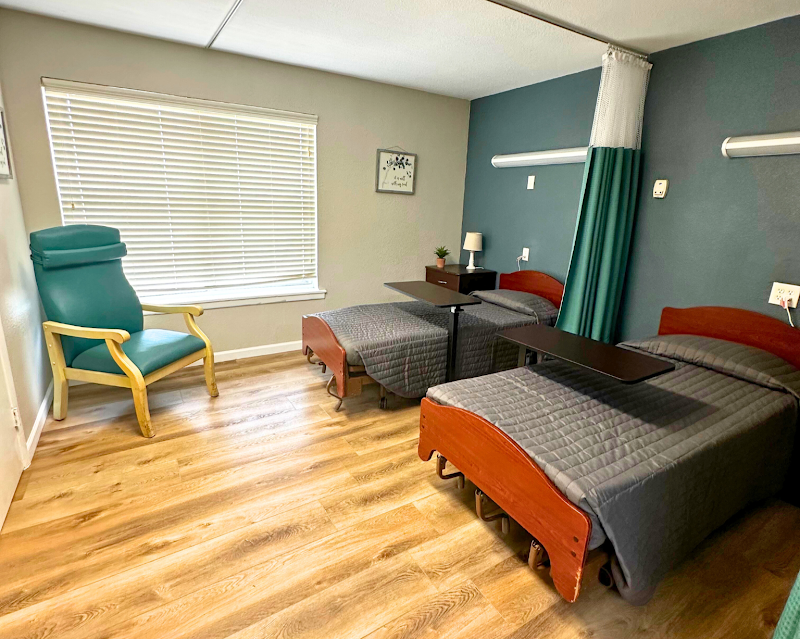
How is Whitesboro Center Staffed?

CMS rates WHITESBORO HEALTH AND REHABILITATION CENTER's staffing level at 2 out of 5 stars, which is below average compared to other nursing homes.

What Have Inspectors Found at Whitesboro Center?

State health inspectors documented 13 deficiencies at WHITESBORO HEALTH AND REHABILITATION CENTER during 2024 to 2025. These included: 3 Immediate Jeopardy (the most serious level, indicating potential for serious harm or death) and 10 with potential for harm. Immediate Jeopardy findings are rare and represent the most serious regulatory concerns. They require immediate corrective action.
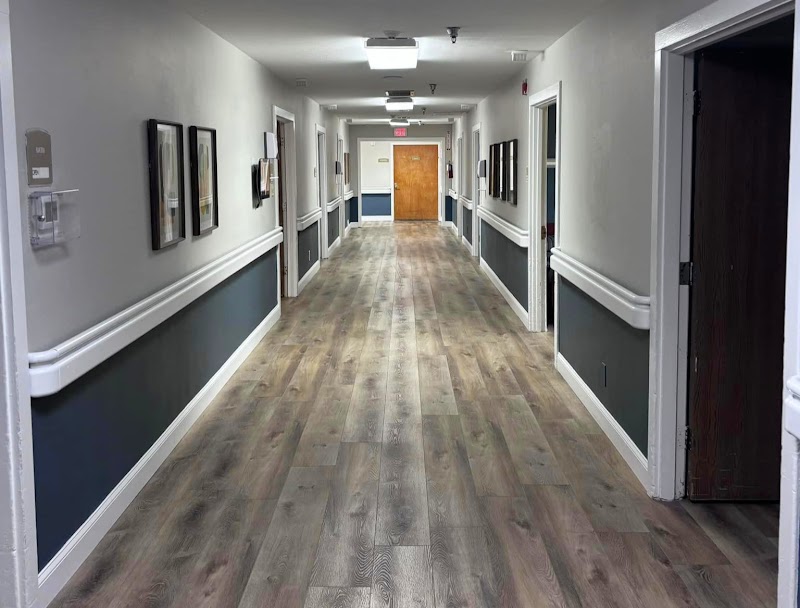
Who Owns and Operates Whitesboro Center?

WHITESBORO HEALTH AND REHABILITATION CENTER is owned by a for-profit company. For-profit facilities operate as businesses with obligations to shareholders or private owners. The facility is operated by CREATIVE SOLUTIONS IN HEALTHCARE, a chain that manages multiple nursing homes. With 100 certified beds and approximately 43 residents (about 43% occupancy), it is a mid-sized facility located in WHITESBORO, Texas.
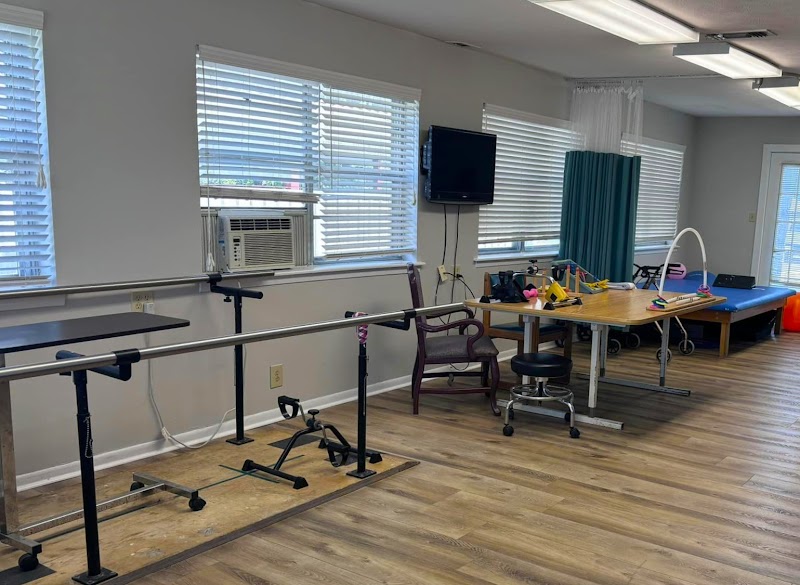
How Does Whitesboro Center Compare to Other Texas Nursing Homes?

Compared to the 100 nursing homes in Texas, WHITESBORO HEALTH AND REHABILITATION CENTER's overall rating (3 stars) is above the state average of 2.8 and health inspection rating (3 stars) is at the national benchmark.

What Should Families Ask When Visiting Whitesboro Center?

Based on this facility's data, families visiting should ask: "What changes have been made since the serious inspection findings, and how are you preventing similar issues?" "Can you walk me through typical staffing levels on day, evening, and night shifts?" "Can I visit during a mealtime to observe dining assistance and food quality?" "How do you handle medical emergencies, and what is your hospital transfer rate?" These questions are particularly relevant given the facility's Immediate Jeopardy citations and the below-average staffing rating.

Is Whitesboro Center Safe?

Based on CMS inspection data, WHITESBORO HEALTH AND REHABILITATION CENTER has documented safety concerns. Inspectors have issued 3 Immediate Jeopardy citations (the most serious violation level indicating risk of serious injury or death). The facility has a 3-star overall rating and ranks #1 of 100 nursing homes in Texas. Families considering this facility should ask detailed questions about what corrective actions have been taken since these incidents.

Do Nurses at Whitesboro Center Stick Around?

WHITESBORO HEALTH AND REHABILITATION CENTER has not reported staff turnover data to CMS. Staff turnover matters because consistent caregivers learn residents' individual needs, medications, and preferences. When staff frequently change, this institutional knowledge is lost. Families should ask the facility directly about their staff retention rates and average employee tenure.

Was Whitesboro Center Ever Fined?

WHITESBORO HEALTH AND REHABILITATION CENTER has been fined $28,970 across 2 penalty actions. This is below the Texas average of $33,369. While any fine indicates a compliance issue, fines under $50,000 are relatively common and typically reflect isolated problems that were subsequently corrected. Families should ask what specific issues led to these fines and confirm they've been resolved.

Is Whitesboro Center on Any Federal Watch List?

WHITESBORO HEALTH AND REHABILITATION CENTER is not on any federal watch list. The most significant is the Special Focus Facility (SFF) program, which identifies the bottom 1% of nursing homes nationally based on persistent, serious quality problems. Not being on this list means the facility has avoided the pattern of deficiencies that triggers enhanced federal oversight. This is a positive indicator, though families should still review the facility's inspection history directly.