UNIVERSITY PARK NURSING AND REHABILITATION
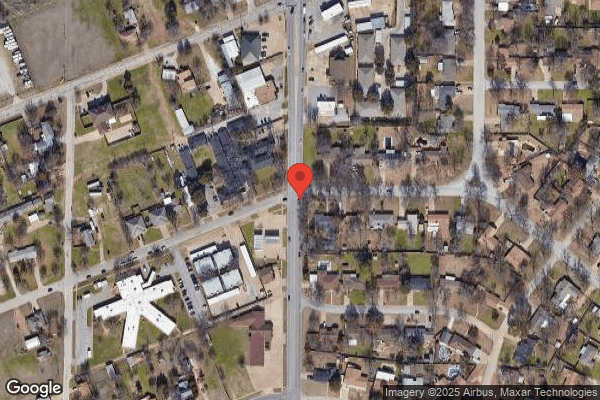
4511 CORONADO AVE, WICHITA FALLS, TX 76310 (940) 692-8001
For profit - Corporation 98 Beds CREATIVE SOLUTIONS IN HEALTHCARE Data: November 2025
Trust Grade
53/100
#605 of 1168 in TX
Last Inspection: May 2024

Within standard 12-15 month inspection cycle. Federal law requires annual inspections.

Overview

University Park Nursing and Rehabilitation has a Trust Grade of C, which means it is average and in the middle of the pack. It ranks #605 out of 1168 facilities in Texas, placing it in the bottom half, and #8 out of 10 in Wichita County, indicating that only one facility nearby is rated higher. The facility is showing improvement, with issues decreasing from 7 in 2024 to 4 in 2025. Staffing has a below-average rating of 2 out of 5 stars, with a turnover rate of 58%, which is near the Texas average but may affect the consistency of care. While the nursing home has faced some fines totaling $10,066, this is average compared to other facilities in Texas. However, there are notable concerns regarding food safety, as the facility has failed to properly store and prepare food, which could risk residents' health. For instance, the kitchen was found with open food items not sealed properly, and staff did not consistently follow hygiene protocols during food preparation. Additionally, one of the freezers was not maintaining the correct temperature, potentially leading to foodborne illness. While there are strengths, such as some good quality measures, families should weigh these significant weaknesses when considering this facility.

Trust Score
C
53/100
In Texas
#605/1168
Bottom 49%
Safety Record
Low Risk
No red flags
Inspections
Getting Better
7 → 4 violations
Staff Stability
⚠ Watch
58% turnover. Above average. Higher turnover means staff may not know residents' routines.
Penalties
✓ Good
$10,066 in fines. Lower than most Texas facilities. Relatively clean record.
Skilled Nurses
⚠ Watch
Each resident gets only 21 minutes of Registered Nurse (RN) attention daily — below average for Texas. Fewer RN minutes means fewer trained eyes watching for problems.
Violations
⚠ Watch
32 deficiencies on record. Higher than average. Multiple issues found across inspections.
★★★☆☆
3.0
Overall Rating
★★☆☆☆
2.0
Staff Levels
★★★★☆
4.0
Care Quality
★★★☆☆
3.0
Inspection Score
Stable
2024: 7 issues
2025: 4 issues

The Good

  • 4-Star Quality Measures · Strong clinical quality outcomes
  • No fines on record

Facility shows strength in quality measures.

The Bad

3-Star Overall Rating

Near Texas average (2.8)

Meets federal standards, typical of most facilities

Staff Turnover: 58%

12pts above Texas avg (46%)

Frequent staff changes - ask about care continuity

Federal Fines: $10,066

Below median ($33,413)

Minor penalties assessed

Chain: CREATIVE SOLUTIONS IN HEALTHCARE

Part of a multi-facility chain

Ask about local staffing decisions and management

Staff turnover is elevated (58%)

10 points above Texas average of 48%

The Ugly 32 deficiencies on record

Jun 2025 4 deficiencies
CONCERN (D) 📢 Someone Reported This

A family member, employee, or ombudsman was alarmed enough to file a formal complaint

Potential for Harm - no one hurt, but risky conditions existed

Menu Adequacy (Tag F0803)

Could have caused harm · This affected 1 resident

**NOTE- TERMS IN BRACKETS HAVE BEEN EDITED TO PROTECT CONFIDENTIALITY** Based on observation, interview, and record review, the facility failed to ensure the menu was followed for 1 of 18 residents (R...

Read full inspector narrative →
**NOTE- TERMS IN BRACKETS HAVE BEEN EDITED TO PROTECT CONFIDENTIALITY** Based on observation, interview, and record review, the facility failed to ensure the menu was followed for 1 of 18 residents (Resident #10) reviewed for food and nutrition services. The facility failed to ensure Resident #10 received items listed on his lunch meal ticket on 6/05/2025. This failure could place residents at risk of poor intake, chemical imbalance, and/or weight loss. Findings included: Record review of Resident #10's face sheet dated 06/19/2025 revealed [AGE] year-old male admitted on [DATE] with most recent readmission of 05/28/2025 with the following diagnoses Type 2 Diabetes, Leukemia (blood cancer that begins is bone marrow), and protein calorie malnutrition. Record review of Resident #10's Significant Change MDS dated [DATE] indicated the following: *Section C Cognitive Patterns revealed Resident #10 had a BIMS score of 11(meaning moderate cognitive impairment); *Section K Swallowing/Nutritional Status-revealed Resident #10 did not have weight loss in the last 6 months. Record review of Resident #10's lunch meal ticket dated 06/16/2025 revealed the resident was to receive the following items: *2 Cheese Manicotti with Marinara, *½ cu Sauteed Zucchini, *1 slice garlic bread, *½ c smooth yogurt, and *Special Notes: fruit only for dessert (per resident request). Observation and interview on 06/16/2025 at 4:10 PM Resident #10 was sitting on his bed in his room. Resident #10's lunch tray was sitting on the counter, by the sink, and appeared to not have been touched. The manicotti appeared to be dry and the ends were burnt ends on the manicotti. Resident #10 stated he did not attempt to eat his lunch because his food did not look appealing, the manicotti looked dry and over cooked. Resident #10 stated he did not want dessert and had requested to get fruit to replace dessert was supposed to get yogurt with his lunch meal. Resident #10's lunch tray contained 1 manicotti without marinara sauce, zucchini, garlic bread, vanilla pudding with chocolate cookie on top. Resident #10's tray did not have a serving of fruit or a serving of yogurt. Resident #10 stated the kitchen forgets to send his fruit and yogurt often. Resident #10 stated he had snacks in his room. During an interview on 06/19/2025 at 10:29 AM the DM stated her expectation was Resident's meal tickets should have been followed. The DM stated the meal tickets reflected each resident's preference or dietary needs and was the menu for each resident. The DM stated the Dietary Aide, the cook, and the nurse were responsible to ensure meal tickets were followed. The DM stated she was responsible to monitor the kitchen staff. The DM stated she monitored by doing spot checks. The DM stated the affect on residents not getting what was on their meal ticket could have been weight loss because residents were not getting what they were supposed to get. The DM stated what led to failure was staff being nervous and not being thorough. During an interview on 06/19/2025 at 11:13 AM the RRN stated her expectation was for staff to follow policy. The RRN stated the DM and the ADMN are responsible to ensure residents were served the appropriate meals. The RRN stated the DM and the ADMN should have been making daily rounds to ensure residents received the appropriate meals. The RRN stated the effect on residents could have been residents' dissatisfaction of food and not eating the food. The RRN stated what led to failure was lack of education or staff needed to be reeducated. Record review of facility policy titled Resident Rights dated 2003 revealed each resident has a right to a dignified existence, self -determination, and communication with and access to persons and services inside and outside our facility.
CONCERN (D) 📢 Someone Reported This

A family member, employee, or ombudsman was alarmed enough to file a formal complaint

Potential for Harm - no one hurt, but risky conditions existed

Deficiency F0804 (Tag F0804)

Could have caused harm · This affected 1 resident

**NOTE- TERMS IN BRACKETS HAVE BEEN EDITED TO PROTECT CONFIDENTIALITY** Based on observation, interview, and record review, the facility failed to ensure that each resident received food that is palat...

Read full inspector narrative →
**NOTE- TERMS IN BRACKETS HAVE BEEN EDITED TO PROTECT CONFIDENTIALITY** Based on observation, interview, and record review, the facility failed to ensure that each resident received food that is palatable, attractive, and at a safe and appetizing temperature for 2 of 18 residents (Resident #10 and Resident #26) reviewed for nutritive value, flavor, and appearance. The facility failed to provide palatable food served that was palatable and attractive to Residents #10 and Resident #26 for the lunch meal on 06/16/2025. This failure could affect the residents by placing them at risk of poor food intake and/or dissatisfaction of the meals served. The findings included: Resident #10 Record review of Resident #10's face sheet dated 06/19/2025 revealed [AGE] year-old male admitted on [DATE] with most recent readmission of 05/28/2025 with the following diagnoses Type 2 Diabetes, Leukemia (blood cancer that begins is bone marrow), and protein calorie malnutrition. Record review of Resident #10's Significant Change MDS dated [DATE] revealed: Section C Cognitive Patterns revealed Resident #10 had a BIMS score of 11(meaning moderate cognitive impairment); Section K Swallowing/Nutritional Status- revealed Resident #10 did not have weight loss in the previous 6 months. Observation and interview on 06/16/2025 at 4:10 PM Resident #10 was sitting on his bed in his room. Resident #10's lunch tray was sitting on the counter, by the sink, and appeared to not have been touched. Resident #10 stated he did not attempt to eat his lunch because his food did not look appealing, the manicotti looked over cooked. Resident #26 Record review of Resident #26's face sheet dated 06/19/2025 revealed [AGE] year-old male admitted on [DATE] with most recent readmission of 03/27/2025 with the following diagnoses Multiple Sclerosis, heart failure and paraplegia (impairment in motor or sensory function of lower extremities). Record review of Resident #26's Significant Change MDS dated [DATE] revealed the following: *Section C Cognitive Patterns revealed Resident #26 had a BIMS score of 9(meaning moderate cognitive impairment); *Section K Swallowing/Nutritional Status-revealed Resident #26 did not have weight loss in the previous 6 months. Observation and interview on 06/17/2025 at 10:13 AM Resident #26 was lying in his bed in his room. Resident #26 stated he did not eat the manicotti served at lunch yesterday because it looked horrible, it was dry and had black burnt ends. Observation and interview on 06/16/2025 at 1:21 PM DS B joined to taste and take the temperature of the test tray. The Manicotti appeared to be dry, no marinara on top, and ends appeared to have black crusty ends. DS B stated the plate did not appear to be appealing, the manicotti looked to dry and overcooked. DS B took the temperature of the manicotti and it was at 100 degrees. DS B stated the manicotti tasted lukewarm, that it was not hot, and appeared to be overcooked. During an interview on 06/19/2025 at 10:29 AM the DM stated her expectation was food should be cooked and served according to the recipe and be appealing to the residents. The DM stated the cook was responsible to ensure recipes were followed and the food was served warm and appealing. The DM stated she was responsible to monitor the kitchen staff. The DM stated she monitored by doing spot checks. The DM stated the effect on residents could have been weight loss because residents might not eat food if it did not look appetizing. The DM stated what led to failure was staff being nervous and not being thorough. During an interview on 06/19/2025 at 11:13 AM the RRN stated her expectation was for staff to follow policy. The RRN stated the DM and the ADMN are responsible to ensure residents were served meals that were appealing. The RRN stated the DM and the ADMN should have been making daily rounds to ensure residents received food that was appealing. The RRN stated the effect on residents could have been residents' dissatisfaction of food and not eating the food. The RRN stated what led to failure was lack of education or staff needed to be reeducated. Record review of facility policy titled Resident Rights dated 2003 revealed each resident has a right to a dignified existence, self -determination. ?
CONCERN (D) 📢 Someone Reported This

A family member, employee, or ombudsman was alarmed enough to file a formal complaint

Potential for Harm - no one hurt, but risky conditions existed

Deficiency F0805 (Tag F0805)

Could have caused harm · This affected 1 resident

**NOTE- TERMS IN BRACKETS HAVE BEEN EDITED TO PROTECT CONFIDENTIALITY** Based on observation, interview, and record review, the facility failed to ensure food was prepared in a form designed to meet i...

Read full inspector narrative →
**NOTE- TERMS IN BRACKETS HAVE BEEN EDITED TO PROTECT CONFIDENTIALITY** Based on observation, interview, and record review, the facility failed to ensure food was prepared in a form designed to meet individual needs for 1 of 5 residents (Resident #15) reviewed for meals. The facility failed to ensure that Resident #15 was served pureed vegetables that were the proper texture. This deficient practice could affect residents by placing them at risk for choking and weight loss. The findings were: Record review of Resident #15's face sheet dated 06/19/2025 revealed [AGE] year-old female admitted on [DATE] with the following diagnoses Dementia, pulmonary embolism and heart disease. Record review of Resident #15's Quarterly MDS dated [DATE] revealed the following: * Section C Cognitive Patterns revealed Resident #15 had a BIMS score of 0(meaning interview was not conducted due to resident was rarely/never understood); *Section K Swallowing/Nutritional Status revealed Resident #15 did not have weight loss in the previous 6 months and had a mechanically altered diet. Record review of Resident #15's Dietary Profile dated 04/14/2025 revealed Resident #15 received purred texture food and honey thickened fluids. During an observation on 06/16/2025 between 11:25 AM to 12:30 PM [NAME] C pureed the zucchini puree. [NAME] C did not add thickener to the vegetable. The zucchini appeared to be a thin liquid that did not hold shape. The ADMN came into the kitchen and told the DM the puree did not look correct. The DM then re-pureed food for the lunch meal. The re-pureed food by the DM appeared to be the correct pudding like consistency. During an observation and interview on 06/16/2025 at 12:49 PM in the dining room Resident #15 was sitting at table with CNA D. CNA D had assisted Resident #15 with eating her meal. Resident # 15 did not appear to be choking on her meal or coughing. During an interview on 06/16/2025 at 1:45 PM [NAME] C he stated he had his food handlers and stated DS B had trained him. [NAME] C stated he was nervous and forgot to look at recipes. During an interview on 06/19/2025 at 10:29 AM the DM stated her expectation was food should be cooked and served according to the recipe. The DM stated puree food should be a smooth pudding like texture and not runny. The DM stated the cook was responsible to ensure recipes were followed and pureed food was the correct texture. The DM stated she was responsible to monitor the kitchen staff. The DM stated she monitored by doing spot checks. The DM stated the effect on residents could have choked because the puree was not the correct texture. The DM stated what led to failure was [NAME] C was trained by previous Dietary Manager, and he was nervous. During an interview on 06/19/2025 at 11:13 AM the RRN stated her expectation was for staff to follow policy. The RRN stated the DM was responsible to ensure pureed food was served at the correct texture. The RRN stated the DM and the ADMN should have been making daily rounds to ensure residents received food was prepared appropriately and the correct texture. The RRN stated the effect on residents could have been residents could have choked due to food not being the correct texture. The RRN stated what led to failure was lack of education or staff needed to be reeducated. Record review of facility policy titled, Pureed Diet dated 2025 revealed, The pureed recipes are followed for regular diet items so that the consistency of pureed foods is that of a semi-solid rather that a semi-liquid, with minimal separation of the liquid from the solid. If placed on a fork, it may drip but it does not flow continuously through the prongs. Pureed food should hold its shape on the plate and be the consistency of applesauce or pudding to mashed potato consistency. Record review of puree recipe for Zucchini dated 06/16/2025 revealed, If needed, gradually add thickener .Desired thickness should be mashed potato or pudding texture.
CONCERN (E) 📢 Someone Reported This

A family member, employee, or ombudsman was alarmed enough to file a formal complaint

Potential for Harm - no one hurt, but risky conditions existed

Food Safety (Tag F0812)

Could have caused harm · This affected multiple residents

**NOTE- TERMS IN BRACKETS HAVE BEEN EDITED TO PROTECT CONFIDENTIALITY** Based on observation, interview and record review the facility failed to store, prepare, distribute and serve food in accordance...

Read full inspector narrative →
**NOTE- TERMS IN BRACKETS HAVE BEEN EDITED TO PROTECT CONFIDENTIALITY** Based on observation, interview and record review the facility failed to store, prepare, distribute and serve food in accordance with professional standards for food service safety for 1 of 1 kitchen reviewed for food and nutrition services. 1.The facility failed to ensure that spoiled food items were disposed of properly. 2.The facility failed to ensure foods were labeled properly. These failures could place residents at risk for food borne illnesses. Findings include: During an observation on 06/16/25 between 10:15 AM and 11:00 AM of kitchen revealed the following: Dry Storage: 1. 5 individual bowls of bran flake cereal with [NAME] not labeled with food description or a use by date. 2. 2 individual bowls of bran flake cereal with [NAME] not labeled with food description or a use by date. 3. 3 bags of fruit loop cereal out of the original container not labeled with food description or a use by date. 4. 3 bags of tortilla chips out of the original container not labeled with food description or a use by date. 5. A plastic container, with a lid, contained pinto beans out of the original package labeled without a use by date. Refrigerator #1 1. 20 individual glasses filled with liquid that were not labeled with a food description, open date, or a use by date. 2. A metal pan that contained Jello with fruit, that was uncovered, and did not have a label with a description, or use by date. Refrigerator #2 1. 1 open container of thickened cranberry juice with manufacture details that stated use within 7 days of opening; that was not labeled with an open date. 2. 1 open container of thickened sweet tea with manufacture details that stated use within 7 days of opening; that was not labeled with an open date. 3. 1 open container of thickened dairy beverage with manufacture details that stated use within 4 days of opening; that was not labeled with an open date. 4. 1 open container of thickened orange juice with manufacture details that stated use within 7 days of opening; that was labeled with an open date of 06/02. During an interview on 06/19/2025 at 11:00 AM DS B stated he was the weekend supervisor. DS B stated he was responsible for unloading truck weekly and labeling the food items. DS B stated someone else had unloaded the truck this week because had to cover another shift. DS B stated food items should have been labeled with a food description, open date a use by dated. DS B stated if the manufacture label stated to discard after a specific time frame, then items should have been disposed of within the time frame. During an interview on 06/19/2025 at 10:29 AM the DM stated her expectation was food be labeled with an open and use by date. The DM stated items were stored out of original container then they needed to be labeled with a food description, open date and an use by date. The DM stated all dietary staff were responsible to ensure food was labeled correctly and disposed of when needed. The DM stated she was responsible to monitor the kitchen staff. The DM stated she monitored by doing spot checks. The DM stated the effect on residents could have been residents received food that was spoiled or past its freshness. The DM stated what led to failure was staff being nervous, and not being thorough. During an interview on 06/19/2025 at 11:13 AM the RRN stated her expectation was for staff to follow policy. The RRN stated the dietary staff were responsible to ensure that food was labeled correctly and disposed of when needed. The RRN stated the DM was responsible to monitor kitchen staff by making rounds and ensuring food labeled appropriately. The RRN stated the effect on residents could have been residents receive food that was expired or loss of quality. The RRN stated what led to failure was lack of education or staff needed to be reeducated. Record review of facility policy titled, Food Storage and Supplies dated 2012, revealed: foods are still dated when received if they do not have an expiration date and once opened .Perishable items that are refrigerated are dated once opened and used within 7 days (if they do not have an expiration date or best by/use by date), but non-perishable items that are refrigerated once opened should be dated when opened but do not need to be discarded until their expiration date or until the quality has deteriorated . discard within time frame. Review of the FDA Food Code 2022 https://www.fda.gov/food/retail-food-protection/fda-food-code accessed 06/19/2025 revealed: 3-602.11 Food Labels. (A) FOOD PACKAGED in a FOOD ESTABLISHMENT, shall be labeled as specified in LAW, including 21 CFR 101 - Food labeling, and 9 CFR 317 Labeling, marking devices, and containers .(B) Label information shall include: (1) The common name of the FOOD, or absent a common name, an adequately descriptive identity statement .Time/temperature control for safety refrigerated foods must be consumed, sold or discarded by the expiration date.
May 2024 6 deficiencies
CONCERN (D)

Potential for Harm - no one hurt, but risky conditions existed

Deficiency F0582 (Tag F0582)

Could have caused harm · This affected 1 resident

**NOTE- TERMS IN BRACKETS HAVE BEEN EDITED TO PROTECT CONFIDENTIALITY** Based on interview and record review the facility failed to provide advance notice of change in services and charges not covered...

Read full inspector narrative →
**NOTE- TERMS IN BRACKETS HAVE BEEN EDITED TO PROTECT CONFIDENTIALITY** Based on interview and record review the facility failed to provide advance notice of change in services and charges not covered under Medicare for 1 of 3 residents (Residents #45) reviewed for Medicaid and Medicare Coverage Liability Notices. The facility failed to ensure Resident #45's representative was given a Skilled Nursing Facility Advance Beneficiary Notice of Non-coverage (SNF ABN Form CMS-10055) when he was discharged from skilled services. This failure could place residents and their representatives at risk of not being fully informed about services covered by Medicare. The findings included: Record review of Resident #45's admission Record, dated 5/17/2024, reflected a [AGE] year-old male who was admitted to the facility on [DATE]. Resident #45 had diagnoses which included: congestive heart failure (impairment in the heart's ability to fill with and pump blood); hypertension (high blood pressure); polycythemia vera (rare blood cancer with increased red blood cells that thicken the blood and increase risk for blood clots); anemia; hyperlipidemia (high cholesterol); cerebrovascular disease (condition affecting blood flow and blood vessels in the brain); neuropathy (nerve damage causing weakness, numbness, and pain in hands and feet); chronic atrial fibrillation (irregular heartbeat); hemiplegia and hemiparesis following cerebral infarction affecting left non-dominant side (left sided weakness following a stroke); and joint pain. Record review of Resident #45's electronic health record census report reflected he was hospitalized from [DATE] to 1/31/2024. Record review of the SNF Beneficiary Protection Notification Review worksheet for Resident #45 revealed he received Medicare Part A Services from 1/31/2024 through 2/19/2024. The resident remained in the facility. The form documented the resident's discharge from Medicare Part A services when benefit days were not exhausted had been voluntary. A SNF ABN, Form CMS-1005 was not provided. A hand-written note documented Resident is private pay and didn't want to go into co-pay days. In an interview on 5/15/24 at 9:51 AM, MDS Coordinator C stated she used the NOMNC and SNF ABN forms for notifying the residents and their responsible parties when skilled care services would end. She stated an IDT meeting was held to determine if skilled care was still needed and a resident's discharge from skilled services needed to be approved by the corporate office. She stated sometimes residents chose to be discharged from skilled services or chose hospice. In an interview on 5/17/24 at 10:57 AM, MDS Coordinator C stated Resident #45 was private pay and had used 20 days of Medicare Part A for skilled nursing care. She stated Resident #45's family member did not want to pay the copay for continued skilled care. She stated she did not have documentation from the conversation with Resident #45's family member. MDS Coordinator C stated she used the beneficiary notice guidelines from AAPACN decision tree. She stated the guidelines did not specify the use of the SNF ABN form when the resident initiated discharge from services and chose to remain in the facility. MDS Coordinator C stated she did not provide a SNF ABN to Resident #45 or his family member. She stated she would contact the corporate regional reimbursement nurse and ask if there was a policy and procedure for determining when and which notification form should be used. During an interview and record review on 5/17/24 at 2:13 PM, MDS Coordinator C stated her corporate regional reimbursement nurse said there was not a policy and procedure for use of the SNF ABN form, just the NOMNC form. She provided a company policy and procedure for NOMNC, which was not dated. The policy and procedure did not include information regarding the SNF ABN form. In an interview on 5/17/24 at 3:18 PM, MDS Coordinator B provided a copy of a policy and procedure for Advanced Beneficiary Notice NOMNC. She stated she was told to give it to the State Surveyor to review. In an interview on 5/17/24 at 3:21 PM, Resident #45 stated he received therapy services earlier this year. He stated the money ran out and he was told he had to stop services. Resident #45 stated he did not really want to stop therapy at that time. Record review of the facility's policy and procedure Advance Beneficiary Notice NOMNC, dated as revised 05/2024, reflected [in part]: ABN Notices are issued under the following circumstances: Part A only CMS 10055 1. On admission to SNF, the beneficiary has a 3-day hospital stay but does not require skilled care. 2. Part A stay will end because, SNF determines the beneficiary no longer requires daily skilled services. Resident has days remaining in benefit period. Resident will remain in facility (custodial care) . The above notices are to be delivered in writing far enough in advance to enable residents to make an informed decision.
CONCERN (D)

Potential for Harm - no one hurt, but risky conditions existed

Infection Control (Tag F0880)

Could have caused harm · This affected 1 resident

**NOTE- TERMS IN BRACKETS HAVE BEEN EDITED TO PROTECT CONFIDENTIALITY** Based on observation, interview and record review the facility failed to establish and maintain an infection prevention and cont...

Read full inspector narrative →
**NOTE- TERMS IN BRACKETS HAVE BEEN EDITED TO PROTECT CONFIDENTIALITY** Based on observation, interview and record review the facility failed to establish and maintain an infection prevention and control program designed to provide a safe, sanitary and comfortable environment and to help prevent the development and transmission of communicable diseases and infections for 1 of 3 residents (Resident #60) reviewed for infection control. 1. The facility failed to ensure CNA A washed or sanitized her hands before feeding Resident #60. 2. The facility failed to ensure CNA A did not make contact with her own face, hair, and other objects while feeding Resident #60. These failures could place residents at risk of infections. The findings include: Record review of Resident #60's face sheet, dated 5/20/2024, reflected a [AGE] year-old male who was admitted to the facility on [DATE]. Resident #60 had diagnoses which included: cerebral palsy (a condition present a birth which leads to poor coordination, and stiff, loose or weak muscles), protein calorie malnutrition (a state in which a decrease in nutrients, proteins and calories leads to changes in body composition and function), intellectual disability (a term used to describe a person with certain limitations in cognitive functioning and other skills) and dysphagia (difficulty swallowing). Record review of Resident #60's MDS assessment, dated 2/8/2024, reflected in Section GG the resident was dependent with meals (helper does ALL of the effort. Resident does none of the effort to complete the activity.) During an observation on 05/14/24 at 12:26 PM revealed Resident #60 was sitting at the assisted feeding table and needed assistance with meal intake. CNA A was asked by the DON to feed Resident #60; CNA A did not perform hand hygiene. CNA A rubbed her nose and face before and during feeding Resident # 60, and never performed hand hygiene. CNA A grabbed her own hair and pulled it out of her face and continued to feed Resident #60 after she picked a napkin up off the table and wiped his mouth. During an interview on 05/14/24 at 12:40 PM, CNA A stated she washed her hands before feeding Resident #60, and she did not know of anything she did wrong while feeding the resident. She stated she did not know what negative outcome for the resident could occur if hand hygiene was not performed after touching her hair or face. She also stated she did not know when the last in-service on hand washing, or infection control was. She stated she did not normally carry or use sanitizer when feeding. During an interview on 05/14/24 at 12:45 PM, the DON stated her expectation was that hand sanitizer be used by all personnel as part of infection control when feeding and after touching faces, hair or other objects. She stated failure to do so could cause infection. Record review of the facility's policy titled Fundamentals of Infection Control Precautions, dated as revised 03/24, reflected the following [in part]: Hand hygiene continues to be the primary means of preventing the transmission of infection. Hand hygiene should be used in the following situations - before and after assisting a resident with meals, after blowing or wiping your nose, after handling soiled equipment or utensils, after performing your hand hygiene, after contact with resident's mucus membranes, after coming in contact with a resident's intact skin
CONCERN (E)

Potential for Harm - no one hurt, but risky conditions existed

Assessment Accuracy (Tag F0641)

Could have caused harm · This affected multiple residents

**NOTE- TERMS IN BRACKETS HAVE BEEN EDITED TO PROTECT CONFIDENTIALITY** Based on interview and record review the facility failed to ensure assessments accurately reflected the resident's status for 3 ...

Read full inspector narrative →
**NOTE- TERMS IN BRACKETS HAVE BEEN EDITED TO PROTECT CONFIDENTIALITY** Based on interview and record review the facility failed to ensure assessments accurately reflected the resident's status for 3 of 7 residents (Residents #5, #15 and #50) reviewed for accuracy of assessments. 1. The facility failed to ensure Resident # 5's MDS accurately reflected the resident's weight gain. 2. The facility failed to ensure Resident # 15's MDS accurately reflected her weight loss or that she received hemo dialysis 3 times a week. 3. The facility failed to ensure Resident #50's MDS accurately reflected her weight loss. These failures could place residents at risk for not receiving care and services to meet their physical needs and promote feelings of well-being and quality of life. The findings include: 1. Record review of Resident #5's admission profile, dated 5/17/24, reflected a [AGE] year-old female who's most recent admission date was 06/16/21. Resident #5 had diagnoses which included: abnormal weight loss, edema (a condition in which fluid collects in the tissues of the body), and hypertension (high blood pressure). Record review of Resident #5's Quarterly MDS, dated [DATE], Section K reflected Resident #5 did not have a significant weight loss or gain of 5% in the last 30 days, or a 10% weight loss of gain within the last 180 days. Record review of Resident #5's care plan reflected the resident had the potential for unplanned weight loss or gain. The problem start date was 3/3/21, and a revision date of 9/6/23. Interventions included: monitor weight per facility protocol. Record review of Resident #5's weights reflected: On 10/03/2023, the resident weighed 134.6 lbs. On 04/01/2024, the resident weighed 147.4 pounds which was a 9.51 % Gain. Record review of nurse's progress notes dated 5/1/24 at 4:43 PM, reflected the following: Resident has weight gain since receiving dental work, resident currently on Lasix 40 mg of Lasix daily with 2+ edema noted to BLE. (Bilateral lower extremities) MD (physician) notified. No new orders. In an interview on 5/17/24 at 12:27 PM, MDS Coordinator B stated she did a Significant Change MDS on 5/16/24 for a weight gain of 13.8 pounds. She stated she must have made an error on the 4/1/24 Quarterly MDS because she just missed the weight change. MDS LVN B stated weight loss or change was communicated to her weekly by the Unit Manager and the DON through a written summary of the Standards Of Care Meeting. She stated she attended the Standards of Care meetings, but normally left the meeting after about 30 minutes into it because she had to go and supervise the smokers. She stated she did not feel her leaving the meeting had anything to do with the failure. She stated failure to document a weight loss or gain could result in the resident not receiving care. 2. Record review of Resident # 15's physician orders dated 5/16/24reflected a [AGE] year-old female who's most recent admission date was 6/9/23. Resident #15 had diagnoses which included: chronic kidney disease, end stage renal disease (condition in which the kidneys are not functioning properly and fail to filter waste and excess fluid from the body), and hypertensive heart disease (high blood pressure). Record review of Resident # 15's Quarterly MDS, dated [DATE], Section K reflected Resident # 15 did not have a significant weight loss or gain of 5% in the last 30 days, or a 10% weight loss of gain within the last 180 days. Section O reflected the resident did not receive hemodialysis or peritoneal dialysis. Record review reflected on 2/2/24, the resident weighed 179.8 lbs. On 3/5/24, the resident weighed 163.8 pounds which is a -8.90 % Loss. Record review of Resident #15's physician orders, dated 4/1/24, reflected: dialysis 3 times a week (3/5/24) and check shunt to left arm for signs and symptoms of infection, bleeding, bruising pulsation, or aneurysm (start date 3/1/24), weekly weight for weight loss (start date 2/29/24). Record review of Resident #15's care plan reflected the following: hemodialysis. Problem initiated 6/27/23. Intervention encourage resident to go for scheduled dialysis treatments. In an interview on 05/17/24 at 03:51 PM, MDS Coordinator B stated I cannot capture dialysis on the MDS without proof from dialysis center, and they will not provide documentation. She stated, We send a binder but 9 times out of 10 there is nothing there. She stated a Significant Change MDS was completed on 3/12/24 for Resident #15 for weight loss, but she should have caught the weight loss on 3/6/24. 3. Record review of Resident #50's admission profile, dated 5/17/24, reflected a [AGE] year-old female who's most recent admission date was 06/16/21. Resident # 5 had diagnoses which included: hypertension (high blood pressure), Protein calorie malnutrition and liver transplant. Record review of Resident #50's Quarterly MDS, dated [DATE], Section K reflected Resident #50 did not have a significant weight loss or gain of 5% in the last 30 days or a 10% weight loss of gain within the last 180 days. Record review of Resident #50's weights reflected: On 11/01/2023, the resident weighed 127.8 lbs. On 05/01/2024, the resident weighed 113.6 pounds which is a -11.11 % loss. Record review of Resident 50's physician orders, dated 5/17/24, reflected an order for Med Pass 2.0 (dietary caloric supplement) 60 cc three times a day. Order 12/29/23. Regular pureed diet pudding consistency 3 times a day. Record review of Resident #50's care plan reflected the following: potential nutritional problem related to dysphagia( difficulty swallowing) initiated 3/18/24. Problem initiated 6/27/23. Intervention monitor resident for signs and symptoms malnutrition, report weight loss or gain of more than 5 percent in one month, 7.5 percent in 3 months, and 10 percent in 6 months (initiated 3/18/24 . Last revised 3/18/24). In an interview on 5/16/24 at 1:00 PM Resident #50's family member stated she had trouble swallowing and was going to see the physician this week to see about getting a peg tube for nutrition. He stated she lost a lot of weight. Record review of the facility's, undated, policy titled MDS Data Accuracy Policy, reflected the following [in part]: The MDS coordinator will receive training to ensure competence in completing the assessment. Federal law requires the assessment accurately reflects the resident's status. Each individual responsible for a portion of the MDS must sign and certify their section of the assessment is accurate and complete.
CONCERN (E)

Potential for Harm - no one hurt, but risky conditions existed

Respiratory Care (Tag F0695)

Could have caused harm · This affected multiple residents

**NOTE- TERMS IN BRACKETS HAVE BEEN EDITED TO PROTECT CONFIDENTIALITY** Based on observation, interview and record review the facility failed to ensure that a resident who needed respiratory care, was...

Read full inspector narrative →
**NOTE- TERMS IN BRACKETS HAVE BEEN EDITED TO PROTECT CONFIDENTIALITY** Based on observation, interview and record review the facility failed to ensure that a resident who needed respiratory care, was provided such care, consistent with professional standards of practice, the comprehensive person-centered care plan, the residents' goals and preferences for 2 of 2 residents (Residents #19 and #183) reviewed for respiratory care. 1. The facility failed to ensure Residents #19 and #183's oxygen tubing was changed weekly. 2. The facility failed to ensure Residents #19 and #183's nasal cannula and nebulizer were kept in a bag while not in use. These failures could place residents at risk for infections and transmission of communicable diseases. The findings include: 1. Record review of Resident #19's face sheet, dated 05/17/2024, reflected a [AGE] year-old female, who was admitted to the facility on [DATE]. Resident #19 had diagnoses which included Hypertension (high blood pressure), Shortness of breath, Depression, Anxiety , chronic obstructive pulmonary disease (a lung disease that blocks airflow and makes it difficult to breathe). Record review of Resident #19's MDS admission assessment, dated 05/17/2024, reflected a BIMS score of 06, which indicated severe cognitive impairment. Section I: Active diagnosis reflected chronic pulmonary disease, or chronic lung disease. Section O: Respiratory Treatments was marked for Oxygen Therapy. Record review of Resident #19's Physician Orders, dated 05/17/2024, reflected an order for Oxygen at 3 - 4 liters per minute via nasal cannula and nebulizer treatments two times daily. Change oxygen and nebulizer tubing weekly on Sunday. Record review of Resident #19's quarterly Care Plan, 05/09/2024 , reflected a care plan for has COPD (obstructive pulmonary disease) - Oxygen at 2- 4 liters per minute continuously to keep oxygen saturation above 92%. The Care Plan did not have an intervention regarding when oxygen tubing needed to be changed. In an observation on 05/15/2024 at 11:30 AM revealed Resident #19 was sitting in the dayroom in her wheelchair. Her nasal cannula was uncovered and hanging over the bed rail in her room with the nose prongs on floor . 2. Record review of Resident # 183's face sheet, dated 05/17/2024, reflected a [AGE] year-old male, who was admitted to the facility on [DATE]. Resident #183 had diagnoses which included dementia (memory loss), Hypertension (high blood pressure), Pneumonia (Inflammation of the air sacs in the lungs), Muscle wasting, Shortness of breath, Depression,(a group of conditions associated with the elevation or lowering of a person's mood) Anxiety , (A feeling of fear, dread, and uneasiness) chronic obstructive pulmonary disease (a lung disease that block airflow and make it difficult to breathe). Record review of Resident #183's MDS admission assessment, dated 05/17/2024, reflected a BIMS score of 99, which indicated severe cognitive impairment. Section I: Active diagnosis reflected chronic pulmonary disease, or chronic lung disease. Section O: Respiratory Treatments was marked for Oxygen Therapy. Record review of Resident #183's Physician Orders dated 05/17/2024 revealed an order for Oxygen at 2 liters per minute via nasal cannula and nebulizer treatments three times daily. Change oxygen and nebulizer tubing weekly on Sunday. Record review of Resident #183's admission Care Plan, dated 05/17/2024, reflected a care plan for [Resident #183] has COPD (obstructive pulmonary disease) - Oxygen at 2- 4 liters per minute continuously to keep oxygen saturation above 92%. The Care Plan did not have an intervention regarding when oxygen tubing needed to be changed. In an observation and interview on 05/14/2024 at 09:45 AM, during initial rounds, Resident #183 was lying in his bed receiving oxygen via nasal cannula at 2 liters per minute. His nebulizer was sitting on the nightstand uncovered. He could not recall when the oxygen tubing was last changed .
CONCERN (E)

Potential for Harm - no one hurt, but risky conditions existed

Deficiency F0804 (Tag F0804)

Could have caused harm · This affected multiple residents

Based on observation, interview, and record reviews , the facility failed to provide food and drink that was palatable, attractive, and at a safe and appetizing temperature for one of one meal reviewe...

Read full inspector narrative →
Based on observation, interview, and record reviews , the facility failed to provide food and drink that was palatable, attractive, and at a safe and appetizing temperature for one of one meal reviewed for palatable meals and preferred temperatures. The facility failed to ensure that the food was appetizing temperature, flavor, and texture. The deficient practice could affect the residents who received their meals from the kitchen by contributing to poor intake of nutrition, weight loss, and illness. This finding include: In an observation on 5/16/24 at 11:50 AM the holding food temperatures were as follows: Chicken corn casserole -154 F. Rice -158 F. Beans -148 F. Kool-aide with melted ice, a temperature was not obtained. In an observation on 05/16/24 at 01:27 PM of a sample test tray with [NAME] E present, revealed the following: Chicken corn casserole was at 110 degrees F, The warmth of the casserole was room temperature and not appetizing. The rice was gummy and not flavorful . The rice was difficult to swallow due to the texture. Kool-aide was room temperature and with melted ice. In an interview on 5/16/24 at 1:30 PM, [NAME] E said she had trouble with residents not liking the Kool-aide if the ice had melted and the drinks were watered down. In an interview on 05/14/24 at 10:04 AM, MDS Nurse B stated she had been working at the facility for 19 years. She said the food was consistently cold that was served down the halls. She said it had been an ongoing problem. In an interview on 05/17/24 at 11:15 AM with the DON she said the cold food and kitchen issues had been an ongoing issue and they were implementing things to improve cold food. In an interview on 5/17/24 at 11:30 AM, the Regional Compliance Nurse said they have known about the problems with the food. She said this was addressed in the Resident Council and with other residents on the halls. She said they completed a training about using plate warmers and she said they needed to be more efficient during mealtimes. In an interview on 05/17/24 at 03:45 PM with the Administrator, she revealed the cold food was an ongoing issue. She stated she tried changing the order the hall meal tray carts were being sent from the kitchen so the Hall 400 residents would not feel they always came last. The Administrator mentioned in the Resident Council meetings the food was frequently a concern. In a record review of the facility's Dietary Services & Policy & Procedure Manual 2012: FP 00-10.0 reflected the following [in part]: Under section 4. Every attempt will be made to honor resident food preferences . Under section 8. The menu will reflect the needs of the resident population as well as input from residents and resident groups.
CONCERN (F)

Potential for Harm - no one hurt, but risky conditions existed

Food Safety (Tag F0812)

Could have caused harm · This affected most or all residents

**NOTE- TERMS IN BRACKETS HAVE BEEN EDITED TO PROTECT CONFIDENTIALITY** Based on observation, interview, and record review, the facility failed to store, prepare, distribute, and serve food in accorda...

Read full inspector narrative →
**NOTE- TERMS IN BRACKETS HAVE BEEN EDITED TO PROTECT CONFIDENTIALITY** Based on observation, interview, and record review, the facility failed to store, prepare, distribute, and serve food in accordance with professional standards for food service safety in one of one kitchen reviewed for nutrition services. 1. The facility failed to ensure opened food were sealed in the nonperishable food storage room. 2. The facility failed to ensure temperature logs were kept for the refrigerator and freezer. 3. The facility failed to ensure the refrigerator had an internal thermometer. 4. The facility failed to ensure dishwashing logs were kept. 5. The facility failed to ensure staff followed proper hygiene during food prep and distribution. These failures could place residents at risk for decline in nutritional health status and foodborne illness. The findings include: In an observation and interview on 05/14/24 at 08:45 AM, during the initial tour of the kitchen, revealed the following: Trash can had a lid that did not fit, and hands had to be used to remove lid. There was a large, concentrated bag of orange Juice in a box on top of trash can lid. Dietary Aide G did not have all of her hair inside her hairnet. The temperature logs for two freezers had no temperature checks since 5/7/24 recorded. The refrigerator did not have a thermometer inside refrigerator and there was no log on the fridge. Cook E looked for an internal thermometer in the fridge and she could not find one. She said, there should be a thermometer inside the refrigerator and the temperature log should be hanging on the side of fridge. Dry Food Storage Pantry 1 bag of elbow macaroni which was opened in the dry pantry and was not sealed. Vienna [NAME] on the floor. Dish washing Machine Area dishwashing machine had no record of chemical usage checks. [NAME] E said there was no dishwashing machine checklist , and there should have been a log hanging on the wall next to the dishwasher. Above the dish machine was a vent in the ceiling with thick white paint peeling and dropping down above the dishwasher. A cart for clean trays was dirty with food and had dried grime particles on the top self which held clean plates. Stove Area The stove had food and residue dried and caked onto the burners and grill. The vent a hood above the stove had a thick looking dark grease caked on. In an observation and interview of kitchen on 05/14/24 10:21 revealed: Food and grime caked on the counter that held clean dishes. Dietary Aide H pulled cups from clean side of dish washing machine that were full of discolored water, then dumped the fluid from the cups, then stacked them in the clean area. Dietary Aide I put the utensils that were stacked on each other and pulled the tray to the dirty side of dishwashing area that had pink residue sitting on all parts of sink next to dishwasher. In an interview on 05/14/24 at 10:25 AM, the Regional Dietician stated the facility had a new dietary manager who started that day. She explained they were in the process of addressing numerous kitchen issues. In an interview on 5/14/24 at 10:26AM, Dietary Aide I stated she thought she was responsible for checking breakfast and lunch dishwashing chemicals on the machine when she worked. In an observation on 5/14/24 at 11:00 AM revealed Dietary Aide G got supplies to serve lunch and there were food particles and grime dried on the clean rolling cart where clean utensils were being held. In an observation and interview on 5/16/24 at 11:15 AM , a cart behind the prep table where the puree was being processed had clean ladles on the cart which had food and grime dried on shelves and sides. The Dietary Manager said they were not meeting cleaning requirements and the cart holding the clean items was not considered clean . 05/16/24 11:20 AM in an interview with the Dietary Manager said the dish machine should be checked for sanitation chemicals before and after each meal. In an observation and interview on 5/16/24 at 11:30 AM , a daily cleaning schedule hanging on wall not signed for past week. Dietary Manager said the cleaning schedule did not have day or month and had not been signed since last dietary manager was let go 1 week ago. Dietary Manager did not consider the serving cart clean. She also said they had not been doing kitchen cleaning according to schedule that is on the wall. In an observation on 05/16/24 at 12:38 PM Dietary Aide H pulled her cell phone out of her pocket and put it back in her pocket. Dietary Aide H did not wash her hands. Dietary Aide H started serving trays without gloves. In an observation on 05/16/24 at 12:40 PM revealed Dietary Aide G was handling food and utensils and had extremely long painted acrylic nails and did not wear gloves. In an observation on 05/16/24 at 12:48 PM revealed Dietary Aide H touched her nose and continued preparing trays and utensils with her bare hands without performing hand hygiene . In an interview on 05/16/24 at 12:50 PM with Dietary Manager, She said hand sanitation should always be performed after touching contaminated surfaces. In an observation on 05/16/24 at 12:53 PM [NAME] D lost her hair net which was slipping off over a 10-minute period. She picked the hair net up off floor and placed it on her head. [NAME] D did not perform hand hygiene and continued making sandwiches at prep table. In an observation on 05/16/24 at 12:57 PM revealed Dietary Aide H removed her gloves after washing dishes and did not perform hand hygiene and continued preparing meals for the halls. In an observation on 5/16/24 at 1:00 PM [NAME] D removed her gloves and placed them on the prep table. [NAME] D went into the walk-in fridge grabbed some supplies and re-gloved, while her last set of soiled gloves laid in the prep area. [NAME] D did not perform hand hygiene and was preparing sandwiches. In an observation on 5/16/24 at 1:03 PM revealed Dietary Aide H scratched her face and got applesauce. She wiped sauce that had gotten onto her hand onto her pants . In an observation on 05/16/24 at 1:16 PM revealed Dietary Aide H scratched her face and continued working without performing hand hygiene . In an interview on 5/16/24 at 01:35 PM with the Regional CDM, she said, If dietary staff have acrylic nails, they must be short. Nails were not to have polish on them She said They must wear gloves. Her expectation was that when gloves were removed, they should be placed in the trash and hand hygiene should follow. In an interview on 5/17/24 at 11:15 AM, DON said there had been an ongoing dietary issue. In an interview on 5/17/24 at 11:30 AM, the RN Compliance Nurse said hand hygiene should be performed when touching surfaces that were not clean including touching their face. In an interview on 05/17/24 at 03:45 PM, with the Administrator revealed hand hygiene for kitchen staff . should be common sense. She said At minimum when going from resident to resident, touching dirty areas and when changing gloves. In a record review of the facility's Dietary Services Policy & Procedure Manual 2012 Under Food Storage and Supplies (I-C 00-8.0) reflected [in-part]: All facility storage areas will be maintained in an orderly manner that preserves the condition of food and supplies. Procedure: 4. Open packages of food are stored in closed containers with covers or in sealed bags. Equipment Sanitation (IC 00-6.0) [in-part]: We Will provide clean and sanitized equipment for food preparation. The facility will clean all food service equipment in a sanitary manner. Procedure: 1. Thermometers must be available in refrigerators . 2. Food carts will be cleaned and sanitized after each meal. 3. Grease filters should be cleansed routinely with detergent as needed to remove obvious grime. 4. Pots and pans: c. Effective concentration of a suitable detergent shall be used. e. All equipment and utensils shall be thoroughly rinsed free of detergent solution. 7. Facilities shall use an approved test kit to measure the parts per million of the chemicals . Records of test results should be kept on the temperature/chemical log. 8. Blenders and food processor bowls should be inverted after cleaning to drain dry on shelves or trays with vented slots or bar netting. Record review of facility policy labeled Hand Hygiene, not dated, [in-part]: 1. Hand Hygiene Hand hygiene continues to be the primary means of preventing the transmission of infection. When to perform hand hygiene . After blowing or wiping nose. . After touching garbage
Jan 2024 1 deficiency
CONCERN (D) 📢 Someone Reported This

A family member, employee, or ombudsman was alarmed enough to file a formal complaint

Potential for Harm - no one hurt, but risky conditions existed

Infection Control (Tag F0880)

Could have caused harm · This affected 1 resident

**NOTE- TERMS IN BRACKETS HAVE BEEN EDITED TO PROTECT CONFIDENTIALITY** Based on observation, interview, and record review, the facility failed to ensure the facility established and maintained an inf...

Read full inspector narrative →
**NOTE- TERMS IN BRACKETS HAVE BEEN EDITED TO PROTECT CONFIDENTIALITY** Based on observation, interview, and record review, the facility failed to ensure the facility established and maintained an infection prevention and control program designed to provide a safe, sanitary, and comfortable environment and to help prevent the development and transmission of communicable diseases and infections for one (Resident #1) of two residents reviewed for infection control practices. CNA C and CNA D failed to perform hand hygiene and change their gloves at the appropriate times while providing incontinence care for Resident #1. These failures placed residents at risk for the spread of infection. Findings included: Review of Resident #1's face sheet, dated 01/30/24, revealed the resident was a 90- year- old male admitted to the facility on [DATE] with diagnoses of urinary tract infections, constipation, and benign prostatic hyperplasia (enlarged prostate). Review of Resident #1's MDS assessment, dated 01/17/24, revealed Resident #1 required extensive assistance with most ADLs and one person assist. Resident #1 was always incontinent of bowel and bladder. Review of Resident #1's care plan, dated 12/27/23, revealed the resident was care planned for bowel but not bladder incontinence. Observation of incontinence care for Resident #1 on 01/29/24 at 2:38 p.m. revealed CNA C and CNA D did not wash their hands or perform hand hygiene before the start of care. Both CNAs donned gloves. CNA C wiped Resident #1 from front to back making 5 strokes of clean with same soiled wipe. Resident #1's brief was soiled with urine and fecal matter. CNA C picked up the clean brief and placed it on the trash bag where the dirty wipes were kept. Her gloves were visibly soiled but she continued to clean the resident with it. CNA C did not wash her hands, change gloves, or perform hand hygiene but proceeded to retrieve Resident #1's clean brief. She placed the clean brief on the resident and fastened it. Meanwhile, CNA D was assisting CNA C to provide care to Resident #1. CNA D wore the same gloves while repositioning and putting back the resident clean sheets and pillows. She also walked out of the room without washing hands and returned without performing hand hygiene and assisted in putting Resident #1 clothes on. CNA C and CNA D doffed their gloves, picked up the trash and left the room without washing their hands or performing hand hygiene. In an interview on 01/29/24 at 2:54p.m. with CNA C she stated she had been employed at the facility for about 1 month. She worked for the facility previously for 7 months. CNA C said she did not receive infection control training during her orientation. She stated cross contamination meant mixing clean with dirty. CNA C noted she should have washed hands and changed gloves at the appropriate times while providing care. She stated Resident #1 could get an infection for not using good infection control practice. Interview with CNA D on 01/30/24 at 1:42 p.m. revealed she had been employed at the facility for about 7 months. She stated she received infection control training from the facility 2 months ago. She stated cross contamination was transferring germs from one place to another. CNA D noted she should have changed her gloves and washed her hands after repositioning resident and changing her clean sheets. During an interview with the DON on 01/30/24 at 4:17 p.m. she acknowledged she was aware of some of the concerns raised about infection control. She stated the aides were expected to follow standard precautions to include appropriate hand washing and hand hygiene when providing incontinent care. The facility's infection control policy manual 2019 revealed, A variety of infection control measures are used for decreasing the risk of transmission of microorganisms in the facility. These measures make up the fundamentals of infection control precautions. 1) Hand Hygiene: Hand hygiene continues to be the primary means of preventing the transmission of infection. The following is a list of some situations that require hand hygiene.: a) When coming on duty: b) When hands are visibly soiled (hand washing with soap and water); Before and after direct resident contact (for which hand hygiene is indicated by acceptable professional practice) . c) Before and after assisting a resident with personal care .
Dec 2023 4 deficiencies
CONCERN (D) 📢 Someone Reported This

A family member, employee, or ombudsman was alarmed enough to file a formal complaint

Potential for Harm - no one hurt, but risky conditions existed

Deficiency F0637 (Tag F0637)

Could have caused harm · This affected 1 resident

**NOTE- TERMS IN BRACKETS HAVE BEEN EDITED TO PROTECT CONFIDENTIALITY** Based on interviews, and record reviews, the facility failed to complete a comprehensive assessment within 14 days after a signi...

Read full inspector narrative →
**NOTE- TERMS IN BRACKETS HAVE BEEN EDITED TO PROTECT CONFIDENTIALITY** Based on interviews, and record reviews, the facility failed to complete a comprehensive assessment within 14 days after a significant change in the physical condition for 1 of 4 residents (Residents #1) whose records were reviewed for assessments. The facility failed to recognize and re-assess Resident #1 after an improvement in mood, significant weight gain, and an improvement in ADL function. This failure placed residents at risk for not developing interventions to meet their needs for care assistance and treatments. Findings include: Record review of Resident #1's Face Sheet, dated 12/07/2023, revealed a [AGE] year-old female, admitted to the facility on [DATE] with an admitting diagnosis of Dementia (decline in cognitive abilities that impacts a person's ability to perform everyday activities), protein calorie malnutrition (inadequate intake of food such as protein, calories and other essential nutrients) and bipolar (periods of depression and periods of abnormally elevated mood that last from weeks to days). Record review of Resident #1's admission MDS assessment, dated 04/14/2023, revealed the following: Section D (Mood) showed a score of 08. Section K (Weight) Showed a weight of 130 pounds. Section K (Weight gain)- No, weight gain of 5% or more in the last month or weight gain of 10% or more in last 6 months, resident not a physician prescribed weight regimen. Section G (Functional Status)- Required Extensive assistance for bed mobility and limited assistance for transfers. Record review of Resident #1's Quarterly MDS assessment, dated 06/27/2023, revealed the following: Section D (Mood) showed a score of 03. Section K (Weight)- Showed a weight of 142 pounds. Section K (Weight gain)- No, weight gain of 5% or more in the last month or weight gain of 10% or more in last 6 months, resident not a physician prescribed weight regimen. Section G (Functional Status)- Required no assistance with Bed Mobility and transfers. Record review of Resident #1's Quarterly MDS assessment, dated 09/22/2023, revealed the following: Section D (Mood) showed a score of 03. Section K (Weight)- Showed a weight of 151 pounds. Section K (Weight gain)- No, weight gain of 5% or more in the last month or weight gain of 10% or more in last 6 months, resident not a physician prescribed weight regimen. Section G (Functional Status)- Required no assistance with Bed Mobility and transfers. Record review of Resident #1's MDS assessments revealed there was no MDS Significant Change Assessments. Record review of Resident #1's Care Plan, last revised on 08/15/2023, revealed care plans for: Problem: Weight loss- has nutritional potential problem with weight loss due to Terminal prognosis related to multiple CVA'S (cerebral vascular accident). Goal: will maintain adequate nutritional status as evidenced by maintaining weight, no signs, or symptoms of malnutrition, and consuming at least 50% of at least three meals a day. In an interview on 12/06/2023 at 12:05 PM, the MDS coordinator revealed Resident #1 had a significant weight gain of more than 10%, her mood improved, and her functional status all improved since her admission assessment. She revealed that she should have completed a significant Change MDS Assessment on June 27, 2023, instead of completed a Quarterly Assessment. She revealed that the resident was admitted into the facility on [DATE] weighing 130lbs and in August she weighed 151 after they started snacks BID (twice daily) to increase the weight. She revealed that since the resident's Annual admission the resident has had an improvement in her ADL's, and that she was triggering as Independent in ADL areas. She revealed that this failure could cause the resident to miss care areas not being identified and/or a comprehensive care plan being completed. In an interview on 12/06/2023 at approximately 1:30 PM, the DON revealed that it was the MDS coordinator's responsibility to complete the MDS assessment accurately, which include the Significant Change Assessments. She revealed that the resident had adjusted and that her mood has improved since her admission. She revealed Resident #1 had a significant weight gain, after the resident adjusted to being admitted into the facility. Record review of the facility's policy covering MDS inaccuracies was requested to the MDS coordinator on 12/07/2023 and was not provided at the time of exit.
CONCERN (D) 📢 Someone Reported This

A family member, employee, or ombudsman was alarmed enough to file a formal complaint

Potential for Harm - no one hurt, but risky conditions existed

Assessment Accuracy (Tag F0641)

Could have caused harm · This affected 1 resident

**NOTE- TERMS IN BRACKETS HAVE BEEN EDITED TO PROTECT CONFIDENTIALITY** Based on interview, and record review, the facility failed to accurately assess each resident's status for 1 of 5 (Resident #1) ...

Read full inspector narrative →
**NOTE- TERMS IN BRACKETS HAVE BEEN EDITED TO PROTECT CONFIDENTIALITY** Based on interview, and record review, the facility failed to accurately assess each resident's status for 1 of 5 (Resident #1) reviewed for assessment accuracy in that: Resident #1's Quarterly MDS assessment records, was not coded yes for weight gain of 5% or more in the last month or gain of 10% or more in last 6 months. This failure could place residents at risk of not receiving the proper care and services due to inaccurate assessment records. Finding included: Record review of Resident #1's Face Sheet, dated 12/07/2023, revealed a [AGE] year-old female, admitted to the facility on [DATE] with an admitting diagnosis of Dementia (decline in cognitive abilities that impacts a person's ability to perform everyday activities), protein calorie malnutrition (inadequate intake of food such as protein, calories and other essential nutrients) and bipolar (periods of depression and periods of abnormally elevated mood that last from weeks to days). Record review of Resident #1's admission MDS assessment, dated 04/14/2023, revealed the following: Section D (Mood) showed a score of 08. Section K (Weight) Showed a weight of 130 pounds. Section K (Weight gain)- No, weight gain of 5% or more in the last month or weight gain of 10% or more in last 6 months, resident not a physician prescribed weight regimen. Section G (Functional Status)- Required Extensive assistance for bed mobility and limited assistance for transfers. Record review of Resident #1's Quarterly MDS assessment, dated 06/27/2023, revealed the following: Section D (Mood) showed a score of 03. Section K (Weight)- Showed a weight of 142 pounds. Section K (Weight gain)- No, weight gain of 5% or more in the last month or weight gain of 10% or more in last 6 months, resident not a physician prescribed weight regimen. Section G (Functional Status)- Required no assistance with Bed Mobility and transfers. Record review of Resident #1's Quarterly MDS assessment, dated 09/22/2023, revealed the following: Section D (Mood) showed a score of 03. Section K (Weight)- Showed a weight of 151 pounds. Section K (Weight gain)- No, weight gain of 5% or more in the last month or weight gain of 10% or more in last 6 months, resident not a physician prescribed weight regimen. Section G (Functional Status)- Required no assistance with Bed Mobility and transfers. Record review of Resident #1's weight and vital summary revealed the following weights and dates: 08/31/2023- 151.4lbs- wheelchair 08/08/2023- 143lbs- wheelchair 04/06/2023- 130lbs- wheelchair In an interview on 12/06/2023 at 12:05 PM, the MDS coordinator revealed the resident had a significant weight gain of more than 10% in the month of August 2023. She revealed that the resident was admitted into the facility on [DATE] weighing 130lbs and in August she weighed 151 after they started snacks BID (twice daily) to increase the weight. She revealed that on the resident's Quarterly MDS assessment dated [DATE] she should have coded yes; the resident had a weight gain that was not physician prescribed in section K. She revealed that this failure could cause the resident to miss care areas not being identified and care planned accurately. In an interview on 12/06/2023 at approximately 1:30 PM, the DON revealed that it was the MDS Coordinator's responsibility to complete the MDS assessment accurately. She revealed that the resident had a significant weight gain, after the resident adjusted to being in the facility. Record review of the facility's policy covering MDS inaccuracies was requested to the MDS coordinator on 12/07/2023 and not received at the time of exit.
CONCERN (D) 📢 Someone Reported This

A family member, employee, or ombudsman was alarmed enough to file a formal complaint

Potential for Harm - no one hurt, but risky conditions existed

Deficiency F0761 (Tag F0761)

Could have caused harm · This affected 1 resident

Based on observation, interview and record review, the facility failed to ensure medications were secured on 1 of 2 medication carts reviewed for pharmacy services. The facility did not ensure medica...

Read full inspector narrative →
Based on observation, interview and record review, the facility failed to ensure medications were secured on 1 of 2 medication carts reviewed for pharmacy services. The facility did not ensure medications carts were secured and locked. This failure could place the residents at risk of gaining access to unlocked medications not prescribed to them. Findings included: During an observation on 12/06/2023 at 3:30 PM, LVN A left a prescription IV medication of Vancomycin on top of the cart 2, unsecured and out of LVN A's sight, while she was in another resident's room. There was not any other staff in visual sight of the medication, and there was a resident that was within 3 feet of the medication cart. Surveyor was unsure where the nurse went and took the medication to the Administrator's office without LVN A realizing it was gone. During an interview on 12/06/2023 at 3:35 PM, LVN A said that she walked away to go into a resident's room to help him. She said that she should have locked the medication up before she left it unattended with residents around it. She said that this could cause a patient to get into it or take the medication. During an interview on 11/06/2023 at 12:45 PM, the DON said that her expectations were for medications to be locked up anytime a nurse walks away from it. She said that staff are all trained on medication expectations and know not to leave medications out or unattended. A policy and procedure titled Storage of Medication was requested on 12/07/2023 and was not received at the time of exit.
CONCERN (D) 📢 Someone Reported This

A family member, employee, or ombudsman was alarmed enough to file a formal complaint

Potential for Harm - no one hurt, but risky conditions existed

Infection Control (Tag F0880)

Could have caused harm · This affected 1 resident

Based on observation, interview, and record review, the facility failed to maintain an infection prevention and control program designed to provide a safe, sanitary, and comfortable environment to hel...

Read full inspector narrative →
Based on observation, interview, and record review, the facility failed to maintain an infection prevention and control program designed to provide a safe, sanitary, and comfortable environment to help prevent the development and transmission of disease and infection for 2 staff (CNA A, CNA B) of 5 staff reviewed for infection control, in that: 1. CNA A entered a COVID-19 Red Zone (COVID positive zone) room, without eye protection (face shield or goggles) on and proceeded to care for and speak with a resident that was unmasked, while the resident's door was open. 2. CNA B entered a COVID-19 Red Zone (COVID positive zone) room, without eye protection (face shield or goggles), a gown, or a N95 mask or respirator and proceeded to clean the COVID positive room. These failures could place residents at risk for contamination and infection. The findings included: Observation on 12/06/2023 at 10:20 AM, CNA A was in Resident #2's room performing resident care on Resident #2, a COVID-19 positive resident, without an eye shield (goggles or face shield). Resident #2 did not have a face mask on, and CNA A was near the resident. The resident's door was left open while CNA A was going in and out of the resident's room. Observation on 12/06/2023 at 10:22 AM there was a posting on Resident #2's door, revealed the resident was on aerosol precautions. A sign was posted on the door that read STOP- Aerosol Contact Precautions, only essential personnel should enter this room. The instructions below revealed the following: EVERYONE MUST: 1) Clean hands when entering and leaving room. 2) Use approved N95 or equivalent respirator especially during aerosolizing procedures, 3) Mask- Face mask is acceptable if respirator is not available and for visitors. 4) Wear eye protection- Face Shield and Goggles. 5) KEEP DOOR CLOSED Interview on 12/06/2023 at 10:25 AM, CNA A stated that she knew she was supposed to have goggles on, but she forgot. She said that she has received training on the Covid policy and that she just forgot to wear eye protection when in the resident's room or when she makes direct contact with the resident. She stated that she saw the postings on the resident's door. Observation on 12/06/2023 at 10:30 AM, CNA B was in Resident #3's room, a COVID positive resident without an eye shield (goggles or face shield), a gown, and a N95 mask, while his door was open. CNA B was changing Resident #3's bedding while coming in direct contact with the bedding that was touching CNA B's scrubs in the front. CNA B proceeded to gather Resident #3's dirty clothes while it touched her scrubs in the front. Interview and observation on 12/06/2023 at 10:35 AM, CNA B stated that she should have followed the PPE postings that were on the outside of the resident's door. She stated that she was trying to hurry and clean the resident's room while he was in the shower. She stated that she knew that her scrubs were touching his dirty bedding and that she should have had a gown on to cover her. She stated that she knew she should have worn an N95 mask and eye protection. She revealed this failure could place residents at risk for cross contamination. CNA B left the resident's room and did not change from her contaminated scrubs that shift. Interview on 12/06/2023 at 11:00 AM, the Administrator revealed that the postings should be followed exactly as posted and that all employees have been thoroughly in-serviced on infection control and COVID. Record review of the Coronavirus Disease (COVID-19)-Infection Prevention and Control Measures Policy not dated: stated, Patient Placement: Place a patient with suspected or confirmed COVID infection in a single-person room. The door should be kept closed (if safe to do so). Personal Protection Equipment: HCP (Health Care Provider) who enters the room of a patient with suspected or confirmed COVID infection should adhere to standard precautions and use a NIOSH approved particulate respirator with N95 filters or higher, gown, gloves, and eye protection) goggles or a face shield that covers the front and side of the face). Record review of the CDC (Centers for Disease Control) Guidelines Recommendation dated Sept. 27, 2022, When COVID Community Transmission levels are high, source control is recommended for everyone in a healthcare setting when they are in areas of the healthcare facility where they could encounter patients.
Apr 2023 8 deficiencies
CONCERN (D)

Potential for Harm - no one hurt, but risky conditions existed

Deficiency F0637 (Tag F0637)

Could have caused harm · This affected 1 resident

**NOTE- TERMS IN BRACKETS HAVE BEEN EDITED TO PROTECT CONFIDENTIALITY** Based on observation, interview, and record review, the facility failed to complete a comprehensive assessment within 14 days af...

Read full inspector narrative →
**NOTE- TERMS IN BRACKETS HAVE BEEN EDITED TO PROTECT CONFIDENTIALITY** Based on observation, interview, and record review, the facility failed to complete a comprehensive assessment within 14 days after a significant change in the physical condition for 1 of 4 residents (Residents #39) whose records were reviewed for assessments. 1) The facility failed to recognize and assess Resident #39's weight loss, IV medications while in the facility, decline in ADL's and a decline in Bowel and Bladder function. This failure placed residents at risk for not being assessed for a change in condition and the need to revise their care plans to address changes in condition and develop interventions to meet their needs for care assistance and treatments. The findings included: Review of Resident #39's Face Sheet, dated 04/04/2023, reflected Resident #39 was a [AGE] year-old female re-admitted to the facility on [DATE]. The resident had Acute Respiratory Failure with Hypoxia (impaired gas exchange between the lungs and blood), Bacterial Infection (infection by microorganisms that invade the tissue), and malnutrition (lack of proper nutrition). Review of Resident #39's MDS assessments showed significant changes from her Quarterly MDS Assessment 10/09/2022 to her Quarterly MDS Assessment 11/29/2022 as follow: 1) The Quarterly MDS dated [DATE] section G revealed the resident had extensive assistance in dressing and was not steady but able to stabilize with staff assistance while moving from seated to standing position, was not steady but able to stabilize with staff assistance in walking, was not steady but able to stabilize with staff assistance in turning around, was not steady but able to stabilize with staff assistance in moving on and off toilet and was not steady but able to stabilize with staff assistance in surface to surface transfers. A wheelchair was used for mobility devices. The Quarterly MDS dated [DATE] section G revealed the resident had total dependance in dressing, activity did not occur in transfers, activity did not occur while moving from seated to standing position, activity did not occur in walking, activity did not occur in turning around, activity did not occur in moving on and off toilet and activity did not occur in surface-to-surface transfers. None of the above was used for mobility devices. 2) Resident had a significant weight loss from 10/09/2022 to 11/29/2022. The Quarterly MDS dated [DATE] section K revealed the resident weighed 195 with no significant weight loss or weigh gain coded. The Quarterly MDS dated [DATE] section K revealed the resident weighed 171 with no significant weight loss or weight gain coded. 3) Review of the MDS Quarterly assessment dated [DATE] revealed in Section O in treatments that the resident was not receiving IV Medications while in the facility and was receiving Oxygen Therapy while in the facility. Section N in medications revealed the resident received 0 days of Antibiotics, 7 days of Antidepressants and 7 days of Antianxiety. The MDS Quarterly assessment dated [DATE] revealed in Section O in treatments that the resident received IV Medications while in the facility and was not receiving Oxygen Therapy while in the facility. Section N in medications revealed the resident received 7 days of Antibiotics, 0 days of Antidepressants and 0 days of Antianxiety. Observation and interview on 04/02/2023 at 10:30 AM revealed Resident #39 was alone in her room lying in her bed. She stated that she had been doing much better after her recent hospitalization. In an interview on 04/02/2023 at 3:15 PM, the MDS Coordinator said that Resident #39 had a significant change and that a significant change assessment should have been completed within 14 days after the change. She said failure to do a significant change assessment could result in inadequate care areas and an appropriate care plan not being established. She said she did not know that she needed to complete a Significant Change Assessment with some of these areas and she had not realized she had more than one care area where the resident declined. She stated she knew the resident had a weight loss and she forgot to code it. She said that she was the one responsible for completing and the assessment and ensuring it was done accurately. Review of the facility's policy and procedure for Resident Assessment, dated 2003, revealed the following [in part]: A comprehensive assessment will be completed within 14 days of admission and annually on each resident. The facility will utilize the Resident Assessment Instrument in (RAI). The assessment will include at least the following: Medically defined conditions and prior medical history Medical status measurement Physical and mental functional status Nutritional status and requirements Special treatments or procedures Drug therapy RAI assessments must be conducted within 14 days after the date of admission, probably after a significant change in the residence physical or mental condition as soon as the resident stabilizes at a new functional are cognitive level or within two weeks, whichever is earlier The results of the assessment are used to develop, review, and revise the residence comprehensive plan of care. Any individual who willing play knowingly certifies or causes another individual to certify immaterial and false statement in a resident assessment will be terminated in a septic to civil many penalties.
CONCERN (D)

Potential for Harm - no one hurt, but risky conditions existed

Deficiency F0645 (Tag F0645)

Could have caused harm · This affected 1 resident

**NOTE- TERMS IN BRACKETS HAVE BEEN EDITED TO PROTECT CONFIDENTIALITY** Based on interviews and record review, the facility failed to ensure assessments with the pre-admission screening and resident r...

Read full inspector narrative →
**NOTE- TERMS IN BRACKETS HAVE BEEN EDITED TO PROTECT CONFIDENTIALITY** Based on interviews and record review, the facility failed to ensure assessments with the pre-admission screening and resident review program (PASRR) were conducted for 1 of 3 residents (Resident #56) reviewed for PASRR evaluations. The facility failed to complete a Level II PASRR Evaluation for Resident #56. This failure could affect the residents with a diagnosis of mental illness and could result in these residents not receiving needed services. The findings included: Resident #56's Face Sheet, dated 04/02/2023, reflected a [AGE] year-old male admitted to the facility on [DATE]. Resident #56 had a diagnosis of bipolar disorder and generalized anxiety disorder. Review of Resident #56's PASRR Level 1 Screening, dated 07/21/2021, reflected a positive screening for mental illness. The resident's PE for mental illness was not completed as of 04/02/2023. In an Interview on 4/02/23 at 9:42 AM, the MDS Coordinator was asked if she knew that Resident #56's diagnosis of manic depression disorder should trigger a positive PASRR screening, she responded that it was, and she was working to correct the mistakes at this time. She did not realize the PE was not processed or completed. She stated there was a miscommunication and she did not follow through with why it was not completed. In addition to MDS coordination, her role was to monitor PASRR screenings. The MDS Coordinator stated that she was correcting the issue and was going to contact the LMHA and have them complete the PE. Review of the facility policy for PASRR Evaluation PE Policy and Procedures, dated 10/30/2017, revealed the following [in part]: Policy: It is the policy of Creative Solutions in Healthcare to ensure the LIDDA and/or LMHA complete a PE within the appropriate time periods (14 days).
CONCERN (D)

Potential for Harm - no one hurt, but risky conditions existed

Comprehensive Care Plan (Tag F0656)

Could have caused harm · This affected 1 resident

**NOTE- TERMS IN BRACKETS HAVE BEEN EDITED TO PROTECT CONFIDENTIALITY** Based on observation, interview, and record review the facility failed to develop and implement care plans for necessary treatme...

Read full inspector narrative →
**NOTE- TERMS IN BRACKETS HAVE BEEN EDITED TO PROTECT CONFIDENTIALITY** Based on observation, interview, and record review the facility failed to develop and implement care plans for necessary treatments and conditions for one of four residents (Resident #21) reviewed for Comprehensive Care Plans. This failure could place residents at risk of not receiving care that is thoughtful, planned, and relevant to their condition(s) which could lead to complications in resident health and quality of life and care. The findings included: Record review of Resident #21's face sheet revealed he was an [AGE] year-old female, admitted to the facility on [DATE] and was re-admitted to the facility on [DATE]. Record review of Resident #21's Annual MDS, dated [DATE], revealed in Section I diagnoses included: Psychotic Disorder and Anxiety Disorder. Section N showed 7 days of antipsychotic medications given. Record review of Resident #21's care plan revealed it did not have the antipsychotic medication (Seroquel) addressed in the comprehensive care plan. Record review on 04/02/2023 of Resident 21's orders showed an order for a Seroquel 35mg given two times a day for psychotic disorder with delusions. In an interview on 4/02/2022 at 10:22 AM, the MDS Coordinator said that she should have care planned the Seroquel after it triggered on the MDS from Section V. She said that she was behind and was having a difficult time making sure all of the stuff was completed. She said that they were implementing a new process that should make sure everything is care planned accurately. She said this failure could place the resident at risk for staff not recognizing adverse medication effects and behaviors. She was going to talk to the DON and make sure it was added. In an interview on 04/02/2023 at 1:30 PM, the DON said that it was the responsibility of the MDS Coordinator since an annual assessment was done and should have captured it. She stated that she would add it immediately and would start double checking to make sure there is no other areas missed. She stated that the resident was receiving the medication and they were observing her for adverse reactions or behaviors even though it was not care planned. A facility policy and procedure for comprehensive care plans was not received at the time of exit.
CONCERN (D)

Potential for Harm - no one hurt, but risky conditions existed

Respiratory Care (Tag F0695)

Could have caused harm · This affected 1 resident

**NOTE- TERMS IN BRACKETS HAVE BEEN EDITED TO PROTECT CONFIDENTIALITY** Based on observation, interview and record review the facility failed to ensure that a resident who needs respiratory care was p...

Read full inspector narrative →
**NOTE- TERMS IN BRACKETS HAVE BEEN EDITED TO PROTECT CONFIDENTIALITY** Based on observation, interview and record review the facility failed to ensure that a resident who needs respiratory care was provided such care, consistent with professional standards of practice for 1 of 2 residents (Residents #219) reviewed for oxygen in that: Resident #219 did not have physician's orders for oxygen administration. This deficient practice could affect 8 residents who received respiratory treatments and could result in residents receiving incorrect or inadequate oxygen support and could result in a decline in health. The findings included: Record review of Resident #219's face sheet dated 04/04/2023, revealed a [AGE] year-old female admitted to the facility on [DATE]. Diagnosis included Chronic Obstructive Pulmonary Disease (a chronic inflammatory lung disease that causes obstructed airflow from the lungs) and sleep apnea (a sleep disorder where breathing is interrupted repeatedly during sleep and characterized by loud snoring and episodes of stop breathing). Record review of Resident #219's MDS Assessment for Medicare Part A Stay dated 03/30/2023, revealed a diagnosis of Chronic Obstructive Pulmonary Disease (COPD) and sleep apnea. The MDS assessment indicated Resident #219 received oxygen therapy. In an observation and interview on 04/02/23 at 9:33 AM, there was an oxygen concentrator in Resident's 219's room. A nasal cannula was connected to the concentrator and was bagged. There was a CPAP machine on her dresser next to her bed. She said that she used oxygen with her CPAP machine at night. She said she had sleep apnea and had been using this since she was admitted to the facility since last week. Record review of Resident #219's Physician Order Summary Report, dated 04/04/2023, revealed that there were no orders for oxygen administration. Record review of Resident #219's Care Plan revised on 04/03/2023, revealed: Focus - The Resident has COPD; Intervention - Give oxygen therapy as ordered by the physician. In an interview on 04/04/23 at 1:56 PM, the DON said Resident #219 should have had an order for oxygen administration with her CPAP machine. She said the admitting nurse should have put in the order. Failure to do so would risk the resident of not getting the oxygen support that was needed. Record review of the facility policy for Oxygen Administration, dated as revised February 13, 2007, revealed the following [in part]: Oxygen therapy includes the administration of oxygen (O2) in liters/minute (l/min) by cannula or face mask to treat hypoxemic conditions caused by pulmonary or cardiac diseases. O2 therapy is also prescribed to ensure oxygenation of all body organs and systems . Goals: 1. The resident will maintain oxygenation with safe and effective delivery of prescribed oxygen.
CONCERN (E)

Potential for Harm - no one hurt, but risky conditions existed

Deficiency F0646 (Tag F0646)

Could have caused harm · This affected multiple residents

**NOTE- TERMS IN BRACKETS HAVE BEEN EDITED TO PROTECT CONFIDENTIALITY** Based on observation, interview, and record review, the facility failed to notify the state mental health authority promptly for...

Read full inspector narrative →
**NOTE- TERMS IN BRACKETS HAVE BEEN EDITED TO PROTECT CONFIDENTIALITY** Based on observation, interview, and record review, the facility failed to notify the state mental health authority promptly for resident review after a significant change in mental condition for two residents (Residents #21 and #55) with the PASRR screening and resident review (PASRR) program, of resident assessments reviewed for PASRR evaluations. The facility did not update the PASRR Level 1 forms for Resident #21 and Resident #55. This failure placed the residents at risk for not being evaluated for psychiatric conditions and not receiving needed PASRR specialized services for which they may be eligible. The findings included: Resident #21 Review of Resident #21's Face Sheet dated 04/02/2023 revealed she was admitted to the facility on [DATE] with Admitting diagnosis of schizoaffective disorder (mental disorder with abnormal thought process) and generalized anxiety disorder (persistent anxiety). Resident #21's additional diagnoses were added on 08/25/2022 and included Post traumatic stress disorder (behavioral disorder that develops after exposure to trauma). Review of Resident #21's Physician Orders dated 04/28/2022 revealed orders for Risperdal 0.5mg for bipolar and schizoaffective disorder. Review of Annual Minimum Data Set (MDS) dated [DATE] revealed Resident #21 could understand others and was usually understood by others; had a mild cognitive impairment with a BIMS score of 8 out of 15. Review of Resident #21's Care Plan dated 03/23/2023 revealed complications associated with psychotropic medications and to monitor for target behaviors. Resident had behavioral problems and mood problems. Review of Resident #21's PASRR Level One Screening Forms dated 05/17/2021 revealed Resident #21 had a diagnosis and was positive for mental illness. An updated PL1 was not completed after a diagnosis of post-traumatic stress disorder was added on 08/25/2022. An updated PL1 was completed and resubmitted on 04/02/2023. Resident #55 Review of Resident #55's Face Sheet dated 04/02/2023 revealed she was admitted to the facility on [DATE] with Admitting diagnosis of generalized anxiety disorder (persistent anxiety). Resident #55's additional diagnoses were added on 08/25/2022 included psychotic disorder with delusions (mental disorder with paranoid delusions). Review of Resident #55's Physician Orders dated 04/28/2022 revealed orders for Seroquel 25 mg two times a day for psychotic disorder with delusions. Review of Annual MDS dated [DATE] revealed Resident #55 could usually understand others and was usually understood by others and had mild cognitive impairment with a BIMS score of 8 out of 15. Review of Resident #55's Care Plan dated 02/22/2023 revealed complications associated with psychotropic medications and to monitor for target behaviors. Resident had behavioral problems and mood problems. Review of Resident #55's PASRR Level One Screening Forms dated 07/10/2021 revealed Resident #55 had a diagnosis and was positive for mental illness. An updated PL1 was not completed after Seroquel was ordered for psychotic disorder with delusions. An updated PL1 was completed and resubmitted on 04/02/2023. In an interview on 04/02/2022 at 10:05 AM, the MDS Coordinator said that she thought she did not have to update a PL1 when the resident's condition changed. She stated she contacted her regional manager, and she informed her that it was to be updated if the resident's condition changed. Review of the facility's PASRR Policy and Procedures, dated 10/30/2017, revealed the following [in part]: Significant Change in status: If the resident's status has changed significantly enough from the initial reviewed status, they must have a new PASRR Level 1 to determine if they now are eligible for PASRR specialized services.
CONCERN (F)

Potential for Harm - no one hurt, but risky conditions existed

Food Safety (Tag F0812)

Could have caused harm · This affected most or all residents

Based on observation, interview, and record review, the facility failed to store, prepare, distribute, and serve food in accordance with professional standards for food service safety in 1 of 1 kitche...

Read full inspector narrative →
Based on observation, interview, and record review, the facility failed to store, prepare, distribute, and serve food in accordance with professional standards for food service safety in 1 of 1 kitchen, in that: 1. The dietary staff did not operate the low temperature dish machine and check the chlorine sanitizer content to ensure it was operating correctly to clean and sanitize the dishes consistently each meal. 2. Dietary Aide C did not use disposable gloves while handling soiled dishes and did not wash or sanitize his hands before handling the clean dishes. 3. Food items in the non-perishable food storage areas were not stored in sealed containers or resealable storage bags after the manufacturer's package seal was opened. 4. Floors were soiled throughout the kitchen food preparation area. 5. The deep fryer unit was soiled with dried fried food crumbs and contained dark colored cooking oil. 6. The reach-in freezer unit #2 interior temperature was not maintained at zero degrees F or lower and foods stored in the unit were not frozen solid. The facility's failure placed residents at risk for foodborne illness and a decline in health status. The findings included: Observation on 4/02/23 at 9:25 AM, during the initial tour of the facility kitchen revealed the hand washing sink was located by the door to the short hallway that led to the nurses' station. There was not another hand washing sink in the kitchen or dish washing room. Interview and observation on 4/02/23 at 9:30 AM revealed Dietary Aide C was washing dishes in the low temperature dish machine. He was not wearing gloves when handling the soiled dishes. He stated he had worked in facility for about 1 month. Review of the dish machine temperature log form, dated April 2023, revealed columns to document wash and rinse water temperatures and sanitizer levels 3 times daily. No entries were documented on the form for 4/01/23 or breakfast 4/02/23. Observation on 4/02/23 at 9:35 AM revealed Dietary Aide C operated the dish machine. He started to record temperatures for breakfast on 4/01/23, then scratched them out when reminded today was 4/02/23. When Dietary Aide C checked the chlorine sanitizer content, the test strip did not react when dipped in the dish machine water. He primed the sanitizer and ran the dish machine again. No sanitizer was observed in the tube that emptied into the dish machine. Dietary Aide C checked the one-gallon sanitizer bottle, which was almost full. He removed the bottle cap which was connected to tubing and observed the siphon device was stuck down in the neck of the bottle and did not reach the cap. He stated he would go to the storage room and get another bottle of sanitizer. In an interview and observation on 4/02/23 at 9:40 AM, after returning to the kitchen, Dietary Aide C stated he could not find another bottle of sanitizer. He stated he was not going to wash dishes by hand and stated he might as well go home. He removed the cap to the sanitizer bottle and was able to pry the siphon device to the top of the bottle neck with a knife. He replaced the bottle cap with the tubing, primed the dish machine again and ran the machine. Chlorine sanitizer was observed flowing through the tubing and emptying into the dish machine. He tested the sanitizer and measured a level of 200 ppm. Observation of the low temperature dish machine manufacturer's recommendations revealed wash and rinse water temperatures at a minimum of 120 degrees F and a sanitizer level minimum of 50 ppm. When asked about the procedure for handling soiled and clean dishes, Dietary Aide C stated he put the dirty dishes in the racks, ran them through the dish machine, and then stacked the clean dishes. Inquired if he washed or sanitized his hands between touching the soiled and clean dishes, as he was not using disposable gloves, and he stated no. A two-compartment sink for rinsing dishes was in the dish room, but there was no hand soap, paper towel dispenser, or hand sanitizer in the room. Dietary Aide C stated he would start using gloves when handling dirty dishes. He got gloves from a box in the kitchen and put them on his hands. Observation and interview on 4/02/23 at 10:00 AM, during the initial tour of the facility kitchen revealed the following: - The reach-in refrigerator unit contained a rectangular pan covered with foil which was not labeled or dated. [NAME] D removed the pan from refrigerator and placed the pan on the stove top. She lifted the foil and stated it looked like a roast. The piece of meat had been cooked as a whole piece of meat (not sliced) and was surrounded by white colored cold grease/fat. [NAME] D stated she did not know when it had been cooked. - The reach-in freezer unit #2 had an interior thermometer with a temperature of 25 degrees F. The freezer was filled with unevenly stacked cardboard boxes, dated 3/29/23, which contained sweet dough and beef steak fritters (meat patties) which were not frozen solid. - The exterior surfaces of the stainless steel reach-in refrigerator and freezer units were soiled with dried food splatters. - The storage room for storing bread items on shelf rack had an open bag with potato chips rolled closed and dated 3/28/23. The potato chips were not in a sealed container or resealable bag. - The non-perishable food storage room had wire rack shelf units for storing dry food items. A large plastic bag containing flake coconut, dated 3/23/22, was rolled closed and had a trombone paper clip; a 5-pound bag with pecan pieces, dated 3/08/23, was rolled closed and had a trombone paper clip. The coconut and pecans were not in sealed containers or resealable bags. - The deep fryer unit top surface was covered with a large rectangular baking sheet and was not in use. The pan was moved to the side and dark colored cooking oil and fried food crumbs on the interior surface were observed. - The floor was soiled with food throughout the kitchen. In an interview on 4/02/23 at 10:10 AM, [NAME] D stated the food on the floor was from breakfast that morning and she had not yet swept the floor. She stated she sweeps the floor two times during her shift. In an observation and interview on 4/02/23 at 3:04 PM, a chest freezer was located in a storage room located in the short hallway outside the kitchen. A thermometer was not observed inside the freezer, but the food was frozen solid. The DSM stated she would place a thermometer in the chest freezer. A thermometer was observed on the wire rack shelf unit located to the left of the freezer. The DSM stated it probably belonged in the chest freezer. The DSM stated the roast in the reach-in refrigerator this morning was from last Wednesday, 3/29/23. She stated it should have been labeled and dated. When asked about the supply of chlorine sanitizer for the low temperature dish machine, she stated she had more in storage. She stated the new bottle of sanitizer must have been defective. In and interview and observation on 4/04/23 at 11:10 AM, the DSM stated she had gone to the store and had bought dinner rolls for the lunch meal today, due to throwing away the sweet dough that had not been frozen solid in freezer unit #2 on 4/02/23. She gave the frozen dinner rolls to an unidentified dietary staff member, who proceeded to place the frozen dinner roll dough on baking sheets and put them in the oven to bake. In an interview on 4/04/23 at 11:35 AM, the DSM stated she had worked as a dietary aide and dishwasher for the morning shift on Saturday, 4/01/23. When asked if she had changed the bottle of chlorine sanitizer for the dish machine that day, she stated no and she did not recall doing it. The DSM stated the evening shift dietary aide would have switched the sanitizer bottle with a new one. She did not recall checking the wash and rinse water temperatures and chlorine sanitizer for the Saturday 4/01/23 breakfast and lunch meals. When asked about the April 2023 dish machine temperature and sanitizer log not having any documented entries for 4/01/23, she stated she had not checked them. Review of the facility's policy and procedure for Dishwashing Preparation and Dishwashing, included in the Dietary Services Policy and Procedure Manual 2012 , revealed the following [in part]: The facility will complete the dishwashing process in a sanitary manner to provide clean and sanitary dishes and utensils. Procedure: 2. Automatic dishwasher: Low temperature machine . d. Prior to washing the soiled dishes after a meal, the dish machine should be tested for proper temperature and PPM of sanitizing solution. The dish machine may need to be run empty for a few cycles to ensure the proper temperature is attained, and no dishes will be washed prior to achieving this standard. e. Hands should be sanitized before touching clean items and use care in removing utensils from conveyors in order not to contaminate clean items . Review of the facility's policy and procedure for Food Storage and Supplies, included in Dietary Services Policy and Procedure Manual 2012, revealed the following [in part]: All facility storage areas will be maintained in and orderly manner that preserves the condition of food and supplies. Will ensure storage areas are clean, organized, dry and protected from vermin and insects. Procedure: 4. Open packages of food are stored in closed containers with covers or in sealed bags, and dated as to when opened. 5. Storeroom floors should be swept and mopped to be maintained in a sanitary manner to prevent vermin or pest infestation . Review of the U.S. Food and Drug Administration, 2017 Food Code, specified [in part]: Food storage/labelling 3-501.17 Ready-to-Eat, Time/Temperature Control for Safety Food, Date Marking. FOOD prepared and held in a FOOD ESTABLISHMENT for more than 24 hours shall be clearly marked to indicate the date or day by which the FOOD shall be consumed on the PREMISES, sold, or discarded when held at a temperature of 5ºC (41ºF) or less for a maximum of 7 days. 6-501.12 Cleaning, Frequency and Restrictions. Cleaning of the physical facilities is an important measure in ensuring the protection and sanitary preparation of food. A regular cleaning schedule should be established and followed to maintain the facility in a clean and sanitary manner. Primary cleaning should be done at times when foods are in protected storage and when food is not being served or prepared.
CONCERN (F)

Potential for Harm - no one hurt, but risky conditions existed

Room Equipment (Tag F0908)

Could have caused harm · This affected most or all residents

Based on observation, interview, and record review, the facility failed to ensure the maintenance of mechanical and electrical equipment in safe operating condition in 1 of 1 kitchen, in that: One of ...

Read full inspector narrative →
Based on observation, interview, and record review, the facility failed to ensure the maintenance of mechanical and electrical equipment in safe operating condition in 1 of 1 kitchen, in that: One of two reach-in freezers was not maintained at an interior temperature of zero degrees or below and food stored in the freezer was not frozen solid. This failure placed the residents at risk for foodborne illness from being served food that had not been stored at the proper temperature. The findings included: Observation on 4/02/23 at 10:00 AM revealed a row with one reach-in refrigerator unit and two reach-in freezer units. Observation of reach-in freezer unit #1 revealed an interior thermometer with a temperature of -4 degrees F. Freezer unit #1 contained vegetables in clear plastic bags and the vegetables were frozen solid. Observation of reach-in freezer unit #2 revealed an interior thermometer with a temperature of +25 degrees F. Freezer unit #2 contained cardboard boxes dated 3/29/23. The boxes were unevenly stacked to the ceiling of the freezer. A box contained sweet dough, which was thawed and soft, and a box contained beef steak fritters (meat patties) which were not frozen solid. In an interview on 4/02/23 at 10:02 AM, [NAME] D stated grocery delivery was received one time weekly on Wednesdays. She stated the grocery boxes dated 3/29/23 were from the delivery last week. The [NAME] left the kitchen through the door to the short hallway that led to the nurses' station. In an interview on 4/02/23 at 10:05 AM, [NAME] D stated she had called the DSM and she had not answered. She stated the DSM was good about calling back. [NAME] stated D stated she had talked with the nurses about the reach-in freezer unit, and they would try to reach the maintenance man. In an interview on 4/02/23 at 2:43 PM, the Administrator stated the Maintenance Director was trying to repair the reach-in freezer. In an interview on 4/02/23 at 2:48 PM, the DSM stated there had not been a problem with the end reach-in freezer unit #2 and it must have started during the past few days. She stated she would take all the food from the end freezer unit #2 and place it in the middle freezer unit #1 and in the chest freezer in the hallway storage room. The DSM stated she would defrost freezer unit #2. She stated if the freezer unit did not work after that it would need to be serviced. She stated the freezer was not older than 2 years. In an interview on 4/02/23 at 2:52 PM, the Maintenance Director stated the boxes of food in the reach-in freezer #2 were stacked too close together and too high and were blocking the fan. He stated the food needed to be removed and the freezer needed to be defrosted and then it should work ok. Observation and interview on 4/02/23 at 3:04 PM revealed a chest freezer was in the storage room located in the short hallway leading from the kitchen. The chest freezer had space for additional food from freezer unit #2 in the kitchen. A thermometer was not found inside freezer, but the food was frozen solid. The DSM stated she would place a thermometer in the chest freezer. A thermometer was observed on the wire rack shelf unit located to the left of the freezer. The DSM stated it probably belonged in the chest freezer. Observation on 4/03/23 at 9:43 AM revealed all food items had been removed from the reach-in freezer unit #2 and the unit had been defrosted. The fan blades in the interior ceiling had not yet been covered. Observation on 04/03/2023 at 9:43 AM of the reach-in freezer unit #1 revealed it contained food items, including the beef steak fritters, that had been removed from freezer unit #2. Observation and interview on 4/04/23 at 8:35 AM revealed reach-in freezer unit #2 was running and the interior thermometer temperature was 12 degrees F. The freezer remained empty at that time. The Maintenance Director stated he needed to replace the cover for the fan in the ceiling of the unit. In and interview and observation on 4/04/23 at 11:10 AM, the DSM stated she had gone to the store and had bought dinner rolls for the lunch meal today, due to throwing away the sweet dough that had not been frozen solid in freezer unit #2 on 4/02/23. She gave the frozen dinner rolls to an unidentified dietary staff member, who proceeded to place the frozen dinner roll dough on baking sheets and put them in the oven to bake. In an interview on 4/04/23 at 1:55 PM, the DSM stated she had 3 freezers, the 2 reach-in freezers in the kitchen and the chest freezer in the supply room. She stated freezer unit #2 was only about 2 years old. She stated she never had problems with reach-in freezer #1, and it was the oldest unit. She stated daily freezer temperatures were documented on the temperature log form. She stated she would look for a policy and procedure for maintenance of equipment and temperatures. Review of the daily freezer temperature log forms revealed columns for documenting temperatures 2 times daily, in the morning and in the evening. Review of the March 2023 daily temperature log for Freezer #1 revealed a temperature of -10 degrees F was consistently documented daily in the morning and the evening. Review of the March 2023 daily temperature log for freezer unit #2 revealed the documented morning and evening temperatures were above zero and ranged from 6 degrees F to 24 degrees F, except on 3/28/23 which documented -10 degrees F for both the morning and evening (possibly a documentation error). The documented morning temperature on 3/29/23 was 10 degrees, on 3/30/23 was 8 degrees, and on 3/31/23 was 11 degrees. No temperatures were documented for the evening on 3/29/23, 3/30/23, and 3/31/23. A policy and procedure for maintaining essential kitchen equipment, including checking and documenting refrigerator and freezer temperatures, was not provided as requested prior to exit.
MINOR (C)

Minor Issue - procedural, no safety impact

Staffing Information (Tag F0732)

Minor procedural issue · This affected most or all residents

Based on observation and interview, the facility failed to post the daily nurse staffing information with the current date, resident census, and numbers of staff actual hours worked at the beginning o...

Read full inspector narrative →
Based on observation and interview, the facility failed to post the daily nurse staffing information with the current date, resident census, and numbers of staff actual hours worked at the beginning of each shift in a place readily accessible to residents and visitors, in that: 1. The facility failed to update and post the daily nurse staffing information on 4/02/23. 2. The nursing staff on duty on 4/02/2023 did not know the current resident census. This failure could affect residents, their families, and facility visitors by placing them at risk of not having access to information regarding staffing data and facility census. The findings included: Observation on 04/02/2023 at 09:05 AM revealed the daily nurse staffing pattern was not posted on the wall in the location designated for it. In an interview on 04/02/2023 at 9:15 AM, RN A could not explain why the daily nurse staffing information was not posted where it could be seen but RN A did show where it was located in a three-ring binder at the nurses' station. The facility had a standardized form for documenting the date, resident census, and nurse staffing hours for each shift. In an interview on 04/02/2023 at 9:20 AM, RN A stated she worked weekends, double shifts, from 6:00 AM to 10:00 PM. She stated she did not know the current resident census. In an interview on 04/04/2023 at 02:00 PM, the DON said she did not understand why the daily nurse staffing information was not put out. The DON said that she placed the daily nurse staffing form for Friday, Saturday, and Sunday in the binder before she leaves the facility for the staff to put out (post).
Mar 2023 1 deficiency
CONCERN (D) 📢 Someone Reported This

A family member, employee, or ombudsman was alarmed enough to file a formal complaint

Potential for Harm - no one hurt, but risky conditions existed

Infection Control (Tag F0880)

Could have caused harm · This affected 1 resident

**NOTE- TERMS IN BRACKETS HAVE BEEN EDITED TO PROTECT CONFIDENTIALITY** Based on observation, interview, and record review, the facility failed to maintain an infection prevention and control program ...

Read full inspector narrative →
**NOTE- TERMS IN BRACKETS HAVE BEEN EDITED TO PROTECT CONFIDENTIALITY** Based on observation, interview, and record review, the facility failed to maintain an infection prevention and control program designed to provide a safe, sanitary, and comfortable environment to help prevent the development and transmission of communicable diseases and infections for one (Resident #1) of two residents reviewed for infection control practices. CNA A failed to perform proper hand hygiene and glove changes while providing incontinence care to Resident #1. This failure could place residents at risk for the spread of infection. Findings included: Review of Resident #1's face sheet dated 03/13/20, revealed an 82- year- old male admitted to the facility on [DATE] with diagnoses including diarrhea, dyspepsia (abdominal discomfort), Alzheimer's disease and Parkinson disease. Review of Resident #1's MDS assessment dated [DATE] revealed Resident #1 required total dependence with most activities of daily living (ADLs) and two-person physical assistance with transfer. Resident #1 was always incontinent of bowel and bladder. Review of Resident #1's Care Plan dated 07/28/10 revealed he had bowel and bladder incontinence. Observation of incontinence care for Resident #1 on 03/10/23 at 9:57 a.m. revealed CNA A did not wash her hands prior to donning gloves. CNA A removed Resident #1's brief that was soiled with urine. CNA A wiped the resident from front to back. CNA A did not change gloves but continued to clean Resident #1. CNA A's gloves were visibly soiled with urine. She did not wash her hands, change gloves, or perform hand hygiene before retrieving Resident #1's clean brief and placing it underneath the resident and fastening. CNA A again, did not wash her hands before exiting Resident #1's room. In an interview on 03/10/23 at 10:05 a.m. with CNA A, she revealed she should have washed her hands before starting care and changed her gloves during care. CNA A also revealed she should have changed her gloves before retrieving a clean brief and placing it underneath Resident #1. CNA A stated she has been employed since December 2022 and had infection control training during orientation. She said the resident could acquire an infection when she did not follow good infection control practices including washing hands before commencing care. During an interview with the DON on 03/13/23 at 10:02 a.m., she revealed she was aware of some of the concerns raised about infection control. She stated she expected the aides to follow the facility protocols during care, one of which was to ensure hand washing and change of gloves as needed. The DON explained ADON B was responsible for infection control and monitors staffs daily by observing them providing care to residents. Review of the facility's infection control policy dated 2019 reflected, A variety of infection control measures are used for decreasing the risk of transmission of microorganism in the facility. These measures make up the fundamentals of infection control precautions. Hand hygiene: Hand hygiene continues to be the primary means of preventing the transmission of infection. The following is a list of some situations that require hand hygiene: 1) When coming on duty 2) When hands are visibly soiled, (hand washing with soap and water) 3) Before and after direct resident contact (for which hygiene is indicated by acceptable professional practice . 4) Before and after assisting a resident with personal care (e.g., oral care, bathing).
Jan 2023 3 deficiencies
CONCERN (D) 📢 Someone Reported This

A family member, employee, or ombudsman was alarmed enough to file a formal complaint

Potential for Harm - no one hurt, but risky conditions existed

Deficiency F0645 (Tag F0645)

Could have caused harm · This affected 1 resident

**NOTE- TERMS IN BRACKETS HAVE BEEN EDITED TO PROTECT CONFIDENTIALITY** Based on interview and record review, the facility failed to obtain PASARR level 1 prior to admission for 1 of 2 residents revie...

Read full inspector narrative →
**NOTE- TERMS IN BRACKETS HAVE BEEN EDITED TO PROTECT CONFIDENTIALITY** Based on interview and record review, the facility failed to obtain PASARR level 1 prior to admission for 1 of 2 residents reviewed for PASARR (Resident #3). The facility failed to obtain PASARR screening prior to admission for Resident #3. This failure could place residents at risk for inappropriate placement in the nursing facility for long term care and at risk of not receiving appropriate care and services from the local authority. Findings included: Record Review of physician orders, dated 01/26/23, indicated Resident #3, admitted [DATE], was a [AGE] year-old female with diagnoses of bipolar disorder (mental disorder with periods of intense mood wings), post-traumatic stress disorder (mental health condition that is triggered by a terrifying event), and schizoaffective disorder (severe mood disorder). Record review revealed that Resident #3 did not have a PASARR screening (PL1) performed prior to admission. During an interview on 01/26/23 at 11:30 a.m., LVN MDS Coordinator acknowledged the PASARR screening for Resident #3 had not been obtained prior to admission. She stated that she had forgotten to do it and that she would be completing it that day. She said that she was the only one that was responsible for completing the PL1 prior to the resident entering the facility. She said that the resident would qualify for services, but that she had not alerted the local authorities that the resident had entered the building by completing the PL1. She said this failure could put the resident at risk for not receiving the services she is entitled to for her mental illness. Interview with Resident #3 on 01/26/23 at 11:45 a.m., revealed that she was not pleased with the facility. She said that she had a history of mental illness and she felt that they were not addressing her mental illness needs. On 01/26/23 A copy of the facilities policy and procedures dated 03/06/19a was provided over PASRR Level 1 Screen- It revealed the following: Policy: It is the policy of [company name] facilities to obtain a PL1 screening form from the referring entity prior to admission to the nursing facility. The PL1 will be submitted via Simple timely per PASRR regulatory timeframes. PASRR is a federally mandated program requiring all states to pre-screen all individuals seeking admission to a Medicaid-certified nursing facility, regardless of payor source or age. The PASRR program is important because it provides options for individuals to choose where they live, who they live with and the therapy they need to live independently as possible. 6. A new PL1 is required for the following reasons: For every respite stay For someone returning from a medical acute care hospital stay of 30 days or more For someone returning from a Psychiatric Behavioral hospital stay. For every new admission to the same or another nursing facility.
CONCERN (D) 📢 Someone Reported This

A family member, employee, or ombudsman was alarmed enough to file a formal complaint

Potential for Harm - no one hurt, but risky conditions existed

Deficiency F0657 (Tag F0657)

Could have caused harm · This affected 1 resident

**NOTE- TERMS IN BRACKETS HAVE BEEN EDITED TO PROTECT CONFIDENTIALITY** Based on interview and record review, the facility failed to develop a comprehensive care plan within 7 days after completion of...

Read full inspector narrative →
**NOTE- TERMS IN BRACKETS HAVE BEEN EDITED TO PROTECT CONFIDENTIALITY** Based on interview and record review, the facility failed to develop a comprehensive care plan within 7 days after completion of the comprehensive assessment, and include to the extent practicable, the participation of the resident and the resident's representative(s) for 1 of 3 residents (Resident #1) whose records were reviewed for assessments and care plans. The facility failed to ensure or provide a current comprehensive care plan. Resident #1 did not have a comprehensive care plan meeting or an updated care plan. This failure placed the residents at risk for not having individual needs identified and care and services provided to meet their needs and promote quality of care, feelings of well-being and quality of life. The findings included: Review of Resident #1's face sheet, dated 01/26/23, revealed a [AGE] year-old male, with a current admission date of 03/03/21. Diagnosis included: heart disease (disease of the heart ), Post Traumatic Stress Disorder (mental health disorder that is triggered by terrifying or stressful events), Alzheimer's Disease, Hypertension (high blood pressure), and Major Depressive Disorder (psychiatric mood disorder). Review Resident #1's MDS assessment history revealed an annual assessment dated [DATE]. Review of Resident #25's comprehensive care plan revealed it was last Reviewed/Revised on 04/23/21. There was no documented evidence that a care plan meeting was conducted for this care plan . Interview with the RN MDS Coordinator on 01/26/23 at 1:20 PM revealed the following: She stated that she should have updated the care plan after the annual assessment. She said that she did not because there was Covid in the building and they were short staffed. She said that she was helping in other areas and was not able to complete care plans and the care plan meetings. She said that she was going to correct the issue and update his care plan . She stated that for the month of December they had gotten behind on all care plans and care plan meetings due to having a Covid outbreak. Interview with the DON on 01/26/23 at 1:40 revealed that she did not do the care plans or schedule the care plan meetings. She said that the RN MDS coordinator was responsible for that. Review of the facility's policy and procedure for Care Plans - Comprehensive, (not dated), revealed the following [in part]: Comprehensive Care Plans will be- Developed within 7 days after completion of the comprehensive assessment. Prepared and/or contributed to by an intradisciplinary team. The resident's care plan will be reviewed after each Admission, Quarterly, Annual, and/or Significant Change MDS assessment, and revised based on changing goals, preferences and needs of the resident and in response to current interventions. Interdisciplinary means that professional disciplines, as appropriate, will work together to provide the greatest benefit to the resident. The facility will provide the resident and the resident's representative, if applicable with advance noticed of care planning conferences to enable the resident/resident's representative participation.
CONCERN (D) 📢 Someone Reported This

A family member, employee, or ombudsman was alarmed enough to file a formal complaint

Potential for Harm - no one hurt, but risky conditions existed

ADL Care (Tag F0677)

Could have caused harm · This affected 1 resident

**NOTE- TERMS IN BRACKETS HAVE BEEN EDITED TO PROTECT CONFIDENTIALITY** Based on observation, interview, and record review, the facility failed to provide the necessary care and services to maintain p...

Read full inspector narrative →
**NOTE- TERMS IN BRACKETS HAVE BEEN EDITED TO PROTECT CONFIDENTIALITY** Based on observation, interview, and record review, the facility failed to provide the necessary care and services to maintain personal hygiene to 1 of 2 residents (Resident #2) reviewed for activities of daily living, by failing to ensure: Resident #2 received nail care as needed. The facility's failure could affect residents who required assistance with activities of daily living, placing them at risk for infection, and a decline in health. The findings included: Review of Resident #2's Face Sheet, not dated, revealed she was a [AGE] year-old female who was initially admitted to the facility on [DATE]. The form documented the resident's diagnoses included Cerebral Palsy (movement disorders), Schizoaffective Disorder(mental disorder characterized by abnormal thought processes) and Epilepsy (neurological disorder characterized by recurrent seizures). Review of Resident #2's annual MDS assessment, dated 01/12/2023, revealed a BIMS (Brief Interview for Mental Status) score of 10 (moderately impaired). The assessment documented she required total dependence, with 2 people physically assisting, with personal hygiene tasks. Review of Resident # 2's care plan initiated on 10/18/2021, revealed that the resident has an ADL self-care performance deficit and requires x1 staff participation with personal hygiene and oral care. Observation and interview on 01/26/2023 at 1:50 PM revealed Resident #2 was seated in a wheelchair in the hallway by the front door of the facility. The resident was able to answer questions appropriately. A staff member wheeled her to the room to talk in privacy. The resident was wearing eyeglasses and had long uneven fingernails, chipped nail polish and a dark brown substance underneath the nails. Resident stated that she had been requesting that her nails be cut and to be cleaned better. She stated that when she asks, staff tells her that they are shorthanded. She was unsure which staff member she had asked for assistance. In an interview on 01/26/2023 at 2:00 PM, the resident's family member stated that she asked the DON to keep the resident bathed and clean numerous times. She was told that they were working on it and the issue would be corrected. In an interview on 01/26/2023 at 2:15 PM, the DON stated it was the aide's responsibility to see that the residents received the proper nail care and that their nails were kept clean each time they assisted them to bathe. She stated the activity director painted their nails if they wish to participate in that activity during the week. She stated that the resident did not ever refuse nail care. She looked at the Resident #2's nails and agreed they needed to be cleaned and cut. She stated she did not notice the residents' s dirty fingernails until the surveyor brought it to her attention but agreed that they needed to be clipped and that she would do it that day. She stated that she was also doing an in-service training for staff to correct the issue. Review of the facility's policy and procedures for Quality if Life or Activities of Daily Living was requested to the DON but was not available at the time of exit.
Mar 2022 5 deficiencies
CONCERN (D)

Potential for Harm - no one hurt, but risky conditions existed

Deficiency F0679 (Tag F0679)

Could have caused harm · This affected 1 resident

**NOTE- TERMS IN BRACKETS HAVE BEEN EDITED TO PROTECT CONFIDENTIALITY** Based on observation, interview, and record review, the facility failed to develop and provide an ongoing program for individual...

Read full inspector narrative →
**NOTE- TERMS IN BRACKETS HAVE BEEN EDITED TO PROTECT CONFIDENTIALITY** Based on observation, interview, and record review, the facility failed to develop and provide an ongoing program for individual and independent activities, based on the comprehensive assessment and care plan and the preferences of each resident, for 1 of 1 resident (Resident #16) reviewed for in-room one-to-one activity programming. The facility failed to have documented evidence of in-room activity programming and that an activity care plan was developed for Resident #16. (Resident #16 was bedfast.) The facility's failure place residents at risk for isolation and decreased socialization, stimulation, and psychosocial well-being. The findings included: Review of Resident #16's admission Record, printed 03/10/22, revealed he was a [AGE] year-old male who was initially admitted to the facility on [DATE]. The form documented the resident's diagnoses included left below knee amputation, peripheral vascular disease, neuromuscular dysfunction of bladder, chronic embolism and thrombosis of veins of left upper extremity, hypothyroidism, benign neoplasm of prostate, depressive episodes, hypertension, heart failure, other convulsions, mild intellectual disabilities, and Klinefelter Syndrome (a rare genetic condition in which a male is born with an extra copy of the X chromosome that can affect physical and intellectual development). Review of Resident #16's Annual MDS Assessment, dated 04/30/21, revealed the activity preferences assessment selections were participation in favorite activities, participating in religious activities or practices, and listening to music. The Brief Interview for Mental Status (BIMS) had not been conducted. Review of Resident #16's Quarterly MDS Assessment, dated 1/18/22, revealed a BIMS score of 1 out 15 (indicating cognitive impairment). Review of Resident #16's comprehensive care plan initiated 03/03/21 and dated as reviewed on 01/27/22, revealed the care plan did not address activity needs or in-room activities. Review of the Activity Progress Note, dated 02/02/22, revealed it was documented Resident #16 was placed on in-room activities only due to a positive COVID-19 test. The note documented the resident watched TV and he refused crosswords, coloring, puzzles, mazes, word searches, and reading material. Review of the Activity Progress Note, dated 02/18/22, revealed it documented Resident #16 attended about one activity a quarter. The note documented Resident #16 participated in independent activities and loved watching TV. The note documented the staff would continue to encourage the resident to go to activities, and the new goal was to attend one activity a week by the next review date. Review of Resident #16's Activity Quarterly Assessment, dated 02/14/22, revealed it was a standardized form. The assessment options selected included participation in less than one activity per week, chooses not to participate in group activities, participates in independent activities of choice, and prefers the activity setting to be in his own room. The options of participation in one-to-one programs and participation in one-to-one visits were not selected. The psychosocial needs options selected were group interaction, intellectual stimulation, creativity, spiritual growth, and sensory stimulation. Observation on 03/07/22 at 11:45 AM revealed Resident #16 was resting on his back in bed, which was located on the far side of the room. The bed was positioned with the foot of the bed against the wall. A TV was mounted on the wall above the foot of the bed, but it was not turned on. The resident was awake and alert. He responded to his name and said hi, and did not say anything further. His roommate's TV was on in the room, but the privacy curtain was pulled between the resident's and his roommate's beds. In an interview on 03/07/22 at 11:47 AM, LVN B stated Resident #16 was totally bedfast and did not get out of bed to sit in a wheelchair. She stated he was fed meals by the staff. Observation on 03/10/22 at 9:40 AM revealed Resident #16 was in bed with his eyes closed. His TV was turned on at the foot of his bed, with the volume set low. The privacy curtain was pulled between the resident's and his roommate's beds. During an interview and record review on 03/10/22 at 9:48 AM, the Activity Director provided a copy of the monthly activity calendar for March 2022. Review of the calendar revealed only group activities were scheduled. There was no evidence of scheduled times for in-room activities with residents who were bedfast or not appropriate for group activity settings. When asked if she did one-to-one activities with residents in their rooms, the Activity Director stated she did do them, but did not include them on the activity calendar. She stated she had not been documenting one-to-one visits but was going to start a book and would use a Record of One-to-One Activities form to document when and what she did with the residents. When asked how often she did one-to-one in room visits/activities with the residents, she stated one time a week. When asked with whom she did one-to-one activities in their rooms, the Activity Director named four residents and what she did with them, which included talking/conversation. She did not name Resident #16. When asked if she did one-to-one in room activities with Resident #16, the Activity Director stated yes, they watch TV together; that's what he wants to do. In an interview on 03/10/22 at 3:57 PM, the MDS Coordinator stated Resident #16 did have a wheelchair, but he refused to be out of bed. Review of the facility's policy and procedure for Activity Programming, dated 2011, revealed the following [in part]: Standard: The Activity Director and staff will provide for ongoing Activity programs. Practice Guidelines: 1. Recreation programs are based on the interest and needs of the residents expressed through the Activity assessment . 3. Activity programs are to be designed based on residents' leisure interests and implemented to meet the needs (physical, cognitive, creative, social, spiritual, independent, and sensory) of the residents. 4. Programs will be geared to maintain functional ADLs, provide social interaction and, at the same time, protect residents from environmental over stimulation. 5. Those who cannot participate in group settings are provided individual programming. Inability to participate could include those who refuse to participate in activities, those who are in isolation, or physician ordered bed rest. 6. Programming includes large groups, small groups, individual and independent opportunities.
CONCERN (E)

Potential for Harm - no one hurt, but risky conditions existed

Respiratory Care (Tag F0695)

Could have caused harm · This affected multiple residents

**NOTE- TERMS IN BRACKETS HAVE BEEN EDITED TO PROTECT CONFIDENTIALITY** Based on observations, interviews, and record review the facility failed to provide each resident with necessary respiratory car...

Read full inspector narrative →
**NOTE- TERMS IN BRACKETS HAVE BEEN EDITED TO PROTECT CONFIDENTIALITY** Based on observations, interviews, and record review the facility failed to provide each resident with necessary respiratory care consistent with professional standards of practice, for 5 of 8 residents (Residents #6, #37, #45, #64, and #171) reviewed for respiratory care, by failing to ensure: A. Residents #6, #37, #45, #64, and #171's, oxygen tubing was changed and dated every week. B. Residents #45, #64, and #171's Treatment Administration Record reflected the oxygen tubing and humidifier bottle were changed every week. This failure could place residents at risk for respiratory infections due to the potential for microorganisms infiltrating their oxygen equipment and supplies. Findings Included: Resident #6 Record review of resident #6's face sheet dated 03/10/2022, revealed resident was admitted to the facility on [DATE] with diagnoses that included chronic obstructive pulmonary disease. Observation on 03/10/2022 at 9:02 AM, revealed resident #6 was receiving oxygen at 2 LPM. The resident's oxygen tubing was not dated. Record review of resident #6's order summary report dated 03/10/2022 revealed orders for: a) May use oxygen at 2 LPM via nasal canula. b) Change Respiratory Tubing, Mask, Bottled Water, clean filter every 7 days every night shift. Resident #37 Record review of resident #37's face sheet dated 03/10/2022, revealed resident was admitted to the facility on [DATE] with diagnoses that included Parkinson's Disease and heart failure. Observation on 03/10/2022 at 8:57 AM, revealed resident #37 was receiving oxygen at 3 LPM. The resident's oxygen tubing was not dated. Record review of resident #37's order summary report dated 03/10/2022 revealed orders for: a) Continuous oxygen at 3 LPM via nasal canula. b) Change Respiratory Tubing, Mask, Bottled Water, clean filter every 7 days every night shift. Resident ID #45 Record review of Resident #45's face sheet dated 03/10/2022 revealed the Resident was admitted to the facility on [DATE] with diagnosis that included chronic obstructive pulmonary disease and obstructive sleep apnea. Observation on 03/10/2022 at 9:04 AM, revealed resident #45's oxygen tubing was not dated. Observation on 03/10/22 at 02:46 PM with the DON, revealed resident #45's oxygen tubing was not dated. Record review of resident #45's order summary report dated 03/10/2022 revealed orders for: a) May use oxygen at 2 LPM via nasal canula. There was no order noted to clean oxygen tubing. Record review of Treatment Administration Record for February and March of 2022 revealed there was no record of oxygen tubing being changed. Resident ID #64 Record review of Resident #64's face sheet dated 03/10/2022 revealed the Resident was admitted to the facility on [DATE] with diagnosis that included chronic respiratory failure, obstructive sleep apnea, unspecified asthma, and morbid obesity. Observation on 03/07/22 12:45 PM, revealed resident #64's oxygen tubing was not dated. Observation on 03/09/22 at 2:26 PM, revealed resident #64's oxygen tubing was not dated. Record review of resident #64's order summary report dated 03/10/2022 revealed orders for: a) CPAP on at evening, off in morning, setting 10. May use humidified oxygen at 1-2 LPM. There was no order noted to clean oxygen tubing. Review of Treatment Administration Record for February and March of 2022 revealed there was no record of oxygen tubing being changed. Resident ID #171 Record review of Resident #171's face sheet dated 03/10/2022 revealed the Resident was admitted to the facility on [DATE] with diagnosis that included chronic diastolic (congestive) heart failure and chronic obstructive pulmonary disease. Observation on 03/10/2022 at 9:00 AM, revealed resident #171's was receiving oxygen at 2 LPM. The resident's oxygen tubing was not dated. Record review of resident #171's order summary report dated 03/10/2022 revealed orders for: a) May use oxygen at 2-3 LPM via nasal canula. There was no order noted to clean oxygen tubing. Record review of Treatment Administration Record for February and March of 2022 revealed there was no record of oxygen tubing being changed. In an interview and record review, with the DON on 03/10/22 at 2:46 PM, she said the oxygen tubing was changed every weekend, usually on Sundays. She said she only instructed the nurses to date the humidifier bottle only. She was unaware the oxygen tubing should be dated. She said the nurse documents in the Treatment Administration Record when oxygen tubing and humidifier bottle are changed weekly or as needed. The DON said that nurse should document in the Treatment Administration Record when they are changed. For resident's #45, #64, #171, the DON said there was no record in the Treatment Administration Record indicating the resident's oxygen tubing had been changed. Review of the facility's policy titled Departmental (Respiratory Therapy) - 2.0 Nasal Cannula dated October 2002 revealed, revised on June 1, 2006: [in part] 15. Replace entire set-up every seven days. The policy provided did not address dating the tubing or the humidifier bottle.
CONCERN (E)

Potential for Harm - no one hurt, but risky conditions existed

Deficiency F0761 (Tag F0761)

Could have caused harm · This affected multiple residents

**NOTE- TERMS IN BRACKETS HAVE BEEN EDITED TO PROTECT CONFIDENTIALITY** Based on observation, interview, and record review the facility failed to ensure drugs and biologicals used in the facility were...

Read full inspector narrative →
**NOTE- TERMS IN BRACKETS HAVE BEEN EDITED TO PROTECT CONFIDENTIALITY** Based on observation, interview, and record review the facility failed to ensure drugs and biologicals used in the facility were labeled in accordance with currently accepted professional principles, and include the appropriate accessory and cautionary instructions for 2 of 2 residents (Residents 70 & 63) reviewed in that: Resident 70 was receiving Vancomycin 1250mg/250ml (pre-mixed from manufacturer) that was not labeled with resident's name, instructions for use, amount to be given or any other way to identify who was to receive the medications. Resident 63 who was receiving Vancomycin 1500mg/300ml (pre-mixed from manufacturer) that was not labeled with resident's name, instructions for use, amount to be given or any other way to identify who is to receive the medications. This deficient practice placed residents receiving pre-mixed intravenous (IV) solutions in the facility at risk of getting the wrong medication, wrong dose/strength (amount to be infused) and the wrong drip-rate (how fast it is set to drip). Findings include: On 03/09/2022 at 10:30AM Reviewed electronic face sheet record for Resident 70 who was a [AGE] year-old white male admitted on [DATE] with diagnoses of; Type II Diabetes Mellitus, cellulitis of right lower limb, constipation, mild cognitive impairment, cellulitis of right toe, gait/mobility abnormality, major depressive disorder, non-pressure chronic ulcer of other part of right foot with necrosis of bone. On 03/07/2022 Observed Resident 70 in room [ROOM NUMBER] sitting in a chair with an intravenous (IV) bag of Vancomycin 1250mg/250mls hanging from an IV pole. The pre-mixed bag (from manufacturer) was not labeled with the resident' name, name of medication (on a label), strength of medication and instructions for use (how much is to be given and how fast it is set to drip). On 03/09/2022 at 10:30AM Review of Resident 70's electronic Orders record revealed an Order for Vancomycin 150mg/250mls #239mls to be given every twelve hours. Dated 2/18/2022. On 03/10/2022 at 2:30PM Review of electronic face sheet for Resident 63, a [AGE] year old white male with diagnoses: spondylosis without myelopathy or radiculopathy in lumbar region, non-specific abnormal finding of lung field, chronic obstructive pulmonary disease (COPD), thiamine deficiency, major depressive disorder, anemia, hypertension, fracture of lumbar vertebrae, low back pain, hypo-osmolality and hyponatremia, hyperlipidemia, hypothyroidism, constipation, alcohol dependence with alcohol induced persisting dementia, mild protein-calorie malnutrition. On 03/07/2022 at 9:49AM Observed Resident 63 in room [ROOM NUMBER] sitting in a chair with a bag of Vancomycin 1500mg/300mls next to him. On 03/10/2022 at 2:48PM Review of electronic Orders record of Resident 63 revealed an order for Vancomycin 1500mg/300mls Use 1500mg two times a day related to Spondylosis without Myelopathy or Radiculopathy, Lumbar Regions (M47.816) for 6 weeks 1500mg/300ml. Dated 2/17/2022. On 03/08/2022 at 2:38PM Observed two large zip-loc appearing bags each one containing pre-mixed, wrapped in aluminum appearing packaging, Vancomycin with a pharmacy label stuck on the outside of each bag. One bag had Resident 70's name on it along with the name (Vancomycin 1250mg/250ml), and directions for use. The other pre-mixed wrapped bags of Vancomycin inside the bag were not labeled with the resident's name and there were no extra labels to be used when opened. The other bag had a pharmacy label with Resident 63's name, medication (Vancomycin 1500mg/300mls) and directions for use on it. It was filled with pre-mixed Vancomycin, individually wrapped in aluminum appearing wrappers, without any other identifying information on it except the information provided by the manufacturer. There were no extra printed labels with the resident's name, drug and prescribing information on it. On 03/08/2022 at 2:38PM Interviewed LVN A about both Resident's 70 and 63's IV bags of Vancomycin and the lack of extra labels to be used when new bags are opened. LVN A said they just open a new IV bag and hang it as is, and there were no extra resident labels provided. On 03/08/2022 at 2:55PM Interviewed Corporate Compliance Nurse and DON about lack of label on IV bags for Residents 70 and 63. Corporate Compliance Nurse said their policy does not address labeling of IV bags that come straight from the manufacturer already mixed and in individual bags. Corporate Compliance Nurse said she was not aware of any special labeling for IV bags that come from the manufacturer that has the name of the drug already printed on it. DON agreed with Corporate Compliance Nurses' statement. On 03/10/2022 at 3:35PM Reviewed Facility Policy titled INTRAVENOUS MEDICATION POLICY PA 03-6.01, taken from the facility's PHARMACY POLICY & PROCEDURE MANUAL 2003. This policy did not address labeling of intravenous medications. On 03/10/2022 at 3:45PM Reviewed Facility Policy titled MEDICATION ADMINISTRATION PROCEDURES PA 03-4.02. This policy did not address labeling of intravenous medications.
CONCERN (E)

Potential for Harm - no one hurt, but risky conditions existed

Food Safety (Tag F0812)

Could have caused harm · This affected multiple residents

Based on observation, interview and record review, the facility failed to store, prepare, distribute, and serve food in accordance with professional standards for food safety in the facility's only ki...

Read full inspector narrative →
Based on observation, interview and record review, the facility failed to store, prepare, distribute, and serve food in accordance with professional standards for food safety in the facility's only kitchen. The facility failed to ensure food items in the refrigerator were dated, labeled, sealed appropriately, stored, and had not expired. These failures could affect residents, who received their meals from the facility's kitchen, by placing them at risk for food-borne illness and food contamination. Findings included: Observations of the facility's kitchen refrigerator and pantry on 03/07/2022 at 9:40 A.M. revealed the following items were not sealed, labeled, or dated: One carton sprinkle toppings opened, not sealed with an open date of 01/08/2021, item expired. One bottle of opened Lemon Juice concentrate stored in pantry; label revealed to refrigerator after opening. Opened date 12/07/2021. One bottle of distilled vinegar with no expiration date, opened on 12/13/2019 One bottle of distilled vinegar opened, no lid and sealed with plastic wrap. In an interview and observation with the Director of Dining Services, on 03/08/2022 at 11:30 AM, revealed she was unaware food that had been opened was not stored properly. She reviewed the items and acknowledged that the items were out of date, not sealed or stored correctly. She stated whoever takes the food and puts it in the fridge was supposed to date, label, and seal it properly. She observed the items that were not dated or sealed correctly and said it should never have been placed in the fridge like this. They normally check daily with kitchen rounds. She said that she had delegated that task to other kitchen staff, but she is the one that is responsible for making sure it is completed. She said that she had been extremely short staffed, and the staff members have all received training, but they failed to make sure things were done according to policy and procedures. Review of the facility policy titled Food dating and Labeling was unavailable upon request to the Administrator, due to the dietary manager being hospitalized . According to the Food Code, (https://www.fda.gov/food/fda-food-code/food-code-2017 accessed 3/9/22), FOOD prepared and held in a FOOD ESTABLISHMENT for more than 24 hours shall be clearly marked to indicate the date or day by which the FOOD shall be consumed on the PREMISES, sold, or discarded when held at a temperature of 5ºC (41ºF) or less for a maximum of 7 days.
MINOR (C)

Minor Issue - procedural, no safety impact

Deficiency F0680 (Tag F0680)

Minor procedural issue · This affected most or all residents

Based on interview and record review, the facility failed to ensure the activities program was directed by a qualified activities professional who had completed an approved training course. The curren...

Read full inspector narrative →
Based on interview and record review, the facility failed to ensure the activities program was directed by a qualified activities professional who had completed an approved training course. The current Activity Director had been employed in the position since July 2021 and had not completed an Activity Director training course. She was not receiving consultation or oversight by a qualified activity professional. The facility's failure placed the residents at risk for not being accurately assessed for activity preferences and abilities, and decreased socialization, sensory and environmental stimulation, and feelings of well-being. The findings included: In an interview on 03/07/22 at 10:15 AM, the Activity Director stated she started working in the activity department in July 2021. She stated she did not currently have any oversight. She stated an Activity Director from the Corporate office was consulting her, but she quit. The Activity Director stated she went and spent time with an Activity Director in another facility operated by the corporation, but the other Activity Director had never come here. The Activity Director stated she went to the Corporate Training Center during November 2021 and had documentation training regarding the forms to use. She stated she had started an Activity Director training course prior to going to the corporate training center during November 2021. She stated the course was computer-based training (CBT) and she had books, too. She stated she had been working on the chapters but did not know how many chapters or modules she had completed. In an interview and record review on 03/07/22 at 10:54 AM, the Administrator provided a copy of an email sent from the prior corporate Activity Consultant/Life Enrichment Specialist, dated 08/13/21. The email was directed toward the employee in the position of Guest Relations and referred to her recent visit to the facility. The email specified action items suggestions and resident interactions and interview practice suggestions. The email did not refer to the Activity Director. In an interview and record review on 03/07/22 at 11:02 AM, the Activity Director stated the position of Guest Relations fell under the activity department program. She stated the employee in the position of Guest Relations was not her assistant. The Activity Director stated the Activity Consultant/Life Enrichment Specialist was also at facility to consult with her during her visit to the facility in August 2021. The Activity Director provided a copy of the email verification for her registration/enrollment in the Activity Director Course training (CBT) training. Her date of registration was on 08/24/21. In an interview and record review on 03/10/22 at 11:53 AM, the Human Resources (HR) Coordinator reviewed the personnel file for the current Activity Director. She stated the Activity Director was initially hired on 04/29/21 for the position of Door Screener and switched to the Activity Director position on 07/05/21. The HR Director stated the Activity Director signed and dated the Activity Director Job Description form on 07/09/21. The HR Director stated she was not aware of an activity department consultant. In an interview and record review on 03/10/22 at 1:14 PM, the Administrator provided a copy of an email from the Activity Director CBT instructor, dated 03/10/22. The email specified the course was self-paced and the timeline for the activity director course completion was one full year. The deadline for completion of Part 1 of the course for the current Activity Director would be the end of August 2022. The Administrator stated she did not realize the Job Description for the Activity Director position required the applicant to have completed an activity director training course as a qualification when hired. Review of the facility's Job Description - Activity Director, dated 2010, revealed signature and date lines at bottom of the form for the applicant to sign and date. The Job Description included [in part]: The following is a non-exhaustive criteria that relates to the job of Activity Director, and is consistent with the business needs of the facility. These are legitimate measures of the qualifications for an Activity Director, and are related to functions that are essential to the job of an Activity Director. KNOWLEDGE BASE: High school graduate with certification where required by state regulations. Must be a certified Activity Director . Ability to organize, document, and implement detailed programs . Experience with creating and implementing effective resident care plans . Maintain detailed records of activity programs and participation of individual residents, identifying progress toward established care plan goals .
Understanding Severity Codes (click to expand)
Life-Threatening (Immediate Jeopardy)
J - Isolated K - Pattern L - Widespread
Actual Harm
G - Isolated H - Pattern I - Widespread
Potential for Harm
D - Isolated E - Pattern F - Widespread
No Harm (Minor)
A - Isolated B - Pattern C - Widespread

Questions to Ask on Your Visit

  • "Why is there high staff turnover? How do you retain staff?"
  • "Can I speak with families of current residents?"
  • "What's your RN coverage like on weekends and overnight?"

Our Honest Assessment

Strengths
  • • Licensed and certified facility. Meets minimum state requirements.
Concerns
  • • 32 deficiencies on record. Higher than average. Multiple issues found across inspections.
  • • $10,066 in fines. Above average for Texas. Some compliance problems on record.
  • • Grade C (53/100). Below average facility with significant concerns.
  • • 58% turnover. Above average. Higher turnover means staff may not know residents' routines.
Bottom line: Mixed indicators with Trust Score of 53/100. Visit in person and ask pointed questions.

About This Facility

What is University Park Nursing And Rehabilitation's CMS Rating?

CMS assigns UNIVERSITY PARK NURSING AND REHABILITATION an overall rating of 3 out of 5 stars, which is considered average nationally. Within Texas, this rating places the facility higher than 99% of the state's 100 nursing homes. This mid-range rating indicates the facility meets federal standards but may have areas for improvement.
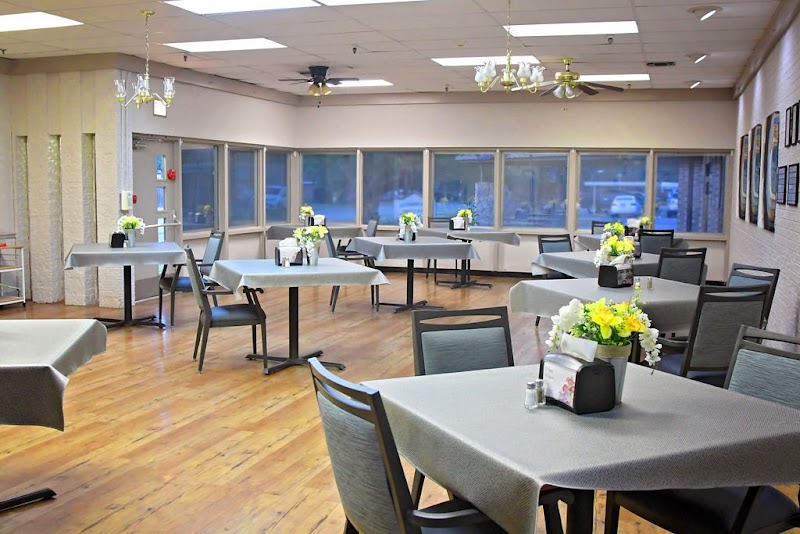
How is University Park Nursing And Rehabilitation Staffed?

CMS rates UNIVERSITY PARK NURSING AND REHABILITATION's staffing level at 2 out of 5 stars, which is below average compared to other nursing homes. Staff turnover is 58%, which is 12 percentage points above the Texas average of 46%. High turnover can affect care consistency as new staff learn residents' individual needs. RN turnover specifically is 67%, which is notably high. RNs provide skilled clinical oversight, so turnover in this role can affect medical care quality.

What Have Inspectors Found at University Park Nursing And Rehabilitation?

State health inspectors documented 32 deficiencies at UNIVERSITY PARK NURSING AND REHABILITATION during 2022 to 2025. These included: 30 with potential for harm and 2 minor or isolated issues.

Who Owns and Operates University Park Nursing And Rehabilitation?

UNIVERSITY PARK NURSING AND REHABILITATION is owned by a for-profit company. For-profit facilities operate as businesses with obligations to shareholders or private owners. The facility is operated by CREATIVE SOLUTIONS IN HEALTHCARE, a chain that manages multiple nursing homes. With 98 certified beds and approximately 89 residents (about 91% occupancy), it is a smaller facility located in WICHITA FALLS, Texas.
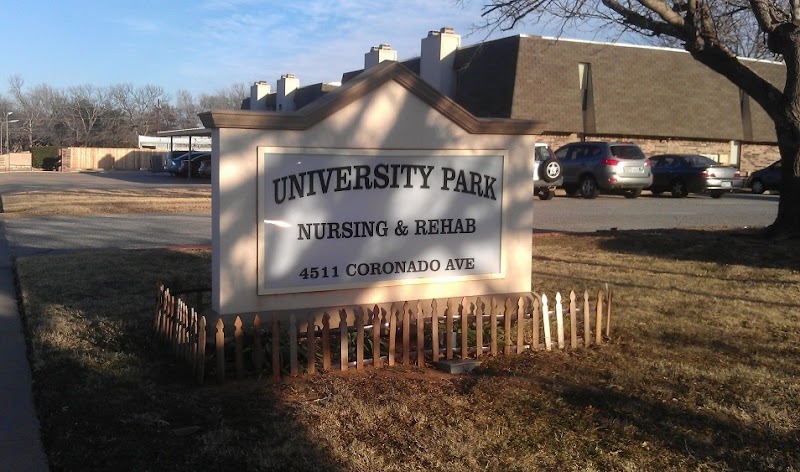
How Does University Park Nursing And Rehabilitation Compare to Other Texas Nursing Homes?

Compared to the 100 nursing homes in Texas, UNIVERSITY PARK NURSING AND REHABILITATION's overall rating (3 stars) is above the state average of 2.8, staff turnover (58%) is significantly higher than the state average of 46%, and health inspection rating (3 stars) is at the national benchmark.

What Should Families Ask When Visiting University Park Nursing And Rehabilitation?

Based on this facility's data, families visiting should ask: "How do you ensure continuity of care given staff turnover, and what is your staff retention strategy?" "Can you walk me through typical staffing levels on day, evening, and night shifts?" "Can I visit during a mealtime to observe dining assistance and food quality?" "How do you handle medical emergencies, and what is your hospital transfer rate?" These questions are particularly relevant given the facility's high staff turnover rate and the below-average staffing rating.

Is University Park Nursing And Rehabilitation Safe?

Based on CMS inspection data, UNIVERSITY PARK NURSING AND REHABILITATION has a clean safety record: no substantiated abuse findings (meaning no confirmed cases of resident harm), no Immediate Jeopardy citations (the most serious violation level indicating risk of serious injury or death), and is not on the Special Focus Facility watch list (a federal program monitoring the lowest-performing 1% of nursing homes). The facility has a 3-star overall rating and ranks #1 of 100 nursing homes in Texas. While no facility is perfect, families should still ask about staff-to-resident ratios and recent inspection results during their visit.

Do Nurses at University Park Nursing And Rehabilitation Stick Around?

Staff turnover at UNIVERSITY PARK NURSING AND REHABILITATION is high. At 58%, the facility is 12 percentage points above the Texas average of 46%. Registered Nurse turnover is particularly concerning at 67%. RNs handle complex medical decisions and coordinate care — frequent RN changes can directly impact care quality. High turnover means new staff may not know residents' individual needs, medications, or preferences. It can also be disorienting for residents, especially those with dementia who rely on familiar faces. Families should ask: What is causing the turnover? What retention programs are in place? How do you ensure care continuity during staff transitions?

Was University Park Nursing And Rehabilitation Ever Fined?

UNIVERSITY PARK NURSING AND REHABILITATION has been fined $10,066 across 1 penalty action. This is below the Texas average of $33,180. While any fine indicates a compliance issue, fines under $50,000 are relatively common and typically reflect isolated problems that were subsequently corrected. Families should ask what specific issues led to these fines and confirm they've been resolved.

Is University Park Nursing And Rehabilitation on Any Federal Watch List?

UNIVERSITY PARK NURSING AND REHABILITATION is not on any federal watch list. The most significant is the Special Focus Facility (SFF) program, which identifies the bottom 1% of nursing homes nationally based on persistent, serious quality problems. Not being on this list means the facility has avoided the pattern of deficiencies that triggers enhanced federal oversight. This is a positive indicator, though families should still review the facility's inspection history directly.