Dogwood Trails Manor
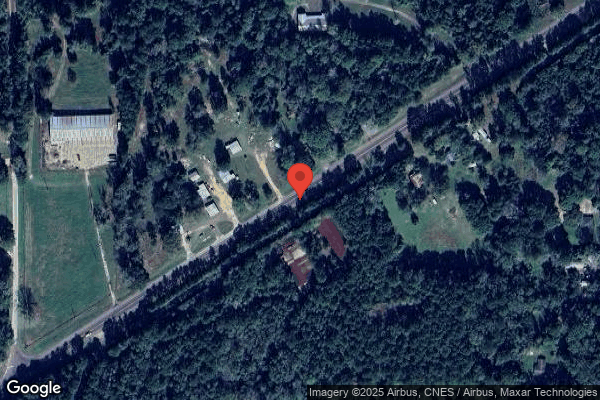
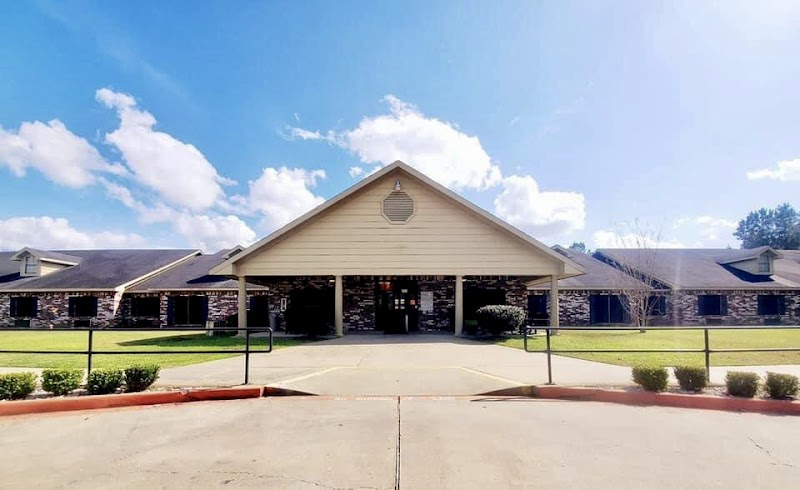
647 Us Hwy 190 W, Woodville, TX 75979 (409) 283-8147
For profit - Corporation 90 Beds CREATIVE SOLUTIONS IN HEALTHCARE Data: November 2025 2 Immediate Jeopardy citations
Trust Grade
26/100
#697 of 1168 in TX
Last Inspection: August 2025

Inspected within the last 6 months. Data reflects current conditions.

Overview

Dogwood Trails Manor has received a Trust Grade of F, indicating significant concerns about the facility's care quality. It ranks #697 out of 1168 nursing homes in Texas, placing it in the bottom half, and #2 out of 2 in Tyler County, meaning only one local option is better. The facility's situation is worsening, with issues increasing from 5 in 2024 to 11 in 2025. Staffing is a relative strength, with a turnover rate of 45%, which is below the Texas average; however, RN coverage is concerning, as it has less than 94% of Texas facilities, potentially impacting the quality of care. Inspector findings revealed critical incidents, including a failure to provide adequate supervision, leading to physical altercations between residents, and improper transfer procedures that resulted in serious injuries, highlighting both serious weaknesses in oversight and care practices.
Trust Score
F
26/100
In Texas
#697/1168
Bottom 41%
Safety Record
High Risk
Review needed
Inspections
Getting Worse
5 → 11 violations
Staff Stability
○ Average
45% turnover. Near Texas's 48% average. Typical for the industry.
Penalties
✓ Good
$27,869 in fines. Lower than most Texas facilities. Relatively clean record.
Skilled Nurses
⚠ Watch
Each resident gets only 10 minutes of Registered Nurse (RN) attention daily — below average for Texas. Fewer RN minutes means fewer trained eyes watching for problems.
Violations
⚠ Watch
17 deficiencies on record. Higher than average. Multiple issues found across inspections.
★★☆☆☆
2.0
Overall Rating
★★☆☆☆
2.0
Staff Levels
★★☆☆☆
2.0
Care Quality
★★☆☆☆
2.0
Inspection Score
Stable
2024: 5 issues
2025: 11 issues

The Good

  • Full Sprinkler Coverage · Fire safety systems throughout facility
  • No fines on record
  • Staff turnover below average (45%)

    3 points below Texas average of 48%

Facility shows strength in fire safety.

The Bad

2-Star Overall Rating

Below Texas average (2.8)

Below average - review inspection findings carefully

Staff Turnover: 45%

Near Texas avg (46%)

Typical for the industry

Federal Fines: $27,869

Below median ($33,413)

Moderate penalties - review what triggered them

Chain: CREATIVE SOLUTIONS IN HEALTHCARE

Part of a multi-facility chain

Ask about local staffing decisions and management

The Ugly 17 deficiencies on record

2 life-threatening
Aug 2025 4 deficiencies
CONCERN (D)

Potential for Harm - no one hurt, but risky conditions existed

Assessment Accuracy (Tag F0641)

Could have caused harm · This affected 1 resident

**NOTE- TERMS IN BRACKETS HAVE BEEN EDITED TO PROTECT CONFIDENTIALITY** Based on observation, interview, and record review, the facility failed to ensure an accurate MDS was completed for 2 of 12 resi...

Read full inspector narrative →
**NOTE- TERMS IN BRACKETS HAVE BEEN EDITED TO PROTECT CONFIDENTIALITY** Based on observation, interview, and record review, the facility failed to ensure an accurate MDS was completed for 2 of 12 residents (Residents #6 and #11) reviewed for MDS assessment accuracy. The facility did not accurately code Resident #6 for dialysis care on 3 quarterly, 1 annual/Medicare 5 day and 1 Medicare 5 day MDS assessments.The facility did not accurately code Resident #11's quarterly MDS assessment for hospice care.These failures could place residents at risk for not receiving the appropriate care and services to maintain the highest level of well-being. Findings included:1.A review of Resident #6's face sheet and physician orders for August 2025 indicated Resident #6 was an [AGE] year-old female who admitted to the facility on [DATE] with diagnoses which included ESRD (end stage renal disease), dependence on renal dialysis, and Alzheimer's dementia. A review of hospital records dated 06/05/2024 indicated Resident #6 had a medical history of ESRD and was receiving hemodialysis (a medical procedure used to remove waste products and excess fluid from the blood when a person's kidneys are not functioning properly). A review of Resident #6's physician orders dated August 2025 indicated she had an order dated 07/16/2025 for dialysis 2 (two) times a week beginning on 07/08/2025.A review of a care plan initiated on 01/09/25 and revised on 03/24/25 indicated Resident #6 was scheduled for dialysis three times a week.Record review of progress notes dated 12/26/2024, 03/14/2025, 05/09/2025, 06/22/2025, 06/27/2025, and 07/25/2025 indicated Resident #6 was receiving dialysis while a resident during the MDS assessment periods. Record review of dialysis communication forms dated 05/09/2025 and 07/16/2025 indicated Resident #6 received dialysis treatments on those dates. A review of Resident #6's Medicare 5-day assessment dated [DATE] Section O j1: Dialysis care was not marked as being received while a patient. The same MDS noted Resident #6 had a BIMS score of 12 indicating her cognition was moderately impaired. Further review of Resident #6's MDS assessments indicated the following:-Quarterly MDS assessment dated [DATE]: Section O j1: Dialysis care was not marked as being received while a patient. -Quarterly MDS assessment dated [DATE]: Section O1: Dialysis care was not marked as being received while a patient. -Annual/Medicare 5-day assessment dated [DATE]: Section O j1: Dialysis care was not marked as being received while a patient. -Quarterly MDS assessment dated [DATE]: Section O j1: Dialysis care was not marked as being received while a patient. During an interview on 08/19/2025 at 03:30 PM, the MDS Coordinator said she did not mark Resident #6's MDS assessments for dialysis because she did not have documentation from the dialysis center stating Resident #6 had received dialysis during the assessment periods. During an interview on 08/19/2025 at 09:50 AM, the MDS Coordinator said she had requested and received documentation of the 3 (three) times a week dialysis treatment since 07/29/2025 from the dialysis center. 2.A review of Resident #11's face sheet and physician's orders for August 2025 indicated Resident #11 was a [AGE] year-old female who admitted to the facility on [DATE] with diagnoses including traumatic brain injury, stroke, vascular dementia with agitation and Alzheimer's disease. A review of Resident #11's physician's orders dated August 2025 indicated she had an order dated 11/11/2024 to receive hospice services from a local hospice for a terminal diagnosis of early onset Alzheimer's disease. A review of Resident #11's quarterly MDS dated [DATE] Section O k1: Hospice care was not marked as being received while a resident. A review of a care plan initiated on 11/11/2024 and last revised on 12/03/2024 indicated Resident #11 had a terminal prognosis and/or was receiving hospice services. During an interview on 08/20/2025 at 12:15 PM with the facility's MDS Coordinator, she said she had been doing the MDS for about 2.5 years. She said the RAI manual was used as the guideline for performing the MDS assessment. She said the policy would be to follow the RAI. She viewed Resident #11's quarterly MDS dated [DATE] and said hospice care not being marked under Section O was a data entry error and she would correct it and re-submit to CMS. Review of CMS's RAI Version 3.0 Manual: Section 1.3 Completion of the RAI indicated the following: While its primary purpose as an assessment instrument is to identify resident care problems that are addressed in an individualized care plan, data collected from MDS assessments are also used for the Skilled Nursing Facility Prospective Payment System (SNF PPS) Medicare reimbursement system, many State Medicaid reimbursement systems, and monitoring the quality of care provided to nursing home residents. The RAI process has multiple regulatory requirements. Federal regulations at 42 CFR 483.20 (b)(1)(xviii), (g), and (h) require that (1) the assessment accurately reflects the resident's status. As such, nursing homes are responsible for ensuring that all participants in the assessment process have the requisite knowledge to complete an accurate assessment.
CONCERN (D)

Potential for Harm - no one hurt, but risky conditions existed

Medical Records (Tag F0842)

Could have caused harm · This affected 1 resident

**NOTE- TERMS IN BRACKETS HAVE BEEN EDITED TO PROTECT CONFIDENTIALITY** Based on interview and record review, the facility failed to ensure medical records, in accordance with accepted professional st...

Read full inspector narrative →
**NOTE- TERMS IN BRACKETS HAVE BEEN EDITED TO PROTECT CONFIDENTIALITY** Based on interview and record review, the facility failed to ensure medical records, in accordance with accepted professional standards and practices, were complete and accurately documented for 1 of 5 residents (Resident #6) reviewed for medical records accuracy. The facility failed to ensure Resident #6's order for dialysis treatments was accurately reflected in the facility's electronic health records. This deficient practice could affect residents whose records are maintained by the facility and could place them at risk for errors in care and treatment.Findings included: Record review of resident #6's face sheet and physician orders for August 2025 indicated resident #6 was an [AGE] year-old female who admitted to the facility on [DATE] with diagnoses which included ESRD (end stage renal disease), dependence on renal dialysis, and Alzheimer's dementia. A review of Resident #6's Medicare 5-day assessment dated [DATE] Section O j1: Dialysis care was not marked as being received while a patient. The same MDS noted Resident #6 had a BIMS score of 12 indicating her cognition was moderately impaired. Record review of Resident #6's physician orders dated August 2025 indicated she had an order dated 07/16/2025 for dialysis 2 days a week on Tuesdays and Thursdays.Record review of a progress note dated 07/29/2025 indicated the dialysis center had increased Resident #6's dialysis treatments to 3 (three) times a week on Tuesdays, Thursdays, and Saturdays. During an interview on 08/19/2025 at 3:10 PM, Resident #6 said she used to go to dialysis 2 (two) times a week but was presently going to the dialysis center 3 (three) times a week. During an interview on 08/19/2025 at 3:15 PM with LVN B, she said Resident #6 went to dialysis 3 (three) times a week on Tuesdays, Thursdays, and Saturdays. During an interview on 08/20/2025 at 8:55 AM with the MDS Coordinator, she said she requested dialysis treatment records from the dialysis center which showed Resident #6 had gone to dialysis treatments as scheduled from 07/29/2025 to 08/19/2025 except for 2 (two) times on 08/07/2025 and 08/09/2025 when Resident #6 refused to go to the dialysis center and 2 (two) times on 08/14/2025 and 08/16/2025 when Resident #6 was in the hospital. The MDS Coordinator said she did not know why the physician's orders in the electronic health care records had not been updated to reflect the change from 2 dialysis treatments weekly to 3 dialysis treatments weekly. During an interview with the DON on 08/20/2025 at 1:15 PM, she said she did not know why the electronic health records were not updated to reflect the change in dialysis treatments in the physician's orders. The DON said the nurses were supposed to update physicians' orders when a change in care or treatment occurs. She said inaccurate physician orders could place residents at risk for not receiving proper care and treatment. Record review of the facility's policy dated November 2013 and titled Dialysis Policy indicated the following: Procedure 1Review and confirm the physician's order for dialysis. Follow the specifications of the medical regiment including dietary restrictions and medical management.
CONCERN (D)

Potential for Harm - no one hurt, but risky conditions existed

Infection Control (Tag F0880)

Could have caused harm · This affected 1 resident

Based on observation, interview, and record review, the facility failed to establish and maintain an infection prevention and control program designed to provide a safe, sanitary and comfortable envir...

Read full inspector narrative →
Based on observation, interview, and record review, the facility failed to establish and maintain an infection prevention and control program designed to provide a safe, sanitary and comfortable environment and to help prevent the development and transmission of communicable diseases and infections for 1 of 1 resident (Resident #10) reviewed for infection control. The facility failed to implement enhanced barrier precautions for Resident #10. These failures could place residents at risk for cross contamination, spread of infection and sepsis. Findings included: In an observation on 08/18/2025 at 10:30 AM, Resident #10's door to his room was noted to have a EBP signage in place indicating PPE was to be used when providing care to this resident. CNA A entered Resident #10's room to perform ADL care. She did not sanitize her hands before entering the room. She did not put on a gown or gloves upon prior to giving care. In an interview on 08/18/2025 at 10:35 AM, CNA A stated she did not sanitize her hands prior to entering Resident #10's room to perform ADL care. She stated she did not know what EBP was and did not know the requirements for EBP. She stated she had not been trained on EBP at the facility. CNA A could not state a potential negative outcome for failure to observe EBP on at-risk residents. In an interview on 08/18/2025 at 11:36 AM, the IP Nurse stated there were no documents that addressed training on EBP and stated that not wearing PPE could place resident at risk for infection. In an interview on 08/19/2025 at 3:30PM, the BOM (Business office manager) stated she just started this position and was responsible for new hire employees. She said no new hire was trained or checked off on EBP. Record review on 08/19/2025 of the New Hire Orientation Checklist did not address EBP. Record review on 08/19/2025 of EBP Enhanced Barrier Precautions Policy dated 4/1/2024. Section: Communication to Staff: Staff Awareness and Training: Donn and Glove: a) Performing transfers or assisting during bathing b) Changing brief or assisting with toiletingc) Turn and reposition or assist with bed mobilityd) Dressing residente) Providing hygienef) Changing linensg) Any other high-contact activity that includes close bodily contact or coming into contact with the indwelling medical device
CONCERN (D)

Potential for Harm - no one hurt, but risky conditions existed

Deficiency F0945 (Tag F0945)

Could have caused harm · This affected 1 resident

Based on observation, interview, and record review, the facility failed to include mandatory training as part of its infection prevention and control program for staff reviewed for infection control. ...

Read full inspector narrative →
Based on observation, interview, and record review, the facility failed to include mandatory training as part of its infection prevention and control program for staff reviewed for infection control. The facility failed to implement EBP training to all staff members and an upon hire and refresher training annually thereafter. These failures could place residents at risk for cross contamination, spread of infection and sepsis. Findings included: In an observation on 08/18/2025 at 10:30 AM, Resident #10's door to his room had EBP signage in place and there was PPE noted at the entrance to the resident's room. CNA A entered Resident #10''s room to perform ADL care and failed to sanitize her hands before entering. She did not don a gown nor apply gloves prior to performing ADL care. In an interview on 08/18/2025 at 10:35 AM, CNA A stated she did not sanitize her hands prior to entering Resident #10's room to perform the resident with ADL care. She stated she did put on a gown prior to performing care. She stated she did not know what EBP was and did not know the requirements for EBP. She stated she had not been trained on EBP at the facility. CNA A could not state a potential negative outcome for failure to observe EBP for at-risk residents. In an interview on 08/18/2025 at 11:36 AM, the IP Nurse stated there was no documentation of staff training for EBP. She said a potential negative outcome for failure to observe EBP for at-risk residents was increased risk of infections. In an interview on 08/19/2025 at 3:30PM, the BOM (Business office manager) stated she just started this position and was responsible for newly hired employees. She said no new hire had been trained or checked off on EBP. Record review on 08/19/2025 of the New Hire Orientation Checklist did not address EBP. Record review on 08/19/2025 of EBP Enhanced Barrier Precautions Policy dated 4/1/2024. Section: Communication to Staff: Staff Awareness and Training: Donn and Glove: a) Performing transfers or assisting during bathing b) Changing brief or assisting with toiletingc) Turn and reposition or assist with bed mobilityd) Dressing residente) Providing hygienef) Changing linensg) Any other high-contact activity that includes close bodily contact or coming into contact with the indwelling medical device
Jul 2025 3 deficiencies 1 IJ
CRITICAL (J) 📢 Someone Reported This

A family member, employee, or ombudsman was alarmed enough to file a formal complaint

Immediate Jeopardy (IJ) - the most serious Medicare violation

Accident Prevention (Tag F0689)

Someone could have died · This affected 1 resident

**NOTE- TERMS IN BRACKETS HAVE BEEN EDITED TO PROTECT CONFIDENTIALITY** Based on observation, interview, and record review, the facility failed to ensure residents received adequate supervision to pre...

Read full inspector narrative →
**NOTE- TERMS IN BRACKETS HAVE BEEN EDITED TO PROTECT CONFIDENTIALITY** Based on observation, interview, and record review, the facility failed to ensure residents received adequate supervision to prevent accidents for 2 of 8 residents (Resident #1 and Resident #2) reviewed for supervision to prevent accidents. The facility failed to ensure Resident #2 was free from physical abuse when Resident #1 hit Resident #2 on 06/08/25 on the secure unit. The facility failed to provided training regarding 1-1 or notify management of 1-1 status. CNA A was the only staff assigned to the unit. After the altercation, CNA A was also assigned to provide 1-1 for 1.5 hours for Resident #1 but took Resident #2 with her as she cared for other residents and did not provide 1-1 for Resident #1. The facility failed to ensure Resident #1 and Resident #2 did not hit each other on 06/17/25 on the secure unit. CNA A did not request assistance when she was providing care to another resident. CNA A was assigned to the unit and assigned to provide 1:1 for Resident #1 from 9:30 a.m. to 12:45 p.m. She had to take Resident #1 with her while providing care for other residents. MA C was assigned 1:1 for Resident #2 from 9:30 a.m. - 1:00 p.m. There was no additional staff assigned to provide care and supervision for the remaining residents on the unit. The facility did not review, update, or implement interventions to include adequate supervision and continued to leave Resident #1 alone and unsupervised with Resident #2 and with other residents. There was no documentation of who discontinued the 1:1 monitoring of Resident #1 or Resident #2. A De-escalation Techniques training was provided following the second incident. It did not address staff 1:1, notifying management of escalation behaviors, or identifying escalating behaviors. The behavior management policy did not address 1:1 monitoring when residents had escalated/aggressive behaviors or if management would be notified. The facility did not have a system in place to ensure residents were supervised in the secured unit while the assigned staff was providing care for other residents. An Immediate Jeopardy (IJ) was identified on 07/10/25 at 2:25 p.m. The IJ template was provided to the facility on [DATE] at 2:48 p.m. While the IJ was removed on 07/11/25, the facility remained out of compliance at a scope of isolated and a severity level of no actual harm with potential for more than minimal harm that is not immediate jeopardy due to the facility continuing to monitor the implementation and effectiveness of their Plan of Removal. These failures could place residents at risk for emotional distress, fear, decreased quality of life, and further abuse. Findings included: Record review of Resident #1's face sheet dated 07/08/25 indicated she was a [AGE] year-old female who was admitted on [DATE]. Her diagnoses included Alzheimer's (brain condition that progressively damages memory, thinking, and learning skills), severe dementia (loss of cognitive function) with agitation, and anxiety (feelings of dread and inner turmoil). Record review of Resident #1's quarterly MDS assessment dated [DATE] indicated she was usually able to make herself understood and usually understood others, had severe cognitive impairment (BIMS-4), and had behavioral symptoms not directed at others. Record review of Resident #1's care plan dated 06/09/25 indicated Resident #1 had potential to exhibit physical behaviors. Interventions included give resident as many choices as possible about care and activities, if Resident #1 had physical behavior towards another resident, immediately intervene to protect the residents involved and call for assistance, if intervening would be unsafe, call out for staff assistance immediately, notify the charge nurse of any physically abusive behaviors, restarted Buspirone, Resident #1 was separated from other resident, and one-to-one monitoring until determined safe, and secure care consult referral, and when Resident #1 becomes agitated: intervene before agitation escalates. Record review of Resident #1's late entry progress note dated 06/08/25 at 10:15 p.m., completed by RN D, indicated she was notified by CNA A Resident #1 hit Resident #2 with an open hand. The physician and the RP were notified. Resident #1 was restarted on Buspar (Buspirone) (anti-anxiety medication). Record review of Resident #1's progress note dated 06/17/25 at 9:35 a.m., completed by LVN E indicated MA B reported she was outside the secure unit and Resident #1 and Resident #2 being physically combative with each other. There were no injuries noted. Residents were separated with no further events. The MD and the RP were notified. Record review of Resident #2's face sheet dated 07/08/25 indicated she was an [AGE] year old female, admitted on [DATE] and her diagnoses included Alzheimer's and severe dementia with anxiety. Record review of Resident #2's quarterly MDS dated [DATE] indicated she was rarely able to make herself understood, sometimes understood others, had severe cognitive impairment (BIMS-3), and had physical and verbal behaviors directed at others (behavior of this type occurred 1-3 days). Record review of Resident #2's care plan dated 06/18/25 indicated Resident #2 had potential to demonstrate physical behaviors due to dementia and poor impulse control. Interventions included give Resident #2 as many choices as possible about care and activities, if Resident #2 has physical behaviors toward another resident immediately intervene to protect the residents involved and call for assistance, if intervening is unsafe call out for staff assistance immediately, notify the charge nurse of any physically abusive behaviors, and when Resident #2 becomes agitated: intervene before agitation escalates guide away from source of distress, engage calmly in conversation. If response is aggressive, staff to walk away calmly away and approach later. Record review of Resident #2's progress note dated 06/17/25 at 9:34 a.m., completed by LVN E indicated MA B reported she was outside the secure unit and Resident #1 and Resident #2 being physically combative with each other. There were no injuries noted. Residents were separated with no further events. The MD and the RP were notified. Record review of facility investigation dated 06/13/25, completed and signed by the Administrator, indicated the allegation of abuse was confirmed. Resident #1 level of supervision was within eyesight. Resident #2's level of supervision was within eyesight. Resident #2 had a history of physical aggression. CNA A was getting a resident up for the day when she heard yelling. She went to investigate and noticed Resident #1 and Resident #2 yelling at each other with their fingers in each other's faces. CNA A stepped in between Resident #1 and Resident #2 to separate them and Resident #1 grabbed CNA A's wrist and twisted her arm behind her back. CNA A got loose and was able to separate them, then went back to finish with the other resident. CNA A tried to keep Resident #2 out of the dining area and redirect; however Resident #2 managed to get into the dining room. When Resident #2 tried to come out of the dining hall, Resident #1 would not let her pass, and then hit Resident #2 with an open hand on the left arm/shoulder area. There were no injuries. Residents were immediately separated, Medical Director, RP, ADON, Administrator, Corporate Compliance Nurse, and Area Director of Operations, were all notified. The facility conducted staff training on Abuse/Neglect and Resident Rights. Staff were not in-serviced on deescalating behaviors with residents. There was no documentation of who implemented or discontinued the 1:1 monitoring of Resident #1. CNA A's statement dated 06/08/25 indicated I was getting a resident up for the day. I started to transfer that resident to her wheelchair when I heard yelling. When I got the resident in the wheelchair I went to see about the yelling I saw Resident #1 and Resident #2 yelling at each other and their fingers pointing in each other's faces. I got in between them so they will not make contact with each other. In the process of separating them, Resident #1 pushed me and grabbed my wrist and twisting it and then twisted my arm behind my back. I finally got loose and got them separated. Then I went back to finish attend to the other resident. Resident #1 was sitting at the dining room table. I tried to keep Resident #2 out of the dining room but she still managed to get in the dining room. As I was getting Resident #2 out of the dining room she went the other way. Resident #1 would not let her past. That's when Resident #1 hit Resident #2 open handed on the left arm shoulder area. I got Resident #2 out of the dining room I saw MA B coming to break me out for lunch. I let her know what happened and to keep them separated. Then I let my nurse know what happened. Before this incident I had to let my nurse know that Resident #1 might need a PRN because shortly after Resident #1 got up she started with her normal behavior of we are stealing her stuff and Resident #1 was rummaging way above her normal behavior the nurse did get come and give her something.[sic] Record review of the facility investigation dated 06/19/25, completed by the Administrator indicated the allegation of abuse was confirmed. Resident #1 level of supervision was within arms length. She had a history of similar allegations. Resident #2's level of supervision was within eyesight. Resident #2 had a history of physical aggression. MA B was passing medications just outside the secure unit. She looked up and saw both residents passing licks to one another. MA B hollered out for help and rushed into the secure unit to separate the residents due to CNA A was providing care to another resident. There were no injuries. Provide action taken Post-Investigation included staff training on abuse and neglect and resident rights. One-to-One provided for Resident #1 and Resident #2. Staff were not in-serviced on deescalating behaviors with residents. There was no documentation of who implemented or discontinued the 1:1 monitoring of Resident #1. Record review of MA B's statement dated 06/17/25 indicated I was passing pills on the outside of the unit. When gathering pills, I looked up and saw both residents passing licks to one another. I hollered out and rushed into the doors to separate due to the staff member was with another resident. Record review of Resident #1's monitoring sheet dated 06/17/25 and signed by CNA A indicated CNA A documented in 15 minute intervals from 9:30 a.m. through 12:45 p.m. There was no documentation of one-to-one assignment or what Resident #1 was doing at the time of the 15 minute monitoring. Record review of Resident #2's monitoring sheet dated 06/17/25 and signed by MA C indicated MA C documented in 15 minute intervals from 9:30 a.m. through 1:00 p.m. There was no documentation of one-to-one assignment or what Resident #2 was doing at the time of the 15 minute monitoring. During an interview on 07/08/25 at 9:15 a.m., the Administrator said the secure unit had 8 beds. She said the current census indicated there were 7 residents on the unit. She said the CNAs worked 12 hour shifts from 6:00 a.m. through 6:00 p.m. and 6:00 p.m. through 6:00 a.m. She said a nurse was not physically on the unit for any shift but would come on the unit, as necessary. During observation and interview on 07/08/25 at 9:25 a.m., CNA A said she was the only staff assigned to work in the secure unit from 6:00 a.m. through 6:00 p.m. She said she was in the process of cleaning the dining room after Resident #2 had an incontinent episode. She said she did not ask for staff assistance to clean the area or while she provided incontinent care for Resident #2. Resident #1 was off the secure unit and in therapy. Resident #2 smiled and said hello. During an interview on 07/08/25 at 11:10 a.m., the Administrator said one-to-one meant watching a resident all the time. She said CNA A was monitoring and 1-1 on 06/08/25. She said she was not aware another staff was assigned. She said resident supervision that required within eyesight was not possible with only one staff. During an interview on 07/08/25 at 11:15 a.m., the ADON said she spoke with the psych NP on 06/08/25 and Resident #1's Buspar was restarted that was previously discontinued on 06/06/25. She said she was not aware of who started or discontinued Resident #1's one-to-one staff on 06/08/25. During an interview on 07/08/25 at 11:53 a.m., the Administrator said the facility did not have a policy or a procedure/protocol for one-to-one staff. She said she was not aware of staff training related to one-to-one staff or expectations. During an interview on 07/09/25 at 9:25 a.m., CNA A said she was the only staff assigned to work on the unit for the shift 6:00 a.m. to 6:00 p.m. She said secure unit/memory care unit only had one staff assigned for each shift and each shift was 12 hours. She said another staff would supervise the unit if she was on her break or had to leave the unit. She said on 06/08/25 she was getting another resident ready for the day and was transferring the resident to a wheelchair when she heard a commotion. She said she opened the door of the resident's room and observed Resident #1 and Resident #2 in an argument with their fingers in each other's face. She said she separated the residents and Resident #1 was in the dining room and Resident #2 was in the TV room. She said she returned to the other resident's room to finish getting her dressed. She said she came back out of the room and observed Resident #2 walk into the dining room. She said Resident #2 refused to leave the dining room and when she walked to the other side of the dining room Resident #1 hit Resident #2. She said she was assigned to one-to-one supervision of Resident #1 but took Resident #2 around with her as she took care of other residents. She said Resident #2 was more compliant and would wait in another resident's room while she assisted other residents in the washroom with the door closed. She said she did not ask for assistance when she had to care for other residents while providing one-to one. She said she did not recall who assigned or discontinued Resident #1's one-to-one on 06/08/25. She said the second incident on 06/17/25 occurred when she was taking care of another resident. She said MA B intervened. She said she was assigned one-to-one for Resident #1 and MA B was assigned one-to-one for Resident #2. She said there was no other staff to assist the other 5 residents on the unit. She said she did not recall who assigned or discontinued the one-to-one for Resident #1 or Resident #2. She said one-to-one meant staying with the resident all the time. During an interview on 07/09/25 at 9:40 a.m., the DON said MA B stayed on the unit until the one-to-one was discontinued. She said if CNA A needed help she would call out to the nurses' station for assistance. During an interview on 07/09/25 at 11:53 a.m., the Administrator said the facility did not have a policy for resident supervision or one-to-one resident supervision. During an interview on 07/09/25 at 1:57 p.m., the ADON said Resident #1's Buspar was restarted due to her increased behaviors after the GDR on 06/06/25. She said RN D completed an incident report and notified me because the DON was on PTO. She said one-to-one was stopped because we had de-escalated her behaviors. During an interview on 07/10/25 at 9:43 a.m. the DON said on 06/08/25 the corporate secure care nurse was notified of the incident and scheduled a TEAMS meeting to review the incident on 06/17/25. She said the second incident occurred right before the meeting started. The secure care nurse suggested the residents be evaluated for pain and routine pain medications be administered if appropriate. It was also suggested the staff receive training on de-escalation. She said the incident on 06/17/25 was discussed with the Administrator and the ADON. Resident #1 and Resident #2's behaviors had calmed and the one-to-one was discontinued. She said staff were trained on de-escalation on 06/23/25. She said the other resident that received care during the incident on 06/08/25 and 06/17/25 was moved off the unit. She said staff was directed to call for assistance if they need help. She said there was no additional issues identified with the one-to-one during both incidents. During an interview on 07/09/25 at 4:30 p.m., the Administrator said one-to-one was someone to sit with a resident, so another altercation did not happen. She said she would not want other residents endangered. She said a TEAMS call with a secure care nurse was completed after the incident on 06/08/25. She said the facility did not talk to the secure care nurse until the following week after the second incident on 06/17/25. She said one-to-one was not really one-to-one because we did not assign an additional staff to watch the other residents. She said the RN weekend supervisor was responsible for ensuring adequate staff on the weekend. She said the RN weekend supervisor should have separated residents 06/08/25 and gotten another staff to sit with the resident until the behaviors were under control and until we got direction from the doctor on how to proceed. She said residents were at risk of injury for accidents without adequate supervision. During an interview on 07/10/25 at 12:51 p.m., RN B said she did not recall the incident on 06/08/25. She said she did not remember assigning one-to-one to any staff. She said residents were at risk of accidents and injuries without adequate supervision. During an interview on 07/10/25 at 1:10 p.m., weekend supervisor RN BB said she recalled the incident on 06/08/25 but she was not involved. She said she did not know who assigned one-to-one or who discontinued one-to-one for Resident #1. She said RN B was involved with the incident. She said residents were at risk of accidents and injuries without adequate supervision. During an interview on 07/10/25 at 2:04 p.m., MA B said she was passing medications outside of the secure unit on 06/17/25. She said she observed Resident #1 and Resident #2 hitting each other. She said she immediately went on the unit and separated the residents. She said she was not aware of any one-to-one assignment. She said residents were at risk of accidents and injuries without adequate supervision. During an interview on 07/10/25 at 2:21 p.m., MA C said she was assigned one-to-one with Resident #2 on 06/17/25. She said CNA A was assigned one-to-one with Resident #1. She said there were no additional staff assigned to the unit while the one-to-one was in place. She said we managed to keep up with everything. She said CNA A took Resident #1 with her while she assisted other residents or she was in her (MA C's) eyesight. She said the DON directed her to stop on-to-one. She said residents were at risk of accidents and injuries without adequate supervision. An Immediate Jeopardy/Immediate Threat was identified on 07/10/25 at 2:25 p.m. The ADO and the DON were notified of the Immediate Jeopardy and provided the IJ template on 07/10/25 at 2:48 p.m. The facility was asked to provide a Plan of Removal to address the Immediate Jeopardy. The facility's Plan of Removal for the Immediate Jeopardy was accepted on 07/10/25 at 8:26 p.m. and reflected the following: Plan of Removal: The facility failed to adequately supervise residents to implement interventions to prevent accidents and protect residents from potential injuries from resident to resident altercations.Interventions: All residents in template or put at risk for harm were assessed by charge nurse. No findings identified. All Residents are assessed weekly for behaviors on the weekly nursing summary. To include Wandering, verbal and physical behavior symptoms directed towards others. Last assessment completed on 7/10/25Resident were separated, placed on 1:1, social service consult, safe surveys, trauma informed PRN assessment completed, interviewed staff, skin assessments, secure care consult scheduled, Inservice regarding abuse/neglect to include resident to resident abuse and resident rights, medical director was notified, ADHOC initiated for incident date 6/8/25 & 6/17/25Monitored on the following for incident date 6/8/25 & 6/17/25Ask 10 staff members per week, if they have noticed any inappropriate behavior among residents, if so, verify what the staff member did and if it was reported properly. Document any corrective action as needed. If they have not observed any inappropriate behavior, ask what they would do if they did and who they would report it to. Document date/time, if they answered correctly, the staff member's name, and any corrective action if needed.Document 5 resident quality of life rounds every week, asking how things are going for them, etc. Document date/time, the resident's name, if there was any negative response, and any corrective action if needed.During incident/event review in standup, the DON and Admin will monitor for potential inappropriate resident behaviors in the event reports.During facility rounds, are there any signs of potential resident to resident inappropriate behavior.medication adjustments for Resident #1 on 6/8/25.The DON and ADON were in-serviced 1:1 by the ADO on following in-services on 7/10/25 at 4:30 pm.1:1 monitoring: Consistent observation involving assigning a dedicated staff member to continuously observe a single resident. Process of determining when 1:1 is initiated and concluded: one on one will be determined by the DON or designee and concluded by consulting with psych services/secure care team/or IDT team. De escalating behaviors Abuse and neglect to include increased supervision for residents with aggressive behaviors.1:1 in service with the aides who completed the one on one on 6/8 & 6/17/25- the staff member doing one on one will have consistent observation involving assigning a dedicated staff member to continuously observe a single resident. All other staff we're also in-serviced over 1:1 monitoring. Starting 7/11/25 review all new incident and accidents and self-reports during clinical meeting & stand down to ensure the correct process was followed regarding one on one and reporting to be reviewed by IDT team. Review of staffing in memory care unit- In the event an incident occurs between residents additional staff will be pulled to assist with monitoring and resident care. The aide will notify the charge nurse immediately via phone located in memory care unit. When the aid is providing care to residents they will call additional staff to supervise residents in the memory care unit during that time. The Medical Director was notified of the Immediate Jeopardy on 7/10/25 by the [NAME] ADHOC QAPI meeting was completed by the interdisciplinary team to include the Medical Director 7/10/25.In-services: The following services were initiated on 7/10/25 for all staff members by the DON, ADON, and/or Regional Compliance Nurse. All staff not present for in-servicing will not be permitted to work their assignment until in-serviced. All new hires will be in-serviced during facility orientation. All agency staff will be in-serviced prior working their floor assignment. Abuse and Neglect: Failure to properly monitor residents with aggression towards others can lead to negative outcomes and not having proper 1:1 may result in additional behaviors and additional aggressive behaviors.Deescalating behaviors with resident- how staff can manage and deescalate residents when having altercations. In the event the resident becomes aggressive with staff or other residents, the staff or aide need to keep residents separated and notify the charge nurse immediately. Prevention of resident-to-resident abuse- staff to engage residents with activities, snack, redirection, and monitor for any new changes of condition.1:1 monitoring: Consistent observation involving assigning a dedicated staff member to continuously observe a single resident (not providing care to any other residents during this time). One on one will be determined by the DON or designee and concluded by consulting with psych services/secure care team/or IDT team. Documentation of one on one monitoring will be reflected on the monitoring sheets and show discontinuation. Any staff member can provide one on one monitoring. Monitoring: Monitor 5 days a week x 6 weeks any events that required 1:1, was there proper 1:1 completed.Monitor 5 days a week x 6 week any changes of condition or possible resident to residents.Monitoring of the facility's Plan of Removal included the following: Record review of Resident #1 and Resident #2 assessments dated 07/10/25 indicated no negative findings . Record review of Resident #1, Resident #2, Resident #3, Resident #4, Resident #6, Resident #7, and Resident #8's weekly nursing summaries dated 07/10/25 included wandering, verbal and physical behavior symptoms directed towards others. There were no concerns noted.Record review of staff training dated 07/10/25 at 4:40 p.m. indicated the DON and ADON were in-serviced 1:1 by the ADO on 1:1 monitoring: Consistent observation involving assigning a dedicated staff member to continuously observe a single resident. Process of determining when 1:1 is initiated and concluded: one on one will be determined by the DON or designee and concluded by consulting with psych services/secure care team/or IDT team, de-escalating behaviors, abuse and neglect to include increased supervision for residents with aggressive behaviors.Record review of 1:1 in service dated 07/10/25 with CNA A and MA C who completed the one on one on 6/8/25 & 6/17/25 indicated the staff member doing one on one will have consistent observation involving assigning a dedicated staff member to continuously observe a single resident. All other staff we're also in-serviced over 1:1 monitoring. Record review of incident and accident reports and self reports from 07/08/25 though 07/11/25 indicated there was no concerns noted during clinical meeting & stand down on 07/11/25 regarding one on one and reporting to be reviewed by IDT team. Record review of staffing in memory care unit- In the event an incident occurs between residents additional staff will be pulled to assist with monitoring and resident care. The aide will notify the charge nurse immediately via phone located in memory care unit. When the aid is providing care to residents they will call additional staff to supervise residents in the memory care unit during that time. Record review of staff training dated 07/10/25 and 07/11/25 conducted by the DON, ADON, and/or Regional Compliance Nurse indicated Abuse and Neglect: Failure to properly monitor residents with aggression towards others could lead to negative outcomes and not having proper 1:1 may result in additional behaviors and additional aggressive behaviors. De-escalating behaviors with resident- how staff can manage and deescalate residents when having altercations. In the event the resident becomes aggressive with staff or other residents, the staff or aide need to keep residents separated and notify the charge nurse immediately. Prevention of resident-to-resident abuse- staff to engage residents with activities, snack, redirection, and monitor for any new changes of condition. 1:1 monitoring: Consistent observation involving assigning a dedicated staff member to continuously observe a single resident (not providing care to any other residents during this time). One on one would be determined by the DON or designee and concluded by consulting with psych services/secure care team/or IDT team. Documentation of one on one monitoring would be reflected on the monitoring sheets and show discontinuation. Any staff member can provide one on one monitoring. Observation and interview on the secure unit on 07/11/25 at 10:46 a.m. Resident #1 and Resident #2 were sitting in the TV room. They were calm and there were no signs of agitation. Resident #1 and Resident #2's 1-1 was previously discontinued. MA C was assigned to watch the 7 residents of the secure unit while CNA F was on her lunch break. MA C indicated she received training related abuse/neglect/reporting, behaviors and de-escalating behaviors, and one-to-one resident supervision. She indicated for one-to-one she would remain within close proximity, engage the resident and monitor for any changes. She would notify the nurse in charge, DON, and Administrator of any changes. During an interview on the secure unit on 07/11/25 at 10:50 a.m., MA B indicated she received training related abuse/neglect/reporting, behaviors and de-escalating behaviors, and one-to-one resident supervision. She indicated for one-to-one she would remain within close proximity, engage the resident and monitor for any changes. She would notify the nurse in charge, DON, and Administrator of any changes. There was no resident assigned one-to-one monitoring as of 07/11/25. Interviews conducted on 07/11/25 from 10:46 a.m. through 2:00 p.m. representing staff from all shifts and departments (6a.m.-6p.m., 6p.m.-6a.m., 6a.m.-2p.m., 2p.m.-10p.m., and 10p.m.-6a.m.) included the DON, CNA A, MA B, MA C, LVN G, CNA H, HR/CNA I, CNA J, BOM K, CNA L, LVN M, CNA N, PT/DOR O, Medical Records P, MDS LVN Q, Dietary [NAME] R, LVN S, ADON/LVN T, Dietary [NAME] U, Dietary [NAME] V, HSK W, SW X, Dietary Manager Y, and HSK Z. All staff were able to identify the different types of abuse, what to do if they witnessed resident to resident abuse, what signs to watch for in residents to prevent resident to resident abuse, who to report any incidents of abuse. Staff were able to identify ways to prevent residents with high-risk behaviors such as wandering and agitation from abuse and neglect (remove from reach of others, increase supervision of wandering by monitoring while they are wandering, and/or engaging in activity). Staff indicated they were to be aware of resident behaviors, monitor for behaviors, and how to de-escalate behaviors. Staff knew they were to separate residents immediately and ensure residents were safe. All staff were able to identify the responsibilities of assigned 1:1 supervision. All staff were able to identify the responsibilities of caring for a resident with aggressive behaviors. All staff were able to identify the responsibilities for supervision and monitoring residents. All staff were able to identify 1:1 monitoring/supervision meant always staying with resident -keep eyes on the residents and they had to be relieved by another trained staff before going on break/meal. All staff aware of supervising and monitoring was a preventive or proactive intervention. The process of determining when 1:1 was initiated and discontinued would be determined by the DON or designee. Nursing staff indicated they would be notified of CNA/MAs breaks and were responsible for monitoring residents until the aide returned. All staff indicated resident behaviors and triggers including resident specific triggers to provide optimal monitoring and prevention on falls/injuries. All staff identified redirection techniques of walking with residents and/or engage in diversional activities if a resident was agitated or wandering. CNA staff identified responsibilities of checking Kardex for resident specific care plan and triggers. During an interview on 07/11/25 at 10:46 a.m., MA C indicated1:1 monitoring included consistent observation involving a dedicated staff member to continuously observe a single resident. The process of determining when 1:1 is initiated and concluded would determined by the DON or designee and, was able to give examples of de-escalating behaviors, and prevention of abuse and neglect included increased supervision for residents with aggressive behaviors. During an interview on 07/11/25 at 11:00 a.m., CNA A said indicated1:1 monitoring included consistent observation involved a dedicated staff member to continuously observe a single resident. The process of determining when 1:1 was initiated and concluded would be determined by the DON or designee and was able to give examples of de-escalating behaviors, and prevention of abuse and neglect included increased supervision for residents with aggressive behaviors. During an interview on 07/10/25 at 1:15 p.m., the DON said. Monday through Friday she and the ADON would review all incidents and the 24-hour report and make needed changes to care plans with any change of condition including behaviors or resident-to-resident altercations. She indicated 1:1 monitoring included [TRUNCATED]
CONCERN (D) 📢 Someone Reported This

A family member, employee, or ombudsman was alarmed enough to file a formal complaint

Potential for Harm - no one hurt, but risky conditions existed

Report Alleged Abuse (Tag F0609)

Could have caused harm · This affected 1 resident

**NOTE- TERMS IN BRACKETS HAVE BEEN EDITED TO PROTECT CONFIDENTIALITY** Based on observations, interviews, and record review, the facility failed to ensure that all alleged violations involving abuse,...

Read full inspector narrative →
**NOTE- TERMS IN BRACKETS HAVE BEEN EDITED TO PROTECT CONFIDENTIALITY** Based on observations, interviews, and record review, the facility failed to ensure that all alleged violations involving abuse, neglect, exploitation or mistreatment, including injuries of unknown source and misappropriation of resident property, were reported, immediately but not later than 2 hours after the allegation was made, if the events that caused the allegation involved abuse or bodily injury, to the administrator of the facility and to other officials, including the State Survey Agency in accordance with State law through established procedures for 1 of 8 residents (Resident #8) reviewed for reporting allegations of abuse. The DON failed to ensure allegations of verbal abuse were reported to the Abuse Coordinator immediately or to the sState within 2 hours. On 06/09/25 at an unknown time, Resident #8 alleged to the Activity Director that MA C hated her and yelled at her. The Activity Director provided the allegation on a grievance to the DON on 06/09/25 at an unknown time. This failure could place residents at risk of abuse, neglect, and exploitation. Findings included: Record review of Resident #8's face sheet dated 07/09/25 indicated she was a [AGE] year old female, admitted on [DATE], and her diagnoses included Alzheimer's (brain condition that progressively damages memory, thinking, and learning skills), depression (mood disorder), moderate dementia (decline in cognitive function) with anxiety (feelings of dread and inner turmoil), dementia with mood disturbance, dementia with behavioral disturbance, and unspecified psychosis (presence of psychotic symptoms such as hallucinations). Record review of Resident #8's quarterly MDS assessment dated [DATE] indicated she was usually understood and usually understood others and had moderate cognitive impairment (BIMS-10). There were no behavioral symptoms noted. Record review of Resident #8's care plan dated 01/31/23 indicated Resident #8 had a history of making false allegations. Interventions included notify family and the MD of any changes in condition, attempt to locate items PRN, and encourage resident to search for items. Record review of Resident #8's care plan dated 02/21/23 indicated she hallucinated and had delusions. Interventions included intervene as necessary to protect the rights and safety of others in a calm manner, divert attention, remove from the situation and take to another location as needed. Record review Resident #8's care plan dated 03/05/25 indicated Resident #1 was sexually active and would undress in front of open windows and others (roommates) and would not close her curtains or privacy curtain. Interventions included evaluate the ability to understand behavior and consequence of that behavior. Record review of Resident #8's Grievance/Complaint report dated 06/09/25 and completed by AD AA, indicated she alleged MA C hated her and yelled at her. She said MA C yelled at her about taking a shower. The DON was assigned the grievance on 06/09/25. The DON documented she spoke with MA C. MA C stated she did not hate Resident #8. She tried to redirect her because she dressed inappropriately with little robe on and her breast was almost hanging out. MA C asked her to put some clothes on and Resident #8 got upset with MA C. MA C was educated on better customer service. The prevalence was resolved with one-to-one discussion on 06/12/25. The DON completed the grievance form on 06/12/25. There was no documentation the allegation of verbal abuse was reported. During an interview on 07/08/25 at 1:40 p.m., the Administrator said she was the abuse preventionist. She said she was not aware of Resident #8's Grievance/Complaint report dated 06/09/25. She said the previous SW must have placed the grievance in the binder after the DON completed the form. She said the allegation of verbal abuse was reportable. She said residents were at risk of further abuse if allegations were not reported as required. During an interview on 07/08/25 at 2:01 p.m., MA C said she did not hate Resident #8 and did not yell at her. She said on 06/09/25 Resident #8 was walking through the dining area with her breast almost hanging out of her robe. She said she directed her to put on proper clothes. She said verbal abuse should be reported to the Administrator and/or the DON/designee immediately. She said residents were at risk of further abuse if allegations were not reported as required. During an interview on 07/09/25 at 9:40 a.m., the DON said when she received Resident #8's Grievance/Complaint report dated 06/09/25, she did not take the allegations as verbal abuse. She said she could not recall the time she received the complaint. She said the allegations should have been reported within two hours to the sState. She said residents were at risk of further abuse if allegations were not reported as required. During an interview on 07/09/25 at 11:38 a.m., AD AA said Resident #8 came into his office on 06/09/25 and alleged MA C said she hated her and yelled at her. He could not recall the time. He said he completed the grievance form and immediately took it to the DON. He said he did not witness the alleged event. He said residents were at risk of further abuse if allegations were not reported as required. During an observation and interview on 07/09/25 at 1:00 p.m., Resident #8 appeared appropriately dressed in a dress and leggings. Her hair was clean and brushed. She said she had no complaints of her care or staff. She said she did not recall any staff yelling at her. Record review of the facility's Abuse/Neglect policy dated 09/09/24 indicated . E. Reporting 1. Any person having reasonable cause to believe an elderly or incapacitated adult is suffering from abuse, neglect or exploitation must report this to the DON, administrator, state and/or adult protective services. State law mandates that citizens report all suspected cases of abuse, neglect or financial exploitation of the elderly and incapacitated persons. 2. When a suspected abused, neglected, exploited, mistreated or potential victim of misappropriation of property comes to the attention of any employee, that employee will make an immediate verbal report to the Abuse Preventionist or designee. If the discovery occurs outside of normal business hours, the Abuse Preventionist and/or designee will be called. 3. Facility employees must report all allegations of: abuse, neglect, exploitation, mistreatment of residents, misappropriation of resident property or injury of unknown source to the facility administrator. The facility administrator or designee will report to HHSC all incidents that meet the criteria of Provider Letter 2024-14 dated 8/29/24. a. If the allegations involve abuse or result in serious bodily injury, the report is to be made within 2 hours of the allegation b. If the allegation does not involve abuse or serious bodily injury, the report must be made within 24 hours of the allegation .
CONCERN (D) 📢 Someone Reported This

A family member, employee, or ombudsman was alarmed enough to file a formal complaint

Potential for Harm - no one hurt, but risky conditions existed

Investigate Abuse (Tag F0610)

Could have caused harm · This affected 1 resident

**NOTE- TERMS IN BRACKETS HAVE BEEN EDITED TO PROTECT CONFIDENTIALITY** Based on observation, interview, and record review, the facility failed to investigate and report the findings of the investigat...

Read full inspector narrative →
**NOTE- TERMS IN BRACKETS HAVE BEEN EDITED TO PROTECT CONFIDENTIALITY** Based on observation, interview, and record review, the facility failed to investigate and report the findings of the investigation to the State Survey Agency within 5 working days of the incident for 1 of 8 residents (Residents #8) reviewed for abuse. The facility failed to investigate and submit the results of their investigation within 5 days after Resident #8 alleged MA C yelled at her on 06/09/25. These failures could place residents at risk of abuse, physical harm, mental anguish, and emotional distress. Findings included: Findings included: Record review of Resident #8's face sheet dated 07/09/25 indicated she was a [AGE] year old female, admitted on [DATE], and her diagnoses included Alzheimer's (brain condition that progressively damages memory, thinking, and learning skills), depression (mood disorder), moderate dementia (decline in cognitive function) with anxiety (feelings of dread and inner turmoil), dementia with mood disturbance, dementia with behavioral disturbance, and unspecified psychosis (presence of psychotic symptoms such as hallucinations). Record review of Resident #8's quarterly MDS assessment dated [DATE] indicated she was usually understood and usually understood others and had moderate cognitive impairment (BIMS-10). There were no behavioral symptoms noted. Record review of Resident #8's care plan dated 01/31/23 indicated Resident #8 had a history of making false allegations. Interventions included notify family and the MD of and changes in condition, attempt to locate items PRN, and encourage resident to search for items. Record review of Resident #8's care plan dated 02/21/23 indicated she hallucinated and had delusions. Interventions included intervene as necessary to protect the rights and safety of others in a calm manner, divert attention, remove from the situation and take to another location as needed. Record review Resident #8's care plan dated 03/05/25 indicated Resident #1 was sexually active and would undress in front of open windows and others (roommates) and would not close her curtains or privacy curtain. Interventions included evaluate the ability to understand behavior and consequence of that behavior. Record review of Resident #8's Grievance/Complaint report dated 06/09/25 and completed by AD AA, indicated she alleged MA C hated her and yelled at her. She said MA C yelled at her about taking a shower. The DON was assigned the grievance on 06/09/25. The DON documented she spoke with MA C. MA C stated she did not hate Resident #8. She tried to redirect her because she dressed inappropriately with little robe on and her breast was almost hanging out. MA C asked her to get some clothes on and Resident #8 got upset with MA C. MA C educated on better customer service. The prevalence was resolved with one-to-one discussion on 06/12/25. The DON completed the grievance form on 06/12/25. There was no documentation the allegation of verbal abuse was reported. During an interview on 07/08/25 at 1:40 p.m., the Administrator said she was the abuse preventionist. She said she was not aware of Resident #8's Grievance/Complaint report dated 06/09/25. She said the previous SW must placed the grievance in the binder after the DON completed the form. She said the allegation of verbal abuse was reportable. She said she did not conduct an investigation and submit a report within 5 days to HHSC. She said residents were at risk of further abuse if allegations were not reported as required and investigations were not completed. During an interview on 07/08/25 at 2:01 p.m., MA C said she did not hate Resident #8 and did not yell at her. She said on 06/09/25 Resident #8 was walking through the dining area with her breast almost hanging out of her robe. She said she directed her to put on proper clothes. She said verbal abuse should be reported to the Administrator and/or the DON/designee immediately. She said residents were at risk of further abuse if allegations were not reported as required. During an interview on 07/09/25 at 9:40 a.m., the DON said when she received Resident #8's Grievance/Complaint report dated 06/09/25, she did not take the allegations as verbal abuse. She said she could not recall the time she received the complaint. She said the allegations should have been reported within two hours to the sState. She said residents were at risk of further abuse if allegations were not reported as required. During an interview on 07/09/25 at 11:38 a.m., AD AA said Resident #8 came into his office on 06/09/25 and alleged MA C said she hated her and yelled at her. He could not recall the time. He said he completed the grievance form and immediately took it to the DON. He said he did not witness the alleged event. He said residents were at risk of further abuse if allegations were not reported as required. During an observations and interview on 07/09/25 at 1:00 p.m., Resident #8 appeared appropriately dressed in a dress and leggings. Her hair was clean and brushed. She said she had no complaints of her care or staff. She said she did not recall any staff yelling at her. Record review of the facility's Abuse/Neglect policy dated 09/09/24 indicated . E. Reporting 1. Any person having reasonable cause to believe an elderly or incapacitated adult is suffering from abuse, neglect or exploitation must report this to the DON, administrator, state and/or adult protective services. State law mandates that citizens report all suspected cases of abuse, neglect or financial exploitation of the elderly and incapacitated persons. 2. When a suspected abused, neglected, exploited, mistreated or potential victim of misappropriation of property comes to the attention of any employee, that employee will make an immediate verbal report to the Abuse Preventionist or designee. If the discovery occurs outside of normal business hours, the Abuse Preventionist and/or designee will be called. 3. Facility employees must report all allegations of: abuse, neglect, exploitation, mistreatment of residents, misappropriation of resident property or injury of unknown source to the facility administrator. The facility administrator or designee will report to HHSC all incidents that meet the criteria of Provider Letter 2024-14 dated 8/29/24. a. If the allegations involve abuse or result in serious bodily injury, the report is to be made within 2 hours of the allegation b. If the allegation does not involve abuse or serious bodily injury, the report must be made within 24 hours of the allegation. F. InvestigationComprehensive investigations will be the responsibility of the administrator and/or Abuse Preventionist. All allegations of abuse, neglect, exploitation, mistreatment of residents, misappropriation of resident property and injuries of unknown source will be investigated.1.The administrator in consultation with the Risk Management Department will be responsible for investigating and reporting cases to the HHSC.2. Determination will be made for required reporting to HHSC per reporting guidelines found in Provider letter 19-17.3. The written report must be sent to HHSC no later than the fifth working day after the initial report. The facility will use the designated state reporting form.6. The Abuse Preventionist and/or administrator will conduct a thorough investigation of the incident(s).7. The facility will report and cooperate with any and all investigations concerning reports of abuse, neglect, exploitation, mistreatment of residents, misappropriation of resident property and injuries of unknown source by the company's employees as set forth in state law (including to the state survey and certification agency.
May 2025 4 deficiencies
CONCERN (D) 📢 Someone Reported This

A family member, employee, or ombudsman was alarmed enough to file a formal complaint

Potential for Harm - no one hurt, but risky conditions existed

Deficiency F0602 (Tag F0602)

Could have caused harm · This affected 1 resident

**NOTE- TERMS IN BRACKETS HAVE BEEN EDITED TO PROTECT CONFIDENTIALITY** Based on observation, interview, and record review, the facility failed to ensure the right to be free from misappropriation of ...

Read full inspector narrative →
**NOTE- TERMS IN BRACKETS HAVE BEEN EDITED TO PROTECT CONFIDENTIALITY** Based on observation, interview, and record review, the facility failed to ensure the right to be free from misappropriation of resident property for 1 of 5 (Resident # 1) residents reviewed for misappropriation of resident property. The facility failed to prevent a drug diversion (misappropriation) of Resident #1's liquid morphine sulfate, a controlled medication. During the narcotic count audit, on 10/17/24, LVN D and LVN F discovered approximately 1 mL of Resident #1's liquid morphine sulfate was missing. The non-compliance was identified as past non-compliance. The noncompliance began on 10/17/24 and ended on 10/17/24. The facility had corrected the noncompliance before the survey began. This failure could place residents at risk for decreased quality of life, increased pain, and misappropriation of property or physician ordered medications. The findings included: Record review of the face sheet, dated 5/19/25, reflected Resident #1 was a [AGE] year-old male who admitted to the facility on [DATE] with diagnoses of Alzheimer's disease (brain disorder that slowly destroys a person's memory and thinking skills), prostate cancer, and fractured (broken) left leg and hip. Record review of the quarterly MDS assessment, dated 09/20/24, reflected Resident #1 had clear speech and was understood by others. Resident #1 was able to understand others. Resident #1 had a BIMS score of 5, which indicated severe cognitive impairment. Resident #1 had no behaviors or refusal of care. Resident #1 received scheduled and PRN pain medications. Resident #1 denied any pain during the 5-day look-back period. Resident #1 received opioid pain medication and had an indication for use. Record review of the comprehensive care plan, last reviewed 08/28/24, reflected Resident #1 was receiving hospice services related to a terminal prognosis. The interventions included: observe closely for signs of pain, administer medication as ordered, and notify doctor immediately for breakthrough pain. Record review of the provider investigation report, dated 10/23/24, reflected during shift change on 10/17/24, it was noticed that 1 mL of morphine was missing from 6 AM cart count all nurses were immediately called in to give statements to DON and Administrator. All nurses were required to provide a urine sample for drug screen. In-services were conducted with all staff. 4 nurses total were terminated and/or suspended pending outcome of investigation . Record review of Resident #1's MAR, dated October 2024, reflected LVN D administered 0.5 mL of morphine sulfate 20 mg/mL by mouth at 11:30 AM on 10/17/25. Record review of the MAR administration note, dated 10/17/24, reflected LVN D administered 0.5 mL of morphine sulfate to Resident #1. The note reflected LVN D was instructed by the hospice nurse to administer the medication. Record review of the DON's witness statement, dated and signed on 10/17/24, reflected she worked the 400 hall nurses' cart on 10/5/25 from 6 AM until about 10 AM until she was relieved by LVN F. She did not administer morphine to Resident #1. Record review of LVN F's witness statement, dated and signed on 10/17/24, reflected she had given Resident #1 morphine sulphate on two occasions. LVN F administered morphine on 08/17/24 and 08/24/24 after a fall when Resident #1 was in severe pain, and it was okay with the responsible party. LVN F stated she had worked the 2 PM to 10 PM shift on 10/16/24. LVN F stated the count was correct for all the narcotics. LVN F stated when she arrived for her shift on 10/17/24, Resident #1's morphine count was short. Record review of LVN K's witness statement, signed and dated 10/17/24, reflected she worked on the 400 hall nurses' cart on 10/6/24 and did not administer any morphine to Resident #1 at any time. Record review of LVN A's witness statement, signed and dated 10/17/24, reflected she had not provided any morphine to Resident #1 because of a family request that he not receive the medication unless the family member was notified. Record review of LVN O's witness statement, signed and dated 10/17/24, reflected she had never administered morphine to Resident #1. Record review of LVN H's witness statement, signed and dated 10/17/24, reflected she had not given Resident #1 morphine at any time since 07/03/24. Record review of LVN P's witness statement, signed and dated 10/17/24, reflected she had not given Resident #1 morphine since 07/03/24. Record review of LVN Q's witness statement, unsigned and undated, reflected LVN Q had never administered morphine to Resident #1. Record review of LVN R's witness statement, signed and dated 10/17/24, reflected she had never given any morphine to Resident #1. LVN R wrote on 06/28/24 she notified hospice that Resident #1 was in severe pain and the nurse came to the facility, notified the family member, and administered the morphine. Record review of LVN S's witness statement, signed and dated 10/17/24, reflected she had administered 0.25 mL of morphine at 3:30 PM to Resident #1 on 07/03/24. Record review of LVN T's witness statement, signed and dated 10/17/24, reflected she had never given Resident #1 morphine. Record review of LVN L's witness statement, unsigned and undated, reflected she had not administered morphine to Resident #1. Record review of LVN U's witness statement, signed and dated 10/17/24, reflected she had been working on Hall 100 and had not been on hall 400 nurses' cart to the best of her knowledge. Record review of the ADON's witness statement, signed and dated 10/17/24, reflected she had not given Resident #1 morphine. Record review of LVN V's witness statement, signed and dated 10/17/24, reflected she did not remember giving Resident #1 any morphine since July 2024, but she was not positive. LVN V stated she did not remember any major discrepancies on the morphine sulfate. Record review of LVN W's witness statement, signed and dated 10/17/24, reflected she had worked 10 PM - 6 AM in August of 2024. LVN W stated she did not administer any morphine to the best of her knowledge. Record review of the DON's witness statement, dated 10/21/24, reflected on 10/17/24 at shift change LVN F was the oncoming nurse and approached the DON about the morphine sulphate count being off for Resident #1. The off-going nurse, LVN D, documented giving 0.5 mL of the morphine during her shift on 10/17/24, but the count was still off. The DON contacted the Administrator and the Regional Compliance Nurse, and it was determined to be a drug diversion. The DON initiated the drug diversion protocol. The DON called in all nurses who worked the 400 hall medication cart, since 07/03/24 and had them give statements and take a drug test. LVN D, the off-going nurse, had clocked out and left before calling the drug diversion. LVN D was called and asked to come back to the facility and give her statement and obtain a drug screen. LVN D reported that she had a seizure and was taken to the hospital by an ambulance. The DON informed her she only had 2 hours to come back to the facility or it would be self-termination. LVN D said she would have her husband bring her after she was released from the hospital. LVN D did not show up, so the Administrator and the Human Resources Coordinator called the hospital to see if they could get a consent for a drug screen and it was learned that the employee had left the hospital against medical advice. During an interview on 05/18/25 beginning at 8:58 AM, LVN A stated she had never given Resident #1 any morphine, but Resident #1 was on her scheduled hall. LVN A stated she looked at the narcotic count book during the investigation to make sure the count was accurate. LVN A stated she helped measure out and check the morphine. LVN A stated there was discrepancy of about 1 mL that was missing from what she was able to remember. LVN A stated Resident #1 was on routine pain medication and was followed by hospice services. LVN A stated he frequently had pain because he had metastatic bone cancer. LVN A stated Resident #1 did not have any pain exacerbations related to the discrepancies. LVN A stated the facility drug tested all the nurses' and staff who had access to the 400 hall nurses' medication cart. LVN A stated there was suspicions of what happened but there was never any proof. During an interview on 05/19/25 beginning at 11:17 AM, the Administrator stated she had attempted to obtain the police report for Resident #1's self-reported incident, however the person who dealt with the medical record was out sick. During an attempted telephone interview with LVN D on 05/19/25 beginning at 11:22 AM, the following message was received Wireless customer you are trying to reach is unavailable. No message was left, and no return call was obtained upon exit of the facility. During an attempted telephone interview with LVN D on 05/19/25 beginning at 11:23 AM, the following message was received Wireless customer you are trying to reach is unavailable. No message was left, and no return call was obtained upon exit of the facility. During a telephone interview on 05/19/25 beginning at 11:24 AM, LVN E stated on 10/17/24 there was discrepancy with one of the medication carts. She said Resident #1 was short on morphine. LVN E stated she believed they were short approximately 2 mL but was not sure. LVN E stated the next thing she knew; she was requested to take a drug test. LVN E stated she had only worked in the facility PRN as an aide. LVN E stated it had been a while since she had even worked the medication cart. LVN E stated on 10/17/24 when the morphine medication was missing, she had not worked on the cart. LVN E stated she normally counted the narcotics when she came into work and got off work if she was working the medication cart. LVN E stated she had never noticed any discrepancies when she worked. LVN E stated LVN D was suspected of taking the medication. LVN E stated LVN D had been to work several times before the incident acting suspicious. LVN E stated LVN D was sleeping on the job, slurring her words, and acting strange. LVN E stated management staff were aware of the way LVN D was acting. LVN E stated she did not take the morphine. During an interview on 05/19/25 beginning at 11:40 AM, LVN F stated on 10/16/24 she had counted the narcotics when she left her shift at 10 PM. LVN F stated the count was correct and there were no discrepancies. LVN F stated when she arrived back to the facility for her 2 PM to 10 PM shift on 10/17/24, Resident #1's morphine count was off. LVN F stated LVN D had reported she had administered some of the medication to Resident #1 during the shift. LVN F stated she had reported the discrepancy to the DON and LVN D had left the facility before the investigation had been completed. LVN F stated LVN D had not taken a drug test. LVN F stated she had a lot going on in her life around the time of the incident and refused to take the drug test. LVN F stated she did not take the morphine as she was the one that found the discrepancy. LVN F stated she had not noticed a major discrepancy with the narcotic count prior to the incident. LVN F stated LVN D did not exhibit any signs or symptoms of drug use when they counted on 10/17/24. During an interview on 05/19/25 beginning at 12:02 PM, the DON stated if discrepancies were reported, then she notified the pharmacist and Administrator. The DON stated an investigation would have been completed. The DON stated an audit would have been performed to determine if any other discrepancies were identified. The DON stated on 10/17/24, LVN F reported that there was a discrepancy with Resident #1's morphine. The DON stated she spoke with the Administrator and Regional Compliance Nurse, and it was determined to initiate the drug diversion protocol. The DON stated a complete audit of all narcotics was conducted by the ADON and herself, with no other discrepancies identified. The DON stated it was decided that drug testing needed to be performed for everyone that worked the 400 hall medication cart for the last 3 months. The DON stated LVN D had already left the facility. The DON stated she attempted to call LVN D to return to the facility to complete a drug screen and her husband stated she had a seizure and was taken to the hospital. The DON stated LVN D had never showed up and had actually left the hospital against medical advice. The DON stated LVN D had attempted to call the facility 3 -4 days after the incident and stated she was ready for the drug screen. The DON informed her that she was unable to complete the drug screen because too much time had passed, and she had self-terminated. The DON reported she had suspected LVN D because she had started administering PRN medications that were not normally given. The DON stated she was never able to prove her suspicions because LVN D documented well. The DON stated several other nurses had refused the drug screen and she had to terminate all of them according to the policy. The DON stated after the incident she temporarily switched from liquid morphine to the morphine tablets. The DON stated if liquid morphine was required, then two nurses had to verify the dosage and sign off on the controlled record form. The DON stated Resident #1 had access to pain medication and suffered no adverse effects or exacerbated pain. The DON stated in-service education was provided to nurses to include counting medication carts, medication administration policy and procedure, and the new process for signatures related to morphine administration. During an interview on 05/19/25 beginning at 2:40 PM, the ADON stated she assisted the DON during the drug diversion investigation. The ADON stated she had helped the DON complete the drug audit with no further discrepancies identified and assisted with the drug screening. During an interview 05/19/25 beginning at 3:18 PM, the Administrator stated her expectations during a drug diversion were to be notified immediately. She expected the nursing staff to contact the doctor, Regional Compliance Nurse, and Area Director of Operations. The Administrator stated an investigation should have been started immediately. The Administrator stated the police should have been notified and drug testing performed on any licensed staff who had access to the drugs. The Administrator stated the facility followed the policy and procedures for the drug diversion that happened on 10/17/24. The Administrator stated Resident #1 suffered no ill effects or exacerbation of pain. The Administrator stated the incident was reported to HHSC. The Administrator stated LVN D who was suspected of the diversion was called in for a drug screen and her husband said she was at the hospital for seizures. The Administrator stated she had called the hospital to request a drug screen be conducted and she was told that LVN D had left against medical advice. The Administrator stated she attempted to contact LVN D numerous times, but she never came in for the drug screen. The Administrator stated her refusal was an automatic termination. The Administrator stated several other staff members had refused and another staff member tested positive for a different drug. The Administrator stated none of the staff members had tested positive for morphine. The Administrator stated no referrals had been made to the board of nursing related to a lack of evidence. The Administrator stated the DON completed in-service education with the nurses, and the process was reviewed monthly in QAPI. The Administrator stated the Medical Director was aware and there have been no further incidents. The facility had corrected the non-compliance on 10/17/24 by the following: 1. Record review of a statement, signed and dated on 10/17/24, by the Administrator reflected she had called the hospital at 7:14 PM, the ask if LVN D was still there and if so, could they obtain a drug test. The Administrator was informed that LVN D had refused to give the hospital a drug screen and left against medical advice. 2. Record review of the Employee Disciplinary Report Action Request, signed and dated 10/17/24, reflected LVN E refused to take a drug screen related to the drug diversion and was terminated. 3. Record review of the Employee Disciplinary Report Action Request, signed and dated 10/17/24, reflected LVN F refused to take a drug screening related to the drug diversion and was terminated. 4. Record review of the Payroll Input/Personnel Action Form, dated 10/17/24, reflected LVN D was self-terminated for refusal of drug screen. 5. Record review of the drug screens, dated 10/17/24, reflected LVN W, the ADON, LVN U, LVN L, LVN T, LVN S, LVN R, LVN Q, LVN P, LVN H, LVN O, LVN A, LVN K, and the DON were negative for all drugs. 6. Record review of the Ad Hoc QAPI sign in sheet, dated 10/17/24, reflected the Administrator, DON, ADON, Medical Director, Social Services, Dietary Manger, Activity Director, BOM, and 6 other people were in attendance. 7. Record review of the In-service Training Attendance Roster, dated 10/17/24, reflected nurses were provided education on medication administration procedure. There were 12 nurses' signatures. 8. Record review of the In-service Training Attendance Roster, dated 10/17/24, reflected nurses were provided education on drug diversion, morphine sulphate count, and requiring 2 nurses' signatures to verify the dosage given. There were 10 nurses' signatures. 9. Record review of the In-service Training Attendance Roster, dated 10/17/24, reflected nurses' were provided education on pain management. There were 13 nurse signatures. 10. Record review of the Drug Destruction Monitoring Forms, revealed the following: 1. On 10/17/24 and 10/18/24 all medications awaiting drug destruction were logged and placed under double lock until destruction by the pharmacist and DON. 2. On 10/21/24 through 10/25/24 all medications awaiting drug destruction were logged and placed under double lock until destruction by the pharmacist and DON. 3. On 10/28/24 through 11/01/24 all medications awaiting drug destruction were logged and placed under double lock until destruction by the pharmacist and DON. 4. On 11/04/24 through 11/08/24 all medications awaiting drug destruction were logged and placed under double lock until destruction by the pharmacist and DON. 11. During an observation and interview on 05/19/25 beginning at 9:36 AM, a narcotic audit count of the liquid morphine was completed with LVN A on the 100/300/unit nurses' medication cart. Resident #3, Resident #5, Resident #6, Resident #7, and Resident #8's morphine bottles matched the amount on the Individual Patient's Controlled Substance Record. Resident #6 had received 0.25 mL of liquid morphine on 05/10/25 and two nurse signatures had signed off. There were no discrepancies observed. LVN A stated she counted the narcotic on the medication cart when he arrived for her shift and when she left her shift. LVN A stated when liquid morphine was administered it required 2 nurses' signatures to verify the dosage administered. LVN A stated if the narcotic medication count was off or did not match, she would try to investigate to see if the math was off, or if the medication was not signed out. LVN A stated if she was unable to determine the cause, then she would have notified the DON. 12. During interview conducted on 05/19/25 between 12:02 PM and 2:21 PM, reflected LVN A, LVN G, LVN H, LVN K, LVN L, RN M, LVN O, the ADON, the MDS Coordinator, and the DON had been provided education on medication administration procedures, misappropriation of property or drug diversion and reporting immediately, and two nurses verifying the dosage of liquid morphine and signing off on the narcotic count record. Record review of the Abuse/Neglect policy, revised 3/29/18, reflected The resident has the right to be free from abuse, neglect, misappropriation of resident property, and exploitation .misappropriation of property means the deliberate misplacement, exploitation, or wrongful, temporary, or permanent use of a resident's belongings or money without the resident's consent . The noncompliance was identified as PNC. The noncompliance began on 10/17/24 and ended on 10/17/24. The facility had corrected the noncompliance before the survey began.
CONCERN (D) 📢 Someone Reported This

A family member, employee, or ombudsman was alarmed enough to file a formal complaint

Potential for Harm - no one hurt, but risky conditions existed

Comprehensive Care Plan (Tag F0656)

Could have caused harm · This affected 1 resident

**NOTE- TERMS IN BRACKETS HAVE BEEN EDITED TO PROTECT CONFIDENTIALITY** Based on observation, interviews, and record review, the facility failed to develop or implement a comprehensive person-centered...

Read full inspector narrative →
**NOTE- TERMS IN BRACKETS HAVE BEEN EDITED TO PROTECT CONFIDENTIALITY** Based on observation, interviews, and record review, the facility failed to develop or implement a comprehensive person-centered care plan to meet resident's medical, nursing, mental and psychosocial needs identified in the comprehensive assessment for 2 of 4 residents reviewed for comprehensive care plans related to behaviors. (Resident #2 and Resident #3) 1. The facility failed to ensure Resident #2's comprehensive care plan for physical aggression was personalized and person-centered. 2. The facility failed to develop a person-centered care plan for Resident #2's verbal and other (verbal/vocal symptoms like screaming, disruptive sounds) behaviors. 3. The facility failed to develop a person-centered care plan for Resident #3's verbal behaviors. These failures could place residents at risk of not having individual needs met and a decreased quality of life. The findings included: 1. Record review of the face sheet, dated 05/18/25, reflected Resident #2 was an [AGE] year-old female who admitted to the facility on [DATE] with diagnoses Alzheimer's disease (brain disorder that slowly destroys a person's memory and thinking skills), generalized anxiety disorder (mental health condition that causes fear, a constant feeling of being overwhelmed and excessive worry about everyday things), and cancer of the colon and anus. Record review of the annual MDS assessment, dated 01/01/25, reflected Resident #2 had clear speech and was usually understood by others. Resident #2 was usually able to understand others. Resident #2 had a BIMS score of 2, which indicated severe cognitive impairment. Resident #2 had inattention and disorganized thinking continuously present and did not fluctuate. The MDS reflected Resident #2 had other behavioral symptoms not directed toward others, which included examples such as . verbal/vocal symptoms like screaming, disruptive sound . daily during the 7 day look-back period. Record review of the quarterly MDS assessment, dated 02/21/25, reflected Resident #2 had a BIMS score of 3, which indicated severe cognitive impairment. Resident #2 had physical behavioral symptoms directed toward others 1 - 3 days during the 7 day look-back period. Record review of the care plan conference form, dated 03/19/25, reflected Resident #2's behaviors were not documented as discussed. Record review of Resident #2's weekly nursing summary report, reflected the following: 1. On 3/21/25 Resident #2 had verbal behaviors 1 to 3 days. The description included: has increased agitation at times, preaches to staff and other resident's in raised voice, will clap hands together at staff and other residents when preaching. 2. On 03/28/25 Resident #2 had verbal behaviors 1 to 3 days. There was no description documented. 3. On 04/04/25 Resident #2 had verbal behaviors 1 to 3 days. There was no description documented. 4. On 04/11/25 Resident #2 had verbal and physical behaviors that occurred 4 to 6 days. The description included: has increased agitation at times, preaches to staff and other residents in a raised voice, will clap hands together at staff and other residents when preaching. 5. On 04/19/25 Resident #2 had verbal and physical behaviors that occurred 1 to 3 days. There was no description documented. 6. On 04/26/25 Resident #2 had verbal behaviors that occurred 1 to 3 days. The description included: has increased agitation at times, preaches to staff and other residents in a raised voice, will clap hands together at staff and other residents when preaching. 7. On 05/03/25 Resident #2 had verbal behaviors that occurred 1 to 3 days. The description included: has increased agitation at times, preaches to staff and other residents in a raised voice, will clap hands together at staff and other residents when preaching. 8. On 05/10/25 Resident #2 had verbal behaviors that occurred 1 to 3 days. There was no description documented. Record review of the comprehensive care plan, initiated 04/11/25, reflected Resident #2 was physically aggressive toward another resident. The goal was determine the cause of residents physical aggression. The interventions included resident moved to another room and secure care consult. The care plan did not address any verbal or other behaviors. Record review of the event nurses' note for behavior, dated 04/11/25, reflected Resident #2 was physically aggressive towards another resident. Resident #2 walked up to another resident and slapped her on the left side of her face . Interventions included: interval monitoring, redirection, and lab work. Record review of Resident #2's follow-up behavior nurses notes, reflected the following: 1. On 04/11/25 at 3:22 PM Patient is unaware of the situation that occurred earlier in then day with Resident #4. She was kept mostly separated from Resident #4 this shift. Aggressive behavior not shown. Interventions included: one-on-one monitoring, every 15 minute monitoring, and directed the resident to room to decrease stimulation. 2. On 04/11/25 at 11:22 PM resident in bed asleep, no behaviors noted or reported. Interventions included: scheduled monitoring per protocol. 3. On 04/12/25 at 9:06 AM Resident sitting in common room watching television. CNA reported that resident ate in the dining room without incident. No behaviors noted at this time. Resident is unaware of being physically aggressive towards another resident. Interventions included: scheduled monitoring and lab work collected, and results were pending. 4. On 04/12/25 at 11:05 PM Resident in bed, no behaviors noted. Interventions included: scheduled monitoring per protocol. 5. On 04/13/25 at 7:24 AM Resident awake and alert, sitting in common room watching television. CNA reports no negative behaviors at this time, will continue to monitor. Interventions included: scheduled monitoring and lab results pending. 6. On 04/13/25 at 4:33 PM No behaviors noted this shift. Interventions included: scheduled monitoring per protocol. 7. On 04/13/25 at 11:45 PM Resident asleep, no behaviors noted or reported. Interventions included: monitored per protocol. 8 On 04/14/25 at 11:01 AM ambulating in unit no distress noted at this time. Interventions included: scheduled monitoring per protocol. Record review of the behavior task documentation for CNAs dated between 04/24/25 and 05/18/25, reflected Resident #2 had physical, verbal, and other behaviors documented on 04/24/25, 04/26/25, 04/30/25, 05/02/25, 05/03/25, 05/04/25, and 05/12/25. 2. Record review of the face sheet, dated 05/18/25, reflected Resident #3 was an [AGE] year-old male who admitted to the facility on [DATE] with diagnoses of senile degeneration of brain (range of neurological disorders characterized by a progressive decline in cognitive function, impacting memory, reasoning, and the ability to perform everyday activities) and anxiety disorder (intense, excessive, and persistent worry and fear about everyday situations). Record review of the quarterly MDS assessment, dated 03/11/25, reflected Resident #3 had clear speech and was understood by others. Resident #3 was able to understand others. Resident #3 had a BIMS score of 3, which indicated severe cognitive impairment. Resident #3 had verbal behaviors that occurred 1 to 3 days during the 7 day look-back period. Record review of Resident #3's comprehensive care plan, last reviewed on 03/12/25, did not address behaviors. Record review of the care plan conference form, dated 03/19/25, reflected Resident #3's behaviors were not documented as discussed. Record review of Resident #3's weekly nursing summary report, reflected the following: 1. On 04/05/25 Resident #3 had verbal behaviors that occurred 1 to 3 days. There was no description documented. 2. On 05/10/25 Resident #3 had verbal behaviors that occurred 1 to 3 days. There was no description documented. Record review of the nursing progress note, dated 04/29/25, reflected Resident #3 had increased agitation, pacing through the secure unit, anger directed towards other resident, stated 'she needs to leave, i already called the police' . Record review of the nursing progress note, dated 05/12/25, reflected Resident #3 was trying to kick all the other residents out of his house multiple attempts to redirect unsuccessful. Record review of the behavior task documentation for CNAs dated between 04/24/25 and 05/18/25, reflected Resident #3 had physical, verbal, and other behaviors documented on 04/28/25 and 04/29/25. During an observation on 05/18/25 beginning at 9:27 AM, Resident #2 was sitting up in the dining room around the dining room table with 5 other residents, including Resident #3. The television was off and there was no music, or other activity going on during the observation. No staff members were in the dining room, which was a resident room that had been converted to a dining room. CNA B was sitting in the living area directly across the hallway, which was another resident room that had been converted. CNA B was looking down and writing in a binder. She had one resident sitting in the wheelchair beside her. Resident #2 was ranting and cussing God knows what I do .only God knows . I don't give a shit . Resident #3 became agitated and told Resident #2 Why don't you just shut up? Resident #2 then repeated to Resident #3 Why don't you shut up? CNA B was unable to hear the exchange and the state surveyor stepped out into the hallway from the doorway to alert CNA B. CNA B was entering the dining room when Resident #3 swung his hand at Resident #2 without making contact. CNA B immediately separated Resident #2 and Resident #3. CNA B called LVN A with the facility phone. LVN A arrived on the secured unit to assist CNA B. During an interview on 05/18/25 beginning at 11:52 AM, CNA B stated there was normally one staff member on the secured unit at all times. CNA B stated the nurse assisted on the secured unit as it was needed. CNA B stated Resident #2 and Resident #3's behaviors were normal. CNA B stated Resident #2's behaviors included verbal and physical. CNA B stated Resident #2 was hyper focused on religion. CNA B stated Resident #3 only exhibited behaviors in response to Resident #2 starting up. CNA B stated starting up meant ranting or preaching out loud. CNA B stated she normally redirected the residents, took them for a walk, or distracted them with music if they exhibited behaviors. CNA B stated she was able to see into the dining room from her position in the living room. CNA B stated she was unable to hear anything going on but would have gotten up to investigate when she saw a commotion or movement. CNA B stated the residents normally sit in the dining room after breakfast with no problems. CNA B stated Resident #2 and Resident #3's behaviors should have been included on a care plan. CNA B stated the purpose of a care plan was to provide interventions to use if the residents had behaviors. CNA B stated it was important to ensure behaviors were included on the care plan to help the staff provide interventions that worked for the residents and to prevent escalation of behaviors. During an interview on 05/19/25 beginning at 1:47 PM, LVN A stated the care plan process included identified problems or concerns happening with the residents, notifying the DON and possibly talking with the MDS Coordinator. LVN A stated the purpose of a care plan was to see a snapshot of the resident. LVN A stated a care plan could have given an idea of the residents' day to day care and services they should have been receiving at the facility. LVN A stated Resident #2 talked aimlessly and randomly. LVN A stated Resident #2 had random conversations with herself, which often have to do with religion. LVN A stated Resident #2 preaches at staff and residents. LVN A stated Resident #3 did not have behaviors often. LVN A stated Resident #3 does have sundowning behaviors and becomes confused. LVN A stated behaviors should have been included on a care plan. LVN A stated it was important to ensure behaviors were included on the care plan and interventions were resident specific to ensure staff were aware of the interventions that worked to deescalate and calm the residents down. During an interview on 05/19/25 beginning at 2:11 PM, the MDS Coordinator stated care plans were developed as part of an IDT. The MDS Coordinator stated care plans were developed on admission and then reviewed and updated quarterly. The MDS Coordinator stated only behaviors that effected the plan of care should have been included on the care plan. The MDS Coordinator stated comprehensive care plans should have been person-centered and resident specific. The MDS Coordinator stated Resident #2 and Resident #3's behaviors should have been care planned. The MDS Coordinator stated Resident #2's care plan for physical behaviors should have been resident specific. The MDS Coordinator was unsure why the behaviors were not included on the care plan. The MDS Coordinator stated it was important to ensure behaviors were included in the care plan and interventions were specific to the resident because it effects how the staff respond and care for the residents. During an interview on 05/19/25 beginning at 2:21 PM, the Social Worker stated she had only worked at the facility for a few weeks. The Social Worker stated it was important for the staff to be aware of any behaviors the residents could have. The Social Worker stated the purpose of the care plan was to create an individual care map of the resident. The Social Worker stated it was important to ensure staff were aware of residents' behaviors, so staff were aware of how to care for them. During an interview on 05/19/25 beginning at 2:48 PM, the DON stated when she identified issues or concerns with the residents' she initiated a care plan. The DON stated behaviors should have been included on the care plan. The DON stated if a care plan interventions or goals specified to determine then the care plan should have been updated to reflected resident specific goals or interventions. The DON stated she was unsure why Resident #2 and Resident #3's behaviors were not included in the care plan. The DON stated she was unsure why Resident #2's care plan was not updated to reflect a resident specific goal. The DON stated the purpose of the care plan was to ensure all staff were on the same page and knew how to care for the resident. During an interview on 05/19/25 beginning at 3:18 PM, the Administrator stated she expected behaviors to be included on the care plan. The Administrator stated the IDT was responsible for monitoring to ensure behaviors were included on the care plan. The Administrator stated it was important to ensure behaviors were included on the care plan to monitor the resident's progress, determine the root cause of the behaviors, and prevent or manage escalation of behaviors. Record review of the Comprehensive Care Planning policy, undated, reflected The facility will develop and implement a comprehensive person-centered care plan for each resident . that includes measurable objectives and timeframes to meet a resident's medical, nursing, and mental and psychosocial needs that are identified in the comprehensive assessment .the comprehensive care plan will describe the following the services that are to be furnished to attain or maintain the resident's highest practicable physical, mental, and psychosocial well-being .
CONCERN (D) 📢 Someone Reported This

A family member, employee, or ombudsman was alarmed enough to file a formal complaint

Potential for Harm - no one hurt, but risky conditions existed

Deficiency F0925 (Tag F0925)

Could have caused harm · This affected 1 resident

**NOTE- TERMS IN BRACKETS HAVE BEEN EDITED TO PROTECT CONFIDENTIALITY** Based on observations, interviews, and record review the facility failed to maintain an effective pest control program so that f...

Read full inspector narrative →
**NOTE- TERMS IN BRACKETS HAVE BEEN EDITED TO PROTECT CONFIDENTIALITY** Based on observations, interviews, and record review the facility failed to maintain an effective pest control program so that facility was free of pests and rodents for 1 of 7 residents (Resident #4) on the secured unit reviewed for pests. The facility failed to ensure Resident #4's room was free of ants, which resulted in 10 ant bites to her left arm, 2 ant bites for her right arm, and 2 ant bites to her left clavicle. The bites were identified on 12/18/24. These findings could place residents at risk for an injury or infection related to ant bites, an unsanitary environment, and a decreased quality of life. The findings included: Record review of the face sheet, dated 05/18/25, reflected Resident #4 was an [AGE] year-old male who initially admitted to the facility on [DATE] with a diagnosis of Alzheimer's disease (brain disorder that slowly destroys a person's memory and thinking skills). Record review of the quarterly MDS assessment, dated 05/10/25, reflected Resident #4 had clear speech and was usually understood by others. Resident #4 was usually able to understand others. Resident #4 had a BIMS score of 5, which indicated severe cognitive impairment. Resident #4 had inattention and disorganized think continuously present with no fluctuation. Resident #4 required assistance with ADLs that fluctuated from supervision to partial/moderate assistance to substantial/maximal assistance. Record review of the comprehensive care plan, initiated 08/02/23, reflected Resident #4 had an ADL self-care performance deficit. Resident #4 required supervision and one staff assistance with most ADLs. Record review of the pest control work order created on 12/14/24 by CNA B, reflected ants around the baseboards and roaches. The 4 rooms listed were on the secured unit. The notes section obtained the following: 1. On 12/14/24 found black ants around base boards eating food crumbs. Had housekeeping to deep clean rooms. 2. On 12/17/24 found 2 black ants and more food crumbs against baseboard. Housekeeping deep cleaned rooms again. 3. On 12/18/24 found more food crumbs and about 6 black ants. Housekeeping deep cleaned rooms. Contacted pest control for appointment. 4. On 12/19/24 Pest control arrived and put out bait for black ants. 5 On 12/20/24 no signs of black ants or food crumbs located in rooms. Record review of the event note, dated 12/18/24, reflected Resident #4 had multiple pustules (small blister or pimple that contains pus) noted to left upper arm and chest/neck area. The nursing description of the event included Reported to DON that resident had multiple pustules that appear to be ant bites to left upper arm and chest/neck area. Resident room was assessed, and 4 ants were found around the bottom of the nightstand. No ants found on resident or in her bed. The resident and roommate were removed from the room and deep clean was performed and residents were returned to room. The event note reflected Resident #4 had no pain and treatment was not required. Record review of the Weekly Skin Assessment, dated 12/18/24, reflected Resident #4 had other skin findings not described above. The description was Ant bites noted to left arm x 10, left clavicle x 2, and right arm x 2. Denies any pain or discomfort. Resident stated she was unaware that she had any bites on her during head-to-toe skin assessment . Record review of Resident #4's Other Event Nurses' Note, reflected the following: 1. On 12/18/24 at 7:20 PM - No new ant bites noted, no signs or symptoms of infection noted to previous bites. 2. On 12/18/24 at 11:36 PM - No signs or symptoms of infection or discomfort noted from ant bites. 3. On 12/19/24 at 7:13 AM - Healing ant bites to bilateral upper extremities and left clavicle area. Resident denies any pain or itching to areas. 4. On 12/19/24 at 4:24 PM - No new ant bites noted. No signs or symptoms of infection noted to previous bites. 5. On 12/19/24 at 11:53 PM - No signs or symptoms of infection or discomfort from ant bites noted. 6. On 12/20/24 at 8:21 AM - No signs or symptoms of infection or discomfort from ant bites noted. 7. On 12/20/24 at 6:38 PM - No signs or symptoms of infection or discomfort from ant bites noted. 8. On 12/20/24 at 11:23 PM - No signs or symptoms of infection or discomfort from ant bites noted. Record review of the Inservice Training Attendance Roster, dated 12/18/24, reflected the Maintenance Supervisor was provided education on ant treatment. The training reflected The Maintenance Supervisor will be in-serviced to monitor the facility grounds and to treat any new or active ant mounds with an insecticide, once treated he will mark the area with green spray pain. Also, in-service the Maintenance Supervisor to monitor the outside perimeter for ants entering the facility. Record review of the pest control inspection report, dated 12/19/24, reflected . on site for monthly service. On arrival I spoke with the Maintenance Supervisor who noted issues of nuisance ants throughout the facility. I began the service with an interior inspection and cracking crevice liquid residual application to common areas, entryways, and potential harborage sites the Maintenance Supervisor guided me to room [ROOM NUMBER] and 213 (on the secured unit). During my inspection of these rooms, live activity was present in both, and a bait application was performed to aid in control and elimination of nuisance ants. Monitors were replaced in residual perimeter application to aid in control of occasional invaders. Fire ant beds were treated with a bait application to eliminate the present colonies .reported nuisance ants throughout building. Moved service up to accommodate . Record review of the Ant Monitoring form, dated the week of 12/19/24, reflected no staff had reported seeing any ants. The form reflected no residents had evidence of ant bites on their skin assessments. The form reflected no open food was found on or around the residents during daily rounds. Record review of the Ant Monitoring form, dated the week of 12/26/24, reflected no staff had reported seeing any ants. The form reflected no residents had evidence of ant bites on their skin assessments. The form reflected no open food was found on or around the residents during daily rounds. Record review of the pest control inspection report, dated 01/24/25, reflected . I also treated for little black ants in bathroom of 212 (on the secured unit) by applying a gel bait application in cracks and crevices of the bathroom . Record review of the pest control inspection report, dated 02/26/25, reflected . I walked the exterior perimeter and applied a granule ant bait on the lawn and 4-5 ant mounds . Record review of the pest control inspection report, dated 03/28/25, did not indicate any interventions completed regarding ants. Record review of the pest control inspection report, dated 04/25/25, reflected .I applied a non-repellant liquid repellent application on the exterior perimeter/foundation, cracks and crevices to prevent ants and other unwanted pest from entering the facility and applied a granular ant bait on 6-8 ant mounds on the exterior grounds . Record review of the system created work orders, dated 03/05/25, 03/12/25, 03/19/25, 03/26/25, 04/04/25, 04/09/25, 04/16/25, 04/23/25, 04/30/25, 05/07/25, and 05/14/25, reflected ant mound inspections were completed. There were no notes to indicate amount of ant piles observed or treatment notes. During an observation and interview on 05/18/25 beginning at 9:16 AM, Resident #4 was sitting up in her wheelchair beside her family member. The family member was feeding Resident #4. The meal tray was sitting on the bedside table in front of Resident #4. The family member stated Resident #4 did have some ant bites a few months ago and the facility provided education on leaving food in the drawers. The family member stated food was brought from outside the facility and the family member assisted Resident #4 with eating most of the time. The family member stated Resident #4 had no significant issues related to the ant bites and they healed pretty quickly. There were no evidence of food crumbs, or ants along the walls, floors, bed, or furniture inside the room. During an observation on 05/18/25 beginning at 9:27 AM, the secured unit had no evidence of food crumbs, or ants along the walls, baseboards, floors, or furniture inside the dining room, living room areas, and hallways. During an interview on 05/18/25 beginning at 11:52 AM, CNA B stated she worked on the secured unit when Resident #4 obtained ant bites. CNA B stated she remembered seeing ants beside Resident #4's bed and on the walls during the month of December 2024. CNA B stated the ant bites were on her chest and upper body. CNA B stated she was the one who noticed the bites and immediately reported them to her charge nurse. CNA B was unable to remember who the charge nurse was. CNA B was unsure if treatment was initiated but there were no issues or discomfort for Resident #4 because of the ant bites. CNA B stated no other residents on the secured unit had ant bites during that time or since the incident. CNA B stated she reported the incident to the Maintenance Supervisor and pest control came to the facility and sprayed or treated for ants. CNA B stated there were no further issues regarding ants on the secured unit. During an observation on 05/18/25 beginning at 5:05 PM, the facility grounds had approximately 6 - 8 ant mounds within approximately 10 - 20 feet of the building. The ant mounds had numerous black and red ants on and around the mounds. There was no evidence of green spray paint to indicate the ant mounds had been treated. During an interview on 05/19/25 beginning at 10:22 AM, CNA C stated she had not noticed any ants in the facility. CNA C stated there was a pest log in the computer where she documented and reported any ant activity or observations. CNA C stated any pest activity or observations should have been reported to the management staff or Administrator. During an interview on 05/19/25 beginning at 1:47 PM, LVN A stated if pest activity was noted or observed, then she was supposed to ensure the resident was safe, clean the area, and notify the Maintenance Supervisor. LVN A stated the Maintenance Supervisor was responsible for ensuring the pest control company was notified. LVN A stated she had not seen any evidence of pest activity. LVN A stated Resident #4 had several ant bites in December 2024. LVN A stated she worked at the facility during that time. LVN A stated she personally cleaned the nightstand and floor when ants were observed in Resident #4's room. LVN A stated there was no food or ants seen in the bed but there were ants and open food found in the nightstand. LVN A stated the Maintenance Supervisor and DON were notified. LVN A stated she assessed Resident #4 and small pustules were identified, which resembled ant bites. LVN A stated Resident #4 had no pain, discomfort, or itching related to the ant bites. LVN A stated Resident #4 had not even realized she had ant bites on her skin. LVN A stated Resident #4 developed no signs or symptoms of infection and the bites cleared up pretty fast. LVN A stated she educated Resident #4's family member regarding open food and sugar packets because he normally assisted Resident #4 with eating. LVN A stated no other residents have present with potential ant bites and she had not seen any evidence of ant activity since the incident. LVN A stated in-service education was provided about making sure the room and dining areas were cleaned and free of food debris. In-service education was also provided on notifying the Maintenance Supervisor and Administrator of any pest activity so pest control could be maintained. During an interview on 05/19/25 beginning at 2:28 PM, the Maintenance Supervisor stated as part of the pest control maintenance program, the pest control company provided pest services to the facility every month. The Maintenance Supervisor stated if something comes up between visits then he would provide treatment onsite. The Maintenance Supervisor stated he had never seen fire ants inside the facility but has found black ants on several occasions. The Maintenance Supervisor stated he completed daily rounds around the building which included checking for evidence of pests. The Maintenance Supervisor stated during December 2024 he was making daily rounds. The Maintenance Supervisor stated he had not noticed any evidence of ant activity during that timeframe until it was reported by a staff member. The Maintenance Supervisor stated ant activity was reported on 12/14/25 and it took approximately 5 days to ensure the ants were killed off. The Maintenance Supervisor stated Resident #4's family member was always bringing her food and sugar packets. The Maintenance Supervisor stated the family member was provided education about making sure food was not left in open packets in the room. The Maintenance Supervisor stated when ant activity was reported, the first step was to ensure the housekeeping staff performed a deep clean of the room or area where the activity occurred. The Maintenance Supervisor stated after the area was cleaned, he placed ant bait around the baseboards. The Maintenance Supervisor stated the ants would have taken the bait back to the mound and killed it off. The Maintenance Supervisor stated it could have taken a few days for the bait to become effective. The Maintenance Supervisor stated he was provided in-service education on the process for identifying and treating ant mounds around the facility. The Maintenance Supervisor stated he believed he had identified all the ant mounds around the facility. The Maintenance Supervisor stated he normally only identifies 1 or 2 fire ant mounds. He said when the pest control company treats the mounds, he sprays them with green spray paint. The Maintenance Supervisor stated he thought he had identified all the ant piles. The Maintenance Supervisor stated it was important to maintain an effective pest control program to maintain the safety of the residents. During an interview on 05/19/25 beginning at 2:48 PM, the DON stated she expected the facility staff to report any pest observations to the Maintenance Supervisor and ensure the residents were safe. The DON stated the pest control company provided services to the facility every month. The DON stated in December 2024 it was reported Resident #4 had ant bites. The DON stated Resident #4's family member brought a bunch of outside food that included sugar packets. The DON stated Resident #4 was often taken outside as well. The DON stated it was important to ensure an effective pest control program was maintained to ensure the safety of the residents and make sure they were free of insect bites. During an interview on 05/19/25 beginning at 3:18 PM, the Administrator stated the pest control company provided services to the facility every month. The Administrator stated the Maintenance Supervisor had a member of corporate office make rounds at the facility once a quarter. The Administrator stated the Maintenance Supervisor was required to ensure ant piles were treated and marking them with spray paint once they were treated. The Administrator stated when the weather started to change, black sugar ants were more likely to been seen around the facility. The Administrator stated pest activity was monitored daily during champion rounds. The Administrator stated deep cleans were performed daily and each area of the facility received a deep clean monthly. The Administrator stated no ant or pest activity had been observed in the last few months. The Administrator stated it was reported that Resident #4 had received ant bites. She said a head to toe skin assessment was completed by the facility staff. The Administrator stated Resident #4's family member was provided education regarding snacks and food, making sure it did not sit or was not left open. The Administrator stated the Maintenance Supervisor provided initial on-site treatment. The Administrator stated the pest control company was notified and provided services the day after the incident. The Administrator stated the incident was reported to HHSC. The Administrator stated she rounded with housekeeping and staff to ensure no further pest activity was identified. The Administrator stated to her knowledge, Resident #4 had no pain, discomfort, or itching as a result of the ant bites. The Administrator stated it was important to maintain an effect pest control program to prevent residents from being bitten and to preserve the resident's quality of life. Record review of the Insect and Rodent Control policy, year dated 2012, reflected The facility will maintain an effect pest control program in order to provide an insect and vermin free food service department .sanitation of the facility will be maintained per other stated sanitation policies to prevent food sources, breeding places, etc. for insect or rodents
CONCERN (E) 📢 Someone Reported This

A family member, employee, or ombudsman was alarmed enough to file a formal complaint

Potential for Harm - no one hurt, but risky conditions existed

Pharmacy Services (Tag F0755)

Could have caused harm · This affected multiple residents

Based on interview and record review the facility failed to provide pharmaceutical services that determine that drug records were in order and that an account of all controlled drugs were maintained a...

Read full inspector narrative →
Based on interview and record review the facility failed to provide pharmaceutical services that determine that drug records were in order and that an account of all controlled drugs were maintained and periodically reconciled for 1 of 2 nurses' medication carts (100/300/unit nurses' medication cart) reviewed for pharmacy services. The facility failed to ensure the 100/300/unit nurses' medication cart Controlled Drugs Audit Record was signed off before and after each shift for October 2024, November 2024, December 2024, January 2025, February 2025, March 2025, and April 2025. The Audit Record had a total of 28 missing nurse signatures. These failures could place residents at risk for medication errors and loss of medications through drug diversion. The findings included: Record review of the 100/300/Unit nurses' medication cart Controlled Drugs Audit Record dated October 2024, reflected 2 missing nurse's signatures. On 10/24/24, the nurse on under 6 AM - 2 PM shift and the nurse off under 2 PM - 10 PM shift were not signed. Record review of the 100/300/unit nurses' medication cart Controlled Drugs Audit Record dated November 2024, reflected 6 missing nurse's signatures. The missing signatures were as follows: 1. On 11/04/24 the nurse on under 6 AM - 2 PM shift and the nurse off under 2 PM - 10 PM shift were not signed. 2. On 11/24/24 the nurse on under 6 AM - 2 PM shift and the nurse off under 2 PM - 10 PM shift were not signed. 3. On 11/25/24 the nurse on under 6 AM - 2 PM shift and the nurse off under the 2 PM - 10 PM shift were not signed. Record review of the 100/300/unit nurses' medication cart Controlled Drugs Audit Record dated December 2024, reflected 4 missing nurse's signatures. The missing signatures were as follows: 1. On 12/13/24 the nurse on under 10 PM - 6 AM shift was not signed. 2. On 12/14/24 the nurse off under 6 AM - 2 PM shift was not signed. 3. On 12/24/24 the nurse off under 2 PM - 10 PM and the nurse on under 10 PM - 6 PM were not signed. Record review of the 100/300/unit nurses' medication cart Controlled Drugs Audit Record dated January 2025, reflected 3 missing nurse's signatures. The missing signatures were as follows: 1. On 01/01/25 the nurse off under 10 PM - 6 AM shift was not signed. 2. On 01/08/25 the nurse off under 2 PM - 10 PM shift was not signed. 3. On 01/09/25 the nurse off under 2 PM - 10 PM shift was not signed. Record review of the 100/300/unit nurses' medication cart Controlled Drugs Audit Record dated February 2025, reflected 1 missing nurse's signature. On 02/28/25 the nurse on under 10 PM - 6 AM shift was not signed. Record review of the 100/300/unit nurses' medication cart Controlled Drugs Audit Record dated March 2025, reflected 8 missing nurse's signatures. The missing signatures were as follows: 1. On 03/01/25 the nurse off under 6 AM - 2 PM shift, the nurse on under 6 AM - 2 PM shift, and the nurse off under the 2 PM - 10 PM shift were not signed. 2. On 03/20/25 the nurse on under the 2 PM - 10 PM shift, the nurse off under 10 PM - 6 AM, and the nurse on under the 10 PM - 6 AM were not signed. 3. On 03/21/25 the nurse off under the 6 AM - 2 PM shift was not signed. 4. On 03/31/25 the nurse on under the 10 PM - 6 AM shift was not signed. Record review of the 100/300/unit nurses' medication cart Controlled Drugs Audit Record dated April 2025, reflected 4 missing nurse's signatures. The missing signatures were as follows: 1. On 04/15/25 the nurse on under the 10 PM - 6 AM shift was not signed. 2. On 04/16/25 the nurse off under the 6 AM - 2 PM shift was not signed. 3. On 04/25/25 the nurse on under the 10 PM - 6 AM shift was not signed. 4. On 04/26/25 the nurse off under the 6 AM - 2 PM shift was not signed. During an interview on 05/19/25 beginning at 1:47 PM, LVN A stated the 100/300/unit nurses' medication cart was counted for accuracy of controlled medications when she started her shift and when she left her shift. LVN A stated the medication carts were counted with the on-coming nurse and off-going nurse. LVN A stated part of counting the nurses' medication carts were signing the Controlled Drugs Audit Record sheet. LVN A stated the missing signatures could have happened related to forgetting to sign or getting interrupted while counting the nurses' medication carts. LVN A stated it was important to ensure the nurses' medication carts were counted and signed each shift to verify a count was completed and prevent a potential drug diversion. During an interview on 05/19/25 beginning at 2:48 PM, the DON stated she expected the nurses to sign the Controlled Drugs Audit Record after the medication carts were counted. The DON stated she expected the nurses' medication carts to be counted before their shift and after their shift. The DON stated she monitored the nurses to ensure they were counting the controlled medication on the medication carts by visual rounds. The DON was unsure if the Controlled Drugs Audit Record was monitored to ensure signatures were completed. The DON stated it was important to ensure the nurses' medication carts were counted and signed each shift to ensure no medications were missing, to ensure everything was counted, and to verify the person responsible for that medication cart. During an interview on 05/19/25 beginning at 3:18 PM, the Administrator stated she expected the nursing staff to ensure the Controlled Drugs Audit Record had no missing signatures. The Administrator stated the DON was responsible for monitoring to ensure the record had no missing signatures. The Administrator stated it was important to ensure the Controlled Drugs Audit Record had all the required signatures to prevent drug diversion or missing medications. The Administrator stated it was important to provide the best care to ensure their quality of life. Record review of the Controlled Medications - Administration policy, year dated 2025, reflected . At each shift change, a physical inventory of all controlled medications is conducted by two licensed nurses and/or one nurse and a CMA .or equivalent as allowed by your State regulatory agency and is documented on an audit record .
Jul 2024 2 deficiencies
CONCERN (D)

Potential for Harm - no one hurt, but risky conditions existed

ADL Care (Tag F0677)

Could have caused harm · This affected 1 resident

**NOTE- TERMS IN BRACKETS HAVE BEEN EDITED TO PROTECT CONFIDENTIALITY** Based on observation, interview, and record review, the facility failed to ensure residents unable to conduct activities of dail...

Read full inspector narrative →
**NOTE- TERMS IN BRACKETS HAVE BEEN EDITED TO PROTECT CONFIDENTIALITY** Based on observation, interview, and record review, the facility failed to ensure residents unable to conduct activities of daily living (ADLs) received the necessary services to maintain good grooming and personal hygiene for one of five residents (Resident # 38) reviewed for quality of life. The facility failed to ensure Resident #38 received nail care. This failure could place residents at risk for poor hygiene, dignity issues, and decreased quality of life. Findings included: A review of Resident #38's face sheet dated 07/24/2024 indicated Resident #38 was a [AGE] year-old male who admitted to the facility on [DATE] with diagnoses which included cerebral infarction (stroke) with left-sided weakness, dysphagia (difficulty swallowing, gastrostomy tube placement (tube placed into stomach for provision of liquid nutrition), right below the knee amputee, osteoarthritis of the hip, major depressive disorder, COPD (chronic obstructive pulmonary disease - a group of lung diseases that block airflow and make it difficult to breathe), and diabetes. A review of an MDS dated [DATE], noted Resident #38 had a BIMS score of 0 (zero) which indicated he had severely impaired cognition. He was totally dependent on staff for activities of daily living (ADLs) which included showering and personal hygiene care. Record review of the comprehensive care plan dated 06/12/2024 indicated Resident #38 had an activities of daily living (ADL) self-care performance deficit. The care plan indicated interventions which included instructions for Resident #38 to have his nails cleaned on bath days and as necessary. Record review of a Task List Report dated 07/24/2024 indicated the task of bathing Resident #38 was assigned to the certified nurse aides and he was to receive a bath on Tuesdays, Thursdays, and Saturdays on the 2-10 shift. Record review of the plan of care flowsheet schedule for July 2024 indicated Resident #38 received a shower on the 2-10 shift on 07/23/2024. During observations on 07/22/2024 at 11:42 AM, Resident #38 was noted to be lying in bed and covered to the mid torso with a sheet and blanket. His arms were lying across his stomach with his hands exposed. Resident #38 was noted to have a dark brown substance under 4 of his fingernails on the left hand. His right hand was noted to have a dark brown substance under 3 of his fingernails. Resident #38 was observed again at 04:09 PM and was noted to still have a dark brown substance under the same fingernails. During an observation on 07/23/2024 at 10:10 AM, Resident #38 was again noted to have a dark brown substance under the same fingernails of both hands. During an observation on 07/23/24 at 04:00 PM of Resident #38 while LVN A was preparing to administer medications to him, LVN A was asked to show the surveyor Resident #38's fingers and hands. LVN A said Resident #38's fingernails had something dirty under the nails and needed to be cleaned. LVN A said she would put that on her list of things to do. During an observation on 07/24/2024 at 09:40 AM, Resident #38 was noted to have a dark brown substance under the fingernails of both hands. During a observation and interview on 07/24/2024 at 11:10 AM, the DON removed a brown, dried substance from underneath the middle fingernail of Resident #38's left hand using a cuticle stick. She said she would clean his nails. During an interview on 07/24/2024 at 11:22 AM, the DON said Resident #38 was supposed to have his nails cleaned when he got a shower on Tuesdays, Thursdays, and Saturdays and as needed. She said the charge nurses were supposed to supervise the aides to ensure residents received nail care. During an interview on 07/24/2024 at 03:24 PM, CNA B said the residents' fingernails were supposed to be cleaned when they received a shower and as needed. During an interview on 07/24/2024 at 03:42 PM, LVN C said the residents were supposed to have their fingernails cleaned when they got a shower. She said the female residents received showers on Mondays, Wednesdays, and Fridays and male residents received showers on Tuesdays, Thursdays, and Saturdays. LVN C said the charge nurses were supposed to monitor to ensure residents received grooming and personal hygiene care. A review of the facility's policy dated 2003 and titled Nail Care indicated the following: 'Nail management is the regular care of the toenails and fingernails to promote cleanliness, and skin integrity of tissues, to prevent infection, and injury from scratching by fingernails or pressure of shoes on toenails. It includes cleansing, trimming, smoothing, and cuticle care and is usually done during the bath .
CONCERN (F)

Potential for Harm - no one hurt, but risky conditions existed

Deficiency F0727 (Tag F0727)

Could have caused harm · This affected most or all residents

Based on interview, observation, and record review, the facility failed to use the services of a registered nurse for 8 consecutive hours 7 days a week for 1 of 4 quarters of 2024 (Fiscal Year Quarter...

Read full inspector narrative →
Based on interview, observation, and record review, the facility failed to use the services of a registered nurse for 8 consecutive hours 7 days a week for 1 of 4 quarters of 2024 (Fiscal Year Quarter 2 January 1-March 1) PBJ reports reviewed for RN coverage. The facility did not have RN coverage for 8 consecutive hours on 01/25/2024, 01/26/2024, 01/27/2024, and 01/28/2024. This failure could place residents at risk of lack of nursing oversight and a higher level of care. Findings included: Record review of the CMS PBJ reports indicated Quarter 2 2024 (January 1-March 1) there were no consecutive 8 hours of RN coverage on 01/25/2024 (Thursday), 01/26/2024 (Friday), 01/27/2024 (Saturday), and 01/28/2024 (Sunday). During an interview and observation on 07/23/24 at 3:15 PM the Human Resources Manager, said she had been at the facility about a month. She pulled up the records on her computer to indicate where staff had clocked in and out for January 2024. She said RN D had been hired to fill the DON position and started in that capacity on 01/29/24 (Monday). She said the previous DON's last day had been 01/24/24 (Wednesday). She indicated time sheet documentation viewed on the computer indicating the following for RN coverage: 1/25/24 (Thursday) RN D scheduled as charge nurse on 10:00 PM-6:00 AM shift (Friday AM); indicating 2 hours of coverage on Thursday PM and 6 hours of coverage on Friday AM were not consecutive 8 hours. 1/26/24 (Friday) RN D scheduled as charge nurse on 10:00 PM-6:00 AM shift (Saturday AM); indicating 2 hours of coverage on Friday PM and 6 hours of coverage Saturday AM were not consecutive 8 hours. 1/27/24 (Saturday) Corporate Compliance RN E 9:00 AM-11:00 AM (2 hours); Corporate Compliance RN F 3:00 PM-10:00 PM (7 hours) were not consecutive 8 hours 1/28/24 (Sunday) Corporate Compliance RN E 12:00 AM-7:00 AM (7 hours); Corporate Compliance RN F 9:00 AM-4:00 PM (7 hours) were not consecutive 8 hours. During an interview and observation on 07/23/24 at 3:30 PM the Area Director of Operations said the Corporate Compliance RNs had been in the facility and indicated on his computer the days and hours they were in the facility on 01/27/24 and 01/28/24. Those hours were viewed on the computer. During an interview on 07/23/24 at 3:20 PM the administrator said the facility did not have RN coverage for 8 consecutive hours on 01/25/24 (Thursday), 01/26/24 (Friday), 01/27/24 (Saturday), and 01/28/24 (Sunday). She said she has had RN coverage 8 hours a day 7 days a week since 01/29/24 when the new DON started. During an interview on 07/24/24 at 9:15 AM the administrator provided the physical documentation indicating the lack of RN coverage for January 2024. Record review of RN D charge nurse coverage indicated the following: 01/25/24 1.3 hours worked, 01/26/24 7.5 hours worked, 01/27/24 6.2 hours worked and no hours on 01/28/24. There was no DON coverage on 01/25/24 and 01/26/24 and not having 8 consecutive hours of RN coverage the facility had no supervisor present to oversee resident care. During an interview on 07/24/2024 at 4:05 PM the administrator said the company did not have a policy on staffing.
Jun 2024 1 deficiency
CONCERN (D) 📢 Someone Reported This

A family member, employee, or ombudsman was alarmed enough to file a formal complaint

Potential for Harm - no one hurt, but risky conditions existed

Report Alleged Abuse (Tag F0609)

Could have caused harm · This affected 1 resident

**NOTE- TERMS IN BRACKETS HAVE BEEN EDITED TO PROTECT CONFIDENTIALITY** Based on interview and record review, the facility failed to ensure that all alleged violations involving abuse of residents wer...

Read full inspector narrative →
**NOTE- TERMS IN BRACKETS HAVE BEEN EDITED TO PROTECT CONFIDENTIALITY** Based on interview and record review, the facility failed to ensure that all alleged violations involving abuse of residents were reported to HHSC within the 2-hour period for 2 of 5 residents (Resident #1 and #2) reviewed for abuse. The facility failed to report an allegation of physical abuse within 2 hours to the State Agency when Resident #1 struck Resident #2 in left upper arm with a closed fist. This failure could place residents at risk of abuse, physical harm, mental anguish, and emotional distress. Findings included: Record review of a face sheet dated 6/19/2024 indicated Resident #1 was 69-years-old female, initially admitted to the facility on [DATE] with readmission date of 05/20/2024. Her diagnoses included cerebral infarction (occurs as a result of disrupted blood flow to the brain due to problems with blood vessels that supply it), hemiplegia and hemiparesis following cerebral infarction (paralysis of partial or total body function on one side of the body, and/or one?sided weakness, but without complete paralysis caused by stroke), anxiety disorder (persistent and excessive worry that interferes with daily activities) and major depressive disorder (a mood disorder that causes a persistent feeling of sadness and loss of interest). Record review of a MDS assessment dated [DATE] indicated Resident #1 was able to make herself understood and understand others. She had a BIMS of 14 (cognitively intact). Her behaviors included verbal behavioral symptoms directed toward others (e.g., threatening others, screaming at others, cursing others) that occurred 1 to 3 days (out of 7 day look back periodShe). She was independent with ADLs but required supervision shower/bath and tub/shower transfers. She was continent of bladder and bowel. Record review of Resident #1's care plan revision dated 01/22/2024 indicated she had history of making false accusations. Interventions included when conflict arises, remove resident to a calm safe environment and allow to vent/share feelings. Record review of Resident #1's care plan dated 01/29/2024 indicated she used anti-anxiety medications. Interventions included to transfer resident to (facility) inpatient as needed for mood/behaviors. Record review of Resident #1's care plan revision dated 6/14/2024 indicated Resident #1 had potential to demonstrate physical behaviors. Interventions included to analyze of key times, places, circumstances, triggers and what de-escalated the behavior and document, give the resident as many choices as possible about care and activities, if the resident had physical behaviors toward another resident, immediately intervene to protect the residents involved and call for assistance, if intervening would be unsafe, call out for staff assistance immediately, monitor/document/report to MD of danger to self and others, notify the charge nurse of any physically abusive behaviors, when the resident becomes agitated: intervene before agitation escalates; Guide away from source of distress; engage calmly in conversation; if response is aggressive, staff to walk calmly away, and approach later. Record review of Resident #1's progress note indicated that on 5/16/2024 at 6:00 pm resident was transferred to another inpatient facility related to resident was physically aggressive with another resident striking her with closed fist to left upper arm. Record review of Resident #1's event nurses' note - behavior authored by LVN A indicated that on 5/16/2024 at 4:00 p.m., the nurse was preparing for residents to go smoke when she turned to make sure all residents were ready, she witnessed Resident #1 strike Resident #2 with closed fist to left upper arm, no verbal altercation was heard between the two. Record review of a face sheet dated 1/9/2024 indicated Resident #2 was a 66-years-old female, initially admitted to the facility on [DATE] with readmission date of 01/05/2024. Her diagnoses included Alcohol Dependence with Alcohol-induced persisting dementia (type of alcohol-related brain damage), Type 2 Diabetes (a disease that occurs when your blood glucose, also called blood sugar, is too high), Schizophrenia (a serious mental disorder in which people interpret reality abnormally), anxiety disorder (persistent and excessive worry that interferes with daily activities) and major depressive disorder (a mood disorder that causes a persistent feeling of sadness and loss of interest). Record review of a MDS assessment dated [DATE] indicated Resident #2 was able to make himself understood and understand others. She had a BIMS of 15 (cognitively intact). No behavioral symptoms had occurred during the 7 day look back period. She required supervision for most ADLs. She was continent of bowel and occasionally incontinent of bladder. Record review of Resident #2's care plan revision dated 2/24/2023 indicated Resident #1 had potential to demonstrate physical and verbal behaviors anger, poor impulse control. Interventions included to analyze of key times, places, circumstances, triggers and what de-escalates behavior and document, COMMUNICATION: provide physical and verbal cues to alleviate anxiety; give positive feedback, assist verbalization of source of agitation, assist to set goals for more pleasant behavior, encourage seeking out of staff member when agitated, give the resident as many choices as possible about care and activities, if the resident has physical behaviors toward another resident, immediately intervene to protect the residents involved and call for assistance, if intervening would be unsafe, call out for staff assistance immediately, monitor/document/report to MD of danger to self and others, notify the charge nurse of any physically abusive behaviors, when the resident becomes agitated: intervene before agitation escalates; Guide away from source of distress; engage calmly in conversation; if response is aggressive, staff to walk calmly away, and approach later. Record review of Resident #2's event nurses' note - behavior authored by LVN A indicated that on 5/16/2024 at 4:00 p.m., that the nurse was preparing for residents to go smoke when she turned to make sure all residents were ready, she witnessed Resident #2 being struck closed fist to left upper arm by Resident #1 causing resident to shift to right in her wheelchair after the blow. No bruising noted at this time. Resident states It just hurts a little. During an interview on 6/18/2024 at 11:09 a.m., Resident #1 said she recalled the incident involving her and Resident #2 that happened on 5/16/2024. Resident #1 said Resident #2 ran over her foot with her wheelchair, so she hit her, she said Resident #2 always trying to be the first one out to smoke and get her cigarettes first, now they go out to smoke at different times, so she did not see her much. She said that she was sent to another facility for hitting another resident and was aware that she was not supposed to hit other residents. During an interview on 6/18/2024 at 1:09 p.m., Resident #2 said she does not recall the incident involving her and Resident #2 that happened on 5/16/2024. Resident #2 said that she does go out before or after the other residents now for smoke times but that is so I can get in or out with my wheelchair, takes me longer than others sometimes. During an interview on 6/19/2024 at 1:30 p.m., LVN A said she recalled the incident between Resident #1 and Resident #2. She said the weather was bad, so she was having to relocate the location for smoke time, said she was preparing the residents to go smoke, and when turned around to inform the residents that they would be going to the front porch area to smoke, she witnessed Resident #1 struck with closed fist by Resident #2 on left upper arm. LVN A said she intervened and separated the two residents, she said she did not see Resident #2 move her wheelchair or run over Resident #1's foot/toes as she claimed. She said she does not recall seeing any marks or abrasions on the residents when she intervened and separated them. She said she has been trained on abuse and neglect and was aware to report any allegations of abuse to the administrator/AC immediately which she did. Record review of TULIP intake for Resident #1 and Resident #2 indicated information date received on 5/20/2024 at 11:27 a.m., read that the allegation of abuse occurred on 5/16/2024 at 4:00 p.m. Caller information indicated the reporter of the allegation was the Administrator. During an interview on 6/19/2024 at 2:45 p.m., the Administrator said she became aware of the allegation of abuse between Resident #1 and Resident #2, immediately after it happened on 5/16/2024, she had left the facility and was in route home in inclement weather, she intended to report the allegation of abuse when she arrived home but was unable to due to the inclement weather caused power and internet outage at her personal residence, when she returned to the facility the next day, power was out and facility on backup generator power, she became involved with the inclement weather and power outage at facility and personal residence and forgot to report the allegation of abuse. She said when she realized on 5/20/2024 that she had forgotten to report the allegation of abuse from 5/16/2024 that she reported to HHSC at that time. She said she takes full responsibility for the delayed reporting of abuse allegation from 5/16/2024. She said that she was aware that the timeframe for reporting allegations of abuse to the HHSC/state agency was to report within 2 hours of the allegation. The administrator said the expectations was for the facility staff to report all suspicions or allegations of abuse immediately to her, as the abuse coordinator. She said the timeframe for reporting allegations of abuse to the state agency was to report within 2 hours of the allegation. The administrator said she should have reported allegation of abuse to the state agency within 2 hours of the allegation. Record review of the facility's Abuse and Neglect policy dated 3/29/18 indicated . Facility employees must report all allegations of abuse, neglect, exploitation, mistreatment of residents, misappropriation of resident property or injury of unknown source to the facility administrator. The facility administrator or designee will report to HHSC all incidents that meet the criteria of Provider Letter 19-17 dated 7/10/19. If the allegations involve abuse or result in serious bodily injury, the report is to be made within 2hours of the allegation.
Apr 2024 2 deficiencies 1 IJ
CRITICAL (J) 📢 Someone Reported This

A family member, employee, or ombudsman was alarmed enough to file a formal complaint

Immediate Jeopardy (IJ) - the most serious Medicare violation

Accident Prevention (Tag F0689)

Someone could have died · This affected 1 resident

**NOTE- TERMS IN BRACKETS HAVE BEEN EDITED TO PROTECT CONFIDENTIALITY** Based on interview and record review the facility failed to ensure the resident environment remained as free of accident hazards...

Read full inspector narrative →
**NOTE- TERMS IN BRACKETS HAVE BEEN EDITED TO PROTECT CONFIDENTIALITY** Based on interview and record review the facility failed to ensure the resident environment remained as free of accident hazards as was possible and each resident received adequate supervision and assistance devices to prevent accidents for 1 of 10 residents (Resident #1) reviewed for accidents and supervision. 1. The facility failed to ensure Resident #1 did not sustain injuries of unknown origin. On 03/10/24 Resident #1 was diagnosed with a comminuted (broken in two places) intertrochanteric left femur (thigh bone) fracture with varus angulation, comminuted intertrochanteric right femur fracture with varus (inwards) angulation, and anteriorly displaced distal fracture fragment of the right femoral fracture, and an acute angulated displaced fracture of the left proximal humeral diaphysis (shaft). 2. The facility failed to ensure CNA A transferred Resident #1 with a gait belt on 03/09/24 per facility protocol. An Immediate Jeopardy (IJ) situation was identified on 04/03/24. While the IJ was removed on 04/04/24, the facility remained out of compliance at a scope of isolated with a potential for more than minimal harm, due to the facility's need to evaluate the effectiveness of the corrective systems. These failures could place residents at risk for falls resulting in injury, pain, and hospitalization. Findings include: Record review of Resident #1's face sheet, dated 03/22/24, reflected a [AGE] year old female who was admitted to the facility on [DATE]. Resident #1 had diagnoses which included dementia (impaired ability to remember, think, or make decisions that interferes with doing everyday activities), cognitive communication deficit (difficulty with thinking and how someone uses language), need for assistance with personal care, muscle wasting and atrophy (decrease in size and wasting of muscle tissue), rhabdomyolysis (rare muscle injury where muscles break down), abnormalities of gait and mobility (weakness of the hip and lower extremity muscles commonly cause gait disturbances), lack of coordination, reduced mobility and a history of falling. Record review of Resident #1's assessment, dated 01/05/24, reflected she was sometimes able to make herself understood, understood others, had severe cognitive impairment (BIMS score of 7), had impaired range of motion on one upper side extremity and impaired ROM of both lower extremities, utilized a wheelchair for mobility, and required assistance to transfer to and from a bed or wheelchair. Record review of Resident #1's care plan, dated 10/16/21, reflected she was at risk for falls related to confusion, gait/balance problems, incontinence, poor communication/comprehension, unaware of safety needs and vision problems. Interventions included one staff to assist with transfers. Record review of Resident #1's care plan, dated 10/16/21, reflected Resident #1 had an ADL self-care performance deficit related to activity intolerance, confusion, dementia, fatigue, impaired balance and limited mobility. Interventions included one staff for transfer assistance. Record review of Resident #1's [NAME] (electronic care record), provided by the facility on 04/04/24, reflected Resident #1 required one staff assist with transfers. Record review of progress note, dated 03/09/24 at 5:00 p.m., completed by LVN B, indicated CNA A notified LVN B that when she transferred Resident #1 to the bed from the wheelchair, Resident #1 complained of pain to RLE. ROM WNL to all extremities and no signs of symptoms of pain or discomfort. Resident #1 refused Tylenol. Record review of progress note, dated 03/09/24 at 11:45 p.m., completed by LVN C, reflected a can A reported Resident #1 does not look right and something was wrong with her. Resident #1's skin was pale, warm and dry. Neuros WNL. Resident denied pain. Lungs were clear to CTA. Will continue to monitor. Record review of progress note, dated 03/10/24 at 1:20 a.m., completed by LVN C, reflected when LVN C applied the BP cuff to Resident #1's wrist , Resident #1 said ow. LVN C looked at Resident #1's hand and wrist and asked if she as in pain. Resident #1 giggled and replied no. LVN C asked Resident #1 to raise her arms and Resident #1 was able to raise both arms with no sign or symptom of pain and no complaint of plain. Asked Resident #1 to smile and no facial drooping noted. DON notified. Will continue to monitor. Record review of progress note, dated 03/10/24 at 6:00 a.m., completed by LVN C, reflected Resident #1 was resting in bed. No sign or symptoms of SOB, pain or discomfort. Resident continues to deny SOB and pain. Record review of progress note, dated 03/10/24 at 1:34 p.m., by LVN D reflected CNA E reported Resident did not urinate for the entire shift but did have a BM. CNA E reported Resident #1 complained of pain to her left hip when she was rolled on to her left side during incontinent care. Left hip was assessed and swelling noted. Resident #1 was able to move her left leg. And when asked where she was hurting she replied my arm STAT x-ray that had been ordered at 8:00 a.m. had not arrived at facility. Resident transferred to ER for evaluation. Record review of progress note, dated 03/10/24 at 2:04 p.m., completed by LVN D, reflected Resident #1 was transferred to the hospital at 2:00 p.m. related to pain and discoloration to left upper arm, swelling and pain to left hip and decreased urine output. Record review of hospital records, dated 03/10/24, reflected Comminuted intertrochanteric left femur (thigh bone) fracture with varus angulation, comminuted intertrochanteric right femur fracture with varus angulation, anteriorly displaced distal fracture fragment of the right femoral fracture, and acute angulated displace fracture of the proximal humeral diaphysis (shaft) . Bruising noted to left collar bone, left neck, left inner upper arm, left elbow, right outer mid-calf, right hand, and left hand. Patient responsive to pain only. Dried blood noted to fingernails and gown with no source of active bleeding . 4:15 p.m. incon(tinent) care performed . crepitus (a popping, clicking or crackling sound in a joint) felt to right hip-patient alert-yelling 'I want to go home' . 4:40 p.m. patient yelling out-'I want to go home .what are you doping to me . Please don't hurt me' denied pain at this time. During an interview on 03/22/24 at 10:52 a.m., LVN D said she worked on Saturday, 03/09/24, until 2:30 p.m. She said Resident #1 was up in her wheelchair for the most part and had no complaints of pain on that day. She said Resident #1 was her normal self. Resident #1 would usually be up in her wheelchair. She said Resident #1 required assist of one staff for transfers from her wheelchair to bed and bed to wheelchair. She said Resident #1 could not stand on her own. She said she was not aware of any recent falls for Resident #1. She said if Resident #1 had fallen she would not be able to get herself up and in her bed without assistance. She said Resident #1 stayed in bed on 03/10/24 due to waiting for STAT x-ray for the pain in her arm. She said Resident #1 complained of pain to her left arm. She said Resident #1 complained of pain when she was rolled on to her left side during incontinent care. She said CNA G reported the complaint of pain. She said STAT x-ray had not shown since the morning request and due to the new complaint of pain, Resident #1 was transferred to the hospital for evaluation. She said the information for resident care was in the [NAME] system. She said if staff did not follow the [NAME] for care needs then residents could get seriously injured. She said she was not aware of how Resident #1 could have sustained a fracture to her left arm or two bilateral femur fractures. During an interview on 03/22/24 at 12:53 p.m., the DON said she went to the hospital on [DATE] and did not see any bruises on Resident #1's face, neck, color bones or limbs. She said she trained staff on dementia and pain. She said Resident #1 would not have been able to get up from a fall without assist and she was not aware of any recent falls for Resident #1. She said Resident #1 required the assist of 1 staff for transfer from her wheelchair to the bed or the bed to wheelchair. She said if staff did not follow the [NAME] for care needs then residents could get seriously injured. She said she was not aware of how Resident #1 could have sustained a fracture to her left arm or two bilateral femur fractures. During an interview on 03/22/22 at 2:32 p.m., LVN B said CNA A came and got her from the nurse station at approximately 7:00 p.m. on 03/09/24. She said CNA A said she transferred Resident #1 and Resident #1 winced. She said she assessed Resident #1 and asked Resident #1 if she was hurting. She said Resident #1 said she was not hurting. She said there was no redness or bruising. She said she moved all of Resident #1's limbs as she was in a lying position on her bed and Resident #1 said she had no pain. She said she offered Resident #1 a pain medication and Resident #1 declined the pain medication. She said she came back to work at 2:00 p.m. on 03/10/24 and Resident #1 was in the process of being transferred to the hospital. She said if staff did not follow the [NAME] for care needs then residents could get seriously injured. She said she was not aware of how Resident #1 could have sustained a fracture to her left arm or two bilateral femur fractures. She said she was not aware of any falls. During an interview on 03/28/24 at 10:13 a.m., CNA I said he started his shift at 10:00 p.m. on 03/09/24. He said Resident #1 was in bed. He said he got report from CNA A that Resident #1 was hurting too bad to change and she was screaming and crying. He said he checked on Resident #1 and Resident #1 said she was hurting. He said Resident #1's color was off. He said LVN C brought her some pain medication. He said then it seem like Resident #1 was having dry-heaving and choking, then gasping for air followed by more heaving. He said LVN C looked Resident #1 over and he looked her over too as they were looking for mottling. He said LVN C and he checked on Resident #1 throughout the shift. She said her left arm hurt. He said Resident #1 assisted with rolling over during care, but her hip seemed loose and it had less control than her right hip. He said he never saw Resident #1 in that physical condition before. He said she was complaint with care and was not aggressive. He said she required assist of one staff for transfers from her wheelchair and bed. He said the gait belt was required for all transfers. He said if staff did not follow the [NAME] for care needs then residents could get seriously injured. He said he was not aware of how Resident #1 could have sustained a fracture to her left arm or two bilateral femur fractures. He said she was not aware of any falls. During an interview on 03/28/24 at 10:58 a.m., LVN C said Resident #1 said ow when she was taking her BP. She said she asked Resident #1 if she was in pain and Resident #1 giggled. She said the aide said she did not look right. She said Resident #1's neuro's were within normal limits, she lifted both of her hands equally and wiggled her toes and feet. She said she did not do full ROM and lift her legs or wiggle her hips because it was not usually done for someone who was in a wheelchair. She said if staff did not follow the [NAME] for care needs then residents could get seriously injured. She said she was not aware of how Resident #1 could have sustained a fracture to her left arm or two bilateral femur fractures. She said she was not aware of any falls. During an interview on 03/28/24 at 3:41 p.m., CNA A said on 03/09/24, Resident #1 was at the nurse's station after her supper meal. She said Resident #1 wanted to go to her bed after the supper meal. She said she changed Resident #1's shirt while she was seated in her wheelchair. She said she transferred Resident #1 from her wheelchair to her bed. She said Resident #1 put her arms around her (CNA A) neck and shoulder area and she (CNA A) put her arms under Resident #1's arms around her upper back area and lifted her and put her on the bed. She said she transferred Resident #1 how she normally transferred her. She said she did not need the gait belt because Resident #1 was not heavy. She said she sat Resident #1 on the bed and then lifted her feet and legs and turned her so she was fully on the bed. She said Resident #1 laid down and she (CNA A) took off Resident #1's pants. She said Resident #1 was groaning. She said she asked Resident #1 if she was hurting and she said Resident #1 said she was hurting all over. She said Resident #1 never complained of hurting before with previous transfers. She said she told LVN B about Resident #1's complaint of pain. She said LVN B came and moved all of Resident #1's limbs. She said Resident #1 declined any pain medication. She said Resident #1 said she could not move her arm but lifted her right arm and not her left arm. She said she was not aware of any bruises. She said she did not usually work with Resident #1. She said she was trained to use a gait belt for transfers. She said if staff did not follow the [NAME] for care needs then residents could get seriously injured. She said she was not aware of how Resident #1 could have sustained a fracture to her left arm or two bilateral femur fractures. During an interview on 04/01/24 at 10:13 a.m., MD F said Resident #1's fractured arm and bilateral femurs could have occurred due to a fall and being picked up or transferred. He said there was no way to determine how the fractures occurred. During an interview on 04/01/24 at 11:27 a.m., CNA G said Resident #1 required extensive assist of one staff for transfers. She said all transfers were done with a gait belt. She said she transferred Resident #1 from her bed to the wheelchair for breakfast, then back to her bed after breakfast for incontinent care then back to her wheelchair. She said Resident #1 ate lunch then she transferred her to her to bed for incontinent care and afternoon reset. She said she transferred Resident #1 to her wheelchair for the supper meal. She said after the supper meal, CNA A transferred Resident #1 to bed. She said CNA A mentioned Resident #1 was in pain and the nurse was informed. She said when she returned to work on 03/10/24, Resident #1 said she was in pain all over. She said Resident #1 complained of pain during care. She said she completed the care, and she reported Resident #1's pain to the nurse. She said she asked Resident #1 if she wanted to get up for breakfast and Resident #1 said she did but Resident #1 complained of pain and stayed in bed. She said she and CNA H completed peri-care after breakfast and Resident #1 complained of pain. She said she completed the care and reported Resident #1's pain to the nurses. She said the nurse came to the room and Resident #1 was later sent out to the hospital. She said Resident #1's left hip looked like there was something wrong, a little swollen and loose. She said Resident #1 was always compliant with care and not aggressive. She said she was not aware of any falls. She said Resident #1 would not be able to lift herself up from the floor after a fall. During an interview on 04/01/24 at 11:55 a.m., CNA H said she assisted CNA G to complete peri-care on Resident #1. She said Resident #1 complained of pain when being turned onto her hips during care. She said the nurse was informed of the pain. She said Resident #1 was usually complaint with care and not aggressive. She said she was not aware of any falls for Resident #1. She said Resident #1 required transfer assist of one staff. She said staff was required to use a gait belt with all transfers. During an interview on 04/03/24 at 1:24 p.m., PTA J said she started re-training staff on transfers and gait belts on 03/11/24. She said she trained CNA A on 04/02/24. She said she still had some staff to retrain. PTA J said staff were supposed to use gait belts for all pivot transfers. Record review of CNA A's competency check off for Assisting Residents to Transfer to Chair or Wheelchair, dated 11/07/23 and completed by PTA A, reflected .show the resident the gait belt and explain its use as a safety device. Apply the gait belt over the resident's clothing around the waist and check the fit by inserting your fingers under it, stand in front of the resident with your knees bent, feet apart, and back straight. Grasp the gait belt with an under-hand grip and move the resident forward so his or her feet are flat on the floor. Lean forward and instruct the resident to place his or her hands on your shoulders. Do not let the resident put his or her arms around your neck. Place your hands on either side of the gait belt, and on prearranged signal, gradually assist the resident up into a standing position, supporting the knees and feet with your legs and feet as appropriate. This was determined to be an Immediate Jeopardy (IJ) on 04/03/24 at 12:23 p.m. The Administrator was provided with the IJ template on 04/03/24 at 12:23 p.m. The following Plan of Removal submitted by the facility was accepted on 04/04/24 at 9:35 a.m.: As of 4/3/24, CNA A was in-serviced 1:1 by the DON on the following: All other nursing staff were in-serviced on the same topics by the DON/ADON/Director of Rehab. Completion date will 4/4/24. -Following the [NAME] in Point Click Care for all transfer status and assistance required with return demonstration from staff. -Gait belt transfers with return demonstration. -Abuse and Neglect (Improper transfers) -Fall Prevention Policy will be completed 1:1 with CNA A as of 4/4/24 by the Regional Compliance Nurse. This in-service will include reporting to the charge nurse immediately if a resident suffers a fall, has an accident, or is found on the floor. If the charge nurse is not available, staff will report to the DON immediately. Staff will not assist a resident off the floor until a charge nurse has been notified and assessed the resident. -As of 4/3/24 all residents in the facility received head to toe assessment by the DON/ADON/Tx Nurse for any injuries and/or fractures. No additional issues were found. -On 4/3/24, all residents in the facility were assessed and evaluated for transfer assistance by the DON/ADON and Director of Rehab. -On 4/3/24, all resident care plans were reviewed for accuracy of transfer status and assistance by DON and ADON. No issues were identified. -On 4/3/24 the Facility initiated our second round of gait belt training and check offs with return demonstration. All nursing staff will be checked off again prior to the start of their next shift. Training and checks will be completed by DON/ADON/and Director of Rehab. -The medical director was notified of the immediate jeopardy by the administrator on 4/3/24. -Ad hoc QAPI was held with the Medical Director and facility interdisciplinary team on 4/3/24 to discuss the immediate jeopardy and subsequent plan of removal. In-services: The Administrator, DON, and ADON were in-serviced 1:1 on the following topics below on 4/3/24 by the ADO/Regional Compliance Nurse. The DON and ADON then in-serviced all nursing staff on the following topics below as of 4/3/24. All staff not present will not be allowed to assume their duties until in-serviced. All new hires will be in-service on their date of hire, during facility orientation. All agency staff will be in-serviced prior to start of their assignment. -Abuse and neglect policy to include (Improper transfers) -Gait belt transfers with return demonstration. -How to use the [NAME] in PCC to determine the transfer status of a resident with return demonstration. -Fall Prevention Policy will all nursing staff as of 4/4/24 by the Regional Compliance Nurse/ADON. This in-service will include reporting to the charge nurse immediately if a resident suffers a fall, has an accident, or is found on the floor. If the charge nurse is not available, staff will report to the DON immediately. Staff will not assist a resident off the floor until a charge nurse has been notified and assessed the resident. Monitoring of the plan of removal included the following: Observations, interviews and record reviews were conducted on 04/04/23 from 1:00 p.m. through 2:55 p.m. and included 5 alert residents, nurses which included 1 RN (RN R weekend supervisor), 7 LVNs (LVN D 6:00 a.m. - 2:00 p.m., LVN M and LVN O 2:00 p.m. - 10:00 p.m. and prn all shifts, LVN L and LVN N 6:00 a.m.- 2:00 p.m. and prn shifts, LVN O 10:00 p.m.-6:00 a.m. and prn shifts LVN S 2:00 p.m. -10:00 p.m., and 6 CNAs (CNA G, H, I, P, Q, S - who work all shifts), the ADON and the Administrator. Observations on 04/04/24 of gait belt transfers completed by CNA P and CNA Q. They were able to transfer Resident #7 and #10 per the facility check off list. Staff were able to demonstrate the use of a gait belt and transfer for 2 residents. Staff provided appropriate resident supervision and redirection. There were no observed concerns. During interviews staff were able to identify the Abuse Coordinator as the administrator. Staff indicated they were to report allegations of abuse and neglect immediately to the charge nurse or administrator and were able to give example of physical, verbal, sexual abuse and immediate intervention procedures. They were to report all falls and residents found on the floor to the charge nurse. During interviews staff were able to identify residents' the care plans, the [NAME] system and how to find level of resident care, fall risks and prevention strategies, and who the abuse coordinator was. During an interview on 04/04/24 at 2:38 p.m., the Administrator said the audit of all residents' care plans and [NAME] revealed no issues or concerns. She said all staff were trained upon hire and provided a gait belt for use with transfers. Interviews with five residents on 04/04/24 from 1:00 p.m. through 2:55 p.m. (Resident #s 5,6,7, 8, and 10) indicated they were not afraid during care or had complaints of their care. Interviews with staff revealed staff were able to discuss the required level of staff assistance for ADLs per resident. Staff were able to demonstrate the use of the [NAME] system for resident care needs. Record review of the [NAME] for 9 residents (Resident #s 2,3,4,5,6,7,8,9, and 10) to ensure they matched with the resident's level of assistance required. The resident care plans matched the [NAME]. Record review of a facility audit for all residents indicated no issues or concerns and all care plans matched levels of care in the [NAME]. Record review of facility in-service indicated facility staff were in-serviced on abuse and neglect by the DON and ADON. The training was completed on 03/29/24 and 04/03/24. Record review of facility in-service indicated facility staff were in-serviced 04/03/24 and 04/04/24 on Preventative Strategies to Reduce Fall Risk and reporting to charge nurse immediately if a resident is found on the floor. The training was completed by the ADON and RN K. Record review of facility in-service indicated the Administrator, the DON, and the ADON were retrained on abuse and neglect and improper transfers, gait belt transfers, and the [NAME] (how to use with return demonstration), on 04/03/24 by PTA J. Record review of facility in-service indicated all nursing staff (LVNs and CNAs) were retrained by PTA J on 04/03/24 related to transfers/Hoyer lifts, and gait belts with return demonstration. Record review of facility in-service indicated CNA A was retrained on how to use the Abuse and Neglect (Improper Transfers), [NAME] and transfers with gait belt with return demonstration on 4/3/24 by the DON. Record review of facility in-service indicated CNA A was retrained by PTA J and completed transfer proficiency check off on 04/03/24. Record review of facility in-service indicated CNA A was re-trained on fall prevention strategies on 04/04/24 by RN K. Record review of facility in-service indicated staff who were unavailable and not in-serviced were on a list to receive training prior to their next scheduled shift. The Administrator was informed the Immediate Jeopardy was removed on 04/04/24 at 2:59 p.m. The facility remained out of compliance at a severity level of no actual harm with potential for more than minimal harm that is not immediate jeopardy and a scope of isolated due to the facility's need to evaluate the effectiveness of the corrective systems that were put into place.
CONCERN (D) 📢 Someone Reported This

A family member, employee, or ombudsman was alarmed enough to file a formal complaint

Potential for Harm - no one hurt, but risky conditions existed

Notification of Changes (Tag F0580)

Could have caused harm · This affected 1 resident

**NOTE- TERMS IN BRACKETS HAVE BEEN EDITED TO PROTECT CONFIDENTIALITY** Based on interview and record review the facility failed to immediately inform the resident, consult with the resident's physici...

Read full inspector narrative →
**NOTE- TERMS IN BRACKETS HAVE BEEN EDITED TO PROTECT CONFIDENTIALITY** Based on interview and record review the facility failed to immediately inform the resident, consult with the resident's physician and notify, consistent with his or her authority, the resident representative when there was a significant change in the resident's physical, mental, or psychosocial status for 1 of 10 residents (Resident #1) reviewed for notification of changes. The facility failed to ensure Resident #1's physician was notified when the resident's oxygen was at 77% on room air on 03/09/24. The noncompliance was identified as PNC. The noncompliance began on 03/09/24 and ended on 03/10/24. The facility had corrected the non-compliance before the survey began. This failure could place residents at risk for delay in treatment and decreased quality of life. Findings include: Record review of Resident #1's face sheet, dated 03/22/24, reflected a [AGE] year old female who was admitted on [DATE]. Resident #1 had diagnoses which included dementia (impaired ability to remember, think, or make decisions that interferes with doing everyday activities), cognitive communication deficit (difficulty with thinking and how someone uses language), need for assistance with personal care, muscle wasting and atrophy (decrease in size and wasting of muscle tissue), rhabdomyolysis (rare muscle injury where muscles break down), abnormalities of gait and mobility (weakness of the hip and lower extremity muscles commonly cause gait disturbances), lack of coordination, reduced mobility, and a history of falling. Record review of Resident #1's quarterly MDS assessment, dated 01/05/24, reflected she was sometimes able to make herself understood, understood others, had severe cognitive impairment (BIMS score of 7), had impaired range of motion on one upper side extremity and impaired ROM of both lower extremities, utilized a wheelchair for mobility, and required assistance to transfer to and from a bed or wheelchair. Record review of Resident #1's physician orders, dated 11/28/23, reflected: May use Oxygen at 2 LPM for SOB, may titrate to keep SPO2 >90%. Every 8 hours as needed for SOB. Record review of Resident #1's care plan, dated 01/26/22, reflected Resident #1 had a respiratory infection as evidenced by positive Covid-19 (an infectious disease caused by the SARS-CoV-2 virus) testing or respiratory infection, potential Covid-19 positive due to presence of signs and symptoms. Interventions included administer medications and oxygen as needed. Record review of progress note, dated 03/09/24 at 11:45 p.m., completed by LVN C, reflected CNA A reported Resident #1 does not look right and something was wrong with her. Resident #1's VS: 97.9 T, 102/60 BP, 48 P, 12 R, O2 SATS 77%. Resident #1's skin was pale, warm and dry. Neuros were WNL. Resident #1 denied pain. Lungs were clear to CTA. PRN oxygen applied via nasal cannula at 2L. Will continue to monitor. Record review of progress note, dated 03/10/24 at 1:20 a.m., completed by LVN C, reflected when LVN C applied the BP cuff to Resident #1's wrist, Resident #1 said ow. LVN C looked at Resident #1's hand and wrist and asked if she as in pain. Resident #1 giggled and replied no. LVN C asked Resident #1 to raise her arms and Resident #1 was able to raise both arms with no sign or symptom of pain and no complaint of pain. LVN C asked Resident #1 to smile and no facial drooping was noted. LVN C discussed Resident #1's low O2 and pale coloring with 400 hall nurse who stated that pale coloring was normal for Resident #1 and low O2 was not new either as she had an order for PRN O2. DON was notified. Will continue to monitor. Record review of progress note, dated 03/10/24 at 6:00 a.m., completed by LVN C, reflected Resident #1 was resting in bed. No sign or symptoms of SOB, pain, or discomfort. Resident #1 continued to deny SOB and pain. SpO2 at 92% on 2L via nasal cannula. Reported low SpO2 to oncoming LVN. Record review of progress note, dated 03/10/24 at 1:34 p.m. by LVN D, indicated CNA E reported Resident did not urinate for the entire shift but did have a BM. CNA E reported Resident #1 complained of pain to her left hip when she was rolled on to her left side during incontinent care. Left hip was assessed and swelling noted. Resident #1 was able to move her left leg. And when asked where she was hurting, she replied my arm STAT x-ray that had been ordered at 8:00 a.m. had not arrived at facility. Resident transferred to ER for evaluation. Record review of progress note, dated 03/10/24 at 2:04 p.m., completed by LVN D, reflected Resident #1 was transferred to the hospital at 2:00 p.m. related to pain and discoloration to left upper arm, swelling and pain to left hip, and decreased urine output. During an interview on 03/22/24 at 2:20 p.m., the DON said LVN C sent her a text after midnight on 03/10/24 regarding Resident #1's low O2 SATS, but she did not see it until after she woke up on 03/10/24 at approximately 6:00 a.m. She said she called the facility after she saw the message from LVN C and Resident #1's O2 SATS had improved. She said if she was called she would have directed LVN C to call the physician to obtain orders or sent transferred Resident #1 to the hospital for evaluation and then notified the physician. She said Resident #1 could have had a continued decline in health without adequate medical intervention. During an interview on 03/22/24 at 3:00 p.m., NP L said she or MD F should have been notified of Resident #1's low O2. She said although Resident #1's O2 SATS had increased throughout the night on 03/10/23, she would have sent Resident #1 to the hospital for assessment. During an interview on 03/28/24 at 10:58 a.m., LVN C said on 03/09/24, Resident #1 said ow when she was taking her BP. She said she asked Resident #1 if she was in pain and Resident #1 giggled. She said the aide said she did not look right and her O2 was at 77%. She said she sent a text message to the DON, but she did not call the DON, the NP, or the MD. She said Resident #1 had a PRN order for O2 and Resident #1's O2 SATS improved with the O2. She said Resident #1's O2 SATS came up gradually throughout the night. She said Resident #1's O2 was up to 92% by 5:00 a.m. She said she was trained previous to 03/09/24 on physician notification and was retrained on 03/10/24 to notify the physician of resident change in status and it included low O2 SATS. She said she did not notify the physician because she talked with the other nurse and Resident #1 had a PRN order for O2 via nasal cannula PRN. During an interview on 04/01/24 at 10:13 a.m., MD F said he normally received calls when a resident's O2 SATS decreased. He said a resident could be hypoxic (a state in which oxygen is not available in sufficient amounts at the tissue level). He said staff should have reported Resident #1's low O2 SATS. He said he would have sent her to the hospital for evaluation. Interviews with 5 LVN's (LVN M and LVN O 2:00 p.m. - 10:00 p.m. and prn all shifts, LVN L and LVN N 6:00 a.m.- 2:00 p.m. and prn shifts, LVN O 10:00 p.m.-6:00 a.m. and prn shifts) said they received training prior to the incident and after the incident on 03/10/24 from the ADON regarding physician notification of resident change of condition. The nursing staff verbalized understanding of the trainings and were able to give examples of when (any change of resident condition, uncontrolled or unexplained pain, or low O2 SATS) and how to notify the physician (by phone call and physician acknowledged). Record review of the facility's policy, dated 2003 (revised 03/11/13), Notifying the Physician of Change in Status reflected The nurse shall not hesitate to contact the physician at any time when an assessment and their professional judgment deem it necessary for immediate medical attention. 1. The nurse will notify the physician immediately with significant change in status. The nurse will document signs and symptoms of significant change, time/date of call to physician, and interventions that were implemented in the resident's clinical record. Interview with the DON on 04/03/23 at 2:20 p.m. indicated she monitored all 24 hour reports daily Monday through Friday to ensure physician notification. Record review of 9 resident's clinical charts (Resident #s 2,3,4,5,6,7,8, 9, and 10) indicated no concerns. Record review of in-service training, dated 03/10/24, reflected all facility nurse staff were re-trained on Notifying the Physician of Change of Status. The noncompliance was identified as PNC. The noncompliance began on 03/09/24 and ended on 03/10/24. The facility had corrected the non-compliance before the survey began.
May 2023 1 deficiency
CONCERN (D) 📢 Someone Reported This

A family member, employee, or ombudsman was alarmed enough to file a formal complaint

Potential for Harm - no one hurt, but risky conditions existed

Free from Abuse/Neglect (Tag F0600)

Could have caused harm · This affected 1 resident

**NOTE- TERMS IN BRACKETS HAVE BEEN EDITED TO PROTECT CONFIDENTIALITY** Based on interview and record review, the facility failed to protect a resident's right to be free from abuse for 2 of 8 residen...

Read full inspector narrative →
**NOTE- TERMS IN BRACKETS HAVE BEEN EDITED TO PROTECT CONFIDENTIALITY** Based on interview and record review, the facility failed to protect a resident's right to be free from abuse for 2 of 8 residents reviewed for abuse. (Resident #23 and #56) The facility failed to protect Resident #23 from inappropriate sexual touching by Resident #56. This failure could place residents at risk of for psychosocial harm and a diminished quality of life. Findings included: 1. Record review of a face sheet dated [DATE], indicated Resident #23 was an [AGE] year-old female, readmitted [DATE] with an admission date of [DATE] with diagnoses including Alzheimer's disease (a progressive disease that destroys memory and other important mental function), cognitive communication deficit (result in difficulty with thinking and how someone uses language), delusional disorders (mental illness in which a person has delusions, fixed false beliefs that involve situations that could occur in real life), and Parkinson's disease (a disorder of the central nervous system that affects movement, including tremors). She expired in the facility on [DATE]. Record review of a quarterly MDS assessment, dated [DATE], indicated Resident #23 had a BIMS score of 3 which indicated severely impaired cognition and she needed extensive assistance with bed mobility, transfer, dressing, toileting, and hygiene. The assessment indicated Resident #23 had diagnoses of Alzheimer's disease, cognitive communication deficit, delusional disorders, and Parkinson's disease. Record review of a care plan on updated [DATE] indicated Resident #23 had a potential psychological problem related to another resident touching her inappropriately. Resident #23's care plan included interventions of montor residents response to problems and monitor and document resident's feelings relativve to another resident touching her inappropriately. 2. Record review of a face sheet dated [DATE], indicated Resident #56 was an [AGE] year-old male, readmitted [DATE] with an admission date of [DATE] with diagnoses including dementia (a group of thinking and social symptoms that interfere with daily function), high risk heterosexual behaviors (any sexual behavior between a male and female that puts a person at increased risk of getting or spreading a sexually transmitted infection), cognitive communication deficit, and end stage renal disease (the final permanent stage where kidney function has declined to the point the kidneys can no longer function on their own). He was discharged to another facility on [DATE]. Record review of an annual MDS assessment, dated [DATE], indicated Resident #56 had a BIMS score of 8 which indicated moderately impaired cognition, had physical behavioral symptoms directed towards others 1 to 3 days, and needed extensive assistance with bed mobility, transfer, dressing, toileting, and bathing. Record review of a care plan initiated on [DATE], indicated Resident #56 had a behavior problem related to inappropriate physical touch directed at other residents with interventions that included administer medication as ordered, anticipate resident's needs, intervene as necessary to protect the rights and safety of other residents and remove from the situation as needed. Record review of the Provider Investigation Report dated [DATE] indicated Resident #56 was observed with his hand under Resident #23's shirt. Resident #56 was asked to remove his hand by staff. He removed his hand and straightened Resident #23's shirt. The incident occurred on [DATE] at 5:30 p.m. and was reported to the state agency on [DATE]. The investigation findings were confirmed, Resident #56 denied the allegations, but a staff member witnessed the incident. Record review of the Provider Investigation Report dated [DATE] indicated Resident #56 was observed sitting beside Resident #23 at the nurse's station by CNA A. CNA A redirected Resident #56 and continued to pick up meal trays. When she looked back Resident #56 moved back near Resident #23. As CNA A approached the residents, she observed Resident #56 placed his hand between the legs of Resident #23. CNA A separated the residents and reported immediately to the charge nurse. The incident occurred on [DATE] at 8:45 a.m. and was reported to the state agency on [DATE]. The investigation findings were confirmed by the facility, Resident #56 was monitored 1 on 1 until transferred to another facility on [DATE]. During an interview on [DATE] at 1:25 p.m., CNA A said she was wheeling residents out of the dining room. She said observed Resident #56 wheel himself toward Resident #23 and she redirected him to keep going forward. CNA A said on the way back down the hall, Resident #56 was beside Resident #23 with his arm between her legs rubbing his hand up her legs toward her privates. She said his hands were not inside her pants. CNA A said she removed Resident #56 and reported to LVN B immediately. CNA A said she was made aware of Resident #56's inappropriate touching of Resident #23 after the first incident and educated to redirect Resident #56 if he approached Resident #23. CNA A said was educated on abuse/ neglect including reporting immediately to the nurse. During an interview on [DATE] at 1:45 p.m., LVN B said on [DATE] CNA A informed her Resident #56 was found with his hand between Resident #23's legs. She said she informed Resident#56 that was not an appropriate touch, separated the residents and notified the administrator, DON, and responsible party. She said Resident #56 was observed 1on 1. LVN B said Resident #23 was in later stages of dementia and would remover her clothes in public and had to be redirected. LVN B said Resident #56 was transferred to another facility. LVN B said she had been in-service on abuse/ neglect including reporting immediately to the administrator and DON. LVN B said she was informed about Resident #56's previous inappropriate touching of Resident #23. During an interview on [DATE] at 3:15 p.m. the social worker said with any suspected abuse/ neglect, the resident would be protected from abuse, and the incident reported to the administrator. She said the staff monitored Resident #56 constantly until he left the building. The social worker said after the first incident the staff separated Resident #56 and #23 and monitored him around her. She said she did not remember what was care planned but staff were aware to monitor Resident #56 around Resident #23. She said the two incidents would be considered a sexual matter. During an interview on [DATE] at 2:45 p.m., CNA C said she was in-serviced on abuse/ neglect including protecting the resident and report suspected abuse/ neglect immediately to the administrator and DON. CNA C said she was informed of the first incident and to keep a close eye on Resident #56 and make sure he kept his hands to himself. CNA C said not long after the incident (in January) he moved to another facility. She said the incidents were considered a sexual matter and to keep an eye on him. During an interview on [DATE] at 2:55 p.m., CNA D said she was informed of the first incident involving Resident #56 and Resident #23 and to be mindful of Resident #56's where abouts and keep an eye on him. She said she was to make sure he did not go to near Resident #23's room. CNA D said Resident #56 and Resident #23's rooms were on different halls. She said the incidents were considered a sexual matter. During an interview on [DATE] at 3:36 p.m., the ADON said after the first incident staff were informed to keep Resident #23 and #56 separated to the best of their ability. She said their rooms were moved to separate ends of the building after the first incident. The ADON said the facility had a care plan meeting [DATE], the next day after the incident with Resident #56 putting his hand in between Resident #23's inner thighs. She said it was discussed for Resident #56 to move to another facility. She said both incidents from [DATE] and [DATE] were considered a sexual matter. The ADON said Resident #56 showed a lot of remorse and said he was sorry after the first incident. The ADON said Resident #56 was more aware than Resident #23. She said he could follow commands. The ADON said the staff had been in-serviced on Abuse/ neglect including sexual abuse after both incidents. During an interview on [DATE] at 3:49 p.m., the DON said she had been at the facility 4 weeks. She said her expectation related to potential abuse was ensure the resident was safe first and report immediately to herself and the administrator. She said the staff were in-serviced on abuse/ neglect including the reporting time frame for sexual abuse of within 2 hours. During an interview on [DATE] at 3:55 p.m. the administrator said he had been at the facility for three weeks. He said the staff have his phone number and can reach out to him at any time. The administrator said his expectations related to potential abuse/ neglect was to be notified of any incidents immediately, including injury of unknow origin including bruises all fractures, potential abuse/neglect, or potential sexual abuse.
Understanding Severity Codes (click to expand)
Life-Threatening (Immediate Jeopardy)
J - Isolated K - Pattern L - Widespread
Actual Harm
G - Isolated H - Pattern I - Widespread
Potential for Harm
D - Isolated E - Pattern F - Widespread
No Harm (Minor)
A - Isolated B - Pattern C - Widespread

Questions to Ask on Your Visit

  • "What changes have you made since the serious inspection findings?"
  • "Can I speak with families of current residents?"
  • "What's your RN coverage like on weekends and overnight?"

Our Honest Assessment

Strengths
  • • 45% turnover. Below Texas's 48% average. Good staff retention means consistent care.
Concerns
  • • Multiple safety concerns identified: 2 life-threatening violation(s), $27,869 in fines. Review inspection reports carefully.
  • • 17 deficiencies on record, including 2 critical (life-threatening) violations. These warrant careful review before choosing this facility.
  • • $27,869 in fines. Higher than 94% of Texas facilities, suggesting repeated compliance issues.
  • • Grade F (26/100). Below average facility with significant concerns.
Bottom line: Trust Score of 26/100 indicates significant concerns. Thoroughly evaluate alternatives.

About This Facility

What is Dogwood Trails Manor's CMS Rating?

CMS assigns Dogwood Trails Manor an overall rating of 2 out of 5 stars, which is considered below average nationally. Within Texas, this rating places the facility higher than 0% of the state's 100 nursing homes. A rating at this level reflects concerns identified through health inspections, staffing assessments, or quality measures that families should carefully consider.
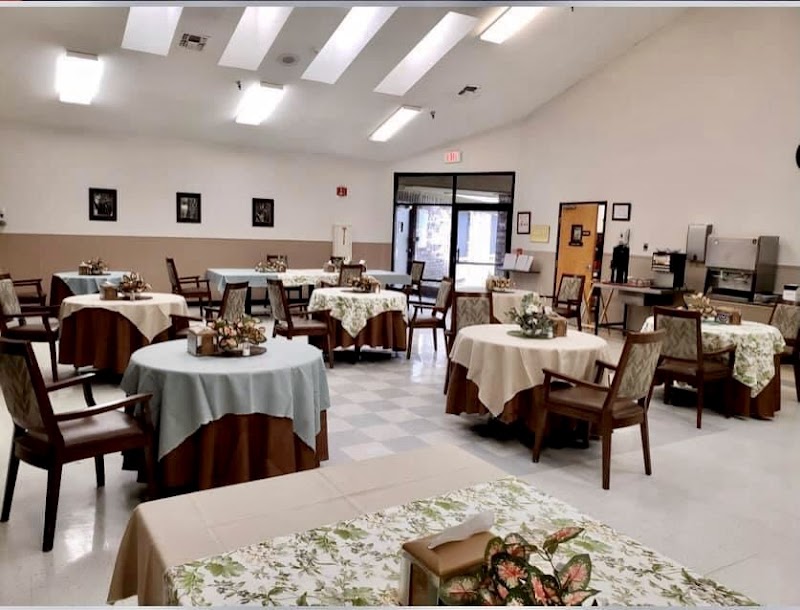
How is Dogwood Trails Manor Staffed?
CMS rates Dogwood Trails Manor's staffing level at 2 out of 5 stars, which is below average compared to other nursing homes. Staff turnover is 45%, compared to the Texas average of 46%. This relatively stable workforce can support continuity of care.

What Have Inspectors Found at Dogwood Trails Manor?

State health inspectors documented 17 deficiencies at Dogwood Trails Manor during 2023 to 2025. These included: 2 Immediate Jeopardy (the most serious level, indicating potential for serious harm or death) and 15 with potential for harm. Immediate Jeopardy findings are rare and represent the most serious regulatory concerns. They require immediate corrective action.

Who Owns and Operates Dogwood Trails Manor?

Dogwood Trails Manor is owned by a for-profit company. For-profit facilities operate as businesses with obligations to shareholders or private owners. The facility is operated by CREATIVE SOLUTIONS IN HEALTHCARE, a chain that manages multiple nursing homes. With 90 certified beds and approximately 60 residents (about 67% occupancy), it is a smaller facility located in Woodville, Texas.

How Does Dogwood Trails Manor Compare to Other Texas Nursing Homes?

Compared to the 100 nursing homes in Texas, Dogwood Trails Manor's overall rating (2 stars) is below the state average of 2.8, staff turnover (45%) is near the state average of 46%, and health inspection rating (2 stars) is below the national benchmark.

What Should Families Ask When Visiting Dogwood Trails Manor?

Based on this facility's data, families visiting should ask: "What changes have been made since the serious inspection findings, and how are you preventing similar issues?" "Can you walk me through typical staffing levels on day, evening, and night shifts?" "Can I visit during a mealtime to observe dining assistance and food quality?" "How do you handle medical emergencies, and what is your hospital transfer rate?" These questions are particularly relevant given the facility's Immediate Jeopardy citations and the below-average staffing rating.

Is Dogwood Trails Manor Safe?

Based on CMS inspection data, Dogwood Trails Manor has documented safety concerns. Inspectors have issued 2 Immediate Jeopardy citations (the most serious violation level indicating risk of serious injury or death). The facility has a 2-star overall rating and ranks #100 of 100 nursing homes in Texas. Families considering this facility should ask detailed questions about what corrective actions have been taken since these incidents.

Do Nurses at Dogwood Trails Manor Stick Around?

Dogwood Trails Manor has a staff turnover rate of 45%, which is about average for Texas nursing homes (state average: 46%). Moderate turnover is common in nursing homes, but families should still ask about staff tenure and how the facility maintains care continuity when employees leave.

Was Dogwood Trails Manor Ever Fined?

Dogwood Trails Manor has been fined $27,869 across 2 penalty actions. This is below the Texas average of $33,358. While any fine indicates a compliance issue, fines under $50,000 are relatively common and typically reflect isolated problems that were subsequently corrected. Families should ask what specific issues led to these fines and confirm they've been resolved.

Is Dogwood Trails Manor on Any Federal Watch List?

Dogwood Trails Manor is not on any federal watch list. The most significant is the Special Focus Facility (SFF) program, which identifies the bottom 1% of nursing homes nationally based on persistent, serious quality problems. Not being on this list means the facility has avoided the pattern of deficiencies that triggers enhanced federal oversight. This is a positive indicator, though families should still review the facility's inspection history directly.