FALCON LAKE NURSING HOME, LLC
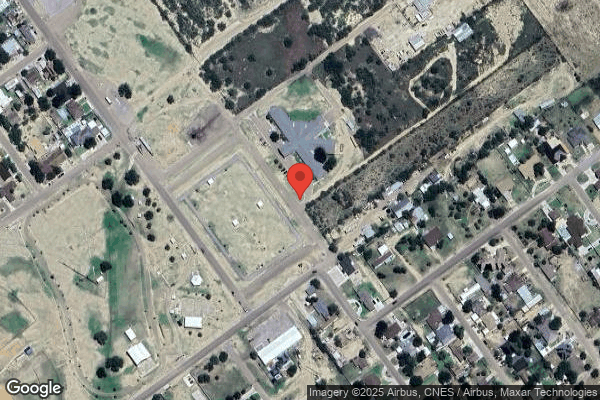
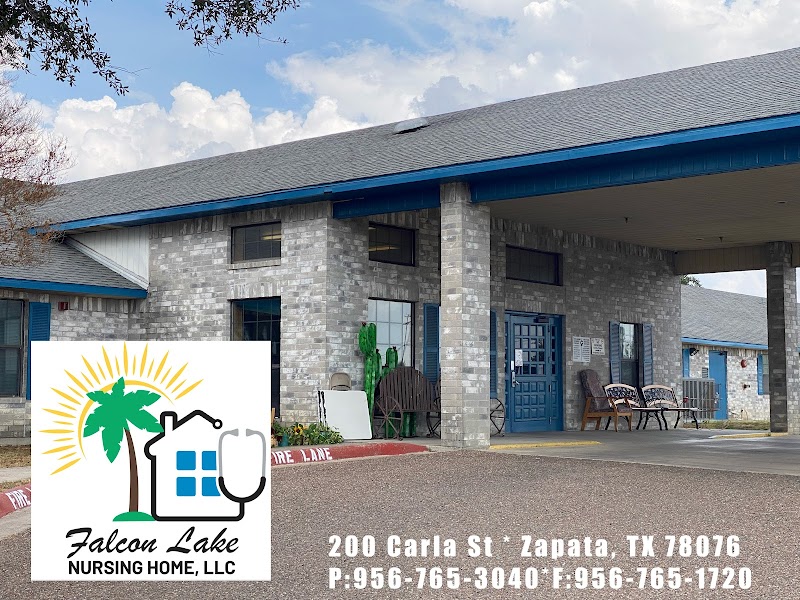
200 CARLA ST, ZAPATA, TX 78076 (956) 765-3040
For profit - Limited Liability company 59 Beds Independent Data: November 2025
Trust Grade
70/100
#459 of 1168 in TX
Last Inspection: July 2024

Within standard 12-15 month inspection cycle. Federal law requires annual inspections.

Overview

Falcon Lake Nursing Home in Zapata, Texas, has a Trust Grade of B, indicating it is a good choice among nursing homes, reflecting solid care and services. It ranks #1 out of 1 in Zapata County and #459 out of 1168 in Texas, placing it in the top half of facilities in the state. The facility is improving, having reduced its issues from three in 2024 to two in 2025. Staffing is a strong point, with a turnover rate of only 30%, which is significantly lower than the Texas average. However, there were some concerning incidents, such as failures in food safety practices and inaccuracies in resident assessments that could impact care quality. Overall, while the nursing home has strengths in staffing and a good trust grade, it still faces challenges that families should consider.

Trust Score
B
70/100
In Texas
#459/1168
Top 39%
Safety Record
Low Risk
No red flags
Inspections
Getting Better
3 → 2 violations
Staff Stability
○ Average
30% turnover. Near Texas's 48% average. Typical for the industry.
Penalties
✓ Good
No fines on record. Clean compliance history, better than most Texas facilities.
Skilled Nurses
○ Average
Each resident gets 32 minutes of Registered Nurse (RN) attention daily — about average for Texas. RNs are the most trained staff who monitor for health changes.
Violations
○ Average
7 deficiencies on record. Average for a facility this size. Mostly minor or procedural issues.
★★★☆☆
3.0
Overall Rating
★★★☆☆
3.0
Staff Levels
★☆☆☆☆
1.0
Care Quality
★★★★☆
4.0
Inspection Score
Stable
2024: 3 issues
2025: 2 issues

The Good

  • Full Sprinkler Coverage · Fire safety systems throughout facility
  • No fines on record
  • Staff turnover below average (30%)

    18 points below Texas average of 48%

Facility shows strength in fire safety.

The Bad

3-Star Overall Rating

Near Texas average (2.8)

Meets federal standards, typical of most facilities

Staff Turnover: 30%

16pts below Texas avg (46%)

Typical for the industry

The Ugly 7 deficiencies on record

Jul 2025 1 deficiency
CONCERN (D) 📢 Someone Reported This

A family member, employee, or ombudsman was alarmed enough to file a formal complaint

Potential for Harm - no one hurt, but risky conditions existed

Assessment Accuracy (Tag F0641)

Could have caused harm · This affected 1 resident

**NOTE- TERMS IN BRACKETS HAVE BEEN EDITED TO PROTECT CONFIDENTIALITY** Based on interview, and record review the facility failed to ensure the assessment accurately reflected the resident's status fo...

Read full inspector narrative →
**NOTE- TERMS IN BRACKETS HAVE BEEN EDITED TO PROTECT CONFIDENTIALITY** Based on interview, and record review the facility failed to ensure the assessment accurately reflected the resident's status for 1 (Resident #1) of 5 residents reviewed for accuracy of assessments. The facility failed to ensure Resident #1 was coded in the MDS for falls on 6/1/25 and 6/18/25.This failure could place residents at risk of receiving care and services to meet their needs. The findings included:Record review of Resident #1's face sheet dated 07/26/25 reflected Resident #1 was admitted on [DATE] and was [AGE] years old. Resident #1 had diagnoses of dementia (a progressive decline in cognitive abilities, such as memory, thinking, language, and judgement that interferes with daily functioning and social interactions), muscle wasting and atrophy (decrease in size or wasting away of a body part or tissue), repeated falls, muscle weakness, and abnormalities of gait (the manner or pattern of walking) and mobility. Record review of Resident #1's undated comprehensive care plan reflected: Resident #1 was at high risk for falls and had an unwitnessed fall on the following dates:6/1/25 I had an unwitnessed fall. Date Initiated: 04/29/2024 Revision on: 06/02/2025. 6/18/25 I had an unwitnessed fall. Date Initiated: 06/18/2025.Record review of Resident #1's Discharge MDS dated [DATE] revealed: Short-term memory problem and severely impaired cognitive skill.Dependent on assistance for all self-care and mobility.No falls since Admission/Entry or Reentry or Prior MDS Assessment.Record review of the facility's incident log dated 7/25/25 revealed that Resident #1 had un-witnessed falls on 6/1/25 and 6/18/25. No other information regarding the fall was noted on the facility log.During an interview on 7/26/25 at 1:15 p.m., ADON said she oversaw completing the MDS at discharge. She said the falls on 6/1/25 and 6/18/25 were not captured on Resident #1's discharge MDS. She said it was her fault. She said she must had overlooked the question and placed no. She said Resident #1 did have those falls and the falls should have been captured on the discharge MDS. She said she started doing MDS approximately 8 months ago, so she was still learning. She said she was not sure why the fall must be captured on the discharge MDS. She said that she would imagine due to quality measures, so it would show the fall occurred. She said a negative outcome for not capturing the falls on the discharge MDS, would have had more of an effect if the fall was a major fall and Resident #1 entered the facility. She said the ambulance staff and hospitals usually obtain the information during report not from the MDS. She said to her understanding, if a fall required sending out the resident to the hospital, the hospital did not receive the MDS information. She said the hospital received order summaries, MARs, MD orders, and transfer orders all in paper forms.During an interview on 7/26/25 at 2:08 p.m., DON said that the falls on June 1st and June 18th of this year (2025) for Resident #1 were not captured on the discharge MDS because the RAI questions had a look back period, but she was not sure when the look back time was. The DON researched and got back with surveyor then she said there was not a look back period for the falls that Resident #1 had in June 2025. The DON said the negative outcome for the falls if not captured on the MDS would be incorrect documentation. She said she was not sure how it would affect the RUG (a classification system used in skilled nursing facilities, to categorize residents based on their care needs and resource intensity which helps determine the level of care and associated costs for reimbursement purposes). Record review of CMS's RAI Version 3.0 Manual dated 10/2024, reflected section:J1800: Any falls since admission/entry or reentry or prior to Assessment.Coding instructions:Code 0, no: if the resident has not had any fall since the last assessment.Code 1, yes if the resident has fallen since the last assessment. Continue to number of falls since admission/entry or reentry or prior assessment.(J1900), whichever is more recent.
Feb 2025 1 deficiency
CONCERN (D) 📢 Someone Reported This

A family member, employee, or ombudsman was alarmed enough to file a formal complaint

Potential for Harm - no one hurt, but risky conditions existed

Medical Records (Tag F0842)

Could have caused harm · This affected 1 resident

**NOTE- TERMS IN BRACKETS HAVE BEEN EDITED TO PROTECT CONFIDENTIALITY** Based on observation, interview and record review, the facility failed to maintain clinical records in accordance with accepted ...

Read full inspector narrative →
**NOTE- TERMS IN BRACKETS HAVE BEEN EDITED TO PROTECT CONFIDENTIALITY** Based on observation, interview and record review, the facility failed to maintain clinical records in accordance with accepted professional standards and practices that are complete and accurately documented for 1 of 5 Residents (Resident #2) reviewed for medical records accuracy, in that: Resident #2's February 2025 Monitoring Administration Records documentation was incomplete and inaccurate. Staff inaccurately documented and did not sign off on the monitoring of Resident #2's wander guard. This deficient practice could affect residents whose records are maintained by the facility and could place them at risk for errors in care, and treatment. The findings included: 1. Record review of Resident #2's face sheet, dated 02/13/25, revealed the resident was a [AGE] year-old female who was admitted to the facility on [DATE] with diagnoses that included: Alzheimer's disease (memory loss, cognitive decline, language problems, behavioral changes and difficulty with daily tasks) with late onset (typically after age [AGE]), Anxiety disorder, unspecified (intense, excessive, and persistent worry and fear about everyday situations), and heart failure, unspecified (when the heart doesn't pump blood as well as it should). Record review of Resident #2's quarterly Minimum Data Set assessment, dated 01/09/25, revealed Resident #2 had a BIMS score of 00, indicating her cognition was severely impaired. Resident #2's MDS indicated she used a walker as her mobility device. Record review of Resident #2's physician's orders, retrieved on 02/14/25, revealed orders for 1. Wander guard placement due to high risk for elopement and wandering. with frequency of every shift and a start date of 12/23/24. Record review of Resident #2's Monitor Administration Record for February 2025 revealed 2 unsigned sections on the 6pm-6am shift on 02/09/25 and the 6am-6pm shift on 02/10/25, and RN A documented Y (yes) on 02/12/25 during the 6AM-6PM shift for the following physician orders: 1. Wander guard placement due to high risk for elopement and wandering every shift. Record review of Resident #2's nursing note written by the DON on 02/12/25 at 6:49pm stated Resident's wander guard found in pocket of her walker. Bracelet replaced and now in place on resident's left wrist. SN (staff nurse) to continue to monitor for wander guard placement and function. Observation and interview on 02/12/25 at 5:31 pm with RN A in the dining room revealed Resident #2 did not have her wander guard on her person and was located in her bag attached to her walker. RN A was not aware of the last time Resident #2 had her wander guard on. Observation on 02/12/25 at 6:30 pm with the DON revealed Resident #2 did not have her wander guard on her and was in the bag attached to her walker. During an interview with the DON on 02/12/25 at around 6:45 pm, she stated if Resident #2 had a behavior of removing her wander guard, and it would have to be care planned. She stated, at that time, she was not sure if it was already care planned or not. During an interview with the DON on 02/14/25 at 11:19 am, she stated after Surveyor D notified her of Resident #2's wander guard not being in place on 02/12/25, she added Resident #2's removal of the wander guard to her care plan. Record review of Resident #2's care plan, retrieved on 02/14/25 revealed Resident #2 had a focus of, I have been noted wandering. I am at risk for elopement. I have a wander guard in place for my safety. I do not like my wander guard bracelet and remove it at times. When my [SIC] staff are unable to redirect to keep my bracelet on, it is placed in my walker that is with me at all times. with an initiation date of 10/15/24 and a revision date of 02/13/25. Interventions included, My [SIC] staff redirect me when I am found trying to remove my wander guard. with an initiation date of 02/12/24 and My [SIC] staff respect my wishes of not wanting to wear my wander guard bracelet at times when they are unable to redirect me, with an initiation date of 11/16/24 and revision date of 02/13/25. During record review and interview with RN A on 02/13/25 at 5:51 pm, she stated she worked with Resident #2 on 02/12/25 during the 6am-6pm shift. RN A stated Resident #2's wander guard should be placed on her wrist. RN A stated during observation of Resident #2's wander guard on 02/12/25 during dinner in the dining room, she did not have her wander guard properly placed and was located in her bag of the walker. RN A reviewed Residents #2's monitoring administration record and stated on both of her shifts on 02/11/25 and 02/12/25, her documentation was inaccurate because she marked yes that the wander guard was in place for Resident #2 but stated she shouldn't have marked yes when it was not on her wrist. RN A stated she marked yes because Resident #2 always removed her wander guard and placed it in the walker. RN A stated they would check her bag that's attached to the walker to make sure the wander guard was in there and stated every time she walked by the door, the alarm was triggered. RN A stated it was important to ensure residents wander guards were in place to prevent them from eloping from the facility and for resident safety. RN A stated she had checked for wander guard placement every shift. RN A stated Resident #2 would remove her wander guard, and stated in response, staff would tell her not to remove it or replace it if it had been removed. RN A stated the facility policy for wander guard monitoring/supervision was to have the wander guard on at all times to prevent elopement, make sure the residents were in the facility, and know where they were depending on what alarm would ring. RN A stated, in this situation, she felt she had followed the facility policy. RN A stated she had been trained upon hire on ensuring wander guards were in place. RN A stated not checking wander guards to ensure proper placement could put residents at risk for leaving the facility, getting hurt or getting lost. During record review and interview on 02/14/25 at 11:09 am with the DON, she stated LVN B worked with Resident #2 on 02/10/25 from 6am-6pm, LVN C worked with Resident #2 on 02/09/25 from 6pm-6am, and RN A worked with Resident #2 on 02/12/25 during 6am-6pm shift and were each responsible for documentation during their shift. The DON stated Resident #2 did have an order to check wander guard placement and stated a blank on the administration record meant that it was not checked off. The DON confirmed there were blanks on 02/09/25 on the 6pm-6am shift and 02/10/25 during the 6am-6pm shift. The DON also confirmed RN A had checked off yes on the order regarding placement of Resident #2's wander guard on 02/12/24 during her 6am-6pm shift. The DON was not sure why LVN B and C had not documented Resident #2's wander guard placement on the monitoring administration record for Resident #2. The DON was informed of an observation on 02/12/25 when RN A observed Resident #2 without her wander guard in place. The DON was shown documentation completed by RN A that reflected the wander guard was in place. The DON was unable to say if the documentation completed by RN A was inaccurate and stated that was a question for RN A. The DON stated she did not know why RN A marked the wander guard in place, and stated she did not know how RN A monitored that. The DON stated when she observed Resident #2 on 02/12/25 at 6:30pm, she did not have her wander guard on her wrist, and it was in her bag. The DON stated they did not have a specific area for the wander guard to be placed and stated it just had to be on her. The DON stated she had previously trained staff over wander guards and had previously spoken to staff about not leaving until they had finished their documentation. The DON stated herself and the ADON were responsible for monitoring the records to ensure staff had completed accurate and complete documentation. The DON added that Medical Records would sometimes help when she was uploading document, and identified something was missed. The DON did not recall facility policy related to accurate and complete documentation, and stated they did not have a policy for wander guards. The DON stated it was important to complete documentation accurately and completely because it was physician orders, and the floor nurses were ultimately responsible for carrying out those orders. The DON stated incomplete, inaccurate documentation could negatively impact the residents because their orders were in place to benefit them, and if it was being documented, it needed to be for their benefit. She stated if it was not documented, then it went undone and that would be to a resident's disadvantage. During a telephone interview on 02/14/25 on 1:51 pm with LVN B, she stated she worked with Resident #2 on 02/10/25 from 6am-6pm, and was responsible for documentation. LVN B stated Resident #2 did have an order to check wander guard placement, and stated a blank on the administration record meant that the documentation was not there. LVN B stated on 02/10/25, she did check Resident #2's wander guard placement during her shift and stated it was on her right arm, LVN B stated she was unable to recall why she did not document, and she must have missed it. LVN B stated she had previously been trained on complete and accurate documentation by the ADON or DON and different nurses during her training days. LVN B stated the DON and ADON were responsible for monitoring and the records to ensure staff had completed accurate and complete documentation. LVN B stated according to facility policy, they had to complete documentation before the end of their shift. LVN B stated, in this situation, she did follow the facility policy but did not know why she had not documented for Resident #2's wander guard placement on Resident #2's administration record. LVN B stated it was important to complete documentation accurately and completely so that they could go back and see what was done or not. She stated incomplete, inaccurate documentation didn't let them know about the residents, and could impact follow up on residents' care and health. During a telephone interview on 02/14/25 on 2:15 pm with LVN C, she stated she worked with Resident #2 on 02/09/25 from 6pm-6am, and was responsible for documentation. LVN C stated Resident #2 did have an order to check wander guard placement, and a blank on the administration record meant that she did not check it off. LVN C stated on 02/09/25, she did check Resident #2's wander guard placement during her shift, and she checked yes it was in place because it was on her walker. LVN C stated Resident #2 had removed her wander guard 2 times that day, so LVN C left it on her walker. LVN C stated the wander guard should be placed on Resident #2's wrist and not the walker. LVN C stated she did not know why she did not document for Resident #2's wander guard placement on Resident #2's administration record. LVN C stated she had previously been trained on complete and accurate documentation by the nurse she trained under upon hire. LVN C stated the DON and ADON were responsible for monitoring the records to ensure staff had completed accurate and complete documentation. LVN C stated according to facility policy, if it wasn't documented, it wasn't done. LVN C stated, in this situation, she did not follow the facility policy because she left the documentation blank. LVN C stated it was important to complete documentation accurately and completely so that they could go back to it and check and stated incomplete, inaccurate documentation could impact resident's care. During an interview with the ADON on 02/14/25 at 4:40 pm, she stated they had trained RN A on how to use their documentation system and on leaving everything checked off, but she did not have anything in writing regarding RN A's training over documentation. During an interview with the DON on 02/14/25 at 11:19 am, she stated they did not have a wander guard policy. Record review of facility in-service dated 08/24/24 revealed the training covered documentation and was completed by LVN C. Record review of facility in-service dated 01/14/25 revealed the training covered documentation and was completed by LVN B. Record review of the facility's policy titled, Charting and Documentation with a revised date of July 2017 reflected, 3. Documentation in the medical record will be objective (not opinionated or speculative), complete and accurate and 7. Documentation of procedures and treatments will include care specific details including .g. The signature and title of the individual documenting.
Jul 2024 3 deficiencies
CONCERN (D)

Potential for Harm - no one hurt, but risky conditions existed

Infection Control (Tag F0880)

Could have caused harm · This affected 1 resident

**NOTE- TERMS IN BRACKETS HAVE BEEN EDITED TO PROTECT CONFIDENTIALITY** Based on observation, interview, and record review, the facility failed to maintain an infection prevention and control program ...

Read full inspector narrative →
**NOTE- TERMS IN BRACKETS HAVE BEEN EDITED TO PROTECT CONFIDENTIALITY** Based on observation, interview, and record review, the facility failed to maintain an infection prevention and control program designed to provide a safe, sanitary, and comfortable environment and to help prevent the development and transmission of communicable disease and infection for 1 of 3 residents (Resident #3) reviewed for infection control, in that LVN A failed to wash her hands, change gloves, or sanitize her hands while providing peg tube care on Resident #3. LVN A failed to follow enhanced barrier precautions for an indwelling medical device (PEG tube). This failure could place residents at risk for infection due to improper care practices. Findings include: Record review of Resident #3's admission record revealed a Resident #3 was admitted on [DATE]. Diagnoses included she was non-verbal, blind, and spoke Spanish only. She had a stroke, a PEG tube, and was incontinent. Observation of PEG tube care for Resident #3 on 07/16/24 at 3:27 pm revealed LVN A did not exercise EBP (Enhanced Barrier Precautions-an approach of targeted gown and glove use set forth by the CDC {Centers for Disease Control} during high contact resident care activities with any wound(s), indwelling medical device(s), or infection or colonization with an MDRO (Multi Drug Resistent Organism) designed to reduce transmission of germs.) prior to care. LVN A did not wash hands or use hand sanitizer prior to care. LVN A donned gloves and supplies: sterile 4x4 gauze, 4x4 gauze, normal saline, a large medicine cup, tape & gloves. LVN A did not change gloves or sanitize her hands after collecting her supplies. LVN A touched the feeding pump to place it on hold and touched the bed control to position Resident #3. LVN A did not change gloves or sanitize after touching the feeding pump and bed control. LVN A poured the normal saline into the large medicine cup & soaked the 4x4 gauze with the normal saline. LVN A then repositioned Resident #3 with the same gloves. LVN A stated she was checking the PEG site for redness, odors, or swelling when she removed the dressing. LVN A changed her gloves and removed the soiled dressing. LVN A threw the soiled dressing into the trash. LVN A did not change her gloves or sanitize after discarding the soiled dressing. LVN A reported slight redness to the upper right side of the PEG site under the tape that secured the dressing. LVN A voiced she would tell the nurses. LVN A cleaned the PEG site in individual passes with the normal saline soaked gauze x3 with the same gloves. LVN A patted dry the PEG site with clean 4x4 gauze, with the same gloves. LVN A did not change gloves or sanitize before opening the sterile 4x4, then placed the sterile gauze on the site using the same gloves. LVN A did not change gloves or sanitize after placing the sterile 4x4 on the PEG site. LVN A stated her gloves were still clean and picked up the roll of tape. LVN A secured the dressing with the tape and restarted the tube feeding without changing gloves or sanitizing. LVN A did not wash her hands after the dressing change. In an interview with LVN A on 07/16/24 at 3:45 pm, she stated she took only 2 pair of gloves in the room. She stated the process for hand washing was to lather for 20 seconds, minimum. She stated not washing her hands was my mistake. She stated she had been sanitizing so much, she forgot to wash her hands. She stated she did not wash her hands or sanitize before or after the dressing change and she should have. She stated not washing hands or sanitizing could cause cross contamination and infection. She stated that was why they used contact precautions, and spreading germs was #1. She stated contact precautions was used when any bodily fluid could come out. She stated that was when staff should gown up and mask-the whole shabam. She stated the soiled dressing was considered contaminated with bodily fluid. She explained she thought EBP was PPE and she was confused. She stated the DON and ADON explained to the staff that they had to be extra cautious. She did not know what EBP was. LVN stated staff was supposed to use EBP before and after every patient, to protect them because they could be immunocompromised. She stated Resident # 3 did not have the EBP and that was why she did not use PPE. She stated the resident did not have Covid and was moved to this hall, but her EBP did not come with her. In an interview with the ADM on 07/16/24 at 4:15 pm, she stated staff were trained on handwashing and EBP regularly. The ADM stated she would be embarrassed to find out her staff were not following guidelines for infection control. The facility policy for hand hygiene was requested. Record review of the facility policy titled; Handwashing/Hand Hygiene revised August 2015 revealed in the Policy Statement This facility considers hand hygiene the primary means to prevent the spread of infections. 2. All personnel shall follow the handwashing/hand hygiene procedures to help prevent the spread of infections to other personnel, residents, and visitors. 7. Use an alcohol-based hand rub containing at least 70% alcohol, or alternatively, soap and water for the following situations: b. before and after coming into direct contact with residents, d. before performing any non-surgical invasive procedures, e. before and after handling an invasive device, g. before handling clean or soiled dressings, gauze pads, etc., h. before moving from a contaminated body site during resident care, i. after contact with a resident's skin, j. after contact with blood or bodily fluids, k. after handling used dressings, contaminated equipment, etc., l, after contact with objects (e.g. medical equipment) in the immediate vicinity of the resident, m., after removing gloves, 9. The use of gloves does not replace hand washing/hand hygiene. Integration of glove use along with routine hand hygiene is recognized as the best practice for preventing healthcare-associated infections. 10. Single use disposable gloves should be used a. before aseptic procedures, when anticipating contact with blood or body fluids. Procedure Washing Hands-1. Vigorously lather hands with soap and rub them together, creating friction to all surfaces, for a minimum of 20 seconds or longer under a moderate stream of running water at a comfortable temperature . Applying and Removing Gloves-1. Perform hand hygiene before applying non-sterile gloves. 4.remove the gloves 5. Perform hand hygiene.
CONCERN (D)

Potential for Harm - no one hurt, but risky conditions existed

Safe Environment (Tag F0921)

Could have caused harm · This affected 1 resident

Based on observations, interviews, and record review, the facility failed to provide a safe, functional, sanitary, and comfortable environment for one of one laundry reviewed for environment. The faci...

Read full inspector narrative →
Based on observations, interviews, and record review, the facility failed to provide a safe, functional, sanitary, and comfortable environment for one of one laundry reviewed for environment. The facility failed to ensure the doors in the laundry would open and close safely and had functioning doorknobs. The facility failed to ensure the washing machine in the laundry was not leaking water into a basin and attracting mosquitoes. The facility failed to ensure the walls in the storeroom inside the laundry did not have dark patches showing through the paint. These failures could place residents at risk for diminished quality of life due to the lack of a well kept environment. Findings included: Initial tour and observation of the laundry room on 07/17/24 at 11:30 am revealed the entrance door (door #1) was difficult to open. Once unlatched, the door fell enough to stick badly on the floor when opening it. There were deep grooves through the tiles and into the concrete where the bottom corner of the door dragged when it was opened and closed. The heavy door had to be physically lifted back onto its jamb to close it. There was a hole approximately 6 inches x 4 inches in the wall in alignment where the handle of the heavy door would go through the hole. The other door (door #2) had no inner handle. There was a room inside the laundry that had dark patches on all the walls and missing an inner door handle. One of the washing machines was leaking water into a basin. A stray cat was observed coming into the laundry through door #1, as it would not shut completely. In an interview with HSK on 07/17/24 at 11:35 am she stated the doors were difficult to open and close since she started working in the laundry room going on 4 years. She stated sometimes, she could not get door #1 shut all the way and stray cats would enter the laundry room. She stated sometimes the wind would blow door #1 open when it did not get shut all the way and blow all kinds of things into the laundry. She stated the doors without the handles had to be closed from the inside and the doors were heavy. She stated the doors were not very safe and she was afraid she could hurt herself lifting door #1 all the time. She stated the MS was in the laundry room often and she had mentioned the doors and door handles problems multiple times. She stated when there was a problem for maintenance, she would go to the MS directly. She stated there was a handwritten maintenance log at the nurse's station, but she was not sure how often he checked it. She stated the room inside the laundry room was a restroom, but the toilet did not work, and they were not using the room because the MS was renovating it. She stated the dark patches on the walls in the room had been there since the beginning of this year and were worsening. She stated the room had what she thought was patches of mold all over the walls. She stated the washing machine had been leaking for a week and in the mornings, there was tons of mosquitos in the laundry. In an interview with the MS on 07/17/24 at 1:10 pm, he stated he was renovating the room inside the laundry, and he had not had time to get to the doors in the laundry. He stated he worked at the facility for 23 years. He stated he did most of the work on the equipment in, at, and on the facility. The Maintenance service policy and the maintenance log was requested. In an interview with the ADM on 07/18/24 at 3:25 pm, she stated she was unaware of the laundry room doors and washing machine. She stated the process for repairs to the facility was for staff to place requests in the hand-written maintenance log that was kept at the nurse's station. She stated she did not check the maintenance log because the MS assured her everything was fine and he was taking care of things. She stated she could not locate the maintenance log at the nurse's station. She stated she was working on getting an electronic maintenance log, so repairs could be tracked and monitored better. Record review of the facility policy titled, Maintenance Service revised December 2009 revealed under Policy Statement Maintenance service shall be provided to all areas of the building, grounds, and equipment. Policy Interpretation and Implementation 1. The maintenance department is responsible for maintaining the buildings, grounds, and equipment in a safe and operable manner at all times. 2. Functions of maintenance personnel include but are not limited to: a. Maintaining the building in compliance with current federal, state, and local laws, regulations, and guidelines. B. Maintaining the building in good repair and free from hazards. 3. The maintenance director is responsible for developing and maintaining a schedule of maintenance service to assure that the buildings, grounds, and equipment are maintained in a safe and operable manner. 9. Records shall be maintained in the maintenance director's office. 10. Maintenance personnel shall follow established safety regulations to ensure the safety and well-being of all concerned.
CONCERN (F)

Potential for Harm - no one hurt, but risky conditions existed

Food Safety (Tag F0812)

Could have caused harm · This affected most or all residents

Based on observations, interviews, and record reviews, the facility failed to store, prepare, distribute, and serve food in accordance with professional standards for food service safety for 1 of 1 ki...

Read full inspector narrative →
Based on observations, interviews, and record reviews, the facility failed to store, prepare, distribute, and serve food in accordance with professional standards for food service safety for 1 of 1 kitchen and 1of 2 unit (unit 1) nutrition refrigerators reviewed for sanitation. The facility failed to maintain the kitchen freezer that had a large section of ice build-up in it. The facility failed to provide clean coffee cups for the resident's use. The facility failed to ensure the nutrition room refrigerator had labeled and dated items in them. The facility failed to ensure the nutrition room did not have expired items. The facility failed to ensure the nutrition room snack tray items were labeled, dated, and refrigerated. The facility failed to ensure the freezer temperature logs for the unit refrigerator were documented. The facility failed to ensure there was a thermometer in the unit freezer. These failures could place residents at risk of living in an unsafe, unsanitary environment and place them at risk of foodborne illness. Findings were: Initial tour and observation of the kitchen on 07/16/24 at 9:45 am revealed a large section of ice build-up around the upper walls, over electrical conduit, around the fans and across the upper back ceiling of the freezer, potentially impeding airflow, water flow, and causing failure and/or potential fire. The freezer was approximately 8 feet long by 3 feet wide and 8 feet high inside. There were 14 of 14 coffee cups on a clean rack in the dining area near the coffee set-up that had heavy dark brown stains and scratches in them. In an interview with the cook on 07/16/24 at 9:50 am, she stated she worked at the facility for 7 years. She stated the ice build-up in the top back of the freezer and freezer walls had been doing that for a long time, since the end of last year (2023). She stated the MS would go in and remove the ice, but it always came back. She stated she thought the fans blowing up there were what caused the ice build-up. She stated the ice could cause the freezer to stop working, and they had nowhere to put everything from the freezer. She stated the residents might not get the food they were promised, and the food from the freezer would have to be thrown out. In an interview with the MS on 07/16/24 at 10:10 am, he stated he worked at the facility for 23 years. He stated the ice build-up in the freezer had been there for a couple of days on account of the ice needs to be defrosted. He stated the pipes could get clogged and cause the freezer to stop working. He stated he did most of the work on the equipment at the facility. He stated the last service that was done on the freezer was about a year ago when they repaired the fans but did not fix the fans. He stated he had not called the freezer service company. He stated he broke off the ice, but it would keep coming back. He would not say how many times he had to break the ice off inside the freezer, indicating the ice had been there longer than a couple of days. Maintenance service policy, the maintenance log, and invoices requested. In an interview with the DS on 07/16/24 at 10:15 am, she stated the ice build-up in the freezer was on-going, and she did not know what the MS was doing about it. She stated the cups on the clean rack by the coffee set-up were used by the residents to self-serve. She stated she would not want to use the dirty cups herself, and the residents could get sick. Observation of the nutrition room refrigerator (unit 1) on 07/18/24 at 3:09 pm revealed 3 small, 3-oz. lidded cups with cookies in them that were unlabeled and undated, a 1-gallon bag with the same type of cookies dated 07/17/24, but not labeled. There was a 6-oz. Styrofoam container opened to air with several slices of fruit that were shriveling and turning brown, a 3-oz unlidded container opened to air with what appeared to be slimy and shriveled watermelon, undated and unlabeled, an 18-oz. partially empty jar of what appeared to be red jam unlabeled and undated, a 35 ml container of sweet juice unlabeled and undated, a 20-oz. container of bacon, unlabeled and undated, and a 48-oz. container of cream cheese that was unlabeled and undated. There was a 16-oz. open, partially empty can of energy drink that was unlabeled and undated. There was a tray on the counter with 6, ½-bananas and 8 small bundles of cookies that were wrapped in plastic, 4, 4-oz. small bags of cheese chips with expired use-by dates of 06/16/24, and 2, 6-oz. containers of pudding that were unlabeled and undated. There was a full pitcher of what appeared to be iced tea on the counter with condensation on the outside. All items on the tray and the pitcher were unlabeled and undated. There was an open quart-size bag of ice open to the air in the freezer, unlabeled and undated. There was no thermometer in the freezer. There was a printed 8 1/2 x 11 green paper sign on the outside of the refrigerator stating in all capital letters, Resident items only! and in smaller capital letters, the sign stated, Any food or beverages must be labeled with the resident's name, date, time, and initials of who placed items in the refrigerator. In an interview with the ADON and DON on 07/18/24 at 3:10 pm revealed they were unaware of the unlabeled, undated items in the nutrition rooms. They both stated they were not sure who was responsible for the nutrition room refrigerators. Both stated they did not know why the freezer temperature was not being documented or why there was no thermometer in the freeezer. The ADON stated having exposed food in the nutrition refrigerator could make residents sick if they consumed any of it. They both stated the undated, unlabeled, uncovered and expired food was a danger to residents because of cross contamination and any decomposition of food was unsafe. Neither would say why there was no thermometer in the unit freezer. A food storage policy was requested. In an interview with the DS on 07/18/24 at 3:15 pm, she stated the kitchen forgot to date the items on the tray. She stated the tray of bananas and snacks that was on the counter should have been put in the refrigerator. She stated everyone was responsible for the nutrition room refrigerator and the kitchen was responsible for bringing the snack trays, but they should have been labeled, dated, and placed in the refrigerator. She stated if snack items were left unrefrigerated too long, bacteria could grow and make residents sick. In an interview with the ADM on 07/18/24 at 3:25 pm, she stated she was unaware the freezer in the kitchen was icing up. She stated she was also unaware the nutrition refrigerator was not being monitored. She stated the process for repairs to the facility was for staff to place requests in the hand-written maintenance log that was kept at the nurse's station. She stated she did not check the maintenance log because the MS assured her everything was fine and he was taking care of things. She stated she could not locate the maintenance log at the nurse's station. She stated she would in-service staff about the nutrition refrigerator. Record review of the refrigerator log dated 05/01/24-07/18/24 revealed 2 checks for the refrigerator: one in the mornings and one on nights for the refrigerator, and no checks for the freezer. There were no concerns identified with the refrigerator temperatures. Record review of the nutrition refrigerator revealed a printed 8 1/2 x 11 green paper sign on the outside of the refrigerator stating in all capital letters, Resident items only! and in smaller capital letters, the sign stated, Any food or beverages must be labeled with the resident's name, date, time, and initials of who placed items in the refrigerator. Record review of the facility policy titled, Food Receiving and Storage revised July 2014 revealed under the policy statement, Foods shall be received and stored in a manner that complies with safe food handling practices. 7. All foods stored in the refrigerator or freezer will be covered, labeled, and dated (use by date). 13. Food items and snacks kept on the nursing units must be maintained as indicated below: a. All food items to be kept below 41F must be placed in the refrigerator located at the nurse's station and labeled with a use by date. B. All foods belonging to residents must be labeled with the resident's name, the item, and the use by date. C. Refrigerators must have working thermometers and be monitored for temperature according to state specific guidelines. D. Beverages must be dated when opened and discarded after 24 hours. E. Other opened containers must be dated and sealed or covered during storage. F. Partially eaten food may not be kept in the refrigerator. Record review of the facility policy titled, Maintenance Service revised December 2009 revealed under Policy Statement Maintenance service shall be provided to all areas of the building, grounds, and equipment. Policy Interpretation and Implementation 1. The maintenance department is responsible for maintaining the buildings, grounds, and equipment in a safe and operable manner at all times. 2. Functions of maintenance personnel include but are not limited to: a. Maintaining the building in compliance with current federal, state, and local laws, regulations, and guidelines. B. Maintaining the building in good repair and free from hazards. 3. The maintenance director is responsible for developing and maintaining a schedule of maintenance service to assure that the buildings, grounds, and equipment are maintained in a safe and operable manner. 9. Records shall be maintained in the maintenance director's office. 10. Maintenance personnel shall follow established safety regulations to ensure the safety and well-being of all concerned. Record review of a copy of a facility check written for various services included invoice numbers 007141, 007142, and 007275. The date on the check was 07/13/23. Invoice details for numbers 007141 and 007142 were not provided. Record review of invoice number 007275 revealed no date. The description of services noted Check freezer-found coil totally frozen, removed ice and bypass bad sensor. Replace sensor with new. Record review of invoice number 007831 dated 06/16/23 revealed the description of services noted Install evaporator motor in freezer and level out evaporator unit for water drainage. The maintenance log was not provided. References: U.S. Food and Drug Administration Food Code http://www.fda.gov/Food/GuidanceRegulation/RetailFoodProtection/FoodCode/ : Ch. 3-31 Pg. 96 Time-maximum up to 4 hours, (2) The food may have an initial temperture of 70F or less if; (a) It is a ready-to-eat fruit or vegetable that upon cutting is rendered a time/temperature control for safety .(c) The food temperature does not exceed 70F within a maximum time period of 4 hours from the time it is rendered a time/temperature control for safety food; and (d) The food is marked or otherwise identified to indicate the time that is 4 hours past the point in time when the food is rendered a time/temperature control for safety (3) The food shall be marked or otherwise identified to indicate the time that is 4 hours past the point in time when the food is removed from temperature control. (5) The food in unmarked containers or packages or marked to exceed a 4-hour limit shall be discarded. Ch. 4-204.112 Pg. 115 Temperature measuring devices. (A) in a mechanically refrigerated or hot food storage unit, the sensor of a temperature measuring device shall be located to measure the air temperature or a simulated product temperature in the warmest part of a mechanically refrigerated unit and in the coolest part of a hot food storage unit. (B) .cold or hot holding equipment used for time/temperature control for safety food shall be designed to include and shall be equipped with at least one integral or permanently affixed temperature measuring device that is located to allow easy viewing of the device's temperature display. TAC 554.1111 (b) The facility must store, prepare, and serve food under sanitary conditions, as required by the Texas Department of State Health Service sanitation requirements.
Apr 2023 2 deficiencies
CONCERN (D)

Potential for Harm - no one hurt, but risky conditions existed

Drug Regimen Review (Tag F0756)

Could have caused harm · This affected 1 resident

**NOTE- TERMS IN BRACKETS HAVE BEEN EDITED TO PROTECT CONFIDENTIALITY** Based on interview and record review the facility failed to ensure all irregularities reviewed/identified by the licensed pharma...

Read full inspector narrative →
**NOTE- TERMS IN BRACKETS HAVE BEEN EDITED TO PROTECT CONFIDENTIALITY** Based on interview and record review the facility failed to ensure all irregularities reviewed/identified by the licensed pharmacist were followed for 1 (Resident #12) of 6 residents reviewed for drug regimen review, in that: The facility failed to address Seroquel (antipsychotic) being given to a resident with diagnosis of dementia. The facility failed to follow the consultant pharmacist and physician's recommendation for the gradual dose reduction of Seroquel 25mg PO one time a day. This deficient practice could place residents at risk of receiving unnecessary medications and dosages. The findings were: Record review of Resident #12's face sheet dated 04/19/23 revealed an [AGE] year-old female admitted to the facility 11/11/16 with the diagnoses including Alzheimer's Disease (a progressive disease beginning with mild memory loss and possibly leading to loss of the ability to carry on a conversation and respond to the environment. Alzheimer's disease involves parts of the brain that control thought, memory, and language), dementia (a group of symptoms that affects memory, thinking and interferes with daily life), without behavioral disturbance, psychotic disturbance, mood disturbance, and anxiety, psychosis, not due to a substance or known physiological condition, unsteadiness on feet, general anxiety disorder, anorexia, and bipolar disorder (episodes of mood swings ranging from depressive lows to manic highs). Record review of Resident #12's Quarterly MDS revealed she had a BIMS score of 03, indicating she had severe cognitive impairment. Resident #12 had minimal difficulty hearing with clear speech, she was sometimes understood by others, and sometimes she understood others. Resident #12 required extensive assistance by 1 staff for bed mobility, transfers, locomotion on the unit, dressing, toilet use, and personal hygiene. Resident #12 was frequently incontinent of bowel and bladder. Record review of Resident #12's care plan dated 02/21/23 revealed Resident #12 had Dementia and also a diagnosis of bipolar disorder. I am forgetful & require frequent reorientation Date Initiated: 09/21/2022 Revision on: 03/13/2023. Resident #12 had the following interventions listed: -11/1/22 My Pharmacist recommended a GDR of my Seroquel. My (NP) reviewed and declined my GDR due to me not being stable and another medication of mine was increased. Date Initiated: 11/02/2022 LPN RN -12/21/22 my pharmacy recommended a GDR of my Seroquel. My (NP) LPN reviewed and approved the recommendation. Date Initiated: 12/21/2022 RN -4/5/23 my pharmacy recommended to attempt a GDR of Seroquel. My NP viewed the recommendation and approved it ordering to discontinue Seroquel. My RP was made aware but refuses a GDR at this time as I have been verbally aggressive at times, and she is concerned that it will worsen without my Seroquel. My Pharmacist and NP are aware. Date Initiated: 04/05/2023 -My nurse/CMA administers Seroquel as ordered by my doctor. My nurse monitors me for: Target behaviors: frightful distress, paranoia, and fearfulness. Side effects: dizziness, fatigue, drowsiness. My nurse reports to my doctor as appropriate. Monitor frequently, re-orientate as necessary, anticipate needs, provide incontinent care every 2 hours and prn Date Initiated: 09/21/2022 Revision on: 10/23/2022 Record review of Resident #12's Order Summary Report, dated 12/21/22 revealed, Seroquel Tablet 25 MG (Quetiapine Fumarate) Give 1 tablet by mouth one time a day related to unspecified dementia without behavioral disturbance. Start date of 12/21/22 ordered by (Medical Director). In an interview on 04/20/23 at 05:00 p.m., DON stated she is the one who gets the GDR (Graduated Dose Reduction) and acts on it (doctor notification). She stated that antipsychotics should not be given to a resident with the diagnosis of dementia or Alzheimer's. DON stated they need to consider a whole outlook of the resident (mental, physical, spiritual, etc.) and do not want any resident on unnecessary medications. DON stated the negative outcome of giving a resident who has the diagnosis of dementia or Alzheimer's an antipsychotic for dementia or Alzheimer's could be adverse side effects. DON stated Medical Director, does not order antipsychotics. DON stated NP (mental health) is the one who orders antipsychotics. DON stated Resident #12's family pushes back whenever there is a GDR. They think she is doing well on what she is getting. DON stated she tried to explain if the GDR does not work, they can always go back, but they needed to try. DON stated if they are adamant, then NP was notified, and they try to work with the family. Attempted telephone interview on 04/20/23 at 05:45 p.m., Medical Director, who wrote the order for Seroquel for dementia without behaviors for Resident #12. There was no answer. A voicemail left. No return call was placed by Medical Director. Attempted telephone interview on 04/20/22 at 05:50 p.m., with pharmacist for facility. There was no answer. A voicemail left. In a telephone interview on 04/20/23 at 05:55 p.m., the facility pharmacist stated when she sees an antipsychotic ordered with dementia diagnosis, without behaviors, she will ask for diagnosis to be verified. The facility pharmacist stated the GDR will have it on the paperwork. The facility pharmacist stated antipsychotics need to be tapered before they are discontinued. The facility pharmacist stated the facility sent her an email that the family (of Resident #12) declined the GDR of Seroquel. She stated her notes show the psychiatrist was aware of family declining the GDR. When the facility pharmacist was asked what the negative outcome of a resident with dementia without behaviors receiving Seroquel, an antipsychotic, could be, the facility pharmacist replied, The thing as with any antipsychotic, residents are on the lowest dose anyway. There are side effects with any medication. We just try to discontinue by tapering off first. The facility pharmacist stated she already has it on her schedule to send the GDR back to the doctor in July. The facility pharmacist stated it was all she could do. Record review of facility's policy on Antipsychotic Medication Use 2001 MED-PASS, INC (Revised December 2016), revealed: Policy Statement Antipsychotic medications may be considered for residents with dementia but only after medical, physical, functional psychological, emotional psychiatric, social and environmental causes of behavioral symptoms have been identified and addressed. Antipsychotic medications will be prescribed at the lowest possible dosage for the shortest period of time and are subject to gradual dose reduction and re-review. Policy Interpretation and Implementation 1.Residents will only receive antipsychotic medications when necessary to treat specific conditions for which they are indicated and effective. 7. Antipsychotic medications shall generally be used for the following conditions/diagnoses as documented in the record, consistent with the definition(s) in the Diagnostic and Statistical Manual of Mental Disorders (current or subsequent editions): e. Mood disorders (e.g. bipolar disorder, depression with psychotic features, and treatment refractory major depression); f. Psychosis in the absence of dementia 8. Diagnoses alone do not warrant the use of antipsychotic medication. In addition to the above criteria, antipsychotic medications will generally only be considered if the following conditions are also met: a. The behavioral symptoms prevent a danger to the resident or others; AND: 1. The symptoms are identified as being due to mania or psychosis (such as auditory, visual, or other hallucinations; delusions, paranoia or grandiosity); or 2. Behavioral interventions have been attempted and included in the plan of care, except in an emergency .
CONCERN (D)

Potential for Harm - no one hurt, but risky conditions existed

Food Safety (Tag F0812)

Could have caused harm · This affected 1 resident

**NOTE- TERMS IN BRACKETS HAVE BEEN EDITED TO PROTECT CONFIDENTIALITY** Based on observation, interview, and record review the facility failed to store and prepare food in a sanitary manner, in that: ...

Read full inspector narrative →
**NOTE- TERMS IN BRACKETS HAVE BEEN EDITED TO PROTECT CONFIDENTIALITY** Based on observation, interview, and record review the facility failed to store and prepare food in a sanitary manner, in that: 1) Undated and unlabeled food were in the refrigerator and freezer. 2) Frozen food items were stored on the floor in the freezer. These failures could place residents who were served meals from the facility's kitchen at risk for food borne illness. The findings were: Observation during the initial tour of the kitchen on 04/18/23 at 9:20 AM revealed in the refrigerator a container with an opened undated package of [NAME] in a plastic sandwich bag and an undated package of pepperoni slices. The DS took out the package of [NAME] and pepperoni and asked the Dietary Aide to throw it out. Observation on 04/18/23 at 9:23 AM of the freezer revealed an opened box of Premium Reserve Pork with three individual wrapped pork meat packages, 2 unopened packages of different flavored popsicles and an unknown large frozen package of meat wrapped in pink plastic were on the floor of the freezer. The DS said nothing should be placed on the floor. The DS said the unknown package of meat would be thrown out. The three pork meat packages were taken out of the box and placed on the shelf along with the popsicles. In an interview on 04/18/23 at 9:27 AM the DS said all food must be labeled and dated when it is received. If any food is opened it should be stored separately and labeled and dated when opened. All staff are responsible for labeling and dating food in the refrigerator or freezer. Opened items are stored in the refrigerator for three days and then thrown out. If there is no opened date, then that food would be thrown out. The Dietary Supervisor said nothing should be placed on the floor. DS asked the Dietary Aide if she knew why the items in the freezer were placed on the floor and if she knew what type of meat that was wrapped in the pink plastic and when was it received. The Dietary Aide said she did not know what it was nor when it was received. The DS said the unknown package of meat would be thrown out. The pork meat was taken out of the box and placed on the shelf along with the popsicles. The DS said they will not use food that is not labeled or dated. DS was asked twice what the consequences of not labeling and dating food when stored in the refrigerator would be and each time the DS just said, We will not use food that is unlabeled or undated, it will be thrown out. In an interview on 04/19/23 at 10:20 AM Dietary Aide A said the food must be labeled and dated when it is stored, and the food must never be on the floor. Dietary Aide A said the [NAME] and the Dietary Supervisor are responsible for putting the foods in the refrigerator or the freezer. Everything must be off the floor and when a package is opened, the date the package was opened must be written on the package. The Dietary Aide said anything not dated must be thrown out because they don't know how long it has been in the refrigerator or freezer and if it was contaminated. In an interview on 04/19/23 at 10:35 AM [NAME] B said all staff are responsible to put the food in the refrigerator or the freezer. [NAME] B said they must date and label all food items in the refrigerator or freezer. If a package is opened, they must put the date the package was opened before placing it in the refrigerator or freezer. [NAME] B said when their food order arrives, they must place all items on a cart and then they must be labeled and dated before putting them away six inches from the floor. [NAME] B said they would not use any item that was not labeled or dated. The [NAME] said they would not use it because they do not know if it was still good. In an interview on 04/19/23 at 3:43 PM the Dietary Consultant said she had not provided any in-services to the dietary staff but would do so since they had food that was unlabeled and undated in the refrigerator and food on the freezer floor. In an interview on 04/19/23 at 03:50 PM The Administrator said he and the Dietary Consultant oversee the kitchen. The Administrator said the Dietary Consultant has not physically been at the facility. The Administrator said the Dietary Consultant only does face time visits with the staff ever since the COVID-19 pandemic. The Administrator said he would call the Dietary Consultant and request she come to the facility and provide in-services to the staff and conduct an inspection and address any concerns found during the survey. Record review of facility's policy revised on 07/2014 regarding Food Receiving and Storage, revealed: Food shall be received and stored in a manner that complies with safe food handling practices. 7. All foods stored in the refrigerator or freezer shall be covered, labeled, and dated (use by date). 1) FDA (Food and Drug Administration) Food Code 2017, Preventing Contamination from the Premises 3-305.11, Food Storage, indicated: (A) Except as specified in - (B) and (C) of this section, FOOD shall be protected from contamination by storing the FOOD: (1) In a clean, dry location; (2) Where it is not exposed to splash, dust, or other contamination; and (3) At least 15 cm (6 inches) above the floor.
Understanding Severity Codes (click to expand)
Life-Threatening (Immediate Jeopardy)
J - Isolated K - Pattern L - Widespread
Actual Harm
G - Isolated H - Pattern I - Widespread
Potential for Harm
D - Isolated E - Pattern F - Widespread
No Harm (Minor)
A - Isolated B - Pattern C - Widespread

Questions to Ask on Your Visit

  • "Can I speak with families of current residents?"
  • "What's your RN coverage like on weekends and overnight?"

Our Honest Assessment

Strengths
  • • No major safety red flags. No abuse findings, life-threatening violations, or SFF status.
  • • No fines on record. Clean compliance history, better than most Texas facilities.
  • • 30% turnover. Below Texas's 48% average. Good staff retention means consistent care.
Concerns
  • • No major red flags. Standard due diligence and a personal visit recommended.
Bottom line: Mixed indicators with Trust Score of 70/100. Visit in person and ask pointed questions.

About This Facility

What is Falcon Lake, Llc's CMS Rating?

CMS assigns FALCON LAKE NURSING HOME, LLC an overall rating of 3 out of 5 stars, which is considered average nationally. Within Texas, this rating places the facility higher than 99% of the state's 100 nursing homes. This mid-range rating indicates the facility meets federal standards but may have areas for improvement.

How is Falcon Lake, Llc Staffed?

CMS rates FALCON LAKE NURSING HOME, LLC's staffing level at 3 out of 5 stars, which is average compared to other nursing homes. Staff turnover is 30%, compared to the Texas average of 46%. This relatively stable workforce can support continuity of care.

What Have Inspectors Found at Falcon Lake, Llc?

State health inspectors documented 7 deficiencies at FALCON LAKE NURSING HOME, LLC during 2023 to 2025. These included: 7 with potential for harm.

Who Owns and Operates Falcon Lake, Llc?

FALCON LAKE NURSING HOME, LLC is owned by a for-profit company. For-profit facilities operate as businesses with obligations to shareholders or private owners. The facility operates independently rather than as part of a larger chain. With 59 certified beds and approximately 35 residents (about 59% occupancy), it is a smaller facility located in ZAPATA, Texas.

How Does Falcon Lake, Llc Compare to Other Texas Nursing Homes?

Compared to the 100 nursing homes in Texas, FALCON LAKE NURSING HOME, LLC's overall rating (3 stars) is above the state average of 2.8, staff turnover (30%) is significantly lower than the state average of 46%, and health inspection rating (4 stars) is above the national benchmark.

What Should Families Ask When Visiting Falcon Lake, Llc?

Based on this facility's data, families visiting should ask: "Can I visit during a mealtime to observe dining assistance and food quality?" "How do you handle medical emergencies, and what is your hospital transfer rate?" "Can I speak with family members of current residents about their experience?"

Is Falcon Lake, Llc Safe?

Based on CMS inspection data, FALCON LAKE NURSING HOME, LLC has a clean safety record: no substantiated abuse findings (meaning no confirmed cases of resident harm), no Immediate Jeopardy citations (the most serious violation level indicating risk of serious injury or death), and is not on the Special Focus Facility watch list (a federal program monitoring the lowest-performing 1% of nursing homes). The facility has a 3-star overall rating and ranks #1 of 100 nursing homes in Texas. While no facility is perfect, families should still ask about staff-to-resident ratios and recent inspection results during their visit.

Do Nurses at Falcon Lake, Llc Stick Around?

FALCON LAKE NURSING HOME, LLC has a staff turnover rate of 30%, which is about average for Texas nursing homes (state average: 46%). Moderate turnover is common in nursing homes, but families should still ask about staff tenure and how the facility maintains care continuity when employees leave.

Was Falcon Lake, Llc Ever Fined?

FALCON LAKE NURSING HOME, LLC has no federal fines on record. CMS issues fines when nursing homes fail to meet care standards or don't correct problems found during inspections. The absence of fines suggests the facility has either maintained compliance or corrected any issues before penalties were assessed. This is a positive indicator, though families should still review recent inspection reports for the full picture.

Is Falcon Lake, Llc on Any Federal Watch List?

FALCON LAKE NURSING HOME, LLC is not on any federal watch list. The most significant is the Special Focus Facility (SFF) program, which identifies the bottom 1% of nursing homes nationally based on persistent, serious quality problems. Not being on this list means the facility has avoided the pattern of deficiencies that triggers enhanced federal oversight. This is a positive indicator, though families should still review the facility's inspection history directly.