CRITICAL
(J)
📢 Someone Reported This
A family member, employee, or ombudsman was alarmed enough to file a formal complaint
Immediate Jeopardy (IJ) - the most serious Medicare violation
Free from Abuse/Neglect
(Tag F0600)
Someone could have died · This affected 1 resident
**NOTE- TERMS IN BRACKETS HAVE BEEN EDITED TO PROTECT CONFIDENTIALITY** Based on interview and record review, the facility did not ensure that the resident had the right to be free from abuse, neglect...
Read full inspector narrative →
**NOTE- TERMS IN BRACKETS HAVE BEEN EDITED TO PROTECT CONFIDENTIALITY** Based on interview and record review, the facility did not ensure that the resident had the right to be free from abuse, neglect, misappropriation of resident property, and exploitation. Specifically, for 1 out of 27 sampled residents, staff were unable to locate a resident for a period of time. There was an area of the facility that was locked an unaccessable to staff. There was a facility staff member in the locked area that the resident was observed to exit from. The resident made statements that the staff member engaged in sexual actions with her. In addition, the staff member had been talked to about not remaining in the facility after dinner time. This example was cited at Immediate Jeopardy. Resident identifiers: 4, 6, 12, 23, 28, 31, 36, 90 and 141.
Findings included:
Notice:
On 4/11/24 at 12:15 PM, Immediate Jeopardy (IJ) was identified when the facility failed to implement Centers for Medicare and Medicaid Services recommended practices to prevent various forms of abuse. Notice of the IJ was given verbally and in writing to the facility Administrator, Chief Operating Officer, [NAME] President of Clinical Services, Director of Nursing (DON), and Regional Nurse Consultant (RNC).
On 4/11/24 at 3:02 PM, the facility Administrator provided the following abatement plan for the removal of the IJ effective on 4/11/24 at 4:00 PM.
[Facility name] is providing the following information to demonstrate that the immediacy of the cited deficiency F600 has been removed.
Summary of Actions Take:
Resident:
Resident [31]
Resident and staff member were separated immediately
Police contacted immediately upon suspicion
Resident assessed; no injury noted
Notification to Physicians, POA [Power of Attorney]
Incident reported by administrator to DHS [Department of Health Services], APS [Adult Protective Services], Ombudsman
Resident interviewed with administrator
Hospital evaluation completed, no trauma noted
Resident care plan reviewed and updated as needed
Provider to assess/evaluate residents including medication review
SS [Social Services] wellness visits to be completed for resident x 2 and PRN [as needed]
Behavioral health visit requested with [local mental health] provider
Therapy:
Therapy Staff Member (ST)
Therapy staff member was immediately placed on administrative leave, facility keys/badge provided to administrator
Therapy staff member was questioned and released by the police, pending potential charges
Employee file was reviewed
Therapy staff member will not return to the facility
RDO [Regional Director of Operations] spoke to Therapy Regional Director and informed him that staff are not to stay in the facility after normal business hours without the approval of the facility administrator
Facility will ensure the therapy staff working in the facility have background checks (DACS) [Direct Access Clearance System] that are connected to the facility.
Other Residents at Potential Risk:
All residents interviewed by administrator/designee to assess potential for abuse/neglect allegations
Systemic Changes and Education
Facility will ensure all staff working in the facility have background checks (DACS) that are connected to the facility.
Locks will be removed from all doors and/or Master Key accessible to charge nurse on medication cart
Staff Members will not remain in the facility after normal business hours without the approval of the facility administrator
Administrator, DON and RNC reviewed Abuse & Neglect Policy
Administrator, DON and IDT [Interdisciplinary team] were educated by RNC regarding Abuse & Neglect Policy
Administrator/DON/designee will complete Abuse & Neglect education with all staff
Education including post-test initiated immediately for all facility staff on Abuse/Neglect
All employees will be educated at start of their next shift or if no scheduled shift by all staff meeting on 4/16/24
Monitoring and Quality Improvement Measures:
The DON/designee will review incidents of sexually inappropriate behavior weekly x 4 weeks then monthly x3 months to ensure appropriate interventions are implemented and no trends are noted
The Administrator/designee will conduct 5 random resident & staff interviews weekly x 4 weeks and then monthly thereafter x 3 months to ensure the Abuse & Neglect Policy have been followed and allegations have been investigated and reported timely
The facility administrator/designee will do random facility visits during off hours 2x/week x 4 weeks and then monthly thereafter x 3 months to ensure that only staff clocked in and assigned to be working are in the facility and that the charge nurse has a Master Key to all locked doors in the facility
The Administrator/designee will review 5 employee files (including contracted therapist) weekly x 4 weeks and then monthly thereafter times 3 months to ensure they have completed abuse training, verification of license and background checks (DACS) is connected to the facility.
Medical Director was informed of the incident and QAA [Quality Assurance and Assessment] Review & Recommendations
Results will be reported to the QAA committee from monitoring and follow-up
The administrator is responsible for substantial compliance of this Plan of Action.
The facility alleges the immediacy with deficient practice has been removed on April 11, 2024 by 4:00 PM.
Findings included:
Immediate Jeopardy
Resident 31 was admitted to the facility on [DATE] with diagnoses which included rheumatoid arthritis, muscle weakness, dementia of unspecified severity without behavioral disturbance, psychotic disturbance, mood disturbance and anxiety, protein-calorie malnutrition, immunodeficiency, and chronic respiratory failure with hypoxia.
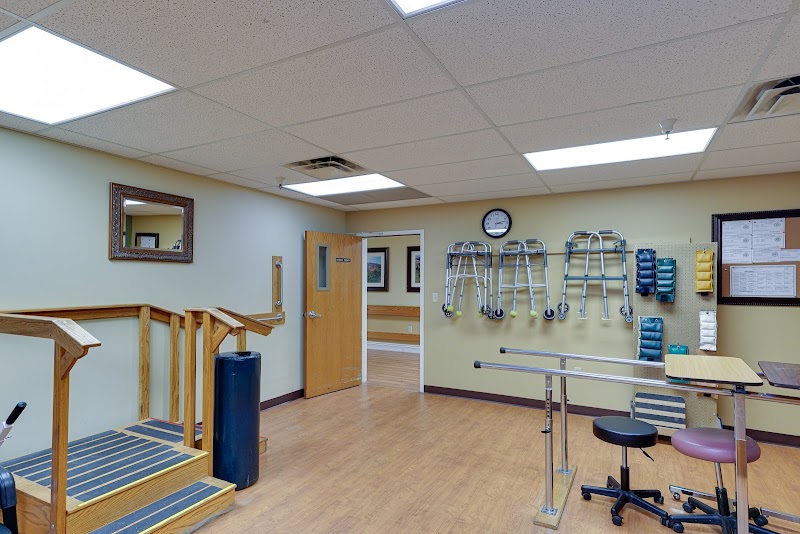
On 4/9/24, between 9:50 AM and 10:05 AM, separate interviews were held with Licensed Practical Nurse (LPN) 1 and resident 4. During these interviews, LPN 1 informed the surveyor that late the previous evening, resident 31 had gone missing. LPN 1 reported that as staff searched for the resident, they noticed the therapy gym doors were locked. LPN 1 stated the therapy gym was the only location in the facility staff were unable to access to search for the resident. LPN 1 stated staff had been searching for resident 31 for about 20 minutes, when resident 31 was observed walking in the hall with therapy paperwork. LPN 1 stated resident 31 had vomited and had been incontinent of stool.
Resident 4 informed the surveyor that on the evening of 4/8/24, there were five police officers in the facility. The resident stated she was uncertain why law enforcement was in the facility.
On 4/9/24 an interview was conducted with resident 31. Resident 31 stated that she knew why police were at the facility last night but did not want to say anything.
On 4/9/24 at approximately 11:00 AM, an interview was conducted with the Administrator. The Administrator stated that there was an allegation of abuse on 4/8/24, that she reported to the State Survey Agency (SSA). The Administrator provided the 358 report to surveyors.
The 358 revealed on 4/8/24 at 9:40 PM, staff became aware that resident 31 stated that she wanted to have sex with a male staff member, but she did not have sex. A Physical Therapist was identified on the form as the alleged perpetrator. The steps taken immediately to ensure residents were protected revealed [Resident 31] was brought to her room by staff members. When resident stated that she wanted to have sex with a male staff member, the only male staff member on shift was placed on administrative leave pending investigation. RN [Registered Nurse] performed full body assessment and noted no injuries. BIMS [Brief Interview of Mental Status] was performed showing 14/15 cognitively intact. Physician notified, family notified. The incident was reported to law enforcement, APS, and Ombudsman.
Resident 31's medical record was reviewed 4/8/24 through 4/11/24.
On 8/18/23, a hospital History and Physical from the local hospital revealed resident 31 had a diagnosis of dementia. It was documented that resident 31 was oriented to person and place but not time, she knew it was August but thought it was the year 2080. Resident 31 was told the story from the St. Louis Mental Status testing, she was unable to recall any details. The assessment/plan for dementia revealed that resident 31 had significant dementia that had progressed.
On 1/8/24, a state optional Minimum Data Set (MDS) assessment revealed resident 31 had a BIMS score of 15. The MDS further revealed resident 31 required supervision with bed mobility, transfers, and toilet use.
A care plan dated 8/22/23 and revised on 9/4/23, revealed The resident has impaired cognitive function/dementia or impaired thought processes r/t [related to] Dementia and cognitive communication deficit. The goal was The resident will be able to communicate basic needs on a daily basis through the review date. Interventions included Communicate with the resident/family/caregivers regarding residents capabilities and needs and COMMUNICATION: Use the resident preferred name. Identify yourself at each interaction. Face the resident when speaking and make eye contact. Reduce any distractions- turn off TV, radio, close door etc. The resident understands consistent, simple, directive sentences. Provide the resident with necessary cues- stop and return if agitated.
A care plan dated 9/4/23, revealed The resident has a communication problem and does not always understand others d/t [due to] dementia and cognitive communication deficit. The goal was The resident will be able to make basic needs known on a daily basis through the review date. Interventions included Anticipate and meet needs; Be conscious of resident position when in groups, activities, dining room to promote proper communication with others; and COMMUNICATION: Allow adequate time to respond, Repeat as necessary, Do not rush, Request clarification from the resident to ensure understanding, Face when speaking, make eye contact, Turn off TV/radio to reduce environmental noise, Ask yes/no questions if appropriate, Use simple, brief, consistent words/cues, Use alternative communication tools as needed.
A progress note dated 3/26/24 at 4:02 PM, revealed Patient requires help with the following ADLs [activities of daily living]: dressing up to extensive assistance and showers up to extensive assistance. Patient has a diagnosis of dementia. At times patient can be very forgetful and need cueing and reminders. Patient has a history of falling and fell at home prior to coming to our facility r/t confusion and trying to do things on her own. Patient has a history of hallucinating and reports seeing dogs and cats doing various things around her. Patient takes medications to help with hallucinations and medications are managed by [local behavioral health company].
A progress note dated 4/8/24 at 9:40 PM, revealed Nursing staff found resident standing in the hallway with her walker. Resident was pale and nauseated. Full body assessment performed. No injuries noted. Resident was assisted to the bathroom and had a large BM [bowel movement]. She was assisted back to bed where she vomited x1 into her garbage can. MD [Medical Doctor], Administrator and family notified.
A progress note dated 4/9/24 at 5:49 PM, revealed Admin [Administrator] had several interactions with resident this day. Resident joking and conversing with staff throughout shift. Resident denies any pain or emotional distress. Resident alert and oriented x 4 [person, place, time, and situation] with ability to recall facts and participate in conversations appropriately.
On 4/9/24 at 3:25 PM, an observation was made of resident 31. Resident 31 was observed to be assisted by staff members into the facility van.
On 4/9/24 at 3:46 PM, an interview was conducted with the DON. The DON stated resident 31 requested to go to the emergency room (ER). The DON stated she was unable to tell anyone why resident 31 was going to the ER. The DON stated it was still under investigation and she needed to talk to the Administrator prior to sharing information.
On 4/9/24 at 4:17 PM, an interview was conducted with the Administrator. The Administrator stated that the facility was in the middle of an investigation with PTA [Physical Therapy Assistant] 1 and resident 31. The Administrator stated she talked to resident 31's family and the family wanted resident 31 evaluated at the emergency room. The Administrator stated resident 31's family stated to the Administrator that if anything happened between resident 31 and PTA 1 it would have been consensual from resident 31. The Administrator stated resident 31 had a history of dementia but her BIMS score on 4/8/24, was 14 out of 15. The Administrator stated she was not sure if resident 31 had a Montreal Cognitive Assessment test completed. The Administrator stated she was made aware of the situation at 9:42 PM on 4/8/24. The Administrator stated RN 1 informed her that facility staff found resident 31 in the hallway and that staff took resident 31 back to her room. The Administrator stated that RN 1 told her that resident 31 stated she wanted to have sex with someone but had not had sex with anyone. The Administrator stated she was not aware of any other statements made by resident 31. The Administrator stated there was no history of allegations against PTA 1. The Administrator stated she completed the exhibit 358 form to report to the allegation to the SSA. The Administrator stated she wrote that the alleged perpetrator was a Physical Therapist but it was actually a Physical Therapy Assistant. The Administrator stated PTA 1 worked four hours per day Monday through Friday, usually in the mid afternoon. The Administrator stated after talking to the Therapy Coordinator (TC), the TC reported she had a complaint last week that residents would rather do therapy earlier. The Administrator stated PTA 1 worked at another building first and then came to the facility later in the day.
On 4/10/24 at 11:19 AM, a telephone interview was held with a facility medication aide certified, who was also Certified Nursing Assistant (CNA) 2. This staff member stated she had worked in the facility more than nine years and that she was very familiar with all the residents. CNA 2 stated on the evening of 4/8/24, she was completing the medication pass on the North end of the building when RN 1 approached her and stated she was unable to locate resident 31. CNA 2 stated six staff members began searching for resident 31, looking in all rooms, bathrooms, the family room, and shower rooms. CNA 2 stated a nursing student, precepting at the facility, searched outside the facility, as did CNA 1 and CNA 2. CNA 2 stated PTA 1's motorcycle was still parked at the facility. CNA 2 stated all staff then went to the two doors of the therapy room, which were locked and the lights in the room were off. CNA 2 stated the therapy room were usually unlocked and open. CNA 2 stated a light in an office within the therapy room was on, but the door was closed to the office area. CNA 2 stated she first observed resident 31 as she came back in through the south door and walked toward the east hallway. CNA 2 stated resident 31 looked sick, clammy, and like she was going to pass out. CNA 2 stated resident 31 told staff she did not want to talk about it. CNA 2 stated that she and CNA 1 stayed with resident 31 in her room, as they had established a rapport with her. CNA 2 stated resident 31 said she was sick to her stomach and she had spit up mucus two times in the trash. CNA 2 stated resident 31 said she had a crush on someone but did not want to say who because she did not want him to lose his job. CNA 2 stated she and CNA 1 asked resident 31 what had happened and resident 31 replied that they, resident 31 and the male staff member, wanted to try something. CNA 2 stated she asked resident 31 if her clothes were off, to which CNA 2 stated the resident replied they were off, for the most part. CNA 2 stated she asked resident 31 if the male staff member's clothes were off. CNA 2 stated resident 31 responded, yes. CNA 2 stated resident 31 told CNA 2 and CNA 1 that resident 31 and the male staff member were trying to have sex and it did not work. CNA 2 stated she asked resident 31 what she meant. CNA 2 stated resident 31 replied that it was like her crotch was sewn shut because it had been 25 years since she did something and pointed to her pelvic area. CNA 2 stated resident 31 further replied that they could not get it in. CNA 2 stated RN 1 was outside the room with a medication cart and CNA 2 told RN 1 to call the cops. CNA 2 stated resident 31 told her this was not the first time it had happened, but that resident 31 did not say when it had happened before.
On 4/9/24 at 6:58 PM, a telephone interview was conducted with CNA 1. CNA 1 stated she worked in the facility since 2017 and was familiar with all the residents. CNA 1 stated she started a shift at 6:00 PM on 4/8/24, and should have been off at 10:00 PM. CNA 1 stated she left the facility between 12:00 AM and 12:30 AM on 4/9/24. CNA 1 stated on the evening of 4/8/24, she was working on the South end of the building and there were three other CNA's on duty. CNA 1 stated there was a nursing student who asked if she knew where resident 31 was. CNA 1 stated she had seen resident 31 about 30 minutes before which was about 8:30 PM, because she rubbed lotion on the resident's feet. CNA 1 stated it was common for resident 31 to walk around the facility with a walker in the evening. CNA 1 stated that the Student Nurse stated she must have missed her in the hallway. CNA 1 stated that the Student Nurse made another lap around the facility and stated to CNA 1 she could not find her. CNA 1 stated resident 31 had moved rooms a few times and had dementia, so she thought maybe resident 31 was in an old room or bathroom. CNA 1 stated she began looking through her previous rooms and bathrooms. CNA 1 stated the search expanded to every room and bathroom. CNA 1 stated the only area staff were unable to get into was the therapy gym. CNA 1 stated she looked into the therapy gym through the window on the door and it was dark. CNA 1 stated she thought resident 31 was in there, so she banged on the door and no one opened the door and did not see anyone in the gym. CNA 1 stated staff looked downstairs, even though that area had been locked. CNA 1 stated she had come upstairs and by the East entrance and turned the corner to the East hallway and saw resident 31 in the hallway. CNA 1 stated she went up to resident 31 and stood in front of her walker and asked where she was and what happened. CNA 1 stated resident 31 appeared white in color and was disoriented. CNA 1 stated resident 31 stated she did not want to talk to her. CNA 1 stated resident 31 pushed by her and sat down on her bed. CNA 1 stated resident 31 stated she was getting sick and then observed resident 31 vomit. CNA 1 stated resident 31 looked at the staff members in her room, because everyone was there at that time. CNA 1 stated she asked for everyone to step out of the room except for CNA 2. CNA 1 stated she and CNA 2 remained with resident 31 to discuss what had occurred. CNA 1 stated resident 31 told them she had a crush on someone but stated she did not want that person to be fired. CNA 1 stated resident 31 explained that she and a male staff member tried to have sex but he could not get it in. CNA 1 stated resident 31 pointed toward her private area. CNA 1 stated CNA 2 asked resident 31 if her clothing was off, to which resident 31 replied yes. CNA 1 stated CNA 2 asked resident 31 if the male staff member's clothing was off, to which resident 31 replied yes. CNA 1 stated resident 31 explained the male staff member was very gentle with her. CNA 1 stated resident 31 explained she and the male staff member had tried before and could not get it in before either. CNA 1 stated that resident 31 told her it was consensual. CNA 1 stated resident 31 did not have cognition to understand what had happened. CNA 1 stated PTA 1 was at the facility after 8:00 PM, at night sometimes and he started being there later within the last few weeks. CNA 1 stated other staff members were concerned about him being at the facility later. CNA 1 stated she did not know exact times PTA 1 was at the facility because they were usually really busy working with residents.
On 4/9/24 at 5:20 PM, a telephone interview was conducted with the Student Nurse (SN). The SN stated on 4/8/24 shortly after 9:00 PM, she was unable to locate resident 31 and asked other facility staff to assist in finding her. The SN stated there were alarms on the exit doors but staff looked outside anyway's thinking maybe the alarms had glitched. The SN stated staff checked all the resident rooms, empty rooms, and the bathrooms in the resident rooms. The SN stated resident 31 was not known to be a flight risk or go outside. The SN stated the lights were off in the therapy room. The SN stated there were windows on the doors to the therapy room. The SN stated that she was not familiar with the vehicles of the staff but a staff member mentioned that PTA 1's motorcycle was in the parking lot. The SN stated staff went back to the therapy room and she noticed the light in the therapy office was on. The SN stated staff had knocked and yelled resident 31's name thinking resident 31 was in the office or therapy room and had fallen. The SN stated there were codes to the basement but staff looked in the basement for resident 31. The SN stated staff had gone to the basement and she remained on the main floor looking for resident 31. The SN stated she was near resident room [ROOM NUMBER] and started walking toward the South side of the facility when she observed resident 31 come out of the therapy room through the East door. The SN stated she yelled resident 31's name and resident 31 turned her head and started walking towards the SN. The SN stated she knocked on the basement door and yelled that she found resident 31. The SN stated that resident 31 looked pale, confused, and altered. The SN stated resident 31 was usually bubbly and smiley and resident 31 had a look on her face like she did not know what was going on, like a deer in the headlights. The SN stated that resident 31 did not look like her usual self. The SN stated it was approximately 20 minutes that staff had been looking for resident 31. The SN stated they started looking for resident 31 at approximately 9:10 PM. The SN stated that she asked resident 31 where she was and resident 31 stated I am okay why do you want to know. The SN stated that she told resident 31 that everyone had been looking for her but resident 31 did not want to answer the questions. The SN stated that resident 31 looked overwhelmed, pale, and asked to sit down. The SN stated that resident 31 started to vomit when they got her to sit down. The SN stated that resident 31 was comfortable with CNA 1 and CNA 2. The SN stated that the CNA's stayed in the room with resident 31 and asked resident 31 where she was. The SN stated that CNA 1 came out of resident 31's room crying and stated that resident 31 told her everything and they needed to call the police. The SN stated we called the police and ran to the therapy gym to see if PTA 1 was still in the room. The SN stated that PTA 1 came out of the therapy room and was trying to leave. The SN stated that PTA 1 went back into the therapy gym and slammed the door. The SN stated the staff stood by the therapy doors so PTA 1 could not leave the facility. The SN stated when the police arrived at the facility PTA 1 left the therapy room with his motorcycle gear on. The SN stated the police put PTA 1 in handcuffs. The SN stated when the staff were confronting PTA 1, resident 31 came out of her room and defecated on herself in the hallway.
On 4/9/24 at 3:00 PM, a telephone interview was conducted with RN 1. RN 1 stated on 4/8/24 at about 9:00 PM, she was looking for resident 31 to Administer her medications. RN 1 stated resident 31 had asked for pain medication about five minutes before that. RN 1 stated resident 31 was not in her room or bathroom. RN 1 stated resident 31's roommate said she went out in the hallway. RN 1 stated she had the SN with her and asked her to look for resident 31. RN 1 stated the SN was unable to locate resident 31 after about five to 10 minutes. RN 1 stated the SN had looked in hallways and rooms near resident 31's room. RN 1 stated she asked the CNA's to help them look for resident 31. RN 1 stated the staff looked in all of the resident rooms, even the empty ones, and all the bathrooms. RN 1 stated the staff looked in any room they could get into and then looked outside. RN 1 stated staff looked in the basement. RN 1 stated it was not like resident 31 to be gone that long. RN 1 stated resident 31 had dementia but had not tried to elope or leave the facility. RN 1 stated after not being able to find her, there were a couple rooms that were locked like the activity room, the social services room, and the therapy gym. RN 1 stated staff looking outside and noticed PTA 1's motorcycle was there. RN 1 stated that PTA 1 was usually at the facility from 6:00 PM to 8:30 or 9:00 PM. RN 1 stated the therapy gym was usually not locked and the office light would be on. RN 1 stated after about 30 minutes staff found resident 31 in the hallway by the therapy gym that was next to the family room. RN 1 stated resident 31 had therapy handouts in her hand. RN 1 stated resident 31 looked really pale and she said she had been in the family room. RN 1 stated resident 31 said she needed to sit down. RN 1 stated resident 31 sat down on the bed and threw-up. RN 1 stated at that point, resident 31 appeared overwhelmed with everyone. RN 1 stated CNA 1 and CNA 2 stayed with resident 31. RN 1 stated that resident 31 had a large bowel movement and her periarea was assessed and there were no concerns or redness. RN 1 stated CNA 1 and CNA 2 talked with resident 31 and exited resident 31's room and was told to call the police at about 9:30 PM. RN 1 stated resident 31 did not provide any information to her directly. RN 1 stated staff were banging on the therapy gym doors and there was no answer. RN 1 stated she contacted resident 31's family members, the physician, and the administrator. RN 1 stated resident 31 was not physically injured and was not in any pain. RN 1 stated resident 31 was not in distress but had a deer in the headlights look. RN 1 stated that the SN was the first person to find resident 31. RN 1 stated that the SN told her resident 31 came out of the therapy gym. RN 1 stated she was not sure if a sexual assault exam was completed. RN 1 stated she did not remember seeing PTA 1 with resident 31 in the past and did not know if she was receiving therapy services. RN 1 stated she saw PTA 1 working with resident 28 and resident 36. RN 1 stated PTA 1 was usually at the facility between 6:00 PM to 6:30 PM until 9:00 PM. RN 1 stated the therapy gym was never locked. RN 1 stated the Maintenance Director had a key to the therapy gym. RN 1 stated the light in the therapy office was visible around the door frame through the windows in the therapy gym door. RN 1 stated the lights were turned off when she looked in there. RN 1 stated she was not sure where therapy paperwork was stored. RN 1 stated she had not seen therapy paperwork before. RN 1 stated she completed a full body assessment on resident 31. RN 1 stated when she performed the assessment resident 31 stated he never forced himself on her. RN 1 stated the Administrator directed her to not be specific with her charting and to keep it very clinical in resident 31's nursing progress notes. RN 1 stated she was able to document that resident 31 was pale, had a large bowel movement, and threw-up once. RN 1 stated she was able to document there was no trauma. RN 1 stated she was able to document details in the incident report.
On 4/10/24 at 8:30 AM, an interview was conducted with the TC. The TC stated PTA 1 had been suspended as of 4/8/24. The TC stated PTA 1 clocked in and out on the computer. The TC stated she had talked to PTA 1 about how he was coming in too late in the evenings on 3/15/24. The TC stated residents were refusing therapy because it was so late. The TC stated PTA 1 was coming in late about 3:10 PM, and left between 6:00 PM and 8:00 PM. The TC stated she reminded PTA 1 that they want him to leave before 7:00 PM. The TC stated she thought he was having long days at another facility but after talking to the director of the other facility, that was not the case. The TC stated she left the therapy room doors open and unlocked with the light out. The TC stated she came in the morning a few times and one of the doors was locked to the therapy room.
On 4/10/24 at 9:56 AM, a follow-up interview was conducted with the TC. The TC stated she did not know why PTA 1 would clock out at 6:45 PM, and still be at the facility after 9:00 PM. The TC stated she was not aware PTA 1 had stayed later than he had when clocked out.
On 04/10/24 at 12:39 PM, an interview was conducted with the TC. The TC stated she left the facility between 2:00 PM and 4:00 PM, and PTA 1 was usually not at the facility when she left. The TC stated the staff completed point of care documentation. The TC stated that documentation should be completed as therapy was provided to the resident. The TC stated when PTA 1 signed out then he should be done with his day. The TC stated if PTA 1 was not done with his day then he should stay on the clock and the time would go toward patient care.
On 4/10/24 at 4:16 PM, a follow-up interview was conducted with the TC. The TC stated she was unable to find therapy notes from PTA 1 for treatments that should have been provided on 4/8/24, for four additional residents. The TC stated she was only able to locate therapy notes for resident 6.
On 4/11/24 at 8:08 AM, an interview was conducted with the TC. The TC stated PTA
CONCERN
(D)
Potential for Harm - no one hurt, but risky conditions existed
Abuse Prevention Policies
(Tag F0607)
Could have caused harm · This affected 1 resident
Based on interview and record review, the facility did not develop and implement written polices and procedures that prohibited and prevented abuse, neglect, and exploitation of residents. Specificall...
Read full inspector narrative →
Based on interview and record review, the facility did not develop and implement written polices and procedures that prohibited and prevented abuse, neglect, and exploitation of residents. Specifically, a staff member was not connected to the facility through the Direct Access Clearance System (DACS).
Findings included:
Physical Therapy Assistant (PTA) 1's employee file was reviewed on 4/10/24. The file revealed an offer letter for another facility. There was no information regarding PTA 1 being employed with the facility being surveyed. The information provided was from a contract rehabilitation company.
On 4/9/24 at 4:17 PM, an interview was conducted with the Administrator. The Administrator stated prior to a staff member working with residents a background screening was completed. The Administrator stated PTA 1 had a background screening completed and there were no problems.
On 4/11/24 at 9:08 AM, an interview was conducted with the Background Processing Manager (BPM) at the State Survey Agency. The BPM checked PTA 1 in the DACS. The BPM stated that PTA 1 was eligible for work but PTA 1 had not been connected to the facility being surveyed. The BPM stated the employee should be linked upon engagement with the facility.
The facility policy Freedom from Abuse, Neglect, and Exploitation Preventing and Prohibiting Abuse was dated 11/2017 and revised on 9/13/2022. The policy documented:
PURPOSE:
To keep residents free from abuse, neglect, and exploitation of residents and misappropriation of resident property.
POLICY:
The facility's policy is to prohibit and prevent abuse, neglect, exploitation of residents, and misappropriation of resident property. The facility will establish procedures to investigation any such allegations. The facility will investigate and report such allegations and provides training on abuse, neglect, exploitation, and misappropriation of resident property for facility staff.
The facility completes reporting of abuse allegations, including crimes occurring in the facility, in accordance with Federal regulation. Facility staff are educated and informed of their employee rights and reporting responsibilities and are protected from retaliation.
The facility establishes methods to facilitate communication and coordination for situations of abuse, neglect, misappropriation of resident property, and exploitation with the Quality Assurance and Performance Improvement (QAPI) program.
GUIDELINES:
1. The facility will maintain and implement policies and procedures to prohibit and prevent abuse, neglect, exploitation of residents and misappropriation of resident property.
2. The policies and procedures will include the following components:
a. Screening
b. Training
c. Prevention
d. Identification
e. Investigation
f. Protection
g. Reporting and response
3. The abuse prevention policies and procedures will be in coordination with the QAPI program.
SCREENING
1. Potential employees should receive an interview prior to hire and employment history will be screened.
2. Potential employees will be screened with the appropriate licensing/certification boards, in various/multiple states when applicable.
3. When possible, previous and/or current employers should be contacted to obtain a reference for a potential employee.
4. Facility will conduct a criminal background check on potential employees who have been deemed qualified for hire.
5. The facility will not employ an individual whose pre-employment screening indicates a criminal or licensing/certification board history of abuse, neglect, or misappropriation of property.
6. The facility will report to the state nurse aide registry or other licensing authorities any knowledge of actions by a court of law against an employee, which would indicate unfitness for service as a nurse aide or other facility staff.
7. Contracted staff, temporary staff and students will be screened by the third-party agency or academic institution according the same or substantially similar guidelines as stated above.
8. The facility screens prospective residents to determine if the facility has the capability and capacity to provide the necessary care and services for residents admitted to the facility.
TRAINING
1. Staff will receive training related to:
a. Prohibiting and preventing any form of abuse, neglect, misappropriation of resident property and exploitation
b. Identifying what constitutes abuse, neglect, exploitation, and misappropriation of resident property
c. Recognizing signs of abuse, neglect, exploitation, and misappropriation of resident property, such as physical or psychosocial indicators
d. Reporting abuse, neglect, exploitation, and misappropriation of resident property, including injuries of unknown sources
and when and to whom to report alleged violations without fear of reprisal
e. Understanding behavioral symptoms of residents which may increase the risk of abuse and neglect and how to respond.
PREVENTION
1. Staff will be informed of the individual residents' care needs and behavioral symptoms.
2. Staff will identify, assess, develop care plan interventions, and monitor residents with needs and behaviors which might lead to conflict or neglect, such as:
a. Verbally aggressive behavior
b. Physically aggressive behavior
c. Sexually aggressive behavior
d. Taking, touching, or rummaging through another's property
e. Wandering into other's room/space
f. History of self-injurious behaviors
g. Communication disorders or language barriers
h. Extensive nursing care needs or totally dependent residents
3. The facility will provide a safe environment that supports, as much as possible, a resident's desire to engage in a consensual sexual relationship between residents with the capacity to consent.
4. The facility will provide for the health and safety of residents regarding visitors.
5. The facility will provide residents and resident representatives information related to how and to whom they may report concerns, incidents, and grievances without fear of retribution.
6. Staff will be deployed in a manner to meet the needs of the residents.
7. Staff supervision will help to identify staff behaviors that may indicate potential for abuse or neglect.
IDENTIFICATION
1. Facility staff will be trained to identify the different types of abuse.
2. Administration and staff will monitor for signs of abuse. These, include
a. A suspicious injury
b. Sudden or unexplained changes in the resident's behavior, such as fear of a person or place or feeling of guilt or shame.
INVESTIGATION
1. Allegations of abuse, neglect, misappropriation and exploitation will be investigated, including:
a. Identifying staff responsible for the investigation.
b. Exercising caution in handling potential evidence.
c. Identifying and interviewing involved persons, witnesses, and others who may have knowledge to the extent possible
d. Determining whether abuse, neglect, exploitation and/or mistreatment occurred and, is so the extent and cause.
e. Documenting the investigation.
PROTECTION
1. During an investigation of alleged abuse, neglect, exploitation, and/or misappropriation, the facility will, to the extent possible, protect residents from harm during and after the investigation to include (as appropriate):
a. Responding quickly to protect the alleged victim and integrity of the investigation.
b. Examining the alleged victim for sign of injury if needed.
c. increased supervision of the alleged victim and residents.
d. Room or staff changes if necessary.
e. Protection from retaliation.
f. Providing emotional support and counseling to the resident, as needed
REPORTING OF ALLEGATIONS OR SUSPICIONS
1. Staff will immediately report alleged violations to the Administrator, state agency, adult protective services, and other required agencies (i.e., law enforcement when applicable) within specified timeframes as required by law.
2. Reporters will not be subject to retaliation or reprisal, by the facility or any agent of the facility.
3. The facility will post a conspicuous notice informing employees of their rights. The facility will take necessary actions as a result of the investigation.
4. The facility will report to the State licensing and/or certification agencies any knowledge of any actions by a court of law which would indicate an employee is unfit for employment.
5. Staff will be trained regarding changes that are implemented.
(Cross refer to F600)
CONCERN
(D)
Potential for Harm - no one hurt, but risky conditions existed
Comprehensive Care Plan
(Tag F0656)
Could have caused harm · This affected 1 resident
**NOTE- TERMS IN BRACKETS HAVE BEEN EDITED TO PROTECT CONFIDENTIALITY** Based on interview and record review, the facility did not develop and implement a comprehensive person-centered care plan for e...
Read full inspector narrative →
**NOTE- TERMS IN BRACKETS HAVE BEEN EDITED TO PROTECT CONFIDENTIALITY** Based on interview and record review, the facility did not develop and implement a comprehensive person-centered care plan for each resident that included measurable objectives and timeframes to meet a resident's medical, nursing, and mental, and psychosocial needs. Specifically, for 1 out of 27 sampled residents, a resident did not have an intervention implemented from his care plan which resulted in multiple falls, a skin tear, and hip pain. Resident Identifier: 9.
Findings included:
Resident 9 was admitted to the facility on [DATE] with diagnoses which included, but not limited to, surgical amputation, diabetes mellitus, hyperlipidemia, hypertension, coronary artery disease, and chronic pain syndrome.
Resident 9's medical record was reviewed on 4/9/24.
A review of Resident 9's care plan initiated on 2/20/24, showed that the resident is at risk for falls and has had an actual fall r/t [related to] gait/balance problems. Resident 9's care plan was revised on 3/6/24, with interventions to include a bed change to a bariatric bed.
On 3/6/24 at 6:33 AM, a Nursing Note documented Resident had an unwitnessed fall. No injuries noted. Neuro [neurological] checks started. Resident was angry with staff for wanting to assist him back into bed. He swore at staff, swatted staff away and stated 'I'm tired. Leave me alone.' Staff encouraged resident to allow staff to help him. Resident allowed staff to assist him back into bed using hoyer lift. Call light within reach, bed in low position, door left open. DON [Director of Nursing] and MD [Medical Doctor] notified.
On 3/6/24 at 3:19 PM, a Nursing Note documented Patient reviewed in IDT [interdisciplinary team] meeting r/t fall on 3/6 [24]. Staff walked by patients room and noticed they were not in their bed. Staff walked into room and found patient on the ground in between their bed and the wall with a pillow under their head. Nurse assessed patient. No injuries noted. Patient reports not knowing how they fell and states they just woke up on the floor. Staff attempted to get patient back into bed and at first patient refused and swatted staff away. Eventually patient agreed to be hoyer liftedback [sic] into bed. Bed was put in lowest position and call light within reach. This nurse talked to patient about their fall later in the day and patient still reported they did not know what happened. Patient reports having a bigger bed may help prevent it in the future. Intervention: Bed changed from regular size to bariatric.
On 4/1/24 at 7:15 AM, a Nursing Note documented this LN [licensed nurse] called into resident room due to resident being found sitting on the floor on the side of his bed. no clutter, or wet on floor. non skid socks not applicable as resident has bilat [bilateral] amputation. call light in use. resident states he was sleeping and rolled out of bed. skin assessment shows no new injuries. neuros and vitals [vital signs] implemented per facility policy. Md and DON notified.
On 4/5/24 at 9:36 AM, a Nursing Note documented Patient reviewed in IDT meeting r/t unwitnessed fall. Staff found patient sitting on the ground next to their bed. Patient reports they just rolled out of bed in their sleep. Nurse assessed patient. No injuries noted. VSS [vital signs stable] Neuros WNL [within normal limits]. Staff assisted patient back into bed. Provider notified. Patient own responsible party. Intervention: Pharmacist to review medications.
On 4/6/24 at 10:11 PM, a Nursing Note documented . had an unwitnessed fall where he obtained a pin sized abrasion to his right elbow. Cleansed with wound cleanser - steri strips applied. No other injuries observed. Neuro checks started. Resident was assisted back into bed. Bed in low position. Call light within reach. PRN [as needed] pain medication administered. He is alert and oriented x4 [person, place, time and event]. MD, DON notified.
On 4/7/24 at 3:36 PM, a Nursing Note documented res [resident] had a recent fall, no latent injuries noted. continues to have pain in hip. PRN oxy [oxycodone] given with good effect. vitals and neuros WNL.
On 4/7/24 at 11:09 PM, an Alert Note documented Continues on post fall charting. Res c/o [complaining of] Hip pain throughout shift. PRN oxycodone administered for pain with effective pain relief per resident. Res denies further concerns. Call light within reach.
On 4/8/24 at 10:18 AM, a Nursing Note documented Pharmacist reviewed medications r/t falls. Recommended changing Prozac to Lexapro. In house provider reviewed recommendation and did not want to implement changes. States its [sic] too soon to contribute to medication side effects.
On 4/8/24 at 12:54 PM, a Nursing Note documented Patient reviewed in IDT meeting r/t unwitnessed fall on 4/6 [24]. Patient reports he just rolled out of bed. Nurse assessed patient. Abrasion to R [right] elbow found. Nurse cleansed site and applied steri strips. Staff assisted patient back into bed. Patient given PRN pain meds [medications]. Provider notified. Patient own responsible party. Intervention: Fall matt placed next bed.
On 4/8/24 at 10:26 AM, an interview was conducted with resident 9. Resident 9 stated that he had recently fallen out of bed a couple of times and cut his arm and hurt his left hip. Resident 9 stated that he refused to go to the hospital after the last fall. Resident 9 stated that he requested a bigger bed because he believed that was the reason that he kept falling or rolling out of bed. Resident 9 stated that he had not received a bigger bed.
On 4/9/24 at 1:22 PM, an interview was conducted with Certified Nursing Assistant (CNA) 3. CNA 3 stated that resident 9 did not have a bariatric bed. CNA 3 stated that resident 9 had a fall not too long ago and that a fall mat was placed on the floor next to the resident's bed. CNA 3 stated that if a resident was a fall risk, then the resident's bed was usually lowered closer to the floor.
On 4/9/24 at 1:30 PM, an interview was conducted with Licensed Practical Nurse (LPN) 1. LPN 1 stated that she was aware that resident 9 had a couple of falls in the past two weeks. LPN 1 stated that the last fall resident 9 sustained a skin tear to his right arm and had left hip pain. LPN 1 stated that the pharmacist was going to review resident 9's medications for a possible reason for the falls. LPN 1 stated that she was unaware of any interventions in place for resident 9 prior to the fall on 4/6/24. LPN 1 stated that after the fall on 4/6/24, a floor mat was placed on the floor next to the resident's bed.
On 4/9/24 at 1:35 PM, an interview was conducted with the DON. The DON stated that resident 9 did receive a bariatric bed after his fall on 3/6/24. The DON stated that there were several interventions put in place for the resident which included the bariatric bed, pharmacy review of medications, and a floor mat. The DON stated that she would have maintenance check to see if the resident had a bariatric bed.
On 4/16/24 at 8:11 AM, an interview was conducted with CNA 4 regarding care plans. CNA 4 stated that when she received report at the beginning of her shift she also received an update regarding changes in care plans for residents. CNA 4 stated that she reviewed the [NAME] of residents every shift for any updated change in information. CNA 4 stated that she was not familiar with Resident 9's care plan.
On 4/16/24 at 8:15 AM, an interview was conducted with LPN 1. LPN 1 stated that care plans got updated regularly by the nursing administration staff. LPN 1 stated that when changes were made to a resident's care plan she received those changes through a report from the previous nurse before beginning her shift. LPN 1 stated that the intervention for the bariatric bed for resident 9 was not known to her until questioned by survey member.
On 4/16/24 at 8:20 AM, an interview was conducted with the DON. The DON stated that if there was a change in a resident's care plan then usually an inservice was done regarding the change and the [NAME] would reflect the change. The DON stated that she reached out to maintenance regarding the intervention for the bariatric bed in March 2024, and was told that the resident had a bariatric bed. The DON stated that she found out the bed was not a bariatric bed during the survey.
CONCERN
(D)
Potential for Harm - no one hurt, but risky conditions existed
Accident Prevention
(Tag F0689)
Could have caused harm · This affected 1 resident
**NOTE- TERMS IN BRACKETS HAVE BEEN EDITED TO PROTECT CONFIDENTIALITY** Based on observation, interview, and record review, the facility did not ensure that the resident environment remains free of ac...
Read full inspector narrative →
**NOTE- TERMS IN BRACKETS HAVE BEEN EDITED TO PROTECT CONFIDENTIALITY** Based on observation, interview, and record review, the facility did not ensure that the resident environment remains free of accident hazards as is possible; and each resident receives adequate supervision and assistance devices to prevent accidents. Specifically, for 1 out of 27 sampled residents, a resident did not have an assistance device to prevent falls which resulted in multiple falls. Resident Identifier: 9.
Findings included:
Resident 9 was admitted to the facility on [DATE] with diagnoses which included, but not limited to, surgical amputation, diabetes mellitus, hyperlipidemia, hypertension, coronary artery disease, and chronic pain syndrome.
Resident 9's medical record was reviewed on 4/9/24.
A review of Resident 9's care plan initiated on 2/20/24, showed that the resident is at risk for falls and has had an actual fall r/t [related to] gait/balance problems. Resident 9's care plan was revised on 3/6/24, with interventions to include a bed change to a bariatric bed.
On 3/6/24 at 6:33 AM, a Nursing Note documented Resident had an unwitnessed fall. No injuries noted. Neuro [neurological] checks started. Resident was angry with staff for wanting to assist him back into bed. He swore at staff, swatted staff away and stated 'I'm tired. Leave me alone.' Staff encouraged resident to allow staff to help him. Resident allowed staff to assist him back into bed using hoyer lift. Call light within reach, bed in low position, door left open. DON [Director of Nursing] and MD [Medical Doctor] notified.
On 3/6/24 at 3:19 PM, a Nursing Note documented Patient reviewed in IDT [interdisciplinary team] meeting r/t fall on 3/6 [24]. Staff walked by patients room and noticed they were not in their bed. Staff walked into room and found patient on the ground in between their bed and the wall with a pillow under their head. Nurse assessed patient. No injuries noted. Patient reports not knowing how they fell and states they just woke up on the floor. Staff attempted to get patient back into bed and at first patient refused and swatted staff away. Eventually patient agreed to be hoyer liftedback [sic] into bed. Bed was put in lowest position and call light within reach. This nurse talked to patient about their fall later in the day and patient still reported they did not know what happened. Patient reports having a bigger bed may help prevent it in the future. Intervention: Bed changed from regular size to bariatric.
On 4/1/24 at 7:15 AM, a Nursing Note documented this LN [licensed nurse] called into resident room due to resident being found sitting on the floor on the side of his bed. no clutter, or wet on floor. non skid socks not applicable as resident has bilat [bilateral] amputation. call light in use. resident states he was sleeping and rolled out of bed. skin assessment shows no new injuries. neuros and vitals [vital signs] implemented per facility policy. Md and DON notified.
On 4/5/24 at 9:36 AM, a Nursing Note documented Patient reviewed in IDT meeting r/t unwitnessed fall. Staff found patient sitting on the ground next to their bed. Patient reports they just rolled out of bed in their sleep. Nurse assessed patient. No injuries noted. VSS [vital signs stable] Neuros WNL [within normal limits]. Staff assisted patient back into bed. Provider notified. Patient own responsible party. Intervention: Pharmacist to review medications.
On 4/6/24 at 10:11 PM, a Nursing Note documented . had an unwitnessed fall where he obtained a pin sized abrasion to his right elbow. Cleansed with wound cleanser - steri strips applied. No other injuries observed. Neuro checks started. Resident was assisted back into bed. Bed in low position. Call light within reach. PRN [as needed] pain medication administered. He is alert and oriented x4 [person, place, time and event] MD, DON notified.
On 4/7/24 at 3:36 PM, a Nursing Note documented res [resident] had a recent fall, no latent injuries noted. continues to have pain in hip. PRN oxy [oxycodone] given with good effect. vitals and neuros WNL.
On 4/7/24 at 11:09 PM, an Alert Note documented Continues on post fall charting. Res c/o [complaining of] Hip pain throughout shift. PRN oxycodone administered for pain with effective pain relief per resident. Res denies further concerns. Call light within reach.
On 4/8/24 at 10:18 AM, a Nursing Note documented Pharmacist reviewed medications r/t falls. Recommended changing Prozac to Lexapro. In house provider reviewed recommendation and did not want to implement changes. States its [sic] too soon to contribute to medication side effects.
On 4/8/24 at 12:54 PM, a Nursing Note documented Patient reviewed in IDT meeting r/t unwitnessed fall on 4/6 [24]. Patient reports he just rolled out of bed. Nurse assessed patient. Abrasion to R [right] elbow found. Nurse cleansed site and applied steri strips. Staff assisted patient back into bed. Patient given PRN pain meds [medications]. Provider notified. Patient own responsible party. Intervention: Fall matt placed next bed.
On 4/8/24 at 10:26 AM, an interview was conducted with Resident 9. Resident 9 stated that he had recently fallen out of bed a couple of times and cut his right arm and hurt his left hip. Resident 9 stated that he refused to go to the hospital after the fall. Resident 9 stated that he requested a bigger bed because he believed that this was the reason that he kept falling or rolling out of bed. Resident 9 stated that he had not received a bigger bed.
On 4/9/24 at 1:22 PM, an interview was conducted with Certified Nursing Assistant (CNA) 3. CNA 3 stated that resident 9 did not have a bariatric bed. CNA 3 stated that resident 9 had a fall not too long ago and that a fall mat was placed on the floor next to the resident's bed. CNA 3 stated that if a resident was a fall risk, then the resident's bed was usually lowered closer to the floor.
On 4/9/24 at 1:30 PM, an interview was conducted with Licensed Practical Nurse (LPN) 1. LPN 1 stated that she was aware that resident 9 had a couple of falls in the past two weeks. LPN 1 stated that with the last fall resident 9 sustained a skin tear to his right arm and had left hip pain. LPN 1 stated that the pharmacist was going to review resident 9's medications for a possible reason for the falls. LPN 1 stated that she was unaware of any interventions in place for resident 9 prior to the fall on 4/6/24. LPN 1 stated that after the fall on 4/6/24, a floor mat was placed on the floor next to the resident's bed.
On 4/9/24 at 1:35 PM, an interview was conducted with the DON. The DON stated that resident 9 did receive a bariatric bed after his fall on 3/6/24. The DON stated that there were several interventions put in place for the resident which included the bariatric bed, pharmacy review of medications, and a floor mat. The DON stated that she would have maintenance check to see if the resident had a bariatric bed.
On 4/9/24 at 1:55 PM, an observation was made of the DON and a member of the maintenance staff in resident 9's room measuring the resident's bed.
On 4/9/24 at 1:58 PM, an interview was conducted with the DON. The DON stated that resident 9 did not have a bariatric bed and that maintenance would be getting one for the resident.
On 4/10/24 at 7:40 AM, an observation was made of resident 9's old bed being removed from the room by the DON and Administrator. Resident 9 was observed in a bariatric bed.
CONCERN
(E)
📢 Someone Reported This
A family member, employee, or ombudsman was alarmed enough to file a formal complaint
Potential for Harm - no one hurt, but risky conditions existed
Safe Environment
(Tag F0584)
Could have caused harm · This affected multiple residents
**NOTE- TERMS IN BRACKETS HAVE BEEN EDITED TO PROTECT CONFIDENTIALITY** Based on observation and interview, the facility did not provide a clean, comfortable, homelike environment. Specifically, there...
Read full inspector narrative →
**NOTE- TERMS IN BRACKETS HAVE BEEN EDITED TO PROTECT CONFIDENTIALITY** Based on observation and interview, the facility did not provide a clean, comfortable, homelike environment. Specifically, there were odors throughout the facility.
Findings included:
On 4/8/24 at 8:57 AM, an observation was made in the hallway between room [ROOM NUMBER] to room [ROOM NUMBER]. There was a strong urine odor.
On 4/8/24 from 11:45 AM to 11:52 AM, an observation was made in the hallway between room [ROOM NUMBER] to room [ROOM NUMBER]. There was a strong urine odor.
On 4/9/24 at 9:08 AM, an observation was made in the hallway between room [ROOM NUMBER] to room [ROOM NUMBER]. There was a strong urine, bowel movement, and body odor through the hallway.
On 4/9/24 at 11:54 AM, an observation was made in the hallway outside room [ROOM NUMBER] and into the dining room. There was a strong urine odor.
On 4/9/24 at 12:04 PM, an observation was made in the dining room and the hallway between room [ROOM NUMBER] to room [ROOM NUMBER]. There was a strong urine odor.
On 4/10/24 at 7:40 AM, an observation was made of a strong smell of urine in the north hallway between room [ROOM NUMBER] and room [ROOM NUMBER].
On 4/10/24 at 8:26 AM, an observation was made in the hallway between room [ROOM NUMBER] to room [ROOM NUMBER]. There was a strong urine and body odor. There were wheelchairs in the atrium observed. One of the wheelchairs was observed to have a brown substance on the seat and up the back of the seat.
On 4/11/24 at 3:37 PM through 3:55 PM, there was an observation of the hallway outside room [ROOM NUMBER] to room [ROOM NUMBER]. There was a strong urine odor outside room [ROOM NUMBER] that increased in strength to room [ROOM NUMBER].
On 4/11/24 at 3:51 PM, an observation was made of a strong smell of urine in the north hallway between room [ROOM NUMBER] and room [ROOM NUMBER].
On 4/15/24 at 11:47 AM, an observation was made in the hallway outside room [ROOM NUMBER] to room [ROOM NUMBER]. There was a strong urine odor in the hallway outside room [ROOM NUMBER], the urine odor was stronger outside rooms [ROOM NUMBERS]. The odor continued to room [ROOM NUMBER]. The urine odor was observed in the dining room. At 12:05 PM, an observation was made in the dining room and atrium. There was a strong urine odor. At 12:56 PM, there was a strong urine odor in the hallway outside room [ROOM NUMBER] to room [ROOM NUMBER] and in the dining room.
On 4/15/24 at 11:48 AM, an observation was made of a strong smell of urine in the north hallway between room [ROOM NUMBER] and room [ROOM NUMBER].
On 4/16/24 at 8:05 AM, an observation was made of a strong smell of urine in the north hallway between room [ROOM NUMBER] and room [ROOM NUMBER].
On 4/16/24 at 9:49 AM, an observation was made outside room [ROOM NUMBER] in the hallway. There was a strong urine odor.
On 4/16/24 at 9:42 AM, an interview was conducted with Registered Nurse (RN) 2. RN 2 stated she noticed a urine odor that morning when she first got to the facility. RN 2 stated she had not noticed a urine odor any other day. RN 2 stated she did not look to find where the odor was coming from.
On 4/16/24 at 9:44 AM, an interview was conducted with Certified Nursing Assistant (CNA) 3. CNA 3 stated there was usually an odor in the hallway from room [ROOM NUMBER] to room [ROOM NUMBER]. CNA 3 stated there was a resident with really stinky bowel movements that caused an odor through the hallway. CNA 3 stated staff tried to spray air freshener. CNA 3 stated there was a resident in room [ROOM NUMBER] with hemorrhoids that had a discharge that smelled through the hallway.
On 4/16/24 at 9:47 AM, an interview was conducted with Housekeeper (HK) 1. HK 1 stated there was normally an odor in room [ROOM NUMBER]. HK 1 stated there were certain rooms that had odors. HK 1 stated the urine odor came from room [ROOM NUMBER]. HK 1 stated the residents in room [ROOM NUMBER] had incontinent issues and refused to be changed at times so their beds and wheelchairs smelled of urine. HK 1 stated anytime the residents were out of their beds or wheelchairs the equipment was cleaned. HK 1 stated sometimes room [ROOM NUMBER] had urine odors. HK 1 stated if there was a urine odor it was usually a wet brief in the trash can in the bathroom. HK 1 stated some residents who were more self sufficient, put their briefs in the trash can.
On 4/16/24 at 10:23 AM, an interview was conducted with CNA 5. CNA 5 stated she noticed odors outside room [ROOM NUMBER] because the resident refused to be changed. CNA 5 stated sometimes residents have commented, That's a little smelly. CNA 5 stated the hallway between room [ROOM NUMBER] and room [ROOM NUMBER] had a urine odor at times.
On 4/16/24 at 10:26 AM, an interview was conducted with CNA 6. CNA 6 stated Oh yeah when asked if she noticed odors in the hallways. CNA 6 stated she knew where the odor came from because a resident refused to get out of bed in room [ROOM NUMBER]. CNA 6 stated she thought the wheelchair in the atrium with the brown substance on the seat and up the back was from room [ROOM NUMBER]-2. CNA 6 stated Um yeah when she observed the brown substance on the wheelchair.
CONCERN
(E)
Potential for Harm - no one hurt, but risky conditions existed
Deficiency F0804
(Tag F0804)
Could have caused harm · This affected multiple residents
Based on observation, interview, and record review, the facility did not provide food that was palatable, attractive, and at a safe and appetizing temperature. Specifically, for 4 out of 27 sampled re...
Read full inspector narrative →
Based on observation, interview, and record review, the facility did not provide food that was palatable, attractive, and at a safe and appetizing temperature. Specifically, for 4 out of 27 sampled resident, residents complained of food quality and a test tray was bland. Resident identifiers: 4, 9, 15, and 27.
Findings included:
On 4/8/24 at 10:44 AM, an interview was conducted with resident 27. Resident 27 stated the food was unappealing and unappetizing.
On 4/8/24 at 9:32 AM, an interview was conducted with resident 15. Resident 15 stated she was sensitive to spices and strong flavors. Resident 15 stated lately the food had been pretty spicy. Resident 15 stated most foods had peppers of some kind added to them.
On 4/8/24 at 10:24 AM, an interview was conducted with resident 9. Resident 9 stated the food was not good and there were no substitutes.
On 4/8/24 at 10:49 AM, an interview was conducted with resident 4. Resident 4 stated we need better food. Resident 4 stated she was not allowed to have more than four ounces of juice per day.
On 4/9/24 at 12:24 PM, an observation was made of the facility tray line. The last hall trays were plated at 12:24 PM. A test tray was requested at 12:25 PM. The Dietary Manager (DM) stated that she was out of Spaghetti. The DM stated if someone wanted seconds, sometimes they could get it. The DM stated she had pureed broccoli, turkey, and dessert. The DM was observed to put marinara sauce over the turkey and ham cubes.
The test tray was observed to have cubes of ham and turkey with marinara sauce on top. There was pureed broccoli and a dessert dish with a yellow colored dessert. The pureed broccoli was bland and with chunks in it. The turkey and ham were bland to the taste with a slimy texture. The dessert had fruit on the bottom and raw cake on top of it.
On 4/9/24 at 1:06 PM, an interview was conducted with the DM. The DM stated the ham and turkey were the alternative meal. The DM stated the alternate meal was not served to any residents and everyone was served Spaghetti. The DM stated the turkey and ham were served two to three days prior. The DM stated the dessert was a fruit crisp. The DM stated the turkey and ham should have had gravy on top. The DM stated three residents were served pureed food. The DM stated there was only one resident that wanted seconds of spaghetti and that resident was provided a sandwich because he was already served large portions.
On 4/15/24 at 12:38 PM, the last lunch tray was served. Another test tray was requested. The residents were served meat, stuffing, cake, broccoli, and a roll. The temperatures were in degrees Fahrenheit. The pork was 116.5, the stuffing was 120.5, the broccoli was 119.4, the coffee was 114.2. The pork was tough to chew and bland to the taste. The stuffing was mushy and bland to the flavor. The chocolate cake was dry. The roll was sweet with a strong seasoning.
On 4/16/24 at 10:00 AM, an interview was conducted with the Vendor Consultant. The Vendor Consultant stated she was at the facility monthly to consult for the DM. The Vendor Consultant stated the cook ran out of gravy for the pork and stuffing. The Vendor Consultant stated after the stuffing had been sitting on the steam table, the cook added water before serving the test tray. The Vendor Consultant stated she did not obtain a test tray with the pork so she did not know how it tasted.
CONCERN
(E)
Potential for Harm - no one hurt, but risky conditions existed
Deficiency F0809
(Tag F0809)
Could have caused harm · This affected multiple residents
On 4/16/24 at 11:13 AM, an interview was conducted with Resident 6 regarding food and snacks. Resident 6 stated that there were always saltines offered and there were other times fruit and other crack...
Read full inspector narrative →
On 4/16/24 at 11:13 AM, an interview was conducted with Resident 6 regarding food and snacks. Resident 6 stated that there were always saltines offered and there were other times fruit and other crackers were offered, but not on a consistent basis. Resident 6 stated that at bedtime she was sometimes asked if she would like a snack when the staff refill her water cup, but never on a regular basis.
On 4/16/24 at 11:17 AM, an interview was conducted with Resident 31 regarding food and snacks. Resident 31 stated that she was not told when new snacks had been put out and that most of the snacks were taken by the time she walked around the facility. Resident 31 stated that she had gotten snacks at bedtime, but was uncertain if there was a routine regarding when snacks were given.
Based on observation and interview, the facility failed to provide a suitable, nourishing alternate meals and snacks for residents wanting to eat at non-traditional times, or outside of scheduled meal service times. Specifically, for 5 out of 27 sampled residents, residents were only offered saltine crackers for snacks. Resident identifiers: 3, 4, 6, 31, and 141.
Findings included:
On 4/8/24 at 9:00 AM and 2:30 PM, an observation was made of a container at the south nurses station. There were saltine crackers in the container.
On 4/8/24 at 9:15 AM and 2:35 PM, an observation was made of a container at the north nurses station. There were saltine cracker in the container and one of the saltine crackers was open to air.
On 4/9/24 at 9:30 AM, an observation was made of the north nurses station. There were saltine crackers in a container on the counter and one of the saltine crackers was open to air.
On 4/9/24 at 2:00 PM and 4:00 PM, an observation was made at the south nurses station. There were saltine crackers in a container on the counter.
On 4/10/24 at 12:33 PM, an observation was made of the north nurses station. There was a container with a use by 4/10/24 label. In the container there were apples, crackers and peanut butter, pretzels, and saltine crackers.
On 4/9/24 at 9:52 AM, an interview was conducted with resident 4. Resident 4 stated she was offered saltine crackers for snacks usually. Resident 4 stated sometimes there were oranges, pudding, apples, bananas, and cookies but the snacks were filled once a week at the nurses station. Resident 4 stated if the Dietary Manager knew someone important was coming to the facility she loaded up the snacks. Resident 4 stated the snacks were usually filled on Fridays. Resident 4 stated the south nurses station usually had better snacks.
On 4/9/24 at 4:12 PM, an interview was conducted with resident 3. Resident 3 stated she was only offered crackers for snacks unless her family brought in snacks. Resident 3 stated she was not offered a snack on a regular basis unless her family had brought in a snack. Resident 3 stated she would like to have snacks offered at night because Who wants to go to bed hungry?
On 4/16/24 at 11:12 AM, an interview was conducted with resident 141. Resident 141 stated if he went to the nurses station there were snacks available before bed. Resident 141 stated there were not to many snacks available at the nurses station.
On 4/16/24 at 10:00 AM, an interview was conducted with a Vendor Consultant. The Vendor Consultant stated there were refrigerators at each nurses station for snacks and a basket on the counter. The Vendor Consultant stated the baskets were to be filled daily with crackers and other snacks.
On 4/16/24 at 10:17 AM, an interview was conducted with [NAME] 1. [NAME] 1 stated the snacks were restocked during the evening shift. [NAME] 1 stated that he worked days and did not stock snacks.
On 4/16/24 at 10:18 AM, an interview was conducted with Dietary Aide (DA) 1. DA 1 stated snacks were restocked during the evening shift so she did not stock snacks.
CONCERN
(F)
Potential for Harm - no one hurt, but risky conditions existed
Food Safety
(Tag F0812)
Could have caused harm · This affected most or all residents
Based on observation, interview, and record review, the facility did not store, prepare, distribute and serve food in accordance with professional standards for food service safety. Specifically, the ...
Read full inspector narrative →
Based on observation, interview, and record review, the facility did not store, prepare, distribute and serve food in accordance with professional standards for food service safety. Specifically, the dish machine washing temperature was not manufacture required temperature and there were no sanitizer strips available to test the solution.
Findings included:
1. On 4/8/24 at 9:03 AM, an initial tour of the kitchen was conducted. The following observation was made of the dish machine [Note: All temperatures were in degrees Fahrenheit.]
a. The washing temperature was 110 and the rinse temperature was 120. There were 11 plates, five cups, one dessert dish, and a lid that were in the dish machine. An observation was made of the Dietary Manager (DM) replacing the dishes with the clean dishes.
b. The washing temperature was 110 and the rinse temperature was 120. The dish machine basket had seven trays in it and were replaced with clean dishes.
An interview was immediately conducted with the DM. The DM stated the dish machine was between 100 and 200 degrees and was usually over 140. The DM stated that the dish machine needed to be run a few times. The DM stated that she had been running the dish machine and was finishing dishes. The DM stated with resident showers sometimes the temperature fluctuated.
A log titled Dish Machine -PPM (Part Per Million) Sanitizer Record Log revealed the dish machine sanitizer was checked in the morning and afternoon. There were no temperatures on the log. The logs were reviewed for January 2024, February 2024, and April 2024.
On 4/8/24, during the initial kitchen tour, an observation was made of the sanitizer buckets. The DM stated she had just changed the sanitizer solution. The DM was observed to put the sanitizer strip for quats into the solution and it did not change color. The DM stated she needed a new container of strips. The DM stated she was unable to locate strips.
2. On 4/16/24 at 9:57 AM, a follow-up tour of the kitchen was conducted. The following observation was made of the dish machine [Note: All temperatures were in degrees Fahrenheit.]
a. The washing cycle temperature was 115 and the rinse cycle temperature was 119. Sanitizer was 100.
b. The washing cycle temperature was 100 and the rinse cycle temperature was 115.
c. The washing cycle temperature was 100 and the rinse cycle temperature was 119.
A log titled Low Temperature Dish Machine Log for April 2024 revealed time, initials, wash temperature > (greater than) 120, rinse temperature > 120, sanitizer > 50 PPM for each day of April for breakfast, lunch, and dinner. The last temperature recorded was 4/14/24.
On 4/16/24 at 9:52 AM, an interview was conducted with Dietary Aide (DA) 1. DA 1 stated the dish machine temperatures should be around 120. DA 1 was observed to look at the dish machine temperature and confirmed the washing cycle was 100 and the rinsing cycle was 115. DA 1 stated she checked the temperatures of the dish machine and sanitizer every morning. DA 1 stated it was the 16th but she documented the temperatures on the 14th. DA 1 stated she was not sure why the log changed for the dish machine.
On 4/16/24 at 10:00 AM, an interview was conducted with the Vendor Consultant. The Vendor Consultant stated she was at the facility once a month to consult for the DM. The Vendor Consultant stated the DM was not working that day. The Vendor Consultant stated the dish machine log was changed because it needed to have breakfast, lunch, and dinner temperatures on the logs. The Vendor Consultant stated she suggested changing the logs for the dish machine. The Vendor Consultant stated she checked the dish machine on 4/15/24. The Vendor Consultant stated the washing cycle temperature should be 120 and the rinsing cycle temperature should be 120. The Vendor Consultant stated the dish machine needed to be run a few cycles to get to temperature above 120 for the wash and rinse.