Mission at Community Living Rehabilitation Center
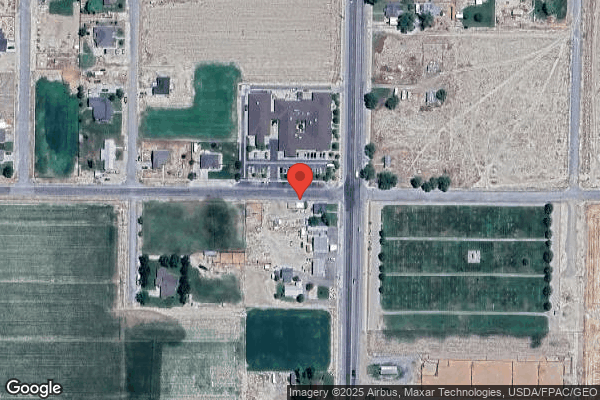
10 West 400 South, Centerfield, UT 84622 (435) 528-2800
Government - County 46 Beds MISSION HEALTH SERVICES Data: November 2025
Trust Grade
63/100
#56 of 97 in UT
Last Inspection: June 2025

Inspected within the last 6 months. Data reflects current conditions.

Overview

The Mission at Community Living Rehabilitation Center has a Trust Grade of C+, which means it is slightly above average but not exceptional. It ranks #56 out of 97 nursing homes in Utah, placing it in the bottom half, although it is the only facility in Sanpete County. The facility is showing improvement, with the number of reported issues decreasing from 9 in 2023 to 7 in 2025. Staffing is rated average with a turnover rate of 42%, which is better than the state average, suggesting that employees tend to stay longer and become familiar with the residents. However, families should be aware of some concerning incidents, such as the lack of a system to test for Legionella, which poses a health risk, and incomplete medical records for some residents, which could affect their care. Overall, while there are strengths in staffing stability, there are also significant areas needing attention.

Trust Score
C+
63/100
In Utah
#56/97
Bottom 43%
Safety Record
Low Risk
No red flags
Inspections
Getting Better
9 → 7 violations
Staff Stability
○ Average
42% turnover. Near Utah's 48% average. Typical for the industry.
Penalties
⚠ Watch
$6,351 in fines. Higher than 78% of Utah facilities, suggesting repeated compliance issues.
Skilled Nurses
✓ Good
Each resident gets 46 minutes of Registered Nurse (RN) attention daily — more than average for Utah. RNs are trained to catch health problems early.
Violations
⚠ Watch
20 deficiencies on record. Higher than average. Multiple issues found across inspections.
★★★☆☆
3.0
Overall Rating
★★★☆☆
3.0
Staff Levels
★★☆☆☆
2.0
Care Quality
★★★☆☆
3.0
Inspection Score
Stable
2023: 9 issues
2025: 7 issues

The Good

  • Full Sprinkler Coverage · Fire safety systems throughout facility
  • No fines on record
  • Staff turnover below average (42%)

    6 points below Utah average of 48%

Facility shows strength in fire safety.

The Bad

3-Star Overall Rating

Near Utah average (3.3)

Meets federal standards, typical of most facilities

Staff Turnover: 42%

Near Utah avg (46%)

Typical for the industry

Federal Fines: $6,351

Below median ($33,413)

Minor penalties assessed

Chain: MISSION HEALTH SERVICES

Part of a multi-facility chain

Ask about local staffing decisions and management

The Ugly 20 deficiencies on record

Jun 2025 7 deficiencies
CONCERN (D) 📢 Someone Reported This

A family member, employee, or ombudsman was alarmed enough to file a formal complaint

Potential for Harm - no one hurt, but risky conditions existed

Report Alleged Abuse (Tag F0609)

Could have caused harm · This affected 1 resident

**NOTE- TERMS IN BRACKETS HAVE BEEN EDITED TO PROTECT CONFIDENTIALITY** Based on interview, and record review, for 3 of 24 residents sampled, the facility did not ensure that all alleged violations in...

Read full inspector narrative →
**NOTE- TERMS IN BRACKETS HAVE BEEN EDITED TO PROTECT CONFIDENTIALITY** Based on interview, and record review, for 3 of 24 residents sampled, the facility did not ensure that all alleged violations involving abuse, neglect, exploitation or mistreatment, including injuries of unknown source, were reported immediately, but not later than 2 hours after the allegation was made, to the State Survey Agency. Specifically, a staff member was arrested for driving under the influence (DUI), had alcohol in the facility vehicle while transporting residents and the State Survey Agency was not notified. Resident identifiers: 6, 10 and 90. Findings included: Resident 6 was admitted to the facility on [DATE] with diagnoses which included dementia, osteoporosis, macular degeneration and chronic pain. Resident 10 was initially admitted to the facility on [DATE] and readmitted on [DATE] with diagnoses which included cerebral palsy, contractor, muscle weakness, cramp and spasm and major depressive disorder. Resident 90 was initially admitted to the facility on [DATE] and readmitted on [DATE] with diagnoses which included Lupus, major depressive disorder, dementia, anxiety and history of falling. Resident 6, 10 and 90's medical records were reviewed 6/23/25 through 6/25/25. On 6/23/25 a complaint that was sent into the State Survey Agency was reviewed and documented, On 05/30/2023 the facility had taken four Residents to [local city] for a rafting trip. The Complainant alleged that during this trip [name omitted] a maintenance staff member, [name omitted] an activities staff member and [name omitted] the ADON [Assistant Director of Nursing] had drank alcohol. The Complainant noted she did not drink on the trip. The medical records for resident 6, 10 and 90 were reviewed, no information was found regarding the incident. The incident was not reported to the State Survey Agency. On 6/24/25 at 10:10 am, an interview was conducted with the Administrator (ADM). The ADM stated there was absolutely no drinking on the job. There is a zero tolerance policy, and there should be no alcohol in the facility vehicles. The ADM stated the staff were on shift the whole time they were with the residents on the rafting trip and that it absolutely should not have happened. The ADM stated the staff should not drink the entire time they are with the resident on an outing- even if it is overnight. The ADM stated she was not the ADM at the time of the incident but believes it should have been reported to the State Agency.
CONCERN (D) 📢 Someone Reported This

A family member, employee, or ombudsman was alarmed enough to file a formal complaint

Potential for Harm - no one hurt, but risky conditions existed

Investigate Abuse (Tag F0610)

Could have caused harm · This affected 1 resident

**NOTE- TERMS IN BRACKETS HAVE BEEN EDITED TO PROTECT CONFIDENTIALITY** Based on interview and record review, the facility in response to allegations of abuse, neglect, or mistreatment did not have ev...

Read full inspector narrative →
**NOTE- TERMS IN BRACKETS HAVE BEEN EDITED TO PROTECT CONFIDENTIALITY** Based on interview and record review, the facility in response to allegations of abuse, neglect, or mistreatment did not have evidence that all alleged violations were thoroughly investigated. Specifically, for 3 out of 24 sampled residents, allegations of a staff member driving residents while being intoxicated was not investigated or the allegations were not investigated thoroughly. Resident identifiers: 6, 10 and 90. Findings included: Resident 6 was admitted to the facility on [DATE] with diagnoses which included dementia, osteoporosis, macular degeneration and chronic pain. Resident 10 was initially admitted to the facility on [DATE] and readmitted on [DATE] with diagnoses which included cerebral palsy, contractor, muscle weakness, cramp and spasm and major depressive disorder. Resident 90 was initially admitted to the facility on [DATE] and readmitted on [DATE] with diagnoses which included Lupus, major depressive disorder, dementia, anxiety and history of falling. Resident 6, 10 and 90's medical records were reviewed 6/23/25 through 6/25/25. There was no documentation found in the medical records of resident 6, 10 and 90 regarding the incident. For the allegation no investigation was provided by the facility. On 6/24/25 at 10:10 am, an interview was conducted with the Administrator (ADM). The ADM stated there was absolutely no drinking on the job. There is a zero tolerance policy, and there should be no alcohol in the facility vehicles. The ADM stated the staff were on shift the whole time they were with the residents on the rafting trip and that it absolutely should not have happened. The ADM stated the staff should not drink the entire time they are with the resident on an outing- even if it is overnight. The ADM stated she was not the ADM at the time of the incident but believes it should have been reported to the State Agency. On 6/24/25 at 10:19 am, an interview was conducted with the Chief Executive Officer (CEO). The CEO stated the incident was not reported to the State Agency because the staff member was stopped for rolling through a stop sign, then they pulled him over because there were alcohol containers in vehicle, not because he was drinking. The CEO stated the only time alcohol is allowed is if it is for residents, not the employees. The CEO stated the staff are not supposed to be drinking any alcohol while working or have alcohol in the facility vans.
CONCERN (D) 📢 Someone Reported This

A family member, employee, or ombudsman was alarmed enough to file a formal complaint

Potential for Harm - no one hurt, but risky conditions existed

Deficiency F0775 (Tag F0775)

Could have caused harm · This affected 1 resident

**NOTE- TERMS IN BRACKETS HAVE BEEN EDITED TO PROTECT CONFIDENTIALITY** 2. Resident 90 was initially admitted to the facility on [DATE] and readmitted on [DATE] with diagnoses which included Lupus, ma...

Read full inspector narrative →
**NOTE- TERMS IN BRACKETS HAVE BEEN EDITED TO PROTECT CONFIDENTIALITY** 2. Resident 90 was initially admitted to the facility on [DATE] and readmitted on [DATE] with diagnoses which included Lupus, major depressive disorder, dementia, anxiety and history of falling. Resident 90's medical record was reviewed 6/23/25 through 6/25/25. Resident 90 had a Physician's order for a urine analysis with culture to be collected on 1/25/25. The urine analysis was documented in resident 90's medical record. The urine culture was not located in the medical record. On 6/25/25 at 10:27 AM, an interview was conducted with the ADON. The ADON stated that the facility relied on the lab to give them the results, but the shift nurse would check with the lab daily to see if the labs were available. The ADON stated if orders get faxed over the nurse will note them and put them in the binder for medical records to scan them into the medical record. The ADON stated that the culture results had been missed and were not in the medical record, she had to call and get the results on 6/23/25. Based on interview and record review, the facility did not file in the resident's clinical record the laboratory reports that were dated and contained the name and address of the testing laboratory. Specifically, for 2 out of 24 sampled residents, the resident did not have laboratory results filed in their medical record. Resident identifier: 90 and 30. Findings included: 1. Resident 30 was admitted to the facility on [DATE] with diagnoses which Alzheimer's disease, type 2 diabetes, major depressive disorder, and anxiety disorder. A review of resident 30's records was completed on 6/22/25 through 6/25/25. Resident 30 had a Physician's order for a Lipid panel, Comprehensive Metabolic Panel (CMP), Complete Blood Count (CBC), urine microalbumin, and Thyroid Stimulating Hormone (TSH) to be collected on 12/1/24. The Lipid panel, CMP, CBC, and TSH was documented in resident 90's medical record. The urine microalbumin was not located in the medical record. On 6/25/25 at 8:03 AM, an interview was conducted with the Assistant Director of Nursing (ADON). The ADON stated that for the urine microalbumin lab results for resident 30, she had to ask the hospital to send the results over so she could attach it to the medical record.
CONCERN (D) 📢 Someone Reported This

A family member, employee, or ombudsman was alarmed enough to file a formal complaint

Potential for Harm - no one hurt, but risky conditions existed

Food Safety (Tag F0812)

Could have caused harm · This affected 1 resident

Based on observation and interview, it was determined that the facility did not store, prepare, distribute and serve food in accordance with professional standards for food service safety. Specificall...

Read full inspector narrative →
Based on observation and interview, it was determined that the facility did not store, prepare, distribute and serve food in accordance with professional standards for food service safety. Specifically, chemicals were stored in the dry storage room with food, the thermometer for the freezer was not functional and there was no backup thermomter inside the freezer, and there was an observation of the Dietary Manager not properly wearing a hairnet. Findings included: On 6/22/25 at 12:34 PM, an observation was made of the facility kitchen. In the dry storage room, there was a mop handle that touched an open bag of tortilla chips sitting on top of a crate. The bag of tortilla chips was also touching a bottle of 30% vinegar. At 12:43 PM, the freezer was observed. The display outside of the freezer did not display a temperature. There were no additional thermometers located in the freezer to verify the temperature of the freezer. A temperature log located outside of the freezer documented that the freezer had been measured as 3.1F from 6/1/25 through 6/22/25. On 6/24/25 at 11:42 AM, a follow up observation was made of the facility kitchen. The dry storage room contained peroxide, multi surface cleaner, glass cleaner, mop cleaner, table top cleaner, vinegar, and mop heads. On 6/24/25 at 11:43 AM, the freezer was observed. The display on the outside of the freezer was still not working. There was still not an additional thermometer in the freezer. The temperature for 6/23/25 and 6/24/25 was documented as 3.1F. On 6/24/25 at 11:43, an observation was made of the Dietary Manager (DM) in the kitchen. The DM was observed to be wearing a hairnet. However, several strands of hair were not contained within the hairnet. On 6/24/25 at 12:53 PM, an interview was conducted with the DM. The DM stated that staff in the kitchen should put on a hairnet right when they enter the kitchen. The DM stated that most of the chemicals used in the kitchen were stored in a closet in the dining room, but that some of the most frequently used chemicals were stored in the dry storage room. The DM stated that there was a second thermometer in the freezer. The DM was unable to locate the second thermometer when asked to point it out. The DM stated that the display on the outside of the freezer can be read if a flashlight is shined over it.
CONCERN (D) 📢 Someone Reported This

A family member, employee, or ombudsman was alarmed enough to file a formal complaint

Potential for Harm - no one hurt, but risky conditions existed

Deficiency F0943 (Tag F0943)

Could have caused harm · This affected 1 resident

Based on interview and record review it was determined that the facility did not provide training to staff that educated on activities that constituted dementia management, abuse, neglect exploitation...

Read full inspector narrative →
Based on interview and record review it was determined that the facility did not provide training to staff that educated on activities that constituted dementia management, abuse, neglect exploitation and misappropriation of property, procedures for reporting abuse, and resident abuse prevention. Specifically, the facility did not provide ongoing substance abuse training with the facility staff after a staff member was arrested for drinking while driving residents in the facility van. Resident identifiers: 6, 10 and 90. Findings included: On 6/24/25 at 8:54 AM, an interview was conducted with the Therapeutic Recreational Technician (TRT). The TRT stated she was in the facility van with the residents when it got pulled over. The TRT stated she did not know exactly what had happened, she just knew she had to drive the remaining distance back to the facility because the Plant Operations (PO) was arrested. The TRT stated she was on the facility insurance and could drive the residents. The TRT stated there had not been any training done with the staff after the incident with the alcohol. The TRT stated the staff were just told that if they were caught drinking while working they would be terminated. On 6/24/25 at 9:09 AM, an interview was conducted with the Plant Operations (PO). The PO stated after the incident there was not any training or education done with the staff. The PO stated the administration only told him not to drink while the court proceedings were going. On 6/24/25 at 10:19 AM, an interview was conducted with the Chief Executive Officer (CEO). The CEO stated the incident happened right after he started and he was unsure if any training had been done with the drivers. On 6/24/25 at 2:04 PM, an interview was conducted with the Retired Administrator (RADM) who was the acting administrator during the incident. The RADM stated she did not remember doing any training after the incident, she only remembered taking away the driving privileges of the PO. On 6/24/25 at 1:50 PM, an interview was conducted with the Administrator (ADM). The ADM stated they have an All Staff meeting monthly where we go over specific items. The ADM stated they touch on issues that need to be addressed. When a staff member is hired they have policies they need to review and sign - drugs and alcohol are part of that onboarding process. The ADM did not remember if there was specific training done after the alcohol incident. On 6/24/25 at 2:59 PM, an interview was conducted with Transportation/Medical Records (TMR). The TMR stated she was not offered formal training other than coworker showing her how to put the residents into the vehicles. The TRM stated there wasn't really any training as far as she knows. The TRM stated there were no checklist or training for the overnight trips. No one does any audits that she is aware of or checks on them to make sure they are doing it right. On 6/24/25 at 3:14 PM, an interview was conducted with the ADM. The ADM stated there were no audits done on the transportation drivers. The ADM stated they just went based on their driving record, that they didn ' t have any issues, and they were able to maintain a safe environment. Review of the facility policy Drug and Alcohol Free Workplace stated that the care community had a vital interest in providing a safe and healthful working and living environment for employees and residents. The unlawful or improper presence or use of controlled substances or alcohol in the work place conflicts with this vital interest. For these reasons, this care community has established, as a condition of employment with this care community, the following drug-free work place policy. The facility policy of Policy on the Prevention of Resident Abuse, Neglect, and Misappropriation of Resident Property was reviewed and documented that all employees will be provided education on abuse, neglect and exploitation during orientation and periodically during their employment. The facility Abuse Prohibition Education and Information Sheet on 7 Components was reviewed and documented that training means we provide training to employees through orientation and ongoing on issues related to abuse prohibition, including aggressive and catastrophic reactions of residents, reporting without fear of reprisal, recognition of burnout, frustration and stress that could lead an employee to be abusive, and understanding exactly what constitutes abuse, neglect, misappropriation of resident property.
CONCERN (E) 📢 Someone Reported This

A family member, employee, or ombudsman was alarmed enough to file a formal complaint

Potential for Harm - no one hurt, but risky conditions existed

Medical Records (Tag F0842)

Could have caused harm · This affected multiple residents

**NOTE- TERMS IN BRACKETS HAVE BEEN EDITED TO PROTECT CONFIDENTIALITY** Based on interview and record review it was determined, for 4 of 24 sample residents, that the facility did not maintain medical...

Read full inspector narrative →
**NOTE- TERMS IN BRACKETS HAVE BEEN EDITED TO PROTECT CONFIDENTIALITY** Based on interview and record review it was determined, for 4 of 24 sample residents, that the facility did not maintain medical records on each resident that were complete and accurately documented. Specifically, documentation regarding resident's immunization history was not in the medical record. Resident identifiers: 6, 14, 21 and 30. Findings included: 1. Resident 6 was admitted to the facility on [DATE] with diagnoses which included dementia, osteoporosis, macular degeneration and chronic pain. The immunization record for resident 6 was not located in the medical record. 2. Resident 14 was initially admitted to the facility on [DATE] and readmitted on [DATE] with diagnoses which included congestive heart failure, chronic kidney disease, morbid obesity and anxiety. The immunization record for resident 14 was not located in the medical record. 3. Resident 21 was admitted to the facility on [DATE] with diagnoses which included dementia, type II diabetes, hyperkalemia and anxiety. The immunization record for resident 21 was not located in the medical record. 4. Resident 30 was admitted to the facility on [DATE] with diagnoses of Alzheimer's disease, type II diabetes, anxiety and neuropathy. The immunization record for resident 30 was not located in the medical record. On 6/24/25 at 8:30 AM, an interview was conducted with the Administrator (ADM). The ADM stated she was unsure where the immunization records were stored if not in the medical record. On 6/24/25 at 9:00 AM, an interview was conducted with the Director of Nursing (DON). The DON stated stated the immunization records were stored in a pharmacy file in her office not in the medical records. The DON stated she was unsure what would happen if the information was needed and it wasn't in the medical record.
CONCERN (E) 📢 Someone Reported This

A family member, employee, or ombudsman was alarmed enough to file a formal complaint

Potential for Harm - no one hurt, but risky conditions existed

Infection Control (Tag F0880)

Could have caused harm · This affected multiple residents

**NOTE- TERMS IN BRACKETS HAVE BEEN EDITED TO PROTECT CONFIDENTIALITY** 2. On 6/23/25 at 12:20 PM, a Laundry Staff (LS) was observed to push a cart which had resident clean laundry hanging from the ra...

Read full inspector narrative →
**NOTE- TERMS IN BRACKETS HAVE BEEN EDITED TO PROTECT CONFIDENTIALITY** 2. On 6/23/25 at 12:20 PM, a Laundry Staff (LS) was observed to push a cart which had resident clean laundry hanging from the railing. There was no cover over the laundry. The LS passed residents and staff members in the hallways as she took the laundry to rooms 120, 121, 122, 123, and 124. On 6/24/25 at 11:24 AM, an observation was made of the LS. The LS carried laundered resident clothing on her shoulder and entered resident room [ROOM NUMBER] and put some clothing into the closet of room [ROOM NUMBER]. The LS was then observed to take the remaining resident clothing into room [ROOM NUMBER] and put it into the closet. On 6/24/25 at 11:40 AM, an interview was conducted with the LS. The LS stated the clothes are washed and then taken to the resident's rooms. The LS stated that she did not cover the laundry when she took it to the residents. The LS stated that sometimes she will have a bundle of laundry and will walk around and disperse it into the resident's rooms. The LS stated that sometimes other residents clothing will enter other residents room. On 6/24/25 at 12:00 PM, an interview was conducted with Plant Operations (PO). The PO stated he was the supervisor for the laundry department and that the clean laundry was not covered when it was taken to the residents. The PO stated the laundry staff should not take other resident's clothing into another resident's room. The PO stated that they were unaware that the laundry needed to be covered. Based on observation, interview, and record review, it was determined that the facility did not establish and maintain an infection prevention and control program designed to provide a safe, sanitary, and comfortable environment and to help prevent the development and transmission of communicable diseases and infections. Specifically, for 1 out 24 sampled residents, there were observations of no implementation of Enhanced Barrier Precautions (EBP) for a resident with wounds and observations of staff carrying clean laundry uncovered throughout the facility. Resident identifiers: 22. Findings included: 1. Resident 22 was admitted to the facility on [DATE] with diagnoses which included chronic kidney disease stage 2, acute and subacute infective endocarditis, metabolic encephalopathy, and pressure ulcer of sacral region, stage 3. On 6/23/25 at 9:53 AM, an observation was made that resident 22 had a wound vaccum on left foot and no enhanced barrier precautions were posted outside of resident 22's room. Review of resident 22's records was completed on 6/22/25 through 6/25/25. On 6/11/25, a Physician's order for wound care of Left heel was started. Cleanse with wound wash or normal saline. Apply foam to wound bed and cover with vac drape, suction at 125 millimeters of mercury (mmHg). Change every Monday, Wednesday, and Friday dayshift for ulcer to left heel and as needed. On 6/24/25 at 11:26 AM, there were no Enhanced Barrier Precautions (EBP) observed to be displayed on any of the rooms in the facility. On 6/24/25 at 11:30 AM, an interview was conducted with Registered Nurse (RN) 1. RN 1 stated we have contact precautions but no barrier precautions. RN 1 stated the nurses communicate the isolation information for each resident through the communication board in the medical record. RN 1 stated that currently they only had one person on contact precautions. RN 1 stated they do not put isolation signage on the resident doors. On 6/24/25 at 11:32 AM, an interview was conducted with Licensed Practical Nurse (LPN) 1. LPN 1 stated he did not not what enhanced barrier precautions were. LPN 1 stated there are not any residents in the facility who are on precautions. LPN 1 stated that they do put signage on the door and it says what is needed to be done for the precautions that the resident is on. On 6/24/25 at 11:35 AM, an interview was conducted with Certified Nursing Assistant (CNA) 1. CNA 1 stated she did not know what enhanced barrier precautions were and that they usually do not put signage on the resident's doors. CNA 1 stated she would get told by the off going CNA if a resident was on precautions and none of the residents currently are on precautions. On 6/24/25 at 11:38 AM, an interview was conducted with the Director of Nursing (DON). The DON stated they did not know about Enhanced Barrier Precautions. The DON stated that they honestly had just learned about EBP today from their corporate staff. The DON stated they were planning to go over it with the staff. The DON stated we do have some residents who would qualify to be on EBP, resident 22 has a wound vacuum so he would be one of them. It should be noted, the Centers for Medicare and Medicaid Services Center for Clinical Standards Quality, Safety & Oversight Group (QSO) Reference QSO-24-08-NH on the subject of Enhanced Barrier Precautions in Nursing Homes came out March 20, 2024 and became effective April 1, 2024.
Sept 2023 9 deficiencies
CONCERN (D)

Potential for Harm - no one hurt, but risky conditions existed

Deficiency F0661 (Tag F0661)

Could have caused harm · This affected 1 resident

**NOTE- TERMS IN BRACKETS HAVE BEEN EDITED TO PROTECT CONFIDENTIALITY** Based on interview and record review it was determined, for 1 of 19 sampled residents, when the facility anticipated discharge, ...

Read full inspector narrative →
**NOTE- TERMS IN BRACKETS HAVE BEEN EDITED TO PROTECT CONFIDENTIALITY** Based on interview and record review it was determined, for 1 of 19 sampled residents, when the facility anticipated discharge, a resident did not have a discharge summary that included, but was not limited to the following: (i) A recapitulation of the resident's stay that includes, but was not limited to, diagnoses, course of illness/treatment or therapy, and pertinent lab, radiology, and consultation results. (ii) A final summary of the resident's status to include items in paragraph (b)(1) of §483.20, at the time of the discharge that was available for release to authorized persons and agencies, with the consent of the resident or resident's representative. Specifically, a resident discharged home and there was not discharge summary completed. Resident identifier: 33. Findings include: Resident 33 was admitted to the facility on [DATE] and discharged on 7/25/23 with diagnoses which included right femur fracture, history of transient ischemic attack, and celiac disease. Resident 33's medical record was reviewed 9/12/23. A nursing progress note dated 7/25/23 at 8:19 PM revealed, [Resident 33] was ready to go home right after ariving [sic] at the facility. Today she today [sic] staff 'I'm not staying another noght [sic] and will leave with or without an order.' The staff convinced her to wait for the MD [Medical Doctor] to send discharge orders. She left with her lidicane [sic] patches (the only medication she had other than otc [over the counter]). She left with her daughter, son in law and their baby. They drove her home. There was a physician's order date 7/25/23 which revealed resident 33 was to discharge home on 7/25/23. There was no discharge summary located in resident 33's medical record. On 9/12/23 at 8:50 AM, an interview was conducted with the Director of Nursing (DON). The DON stated when a resident discharged , staff tried to have a plan. The DON stated if the resident wanted to discharge then the nurse obtained a discharge order from the physician. The DON stated there was a discharge assessment in the medical record the nurse completed. The DON stated the discharge assessment was printed and provided to the resident. The DON stated resident 33 did not have a discharge assessment and it should have been completed.
CONCERN (D)

Potential for Harm - no one hurt, but risky conditions existed

Incontinence Care (Tag F0690)

Could have caused harm · This affected 1 resident

**NOTE- TERMS IN BRACKETS HAVE BEEN EDITED TO PROTECT CONFIDENTIALITY** Based on interview and record review it was determined, for 1 of 19 sampled residents, that the facility did not ensure a reside...

Read full inspector narrative →
**NOTE- TERMS IN BRACKETS HAVE BEEN EDITED TO PROTECT CONFIDENTIALITY** Based on interview and record review it was determined, for 1 of 19 sampled residents, that the facility did not ensure a resident with urinary incontinence was provided appropriate treatment and services to prevent urinary tract infection (UTI). Specifically, a CNA reported the resident had dark, odiferous urine. A urinalysis was completed but there was insufficient follow-up by the facility and the physician. Resident identifier: 29. Findings include: Resident 29 was admitted on [DATE] with diagnoses that included chronic respiratory failure with hypoxia, chronic obstructive pulmonary disease (COPD), type 2 diabetes, and retention of urine. Resident 29's medical records were reviewed. Resident 29's care plan, initiated on 5/13/23, included, Resident is at risk for infection related to SNF (skilled nursing facility) placement, DMT2 (diabetes mellitus type 2), respiratory failure, COPD, retention of urine. Goals stated were, Resident will not develop infection through the review date. Interventions included, Encourage fluids .Follow McGeers criteria for treatment of infection .Notify responsible party of infection. A second care area stated Resident is at risk for incontinence r/t (related to) pain, impaired mobility, hx (history) of UTI (urinary tract infection). Goals for the care area included, The resident will be continent during waking hours through the review date .The resident will remain free from skin breakdown due to incontinence and brief use through the review date. Approaches and interventions included, Monitor/document for s/sx (signs and symptoms) UTI: blood tinged urine, cloudiness, .deepening urine color, . urinary frequency, foul smelling urine. On 8/17/23 at 6:59 PM, a progress note revealed, [resident's name removed] has been having coke colored urine that has a foul odor. [physician name removed] was notified and ordered a UA [urinalysis]. We are working on getting a culture and will send to lab as soon as we do. On 8/18/23, a UA was collected at [Hospital name removed] at 1:00 PM. The report results were reported and verified by the laboratory on 8/18/23 at 1:09 PM. The result included that the appearance was cloudy, blood was 3+, Leukocyte estimation 2+, white blood cells 2-4, occasional epithelial cells, and trace bacteria all of which were abnormal according to the report. The report document was noted by a registered nurse on 8/23/23. On 8/23/23 at 1:46 PM, a progress note revealed that, called and spoke with the nurse for [physician name removed] and she states that [physician name removed] has seen it but has not gave further instructions. On /12/23 at 12:32 PM, an interview was conducted with the Director of Nursing (DON). The DON stated that the UA certainly did look like an infection. The DON stated there was a verbal order for the UA to be done in the progress note, but not put into the resident's orders. The DON stated the physician would usually call if he wanted to take action on something. The DON stated there was no additional communication about the issue.
CONCERN (D)

Potential for Harm - no one hurt, but risky conditions existed

Drug Regimen Review (Tag F0756)

Could have caused harm · This affected 1 resident

**NOTE- TERMS IN BRACKETS HAVE BEEN EDITED TO PROTECT CONFIDENTIALITY** Based on interview and record review it was determined, for 1 of 19 sampled residents, that the facility did not ensure that eac...

Read full inspector narrative →
**NOTE- TERMS IN BRACKETS HAVE BEEN EDITED TO PROTECT CONFIDENTIALITY** Based on interview and record review it was determined, for 1 of 19 sampled residents, that the facility did not ensure that each resident's drug regimen was reviewed once a month by the licensed pharmacist and any irregularities were reported to the physician and were acted upon. Specifically, the physician did not document in the resident's medical record that the identified irregularities had been reviewed and what action had been taken to address the irregularity. Resident identifier: 28 Findings include: Resident 28 was admitted to the facility on [DATE] and readmitted on [DATE] with diagnoses which included pulmonary embolism, protein-calorie malnutrition, urinary tract infection, chronic disease, panic disorder, mood disorder due, dementia and Alzheimer's disease. Resident 28's medical record was reviewed 9/10/23 through 9/12/23. A physician's order dated 8/29/23 revealed Hydroxyzine give 1 tablet by mouth twice daily for anxiety. [Note: There was no dosage in the physician's order.] Resident 28's pharmacy reviews revealed a pharmacy review completed by the pharmacist on 8/30/23. The Director of Nursing (DON) signed the form on 8/31/23. There was no physician's signature or documentation if the physician agreed or disagreed with the recommendation. The Recommended Changes: The Hydroxyzine that started on 8/29 has no mg [milligram] dose, consider updating MAR [Medication Administration Record] with mg for Hydroxyzine to avoid confusion or misdose. On 9/12/23 at 10:21 AM, an interview was conducted with Registered Nurse (RN) 1. RN 1 stated she did not know what the dose for the Hydroxyzine. RN 1 stated the tablets were 25 mg so she would have administered 25 mg. On 9/12/23 at 11:39 AM, an interview was conducted with the Director of Nursing (DON). The DON stated that she was aware there was no dosage for the Hydroxyzine. The DON stated she faxed the pharmacy review to the physician on 8/31/23 but had not heard from the physician. The DON stated getting the physician's to response was very difficult. The DON stated some pharmacy reviews have taken up to 30 days to get back from the physician.
CONCERN (D)

Potential for Harm - no one hurt, but risky conditions existed

Deficiency F0790 (Tag F0790)

Could have caused harm · This affected 1 resident

**NOTE- TERMS IN BRACKETS HAVE BEEN EDITED TO PROTECT CONFIDENTIALITY** Based on observation, interview and record review it was determined, for 1 of 19 sampled residents, that the facility did not pr...

Read full inspector narrative →
**NOTE- TERMS IN BRACKETS HAVE BEEN EDITED TO PROTECT CONFIDENTIALITY** Based on observation, interview and record review it was determined, for 1 of 19 sampled residents, that the facility did not provide or obtain outside resources for routine and emergency dental services to meet the needs of the residents. Specifically, a resident was not provided dental services for dentures. Resident identifier: 31. Findings include: Resident 31 was admitted to the facility on [DATE] with diagnosis that included major depressive disorder, oral mucositits (ulcerative), and dysphagia. On 9/10/23 at 12:12 PM, an interview was conducted with resident 31. Resident 31 stated that he only had one tooth. An observation was made of resident 31's mouth, he had one incisor tooth located in the center of his lower jaw. Resident 31 stated that he does not have dentures and that he had not seen a dentist while at the facility. Resident 31 stated that he had been unable to eat all the food he had been given at the facility because it was difficult to chew with one tooth. Resident 31 stated that the facility cut his food but that it was still difficult to chew the cut pieces. Resident 31 stated that he did not like when he had to chew the food, and that he chewed for a long time in order to be able to safely swallow the food. Resident 31 stated that he had asked for his food to be pureed but his food was still cut. Resident 31 stated that since his food was not pureed, he often just eat soup. Resident 31's medical record was review on 9/11/23. A Minimum Data Set (MDS) admission assessment dated [DATE] documented resident 31 had obvious or likely cavity or broken natural teeth. Resident 31 had coughing or choking during meals or when swallowing medications and complaints of difficulty or pain when swallowing. A care plan dated 6/23/23 documented resident 31 has oral/dental health problems r/t [related/to] Poor oral hygiene. The care plan approaches documented to coordinate arrangements for dental care, transpiration as needed/as ordered. Resident 31's progress notes revealed: a. On 6/28/23 a skilled progress note documented, resident 31's morning medications were given with yogurt this morning due to him choking and having a hard time swallowing medications. b. On 7/31/23 a skilled progress note documented, resident 31 would like to get an order for his food to be pureed r/t not having a lot of teeth and it is hard to chew the food. c. On 8/4/23 a skilled progress note documented, resident 31 has had all meals in his room, reports decreased appetite. d. On 8/7/23 a skilled progress note documented, resident 31 has all meals in his room with less than adequate appetite. e. On 8/17/23 a nursing progress note documented resident 31 saw the physician. The note documented the physician would like PT[patient] to be evaluated/fitted for dentures . transport notified On 9/11/23 at 2:10 PM, an interview was conducted with the Director of Nursing (DON). The DON stated that the dental services came to the facility to see the residents. The DON stated the dentist made appointments with the residents. When the DON was quested regarding whether resident 31 had been seen by the dental services, the DON was not sure if resident 31 had been seen. The DON stated she would look for documentation on dental services for resident 31. On 9/12/23 at 11:27 AM a follow up interview with the DON was conducted. The DON stated that the dental services that came to the facility did not accept resident 31's insurance. The DON stated the process started by getting resident 31 insurance that would cover the dental services. The DON was unable to provide documentation of assisting the resident in getting dental services.
CONCERN (D)

Potential for Harm - no one hurt, but risky conditions existed

Deficiency F0805 (Tag F0805)

Could have caused harm · This affected 1 resident

**NOTE- TERMS IN BRACKETS HAVE BEEN EDITED TO PROTECT CONFIDENTIALITY** Based on observation, interview and record review it was determined, for 1 of 19 sampled residents, that the facility did not pr...

Read full inspector narrative →
**NOTE- TERMS IN BRACKETS HAVE BEEN EDITED TO PROTECT CONFIDENTIALITY** Based on observation, interview and record review it was determined, for 1 of 19 sampled residents, that the facility did not provide food prepared in a form designed to meet individual needs. Specifically, a resident requested a pureed diet but remained on a mechanical soft diet. Resident identifier: 31. Findings include: Resident 31 was admitted to the facility on [DATE] with diagnosis that included major depressive disorder, oral mucositits (ulcerative), and dysphagia. On 9/10/23 at 12:12 PM, an interview was conducted with resident 31. Resident 31 stated that he only had one tooth. An observation was made of resident 31's mouth, he had one incisor tooth located in the center of his lower jaw. Resident 31 stated that he did not have dentures and that he had not seen a dentist while at the facility. Resident 31 stated that he had been unable to eat all the food he had been given at the facility because it was difficult to chew with one tooth. Resident 31 stated that the facility cut his food but that it was still difficult to chew the cut pieces. Resident 31 stated that he did not like when he had to chew the food, and that he chewed for a long time in order to be able to safely swallow the food. Resident 31 stated that he asked for his food to be pureed but his food was cut up. Resident 31 stated that since his food was not pureed, he often eat soup. Resident 31 stated that he had lost weight while at the facility. Resident 31's medical record was review on 9/11/23. A Minimum Data Set (MDS) admission assessment dated [DATE] documented resident 31 had obvious or likely cavity or broken natural teeth. Resident 31 had coughing or choking during meals or when swallowing medications and complaints of difficulty or pain when swallowing. A care plan dated 6/14/23 documented resident 31 has nutritional problem or potential nutritional problem r/t [related to] risk for malnutrition . dysphagia, oral mucositis . The care plan approaches documented to Monitor/document/report PRN [as needed] any s/sx[signs and symptoms] of dysphagia: Pocketing, choking, coughing . refusing to eat, appears concerned during meals. Resident 31's diet order dated 6/14/23 documented, Mechanical soft texture, Regular/thing consistency, related to DYSPHAGIA. Resident 31's weights documented: a. On 6/14/23 172.6 Lbs (pounds) b. On 6/23/23 176.2 Lbs c. On 6/29/23 169.6 Lbs d. On 7/5/23 171.4 Lbs e. On 7/14/23 166.2 Lbs f. On 7/20/23 166.4 Lbs g. On 7/2723 163.0 Lbs h. On 8/4/23 163.4 Lbs i. On 8/9/23 161.8 Lbs j. On 8/17/23 161.4 Lbs k. On 8/25/23 160.6 Lbs l. On 9/8/23 162.2 Lbs Resident 31's progress note revealed: a. On 6/28/23 a skilled progress note documented, resident 31's morning medications were given with yogurt this morning due to him choking and having a hard time swallowing medications. b. On 7/19/23 a social services note documented, resident 31 has concerns with the food not being to his liking. c. On 7/20/23 a skilled progress note documented, resident 31 has had a less than adequate appetite. d. On 7/30/23 a skilled progress note documented, resident 31 has no teeth and reported today that he is having more difficulty chewing and would like pureed food. Will contact PCP to change diet. Soup and soft foods offered. e. On 7/31/23 a skilled progress note documented, resident 31 would like to get an order for his food to be pureed r/t not having a lot of teeth and it is hard to chew the food. f. On 8/4/23 a skilled progress note documented, resident 31 has had all meals in his room, reports decreased appetite. g. On 8/5/23 a skilled progress note documented, resident 31 has difficulty swallowing things. h. On 8/7/23 a skilled progress note documented, resident 31 has all meals in his room with less than adequate appetite. On 9/11/23 at 2:59 PM, an interview with a Licensed Practical Nurse (LPN) 1. LPN 1 stated that if a resident wanted to make any changes to their diet, it needed to be approved by the doctor. LPN 1 stated that the diet must have an order from the physician even if the diet was down graded. LPN 1 stated that resident 31 had mentioned to her that he wanted a puree diet. LPN 1 stated when resident 31 expressed that he wanted a puree diet, she stated she informed the physician. LPN 1 stated that she was unable to speak with the physician directly but she left a message and had not heard back from the physician. On 9/11/23 at 3:54 PM an interview with the director of nursing (DON) was conducted. The DON stated that a physician needed to put in an order for a change in a residents diet. The DON stated that she was unaware of resident 31 wanting to have a pureed diet.
CONCERN (D)

Potential for Harm - no one hurt, but risky conditions existed

Food Safety (Tag F0812)

Could have caused harm · This affected 1 resident

**NOTE- TERMS IN BRACKETS HAVE BEEN EDITED TO PROTECT CONFIDENTIALITY** Based on observation and interview, it was determined that the facility did not store, prepare, distribute and serve food in acc...

Read full inspector narrative →
**NOTE- TERMS IN BRACKETS HAVE BEEN EDITED TO PROTECT CONFIDENTIALITY** Based on observation and interview, it was determined that the facility did not store, prepare, distribute and serve food in accordance with professional standards for food service safety. Specifically, food items in the walk-in freezer and walk-in refrigerator were open to air. Findings include: On 9/10/23 at 10:26 AM, an initial tour of the kitchen was conducted. In the walk-in refrigerator, a box of bacon was observed to be open to air. A box of sausage [NAME] was observed to be open to air. In the walk-in freezer, a box of French toast sticks was observed to be open to air. On 9/10/23 at 10:54 AM, an interview was conducted with the Dietary Manager (DM). The DM stated that the facility had a Registered Dietitian that came monthly and completed a kitchen audit. On 9/12/23 at 12:04 PM, a follow-up kitchen tour was conducted. In the walk-in refrigerator, a box of bacon was observed to be open to air. On 9/12/23 at 12:09 PM, an interview was conducted with the DM. The DM stated she was the staff member who usually received the deliveries of food items, dated them and put them away. The DM stated after a box was opened, the remaining food items would be tied closed. The DM stated boxed items that were unable to be closed completely would be left open. The DM stated she had not provided in-services with the staff about food storage and handling for a while. The DM stated the RD did not do in-services with dietary staff.
CONCERN (E) 📢 Someone Reported This

A family member, employee, or ombudsman was alarmed enough to file a formal complaint

Potential for Harm - no one hurt, but risky conditions existed

Report Alleged Abuse (Tag F0609)

Could have caused harm · This affected multiple residents

**NOTE- TERMS IN BRACKETS HAVE BEEN EDITED TO PROTECT CONFIDENTIALITY** Based on interview and record review it was determined, for 5 out of 19 sampled residents, that the facility did not ensure all ...

Read full inspector narrative →
**NOTE- TERMS IN BRACKETS HAVE BEEN EDITED TO PROTECT CONFIDENTIALITY** Based on interview and record review it was determined, for 5 out of 19 sampled residents, that the facility did not ensure all alleged violations of abuse, neglect, exploitation or mistreatment were reported immediately, but no later than 2 hours after the allegation was made. In addition, the facility did not ensure report the results of all investigations were submitted to the State Survey Agency (SSA) within 5 working day of the incident. Specifically, the facility did not report an allegation of abuse within 2 hours of the incident and the results of the investigation were not reported to the SSA within 5 working days. Resident identifiers: 2, 25, 26, 28 and 85. Findings include: 1. Resident 2 was admitted to the facility on [DATE] and readmitted on [DATE] with diagnoses which included diffuse traumatic brain injury with loss of consciousness, dementia, anxiety, personality change due to known physiological condition, major depressive disorder, and cognitive communication deficit. Resident 26 admitted to the facility on [DATE] with diagnoses which included dementia, psychotic disturbance, mood disorder, diabetes mellitus, and major depressive disorder. Resident 28 was admitted to the facility on [DATE] and readmitted on [DATE] with diagnoses which included pulmonary embolism, protein-calorie malnutrition, urinary tract infection, chronic disease, panic disorder, mood disorder due, dementia and Alzheimer's disease. Resident 85 was admitted to the facility on [DATE] and discharged on 6/6/23 with diagnoses which included Parkinson's, dementia and major depressive disorder. An exhibit 358 revealed that an incident occurred on 7/1/23 at 7:50 PM. [It should be noted the date was incorrect on the exhibit 358]. The staff became aware of the incident on 6/1/23 at 7:50 PM. It was reported to the SSA on 6/2/23 at 12:26 PM. The exhibit 358 revealed that [Resident 85] was a new admit who was sitting in the common area with the other residents and became physical with them. The residents listed on the exhibit 358 were resident 28, resident 26 and resident 2. There was no exhibit 359 submitted to the SSA. 2. Resident 28 was admitted to the facility on [DATE] and readmitted on [DATE] with diagnoses which included pulmonary embolism, protein-calorie malnutrition, urinary tract infection, chronic disease, panic disorder, mood disorder due, dementia and Alzheimer's disease. Resident 5 was admitted to the facility on [DATE] and readmitted on [DATE] with diagnoses which included hypertensive heart and chronic kidney disease with heart failure, iron deficiency anemia and Alzheimer's disease. The exhibit 358 submitted to the SSA revealed on 8/3/23 at approximately 10:00 AM, resident 5 was sitting by the patio doors in her wheelchair. Resident 28 approached resident 5 and started talking to her. Resident 5 could not hear resident 28 and resident 28 became angry when resident 5 was not engaging in her conversation and lightly hit resident 28. Resident 5 was not hurt. The exhibit 358 was submitted to the SSA on 8/3/2023 at 2:42 PM which was over 2 hours. There was no exhibit 359 submitted to the SSA. On 9/11/23 at 3:23 PM, an interview was conducted with the Administrator. The Administrator stated he was unable to locate the 359 for the incident on 8/3/23. The Administrator stated he thought it was submitted on the following Monday. The Administrator stated he was not the Administrator when the incident happened 6/1/23. The Administrator stated he would contact the previous Administrator to see if she had the exhibit 359. On 9/12/23 07:48 AM, a follow-up interview was conducted with the Administrator. The Administrator stated that he talked with the previous Administrator regarding the exhibit 359 for the incident that occurred on 6/1/23. The Administrator stated the previous Administrator stated she was unable to locate the exhibit 359. The Administrator stated he was unable to locate the exhibit 359 for the incident that occurred on 8/3/23. The Administrator stated that he submitted the exhibit 359 on 9/11/23 for the incident on 8/3/23.
CONCERN (E)

Potential for Harm - no one hurt, but risky conditions existed

Deficiency F0711 (Tag F0711)

Could have caused harm · This affected multiple residents

**NOTE- TERMS IN BRACKETS HAVE BEEN EDITED TO PROTECT CONFIDENTIALITY** Based on interview and record review it was determined the facility did not ensure that the physician reviewed the resident's to...

Read full inspector narrative →
**NOTE- TERMS IN BRACKETS HAVE BEEN EDITED TO PROTECT CONFIDENTIALITY** Based on interview and record review it was determined the facility did not ensure that the physician reviewed the resident's total program of care, including medications and treatments, during required visits. Specifically, for 3 of 19 sampled residents, the physician did not include an evaluation of the resident's condition and total program of care, including medications and treatments, and a decision about the continued appropriateness of the resident's current medical regimen. Resident identifiers: 28, 29 and 31. Findings include: 1. Resident 31 was admitted to the facility on [DATE] with diagnosis that included major depressive disorder, oral mucositits (ulcerative), atrial fibrillation, essential hypertension, and dysphagia. Resident 31's medical record was reviewed 9/12/23. On 6/19/23, resident 31 had a physicians admission visit. The admission visit documentation included resident 31's medical history, medication list, a physical exam, an assessment of resident 31's medical diagnosis, an order summary report, and a weights and vitals summary. On 7/20/23, resident 31 had a recertification physician visit. The visit documentation included new orders and the order summary report for resident 31. On 8/17/23, resident 31 had a recertification physician visit. The visit documentation included new orders, and the order summary report for resident 31. [Note: Resident 31's recertification visits documentation did not include a physical exam or an assessment of his medical diagnosis.] On 9/12/23 at 10:11 AM, an interview was conducted with the Director of Nursing (DON). The DON stated that the physician did not conducted visit in tech facility. The DON stated the physician progress note dated 6/19/23 documented a review of the residents systems and physician's orders for the admission. The DON stated the physician recertification dated 7/20/23, 8/17/20 revealed a review of the residents orders and new orders placed. The DON stated there was not a review of the residents systems. 3. Resident 29 was admitted on [DATE] with diagnoses that included chronic respiratory failure with hypoxia, chronic obstructive pulmonary disease (COPD), type 2 diabetes, and retention of urine. Resident 29's medical record was reviewed on 9/12/23. A progress note dated 5/16/23 revealed, [Resident 29] was seen by [physician name removed] today in his office for recert (recertification). No new orders at this time, diagnosis orders clarified for propanolol use is prescribed for essential tremors. Pt [patient] to continue with therapies. A progress note dated 7/13/23 revealed, [Resident 29] was seen by [physician name removed] in his office today for recert. No new orders at this time. A progress note dated 8/4/23 revealed, [Resident 29] saw [physician name removed] today. His appointment went well and MD [Medical Doctor] had no changes to make. Medications were reviewed. Resident 29's medical documents were reviewed. a. Resident 29 had physician's visit dated 5/16/23, and 6/14/23. The physician visits consisted of a review of the resident, the total program of care, including medications and treatments. b. No physician notes were found for the month of July. c. In a document labeled Physician orders recert dated 8/4/23, a communication form documented under concerns: no concerns and under new orders: no changes. The communication for had an order summary report included. 2. Resident 28 was admitted to the facility on [DATE] and readmitted on [DATE] with diagnoses which included pulmonary embolism, protein-calorie malnutrition, urinary tract infection, chronic disease, panic disorder, mood disorder due, dementia and Alzheimer's disease. Resident 28's medical record was reviewed 9/10/23 through 9/12/23. Resident 28 had a physician's visit dated 3/28/23, 5/15/23 and 6/13/23. The physician visits consisted of a review of resident and total program of care, including reviewing medications and treatments. A nursing progress note dated 7/6/23 revealed [Resident 28] had an appointment with Dr [name removed] today. He did not make any changes. There were no notes regarding what was reviewed at the physician's visit. On 9/12/23 at 9:57 AM, an interview was conducted with the Director of Nursing (DON). The DON stated that residents had physician's visits quarterly. The DON stated resident 28 was going to a physician's visit on 9/12/23. The DON stated there was a nursing progress note date 7/6/23 that resident 28 had a physician's visit. The DON stated she was unable to find additional notes regarding what was reviewed during resident 28's physician's visit.
CONCERN (F)

Potential for Harm - no one hurt, but risky conditions existed

Infection Control (Tag F0880)

Could have caused harm · This affected most or all residents

Based on interview it was determined that the facility did not establish and maintain an infection prevention and control program designed to provide a safe, sanitary and comfortable environment and t...

Read full inspector narrative →
Based on interview it was determined that the facility did not establish and maintain an infection prevention and control program designed to provide a safe, sanitary and comfortable environment and to help prevent the development and transmission of communicable diseases and infections. Specifically, the facility did not have a system to test for Legionella. Findings include: On 9/12/23 at 10:30 AM, an interview was conducted with the Assistant Director of Nursing (ADON). The ADON stated she was tracked infections for the facility. The ADON stated she was not aware of a program to test for Legionella. On 9/12/23 at 11:14 AM, an interview was conducted with the Plant Operations. The Plant Operations stated he had not been testing for Legionella and was not aware of what it was. On 9/12/23 at 11:25 AM, an interview was conducted with the Director of Nursing (DON). The DON stated she was not aware of system to test for Legionella. On 9/12/23 at 11:32 AM, an interview was conducted with the Administrator. The Administrator stated he was not aware of a system to test for Legionella.
Feb 2022 4 deficiencies
CONCERN (D)

Potential for Harm - no one hurt, but risky conditions existed

Comprehensive Care Plan (Tag F0656)

Could have caused harm · This affected 1 resident

**NOTE- TERMS IN BRACKETS HAVE BEEN EDITED TO PROTECT CONFIDENTIALITY** Based on interview and record review, it was determined, for 2 of 21 sample residents, that the facility did not develop and imp...

Read full inspector narrative →
**NOTE- TERMS IN BRACKETS HAVE BEEN EDITED TO PROTECT CONFIDENTIALITY** Based on interview and record review, it was determined, for 2 of 21 sample residents, that the facility did not develop and implement a comprehensive person-centered care plan for each resident, consistent with the resident rights that included measurable objectives and timeframes to meet a resident's medical, nursing, mental, and psychosocial needs that were identified in the comprehensive assessment. Specifically, the facility did not update the care plan for a resident who experienced a fall and the facility did not update the care plan for a resident with new physician orders for a larger catheter size. Resident identifiers: 2 and 3. Findings include: 1. Resident 2 was initially admitted to the facility on [DATE] and again on 2/15/21 with diagnoses that included benign neoplasm of meninges, chronic kidney disease, auditory hallucinations, anxiety disorder, dehydration, atrial fibrillation, insomnia, encephalopathy, epilepsy, dysphasia, major depressive disorder, and neuromuscular dysfunction of the bladder. On 2/22/21 an interview was conducted with Resident 2. Resident 2 stated that her urinary catheter had leaked. Resident 2's medical record was reviewed on 2/23/21. a. Resident 2's 11/24/21 Quarterly Minimum Data Set (MDS) revealed she had an indwelling catheter. b. Resident 2's Care Plan included a Problem for [Resident 2] exhibits emptying catheter on the floor, pulling catheter out, . There were two goals and multiple interventions to monitor behaviors, discuss inappropriate behaviors with Resident 2 and redirect Resident 2 toward more appropriate behaviors and activities. Resident 2's Care Plan also included a Problem for The resident has Indwelling Catheter r/t (related to) disease processes and neuromuscular dysfunction of the bladder. There was a goal and multiple interventions listed that were all initiated on 8/9/18. One of the interventions revealed, CATHETER: the resident has 18 Fr. (French) 30 CC (centimeters) Catheter . c. On 11/26/21 at 12:24 PM, a physician order revealed, change foley catheter 18fr 30cc balloon PRN as needed related to NEUROMUSCULAR DYSFUNCTION OF BLADDER, UNSPECIFIED (N31.9) if leaking or pulled out change within 2 hrs (hours) to prevent skin breakdown. d. On 1/19/22 at 12:39 PM, a Nursing Progress Note revealed, Catheter was leaking. Changed to 26 F (French) 30 ml balloon. She (Resident 2) tolerated well. e. On 2/4/22 at 11.23 PM, a physician order revealed, change foley catheter 24fr 30cc balloon PRN as needed related to NEUROMUSCULAR DYSFUNCTION OF BLADDER, UNSPECIFIED (N31.9) if leaking or pulled out change within 2 hrs to prevent skin break down. Note: A 24 fr. catheter is larger than an 18 fr. catheter. On 2/23/22 at 9:00 AM, an interview was conducted with Registered Nurse (RN) 1. RN 1 stated that Resident 2 plays with her catheter tubing. RN 1 stated that Resident 2 had pulled her catheter out in the past so her physician ordered a larger catheter to help prevent Resident 2 from pulling the catheter out. On 2/23/22 at 9:20 AM an interview was conducted with RN 2. RN 2 stated that when physicians add new orders related to resident cares, that the unit nurses have alerted her to these new orders and she has updated resident care plans. On 2/23/22 at 9:30 AM, an interview was conducted with the Director of Nursing (DON). The DON stated that the facility routinely reviews resident care plans quarterly, however the DON stated that care plans can be updated more frequently as needed. The DON stated that the order to increase the size of the urinary catheter from a Resident 2's physician should have been added to Resident 2's care plan. The DON further stated that she had not been informed about Resident 2 receiving an order for a 24 fr. catheter. 2. Resident 3 was initially admitted to the facility on [DATE] and again on 12/29/19 with diagnoses that included congestive heart failure, type 2 diabetes mellitus, muscle weakness, major depressive disorder, and generalized anxiety disorder. An interview with Resident 3 was conducted on 2/22/22 at 12:10 PM. Resident 3 stated that she fell last night when she attempted to go to the bathroom by herself. Resident 3 stated that she was able to call for help and staff were able to assist her back into bed. Resident 3 stated that she hit her head and staff assessed her and determined that she did not get injured. Resident 3 stated that she also fell a few weeks ago when she attempted to use the bathroom by herself, but she could not remember the exact day. Resident 3 stated that she was unsure if staff implemented any new interventions to help prevent more falls. Resident 3's medical record was reviewed on 2/23/22. a. An incident report revealed that Resident 3 had a fall on 1/31/22. The resident description stated, . she was trying to get up to use the bathroom and slid to the floor. The incident report revealed that Resident 3 was assessed and no injuries were obtained. b. It was revealed that Resident 3's care plan was not updated after the fall. c. An incident report revealed that Resident 3 had a fall on 2/22/22 at 2:30 AM. The nursing description stated, .Aid went to answer [call] light and found [Resident 3] on the floor in her bathroom . An interview with Licensed Practical Nurse (LPN) 1 was conducted. LPN 1 stated that she was unaware if Resident 3's care plan was updated with new interventions after Resident 3 fell on 1/31/22. LPN 1 looked on the computer at Resident 3's medical records and found that the facility did not update Resident 3's care plan. LPN 1 stated that the facility needed to make a new intervention for Resident 3. An interview was conducted with the DON on 2/23/22. The DON stated that she was responsible for updating Resident 3's care plan. The DON stated that a resident's care plan got updated with each new fall. The DON stated that Resident 3's care plan is incomplete because it was not updated after Resident 3 fell on 1/31/22.
CONCERN (D)

Potential for Harm - no one hurt, but risky conditions existed

Quality of Care (Tag F0684)

Could have caused harm · This affected 1 resident

**NOTE- TERMS IN BRACKETS HAVE BEEN EDITED TO PROTECT CONFIDENTIALITY** Based on observation, interview, and record review, it was determined that the facility did not ensure that the facility met the...

Read full inspector narrative →
**NOTE- TERMS IN BRACKETS HAVE BEEN EDITED TO PROTECT CONFIDENTIALITY** Based on observation, interview, and record review, it was determined that the facility did not ensure that the facility met the residents' medical needs. Specifically, for 1 out of 21 sampled residents, the facility did not provide ordered medications since staff were unaware of the location of the medication's delivery device. Resident identifier: 35. Findings included: Resident 35 was admitted to the facility on [DATE] with diagnoses that included congestive heart failure, depression, COVID-19, spinal stenosis, atrial fibrillation and benign prostatic hyperplasia. Resident 35 passed away on 1/23/22. On 2/23/22 a medical record review was conducted for Resident 35. According to a pharmacy request record, an Albuterol nebulizer was ordered by the physician on 1/17/22. The order for Albuterol was then faxed to the facility on 1/20/22. On 2/23/22 a review of Resident 35's Medication Administration Record (MAR) was completed. The MAR indicated that nebulizer treatments were not given on the following dates with instructions to reference the progress notes for the reasons not given: a. 1/20/22 12:00 PM b. 1/20/22 6:00 PM c. 1/21/22 6:00 AM d. 1/23/22 6:00 AM e. 1/23/22 12:00 PM According to the MAR, nebulizer treatments were given on the following dates: a. 1/21/22 12:00 PM b. 1/21/22 6:00 PM On 2/23/22 a review of Resident 35's progress notes was conducted. According to progress notes, the reasons for not giving Albuterol treatments were as follows: a. 1/20/22 11:45 PM Need nebulizer machine b. 1/20/22 5:23 PM Do not have a nebulizer machine c. 1/21/22 9:15 AM Waiting for nebulizer d. 1/22/22 9:18 AM Nebulizer machine not available e. 1/22/22 11:03 AM Nebulizer machine not available f. 1/22/22 5:11 PM Nebulizer machine not available g. 1/23/22 9:52 AM No notes on why nebulizer was not given h. 1/23/22 11:55 AM No notes on why nebulizer was not given On 2/24/22 at 10:24 AM a telephone interview was conducted with Staff 1 from CNS Pharmacy. Staff 1 stated that they just receive orders from the physician and send out medications to the facility. They do not notify the facility. On 2/24/22 at 10:31 AM a telephone interview with Staff 2 from the ordering physician's office was conducted. Staff 2 stated that she personally calls the facility when the physician orders a medication to notify the facility of a change or of new medication. Staff 2 further stated that she then faxes the order to the facility. On 2/24/22 at 11:30 AM an interview was conducted with the Director of Nursing (DON). The DON stated that she was unsure why staff would indicate that the nebulizer machine was not there. The DON stated that the nebulizer was in the medication storage room. The DON stated that they record medication changes in the nurses' notes when the physician's office calls. On 2/24/22 at 11:38 AM an interview was conducted with Licensed Practical Nurse (LPN) 2. LPN 2 stated that he was unsure where the nebulizer machine was. On 2/24/22 at 12:15 PM an interview was conducted with Registered Nurse (RN) 1. RN 1 stated that the nebulizer machine was in the medication room and was unsure why other staff members did not know where the nebulizer machine was located.
CONCERN (D)

Potential for Harm - no one hurt, but risky conditions existed

Medical Records (Tag F0842)

Could have caused harm · This affected 1 resident

**NOTE- TERMS IN BRACKETS HAVE BEEN EDITED TO PROTECT CONFIDENTIALITY** Based on interview and record review it was determined the facility did not ensure that the residents' medical record was accura...

Read full inspector narrative →
**NOTE- TERMS IN BRACKETS HAVE BEEN EDITED TO PROTECT CONFIDENTIALITY** Based on interview and record review it was determined the facility did not ensure that the residents' medical record was accurate. Specifically, for 1 out of 21 sampled residents, the facility did not have accurate records of medications given and not given. Resident identifier: 35 Findings included: Resident 35 was admitted to the facility on [DATE] with diagnoses that included congestive heart failure, depression, COVID-19, spinal stenosis, atrial fibrillation and benign prostatic hyperplasia. Resident 35 passed away on 1/23/22. On 2/23/22 a medical record review was conducted for Resident 35. According to a pharmacy request record, an Albuterol nebulizer was ordered by the physician on 1/17/22. The order for Albuterol was then faxed to the facility on 1/20/22. On 2/23/22 a review of Resident 35's Medication Administration Record (MAR) was completed. The MAR indicated that nebulizer treatments were not given on the following dates with instructions to reference progress notes for the reasons they were not given: a. 1/20/22 12:00 PM b. 1/20/22 6:00 PM c. 1/21/22 6:00 AM d. 1/23/22 6:00 AM e. 1/23/22 12:00 PM According to the MAR the nebulizer treatments were not given on the following dates: a. 1/21/22 12:00 PM b. 1/21/22 6:00 PM On 2/23/22 a review of Resident 35's progress notes was completed. According to progress notes, the reasons for not giving Albuterol treatments was as follows: a. 1/20/22 11:45 PM Need nebulizer machine b. 1/20/22 5:23 PM Do not have a nebulizer machine c. 1/21/22 9:15 AM Waiting for nebulizer d. 1/22/22 9:18 AM Nebulizer machine not available e. 1/22/22 11:03 AM Nebulizer machine not available f. 1/22/22 5:11 PM Nebulizer machine not available g. 1/23/22 9:52 AM Note: The MAR stated this treatment was not given, however, the nurses notes stated it was given. h. 1/23/22 11:55 AM Note: The MAR stated this treatment was not given, however, the nurses notes stated it was given. On 2/24/22 at 11:30 AM an interview was conducted with the Director of Nursing (DON). The DON stated that she was unsure why staff would indicate that the nebulizer machine was not in the facility, and why staff would document it as they did. The DON stated that the nebulizer was in the medication storage room. The DON stated that they record medication changes in nurses' notes when the physician's office calls.
CONCERN (E)

Potential for Harm - no one hurt, but risky conditions existed

Drug Regimen Review (Tag F0756)

Could have caused harm · This affected multiple residents

**NOTE- TERMS IN BRACKETS HAVE BEEN EDITED TO PROTECT CONFIDENTIALITY** Based on interview and record review it was determined that for 2 of 21 sample residents the facility did not ensure that the dr...

Read full inspector narrative →
**NOTE- TERMS IN BRACKETS HAVE BEEN EDITED TO PROTECT CONFIDENTIALITY** Based on interview and record review it was determined that for 2 of 21 sample residents the facility did not ensure that the drug regimen of the residents were reviewed at least monthly by a licensed pharmacist. Specifically, the attending physician did not document that the identified irregularities had been reviewed and what, if any, action had been taken to address it. Resident identifiers: 1 and 3. Findings include: 1. Resident 1 was initially admitted to the facility on [DATE] and again on 2/7/22 with diagnoses that included COVID-19, dementia, hypertension, depression, and altered mental status. Resident 1's medical record was reviewed on 2/23/22. The monthly pharmacy consulting reports were reviewed, which revealed the following; a. October 2021: No changes recommended. b. November 2021: Recommended Changes: Clarify the eMars (electronic medication administration records) order to Lisinopril 40mg (milligrams) take one tablet by mouth every morning. On the Pharmacist to Physician Recommendations form for November 28, 2021 the provider circled Agree and signed the form on 12/14/21. c. December 2021: Recommended Changes: Label indications for Quetiapine are Bipolar Disorder and Schizophrenia. Review the diagnosis for Quetiapine and continue medication use. On the Pharmacist to Physician Recommendations form for December 23, 2021 the provider did not document agreement or disagreement of the pharmacist's recommended changes and did not sign the form. d. January 2022: No changes recommended. 2. Resident 3 was initially admitted to the facility on [DATE] and again on 12/29/19 with diagnoses that included congestive heart failure, type 2 diabetes mellitus, muscle weakness, major depressive disorder, and generalized anxiety disorder. Resident 3's medical record was reviewed on 2/23/22. The monthly pharmacy consulting reports were reviewed, which revealed the following; a. January 2022: Recommended Changes: Clarify this order Mucinex allergy (Fexofenadine) does not come as 600mg. Fexofenadine come as 60mg and 180mg. Mucinex (Guaifenesin) comes as 600mg. On the Pharmacist to Physician Recommendation form for January 25, 2022 the provider did not document agreement or disagreement of the pharmacist's recommended changes and did not sign the form. An interview was conducted with the Administrator (ADM) at 2/24/22 at 9:50 AM. The ADM stated that she was aware that the pharmacy books were not complete. The ADM stated that she had been working with physicians to complete and return the pharmacy recommendations in a timely manner, however, the ADM knew that the facility was currently behind on the pharmacy book. On 2/24/21 at 11:20 AM, an interview was conducted with the facilities Director of Nursing (DON). The DON stated that the residents' physicians had been slow returning the paperwork after the facility had sent them the monthly pharmacy reviews and recommendations. The DON further stated that she had been working with their physicians to return the paperwork timelier, but that it was still a problem getting the paperwork back from the physicians.
Understanding Severity Codes (click to expand)
Life-Threatening (Immediate Jeopardy)
J - Isolated K - Pattern L - Widespread
Actual Harm
G - Isolated H - Pattern I - Widespread
Potential for Harm
D - Isolated E - Pattern F - Widespread
No Harm (Minor)
A - Isolated B - Pattern C - Widespread

Questions to Ask on Your Visit

  • "Can I speak with families of current residents?"
  • "What's your RN coverage like on weekends and overnight?"

Our Honest Assessment

Strengths
  • • No major safety red flags. No abuse findings, life-threatening violations, or SFF status.
  • • 42% turnover. Below Utah's 48% average. Good staff retention means consistent care.
Concerns
  • • 20 deficiencies on record. Higher than average. Multiple issues found across inspections.
Bottom line: Mixed indicators with Trust Score of 63/100. Visit in person and ask pointed questions.

About This Facility

What is Mission At Community Living Rehabilitation Center's CMS Rating?

CMS assigns Mission at Community Living Rehabilitation Center an overall rating of 3 out of 5 stars, which is considered average nationally. Within Utah, this rating places the facility higher than 0% of the state's 100 nursing homes. This mid-range rating indicates the facility meets federal standards but may have areas for improvement.

How is Mission At Community Living Rehabilitation Center Staffed?

CMS rates Mission at Community Living Rehabilitation Center's staffing level at 3 out of 5 stars, which is average compared to other nursing homes. Staff turnover is 42%, compared to the Utah average of 46%. This relatively stable workforce can support continuity of care.

What Have Inspectors Found at Mission At Community Living Rehabilitation Center?

State health inspectors documented 20 deficiencies at Mission at Community Living Rehabilitation Center during 2022 to 2025. These included: 20 with potential for harm.

Who Owns and Operates Mission At Community Living Rehabilitation Center?

Mission at Community Living Rehabilitation Center is owned by a government entity. Government-operated facilities are typically run by state, county, or municipal agencies. The facility is operated by MISSION HEALTH SERVICES, a chain that manages multiple nursing homes. With 46 certified beds and approximately 38 residents (about 83% occupancy), it is a smaller facility located in Centerfield, Utah.

How Does Mission At Community Living Rehabilitation Center Compare to Other Utah Nursing Homes?

Compared to the 100 nursing homes in Utah, Mission at Community Living Rehabilitation Center's overall rating (3 stars) is below the state average of 3.3, staff turnover (42%) is near the state average of 46%, and health inspection rating (3 stars) is at the national benchmark.

What Should Families Ask When Visiting Mission At Community Living Rehabilitation Center?

Based on this facility's data, families visiting should ask: "Can I visit during a mealtime to observe dining assistance and food quality?" "How do you handle medical emergencies, and what is your hospital transfer rate?" "Can I speak with family members of current residents about their experience?"

Is Mission At Community Living Rehabilitation Center Safe?

Based on CMS inspection data, Mission at Community Living Rehabilitation Center has a clean safety record: no substantiated abuse findings (meaning no confirmed cases of resident harm), no Immediate Jeopardy citations (the most serious violation level indicating risk of serious injury or death), and is not on the Special Focus Facility watch list (a federal program monitoring the lowest-performing 1% of nursing homes). The facility has a 3-star overall rating and ranks #100 of 100 nursing homes in Utah. While no facility is perfect, families should still ask about staff-to-resident ratios and recent inspection results during their visit.

Do Nurses at Mission At Community Living Rehabilitation Center Stick Around?

Mission at Community Living Rehabilitation Center has a staff turnover rate of 42%, which is about average for Utah nursing homes (state average: 46%). Moderate turnover is common in nursing homes, but families should still ask about staff tenure and how the facility maintains care continuity when employees leave.

Was Mission At Community Living Rehabilitation Center Ever Fined?

Mission at Community Living Rehabilitation Center has been fined $6,351 across 1 penalty action. This is below the Utah average of $33,142. While any fine indicates a compliance issue, fines under $50,000 are relatively common and typically reflect isolated problems that were subsequently corrected. Families should ask what specific issues led to these fines and confirm they've been resolved.

Is Mission At Community Living Rehabilitation Center on Any Federal Watch List?

Mission at Community Living Rehabilitation Center is not on any federal watch list. The most significant is the Special Focus Facility (SFF) program, which identifies the bottom 1% of nursing homes nationally based on persistent, serious quality problems. Not being on this list means the facility has avoided the pattern of deficiencies that triggers enhanced federal oversight. This is a positive indicator, though families should still review the facility's inspection history directly.