Sunshine Terrace Skilled Nursing

248 West 300 North, Logan, UT 84321 (435) 752-0411
Government - Hospital district 172 Beds Independent Data: November 2025
Trust Grade
70/100
#45 of 97 in UT
Last Inspection: February 2024

Within standard 12-15 month inspection cycle. Federal law requires annual inspections.

Overview

Sunshine Terrace Skilled Nursing in Logan, Utah has a Trust Grade of B, indicating it is a good choice for families seeking care, meaning it is solid but not top-tier. The facility ranks #45 out of 97 in the state, placing it in the top half of Utah nursing homes, and #3 out of 4 in Cache County, showing that only one local option is better. The facility is improving, with issues decreasing from 8 in 2022 to 5 in 2024. Staffing is a strong point, rated 5 out of 5 stars, with a turnover rate of 44%, which is below the state average. There have been no fines recorded, which is a positive sign, although there are some concerns noted, including inadequate food safety practices that could affect all residents and failures to allow anonymous grievance filing. Additionally, there were delays in reporting allegations of abuse, which is a serious matter that families should consider. Overall, while there are notable strengths, potential weaknesses should be carefully weighed by families.

Trust Score
B
70/100
In Utah
#45/97
Top 46%
Safety Record
Low Risk
No red flags
Inspections
Getting Better
8 → 5 violations
Staff Stability
○ Average
44% turnover. Near Utah's 48% average. Typical for the industry.
Penalties
✓ Good
No fines on record. Clean compliance history, better than most Utah facilities.
Skilled Nurses
✓ Good
Each resident gets 80 minutes of Registered Nurse (RN) attention daily — more than 97% of Utah nursing homes. RNs are the most trained staff who catch health problems before they become serious.
Violations
⚠ Watch
23 deficiencies on record. Higher than average. Multiple issues found across inspections.
★★★★☆
4.0
Overall Rating
★★★★★
5.0
Staff Levels
★★★☆☆
3.0
Care Quality
★★★☆☆
3.0
Inspection Score
Stable
2022: 8 issues
2024: 5 issues

The Good

  • 5-Star Staffing Rating · Excellent nurse staffing levels
  • Full Sprinkler Coverage · Fire safety systems throughout facility
  • No fines on record
  • Staff turnover below average (44%)

    4 points below Utah average of 48%

Facility shows strength in staffing levels, fire safety.

The Bad

Staff Turnover: 44%

Near Utah avg (46%)

Typical for the industry

The Ugly 23 deficiencies on record

Feb 2024 5 deficiencies
CONCERN (D)

Potential for Harm - no one hurt, but risky conditions existed

Quality of Care (Tag F0684)

Could have caused harm · This affected 1 resident

**NOTE- TERMS IN BRACKETS HAVE BEEN EDITED TO PROTECT CONFIDENTIALITY** Based on interview, record review, and facility policy review, the facility failed to ensure residents received treatment and ca...

Read full inspector narrative →
**NOTE- TERMS IN BRACKETS HAVE BEEN EDITED TO PROTECT CONFIDENTIALITY** Based on interview, record review, and facility policy review, the facility failed to ensure residents received treatment and care in accordance with professional standards of practice for 2 (Resident #50 and Resident #3) of 7 residents. Specifically, the facility failed to provide wound care per physician orders for Resident #50 and failed to verify an order for antibiotic use with the ordering physician for Resident #3. Findings included: 1. Review of a facility policy titled, Wound Care, revised in 10/2010, revealed The purpose of this procedure is to provide guidelines for the care of wounds to promote healing. Under a Documentation section, the policy identified information that should be recorded in the resident's medical record, including 2. The date and time the wound care was given. A review of Resident #50's Detailed Summary revealed the facility originally admitted the resident on 01/03/2024 with diagnoses including venous insufficiency, peripheral vascular disease, and history of ulcer formation on the lower leg. A review of Resident #50's admission Minimum Data Set (MDS), with an Assessment Reference Date (ARD) of 01/05/2024, revealed the resident had a Brief Interview for Mental Status (BIMS) score of 14, which indicated the resident had intact cognition. The review revealed the resident had active diagnoses including heart failure, peripheral vascular disease, and renal insufficiency, and was at risk of developing pressure ulcers/injuries. A review of Resident #50's Care Plan revealed the resident had statis ulcers (slow-healing wounds occurring on the lower half of the legs due to blood flow problems in leg veins) to the lower extremities, initiated on 01/16/2024. In part, the plan directed staff to provide treatments as ordered. A review of Physician's Orders for Resident #50 revealed an order dated 02/01/2024 directing staff to cleanse the resident's lower left extremity (LLE) wound with Puracyn wound cleanser or equivalent, to use plain alginate (an absorbent wound dressing usually containing calcium and sodium fibers) as the primary dressing on the LLE wound, and apply a two-layer compression wrap to the bilateral lower extremities on Mondays. A review of Resident #50's Treatment Record revealed Registered Nurse (RN) #8's initials were documented in the column for the date 02/19/2024 to indicate wound care was provided to Resident #50 on 02/19/2024. During an interview on 02/19/2024 at 10:23 AM, Resident #50 stated they had a wound on their left leg, noting they went to a wound care facility weekly for treatment. The resident stated facility staff had twice provided wound care in between trips to the wound clinic. During an interview on 02/20/2024 at 11:22 AM, Resident #50 stated staff did not provide wound care or a dressing change the day prior (on Monday, 02/19/2024). The resident stated the last time wound care was provided was at the wound care clinic the prior Thursday. During an interview on 02/21/2024 at 11:20 AM, RN #8 stated Resident #50 went to a wound care clinic every Thursday and was supposed to have dressing changes done every Monday at the facility. When asked if the ordered dressing change was performed on Monday, 02/19/2024, RN #8 stated she documented the wound care was provided, but noted Resident #50 was at an appointment when RN #8 documented the care was provided, confirming she should have updated the treatment record documentation before leaving her shift to show the wound care and dressing change had not been completed. During an interview on 02/21/2024 at 2:14 PM, the Director of Nursing (DON) stated Resident #50 went to a wound care clinic on Thursdays, noting wound care was provided at the facility on Mondays. The DON stated he expected staff to document wound care after it was provided to the resident. During an interview on 02/21/2024 at 3:37 PM, the Administrator stated she expected staff to correct documentation of care if that care was not completed. 2. Review of an admission Minimum Data Set (MDS), with an Assessment Reference Date (ARD) of 10/27/2023, revealed Resident #3 was admitted to the facility on [DATE] with diagnoses including progressive neurologic conditions. The review revealed Resident #3 had a Brief Interview for Mental Status (BIMS) score of 6, which indicated the resident had severe cognitive impairment. Review of a Facility Delivery Log from the facility's pharmacy revealed Bactrim (antibiotic) DS (meaning double strength containing sulfamethoxazole and trimethoprim) was delivered to the facility on [DATE] for Resident #3. The review revealed the prescriber was Medical Doctor #6. The document contained a date and time of 01/26/2024 at 2:35 PM. Review of Resident #3's Physician's Telephone Orders revealed a verbal order for one tablet of oral Bactrim DS twice daily for seven days, dated 01/26/2024 at 4:50 PM and signed by Registered Nurse (RN) #7. The prescribing physician was documented as Medical Doctor #6. Review of Resident #3's Physician's Orders for 02/22/2024 revealed the 01/26/2024 order for twice daily oral Bactrim DS now contained information regarding the strength of the medication at 800 milligrams (mg) sulfamethoxazole-160 mg trimethoprim. The document indicated Medical Doctor #6 ordered the medication. During an interview on 02/20/2024 at 3:46 PM, the Director of Nursing/Infection Preventionist (DON/IP) stated that, in January, Resident #3 completed the course of Bactrim DS for the treatment of a urinary tract infection (UTI). During an interview on 02/21/2024 at 12:05 PM, RN #7 stated there was confusion surrounding Resident #3's Bactrim DS order because the resident's family member called the facility multiple times and insisted that Resident #3 needed an antibiotic. Per RN #7, the facility's pharmacy delivered Bactrim DS for Resident #3. RN #7 noted she then called the facility's pharmacy, who identified they had received an order for Bactrim DS for Resident #3 from Medical Doctor #6. RN #7 confirmed she did not contact Medical Doctor #6 to verify the order as it was after hours, noting she did not know if anyone contacted Medical Doctor #6 in the following days. On 02/21/2024 at 1:23 PM, interview with the DON/IP revealed Resident #3's family member contacted Medical Doctor #6 because the family member believed Resident #3 had a UTI. Per the DON/IP, Medical Doctor #6 sent a Bactrim DS order to a non-contracted pharmacy that the facility did not use. According to the DON/IP, when the Bactrim DS was not received from the non-contracted pharmacy, the family member in question called the facility's contracted pharmacy regarding the status of the Bactrim DS. In turn, the facility's contracted pharmacy contacted Medical Doctor #6, who identified that the outside pharmacy had the order. Per the DON/IP, the facility's pharmacy then had the Bactrim DS order transferred to them, filled the prescription, and delivered the medication to the facility. During an interview on 02/22/2024 at 2:51 PM, the DON/IP confirmed the telephone order written by RN #7 on 01/26/2024 at 4:50 PM was written after RN #7 contacted the facility's pharmacy, noting the facility had no direct order from Medical Doctor #6 of which they were aware. The DON/IP confirmed that, after the Bactrim DS was delivered to the facility, RN #7 clarified the associated order for the medication with the pharmacy and not the ordering physician (Medical Doctor #6). The surveyor left messages for Medical Doctor #6 on 02/21/2024 at 1:46 PM and on 02/22/2024 at 10:53 AM with no return call. On 02/22/2024 at 1:51 PM, Medical Doctor #6 could not be reached.
CONCERN (E)

Potential for Harm - no one hurt, but risky conditions existed

Grievances (Tag F0585)

Could have caused harm · This affected multiple residents

Based on interview and facility policy review, the facility failed to ensure the provision of the right to file grievances anonymously. This failure had the potential to impact facility residents who ...

Read full inspector narrative →
Based on interview and facility policy review, the facility failed to ensure the provision of the right to file grievances anonymously. This failure had the potential to impact facility residents who were able to execute their right to file grievances. Findings included: A review of a facility policy titled Grievances/Complaints, Filing, revised in April 2017, revealed, 5. Grievances and/or complaints may be submitted orally or in writing and may be filed anonymously. The policy revealed, 13. If the grievance was filed anonymously, the grievance officer will inform the resident that a grievance has been anonymously filed on his or her behalf and the steps that will be taken to investigate the grievance(s) and report the findings. During an interview on 02/22/2024 at 9:35 AM, Social Worker (SW) #5 stated she was the grievance official, and when residents or family members wanted to file a grievance, they would come to her. SW #5 stated she would be notified if a resident or family member wished to file a grievance, and she conducted the investigation, resolved the grievance, and provided a verbal follow-up with whoever filed the grievance. SW #5 stated the grievances were written in a notebook, and the facility did not have a form to file a grievance anonymously. She stated she guessed there was no way to file a grievance anonymously. During an interview on 02/22/2024 at 10:52 AM, the Director of Nursing (DON)/Infection Preventionist (IP) stated that anyone could file grievances. The DON/IP stated grievances were sent to SW #5 and the Administrator. He stated that the grievances were then investigated, and a resolution determined. The DON/IP stated he was unaware of how grievances got filed anonymously and was unsure if there was an official form for filing grievances anonymously. During an interview on 02/22/2024 at 11:05 AM, the Administrator stated the facility did not have a grievance form for filing grievances anonymously. The Administrator stated an anonymous grievance could be typed up and slid under the social worker's door or emailed to the social worker. The Administrator stated SW #5 would follow up with the complainant afterward with an in-person visit, telephone call, or text.
CONCERN (E)

Potential for Harm - no one hurt, but risky conditions existed

Report Alleged Abuse (Tag F0609)

Could have caused harm · This affected multiple residents

**NOTE- TERMS IN BRACKETS HAVE BEEN EDITED TO PROTECT CONFIDENTIALITY** Based on interview, record review, and facility document and policy review, the facility failed to report allegations of abuse w...

Read full inspector narrative →
**NOTE- TERMS IN BRACKETS HAVE BEEN EDITED TO PROTECT CONFIDENTIALITY** Based on interview, record review, and facility document and policy review, the facility failed to report allegations of abuse within two hours for 2 (Resident #28 and Resident #39) of 2 residents reviewed for abuse prohibition. Findings included: Review of a facility policy titled, Abuse Investigating and Reporting revised in 12/2016, revealed, All reports of abuse, neglect, exploitation, misappropriation of resident property, mistreatment and/or injuries of unknown source (abuse) shall be promptly reported to local, state and federal agencies and Reporting 2. Suspected abuse, neglect, exploitation or mistreatment (including injuries of unknown source and misappropriation of resident property) will be reported within two hours. Review of a facility policy titled, Grievances/Complaints -Staff Responsibility, revised in 10/2017, revealed, Staff members are encouraged to guide residents about where and how to file a grievance and/or complaint when the resident believes that his/her rights have been violated and 4. Any alleged abuse, neglect, exploitation or mistreatment, including injuries of unknown source and misappropriation of resident property, must be reported to the administrator immediately, but not later than 2 hours after the allegation is made if the events that cause the allegation involve abuse or result in serious bodily injury, or not later than 24 hours if the events that cause the allegation do not involve abuse and do not result in serious bodily injury. 1. Review of a quarterly Minimum Data Set (MDS), with an Assessment Reference Date (ARD) of 01/08/2024, revealed Resident #28 was admitted to the facility on [DATE] with diagnoses including depression, chronic respiratory failure, obstructive sleep apnea, and restless leg syndrome. The review revealed Resident #28 had a Brief Interview for Mental Status (BIMS) score of 15, which indicted the resident had intact cognition. Review of Resident #28's Care Plan revealed Resident #28 had the potential for depression due to their current medical condition and placement in the facility. Interventions initiated on 10/05/2023 directed staff to listen attentively and attempt to resolve or discuss areas of upset, use reassurance, and offer support. A review of a facility Grievance Log January 2024 revealed Resident #28 filed a grievance dated 01/16/2024 that indicated [Resident #28] stated the CNA [Certified Nursing Assistant] that helped clean [them] up after a BM [bowel movement] was rough with [them]. Abuse investigation was done and reported. A review of a DLBC [Division of Licensing and Background Checks]-Form #358: Facility Reported Incidents, revealed the facility Administrator reported Resident #28's allegation of abuse to the State Survey Agency (SSA) on 01/17/2024 at 2:16 PM. The review revealed Social Worker (SW) #5 became aware of the allegation on 1/17/2024 at 12:00 PM and the facility Administrator became aware of the allegation on 01/17/2024 at 12:45 PM. During an interview on 02/19/2024 at 12:35 PM, Resident #28 stated they reported an allegation of abuse to SW #5 regarding an incident that occurred approximately three weeks prior between 8:30 PM and 10:30 PM. Resident #28 stated CNA #4 was rough with them when providing incontinence care and again in the shower room when the CNA was trying to further clean the resident. Resident #28 stated CNA #4 returned the resident to their room and yelled at the resident. Continued interview with Resident #28 revealed CNA #10 was sent to my room to calm me down and stated Registered Nurse (RN) #9 also came to the resident's room. Resident #28 stated they were crying due to the interaction with CNA #4. Further interview revealed SW #5 spoke to the resident about the incident the next day. During an interview on 02/21/2024 at 3:32 PM, CNA #10 stated he was asked by CNA #11 to assist with Resident #28 the night of the allegation, noting that Resident #28 was crying. Continued interview revealed Resident #28 reported to him that CNA #4 was rough with the resident and said rude things to the resident when CNA #4 provided care to the resident. CNA #10 stated he reported Resident #28's allegations to CNA #11 after he finished caring for the resident. During an interview on 02/22/2024 at 9:35 AM, SW #5 indicated staff should report potential abuse within two hours of receiving the allegation. SW #5 reviewed the facility Grievance Log January 2024 and confirmed Resident #28 filed the grievance on 01/16/2024, but SW #5 was not notified of the allegation of abuse until 01/17/2024 at 9:00 AM. Interview with the Director of Nursing/Infection Preventionist (DON/IP) on 02/22/2024 at 10:52 AM revealed the DON/IP expected staff to report an allegation of abuse to a nurse, the DON/IP, and then to the Administrator when made aware of an allegation of abuse. During an interview with the Administrator on 02/22/2024 at 11:05 AM, the Administrator stated the Administrator expected the first staff member who became aware of an allegation of abuse to report the allegation to their direct supervisor, noting the direct supervisor should report the allegation to nursing, and then the allegation should be reported to the Administrator. Continued interview revealed CNA #10, who cared for Resident #28, was aware of the allegation of abuse on 01/16/2024 at 8:00 PM. 2. Review of a quarterly Minimum Data Set (MDS), with an Assessment Reference Date (ARD) of 12/13/2023, revealed Resident #39 was admitted to the facility on [DATE] with diagnoses including peripheral vascular disease and kidney disease. The review revealed Resident #39 scored a 1 on the BIMS, indicating the resident had severe cognitive impairment. A review of a facility reported incident form titled, DLBC Form 358: Facility Reported Incidents, revealed the facility reported an allegation of mental and verbal abuse to the State Survey Agency (SSA) on 01/28/2024 at 1:04 PM. The review revealed Resident #39's family member reported to a staff member an allegation of abuse to facility staff on 01/27/2024 at 8:00 PM, and the DON was notified of the incident on 01/27/2024 at 8:23 PM. During an interview with the Administrator on 02/22/2024 at 1:52 PM, the Administrator stated they were sent a text message from the DON on 01/27/2024 at 8:23 PM to notify the Administrator of the abuse allegation pertaining to Resident #39. Continued interview revealed the Administrator did not see the text message until 01/28/2024 at 8:23 AM and the allegation of abuse was not reported to the SSA until 01/28/2024 at 1:04 PM. The Administrator confirmed the allegation of abuse was not reported timely.
CONCERN (E)

Potential for Harm - no one hurt, but risky conditions existed

Infection Control (Tag F0880)

Could have caused harm · This affected multiple residents

**NOTE- TERMS IN BRACKETS HAVE BEEN EDITED TO PROTECT CONFIDENTIALITY** 2. A review of a facility policy titled, Handwashing/Hand Hygiene, revised in October 2023, revealed, This facility considers ha...

Read full inspector narrative →
**NOTE- TERMS IN BRACKETS HAVE BEEN EDITED TO PROTECT CONFIDENTIALITY** 2. A review of a facility policy titled, Handwashing/Hand Hygiene, revised in October 2023, revealed, This facility considers hand hygiene the primary means to prevent the spread of healthcare-associated infections. The policy revealed, 2. All personnel are expected to adhere to hand hygiene policies and practices to help prevent the spread of infections to other personnel, residents, and visitors. Under a section titled Indications for Hand Hygiene, the policy noted, in part, 1. Hand hygiene is indicated: a. immediately before touching a resident; c. after contact with blood, body [sic] fluids, or contaminated surfaces; d. after touching a resident; e. after touching the resident's environment; and g. immediately after glove removal. Further review revealed 5. The use of gloves does not replace hand washing/hand hygiene. During observations on 02/20/2024 starting at 8:58 AM, Housekeeper #3 traveled down the Wing 2 hall with blue gloves on both hands, pushing a large laundry bin on wheels. Housekeeper #3 entered occupied resident room [ROOM NUMBER] and room [ROOM NUMBER] with the laundry bin. She removed dirty laundry from each room without removing her gloves or performing hand hygiene before entering and exiting the rooms. Housekeeper #3 entered the garbage/dirty laundry room, where she threw away the trash; she did not remove her gloves or perform hand hygiene before entering or exiting the room. Housekeeper #3 entered room [ROOM NUMBER] with the laundry bin; she emptied the trash bins but did not remove her gloves or perform hand hygiene before entering or exiting the room. She then entered the shower room, reached into a dirty laundry bin, pulled out dirty linens, and placed them into the large rolling laundry bin; she did not remove her gloves or perform hand hygiene before entering or exiting the shower room. Housekeeper #3 pushed the dirty laundry cart down the hall and to double doors leading to the facility's kitchen, dry food storage, and elevator. Housekeeper #3 entered the dirty laundry sorting room. She reached inside the rolling laundry bin, removed soiled linens, and placed them into the dirty laundry cart until the bin was empty. She removed her gloves, disposed of them into the garbage bin, and left the dirty laundry sorting room. Housekeeper #3 did not perform hand hygiene. Housekeeper #3 opened the double doors leading from the facility's kitchen, dry food storage, and elevator using dirty hands and rolled the laundry bin into the garbage/dirty laundry room. Housekeeper #3 did not perform hand hygiene after exiting the garbage/dirty laundry room. With dirty hands, Housekeeper #3 opened the door to the housekeeping closet, pulled out the housekeeping cart, and pushed the housekeeping cart down the hall. While pushing the cart, Housekeeper #3's surgical mask slid down her face. Housekeeper #3 reached up to her surgical mask, pinched the outside fabric of the mask, and reapplied it over her nose. Housekeeper #3 did not perform hand hygiene. Housekeeper #3 applied gloves without performing hand hygiene and entered resident room [ROOM NUMBER] while carrying two cleaning spray bottles. Housekeeper #3 touched the light switch to turn the bathroom light on, sprayed some of the contents of the cleaning bottles, and exited the resident's room without removing gloves or performing hand hygiene. During an interview on 02/20/2024 at 9:23 AM, Houskeeper #3 confirmed she did not change her gloves between resident rooms, noting she should have changed her gloves. Housekeeper #3 stated she did not know what should be done after removing her gloves and stated, I just put another pair on. Houskeeper #3 stated she should wash her hands after breaks and after using the bathroom. Housekeeper #3 confirmed that she touched her face and face mask but did not wash or sanitize her hands, noting she should have. During an interview on 02/21/2024 at 10:15 AM, the Housekeeping/Laundry Manager stated she did not train the housekeeping staff to wash their hands but did train them regarding how to change their gloves. She stated no one trained the housekeeping staff on hand hygiene. She stated that staff should have sanitized their hands and changed gloves between resident rooms. The Housekeeping/Laundry Manager said she expected staff not to wear dirty gloves in the hallway or roll laundry bins into resident rooms. During an interview on 02/22/2024 at 9:34 AM, the Director of Nursing (DON)/Infection Preventionist (IP) stated he expected staff to perform hand hygiene when entering and exiting a resident's room. The DON/IP stated staff were expected to don new gloves when entering a resident's room, dispose of gloves when exiting resident rooms, and sanitize their hands after removing gloves. The DON/IP stated there was no monitoring of hand hygiene practices for the housekeeping staff. During an interview on 02/22/2024 at 11:05 AM, the Administrator stated she expected staff to perform hand hygiene after removing gloves, when they traveled from one room to the next, and if they touched bodily fluids. Based on observation, interview, facility policy review, and review of the Centers for Disease Control and Prevention (CDC) guideline documents, the facility failed to ensure sanitary cleaning practices of its housekeeping staff, including the correct usage of personal protective equipment (PPE) between cleaning resident rooms, the correct usage of PPE for cleaning rooms with transmission-based precautions (TBP), and correct hand hygiene practices on 2 (Wing 2 and Wing 3) of 3 wings observed for infection control practices. This failure had the potential to affect 37 of 50 residents. Findings included: A review of a CDC document titled Use Personal Protective Equipment (PPE) When Caring for Patients with Confirmed or Suspected COVID-19, dated 06/03/2020, revealed that the guidelines for doffing (taking off) PPE included, 1. Remove gloves. Ensure glove removal does not cause additional contamination of hands. Gloves can be removed using more than one technique (e.g. [exempli gratia; for example], glove-in-glove or bird beak). 2. Remove gown. Untie all ties (or unsnap all buttons). Some gown ties can be broken rather than untied. Do so in gentle manner, avoiding a forceful movement. Reach up to the shoulders and carefully pull gown down and away from the body. Rolling the gown is an acceptable approach. Dispose in trash receptacle. 3. HCP [healthcare provider] may now exit patient room. A review of an undated CDC document titled How to Safely Remove Personal Protective Equipment (PPE) Example 2 revealed that the guidelines were to Remove all PPE before exiting the patient room except a respirator, if worn. 1. On 02/20/2024 at 12:36 PM, observation of Housekeeper #1 revealed she stepped outside of a room with a sign indicating COVID-19 precautions were in place. Housekeeper #1 stepped outside of the room with her PPE still on, including gloves and gown. She then removed her gloves, but kept on her gown as she handled the cleaning cart. At 12:38 PM, with new gloves donned, Housekeeper #1 removed the gown she had worn while in the room under COVID-19 precautions. With these same gloves, Housekeeper #1 continued to handle the cleaning equipment (broom, dustpan, wipes container, and cleaning cart). She ultimately removed the gloves at 12:41 PM. Housekeeper #1 did not sanitize her hands at any point during these observations. During an interview on 02/20/2024 at 12:48 PM, Housekeeper #1, facilitated by translation from Certified Nursing Aide (CNA) #2, revealed she had not had formal PPE training. Housekeeper #1 stated she worked during the COVID-19 pandemic, and her only training consisted of the signs/bulletins that were posted at that time indicating what order PPE should be donned and doffed. Housekeeper #1 stated she had been told to doff PPE prior to exiting a room under TBP. Housekeeper #1 confirmed she removed the PPE incorrectly by taking off the gown and gloves after exiting the room (rather than prior). Housekeeper #1 stated she worked on Wing 3 in the facility. During an interview on 02/21/2024 at 8:58 AM, Housekeeper #3 revealed she had been trained to remove PPE before leaving a room under TBP. During an interview on 02/21/2024 at 10:15 AM, the Housekeeping/Laundry Manager stated she had worked at the facility for four years. She stated the housekeeping staff were expected to don PPE before entering a room with TBP and doff PPE before exiting the room. She stated the staff were expected to discard the PPE used in the TBP rooms into biohazard bags. The Housekeeping/Laundry Manager stated she had previously explained this to Housekeeper #1, but noted they needed to use a language translation application to communicate with Housekeeper #1. During an interview on 02/22/2024 at 9:34 AM, the Director of Nursing (DON)/Infection Preventionist (IP) stated he expected staff to remove PPE before exiting a room under TBP and to put used PPE in the appropriate bin or trash.
CONCERN (F)

Potential for Harm - no one hurt, but risky conditions existed

Food Safety (Tag F0812)

Could have caused harm · This affected most or all residents

Based on observation, interview, and facility policy review, the facility failed to adhere to professional standards for food safety when preparing, storing, and distributing food to residents who wer...

Read full inspector narrative →
Based on observation, interview, and facility policy review, the facility failed to adhere to professional standards for food safety when preparing, storing, and distributing food to residents who were served food from the facility's kitchen. This failure had the potential to affect 50 of 50 residents who received nutrition from the kitchen. Findings included: Review of a facility policy titled, Preventing Foodborne Illness - Employee Hygiene and Sanitary Practices, revised in November 2022, revealed, Food and nutrition services employees follow appropriate hygiene and sanitary procedures to prevent the spread of foodborne illness. Under a Policy Interpretation and Implementation section, the policy noted 1. All employees who handle, prepare or serve food are trained in the practices of safe food handling and preventing foodborne illness. Employees will demonstrate knowledge and competency in these practices prior to working with food or serving food to residents. Under a Hand Washing/Hand Hygiene section, the policy noted 6. Employees must wash their hands: a. after personal body functions (i.e., toileting, blowing/wiping nose, coughing, sneezing, etc.); d. before coming in contact with any food surfaces; f. after handling soiled equipment or utensils; g. during food preparation, as often as necessary to remove soil and contamination and to prevent cross contamination when changing tasks; and/or h. after engaging in other activities that contaminate the hands. Under a Hair Nets section, the policy noted 15. Hair nets or caps and/or beard restraints are worn when cooking, preparing or assembling food to keep hair from contacting exposed food, clean equipment, utensils and linens. Under a section regarding Washing Hands, the policy directed staff to 1. Wet hands first with water, then apply an amount of product recommended by the manufacturer to hands. 2. Rubs hand together vigorously for at least 15 seconds, covering all surfaces of the hands and fingers. 3. Rinse hands with water and dry thoroughly with a disposable towel. 4. Use towel to turn off the faucet. Review of a facility policy titled, Handwashing/Hand Hygiene, revised in October 2023, revealed, This facility considers hand hygiene the primary means to prevent the spread of healthcare-associated infections. Under a Policy Interpretation and Implementation section, the policy noted 2. All personnel are expected to adhere to hand hygiene policies and practices to help prevent the spread of infections to other personnel, residents, and visitors. Under an Indications for Hand Hygiene section, the policy noted that hand hygiene was indicated, in part, g. immediately after glove removal and that 5. The use of gloves does not replace hand washing/hand hygiene. Under a Washing Hands section, the policy directed staff to 1. Wet hands first with warm water, then apply an amount of product recommended by the manufacturer to hands. 2. Rub hands together vigorously for at least 15 seconds, covering all surfaces of the hands and fingers. 3. Rinse hands with water and dry thoroughly with a disposable towel. 4. Use towel to turn off the faucet. Under an Applying and Removing Gloves section, the policy directed staff, in part, to 1. Perform hand hygiene before applying non-sterile gloves and 4. Hold the removed glove in the gloved hand and remove the other glove by rolling it down the hand and folding it into the first glove. 5. Perform hand hygiene. Review of a facility policy titled, Food Receiving and Storage, revised in November 2022, revealed, Foods shall be received and stored in a manner that complies with safe food handling practices. Under a Refrigerated/Frozen Storage section, the policy noted, in part, 1. All foods stored in the refrigerator or freezer are covered, labeled and dated (use by date). Review of a facility policy titled, Operation and Sanitation for Surfaces, updated in December 2019, revealed, Operating instructions are made available and cleaning procedures are developed for all Dietary Department Equipment. Sanitation will follow CMS [Center for Medicare and Medicaid Services] and Health Department rules per COVID-19 precautions. During an initial tour conducted in the kitchen on 02/19/2024 at 10:22 AM, an undated and opened gallon of vitamin D milk, an undated and opened gallon of 2% milk, a tray of thirty-one undated and unlabeled 3.25-ounce (oz) portion cups containing an off-white liquid, twelve undated and unlabeled 3.25 oz portion cups containing an off-white liquid, and an undated and opened 18.5 oz bottle of tea were all observed in a walk-in cooler called a dairy cooler. During an observation of a walk-in refrigerator, a pan of French toast blended eggs mix was undated. Observation of a reach-in bread fridge revealed two undated and unlabeled 2 oz portion cups containing a tartar sauce-like substance and 10 undated and unlabeled 1 oz portion cups with a mustard-like substance in them. On 02/20/2024 at 10:23 AM, Dietary Aide (DA) #14 was observed preparing food. DA #14 walked to a handwashing station, wet their hands, applied soap, and scrubbed for approximately 20 seconds. DA #14 then turned off the water faucet handles with their wet, bare hands and then dried their hands with a paper towel and continued to prepare food. On 02/20/2024 at 10:25 AM, [NAME] #15 prepared pureed and mechanical soft foods while wearing gloves. [NAME] #15 wiped their nose with the back of their gloved hand and continued to prepare food without changing gloves or performing hand hygiene. On 02/20/2024 at 10:32 AM, [NAME] #15 was observed wearing gloves. [NAME] #15 took a tray of au gratin style potatoes from the oven and placed them on the steam table, then removed their gloves but did not wash their hands. Cook#15 then picked up plastic wrapping from the cooking preparation area and threw it away in the trash and used their bare hands to clean up chunks of meat debris from the food preparation area and threw them away in the trash. [NAME] #15 was then observed wiping the surface of the food preparation area with a towel they had taken out of a sanitizer bucket. [NAME] #15 then took a dry towel that was in the corner of the same food preparation area, folded it, and dried the preparation surface area with that towel. During a combined observation and interview on 02/20/2024 at 10:42 AM, [NAME] #15 was observed taking temperature of foods at the tray line while wearing gloves. [NAME] #15 was observed touching the back of their hand to their eyeglasses and pushing the glasses up on their face. [NAME] #15 did not then change their gloves or perform hand hygiene and continued preparing food and serving items at the tray line. [NAME] #15 stated they did not obtain final cooking temperatures and did not take the temperatures of cold food items, noting they only obtained the holding temperatures of foods on the steam table. [NAME] #15 denied knowledge of who obtained dessert or cold food temperatures, if anyone. [NAME] #15 stated only temperatures on the facility's meal temperature log were obtained. On 02/20/2024 at 10:54 AM, [NAME] #15 walked to a three-compartment sink, rinsed some dirty dishes, then took the dirty dishes to the dishwasher and placed them on the dirty side of the dishwasher in a rack. [NAME] #15 then walked to the food preparation area and picked up a disinfectant bucket, walked back over to the three-compartment sink, dumped the bucket of disinfectant solution into the sink, and set the bucket and a towel within the bucket on the three-compartment dirty dish area. [NAME] #15 wiped their bare hands on the back of their pants and picked up a clean knife and cutting board and put them on the tray line. On 02/20/2024 at 11:03 AM, [NAME] #15 started serving at the tray line and was observed using the same cutting board and knife during meal service they had recently placed on the tray line. On 02/20/2024 at 11:06 AM, DA #14 was observed placing a cellphone, pen, and a meal log on top of a rolling plastic cart tray that had bowls of covered soup on it. During a concurrent interview and observation on 02/20/2024 at 11:11 AM, a tray of grapes, cottage cheese, blueberries, raspberries, canned peaches, apple sauce, and a tray of bread and butter in sandwich bags were prepared with no observation of temperatures taken during the preparation. DA #16 stated that she prepared ready-to-eat cold foods for meal service and that ready-to-eat cold food temperatures were not taken by staff. During an observation on 02/20/2024 at 11:17 AM, DA #14 placed a bowl of chicken noodle soup that came from a small can and cooked it in a microwave. DA #14 did not take the final cooking temperature of the soup. DA #14 served the soup to a resident. The microwave was observed to be dirty with dried food debris on the microwave tray and food splattered on the interior microwave walls. On 02/20/2024 at 11:36 AM, Safety Director (SD) #17 was observed entering the kitchen area without wearing a hairnet. On 02/20/2024 at 11:38 AM, DA #14 was observed at the tray line placing soups, desserts, breads, and drinks on resident trays. With gloved hands, DA #14 bent down and touched the floor with their left gloved fingertips and picked up portion cup lids that had fallen to the floor. DA #14 threw the lids away in a trash bin, then walked over to a drink cart and took a covered cup of juice from the beverage cart and placed the covered cup on a tray in the bakery rack that had ready-to-eat foods stored on it. DA #14 then walked over to the handwashing station and wet their hands, applied soap, scrubbed for approximately 20 seconds, turned off the water faucet handles with their wet bare hands, and dried their hands with a paper towel. During an interview on 02/22/2024 at 9:34 AM, the Director of Nursing and Infection Preventionist (DON/IP) stated he did not have oversight of handwashing or other hand hygiene of the kitchen staff. The DON/IP stated that Dietary Manager (DM) #12 was responsible for handwashing/hand hygiene oversight of the kitchen staff. During an interview on 02/22/2024 at 10:11 AM, [NAME] #15 stated she should have washed her hands after touching her mask. [NAME] #15 stated that food preparation surfaces should be air dried and not contaminated by a towel. During an interview on 02/22/2024 at 10:15 AM, DA #14 stated they had received training on hand hygiene and should have washed their hands after picking up items off the kitchen floor. During an interview on 02/22/2024 at 10:18 AM, DM #12 stated staff were educated on hand hygiene yearly, noting reminders are provided when needed. DM #12 stated she expected staff to perform hand hygiene correctly, which included turning on the water at the handwashing station, applying soap to the hands, scrubbing for 20 seconds, drying the hands, and turning the water off using a paper towel. DM #12 stated that, when food items were received, the received date was to be placed on food items, and it was expected for stored foods to be dated and labeled by staff. DM #12 stated, If you can tell what it is, no labeling needed. DM #12 stated she expected the temperatures for all food items served at mealtimes to be taken and documented, including ready-to-eat soup and cold foods. DM #12 stated she expected food preparation surface areas to be air dried instead of towel dried to prevent cross contamination. During an interview on 02/22/2024 at 11:05 AM, the Administrator stated she expected kitchen staff to sanitize and wash their hands the same as non-kitchen staff. During a follow-up interview on 02/22/2024 at 12:58 PM, DM #12 stated kitchen staff were not following through with obtaining temperatures of meal items as expected.
May 2022 8 deficiencies
CONCERN (D)

Potential for Harm - no one hurt, but risky conditions existed

Deficiency F0554 (Tag F0554)

Could have caused harm · This affected 1 resident

**NOTE- TERMS IN BRACKETS HAVE BEEN EDITED TO PROTECT CONFIDENTIALITY** Based on observation, interview and record review it was determined, for 1 of 25 sample residents, that the facility did not ens...

Read full inspector narrative →
**NOTE- TERMS IN BRACKETS HAVE BEEN EDITED TO PROTECT CONFIDENTIALITY** Based on observation, interview and record review it was determined, for 1 of 25 sample residents, that the facility did not ensure that the interdisciplinary team (IDT) had evaluated and determined that the resident's right to self-administer medications was clinically appropriate. Specifically, a resident was observed to have medication at her bedside without staff supervision and had not been assessed to determine if she was able to self-administer medication. Resident identifier: 10 Findings included: Resident 10 was admitted to the facility on [DATE] with diagnoses which included dysphagia, generalized anxiety disorder, weakness, gastro-esophageal reflux disease, hypertension, and hypoxemia. On 5/16/22 at 11:19 AM, an interview was conducted with resident 10. An observation was made of 4 medications in a medicine cup on the bedside table next to the resident. Resident 10 stated she received those medications in the morning but had to wait until she ate or else, she choked on them. Resident 10 stated she had a hard time swallowing pills when they were whole or cut in half. Resident 10's medical records were reviewed on 5/18/22 No documentation could be found to determine if resident 10 had been assessed as safe to self-administrator her medications. Review of resident 10's Quarterly Minimum Data Set Assessment on 2/15/22 revealed a Brief Interview for Mental Status (BIMS) score of 15, which indicated resident 10 was cognitively intact. A progress note by the Nurse Practitioner (NP) on 11/16/21 stated, NP discussed complaint of dysphagia and difficult swallowing medications. Patient is frequently spitting out her larger pills, and according to staff is possibly only actually taking them about one weekly due to her always spitting them out after attempting to take them. On 5/18/22 at 5:12 AM, an interview was conducted with Licensed Practical Nurse (LPN) 1. LPN 1 stated that resident 10 had to take her time swallowing her pills. LPN 1 sated staff watched her swallow the pills and if resident 10 did not want to take her pills at that time, then the nurse removed the pills from the room. LPN 1 stated resident 10 needed to be watched when swallowing her pills. On 5/18/22 at 9:53 AM, an interview was conducted with Registered Nurse (RN) 3. RN 3 stated resident 10 was able to swallow her pills but preferred her pills be cut. Resident 10 asked for pills to be left in the room, so she could take them later in the day. RN 3 stated resident 10 had been notified that staff cannot leave unattended pills in her room. Resident 10 had been instructed to call when she was ready to take her pills. On 5/19/22 at 9:34 AM, an interview was conducted with the Director of Nursing (DON). The DON stated that there were no residents in the facility that administered their own medications but there were a couple of residents who the staff left their pills in the room unattended. The DON stated that resident 10 was one of the resident. The DON stated that resident 10 went at her own pace administering her medications and staff followed up with her. The DON stated if resident 10 was pushed to take the pills when she was not ready, then she did not take them. The DON stated the Interdisciplinary team had not assessed resident 10 for being safe to administer her own medications. On 5/19/22 at 12:20 PM, an interview was conducted with Assistant Director of Nursing (ADON). The ADON stated that he was aware of resident 10's request to have medication left at her bedside unattended. The ADON stated on the days where they left medication unattended at her bedside, staff checked on her frequently. The ADON stated sometimes resident 10 insisted that her medications be left in her room and she took them when she was ready since she did not like to be rushed. The ADON stated staff watched her pretty regularly so they felt okay about leaving medications unattended at her bedside. The ADON stated he did not think there was an assessment completed to determine if resident 10 was safe to self-administer her medications.
CONCERN (D)

Potential for Harm - no one hurt, but risky conditions existed

Deficiency F0676 (Tag F0676)

Could have caused harm · This affected 1 resident

**NOTE- TERMS IN BRACKETS HAVE BEEN EDITED TO PROTECT CONFIDENTIALITY** Based on observation, interview and record review, it was determined that for 1 of 25 sample residents, the facility did not pro...

Read full inspector narrative →
**NOTE- TERMS IN BRACKETS HAVE BEEN EDITED TO PROTECT CONFIDENTIALITY** Based on observation, interview and record review, it was determined that for 1 of 25 sample residents, the facility did not provide the necessary services to maintain or improve the residents' activities of daily living. Specifically, a resident did not receive assistance with eating. Resident identifier: 48. Findings include: Resident 48 was admitted to the facility on [DATE] with diagnoses that included non-traumatic brain dysfunction, dementia, malnutrition, depression, and psychotic disorder. On 5/16/22 at 11:31 AM until 12:43 PM, an observation was made of resident 48 in the dining room eating her meal. Resident 48 had pureed foods that consisted of mashed potatoes and gravy, a green vegetable, pureed bread in a bowl, an orange dessert, a small glass of water and orange juice. Resident 48 was observed to eat her pureed foods with a fork. Resident 48 was observed to place the end of a straw into her pureed food and place the straw in her mouth. There was no observation of staff assisting, cueing or encouraging resident 48 to eat. On 5/16/22 at 12:56 PM, an interview was conducted with Certified Nursing Assistant (CNA) 1. CNA 1 stated that resident 48 liked the staff to do things for her that she could do for herself. CNA 1 stated staff tried to encourage resident 48 to eat on her own, even though it took her a long time to eat. On 5/17/22 at 8:11 AM, an observation was made of resident 48 sitting alone at the dining table. The breakfast meal was observed to be a brown substance, oatmeal and milk. Resident 48 was eating with a spoon. At 8:36 AM, CNA 2 cleared resident 48's plate from the table. It was observed that resident 48 had eaten approximately 50% of her brown substance. Resident 48 was observed to have a full glass of milk and full bowl of oatmeal removed from the table. On 5/17/22 at 8:37 AM, an interview was conducted with CNA 2. CNA 2 stated resident 48 was a very slow eater so they let eat until she was done. CNA 2 stated resident 48 was done eating when she started to pick at her food. On 5/18/22, Resident 48's medical record was reviewed. A review of resident 48's annual Minimum Data Set (MDS) dated [DATE] revealed that she required one-person extensive assistance for eating with the helper providing more than half the effort. The MDS revealed there was no weight loss and weight gain and no swallowing disorder. Resident 48's care plan with no date for Activities of Daily Living (ADL)'s revealed Requires extensive assistance with eating. The interventions listed included: give prompt and respectful assistance in cares res (resident) is not able to do; adjust assistance to changing needs. For Nutrition risk, resident 48's care plan (date not found) included: Set up tray and assist as needed, honor food preferences, feed res in dining room, cueing to swallow and not hold food in mouth, encourage fluids at and between meals; offer HS (hour of sleep) snack. Resident 48 was seen by her physician on the following dates a. On 11/11/21. The physician's plan of care included underweight: continue supplements between meals, staff assists patient with feeding. b. On 1/13/22. The physician's plan of care included: Underweight: .May continue dietary supplements to help maintain weight but this should not replace regular meals. Encourage staff to try their best to assist patient at mealtime. c. On 3/10/22. The physician's plan of care included: Unspecified Protein-calorie malnutrition: .She will continue to receive protein supplements between meals and assistance from staff with eating. d. On 5/12/22. The physician's plan of care included: Unspecified protein -calorie malnutrition: .Staff will continue to feed patient during mealtime and offer supplements between meals. On 5/18/22 at 7:44 AM, resident 48 was observed to arrive at the breakfast meal. The meal consisted of a scoop of scrambled egg, 1 pureed sausage link, a small bowl of oatmeal, a small glass of apple juice, and a small glass of milk. The meal was placed in front of resident 48 and the CNA was observed to not speak to resident 48 or provide any other assistance. At 7:48, resident 48 started to pick at her pureed sausage with a fork. At 7:59 AM, resident 48 was observed to pick up a handful of scrambled egg with her hand and place it in her mouth. Resident 48 then put another handful of egg into her mouth, and then some sausage with her fork. Resident 48's mouth was full, and food was seen between her lips. Resident 48 continued to try to put more sausage into her mouth with a fork. At 8:07 AM, resident 48 was trying to put food into her mouth and the food was starting to fall out of her mouth and onto the floor. CNA 2 was observed to come to the table and pick up dishes from the other residents who had been eating there and walked away. Resident 48 was observed looking around the room and was the only resident left in the dining area. Resident 48 then pulled some egg out of her mouth, put it on her plate and then picked it back up again and put it in her mouth. During this time, Registered Nurse (RN) 1 was observed to walk by the table with another resident's medication in her hand. Resident 48 looked up at RN 1 and tried to smile, however, RN 1 continued past resident 48. Resident 48 was then observed to pick up some oatmeal with a spoon and try to put it on the fork before attempting to put it in her mouth. At 8:18 AM, CNA 1 and CNA 2 were observed to be sitting at the desk in the dining room and talking to each other. RN 1 was at the medication cart preparing medications. At 8:19 AM, RN 1 walked over to the table where resident 48 was sitting, pulled up a chair and sat down. RN 1 then wiped off resident 48's mouth with a napkin and attempted to give her a sip of milk. RN 1 was then observed to take some of the food out of resident 48's mouth and put it on the plate. Resident 48 started coughing, and RN 1 took more of the food out of her mouth. RN 1 then stood up, donned some gloves. When she returned, RN 1 was observed to clean all the egg out of resident 48's mouth and put it on the plate. RN 1 then offered resident 48 a couple of spoonfuls of oatmeal with a spoon and gave her pills with some pudding. RN 1 then picked up the plate of egg and sausage and took it away. CNA 2 was observed to ask RN 1 if she was going to feed resident 48. RN 1 replied no and walked away. CNA 2 did not come to the table to assist resident 48. On 5/19/22 at 10:33 AM, an interview was conducted with CNA 1. CNA 1 stated staff tried to encourage resident 48 to eat on her own. CNA 1 stated resident 48 needed limited assistance with eating. CNA 1 stated that resident 48 took tiny bites and took a long time to eat. CNA 1 stated staff would help her to finish faster sometimes. CNA 1 stated she was not aware of resident 48's care plan and what help she needed. On 5/19/22 at 10:56 AM, an interview was conducted with Registered Dietitian (RD) 1. RD 1 stated that resident 48's daughter was in all the time and was at the facility when she did her quarterly evaluations. RD 1 stated resident 48's daughter translated when she was there. RD 1 stated resident 48 eats what she eats. RD 1 stated she had not observed resident 48 eating. RD 1 stated resident 48 had been on a pureed diet for a long time. RD 1 stated resident 48 preferred the nutritious sweets. RD 1 stated that resident 48 liked to feed herself and allowed some assistance, although she had been combative at times. RD 1 stated resident 48 had not refused meals. On 5/19/22 at 12:07 PM, an interview was conducted with the facility Director of Nursing (DON). The DON stated facility nurses, the DON, the Assistant Director of Nursing (ADON), the social services director and the social worker, who completed the MDS assessments, all participated in care planning. The DON stated if there were updates to the care plan, information could be put into Matrix Care (the facility electronic medical records platform) for point of care charting. The DON stated it would be available to RN's and CNA's. The DON stated RD's met with staff weekly to get information on residents. The DON stated they reviewed resident's weight, intake, laboratory values, and physician orders to assist in communication with the physicians. The DON stated he did not expect the RD's to observe resident's while eating to assess them. The DON stated each resident was reviewed each week. The DON stated the RD's were involved in every quarterly assessment and with care conferences, as well as MDS care planning. The DON stated resident 48 was good verbally and expressively to let staff know what she needed by making noise. The DON stated resident 48's daughter was very involved though he was not sure how often she came into the facility. The DON also stated that RN 1 was very good with the residents.
CONCERN (D)

Potential for Harm - no one hurt, but risky conditions existed

Deficiency F0692 (Tag F0692)

Could have caused harm · This affected 1 resident

**NOTE- TERMS IN BRACKETS HAVE BEEN EDITED TO PROTECT CONFIDENTIALITY** Based on observation, interview and record review it was determined that the facility did not maintain acceptable parameters of ...

Read full inspector narrative →
**NOTE- TERMS IN BRACKETS HAVE BEEN EDITED TO PROTECT CONFIDENTIALITY** Based on observation, interview and record review it was determined that the facility did not maintain acceptable parameters of nutritional status, such as usual body weight or desirable body weight, unless the resident's clinical condition demonstrated that this was not possible. Specifically, a resident that lost weight and nutritional interventions developed were not implemented. Resident identifier: 48. Findings include: Resident 48 was admitted to the facility on [DATE] with diagnoses that included non-traumatic brain dysfunction, dementia, malnutrition, depression, and psychotic disorder. On 5/16/22 at 11:31 AM until 12:43 PM, an observation was made of resident 48 in the dining room eating her meal. Resident 48 had pureed foods that consisted of mashed potatoes and gravy, a green vegetable, pureed bread in a bowl, an orange dessert, a small glass of water and orange juice. Resident 48 was observed to eat her pureed foods with a fork. Resident 48 was observed to place the end of a straw into her pureed food and place the straw in her mouth. There was no observation of staff assisting, cueing or encouraging resident 48 to eat. On 5/16/22 at 12:56 PM, resident 48 was observed still sitting at the table. Resident 48 had eaten her vegetable, a small amount of potato and gravy, a few small bites of her orange dessert, and very little of the pureed roll. Resident 48 had finished a small glass of orange juice but did not drink her glass of water. The glass of water had no straw. An interview was conducted with Certified Nursing Assistant (CNA) 1. CNA 1 stated that resident 48 liked staff to do things for her that she could do for herself, so staff encouraged her to eat on her own, even though she took a long time to eat. On 5/17/22 at 8:11 AM, an observation was made of resident 48 sitting alone at the dining table. The breakfast meal was observed to be a brown substance, oatmeal and milk. Resident 48 was eating with a spoon. At 8:36 AM, CNA 2 cleared resident 48's plate from the table. It was observed that resident 48 had eaten approximately 50% of her brown substance. Resident 48 was observed to have a full glass of milk and full bowl of oatmeal removed from the table. On 5/17/22 at 8:37 AM, an interview was conducted with CNA 2. CNA 2 stated resident 48 was a very slow eater so they let eat until she was done. CNA 2 stated resident 48 was done eating when she started to pick at her food. On 5/18/22 at 7:44 AM, resident 48 was observed to arrive at the breakfast meal. The meal consisted of a scoop of scrambled egg, 1 pureed sausage link, a small bowl of oatmeal, a small glass of apple juice, and a small glass of milk. The meal was placed in front of resident 48 and the CNA was observed to not speak to resident 48 or provide any other assistance. At 7:48, resident 48 started to pick at her pureed sausage with a fork. At 7:59 AM, resident 48 was observed to pick up a handful of scrambled egg with her hand and place it in her mouth. Resident 48 then put another handful of egg into her mouth, and then some sausage with her fork. Resident 48's mouth was full, and food was seen between her lips. Resident 48 continued to try to put more sausage into her mouth with a fork. At 8:07 AM, resident 48 was trying to put food into her mouth and the food was starting to fall out of her mouth and onto the floor. CNA 2 was observed to come to the table and pick up dishes from the other residents who had been eating there and walked away. Resident 48 was observed looking around the room and was the only resident left in the dining area. Resident 48 then pulled some egg out of her mouth, put it on her plate and then picked it back up again and put it in her mouth. During this time, Registered Nurse (RN) 1 was observed to walk by the table with another resident's medication in her hand. Resident 48 looked up at RN 1 and tried to smile, however, RN 1 continued past resident 48. Resident 48 was then observed to pick up some oatmeal with a spoon and try to put it on the fork before attempting to put it in her mouth. At 8:18 AM, CNA 1 and CNA 2 were observed to be sitting at the desk in the dining room and talking to each other. RN 1 was at the medication cart preparing medications. At 8:19 AM, RN 1 walked over to the table where resident 48 was sitting, pulled up a chair and sat down. RN 1 then wiped off resident 48's mouth with a napkin and attempted to give her a sip of milk. RN 1 was then observed to take some of the food out of resident 48's mouth and put it on the plate. Resident 48 started coughing, and RN 1 took more of the food out of her mouth. RN 1 then stood up, donned some gloves. When she returned, RN 1 was observed to clean all the egg out of resident 48's mouth and put it on the plate. RN 1 then offered resident 48 a couple of spoonfuls of oatmeal with a spoon and gave her pills with some pudding. RN 1 then picked up the plate of egg and sausage and took it away. CNA 2 was observed to ask RN 1 if she was going to feed resident 48. RN 1 replied no and walked away. CNA 2 did not come to the table to assist resident 48. On 5/18/22 resident 48's medical record was reviewed. A review of resident 48's annual Minimum Data Set (MDS) dated [DATE], revealed that she required one-person extensive assistance for eating with the helper providing more than half the effort. The MDS revealed there was no weight loss and weight gain and no swallowing disorder. Resident 48's care plan without a date included areas of activities of daily living (ADL)'s and Nutritional Risk. Activities of Daily Living (ADL)'s revealed Requires extensive assistance with eating. Goals for resident 48 included continue to increase participation in all activities of daily living. The interventions listed included: give prompt and respectful assistance in cares res (resident) is not able to do; adjust assistance to changing needs. For Nutrition risk, resident 48's care plan (date not found) included: Goals to stabilize weight if possible. Interventions included: Set up tray and assist as needed, honor food preferences, feed res in dining room, cueing to swallow and not hold food in mouth, encourage fluids at and between meals; offer HS (hour of sleep) snack. Resident 48's diet order dated 4/3/18 was documented as puree, enriched w/ supplements TID (three times daily). Resident 48 interdisciplinary notes authored by the Registered Dietitian (RD) revealed the following: a. On 1/27/22 RD 2 wrote, resident 48's weight was down 13[percent] [times] 6 months dt (due to) decreased intakes; on puree/enriched with supplements, need some assistance with eating; Further decline expected if she does not eat to meet needs, interventions are in place to help prevent further loss. b. On 3/30/22, RD 1 wrote a note titled quarterly nutrition review revealed 10[percent] weight decline 6 months (unavoidable weight loss); pureed enriched diet with dietary supplement tid; Staff assists; Maintain current plan. c. On 4/15/22, RD 1 wrote a note titled Resident is reviewed for quarterly nutrition revealed: Weight 84[pounds] (previous weight 82[pounds]); pureed enriched with dietary supplements TID(three times a day) (taking mostly nutritious sweets in very small amounts); staff tries to assist feeding when resident allows skin intact; maintain current plan. A review of resident 48's weight history revealed that she was admitted to the facility with a weight of 101.2 lbs. (pounds) On 1/8/22, resident 48's weight was recorded at 90.4 lbs. The most recent weight was documented as 82.6 lbs. On 5/19/22 at 10:33 AM, an interview was conducted with CNA 1. CNA 1 stated staff tried to encourage resident 48 to eat on her own and that she required limited assistance with eating. CNA 1 stated resident 48 took tiny bites so it took her a long time to eat. CNA 1 stated sometimes the staff helped her to finish faster. CNA 1 stated resident 48 did not have fluid in her room and that she mostly drinks when she eats. CNA 1 stated she was not aware of resident 48's care plan as to what help she needed eating. CNA 1 stated that resident 48 had gradually been losing weight and that she was down to 83 pounds. CNA 1 stated resident 48's weight was checked every weekend. CNA 1 stated she was not aware that anything was being done to prevent resident 48 from having weight loss. On 5/19/22 at 10:56 AM, an interview was conducted with RD 1. RD 1 stated resident 48's daughter was in the facility all the time and was able to translate when she saw resident 48 for quarterly evaluations. RD 1 stated resident 48 was pretty confused and that resident 48 eats what she eats. RD 1 stated resident 48 had been on a pureed diet for a long time. RD 1 stated she had not observed resident 48 during meals. RD 1 stated that resident 48 liked nutritious sweets. RD 1 stated resident 48 liked to feed herself and allowed some assistance, but became combative at times. RD 1 stated resident 48 did not refuse meals. RD 1 stated if a resident refused a meal the staff would offer something else and/or a supplement. RD 1 stated she attended the interdisciplinary meetings, the skin and weight meetings and care conferences for residents. RD 1 stated if there was a change to the resident's diet, she would complete a written order and email it to the Dietary Manager (DM) to ensure it is acted upon. RD 1 stated the DM was good about following up on resident's dietary changes. On 5/19/22 at 12:07 PM, an interview was conducted with the facility Director of Nursing (DON). The DON stated that each resident was reviewed by staff every week. The DON stated the RD was involved with quarterly care planning and with care conferences. The DON stated he met with the RD's weekly to provide information from each wing of the facility to coordinate looking at weight, intake, laboratory values and physician orders to help inform the physician and make recommendations. The DON stated he did not necessarily expect the RD's to observe a resident eating in order to make an assessment.
CONCERN (D)

Potential for Harm - no one hurt, but risky conditions existed

Respiratory Care (Tag F0695)

Could have caused harm · This affected 1 resident

**NOTE- TERMS IN BRACKETS HAVE BEEN EDITED TO PROTECT CONFIDENTIALITY** Based on observation, interview, and record review it was determined, for 2 of 25 sample residents, that the facility did not en...

Read full inspector narrative →
**NOTE- TERMS IN BRACKETS HAVE BEEN EDITED TO PROTECT CONFIDENTIALITY** Based on observation, interview, and record review it was determined, for 2 of 25 sample residents, that the facility did not ensure that a resident who needed respiratory care was provided such care, consistent with professional standards of practice. Specifically, residents with oxygen did not have their tubing and the humidifier changed. Resident identifiers: 8 and 32. Findings include: 1. Resident 8 was admitted to the facility on [DATE] with diagnoses which included Parkinson's disease, esophageal obstruction, hypothyroidism, cough and anxiety. On 5/16/22 at 10:51 AM, an interview and observation was conducted with resident 8. An observation was made of resident 8's oxygen tubing not labeled. Resident 8 stated their oxygen tubing was changed whenever they request it. Resident 8 stated that their oxygen tubing lasted them a couple of months before it was changed. Resident 8 also stated that the tubing they currently had was new because it was changed that week. Resident 8 stated they were on oxygen because they get short of breath without it. Resident 8's medical records were reviewed on 5/17/22. No physician order could be found on how often to change oxygen tubing for April and May 2022. No documentation for oxygen tubing change could be located in the medication administration record (MAR) or the treatment administration record (TAR) for April and May 2022. On 5/18/22 at 9:50 AM, an interview was conducted with Registered Nurse (RN) 3. RN 3 stated there was a certain day each month when all oxygen tubing was changed. RN 3 stated they believed resident 8's oxygen tubing was changed when resident 8 got back from the hospital on 5/3/22. RN 3 stated they were certain that resident 8's oxygen tubing was changed last week because resident 8 requested for it to be done. RN 3 stated that resident 8 requested their oxygen tubing to be changed every 2-3 week. RN 3 was unable find a physician order that indicated how often oxygen tubing needed to be changed and documentation on when resident 8's oxygen tubing had last been changed. RN 3 stated they needed to add the order into the medical record so other staff were aware of how often to change the oxygen tubing and when it was last done. RN 3 stated they will change resident 8's oxygen tubing today so it would be changed on the 18th of every month. 2. Resident 32 was admitted to the facility on [DATE] with diagnoses which included heart failure, chronic respiratory failure with hypoxia, chronic obstructive pulmonary disease and obstructive sleep apnea. On 5/16/22 at 12:51 PM, an interview and observation was conducted with resident 32. An observation was made of resident 32 in the activity room. Resident 32 was observed to be on 3 liters of oxygen via a nasal cannula. Resident 32's oxygen tubing was not labeled with a date. Resident 32 stated they were unaware the last time staff changed their oxygen tubing. Resident 32's medical records were reviewed on 5/17/22. No physician order could be found on how often to change oxygen tubing for April and May 2022. No documentation for oxygen tubing change was located in the MAR or the TAR April and May 2022. On 5/18/22 at 5:12 AM, an interview was conducted with Licensed Practical Nurse (LPN) 1. LPN 1 stated resident's oxygen tubing was changed once a month and it was normally done by the nurse. LPN 1 stated when the oxygen tubing was changed, it was documented in the residents TAR. LPN 1 stated the TAR was the only place to locate when the tubing was last changed. LPN 1 stated staff did not label the tubing when it was changed. LPN 1 was unable find a physician order that indicated how often the oxygen tubing needed to be changed and documentation on when resident 32's oxygen tubing had last been changed. LPN 1 stated they will change resident 8's oxygen tubing today so it would be changed on the 18th of every month.
CONCERN (E)

Potential for Harm - no one hurt, but risky conditions existed

Accident Prevention (Tag F0689)

Could have caused harm · This affected multiple residents

**NOTE- TERMS IN BRACKETS HAVE BEEN EDITED TO PROTECT CONFIDENTIALITY** Based on observation, interview and record review it was determined, for 3 of 25 sample residents, that the facility did not ens...

Read full inspector narrative →
**NOTE- TERMS IN BRACKETS HAVE BEEN EDITED TO PROTECT CONFIDENTIALITY** Based on observation, interview and record review it was determined, for 3 of 25 sample residents, that the facility did not ensure the residents' environment remained as free of accident hazards as possible and each resident received adequate supervision to prevent accidents. Specifically, the facility did not ensure that a gas-powered fireplace in the residents' common area of the dementia unit was set up in such a way that ensured the protection of residents from possible burns. Resident identifiers: 31, 37, and 49. Findings include: On 5/16/22 at 10:15 AM, a continual observation was made of resident 37 and resident 49 wheeling themselves close to the fireplace and leaning forward in their wheelchairs with outstretched hands open towards the fireplace. Resident 37 and resident 49 both remained in this position until 10:39 AM. No staff were present in the common area during this period of time. At 10:40 AM Registered Nurse (RN) 1 entered the common area and wheeled both residents back from the fireplace by approximately 3 feet. 1. Resident 37 was admitted to the facility on [DATE] with diagnoses that included dementia, white matter disease, hyperlipidemia, hyperthyroidism, and dystonia. On 5/17/22 resident 37's medical record was reviewed. An annual Minimum Data Set (MDS) dated [DATE], revealed resident 37 had short and long term memory problems and her cognition was severely impaired with decision making. The MDS further revealed resident 37 required 1 person extensive assistance with locomotion on the unit and used a wheelchair for mobility. Resident 37's care plan, dated 5/2/22, stated- [Resident 37] has impaired vision related to macular degeneration with a goal that [Resident 37] will negotiate environment safely. 2. Resident 49 was admitted to the facility on [DATE] with diagnoses that included dementia, ventricular tachycardia, esophagitis, chronic kidney disease, and pancytopenia. On 5/17/22 resident 49's medical record was reviewed. Resident 49's quarterly MDS dated [DATE], revealed a Brief Interview for Mental Status (BIMS) score of 8, indicating mild cognitive impairment. The MDS further revealed resident 49 required 1 person extensive assistance with locomotion on the unit and used a wheelchair for a mobility device. Resident 49's care plan, dated 5/2/22 stated- [Resident 49] has a potential for wandering throughout the facility with no rational purpose and no awareness to safety due to his level of confusion. On 5/18/22 at 6:24 AM, an interview was conducted with Certified Nursing Assistant (CNA) 3. CNA 3 stated that she tried to keep resident 49 as far away from the fireplace as she could. CNA 3 further stated that resident 49 was difficult to keep away from the fireplace because he liked to wheel himself as close to the fireplace as possible. CNA 3 stated that she tried to keep residents back from the fireplace because it did not have a grate to create a physical barrier like other fireplaces did. On 5/18/22 at 6:35 AM, an observation was made of the fire place. The surface temperatures of the fireplace cover were obtained via a handheld industrial thermometer. The top right corner of the fireplace cover was measured at 181 degrees Fahrenheit, the middle section of the cover was measured at 220 degrees Fahrenheit, and the top left corner of the cover was measured at 195 degrees Fahrenheit. The masonry brick above the fireplace cover was measured at 180 degrees Fahrenheit. On 5/18/22 at 7:18 AM, an interview was conducted with CNA 2. CNA 2 stated that the fireplace had a guard on it so she did not think it got too hot, but she was not sure. CNA 2 also stated that she tried her best to keep residents from getting to close to the fireplace because it was hot. CNA 2 stated that the hearthstones at the base of the fireplace prevented residents in wheelchairs from rolling directly up to the fireplace. On 5/18/22 at 7:21 AM, an interview was conducted with RN 1. RN 1 stated that the front of the fireplace had a protective cover on it so it did not become hot enough to be a safety concern. RN 1 further stated that she always made sure to not allow residents who use wheelchairs to sit too close to the fireplace in case they became too warm. On 5/18/22 at 10:35 AM, an interview with the Director of Nursing (DON) was conducted. The DON stated that he understood how the high surface temperatures could be a safety problem to the residents. The DON stated that the upper metal section of the fireplace cover was not something that had been thought about when considering the potential for burns to patients. 3. Resident 31 was admitted to the facility on [DATE] with diagnoses which included Alzheimer's disease, iron deficiency anemia, hypokalemia, chronic obstructive pulmonary disease, hypertension, and dysphagia. On 5/16/22 at 2:55 PM, an observation was made of resident 31. Resident 31 was observed to be ambulating in her wheelchair through the secured dementia unit. Resident 31 was observed with a pillow from a sofa in the family room. Resident 31 was observed to ambulate near the fire place. At 2:57 PM, a staff member was observed to enter the area where the fireplace was located. Resident 31's medical record was reviewed on 5/18/22. An annual MDS dated [DATE] revealed that resident 31 was severely impaired with cognitive skills for daily decision making. The MDS further revealed resident 31 required 1 person extensive assistance with locomotion on the unit and used a wheelchair for a mobility device. A care plan without a date revealed that resident 31 had a potential for wandering throughout the facility with no rational purpose and no awareness to safety due to her diagnosis of dementia and confusion. The goal was resident 31's behaviors would not affect the care of safety of self or other residents. An intervention developed included to intervene as necessary to ensure safety of resident and others. A nurses note dated 5/12/22 revealed that resident 31 was alert and oriented with confusion as her baseline. She used her wheelchair for locomotion which was propelled by herself and staff. On 5/18/22 at 7:39 AM, an interview was conducted with RN 1. RN 1 stated resident 31 used her wheelchair to wander through the secured unit. RN 1 stated resident 31 was unable to stand by herself and if she saw a handrail she tried to pull herself to a standing position but was unable to stand. RN 1 stated resident's have not touched the fireplace and she had staff sitting where they could view the fireplace. RN 1 stated since the secured unit had resident's with dementia, staff knew to keep an eye on the residents at all times. RN 1 stated resident 49 liked to get close to the fireplace because he was independent and able to move himself to the fireplace. RN 1 stated resident 49 knew the fire place was hot and to not touch it.
CONCERN (E)

Potential for Harm - no one hurt, but risky conditions existed

Deficiency F0811 (Tag F0811)

Could have caused harm · This affected multiple residents

**NOTE- TERMS IN BRACKETS HAVE BEEN EDITED TO PROTECT CONFIDENTIALITY** Based on interview and observation, the facility did not ensure that 3 of 25 sample residents were provided assistance with dini...

Read full inspector narrative →
**NOTE- TERMS IN BRACKETS HAVE BEEN EDITED TO PROTECT CONFIDENTIALITY** Based on interview and observation, the facility did not ensure that 3 of 25 sample residents were provided assistance with dining by a feeding assistant who had completed a state-approved training course before feeding residents. Specifically, music therapists and a community volunteer were feeding residents without training or supervision. Resident identifier: 2, 21, and 31. Findings include: On 5/16/22 at 11:25 AM an observation was made of Music Therapist (MT) 1 feeding resident 21 and MT 2 feeding Resident 2. 1. Resident 2 was admitted to the facility on [DATE] with diagnoses that included dementia, hypoxemia, hypolipidemia, insomnia, and muscle weakness. Resident 2's medical record was reviewed on 5/18/22. Resident 2's annual Minimum Data Set (MDS) dated [DATE] revealed resident 2 required 1 person assistance with supervision for eating. A care plan dated 4/17/22 revealed resident 2 was at nutritional risk related to weight loss. The goal was to meet the resident's needs and stabilize weight. An intervention included set up resident 2's food tray for her and encourage fluids. 2. Resident 21 was admitted to the facility on [DATE] with diagnoses that included dementia, cerebral infarction, glaucoma, insomnia, and hypercholesterolemia. Resident 21's medical record was reviewed on 5/18/22. Resident 21's quarterly MDS dated [DATE] revealed resident 21 required 1 person limited assistance with eating. A care plan dated 3/4/22 revealed resident 21 was at nutritional risk related to need for assistance with eating, altered memory, and weight loss. The goal was to provide comfort nutrition for hospice. Interventions included set up resident 21's food tray for her and assist her with dining, eat in the dining room, and encourage fluids. On 5/16/22 at 11:46 AM, an interview was conducted with MT 1. MT 1 stated that she had received training from the facility on how to feed residents. MT 1 stated that staff on the dementia unit needed a lot of help during meals so whoever could help, helped out when they were free. MT 1 stated she was not a certified nursing assistant (CNA). On 5/16/22 an 11:51 AM an interview was conducted with MT 2. MT 2 stated she was not a CNA. MT 2 stated that she helped out with lunch meals Monday through Friday. MT 2 further stated that she had been walked through protocols by the CNAs and had received training from the unit CNAs on how to individually best help the residents who had more needs while eating. On 5/16/22 at 12:25 PM, an interview was conducted with RN 1. RN 1 stated that Resident 2, 21, and 31 all needed assistance while eating and were dependent on staff to ensure they ate their meals. 3. Resident 31 was admitted to the facility on [DATE] with diagnoses which included dementia, difficulty walking, muscle weakness, iron deficiency anemia, hypokalemia, hypothyroidism, Alzheimer's disease, falling, major depressive depressive disorder, and hypertension. On 5/16/22 at 11:49 AM, an observation was made of resident 31 in her room. Resident 31 was observed laying in bed with the head of her bed elevated to a 35 degree angle. The CV was observed to be on her knees next to resident 31's bed. The CV was observed to be feeding resident 31. At 11:57 AM, an interview was conducted with the CV. The CV stated she was usually at the facility during lunch. The CV stated she mostly fed resident 31. The CV stated she was provided 12 hours of training learning about hospice and how to feed residents. The CV stated she was not provided specific training on how to feed resident 31. Resident 31's medical record was reviewed on 5/18/22. Resident 31's annual MDS dated [DATE] revealed resident 31 required extensive 1 person assistance with eating. A care plan not dated revealed resident 31 was at nutritional risk related to inability to care for herself. The goal was to stabilize weight and oral intake would meet her needs. An intervention included feed resident 31 in the dining room. On 5/16/22 at 11:29 AM, an interview was conducted with a CV. The CV stated that the purpose of her volunteering was to help feed people at lunch and then visit with residents on hospice during the afternoon. The CV stated that CNAs had given her a bit of help and guidance on how to feed residents, but the only formalized training she had received was related to hospice visits. The CV also stated that she was not a CNA. On 5/16/22 at 3:09 PM, an interview was conducted with the Assistant Director of Nursing (ADON). The ADON stated there were no paid feeding assistants in the facility. On 5/19/22 at 10:40 AM, an interview was conducted with Registered Nurse (RN) 4. RN 4 stated resident 31 required full assistance from staff for eating. RN 4 stated resident 31 might be able to feed herself a little bit. RN 4 stated resident 31 was on soft foods. RN 4 stated she was able to swallow crushed pills and soft food. On 5/19/22 at 9:37 AM, an interview was conducted with the DON. The DON stated that the facility had a recreation therapy staff member that was a CNA, but the music therapy were not CNAs. The DON stated that the music therapist had been provided hands on training regarding diets listed on the dietary cards. The DON stated the music therapists were not provided extensive training on feeding residents but were educated to feed one resident at a time. The DON stated he did not have documentation of the training provided. The DON stated he was not aware of who the CV was and that the CV fed resident 31.
CONCERN (E)

Potential for Harm - no one hurt, but risky conditions existed

Food Safety (Tag F0812)

Could have caused harm · This affected multiple residents

Based on observation and interview, it was determined that the facility did not distribute and serve food in accordance with the professional standards of food service safety. Specifically, food items...

Read full inspector narrative →
Based on observation and interview, it was determined that the facility did not distribute and serve food in accordance with the professional standards of food service safety. Specifically, food items in a walk-in freezer were open to air and food items in the walk-in refrigerator were not dated or were past the use by period, the log on 2 refrigerators revealed the temperature was above a safe storage temperature, and there were chipped tiles in the food preparation area. Findings include: 1. On 5/16/22 at 10:21 AM, an initial tour of the kitchen was conducted. The following was observed: a. A box of tilapia fish, in the walk-in freezer, that was unsealed and open to air. b. The reach-in freezer had frozen burritos and corn dogs unsealed and open to air. c. There were several chipped tiles on the kitchen floor in the food preparation area. d. The inside the walk-in refrigerator #2 was 45 degrees Fahrenheit. e. The reach-in refrigerator #3 was 40 degrees Fahrenheit. On 5/18/22 at 9:08 AM, an interview was conducted with Dietary Aide (DA) 1. DA 1 stated that she documented the refrigerator and freezer temperatures in the morning, usually after lunch, and the night cook documented the temperatures between 7:30 PM and 8:00 PM. DA 1 stated temperatures for the refrigerators should be between 40-45 degrees Fahrenheit, and the freezer should be between 0 and -10 degrees Fahrenheit. DA 1 stated if the temperature of refrigerator #3 was above the recommended level, there was a button to perform a reset on top of the refrigerator. DA 1 stated if the refrigerator needed to be reset it meant that it turned off or got unplugged. DA 1 stated that if a reset was performed, she would re-check the temperature in 10-20 minutes if she was there. DA 1 stated she usually told the Dietary Manager (DM) if there was a problem with the refrigerator temperatures. DA 1 stated she took a few food classes in high school to learn about food safety, and she had her food handler's permit. DA 1 stated staff had not had any food safety education in the past year. 2. On 5/18/22 the DM provided copies of the refrigerator and freezer temperature logs. A 3-month review of temperatures revealed: a. Walk-in refrigerator #2 temperatures out or range for May were: (all temperatures are listed in degrees Fahrenheit) i. 5/1/22: AM 50 PM 46 ii. 5/2/22: AM 50 PM 40 iii. 5/3/22: AM 50 PM 49 iv. 5/4/22: AM 49 PM 47 v. 5/5/22: AM 49 PM 48 vi. 6/6/22 AM 49 PM 49 vii: 5/7/22 AM 53 PM 51 viii: 5/8/22 AM 53 PM 52 ix: 5/9/22 AM 50 PM 50 x: 5/10/22 AM 52 PM 51 xi: 5/11/22 AM 49 PM 47 xii: 5/12/22 AM 50 PM 48 xiii: 5/13/22 AM 49 PM 45 xiv: 5/14/22 AM 50 PM - xv: 5/15/22 AM 50 PM 51 xvi: 5/16/22 AM 48 PM 51 xvii: 5/17/22 AM 48 PM 51 xviii: 5/18/22 AM 50 b. Walk-in refrigerator #2 temperatures out of range for April were: i. 4/1/22 AM 47 PM 47 ii. 4/2/22 AM 48 PM 45 iii. 4/3/22 AM 47 PM 45 iv. 4/4/22 AM - PM 46 v. 4/5/22 AM 46 PM 45 vi. 4/6/22 AM 45 PM 44 vii. 4/7/22 AM 44 PM 44 viii. 4/8/22 AM 45 PM 45 ix. 4/9/22 AM 47 PM 46 x. 4/10/22 AM 47 PM 47 xi. 4/11/22 AM 45 PM 45 xii. 4/12/22 AM 46 PM 44 xiii. 4/13/22 AM - PM 41 xiv. 4/14/22 AM 45 PM 43 xv. 4/15/22 AM 45 PM 45 xvi. 4/16/22 AM 47 PM 45 xvii. 4/17/22 AM 47 PM 41 xviii. 4/18/22 AM 48 PM 47 xix. 4/19/22 AM - PM 45 xx. 4/20/22 AM - PM - xxi. 4/21/22 AM 48 PM 50 xxii. 4/22/22 AM 48 PM 50 xxiii. 4/23/22 AM 45 PM 48 xxiv. 4/24/22 AM 45 PM 49 xxv. 4/25/22 AM 47 PM 46 xxvi. 4/26/22 AM 53 PM 50 xxvii. 4/27/22 AM 49 PM 46 xxviii. 4/28/22 AM 48 PM - xxix. 4/29/22 AM 48 PM 49 xxx. 4/30/22 AM 49 PM 45 c. Walk-in refrigerator #2 temperatures out of range for March were: i. 3/1/22 AM 41 PM 41 ii. 3/2/22 AM 45 PM 42 iii. 3/3/22 AM 43 PM 50 iv. 3/4/22 AM 43 PM 41 v. 3/5/22 AM 43 PM 42 vi. 3/6/22 AM 44 PM 46 vii. 3/7/33 AM 42 PM 41 viii. 3/8/33 AM 42 PM 42 ix. 3/9/22 AM 42 PM 42 x. 3/10/22 AM 42 PM 43 xi. 3/11/22 AM 42 PM 42 xii. 3/12/22 AM 44 PM 42 xiii. 3/13/22 AM 47 PM 46 xiv. 3/14/22 AM - PM 45 xv. 3/15/22 AM - PM 44 xvi. 3/16/22 AM 41 PM 43 xvii. 3/17/22 AM - PM 45 xviii. 3/18/22 AM 46 PM 54 xix. 3/19/22 AM 48 PM 43 xx. 3/20/22 AM 49 PM 47 xxi. 3/21/22 AM 47 PM 45 xxii. 3/22/22 AM 45 PM 43 xxiii. 3/23/22 AM 44 PM 45 xxiv. 3/24/22 AM 52 PM 43 xxv. 3/25/22 AM 47 PM 44 xxvi. 3/26/22 AM 48 PM 43 xxvii. 3/27/22 AM 49 PM 49 xxviii. 3/28/22 AM 48 PM 47 xxix. 3/29/22 AM 47 PM 50 xxx. 3/30/33 AM 47 PM - xxxi. 3/31/22 AM 46 PM 47 d. Reach-in refrigerator #3 temperatures out of range for May were: i. 5/1/22 AM 62 (r) PM 36 ii. 5/2/22 AM 41 PM 38 iii. 5/4/22 AM 42 PM 30 iv. 5/7/22 AM 41 PM 43 v. 5/8/22 AM 40 PM 43 vi. 5/9/22 AM 48 PM 40 vii. 5/11/22 AM 41 PM 42 viii. 5/12/22 AM 45 PM 40 ix. 5/13/22 AM 48 PM 40 x. 5/14/22 AM 43 PM - xi. 5/15/22 AM 45 PM 42 xii. 5/16/22 AM 38 PM 45 xiii. 5/17/22 AM 41 PM 42 xiv. 5/18/43 AM 43 (r) indicates a reset of the refrigerator. e. Reach-in refrigerator #3 temperatures out of range for April were: i. 4/1/22 AM 52 (r) PM 40 ii. 4/2/22 AM 33 PM 50 (r) iii. 4/6/22 AM 41 PM 40 iv. 4/7/22 AM 41 PM 40 v. 4/8/22 AM 46 PM 40 vi. 4/9/22 AM 52 (r) PM 60 (r) vii. 4/21/22 AM 69 (r) PM 55 (r) viii. 4/22/22 AM 52 (r) PM 33 ix. 4/23/22 AM 35 PM (r) (r) indicates a reset of the refrigerator. f. Reach-in refrigerator #3 temperatures out of range for March were: i. 3/1/22 AM 66 PM 38 ii. 3/2/22 AM 47 PM - iii. 3/5/22 AM 65 (r) PM 36 iv. 3/6/22 AM 65 (r) PM 33 v. 3/7/22 AM 50 (r) PM 32 vi. 3/10/22 AM 63 (r) PM 35 vii. 3/12/22 AM 39 PM 51 (r) viii. 3/13/22 AM 54 (r) PM 40 ix. 3/15/22 AM - PM 70 (r) x. 3/16/22 AM 42 PM 60 (r) xi. 3/21/22 AM 41 PM 33 xii. 3/22/22 AM 42 PM 38 xiii. 3/23/22 AM (r) PM 40 xiv. 3/25/22 AM 36 PM 45 xv. 3/26/22 AM 38 PM 41 xvi. 3/28/22 AM 59 (r) PM - xvii. 3/29/22 AM 38 PM 50 (r) xviii. 3/31/22 AM 42 PM 39 (r) indicates a reset of the refrigerator. 3. On 5/19/22 at 3:30 PM, an observation was made of the 600 hallway refrigerator. There was a container with noodles and red sauce without a date. There was another container with food that was not dated or labeled. 4. On 5/19/22 at 8:58 AM, a follow up observation was conducted of the kitchen. The following was observed: a. The temperature for walk-in refrigerator #2 was 43 degrees Fahrenheit. b. There were 2 containers of Thousand Island dressing in walk-in refrigerator #2. The first had a manufacturers date of 11/9/21 and an open date of 2/23 (no year included). The second container of Thousand Island dressing had a manufacturers date of 9/2/21 and no open date. c. There was a container of Caesar dressing in the walk-in refrigerator #2 with a manufacturers date of 7/21/21 and no open date. On 5/19/22 at 9:20 AM, an interview was conducted with the facility DM. The DM stated she had contacted the repair man for reach-in refrigerator #3 about 3 weeks ago. The DM stated he came and fixed the refrigerator and the temperature went back up. The DM stated that walk-in refrigerator #2 needed a part that was not available, and the repair man was waiting for it and unable to say when the necessary part would arrive. The DM stated she called the repair man again on 5/16/22 for reach-in #3 refrigerator and he came to the facility and by-passed something so the temperature would be more appropriate. The DM stated the repair man flushed the lines on reach-in refrigerator #3 and showed the staff how to reset the refrigerator if the temperature went up. The DM stated since 5/16/22 the temperature had not been a problem. The DM stated she did not put dairy products in reach-in refrigerator #3. The DM stated temperatures were checked on all refrigerators and freezers between 11-11:30 each morning and between 6:30 - 7:00 each night. The DM stated Registered Dietitians (RD) 1 did a kitchen audit once per month. The DM stated after she received the results of the audit, she put it in a binder. The DM stated all staff had food handlers permits. The DM stated a lot of the education the staff received were in the form of a stand up meeting. The DM stated she also had an education board inside the kitchen where staff were expected to read and sign the information. The DM stated the tiles on the floor were chipped from where a wooden table used to be before the kitchen was remodeled. The DM stated the mixers were bolted to the floor previously. The DM stated she had not investigated getting the tiles repaired. On 5/19/22 at 10:58 AM, an interview was conducted with Registered Dietitian (RD) 1. RD 1 stated she had done education with the dietary staff but not this past year. RD 1 stated she generally did education quarterly, and mostly about therapeutic diets and sanitation.
CONCERN (E)

Potential for Harm - no one hurt, but risky conditions existed

Medical Records (Tag F0842)

Could have caused harm · This affected multiple residents

**NOTE- TERMS IN BRACKETS HAVE BEEN EDITED TO PROTECT CONFIDENTIALITY** Based on record review the facility did not ensure that medical records were complete and accurate for 4 of 25 sampled residents...

Read full inspector narrative →
**NOTE- TERMS IN BRACKETS HAVE BEEN EDITED TO PROTECT CONFIDENTIALITY** Based on record review the facility did not ensure that medical records were complete and accurate for 4 of 25 sampled residents. Specifically, resident Provider Order for Life-Sustaining Treatment (POLST) form did not match in their electronic medical record with the one in the paper chart and resident documents were in the wrong resident's medical record. Resident identifiers: 25, 39, 32, 8, and 38. Findings include: 1. Resident 25 was admitted to the facility on [DATE] with diagnoses which included non-traumatic brain dysfunction, anemia, hypertension, and diabetes mellitus. Resident 25's medical record was reviewed on [DATE]. Resident 25's electronic medical record revealed Do Attempt CPR (Cardiopulmonary resuscitation) for Pre-Arrest Emergency; however DNR for Full-Arrest Emergency. A POLST form in the paper medical record at the nurses station dated [DATE] revealed resident 25 desired under DNR with CPR. Resident 25 desired limited additional interventions which included Treating medical conditions while avoiding burdensome measures. Medical care may include treatment of airway obstruction, bag/valve/mask ventilation, monitor of cardiac rhythm, intravenous (IV) fluids, IV antibiotics and other medications as indicated. No endotracheal intubation or mechanical ventilation. Generally avoid the Intensive Care Unit. 2. Resident 39 was admitted to the facility on [DATE] with diagnoses which included coronary artery disease, dementia and malnutrition. Resident 39's medical record was reviewed on [DATE]. Resident 39's electronic medical record revealed DNR for both Pre-Arrest Emergency & full-Arrest Emergency. There was a POLST form in the electronic medical record dated [DATE] revealed DNR comfort measures. The POLST further revealed resident 39 desired no artificial hydration and there was an advance directive available. A POLST form in the medical record at the nurses station date [DATE] revealed DNR comfort measures. There was no info on artificial nutrition or advanced directive. 3. On [DATE] at 2:30 PM, a review of resident 32's medical record was conducted. There was a wound care note with another resident's name on it in his medical record. 4. On [DATE] at 6:28 AM, a review of resident 38's medical record was conducted. A physician visit note dated [DATE] for resident 31 was found in the progress notes section. 5. On [DATE] at 11:23 AM, a review of resident 8's medical record was conducted. A wound progress note dated [DATE] for resident 32 was found in the progress notes section in resident 8's chart.
Dec 2019 10 deficiencies
CONCERN (D)

Potential for Harm - no one hurt, but risky conditions existed

Notification of Changes (Tag F0580)

Could have caused harm · This affected 1 resident

**NOTE- TERMS IN BRACKETS HAVE BEEN EDITED TO PROTECT CONFIDENTIALITY** Based on interview and record review it was determined, for 1 of 39 sampled residents, that the facility staff did not immediate...

Read full inspector narrative →
**NOTE- TERMS IN BRACKETS HAVE BEEN EDITED TO PROTECT CONFIDENTIALITY** Based on interview and record review it was determined, for 1 of 39 sampled residents, that the facility staff did not immediately consult with the resident's physician when there was a need to alter treatment significantly. Specifically, a resident had a Urinary Tract Infection (UTI) that was not communicated to the doctor for over a day. Resident identifier: 59. Findings include: Resident 59 was admitted on [DATE] with diagnoses which included anxiety disorder, hemiplegia, intracranial injury, functional disorder of stomach, convulsions, and constipation. Resident 59's medical record was reviewed on 12/17/19. A nurses' progress note dated 9/9/19 at 9:01 PM, documented Urine sample collected and sent to the [name of hospital] lab (laboratory). [Note: No documentation could be found that indicated why a urine analysis (UA) was conducted on resident 59.] A review of resident 59's UA with Culture and Sensitivity (C&S) results revealed that the urine sample was collected on 9/9/19 at 7:30 PM. A fax time stamp on resident 59's results revealed that the facility received the UA with C&S on 9/12/19 at 7:00 AM. The results indicated that resident 59 had a UTI due to abnormal values: nitrate positive (normal range negative), protein 100(2+) (normal range 0), white blood cells greater than 30 (normal range 0-5), epithelial cells 8 (normal range 0-5), bacteria 4+ (normal range 0), and mucus 1+ (normal range 0). Resident 59's culture also grew back Klebsiella aerogenes bacteria. A nurses' progress note dated 9/13/19 at 10:04 AM, documented this nurse received UA report from 9/9, faxed to [Medical Doctor (MD) 1]'s office @ (at) 1000am (10:00 AM). pending response. [Note: The lab results, which indicated resident 59 had a UTI, were not sent to the MD until 27 hours after they were received.] On 12/18/19 at 12:22 PM, an interview was conducted with the Director of Nursing (DON). The DON stated that the physician and the facility should have been notified by the lab of abnormal results, stated that if the physician did not respond then the facility staff should follow up with the physician. The DON stated that the nurse should call the MD about abnormal lab results as soon as the nurse received the lab. The DON stated that if the MD did not respond then the nurse should try to contact the MD again the next day, stated if there was still no response then the nurse should call the on-call MD. The DON refrained from answering if 27 hours to contact the MD was acceptable. The DON stated that the risks of delayed treatment for a UTI would be that the resident would be uncomfortable. The DON stated that he would be concerned that the UTI was not being treated. The DON refrained from answering if he would be concerned about resident 59 going septic.
CONCERN (D)

Potential for Harm - no one hurt, but risky conditions existed

Comprehensive Care Plan (Tag F0656)

Could have caused harm · This affected 1 resident

**NOTE- TERMS IN BRACKETS HAVE BEEN EDITED TO PROTECT CONFIDENTIALITY** 2. Resident 40 was admitted to the facility on [DATE] with diagnoses which included multiple sclerosis (MS), thoracic spine frac...

Read full inspector narrative →
**NOTE- TERMS IN BRACKETS HAVE BEEN EDITED TO PROTECT CONFIDENTIALITY** 2. Resident 40 was admitted to the facility on [DATE] with diagnoses which included multiple sclerosis (MS), thoracic spine fracture, apraxia, tremors, Marburg virus disease, weakness, cognitive communication deficit, chronic pain, difficulty walking, gait and mobility abnormalities, encephalopathy, and obstructive sleep apnea. On 12/16/19 at 10:13 AM, an observation was made of resident 40's bedroom door closed. Upon entering resident 40's room he was observed sitting in his wheelchair watching television, resident 40 did not have a trapeze on his bed. Resident 40 was interviewed. Resident 40 stated that he had 2 falls with injuries while in the facility. Resident 40 stated that he thought the falls might have happened in September 2019 but was not sure. Resident 40's medical record was reviewed on 12/17/19. A Medicare Annual Minimum Data Set (MDS) was completed on 10/14/19. Under section C resident 40's Brief Interview for Mental Status score was documented as 14, which indicated that resident 40 was cognitively intact. A fall care plan initiated on 3/1/17 identified a potential problem of FALLS: AT RISK FOR FALLS r/t (related to) unsteady gait, MS with Marburg disease, left weakness and numbness, general muscle weakness, vision loss, and use of psychoactive medications. Resident 40's goal was documented as [Resident 40] will have no serious injury from falls through the next care conference. Fall Care Plan interventions initiated were as follows: a. On 3/1/17 Monitor mobility and safety ans (sic) assess all factors affecting them, including: medication side effects, pain, cognitive level, anxiety, physical amiabilities. Evaluate need for increased supervision, need to live close to the nurses' station, or other alternatives to reduce falls. Assist resident with transfers, ambulation and other ADL's (activities of daily living) as needed. Encourage to call for help whenever necessary. Assess vision and hearing and related needs. Intervene as needed with follow up and/or daily maintenance of devices. PT (physical therapy), OT (occupational therapy), ST (speech therapy), and/or RNS (restorative nursing services) as indicated and ordered. Monitor progress prn (as needed) and consult therapy staff about issues related to gait, balance, and mobility. Assess need for safety devices, such as bed or pressure alarm or wanderguards, or safety equipment. Implement as needed. b. On 11/1/18 Refer to Fall Notes for other plans of action, eduction (sic) and fall prevention intervetions (sic). c. On 4/1/19 Encourage resident to call for assistance and to remain in w/c (wheelchair) until someone in there to assist him. d. On 9/5/19 Help resident with transfers. A review was conducted of resident 40's six previous falls and revealed the following information: a. On 10/25/18 a nurses' Fall Note documented Res was lying on his right side (facing the wall) and went to roll over and rolled out of bed. No injury noted. b. On 12/1/18 a nurses' Fall Note documented Res. FOF (found on floor) of room. Res. stated 'Trying to get from recliner to wheelchair and slid down wheelchair. My bottom wasn't all the way back into my wheelchair before I sat down.' . [Note: Care plan intervention not initiated until 4/1/19.] c. On 4/10/19 a nurses' Fall Note documented pt (patient) was FOF with back on the floor and legs still in the bed with blanket wrapped around them. Pt was completely alert and oriented, stated he bumped his head on the bedside table when he fell. Pt stated he got rolling and couldn't stop quick enough. An Incident Tracking Report documented a handwritten intervention of make sure call light is within reach, install bed trapeze. [Note: These interventions were not documented on resident 40's care plan, and a bed trapeze was not observed in resident 40's room.] d. On 5/22/19 a nurses' Fall Note documented At 1540 (3:40 PM), resident came out to nurse's station. Resident reported, 'I fell in my room.' Resident had a swollen bump on forehead. Resident had a headache. Resident reported that his 'leg got caught in recliner while I was transferring to my wheelchair.' PRN pain medication administered. Pupils constricted, sluggish, et slow to respond to light. Resident later had issues with headache, nausea, neck pain, et back ache. An Incident Tracking Report documented a handwritten intervention of continue to encourage resident to ask for help. [Note: This intervention was already initiated on the care plan on 4/1/19.] e. On 6/12/19 a nurses' Fall Note documented res notified staff that he rolled out of bed, vss (vital signs stable), observed there was a laceration on his L (left) eyebrow, notified MD (medical doctor), given orders to send res to ER (emergency room) for stitches. An Incident Tracking Report documented a handwritten intervention of use call light/have within reach, keep bed low, minimize room clutter; installing bed cane. [Note: These interventions were not documented on resident 40's care plan.] f. On 9/5/19 a nurses' Fall Note documented At 2215 (10:15 PM) staff found resident on the floor between his wheelchair and bed, lying on stomach, resident is responsive and open is eye. No injury . [Note: Intervention initiated on care plan on 9/5/19 was a duplicate intervention.] On 12/18/19 at 10:42 AM, a follow up interview was conducted with resident 40. Resident 40 stated that the facility staff talked with him about how to prevent falls. Resident 40 stated that staff educated him on using his call light for help to transfer out of bed when he first woke up because he was unsteady first thing in the morning. A fall mat was observed leaning against the wall in resident 40's room. Resident 40 stated that the staff used to lay it down by his bed at night, stated that no one had used it for several months. Resident 40 stated that he had since been using to fall mat on top of his regular mattress to make his bed higher. Resident 40 stated that staff had not educated him about any other interventions such as a low bed, non-slip socks, or keeping the door open. Resident 40's room was observed at that time to have the door closed while the resident was in his room. On 12/18/19 at 10:59 AM, an interview was conducted with Certified Nursing Assistant (CNA) 5. CNA 5 stated that she was very familiar with resident 40. CNA 5 stated that she did not know of any other interventions to prevent falls for resident 40 other than to keep an eye on resident 40 throughout the day. CNA 5 stated that she would check on resident 40 in the mornings to make sure he got himself up and ready for the day. CNA 5 stated that resident 40 was very independent and took care of himself. CNA 5 stated that interventions were only communicated to floor staff verbally, stated she did not know of any other ways that intervention were communicated. CNA 5 stated that resident 40 never refused cares or assistance. On 12/18/19 at 11:07 AM, an interview was conducted with Registered Nurse (RN) 4. RN 4 stated that she was familiar with resident 40. RN 4 stated that resident 40 was at risks for falls because he was very independent and did not always use the call light despite being educated to do so. RN 4 stated that the fall prevention interventions in place for resident 40 were low bed and frequent monitoring by staff. RN 4 stated that the interventions were communicated to staff through the CNA charting, stated some interventions were printed on a report. RN 4 stated that interventions were usually initiated by the nurses and communicated verbally. RN 4 stated that resident 40 never refused assistance with cares. A review of resident 40's CNA charting revealed safety and transfer interventions of Gait Belt, Trapeze, bed cane. Bed low to the floor. [Note: These interventions were not documented on resident 40's care plan.] A review of the CNA Shift Report dated 12/18/19, documented for resident 40 interventions of Check on hourly, keep door open. [Note: These interventions were not documented on resident 40's care plan.] On 12/18/19 at 12:31 PM, an interview was conducted with the DON. The DON stated that interventions were typically initiated by the floor nurses and followed up on by nurse management. The DON stated that new fall interventions should have been entered immediately after each fall, stated that the interventions should be new and different every time. The DON stated that interventions were evaluated for effectiveness following each fall. The DON stated that when education about using the called light proved ineffective with resident 40, the facility made some adjustments to resident 40's bed that were helpful, the DON did not clarify what those adjustments were. Based on observation, interview and record review it was determined for 2 of 39 sample residents, that the facility did not develop and implement the comprehensive person-centered care plan for each resident that included measurable objectives and timeframes to meet the resident's medical needs. Specifically, one resident with a history of bowel obstruction, did not have an assessment completed when the resident complained of epigastric pain and subsequently was hospitalized and passed away and one resident did not have updates to the care plan after multiple falls. Resident identifiers: 40 and 76. Findings include: 1. Resident 76 was admitted to the facility on [DATE] with diagnoses which included unspecified intestinal obstruction, constipation, anemia, hypertension, gastroesophageal reflux disease, renal failure, dementia and depression. On 12/17/19 resident 76's medical record was reviewed. Nursing progress notes revealed the following entries: a. 7/16/19 at 8:50 AM, This nurse called [resident physician], MD (medical doctor) office, spoke to [medical assistant], regarding resident found to be vomiting at bedside this am. C/o (complaints of) not feeling well b. 7/16/19 at 9:52 AM, @ (at) 9:15 this nurse received a call from [medical assistant] @ [resident physician] office with order: Cancel appointmenet (sic) with their office et (and) transport resident to ED (emergency department) for Dx (diagnoses) pale et lethargy. c. 7/17/19 at 1552 (3:52 PM), The following is noted on Final Report on H&P (history and physical) by [resident physician]: '1 - small bowel obstruction. 80 yr (year) old femail (sic) with small bowel obstruction. Mild Leukocytosis, Mild lactic acidemia. I have reviewed the CT (computerized tomography) scan which shows a distal small bowel obstruction at the TI (small bowel). Admit to inpatient. NG (nasogastric) tube placement. IV (intravenous) fluid resuscitation. Gastografin challenge. Bowel rest .' d. 9/19/19 at 1616 (4:16 PM), Resident woke up for the day @ 10:50. She started having some emesis et c/o abd (abdominal) pain. Facial pain score rated 6/10. Vital signs obtained. BP -(blood pressure) 220/92. P (pulse) - 87. R (respirations) - 20. O2 - (oxygen) 94% on RA (room air). T (temperature) - 96.8 deg (degrees) F (Fahrenheit). ABD (abdomen) assessed, bowel sounds diminished in RUQ (right upper quadrant). Ordered Clonidine given. DON (Director of Nursing) recommended to send to ED (emergency department) et notify MD after. Called dispatch. Res (resident) left with ambulance at 11:30, heading to [name of hospital] ED. 11:50 dtr (daughter) called back et spoke to the nurse. 11:55 called [resident's son], was notified. 11:55 called ED to give report. MD's office notified. e. 9/20/19 at 9:16 AM, [Resident 76] was DC (discharged ) from SST (social services) on 9/19/19 at 11:30. She was taken to [name of hospital] vis (sic) EMS (emergency medical services) transportation due to high blood pressure and vomiting. She was later admitted with a possible bowel blockage . f. 9/23/19 at 10:22 AM, [Resident 76] passed away at [name of hospital] on 9/22. The care plans for resident 76 revealed the following problem areas: a. Constipation: [resident 76] has potential for complications from constipation. The goal for resident 76 was [Resident 76] will have no complications from constipation and will have soft, formed stool without effort at least every 3 days. The interventions for resident 76 included Assess bowel elimination pattern, daily habits, and ability to sense and communicate urge to defecate. Monitor for anorexia, nausea, headache, and painful hemorrhoids. Assess stool frequency and characteristics. Monitor for abdominal distention, and discomfort, presence of flatulence, and straining at stool. Administer medications or treatments for constipation per orders and monitor response. Monitor for side effects of medication and inform physician prn (as needed). b. Gastrointestinal distress: [Resident 76] has potential for complications due to gastrointestinal distress related to GERD (gastroesophageal Reflux Disease) and GI (gastrointestinal) bleed. The goal for resident 76 was [Resident 76] will not experience complications due to GI distress and will not require outside medical intervention. The interventions for resident 76 included Administer medications as ordered, and monitor response. Observe for side effects, and advise physician of concerns prn. Observe for nausea and vomiting, epigastric pain, blood in stool, diarrhea, firm abdomen, constipation, indigestion and report problems to physician. On 12/17/19 at 2:20 PM, an interview was conducted with the facility DON. The facility DON stated that resident 76 had come into the facility previously with an ileus and that bowel issues were an ongoing problem for resident 76. The facility DON stated that per the interventions resident 76's care plan, resident 76 should have had an assessment completed in the early morning hours of 9/19/19 when she complained of eipigastric pain in the right upper quadrant and when she complained of the nausea and the feeling that she needed to throw up. The facility DON stated that he did not know why there was not an assessment completed and documented for resident 76. On 12/18/19 at 9:13 AM, an interview was conducted with the facility DON. The facility DON stated that the nurse did her assessment and that the assessment was documented on the Medication Administration Record (MAR) in the pain monitoring which was treated and then again with the nausea assessment which was treated. No documentation could be located in the medical record to show that resident 76 had been assessed by the facility nurse on duty for her bowel status including bowel sounds, BMs, flatulence, abdominal distention nor abdominal tenderness.
CONCERN (D)

Potential for Harm - no one hurt, but risky conditions existed

Quality of Care (Tag F0684)

Could have caused harm · This affected 1 resident

**NOTE- TERMS IN BRACKETS HAVE BEEN EDITED TO PROTECT CONFIDENTIALITY** 2. Resident 59 was admitted on [DATE] with diagnoses which included anxiety disorder, hemiplegia, intracranial injury, functiona...

Read full inspector narrative →
**NOTE- TERMS IN BRACKETS HAVE BEEN EDITED TO PROTECT CONFIDENTIALITY** 2. Resident 59 was admitted on [DATE] with diagnoses which included anxiety disorder, hemiplegia, intracranial injury, functional disorder of stomach, convulsions, and constipation. Resident 59's medical record was reviewed on 12/17/19. A nurses' progress note dated 9/9/19 at 9:01 PM, documented Urine sample collected and sent to the [name of hospital] lab (laboratory). [Note: No documentation could be found that indicated why a urine analysis (UA) was conducted on resident 59.] A review of resident 59's UA with Culture and Sensitivity (C&S) results revealed that the urine sample was collected on 9/9/19 at 7:30 PM. A fax time stamp on resident 59's results revealed that the facility received the UA with C&S on 9/12/19 at 7:00 AM. The results indicated that resident 59 had a UTI due to abnormal values: nitrate positive (normal range negative), protein 100(2+) (normal range 0), white blood cells greater than 30 (normal range 0-5), epithelial cells 8 (normal range 0-5), bacteria 4+ (normal range 0), and mucus 1+ (normal range 0). Resident 59's culture also grew back Klebsiella aerogenes bacteria. A nurses' progress note dated 9/13/19 at 10:04 AM, documented this nurse received UA report from 9/9, faxed to [Medical Doctor (MD) 1]'s office @ (at) 1000am. pending response. [Note: The lab results, which indicated resident 59 had a UTI, were not sent to the MD until 27 hours after they were received.] Another nurses' progress note dated 9/17/19 at 9:03 AM, documented this nurse received a call from [name redacted] MA (medical assistant) @ [MD 1] office, regarding UA report from 9/9. Advised this is positive for UTI., Order: Cipro 500mg (milligrams) po (by mouth) BiD (twice a day) X7 days. [Note: Antibiotic orders were not received until 95 hours after resident 59's results were received that indicated a UTI.] A review of resident 59's physician orders revealed Cipro 500 mg tablet PO BID to start on 9/17/19 at 5:00 PM. [Note: That was 8 hours after the MD order was received, and 103 hours after resident 59's results were received that indicated a UTI.] On 12/18/19 at 12:22 PM, an interview was conducted with the DON. The DON stated that the physician and the facility should have been notified by the lab of abnormal results, stated that if the physician did not respond then the facility staff should follow up with the physician. The DON stated that the nurse should call the MD about abnormal lab results as soon as the nurse received the lab. The DON stated that if the MD did not respond then the nurse should try to contact the MD again the next day, stated if there was still no response then the nurse should call the on-call MD. The DON refrained from answering if 27 hours to contact the MD was acceptable. The DON refrained from answering if 4 days was an acceptable response time from the MD. The DON stated that he did not know why it took the MD so long to contact the facility about resident 59's UTI. The DON stated that antibiotic should be started within 4 hours of receiving the order from the MD. The DON stated that the risks of delayed treatment for a UTI would be that the resident would be uncomfortable. The DON stated that he would be concerned that the UTI was not being treated. The DON refrained from answering if he would be concerned about resident 59 going septic. On 12/18/19 at approximately 12:45 PM, a message was left for MD 1 to interview him about resident 59's delayed UTI treatment. MD 1 did not respond. Based on interview and medical record review it was determined, for 2 of 39 sample residents, that the facility did not ensure that a resident received treatment and care in accordance with professional standards of practice, the comprehensive person-centered care plan, and the resident's choice. Specifically, one resident with a history of bowel obstruction, did not have an assessment completed when the resident complained of epigastric pain and subsequently was hospitalized and passed away and one resident who had a urinalysis collected with a culture and sensitivity, was not called into the physician timely. Resident identifiers: 59 and 76. Findings include: 1. Resident 76 was admitted to the facility on [DATE] with diagnoses which included unspecified intestinal obstruction, constipation, anemia, hypertension, gastroesophageal reflux disease, renal failure, dementia and depression. On 12/17/19 resident 76's medical record was reviewed. Nursing progress notes revealed the following entries: a. 7/16/19 at 8:50 AM, This nurse called [resident physician], MD (medical doctor) office, spoke to [medical assistant], regarding resident found to be vomiting at bedside this am. C/o (complaints of) not feeling well b. 7/16/19 at 9:52 AM, @ (at) 9:15 this nurse received a call from [medical assistant] @ [resident physician] office with order: Cancel appointmenet (sic) with their office et (and) transport resident to ED (emergency department) for Dx (diagnoses) pale et lethargy. c. 7/17/19 at 1552 (3:52 PM), The following is noted on Final Report on H&P (history and physical) by [resident physician]: '1 - small bowel obstruction. 80 yr (year) old femail (sic) with small bowel obstruction. Mild Leukocytosis, Mild lactic acidemia. I have reviewed the CT (computerized tomography) scan which shows a distal small bowel obstruction at the TI (small bowel). Admit to inpatient. NG (nasogastric) tube placement. IV (intravenous) fluid resuscitation. Gastografin challenge. Bowel rest .' d. 9/19/19 at 1616 (4:16 PM), Resident woke up for the day @ 10:50. She started having some emesis et c/o abd (abdominal) pain. Facial pain score rated 6/10. Vital signs obtained. BP -(blood pressure) 220/92. P (pulse) - 87. R (respirations) - 20. O2 - (oxygen) 94% on RA (room air). T (temperature) - 96.8 deg (degrees) F (Fahrenheit). ABD (abdomen) assessed, bowel sounds diminished in RUQ (right upper quadrant). Ordered Clonidine given. DON (Director of Nursing) recommended to send to ED (emergency department) et notify MD after. Called dispatch. Res (resident) left with ambulance at 11:30, heading to [name of hospital] ED. 11:50 dtr (daughter) called back et spoke to the nurse. 11:55 called [resident's son], was notified. 11:55 called ED to give report. MD's office notified. e. 9/20/19 at 9:16 AM, [Resident 76] was DC (discharged ) from SST (social services) on 9/19/19 at 11:30. She was taken to [name of hospital] vis (sic) EMS (emergency medical services) transportation due to high blood pressure and vomiting. She was later admitted with a possible bowel blockage . f. 9/23/19 at 10:22 AM, [Resident 76] passed away at [name of hospital] on 9/22. The care plans for resident 76 revealed the following problem areas: a. Constipation: [resident 76] has potential for complications from constipation. The goal for resident 76 was [Resident 76] will have no complications from constipation and will have soft, formed stool without effort at least every 3 days. The interventions for resident 76 included Assess bowel elimination pattern, daily habits, and ability to sense and communicate urge to defecate. Monitor for anorexia, nausea, headache, and painful hemorrhoids. Assess stool frequency and characteristics. Monitor for abdominal distention, and discomfort, presence of flatulence, and straining at stool. Administer medications or treatments for constipation per orders and monitor response. Monitor for side effects of medication and inform physician prn (as needed). b. Gastrointestinal distress: [Resident 76] has potential for complications due to gastrointestinal distress related to GERD (gastroesophageal Reflux Disease) and GI (gastrointestinal) bleed. The goal for resident 76 was [Resident 76] will not experience complications due to GI distress and will not require outside medical intervention. The interventions for resident 76 included Administer medications as ordered, and monitor response. Observe for side effects, and advise physician of concerns prn. Observe for nausea and vomiting, epigastric pain, blood in stool, diarrhea, firm abdomen, constipation, indigestion and report problems to physician. The Medication Administration Record (MAR) for September 2019 for resident 76, revealed that on 9/19/19 at 2:49 AM, resident 76 had a Hydrocodone administered for res req (request) for mid/upper abdominal pain, 'burning' rated 5/10. The MAR further revealed that resident 76 received Ondansetron at 2:59 AM for s/sx (signs/symptoms) of nausea, res stating she feels sick like she is going to throw up. No assessment could be located in resident 76's medical record, to show that the facility nurse assessed resident's bowel status when she had the abdominal pain along with the nausea and feeling of the need to throw up. Documentation for resident 76's bowel movements (BM) for September 2019 revealed the following: a. 9/4/19 - medium, soft BM b. 9/5/19 - no BM c. 9/6/19 - small, soft BM d. 9/7/19 - no BM e. 9/8/19 - no BM f. 9/9/19 - medium soft BM g. 9/10/19 - no BM h. 9/11/19 - medium soft BM i. 9/12/19 - medium soft BM j. 9/13/19 - no BM k. 9/14/19 - no BM l. 9/15/19 - no BM m. 9/16/19 - no BM n. 9/17/19 - small hard BM o. 9/18/19 - no BM p. 9/19/19 - medium soft BM On 12/17/19 at 2:20 PM, an interview was conducted with the facility DON. The facility DON stated that resident 76 had come into the facility previously with an ileus and that bowel issues were an ongoing problem for resident 76. The facility DON stated that per the interventions in the care plan, resident 76 should have had an assessment completed in the early morning hours of 9/19/19 when she complained of eipigastric pain in the right upper quadrant and when she complained of the nausea and the feeling that she needed to throw up. The facility DON stated that he did not know why there was not an assessment completed and documented for resident 76. On 12/18/19 at 9:13 AM, an interview was conducted with the facility DON. The facility DON stated that the nurse did her assessment and that the assessment was documented on the MAR in the pain monitoring which was treated and then again with the nausea assessment which was treated. [NOTE: The monitoring indicated that resident 76 had mid/upper abdominal pain, and burning rated 5/10. Additionally, resident 76 received the Ondansetron for s/sx of nausea, res stating she feels sick like she is going to throw up. No documentation could be located in the medical record to show that the nurse assessed resident 76 bowel status including bowel sounds, BMs, flatulence, abdominal distention nor abdominal tenderness per the care plan.]
CONCERN (D)

Potential for Harm - no one hurt, but risky conditions existed

Accident Prevention (Tag F0689)

Could have caused harm · This affected 1 resident

**NOTE- TERMS IN BRACKETS HAVE BEEN EDITED TO PROTECT CONFIDENTIALITY** Based on observation, interview, and record review it was determined, for 1 of 39 sampled residents, that the facility did not e...

Read full inspector narrative →
**NOTE- TERMS IN BRACKETS HAVE BEEN EDITED TO PROTECT CONFIDENTIALITY** Based on observation, interview, and record review it was determined, for 1 of 39 sampled residents, that the facility did not ensure that each resident received adequate supervision to prevent accidents. Specifically, a resident had multiple falls with inadequate interventions in an attempt to decrease the number of falls. Resident identifier: 40. Findings include: Resident 40 was admitted to the facility on [DATE] with diagnoses which included multiple sclerosis (MS), thoracic spine fracture, apraxia, tremors, Marburg virus disease, weakness, cognitive communication deficit, chronic pain, difficulty walking, gait and mobility abnormalities, encephalopathy, and obstructive sleep apnea. On 12/16/19 at 10:13 AM, an observation was made of resident 40's bedroom door closed. Upon entering resident 40's room he was observed sitting in his wheelchair watching television, resident 40 did not have a trapeze on his bed. Resident 40 was interviewed. Resident 40 stated that he had 2 falls with injuries while in the facility. Resident 40 stated that he thought the falls might have happened in September 2019 but was not sure. Resident 40's medical record was reviewed on 12/17/19. A Medicare Annual Minimum Data Set (MDS) was completed on 10/14/19. Under section C resident 40's Brief Interview for Mental Status score was documented as 14, which indicated that resident 40 was cognitively intact. A fall care plan initiated on 3/1/17 identified a potential problem of FALLS: AT RISK FOR FALLS r/t (related to) unsteady gait, MS with Marburg disease, left weakness and numbness, general muscle weakness, vision loss, and use of psychoactive medications. Resident 40's goal was documented as [Resident 40] will have no serious injury from falls through the next care conference. Fall Care Plan interventions initiated were as follows: a. On 3/1/17 Monitor mobility and safety ans (sic) assess all factors affecting them, including: medication side effects, pain, cognitive level, anxiety, physical amiabilities. Evaluate need for increased supervision, need to live close to the nurses' station, or other alternatives to reduce falls. Assist resident with transfers, ambulation and other ADL's (activities of daily living) as needed. Encourage to call for help whenever necessary. Assess vision and hearing and related needs. Intervene as needed with follow up and/or daily maintenance of devices. PT (physical therapy), OT (occupational therapy), ST (speech therapy), and/or RNS (restorative nursing services) as indicated and ordered. Monitor progress prn (as needed) and consult therapy staff about issues related to gait, balance, and mobility. Assess need for safety devices, such as bed or pressure alarm or wanderguards, or safety equipment. Implement as needed. b. On 11/1/18 Refer to Fall Notes for other plans of action, eduction (sic) and fall prevention intervetions (sic). c. On 4/1/19 Encourage resident to call for assistance and to remain in w/c (wheelchair) until someone in there to assist him. d. On 9/5/19 Help resident with transfers. A review was conducted of resident 40's six previous falls and revealed the following information: a. On 10/25/18 a nurses' Fall Note documented Res (resident) was lying on his right side (facing the wall) and went to roll over and rolled out of bed. No injury noted. b. On 12/1/18 a nurses' Fall Note documented Res. FOF (found on floor) of room. Res. stated 'Trying to get from recliner to wheelchair and slid down wheelchair. My bottom wasn't all the way back into my wheelchair before I sat down.' . A Fall Risk Assessment was completed on 3/20/19 for resident 40. Resident 40 had a total score of 25 with a breakdown of Low Risk: 0-14 pts. (points). High Risk: 15-31 pts.; which indicated that resident 40 was a high risk for falls related to weakness, intermittent confusion, requiring a 1 person assistance with transfers and ambulation, a history of more than 2 falls in the previous 6 months, and some visual impairment. c. On 4/10/19 a nurses' Fall Note documented pt (patient) was FOF with back on the floor and legs still in the bed with blanket wrapped around them. Pt was completely alert and oriented, stated he bumped his head on the bedside table when he fell. Pt stated he got rolling and couldn't stop quick enough. An Incident Tracking Report documented a handwritten intervention of make sure call light is within reach, install bed trapeze. [Note: These interventions were not documented on resident 40's care plan, and a bed trapeze was not observed in resident 40's room.] d. On 5/22/19 a nurses' Fall Note documented At 1540 (3:40 PM), resident came out to nurse's station. Resident reported, 'I fell in my room.' Resident had a swollen bump on forehead. Resident had a headache. Resident reported that his 'leg got caught in recliner while I was transferring to my wheelchair.' PRN pain medication administered. Pupils constricted, sluggish, et (and) slow to respond to light. Resident later had issues with headache, nausea, neck pain, et back ache. An Incident Tracking Report documented a handwritten intervention of continue to encourage resident to ask for help. [Note: This intervention was already initiated on the care plan on 4/1/19.] e. On 6/12/19 a nurses' Fall Note documented res notified staff that he rolled out of bed, vss (vital signs stable), observed there was a laceration on his L (left) eyebrow, notified MD (medical doctor), given orders to send res to ER (emergency room) for stitches. An Incident Tracking Report documented a handwritten intervention of use call light/have within reach, keep bed low, minimize room clutter; installing bed cane. [Note: These interventions were not documented on resident 40's care plan.] A Fall Risk Assessment was completed 6/12/19 for resident 40. Resident 40 had a total score of 25, which indicated that resident 40 was a high risk for falls related to weakness, intermittent confusion, requiring a 1 person assistance with ambulation, a history of more than 2 fall in the previous 6 months, some visual impairment, use of assistive devices, unsteady gait, wandering tendencies, and impairment from medications. f. On 9/5/19 a nurses' Fall Note documented At 2215 (10:15 PM) staff found resident on the floor between his wheelchair and bed, lying on stomach, resident is responsive and open is eye. No injury . On 12/18/19 at 10:42 AM, a follow up interview was conducted with resident 40. Resident 40 stated that the facility staff talked with him about how to prevent falls. Resident 40 stated that staff educated him on using his call light for help to transfer out of bed when he first woke up because he was unsteady first thing in the morning. A fall mat was observed leaning against the wall in resident 40's room. Resident 40 stated that the staff used to lay it down by his bed at night, stated that no one had used it for several months. Resident 40 stated that he had since been using to fall mat on top of his regular mattress to make his bed higher. Resident 40 stated that staff had not educated him about any other interventions such as a low bed, non-slip socks, or keeping the door open. Resident 40's room was observed at that time to have the door closed while the resident was in his room. On 12/18/19 at 10:59 AM, an interview was conducted with Certified Nursing Assistant (CNA) 5. CNA 5 stated that she was very familiar with resident 40. CNA 5 stated that she did not know of any other interventions to prevent falls for resident 40 other than to keep an eye on resident 40 throughout the day. CNA 5 stated that she would check on resident 40 in the mornings to make sure he got himself up and ready for the day. CNA 5 stated that resident 40 was very independent and took care of himself. CNA 5 stated that interventions were only communicated to floor staff verbally, stated she did not know of any other ways that intervention were communicated. CNA 5 stated that resident 40 never refused cares or assistance. On 12/18/19 at 11:07 AM, an interview was conducted with Registered Nurse (RN) 4. RN 4 stated that she was familiar with resident 40. RN 4 stated that resident 40 was at risks for falls because he was very independent and did not always use the call light despite being educated to do so. RN 4 stated that the fall prevention interventions in place for resident 40 were low bed and frequent monitoring by staff. RN 4 stated that the interventions were communicated to staff through the CNA charting, stated some interventions were printed on a report. RN 4 stated that interventions were usually initiated by the nurses and communicated verbally. RN 4 stated that resident 40 never refused assistance with cares. A review of resident 40's CNA charting revealed safety and transfer interventions of Gait Belt, Trapeze, bed cane. Bed low to the floor. [Note: These interventions were not documented on resident 40's care plan.] A review of the CNA Shift Report dated 12/18/19, documented for resident 40 interventions of Check on hourly, keep door open. [Note: These interventions were not documented on resident 40's care plan.] On 12/18/19 at 12:31 PM, an interview was conducted with the Director of Nursing (DON). The DON stated that interventions were typically initiated by the floor nurses and followed up on by nurse management. The DON stated that new fall interventions should have been entered immediately after each fall, stated that the interventions should be new and different every time. The DON stated that interventions were evaluated for effectiveness following each fall. The DON stated that when education about using the called light proved ineffective with resident 40, the facility made some adjustments to resident 40's bed that were helpful, the DON did not clarify what those adjustments were.
CONCERN (D)

Potential for Harm - no one hurt, but risky conditions existed

Deficiency F0697 (Tag F0697)

Could have caused harm · This affected 1 resident

**NOTE- TERMS IN BRACKETS HAVE BEEN EDITED TO PROTECT CONFIDENTIALITY** Based on interview and record review, it was determined the facility did not ensure that pain management is provided to resident...

Read full inspector narrative →
**NOTE- TERMS IN BRACKETS HAVE BEEN EDITED TO PROTECT CONFIDENTIALITY** Based on interview and record review, it was determined the facility did not ensure that pain management is provided to residents who require such services, consistent with professional standards of practice, the comprehensive person-centered care plan, and the residents' goals and preferences. Specifically, for 1 of 39 sampled residents, a resident complained of continued pain following pain medication administration without follow up. Resident identifier: 25. Findings include: Resident 25 was admitted to the facility on [DATE] with diagnoses which included cerebral infarction, aneurysm, low back pain, chronic tension headache, hemiplegia, hypertension, depressive episodes, chronic post-traumatic headache, and mood disorder. On 12/16/19 at 12:30 PM, an interview was conducted with resident 25. Resident 25 stated he remained in pain after receiving pain medication. Resident 25 further stated he was supposed to receive pain medication every 4 hours, but felt as though the nursing staff waited till the last minute. A review of resident 25's medical record was completed on 12/19/19. Resident 25's care plan, dated 11/21/19, documented the following information related to pain: . Potential for pain r/t (related to) stroke as well as general aches and pains incident to age . pain will be relieved within 30 minutes of onset . pain assessment as per protocol with pain scale of 1-10 . assess characteristics of pain, as well as location and type of pain . pain medications as ordered by physician, monitor for therapeutic effect and contact MD (physician) if medication is not managing the pain adequately . A Comprehensive Nursing Assessment, dated 11/21/19, documented that resident 25 experienced pain in his knees and coccyx, and his pain was alleviated with as needed (PRN) pain medication. The assessment further documented that he experienced pain on 4 out of the 5 previous days, his worse pain in the last 5 days was rated at a 9 out of 10, and the intensity of his worst pain in the last 5 days was horrible. Resident 25's physician's orders documented the following orders related to pain management: a. Started on 4/6/19, Percocet 5 mg (milligrams) - 325 mg tablet (Oxycodone-acetaminophen) PO (by mouth) Q4H (every 4 hours) PRN for pain . [Note: This order was discontinued on 11/6/19.] b. Started on 4/6/19, Acetaminophen 650mg Q6H PO PRN for fever/mild pain . Every 6 hours As Needed . [Note: This order was discontinued on 11/6/19.] c. Started on 11/21/19, Percocet 5 mg - 325 mg tablet (Oxycodone-acetaminophen) PO Q4H PRN for pain . d. Started on 11/29/19, Tylenol 650 mg PO Q 8hrs (8 hours) PRN for pain . Resident 25's MEDICATION RECORDS for November 2019 and December 2019 were reviewed and documented the following entries related to pain medication efficacy: a. On 11/1/19 at 9:10 AM, there was no follow up pain assessment after Percocet administration. b. On 11/3/19 at 6:00 AM, resident 25 reported some relief and rated his pain at a 6 out of 10 after Tylenol administration. c. On 11/3/19 at 11:45 AM, resident 25 reported some relief and continues to rate pain at a 6 out of 10 after Percocet administration. d. On 11/4/19 at 7:20 PM, resident reported his pain was somewhat relieved and rated his pain at a 5 out of 10 after Percocet administration. e. On 11/5/19 at 12:16 AM, there was no follow up pain assessment after Percocet administration. f. On 11/5/19 at 3:30 AM, there was no follow up pain assessment after Tylenol administration. g. On 11/5/19 at 6:45 AM, there was no follow up pain assessment after Percocet administration. h. On 11/5/19 at 10:37 PM, resident 25 reported that the pain medication helped his pain, but the pain was still there after Percocet administration. i. On 11/21/19 at 6:55 PM, resident 25 reported that his pain continued at an 8 out of 10 and felt that the pain medication is not helping with coccyx discomfort after Percocet administration. j. On 11/22/19 at 8:10 AM resident 25 reported that the pain medication has not been effective and continued to rate pain at a 6 out of 10 after Percocet administration. k. On 11/28/19 at 5:14 PM, resident 25 reported that his pain continues and rated his pain at a 6 out of 10 after Percocet administration. l. On 11/29/19 at 9:34 PM, there was no follow up pain assessment after Percocet administration. m. On 11/30/19 at 3:44 PM, resident 25 reported that his pain continues and rated his pain at a 6 out of 10 after Percocet administration. n. On 12/1/19 at 6:17 PM, resident 25 reported minimal pain relief after Percocet administration. o. On 12/10/19 at 6:30 AM, resident 25's pain decreased but he continued to complain of abdominal pain after Percocet administration. p. On 12/12/19 at 6:16 AM, resident 25 reported that his pain continues and rated his pain at a 6 out of 10 after Percocet administration. q. On 12/13/19 at 6:43 PM, resident 25 reported continued discomfort and rated his pain at a 6 out of 10 after Tylenol administration. r. On 12/14/19 at 6:29 PM, resident 25 reported that his pain was unchanged and rated his pain at a 5 out of 10 after Percocet administration. s. On 12/15/19 at 12:32 PM, resident 25 reported little relief after Tylenol administration. t. On 12/17/19 at 9:45 PM, there was no follow up pain assessment after Percocet administration. On 12/17/19 at 12:00 PM, an interview was conducted with Certified Nursing Assistant (CNA) 1. CNA 1 stated resident 25 complained of pain and he expressed that he desired pain medication just now. CNA 1 further stated resident 25 complained of pain in his behind and continued to complain of pain after receiving pain medication. CNA 1 further stated resident 25 received pain medication and desired additional pain medication as soon as possible, and this had been occurring since she began working at the facility in August 2019. On 12/17/19 at 12:14 PM, an interview was conducted with CNA 2. CNA 2 stated resident 25 sometimes complained of pain after receiving pain medication, and resident 25 was on the dot with asking for his pain medication in accordance with the prescribed time frame. On 12/17/19 at 1:38 PM, an interview was conducted with the Head Nurse (HN) on Wing 4. The HN on Wing 4 stated resident 25 complained of pain quite frequently in the left side of his body and buttocks. The HN on Wing 4 further stated resident 25 requested additional pain medication before she was able to administer another dose some days, and his pain was variable depending on the day. The HN on Wing 4 further stated it was difficult to determine if resident 25's pain decreased after pain medication administration because his facial expressions were difficult to decipher, and the nursing staff administered pain medication based off of his requests. On 12/18/19 at 8:33 AM, a follow up interview was conducted with the HN on Wing 4. The HN on Wing 4 stated follow up pain assessments were documented within the MEDICATION RECORD approximately an hour after medication administration. The HN on Wing 4 further stated if a resident continued to complain of pain after receiving pain medication, there was oftentimes a second pain medication that she would administer and then monitor the efficacy of that medication. [Note: According to resident 25's MEDICATION RECORD and narcotic log, secondary pain medication was not administered on the following occasions after initial pain medication was documented as ineffective: 11/3/19, 11/4/19, 11/5/19, 11/21/19, 11/22/19, 11/28/19, 11/30/19, 12/1/19, 12/10/19, 12/12/19, 12/13/19, 12/14/19, and 12/15/19. Furthermore, follow up pain assessment were not documented on the following occasions: 11/1/19, 11/5/19, 11/29/19, and 12/17/19.] On 12/18/19 at 1:31 PM, a follow up interview was conducted with resident 25. Resident 25 stated pain was horrible for him at an 8 out of 10, and his pain ideally subsided to a 3 or 4 out of 10 after receiving pain medication. On 12/18/19 at 1:34 PM, an interview was conducted with Licensed Practical Nurse (LPN) 1. LPN 1 stated resident 25 complained of pain and his pain varied throughout the day. LPN 1 further stated his pain medication helps but he requests more pain medication later on. LPN 1 further stated oftentimes, residents had multiple pain medications and she alternated between resident 25's Percocet and Tylenol. In addition, LPN 1 stated she would notify a higher up if a resident's pain was not resolved. On 12/19/19 at 8:05 AM, an interview was conducted with the Director of Nursing (DON). The DON did not have any additional information to provide. On 12/19/19 at 9:20 AM, an interview was conducted with the Administrator. The Administrator stated resident 25 was pretty on it with asking for his pain medication, and intended to investigate the situation to ensure that resident 25 was comfortable.
CONCERN (D)

Potential for Harm - no one hurt, but risky conditions existed

Pharmacy Services (Tag F0755)

Could have caused harm · This affected 1 resident

**NOTE- TERMS IN BRACKETS HAVE BEEN EDITED TO PROTECT CONFIDENTIALITY** Based on interview and record review it was determined, for 1 of 39 sample residents, that the facility did not provide pharmace...

Read full inspector narrative →
**NOTE- TERMS IN BRACKETS HAVE BEEN EDITED TO PROTECT CONFIDENTIALITY** Based on interview and record review it was determined, for 1 of 39 sample residents, that the facility did not provide pharmaceutical services including procedures that assure the accurate acquiring, receiving, dispensing, and administering of all drugs and biologicals to meet the needs of each resident. Specifically, one resident who had hypertension, did not have medications available. Resident identifier: 76. Findings include: Resident 76 was admitted to the facility on [DATE] with diagnoses which included unspecified intestinal obstruction, constipation, anemia, hypertension, gastroesophageal reflux disease, renal failure, dementia and depression. On 12/17/19 resident 76's medical record was reviewed. Nursing progress notes revealed the following entry: On 9/19/19 at 1616 (4:16 PM), Resident woke up for the day @ (at) 10:50. She started having some emesis et (and) c/o (complained of) abd (abdominal) pain. Facial pain score rated 6/10. Vital signs obtained. BP -(blood pressure) 220/92. P (pulse) - 87. R (respirations) - 20. O2 - (oxygen) 94% on RA (room air). T (temperature) - 96.8 deg (degrees) F (Fahrenheit). ABD (abdomen) assessed, bowel sounds diminished in RUQ (right upper quadrant). Ordered Clonidine given. DON (Director of Nursing) recommended to send to ED (emergency department) et notify MD (medical doctor) after. Called dispatch. Res (resident) left with ambulance at 11:30, heading to [name of hospital] ED. 11:50 dtr (daughter) called back et spoke to the nurse. 11:55 called [resident's son], was notified. 11:55 called ED to give report. MD's office notified. The care plan for resident 76 revealed the following problem areas: BLOOD PRESSURE: Need to monitor blood pressure related to hypertension and hisotry (sic) of CVA (cerebrovascular accident). The goal for resident 76 was Blood pressure will be within acceptable limits through the next care conference. The goal date was listed as 10/20/19. The interventions for resident 76 included Administer medications as ordered. Monitor therapeutic effects as well as any problems r/t (related to) medications. Consult doctor as needed. The Medication Administration Record (MAR) for September 2019 for resident 76, revealed that on 9/9/19 and 9/18/19, Clonidine 0.1 milligram (mg) was not administered to resident 76. Documentation on the MAR revealed that the medication was not administered and that facility staff called [name of pharmacy], they will deliver today. [NOTE: Resident 76's blood pressure was recorded as 220/92 the day after the medication had not been administered.] On 12/17/19 at 2:20 PM, an interview was conducted with the facility Director of Nursing (DON). The facility DON stated that he did not know why the medication had not been administered to resident 76. The facility DON stated that most likely, the medication had not been ordered by facility staff in time for the medication to get to the facility.
CONCERN (E)

Potential for Harm - no one hurt, but risky conditions existed

Safe Environment (Tag F0584)

Could have caused harm · This affected multiple residents

**NOTE- TERMS IN BRACKETS HAVE BEEN EDITED TO PROTECT CONFIDENTIALITY** Based on observation and interview it was determined for 3 of 39 sample residents that the facility did not provide a safe, clea...

Read full inspector narrative →
**NOTE- TERMS IN BRACKETS HAVE BEEN EDITED TO PROTECT CONFIDENTIALITY** Based on observation and interview it was determined for 3 of 39 sample residents that the facility did not provide a safe, clean, comfortable and homelike environment. Specifically, two resident's rooms were not clean and and three resident's rooms were in disrepair. Resident identifiers: 42, 49 and 55. Findings include: 1. Resident 42 was admitted to the facility on [DATE] with diagnoses which included anemia, atrial fibrillation, heart failure, hypertension, peripheral vascular disease, renal failure, respiratory failure, asthma, gastroesophageal reflux disease, and depression. On 12/16/19 at 8:50 AM, an observation was made of resident 42's room. Resident 42's room was observed to have wrappers, tissues and other debris on the floor. In addition, there were dried spills on the floor. Resident 42's bathroom was observed to have a dried brown substance splattered in the toilet bowl, on the toilet rim and on the toilet seat. Resident 42's room was observed to have scrapes and deep gouges on the door jamb as well as the closets and drawers. On 12/17/19 at 10:47 AM, an observation was made of resident 42's room. Resident 42's room was observed to have tissues and and other debris on the floor. In addition, there were dried spills on the floor. On 12/18/19 at 2:11 PM, an observation was made of resident 42's room. Resident 42's room was observed to have tissues and other debris on the floor. In addition, there were dried spills on the floor. Resident 42's bathroom was observed to have a dried brown substance on the toilet seat. 2. Resident 49 was admitted to the facility on [DATE] with diagnoses which included peripheral vascular disease, dementia, bipolar disorder, schizophrenia, depression, psychotic disorder and anxiety. On 12/16/19 at 2:13 PM, an observation was made of resident 49's bathroom. Resident 49's bathroom was observed to have a used glove on the bathroom floor. Resident 49's bathroom was observed to have 3 holes in the walk next to the toilet which were approximately 1 1/2 inches in diameter. 3. Resident 55 was admitted to the facility on [DATE] with diagnoses which included anemia, atrial fibrillation, hypertension, gastroesophageal reflux disease, type 2 diabetes mellitus, respiratory failure, arthritis, depression and anxiety. On 12/16/19 at 10:16 AM, an observation was made of resident 55's room. Resident 55's room was observed to have dried spills and a dried brown substance on the floor. Resident 55's room was observed to smell like urine. Resident 55's wall between the bed and the heater was observed to have a dried yellow food substance on the wall. Resident 55's room was observed to have deep gouges in the door jamb leading to the bathroom as well as deep gouges across the closets and drawers. Resident 55's bathroom was observed to have 3 dirty gloves on the floor. On 12/17/19 at 2:14 PM, an observation was made of resident 55's room. Resident 55's room was observed to have dried spills and a dried brown substance on the floor. Resident 55's room was observed to smell like urine. Resident 55's wall between the bed and the heater was observed to have a dried yellow food substance on the wall. On 12/18/19 at 9:57 AM, an observation was made of resident 55's room. Resident 55's room was observed to have dried spills and a dried brown substance on the floor. Resident 55's room was observed to smell like urine. Resident 55's wall between the bed and the heater was observed to have a dried yellow food substance on the wall. On 12/19/19 at 8:30 AM, an interview was conducted with Registered Nurse (RN) 3. RN 3 stated that if there were holes in walls or deep gouges in door jambs, that there was a place on the computer to write a work report and send to the Maintenance Director. RN 3 stated that when the work reports get to the maintenance department, they were pretty quick to respond to the matter. On 12/19/19 at 8:32 AM, an interview was conducted with housekeeper (HK) 1. HK 1 stated that there was a housekeeper who worked on Sundays but that they did not clean resident rooms. HK 1 stated that she did not know the reason for not cleaning resident rooms on Sunday. On 12/19/19 at 8:37 AM, an interview was conducted with HK 2. HK 2 stated that their supervisor was out sick this week and so was not available for an interview. HK 2 stated that there had been no housekeeping staff on Sundays recently because we are short staffed. HK 2 stated that when there was a housekeeping staff on Sundays, they only cleaned common areas of the building as well as nurses stations because it was too hard to get to every room when there was only one person. HK 2 stated that she knew that resident 42's room could get pretty dirty. HK 2 stated that the Certified Nursing Assistant's (CNAs) could clean resident 42's toilet seat with a paper towel. HK 2 stated that they could go to the common shower rooms and get a sanitizing cleaner to clean the toilet seats with. On 12/19/19 at 9:45 AM, an observation was made of resident 55's room. Resident 55's room was observed to have dried spills and a dried brown substance on the floor. Resident 55's room was observed to smell like urine. Resident 55's wall between the bed and the heater was observed to have a dried yellow food substance on the wall. On 12/19/19 at 10:00 AM, an interview was again conducted with HK 2. HK 2 stated that all resident rooms were to be cleaned daily except Sunday and that everyday the housekeeping staff would deep clean one resident room. HK 2 stated that she did not clean resident 55's room but would take a look at the room. HK 2 stated that the floor was unclean and looked like it had dried spills as well as dried urine. HK 2 verified that the room smelled of urine. HK 2 stated that the room should have been cleaned and should never have been left looking like this. HK 2 stated that dirty gloves should never be left of the floors. HK 2 stated that when a room looked like this, it reflects on housekeeping. HK 2 stated that she would clean the room promptly. On 12/19/19 at 10:16 AM, an interview was conducted with the Maintenance Director (MD). The MD stated that he would go room to room maybe yearly to look for maintenance issues, but usually relied on staff to inform him of issues in each room. The MD stated that he would then be able to fix the issues. The MD stated that the scrapes and gouges to Resident 42's door jamb and closets and drawers was an ongoing problem because of his wide wheelchair. The MD stated that he was aware of the issues in resident 42's room because he had fixed them before. The MD stated that he was not aware of the three holes in the bathroom wall in resident 49's bathroom and would check to see if a work order had come in for that issue. The MD stated that he was not made aware of the deep gouges in the closets, drawers and the bathroom door jamb for resident 55. The MD stated that all of these things needed to be fixed. On 12/19/19 at 10:40 AM, an interview was again conducted with the MD. The MD stated that facility staff had not completed a work order for any of the three rooms.
CONCERN (E)

Potential for Harm - no one hurt, but risky conditions existed

Medication Errors (Tag F0758)

Could have caused harm · This affected multiple residents

**NOTE- TERMS IN BRACKETS HAVE BEEN EDITED TO PROTECT CONFIDENTIALITY** Based on interview and record review, it was determined for 4 of 39 samples residents that the facility did not ensure that resi...

Read full inspector narrative →
**NOTE- TERMS IN BRACKETS HAVE BEEN EDITED TO PROTECT CONFIDENTIALITY** Based on interview and record review, it was determined for 4 of 39 samples residents that the facility did not ensure that residents who use psychotropic drugs were not given unless the medications were necessary to treat a specific condition as diagnosed and documented in the clinical record. Specifically, residents were given psychotropic drugs without supporting diagnoses, behavior monitoring and gradual dose reduction attempts. Resident identifiers: 8, 18, 51, and 53. Findings include: Resident 53 was admitted to the facility on [DATE] with diagnoses which included unspecified dementia with behavior disturbance, other specified depressive episodes, type 2 diabetes mellitus, hypertension and chronic respiratory failure with hypoxia. Resident was prescribed and was administered the following psychotropic drugs: a. Olanzapine 2.5 mg (milligrams) tablet - Give 1 tablet by mouth two times a day. Start Date: 12/12/18 b. Fluoxetine 40 mg capsule - Give 1 capsule by mouth once daily. Start Date: 8/17/18 The facility's 1st Quarter Psychotropic Drug Review was dated 3/11/19. Both Fluoxetine and Olanzapine were listed as reviewed for resident 53, however, there were no recommendations or follow-ups documented. The facility had no documented 2nd Quarter Psychotropic Drug Review. The Director of Nursing (DON) displayed on his computer the facility's 3rd Quarter Psychotropic Drug Review dated July 2019. Both Fluoxetine and Olanzapine were listed as reviewed for resident 53, however, there were no recommendations documented. Facility's 4th Quarter Psychotropic Drug Review was dated 11/12/19 and 12/10/19. a. On 11/12/19, the Psychotropic Drug Review spreadsheet revealed that resident 53's AP (Antipsychotic) and AD (Antidepressant) were reviewed with a recommendation to Change behavior tracking (Potential for harming self). The spreadsheet revealed MD (medical doctor) Orders of No change per MD order. b. On 12/10/19, the Psychotropic Drug Review spreadsheet revealed that resident 53's AP (Antipsychotic) and AD (Antidepressant) were reviewed with no recommendations. The spreadsheet revealed MD Orders of Follow up in January. On 12/18/19 at approximately 11:15 AM, an interviewed was conducted with the facility's DON. The DON did not provide any documentation that a gradual dose reduction (GDR) was attempted in 2019 for the psychotropic drugs resident 53 was prescribed and received.
CONCERN (E)

Potential for Harm - no one hurt, but risky conditions existed

Food Safety (Tag F0812)

Could have caused harm · This affected multiple residents

Based on observation, interview, and record review, it was determined the facility did not store, prepare, distribute, and serve food in accordance with professional standards for food service safety....

Read full inspector narrative →
Based on observation, interview, and record review, it was determined the facility did not store, prepare, distribute, and serve food in accordance with professional standards for food service safety. Specifically, the unit refrigerators were observed to contain unlabeled, undated, and expired food items, stored reusable ice packs alongside residents' food items, lacked a thermometer, and had unclean interiors. Furthermore, meal trays were left out on the unit following meals for extended periods of time. Findings include: 1. On 12/16/19 at 2:55 PM, the following observations were made within the refrigerator located in the dining room on Wing 4: a. There was no thermometer in the freezer. b. Two containers of ice cream were unlabeled and undated in the freezer. c. Green-colored spill covered the left-hand portion of the lower shelf of the freezer door. d. [NAME] substance speckled the bottom of the freezer. e. Three plastic condiment bottles were unlabeled and undated in the refrigerator. On 12/17/19 at 10:29 AM, the following additional observations were made within the refrigerator located in the dining room on Wing 4: a. Food spill was observed on the bottom of the freezer. b. An energy drink was unlabeled in the refrigerator. On 12/17/19 at 10:32 AM, the following observations were made within the refrigerator located at the nurses' station on Wing 3: a. Food spill was observed on the bottom of the freezer and in the freezer door. b. Food spill was observed on bottom shelf of the refrigerator door. On 12/17/19 at 10:36 AM, the following observations were made within the refrigerator located at the nurses' station on Wing 2: a. A reusable ice pack was in the freezer alongside food items labeled for residents. b. Grime and buildup was observed on the glass shelves within the refrigerator. c. Food spill was observed on the top shelf of the refrigerator. On 12/17/19 at 10:40 AM, the following observations were made within the refrigerator located in the dining room on Wing 6: a. A container of pudding was open to the air in the refrigerator. b. Food spill was observed on the shelves of the refrigerator door. c. A plastic condiment bottle was unlabeled and undated in the refrigerator. d. A syrup container was unlabeled and undated in the refrigerator. e. A Hot Pocket was unlabeled and undated in the freezer. f. A carafe of juice was unlabeled and undated in the refrigerator. On 12/17/19 at 10:49 AM, the following observations were made within the refrigerator located in the dining room on Wing 1: a. A carafe of juice was unlabeled and undated in the refrigerator. b. A gallon of milk dated 12/16/19 was expired and in the refrigerator. c. A reusable ice pack was in the freezer. On 12/17/19 at 11:21 AM, an interview was conducted with the Dietary Manager (DM). The DM stated the nursing staff were responsible for cleaning and maintaining the unit refrigerators. The DM further stated she took at look at the unit refrigerators every now and then. On 12/17/19 at 12:00 PM, an interview was conducted with Certified Nursing Assistant (CNA) 1. CNA 1 stated the CNAs on the night shift were responsible for going through the unit refrigerators. CNA 1 further stated she ensured items were dated, threw out items when necessary, and considered maintaining the unit refrigerators a community effort. In addition, CNA 1 stated she typically did not use reusable ice packs and would have asked the nurse where to store them. On 12/17/19 at 12:14 PM, an interview was conducted with CNA 2. CNA 2 stated the unit refrigerators should have been cleaned during every shift, but the CNAs on the night shift were mostly responsible for cleaning them. CNA 2 further stated the night shift charting papers included the task of cleaning the unit refrigerators, and the temperatures were monitored on a chart taped to the outside of the refrigerators. On 12/17/19 at 12:31 PM, a follow up interview was conducted with CNA 2. CNA 2 stated the thermometer within the freezer, located in the dining room on Wing 4, broke approximately three weeks prior and she passed it onto the nurse. The NOC (nocturnal) Charting documentation was reviewed and indicated the following Shift Responsibilities: Clean out the refrigerator and freezer, and record the temperature of the refrigerator. On 12/17/19 at 1:38 PM, an interview was conducted with the Head Nurse (HN) on Wing 4. The HN on Wing 4 stated the nursing staff cleaned out the refrigerators every shift, but the staff on the night shift were responsible for wiping down the unit refrigerators. The HN on Wing 4 further stated residents' food items were dated and labeled. In addition, the HN on Wing 4 stated although she did not use reusable ice packs often, she would have wiped them down before and after each use. On 12/18/19 at 9:48 AM, an interview was conducted with CNA 3. CNA 3 stated he was unaware that there was a reusable ice pack within the freezer located in the dining room on Wing 1, and he did not know if the ice pack was sanitized or safe to store with residents' food items. On 12/18/19 at 9:56 AM, an interview was conducted with the HN on Wing 1. The HN on Wing 1 stated the reusable ice pack within the freezer, located at the nurses station on Wing 1, was stored by the therapy staff. The HN on Wing 1 further stated the therapy staff would know if the ice pack had been sanitized prior to storing it alongside residents' food items. On 12/18/19 at 9:59 AM, an interview was conducted with the Physical Therapist (PT). The PT stated the therapy staff used a separate freezer to store reusable ice packs and to her knowledge, no reusable ice packs were stored within unit refrigerators. On 12/19/19 at 9:20 AM, an interview was conducted with the Administrator. The Administrator stated the DM audited the unit refrigerators once per month and that was part of her job responsibilities. The Administrator further stated the DM notified the nursing staff if a unit refrigerator required cleaning. 2. On 12/16/19 at 3:00 PM, the following observation was made within the dining room located on Wing 4: A two-tiered, metal rolling cart contained soiled, uncovered dishes. The top tier contained uncovered plates of leftover food, two small dessert plates, and stacked glasses. The bottom tier contained an uncovered meal tray of leftover food. [Note: This observation was made approximately 3 hours and 45 minutes after the posted lunch meal time.] On 12/17/19 at 1:52 PM, the following observation was made within the dining room located on Wing 4: A two-tiered, metal rolling cart contained soiled, uncovered dishes. The top tier contained uncovered, stacked meal trays of leftover food. The bottom tier also contained uncovered, stacked meal trays of leftover food. [Note: This observation was made approximately 2 hours and 45 minutes after the posted lunch meal time.] On 12/18/19 at 8:28 AM, an interview was conducted with CNA 4. CNA 4 stated the dietary staff retrieved the dishes from the dining room located on Wing 4. CNA 4 further stated if the nursing staff on the evening shift did not collect meal trays from residents prior to the kitchen closing at 7:00 PM, the soiled dishes sat overnight in the dining room until the next morning. CNA 4 further stated there were dishes in the dining room this morning from the previous evening. In addition, CNA 4 stated there was a cart located outside of the kitchen where soiled dishes should have been placed if the kitchen was closed. On 12/18/19 at 1:23 PM, the following observation was made within the dining room located on Wing 4: Soiled, uncovered dishes were on top of the counter including three plates of leftover food and stacked glasses. [Note: No rolling cart was observed. In addition, this observation was made approximately 2 hours and 10 minutes after the posted lunch meal time.] On 12/18/19 at 2:45 PM, the following observation was made within the dining room located on Wing 4: A plastic rolling cart contained soiled, uncovered dishes. The top tier contained two uncovered plates a meal tray of leftover food, garbage items, stacked glasses, and a plastic condiment bottle. [Note: This observation was made approximately 3 hours and 30 minutes after the posted lunch meal time.] On 12/19/19 at 8:33 AM, an interview was conducted with Dietary Staff Member (DSM) 1. DSM 1 stated the CNAs loaded soiled dishes onto carts after meals, and the dietary staff retrieved the dishes 45-60 minutes after each meal. DSM 1 further stated if residents took longer to eat and meal trays were left on the units, the CNAs brought them to the kitchen to prevent the dishes from sitting out overnight. DSM 1 further stated there were issues with ants in the past, but there were no issues with mice or other pests. On 12/19/19 at 8:38 AM, an interview was conducted with the Dietary Manager (DM). The DM stated the nursing staff on Wing 4 requested a smaller rolling cart, and it was a new process to transport that cart to the kitchen. The DM further stated the nursing staff was responsible for bringing the rolling cart, located on Wing 4, to the kitchen after meals. The DM further stated the dietary staff retrieved soiled dishes at approximately 7:30 PM, and the CNAs were responsible for bringing any remaining dishes to the kitchen to prevent the dishes from sitting out overnight. In addition, the DM stated there were issues with red, flying ants in the past, but there were no current issues with pests. On 12/19/19 at 9:20 AM, an interview was conducted with the Administrator. The Administrator stated she was unaware that food items were left out on the units, and intended to speak to the DM about the concern.
CONCERN (E)

Potential for Harm - no one hurt, but risky conditions existed

Deficiency F0883 (Tag F0883)

Could have caused harm · This affected multiple residents

**NOTE- TERMS IN BRACKETS HAVE BEEN EDITED TO PROTECT CONFIDENTIALITY** Based on interview and record review it was determined, for 3 of 39 sample residents, that the facility did not ensure that each...

Read full inspector narrative →
**NOTE- TERMS IN BRACKETS HAVE BEEN EDITED TO PROTECT CONFIDENTIALITY** Based on interview and record review it was determined, for 3 of 39 sample residents, that the facility did not ensure that each resident was offered a Pneumococcal immunization and that the medical record included documentation that the resident either received the immunization or did not due to medical contraindications or refusal. Specifically, residents did not have Pneumococcal immunization documentation in the medical record. Resident identifiers: 16, 21, and 36. Findings include: 1. Resident 21 was admitted to the facility on [DATE] with diagnoses which included anemia, heart failure, hypertension, peripheral vascular disease, anxiety disorder, depression, chronic obstructive pulmonary disease, and respiratory failure. Resident 21's electronic immunization record was reviewed on 12/18/19. Resident 21's pneumococcal polysaccharide vaccine (PPSV23) was documented as administered Prior to Admission on 4/19/17. There was no documentation for the pneumococcal conjugate vaccine (PCV13) to show if it was offered to resident 21 per the Centers for Disease Control and Prevention (CDC) guidelines. 2. Resident 36 was admitted to the facility on [DATE] with diagnoses which included type 2 diabetes, cerebral vascular accident, dementia, traumatic brain injury, anxiety disorder, and depression. Resident 36's electronic immunization record was reviewed on 12/18/19. Resident 21's PPSV23 was documented as administered but no date was documented for administration. A consent form signed 10/29/17 documented that resident 36 consented to administration of the pneumococcal polysaccharide vaccine (PPV). There was no further documentation for the PCV13 to show if it was offered to resident 36 per the CDC guidelines. 3. Resident 16 was admitted to the facility on [DATE] with diagnoses which included gastro-esophageal reflux disease, hyperlipidemia, osteoporosis, dementia, anxiety disorder, and depression. Resident 16's electronic immunization record was reviewed on 12/18/19. Resident 16's electronic immunization record contained no documentation that the PPSV23 or PCV13 was offered or administered to resident 16 per the CDC guidelines. A consent form signed 9/6/19 documented that resident 16 consented to the administration of the PPV. [Note: All residents sampled were greater than [AGE] years of age. CDC guidelines are 1 dose PCV13, followed by 1 dose PPSV23 at least 1 year later. If previously received PPSV23 but not PCV13 at age [AGE]+, 1 dose PCV13 at least 1 year after PPSV23.] On 12/19/19 at 9:10 AM, an interview was conducted with the Director of Nursing (DON). The DON stated that the facility offered the pneumonia vaccine to residents upon admission. The DON stated that the facility left it up to the resident's primary care physician (PCP) to evaluate the need for the vaccine and administer it to the resident's as indicated. The DON stated that the facility relied the resident's PCP to maintain updated documentation of the resident's immunization status. The DON stated that he did not know the CDC guidelines for the pneumonia vaccine, stated he would need to review it.
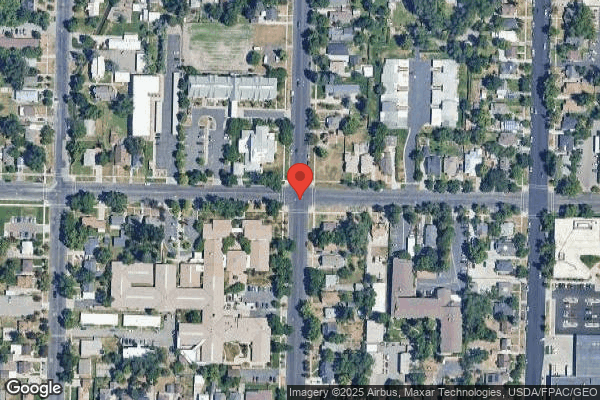
Understanding Severity Codes (click to expand)
Life-Threatening (Immediate Jeopardy)
J - Isolated K - Pattern L - Widespread
Actual Harm
G - Isolated H - Pattern I - Widespread
Potential for Harm
D - Isolated E - Pattern F - Widespread
No Harm (Minor)
A - Isolated B - Pattern C - Widespread

Questions to Ask on Your Visit

  • "Can I speak with families of current residents?"
  • "What's your RN coverage like on weekends and overnight?"

Our Honest Assessment

Strengths
  • • No major safety red flags. No abuse findings, life-threatening violations, or SFF status.
  • • No fines on record. Clean compliance history, better than most Utah facilities.
  • • 44% turnover. Below Utah's 48% average. Good staff retention means consistent care.
Concerns
  • • 23 deficiencies on record. Higher than average. Multiple issues found across inspections.
Bottom line: Mixed indicators with Trust Score of 70/100. Visit in person and ask pointed questions.

About This Facility

What is Sunshine Terrace Skilled Nursing's CMS Rating?

CMS assigns Sunshine Terrace Skilled Nursing an overall rating of 4 out of 5 stars, which is considered above average nationally. Within Utah, this rating places the facility higher than 99% of the state's 100 nursing homes. This rating reflects solid performance across the metrics CMS uses to evaluate nursing home quality.

How is Sunshine Terrace Skilled Nursing Staffed?

CMS rates Sunshine Terrace Skilled Nursing's staffing level at 5 out of 5 stars, which is much above average compared to other nursing homes. Staff turnover is 44%, compared to the Utah average of 46%. This relatively stable workforce can support continuity of care.

What Have Inspectors Found at Sunshine Terrace Skilled Nursing?

State health inspectors documented 23 deficiencies at Sunshine Terrace Skilled Nursing during 2019 to 2024. These included: 23 with potential for harm.

Who Owns and Operates Sunshine Terrace Skilled Nursing?

Sunshine Terrace Skilled Nursing is owned by a government entity. Government-operated facilities are typically run by state, county, or municipal agencies. The facility operates independently rather than as part of a larger chain. With 172 certified beds and approximately 62 residents (about 36% occupancy), it is a mid-sized facility located in Logan, Utah.

How Does Sunshine Terrace Skilled Nursing Compare to Other Utah Nursing Homes?

Compared to the 100 nursing homes in Utah, Sunshine Terrace Skilled Nursing's overall rating (4 stars) is above the state average of 3.4, staff turnover (44%) is near the state average of 46%, and health inspection rating (3 stars) is at the national benchmark.

What Should Families Ask When Visiting Sunshine Terrace Skilled Nursing?

Based on this facility's data, families visiting should ask: "Can I visit during a mealtime to observe dining assistance and food quality?" "How do you handle medical emergencies, and what is your hospital transfer rate?" "Can I speak with family members of current residents about their experience?"

Is Sunshine Terrace Skilled Nursing Safe?

Based on CMS inspection data, Sunshine Terrace Skilled Nursing has a clean safety record: no substantiated abuse findings (meaning no confirmed cases of resident harm), no Immediate Jeopardy citations (the most serious violation level indicating risk of serious injury or death), and is not on the Special Focus Facility watch list (a federal program monitoring the lowest-performing 1% of nursing homes). The facility has a 4-star overall rating and ranks #1 of 100 nursing homes in Utah. While no facility is perfect, families should still ask about staff-to-resident ratios and recent inspection results during their visit.

Do Nurses at Sunshine Terrace Skilled Nursing Stick Around?

Sunshine Terrace Skilled Nursing has a staff turnover rate of 44%, which is about average for Utah nursing homes (state average: 46%). Moderate turnover is common in nursing homes, but families should still ask about staff tenure and how the facility maintains care continuity when employees leave.

Was Sunshine Terrace Skilled Nursing Ever Fined?

Sunshine Terrace Skilled Nursing has no federal fines on record. CMS issues fines when nursing homes fail to meet care standards or don't correct problems found during inspections. The absence of fines suggests the facility has either maintained compliance or corrected any issues before penalties were assessed. This is a positive indicator, though families should still review recent inspection reports for the full picture.

Is Sunshine Terrace Skilled Nursing on Any Federal Watch List?

Sunshine Terrace Skilled Nursing is not on any federal watch list. The most significant is the Special Focus Facility (SFF) program, which identifies the bottom 1% of nursing homes nationally based on persistent, serious quality problems. Not being on this list means the facility has avoided the pattern of deficiencies that triggers enhanced federal oversight. This is a positive indicator, though families should still review the facility's inspection history directly.