Canyonland Care Center
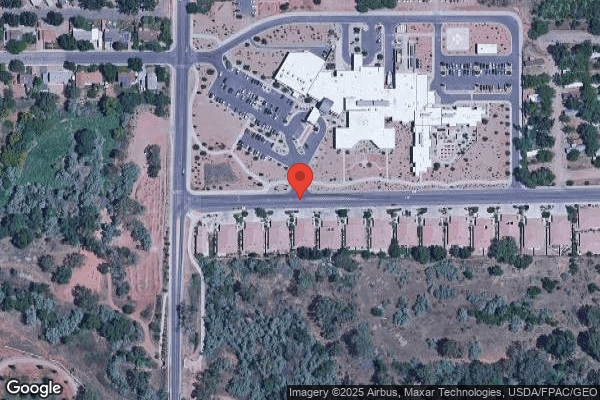
390 West Williams Way, Moab, UT 84532 (435) 719-4400
Government - County 36 Beds Independent Data: November 2025 1 Immediate Jeopardy citation
Trust Grade
36/100
#46 of 97 in UT
Last Inspection: July 2024

Within standard 12-15 month inspection cycle. Federal law requires annual inspections.

Overview

Canyonland Care Center has a Trust Grade of F, indicating significant concerns about the facility's quality of care. It ranks #46 out of 97 nursing homes in Utah, placing it in the top half, but the low trust grade raises red flags. The facility is showing improvement; it reduced its issues from five in 2024 to one in 2025. Staffing is a strong point, with a 5-star rating and a turnover rate of only 24%, much lower than the state average, which means the staff is stable and familiar with the residents. However, the facility has $17,220 in fines, which is higher than 78% of Utah facilities, suggesting compliance problems. There have been serious incidents, including a critical finding where a nurse inappropriately interacted with residents, raising major safety concerns. Another resident was physically harmed when staff failed to manage wandering behaviors, allowing a confrontation that led to a laceration. Additionally, assessments for some residents did not accurately reflect their needs, which could jeopardize their care. While there are strengths in staffing stability and a trend of improvement, the troubling incidents and trust grade warrant careful consideration.

Trust Score
F
36/100
In Utah
#46/97
Top 47%
Safety Record
High Risk
Review needed
Inspections
Getting Better
5 → 1 violations
Staff Stability
✓ Good
24% annual turnover. Excellent stability, 24 points below Utah's 48% average. Staff who stay learn residents' needs.
Penalties
⚠ Watch
$17,220 in fines. Higher than 98% of Utah facilities. Major compliance failures.
Skilled Nurses
✓ Good
Each resident gets 65 minutes of Registered Nurse (RN) attention daily — more than 97% of Utah nursing homes. RNs are the most trained staff who catch health problems before they become serious.
Violations
⚠ Watch
20 deficiencies on record. Higher than average. Multiple issues found across inspections.
★★★☆☆
3.0
Overall Rating
★★★★★
5.0
Staff Levels
★★★★☆
4.0
Care Quality
★★☆☆☆
2.0
Inspection Score
Stable
2024: 5 issues
2025: 1 issues

The Good

  • 5-Star Staffing Rating · Excellent nurse staffing levels
  • 4-Star Quality Measures · Strong clinical quality outcomes
  • Low Staff Turnover (24%) · Staff stability means consistent care
  • Full Sprinkler Coverage · Fire safety systems throughout facility
  • No fines on record
  • Staff turnover is low (24%)

    24 points below Utah average of 48%

Facility shows strength in staffing levels, quality measures, staff retention, fire safety.

The Bad

3-Star Overall Rating

Near Utah average (3.3)

Meets federal standards, typical of most facilities

Federal Fines: $17,220

Below median ($33,413)

Minor penalties assessed

The Ugly 20 deficiencies on record

1 life-threatening 1 actual harm
May 2025 1 deficiency 1 IJ
CRITICAL (J) 📢 Someone Reported This

A family member, employee, or ombudsman was alarmed enough to file a formal complaint

Immediate Jeopardy (IJ) - the most serious Medicare violation

Free from Abuse/Neglect (Tag F0600)

Someone could have died · This affected 1 resident

**NOTE- TERMS IN BRACKETS HAVE BEEN EDITED TO PROTECT CONFIDENTIALITY** Based on observation, interview, and record review, it was determined that, for 3 of 9 sampled residents, the facility failed to...

Read full inspector narrative →
**NOTE- TERMS IN BRACKETS HAVE BEEN EDITED TO PROTECT CONFIDENTIALITY** Based on observation, interview, and record review, it was determined that, for 3 of 9 sampled residents, the facility failed to keep residents free from abuse. Specifically, a registered nurse interacted with a resident with unzipped and open pants and touched the resident under the blankets in the abdominal/pelvic area. Additionally, two other residents came forward after the incident with allegations of inappropriate interactions involving the same nurse. Resident identifiers: 1, 2, and 4. It was determined the provider's non-compliance with the requirements of participation had caused, or was likely to cause, serious injury, harm, impairment, or death to residents. The Immediate Jeopardy (IJ) was related to the State Operations Manual, Appendix PP, 483.12 Freedom from Abuse, Neglect, and Exploitation, F600, at a scope and severity of J. However, based on the facility's corrective actions and a review of its current compliance in this regulatory area, the deficiency was determined to be past noncompliance. The IJ began on March 31, 2025, when Registered Nurse (RN) 1 interacted with Resident 1 with unzipped and open pants and touched the resident under the blankets in the abdominal/pelvic area. RN 1 was subsequently arrested, and two other residents came forward and alleged inappropriate interactions by RN 1. The provider was officially notified verbally and in writing of this finding on May 5, 2025 at 1:00PM. The facility developed and implemented a corrective action plan before the survey start date. The facility's corrective action plan, which was developed and implemented by April 7, 2025 included the following measures: Terminating the nurse involved, interviewing all current residents to identify any potential abuse victims, and conducting physical and psychosocial assessments of the three residents identified as victims. Furthermore, the facility provided mental health services to all residents and trained all staff on abuse prevention. Newly identified abuse allegations were also appropriately reported to the relevant authorities. The health facility investigations team verified that all these interventions were completed before the survey start date. Findings Include: 1. Resident 1 was admitted to the facility on [DATE] with a diagnosis of dementia. A facility reported incident submitted on April 1, 2025 to the State Survey Agency (SSA) by the by the facility's Administrator, who was also the abuse coordinator, included the following information: On March 31, 2025 at 8:30 PM, a camera set up in Resident 1's room showed RN 1 standing at the bedside of the resident who was lying down. RN 1 was facing Resident 1, and RN 1's back was to the camera. RN 1 unzipped his pants and then zipped them back up. The incident report revealed that in another camera shot, RN 1 reached under Resident 1's covers in the lower abdominal region and did not explain what he was doing. RN 1 was suspended immediately, and the facility started an investigation. Resident 1 was assessed, and no physical injury or mental anguish was noted. The surveyor reviewed the facility's investigation report submitted to the SSA on April 6, 2025, by the facility's Administrator. The Administrator documented, sexual abuse of a vulnerable resident substantiated and verified by evidence collected during the investigation. Perpetrator suspended immediately upon learning of the allegations and terminated the same day after paperwork was completed. He is incarcerated and in his termination letter he was informed that he is not allowed on Canyonlands Care Center grounds again. We feel the current threat is alleviated for the victim and all residents. The facility's investigation report included a plan to prevent recurrence and keep the residents safe. The Administrator documented, We will continue to assess and interview all residents and ensure their safety. We will monitor the resident involved in this situation for any signs of stress, emotional, cognitive, physical injury, or distress, We will continue to work with the residents family to see if they notice any new moods or behaviors and work with them on approaches they want to implement to maintain highest level of cognitive, emotional and physical function. We will retrain our staff on the definitions of abuse, abuse recognition, abuse reporting. Continue with cameras in all common areas and monitor as needed. Encourage any families with nanny cams to report to Administration what they see. Follow regulatory protocols for alleged abuse. Keep residents and residents families involved in all resident careplanning with quarterly careplan meetings. Five 10-second video clips from the 3/31/2025 incident between RN 1 and Resident 1 were provided to the surveyor by the facility. In one video clip, RN 1 stood at Resident 1's bedside. Resident 1 was observed in bed on her back. RN 1's back was to the camera, he was facing the resident, his lower legs touched the mattress, and his hands were in front of him and not visible. RN 1 was then observed to step backward away from the bed. RN 1's pants were observed to be open. RN 1 then slightly pulled his pants up and buttoned them. During the clip, Resident 1 appears to lift her knees under the blanket and pull the blanket up towards her chest when RN 1 steps away from the bed. In another video clip, RN 1 was observed kneeling at Resident 1's bedside, with his ungloved hand and forearm under the blanket near the resident ' s abdomen/pelvis, while the blanket remained covering the resident. RN 1 proceeded to stand up with his hand still under the blanket and moving. During the clip, Resident 1 is observed raising her arm, sliding her hand down the back of RN 1's arm, and holding onto his forearm when he stands up. The surveyor could not interview Resident 1 due to Resident 1's severe cognitive impairment. Resident 1 had a diagnosis of dementia and a Brief Interview for Mental Status (BIMS) score of 04, which indicates severe cognitive impairment. The surveyor conducted a telephone interview with Resident 1's daughter on April 9, 2025 at 2:52 PM. Resident 1's daughter stated that the video footage was disgusting and that she believed her mother was preyed on because she has no memory and is unable to remember or vocalize anything. On May 5, 2025 at 11:00 AM the surveyor attempted to interview RN 1. RN 1 stated that he did not want to answer any questions. The surveyor completed a review of Resident 1's medical record. No documented evidence was found to explain a care need that would have required RN 1 to have his hand near Resident 1's abdomen or pelvis as observed in the video footage from March 31, 2025. 2. While investigating the incident that occurred between RN 1 and Resident 1 on March 31, 2025, the facility staff interviewed Resident 2 on April 2, 2025. The Administrator documented in an incident report submitted to the SSA that Resident 2 reported that approximately two months before their interview, RN 1 rubbed her back and started getting lower and lower, and the resident told him to stop. Resident 2 further reported that RN 1's zipper was halfway down, and he had his hands in his pants. The surveyor interviewed resident 2 on April 10, 2025 at 9:31 AM. Resident 2 stated that on an unknown date and time, after completing an assessment or skin check, RN 1 dropped his pants to mid-thigh and started playing with himself. Resident 2 stated there was a sound outside of her room, and RN 1 covered himself, and it was over. Resident 2 stated, I didn't know what to do, and It freaked me out .I'm having trouble dealing with it. Resident 2 further stated, It hurts to go to BINGO now .I don't feel comfortable going to BINGO. 3. While investigating the incident that occurred between RN 1 and Resident 1 on March 31, 2025, the facility staff interviewed Resident 4 on April 3, 2025. The Administrator documented in an incident report submitted to the SSA that in their interview with Resident 4, she reported that she had an uncomfortable back and neck rub given by RN 1 and stated, To go clear to the nipple for a neck rub is going too far. The surveyor interviewed resident 4 on April 10, 2025 at 9:13 AM. Resident 4 stated that RN 1 would put a patch on her neck at night for neck pain, and that at the end of March 2025, he had a tube of cream that he applied and rubbed into her neck. Resident 4 stated she did not have an order for cream to be applied to her neck, and during the neck rub, his hands went down to her upper chest and then down further to her nipples. Resident 4 reported she told the nurse, that's enough, and he replied, ok. Resident 4 stated she did not report the incident because I thought I could handle it. Resident 4 stated she feels safe now, but I didn't like it and I was angry. The surveyor interviewed the Director of Nursing (DON) on April 29th, 2025 at 1:25 PM. The DON stated that resident 2 and resident 4 had some on and off memory issues, but were mostly alert and oriented. The DON stated that this was the first time either resident had made an allegation of sexual abuse. 4. The facility reported to the SAA in December 2024 that a resident reported an allegation of inappropriate physical touch by RN 1. The facility reported the incident to the SSA, Police, and Adult Protective Services. The facility completed an investigation and the incident was unable to be substantiated. The resident had a rash that required assessment and RN 1 documented an assessment was completed.
Jul 2024 5 deficiencies
CONCERN (D)

Potential for Harm - no one hurt, but risky conditions existed

Deficiency F0578 (Tag F0578)

Could have caused harm · This affected 1 resident

**NOTE- TERMS IN BRACKETS HAVE BEEN EDITED TO PROTECT CONFIDENTIALITY** Based on interview and record review, the facility did not allow the resident the right to formulate an advance directive. Speci...

Read full inspector narrative →
**NOTE- TERMS IN BRACKETS HAVE BEEN EDITED TO PROTECT CONFIDENTIALITY** Based on interview and record review, the facility did not allow the resident the right to formulate an advance directive. Specifically, for 1 out of 15 sampled residents, a resident that did not have a Physician Orders for Life-Sustaining Treatment (POLST) or Advance Directive was documented as do not resuscitate (DNR) in their medical record. Resident identifier: 19. Findings included: Resident 19 was admitted to the facility on [DATE] with diagnoses which included, but were not limited to, dementia with psychotic disturbance, bradycardia, history of falling, diastolic heart failure, atrial fibrillation, type 2 diabetes mellitus, major depressive disorder, and chronic kidney disease. Resident 19's medical record was reviewed on 7/10/24. A physician's order dated 3/26/24, documented Order Summary: DNR. Advanced Directive Status: Verified By Medical Record Only. Order Type: Advanced Directive. An Advanced Directive or POLST were unable to be located in the medical record. A care plan Focus dated 4/2/24, documented I am DNR and I don't have any known allergies. The goal documented I will be as comfortable as possible through the review date. The intervention initiated on 4/2/24, documented Please follow POLST when there is one, obtain Hospice referral when condition is appropriate, and Family and resident agree. On 4/4/24 at 1:46 PM, a Nursing Note documented Note Text: [Resident 19] went to her admit appointment with [name redacted] today. The doctor scheduled the Lasix and the prn [as needed] order will continue for 7 more days. A CMP [Comprehensive Metabolic Panel] will be drawn in one week. She also discontinued the mirtazapine. The social worker is working on getting a POLST form filled out. On 7/10/24 at 2:18 PM, an interview was conducted with the Social Service Worker (SSW). The SSW stated that she had resident 19 complete a POLST because the SSW did not have one on file. The SSW stated that she would be sending the POLST to the doctor to sign. The SSW stated that upon admission she would complete the initial interview and get the resident to the facility. The SSW stated that she would complete all the admission paperwork with the resident and family. The SSW stated she would ask for a POLST and if the resident did not have a POLST she would ask the resident to take one to their doctor on their admission visit. The SSW stated that if needed she would help the resident fill out the POLST and the SSW would take the POLST to the resident's doctor to sign. The SSW stated she would try to get the POLST completed the first three to four days after admission. The SSW stated the facility tired to get the resident admission appointment within three to four days after their admission. The SSW stated if the resident was a local resident they would already have the admission appointment set up. The SSW stated that out of state residents would need to get established with a doctor and that might take a little longer. On 7/10/24 at 3:03 PM, an interview was conducted with Registered Nurse (RN) 1. RN 1 stated if a resident did not have a POLST the resident would be a full code. RN 1 stated that if a resident did not have a POLST or Advanced Directive she would look into it but it would default to full code. On 7/11/24 at 9:14 AM, an interview was conducted with the Administrator. The Administrator stated that a POLST would be initiated on admission. The Administrator stated the staff would ask the resident if they already had Advanced Directives and if not the staff would help the resident with that process. The Administrator stated that sometimes the delay was on the resident or the doctor. The Administrator stated if the staff know what they want with their code status the staff would help the resident and educate. The Administrator stated if the resident did not have a POLST the resident would default to a full code status.
CONCERN (D)

Potential for Harm - no one hurt, but risky conditions existed

Free from Abuse/Neglect (Tag F0600)

Could have caused harm · This affected 1 resident

**NOTE- TERMS IN BRACKETS HAVE BEEN EDITED TO PROTECT CONFIDENTIALITY** Based on observation, interview, and record review, the facility did not ensure that all residents were free from abuse. Specifi...

Read full inspector narrative →
**NOTE- TERMS IN BRACKETS HAVE BEEN EDITED TO PROTECT CONFIDENTIALITY** Based on observation, interview, and record review, the facility did not ensure that all residents were free from abuse. Specifically, for 3 out of 15 sampled residents, allegations of abuse were not investigated to determine if abuse occurred when a staff member reported to management that a residents family member was observed to approach another resident and stand over a resident speaking loudly. In addition, another incident when residents yelled at each other and one resident threw a wet paper towel at another resident were not reported or investigated. Resident identifiers: 20, 22, 23, and 33. Findings included: On 7/10/24 at 9:41 AM, an observation was made of camera footage from the facility. The footage was from 4/22/24 at 10:57 AM. Resident 20 was observed standing next to resident 33 who was seated in a recliner with a family member sitting next to her. Resident 20 and 33 were observed to be talking but the audio was not clear to hear what they were talking about. Resident 20 was observed to pick up her stuffed animal from the bedside table that was in front of resident 33. Resident 20 was observed to throw the stuffed animal on the ground. Resident 33's family member was observed to stand up and walk over to resident 33. The family member was observed talking to resident 33 and standing over resident 33 with shoulders back and standing tall. The family member was observed to pick up the stuffed animal off the ground. Certified Nursing Assistant (CNA) 1 was observed to enter the area and re-directed resident 33 away from resident 20 and the family member. Resident 20 was observed to lean toward her family member and put her head on their shoulder. The family member was observed giving resident 33 a side hug. 1. Resident 20 was admitted to the facility on [DATE] with diagnoses which included dementia severity without behavioral disturbance, malignant, anxiety disorder, insomnia, tubulo-interstitial nephritis, and hypertension. Resident 20's medical record was reviewed on 7/8/24 through 7/11/24. Progress notes revealed on 4/22/24 at 5:51 PM, Behavior Note: Earlier today [resident 20] walked up to room [ROOM NUMBER] [resident 23] and picked up the cup she had in the living room. 214 preceded to yell at [resident 20], [resident 20] yelled back. This nurse heard from the hallway. Upon walking up it was observed that [resident 20] had thrown a wet paper towel at 214, [resident 23] redirected from the area. Both residents moved on within a few moments, neither appeared to having lingering upset feelings. It should be noted that there was no documentation regarding the incident viewed on the camera footage. 2. Resident 23 was admitted to the facility on [DATE] with diagnoses which included dementia, type 2 diabetes mellitus, and hypertension. Resident 23's medical record was reviewed on 7/8/24 through 7/11/24. A behavior note dated 4/2/24 at 5:53 PM revealed, Earlier today room [ROOM NUMBER] [resident 20] heard yelling with [resident 23] in the living room after 218 had picked up her cup from the table. Upon entering the room this nurse noted that 218 had thrown a wet paper towel at [resident 23], they continued yelling at one another. 218 redirected away from the situation, both residents calmed within moments of the interaction. There was no follow-up alert charting. 3. Resident 33 was admitted to the facility on [DATE] with diagnoses which included dementia, muscle weakness, and chronic kidney disease. Resident 33's medical record was reviewed on 7/8/24 through 7/11/24. There was no documentation of the incident with resident 20 on 4/22/24. On 7/9/24 at 1:21 PM, an interview was conducted with the Therapeutic Recreational Therapist (TRT). The TRT stated she was also a CNA. The TRT stated resident 20 wandered around the facility and stopped to talk with residents and staff. The TRT stated resident 20 was alert to person and family sometimes. The TRT stated resident 20 liked to walk with people and other times told people to go away. The TRT stated some residents had a difficult time with resident 20 because resident 20 had been known to yell at other resident. The TRT stated staff intervened as quickly as possible and re-directed her. The TRT stated resident 20 had verbal and physical altercations with other residents in the past but could not remember who or when. The TRT stated she reported any of those interactions to the nurse and the Administrator because she did not know if it could be an abuse concern. The TRT stated she would report any hitting, scratching, biting, or purposefully running into another resident. The TRT stated mental abuse was a fine line. The TRT stated she did not try to determine if situations were abuse or not and that was why she reported everything to Administration. On 7/9/24 at 2:00 PM, an interview was conducted with the Minimum Data Set (MDS) Coordinator. The MDS Coordinator stated that resident 20's needs were anticipated by staff. The MDS coordinator stated resident 20's wandering patterns were tracked by the staff, for example when and where the resident was wandering. The MDS Coordinator stated that once in a while other residents were irritated by resident 20, for example when she walked up and stood close to them. The MDS Coordinator stated residents had been angry and asked resident 20 what she was doing and she sometimes yelled back at them. The MDS Coordinator stated staff needed to keep a close eye on resident 20 because staff knew she irritated other residents. The MDS Coordinator stated if there were raised voices, then staff always looked for resident 20 because she was probably irritating another resident. The MDS Coordinator stated some residents were more irritated by resident 20 than others. The MDS Coordinator stated the male residents usually did not understand why resident 20 stood close to them. The MDS Coordinator stated most of the male residents were in the 100 hallway and resident 20 resided in the 200 hallway. The MDS Coordinator stated resident 23 had raised her voice at resident 20 before and resident 20 threw something at resident 23. The MDS Coordinator stated that was something that would be investigated as potential abuse. The MDS Coordinator stated the Administrator and Director of Nursing (DON) conducted abuse investigations. The MDS Coordinator stated when conducting an abuse investigation the camera footage was reviewed. On 7/9/24 at 4:27 PM, an interview was conducted with the Administrator. The Administrator stated she was the abuse coordinator. The Administrator stated when an abuse allegation was reported to her and there were cameras throughout the facility so the camera footage was reviewed. The Administrator stated the camera footage was reviewed to see if it met the criteria of willful injury or if it was a stay out of my space type thing. The Administrator stated resident 20 was a sweetheart and would not hurt a fly. The Administrator stated some residents might yell back at her, like resident 23. The Administrator stated if the resident did not make physical contact with each other it was not abuse. The Administrator stated verbal abuse would be if residents used derogatory names toward each other. The Administrator stated abuse was the willful infliction of injury for physical abuse. The Administrator stated residents yelling at each other was not verbal abuse. The Administrator stated any verbal interaction would need to be looked at to determine if there was abuse or not. The Administrator stated she did not have any allegations of abuse since the previous survey to investigate. On 7/10/24 at 9:19 AM, a follow-up interview was conducted with the Administrator. The Administrator stated she reviewed the definitions of abuse and she looked for willful intent to harm when reviewing the camera footage. The Administrator stated residents that had dementia, could not help their actions but the interaction could still be willful. The Administrator stated there were no current residents that targeted each other. The Administrator stated she reviewed the camera footage from the incident between resident 20 and resident 23. The Administrator stated it looked like resident 20 had a napkin rolled up and she tossed it into resident 23 lap. The Administrator stated if staff observed the incident and there was no harm, then staff did not need to contact Administration. The Administrator stated if staff felt there was something questionable, that Administration needed to review then it was reviewed. The Administrator stated there would be a care plan for residents after an incident. The Administrator stated an incident report would be completed if the resident was super aggressive and then alert charting would be completed. The Administrator stated if staff felt it was an occasional argument with no harm of any sort then there would not be an incident report or alert charting. The Administrator stated alert charting was completed in the psychotropic's area, daily nursing notes, alert notes, or behavior charting. The Administrator stated resident 20 and resident 23 had so many good interactions but only the negative ones were documented. The Administrator stated the incident between resident 20 and resident 23 was ruled out to not be abuse within two hours. The Administrator stated she did not have documentation on how abuse was ruled out besides it was an interaction and there was no harm. On 7/10/24 at 9:41 AM, an interview was conducted with Licensed Practical Nurse (LPN) 2. LPN 2 stated on 4/22/24, she witnessed resident 20 cleaning up resident 23's spilled coffee on an over bed table. LPN 2 stated she heard resident 23 and resident 20 yelling at each other. LPN 2 stated she re-directed the residents away from each other and checked to make sure they were okay. LPN 2 stated she reported to the DON and Administrator to make sure no one was hurt and then put a behavior note in each residents medical record. LPN 2 stated if there had been an injury or abuse then she would have filled out an incident report, called the families, notified the physician's, and notified the Administrator and DON about the incident. LPN 2 stated she did not witness the incident between resident 33's family member and resident 20. LPN 2 stated the incident was reported to her and she assumed that the DON investigated it and took care of the notifications. On 7/10/24 at 9:45 AM, an interview was conducted with the MDS Coordinator. The MDS Coordinator stated that the Social Service Worker (SSW) showed resident 33's family member the camera footage because the family member was standing over resident 20. The MDS Coordinator stated the SSW, DON, and Administrator had a meeting with resident 33's family member. The MDS Coordinator stated there was an informal investigation into abuse and sometimes the abuse investigations were so smooth no one noticed they were completed. On 7/10/24 at 9:51 AM, an interview was conducted with the SSW. The SSW stated she watched camera footage of an incident on 4/22/24, between resident 33's family member and resident 20. The SSW stated she was notified of the incident the following morning during the morning meeting. The SSW stated a staff member that reported the incident was very concerned that resident 33's family member was out of control with one of the residents. The SSW stated she observed resident 20 standing by resident 33 and her family member. The SSW stated resident 33's family member was irritated by the way he physically carried himself. The SSW stated that resident 20 needed to be acknowledged and then she moved along. The SSW stated if resident 20 did not get attention then she became feisty. The SSW stated her impression of the camera footage was resident 20 was ignored and when resident 20 picked up the stuffed animal it was to get attention. The SSW stated resident 33's family member stood up out of the chair, said words to resident 20, then picked up the stuffed animal off the floor and yelled for staff to come get resident 20. The SSW stated she had a meeting with resident 33's family member and showed the camera footage and the family member stated it was an overreaction and humbly apologized. The SSW stated she monitored resident 20 after the incident and she did not seam to be upset about it. The SSW stated resident 20's reaction in he camera footage was observed closely because staff needed to make sure resident 20 was protected. The SSW stated resident 33 was not as upset after the incident. The SSW stated there was lots of alert charting completed, staff tried to provide resident 20 with one on one supervision because she wandered. The SSW stated the incident was not abuse because of how the receiving party felt about it. The SSW stated if there would have been any physical or verbal interaction, that could be construed as an attack. The SSW stated if resident 20 would have responded as being scared or threatened in any way that would have been abuse. The SSW stated resident 33's body language in the video, was not a change in how she usually was with her family member. The SSW stated resident 20 did not have the comprehension of what was going on and did not appear to be threatened or afraid. The SSW was observed to review resident 20's and resident 33's medical record and stated there was no documentation regarding the incident. The SSW stated the biggest thing was, resident 33's family member was not allowed back into the facility if there were anymore interactions like that with other residents. The SSW stated people did not understand resident 20 and would get frustrated with her. The SSW stated that resident 23 was a grumbler and was upset with others. The SSW stated the same day resident 20 knocked over things of resident 23 and resident 23 yelled at resident 20. The SSW stated resident 20 and resident 23 did not know what was going on the day they yelled at each other. On 7/10/24 at approximately 10:00 AM, an interview was conducted with LPN 2. LPN 2 stated there was no alert charting after the situation with resident 33's family member and resident 20. LPN 2 stated she communicated with staff that something happened and to be more aware of how resident 20 interacted with others. LPN 2 stated she reported the incident to administration and it was reported the following morning in the morning meeting. LPN 2 stated resident 20 did not realize the situation happened. LPN 2 stated that CNA 1 reported what happened to her that day with resident 20 and resident 33's family member. LPN 2 stated the same day resident 23 was yelling and resident 20 picked up a wet paper towel and threw it at resident 23. LPN 2 stated that resident 20 and resident 23 were both very reactive but easily re-directed. LPN 2 stated she reported the situation to administration because she was worried about the yelling. On 7/11/24 at 8:44 AM, an interview was conducted with CNA 1. CNA 1 stated abuse training had been provided through a computer based system, in-services, and pamphlets distributed from management. CNA 1 stated on 4/22/24, she was walking down the 100 hallway, saw resident 33's family member telling resident 20 to get away. CNA 1 stated she redirected resident 20 out of the area. CNA 1 stated she did not see what happened prior. CNA 1 stated resident 33's family member seamed a little aggressive because of his posture toward resident 20. CNA 1 stated she reported the incident to LPN 2 who was the nurse for the 100 hallway that day and the SSW. CNA 1 stated resident 33's family did not seam to pleased with resident 20, so she wanted to get resident 20 out of the situation quickly. CNA 1 stated resident 20 did not usually make sense when she was talking to other residents. CNA 1 stated other residents had expressed to her that they felt like they were being targeted by resident 20. CNA 1 stated she explained to other residents that resident 20 did not know what she was doing. CNA 1 stated resident 22 expressed to her that he felt like resident 20 was out to get him, and that resident 20 did not belong at the facility. CNA 1 stated resident 22 had gotten upset with resident 20 when she tired to move a table and resident 22 yelled at resident 20. CNA 1 stated another nurse was there when the incident happened and it was reported to the DON, SSW, and the Administrator. CNA 1 stated she was not interviewed or asked any questions about the incident. CNA 1 stated she reported the incident with resident 33's family member and resident 20 because the way the family member came at resident 20. CNA 1 stated the family member's demeanor felt like a get away from me, get away from her. CNA 1 stated also the way the family members voice sounded and he had a fist like he was ready to go like fight someone if he needed to. CNA 1 stated after the incident resident 33 and resident 20 seamed ok. On 7/11/24 at 11:42 AM, an interview was conducted with the Administrator. The Administrator stated she looked at the camera footage and resident 20 was standing by resident 33 and the family member. The Administrator stated resident 20 was asked to leave by resident 33's family member and then resident 20 started to play with a toy that was on the bedside table. The Administrator stated resident 20 was observed to lightly toss the toy on the ground. The Administrator stated the family member stood up and got big in stature and appeared irritated with resident 20. The Administrator stated CNA 1 was observed in the camera footage re-directing resident 20 away from resident 33. The Administrator stated that she immediately set-up a meeting with resident 33's family member to educate about not getting upset with resident's because it was their home. The Administrator stated the meeting was the next day. The Administrator stated the family member was educated if there were any problems, then staff needed to be alerted. The Administrator stated the family member felt bad after watching the clip, now the family member and resident 20 were friends. The Administrator stated she did not see anything willful or the intent to hurt by the family member. The Administrator stated the incident was not reported to the State Survey Agency because abuse was ruled out within two hours. The Administrator stated every morning nursing progress notes were reviewed for all residents in the facility. The Administrator stated camera footage was reviewed if there were any reported incidents. The Administrator stated she did not have documentation regarding how abuse was ruled out within two hours. The Administrator stated she ruled out the incident as nothing. The Administrator stated if there was a potential abuse situation, then the staff completed an incident report. The Administrator stated there was no incident report completed or alert charting. A note titled Abuse Reporting Reminder was located at the 200 hallway nurses station. The note revealed This is a very important subject that I need all your help with since I'm not here 24 hours. I only have 24 hours to report alleged abuse or abuse of any kind to the state authorities. This includes Resident to Resident Abuse and Staff to Resident Abuse. Abuse is defined as 'Willful infliction of injury, unreasonable confinement, intimidation or punishment with resulting physical harm, pain, or mental anguish.' If there is any Resident to Resident altercation where contacts made, I need to know immediately so I can start my investigation and instruct you on what you need to do. We are a controlled setting so first and foremost we need to keep the residents involved apart and the nurse needs to assess both residents. If the resident to resident contact appeared in the common area we can watch the cameras to see exactly what happened. If a resident reports getting abused by another resident in a residents room and its unwitnessed by staff, you can interview and assess the residents. If a staff member witnesses it, have them write a statement immediately. If you are a CNA or housekeeper, tell the Charge Nurse and ten call or text me. [number removed] If you are the Nurse, please call or text me as soon as you have an understand of the event. Time is of the essence for our facility to abide by all abuse regulations. If the resident is injured, I only have 2 hours to call the State, the Police and the Ombudsman. If uninjured, I have 24 hours. If there is anything questionable, I need to be notified immediately. Even if you just want to talk through a situation, call or text anytime. I am the abuse coordinator, I take my job very seriously. [DON] and [SSW] also help with this but I am the one to immediately notify. [phone number removed]. Thanks for your help with this. I appreciate all you do to help keep our residents safe, healthy and happy. [signed by the Administrator and phone number removed] The facility Abuse Prevention Program policy and procedure dated December 2016 was reviewed and revealed the following: Policy Statement Our residents have the right to be free from abuse, neglect, misappropriation of resident property and exploitation. Policy and Interpretation and Implementation As Part of the resident abuse prevention, the administration will: 1. Protect our resident from abuse by anyone including, but not necessarily limited to: facility staff, other residents, consultants, volunteers, staff from other agencies, family member, legal representatives, friends, visitor, or any other individual. 2. 3. Develop and implement policies and procedures to aid our facility in preventing abuse, neglect or mistreatment of our residents. 4. 5. Implement measures to address factors that may lead to abusive situations. 6. Identify and assess all possible incidents of abuse; 7. Investigate and report any allegations of abuse within timeframe's as required by federal requirements; 8. Protect residents during abuse investigations; 9. 10. (Cross refer to F609)
CONCERN (D) 📢 Someone Reported This

A family member, employee, or ombudsman was alarmed enough to file a formal complaint

Potential for Harm - no one hurt, but risky conditions existed

Deficiency F0605 (Tag F0605)

Could have caused harm · This affected 1 resident

**NOTE- TERMS IN BRACKETS HAVE BEEN EDITED TO PROTECT CONFIDENTIALITY** Based on interview and record review, the facility did not ensure that residents were free from physical or chemical restraints ...

Read full inspector narrative →
**NOTE- TERMS IN BRACKETS HAVE BEEN EDITED TO PROTECT CONFIDENTIALITY** Based on interview and record review, the facility did not ensure that residents were free from physical or chemical restraints imposed for purposes of discipline or convenience and that were not required to treat the resident's medical symptoms. Specifically, for 1 out of 15 sampled residents, a Registered Nurse (RN) gave a resident an unprescribed 25 milligram (mg) dose of Trazodone in addition to the resident's prescribed nightly dose of 25 mg of Trazodone. Resident Identifier: 17. Findings Included: Resident 17 was admitted to the facility on [DATE] with diagnoses including aspiration of fluid, respiratory failure, amnesia, nocturia, constipation, and occlusion and stenosis of right posterior cerebral artery. Resident 17's medical record was reviewed from 7/8/24 through 7/11/24. On 5/10/24, resident 17's quarterly Minimum Data Set assessment documented a Brief Interview for Mental Status score of 14, indicating no cognitive impairment. Resident 17's progress notes revealed the following: a. On 2/25/24 at 6:56 PM, an alert note documented, [Resident 17] was given at least one extra dose of trazadone [sic]. Monitor for altered LOC [level of consciousness] and other adverse affects for 72 hours. Complete a nursing note Qshift [every shift]. b. On 2/25/24 at 7:02 PM, a nurse note documented, [Resident 17] appeared more tired than usual this morning. She stated 'I just can't wake up.' Otherwise, Alert and oriented. She has been going to the restroom on her own without issues. She ambulated outdoors in the garden and came to the dining area for dinner. No signs of distress throughout the day. O2 sats [oxygen saturations] above 90%. c. On 2/26/24 at 10:39 PM, a nurse note documented, No a/e [adverse effects] noted from administration of additional trazadone [sic] this shift. d. On 2/27/24 at 5:39 PM, a nurse note documented, [Resident 17] has been very tired today. She had a fall early this morning and it seems to have taken a lot of energy. She has been accepting of care. Resident 17's Incident Reports revealed that on 2/25/24 at 9:00 AM, At 0800 [8:00 AM] this morning it was reported to the Administrator and DON [Director of Nursing], by 2 nurses, that resident may have received an extra dose of Trazadoe [sic] last night and potentially another night. Med [medication] error protocol initiated. Review of the facility investigation documentation for resident 17 revealed the following: The facility initial investigation, form 358, documented that an allegation of willful mistreatment occurred on 2/23/24. The form documented that staff became aware of the allegation at 8:00 AM on 2/25/24, and notified facility administration on 2/25/24. The form documented that the night shift nurse, RN 3 reported to the day shift nurse that she gave 50 mg of Trazodone to resident 17 in order to help her sleep. The facility final investigation summary, form 359, documented that the conclusion of the investigation was that the allegation was verified. The form documented, Allegation and admittance verified by perpetrator via text and by camera footage on 2-24-24 after 2200 [10:00 PM]. Perpetrator resigned after being suspended pending investigation. Resident 17's Medication Administration Record (MAR) for the month of February 2024 was reviewed. There were no documented additional doses of Trazodone on the MAR during the dates of the incident. On 7/8/24 at 2:33 PM, an interview was conducted with Resident 17. Resident 17 was unable to recall the incident. On 7/9/24 at 2:20 PM, a voice mail phone message was left for RN 3 after an attempt was made to call her. RN 3 did not return the call or voice mail. On 7/9/24 at 3:07 PM , an interview was conducted with Licensed Practical Nurse (LPN) 1. LPN 1 stated that she received her report from RN 3 when coming onto her shift on the morning of 2/24/24. LPN 1 stated that RN 3 told her that she had given resident 17 an extra dose of Trazodone. LPN 1 stated that RN 3 told her she was going to enter an order for the medication. LPN 1 stated that the next morning, RN 3 stated that she had given resident 17 another 25 mg of Trazodone after another nurse had already given resident 17 her prescribed dose of 25 mg of Trazodone. LPN 1 stated that she went over and talked to the nurse over the other unit at the facility, RN 4. LPN 1 stated that herself and RN 4 reviewed resident 17's chart and saw that resident 17 only had orders for 25 mg of Trazodone to be given each night. LPN 1 stated that Trazodone was a medication used to help residents at the facility sleep. LPN 1 stated that residents that received this medication should be monitored for excessive sleepiness. LPN 1 stated that herself and RN 4 reported the incident to the facility Administrator and the DON. LPN 1 stated that after the incident, all staff at the facility received additional training on reporting abuse and medication administration protocols. On 7/10/24 at 8:33 AM, an interview was conducted with RN 4. RN 4 stated that prior to the incident, resident 17 had a history of not sleeping well. RN 4 stated that on 2/24/24, RN 3 told her she had given resident 17 50 mg of Trazodone because she was frustrated with how often resident 17 had been pressing her call bell during the night. RN 4 stated that this was double the prescribed dose of 25 mg. RN 4 stated that RN 3 had asked her not to say anything, and RN 4 filed a request form for resident 17's medical provider to increase the prescribed dosage of Trazodone. RN 4 stated that on 2/25/24, she was told by a Certified Nursing Assistant (CNA) that the CNA had overheard RN 3 tell LPN 1 that she gave resident 17 an additional 25 mg of Trazodone the night of 2/24/24. RN 4 stated that she talked to LPN 1. RN 4 stated that LPN 1 told her that RN 3 had given resident 17 a double dose of Trazodone. RN 4 stated that herself and LPN 1 reviewed resident 17's chart and could not find documentation that extra doses of Trazodone had been administered. RN 4 stated that she notified the Administrator and the DON at 8:00 AM on 2/25/24, through text message. RN 4 stated that on the morning of 2/25/24, resident 17 was extremely sleepy, hard to ambulate, and that she required a one to two person assist. RN 4 stated that this was not resident 17's baseline and that she was typically more independent. RN 4 stated that resident 17 kept stating, I feel so sleepy, I can't wake up. RN 4 stated that she was not aware of any other residents at the facility receiving extra doses of Trazodone or any other medications. On 7/10/24 at 9:32 AM, an interview was conducted with the Administrator. The Administrator stated that on the morning of 2/25/24, she received a call from one of her nurses. The Administrator stated that the nurse told her that she needed to relay what she was told during the morning report. The Administrator stated that the day shift nurse told her that the night shift nurse, RN 3 told the day shift nurse that she had given resident 17 an extra 25 mg dose of Trazodone. The Administrator stated that she suspended RN 3 immediately and that RN 3 resigned immediately after the suspension. The Administrator stated that the incident was reported to the Department of Professional Licensing. The Administrator stated that resident 17 had no recollection of the incident, but that she had staff monitor resident 17 for extra sedation. The Administrator stated that RN 3 would have had to have obtained the extra dose of Trazodone from resident 17's own supply. The Administrator stated that she was able to verify that resident 17 received an extra dose of Trazodone on 2/24/24, from security footage that showed RN 3 obtained another dose of Trazodone. The Administrator stated that the camera footage showed the evening nurse giving the scheduled dose of 25 mg of Trazodone and that it showed RN 3 obtained another dose after coming on shift at 10:00 PM. The Administrator stated that in order for resident 17 to receive an additional dose of Trazodone, there would need to be a physician's order. The Administrator stated that after the incident, she reviewed resident 17's chart. The Administrator stated that the chart did not document any additional administrations of Trazodone other than the prescribed 25 mg dose. The Administrator stated that after the incident, she provided training to all nurses on staff about medication administration protocols and instructed them to not give residents medication that was not prescribed. The Administrator stated that she had not heard of any other residents receiving extra doses of any medications and that she had not received any complaints from residents or staff.
CONCERN (D)

Potential for Harm - no one hurt, but risky conditions existed

Report Alleged Abuse (Tag F0609)

Could have caused harm · This affected 1 resident

**NOTE- TERMS IN BRACKETS HAVE BEEN EDITED TO PROTECT CONFIDENTIALITY** Based on observation, interview, and record review, the facility did not ensure that all alleged violations involving abuse, neg...

Read full inspector narrative →
**NOTE- TERMS IN BRACKETS HAVE BEEN EDITED TO PROTECT CONFIDENTIALITY** Based on observation, interview, and record review, the facility did not ensure that all alleged violations involving abuse, neglect, exploitation or mistreatment were reported immediately, but not later than two hours after the allegation was made. Specifically, for 3 out of 15 sampled residents, management did not report or investigate when a staff member reported to management that a residents family member was observed to approach another resident and stand over a resident speaking loudly. In addition, another incident when residents yelled at each other and one resident threw a wet paper towel at another resident were not reported or investigated. Resident identifiers: 20, 22, 23, and 33. Findings included: On 7/10/24 at 9:41 AM, an observation was made of camera footage from the facility. The footage was from 4/22/24 at 10:57 AM. Resident 20 was observed standing next to resident 33 who was seated in a recliner with a family member sitting next to her. Resident 20 and resident 33 were observed to be talking but the audio was not clear to hear what they were talking about. Resident 20 was observed to pick up her stuffed animal from the bedside table that was in front of resident 33. Resident 20 was observed to throw the stuffed animal on the ground. Resident 33's family member was observed to stand up and walk over to resident 33. The family member was observed talking to resident 33 and standing over resident 33 with shoulders back and standing tall. The family member was observed to pick up the stuffed animal off the ground. Certified Nursing Assistant (CNA) 1 was observed to enter the area and re-directed resident 33 away from resident 20 and the family member. Resident 20 was observed to lean toward her family member and put her head on their shoulder. The family member was observed giving resident 33 a side hug. 1. Resident 20 was admitted to the facility on [DATE] with diagnoses which included dementia severity without behavioral disturbance, malignant, anxiety disorder, insomnia, tubulo-interstitial nephritis, and hypertension. Resident 20's medical record was reviewed on 7/8/24 through 7/11/24. Progress notes revealed on 4/22/24 at 5:51 PM, Behavior Note: Earlier today [resident 20] walked up to room [ROOM NUMBER] [resident 23] and picked up the cup she had in the living room. 214 preceded to yell at [resident 20], [resident 20] yelled back. This nurse heard from the hallway. Upon walking up it was observed that [resident 20] had thrown a wet paper towel at 214, [resident 23] redirected from the area. Both residents moved on within a few moments, neither appeared to having lingering upset feelings. It should be noted that there was no documentation regarding the incident viewed on the camera footage. 2. Resident 23 was admitted to the facility on [DATE] with diagnoses which included dementia, type 2 diabetes mellitus, and hypertension. Resident 23's medical record was reviewed on 7/8/24 through 7/11/24. A behavior note dated 4/22/24 at 5:53 PM revealed, Earlier today room [ROOM NUMBER] [resident 20] heard yelling with [resident 23] in the living room after 218 had picked up her cup from the table. Upon entering the room this nurse noted that 218 had thrown a wet paper towel at [resident 23], they continued yelling at one another. 218 redirected away from the situation, both residents calmed within moments of the interaction. There was no follow-up alert charting. 3. Resident 33 was admitted to the facility on [DATE] with diagnoses which included dementia, muscle weakness, and chronic kidney disease. Resident 33's medical record was reviewed on 7/8/24 through 7/11/24. There was no documentation of the incident with resident 20 on 4/22/24. On 7/9/24 at 1:21 PM, an interview was conducted with the Therapeutic Recreational Therapist (TRT). The TRT stated she was also a CNA. The TRT stated resident 20 wandered around the facility and stopped to talk with residents and staff. The TRT stated resident 20 was alert to person and family sometimes. The TRT stated resident 20 liked to walk with people and other times told people to go away. The TRT stated some residents had a difficult time with resident 20 because resident 20 had been known to yell at other residents. The TRT stated staff intervened as quickly as possible and re-directed resident 20. The TRT stated resident 20 had verbal and physical altercations with other residents in the past but could not remember who or when. The TRT stated she reported any of those interactions to the nurse and the Administrator because she did not know if it could be an abuse concern. The TRT stated she would report any hitting, scratching, biting, or purposefully running into another resident. The TRT stated mental abuse was a fine line. The TRT stated she did not try to determine if situations were abuse or not and that was why she reported everything to Administration. On 7/9/24 at 2:00 PM, an interview was conducted with the Minimum Data Set (MDS) Coordinator. The MDS Coordinator stated that resident 20's needs were anticipated by staff. The MDS Coordinator stated resident 20's wandering patterns were tracked by the staff, for example when and where the resident was wandering. The MDS Coordinator stated that once in a while other residents were irritated by resident 20, for example when she walked up and stood close to them. The MDS Coordinator stated residents had been angry and asked resident 20 what she was doing and she sometimes yelled back at them. The MDS Coordinator stated staff needed to keep a close eye on resident 20 because staff knew she irritated other residents. The MDS Coordinator stated if there were raised voices, then staff always looked for resident 20 because she was probably irritating another resident. The MDS Coordinator stated some residents were more irritated by resident 20 than others. The MDS Coordinator stated the male residents usually did not understand why resident 20 stood close to them. The MDS Coordinator stated most of the male residents were in the 100 hallway and resident 20 resided in the 200 hallway. The MDS Coordinator stated resident 23 had raised her voice at resident 20 before and resident 20 threw something at resident 23. The MDS Coordinator stated that was something that would be investigated as potential abuse. The MDS Coordinator stated the Administrator and Director of Nursing (DON) conducted abuse investigations. The MDS Coordinator stated when conducting an abuse investigation the camera footage was reviewed. On 7/9/24 at 4:27 PM, an interview was conducted with the Administrator. The Administrator stated she was the abuse coordinator. The Administrator stated when an abuse allegation was reported to her and there were cameras throughout the facility so the camera footage was reviewed. The Administrator stated the camera footage was reviewed to see if it met the criteria of willful injury or if it was a stay out of my space type thing. The Administrator stated resident 20 was a sweetheart and would not hurt a fly. The Administrator stated some residents might yell back at her, like resident 23. The Administrator stated if the residents did not make physical contact with each other it was not abuse. The Administrator stated verbal abuse would be if residents used derogatory names toward each other. The Administrator stated abuse was the willful infliction of injury for physical abuse. The Administrator stated residents yelling at each other was not verbal abuse. The Administrator stated any verbal interaction would need to be looked at to determine if there was abuse or not. The Administrator stated she did not have any allegations of abuse since the previous survey to investigate. On 7/10/24 at 9:19 AM, a follow-up interview was conducted with the Administrator. The Administrator stated she reviewed the definitions of abuse and she looked for willful intent to harm when reviewing the camera footage. The Administrator stated residents that had dementia, could not help their actions but the interaction could still be willful. The Administrator stated there were no current residents that targeted each other. The Administrator stated she reviewed the camera footage from the incident between resident 20 and resident 23. The Administrator stated it looked like resident 20 had a napkin rolled up and she tossed it into resident 23's lap. The Administrator stated if staff observed the incident and there was no harm, then staff did not need to contact Administration. The Administrator stated if staff felt there was something questionable, that Administration needed to review then it was reviewed. The Administrator stated there would be a care plan for residents after an incident. The Administrator stated an incident report would be completed if the resident was super aggressive and then alert charting would be completed. The Administrator stated if staff felt it was an occasional argument with no harm of any sort then there would not be an incident report or alert charting. The Administrator stated alert charting was completed in the psychotropic's area, daily nursing notes, alert notes, or behavior charting. The Administrator stated resident 20 and resident 23 had so many good interactions but only the negative ones were documented. The Administrator stated the incident between resident 20 and resident 23 was ruled out to not be abuse within two hours. The Administrator stated she did not have documentation on how abuse was ruled out besides it was an interaction and there was no harm. On 7/10/24 at 9:41 AM, an interview was conducted with Licensed Practical Nurse (LPN) 2. LPN 2 stated on 4/22/24, she witnessed resident 20 cleaning up resident 23's spilled coffee on an over bed table. LPN 2 stated she heard resident 23 and resident 20 yelling at each other. LPN 2 stated she re-directed the residents away from each other and checked to make sure they were okay. LPN 2 stated she reported to the DON and Administrator to make sure no one was hurt and then put a behavior note in each residents medical record. LPN 2 stated if there had been an injury or abuse then she would have filled out an incident report, called the families, notified the physician's, and notified the Administrator and DON about the incident. LPN 2 stated she did not witness the incident between resident 33's family member and resident 20. LPN 2 stated the incident was reported to her and she assumed that the DON investigated it and took care of the notifications. On 7/10/24 at 9:45 AM, an interview was conducted with the MDS coordinator. The MDS coordinator stated that the Social Service Worker (SSW) showed resident 33's family member the camera footage because the family member was standing over resident 20. The MDS coordinator stated the SSW, DON, and Administrator had a meeting with resident 33's family member. The MDS coordinator stated there was an informal investigation into abuse and sometimes the abuse investigations were so smooth no one noticed they were completed. On 7/10/24 at 9:51 AM, an interview was conducted with the SSW. The SSW stated she watched camera footage of an incident on 4/22/24, between resident 33's family member and resident 20. The SSW stated she was notified of the incident the following morning during the morning meeting. The SSW stated a staff member that reported the incident was very concerned that resident 33's family member was out of control with one of the residents. The SSW stated she observed resident 20 standing by resident 33 and her family member. The SSW stated resident 33's family member was irritated by the way he physically carried himself. The SSW stated that resident 20 needed to be acknowledged and then she moved along. The SSW stated if resident 20 did not get attention then she became feisty. The SSW stated her impression of the camera footage was resident 20 was ignored and when resident 20 picked up the stuffed animal it was to get attention. The SSW stated resident 33's family member stood up out of the chair, said words to resident 20, then picked up the stuffed animal off the floor and yelled for staff to come get resident 20. The SSW stated she had a meeting with resident 33's family member and showed the camera footage and the family member stated it was an overreaction and humbly apologized. The SSW stated she monitored resident 20 after the incident and she did not seam to be upset about it. The SSW stated resident 20's reaction in the camera footage was observed closely because staff needed to make sure resident 20 was protected. The SSW stated resident 33 was not as upset after the incident. The SSW stated there was lots of alert charting completed, staff tried to provide resident 20 with one on one supervision because she wandered. The SSW stated the incident was not abuse because of how the receiving party felt about it. The SSW stated if there would have been any physical or verbal interaction, that could be construed as an attack. The SSW stated if resident 20 would have responded as being scared or threatened in any way that would have been abuse. The SSW stated resident 33's body language in the video, was not a change in how she usually was with her family member. The SSW stated resident 20 did not have the comprehension of what was going on and did not appear to be threatened or afraid. The SSW was observed to review resident 20's and resident 33's medical record and stated there was no documentation regarding the incident. The SSW stated the biggest thing was, resident 33's family member was not allowed back into the facility if there were anymore interactions like that with other residents. The SSW stated people did not understand resident 20 and would get frustrated with her. The SSW stated that resident 23 was a grumbler and was upset with others. The SSW stated the same day resident 20 knocked over things of resident 23 and resident 23 yelled at resident 20. The SSW stated resident 20 and resident 23 did not know what was going on the day they yelled at each other. On 7/10/24 at approximately 10:00 AM, an interview was conducted with LPN 2. LPN 2 stated there was no alert charting after the situation with resident 33's family member and resident 20. LPN 2 stated she communicated with staff that something happened and to be more aware of how resident 20 interacted with others. LPN 2 stated she reported the incident to administration and it was reported the following morning in the morning meeting. LPN 2 stated resident 20 did not realize the situation happened. LPN 2 stated that CNA 1 reported what happened to her that day with resident 20 and resident 33's family member. LPN 2 stated the same day resident 23 was yelling and resident 20 picked up a wet paper towel and threw it at resident 23. LPN 2 stated that resident 20 and resident 23 were both very reactive but easily re-directed. LPN 2 stated she reported the situation to administration because she was worried about the yelling. On 7/11/24 at 8:44 AM, an interview was conducted with CNA 1. CNA 1 stated abuse training had been provided through a computer based system, in-services and pamphlets distributed from management. CNA 1 stated on 4/22/24, she was walking down the 100 hallway, saw resident 33's family member telling resident 20 to get away. CNA 1 stated she redirected resident 20 out of the area. CNA 1 stated she did not see what happened prior. CNA 1 stated resident 33's family member seamed a little aggressive because of his posture toward resident 20. CNA 1 stated she reported the incident to LPN 2 who was the nurse for the 100 hallway that day and the SSW. CNA 1 stated resident 33's family did not seam to pleased with resident 20, so she wanted to get resident 20 out of the situation quickly. CNA 1 stated resident 20 did not usually make sense when she was talking to other residents. CNA 1 stated other residents had expressed to her that they felt like they were being targeted by resident 20. CNA 1 stated she explained to other residents that resident 20 did not know what she was doing. CNA 1 stated resident 22 expressed to her that he felt like resident 20 was out to get him, and that resident 20 did not belong at the facility. CNA 1 stated resident 22 had gotten upset with resident 20 when she tired to move a table and resident 22 yelled at resident 20. CNA 1 stated another nurse was there when the incident happened and it was reported to the DON, SSW, and the Administrator. CNA 1 stated she was not interviewed or asked any questions about the incident. CNA 1 stated she reported the incident with resident 33's family member and resident 20 because of the way the family member came at resident 20. CNA 1 stated the family member's demeanor felt like a get away from me, get away from her. CNA 1 stated also the way the family members voice sounded and he had a fist like he was ready to go like fight someone if he needed to. CNA 1 stated after the incident resident 33 and resident 20 seamed ok. On 7/11/24 at 11:42 AM, an interview was conducted with the Administrator. The Administrator stated she looked at the camera footage and resident 20 was standing by resident 33 and the family member. The Administrator stated resident 20 was asked to leave by resident 33's family member and then resident 20 started to play with a toy that was on the bedside table. The Administrator stated resident 20 was observed to lightly toss the toy on the ground. The Administrator stated the family member stood up and got big in stature and appeared irritated with resident 20. The Administrator stated CNA 1 was observed in the camera footage re-directing resident 20 away from resident 33. The Administrator stated that she immediately set-up a meeting with resident 33's family member to educate about not getting upset with resident's because it was their home. The Administrator stated the meeting was the next day. The Administrator stated the family member was educated if there were any problems, then staff needed to be alerted. The Administrator stated the family member felt bad after watching the clip, now the family member and resident 20 were friends. The Administrator stated she did not see anything willful or the intent to hurt by the family member. The Administrator stated the incident was not reported to the State Survey Agency because abuse was ruled out within two hours. The Administrator stated every morning nursing progress notes were reviewed for all residents in the facility. The Administrator stated camera footage was reviewed if there were any reported incidents. The Administrator stated she did not have documentation regarding how abuse was ruled out within two hours. The Administrator stated she ruled out the incident as nothing. The Administrator stated if there was a potential abuse situation, then the staff completed an incident report. The Administrator stated there was no incident report completed or alert charting. A note titled Abuse Reporting Reminder was located at the 200 hallway nurses station. The note revealed This is a very important subject that I need all your help with since I'm not here 24 hours. I only have 24 hours to report alleged abuse or abuse of any kind to the state authorities. This includes Resident to Resident Abuse and Staff to Resident Abuse. Abuse is defined as 'Willful infliction of injury, unreasonable confinement, intimidation or punishment with resulting physical harm, pain, or mental anguish.' If there is any Resident to Resident altercation where contacts made, I need to know immediately so I can start my investigation and instruct you on what you need to do. We are a controlled setting so first and foremost we need to keep the residents involved apart and the nurse needs to assess both residents. If the resident to resident contact appeared in the common area we can watch the cameras to see exactly what happened. If a resident reports getting abused by another resident in a residents room and its unwitnessed by staff, you can interview and assess the residents. If a staff member witnesses it, have them write a statement immediately. If you are a CNA or housekeeper, tell the Charge Nurse and then call or text me. [number removed] If you are the Nurse, please call or text me as soon as you have an understanding of the event. Time is of the essence for our facility to abide by all abuse regulations. If the resident is injured, I only have 2 hours to call the State, the Police and the Ombudsman. If uninjured, I have 24 hours. If there is anything questionable, I need to be notified immediately. Even if you just want to talk through a situation, call or text anytime. I am the abuse coordinator, I take my job very seriously. [DON] and [SSW] also help with this but I am the one to immediately notify. [phone number removed]. Thanks for your help with this. I appreciate all you do to help keep our residents safe, healthy and happy. [signed by the Administrator and phone number removed]. The facility Abuse Investigating and Reporting Policy and Procedures revised July 2017 were reviewed and revealed the following: Policy Statement All reports of residents, abuse, neglect, exploitation, misappropriate of resident property, mistreatment and/or injuries of unknown source ('abuse') shall be promptly reported to local, state and federal agencies (as defined by current regulations) and thoroughly investigated by facility management. Findings of abuse investigation will also be reported. Reporting 1. All alleged violations involving abuse, neglect, exploitation, or mistreatment, including injuries of unknown source and misappropriation of property will be reported by the facility Administrator, or his/her designee, to the following persons or agencies: a. The State licensing/certification agency responsible for surveying/licensing the facility; . 2. An alleged violation of abuse, neglect, exploitation or mistreatment .will be reported immediately, but no later than: a. Two (2) hours if the alleged violation involves abuse OR has resulted in serious bodily injury; or b. Twenty-four (24) hours if the alleged violation does not involve abuse AND has not resulted in serious bodily injury. (Cross refer to F600)
CONCERN (D)

Potential for Harm - no one hurt, but risky conditions existed

Accident Prevention (Tag F0689)

Could have caused harm · This affected 1 resident

**NOTE- TERMS IN BRACKETS HAVE BEEN EDITED TO PROTECT CONFIDENTIALITY** Based on observation, interview, and record review, the facility did not keep the resident environment as free of accident hazar...

Read full inspector narrative →
**NOTE- TERMS IN BRACKETS HAVE BEEN EDITED TO PROTECT CONFIDENTIALITY** Based on observation, interview, and record review, the facility did not keep the resident environment as free of accident hazards as was possible; and each resident received adequate supervision and assistance devices to prevent accidents. Specifically, for 1 out of 15 sampled residents, a resident that choked on their food and required the Heimlich maneuver did not have interventions implemented to prevent future choking. Resident identifier: 31. Findings included: Resident 31 was admitted to the facility on [DATE] with diagnoses which included, but were not limited to, systolic congestive heart failure, left bundle branch block, cardiac arrhythmia, basal cell carcinoma of skin, schizophrenia, adult failure to thrive, and insomnia due to medical condition. On 7/9/24 at 1:55 PM, an interview was conducted with resident 31. Resident 31 stated that breakfast that morning was really good. Resident 31 stated that she coughed all the time on her food because she had problems with her lungs. Resident 31 stated that she was able to eat lunch today and the staff served spaghetti. Resident 31's medical record was reviewed on 7/9/24. A care plan Focus dated 1/2/24, documented I have adult failure to thrive, r/t [related to] nausea, Na+ [Sodium] Diet restrictions, and Fluid restriction of 1800ml [milliliters] Hyperlipidemia. The interventions included, but were not limited to, RD [Registered Dietician] to evaluate and make diet change recommendations PRN [as needed]. An additional care plan Focus dated 1/2/24, documented I have an ADL [activities of daily living] self-care performance deficit r/t Disease Process CHF [congestive heart failure], Fatigue. The interventions included, but were not limited to, EATING: The resident is able to: eat independently with set up. On 1/3/24, the Nutrition/Dietary Assessment documented that the ordered diet was low sodium/fluid restriction. It was marked on the assessment that resident 31 required Continual Assistance: Requires constant assistance and/or supervision throughout meal. On 1/9/24, a physician's order documented low salt diet, regular texture. On 3/25/24 at 9:23 AM, a Nursing Note documented Note Text : During breakfast [resident 31] felt that she could not breath. Her vitals were BP [blood pressure] 115/80, HR [heart rate] 111, Resp [respirations] 20, o2 [oxygen] 95 RA [room air], temp [temperature] 97.0. [Resident 31] states that she was eating her cereal and swallowed wrong causing her to be short of breath. I had her cough, take deep breaths and rest in the chair for a moment. After about 5 minutes [resident 31] said she was feeling and breathing better. [Resident 31] sounded as though she has some phlem [sic] in her throat. A quarterly (state optional) Minimum Data Set (MDS) assessment dated [DATE], documented that resident 31 required supervision of one person with eating. The MDS further documented that resident 31 had a Brief Interview for Mental Status (BIMS) score of 15. A BIMS score of 13 to 15 indicated cognitive cognition intact. On 6/1/24 at 6:42 PM, a COMMUNICATION - with Physician documented Situation: The Heimlich maneuver was performed. Background: [resident 31] choked at dinnertime (1700) [5:00 PM]. Assessment (RN) [Registered Nurse] /Appearance (LPN) [Licensed Practical Nurse]: [resident 31] walked into the dining area and when observed, she had her mouth wide open, gasping for air. She raised her hand up to her throat and when asked if she could breathe, stated 'no' by shaking her head. Her lips turned purple/blue. A piece of meat surfaced with the attempt of the Heimlich maneuver. She was continuously reminded/encouraged to cough. O2 saturations were monitored and remained stable. Once returned to her room, [resident 31's] O2 saturations were 96% RA and HR 80bpm [beats per minute]. She had no further complaints of shortness of breath. Reccomendations [sic]: Monitor for signs/symptoms of aspiration pneumonia and respiratory distress. On 6/1/24 at 6:51 PM, an Alert Note documented Note Text: [resident 31] was seen walking into the dining area at dinner time, when [name redacted], CNA [Certified Nursing Assistant] stated 'She's choking.' When I turned to observe the situation, [resident 31] had her mouth open gasping for air and raised her hand up to her neck. When asked if she could breathe, she shook her head 'no.' Her lips started turning purple/blue, so I immediately took action and attempted the Heimlich maneuver. I encouraged her to cough, to which she coughed up a piece of ground meat. She continued to complain that she couldn't breathe, gasping for air once more, so another attempt was made. She was, again encouraged to cough. I encouraged her to sit down and checked her O2 saturations, which were 95% RA and her heart rate was 102 bpm. She started saying 'I'm okay, it's getting better.' She returned to her chair in the common living area to finish her dinner. She had no further difficulty or complaints of shortness of breath. On 6/1/24 at 9:29 PM, a Behavior Note documented Note Text: [resident 31] was calm and accepting of care. She experienced a choking episode during dinner. She was heard talking to herself after dinner in her room while watching television. On 6/2/24 at 2:51 PM, a Behavior Note documented Note Text: Pleasant and cooperative with staff and peers. n [sic] choking episodes this shift. On 6/2/24 at 8:54 PM, an Alert Note documented Note Text: No adverse effects noted from increase to Coumadin dose. [Resident 31] has had no coughing or wheezing this shift. O2 sat [saturation] at baseline. On 6/3/24 at 5:44 PM, an Alert Note documented Note Text: Resident remains at baseline, no respiratory symptoms noted, appetite good. On 6/6/24, an Office Visit note documented by the provider revealed . [resident 31] did choke on a piece of meat a few days ago while eating her dinner. She did require Heimlich maneuver to be performed by nurse. [Resident 31] does have a tendency to eat very quickly. She also mentions that she coughs when she drinks water. Instead she chews on ice which she has no trouble swallowing. Assessment & Plan (2) Esophageal dysmotility: Problem Comment: mild esophageal dysmotility noted on esophagram October 2023. This study was ordered by pulmonologist, who she saw during her hospitalization at [name redacted]. The study was done in [name redacted]. This did show mild esophageal dysmotility and transient stasis of a barium tablet at the hypopharynx, but eventual passage. This probably does explain her frequent coughing when drinking water. She instead will chew ice which she has no trouble swallowing. On 6/6/24 at 4:19 PM, a Nursing Note documented Note Text: [resident 31] had her recertification appointment with [name redacted] today. [Resident 31] and the doctor talked about the benefits of being at the care center, specifically the drastic improvement in her CHF. The doctor was informed of the choking episode on Saturday. [Resident 31] told the doctor that she has a difficult time swallowing especially fluids. She told [name redacted] the reason she chews ice chips rather than drinks water is because the water goes down the wrong tube. [Name redacted] ordered an esophagram to be done next week. On 6/6/24 at 8:20 PM, a Behavior Note documented Note Text: [resident 31] was calm and cooperative with care today. She denies any lingering issues from her choking episode a couple days ago. She had a Dr's [doctors] appointment today, a swallow study was ordered. On 6/7/24 at 11:53 AM, a Nursing Note documented Note Text: [name redacted] messaged me this morning and said she has decided not to order the swallow study for [resident 31] because she had one completed in October. On 6/9/24 at 1:52 PM, a Behavior Note documented Note Text : [resident 31] chooses to self isolate away from others during meals. She usually eats in the Livining [sic] room. She eats her meal in less than 5 minutes and is back to her room. She has an occasional deep cough, O2 93% on RA. On 6/15/24 at 12:39 PM, a Nutrition/Dietary Note documented Note Text: [resident 31's] weight is 127.8 pounds, this has been stable for he past 3 months, and has increased since admission. She is getting a low sodium diet, with regular consistency. She has had some choking with fluids, and has talked with her MD [Medical Doctor] regarding this. Currently, she is continuing with regular consistency of foods and fluids. Continue to encourage PO [by mouth] intake. I will continue to follow her care. On 7/10/24 at 1:27 PM, an interview was conducted with RN 2. RN 2 stated that choking would be defined as a food obstruction or blockage of air flow. RN 2 stated that using the Heimlich maneuver would be choking. RN 2 stated coughing was phlem or a sickness. RN 2 stated that choking was not normal. RN 2 stated the facility did not have a Speech Therapist (ST) on site but if an ST was needed she would have the doctor order a ST evaluation or she would send the resident out. RN 2 stated the residents worked with their individual providers and the providers would come to the facility and do the resident recertification visits. RN 2 stated the staff were able to send a 24 notice to the provider through the computer if anything was needed. RN 2 stated that management made appointments for the residents. RN 2 stated she had worked the shift after resident 31 had choked. RN 2 stated that she had received in report that resident 31 was eating in a recliner in the TV area and resident 31 started to choke and walked to the nurses station. RN 2 stated the nurse that was on shift turned resident 31 away from the dining room area facing the wall and performed the Heimlich maneuver. On 7/10/24 at 6:28 PM, a telephone interview was conducted with Licensed Practical Nurse (LPN) 1. LPN 1 stated she was standing by the nurses station and the CNA was there and everyone was getting their dinner trays. LPN 1 stated she was talking to the CNA and turned around to go to the nurses station when the CNA stated that resident 31 was chocking. LPN 1 stated that resident 31 could not breath and was gasping. LPN 1 stated that she asked resident 31 if she could breath and resident 31 shook her head no. LPN 1 stated that she took resident 31 to the nurses station and did the Heimlich maneuver and a piece of meat came up. LPN 1 stated that she told resident 31 to keep coughing and had resident 31 sit down. LPN 1 stated she got resident 31's oxygen saturation and everything seemed okay. LPN 1 stated that resident 31's lips were blue. LPN 1 stated that she was not sure of a protocol after doing the Heimlich maneuver on a resident. LPN 1 stated she reported to the Director of Nursing (DON), the doctor, and made a note about the event to monitor resident 31 for aspiration pneumonia. LPN 1 stated that resident 31 was monitored for lung sounds but not vital signs. LPN 1 stated that resident 31 did get her blood pressure monitored every shift. LPN 1 stated that she did mention to someone but she was not sure who about changing resident 31's diet to a ground meat. LPN 1 stated the RD was responsible for the hospital side. LPN 1 stated she was not sure if there was anyone that did swallow evaluations anymore. LPN 1 stated she had worked at the facility for eight years and had not seen anyone do a swallow evaluation in a long time. On 7/11/24 at 8:55 AM, an interview was conducted with CNA 1. CNA 1 stated that resident 31 was pretty independent but resident 31 did require help with her bath. CNA 1 stated that the staff cut up resident 31's food because resident 31 choked a lot. CNA 1 stated that resident 31 needed assistance with cutting up meats. CNA 1 stated if a resident required supervision with eating that would require then to que the resident. CNA 1 stated that resident 31 mainly ate in the living room. CNA 1 stated that resident 31 did pretty good eating if her food was cut up super small. CNA 1 stated the CNA staff had an alert charting in the front of the CNA book that documented that resident 31 needed her food cut up. An observation of the CNA book was conducted with CNA 1. CNA 1 stated if the documentation was highlighted yellow the CNAs did not need to worry about it because it was completed. The front of the CNA book documented Attention: Please Read alert charting daily! CNA 1 stated the documentation would indicate what was current or what happened on the prior shift. The second page of the alert charting documented 6/1/24 203 [resident 31] choked @ dinner on 6/1/2024 cut up her food for her to reduce choking hazard. On 7/11/24 at 12:12 PM, an interview was conducted with the Administrator. The Administrator stated if a resident required the Heimlich maneuver it should go into alert charting to monitor the resident. The Administrator stated the staff should monitor oxygen saturations and pass along to monitor for complications. The Administrator stated that a speech evaluation would be done if the doctor said to order those assessments. The Administrator stated there was not a ST anywhere in the town. The Administrator stated that she thought Occupational Therapy had a speech endorsement. The Administrator stated anything the doctor ordered they could do at the facility. The Administrator stated that staff could recommend a diet change. The Administrator stated resident 31 did what she wanted and was high functioning. The Administrator stated that resident 31 would check herself out of the facility and would go to the corner market. The Administrator stated that she was not sure if anyone had spoken to resident 31 regarding a diet change or ways to prevent choking in the future.
Aug 2022 5 deficiencies 1 Harm
SERIOUS (G)

Actual Harm - a resident was hurt due to facility failures

Free from Abuse/Neglect (Tag F0600)

A resident was harmed · This affected 1 resident

**NOTE- TERMS IN BRACKETS HAVE BEEN EDITED TO PROTECT CONFIDENTIALITY** Based on interview and record review, it was determined that for 1 of 18 sampled residents, the facility did not ensure the resi...

Read full inspector narrative →
**NOTE- TERMS IN BRACKETS HAVE BEEN EDITED TO PROTECT CONFIDENTIALITY** Based on interview and record review, it was determined that for 1 of 18 sampled residents, the facility did not ensure the resident was free from physical abuse. Specifically, facility staff did not ensure that a resident, known to wander into other residents rooms, was prevented or redirected away from other resident rooms. As a result, another resident, angry by recurring intrusions into his private space, threw a plastic mug striking the uninvited resident on the head, causing a laceration. Resident identifiers: 9 and 27. Cross-refer to F675 regarding noncompliance associated with resident 27's Quality of Life. Findings include: Resident 27 was admitted to the facility on [DATE] with diagnoses that included dementia without behavioral disturbance, epilepsy, depression, and heart failure. Resident 9 was admitted to the facility on [DATE] with diagnoses that included Alzheimer's disease, glaucoma, anxiety disorder, dysphagia, and insomnia. On 8/17/22 at 11:26 AM, CNA 3 was interviewed. CNA 3 resident 27 did not like other residents entering his room. She stated she has witnessed residents, including resident 9, enter resident 27's room, several times a week. CNA 3 stated when residents wandered into resident 27's room, she would remove the resident and inform the Social Service Director (SSD), as the SSD had a good rapport with resident 27. CNA 3 stated that although staff have closed resident 27's door, other residents other residents have continued to enter his room. On 8/17/22 at 11:37 AM, CNA 4 was interviewed. CNA 4 stated there were a lot of wanderers in the facility. CNA 4 stated facility staff had placed stop signs on some resident doors to prevent residents from wandering into other residents rooms, but sometimes the signs were taken off. CNA 4 stated resident 27 had expressed frustration about other residents entering his room. CNA 4 stated she was aware resident 27 had injured a resident who entered his room and that he has threatened others, but had not hurt them. CNA 4 stated resident 27 builds up a lot of anger and wants to stay in his room, away from the other residents. On 8/17/22 at 11:46 AM, CNA 5 was interviewed. CNA 5 stated there were several residents whowandered the facility. CNA 5 stated if a resident wandered into another resident's room without permission, staff assisted the resident out of the room. CNA 5 stated she has kept resident 27's door shut to keep other residents from entering his room, but if a resident did enter resident 27's room, she would remove them. CNA 5 stated that staff tried to respond quickly when resident 27 was yelling at a resident who had entered his room. On 8/17/22 at 12:23 PM, an interview was conducted the Social Services Director (SSD). The SSD stated that resident 27 had expressed frustration with resident 9 when she was touching the blinds. The SSD stated that resident 27 was frustrated because he couldn't walk, and had moved to his room to avoid the commotion in the dining room. The SSD stated that staff were ineffective in keeping wandering residents out of resident 27's room. On 8/18/22 at 12:05 PM, the Director of Nursing (DON) and Administrator (ADM) were interviewed. The DON stated that when someone entered resident 27's room, resident 27 was proud of himself when he didn't get mad and pushed his call light instead. The DON stated that the nursing and behavioral notes showed improved behavior by resident 27. The ADM stated that staff working at night have increased their number of rounds to monitor more closely to prevent residents from wandering into others rooms. The ADM stated staff reviewed the security cameras to evaluate how often residents wander into other residents' rooms. The DON stated resident 9 was still going into other residents' rooms, but it's not as bad. The ADM stated she substantiated abuse when resident 27 threw his mug at resident 9, causing a head laceration. The ADM stated resident 27 willfully picked up the mug and threw it at resident 9. Resident 27 was admitted to the facility on [DATE] with diagnoses that included dementia without behavioral disturbance, epilepsy, depression, and heart failure. A review of resident 27's medical record was completed on 8/18/22, and the following entries were documented: a. On 9/9/21 at 10:43 AM, a behavioral note revealed that resident 27 expressed anxiety and anger about what other people are doing and how it affects him b. On 9/23/21 at 3:18 PM, resident 27's doctor was informed about his having increased outbursts, especially toward other residents c. On 10/5/21 at 11:17 AM, a social service note revealed, . [Resident 27] complains about other resident's bad habits but continues to try and solve his own problems and talk with staff bout his needs. He will remove himself from the situation without causing and issues or resolving it more readily Has a communication problem related to stuttering, and has difficulty finding the correct wording . He tries very hard to discuss his needs and concerns with staff and is successful in getting his points across Extra time and patience with [Resident 27] encourages him to speak up for himself and interact with others in a positive manner. [Resident 27] is getting better at taking responsibility for [his] behaviors and correcting his interpersonal behaviors d. A nursing description created on 12/15/21 at 5:54 PM, revealed that there was a stop sign in front of the doorway to resident 27's room and that resident 9 entered under the sign. The nurse documented that both resident 27 and resident 9 were yelling at each other. The nurse documented resident 9 sustained a laceration to the right side of her head that was approximately 1.5 inches long. The nurse documented that the following action was taken, .door will remain closed for the evening per his [resident 27's] choice and his door will be closely monitored to prevent any other residents from wandering into his room. A facility Incident Report was completed for the incident involving resident 27 and resident 9. The Incident Report is dated 12/16/21 at 2L14 PM. A facility staff member documented that resident 9 wandered into resident 27's room and that resident 9 was not invited. Per the Incident Report, resident 27 yelled at resident 9 to leave. Resident 9 did not understand, and resident 27 threw a plastic mug at resident 9, hitting her on the head. Resident 9 required first aid, followed by an emergency room visit and staple closure to a laceration to her head. Resident 9 was admitted to the facility on [DATE] with diagnoses that included Alzheimer's disease, glaucoma, anxiety disorder, dysphagia, and insomnia. A review of nursing notes for resident 9 was completed 8/18/22. Between 11/30/20 and 3/14/22, facility nursing staff documented resident 9 exhibiting the behavior of wandering into other residents' rooms.
CONCERN (D)

Potential for Harm - no one hurt, but risky conditions existed

Comprehensive Care Plan (Tag F0656)

Could have caused harm · This affected 1 resident

**NOTE- TERMS IN BRACKETS HAVE BEEN EDITED TO PROTECT CONFIDENTIALITY** Based on observation, interview, and record review it was determined, for 1 of 18 sample residents, that the facility did not de...

Read full inspector narrative →
**NOTE- TERMS IN BRACKETS HAVE BEEN EDITED TO PROTECT CONFIDENTIALITY** Based on observation, interview, and record review it was determined, for 1 of 18 sample residents, that the facility did not develop and implement a comprehensive person-centered care plan for each resident. Specifically, a resident who wanders did not have a care plan to address wandering. Resident identifiers: 16 Findings include: 1. Resident 16 was admitted to the facility on [DATE] with diagnoses that include unspecified dementia without behavioral disturbance, insomnia, tubulo-interstitial nephritis, chronic obstructive pulmonary disease, hyperlipidemia, hypertension, and gastro-esophageal reflux disease. On 8/17/22 at 11:23 AM, an observation of resident 16 was made. Resident 16 was observed wandering in the hallway. At 11:47 AM, resident 16 wandering into another resident's room. Resident 16 was observed looking at the decorations for one minute, then exiting the room. No other residents were in the room. At 11:50 AM resident 16 was then observed walking around the nurses' station, and then entered the same resident's room. At 11:51 AM resident 16 was observed pulling her pants down and sitting on a chair next to the window in the resident's room. At 11:55 AM, resident 16 stood up, pulled her pants up, and walked out of the room. At 11:55 AM resident 16 was observed sitting in a recliner in the day room. No staff members were observed to be watching resident 16 enter the unsampled resident's room. On 8/17/22 at 12:25 PM an interview with Certified Nursing Assistant (CNA) 1 was conducted. CNA 1 stated that resident 16 often wandered around the facility. CNA 1 stated that resident 16 often wandered into other resident rooms, which would upset some residents. CNA 1 stated the interventions to keep resident 16 out of certain residents' rooms were to use stop signs posted on residents' doors, and to redirect resident 16 when staff noticed her wandering into other residents' rooms. On 8/17/22 at 1:00 PM an interview with CNA 2 was conducted. CNA 2 stated that resident 16 wandered around the facility and sometimes into other residents' rooms. CNA 2 stated that staff would attempt to redirect resident 16 if she was wandering into other residents' rooms. On 8/17/22 resident 16's electronic medical record was reviewed. a. A Behavior Note from 8/17/22 at 6:41 PM documented, [Resident 16] has been calm and cooperative for her care this afternoon .She has been wandering around the facility and can occasionally [be] found on the [other] wing lounging in the recliner. b. A Behavior Note from 8/17/22 at 1:24 PM documented, She [Resident 16] has been wandering the hallways . c. A Behavior Note from 8/14/22 at 8:32 PM documented, [Resident 16] has wandered throughout the day . d. A Behavior Note from 8/8/22 at 9:33 PM documented, [Resident 16] has wandered throughout the day . e. A Behavior Note from 8/5/22 at 9:17 PM documented, [Resident 16] has wandered throughout the day . f. A Behavior Note from 7/31/22 at 5:24 PM documented, [Resident 16] has been pacing in the [the other wing's] kitchen area for the past hour or so. She frequently goes in other resident's room or attempts to remove items from the nurse station. When she is redirected, she yells at staff and is combative. g. A Behavior Note from 7/22/22 at 9:12 PM documented, [Resident 16] has wandered throughout the day. Resident 16's care plan was reviewed, and it was revealed that resident 16 did not have a care plan for wandering. On 8/18/22 at 1:05 PM an interview with the Director of Nursing (DON) was conducted. The DON stated that in resident 16's care plan, there are activities documented which have helped prevent resident 16 from wandering, however the DON confirmed that there was no specific care plan for wandering. The DON stated a care plan should have been developed for wandering for resident 16.
CONCERN (D)

Potential for Harm - no one hurt, but risky conditions existed

Deficiency F0675 (Tag F0675)

Could have caused harm · This affected 1 resident

**NOTE- TERMS IN BRACKETS HAVE BEEN EDITED TO PROTECT CONFIDENTIALITY** Based on observation, interview and medical record review, it was determined, for 2 of 18 sample residents, that the facility di...

Read full inspector narrative →
**NOTE- TERMS IN BRACKETS HAVE BEEN EDITED TO PROTECT CONFIDENTIALITY** Based on observation, interview and medical record review, it was determined, for 2 of 18 sample residents, that the facility did not provide the necessary care and services to attain or maintain the highest practicable physical, mental and psychosocial well-being, consistent with the resident's comprehensive assessment and plan of care. Specifically, residents that wandered and took other resident's posessions were not prevented from wandering into other residents' rooms, resulting in those residents' psychological distress. Resident identifiers: 27 and 29. Findings include: 1. Resident 27 was admitted to the facility on [DATE] with diagnoses that included dementia without behavioral disturbance, epilepsy, depression, and heart failure. On 8/16/22 at 10:00 AM, resident 27 was interviewed. Resident 27 stated that other residents wandered into his room. Resident 27 stated that he kept his door closed and had a stop sign, but it didn't do any good. On 8/18/22, resident 27's medical record review was completed. Nursing notes revealed that resident 27 had residents wander into his room, including residents 9, 16 and 33. Resident 9 was admitted to the facility on [DATE] with diagnoses that included Alzheimer's disease, glaucoma, anxiety disorder, dysphagia, and insomnia. Resident 16 was admitted to the facility on [DATE] with diagnoses that included unspecified dementia without behavioral disturbance, insomnia, tubulo-interstitial nephritis, chronic obstructive pulmonary disease, hyperlipidemia, hypertension, and gastro-esophageal reflux disease. Resident 33 was admitted to the facility on [DATE] with diagnoses that included Alzheimer's disease, anxiety disorder, hypertension and rheumatoid arthritis. Resident 27 isolated in his room to avoid other residents after incidents. Resident 27's nursing notes revealed the following: a. On 9/9/21 at 10:43 AM, a behavioral note revealed that resident 27 expressed anxiety and anger about what other people are doing and how it affects him b. On 9/23/21 at 3:18 PM, resident 27's doctor was informed about his having increased outbursts, especially toward other residents c. On 10/5/21 at 11:17 AM, a social service note revealed, . [Resident 27] complains about other resident's bad habits but continues to try and solve his own problems and talk with staff bout his needs. He will remove himself from the situation without causing and issues or resolving it more readily Has a communication problem related to stuttering, and has difficulty finding the correct wording . He tries very hard to discuss his needs and concerns with staff and is successful in getting his points across Extra time and patience with [Resident 27] encourages him to speak up for himself and interact with others in a positive manner. [Resident 27] is getting better at taking responsibility for [his] behaviors and correcting his interpersonal behaviors d. On 10/5/21 at 4:39 PM, a behavior note revealed that resident 27, .was observed yelling at the resident from room [ROOM NUMBER] as she walked by him while he sat at the dining table he yelled 'You don't belong here, now get out,' .asked [Resident 27] not to yell at this resident . e. On 10/12/21 at 9:41 PM, resident 27 became upset at the dinner table tonight as another resident almost backed into him in his electric w/c (wheelchair) f. On 11/3/21 at 1:52 PM, a social service note revealed that resident 27 remained in his room. He has a good attitude about isolating, but reports that [he] won't go out of his room, because he wants to respect others and stay safe . g. On 11/16/21 at 11:38 AM, a behavior late entry revealed that resident 16 was walking past [Resident 27] as he sat in the hallway. in the dining room in his wheelchair and raising her voice. [Resident 27] responded angrily making verbal threats to [resident 16] such as 'I'm going to kill you if come near me again'. This RN calmly intervened and told [resident 27] calmly and gently 'That is not appropriate, that [resident 16] doesn't understand what she said to you.' [Resident 27] responded I'm going to talk to [the social worker]'. This RN responded 'That is a very good idea' No other angry outburst were observed. h. On 12/6/21 at 1:11 PM, CNA's (certified nursing assistants) have observed [resident 27] attempting to bump another resident with his w/c while he was propelling himself up the hall to attend activities. [Resident 27] was counselled to leave other residents alone; he became angry and said he was going to 'walk right out of here'. Will continue to monitor for threatening behavior towards others. An incident report created 12/16/21 at 2:14 PM, revealed that resident 9 wandered into resident 27's room. Resident 9 was not invited, and resident 27 yelled at resident 9 to leave. Resident 9 did not understand, and resident 27 threw a plastic mug at resident 9, hitting her on the head. Resident 9 required first aid, followed by an emergency room visit and staple closure of a laceration. A nursing description created on 12/15/21 at 5:54 PM, revealed that there was a stop sign in front of the doorway, and resident 9 entered under the sign. Both resident 27 and resident 9 were yelling at each other. The laceration resident 9 received was approximately 1.5 inches long on the right side of her head. The action taken was to have the .door will remain closed for the evening per his choice and his door will be closely monitored to prevent any other residents from wandering into his room. Resident 9's record review was completed on 8/18/22. Cross-Refer to F-600. Resident 9's nursing notes included documented wandering into other resident's rooms from 11/13/2020 through 3/14/22. On 3/14/22, a behavior note revealed that resident 9 was in another resident's room, causing distress to another resident. Resident 9 had a physical interaction with another resident on 9/8/21 when resident 9 thought that another resident's belongings were hers. Nursing notes for resident 27 revealed the following incidents after resident 9 was injured: a. On 1/18/22 at 1:38 PM, a behavior note revealed that he needs to be with someone when he participates in group activities, due to his recent behaviors with other residents. b. On 1/19/22 at 11:24 AM, a social service not revealed that resident 27 .reported that he got really angry at the female resident on a previous day because she was talking so loud that it interrupted the program that was on. He complained that he didn't get to see all of the program .stewed on this for a day or two and when he was alone in the activity room and the female resident in question came in, he lost his temper and started yelling at her and approaching her in his wheel chair . c. On 1/19/22 at 3:57 PM, a behavior note revealed that resident 27 was yelling at a female resident in the activity room and telling her to leave. A video was available that shows him in his wheelchair moving rapidly towards another female resident in her wheelchair and telling her to leave and attempting to hit her (no physical contact was made). The female resident stood her ground and told him that she wouldn't leave and that he was being mean. [Resident 27] continued to get more upset at her as she tried to defend herself d. On 1/21/22 at 6:28 PM, resident 27 spent most of the time in his room, and when one on one time is spent with him, he repeats I wont [hurt] anyone. I reminded him he already did, his verbalizations didn't change. e. On 3/15/22 at 11:19 PM, resident 27 was at a BBQ when another resident came outside, so he went inside to avoid letter her 'ruin everything.' f. On 3/24/22 at 1:52 PM, resident 27 was fixated on his dislike for a female resident .states he can't go to activities if she's there . g. On 3/30/22 at 4:23 PM, resident 27 had stated that a resident .came into his room . h. On 5/10/22 at 9:33 PM, Female [resident 16] took down the stop sign across [resident 27's] door and proceeded into his room. [Resident 27] was in his w/c (wheelchair) and approached resident [16] to try to get his stop sign back. Witnessed by female resident [16] who reported that [resident 27] was saying, Get out of my room .that's mine. Resident from room [ROOM NUMBER] activated her call-light to get staff attention; 2 CNA's intervened before an altercation could occur. [Resident 27] went to talk to [the social worker] about the occurrence. [Resident 27] has been calm this evening and has not threatened any harm Resident 16 had the following nursing notes: a. On 5/11/22 at 10:22 AM, a behavior note revealed that resident 27 did not intend to hurt her and make her feel bad. Resident 27 tried to take his stop sign back from resident 16. Resident 27 was still dwelling on the confrontation from 5/10/22. b. On 5/14/22 at 11:36 PM, a behavior note revealed that a resident went into resident 27's room after 8:00 PM, and stood at the bottom of his bed. Resident 27 activated his call light and was yelling. Resident 27 was glassy-eyed with a reddened face and told staff to get the female resident out of his room. Resident 27 stated I need to protect myself, and resident 27 was reassured and instructed to remain calm. Resident 27 continued to yell and demanded he be provided with 'a stick or a [NAME] or a gun so I can defend myself.' .As resident 27 thought more about the incident in the evening, he became progressively more agitated while doing so Each time he was assured that the other resident was asleep and would not bother him again. [Note: the resident was resident 16, according to the social services director.] c. On 5/16/22 at 2:58 PM, resident 27 expressed frustration and stating he no longer wants the stop sign across his doorway because [resident 16] removed it from where it was . d. On 5/18/22 at 10:57 AM, a social services note revealed that resident 27 was concerned that another resident came into his room and took his things. e. On 5/19/22, resident 27 used call light to notify this nurse that [a resident] had entered his room . f. On 5/27/22 at 11:06 AM, resident 27 was proud of himself that he calmly handled a situation when a confused resident entered his room. He pressed the call light and told the unwanted visitor that it wasn't her room . g. On 6/12/22 at 8:02 PM, resident 27 threw a water bottle and other objects at the nurse who he did not want in his room. h. On 6/27/22 at 11:00 AM, one of the female residents was touching/flirting with [resident 27] .attempted to tell her to go away without her understanding. After this it was reported that [resident 27] was swatting/[ushing her wheelchair away . i. On 6/27/22 at 1:39 PM, resident 27 spoke with the social services director. Resident 27 .was concerned that the woman who comes into his room is being disrespectful and he is mad at himself for getting to upset . j. On 6/28/22 at 3:40 PM, resident 27 is frustrated with another resident today, he says he will go tell on her if she comes after him again. k. On 6/29/22 at 11:27 PM, resident 27 became upset at BINGO this afternoon when another resident bumped into his wheelchair. [Resident 27] wheeled himself to his room and was threatening to break the window to 'get out of here.' H was upset that [the social services director] was not here to talk to . l. On 7/5/22 at 8:29 AM, a social services note included with Goal 2, resident 27 is capable of getting his needs and wants met. With patience and self-assurance and he can be understood. [Resident 27] just gets better and better at solving his own problems and talking with staff about his needs and frustrations. He will remove himself from the situation without causing and issues or resolving it more readily. m. On 7/9/22 at 4:01 PM, resident 27 was agitated today .He screamed out into the hall and yelled at other residents to go away . n. On 8/5/22, resident 27 was upset that resident 16 walked into his room. Resident 27 was Stating over and over 'I wont let her take any of my stuff, I wont let her take my stuff' This RN assured him to use his calllight (sic) if this happens again and staff will prevent the resident from taking his stuff, but [resident 27] remained upset. Resident 16's medical record review was completed on 8/18/22. Resident 16's Brief Interview for Mental Status (BIMS) was not able to be obtained as resident 16 was rarely or never understood. Resident 16's nursing notes included the following: a. On 7/2/21 at 3:57 PM, resident 16 spends most of the shift pacing up and down the halls, and was observed trying to go into the other residents rooms . b. On 7/3/21 at 11:02 PM, resident 16 is consistently pacing in and out of the other residents rooms, the other residents have expressed that they do not like her going into their rooms . c. On 7/8/21 at 7:26 PM, resident 16 paces around the hallways, and into the other residents room . d. On 7/12/21 at 4:13 PM, resident 16 .requires continual redirection from going into other resident's rooms. e. Additional nursing notes that reveal resident 16's wandering included 7/14/21, 7/17/21, 7/18/21, 7/30/21, 8/3/21, 9/9/21, 9/13/21, 10/19/21, 2/12/22, 2/26/22, 2/27/22, 3/2/22, 3/10/22, 3/26/22, 4/1/22, 4/9/22, and 5/14/22 f. On 6/14/22 at 5:25 PM, resident 16 .has been known to look into other resident's rooms, but is easily redirected .enjoys visiting on both halls . g. On 7/31/22 at 5:24 PM, resident 16 has been pacing .She frequently goes into other resident's room . 2. Resident 29 was admitted to the facility on [DATE] with diagnoses that included Parkinson's disease, depression, weakness, chronic kidney disease, and supranuclear ophthalmoplegia. On 8/15/22 at approximately 3:18 PM, an interview was conducted with resident 29. Resident 29 stated that he had problems with people coming into his room. Resident 29 stated that he was concerned that his door was closed at all times, because it slowed them down a little. On 8/18/22 at 10:42 AM, resident 29 was re-interviewed. Resident 29 stated that people continued to wander into his room about every other day, and sometimes they took his things. Resident 29 stated that the stop sign did not work, because the wanderers just take it down. Resident 29 stated that staff did not keep the residents out of his room, and it was really annoying. Nursing notes revealed the following: a. On 5/13/22 at 5:50 PM, resident 16 went into [resident 29's] room and unplugged his clock and was upset that she was in his room. His clock was replugged in and his [NAME] setting was fixed. I assured him I would close his door and put his stop sign up . b. On 5/17/22 at 6:45 PM, resident 29 was frustrated today with the two women that kept coming in his room and taking his stuff. He feels that they should respect his space and things. Staff did not prevent residents from wandering into resident 27 and resident 29's rooms. On 8/17/22 at 11:26 AM, CNA 3 was interviewed. CNA 3 stated that when residents wandered into resident 27's room, she would remove the resident and inform the SSD, who had a good rapport with resident 27. CNA 3 stated that she witnessed residents enter resident 27's room several times a week. CNA 3 stated that staff closed resident 27's door, but that was not always effective in keeping other residents out of his room. CNA 3 stated that she was aware of three residents who wandered into resident 27's room. CNA 3 stated that resident 29 also had residents wander into his room. On 8/17/22 at 11:37 AM, CNA 4 was interviewed. CNA 4 stated that there were a lot of wanderers in the facility. CNA 4 stated that there were stop signs on the doors, but sometimes they are taken off. CNA 4 stated that two gentlemen had stop signs on their doors (resident 27 and resident 29) because these residents did not want the wanderers in their rooms. CNA 4 stated that resident 27 had expressed frustration about people in his room. CNA 4 stated that she was aware that resident 27 had injured another resident, and stated that resident 27 threatens the residents who wandered into his room, but did not hurt them. CNA 4 named four residents who wandered into resident 27's room. CNA 4 stated that resident 27 builds up a lot of anger and wants to stay in his room, away from the other residents. On 8/17/22 at 11:46 AM, CNA 5 was interviewed. CNA 5 stated that after residents had an altercation, staff would try to help calm the residents. CNA 5 stated that there were several residents who wandered the facility, and if they entered another resident's room, staff assisted them out. CNA 5 stated that she had not been told of any specific problems residents had with any other residents. CNA 5 stated that she kept resident 27's door shut so that other residents didn't enter his room, but if they did, CNA 5 would remove them. CNA 5 stated that resident 27 did well just sitting through several residents entering his room. CNA 5 stated that staff tried to get there quickly, especially when they heard resident 27 yelling. CNA 5 stated that resident 29 asked staff to keep his door shut, the stop sign in front of his room, and would use his call light when a resident wandered into his room. On 8/17/22 at 12:23 PM, an interview was conducted the Social Services Director (SSD). The SSD stated that resident 16 was wandering, exit seeking, and had a difficult time when first admitted . The SSD stated that resident 27 was very annoyed with resident 16 and felt threatened by her, but the staff had helped him build a relationship with her. The SSD stated that staff educated the other residents to inform staff when resident 16 was in their rooms, and not to scold or punish resident 16. The SSD stated that some residents had threatened resident 16, but we hope that they don't follow through. The SSD stated that resident 27 had expressed frustration with resident 9 when she was touching the blinds. The SSD stated that resident 27 was frustrated because he couldn't walk, and had moved to his room to avoid the commotion in the dining room. The SSD stated that resident 27 had hit another resident with his walker when he felt trapped in the dining room. The SSD stated that staff worked on behavior modification with resident 27. The SSD stated that earlier on this day, two women were in resident 27's room, resident 25 and resident 16. The SSD stated that resident 27 was raising his fists toward resident 25 when staff removed the two residents from resident 27's room. The SSD stated that resident 27 does not like resident 25. The SSD stated that resident 25 will touch men, including resident 27, which resident 27 did not like. The SSD stated that if resident 25 was near resident 27, she's always touching him. The SSD stated that resident 27 left activities if resident 25 was there, and sometimes resident 27 did not return to activities for months. The SSD stated that some residents had threatened resident 16, including resident 29. The SSD stated resident 16 would urinate in other resident's trash cans, push other residents, and sometimes take off her pants. The SSD stated that staff were ineffective in keeping wandering residents out of resident 27's room. The SSD stated that she heard resident 20 tell resident 16 to get the hell away from me. On 8/17/22 at 2:25 PM, an interview was conducted with CNA 6. CNA 6 stated that resident 16 was causing the least amount of trouble, just walking through the facility on her own. CNA 6 stated that resident 33 caused the most problems going into other residents' rooms, because she was the hardest resident to redirect. CNA 6 stated that resident 27 got mad and aggressive with the residents who wandered into his room, threatened some residents, and hit one resident. CNA 6 stated that resident 33 took some items out of resident 27's room earlier today, but staff took it right back. CNA 6 stated that resident 27 had grabbed resident 33's arm once and pushed her toward the door to get her out of his room. CNA 6 stated that she had not heard that resident 29 had hurt any residents, but did have a problem with wanderers entering his room. On 8/18/22 at 11:03 AM, an interview was conducted with the Minimum Data Set (MDS) Coordinator (MDSC). The MDSC stated that for residents who were exit seeking, they were coded in their MDS as wanderers, but the social worker entered behaviors into the MDS evaluations. The MDSC stated that those who walked up and down the halls, and into other resident's rooms, were not wandering. The MDSC stated that sometimes residents were upset with the residents who wandered in their rooms, because that was their private space. The MDSC stated that staff tried to keep an eye on all the residents. The MDSC stated that residents really liked to go into resident 27's room the most. The MDSC stated that though she was not always on the floor, about once a month she had to assist residents out of resident 27's room who had wandered in. The MDSC stated that the behaviors that triggered on the MDS were entered into the car plan, but if the resident wasn't identified as a wanderer, the care plan did not include wandering interventions. The MDSC stated that she thought the wandering residents should have a care plan for wandering. On 8/18/22 at 11:22 AM, the SSD was reinterviewed. The SSD stated that when she entered the behaviors on the MDS, she did not put wandering on the MDS if it was something that the resident normally did. The SSD stated that for residents 16 and 33, wandering was an everyday pattern, so wandering was not documented in the MDS. The SSD stated that the wandering of the residents was a problem because of how it affected other residents. The SSD stated that they discouraged residents from wandering into other residents' rooms. On 8/18/22 at 12:05 PM, the Director of Nursing (DON) and Administrator (ADM) were interviewed. The DON stated that resident 16 walks around looking for her brother all day, but staff did not consider it to be wandering. The DON stated that she just went from place to place, and everyone is so used to it. The DON stated that staff attempted to keep everyone out of resident 27's room, and he no longer minded having resident 16 in his room. The DON stated that resident 16 gravitated toward resident 27. The DON stated that staff provided resident 16 with objects in the common areas to help keep her from wandering into as many rooms. The DON stated that when someone entered resident 27's room, resident 27 was proud of himself when he didn't get mad and pushed his call light instead. The DON stated that the nursing and behavioral notes showed improved behavior by resident 27. The ADM stated that staff working at night have increased their number of rounds to monitor more closely. The ADM stated that when resident 29 complained about people coming into his room, staff reviewed the security cameras. The DON stated that resident 9 was still going into other residents' rooms, but it's not as bad. The ADM stated that if there were complaints from other residents, the MDS should have reflected that there was a problem with wandering. The ADM stated that she substantiated the abuse from resident 27 to resident 9. The ADM stated that resident 27 willfully picked up the cup and inflicted a cut on resident 9. The ADM stated that on 6/27/22, resident 27 was pushing resident 5 away from him, but staff did not see him slap her on the face.
CONCERN (D)

Potential for Harm - no one hurt, but risky conditions existed

Accident Prevention (Tag F0689)

Could have caused harm · This affected 1 resident

**NOTE- TERMS IN BRACKETS HAVE BEEN EDITED TO PROTECT CONFIDENTIALITY** 3. Resident 16 was admitted to the facility on [DATE] with diagnoses that include unspecified dementia without behavioral distur...

Read full inspector narrative →
**NOTE- TERMS IN BRACKETS HAVE BEEN EDITED TO PROTECT CONFIDENTIALITY** 3. Resident 16 was admitted to the facility on [DATE] with diagnoses that include unspecified dementia without behavioral disturbance, insomnia, tubulo-interstitial nephritis, chronic obstructive pulmonary disease, hyperlipidemia, hypertension, and gastro-esophageal reflux disease. On 8/17/22 at 11:23 AM, an observation of resident 16 was made. Resident 16 was observed wandering in the hallway. At 11:47 AM, resident 16 wandering into an unsampled resident's room. Resident 16 was observed looking at the decorations for one minute, then exiting the room. No other residents were in the room. At 11:50 AM resident 16 was then observed walking around the nurses' station, and then entered the unsampled resident's room. At 11:51 AM resident 16 was observed pulling her pants down and sitting on a chair next to the window in the resident's room. At 11:55 AM, resident 16 stood up, pulled her pants up, and walked out of the room. No other residents were in the room. At 11:55 AM resident 16 was observed sitting in a recliner in the day room. No staff members were observed to be watching resident 16 enter the unsampled residents' room. On 8/17/22 at 12:25 PM an interview with Certified Nursing Assistant (CNA) 1 was conducted. CNA 1 stated that resident 16 often wandered around the facility. CNA 1 stated that resident 16 often wandered into other resident rooms, which would upset some residents. CNA 1 stated the interventions to keep resident 16 out of certain residents' rooms were to use stop signs posted on residents' doors, and to redirect resident 16 when staff noticed her wandering into other residents' rooms. On 8/17/22 at 1:00 PM an interview with CNA 2 was conducted. CNA 2 stated that resident 16 wandered around the facility and sometimes into other residents' rooms. CNA 2 stated that staff would attempt to redirect her if she was wandering into other residents' rooms. On 8/17/22 resident 16's electronic medical record was reviewed. a. A Behavior Note from 8/17/22 at 6:41 PM documented, [Resident 16] has been calm and cooperative for her care this afternoon .She has been wandering around the facility and can occasionally [be] found on the [ither] wing lounging in the recliner. b. A Behavior Note from 8/17/22 at 1:24 PM documented, She [Resident 16] has been wandering the hallways . c. A Behavior Note from 8/14/22 at 8:32 PM documented, [Resident 16] has wandered throughout the day . d. A Behavior Note from 8/8/22 at 9:33 PM documented, [Resident 16] has wandered throughout the day . e. A Behavior Note from 8/5/22 at 9:17 PM documented, [Resident 16] has wandered throughout the day . f. A Behavior Note from 7/31/22 at 5:24 PM documented, [Resident 16] has been pacing in the [other wing's] kitchen area for the past hour or so. She frequently goes in other resident's room or attempts to remove items from the nurse station. When she is redirected, she yells at staff and is combative. g. A Behavior Note from 7/22/22 at 9:12 PM documented, [Resident 16] has wandered throughout the day. Resident 16's most recent Annual MDS Section E - Behaviors from 6/14/22 was reviewed. The section for Wandering - Presence and Frequency. Has the resident wandered? was coded as Behavior not exhibited. On 8/17/22 at 12:23 PM an interview with the Social Services Director (SSD) was conducted. The SSD reported that resident 16 wandered throughout the facility and would sometime urinate in trash cans in various locations around the facility, including in other residents' rooms. The SSD reported that she would complete the MDS section for wandering. The SSD stated that she was instructed to only code for wandering if the wandering was something outside of what the resident normally does. On 8/18/22 at 1:00 PM an interview with the Administrator was conducted. The ADMIN stated that the reason why the MDS documented Behavior not exhibited regarding resident 16 wandering, was because it's resident 16's routine and the staff did not even consider it as wandering because that is just who she was. Resident 16's care plan was reviewed, and it was revealed that resident 16 did not have a care plan for wandering. On 8/18/22 at 1:05 PM an interview with the Director of Nursing (DON) was conducted. The DON stated that in resident 16's care plan, there are activities documented which have helped prevent resident 16 from wandering, however the DON confirmed that there was no specific care plan for wandering. The DON stated a care plan should have been developed for wandering for resident 16. The DON stated that if the MDS was coded for wandering, then there would have been a trigger to make a care plan for wandering for resident 16. Based on observation, interview and record review, it was determined for 3 of 18 sample residents, that the facility did not ensure that the residents' environment remained as free of accident hazards as possible; and that the residents received adequate supervision and assistance devices to prevent accidents. Specifically, residents were wandering throughout the facility and into other residents' rooms that could pose accident hazards. Wandering residents entered residents' rooms who had threatened them, and supervision was not provided to avoid tripping hazards. Resident identifiers: 9, 16 and 33. Findings include: 1. Resident 9 was admitted to the facility on [DATE] with diagnoses that included Alzheimer's disease, glaucoma, anxiety disorder, dysphagia, and insomnia. On 8/18/22, resident 9's medical record review was completed. On 6/1/22, resident 9 received a Minimum Data Set (MDS) quarterly assessment. Resident 9's cognitive status was evaluated at 4/15, meaning severe cognitive impairment. Nursing notes revealed that resident 9 wandered in other residents rooms between 11/13/2020 and 3/14/22. On 8/26/22, resident 9 has been seen walking more the past 2 weeks using her walker to ambulate up and down the halls . Resident 9's weekly nursing assessment, completed on 8/17/22, revealed that resident 9 was confused, was hard of hearing, had poor safety awareness, ambulated with a walker, and needed constant monitoring. Resident 9 wanders hallways independently . Resident 9's social services careplan includes an intervention for resident 9 because she likes to wander .Encourage her to stay in the hallways, not going into other residents rooms uninvited. An incident report created 12/16/21 at 2:14 PM, revealed that resident 9 wandered into resident 27's room. Resident 9 was not invited, and resident 27 yelled at resident 9 to leave. Resident 9 did not understand, and resident 27 threw a plastic mug at resident 9, hitting her on the head. Resident 9 required first aid, followed by an emergency room visit and a staple to close the laceration. A nursing description created on 12/15/21 at 5:54 PM, revealed that there was a stop sign in front of the doorway, and resident 9 entered under the sign. Both resident 27 and resident 9 were yelling at each other. The laceration resident 9 received was approximately 1.5 inches long on the right side of her head. The action taken was to have the .door will remain closed for the evening per his choice and his door will be closely monitored to prevent any other residents from wandering into his room. [Resident 9 had health issues that significantly decreased her walking until approximately 8/1/22.] 2. Resident 33 was admitted to the facility on [DATE] with diagnoses that included Alzheimer's disease, anxiety disorder, hypertension and rheumatoid arthritis. On 8/18/22, resident 33's medical record review was completed. On 7/26/22, resident 33's received an MDS quarterly assessment. Resident 33's cognitive status was evaluated at 1/15, meaning severe cognitive impairment. Resident 33's social services care plan included a focus I am an elopement risk/wanderer r/t (related to) Disoriented to place, Impaired safety awareness Interventions included a. Distract resident from wandering by offering pleasant diversions, structured activities, food, conversation, television, book. Resident prefers: b. Identify pattern of wandering: Is wandering purposeful, aimless, or escapist? Is resident looking for something? Does it indicate the need for more exercise? Intervene as appropriate. c. Monitor location every 15-30 min, or keep in line of sight as much as possible Document wandering Resident 33's documented walking in the hallway for the pat 30 days, including 7/20/22 through 8/17/22, revealed that resident 33 walked daily. Resident 33's weekly nursing assessment was completed on 8/16/22. Resident 33 was identified as confused, and wanders up and down hallways during the day, and wanders into other residents rooms, requiring redirection and one on one cares by .staff. Resident 33 had unsteady gait, poor safety awareness, dementia, fall risk. Nursing notes revealed wandering into other residents' rooms. From 5/1/22 through 8/117/22, resident 33 was recorded as wandering into other residents's rooms six times in May, one time in June, two times in July, and two times in August. Additional wandering without mentioning wandering into other residents' rooms occurred three times in May, five times in June and one time in July. On 8/18/22 at approximately 7:00 AM, resident 33 wandered into resident 27's room. On 6/18/22 at 3:49 AM, a nursing note revealed that resident 1 had yelled at the beginning of the shift Somebody help, we need help down here, emergency! and stated that the foreigner [resident 33] was in her room. Resident 33 was escorted out of resident 1's room. On 8/15/22 at approximately 3:18 PM, an interview was conducted with resident 29. Resident 29 stated that he had problems with people coming into his room. Resident 29 stated that he was concerned that his door was closed at all times, because it slowed them down a little. On 8/18/22 at 10:42 AM, resident 29 was re-interviewed. Resident 29 stated that people continued to wander into his room about every other day, and sometimes they took his things. Resident 29 stated that the stop sign did not work, because the wanderers just take it down. Resident 29 stated that staff did not keep the residents out of his room, and it was really annoying. On 8/17/22 at 11:26 AM, CNA 3 was interviewed. CNA 3 stated that when residents wandered into resident 27's room, she would remove the resident and inform the Social Services Director, who had a good rapport with resident 27. CNA 3 stated that she witnessed residents enter resident 27's room several times a week. CNA 3 stated that staff closed resident 27's door, but that was not always effective in keeping other residents out of his room. CNA 3 stated that she was aware of three residents who wandered into resident 27's room. On 8/17/22 at 11:37 AM, CNA 4 was interviewed. CNA 4 stated that there were a lot of wanderers in the facility. CNA 4 stated that there were stop signs on the doors, but sometimes they are taken off. CNA 4 stated that two gentlemen had stop signs on their doors because they did not want the wanderers in their rooms. CNA 4 stated that resident 27 had expressed frustration about people in his room. CNA 4 stated that she was aware that resident 27 had injured another resident, and stated that resident 27 threatens the residents who wandered into his room, but did not hurt them. CNA 4 named four residents who wandered into resident 27's room. CNA 4 stated that resident 27 builds up a lot of anger and wants to stay in his room, away from the other residents. On 8/17/22 at 11:46 AM, CNA 5 was interviewed. CNA 5 stated that after residents had an altercation, staff would try to help calm the residents. CNA 5 stated that there were several residents who wandered the facility, and if they entered another resident's room, staff assisted them out. CNA 5 stated that she had not been told of any specific problems residents had with any other residents. CNA 5 stated that she kept resident 27's door shut so that other residents didn't enter his room, but if they did, CNA 5 would remove them. CNA 5 stated that resident 27 did well just sitting through several residents entering his room. CNA 5 stated that staff tried to get there quickly, especially when they heard resident 27 yelling. On 8/17/22 at 12:23 PM, an interview was conducted the Social Services Director (SSD). The SSD stated that resident 16 was wandering, exit seeking, and had a difficult time when first admitted . The SSD stated that resident 27 was very annoyed with resident 16 and felt threatened by her, but the staff had helped him build a relationship with her. The SSD stated that staff educated the other residents to inform staff when resident 16 was in their rooms, and not to scold or punish resident 16. The SSD stated that some residents had threatened resident 16, but we hope that they don't follow through. The SSD stated that resident 1 was aggressive toward resident 16, but the SSD stated she did not think resident 1 bumped resident 16. The SSD stated that resident 27 had expressed frustration with resident 9 when she was touching the blinds. The SSD stated that resident 27 was frustrated because he couldn't walk, and had moved to his room to avoid the commotion in the dining room. The SSD stated that resident 27 had hit another resident with his walker when he felt trapped in the dining room. The SSD stated that staff worked on behavior modification with resident 27. The SSD stated that earlier on this day, two women were in resident 27's room, resident 25 and resident 16. The SSD stated that resident 27 was raising his fists toward resident 25 when staff removed the two residents from resident 27's room. The SSD stated that resident 27 does not like resident 25. The SSD stated that resident 25 will touch men, including resident 27, which he didn't like. The SSD stated that if resident 25 was near resident 27, she's always touching him. The SSD stated that resident 27 will leave activities if she is there, and sometimes did not return to activities for months. The SSD stated that some residents had threatened resident 16, including resident 29. The SSD stated resident 16 would urinate in other resident's trash cans, push other residents, and sometimes take off her pants. The SSD stated that staff were ineffective in keeping wandering residents out of resident 27's room. The SSD stated that she heard resident 20 tell resident 16 to get the hell away from me. On 8/17/22 at 2:25 PM, an interview was conducted with CNA 6. CNA 6 stated that resident 16 was causing the least amount of trouble, just walking through the facility on her own. CNA 6 stated that resident 33 caused the most problems going into other residents' rooms, because she was the hardest resident to redirect. CNA 6 stated that resident 27 got mad and aggressive with the residents who wandered into his room, threatened some residents, and hit one resident. CNA 6 stated that resident 33 took some items out of resident 27's room earlier today, but staff took it right back. CNA 6 stated that resident 27 had grabbed resident 33's arm once and pushed her toward the door to get her out of his room. On 8/18/22 at 11:03 AM, an interview was conducted with the Minimum Data Set (MDS) Coordinator (MDSC). The MDSC stated that for residents who were exit seeking, they were coded in their MDS as wanderers, but the social worker entered behaviors into the MDS evaluations. The MDSC stated that those who walked up and down the halls, and into other resident's rooms, were not wandering. The MDSC stated that sometimes residents were upset with the residents who wandered in their rooms, because that was their private space. The MDSC stated that staff tried to keep an eye on all the residents. The MDSC stated that residents really liked to go into resident 27's room the most. The MDSC stated that though she was not always on the floor, about once a month she had to assist residents out of resident 27's room who had wandered in. The MDSC stated that the behaviors that triggered on the MDS were entered into the car plan, but if the resident wasn't identified as a wanderer, the care plan did not include wandering interventions. The MDSC stated that she thought the wandering residents should have a care plan for wandering. On 8/18/22 at 11:22 AM, the SSD was re-interviewed. The SSD stated that when she entered the behaviors on the MDS, she did not put wandering on the MDS if it was something that the resident normally did. The SSD stated that for residents 16 and 33, that was an everyday pattern, so wandering was not documented in the MDS. The SSD stated that the wandering of the residents was a problem because of how it affected other residents. The SSD stated that they discouraged residents from wandering into other residents' rooms. On 8/18/22 at 12:05 PM, the Director of Nursing (DON) and Administrator (ADM) were interviewed. The DON stated that resident 16 walks around looking for her brother all day, but staff did not consider it to be wandering. The DON stated that she just went from place to place, and everyone is so used to it. The DON stated that staff attempted to keep everyone out of resident 27's room, and he no longer minded having resident 16 in his room. The DON stated that resident 16 gravitated toward resident 27. The DON stated that staff provided resident 16 with objects in the common areas to help keep her from wandering into as many rooms. The DON stated that when someone entered resident 27's room, resident 27 was proud of himself when he didn't get mad and pushed his call light instead. The DON stated that the nursing and behavioral notes showed improved behavior by resident 27. The ADM stated that staff working at night have increased their number of rounds to monitor more closely. The ADM stated that when resident 28 complained about people coming into his room, staff reviewed the security cameras. The DON stated that resident 9 was still going into other residents' rooms, but it's not as bad. The ADM stated that if there were complaints from other residents, the MDS should have reflected that there was a problem with wandering. The ADM stated that she substantiated the abuse from resident 27 to resident 9. The ADM stated that resident 27 willfully picked up the cup and inflicted a cut on resident 9. The ADM stated that on 6/27/22, resident 27 was pushing resident 5 away from him, but staff did not see him slap her on the face. The ADM stated that the report that resident 33 went into resident 1's room and was slapped by her was not accurate.
CONCERN (E)

Potential for Harm - no one hurt, but risky conditions existed

Assessment Accuracy (Tag F0641)

Could have caused harm · This affected multiple residents

**NOTE- TERMS IN BRACKETS HAVE BEEN EDITED TO PROTECT CONFIDENTIALITY** Based on observation, interview, and record review it was determined, for 3 of 18 sample residents, that the facility assessment...

Read full inspector narrative →
**NOTE- TERMS IN BRACKETS HAVE BEEN EDITED TO PROTECT CONFIDENTIALITY** Based on observation, interview, and record review it was determined, for 3 of 18 sample residents, that the facility assessments did not accurately reflect the resident's status. Specifically, a resident who wandered was not coded accurately on the Minimum Data Set (MDS) and was therefore not identified as a wanderer on the care plan. Resident identifiers: 5, 16 and 33. Findings include: 1. Resident 16 was admitted to the facility on [DATE] with diagnoses that include unspecified dementia without behavioral disturbance, insomnia, tubulo-interstitial nephritis, chronic obstructive pulmonary disease, hyperlipidemia, hypertension, and gastro-esophageal reflux disease. On 8/17/22 at 11:23 AM, an observation of resident 16 was made. Resident 16 was observed wandering in the hallway. At 11:47 AM, resident 16 wandering into an unsampled resident's room. Resident 16 was observed looking at the decorations for one minute, then exiting the room. No other residents were in the room. At 11:50 AM resident 16 was then observed walking around the nurses' station, and then entered the unsampled resident's room. At 11:51 AM resident 16 was observed pulling her pants down and sitting on a chair next to the window in the resident's room. At 11:55 AM, resident 16 stood up, pulled her pants up, and walked out of the room. No other residents were in the room. At 11:55 AM resident 16 was observed sitting in a recliner in the day room. No staff members were observed to be watching resident 16 enter the unsampled resident's room. On 8/17/22 at 12:25 PM an interview with Certified Nursing Assistant (CNA) 1 was conducted. CNA 1 stated that resident 16 often wandered around the facility. CNA 1 stated that resident 16 often wandered into other resident rooms, which would upset some residents. CNA 1 stated the interventions to keep resident 16 out of certain residents' rooms were to use stop signs posted on residents' doors, and to redirect resident 16 when staff noticed her wandering into other residents' rooms. On 8/17/22 at 1:00 PM an interview with CNA 2 was conducted. CNA 2 stated that resident 16 wandered around the facility and sometimes into other residents' rooms. CNA 2 stated that staff would attempt to redirect her if she was wandering into other residents' rooms. On 8/17/22 resident 16's electronic medical record was reviewed. a. A Behavior Note from 8/17/22 at 6:41 PM documented, [Resident 16] has been calm and cooperative for her care this afternoon .She has been wandering around the facility and can occasionally [be] found on the [other] wing lounging in the recliner. b. A Behavior Note from 8/17/22 at 1:24 PM documented, She [Resident 16] has been wandering the hallways . c. A Behavior Note from 8/14/22 at 8:32 PM documented, [Resident 16] has wandered throughout the day . d. A Behavior Note from 8/8/22 at 9:33 PM documented, [Resident 16] has wandered throughout the day . e. A Behavior Note from 8/5/22 at 9:17 PM documented, [Resident 16] has wandered throughout the day . f. A Behavior Note from 7/31/22 at 5:24 PM documented, [Resident 16] has been pacing in the [the other wing's] kitchen area for the past hour or so. She frequently goes in other resident's room or attempts to remove items from the nurse station. When she is redirected, she yells at staff and is combative. g. A Behavior Note from 7/22/22 at 9:12 PM documented, [Resident 16] has wandered throughout the day. Resident 16's most recent Annual MDS Section E - Behaviors from 6/14/22 was reviewed. The section for Wandering - Presence and Frequency. Has the resident wandered? was coded as Behavior not exhibited. 2. Resident 5 was admitted to the facility on [DATE] with diagnoses that included frontotemporal dementia, hypertension, and osteoarthritis. Nursing notes revealed that resident 5 wandered the hallways of the facility in her wheelchair. Nurses documented wandering in October, 2021, January 2022, and August, 2022. A MDS assessment, dated 5/17/22 revealed that resident 5 was not identified as wandering. 3. Resident 33 was admitted to the facility on [DATE] with diagnoses that included Alzheimer's disease, anxiety disorder, hypertension and rheumatoid arthritis. Nursing notes revealed that resident 33 wandered the hallways of the facility in her wheelchair. Nursing notes documented that resident 33 wandered into other residents' rooms in April, May, June, July and August, 2022. A MDS assessment, dated 7/20/22 revealed that resident 33 was not identified as wandering. On 8/17/22 at 12:23 PM, an interview with the Social Services Director (SSD) was conducted. The SSD reported that resident 16 wandered throughout the facility and would sometime urinate in trash cans in various locations around the facility, including in other residents' rooms. The SSD reported that she would complete the MDS section for wandering. The SSD stated that she was instructed to only code for wandering if the wandering was something outside of what the resident normally does. The SSD stated that resident 5 did not wander as much because she was in a wheelchair, but resident 33 was always walking around. The SSD stated that resident 33's wandering had caused some problems, so resident 33 should have been identified as a wanderer. On 8/18/22 at 1:00 PM an interview with the Administrator was conducted. The ADMIN stated that the reason why the MDS documented Behavior not exhibited regarding residents' wandering, was because it was resident' 16's routine and the staff did not even consider it as wandering because wandering was just a part of who she was. The ADMIN stated that resident 33 was always walking somewhere, and was usually looking for family or objects.
Mar 2020 9 deficiencies
CONCERN (D)

Potential for Harm - no one hurt, but risky conditions existed

ADL Care (Tag F0677)

Could have caused harm · This affected 1 resident

**NOTE- TERMS IN BRACKETS HAVE BEEN EDITED TO PROTECT CONFIDENTIALITY** Based on observation, interview, and record review, it was determined the facility did not ensure a resident who was unable to c...

Read full inspector narrative →
**NOTE- TERMS IN BRACKETS HAVE BEEN EDITED TO PROTECT CONFIDENTIALITY** Based on observation, interview, and record review, it was determined the facility did not ensure a resident who was unable to carry out activities of daily living received the necessary services to maintain good nutrition, grooming, and personal and oral hygiene. Specifically, for 1 out of 18 sampled residents, a resident was not provided with feeding assistance during snack meals in accordance with her plan of care. Resident identifier: 28. Findings include: Resident 28 was admitted to the facility on [DATE] with diagnoses which included history of falling, disorder of the skin and subcutaneous tissue, primary insomnia, generalized osteoarthritis, age-related osteoporosis, and hypertension. On 3/2/20 at approximately 2:30 PM, observations were made of resident 28. Resident 28 was observed in her room and taking bites of an unwrapped snack in her hand. [Note: There was no staff present throughout this observation.] Resident 28's medical record was reviewed on 3/3/20. Resident 28's Quarterly Minimum Data Set (MDS) assessment dated [DATE], was reviewed and documented that resident 28 required, at minimum, limited assistance with eating and, at maximum, one-person physical assistance with eating. [Note: The MDS assessment defined limited assistance as the resident highly involved in activity; staff provide guided maneuvering of limbs or other non-weight-bearing assistance.] An emergency room Report dated 1/9/20, was reviewed and documented that resident 28 was transferred to the hospital with complaints of cough and shortness of breath for several days, and gradually decreasing oxygen saturations. The report further documented that resident 28 was admitted to the hospital with a diagnosis of pneumonia. Resident 28's progress notes throughout her admission to the hospital documented the following entries: a. On 1/16/20, [Resident 28] was started on Augmentin on 1/12/20 for aspiration pneumonia . Patient continues to aspirate in spite of working with OT (occupational therapy) and consuming thickened liquids . Assessment and plan . Aspiration pneumonia . Her chest x-ray shows worsening opacities bilaterally. Patient actively aspirates everything that she eats . b. On 1/19/20, . admitted with aspiration pneumonia . ASSESSMENT AND PLAN . 1. Aspiration pneumonia. Continue on Augmentin and Cipro (ciprofloxacin) . Anticipate that she can go back to the Care Center if we can get her off oxygen or with oxygen over the next 24 to 48 hours . Resident 28's Discharge Note from the hospital dated 1/20/20, was reviewed and documented that resident 28 was treated for aspiration pneumonia at the hospital, and was transferred back to the care center on aspiration precautions including upright for feeds and swallowing techniques . On 3/4/20 at 7:40 AM, an interview was conducted with the Lead Certified Nursing Assistant (CNA). The Lead CNA stated resident 28 got pneumonia a couple months ago and was admitted to the hospital for a while, and was not able to swallow well upon her return to the facility. The Lead CNA further stated staff ensure that resident 28 was upright and supervised by a Restorative Aide (RA) during meals. On 3/4/20 at 9:06 AM, an interview was conducted with Registered Nurse (RN) 1. RN 1 stated resident 28 was sat up all the way prior to eating and there was always someone with her in order to help her. RN 1 further stated resident 28 was supervised by either a caregiver or staff member any time she had food including meals and snacks. On 3/4/20 at 9:21 AM, an interview was conducted with the RA. The RA stated swallowing exercises were conducted with resident 28 before meals, which included mouth, tongue, and jaw exercises. The RA further stated between herself, the other RA, and resident 28's sitter, there was someone who monitored resident 28 for signs and symptoms of aspiration during meals. The RA further stated she believed resident 28's sitter was with her while eating snacks. Resident 28's Bedside [NAME] Report dated 3/4/20, was reviewed and documented the following information: . Eating/Nutrition . [Resident 28] is on Aspiration precautions, and someone must be with her when she eats . Watch her for choking, drooling, difficulty breathing and being unable to speak. If she is choking, unable to speak, of cough, do the Heimlich maneuver, and call a nurse . On 3/4/20 at 11:51 AM, an interview was conducted with the Acting Director of Nursing (ADON). The ADON stated the hospital documentation did not say for sure whether or not resident 28 experienced aspiration pneumonia. The ADON further stated the RA conducted swallowing exercises with resident 28 during meals, which was written into her plan of care related to activities of daily living. On 3/4/20 at 12:44 PM, an interview was conducted with the Registered Dietitian (RD). The RD stated resident 28 had multiple swallowing issues and was recently admitted to the hospital with pneumonia. The RD further stated while at the hospital, staff conducted swallowing exercises with her before meals. The RD further stated resident 28 was diagnosed with pneumonia, but not aspiration pneumonia during her time at the hospital. The RD further stated upon resident 28's return to the facility, a CNA or nurse conducted swallowing exercises with resident 28 before she ate and she required monitoring while she is eating. [Note: An Illness Report Form dated 2/24/20, documented that resident 28 was transferred to the hospital on 1/9/20 and diagnosed with aspiration pneumonia.] On 3/4/20 at 1:33 PM, a follow up interview was conducted with the RA. The RA stated swallowing exercises were conducted with resident 28 during mealtimes, but not when snacks were provided. On 3/5/20 at 8:30 AM, an interview was conducted with the Acting Administrator (AA). The AA stated resident 28's family brought snacks for her and she probably had food in her room.
CONCERN (D)

Potential for Harm - no one hurt, but risky conditions existed

Accident Prevention (Tag F0689)

Could have caused harm · This affected 1 resident

**NOTE- TERMS IN BRACKETS HAVE BEEN EDITED TO PROTECT CONFIDENTIALITY** Based on observation, interview, and record review, it was determined the facility did not ensure that the resident environment ...

Read full inspector narrative →
**NOTE- TERMS IN BRACKETS HAVE BEEN EDITED TO PROTECT CONFIDENTIALITY** Based on observation, interview, and record review, it was determined the facility did not ensure that the resident environment remained as free of accident hazards as was possible; and each resident received adequate supervision and assistance devices to prevent accidents. Specifically, for 1 of 18 sampled residents, a resident was observed making a pot of coffee which subsequently overflowed onto the counter and floor without staff supervision. Resident identifier: 11. Findings include: Resident 11 was admitted to the facility on [DATE] with diagnoses which included Alzheimer's disease, chronic embolism and thrombosis, hypothyroidism, chronic venous hypertension, dementia without behavioral disturbance, diabetes mellitus, anxiety disorder, and major depressive disorder. On 3/3/20 at 11:41 AM, observations were made of resident 11. Resident 11 was observed to remove a stack of coffee filters and a bag of coffee grounds from the cabinet below the coffee maker located at the nurses' station. Resident 11 was subsequently observed to place a coffee filter into the coffee machine, take a pair of scissors from the nurses' station, cut open the bag of coffee grounds, pour the coffee grounds into the coffee machine, and turn on the coffee machine. Approximately two cups of coffee were observed already in the coffee pot that resident 11 used to brew fresh coffee. The coffee pot was then observed to overflow onto the counter and floor, and resident 11 grabbed the overflowing coffee pot out from underneath the coffee machine and pour himself a cup of coffee. [Note: Staff members were not present throughout the duration of the observation.] Resident 11's medical record was reviewed on 3/3/20. Resident 11's Quarterly Minimum Data Set assessment dated [DATE], was reviewed and documented the following information related to resident 11's cognition: . Section C - Cognitive Patterns . C0500. Summary Score . 09 . [Note: A score of 9 indicated that resident 11 had moderately impaired cognition.] The facility's Safety of Hot Liquids policy was reviewed and documented the following information: Policy Statement . Appropriate precautions will be implemented to maximize choice of beverages while minimizing the potential for injury . Policy Interpretation and Implementation . 1. The potential for burns from hot liquids is considered an ongoing concern among residents with weakened motor skills, balance issues, impaired cognition, and nerve or musculoskeletal conditions . 2. Residents with these or other conditions may suffer from accidental burns and related complications stemming from thinner, more fragile skin that may burn quickly and severely and take longer to heal . 4 . appropriate interventions will be implemented to minimize the risk from burns. Such interventions may include . e. Staff supervision or assistance with hot beverages . On 3/4/20 at 7:21 AM, an interview was conducted with Certified Nursing Assistant (CNA) 1. CNA 1 stated residents were not able to make coffee by themselves, and staff tried to beat them to it in order to provide assistance. CNA 1 further stated there was a sign that told residents to wait for assistance but no other barrier was between residents and the coffee machine, and the supplies to make coffee were stored in an unlocked cabinet underneath the coffee machine. CNA 1 further stated the sign was not effective for resident 11, and she was not so sure that resident 11 was safe to make coffee or handle scissors. Immediately following the interview with CNA 1, the sign referenced by CNA 1 was observed. The sign was approximately 8 inches by 11 inches, and was located to the right-hand side of the coffee machine. The sign indicated the following information: These coffee pots should ONLY be handled by Nursing Staff. If you would like some coffee please talk to the nurse or Nursing Assistant. This is for your own SAFETY. Thank you On 3/4/20 at 7:33 AM, an observation was made of another resident pouring himself a cup of coffee from the coffee pot. The resident stated, Don't tell anyone because I know I'm not supposed to do this, then the resident was observed to pour himself a cup of coffee, and then place the coffee pot back onto the coffee machine. On 3/4/20 at 7:47 AM, an interview was conducted with Licensed Practical Nurse (LPN) 1. LPN 1 stated there were residents who were independent and reminded frequently that they need assistance to make coffee. LPN 1 further stated resident 11 was recently admitted and had a difficult time accepting his placement at the facility, and therefore became upset when staff provided assistance. LPN 1 further stated the sign located to the right-hand side of the coffee machine was not as effective as it could be, and she tried her best to get to the coffee machine before residents did. In addition, LPN 1 stated resident 11 was currently prescribed an anticoagulant medication and should not have had access to scissors. On 3/4/20 at 7:51 AM, additional observations were made of resident 11. Resident 11 was observed to walk over to the coffee machine and pour himself a cup of coffee without staff intervention. On 3/5/20 at 8:30 AM, an interview was conducted with the Acting Administrator (AA). The AA stated the sign to the right-hand side of the coffee machine was intended to deter residents from handling the coffee themselves, but had become less effective for resident 11 over time.
CONCERN (D)

Potential for Harm - no one hurt, but risky conditions existed

Deficiency F0700 (Tag F0700)

Could have caused harm · This affected 1 resident

**NOTE- TERMS IN BRACKETS HAVE BEEN EDITED TO PROTECT CONFIDENTIALITY** 2. Resident 23 was admitted to the facility on [DATE] with diagnoses which included heart failure, infectious gastroenteritis an...

Read full inspector narrative →
**NOTE- TERMS IN BRACKETS HAVE BEEN EDITED TO PROTECT CONFIDENTIALITY** 2. Resident 23 was admitted to the facility on [DATE] with diagnoses which included heart failure, infectious gastroenteritis and colitis, major depressive disorder, primary insomnia, hyperlipidemia, hypothyroidism, and prediabetes. On 3/3/20 at 7:50 AM, an observation was made of resident 23 at the nurses' station. Resident 23 approached Licensed Practical Nurse (LPN) 1 and stated that she hit her wrist on the bed rail in her bedroom. On 3/3/20 at 8:03 AM, an interview was conducted with LPN 1. LPN 1 stated resident 23 bonked her wrist on the bed rail, and winced when she attempted to touch her wrist. LPN 1 further stated resident 28 refused pain medication and did not want to have her wrist assessed by a doctor. On 3/3/20 at 11:22 AM, observations were made of resident 23's bed. Resident 23's bed was observed to have bilateral side rails extending from the head of the bed to the approximate middle of the bed. Resident 23's medical record was reviewed on 3/3/20. Resident 23's Annual MDS assessment dated [DATE], was reviewed and documented the following information: . Section P - Restraints and Alarms . A. Bed rail . 0. Not used . There was no documentation located in resident 23's medical record identifying that staff tried appropriate alternatives prior to the use of the bed rails. An assessment for entrapment risks and a risk versus benefits form were unable to be located in resident 23's medical record. An informed consent form from resident 23 or resident 23's representative prior to the use of the bed rails was unable to be located in resident 23's medical record. Resident 23's Incident Audit Reports were reviewed and documented the following incidents related to her bed rails: a. On 4/17/19, resident 28 was found to have bruising on the back of her left hand and stated she thought she hit her hand on the side rail of her bed. b. On 2/5/20, resident 28 was found to have bruising to the back of her left hand and stated, only thing [resident 28] can think of is [resident 28] got it stuck under the bedside bar . The facility's Proper Use of Side Rails policy was reviewed and documented the following information: Purpose . The purposes of these guidelines are to ensure the safe use of side rails as resident mobility aids and to prohibit the use of side rails as restraints unless necessary to treat a resident's medical symptoms . General Guidelines . 3. An assessment will be made to determine the resident's symptoms, risk of entrapment and reason for using side rails . 4. The use of side rails as an assistive device will be addressed in the resident care plan . 7. Documentation will indicate if less restrictive approaches are not successful, prior to considering the use of side rails . 9. Consent for side rail use will be obtained from the resident or legal representative, after presenting potential benefits and risks . 11. The resident will be checked periodically for safety relative to side rail use . On 3/4/20 at 7:21 AM, an interview was conducted with CNA 1. CNA 1 stated resident 23's side rails had been in place since she admitted to the facility, and she used them for repositioning in bed. CNA 1 further stated the side rails were how [resident 23] has been getting bruises on the top of her hands. On 3/4/20 at 7:47 AM, a follow up interview was conducted with LPN 1. LPN 1 stated resident 23's repositioning bars had been in place since she admitted to the facility, and the bars extended from the top of bed to approximately resident 23's ribs or waist area when she was in bed. LPN 1 further stated resident 23 used the bars for security because she was afraid of falling out of bed, and there had been incidents related to resident 23 hitting her hands or wrist on the bars. LPN 1 further stated the bars were assessed and monitored by the maintenance department, which was overseen by the Environmental Director (ED). In addition, LPN 1 stated she was unaware whether or not other interventions were attempted prior to the installation of resident 23's side rails or if risks and benefits were discussed related to the use of resident 23's side rails. On 3/4/20 at 8:13 AM, an interview was conducted with the AA. The AA stated the beds were delivered to the facility with side rails installed on them, and the maintenance department conducted bed checks on a monthly basis. The AA further stated to her knowledge, all of the residents had side rails installed on their beds. In addition, the AA stated she was unsure whether or not an informed consent was obtained related to the use of side rails and it might be a component of the admission packet. On 3/4/20 at 8:37 AM, an interview was conducted with the Acting Director of Nursing (ADON). The ADON stated she was unaware that all shapes of side rails were considered bed rails, and an informed consent was not obtained related to the use of side rails. The ADON further stated there were not risk versus benefit discussions related to the use of side rails at the facility. On 3/4/20 at 8:43 AM, a follow up interview was conducted with the AA. The AA stated she was unaware that resident 23's side rails were considered bed rails. The AA further stated resident 23's bed was older and all older beds were being replaced throughout the upcoming year. On 3/4/20 at 10:26 AM, an interview was conducted with the ED. The ED stated the functionality of residents' beds and side rails were audited by the maintenance department, and CNAs notified the maintenance department if there were concerns related to functionality. The Long Term Bed Inspection Sheet was reviewed and documented that side rails were checked on a quarterly basis to ensure that they move, latch, and stow properly. The sheet further documented that side rail pendants were also checked to ensure they were working properly. On 3/5/20 at 8:30 AM, a follow up interview was conducted with the AA. The AA stated she planned to conduct one-on-one observations of each resident related to the use of side rails, and involve the residents and families in risk versus benefit discussions. Based on observation, interview, and record review it was determined, for 2 of 18 sampled residents, that the facility did not attempt to use appropriate alternatives prior to installing a side or bed rail. Specifically, 2 residents with bed rails were not assessed for the use of the bed rails and consents were not obtained prior to the use of the bed rails. Resident identifiers: 10 and 23. Findings include: 1. Resident 10 was admitted to the facility on [DATE] with diagnoses which included frontotemporal dementia, dementia with behavioral disturbance, bipolar disorder, hemiplegia and hemiparesis, cerebral infarction, and generalized anxiety disorder. On 3/2/20 at 2:41 PM, observations were made of resident 10's bed. Resident 10's bed was observed to have bilateral bed rails extending from the head of the bed to the approximate middle of the bed. The bed rails were observed in the up position. Resident 10's medical record was reviewed on 3/3/20. A Significant Change in status Minimum Data Set (MDS) assessment dated [DATE], was reviewed and documented the following information: . Section P - Restraints and Alarms . A. Bed rail . 0. Not used . There was no documentation located in resident 10's medical record identifying that staff tried appropriate alternatives prior to the use of the bed rails. An assessment for entrapment risks and a risk versus benefits form were unable to be located in resident 10's medical record. An informed consent form from resident 10 or resident 10's representative prior to the use of the bed rails was unable to be located in resident 10's medical record. On 3/4/20 at 9:27 AM, an observation was conducted of resident 10's room. Resident 10's bed was observed to have bilateral bed rails extending from the head of the bed to the approximate middle of the bed. The bed rails were observed in the up position. On 3/4/20 at 10:49 AM, an interview was conducted with Registered Nurse (RN) 1. RN 1 stated that all the resident beds have bed rails or arm rest. RN 1 stated that the bed rails were not a restraint. RN 1 stated that the bed rails help the resident with positioning. RN 1 stated that no attempts had been made to try other things. RN 1 stated that the bed rails were able to be lowered on the beds. On 3/4/20 at 11:06 AM, an interview was conducted with the Acting Administrator (AA). The AA stated that resident 10 would use the bed rails to assist the staff with changing her brief at night. The AA stated that resident 10 had partial paralysis from a stroke on the right side. The AA stated that she did not have bed rail assessments for any of the residents because the bed rails were not on her radar. The AA further stated that she was aware that the MDS assessments were not coded accurately for residents using bed rails. On 3/4/20 at 11:14 AM, an interview was conducted with Certified Nursing Assistant (CNA) 2. CNA 2 stated that resident 10 would use the bed rails to reposition at night.
CONCERN (D)

Potential for Harm - no one hurt, but risky conditions existed

Deficiency F0728 (Tag F0728)

Could have caused harm · This affected 1 resident

Based on interview and record review, it was determined the facility did not ensure that any individual working in the facility as a nurse aide for more than 4 months, on a full-time basis, was compet...

Read full inspector narrative →
Based on interview and record review, it was determined the facility did not ensure that any individual working in the facility as a nurse aide for more than 4 months, on a full-time basis, was competent to provide nursing and nursing related services; and completed a training and competency program, or a competency evaluation program approved by the State. Specifically, a Nurse Aide was employed at the facility, on a full-time basis, for approximately 7 months without completion of a training and competency evaluation program. Findings include: On 3/4/20 at 11:08 AM, an interview was conducted with the Acting Administrator (AA). The AA stated the facility employed one Nurse Aide (NA) who was formerly a housekeeper at the facility. The AA further stated the employee transitioned from a housekeeper to a NA in July 2019. The AA further stated the NA failed her certification test the first time, and there was leeway on the certification time frame because there was only one local option for a certification class. The NA's employee file was reviewed and documented a start of 7/28/19. On 3/4/20 at 11:32 AM, an interview was conducted with the NA. The NA stated she worked at the facility on a full-time basis, and she had not scheduled her second certification exam yet. On 3/5/20 at 8:30 AM, a follow up interview was conducted with the AA. The AA stated several of the students failed the exam on the first try and the instructor was fired, and the NA was currently studying for her second exam.
CONCERN (D)

Potential for Harm - no one hurt, but risky conditions existed

Medication Errors (Tag F0758)

Could have caused harm · This affected 1 resident

**NOTE- TERMS IN BRACKETS HAVE BEEN EDITED TO PROTECT CONFIDENTIALITY** Based on interview and record review it was determined, for 1 of 18 sampled residents, that the facility did not ensure that a r...

Read full inspector narrative →
**NOTE- TERMS IN BRACKETS HAVE BEEN EDITED TO PROTECT CONFIDENTIALITY** Based on interview and record review it was determined, for 1 of 18 sampled residents, that the facility did not ensure that a resident who used psychotropic drugs was not given these drugs unless the medication was necessary to treat a specific condition as diagnosed and documented in the clinical record. Specifically, a resident's Haldol medication was increased without documented clinical rationale for administering the medication. Resident identifier: 82. Findings include: Resident 82 was admitted to the facility on [DATE] with diagnoses which included Alzheimer's Disease, glaucoma, acute embolism and thrombosis of unspecified deep veins of left lower extremity, dementia without behavioral disturbance, dysthymic disorder, anxiety disorder, insomnia, and age related cognitive decline. Resident 82's medical record was reviewed on 3/4/20. A physician's order dated 2/25/20, documented Haloperidol (Haldol) Tablet 1 MG (milligram) Give 0.5 mg as needed (PRN) for paranoid thinking, anxiety 0.5 mg to 1 mg once or twice daily. Order was discontinued on 3/4/20. A review of the February 2020 Medication Administration Record documented that resident 82 received one PRN dose of Haldol on 2/28/20. The administration was documented as effective. A Nursing Note dated 2/27/20 at 12:48 PM, documented [Resident 82] has been sitting quietly today. She has had her daughter at the bedside most of the day. Her daughter reports [Resident 82] has made a few paranoid statements with regards to believing staff do not have good intentions. She took her bath and the CNA (Certified Nursing Assistant) said [Resident 82] really enjoyed the bath. Her daughter wants the Haldol scheduled for breakfast and dinner time. The physician is out of the office today but I informed her I will instruct the evening and night shift to use it prn and I will send the physician a note for him to address when he is in the office. A Communication with Physician Note dated 2/27/20, documented Situation: [Resident 82's] family would like the Haldol scheduled for AM and PM because that is how she routinely took it at home. Background: [Resident 82] has an order for Haloperidol 0.5 mg to 1 mg po (by mouth) once or twice a day prn for paranoid thinking or anxiety. Her daughter said [Resident 82] historically gets especially paranoid in the evening. Assessment (RN) (Registered Nurse)/Appearance (LPN) (Licensed Practical Nurse): She was verbalizing paranoid thoughts last night which affected her sleep. She did not make paranoid statements to staff today but she did to her daughter. Reccomendations: (sic) Haloperidol 0.5 mg BID (twice daily) and Haloperidold (sic) 0.5 mg BID prn for paranoid thinking. A Behavior Note dated 2/28/20 at 4:27 PM, documented [Resident 82's] daughter is returning to her home in [city removed] this afternoon. [Resident 82] has a furrowed brow and has been verbalizing paranoid thoughts relating to the door to her room needing a lock and concerns about being left. A prn dose of her Haloperidol was administered prior to her daughter's departure. [Resident 82] is in her room with her daughter at this time. A Nursing Note dated 3/4/20 at 10:26 PM, documented [Resident 82] has been pleasant and cooperative. Participates in group activities and eats meals in the dining room. A review of the active physician's orders documented the following: a. On 3/4/20, Haloperidol Tablet 1 MG Give 0.5 mg by mouth as needed for paranoid thinking, anxiety twice daily. b. On 3/4/20, Haloperidol Tablet 1 MG Give 0.5 mg by mouth two times a day for paranoid thinking, anxiety. [Note: The first dose was administered on 3/4/20 at 5:00 PM.] A Behavior Note dated 3/5/20 at 3:53 AM, documented Resident has been calm and pleasant while being assisted with toileting, saying 'First give me a hug' before standing to ambulate. After using the restroom she requested to sit in the common area to have a snack and watch T.V. A Behavior Note dated 3/5/20 at 5:44 AM, documented As of 0545 (5:45 AM), resident has not wanted to return to bed and stated that she wanted to stay in the recliner in the common room. On 3/4/20 at 1:33 PM, an interview was conducted with the Lead Certified Nursing Assistant (CNA). The Lead CNA stated that resident 82 was deaf in one ear and could not hear well out the other ear either. The Lead CNA stated that resident 2 was very sweet and had no behaviors. The Lead CNA stated that resident 82 did not normally eat in her room but today for lunch resident 82 was eating in her room. The Lead CNA stated that resident 82 required coaching with eating. The Lead CNA stated that resident 82's son was visiting today. The Lead CNA further stated that resident 82 required the assistance of staff members for most cares. The Lead CNA stated that resident 82 required standby assistance with walking. The Lead CNA stated that resident 82 liked to get up early in the morning and resident 82 lived by herself prior to coming to the facility. On 3/5/20 at 8:19 AM, an interview was conducted with RN 1. RN 1 stated that the Haldol order for resident 82 was a new order that came up yesterday. RN 1 stated that it was reported to her that resident 82 was up last night until one AM. RN 1 stated that Haldol was not a typical medication for sleep. RN 1 stated that she had not seen the facility physician in the facility yesterday. RN 1 stated that resident 82 gets her days and nights mixed up as far as sleeping. RN 1 stated that resident 82 yesterday afternoon asked to put her pajamas on and go to bed at 12:30 PM. On 3/5/20 at 8:57 AM, an interview was conducted with the Acting Administrator (AA). The AA stated that the physician would initiate the psychotropic medication. The AA stated that when a resident was admitted the home medications were compared to the admitting medications. The AA stated that resident 82 was getting scheduled Haldol at home and resident 82 was admitted to facility with a PRN order for the Haldol. The AA stated that the physician recently changed resident 82's Haldol to scheduled and PRN. The AA stated that most communication with the physician was written communication because the physicians do not want to be called unless it was an emergency. The AA stated that it was her understanding that resident 82's Haldol was ordered PRN at home but caregivers were giving the Haldol scheduled. The AA stated that the Haldol helped with resident 82's paranoid thinking. The AA stated that the request to schedule the Haldol was sent to the physician because staff was administering the Haldol scheduled and the Haldol was working for resident 82. The AA stated that it would depend on the physician if they came to the facility to do an evaluation on the resident. The AA stated that if the resident chose a physician other than the facility physician the staff would transport the resident to the physician's office. The AA stated that when a resident chose to see there physician it was hard to get the physician to understand the regulations. The AA stated that the pharmacist would complete an initial review of medications for newly admitted residents at the pharmacy level, an independent review. The AA stated if the pharmacist identified a concern he would fax the care center and physician.
CONCERN (D)

Potential for Harm - no one hurt, but risky conditions existed

Medical Records (Tag F0842)

Could have caused harm · This affected 1 resident

**NOTE- TERMS IN BRACKETS HAVE BEEN EDITED TO PROTECT CONFIDENTIALITY** Based on record review and interview it was determined, for 1 of 18 sampled residents, that the facility did not maintain medica...

Read full inspector narrative →
**NOTE- TERMS IN BRACKETS HAVE BEEN EDITED TO PROTECT CONFIDENTIALITY** Based on record review and interview it was determined, for 1 of 18 sampled residents, that the facility did not maintain medical records on each resident that were complete and accurately documented. Specifically, a resident's updated Hospice care plan and physician's orders were not included in the medical record. Resident identifier: 19. Findings include: Resident 19 was admitted to the facility on [DATE] with diagnoses which included encounter for palliative care, chronic obstructive pulmonary disease, hypoxemia, obsessive-compulsive personality disorder, delusional disorder, and adult failure to thrive. Resident 19's medical record was reviewed on 3/3/20. 1. Resident 19 started receiving Hospice services on 4/10/18, following a change in condition. Resident 19 became lethargic and not responding, which prompted facility nursing staff and resident 19's physician to request a hospice consult. Resident 19's care plan in the electronic medical record (EMR) was reviewed. The care plan included a focus area, goal, and interventions for pressure injuries. On 3/4/20 at approximately 10:36 AM, resident 19's sacral pressure ulcer dressing changed was observed. The dressing changed was observed to be completed by the Acting Director of Nursing (ADON) with the assistance of resident 19's Hospice nurse. The ADON stated that resident 19 has had sacral pressure ulcers off and on since his admission to Hospice services. Resident 19's care plan in the Care Plan binder at the nurse's desk was reviewed. The care plan revealed a handwritten note in red ink documenting, See Hospice Care Plan. The Hospice care plan, which was behind the facility's care plan in the binder, was dated 4/19/18. There were no updates and the Hospice care plan did not include a focus/problem area, goal, or interventions for resident 19's current sacral pressure ulcers. On 3/4/20 at approximately 1:45 PM, the ADON provided a copy of an updated Hospice care plan. The ADON stated the Hospice nurse had just brought the care plan to the facility. The ADON stated she added the updated Hospice care plan to the Care Plan binder at the nurse's desk. The updated Hospice care plan was reviewed and included a problem, goal, and interventions for resident 19's pressure ulcers. The problem was dated 11/27/18, with revisions dated 12/11/18, 4/2019, 10/10/19, and 2/12/20. On 3/4/20 at approximately 3:17 PM, an interview was conducted with the Acting Administrator (AA) and the ADON. The AA and the ADON stated that the facility should have obtained an updated Hospice care plan and current Hospice medication information. 2. Resident 19 had the following psychotropic as needed (PRN) physician's order dated 9/7/18, LORazepam Solution 2 MG (milligrams)/ML (milliliter). Give 0.25 ml by mouth every 2 hours as needed for terminal agitation, anxiety, air hunger related to DELUSIONAL DISORDERS (F22); ALTERED MENTAL STATUS, UNSPECIFIED (R41.82); HYPOXEMIA (R09.02); ENCOUNTER FOR PALLIATIVE CARE (Z51.5). Give 0.25-1 ml PO (by mouth) every 2-4 hours PRN. The medication was listed on resident 19's March 2020 Order Summary Report and Medication Administration Record in the facility's EMR. The following medication orders, written by resident 19's Hospice physician, were found in resident 19's medical record binder at the nurses desk. a. Clarification of Lorazepam purpose - 1. for Terminal agitation 2. Expected End Date: 2018 [DATE] Order Date: 7/12/2018. b. Clarification of Lorazepam PRN purpose: For Terminal agitation. Order Date: 10/11/19 Expected End Date: 12/9/19. [Note: The purpose for the psychotropic PRN medication order was not updated in the facility's EMR.] The following medication order, written by resident 19's Hospice physician documented, Lorazepam elixir 2 mg/ml. 1/4 ml - 1 ml Q2 hrs (every 2 hours) PO/SL (by mouth or sublingually) PRN - Terminal agitation. Order Date: 12/9/19 Expected End Date: 5/9/20. The Hospice order was provided on 3/4/20 at approximately 7:25 AM, by the facility's ADON. The ADON stated that resident 19's Hospice nurse had brought a copy of this order into the facility the morning of 3/4/20. [Note: The time, route, and purpose for the psychotropic PRN medication order was not updated in the facility's EMR.] On 3/4/20 at approximately 10:22 AM, an interview was conducted with Licensed Practical Nurse (LPN) 1. LPN 1 stated that when a Hospice physician wrote a new medication order, a copy of the new medication order was brought into the facility and given to the nurse. LPN 1 further stated that the nurse should enter the new medication order into the facility's EMR. On 3/4/20 at approximately 10:28 AM, an interview was conducted with the ADON. The ADON stated that when a Hospice physician wrote a new medication order, the Hospice nurse would bring a copy of the new medication order to the facility and give the order to the resident's nurse. The ADON further stated that the nurse should then enter the new medication order into the facility's EMR. On 3/4/20 at approximately 3:17 PM, an interview was conducted with the AA and the ADON. The AA and the ADON stated they would expect the nurses to enter Hospice medication orders into the facility's EMR.
CONCERN (D)

Potential for Harm - no one hurt, but risky conditions existed

Infection Control (Tag F0880)

Could have caused harm · This affected 1 resident

**NOTE- TERMS IN BRACKETS HAVE BEEN EDITED TO PROTECT CONFIDENTIALITY** Based on observation and interview, it was determined the facility did not establish and maintain an infection prevention and co...

Read full inspector narrative →
**NOTE- TERMS IN BRACKETS HAVE BEEN EDITED TO PROTECT CONFIDENTIALITY** Based on observation and interview, it was determined the facility did not establish and maintain an infection prevention and control program designed to provide a safe, sanitary, and comfortable environment and to help prevent the development and transmission of communicable diseases and infections. Specifically, 1 of 18 sampled residents was observed to blow on a pack of coffee filters and subsequently place the filters back into the supply cabinet. Resident identifier: 11. Findings include: Resident 11 was admitted to the facility on [DATE] with diagnoses which included Alzheimer's disease, chronic embolism and thrombosis, hypothyroidism, chronic venous hypertension, dementia without behavioral disturbance, diabetes mellitus, anxiety disorder, and major depressive disorder. On 3/3/20 at 11:41 AM, observations were made of resident 11. Resident 11 was observed to remove a stack of coffee filters and a bag of coffee grounds from the cabinet below the coffee maker located at the nurses' station. Resident 11 was subsequently observed to blow on the stack of coffee filters in order to separate one from the stack, place a coffee filter into the coffee machine, and then returned the stack of coffee filters back into the cabinet. [Note: Staff members were not present throughout the duration of the observation.] On 3/4/20 at 7:21 AM, an interview was conducted with Certified Nursing Assistant (CNA) 1. CNA 1 stated residents were not able to make coffee by themselves, and staff tried to beat them to it in order to provide assistance. CNA 1 further stated there was a sign that told residents to wait for assistance but no other barrier between residents and the coffee machine, and the supplies to make coffee were stored in an unlocked cabinet underneath the coffee machine. CNA 1 further stated the sign was not effective for resident 11. Immediately following the interview with CNA 1, the sign referenced by CNA 1 was observed. The sign was approximately 8 inches by 11 inches, and was located to the right-hand side of the coffee machine. The sign indicated the following information: These coffee pots should ONLY be handled by Nursing Staff. If you would like some coffee please talk to the nurse or Nursing Assistant. This is for your own SAFETY. Thank you On 3/4/20 at 7:47 AM, an interview was conducted with Licensed Practical Nurse (LPN) 1. LPN 1 stated there were residents who were independent and reminded frequently that they need assistance to make coffee. LPN 1 further stated resident 11 was recently admitted and had a difficult time accepting his placement at the facility, and therefore became upset when staff provided assistance. LPN 1 further stated the sign located to the right-hand side of the coffee machine was not as effective as it could be, and she tried her best to get to the coffee machine before residents did. On 3/4/20 at 7:51 AM, additional observations were made of resident 11. Resident 11 was observed to walk over to the coffee machine and pour himself a cup of coffee without staff intervention. On 3/4/20 at 10:32 AM, a follow up interview was conducted with LPN 1. LPN 1 stated only staff members were supposed to touch the coffee machine area and wash their hands prior to handling anything. LPN 1 further stated she was unaware that resident 11 touched and blew on the coffee filters, and those actions posed a risk related to infection control. [Note: LPN 1 was subsequently observed to remove the stack of coffee filters from the cabinet.] On 3/5/20 at 8:30 AM, an interview was conducted with the Acting Administrator (AA). The AA acknowledged that resident 11 touching and blowing on the coffee filters posed an infection control concern, and did not have any additional information to provide.
CONCERN (E)

Potential for Harm - no one hurt, but risky conditions existed

Assessment Accuracy (Tag F0641)

Could have caused harm · This affected multiple residents

**NOTE- TERMS IN BRACKETS HAVE BEEN EDITED TO PROTECT CONFIDENTIALITY** 2. Resident 15 was admitted to the facility on [DATE] with diagnoses which included Alzheimer's disease, cachexia, abnormal weig...

Read full inspector narrative →
**NOTE- TERMS IN BRACKETS HAVE BEEN EDITED TO PROTECT CONFIDENTIALITY** 2. Resident 15 was admitted to the facility on [DATE] with diagnoses which included Alzheimer's disease, cachexia, abnormal weight loss, and transient cerebral ischemic attack. Resident 15's medical record was reviewed on 3/3/20. A care plan dated 9/30/19, and revised 11/27/19, documented that resident 15 was at risk for elopement and wandering. The care plan further documented that resident 15 required a wanderguard device to monitor her safety. A physician's order dated 9/30/19, documented that resident 15 utilized a wanderguard device. Resident 15's MDS assessments were reviewed and documented the following information: a. A Significant Change MDS assessment dated [DATE], was reviewed and documented the following information: . Section P - Restraints and Alarms . E. Wander/elopement alarm . 0. Not used . b. A Quarterly MDS assessment dated [DATE], was reviewed and documented the following information: . Section P - Restraints and Alarms . E. Wander/elopement alarm . 0. Not used . On 3/4/20 at 8:33 AM, observations were made of resident 15. Resident 15 was observed sitting in her room with a wanderguard device around her right wrist. On 3/4/20 at 11:51 AM, an interview was conducted with the Acting Director of Nursing (ADON). The ADON stated she also served as the MDS Coordinator, and resident 15's MDS assessments should have documented that she utilized a wander guard. 3. Resident 23 was admitted to the facility on [DATE] with diagnoses which included heart failure, infectious gastroenteritis and colitis, major depressive disorder, primary insomnia, hyperlipidemia, hypothyroidism, and prediabetes. On 3/3/20 at 11:22 AM, observations were made of resident 23's bed. Resident 23's bed was observed to have bilateral side rails extending from the head of the bed to the approximate middle of the bed. The bed rails were observed in the up position. Resident 23's medical record was reviewed on 3/3/20. Resident 23's Annual MDS assessment dated [DATE], was reviewed and documented the following information: . Section P - Restraints and Alarms . A. Bed rail . 0. Not used . On 3/4/20 at 8:37 AM, an interview was conducted with the ADON. The ADON stated she did not interpret the MDS question to apply to resident 23's side rails. 4. Resident 28 was admitted to the facility on [DATE] with diagnoses which included history of falling, disorder of the skin and subcutaneous tissue, primary insomnia, generalized osteoarthritis, age-related osteoporosis, and hypertension. Resident 28's medical record was reviewed on 3/3/20. Resident 28's Discharge Return Anticipated MDS assessment dated [DATE], was reviewed and documented the following information: . Section K - Swallowing / Nutritional Status . A. Parenteral/IV (intravenous) feeding . 1. Checked (Yes) . On 3/4/20 at 7:40 AM, an interview was conducted with the Lead CNA. The Lead CNA stated resident 28 did not and never had parenteral nutrition. On 3/4/20 at 11:51 AM, an interview was conducted with the ADON. The ADON stated resident 28 never had a tube feeding or parenteral nutrition, and it was an error on her MDS assessment. Based on observation, interview, and record review it was determined, for 4 of 18 sampled residents, that the facility assessment did not accurately reflect the resident's status. Specifically, a resident with a wanderguard elopement alarm was not coded accurately on the Minimum Data Set (MDS) assessment as having the alarm. Two residents with bed rails were not coded accurately on the MDS assessments as having the bed rails in place . In addition, a resident had not received parenteral feedings was coded as receiving feedings on the MDS assessments. Resident identifiers: 10, 15, 23, and 28. Findings include: 1. Resident 10 was admitted to the facility on [DATE] with diagnoses which included frontotemporal dementia, dementia with behavioral disturbance, bipolar disorder, hemiplegia and hemiparesis, cerebral infarction, and generalized anxiety disorder. On 3/2/20 at 2:41 PM, observations were made of resident 10's bed. Resident 10's bed was observed to have bilateral bed rails extending from the head of the bed to the approximate middle of the bed. The bed rails were observed in the up position. Resident 10's medical record was reviewed on 3/3/20. A Significant Change in status MDS assessment dated [DATE], was reviewed and documented the following information: . Section P - Restraints and Alarms . A. Bed rail . 0. Not used . On 3/4/20 at 9:27 AM, observations were made of resident 10's bed. Resident 10's bed was observed to have bilateral bed rails extending from the head of the bed to the approximate middle of the bed. The bed rails were observed in the up position. On 3/4/20 at 10:49 AM, an interview was conducted with Registered Nurse (RN) 1. RN 1 stated that all resident beds have bed rails or arm rest. RN 1 stated that the bed rails were not a restraint. RN 1 stated that the bed rails were to help residents with positioning. RN 1 stated that no attempts had been made to try other things. RN 1 stated that the bed rails were able to be lowered on the beds. On 3/4/20 at 11:06 AM, an interview was conducted with the Acting Administrator (AA). The AA stated that resident 10 would use the bed rails to assist the staff with changing her brief at night. The AA stated that resident 10 had partial paralysis from a stroke on the right side. The AA stated that she did not have bed rail assessments for any of the residents using bed rails because the bed rails were not on her radar. The AA further stated that she was aware that the MDS assessments were not coded accurately for residents using bed rails. On 3/4/20 at 11:14 AM, an interview was conducted with Certified Nursing Assistant (CNA) 2. CNA 2 stated that resident 10 would use the bed rails to reposition at night.
CONCERN (E)

Potential for Harm - no one hurt, but risky conditions existed

Comprehensive Care Plan (Tag F0656)

Could have caused harm · This affected multiple residents

**NOTE- TERMS IN BRACKETS HAVE BEEN EDITED TO PROTECT CONFIDENTIALITY** Based on interview and record review it was determined, for 2 of 18 sampled residents, that the facility did not develop and imp...

Read full inspector narrative →
**NOTE- TERMS IN BRACKETS HAVE BEEN EDITED TO PROTECT CONFIDENTIALITY** Based on interview and record review it was determined, for 2 of 18 sampled residents, that the facility did not develop and implement a comprehensive person-centered care plan, consistent with the resident rights that included measurable objectives and timeframes to meet a resident's medical, nursing, and mental and psychosocial needs that were identified in the comprehensive assessment. Specifically, a resident who had three recent urinary tract infections (UTIs), did not have current interventions listed on the care plan. Additionally, a resident whose annual Minimum Data Set (MDS) assessment triggered care areas for falls and nutrition, had no documented care plans for falls and nutrition. Resident identifiers: 12 and 28. Findings include: 1. Resident 12 was admitted to the facility on [DATE] with diagnoses which included chronic kidney disease, major depressive disorder, paraplegia, and neuromuscular dysfunction of bladder. On 3/3/20 at approximately 8:30 AM, an interview was conducted with resident 12. Resident 12 stated that he frequently got UTIs. Resident 12 further stated that he had used a straight catheter for years and that he currently required a straight catheter three to four times a day. Resident 12's medical record was reviewed on 3/3/20. Resident 12 had three recent UTIs on 9/26/19, 12/5/19, and 2/10/20. Resident 12's care plan included a Focus initiated on 12/12/18 and revised on 1/3/19, I need Intermittent Catheter and is able to self cath (catheter), needs reminders of technique and hand. A Goal initiated on 12/13/18 and revised on 1/9/20, documented will show no s/sx (signs or symptoms) of Urinary infection through review date. The Interventions initiated were as follows: a. Antibiotics per MD (medical doctor) order if needed. b. Assess/record/report to MD for s/sx UTI: pain, burning, blood tinged urine, cloudiness, no output, deepening of urine color, increased pulse, increased temp. (temperature), Urinary frequency, foul smelling urine, fever, chills, altered mental status, change in behavior, change in eating patterns. c. Offer frequent fluids. [Resident 12] likes tea, and sprite, root beer, lemon aide the best. On 3/4/20 at approximately 8:32 AM, an interview was conducted with Certified Nursing Assistant (CNA) 1. CNA 1 stated that she checks on resident 12 every 2 hours to anticipate his needs. CNA 1 further stated that if resident 12 needs to urinate she would notify the nurse, who would assist resident 12 with a straight catheter. On 3/4/20 at approximately 8:36 AM, an interview was conducted with Licensed Practical Nurse (LPN) 1. LPN 1 stated that she would help resident 12 prevent UTIs by encouraging fluids, increasing the frequency she would straight catheter resident 12, and she would use a new all-in-one sterile catheter kit that the facility had recently purchased. LPN 1 stated that in the past she had to gather all the catheter supplies separately when resident 12 needed a straight catheter. On 3/4/20 at approximately 8:41 AM, an interview was conducted with the Infection Control Registered Nurse (IC RN). The IC RN stated that following resident 12's recent UTIs, she developed and initiated some new interventions for staff to help prevent resident 12 from getting more UTIs. The IC RN stated that Resident 12 used to straight catheter himself and was not good at following sterile technique. The IC RN stated that she had convinced resident 12 to allow the nurses, who are trained to use sterile technique, to straight catheter every 6 hours. The IC RN stated that a new all-in-one catheter kit was purchased for resident 12, which helps nurses maintain sterility when they straight catheter resident 12. The IC RN stated that resident 12's family has insisted that the facility obtain a urinalysis test each time resident 12 has been confused. The IC RN stated she thinks resident 12's confusion was more related to his progressing dementia rather than resident 12 having an active UTI. The IC RN stated she had been educating resident 12, his family, and facility staff about antibiotic stewardship and not getting a urinalysis unless resident 12 was symptomatic. The IC RN stated she thought that resident 12 may have been colonized with bacteria rather than having an active UTI. On 3/4/20 at approximately 9:08 AM, an interview was conducted with LPN 1. LPN 1 stated that the Acting Director of Nursing (ADON) developed and updated resident care plans and would put them in a Care Plan binder at the nurse's desk. LPN 1 further stated that the care plan was there to communicate each residents' needs to facility staff. Resident 12's care plan was reviewed and it did not include the new interventions recently developed and initiated by the IC RN for staff to prevent UTIs. On 3/4/20 at approximately 12:46 PM, an interview was conducted with the IC RN. The IC RN stated she did not think the new interventions to prevent UTIs needed to be added to resident 12's care plan. On 3/4/20 at approximately 3:17 PM, an interview was conducted with the Acting Administrator (AA) and the ADON. The AA stated she would expect resident 12's care plan be updated with current interventions that the staff were using to prevent resident 12's UTIs. 2. Resident 28 was admitted to the facility on [DATE] with diagnoses which included history of falling, disorder of the skin and subcutaneous tissue, primary insomnia, generalized osteoarthritis, age-related osteoporosis, and hypertension. Resident 28's medical record was reviewed on 3/3/20. Resident 28's Annual MDS assessment dated [DATE], was reviewed and documented the following information: . Section V - Care Area Assessment (CAA) Summary . 11. Falls . 12. Nutritional Status . [Note: The Falls and Nutritional Status care areas were highlighted, which indicated that they were triggered care areas for care planning.] Resident 28's care plans were reviewed. There was not a documented care plan related to resident 28's risk of falling. Furthermore, there was not a documented care plan related to resident 28's nutritional status. On 3/4/20 at 11:51 AM, an interview was conducted with the ADON. The ADON stated she developed residents' care plans based on the triggered care areas within section V of residents' MDS assessments. The ADON further stated resident 28's MDS assessment triggered care plan development related to falls and nutrition, and she was not aware that there were not active care plans within resident 28's medical record related to these care areas. The ADON further stated resident 28 had experienced recent falls and was assessed as high-risk for falling. On 3/4/20 at 12:44 PM, an interview was conducted with the Registered Dietitian (RD). The RD stated resident 28 had multiple swallowing issues and was recently admitted to the hospital with pneumonia. The RD further stated while at the hospital, staff conducted swallowing exercises with her before meals. The RD further stated she was not aware that there was not an active nutrition-related care plan within resident 28's medical record. On 3/4/20 at 12:49 PM, a follow up interview was conducted with the ADON. The ADON stated resident 28's nutrition component of the care plans was taken out last May, and she should have created a replacement care plan at that time.
Understanding Severity Codes (click to expand)
Life-Threatening (Immediate Jeopardy)
J - Isolated K - Pattern L - Widespread
Actual Harm
G - Isolated H - Pattern I - Widespread
Potential for Harm
D - Isolated E - Pattern F - Widespread
No Harm (Minor)
A - Isolated B - Pattern C - Widespread

Questions to Ask on Your Visit

  • "What changes have you made since the serious inspection findings?"
  • "What safeguards are in place to prevent abuse and neglect?"
  • "Can I speak with families of current residents?"
  • "What's your RN coverage like on weekends and overnight?"

Our Honest Assessment

Strengths
  • • 24% annual turnover. Excellent stability, 24 points below Utah's 48% average. Staff who stay learn residents' needs.
Concerns
  • • Multiple safety concerns identified: Federal abuse finding, 1 life-threatening violation(s), 1 harm violation(s). Review inspection reports carefully.
  • • 20 deficiencies on record, including 1 critical (life-threatening) violation. These warrant careful review before choosing this facility.
  • • $17,220 in fines. Above average for Utah. Some compliance problems on record.
  • • Grade F (36/100). Below average facility with significant concerns.
Bottom line: This facility has a substantiated abuse finding. Extreme caution advised. Explore alternatives.

About This Facility

What is Canyonland Care Center's CMS Rating?

CMS assigns Canyonland Care Center an overall rating of 3 out of 5 stars, which is considered average nationally. Within Utah, this rating places the facility higher than 0% of the state's 100 nursing homes. This mid-range rating indicates the facility meets federal standards but may have areas for improvement.

How is Canyonland Care Center Staffed?

CMS rates Canyonland Care Center's staffing level at 5 out of 5 stars, which is much above average compared to other nursing homes. Staff turnover is 24%, compared to the Utah average of 46%. This relatively stable workforce can support continuity of care.

What Have Inspectors Found at Canyonland Care Center?

State health inspectors documented 20 deficiencies at Canyonland Care Center during 2020 to 2025. These included: 1 Immediate Jeopardy (the most serious level, indicating potential for serious harm or death), 1 that caused actual resident harm, and 18 with potential for harm. Immediate Jeopardy findings are rare and represent the most serious regulatory concerns. They require immediate corrective action.

Who Owns and Operates Canyonland Care Center?

Canyonland Care Center is owned by a government entity. Government-operated facilities are typically run by state, county, or municipal agencies. The facility operates independently rather than as part of a larger chain. With 36 certified beds and approximately 32 residents (about 89% occupancy), it is a smaller facility located in Moab, Utah.

How Does Canyonland Care Center Compare to Other Utah Nursing Homes?

Compared to the 100 nursing homes in Utah, Canyonland Care Center's overall rating (3 stars) is below the state average of 3.3, staff turnover (24%) is significantly lower than the state average of 46%, and health inspection rating (2 stars) is below the national benchmark.

What Should Families Ask When Visiting Canyonland Care Center?

Based on this facility's data, families visiting should ask: "What changes have been made since the serious inspection findings, and how are you preventing similar issues?" "What safeguards and monitoring systems are in place to protect residents from abuse or neglect?" "Can I visit during a mealtime to observe dining assistance and food quality?" "How do you handle medical emergencies, and what is your hospital transfer rate?" These questions are particularly relevant given the facility's Immediate Jeopardy citations and the substantiated abuse finding on record.

Is Canyonland Care Center Safe?

Based on CMS inspection data, Canyonland Care Center has documented safety concerns. The facility has 1 substantiated abuse finding (meaning confirmed case of resident harm by staff or other residents). Inspectors have issued 1 Immediate Jeopardy citation (the most serious violation level indicating risk of serious injury or death). The facility has a 3-star overall rating and ranks #100 of 100 nursing homes in Utah. Families considering this facility should ask detailed questions about what corrective actions have been taken since these incidents.

Do Nurses at Canyonland Care Center Stick Around?

Staff at Canyonland Care Center tend to stick around. With a turnover rate of 24%, the facility is 22 percentage points below the Utah average of 46%. Low turnover is a positive sign. It means caregivers have time to learn each resident's needs, medications, and personal preferences. Consistent staff also notice subtle changes in a resident's condition more quickly.

Was Canyonland Care Center Ever Fined?

Canyonland Care Center has been fined $17,220 across 1 penalty action. This is below the Utah average of $33,251. While any fine indicates a compliance issue, fines under $50,000 are relatively common and typically reflect isolated problems that were subsequently corrected. Families should ask what specific issues led to these fines and confirm they've been resolved.

Is Canyonland Care Center on Any Federal Watch List?

Canyonland Care Center is not on any federal watch list. The most significant is the Special Focus Facility (SFF) program, which identifies the bottom 1% of nursing homes nationally based on persistent, serious quality problems. Not being on this list means the facility has avoided the pattern of deficiencies that triggers enhanced federal oversight. This is a positive indicator, though families should still review the facility's inspection history directly.