Monument Healthcare Nephi (Mission at Nephi Nursin
1100 North 400 East, Nephi, UT 84648 (435) 623-1721
For profit - Limited Liability company 80 Beds MONUMENT HEALTH GROUP Data: November 2025
Trust Grade
75/100
#34 of 97 in UT
Last Inspection: May 2025

Inspected within the last 6 months. Data reflects current conditions.

Overview

Monument Healthcare Nephi has a Trust Grade of B, indicating it is a good choice among nursing homes, but not the top tier. It ranks #34 out of 97 facilities in Utah, placing it in the top half, and is the only option in Juab County. The facility is improving, with issues decreasing from three in 2023 to two in 2025. However, the 69% staff turnover rate is concerning, as it is higher than the state average of 51%, indicating potential instability in care. On a positive note, there have been no fines recorded, which is a good sign regarding compliance. The facility does provide average RN coverage, which is important for resident care. However, some serious concerns were noted in recent inspections, such as staff not changing gloves while handling food, which could lead to food safety issues, and another instance where medications were handled improperly, raising infection risks. Overall, while there are strengths in safety compliance and staffing, families should be aware of these specific issues when considering this facility.

Trust Score
B
75/100
In Utah
#34/97
Top 35%
Safety Record
Low Risk
No red flags
Inspections
Getting Better
3 → 2 violations
Staff Stability
⚠ Watch
69% turnover. Above average. Higher turnover means staff may not know residents' routines.
Penalties
✓ Good
No fines on record. Clean compliance history, better than most Utah facilities.
Skilled Nurses
✓ Good
Each resident gets 66 minutes of Registered Nurse (RN) attention daily — more than 97% of Utah nursing homes. RNs are the most trained staff who catch health problems before they become serious.
Violations
○ Average
8 deficiencies on record. Average for a facility this size. Mostly minor or procedural issues.
★★★★☆
4.0
Overall Rating
★★★☆☆
3.0
Staff Levels
★★★★☆
4.0
Care Quality
★★★★☆
4.0
Inspection Score
Stable
2023: 3 issues
2025: 2 issues

The Good

  • 4-Star Quality Measures · Strong clinical quality outcomes
  • Full Sprinkler Coverage · Fire safety systems throughout facility
  • No fines on record

Facility shows strength in quality measures, fire safety.

The Bad

Staff Turnover: 69%

23pts above Utah avg (46%)

Frequent staff changes - ask about care continuity

Chain: MONUMENT HEALTH GROUP

Part of a multi-facility chain

Ask about local staffing decisions and management

Staff turnover is elevated (69%)

21 points above Utah average of 48%

The Ugly 8 deficiencies on record

May 2025 2 deficiencies
CONCERN (D)

Potential for Harm - no one hurt, but risky conditions existed

Deficiency F0657 (Tag F0657)

Could have caused harm · This affected 1 resident

**NOTE- TERMS IN BRACKETS HAVE BEEN EDITED TO PROTECT CONFIDENTIALITY** Based on interview and medical record review, it was determined, for 1 of 27 sampled residents, that the facility did not revise...

Read full inspector narrative →
**NOTE- TERMS IN BRACKETS HAVE BEEN EDITED TO PROTECT CONFIDENTIALITY** Based on interview and medical record review, it was determined, for 1 of 27 sampled residents, that the facility did not revise the comprehensive care plan. Specifically, the resident sustained two falls with no new interventions implemented on the care plan. Resident identifier: 17. Findings include: Resident 17 was admitted to the facility on [DATE] with diagnoses which included cerebral infarction, dementia, and depression. Resident 17's medical record was reviewed 5/27/25 through 5/29/25. A Quarterly Minimum Data Set (MDS) Assessment, dated 2/20/25, indicated, [Section] C1000. Cognitive Skills for Daily Decision Making . Moderately impaired-decisions poor, cues/supervision required . The Care Plan indicated a Focus, [Resident 17] is at risk for falls r/t [related to] Unaware of safety needs, hx [history] of dementia, unsteady on feet. [Resident 17] is impulsive to stand on his own. [Resident 17] is forgetful of own limitations of balance. [Resident 17] will at times attempt to walk without required assistance. [Resident 17] will often slide from his chair/bed onto the floor on his bottom. A review of progress notes indicated resident 17 sustained falls on 3/31/25 and 5/20/25. No new interventions were implemented on the care plan. On 5/29/25 at 10:13 AM, an interview was conducted with the Director of Nursing (DON). The DON stated it had been difficult to prevent resident 17 from falling. The DON stated it was the expectation to implement a new intervention after each fall.
CONCERN (D)

Potential for Harm - no one hurt, but risky conditions existed

Accident Prevention (Tag F0689)

Could have caused harm · This affected 1 resident

**NOTE- TERMS IN BRACKETS HAVE BEEN EDITED TO PROTECT CONFIDENTIALITY** Based on observation, interview, and record review, it was determined for 1 of 27 sampled residents, that the facility did not e...

Read full inspector narrative →
**NOTE- TERMS IN BRACKETS HAVE BEEN EDITED TO PROTECT CONFIDENTIALITY** Based on observation, interview, and record review, it was determined for 1 of 27 sampled residents, that the facility did not ensure that the resident environment remained as free of accident hazards as is possible; and that each resident received adequate supervision and assistance devices to prevent accidents. Specifically, the resident sustained two falls with no new interventions implemented and did not have a non-alarming pressure pad on their bed and wheelchair as indicated on the care plan. Resident identifier: 17. Findings include: Resident 17 was admitted to the facility on [DATE] with diagnoses which included cerebral infarction, dementia, and depression. On 5/28/25 at 1:12 PM, an observation was made of resident 17's bed and resident 17 sitting in his wheelchair. His bed had no alarm pad in place. A concurrent interview was conducted with Certified Nurse Assistant (CNA) 1. CNA 1 stated resident 17 was a high fall risk and was supposed to have an alarm pad on his bed, but it had been broken for about 2 weeks. CNA 1 stated that same alarm pad would be used on his wheelchair if it was functioning and that it was not currently on his wheelchair. CNA 1 stated the alarm pad notified the nurse if resident 17 were to get up. Resident 17's medical record was reviewed 5/27/25 through 5/29/25. A Quarterly Minimum Data Set (MDS) Assessment, dated 2/20/25, indicated, [Section] C1000. Cognitive Skills for Daily Decision Making . Moderately impaired-decisions poor, cues/supervision required . A Fall Risk Evaluation, dated 2/12/25 at 1:47 AM, indicated resident 17's mobility status was, Ambulates WITH problems and WITH devices (gait is unsteady, slow, lurching). It further indicated resident 17's balance while standing, sitting, and during transitions was, Not steady, only able to stabilize WITH physical assistance. A Fall Risk Evaluation, dated 5/18/25 at 9:05 PM, indicated resident 17's mobility status was, Not able to attempt without physical assistance. It further indicated resident 17's balance while standing, sitting, and during transitions was, Not able to attempt without physical help. The Care Plan indicated a Focus, [Resident 17] is at risk for falls r/t [related to] Unaware of safety needs, hx [history] of dementia, unsteady on feet. [Resident 17] is impulsive to stand on his own. [Resident 17] is forgetful of own limitations of balance. [Resident 17] will at times attempt to walk without required assistance. [Resident 17] will often slide from his chair/bed onto the floor on his bottom. Interventions included, non alarming pressure pad to be used in bed and wheelchair for monitoring of movement. Date Initiated: 03/11/2025. Revision on: 04/01/2025. A review of progress notes indicated resident 17 sustained falls on 3/31/25 and 5/20/25. No new interventions were implemented on the care plan. On 5/28/25 at 1:51 PM, an interview was conducted with Licensed Practical Nurse (LPN) 1. LPN 1 stated resident 17 did not have an alarm pad on his bed or wheelchair because it was broken. LPN 1 stated if the resident adjusted their seat or stood up, the alarm pad would alert the nurse on a device that the nurse carried around and they could go check on him. On 5/29/25 at 10:13 AM, an interview was conducted with the Director of Nursing (DON). The DON stated it had been difficult to prevent resident 17 from falling. The DON stated there was supposed to be an alarm pad in place so the nurses could go visualize him when it went off. The DON stated it was the expectation to implement a new intervention after each fall.
Jun 2023 3 deficiencies
CONCERN (D)

Potential for Harm - no one hurt, but risky conditions existed

Deficiency F0757 (Tag F0757)

Could have caused harm · This affected 1 resident

**NOTE- TERMS IN BRACKETS HAVE BEEN EDITED TO PROTECT CONFIDENTIALITY** Based on interview and record review, the facility did not ensure that each resident's drug regimen was free from unnecessary dr...

Read full inspector narrative →
**NOTE- TERMS IN BRACKETS HAVE BEEN EDITED TO PROTECT CONFIDENTIALITY** Based on interview and record review, the facility did not ensure that each resident's drug regimen was free from unnecessary drugs. An unnecessary drug is any drug when used in excessive dose; or for excessive duration; or without adequate monitoring; or without adequate indications for its use; or in the presence of adverse consequences which indicate the dose should be reduced or discontinued; or any combinations of the reasons above. Specifically, for 2 out of 19 sampled residents, a resident's hypotensive medication used to treat low blood pressure was not monitored according to the physician's ordered parameters. Resident identifier: 17 and 23. Findings include: 1. Resident 17 was initially admitted to the facility on [DATE] and readmitted on [DATE] with diagnoses which included osteomyelitis of the right ankle and foot, chronic ulcer of the right foot, gastroesophageal reflux disease, atrial fibrillation, type II diabetes, edema and athlersclerotic heart disease. Resident 17's medical record was reviewed on 5/31/23. A physician's order dated 5/28/23 documented, Spironolactone Oral Tablet Give 12.5 mg (milligram) by mouth one time a day related to EDEMA, UNSPECIFIED Hold if SBP (Systolic Blood Pressure) < (less than) 100. The May 2023 Medication Administration Record (MAR) was reviewed and the following were documented when the Spironolactone was administered outside of the physician's ordered parameters. a. On 5/28/23, no SBP was documented and the Spironolactone was administered b. On 5/29/23, no SBP was documented and the Spironolactone was administered A physician's order dated 5/29/23 documented, Furosemide Oral Tablet Give 40 mg orally one time a day for Edema HOLD if SBP <100. The May 2023 Medication Administration Record (MAR) was reviewed and the following were documented when the Furosemide was administered outside of the physician's ordered parameters. a. On 5/28/23, no SBP was documented and the Furosemide was administered b. On 5/29/23, no SBP was documented and the Furosemide was administered A physician's order dated 12/20/22 documented, Sotalol HCl (Hydrochloride) Oral Tablet Give 20 mg by mouth two times a day for hypotension and bradycardia Hold if SBP <100 or HR (heart rate) <55. The May 2023 Medication Administration Record (MAR) was reviewed and the following were documented when the Sotalol was administered outside of the physician's ordered parameters. a. On 5/5/23, no SBP documented and AM (morning) dose of Sotalol was administered b. On 5/6/23, no SBP documented in AM and Sotalol was administered, SBP 86/49 at 3:40 PM and evening dose of Sotalol was administered. c. On 5/10/23, SBP 95/57 AM dose was administered d. On 5/18/23 no SBP documented and morning dose was administered e. On 5/21/23 no SBP documented and morning dose was administered f. On 5/24/23, SBP 95/56 AM and PM doses were administered g. On 5/28/23, no SBP documented and morning dose administered, SBP 88/53 at 3:20 and PM (evening) dose was administered. h. On 5/30/23, SBP 89/69 at 1:59 PM and PM was dose administered 2. Resident 23 was admitted to the facility on [DATE] with diagnoses which included dementia, cardiac arrhythmia, atrial fibrillation, major depressive disorder, anxiety, and protein calorie malnutrition. Resident 23's medical record was reviewed on 5/31/23. A physician's order dated 4/1/23 documented, Metoprolol Succinate ER (extended release) Oral Tablet 24 Hour Give 12.5 mg by mouth one time a day related to CARDIAC ARRHYTHMIA, UNSPECIFIED Hold for SBP <110 or HR <60. The May 2023 Medication Administration Record (MAR) was reviewed and the following were documented when the Metoprolol was administered outside of the physician's ordered parameters. a. On 5/2/23, no HR was documented and Metoprolol was administered b. On 5/4/23, SBP 105/80; No HR documented and Metoprolol was administered c. On 5/8/21, no HR was documented and Metoprolol was administered d. On 5/10/23, no HR was documented and Metoprolol was administered e. On 5/11/23, no HR was documented and Metoprolol was administered f. On 5/12/23, no HR was documented and Metoprolol was administered g. On 5/15/23, SBP 101/54 and Metoprolol was administered h. On 5/16/23, SBP 106/60; No HR documented and Metoprolol was administered i. On 5/21/23, no HR documented and Metoprolol was administered On 6/1/23 at 7:10 AM, an interview was conducted with Registered Nurse (RN) 2. RN 2 stated the B/P was taken in the morning by the aides and then given to the nurse and they put it in the computer. RN 2 stated it was important to follow the parameters set by the doctor and a medication that had a parameter should not be given until B/P or HR was obtained. On 6/1/23 at 11:15 AM and interview was conducted with RN 1. RN 1 stated the nurses found the parameters for any medication in the orders of the medical record. RN 1 stated the nurses were the ones who documented the vital signs in the medical record after the Certified Nursing Assistants (CNAs) provided the information. RN 1 stated it was a double check, the nurses could read what the vital sign level was then put it into the computer before the medication was administered. On 6/1/23 at 2:20 PM an interview was conducted with the Director of Nursing (DON). The DON stated the nurses in the facility were expected to use good hang hygiene when passing medications, know the 5 rights of the residents and know what medications they administered so they did it correctly. The DON stated the nurses were also expected to follow the parameters that had been ordered by the medical doctor and know what those parameters were before they administered any medication. The DON stated the nurses were to obtain what vital signs they needed prior to administering a medication with a parameter. If a vital sign was out of the parameters the nurse was expected to hold the medication and make the provider aware.
CONCERN (E)

Potential for Harm - no one hurt, but risky conditions existed

Food Safety (Tag F0812)

Could have caused harm · This affected multiple residents

Based on observation and interview it was determined that the facility did not store, prepare, distribute and serve food in accordance with professional standards for food service safety. Specifically...

Read full inspector narrative →
Based on observation and interview it was determined that the facility did not store, prepare, distribute and serve food in accordance with professional standards for food service safety. Specifically, a staff member was observed to prepare a residents meal and did not change gloves or use hand hygiene after touching multiple kitchen appliances. Findings include: On 6/1/23 at 12:30 PM, an observation of lunch tray line was performed. The following observations were made: a. An observation was made of the Dietary Manager Assistant (DMA) leave the active lunch tray line to find other kitchen utensils. On return to the tray line the (DMA) was observed to pick up the food scoop and start to scoop food. The DMA was then reminded to change her gloves by the Corporate Dietary Director (CDD). b. An observation was made of the DMA. The DMA was observed to open the refrigerator door with gloved hands. A plastic container filled with meat was retrieved from the refrigerator and placed on the metal table. The DMA took a bowl and filled it with the meat that was in the plastic container and placed it in the microwave. The DMA was then observed to obtain four slices of bread, hold the bread and spread mayonnaise on two of the four slices of bread and place them on a plate. Some of the meat was observed to fall onto the metal table, the DMA was observed to pick up the meat with the same gloved hands and place the meat on the bread. The sandwiches were then taken to the dining room to the resident. The DMA did not change gloves or use hand hygiene during the observation. On 6/5/23 at 11:15 AM an interview was conducted with the Dietary Manager (DM). The DM stated the dietary staff are expected to offer the residents a presentable plate, follow the correct portion size, and be aware of the residents likes and dislikes. The DM stated the dietary staff are expected to keep the area in the kitchen clean, use hand hygiene, and to not touch the kitchen appliances and then touch the resident's food without washing their hands or changing gloves.
CONCERN (E)

Potential for Harm - no one hurt, but risky conditions existed

Infection Control (Tag F0880)

Could have caused harm · This affected multiple residents

Based on observation and interview it was determined, the facility did not establish and maintain an infection prevention and control program designed to provide a safe, sanitary and comfortable envir...

Read full inspector narrative →
Based on observation and interview it was determined, the facility did not establish and maintain an infection prevention and control program designed to provide a safe, sanitary and comfortable environment and to help prevent the development and transmission of communicable diseases and infections. Specifically, for 2 out of 19 sampled residents, a staff member was observed to touch a resident medications with bare hands with each medication administration. Also medications were dropped on and in the medication cart and then administered to the residents. Resident identifiers: 15 and 79. Findings include: On 6/1/23 at 7:30 AM, during morning medication pass the following was observed: a. At 7:50 AM Registered Nurse (RN) 2 was observed to drop a medication into the bottom of the narcotic drawer. RN 2 then picked up the medication with a glove and placed it in the medication cup with the other medications for resident 79. RN 2 was then observed to administer the medications to resident 79. b. At 8:30 AM, RN 3 was observed to not use hand hygiene prior to medication pass. RN 3 was observed to take a drink from a mug, touch the computer, the medication cart, the medication cart keys and was then observed to push the medications through the back of the pill pack into her bare hand, then place the medications into the medication cup. RN 3 was observed to pour out many tablets from an over the counter (OTC) medication bottle into her ungloved left hand, pick up one tablet with her ungloved right hand then return the rest to the original bottle. RN 3 was observed to drop a medication on top of the medication cart, pick up the medication with a bare hand and place it in the medication cup. There were ten observations where RN 3 touched the medications with bare hands. No hand hygiene was used and no gloves were observed to be worn. All medications were then administered to resident 15 . On 6/1/23 at 8:10 AM, an interview was conducted with RN 2. RN 2 stated it is necessary to keep everything clean when passing medications to residents. RN 2 stated the medications should not touch the medication cart or anything that may be dirty to prevent the residents from getting sick. On 6/1/23 at 2:20 PM an interview was conducted with the Director of Nursing (DON). The DON stated the nurses in the facility are expected to use good hang hygiene when passing medications, know the 5 rights of the residents and know what medications they are administering so they can do it correctly. The DON stated the nurses are also expected to follow the parameters that had been ordered by the medical doctor and know what those parameters are before they administer any medication. The DON stated if a vital sign is out of the parameters that have been set by the doctor the nurse is expected to hold the medication and make the provider aware. The DON stated the nurses are expected to not touch the medications with bare hands when they are preparing them for the residents.
Sept 2021 3 deficiencies
CONCERN (D)

Potential for Harm - no one hurt, but risky conditions existed

Deficiency F0638 (Tag F0638)

Could have caused harm · This affected 1 resident

**NOTE- TERMS IN BRACKETS HAVE BEEN EDITED TO PROTECT CONFIDENTIALITY** Based on interview and record review it was determined, for 5 of 22 sampled residents, that the facility did not assess each res...

Read full inspector narrative →
**NOTE- TERMS IN BRACKETS HAVE BEEN EDITED TO PROTECT CONFIDENTIALITY** Based on interview and record review it was determined, for 5 of 22 sampled residents, that the facility did not assess each resident using the quarterly review instrument specified by the State and approved by Centers for Medicare and Medicaid Services not less frequently than once every three months. Specifically, quarterly Minimum Date Set (MDS) assessments were not completed no later than 14 days after the assessment reference date (ARD). In addition, quarterly MDS assessments were not completed and submitted in a timely manner. Resident identifiers: 1, 5, 6, 8 and 9. Findings included: 1. Resident 1 was admitted to the facility on [DATE] with diagnoses which included lack of expected normal physiological development in childhood, development disorder of scholastic skill, unspecified intellectual disabilities, adult failure to thrive, essential hypertension, and generalized anxiety disorder. On 9/1/21 resident 1's medical record was reviewed. A quarterly MDS assessment with a target Assessment Reference Date (ARD) of 6/20/21, had an in progress status and had not been completed. A Quarterly MDS assessment dated [DATE], was the last submitted MDS assessment located in resident 1's medical record. 2. Resident 5 was admitted to the facility on [DATE] with diagnoses which included acute chronic diastolic heart failure, obesity, cardiomyopathy, muscle weakness, dementia, major depressive disorder and hyperlipidemia. On 9/1/21 resident 5's medical record was reviewed. A quarterly MDS assessment with a target ARD of 7/7/21, had an in progress status and had not been completed. A quarterly MDS assessment dated [DATE], was the last submitted MDS assessment located in resident 5's medical record. 3. Resident 6 was admitted to the facility on [DATE] with diagnoses which included abnormalities of gait, major depressive disorder, anxiety disorder, post traumatic stress disorder, hyperkalemia and severe chronic kidney disease. On 9/1/21 resident 6's medical record was reviewed. A quarterly MDS assessment with a target ARD of 7/16/21, had an in progress status and had not been completed. A quarterly MDS assessment dated [DATE], was the last submitted MDS assessment located in resident 6's medical record. 4. Resident 8 was admitted to the facility on [DATE] with diagnoses which included down syndrome, major depressive disorder, impulse disorder, morbid obesity, obstructive sleep apnea, dysphagia and pain. On 9/1/21 resident 8's medical record was reviewed. A quarterly MDS assessment with a target ARD of 7/16/21, had an in progress status and had not been completed. A quarterly MDS assessment dated [DATE], was the last submitted MDS assessment located in resident 8's medical record. 5. Resident 9 was admitted to the facility on [DATE] with diagnoses which included, but were not limited to, progressive neurological conditions, hypertension, dementia, and generalized anxiety disorder. On 9/1/21 resident 9's medical record was reviewed. A quarterly MDS assessment with a target ARD of 6/24/21, had an export ready status and had not been completed. A quarterly MDS assessment dated [DATE], was the last submitted MDS assessment located in resident 9's medical record. On 9/01/21 at 10:45 AM, an interview was conducted with the MDS coordinator. The MDS coordinator stated in a residents medical chart, export ready meant the MDS was done but had not been submitted and in progress meant that MDS still required information to be entered. The MDS coordinator stated the facility had been behind on completing the MDS section of the medical record. The MDS coordinator stated her time was split between being the Assistant Director of Nursing (ADON) and the MDS coordinator. The MDS coordinator stated a new process had been put into place where Thursdays were set aside to only work on MDS's. The MDS coordinator stated she had been the MDS coordinator for the past 2 years.
CONCERN (D)

Potential for Harm - no one hurt, but risky conditions existed

Respiratory Care (Tag F0695)

Could have caused harm · This affected 1 resident

**NOTE- TERMS IN BRACKETS HAVE BEEN EDITED TO PROTECT CONFIDENTIALITY** Based on observation, interview, and record review it was determined, for 1 of 22 sampled residents, that the facility did not e...

Read full inspector narrative →
**NOTE- TERMS IN BRACKETS HAVE BEEN EDITED TO PROTECT CONFIDENTIALITY** Based on observation, interview, and record review it was determined, for 1 of 22 sampled residents, that the facility did not ensure that a resident who needed respiratory care was provided such care, consistent with professional standards of practice, the comprehensive person-centered care plan, and the resident's goals and preferences. Specifically, a resident who utilized a Continuous Positive Airway Pressure (CPAP) machine did not have orders for maintenance of their CPAP equipment, and there was no resident monitoring for the use of the devices in place. Resident identifier: 30 Findings included: Resident 30 was admitted to the facility on [DATE] with diagnoses which included chronic venous hypertension with ulcer and inflammation of left and right lower extremities, hypertensive heart disease with heart failure, congestive heart failure, morbid obesity, major depressive disorder, and intermittent asthma. On 8/30/21 at 11:00 AM, an interview was conducted with resident 30. Resident 30 stated his CPAP machine had only been cleaned one time since he was admitted to the facility. Resident 30 stated the cleaning had occurred the evening prior. Resident 30 stated he could breathe better and his voice was not so horse since the CPAP had been cleaned. Resident 30 stated he cleaned his CPAP regularly with soap and water before he came to the facility. Resident 30 stated he had asked the staff weeks ago to clean his machine but nothing had happened. On 8/31/21 resident 30's medical record was reviewed. Review of resident 30's physician orders dated 7/26/21 revealed an order for the CPAP to be worn at night, humidifier chamber to be emptied, dried and refilled. No specific level of humidification ordered. There were no physician orders in place for the cleaning of the CPAP machine. Review of resident 30's July 2021 Medication Administration Record (MAR) and Treatment Administration Record (TAR) revealed no documentation for the cleaning of the resident 30's CPAP machine. Review of resident 30's August 2021 MAR and TAR revealed no documentation for the cleaning of the resident's CPAP machine. On 4/28/21 resident 30's care plan revealed no focus area for respiratory care, CPAP cleaning or maintenance. Review of the facility Policy and Procedure for Cleaning of CPAP/BiPAP equipment stated: 1. CPAP/BiPAP machines and equipment should be cleaned routinely to minimize the risk of contamination. 2. The CPAP machine will be cleaned on a weekly basis with warm soapy water using a mild dish detergent or baby shampoo. 3. Cleaning will be performed in the morning to allow time for any washed parts to air dry prior to reuse. The policy also stated how to clean each individual part of the CPAP machine, what solutions not to use when cleaning the parts of the CPAP and proper storage of the CPAP machine. On 8/31/21 at 2:00 PM, an interview was conducted with a Liscensed Practical Nurse (LPN) 1. LPN 1 stated resident 30 had a CPAP and the facility was working on getting the machine cleaned. LPN 1 stated staff were unsure on how to clean the CPAP so they were waiting for instruction as to not ruin the CPAP machine. LPN 1 stated the resident had asked for some dish detergent to clean the CPAP machine himself so he was provided with some. LPN 1 stated the CPAP was cleaned weekly by the CNA's but there was not a place in the medical record to document the CPAP cleaning. LPN 1 stated staff just knew when it was done or when it needed to be done, there was no process. LPN 1 stated CPAP orders for use and cleaning were found in the order section of the medical record. On 8/31/21 at 4:02 PM, an interview was conducted with the Director of Nursing (DON). The DON stated the CPAP machines was cleaned weekly, and the CPAP orders and maintenance were in the physician's orders of the medical record. The DON stated the facility had an action plan started that morning that focused on CPAP maintenance. The DON stated she wanted CPAP cleaning to be charted in the orders using a check mark system. The DON stated she recognized there was a gap in the system and they had started to address it.
CONCERN (E)

Potential for Harm - no one hurt, but risky conditions existed

Infection Control (Tag F0880)

Could have caused harm · This affected multiple residents

**NOTE- TERMS IN BRACKETS HAVE BEEN EDITED TO PROTECT CONFIDENTIALITY** Based on observation and interview it was determined, for 5 of 22 sampled residents that the facility did not maintain an infect...

Read full inspector narrative →
**NOTE- TERMS IN BRACKETS HAVE BEEN EDITED TO PROTECT CONFIDENTIALITY** Based on observation and interview it was determined, for 5 of 22 sampled residents that the facility did not maintain an infection prevention and control program designed to provide a safe, sanitary and comfortable environment and to help prevent the development and transmission of communicable diseases and infections, including SARS-CoV-2. Specifically, soiled Person Protective Equipment (PPE) was observed to be stored on top of a cart containing clean PPE, signage was not on resident doors that required PPE, staff were observed to touch food with bare hands and food was transported through the halls uncovered. Resident identifiers: 18, 19, 21, 81 and 181. Findings include: 1. Resident 181 was admitted to the facility on [DATE] with a diagnosis which included sepsis. On 8/30/21 at 11:11 AM, an observation was made outside of resident 181's room. There were no signs outside resident 181's room to indicate resident 181 required PPE or Transmission-based Precautions (TBP). An observation was made of resident 81's room across from resident 181. Resident 81's room was observed to have signage that revealed droplet precautions. There was a plastic container with PPE that was outside resident 81's room. On 8/30/21 at 11:32 AM, an observation was made outside of resident 181's room. Certified Nursing Assistant 1 (CNA 1) was observed handing a large mug to CNA 2 from inside resident 181's room. CNA 1 was observed to be wearing a gown, gloves, N95 mask and face shield. CNA 2 was wearing a surgical mask and eye protection. CNA 1 was interviewed and stated the mug was resident 181's. CNA 1 was observed to place the mug onto a wheeled utility cart that was containing other used mugs. CNA 2 was not observed to perform hand hygiene after touching resident 181's mug. On 8/30/21 at 11:55 AM, an observation was made of the Director of Nursing (DON) placing TBP signage outside resident 181's room. On 8/30/21 at 12:04 PM, an observation was made of soiled PPE in a ball on top of a cart containing new PPE outside resident 181's room. On 8/30/21 resident 181's medical record was reviewed. A physician's orders dated 8/25/21 revealed New admission contact and droplet precautions for 14 days. The order further revealed resident 181 was to stay in room and resident 181 was to wear a mask when others entered the room or if he left his room. The order revealed that resident 181's door was to be closed. On 8/31/21 at 1:32 PM interview an interview with resident 181. Resident 181 stated that he felt the quarantining process and TBP were .more of a sequestration than a quarantine. Staff don't remember to follow the guidelines half the time anyway. It's a waste of time. 2. On 8/31/21 at 12:32 PM, an observation was made of CNA 1. CNA 1 was observed to removed meal trays from the meal cart and deliver the meal trays to resident room. CNA 1 was not observed to perform hand hygiene between rooms and meal trays. On 8/31/21 at 12:33 PM, an observation was made of CNA 2 removing food covers from plates containing food. CNA 2 was observed to walk through the halls with plates uncovered and food exposed. CNA 2 was also observed to have long fingernails. CNA 2 was observed to touch resident 21 and 181's food with her fingernails. 3. On 8/30/21 at 11:20 AM, an observation was made of a Licensed Practical Nurse (LPN) 1 and CNA 2 and CNA 3 in resident television lounge area with face shield up on top of the head, not covering the face. Staff were observed within 3 feet of resident 18. On 8/30/21 at 12:56 PM, an observation was made of CNA 3 sitting at desk in communal resident television room with mask down around chin and face shield on top of head. On 8/30/21 at 1:57 PM, an observation was made of LPN 1 within 1 foot of resident 18. LPN 1 was observed with a face shield on top of head and masked pulled down under chin to speak to resident 18. On 8/30/21 at 2:00 PM, an observation was made of LPN 1. LPN 1 was walking in north hallway past residents with her face shield on top of her head. On 8/31/21 at 1:54 PM, an observation was made of LPN 1 and CNA 3 with face shields on top of the their heads and surgical masks down around chin when exiting the staff lounge directly into the resident communal television area that was occupied by resident 18 and resident 19. 4. On 8/30/21 at 12:35 PM, an observation was made of a meal tray being walked down the hallway to resident 19 who was in the communal television room, cake and vegetables not covered. On 8/30/21 at 12:40 PM, an observation was made of cake on small plates, vegetables in small bowls and pureed foods in small bowls. The food was observed to be transported through the north hallway uncovered. On 8/31/21 at approximately 2:00 PM, an interview was conducted with the Director of Nursing (DON). The DON stated newly admitted resident's that were vaccinated did not require a 14 day quarantine period. The DON stated that unvaccinated residents were to be quarantined with droplet precautions for 14 days. The DON stated that staff were to wear an N95 mask, gown, gloves and a face shield when entering a resident's room that required droplet precautions. The DON stated that resident rooms that required droplet precautions had signage outside the rooms. The DON stated that she did not know where the signs had gone that was outside resident 181's room. The DON stated that she had placed signage outside resident 181's room multiple times. The DON stated that her corporate team told her that the dish machine killed anything, so resident's requiring quarantine did not require paper products for their food. The DON stated that staff tried to carry used meal trays to the kitchen so that the trays were not placed back into the food carts. The DON stated that resident 181's mug should have been taken to the kitchen and hand hygiene performed. On 9/01/21 at 10:15 AM, an interview was conducted with the Dietary Manager (DM). The DM stated that resident's that required a 14 day quarantine period after admission required their food to be on paper if they were unvaccinated from COVID-19. The DM stated that there were no residents that required their food to be on paper products. The DM stated that nurses provided specification on a dietary memo provided to the kitchen after a resident was admitted . The DM stated that resident 81 was on isolation but they were Doing things differently with him. The DM stated that resident 81 was not provided food on paper products. The DM stated that the garbage on resident 81's tray should have been disposed of in the garbage in his room. The DM stated there were no other residents in the facility on isolation or quarantine. The DM further stated that food was to be covered while transporting it through the hallways. The DM stated that the food cart was to be moved through the hallway outside each resident's room so that a tray was not transported through the hallway with uncovered foods.
Understanding Severity Codes (click to expand)
Life-Threatening (Immediate Jeopardy)
J - Isolated K - Pattern L - Widespread
Actual Harm
G - Isolated H - Pattern I - Widespread
Potential for Harm
D - Isolated E - Pattern F - Widespread
No Harm (Minor)
A - Isolated B - Pattern C - Widespread

Questions to Ask on Your Visit

  • "Why is there high staff turnover? How do you retain staff?"
  • "Can I speak with families of current residents?"
  • "What's your RN coverage like on weekends and overnight?"

Our Honest Assessment

Strengths
  • • No major safety red flags. No abuse findings, life-threatening violations, or SFF status.
  • • No fines on record. Clean compliance history, better than most Utah facilities.
Concerns
  • • 69% turnover. Above average. Higher turnover means staff may not know residents' routines.
Bottom line: Generally positive indicators. Standard due diligence and a personal visit recommended.

About This Facility

What is Monument Healthcare Nephi (Mission At Nephi Nursin's CMS Rating?

CMS assigns Monument Healthcare Nephi (Mission at Nephi Nursin an overall rating of 4 out of 5 stars, which is considered above average nationally. Within Utah, this rating places the facility higher than 99% of the state's 100 nursing homes. This rating reflects solid performance across the metrics CMS uses to evaluate nursing home quality.
How is Monument Healthcare Nephi (Mission At Nephi Nursin Staffed?

CMS rates Monument Healthcare Nephi (Mission at Nephi Nursin's staffing level at 3 out of 5 stars, which is average compared to other nursing homes. Staff turnover is 69%, which is 23 percentage points above the Utah average of 46%. High turnover can affect care consistency as new staff learn residents' individual needs. RN turnover specifically is 65%, which is notably high. RNs provide skilled clinical oversight, so turnover in this role can affect medical care quality.

What Have Inspectors Found at Monument Healthcare Nephi (Mission At Nephi Nursin?

State health inspectors documented 8 deficiencies at Monument Healthcare Nephi (Mission at Nephi Nursin during 2021 to 2025. These included: 8 with potential for harm.
Who Owns and Operates Monument Healthcare Nephi (Mission At Nephi Nursin?

Monument Healthcare Nephi (Mission at Nephi Nursin is owned by a for-profit company. For-profit facilities operate as businesses with obligations to shareholders or private owners. The facility is operated by MONUMENT HEALTH GROUP, a chain that manages multiple nursing homes. With 80 certified beds and approximately 35 residents (about 44% occupancy), it is a smaller facility located in Nephi, Utah.
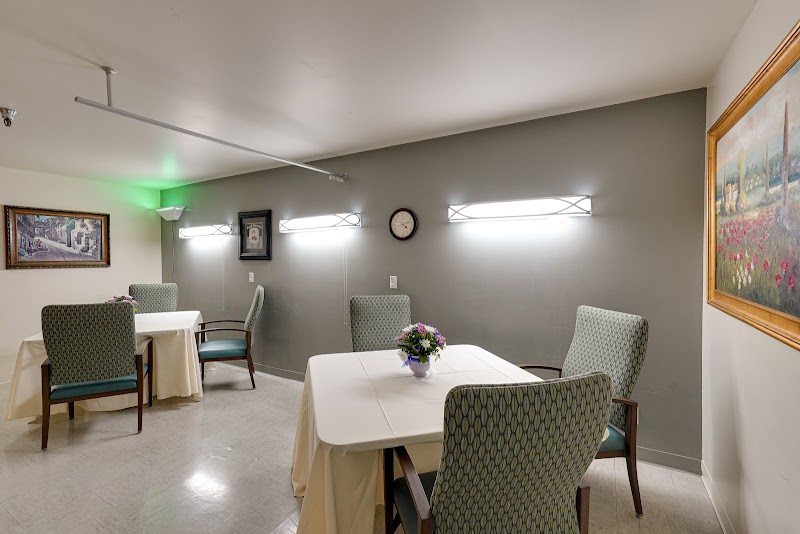
How Does Monument Healthcare Nephi (Mission At Nephi Nursin Compare to Other Utah Nursing Homes?

Compared to the 100 nursing homes in Utah, Monument Healthcare Nephi (Mission at Nephi Nursin's overall rating (4 stars) is above the state average of 3.4, staff turnover (69%) is significantly higher than the state average of 46%, and health inspection rating (4 stars) is above the national benchmark.

What Should Families Ask When Visiting Monument Healthcare Nephi (Mission At Nephi Nursin?

Based on this facility's data, families visiting should ask: "How do you ensure continuity of care given staff turnover, and what is your staff retention strategy?" "Can I visit during a mealtime to observe dining assistance and food quality?" "How do you handle medical emergencies, and what is your hospital transfer rate?" "Can I speak with family members of current residents about their experience?" These questions are particularly relevant given the facility's high staff turnover rate.

Is Monument Healthcare Nephi (Mission At Nephi Nursin Safe?

Based on CMS inspection data, Monument Healthcare Nephi (Mission at Nephi Nursin has a clean safety record: no substantiated abuse findings (meaning no confirmed cases of resident harm), no Immediate Jeopardy citations (the most serious violation level indicating risk of serious injury or death), and is not on the Special Focus Facility watch list (a federal program monitoring the lowest-performing 1% of nursing homes). The facility has a 4-star overall rating and ranks #1 of 100 nursing homes in Utah. While no facility is perfect, families should still ask about staff-to-resident ratios and recent inspection results during their visit.

Do Nurses at Monument Healthcare Nephi (Mission At Nephi Nursin Stick Around?

Staff turnover at Monument Healthcare Nephi (Mission at Nephi Nursin is high. At 69%, the facility is 23 percentage points above the Utah average of 46%. Registered Nurse turnover is particularly concerning at 65%. RNs handle complex medical decisions and coordinate care — frequent RN changes can directly impact care quality. High turnover means new staff may not know residents' individual needs, medications, or preferences. It can also be disorienting for residents, especially those with dementia who rely on familiar faces. Families should ask: What is causing the turnover? What retention programs are in place? How do you ensure care continuity during staff transitions?

Was Monument Healthcare Nephi (Mission At Nephi Nursin Ever Fined?

Monument Healthcare Nephi (Mission at Nephi Nursin has no federal fines on record. CMS issues fines when nursing homes fail to meet care standards or don't correct problems found during inspections. The absence of fines suggests the facility has either maintained compliance or corrected any issues before penalties were assessed. This is a positive indicator, though families should still review recent inspection reports for the full picture.

Is Monument Healthcare Nephi (Mission At Nephi Nursin on Any Federal Watch List?

Monument Healthcare Nephi (Mission at Nephi Nursin is not on any federal watch list. The most significant is the Special Focus Facility (SFF) program, which identifies the bottom 1% of nursing homes nationally based on persistent, serious quality problems. Not being on this list means the facility has avoided the pattern of deficiencies that triggers enhanced federal oversight. This is a positive indicator, though families should still review the facility's inspection history directly.