Rocky Mountain Care - Willow Springs

85 East 2000 North, Tooele, UT 84074 (435) 843-2000
Non profit - Corporation 112 Beds ROCKY MOUNTAIN CARE Data: November 2025
Trust Grade
43/100
#39 of 97 in UT
Last Inspection: June 2025

Inspected within the last 6 months. Data reflects current conditions.

Overview

Rocky Mountain Care - Willow Springs has a Trust Grade of D, indicating below-average performance with some concerns about resident safety and care. It ranks #39 out of 97 facilities in Utah, placing it in the top half, but it is the only facility in Tooele County, making it the only local option. Unfortunately, the facility is experiencing a worsening trend, increasing from 3 issues in 2024 to 6 in 2025. Staffing is generally a strength, with a 4 out of 5 star rating and a turnover rate of 51%, which is average for Utah. However, there are serious concerns, including incidents where residents received incorrect medications, and one resident fell during care when they required two-person assistance, highlighting the need for improved safety protocols. While the facility has some good qualities, families should carefully consider these significant weaknesses.
Trust Score
D
43/100
In Utah
#39/97
Top 40%
Safety Record
High Risk
Review needed
Inspections
Getting Worse
3 → 6 violations
Staff Stability
⚠ Watch
51% turnover. Above average. Higher turnover means staff may not know residents' routines.
Penalties
✓ Good
$23,326 in fines. Lower than most Utah facilities. Relatively clean record.
Skilled Nurses
✓ Good
Each resident gets 52 minutes of Registered Nurse (RN) attention daily — more than average for Utah. RNs are trained to catch health problems early.
Violations
⚠ Watch
30 deficiencies on record. Higher than average. Multiple issues found across inspections.
★★★★☆
4.0
Overall Rating
★★★★☆
4.0
Staff Levels
★★★★★
5.0
Care Quality
★★★☆☆
3.0
Inspection Score
Stable
2024: 3 issues
2025: 6 issues

The Good

  • 4-Star Staffing Rating · Above-average nurse staffing levels
  • 5-Star Quality Measures · Strong clinical quality outcomes
  • Full Sprinkler Coverage · Fire safety systems throughout facility
  • No fines on record

Facility shows strength in staffing levels, quality measures, fire safety.

The Bad

Staff Turnover: 51%

Near Utah avg (46%)

Higher turnover may affect care consistency

Federal Fines: $23,326

Below median ($33,413)

Minor penalties assessed

Chain: ROCKY MOUNTAIN CARE

Part of a multi-facility chain

Ask about local staffing decisions and management

The Ugly 30 deficiencies on record

5 actual harm
Jun 2025 6 deficiencies 1 Harm
SERIOUS (G) 📢 Someone Reported This

A family member, employee, or ombudsman was alarmed enough to file a formal complaint

Actual Harm - a resident was hurt due to facility failures

Accident Prevention (Tag F0689)

A resident was harmed · This affected 1 resident

**NOTE- TERMS IN BRACKETS HAVE BEEN EDITED TO PROTECT CONFIDENTIALITY** Based on interview and record review, the facility did not ensure that the resident environment remained as free of accident haz...

Read full inspector narrative →
**NOTE- TERMS IN BRACKETS HAVE BEEN EDITED TO PROTECT CONFIDENTIALITY** Based on interview and record review, the facility did not ensure that the resident environment remained as free of accident hazards as was possible and that each resident received adequate supervision and assistance devices to prevent accidents. Specifically, for 1 out of 38 sampled residents, a resident who was identified as a two-person assist for bed mobility and incontinence care sustained a fall during a one-person assist for incontinence care. Resident identifier 264. Corrective Action: On 4/8/25, resident was assessed for injury; it was determined resident needed immediate medical attention and was sent to hospital via emergency medical services (EMS). Ensure two people were in the room when moving the resident, this included rolling and Hoyer transfers. Certified Nursing Assistant (CNA) 2 was put on leave until the investigation was completed. CNA 2 was moved to a different unit. On 4/14/25, CNA 2 completed the CNA Annual Checklist and education regarding APM settings and APM two person assist. On 4/24/25, resident was in a 42 wide bed with a 42 Air Pressure Mattress (APM). A new 48 bed frame and 48 APM was purchased for the resident. Systemic Interventions: On 4/9/25, care staff were educated to place APM on static status when performing brief changes. An order was placed in the Task Administration Record for the nurse to check that the resident's air mattress was working correctly. CNA charting was added for any patient on an air mattress to perform a setting check before and after brief changes. On 4/10/25, an audit was conducted to identify which residents were on APMs. Monitoring: On 4/16/25, audits were performed to ensure staff implemented the corrective measures, specifically adjusting the setting on the APM to Static prior to performing incontinence care. Quality Assurance and Performance Improvement (QAPI): On 4/10/25, the QAPI committee reviewed the event and identified the need for further interventions for 2-person bed mobility and transfers and air mattress mode settings, including CNA charting for tasks. Determination of Compliance Date: 4/16/25. Findings included: Resident 264 was admitted to the facility on [DATE] and readmitted on [DATE] with diagnoses which included chronic respiratory failure with hypoxia, chronic obstructive pulmonary disease, body mass index 50.0 - 59.9, and type 2 diabetes mellitus. On 4/8/25 at 3:11 PM, the facility reported to the State Agency (SA) that on 4/8/25 at 10:20 AM, resident 264 was getting a brief change by a CNA. The CNA rolled resident 264 to her right side and she fell out of bed. Resident 264 was sent to the hospital by EMS. Social services notified the Ombudsman, Police Department, and Adult Protective Services. The CNA was sent home while an investigation was conducted. Review of resident 264's medical record was completed on 6/9/25 through 6/17/25. On 4/8/25 at 11:45 AM, a Senior Health Support Services progress note revealed the following. The Physician Assistant (PA) was called to the bedside as resident 264 fell from the bed. The PA learned that the resident was being attended to at the time of her fall and rolled out of bed during cares. When arriving at the room, resident 264 was face down on the floor with visible blood pooling near her face/head. Resident 264 was unable to verbalize any location of pain and just said help me. With great effort and multiple staff members, resident 264 was log rolled to her back. Resident 264 had a large laceration on her forehead, contusion around her right eye, and reported her hand was a bit sore. Resident 264's bed was in an elevated position at the time of fall, as this was her preferred bed location. EMS arrived and transported resident 264 to the hospital. On 4/9/25 at 1:20 PM, a Nurses Note documented that resident 264 had a fall on 4/8/25 at 10:10 AM. A CNA came out of resident 264's room asking for help, now. This nurse ran into the room and seen patient was lying flat on her belly with a night gown on and no brief, asking for someone to help her. When assessing resident 264 there was blood around her head. This nurse instructed a staff member to grab a phone and another staff member to go call management for help. Pressure was applied to resident 264's head laceration. Resident 264 was turned to her back for better assessment. Resident 264 had a large head laceration on her forehead and a swollen/bruised eye. The PA was there to help with the assessment of resident 264. Resident 264 was then taken by EMS to the emergency room. An intervention was placed to ensure two people were in the room when moving resident 264, this was to include rolling and Hoyer transfers. The hospital was called at 1:30 PM, stating the resident 264 would possibly be transported to another hospital due to her condition. On 4/14/25 at 8:45 AM, Senior Health Support Services progress note revealed the following. Resident 264 presented to the hospital after a fall from bed and striking her face. Resident 264 was diagnosed with a right orbital blowout fracture with a slight right eye abduction deficit. She was also found to have a type II dens fracture, 7th cervical (C7) vertebrae spinous process fracture, 7th thoracic vertebrae fracture, postseptal hematoma, and right medial maxillary wall fracture. After stabilization, she was readmitted back to the facility on 4/12/25. Although no surgical interventions were recommended, she has been prescribed a rigid cervical collar for six weeks and spinal precautions. On this admission visit resident 264 was positioned in reverse Trendelenburg due to discomfort with remaining flat, and she was adjusting her collar for increased mobility. She reports persistent double vision, which was gradually improving per ophthalmologic evaluation, as well as mild left-hand pain and ongoing right shoulder pain. There were no new complaints of chest pain or shortness of breath. Her overall status remains stable as she continues with supportive care and monitoring. On 5/8/25, the facility submitted their final investigation to the SA which revealed the following. Resident 264's fall was an unfortunate accident. The CNAs frequently changed resident 264 individually per her request and resident 264's care plan was followed for her brief change. The CNA was following resident 264's care plan regarding brief changes which listed a one person assist when she rolled out of bed and fell which fractured C7 and orbital bone. Resident 264 was interviewed and stated that Sometimes 2 CNAs assist with brief changes, and sometimes only 1 CNA assists with brief changes. Resident 264's care plan has been updated and now resident requires a two person assist with brief change. Resident also had additional bed mobility equipment and facility conducted additional training for staff. A Quarterly Minimum Data Set (MDS) assessment dated [DATE], revealed in Section G - Functional Status regarding bed mobility, for how resident moves to and from lying position, turns side to side, and positions body while in bed or alternate sleep furniture. When self-performing this task, resident 264 needed extensive assistance and needed the support of two plus persons for physical assistance. On 6/17/25 at 9:41 AM, an interview was conducted with CNA 4. CNA 4 stated in order to know if a resident was a one or two person assist, she would be able to find that information in the CNA Bible which was located at the nurses' station, in the charting system, and the vitals clip board. On 6/17/25 at 11:04 AM, an interview was conducted with Registered Nurse (RN) 3. RN 3 stated that she was the nurse for resident 264 on 4/8/25. RN 3 stated that it was just a regular day, she was sitting at the nurses' station talking with a hospice nurse when a call light went off. CNA 2 came out of resident 264's room and asked for help. RN 3 went into resident 264's room and seen she was on the floor. RN 3 called for additional back up over the radio. RN 3 stated they were able to get the bleeding stopped and resident 264 was sent out via EMS to the hospital. RN 3 stated she did not remember what type of assistance resident 264 needed for brief changes or transferring. RN 3 stated she always needed to ask the CNAs for assistance status of the residents or she would look in the CNA Bible were it was listed. On 6/17/25 at 11:05 AM, an interview was conducted with CNA 2. CNA 2 stated that resident 264 was a one-person assist for brief changes and a two-person assist with transfers, which required a Hoyer lift. CNA 2 stated she had done multiple one-person assist brief changes on resident 264 and there was not an issue until the fall on 4/8/25. CNA 2 stated that it did make it easier when there were two people doing resident 264's brief changes. CNA 2 stated that she was the one that did resident 264's brief change when she rolled off the bed. CNA 2 stated that she had turned resident 264 to her side, had her all cleaned, and was just about to put the brief on when CNA 2 looked over and resident 264 was gone off the bed and onto the floor. CNA 2 stated that she really did not know what had happened, resident 264 had a shoulder that was troubling her, and she could have shifted some and that could be a reason why she rolled off the bed. On 6/17/25 at 11:18 AM, an interview was conducted with CNA 3. CNA 3 stated resident 264 could be a one or two person assist for brief changes; it would really depend on the CNA. CNA 3 stated that resident 264 trusted certain CNAs who would do a one-person brief changes. On 6/17/25 at 12:01 PM, an interview was conducted with MDS Coordinator 1. MDS Coordinator 1 stated the MDS assessments were done every 92 days or quarterly. If a resident was starting to have a decline, most of the time, those changes would be care planned. Every Wednesday a long-term care (LTC) meeting was conducted, in this meeting, they would start addressing concerns that had been noted on any of the residents, and which residents have MDS assessments coming up. When doing MDS assessments, they base it on CNA charting and what was learned during the LTC meetings. When reviewing a resident's functional status, they would look at how extensive the assistance had been, ask the CNAs and get their feedback, and if a resident was dependent for activities of daily living they would be assessed at extensive assistance. MDS Coordinator 1 stated, everyone had their own piece in putting in care plans and should be done when there was a need for a resident. The MDS Coordinators would update any care plan after the resident's MDS assessment was completed and would also do a final review of all the care plans. MDS Coordinator 1 stated that during resident 264's last quarterly MDS assessment she was a two-person assist, and she should have been a two-person assist with bed mobility and transfers. On 6/17/25 at 12:17 PM, an interview was conducted with Unit Manager (UM) 2. UM 2 stated that they would update the care plan within 48 hours after the LTC meeting and/or the completion of the MDS assessments. UM 2 stated that when you enter a care plan you can select which department it needed to go to, for instance when you select it to go to the CNAs the KARDEX would be updated and would alert the CNAs of the new task. UM 2 stated that she thought resident 264 was a one-person assist prior to the incident on 4/8/25. When resident 264 returned to the facility, the task list alerted the CNAs that she was now a two-person assist, so the CNAs knew what they should be doing. UM 2 stated she was not aware that the previous MDS assessment from 2/26/25, had resident 264 as being a two-person assist. On 6/17/25 at 12:25 PM, an interview with the Director of Nursing (DON). The DON stated during their investigation for the incident on 4/8/25, it was found that resident 264 was on an APM and was believed to be in alternating air pressure status. It was also discovered that all the APMs in the facility were in alternating status. Since the incident they have put in a Performance Improvement Action Plan to change the APMs status to static mode prior to any brief changes. All the CNAs have had training regarding the APM's static and alternate status settings and the settings during cares. The DON stated that resident 264 had been a one-person assistance at the time of the incident on 4/8/25, and they had changed it to a two-person assistance when returning back to the facility. The DON stated that prior to 4/8/25, they did not have resident 264 in the KARDEX or care planned for any type of assistance. The DON stated that any nurse could adjust the care plan, floor nurses, unit managers, MDS Coordinators, and management. The DON stated that CNAs would know a residents assistance status by looking in the CNA Bible or in the KARDEX. The DON expected her staff to put any ADLs or transfers that needed assistance in a care plan. The CNA team lead updated the KARDEX, as needed, related to CNA tasks. The MDS assessments could trigger a care plan. The DON stated the medical record system was a new program and she was still learning how the system worked. The DON stated that prior to the fall, resident 264 did not have an assistance status listed in the KARDEX.
CONCERN (D)

Potential for Harm - no one hurt, but risky conditions existed

Deficiency F0554 (Tag F0554)

Could have caused harm · This affected 1 resident

**NOTE- TERMS IN BRACKETS HAVE BEEN EDITED TO PROTECT CONFIDENTIALITY** Based on interview and record review, the facility did not determine that the resident's right to self-administer medication was...

Read full inspector narrative →
**NOTE- TERMS IN BRACKETS HAVE BEEN EDITED TO PROTECT CONFIDENTIALITY** Based on interview and record review, the facility did not determine that the resident's right to self-administer medication was clinically appropriate. Specifically, for 1 out of 38 sampled residents, a resident was observed to have in their possession four inhalers for self-administration of the medications. Resident identifier: 58. Findings included: Resident 58 was admitted to the facility on [DATE] with diagnoses which included atrial fibrillation (a-fib), chronic obstructive pulmonary disease (COPD), and emphysema. On 6/9/25 at 2:41 PM, an interview was conducted with resident 58. Resident 58 stated that their medication Arnuity caused her heart to have a-fib and they would rather have the medication Fluticasone. Resident 58 stated that she refused the Arnuity inhaler due to side effects of heart palpitations. Resident 58 stated that the facility gave her the medication and she self administered the inhalers. Resident 58 stated that she kept the Albuterol inhaler at bedside for emergency purposes. Resident 58 stated she needed refills for the Spiriva and Fluticasone. Resident 58 obtained the Arnuity, Spiriva, Albuterol, and Fluticasone inhalers from her purse at the bedside. Resident 58's medical record was reviewed. Resident 58's physician orders revealed the following: a. On 2/3/25, an order was initiated for Albuterol Sulfate 90 micrograms (mcg), 1 puff inhale orally every 8 hours as needed for rescue inhaler. b. On 2/3/25, an order was initiated for Serevent Diskus 50 mcg disk, 1 inhalation orally two times a day for emphysema. c. On 6/9/25, an order was initiated for Fluticasone Propionate Inhalation Aerosol 44 mcg/actuation (ACT), 1 puff inhale orally two times a day for COPD. d. On 6/9/25, an order was discontinued for Arnuity Ellipta Inhalation Aerosol Powder Breath Activated 200 mcg/ACT, 1 puff inhale orally two times a day for shortness of breath rinse mouth with water after use. Do not swallow. Resident 58's June 2025 Medication Administration Record documented that the Arnuity medication was refused on 6/5/25 PM dose, 6/6/25 PM dose, and 6/7/25 PM dose. No documentation could be found in resident 58's medical record of a self-administration of medications assessment for the resident. On 6/12/25 at 12:50 PM, an interview was conducted with Registered Nurse (RN) 1. RN 1 stated that resident 58 self administered her inhalers and that she kept some inhalers at the bedside. RN 1 stated that she had in the locked medication cart resident 58's Serevent, Arnuity, and Fluticasone. RN 1 stated that resident 58 only had her Albuterol inhaler at the bedside. RN 1 stated that resident 58 struggled to breathe. RN 1 stated that the hospice team would have evaluated resident 58's ability to self administer her medications. RN 1 stated that she had watched resident 58 administer the Albuterol before. RN 1 stated that she would ask the resident if and when she had self-administered the medication. RN 1 stated that she was not aware of the facility evaluating resident 58's ability to safely administer medications. RN 1 was not aware that resident 58 had in her possession the Arnuity, Serevent, and Fluticasone. RN 1 stated that in the past they had never had a resident who self-administered medication. RN 1 stated that the purpose of the assessment was to determine if the resident was safe to self administer medications. On 6/12/25 at 1:05 PM, an interview was conducted with the Director of Nursing (DON). The DON stated she was not aware that resident 58 was self-administering medication. The DON stated that the process for self-administration was to have the medication in a locked box in the resident room so that other residents did not have access to the medication. The DON stated that they would conduct an assessment to determine if the resident could safely self-administer medication. The DON stated that she thought the assessment was conducted upon admission and would be assessed again if the resident had a change in condition. The DON stated that even if they determined that the resident was safe they still preferred to manage the medication. The DON stated that resident 58 was admitted in September 2023 and was asked if she would like to self administer medications upon admit and the resident replied no. The DON stated that they had not conducted any other self-administration of medication assessment after admission. The DON stated that when the inhalers were provided to resident 58 at the bedside she should have been evaluated for the safety to self-administer those medications. Review of the facility policy for Self-Administration of Medication documented that the resident may only self-administer medications after the facility's interdisciplinary team had determined which medications may be self-administered safely. The policy documented that when determining if self-administration was clinically appropriate for a resident the interdisciplinary team should at a minimum consider the following: a. The medications appropriate and safe for self-administration; b. The resident's physical capacity to: swallow without difficulty, open medication bottles, administer injections; c. The resident's cognitive status, including their ability to correctly name their medications and know what conditions they are taken for; d. The resident's capability to follow directions and tell time to know when medications need to be taken; e. The resident's comprehension of instructions for the medications they are taking, including the dose, timing, and signs of side effects and when to report to facility staff. f. The resident's ability to understand what refusal of medication is, and appropriate steps taken by staff to educate when this occurs. g. The resident's ability to ensure that medication is stored safely and securely. The policy further documented that re-assessment for safety at a minimum should be considered when there was a significant change in the resident's status or when medication errors occurred. The policy was last revised on 04/2025.
CONCERN (D)

Potential for Harm - no one hurt, but risky conditions existed

Deficiency F0637 (Tag F0637)

Could have caused harm · This affected 1 resident

**NOTE- TERMS IN BRACKETS HAVE BEEN EDITED TO PROTECT CONFIDENTIALITY** Based on interview and record review, the facility did not comprehensively assess a resident within 14 days after determining, o...

Read full inspector narrative →
**NOTE- TERMS IN BRACKETS HAVE BEEN EDITED TO PROTECT CONFIDENTIALITY** Based on interview and record review, the facility did not comprehensively assess a resident within 14 days after determining, or should have determined, that there had been a significant change in the resident's physical or mental condition. Specifically, for 1 out of 38 sampled residents, a resident that was admitted to hospice services did not have a significant change Minimum Data Set (MDS) assessment completed. Resident identifier: 1. Findings included: Resident 1 was admitted to the facility on [DATE] with diagnoses which included, but were not limited to, cervical disc degeneration. On 6/9/25 at 3:34 PM, an interview was conducted with resident 1. Resident 1 stated that she had been on hospice maybe for a couple weeks. Resident 1 stated that hospice had made some changes with her medications. Resident 1's medical record was reviewed. A physician's order dated 5/8/25, documented to admit resident 1 to hospice. On 5/8/25, hospice admission paperwork was completed. On 5/9/25 at 8:00 AM, a Senior Health Support Services note documented . The family declined the orders placed on 05/08/2025 and opted for hospice care, which was initiated today, 05/09/2025. The MDS assessments were reviewed and there was no Significant Change MDS assessment in resident 1's medical record. On 6/11/25 at 11:08 AM, an interview was conducted with MDS Coordinator 1 and MDS Coordinator 2. MDS Coordinator 1 stated the main reason for a significant change MDS assessment would be the resident was going on hospice, coming off of hospice, or any significant change to the care plan. MDS Coordinator 1 stated the significant change MDS assessment should be completed within at least 14 days of the resident's significant change. MDS Coordinator 2 stated that resident 1 did not have a significant change MDS assessment completed when hospice was started.
CONCERN (D)

Potential for Harm - no one hurt, but risky conditions existed

Deficiency F0658 (Tag F0658)

Could have caused harm · This affected 1 resident

**NOTE- TERMS IN BRACKETS HAVE BEEN EDITED TO PROTECT CONFIDENTIALITY** Based on observation, interview, and record review, the facility did not ensure that services provided by the facility, as outli...

Read full inspector narrative →
**NOTE- TERMS IN BRACKETS HAVE BEEN EDITED TO PROTECT CONFIDENTIALITY** Based on observation, interview, and record review, the facility did not ensure that services provided by the facility, as outlined by the comprehensive care plan, met professional standards of quality. Specifically, for 1 out of 38 sampled residents, medications were left unattended at a resident's bedside, consumption of those medications was not supervised by the licensed nurse administering them, and administration was not verified and completed in a timely manner. Resident identifier: 49. Findings included: Resident 49 was admitted to the facility on [DATE] and was re-admitted on [DATE] with diagnoses which included heart failure, end stage renal disease (ESRD), dependence on renal dialysis, chronic respiratory failure, adrenocortical insufficiency, hypotension, anemia, type II diabetes mellitus, hypertension, hyperlipidemia, mood disorder, anxiety disorder, restless legs syndrome, dysphagia, insomnia, and pain. On 6/10/25 at 8:59 AM, an interview was conducted with resident 49. A pill cup filled with medications was observed on resident 49's bedside table. Resident 49 stated that it was her morning medication. The state licensor counted 13 pills inside the cup, but was unable to determine an accurate count of the pills as they were not removed from the cup. Resident 49's June 2025 Medication Administration Record was reviewed and revealed that the following medications were documented as administered on the morning of 6/10/25, by Registered Nurse (RN) 2: a. Amlodipine Besylate Oral Tablet 2.5 milligram (mg), Give 2.5 mg by mouth one time a day for hypertension (HTN). Hold for systolic blood pressure (SBP) less than 110 or diastolic blood pressure (DBP) less than 60. b. B Complex-C-Folic Acid Oral Tablet 0.8 mg, Give 1 tablet by mouth one time a day for supplement. c. Bumetanide Oral Tablet 1 mg, Give 1 mg by mouth one time a day every Tuesday, Thursday, Saturday, Sunday for edema. d. Cholecalciferol Oral Tablet 25 microgram, Give 1 tablet by mouth one time a day for supplement. e. Escitalopram Oxalate Tablet 20 mg, Give 1 tablet by mouth one time a day for depression. f. Hydrocortisone Oral Tablet 5 mg, Give 10 mg by mouth in the morning for ESRD. g. Lokelma Oral Packet (Sodium Zirconium Cyclosilicate), Give 15 gram by mouth one time a day. h. Omeprazole Oral Capsule Delayed Release 20 mg, Give 1 capsule by mouth in the morning for gastro-esophageal reflux disease. Take on empty stomach at least 30 minutes prior to meal. i. Ascorbic Acid Oral Tablet 500 mg, Give 1 tablet by mouth two times a day for supplement. j. Clonidine Oral Tablet 0.1 mg, Give 0.1 mg by mouth two times a day for HTN Hold for SBP less than 100 or DBP less than 60. k. Eliquis Oral Tablet 5 MG (Apixaban), Give 0.5 tablet by mouth two times a day for deep vein thrombosis prophylactic. l. Senna Oral Tablet 8.6 MG (Sennosides), Give 2 tablet by mouth two times a day for constipation. m. Sodium Bicarbonate Oral Tablet 650 mg, Give 0.5 tablet by mouth two times a day for heartburn. n. Acetaminophen Oral Tablet 325 mg, Give 975 mg by mouth three times a day for pain not to exceed 3 grams from all sources in 24 hours. It should be noted that this medication was scheduled at 6:00 AM and 10:00 AM. o. Lanthanum Carbonate Oral Tablet Chewable 1000 mg, Give 1000 mg by mouth before meals for binder. It should be noted that this medication was scheduled at 7:30 AM and 11:30 AM. Resident 49's care plan revealed a focus area for at risk for complications secondary to anti-coagulant use that was initiated on 2/13/25. An intervention identified on the care plan included to administer medications as prescribed. Resident 49's care plan revealed a focus area for at risk for adverse side effects secondary to psychotropic medication use that was initiated on 2/13/25. An intervention identified on the care plan included to administer medications as prescribed. Resident 49's care plan revealed a focus area for at risk for pain that was initiated on 2/13/25. An intervention identified on the care plan included to administer medications as prescribed and monitor for side effects. On 6/12/25 at 9:57 AM, an interview was conducted with RN 1. RN 1 stated that resident 49 had quite a few morning medications and had blood pressure medications that she took on the days that she did not have dialysis. RN 1 stated that on dialysis days the night nurse would administer her medications early because she left for dialysis before 6:00 AM. RN 1 stated that Tuesday would not have been a dialysis day and resident 49 would have had more blood pressure medication scheduled in the morning. RN 1 stated that the standard practice was for the licensed nurse to stay with the resident and observe them take any medications that were administered. RN 1 stated that it was especially important to watch resident 49 take her medication because the resident dosed off and would forget to take the medications. RN 1 stated that resident 49 had blood pressure medication that was scheduled in the morning and again at midday and if she did not take them in the morning and waited she could get those medications administered too close together. RN 1 was observed to review resident 49's physician orders and stated that the Lanthanum Carbonate and Tylenol were scheduled morning and midday. On 6/12/25 at 11:28 AM, an interview was conducted with the Director of Nursing (DON). The DON stated that the licensed nurse should implement the 6 rights of medication administration and stay to watch the resident take the pills. The DON stated that medication should not be left at the resident bedside unattended. The DON stated that the nurses did not have specific education on this but that was the expectation and what was taught in nursing school. The DON stated that the potential risk of taking the Tylenol doses too close together could cause issues with the liver. The DON stated that there was a potential for toxicity and overdose with the Tylenol. The DON stated that it was difficult to determine when the medication was actually taken because it was left at the bedside unattended. On 6/12/25 at 12:16 PM, the DON stated that the Tylenol was scheduled on the flex time for administration and time ranges were 6:00 AM-10:00 AM, 10:00 AM-2:00 PM, and 6:00 PM-10:00 PM. The DON stated that it would be difficult to calculate the time the resident took the medication if it was just left at the bedside. On 6/12/25 at 2:50 PM, the DON stated that resident 49 reported that she preferred to take her morning medication after breakfast because they upset her stomach. The DON stated that she changed all of resident 49's medications to be administered at 9:00 AM. The DON confirmed that the licensed nurse left the medication at the bedside. The DON stated that the nurse should have stayed and observed the resident taking the medication. The DON stated that if the resident requested to wait to take the medication with food the nurse should have taken the medication back and then they had an hour to administer them. Review of the Lippincott Nursing Procedures documented under Safe Medication Administration Practices that nurses must avoid distractions and interruptions when preparing and administering medications to promote a culture of safety and to prevent medication errors. The guidance further documented that the nurse administering the medication should adhere to the 'five rights' of medication administration: identify the right patient by using at least two patient-specific identifiers; select the right medication; administer the right dose; administer the medication at the right time; and administer the medication by the right route. Recent literature identifies nine rights of medication administration, which in addition to the five rights includes the right documentation, the right action (or appropriate reason for prescribing the medication), the right form, and the right response. The guidance further documented under Administering scheduled medications in a timely manner that time critical medications should be administered 30 minutes before or after the regularly scheduled time. Give medications that are administered more frequently than daily but less frequently than every 4 hours (for instance, twice daily or three times per day) no more than 1 hour before or after the scheduled time. Wolters Kluwer. Lippincott Nursing Procedures. Ninth Edition. Philadelphia, PA. (2023) pp. 743-744.
CONCERN (D)

Potential for Harm - no one hurt, but risky conditions existed

Deficiency F0775 (Tag F0775)

Could have caused harm · This affected 1 resident

**NOTE- TERMS IN BRACKETS HAVE BEEN EDITED TO PROTECT CONFIDENTIALITY** Based on interview and record review, the facility did not file in the resident's clinical record the laboratory reports that we...

Read full inspector narrative →
**NOTE- TERMS IN BRACKETS HAVE BEEN EDITED TO PROTECT CONFIDENTIALITY** Based on interview and record review, the facility did not file in the resident's clinical record the laboratory reports that were dated and contained the name and address of the testing laboratory. Specifically, for 1 out of 38 sampled residents, the resident did not have laboratory results filed in their medical record. Resident identifier: 18. Findings included: Resident 18 was admitted to the facility on [DATE] and readmitted on [DATE] with diagnoses which included bilateral primary osteoarthritis of knee, type 1 diabetes mellitus with diabetic polyneuropathy, anxiety disorder, mood disorder due to known physiological condition with depressive features. Review of resident 18's medical record was completed on 6/9/25 through 6/17/25. On 4/25/25 at 10:44 AM, a Nurses Note revealed per physician's assistant orders: vaginal culture for yeast, trichomonas (trich) vaginalis, and sexually transmitted disease (STD). Diagnoses: vaginal discharge. On 4/25/25, a completed Physician's Order for yeast, trich, and STD one time only for vaginal discharge. It should be noted that no laboratory results could be located in the medical record. On 6/12/25 at 3:02 PM, an interview was conducted with Unit Manager (UM) 1. UM 1 stated she could not find the lab result from 4/25/25, in the resident's electronic medical record (EMR). UM 3 stated that the lab results from 4/25/25, were from an outside facility and Medical Records had to request the results and upload them to resident 18's EMR.
CONCERN (D)

Potential for Harm - no one hurt, but risky conditions existed

Medical Records (Tag F0842)

Could have caused harm · This affected 1 resident

**NOTE- TERMS IN BRACKETS HAVE BEEN EDITED TO PROTECT CONFIDENTIALITY** Based on observation, interview, and record review, the facility did not maintain records on each resident that were complete an...

Read full inspector narrative →
**NOTE- TERMS IN BRACKETS HAVE BEEN EDITED TO PROTECT CONFIDENTIALITY** Based on observation, interview, and record review, the facility did not maintain records on each resident that were complete and accurately documented. Specifically, for 1 out of 38 sampled residents, a resident that received a narcotic did not have the narcotic signed out as administered. Resident identifier: 1. Findings included: Resident 1 was admitted to the facility on [DATE] with diagnoses which included, but were not limited to, cervical disc degeneration, bilateral primary osteoarthritis of knee, and chronic pain syndrome. On 6/9/25 at 3:34 PM, an interview was conducted with resident 1. Resident 1 stated that she was in pain and needed something. Resident 1 was observed to close her eyes and grimace. Resident 1 activated her call light and told Certified Nursing Assistant (CNA) 1 that she needed something for pain. CNA 1 stated that she would tell the nurse. Resident 1 stated that she had oxycodone four times a day and she could have another pain medication every hour. Resident 1 stated that her whole left side was painful. Resident 1's medical record was reviewed. A physician's order dated 5/9/25, documented Morphine Sulfate Solution 10 MG [milligrams]/5ML [milliliters] Give 0.25 ml by mouth every 1 hours as needed for Pain . The June 2025 Medication Administration Record (MAR) was reviewed. Resident 1 had not received Morphine on 6/9/25. The Narcotic Record Book was reviewed. Resident 1 received Morphine on 6/1/25 at 1:00 PM, 6/2/25 at 12:00 PM, 6/3/25 at 8:00 AM and 1:00 PM, 6/5/25 at 11:00 PM, 6/6/25 at 11:00 PM, 6/7/25 at 11:00 PM, 6/8/25 at 1:00 PM, 6/9/25 at 8:00 AM and 5:50 PM, and 6/10/25 at 8:00 AM and 1:00 PM. It should be noted that the listed entries of Morphine were not signed out as administered to resident 1 on the MAR. On 6/11/25 at 9:05 AM, an interview was conducted with CNA 1. CNA 1 stated if a resident complained of pain she tried to stay on top of it and told the nurse. CNA 1 stated that she was pretty sure she told the nurse on Monday about resident 1's pain. On 6/11/25 at 9:07 AM, an interview was conducted with Licensed Practical Nurse (LPN) 1. LPN 1 stated that resident 1 received pain medications on Monday. LPN 1 stated resident 1 received oxycodone every six hours and morphine every hour if she needed it. LPN 1 looked at the narcotic record book and stated that resident 1 received Morphine at 5:50 PM on 6/9/25. On 6/11/25 at 9:41 AM, a follow-up interview was conducted with LPN 1. LPN 1 clarified that resident 1's Morphine was not signed out on the MAR as being administered. On 6/11/25 at 12:02 PM, an interview was conducted with Unit Manager (UM) 1. UM 1 clarified there was no additional information and resident 1's Morphine was not signed out as administered on the MAR. UM 1 stated that staff should sign the medication out in the Narcotic Record Book, administer the medication to the resident, and click the box on the MAR that the medication was administered to the resident.
Aug 2024 3 deficiencies 1 Harm
SERIOUS (G) 📢 Someone Reported This

A family member, employee, or ombudsman was alarmed enough to file a formal complaint

Actual Harm - a resident was hurt due to facility failures

Deficiency F0760 (Tag F0760)

A resident was harmed · This affected 1 resident

**NOTE- TERMS IN BRACKETS HAVE BEEN EDITED TO PROTECT CONFIDENTIALITY** Based on record review and interview, it was determined the facility did not ensure that 7 of 14 sampled residents were free of ...

Read full inspector narrative →
**NOTE- TERMS IN BRACKETS HAVE BEEN EDITED TO PROTECT CONFIDENTIALITY** Based on record review and interview, it was determined the facility did not ensure that 7 of 14 sampled residents were free of significant medication errors. Specifically, one resident received another resident's medications, which resulted in a hospital admission and subsequent continuous heart monitoring. Additionally, three residents did not receive medications according to physicians' orders, one received a medication for which the resident had a known allergic reaction, and two received the incorrect medications; these errors did not result in adverse outcomes. Resident Identifiers: 3, 7, 10, 11,12,13,14. Findings include: 1. Resident 3 was an [AGE] year old female who was admitted to the facility in 7/2020 with diagnoses which included benign neoplasm of the brain. On 7/30/2024 at 11:45 AM, a review of Resident 3's medical record was conducted. An incident report, dated 2/7/2024, was reviewed and indicated that Resident 3 had received her roommate's medications during the morning medication administration. The incorrect medications administered to Resident 3 included Xanax, Eliquis, Norco, Lyrica and Zoloft. The incident report indicated facility nursing staff began vital sign checks every 15 minutes and administered three doses of Narcan and two liters of normal saline through an IV. Resident 3 was then documented to have been sent to the hospital after her vital signs started to decrease. Resident 3 was admitted to the hospital for observation and returned to the facility the following day, 2/8/2024, with a heart monitor. Resident 3 was instructed to wear the heart monitor for 14 days and follow up with a cardiologist. A review of hospital discharge notes was conducted. Resident 3 was admitted to the hospital for sinus bradycardia .[Resident 3] had multiple dips in her pulse . On 8/1/2024, an interview was conducted with the facility Director of Nursing, who acknowledged Resident 3 did not receive medications as prescribed and was admitted to the hospital after she received the incorrect medications. 2. Resident 7 was a [AGE] year old female who was admitted to the facility on [DATE] with diagnoses which included encephalopathy, acute kidney failure, hypertension, anxiety disorder, and pain. Resident 7 was identified as discharged from the facility on 7/30/2024. On 7/30/2024, a review of Resident 7's medical record was conducted. A review of progress notes was conducted. A progress note, dated 6/3/2024 at 2:24 PM, was reviewed and stated, New Orders per PA. Decrease oxycodone to 5 mg (milligrams) po (by mouth) Q6h (every six hours). A progress note, dated 6/8/2024 at 2:35 PM was reviewed and stated, The Resident received oxycodone 10 mg which was discontinued as of 6/3/2024. Current order is for 5 mg. Received 10 mg dose on 6/3/2024, 6/6/2024, 6/7/2024, 6/8/2024 at 12:30 AM, and 6/8/2024 at 9:50 AM. Notified on call nurse manager [name of employee] and [name of physician]. No new orders at this time. Asked about next dose of medication, provider okay ' d to give. A progress note, dated 6/13/2024 at 7:00 PM, was reviewed and stated, Resident discharged from facility 6/13/2024. On 7/8/2024, Resident 7 was readmitted to the facility due to an infection. A progress note, dated 7/15/2024 at 3:23 PM, was reviewed and stated, New orders per NP (Nurse Practitioner).Pantoprazole 20 mg daily Resident 7's July 2024 Medication Administration Record (MAR) was reviewed. The MAR stated Pantoprazole 40 mg daily. Start date of order: 7/15/2024. Resident 7 was documented to have received Pantoprazole 40 mg; Take one tablet once a day; Take on an empty stomach at least 30 minutes prior to lunch on 7/15, 7/16, 7/17, 7/18, 7/20, 7/21, 7/22, 7/23, 7/24, 7/25, 7/26, 7/27, 7/28 and 7/29/2024. On 8/1/2024 at 8:25 AM, a review of the telephone order for Pantoprazole was conducted. The telephone order stated, Pantoprazole 20 mg QD. An interview was conducted with RN 2, who stated that she was the one who changed the order in the eMAR and probably wrote Pantoprazole 20 mg as a mistake, because it went from Pantoprazole 40 mg twice a day to Pantoprazole 40 mg once a day. On 8/1/2024, an interview was conducted with the facility DON, who acknowledged Resident 7 did not receive her Oxycodone or Pantoprazole as prescribed. 3. Resident 11 was a [AGE] year old female who was admitted to the facility on [DATE] with diagnoses which included aftercare following joint replacement surgery, bilateral primary osteoarthritis of hip, atrial fibrillation, and muscle weakness. On 7/31/2024, a review of Resident 11's medical record was conducted. A review of progress notes was conducted. A progress note, dated 7/1/2024, was reviewed and stated, New orders: Morphine 20 mg capsules QAM, Morphine 15 mg tablets QHS . A progress note, dated 7/6/2024, was reviewed and stated, Resident had scheduled right hip replacement. A progress note, dated 7/8/2024, was reviewed and stated, New orders: Morphine 15 mg moved to QHS. An incident report, dated 7/15/2024, was reviewed and stated, [Resident 11] approached nursing management with a potential medication error. She stated that she got the wrong medication on Saturday 7/13/2024. Morphine 15 mg instead of 20 mg. Upon investigation, it was found that the 15 mg was signed out instead of the 20 mg. [Resident 13] will be monitored x 72 hours for ASE. PA was notified. On 8/1/2024, an interview was conducted with the facility DON, who acknowledged Resident 11 did not receive her Morphine as prescribed. 4. Resident 12 was a [AGE] year old female who was admitted to the facility on [DATE] with diagnoses which included generalized skin eruption, morbid obesity, chronic respiratory failure with hypoxia, Type II diabetes mellitus, and mild persistent asthma. On 7/31/2024 at 10:05 AM, a review of Resident 12's medical record was conducted. A review of progress notes was conducted. A progress note, dated 5/13/2024 at 11:43 PM, was reviewed and stated, Med Error: short acting insulin was given in [the] long acting dose of 42 units PA [Physician's Assistant] and husband were notified right after. BS [Blood sugar] was 261 short acting dose should have been 15 units. No long after 900, the mistake was caught immediately. DON [Director of Nursing] contacted as well as PA. Resident 12 was .also order[ed] an IV of D5 if we could get one, [Resident 12] strongly refused. [PA]said to push sugar and carbs. [Resident 12] again mostly refused said she would only drink her Pepsi. snacks were left at bedside and education was given on possible outcomes. [Resident 12] also ordered her blood sugar to be taken every 15 minutes for 2 hours and then every 30 minutes for 2 hours. [Resident 12] slowly dropped to 104 by 2149, [Resident 12] felt slightly shaky so [RN] checked again and [Resident 12] was 118 will continue to monitor closely, snacks were given this time around as well as more soda per her request. A progress note, dated 5/14/2024, was reviewed and stated, Continuing to monitor [Resident 12] after med error with no further complications related to insulin .Glucose reading continues to be baseline for resident. Resident 12's medication orders were reviewed and were as follows: Insulin lispro 100 unit/ml insulin pen. Per sliding scale, subcutaneous. Before meals and at bedtime, if blood sugar is 131 to 180, give 6 units. If blood sugar is 181 to 240, give 13 units. If blood sugar is 241 to 300, give 15 units. If blood sugar is 351 to 400, give 21 units. If blood sugar is greater than 400, give 23 units. If blood sugar is greater than 400, call MD. The order was started on 11/24/2023 and ended on 7/2/2024. On 7/31/2024 at 12:40 PM, the investigation was requested. On 7/31/2024 at 2:10 PM, the facility investigation was provided and stated, 5/14/2024-Patient [Resident 12] was administered short acting insulin instead of long acting insulin. While investigating the root cause, it was discovered that one the medication cart in the drawer that short acting insulin was being store[d] in the same container as long acting insulin . On 8/1/2024, an interview was conducted with the facility DON, who acknowledged Resident 12 did not receive her Insulin as prescribed. 5. Resident 13 was a [AGE] year old male who admitted to the facility on [DATE] with diagnoses which included quadriplegia, major depressive disorder, suicidal ideations and borderline personality disorder. Resident 13 was identified as discharged from the facility on 5/28/2024. On 7/31/2024 at 10:35 AM, a review of Resident 13's medical record was conducted. A review of progress notes was conducted. A progress note, dated 1/17/2024, was reviewed and stated, [Resident 13] was given a different patient's medication. [Resident 13] was notified at 1200 PM, PA (Physician ' s Assistant) notified at 12:00 PM. PA ordered blood sugar checks Q30 (every 30) mins (minutes) for three hours. There was no change in patient condition. At 11:10 AM, a review of incident reports was conducted. An incident report, dated 1/17/2024 at 1:43 PM, was reviewed and stated, Resident [13] was given other residents (sic) medications. Under Interventions, the incident report stated, PA ordered blood sugar checks Q30 minutes for three hours. On 7/31/2024 at 12:40 PM, the investigation was requested. At 2:10 PM, the investigation was provided and stated, [Resident 13] was given the wrong patients medication on 1/17/2024. DON [Director of Nursing] interviewed RN [name of employee] that had the medication error. [Nurse] stated that when she went in the patients (sic) room she asked if the patient was [the name of Resident 13 ' s roommate] and the patient stated yes. RN administered oral medications in the cup and insulin SQ to the patient (sic) abdomen. After the nurse administered the medications and left the patients (sic) room, the nurse looked at the eMAR [electronic Medication Administration Record] and realized that she had given the wrong medication. [Nurse] then informed the patient and the patient stated he does not even take insulin . A medication error reporting form, dated 1/17/2024, was reviewed and stated Incorrect meds that were given: .[C]arbidopa-levodopa 25-100 mg (milligrams), insulin lispro 12 units, methocarbamol 500 mg . On 8/1/2024, an interview was conducted with the facility DON, who acknowledged Resident 13 did not receive his medications as prescribed, which included receiving the incorrect medications. 6. Resident 14 was a [AGE] year old female who was admitted to the facility on [DATE] with diagnoses which included polyneuropathy, Type II diabetes mellitus, hypertension, osteoarthritis, and chronic kidney disease. Resident 14 was noted as discharged from the facility on 5/9/2024. On 7/30/2024, a review of Resident 14 ' s medical record was conducted. A review of medication error incident reports was conducted. A medication error incident report, dated 4/7/2024, was reviewed and stated, At approximately 2440 (sic) [Resident 14] called needing [an] allergy pill for body itching [Resident 14] states she has this skin disease that makes her skin itch. [Resident 14] was given her 0100 schedule oxycodone and benadryl. As I was documenting I then realized she was allergic to Benadryl [and] went back to [the] room to assess [Resident 14] asked what reaction does she get when taking Benadryl. [Resident 14] verbally stated it enhances symptoms makes her skin itch more. At 0140 [Resident 14] started to [complain of] tongue swelling and feeling like her throat was tight. Notified [name of physician] at 0145 he verbally stated she ' s probably having a panic attack and was advised to hydroxyzine 25 mg and listen for [NAME] if symptoms get worse call him back. At 0150 pt was given hydroxyzine and within 5 mins pt stated she felt a lot better . A review of progress notes was conducted. A progress note, dated 4/7/2024, was reviewed and stated, At approximately 2440 (sic) [Resident 14] called needing [an] allergy pill for body itching [Resident 14] states she has this skin disease that makes her skin itch. [Resident 14] was given her 0100 schedule oxycodone and benadryl. As I was documenting I then realized she was allergic to Benadryl [and] went back to [the] room to assess [Resident 14] asked what reaction does she get when taking Benadryl. [Resident 14] verbally stated it enhances symptoms makes her skin itch more. At 0140 [Resident 14] started to [complain of] tongue swelling and feeling like her throat was tight. Notified [name of physician] at 0145 he verbally stated she ' s probably having a panic attack and was advised to hydroxyzine 25 mg and listen for [NAME] if symptoms get worse call him back. At 0150 pt was given hydroxyzine and within 5 mins pt stated she felt a lot better . A progress note, dated 4/9/2024 was reviewed and stated, I called and spoke to [name], [Resident 14 ' s] daughter and POA regarding the medication error .I explained that Benadryl is a standing order, and the nurse gave her one because [Resident 14] asked for an allergy pill, without looking at [Resident 14 ' s] allergies . On 7/31/2024 at 12:40 PM, the investigation report was requested. At 2:58 PM, the investigation report was provided and was observed to be the medication error incident report, dated 4/7/2024, that was previously reviewed. On 8/1/2024 at 9:05 AM, a review of Resident 14 ' s April 2024 MAR was conducted. Benadryl was not documented to have been administered to Resident 14 on 4/7/2024. Additionally, Benadryl was not observed as one of Resident 14 ' s medication orders. At 9:28 AM, the standing order/telephone order for Benadryl was requested from UM 1. At 12:00 PM, an interview was conducted with the facility Director of Nursing (DON), who stated standing orders, like the Benadryl for Resident 14, are signed off by the physician upon admission. The facility DON further stated that If the nurse administers a standing order medication, she is supposed to verify allergies. Obviously, this nurse did not do that. Once the nurse verifies the allergies, it is her responsibility to enter the medication into the MAR and document that it was administered. An interview was conducted with the facility DON, regarding Resident 14 ' s MAR. The facility DON acknowledged the MAR did not include an order for Benadryl or documentation that the medication was administered to Resident 14. 7. Resident 10 was admitted to the facility on [DATE] with diagnoses including Parkinson's disease with dyskinesia, type 2 diabetes mellitus, anemia epilepsy and hypertension. Resident 10's medical record was reviewed on 7/31/2024. The admission medication orders were reviewed. An order to administer Primidone (a medication used to prevent seizures) 50 mg (milligrams) 1/2 tablet at bedtime was ordered. The contracted pharmacist documented on 5/14/2024 that patient 10's medications were reviewed. The pharmacist did not identify that Primidone 250 mg was being administered instead of the ordered 25 mg. A facility registered nurse (RN) documented in a progress note, dated 7/15/2024, Nurse reported to UM (unit Manager) that primidone tabs sent from pharmacy are 250mg and not the 25mg tabs that were ordered and resident has received 4 nights worth at this dose. Pharmacy was notified of the error, PA (physician's assistant) notified . The Director of Nursing (DON) was interviewed on 7/31/2024 at 1:08 PM, related to the Primidone medication error. The DON was asked if the nursing staff verified the medications delivered were in accordance with the physician's orders. The DON stated that the nurse's were not verifying the medication dosage with the physician's orders. The DON was asked if education and training for the nurses was provided. The DON stated that there was ongoing administration educations, but a formal education or training had not been provided to the licensed nurses and the medication technician involved in administering the incorrect dosage.
CONCERN (D) 📢 Someone Reported This

A family member, employee, or ombudsman was alarmed enough to file a formal complaint

Potential for Harm - no one hurt, but risky conditions existed

Investigate Abuse (Tag F0610)

Could have caused harm · This affected 1 resident

**NOTE- TERMS IN BRACKETS HAVE BEEN EDITED TO PROTECT CONFIDENTIALITY** Based on interview and record review it was determined, for 1 of 14 sampled residents, that in response to allegations of abuse,...

Read full inspector narrative →
**NOTE- TERMS IN BRACKETS HAVE BEEN EDITED TO PROTECT CONFIDENTIALITY** Based on interview and record review it was determined, for 1 of 14 sampled residents, that in response to allegations of abuse, neglect, exploitation, or mistreatment the facility did not have evidence that all alleged violations were thoroughly investigated. Specifically, an allegation of neglect was not thoroughly investigated to determine if neglect had occurred. Resident identifier: 6. Findings include: Resident 6 was initially admitted to the facility on [DATE] and readmitted on [DATE] with the diagnosis of polyneuropathy, chronic respiratory failure, dementia, restless leg syndrome and type 2 diabetes mellitus. Resident 6's medical records were reviewed on 7/29/24 On 7/20/24 at 6:54 AM, a nurse note stated, Resident had fall and sent to Hospital. Aide said she went to change resident in her bed, then went to get a brief, then came back and resident was on floor. Resident said she saw her dog (stuffed animal) on the floor then all the sudden was on the floor. Nurse saw Resident facedown on the floor lying flat, assessed resident and got help of multiple people to roll her over and lift her up with a sheet to her bed, assessed again, resident had a large bump on her forehead, her nose had blood on, a little blood in her mouth, She could barely move her right arm, but her right hand and fingers she could not move. She reported they felt numb . The facility abuse investigation, form 358 was submitted to the State Survey Agency (SSA) on 7/22/24 at 1:40 PM and documented an allegation of neglect. The incident details reported by the registered nurse [RN 1] stated resident 6 had been in bed getting a brief change, saw their stuffed dog on the ground and attempted to grab it and fell out of bed. It documented after the fall, resident 6 had a large bump on their forehead, blood on their nose, and blood in their mouth. Resident 6 was barely able to move their right arm and was unable to move their right hand and fingers. Resident 6 reported they felt numb. Resident 6 was transferred to a local hospital due to the injuries sustained after the fall. The form documented had sustained resident 6 had a fractured vertebrae in their neck due to the fall. The facility final investigation, form 359 was submitted to the SSA on 7/26. An interview with resident 6 was not obtained due to resident 6 being in the hospital and unavailable during the investigation. The documented staff interview with Certified Nursing Assistant (CNA) 1 read as follows, I went in for last rounds around 5:20 to change [resident 6]. When I got everything ready and started to roll her, I noticed her sheet was wet. I had her roll back onto her back while I went to grab a new sheet to change it. We didn't have any sheets in the linen cart so I went to the closet to grab one and went straight back to her room. When I walked in, I saw her feet in [sic] the ground and realized she had fallen. I asked her what happened and she told me the mattress wasn't on the springs. I went to grab the nurse and other aides to help get her up in her. [RN 1] asked her what happened, and she told her that when she rolled she saw her stuffed dog on the floor and wanted to grab it. We got her vitals, all seemed fine. [RN 1] had her grab and squeeze her hands, but she was unable to do anything with her right arm, and she had a large goose egg on her forehead along with a gash on her nose. [RN 1] immediately called the on call doctor and got the okay to send her out so she called EMS (emergency medical services) to come get her. I retook her vitals and noticed she had blood in her mouth, so I checked inside and saw she had bit her lip and cut it. Before EMS arrived she told me her left thumb was going numb so I had her try to squeeze onto my hand and she could barely move it. When EMS arrived they checked her out and at first she said she didn't have any back or neck pain, but when we went to transfer her it changed. We had to transfer her with the sheet because she was in so much pain and unable to help transfer, so we got her on the stretcher with the help of the paramedics. Once she was moved she said her pain was pretty back in the middle of her neck and back, so they took her to the hospital to be checked out. The form had one documented staff interview for the investigation. In the section for other staff interviews, it stated, CNA reported to floor nurse and floor nurse reported to unit manager. The investigation concluded the allegation of neglect had not been verified due to the evidence collected. It should be noted, no interviews with resident 6, the nurse or the unit manager were located to indicate they had been interviewed. No documentation was located to indicate how long the cna had been gone for and the positioning of resident 6's bed. On 7/31/24 at 2:07 PM, a telephone interview was conducted with RN 1. RN 1 stated they were on shift when resident 6 fell. RN 1 stated they ran into resident 6's room once the aid had told them what happened. RN 1 stated the aid was doing a brief change on resident 6 and noticed there were no briefs in the room and left the room to find a brief. RN 1 stated resident 6 had informed them they were trying to grab their stuffed dog off the ground when they fell. RN 1 stated they found resident 6 laying on their face. RN 1 stated resident 6's mattress was at an average height for a brief change at the time of the fall. RN 1 stated the bed could have been lowered more. RN 1 stated they informed the unit manager [UM] of the fall. RN 1 stated no other staff members had asked for further details about resident 6's fall. On 8/1/24 at 9:19 AM, an interview was conducted with the UM. The UM stated resident 6's nurse informed them about the fall. The UM stated they were told resident 6 had fallen and was not able to feel their arm. The UM stated the nurse had notified the provider of the fall and sent resident 6 out to the hospital to be checked out. On 8/1/24 at 9:57 AM, an interview was conducted with both the Social Service Worker (SSW) 1 and SSW 2. SSW 2 stated they conducted investigations for residents. SSW 2 stated they started their investigation with an initial report which was the 358. SSW 2 stated during the initial investigation phase, they obtained a brief overview of what had occurred, and they made sure the resident was safe and was provided the care they needed. SSW 2 stated for the investigation portion they collected statements for the people involved in the incident which included, nurses, aids, and residents. The SSW 2 stated they also obtained statements from anyone that had contact with the person in question. The SSW 2 stated they interviewed residents with similar situations and asked them if they felt safe. The SSW 1 stated they once they obtained all their interviews and finished the information gathering, they used all that information to fill out the 359. SSW 1 stated they had been notified of resident 6's fall. SSW 1 stated they interviewed the aid and resident 6's roommate on what had happened. SSW 1 stated they interviewed other residents on the hall. The SSW 1 stated they used RN 1 progress note as their statement since it was already in the resident chart. SSW 1 stated the nurse should have fixed their progress note since it was different than what the cna had informed them. SSW 1 stated they should have talked to the nurse as part of the investigation. On 8/1/24 at 10:57 AM, an interview was conducted with CNA 1. CNA 1 stated resident 6 had been refusing their brief changes throughout the night. CNA 1 stated towards the end of their shift, resident 6 needed a brief change and they noticed that the pull up had been moved which caused resident 6 to wet her bed sheet. CNA 1 stated they had finished resident 6's brief change and had them roll on to their back while they went to find a new sheet. CNA 1 stated they had been gone for about 2 minutes. CNA 1 stated when they returned, they found resident 6 on the floor and resident 6 was unable to move their right arm. CNA 1 stated resident 6 had rolled out of bed to grab their stuff dog off the floor. CNA 1 stated the bed had been lowered but it was not in the lowest position while they stepped away. CNA 1 stated resident 6 had a tendency to do things on their own when they are not supposed to.
CONCERN (D) 📢 Someone Reported This

A family member, employee, or ombudsman was alarmed enough to file a formal complaint

Potential for Harm - no one hurt, but risky conditions existed

Accident Prevention (Tag F0689)

Could have caused harm · This affected 1 resident

**NOTE- TERMS IN BRACKETS HAVE BEEN EDITED TO PROTECT CONFIDENTIALITY** Based on interview and record review it was determined, for 1 of 14 sampled residents, that the facility did not ensure that the...

Read full inspector narrative →
**NOTE- TERMS IN BRACKETS HAVE BEEN EDITED TO PROTECT CONFIDENTIALITY** Based on interview and record review it was determined, for 1 of 14 sampled residents, that the facility did not ensure that the residents received adequate supervision and assistance devices to prevent accidents. Specifically, a resident was manually lifted by two staff members, instead of using a Hoyer lift, which resulted in an assisted fall to the ground. Resident identifier: 4. Findings Include: 1. Resident 4 was initially admitted to the facility on [DATE] and again on 1/6/24 with diagnoses which included contracture of right hand, sarcoid myocarditis, severe protein-calorie malnutrition, patellofemoral disorders of left knee, neuromuscular dysfunction of bladder, depression, generalized anxiety disorder, unspecified convulsions, foot drop of right foot, muscle weakness, age-related osteoporosis, and repeated falls. Resident 4's Electronic Medical Records were reviewed. On 4/24/24 a Quarterly Review of the Minimum Data Set (MDS) documented that resident 4 scored a 15 on the BIMS (Brief Interview for Mental Status). In accordance with the Centers for Medicare and Medicaid Services (CMS) Resident Assessment Instrument Manual (RAI) Version 3.0 Manual, a score of 15 represents cognitively intact. Resident 4's care plan was reviewed. Resident 4 had a care plan, initiated 11/3/23 and revised 6/30/24, that stated, . [Resident 4] is at risk for falls secondary to increased weakness, lower extremity pain, mobility dysfunction. The goal stated, [Resident 4] will have no untreated injuries r/t [related to] falls, through next review.] Three interventions were included in the care plan; fall 1/6/24 staff educated on safe transfer techniques to avoid falls/assisted falls, initiated 1/10/24, encourage the use of the call light, initiated 11/7/23, and keep room free of clutter and tripping hazards, initiated 11/7/23. On 7/31/24 at 1:20 PM an interview was conducted with resident 4. Resident 4 stated that she had gotten hurt one time at the facility. Resident 4 stated that when staff were transferring her using a Hoyer lift, the Hoyer lift ran out of batteries and the CNA's attempted to do a two-person transfer. Resident 4 stated that the CNA's were lifting her, and resident 4 felt and heard a pop sound in her right shoulder. Resident 4 stated that she experienced pain in her right shoulder. Resident 4 stated that she was sent to the Emergency Department to get an X-ray. Resident 4 stated that the X-ray showed that nothing appeared broken or torn, however she did use a sling for two days to ease the pain. Resident 4 stated that she requires a Hoyer lift to be transferred, and that incident was the only time that staff had attempted to transfer her without a Hoyer lift. A document dated 1/6/24 from the Emergency Department was reviewed. The document revealed, Patient [resident 4] presents for right shoulder pain. Patient has history of spasticity fall with head injury knee dislocation and shoulder injury, currently in rehab facility they were lifting her into a chair with her arms above her head she felt a pop to her right shoulder now has pain since that time no other injuries. The document reported, X-rays negative for acute fracture likely rotator cuff injury. Will give sling to wear as needed, otherwise patient is stable for discharge declined pain meds. The facility's 358 facility reported incident document was reviewed. On 1/6/24 it was reported that around 12:00 PM staff reported to the nurse that resident 4 was assisted to the floor by two staff during an attempt to transfer the resident into a recliner. The facility's 359 investigation form was reviewed. The investigation documented that the resident did not sustain any physical or mental harm, documenting, [resident 4] states that she is doing amazing, she stated that her feet were slipping, and the aids assisted her to the floor. She states her shoulder is feeling better and is managed in regard to pain. Resident 4 showed no signs of distress/hard. The summary of interviews with the alleged perpetrator was documented as, [CNA 2]: we went to go get [resident 4] from her w/c [wheelchair] to the recliner in the day room and when lowering her, she stated that her feet were slipping and we had to assist her to the floor. When lowering her to the floor she stated that she felt a pop in her arm. Reported assist to floor and pain to nurse on shift. [CNA 1]: [Resident 4] wanted to be transferred to the recliner in the day room to watch tv, we brought the Hoyer over to the recliner and when lowering her onto the chair she stated that her feet were slipping so we assisted her to the floor, that is when she stated that she felt/heard a pop and started complaining about her shoulder. Reported to the nurse to check on her post transfer. The summary of interviews with staff responsible for oversight and supervision was documented as, [RN 5] Resident also stated that she had been experiencing pain in her R [right] shoulder for about a month and that she has been working with therapy for this pain. I was on the hall assisting with other resident when the CNA's reported to me [resident 4]'s fall. I assessed resident, VS [vital signs] taken (stable), administered pain cream (biofreeze) topically, oral analgesics - (Tylenol & ibuprophen), UM [unit manager], MD [medical director] and resident family notified, Xray order placed. The allegation was not verified by the facility, who documented, The allegation was refuted by no major injury. [Resident 4] was sent out to the ED [emergency department] and returned same day with no new injury. The corrective actions taken as a result of the investigation were documented as, CNA Coordinator implemented an in-service for our CNA staff on Hoyer Trainings. On 7/31/24 at 2:06 PM an interview was conducted with CNA 2. CNA 2 stated that she was with resident 4 during the incident with the Hoyer lift. CNA 2 stated that resident 4 had always required a Hoyer lift for all transfers. CNA 2 stated that resident 4 had wanted to be transferred out of her chair into the recliner. CNA 2 stated that she and another CNA attempted to transfer resident 4 with a Hoyer lift. CNA 2 stated that they placed the Hoyer sling underneath the resident, and as they were going to lift the resident using the Hoyer lift, the lift appeared to be low on battery and did not work. CNA 2 stated that she and another CNA attempted to pick up the resident to transfer resident 4 into the recliner. CNA 2 stated that she was unaware that resident 4 had a issues with her right shoulder. CNA 2 stated that during the transfer, the resident had started to complain about shoulder pain. CNA 2 stated that she told the nurse right away, and the resident was sent out to the emergency department to get X-rays. CNA 2 stated that Hoyer lifts are supposed to be plugged in when they are not in use. CNA 2 stated that sometimes staff would forget to turn off and plug in the Hoyer lifts, which can result in low batteries. CNA 2 stated that staff did receive training on how to properly use Hoyer lifts after the incident with resident 4. On 8/1/24 at 11:55 AM an interview with the Director of Nursing (DON) was conducted. The DON stated at the incident resident 4 was a result of the Hoyer lifts running out of batteries. The DON stated that as a result of the investigation, the facility purchased a backup battery, and training on how to use a Hoyer lift was given to all CNAs. The DON stated that there have been no other incidents involving a Hoyer lift since the incident with resident 4.
Aug 2023 6 deficiencies
CONCERN (D)

Potential for Harm - no one hurt, but risky conditions existed

Deficiency F0655 (Tag F0655)

Could have caused harm · This affected 1 resident

**NOTE- TERMS IN BRACKETS HAVE BEEN EDITED TO PROTECT CONFIDENTIALITY** Based on observation, interview, and record review, it was determined, the facility did not develop and implement a baseline car...

Read full inspector narrative →
**NOTE- TERMS IN BRACKETS HAVE BEEN EDITED TO PROTECT CONFIDENTIALITY** Based on observation, interview, and record review, it was determined, the facility did not develop and implement a baseline care plan for each resident that included the instructions needed to provide effective and person-centered care of the resident that meet professional standards of quality care, and be developed within 48 hours of the resident's admission. Specifically, for 1 out of 35 sampled residents, a resident that was at risk for pain did not have a baseline care plan developed within 48 hours of the admission. Resident identifier: 149. Findings included: On 8/16/23 at 8:47 AM, a continuous observation was conducted. Resident 149 was observed sitting in the hallway near her room moaning. Registered Nurse (RN) 2 was observed to tell resident 149 that she needed to put her back brace on. Resident 149 stated to RN 2 that she needed her pain pills. RN 2 was observed to prep and administer medications to other residents. Resident 149 was observed leaning over in the chair moaning with her arms crossed over her abdomen. At 8:48 AM, a Certified Nursing Assistant (CNA) was observed to deliver resident 149's breakfast tray to her room. The CNA was observed to assist resident 149 with putting on the back brace. At 8:59 AM, RN 2 stated to the State Surveyor that resident 149 always moaned. At 9:01 AM, resident 149 was observed sitting in the recliner in her room, bent over with her head in her hand, holding her belly, and moaning. Resident 149 continued to moan until 9:12 AM. At 9:12 AM, resident 149 was observed to walk from her room with her walker and sat in the chair outside of her room. Resident 149 was moaning and stated ow. At 9:17 AM, RN 2 was observed to ask resident 149 if she was hurting. Resident 149 stated not really. Resident 149 asked RN 2 if she could get her pain pills. RN 2 stated that she had two more residents to take care of and asked resident 149 if she wanted to wait or get her pills now. Resident 149 stated that she could wait. RN 2 asked resident 149 if she was in a lot of pain or a little pain. Resident 149 stated that she was in a little pain and then stated I just need help. Resident 149 continued to moan. At 9:25 AM, a CNA was observed to ask resident 149 if she needed help. Resident 149 stated that the nurse was going to get her some pain medications. Resident 149 continued to moan. At 9:32 AM, resident 149 was being very verbal with moaning. At 9:40 AM, the CNA Coordinator was observed to ask resident 149 how it was going today. Resident 149 moaned and stated that it was going. The CNA Coordinator asked resident 149 if she was feeling okay and resident 149 stated that she was just waiting for her pills. At 9:42 AM, RN 2 was observed to ask resident 149 if she could give her some Tylenol and resident 149 stated yes. At 9:45 AM, RN 2 was observed to administer resident 149's medications. Resident 149 continued to moan and stated ow. Resident 149 walked back into her room. [Note: Resident 149 had to wait 58 minutes to receive her pain medication.] Resident 149 was admitted to the facility on [DATE] with diagnoses which included, but were not limited to, major depressive disorder, anxiety disorder, essential hypertension, chronic obstructive pulmonary disease, repeated falls, wedge compression fracture of third thoracic (T) vertebra, wedge compression fracture of fourth thoracic vertebra, wedge compression fracture of T5-T6 vertebra, wedge compression fracture of T7-T8 vertebra, wedge compression fracture of T11-T12 vertebra, wedge compression fracture of first lumbar vertebra, fracture of sacrum, and age related osteoporosis without current pathological fracture. Resident 149's medical record was reviewed on 8/16/23. A baseline care plan was unable to be located within the medical record. An admission Minimum Data Set (MDS) assessment dated [DATE], documented that resident 149 had a Brief Interview for Mental Status (BIMS) score of 5. A BIMS score of 0 to 7 suggests severe impairment. In addition, the MDS assessment documented that resident 149 had received as need pain medications and non-medication interventions. A pain assessment interview was conducted. The Pain Assessment Interview documented that the resident had pain and the frequency was occasional. Resident 149's pain intensity on a numeric rating scale of 00 to 10 was documented as a 5. A care plan Problem with a start date of 8/14/23, documented Category: Pain [resident 149] is at risk for pain secondary to trauma r/t [related to] fall, chronic pain. A care plan Goal documented [Resident 149] will have no unaddressed pain, through next review. The Approaches included: a. Monitor for side effects of pharmacological pain interventions and notify physician with positive signs or symptoms of side effects. Medications as prescribed. b. Offer non-pharmacological approaches to pain management. (massage, ice, reposition, etc.) [Note: The comprehensive care plan was not developed within 48 hours of resident 149's admission.] On 8/17/23 at 12:27 PM, an interview was conducted with the Assistant Director of Nursing (ADON). The ADON stated that each of the Unit Managers had a specific job. The ADON stated the care plans were done the next day after admission or within the 48 hours required. The ADON stated that the pain assessment was a task that should be done every shift. The ADON stated that the pain assessment would be documented on the Medication Administration Record or the Treatment Administration Record. The ADON further stated that there was a pain assessment that came up under the Observation tab for admission and quarterly. The ADON stated the baseline care plan for resident 149 was not completed.
CONCERN (D)

Potential for Harm - no one hurt, but risky conditions existed

Deficiency F0697 (Tag F0697)

Could have caused harm · This affected 1 resident

**NOTE- TERMS IN BRACKETS HAVE BEEN EDITED TO PROTECT CONFIDENTIALITY** Based on observation, interview, and record the review, it was determined, the facility did not ensure that pain management was ...

Read full inspector narrative →
**NOTE- TERMS IN BRACKETS HAVE BEEN EDITED TO PROTECT CONFIDENTIALITY** Based on observation, interview, and record the review, it was determined, the facility did not ensure that pain management was provided to residents who required such services, consistent with professional standards of practice, the comprehensive person-centered care plan, and the residents' goals and preferences. Specifically, for 1 out of 35 sampled residents, a resident that was observed and verbally expressed their pain was not provided pain medication in a timely manner. Resident identifier: 149. Findings included: On 8/16/23 at 8:47 AM, a continuous observation was conducted. Resident 149 was observed sitting in the hallway near her room moaning. Registered Nurse (RN) 2 was observed to tell resident 149 that she needed to put her back brace on. Resident 149 stated to RN 2 that she needed her pain pills. RN 2 was observed to prep and administer medications to other residents. Resident 149 was observed leaning over in the chair moaning with her arms crossed over her abdomen. At 8:48 AM, a Certified Nursing Assistant (CNA) was observed to deliver resident 149's breakfast tray to her room. The CNA was observed to assist resident 149 with putting on the back brace. At 8:59 AM, RN 2 stated to the State Surveyor that resident 149 always moaned. At 9:01 AM, resident 149 was observed sitting in the recliner in her room, bent over with her head in her hand, holding her belly, and moaning. Resident 149 continued to moan until 9:12 AM. At 9:12 AM, resident 149 was observed to walk from her room with her walker and sat in the chair outside of her room. Resident 149 was moaning and stated ow. At 9:17 AM, RN 2 was observed to ask resident 149 if she was hurting. Resident 149 stated not really. Resident 149 asked RN 2 if she could get her pain pills. RN 2 stated that she had two more residents to take care of and asked resident 149 if she wanted to wait or get her pills now. Resident 149 stated that she could wait. RN 2 asked resident 149 if she was in a lot of pain or a little pain. Resident 149 stated that she was in a little pain and then stated I just need help. Resident 149 continued to moan. At 9:25 AM, a CNA was observed to ask resident 149 if she needed help. Resident 149 stated that the nurse was going to get her some pain medications. Resident 149 continued to moan. At 9:32 AM, resident 149 was being very verbal with moaning. At 9:40 AM, the CNA Coordinator was observed to ask resident 149 how it was going today. Resident 149 moaned and stated that it was going. The CNA Coordinator asked resident 149 if she was feeling okay and resident 149 stated that she was just waiting for her pills. At 9:42 AM, RN 2 was observed to ask resident 149 if she could give her some Tylenol and resident 149 stated yes. At 9:45 AM, RN 2 was observed to administer resident 149's medications. Resident 149 continued to moan and stated ow. Resident 149 walked back into her room. [Note: Resident 149 had to wait 58 minutes to receive her pain medication.] Resident 149 was admitted to the facility on [DATE] with diagnoses which included, but were not limited to, major depressive disorder, anxiety disorder, essential hypertension, chronic obstructive pulmonary disease, repeated falls, wedge compression fracture of third thoracic (T) vertebra, wedge compression fracture of fourth thoracic vertebra, wedge compression fracture of T5-T6 vertebra, wedge compression fracture of T7-T8 vertebra, wedge compression fracture of T11-T12 vertebra, wedge compression fracture of first lumbar vertebra, fracture of sacrum, and age related osteoporosis without current pathological fracture. Resident 149's medical record was reviewed on 8/16/23. An admission Minimum Data Set (MDS) assessment dated [DATE], documented that resident 149 had a Brief Interview for Mental Status (BIMS) score of 5. A BIMS score of 0 to 7 suggests severe impairment. In addition, the MDS assessment documented that resident 149 had received as need (PRN) pain medications and non-medication interventions. A pain assessment interview was conducted. The Pain Assessment Interview documented that the resident had pain and the frequency was occasional. Resident 149's pain intensity on a numeric rating scale of 00 to 10 was documented as a 5. A care plan Problem with a start date of 8/14/23, documented Category: Pain [resident 149] is at risk for pain secondary to trauma r/t [related to] fall, chronic pain. A care plan Goal documented [Resident 149] will have no unaddressed pain, through next review. The Approaches included: a. Monitor for side effects of pharmacological pain interventions and notify physician with positive signs or symptoms of side effects. Medications as prescribed. b. Offer non-pharmacological approaches to pain management. (massage, ice, reposition, etc.) The August 2023 Medication Administration Record (MAR) and Treatment Administration Record (TAR) were reviewed. A physician's order dated 8/9/23, documented acetaminophen tablet; 325 milligrams; two tabs; oral every six hours PRN. a. On 8/9/23, acetaminophen was administered and no pain score was documented. b. On 8/12/23, acetaminophen was administered and a pain score of 8 was documented. c. On 8/13/23, acetaminophen was administered and no pain score was documented. d. On 8/15/23, acetaminophen was administered and no pain score was documented. e. On 8/16/23, acetaminophen was administered and a pain score of 6 was documented. f. On 8/17/23, acetaminophen was administered and a pain score of 8 was documented. On 8/16/23 at 12:39 PM, an interview was conducted with Certified Occupational Therapy Assistant (COTA) 1. COTA 1 stated that resident 149 had memory issues so the staff had to remind resident 149 over and over again to use the back brace and the walker. COTA 1 stated that resident 149 did moan a lot and COTA 1 would ask resident 149 if she was okay or in pain and resident 149 would tell her that she was not in pain and the moaning was a bad habit. COTA 1 stated that she would ask resident 149 often about pain because resident 149 did moan a lot. On 8/17/23 at 12:08 PM, an interview was conducted with RN 2. RN 2 stated that she had to keep asking resident 149 about pain and when resident 149 finally admitted she had pain she would admit to a little. RN 2 stated that she had finally gotten resident 149 to commit to a pain number this morning and resident 149 said an eight. RN 2 stated that when she had asked resident 149 about her moaning resident 149 would say I don't know. I don't know. It's a habit. RN 2 stated that resident 149 would ask for the rescue inhaler but RN 2 stated that resident 149's lungs do not sound bad. RN 2 stated that she would give resident 149 the inhaler anyway's because resident 149 had asked for it. RN 2 stated it was hard to ask resident 149 about her pain because of resident 149's memory. RN 2 stated that resident 149 was a hard one to peg. RN 2 stated that resident 149 was thin because she was an alcoholic. RN 2 stated that resident pain assessments were completed during every medication pass. RN 2 stated that when a PRN medication was administered a pain score should be documented. RN 2 stated that when she reordered a medication she would put the pain box in the MAR. RN 2 stated the pain box on the MAR would ensure at the minimum a pain score would have to be documented. RN 2 stated that under comments she would put the location of the residents pain. RN 2 stated if a resident was unable to verbalize a numeric pain number she would use the faces scale and the Pain Assessment in Advanced Dementia (PAINAD) scale. RN 2 stated when she admitted a resident or the resident did not understand the pain scale she would show the resident the faces scale. RN 2 further stated that she would gauge by how resident 149 was acting and if resident 149 was moaning a lot RN 2 would go ahead and give the Tylenol to resident 149 because resident 149 could not express herself. RN 2 stated that resident 149 was just moaning to moan. On 8/17/23 at 12:27 PM, an interview was conducted with the Assistant Director of Nursing (ADON). The ADON stated that the pain assessment was a task that should be done every shift. The ADON stated that the pain assessment would be documented on the MAR or the TAR. The ADON further stated that there was a pain assessment that came up under the Observation tab for admission and quarterly. A review of the Pain Management Policy provided by the facility documented, POLICY: The facility must ensure that pain management is provided to residents who require such services, consistent with professional standards of practice, the comprehensive person-centered care plan, and the residents' goals and preferences. Policy Explanation and Compliance Guidelines: The facility will utilize a systemic approach for recognition, assessment, treatment and monitoring of pain. Recognition: 1. In order to help a resident attain or maintain his/her highest practicable level of physical, mental and psychosocial well-being and to prevent or manage pain, the facility will: a. Recognize when the resident is experiencing pain and identify circumstances when the pain can be anticipated. b. Evaluate the resident for pain and the cause(s) upon admission, during ongoing scheduled assessments, and when a significant change in condition or status occurs (e.g. after a fall, change in behavior or mental status, new pain or an exacerbation of pain) c. Manage or prevent pain, consistent with the comprehensive assessment and plan of care, current professional standards of practice, and the resident's goals and preferences. 2. Facility staff will observe for nonverbal indicators which may indicate the presence of pain. These indicators include but are not limited to: a. Change in gait (e.g. limping), skin color, vital signs (e.g. increased heart rate, respirations, and/or blood pressure), perspiration b. Loss of function or inability to perform activities of daily living (ADLs) (e.g. rubbing a specific location of the body, or guarding a limb or other body parts) c. Fidgeting, increased or recurring restlessness d. Facial expressions (e.g. grimacing, frowning, fright, or clenching of the jaw) e. Behaviors such as: resisting care, distressed pacing, irritability, depressed mood, or decreased participation in usual physical and/or social activities f. Difficulty eating or loss of appetite g. Weight loss h. Difficulty sleeping (insomnia) i. Negative vocalizations (e.g. groaning, crying, whimpering, or screaming) j. Decline in activity level k. Skin conditions 3. Facility staff will be aware of verbal descriptors a resident may use to report or describe their pain. Descriptors include but are not limited to: a. Heaviness or pressure b. Stabbing c. Throbbing d. Hurting or aching e. Gnawing f. Cramping g. Burning h. Numbness, tingling, shooting or radiating i. Spasms j. Soreness, tenderness, discomfort, pins and needles k. Feeling rough, tearing or ripping Pain Assessment: 1. The facility will use a pain assessment tool, which is appropriate for the resident's cognitive status, to assist staff in consistent assessment of a resident's pain. 2. Based on professional standards of practice, an assessment or evaluation of pain by the appropriate members of the interdisciplinary team (e.g., nurses, practitioner, pharmacists, and anyone else with direct contact with the resident) may necessitate gathering the following information, as applicable to the resident: a. History of pain and its treatment (including non-pharmacological, pharmacological, and alternative medicine (CAM) treatment and whether or not each treatment has been effective); b. History of addiction, past and/or ongoing and related treatment for opioid use disorder (OUD); c. Asking the patient to rate the intensity of his/her pain using a numerical scale, a verbal or visual descriptor that is appropriate and preferred by the resident. d. Reviewing the resident's current medical conditions (e.g. pressure injuries, diabetes with neuropathic pain, immobility, infections, amputation, oral health conditions, post CVA [cerebral vascular accident], venous and arterial ulcers, and multiple sclerosis). e. Identifying key characteristics of the pain: i. Duration of pain ii. Frequency iii. Location iv. Timing v. Pattern (e.g. constant or intermittent) vi. Radiation of pain f. Obtaining descriptors of the pain (e.g. stabbing, aching, pressure, spasms). g. Identifying activities, resident care or treatment that precipitate or exacerbate pain and those that reduce or eliminate pain. h. Impact of pain on quality of life (e.g. sleeping, functioning, appetite and mood). i. Current prescribed pain medications, dosage and frequency, including medication assisted treatment for OUD; j. The resident's goals for pain management and his/her satisfaction with the current level of pain control. k. Physical and psychosocial issues that might be causing or exacerbating the pain. l. Additional symptoms associated with pain (e.g. nausea, anxiety). Pain Management And Treatment: 1. Based upon the evaluation, the facility in collaboration with the attending physician/prescriber, other health care professionals and the resident and/or the resident's representative will develop, implement, monitor and revise as necessary interventions to prevent or manage each individual resident's pain beginning at admission. 2. The interventions for pain management will be incorporated into the components of the comprehensive care plan, addressing conditions or situations that may be associated with pain or may be included as a specific pain management need or goal. 3. The interdisciplinary team and the resident and/or the resident's representative will collaborate to arrive at pertinent, realistic and measurable goals for treatment. 4. Factors influencing the choice of treatments include: a. The cause, location and severity of resident's pain b. The resident's current medical condition c. The resident's current medications d. The resident's desired level of relief and tolerance for adverse consequences (e.g. partial pain relief for fewer significant adverse consequences) e. Potential benefits, risks and adverse consequences of medications f. Available treatment options g. Resident's elected hospice benefit 5. For residents with an addiction history or opioid use disorder (OUD), the facility should use strategies to relieve pain while also considering the OUD or addiction history. These strategies may include continuation of medication assisted treatment (MAT), if appropriate, non-opioid pain medications, and non-pharmacological approaches. 6. Non-pharmacological interventions will include but are not limited to: a. Environmental comfort measures (e.g., adjusting room temperature, smoothing linens, comfortable seating, assistive devices or pressure redistributing mattress and positioning) b. Loosening any constrictive bandage, clothing or device c. Applying splinting (e.g., pillow or folded blanket) d. Physical modalities (e.g., cold compress, warm shower/bath, massage, turning and repositioning) e. Exercises to address stiffness and prevent contractures as well as restorative nursing programsto [sic] maintain joint mobility f. Cognitive/behavioral interventions (e.g., music, relaxation techniques, activities, diversions, spiritual and comfort support, teaching the resident coping techniques and education about pain) 7. Pharmacological interventions will follow a systematic approach for selecting medications and doses to treat pain. The interdisciplinary team is responsible for developing a pain management regimen that is specific to each resident who has pain or who has the potential for pain. The following are general principles the facility will utilize for prescribing analgesics: a. Evaluate the resident's medical condition, current medication regimen, cause and severity of the pain and course of illness to determine the most appropriate analgesic therapy for pain. b. Consider evidence-based practice tools to assist in the assessment of the resident's pain. c. Consider administering medication around the clock instead of PRN (pro re nata/on demand) or combining longer acting medications with PRN medications for breakthrough pain. d. Utilize the most effective and least invasive route for analgesic administration (e.g. oral, rectal, topical, injection, infusion pump and/or transdermal). e. Use lower doses of medication initially and titrate slowly upward until comfort is achieved. f. Reassess and adjust the medication dose to optimize the resident's pain relief while monitoring the effectiveness of the medication and work to minimize or manage side effects. g. Review clinical conditions which may require several analgesics and/or adjuvant medications; documentation will clarify the rationale for a treatment regimen and acknowledge associated risks. h. Opioids will be prescribed and dosed in accordance with current professional standards of practice and manufacturers' guidelines to optimize their effectiveness and minimize their adverse consequences. i. Facility staff will notify the practitioner, if the resident's pain is not controlled by the current treatment regimen. j. Referral to a pain management clinic for other interventions that need to be administered under the close supervision of pain management specialists will be considered for residents with more advanced, complex or poorly controlled pain. 8. Monitoring, Reassessment and Care Plan Revision .
CONCERN (D)

Potential for Harm - no one hurt, but risky conditions existed

Pharmacy Services (Tag F0755)

Could have caused harm · This affected 1 resident

**NOTE- TERMS IN BRACKETS HAVE BEEN EDITED TO PROTECT CONFIDENTIALITY** Based on interview and record review, it was determined, that the facility did not provide routine and emergency drugs and biolo...

Read full inspector narrative →
**NOTE- TERMS IN BRACKETS HAVE BEEN EDITED TO PROTECT CONFIDENTIALITY** Based on interview and record review, it was determined, that the facility did not provide routine and emergency drugs and biologicals to its residents. Specifically, for 1 out of 35 sampled residents, a resident's medications were not administered as ordered by the physician due to the medication not being available by the pharmacy. Resident identifier: 19. Findings included: Resident 19 was initially admitted to the facility on [DATE] and readmitted on [DATE] with the following diagnoses, but were not limited to, displaced intertrochanteric fracture of right femur, chronic respiratory failure with hypoxia, anxiety disorder, major depressive disorder, muscle weakness, pain, history of falling, and cognitive communication deficit. On 8/14/23 at 10:41 AM, an interview was conducted with resident 19. Resident 19 stated they would be doing better if they could get the burning from their private parts to go away. Resident 19 stated it had been burning down there for the last three days. Resident 19 stated they were unsure if they were getting any antibiotics. Resident 19's medical record was reviewed on 8/16/23. On 8/12/23 at 7:31 PM, a nurse note documented, Pt [Patient] was reporting burning sensation when urinating. Per provider [name removed], completed dip test on pt and there was no indication to go further with UA [urinalysis]. Pt completed ABX [antibiotic] regimen for UTI [urinary tract infection] 8/4 [23]. New order for Pyridium 100 mg [milligrams] TID [three times a day] x2 days. Encouraged pt to push fluids and drink cranberry juice. Continue plan of care. On 8/14/23 at 7:46 AM, a physician assistant note documented, .[resident 19] is reporting feeling poorly today. She has some dysuria that has again developed. Today she is fatigued and hasn't gotten out of bed . On 8/14/23 at 11:36 AM, a nurse note documented, Called and spoke with pharmacy, Pyridium, med [medication] prescribed for UTI will be on the first shipment of meds today. On 8/15/23 at 4:51 AM, a nurse note documented, Pt complaint of burning with urination. New orders for UA with culture via straight cath [catheter]. Collected urine. Large amount of mucous tan discharge present when cath'ing [catheterizing]. Pt tolerated well. Pending results. A physician's order documented, Pyridum (phenazopyridine) 100 mg tablet to be given three times a day for dysuria. The order had a start date of 8/13/23 and an end date of 8/14/23. The ordering diagnoses for this medication was for a UTI and the medication was classified as an antipruritic and local anesthetic. [Note: The medication was ordered to help with resident 19's complaint of burning with urination.] Resident 19's Medication Administration Record (MAR) was reviewed for the month of August 2023. Resident 19 had only received two of the six scheduled doses of Pyridium. The following on hold comments were noted on the MAR for the not administered reason: a. On 8/13/23 from 6:00 AM - 10:00 AM and from 10:00 AM - 2:00 PM, the comments stated the medication had not come in from pharmacy yet and had not arrived from pharmacy. b. On 8/14/23 from 6:00 AM - 10:00 AM, the comment documented Called and spoke with pharmacy, this is to be on our first shipment of today. c. On 8/14/23 from 10:00 AM - 2:00 PM, the commented stated they were waiting on it to be delivered. [Note: Resident 19 had received the evening dose of Pyridum on 8/13/23 and 8/14/23.] On 8/17/23 at 12:03 PM, an interview was conducted with Registered Nurse (RN) 1. RN 1 stated the Pyridium was normally ordered when a resident had UTI symptoms because the medication helped alleviate pain and burning with urination. RN 1 stated she was unsure why resident 19 did not get all the scheduled doses. RN 1 stated the medication was probably not as effective as it should have been because resident 19 did not get all the doses. RN 1 stated Pyridium was an over the counter medication that was stocked in the facility. RN 1 stated the pharmacy would not have delivered the Pyridium because the pharmacy was aware the facility had the medication in house. RN 1 stated the medication was located in either the treatment room, omicell, or the medication carts. On 8/17/23 at 12:29 PM, an interview was conducted with Unit Manager (UM) 1. UM 1 stated Pyridium was a medication that was supplied in house. UM 1 stated the Pyridum was used to relieve and limit UTI symptoms. UM 1 stated sometimes the pharmacy delivered medications that the facility carried in house because the pharmacy could charge for them. UM 1 stated the pharmacy did not call and notify the nurses that the Pyridium was carried in house. UM 1 stated she believed the missed doses were due to the nurses not knowing the facility had the Pyridium in house and the nurses were still waiting for the medication to be delivered. On 8/17/23 at 1:02 PM, an interview was conducted with the Director of Nursing (DON). The DON stated they believed the Pyridum was ordered to help relieve UTI symptoms. The DON stated the diagnoses written on the medication card indicated which symptoms the medication was ordered to help alleviate. The DON stated they were unsure as to why resident 19 had not received the ordered doses. On 8/17/23 at 2:00 PM, a follow up interview was conducted with UM 1. UM 1 stated they were able to locate the medication card for the Pyridium in the medication cart. UM 1 stated they believed the missed doses were because the medication card was labeled as phenazopyridine instead of Pyridium and the nurses were unaware they were the same medication.
CONCERN (E)

Potential for Harm - no one hurt, but risky conditions existed

Infection Control (Tag F0880)

Could have caused harm · This affected multiple residents

**NOTE- TERMS IN BRACKETS HAVE BEEN EDITED TO PROTECT CONFIDENTIALITY** 5. On 8/16/23 at 8:53 AM, an observation was made of Registered Nurse (RN) 2 during the morning medication pass. RN 2 was observ...

Read full inspector narrative →
**NOTE- TERMS IN BRACKETS HAVE BEEN EDITED TO PROTECT CONFIDENTIALITY** 5. On 8/16/23 at 8:53 AM, an observation was made of Registered Nurse (RN) 2 during the morning medication pass. RN 2 was observed to drop one white tablet on the top of their medication cart. RN 2 then proceeded to pull out hemostats from their pocket, picked the tablet up, and put the tablet in the medication cup for resident administration. On 8/16/23 at 11:00 AM, an interview was conducted with RN 2. RN 2 stated that before they began their medication pass, they disinfected the top of their medication cart, and checked the supplies inside the medication cart. RN 2 stated they were very obsessive compulsive about cleanliness and her medication cart did not get dirty unless there was a certain resident messing with the cart. RN 2 stated they also disinfected the medication cart after they were done passing medications. RN 2 stated she used hemostats to pick up the dropped tablet and put it in the medication cup. RN 2 stated their medication cart was clean and that was the reason they did not dispose of the tablet. On 8/17/23 at 1:02 PM, an interview was conducted with the Director of Nursing (DON). The DON stated it was expected that nurses dispose of a medication if it had been dropped and to get a new one to administer to the resident. Based on observation and interview, it was determined, that the facility did not maintain an infection prevention and control program designed to provide a safe, sanitary and comfortable environment and to help prevent the development and transmission of communicable diseases and infections. Specifically, for 1 out of 35 sampled residents, a medication was dropped on the top of the medication cart and administered to the resident. In addition, meal tray items were uncovered when delivered by staff throughout resident hallways. Findings included: 1. Lunch meal trays, which included, uncovered desserts were transported through resident hallway 100. The meal cart was stationed near resident room [ROOM NUMBER]. On 8/14/23 at 12:35 PM, a Certified Nursing Assistant (CNA) was observed to carry a meal tray to resident room [ROOM NUMBER]. On 8/14/23 at 12:38 PM, a CNA was observed to carry a meal tray to resident room [ROOM NUMBER]. On 8/14/23 at 12:41 PM, a CNA was observed to carry a second meal tray to resident room [ROOM NUMBER]. On 8/14/23 at 12:42 PM, a CNA was observed to carry a meal tray to resident room [ROOM NUMBER]. On 8/14/23 at 12:43 PM, a CNA was observed to carry a meal tray to resident room [ROOM NUMBER]. On 8/14/23 at 12:45 PM, a CNA was observed to carry a meal tray to resident room [ROOM NUMBER]. On 8/14/23 at 12:47 PM, a CNA was observed to carry a meal tray to resident room [ROOM NUMBER]. The meal cart was moved and stationed near resident room [ROOM NUMBER]. On 8/14/23 at 12:49 PM, a CNA was observed to carry a meal tray to resident room [ROOM NUMBER]. On 8/14/23 at 12:50 PM, a CNA was observed to carry a meal tray to resident room [ROOM NUMBER]. On 8/14/23 at 12:50 PM, a CNA was observed to carry a meal tray to resident room [ROOM NUMBER]. 2. On 8/16/23 at 8:16 AM, an observation of breakfast tray delivery was made. The food cart was rolled and parked in the middle of the 400 hallway, in-between resident room [ROOM NUMBER] and 405. At 8:18 AM, a CNA pulled a food tray from the cart and walked it down the hall to room [ROOM NUMBER]. The applesauce on the resident's food tray was uncovered. At 8:20 AM, a CNA pulled a food tray from the cart and walked it down the hall to room [ROOM NUMBER]. The applesauce on the resident's food tray was uncovered. At 8:22 AM, a CNA pulled a food tray from the cart and walked it down the hall to room [ROOM NUMBER]. The applesauce on the resident's food tray was uncovered. At 8:23 AM, a CNA pulled a food tray from the cart and walked it down the hall to room [ROOM NUMBER]. The applesauce on the resident's food tray was uncovered. At 8:24 AM, a CNA pulled a food tray from the cart and walked it down the hall to room [ROOM NUMBER]. The applesauce on the resident's food tray was uncovered. At 8:25 AM, a CNA pulled a food tray from the cart and walked it down the hall to room [ROOM NUMBER]. The applesauce on the resident's food tray was uncovered. At 8:26 AM, a CNA pulled a food tray from the cart and walked it down the hall to room [ROOM NUMBER]. The applesauce on the resident's food tray was uncovered. At 8:31 AM, a CNA pulled a food tray from the cart and walked it down the hall to room [ROOM NUMBER]. The applesauce on the resident's food tray was uncovered. 3. Breakfast meal trays, which included, uncovered applesauce were transported through resident hallway 100. The meal cart was stationed near resident room [ROOM NUMBER]. On 8/16/23 at 8:27 AM, a CNA was observed to carry a meal tray to resident room [ROOM NUMBER]. On 8/16/23 at 8:31 AM, a CNA was observed to carry a meal tray to resident room [ROOM NUMBER]B. On 8/16/23 at 8:36 AM, a CNA was observed to carry a meal tray to resident room [ROOM NUMBER]. On 8/16/23 at 8:41 AM, a CNA was observed to carry a meal tray to resident room [ROOM NUMBER]. On 8/16/23 at 8:42 AM, a CNA was observed to carry a meal tray to resident room [ROOM NUMBER]A. On 8/16/23 at 8:44 AM, a CNA was observed to carry a meal tray to resident room [ROOM NUMBER]. On 8/16/23 at 8:48 AM, a CNA was observed to carry a meal tray to resident room [ROOM NUMBER]B. On 8/16/23 at 8:50 AM, a CNA was observed to carry a meal tray to resident room [ROOM NUMBER]. 4. Lunch meal trays, which included, uncovered desserts were transported through resident hallway 100. The meal cart was stationed near resident room [ROOM NUMBER]. On 8/16/23 at 12:34 PM, a CNA was observed to carry a meal tray from the 100 hallway to the 600 hallway to a resident. The meal tray was placed on the wrong cart. On 8/16/23 at 12:48 PM, a CNA was observed to carry a meal tray from the 100 hallway to the 500 hallway to a resident. the meal tray was placed on the wrong cart. On 8/16/23 at 8:52 AM, an interview was conducted with CNA 1 and CNA 2. CNA 1 stated that she would look at the meal ticket to see who the meal tray belonged to, what type of diet, carry the meal tray to the resident room, help the resident with the utensils, and see if the resident needed their meal cut up. CNA 2 stated that she would also double check the room number. CNA 1 stated that she would sanitize her hands between residents and rooms. CNA 1 further stated that she would ensure that the resident's hands were clean. On 8/17/23 at 11:56 AM, an interview with the Dietary Manager (DM) was conducted. The DM explained which foods were covered on the food trays. The DM stated that the main dish had a cover on it to keep the food hot. The DM stated that if the resident requested an alternate meal, those meals were wrapped and covered. The DM was unaware of the need to cover all food on the tray.
CONCERN (F)

Potential for Harm - no one hurt, but risky conditions existed

Deficiency F0809 (Tag F0809)

Could have caused harm · This affected most or all residents

Based on observation and interview, it was determined, the facility failed to have no more than 14 hours between a substantial evening meal and breakfast the following day, without providing all resid...

Read full inspector narrative →
Based on observation and interview, it was determined, the facility failed to have no more than 14 hours between a substantial evening meal and breakfast the following day, without providing all residents with a nourishing snack served at bedtime. Specifically, the hours from dinner to breakfast the following day was 15 hours, and a nourishing snack was not available or offered to all residents. Resident identifier: 34. Findings included: On 8/14/23 at 8:41 AM, an observation of the dining room was made. The dining room had a paper posted on the wall that stated the mealtimes for residents. The paper included breakfast from 7:45 AM to 8:30 AM, lunch from 11:45 AM to 12:30 PM, and dinner from 4:45 PM to 5:30 PM. It should be noted that the hours from dinner to breakfast the following day was 15 hours. On 8/15/23 at 8:31 AM, an interview with resident 34 was conducted. Resident 34 stated that he was unhappy with the food and the mealtimes. Resident 34 stated, dinner is too early and it's a long time to wait until breakfast. Resident 34 stated that sometimes the facility did not have snacks after dinner. Resident 34 stated that when the facility did have snacks, the snacks were not enough food. On 8/17/23 at 11:47 AM, an interview with the Dietary Manager (DM) was conducted. The DM stated that when the kitchen was closed after dinner, the nurses had access to a refrigerator outside of the kitchen that contained snacks. The DM stated that the snacks included applesauce, pudding, Jell-O, and about 10 to 15 half sandwiches for evening snacks. The DM stated that in the evening the kitchen would send out a tray with chips or cookies for the residents. The DM stated that the half sandwiches were not offered every night to residents, but residents could have the sandwiches if they requested it. The DM stated there were not enough half sandwiches for all the residents.
CONCERN (F)

Potential for Harm - no one hurt, but risky conditions existed

Food Safety (Tag F0812)

Could have caused harm · This affected most or all residents

Based on observation and interview, the facility failed to store, prepare, distribute, and serve food in accordance with professional standards for food service safety. Specifically, the sanitation bu...

Read full inspector narrative →
Based on observation and interview, the facility failed to store, prepare, distribute, and serve food in accordance with professional standards for food service safety. Specifically, the sanitation bucket in the kitchen was outside of the recommended concentration. Findings included: On 8/17/23 at 10:41 AM, the sanitation bucket in the kitchen was tested. The sanitation bucket used quaternary ammonium as the sanitizer. The Kitchen Aide (KA) used Quats Test Strips to test the solution. The KA dipped the test strip into the sanitation bucket and the test strip indicated that the concentration was at 400 parts per million (ppm). The KA stated she believed the concentration should be at about 200 ppm. The KA used a new test strip to retest the sanitation bucket. The test strip indicated that the concentration was at 400 ppm. A document from the Utah Department of Agriculture and Food titled, Quaternary Ammonium stated, Best practice requires 200PPM and not above. The document stated when using a test kit to test the concentration, If the solution is obviously above 200 [PPM], you must dilute down to 200 [PPM]. On 8/17/23 at 11:47 AM, an interview with the Dietary Manager (DM) was conducted. The DM stated that she believed the minimum concentration for the sanitation buckets was 200 PPM. The DM stated she was unsure about the maximum concentration. The DM stated that she could call Ecolab to get the dispenser checked and readjusted as needed.
Feb 2023 1 deficiency
CONCERN (D) 📢 Someone Reported This

A family member, employee, or ombudsman was alarmed enough to file a formal complaint

Potential for Harm - no one hurt, but risky conditions existed

Deficiency F0624 (Tag F0624)

Could have caused harm · This affected 1 resident

**NOTE- TERMS IN BRACKETS HAVE BEEN EDITED TO PROTECT CONFIDENTIALITY** Based on interview and record review, it was determined, the facility did not provide and document sufficient preparation and or...

Read full inspector narrative →
**NOTE- TERMS IN BRACKETS HAVE BEEN EDITED TO PROTECT CONFIDENTIALITY** Based on interview and record review, it was determined, the facility did not provide and document sufficient preparation and orientation to a resident to ensure a safe and orderly discharge from the facility. Specifically, for 1 out of 6 sampled residents, the resident was provided conflicting information about his discharge, where he would be discharged to, and although had applied for a waiver to stay at the facility, had not yet received a determination from the application. Resident identifier: 1. Findings included: Resident 1 was admitted to the facility on [DATE] with diagnoses that included osteomyelitis, chronic venous hypertension with ulcer and inflammation of right lower extremity, acute on chronic slipped upper femoral epiphysis of right hip, mechanical complication of internal right hip prosthesis, mononeuropathy of lower limbs, methicillin resistant staphylococcus aureus infection, cellulitis, anxiety disorder, adjustment disorder with anxiety and depressed mood, mental disorder, non-pressure ulcer of right ankle with necrosis of muscle, muscle weakness, pain, nausea, and gait abnormalities. Resident 1's medical record was reviewed on 2/2/23. On 10/31/22 at 9:24 AM, a Social Service admission Note revealed . Before Hospitalization or Recent Illness the Resident Lived in/at: Homeless/Shelter . On 11/17/22 at 2:24 PM, a Social Services note revealed SS [Social Services] has attempted multiple times to get information from [name of resident 1 removed] on who his PCP [primary care physician] is, but he will not let SS know, he states he will take care of it. He is aware that he is discharging on 11/22/22 back to the shelter. SS did order him a walker, and did call [name of Home Health agency removed] and they report that they can see him at the shelter. SS will send orders to [name of Home Health agency removed]. On 11/21/22 at 4:18 AM, a Nursing note revealed pt [patient] has approached nurses station several times to voice his dislike for homeless shelters, the treatment of the homeless, he goes off on tangents about churches in general profiting off the homeless . On 11/21/22 at 11:34 AM, a Social Services note revealed, Went to visit with [name of resident 1 removed], informed him that SS contacted [name of Home Health agency removed] and they can go see him at the shelter, but he wouldn't talk with SS. Talked with him about SS attempting to find help for him, but he chooses not to want to talk with SS for some reason. SS also ordered him a walker that was delivered on 11/18/22. On 11/22/22 at 6:16 AM, a Nursing note revealed Patient is set to discharge today at 0600 [6:00 AM]. When arriving this morning to help discharge patient did not have anything ready to go and stated to the CNA's [Certified Nursing Assistants] and night nurse that 'he was not leaving today and that we had a misunderstanding.' Administrator and SS have notified [name of resident 1 removed] multiple times about his discharge date and the plan for his discharge. [Name of resident 1 removed] finally packed his belongings up with the assistance of staff. He was sent with his medications. He will be taken to his methadone appointment by [name removed] and then he will be taken to the homeless shelter where he resides. On 11/22/22 at 11:27 AM, a Nursing note revealed Resident discharged @0600 [at 6:00 AM] prior to med [medication] pass. No medications taken, resident refused to take any. No observations done since resident was discharged from facility already. On 11/22/22 at 1:08 PM,a Social Services note revealed [Name of resident 1 removed] discharged today, didn't have any place to live so he discharged back to the shelter. [Name of Resident 1 removed] took all his belongings, transportation took him to his appointment this morning and he chose to be left there and told transportation to leave him there. A Discharge Checklist dated 11/22/22, was signed by resident 1 and nursing staff. The form revealed that the following documents were sent with resident 1. Contact information of the practitioner responsible for care of the resident upon discharge, resident representative information, advanced directives and/or Physician Orders for Life Sustaining Treatment information, special care instructions, copy of most recent discharge plan, and discharge summary. On 12/6/22 at 5:05 PM, an Administrator note revealed late entry for 11/21. After further discussion it is noted from a conversation that took place with resident on 11/21. Administrator [initials removed] met with patient regarding his Methadone and potential discharge the next morning. Patient needed to be present to receive his weekly methadone medication. Administrator also asked resident regarding his plan moving forward as his insurance had notified patient and facility that his LCD [last covered day] was on 11/20. Resident also indicated that he would like the facility to submit a 10A [Medicaid waiver] request due to patient having Utah Medicaid. Administrator agreed and the conversation ended. Both parties were under the assumption that the patient would be transported by facility the next morning to pick up his methadone and then patient would return to facility. Facility would also submit a 10A request and if approved, the patient would have the clinical and financial approval so he could stay long term. On 12/6/22 at 5:12 PM, an Administrator note revealed, Late entry for 11/22. Administrator was notified at approximately 7am that resident had packed his items and asked the driver to put all of his stuff in the transportation van. The driver stated that he asked the resident why he was taking his stuff as he thought he was bringing him back. Resident stated he didn't want to come back. Driver took the patient to the methadone clinic and the patient asked the driver to help get his stuff out of the van. The driver was notified the prior day that he was taking the patient to the methadone clinic and bringing the patient back so the driver call [sic] the facility and notified the administration team of what the patient was asking. The driver was informed that it is the patient's right to discharge at any time but the driver was asked by the administration team to see if patient needed a ride to the hospital or to a motel down the street for him to have a place to stay. The patient denied any offer and said he just wanted to stay there. The driver also was asked to inform the patient that he did not have a supply of medications and asked who his PCP was so an appointment could be made. Again the patient declined any additional help/assistance from the driver. The driver asked if the patient needed anything else, and the patient said no so the driver left and came back to the facility. Administrator attempted to contact the patient and emergency contact to see how the patient was doing and both phones went to voicemail and never gave a return phone call. On 2/2/23 at 10:19 AM, an interview was conducted with the SS. The SS stated resident 1 was homeless when he was admitted to the facility. The SS stated resident 1 did not have any family or representatives that she was aware of. The SS stated that resident's discharge plans were determined based on the skilled therapy and the need to be at the facility. The SS stated discharge planning was made by an interdisciplinary team. The SS looked at her calendar and verified that 11/22/22, was the anticipated date of discharge for resident 1. The SS stated she usually spoke with the resident about the anticipated discharge date . The SS stated when she tried to speak with resident 1 about the discharge date , resident 1 got upset. The SS stated after that conversation, resident 1 would not communicate with her about the upcoming discharge. The SS stated resident 1 would turn his head and not acknowledge that she was in the room. The SS stated she did not know if anyone else had tried to discuss the discharge with resident 1. The SS stated on the morning of 11/22/22, resident 1 left early in the morning as he had an appointment at the methadone clinic. The SS stated when resident 1 arrived at the methadone clinic he told the transportation driver that he was going to stay there. The SS stated she did not know what resident 1 said upon arriving at the methadone clinic. The SS stated resident 1 took his belongings with him when he left. The SS stated if a resident decided to discharge on their own she was not required to notify anyone about the discharge. The SS stated the Administrator told her about resident 1 refusing to come back to the facility when she arrived at work on the afternoon of 11/22/22. The SS stated when resident 1 was admitted she attempted to get his cell phone number and resident 1 would not provide it. The SS stated she had contacted a home health provider that agreed to see resident 1 when he discharged back to the homeless shelter or wherever he was going to reside and resident 1 would not provide any information about where he was planning to stay. The SS stated she had provided resident 1 with a walker and he took it with him when he left the facility. On 2/2/23 at 10:39 AM, an interview was conducted with the Administrator (ADM). The ADM stated resident 1 was covered by Medicaid for his stay at the facility. The ADM stated resident 1 did not want to discharge and had requested the facility apply for a 10A. The ADM stated the 10A waiver had been submitted before the resident left the facility, but a determination had not yet been received. The ADM stated resident 1's discharge plan changed two or three times prior to resident 1 leaving the facility. The ADM stated resident 1 did not want to go back to the homeless shelter. The ADM stated he did not like discharging residents to a homeless shelter. The ADM stated the night before resident 1 discharged , he spoke with resident 1 about the submission of the 10A. The ADM stated he and resident 1 discussed where resident 1 would like to go if the 10A was denied. The ADM stated he discussed with resident 1 that if the 10A was denied, he would have to pay privately. The ADM stated if the 10A was approved, resident 1 would be able to stay. The ADM restated that resident 1 did not want to go back to the homeless shelter. The ADM stated resident 1 preferred to go to a motel. The ADM stated he had picked out a motel near the methadone clinic resident 1 had appointments at so resident 1 would be close. The ADM stated resident 1 did not stick around to find out the results of the 10A submission. The ADM stated when resident 1 left the facility, he was still covered under his Medicaid insurance. The ADM stated he spoke with resident 1 on the evening of 11/21/22, on the back patio. The ADM stated resident 1's biggest concern was being back on the street again. The ADM stated resident 1 was ambulating okay when he left. The ADM stated resident 1 was on an antibiotic the entire time he was at the facility. The ADM stated on the morning resident 1 left the facility, the transportation driver took resident 1 to his scheduled appointment at the methadone clinic. The ADM stated once there, resident 1 refused to come back. The ADM stated that the transportation driver had called when resident 1 refused to return to the facility and while on the phone with the transportation driver, resident 1 stated he was going to go to the hospital. The ADM stated when he called the hospital community liaison to see if resident 1 had, in fact, gone back to the hospital, resident 1 had not been admitted yet. The ADM stated resident 1 did not readmit back to the hospital. The ADM stated he then tried to contact resident 1 via cell phone but was unable to make contact. On 2/2/23 at 12:45 PM, an interview was conducted with the Transportation Driver (TD). The TD stated when he arrived to work to provide transportation to resident 1 to his appointment, resident 1 had already packed his belongings and met him at the front door. The TD stated resident 1 had a push cart with quite a bit of stuff. The TD stated the facility knew resident 1 was not going to return to the facility. The TD stated the transportation manager (TM) told him, just to leave him there at the methadone clinic. The TD stated upon arriving to the methadone clinic, resident 1 told him to bring his belongings into the methadone clinic and stated I'll be okay. The TD stated that resident 1 told him he was being discharged and he knew he was not going back. The TD stated resident 1 told him that the facility would not work with him. The TD stated he did not get into those conversations at all. The TD stated that he left resident 1 at the methadone clinic and went straight back to the facility. The TD stated that resident 1 told him he did not want to go back to the homeless shelter. The TD stated he had not spoken to anyone at the facility about dropping resident 1 off at the methadone clinic. The TD stated that the TM had given him the information to leave resident 1 at the methadone clinic the night before the appointment. The TD stated he had taken resident 1 to his methadone appointments several times and had a good relationship with resident 1. On 2/2/23 at 1:08 PM, a second interview was conducted with the ADM. The ADM clarified that he was communicating with the TM on the phone. The ADM stated that the TM had told him that the TD had called about resident 1 not returning to the facility. The ADM stated that the TM told him the methadone clinic said it was okay to just leave resident 1 and his belongings there. The ADM stated that resident 1 knew he could not stay at the methadone clinic. The ADM stated he understood where miscommunication may have occurred. The ADM stated when the TM called him about resident 1, he instructed the TM to call the TD back, but was told that the TD had already left the area. The ADM stated there was actually no conversation between himself and resident 1 or the TD, but communication was with the TM. The ADM stated the case management team had discussed resident 1's discharge. The ADM stated there was no discharge paperwork done on resident 1 the day before his discharge on [DATE]. The ADM stated the unit managers did the discharge paperwork and had not done the discharge paperwork. The ADM stated he had communication with the SS through email on 11/17/22, documenting that resident 1 would have home health and the anticipated discharge date continued to be 11/22/22. The ADM stated that nurses were notified that a resident was going to be discharged by the unit manager and the day of the discharge, the nurse would bring the paperwork to the resident the day of the discharge. The ADM stated no planned discharge information had been given to the nurse, so he was unsure how the nurse had information to discharge resident 1. On 2/2/23 at 1:16 PM, an interview was conducted with the TM. The TM stated resident 1 was scheduled to discharge on [DATE]. The TM stated that resident 1 did not want to go to the shelter and that he wanted to stay at the methadone clinic. The TM stated he had spoken with the SS who informed him that resident 1 was discharging on 11/22/22. The TM stated the SS had a conversation with resident 1 before he discharged . The TM stated the SS told him where resident 1 needed to go and he provided the information to the TD. The TM stated he had told resident 1 on 11/21/22, that the TD would be driving him in the morning and would take him home. The TM stated resident 1 was supposed to be taken to the homeless shelter but resident 1 refused to go. The TM stated the TD had let him know that resident 1 would not go to the homeless shelter. The TD stated he let the SS know that resident 1 was not going to the homeless shelter. On 2/2/23 at 3:45 PM, a telephone interview was conducted with Registered Nurse (RN) 1. RN 1 stated resident 1 was set to discharge the morning of 11/22/22. RN 1 stated resident 1 was upset because he had no place to go and did not want to go to the homeless shelter. RN 1 stated the transportation driver was scheduled to take resident 1 to the methadone clinic and when RN 1 arrived at work, resident 1 was not ready to go. RN 1 stated it was her understanding that resident 1 would be going to the methadone clinic and not coming back. RN 1 stated the night before resident 1's discharge, on her way out the door about 6:30 PM or 7:00 PM, RN 1 had reminded resident 1 that he would be discharging in the morning. RN 1 stated she told resident 1 she would be in to work at 6:00 AM. RN 1 stated when she arrived to work on 11/22/22, the discharge packet for resident 1 was ready and she brought it in to resident 1. RN 1 stated she had resident 1 sign the paperwork and provided him with the necessary documents. RN 1 stated resident 1 had not packed his belongings so the CNAs assisted resident 1 in getting his belongings together and she walked him to the front door. RN 1 stated the SS had been in to see resident 1 during the day on 11/21/22, but did not know what was discussed. RN 1 stated she did not attend the morning meetings where resident 1's information was discussed and she had not spoken to anyone in administration about resident 1's discharge. RN 1 stated resident 1 did not say anything about having spoken with the ADM about alternate arrangements. On 2/6/23 at 1:00 PM, a telephone interview was conducted with resident 1. Resident 1 stated he was discharged on 11/22/22, against his will. Resident 1 stated he had applied to stay at the facility long term but they didn't want to wait until the paperwork came back. Resident 1 stated the ADM made it clear that his application would be denied and stated why would you want to put yourself in debt when you don't need to. Resident 1 stated he had a bed at the homeless shelter prior to going to the hospital. Resident 1 stated he had spoken to the facility ADM the night before his discharge and was promised to be put up in a motel. Resident 1 stated on 11/22/22, the ADM was no where to be found and nobody knew anything about the motel. Resident 1 stated he did not believe the ADM had any intention of putting him up in a motel as he had left no instructions with any of the staff or authorization for payment. Resident 1 stated he did not remember talking with the SS the day before his discharge and stated she was difficult to talk to. Resident 1 stated the TD was scheduled to take him to a scheduled methadone clinic appointment. Resident 1 stated he was told by the TD that he had specific instructions to return to the facility without resident 1. Resident 1 stated he was left at the methadone clinic but they don't deal with real problems so he spent the first night outside on the street. Resident 1 stated the next morning he went to the homeless shelter and was told his bed was no longer available. Resident 1 stated he also sustained a fall that morning and called emergency medical services to bring him back to the hospital. Resident 1 stated a previous total hip replacement had come undone and he was unable to bear weight on it and was unable to get by on his own. Resident 1 stated he was able to get back into the system when he went to the hospital and was discharged to another facility.
Oct 2021 14 deficiencies 3 Harm
SERIOUS (G)

Actual Harm - a resident was hurt due to facility failures

Accident Prevention (Tag F0689)

A resident was harmed · This affected 1 resident

**NOTE- TERMS IN BRACKETS HAVE BEEN EDITED TO PROTECT CONFIDENTIALITY** Based on observation, interview and record review it was determined for 1 of 51 sample residents a facility staff member did not...

Read full inspector narrative →
**NOTE- TERMS IN BRACKETS HAVE BEEN EDITED TO PROTECT CONFIDENTIALITY** Based on observation, interview and record review it was determined for 1 of 51 sample residents a facility staff member did not ensure a safe environment while providing care. Specifically, resident 27 rolled out of bed when a Certified Nurse Aide (CNA) was changing the resident's bedding. Resident 27 sustained a bloody nose and a hematoma to her forehead. Findings include: Resident 27 was admitted to the facility on [DATE] with diagnoses that included; congestive heart failure, hypertension, type 2 diabetes mellitus, hyperlipidemia, anxiety disorder, depression, and morbid obesity. On 10/12/21, an interview was conducted with resident 27. Resident 27 stated she had experienced a fall when a CNA was changing her bedding following an incontinence brief change. Resident 27 stated the CNA did not have anyone assist her as she was changing the bedding. Resident 27 stated the CNA had her rolled over when the resident rolled off the bed, injuring the tops of both of her feet, her chest, shoulders and face. Resident 27 also stated she had a large bump on her head. A review of resident 27's medical record was completed on 10/14/21. On 5/1/2021 a nurse documented that a nurse aide had been performing a brief change and, . mad [sic] patient on her left side. During the brief change, the patient rolled off the bed and was in a prone position for 42 minutes . Patient stated she hit her face/forehead on the ground. Patient had a bloody nose and a hematoma on forehead. The nurse documented that Emergency Medical Services (EMS) were called and that resident 27 was transported to a local acute care hospital. A quarterly Minimum Data Set (MDS) assessment, dated 7/29/21, included documentation that resident 27 required extensive, two person assistance with bed mobility, including transferring between surfaces, to and from the bed, chair, wheelchair or standing position. The facility developled a care plan for resident 27's risk for falls that were secondary to morbid obesity and femur fracture. The start date for this care plan item was documented as 10/20/20. The care plan also revealed that resident 27 was limited in bed mobility related to generalized weakness. The start date was 4/23/21. On 10/14/21 at 2:15 PM, an interview was conducted with CNA 1. CNA 1 stated that incontinent residents' briefs were checked every two hours on every shift. She stated that If a resident were to require a brief change between the every two hour checks, the resident could request it. CNA 1 stated if the resident's sheets were soiled, the CNA would change them. On 10/18/21 at 10:03 AM, an interview was conducted with CNA 2. CNA 2 stated any time a resident's bedding was soiled the bedding should be changed. CNA 2 stated if a CNA did not change the bedding, the housekeeper would do it. CNA 2 stated generally, bedding was changed on the day when the resident had a shower. CNA 2 stated if a CNA was changing a bed while the resident was in the bed there should always be two people assisting to assure the resident did not fall.
SERIOUS (G)

Actual Harm - a resident was hurt due to facility failures

Deficiency F0697 (Tag F0697)

A resident was harmed · This affected 1 resident

**NOTE- TERMS IN BRACKETS HAVE BEEN EDITED TO PROTECT CONFIDENTIALITY** POTENTIAL FOR HARM 2. Resident 97 was initially admitted to the facility on [DATE] and again on 6/18/21 with diagnoses that incl...

Read full inspector narrative →
**NOTE- TERMS IN BRACKETS HAVE BEEN EDITED TO PROTECT CONFIDENTIALITY** POTENTIAL FOR HARM 2. Resident 97 was initially admitted to the facility on [DATE] and again on 6/18/21 with diagnoses that included heart failure, type 2 diabetes mellitus, unspecified dementia with behavioral disturbance, and pain in the right leg. Resident 97 started hospice services at the facility on 9/15/21. A record review was performed for resident 97 on 10/14/21. Resident 97's physician orders were reviewed. On 9/16/21, resident 97's physician prescribed Methadone 5 milligrams (mg) twice daily. [Note: Methadone is a narcotic medication used to treat moderate to severe pain.] Resident 97's October 2021 MAR was reviewed. The MAR revealed that 5 doses of Methadone were not administered due to the drug being unavailable. The drug was not administered on the following dates: a. 10/2/21 AM b. 10/2/21 PM c. 10/3/21 AM d. 10/3/21 PM e. 10/4/21 AM The October 2021 MAR also revealed the following pain scale scores for resident 97: a. 10/2/21 AM - Pain recorded as a 5 out of 10 b. 10/2/21 PM - Pain recorded as a 3 out of 10 c. 10/3/21 AM - Pain recorded as a 3 out of 10 d. 10/3/21 PM - Pain recorded as a 3 out of 10 e. 10/4/21 AM - Pain recorded as a 3 out of 10 On 10/18/21 at 11:03 AM, an interview with the Hospice Case Manager (HCM) was conducted. The HCM stated that the staff member responsible for administering resident 97's medication on the above listed days should have informed the HCM that resident 97 was out of Methadone. The HCM also stated There must have been some miscommunication, because if we know a hospice resident is out of medicine, we can get it for them. Based on interview and record review, the facility did not ensure that pain management is provided to residents who require such services, consistent with professional standards of practice, the comprehensive person-centered care plan, and the residents' goals and preferences. Specifically, 2 of 51 sample residents were not provided their physician-prescribed pain medications in a timely manner. This resulted in a finding of harm for resident 411. Resident identifiers: 97 and 411. Findings include: HARM 1. Resident 411 was admitted to the facility on [DATE] with diagnoses that included chronic pain syndrome, low back pain, repeated falls, hypertension, diabetes mellitus with neuropathy, and major depressive disorder. On 10/12/21 at 1:35 PM, an interview was attempted with resident 411. Resident 411 stated that she was in pain, and was waiting for staff to bring her pain medications. Resident 411 stated she did not want to speak to the surveyor at that time due to her pain. Resident 411 was observed to be moaning with her back arched, and had her eyes closed. On 10/12/21 at 2:10 PM, a staff member entered resident 411's room to answer the resident's call light. Resident 411 asked the staff member if the nurse was on her way to deliver her pain pills because she was in a significant amount of pain. Resident 411 stated Can she give me the pain pills or not?! I've asked 4 times now for pain medication. On 10/12/21 at 2:18 PM, a second staff member entered resident 411's room to answer the resident's call light. Resident 411 asked the second staff member if the nurse was on her way to deliver her pain pills because she was in a significant amount of pain. At 2:25 PM, the second staff member returned to resident 411's room, and told the resident the nurse would be in to administer the pill in 30 minutes, when it was due. On 10/12/21 at 2:42 PM, resident 411 was observed from the hallway to be yelling out in what appeared to be pain. On 10/12/21 at 3:14 PM, a facility nurse entered resident 411's room, and stated she was there to give resident 411 pain medications. Resident 411 was observed to be moaning at that time, and stated to the nurse that she was in pain and had been waiting for a pain pill to get some relief from the pain. On 10/14/21 resident 411's medical record was reviewed. Resident 411's admission Assessment completed on 10/11/21 was reviewed. The admission Assessment indicated the the resident verbally expresses pain. However, the sections of the assessment regarding the intensity of the pain, the pain scale, and the frequency of the pain were blank. Resident 411's physician orders were reviewed and revealed the following: a. Duloxetine 60 milligrams (mg) once daily for a diagnosis of pain. b. Gabapentin 800 mg three times daily for a diagnosis of diabetes with neuropathy. c. Morphine extended release 60 mg twice daily for a diagnosis of pain. d. Cyclobenzaprine 5 mg three times daily as needed for a diagnosis of pain. e. Oxycodone 10 mg every 4 hours as needed for a diagnosis of severe pain. Resident 411's October 2021 Medication Administration Record (MAR) was reviewed and revealed the following: a. Duloxetine was not administered on 10/11/21 because the drug/item unavailable. b. Gabapentin was not administered on 10/11/21 because the drug/item unavailable. c. Morphine was not administered on 10/11/21, 10/12/21 or 10/13/21. Staff documented that the drug/item unavailable. On 10/13/21, staff documented that pharmacy is working on sending and still waiting for pharm (pharmacy) order. d. Cyclobenzaprine was not administered on 10/11/21 or 10/12/21. On 10/13/21 at 8:11 PM, the resident received her first dose of the medication. The staff documented on the MAR that the medication was not effective in alleviating the resident's pain. e. Oxycodone was not administered on 10/11/21. On 10/12/21, oxycodone was administered at 11:18 AM, and 3:09 PM for pain scale scores of 6. On 10/13/21, oxycodone was administered at 10:14 AM, 3:28 PM, and 8:12 PM for pain scale scores of 8, 9, and 9 respectively. On 10/14/21, oxycodone was administered at 12:56 PM for a pain scale score of 8. f. The MAR also indicated the following pain scale scores: i. On 10/11/21 PM - 4 out of 10 ii. On 10/12/21 AM - 4 out of 10 ii. On 10/12/21 PM - 10 out of 10 iv. On 10/13/21 AM - 0 out of 10 v. On 10/13/21 PM - 8 out of 10 Resident 411's progress notes were reviewed and revealed the following: a. On 10/11/21, resident 411 was educated on our medication protocol and notified that we will administer all medications at the designated times. b. On 10/13/21, the facility nurse practitioner documented that the resident reported multiple falls and has had increased pain. She is frustrated she did not get her lyrica or cymbalta. c. On 10/13/21, Resident stated that her back has been hurting and wasn't being maintained by her medications. She asked if we could add an order of lidocaine patches to apply onto her lower back. d. On 10/13/21, Resident asked if her morphine could be brought to her for tonight and morning dose. I advised her that she absolutely could not bring in outside medications. Specifically narcotics. Husband was on speaker phone when I discussed this with resident. Patient stated that she understood our policy. On 10/18/21 at 11:16 AM, an interview was conducted with resident 411. Resident 411 stated that she was still in a lot of pain. Resident 411 stated that she had been on morphine for a long time, and that she had a lot of pain in her back and legs. Resident 411 stated that the pain was throbbing and excruciating during the time she was not receiving morphine. Resident 411 stated that she was crying out in pain. Resident 411 stated that in addition to the pain, she was experiencing sweats, nausea and a skin crawling feeling associated with withdrawals to morphine. Resident 411 stated that facility staff were still chasing the pain and has not really gotten it controlled. Resident 411 stated that she was also receiving oxycodone as needed. Resident 411 stated that no one at the facility had talked to her about pain goals. Resident 411 stated that it was hard to heal and get better while in this much pain. Resident 411 stated that the pain made it hard to move or do anything. Resident 411 teared up during the interview, and stated that she was discouraged because she could not progress in therapy while in pain. On 10/18/21 at 10:55 AM, an interview was conducted with Unit Manager (UM) 1. UM 1 stated that when resident 411 was admitted the prescription for the morphine was not sent with the resident. The UM stated that the nursing staff did not notify the physician in an attempt to obtain a prescription until 10/13/21, which was the third day the resident had been in the facility. UM 1 confirmed that resident 411 was not administered 5 doses of morphine, and stated that facility staff should have notified management so that resident 411's pain needs could be met.
SERIOUS (G)

Actual Harm - a resident was hurt due to facility failures

Deficiency F0757 (Tag F0757)

A resident was harmed · This affected 1 resident

**NOTE- TERMS IN BRACKETS HAVE BEEN EDITED TO PROTECT CONFIDENTIALITY** Based on interview and record review, it was determined the facility did not ensure that each drug regimen was free from unneces...

Read full inspector narrative →
**NOTE- TERMS IN BRACKETS HAVE BEEN EDITED TO PROTECT CONFIDENTIALITY** Based on interview and record review, it was determined the facility did not ensure that each drug regimen was free from unnecessary drugs for 1 of 51 sample residents. An unnecessary drug is any drug when used in excessive dose; excessive duration; without adequate monitoring; without adequate indications for its use; or in the presence of adverse consequences which indicate the dose should be reduced or discontinued. Specifically, the facility was not monitoring an anticoagulant medication. This resulted in a finding of harm for the resident. Resident identifier: 74. Findings include: Resident 74 was admitted to the facility on [DATE] with diagnoses that included atrial fibrillation, edema, hypertension, diabetes mellitus, morbid obesity, anemia, venous insufficiency, and major depressive disorder. Resident 74's medical record was reviewed on 10/13/21. Resident 74's hospital discharge orders revealed that resident 74 was being administered 3 milligrams (mg) of warfarin daily, and that the resident's international normalized ratio (INR) should be monitored. Physician orders and the July 2021 Medication Administration Record (MAR) for resident 74 were reviewed and revealed the following: a. Hold warfarin 3 milligrams (mg) from 7/4/21 through 7/6/21 and recheck the INR. Administer if in appropriate range. [Note: No documentation could be found to indicate that the INR was checked on this date as ordered.] b. Warfarin 3 mg was administered on 7/7/21. c. Warfarin 3 mg was administered on 7/8/21. d. Warfarin 3 mg was administered on 7/9/21. e. Warfarin 3 mg was administered on 7/10/21. f. Warfarin 3 mg was administered on 7/11/21. g. Warfarin 3 mg was administered on 7/12/21. h. Warfarin 3 mg was administered on 7/13/21. i. Warfarin 3 mg was not administered on 7/14/21 due to condition. j. Warfarin 3 mg was administered on 7/15/21. Resident 74's progress notes were reviewed and revealed the following: a. On 7/3/21, .Heart rate is irregular (she does have a history of A-fib for which she takes Coumadin). b. On 7/14/21, resident has had low BP (blood pressure) all BP meds (medications) held, loose runny black stool, patient is on iron and antibiotics so a cdiff (Clostridioides difficile) was run, patient is also on warfarin so a CBC (Complete Blood Count) CMP (Complete Metabolic Panel) and INR was run with a guac stool. blood work is done waiting on stool sample. IV ordered and 2 liters NS (normal saline) first liter at 200 ml/hr 2nd at 150 ml/hr watch for overload . [Note: No documentation could be located to indicate that resident 74 had an INR drawn that day.] c. On 7/15/21, [Resident 74's] son . presents with concerns of increased confusion and lethargy in [resident 74]. He states that sometimes when she gets like this her Gabapentin dosing could be off. I collaborated with [name of Nurse Practitioner] whom is currently on site today. We reviewed [resident 74's]lab work together symptoms over the past few days. [Resident 74] has been exhibiting some lethargy and confusion but it has not differed greatly from her baseline. GI (gastrointestinal) bleed was ruled out yesterday as evidenced by assessment and no concerns with CBC and CMP. Per (name of Nurse Practitioner], we will assess a urine sample first thing in the morning (antibiotic was completed today) and then assess Gabapentin dosing after review urine results. d. On 7/16/21, INR is 8.0 . Per [name of physician], hold Warfarin until Monday and recheck INR Monday. Do not restart Warfarin until [name of physician] approves. On 10/18/21 at 8:53 AM, an interview was conducted with Unit Manager (UM) 1. UM 1 stated that the resident was admitted from an assisted living facility. UM 1 confirmed that from resident 74's admission on [DATE] until 7/16/21, resident 74 did not have an INR drawn. UM 1 stated that she had identified that the INR was not completed as ordered, and had facility staff check it, but by then it was 8.0.
CONCERN (D)

Potential for Harm - no one hurt, but risky conditions existed

Resident Rights (Tag F0550)

Could have caused harm · This affected 1 resident

**NOTE- TERMS IN BRACKETS HAVE BEEN EDITED TO PROTECT CONFIDENTIALITY** Based on an observation of staff interacting with a resident, as well as staff and resident interviews, it was determined facili...

Read full inspector narrative →
**NOTE- TERMS IN BRACKETS HAVE BEEN EDITED TO PROTECT CONFIDENTIALITY** Based on an observation of staff interacting with a resident, as well as staff and resident interviews, it was determined facility staff treat 2 of 51 sample residents with respect and dignity. Resident identifier 12 and 85. Findings Include: 1. Resident 12 was admitted on [DATE], with diagnoses that included, a malignant neoplasm of brain, morbid obesity, overactive bladder, major depressive disorder, recurrent insomnia, anxiety disorder, cognitive communication deficit, muscle weakness, and pain. An interview was conducted with resident 12 on 10/12/21 at 2:03 PM. Resident 12 stated, The staffing is the only thing bad I have to say about this place - and that's only because I'm not able to toilet myself without assistance. Resident 12 stated the nurse aides will tell her, One more minute. One more minute. She stated by the time the nurse aide returns to helps, I end up sitting in my own feces or urine. Well, that's hard for me not to complain about. It's embarrassing and uncomfortable. 2. On 10/12/21 at 9:33 AM an observation was made of the unit nurse talking to another staff member and facility Social Worker (SW). The three staff members were in the 400 hallway, outside of resident 85's room. The nurse was observed to talk about resident 85, who was wishing to go smoke outside and being told he wasn't allowed to. The unit nurse then stated, I told him it was too early to smoke and to go back to bed but he's just in such a bad mood all the time, whining for more pain pills. He said he won't shower today unless he gets more pain pills, so fine then, don't shower. On 10/12/21 at 9:35 AM an interview with resident 85 was conducted. Resident 85 stated, They don't ever come in here, not except for that nice hospice nurse. The other nurses take forever when I hit my light, sometimes 25 minutes. They don't like me.
CONCERN (D)

Potential for Harm - no one hurt, but risky conditions existed

Deficiency F0582 (Tag F0582)

Could have caused harm · This affected 1 resident

**NOTE- TERMS IN BRACKETS HAVE BEEN EDITED TO PROTECT CONFIDENTIALITY** Based on record review and interview, it was determined that the facility did provide notice to each resident when changes in co...

Read full inspector narrative →
**NOTE- TERMS IN BRACKETS HAVE BEEN EDITED TO PROTECT CONFIDENTIALITY** Based on record review and interview, it was determined that the facility did provide notice to each resident when changes in coverage were made to items and services covered by Medicare and/or by the Medicaid State plan. Specifically, the facility failed to provide a Notice to Medicare Provider Non-coverage (NOMNC) to 1 of 51 residents when changes were made to the services covered by Medicaid. Resident identifier 47. Findings Include: Resident 47 was admitted to the facility on [DATE] with diagnoses that included gout, heart failure, morbid obesity, muscle weakness, and hypertension. On 10/12/21 at 10:57 AM, an interview with resident 47 was conducted. Resident 47 stated that physical therapy had recently stopped provided services to him. Resident 47 stated that he was not sure why physical therapy staff had stopped his services. Resident 47 stated that he wanted to speak with a doctor about the possibility of continuing physical therapy. On 10/13/21 resident 47's medical record was reviewed. Resident 47's physical therapy notes revealed that the resident participated in physical therapy from 8/17/21 to 10/5/21. Resident 47's occupational therapy notes revealed that the resident participated in occupational therapy from 8/16/21 to 10/5/21. The record review revealed that Resident 47 was discharged from physical therapy and occupational therapy due to Resident 47 reaching maximum potential. On 10/14/21 at 2:45 PM, an interview with physical therapist (PT) 1 was conducted. PT 1 stated that when a resident was discharged from therapy services, PT 1 would explain to the resident why they were being discharged . PT 1 stated that typically billing services provided a NOMNC to the residents. On 10/18/21 at 10:07 AM, a follow-up interview with Resident 47 was conducted. Resident 47 stated that he never received any paperwork when he was discharged from physical therapy or occupational therapy. On 10/18/21 at 10:30 AM, a medical record review was performed. A NOMNC could not be located in resident 47's records. On 10/18/21 at 11:24 AM an interview with the Business Office Manager (BOM) was conducted. The BOM stated that Resident 47 had Medicare days remaining, up to 11/3/21. The BOM stated that she thought resident 47 was still continuing with physical therapy and occupational therapy. On 10/18/21 at 11:53 AM, the BOM stated that she had spoken with a physical therapy staff member, and confirmed that resident 47 was discharged from their services on 10/5/21. The BOM stated that she was unaware of the discharge and would be issuing the NOMNC immediately.
CONCERN (D)

Potential for Harm - no one hurt, but risky conditions existed

Deficiency F0638 (Tag F0638)

Could have caused harm · This affected 1 resident

**NOTE- TERMS IN BRACKETS HAVE BEEN EDITED TO PROTECT CONFIDENTIALITY** Based on observation, interview and record the review, for 2 of 51 sample residents, it was determined that the facility did not...

Read full inspector narrative →
**NOTE- TERMS IN BRACKETS HAVE BEEN EDITED TO PROTECT CONFIDENTIALITY** Based on observation, interview and record the review, for 2 of 51 sample residents, it was determined that the facility did not ensure that a quality assessment was completed in the appropriate time frame of at least every three months. Specifically, Minimum Data Set (MDS) assessments were not completed timely. Resident identifiers: 3 and 4. Findings include: 1. Resident 3 was admitted on [DATE]. Resident 3 had a medical history to include: Orthopedic conditions, hypertension, dementia, depression and asthma. On 10/18/21 at 3:35 PM, a record review was completed for Resident 3. Record review indicated that last MDS assessment was on 6/7/21. 2. Resident 4 was admitted on [DATE]. Resident 3 had a medical history to include: hypertension, obstructive uropathy and hyperlipidemia. On 10/18/21 at 3:48 PM, a record review was completed for Resident 4. Record review indicated that last MDS assessment was on 6/7/21.
CONCERN (D)

Potential for Harm - no one hurt, but risky conditions existed

Deficiency F0676 (Tag F0676)

Could have caused harm · This affected 1 resident

**NOTE- TERMS IN BRACKETS HAVE BEEN EDITED TO PROTECT CONFIDENTIALITY** Based on interview and record review it was determined that the facility did not provide 2 of 51 sample residents with supportiv...

Read full inspector narrative →
**NOTE- TERMS IN BRACKETS HAVE BEEN EDITED TO PROTECT CONFIDENTIALITY** Based on interview and record review it was determined that the facility did not provide 2 of 51 sample residents with supportive treatment and services to maintain or improve his or her ability to carry out the activities of daily living which included bathing or showering. Specifically, residents complained they were not showered according to their shower schedules. Resident identifiers: 27 and 57. Findings include: 1. Resident 27 was admitted to the facility on [DATE] with diagnoses which included congestive heart failure, hypertension, type 2 diabetes, hyperlipidemia, anxiety disorder, depression, and morbid obesity. On 10/12/2021 an interview was conducted with resident 27. Resident 27 stated that she was showered yesterday, but the shower before that was 10 days earlier. Resident 27 stated she had gone as long as 2 weeks without a shower. Resident 27's medical record was reviewed on 10/14/21. A quarterly minimum data set (MDS) dated [DATE] revealed that resident 27 required two or more persons to physically assist with bathing and that the Activity itself did not occur during the entire period. A review of resident 27's point of care documentation located in the electronic medical record revealed that designated shower days were not specified. During the months of September 2021 and October 2021 (up until the survey period) resident 27 received showers on 9/2/21, 9/3/21, 9/7/21, 9/14/21, 9/17/21, 10/7/21, and 10/8/21. On 10/14/21 at 2:21 PM, an interview was conducted with Certified Nursing Assistant (CNA) 1. CNA 1 stated that residents were on the schedule for showers 2 times weekly, Monday through Saturday. CNA 1 stated that the CNA's took care of showers. CNA 1 also stated that there was a shower aid on each side of the building to help with showers. CNA 1 stated residents had refused showers, but did not often refuse help. CNA 1 stated if a resident refused a shower the CNA would notify the registered nurse (RN) on that shift. CNA 1 stated the staff charted for the shift they worked. CNA 1 stated if 1 or 2 person assist was documented in the point of care note that meant the activity did occur. On 10/18/21 at 9:05 AM, an interview was conducted with Unit Manager (UM) 1. The UM 1 stated that CNA's must offer a shower 3 times on a resident's shower day. If the resident refused the shower, another CNA would offer the shower. If the resident refused a second time, the CNA should notify the RN on the shift who would then speak with the resident and encourage a shower. The UM 1 stated that information about showers was not noted on the daily sheets. The UM 1 stated the facility was in the process of revamping the daily sheets. The UM 1 stated that information about shower refusals was kept in another book. On 10/18/21 at 9:52 AM, an interview was conducted with CNA 3. CNA 3 stated residents were asked if they wanted a shower on their shower days. CNA 3 stated if the resident refused they would be asked at a different time. CNA 3 stated if a resident requested a shower on a day that was not their designated shower day they could have one. CNA 3 stated the CNA's showered the residents. On 10/18/21 at 9:55 AM, an interview was conducted with the CNA coordinator (CNA 2). CNA 2 stated that the CNA's showered the residents. CNA 2 stated each resident had 2 shower days per week and the showers were divided between the morning and evening shifts. CNA 2 stated if a resident was on hospice the hospice staff would shower that resident. CNA 2 stated that the CNA's had to offer a shower to the resident 3 times. The first time, if the resident refused, the CNA would go back a second time and offer a shower. If the resident refused a second time, the CNA would notify the nurse who would then offer a shower for a third time before a refusal was charted. CNA 2 stated the facility would usually find coverage for CNA's to help, including showers, wherever it was needed. CNA 2 clarified if the shower record stated did not occur then the resident was not scheduled for a shower that day. 2. Resident 57 was admitted to the facility on [DATE] with diagnoses that included hemiplegia; neoplasm of unspecified behavior of brain; neoplasm of unspecified behavior of trachea, bronchus and lung; malignant neoplasm of unspecified kidney; and mild protein calorie malnutrition. On 10/13/21 at 8:49 AM, an interview was conducted with resident 57. Resident 57 stated that he was not receiving showers per his schedule. Resident 57 stated that last Wednesday was the last time he had a shower. Resident 57 stated that he required staff assistance to shower. Resident 57 further stated that when he asked for a shower, staff told him that his name has not come up yet and that he was told he has to go by their rules. Resident 57's medical record was reviewed on 10/18/21. Resident 57's admission MDS assessment dated [DATE] was reviewed. The MDS indicated that resident 57 required the extensive assistance of 2 staff members. Review of the daily sheets for resident 57 for October 2021, revealed that staff documented resident 57 received showers on 10/6/21, 10/9/21, and 10/15/21.
CONCERN (D)

Potential for Harm - no one hurt, but risky conditions existed

Incontinence Care (Tag F0690)

Could have caused harm · This affected 1 resident

**NOTE- TERMS IN BRACKETS HAVE BEEN EDITED TO PROTECT CONFIDENTIALITY** Based on observation, interview and record the review, for 1 of 51 sample residents, it was determined that the facility did not...

Read full inspector narrative →
**NOTE- TERMS IN BRACKETS HAVE BEEN EDITED TO PROTECT CONFIDENTIALITY** Based on observation, interview and record the review, for 1 of 51 sample residents, it was determined that the facility did not ensure that a resident would be successful in their bowel and bladder training program. Specifically, resident needed to wait an undue amount of time when they pushed the call light for bathroom assistance. Resident identifier: 12. Findings include: Resident 12 was admitted on [DATE]. She had a medical history to include: Malignant neoplasm of brain, Morbid (severe) obesity due to excess calories, Overactive bladder, Major depressive disorder, recurrent Insomnia, Anxiety disorder, Candidiasis of skin and nail, Cognitive Communication deficit, Muscle weakness, Diarrhea, Other abnormalities of gait and mobility, 2019-nCoV acute respiratory disease, Migraine, Body mass index [BMI] 60.0-69.9, Constipation, Vitamin deficiency, Pain, Nasal congestion, and Nausea with vomiting. On 10/12/21 at 2:03 PM during an interview with resident 12, she stated that The staffing is the only thing bad I have to say about this place- and that's only because I'm not able to toilet myself without assistance, so if the aides are telling me 'one more minute, one more minute' and then I end up sitting in my own feces or urine, well, that's hard for me not complain about. It's embarrassing, and uncomfortable. On 10/18/21 at 9:23 AM during a follow up interview with Resident 12, she stated that she had brain surgery which caused the incontinence. Resident 12 stated that she has been trying to retrain her bladder, and felt as though she was making progress, but felt that the progress was lost when she was forced to be incontinent because it took staff too long to get her to the bathroom on time. Resident 12 stated that she could walk to the bathroom with assistance, but the help did not get there fast enough sometimes. On 10/18/21 at 10:28 AM a record review was conducted. According to Resident 12's care plan, it stated that resident 3 will maintain skin integrity through keeping her skin dry. On 10/18/21 at 10:35 an interview was conducted with CNA 2. She stated that the optimal time frame for answering call lights was 5 minutes. CNA 2 stated that resident 12 was sometimes incontinent and did require assistance to go to the bathroom.
CONCERN (E)

Potential for Harm - no one hurt, but risky conditions existed

Deficiency F0725 (Tag F0725)

Could have caused harm · This affected multiple residents

**NOTE- TERMS IN BRACKETS HAVE BEEN EDITED TO PROTECT CONFIDENTIALITY** Based on observation, interview and record the review, it was determined that the facility did not have sufficient staffing to p...

Read full inspector narrative →
**NOTE- TERMS IN BRACKETS HAVE BEEN EDITED TO PROTECT CONFIDENTIALITY** Based on observation, interview and record the review, it was determined that the facility did not have sufficient staffing to provide appropriate cares to residents. Specifically, there were multiple complaints by residents that there is not enough staffing to meet their needs. Resident identifier: 12, 14, 15, 26, 27, 43, 45, 47, 53, 55, 57, 70, 73, 75, 86, 88, 89, 93, 259 and 260. Findings include: TOILETING 1. On 10/12/21 at 2:03 PM during an interview with resident 12, she stated that The staffing is the only thing bad I have to say about this place- and that's only because I'm not able to toilet myself without assistance, so if the aides are telling me 'one more minute, one more minute' and then I end up sitting in my own feces or urine, well, that's hard for me not complain about. It's embarrassing, and uncomfortable. On 10/18/21 at 9:23 AM during a follow up interview with Resident 12, she stated that she had brain surgery which caused the incontinence. Resident 12 stated that she has been trying to retrain her bladder, and felt as though she was making progress, but felt that the progress was lost when she was forced to be incontinent because it took staff too long to get her to the bathroom on time. Resident 12 stated that she could walk to the bathroom with assistance, but the help did not get there fast enough sometimes. On 10/18/21 at 10:43 AM, Resident 12 stated that she frequently overheard staff inform her roommate that she must wait for cares and that she must use an incontinence brief to void instead of getting assistance to the restroom. The staff would then say they would change the brief later. Resident 12 stated that CNA's stated that they do not have enough staff. FALLS 2. Resident 27 was admitted to the facility on [DATE] with diagnoses which included congestive heart failure, hypertension, type 2 diabetes, hyperlipidemia, anxiety disorder, depression, and morbid obesity. On 4/12/21 an interview was conducted with resident 27. Resident 27 stated she had a fall while a Certified Nursing Assistant (CNA) was changing the bedding after a brief change. Resident 27 stated there was only one CNA helping her and she rolled off of the bed injuring the tops of both of her feet, her chest, shoulders and face. Resident 27 also stated she had a large bump on her head. Resident 27's medical record was reviewed on 10/14/21. a. On 5/1/2021 and aid was performing a brief change and mad (sic) patient on her left side. During the brief change, the patient rolled off the bed and was in a prone position for 42 minutes . Patient stated she hit her face/forehead on the ground. Patient had a bloody nose and a hematoma on forehead. Emergency medical services (EMS) was called and transported resident 27 to a medical facility nearby. SHOWERS 3. On 10/12/2021 an interview was conducted with resident 27. Resident 27 stated that she was showered yesterday, but the shower before that was 10 days earlier. Resident 27 stated she had gone as long as 2 weeks without a shower. Resident 27's medical record was reviewed on 10/14/21. A review of resident 27's point of care documentation located in the electronic medical record revealed that designated shower days were not specified. During the months of September 2021 and October 2021 resident 27 received showers on 9/2/21, 9/3/21, 9/7/21, 9/14/21, 9/17/21, 10/7/21, and 10/8/21. 4. Resident 57 was admitted to the facility on [DATE] with diagnoses that included hemiplegia; neoplasm of unspecified behavior of brain; neoplasm of unspecified behavior of trachea, bronchus and lung; malignant neoplasm of unspecified kidney; and mild protein calorie malnutrition. On 10/13/21 at 8:49 AM, an interview was conducted with resident 57. Resident 57 stated that he was not receiving showers per his schedule. Resident 57 stated that last Wednesday was the last time he had a shower. Resident 57 stated that he required staff assistance to shower. Resident 57 further stated that when he asked for a shower, staff told him that his name has not come up yet and that he was told he has to go by their rules. Resident 57's medical record was reviewed on 10/18/21. Resident 57's admission MDS assessment dated [DATE] was reviewed. The MDS indicated that resident 57 required the extensive assistance of 2 staff members. Review of the daily sheets for resident 57 for October 2021, revealed that staff documented resident 57 received showers on 10/6/21, 10/9/21, and 10/15/21. RESIDENT COMPLAINTS 5. On 10/12/21 at 3:20 PM, an interview was conducted with resident 75. Resident 75 stated that she typically waited 10 to 15 minutes for her call light to be answered. Resident 75 also stated that when staff did answer the call light, they seemed to be in a rush, did not spend enough time with her to meet her needs, and don't like it when you push the call light. 6. On 10/12/21 at 2:00 PM, an interview was conducted with resident 45. Resident 45 stated that the facility had low staffing. Resident 45 stated that the low staffing levels resulted in long waits for his call light to be answered, as well as late meals. 7. On 10/12/21 at 3:20 PM, an interview was conducted with resident 53. Resident 53 stated that she did not feel the facility had enough staff, and that she typically waited 10 to 15 minutes for her call light to be answered. 8. On 10/12/21 at 9:30 AM, an interview with Resident 259 was conducted. Resident 259 stated that the CNA's worked hard but there was just too much for them to do. Resident 259 stated that call light times were just too long. 9. On 10/12/21 at 9:56 AM, an interview with Resident 88 was conducted. Resident 88 stated that waiting 20 plus minutes was too much. Resident 88 stated that there was just not enough staff to go around. 10. On 10/12/21 at 10:18 AM, an interview with Resident 260 was conducted. Resident 260 stated that call light wait times were sometimes 30 minutes to an hour. 11. On 10/12/21 at 12:18 PM, an interview with Resident 14 was conducted. Resident 14 stated that he was upset that he frequently waited for staff to answer his call light. Resident 14 stated that call light wait times were not as bad on the COVID unit where they had more staff. 12. On 10/12/21 at 12:46 PM, an interview with resident 55 was conducted. Resident 55 stated that she thought the CNA's were overworked. Resident 55 stated that she sometimes had to wait for pain medications. She stated that she waited 5 hours for a pain pill - which happened only once. 13. On 10/12/21 at 2:00 PM, an interview was conducted with resident 45. Resident 45 stated that the facility had low staffing. Resident 45 stated that the low staffing levels resulted in long waits for his call light to be answered, as well as late meals. 14. On 10/12/21 at 2:00 PM, an interview was conducted with resident 73. Resident 73 stated that sometimes it takes a while for staff to come in once she had pressed her call light. Resident 73 stated that sometimes she could not make it to the bathroom in time. Resident 73 stated, that she had had 3 incontinent episodes during the previous year because staff didn't provide help in a timely manner. Resident 73 reported that she was very upset at the time that nobody could get to her to provide help. 15. On 10/12/21 at 11:20 AM, an interview was conducted with resident 86. Resident 86 stated that the CNAs were overworked and call light response times were long. 16. On 10/12/21 at 10:57 AM, an interview was conducted with resident 47. Resident 47 stated that he waited a long time for call lights to be answered. Resident 47 stated, sometimes it takes an hour. 17. On 10/12/21 at 11:33 AM an interview was conducted with resident 93. Resident 93 stated, Sometimes I fall asleep while waiting for the call light to be answered. Resident 93 stated that the facility did not have enough staff. 18. On 10/12/21 at 11:19 AM an interview was conducted with resident 89. Resident 89 stated sometimes it takes a long time for staff to answer his call light. Resident 89 stated he had an accident two times because the staff did not answer his call light quickly enough. 19. On 10/12/21 at 02:27 an interview was conducted with resident 26. Resident 26 stated the facility was short-handed. Resident 26 also stated she almost had an accident because staff did not come quickly enough. 20. On 10/12/21 at 11:37 AM an interview was conducted with resident 15. Resident 15 stated they need more [staff]. Resident 15 stated that she used a walker to ambulate. Resident 15 stated she had fallen some time ago because she got up on her own, while waiting for staff. 21. On 10/12/21 at 2:58 PM an interview was conducted with resident 70. Resident 70 stated the CNA's are over worked. Resident 70 stated the time it took staff to answer his call light varied. 22. On 10/12/21 at 12:13 PM an interview was conducted with resident 43. Resident 43 stated sometimes there are not enough staff. RESIDENT COUNCIL NOTES 23. On 10/18/21 at 12:10 PM, a review of resident council meeting notes from 4/29/2021 - 9/29/21 for a total of 6 meetings was reviewed. Inadequate staffing and long call light times were complained about 17 times. On 9/29/21 comments included: a. CNA's not telling RN (Registered Nurse) when you need a pain pill b. [Staff] OK, some are mean, really anal c. They don't check on me unless I put the light on. d. Not enough help e. Aides don't say anything on bath day. f. Aides not giving showers. g. When needed making wait for an hour. h. Not telling RN requests for pain meds. i. Aides say they will be back and never show up or take a long time to come back. I'm just as important as anyone else. Shouldn't have to wait an hour to go to the bathroom. j. Would like to be taken care of in a timely manner. Some aides do but most say they will be back and never come back. On 8/25/21 comments included: a. 600 hall not answering calls at night. On 7/28/21 comments included: a. Aides need improvement at helping. b. Lights not getting answered. On 6/24/21 comments included: a. Not changing beds after shower. On 5/28/21 comments included: a. Aides don't have time to change linens after shower. On 4/24/21 comments included: a. Aides not making beds after shower. b. Aides not picking up trays after meals.
CONCERN (E)

Potential for Harm - no one hurt, but risky conditions existed

Pharmacy Services (Tag F0755)

Could have caused harm · This affected multiple residents

**NOTE- TERMS IN BRACKETS HAVE BEEN EDITED TO PROTECT CONFIDENTIALITY** 2. Resident 97 was initially admitted to the facility on [DATE] and again on 6/18/21 with diagnoses that included heart failure,...

Read full inspector narrative →
**NOTE- TERMS IN BRACKETS HAVE BEEN EDITED TO PROTECT CONFIDENTIALITY** 2. Resident 97 was initially admitted to the facility on [DATE] and again on 6/18/21 with diagnoses that included heart failure, type 2 diabetes mellitus, unspecified dementia with behavioral disturbance, and pain in the right leg. Resident 97 started hospice services at the facility on 9/15/21. A record review was performed for resident 97 on 10/14/21. Resident 97's physician orders were reviewed. On 9/16/21, resident 97's physician prescribed Methadone 5 milligrams (mg) twice daily. [Note: Methadone is a narcotic medication used to treat moderate to severe pain.] Resident 97's October 2021 MAR was reviewed. The MAR revealed that 5 doses of Methadone were not administered due to the drug being unavailable. The drug was not administered on the following dates: a. 10/2/21 AM b. 10/2/21 PM c. 10/3/21 AM d. 10/3/21 PM e. 10/4/21 AM The October 2021 MAR also revealed the following pain scale scores for resident 97: a. 10/2/21 AM - Pain recorded as a 5 out of 10 b. 10/2/21 PM - Pain recorded as a 3 out of 10 c. 10/3/21 AM - Pain recorded as a 3 out of 10 d. 10/3/21 PM - Pain recorded as a 3 out of 10 e. 10/4/21 AM - Pain recorded as a 3 out of 10 On 10/18/21 at 11:03 AM, an interview with the Hospice Case Manager (HCM) was conducted. The HCM stated that the staff member responsible for administering resident 97's medication on the above listed days should have informed the HCM that resident 97 was out of Methadone. The HCM also stated There must have been some miscommunication, because if we know a hospice resident is out of medicine, we can get it for them. 3. Resident 70 was admitted to the facility on [DATE] with diagnoses which included acute promyelocytic leukemia, cerebral infarction, type 2 diabetes, hyperlipidemia, neuralgia and neuritis and major depressive disorder. Resident 70's medical record was reviewed on 10/18/21. Resident 70 had physician orders for Atorvastatin 80 milligrams tablet to be given orally at bedtime. A review of resident 70's medication administration record between 9/18/21 and 10/18/21 revealed that on 9/22/21, 10/6/21 and 10/12/21 the atorvastatin was not administered due to drug/item unavailable. Based on interview, observation, and record review, the facility did not provide routine and emergency drugs and biologicals to 3 of 51 sample residents. Specifically, residents were not administered pain or statin medications. Resident identifiers: 70, 97 and 411. Findings include: 1. Resident 411 was admitted to the facility on [DATE] with diagnoses that included chronic pain syndrome, low back pain, repeated falls, hypertension, diabetes mellitus with neuropathy, and major depressive disorder. On 10/14/21 resident 411's medical record was reviewed. Resident 411's physician orders were reviewed and revealed the following: a. Duloxetine 60 milligrams (mg) once daily for a diagnosis of pain. b. Gabapentin 800 mg three times daily for a diagnosis of diabetes with neuropathy. c. Morphine extended release 60 mg twice daily for a diagnosis of pain. d. Cyclobenzaprine 5 mg three times daily as needed for a diagnosis of pain. Resident 411's October 2021 Medication Administration Record (MAR) was reviewed and revealed the following: a. Duloxetine was not administered on 10/11/21 because the drug/item unavailable. b. Gabapentin was not administered on 10/11/21 because the drug/item unavailable. c. Morphine was not administered on 10/11/21, 10/12/21 or 10/13/21. Staff documented that the drug/item unavailable. On 10/13/21, staff documented that pharmacy is working on sending and still waiting for pharm (pharmacy) order. d. Cyclobenzaprine was not administered on 10/11/21 or 10/12/21. On 10/13/21 at 8:11 PM, the resident received her first dose of the medication. The staff documented on the MAR that the medication was not effective in alleviating the resident's pain. On 10/18/21 at 10:55 AM, an interview was conducted with Unit Manager (UM) 1. UM 1 stated that when resident 411 was admitted the prescription for the morphine was not sent with the resident. The UM stated that the nursing staff did not notify the physician in an attempt to obtain a prescription until 10/13/21, which was the third day the resident had been in the facility. UM 1 confirmed that resident 411 was not administered 5 doses of morphine, and stated that facility staff should have notified management so that resident 411's pain needs could be met.
CONCERN (E)

Potential for Harm - no one hurt, but risky conditions existed

Deficiency F0804 (Tag F0804)

Could have caused harm · This affected multiple residents

Based on observation, interview, and record review, it was determined that for 10 of 51 residents that the facility did not provide food prepared by methods that conserve nutritive value, flavor, and ...

Read full inspector narrative →
Based on observation, interview, and record review, it was determined that for 10 of 51 residents that the facility did not provide food prepared by methods that conserve nutritive value, flavor, and appearance; food and drink that was not palatable, attractive, and at a safe and appetizing temperature. Specifically, multiple residents complained about the palatability of the food, appearance of the food, and repetition of meals. In addition, there were complaints in the resident council meetings regarding food quality. Resident identifiers: 10, 15, 27, 43, 55, 64, 70, 88, 92 and 104. Findings include: 1. On 10/12/21 at 3:21 PM, an interview was conducted with resident 10. Resident 10 stated that he did not like the food served at the facility. Resident 10 also stated that the facility served chicken and turkey most of the time, and that he would like to see something else on the menu. 2. On 10/13/21 at 10:10 AM, an interview was conducted with resident 64. When asked about the food served at the facility, resident 64 stated that the menu was repetitive, the food did not taste good, the vegetables and pasta were overcooked, the instant potatoes did not taste good, the food had no flavor, and the food was often cold because facility staff were not using the plate warmers. 3. On 10/12/21 at 2:38 PM, an interview was conducted with resident 92. Resident 92 stated that the facility served terrible food. Resident 92 stated that the food looked appetizing, but it's the same thing every day. Resident 92 stated that her food was often served cold when it was delivered to her room. 4. On 10/12/21 at 10:39 AM, an interview was conducted with resident 27. Resident 27 stated the eggs were runny and they tasted and looked like mucus. Resident 27 stated she was able to pick her meals from the menu but she did not get what she ordered. Resident 27 stated the kitchen sent a plate full of stuff I cannot eat. Resident 27 stated if she asked for a snack between meals she would get it, but it was not offered, and sometimes they did not have any. 5. On 10/12/21 at 11:38 AM an interview was conducted with resident 15. Resident 15 stated sometimes the food is not good. Resident 15 stated the food does not look good. Resident 15 stated that the food was usually not hot when she got it. Resident 15 stated residents could choose what they wanted from the menu provided. Resident 15 stated no snacks were being offered. Resident 15 stated she kept her own snacks in her room that family members would bring in. Resident 15 stated when she was in another room in the same building a snack tray was brought around in the evenings and since she moved to her present room no one was bringing a snack tray around. On 10/13/2021 an observation was made of resident 15's breakfast. Resident 15 had a sausage and egg biscuit, fruit loops in milk, a cup of mandarin oranges and hot chocolate. Resident 15 stated she had tried to cut the sausage and egg biscuit, but it was too dry and hard and it crumbled when she tried to cut it. 6. On 10/12/21 at 3:08 PM an interview was conducted with resident 70. Resident 70 stated that breakfast is inedible. Resident 70 stated he was eating less because he did not like the food. Resident 70 stated he often ate dry cereal. Resident 70 also stated that the meals were cold. 7. On 10/12/21 at 10:24 AM an interview was conducted with resident 43. Resident 43 stated the food is so-so and she liked to have soup for lunch and dinner. She stated residents could pick meals from a menu that was brought to them daily. Resident 43 stated sometimes she chose the alternate because she did not like what was on the menu. Resident 43 stated she had not been getting the soup that she requested lately. 8. On 10/12/21 at 11:07 an interview with resident 55 was conducted. Resident 55 stated that the facility did not provide condiments. Resident 55 stated that the coffee was cold. Resident 55 stated that meals were often served late and sometimes cold. Resident 55 stated that the food had no real flavor. 9. On 10/12/21 at 11:55 an interview with Resident 88 was conducted. Resident 88 stated that he really disliked the food. He stated that it was often cold and bland, without flavor. 10. On 10/12/21 at 10:55 AM, an interview with Resident 104 was conducted. Resident 104 stated that she disliked the food. She stated that it was often flavorless and cold. Resident 104 also stated that meals were repeated more regularly than she thought they should be repeated. Resident 104 stated that the most common thing served that did not taste good was the chicken she received 1-2 times per week. 11. On 10/18/21 at 12:10 PM, a review of resident council meeting notes from 4/29/2021 - 9/29/21 for a total of 6 meetings was completed. Food quality was complained about from residents 19 times. On 9/29/21 comments included: a. Change in menu, tired of the same thing all the time. b. Horrible food, corn and rice (nasty). c. [food] could be warmer. d. Would like a change and yukkie [sic] veg. e. Not giving request[ed] food, giving food I cant eat. On 6/24/21 comments included: a. Food late. b. cold not enough. c. Still no fresh fruit. d. Not getting what want on menu. e. Too much fish. On 5/28/21 comments included: a. Food still cold. b. Want fresh fruit cherries & grapes c. Food still cold d. Doing better with menu's, Aides still have to get things sometimes. On 4/29/21 comments included: a. Food still cold. b. Food could be better. c. Need fresh food & fruit, not frozen. d. Not getting sugar free syrup. e. Not getting what they fill out on menu, getting what they can't have. 12. On 10/18/21 at 3:00 PM, an interview was conducted with the Assistant Dietary Manager (ADM). The ADM stated that she had not seen or heard any feedback from residents or resident council regarding the palatability of the food. The ADM stated that she thought the Dietary Manager attended resident council, but that no feedback had been provided to staff regarding the food quality. The ADM stated she was unaware of any resident complaints regarding the food. The ADM stated, how are things going to change if we don't know what is wrong.
CONCERN (E)

Potential for Harm - no one hurt, but risky conditions existed

Infection Control (Tag F0880)

Could have caused harm · This affected multiple residents

**NOTE- TERMS IN BRACKETS HAVE BEEN EDITED TO PROTECT CONFIDENTIALITY** Based on observation, interview and record the review, it was determined that the facility did not follow infection control poli...

Read full inspector narrative →
**NOTE- TERMS IN BRACKETS HAVE BEEN EDITED TO PROTECT CONFIDENTIALITY** Based on observation, interview and record the review, it was determined that the facility did not follow infection control policies. Specifically, staff were observed not wearing appropriate Personal Protective Equipment (PPE), and uncovered food was delivered to residents. Findings include: COVID UNIT OBSERVATIONS 1. On 10/12/21 at 9:00 AM, required PPE was required to enter COVID unit. Facility had designated a donning area where all staff were supposed to don PPE. A dedicated exit was identified where staff could doff PPE and then exit the unit. a. On 10/12/21 it was observed that multiple staff members were entering the COVID unit through the door set aside for doffing and exit to the COVID unit. This door was on the north side of the hallway. b. On 10/12/21 at 12:05 PM, it was observed that a staff member who was later identified as the central supply staff and medication technician was walking around the hallways on the COVID unit with only a mask and eye protection. It was observed that this staff member was walking up and down the halls, interacting with staff and residents. The staff member was observed going through PPE supply carts. The staff member entered the unit through door set aside for doffing PPE (north door), and not through the designated donning area. c. On 10/12/21 at 1:50 PM, it was observed that a staff member entered the COVID unit through the south doors without PPE, went through the hall to the nurse's station, deposited her belongings and then went and donned PPE by the south door. d. On 10/12/21 at 2:53 PM, it was observed that a staff member entered in the south door carrying a load of towels. The staff member came in and set down the towels and donned PPE outside room [ROOM NUMBER]. SCREENING 2. On 10/13/21 at 8:17 AM, it was observed that a clinical nursing instructor (non-staff member) entered the facility and started down the hallway while wearing a surgical mask. It was observed that the Administrator instructed this instructor to don a N95 mask which he provided. The instructor donned the mask and proceeded down the hallway without pre-screening. EYE PROTECTION 3. On 10/14/21 at 10:18 AM, an observation of Registered Nurse (RN) 1 was made. RN 1 was observed to be walking around the 400 hall, passing medications without the appropriate eye protection. RN 1 had eyeglasses on only. RN 1 was observed to enter multiple resident rooms. 4. On 10/14/21 at 11:16 AM, an observation was made of Certified Nursing Assistant (CNA) 6. CNA 6 was observed to be assisting residents until 12:08 PM. CNA 6 was wearing only eyeglasses, and not proper eye protection. The Centers for Disease Control and Prevention (CDC) recommends eye protection for a variety of potential exposure settings where workers may be at risk of acquiring infectious diseases via ocular exposure. This document provides background information and specific details on eye protection that can be used to supplement eye protection recommendations provided in current CDC infection control guidance documents. It is intended to familiarize workers with the various types of eye protection available, their characteristics, and their applicable use. Workers should understand that regular prescription eyeglasses and contact lenses are not considered eye protection. https://www.cdc.gov/niosh/topics/eye/eye-infectious.html UNCOVERED FOOD 5. On 10/13/2021 an observation was made of the breakfast meal being served on the 400 hallway. CNA 4 was taking covered plates off of the trays in the meal cart. CNA 4 was observed putting a cup of uncovered mandarin oranges on top of the covered plate of food and gave it to CNA 5 to take to a resident's room. 6. On 10/14/2021 an observation was made of the breakfast meal being served on the 400 hallway. CNA 6 was removing the trays from the hall cart and giving them to other CNA's to deliver to resident rooms. CNA 6 was observed putting a cup of applesauce on top of the covered plate of food. The plate was given to another CNA to deliver to a resident's room. Specifically rooms observed were 406, 411, 414, and 418, among others. 7. On 10/14/21 at 12:19 PM, an observation was made of the lunch meal in the 400 hall. Staff were removing the trays from the hall cart, which was located at the top of the hall, and walking the trays down to the appropriate resident rooms. The desserts and fruit were observed to be uncovered as staff were walking down the hall delivering the trays. 8. On 10/14/21 at 12:26 PM, an observation was made of the lunch meal being delivered to the 100 hall. It was observed that cups of fruit were not covered on the trays while staff members carried the tray through the hallway to each resident's room. On 10/14/2021 at 8:38 AM, an interview was conducted with the facility dietary manager (DM). The DM stated he had not done any education with CNA's or other facility staff regarding passing trays to residents in the hallway. The DM stated the facility policy for serving food was to cover the food on the trays until it got to the resident. The DM stated the food was plated and covered in the kitchen, put on trays and delivered to the hallways. The DM stated the exception to this policy was the dessert. The DM stated it was not covered because it did not fit on the plate that was covered. On 10/14/21 at 1:12 PM an interview with Unit Manager (UM) 1 and Regional Nurse Consultant (RNC) 1 was conducted. UM 1 stated that she was training to become the Infection Preventionist (IP), and that the Director of Nursing (DON) was currently the IP. UM 1 stated that the DON was currently out of the facility due to illness. UM 1 stated that entrance on COVID unit should be in the area set aside for donning PPE. UM 1 stated that staff were supposed to screen in prior to entering the facility. When UM 1 was asked about staff entering the COVID unit, she stated the employees were supposed to enter through the patio (south doors) and don PPE in hallways at the first room which was empty. UM 1 stated that all employees should follow this process. RNC 1 confirmed that the staff members should have been wearing goggles or a face shield, and that eyeglasses were not considered appropriate eye protection. RNC 1 also confirmed that all foods should have been covered when taken out of the hall cart.
CONCERN (E)

Potential for Harm - no one hurt, but risky conditions existed

Deficiency F0885 (Tag F0885)

Could have caused harm · This affected multiple residents

Based on interview and record review, the facility did not Inform residents, their representatives, and families of those residing in facilities by 5 p.m. the next calendar day following the occurrenc...

Read full inspector narrative →
Based on interview and record review, the facility did not Inform residents, their representatives, and families of those residing in facilities by 5 p.m. the next calendar day following the occurrence of either a single confirmed infection of COVID-19, or three or more residents or staff with new-onset of respiratory symptoms occurring within 72 hours of each other. Findings include: On 10/12/21 at 10:00 AM, an interview was conducted with the facility Administrator (ADM). The ADM stated that if there was a new COVID positive case in the building, he would include it in the weekly email that was sent out to families. The ADM stated that he did not notify residents, their representatives and families of those residing in the facility in any other method besides a weekly email. The facility ADM provided a document that outlined this policy, and confirmed that it was the facility's policy to notify the residents and their families via a weekly email. On 10/14/21 at 1:12 PM an interview with Unit Manager (UM) 1 and Regional Nurse Consultant (RNC) 1 was conducted. When asked about how they informed staff and residents of buildings COVID status, UM 1 stated that if a resident tested positive for COVID, the resident would be told face to face and then their power of attorney would be called as well. UM 1 stated that the Director of Nursing or the Administrator who would call staff to let them know about COVID positive cases. UM 1 stated that staff did not inform residents if there was a new COVID positive case in the building. When asked about how fast they notified families of COVID positive cases, UM 1 stated that they sent an email out to families every week.
CONCERN (F)

Potential for Harm - no one hurt, but risky conditions existed

Deficiency F0801 (Tag F0801)

Could have caused harm · This affected most or all residents

Based on interview, it was determined the facility did not designate a person to serve as the director of food and nutrition services who met the following requirements no later than 1 year after Nove...

Read full inspector narrative →
Based on interview, it was determined the facility did not designate a person to serve as the director of food and nutrition services who met the following requirements no later than 1 year after November 28, 2016 for designations after November 28, 2016: a certified dietary manager; or a certified food service manager; or has a similar national certification for food service management and safety from a national certifying body; or has an associate's or higher degree in food service management or in hospitality. Specifically, the Registered Dietitian (RD) was not employed on a full-time basis and the Dietary Manager (DM) did not meet the requirements to serve as the director of food and nutrition services. Findings include: An interview was conducted on 10/12/21 at 8:47 AM with the DM. The DM stated that he had been working at the facility for approximately 22 months. The DM stated that he did not have his certified dietary manager credential. The DM stated that he was enrolled in classes to become a certified dietary manager, but had not yet completed the program. The DM stated that the Registered Dietitian was not employed at the facility full-time, and only came into the facility approximately once a week.
Understanding Severity Codes (click to expand)
Life-Threatening (Immediate Jeopardy)
J - Isolated K - Pattern L - Widespread
Actual Harm
G - Isolated H - Pattern I - Widespread
Potential for Harm
D - Isolated E - Pattern F - Widespread
No Harm (Minor)
A - Isolated B - Pattern C - Widespread

Questions to Ask on Your Visit

  • "Can I speak with families of current residents?"
  • "What's your RN coverage like on weekends and overnight?"

Our Honest Assessment

Strengths
  • • Licensed and certified facility. Meets minimum state requirements.
Concerns
  • • Multiple safety concerns identified: 5 harm violation(s). Review inspection reports carefully.
  • • 30 deficiencies on record, including 5 serious (caused harm) violations. Ask about corrective actions taken.
  • • $23,326 in fines. Higher than 94% of Utah facilities, suggesting repeated compliance issues.
  • • Grade D (43/100). Below average facility with significant concerns.
Bottom line: Trust Score of 43/100 indicates significant concerns. Thoroughly evaluate alternatives.

About This Facility

What is Rocky Mountain Care - Willow Springs's CMS Rating?

CMS assigns Rocky Mountain Care - Willow Springs an overall rating of 4 out of 5 stars, which is considered above average nationally. Within Utah, this rating places the facility higher than 99% of the state's 100 nursing homes. This rating reflects solid performance across the metrics CMS uses to evaluate nursing home quality.
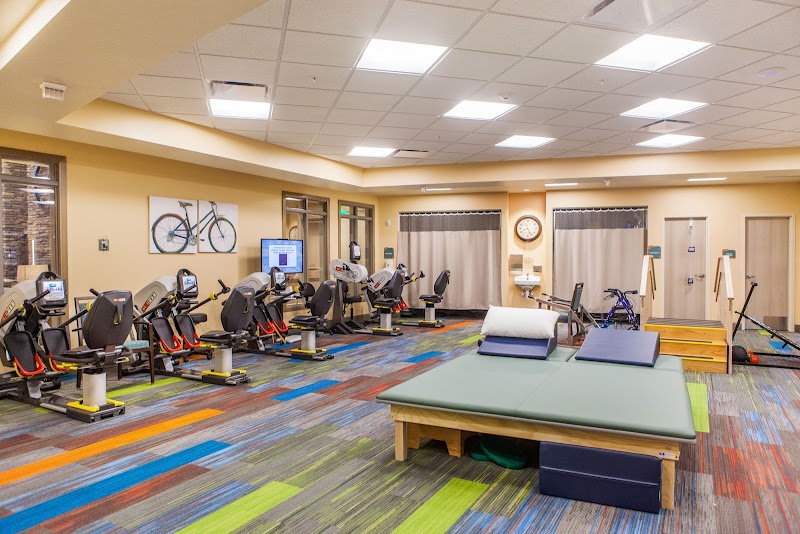
How is Rocky Mountain Care - Willow Springs Staffed?
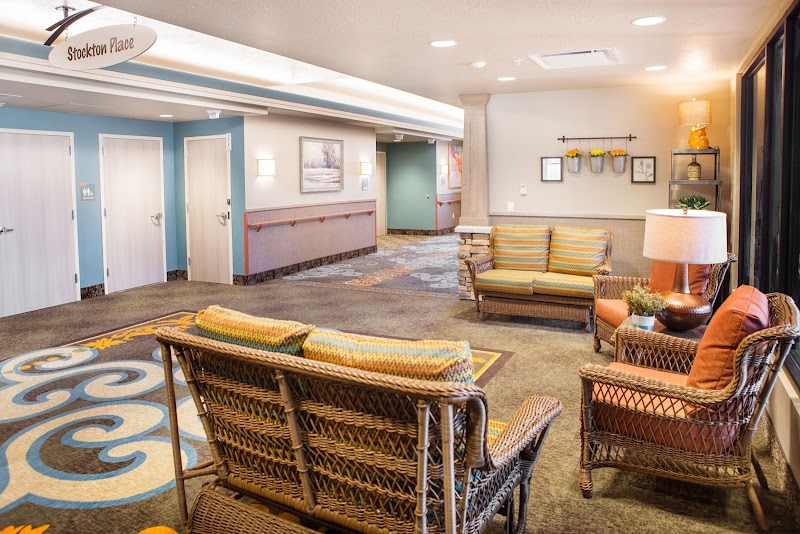
CMS rates Rocky Mountain Care - Willow Springs's staffing level at 4 out of 5 stars, which is above average compared to other nursing homes. Staff turnover is 51%, compared to the Utah average of 46%.

What Have Inspectors Found at Rocky Mountain Care - Willow Springs?

State health inspectors documented 30 deficiencies at Rocky Mountain Care - Willow Springs during 2021 to 2025. These included: 5 that caused actual resident harm and 25 with potential for harm. Deficiencies causing actual harm indicate documented cases where residents experienced negative health consequences.

Who Owns and Operates Rocky Mountain Care - Willow Springs?

Rocky Mountain Care - Willow Springs is owned by a non-profit organization. Non-profit facilities reinvest revenue into operations rather than distributing to shareholders. The facility is operated by ROCKY MOUNTAIN CARE, a chain that manages multiple nursing homes. With 112 certified beds and approximately 93 residents (about 83% occupancy), it is a mid-sized facility located in Tooele, Utah.

How Does Rocky Mountain Care - Willow Springs Compare to Other Utah Nursing Homes?

Compared to the 100 nursing homes in Utah, Rocky Mountain Care - Willow Springs's overall rating (4 stars) is above the state average of 3.4, staff turnover (51%) is near the state average of 46%, and health inspection rating (3 stars) is at the national benchmark.

What Should Families Ask When Visiting Rocky Mountain Care - Willow Springs?

Based on this facility's data, families visiting should ask: "Can I visit during a mealtime to observe dining assistance and food quality?" "How do you handle medical emergencies, and what is your hospital transfer rate?" "Can I speak with family members of current residents about their experience?"

Is Rocky Mountain Care - Willow Springs Safe?

Based on CMS inspection data, Rocky Mountain Care - Willow Springs has a clean safety record: no substantiated abuse findings (meaning no confirmed cases of resident harm), no Immediate Jeopardy citations (the most serious violation level indicating risk of serious injury or death), and is not on the Special Focus Facility watch list (a federal program monitoring the lowest-performing 1% of nursing homes). The facility has a 4-star overall rating and ranks #1 of 100 nursing homes in Utah. While no facility is perfect, families should still ask about staff-to-resident ratios and recent inspection results during their visit.

Do Nurses at Rocky Mountain Care - Willow Springs Stick Around?

Rocky Mountain Care - Willow Springs has a staff turnover rate of 51%, which is about average for Utah nursing homes (state average: 46%). Moderate turnover is common in nursing homes, but families should still ask about staff tenure and how the facility maintains care continuity when employees leave.

Was Rocky Mountain Care - Willow Springs Ever Fined?

Rocky Mountain Care - Willow Springs has been fined $23,326 across 2 penalty actions. This is below the Utah average of $33,312. While any fine indicates a compliance issue, fines under $50,000 are relatively common and typically reflect isolated problems that were subsequently corrected. Families should ask what specific issues led to these fines and confirm they've been resolved.

Is Rocky Mountain Care - Willow Springs on Any Federal Watch List?

Rocky Mountain Care - Willow Springs is not on any federal watch list. The most significant is the Special Focus Facility (SFF) program, which identifies the bottom 1% of nursing homes nationally based on persistent, serious quality problems. Not being on this list means the facility has avoided the pattern of deficiencies that triggers enhanced federal oversight. This is a positive indicator, though families should still review the facility's inspection history directly.