Uintah Health Care Special Service District
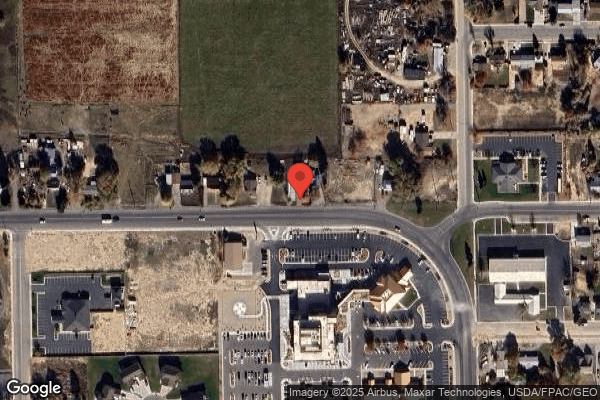
510 South 500 West, Vernal, UT 84078 (435) 781-3505
Government - County 110 Beds Independent Data: November 2025 1 Immediate Jeopardy citation
Trust Grade
73/100
#27 of 97 in UT
Last Inspection: September 2023

Over 2 years since last inspection. Current conditions may differ from available data.

Overview

Uintah Health Care Special Service District in Vernal, Utah has a Trust Grade of B, indicating it is a good choice, though not the top-tier option. It ranks #27 out of 97 facilities in Utah, placing it in the top half, and is the only facility in Uintah County, showing it stands out locally. The facility's trend is stable, with one issue reported in both 2023 and 2025. Staffing is a strength, rated 5 out of 5 stars, and with a 40% turnover rate, which is lower than the state average, indicating staff members tend to stay longer and are familiar with the residents. However, the facility has received $34,035 in fines, which is average for the state, and there have been concerning incidents, including a failure to provide adequate mental health care for residents at risk of self-harm, and lapses in infection control procedures, such as not sanitizing equipment between residents. Overall, while there are notable strengths in staffing and care quality, families should be aware of the serious issues highlighted in the inspector findings.

Trust Score
B
73/100
In Utah
#27/97
Top 27%
Safety Record
High Risk
Review needed
Inspections
Holding Steady
1 → 1 violations
Staff Stability
○ Average
40% turnover. Near Utah's 48% average. Typical for the industry.
Penalties
✓ Good
$34,035 in fines. Lower than most Utah facilities. Relatively clean record.
Skilled Nurses
✓ Good
Each resident gets 113 minutes of Registered Nurse (RN) attention daily — more than 97% of Utah nursing homes. RNs are the most trained staff who catch health problems before they become serious.
Violations
○ Average
7 deficiencies on record. Average for a facility this size. Mostly minor or procedural issues.
★★★★★
5.0
Overall Rating
★★★★★
5.0
Staff Levels
★★★★★
5.0
Care Quality
★★★☆☆
3.0
Inspection Score
Stable
2023: 1 issues
2025: 1 issues

The Good

  • 5-Star Staffing Rating · Excellent nurse staffing levels
  • 5-Star Quality Measures · Strong clinical quality outcomes
  • Full Sprinkler Coverage · Fire safety systems throughout facility
  • No fines on record
  • Staff turnover below average (40%)

    8 points below Utah average of 48%

Facility shows strength in staffing levels, quality measures, fire safety.

The Bad

Staff Turnover: 40%

Near Utah avg (46%)

Typical for the industry

Federal Fines: $34,035

Above median ($33,413)

Moderate penalties - review what triggered them

The Ugly 7 deficiencies on record

1 life-threatening
Sept 2025 1 deficiency 1 IJ
CRITICAL (J) 📢 Someone Reported This

A family member, employee, or ombudsman was alarmed enough to file a formal complaint

Immediate Jeopardy (IJ) - the most serious Medicare violation

Deficiency F0740 (Tag F0740)

Someone could have died · This affected 1 resident

**NOTE- TERMS IN BRACKETS HAVE BEEN EDITED TO PROTECT CONFIDENTIALITY** Based on interview and record review it was determined, for 2 out of 22 sampled residents, that the facility failed to ensure th...

Read full inspector narrative →
**NOTE- TERMS IN BRACKETS HAVE BEEN EDITED TO PROTECT CONFIDENTIALITY** Based on interview and record review it was determined, for 2 out of 22 sampled residents, that the facility failed to ensure that each resident received and the facility provided the necessary behavioral health care and services to attain or maintain the highest practicable physical, mental, and psychosocial well-being, in accordance with the comprehensive assessment and plan of care. Specifically, the facility failed to provide behavioral health care and services to a resident who had expressed a desire to commit suicide and interventions and monitoring were not implemented prior to the resident successfully committing suicide. Additionally, another resident made statements of wanting to hang himself and behavioral health care and services were not provided and interventions and monitoring were not implemented. The deficient practice identified was cited at an Immediate Jeopardy level for both residents. Resident identifiers: 22 and 40. NOTICE On 9/24/25 at 5:31 PM, Immediate Jeopardy (IJ) was identified when the facility failed to implement Centers for Medicare and Medicaid Services recommended practices to ensure each resident had the necessary behavioral health care and services to attain or maintain the highest practicable physical, mental, and psychosocial well-being. Specifically, resident 40 successfully committed suicide after expressing this desire to staff and behavioral health services, interventions, and monitoring were not implemented. Additionally, resident 22 made statements of wanting to hang himself and behavioral health services, interventions, and monitoring were not implemented. Notice of the Immediate Jeopardy was given verbally and in writing to the Administrator (ADM) and Director of Nursing (DON). On 9/25/25, the Administrator provided the abatement plan for the removal of the Immediate Jeopardy effective on 9/25/25 at 11:00 AM. The abatement plan for suicide prevention included the following:1. All residents will undergo a mental health screening by a qualified profession (sic) on September 27, 2025. Residents identified as being at risk for suicidal ideation and/or self-harm will receive intervention from the screening professional. Care plans will be updated to reflect these changs {sic} and interventions. In order to keep the residents safe, we will interview each resident today and ask the following questions. I'm here because we want to keep you safe. Have you had any thoughts of harming yourself or wanting to die? If yes: Do you have a plan - what, when, and how? (if yes escalate immediately). If the answer is yes, we will immediately implement our Suicide Prevention/Protocol. If the answer is no, there will be no further action. All documentation will be filed in the resident's chart.2. All current staff will receive suicide prevention training at the beginning of their next scheduled shift. New staff will receive this training during employee orientation. Additionally, all licensed nurses will be trained on the [NAME] Protocol and our suicide prevention policy who are working today and all other nurses will complete before their next shift.3. Charge nurses will monitor progress notes daily starting immediately, revieing the past 36 hours for resident safety risks to be communicated according to our suicide prevention policy/protocol. This monitoring will continue for 90 days. Charge nurses will sign a daily log confirming completion and the Director of Nursing (DON) will monitor this log weekly compliance, communicating any findings to the Administrator.4. [Registered Nurse (RN) 1] interviewed [Resident 22] on 9/25/2025 @ 10:45 using the [NAME] Protocol worksheet. RN 1 has had training from previous employment at the hospital and used this protocol during her employment there. [Resident 22] answered No to questions 1, 2 & 6. He will continue with his current care plan since he is not in immediate danger. On 9/25/25, while completing the recertification survey, surveyors conducted an onsite revisit to verify that the Immediate Jeopardy had been removed. The surveyors determined that the Immediate Jeopardy was removed as alleged on 9/25/25. Findings included: 1. Resident 40 was admitted to the facility on [DATE] with diagnoses which included Alzheimer's disease, major depressive disorder, anxiety disorder and insomnia. Resident 40 passed away on 9/13/25 due to a successful suicide attempt. Resident 40's medical record was reviewed from 9/22/25 through 9/25/25. On 5/30/24, resident 40's admission Minimum Data Set (MDS) documented under the resident mood interview that the resident answered yes to “Little interest or pleasure in doing things”; “Feeling tired or having little energy”; “Trouble concentrating on things, such as reading the newspaper or watching television”; and “Moving or speaking so slowly that other people could have noticed. Or the opposite - being so fidgety or restless that you have been moving around a lot more than usual.” Resident 40 had a severity score of 10, indicating a moderate level of depression. On 8/29/24, resident 40's Quarterly MDS documented under the resident mood interview that the resident answered yes to “Little interest or pleasure in doing things”; “Feeling down, depressed, or hopeless”; “Trouble falling or staying asleep, or sleeping too much”; “Feeling tired or having little energy”; “Poor appetite or overeating”; “Feeling bad about yourself - or that you are a failure or have let yourself or your family down”; “Trouble concentrating on things, such as reading the newspaper or watching television”; “Moving or speaking so slowly that other people could have noticed. Or the opposite - being so fidgety or restless that you have been moving around a lot more than usual”; and “Thoughts that you would be better off dead, or of hurting yourself in some way.” Resident 40 had a severity score of 26, indicating a severe level of depression. Resident 40's progress notes revealed the following: a. On 5/24/25 at 1:35 PM, the admission Note documented, “Patient is having a hard time; states he wants to hurry and get things going. Friend has brought patient's own brown smooth cover electric chair. [Resident 40] states I want my own chair I don't want to sit in a chair that someone died in, I know how these places are. [Resident 40's] chair was set next to his bed. Medications taken from daughter and reviewed and counted. When going thru [sic] the check list of his room he states I'm not one of these people that are old I'm [AGE] years old and I can do things for myself. I just came in and lost my kids and everything I have to be here. I just want to go to sleep.” b. On 5/27/24 at 2:35 PM, the Behavioral Symptoms note documented, “Resident went into the dining room around 1300 (1:00 PM) and said, ‘I don't know what the hell that noise is, but somebody better get off their ass and fix it or I'm going to blow my fucking top.' Staff reported another resident's call light was going off and the noise upset him. When nurse went to residents room he appeared anxious, he kept rubbing his face with his hands, stating ‘that noise set me off' ‘I'm sorry, I'm too nice of a person for this, this isn't me' ”. c. On 5/27/24 at 4:04 PM, the Behavioral Symptoms note documented, “Resident states his Klonopin medication was increased prior to administration [sic] to [name omitted]. Dosage increase was not reflected in admission medication list. Due to increased agitation this afternoon and treats [sic] to leave the facility to self-medicate Physician was notified. [Physician name omitted], through thorough search of [physician name omitted] notes and clinic records was able to find note of resident's call to clinic on 5/20/24 and Klonopin increased to 2mg [milligram] TID [three times a day]. Dosage clarification received and telephone order to increase dose as follows; 1) Klonopin 2mg PO [by mouth] TID for anxiety.” d. On 5/31/24 at 10:00 AM, the Social Worker Psychosocial Assessment documented that resident 40's “mood varies from pleasant and thankful for his care to anger/agitated/swearing.” The assessment of behavioral concerns documented, “Per staff: Delusions and verbally aggressive.”. The assessment recommendations were, “Staff will listen to [Resident 40's] wants and needs and make sure his needs are met. 2. Staff will help with redirection, cues, prompts and validation. 3. Staff will help [Resident 40] with making sure he can attend his activities of choice.” It should be noted that this was the only documented assessment of resident 40 by the Licensed Clinical Social Worker or mental health provider. e. On 6/8/24 at 5:25 PM, the Behavioral Symptoms note documented, “Resident voiced to nurse that he is feeling anxious and very agitated. Stated ‘if my medication doesn't get figured out I'm going to lose my shit'. Voices that klonopin ‘isn't helping anymore'. Notified [physician name omitted] of resident concern, new order received for quetiapine 50 mg po [by mouth] now and then one Q [every] am [morning]. Brought medication into resident and he refused to take it. Stated ‘quetiapine puts me to sleep in 30 minutes. I've taken that before during the day and can't function because I'm too tired'. Informed [physician name omitted], ordered Rexulti 0.5 mg po now and Q am.” f. On 6/9/24 at 7:28 AM, the Telephone Order note documented, “[Physician name omitted] notified that the pharmacy won't cover Rexulti and the med is $1300.00 out of pocket. Order given to switch to Zyprexa 5 mg one po daily.” g. On 6/9/24 at 2:40 PM, the Mood State note documented, “Spoke to resident about his frustrations. Became tearful stating that he doesn't want to be that guy that's a jerk to everyone. Voices that last night he felt like killing himself. Today is better but he still doesn't feel right in the head.” The note documented that the physician was notified. It should be noted that no documentation could be found for any interventions or monitoring that was implemented. h. On 6/9/24 at 5:02 PM, the Physician Visit note documented that resident 40's physician visited the resident and discussed “concerns and medications. No new med changes made at this time.” i. On 6/10/24 at 12:48 PM, the Telephone Order note documented, “Psychotropic review done today with consultant pharmacy. Recommendations: Change Zyprexa for qhs [every night] to qam [every morning] and consider adding antidepressant to help with anxiety. Recommendations sent to [physician name omitted]- Orders received: Change Zyprexa to QAM”. j. On 6/12/24 at 5:28 PM, the Behavioral Symptoms note documented that the resident reported feeling agitated today. k. On 6/14/24 at 3:46 PM, the Medication note documented, “[Physician name omitted] into visit resident. Care plan and orders reviewed. POLST [Physician Order for Life Sustaining Treatment] signed. New orders are as follows: 1) start Sertraline 50mg PO AM.” l. On 6/30/24 at 4:19 PM, the Behavioral Symptoms note documented, “resident asked for 2 o'clock medications early stated he didn't feel right in the head and needed to be left alone. Resident placed a note on the door not to bother him until 1630 [4:30 PM]”. m. On 7/1/24 at 10:30 PM, the Behavioral Symptoms note documented, “At times the resident will be confused about the time of day it is, and express some agitation, with some queing [sic] and redirecting he calms down, ”. n. On 7/12/24 at 2:48 PM, the Physician Visit note documented, “New Order: 1. Increase Zoloft (Sertraline HCL [hydrochloride] 50mg to 100mg po AM 2. Decrease Zyprexa to 2.5mg daily.” o. On 7/12/24 at 3:00 PM, the Behavioral Symptoms note documented, “ “Patient is up to the Nursing Station. He states tell [physician name omitted] I think about Suicide daily. I ask if he had talk [sic] with [physician name omitted] about this, he states no, there where [sic] to many people in the room. Call was made to [physician name omitted] to inform him of patient's statement. [Physician name omitted] request to monitor patient closely and that he has increase his antidepression [sic] medication.” p. On 7/16/24 at 5:47 PM, the Behavioral Symptoms note documented, “resident isolated himself in his room for a majority of the day.” q. On 8/2/24 at 4:16 PM, the Physician Visit note documented, “[Physician name omitted] here to see resident and review plan of care. Discussed how he has been feeling since increasing the zoloft to 100mg and decreasing the zyprexa to 2.5mg. Resident voices he has felt better but feels like it could be adjusted just a little more, and also added he could use something to help him sleep. New order received to discontinue zyprexa and add trazodone 50mg one po QHS [every hour of sleep].” r. On 8/2/24 at 8:36 PM, the progress note documented that resident 40 stated, I am losing my memory fast. I wish I would lose it faster so that I don't have to remember I have kids or a family. s. On 8/7/24 at 8:04 PM, the Behavioral Symptoms note documented that resident 40 had increased confusion. t. On 8/8/24 at 11:18 AM, the Late entry note for 8/7/24 documented, “Resident reported ‘It takes about a half hour when I wake up to remember where I am' He also reports feeling overwhelmed and anxious when there are too many people or noises around him. Resident shows poor recall, he uses his phone alarm and printed schedules to remember meal and snack times.” u. On 8/16/24 at 1:57 PM, the Behavioral Symptoms, Mood State note documented, “While administering 1400 [2:00 PM] scheduled medication I asked resident if there was anything that I could get for him and he responded ‘a bullet ‘. I asked resident if he was having thoughts of self-harm. Resident responded ‘It was just a joke but yes I do think about it sometimes.' Resident declined want [sic] to talk but did thank me for being nice to him. I advised resident that I would be checking in frequently but that If he needed anything further or before I came to check in to call for assistance. Resident stated understanding”. It should be noted that no documentation could be found that the physician was notified of the resident's statement or any interventions or monitoring that was implemented. v. On 8/20/24 at 1:39 PM, the Behavioral Symptoms note documented, “Resident brought sticky note to the nurses' station that read my irritated short fuse has increased since the med change.” “Resident reported he has had a hard time falling asleep at night and when he is in his room during the day he is resting but not sleeping.” w. On 8/20/24 at 3:00 PM, the Behavioral Symptoms note documented, “Resident came to nurses' station and said, ‘I need you to get a hold of the doctor and tell him that my agitation is getting worse' ‘I am not sleeping and whatever adjustments he made to my medication is not working.' Physician notified per resident request.” x. On 8/20/24 at 4:59 PM, the Medication note documented, “New orders given per Physician regarding residents increased agitation and [complaints of] trouble sleeping: 1) Increase Seroquel to 125 mg PO at bedtime”. y. On 8/22/24 at 1:13 PM, the Mood State note documented, “[Physician name omitted] notified that resident is voicing concerns that he is having increased agitation and irritability. Feels like he ‘wants to rip someone's head off'. Adds that he is no longer having issues sleeping since adding the trazodone. Order received to increase his sertraline from 100mg to 150mg daily.” z. On 8/22/24 at 9:13 PM, the Behavioral Symptoms note documented, “Resident states ‘no one understands what it is like for me. Everyone around me has lost their minds and I can still remember things, I just want to not feel anything. I am laying in this bed wasting away. I really wish the Dr. [doctor] would over medicate me so I don't have to deal with all of this.' “ aa. On 8/24/24 at 4:43 PM, the note documented, “Resident spent the vast majority of the day isolating himself. He went to bingo and meals but was the first to leave meals and spent the rest of his time alone.” bb. On 8/24/24 at 4:57 PM, the Mood State note documented, “Resident reported to activities aid that he was feeling suicidal.” It should be noted that no documentation could be found that the physician was notified of the resident's statement or any interventions or monitoring that was implemented. cc. On 8/25/24 at 5:44 PM, the Behavioral Symptoms note documented, “This am resident while in room administering medications resident appeared very upset over the events of the night. He stated to me I don't fucking like how they just come in at 4 am and turn every fucking light on. I can't sleep as it is and this is how I get when I don't sleep. resident was speaking in elevted [sic] tone of voice and appeared to be very upset making gestures like throwing or shaking his hands and arms. At dinner resident was seen by staff taking a knife to the walls and scraping away at the lines.” dd. On 8/26/24 at 4:30 PM, the Mood State note documented, “Resident noted to be pacing up and down the hall and seemed irritable with some staff members. Maintenance man who is also a long-time friend spoke to him and resident voiced that he has to sign over his rights to his children Friday and that has him pretty upset.” ee. On 8/30/24 at 2:33 PM, the Behavioral Symptoms, Mood State note documented, “Resident has spent most of day thus far in his room with the door shut, blinds closed and lights off. Also noted to wear his sunglasses while in the dark room. Has refused hydration mug. Does not want it in his room. Has been short tempered with staff. Resident does not want staff in his room.” ff. On 8/31/24 at 3:40 AM, the Behavioral Symptoms note documented, “Resident came up to nurse's station states that he was upset because CNA [Certified Nurse Assistant] woke him up when she delivered a water pitcher and checked on him…. After CNA delivered water cup and checked on resident, he became agitated and aggressive to CNA, he threw his water cup out in the hall. CNA cleaned up the water and replaced the water cup; it was then that resident came to nurse and complained that he is not happy with the way this facility is handling his care. He states I am here to die, why can't you people just let me die? I don't need anyone in my room hovering over me. Staff attempted to deescalate confrontation; Nurse explained that if he is unhappy with his care that he is welcome to address his concerns with [name omitted] the resident advocate. however, resident stormed to his bedroom and slammed his door.” gg. On 8/31/24 at 11:09 AM, the Mood State note documented, “Nurse went into residents room to speak to him about his recent behaviors and concerns. Stated to nurse that he doesn't want to be ‘the asshole but nobody listens'. Voiced that he doesn't recall conversations that he has with someone 5 minutes after they occur…. When asked resident if he was having thoughts of self harm stated ‘I told myself long ago that I would never take my life with my own hands, but if there was a way for me to just die I would welcome that'. Voices feelings of increased agitation that he contributes to sleep deprivation…. Told him that I would reach out to Dr [NAME] to express his agitation concerns.” It should be noted that no documentation could be found for any interventions or monitoring that was implemented. hh. On 8/31/24 at 2:57 PM, the Medication note documented, “Order received from [physician name omitted] to increase residents seroquel from 125 mg to 150 mg QHS”. ii. On 9/4/24 at 9:49 AM, the Behavioral Symptoms note documented, “Resident refused breakfast this am x2…. This am resident has been pacing hallway end to end. When asked if resident needed anything or if he was feeling okay resident continued to ignore nurse. At this time resident is showing signs of agitation but shows no s/sx of distress. He prefers to wear darkened sunglasses in room and in hallway.” jj. On 9/5/24 at 7:28 AM, the note documented, “Talked to him about his mood score being high. He said I'm not depressed. Voiced he is just upset about his kids and the situation. Also said he does not want more medication for depression. Asked if he would like me to setup an appointment for a counselor to see him and he said my counselor comes here to see me and I talk to her.” It should be noted that the note was authored by the Director of Nursing. kk. On 9/6/24 at 9:30 PM, the note documented, “Nurse into resident bedroom to administer HS [hour of sleep] medication, resident was asked if pain medication that was administer [sic] by AM [morning] nurse was effective. He states that stuff works great I wish the doctor would let me have that medication every day. I don't like to use drugs but man that pill made me relax enough that I could get some much-needed rest.” ll. On 9/8/24 at 7:26 AM, the Behavioral Symptoms note documented, “Has been ambulating up and down the hall for 20-30 mins, is requesting something for general pain”. mm. On 9/8/24 at 2:05 PM, the note documented, “Patient is c/o back pain is requesting a Percocet. Patient states his low back is aching. I have no refills on this medication.” nn. On 9/8/24 at 4:52 PM, the Medication note documented, “New order Discontinue Percocet 325/5mg. Use prn [as needed] orders Ibuprofen 400mg for pain or discomfort. [Physician name omitted] will be making rounds this week.” oo. On 9/9/24 at 9:00 PM, the not documented, “Nurse and CNA into resident's bedroom to administer HS med and ask if he need anything before, he goes to bed. Resident sates ‘no just shut my door and stay out of my room.' “ pp. On 9/10/24 at 12:35 PM, the Dietary Concerns note documented, “Spoke about low meal intake and wt lose [sic]. Informed him that they had come in and adjusted the juice machines. Also informed him again about the alternative meals. He hinted that he did not want to be a bother. Told him we were all set up for it and would not be any extra for the staff. He said ‘I will just keep losing weight until I die and get to see heavy [sic] father.' “ It should be noted that no documentation could be found that the physician was notified of the resident's statement or any interventions or monitoring that was implemented. qq. On 9/11/24 at 4:20 PM, the note documented, “resident c/o back pain, prescribed prn medications were offered, Acetaminophen, ibuprofen, and cyclobenzaprine. Resident refused any medications. stated that he would like to talk to his physician face to face first. That he needs something stronger for pain. He states that he is unable to sleep because the pain is so bad…. Spends most of the day in his bed asking everyone to leave him alone.” rr. On 9/12/24 at 11:40 AM, the note documented, “Resident had appointment with LCSW [Licensed Clinical Social Worker] [name omitted]. No concerns expressed at this time.” ss. On 9/12/24 at 2:40 PM, the Behavioral Symptoms note documented, “at this time resident approached nurses station and says that he is going to bed and will be refusing to get up for dinner. Nurse explained the importance of getting up and eating meals. Resident stated, ‘I will not be going to dinner and I don't care.' “ tt. On 9/13/24 at 3:00 PM, the note documented, “[Name of physician omitted] into see resident. Plan of care reviewed. Resident is c/o [complaining of] pain. Would like pain medication scheduled. [Name of physician omitted] inquired about location of pain. Resident states he has back pain from ‘sitting too much, laying too much, walking too much.' Resident states he is sleeping okay. Resident also states that he spends ‘17 hours a day in bed., but they [sic] denies being in bed. Resident also states that he had a back injury in his L [lumbar] 4-L5 from a car accident 20 years ago. States he has been ‘pissing himself'. Dr. [NAME] asked if resident if he has lost control of his bowel or bladder. Resident states ‘no.' Denies numbness in legs or in the saddle area of his crotch. Resident again states ‘no.' [Name of physician omitted] suggested increased activity and also attending facility activities. Resident states, ‘Not gonna happen.' [Name of physician omitted] inquired reason why? Resident states, ‘They are 80 and I'm not. That activity today was a wheelchair activity. I'm not going.' Resident states he wished marijuana was legal. [Name of physician omitted] states he will not order marijuana. Resident talked in circles and states that ‘this hospital doesn't even know what goes on here.' States he has been seeing his psychiatrist. [Name of physician omitted] stated he didn't know that resident was seeing a psychiatrist. Resident became angry and states, ‘How is it that you don't know me??' [Name of physician omitted] inquired who his psychiatrist is. Resident states, ‘[name omitted]' [Name of physician omitted] states he knows [name omitted] and that she is a counselor and not a psychiatrist. Resident then states he is not depressed and argued about his medication. [Name of physician omitted] states he is happy to help, but will not do it with bad medicine. When resident asks about pain medication, [Name of physician omitted] states he will not prescribe narcotics. Resident becomes upset and states the other stuff doesn't work. Resident states that he can't remember to ask for medication and wants medication scheduled. [Name of physician omitted] states he is able to ask. New orders received: 1) Discontinue flexaril 2) Methocarbamol 750mg 2 tabs Q 8 hours at 0800 [8:00 AM], 1400 [2:00 PM], and 2200 [10:00 PM] x [times] 3 days. then 3) Methocarbamol 750mg 2 tabs PO TID PRN [as needed]- back pain.” uu. On 9/13/24 at 11:33 PM, the note documented, “Call from East side nurse telling nurse to come over for help around 2040 [8:40 PM]. This nurse and [name omitted], RN [Registered Nurse] came over to East side immediately. All nurses ran into resident's room at that time. Curtain was pulled. Resident was laying sideways on the bed, left foot out on the floor and right foot and leg tucked under bottom. Black trash bag was over head and knotted tightly around neck with string, appeared to be from a jacket. Feet, hands, neck were blue. Resident's legs were assisted onto bed, small hand towel was placed over face, bag was ripped and cord was unable to be unknotted, so scissors were obtained to cut off. Face was blue. No pulse found. Resident with DNR [Do Not Resuscitate] status. DON, Administrator, 911, physician notified. All staff out of room at that time until police arrived. DON and Administrator arrived right before police arrived. Police took over investigation at that time.” On 5/31/24, resident 40's signed POLST order documented Do not attempt or continue any resuscitation (DNR) (Allow Natural Death). Resident 40's physician orders revealed the following: a. On 5/24/24, an order was initiated for Klonopin 1mg two times a day (BID) for anxiety disorder. b. On 5/24/24, an order was initiated for Quetiapine 100mg QHS for major depressive disorder. c. On 5/29/24, the Klonopin was increased to 2mg three times a day (TID) at 8:00 AM, 2:00 PM, and 10:00 PM for anxiety disorder. d. On 6/8/24, an order was initiated for Zyprexa 5mg daily (QD) for major depressive disorder. It should be noted that this medication was initiated because Rexulti was not covered by insurance. e. On 6/14/24, an order was initiated for Sertraline 50mg QD for major depressive disorder. f. On 7/12/24, an order was initiated to increase the Sertraline to 100mg QD for major depressive disorder. g. On 7/29/24, an order was initiated to decrease Zyprexa to 2.5mg QD for major depressive disorder. h. On 8/2/24, an order was initiated to discontinue Zyprexa. i. On 8/5/24 an order was initiated for Trazodone 50mg QHS for insomnia. j. On 8/22/24, an order was initiated to increase Sertraline to 150mg QD for major depressive disorder. k. On 8/20/24, an order was initiated for Quetiapine 25mg QHS, give with 100mg tablet to equal 125 mg for major depressive disorder. l. On 8/31/24, an order was initiated for Quetiapine 50mg QHS, give with 100mg tablet to equal 150 mg for major depressive disorder. Resident 40's Antipsychotic Medication Monitor Form Documented the following: a. On 5/26/24 and 5/27/24 for day shift, the Seroquel form documented 4 events for throwing objects and striking out at others. The form documented behavior management interventions utilized were positive reinforcement, “Live the Moment” validation, food/fluids offered, and music activity offered. The form documented that the outcome after intervention was effective or improved. b. June 2024 monitoring for the Seroquel documented zero events. It should be noted that documentation was missing for 6/3/24 day shift, 6/6/24 night shift, 6/23/24 night shift, 6/24/24 night shift, and 6/25/25 night shift. c. July 2024 monitoring for the Seroquel documented 2 events on 7/25/24, 2 event on 7/27/24, and 2 events on 7/29/24 for behaviors of delusions. The form documented behavior management interventions utilized were positive reinforcement, redirection, and “Live the Moment” validation. The form documented that the interventions were effective on 7/25/24 and 7/29/24. The form did not have documentation for the interventions or outcome for the 7/27/24 events. It should be noted that documentation was missing for 7/6/24 day shift. d. July 2024 monitoring for Zyprexa documented a behavior for suicidal thoughts. The form documented 2 events on 7/12/24 and interventions utilized were documented that all of the following interventions were provided: taken to bathroom, positive reinforcement, redirection, “Live the Moment” validation, food/fluids offered, music/activity offered, medication offered. The outcome was documented as “N” for not observed/unchanged. On 7/13/24 one event was documented, interventions were documented as all and outcome was “N”. On 7/14/24, 7/15/24, and 7/16/24 two events were documented, interventions were documented as all and outcome was “N”. It should be noted that no documentation could be found that the physician was notified of the suicidal thoughts on 7/13/24, 7/14/24, 7/15/24, or 7/16/24. e. August 2024 monitoring for the Seroquel documented 6 events on 8/7/24, 2 events on 8/8/24, 3 events on 8/17/24, 1 event on 8/18/24, 2 events on 8/19/24, and 3 events on 8/20/24 for behaviors of delusions. The form documented the interventions utilized were positive reinforcement, redirection, and “Live the Moment” validation. On 8/7/24, 8/8/24 and 8/17/24 the outcome was documented as not observed or unchanged. On 8/30/24 two events were documented for throwing things and on 8/31/24 one event was documented for throwing things. The interventions documented as utilized for the behavior of throwing things were “all” for taken to bathroom, positive reinforcement, redirection, “Live the Moment” validation, food/fluids offered, music/activity offered, medication offered. f. September 2024 monitoring for the Seroquel documented 1 event on 9/3/24 and 9/4/24, 2 event
Feb 2022 3 deficiencies
CONCERN (D)

Potential for Harm - no one hurt, but risky conditions existed

Deficiency F0676 (Tag F0676)

Could have caused harm · This affected 1 resident

**NOTE- TERMS IN BRACKETS HAVE BEEN EDITED TO PROTECT CONFIDENTIALITY** Based on observation, interview, and record review, it was determined the facility did not provide the necessary care and servic...

Read full inspector narrative →
**NOTE- TERMS IN BRACKETS HAVE BEEN EDITED TO PROTECT CONFIDENTIALITY** Based on observation, interview, and record review, it was determined the facility did not provide the necessary care and services to ensure that a resident's abilities in activities of daily living do not diminish unless circumstances of the individual's clinical condition demonstrate that such diminution was unavoidable. Specifically, for 1 out of 21 sampled residents, a resident did not receive the feeding assistance she needed at meal time. Resident identifier: 28. Findings included: Resident 28 was admitted to the facility on [DATE] with diagnoses which included but not limited to complete traumatic amputation at level between right hip and knee, paraplegia, person injured in unspecified vehicle accident, and fatigue. Resident 28's medical record was reviewed on 2/8/22. A quarterly Minimum Data Set (MDS) assessment dated [DATE], documented that resident 28 required extensive assistance of one person with eating. In addition, the MDS assessment documented that resident 28 had a Brief Interview for Mental Status (BIMS) score of 5. [Note: A BIMS score of 0 to 7 points indicates severely impaired cognition.] A Plan of Care problem with an effective date of 10/15/21, documented that resident 28 was at nutritional risk as evidenced by leaving 25% plus at most meals. An intervention implemented on 10/15/21, documented that resident 28 would receive assistance as needed with meals. On 12/14/21 at 1:30 PM, an Interdisciplinary Progress Note documented Category: Dietary Concerns . Accepting puree diet better. Needing assist (assistance) with meals. Eating 25% of breakfast and dinner, still skips lunch. Using cups with handles. She is not holding regular cups well. Encourage meal and fluid intake, encourage supplements, assist as accepted. Offer preferred foods and alternative foods. On 1/15/22 at 7:56 AM, an Interdisciplinary Progress Note documented Category: Dietary Concerns 1/14/22 HT (height)-59 (inches) WT (weight)-75.4 Down 5%, . BMI (body mass index)-15.2, Diet Reg (regular)/puree. Needs cueing at meals. Refusing assist most of the time. Eating 15-25%. Still skips lunch. Eating only breakfast and dinner. Will sleep in and eat a late breakfast, this has been a life long history. Continue to encourage meal intake, and offer alternative foods and snack though out the day. Continue to monitor. On 2/8/22 at 10:17 AM, Resident 28 was observed in the dayroom area in a tilted wheelchair. A breakfast meal tray was observed on a bedside table placed in front of resident 28. Resident 28 was observed to be drinking a fluid from a cup. The pureed food on the breakfast meal tray appeared to be untouched. The utinsels were placed out of resident 28's reach. On 2/8/22 at 11:09 AM, Resident 28 was observed to spill a cup filled with water on the bedside table. On 2/8/22 at 11:55 AM, Registered Nurse (RN) 1 was observed to assist resident 28 with a health shake. RN 1 then removed resident 28's breakfast meal tray. [Note: Resident 28 was not offered queuing or assistance from staff to eat the breakfast meal. RN 1 did not encourage meal intake or offer alternative foods to resident 28.] On 2/8/22 at 11:56 AM, an interview was conducted with RN 1. RN 1 stated that resident 28 drank the 2.0 Enriched Supplement and the health shake. RN 1 stated that resident 28 had one bite of egg and drank all of the juices. On 2/9/22 at 9:45 AM, Resident 28 was observed to be placed by a staff member in the dayroom area in a tilted wheelchair. On 2/9/22 at 10:18 AM, Certified Nursing Assistant (CNA) 1 was observed to set up resident 28's breakfast meal tray on a bedside table placed in front of resident 28. CNA 1 was observed to assist resident 28 with a scoop of food from the breakfast meal tray. CNA 1 placed resident 28's utinsel on the plate at the one o'clock spot. Resident 28 was observed to reach for the cup closest to her and was drinking the contents through a straw. On 2/9/22 at 10:30 AM, CNA 2 was observed to reposition resident 28 in the tilted wheelchair. [Note: Resident 28 was not offered queuing or assistance from CNA 2 to eat the breakfast meal. CNA 2 did not encourage meal intake.] On 2/9/22 at 10:39 AM, Resident 28 was observed chewing on a drinking straw. [Note: Resident 28 was observed to only reach the one drink that was the closest to her.] On 2/9/22 at 10:54 AM, RN 2 was observed to ask resident 28 if she would like her to feed her. RN 2 was observed to assist resident 28 with feeding. [Note: Resident 28 was provided feeding assistance 36 minutes after the breakfast meal tray was set up.] On 2/9/22 at 10:56 AM, an interview was conducted with CNA 1. CNA 1 stated that resident 28 was able to feed herself if she wanted to. CNA 1 stated that resident 28 would not eat at all. CNA 1 stated if she fed resident 28 she would spit the food out. CNA 1 stated that resident 28 would drink the liquids, eat the oatmeal, and soup. CNA 1 further stated that resident 28 would get up at 9:30 AM for breakfast and would go back to bed until dinner time. On 2/9/22 at 11:00 AM, an interview was conducted with CNA 2. CNA 2 stated that resident 28 would eat if she wanted to. CNA 2 stated that resident 28 had always been concerned about her weight and the weight of the other residents. CNA 2 stated resident 28 would drink every liquid you put in front of her. CNA 2 stated that resident 28 did not require queuing with eating. On 2/9/22 at 11:07 AM, an interview was conducted with RN 2. RN 2 stated that resident 28 would get up late for breakfast and that was resident 28's preference. RN 2 stated that resident 28 would drink all of her drinks on her own. RN 2 stated that resident 28 was not able to feed herself. RN 2 stated she had fed resident 28 a few bites of pancake and the oatmeal but resident 28 would not eat the meat. On 2/9/22 at 11:23 AM, a follow up interview was conducted with CNA 2. CNA 2 stated a resident that was extensive assistance with eating could help a little but not to much. CNA 2 stated a resident that was extensive assistance would not be considered total dependant. On 2/9/22 at 11:51 AM, an interview was conducted with the Director of Nursing (DON). The DON stated if the staff were doing most of the work the resident would be considered an extensive assistance. The DON stated that resident 28 would let the staff help her sometimes and had gotten better but resident 28 did not want help. The DON stated resident 28 had good days and would frequently refuse meals. The DON stated that resident 28 was a slow eater and would take her time. The DON stated the staff had tried putting the hot cereal in a cup with a handle for resident 28. The DON stated resident 28 could do items that were in a cup. The DON also stated the staff had tried easier food items that resident 28 could pick up.
CONCERN (E)

Potential for Harm - no one hurt, but risky conditions existed

Deficiency F0711 (Tag F0711)

Could have caused harm · This affected multiple residents

**NOTE- TERMS IN BRACKETS HAVE BEEN EDITED TO PROTECT CONFIDENTIALITY** Based on interview and record review it was determined the facility did not ensure that the physician reviewed the resident's to...

Read full inspector narrative →
**NOTE- TERMS IN BRACKETS HAVE BEEN EDITED TO PROTECT CONFIDENTIALITY** Based on interview and record review it was determined the facility did not ensure that the physician reviewed the resident's total program of care, including medications and treatments, during required visits. Specifically, for 4 out of 21 sampled residents, the physician did not include an evaluation of the resident's condition and total program of care, including medications and treatments, and a decision about the continued appropriateness of the resident's current medical regimen. Resident identifiers: 11, 22, 25, and 28. Findings included: 1. Resident 11 was admitted to the facility on [DATE] with diagnoses which included but not limited to sepsis, dementia with behavioral disturbance, chronic respiratory failure, heart failure, essential hypertension, chronic kidney disease, major depressive disorder, and urinary tract infection. Resident 11's medical record was reviewed on 2/8/22. On 11/3/21 at 10:50 AM, an Interdisciplinary Progress Note documented Category:Physician Visit (name of physician] in to see him, no new changes. The note was created by nursing staff. [Note: A physician visit note was unable to be located in the medical record.] On 11/9/21 at 7:31 AM, a Progress Note-Physician Final Report documented [Resident 11] is sitting up in his wheelchair in the common area of the west side. He tells me that he is happy. He denies any pain. He overall says that he is doing well. Nursing reports no new change or concern. Vitals his weight is down to 173 his temperature is 97 his pulse is 87 respiratory rate 16 blood pressure 140/75 and a 94% room air saturation. I do not see any reason to make any changes at this point so we will continue with his current outlined regimen. The note was created by the Medical Doctor (MD). On 12/1/21 at 11:17 AM, an Interdisciplinary Progress Note documented Category: Physician Visit [name of physician] came and saw resident. Order received: D/C (discontinue) Haldol 0.25 mg (milligrams) PO (by mouth) BID (twice a day) . The note was created by nursing staff. On 12/1/21 at 11:32 AM, a Progress Note-Physician Final Report documented Is in his room when I visit with him today he is very pleasant and comfortable. Pharmacy is asking us to do a dose reduction with his psychotropic medications which we will do by discontinuing his Haldol. Objectively his weight is 181.6 temperature 98.5 pulse is 81 respiratory rate 20 blood pressure is 143/72 and he has a room air saturation of 93% exam is basically unchanged from previous exams and he seems to be very comfortable so our plan at this time will be to continue with his overall current plan of care. The note was created by the MD. On 1/5/21 at 10:02 AM, an Interdisciplinary Progress Note documented Category: Physician Visit [name of physician] into visit; reviewed medications and plan of care. No new orders received. The note was created by nursing staff. [Note: A physician visit note was unable to be located in the medical record.] On 1/8/21 at 8:59 AM, a Physician Progress Notes documented . [Resident 11] is asleep in his bed when I first started visiting with him he arouses easily and seems to understand who I am. In review of his charting his blood pressures have been in the low over the last month or so and continue to be a little bit variable but mostly low during the entire or during all of his his (sic) checks he is on both calcium channel blocker and a beta-blocker were going to discontinue the calcium channel blocker today at his visit otherwise he has been pretty stable his weights up a little bit this this (sic) month at 157 his temperature is 97.9 pulse is 60 respiratory rate is 16 blood pressure today is 94/57 and he has a room air saturation of 95% discussion with the nursing staff he really is pretty stable other than the blood pressure issue so we will continue all of his other therapies and medications as noted but discontinue his Norvasc at this time. The note was created by the MD. On 2/2/22 at 11:38 AM, an Interdisciplinary Progress Note documented Category: Physician Visit [name of physician] into visit, plan of care and medication reviewed. The note was created by nursing staff. [Note: A physician visit note was unable to be located in the medical record.] [Note: The MD visit notes did not include resident 11's total program of care. The total program of care should include medical services and medication management, physical, occupational, and speech/language therapy, nursing care, nutritional interventions, social work and activity services that maintain or improve psychosocial functioning.] 2. Resident 22 was admitted to the facility on [DATE] with diagnoses which included but not limited to dementia without behavioral disturbance, essential hypertension, weakness, personal history of transient ischemic attack, and neuromuscular dysfunction of bladder. Resident 22's medical record was reviewed on 2/8/22. On 11/12/21 at 2:22 PM, an Interdisciplinary Progress Note documented Category: Physician Visit [name of physician] in to see resident this afternoon, no changes made at this time, continue w/ (with) plan of care. The note was created by nursing staff. [Note: A physician visit note was unable to be located in the medical record.] On 12/10/21 at 3:00 PM, an Interdisciplinary Progress Note documented Category: Physician Visit [name of physician] into see resident. Plan of care reviewed. No new orders at this time. The note was created by nursing staff. On 12/10/21, a Rounds/Progress Note documented Subjective: [resident 22] is a [AGE] year-old caucasian male with Dementia and hypertension. He is seen eating lunch in the cafeteria. Nursing notes that he is essentially unchanged over the last month. Objective: VS (vital signs): Weight: 169.9, Temp (temperature) 98 [degrees], Pulse: 82, Resp (respirations): 16 Blood Pressure: 121/80, SpO2 (oxygen saturation) 95% (RA) (room air) General: Cooperative [AGE] year-old caucasian male in no visible distress. He is chewing on his shirt. Heart: RRR (regular rate and rhythm) without murmur Lungs: Clear to auscultation bilaterally. Assessment: 1. Dementia. Stable. 2. Hypertension. Stable. Plan: 1. Continue the current regimen. The note was created by the MD. On 1/12/22 at 2:16 PM, an Interdisciplinary Progress Note documented Category: Physician Visit [name of physician] into visit; reviewed plan of care and medications. No new order received. The note was created by nursing staff. [Note: A physician visit note was unable to be located in the medical record.] On 2/4/22 at 1:00 PM, an Interdisciplinary Progress Note documented Category: Physician Visit [name of physician] in to see resident. No new orders at this time. The note was created by nursing staff. On 2/4/22, a Rounds/Progress Note documented Subjective: [resident 22] is a [AGE] year-old caucasian male with Dementia and hypertension. He is seen eating lunch in the commons area off the east side. Nursing notes that he seems to be at baseline and has had no urinary issues. Catheter is working well. Objective: VS: Weight: 171.6, Temp 97.7 [degrees], Pulse: 80, Resp: 16, Blood Pressure: 115/74, SpO2 92% (RA) General: Cooperative [AGE] year-old caucasian male in no visible distress. Heart: RRR without murmur Lungs: Clear to auscultation bilaterally Assessment: 1. Dementia. Stable. 2. Hypertension. Stable. 3. Recent patient mediated extraction of foley catheter. Plan: 1. Continue the current regimen. The note was created by the MD. [Note: The MD visit notes did not include resident 22's total program of care. The total program of care should include medical services and medication management, physical, occupational, and speech/language therapy, nursing care, nutritional interventions, social work and activity services that maintain or improve psychosocial functioning.] 3. Resident 25 was admitted to the facility on [DATE] with diagnoses which included but not limited to Alzheimer's disease, dementia with behavioral disturbance, celiac disease, mild intellectual disabilities, major depressive disorder, and anxiety disorder. Resident 25's medical record was reviewed on 2/8/22. On 12/10/21 at 3:00 PM, an Interdisciplinary Progress Note documented Category: Physician Visit [name of physician] into see resident. Plan of care reviewed. No new orders at this time. The note was created by nursing staff. On 12/10/21, a Rounds/Progress Note documented Subjective: [resident 25] is a [AGE] year-old caucasian male with Down's Syndrome, Alzheimer's-type Dementia and Celiac Sprue. He states that he hurts 'in my body' but is unable to localize or further qualify his pain. He notes that he has difficulty walking. Nursing notes that he is doing well otherwise and is baseline. Objective: VS: Weight: 258.8, Temp: 97.5 [degrees], Pulse: 80, Resp: 20, Blood Pressure: 117/80, SpO2: 91% (RA) General: Cooperative [AGE] year-old caucasian male in no acute distress. Heart: RRR, no murmurs noted Lungs: Coarse breath sounds bilaterally Assessment: 1: Down's Syndrome. Continue on current regimen. 2: Alzheimer's-type Dementia. 3. Celiac Sprue. The note was created by the MD. On 2/4/22 at 1:00 PM, an Interdisciplinary Progress Note documented Category: Physician Visit [name of physician] in to see resident. No new orders at this time. The note was created by nursing staff. On 2/4/22, a Rounds/Progress Note documented Subjective: [resident 25] is a [AGE] year-old caucasian male with Down's Syndrome, Alzheimer's-type Dementia and Celiac Sprue. He denies any specific concerns. Objective: VS: Weight: 282, Temp: 97 [degrees], Pulse: 62, Resp: 20, Blood Pressure: 116/64, SpO2: 95% (RA) General: Cooperative [AGE] year-old caucasian male in no acute distress. Heart: RRR, no murmurs noted Lungs: Coarse breath sounds bilaterally Assessment: 1: Down's Syndrome. Continue on current regimen. 2: Alzheimer's-type Dementia. 3. Celiac Sprue. The note was created by the MD. [Note: The MD visit notes did not include resident 25's total program of care. The total program of care should include medical services and medication management, physical, occupational, and speech/language therapy, nursing care, nutritional interventions, social work and activity services that maintain or improve psychosocial functioning.] 4. Resident 28 was admitted to the facility on [DATE] with diagnoses which included but not limited to complete traumatic amputation at level between right hip and knee, paraplegia, person injured in unspecified vehicle accident, and fatigue. Resident 28's medical record was reviewed on 2/8/22. On 11/3/21 at 10:52 AM, an Interdisciplinary Progress Note documented Category: Physician Visit [name of physician] in to see her, no new changes. The note was created by nursing staff. [Note: A physician visit note was unable to be located in the medical record.] On 11/9/21 at 7:39 AM, a Progress Note-Physician Final Report documented [Resident 28] is up in the commons area of the west side. She is holding a small cup of strawberry milk which she is not drinking. When asked her why she is not drinking it she laughs and tells me she is. She continues to lose weight which is very worrisome the nursing staff is helping her eat but she just does not eat very much. Her weight is down to 75 pound her temperature is 97.3 pulse is 72 respiratory rate 18 blood pressure is 137/75 and she has a room air saturation of 94%. Overall she is doing poorly because of weight loss but she [NAME] well she denies pain she denies any other concerns overall she is happy her memory continues to decline. In review of her chart I do not see any changes that can be made other than continuing to encourage her at mealtime and help with her feedings. The note was created the MD. On 12/1/21 at 10:30 AM, an Interdisciplinary Progress Note documented Category: Physician Visit [name of physician] into visit, reviewed plan of care, weight and medications. No new orders received. The note was created by nursing staff. On 12/1/21 at 11:35 AM, a Progress Note-Physician Final Report documented [Resident 28] continues to decline. She is very pleasant when I talked to her in the commons area today she indicates that she is completely comfortable and when I asked her specifically about eating she tells me that she eats enough her weight is down to 69.9 pounds her temperature is 98 pulse is 76 respiratory rate of 16 blood pressure is 130/81 and she has a room air saturation of 97%. Exam very frail-appearing thin female who is pleasant and indicates that she does not have any pain or concerns at this time I have encouraged nursing staff to help feed her and continue to encourage p.o. intake 1 (sic) needed completely denies any lunchtime food and even while eating she is she (sic) struggles to eat very much at breakfast and dinner 1 (sic) idea is putting it in a cup as she seems to like to drink more so we will try thickened liquids in a cup such as oatmeal to see if we can get more calories in her. Otherwise we will continue with her current outlined regimen. The note was created by the MD. On 1/5/22 at 10:05 AM, an Interdisciplinary Progress Note documented Category: Physician Visit [name of physician] into visit; reviewed medications and plan of care. No new orders received. Note created by nursing staff. The note was created by nursing staff. [Note: A physician visit note was unable to be located in the medical record.] On 2/2/22 at 10:16 AM, an Interdisciplinary Progress Note documented Category: Physician Visit [name of physician] into visit and review plan of care, medications and current diagnoses. New order: Add DX (diagnoses):Chronic gingivitis (Peridex). The note was created by nursing staff. [Note: A physician visit note was unable to be located in the medical record.] On 2/8/22 at 8:55 AM, an interview was conducted with the Director of Nursing (DON). The DON stated the nursing staff would note in the electronic medical record progress note when the physician made a visit with a resident. The DON stated the physician note would be filed in the resident's paper medical record. On 2/8/22 at 9:11 AM, an interview was conducted with Registered Nurse (RN) 1. RN 1 stated that each physician had their own way of charting. RN 1 stated the physician would dictate their notes after they visited the residents and would fax them to the facility. RN 1 stated that some of the physicians were more thorough and would review the entire system of the resident. On 2/9/22 at 11:37 AM, a follow up interview was conducted with the DON. The DON stated that she would do rounds with the physician if she was at the facility. The DON stated she would make a list of the resident's vital signs and problems for the physician.
CONCERN (E)

Potential for Harm - no one hurt, but risky conditions existed

Infection Control (Tag F0880)

Could have caused harm · This affected multiple residents

Based on observation, interview, and record review it was determined the facility did not establish and maintain an infection prevention and control program designed to provide a safe, sanitary and co...

Read full inspector narrative →
Based on observation, interview, and record review it was determined the facility did not establish and maintain an infection prevention and control program designed to provide a safe, sanitary and comfortable environment and to help prevent the development and transmission of communicable diseases and infections. Specifically, staff were not sanitizing the vital signs cart contents between residents including the forehead thermometer. In addition, staff did not use hand hygiene while assisting residents during dining resulting in cross contamination. Resident identifiers: 7 and 20. Findings included: 1. The following observations were made of the dining meal service: a. On 2/7/22 at 12:53 PM, Certified Nursing Assistant (CNA) 2 was observed to assist resident 7 and resident 20 with dining, no hand hygiene was performed in between feeding the residents. CNA 2 was observed to touch the drinking portion of three of resident 20's straws after touching resident 7 on the arm. b. On 2/7/22 at 12:55 PM, CNA 2 was observed to touch the eating end of resident 20's spoon after rubbing resident 7's back. CNA 2 did not perform hand hygiene. c. On 2/9/22 at 9:39 AM, CNA 2 was observed to touch the drinking portion of resident 20's straw after the handle of a wheelchair was touched. CNA 2 did not perform hand hygiene. The Infection Control Policy for dining in the facility revealed, in order to ensure residents have a safe dining experience, frequent handwashing, cleaning, and sanitizing of contact surfaces must be adhered to by staff. On 2/8/22 at 2:32 PM, an interview was conducted with CNA 4. CNA 4 stated the staff should sanitize their hands in between each resident interaction, when assisting with dining, doing resident vital signs, and caring for residents. On 2/9/22 at 10:01 AM, an interview was conducted with the Director of Nursing (DON). The DON stated the staff should perform hand hygiene in between feeding each resident, doing cares, or assisting residents. The DON stated infections can be spread if hand hygiene was not done, and despite ongoing training the lack of hand hygiene had been a recurrent problem with some staff. 2. The following observations were conducted of the vital signs cart: a. On 2/8/22 at 1:39 PM, CNA 3 was observed to obtain vital signs from a resident. CNA 4 did not clean the blood pressure (BP) cuff, thermometer, or the pulse oximeter after use. CNA 4 returned the vital signs cart to the nurses station. b. On 2/8/22, at 1:53 PM, CNA 3 was observed to obtain vital signs from a resident. CNA 3 did not clean the BP cuff, thermometer, or the pulse oximeter after use. c. On 2/8/22 at 1:55 PM, CNA 3 was observed to obtain a temperature from a resident. The thermometer was swiped against the resident's forehead. CNA 3 did not clean the thermometer after use. d. On 2/8/22 at 3:04 PM, CNA 3 was observed to obtain vital signs from a resident. CNA 3 did not clean the BP cuff, thermometer, or the pulse oximeter after use. e. On 2/9/22 at 9:11 AM, CNA 2 was observed to obtain vital signs from a resident. CNA 2 did not clean the BP cuff, thermometer, or the pulse oximeter after use. f. On 2/9/22 at 9:14 AM, CNA 2 was observed to obtain vital signs from a resident. CNA 2 did not clean the BP cuff, thermometer, or the pulse oximeter after use. g. On 2/9/22 at 9:16 AM, CNA 2 was observed to obtain vital signs from a resident. CNA 2 did not clean the BP cuff, thermometer, or the pulse oximeter after use. h. On 2/9/22 at 9:18 AM, CNA 2 was observed to obtain vital signs from a resident. CNA 2 did not clean the BP cuff, thermometer, or the pulse oximeter after use. i. On 2/9/22 at 9:20 AM, CNA 2 was observed to obtain vital signs from a resident. CNA 2 did not clean the BP cuff, thermometer, or the pulse oximeter after use. j. On 2/9/22 at 10:00 AM, CNA 1 was observed to obtain vital signs from a resident. CNA 1 did not clean the BP cuff, thermometer, or the pulse oximeter after use. k. On 2/9/22 at 10:09 AM, CNA 1 was observed to obtain vital signs from a resident. CNA 1 did not clean the BP cuff, thermometer, or the pulse oximeter after use. l, On 2/9/22 at 10:24 AM, CNA 1 was observed to obtain vital signs from a resident. CNA 1 did not clean the BP cuff, thermometer, or the pulse oximeter after use. On 2/9/22 at 9:28 AM, an interview was conducted with CNA 1. CNA 1 stated she would sanitize the vital signs cart after every use. An observation was conducted of the vital signs cart. 5% alcohol wipes were observed on the vital signs cart. CNA 1 stated she used the alcohol wipes to clean the vital signs cart. On 2/9/22 at 9:55 AM, an interview was conducted with CNA 2. CNA 2 stated she was not sure how often the vital signs cart should be sanitized. CNA 2 stated she usually bathed the residents. On 2/9/22 at 10:01 AM, an interview was conducted with the DON. The DON stated each unit of the facility had an instruction sheet on how to clean and what cleaning solution to use on each piece of equipment after it was used. The DON stated the vital signs cart should be cleaned in between each resident, especially right now with COVID. The DON stated the CNA's were trained yearly on routine training's like the Health Insurance Portability and Accountability Act, fire safety, etc. The DON stated that she would add in other areas that were of concern and those training's would be done monthly. The DON stated the facility had a training program they use, with staffing being short and COVID in person training's had been decreased. The DON stated she was not surprised by the lack of hand hygiene or cleaning of equipment, it had been an ongoing issue with some staff. The DON provided the instruction sheet on how to clean and what cleaning solution to use on each piece of equipment after it was used. A review of the instruction sheet documented: All equipment must be disinfected between each use on a resident. Include all areas the resident and staff touched. Equipment such as: Lifts, Sit-to stands, all vital equipment. Including: Stethoscopes, Pulse oximeter finger probe and machine, Blood pressure cuffs and machine, Use only alcohol wipes on temporal thermometer. To disinfect: Use Peroxide Multi-Surface Cleaner. Wear gloves. Saturate Dry wipe with enough sloution (sic) to wipe down equipment used. You must wait 45 Seconds between use.
Aug 2019 3 deficiencies
CONCERN (E)

Potential for Harm - no one hurt, but risky conditions existed

Deficiency F0676 (Tag F0676)

Could have caused harm · This affected multiple residents

**NOTE- TERMS IN BRACKETS HAVE BEEN EDITED TO PROTECT CONFIDENTIALITY** Based on interview, observation, and record review, the facility did not provide the appropriate care and services to maintain o...

Read full inspector narrative →
**NOTE- TERMS IN BRACKETS HAVE BEEN EDITED TO PROTECT CONFIDENTIALITY** Based on interview, observation, and record review, the facility did not provide the appropriate care and services to maintain or improve 3 of 37 sample residents' ability to carry out the activities of daily living. Specifically, 3 residents were not assisted with dining. Resident identifiers: 19, 23, and 47. Findings include: 1. Resident 19 was admitted to the facility on [DATE] with a diagnosis of Alzheimer's disease. Resident 19's medical record was reviewed on 8/26/19. Resident 19's Annual Minimum Data Set (MDS) assessment dated [DATE] indicated that resident 19 required extensive assistance with a one person physical assist to eat. Resident 19's Quarterly MDS assessment dated [DATE] indicated that resident 19 required extensive assistance with a one person physical assist to eat. A care plan originally dated 3/13/15 and reviewed 3/13/19 indicated that resident 19 was . at nutritional risk AEB (as evidenced by) leaving 25% [plus] at most meals . due to her diagnosis of Alzheimer's disease. Interventions listed on the care plan included . Resident requires oversight, encouragement, or cueing at mealtime . Another care plan originally dated 3/13/19 indicated that resident 19 . needs extensive assistance with eating, with one person related to poor appetite and Alzhiemers. Interventions listed on the care plan included . provide limited assistance with meals, weigh at least every month with follow up as indicated, monitor meal intake A document entitled Restorative nursing program dated August 2019 revealed that facility staff were documenting that they were providing assistance with Activities to improve or maintain self performance in feeding oneself food and fluids, or improve or maintain ability to ingest nutrition and hydration by mouth seven days a week. On 3/26/19, a Nutrition Risk Review was completed for resident 19. The review indicated that resident 19 required . increased calorie needs [related to] refusal of help eat (sic), refusing puree food and on mechanical soft except puree meats AEB consistant (sic) weight loss. BMI 17. continue to assist pt (patient) when she allows . Staff members also documented that resident 19 required assistance with dining. On 6/14/19, dietary progress notes indicated that resident 19 . 97 wt (weight) [decrease] x 1 mo-3 mo (month) diet moved to puree, accepting 20-25% needs assist but will often refuse, health shake tid (three times daily) [with] snacks 30% accept. 3 [ounces] 2.0 enriched supplement 20-30% will refuse meds often . continue to encourage [resident 19] to eat, assist as accepted, continue to monitor . On 8/22/19, dietary progress notes indicated that resident 19 . continues to need more assist, below IWR (idea weight range), Refusing most supplements, staff try to encourage [resident 19] to eat, [resident 19]is very determined, when she dose (sic) not want assist she make's (sic) it known continue to encourage [and] offer alt (alternate) foods, snacks and supplements . On 8/28/19, resident 19 was observed during the breakfast meal. Resident 19 was observed to be served her meal at 8:35 AM. Resident 19 was not served any beverages until 8:50 AM. Resident 19 was not cued or assisted until 8:55 AM, approximately 20 minutes after being served. Prior to that time, resident 19 had not made any attempt to feed herself. At 8:55 AM, a staff member put a beverage with a straw to resident 19's lips which the resident accepted. The staff member then fed resident 19 during which time resident 19 ate all of her breakfast. Resident 19 was observed to not make any attempts to help staff as staff spooned all of resident 19's food into her mouth over the course of the breakfast meal. 2. Resident 23 was admitted to the facility on [DATE] with a diagnosis of dementia with behavioral disturbances. Resident 23's medical record was reviewed on 8/26/19. Resident 23's Quarterly MDS dated [DATE] indicated that resident 23 required limited assistance with a one person physical assist to eat. Resident 23's Quarterly MDS dated 6/1919 indicated that resident 23 required limited assistance with a one person physical assist to eat. A care plan dated 12/19/18 indicated that Resident needs limited assistance, resident requires oversight, encouragement, or cueing at mealtime with eating, with one person related to dementia. The interventions included Provide limited assistance with meals, resident requires oversight, encouragement, or cueing at mealtime. Another care plan dated 10/18/16 and reviewed 12/19/18 says resident is at nutritional risk as evidenced by . Dementia, hypothyroidism, obesity, hyperlipid, low albumin level . Interventions included .resident requires oversight, encouragement or cueing at mealtime. A document entitled Restorative nursing program dated August 2019 revealed that facility staff were documenting that they were providing assistance with Activities to improve or maintain self performance in feeding oneself food and fluids, or improve or maintain ability to ingest nutrition and hydration by mouth six days a week. A Nutrition Risk Review dated 12/19/18 indicated that resident 23's dining ability was cueing needed. On 8/28/19 resident 23 was observed during the breakfast meal. Resident 23 was observed to be served her meal at 8:35 AM. Resident 23 was not served any beverages until 8:48 AM. Resident 23 was not cued until 8:54 AM, approximately 19 minutes after being served. Resident 23 initially stated she did not need assistance with dining at 8:54 AM, and then began to eat independently at 8:59 AM. 3. Resident 47 was admitted to the facility on [DATE] with a diagnosis of dementia. Resident 47's medical record was reviewed on 8/26/19. Resident 47's Quarterly MDS dated [DATE] indicated that resident 47 required extensive assistance with a one person physical assist to eat. Resident 47's Quarterly MDS dated [DATE] indicated that resident 47 required extensive assistance with a one person physical assist to eat. A care plan dated 10/30/18 with a review date of 7/30/19 indicated that resident 47 . needs extensive assistance with eating, with set up, cueing related to dementia . Interventions included . Provide extensive assistance with meals . Another care plan dated 10/30/17 with a review date of 10/30/18 indicated that resident 47 . is at nutritional risk AEB: leaving 25% [plus] at most meals, dementia, low back pain . Interventions included Resident is involved in feeding self, but may require staff assistance . A document entitled Restorative nursing program dated July 2019 revealed that facility staff were documenting that they were providing assistance with Activities to improve or maintain self performance in feeding oneself food and fluids, or improve or maintain ability to ingest nutrition and hydration by mouth seven days a week. The dietary progress notes for resident 47 were reviewed and revealed the following: a. 1/28/19 . observed needs some assist and cueing . b. 4/29/19 . needs some assist and cueing with meals. c. 7/30/19 . needs some cueing, meal [percent] is slowly going down . continue to encourage resident to eat offer snacks, offer supplement when meal is refused . On 8/27/19, resident 47 was observed during the breakfast meal. Resident 47 was served at 8:48 AM, but not cued until 9:08 AM, approximately 20 minutes later. After resident 47 was cued, she began eating her meal. On 8/29/19 at 9:10 AM, an interview was conducted with Certified Nursing Assistant (CNA) 2. CNA 2 stated that resident 19 required total assist from staff to eat. CNA 2 stated that residents 23 and 47 could eat independently, but that they were slow or fell asleep. On 8/29/19 at 9:25 AM, an interview was conducted with CNA 3. CNA 3 stated that resident 19 required total assist from staff to eat, but that sometimes she refused help. CNA 3 stated that residents 23 and 47 needed cueing because they often fell asleep or got distracted.
CONCERN (E)

Potential for Harm - no one hurt, but risky conditions existed

Deficiency F0802 (Tag F0802)

Could have caused harm · This affected multiple residents

Based on observation, record review, and interview, the facility did not employ sufficient staff to carry out the functions of the food and nutrition service. Specifically, meals were served approxima...

Read full inspector narrative →
Based on observation, record review, and interview, the facility did not employ sufficient staff to carry out the functions of the food and nutrition service. Specifically, meals were served approximately 25 minutes past the posted start times. Findings include: 1. The meal times posted at the nurses station in the Memory Lane unit were as follows: Breakfast: Memory Care 7:45 AM Memory Lane 8:15 AM [Note: The meal times were not posted in the dining rooms.] 2. On 8/27/19, the breakfast meal was observed in Memory Lane. The first meal was not served until 8:36 AM, approximately 21 minutes after the posted start time. 3. On 8/28/19, the breakfast meal was observed in Memory Lane. The steam table was observed to arrive at 8:30 AM, but there were only 4 residents in the dining room at that time. The first meal was not served until 8:33 AM, approximately 18 minutes after the posted start time. 4. On 8/29/19, the breakfast meal was observed in Memory Care. The first meal was not served until 8:10 AM, approximately 25 minutes after the posted start time. 5. On 8/29/29, the breakfast meal was observed in Memory Lane. The first resident did not arrive in the dining room until 8:19 AM. The steam table was observed to arrive at 8:37 AM. The first meal was not served until 8:40 AM, approximately 25 minutes after the posted start time. On 8/29/19 at 9:25 AM, an interview was conducted with the Dietary Manager (DM). The DM confirmed that the meals had been served past the posted start times over the previous few days. The DM stated that the same dietary staff member served the residents in Memory Care, and then went to Memory Lane. The DM stated that sometimes her staff were late, and sometimes the nursing staff did not have the residents ready. The DM stated that if residents were hungry, they could ask for something off of the grill.
CONCERN (E)

Potential for Harm - no one hurt, but risky conditions existed

Infection Control (Tag F0880)

Could have caused harm · This affected multiple residents

**NOTE- TERMS IN BRACKETS HAVE BEEN EDITED TO PROTECT CONFIDENTIALITY** Based on observation and interview, the facility failed to follow standard precautions during the performance of routine testing...

Read full inspector narrative →
**NOTE- TERMS IN BRACKETS HAVE BEEN EDITED TO PROTECT CONFIDENTIALITY** Based on observation and interview, the facility failed to follow standard precautions during the performance of routine testing of blood glucose. Specifically, for 3 of 37 sample residents, blood glucose meters were not properly cleaned and disinfected after each use according to manufacturer's instructions for multi-patient use. Resident identifiers: 21, 50, and 54. Findings include: 1. Resident 50 was admitted to the facility on [DATE] with diagnoses which included acute pyelonephritis, gastrointestinal hemorrhage, unspecified dementia, and type 2 diabetes. On 8/28/19 at 11:00 AM, Licensed Practical Nurse (LPN) 1 was observed taking a blood sugar reading from resident 50. After taking the blood sugar reading, LPN 1 placed the glucometer on the resident's side table (high touch environmental surface). LPN 1 then picked up the dirty glucometer, wiped it down with a PDI Sani-Cloth Bleach Disinfectant Wipe, and placed it back on the contaminated surface. Less than one minute later, LPN 1 picked the glucometer up and put it in her pocket. The PDI Sani-Cloth Bleach Disinfectant Wipes label states, Effective against 50 microorganisms in 4 minutes. Bactericidal, fungicidal, tuberculocidal and virucidal in 4 minutes. LPN 1 did not observe the required 4 minute dry time that is required for the wipe to be effective. LPN 1 also placed the glucometer in her pocket, which is not considered clean. 2. Resident 54 was admitted to the facility on [DATE] with diagnoses which included unspecified dementia, hypertension, osteoporosis, and type 2 diabetes. On 8/25/19 at 11:10 AM, LPN 1 was observed taking a blood sugar reading from resident 54. After taking the blood sugar reading, LPN 1 wiped down the glucometer with a PDI Sani-Cloth Bleach Disinfectant Wipe and placed the glucometer in her pocket. LPN 1 did not observe the required 4 minute dry time that is required for the wipe to be effective. 3. Resident 21 was admitted to the facility on [DATE] with diagnoses which included dementia, polyosteoarthritis, gastro-esophageal reflux disease, and major depressive disorder. On 8/29/19 at 7:15 AM, LPN 2 was observed taking a blood sugar reading from resident 21. LPN 2 first wiped down the glucometer with a PDI Sani-Cloth Bleach Disinfectant Wipe and then placed the glucometer on the resident's bed. After resident 21's blood sugar was tested the glucometer was again laid down on the resident's bed. The glucometer was then picked up and wiped down with the same, used wipe. LPN 2 then placed the glucometer in her pocket. LPN 2 did not observe the 4 minute dry time that is required for the wipe to be effective. LPN 2 also placed the glucometer in her pocket, which is not considered clean. On 8/29/19 at 7:30 AM, the Central Supply Director (CSD) was interviewed. When asked why she chose to order the PDI Sani-Cloth Bleach Disinfectant Wipes for staff to use to clean glucometers, the CSD stated, They were the only ones that had what we needed. When asked if staff had been trained on the 4 minute drying time that is required for sanitization, she stated, I believe staff had training, but the instructions are right on the box so they can just read them. Per the PDI Sani-Cloth Bleach Disinfectant Wipe Medical Equipment Compatibility Guide, the wipes are not compatible with the AgaMatrix Presto-Pro glucometer. PDI. (2019). MEDICAL EQUIPMENT COMPATIBILITY GUIDE. Orangeburg, NY. Page 12.
Understanding Severity Codes (click to expand)
Life-Threatening (Immediate Jeopardy)
J - Isolated K - Pattern L - Widespread
Actual Harm
G - Isolated H - Pattern I - Widespread
Potential for Harm
D - Isolated E - Pattern F - Widespread
No Harm (Minor)
A - Isolated B - Pattern C - Widespread

Questions to Ask on Your Visit

  • "What changes have you made since the serious inspection findings?"
  • "Can I speak with families of current residents?"
  • "What's your RN coverage like on weekends and overnight?"

Our Honest Assessment

Strengths
  • • 40% turnover. Below Utah's 48% average. Good staff retention means consistent care.
Concerns
  • • Multiple safety concerns identified: 1 life-threatening violation(s), $34,035 in fines. Review inspection reports carefully.
  • • 7 deficiencies on record, including 1 critical (life-threatening) violation. These warrant careful review before choosing this facility.
  • • $34,035 in fines. Higher than 94% of Utah facilities, suggesting repeated compliance issues.
Bottom line: Mixed indicators with Trust Score of 73/100. Visit in person and ask pointed questions.

About This Facility

What is Uintah Health Care Special Service District's CMS Rating?

CMS assigns Uintah Health Care Special Service District an overall rating of 5 out of 5 stars, which is considered much above average nationally. Within Utah, this rating places the facility higher than 99% of the state's 100 nursing homes. This rating reflects solid performance across the metrics CMS uses to evaluate nursing home quality.

How is Uintah Health Care Special Service District Staffed?

CMS rates Uintah Health Care Special Service District's staffing level at 5 out of 5 stars, which is much above average compared to other nursing homes. Staff turnover is 40%, compared to the Utah average of 46%. This relatively stable workforce can support continuity of care.

What Have Inspectors Found at Uintah Health Care Special Service District?

State health inspectors documented 7 deficiencies at Uintah Health Care Special Service District during 2019 to 2025. These included: 1 Immediate Jeopardy (the most serious level, indicating potential for serious harm or death) and 6 with potential for harm. Immediate Jeopardy findings are rare and represent the most serious regulatory concerns. They require immediate corrective action.

Who Owns and Operates Uintah Health Care Special Service District?

Uintah Health Care Special Service District is owned by a government entity. Government-operated facilities are typically run by state, county, or municipal agencies. The facility operates independently rather than as part of a larger chain. With 110 certified beds and approximately 30 residents (about 27% occupancy), it is a mid-sized facility located in Vernal, Utah.

How Does Uintah Health Care Special Service District Compare to Other Utah Nursing Homes?

Compared to the 100 nursing homes in Utah, Uintah Health Care Special Service District's overall rating (5 stars) is above the state average of 3.4, staff turnover (40%) is near the state average of 46%, and health inspection rating (3 stars) is at the national benchmark.

What Should Families Ask When Visiting Uintah Health Care Special Service District?

Based on this facility's data, families visiting should ask: "What changes have been made since the serious inspection findings, and how are you preventing similar issues?" "Can I visit during a mealtime to observe dining assistance and food quality?" "How do you handle medical emergencies, and what is your hospital transfer rate?" "Can I speak with family members of current residents about their experience?" These questions are particularly relevant given the facility's Immediate Jeopardy citations.

Is Uintah Health Care Special Service District Safe?

Based on CMS inspection data, Uintah Health Care Special Service District has documented safety concerns. Inspectors have issued 1 Immediate Jeopardy citation (the most serious violation level indicating risk of serious injury or death). The facility has a 5-star overall rating and ranks #1 of 100 nursing homes in Utah. Families considering this facility should ask detailed questions about what corrective actions have been taken since these incidents.

Do Nurses at Uintah Health Care Special Service District Stick Around?

Uintah Health Care Special Service District has a staff turnover rate of 40%, which is about average for Utah nursing homes (state average: 46%). Moderate turnover is common in nursing homes, but families should still ask about staff tenure and how the facility maintains care continuity when employees leave.

Was Uintah Health Care Special Service District Ever Fined?

Uintah Health Care Special Service District has been fined $34,035 across 1 penalty action. The Utah average is $33,419. While any fine indicates a compliance issue, fines under $50,000 are relatively common and typically reflect isolated problems that were subsequently corrected. Families should ask what specific issues led to these fines and confirm they've been resolved.

Is Uintah Health Care Special Service District on Any Federal Watch List?

Uintah Health Care Special Service District is not on any federal watch list. The most significant is the Special Focus Facility (SFF) program, which identifies the bottom 1% of nursing homes nationally based on persistent, serious quality problems. Not being on this list means the facility has avoided the pattern of deficiencies that triggers enhanced federal oversight. This is a positive indicator, though families should still review the facility's inspection history directly.