Barre Gardens Nursing and Rehab, LLC
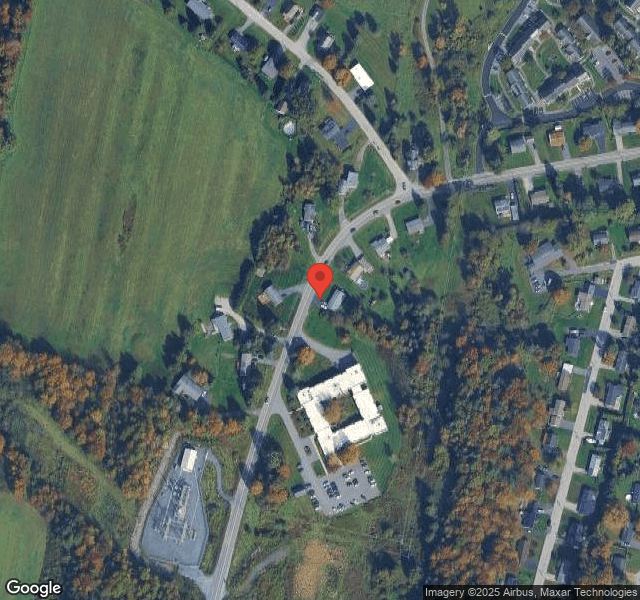

378 Prospect Street, Barre, VT 05641 (802) 476-4166
For profit - Partnership 96 Beds PRIORITY HEALTHCARE GROUP Data: November 2025
Trust Grade
35/100
#19 of 33 in VT
Last Inspection: May 2024

Within standard 12-15 month inspection cycle. Federal law requires annual inspections.

Overview

Barre Gardens Nursing and Rehab, LLC has received a Trust Grade of F, indicating significant concerns about the quality of care provided. It ranks #19 out of 33 facilities in Vermont, placing it in the bottom half of the state, and #2 out of 3 in Washington County, meaning there is only one better option nearby. While the facility is improving, with issues dropping from 23 to 5 over the past year, the staffing situation is concerning, as it has an 81% turnover rate, significantly higher than the state average of 59%. Additionally, the facility has accumulated $44,460 in fines, which is average but still indicates potential compliance problems. Specific incidents include residents being locked in the facility without the ability to go outside, meals that are difficult to eat, and a failure to provide bedtime snacks during long intervals between dinner and breakfast, reflecting both serious concerns and areas in need of improvement.
Trust Score
F
35/100
In Vermont
#19/33
Bottom 43%
Safety Record
Low Risk
No red flags
Inspections
Getting Better
23 → 5 violations
Staff Stability
⚠ Watch
81% turnover. Very high, 33 points above average. Constant new faces learning your loved one's needs.
Penalties
○ Average
$44,460 in fines. Higher than 53% of Vermont facilities. Some compliance issues.
Skilled Nurses
⚠ Watch
Each resident gets only 25 minutes of Registered Nurse (RN) attention daily — below average for Vermont. Fewer RN minutes means fewer trained eyes watching for problems.
Violations
⚠ Watch
49 deficiencies on record. Higher than average. Multiple issues found across inspections.
★★☆☆☆
2.0
Overall Rating
★★☆☆☆
2.0
Staff Levels
★★☆☆☆
2.0
Care Quality
★★☆☆☆
2.0
Inspection Score
Stable
2024: 23 issues
2025: 5 issues

The Good

  • Full Sprinkler Coverage · Fire safety systems throughout facility
  • No fines on record

Facility shows strength in fire safety.

The Bad

2-Star Overall Rating

Below Vermont average (2.8)

Below average - review inspection findings carefully

Staff Turnover: 81%

35pts above Vermont avg (46%)

Frequent staff changes - ask about care continuity

Federal Fines: $44,460

Above median ($33,413)

Moderate penalties - review what triggered them

Chain: PRIORITY HEALTHCARE GROUP

Part of a multi-facility chain

Ask about local staffing decisions and management

Staff turnover is very high (81%)

33 points above Vermont average of 48%

The Ugly 49 deficiencies on record

Jun 2025 2 deficiencies
CONCERN (E) 📢 Someone Reported This

A family member, employee, or ombudsman was alarmed enough to file a formal complaint

Potential for Harm - no one hurt, but risky conditions existed

Deficiency F0657 (Tag F0657)

Could have caused harm · This affected multiple residents

Based on interview and record review, the facility failed to review and revise resident care plans for 2 residents related to falls (Residents #34 and #1) and for 2 residents related to pressure ulcer...

Read full inspector narrative →
Based on interview and record review, the facility failed to review and revise resident care plans for 2 residents related to falls (Residents #34 and #1) and for 2 residents related to pressure ulcers (Residents #39 and #9), of a sample of 23 residents. This is a repeat deficiency for this facility, with the violation cited during the previous recertification survey, dated 5/9/24. Findings include: 1) Per record review, Resident # 39 has diagnoses that include: hemiplegia and hemiparesis ( paralysis and weakness on one side of the body), chronic kidney disease stage 3 ( moderate kidney damage), and osteomyelitis (infection of the bone) of the pelvis. On 6/2/25, a Weekly Skin Review notes a blister on the right heel. Skin prep is applied, and the wound is covered with a foam dressing. On 6/9/25, a weekly skin check revealed a blister on the right heel with a 1 cm x 1 cm red area in the center. A progress note dated 6/15/2025 reveals a hospital transfer, where it was noted that resident #39 had a Deep Tissue Injury to the right heel, measuring 4 centimeters (cm) in length, 5 cm in width, and 0.1 cm in depth. Per review of the Care Plan, there is no mention of a right heel ulcer or interventions until 6/17/2025 when s/he returned to the facility from the hospital. Per the facility's Skin and Wound Management System with a revised date of 9/2022, the Interdisciplinary Care Plan will be developed, and will identify the contributing risks for breakdown, or the actual skin impairment, and the interventions implemented and updated as needed. An interview on 6/25/2025 at 8:51 AM with the Director of Nursing revealed that she was not aware of the wound until the 6/15/2025 hospital admission. The care plan should have been revised to reflect the wound and interventions, and the facility did not follow its Skin and Wound policy. 2)Per review of Resident #1's care plan, there was no documented evidence of revision or interventions related to a fall out of bed on 4/13/25, when Resident #34 attempted to climb into bed with him/her. A nursing note dated 4/13/25 revealed [Resident #1] was in bed, roommate [Resident #34] was trying to get into [his/her] bed, resident tried to stop the roommate, which resulted in an unwitnessed fall. [Resident #1] was on the floor when this writer arrived, a large hematoma to the left elbow noted as well as pain . A facility risk management completed on 4/13/25 stated Resident #1 reported to the nurse [his/her] roommate was on [his/her] side of the room, pushing [his/her] bed side table and running into [him/her]. [S/he] tried to get [him/her] away from the bed which caused [him/her] to slip on the floor . Per review of the care plan for Resident #1 his/her care plan was not revised, and there was no evidence that the care plan included measures to prevent Resident #1 from sustaining a second injury related to a resident to resident altercation. A nursing note dated 6/7/25 revealed the following Res [Resident #1] sitting on floor leaning back against bed and left elbow. Lg hematoma on left eye brow, getting larger. C/O pain in left hip and left elbow. Per hospital physician note dated 6/8/25, Resident #1 reported to the physician that s/he was struck several times by his/her roommate's [Resident #34] wheelchair, causing him/her to fall. Per facility investigation of Resident-to-Resident Altercation dated 6/13/25, LNA [Licensed nursing assistant] heard [Resident #1] say, I hate you [to] [Resident #34] . Upon entering the room, [the LNA found Resident #1] leaning up against [his/her] bed, slightly slouching toward the left . When asked what happened, [Resident #1] stated [s/he] made me fall referring to [his/her] roommate . [S/he] stated [Resident #34] pushed [his/her] wheelchair into [him/her]. Per facility records there were two incidents between Resident #1 and Resident #34, and no care plan updated until after the second incident on 6/8/25. 3)Per record review, Resident #34 has a history of dementia with agitated and aggressive behaviors, with a history of wandering into other resident rooms and biting staff. According to the APRN note dated 10/4/24, Resident #34 presented with agitated behaviors, including swinging their walker at other residents and wandering into other residents' rooms. A Psychiatric Consult note dated 6/12/25, revealed the following regarding recommendations for Resident #34, [S/he] requires 1:1 supervision, is not redirectable, is impulsive, intentionally harms others. [S/he] has numerous documented refusals to take medications for depression, anxiety, agitation, aggression, and has hurt other residents, tried to bite a staff member, pushed a resident down causing serious injury, climbs on counters and beds, and is a risk to him/herself and others. For all of these reasons, It is my opinion that [Resident #34] lacks the Capacity to make [his/her] own healthcare decisions, and requires IM medication to protect him/herself and others. Per care plan review there was no evidence of updates related to the need for 1:1 and no evidence of orders related to the recommendations by the psychiatrist. Per the interview of the Director of Nursing on 6/27/25 at approximately 12:15 PM, s/he confirmed that Resident #1's care plan did not have evidence of the previous altercation between Resident #1 and Resident #34. 4) Per record review, Resident #9 has a wound assessment of the left heel on 4/22/25 by Integrated Wound Care. The assessment of the left heel indicates a stage 2 pressure ulcer of the heel, and a treatment plan includes wound care and to offload pressure of the resident's heels whenever in bed. The care plan doesn't indicate this treatment change. Per interview on 6/24/25 at approximately 2:23 PM, the Wing 2 Unit Manager (UM) confirmed resident's care plan doesn't include the need to offload pressure of the heels whenever in bed or wound care for the resident's heels. The UM stated it should be included and stated she would add this to the plan.
CONCERN (E) 📢 Someone Reported This

A family member, employee, or ombudsman was alarmed enough to file a formal complaint

Potential for Harm - no one hurt, but risky conditions existed

Accident Prevention (Tag F0689)

Could have caused harm · This affected multiple residents

**NOTE- TERMS IN BRACKETS HAVE BEEN EDITED TO PROTECT CONFIDENTIALITY** Based on interview and record review, the facility failed to ensure residents remained as free from accidents as possible relate...

Read full inspector narrative →
**NOTE- TERMS IN BRACKETS HAVE BEEN EDITED TO PROTECT CONFIDENTIALITY** Based on interview and record review, the facility failed to ensure residents remained as free from accidents as possible related to resident altercations and falls for 2 of the 9 sampled residents (Residents #1 and #34) by failing to provide adequate supervision and create and implement effective, timely interventions that would reduce the likelihood of future accidents related to supervision. As a result, Resident #1 suffered a fall that resulted in pain, a large hematoma above his/her left eye, and a fracture of the left hip, which required surgery. Findings include: 1. Per record review, Resident #1 has diagnoses that include a history of falls, osteoporosis, and failure to thrive. Resident #1 is alert and oriented, and per record review, an MDS dated [DATE] revealed Resident #1 was independent for ambulation with a walker prior to the incident on 6/7/25. Per hospital physician note dated 6/8/25, Resident #1 reported to the physician that s/he was struck several times by his/her roommate's [Resident #34] wheelchair, causing him/her to fall. Per interview with Resident #1 on 6/23/24 and 6/24/25 at approximately 2:00 PM and again at 8:30 AM, s/he stated s/he was worried about his/her safety at the facility and describes being hit by a wheelchair several times. S/he stated that s/he is fearful that it will happen again, and s/he would only feel safe in his/her own home. Resident #1 is observed to have a large hematoma to his/her left eye that is covering the lid, and s/he is unable to open his/her eye completely. Resident #1 has a large hematoma on his/her left elbow. S/he stated that it is painful and rubs the area with his/her right hand. S/he stated that s/he is hopeful the pain will not be the same in his/her eye as it remains in his/her elbow. A nursing note dated 6/7/25 revealed that Resident #1 was found with his/her back against the bed, on the floor, a large hematoma over his/her left eyebrow and complained of pain in his/her left hip. Per interview on 6/24/25 at approximately 2:15 PM with the License Nursing Assistant caring for Resident #1 on the evening of the fall, she stated she did not witness the fall; however, she heard the resident holler at his/her roommate I hate you and that Resident #34 had pushed his/her wheelchair into him/her. A primary care physician's note dated 6/24/25 revealed Resident #1 had a mechanical fall on [6/7/25] after an assault by [his/her] roommate [Resident #34], s/p fixation [of the left hip], controlled discomfort with tramadol . According to a record review, this was not the first incident of a resident-to-resident altercation between Residents #1 and #34 resulting in a fall and injury to Resident #1. A nursing note dated 4/13/25 revealed [Resident #1] was in bed, roommate [Resident #34] was trying to get into [his/her] bed, resident tried to stop the roommate which resulted in an unwitnessed fall. [Resident #1] was on the floor when this writer arrived, a large hematoma to the left elbow noted as well as pain . A facility risk management completed on 4/13/25 stated Resident #1 reported to the nurse [his/her] roommate was on [his/her] side of the room, pushing [his/her] bed side table and running into [him/her]. [S/he] tried to get [him/her] away from the bed which caused [him/her] to slip on the floor . A nurse practitioner's note dated 6/2/25 revealed that Resident #1 continued to have swelling and pain in the left elbow after the injury sustained on 4/13/25. 2. Per record review, Resident #34 has a history of dementia with agitated and aggressive behaviors, with a history of wandering into other resident rooms and biting staff. According to the APRN note dated 10/4/24, Resident #34 had a history of agitated behaviors, including swinging their walker at other residents and wandering into other resident's rooms. A Psychiatric Consult note dated 6/12/25, revealed the following regarding recommendations for Resident #34, [S/he] requires 1:1 supervision, is not redirectable, is impulsive, intentionally harms others. [S/he] has numerous documented refusals to take medications for depression, anxiety, agitation, aggression, and has hurt other residents, tried to bite a staff member, pushed a resident down causing serious injury, climbs on counters and beds, and is a risk to him/herself and others. For all of these reasons, It is my opinion that [Resident #34] lacks the Capacity to make [his/her] own healthcare decisions, and requires IM medication to protect him/herself and others. Per Resident #34's care plan focus dated 12/10/22, [Resident #34] is at risk for/demonstrates physical/combative behaviors at times r/t Anger, Dementia, MDD [Major Depression Disorder], Anxiety, Poor impulse control . [An intervention includes] Psych consult as ordered. Resident #34's care plan also reveals that s/he becomes agitated when others are in his/her space. According to an interview with the Director of Nursing on June 25, 2025, at approximately 3:30 PM, the Director of Nursing stated that Resident #34 does not have a 1:1 for supervision and that at times, the nurse on the medication cart acts as a 1:1 while in the hall, passing medications. She further stated this was not added to the care plan for Resident #34 after the 6/12/25 psychiatric consult. According to record review, there were no documented orders for 1:1 care as per the consultants' recommendations. 3). Per observation on 6/24/25 at 8:45 AM, Resident #34 was in his/her wheelchair, unable to reach the table to eat his/her breakfast. Physical Therapy (PT) entered the room and placed Resident #34 in a chair with a large blue cushion. Per observation, Resident #34's feet were dangling approximately 4 inches off the floor. According to an interview with PT on 6/24/25 at approximately 8:50 AM, she stated that she was using the chair temporarily so that Resident #34 could eat their meal. Per further observation at 12:15 PM, Resident #34 remained in the chair in the dining area without supervision. His/her feet were unable to touch the floor, and the wheelchair was locked in place. During observation, Resident #34 attempted to stand 3 times, without staff presence or intervention. According to an interview with the Director of Nursing on 12/24/25 at 12:25 PM, she stated that the resident can self-propel in his/her wheelchair and confirmed that Resident #34's feet were unable to touch the ground, DON also observed Resident #34 attempting to stand from the wheelchair and confirmed that s/he had a history of falls and that Resident #34 did not appear safe in the wheelchair. DON contacted PT and requested the wheelchair be exchanged due to safety concerns. Upon reviewing facility risk management reports, it was noted that Resident #34 has experienced multiple falls, with the most recent incident occurring on 6/20/25. A 6/20/25 progress note reads, LNA reported that she found resident lying on floor. When this nurse went to assess resident, [s/he] had got up off the floor and laid in the bed. Resident alert and ROM [range of motion] WNL [within normal limits]. Several skin tears noted as well as 2 large blood filled blisters and abrasions on bilateral knees .[sic]. According to an interview with a licensed practical nurse (LPN) on June 25, 2025, at 3:00 PM, she stated that Resident #34 exhibits restlessness at times, primarily at night, and can be challenging to redirect. She said that s/he can move around the room and wanders at times into other resident rooms and spaces. She stated that Resident #34 recently attempted to climb onto their bureau in his/her room and the nurse station desk. She stated that Resident #34 had a fall on 6/20/25 and sustained a skin tear to the left arm and right shin. Per facility fall policy titled Falls Management System last revised 2016, The center is committed to promoting residents autonomy by providing an environment that remains as free of accidents and hazards as possible. Each Resident is assisted in attaining or maintained their highest practicable level of functions through providing the resident adequate supervision, assisted devices and functional programs to prevent accidents.
Apr 2025 2 deficiencies
CONCERN (D) 📢 Someone Reported This

A family member, employee, or ombudsman was alarmed enough to file a formal complaint

Potential for Harm - no one hurt, but risky conditions existed

Safe Environment (Tag F0584)

Could have caused harm · This affected 1 resident

Based on interview and record review, the facility failed to follow their processes for documenting high value personal property for one of three resident (Resident #1). Findings include: Per intervi...

Read full inspector narrative →
Based on interview and record review, the facility failed to follow their processes for documenting high value personal property for one of three resident (Resident #1). Findings include: Per interview on 4/16/25 at 1:23 PM with Resident #1's Durable Power of Attorney (DPOA) s/he stated that s/he was not aware that Resident #1's hearing aids were missing until s/he went to the facility to pick up his/her belongings. S/He stated that the nurse on duty told him/her that Resident #1's hearing aids had been missing for about two weeks before s/he passed on 5/1/24. S/He stated that Resident #1's hearing aids cost $6,495.00. S/He stated that s/he was never notified that the hearing aids were lost and would have come in the help look for them if known. Per record review of nurse's notes dated 4/5/24 - 4/25/24, Resident #1's hearing aids were documented as missing. There is no documentation that the DPOA was notified of the missing hearing aids. Per interview on 4/16/25 at 11:17 AM, the Administrator stated that when a resident is admitted to the facility, a Licensed Nursing Assistant (LNA) completes the belongings list and has a nurse sign it. Per review of the belongings list titled Inventory of Personal Effects, there is a spot for the LNA to indicate if a resident's belongings include hearing aids and their value. This form also has a spot for the resident or responsible party to sign. Per record review, Resident #1's Inventory of Personal Effects, dated 3/6/24, does not include his/her hearing aids on the list of belongings. The Inventory of Personal Effects is not signed by Resident #1 or Responsible Party.
CONCERN (D) 📢 Someone Reported This

A family member, employee, or ombudsman was alarmed enough to file a formal complaint

Potential for Harm - no one hurt, but risky conditions existed

Deficiency F0685 (Tag F0685)

Could have caused harm · This affected 1 resident

Based on interview and record review, the facility failed to assist a resident to schedule a follow-up appointment with a provider specializing in the treatment of hearing impairment for one of three ...

Read full inspector narrative →
Based on interview and record review, the facility failed to assist a resident to schedule a follow-up appointment with a provider specializing in the treatment of hearing impairment for one of three residents in the sample (Resident #1). Findings include: Resident #1 was admitted to Barre Gardens with a pair of reprogrammable hearing aids on 3/6/24. Per record review, Resident #1's has a Care Plan intervention dated 3/7/24 that reads, Resident uses bilateral hearing aids. Prefers to keep at bedside. A 4/2/2024 nursing note reveals, Noted [s/he] did not have [his/her] right hearing aid.- social services made aware. Per record review, a nursing notes dated 4/6/24 reads, Unable to find hearing aids this shift. Social services message left regarding hearing aids. Per record review from 4/6/24 through 4/25/24, nursing documentation continues to show both of Resident #1's hearing aids are missing. There is not any documentation that indicates the Durable Power of Attorney (DPOA) was notified that Resident #1's hearing aids were lost. Per interview on 4/16/25 at 9:45 AM with the facility Administrator and the Social Worker, both the Administrator and the Social Worker confirmed that the right hearing aid belonging to Resident #1 was missing. The Social Worker stated that she did not receive the voice mail. Per interview on 4/17/25 at 3:56 PM with the Social Worker, she stated she had never received notification that both hearing aids were missing, so she didn't contact family. She explained that when hearing aids are missing, the resident should be scheduled for a follow-up appointment with audiology. She could not provide evidence that a referral or follow up appointment was made for Resident #1. Per record review, there is no documentation related to scheduling an appointment with audiology for Resident #1 after their hearing aids went missing.
Mar 2025 1 deficiency
CONCERN (D) 📢 Someone Reported This

A family member, employee, or ombudsman was alarmed enough to file a formal complaint

Potential for Harm - no one hurt, but risky conditions existed

Deficiency F0569 (Tag F0569)

Could have caused harm · This affected 1 resident

**NOTE- TERMS IN BRACKETS HAVE BEEN EDITED TO PROTECT CONFIDENTIALITY** Based on interview and record review, the facility failed to ensure that residents received funds and jurisdiction of those fund...

Read full inspector narrative →
**NOTE- TERMS IN BRACKETS HAVE BEEN EDITED TO PROTECT CONFIDENTIALITY** Based on interview and record review, the facility failed to ensure that residents received funds and jurisdiction of those funds within thirty days for one resident (Resident #1) out of three sampled residents. Findings include: Per telephone interview on [DATE] at 11:57 AM, Resident #1's Family Representative, who is charge of Resident #1's estate, stated that s/he requested a reimbursement of funds after the resident passed away on [DATE]. S/he stated s/he did not receive a check from the facility of approximately $1400 until May or June [of 2024]. The Family Representative expressed frustration with the situation. Per record review, Resident #1 passed away on [DATE]. A review of the Summation Financial Services Check Request Form states that the date of request was [DATE] for $1464.60 to be delivered to the Family Representative. Per record review, there is a FedEx delivery tracking document that states that the check was delivered on [DATE] at 11:42 AM. This was received 85 days after Resident #1 passed away. Per record review, the facility's policy Resident Trust Distribution of Funds Policy [last revised [DATE]] states, deceased /discharged Residents: the Resident Funds Manager will distribute within 30 days the resident's funds and a final accounting of the funds, to the resident, funeral home or to the individual or probate jurisdiction administering the resident's estate. An interview was conducted with the Administrator on [DATE] at 12:46 PM. The Administrator confirmed the resident's funds were not distributed to the individual administering the resident's estate within 30 days.
Dec 2024 1 deficiency
CONCERN (D) 📢 Someone Reported This

A family member, employee, or ombudsman was alarmed enough to file a formal complaint

Potential for Harm - no one hurt, but risky conditions existed

Resident Rights (Tag F0550)

Could have caused harm · This affected 1 resident

**NOTE- TERMS IN BRACKETS HAVE BEEN EDITED TO PROTECT CONFIDENTIALITY** Based on record reviews and staff interviews, the facility failed to protect and promote the rights of 1 of 3 sampled residents ...

Read full inspector narrative →
**NOTE- TERMS IN BRACKETS HAVE BEEN EDITED TO PROTECT CONFIDENTIALITY** Based on record reviews and staff interviews, the facility failed to protect and promote the rights of 1 of 3 sampled residents (Resident #1) by failing to treat the Resident with respect and dignity in a manner and in an environment that promotes the maintenance or enhancement of their quality of life. Findings include: Per record review, Resident #1 resided in the facility from [DATE] to 6/20/24 with diagnoses of hemiplegia (paralysis of one side of the body) and hemiparesis (weakness of one entire side of the body) following a cerebral infarction (a pathologic process that results in an area of dead tissue in the brain) affecting his/her right side and a displaced fracture of his/her right humerus. Per review of the facility's initial report submitted to the State Agency on 8/29/2024 and written witness statements, a Licensed Nursing Assistant (LNA) behaved disrespectfully and undignified toward the resident. A witness statement dated 6/16/2024 from a Licensed Practical Nurse (LPN) and a witness statement from a Licensed Nursing Assistant (LNA) indicate they both saw LNA#1 place Resident#1, who was in a wheelchair, near the nurse's station and was overheard saying to the resident, What would be best is if you sit down and shut the [expletive] up. A review of the 5-day summary report submitted to the State Agency by the facility indicates the facility substantiated the allegations of undignfied, disrespectful behavior from LNA #1, toward Resident #1. Per interview with the Administrator on 12/2/2024 at approximately 3:45 PM, s/he confirmed the incident occurred and agreed that speaking to the resident in this manner was not dignified or respectful.
May 2024 22 deficiencies
CONCERN (D)

Potential for Harm - no one hurt, but risky conditions existed

Deficiency F0558 (Tag F0558)

Could have caused harm · This affected 1 resident

Based on observation and interview it was determined that the facility failed to provide reasonable accommodation of resident needs for 1 of 24 residents in a standard survey sample (Resident #53). Fi...

Read full inspector narrative →
Based on observation and interview it was determined that the facility failed to provide reasonable accommodation of resident needs for 1 of 24 residents in a standard survey sample (Resident #53). Findings include: Interview on 5/6/24 at approximately 2:35 PM, Resident #53, who was laying in their bed was asked about call bell access and staff response time. S/he stated, That's laughable, staff never make sure I have my call bell. Do you see it anywhere? Observation on 5/6/24 at approximately 2:37 PM revealed Resident #53 with no access to the call bell system. Upon the residents bedside table was a white coiled call bell cord which was not within Resident #53's reach. At the same time as this observation, the LPN assigned to resident #53 had been assisting Resident #53's roommate and had heard the conversation between Resident #53 and the surveyor. The LPN located the residents call bell on their bedside table and attempted to provide it to the resident. S/he stated, I have clipped it [call bell] to your pillow case. The surveyor asked the resident if they could reach the call bell now that it was clipped to their pillow case, the resident stated, No, I can't see it or find it when I feel for it. Why can't it be attached to my bed rail so I can actually find it and use it when I need it? Interview on 5/6/24 at approximately 2:40 PM with the LPN who stated they were not aware that the resident has not been able to access their call bell. They stated that the cord is not long enough to reach the resident well, but they were not aware that the resident had not had access to their call bell. The nurse stated that they would speak with maintenance and see if a longer cord could be located. Record review revealed Resident #53 is care planned for potential for falls due to a decline in their functional status, hemiplegia/hemiparesis and muscle weakness and an intervention listed states, Keep call bell within reach/encourage use/answer promptly.
CONCERN (D) 📢 Someone Reported This

A family member, employee, or ombudsman was alarmed enough to file a formal complaint

Potential for Harm - no one hurt, but risky conditions existed

Comprehensive Care Plan (Tag F0656)

Could have caused harm · This affected 1 resident

**NOTE- TERMS IN BRACKETS HAVE BEEN EDITED TO PROTECT CONFIDENTIALITY** Based on interview and record review, the facility failed to develop a comprehensive care plan that addressed anticoagulant use ...

Read full inspector narrative →
**NOTE- TERMS IN BRACKETS HAVE BEEN EDITED TO PROTECT CONFIDENTIALITY** Based on interview and record review, the facility failed to develop a comprehensive care plan that addressed anticoagulant use for 1 of 4 sampled residents reviewed for anticoagulant use (Resident #23). Findings include: Per record review Resident #23 was admitted on [DATE] for rehabilitation following a hospital stay related to a urinary tract infection and sepsis. S/He has diagnoses that include heart failure, chronic pulmonary embolism (a blood clot that forms a blockage in the artery of the lung), and pacemaker. A 10/30/23 admission Minimum Data Set (MDS; a comprehensive assessment used as a care-planning tool) reveals that Resident #23 was admitted taking an anticoagulant. admission orders reveal a physician order for enoxaparin [Lovenox; an anticoagulant, used to prevent and treat blood clots] 120 mg/0.8 mL injection, inject 120 mg into the skin for 90 days. Review of Resident #23's care plan reveals that Resident #23 did not a have a care plan that addressed the use of anticoagulants until 4/18/24. Per interview on 5/09/24 at 9:50 AM, the Unit Manager confirmed that any resident on an anticoagulant should have an anticoagulant care plan. Per interview on 5/08/24 at approximately 3:50 PM, the Director of Nursing confirmed that all residents that are on anticoagulant should have an anticoagulant care plan and Resident #23 did not until 4/18/24.
CONCERN (D)

Potential for Harm - no one hurt, but risky conditions existed

Quality of Care (Tag F0684)

Could have caused harm · This affected 1 resident

Based on observations, interviews, and record review, the facility failed to ensure that residents with Peripheral IVs receive treatment and care in accordance with professional standards of practice ...

Read full inspector narrative →
Based on observations, interviews, and record review, the facility failed to ensure that residents with Peripheral IVs receive treatment and care in accordance with professional standards of practice for the only resident in the facility with a Peripheral IV (Resident #2). Findings include: Per observation on 5/6/24 at approximately 4:00 PM, Resident #2 was observed with a peripheral IV in their left arm. A date of 5/3/24 was written on the IV dressing. Per record review, Resident #2 was ordered for Cefepime HCl (an antibiotic) Intravenous Solution 1 GM/50ML Use 1 gram intravenously two times a day for an infection on 5/2/24. There is also orders for Normal Saline Flush Intravenous Solution 0.9 % Use 10 ml intravenously two times a day for both pre and post-antibiotic administration, ordered on 5/3/24. There are no orders for peripheral IV monitoring or dressing changes. Per care plan review, there is also no care plan focus for Resident #2's peripheral IV Per review of the facility policy titled Peripheral IV Dressing Changes states under the General Guidelines section the following: - Change the dressing if it becomes damp, loosened or visibly soiled and at least every 5 to 7 days. Under the Documentation section of the policy, it states the following: - The following should be documented in the resident's medical record: o Date, time, type of dressing, and reason for dressing change. Per interview on 5/8/24 at approximately 11:30 AM, the Unit Manager confirmed that Resident #2 should have orders for monitoring of the IV site as well as dressing changes, and that the peripheral IV should be reflected in the care plan. When asked why these orders were not placed at the same time as the IV Flush orders, the Unit Manager stated that they assumed that the Peripheral IV would not be in place very long and they never went back to address the missing orders.
CONCERN (D) 📢 Someone Reported This

A family member, employee, or ombudsman was alarmed enough to file a formal complaint

Potential for Harm - no one hurt, but risky conditions existed

Deficiency F0757 (Tag F0757)

Could have caused harm · This affected 1 resident

Based on interview and record review, the facility failed to ensure that 1 of 24 applicable residents (Resident #23) remained free from unnecessary medications. Findings include: Per record review, Re...

Read full inspector narrative →
Based on interview and record review, the facility failed to ensure that 1 of 24 applicable residents (Resident #23) remained free from unnecessary medications. Findings include: Per record review, Resident #23 has a physician order for Morphine Sulfate (Concentrate) Oral Solution 20 MG/ML (Morphine Sulfate) Give 0.1 ml by mouth every 4 hours for pain, [shortness of breath]. This dosing and frequency has been consistent for Resident #23 since it was first ordered on 1/9/24 and Resident #23's Medication Administration Record reveals that the morphine has been administered as ordered since 1/9/24. Per record review, a pharmacist medication regimen review note for Resident #26 from May of 2024 recommends currently receiving Morphine 6 times daily. Please evaluate continued need, consider trial taper to 4 times daily, if appropriate. The provider checked the box disagree. There is no rationale that can be located in the medical record for Resident #26 explaining why the physician did not want to change the Morphine order. Review of Resident #23's vitals, Resident #23 has not reported pain since 2/2/24 and there are no nursing staff or provider evaluations of the effectiveness of the use of morphine or a clinical rationale for the continued administration of the morphine a medication based upon an assessment of the resident's condition and therapeutic goals after that date either. Per interview on 5/07/24 at 9:26 AM, Resident #23's Representative stated that s/he is concerned that Residents #23 is unnecessarily medicated with morphine because Resident #23 does not exhibit pain as they did when they were first prescribed it. See F 657 for more information. Per interview with on 5/8/2024 at approximately 2:30 PM, the Nurse Practitioner, who signed the above pharmacy recommendation stated that s/he has worked at the facility less than a month and was not aware that the family wanted Resident #23 to stop taking the morphine but s/he has not had a provider visit with him/her yet and does not know his/her situation. Per interview on 5/8/2024 at approximately 3:50 PM, the Director of Nursing confirmed that since the NP had never seen Resident #23, there was no way that she could disagree with the dose reduction without doing an evaluation of the Resident. Per a follow up interview on 5/9/24 at 2:14 PM, the Nurse Practitioner explained that s/he had reviewed Resident #23's record and confirmed that s/he should attempt a taper of the morphine medication.
CONCERN (D) 📢 Someone Reported This

A family member, employee, or ombudsman was alarmed enough to file a formal complaint

Potential for Harm - no one hurt, but risky conditions existed

Deficiency F0760 (Tag F0760)

Could have caused harm · This affected 1 resident

**NOTE- TERMS IN BRACKETS HAVE BEEN EDITED TO PROTECT CONFIDENTIALITY** Based on interview and record review, the facility failed to ensure 1 of 24 sampled resident (Resident #23) are free from signif...

Read full inspector narrative →
**NOTE- TERMS IN BRACKETS HAVE BEEN EDITED TO PROTECT CONFIDENTIALITY** Based on interview and record review, the facility failed to ensure 1 of 24 sampled resident (Resident #23) are free from significant medication errors. Findings include: Per record review Resident #23 was admitted on [DATE] for rehabilitation following a hospital stay related to a urinary tract infection and sepsis. S/He has diagnoses that include heart failure, pacemaker, chronic pulmonary embolism (a blood clot that forms a blockage in the artery of the lung), and lung cancer. Per interview on 5/07/24 at 9:26 AM, Resident #23's Representative explained that s/he was concerned that Resident #23 did not receive his/her anticoagulant for weeks, around the time when Resident #23 had a significant decline in his/her health. S/He explained that Resident #23 had been seeing a hematologist who had been treating his/her history of blood clots with anticoagulants for a long time. The Representative stated that no one had alerted him/her to the discontinuation of the anticoagulant and s/he became aware that Resident #23 was no longer on an anticoagulant only when s/he was reviewing a list of charges from the facility. When s/he asked the facility staff why Resident #23 was no longer on it, s/he could not get an answer. Per Resident #23's 10/23/23 Transfer of Care note, discharge medications reveal the following order listed under continue, enoxaparin [Lovenox; an anticoagulant, used to prevent and treat blood clots] 120 mg/0.8 mL injection, inject 120 mg into the skin for 90 days. A majority of the medication orders on this discharge list are prescribed for 90 days or have a 90 day supply listed. A 11/1/23 Attending Physician note reveals that related to Resident #23's diagnoses of pulmonary embolism, Resident #23 is currently on Lovenox daily and s/he is being followed by hematology. A 11/30/23 Hematology progress note reveals that Resident #23 is to continue his/her anticoagulant, Lovenox, daily. The physician order for the anticoagulant enoxaparin sodium (Lovenox) ended on 12/14/23 and a new order was never placed. A 12/20/23 Attending Physician note reveals that Resident is currently on chronic anticoagulation therapy and recommendations to monitor blood test periodically for management of anticoagulant use. A review of Resident's Medication Administration Record from December 2023, January 2024, and February 2024 reveal that Resident #23 did not receive Lovenox, or any other anticoagulant for 49 days, from 12/14/23 to 2/2/24. A 2/2/24 nursing note reveals that hematology should be restarted on Lovenox. Per interview on 5/9/24 at approximately 2:30 PM, the Director of Nursing was unable to explain why the order for Lovenox was stopped on 12/14/23. Per interview on 5/9/2024 at 3:46 PM, the Medical Director confirmed that Resident #23's order for Lovenox should not have stopped on 12/14/23.
CONCERN (E) 📢 Someone Reported This

A family member, employee, or ombudsman was alarmed enough to file a formal complaint

Potential for Harm - no one hurt, but risky conditions existed

Safe Environment (Tag F0584)

Could have caused harm · This affected multiple residents

Based upon observation, interview, and record review, the facility failed to ensure a safe, clean, comfortable, and homelike environment was maintained for the residents on 1 of 2 units (Unit 1). Find...

Read full inspector narrative →
Based upon observation, interview, and record review, the facility failed to ensure a safe, clean, comfortable, and homelike environment was maintained for the residents on 1 of 2 units (Unit 1). Findings include: 1. Observation on 5/6/24 at approximately 12:57 PM of Resident #47 and #50's room revealed a strip approximately 4-6 inches wide at chair rail level, that runs the full length of the right hand side of the residents room. The strip was falling off the wall and was laying on the foot of Resident #47's bed. Interview on 5/6/24 at approximately 1 PM with Resident #50, they confirmed that this chair rail strip keeps falling off and the maintenance man keeps re-gluing it and placing it back on the wall. Interview on 5/6/24 at approximately 1:15 PM with Resident #47, they confirmed that this chair rail strip keeps falling off and the maintenance man keeps re-gluing it and putting it back on the wall. Resident #47 stated that their spouse has complained to staff about this many times and this strip just keeps getting put back up on the wall. The resident said, if the maintenance guy would just strip off the old glue before re-gluing the strip to the wall and then placing a block between the wall and bed wheels, this wouldn't keep happening. Interview on 5/6/24 at approximately 1:30 PM with Resident #47's spouse, they stated they have spoken to staff many times about this needing to be fixed and no one addresses it. Per interview on 5/7/24 at approximately 2:45 PM, the maintenance stated s/he is aware of this strip that keeps falling down and stated that s/he has reapplied this strip many times and now will need to take it down, scrape the wall of the glue and reapply it. S/he stated that this happens because when the staff raise and lower the beds the beds catch on the strip and pulls it off. 2. Per interview on 5/6/24 at approximately 2:35 PM, Resident #53, who was laying in their bed was asked about call bell access and staff response time. S/he stated, That's laughable, staff never make sure I have my call bell. Do you see it anywhere? Observation on 5/6/24 at approximately 2:37 PM revealed resident #53 with no access to the call bell system. Upon the residents bedside table was a white coiled call bell cord which was not within Resident #53's reach. At the same time as this observation, the LPN (Licensed Practical Nurse)assigned to resident #53 had been assisting Resident #53's roommate and had heard the conversation between Resident #53 and the surveyor. The LPN located the residents call bell on their bedside table and attempted to provide it to the resident. S/he stated, I have clipped it [call bell] to your pillow case. The surveyor asked the resident if they could reach the call bell now that it was clipped to their pillow case, the resident stated, No, I can't see it or find it when I feel for it. Why can't it be attached to my bed rail so I can actually find it and use it when I need it? Interview on 5/6/24 at approximately 2:40 PM with the LPN who stated they were not aware that the resident has not been able to access their call bell. They stated that the cord is not long enough to reach the residents well, but they were not aware that the resident had not had access to their call bell. The nurse stated that they would speak with maintenance and see if a longer cord could be located. Record review revealed Resident #53 is care planned for potential for falls due to a decline in their functional status, hemiplegia/hemiparesis and muscle weakness and an intervention listed states, Keep call bell within reach/encourage use/answer promptly. 3. Per observation on 5/7/24 at approximately 11:00 AM on Wing 1 short hall, there is a deep indentation in the linoleum of the left side of the hallway floor directly in the line of ambulation. A second indentation in the linoleum on the left side of the hallway in the line of ambulation was noted on Wing 2 short hall. Per interview on 5/7/24 at approximately 2:45 PM, the maintenance was asked about the two indentations in the linoleum on both wings. S/he explained that these areas are where drains are in the floor and stated these are no longer utilized, so when the linoleum was put down they just went over the drains. S/he stated that they would need to figure out how they might be able to fix the floors so the indentations don't reappear. 4. Observation on 5/9/24 at approximately 1:35 PM in Resident #47 and #50's room revealed the left side of the residents area over the resident bed was a privacy curtain that was tied up at the foot section. The surveyor asked the resident about this and they stated that they wished they would take it down or do something with it. Per observation and interview on 5/9/2024 at 11:20 AM, Resident #40 had a room partition curtain tied in a knot that hung over the center of his/her bed, just a few feet above the bed. Resident #40 explained that it bothers him/her to have that hanging there and s/he has told staff before that s/he doesn't like it. Per observation and interview on 5/9/2024 at 11:28 AM, Resident #246 had a room partition curtain tied in a knot that hung over the center of his/her bed, just a few feet above the bed. Resident #246 said that s/he did not like it there. Interview on 5/9/24 at approximately 2:15 PM with the facility administrator regarding the chair rail strip in Residents #47 and #50's room, the indentations in the linoleum on both units, and the privacy curtain that is tied up in over the foot of resident #47's bed. They stated that they are aware of all of these issues and that maintenance is taking care of the chair rail strip and the indentations in the floor. S/he stated that the curtains could not be taken down due to resident rights specific to privacy issues but that perhaps something else could be done to remedy the issue.
CONCERN (E) 📢 Someone Reported This

A family member, employee, or ombudsman was alarmed enough to file a formal complaint

Potential for Harm - no one hurt, but risky conditions existed

Deficiency F0657 (Tag F0657)

Could have caused harm · This affected multiple residents

**NOTE- TERMS IN BRACKETS HAVE BEEN EDITED TO PROTECT CONFIDENTIALITY** Based on staff interview and record review, the facility failed to revise the comprehensive care plan as the resident's plan of ...

Read full inspector narrative →
**NOTE- TERMS IN BRACKETS HAVE BEEN EDITED TO PROTECT CONFIDENTIALITY** Based on staff interview and record review, the facility failed to revise the comprehensive care plan as the resident's plan of care changes for 2 of 27 sampled residents (Resident #23 and #62) related to catheter use and pain management for Resident #23 and activity preference for Resident #62. Findings include: 1. Per record review Resident #23 was admitted on [DATE] for rehabilitation following a hospital stay related to a urinary tract infection and sepsis. S/He has diagnoses that include uropathy (blockage in the urinary tract), bladder cancer, heart failure, chronic pulmonary embolism (a blood clot that forms a blockage in the artery of the lung), rheumatoid arthritis, peripheral neuropathy (nerve damage), and lung cancer. A 10/30/23 admission Minimum Data Set (MDS; a comprehensive assessment used as a care-planning tool) reveals that Resident #23 was admitted without a catheter and has moderate pain for which s/he has received as need pain medication and is not on a scheduled pain medication regime. 1.a. Record review reveals that Resident #23 had been transferred to the hospital on [DATE] and returned to the facility on [DATE] with a catheter. Per review of Resident #23's care plan, s/he does not have a care plan focus or any interventions related to his/her use of a catheter until 1/23/24. Per interview on 5/09/24 at 9:50 AM, the Unit Manager confirmed that any resident with a catheter should have a catheter care plan in place. 1.b. Per interview on 5/07/24 at 9:26 AM, Resident #23's Representative explained that s/he had talked to facility staff, including the Nurse Practitioner (NP), multiple times about Resident #23 getting a leg bag so Resident #23 could be more independent. The Representative stated that s/he has never seen Resident #23 with a leg bag and s/he had first talked about it months ago with the NP. Per observation and interview on 5/6/2023 at 10:03 AM, Resident #23 is sitting in his/her wheelchair. Catheter tubing is coming out from the bottom of his/her pants attached to a catheter drainage bag that is hanging on the bottom backside of the wheelchair. Resident #23 explained that s/he wishes s/he could be more independent. S/He explained that s/he had been working with rehab doing exercises to get stronger and s/he feels like s/he has made improvement but wishes s/he was able to use his/her walker more but can't really do it because s/he has a huge bag attached to his/her wheelchair. On 5/7/24 at approximately 11:30 AM, Resident #23 appeared to want to get up from his/her wheelchair. S/He seemed frustrated and stated that s/he doesn't know why they haven't given him/her the leg bag yet because they already told him/her s/he could have it. Record review reveals a Physician's Standard Written Order form located in Resident #23's medical record, the Nurse Practitioner had ordered 1 standard Catheter Kit, 1 bedside drainage bag, 2 leg bags, and 1 leg strap for Resident #23 on 1/3/24. Review of Resident #23's care plan reveals the following focus The resident has an ADL [activities of daily living] Self Care Performance Deficit [related to] Limited Mobility, initiated on 10/23/23, with the goal the resident will improve current level of function by next review, revised on 3/1/24, and interventions that include AMBULATION: supervision with walker, initiated on 10/25/23. Resident #23's care plan for ADLs or catheters reveals that it had not been updated to reflect the provider order for a leg bag on 1/3/24 or Resident #23's desire to use a leg bag. Per interview on 5/08/24 at 10:36 AM, the Therapy Director stated that s/he remembered the use of a leg bag being brought up with the team in the past but was unsure about what had become of it. Per interview on 5/8/24 at 11:42 AM, a Licensed Nursing Assistant explained that they are aware that Resident #23 would like a leg bag but cannot do anything to make that happen unless his/her care plan reflects that change and confirmed that s/he has not used a leg bag at the facility. 1.c. During multiple observations and interviews with Resident #23 on 5/6/24 through 5/9/24, Resident #23 did not appear to show signs of pain and while s/he stated that s/he did have a sore muscle in his/her leg from not walking enough s/he was not in pain. Per interview on 5/07/24 at 9:26 AM, Resident #23's Representative stated that s/he is concerned that Residents #23 is still taking routine morphine. S/He explained that Resident #23 did have significant pain and a significant decline in their health status starting in December in which s/he was prescribed morphine for. S/He said s/he could understand the frequency and dosage of the morphine then because Resident #23 had declined to the point where they were discussing end of life care but now that s/he has completely turned around, and does not exhibit pain, s/he is afraid that s/he is being unnecessarily medicated. S/he had to talked to facility staff, including the Nurse Practitioner, multiple times about decreasing or taking Resident #23 off of the morphine. Review of Resident #23's care plan reveals the following focus The resident has acute pain/chronic pain [related to] cancer, RA [rheumatoid arthritis], peripheral neuropathy,' initiated on 10/23/24, with the goal, The resident will verbalize adequate relief of pain or ability to cope with incompletely relieved pain through the review date, revised on 3/1/24. Interventions including administer analgesia as order and Evaluate the effectiveness of pain interventions. Review the compliance, alleviating of symptoms, dosing schedules and resident satisfaction with results, impact on functional ability and impact on cognition. A 1/5/24 Nurse Practitioner note states that Resident #23 expressed a desire not to be in pain and end-of-life was discussed. A 1/9/24 NP note stated that morphine was ordered for pain. Resident #23 has a physician order for Morphine Sulfate (Concentrate) Oral Solution 20 MG/ML (Morphine Sulfate) Give 0.1 ml by mouth every 4 hours for pain, [shortness of breath]. This dosing and frequency has been consistent for Resident #23 since it was first ordered on 1/9/24 and Resident #23's Medication Administration Record reveals that the morphine has been administered as ordered since 1/9/24. Review of Resident #23's vitals, Resident #23 has not reported pain since 2/2/24. A 4/15/24 quarterly MDS reveals that Resident #23 reported in a pain assessment interview that s/he has no pain. Facility policy titled Level Pain Assessment and Management, last revised in 2015, states If pain symptoms have resolved or there is no longer an indication for pain medication, the multidisciplinary team and physician shall try to discontinue or taper analgesic medications to the extent possible. There are no staff evaluations of the effectiveness of pain interventions or a clinical rationale for the continued administration of the morphine a medication based upon an assessment of the resident's condition and therapeutic goals after Resident #23's last positive pain assessment on 2/2/24. A 2/2/24 Attending Provider note reveals that the Attending Provider was not aware that Resident #23 was on scheduled morphine. His/her note states that Resident #23 is currently on as needed morphine which seems to provide adequate pain control. There are no Nurse Practitioner notes that show evidence that they have evaluated Resident #23's morphine order or their change in their indication of pain. In addition to Resident #23's Representative wanting to change Resident #23's plan of care for pain management related to medication, and Resident #23 not having an indication for pain medication, a pharmacist medication regimen review note for Resident #26 from May of 2024 recommends currently receiving Morphine 6 times daily. Please evaluate continued need, consider trial taper to 4 times daily, if appropriate. The provider checked the box disagree. There is no rationale that can be located in the medical record for Resident #26 explaining why the physician did not want to change the Morphine order. See F 757 for more information. Resident #23's pain care plan interventions were last revised 10/23/24. There are no care plan revisions that reflect Resident #23's Representative's goal to change Resident #23's morphine order, Resident #23's lack of pain, or the pharmacy's recommendation to taper Resident #23's morphine order. 2. Per record review Resident #62's activity care plan revised on 4/13/2024 states The resident has little or no activity involvement r/t Anxiety, Depression, Sensory Deprivation unable to leave room, Rarely leaves room, unable to make needs known. Disordered thinking/awareness. Per observations throughout survey Resident #62 was seen sitting in the sunroom conversing with staff, at the nurses station, walking the hall, and sitting in wheelchair in the hall. On 5/6/2024 s/he was observed in the sunroom with no activity from 9:45 until 12:30 PM when lunch was served. At 4:20 PM s/he was sitting in a wheelchair in the hall watching staff and residents walk up and down the hall. Per interview with a Licensed Nursing Assistant (LNA) Resident #62 used to prefer to stay in her/his room before s/he had a fall in March which resulted in a fracture. Since then s/he is more social and feisty now, and you can even understand [her/him] more. S/he enjoys sitting out in the common areas now and even jokes with the staff. Per interview on 5/7/2024 at 4:30 PM the Activities Director said that Resident #62 doesn't really participate in activities but s/he does like to sit and watch. The Activities Director confirmed that Resident #62's care plan had not been updated to reflect that s/he does not stay in her/his room anymore and does attend some activities.
CONCERN (E)

Potential for Harm - no one hurt, but risky conditions existed

Deficiency F0679 (Tag F0679)

Could have caused harm · This affected multiple residents

3.) Per observation and interview on 5/6/2023 at 10:03 AM, Resident #23 was sitting in his/her room with no stimulation. S/He expressed that s/he wishes there were more things to do and that s/he is b...

Read full inspector narrative →
3.) Per observation and interview on 5/6/2023 at 10:03 AM, Resident #23 was sitting in his/her room with no stimulation. S/He expressed that s/he wishes there were more things to do and that s/he is bored a lot of the time. On 5/8/24 at 11:30 AM, Resident #23 was sitting in his/her room, staring at everyone that walked by in the hall. S/He stated that s/he was bored because there isn't enough going on for activities. Record review reveals the following activities care plan for Resident #23: The resident is dependent on staff for activities, cognitive stimulation, social interaction, created on 5/3/24, with interventions to provide a program of activities that is of interest and empowers the resident by encouraging. Allowing choice, self-expression and responsibility. Activities logs from April 1, 2024 through May 6, 2024 reveal that Resident #23 did not participate in 12 of the 36 days reviewed; 4/12/24, 4/14/24, 4/16/24, 4/17/24, 4/19/24, 4/21/24, 4/24/24, 4/25/24, 4/29/24, 5/1/24, 5/3/24, and 5/5/24. Of the 24 days that Resident #23 did participate in activities, the logs reveal only 5 of the days where s/he participated in more than one activity. Per interview on 5/8/24 at 11:42 AM, a Licensed Nursing Assistant (LNA) explained that Resident #23 is often bored because there is not enough for him/her to do and keep him/her entertained. S/He stated that s/he needs more than what is offered for activities. 2.) Observation on 5/7/24 9:50 AM of Resident #73 in their room, this resident was not observed participating in activities. The activity report for this resident for the period of 4/1/24 - 5/7/24 revealed that of the 37 days, the resident had been offered activities for 14 days/activities, S/he did participate in 13 days/activities and one day she refused the offered activity. Review of the activity calendar for April 2024 - May 7th, 2024, there were not activities offered every day or more than one activity per day. This resident is care planned for activities. The residents care plan stated that s/he is dependent on staff for activities, cognitive stimulation, social interaction r/t [related to] cognitive deficits. The care plan does state that s/he prefers self directed activities and prefers their privacy. The care plan stated, The resident will maintain involvement in cognitive stimulation, social activities as desired through review date. An intervention listed with this goal was Assure that the activities the resident attends are: Compatible with physical and mental capabilities; Compatible with known interests and preferences; Adapted as needed (such as large print, holders if resident lacks hand strength, task segmentation), Compatible with individual needs and abilities; and Age appropriate and When the resident chooses not to participate in organized activities, offwr [sic] to turn on TV, music in room to provide sensory stimulation. During the day check to see what [proper name omitted] television is on, sometimes [s/he] messes with the remote and gets the channels stuck in the video setting and it needs to be reset back to television channel. Independent activities were not observed with this resident. The objectives of the care plan were not met based on the offering of 14 activities in a period of 37 days. Based on observation, interview, and record review, the facility failed to provide an ongoing activities program to support residents in their choice of group, individual, and independent activities to meet the interests of and support the well-being of each resident as evidenced by a lack of engaging activities both in and out of resident rooms for 4 of 24 sampled residents (Residents #82, #3, #73, and #23). Findings include: 1. During an interview on 5/6/2024 at 1:30 PM Resident #82 stated that s/he wished that there were more activities for the residents. S/he is able to socialize and participate in independent activities but many cannot. S/he said that the some days there is not much going on and it is starting to get to some of the residents. Per observation on 5/6/2024 at 11:10 AM there were 8 residents sitting in the sunroom with the television on. The Medical Records Specialist was in the room talking with the residents. Resident #3 was asking what crafts were happening and if there was going to be someone there who knew what they were doing with the crafts. The Medical Records Specialist offered Resident #3 some paper and colored pencils. Resident #3 stated that s/he did not want them, s/he wanted to do a craft. The medical records specialist was asked what type of activities are provided for the residents in the sunroom and s/he stated that it was an independent activities day which meant that there was no activity staff and an activity cart with things that residents could do on their own were provided. At 11:20 AM the Medical Records Specialist left the room. A white board hanging up across the nurses station read: Sunday May 5th 2014 Monday May 6 2024 are independent activity days Activity carts are kept at each Nurses station with activity sheets provided. Games are provided in the dining area as well See you on Tuesday Review of the April and May activities calendar provided by the activities director there were several days each week that state Independent Activities Activity carts are at nurses station The calendar reveals the following: 4/14 - 4/20 there were no formal activities offered on 4/14, 4/17, and 4/19 4/21 - 4/27 there were no formal activities offered on 4/21, 4/24, and 4/25 4/28 - 5/4 there were no formal activities offered on 4/29, 5/1, and 5/3 5/5 - 5/11 the calendar reflected that there would be no formal activities on 5/5, 5/8, and 5/10. However, the white board reflected there would also be no activities on 5/6. On 5/7/2024 at 4:45 PM during an interview the Activity Director said that Monday 5/6 was supposed to be her/his day off but s/he was called in due to the state [the survey team] being in the building. When asked about the activities schedule, the Activities Director stated that the Activities Assistant had resigned and s/he was currently the only staff in the activities department. S/he also stated that s/he was working an alternating work schedule of 3 days one week and then 4 the next week. On the days that s/he is not in the building there are are independent activities carts on each wing that include word search, color pencils, and other crafts. When asked about what the residents who were dependent for activities and could use in the cart on the days that there were Independent Activities, the Activities Director said s/he was not sure.
CONCERN (E)

Potential for Harm - no one hurt, but risky conditions existed

Deficiency F0711 (Tag F0711)

Could have caused harm · This affected multiple residents

**NOTE- TERMS IN BRACKETS HAVE BEEN EDITED TO PROTECT CONFIDENTIALITY** Based on staff interview and record review, the facility failed to ensure that physicians and other providers (as delegated to p...

Read full inspector narrative →
**NOTE- TERMS IN BRACKETS HAVE BEEN EDITED TO PROTECT CONFIDENTIALITY** Based on staff interview and record review, the facility failed to ensure that physicians and other providers (as delegated to per regulation) review the Residents' total program of care, including medications and treatments, at each visit as required for 6 of 24 sampled residents (Residents #2, #78, #23, #19, #47, #53). Findings include: 1. Per record review, Resident #2 was admitted to the facility on [DATE]. Per review of physician/provider notes from June 2023 through the survey date, there are no provider visit notes during this timeframe that meet the definition of a total program of care review, including a review of all current medications, treatments, and all aspects of the resident's comprehensive plan of care. 2. Per record review, Resident #78 was admitted to the facility on [DATE]. Per review of physician/provider notes from June 2023 through the survey date, there are no provider visit notes during this timeframe that meet the definition of a total program of care review, including a review of all current medications, treatments, and all aspects of the resident's comprehensive plan of care. 3. Per record review, Resident #23 was admitted to the facility on [DATE]. Per review of physician/provider notes from October 2023 through the survey date, there are no provider visit notes during this timeframe that meet the definition of a total program of care review, including a review of all current medications, treatments, and all aspects of the resident's comprehensive plan of care. All Nurse Practitioner visits are entered into a form and labeled as acute visit. There is no way to distinguish if any of these visits meet regulatory requirements because none of them document that all the residents' current medications, treatments, and all aspects of their comprehensive plan of care were reviewed. Attending Physician notes do not list a review of Resident #23's medications. A 12/20/23 Attending Physician note states that Resident #23 is currently on anticoagulation therapy, even though Resident #23's anticoagulant was discontinued on 12/14/23. A 2/20/2024 Attending Physician note states that Resident #23 is currently on as needed morphine, even though Resident #23's order for morphine was routine, rather than as needed. 4. Per record review, Resident #19 was admitted to the facility on [DATE]. Per review of physician/provider notes from June 2023 through the survey date, Nurse Practitioner visit notes during this time frame do not meet the definition of a total program of care review, including a review of all current medications, treatments, and all aspects of the resident's comprehensive plan of care. 5. Per record review, Resident #47 was admitted to the facility on [DATE]. Per review of physician/provider notes from November 2023 through the survey date, Nurse Practitioner visit notes during this time frame do not meet the definition of a total program of care review, including a review of all current medications, treatments, and all aspects of the resident's comprehensive plan of care. 6. Per record review, Resident #53 was admitted to the facility on [DATE]. Per review of physician/provider notes from June 2023 through the survey date, Nurse Practitioner visit notes during this time frame do not meet the definition of a total program of care review, including a review of all current medications, treatments, and all aspects of the resident's comprehensive plan of care. Facility policy titled Physician Services, with no dates indicating when it was last revised or reviewed states Policy: the policy of this facility to ensure the physician takes an active role in supervising the care of residents. The Physician should: d. Review the resident's total program of care including medications and treatments at each visit. e. Date, write and sign a progress note for each visit. Physicians orders and progress notes shall be maintained in accordance with current OBRA regulations and facility policy. Per interview on 5/08/24 at 3:53 PM, the Director of Nursing confirmed that the Nurse Practitioner notes do not meet the definition of a total program of care review. Per interview with on 5/9/24 at 1:23 PM, the Medical Director confirmed that the provider, whether the Physician or the alternating Nurse Practitioner, is required to review the resident's total program of care at required regulatory visits and document it. S/He stated that s/he was not aware that the Nurse Practitioner was not capturing the information in his/her visit notes. The Medical Director was shown the above policy and stated that s/he had never seen it before and was unsure what the other facility policies the policy referred to. The Medical Director also explained that s/he does not have a system in place to monitor the performance of other health care providers to ensure regulatory requirements are met. See F 841 for more information.
CONCERN (E)

Potential for Harm - no one hurt, but risky conditions existed

Deficiency F0712 (Tag F0712)

Could have caused harm · This affected multiple residents

**NOTE- TERMS IN BRACKETS HAVE BEEN EDITED TO PROTECT CONFIDENTIALITY** Based on staff interview and record review, the facility failed to ensure residents are seen by a physician personally, face-to-...

Read full inspector narrative →
**NOTE- TERMS IN BRACKETS HAVE BEEN EDITED TO PROTECT CONFIDENTIALITY** Based on staff interview and record review, the facility failed to ensure residents are seen by a physician personally, face-to-face, for regulatory visits for 1 of 24 sampled residents (Resident #23), and failed to ensure that regulatory visits were conducted every 30 days for the first 90 days after admission for 1 of 24 sampled residents (Resident #31). The facility also did not have a system in place to track required regulatory visits for any resident. Findings include: 1. Review of Resident #23's Attending Physician regulatory visit dated 12/20/2023 states Patient was not seen but was discussed with [the Nurse Practitioner]. The note explains that there were no vitals signs taken and no physical exam completed for this visit. Per interview 5/08/24 at 3:53 PM, the Director of Nursing confirmed that the above visit would not meet regulatory requirements because it was not in person. 2. The facility did not have a system in place to track regulatory visits as evidenced by the following interviews. Per interview on 5/8/24 at approximately 9:00 AM, the Director of Nursing stated that the Medical Records Specialist was in charge of tracking regulatory provider visits. Per interview on 5/8/24 at 9:49 AM, the Medical Records Specialist explained that s/he keeps track of outside provider visits but does not track required regulatory visits. Per interview on 5/8/24 at 10:19 AM the Administrator confirmed that it should be the Medical Records Specialist's responsibility. Per interview with on 4/9/24 at 1:23 PM, the Medical Director explained that s/he is the attending physician for more than half of the residents at the facility. S/He said that s/he only tracks his/her own required regulatory visits and assumed that the Nurse Practitioner (NP) was performing the alternate required regulatory visits based on the NP expressing that s/he (the NP) will visit every resident in the facility monthly. S/He does not think that the facility has a system to track regulatory visits. S/He explained that s/he did not review other provider visit dates or notes to see regulatory visits met requirements. 3. Per record review Resident #31 was admitted on [DATE] for skilled nursing and rehab services. Review of Physician visit progress notes shows that the resident's Primary Physician conducted a visit on 2/20/2024 and again on 4/23/24. The Nurse Practitioner did record follow up visits on 2/15, 2/20, 2/23, 3/4, 3/8, and 4/9 however, none of these visits meet the requirements for a comprehensive visit. There is no evidence in the record that the physician conducted a regulatory visit 60 days after admission as required. During an interview on 5/9/2024 at 11:33 AM the Unit Manager (UM) confirmed that Resident #31's attending physician had not seen the resident every 30 days after admission. When asked if there was system in place to monitor physicians visits the UM stated that s/he is not responsible to track the provider visits.
CONCERN (E)

Potential for Harm - no one hurt, but risky conditions existed

Drug Regimen Review (Tag F0756)

Could have caused harm · This affected multiple residents

3. Per record review, a pharmacist medication regimen review note for Resident #23 from May of 2024 recommends currently receiving Morphine 6 times daily. Please evaluate continued need, consider tria...

Read full inspector narrative →
3. Per record review, a pharmacist medication regimen review note for Resident #23 from May of 2024 recommends currently receiving Morphine 6 times daily. Please evaluate continued need, consider trial taper to 4 times daily, if appropriate. The provider checked the box disagree. There is no rationale that can be located in the medical record for Resident #23 explaining why the physician did not want to change the Morphine order. 4. Per record review, a pharmacist medication regimen review note for Resident #19 from May of 2024 recommends currently receiving Oxycodone PRN [as needed] without a stop date. Please evaluate duration of therapy. Consider add stop date of 14 days, if appropriate. The provider checked the box disagree. There is no rationale that can be located in the medical record for Resident #19 explaining why the physician did not want to change the Oxycodone order. Per interview with on 5/9/2024 at 10:47 AM, the Unit Manager confirmed that there should be an indication as to why the provider disagrees with a recommendation documented in the resident's record. Per interview with on 5/9/2024 at 2:14 PM, the NP explained that s/he had been going through the pharmacist recommendations fast and did not know that s/he needed to write additional information in the record. Based on staff interview and record review, the facility failed to ensure that the attending physician documents in the Resident medical record any rationale against, or actions taken as a result of, irregularities identified by the Pharmacist during the monthly medication regimen review for 4 of 5 sampled Residents (Residents #2, #71, #23, and #19). Findings include: 1. Per record review, a pharmacist medication regimen review note from December of 2023 recommends that the physician consider reducing or eliminating Resident #2's Ambien (a sleeping medication) dose due to resident #2's recent falls and the possibility that Ambien could increase fall risk. The physician checked the box disagree. There is no rationale that can be located in the medical record for Resident #2 explaining why the physician did not want to change the Ambien order. Per interview on 5/8/24 at approximately 11:30 AM, the Unit Manager confirmed that there is no evidence of a physician rationale for not wanting to change Resident #2's Ambien order in response to the pharmacist's recommendation. 2. Per record review, a pharmacist medication regimen review note from March of 2024 recommends that the physician obtain a Vitamin D level for Resident #71. The physician checked the box agree. There is no evidence in the record that the Vitamin D level was ever drawn or ordered for Resident #71. Per interview on 5/8/24 at approximately 10:45 AM, the Unit Manager confirmed that there is no order for or evidence of a Vitamin D lab draw for Resident #71 in response to the pharmacist's recommendation.
CONCERN (E)

Potential for Harm - no one hurt, but risky conditions existed

Medication Errors (Tag F0758)

Could have caused harm · This affected multiple residents

2. Per record review, Resident #19 has physician order for the following psychotropic medication 50 mg Sertraline HCl Oral Tablet 50 MG (Sertraline HCl) Give 1 tablet by mouth one time a day related t...

Read full inspector narrative →
2. Per record review, Resident #19 has physician order for the following psychotropic medication 50 mg Sertraline HCl Oral Tablet 50 MG (Sertraline HCl) Give 1 tablet by mouth one time a day related to MAJOR DEPRESSIVE DISORDER. This dosing has been consistent for Resident #19 over the last year. Per review of pharmacist monthly MRRs for the past year, there is no evidence that a GDR for Sertraline was ever discussed. There is also no documentation from Resident #19's attending physician or prescribing providers regarding any contraindications for attempting a GDR for Sertraline. Per interview on 5/9/24 at 1:23 PM, Resident #19's Attending Physician, who also serves as the Medical Director for the facility, explained that s/he thought by indicting in his/her visit notes that the medications were to be continued was enough to demonstrate that s/he did not want to attempt a gradual dose reduction. S/He explained that s/he was unaware that the regulation requires the attending physician or prescribing practitioner to identify and document clinical contraindications if a GDR is not to be attempted and had never seen a policy regarding the regulatory requirements for psychotropic medications. Based on staff interview and record review, the facility failed to ensure that Residents taking psychotropic medications receive gradual dose reductions, unless contraindicated, for 3 of 5 sampled Residents (Residents #2, #25, #19). Findings include: 1. Per record review, Resident #2 is receiving Venlafaxine Extended Release Tablets 150 mg in the morning and 37.5 mg before bed every day. This dosing has been consistent for Resident #2 over the last year. Per review of pharmacist monthly MRRs (Medication Regimen Reviews) for the past year, there is no evidence that a GDR (gradual dose reduction) for Venlafaxine was ever discussed. There is also no documentation from Resident #2's Provider regarding any contraindications for attempting a GDR for Venlafaxine. Per interview on 5/8/24 at approximately 11:30 AM, the Unit Manager confirmed there is no evidence of any consideration of a GDR of Venlafaxine for Resident #2 in the last year, and stated that the facility doesn't generally consider doing GDRs for antidepressants. Per interview on 5/9/24 at approximately 12:15 PM, a pharmacist (subcontracted by the company that the facility furnishes its pharmaceutical services from) stated that, in general, antidepressant medications are considered inappropriate for GDRs, as they are usually associated with chronic enduring conditions. For this reason, the pharmacist confirmed that they do not alert the physicians via MRRs to consider GDRs for any psychoactive medication that is prescribed for a chronic enduring medical condition. When asked if the appropriateness of a GDR should be up to the pharmacist or the physician, the pharmacist replied that they assume that the physician thinks a GDR is contraindicated when they don't change the dosage of the medication. They could not find any evidence of an explicit rationale for GDR contraindication from the physician in the record. Per interview with the pharmacist on 5/9/24 at approximately 12:45 PM, the pharmacist confirmed that Resident #2 (as well as Residents #73, #25, #19) would not have had a GDR suggested in an MRR per their company's practice. Per interview on 5/9/24 at approximately 1:30 PM, the Medical Director confirmed that they were not aware of GDR requirements and that the pharmacists were not tracking them for psychotropic medications prescribed for chronic enduring medical conditions. 3. Per record review Resident #25 is receiving clozapine (antipsychotic) 250 MG at bedtime for schizophrenia and venlafaxine 75 MG twice daily for depression. This dosing has been consistent for Resident #25 over the last year. Per review of pharmacist monthly MRRs (Medication Regimen Reviews) for the past year, there is no evidence that a GDR (gradual dose reduction) for clozapine or venlafaxine was ever recommended. There is also no documentation from Resident #25's Provider regarding any contraindications for attempting a GDR for the clozapine of venlafaxine. Per interview on 5/9/2024 at 11:30 AM with the Unit Manager the physicians are not required to attempt a GDR for residents who are diagnosed with schizophrenia. The Unit Manager confirmed that there was no evidence that a GDR had been considered.
CONCERN (E)

Potential for Harm - no one hurt, but risky conditions existed

Medical Records (Tag F0842)

Could have caused harm · This affected multiple residents

**NOTE- TERMS IN BRACKETS HAVE BEEN EDITED TO PROTECT CONFIDENTIALITY** Based on interview and record review, the facility failed to ensure that records are complete, accurately documented, readily ac...

Read full inspector narrative →
**NOTE- TERMS IN BRACKETS HAVE BEEN EDITED TO PROTECT CONFIDENTIALITY** Based on interview and record review, the facility failed to ensure that records are complete, accurately documented, readily accessible, and systematically organized related to physician notes for 2 of 27 sampled residents (Residents #23 and #31). Findings include: 1. Per review of Resident #23's medical record, the following provider visits were missing from the resident's medical record: -A 11/30/23 Hematology progress note revealing that Resident #23 is to continue his/her anticoagulant, Lovenox, daily. The physician order for the anticoagulant enoxaparin sodium (Lovenox) ended on 12/14/24 and a new order was never placed. A 2/2/24 nursing note reveals that hematology should be restarted on Lovenox. See F760 for more information. -A 12/21/2023 Emergency Department provider note, revealing that Resident #23 was being seen related to an accidental or unintentional opiate overdose that the facility just started to administer. This information is not addressed in any other facility nursing note or facility provider note. - 2/20/24 and 4/23/24 attending physician notes. 2. Per record review Resident #31 was admitted to the facility on [DATE]. There was no evidence of Physician visit notes present in Resident #31's medical record. During an interview on 5/09/24 at 11:33 AM the Unit Manager confirmed that the Physicians notes were not located in Resident #31's medical record. The Unit Manager later provided this surveyor with copies of Physician's visit notes dated 2/20/24 and 4/23/24. Per interview on 5/09/24 at approximately 3:30 PM, the Medical Records Specialist confirmed that the above residents did not have all their provider visits uploaded and scanned into their medical record.
CONCERN (F) 📢 Someone Reported This

A family member, employee, or ombudsman was alarmed enough to file a formal complaint

Potential for Harm - no one hurt, but risky conditions existed

Resident Rights (Tag F0550)

Could have caused harm · This affected most or all residents

Based on observation and interview, the facility failed to ensure each resident has a right to self-determination and access to persons and services outside of the facility, by locking all doors to th...

Read full inspector narrative →
Based on observation and interview, the facility failed to ensure each resident has a right to self-determination and access to persons and services outside of the facility, by locking all doors to the facility 24 hours a day, 7 days a week. By creating a locked facility, there is a failure to ensure the right of each resident to exercise their rights as a citizen (or resident) of the United States or make personal choices about going outside without interference. This has the potential to affect all residents of the facility and all visitors, including family, legal representatives and advocates. The facility also failed to ensure residents had the right to get up at the time they want for 1 of 24 sampled residents (Resident #47), failed to have resolution for missing clothing for 3 of 24 sampled residents (Residents #47, #18, and #15), failed to schedule Resident Council meetings at times determined by the residents, and failed to ensure that 2 of 7 residents being served and assisted with meals were treated with dignity and respect, by not providing meals and nutrition while all other residents in the room, including those sitting at the same table were served and eating their meal (Resident #62 & #43). Findings include: 1.) Per observation on 5/6/24 at approximately 10 AM for initial entrance to the building to start survey, the main front entrance building doors within the foyer were locked. A staff member approached the inside doors to the foyer, they entered a code on a code pad and opened the doors for the survey team to enter. Per observation on 5/7/24 at 9:05 AM, this surveyor was unable to enter the building independently. In order to enter the building, a doorbell had to be pressed to alert staff, and then a staff member arrived to open the door. At 12:30 PM when this surveyor needed to exit the building, it was not possible to do so independently. There is a sign posted on the inside of the doors that states: *ATTENTION* These doors are always locked for the safety of our residents. Please see a staff member to Exit the building. This writer had to interrupt a staff person in the midst of their job duties to request to exit the building. The staff member accessed a panel to the left of the main exit doors to enter a code to open the door. This was the process for the entire survey, from 5/6/24 - 5/9/24. Observations from 5/6/24 - 5/9/24 revealed no residents sitting independently outside in either the courtyard, the fenced in area, or in the front of the building. Per interview on 5/6/24 at approximately 1:30 PM with Resident #47 and their spouse, they stated that they do not understand why they and their spouse could not enter or exit the facility without staff assistance. The spouse stated that when they come to visit, they have to ring the bell outside in the foyer and wait for assistance. They have asked staff for the code so they can come and go as they please, but they were told by the Administrator and several other staff that there are strict rules against giving the code to residents or family members/visitors, and they were not allowed to give it out to anyone but staff. S/he stated that it seems the residents are prisoners here and once you come in to visit so are you, until a staff can let you out, it's just not right. Resident #47 stated that s/he was not allowed all last year to go outside and sit by themselves, a staff member had to open the door and go out and sit with them, and usually there was not enough staff to do that. Resident #47 was upset that their spouse couldn't come and go as they pleased and that there were many times they had to wait for someone to come and open the door, stating often times it was a long wait if there wasn't someone right nearby. Per interview on 5/7/24 at approximately 11:00 AM, regarding these concerns, the facility's Social Worker stated that it is corporate policy to keep the doors locked and residents and family/visitors are not allowed to have the codes to the doors. Per interview on 5/06/24 at 4:01 PM, Resident #26's family member explained that s/he has to wait a long time to get into the facility to visit because the doors are locked. Per interview on 5/7/2024 at 3:45 PM, Resident #23's Representative explained that s/he has had to wait a very long time to get let into the facility multiple times and sometimes it takes 45 minutes to an hour before someone will let you in, which is very frustrating. A Resident Council meeting with the survey team occurred on 5/8/24 at approximately 9:30 AM, and there were five attendees, Residents #15, 18, 50, 51, and 54. Resident #54 stated that there is a concern about the facility doors always being locked and residents and visitors always having to ask to come and go. Residents #15, 18, 50, and 51 confirmed that this was an issue. Residents stated that they have asked why the doors are locked and why they can't go out when they want to and are told it is for resident safety. Residents stated that the last two days have been really nice days and no one was able to go outside and sit and enjoy the sunshine because there was no one that could stay out there with them. Residents confirmed that the facility requires a staff member to stay with us and it doesn't matter if we have out wits about us or not. Resident #54 stated that they asked several times yesterday, 5/7/24 to go outside and was told, when we have someone that can go out with you, right now we don't have anyone available. Per interview on 5/9/24 at approximately 10:35 AM, two LNA's explained that the doors to the facility are always locked and the staff have been told to never give the door codes to the residents or visitors. Surveyor asked what the reasoning is behind this, and LNA #1 stated that s/he believes it is due to the number of dementia residents in the facility and we don't want them to escape. Surveyor asked if the doors are ever unlocked and LNA #1 stated no, never - not since I've worked here. (for about a year and a half). Interview on 5/9/24 at approximately 10:48 AM, the Activities Director stated that the doors are always locked. Surveyor asked if residents or family members/visitors had the code so they could come an go as they please, to which they responded, No, that is absolutely forbidden, only staff are allowed to have the codes. Per interview on 5/7/24 at 1:10 PM, the Administrator stated that the doors have been locked since they began working here in October 2022. The Administrator stated that their boss PHG [Priority Health Group, which is the ownership entity] wants the doors locked. Per the Administrator, the facility has alert and independent residents in their population. The Administrator was not able to locate a policy or procedure for the doors being locked or for operating a locked facility, and stated that the official rule is to not give the codes to any resident or visitor. When asked if there is a process for assessing residents and ensuring those without safety risks can exit the building independently, it was repeated that no resident is allowed to have the code. The Administrator confirmed that no resident can exit the building at any time without staff assistance. The only material in writing that was located upon request regarding operating a locked facility was in orientation paperwork, where it is noted that new staff are trained on Emergency Door Alarms (Codes), with no further training materials, direction or procedures. 2.) Per interview on 5/6/24 at approximately 1:30 PM with Resident #47 and their spouse, Resident #47's spouse stated that s/he is also upset that Resident #47 is having to get up at 5 AM every morning or they have to wait until 10 AM to get up when staff have time. The surveyor asked why Resident #47 has to get up at 5 AM. Resident #47 stated that the LNA's wake him/her up at 5 AM and tell them that if s/he doesn't want to get up then they will have to wait until 10 AM or when staff have time. Per interview on 5/9/24 at approximately 10:35 AM, Surveyor asked LNA #1 and LNA #2 about the resident and family's complaints regarding staff getting Resident #47 up at 5 AM or having to wait until 10 AM. Both LNA #1 and LNA #2 confirmed that this resident is on the list to be gotten up by the night shift. The LNA's stated that he could be moved to a later time during night shift. Interview on 5/9/24 at approximately 2:15 PM The Administrator was not aware that Resident #47 was being told they need to get up at 5 AM or wait until around 10 AM, but that the resident may be on a list of early risers so this could be why the staff get him/her up so early. 3.) Per interview on 5/6/24 at approximately 1:30 PM with Resident #47 and their spouse, Resident #47's spouse stated that Resident #47's clothes have gone missing and they have recently had to spend $200 to replace all the missing clothes. They stated that they have brought all these issues up to the social worker to no avail, stating nothing has been done to resolve any of these issues. Per interview on 5/7/24 at approximately 11:00 AM with the facility's Social Worker, the Social Worker stated that she was not aware that Resident #47 was missing any clothes, or that their spouse had recently spent $200 to replace missing clothes. Resident Council meeting occurred on 5/8/24 at approximately 9:30 AM, there were five attendees, Resident #'s 15, 18, 50, 51, and 54. Residents stated they had missing clothes that the facility has not addressed. Resident #18 stated they had a sweater that was damaged and was told the facility would reimburse them for it, stating that was 6 months ago and still nothing. Resident #15 is missing a sweater that never came back from the laundry. S/he stated that staff were aware as they had stated they had tried to locate it in the laundry but could not, but said they are keeping their eye out for it. Resident #51 stated that they had a pair of pants that came back from the laundry damaged, staff are aware but nothing has been done about it. The Resident Council Co-President stated s/he was aware of all the missing clothes, staff are aware but there has been no resolution to this ongoing issue. Per interview on 5/9/24 at approximately 2:15 PM, the Administrator was aware of missing clothes but believed all issues had been resolved. 4.) Resident Council meeting occurred on 5/8/24 at approximately 9:30 AM, there were five attendees, Resident #'s 15, 18, 50, 51, and 54. Resident #54 stated that they and the other Co-President do not set the Resident Council meeting, this is done by facility staff and no resident, not even the Co-Presidents find out about the date and time of the Resident Council meeting until the Chronicle (the facility paper) is circulated to residents. S/he feels that the Co-Presidents should be setting up each Resident Council meeting and notifying the facility of the date and time. S/he stated that the Resident Council would like to invite family members but they are not provided enough time to notify families of these meetings. Resident #15, 18, 50, and 51 confirmed that the facility does not give residents enough notice to be able to invite their families. Per interview on 5/9/24 at approximately 2:15 PM, the Administrator stated that the Resident Council meeting is set up by the Activities Director, once the date has been set it is posted in the Chronicle and distributed to the residents and they can notify family if they want them to attend. S/he was not aware what the time frame looked like regarding the Chronicle distribution and the date and time of the Resident Council meeting. 5.) Per observation on 5/06/24 at 5:10 PM there were six residents sitting in the sunroom waiting for their dinner meal. At 5:12 PM a cart with meal trays was delivered to the sunroom and the licensed nursing assistant (LNA) began passing trays to the residents. At 5:20 PM Resident #43 was served their meal with three bowls of food and two drinks. S/he drank from cups but was unable to eat the meal because there were no utensils available at her/his seating. At 5:26 PM a licensed nursing assistant (LNA) sat down and attempted to assist Resident #43 who was viably upset with the LNA and refused assistance. At 5:43 PM, thirty one minutes after the start of meal service, Resident #62 still had not been served their meal. The unit manager entered the sunroom an began to assist with the meal. At 5:49 PM Resident #62 received a tray with SpaghettiOs and pudding. During an interview on 5/6/2024 at 5:50 PM the unit manager (UM) was asked about the process of tray delivery and service. The UM stated that tray tickets are in the main dining room and when a resident is not there, dietary staff make a tray to be passed on the unit. The UM stated that Resident #62 typically prefers SpaghettiOs and usually eats in the main dining room. The UM confirmed that Resident #62 had not received their tray in a timely manner and was provided SpaghettiOs after all other residents were finished with their meal.
CONCERN (F) 📢 Someone Reported This

A family member, employee, or ombudsman was alarmed enough to file a formal complaint

Potential for Harm - no one hurt, but risky conditions existed

Deficiency F0804 (Tag F0804)

Could have caused harm · This affected most or all residents

Based on observations, resident interviews, staff interviews, and record review, the facility failed to ensure that food served to Residents is palatable, attractive, and at an appetizing temperature....

Read full inspector narrative →
Based on observations, resident interviews, staff interviews, and record review, the facility failed to ensure that food served to Residents is palatable, attractive, and at an appetizing temperature. Findings include: Per observation on 5/6/24 at approximately 12:30 PM, Resident #77 was exerting much energy and struggling to cut a chicken patty served to them for lunch with a metal fork and knife. Resident #77's roommate, Resident #243, was eating the chicken patty uncut with their hands. When asked why they were eating the patty this way, Resident #243 stated that it was difficult to cut and hard as a rock. Resident #243 then proceeded to bang the side of the patty on their bedside table and it made a hard clunking sound. On 5/6/24 at approximately 12:45 PM, this surveyor requested a lunch tray from both the Wing 1 steam table and the dining room steam table. Both trays were prepared after all other resident meals were plated and placed on the last meal cart sent to the units. The test trays were then sampled after the last resident on the last meal cart for each steam table was served. The chicken patty on the Wing 1 test tray was very dry and hard. It took an excessive amount of effort by this surveyor to cut through the patty with a fork and a knife. On 5/6/24 at approximately 1:15 PM, the Administrator was shown the chicken patty served on the Dining Room test tray and observed this surveyor snapping it in half. It was very dry and crumbly on the inside. When asked if the Administrator thought that this was an appetizing or acceptable meal for Residents, the Administrator replied no. For the dinner service on 5/6/24, a test tray was requested from the Wing 1 Steam Table to be prepared after all other resident meals were plated and placed on the last meal cart sent to Wing 1A (the wing where Residents #26, #187, #77, and #243 were residing). Per interview on 5/6/24 at approximately 4:00 PM, Resident #26 stated that the food served to them is cold and gross all the time. The same day at 5:15 PM, Resident #26 was served their dinner meal and stated that it was cold and unappetizing. Per interview and observation on 5/6/24 at approximately 5:30 PM, Resident #187 had a hamburger with French fries served to them in their room. As soon as the resident was served and the plate cover was removed, a surveyor asked if it would be ok if they obtained the temperature of the hamburger with a clean thermometer before they started eating. Resident #187 agreed. Per the obtained temperature, Resident #187's hamburger was served at 91.8 degrees F. The human body typically runs about 98.6 degrees F, so this hamburger would not feel warm to taste. Resident #187 confirmed that the burger was cold and they would not be eating it. The Wing 1A test tray was then sampled at approximately 5:35 PM after the last resident on Wing 1A was served. The hamburger was 106.5 degrees F. At this time, the Administrator confirmed that this was not a palatable temperature for hot foods. On 5/6/24 at 5:38 PM, the burgers in the Wing 1 steam table had their temperature taken by a surveyor. The burgers were 129.5 degrees F at their hottest point. Dietary Assistant #1, who was working the Wing 1 steam table, stated that hot foods were expected to go into the steam table at temperatures of at least 165 degrees F and be held between 135 and 145 degrees F while on the steam table. However, Dietary Assistant #1 confirmed that they do not take temperatures of foods on the steam table before plating and that they do not carry thermometers with them to the units. Dietary Assistant #1 stated that the steam table has hot water compartments that need to be fully covered by appropriately sized food trays in order to keep the heat in. They explained how this steam table had come up without the proper sized trays, so there was a large gap between trays where steam was escaping and not keeping the food as hot. At this time, the Dietary Manager confirmed that these burgers needed to go back down to the kitchen for reheating to be served at a palatable temperature. On 5/6/24 at approximately 5:40 PM, the burgers in the dining room steam table had their temperature taken by a surveyor. These burgers were 107.5 degrees F at their hottest point. Dietary Assistant #2, who was working the dining room steam table, confirmed that these temperatures were too low for holding food and proceeded to bring them down to the kitchen for reheating. They also confirmed that the dining room steam table was set up the same way as the Wing 1 steam table, allowing for heat to escape between improperly sized food trays in the steam table compartments. Per interview on 5/6/24 at approximately 6:00 PM, the Dietary Manager confirmed that the facility is not consistently serving food to Residents that is palatable, attractive, and at an appetizing temperature.
CONCERN (F) 📢 Someone Reported This

A family member, employee, or ombudsman was alarmed enough to file a formal complaint

Potential for Harm - no one hurt, but risky conditions existed

Deficiency F0809 (Tag F0809)

Could have caused harm · This affected most or all residents

**NOTE- TERMS IN BRACKETS HAVE BEEN EDITED TO PROTECT CONFIDENTIALITY** Based on resident interview and record review, the facility failed to ensure that residents were served a nourishing snack at be...

Read full inspector narrative →
**NOTE- TERMS IN BRACKETS HAVE BEEN EDITED TO PROTECT CONFIDENTIALITY** Based on resident interview and record review, the facility failed to ensure that residents were served a nourishing snack at bedtime when the time between dinner and breakfast the following morning is more than 14 hours. The facility also failed to ensure that the Resident Council agrees to this amount of time between dinner and breakfast the following morning. Findings include: 1. Per review of the facility meal schedules, Residents are served breakfast at 8:00 AM and Dinner at 5:00 PM. There are 15 hours that elapse between the dinner meal and the breakfast meal the following morning. Per interview on 5/7/24 at approximately 4:00 PM, the following Residents were interviewed regarding bedtime snacks: - Resident #187, admitted on [DATE] with a BIMS (Brief Interview of Mental Status Score) of 13 (cognitively intact), stated that they have never been offered a snack before bed by staff. - Resident #240, admitted on [DATE] with a BIMS of 15 (cognitively intact), stated that they have never been offered a snack before bed by staff. - Resident #82, admitted on [DATE] with a BIMS of 15 (cognitively intact), stated that they have never been offered a snack before bed by staff. - Resident #80, admitted on [DATE] with a recent BIMS of 7 (moderate-high mental impairment) stated that they don't recall being offered a snack before bed since being in the facility. 2. Per resident council meeting on 5/8/24 at 10 AM with resident #'s 15, 18, 50, 51, and 53, all stated that snacks are not offered to residents, they need to ask if they want a snack. Resident #54 stated they are diabetic and are not offered anything to help keep my sugar up throughout the night. They stated that luckily I haven't had any issues with my morning sugars. Surveyor asked the attendees if the staff discussed with them the time frame between the dinner/supper meal to breakfast the following morning. Resident #54 (Resident Council Co-President) stated there has been no discussion with the resident council group or either co-president regarding the length of time between dinner/supper and breakfast the following morning. Several attendee's stated they didn't know there was a regulation specific to the length of time allowed between dinner/supper and breakfast. The regulation was discussed and all attendees again stated this was not discussed with them or brought up at any resident council meeting. Review of Resident Council meeting minutes from 1/2024 - 4/2024 did not reveal any resident rights discussions/education. There are no notes specific to meal times as they relate to the length of time between dinner/supper and the following mornings breakfast. Interview on 5/8/24 at approximately 1:45 PM with the facility administrator regarding the residents statements specific to snacks not being offered, the administrator stated to their knowledge snacks were being offered and are documented as such by the LNA's (Licensed Nurses Aids) on each residents task sheet in their EHR (Electronic Health Record). The administrator confirmed the dinner/supper meal is more than 14 hours to the next breakfast meal and s/he was not aware whether this had been discussed with resident council.
CONCERN (F)

Potential for Harm - no one hurt, but risky conditions existed

Food Safety (Tag F0812)

Could have caused harm · This affected most or all residents

Per observation, staff interview, and record review, the facility failed to ensure that it stores and prepares food in accordance with professional standards for food service safety. Findings include:...

Read full inspector narrative →
Per observation, staff interview, and record review, the facility failed to ensure that it stores and prepares food in accordance with professional standards for food service safety. Findings include: 1. Per an initial tour of the facility kitchen on 5/6/24 at approximately 9:30 AM, the following conditions were observed: - The reach-in refrigerator had a large container of bulk iced tea with a use by date of 5/4/24. - A steam table had dried, crusted food drippings on the bottom shelf as well as an unlabeled bag of hamburger buns with copious amounts of condensation on the inside of the bag. - Two food prep tables used for the breakfast service were no longer in use and had spilled milk, dropped applesauce, and copious amounts of crumbs spread across them. - A small table on the far wall of the kitchen was covered with food particles, an opened container of peanut butter with the lid askew, a pan of melted margarine/butter with a spoon inside, an opened bag of sliced bread, as well as other kitchen implements and clean containers. - The floors of the kitchen were dirty with dried spills, food particles, small pieces of trash, and dirt in excess of what a floor would accumulate over the span of a few hours. - Several oven racks were propped up on the side of the oven with one side resting on the dirty floor. - Clean knives were on a magnetic holder mounted above a sink. There were orange oily drops of an unknown substance all along the walls around the clean knives. The drop ceiling panel directly above the knives was also saturated with the same orange oily substance as the walls. - The sink below the clean knives contained an assortment of items - a dirty whisk, a dirty glass tray, a dirty scale, and a shaker of cinnamon with a loose piece of plastic wrap over the top. - In the walk-in refrigerator there were two pieces of prepared cake without any labels or dates, half of a cut watermelon wrapped in plastic wrap with no labels or dates, and a bag of cubed turkey pieces with no labels or dates. Per interview on 5/6/24 at approximately 9:45 AM, the Dietary Manager confirmed the above observations and that there is general disorganization/uncleanliness in the kitchen. The Dietary Manager stated that the staff in the kitchen had recently had an inservice about cleaning expectations, but that there was no assigned cleaning schedule or check-off list for cleaning tasks. Per review of the kitchen's general cleaning schedule, small equipment, appliances, counters, carts/trucks, and kitchen floors are to be cleaned after each use. Kitchen floors are also expected to be cleaned in their entirety on a daily basis. 2. Per an initial tour of the facility kitchen on 5/6/24 at approximately 09:45 AM, the walk-in refrigerator contained a box of raw eggs. The box was labeled cage free organic, raw eggs with no label indicating that they were pasteurized (warmed to a temperature that reduces the risk of bacteria in the eggs). Dietary Assistant #3 confirmed at this time that the box does not indicate that the eggs are pasteurized. Per review of the kitchen's food vendor order, there is no option for pasteurized eggs approved by the corporate office for the facility to order. The eggs that the facility has been ordering are unpasteurized. Per interview on 5/6/24 at approximately 9:45 AM, the Dietary Manager stated that they had always thought that their egg order was for pasteurized eggs and that they have 5 Residents a day who order and receive over-easy eggs for breakfast. They confirmed that serving Residents undercooked unpasteurized eggs puts them at risk for food borne illness.
CONCERN (F)

Potential for Harm - no one hurt, but risky conditions existed

Deficiency F0837 (Tag F0837)

Could have caused harm · This affected most or all residents

Based on interview and record review, the facility Governing Body failed to ensure that facility policies were accessible to all staff members operating the facility and providing care to the facility...

Read full inspector narrative →
Based on interview and record review, the facility Governing Body failed to ensure that facility policies were accessible to all staff members operating the facility and providing care to the facility's residents. This has the potential to affect all residents in the facility. Findings include: Per facility policy titled Governing Body, [undated], states the Governing Body is responsible for establishing and implementing policies regarding management and operation of the facility. Per interview on 5/08/24 at 12:58 PM, the Administrator was unable to access all facility policies. When asked how facility staff access policies, the Administrator explained that they would get them through the cooperate leadership team. S/He explained that policies are on the desktop computers but staff do not have access to them. S/He explained that it has always been that way and his/her corporate is aware of this issue. Per interview on 5/9/23 at 11:51 AM, a Licensed Practical Nurse was asked to pull up facility policies. S/He explained that, while in theory s/he should be able to access all care polices, s/he is unable to access them on the computer. Per interview on 5/9/2024 at 11:52 AM, the Unit Manager explained that policies are not easy to navigate and was unable to provide this surveyor with the physician service policy. S/He explained that if a nurse needs a policy, the nurse would have to reach out to the clinical on-call person. S/He would have to got to the Director of Nursing or the Administrator for the policy. Per interview on 5/09/24 at 3:15 PM, the Social Service Director was asked to produce policies but was unable to because s/he did not have access to them. Per interview on 5/09/24 at 2:22 PM, the Administrator explained that s/he has quarterly calls with the governing body. S/He explained that the governing body was aware of the issues with accessing the policies. When asked for the contact information for the governing body, s/he gave the surveyor the Regional [NAME] President of Operations' (RVPO) name and phone number. On 5/09/24 at 4:09 PM, the Regional [NAME] President of Operations was contacted by phone for an interview. During this interview, the RVPO refused to answer this surveyor's questions regarding facility policies. The RVPO indicated that s/he would not answer any questions from this surveyor and the Administrator would represent the governing body moving forward. Per interview on 5/9/24 at 4:32 PM, the Administrator explained that facility policies are not managed by the facility; they are managed by the Regional Clinical Director. S/he explained that the facility policies are generic, not facility specific, and are updated by the regional team. The facility gets notified by email if they have been updated. S/He explained that s/he was not aware of a facility policy that addresses the management or use of policies. At approximately 5:15 PM, the Administrator produced the following policy and confirmed that this was the only one. Facility policy titled Administrative Protocols, effective 3/2015 states The facility will have manuals/protocols/programs to meet the needs and services required by the resident that are reviewed, updated and approved at least annually. Electronic availability of policies, procedures or programs meets this requirement . The following Manuals/Guides will be available at the facility [the policy lists 17 different types of manuals that should be at the facility including the administrative manual, the nursing manual, and the pharmacy manual]. The Administrator confirmed that policies are not available to staff as stated in the above policy.
CONCERN (F)

Potential for Harm - no one hurt, but risky conditions existed

Deficiency F0838 (Tag F0838)

Could have caused harm · This affected most or all residents

Based on interview and review of the facility assessment the facility failed to ensure that the required individuals including a representative of the governing body and the medical director were invo...

Read full inspector narrative →
Based on interview and review of the facility assessment the facility failed to ensure that the required individuals including a representative of the governing body and the medical director were involved in the development of the facility assessment. This has the potential to affect all residents. Findings include: Per review of the facility assessment last updated on 4/9/2024, persons involved in completing the assessment lists: Administrator [name omitted] LNHA (Licensed Nursing Home Administrator); Director of Nursing: [name omitted] RN (Registered Nurse); Governing body Representative: LNHA; Medical Director: MD. Per interview on 5/09/24 at 1:23 PM, the Medical Director stated that s/he has not been involved in developing, reviewing, or revising the facility assessment. Per interview with the Administrator on 5/9/24 at 4:33 PM, s/he explained that the governing body is not involved in developing the facility assessment. The Administrator stated that s/he does report when the facility assessment was last updated during compliance calls with the governing body. The Administrator also confirmed that the medical director was also not involved in the development of the facility assessment.
CONCERN (F)

Potential for Harm - no one hurt, but risky conditions existed

Deficiency F0841 (Tag F0841)

Could have caused harm · This affected most or all residents

Based on interview and review of facility policies, the facility failed to ensure that the Medical Director fulfilled his/her responsibility to coordinate medical care with facility providers and assi...

Read full inspector narrative →
Based on interview and review of facility policies, the facility failed to ensure that the Medical Director fulfilled his/her responsibility to coordinate medical care with facility providers and assist the facility with the development and implementation of resident care policies. This deficient practice has the potential to affect all residents residing in the facility. Findings include: Facility policy titled Medical Director Responsibilities, dated 2023, states 4. The Medical Director's responsibilities include participation in: a. Administrative decisions including recommending, developing and approving facility policies related to resident care of physical, mental and psychosocial well -being; c. Organizing and coordinating physician services and services provided by other professionals as they relate to resident care; 8. Medical Director will assist in the development of systems to monitor the performance of the health care practitioners including . ensuring other licensed practitioners (e.g., nurse practitioners) who may perform physician delegated tasks act within the regulatory requirements and within the scope of practice as defined by State law. Per review of provider notes, both Attending Physician and Nurse Practitioner notes, for Residents #2, #78, #23, #19, #47, #53, multiple required regulatory visit notes did not meet the definition of a total program of care review, including a review of all current medications, treatments, and all aspects of the resident's comprehensive plan of care. See F711 for more information. Review also showed that Resident #23 was not actually seen during a regulatory visit on 12/20/23. See F712 for more information. The facility policy titled Physician Services, with no dates indicating when it was last revised or reviewed, states Policy: the policy of this facility to ensure the physician takes an active role in supervising the care of residents. The Physician should: a. New/re admission are preferably seen within 2 to 7 days of admission to the facility. b. See resident within 30 days of initial admission to the facility. c. The resident must be seen at least once every 30 calendar days for the first 90 calendar days after admission and at least 60 days thereafter by physician or physician delegate as appropriate by State law. Physician visit- frequency of visits, emergency care of residents, etc. are provided in accordance with current OBRA regulations and facility policy. Consultative services shall be made available for community based consultants or from a local hospital or medical center. d. Review the resident's total program of care including medications and treatments at each visit. e. Date, write and sign a progress note for each visit. Physicians orders and progress notes shall be maintained in accordance with current OBRA regulations and facility policy. The above policy was presented to the surveyor on 5/7/2024. The surveyor asked the Administrator to produce the facility policies that the Physician Services policy referred to in the two times mentioned above. Per interview on 5/08/24 at 12:58 PM, the Administrator was still unable to produce additional policies about physician services because they were unable to access all the facility polices. Per interview on 5/9/2024 at 1:23 PM, the Medical Director was shown multiple facility policies, including the above policy titled Physician Services. S/He explained that s/he had never seen this policy before but was aware of the requirement that regulatory visits are to include a review the resident's total program of care including medications and treatments. When asked about additional facility policies, as mentioned in the above policy, s/he explained that s/he does not have access to the facility's policies. When asked if s/he was aware that the Nurse Practitioner's visit notes did not demonstrate that each resident's total program of care was reviewed at regulatory visits, s/he said s/he was not aware. The Medical Director also explained that s/he does not have a system in place to monitor the performance of other health care providers to ensure regulatory requirements are met, including tracking regulatory provider visits. S/He confirmed that all regulatory visits by a resident's physician and the nurse practitioner need to review the resident's total program of care and be in person.
CONCERN (F)

Potential for Harm - no one hurt, but risky conditions existed

Infection Control (Tag F0880)

Could have caused harm · This affected most or all residents

**NOTE- TERMS IN BRACKETS HAVE BEEN EDITED TO PROTECT CONFIDENTIALITY** Based on observation, interview, and record review, the facility failed to maintain an infection prevention and control program ...

Read full inspector narrative →
**NOTE- TERMS IN BRACKETS HAVE BEEN EDITED TO PROTECT CONFIDENTIALITY** Based on observation, interview, and record review, the facility failed to maintain an infection prevention and control program designed to provide a safe, sanitary, and comfortable environment to help prevent the development and transmission of communicable diseases and infections as evidenced by the improper use of PPE (personal protective equipment) for 1 resident on precautions (Resident #24) and the failure to implement infection prevention practices related to blood glucose monitoring. Findings include: 1. Per record review, Resident #24 has physician orders dated 5/7/24 that read: Contact and Droplet Precautions related to respiratory cold symptoms one time only for 7 days. [Contact precautions [are] Used for patients/residents that have an infection that can be spread by contact with the person's skin, mucous membranes, feces, vomit, urine, wound drainage, or other body fluids, or by contact with equipment or environmental surfaces that may be contaminated by the patient/resident or by his/her secretions and excretions .Droplet precautions [are] used for patients/residents that have an infection that can be spread through close respiratory or mucous membrane contact with respiratory secretions. (Transmission-Based Precautions - [NAME] (virginia.gov)].Per employee interview on 5/7/24 at 10:55 AM, a Licensed Practical Nurse [LPN] confirmed that residents with contact and/or droplet precautions should wear a mask outside of their room. Per record review of the facility's Isolation - Multi Route Transmission-Based Precautions policy [revised 2018] under 'Droplet Precautions' the policy reads A mask will be placed on the resident during transport from his or her room. Per observation on 5/7/24 at 1:38 PM Resident #24 was seen sitting in a wheelchair in the hallway and common area without a mask on. Per observation on 5/8/24 at 9:30 AM Resident #24 was sitting in a wheelchair at the unit's nurses' station without a mask on next to another resident who was not wearing a mask. An interview was conducted with the facility's Infection Preventionist Nurse on 5/8/24 at 11:32 AM. Per interview the facility's Infection Preventionist Nurse confirmed Resident #24 had tested positive for Parainfluenza III [Parainfluenza virus type 3 is one of a group of common viruses known as human parainfluenza viruses (HPIV) that cause a variety of respiratory illnesses .HPIVs are usually spread from an infected person to others through coughing, sneezing, and/or touching. (https://rarediseases.org/gard-rare-disease/parainfluenza-virus-type-3/)]. The Infection Preventionist Nurse confirmed Resident #24 was on droplet precautions and should be wearing a mask when outside his/her room. The Infection Preventionist Nurse confirmed there was no documentation in Resident #24's medical record that the resident was offered and/or refused to wear a mask related to the droplet precautions. 2. Per observation on 5/7/24 at approximately 9:30 AM, LPN 9 was observed doing a medication pass for a Resident receiving insulin. This administration required them to obtain the Resident's blood sugar. After the blood sugar was obtained, LPN 9 proceeded to clean the glucometer (a device that measures the amount of sugar in a person's blood) with an isopropyl alcohol swab. Per interview following this observation, LPN 9 stated that they believed that they were instructed to clean the facility glucometers with isopropyl alcohol swabs during training. They confirmed that the facility has one glucometer per medication cart, that it is used on multiple residents, and it is expected to be cleaned after each use before being used on another Resident. Per review of the manufacturer's cleaning instructions for the glucometer, there are two approved methods to sufficiently clean the glucometer to prevent the transmission of bloodborne pathogens: Option 1 - Obtain a commercially available EPA (Environmental Protection Agency)-approved disinfectant detergent or germicidal wipe. Option 2 - Clean the outside of the glucose meter with a lint-free cloth dampened with soapy water OR isopropyl alcohol (70-80%). - Disinfect the meter by diluting 1 mL of household bleach in 9 mL water to achieve a 1:10 dilution. Per interview on 5/7/24 at approximately 10:30 AM, the Unit Manager confirmed that cleaning the glucometer with isopropyl alcohol alone does not sufficiently disinfect the glucometer to prevent the transmission of bloodborne pathogens.
MINOR (B)

Minor Issue - procedural, no safety impact

Deficiency F0848 (Tag F0848)

Minor procedural issue · This affected multiple residents

**NOTE- TERMS IN BRACKETS HAVE BEEN EDITED TO PROTECT CONFIDENTIALITY** Based on staff interview and record review, the facility failed to ensure that binding arbitration agreements provide for the se...

Read full inspector narrative →
**NOTE- TERMS IN BRACKETS HAVE BEEN EDITED TO PROTECT CONFIDENTIALITY** Based on staff interview and record review, the facility failed to ensure that binding arbitration agreements provide for the selection of a neutral arbitrator and a location convenient to both parties for 2 of 3 sampled Residents (Residents #67 and 41). Findings include: 1. Per record review, Resident #67 was admitted to the facility on [DATE]. The signed binding arbitration agreement in Resident #67's chart was signed by the Resident's Representative on admission to the facility. The agreement contains the following language: All Arbitrations shall be administered by ADR Options, Inc. in accordance with the ADR Operations Rules of Procedure.Arbitration proceedings will be conducted at a local site either at the facility or a site selected by the Facility within ten miles of the facility. 2. Per record review, Resident #41 was admitted to the facility on [DATE]. The signed binding arbitration agreement in Resident #41's chart was signed by the Resident's Representative on 3/9/23. The agreement contains the following language: All Arbitrations shall be administered by ADR Options, Inc. in accordance with the ADR Operations Rules of Procedure.Arbitration proceedings will be conducted at a local site either at the facility or a site selected by the Facility within ten miles of the facility. Per interview on 5/7/24 at approximately 3:00 PM, the administrator confirmed that the signed arbitration agreements for Residents #67 and #41 did not contain the required language permitting the selection of a neutral arbitrator and a location convenient to both parties.
Apr 2023 5 deficiencies
CONCERN (D)

Potential for Harm - no one hurt, but risky conditions existed

Respiratory Care (Tag F0695)

Could have caused harm · This affected 1 resident

Based on observation, staff interview, and record review, the facility failed to ensure that residents who need respiratory care are provided such care consistent with professional standards of practi...

Read full inspector narrative →
Based on observation, staff interview, and record review, the facility failed to ensure that residents who need respiratory care are provided such care consistent with professional standards of practice and the comprehensive person-centered care plan for one of 23 residents (Resident #66). Findings include: Per record review, Resident #66 has diagnoses of Congestive Heart Failure and Respiratory Failure with Hypoxia (low oxygen in the blood). Resident #66 has orders for supplemental oxygen via nasal cannula, continuous at 1 L/min placed on 3/1/2023 and may start oxygen at 2 L/min via nasal cannula if oxygen saturation < 90% and call MD placed on 12/12/2022. Resident #66 has a care plan for respiratory failure with hypoxia with an intervention for oxygen as ordered placed on 3/1/23. Per observation on 4/25/23 at approximately 10:00 AM, Resident #66 was not in their room. Their oxygen concentrator next to their bed was set to an oxygen flow rate of 3.5 L/min. As the surveyor was observing the oxygen concentrator, Resident #66 came into the room visibly short of breath. Resident #66 did not have any portable oxygen with them as they entered the room. They were accompanied by a nurse. The nurse was encouraging Resident #66 to breathe and placed the nasal cannula on Resident #66. The nurse did not adjust the oxygen flow rate. Per observation on 4/25/23 at approximately 11:00 AM, Resident #66 was sitting on their bed with their oxygen tubing on. The oxygen concentrator was running at 3.5 L/min. Per observation on 4/25/23 at approximately 12:30 PM, Resident #66 was being encouraged by an LNA (licensed nursing assistant) to come to the dining room for lunch. The LNA did not encourage Resident #66 to take portable oxygen with them to the dining room. The LNA escorted Resident #66 down to the dining room with no oxygen. An inspection of Resident #66's room by this surveyor did not reveal any portable oxygen containers for Resident #66's use outside of the room. Per observation and interview with the UM (unit manager) on 4/25/23 at approximately 2:00 PM, they confirmed that Resident #66's oxygen flow rate was set to 3.5 L/min, which is well above what they are ordered for. The UM located a refillable portable oxygen device in the corner of Resident #66's roommate's side of the room, obstructed from view by other medical equipment. The UM confirmed that the portable oxygen device was empty, and that LNAs should be filling up the oxygen every night. This surveyor asked the UM how LNAs would know that this is a required task of them. The UM confirmed this expectation is nowhere in the LNA task list or care plan for Resident #66. Finally, the UM confirmed that staff should be ensuring that Resident #66 has portable oxygen available to them at all times when out of their room.
CONCERN (F)

Potential for Harm - no one hurt, but risky conditions existed

Food Safety (Tag F0812)

Could have caused harm · This affected most or all residents

Based on observation and staff interview, the facility failed to store, prepare, distribute and serve food in accordance with professional standards for food service safety. Findings include: During t...

Read full inspector narrative →
Based on observation and staff interview, the facility failed to store, prepare, distribute and serve food in accordance with professional standards for food service safety. Findings include: During the initial tour of the kitchen accompanied by the morning cook on 4/24/23 at 6:10 AM, the following observations were made: In the walk-in refrigerator: 1. Two plastic containers of prepared salad were uncovered and unlabeled. 2. A metal container of cooked chicken was unlabeled and uncovered. 3. A plastic container of brown gravy was uncovered and unlabeled. 4. A large bowl of cooked pasta and meat was unlabeled. The above observations were confirmed by the morning cook on 4/24/23 at 6:18 AM. Per review of kitchen documentation on 4/25/23, the following was noted: 1. There is no evidence of dishwasher temperatures being monitored for January 2023. 2. There is no evidence of 3 bay sink sanitizer level monitoring for January 2023. 3. Food temperature monitoring was missing and/or incomplete on 17 occasions in January; 47 occasions in February and 6 occasions in March 2023. This was confirmed by the facility Administrator on 4/25/23 at 10:20 AM.
MINOR (B)

Minor Issue - procedural, no safety impact

Transfer Notice (Tag F0623)

Minor procedural issue · This affected multiple residents

**NOTE- TERMS IN BRACKETS HAVE BEEN EDITED TO PROTECT CONFIDENTIALITY** Based on staff interviews and record review the facility failed to notify the resident and/or resident's representative in writi...

Read full inspector narrative →
**NOTE- TERMS IN BRACKETS HAVE BEEN EDITED TO PROTECT CONFIDENTIALITY** Based on staff interviews and record review the facility failed to notify the resident and/or resident's representative in writing of a transfer/discharge; and send a copy of the notice to the Ombudsman (public official appointed to investigate complaints made against government and /or public organizations) for 2 of 2 applicable residents (Residents #18 and 66). As evidenced by: 1.Per record review Resident #18 on 4/5/23 experienced acute respiratory symptoms and was transferred to an acute care hospital where s/he was admitted for care. Resident #18 was readmitted to the facility on [DATE]. Per request on 4/25/23 at approximately 2:15 pm with the business office manager s/he provided a copy of the transfer notice for Resident #18. A transfer notice with 4/5/23 noted as the sent out date and 4/18/23 as the date of notice. The business office manager stated s/he were unaware of the need to provide written notification of transfer/discharge to the Ombudsman. 2. Per record review, Resident #66 was transferred to the hospital on [DATE] and 2/25/23 for congestive heart failure exacerbation. Transfer notices were provided to Resident #66. Per interview on 4/25/23 at approximately 2:15 pm with the business office manager s/he stated that s/he was unaware of the need to provide written notification of transfer/discharge to the Ombudsman and that copies of the transfer notices were not provided to the Ombudsman.
MINOR (B)

Minor Issue - procedural, no safety impact

Deficiency F0625 (Tag F0625)

Minor procedural issue · This affected multiple residents

Based on staff interview and record review the facility failed to provide a written bed-hold notice upon transfer to 2 applicable residents (Residents #18, and #66) or the resident's representative(s)...

Read full inspector narrative →
Based on staff interview and record review the facility failed to provide a written bed-hold notice upon transfer to 2 applicable residents (Residents #18, and #66) or the resident's representative(s). As evidenced by: 1.Per record review Resident # 18 was transferred to an acute care hospital on 4/5/23 where s/he received care through 4/20/23. On 4/25/23 at approximately 2:15 the business manager provided a copy of the signed bed hold polidy with 4/5/23 as the date Resident #18 was sent out and 4/20/23 as the date of signature which is the date the resident returned to the facility. 2. Per record review, Resident #66 was transferred to the hospital for congestive heart failure exacerbation on 12/30/22 and returned to the facility on 1/10/23. A copy of the signed bed hold notice provided to Resident #66 shows that Resident #66 signed the notice on 1/10/23 and the date of notice is listed as 1/10/23. Resident #66 was again transferred to the hospital for the same reason on 2/25/23 and returned on 3/1/23. A copy of the signed bed hold notice provided to Resident #66 shows that Resident #66 signed the notice on 3/1/23 and the date of notice is listed as 2/28/23. Per interview on 4/25/23 at approximately 1:30 PM, the Business Office Manager confirmed that the bed hold notice for resident #18 was not provided to the resident until after the resident had returned from the hospital, and confirmed that both bed hold notices for Resident #66 were not provided to or signed until after the resident had returned to the facility.
MINOR (C)

Minor Issue - procedural, no safety impact

Staffing Information (Tag F0732)

Minor procedural issue · This affected most or all residents

Based on staff interview and record review, the facility failed to post nurse staffing information on a daily basis that includes the actual hours worked by licensed and unlicensed nursing staff direc...

Read full inspector narrative →
Based on staff interview and record review, the facility failed to post nurse staffing information on a daily basis that includes the actual hours worked by licensed and unlicensed nursing staff directly responsible for resident care per shift. Findings include: Per observation on 4/24/23 at approximately 12:00 PM, the posted daily nurse staffing information included all required pieces of information except for the actual hours worked by the required categories of licensed and unlicensed nursing staff. Observations of the daily postings for 4/25/23 and 4/26/23 also did not include actual hours worked. Per interview on 4/26/23 at approximately 12:00 PM, the Administrator confirmed that the daily nurse staffing postings did not include actual hours worked.
Nov 2022 2 deficiencies
CONCERN (D) 📢 Someone Reported This

A family member, employee, or ombudsman was alarmed enough to file a formal complaint

Potential for Harm - no one hurt, but risky conditions existed

Comprehensive Care Plan (Tag F0656)

Could have caused harm · This affected 1 resident

Based on observation, interview, and medical record review the facility failed to implement comprehensive care plans for 2 of 3 residents sampled (Resident #5 and #7) as evidenced by the following fin...

Read full inspector narrative →
Based on observation, interview, and medical record review the facility failed to implement comprehensive care plans for 2 of 3 residents sampled (Resident #5 and #7) as evidenced by the following findings. 1. 11/21/22 at 10:10 AM observation of resident rooms, the rooms of resident # 5 and resident # 7 are noted to have yellow carts outside of the door of both rooms. On the outside of both doors were posted instructions for Contact precautions. On record review for resident #5 it was noted that resident is being treated for Respiratory syncytial virus (RSV). RSV is a common respiratory virus that causes mild, cold like symptoms. In infants and elderly people, it can develop to serious illness. It is easily transmitted person to person. Record review for resident #7 revealed that this resident was also being treated for RSV. It was noted that both resident # 5 and resident #7 did not have comprehensive care plans related to RSV infection and necessary transmission-based precautions and interventions related to this illness. Per interview on 11/21/22 at 3:20 PM, the Director of Nursing (DON) confirms that both Resident #5 and Resident #7 did not have comprehensive care plans for RSV infections, and the DON also confirmed that it is expected to be in the care plan.
CONCERN (E) 📢 Someone Reported This

A family member, employee, or ombudsman was alarmed enough to file a formal complaint

Potential for Harm - no one hurt, but risky conditions existed

Deficiency F0657 (Tag F0657)

Could have caused harm · This affected multiple residents

Based on resident interview, staff interview, and record review, the facility failed to revise the care plans for 3 of 4 sampled residents (Residents #1, #2, and #17) around falls and prevention of in...

Read full inspector narrative →
Based on resident interview, staff interview, and record review, the facility failed to revise the care plans for 3 of 4 sampled residents (Residents #1, #2, and #17) around falls and prevention of injury from falls. Findings include: 1. Per interview on 11/21/2022 at approximately 12:00 PM, Resident #1 stated that they were in the bathroom at one time during their admission with two staff members when their knee gave out and they lost their balance. The two staff members had to lower them to the floor for safety. Per record review, a nursing progress note from 11/4/2022 at 2:55 PM states, LNA (licensed nursing assistant) reported that the patient has lost [their] balance in the bathroom, while trying to get into [their] wheelchair, and needed to be lowered down to the floor. Per review of Resident #1's fall care plan, there are no changes to the care plan or updated interventions added following the 11/4/2022 lowering to the ground. Per interview on 11/21/2022 at approximately 3:30 PM, The DON (Director of Nursing) stated that the facility's definition of a fall includes being lowered to the floor by staff due to a loss of balance. The DON also confirmed that Resident #1's fall from 11/4/2022 is considered a fall and that the care plan should have been updated to include new interventions to prevent further falls of that nature. 2. Per record review, a nursing progress note from 11/5/2022 at 7:08 PM in Resident #2's chart reads, Resident was found sitting on the floor close to [their] bed in [their] room. Resident reported that [they] wanted to move from [their] bed to [their] wheelchair, but wheelchair moved away from [them], and [they] fell. Per review of Resident #2's care plan, there are no changes to the care plan or updated interventions added following the 11/5/2022 lowering to the ground. 3. Record review for resident # 17 reveals the resident had a fall on 10/17/22 at 9:30 pm. Further review of the care plan reveals there were no revisions or interventions added to the care plan after this fall.
Jun 2022 14 deficiencies
CONCERN (D)

Potential for Harm - no one hurt, but risky conditions existed

Deficiency F0554 (Tag F0554)

Could have caused harm · This affected 1 resident

Based upon observation, interview, and record review, the facility failed to ensure one resident [Res. #30] of 13 sampled residents observed during medication administration was assessed to administer...

Read full inspector narrative →
Based upon observation, interview, and record review, the facility failed to ensure one resident [Res. #30] of 13 sampled residents observed during medication administration was assessed to administer medications to themselves. Findings include: An interview was conducted with the Director of Nursing [DON] on 6/28/22 at 1:07 PM. The DON reported the facility's process for self-administration of medications by residents included a screening of the resident by members of various disciplines involved in the resident's care. Depending on the outcome of the interdisciplinary screening, the resident would be approved or denied the opportunity to self-administer medications. Per record review, Res. #30 was admitted to the facility with diagnoses that include Cognitive Communication Deficit, Parkinson's Disease, and Major Depressive Disorder. Per observation on 6/28/22 at 8:55 AM, Res. #30 was lying in their bed in their room. On the right side of the bed, next to the resident's right hand, was a respiratory inhaler labeled 'tiotropium bromide inhalation spray'. Res. #30 was observed picking up the inhaler, holding it in both hands, and releasing the medication into h/her mouth. The resident then placed the inhaler on the bed next to h/herself. Per record review, Physician's Orders for Res. #30 include an order for Tiotropium Bromide Monohydrate Aerosol Solution. Under additional directions is listed Administered By: Clinician. A review was conducted of Res. #30's medical record on 6/28/22. Per record review, and confirmed during interview with the facility's DON, there was no documentation of any assessment or interdisciplinary screening regarding Res. #30's ability to identify and self-administer medications. The DON further stated that no current residents were approved to self-administer medications.
CONCERN (D)

Potential for Harm - no one hurt, but risky conditions existed

Deficiency F0578 (Tag F0578)

Could have caused harm · This affected 1 resident

Based on staff interview and record review, the facility failed to ensure that staff follow the established mechanisms for documenting and communicating residents' choices regarding advanced directive...

Read full inspector narrative →
Based on staff interview and record review, the facility failed to ensure that staff follow the established mechanisms for documenting and communicating residents' choices regarding advanced directives to the interdisciplinary team and to staff responsible for the residents' care for one of 28 sampled residents (Resident #27). Findings include: Per review of Resident #27's medical record on 6/28/22, their code status was not easily identified to this surveyor. The code status was blank on the first page of their record and the physician's orders indicated that a DNR/DNI order was discontinued as of 6/20/22 under advanced directives. The facility policy Advance Directives states: Information about whether or not the resident has executed an advance directive shall be displayed prominently in the medical record. Per interview on 6/28/22 at 3:40 PM, the Director of Nursing stated that there should be a code status on the first page of the resident's record and a physician order indicating the resident's code status. S/he could not locate these for Resident #27 and confirmed that the code status for this resident was not updated upon readmission from the hospital. S/he stated the floor nurses are responsible for entering the code status into resident's medical record upon readmission, and another staff member should reconcile the new orders, and this was not done.
CONCERN (D)

Potential for Harm - no one hurt, but risky conditions existed

Notification of Changes (Tag F0580)

Could have caused harm · This affected 1 resident

Based upon interview and record review, the facility failed to notify a physician related to missed medications for one resident [Res. #30] of 28 sampled residents. Findings include: Per record revie...

Read full inspector narrative →
Based upon interview and record review, the facility failed to notify a physician related to missed medications for one resident [Res. #30] of 28 sampled residents. Findings include: Per record review, Res. #30 was admitted to the facility with diagnoses that include Dyspnea [Shortness of Breath], dependence on supplemental oxygen, Chronic Obstructive Pulmonary Disease [chronic inflammatory lung disease that causes obstructed airflow from the lungs], and pain and restricted movement of the shoulders. A review was conducted of Res. #30's Medication Administration Record [MAR] for June 2022 on 6/28/22. 1.) Review of Res. #30's MAR for June 2022 revealed orders for 'Symbicort Aerosol ,2 puff inhale orally two times a day related to Chronic Obstructive Pulmonary Disease'. Per review of the MAR, Res. #30 did not receive the ordered Symbicort Aerosol on 6/22, 6/23, 6/24, 6/25, 6/26, 6/27, and 6/28/22. Review of Nurses Notes for Res. #30 dated 6/22/22 record Previous nurse already called VA for medicine. Still waiting for delivery. Nurses Notes for the next day, 6/23/22 record the resident was without [h/her] Symbicort inhaler today .Have requested that [Physician] order it for [h/her] from the VA. Further record review reveals no follow up to the 6/23/22 note regarding the ordered medication not given. Additionally, Nurses Notes continue recording twice daily that the twice daily ordered medication is either unavailable or not available for the next 5 days, up through the day of the survey's MAR review on 6/28/22. There is no documentation regarding if the physician received the request, if there was a response, and/or what the response was. 2.) Review of Res. #30's MAR for June 2022 revealed orders for 'Lidocaine Patch 5 %-Apply to shoulders topically in the morning for pain'. Per review of the MAR, Res. #30 did not receive the ordered Lidocaine Patch on 6/21, 6/22, 6/23, 6/24, 6/25, 6/26, and 6/27/22. Review of Nurses Notes for Res. #30 dated 6/22/22 record No Lidocaine Patch found. Waiting to be delivered. Further record review reveals no notification to the physician that the resident did not receive the ordered medication that day, the previous day, or for the next 5 days. An interview was conducted with the Director of Nursing [DON] on 6/28/22 at 1:15 PM. The DON reported the facility's process regarding medications not administered as ordered includes notifying the provider in order to obtain instructions or new orders to hold the medication, discontinue it, or substitute another medication for the missing or unavailable medication(s). Per record review, and confirmed during interview with the DON, there is no documentation that the physician was notified that the Lidocaine patch was not given as ordered for 7 days total, and that there was no documentation that a request was followed up and that the physician was notified that the Symbicort inhaler was not administer as ordered for a total of 7 days as of the survey date of 6/28/22.
CONCERN (D)

Potential for Harm - no one hurt, but risky conditions existed

Deficiency F0657 (Tag F0657)

Could have caused harm · This affected 1 resident

Based on observations, interview and record review, the facility failed to ensure that a care plan was revised to reflect the most current presentation regarding 1 of 28 residents (Resident #37) relat...

Read full inspector narrative →
Based on observations, interview and record review, the facility failed to ensure that a care plan was revised to reflect the most current presentation regarding 1 of 28 residents (Resident #37) related to pressure ulcers. Findings include: Review of a care plan for resident #37, indicates Actual impairment to skin integrity r/t stage II to right hip/butt, Date Initiated: 05/06/2022. There is a nurses note (5/6/2022-15:10) that states Stage II to right hip/buttock without signs of infection. Very superficial with full epithelial tissue noted, sloughing from blister noted. Surrounding tissue remains intact. WCTM protective dressing in place. Discussed with PT/OT about repositioning tactic with [Res. #37] since return from hospital. The area appears to be an area of friction r/t brief, due to location and appearance of the blister. [Res. #37] able to pull herself forward in the chair, shift her buttocks side to side, and scoot back. Staff education provided to encourage her to do this throughout the day. Further review suggests there are weekly Nurse Practitioner assessments of venous ulcers to the right malleolus and lower leg, but not of the stage II pressure ulcer on the right hip. On 06/29/22 at 10:46 AM, interview with the Unit Licensed Practical Nurse (LPN) and Nurse Practitioner and observation of the resident's right hip, reveals that the pressure ulcer had resolved. The LPN confirmed that no assessments were complete after discovery of the pressure ulcer (unknown date) and the care plan was not updated to reflect the date of the resolved pressure ulcer.
CONCERN (D)

Potential for Harm - no one hurt, but risky conditions existed

Pressure Ulcer Prevention (Tag F0686)

Could have caused harm · This affected 1 resident

Based on observation, interview, and record review, the facility failed to provide necessary treatment and services consistent with professional standards of practice to promote healing, prevent infec...

Read full inspector narrative →
Based on observation, interview, and record review, the facility failed to provide necessary treatment and services consistent with professional standards of practice to promote healing, prevent infection and prevent new ulcers from developing for 1 of 28 residents (Resident #52). Findings include: Facility staff failed to implement a treatment order for Resident # 52's pressure ulcer. A 6/15/22 Wound Nurse progress note states Right heel pressure wound measurements 1.2 cm x 0.7 cm x 0 cm. no drainage. closed by scab. Instructions cleanse area pat dry Apply adhesive foam border dressing change every 3 days and as needed -pressure relief off loading -facility pressure ulcer prevention protocol -heel offloading per facility protocol -optimize nutrition -plan of care discussed with staff . A 6/22/22 Wound Nurse consult note states Right heel pressure wound measurements 1 cm x 0.5 cm x 0.3 cm. drainage light serosanguinous. 60% slough 40% derm shallow circular wound. Instruction Cleanse area and pat dry apply Manuka honey and cover with adhesive foam border dressing change every 3 days and as needed . Per the Treatment Administration Record (TAR), the treatment to right heel pressure wound Manuka honey was discontinued on 6/15/22, with no evidence of treatment reinstated as per Wound Nurse consult recommendations of 6/22/22. The current treatment noted on the TAR is Right heel pressure ulcer wash with wound cleanser or Normal Saline apply adhesive foam boarder dressing change every 3 days and as needed. On 6/29/22 at 10:25 AM, the Director of Nurses (DON) and the Facility Administrator both agreed that the resident's right heel treatment order should have been changed to the Wound Nurse consultant's most recent recommendation. Both DON and Administrator confirmed that the treatment order was not updated and that Resident # 52 was, to date, not receiving the current treatment recommended by the Wound Nurse consultant.
CONCERN (D)

Potential for Harm - no one hurt, but risky conditions existed

Unnecessary Medications (Tag F0759)

Could have caused harm · This affected 1 resident

Based on observation, staff interview, and record review, the facility failed to ensure that medication error rates were not 5% or greater as evidenced by 4 out of 13 residents (#30, #33, #42, #61) be...

Read full inspector narrative →
Based on observation, staff interview, and record review, the facility failed to ensure that medication error rates were not 5% or greater as evidenced by 4 out of 13 residents (#30, #33, #42, #61) being administered medications that were not given according to their prescribed orders. Findings Include: Observation of 42 opportunities for medication administration were observed by three surveyors. Six medications were given in error, making the error rate 14.29%. 1. Per observation on 6/28/22 at 8:55 AM, Res. #30 was lying in their bed in their room. On the right side of the bed, next to the resident's right hand, was a respiratory inhaler labeled 'tiotropium bromide inhalation spray'. Res. #30 was observed picking up the inhaler, holding it in both hands, and releasing the medication into h/her mouth. The resident then placed the inhaler on the bed next to h/herself. Per record review, Physician's Orders for Res. #30 include an order for Tiotropium Bromide Monohydrate Aerosol Solution. Under additional directions is listed Administered By: Clinician. An interview was conducted with the Director of Nursing [DON] on 6/29/22. The DON confirmed that Res. #30's respiratory inhaler should have been administered by a nurse or other qualified clinician but was not. 2. Medication pass was observed for Resident #33 on 6/28/22 at 1:15 PM. While the Licensed Practical Nurse (LPN) prepared medications, observation of his/her computer screen showed Resident #33's name in red. The LPN administered one tablet of Calcium 600+D3 Tablet 600-400 MG-UNIT (Calcium Carb-Cholecalciferol), rOPINIRole HCl [medication used to treat Parkinson's Disease] Tablet 0.25 MG, 1 tablet, and a Multi-Day Tablet (Multiple Vitamin), 1 tablet. At the time of this observation the LPN confirmed that residents shown in red are past due for their medications. Per record review Resident #33's Medical Administration Record (MAR) and physician orders the three medications were ordered to be given at 8:00 AM, confirming that the medications were administered over five hours late. 3. Medication pass was observed for Resident #61 on 6/28/22 at 1:29 PM. Observation of this LPN's computer screen showed this resident's name in red. The LPN administered one Magnesium Lactate Tablet Extended Release 84 MG (7MEQ). Per review of Resident #61's MAR and physician orders the medication was ordered to be administered at 12:00 PM. During the above observation, this LPN confirmed that Resident #61's medication was being administered late. S/he stated that there are too many residents and not enough staff and can't administer the medications before lunch because it is too crazy. 4. Medication pass was observed for Resident #42 on 6/29/22 at 9:11 am. Observation of this LPN's computer screen showed this resident's name in red. Per review of Resident #42's MAR and physician orders following the observation of medication administration, the two overdue medications were ordered as follows: Carbidopa-Levodopa [a drug used to treat Parkinson's Disease] Tablet 25-100 MG Give 3.5 tablet via G-Tube, due at 8 am; Acetaminophen Extra Strength Tablet 500 MG (Acetaminophen) Give 2 tablet; due at 8 am, confirming that the medication was administered over one hour late. Review of the Medication Administration policy and procedure, titled, Administering Medications revealed the following: Page 1 Policy Interpretation and Implementation 3. Medications must be administered in accordance with the orders, including any required time frame. 4. Medications must be administered within one (1) hour of their prescribed time, unless otherwise specified.
CONCERN (D)

Potential for Harm - no one hurt, but risky conditions existed

Deficiency F0761 (Tag F0761)

Could have caused harm · This affected 1 resident

Based upon observation, interview, and record review, the facility failed to ensure medications were properly stored for one resident [Res. #30] of 13 sampled residents observed during medication admi...

Read full inspector narrative →
Based upon observation, interview, and record review, the facility failed to ensure medications were properly stored for one resident [Res. #30] of 13 sampled residents observed during medication administration. Findings include: Per observation on 6/28/22 at 8:55 AM, Res. #30 was lying in their bed in their room. On the right side of the bed, next to the resident's right hand, was a respiratory inhaler labeled 'tiotropium bromide inhalation spray'. An interview was conducted with the Director of Nursing [DON] on 6/28/22 at 1:07 PM. The DON stated that no medications should be stored in a resident's room or bedside, and that no current residents were approved to self-administer medications and would have medications at their bedside.
CONCERN (D)

Potential for Harm - no one hurt, but risky conditions existed

Deficiency F0805 (Tag F0805)

Could have caused harm · This affected 1 resident

Based on observation, staff interviews, and record review, the facility failed to ensure food is prepared in a form designed to meet individual needs for 1 of 28 sampled residents (Resident #36). Find...

Read full inspector narrative →
Based on observation, staff interviews, and record review, the facility failed to ensure food is prepared in a form designed to meet individual needs for 1 of 28 sampled residents (Resident #36). Findings include: Per record review Resident #36 has a physician order for a CCHO (consistent carbohydrate) diet, Dysphagia (difficulty swallowing) Advanced texture, thin consistency. Add moisture to meat. Regular solid texture for snacks. The resident's care plan indicates that S/he aspirates easily and has difficulty swallowing. Resident #36's care plan and meal slip state that this resident's diet is dysphagia advanced. A late entry care plan note written on 06/28/22 at 11:24 AM, dated 5/25/2022 1:33 PM states Dietary reports that [resident] does maintain a CCHO/dysphagia advanced w ground meat/thin liquids. Weekly weight order. Adequate po intake: 75-100%. Eats independently with supervision - requires assist at times. During observation on 6/29/2022 at 8:30 am, Resident #36 was seen in bed unsupervised with his/her meal tray which contained a whole sausage patty. The facility's Dysphagia Diets Overview revised on 10/15/2018 on page 4 under dysphagia advanced, it is stated that residents can have sausage patties if they are diced. Per interview with an LPN on 6/29/22 at 11:21 AM, Resident #36 should not be served a whole sausage patty because S/he is on a dysphagia advanced diet. During interview with the Administrator on 6/29/22 at 3:40 PM, S/he confirmed that residents on a dysphagia advanced diet can have diced sausage patties but not whole sausage patties.
CONCERN (D)

Potential for Harm - no one hurt, but risky conditions existed

Deficiency F0883 (Tag F0883)

Could have caused harm · This affected 1 resident

Based on observations, resident and staff interviews, and medical record review, the facility failed to ensure that 3 of 5 applicable residents (#48, #12, #2) received education regarding the benefits...

Read full inspector narrative →
Based on observations, resident and staff interviews, and medical record review, the facility failed to ensure that 3 of 5 applicable residents (#48, #12, #2) received education regarding the benefits and potential side effects of the Influenza vaccination; and 2 of the 5 residents were not offered the pneumococcal vaccine ( Residents #48 and #12). Findings include: 1. Per medical record review for residents #48, #12, #2 the records did not have evidence that Influenza education and/or informed consent was given to the residents and/or their representative(s). On 06/29/22 at 11:00 AM the Facility Administrator confirms that residents receiving Influenza Vaccinations need education/informed consent when receiving the Influenza vaccine. The Facility Administrator also confirms that residents #49, # 12, #2 did not have informed consents for Influenza vaccine on administration. 2. Per record review, there is no evidence that residents #48 and #12 were offered the Pneumococcal Vaccination. Also, there is no evidence that residents #48 and #12 received pneumococcal vaccines prior to admission to the facility. On 6/29/22 at 11:00 AM the Facility Administrator confirmed that residents #48 and #12 were not offered Pneumococcal vaccine and that there is no documentation that residents #48 and #12 received Pneumococcal vaccination prior to the facility admission.
CONCERN (E)

Potential for Harm - no one hurt, but risky conditions existed

Safe Environment (Tag F0584)

Could have caused harm · This affected multiple residents

**NOTE- TERMS IN BRACKETS HAVE BEEN EDITED TO PROTECT CONFIDENTIALITY** Based on observation and staff and resident interview, the facility failed to ensure each resident has a safe, clean, comfortabl...

Read full inspector narrative →
**NOTE- TERMS IN BRACKETS HAVE BEEN EDITED TO PROTECT CONFIDENTIALITY** Based on observation and staff and resident interview, the facility failed to ensure each resident has a safe, clean, comfortable, and homelike environment. Findings include: During observations of residents rooms of the long hall on Wing 2 on 6/27/2022 between 10:00 AM- 2:00 PM, the following was revealed: room [ROOM NUMBER] feces marks splattered in the toilet, bathroom sink did not appear to have been cleaned, walls are splattered with brown substance, bathroom floor had dirt smudges and small patches of a thicker, brown substance. A lemonade bottle was on the bathroom floor next to the door, and a toothbrush was on the back of the toilet; room [ROOM NUMBER] the walls were splattered with a brown substance, and the bathroom floor had spillage and was sticky; room [ROOM NUMBER] the bathroom sink was visably dirty and was leaking. The bathroom floor had dark smudges and small pieces of trash and debris; room [ROOM NUMBER] the bathroom sink did not appear to have been cleaned, and the bathroom floor had brown spots, dirt smudges, toilet paper, and other debris; room [ROOM NUMBER] feces marks were splattered in the toilet. The bathroom sink does not appear to have been cleaned as it was dirty, the bathroom floor had dirt smudges, toilet paper, wrappers, and a pair of eyeglasses were on the floor by the toilet; room [ROOM NUMBER] the bathroom sink did not appear to have been cleaned as it was dirty. The bathroom floor had multiple dark spots, appeared to have dried urine around the toilet, and multiple pieces of toilet paper were hanging on the grab bar; room [ROOM NUMBER] the bathroom floor appeared not to have been swept, had multiple dark spots, and liquid, which appeared to be urine around the toilet; room [ROOM NUMBER] feces marks were splattered in the toilet, bathroom sink was visably dirty, bathroom floor had large black lines, multiple spots of dried brown liquid, and unswept debris; room [ROOM NUMBER] the bathroom sink did not appear to have been cleaned and the faucet is covered with hard water stains. The bathroom floor had trash piled in the corner where a trash can might appear and light brown spillage in multiple areas; room [ROOM NUMBER] bathroom sink did not appear to have been cleaned and had a red, sticky substance coating the faucet knob. All bathroom baseboards were dirty, and the floors had dirt build up around the edges of the room and toilets. Per interview with Resident # 61 on 6/27/22 at 11:07 AM, S/he stated that his/her bathroom should be cleaned better. It smells really bad, and the floor has dirt specks which have been there since I was admitted . During the walk through of the long hall of Wing 2 with the Director of Housekeeping on 6/28/22 at 12:15 PM, S/he confirmed that the rooms were not clean and were in need of a deep clean. S/he stated that because the facility is short housekeeping staff, S/he is not able to be on the floors to supervise the housekeeping staff. S/he stated that the facility has not had a full housekeeping staff since S/he started working there and if there were more staff there would be a floor tech who would be responsible for special cleaning projects, like cleaning the dirty build up and stains on the floor. On 6/29/22 at 1:00 PM, the Administrator confirmed that the facility is short housekeeping staff, and the facility is having a hard time finding anyone to hire.
CONCERN (E)

Potential for Harm - no one hurt, but risky conditions existed

Comprehensive Care Plan (Tag F0656)

Could have caused harm · This affected multiple residents

Based on observation, resident and staff interview, and record review, the facility failed to develop and/or implement a comprehensive care plan for 3 of 28 residents in the sample (Resident #52, #30,...

Read full inspector narrative →
Based on observation, resident and staff interview, and record review, the facility failed to develop and/or implement a comprehensive care plan for 3 of 28 residents in the sample (Resident #52, #30, and #23). Findings include: 1.) Per record review Resident #52 was admitted to facility on 5/23/22 with a deep tissue injury (pressure ulcer) on his/her right heel. Per review the resident does not have a care plan that addresses the care needs related to an actual pressure ulcer. On 6/29/22 at 10:25 AM, the Director Of Nurses (DNS) and the Facility Administrator stated that Resident #52 should have a care plan to address needs related to an actual pressure ulcer. The DNS and Administrator both confirmed that Resident #52 does not have an actual pressure ulcer care plan. 2.) Per record review, Res. #30 was admitted to the facility with diagnoses that include Dyspnea [Shortness of Breath], dependence on supplemental oxygen, Chronic Obstructive Pulmonary Disease [chronic inflammatory lung disease that causes obstructed airflow from the lungs], and pain and restricted movement of the shoulders. Review of Res. #30's Care Plan reveals interventions that include Give medications as ordered by physician. A review was conducted of Res. #30's Medication Administration Record [MAR] for June 2022 on 6/28/22. A.) Review of Res. #30's MAR for June 2022 revealed orders for 'Symbicort Aerosol ,2 puff inhale orally two times a day related to Chronic Obstructive Pulmonary Disease'. Per review of the MAR, Res. #30 did not receive the ordered Symbicort Aerosol on 6/22, 6/23, 6/24, 6/25, 6/26, 6/27, and 6/28/22. B.) Review of Res. #30's MAR for June 2022 revealed orders for 'Lidocaine Patch 5 %-Apply to shoulders topically in the morning for pain'. Per review of the MAR, Res. #30 did not receive the ordered Lidocaine Patch on 6/21, 6/22, 6/23, 6/24, 6/25, 6/26, and 6/27/22. C.) Further review of Res. #30's Care Plan reveals interventions that include Change oxygen supplies and equipment as ordered and as needed. Review of Physician Orders for Res. #30 reveal an order for Change oxygen tubing, humidification bottle, and clean concentrator filter weekly. Every night shift every Tuesday for Nurse measure. An observation was conducted in Res. #30's room on 6/28/22 at 8:50 AM. Per observation, the oxygen concentrator located at the resident's bedside contained tubing connecting the concentrator to a nasal cannula used to deliver oxygen therapy to the resident. The oxygen tubing had a label attached to it with the date 6/15/22. An interview was conducted with the Director of Nursing [DON] on 6/28/22 at 1:15 PM. Per record review, and confirmed during interview with the DON, The DON confirmed that physician orders and Care Plan interventions included Change oxygen tubing, humidification bottle, and clean concentrator filter weekly and Change oxygen tubing as ordered. The DON confirmed that Res. #30's oxygen tubing should have been changed on 6/21/22, and the tubing labeled with that date, but was not. 3) Per record review, Res. #23 was admitted to the facility with diagnoses that include Dysphagia [difficulty in swallowing food or liquid] Gastro-Esophageal Reflux Disease, Protein-Calorie Malnutrition, and dementia. Review of Res. #23's Care Plan reveals the resident was identified as having a 'nutritional problem or potential nutritional problem related to dysphagia' and 'may be nutritionally at risk related to dementia'. Care Plan interventions for Res. #23 include Observe for/record/report to Physician as needed signs and symptoms of malnutrition: significant weight loss: 3lbs in 1 week, >5% in 1 month, >7.5% in 3 months, >10% in 6 months. Review of Res. #23's medical record on 6/29/22 reveal the resident's recorded weights as: On 4/6/22: 104.1 lbs. On 5/6/22: 96.5 lbs. A loss of weight of 7.3% in 1 month. [Significant weight loss]. On 3/25/22: 106.4 lbs. On 6/6/22: 96 lbs. A loss of weight of 9.77% in 3 months [Significant weight loss]. On 1/4/22: 110 lbs. On 6/6/22: 96 lbs. A loss of weight of 12.73% in 6 months [Significant weight loss]. Care Plan notes dated 5/11/22 record Nursing reports that [Res. #23] is alert and oriented with confusion, needing maximum assist with activities of daily living and transfers. Dietary reports that [Res. #23] . Current weight: 97 lbs. Significant weight loss x1 month, x3 months, x6 months. Further review of Res. #23's medical record revealed no documentation that Res. #23's Physician was notified of the resident's significant weight loss after weights taken on 5/6/22 and 6/6/22 demonstrated significant losses after 1 month, 3 months, and 6 months. Per record review and confirmed during interview with the Director of Nursing [DON] on 6/28/22 at 1:15 PM, Res. #23 demonstrated significant weight losses at 1, 3, and 6 month intervals, which the care plan noted as a sign and symptom of malnutrition. The DON confirmed that there was no documentation that the Physician was contacted per the Care Plan intervention regarding significant weight loss.
CONCERN (E)

Potential for Harm - no one hurt, but risky conditions existed

Accident Prevention (Tag F0689)

Could have caused harm · This affected multiple residents

**NOTE- TERMS IN BRACKETS HAVE BEEN EDITED TO PROTECT CONFIDENTIALITY** Based on observations, staff interviews, and record review, the facility failed to implement individualized, resident-centered ...

Read full inspector narrative →
**NOTE- TERMS IN BRACKETS HAVE BEEN EDITED TO PROTECT CONFIDENTIALITY** Based on observations, staff interviews, and record review, the facility failed to implement individualized, resident-centered interventions, including adequate supervision, and wandering management devices, to prevent accidents related to falls, wandering, and choking for three of 28 sampled residents (#27, #36, and #48). Findings include: 1. Per record review, Resident #27 has diagnosis that include repeated falls and his/her care plan states that S/he is at high risk for falls. Per Resident #27's care plan dated 5/23/22, Resident Assessment and Care Screening (MDS) dated [DATE] and [NAME] report (nursing aide bedside report) dated 6/28/22, S/her requires one staff participation to use toilet. Per observation on 06/27/22 at 11:05 AM, Resident #27 was on the toilet in his/her bathroom unsupervised. This surveyor then saw the resident leave the bathroom without any assistive devices unsupervised. Per interview on 6/28/222 at 11:21 AM, a Licensed Practical Nurse (LPN) stated that it is not acceptable for [Resident #27] to be toileting alone. On 6/29/22 at 1:00 PM, the Administrator (ADM) and Director of Nursing (DON) confirmed that Resident #27 requires one staff participation to use toilet and staff should be assisting him/her. 2. Per record review, Resident #36's care plan indicates that S/he aspirates easily and has difficulty swallowing. Resident #36's care plan, dietary order, and meal slip state that this resident requires supervision while eating. Per observation on 6/27/2022 at 10:37 AM, 6/27/2022 at 1:05 PM, and 6/29/22 at 9:09 AM, Resident #36 was observed eating in bed with no supervision. Per interview on 6/27/22 at 10:51 AM, a Licensed Nurse Aide (LNA) confirmed that S/he should be supervised while S/he eats. On 6/29/22 at 1:00 PM, the Administrator (ADM) and Director of Nursing (DON) confirmed that Resident #33 requires supervision while eating. 3. Per record review, Resident #48's care plan indicates that S/he is an elopement risk. Interventions reflects the use of a wander guard and to check the placement of it each shift. Physician orders are for Wanderguard applied to walker: Monitor placement every shift. Per observation on 6/29/22 at 10:30 AM, Resident #48 was seen walking in the hall using a walker. There was not a wander guard on the walker. This surveyor observed the wander guard placed on Resident #48's wheelchair. Per interview on 6/28/222 at 11:21 AM, a LPN stated that this resident should have a wander guard on their walker in addition to their wheelchair because S/he uses the walker more. On 6/29/22 at 1:00 PM, the ADM and DON) confirmed that Resident #44 should have a wander guard on his/her walker.
CONCERN (E)

Potential for Harm - no one hurt, but risky conditions existed

Deficiency F0725 (Tag F0725)

Could have caused harm · This affected multiple residents

Based on observations, staff interviews, and record review the facility failed to ensure that there was sufficient nursing staff and related services to maintain the highest practicable physical, ment...

Read full inspector narrative →
Based on observations, staff interviews, and record review the facility failed to ensure that there was sufficient nursing staff and related services to maintain the highest practicable physical, mental and psychosocial well-being of each resident. Findings include: 1. Review of Licensed Nursing Assistant (LNA) Assignment Sheets provided to the surveyor on 6/27/22, revealed that there are 40 residents on Wing 2. There are assignment sheets written for 5, 4, or 3 LNAs on shift. The residents on Wing 2 require the following staff assistance; 9 residents require a mechanical lift for transfers (2 staff members must assist with the use of a mechanical lift). 5 other residents require 2 staff assist for transfers without mechanical lift. 20 residents require the assistance or supervision of 1 staff member. 12 residents require assistance of 2 staff for Activities of Daily Living (ADLs) and 25 require assistance of 1 staff member. 27 of the 40 residents are incontinent of bowel and/or bladder and require assistance with toileting and/or incontinence care. During interview on 6/27/22 at 10:06 AM, a Licensed Practical Nurse (LPN) stated that the unit was short staffed. S/he confirmed that there were only three Licensed Nurse Aides on for the day shift to care for forty residents and they should have four or five LNAs on. 2. During observation 6/27/2022 at 10:37 AM, 6/27/2022 at 1:05 PM, and 6/29/22 at 9:09 AM, Resident #36 was observed eating in bed with no supervision. A meal slip that was located on the meal tray stated that the resident should be supervised for all meals for pacing. During interview on 6/29/22 at 11:21 an LPN stated that resident #36 might have been eating in bed and not in the dining room because there were not enough staff to get her/him out of bed. On 6/29/22 at 1:00 PM, the Administrator and Director of Nursing confirmed that the resident should have been supervised. 3. Per observation on 06/27/22 at 11:05 AM, Resident #27 was seen sitting on the toilet in his/her bathroom unsupervised. Resident #27's care plan states that S/he requires one staff participation to use the toilet. On 6/29/22 at 1:00 PM, the Administrator and Director of Nursing confirmed that the resident should have been supervised. 5. During observation and resident interview on 6/27/22 at 12:20 PM, Resident #62 was lying in bed with a hospital gown on. S/he stated that there is not enough staff, especially in the mornings. S/he stated that when S/he asks to get out of bed, staff say that S/he will have to wait because there is not enough staff, and that is why S/he is not out of bed yet. 6. Per observations and staff interview, four medications were administered over an hour late for three residents (Residents #33, #42, #61) on 6/28/22 and 6/29/22 according to physician orders. On 6/27/22 at 1:15 PM the LPN administering these medications stated that there are too many residents and not enough staff to be able to administer the medications on time because it is too crazy.
CONCERN (F)

Potential for Harm - no one hurt, but risky conditions existed

Infection Control (Tag F0880)

Could have caused harm · This affected most or all residents

**NOTE- TERMS IN BRACKETS HAVE BEEN EDITED TO PROTECT CONFIDENTIALITY** Based on observations and staff interview the facility failed to ensure proper transmission based precautions and hand hygiene p...

Read full inspector narrative →
**NOTE- TERMS IN BRACKETS HAVE BEEN EDITED TO PROTECT CONFIDENTIALITY** Based on observations and staff interview the facility failed to ensure proper transmission based precautions and hand hygiene procedures were followed for 1 applicable resident (Resident #369). Findings include: The following breaches in infection control were noted in room [ROOM NUMBER]. This room has a contact precautions sign on the door indicating staff are to don gown and gloves prior to entering the room: 1. 10:58 AM Staff observed entering room [ROOM NUMBER] without donning gown or gloves. 2. 11:12 AM Staff observed entering room [ROOM NUMBER] to clean without donning gown or gloves. 3. 12:30 PM Staff observed serving resident lunch in the room without donning gown or gloves. Staff squirted sanitizer into his/her hands while carrying potentially soiled gloves, carried the gloves to the end of the hall and disposed of them in a bin near the nurse station. Per interview with the Director Of Nurses (DNS) on 6/27/22 at 12:32 PM. Resident number #369 is a new admission and is on Covid precautions until 6/28/22. The DNS confirmed that staff should be gowning and gloving prior to entering the room.
Understanding Severity Codes (click to expand)
Life-Threatening (Immediate Jeopardy)
J - Isolated K - Pattern L - Widespread
Actual Harm
G - Isolated H - Pattern I - Widespread
Potential for Harm
D - Isolated E - Pattern F - Widespread
No Harm (Minor)
A - Isolated B - Pattern C - Widespread

Questions to Ask on Your Visit

  • "Why is there high staff turnover? How do you retain staff?"
  • "Can I speak with families of current residents?"
  • "What's your RN coverage like on weekends and overnight?"

Our Honest Assessment

Strengths
  • • No major safety red flags. No abuse findings, life-threatening violations, or SFF status.
Concerns
  • • 49 deficiencies on record. Higher than average. Multiple issues found across inspections.
  • • $44,460 in fines. Higher than 94% of Vermont facilities, suggesting repeated compliance issues.
  • • Grade F (35/100). Below average facility with significant concerns.
  • • 81% turnover. Very high, 33 points above average. Constant new faces learning your loved one's needs.
Bottom line: Trust Score of 35/100 indicates significant concerns. Thoroughly evaluate alternatives.

About This Facility

What is Barre Gardens Nursing And Rehab, Llc's CMS Rating?

CMS assigns Barre Gardens Nursing and Rehab, LLC an overall rating of 2 out of 5 stars, which is considered below average nationally. Within Vermont, this rating places the facility higher than 0% of the state's 100 nursing homes. A rating at this level reflects concerns identified through health inspections, staffing assessments, or quality measures that families should carefully consider.
How is Barre Gardens Nursing And Rehab, Llc Staffed?

CMS rates Barre Gardens Nursing and Rehab, LLC's staffing level at 2 out of 5 stars, which is below average compared to other nursing homes. Staff turnover is 81%, which is 35 percentage points above the Vermont average of 46%. High turnover can affect care consistency as new staff learn residents' individual needs. RN turnover specifically is 71%, which is notably high. RNs provide skilled clinical oversight, so turnover in this role can affect medical care quality.

What Have Inspectors Found at Barre Gardens Nursing And Rehab, Llc?

State health inspectors documented 49 deficiencies at Barre Gardens Nursing and Rehab, LLC during 2022 to 2025. These included: 45 with potential for harm and 4 minor or isolated issues.
Who Owns and Operates Barre Gardens Nursing And Rehab, Llc?

Barre Gardens Nursing and Rehab, LLC is owned by a for-profit company. For-profit facilities operate as businesses with obligations to shareholders or private owners. The facility is operated by PRIORITY HEALTHCARE GROUP, a chain that manages multiple nursing homes. With 96 certified beds and approximately 77 residents (about 80% occupancy), it is a smaller facility located in Barre, Vermont.

How Does Barre Gardens Nursing And Rehab, Llc Compare to Other Vermont Nursing Homes?

Compared to the 100 nursing homes in Vermont, Barre Gardens Nursing and Rehab, LLC's overall rating (2 stars) is below the state average of 2.8, staff turnover (81%) is significantly higher than the state average of 46%, and health inspection rating (2 stars) is below the national benchmark.

What Should Families Ask When Visiting Barre Gardens Nursing And Rehab, Llc?

Based on this facility's data, families visiting should ask: "How do you ensure continuity of care given staff turnover, and what is your staff retention strategy?" "Can you walk me through typical staffing levels on day, evening, and night shifts?" "Can I visit during a mealtime to observe dining assistance and food quality?" "How do you handle medical emergencies, and what is your hospital transfer rate?" These questions are particularly relevant given the facility's high staff turnover rate and the below-average staffing rating.

Is Barre Gardens Nursing And Rehab, Llc Safe?

Based on CMS inspection data, Barre Gardens Nursing and Rehab, LLC has a clean safety record: no substantiated abuse findings (meaning no confirmed cases of resident harm), no Immediate Jeopardy citations (the most serious violation level indicating risk of serious injury or death), and is not on the Special Focus Facility watch list (a federal program monitoring the lowest-performing 1% of nursing homes). The facility has a 2-star overall rating and ranks #100 of 100 nursing homes in Vermont. While no facility is perfect, families should still ask about staff-to-resident ratios and recent inspection results during their visit.

Do Nurses at Barre Gardens Nursing And Rehab, Llc Stick Around?

Staff turnover at Barre Gardens Nursing and Rehab, LLC is high. At 81%, the facility is 35 percentage points above the Vermont average of 46%. Registered Nurse turnover is particularly concerning at 71%. RNs handle complex medical decisions and coordinate care — frequent RN changes can directly impact care quality. High turnover means new staff may not know residents' individual needs, medications, or preferences. It can also be disorienting for residents, especially those with dementia who rely on familiar faces. Families should ask: What is causing the turnover? What retention programs are in place? How do you ensure care continuity during staff transitions?

Was Barre Gardens Nursing And Rehab, Llc Ever Fined?

Barre Gardens Nursing and Rehab, LLC has been fined $44,460 across 1 penalty action. The Vermont average is $33,523. While any fine indicates a compliance issue, fines under $50,000 are relatively common and typically reflect isolated problems that were subsequently corrected. Families should ask what specific issues led to these fines and confirm they've been resolved.

Is Barre Gardens Nursing And Rehab, Llc on Any Federal Watch List?

Barre Gardens Nursing and Rehab, LLC is not on any federal watch list. The most significant is the Special Focus Facility (SFF) program, which identifies the bottom 1% of nursing homes nationally based on persistent, serious quality problems. Not being on this list means the facility has avoided the pattern of deficiencies that triggers enhanced federal oversight. This is a positive indicator, though families should still review the facility's inspection history directly.