Elderwood at Burlington
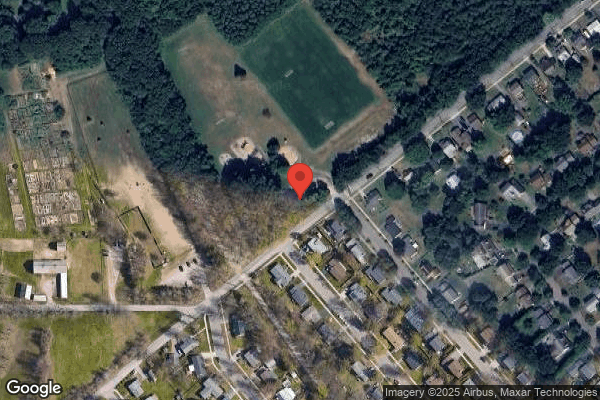
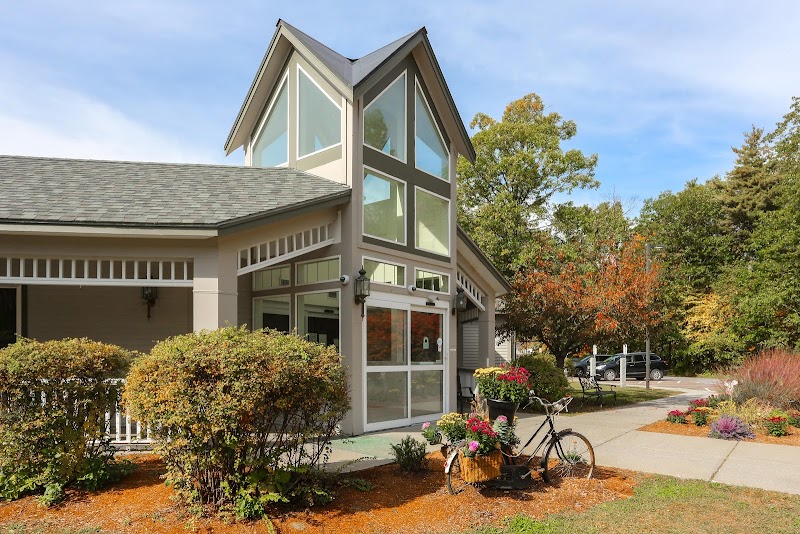
98 Starr Farm Rd., Burlington, VT 05408 (802) 658-6717
For profit - Limited Liability company 150 Beds ELDERWOOD Data: November 2025
Trust Grade
0/100
#29 of 33 in VT
Last Inspection: April 2025

Within standard 12-15 month inspection cycle. Federal law requires annual inspections.

Overview

Elderwood at Burlington has received a Trust Grade of F, indicating poor performance with significant concerns about care quality. It ranks #29 out of 33 facilities in Vermont, placing it in the bottom half statewide, and #4 out of 5 in Chittenden County, suggesting limited options for better alternatives nearby. The facility's trend is improving, with issues dropping from 43 in 2024 to 16 in 2025, which is a positive sign. Staffing is average with a 3/5 rating and an impressive 0% turnover, much lower than the Vermont average, which means staff are more stable and familiar with residents. However, the facility has concerning fines totaling $392,505, indicating repeated compliance problems, and specific incidents of care failures include not managing pain for a resident with severe disabilities and failing to provide proper skin care for multiple residents, leading to new or worsening pressure ulcers. Overall, while the staffing situation shows some strength, significant issues remain that families should consider carefully.
Trust Score
F
0/100
In Vermont
#29/33
Bottom 13%
Safety Record
High Risk
Review needed
Inspections
Getting Better
43 → 16 violations
Staff Stability
○ Average
Turnover data not reported for this facility.
Penalties
✓ Good
$392,505 in fines. Lower than most Vermont facilities. Relatively clean record.
Skilled Nurses
✓ Good
Each resident gets 45 minutes of Registered Nurse (RN) attention daily — more than average for Vermont. RNs are trained to catch health problems early.
Violations
⚠ Watch
84 deficiencies on record. Higher than average. Multiple issues found across inspections.
★☆☆☆☆
1.0
Overall Rating
★★★☆☆
3.0
Staff Levels
★★☆☆☆
2.0
Care Quality
★☆☆☆☆
1.0
Inspection Score
Stable
2024: 43 issues
2025: 16 issues

The Good

  • Full Sprinkler Coverage · Fire safety systems throughout facility
  • No fines on record

Facility shows strength in fire safety.

The Bad

1-Star Overall Rating

Below Vermont average (2.7)

Significant quality concerns identified by CMS

Federal Fines: $392,505

Well above median ($33,413)

Significant penalties indicating serious issues

Chain: ELDERWOOD

Part of a multi-facility chain

Ask about local staffing decisions and management

The Ugly 84 deficiencies on record

15 actual harm
Aug 2025 2 deficiencies
CONCERN (D) 📢 Someone Reported This

A family member, employee, or ombudsman was alarmed enough to file a formal complaint

Potential for Harm - no one hurt, but risky conditions existed

Deficiency F0605 (Tag F0605)

Could have caused harm · This affected 1 resident

Per interview and record review, the facility failed to ensure one of four residents (Resident #2) was free from chemical restraints by prescribing an as needed psychotropic medication with no stop da...

Read full inspector narrative →
Per interview and record review, the facility failed to ensure one of four residents (Resident #2) was free from chemical restraints by prescribing an as needed psychotropic medication with no stop date of 14 days. Findings include:Per review of Resident #2's medical record, Resident #2 has major diagnoses of vascular dementia [a form of dementia associated with impaired reasoning, planning, judgment, and memory caused by brain damage from impaired blood flow to your brain], Stage 2 chronic kidney disease, and COPD [Chronic Obstructive Pulmonary Disease]. Resident #2 had a BIMS [Brief Interview of Mental Status] score of 9 as of 7/17/25. A BIMS score of 9 indicates that Resident #2 is cognitively impaired. Per record review of a physician order dated 7/23/25 states, Lorazepam tablet 0.5 mg [milligram]: Give one tablet by mouth every 6 hours as needed for itching and anxiety. There was no documented stop date of 14 days on this order. Resident #2 was administered the Lorazepam 8 times from 7/23/25 to 8/11/25.An interview was conducted with the DON [Director of Nursing] on 8/11/25 at 11:45 AM. The DON confirmed that the order for Lorazepam did not include a stop date of 14 days. Works CitedVascular Dementia. Mayo Clinic. https://www.mayoclinic.org/diseases-conditions/vascular-dementia/symptoms-causes /syc-20378793. Accessed 8/12/25.
CONCERN (D) 📢 Someone Reported This

A family member, employee, or ombudsman was alarmed enough to file a formal complaint

Potential for Harm - no one hurt, but risky conditions existed

Deficiency F0760 (Tag F0760)

Could have caused harm · This affected 1 resident

Per interview and record review the facility's failed to prevent significant medication errors for one of four residents [Resident #1] sampled. Findings include:Per review of Resident #1's medical rec...

Read full inspector narrative →
Per interview and record review the facility's failed to prevent significant medication errors for one of four residents [Resident #1] sampled. Findings include:Per review of Resident #1's medical record, s/he had major diagnoses of Type II Diabetes, Alzheimer's Disease with late onset, Schizoaffective Disorder [a mental illness where the person experiences symptoms of both schizophrenia and a mood disorder], and anxiety. Resident #1 has a BIMS [Brief Interview of Mental Status] score of 4 as of 6/27/25. A BIMS score of 4 indicates Resident #1 was cognitively impaired. Per record review of the Resident #1's July 2025 MAR [Medication Administration Record] a medication order on the MAR states, Lisinopril [a medication used to treat high blood pressure] tablet 40 mg [milligrams] Give one tablet buy mouth in the morning for hypertension. Hold for SBP [systolic blood pressure] <100 [under 100] mmHg [millimeters of mercury] and notify provider. The MAR shows that the medication was ordered on 6/27/25.Per record review of Resident #1's nurse progress note written on 7/20/25 at 7:00 AM states, Resident found on the floor by CNA [Certified Nursing Assistant] sitting with [his/her] buttocks, with legs and arms extended. This writer assessed the resident, [s/he] is alert and oriented times 3, upper and lower extremities ROM [range of motion] OK [okay], no pain, no bruises at time of fall. [His/Her] head had no bumps. [S/he] said that [s/he] didn't hit [his/her] head [s/he] hit [his/her] buttocks. A nursing note at 7/20/25 at 11:50 AM states, Resident noted to have hypotensive during routine vitals at 7:22 AM BP [blood pressure] 77/45 at 9:18 AM 89/54 at 11:27 [AM]: 77/45. APN [Advanced Practice Nurse] orders resident to be transferred to ED [Emergency Department].Per record review of a physician order note dated 7/20/25 at 5:50 AM states, Assess pain per protocol, Fall precautions per facility protocol, Monitor with neurochecks [a neurological assessment] per facility protocol. Notify a clinician of any change in condition [sic] cbc [complete blood count], cmp [comprehensive metabolic panel]. Give 8 ounces of broth followed by 200 mL [milliliters] of fluid. Recheck BP [blood pressure] in 2 hours, notify provider if SBP < 100 mm hg [systolic blood pressure under 100 millimeters of mercury] Hold am [morning] lisinopril dose today [sic] Ice to back of head x 15 minutes [every fifteen minutes] as tolerated.Per record review of a physician order dated 7/20/25 at 10:15 AM states, Transfer to Emergency Department establish IV [intravenous access]/ give 500ml [milliliters] of 0.9 NS [normal saline] provide via NC [nasal cannula] or simple mask PRN [as needed] spo2 95-99% [Oxygen saturation 95-99%].Per record review of the facility's Medication Error Reporting Policy [last modified 7/6/18] states, The Medication Error Report is completed by a licensed nurse, and will be categorized and defined as follows:.2. Omission or wrong drug:.Medication given without order: Dose given to resident without physician's order.Note: A significant medication error means one that causes the resident discomfort or jeopardizes his/her life or safety.Per record review of Resident #1's MAR, Lisinopril was administered by Licensed Nurse #1 during the 7:00 AM to 10:00 AM medication pass. The blood pressure at the time of the Lisinopril administration was documented in the MAR as 89/54 mmHg [millimeters of mercury]. The systolic blood pressure recorded was too low to have Lisinopril administered as the systolic blood pressure needed to be over 100 mmHg [millimeters of mercury]. There was no documentation on the July 2025 MAR showing that normal saline via IV was administered to Resident #1.An interview was conducted with the DON [Director of Nursing} on 8/11/25 at 11:45. The DON confirmed that the MAR was documented as the medication administered with the blood pressure of 89/54 mmHg [millimeters of mercury]. She stated, I'm doing a med [medication] error report with the nurse who signed off the medication. The DON confirmed the blood pressure of the resident decreased to 77/45 mmHg at 11:27 AM and 11:56 AM. She confirmed Resident #1 was never administered normal saline or IV access prior to going to the hospital.Works Cited:Schizoaffective Disorder. Mayo Clinic. https://www.mayoclinic.org/diseases-conditions/schizoaffective-disorder/symptoms-causes/syc-20354504. Accessed 8/12/25.
May 2025 2 deficiencies
CONCERN (D) 📢 Someone Reported This

A family member, employee, or ombudsman was alarmed enough to file a formal complaint

Potential for Harm - no one hurt, but risky conditions existed

Report Alleged Abuse (Tag F0609)

Could have caused harm · This affected 1 resident

Based on interview and record review, the facility failed to implement policies and procedures for ensuring the reporting of a reasonable suspicion of a crime in accordance with section 1150B of the A...

Read full inspector narrative →
Based on interview and record review, the facility failed to implement policies and procedures for ensuring the reporting of a reasonable suspicion of a crime in accordance with section 1150B of the Act for 1 resident [Resident #1] of 3 sampled residents. Findings include: Per interview with the State Surveyor on 5/12/25 at 10:30 AM and per review of the State Surveyor's written report, Resident #1 reported to the Surveyor allegations of employee misconduct and possible abuse involving Resident #1's roommate and a Licensed Nursing Assistant on 2/18/25. The Surveyor reported the allegations of abuse and misconduct to both the facility's former Administrator [FADM] and Assistant Director of Nursing [ADON] on the same date, 2/18/25. Additionally, the Surveyor reported the allegations of abuse and misconduct to Adult Protective Services. An interview was conducted on 5/12/25 at 11:47 AM with the facility's current Administrator [ADM] and Director of Nursing [DON]. The ADM and DON confirmed that Adult Protective Services arrived at the facility 7 days after the incident on 2/26/25 to investigate the allegations, and it was on 2/26/25 that the facility then initially reported the allegations to the required State Survey Agency. An interview was conducted via phone with the Assistant Director of Nursing [ADON] on 5/12/25 at 12:40 PM. The ADON stated that an investigation into Resident #1's allegations was done by the former ADM who was no longer at facility. The current ADM, DON, and ADON confirmed there was no documentation of an investigation being conducted or allegations reported as required to the State Survey Agency, prior to the arrival of Adult Protective Services 7 days after the incident. The ADON was offered the opportunity to forward any new evidence if any was uncovered by the facility, but none was received as of 5/22/25.
CONCERN (D) 📢 Someone Reported This

A family member, employee, or ombudsman was alarmed enough to file a formal complaint

Potential for Harm - no one hurt, but risky conditions existed

Investigate Abuse (Tag F0610)

Could have caused harm · This affected 1 resident

Based on interview and record review, the facility failed to immediately put measures in place to ensure that further potential abuse, neglect, exploitation, or mistreatment did not occur after allega...

Read full inspector narrative →
Based on interview and record review, the facility failed to immediately put measures in place to ensure that further potential abuse, neglect, exploitation, or mistreatment did not occur after allegations of abuse were reported to the facility for 1 resident [Resident #1] of 3 sampled residents. Findings include: Per interview with the State Surveyor on 5/12/25 at 10:30 AM, and per review of the State Surveyor's written report, Resident #1 reported to the Surveyor allegations of employee misconduct and possible abuse involving Resident #1's roommate and a Licensed Nurse's Aide on 2/18/25. The Surveyor reported the allegations of abuse and misconduct to both the facility's former Administrator [FADM] and Assistant Director of Nursing [ADON] on the same date, 2/18/25. Additionally, the Surveyor reported the allegations of abuse and misconduct to Adult Protective Services. An interview was conducted via phone with the Assistant Director of Nursing [ADON] on 5/12/25 at 12:40 PM. The ADON stated that an investigation into Resident #1's allegations was done by the former ADM who was no longer at facility. The current ADM, DON, and ADON confirmed there was no documentation of an investigation being conducted prior to the arrival of Adult Protective Services 7 days after the incident. The current ADM, DON, and ADON further confirmed that despite the facility being notified of the allegations on 2/18/25, no measures were implemented to ensure the alleged abuse would not happen again. Per record review, the ADM and DON confirmed that staff allegedly involved in the incident were allowed to work and have contact with Resident #1 and the alleged victim in the days following the notification on 2/18/25 and the start of the investigation 7 days later on 2/26/25.
Apr 2025 12 deficiencies
CONCERN (D)

Potential for Harm - no one hurt, but risky conditions existed

Deficiency F0655 (Tag F0655)

Could have caused harm · This affected 1 resident

**NOTE- TERMS IN BRACKETS HAVE BEEN EDITED TO PROTECT CONFIDENTIALITY** Based on interview and record review the facility failed to develop and implement a baseline care plan within 48 hours of admiss...

Read full inspector narrative →
**NOTE- TERMS IN BRACKETS HAVE BEEN EDITED TO PROTECT CONFIDENTIALITY** Based on interview and record review the facility failed to develop and implement a baseline care plan within 48 hours of admission that included the instructions needed to provide effective and person-centered care for 2 of 27 residents in the sample (Resident #464 and Resident #34). This is a repeat deficiency for this facility, with violations cited during the previous two recertification surveys, dated 1/11/24 and 12/7/22. Findings include: 1. Per record review, Resident #464 was admitted to the facility on [DATE]. He/she has an admission document from the admitting hospital, Hospital Medicine admission History and Physical, dated 11/19/24, in his/her medical record. The document states Post traumatic stress disorder (PTSD): sexually assaulted, prefers female caregivers. Resident #464 has a care plan for Trauma with Anxiety, dated 11/25/24 and revised 4/1/25. It does not address a preference for female caregivers or a history of sexual assault. On 4/02/25, at 10:00 AM, the Social Worker stated, We don't assess for triggers on admission and confirmed that Resident #464 did not have a care plan indicating that Resident #464 has a history of sexual assault and prefers female caregivers. 2. Per record review, Resident #34 was admitted on [DATE] and has a diagnosis of obstructive sleep apnea. He/she has an order for a bi-level positive airway pressure (BiPAP) device, dated 8/28/24, which states Apply at bedtime, monitor placement and usage at appropriate settings, every evening and night shift. Per record review, Resident #34's baseline care plan did not include any interventions regarding the use of a BiPAP device. On 4/02/25, at 6:11 PM, a Unit Manager stated Any resident that uses BiPAP should have a care plan for BiPAP. He/she confirmed Resident #34 did not have a care plan for BiPAP.
CONCERN (D)

Potential for Harm - no one hurt, but risky conditions existed

Deficiency F0658 (Tag F0658)

Could have caused harm · This affected 1 resident

1) Based observation, interview and record review, the facility failed to ensure that services provided meet professional standards as evidenced by failing to follow physicians' orders related to the ...

Read full inspector narrative →
1) Based observation, interview and record review, the facility failed to ensure that services provided meet professional standards as evidenced by failing to follow physicians' orders related to the timing of administration for 2 of 27 sampled residents (Residents #45 and #34). This is a repeat deficiency for this facility, with violations cited during the previous recertification survey, dated 1/11/24. Findings include: Per record review, Resident #45 has diagnoses that include Parkinson's disease and hypothyroidism. Per interview with Resident #45 on 3/31/25 at 3:30 PM, s/he stated that his/her medications for his/her Parkinson's disease are often late. S/he stated that s/he experiences increased tremors and pain when his/her medications are late. S/he stated when my medications are late, I start to have more tremors which are really painful, then I have a bladder spasm causing me to urinate in the bed. [Resident #45] further stated s/he has tried to explain this to the staff but s/he does not feel that they understand or listen. Per record review, Resident #45 has the following physician order written on 12/14/24, Levadopia/Cardopia 50/200 mg give 2 tablets by mouth every 24 hours at 6:00 AM, 11:00 AM, 4:00 PM, and 10:00 PM Per review of his/her Medication Administration Record (MAR) in February 2025 s/he received his/her scheduled dose of Levadopia/Cardopia ordered at 11:00 AM, more then 1 hour late 11 times, his/her 4:00 PM dose was administered late 8 times. Per further review of March 2025 MAR, s/he received his/her Parkinson's medication scheduled at 11:00 AM , late 9 times, his/her 4:00 PM dose was late 7 times, and his/her 10:00 PM dose was late 3 times. Per the Journal of Pharmacy and Therapeutics, Patients with Parkinson's disease require strict adherence to an individualized, timed medication regimen of antiparkinsonian agents. Dosing intervals are specific to each individual patient because of the complexity of the disease . When medications are not administered on time and according to the patient's unique schedule, patients may experience an immediate increase in symptoms. Delaying medications by more than one hour, for example, can cause patients with Parkinson's disease to experience worsening tremors, increased rigidity, loss of balance, confusion, agitation, and difficulty communicating. Record review reveals Resident #45 has a physician order for Levothyroxine 75 mcg, give 1 tablet by mouth in the morning for hypothyroidism. Give before breakfast, starting 12/15/24. Per Resident #45's MAR, the medication is scheduled between 7:00 AM and 10:00 AM every day. Per review of the MAR, Resident #45 received his/her thyroid medication after breakfast 4 times in the month of March. Per drug guide recommendations as follows levothyroxine tablets and capsules are to be given on an empty stomach, at least 30 to 60 minutes before breakfast with a full glass of water. Take the medicine at the same time each day (www.drugs.com). Per facility policy dated 1/25/24 titled Medication Administration Methods The Medication Nurse must follow the (5) rights of administration (Right Drug, Right Dose, Right Time, Right Resident, Right Route). Per interview with a Licensed Nurse on 4/2/25 at approximately 10:25 AM, she stated that medication pass on the unit Resident #45 resides on is a difficult medication pass and it often takes more than four hours to pass her morning medications. She states sometimes her medications are late due to the work load and not enough staff. Per interview on 4/2/25 at approximately 3:00 PM, the Director of Nursing confirmed the medications were not administered timely per the physician orders. References: https://pmc.ncbi.nlm.nih.gov/articles/PMC5737245/ www.drugs.com2) Per record review, Resident #34 has a diagnosis of obstructive sleep apnea. He/she has an order for a bi-level positive airway pressure (BiPAP) device, dated 8/28/24, which states Apply at bedtime, monitor placement and usage at appropriate settings,every evening and night shift. During an interview on 3/31/25, at 12:03 PM, Resident #34 stated No one put my BiPAP on me on Friday night. He/she said nursing staff often forget to put his/her BiPAP on or wake him/her in the middle of the night to do so. Resident #34 states that he/she rings the call bell to have BiPAP put on before bedtime but frequently is told he/she will have to wait. He/she states he/she never goes to bed after 10:00 PM and usually before 9:00 PM. He/she often falls asleep with no BiPAP. BiPAP administration records show that Resident #34's BiPAP was not applied until 12:34 AM on 3/8/25, 10:46 PM on 3/10/25, 10:41 PM on 3/19/25, and 10:54 PM on 3/30/25. On 4/2/25 at 4:15 PM, a Registered Nurse confirmed that nursing staff document the placement of a BiPAP device at the time it is done.
CONCERN (D)

Potential for Harm - no one hurt, but risky conditions existed

Quality of Care (Tag F0684)

Could have caused harm · This affected 1 resident

**NOTE- TERMS IN BRACKETS HAVE BEEN EDITED TO PROTECT CONFIDENTIALITY** Based on observation, interview, and record review, the facility failed to ensure that residents receive treatment and care in a...

Read full inspector narrative →
**NOTE- TERMS IN BRACKETS HAVE BEEN EDITED TO PROTECT CONFIDENTIALITY** Based on observation, interview, and record review, the facility failed to ensure that residents receive treatment and care in accordance with professional standards of practice including prevention of skin breakdown for 1 of 27 sampled residents (Resident # 14). Findings include: Per record review, Resident #14 was admitted to the facility with diagnoses of hemiplegia and hemiparesis following a stroke, muscle weakness and a need for assistance with personal care. Resident #14 has a care plan focus stating I have an alteration in bladder/bowel elimination related to incontinence and CVA [cerebrovascular accident, a stroke] with an intervention, dated 6/10/19 incontinent care every 2 to 4 hours and as needed, and a care plan focus stating I am at risk for impaired skin integrity with interventions, dated 6/10/19, for, apply/administer barrier creams as ordered and provide timely toileting incontinence care. He/she has a care plan intervention, dated 3/24/25 to be turned and repositioned every two hours. Per record review, a skin assessment, dated 12/27/24, described moisture associated skin damage (MASD) to his/her left inner gluteal cleft (the left side of the fold between the buttocks). A skin assessment dated [DATE] stated that the MASD had healed. Skin assessments dated 3/17/25, 3/24/25, 3/31/25 and 4/1/25 describe MASD to bilateral buttocks. Per observation and interview on 4/1/25, at 10:14 AM, Resident #14 was sitting in the common area in his/her wheelchair. He/she appeared in pain, grimacing, and stated that sometimes his/her pain gets to be 10/10, and right now it is an 8/10 because his/her bottom hurts so much. He/she asked not to tell nursing staff about his/her pain because they will make him/her get back into bed and he/she doesn't want to get back to bed. Per observation on 4/1/25, at 3:00 PM, Resident #14 was receiving incontinent care. At this time, a quarter sized area open wound was noted on his/her skin. There is no mention of this wound in progress notes or skin assessments. During an interview on 4/02/25, at 8:52 AM, a Licensed Practical Nurse stated that Resident #14 often refuses incontinent care, and if often in his/her wheelchair from 10 AM until 3 PM with no incontinence care or repositioning. There is no documentation in Resident #14's medical record of refusal of care. There is no care plan for Resident#14's refusal of care. On 4/02/25, at 1:33 PM, the Director of Nursing confirmed that Resident #14 has no care plan for refusal of care and no documentation about refusing repositioning or incontinence care. When asked why he/she believed Resident #14's MASD had reoccurred, he/she stated that he/she didn't know. During an interview on 4/02/25, at 4:56 PM, the Director of Nursing was asked why Resident #14 didn't have a care plan to be turned and repositioned every 2 hours until nine days ago he/she replied She didn't have a pressure ulcer. On 4/02/25, at 5:42 PM, a Unit Manager stated that incontinent residents are at risk for MASD. They stated that interventions to prevent and/or heal skin breakdown are fast incontinence care and drying of the skin, barrier cream, and turning and repositioning every two hours.
CONCERN (D)

Potential for Harm - no one hurt, but risky conditions existed

Deficiency F0761 (Tag F0761)

Could have caused harm · This affected 1 resident

**NOTE- TERMS IN BRACKETS HAVE BEEN EDITED TO PROTECT CONFIDENTIALITY** Based on observation and interview, it was determined that the facility failed to store all drugs and biologicals in locked comp...

Read full inspector narrative →
**NOTE- TERMS IN BRACKETS HAVE BEEN EDITED TO PROTECT CONFIDENTIALITY** Based on observation and interview, it was determined that the facility failed to store all drugs and biologicals in locked compartments/medication carts and only permit authorized personnel to have access to 1 of 6 medication carts. This is a repeat deficiency for this facility, with violations cited during the previous recertification survey, dated 1/11/24. Findings include: Per observation on 3/31/25 at approximately 11:15 AM on the [NAME] Unit, a licensed nurse was observed walking away from an unlocked medication cart that was abutting the [NAME] Unit nurses station. S/he walked down a hallway on the [NAME] Unit pushing a wheelchair while following a resident. S/he did not have direct view of the medication cart from 11:16 AM until 11:21 AM. There were numerous residents in the area of the unlocked medication cart. Upon her/his return to the medication cart and while greeting the surveyors the nurse locked the medication cart. Per interview on 3/31/25 at approximately 11:23 AM with the licensed nurse, s/he confirmed that s/he did leave the medication cart unlocked and out of their direct vision for an extended period of time and that there were many residents in the area that could access the contents of the medication cart. S/he explained that the facility's rule is that the medication cart be locked at all times for the safety of the residents, staff, and visitors. S/he explained that they forgot to lock the medication cart due to the need to follow a resident who is a fall risk to their room.
CONCERN (E)

Potential for Harm - no one hurt, but risky conditions existed

Deficiency F0561 (Tag F0561)

Could have caused harm · This affected multiple residents

Based on observation and interview, the facility failed to ensure residents are given the opportunity to eat meals in the dining room during breakfast, dinner, and the weekend meal service for 7 rando...

Read full inspector narrative →
Based on observation and interview, the facility failed to ensure residents are given the opportunity to eat meals in the dining room during breakfast, dinner, and the weekend meal service for 7 randomly sampled residents (Residents #73, #4, #13, #10, #54, #6, #74). Findings include: Per observation throughout the recertification survey on 3/31/25 through 4/2/25, the dining room was observed to be closed for meal service during breakfast and dinner. Per interview on 4/2/25 at 8:12 AM, Resident #73 stated, I prefer to eat breakfast in my room and have lunch and dinner in the dining room. Per interview on 4/2/25 at 8:25 AM with Resident #4 stated, I would like to have all of my meals in the dining room. Per interview on 4/1/25 at 11:56 AM, Resident #13 stated s/he really likes the dining room and would like to be able to come more often. S/he would like a place to go. Per interview on 4/1/25 at 11:57 AM, Resident #10 prefers to eat in the dining room. She/he would like it if s/he could eat more of her/his meals in the dining room. She/he does not like eating in his/her room. Per interview on 4/1/25 at 11:58 AM, Resident #54 would like to have the opportunity to eat in the dining room more often. Per interview on 4/1/25 at 11:59 AM, Resident #6 said s/he wished that they would let us eat down here (dining room) more. S/he likes it down here because it is quieter. Per interview on 3/31/25 at 1:48 PM with Resident # 74, s/he stated, I would prefer to eat my meals in the main dining room, but we can't, it is only open five days a week for lunch. Per interview on 4/2/25 at 10:30 AM with the Dietary Manager, he stated that the Dining Room is only open for lunch Monday through Friday. He explained that it can't be open for breakfast, dinner, or on the weekends due to short staffing in the kitchen and not having enough LNAs to serve any additional meals. He said that the facility is working on this but that it would take some time.
CONCERN (E)

Potential for Harm - no one hurt, but risky conditions existed

Grievances (Tag F0585)

Could have caused harm · This affected multiple residents

Per observation, interview, and facility policy review, the facility failed to establish an anonymous grievance reporting system that supports the resident's right to voice any grievance without discr...

Read full inspector narrative →
Per observation, interview, and facility policy review, the facility failed to establish an anonymous grievance reporting system that supports the resident's right to voice any grievance without discrimination, reprisal, or the fear of discrimination or reprisal for 2 of 5 sampled residents (Residents #72 and Resident #82). Findings include: A resident council meeting was held on 4/1/25 at 2:00 PM. Five residents attended the resident council meeting. During resident council Residents #72 and Resident #82 discussed their concerns with grievances stating, Sometimes we don't get a response at all. Resident #82 discussed feelings of retaliation if a grievance is filed. An interview was conducted with Resident #82 on 4/2/25 at 5:12 PM. Resident #82 discussed that s/he did not know how to file a grievance anonymously, stating, We have to give them to the nursing supervisor. I don't even know where they go. Resident #82 also stated s/he has never received a copy of his/her grievances. S/he stated s/he filed two grievances, both within the last year and never received a written copy back. Per record review of the facility's Grievances/Complaints and Recommendations about Resident Care, Treatment, and Facility policy [last modified 1/27/2019] states, All residents/patients will have the right to voice grievances to the facility or other agencies or entities that hear grievances without discrimination or reprisal and without fear of discrimination or reprisal .The facility may chose to display postings .of the right to file grievances anonymously .All grievances/complaints/concerns are responded by appropriate facility staff orally or in writing. Per observation of the facility grievance process, forms were obtained from the social worker and filled out by the resident or staff, and then returned. There were no anonymous grievance forms or boxes for grievance forms in the facility. An interview was conducted with the Social Worker on 4/2/25 at 5:03 PM. The Social Worker stated she has never had to file an anonymous grievance. When asked how residents know how to file an anonymous grievance the social worker stated, They just know. The forms are on my door, and they can just not put their name [on the grievance form].
CONCERN (E) 📢 Someone Reported This

A family member, employee, or ombudsman was alarmed enough to file a formal complaint

Potential for Harm - no one hurt, but risky conditions existed

Deficiency F0699 (Tag F0699)

Could have caused harm · This affected multiple residents

**NOTE- TERMS IN BRACKETS HAVE BEEN EDITED TO PROTECT CONFIDENTIALITY** Based on interview, observation, and record review the facility failed to provide trauma informed care by not identifying trigge...

Read full inspector narrative →
**NOTE- TERMS IN BRACKETS HAVE BEEN EDITED TO PROTECT CONFIDENTIALITY** Based on interview, observation, and record review the facility failed to provide trauma informed care by not identifying triggers that may cause re-traumatization for 5 of 9 sampled residents (Resident #31, #60, #464,#99,#110). Findings include: 1) Record review shows that Resident #31 suffers from PTSD (post-traumatic stress disorder). Review of the resident's care plan did not identify any triggers that may re-traumatize this resident. A note from Deer Oaks (an outside provider of mental health services), dated 12/17/21, states do not talk about war trauma per resident's requests. The note also goes on to identify concerns about family members health, and the recent death of Resident #31's fiancé as triggers that may re-traumatize the resident. A Facility policy titled Trauma informed Care, last updated on 3/4/24 reads, The facility will ensure that residents who are trauma survivors receive culturally competent, trauma-informed care in accordance with professional standards of practice and accounting for resident's experiences and preferences to eliminate or mitigate triggers that may cause re-traumatization of the resident. In an interview with a Social Worker on 4/1/25 at 11:15 AM, the Social Worker confirmed that the facility did not identify any possible triggers for this resident in the resident's care plan. In an interview on 4/2/25 at 9:50 AM, the Social Worker also confirmed that the facility does not use any form of standardized assessment tool to screen for triggers on admission. 2) Per record review, Resident #60, was admitted to the facility with diagnoses that includes post traumatic stress disorder. Per review of his/her care plan dated 3/11/24, s/he has the following focus I have emotional needs related to childhood trauma. Interventions dated 3/11/24 include, identify and eliminate triggers in my environment. However, there was no documented interventions or triggers identified in his/her care plan. Per interview on 4/3/25 at 5:00 PM, the Social Service Director confirmed that Resident #60 did have PTSD, and did not have identified triggers in his/her care plan. She stated that she was not aware that triggers should be part of the individuals care plan. She stated she did not have a current system to document triggers or to notify staff caring for Resident #60 interventions related to his/her PTSD. 3) Per record review, Resident #99 has a diagnosis of Post-Traumatic Stress Disorder. His/her care plan did not contain any documentation of identified triggers. An interview with Resident #99 was conducted on 3/31/25 at 11:30 AM. Resident #99 stated that s/he had not been screened for triggers related to his/her PTSD (Post-Traumatic Stress Disorder). On 4/2/25 at 9:39 AM, the Social Worker confirmed that triggers for PTSD were not identified on the resident's care plan. 4) Per record review, Resident #110 has a diagnosis of PTSD. Per record review of Resident #110's care plan, there is no documentation of triggers identified in his/her care plan. Per interview on 3/31/25 at 12:02 PM, Resident #110 and his/her family representative stated Resident #110 was not screened for triggers of his/her PTSD at admission. The Social Worker confirmed on 4/2/25 at 9:31 AM that Resident #110 did not have any identified triggers in his/her care plan. The social worker confirmed on 4/2/25 at 11:50 AM that the facility does not assess residents for triggers for trauma. 5) Per record review, Resident #464 was admitted to the facility on [DATE]. He/she has an admission document from the admitting hospital, Hospital Medicine admission History and Physical, dated 11/19/24, in his/her medical record. The document states Post traumatic stress disorder (PTSD): sexually assaulted, prefers female caregivers. Resident #464 has a care plan for Trauma with Anxiety, revised 4/1/25. It does not address a preference for female caregivers or a history of sexual assault. On 4/2/25 at 10:00 AM, the Social Worker stated We don't assess for triggers on admission and confirmed that Resident #464's care plan did not indicate that the resident has a history of sexual assault and prefers female caregivers.
CONCERN (E)

Potential for Harm - no one hurt, but risky conditions existed

Deficiency F0725 (Tag F0725)

Could have caused harm · This affected multiple residents

Based on observation, interview, and record review, the facility failed to ensure there was enough nursing staff to administer medications timely for 1 of 27 sampled (Resident #45) and meet resident p...

Read full inspector narrative →
Based on observation, interview, and record review, the facility failed to ensure there was enough nursing staff to administer medications timely for 1 of 27 sampled (Resident #45) and meet resident preferences of where to dine for 7 randomly sampled residents (Residents #73, #4, #13, #10, #54, #6, #74). This has the potential to impact multiple residents. This is a repeat deficiency for this facility, with violations cited during a partial survey, dated 8/15/24, and the previous recertification survey, dated 1/11/24. Findings include: 1) Per record review, Resident #45 has diagnoses that include Parkinson's disease and hypothyroidism. S/he had the following medications orders, Levothyroxine 75 mcg, give 1 tablet by mouth in the morning for hypothyroidism. Give before breakfast, starting 12/15/24. Per the facility medication administration record (MAR) the medication is scheduled between 7:00 AM and 10:00 AM every day. Per review of the medication administration record Resident #45 received his/her thyroid medication after breakfast four times in the month of March. Per drug guide recommendations as follows levothyroxine tablets and capsules are to be given on an empty stomach, at least 30 to 60 minutes before breakfast with a full glass of water. Take the medicine at the same time each day (www.drugs.com). Per record review, Resident #45 has the following physician order written on 12/14/24, Levadopia/Cardopia 50/200 mg give 2 tablets by mouth every 24 hours at 6:00 AM, 11:00 AM, 4:00 PM, and 10:00 PM. Per review of his/her Medication Administration Record (MAR) in February 2025 s/he received his/her scheduled dose of Levadopia/Cardopia ordered at 11:00 AM, more then 1 hour late 11 times, his/her 4:00 PM dose was administered late 8 times. Per further review of March 2025 MAR, s/he received his/her Parkinson's medication scheduled at 11:00 AM , late 9 times, his/her 4:00 PM dose was late 7 times and his/her 10:00 PM dose was late 3 times. Per interview with Resident #45 on 3/31/25 at 3:30 PM s/he stated that his/her medications for his/her Parkinson are often late. S/he stated that s/he experiences increased tremors and pain when her medications are late. S/he stated when my medications are late I start to have more tremors which are really painful, then I have a bladder spasm causing me to urinate in the bed. Resident #45 states s/he has tried to explain this to the staff but s/he does not feel that it has changed. Per interview of staff nurse on 4/2/25 at approximately 10:25 AM she stated that medication pass on the unit Resident #45 resides on is a difficult medication pass and it often takes more then four hours to pass her morning medications. She states sometimes her medications are late due to the work load and not enough staff. Per interview on 4/2/25 at approximately 3:00 PM the Director of Nursing she confirmed the medications were not administered timely per the physician orders. 2) Per observation throughout the recertification survey on 3/31/25 through 4/2/25, the dining room was observed to be closed for meal service during breakfast and dinner. Per interviews between 3/31/25 and 4/2/25, Residents #73, #4, #13, #10, #54, #6, #74 expressed that they do not get a choice to eat in the dining room for more meals and would like to. See F 561 for more information. Per interview on 4/2/25 at 10:30 AM with the Dietary Manager, he stated that the Dining Room is only open for lunch Monday through Friday. He explained that it can't be open for breakfast, dinner, or on the weekends due to short staffing in the kitchen and not having enough LNAs to serve any additional meals. He said that the facility is working on this but that it would take some time.
CONCERN (E)

Potential for Harm - no one hurt, but risky conditions existed

Deficiency F0804 (Tag F0804)

Could have caused harm · This affected multiple residents

**NOTE- TERMS IN BRACKETS HAVE BEEN EDITED TO PROTECT CONFIDENTIALITY** Surveyor: [NAME], [NAME] Based on observation and interview, the facility failed to ensure that food served to residents is pala...

Read full inspector narrative →
**NOTE- TERMS IN BRACKETS HAVE BEEN EDITED TO PROTECT CONFIDENTIALITY** Surveyor: [NAME], [NAME] Based on observation and interview, the facility failed to ensure that food served to residents is palatable, attractive, and served at an appetizing temperature for 12 randomly sampled residents, (Residents #44 , #74, #4, #14, #72, #50, #97, #74, #33, #25, #68, and #83). Findings include: 1) Per interview with Resident #25 on 3/31/25 at 11:29 AM, s/he stated, The food is too salty, there are a lot of gristles in the ground meat, and the food does not look appetizing. S/he stated, I don't like it that they give us fried baloney sandwiches for dinner at least once a month. Per interview on 3/31/25 at 11:41 AM with Resident # 33, s/he stated, The food is terrible and the presentation is terrible. S/he also stated, The Kitchen Manager is very nice but does not make changes to the taste of the food and how it is cooked. Per interview on 3/31/25 at 12:09 PM with Resident # 83, s/he stated, The food is so/so, it is too salty, and buns are usually wet from the vegetables. S/he also stated, It takes a while to get another choice. Per observation on 3/31/25 at 12:36 PM, lunch trays were passed in the Common Area by the Nurses station. Resident #44 stated s/he did not want the food on her/his plate. When asked by a staff member if s/he wanted a sandwich, s/he stated I don't have any teeth, I can't eat a sandwich. Per interview on 3/31/24 at 1:48 PM with Resident #74, s/he stated, The food is not great, not crazy about it, too much of the same, chicken and carrots, chicken and carrots, and it is too spicy. Per interview on 3/31/25 at 2:37 PM, Resident #68 stated The food is always cold. Per interview on 3/31/25 at 11:29 AM with Resident #25 s/he stated, The Resident Council has set up a meeting the second Thursday of the month with the Kitchen Manager to discuss the dissatisfaction with the food served to the Residents related to the palatability of the food and the alternative food choices available to the residents. H/she stated the food is still not appealing, often too salty or bland. Per interview on 3/31/25 at 2:17 PM, Resident #4 stated, The coffee is always only warm, not hot. Sometimes the food is too salty. Per interview on 4/1/25 at 10:34 AM, Resident #14 stated that the food is terrible, my pureed diet has no flavor at all. I can't tell one food from another. Per interview on 4/1/25 at 10:56 AM, Resident #72 stated, The food is so bad I just don't eat. We are served liquid jello, watery chili, and the portions are too small. Resident #72 stated that the Dietician keeps telling them Its corporate. Per interview on 4/1/25 at 12:42 PM, Resident #50 stated that the food is terrible and he/she often doesn't eat anything at a meal. Per interview on 4/2/25 at 8:19 AM with Resident # 97 during breakfast service, in her/his room, s/he stated, The food was bland, I don't care for it and I'm not eating it. Per interview with Resident #50 on 4/2/25 at approximately 3:55 PM, Resident #50 reported that the food is often cold and is terrible, not even second greatest. This resident reported the green beans tasted warmed over three to four times and how they need to get a pig, somebodies got to eat it referring to the green beans. On 4/2/25 12:25 PM a test tray was requested for lunch in the Dining Room. The surveyor tasting the food had the following comments: The meat [Salisbury steak with brown gravy] is bland, oily, and wet. The mashed potatoes taste bad, taste sour, and are gritty. The green beans [garlic green beans] are overcooked and have a clump of some sort of seasoning in them. The dinner roll is tough and difficult to break apart. Per interview on 4/2/25 at 1:30 PM, the Dietary Manager stated that he has no control over the menus. The menu is produced by a Dietitian at Corporate. He is aware that residents are not always happy with the menu.
CONCERN (E)

Potential for Harm - no one hurt, but risky conditions existed

Deficiency F0806 (Tag F0806)

Could have caused harm · This affected multiple residents

Based on interviews, observations, and record review, the facility failed to provide residents appealing menu items that meet the preferences and choices of the residents for 6 randomly sampled reside...

Read full inspector narrative →
Based on interviews, observations, and record review, the facility failed to provide residents appealing menu items that meet the preferences and choices of the residents for 6 randomly sampled residents (Residents #5, #82, #50, #34, #80, and #18). Findings include: Per interview with Resident #5 on 3/31/25 at approximately 2:55 PM, s/he stated that the meals offered are a lot of sandwiches and the alternative option is often sandwiches. Resident #5 reported buying ramen to have a hot meal. On 4/2/25 at approximately 10:01 AM, Resident #5 reported that staff don't show the menu to her/him, ask her/him what they want for food, and they don't offer her/him choices for meals. Resident #5 reports not having seen a menu in a very long time. At 6:00 PM on 4/2/25, Resident #5 reported they didn't get to choose their meal, that dinner is gross, and they were not offered anything different. Per interview with Resident #82 on 4/2/25 at approximately 3:25 PM, s/he reported about how they will frequently mess up their food order and s/he will have to ask for something else. They report s/he will have to wait a long time to get their food after asking for something different. S/he also reports they don't always have access to the alternative menu other than it's posted in the kitchen and s/he isn't always able to look at it. Additionally, Resident #82 reports that the only way s/he gets the menu is from activities, and the Residents have to hand write what the alternative menu is. They report that if s/he doesn't go to activities then they won't get the menu as it isn't distributed by staff. Residents who don't go to activities don't get menus. Resident #82 started crying during this interview about how frustrated they are with the facility and their care and mentioned how food is something s/he should be able to enjoy. Resident #82 also reports that they got rid of the snacks, so the only alternative options now are saltine crackers, whole grain crackers, and peanut butter. Per interview with Resident #50 on 4/2/25 at approximately 3:55 PM, Resident #50 reported that the food is often cold and is terrible, not even second greatest. This resident reported the green beans tasted warmed over three to four times and how they need to get a pig, somebodies got to eat it referring to the green beans. S/he reported not seeing an alternative menu since being on the rehab unit in September. Resident #50 also reported they are only able to get the menu because s/he goes to activities. Additionally, on 4/2/25 at 5:49 PM, Resident #50 reported the staff also just came and gave her/him food S/He reported how s/he wanted the fried bologna sandwich tonight, but didn't get it while their roommate did. Resident #50 reports not being asked what s/he wanted for dinner and that s/he wasn't offered choices. Per interview with Resident #34 on 4/2/25 at 5:49 PM, s/he reported s/he was not able to choose their meal and that they just came and gave us food. They report that they don't get to choose their meals. The resident reported that the bread on the sandwich s/he is eating is stale and the fried bologna sandwich for dinner is too oily. Additionally, Resident #34 reported they received moldy bread on a sandwich a couple weeks ago and that the biscuits and cake are always dry. Additionally, Resident #34 reported getting oatmeal like dish water while their roommate who also had oatmeal was normal in presentation. This resident reported many inconsistencies in meal service. Resident #34 also reported on 4/2/25 at approximately 3:50 PM that s/he does not always get alternative meals after asking for them and that s/he had lost weight. This resident also reported the only way s/he can get the menu is by going to activities where it is printed out and given to them. Resident #34 reported that they used to put the alternative menu on the back of the menu, but they don't do that anymore so they don't have access to alternative meal options. Per interview with Resident #80 on 4/2/25 at approximately 6:05 PM, Resident #80 reported that s/he couldn't look at the menu and didn't choose what s/he wanted to eat. Per interview with Resident #18 on 4/2/25 at approximately 6:08 PM, s/he reported dinner is like every other night and how the meals are not cooked properly. Resident #18 reported it didn't used to be like this and that it changed about six months ago and since then the food is terrible. S/he also reports they were not able to choose from the menu what they wanted for dinner. Facility policy titled, Resident Selective Menu Program, approved 9/7/2018, reads, Residents or responsible parties who would like to make food preference decisions on a routine basis may be offered participation in the Resident Selective Menu Program. Designated dietary and/or nursing staff will distribute daily or weekly menus, assist residents in the selection process as needed, and collect menu selections for use by the dining services department. Facility policy titled, Orders and Preference Identification System, approved 9/7/2018, reads, The Director of Dietary Services and a Registered Dietitian will develop a system for the accurate identification of diets/menu items to assure that residents are served a diet as ordered and preferred. Per interview on 4/2/25 at 1:30 PM with the Kitchen Manager, he is aware that the residents are not able to get their food preferences because the menus, including the alternative choices menu, are created by Corporate and there are limitations to what he can do. He is aware the Alternative Choices menu primarily consists of sandwiches. He also stated, I cannot change the alternative options without Corporate approval. The Kitchen Manager also confirmed there is a process to include food preferences for the residents when they are admitted and during Care Plan meetings with the resident and family members.
CONCERN (E)

Potential for Harm - no one hurt, but risky conditions existed

Infection Control (Tag F0880)

Could have caused harm · This affected multiple residents

Based on observation and interview, it was determined that the facility failed to maintain infection control practices specific to medication administration for 1 resident (#464) in a standard survey ...

Read full inspector narrative →
Based on observation and interview, it was determined that the facility failed to maintain infection control practices specific to medication administration for 1 resident (#464) in a standard survey sample of 27, and failed to ensure facility equipment used for mechanic lift transfers was cleaned and maintained sanitarily. This is a repeat deficiency for this facility, with violations cited during the previous two recertification surveys, dated 1/11/24 and 12/7/22. Findings include: 1) Per observation on 4/2/25 at approximately 3:15 PM of the facility's laundry processing area, it was revealed that mechanical lift pads (a fabric sling that is used in conjunction with a patient lifting device to support and transfer individuals who have mobility limitations) are washed and then hung to dry on a hook in the laundry room. It was noted that there were 4 hooks under an open window in the laundry room and on all 4 hooks there were numerous mechanical lift pads of various sizes. On the third hook from the left there were 3 lift pads at the front of the hook that were wet and resting against dry lift pads. Per interview on 4/2/25 at approximately 3:17 PM with a laundry aide, s/he stated that when lift pads become soiled, they are put in the laundry and are taken to the laundry room to be laundered/washed. S/he stated that these lift pads can not be dried so they are hung on these hooks to dry. When asked why there were wet lift pads on top of dry lift pads, s/he stated that this was their process. They took the laundered lift pads out of the washer and placed them upon one of the 4 hooks to dry. When asked if it was sanitary to place the wet lift pads over dry lift pads, s/he stated s/he didn't know. Per interview on 4/2/25 at approximately 4:30 PM with the Housekeeping/Laundry Director, s/he stated s/he was new to the facility but was aware that there were practices that needed to be addressed and revised. S/he confirmed that putting wet lift pads on top of dry lift pads could result in mold and mildew growth between the lift pads. 2) On 4/1/25, at 10:00 AM, this surveyor observed Resident #464 drop a medication pill on the floor. The Registered Nurse administering the medication picked the pill up off the floor, wiped it with a tissue and handed it to the resident. The resident put the pill into his/her mouth and swallowed it. On 4/1/25, at 10:10 AM, a Registered Nurse confirmed that any medication dropped on the floor should be disposed of properly and new, replacement medication should be dispensed and administered.
CONCERN (F) 📢 Someone Reported This

A family member, employee, or ombudsman was alarmed enough to file a formal complaint

Potential for Harm - no one hurt, but risky conditions existed

Deficiency F0882 (Tag F0882)

Could have caused harm · This affected most or all residents

Based on staff interview and record review, the facility failed to ensure that the individual who has completed the specialized training in infection prevention and control oversees the facility's inf...

Read full inspector narrative →
Based on staff interview and record review, the facility failed to ensure that the individual who has completed the specialized training in infection prevention and control oversees the facility's infection prevention and control program. Findings include: Per review of the Facility Assessment, dated 11/15/24, Education/Training Requirements are, Have primary professional training in nursing, medical technology, microbiology, epidemiology, or other related field; Is qualified by education, training, experience or certification; Works at least part-time at the facility; and has completed specialized training in infection prevention and control. Per review of the facility's infection control log, that included the facility line listings, policies and procedures, and training, it was revealed that all infection prevention and control documents were completed by the facility's DON (Director of Nursing). Per interview on 4/2/25 at approximately 4:59 PM, the DON stated that s/he is responsible for both the facility's infection prevention and control program and the DON position and has been for a long time. S/he stated that the facility had hired someone for the Infection Preventionist (IP) position but that they stayed a very short time and then s/he again became responsible for both the DON and the Infection Prevention and Control roles. The DON confirmed the federal requirement of the Infection Preventionist position be at least a part-time position and confirmed that the DON role is a full-time position.
Aug 2024 4 deficiencies
CONCERN (D) 📢 Someone Reported This

A family member, employee, or ombudsman was alarmed enough to file a formal complaint

Potential for Harm - no one hurt, but risky conditions existed

Deficiency F0711 (Tag F0711)

Could have caused harm · This affected 1 resident

Based on staff interview and record review, the facility failed to ensure that physicians and other providers (as delegated to per regulation) review the residents' total program of care, including me...

Read full inspector narrative →
Based on staff interview and record review, the facility failed to ensure that physicians and other providers (as delegated to per regulation) review the residents' total program of care, including medications and treatment plan at each visit as required for 1 of 3 sampled residents (Resident's #9). Findings include: Physician note dated 6/4/2024 under section titled Assessment and Plans reads ALZHEIMER'S DISEASE, UNSPECIFIED - G30.9-With behaviors, [s/he] has episodes of screaming out, restlessness and agitation. [S/he] currently is on Seroquel Haldol and Ativan without behavior changes continue meds for now . Per record review Seroquel was discontinued 05/23/2024. Per review of Resident #9's physician orders starting on 4/3/2024 shows that Resident #9 was taking the following medication at the time of regulated visit: Haloperidol oral tablet 2 milligrams (mg) give one tablet by mouth two times a day for agitation, Lorazepam oral tablet 0.5 mg give 1 tablet by mouth at bedtime for anxiety, A Physician note dated 7/20/2024 Assessment and Plans ALZHEIMER'S DISEASE, UNSPECIFIED - G30.9-With behaviors, [s/he] has episodes of screaming out, restlessness and agitation. [S/he] currently is on Seroquel Haldol and Ativan without behavior changes continue meds for now . A review of Resident #9's physician orders 7/20/2024 shows that s/he is was taking the following medication: Haloperidol oral tablet 2 milligrams (mg) give one tablet by mouth two times a day for agitation, Lorazepam oral tablet 0.5 mg give 1 tablet by mouth at bedtime for anxiety, Zyprexa oral tablet 5 mg give one tablet by mouth in the morning for agitation and one tablet by mouth in the evening for behaviors. Per an Advance Practiced registered Nurse (APRN) note dated 8/5/2024 section titled Assessment and Plans ALZHEIMER'S DISEASE, UNSPECIFIED - G30.9 Without change on Aricept and Seroquel still has behaviors. [S/he] also can get Haldol. A review of Resident #9's physician orders on 2024 8/5/2024 shows that s/he was taking the following medication: Haloperidol oral tablet 2 milligrams (mg) give one tablet by mouth two times a day for agitation, Lorazepam oral tablet 0.5 mg give 1 tablet by mouth at bedtime for anxiety, Zyprexa oral tablet 5 mg give one tablet by mouth in the morning for agitation and one tablet by mouth in the evening for behaviors. There is no order for Seroquel Per interview with the Director of Nursing on 8/14/2024 at 9:15 AM s/he confirmed the provider visits above, were regulatory visits, did not reflect the actual medications that Resident #9 had orders for at the time of visit, and did not accurately review the resident total program of care and it should have.
CONCERN (E) 📢 Someone Reported This

A family member, employee, or ombudsman was alarmed enough to file a formal complaint

Potential for Harm - no one hurt, but risky conditions existed

ADL Care (Tag F0677)

Could have caused harm · This affected multiple residents

Based on observation, resident and resident representative interview, staff interview, and record review, the facility failed to ensure that a resident who is unable to carry out activities of daily l...

Read full inspector narrative →
Based on observation, resident and resident representative interview, staff interview, and record review, the facility failed to ensure that a resident who is unable to carry out activities of daily living (ADLs) without assistance receives the proper level of assistance for 8 of 11 sampled residents (Residents #1, #4, #5, #6, #7, #8, #9, and an anonymous resident). Findings include: 1. Per record review, Resident #7's care plan states that s/he has an alteration in bladder/bowel elimination [related to] impaired mobility, initiated on 3/18/19 and that s/he has a deficit in ADL function/mobility related to cerebral palsy and schizoaffective disorder, revised on 4/28/24. Care plan interventions include total dependence for toileting hygiene, revised on 3/20/24, maximum assistance for transferring, revised on 5/23/24, and for staff to provide prompt incontinent care, initiated on 8/7/19. On 6/10/24, Resident #7 was assessed to have a BIMS of 15 (brief interview for mental status; a cognitive assessment score indicating cognitive intactness). Per observation and interview on 8/13/24 at 10:42 AM, Resident #7 was lying in bed. S/He stated that s/he had soiled him/herself in bed that morning and had asked staff over a half an hour ago for help getting cleaned up. S/He explained that s/he is still in bed today by choice since s/he does not feel well but would still like help getting cleaned up. S/He explained that it takes staff a long time to get him/her into their wheelchair daily. S/He said s/he would like to get up at 8 or so and staff are late getting him/her into the wheelchair, between 10:00 and 11:00 AM about 3 or 4 times a week. Resident #7's call light was observed on at 11:18 AM. When asked, Resident #7 said that staff had still not helped him/her clean up from the accident this morning and now s/he needs to urinate again, for which s/he had put their call light on a bit ago to get help. Resident #7's call light was not answered until 11:47 AM. 2. Per record review, Resident #10's care plan states s/he is always incontinent of bowel and bladder. [Interventions include] provide prompt incontinent care, revised on 12/29/2021 and requires one assist for incontinent care, revised on 03/10/2023. Per observation and interview on 08/13/2024 at 10:30 AM, Resident #10 stated s/he does not receive timely incontinent care. S/He stated that s/he requested incontinent care at 8:00 AM on the morning of interview and was still waiting. Resident #10 stated that s/he sometimes waits for hours for his/her care. During observation, Resident #10 pressed his/her call light a total of 6 times starting at 10:43 AM and ending at 11:40 AM. During the time of observation, 6 people answered the light and instead of providing her care, they told the resident his/her LNA would return to provide his/her care. Per interview with the Licensed Nursing Assistant #4 (LNA) who answered the call light on 08/13/2024 at 10:45 AM s/he stated that Resident #10 requested to be changed. LNA #4 further explains that Resident #10 requires assistance for incontinent care and is not on his/her list for the day. Per LNA #4 s/he stated that s/he had not assisted in caring for Resident #10 since the start of his/her shift at 6:00 AM. Per interview with LNA #5 on 08/13/2024 at 10:58 AM, s/he confirmed that s/he is assigned to Resident #10 and s/he had not provided incontinent care to Resident #10 since start of his/her shift at 6:00 AM. Per interview on 08/13/2024 at 11:50 AM, LNA # 6, who was scheduled to work central supply that day, rather than do patient care, stated that s/he provided incontinent care to Resident #10 alone on 08/13/2024 at 11:40 AM. S/he also confirmed that Resident #10 was incontinent of urine and feces. 3. Per record review, Resident #1's care plan states that s/he has a deficit in ADL function/mobility related to cerebral palsy, blindness, revised on 2/24/24. Interventions include total dependence for eating and I should be out of bed for meals, revised on 4/9/24, and preferred dining location: common area, initiated on 11/15/21. Per observation and interview on 8/10/24 at 6:05 PM, Resident #1 was lying in bed. At 6:43 PM, a Licensed Nursing Assistant (LNA) left Resident #1's room and explained that Resident #1 ate dinner in his/her bed. The LNA stated that Resident #1 always eat dinner in bed. Per interview on 8/13/24 at 1:35 PM, Resident #1's Representative explained that it is his/her wish to have Resident #1 out of bed for all meals every day, including dinner. Per interview on 8/13/24 at 5:06 PM, the Director of Nursing confirmed that Resident #1 should be out of bed for dinner every night. 4. Per record review, Resident #8's care plan states that s/he has a deficit in ADL function/mobility related to secondary to nontraumatic intracerebral hemorrhage, Parkinsons disease, [weakness] and other abnormalities of gait and mobility, revised on 8/7/24, with an intervention for a one person physical assist and gait belt for transfer, revised on 8/5/24. Per the care plan, s/he is independent with decision making related to my BIMS, revised on 8/7/24. On 7/24/24 Resident #8 was assessed to have a BIMS of 11(indicating moderate cognitive impairment). A 8/12/24 fall evaluation note reveals that Resident #8 had an unwitnessed fall and sustained an abrasion to [his/her] back. Per interview on 8/12/24 at 11:09 AM, Resident #8 stated that s/he had a fall the previous night. S/He explained that s/he had waited for about 15 minutes for someone to help answer his/her call light and help him/her to the bathroom but because s/he had to go so bad, s/he went to the bathroom on his/her own even though s/he knew s/he needed staff assistance. Once s/he returned to his/her bed, s/he sat on the bed and then slid off landing on the floor. S/he explained that it was about 15 more minutes before the staff helped him/her back into bed. There was no documentation in the LNAs' POC (point of care; electronic documentation system for LNAs) that Resident #8 had assistance being transferred to the toilet during the evening or night shift on 8/12/24. 5. Per record review, Resident #4's care plan states that s/he has a deficit in ADL function/mobility related to surgical amputation secondary to gangrene, revised on 11/6/23, with interventions that include assistance for bed to wheelchair transfer, needing slide board and wheelchair placement to get out of bed, revised on 12/12/23. On 6/5/24 Resident #4 was assessed to have a BIMS of 15. Per interview on 8/10/24 at 6:14 PM, Resident #4 stated that response time is very long due to lack of staff. S/He explained that s/he likes to get out of bed after lunch and needs staff to help as s/he can't do it on his/her own. S/He explained that s/he has to wait until 4:00 PM to get up or they don't get him/her up at all because they are so busy. S/He revealed that it is about 2-3 times a week that s/he can't get up when s/he wants to because there are not enough staff to help. 6. Per record review, Resident #5's care plan states that s/he has a deficit in ADL function/mobility related to recent amputation surgery, revised on 5/27/24, with an intervention for a 2 person physical assist with mechanical lift for transferring, initiated on 12/22/24. On 5/29/24 Resident #5 was assessed to have a BIMS of 15. Per observation and interview on 8/13/24 at 10:23, Resident #5 was lying in bed and stated that s/he would like to be out of bed right now. S/He explained that s/he was out of bed earlier, had asked to go back to bed but would like to be up now and was told that there are not enough staff to help him/her since s/he needs a Hoyer (mechanical lift operated by staff) to get out of bed. 7. Per a confidential interview on 8/12/24 at 10:26 AM, a resident, stated that s/he does not get showered as often as s/he should because there are not enough aides to help. S/He explained because staffing is short and s/he misses his/her showers, s/he is grody, and doesn't like that feeling. This resident was able to understand all questions asked of him/her by giving reasonable responses that demonstrated that s/he was alert and orientated to person, place, and time. 8. Per interview with Resident's #11 Power of Attorney (POA) on 08/13/2024 at 3:15 PM, s/he stated that s/he goes to the facility every day and frequently has to provide care for Resident #11. S/he stated that Resident #11 has missed two showers in the past two weeks. S/he stated that there is not enough staff do address Resident #11 needs, and less staff on the weekends. S/He stated when s/he is at the facility the Nurse Mangers are frequently working the medication cart or working as a Licensed Nursing Assistant. S/He stated that s/he feels if s/he did not go to the facility every day, Resident #11 would not receive the ADL care s/he needed. 9. Per a joint interview with 3 LNAs on 8/10/24 at 6:43 PM, LNA #1 stated that the facility is really short staffed and has been since they reopened the rehab unit. S/He explained that there were only 3 LNAs on Unit B at that moment, and to do a good job, there should be 5. S/He explained that there are so many residents that require 2 staff to assist with care. S/He explained that it is really hard to get their work done and it takes a long time to get residents the help they need. LNA #2 and #3 agreed with the above. A review of resident lists with an LNA from Unit B on the evening of 8/10/24 showed the following: 3 of the 39 residents needed assistance with eating and 15 of the 39 residents required 2 staff members to assist with some or all of their ADLs.
CONCERN (E) 📢 Someone Reported This

A family member, employee, or ombudsman was alarmed enough to file a formal complaint

Potential for Harm - no one hurt, but risky conditions existed

Medication Errors (Tag F0758)

Could have caused harm · This affected multiple residents

**NOTE- TERMS IN BRACKETS HAVE BEEN EDITED TO PROTECT CONFIDENTIALITY** Based on observation, record review and interview the facility failed to monitor 3 out 3 residents sampled for the adverse side ...

Read full inspector narrative →
**NOTE- TERMS IN BRACKETS HAVE BEEN EDITED TO PROTECT CONFIDENTIALITY** Based on observation, record review and interview the facility failed to monitor 3 out 3 residents sampled for the adverse side effects related to psychotropic medications (Resident's #5, #9, and #10). Findings include: (1.) Per record review Resident #9 was admitted with diagnoses that include Alzheimer's, dementia with behavioral disturbances. S/He has the following medication orders written by the Advance Registered Practice Nurse (APRN): Haloperidol oral tablet 2 milligrams (mg) give one tablet by mouth two times a day for agitation, (Antipsychotic used to treat schizophrenia) (Schizophrenia is a serious mental health condition that affects how people think, feel and behave. Mayo Clinic 2024), Lorazepam oral tablet 0.5 mg give 1 tablet by mouth at bedtime for anxiety, Zyprexa oral tablet 5 mg give one tablet by mouth in the morning for agitation and one tablet by mouth in the evening for behaviors. (Zyprexa is an antipsychotic used to treat schizophrenia). Per Manufacturers warning for Haloperidol, Lorazepam, and Zyprexa, all have the significant side effect of drowsiness/sleepiness. (Drugs.com, 2024). There is no documented evidence that Resident #9 was evaluated for adverse effects prior to medication administration. Per review of the facility medication administration record Resident #9 received scheduled doses of his/her medication including antipsychotics for the months of July and August 2024. Per hourly observation of Resident #9 in his/her room starting at 10:00 AM on 08/13/2024, s/he was observed lying on his/her bed in the same position until 4:30 PM. During observation this writer knocked on Resident #9's door several times. Resident #9 did attempt to speak on one occasion but was not able to or stay awake. Per Interview License Nursing Assistant #1 (LNA) at 4:45 PM on 08/13/2024 s/he stated that Resident #9 is always sleepy, often sleeps through meals. LNA stated when Resident #9 is awake she frequently hollers out. Per further record review of Resident #9's medical record, on 02/09/2024, 03/08/2024, and 08/02/2024 the psychiatry notes document in their assessment Resident #9 as lethargic and on 08/02/2024 Resident #9 complained to the psychiatric provider of being more tired. However, there is no evidence in the medical record that providers were notified, or that symptoms were monitored or addressed. According to the medical record for Resident #9 s/he was transfered to psychiatric facility for medication management on 05/24/2024 and returned to this facility on 05/25/2024. According to the provider note on 05/26/2024 Primary Chief Complaint : Psych: Aggressive Behavior History Present Illness : 80 y/o LTC resident of EW at [NAME] sent out for a psych evaluation for non-stop screaming haloperidol and quetiapine were discontinued for note ineffectiveness and Abilify was started. Psych is strongly recommending reductions in . hydromorphone. Abilify can be increased by 2.5mg every 4-5 days to a max of 10mg/day per recommendation notes. Per the medical record, there is no documented evidence that recomendatinos were followed, and Resident #9 was restarted on antipsychotic medications 05/26/2024. 2. Resident #5 has the following orders written by the APRN starting on 12/20/2023, RisperiDONE Tablet 1 MG Give 1 tablet by mouth every morning and at bedtime for agitation/behaviors. There is no documented evidence in his/her medical record or documentation that s/he was being monitored for side effects or adverse reactions. There is no documented evidence that Resident #5 was evaluated for adverse effects prior to medication administration of psychotropic medication since starting medication 12/20/2023. 3. Per record review Resident #10 has the following orders written by APRN LORazepam Oral Tablet 0.5 MG (Lorazepam) Give 0.75 mg by mouth four times a day for Anxiety, Zoloft Oral Tablet 100 MG (Sertraline HCl) Give 2 tablet by mouth in the morning for Depression 2 tabs=200mg. There is no documented evidence in the medical record of an assessment in that she/he was monitored for adverse effects prior to medication administration. There is no evidence of an IDT meeting or quarterly AIMS in his/her medical record. Per the Facility policy titled Psychotropic Drugs revised 05/16/2023 It is the policy of this facility that those residents prescribed psychotropic drugs will receive only those medications, in doses and for the duration clinically indicated to treat the resident's assessed condition . o Monitoring the efficacy and adverse consequences . o Preventing, identifying, and responding to adverse consequences related to psychotropic drugs. Per interview with the Director of Nursing (DON) on 8/14/2024 at 9:15AM s/he stated it is the expectation that each resident receiving psychotropic medications would have an interdisciplinary team meeting and a comprehensive care plan that includes monitoring for side effects related to use of psychotropic medications and they don't. Follow up interview with the Director of Nursing on 08/15/2024 at 12:45 PM confirmed there was no documented evidence of monitoring for Residents #5, #9, and #10 for adverse effects of psychotropic medications.
CONCERN (F) 📢 Someone Reported This

A family member, employee, or ombudsman was alarmed enough to file a formal complaint

Potential for Harm - no one hurt, but risky conditions existed

Deficiency F0725 (Tag F0725)

Could have caused harm · This affected most or all residents

Based on observation, resident and staff interviews, and record review, the facility failed to ensure there are a sufficient number of skilled licensed nurses, nurse aides, and other nursing personnel...

Read full inspector narrative →
Based on observation, resident and staff interviews, and record review, the facility failed to ensure there are a sufficient number of skilled licensed nurses, nurse aides, and other nursing personnel to provide care and respond to each resident's basic needs and individual needs as required by the resident's diagnoses, medical condition, or plan of care, potentially impacting all residents of the facility. Findings include: 1. Observations and interviews reveal that ADL care (activities of daily living) was not provided in a timely manner. a. Per record review, Resident #7's care plan states that s/he has an alteration in bladder/bowel elimination [related to] impaired mobility, initiated on 3/18/19 and that s/he has a deficit in ADL function/mobility related to cerebral palsy and schizoaffective disorder, revised on 4/28/24. Care plan interventions include total dependence for toileting hygiene, revised on 3/20/24, maximum assistance for transferring, revised on 5/23/24, and for staff to provide prompt incontinent care, initiated on 8/7/19. On 6/10/24, Resident #7 was assessed to have a BIMS of 15 (brief interview for mental status; a cognitive assessment score indicating cognitive intactness). Per observation and interview on 8/13/24 at 10:42 AM, Resident #7 was lying in bed. S/He stated that s/he had soiled him/herself in bed that morning and had asked staff over a half an hour ago for help getting cleaned up. S/He explained that s/he is still in bed today by choice since s/he does not feel well but would still like help getting cleaned up. S/He explained that it takes staff a long time to get him/her into their wheelchair daily. S/He said s/he would like to get up at 8 or so and staff are late getting him/her into the wheelchair, between 10:00 and 11:00 AM about 3 or 4 times a week. Resident #7's call light was observed on at 11:18 AM. When asked, Resident #7 said that staff had still not helped him/her clean up from the accident this morning and now s/he needs to urinate again, for which s/he had put their call light on a bit ago to get help. Resident #7's call light was not answered until 11:47 AM. b. Per record review, Resident #10's care plan states s/he is always incontinent of bowel and bladder. [Interventions include] provide prompt incontinent care, revised on 12/29/2021 and requires assistance for incontinent care, revised on 03/10/2023. Per observation and interview on 08/13/2024 at 10:30 AM, Resident #10 stated s/he does not receive timely incontinent care. S/He stated that s/he requested incontinent care at 8:00 AM on the morning of interview and was still waiting. Resident #10 stated that s/he sometimes waits for hours for his/her care. During observation, Resident #10 pressed his/her call light a total of 6 times starting at 10:43 AM and ending at 11:50 AM. During the time of observation, 6 people answered the light and instead of providing her care, they told the resident his/her LNA would return to provide his/her care. Per interview with the Licensed Nursing Assistant #4 (LNA) who answered the call light on 08/13/2024 at 10:45 AM s/he stated that Resident #10 requested to be changed. The LNA, #4 further explains that the Resident #10 requires assistance for incontinent care and is not on his/her list for the day. Per LNA #4 s/he stated that s/he had not assisted in caring for Resident #10 since the start of his/her shift at 6:00 AM. Per interview with LNA #5 on 08/13/2024 at 10:58 AM, s/he confirmed that s/he had not provided incontinent care to Resident #10 since start of his/her shift at 6:00 AM. Per interview on 08/13/2024 at 11:50 AM, LNA # 6, who was scheduled to work central supply that day, rather than do patient care, stated that s/he provided incontinent care to Resident #10 alone S/he confirmed that Resident #10 was incontinent of urine and feces. c. Per record review, Resident #1's care plan states that s/he has a deficit in ADL function/mobility related to cerebral palsy, blindness, revised on 2/24/24. Interventions include total dependence for eating and I should be out of bed for meals, revised on 4/9/24, and preferred dining location: common area, initiated on 11/15/21. Per observation and interview on 8/10/24 at 6:05 PM, Resident #1 was lying in bed. At 6:43 PM, a Licensed Nursing Assistant (LNA) left Resident #1's room and explained that Resident #1 ate dinner in his/her bed. The LNA stated that Resident #1 always eat dinner in bed. Per interview on 8/13/24 at 1:35 PM, Resident #1's Representative explained that it is his/her wish to have Resident #1 out of bed for all meals every day, including dinner. Per interview on 8/13/24 at 5:06 PM, the Director of Nursing confirmed that Resident #1 should be out of bed for dinner every night. d. Per record review, Resident #8's care plan states that s/he has a deficit in ADL function/mobility related to secondary to nontraumatic intracerebral hemorrhage, Parkinsons disease, [weakness] and other abnormalities of gait and mobility, revised on 8/7/24, with an intervention for a one person physical assist and gait belt for transfer, revised on 8/5/24. Per the care plan, s/he is independent with decision making related to my BIMS, revised on 8/7/24. On 7/24/24 Resident #8 was assessed to have a BIMS of 11(indicating moderate cognitive impairment). A 8/12/24 fall evaluation note reveals that Resident #8 had an unwitnessed fall and sustained an abrasion to [his/her] back. Per interview on 8/12/24 at 11:09 AM, Resident #8 stated that s/he had a fall the previous night. S/He explained that s/he had waited for about 15 minutes for someone to help answer his/her call light and help him/her to the bathroom but because s/he had to go so bad, s/he went to the bathroom on his/her own even though s/he knew s/he needed staff assistance. Once s/he returned to his/her bed, s/he sat on the bed and then slid off landing on the floor. S/he explained that it was about 15 more minutes before the staff helped him/her back into bed. There was no documentation in the LNAs' POC (point of care; electronic documentation system for LNAs) that Resident #8 had assistance being transferred to the toilet during the evening or night shift on 8/12/24. e. Per record review, Resident #4's care plan states that s/he has a deficit in ADL function/mobility related to surgical amputation secondary to gangrene, revised on 11/6/23, with interventions that include assistance for bed to wheelchair transfer, needing slide board and wheelchair placement to get out of bed, revised on 12/12/23. On 6/5/24 Resident #4 was assessed to have a BIMS of 15. Per interview on 8/10/24 at 6:14 PM, Resident #4 stated that response time is very long due to lack of staff. S/He explained that s/he likes to get out of bed after lunch and needs staff to help as s/he can't do it on his/her own. S/He explained that s/he has to wait until 4:00 PM to get up or they don't get him up at all because they are so busy. S/He revealed that it is about 2-3 times a week that s/he can't get up when s/he wants to because there are not enough staff to help. f. Per record review, Resident #5's care plan states that s/he has a deficit in ADL function/mobility related to recent amputation surgery, revised on 5/27/24, with an intervention for a 2 person physical assist with mechanical lift for transferring, initiated on 12/22/24. On 5/29/24 Resident #5 was assessed to have a BIMS of 15. Per observation and interview on 8/13/24 at 10:23, Resident #5 was lying in bed and stated that s/he would like to be out of bed right now. S/He explained that s/he was out of bed earlier, had asked to go back to bed but would like to be up now and was told that there are not enough staff to help him/her since s/he needs a Hoyer to get out of bed. g. Per a confidential interview on 8/12/24 at 10:26 AM, a resident stated that s/he does not get showered as often as s/he should because there are not enough aides to help. S/He explained because staffing is short and s/he misses his/her showers, s/he is grody, and doesn't like that feeling. This resident was able to understand all questions asked of him/her by giving reasonable responses that demonstrated that s/he was alert and orientated to person, place, and time. h. Per interview with Resident's #11 Power of Attorney (POA) on 08/13/2024 at 3:15 PM, s/he stated that s/he goes to the facility every day and frequently has to provide care for Resident #11. S/he stated that Resident #11 has missed two showers in the past two weeks. S/he stated that there is not enough staff do address Resident #11 needs, and less staff on the weekends. S/He stated when s/he is at the facility the Nurse Mangers are frequently working the medication cart or as a License Nursing Assistant. S/He stated that s/he feels if s/he did not go to the facility every day, Resident #11, would not receive the ADL care s/he needed. 2. Additional resident and resident representative interviews reveal that LNA tasks are not completed on a regular or timely basis a. Per interview on 8/10/24 at 4:27 PM, Resident #2 explained that the facility is short staffed and s/he has to wait a very long time for call bells to be answered and get help. S/He said it is really bad at night when aides are passing dinner trays. b. Per record review, Resident #3's care plan states that s/he has limitations or [is] at risk for limitations in my ROM [range of motion] related to progressive weakness neurological, revised on 4/3/21, and has the interventions for ROM of bilateral lower extremity, please incorporate during care, initiated 3/2/24, patient performs BUE [bilateral upper extremity] strengthening FMP [functional maintenance program] with 5# [pound] dumbbells independently, revised on 3/5/24. Per interview on 8/10/24 at 6:14 PM, Resident #3 stated that there are not enough aides to help him/her with his/her exercises and s/he does not want to loose anymore function. Per documentation in the LNAs' POC for August 1-12, 2024, lower extremity ROM was completed 4 out of 12 days and dumbbell upper extremity strengthening was performed 1 out of 12 days. 3. Additional staff interviews and record review reveal that the facility does not always have enough direct care staff to provide the care needed. Per review of resident lists with LNAs from each unit on the evening of 8/10/24 showed the following: On Unit A, 4 of the 42 residents needed assistance with eating and 16 of the 42 residents required 2 staff members to assist with some or all of their activities of daily living (ADLs). On Unit B, 3 of the 39 residents needed assistance with eating and 15 of the 39 residents required 2 staff members to assist with some or all of their ADLs. On Unit C, 1 of the 14 residents needed assistance with eating and 3 of the 14 residents required 2 staff members to assist with some or all of their ADLs. Per a joint interview with 3 LNAs on 8/10/24 at 6:43 PM, LNA #1 stated that the facility is really short staffed and has been since they reopened the rehab unit. S/He explained that there were only 3 LNAs on Unit B at that moment, and to do a good job, there should be 5. S/He explained that there are so many residents that require 2 staff to assist with care. S/He explained that it is really hard to get their work done and it takes a long time to get residents the help they need. LNA #2 and #3 agreed with the above. Per interview on 8/12/24 at approximately 4:45 PM, a Unit Manger explained that there has been trouble staffing all the shifts and not getting shifts filled. As a result, s/he frequently has to work as a floor nurse and is unable to do his/her role as the Unit Manager. On 8/13/24 at 4:07 PM, the Scheduler explained that there have been a lot of call outs for direct care staff and sometimes it is hard to fill shifts due to vacations. S/He stated that the direct care schedules above reflected all call-outs and shift substitutions. S/He confirmed that they accurately reflected the actual time worked by staff, which was later confirmed by the DON at 5:06 PM. A review of direct care staff schedules from 8/1/24 through 8/12/24 revealed multiple call outs, unfilled shifts, and reassignments. There were 12 licensed nurse shifts that were scheduled that were not refilled or reassigned and 29 LNA shifts that were scheduled that were not filled or reassigned. 10 licensed nurse shifts that were reassigned were worked by nursing supervisors, unit managers or the Director of Nursing and 9 licensed nurse shifts (one on 8/1/24, two on 8/2/24, three on 8/5/24, two on 8/7/24, one on 8/8/24) that were either short a licensed nurse or the unit manager or supervisor filled in.
Feb 2024 2 deficiencies
CONCERN (E) 📢 Someone Reported This

A family member, employee, or ombudsman was alarmed enough to file a formal complaint

Potential for Harm - no one hurt, but risky conditions existed

Report Alleged Abuse (Tag F0609)

Could have caused harm · This affected multiple residents

Based on interview, record review, and policy review, the facility failed to ensure that allegations involving abuse are reported no later than 2 hours to the Administrator of the facility and the Sta...

Read full inspector narrative →
Based on interview, record review, and policy review, the facility failed to ensure that allegations involving abuse are reported no later than 2 hours to the Administrator of the facility and the State Survey Agency for 1 of 3 sampled residents (Resident #1); the facility failed to provide the State Agency sufficient information to describe the alleged violation and indicate how residents are being protected in its initial report for 3 of 3 sampled resident to resident altercations; the facility failed to provide sufficient information to describe the results of an investigation, and indicate any corrective actions taken, if the allegation was verified in its final investigation 5 day summary report for 2 of 2 sampled resident to resident altercations; and the facility failed to develop policies and procedures for ensuring the reporting of a reasonable suspicion of a crime in accordance with section 1150B of the Act. Findings include: 1. Per review of a facility investigation report submitted to the State Agency on 12/12/2024, a staff member was made aware on 12/12/2024 of a resident to resident altercation between Resident #1 and Resident #2 that happened a few weeks prior. Per interview on 12/13/2024 at 12:55 PM, Resident #1 explained that s/he had told Activity Staff #1 about Resident #2 inappropriately grabbing him/her a few weeks prior. Per a written statement dated 2/13/2024, Activities Staff #1 explained that Resident #1 reported to him/her that Resident #2 had touched his/her breast during an activity and that Resident #1 had physically retaliated against Resident #2. The Activities Staff confirmed that they did not report this incident to anyone. Per interview on 2/14/2024 at 10:08 AM, the Administrator confirmed that Activity Staff #1 did not report the alleged allegation to him/herself and should have reported it as soon as s/he was aware of the allegation. 2. Review of initial reports sent to the State Agency (SA) reveals the following specific reporting requirements were not included: • An initial resident to resident altercation report received by the SA on 12/5/23 did not include: the allegation type, when the facility became aware of the incident, witness information, and if and what notifications were made to law enforcement or other agencies. • An initial resident to resident altercation report received by the SA on 12/17/23 did not include: the allegation type, details about the allegation, including any outcomes to the alleged victim, and what notifications were made to law enforcement or other agencies. • An initial resident to resident altercation report received by the SA on 2/12/23 did not include: the allegation type, when the facility became aware of the incident, information about the alleged victim and perpetrator, details about the allegation, including outcomes to the alleged victim, and if and what notifications were made to law enforcement or other agencies. Per interview on 12/13/2024 at 3:25 PM, the Administrator indicated that s/he was unaware of the specific reporting information required to be provided to the SA when the facility identifies an alleged violation and confirmed that reports made to the SA did not meet regulatory requirements. 3. Review of 5-day investigation summary reports sent to the State Agency (SA) reveals the following specific reporting requirements were not included: • A 5-day resident to resident altercation investigation summary report received by the SA following up on the initial violation reported on 12/5/23 did not include: whether the allegation was reported to another agency, steps taken to investigate the allegation or interviews, a summary of other documents obtained, such as a police report or discharge summaries, the conclusion of the investigation including whether the alleged violation was verified or inconclusive, the corrective action taken by the facility, and who investigated the incident. • A 5-day resident to resident altercation investigation summary report received by the SA following up on the initial violation reported on 12/17/23 did not include: whether the allegation was reported to another agency, steps taken to investigate the allegation or interviews, a summary of other documents obtained, such as a police report or discharge summaries, the conclusion of the investigation including whether the alleged violation was verified or inconclusive, the corrective action taken by the facility, and who investigated the incident. Per interview on 12/13/2024 at 3:25 PM, the Administrator indicated that s/he was unaware of the specific reporting information required to be provided to the SA when the facility submits a 5-day investigation summary report and confirmed that reports made to the SA did not meet regulatory requirements. 4. Review of facility policies titled Reporting Suspected Crimes Under the Federal Elder Justice Act, last modified on 10/21/2019, and Abuse Prevention, Identification, Investigation, Protection and Reporting, last modified on 2/7/2024, does not include the following: o Identifying which crimes must be reported; o Identifying which cases of abuse, neglect, and exploitation may rise to the level of a reasonable suspicion of crime and recognizing the physical and psychosocial indicators of abuse/neglect/exploitation; o Working with law enforcement annually to determine which crimes are reported; o Assuring that covered individuals can identify what is reportable as a reasonable suspicion of a crime, with competency testing or knowledge checks; o Providing in-service training when covered individuals indicate that they do not understand their reporting responsibilities; and o Providing periodic drills across all levels of staff across all shifts to assure that covered individuals understand the reporting requirements. Per interview on 12/13/2024 at 11:11 AM, the Administrator stated that s/he does not meet with law enforcement annually to determine which crimes are reported and was unable to produce a list of crimes that must be reported. The facility was unable to produce evidence of the above by 2/16/2024.
CONCERN (E) 📢 Someone Reported This

A family member, employee, or ombudsman was alarmed enough to file a formal complaint

Potential for Harm - no one hurt, but risky conditions existed

Medical Records (Tag F0842)

Could have caused harm · This affected multiple residents

**NOTE- TERMS IN BRACKETS HAVE BEEN EDITED TO PROTECT CONFIDENTIALITY** Based on observations, interview, and record review, the facility failed to maintain medical records on each resident that are a...

Read full inspector narrative →
**NOTE- TERMS IN BRACKETS HAVE BEEN EDITED TO PROTECT CONFIDENTIALITY** Based on observations, interview, and record review, the facility failed to maintain medical records on each resident that are accurately documented related to skin for two of three sampled residents (Residents #3 and #4). Findings include: 1. Per record review, Resident #3 was admitted to the facility on [DATE] for rehabilitation services following hospitalization for a left humerus fracture and a left femur fracture. A 1/22/24 Physician note reveals that Resident #3 was transferred to the hospital on 1/22/23 due to a displaced catheter. Per a complaint submitted to the State Agency on 1/25/2024, Resident #3 had questionable bruising to his/her right arm on transfer from the facility to the hospital on 1/22/24. Per review of Resident #3's medical record, there was no documentation that Resident #3 had any bruising on his/her body while at the facility between 1/15/24 through 1/22/24. The following interviews and record reviews reveal that Resident #3's skin condition was not accurately documented in their medical record. Per interview on 2/14/2024 at 2:09 PM, Resident #3's Representative stated that Resident #3 was admitted to the facility on [DATE] with significant bruising on both his/her right and left sides as a result of a fall and IVs. S/He confirmed that the bruising on Resident #3's right arm was unmistakable. Per interview on 12/14/2024 at 9:34 AM, a Licensed Practical Nurse (LPN) stated s/he remembered Resident #3 having bruising on both her right and left arms while S/he cared for him/her. Review of nursing documentation reveals that this LPN cared for Resident #3 on 1/17/2024 and 1/18/2024. An Emergency Medical Service incident report dated 1/22/24 stated, Crew noticed some abnormal bruising on [Resident #1's] right arm. A 1/22/24 Physician note from the admitting hospital states, Skin: Diffuse ecchymosis [bruising] to right upper extremity [arm]. Per interview on 2/14/2024 at 8:40 AM, the Director of Nursing confirmed that bruising should be documented in the resident's record. 2. Per record review, Resident #4 was readmitted to the facility on [DATE] following a 6 day hospital stay related to heart complications. Resident #4's admission assessment dated [DATE] has a skin and condition assessment section that is not completed. Per interview on 2/13/2024 at 11:33 AM, the Unit Manager reported that Resident #4 had bruising and it should be documented on the skin assessment. Per record review immediately following this interview, Resident #4 did not have a skin check completed and there was no evidence anywhere in Resident #4's medical record that s/he has bruising on his/her body. Per observation and interview on 2/14/24 at 11:34 AM, Resident #4 was seen lying in bed. His/Her legs and arms were exposed revealing the following bruises: Left leg measuring approximately 10 inches x 8 inches Right leg measuring approximately 2 inches x 1.5 inches Right leg measuring approximately 3 inches x 2 inches Inner left arm measuring approximately 6 inches x 3 inches Upper left arm measuring approximately 3 inches x 2 inch Right palm measuring approximately 3 inches by 1.5 inch When asked about the bruising, s/he stated that most of them were from a fall s/he had at the hospital but some of them were from IVs.
Jan 2024 37 deficiencies 5 Harm
SERIOUS (G)

Actual Harm - a resident was hurt due to facility failures

Deficiency F0697 (Tag F0697)

A resident was harmed · This affected 1 resident

**NOTE- TERMS IN BRACKETS HAVE BEEN EDITED TO PROTECT CONFIDENTIALITY** Based on observation, interview, and record review, the facility failed to provide pain management to a resident experiencing pa...

Read full inspector narrative →
**NOTE- TERMS IN BRACKETS HAVE BEEN EDITED TO PROTECT CONFIDENTIALITY** Based on observation, interview, and record review, the facility failed to provide pain management to a resident experiencing pain for 1 of 35 sampled residents (Resident #7) related to not providing pain medication per physician orders and not administering pain medication that met professional standards of practice resulting in Resident #7 having significant, untreated pain. Findings include: Per record review, Resident #7 has diagnoses that include spastic quadriplegic cerebral palsy (a physical disability that causes muscle rigidity that affects all four limbs and often a person's torso, facial, and oral muscles), polyneuropathy (nerve damage which can cause symptoms including pain and trouble swallowing), dysphagia (difficulties swallowing), and anarthria (loss of speech). Resident #7's 10/2/23 Minimum Data Set (MDS; a comprehensive assessment used as a care-planning tool) dated 10/2/23 reveals that s/he shows indicators of pain daily and is assessed to have a BIMS of 15 (brief interview for mental status; a cognitive assessment score indicating cognitive intactness). Resident #7's care plan states that I have pain or have the potential in an alteration in my comfort r/t [related to] history of bladder and breast Cancer, Chronic Physical Disability r/t spastic CP [cerebral palsy], quadriplegia, polyneuropathy and bilateral knee pain created on 3/3/2020, with a goal that My pain will be managed daily, created on 3/3/2020. Interventions include Provide medication as ordered, created on 2/23/2023, and Assess characteristics of pain: location, severity on a scale of 0-10, type, frequency, precipitating factors, alleviating factors and vital signs or Non-verbal indications of pain as needed, created on 12/29/2021. Physician orders reveal that Resident #7 has orders to receive oxyCODONE HCl Oral Solution 5 MG/5ML (Oxycodone HCl) Give 5 ml by mouth three times a day for pain, which began on 2/20/23. Per review of Resident #7's MAR (Medication Administration Record) for November 2023 and December 2023, and confirmed by MAR administration notes, Resident #7 did not receive their scheduled oxycodone twice on 11/16/23 (afternoon and evening), three times on 12/8/23 (morning, afternoon, and evening) and two times on 12/9/23 (morning and afternoon) because the medication was not available. There is no evidence in Resident #7's medical record that a physician was notified of the missed doses on 11/26/23 or 12/8/23 and was not notified until after the first missed dose on 12/9/23. On 12/21/23 at approximately 9:30 AM, the Unit Manager confirmed that neither s/he nor the physician were notified every time Resident #7 did not receive their oxycodone and should have been. Pain assessments during the above periods reveal the following: On 11/16/23, at the time medications were due, Resident #7 had pain assessments of 0 for the afternoon and a 5 for the evening; on 12/8/23, at the time medications were due, Resident #7 did not have pain assessments documented (morning, afternoon, and evening) but additional pain assessments for that day were documented as a 0; on 12/9/23, at the time medications were due, Resident #7 did not have pain assessments documented (morning and afternoon) but additional pain assessments for those times were documented as a 0 and a 4. However, the accuracy of these pain assessments are questionable based on the following interviews and record reviews. Record review and interview reveal that Resident #7 suffers greatly when his/her pain is not managed. Per interview on 12/21/23 at approximately 9:30 AM, the Unit Manager explained that Resident #7 is normally in pain. S/He explained that while Resident #7 is unable to communicate by speech, s/he can communicate clearly non-verbally. S/He explained that Resident #7's pain can be assessed with a numerical pain scale but sometimes staff use the PAINAD (an instrument for measurement of pain in noncommunicative patients). Weekly psychological service progress notes dated from 10/20/23 through 12/8/23 indicate that Resident #7 had been working on coping skills related to feeling frustrated with communication and being able to verbalize his/her pain. A 12/8/23 psychological services progress note Patient was alert and fully oriented. Patient reported she was in a lot of pain and was feeling uncomfortable. This note was from a day where Resident #7's pain was only documented as a 0 for the entire day. A 12/15/23 clinical treatment therapy plan of care note reveals, Patient reported depressive symptoms related to [his/her] situation, including pain. Ability to effectively communicate continues to be very frustrating for [him/her] Assessments from this visit indicated that Resident #7 had severe anxiety disorder and moderate depression; an increase from the previous 8/11/23 assessment. Per interview on 12/21/23 at 9:45 AM, Resident #7 indicated that s/he is in pain most of the time and the pain reaches a level of 10 often. S/he indicated that the pain medications do help a little but not completely. When asked about the two days in December when s/he did not receive her pain medication, s/he indicated that his/her pain was very bad. Per interview on 12/21/23 at 2:55 PM, the Regional Nurse Consultant confirmed that Resident #7 was not administered his/her oxycodone as ordered and a physician was not notified of each of the missing medication administrations and should have been. 2. Per observation on 12/19/23 at approximately 10:00 AM, Resident #7 was lying in bed with a red substance dripping from his/her mouth onto a towel placed on his/her chest. An unknown amount of the red substance was collected on the towel. Resident #7 was unable to reposition his/herself in the bed. Per interview on 12/19/23 directly following this observation, the Registered Nurse (RN) caring for Resident #7 explained that the red substance was oxycodone and it was normal for it to be dripping out of his/her mouth because s/he has difficulty swallowing. The two pain assessments recorded before and after this observation were documented as a 7 out of 10 for severity (10 being the highest severity) at 8:36 AM and a 6 out of 10 at 2:12 PM. Per facility policy titled Medications Administration Methods, last modified on 7/12/2022, and professional nursing standards, when administering medications, the nurse must watch each resident take the medication and ensure the medication is swallowed unless the resident has an order for self-administration. Per interview on 12/20/23 at 2:27 PM, the Unit Manager stated that Resident #7 is normally in pain. S/He confirmed that the nurse administering the medication should have stayed with Resident #7 to make sure that the pain medication was administered all the way. Reference: Open Resources for Nursing (Open RN); Ernstmeyer K, [NAME] E, editors. Nursing Skills [Internet]. Eau [NAME] (WI): [NAME] Valley Technical College; 2021. Chapter 15 Administration of Enteral Medications. Available from: https://www.ncbi.nlm.nih.gov/books/NBK593215/
SERIOUS (G)

Actual Harm - a resident was hurt due to facility failures

Pharmacy Services (Tag F0755)

A resident was harmed · This affected 1 resident

**NOTE- TERMS IN BRACKETS HAVE BEEN EDITED TO PROTECT CONFIDENTIALITY** Per interview and record review, the facility failed to provide medications as ordered by the prescriber to meet the needs of ea...

Read full inspector narrative →
**NOTE- TERMS IN BRACKETS HAVE BEEN EDITED TO PROTECT CONFIDENTIALITY** Per interview and record review, the facility failed to provide medications as ordered by the prescriber to meet the needs of each resident for 4 of 35 sampled residents (Resident #7, #52, #102, and #81). Findings include: 1. Per record review, Resident #7 has diagnoses that include spastic quadriplegic cerebral palsy (a physical disability that causes muscle rigidity that affects all four limbs and often a person's torso, facial, and oral muscles), polyneuropathy (nerve damage which can cause symptoms including pain and trouble swallowing), dysphagia (difficulties swallowing), and anarthria (loss of speech). Resident #7's 10/2/23 Minimum Data Set (MDS; a comprehensive assessment used as a care- planning tool) dated 10/2/23 reveals that s/he shows indicators of pain daily. A 10/16/23 progress note indicates that Resident #7 has difficulties with oral secretions. Physician orders reveal that Resident #7 has orders to receive oxyCODONE HCl Oral Solution 5 MG/5ML (Oxycodone HCl) Give 5 ml by mouth three times a day for pain, which began on 2/20/23. Per review of Resident #7's MAR (Medication Administration Record) for November 2023 and December 2023, and confirmed by MAR administration notes, Resident #7 did not receive their scheduled oxycodone twice on 11/16/23 (afternoon and evening), three times on 12/8/23 (morning, afternoon, and evening) and two times on 12/9/23 (morning and afternoon) because the medication was not available. There is no evidence in Resident #7's medical record that a physician was notified of the missed doses on 11/26/23 or 12/8/23 and was not notified until after the first missed dose on 12/9/23. On 12/21/23 at approximately 9:30 AM, the Unit Manager confirmed that neither s/he nor the physician were notified every time Resident #7 did not receive their oxycodone and should have been. Physician orders reveal that Resident #7 has orders to receive Scopolamine Transdermal Patch 72 Hour 1 MG/3DAYS (Scopolamine) Apply 1 patch transdermally every 72 hours for Secretions and remove per schedule, which began on 10/17/23. Per review of Resident #7's MAR (Medication Administration Record) for October through December 2023, and confirmed by MAR administration notes, Resident #7 did not receive their scheduled scopolamine patch 9 out of the 21 scheduled times through 12/22/23 (10/29/23, 11/4/23, 11/13/23, 11/19/23, 11/22/23, 12/4/23, 12/13/23, 12/19/23, and 12/22/23) because the medication was not available. There is no evidence in Resident #7's medical record that a physician was notified of the missed doses. As a result, Resident #7 experienced significant, untreated pain. See F760 for more information. Per interview on 12/21/23 at 2:55 PM, the Regional Nurse Consultant confirmed that Resident #7 was not administered his/her oxycodone and scopolamine as ordered and a physician was not notified of each of the missing medication administrations and should have been. 2. Per record review, Resident #52 was admitted to the facility on [DATE] with diagnoses that include post-traumatic stress disorder (PTSD), traumatic brain injury with impulsive behaviors, anxiety disorder, bipolar disorder, and psychotic disorder (other than schizophrenia). Resident #52 had a physician order for Invega Sustenna Suspension 234 MG/1.5ML (Paliperidone Palmitate; an atypical antipsychotic) Inject 1.5 ml intramuscularly one time a day every 28 day(s) for PTSD/BIPOLAR DISORDER, with an order date of 11/9/2023 and a start date of 11/13/2023. Per Resident #52's MAR, and confirmed by a 12/11/23 progress note, Resident #52 was scheduled to have this medication administered on 12/11/23, 28 days following the 11/13/2023 administration, but it was not administered because the medication was not available. As a result, Resident #52 was at increased risk for increased behavioral and mental health symptoms. See F760 for more information. A physician note dated 12/14/23 reveals [S/He] admits [his/her] depression has been a bit worse lately . At times, [s/he] has thoughts of suicide, but denies any active plan. This note continue paliperidone palmitate injection 234 mg IM monthly. This note does not address that Resident #52 did not receive their dose three days prior (12/11/23) when it was scheduled to be administered. Per interview on 12/21/23 at 11:30 AM, the Unit Manager stated that s/he was unaware that Resident #52 did not receive his/her Invega Sustenna as ordered and should have been notified. Per interview on 12/21/23 at 2:55 PM, the Director of Nursing was unaware that Resident #52 was not administered his/her Invega Sustenna as ordered. After bringing this medication omission to the facility's attention, the facility obtained the medication from the pharmacy and a new physician order. Resident #52 was administered the medication on 12/23/2023, twelve days after the scheduled order. 3. Per record review Resident #102 has diagnoses that include diabetes requiring daily insulin. A 12/11/23 Endocrinology consult note shows a new medication order for Ozempic related to diabetes management. Resident #102 has a physician order for Ozempic (0.25 or 0.5 MG/DOSE) 2 MG/3ML Solution pen-injector INJECT 0.25MG SUBCUTANEOUSLY EVERY MORNING FOR 7 DAYS; INJECT 0.5MG SUBCUTANEOUSLY EVERY MORNING FOR 7 DAYS;INJECT 1MG SUBCUTANEOUSLY EVERY MORNING FOR 7 DAYS, with a start date of 12/14/23. Per Resident #102's MAR and confirmed by a 12/14/23 progress note, Resident #102 did not receive their Ozempic on 12/14/23 because the medication was available. This order was discontinued on 12/19/23 and a new order for Ozempic was placed with a start date of 12/20/23. Per Resident #102's MAR, s/he received his/her first does of Ozempic, 6 days after the initial start date. There is no evidence in Resident #102's medical record that a physician was notified of the missed dose between 12/14/23 and 12/18/23. 4. Per record review Resident #81 has diagnoses that include acute transverse myelitis (inflammation of the spinal cord; symptoms may include pain), anxiety, and lower back pain. Physician orders reveal that Resident #81 has orders to receive New Age Naturals Advanced Hemp Gummies 100 MG Give 1 gummy by mouth three times a day for pain / anxiety, which began on 11/17/23. Per review of Resident #81's MAR for December 2023, and confirmed by MAR administration notes, Resident #81 did not receive their scheduled hemp gummies 1 time on 12/9/23, 1 time on 12/20/23, 3 times on 12/21/23, 3 times on 12/22/23, 3 times on 12/23/23, and 1 time on 12/24/23 because the medication was not available.
SERIOUS (G)

Actual Harm - a resident was hurt due to facility failures

Deficiency F0760 (Tag F0760)

A resident was harmed · This affected 1 resident

**NOTE- TERMS IN BRACKETS HAVE BEEN EDITED TO PROTECT CONFIDENTIALITY** Based on interview and record review, the facility failed to ensure 2 of 35 sampled residents (Residents #7 and #52) are free fr...

Read full inspector narrative →
**NOTE- TERMS IN BRACKETS HAVE BEEN EDITED TO PROTECT CONFIDENTIALITY** Based on interview and record review, the facility failed to ensure 2 of 35 sampled residents (Residents #7 and #52) are free from significant medication errors related to missed medication administration. As a result, Resident #7 experienced significant, untreated pain and Resident #52 was at increased risk for increased behavioral and mental health symptoms. Findings include: 1. Per record review, Resident #7 has diagnoses that include spastic quadriplegic cerebral palsy (a physical disability that causes muscle rigidity that affects all four limbs and often a person's torso, facial, and oral muscles), polyneuropathy (nerve damage which can cause symptoms including pain and trouble swallowing), dysphagia (difficulties swallowing), and anarthria (loss of speech). Resident #7's 10/2/23 Minimum Data Set (MDS; a comprehensive assessment used as a care-planning tool) dated 10/2/23 reveals that s/he shows indicators of pain daily and is assessed to have a BIMS of 15 (brief interview for mental status; a cognitive assessment score indicating cognitive intactness). Resident #7's care plan states that I have pain or have the potential in an alteration in my comfort r/t [related to] history of bladder and breast Cancer, Chronic Physical Disability r/t spastic CP [cerebral palsy], quadriplegia, polyneuropathy and bilateral knee pain created on 3/3/2020, with a goal that My pain will be managed daily, created on 3/3/2020. Interventions include Provide medication as ordered, created on 2/23/2023. Physician orders reveal that Resident #7 has orders to receive oxyCODONE HCl Oral Solution 5 MG/5ML (Oxycodone HCl) Give 5 ml by mouth three times a day for pain, which began on 2/20/23. Per review of Resident #7's MAR (Medication Administration Record) for November 2023 and December 2023, and confirmed by MAR administration notes, Resident #7 did not receive their scheduled oxycodone twice on 11/16/23 (afternoon and evening), three times on 12/8/23 (morning, afternoon, and evening) and two times on 12/9/23 (morning and afternoon) because the medication was not available. There is no evidence in Resident #7's medical record that a physician was notified of the missed doses on 11/26/23 or 12/8/23 and was not notified until after the first missed dose on 12/9/23. On 12/21/23 at approximately 9:30 AM, the Unit Manager confirmed that neither s/he nor the physician were notified every time Resident #7 did not receive their oxycodone and should have been. Pain assessments during the above periods reveal the following: On 11/16/23, at the time medications were due, Resident #7 had pain assessments of 0 for the afternoon and a 5 for the evening; on 12/8/23, at the time medications were due, Resident #7 did not have pain assessments documented (morning, afternoon, and evening) but additional pain assessments for that day were documented as a 0; on 12/9/23, at the time medications were due, Resident #7 did not have pain assessments documented (morning and afternoon) but additional pain assessments for those times were documented as a 0 and a 4. However, the accuracy of these pain assessments are questionable based on the following interviews and record reviews. Record review and interview reveal that Resident #7 suffers greatly when his/her pain is not managed. Per interview on 12/21/23 at approximately 9:30 AM, the Unit Manager explained that Resident #7 is normally in pain. S/He explained that while Resident #7 is unable to communicate by speech, s/he can communicate clearly non-verbally. S/He explained that Resident #7's pain can be assessed with a numerical pain scale but sometimes staff use the PAINAD (an instrument for measurement of pain in noncommunicative patients). Weekly psychological service progress notes dated from 10/20/23 through 12/8/23 indicate that Resident #7 had been working on coping skills related to feeling frustrated with communication and being able to verbalize his/her pain. A 12/8/23 psychological services progress note Patient was alert and fully oriented. Patient reported she was in a lot of pain and was feeling uncomfortable. This note was from a day where Resident #7's pain was only documented as a 0 for the entire day. A 12/15/23 clinical treatment therapy plan of care note reveals, Patient reported depressive symptoms related to [his/her] situation, including pain. Ability to effectively communicate continues to be very frustrating for [him/her] Assessments from this visit indicated that Resident #7 had severe anxiety disorder and moderate depression; an increase from the previous 8/11/23 assessment. Per interview on 12/21/23 at 9:45 AM, Resident #7 indicated that s/he is in pain most of the time and the pain reaches a level of 10 often. S/he indicated that the pain medications do help a little but not completely. When asked about the two days in December when s/he did not receive her pain medication, s/he indicated that his/her pain was very bad. Per interview on 12/21/23 at 2:55 PM, the Regional Nurse Consultant confirmed that Resident #7 was not administered his/her oxycodone as ordered and there was no evidence that a physician was notified of each of the missing medication administrations and should have been. 2. Record review, interviews, and observations reveal that Resident #7 has trouble with oral secretions which began in October 2023. Due to Resident #7's diagnoses of spastic quadriplegic cerebral palsy and dysphagia, troubles managing oral secretions would put him/her at increased risk for aspiration and skin breakdown. A 10/16/23 progress note indicates that Resident #7 was having difficulty breathing. S/He had an oxygen saturation of 79% on room air, was tachycardic (fast heartrate), required oxygen, and suctioning due to mucus in his/her throat. The physician was made aware and Resident #7 was prescribed a scopolamine patch (used to reduce mucus and salvia production). A 12/19/23 nurse note states, Resident presenting with secretions, congestion, and a non-productive cough. Per interview on 12/20/23 at 2:27 PM, the Unit Manager revealed that Resident #7 has trouble with oral secretions. On 12/21/23 at 9:45 AM, Resident #7 was observed having a weak, mucous cough. A 12/21/23 physician note states [Resident #7] has difficulty with oral secretions. Physician orders reveal that Resident #7 has orders to receive Scopolamine Transdermal Patch 72 Hour 1 MG/3DAYS (Scopolamine) Apply 1 patch transdermally every 72 hours for Secretions and remove per schedule, which began on 10/17/23. Per review of Resident #7's MAR (Medication Administration Record) for October through December 2023, and confirmed by MAR administration notes, Resident #7 did not receive their scheduled scopolamine patch 9 out of the 21 scheduled times through 12/22/23 (10/29/23, 11/4/23, 11/13/23, 11/19/23, 11/22/23, 12/4/23, 12/13/23, 12/19/23, and 12/22/23) because the medication was not available. There is no evidence in Resident #7's medical record that a physician was notified of the missed doses. Per interview on 12/21/23 at 2:55 PM, the Regional Nurse Consultant confirmed that Resident #7 was not administered his/her scopolamine as ordered and a physician was not notified of each of the missing medication administrations and should have been. Per interview on 12/26/23 at approximately 1:45 PM, the Director of Nursing stated that s/he was unaware that Resident #7 did not receive his/her scopolamine patch on the above dates. S/He stated that s/he and the provider should have been notified because there was atropine (which can also be used to treat oral secretions) available in the facility and staff could have gotten an order for that while the medication was unavailable. 3. Per record review, Resident #52 was admitted to the facility on [DATE] with diagnoses that include post-traumatic stress disorder (PTSD), traumatic brain injury with impulsive behaviors, anxiety disorder, bipolar disorder, and psychotic disorder (other than schizophrenia). Per interview and observation on 12/18/2023 at 10:30 AM, Resident #52 stated that s/he was on medications for his/her mood swings. S/He expressed concerns about losing his/her independence and relying on staff who were inattentive and rough with his care needs. During this interview Resident #52 expressed feelings of sadness and became weepy and for a few moments, s/he withdrew from the conversation in tears. Resident #52 had a physician order for Invega Sustenna Suspension 234 MG/1.5ML (Paliperidone Palmitate; an atypical antipsychotic) Inject 1.5 ml intramuscularly one time a day every 28 day(s) for PTSD/BIPOLAR DISORDER, with an order date of 11/9/2023 and a start date of 11/13/2023. Per Resident #52's MAR, and confirmed by a 12/11/23 progress note, Resident #52 was scheduled to have this medication administered on 12/11/23, 28 days following the 11/13/2023 administration, but it was not administered because the medication was not available. A physician note dated 12/14/23 reveals [S/He] admits [his/her] depression has been a bit worse lately . At times, [s/he] has thoughts of suicide, but denies any active plan. This note continue paliperidone palmitate injection 234 mg IM monthly. This note does not address that Resident #52 did not receive their dose three days prior (12/11/23) when it was scheduled to be administered. Per interview on 12/21/23 at 11:30 AM, the Unit Manager stated that s/he was unaware that Resident #52 did not receive his/her Invega Sustenna as ordered and should have been notified. Per interview on 12/21/23 at 2:55 PM, the Director of Nursing was unaware that Resident #52 was not administered his/her Invega Sustenna as ordered. After bringing this medication omission to the facility's attention, the facility obtained the medication from the pharmacy and a new physician order. Resident #52 was administered the medication on 12/23/2023, twelve days after the scheduled order.
SERIOUS (G)

Actual Harm - a resident was hurt due to facility failures

Deficiency F0883 (Tag F0883)

A resident was harmed · This affected 1 resident

**NOTE- TERMS IN BRACKETS HAVE BEEN EDITED TO PROTECT CONFIDENTIALITY** Based on interview and record review, the facility failed to ensure that 3 eligible residents (Residents #50, #270, and #80) on ...

Read full inspector narrative →
**NOTE- TERMS IN BRACKETS HAVE BEEN EDITED TO PROTECT CONFIDENTIALITY** Based on interview and record review, the facility failed to ensure that 3 eligible residents (Residents #50, #270, and #80) on one unit received the influenza vaccine. As a result, one unvaccinated resident (Resident #50) developed influenza and required hospitalization for dehydration and abnormal lung sounds, and two residents (Resident #270 and #87) were at increased risk for contracting influenza and/or developing influenza complications. 1. Per record review, Resident #50 was admitted to the facility on [DATE] with diagnoses that include diabetes and severe kidney disease. S/He was recently assessed at the emergency room related to elevated kidney function labs and a urinary tract infection according to a 12/16/23 emergency visit note. Resident #50 is considered high risk for influenza complications because of his/her diagnoses and nursing home admission. An undated form titled Vaccination Review: Consent/Declination Resident Form, entered into Resident #50's medical record with the effective date of 11/20/23, reveals that his/her vaccination history was assessed for influenza, Covid-19, and pneumococcal. The form indicates that s/he did not receive a 2023 influenza vaccine. Under decision to vaccinate, the choices not eligible, consented, and declined are all left blank. The resident, nor their representative, did not sign off that they were provided education or that they consented or declined the administration of the influenza vaccine. There is no evidence that Resident #50 received the influenza vaccine in his/her medical record or that s/he had a medical contraindication to receive the vaccine. Per interview on 12/18/2023 at 9:07 AM, Resident #50 stated that s/he does not feel good at all and was needing to rest. A 12/18/23 physician visit note reveals that Resident #50 was complaining of a scratchy throat which started late the night before/earlier that morning. A 12/18/23 progress note reveals that Resident #50 had a rapid flu test and was positive for influenza A. A 12/21/23 physician note reveals the following: HPI [history of present illness]: Patient seen because of continued illness with influenza. When I saw the patient [s/he] was sleeping [s/he] was arousable [s/he] was alert. But [s/he] had a hard time staying awake. The patient has not been eating or drinking. Despite the staff efforts to constantly come in and give [him/her] fluids. [S/He] does not feel like eating or drinking [s/he] has been feeling quite sick. No ear pain no eye symptoms mild stuffy nose no sore throat no difficulty breathing but [s/he] does have a persistent cough. [S/He] feels nauseated no abdominal pain no. The nausea is the main reason [s/he] cannot eat or drink anything at this time . Physical Exam: This patient appears to be in mild to moderate distress. [S/He] was retching when I came in the room. After I woke [him/her]. It started within a few seconds. [S/He] does not have tenting but [his/her] mucous membranes are dry. [S/He] appears to be very tired. [S/He] is alert and oriented. Lungs have nonspecific coarse sounds throughout .Assessments/Plans: Influenza due to identified novel influenza A virus with other manifestations . Patient is dehydrated and also has abnormal lung sounds. And not able to take fluids we are not able to start an IV here. Patient will need to go to the ER [emergency room] for further evaluation and treatment. A 12/21/23 transfer form reveals that Resident #50 was transferred to the emergency room on [DATE] for the following reason: flu, n/v [nausea/vomiting], poor appetite, decreased fluid intake . Additional Relevant Information: poor kidney function, ID [infectious disease] patient, dx [diagnosed] w/ FLU. A 12/21/23 hospital admission note reveals the following: Assessment: Resident #50 is a 60 y.o. [year old] [gender] with a PMHx [past medical history] significant for T2DM [type 2 diabetes mellites] c/b [complicated by] neuropathy [nerve damage], retinopathy [disease of the retina] and CKD4 [stage 4 kidney disease]. HTN [hypertension], Seizure disorder (on Keppra [seizure medication]), left TMA [transmetatarsal amputation; removal of part of the foot] (2019) and recent hospitalization (10/20-11/6) for osteomyelitis [bone infection] as a result of a burn with course complicated by shock secondary to GBS bacteremia [bloodstream infection] (now s/p [status post] right BKA [below knee amputation]), as well as type II NSTEMI [heart attack] who presents with 3-5 days of increased confusion, poor PO [by mouth] intake in the setting of new diagnosis FluA and ongoing treatment for a UTI [urinary tract infection] with cefpodoxime [antibiotic]. Patient likely with multifactorial toxic/metabolic encephalopathy [brain disease that alters brain function or structure] due to infection, dehydration, and buildup of metabolites [substance resulting from the metabolism of a drug] with [his/her] PTA [prior to admission] medication in the setting of poor renal [kidney] function. In addition, chest x-ray results reveal possible pneumonia in the left lung base, very faint and appearance and visible only on the lateral view, therefore equivocal. Per interview on 12/21/23 at 9:07 AM, the Director of Nursing/Infection Preventionist explained that Resident #50 did not receive an influenza vaccine because s/he was on antibiotics and staff have been instructed not to vaccinate residents that are taking antibiotics. Per interview on 12/26/23 at approximately 9:30 AM, the Attending Physician stated that being on antibiotics is not a contraindication to receive vaccinations. 2. Record review reveals that Resident #270, who is [AGE] years old, was admitted to the facility on [DATE] with diagnoses that include cerebral infarction (stroke), diabetes, and asthma. Resident #270 is considered high risk for influenza complications because of his/her age, diagnoses, and nursing home admission. Resident #270 also resides on a unit at the facility where there is an active case of influenza. An undated form titled Vaccination Review: Consent/Declination Resident Form, entered into Resident #270's medical record with the effective date of 12/6/23, reveals that his/her vaccination history was assessed for influenza, Covid-19, and pneumococcal. The form indicates that s/he did not receive a 2023 influenza vaccine. Under decision to vaccinate, the choices not eligible, consented, and declined are all left blank. The resident, nor their representative, did not sign off that they were provided education or that they consented or declined the administration of the influenza vaccine. There is no evidence that Resident #270 received the influenza vaccine in his/her medical record or that s/he had a medical contraindication to receive the vaccine. 3. Per record review, Resident #87, who is [AGE] years old, was admitted to the facility on [DATE] with diagnoses that include COPD (Chronic Obstructive Pulmonary Disease), diabetes, heart disease, and kidney disease. Resident #87 is considered high risk for influenza complications because of his/her age, diagnoses, and nursing home admission. Resident #87 also resides on a unit at the facility where there is an active case of influenza. A form titled Vaccination Review: Consent/Declination Resident Form, dated 12/14/23, reveals that Resident #87 vaccination history was assessed for influenza, Covid-19, and pneumococcal. The form indicates that s/he did not receive a 2023 influenza vaccine. Under decision to vaccinate, the choices not eligible, consented, and declined are all left blank. There is no evidence that Resident #87 received the influenza vaccine in his/her medical record or that s/he had a medical contraindication to receive the vaccine. Per interview on 12/26/23 at approximately 1:45 PM, the Director of Nursing/Infection Preventionist was unable to determine why Residents #270 and #87 did not receive the influenza vaccine by looking at their vaccination review forms.
SERIOUS (H)

Actual Harm - a resident was hurt due to facility failures

Pressure Ulcer Prevention (Tag F0686)

A resident was harmed · This affected multiple residents

**NOTE- TERMS IN BRACKETS HAVE BEEN EDITED TO PROTECT CONFIDENTIALITY** Based on record review and interview, the facility failed to provide safe and effective skin and wound care consistent with faci...

Read full inspector narrative →
**NOTE- TERMS IN BRACKETS HAVE BEEN EDITED TO PROTECT CONFIDENTIALITY** Based on record review and interview, the facility failed to provide safe and effective skin and wound care consistent with facility policy and professional standards of practice for preventing and treating existing pressure ulcers for 7 of 37 sampled residents (Residents #50, #7, #1, #99, #43, #21, and #107), resulting in new or worsening pressure ulcers for all 7 residents. Findings include: Facility policy titled Pressure Ulcer, Pressure Injury & Other Skin Conditions: Initial Assessment, Care Planning, Ongoing Evaluation and Management (HAM, [NAME], SS, WAV, WMS [facility name initails]) SNF, last revised on 2/27/2023 reveals the following under procedures: Care Plan Development & Implementation: a baseline care plan will be developed by the IDT [interdisciplinary team] within 48 hours of admission identifying appropriate interventions to stabilize, reduce or remove underlying risk factors to prevent or treat skin conditions. The individualized care plan will be reviewed and revised as needed to meet the skin care needs of the resident based on assessment and risk factors. Medical providers are part of the IDT and will discuss, review, monitor and assess the progress of ulcers, pressure injuries or other skin conditions during routine visits and when necessary. Ongoing assessment of existing pressure ulcers, pressure injuries & other skin conditions will be conducted weekly by facility staff and/or a consultant who specialized in wound management. Progress, treatment, and care plan interventions are reviewed at that time and will be documented in the medical record. Wound consultant progress notes will be scanned into the medical record and may be used as the source document to meet the requirement of a weekly assessment. The assessment will include characteristics of the wound and surrounding tissue such as but not limited to presence of epithelial or granulation tissue, measurements, stage, presence of exudates, necrotic tissue such as eschar or slough and evidence of erythema or swelling around the wound. Staging of a pressure ulcer or pressure injury will be conducted according to professional standards of practice. Documentation also includes signs and symptoms of pain and intervention for pain related to the wound or treatment. Appendix F: Wound Care & Skin Product Formulary Guide, dated 2/19/2020, reveals the following formulary products for MASD: Thera Calazinc Body Sheild Cream (zinc product) and [NAME] Med Skin Protectant (aluminum hydroxide product); guidelines for use, Apply QS [every shift] & PRN [as needed] or as directed by MD order; considerations, Nurse to apply. 1. Per record review, Resident #50 was admitted to the facility on [DATE] for rehabilitation services following a below-knee amputation (BKA) with diagnoses that include diabetes, osteomyelitis (bone infection), hypertension, and severe kidney disease. A 11/20/23 form titled Braden Scale for Predicting Skin Ulcers, a tool used to identify the level of risk a resident has for developing pressure ulcers, reveals that Resident #50 is at risk. Review of an initial wound assessment dated [DATE] reveals that Resident #50 has an abrasion on his/her lower left leg 2.5 cm x 0.2 cm. There are 3 other skin conditions identified on this assessment: MASD (Moisture-associated skin damage, which can contribute to the formation of a pressure injury since the tissue has been compromised) on the groin, MASD on the coccyx, and a surgical incision on the right knee. There is no documentation of the size of these conditions. A second wound assessment dated [DATE] reveals that Resident #50 has a left lower leg abrasion that is 2.5 x 0.2 cm; a groin MASD that is marked healed; a coccyx MASD, 1 x 0.5 cm; and a right knee surgical incision, 16 x 0.1 cm. A third wound assessment dated [DATE] reveals that Resident #50 has groin MASD, no measurement; coccyx MASD, no measurement; and no assessments of abrasion or surgical incision from the previous assessment. Record review reveals that Resident #50 did not have a baseline care plan within 48 hours of admission related to his/her risk for impaired skin or for the skin conditions present on admission. The following care plan focus was created 25 days after admission SKIN INTEGRITY: I am at risk for impaired skin integrity related to 5 (or more) medications, Activity Intolerance, Deconditioning, Diabetes, Hx [history] of Pressure Ulcers, Immobility, Incontinence, Overall Physical Condition, initiated on 12/15/23. It does not address the actual condition of Resident #50's skin. Apply/administer treatments and barrier creams, as ordered, created 12/15/23. Per review of physician order and the medication and treatment administration records, Resident #50 does not have physician orders for any wound treatment or barrier creams and there is no evidence in their medical record that any wound treatment or barrier creams were provided. Per review of a 12/21/23 transfer form, Resident #50 was transferred to the emergency room on [DATE]. Review of a 12/21/23 hospital admission note reveals on physical exam Resident #50 has a purplish/erythematous (redness of the skin) ulcer per imaging, and has a wound consult planned related to Resident #50's sacral pressure wound. The note includes a small photograph of Resident #50's sacrum and coccyx area that is approximately 6 inches by 4 inches and dark purplish red. It is difficult to determine if the area is open based on just the photo. Review of a 12/22/2023 hospital wound care note reveals the following, Healing fungal rash notes to sacrum extending down bilateral buttocks. Superficial ulceration to left buttock and left coccyx, etiology likely moisture and friction. Linear, full thickness wound in gluteal cleft. Difficult to determine primary etiology as linear distribution tends to be due to moisture and friction however wound is located directly over coccyx so could likely have a pressure component. All wounds present on admission. Per interview on 12/26/23 at approximately 8:30 AM, the Unit Manager stated that it is very difficult to get a sense of the current status of the skin and current wounds with the skin assessment form that is used in the EMR (electronic medical record). S/He was unable to find any wound care orders for Resident #50 and confirmed that Resident #50 did not have a baseline care plan for skin and should have. 2. Per record review, Resident #1 has diagnoses that include diabetes, end stage renal disease requiring dialysis, malnutrition, and a history of pressure ulcers. A 7/10/23 MDS (Minimum Data Set; a comprehensive assessment used as a care-planning tool) assessment reveals that Resident #1 is at risk for developing pressure ulcers. Review of an 8/29/23 wound assessment reveals that Resident #1 has a stage 3 pressure left heel pressure ulcer that measures 3.9 cm length x 3.0 cm width x 0 cm depth. Review of a 10/25/23 wound assessment reveals that Resident #1's stage 3 pressure left heel pressure ulcer now measures 4.5cm length x 4.0 cm width x 0 cm depth, an increase from the previous 8/29/23 wound assessment. There are no weekly skin assessments completed between the two assessments above. Review of Resident #1's physician orders reveals the following order for his/her heel wound, Clean left heel wound with NS [normal saline], pat dry, skin prep around wound edges X2, apply solosite [wound gel] soaked gauze to WOUND BED ONLY and cover with two 4x4 gauze, apply tubigrip [bandage] daily until wound resolves. every evening shift for WOUND CARE, with a start date of 7/24/23. Per Resident #1's Treatment Administration Record, this order is not marked as complete for the time between 8/29/23 and 10/25/23 9 times during September 2023 and 4 times during October 2023. Per phone interview on 12/26/23 at 11:23 AM, the MDS Coordinator confirmed that Resident #1 did not have all their wound assessments completed weekly for their actual pressure ulcers and should have. 3. Per record review, Resident #99 has diagnoses that include diabetes, peripheral vascular disease, difficulty walking, and need for assistance with personal care. Resident #99 had a left great toe amputation on 6/15/23. Per record review, Resident #99 has the following care plan I am at risk for impaired skin integrity related to Diabetes and immobility, I have a left first toe partial amputation, revised on 6/19/23 with interventions that include, monitor skin daily and report any signs of skin breakdown, and conduct systemic skin inspection weekly and as needed. Document findings. Review of an 8/31/23 wound assessment reveals that Resident #99 has an unresolved, unchanged surgical incision from the left toe amputation site that measures 8 cm x 1 cm. Review of a 10/2/23 wound assessment reveals that Resident #99 continues to have an unresolved, unchanged surgical incision from the left toe amputation site. There are no measurements of this wound in this wound assessment. There are no weekly wound assessments from 9/1/23 through 10/1/23 in Resident #99's medical record. According to the facility's policy and professional standards, there should have been a minimum of four wound assessments during this time. Review of Resident #99's physician orders reveals the following order, Diabetic foot check q (every) day, report s/sx [signs and symptoms] of skin breakdown to MD [physician]. every evening shift every 7 day(s) for diabetes -Start Date 09/23/2023. Resident #99's Treatment Administration Record for September, October, November, and December 2023 reveal that diabetic foot checks were only completed only once a week. Per record review, a 12/1/23 progress notes state, writer was informed by resident in the AM that the three toes on the left foot (excluding little toe) were hurting and resident was concerned with getting an infection; toes were red and warm to touch, and Writer spoke with therapy regarding getting a bed extender for resident's bed; writer sees that resident is touching the foot of bed and it may be contributing to pressure on the resident's toes. Per a Physician note dated 12/1/23, Resident #99 was seen for left foot pain. The provider describes examination of the left toe to have a small amount of scab that the patient notes has improved. This note does not assess the wound completely; there are no measurements or documentation that the pervious incision has fully healed. Record review reveals the following physician order, Apply telfa [cotton pad] and kerlix [gauze] to left foot every other day until steri stips fall off. every evening shift every Wed, Sun for Wound care, with a start date of 9/10/23. This is marked as complete as scheduled on the TAR on all but three days scheduled (missing 9/20/23, 10/4/23, and 11/29/23). The continuation of wound care implies that the wound has not healed and still needs treatment. A Physician progress note dated 12/13/23 reveals .Patient has a stage 3 (full thickness skin loss) non-inflamed ulcer over his/her distal amputated first toe The note indicates that the patient's pain in his/her left foot is consistent with cellulitis will be treated with Keflex. The infected toe is Resident #99's left toe and his/her great left toe has an ulcer. A 12/13/23 wound assessment reveals a stage 2 pressure ulcer (Partial-thickness skin loss) on Resident #99's left great toe 1 cm x 0.5 cm in size and his/her left second toe has an area of trauma. There are no weekly wound assessments of this area between 10/2/23 and this note dated 12/13/23 in Resident #99's medical record. According to the facility's policy and professional standards, there should have been a minimum of ten wound assessments during this time since the last skin assessment. During a phone interview on 12/21/23 at 12:02 PM with the MDS Registered Nurse Coordinator, he/she confirmed that the weekly skin assessments were not completed consistently for Resident #99. Per interview on 12/26/23 at 10:35 AM, the Regional Nurse Consultant reviewed Resident #99's weekly skin assessments and was unable to produce skin assessments of Resident #99's left toe wound for the missing weeks mentioned above. 4. Per record review, Resident #7 has diagnoses that include spastic quadriplegic cerebral palsy (a physical disability that causes muscle rigidity that affects all four limbs and often a person's torso, facial, and oral muscles), and is at risk for developing pressure ulcers according to a 10/2/23 MDS (Minimum Data Set; a comprehensive assessment used as a care-planning tool). Resident #7 has the following care plan focus, I am at risk for fungal infections and/or impaired skin integrity related to Deconditioning, Immobility, Overall Physical Condition, Poor Nutritional Status, created on 3/3/2020. A 11/17/23 progress note reveals Writer was made aware of unstageable pressure area [full thickness tissue loss in which the base of the ulcer is covered by slough (non-viable tissue) and/or eschar (dry, non-viable tissue) in the wound bed] on residents right buttock. Resident states pressure area is painful. New tx [treatment] order to apply santyl [an ointment that removes dead tissue from wounds so they can start to heal] everyday shift and cover with allevyn [brand] foam dressing. Resident #7's care plan was revised to include the following focus, I have an alteration in skin integrity r/t decreased mobility. Unstageable pressure area on right buttock, created on 11/17/23 with an intervention for Assess and document status of wound/skin site(s) weekly and as needed, created on 11/17/23. Review of an initial wound assessment (Skin Assessment form in the electronic medical record) dated 11/17/23 reveals that Resident #7 has an in-house acquired unstageable pressure ulcer on the right buttock that is 3 cm X 2 cm in size. This assessment does not include characteristics of the necrotic tissue. There are no weekly wound assessments or evidence that progress, treatment, and care plan interventions were reviewed for the existing pressure ulcer from 11/18/23 through 12/14/23 in Resident #7's medical record. According to the facility's policy and professional standards, there should have been a minimum of three wound assessments during this time. Review of a 12/15/23 skin assessment form reveals that Resident #7 has a stage 3 pressure ulcer (full thickness skin loss) on the right buttock that is 3 cm x 2.8 cm in size. This assessment does not include characteristics of the wound and surrounding tissue. While it was expected that treatment would expose at least a stage 3 pressure ulcer following treatment, the wound did increase in size. There is no evidence that a medical provider was informed of the change of status of Resident #7's pressure ulcer. Because of this, there is no evidence in Resident #7's medical record that progress, treatment, and care plan interventions were reviewed at the time of the 12/15/23. There are no weekly wound assessments or evidence that progress, treatment, and care plan interventions were reviewed for the existing pressure ulcer from 12/16/23 through 12/26/23 in Resident #7's medical record. According to the facility's policy and professional standards, there should have been a minimum of one wound assessment during this time. Review of Resident #7's physician orders reveal the following, Santyl External Ointment 250 UNIT/GM (Collagenase) Apply to Right Buttock topically every evening shift for Wound Care, with a start date of 11/18/2023, and Right Buttock: Cleanse with NS, pat dry. Apply Santyl nickel thick to wound bed only. Cover with alleyvn foam dressing. every evening shift for Wound Care, with a start date of 11/18/2023. While the first order for Santyl is documented as complete in Resident #7's MAR, the second treatment order, which describes how the Santyl ointment is to be applied, and what type wound care is to be used, including cleaning and dressings, is not marked as complete for 12/6/23, 12/8/23, 12/12/23, 12/15/23, 12/17/23, 12/18/23, and 12/26/23. Per interview on 12/21/23 at approximately 9:30 AM, the Unit Manger confirmed that the above wound treatment orders were not documented as administered for Resident #7 for the above times. S/He indicated that s/he was unsure why there were no wound assessments completed between the 11/17/23 and the 12/15/23 assessments. 5. Record review reveals that Resident #107 was admitted to the facility on [DATE] and has diagnoses that include diabetes, obesity, and abnormalities of gait and mobility. Per Resident #107's MDS dated [DATE], s/he requires a mix of partial, substantial. and complete assistance for most ADLs excluding eating, is at risk for developing pressure ulcers, and does not have any unhealed pressure ulcers at the time of the assessment. Review of an admission skin assessment dated [DATE] skin reveals that Resident #107 has only a surgical incision on their chest which was present on admission. No other skin conditions are identified. There are no weekly skin assessments or wound assessments for the existing surgical incision from 7/26/23 through 8/21/23 in Resident #107's medical record. According to the facility's policy and professional standards, there should have been a minimum of three wound assessments during this time. Review of Resident #107's MAR shows a physician order for Left Heel: skin prep every shift for Deep Tissue injury [closed wound where the tissues beneath the surface have been damaged], with a start date of 8/10/23. There is no evidence that this wound was assessed when it was first discovered. An 8/22/23 skin assessment reveals that Resident #107 has an in-house acquired left heel pressure ulcer that measures 3 cm x 4 cm x 0 cm. There is no staging information or date for when this wound was acquired. Review of an 8/26/23 skin assessment reveals that Resident #107 has a newly identified in-house acquired pressure ulcer on the left lower leg. There is no staging information or measurements of this wound. Review of an 8/29/23 skin assessment reveals that Resident #107's left lower leg is now being documented as an abrasion that measures 3.5 cm x 1 cm x 0 cm and the left heel is measured to have the same area and is still not staged. Record review reveals that between 8/30/23 and 10/11/23 Resident #107 was missing two wound assessments and two wound assessments did not have the completed information. Review of a 10/12/23 skin assessment reveals that Resident #107's left lower leg abrasion has worsened to an unstageable left calf pressure ulcer that measures 4 cm x 3 cm x 1 cm and their left heel has worsened to a suspected deep tissue pressure injury that measures 2.5 cm x 1.5 cm x 0 cm. The following weekly wound assessments reveal that on 11/6/23 the pressure injury to Resident #107's heel increased in size to 5.5 cm x 3.5 cm x 0 cm, and on 11/16/23, Resident #107's left calf pressure ulcer has worsened to a stage 4 pressure ulcer (full thickness tissue loss with exposed bone, tendon, or muscle) that measures 3.9 cm x 3.1 cm x 2.8 cm. Resident #107's care plan was not revised to reflect his/her actual skin conditions related to his/her calf until 11/2/23, 68 days after it was first assessed, and heel until 11/2/23, 72 days after it was first assessed. Per interview on 1/10/24 at 4:07 PM, the Director of Nursing confirmed that Resident #107 had incomplete and missing wound assessments and their care plan was not revised to reflect existing wounds when they were first identified. The facility wound management policy was requested on 1/9/24 at 10:20 AM. On 1/9/24 at approximately 3:00 PM, both the Director of Nursing and the Asisstant Director of Nursing were unable to produce an up to date wound management policy. On 1/11/24 at 8:10 AM, when asked to produce the current wound policy, the Unit Manager was only able to find a policy that was not applicable to the facility's wound assessment procedure. The policy that was available referred to using a photograph system to document wound progress which had stopped being used in the Spring of 2023. On 1/11/24 at 3:07 PM, the Chief Nursing Officer confirmed that the facility policy titled Pressure Ulcer, Pressure Injury & Other Skin Conditions: Initial Assessment, Care Planning, Ongoing Evaluation and Management (HAM, [NAME], SS, WAV, WMS) SNF, last revised on 2/27/2023, was the wound policy that the facility should be using for wound management even though the title does not include the facility's initials. 6. Record review reveals that Resident #43 has diagnoses that include diabetes, peripheral vascular disease, and reduced mobility. Per Resident #43's MDS dated [DATE], s/he is dependent on staff for all ADLs, is at risk for developing pressure ulcers, and does not have any unhealed pressure ulcers at the time of the assessment. Resident #43 has the following care plan focus, I have an alteration in skin integrity r/t pressure injury on right foot r/t impaired mobility, initiated on 11/2/23 with interventions to apply treatments as MD/NP orders and assess and document status of wound/skin site(s) weekly and as needed, initiated on 11/2/23. Review of a 11/6/23 skin assessment reveals that Resident #43 has an in-house acquired stage 2 right foot pressure ulcer measuring 1 cm x 1.5 cm x 0.1 cm and wound progress is described as improving. Review of a 11/15/23 skin assessment reveals that Resident #43's stage 2 right foot pressure ulcer measuring 1.1 cm x 1.7 cm x 0.1 cm and wound progress is described as worsening. There are no weekly wound assessments for the existing pressure ulcer from 11/16/23 through 11/29/23 in Resident #43's medical record. According to the facility's policy and professional standards, there should have been a minimum of one wound assessment during this time. Review of a 11/30/23 skin assessment reveals that Resident #43's right foot wound is now a stage 3 pressure ulcer measuring 6.5 cm x 4.5 cm x 0.5 cm and wound progress is described as worsening. Review of Resident #43's physician orders reveal the following, Medihoney Wound/Burn Dressing External Gel (Wound Dressings) Apply to Right Lateral Foot topically every day shift for Wound Care, started on 11/9/23 and discontinued on 11/15/23. Per the MAR, this order is not marked as complete for 2 of the 7 days ordered (11/14/23 and 11/15/23). There are orders for cleaning or dressing the right foot wound in the MAR or TAR from 11/9/23 through 11/15/23. Medihoney Wound/Burn Dressing External Gel (Wound Dressings) Apply to Right Lateral Foot topically every day shift for Wound Care Cleanse with wound cleanser, pat dry. Apply medihoney to wound bed only. Cover with allevyn foam dressing, with a start date of 11/16/23. Per the MAR, this order is not marked as complete for 3 of the 15 remaining days in November (11/18/23, 11/20/23 and 11/29/23). Per interview on 1/10/24 at 4:07 PM, the Director of Nursing confirmed that Resident #43 had incomplete and missing wound assessments and their care plan was not revised to reflect existing wounds when they were first identified. Per interview on 1/11/24 at 8:51 AM, the Regional Nurse Consultant confirmed that Resident #43's treatment orders for their right foot wound from 11/9/23 through 11/15/23 did not include instructions for cleaning and dressing the wound and should have. 7. Record review reveals that Resident #2 has diagnoses that include diabetes, severe obesity, and abnormalities of gait and mobility. Per Resident #2's MDS dated [DATE], s/he is dependent on staff for all ADLs excluding eating, is at risk for developing pressure ulcers, and does not have any unhealed pressure ulcers at the time of the assessment. Resident #2 has the following care plan focus, I am at risk for impaired skin integrity related to Diabetes, Incontinence, decreased mobility with hemiplegia [paralysis on one side of the body] s/p cva [status post stroke] and obesity related to skin folds, revised on 4/29/21, with interventions that include, Appy/administer treatments and barrier creams, as ordered, and conduct systemic skin inspections weekly and as needed. Document findings, initiated on 6/10/19. Review of a 11/24/23 skin assessment reveals that Resident #2 has a newly identified in-house acquired stage 2 pressure ulcer on the right buttock that measures 0.2 cm x 0.3 cm x 0.1 cm. There are no weekly wound assessments for the existing pressure ulcer from 11/26/23 through 12/12/23 in Resident #2's medical record. According to the facility's policy and professional standards, there should have been a minimum of two wound assessments during this time. Review of a 12/13/23 skin assessment reveals that Resident #2's right buttock stage 2 pressure ulcer has increased in size to 3 cm x 1 cm x 0.1 cm. This wound assessment is incomplete as it does not include characteristics of the wound. Resident #2's care plan does not reflect existing wounds until 12/18/2023, 25 days after the wound was first assessed. Per interview on 1/10/24 at 4:07 PM, the Director of Nursing confirmed that Resident #2 had incomplete and missing wound assessments and their care plan was not revised to reflect existing wounds when they were first identified.
CONCERN (D)

Potential for Harm - no one hurt, but risky conditions existed

Deficiency F0553 (Tag F0553)

Could have caused harm · This affected 1 resident

Based on interviews and record review, the facility failed to schedule timely care plan meetings and facilitate the inclusion of the resident's representatives to attend the meeting. Findings include...

Read full inspector narrative →
Based on interviews and record review, the facility failed to schedule timely care plan meetings and facilitate the inclusion of the resident's representatives to attend the meeting. Findings include: Per record review, Resident # 65 has resided at the facility since 09/15/2021 with a diagnosis of vascular dementia. Per an interview on 12/18/2023 at 10:44 AM with a family member, s/he explained that Resident #65 was cognitively impaired due to dementia and often declined to participate in the meetings. S/he made decisions regarding financial and medical issues. Her/his work schedule needed to have advance notice to allow for attendance. The meetings were canceled often or not scheduled at all. Per record review, a care plan meeting was held on 3/23/2023 and 10/27/2023; there was no evidence of a care plan meeting between March and October. A review of Resident 65's care plan shows the following under Cognitive Skills: I am significantly Impaired, and my son makes decisions regarding my financial needs and medical care related to vascular dementia. Per interview on 12/26/2023 at 10:08 AM with two social work department members, they could not produce documentation of a care plan meeting scheduled between the dates of 3/23/23 and 10/27/23. Both confirmed that the interdisciplinary team should confer after the quarterly assessment or if there is a significant change in the resident's condition. Additionally, there is no documentation of an invitation to the resident's representative to attend the care plan meeting. Per an interview with the unit manager on 12/26/2023, at 11:05 AM, s/he stated that care plan meetings were often canceled for various reasons. S/he confirmed that care plan meetings should be scheduled and attended by the Interdisciplinary team and that it was important for Resident #65's designated family member to participate.
CONCERN (D)

Potential for Harm - no one hurt, but risky conditions existed

Deficiency F0578 (Tag F0578)

Could have caused harm · This affected 1 resident

**NOTE- TERMS IN BRACKETS HAVE BEEN EDITED TO PROTECT CONFIDENTIALITY** Based on staff interview and record review, the facility failed to ensure accurate advanced directive choices were indicated for...

Read full inspector narrative →
**NOTE- TERMS IN BRACKETS HAVE BEEN EDITED TO PROTECT CONFIDENTIALITY** Based on staff interview and record review, the facility failed to ensure accurate advanced directive choices were indicated for 1 of 35 sampled residents (Resident #7). Findings include: Record review reveals that Resident #7 has two conflicting code statuses in their medical record and facility documentation. Their most recent COLST form (clinician orders for life sustaining treatment), entered into Resident #7's electronic medical record (EMR) on [DATE], reveals that Resident #7 gave informed consent for a DNR (do not attempt resuscitation) and no intubation or ventilation interventions. This was signed by the Attending Physician. This COLST form is also in a binder located at the nursing station with the unit's residents' most up to date COLST forms. Physician orders and the resident profile banner in the EMR do not reveal a DNR order; instead, the code status order that appears in the EMR is CPR/Full Code, created on [DATE]. The unit assignment sheet that nursing staff use on a daily basis also indicates that Resident #7 is a full code. A [DATE] Iinterdisciplinary team meeting note completed by the former Social Services Director reveals the following, Code status: CPR/Full Code, [Resident #7] requesting to change to DNR. Per interview on [DATE] at 8:52 AM, a Registered Nurse said that Resident #7 is a full code and knows this because it is on the assignment sheet and on the banner in Resident #7's EMR. On [DATE] at 8:49 AM, the Unit Manager confirmed that staff should follow the COLST and the orders in the EMR are wrong and that Resident #7 should be a DNR according to their COLST.
CONCERN (D)

Potential for Harm - no one hurt, but risky conditions existed

Deficiency F0655 (Tag F0655)

Could have caused harm · This affected 1 resident

**NOTE- TERMS IN BRACKETS HAVE BEEN EDITED TO PROTECT CONFIDENTIALITY** Based on interview and record review, the facility failed to develop and implement a baseline care plan within 48 hours of admis...

Read full inspector narrative →
**NOTE- TERMS IN BRACKETS HAVE BEEN EDITED TO PROTECT CONFIDENTIALITY** Based on interview and record review, the facility failed to develop and implement a baseline care plan within 48 hours of admission that included the minimum healthcare information necessary to properly care for the resident for 1 of 35 sampled residents (Residents #50). Findings include: Per record review, Resident #50 was admitted to the facility on [DATE] for rehabilitation services following a below-knee amputation (BKA) with diagnoses that include diabetes, osteomyelitis (bone infection), and severe kidney disease. A 11/20/23 form titled Braden Scale for Predicting Skin Ulcers, (a tool used to identify the level of risk a resident has for developing pressure ulcers), reveals that Resident #1 is at risk. A 11/20/23 skin assessment form reveals that Resident #50 has four skin issues: two moisture associated skin damage areas, an abrasion, and a surgical incision. Vital signs reveal that Resident #50 experienced 10 out of 10 pain within the first 48 hours of admission [DATE]). While a baseline care plan summary was provided to Resident #50 on 11/22/23, the baseline care plan did not address the following: nutrition, pain, safety, skin integrity, amputation status, diabetes, and renal failure. Care plans were created for these areas on 12/15/23, 25 days after admission. Per interview on 12/26/23 at approximately 8:30 AM, the Unit Manager confirmed that Resident #50 did not have a baseline care plan for skin, in addition to other required areas.
CONCERN (D)

Potential for Harm - no one hurt, but risky conditions existed

Deficiency F0658 (Tag F0658)

Could have caused harm · This affected 1 resident

Based on record review and interview the facility failed to provide services that meet professional standards of quality related to the Social Services for 1 of 35 residents sampled (Resident # 28). F...

Read full inspector narrative →
Based on record review and interview the facility failed to provide services that meet professional standards of quality related to the Social Services for 1 of 35 residents sampled (Resident # 28). Findings include: Per record review on 12/5/23 Resident #28 stated thier roommate made the room smell like mold, and on 12/12/23 Resident #28 called the roommate a fat slob. On 12/17/23, Resident #28 was reported by a Licensed Nurse Assistant to have thrown a full cup of fluid at and utilized verbally abusive language towards the roommate, necessitating a room change. During an interview on 12/22/23 at 12:00 PM with the facility's Social Service team, they were asked about the behaviors displayed by Resident #28 towards his/her roommate. The Social Service team admitted they were not aware of the behavior that had occurred precipitating the room change 4 days earlier. They were not aware that the care plan for Resident #28 had been revised on 12/17/23 to state monitor/document/report to the Medical Provider of danger to self and others as needed indicating a significant psycho-social concern. And when asked how this resident with a pre-existing history of alteration in mood, behaviors and psychosocial wellbeing related to .bipolar disorder, dissociative identity disorder anxiety, reltlessness and agitation, was paired with a roommate whose careplan included an entry for potential for victimization, Social Services responded this is a lack of us reviewing care plans, we were unaware of some of these things .when we move people we go off of how they present and how we see them. The Journal of Health & Social Work, Volume 40, Issue 3, Published August 2015 entitled Resident-to Resident Aggression in Nursing Homes: Social Worker involvement and collaboration with Nursing Colleagues identifed assessment approaches including gathering information, applying knowledge of causal factors determining appropriate interventions, applying preventive approaches, and delivering psychosocial interventions, as Social Service responsibilities within a Nursing Home. Per the interview on 12/22/23 these professional approaches were not implemented.
CONCERN (D)

Potential for Harm - no one hurt, but risky conditions existed

Deficiency F0679 (Tag F0679)

Could have caused harm · This affected 1 resident

Based on Interview, observations, and record review, the facility failed to provide activities that support each resident's physical, mental and psychosocial well-being for 1 of 35 sampled residents (...

Read full inspector narrative →
Based on Interview, observations, and record review, the facility failed to provide activities that support each resident's physical, mental and psychosocial well-being for 1 of 35 sampled residents (Resident #65). Findings include: Per record review, Resident #65 has resided in the facility since 9/15/21 and has diagnoses that include vascular dementia, memory deficit related to a cerebral infarct (stroke), and cognitive communication deficit. A review of his/her care plan reveals that s/he yells or calls out to staff for attention. Resident #65's care plan states, I prefer social and entertainment activities involving music, happy hour, parties, outdoor parties, and socials. In an observation of Resident # 65 on 12/18/2023 at 9:12 AM, the resident was heard yelling, Help, help, help. staff were observed entering the room several times for such calls over the next few hours. An interview with a family member on 12/18/2023 at 10:51 AM revealed concerns that the facility was not adequately attempting to engage Resident # 65 in less isolating activities. An interview with the charge nurse on 12/18/2023 at approximately 11:30 AM, s/he stated, This is kind of what s/he does; s/he is better when out of his/her room. S/he says the activity department is responsible for getting residents to participate in activities. On 12/19/2023 at 10:34 AM, an activities staff member was observed inviting residents from a common area to a Holiday Trivia event; they did not go to resident rooms or inquire from nursing staff who might attend. An interview with the Activity Director on 12/20/2023 at 9:29 AM, s/he indicates Resident #65 often declines activities; s/he states residents receive calendars every month with all the activities. S/he explains that if a resident declines an activity seven times, a 1:1 is offered. She confirms that Resident #65 has not received a 1:1 since early November, even though s/he has not attended activities, as they do not have the staff to provide the interventions or to reach out to residents if they are in their rooms. S/he states they rely on nursing staff to update residents and offer activities. S/he agrees Resident # 65 would benefit from more person centered interventions and one to one to assist resident to attend activities.
CONCERN (D)

Potential for Harm - no one hurt, but risky conditions existed

Quality of Care (Tag F0684)

Could have caused harm · This affected 1 resident

Based on observation, interview, and record review the facility failed to provide care and treatment consistent with the resident's physician orders and professional standards of practice, placing the...

Read full inspector narrative →
Based on observation, interview, and record review the facility failed to provide care and treatment consistent with the resident's physician orders and professional standards of practice, placing the resident at risk for infection for 1 of 4 residents in the sample (Resident #4). Findings include: During an interview with Resident #4 on 3/6/24 at 11:40 AM it was noted that they had a dressing on their lower right leg with a date of 3/3/24 written on it indicating that the dressing was last changed on 3/3/24. Per record review, both the physicians orders and Treatment Administration Record (TAR) indicate that Resident #4 has a wound on their left leg [instead of the right] and that the dressing should be changed daily. A physician's order dated 2/28/24 states LLE (left lower extremity) Wound Care: Cleanse with NS (normal saline), and skin prep around open area, apply non-adherent, cover with coversite, every day shift for Wound Care. The TAR also reflected that nursing staff had been signing that the dressing on the left lower leg had been changed daily through 2/28/24 - 3/6/24. During observation of the right lower leg wound dressing change on 3/6/24 at approximately 1:30 PM, the Licensed Practical Nurse (LPN) confirmed that the dressing was dated 3/3/24 and that it had not been changed daily as ordered. The LPN also confirmed that the wound had been documented as a lower left leg wound rather than a right lower leg wound.
CONCERN (D)

Potential for Harm - no one hurt, but risky conditions existed

Accident Prevention (Tag F0689)

Could have caused harm · This affected 1 resident

**NOTE- TERMS IN BRACKETS HAVE BEEN EDITED TO PROTECT CONFIDENTIALITY** 2. Per observation of Resident #47 on 12/17/23 at 5:10 p.m., the resident is sitting in a wheelchair at a table in a common area...

Read full inspector narrative →
**NOTE- TERMS IN BRACKETS HAVE BEEN EDITED TO PROTECT CONFIDENTIALITY** 2. Per observation of Resident #47 on 12/17/23 at 5:10 p.m., the resident is sitting in a wheelchair at a table in a common area. S/he is sitting on the edge of his/ her wheelchair, s/he appears to be tired as s/he is on and off napping in the wheelchair leaning back. The resident is not interviewable related to his/her level of cognitive loss. Per record review of Resident #47 on 12/17/23 resident has a diagnosis of Dementia and Parkinson's disease. Parkinson's is a progressive disorder that affects the nervous system and the parts of the body controlled by the nerves; it can affect balance and gait. Record review reveals that Resident #47 has had a total of 16 falls since admission on [DATE]th, 2023 Per the incident report review, Resident # 47 has fallen on the following dates • 9/29/23 16:11 (4:11 p.m.) residents' room unwitnessed, • 10/1/23 13:50 (1:50 p.m. ) Residents' room unwitnessed • 10/14/23 12:10 p.m. Residents' room unwitnessed • 10/29/23 13:30 (1:30 p.m.) residents' room unwitnessed, • 11/1/23 15:30 (3:30 p.m.) residents' room unwitnessed, • 11/7/23 09:53 (9:53 a.m.) hallway witnessed, • 11/17/23 18:01 ( 6:01 p.m.) Activity room unwitnessed • 11/29/23 18:40 (6:40 p.m.) Other resident room unwitnessed • 12/1/23 07:30 (7:30 a.m.) residents' room unwitnessed • 12/1/23 1630 (4:30 p.m.) common area witnessed • 12/5/23 19:30 (7:30 p.m.) bathroom near the dining room unwitnessed • 12/723 23:45 (11:45 p.m.) residents' room unwitnessed • 12/7/23 23:45 (11:45 p.m.) next to bed unwitnessed • 12/9/23 13:00 (1:00 p.m.) Resident room unwitnessed • 12/13/23 13:10 (1:10 p.m.) Residents room unwitnessed • 12/16/23 18:30 (6:30 p.m.) nurse station unwitnessed 14 falls were unwitnessed, and 2 falls were witnessed. A review of Resident #47 Morse Fall Assessment scale completed on 9/25/23, the score was 60 indicating a high fall risk and on 10/22/23 the score was 65, again indicating a high fall risk. The Morse Fall Scale is a rapid and simple method of assessing a patient's likelihood of falling. Per a review of resident #47 care plan there is a problem focus that states: Safety: I am at risk for falls related to Alteration in mental status, Hx (history) of falls, and poor memory. Goal: My safety will be maintained as evidenced by the absence of major injury through the next review. Interventions include the following: Provide a safe environment; encourage resident to be out of room activities during the day, do not leave alone in the bathroom Further review of Resident #47 record reveals the following rehab screens were completed related to Resident #47 • 10/30/23 Rehab Screen Section B Comments Resident had unwitnessed fall 10/29 in his/her room with injury and ED visit. Pt attempts to stand alone but needs physical assistance to do so safely and without falling, so increased supervision is recommended. Also, recommend bringing the resident to preferred activities or providing activities to do on the unit to engage the resident and redirect attention from self-transferring. Resident number #47's current and resolved care plan interventions were reviewed and there is no intervention for increased supervision. • 11/1/23 The rehab screen states Resident fell OOB (out of bed) after he/she sat up on the edge of the bed and tried to put his/her shoes on. S/he had flexed forward at the hip and tried to put his/her shoe on and then fell forward. due to frequent self-transfers with poor awareness of his/her limitations, she may be appropriate for a motion sensor alarm. Review of Resident #47's current and resolved care plan interventions there is no intervention for the assessment of or application of a motion sensor alarm on the care plan. • 11/21/23 Rehab Screen states Resident had a fall while sitting in his/her wheelchair (WC) and reaching for an object on the floor and fell out of the WC. Recommend keeping him/her in line of site as much as possible. Offer frequent toileting, taking to activities as much as possible, and keep his/her room free of items on the floor. Review of Resident #47's current and resolved care plan interventions there is no intervention for keeping Him/her in line of sighe as much as possible or to offer frequent toileting, on the fall care plan. Per an interview on 12/20/23 at 3:15 p.m. with the Licensed Practical Nurse (LPN) Unit Manager reveals that all falls are reviewed in the morning team meeting and whichever discipline that is responsible for the intervention for the fall is responsible for putting the intervention in the resident's care plan. An interview with the Director of Nurses (DON) on 12/20/23 at 1:02 p.m. reveals that the facility does not write a progress note or otherwise document in the resident record, every time the IDT (Interdisciplinary team) discusses a resident's fall. S/he states they do discuss the falls at every am meeting with the IDT members that are in the meeting. Based on observation, interview and record review the facility failed to ensure that the resident environment remains as free of accident hazards as is possible; and each resident receives adequate supervision and assistance to prevent accidents for 2 of 35 sampled (Resident #5 & #47 ). Findings include: 1. On 12/18/23 at 2 PM Resident #5's room was noted to be very warm, it was also noted that a cord from the oxygen concentrator was resting on top of the heat vent along the wall. The heater was hot to touch and the cord was very warm and spongy. The Director of Maintenance was paged and using an infrared thermometer gun the heat vent temperature was measured to be 108 degrees fahrenheit. The Director of Maintenance confirmed the cord was very warm should not be resting on top of the heat vent and immediately moved it.
CONCERN (D)

Potential for Harm - no one hurt, but risky conditions existed

Incontinence Care (Tag F0690)

Could have caused harm · This affected 1 resident

**NOTE- TERMS IN BRACKETS HAVE BEEN EDITED TO PROTECT CONFIDENTIALITY** Based on staff interview and record review, the facility failed to ensure that 1 of 7 sampled residents (Resident #31) with an i...

Read full inspector narrative →
**NOTE- TERMS IN BRACKETS HAVE BEEN EDITED TO PROTECT CONFIDENTIALITY** Based on staff interview and record review, the facility failed to ensure that 1 of 7 sampled residents (Resident #31) with an indwelling catheter receives the appropriate care and services to prevent urinary tract infections to the extent possible. Findings include: Record review reveals that Resident #31 has diagnoses that include benign prostatic hyperplasia (enlarged prostate) and obstructive and reflux uropathy (blockage and reflux of the urinary system). A MDS (Minimum Data Set; a comprehensive assessment used as a care-planning tool) dated 10/5/23 reveals that Resident #31 has an indwelling catheter. Resident #31's care plan states INDWELLING URINARY CATHETER: I require an indwelling urinary catheter use r/t Urinary Retention, revised on 12/28/22. Interventions include Foley Catheter care every shift and as needed, revised on 11/3/23, and Urinary Output: Empty urine & Record every shift, initiated on 9/12/2023. Physician orders include: Urinary Output - verify documentation in POC and notify provider if output is < 100ml per shift every shift for Urinary Output documentation, with a start date of 6/14/2023. While catheter care is an intervention on the care plan, it is not an order that appears on Resident #31's treatment administration record (TAR) or on Licensed Nursing Assistants' (LNA's) POC (point of care; electronic documentation system for LNAs). There is no evidence in Resident #31's medical record that catheter care was performed at any point in November 2023 or December 2023. Per review of the November and December 2023 TAR, staff failed to document that urinary output was checked as ordered by the physician for Resident # 31. Urinary output was not documented in the TAR on 13 occasions in November 2023 and 22 occasions in December 2023. Per review of Resident #31's census information, Resident #31 was transferred to the hospital on [DATE] and returned to the facility on [DATE]. A 12/19/23 progress note reveals that returned from the Emergency Department with a hernia and cystitis (urinary tract infection; UTI). Resident #31 had the following physician order, Ciprofloxacin [antibiotic] HCl Tablet 250 MG Give 1 tablet by mouth every morning and at bedtime for UTI for 3 days, with a start date 12/19/23. On 12/26/23 at approximately 1:45 PM, the Director of Nursing confirmed that urinary output was not being monitored as ordered by the physicians. S/He was unable to find orders for catheter care on the TAR or on the POC for LNA staff or evidence that catheter care was completed.
CONCERN (D)

Potential for Harm - no one hurt, but risky conditions existed

Deficiency F0691 (Tag F0691)

Could have caused harm · This affected 1 resident

**NOTE- TERMS IN BRACKETS HAVE BEEN EDITED TO PROTECT CONFIDENTIALITY** Based on staff interview and record review, the facility failed to ensure that 1 applicable resident (Resident #7) a urostomy re...

Read full inspector narrative →
**NOTE- TERMS IN BRACKETS HAVE BEEN EDITED TO PROTECT CONFIDENTIALITY** Based on staff interview and record review, the facility failed to ensure that 1 applicable resident (Resident #7) a urostomy receives care consistent with the comprehensive person-centered care plan and professional standards of practice. Findings include: Per record review, Resident #7 has diagnoses that include spastic quadriplegic cerebral palsy (a physical disability that causes muscle rigidity that affects all four limbs and often a person's torso, facial, and oral muscles) and a history of bladder cancer requiring a urostomy (a surgically created opening to allow urine to exit the body). Measuring urinary output, providing urostomy care every shift, and changing the urostomy drainage bag can reduce the risk for developing the complications such as infection, stomal (opening in the body) problems and skin irritation in addition to alerting staff to other serious complications. Resident #7's care plan reveals the following focus: ELIMINATION: I have an alteration in bladder/bowel elimination r/t [related to] Bladder Cancer with Ileal Conduit [urinary diversion created from the small intestine to allowing urine to drain from the kidneys and exit the body] and urostomy, initiated on 2/19/2022. Interventions include LNAs [licensed nursing assistants] to Document urinary output in POC [point of care; electronic documentation system for LNAs] every shift, created on 2/27/2020, and Urostomy bag with Catheter to be changed out when bag or tubing changes color. AND/OR Thursdays after shower, created 2/19/2020. A physician order dated 6/14/23 states, Urinary Output - verify documentation in POC and notify provider if output is < 100ml per shift every shift for Monitoring to ensure patency and adequate output. This was not documented as being done on the POC on 19 occasions in October 2023, 35 occasions in November 2023 and 49 occasions in December 2023. Urinary output was also recorded on the treatment administration record (TAR). Review of the TAR shows urinary output was not documented on 9 occasions in October 2023, 14 occasions in November 2023 and 20 occasions in December 2023. A side by side comparison of these two documentation reveals that there was no documentation of urinary output 4 times in October, 11 times in November, and 17 times in December. A physician order dated 6/14/23 states, urostomy care qshift [every shift] and prn [as needed] every shift [as needed every shift] for urostomy care. This was not documented as being done on the TAR on 4 occasions in October 2023, 3 occasions in November 2023, and 7 occasions in December 2023. A physician order dated 9/4/23 states, change urostomy drainage bag every week every evening shift every 3 day(s) for ostomy care. This was not documented as being done on the TAR on 2 occasions in October 2023 and 3 occasions in December 2023. Per interview on 12/20/23 at 4:37 PM, the Unit Manager, while review Resident #7's medical record, confirmed that there was no additional evidence that the above orders were complete. Babakhanlou R, [NAME] K, [NAME] AG, [NAME] J, [NAME] SC. Stoma-related complications and emergencies. Int J Emerg Med. 2022 May 9;15(1):17. doi: 10.1186/s12245-022-00421-9. PMID: 35534817; PMCID: PMC9082897.
CONCERN (D)

Potential for Harm - no one hurt, but risky conditions existed

Deficiency F0692 (Tag F0692)

Could have caused harm · This affected 1 resident

Based on observation, interview, and record review the facility failed to maintain acceptable parameters of nutritional status as evidenced by failing to obtain weights as ordered, failing to consiste...

Read full inspector narrative →
Based on observation, interview, and record review the facility failed to maintain acceptable parameters of nutritional status as evidenced by failing to obtain weights as ordered, failing to consistently document resident meal intakes and meal refusals, and failing to update the physician of refusal of weights for one of the 35 residents sampled (Resident #92). Findings include: Per observation of Resident #92 on 12/18/23 at 11:43 am s/he was sitting in the common area in a wheelchair. S/he was thin, his/her face appeared drawn, and their clothes were loosely fitting. Resident #92 is not interviewable due to cognitive decline and inability to understand questions, with a BIMS (Brief Interview Mental Status) score of 10. Record review reveals Resident #92 had a significant weight loss of 10.66% in 6 months. His/her weight on 6/13/23 was 178.2 pounds and on 12/14/23 their weight was 159.6, a total loss of 18.6 pounds. Further record review reveals there is no documentation from the Physician that addresses the resident's significant weight loss. Resident # 92's Nutrition care plan with a review start date of 10/31/23 has a focus of Resident has a potential for alteration in nutrition status d/t [due to] CHF [congestive heart failure], depression, significant weight loss, history of refusals of weekly weights at times. With interventions that include encouraging meal completion, monitoring meal intakes and meal patterns as needed, monitoring weights as ordered, and informing medical of significant changes. Review of meal intakes for 11/27/23 through to 12/22/23, for 25 meals there were no meal intake amounts documented. There was also no documentation that these meals were refused. An Occupational Therapy note dated 11/28/23 states Resident in bed on writer's arrival to a room for skilled OT interventions. Resident breakfast meal set out next to bed on tray table untouched . Occupational Therapy progress notes revealed on 12/14/23 Post ADL care (activities of daily life which includes washing and dressing) resident breakfast tray was at his/her bedside untouched was reheated resident sat up in a wheelchair and ate 100% of breakfast. During an interview on 12/21/23 at 11:19 AM the Registered Dietitian (RD) confirmed that Resident #92's care plan interventions state to monitor meal intakes and adjust meal patterns, and the meal intake document was not complete as directed. The RD stated that the facility is unable to adjust meal patterns if there is no documentation to support which meals Resident #92 is taking well and which meals s/he is refusing. As a result, meal intake and patterns have not been evaluated for Resident #92. A review of Resident # 92 physician orders reveals an order dated 6/14/23 to obtain weights weekly and as needed. Documentation of weekly weight are documented in both the Weight/Vital Sign section of the Electronic Medical Record (EMR) and the Electronic Medication Administration Record (EMAR) and should indicate if the weight was done and if not the reason that the weight was not obtained on the MAR. On the following dates, there were no weekly weights documented as obtained and no documentation as to why the weights were not obtained; 6/21/23, 7/4/23, 7/25/23, 8/23/23, 9/5/23, 10/2/23, 10/3/23 and on 10/10/23. On 8/15/23, 9/12/23, 10/24/23, and 11/21/23 documentation is in place that the resident refused weight but there is no documentation that a reapproach attempt for the weight was made. On 9/19/23 the EMAR stated N/A with no follow-up documentation as to what N/A means. A 9/26/23 nursing progress note states refused with no follow-up documented. A Nutritional service note dated 9/26/23 states .have requested re wt. (weight) from nsg (nursing) . will follow trends. There is no reweight found in the medical record. During an interview on 12/21/23 at 11:46 AM with the Director of Nursing (DON) Resident #92's weights and physician progress notes were reviewed. The DON confirmed that the Physician has not addressed Resident #92's weight loss. Per facility policy titled Weight monitoring in long-term care SNF Department: Dining/dietary/Nutrition Services, Nursing. POLICY: Any residents with a significant weight gain or loss will be placed on a specific weighing schedule . The weighing frequency of a resident will be determined by an attending Physician order or at the discretion of designated supervisory nursing staff and the Dietitian. All weights will be recorded and maintained in the Medical Record/computerized system. PROCEDURE #6 section a). Refusals- A resident has the right to refuse to be weighed. The resident's refusal is documented in the Nursing Progress Notes by a licensed nurse. The resident is approached to be weighed within 72 hours following the refusal. If a second request for weighing is refused the approach and resident's refusal is documented in the Nursing Progress Notes by a licensed nurse. The Physician/NP(Nurse Practitioner) /PA(Physician Assistant) is notified if indicated. During an interview on 12/21/23 at 12:51 PM the Licensed Practical Nurse (LPN) Unit Manager confirmed that the expectation is that when a resident refuses a weight the nurse would reapproach and document the outcome of the reapproach especially with this resident (resident #92) due to the frequency of refusals. The Unit Manager also confirmed that the weights and reapproaches for refusal of weights are not documented as they are expected to be.
CONCERN (D)

Potential for Harm - no one hurt, but risky conditions existed

Deficiency F0710 (Tag F0710)

Could have caused harm · This affected 1 resident

Based on observstion, interview, and record review, the facility failed to ensure that the medical care of each resident is supervised by a physician for 1 of 35 sampled residents (Resident #92). Find...

Read full inspector narrative →
Based on observstion, interview, and record review, the facility failed to ensure that the medical care of each resident is supervised by a physician for 1 of 35 sampled residents (Resident #92). Findings include: Per observation of Resident #92 on 12/18/23 at 11:43 a.m., s/he was sitting in the common area in a wheelchair. S/he was thin, his/her face appeared drawn, and their clothes were loosely fitting. Resident #92 is not interviewable due to cognitive decline and inability to understand questions, with a BIMS (Brief Interview Mental Status) score of 10. Record review reveals Resident #92 had a significant weight loss of 10.66% weight loss in 6 months. His/her weight on 6/13/23 was 178.2 pounds and on 12/14/23 their weight was 159.6, a total loss of 18.6 pounds. Further record review reveals that no documentation from the Physician addresses the resident's significant weight loss. Per the interview with the Director of Nursing (DON) on 12/21/23 at 11:46 a.m. DON reviewed Resident #92 Physician progress notes, and the DON confirms that the MD has not addressed Resident #92's weight loss.
CONCERN (D)

Potential for Harm - no one hurt, but risky conditions existed

Deficiency F0757 (Tag F0757)

Could have caused harm · This affected 1 resident

Based on interview and record review the facility failed to keep each resident's drug regimen free from unnecessary drugs for 1 of 35 sampled residents (Resident #23). Findings include: Resident #23 ...

Read full inspector narrative →
Based on interview and record review the facility failed to keep each resident's drug regimen free from unnecessary drugs for 1 of 35 sampled residents (Resident #23). Findings include: Resident #23 received 5 doses of an antibiotic unnecessarily. Per record review Resident #23 returned from a hospital stay related to a pericardial effusion (abnormal fluid accumulation around the heart) on 12/9/23. Included with the discharge orders were: 1. Prednisone 40 mg (a steroid medication) continue this dose until directed to taper, duration to be determined at cardiology outpatient follow up. 2. Sulfamethoxazole-Trimethoprim Oral Tablet 800-160 mg (an antibiotic) Give one tablet by mouth in the morning every Mon, Wed, Fri for PPX (prophylaxis) while on long-term prednisone taper. During a review of the medical record, there was no documentation endorsing a cardiology follow-up appointment had occurred thus no prednisone taper had been ordered. An analysis of the medication administration record (MAR) revealed the resident continued to receive Prednisone 40 mg and on 12/9/23 (Saturday) the Sulfamethoxazole-Trimethoprim 800-160 mg had been put on the MAR and was given to the resident on 12/11, 13, 15, 18 and 20, 2023. The Unit Manager was interviewed on 12/20/23 at approximately 11 AM. s/he confirmed there had not yet been a follow-up with cardiology therefore the antibiotic should not have been started and given to Resident #23 on the 5 occasions noted.
CONCERN (D)

Potential for Harm - no one hurt, but risky conditions existed

Deficiency F0849 (Tag F0849)

Could have caused harm · This affected 1 resident

Based on interview and record review the facility failed to develop a coordinated plan of care for 1 sampled resident receiving hospice care (Resident #69). Findings include: Per record review, Resid...

Read full inspector narrative →
Based on interview and record review the facility failed to develop a coordinated plan of care for 1 sampled resident receiving hospice care (Resident #69). Findings include: Per record review, Resident #69 was initially admitted for a rehab stay but transitioned onto hospice care in October 2023. Per a review of the care plan, there is no evidence of coordination of care between the hospice and the facility. On 12/20/23 at 12:20 PM, the Unit Manager was interviewed regarding the collaborative process between the hospice and the facility. Per the Unit Manager, the Hospice Nurse meets with the Unit Manager to discuss the resident and puts notes into the resident's health record but there is no care plan collaboration or coordinated plan of care.
CONCERN (E)

Potential for Harm - no one hurt, but risky conditions existed

Resident Rights (Tag F0550)

Could have caused harm · This affected multiple residents

Based on observations and interviews, the facility failed to treat those residents reliant on wheelchairs with dignity by failing to clean the wheelchairs. The facility has 80 residents who utilize wh...

Read full inspector narrative →
Based on observations and interviews, the facility failed to treat those residents reliant on wheelchairs with dignity by failing to clean the wheelchairs. The facility has 80 residents who utilize wheelchairs. Findings include: On December 19, 2023, at approximately 9:00 AM Resident #5 was sitting in his/her power wheelchair waiting to leave the facility for an outing. The base of the wheelchair housing the motorized mechanisms was noted to have a coating of sticky, dusty grime, this coating was noted along all flat surfaces of the chair. The posterior view of the backrest was noted to have an approximately 2 inch streak of a dark colored smeared sticky substance on the top edge. A unit Licensed Nurses Aid in the area at the time confirmed the chair was unclean. Further observations of wheelchairs in resident rooms, in hallways, or being used by residents revealed similar dusty, dirty surfaces, one with what appeared to be hair or thread wound around 2 of the spokes on the left large back wheel. Per facility policy entitled Wheelchair, Geri-Chair Inventory, Maintenance, Cleaning, with an approval date of 10/12/2018, The Supervisor of Maintenance will cooperate with Housekeeping staff to ensure that wheelchairs are cleaned on a regularly scheduled basis. At 9:30 AM the Director of Maintenance confirmed the wheelchairs were not clean and was unaware of any scheduled cleaning. On December 20, 2023, at approximately 1 PM the Director of Nursing confirmed there was no schedule or process to routinely clean wheelchairs.
CONCERN (E)

Potential for Harm - no one hurt, but risky conditions existed

Deficiency F0554 (Tag F0554)

Could have caused harm · This affected multiple residents

Based on observation, staff interview, and record review, the facility failed to determine whether it is clinically appropriate for residents to self-administer medications for 2 of 35 residents (Resi...

Read full inspector narrative →
Based on observation, staff interview, and record review, the facility failed to determine whether it is clinically appropriate for residents to self-administer medications for 2 of 35 residents (Resident #31 and #81). Findings include: Per facility policy titled Medication Administration Methods, last revised on 7/12/23, A medication must never be left at bedside or be out of sight of the nurse administering the medication. The nurse must watch each resident take the medication, and ensure the medication is swallowed, unless the resident has an order for self-administration of medications. 1. Per observation on 12/19/23 at 10:53 AM Resident #31 was lying in their bed in their room. On his/her bedside table was a respiratory inhaler labeled Trelegy Ellipta Aerosol Powder. Resident #31 explained that the nurse left it there this morning but s/he also has another inhaler that s/he keeps in the room all the time. Resident #31 then revealed a respiratory inhaler labeled Albuterol Sulfate from a cup on his/her bedside table. Record review reveals that Resident #31 has diagnoses that include chronic obstructive pulmonary disease (COPD) and physician orders that include Trelegy Ellipta Aerosol Powder Breath Activated 200-62.5-25 MCG/INH (Fluticasone-Umeclidin-Vilant) 1 puff inhale orally in the morning for COPD Rinse mouth after use and spit, with a start date of 6/15/23, and Albuterol Sulfate HFA Aerosol Solution 108 (90 Base) MCG/ACT 2 puff inhale orally three times a day for COPD/post COVID syndrome, with a start date of 12/1/23. Resident #31's does not have a physician order to self-administer medications and there is no evidence in his/her medical record that an assessment has been completed to determine if it is clinically appropriate for him/her to self-administer medications. Per interview on 12/19/23 at 10:59 AM, the Unit Manager (UM) stated that there is nothing in Resident #31's care plan or orders for him/her to be able to self-administer medications. The UM confirmed that the medications should not have been left in his room. 2. Per observation on 12/20/23 at 2:04 PM Resident #81 was lying in their bed in their room. On his/her bedside table was a respiratory inhaler labeled Albuterol Sulfate. Per record review Resident #81 has diagnoses that include COPD and physician orders that include Albuterol Sulfate HFA Aerosol Solution 108 (90 Base) MCG/ACT 2 puff inhale orally every 4 hours as needed for wheezing start date, with a start date of 11/17/23. Resident #81's does not have a physician order to self-administer medications and there is no evidence in his/her medical record that an assessment has been completed to determine if it is clinically appropriate for him/her to self-administer medications. Per interview on 12/20/23 at 2:08 PM, the UM confirmed that Resident #81 did not have an order for self-administering medications and s/he has had the inhaler in his/her room for a while. Per interview on 12/20/23 at 2:09 PM, the Director of Nursing confirmed that residents should not have medications in room or self-administer meds without an order.
CONCERN (E)

Potential for Harm - no one hurt, but risky conditions existed

Comprehensive Assessments (Tag F0636)

Could have caused harm · This affected multiple residents

**NOTE- TERMS IN BRACKETS HAVE BEEN EDITED TO PROTECT CONFIDENTIALITY** 2. Per observation of Resident #47 on 12/17/23 at 5:10 PM, the resident is sitting in a wheelchair at a table in a common area. ...

Read full inspector narrative →
**NOTE- TERMS IN BRACKETS HAVE BEEN EDITED TO PROTECT CONFIDENTIALITY** 2. Per observation of Resident #47 on 12/17/23 at 5:10 PM, the resident is sitting in a wheelchair at a table in a common area. S/he is sitting on the edge of his/her wheelchair, s/he appears to be tired, as s/he is on and off napping in the wheelchair leaning back. The resident is non-interviewable related to his/her level of cognitive loss. Per medical record review of Resident #47 s/he has had 16 falls since admission on [DATE]. Two of these falls were witnessed and 14 were unwitnessed. Review of the Minimum Data Set (MDS) with an assessment reference date (ARD) of 9/30/23, section J 1800 of the MDS is coded as no falls for this period. Further medical record review of fall history reveals that the resident has documentation of a fall on 9/29/23, indicating that the MDS was incorrectly coded. During an interview on 12/21/23 12:02 PM via phone the Registered Nurse (RN) MDS Coordinator confirmed that the fall should have been coded on the MDS but was not. 3. Per observation of Resident #99 on 12/18/23 at 9:58 am, the resident was in bed with his/her feet visible, and the surveyor observed a bandage on the resident's left foot. In an interview with the resident at this time s/he stated, My toe was amputated, I have diabetes. Per medical record review, Resident #99 had a left foot first-toe partial amputation on 6/15/23. A review of weekly skin assessment forms revealed that on 6/18/23 section B nursing documentation states Surgical site Left Great toe was surgically removed. No signs or symptoms of infection currently. A weekly skin assessment dated [DATE] revealed measurements for the surgical incision as a length of 8.0 centimeters (cm) and 1 cm in width. The next weekly skin assessment that was completed was dated 10/2/23 (32 days after the 8/31/23 assessment). There were no measurements documented, the assessment does indicate in the description section the wound bed is red, the peri-wound {area around the wound} is normal, wound edges are defined, overall wound progression is unchanged, treatment orders reviewed no changes. A review of resident #99's MDS annual assessment with an ARD date of 10/1/23 reveals section M 1040 E. under surgical wounds is dashed (-) this indicates information is not available to support coding of the surgical wound. A review of progress notes for the period of 9/1/23 to 10/1/23 revealed that no progress notes related to Resident 99's Left foot 1st toe amputation were documented. During a phone interview conducted on 12/21/23 the RN MDS coordinator confirmed that section M 1040E was dashed because there was no information documented during the reference period. S/he also confirmed that the weekly skin assessment dated [DATE] does reflect that the surgical wound was still open and was not healed. 4. Per observation on 12/19/23 of Resident #1, s/he was in bed with feet uncovered. It was noted that there was a wound dressing on his/her Left heel. A review of resident # 1's Physician orders revealed that the resident has pressure ulcers on his/her left heel and on his/her sacrum, both were present on admission on [DATE]. Per review of MDS quarterly assessment Section M skin M 0300 titled current number of unhealed pressure ulcers/injuries at each stage all areas in this section are dashed, indicating the information was not available during the ARD look back period 10/4/23 to 10/10/23. Per review of resident #1 weekly skin assessments for the dates of 10/4/23 to 10/10/23, there were no assessments completed during this time. The weekly skin assessments that were done in closest proximity to these dates were on 8/29/23 which revealed a stage III pressure ulcer (a stage III pressure ulcer is an ulcer that has full thickness tissue loss) to the left heel and an unstageable pressure injury to the sacrum, (an unstageable pressure ulcer is when the wound bed is covered with dead tissue so that it cannot be fully assessed). The next completed weekly skin assessment was dated 10/25/23 with documentation of Left heel stage III, Sacrum unstageable, and a new wound on the right lower rear leg documented as a stage III pressure ulcer. A review of Resident #1 progress notes reveals that there are no progress notes related to his/her pressure ulcers from 10/1/23 to 10/10/23. During an interview with the RN MDS the coordinator on 12/21/23 via phone, s/he confirmed that the MDS quarterly assessment ARD 10/10/23 was coded with dashes for section M 0300 as there was no documentation to support conditions of the pressure ulcers. Based on record review the facility failed to use the data collected using the Resident Assessment Instrument (RAI) process, specifically the Minimum Data Set (MDS) assessment, as part of an ongoing process to develop a comprehensive care plan, to provide the appropriate care and services and to modify the care plan for 1 of 35 Resident's sampled (Resident # 28). Additionally, the facility failed to accurately code the MDS assessment, due to lack of accurate review of records and/or lack of actual assessment of the resident's wounds by the facility, for 3 of 35 Resident's sampled (Residents #47, #99, and #1). Findings include: 1. Resident #28 has a score of 14 out of 15 on the Brief Interview for Mental Status assessment indicating a high level of cognitive function. Section D regarding mood on the MDS assessment includes questions asking if the resident has been feeling down or depressed, have little interest or pleasure in things, or feeling badly about themselves. If so, how many days during the past two weeks? A review of this section and the related questions in the assessments done in January, April, July, and August of 2023 revealed that Resident #28 had the following responses: January 31, 2023- Down/depressed 12-14 days. April 21, 2023- Little interest/pleasure in things 12-14 days, down/depressed 12-14 days. July 6, 2023- Little interest/pleasure in doing things 12-14 days, feeling bad about yourself 2-6 days. October 6, 2023- Little interest/pleasure in doing things 2-6 days, feeling down/depressed 2-6 days. There is no evidence in the resident's record to indicate the medical provider had been made aware of the resident's expressed persistent depressed state. A review of the care plan entries specific to behavior/mood revealed a revision on 1/31/23 indicating 2 staff being present for care needs related to Resident #28's behaviors towards healthcare and staff. There is no evidence of revision to the care plan under behavior/mood or activities/leisure or in any other section to reflect the results of the responses noted during the MDS assessments.
CONCERN (E)

Potential for Harm - no one hurt, but risky conditions existed

Comprehensive Care Plan (Tag F0656)

Could have caused harm · This affected multiple residents

**NOTE- TERMS IN BRACKETS HAVE BEEN EDITED TO PROTECT CONFIDENTIALITY** 2. Per record review, Resident # 88 has resided at the facility since 9/4/2021 with the diagnosis of legal blindness. Per his Mi...

Read full inspector narrative →
**NOTE- TERMS IN BRACKETS HAVE BEEN EDITED TO PROTECT CONFIDENTIALITY** 2. Per record review, Resident # 88 has resided at the facility since 9/4/2021 with the diagnosis of legal blindness. Per his Minimum Data Set (MDS) [a tool used to measure a resident's health status], Resident #88's ability to see in adequate light is severely impaired. Per interview on 12/18/2023 at 1:32 PM, Resident #88 indicated s/he wished staff were more aware of his blindness; when asked for an example, s/he stated staff often walk in without knocking or announcing themselves at the door. Sometimes, they move her/his furniture around, causing him/her to run into it. They do not seem aware of what a blind person needs to survive. On 12/19/2023 at approximately 12:24 PM, an LNA was observed delivering a lunch tray to Resident # 88, entering the room without announcing her/him self, and continuing to speak to a coworker in the hall. The lunch tray was left on the bedside table a few feet from the resident. An interview on 12/19/2023 at approximately 1:08 PM with an LNA, where s/he indicated s/he did not know how to act around a person who is blind and often forgot to speak to the resident before entering or give an indication of entering the room. A record review of Resident # 88's care plan indicates a focus on visual function initiated on 09/04/21 and revised on 11/15/21, interventions that include documenting visual status/changes and updating MD as needed. Educate resident /family regarding visual function and instruct to report any changes in vision and medications as ordered. There is no evidence of a person-centered approach with preference and goals related to Resident #88's visual impairment and environment. An interview on 12/21/23 at 10:34 PM with the Unit Manager confirmed that Resident 88's care plan does not reflect his/her personal preferences related to communication or managing an environment responsive to individual vision concerns. Based on observations, interviews, and record review, the facility failed to develop a Comprehensive person-centered care plan for 2 of 35 sampled residents (Resident #111 and #88). Findings include: 1. Per record review, Resident #111 was admitted to the facility on [DATE] with diagnoses that include multiple sclerosis, muscle weakness, and abnormalities of gait and mobility. Per interview on 12/18/23 at 9:08 AM, Resident #111 expressed that s/he was sad. S/He got teary three times during the interview and cried twice. S/He talked about wanting to commit suicide prior to being admitted to the facility. When asked if anyone had hurt her at the facility, s/he replied no but became very upset; his/her voice became louder and s/he began to cry again, as if asking him/her about getting hurt was a trigger for him/her. Record review reveals that Resident #111 showed symptoms of depression prior to the creation of the comprehensive care plan. Resident #111's admission MDS (Minimum Data Set; a comprehensive assessment used as a care-planning tool) dated 10/17/23 reveals that s/he reported that s/he has little interest or pleasure in doing things nearly every day and feels down, depressed, or hopeless nearly every day. A 10/17/23 social service note reveals Resident answered Yes and 1-day to the last PHQ-9 [patient depression questionnaire] questions, 'Thoughts that you would be better off dead, or of hurting yourself in some way?'. There was no plan, intent or further thoughts of hurting self, noted by resident upon this writer further asking. Resident identified that things have been more tough for her and knowing she was coming to a rehab at first was hard for her to cope with. A 10/22/23 progress note reveals Resident declines to work with pt at times as well, stating she is not feeling up to it or is feeling sad. A 11/1/23 social service note reveals that they received permission to make a referral for therapy services. Per a 10/27/23 IDT care conference note, a care conference to discuss Resident #111's comprehensive care plan took place on 11/6/23. There was no mention of Resident #111's mood in this note. A 11/30/23 therapy assessment and plan of care note reveals that Resident #111 has a Positive trauma history but patient refused further screening, and Patient scored in the severe range for depression and within the mild range for anxiety. Per review of Resident #111's comprehensive care plan, there is not a care plan focus or any interventions related to his/her mood and depression. Per interview on 12/20/23 at 10:15 AM, the Director of Nursing confirmed that Resident #111 does not have a mood/behavior health care plan and should.
CONCERN (E)

Potential for Harm - no one hurt, but risky conditions existed

Deficiency F0657 (Tag F0657)

Could have caused harm · This affected multiple residents

Based on interview and record review, the facility failed to review and revise care plans for 4 residents of 35 sampled residents (Resident #24, Resident #28, Resident #69 Resident #47) and failed to ...

Read full inspector narrative →
Based on interview and record review, the facility failed to review and revise care plans for 4 residents of 35 sampled residents (Resident #24, Resident #28, Resident #69 Resident #47) and failed to develop or revise resident's care plans after each assessment and with the required team for 9 of 37 sampled residents (Residents #7, #31, #111, #99, #1, #43, #50, #107, and #21). Findings include: 1. Per record review Resident #47's care plan reveals two separate activities focus problems. #1 states I have the potential for alteration in activities related to Parkinson's, heart disease, lumbar fracture, osteoarthritis, anxiety disorder, and artificial knee joint. The goal states I will interact with others on a daily basis and have positive social experiences. I will interact with family and friends via visits, mail, and phone calls. Interventions include My faith is: Catholic. Religious Services Attendance - Mass. The 2nd Activities focus problem states Activities-Leisure: I have potential barriers related to my leisure activities of choice related to cognitive skills Goals include I prefer to attend Small Group activities of my interest. [Resident #47] will maintain and increase leisure activities of his/her interest in peer group settings. Interventions include Bingo and trivia, cooking and baking cookies, individual card games including solitaire, music, and easy-listening jazz, the resident enjoys doing crossword puzzles, reading mystery books, and playing cards and checkers. Per observations made throughout the survey between 12/17/23 and 12/20/23 Resident # 47 was observed sitting in their wheelchair at various times in the nursing unit common area. During these observations, Resident #47 was not engaged in activities. On 12/17/23 at 5:10 p.m. Resident #47 is sitting in a wheelchair at a table in a common area leaning back in the wheelchair and napping on and off. On 12/18/23 from 2:30 p.m. to 3:15 p.m. Resident #47 was sitting at a table with other residents not interacting or talking with them. On 12/19/23 at 4:00 p.m.- 4:45 p.m. S/he was sitting by him/herself in their wheelchair in a corner area of the common area no interactions with staff or other residents were noted. On 12/20/23 at 9:41 am to 11:00 a.m. S/he was seen in the common area sitting at a table with her/his eyes closed. Resident #47 was not offered activities during that time. Per review of Resident #47 activity attendance record from November 13, 2023, to December 18, 2023, reveals that Resident #47 attended activities only 13 days out of a possible 36 days. One of Resident #47 activity interventions is Catholic Mass there is no record during that period that S/he was offered or that S/he attended Mass 2. Review of Resident #24's record reveals on 12/18/23 s/he was transferred to the emergency room for a nosebleed that had persisted for 25 minutes. The resident reported to the emergency room provider that s/he lives in a dry place and has had previous episodes of epistaxis (nosebleed). The care plan for Resident #24 does not reflect a review or revision regarding the lack of humidity or related dehydration or proclivity for epistaxis. On 12/20/23 at approximately a unit Licensed Practical Nurse confirmed that the care plan had not been updated to reflect the hydration concern. 3. A review of Resident #28's record reveals on 12/5/23 Resident #28 stated roommate made the room smell like mold, and on 12/12/23 Resident #28 called the roommate a fat slob. The care plan for Resident #28 did not reflect a review or update until 12/17/23 after Resident #28 was reported by a Licensed Nurse Assistant to have thrown a full cup of fluid and utilized verbally abusive language towards the roommate necessitating a room change. On 12/19/23 at approximately 2:30 a unit Registered Nurse confirmed the care plan had not been updated following the first two documented incidents. 4. A review of Resident #69's record reveals s/he was admitted in July of 2023 and on 10/20/23 was transitioned to hospice care. The care plan for Resident #68 contains a focus area for discharge planning stating I require a short-term stay related to a rehabilitation need. On 12/19/23 at approximately 11 AM the Unit Manager confirmed the care plan had not been revised to reflect the change in goals of care. 5. Per record review of the 30 total assessments that occurred for Residents #7, #31, #111, #99, #1, #43, #50, #107, and #21 between 1/1/23 and 12/25/23, the following was revealed: The facility could not produce evidence that the interdisciplinary team met to evaluate and/or update residents' care plans following 8 of the 30 assessments reviewed. There was no evidence that a care conference was held after Resident #99's 10/1/23 assessment, Resident #1's 1/27/23, 2/28/23, or 7/10/23 assessments, Resident #43's 2/25/23, 4/24/23, or 10/22/23 assessments, and Resident #107's 10/24/23 assessment. The facility could not produce evidence that all the required IDT members (Interdisciplinary team; attending physician, a registered nurse (RN), a nurse aide, and a food and nutrition service staff member, resident, and resident's representative) were in attendance or provided input in the development and revision of the care plan for 22 of the 22 care conferences reviewed. There was no evidence that all members attended the care conference or had provided information regarding the resident's care plan based on the review of the resident's recent assessment for Resident #7's 1/3/23, 4/1/23. 7/2/23, and 10/2/23 assessments; Resident #31's 1/5/23, 4/4/23, 7/5/23, and 10/5/23 assessments; Resident #111's 10/17/23 and 12/14/23 assessments; Resident #99's 3/14/23, 7/1/23, and 12/23/23 assessments; Resident #1's 4/14/23 and 10/10/23 assessments; Resident #43's 7/18/23 assessment; Resident #50's 11/26/23 assessment; Resident #107's 7/31/23 assessment; and Resident #21's 1/1/23, 4/3/23, 7/4/23, and 10/4/23 assessments. Per interview on 11/9/24 at 1:11 PM, the newly appointed Social Services Director explained that the previous Social Service Director was recently let go and s/he is unable to speak about the system they used to ensure that care plans were being created and revised, either at care plan meetings or by providing input for the care plan meetings. S/He confirmed that there was no other evidence of additional care plan meetings for the residents listed above missing care plan meetings. S/He confirmed that based on the documentation, resident's care plans were not created or revised by the required IDT members.
CONCERN (E)

Potential for Harm - no one hurt, but risky conditions existed

ADL Care (Tag F0677)

Could have caused harm · This affected multiple residents

**NOTE- TERMS IN BRACKETS HAVE BEEN EDITED TO PROTECT CONFIDENTIALITY** Based on interviews and record review the facility failed to ensure residents who are unable to carry out activities of daily li...

Read full inspector narrative →
**NOTE- TERMS IN BRACKETS HAVE BEEN EDITED TO PROTECT CONFIDENTIALITY** Based on interviews and record review the facility failed to ensure residents who are unable to carry out activities of daily living receive the necessary services to maintain good personal hygiene for 3 of 35 sampled residents (Residents #111, #7, and #269). Findings include: 1. Per record review, Resident #111 was admitted to the facility on [DATE] with diagnoses that include multiple sclerosis, muscle weakness, and abnormalities of gait and mobility. Per Resident #111's MDS (Minimum Data Set; a comprehensive assessment used as a care-planning tool) dated 10/17/23, s/he requires supervision or touching assistance for showering. Per interview on 12/18/23 at 8:40 AM, Resident #111 expressed that she would like to get showered more. Per review of Licensed Nursing Assistant (LNA) documentation, there are zero documented showers for Resident #111 in October 2023, zero showers in November 2023, and only 2 showers are documented in December 2023. 2. Per record review, Resident #7 has diagnoses that include spastic quadriplegic cerebral palsy (a physical disability that causes muscle rigidity that affects all four limbs and often a person's torso, facial, and oral muscles). Resident #7's care plan reveals that s/he is totally dependent for staff support for showering. LNA tasks reveal a shower schedule of Monday Days and Thursday Evenings. Per review of LNA documentation, there are zero documented showers for Resident #7 in October 2023, zero showers in November 2023, and only 3 showers are documented in December 2023. 3. Per record review, Resident #269 was admitted to the facility on [DATE] with diagnoses that include crystal arthropathy (joint disorder), muscle weakness, and abnormalities of gait and mobility. Per Resident #269's MDS dated [DATE], s/he is dependent on staff for toileting and showering. Per interview on 12/18/23 at 8:40 AM, Resident #269 stated that s/he has not had care yet this morning and their brief is soiled. S/He stated that s/he asked for help before breakfast and the aide told her that s/he couldn't help until later that morning. Resident #269 stated that s/he would like to be up and dressed much before now as s/he has therapy shortly. S/He explained that this is normal when they are short staffed. Resident #269 also reported that s/he has not had a shower since s/he was admitted . Per review of LNA documentation, there are zero documented showers for Resident #269 in December 2023. Per interview on 12/21/23 at 2:55 PM, the Regional Nurse Consultant stated that they do not have additional evidence of showers for Residents #111, #7, and #269 beyond what is documented in the LNA documentation.
CONCERN (E)

Potential for Harm - no one hurt, but risky conditions existed

Deficiency F0688 (Tag F0688)

Could have caused harm · This affected multiple residents

**NOTE- TERMS IN BRACKETS HAVE BEEN EDITED TO PROTECT CONFIDENTIALITY** Based on interview and record review, the facility failed to provide range of motion rehabilitation services for 2 of 35 sampled...

Read full inspector narrative →
**NOTE- TERMS IN BRACKETS HAVE BEEN EDITED TO PROTECT CONFIDENTIALITY** Based on interview and record review, the facility failed to provide range of motion rehabilitation services for 2 of 35 sampled residents (Resident #81 and #43). Findings include: 1. Per record review Resident #81 has diagnoses that include acute transverse myelitis (inflammation of the spinal cord; symptoms may include pain), anxiety, and lower back pain. Per interview on 12/19/23 at 10:45 AM, Resident #81 stated that s/he is concerned that staff are not doing ROM (range of motion) exercises with him/her. S/He explained that his/her goal is to at least do some stretches and s/he has declined in his/her ROM. S/He revealed that s/he had been told by staff that they have to be trained to do the exercises with him/her and there are not enough trained staff to do the ROM with him/her. Resident #81 has the following care plan focus RANGE OF MOTION: I have limitations or I am at risk for limitations in my ROM related to progressive weakness neurological, created 4/3/21, with the following intervention, NURSING REHAB: Passive ROM - Lower Extremities (specify) While patient is in bed flex left knee as far as it will go toward chest. Hold for 5 seconds then let leg down to be so knee is straight, created 3/23/23. This ROM intervention also appears on the [NAME] (a quick reference of care plan interventions) and is documented in the LNA's (Licensed Nursing Assistant) POC (point of care; electronic documentation system for LNAs). This was not documented as being done in POC on 10 occasions in October 2023, 20 occasions in November 2023, and 26 occasions in December 2023. 2. Per record review, Resident #43 has diagnoses that include reduced mobility, stiffness of other specified joint, cognitive communication deficit, and need for assistance with personal care. Resident #43 has the following care plan focus RANGE OF MOTION: I have limitations or I am at risk for limitations in my ROM related to decreased mobility, schizophrenia, initiated on 9/15/2019, with the following intervention NURSING REHAB: Passive ROM - Upper and Lower Extremities. Incorporate during bathing and dressing, revised on 03/23/2023. This ROM intervention also appears on the [NAME] and is documented in the LNA's POC. This was not documented as being done in POC on 20 occasions in October 2023, 18 occasions in November 2023, and 17 occasions in December 2023. Per interview on 12/26/23 at 11:08 AM, the Unit Manager confirmed that Residents #81 and #43 were not receiving nursing rehab services per their care plans. S/He explained that ROM is an LNA task but they need to be trained and is unsure about who has been trained to work with specific residents.
CONCERN (E)

Potential for Harm - no one hurt, but risky conditions existed

Respiratory Care (Tag F0695)

Could have caused harm · This affected multiple residents

Based on observations, interviews and record review the facility failed to provide respiratory care consistent with professional standards of practice and per medical orders for 2 of 35 sampled reside...

Read full inspector narrative →
Based on observations, interviews and record review the facility failed to provide respiratory care consistent with professional standards of practice and per medical orders for 2 of 35 sampled residents (Resident #23 & Resident #66). Findings include: 1. Resident #23 has diagnoses that include pericarditis (inflammation around the heart), and congestive heart failure (failure of the heart to provide sufficient blood flow caused by an impairment of the heart's pumping function). On 11/10/23 the following order was placed - BiPap-Apply at HS (bedtime), monitor placement and usage. Remove in AM. Settings BIPAP auto titrate IPAP max 24 EPAP min 4 PS 8 with 3 L bleed. At bedtime for SOB (shortness of breath)/COMFORT O2 (oxygen) at 3 L (liters per minute), 15 tube type, ramp 4 time 0:05. These settings are highly complex therefore on 12/21/23 at 10:15 AM the Surveyor and the Unit Manager viewed the machine (Dream Station) together to allow the Unit Manager to demonstrate how the settings are applied. The Unit Manager was unable to provide an explanation or a demonstration of the settings. During this observation, the Unit Manager reviewed several settings producing several readouts including a pressure reading of 12 and a 3-night summary readout which displayed 2 gray bars and 0.0 hours. It was noted that the machine stood alone without being connected to supplemental oxygen despite the order including oxygen at 3 L for SOB/COMFORT. On 12/22/23 at 8:30 AM the Surveyor called the company Health System Services listed on the machine as the provider of the Dream Station and spoke with a Customer Service Representative in the respiratory therapy department. The serial number of the machine was provided along with the medical order regarding the settings and the 3-night summary. Per the Representative, this was not a BiPap machine it was a C-Pap machine which provides continuous pressure and could not be set to the prescribed settings. Per the Representative, the 3-night summary of 0.0 meant the machine had not been used or had not been used correctly for the past 3 nights. On 12/26/23 at approximately 2 PM the Director of Nursing (DON) was advised of the concerns regarding this machine and its use, the DON referenced being well-versed in ventilation products, and with the Surveyor viewed the machine. At this time DON confirmed this was not the prescribed machine and therefore was not providing the prescribed respiratory support. 2. Resident #66 has diagnoses that include chronic obstructive pulmonary disease (COPD is a lung disease characterized by limited airflow) and a medical order for supplemental oxygen to be administered at 3 liters/min via nasal cannula related to COPD. On 12/18/23 at 1:45 PM Resident #66 was noted to be in the dining room without supplemental oxygen and when asked about their use of this supplemental oxygen they replied that they only needed it at night. On 12/20/23 at 2PM Resident #66 was noted to be sitting on a bench outside of the activity area again without supplemental oxygen, at this time Resident #66 appeared to be short of breath with an observed respiratory rate of 24 breaths per minute. A unit Licensed Practical Nurse applied a pulse oximeter to Resident #66 which revealed a heart rate of 102 beats per minute and an oxygen saturation level of 91%. The care plan for Resident #66 was consulted and noted to contain a focus area for alteration in respiratory status related to COPD with interventions including- oxygen at all times as well as administer oxygen per Medical Doctor/Nurse Practitioner order. At 2:20 PM on 12/20/23, the Unit Manager confirmed that Resident #66 was not receiving supplemental oxygen as ordered.
CONCERN (E)

Potential for Harm - no one hurt, but risky conditions existed

Deficiency F0711 (Tag F0711)

Could have caused harm · This affected multiple residents

**NOTE- TERMS IN BRACKETS HAVE BEEN EDITED TO PROTECT CONFIDENTIALITY** Based on interview, record review, and review of facility policies, the facility failed to ensure that a physician reviewed the ...

Read full inspector narrative →
**NOTE- TERMS IN BRACKETS HAVE BEEN EDITED TO PROTECT CONFIDENTIALITY** Based on interview, record review, and review of facility policies, the facility failed to ensure that a physician reviewed the total program of care during the required regulatory visits for 9 of 37 sampled residents (Residents #7, #31, #111, #99, #1, #43, #50, #107, and #21). Findings include: Facility policy titled, Attending physician Medical Services Responsibilities- [NAME], last modified on 4/28/23 states Documentation of mandated visits must include documentation showing evidence that the provider reviewed the total plan of care . Per record review of 40 physician notes for the above 9 residents between 6/1/23 and 1/9/24, which were provided by the facility to this surveyor, a majority of them did not contain evidence that the physician reviewed the resident's total program of care, including the resident's progress and problems in maintaining or improving their physical, mental and psychosocial well-being and decisions about the continued appropriateness of the resident's current medical regimen. Many of the visit notes (18 of the 38) are handwritten on a one page template that contains several sections to fill out. The information in these sections are not entirely filled out in any of these notes and some are illegible. There is not a consistent way to determine which visits are acute visits and which visits fulfill the regulatory requirements for physician visits and the review of the resident's total program of care. 5 of the 9 residents reviewed for physician visit requirements had skin issues that worsened over time while at the facility and had a regulatory visit following the onset of the skin issue. Of these 5 residents, 4 did not have documentation that the attending physician had reviewed their skin issues at their visit. Resident #50's physician notes from 11/27/23 and 12/12/23 does not address that s/he has moisture associated skin damage on his/her coccyx or its progress, that s/he does not have treatment for the MASD and does not have a care plan for skin integrity or wounds. Resident #99's physician note from 10/3/23 does not address that s/he has a wound on his/her toe or its progress. A box next to skin is checked, indicating that Resident #99's skin is intact, with no rashes, no lesions, and no erythema. Resident #21's physician note from 1/4/23 does not address that s/he has a pressure ulcer on his/her buttock. Resident #107 physician note from 9/2/23 does not address that s/he has pressure ulcers on his/her calf and heel or their progress and does not have a care plan for skin integrity or wounds. Per interview on 12/26/23 at 3:47 PM, the Attending Physician/Medical Director stated that s/he was unaware of documentation requirements for regulatory visits and was not aware that the facility had a policy about these requirements. On 1/9/24 at approximately 2:20 PM, s/he explained that s/he gets a list of required visits from the front office when s/he arrives at the facility. S/he explained that at these visits s/he tries to review the total program of care for each resident, including skin, but sometimes it is not possible to review everything if the resident has an acute medical issue. Per interview on 1/9/24 at approximately 3:00 PM, the Director of Nursing confirmed that there is not a consistent way to determine if visits are regulatory or acute in nature. S/He confirmed that provider notes completed by the Attending Physician/Medical Provider did not meet regulatory requirements for reviewing and documenting resident's total program of care.
CONCERN (E)

Potential for Harm - no one hurt, but risky conditions existed

Medication Errors (Tag F0758)

Could have caused harm · This affected multiple residents

Based on interview and record review the facility failed to ensure residents who are receiving as-needed psychotropic medications have a 14-day stop date for 5 of 5 residents sampled. (Residents #2, #...

Read full inspector narrative →
Based on interview and record review the facility failed to ensure residents who are receiving as-needed psychotropic medications have a 14-day stop date for 5 of 5 residents sampled. (Residents #2, #5, #6 #7 and # 8) Per record review on 3/7/24 Resident #7 has a Physician's order that started on 2/28/24 for Lorazepam (an anti-anxiety psychotropic medication) give 0.25 milligrams (mg) sublingually (SL) a route of administration in which the medication is placed under the tongue and is absorbed through the mucous membrane) every 4 hours as needed (PRN) for anxiety/SOB (shortness of breath). There is no 14-day stop date included in the order. Resident #7 also has a Physician order started on 2/28/24 for Haldol (an antipsychotic psychotropic medication given for agitation) give 0.5 milliliters (ml) by mouth every 6 hours as needed for agitation. There is no 14-day stop date for this psychotropic medication order. Per record review Resident #6 has a physician's order that started on 12/9/23 for Haldol to give one 1 tablet (0.5mg) by mouth every 4 hours as needed for agitation. There is no 14-day stop date for this psychotropic medication. Resident #6 also has a Physician's order for Lorazepam 0.5 mg give 1 tablet by mouth every 2 hours as needed for anxiety. There is no 14-day stop date for this psychotropic medication order. Per record review Resident #8 has a physician order that started on 2/28/24 for Lorazepam give 0.5mg sublingually every 3 hours as needed for anxiety. There is no 14-day stop date for this psychotropic medication order. Resident #8 also had a physician's order that started on 2/16/24 for Haldol give 0.5mg by mouth every 4 hours as needed for agitation/hallucinations/paranoia. There is no 14-day stop date for this Psychotropic medication order. Per record review Resident #2 has a physician order that started on 2/15/24 for Lorazepam 0.5 mg give one tablet by mouth every 2 hours as needed for anxiety. There is no 14-day stop date for this psychotropic medication. Per record review Resident #5 has a physician order that started on 2/26/24 for Haldol give 0.5 ml by mouth every 6 hours as needed for agitation. There is no 14-day stop date for this psychotropic medication. Resident # 5also has an order started on 2/26/24 for Lorazepam give 0.5mg sublingually every 2 hours as needed for anxiety/Shortness of breath. There is no stop date for this psychotropic medication. Per an interview on 3/8/24 at 5:45 PM with a Licensed Practical Nurse, unit manager, reviewed with this surveyor all of the above resident's medication orders. S/he confirms that all the residents with psychotropic medication orders named above (Resident #7, #6, #8, #2, and Resident #5 ) have no 14-day stop dates in place for their as-needed psychotropic medication orders.
CONCERN (E)

Potential for Harm - no one hurt, but risky conditions existed

Deficiency F0761 (Tag F0761)

Could have caused harm · This affected multiple residents

Based on observation, interview, and record review, the facility failed to ensure that all drugs and biologicals are kept in locked compartments only accessible to authorized personnel for one applica...

Read full inspector narrative →
Based on observation, interview, and record review, the facility failed to ensure that all drugs and biologicals are kept in locked compartments only accessible to authorized personnel for one applicable treatement cart; failed to ensure that medications and biologicals were removed from use when expired for 2 of 3 units; and failed to ensure medications were properly stored for 2 of 35 sampled residents (Resident #31 and #81). Findings include: 1. The facility's treatement cart was not kept locked or under direct observation of authorized staff in an area where residents could access it. Per observation on 12/17/23 at 5:43 PM, a treatment cart in the common area of Unit A was observed unlocked making the items in the drawers accessible. There were noted to be prescription medication ointments in the unsecured drawers. At 5:43 PM the Licensed Practical Nurse (LPN) was notified that the cart was not locked. The LPN stated, It's the other nurse's cart. The LPN walked away without locking the cart. At 6:03 PM the 2nd LPN on duty was shown that the treatment cart was not locked and the drawers where the precription medication ointments were accessible. The LPN confirmed that the cart should be locked and then s/he locked the treatment cart. Per interview with the Director of Nurses on 12/17/23 at 6:10 PM, s/he confirmed that the treatment cart should be locked at all times. 2. Expired medications and biologics were in circulation on 2 of the 3 units. On 12/20/23 at 12:32 PM during an observation of the medication room on Unit A, there was noted to be a bottle of Oyster Shell Calcium (a medication that is given to supplement Calcium intake ) that had an expiration date of 07/23/23. Per interview on 12/20/23 at 12:35 PM, the Medication Technician confirmed that the expired medication should not be in the medication room and it should be removed and destroyed. On 12/20/23 at 1:33 PM, the medication storage room and a medication cart were observed alongside the Unit Manager. The following items were found to be expired and in circulation: • Approximately 6 blood collection sets, expired 4/13/23, in the medication room, • A nearly full box of red top flu collection tubes, expired 4/30/23, in the medication room, • A syringe, expired 6/2021, in the medication cart, • Assure Prisms Control Solution (used for checking blood glucose meters accuracy), expired 3/15/23, in the medication cart. Per interview on 12/20/23 at 3:30 PM, the Director of Nursing (DON) confirmed that there should not be any expired biologics or medications in the medication room or on the medication carts. 3. Medications were improperly stored in resident's rooms. Per observation on 12/19/23 at 10:53 AM Resident #31 was lying in their bed in their room. On his/her bedside table was a respiratory inhaler labeled Trelegy Ellipta Aerosol Powder. Resident #31 explained that the nurse left it there this morning but s/he also has another inhaler that s/he keeps in the room all the time. Resident #31 then revealed a respiratory inhaler labeled Albuterol Sulfate from a cup on his/her bedside table. Per interview on 12/19/23 at 10:59 AM, the Unit Manager (UM) stated that there is nothing in Resident #31's care plan or orders for him/her to be able to self-administer medications. The UM confirmed that the medications should not have been left in his room. Per observation on 12/20/23 at 2:04 PM Resident #81 was lying in their bed in their room. On his/her bedside table was a respiratory inhaler labeled Albuterol Sulfate. Per interview on 12/20/23 at 2:08 PM, the UM confirmed that Resident #81 did not have an order for self-administering medications but s/he has had the inhaler in his/her room for a while. Per interview on 12/20/23 at 2:09 PM, the Director of Nursing confirmed that residents should not have medications in room or self-administer medications without an order.
CONCERN (E)

Potential for Harm - no one hurt, but risky conditions existed

Infection Control (Tag F0880)

Could have caused harm · This affected multiple residents

**NOTE- TERMS IN BRACKETS HAVE BEEN EDITED TO PROTECT CONFIDENTIALITY** Based on observation, interview, and record review, the facility failed to maintain an infection prevention and control program ...

Read full inspector narrative →
**NOTE- TERMS IN BRACKETS HAVE BEEN EDITED TO PROTECT CONFIDENTIALITY** Based on observation, interview, and record review, the facility failed to maintain an infection prevention and control program designed to provide a safe, sanitary, and comfortable environment to help prevent the development and transmission of communicable diseases and infections as evidenced by the improper use of PPE (personal protective equipment) for 1 of 3 residents on precautions (Resident #50) and throughout the facility; failure to use proper hand hygiene during medication administration; and the failure to clean respiratory equipment (C-PAP and Bi-PAP) machines per orders and facility policy for 3 of 3 sampled residents (Residents #69, 5, & 23). Findings include: 1. Staff did not wear the appropriate PPE in the facility when there was active COVID-19 and influenza. Per observation, on entry to the facility on [DATE] through 12/21/23 and 12/26/23, signs are posted to inform all entering of the use of facemasks facility wide. Record review reveals that Resident #50 tested positive for influenza on 12/18/2023. Per observation on 12/18/23 at 3:04 PM, Resident #50 had a sign on his/her door and personal protective equipment outside of his/her room, notifying staff that Resident #50 is on droplet precautions (mask, gown, gloves, and eye protection). At this time, a Therapy Staff Member was observed going into Resident #50's room without eye protection to perform close contact therapy with Resident #50. This observation was brought to the Unit Manager's (UM) attention immediately. The UM then called the Therapy Staff Member away from Resident #50's bed and to the door where the UM explained that s/he should have eye protection on while being in Resident #50's room. The Therapy Staff Member responded that s/he was not aware that s/he needed to wear eye protection. On 12/18/23 at approximately 3:15 PM and 12/20/23 at 12:11 PM, a Speech Therapist (ST) was observed in room [ROOM NUMBER] (room of Resident # 270 and #87), and at 8:34 AM in room [ROOM NUMBER], with their face mask hanging below their chin and not covering any part of their nose or mouth. Per interview on 12/20/23 at 12:12 PM, the Unit Manager stated that it is unacceptable for the above ST to not be wearing a face mask on the units and in a resident's room. Multiple staff were observed throughout 12/18/2023 through 12/19/2023 on all units, including the unit with active Covid-19 and influenza, without their face masks covering all of their mouth and nose. These observations took place on: • 12/18/23 at 7:53 AM, 8:08, 8:21, 8:57, and 11:25 AM on Unit C (the unit with active Covid-19 and influenza), 10:55 AM on Unit B, and 11:20 AM on Unit A. • 12/19/23 at 6:48 AM, 8:48 AM, and 9:29 AM on Unit B, 7:32 AM on Unit C, and 7:40 AM on Unit A. Per interview on 12/18/23 at 3:30 PM, the Infection Preventionist/Director of Nursing confirmed that all staff should being wearing facemasks, over their mouth and nose, when out on the units. 2. Per observation on 12/18/23 at 5:32 PM, a Registered Nurse (RN) was observed preparing medications for a resident in room [ROOM NUMBER] when s/he dropped a pill onto the medication cart and picked it up with his/her bare hands, placed it into a cup with other pills and brought it into room [ROOM NUMBER] for administration. Per interview following this observation, the RN confirmed that s/he did not follow the correct infection control practices for preparing and administering medications by touching the medication with his/her bare hands and then administering it. 3. Residents #69, #5, and #23 each have orders for the use of either C-Pap or Bi-Pap which are medical devices ordered to assist with airflow for individuals while they sleep. On 12/26, 27, and 28 these devices were viewed on the bedside tables in each room numerous times throughout the day without indication of having been cleaned. Per record reviews an order to clean tubing and mask with a solution of warm water and a mild detergent, rinse thoroughly and air day was in place in each Resident's record. On 12/27/23, 3 Licensed Nursing Assistants (LNA's) were interviewed during the time between 10-10:30 AM regarding the process for cleaning these respiratory devices. Each LNA confirmed they were unaware of a need to clean these devices and had not ever done so. A unit Registered Nurse (RN) was interviewed on 12/27/23 at approximatley 10:45 AM as this task appeared on the Task Administration Record to be done daily and was signed off with few exception. Per the RN I sign if off because I assume it's being done. Per the facility policy entitled Bi-level Positive Airway Pressure (BiPAP) and Continuous Positive Airway Pressure (CPAP) the following steps are to be taken: 1. Wipe outside of the device with a cloth slightly dampened with water and mild detergent. Let the device dry completely before plugging in the power cord. 2. Clean and replace machine filter according to manufacturers specifications. 3. Gently wash mask daily in a solution of warm water and a mild detergent or as specified in the manufacturer instructions. Rinse thoroughly. Air dry. 4. Clean the tubing before first use and daily or as specified in the manufacturer instructions. Disconnect the flexible tubing from the device. Gently wash tubing in a solution of warm water and a mild detergent. Rinse thoroughly. Air dry. Check tubing for leaks periodically. During an interview with the Unit Manager on 12/27/23 at approximately 9:45 AM s/he stated they were unaware if these machines were cleaned or of any schedule to do so.
CONCERN (E)

Potential for Harm - no one hurt, but risky conditions existed

Deficiency F0887 (Tag F0887)

Could have caused harm · This affected multiple residents

**NOTE- TERMS IN BRACKETS HAVE BEEN EDITED TO PROTECT CONFIDENTIALITY** Based on interview and record review, the facility failed to ensure that 3 eligible residents (Residents #50, #271, and #37) on ...

Read full inspector narrative →
**NOTE- TERMS IN BRACKETS HAVE BEEN EDITED TO PROTECT CONFIDENTIALITY** Based on interview and record review, the facility failed to ensure that 3 eligible residents (Residents #50, #271, and #37) on one unit received the COVID-19 vaccine. 1. Per record review, Resident #50, who is [AGE] years old, was admitted to the facility on [DATE] with diagnoses that include diabetes and severe kidney disease. Resident #50 is considered high risk for COVID-19 complications because of his/her diagnoses and age. An undated form titled Vaccination Review: Consent/Declination Resident Form, entered into Resident #50's medical record with the effective date of 11/20/23, reveals that his/her vaccination history was assessed for influenza, COVID-19, and pneumococcal. The form indicates that s/he did not receive a 2023 COVID-19 vaccine. Under decision to vaccinate, the choices not eligible, consented, and declined are all left blank. The resident, nor their representative, did not sign off that they were provided education or that they consented or declined the administration of the COVID-19 vaccine. There is no evidence that Resident #50 received the COVID-19 vaccine in his/her medical record or that s/he had a medical contraindication to receive the vaccine. Per interview on 12/21/23 at 9:07 AM, the Director of Nursing/Infection Preventionist explained that Resident #50 did not receive a COVID-19 vaccine because s/he was on antibiotics and staff have been instructed not to vaccinate residents that are taking antibiotics. Per interview on 12/26/23 at approximately 9:30 AM, the Attending Physician stated that being on antibiotics is not a contraindication to receive vaccinations. 2. Per record review, Resident #271, who is [AGE] years old, was admitted to the facility on [DATE] with diagnoses that include diabetes and severe kidney disease. Resident #271 is considered high risk for COVID-19 complications because of his/her diagnoses and age. A form titled Vaccination Review: Consent/Declination Resident Form, dated of 11/17/23, reveals that Resident #217's vaccination history was assessed for influenza, COVID-19, and pneumococcal. The form indicates that s/he did not receive a 2023 COVID-19 vaccine. Under decision to vaccinate, the choices not eligible, consented, and declined are all left blank. There is no evidence that Resident #271 received the COVID-19 vaccine in his/her medical record or that s/he had a medical contraindication to receive the vaccine. Resident #217 tested positive for COVID-19 on 11/28/23 and was currently no longer eligible for the vaccine. 3. Per record review, Resident #37, who is [AGE] years old, was admitted to the facility on [DATE] with diagnoses that include kidney disease, reduced mobility, and hypertension. Resident #37 is considered high risk for COVID-19 complications because of his/her diagnoses and age. Per review of Resident #37's immunization tab in the electronic medical record, Resident #37 did not receive a 2023 COVID-19 vaccine; his/her last documented COVID-19 vaccine is 3/20/2022. There is no evidence that Resident #271 or their representative received the COVID-19 vaccine in his/her medical record or that s/he had a medical contraindication to receive the vaccine.
CONCERN (E)

Potential for Harm - no one hurt, but risky conditions existed

Deficiency F0949 (Tag F0949)

Could have caused harm · This affected multiple residents

Based on interview, record review, and review of the facility assessment, the facility failed to ensure that staff had effectively been trained in trauma informed care. Findings include: The facility'...

Read full inspector narrative →
Based on interview, record review, and review of the facility assessment, the facility failed to ensure that staff had effectively been trained in trauma informed care. Findings include: The facility's Facility Assessment (an assessment that determines what resources are necessary to care for the residents competently during both day-to-day operations and emergencies), last reviewed 10/2/2023, indicates that the facility is able to provide care and services for individuals with psychiatric mood disorders that include post traumatic stress disorder (PTSD) and behaviors that needs interventions. Section titled Education/In-services describes the staff education and training necessary to maintain the level and the types of support and care needed for the resident population. Included in both the general orientation and the annual education program is the topic behavior stress management. The trauma informed care education that is incorporated into the general orientation includes 2 basic slides that describe the definition of trauma and general symptoms of trauma, depression, and PTSD. Two additional slides describe reporting general behavior symptoms and a description of using a behavior care path. The competencies for trauma informed care is included in the general orientation quiz; it is one true or false question that asks if behavioral health includes certain disorders. Per review of the facility Resident Matrix (a Centers for Medicare and Medicaid [CMS] form completed by the facility, used to identify pertinent care areas) dated 12/17/23, 4 residents were identified as having PTSD/Trauma. While all staff have reviewed the 4 slides that constitute as the facility's trauma informed care in the general orientation once initially hired, it is apparent that these slides are not adequate as multiple staff are either unable to demonstrate knowledge of trauma informed care or state that they have not received trauma informed care education from the facility. On 12/26/23 at approximately 10:40 AM, a LNA (Licensed Nursing Assistant) stated that s/he has not had training specific to trauma informed care. On 12/26/23 at 11:27 AM, a LNA stated that s/he has not had trauma informed care training. On 12/26/23 at 12:05 PM, an LNA stated that s/he does not know what trauma informed care is. On 12/26/23 at 12:10 PM, an LNA stated that s/he does not know what trauma informed care is. On 12/26/23 at 12:30 PM, an LPN (Licensed Practical Nurse) stated that s/he has not had trauma informed care training from the facility. On 12/26/23 at 4:17 PM, the Staff Educator confirmed that the trauma informed care training that is included in the general orientation is the only current trauma informed care offered to staff and it is not sufficient education for staff to meet the needs of residents that have a history of trauma.
CONCERN (F)

Potential for Harm - no one hurt, but risky conditions existed

Deficiency F0725 (Tag F0725)

Could have caused harm · This affected most or all residents

**NOTE- TERMS IN BRACKETS HAVE BEEN EDITED TO PROTECT CONFIDENTIALITY** Based on observation, resident and staff interviews, and record review, the facility failed to ensure there are a sufficient num...

Read full inspector narrative →
**NOTE- TERMS IN BRACKETS HAVE BEEN EDITED TO PROTECT CONFIDENTIALITY** Based on observation, resident and staff interviews, and record review, the facility failed to ensure there are a sufficient number of skilled licensed nurses, nurse aides, and other nursing personnel to provide care and respond to each resident's basic needs and individual needs as required by the resident's diagnoses, medical condition, or plan of care, impacting all residents of the facility. Findings include: 1. Staff schedules reveal that there is frequently not enough staff working to consistently meet the needs of the residents. Review of facility direct care staff schedules and PPD (direct care staff to resident ratios) for October, November, and December 2023 reveals that the facility failed to maintain required [NAME] minimum staffing levels to allow for 2.0 hours of direct care per resident per day (PPD) on a weekly average by Licensed Nursing Assistants (LNAs) for 7 of the 8 sampled weeks and failed to maintain required minimum staffing levels to allow for 3.0 hours of direct care per resident per day (PPD) on a weekly average, including nursing care, personal care, and restorative nursing care for 4 of the 8 sampled weeks. Per an interview on 12/26/23 with the Director of Nursing s/he stated they were aware that the direct care PPD as referenced above did not meet the staffing requirements. 2. Resident interviews reveal that there are not enough staff to meet their needs. Record review shows that Resident #269 requires a two person assist for ADLs (activities of daily living). Per interview on 12/18/23 at 8:40 AM, Resident #269 stated that s/he has not had care yet this morning and their brief is soiled. S/He stated that s/he asked for help before breakfast and the aide told her that s/he couldn't help until later that morning. Resident #269 stated that s/he would like to be up and dressed much before now as s/he has therapy shortly. S/He explained that this is normal when they are short staffed. Resident #269 also reports that s/he has not had a shower since s/he was admitted . Record review shows that Resident #52 requires a mix of supervision, partial, moderate, and complete assistance for most ADLs. Per interview on 12/18/2023 at 10:30 AM, Resident #52 expressed concerns about losing his/her independence and relying on staff who were inattentive and rough with his/her care needs. S/He stated that it frequently takes staff forever to answer his/her call bell and by the time they do come in, it is too late and s/he has soiled him/herself. Record review shows that Resident #51 requires a mix of supervision, partial, and moderate assistance for ADLs. Per interview on 12/19/23 at 7:55 AM, Resident #51 stated that it takes a long time for his/her call light to be answered. S/He explained that sometimes no one comes at all and the nights are the worst for when s/he needs help. Record review shows that Resident #64 requires a mix of supervision and partial assistance for most ADLs. Per interview on 12/19/23 at 9:17 AM, Resident #64 expressed concern that there are not enough staff. S/He explained that when they are short staffed, it can take a long time or sometimes s/he won't get what s/he needs at all, especially when it comes to meals. Record review shows that Resident #81 requires a two person assist for ADLs. Per interview on 12/19/23 at 10:45 AM, Resident #81 stated that it can be hours before s/he gets help with his ADLs when they are short staffed. S/He explained that there are not trained staff to do his/her range of motion exercises with him/her. 3. Staff interviews reveal that there is frequently not enough staff to consistently meet the needs of the residents. Per interview on 12/18/23 at 9:25 AM, a LNA indicated that there are not enough staff related to how many residents need total care. S/He explained that 8 of his/her assigned 10 residents needed total care for ADLs. Per interview on 12/26/23 at approximately 10:45 AM, the Unit Manger explained that the LNA that was assigned to the unit for the day shift was moved to a different unit to work and s/he was taking on the responsibilities of the LNA that day. Per interview on 12/26/23 at 11:40 AM, the Unit Manager, who was working on a medication cart, explained that s/he could often be assigned to a medication cart instead of working in his/her role as the unit manager. S/He explained that when this happens, his/her job duties, such as keeping up with resident care plans, can fall behind. S/He also stated that when the unit is short staffed sometimes ADL care, like showers, does not happen. Per interview on 12/26/23 at 11:27 AM, a Licensed Nursing Assistant indicated that there are not enough aides on the unit because there are so many residents that require two person assistance. S/He explained that residents who require a two person assist might have to wait a while until two staff are free at the same time and when two staff are with one resident, many other residents have to wait a long time for assistance.
CONCERN (F)

Potential for Harm - no one hurt, but risky conditions existed

Deficiency F0726 (Tag F0726)

Could have caused harm · This affected most or all residents

Based on interview, staff education record review, and the facility assessment, the facility failed to ensure that licensed nurses and licensed nursing assistants were assessed for competency and skil...

Read full inspector narrative →
Based on interview, staff education record review, and the facility assessment, the facility failed to ensure that licensed nurses and licensed nursing assistants were assessed for competency and skill sets to provide care and respond to each resident's individualized needs. This has the potential to affect all residents. The facility's Facility Assessment (an assessment that determines what resources are necessary to care for the residents competently during both day-to-day operations and emergencies), last reviewed 10/2/2023, reveals under section 3 titled Facility Resources Needed to Provide Competent Resident Support and Care Daily and During Emergencies a chart that lists the required staff competencies required to provide the level and types of care needed for the resident population, both initially and annually. Per this chart, licensed nurses use the Nurse Competency Skills Evaluation which lists 9 pages of skills licensed nurses are required to demonstrate. This list includes skills such as handwashing, safe medication administration, Treatment Administration Record (TAR) documentation, CPAP and BiPAP use (wearable machines to treat sleep apnea), catheter care, urostomy (urinary diversion) management, identification of advanced directives, developing, revising and reading the care plan, and pain evaluations. Per this chart, LNAs (interchangeable with CNA; certified nursing assistant) use the CNA Competency Skills Evaluation which lists 7 pages of skills LNAs are required to demonstrate. This list includes skills such as wearing masks, catheter care, measuring urinary output, how to document in POC (point of care; electronic documentation system for LNAs), and showering. Per review of 11 sampled employee education records, 5 of the 7 sampled LNAs and 4 of the 4 licensed nurses did not have documentation of the competency evaluation required to demonstrate that they had the necessary skills to provide care needed. Per interview on 12/26/23 at 11:27 AM, an LNA explained that s/he is a contracted staff and no one has gone over competencies with her/him since she became employed at the facility. Per interview on 12/26/23 at 4:17 PM, the Staff Educator explained that there hadn't been a staff educator at the facility until very recently when s/he took the position; before that, the role had been vacant for 8 months. S/He is unsure what systems were in place for tracking and filing competencies prior to his/her arrival.
CONCERN (F)

Potential for Harm - no one hurt, but risky conditions existed

Food Safety (Tag F0812)

Could have caused harm · This affected most or all residents

Based on observation and interview, the facility failed to ensure that food is stored in accordance with professional standards for food service safety. The facility also failed to ensure that dishwas...

Read full inspector narrative →
Based on observation and interview, the facility failed to ensure that food is stored in accordance with professional standards for food service safety. The facility also failed to ensure that dishwasher temperatures were monitored to ensure proper sanitation. Findings include: On 12/17/23 at 4:10 p.m. during the initial tour of the kitchen, the following observations were made: 1. In the walk-in cooler observed a milk crate with 8 containers of egg nogg being stored directly on the floor. The facility cook confirmed the egg nogg should not be on the floor it should be on a shelf. 2. In the walk-in cooler a box of celery was wilted, with soft and bendable stocks and the color of the celery was pale indicating that it is not suitable for eating. The facility cook confirmed the celery was spoiled and removed it from the walk-in cooler. 3. In the walk-in cooler a watermelon had mold and brown spots on the outer rind. The facility cook confirmed the watermelon was spoiled and removed it from the walk-in cooler. 4. In the walk-in cooler there were 6 half-gallon containers of half-and-half creamer with an expiration date of 12/8/23. The facility cook confirmed the half and half was expired and removed it from the walk-in cooler. 5. On the floor of the walk-in cooler was an unwrapped donut and other debris. The facility cook confirmed that this debris should not be on the floor, and it needed to be removed from the walk-in cooler. 6. In the walk-in freezer there was a tied bag with a frozen food item in it, that was not labeled and not dated. The facility cook confirmed that this item was not labeled or dated, and it should be removed from the walk-in freezer. 7. Both the walk-in freezer and walk-in cooler had boxes stacked to the ceiling. The facility cook confirmed that the boxes should not be stacked to the ceiling of the cooler. During a review of dishwasher temperature records it was revealed that there were no temperature records for August, September, October, and November of 2023. 12/20/23 2:30 p.m. An interview with the Dietary Manager confirmed that the temperatures for the dishwasher had not been taken during the above time period.
CONCERN (F)

Potential for Harm - no one hurt, but risky conditions existed

Deficiency F0841 (Tag F0841)

Could have caused harm · This affected most or all residents

**NOTE- TERMS IN BRACKETS HAVE BEEN EDITED TO PROTECT CONFIDENTIALITY** Based on interview and document review, it was determined that the facility failed to ensure the Medical Director (MD) duties pe...

Read full inspector narrative →
**NOTE- TERMS IN BRACKETS HAVE BEEN EDITED TO PROTECT CONFIDENTIALITY** Based on interview and document review, it was determined that the facility failed to ensure the Medical Director (MD) duties per the Medical Director Agreement and Medical Director facility policy were implemented to ensure resident care policies and services were provided to all residents that were consistent with current professional standards of practice on 3 of 3 resident units. Findings include: A document titled Medical Director Agreement, signed by the facility on 5/31/23 [NAME] the following services will be provided by the MD: Minimum Qualification Standards and Performance Requirements of a medical Director 1.2.9.2 Review of the resident's overall condition and program of care at each visit, including medication and treatment 1.2.14 Process for accurate assessments, care planning, treatment implementation, and monitoring or care and services to meet resident needs. 1.3 Physician shall review and update resident care policies and procedures to reflect current standards of practice for resident care and quality of life. Facility policy titled Medical Director, last modified on 9/16/2019 states, The facility is responsible for obtaining the medical directors ongoing guidance in the development and implementation of resident care policies, including review and revision of existing policies. The medical director has a key role in helping the facility to incorporate current standards of practice into resident care policies and procedures/guidelines to help assure that they address the needs of the residents by guiding, approving and helping to oversee the implementation of policies and procedures. The medical director addresses issues related to the coordination of medical care identified through the facilities quality assessment and assurance committee and quality assurance program comma and other activities related to the coordination of care. During a recertification survey concluded on 12/26/23, the survey team identified substandard quality of care related to pressure ulcers. Record review reveals that the MD was also the Attending Physician for all 7 Residents with identified skin issues. There was no evidence that the MD attended care plan meetings and/or contributed to the development and/or revision of these 7's Resident's plan after required assessments, and the MD did not review and document the total program of care for residents at required regulatory visits for 4 of the 5 residents requiring regulatory physician visits with identified skin issues, See F657, F686, and F711 for more information. Per interview on 12/26/23 at 3:47 PM, the Medical Director explained that s/he has been an Attending Physician and the Medical Director for the facility since June 2023. When asked about skin and wound management, s/he was not sure how long the facility had been using a telehealth wound provider and was unaware of who was managing wounds prior to bringing on the telehealth wound provider. S/He indicated that s/he was unaware that the facility did not have an up to date wound management policy that was knowingly accessible to staff. The MD stated that s/he was unaware of documentation requirements for regulatory physician visits and was not aware that the facility had a policy about these requirements. Per interview on 1/9/24 at approximately 2:20 PM, the Medical Director explained that s/he was not aware that the facility has any concerns with skin or wound management and was not aware that these issues were identified during the recertification survey just completed 2 weeks prior to the interview. Per interview on 1/11/23 at 1:25 PM, the Director of Nursing indicated that the Medical Director should be aware of concerns with skin management because it is a topic at the quarterly QAPI (quality assurance and performance improvement) meetings and there has been a performance improvement plan related to skin management since s/he has become Medical Director. S/He explained that s/he has also met with the Medical Director weekly and has discussed the need for a wound provider prior to recently working with a telehealth wound provider that started around the beginning of December 2023. Per interview on 1/11/24 at 3:07 PM, the Chief Nursing Officer explained that policies are reviewed at a corporate level and if a facility recognizes that a policy needs to be updated, they bring a revised policy to the corporate team who will review it. S/He confirmed that the current Medical Director has never brought any policy revision requests, including skin and wound policies, to this team for review.
CONCERN (F)

Potential for Harm - no one hurt, but risky conditions existed

Deficiency F0925 (Tag F0925)

Could have caused harm · This affected most or all residents

Based on observation and interview it was determined that the facility failed to maintain an effective pest control program that ensures the facility is free of pests. Findings include: 12/17/23 4:10...

Read full inspector narrative →
Based on observation and interview it was determined that the facility failed to maintain an effective pest control program that ensures the facility is free of pests. Findings include: 12/17/23 4:10 p.m. On the initial tour of the facility kitchen observed several fruit flies in all sections of the kitchen, including the food prep area, food storage areas, and dishwashing areas. Also during the initial tour observation of a blue light unit mounted on the wall in the kitchen had many trapped flies and fruit flies in the unit. An interview with the facility cook on duty during the initial tour confirms that the fruit flies come from the sink drains and that they need to contact the exterminator for control of these pests. On 12/17/23 at 6:26 p.m. observed during the supper meal tray pass, fruit flies came out of the tray cart that resident's meal trays were on waiting to be passed out. On 12/18/23 at 11:55 a.m. fruit flies were observed in the resident's dining room while the lunch meal was being served. Fruit flies are mainly attracted to extra ripe, fermenting fruits and vegetables. However, they are also drawn to things such as drains, garbage disposals, empty bottles and cans, trash bags, cleaning rags, and mops. Essentially, they are drawn to food waste and moist environments https://www.arrowexterminators.com/learning-center/pest-library/flies/fruit-flies#:~:text 12/20/23 2:30 p.m. during an interview with the Kitchen manager, s/he confirms that fruit flies are a concern, s/he believes they come from the drains, and they are going to bleach the drains but an exterminator should also be contacted to resolve the fruit fly problem.
May 2023 3 deficiencies 2 Harm
SERIOUS (G) 📢 Someone Reported This

A family member, employee, or ombudsman was alarmed enough to file a formal complaint

Actual Harm - a resident was hurt due to facility failures

Deficiency F0657 (Tag F0657)

A resident was harmed · This affected 1 resident

**NOTE- TERMS IN BRACKETS HAVE BEEN EDITED TO PROTECT CONFIDENTIALITY** Based on interviews and record review the facility failed to update a care plan following a fall, to prevent further falls and/o...

Read full inspector narrative →
**NOTE- TERMS IN BRACKETS HAVE BEEN EDITED TO PROTECT CONFIDENTIALITY** Based on interviews and record review the facility failed to update a care plan following a fall, to prevent further falls and/or reduce the risk of injury for one of five residents included in the investigation sample (Resident #1). Findings include: Per record review, Resident #1 was an [AGE] year-old-person admitted to the facility from the acute care hospital with admission diagnosis including Parkinson's disease, Alzheimer's dementia, diabetes type 2, glaucoma, muscle weakness, chronic kidney disease and repeated falls. Approximately one week after Resident #1 was admitted to the facility s/he sustained a fall while attempting to use the bathroom without assistance. A review of the care plan revealed Resident #1 required the assist of one person and his/her walker for ambulation (walking). The care plan review also revealed no updates with new interventions following this fall, to prevent further falls or reduce the risk of injury from falls. On 5/1/23 Resident #1 sustained another fall, was transported to the hospital emergently and found to have significant trauma sustained during the fall. Problems managed by the hospital included cervical spine fracture of C1 and C2, acute minimally displaced fracture of right occipital condyle (the bony segment on the back of the skull that articulates with the neck allowing the skull to move side-side, up and down and rotate), multiple minimally displaced fractures of the bony nasal septum and nasal bones, a short segment right vertebral artery dissection (a flap like tear of the inner lining of the vertebral artery, which is located in the neck and supplies blood to the brain). During an interview on 5/15/23 at 11:30 AM with the Director and Assistant Director of Nursing they agreed the care plan had not been updated following the 4/21/23 fall until 5/1/23 which was following the traumatic second fall. See also F689.
SERIOUS (G) 📢 Someone Reported This

A family member, employee, or ombudsman was alarmed enough to file a formal complaint

Actual Harm - a resident was hurt due to facility failures

Accident Prevention (Tag F0689)

A resident was harmed · This affected 1 resident

**NOTE- TERMS IN BRACKETS HAVE BEEN EDITED TO PROTECT CONFIDENTIALITY** Based on interview and record review the facility failed to ensure 2 of 4 residents sampled (Residents #1, and #2) received appr...

Read full inspector narrative →
**NOTE- TERMS IN BRACKETS HAVE BEEN EDITED TO PROTECT CONFIDENTIALITY** Based on interview and record review the facility failed to ensure 2 of 4 residents sampled (Residents #1, and #2) received appropriate supervison to reduce accident hazards and risks, and to assess interventions for effectiveness. Findings include: 1. Resident #1 was an [AGE] year-old-person admitted to the facility from an acute care hospital where s/he had been hospitalized following several falls at home. Resident #1 had diagnosis that included Parkinson's disease, Alzheimer's dementia, glaucoma, generalized muscle weakness and repeated falls. Approximately one week after Resident #1 was admitted to the facility s/he sustained a fall while attempting to use the bathroom without assistance. A review of the care plan revealed Resident #1 required the assist of one person and his/her walker for ambulation (walking). The care plan review also revealed no updates with new interventions following this fall. On [DATE] Resident #1 sustained another fall while in the bathroom unsupervised. Resident #1 was transported to the hospital emergently and found to have significant trauma sustained during the fall. Problems managed by the hospital included cervical spine fracture of C1 and C2, acute minimally displaced fracture of right occipital condyle (the bony segment on the back of the skull that articulates with the neck allowing the skull to move side-side, up and down and rotate), multiple minimally displaced fractures of the bony nasal septum and nasal bones, a short segment right vertebral artery dissection (a flap like tear of the inner lining of the vertebral artery, which is located in the neck and supplies blood to the brain). A review of the record of hospitalization stated Resident #1 died while hospitalized . During an interview on [DATE] at 11:30AM with the Director and Assistant Director of Nursing it was confirmed that there had been no interdisciplinary team meeting to discuss care plan revisions and aside from attaching a sign stating call don't fall to Resident #1's walker no additional measures to provide supervision to ensure safety, or to reduce risk of injury from falls had been implemented. 2. Resident #2 was admitted to the facility with diagnoses to include multiple sclerosis, anxiety, chronic depression, quadriplegia, and muscle spasticity which puts him/her at risk of falling out of bed. Resident #2 had a recorded (Brief Interview of Mental Status) BIMS score of 14 indicating intact cognition. Resident # 2 was reliant on a blow bell to summon assistance as he/she was unable to use his/her upper extremities to push a call bell button for assistance. Per record review, on [DATE] at 5:42 AM Resident #2 was found on the floor and was emergently sent to the local emergency room for evaluation and returned to the facility without significant injury. Further review reveals a Physicians order dated [DATE] stating Nurse must visualize blow call light placement every hour while (Resident) is in bed. D/T (due to) muscle spasms moving his/her body away from blow straw. Every hour for safety checks while in bed visually verify blow call light is in correct placement, this order is to be signed off in the MAR hourly as a safety measure. On [DATE] at approximately 11:34 AM the DNS was interviewed regarding the circumstances and outcome of the facility investigation. The DNS stated and provided documentation providing the nurse on duty had falsified the documentation by signing off the hourly checks at 0300, 0400 and 0500 on [DATE] although he/she admitted to not having done the checks because of a nurse call-out s/he was trying to find coverage for. As a result of this Resident #2 reported the fall from bed took place at 0300, the documentation indicates that he/she was found on the floor at 0542. The Director of Nursing confirmed at 11:34 AM on [DATE] that the nurse on duty the night of this incident did not ensure this resident's safety or prevent the fall by failing to follow physician orders and further s/he incorrectly documented on the MAR that s/he had performed these tasks.
CONCERN (D) 📢 Someone Reported This

A family member, employee, or ombudsman was alarmed enough to file a formal complaint

Potential for Harm - no one hurt, but risky conditions existed

Deficiency F0658 (Tag F0658)

Could have caused harm · This affected 1 resident

Based on interview and record review the facility failed to maintain compliance with Professional Standards related to inaccurate documentation for one of four sampled residents (Resident # 2). Findi...

Read full inspector narrative →
Based on interview and record review the facility failed to maintain compliance with Professional Standards related to inaccurate documentation for one of four sampled residents (Resident # 2). Findings include: Resident #2 has diagnoses to include multiple sclerosis, anxiety, chronic depression, quadriplegia, and muscle spasticity which puts him/her at risk of falling out of bed. Resident #2 had a recorded (Brief Interview of Mental Status) BIMS score of 14 indicating intact cognition. Resident # 2 was reliant on a blow bell to summon assistance as he/she was unable to use his/her upper extremities to push a call bell button for assistance. Per record review it was noted that on 03/19/23 at 5:42 AM Resident #2 was found on the floor and was emergently sent to the local emergency room for evaluation and returned to the facility without significant injury. Further review reveals a Physicians order dated 2/8/23 stating Nurse must visualize blow call light placement every hour while (Resident) is in bed. D/T (due to) muscle spasms moving his/her body away from blow straw. Every hour for safety checks while in bed visually verify blow call light is in correct placement, this order is to be signed off in the MAR hourly as a safety measure. Upon review of the Medication Administration Audit Report, it is highlighted where the nurse on duty at the time of the fall signed the MAR indicating safety checks were completed at the assigned times but was later found to have signed the tasks out prior to completing them. The DNS was informed of this information by the nurse who completed the documentation during a post-fall interview with her/him. A statement written by the nurse on duty that night reads that s/he had .pre-clicked off some of the checks for (the resident) since I knew I would be going down the hallway to give early AM meds (medications) to a few residents . The tasks were not performed after that although they were documented as having been. According to the American Nurses Association's, Principles for Nursing Documentation, professional standards of documentation include guiding principles as follows: * Clear and accurate documentation is an essential element of safe, quality, evidence-based nursing practice. Nurses are responsible and accountable for the nursing documentation that is used throughout an organization. Accurate documentation is an integral aspect of the work of nurses in all roles and settings. * Authenticated: that is, the information is truthful, the author is identified, and nothing has been added or inserted inaccurately. * Documentation that is incomplete, inaccurate, untimely, illegible, or that is false, or misleading can lead to a number of undesirable outcomes such as jeopardizing the legal rights of patients and health care providers, impeding legal fact finding, and putting providers at risk of liability. The Director of Nursing confirmed at 11:34 AM on 05/15/2023 that the nurse on duty the night of this incident incorrectly documented on the MAR that s/he had performed these tasks.
Mar 2023 4 deficiencies 1 Harm
SERIOUS (G) 📢 Someone Reported This

A family member, employee, or ombudsman was alarmed enough to file a formal complaint

Actual Harm - a resident was hurt due to facility failures

Pressure Ulcer Prevention (Tag F0686)

A resident was harmed · This affected 1 resident

**NOTE- TERMS IN BRACKETS HAVE BEEN EDITED TO PROTECT CONFIDENTIALITY** Per interview and record review, the facility failed to provide treatment to an existing pressure injury for 3 applicable reside...

Read full inspector narrative →
**NOTE- TERMS IN BRACKETS HAVE BEEN EDITED TO PROTECT CONFIDENTIALITY** Per interview and record review, the facility failed to provide treatment to an existing pressure injury for 3 applicable residents [Residents #1, #2 and #4] consistent with facility policy and professional standards of practice. Facility policy titled Skin Conditions, Wounds and Pressure Ulcers (Assessment and Monitoring Program), last modified on 2/3/2023 states Identified skin conditions and/or wounds will be reassessed weekly by a registered nurse until the presence of the condition is resolved, and The medical provider will review and assess the progress of skin conditions and/or wounds during required visits, or when necessary, and document in the medical record. 1. Record review reveals Resident #4 was readmitted to the facility with diagnoses that include congestive heart failure, end stage renal disease (ESRD), type 2 diabetes, history of spinal fusion, emphysema, and need for assistance with personal care on 9/14/22 following a hospital stay related to septic shock and pneumonia. Resident #4's care plan includes the following care plan focus: Skin integrity: I [Resident #4] am at risk for impaired skin integrity related to Activity Intolerance, Deconditioning, Immobility, actual skin breakdown r/t [related to] decline in status/refusal of repositioning 9/6/22, initiated on 6/13/2022. Interventions include conduct systemic skin inspections weekly and as needed. Document findings, initiated on 07/26/2022, and monitor skin condition daily and report any signs of skin breakdown, initiated on 06/13/2022. Review of Resident #4's wound evaluations on 11/23/2022 reveal a stage 2 pressure ulcer [partial-thickness skin loss with exposed dermis] on the right ischial tuberosity [sit bone located in the buttock] measuring 1.1 cm x 0.5 cm and an abscess on the spine [surface intact] measuring 1.9 cm x 0.6 cm. Resident #4's Minimum Data Set (MDS; a comprehensive assessment used as a care-planning tool), dated 12/3/2022, reveals that Resident #4 is at risk for developing pressure ulcers/injuries and has one stage 2 pressure ulcer. Review of Resident #4's wound evaluations on 12/6/2022 reveal a stage 2 pressure ulcer on the right ischial tuberosity measuring 2.5 cm x 1.3 cm. There are no additional wounds identified during this evaluation. There are no wound evaluations for Resident #4 from 12/7/2022 through 1/5/2023. Review of Resident #4's wound evaluations on 1/6/2023 reveal a stage 2 pressure ulcer on the right buttock measuring 2.5 cm x 1.3 cm, a stage 2 pressure ulcer on the left buttock measuring 5.1 cm x 2.6 cm, and a stage 2 pressure ulcer on the left buttock measuring 3.9 cm x 3.3 cm. Resident #4's discharge MDS, dated [DATE], reveals that Resident #4 has one stage 2 pressure ulcer, one stage 3 pressure ulcer [full thickness skin loss], and one stage 4 pressure ulcer [full thickness skin and tissue loss]. There is no evidence in Resident #4's medical record that the provider was notified of the worsening and/or developing of Resident #4's pressure ulcers and no documentation that the medical provider reviewed and assessed Resident #4's skin condition and/or wounds. Review of Resident #4's physician's orders reveal the following: Cleanse right ischial tuberosity wound with NSS [normal saline solution], pat dry, cover with Allevyn foam [foam dressing] every shift for skin condition start date 11/26/22. There are no treatment orders for the other two identified pressure ulcers from readmission on [DATE] through hospital transfer on 1/9/2023, or evidence that wound care was completed. A hospital note dated 1/10/2023 states that Resident #4 is found to be in likely septic shock from acute [and] chronic SSTI [skin and soft tissue infections] of [his/her] back/buttocks in setting of baseline chronic hypotension. The provider note reveals the following about Resident #4's clinical condition: Over the past 24 hours, there has been a high probability of sudden, clinically significant or life threatening deterioration in the patient's condition, which include the following diagnoses which I have managed: Active problems: ESRD, septic shock, decubitus skin ulcer [bedsore], wound infection complicating hardware, sequela, delirium. 2. Record review reveals Resident #2 was admitted to the facility on [DATE] with diagnosis that include end stage renal disease, chronic pressure ulcers, type 2 diabetes, osteomyelitis [bone infection], history of MRSA [Methicillin-resistant Staphylococcus aureus; antibiotic resistant infection] infection, paraplegia, and need for assistance with personal care. A 12/14/2023 provider note reveals that Resident #2 is complaining of heel wounds. The provider exam reveals a left heel PU [pressure ulcer] and left lateral distal foot PU noted and significant. These notes also reveal additional known pressure ulcers and a recent wound infection. Review of Resident #2's wound evaluations show the last wound evaluations for December 2022 were completed on 12/14/2022. There are multiple entries in the SWIFT system [wound photograph evaluation documentation system] prior to 12/14/2022. These entries are not labeled, and some wounds are tracked on multiple wound assessment entries. There is no way to accurately determine a comprehensive report of Resident #2's skin based on review of the SWIFT evaluations and there is no comprehensive skin evaluation documentation in Resident #2's medical record. Physician orders reveal that Resident #2 was being treated for skin injuries of the left heel, coccyx, left thigh, and right shin in December 2022. The treatment administration record reveals the following order: skin examination report to RN and document in Medical Record if new skin condition is identified every day shift every Tuesday start date 10/25/2022. The treatment record reveals that Resident #2's skin assessment was not completed between 12/14/2022 and 12/27/2022 as ordered. A 12/27/2023 progress note reveals that Resident #2 was transferred to the hospital due to showing signs of sepsis. There is no documentation of the condition of his/her skin at this time. A 1/26/2023 transfer of care note from the hospital reveals that Resident #2 was admitted to the hospital on [DATE] related to heel ulcers and ultimately septic shock. The provider writes that Resident #2 presented from the facility with AMS [altered mental status] and fever. In the ED [s/he] was found to have worse LE [left extremity] ulcers and a known sacral ulcer. Orthopedics evaluated the patient with concerns for osteomyelitis due to bedside debridement with probing to bone of his L [left] calcaneus [heel bone] . was started on cefepime and vancomycin for osteomyelitis causing septic shock and was admitted to the MICU. 3. Record review reveals Resident #1 was admitted to the facility on [DATE] with diagnoses that included complete paraplegia [paralysis of the legs and lower body], type 2 diabetes, morbid obesity, and a bed confinement status. Resident #1's care plan includes the following care plan focus: Skin integrity: I [Resident #1] am at risk for impaired skin integrity related to 5 (or more) medications, DM [diabetes], cardiac disease, paralysis, Immobility and an ostomy [surgical opening in the abdomen to allow stool to exit the body], initiated on 4/27/2021 with an intervention to monitor skin condition weekly and report any signs of skin breakdown, initiated on 4/27/2021. Resident #1's care plan does not address an actual wound until 1/25/2023. Review of Resident #1's wound evaluations on 12/14/2022 reveal a stage 2 pressure ulcer on the right calf measuring 1.0 cm x 0.6 cm. Resident #1's 1/27/2023 wound evaluations on reveal a stage 2 pressure ulcer on the right calf measuring 1.4 cm x 0.7 cm. There are no wound evaluations for this wound from 12/15/2022 through 1/26/2023. Review of Resident #1's physician's orders reveal the following: cleanse right calf lateral wound with NSS, pat dry, apply bacitracin and cover with Allevyn border foam every evening shift, with a start date of 11/25/2022. Resident #1's treatment administration record reveals that wound care was not documented as complete or refused for 12 days between 12/14/2022 through 1/19/2023. 4. On 3/21/2023 at approximately 3:00 PM, the Director of Nursing stated that there is no way to find comprehensive documentation of a Residents' skin injuries and/or wounds after a weekly skin assessment. Nursing staff check that it has been completed on the treatment record and any new wounds will be documented in a wound assessment. S/He stated s/he became aware of these problems in January 2023 and confirmed that the skin assessment and monitoring policy had not been followed for Residents #1, #2, and #4. Record review and interview with the Director of Nursing on 3/21/2023 at 3:30 PM reveal that the facility implemented corrective action for the above deficiencies. The facility completed a house wide audit of skin to ensure all wounds were identified and all wounds had treatment orders, hired new staff including a Registered Nurse to review wound evaluations weekly, implemented a new admission check list to ensure wound assessments were documented, and completed education with direct care staff. The facility continues to review skin and wound conditions for all residents with wounds weekly at a customer at risk meeting. Based on corrective actions completed by 2/17/2023, prior to the onsite investigation, this citation is designated as past non-compliance.
CONCERN (D) 📢 Someone Reported This

A family member, employee, or ombudsman was alarmed enough to file a formal complaint

Potential for Harm - no one hurt, but risky conditions existed

Medical Records (Tag F0842)

Could have caused harm · This affected 1 resident

Based on interview and record review, the facility failed to keep all information in the resident's records confidential for 1 applicable resident (Resident #5). Findings include: Per interview on 3/1...

Read full inspector narrative →
Based on interview and record review, the facility failed to keep all information in the resident's records confidential for 1 applicable resident (Resident #5). Findings include: Per interview on 3/17/23 at 3:35 PM, Resident #3's spouse reported that at the time Resident #3 was being transferred to the hospital by ambulance, s/he requested a list of medications and later discovered that s/he received Resident #5's orders instead. These records were sent to the Division of Licensing and Protection, confirming that Resident #3's spouse was given the order summary report for Resident #5 by facility staff. On 3/17/23 at approximately 2:30 PM, a Licensed Nurse confirmed that s/he handed Resident #3's spouse a list of medications, which s/he thought to be for Resident #3. On 3/17/23 at 2:42 PM the Director of Nursing stated that the unit secretary, who is responsible for giving medical records to emergency medical technicians during acute transfers, would require a request for medical records form be filled out to anyone else requesting medical information. S/He confirmed that Resident #5's medical records were not kept confidential.
MINOR (C) 📢 Someone Reported This

A family member, employee, or ombudsman was alarmed enough to file a formal complaint

Minor Issue - procedural, no safety impact

Transfer Requirements (Tag F0622)

Minor procedural issue · This affected most or all residents

**NOTE- TERMS IN BRACKETS HAVE BEEN EDITED TO PROTECT CONFIDENTIALITY** Based on interview and record review, the facility failed to ensure that when a transfer and/or discharge of a resident was nece...

Read full inspector narrative →
**NOTE- TERMS IN BRACKETS HAVE BEEN EDITED TO PROTECT CONFIDENTIALITY** Based on interview and record review, the facility failed to ensure that when a transfer and/or discharge of a resident was necessary, the physician's documentation in the medical record specified the needs of the resident that could not be met, attempts to meet the needs, and the service available at the receiving facility for 4 applicable residents (Resident #1, #2, #3, and #4). Findings include: Record review reveals that Resident #1 was acutely transferred from the facility to the hospital on 2/16/23, Resident #2 acutely transferred from the facility to the hospital on [DATE], Resident #3 was acutely transferred from the facility to the hospital on 2/21/2023, and Resident #4 was acutely transferred from an appointment to the hospital on 1/9/2023. There was no evidence in the above residents' medical records that their physician documented the specific needs that the facility could not meet, the facility efforts to meet those needs, and the specific services the receiving facility would provide to meet the needs of the residents' which could not be met at the current facility. On 3/17/2023 at 2:41 PM, the Director of Nursing confirmed that Resident #1, #2, #3, and #4's physician did not document the required information about their transfer in their medical record.
MINOR (C) 📢 Someone Reported This

A family member, employee, or ombudsman was alarmed enough to file a formal complaint

Minor Issue - procedural, no safety impact

Transfer Notice (Tag F0623)

Minor procedural issue · This affected most or all residents

**NOTE- TERMS IN BRACKETS HAVE BEEN EDITED TO PROTECT CONFIDENTIALITY** Based on staff interviews and record review the facility failed to notify the resident and/or resident's representative in writi...

Read full inspector narrative →
**NOTE- TERMS IN BRACKETS HAVE BEEN EDITED TO PROTECT CONFIDENTIALITY** Based on staff interviews and record review the facility failed to notify the resident and/or resident's representative in writing of a transfer/discharge; and send a copy of the notice to the Ombudsman (public official appointed to investigate complaints people make against government and/or public organizations) for 4 applicable residents (Resident #1, #2, #3, and #4). Findings include: Record review reveals that Resident #1 was acutely transferred from the facility to the hospital on 2/16/23, Resident #2 acutely transferred from the facility to the hospital on [DATE], Resident #3 was acutely transferred from the facility to the hospital on 2/21/2023, and Resident #4 was acutely transferred from an appointment to the hospital on 1/9/2023. Residents #1, #2, #3, and #4 do not have social service progress notes about the emergency transfers to the hospital in their medical record and there is no evidence that these residents and/or representatives were provided a notice of transfer. Facility policy titled Discharge Planning and Notice of Discharge/Transfer Policy, last revised on 2/13/2019 states: Following notification of an emergency discharge or planned transfer/discharge, the director of social services/designee sends to the responsible party a notice of transfer/discharge. A copy is kept on file in the social services department. In the event the social worker is unavailable to complete the Notice of Transfer/Discharge form, a licensed nurse will prepare the form and provide a copy for the responsible party. The original is given to the director of social services/unit social worker. The facility will send a copy of the notice to a representative of the Office of the State Long Term Ombudsman with every transfer or discharge. The unit social worker enters a summary note in the Social Services Progress Notes in the resident's medical record that includes the name of the hospital, reason for hospitalization, and whether the bed is on reserve at this facility. On 3/17/2023 at approximately 2:45 PM, the Director of Nursing stated that the facility policy did not address emergency transfers requirement clearly and transfer notices were not being sent to residents, their representatives, or the state Long Term Ombudsman when residents were sent out on emergency transfer to the hospital. S/He confirmed that Residents #1, #2, #3, and #4 did not receive written transfer notices when being sent to the hospital.
Jan 2023 1 deficiency
CONCERN (E) 📢 Someone Reported This

A family member, employee, or ombudsman was alarmed enough to file a formal complaint

Potential for Harm - no one hurt, but risky conditions existed

Deficiency F0712 (Tag F0712)

Could have caused harm · This affected multiple residents

**NOTE- TERMS IN BRACKETS HAVE BEEN EDITED TO PROTECT CONFIDENTIALITY** Based on staff interview and record review, the facility failed to ensure residents are seen by physicians personally, face-to-f...

Read full inspector narrative →
**NOTE- TERMS IN BRACKETS HAVE BEEN EDITED TO PROTECT CONFIDENTIALITY** Based on staff interview and record review, the facility failed to ensure residents are seen by physicians personally, face-to-face, at the same physical location for 4 sampled residents (Residents # 1, 2, 3 ,4). Findings include: Resident # 1 was admitted to the facility on [DATE]. There is no evidence in the clinical record that the resident was seen in person by a physician. The first telehealth visit by a physician was on [DATE]. Resident # 2 was admitted to the facility on [DATE]. There is no evidence in the clinical record that the resident was seen in person by a physician. The first telehealth visit by a physician was on [DATE]. Resident # 3 was admitted to the facility on [DATE]. There is no evidence in the clinical record that the resident was seen in person by a physician. Resident # 4 was admitted to the facility on [DATE]. There is no evidence in the clinical record that the resident was seen in person by a physician. The first telehealth visit by a physician was on [DATE]. Per interview with facility management on [DATE], the facility believed that the CMS requirement for physician in-person visits had been waived until [DATE]. They were unaware that the waiver had expired on [DATE].
Dec 2022 4 deficiencies 4 Harm
SERIOUS (G) 📢 Someone Reported This

A family member, employee, or ombudsman was alarmed enough to file a formal complaint

Actual Harm - a resident was hurt due to facility failures

Free from Abuse/Neglect (Tag F0600)

A resident was harmed · This affected 1 resident

**NOTE- TERMS IN BRACKETS HAVE BEEN EDITED TO PROTECT CONFIDENTIALITY** Based on record review and interviews, the facility failed to ensure that residents were free from neglect for 1 of 5 residents ...

Read full inspector narrative →
**NOTE- TERMS IN BRACKETS HAVE BEEN EDITED TO PROTECT CONFIDENTIALITY** Based on record review and interviews, the facility failed to ensure that residents were free from neglect for 1 of 5 residents reviewed (Resident #1). Findings include: Per record review, Resident #1 was admitted to the facility on [DATE] from an acute care hospital following a small bowel obstruction (SBO) necessitating an exploratory laparotomy secondary to a perforated stercocolitis. The resident has a long-standing diagnosis of Hypothyroidism (a condition in which the thyroid gland does not produce enough thyroid hormone). This condition was treated with Levothyroxine 100mcg a day (a medication replacing the missing thyroid hormone Thyroxine and is taken indefinitely, although the dose may change over time). Upon admittance to the facility the Transition of Care (TOC) from the hospital indicated the resident should continue to take the Levothyroxine. On 3/23/2022 the facility physician saw the resident for an admission visit and noted the Hypothyroidism Diagnosis and indicated the condition was well-managed, and there were currently no symptoms of thyroid disease present. The physician ordered a Thyroid Stimulating Home (TSH) test to be draw on the next laboratory (lab) draw and will adjust dosing of Levothyroxine as needed based on lab value and will continue to follow with periodic lab work. The resident did have lab work including a TSH drawn on 3/29, 5/18 and 5/23/2022, and none of those labs were indicative of levels within the therapeutic range and finally a lab draw on 6/15/2022 did indicate the therapeutic level had been reached. The resident went out to the hospital on 7/21/2022 returning on 7/29/2022. When the resident returned to the facility the TOC indicated Levothyroxine 100mcg a day for only 30 days. The facility has a system in place that 2 nurses are to verify that orders are correct before placing them into the resident record, neither nurse noted anything about the fact that the Levothyroxine for only prescribed for a 30-day period of time despite the fact that treatment with Levothyroxine is lifelong. On 7/29/2022 a nurse documented that all TOC medications were entered into the system and the Nurse Practitioner (NP) stated s/he had seen the TOC and to go ahead with the order, but clarification was needed for the Intravenous Therapy (IV) Protonix (a medication used to treat gastroesophageal-reflux-disease - GERD) since the facility does not provide that medication as an IV. There was no mention of the fact that the Levothyroxine was only ordered for 30 days. On 8/1/2022 the NP saw the resident for a readmission visit and documented incorrectly under the current medications list - Levothyroxine 150mcg a day. The NP also documented that a medication reconciliation had been completed and that diagnostic testing had been reviewed. During this visit the resident requested to return to the hospital for continued issues with constipation and recurrent episodes of SBO and the resident was transported to the hospital. The resident returned on 8/6/2022 and again the TOC indicated Levothyroxine 100mcg for 30 days only. On 8/6/2022 a nurses reviewed the orders from the TOC over the phone with the on-call provider and no changes to the orders were made at that time, despite the fact that the Levothyroxine was only ordered for 30 days from the previous 7/29/2022 date of discharge from the hospital. A second nurse also reviewed the orders for accuracy. On 8/29/2022 the resident received her last dose of the Levothyroxine 100mcg per the 30-day physician order on the TOC from the hospital and the medication dropped off the Medication Administration Record (MAR) at that time. There is no evidence in the Electronic Health Record (EMR) of anyone questioning why the medication, that is required to be taken indefinitely, was no longer ordered. On 9/30/2022 the NP saw the resident for a regular visit and again documented incorrectly that the current medications included Levothyroxine 150mcg a day. Again, the NP documented that a medication reconciliation had been completed and that diagnostic testing had been reviewed. On 8/11, 9/7, 10/6, 11/8 and 12/5/2022 the consultant pharmacist conducted the required Medication Regime Review and on each of these dates documented no recommendations at this time, despite the fact the TOC incorrectly listed only 30 days of Levothyroxine in July 2022 and the resident was no longer receiving Levothyroxine as of 8/30/2022, and that treatment with Levothyroxine is lifelong. The resident went without Levothyroxine for 2 days in August 2022, 30 days in September 2022, 31 days in October 2022, 30 days in November 2022 and 19 days in December 2022. The physician at the hospital for the 12/19/2022 inpatient admittance, indicated that endocrine was consulted because the resident was found to be overtly hypothyroid. Laboratory tests showed a very high TSH level and an undetectably low Thyroxine level (Free T4). While at the hospital there was concern that there was no evidence on her medication list from the facility that she was taking Levothyroxine, as she had previously been taking when being seen at the hospital. The December 2022 hospitalization also showed the resident was diagnosed with Parainfluenza and Pericardial Effusion which was likely in the setting of inflammatory state given viral infection versus overt hypothyroidism. S/he was found to be bradycardic likely a reflection of his/her hypothyroidism. Levothyroxine was restarted and a request for follow up laboratory testing be done to monitor the Thyroxine levels. The resident was returned to the facility on 12/20 and remains in the facility at present and laboratory testing has been done to monitor Thyroxine levels. Per interview with the physician who treated the resident at the hospital, had this lack of Levothyroxine continued it could have been life threatening and quite possibly had the resident's Thyroxine been in the therapeutic range the December hospitalization could have been avoided. Per interview on 12/27/2022 at approximately 12:15pm the acting Director of Nursing (DNS) confirmed that there were opportunities for both the NP and the pharmacist to realize that the Levothyroxine was no longer being given and that there was a system failure that led to medical neglect. Per review of this record, and multiple interviews, there was a facility multi-system failure to prevent medical neglect of Resident #1, and there was harm as a result. See citations at F711, F756, and F760 for more detail and confirmations.
SERIOUS (G) 📢 Someone Reported This

A family member, employee, or ombudsman was alarmed enough to file a formal complaint

Actual Harm - a resident was hurt due to facility failures

Deficiency F0711 (Tag F0711)

A resident was harmed · This affected 1 resident

**NOTE- TERMS IN BRACKETS HAVE BEEN EDITED TO PROTECT CONFIDENTIALITY** Based on record review and staff interview, the physician failed to ensure that the onsite review of the resident's total progra...

Read full inspector narrative →
**NOTE- TERMS IN BRACKETS HAVE BEEN EDITED TO PROTECT CONFIDENTIALITY** Based on record review and staff interview, the physician failed to ensure that the onsite review of the resident's total program of care included accurate medication reconciliation and monitoring of medications for 1 of 5 residents (Resident #1). Findings include: Per record review, Resident #1 was admitted to the facility on [DATE] from an acute care hospital following a small bowel obstruction (SBO) necessitating an exploratory laparotomy secondary to a perforated stercocolitis. The resident has a long-standing diagnosis of Hypothyroidism (a condition in which the thyroid gland does not produce enough thyroid hormone). This condition was treated with Levothyroxine 100mcg a day (a medication replacing the missing thyroid hormone Thyroxine and is taken indefinitely, although the dose may change over time). Upon admittance to the facility the Transition of Care (TOC) from the hospital indicated the resident should continue to take the Levothyroxine. On 3/23/2022 the facility physician saw the resident for an admission visit and noted the Hypothyroidism Diagnosis and indicated the condition was well-managed, and there were currently no symptoms of thyroid disease present. The physician ordered a Thyroid Stimulating Home (TSH) test to be draw on the next laboratory (lab) draw and will adjust dosing of Levothyroxine as needed based on lab value and will continue to follow with periodic lab work. The resident did have lab work including a TSH drawn on 3/29, 5/18 and 5/23/2022, and none of those labs were indicative of levels within the therapeutic range and finally a lab draw on 6/15/2022 did indicate the therapeutic level had been reached. The resident went out to the hospital on 7/21/2022 returning on 7/29/2022. When the resident returned to the facility the TOC indicated Levothyroxine 100mcg a day for only 30 days. On 7/29/2022 a nurse documented that all TOC medications were entered into the system and the Nurse Practitioner (NP) stated s/he had seen the TOC and to go ahead with the order, but clarification was needed for the Intravenous Therapy (IV) Protonix (a medication used to treat gastroesophageal-reflux-disease - GERD) since the facility does not provide that medication as an IV. There was no mention by the NP of the fact that the Levothyroxine was only ordered for 30 days. On 8/1/2022 the NP saw the resident for a readmission visit and documented incorrectly under the current medications list - Levothyroxine 150mcg a day. The NP also documented that s/he had spent 40 minutes on patient care and that a medication reconciliation had been completed and that diagnostic testing had been reviewed. The note also indicates that the plan of care was reviewed, and s/he agreed with the plan. During this visit the resident requested to return to the hospital for continued issue with constipation and recurrent episodes of SBO and the resident was transported to the hospital. The resident returned on 8/6/2022 and again the TOC indicated Levothyroxine 100mcg for 30 days only. On 8/6/2022 a nurses reviewed the orders from the TOC over the phone with the on-call provider and no changes to the orders were made at that time, despite the fact that the Levothyroxine was only ordered for 30 days from the previous 7/29/2022 date of discharge from the hospital. On 8/29/2022 the resident received her last dose of the Levothyroxine 100mcg per the 30-day physician order on the TOC from the hospital and the medication dropped off the Medication Administration Record (MAR) at that time. There is no evidence in the Electronic Health Record (EMR) of anyone questioning why the medication, that is required to be taken indefinitely was no longer ordered. On 9/30/2022 the NP saw the resident for a regular visit and again documented incorrectly that the current medications included Levothyroxine 150mcg a day. Again, s/he documented that they had spent 40 minutes on patient care and that a medication reconciliation had been completed and that diagnostic testing had been reviewed and that the plan of care was reviewed, and s/he agreed with the plan. The resident went without Levothyroxine for 2 days in August 2022, 30 days in September 2022, 31 days in October 2022, 30 days in November 2022 and 19 days in December 2022, when the resident returned to the hospital and laboratory tests showed a very high TSH level and an undetectably low Thyroxine level (Free T4). While at the hospital there was concern that there was no evidence on his/her medication list from the facility that s/he was taking Levothyroxine, as she had previously been taking when being seen at the hospital. The December 2022 hospitalization also showed the resident was diagnosed with Parainfluenza and Pericardial Effusion which was likely in the setting of inflammatory state given viral infection versus overt hypothyroidism. S/he was found to be bradycardic likely a reflection of his/her hypothyroidism. Levothyroxine was restarted and a request for follow up laboratory testing be done to monitor the Thyroxine levels. The resident was returned to the facility on 12/20 and remains in the facility at present and laboratory testing has been done to monitor Thyroxine levels. Per interview with the physician who treated the resident at the hospital, had this lack of Levothyroxine continued it could have been life threatening and quite possibly had the resident's Thyroxine been in the therapeutic range the December hospitalization could have been avoided. Per interview on 12/27/2022 at approximately 12:15pm the acting Director of Nursing (DNS) confirmed that the NP had incorrectly documented the dose of Levothyroxine on 2 occasions and appeared unaware that the Levothyroxine had dropped off the MAR and that the resident was no longer receiving this medication.
SERIOUS (G) 📢 Someone Reported This

A family member, employee, or ombudsman was alarmed enough to file a formal complaint

Actual Harm - a resident was hurt due to facility failures

Drug Regimen Review (Tag F0756)

A resident was harmed · This affected 1 resident

**NOTE- TERMS IN BRACKETS HAVE BEEN EDITED TO PROTECT CONFIDENTIALITY** Based on record review and interview, the Licensed Pharmacist failed to ensure that an irregularity was identified and reported ...

Read full inspector narrative →
**NOTE- TERMS IN BRACKETS HAVE BEEN EDITED TO PROTECT CONFIDENTIALITY** Based on record review and interview, the Licensed Pharmacist failed to ensure that an irregularity was identified and reported to the facility for 1 of 5 residents reviewed (Resident #1) Findings include: Per record review, Resident #1 was admitted to the facility on [DATE] from an acute care hospital following a small bowel obstruction (SBO) necessitating an exploratory laparotomy secondary to a perforated stercocolitis. The resident has a long-standing diagnosis of Hypothyroidism (a condition in which the thyroid gland does not produce enough thyroid hormone). This condition was treated with Levothyroxine 100mcg a day (a medication replacing the missing thyroid hormone Thyroxine and is taken indefinitely, although the dose may change over time). Upon admittance to the facility the Transition of Care (TOC) from the hospital indicated the resident should continue to take the Levothyroxine. On 3/23/2022 the facility physician saw the resident for an admission visit and noted the Hypothyroidism Diagnosis and indicated the condition was well-managed, and there were currently no symptoms of thyroid disease present. The physician ordered a Thyroid Stimulating Home (TSH) test to be draw on the next laboratory (lab) draw and will adjust dosing of Levothyroxine as needed based on lab value and will continue to follow with periodic lab work. The resident did have lab work including a TSH drawn on 3/29, 5/18band 5/23/2022, and none of those labs were indicative of levels within the therapeutic range and finally a lab draw on 6/15/2022 did indicate the therapeutic level had been reached. The resident went out to the hospital on 7/21/2022 returning on 7/29/2022. When the resident returned to the facility the TOC indicated Levothyroxine 100mcg a day for only 30 days. On 7/29/2022 a nurse documented that all TOC medications were entered into the system and the Nurse Practitioner (NP) stated s/he had seen the TOC and to go ahead with the order, but clarification was needed for the Intravenous Therapy (IV) Protonix (a medication used to treat gastroesophageal-reflux-disease - GERD) since the facility does not provide that medication as an IV. There was no mention of the fact that the Levothyroxine was only ordered for 30 days. The resident once again went to the hospital on 8/1/2022 and returned on 8/6/2022 again the TOC indicated Levothyroxine 100mcg for 30 days only. On 8/6/22 a nurses reviewed the orders from the TOC over the phone with the on-call provider and no changes to the orders were made at that time, despite the fact that the Levothyroxine was only ordered for 30 days from the previous 7/29/2022 date of discharge from the hospital. On 8/29/2022 the resident received her last dose of the Levothyroxine 100mcg per the 30-day physician order on the TOC from the hospital and the medication dropped off the Medication Administration Record (MAR) at that time. There is no evidence in the Electronic Health Record (EMR) of anyone questioning why the medication, that is required to be taken indefinitely was no longer ordered. The consultant pharmacist conducted the required Medication Regime Review on 8/11, 9/7, 10/6, 11/8 and 12/5/2022. Part of the Medication Regime Review is to review the resident's medical chart including current medications and report irregularities. On each of these dates the pharmacist documented no recommendations at this time, despite the fact the TOC incorrectly listed only 30 days of Levothyroxine in July 2022 and the resident was no longer receiving Levothyroxine as of 8/30/2022, and that treatment with Levothyroxine is lifelong. The resident went without Levothyroxine for 2 days in August 2022, 30 days in September 2022, 31 days in October 2022, 30 days in November 2022 and 19 days in December 2022, when the resident returned to the hospital and laboratory tests showed a very high TSH level and an undetectably low Thyroxine level (Free T4). While at the hospital there was concern that there was no evidence on her medication list from the facility that she was taking Levothyroxine, as she had previously been taking when being seen at the hospital. The December 2022 hospitalization also showed the resident was diagnosed with Parainfluenza and Pericardial Effusion which was likely in the setting of inflammatory state given viral infection versus overt hypothyroidism. S/he was found to be bradycardic likely a reflection of his/her hypothyroidism. Levothyroxine was restarted and a request for follow up laboratory testing be done to monitor the Thyroxine levels. The resident was returned to the facility on 12/20 and remains in the facility at present and laboratory testing has been done to monitor Thyroxine levels. Per interview with the physician who treated the resident at the hospital, had this lack of Levothyroxine continued it could have been life threatening and quite possibly had the resident's Thyroxine been in the therapeutic range the December hospitalization could have been avoided. Per interview on 12/27/2022 at approximately 12:15pm the acting Director of Nursing (DNS) confirmed that the pharmacist did not report any irregularities to the facility for the 5 monthly Medication Regime Reviews that were conducted during the time that the Levothyroxine was not being given to the resident.
SERIOUS (G) 📢 Someone Reported This

A family member, employee, or ombudsman was alarmed enough to file a formal complaint

Actual Harm - a resident was hurt due to facility failures

Deficiency F0760 (Tag F0760)

A resident was harmed · This affected 1 resident

**NOTE- TERMS IN BRACKETS HAVE BEEN EDITED TO PROTECT CONFIDENTIALITY** Based on interview and record review, the facility failed to ensure 1 of 5 applicable residents (Resident #1) are free of signif...

Read full inspector narrative →
**NOTE- TERMS IN BRACKETS HAVE BEEN EDITED TO PROTECT CONFIDENTIALITY** Based on interview and record review, the facility failed to ensure 1 of 5 applicable residents (Resident #1) are free of significant medication errors. Findings include: Per record review, Resident #1 was admitted to the facility on [DATE] from an acute care hospital following a small bowel obstruction (SBO) necessitating an exploratory laparotomy secondary to a perforated stercocolitis. The resident has a long-standing diagnosis of Hypothyroidism (a condition in which the thyroid gland does not produce enough thyroid hormone). This condition was treated with Levothyroxine 100mcg a day (a medication replacing the missing thyroid hormone Thyroxine and is taken indefinitely, although the dose may change over time). Upon admittance to the facility the Transition of Care (TOC) from the hospital indicated the resident should continue to take the Levothyroxine. On 3/23/2022 the facility physician saw the resident for an admission visit and noted the Hypothyroidism Diagnosis and indicated the condition was well-managed, and there were currently no symptoms of thyroid disease present. The physician ordered a Thyroid Stimulating Home (TSH) test to be draw on the next laboratory (lab) draw and will adjust dosing of Levothyroxine as needed based on lab value and will continue to follow with periodic lab work. The resident did have lab work including a TSH drawn on 3/29, 5/18, and 5/23/2022, and neither of those labs were indicative of levels within the therapeutic range and finally a lab draw on 6/15/2022 did indicate the therapeutic level had been reached. The resident went out to the hospital on 7/21/2022 returning on 7/29/2022. When the resident returned to the facility the TOC indicated Levothyroxine 100mcg a day for only 30 days. The facility has a system in place that 2 nurses are to verify that orders are correct before placing them into the resident record, neither nurse noted anything about the fact that the Levothyroxine for only prescribed for a 30-day period of time despite the fact that treatment with Levothyroxine is lifelong. On 7/29/2022 a nurse documented that all TOC medications were entered into the system and the Nurse Practitioner (NP) stated s/he had seen the TOC and to go ahead with the order, but clarification was needed for the Intravenous Therapy (IV) Protonix (a medication used to treat gastroesophageal-reflux-disease - GERD) since the facility does not provide that medication as an IV. There was no mention of the fact that the Levothyroxine was only ordered for 30 days. On 8/1/2022 the NP saw the resident for a readmission visit and documented incorrectly under the current medications list - Levothyroxine 150mcg a day. The NP also documented that a medication reconciliation had been completed and that diagnostic testing had been reviewed. During this visit the resident requested to return to the hospital for continued issue with constipation and recurrent episodes of SBO and the resident was transported to the hospital. The resident returned on 8/620/22 and again the TOC indicated Levothyroxine 100mcg for 30 days only. On 8/6/2022 a nurses reviewed the orders from the TOC over the phone with the on-call provider and no changes to the orders were made at that time, despite the fact that the Levothyroxine was only ordered for 30 days from the previous 7/29/2022 date of discharge from the hospital. A second nurse also reviewed the orders for accuracy. On 8/29/2022 the resident received her last dose of the Levothyroxine 100mcg per the 30-day physician order on the TOC from the hospital and the medication dropped off the Medication Administration Record (MAR) at that time. There is no evidence in the Electronic Health Record (EMR) of anyone questioning why the medication, that is required to be taken indefinitely was no longer ordered. On 9/30/2022 the NP saw the resident for a regular visit and again documented incorrectly that the current medications included Levothyroxine 150mcg a day. Again, the NP documented that a medication reconciliation had been completed and that diagnostic testing had been reviewed. On 8/11, 9/7, 10/6, 11/8 and 12/5/2022 the consultant pharmacist conducted the required Medication Regime Review and on each of these dates documented no recommendations at this time, despite the fact the TOC incorrectly listed only 30 days of Levothyroxine in July 2022 and the resident was no longer receiving Levothyroxine as of 8/30/2022, and that treatment with Levothyroxine is lifelong. The resident went without Levothyroxine for 2 days in August 2022, 30 days in September 2022, 31 days in October 2022, 30 days in November 2022 and 19 days in December 2022, when the resident returned to the hospital and laboratory tests showed a very high TSH level and an undetectably low Thyroxine level (Free T4). There was concern that there was no evidence on her medication list from the facility that she was taking Levothyroxine, as she had previously been taking when being seen at the hospital. The December 2022 hospitalization also showed the resident was diagnosed with Parainfluenza and Pericardial Effusion which was likely in the setting of inflammatory state given viral infection versus overt hypothyroidism. S/he was found to be bradycardic likely a reflection of his/her hypothyroidism. Levothyroxine was restarted and a request for follow up laboratory testing be done to monitor the Thyroxine levels. The resident was returned to the facility on 12/20 and remains in the facility at present and laboratory testing has been done to monitor Thyroxine levels. Per interview with the physician who treated the resident at the hospital, had this lack of Levothyroxine continued it could have been life threatening and quite possibly had the resident's Thyroxine been in the therapeutic range the December hospitalization could have been avoided. Per interview on 12/27/2022 at approximately 12:15pm the acting Director of Nursing (DNS) confirmed that the resident did not receive the required dose of Levothyroxine from August 30th until s/he was readmitted to the hospital on [DATE].
Dec 2022 12 deficiencies 3 Harm
SERIOUS (G)

Actual Harm - a resident was hurt due to facility failures

Quality of Care (Tag F0684)

A resident was harmed · This affected 1 resident

2.) Resident #16 required emergent care related to having the retention balloon of the Foley catheter overfilled. Per record review Resident #16 has diagnosis including unspecified dementia and neuro...

Read full inspector narrative →
2.) Resident #16 required emergent care related to having the retention balloon of the Foley catheter overfilled. Per record review Resident #16 has diagnosis including unspecified dementia and neuromuscular dysfunction of the bladder requiring the use of a Foley catheter. A Foley catheter is a semi-rigid but flexible tube used to drain the bladder while blocking the urethra. A practitioner inserts the catheter through the urethra to the bladder then inflates the circumferential collar (located at the tip of the catheter) called the retention balloon to keep the catheter from being expelled. On 11/12/22 it was noted that Resident #16 had bloody urine in the Foley catheter collection bag. Two nurses attempted to remove the catheter to change it but due to resistance they were unable to remove it, per instructions from the physician Resident #16 was sent to the emergency room. The emergency department notes stated, There was resistance to deflating the catheter balloon, but with some pressure and patience it was able to start being emptied. Shockingly, there ended up being over 90 cc of water in the balloon. Once this was fully emptied, the catheter was able to be removed. New catheter was placed, and urine analysis did show evidence of infection. This could have contributed to the dysfunction, though the large amount of fluid in the balloon certainly was part of the issue. Facility procedure protocol entitled Catheterization, Insertion of Indwelling Catheter for [gender removed] Residents with an approval date of 01/23/2018 reviewed. Step 15 states .insert catheter an additional 1 to 2 inches beyond the point at which urine began to flow and inflate balloon lumen of catheter with sterile water. USE WATER AMOUNT SPECIFIED IN PHYSICIANS'S ORDER. Step 23 states Nurse: Document required or pertinent information in appropriate records, and consult immediate supervisor, if necessary. DOCUMENT SIZE OF CATHETER, CONDITION OF GENITAL AREA, TYPE OF DRAINAGE SYSTEM. NOTE AMOUNT, COLOR AND ODOR OF URINE. Per record review Resident #16 had the following provider order: 16 French (#16 refers to the size of the catheter to be used) to gravity for neurogenic bladder, change monthly for maintenance, bladder scan if UOP (urinary output) < 200 cc, notify provider if residual =/> 200 cc or if UOP <100 cc. It is noted the order does not contain an amount of water to be used to inflate the balloon. Further record review revealed there was no documentation from the nurse as required by the facility's written procedure protocol. On December 7, 2022, at approximately 2 PM a facility #16 French foley catheter and catheter insertion kit was requested for viewing, the RN Supervisor provided the requested catheter and confirmed this was the type used throughout the facility. In addition to being marked with 16 Fr (#16 French) it was also marked 30mL/cc which indicates how much fluid the retention balloon should be filled with. The contents of the insertion kit were viewed a syringe prefilled with 30 mL/cc was included in the kit to be used when inflating the retention balloon. Without a complete Provider order and with the lack of nursing documentation the standard of care as outlined in the Facility Procedure Protocol was not met resulting in an emergent transport of Resident #16. 3.) Review of Res. #198's medical record revealed on 7/10/22 the resident suffered a fall at 4:55 PM. The next morning, on 7/11/22, Nursing Notes record Resident complaining of aching right hip pain, 10/10 [on a scale of 0 to 10, 0= no pain, 10 = worst pain] . Resident unable to stand on her right leg due to her right hip pain. She did not want to attempt range of motion with writer because it hurts too much. Nursing Notes later the same day record Resident was seen by Nurse Practioner status post fall related to nursing reports of right hip pain and decreased ability to bear weight on right side. New order received and entered to obtain x-ray 2 views of right hip and pelvis. Further review of Nurses Notes reveal no further notes regarding the ordered x-ray for Res. #198's hip pain on 7/11, 7/12, and 7/13/22. Review of orders for Trident Care, the facility's Radiology service, reveal an order for a radiology exam dated 7/14/22, 3 days after the Nurse Practioner order for an x-ray was entered. A notation on the Trident Care order reads not done. Nurses Notes on 7/14/22 record Writer spoke with Nurse Practioner to update on resident status .Order received to send to emergency room for evaluation and treatment if unable to obtain right hip x-ray today related to decreased ability to bear weight status post fall. Review of Res. #198's medical record regarding the emergency room visit reveals the resident was diagnosed with 'a closed, non-displaced greater trochanteric fracture' [bony protrusion on the femur (thighbone)]. An interview was conducted with the acting Director of Nursing [DON] on 12/7/22 at 12:38 PM. The DON confirmed there was no documentation regarding why the x-ray ordered on 7/11/22 was not completed for 3 days until the resident was sent to the Emergency Department, and no documentation that the Nurse Practioner was notified that the x-ray was not completed as ordered for 3 days after the order was written. Based on staff interview and record review, facility staff failed to ensure that 3 applicable residents (Resident # 35, Resident #16, & Resident #198) received treatment and care in accordance with professional standards of practice. Findings include: Facility staff did not document the provision of care for Resident # 35's Foley catheter as ordered by the physician. There is a physician order dated 8/1/22 for urinary Foley catheter care every shift for infection control and as needed. Per review of the Treatment Record (TAR), catheter care was not documented as done on 7 occasions in October 2022 and on 7 occasions in November 2022. There is a physician order for urinary output - verify documentation and notify provider if output is less than 100 ml (milliliter) per shift every shift for output. Review of the TAR indicates that urinary output was not documented as done on 25 occasions in October and 23 occasions in November 2022. The above was confirmed by the Unit Manager on 12/6/22 at 3:36 PM.
SERIOUS (G)

Actual Harm - a resident was hurt due to facility failures

Incontinence Care (Tag F0690)

A resident was harmed · This affected 1 resident

**NOTE- TERMS IN BRACKETS HAVE BEEN EDITED TO PROTECT CONFIDENTIALITY** Based on interview and record review the facility failed to properly manage the care of a Foley catheter for one applicable resi...

Read full inspector narrative →
**NOTE- TERMS IN BRACKETS HAVE BEEN EDITED TO PROTECT CONFIDENTIALITY** Based on interview and record review the facility failed to properly manage the care of a Foley catheter for one applicable resident (Resident #16). Resident #16 is an [AGE] year old person with diagnosis including unspecified dementia and neuromuscular dysfunction of the bladder requiring the use of a Foley catheter. A Foley catheter is a semi-rigid but flexible tube used to drain the bladder while blocking the urethra. A practitioner inserts the catheter through the urethra to the bladder then inflates the circumferential collar (located at the tip of the catheter) called the retention balloon to keep the catheter from being expelled. Physician orders include an order to flush the catheter twice daily with 120 cc of normal saline to maintain patency and prevent urine related debris from collecting and resulting in a blockage. A Foley catheter has two ports that are accessable to the practitioner. One port is used to inflate the balloon with water using the syringe provided in the catheritization kit, the other port is to be used to irrigate the catheter. The irrigant is pushed via a syringe into the specified port, the irrigant then drains into the collection bag along with the urine being drained from the bladder. On 11/12/22 Resident #16 was emergently sent to the hospital after two facility nurses were unable to remove the catheter for replacement. The emergency department notes stated, There was resistance to deflating the catheter balloon, but with some pressure and patience it was able to start being emptied. Shockingly, there ended up being over 90 cc of water in the balloon. Once this was fully emptied, the catheter was able to be removed. New catheter was placed, and urine analysis did show evidence of infection. This could have contributed to the dysfunction, though the large amount of fluid in the balloon certainly was part of the issue. Per record review Resident #16 had the following provider order: 16 French (#16 refers to the size of the catheter to be used) to gravity for neurogenic bladder, change monthly for maintenance, bladder scan if UOP (urinary output) < 200 cc, notify provider if residual =/> 200 cc or if UOP <100 cc. It is noted the order does not contain an amount of water to be used to inflate the balloon. Further record review revealed there was no documentation from the nurse as required by the facility's written procedure protocol. On December 7, 2022, at approximately 2 PM a facility #16 French foley catheter and catheter insertion kit was requested for viewing, the RN Supervisor provided the requested catheter and confirmed this was the type used throughout the facility. In addition to being marked with 16 Fr (#16 French) it was also marked 30mL/cc which indicates how much fluid the retention balloon should be filled with. The contents of the insertion kit were viewed a syringe prefilled with 30 mL/cc was included in the kit to be used when inflating the retention balloon. On 12/7/22 at 12:10 PM the DON confirmed knowledge of this event and revealed it was suspected that someone had attempted to flush the catheter using the incorrect access port resulting in the balloon being significantly overfilled. Refer also to F684.
SERIOUS (G)

Actual Harm - a resident was hurt due to facility failures

Deficiency F0697 (Tag F0697)

A resident was harmed · This affected 1 resident

**NOTE- TERMS IN BRACKETS HAVE BEEN EDITED TO PROTECT CONFIDENTIALITY** Based on observation, record review, and staff interviews, the facility failed to provide pain management in accordance with the...

Read full inspector narrative →
**NOTE- TERMS IN BRACKETS HAVE BEEN EDITED TO PROTECT CONFIDENTIALITY** Based on observation, record review, and staff interviews, the facility failed to provide pain management in accordance with the resident's preferences for 1 of 27 sampled residents [Resident #302]. Findings include: Findings include: Per record review, Resident #302 was admitted to the facility on [DATE] for subacute rehab with multiple orthopedic injuries and fractures following a motor vehicle accident. Resident #302 has a physician order for OxyCODONE HCl Tablet 15 MG Give 1 tablet by mouth every 4 hours as needed for pain -Start Date-11/30/2022. Resident #302's care plan does not include a care area focus for pain, pain management goals, or interventions for pain management. Per observation and interview on 12/5/2022 at 09:35 AM, Resident #302 reported that his/her pain is not being managed. S/he stated that s/he has asked the nursing staff to wake him/her up at night to give administer his/her PRN [as needed] oxycodone but they won't wake him/her up to give it to him/her and because of that, s/he is unable to manage their pain throughout the rest of the day. Resident #302 reported to have a 9/10 pain level during interview and was observed moaning with a distorted face multiple times during the interview. A provider note dated 12/5/22 states Patient endorses chronic discomfort, moderately well managed with current regimen. Patient verbalizes pain at baseline today mildly increased with movement secondary to acetabular fracture, however, a social service note dated 12/5/22 states [Patient]states that [his/her] pain meds are still not right. Feels [s/he] is not being given in a timely manner. Worried that [s/he] won't get if falls asleep as they are prn. Per interview on 12/6/2022 at 3:00 PM, a Licensed Practical Nurse [LPN] stated s/he was aware the resident #302 wanted to be woken up for his/her PRN medication at night but nursing staff won't wake him/her up for PRN medications because there is a policy not to wake up residents and s/he has a history of drug seeking. Per interview on 12/07/22 at 7:40 AM, the Unit Manager stated that Resident #302 should have a care plan for pain and that nursing staff should not wake up a resident to administer PRN medications, even if they ask. Per interview on 12/7/2022 at 8:20 AM, the Director of Nursing [DON] stated that there was not a policy prohibiting nursing staff from waking up a resident on request for PRN medications and nursing should follow his request to wake him up. The DON confirmed that there should be a care plan for pain.
CONCERN (D)

Potential for Harm - no one hurt, but risky conditions existed

Report Alleged Abuse (Tag F0609)

Could have caused harm · This affected 1 resident

Based on observation, resident and staff interview and medical record review the facility failed to ensure that all alleged violations involving abuse, neglect, exploitation, or mistreatment including...

Read full inspector narrative →
Based on observation, resident and staff interview and medical record review the facility failed to ensure that all alleged violations involving abuse, neglect, exploitation, or mistreatment including injuries of unknown source and misappropriation of resident property, are reported immediately, but no later than 2 hours after the allegation is made to the appropriate State Agencies for 1 of 27 sampled residents (Resident #80). Findings include: On 12/5/22 at 1:10 pm, interview with resident #80 stated that the resident felt s/he had been abused during a shower by 2 Licensed Nursing Assistants (LNA) in September of this year. S/He indicated that s/he was handled roughly, and as a result refuses to go the shower and only will allow bed baths. On 12/5/22 at 2:30 pm, interview with facility Administrator indicates that the allegation of abuse was investigated in the facility and found that there was no evidence to support the allegation of abuse. Administrator further indicated that because the facility did not find evidence of abuse, the allegation was not reported to the appropriate state agency. On 12/5/22, review of facility policy regarding Abuse Prevention, Identification, Investigation, Protection and Reporting reveals the following: The facility Administrator or designee will report all alleged violation to state agencies immediately, but no later than 2 hours after the allegation of abuse, mistreatment and as required to all other required agencies (e.g., law enforcement, adult protective services, licensing authorities, state nurse aide registries., when applicable) within specified timeframes.
CONCERN (D)

Potential for Harm - no one hurt, but risky conditions existed

Deficiency F0655 (Tag F0655)

Could have caused harm · This affected 1 resident

**NOTE- TERMS IN BRACKETS HAVE BEEN EDITED TO PROTECT CONFIDENTIALITY** Based on record review and staff interviews, the facility failed to develop a baseline care plan within 48 hours of admission fo...

Read full inspector narrative →
**NOTE- TERMS IN BRACKETS HAVE BEEN EDITED TO PROTECT CONFIDENTIALITY** Based on record review and staff interviews, the facility failed to develop a baseline care plan within 48 hours of admission for 1 of 27 sampled residents [Resident #302] related to pain management and skin integrity. Findings include: Per record review, Resident #302 was admitted to the facility on [DATE] for subacute rehab with multiple orthopedic injuries and fractures following a motor vehicle accident. Review of Resident #302's care plan does not include a care area focus for pain, pain management goals, or interventions for pain management; or a care area focus for skin, skin integrity goals, or interventions to maintain/improve skin integrity. Per observation and interview on 12/5/2022 at 9:35 AM, Resident #302 reported that his/her pain is not being managed. Resident #302 reported to have a 9/10 pain level during interview and was observed moaning with a distorted face multiple times during the interview. Resident was able to reposition self in bed slightly but with increased pain. Resident #302 stated that s/he had problems with his/her skin from being in bed so much and sometimes his/her bottom is painful. Per interview on 12/07/22 at 7:40 AM, the Unit Manager [UM] stated that Resident #302 had skin break down before being admitted to the nursing facility. The UM confirmed Resident #302 should have a care plan for pain management and skin integrity. Per interview on 12/7/2022 at 8:20 AM, the Director of Nursing [DON] confirmed that Resident #302 should have a care plan for pain management and skin integrity.
CONCERN (D)

Potential for Harm - no one hurt, but risky conditions existed

Comprehensive Care Plan (Tag F0656)

Could have caused harm · This affected 1 resident

Based on observation, interview and medical record review, the facility failed to ensure a care plan was implemented regarding oxygen therapy for 1 of 26 sampled residents. (Resident #1) Review of med...

Read full inspector narrative →
Based on observation, interview and medical record review, the facility failed to ensure a care plan was implemented regarding oxygen therapy for 1 of 26 sampled residents. (Resident #1) Review of medical record for Resident # 1 reveals the resident was admitted to the facility 4/11/22 with diagnosis that included Type 2 Diabetes Mellitus (A condition that results from insufficient production of insulin causing unstable blood sugar), End stage renal disease stage 5 (the last stage of kidney disease in which the kidneys cannot function any longer, they are unable to keep up with the daily needs of the body), Renal dialysis (The process of removing waste products and excess fluid from the body. Dialysis is necessary when the kidneys are not able to adequately filter the blood). The resident had been also recently diagnosed with Heart failure (Heart failure is a chronic, progressive condition in which the heart muscle is unable to pump enough blood to meet the body's needs for blood and oxygen). Per observation of resident #1 on 12/06/22 at 09:09 AM, resident has oxygen in place via nasal cannula (The nasal cannula is a device used to deliver supplemental oxygen), at 2 liters/per minute. Medical record review for resident #1's Physician orders reveals an order for oxygen @ 2L PRN- Keep Oxygen saturation between 88-96% (Oxygen saturation is a measure of how much oxygen the blood is carrying). Review of Resident #1 care plan reveals there is no care plan in place for Oxygen therapy. Per interview with the Director of Nursing (DON) on 12/07/22 at 11:48 AM, s/he confirms that s/he would expect that resident #1 would have a care plan for oxygen therapy and that there is no care plan in place for oxygen therapy in the medical record for resident #1.
CONCERN (D)

Potential for Harm - no one hurt, but risky conditions existed

Respiratory Care (Tag F0695)

Could have caused harm · This affected 1 resident

**NOTE- TERMS IN BRACKETS HAVE BEEN EDITED TO PROTECT CONFIDENTIALITY** Based on observation, interview and record review the facility failed to ensure 1 applicable resident (Resident #31) received re...

Read full inspector narrative →
**NOTE- TERMS IN BRACKETS HAVE BEEN EDITED TO PROTECT CONFIDENTIALITY** Based on observation, interview and record review the facility failed to ensure 1 applicable resident (Resident #31) received respiratory care as ordered by a physician. Resident #31 was not provided supplemental oxygen per physician orders. Resident #31 is a [AGE] year old person with diagnosis including acute pulmonary edema (excessive accumulation of liquid in the tissue and air spaces of the lungs) with acute and chronic respiratory failure. Resident #31 receives supplemental oxygen of 3 liters per minute via nasal cannula per physician orders. On 12/2/22 the following order was written: Check 02 tank (TO BE FULL) on back of chair when in day room (MUST HAVE). On 12/6/22 Resident #31 was in the day room working on a puzzle wearing a nasal cannula attached to a portable oxygen tank on the back of his/her wheelchair, the oxygen tank was empty. At 12:35 PM the unit manager confirmed the tank was empty.
CONCERN (E) 📢 Someone Reported This

A family member, employee, or ombudsman was alarmed enough to file a formal complaint

Potential for Harm - no one hurt, but risky conditions existed

Deficiency F0657 (Tag F0657)

Could have caused harm · This affected multiple residents

**NOTE- TERMS IN BRACKETS HAVE BEEN EDITED TO PROTECT CONFIDENTIALITY** 3. Review of Resident #51's medical record revealed that the resident had been admitted to the facility on [DATE] with a Foley c...

Read full inspector narrative →
**NOTE- TERMS IN BRACKETS HAVE BEEN EDITED TO PROTECT CONFIDENTIALITY** 3. Review of Resident #51's medical record revealed that the resident had been admitted to the facility on [DATE] with a Foley catheter [a tube inserted into the bladder to drain urine]. Progress notes revealed that the catheter had been removed after a visit with a Nurse Practitioner on 10/24/2022. As of 12/7/2022, Resident #51's care plan indicates that s/he still has a Foley catheter. Per interview on 12/7/2022 at 7:50 AM, the Unit Manager confirmed that Resident #51 no longer has a Foley catheter and the resident's care plan was not revised and should have been revised to reflect the change. 2.) Review of Res. #198's medical record revealed the resident had a history of falls and after a fall on 7/10/22, a Fall Risk Assessment was conducted. The scoring on the Fall Risk scale lists a score of 45 or higher as High Risk for falls. Res. #198's score is recorded as 100. Per review of Nurses Notes dated 9/26/22, Alerted to room via call light and Licensed Nurse Aide. Roommate signaled to make us aware that resident had fallen unto the floor. Upon entering room, [Res. #198] was seen lying on back with neck and shoulders slightly elevated against chair in room. Resident was visibly shaken .Alerted to neck and back pain via resident. Per Occupational Therapy [OT] notes dated the day after the fall [Res. #198] had a fall on 9/26/22 before midnight .This morning, [Res. #198] found seated in chair by OT yelling out and crying in pain. Review of the facility's 'Prevention and Reporting of Accidents and Incidents for Residents' policy includes An Incident Report is completed immediately after the incident is discovered' and 'the Immediate Intervention to Prevent Re-occurrence is documented in the Incident Report and the Care Plan. Review of the Incident Report for Res. #198's fall on 9/26/22 under 'Immediate Action Taken' records the resident was checked for neurological issues and 'body checked for any signs of damage': there are no interventions documented to prevent re-occurrence of a fall. Review of Res. #198's Care Plan revealed the resident was identified as at risk for falls related to history of falls with fractures. Review of Care Plan interventions regarding falls revealed no new interventions added to prevent future falls after the fall on 9/26/22. Further review of Res. #198's medical record revealed that 22 days later, on 10/18/22, Res. #198 fell again. Nurses Notes record Writer heard yells of help coming from room .Entered bathroom, resident noted propped up on left side on floor, head in between rails and toilet .Behind left ear, small open area noted. Complained of lower back and left hip pain. Res. #198 was sent to the hospital and diagnosed with a fracture of pubic ramus. According to 'Medical Experts.CO.UK': Fractured pubic rami injuries are not very common, but they are very serious and can be an extremely painful experience. This is especially the case with a pubic rami fracture in elderly patients, which could be highly dangerous. (https://www.medicalexperts.co.uk/fractured-bones/fractured-pubic-rami/) Per interview with the acting Director of Nursing [DON] on 12/7/22 at 12:38 PM, the DON confirmed that there was no documentation that Res. #198's Care Plan was reviewed or revised after a fall on 9/26/22. The DON confirmed there were no new interventions added to prevent future falls, and 22 days later Res. #198 fell again, resulting in a pelvic fracture. Based on staff interview and record review, the facility failed to revise the care plan for 3 applicable residents (Residents # 35, #198 & #51) to reflect changing goals, preferences and needs of the residents. Findings include: 1.) Resident # 35's care plan for Activities of Daily Living (ADL) states - Personal Hygiene - Independent / Setup help only. Per Licensed Nursing Assistant (LNA) task documentation since 11/7/22 , resident # 35 has required the following assist with personal hygiene: Independent - 0 occasions; Supervision - 6 occasions; Limited assist - 9 occasions; Extensive assist - 1 occasion; Total dependence - 19 occasions. Per interview with a unit LNA familiar with Resident #35's care, the resident is not independent with personal hygiene and requires at least limited assist. On 12/6/22 at 12:33 PM, the Unit Manager confirmed that Resident #35's care plan had not been revised to reflect his/her actual personal hygiene needs.
CONCERN (E)

Potential for Harm - no one hurt, but risky conditions existed

ADL Care (Tag F0677)

Could have caused harm · This affected multiple residents

**NOTE- TERMS IN BRACKETS HAVE BEEN EDITED TO PROTECT CONFIDENTIALITY** 3. Per interview on 12/05/22 at 3:00 PM, Resident #68's representative stated that this resident appears poorly groomed with gre...

Read full inspector narrative →
**NOTE- TERMS IN BRACKETS HAVE BEEN EDITED TO PROTECT CONFIDENTIALITY** 3. Per interview on 12/05/22 at 3:00 PM, Resident #68's representative stated that this resident appears poorly groomed with greasy hair. S/he is concerned that Resident #68 is not being provided with showers twice weekly according to the resident's care plan and that this resident is receiving only sponge baths. Review of Resident #68's care plan reveals showers are scheduled to be provided on Tuesday evenings, Saturday mornings, and as needed. Resident requires total assistance with showers and grooming per resident record. Review of October and November's Intervention and Task sheets indicates showers were provided twice in November on the 3rd and 22nd. One shower was provided for the month of October on the 24th. There is no documentation in the resident's record to indicate refusal of showers and there is no evidence that this resident was unavailable for showers for any reason. Per interview with the Director of Nursing (DNS) on 12/06/22 at 3:10 PM, the DNS confirms showers should be provided according to the care plan on Tuesday evenings and Saturday mornings, and they were provided only once in October and twice in November. 2. Record review reveals that Resident #51 was admitted to the facility on [DATE] with upper and lower extremity weakness and atrophy [wasting away of a body part]. Resident #51's care plan indicates that s/he requires total dependence on staff for personal hygiene and bathing. Per interview on 12/6/2022 at 8:10 AM, Resident #51 stated that s/he was upset because s/he is not getting showered regularly. S/he said that staff will tell her/him that they will shower him/her but most of the time they don't follow through with it. Resident #51's spouse stated that s/he had asked staff for 8 days straight for his/her spouse to be showered and it wasn't until the eighth night at midnight that Resident #51 was finally showered. Review of Licensed Nursing Aide (LNA) task documentation and progress notes since Resident #51 was admitted on [DATE] reveal only two days that Resident #51 was showered: 11/22/2022 and 12/6/2022. Per interview on 12/7/2022 at 7:50 AM, the Unit Manager [UM] stated that Resident #51 was on the showering schedule and can receive a shower anytime they request one. The UM confirmed that there was no documentation that Resident #51 was being showered regularly. Per review of the shower schedule for the unit, Resident #51 is scheduled to receive showers on Fridays. Per interview on 11/7/2022 at 1:36 PM, an LNA stated that they try to follow shower schedules as best they can but sometimes they do not always get all the showers done because sometimes they do not have enough staff. Based on interviews, observations and record review the facility failed to ensure residents who are unable to carry out activities of daily living receive the necessary services to maintain good personal hygiene for 3 (Residents # 31, #51 & #68) of 26 sampled residents. Findings include: 1. During interview with Resident #31 on 12/5/22 at approximately 11 AM he/she stated he/she had not received a bath for two weeks. Resident #31 has diagnosis including acute pulmonary edema (excessive liquid accumulation in the tissue and air spaces of the lungs), hypertension with heart failure, acute and chronic respiratory failure. A review of Resident #31's care plan revealed he/she required limited physical assistance of one person to complete upper body hygiene and extensive physical assistance of one person to complete his/her lower body hygiene. The Task Administration Record was reviewed and revealed Resident #31 is to receive assistance with bathing in the AM and PM daily and a has a bath scheduled every Monday evening. Record review demonstrated Resident #31 had received the required assistance with a bath on 11/25/22 and not again until 12/5/22 which was an 11 day period without receiving the assistance required for a bath. This was confirmed by the Director of Nursing on 12/5/22 at 12:45 PM.
CONCERN (E)

Potential for Harm - no one hurt, but risky conditions existed

Deficiency F0679 (Tag F0679)

Could have caused harm · This affected multiple residents

Based on observations, interviews, and record review the facility failed to provide, based on the comprehensive assessment and care plan and the preferences of each resident, an ongoing program to sup...

Read full inspector narrative →
Based on observations, interviews, and record review the facility failed to provide, based on the comprehensive assessment and care plan and the preferences of each resident, an ongoing program to support residents in their choice of activities, both facility-sponsored group and individual activities and independent activities, designed to meet the interests of and support the physical, mental, and psychosocial well-being of each resident, encouraging both independence and interaction in the community, for 2 residents (Resident #68 and Resident #86) of 26 sampled residents. Findings include: #1) Per interview on 12/05/22 at 3:00 PM, Resident #68's representative stated this resident is often in the resident room when s/he visits, and this resident does not seem to be included in group activities or engaged in one-on-one activities in accordance with the resident's choices. The resident representative stated concern that this resident may be isolated too much and even the simplest of enjoyable activities preferred by the resident, such as music playing in the room, does not seem to happen. Observations were made of resident #68 over the course of three days on December 5th, 6th, and 7th of 2022 at different times of the day. Resident #68 was observed outside of the resident room once in this timeframe. On December 06 resident #68 was observed sitting in one of the unit's common areas interacting with a private duty caregiver who is provided to the resident by the family; this caregiver is not facility staff. There were two other residents putting a puzzle together at a table in the common area. There was no group activity happening at that time in the common area. Music was playing in the resident's room on 12/07 in the afternoon, prior to that there was no music playing in the resident's room at the time of observations. There is a radio on the resident's bedside nightstand. Nursing staff were observed in the resident's room only at mealtimes and when providing care, but no one-on-one activities were observed. Review of the resident's care plan indicates that this resident enjoys many activities to include low stimulus group activities, holiday parties, happy hour, socials, listening to music of many types, nature topics, comfort animals, everyday events and listening to others talk. Review of the resident's activity offerings and attendance according to the Resident Program Detail sheets show that Resident #68 was included in activities for the month of October for a total of 5 times, on the 2nd, 11th, 18th, 24th, and 28th. This resident attended one activity in November on the 22nd. There were no documented refusals of activities. #2) Per resident interview on 12/05/22 at 2:00 PM, Resident #86 stated that s/he is frustrated and bored because s/he has been kept in the resident room for days. Resident #86 stated that s/he wants to attend activities but has not been allowed to because the roommate of this resident was quarantined. S/he stated staff come in the room only to deliver food or provide personal care. This resident stated enjoyment in many activities, to include bingo especially, but states staff has not offered activities of any kind either inside or outside of the room. Resident #86 stated s/he is going a little stir crazy. This resident also offered to wear a mask outside of the room if asked, though the resident states s/he has no symptoms or diagnosis of illness. During observations over the course of three days on December 5th, 6th, and 7th of 2022 at different times of the day, this resident was not engaged in activities either in or outside of the resident's room. Record review of the resident's care plan includes a wide variety of activity preferences to include social gatherings, art programs, cognitive and educational programs and games, a variety of music, trivia games and reading the newspaper. Resident Program Detail sheets show that Resident #86 has had no activities offered to date for the month of December. November records show 8 activities were provided in total on the dates of the 11th, 16th, twice on the 18th, once on the 21st, 23rd, 24th, and 25th. October shows 5 activities were provided on the 11th, 19th, twice on the 24th, and once on the 31st. No refusals were documented in the records. Per interview with the Director of Nursing (DNS) on 12/06/22 at 3:50 pm, the DNS confirmed that Resident #86 and Resident #68 should have been offered activities in accordance with the resident's care plans and that this had not been done as evidenced by the Resident Program Detail sheets, and refusals would be documented on the detail sheets if they occurred. The DNS stated there is no facility policy requiring that Resident #86 should have been required to stay in the resident room regardless of the roommate's need for isolation.
CONCERN (F)

Potential for Harm - no one hurt, but risky conditions existed

Food Safety (Tag F0812)

Could have caused harm · This affected most or all residents

**NOTE- TERMS IN BRACKETS HAVE BEEN EDITED TO PROTECT CONFIDENTIALITY** Based on observation, staff interview and record review, the facility failed to store, prepare, distribute and serve food in acc...

Read full inspector narrative →
**NOTE- TERMS IN BRACKETS HAVE BEEN EDITED TO PROTECT CONFIDENTIALITY** Based on observation, staff interview and record review, the facility failed to store, prepare, distribute and serve food in accordance with professional standards for food service safety. Findings include: On 12/05/22 at 06:05 AM during the initial tour of the kitchen, the following observations were made: 1. Two fans operating in the walk-in refrigerator are heavily soiled with dust. The dust was observed flying off the fans into the refrigerator space. 2. There are 2 blender bases on a food prep table soiled with dust and grease. 3. A tray containing 6 cooked chicken tenders ( as identified by staff ) in the reach-in refrigerator is uncovered and unlabeled. 4. There are 2 staff ( a cook and a dietary aide) working with food in the kitchen not wearing head coverings. All observations were confirmed by the cook at the time of the observations. During a follow-up visit to the kitchen on 12/6/22 at 9:50 AM, accompanied by the Food Service Director (FSD), the following additional observations were made: 1. The walk-in freezer temperature was 10 degrees Fahrenheit (F). The posted temperature from this morning was 2 degrees F. The FSD stated there has not been any deliveries today and that the high temperature has been an ongoing issue. The refrigerator/freezer temperature record states to maintain freezer at 0 F or below. 2. There is a scoop inside a bulk bin of cocoa powder. 3. A utensil rack hung from the ceiling over the steam table is heavily soiled with dust and grease. Per review of facility documentation on 12/6/22, the following issues regarding refrigerator and freezer temperatures between July - November 2022 were noted: 1. In the walk-in freezer, temperatures were above 0 degrees F or not documented on 31 occasions in July; 11 in August; 21 in September; 31 in October and 30 in November. 2. In the reach-in refrigerator in the kitchen, temperatures were above 40 degrees F or not documented on 22 occasions in July; 27 in August; 22 in September; 26 in October and 5 in November. 3. In the [NAME] refrigerator, temperatures were above 40 degrees F or not documented on 12 occasions in July; 11 in August; 9 in September; 15 in October and 10 in November. 4. In the walk-in refrigerator, temperatures were above 40 degrees F or not documented on 8 occasions in July; 17 in August; 18 in September and 31 in October. 5. In the reach-in refrigerator near dry storage, temperatures were above 40 degrees F or not documented on 31 occasions in July; 3 in August; 6 in September and 19 in October. The above was confirmed by the FSD on 12/6/22 at 12:53 PM
CONCERN (F)

Potential for Harm - no one hurt, but risky conditions existed

Infection Control (Tag F0880)

Could have caused harm · This affected most or all residents

**NOTE- TERMS IN BRACKETS HAVE BEEN EDITED TO PROTECT CONFIDENTIALITY** Based on observation and interview, the facility failed to maintain an infection prevention and control program designed to prov...

Read full inspector narrative →
**NOTE- TERMS IN BRACKETS HAVE BEEN EDITED TO PROTECT CONFIDENTIALITY** Based on observation and interview, the facility failed to maintain an infection prevention and control program designed to provide a safe, sanitary and comfortable environment and to help prevent the development and transmission of communicable diseases and infections. Findings include: 1. Per observation on 12/5/2022 at 6:20 AM, room [ROOM NUMBER] had a personal protective equipment [PPE] bag hanging from the doors. There was no signage indicating what type of transmission-based precautions [TBP] should be used to enter the room. Per interview on 12/5/2022 at 6:30 am, an Licensed Practical Nurse [LPN] stated that there should be signage on room [ROOM NUMBER] stating the resident is on contact precautions. Per interview on 12/7/22 at 8:20 AM, the Director of Nursing confirmed that signs should be posted on doors for the residents requiring precautions. 2. Per observation on 12/5/2022 at 6:20 AM, room [ROOM NUMBER] had a personal protective equipment [PPE] bag hanging from the door. There was no signage indicating what type of TBP should be used to enter the room. Per interview on 12/5/2022 at 6:30 am, an LPN stated that there should be signage on room [ROOM NUMBER] stating the resident is on droplet precautions. Per observation on 12/06/22 at 1:20 PM, an LNA entered room [ROOM NUMBER] to deliver a meal tray. This LNA was not wearing any PPE in addition to a mask. Per interview on 12/6/22 at 1:22, the Unit Manager [UM] confirmed that staff are to be wearing eye protection, a gown, gloves, and a mask to enter the room even if they are dropping off a tray, especially since the resident is still coughing a lot. 3. Per observation on 12/5/22 at 11:05 AM room [ROOM NUMBER] had a PPE bag hanging from the door. There was no signage indicating what type of TBP should be used to enter the room. Per interview on 12/5/22 at 11:06 AM, an LPN observed that there was no signage indicating what type of precautions the resident in room [ROOM NUMBER] was on and stated that the resident was on precautions for MRSA [contact precautions]. Per interview on 12/2/22 at approximately 11:10 AM, the UM confirmed that there needs to be a precautions sign on room [ROOM NUMBER]'s door. 4. Per observation on 12/5/22 at 12:29 PM, a Licensed Nurses Aide [LNA] entered room [ROOM NUMBER] carrying a lunch tray for one of the residents. The LNA was not wearing infection prevention equipment to include; disposable gloves, disposable gown, or eye protection. Per observation, outside of room [ROOM NUMBER] were 2 posted notices, identifying the room as an 'isolation' room requiring all staff and visitors who enter to don Personal Protective Equipment [PPE] including gloves, gowns, and eye protection. The LNA was further observed to exit the room without hand washing or any hand hygiene, pick up another lunch tray, and return to the room, again without gloves, gown, or eye protection. The LNA was observed exiting the room again, and again did not perform any hand hygiene. Per interview with Unit Manager [UM] on 12/05/22 2:39 PM, the UM confirmed that room [ROOM NUMBER] was an isolation room, and to prevent infection all staff and visitors entering the isolation room should be gowned, gloved, and with eye protection, and perform hand hygiene when exiting the room.
Nov 2022 1 deficiency
MINOR (C) 📢 Someone Reported This

A family member, employee, or ombudsman was alarmed enough to file a formal complaint

Minor Issue - procedural, no safety impact

Abuse Prevention Policies (Tag F0607)

Minor procedural issue · This affected most or all residents

Based on facility policy review and staff interview, the facility failed to develop written policies and procedures that include all the required topics for the investigation of allegations of abuse, ...

Read full inspector narrative →
Based on facility policy review and staff interview, the facility failed to develop written policies and procedures that include all the required topics for the investigation of allegations of abuse, neglect and exploitation of residents and misappropriation of resident property; staff identification of abuse, neglect, exploitation, and misappropriation of resident property; protection of residents during investigations; and staff training of abuse, neglect and exploitation of residents and misappropriation of resident property. Findings include: Facility policy titled Abuse Prevention, Identification, Investigation, Protection and Reporting, last modified on 4/17/2019, reveals the following under abuse prevention procedures: 1. Training: All staff members/volunteers will be required to attend the General Orientation program and complete an Annual Mandatory in-service program about abuse reporting. Review of the policy does not reveal the required training topics of prohibiting and preventing all forms of abuse, neglect, misappropriation of resident property, and exploitation; identifying what constitutes abuse, neglect, exploitation, and misappropriation of resident property; or recognizing signs of abuse, neglect, exploitation and misappropriation of resident property, such as physical or psychosocial indicators. 2. Identification: Events such as suspicious bruising of residents, occurrences, patterns and trends that might constitute abuse are identified and monitored through the reporting/documentation of accidents/incidents. Review of the policy does not reveal the required procedures to assist staff in identifying abuse, neglect, and exploitation of residents, and misappropriation of resident property by identifying the different types of abuse- mental/verbal abuse, sexual abuse, physical abuse, and the deprivation by an individual of goods and services. 3. The section titled Investigation does not reveal the following required topics: identifying staff responsible for the investigation, or the need to exercise caution in handling evidence that could be used in a criminal investigation. 4. The section titled Protection does not reveal the following required topics: examining the alleged victim for any sign of injury, including a physical examination or psychosocial assessment if needed; increased supervision of the alleged victim and residents; or providing emotional support and counseling to the resident during and after the investigation, as needed. Per interview on 11/8/2022 at approximately 1:45 PM, the Director of Nursing was unable to produce policies and procedures that addressed the required topics above and confirmed that the facility's abuse policies and procedures did not include the required topics above.
Understanding Severity Codes (click to expand)
Life-Threatening (Immediate Jeopardy)
J - Isolated K - Pattern L - Widespread
Actual Harm
G - Isolated H - Pattern I - Widespread
Potential for Harm
D - Isolated E - Pattern F - Widespread
No Harm (Minor)
A - Isolated B - Pattern C - Widespread

Questions to Ask on Your Visit

  • "Can I speak with families of current residents?"
  • "What's your RN coverage like on weekends and overnight?"

Our Honest Assessment

Strengths
  • • Licensed and certified facility. Meets minimum state requirements.
Concerns
  • • Multiple safety concerns identified: Special Focus Facility, 15 harm violation(s), $392,505 in fines, Payment denial on record. Review inspection reports carefully.
  • • 84 deficiencies on record, including 15 serious (caused harm) violations. Ask about corrective actions taken.
  • • $392,505 in fines. Extremely high, among the most fined facilities in Vermont. Major compliance failures.
  • • Grade F (0/100). Below average facility with significant concerns.
Bottom line: This facility is on CMS's Special Focus list for poor performance. Consider alternatives strongly.

About This Facility

What is Elderwood At Burlington's CMS Rating?

CMS assigns Elderwood at Burlington an overall rating of 1 out of 5 stars, which is considered much below average nationally. Within Vermont, this rating places the facility higher than 0% of the state's 100 nursing homes. A rating at this level reflects concerns identified through health inspections, staffing assessments, or quality measures that families should carefully consider.

How is Elderwood At Burlington Staffed?

CMS rates Elderwood at Burlington's staffing level at 3 out of 5 stars, which is average compared to other nursing homes.

What Have Inspectors Found at Elderwood At Burlington?

State health inspectors documented 84 deficiencies at Elderwood at Burlington during 2022 to 2025. These included: 15 that caused actual resident harm, 66 with potential for harm, and 3 minor or isolated issues. Deficiencies causing actual harm indicate documented cases where residents experienced negative health consequences.
Who Owns and Operates Elderwood At Burlington?

Elderwood at Burlington is owned by a for-profit company. For-profit facilities operate as businesses with obligations to shareholders or private owners. The facility is operated by ELDERWOOD, a chain that manages multiple nursing homes. With 150 certified beds and approximately 120 residents (about 80% occupancy), it is a mid-sized facility located in Burlington, Vermont.

How Does Elderwood At Burlington Compare to Other Vermont Nursing Homes?

Compared to the 100 nursing homes in Vermont, Elderwood at Burlington's overall rating (1 stars) is below the state average of 2.7 and health inspection rating (1 stars) is much below the national benchmark.

What Should Families Ask When Visiting Elderwood At Burlington?

Based on this facility's data, families visiting should ask: "Can I visit during a mealtime to observe dining assistance and food quality?" "How do you handle medical emergencies, and what is your hospital transfer rate?" "Can I speak with family members of current residents about their experience?"

Is Elderwood At Burlington Safe?

Based on CMS inspection data, Elderwood at Burlington has documented safety concerns. The facility is currently on the Special Focus Facility watch list (a federal program monitoring the lowest-performing 1% of nursing homes nationwide). The facility has a 1-star overall rating and ranks #100 of 100 nursing homes in Vermont. Families considering this facility should ask detailed questions about what corrective actions have been taken since these incidents.

Do Nurses at Elderwood At Burlington Stick Around?

Elderwood at Burlington has not reported staff turnover data to CMS. Staff turnover matters because consistent caregivers learn residents' individual needs, medications, and preferences. When staff frequently change, this institutional knowledge is lost. Families should ask the facility directly about their staff retention rates and average employee tenure.

Was Elderwood At Burlington Ever Fined?

Elderwood at Burlington has been fined $392,505 across 3 penalty actions. This is 10.6x the Vermont average of $37,004. Fines at this level are uncommon and typically indicate a pattern of serious deficiencies, repeated violations, or failure to correct problems promptly. CMS reserves penalties of this magnitude for facilities that pose significant, documented risk to resident health or safety. Families should request specific documentation of what issues led to these fines and what systemic changes have been implemented.

Is Elderwood At Burlington on Any Federal Watch List?

Elderwood at Burlington is currently an SFF Candidate, meaning CMS has identified it as potentially qualifying for the Special Focus Facility watch list. SFF Candidates have a history of serious deficiencies but haven't yet reached the threshold for full SFF designation. The facility is being monitored more closely — if problems continue, it may be added to the official watch list. Families should ask what the facility is doing to address the issues that led to this status.