Green Mountain Nursing and Rehabilitation
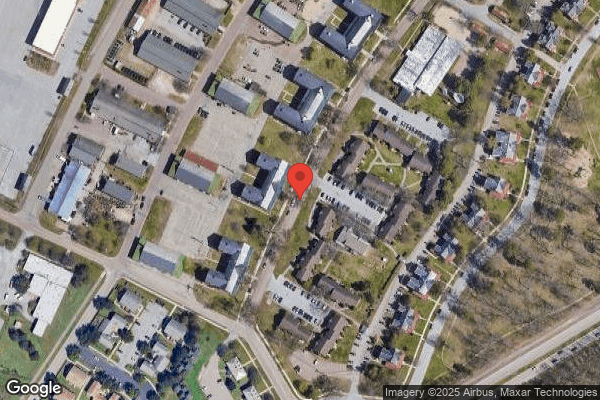
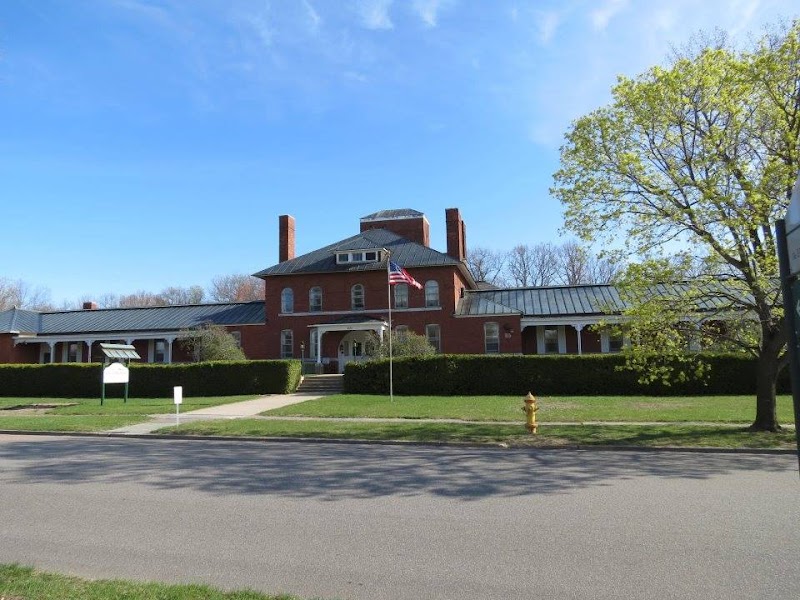
475 Ethan Allen Avenue, Colchester, VT 05446 (802) 655-1025
For profit - Limited Liability company 73 Beds Independent Data: November 2025 2 Immediate Jeopardy citations
Trust Grade
0/100
#30 of 33 in VT
Last Inspection: March 2024

Within standard 12-15 month inspection cycle. Federal law requires annual inspections.

Overview

Green Mountain Nursing and Rehabilitation has received an F grade for its trust score, indicating significant concerns about the care provided. Ranking #30 out of 33 facilities in Vermont places it in the bottom half of the state, and it is the lowest-ranked facility in Chittenden County. Although the number of issues reported has improved, dropping from 21 in 2024 to just 3 in 2025, the facility still faces serious problems, including critical failures in managing residents' care, which have led to pressure ulcers needing surgical intervention. Staffing is rated as average with a 3/5 star score and a 66% turnover rate, while RN coverage is concerning, being lower than 90% of state facilities. The facility has been fined $158,763, which is higher than 85% of Vermont facilities, reflecting ongoing compliance issues.
Trust Score
F
0/100
In Vermont
#30/33
Bottom 10%
Safety Record
High Risk
Review needed
Inspections
Getting Better
21 → 3 violations
Staff Stability
⚠ Watch
66% turnover. Above average. Higher turnover means staff may not know residents' routines.
Penalties
○ Average
$158,763 in fines. Higher than 59% of Vermont facilities. Some compliance issues.
Skilled Nurses
⚠ Watch
Each resident gets only 29 minutes of Registered Nurse (RN) attention daily — below average for Vermont. Fewer RN minutes means fewer trained eyes watching for problems.
Violations
⚠ Watch
29 deficiencies on record. Higher than average. Multiple issues found across inspections.
★☆☆☆☆
1.0
Overall Rating
★★★☆☆
3.0
Staff Levels
★★☆☆☆
2.0
Care Quality
★☆☆☆☆
1.0
Inspection Score
Stable
2024: 21 issues
2025: 3 issues

The Good

  • Full Sprinkler Coverage · Fire safety systems throughout facility
  • No fines on record

Facility shows strength in fire safety.

The Bad

1-Star Overall Rating

Below Vermont average (2.7)

Significant quality concerns identified by CMS

Staff Turnover: 66%

20pts above Vermont avg (46%)

Frequent staff changes - ask about care continuity

Federal Fines: $158,763

Well above median ($33,413)

Significant penalties indicating serious issues

Staff turnover is elevated (66%)

18 points above Vermont average of 48%

The Ugly 29 deficiencies on record

2 life-threatening 1 actual harm
Jun 2025 3 deficiencies 2 IJ (1 facility-wide)
CRITICAL (K) 📢 Someone Reported This

A family member, employee, or ombudsman was alarmed enough to file a formal complaint

Immediate Jeopardy (IJ) - the most serious Medicare violation

Pressure Ulcer Prevention (Tag F0686)

Someone could have died · This affected multiple residents

**NOTE- TERMS IN BRACKETS HAVE BEEN EDITED TO PROTECT CONFIDENTIALITY** 2. Per record review a hospital Discharge summary dated [DATE] reflects that Resident #9 was discharged to the facility on 8/9/2...

Read full inspector narrative →
**NOTE- TERMS IN BRACKETS HAVE BEEN EDITED TO PROTECT CONFIDENTIALITY** 2. Per record review a hospital Discharge summary dated [DATE] reflects that Resident #9 was discharged to the facility on 8/9/2024 with pressure ulcers to their right heel, left heel, lower back, and various other wounds and abrasions. The Discharge Summary also reflects that the right heel pressure ulcer peri wound was brown and there was a clean, dry, intact foam dressing applied. The left heel pressure ulcer also had a clean, dry, intact foam dressing. An admission Skin note dated 8/9/2024 states Resident has current skin issues. The skin issues described in the note include discoloration of bilateral tops of feet, Pressure Ulcer Injury right low back, Stage II pressure ulcer - Partial thickness skin loss. Length: 1.8 Width: 1.5 with no odor or tunneling, a scab on the right heel with no measurements, an open lesion on the left thigh Length: 6 Width: 5, unstageable sacrum, left leg ulcer, mid low back pressure injury. A Wound Care Consultant (WCC) progress note dated 8/13/24 notes an unstageable pressure ulcer on the right and left heels, a burn on the upper left thigh, a stage 3 pressure ulcer on the back, and a stage 2 of the coccyx. Treatment recommendations for all the wounds were made to cleanse, apply Medihoney to ulcers, skin prep to peri-wound, cover with 4 x 4, foam border gauze QD (once a day) and PRN (as needed). The wound care note states that the plan of care was discussed with facility staff. Review of the Medication Administration and Treatment Records and review of Progress Notes for the month of August 2024 reveal that there were no documented wound treatments completed until 8/16/2024, seven days after admission. A WCC progress note dated 12/6/24 reflects recommendations to Gently clean heel and pat dry. Apply A&D to lateral heel. and over wound daily and PRN. Review of the December TAR reveals that this recommendation was not implemented. On 12/13/24 the WCC recommended the right heel and left great toe treatment Apply Skin prep daily and PRN. Review of Resident #9's December 2024 Medication and Treatment Administration Records revealed that there were no treatments in place through the month of December 2024. A WCC progress note dated 1/10/2025 reveals an unstageable pressure ulcer to the right heel that measured 0.2 cm x 0.5 cm 100% eschar. Treatment recommendations included skin prep daily and PRN (as needed) and off load heels. The progress note also reveals a stage three pressure area to the left great toe that measured 0.5 cm x 0.5 cm x 0.1 cm. Treatment recommendations made include Apply collagen to wound bed, dry protective dressing daily and PRN [as needed]. Another WCC progress note dated 1/17/25 states that the wound on the right heel is improving , however measurements reveal that the wound is now 1 cm x 4 cm x 0.1 cm. Treatment recommendations for the right heel pressure ulcer include apply collagen to open wounds and skin prep to peri wound, dry protective dressing daily and PRN. The treatment recommendation for the left great toe included apply skin prep daily. Review of the January TAR reveals there were no wound treatments for the right heel or left great toe pressure ulcers implemented until 1/21/25, 11 days after the 1/10/25 recommendations, which are Great left toe: Gently clean and pat dry. Apply skin prep daily and PRN. No pressure to area. one time a day for Wound Care, and [right] Heel: Gently clean and Pat dry. Apply collagen to open wounds/skin prep to perimeter, offload RT heel w/ bordered gauze. DPD daily and PRN one time a day for Wound Care. A WCC progress note dated 2/7/2025 reveals that Resident #9 had developed a new deep tissue injury to their left heel measuring 3 cm x 4.8 cm x 0 cm. The right heel wound was surgically debrided (the removal of dead, damaged, or infected tissue from a wound) at this visit and now measured 2.3 cm x 5 cm x 0.1 cm. A WCC progress note dated 2/14/2025 states Resident was seen today for evaluation and treatment recommendation for Pu [pressure ulcer] to the Rt [right] lateral heel and Lt [left] great toe and DTI [deep tissue injury] to the LT heel.[S/He] says that the right heel does feel more sore this week, mainly when [s/he] has pressure on the area. PU to right lateral heel appears worsened this week with odor present; left great toe PU is generally unchanged; PU to left heel is smaller in size; otherwise skin appears warm, dry, and intact. Recommendations include Apply skin prep to periwound and honey alginate to wound bed only and DPD daily and prn .Osteomyelitis work up. Ordering labs: ESR [erythrocyte sedimentation rate], CRP [C-reactive protien], CBC [complete blood count] and xray. Staff made aware. Physician progress notes dated 2/24/2025 and 4/17/2025 do address the pressure ulcers on both heels, but does not mention the WCC's recommendations or orders for the osteomyelitis work up. A WCC progress not dated 3/10/2025 states that Resident #9 reports that the right heel typically bothers her/him more than the left. The wound now measures 2.5 x 3 x 0.1. The left heel pressure ulcer measurements are now 3 x 3 x 0 with 100% eschar. On 3/21/2025 the WCC documents that the Resident reports that her/his heels really tend to bother her/him the most of all the wounds and that the right is worse than the left. The right heel wound appears smaller but has a slight odor. On 3/28/2025, 4/4/2025, and 4/11/2025, the WCC documents that the lab work and x-ray to rule out osteomyelitis have not yet been completed. A Physician's progress note dated 5/20/2025, three months after the original documented recommendation, states review of heel ulcers- improved, wound nurse suggests x-ray r/o [rule out] osteo [osteomyelitis] because of pain- ordered. On 5/26/2025 the facility Administrator confirmed via email that the above recommendations had not been implemented. Per phone interview on 5/28/2025 at 9:20 AM, the WCC stated that she was not aware that the treatment changes that she had been recommending weekly were not being implemented. She stated that she does not have access to the electronic health record therefore she would not know what orders were or were not implemented. The Wound Care Nurse confirmed that she had requested the osteomyelitis work up since 2/14/2025 and that it had not been done until May of 2025. 3. Per record review, Resident #25 has diagnoses that include Parkinson's disease, history of stroke, and vascular dementia. Per Resident # 25's care plan, s/he requires assistance with all ADLs (activities of daily living), last revised on 4/29/25, and is at risk for pressure ulcers due to decreased mobility, need for assistance, and incontinence. The care plan indicated that s/he has a history of redness to his/her heels. A 4/3/25 skin assessment indicates that Resident #25 does not have any current skin issues. There are no completed weekly skin assessments in Resident #25's medical record after this date. Review of a 5/16/25 facility skin sweep, implemented as a result of the notification of immediate jeopardy related to pressure ulcer prevention and treatment deficiencies, reveals that Resident #25 has bilateral heel deep tissue injuries. A 5/16/25 wound assessment indicates that his/her left heel deep tissue injury (DTI) measures 2 cm x 2.5 cm and his/her right heel DTI measures 1.5 cm x 1 cm. A review of Resident #25's care plan reveals that s/he did not have interventions for weekly skin assessments or offloading heels until 5/17/25. 4. Per record review, Resident #57 was admitted to the facility for rehabilitation services with diagnoses that include cerebral palsy and malnutrition on 4/11/25. Per a 4/16/25 admission MDS, Resident #57 has 0 pressure ulcers and is at risk for developing pressure ulcers. A 4/12/25 skin assessment reveals his/her skin to be intact other than a hole mark on his/her coccyx and bruises on his/her lower belly. Review of a 5/16/25 facility skin sweep, implemented as a result of the notification of immediate jeopardy related to pressure ulcer prevention and treatment deficiencies, reveals that Resident #57 has a stage 1 4 x 4 pressure ulcer on the coccyx, and the note indicated to turn resident frequently with each incontinence change, use barrier cream every shift and as needed. Per interview on 5/20/25 at approximately 5:00 PM, Resident #57 stated that s/he has a sore on his/her bottom which is painful when it is touched or is sitting on it for a while . Per record review, there is no evidence of a full assessment of Resident #57's pressure ulcer discovered on 5/16/25, including an assessment for pain of the ulcer. A 5/20/25 pressure ulcer evaluation reveals that Resident #57 now has a right gluteal fold suspected deep tissue injury that measures 5 X 8 and has pain with palpitation. While Resident #57's care plan was updated to reflect skin impairment on 5/16/25, no interventions were put into place to offload the area on his/her coccyx until 5/20/25. Per interview on 5/20/25 at approximately 6:00 PM, the Director of Nursing confirmed that a full wound assessment had not been completed for Resident #57 pressure ulcer. 5. Per record review, Resident # 555 was admitted to the facility on [DATE] for rehabilitation services with the diagnoses of pubis fractures, failure to thrive, and dementia. An admission skin assessment indicated that Resident #2 has a 3 cm x 3 cm on his/her coccyx. Review of a 5/16/25 facility skin sweep, implemented as a result of the notification of immediate jeopardy related to pressure ulcer prevention and treatment deficiencies, reveals that Resident #555's pressure ulcer had increased in size to 4 cm x 6 cm x 0.1 cm and has a pink, spongey right heel. There is no additional assessment information about these two wounds, even though one had worsened, and one was newly discovered. Per interview on 5/20/25 at approximately 6:00 PM, the Director of Nursing confirmed that a full wound assessment had not been completed for Resident #555's two pressure ulcers. The wound assessments completed after this interview revealed that Resident #555's right heel pressure ulcer measured 3 cm x 3 cm. Based on interviews and record review, the facility failed to ensure that 5 of 11 residents in the applicable sample (Residents #62, #9, #25, #57, #555) received necessary treatment and services consistent with professional standards of practice to promote healing and prevent infection. As a result, Resident #62 developed a stage two pressure ulcer that worsened to an unstageable pressure ulcer injury, requiring hospitalization and surgical intervention due to osteomyelitis and Sepsis of the pressure injury. Additionally, Resident #25 developed deep tissue injuries to both heels. This citation is at the immediate jeopardy level due to the facility's failure to prevent and treat a pressure injury, which resulted in a life-threatening infection for 1 resident, harm for 1 resident, and put all residents who have pressure ulcers or are at risk for pressure ulcers at risk for serious harm or death. Findings include: 1. Per review of Resident # 62's medical record, s/he was admitted to the facility with a diagnosis of congestive heart failure and a goal of discharge home. On 3/10/2025, a nursing assessment revealed a score of 16 on the Braden scale (total scores range from 6-23) for predicting pressure risk, identifying Resident #62 as being at risk for pressure injury. A Skin Assessment by an LPN (Licensed Practical Nurse) with a date of 3/10/2025 indicates Redness/blanchable to coccyx area, skin warm to touch, no Edema [swelling] no dryness, redness to coccyx area .came in with Mepilex border [a dressing often used as preventative measure for pressure ulcers], I removed it, no opening noted. Per the admission Minimum Data Set (MDS) (a comprehensive assessment of each resident's functional capabilities), submitted on 3/14/2025 by the MDS coordinator, Resident #62 had a BIMS (a brief interview for mental status; a cognitive assessment) of 10, indicating s/he is moderately cognitively impaired. S/he required substantial assistance with ADLs (Activities of Daily Living), which included turning and positioning in bed, and was rarely incontinent of urine and bowel. The MDS revealed that Resident #62 had no unhealed or open pressure ulcer injuries at the time of admission but was at significant risk. A Skin Only Evaluation completed on 3/17/25 by the same LPN as the 3/10/25 assessment states no skin issues. Per review of Resident #62's care plan, initiated on 3/18/2025, states [Resident #62] was admitted without pressure ulcers but remains at risk due to decreased mobility and occasional urinary incontinence. An initial goal reads [Resident] will maintain [his/her] current skin integrity AEB [as evidenced by] allowing assistance with toileting and mobility with any treatments as ordered with a date of 3/18/2025. Care plan interventions include following facility policies/protocols for the prevention/treatment of skin breakdown, monitoring/documenting/reporting any changes in skin status: appearance, color, wound healing, signs and symptoms of infection, wound size (length, width, and depth), and stage to the medical provider. Review of a facility policy titled Pressure Injury Prevention and Management, dated 1/15/25, reads The facility shall establish and utilize a systematic approach for pressure injury prevention and management, including prompt evaluation and treatment; intervening to stabilize, reduce or remove underlying risk factors; monitoring the impact of the interventions; and modifying the interventions as appropriate .after completing a thorough evaluation, the interdisciplinary team shall develop a relevant care plan that includes measurable goals for prevention and management of pressure injuries with appropriate interventions. Interventions will be documented in the care plan and communicated to all relevant staff. Compliance with the interventions will be documented in the weekly summary charting . The charge nurse will review all relevant documentation regarding skin evaluations, pressure injury risks, progression toward healing, and compliance at least weekly, and document a summary of findings in the medical record. The facility failed to follow its policy by failing to develop a person-centered care plan with measurable goals to prevent pressure ulcers. The care plan did not include interventions specific to the resident's individual risk and needs. The weekly skin assessments were all incomplete and did not convey the relevant information. Dressing change orders for this resident, written by the Wound Provider, were not implemented for two weeks, resulting in a worsening of the wound. The nursing staff noted the deterioration of the wound but failed to alert the provider for several days. According to a physician's progress note, on 3/19/2025, he identifies a stage 2 pressure ulcer (partial-thickness skin loss, which may appear as a shallow, open wound or a blister filled with clear or yellow fluid) on the gluteal cleft. He says that the resident is at high risk due to their decreased mobility and provides the following orders. Start Mepilex border bandage today, frequent repositioning, air mattress, daily dressing changes until wound care RN consult . Per review of the Medication Administration Record (MAR), there is an order for a Mepilex border bandage to the left sacral gluteal cleft, with directions to change the dressing every day until wound care evaluation, with a start date of 3/21/2025, and a discontinued date of 4/2/25. On 3/21/25, an Initial Progress Note by the Wound Provider documents a Stage three Pressure Ulcer on the Coccyx that measures 7 cm length (l) by 3 cm width (w) x 0.1 depth (d). She indicates the wound is tender with examination and with prolonged pressure to the area, but it gets better with turning and offloading. Her treatment recommendations include cleaning and gently drying the area, applying Thera honey (a wound gel containing honey) to the wound bed, applying skin prep to the peri-wound area, and applying a dry protective dressing (DPD) daily and as needed (PRN). Additionally, the resident should be turned frequently with each incontinent care. Recommendations include continuing pressure relief offloading, utilizing the Facility Pressure Ulcer Prevention protocol, and turning and repositioning according to the facility's protocol. A Skin Only Evaluation dated 3/24/2025, states that Resident #62 has a current skin issue, a Pressure Ulcer that is a stage three. The evaluation requires descriptors of the wound bed, wound exudate, peri-wound condition, dressing saturation amount, wound odor, tunneling, undermining, tissue condition, and pain; however, no information is provided about these areas on the form. In a follow up progress note by the Wound Provider dated 3/28/25, she notes the wound is now unstageable and measures 8 cm L x 6 cm W x 0.1 D, it has light serosanguinous (watery/blood) drainage and a mild odor, it demonstrates 20% slough, 20% granulation, and 60% Eschar (a hardened, dry, black or brown dead tissue that forms a scab-like covering over deep wounds.) She recommends treatment that includes applying Thera honey to the wound bed, skin preparation to the peri-wound area, and a dry, protective dressing applied daily and as needed. Turn the patient frequently with each incontinence care. A Skin Evaluation Only dated 3/31/2025, documents that Resident #62 does not have a current skin issue; however, under the skin note section, it reads, Treatment continues to the coccyx area for pressure ulcer. There is no further information provided. A Progress Note dated 4/2/2025 from the medical provider states that he visited the resident on 4/2/2025 and noted that the resident's condition had worsened, her/his wound had progressed from a stage two to a stage three, he suggests that resident may benefit from inpatient level of care for frequency of repositioning and mobilizing. He notes that there are wound care instructions to apply Thera honey to the wound bed and use a dry protective dressing, changing daily. He noted that the wound care orders written by the Wound Provider on 3/28/25 for Thera honey to the wound bed had not been implemented. Per record review of the Medication Administration Record (MAR), there is no evidence the new 3/21/25 wound care orders or the 3/28/25 wound care orders were implemented until 4/2/25. On 4/2/25, an order entered on the MAR states, Clean the sacral area with normal saline, pat it dry, and apply Thera honey to the wound bed. Cover it with a Mepilex border every shift for a pressure ulcer. There is an end date of 4/4/25. The initial order for Thera honey was written on 3/21/25 by the Wound Care provider, but it was not implemented until 4/2/25. Per interview on 5/14/25 at 9:50 AM, the Unit Manager (UM) states that the change in wound orders written on 3/21/25 and 3/28/25 by the wound provider for Thera honey to the wound bed were not implemented. She attributes this to many new staff, including travelers, and information is all over the place. Per interview with the Director of Nursing (DON) at 10:40 AM, she revealed that the orders written by the Wound Provider on 3/21/25 and 3/28/25 were not implemented until 4/2/2025. She confirms that the orders were missed, stating the Wound Consultant sometimes tells the cart nurse there are new orders, and sometimes whoever is at the desk. She reveals that the facility does not make rounds with the Wound Provider and lacks processes such as Interdisciplinary meetings to ensure that care is coordinated among providers. Per interview with Resident #62's primary medical provider, on 5/14/2025 at 1:41 PM, he explained that he covers the facility with two other providers. All three of them are employed by the University of [NAME] Medical Center. He does access the Point Click Care system that the facility uses to read nursing progress notes. He found the pressure ulcer on 3/19/25, and ordered a Wound Consult, noting that the orders given by the Wound Provider on 3/21/2025 and 3/28/2025 were not implemented, and the wound was worse. He states that the resident was less mobile and spent most of the day in bed. He spoke with the DON about the orders and his concerns; he would like a process to communicate with the consulting Wound Care provider. A follow-up progress note from the Wound Provider dated 4/4/2025 reads, unstageable wound measuring 5 cm x 4.5 cm, 80% eschar and 20% granulation, no odor. She orders Honey Alginate to the wound bed and covers the wound with a dry protective dressing daily. A Skin Only Evaluation dated 4/7/25 notes that Resident #62 has a skin issue, a Pressure Ulcer, stage three, treatment continues; no other information about the wound, drainage, odor or condition of the wound is documented in the evaluation, there is no description of the wound, drainage, or peri-wound tissue. A review of the Care Plan reveals that a revision was initiated on 4/9/25. A focus note indicates that the Resident has a stage three pressure ulcer to the coccyx. Interventions include assess for pain every shift prior to dressing change, consult and treatment by Certified Wound provider as needed. Encourage frequent position changes, follow physician orders for skin care and treatment, monitor for signs and symptoms of infection, and report to a physician for care and treatment. The wound was discovered on 3/19/25; there was no update to include the wound and any interventions in the care plan until 4/9/25. A Follow-up Progress Note written by the Wound Provider, dated 4/11/2025, notes that the wound is unstageable, measuring 6 cm x 4 cm x 0.1 cm. She also notes that these measurements are after instruments have been used to debride (remove dead tissue) from the wound. She notes a mild odor, 40% granulation, 30% Eschar, and 30% slough. She notes that the wound measurements are post-debridement, and debridement will be continued weekly as needed to remove devitalized tissue, decrease the risk of infection, and expose viable tissue to promote wound healing. A progress note dated 4/14/2025 that includes a Skin Only Evaluation by an LPN reads Pressure ulcer to coccyx area is getting worse, odor and tunneling noted. There is no documentation in the record indicating that the provider was notified of the wound's deterioration. A SNF Acute/Follow-Up Visit, dated 4/22/2025, written by the primary medical provider, generally sacral pressure now seems stage four- dramatic worsening in 2 weeks. The plastic surgeon advised urgent surgical evaluation for possible debridement. According to progress notes dated 4/22/2025 at 3:57 PM, Resident #62 was transferred to the Emergency Department of the local hospital for emergent evaluation of the coccyx. Per review of hospital records, a hospital progress note dated 4/24/2025 reads admitted from rehab., with sacral osteomyelitis [infection of the bone] and MRSA bacteremia [type of staph infection that can be resistant to several antibiotics], taken to the operating room for debridement of the wound, admitted to Surgical Intensive Care. Per interview on 5/13/2025 at 11:21 AM with the Attending Provider, he states he was not notified of the wound deterioration until days later, when he made his scheduled visit on 4/17/25. Had he been informed, he would have transferred Resident # 62 to the hospital earlier. He relates inconsistent communication between the facility's nursing staff and providers. He stated the facility lacks a process to ensure communication and coordination of care among the medical team. He states that the facility does not hold interdisciplinary team meetings to discuss issues such as wounds. He feels it is challenging as the providers document their notes in a system different from the facility's system. He does not think the current system, which includes a consultant Wound Provider, is effective, as communication between providers is limited. Per interview on 5/15/2025 at 2:40 PM, the Director of Nursing confirmed that the dressing change orders written by the Wound Care Provider on 3/21/2025 and 3/28/2025 were not implemented until 4/2/25. She confirmed that the provider was not notified on 3/14/2025 when the wound was noted to be deteriorating. She stated the facility does not implement interdisciplinary meetings regularly to facilitate resident care, they were not following their Pressure Ulcer Prevention and Management Policy, and they were not documenting a weekly summary. She confirmed the resident's care plan did not contain person-centered interventions to prevent pressure ulcers until days after there was evidence s/he had one. She confirmed that the skin assessments are incomplete, and the Unit Managers are not documenting a weekly summary of the wounds, as is the facility's policy. tcs.pressbooks.pub/nursingfundamentals/chapter/10-5-braden-scale/ (n.d.). Understanding Eschar in Wounds and Its Distinction from Slough. Westcoast Wound.com. Retrieved May 19, 2025, from westcoastwound.com/eschar-in-wounds TheraHoney® Gel | Manuka Honey Wound Care Dressing https://www.cdc.gov/mrsa/about/index.html
CRITICAL (L) 📢 Someone Reported This

A family member, employee, or ombudsman was alarmed enough to file a formal complaint

Immediate Jeopardy (IJ) - the most serious Medicare violation

Deficiency F0865 (Tag F0865)

Someone could have died · This affected most or all residents

⚠️ Facility-wide issue

Based on record review and interview of the facility's Quality Assurance and Performance Improvement Program (QAPI), the facility failed to address all systems of care in a comprehensive manner by ide...

Read full inspector narrative →
Based on record review and interview of the facility's Quality Assurance and Performance Improvement Program (QAPI), the facility failed to address all systems of care in a comprehensive manner by identifying problems and opportunities for improvement in the areas of treatment/services to prevent/heal pressure ulcers (cited at immediate jeopardy level); residents care supervised by a physician (cited at harm level); administration (cited at immediate jeopardy level); and Medical Director (cited at immediate jeopardy level). As a result, a resident developed an in-house pressure ulcers requiring 2 surgical interventions due to delay in identification and treatment and put all residents at risk for serious harm and/or death. The identified failure to have an by the failure that have an effective Quality Assurance and Performance Improvement Program to identify problems and provide system oversight put all residents at risk for serious harm, injury, or death. On 5/28/25 the facility was notified of non-compliance at the immediate jeopardy level for QAPI. On 5/29/25 the facility's IJ plan of correction was accepted. An unannounced onsite assessment of the IJ removal was conducted on 6/6/25 and the IJ was removed. Findings include: During a recertification survey with 2 complaints the facility was found to have deficient practices that resulted in 4 citations at immediate jeopardy level, 1 harm level citations, and 27 potential for more than minimal harm at citations. Multiple repeat deficiencies were identified during this survey. F686 was cited during an onsite revisit survey dated 6/11/24 at a harm severity. F584 was cited during a recertification survey dated 3/28/24. Deficient practices related to unnecessary psychotropic medications (currently F605) were cited during both the recertification survey dated 3/28/24 and the onsite revisit survey dated 6/11/24. F689 was cited during an onsite revisit survey dated 6/11/24. F880 was cited during a recertification survey dated 3/28/24. F940 was cited during a recertification survey dated 3/28/24. The facility's plans of correction for all repeat deficiencies above identified that either the nursing leadership team (Director of Nursing/Assistant Director of Nursing) and/or the Administrator were responsible for both auditing to ensure that regulatory requirements were met and reporting the audit results to the Quality Assurance Committee. Per review of Resident #62's medical record, it was revealed that the resident had a stage II (partial-thickness skin loss involving the epidermis and dermis represented by a shallow open ulcer/wound) facility acquired pressure ulcer that worsened and required two surgical inventions. The facility has other facility acquired pressure ulcers. The facility's QAPI plan states pressure ulcers are monitored, however the facility has no tracking system for skin issues/pressure ulcers to monitor improvement/worsening condition(s). The facility had prior knowledge of the deficient practice related to pressure ulcers as this is a repeat deficiency for the facility. Per review of the facility's QAPI plan, subtitle, QAPI Leadership under section ii, states This group of people works together to communicate and coordinate QAPI activities. Currently QAPI Council meets at least quarterly, sometimes monthly. On a weekly basis sub QAPI committees meet relating to resident care items such as weight loss, wounds, falls and incidents. Per interview on 5/16/25 at approximately 2:21 PM, the Administrator confirmed pressure ulcers are not discussed during the monthly QAPI meetings and have not been discussed since the September 2024 QAPI meeting. The Administrator stated that the interdisciplinary team (IDT) meets weekly to talk about facility and resident issues. S/he was not able to provide evidence that sub QAPI committees are occurring or when they were last conducted. An offsite phone interview on 5/22/25 at 12:35 PM and on 5/23/25 at 9:16 AM, the Medical Director confirmed that wounds have not been discussed in the monthly QAPI meetings and he stated that skin issues used to be discussed in QAPI but haven't been for some time. An email on 5/21/25 at 5:33 PM from the surveyor to the Administrator stated, To confirm, there have been no skin issues/pressure ulcers discussed in QAPI/QAA since last September? The Administrator responded to this email question for confirmation on 5/21/25 at 5:38 PM that stated, I do not have further information that it was. See F686, F835, and F841 for more information. Per review of a 293 page report provided by the facility on 5/16/25 titled, Medication Audit Report which captured all late and missed medications for the period of 4/16/25 to 5/16/25. The Medication Audit Report revealed approximately 50 residents who received either missed medications, late medications, or both. Approximately 2,900 medications were administered late or were not administered at all, of which, approximately 15 medications were significant medication errors. See F725 and F841 for more information. Per review of employee personnel files, and the facility Education Tracking Sheet provided by the facility via email on 5/22/25 revealed the lack of mandatory training regarding areas of Communication; Resident Rights, Abuse, Neglect, and Exploitation; QAPI; Infection Control; Compliance and Ethics; required in-service trainings; and Behavioral Health. Review of the facility's QAPI plan states the facility monitors employee trainings, however the monitoring and tracking system has not been completed to include all required trainings. See F940, F941, F942, F943, F944, F945, F946, F947, and F949 for more information.
CONCERN (F) 📢 Someone Reported This

A family member, employee, or ombudsman was alarmed enough to file a formal complaint

Potential for Harm - no one hurt, but risky conditions existed

Deficiency F0944 (Tag F0944)

Could have caused harm · This affected most or all residents

Based on interview and record review, the facility failed to ensure all staff have completed mandatory QAPI (quality assurance and performance improvement) training for 9 of 10 sampled staff. Findings...

Read full inspector narrative →
Based on interview and record review, the facility failed to ensure all staff have completed mandatory QAPI (quality assurance and performance improvement) training for 9 of 10 sampled staff. Findings include: Per review of employee Human Resources files for permanent and contracted direct care staff, in conjunction with review of the Education Tracking spreadsheet provided by the facility via email on 5/22/25, the facility did not have evidence for training on facility's QAPI program for LNA [Licensed Nursing Assistant] #1, hired on 5/6/25; LNA #2, hired on 9/13/24; LNA #3, hired on 6/26/24; LNA #4, hired on 5/22/23; LNA #5, hired on 8/17/24; LPN [Licensed Practical Nurse], #4 hired on 2/3/25; LPN #5, hired on 4/18/25; LPN #7, hired on 9/4/21; and LPN #8, hired on 3/30/24. Per interview on 5/20/25 at approximately 5:35 PM, the Administrator was unable to provide evidence that the above staff completed their required QAPI training and confirmed that the employee files reviewed contained the only documentation the facility has for staff training and competencies.
Oct 2024 3 deficiencies
CONCERN (D) 📢 Someone Reported This

A family member, employee, or ombudsman was alarmed enough to file a formal complaint

Potential for Harm - no one hurt, but risky conditions existed

Report Alleged Abuse (Tag F0609)

Could have caused harm · This affected 1 resident

Based on interviews and record review the facility failed to report an injury of unknown origin to the state licensing agency as required for one resident (Resident #1) of three sampled residents. Fin...

Read full inspector narrative →
Based on interviews and record review the facility failed to report an injury of unknown origin to the state licensing agency as required for one resident (Resident #1) of three sampled residents. Findings include: Per interview with Resident #1's family representative on 10/8/24 at 10:00 AM, on 9/29/24 s/he noticed a bruise on Resident #1's face. Resident #1 stated s/he fell out of bed but did not his/her head. Resident #1 was unaware of how the bruise occurred on his/her face. A telephone interview was conducted with LPN [Licensed Practical Nurse] #1 on 10/8/24 at 5:46 PM. LPN#1 stated three staff members were needed to assist Resident #1 back into bed after Resident #1 slid out of bed on 9/29/24 at approximately 6:00 AM. LPN#1 stated that this incident was never reported to the oncoming nurse during shift change that occurred at approximately 7:00 AM, or to the nursing supervisor. Per record review, the injury was not noted by staff until 10:57 AM on 9/29/24 when his/her family representative called the facility and requested Resident #1 be sent to the hospital for the reported fall and the bruise of unknown origin. Per record review of Resident #1's ED [Emergency Department] records dated 9/29/24, Resident #1 has severe posterior thigh pain on the right [side of his/her body] extending to the knee joint. It does appear that [Resident #1] hit his head . does have an abrasion on the right side of his/her forehead which his family confirms is new .Patient will be admitted [to the hospital] for further management . Per record review of the facility's Reporting Abuse to Facility Management policy, The following definitions of abuse are provided: .g. Injury of unknown source is defined as an injury that meets both of the following conditions: (1) the source of the injury was not observed by any person or the source of the injury could not be explained by the resident; and (2) the injury is suspicious because of: a) The extent of the injury; or b) The location of the injury . c) The number of injuries observed at one particular point in time;[sic] or d) the incidence of injuries over time .5.) Any individual observing an incident of resident abuse or suspected resident abuse must immediately report such incident to the administrator, director of nursing services, or charged nurse. The following information should be reported: a. The name(s) of the resident(s) to which the abuse or suspected abuse occurred; b. The date and time that the incident occurred c. Where the incident took place; d. The name(s) of the person(s) allegedly committing the incident, if known; e. The names(s) of any witnesses to the incident; f. The type of abuse that was committed . g. Any other information that may be requested by management. 8.) The administrator or director of nursing services must be immediately notified of suspected abuse or incidents of abuse .9. When an incident of resident abuse is suspected or confirmed the incident must be immediately reported to facility management regardless of the time lapse since the incident occurred. Reporting procedures should be followed as outlined in this policy. Per record review of the facility's Accidents and Incidents-Investigation and Reporting policy, All accidents or incidents involving residents, employees, visitors, vendors, etc., occurring on our premises .shall be investigated and reported to the administrator .The following data, as applicable, shall be included on the Report of Incident/Accident form: the nature of the injury/illness .the circumstances surrounding the accident or incident .The date/time injured person's family was notified and by whom .the condition of the injured person, including his or her vital signs . the nurse supervisor show complete a report of incident and submit the original office of the director of nursing services within 24 hours of the incident or accident. Per the facility's Abuse Investigation and Reporting policy, Suspected abuse, neglect, exploitation, or mistreatment will be reported within two hours . Alleged abuse, neglect, exploitation or mistreatment will be reported within two hours if the alleged events have resulted in serious bodily injury. Despite there being a reported fall by the resident to the family, and in turn the family reporting to the facility, the clinical record did not contain evidence that this resident was asked about a fall or the cause of the facial bruise, or assessed after there was a report of a fall. The record contains no documentation of the incident that occurred as reported by LPN#1 on the morning on 9/29/24 where the resident had to be assisted back into bed by three staff. The facility Administrator confirmed on 10/8/24 at 11:47 AM that the facility did not complete an internal incident report for this unknown injury. The administrator also confirmed the facility did not inform the state agency of the injury of unknown source within the specified time frame stated in the facility's policy for reporting accidents and incidents. Per interview with RN [Registered Nurse] #1 on 10/8/24 at 2:53 PM, RN #1 confirmed s/he was unaware of the bruise or reported fall until the afternoon when the family arrived and made it known to him/her. RN#1 confirmed there was no investigation initiated into the bruise of unknown origin and the injury was not reported to Administrator or to the State Agency as required.
CONCERN (D) 📢 Someone Reported This

A family member, employee, or ombudsman was alarmed enough to file a formal complaint

Potential for Harm - no one hurt, but risky conditions existed

Investigate Abuse (Tag F0610)

Could have caused harm · This affected 1 resident

Based upon interviews and record review, the facility failed to ensure that allegations of abuse, neglect, exploitation, misappropriation of resident property, and mistreatment, including injuries of ...

Read full inspector narrative →
Based upon interviews and record review, the facility failed to ensure that allegations of abuse, neglect, exploitation, misappropriation of resident property, and mistreatment, including injuries of unknown source were thoroughly investigated for 1 resident (Resident #1) of three sampled residents. Findings include: Per record review of the facility's Reporting Abuse to Facility Management policy, The following definitions of abuse are provided: g. Injury of unknown source is defined as an injury that meets both of the following conditions: (1) the source of the injury was not observed by any person or the source of the injury could not be explained by the resident; and (2) the injury is suspicious because of: a) The extent of the injury; or b) The location of the injury . c) The number of injuries observed at one particular point in time;[sic] or d) the incidence of injuries over time. Per record review of the facility's Reporting Abuse to Facility Management policy, .The following definitions of abuse are provided: g. Injury of unknown source is defined as an injury that meets both of the following conditions: (1) the source of the injury was not observed by any person or the source of the injury could not be explained by the resident; and (2) the injury is suspicious because of: a) The extent of the injury; or b) The location of the injury . c) The number of injuries observed at one particular point in time;[sic] or d) the incidence of injuries over time .5.) Any individual observing an incident of resident abuse or suspected resident abuse must immediately report such incident to the administrator, director of nursing services, or charged nurse. The following information should be reported: a. The name(s) of the resident(s) to which the abuse or suspected abuse occurred;[sic] b. The date and time that the incident occurred c. Where the incident took place; d. The name(s) of the person(s) allegedly committing the incident, if known; e. The names(s) of any witnesses to the incident; f. The type of abuse that was committed . g. Any other information that may be requested by management. 8.) The administrator or director of nursing services must be immediately notified of suspected abuse or incidents of abuse .9. When an incident of resident abuse is suspected or confirmed the incident must be immediately reported to facility management regardless of the time lapse since the incident occurred. Reporting procedures should be followed as outlined in this policy. Per interview with Res.#1's family representative on 10/8/24 at 10:00 AM, on 9/29/24 s/he noticed a bruise on Resident #1's face. Resident #1 stated s/he fell out of bed but did not his/her head. Resident #1 was unaware of how the bruise occurred on his/her face. A telephone interview was conducted with LPN [Licensed Practical Nurse] #1 on 10/8/24 at 5:46 PM. LPN#1 stated three staff members were needed to assist Resident #1 back into bed after Res #1 slid out of bed on 9/29/24 at approximately 6:00 AM. LPN#1 stated that this incident was never reported to the oncoming nurse during shift change that occurred at approximately 7:00 AM, or to the nursing supervisor. Per record review, the injury was not noted by staff until 10:57 AM on 9/29/24 when his/her family representative called the facility and requested Resident #1 be sent to the hospital for the reported fall and the bruise of unknown origin. Per record review of Resident #1's ED [Emergency Department] records dated 9/29/24, Resident #1 has severe posterior thigh pain on the right [side of his/her body] extending to the knee joint. It does appear that [Resident #1] hit his head . does have an abrasion on the right side of his/her forehead which his family confirms is new .Patient will be admitted [to the hospital] for further management . Per interview with RN [Registered Nurse] #1 on 10/8/24 at 2:53 PM, RN #1 confirmed s/he was unaware of the bruise or reported fall until the afternoon when the family arrived and made it known to him/her. RN #1 confirmed s/he did not assess Resident #1, call the Director of Nursing Services or the Administrator, and confirmed there was no investigation initiated into the bruise of unknown origin.
CONCERN (D) 📢 Someone Reported This

A family member, employee, or ombudsman was alarmed enough to file a formal complaint

Potential for Harm - no one hurt, but risky conditions existed

Deficiency F0655 (Tag F0655)

Could have caused harm · This affected 1 resident

Based on interview and record review, the facility failed to develop and implement a baseline care plan within 48 hours of admission that included the minimum healthcare information necessary to prope...

Read full inspector narrative →
Based on interview and record review, the facility failed to develop and implement a baseline care plan within 48 hours of admission that included the minimum healthcare information necessary to properly care for one sampled resident (Residents #1) of three sampled residents. Findings include: Per record review, Resident #1 was admitted to facility on 9/26/24. Review of the resident's baseline care plan reveals the care plan was not signed or dated by the Resident or staff completing the baseline care plan. Per review, the resident's baseline care plan does not document the resident's admission goals, functional abilities, fall status, code status, initial/admission goals, educational needs, or social service needs. There is no documentation of Resident #1's status on eating, oral hygiene, transfers, ambulation, therapy goals, and social services on the baseline care plan. Further review reveals no documentation of the Resident #1's daily preferences including Choosing clothes to wear, caring for personal belongings, receiving tub bath, receiving shower, family or significant other involvement in care discussions.
Mar 2024 18 deficiencies 1 Harm
SERIOUS (G)

Actual Harm - a resident was hurt due to facility failures

Pressure Ulcer Prevention (Tag F0686)

A resident was harmed · This affected 1 resident

**NOTE- TERMS IN BRACKETS HAVE BEEN EDITED TO PROTECT CONFIDENTIALITY** Based on interview and record review, the facility failed to provide pressure ulcer treatment consistent with professional stand...

Read full inspector narrative →
**NOTE- TERMS IN BRACKETS HAVE BEEN EDITED TO PROTECT CONFIDENTIALITY** Based on interview and record review, the facility failed to provide pressure ulcer treatment consistent with professional standards of practice for 1 applicable resident with a pressure ulcer (Resident #2) as evidenced by the facility not providing weekly wound assessments, not providing pressure ulcer treatment, not providing daily monitoring of pressure ulcers, and not creating a care plan that reflected the resident's actual pressure ulcer. As a result, Resident #2's pressure ulcer worsened, became infected, and caused him/her pain. Findings include: Resident #2 was admitted to the facility on [DATE] and has diagnoses that include Alzheimer's disease, muscle weakness, heart failure, and major depressive disorder. Per Resident #2's Minimum Data Set (MDS; a comprehensive assessment used as a care-planning tool) dated 2/17/24, s/he is occasionally incontinent, has a BIMS of 2 (brief interview for mental status; a cognitive assessment score indicating severe cognitive impairment), requires staff assistance for mobility, and is at risk of developing pressure ulcers. Resident #2's care plan, initiated on 12/6/23, states [Resident #2] is currently w/o pressure ulcers but remains at risk due to incontinence of urine although [s/he] is mobile with assistance, with an intervention to Assess [Resident #2's] skin weekly and PRN [as needed]. Report to MD any changes and TX [treatment] as ordered, initiated on 12/06/2023. A weekly wound assessment dated [DATE] reveals that Resident #2 has a newly identified stage 2 (partial thickness loss) left gluteal pressure ulcer, identified by nursing staff on 4/3/24, measuring 1 x 0.8 x 0.1 cm and described as facility acquired. The following treatment recommendations were made: Recommend Cleanse, Apply skin prep to periwound [area around wound], medihoney [wound gel] and border foam over area, QOD [every other day]. Increase brief changes and frequent position changes per facility protocol. Cushion in wheelchair/seat. Professional standards for pressure ulcer prevention and management reveal that a thorough wound assessment should be completed at least weekly*; wounds and/or dressings should be monitored regularly to ensure they are clean, dry, and intact and worsening the wound or new signs of infection should be reported to the health care provider **; and care plans should be revised for newly existing pressure injuries and interventions should include wound assessments, treatment orders, treatment evaluation plans, and other interventions based on risk factors, positioning, and support surfaces***. Review of Resident #2's care plan reveals that their care plan was not updated to reflect the left gluteal pressure ulcer until 5/27/24, 56 days after the wound was identified. The care plan did not include interventions for weekly wound assessments, wound treatment orders, or frequent monitoring of wounds and/or dressings. Resident #2's care plan was not revised to reflect the recommendations to increase the frequency of brief changes and position changes as recommended by the wound provider on 4/2/24; brief use and position changing interventions were last created on 12/6/23. Resident #2's care plan did not include interventions for a wheelchair/seat cushion. Physician orders reveal that Resident #2 did not have orders to treat their pressure ulcer wound until 4/8/24, 6 days after the wound was identified. Per review on Resident #2's Treatment Administration Record (TAR) for May 2024, Resident #2 did not receive treatment for their pressure ulcer wound on 5/7/24, 5/11/24, 5/15/24, 5/19/24, 5/21/24, and 5/23/24 as ordered by the physician. There was no evidence in Resident #2's TAR or in progress notes that their wound and/or dressing was monitored daily for complications. Per record review, wound assessments were not completed weekly for Resident #2. Wound assessments were only completed every other week on 4/17/24, 5/1/24, 5/15/24, and 5/29/24. On 5/15/24, the wound was similar in size to the initial assessment, measuring 0.5 x 0.5 x 0.1 cm. A Physician note dated 5/28/24 reveals that Resident #2 is seen for a chief complaint of left gluteal pressure injury. [His/Her] clinical exam today reveals a stage III [full-thickness tissue loss] pressure injury with infection, approximately 3 cm x 3 cm x 1 cm deep. The following physician order was started on 5/28/24 Cephalexin Oral Suspension Reconstituted 250 MG/5ML (Cephalexin) Give 10 ml orally two times a day for wound care until 06/04/2024. A weekly wound assessment dated [DATE] reveals the left gluteal pressure wound measures 3 x 2 x 1.5 cm and Resident #2's pain is a 6 on a scale of 1-10. At this visit, the wound was debrided (surgically remove damaged tissue) which caused Resident #2 to report an increased pain of 8 on a scale of 1-10. Per interview on 6/11/24 at 3:46 PM, the Assistant Director of Nursing (ADON) confirmed that Resident #2 did not have weekly wound assessment, was missing wound treatments in May, and did not have an update to their care plan to reflect their actual wound and care needs, including daily monitoring of the wound and/or dressing, until 5/27/24 and should have. *https://learning.lww.com/files/BacktotheBasicsWoundAssessmentManagementandDocumentation-1662480009184.pdf ** https://www.ncbi.nlm.nih.gov/books/NBK593201/ *** https://www.hhs.texas.gov/sites/default/files/documents/pi-care-plan-highlights.pdf
CONCERN (D)

Potential for Harm - no one hurt, but risky conditions existed

Comprehensive Care Plan (Tag F0656)

Could have caused harm · This affected 1 resident

**NOTE- TERMS IN BRACKETS HAVE BEEN EDITED TO PROTECT CONFIDENTIALITY** Based on observations, interviews, and record reviews, the facility failed to develop a comprehensive care plan that is person-c...

Read full inspector narrative →
**NOTE- TERMS IN BRACKETS HAVE BEEN EDITED TO PROTECT CONFIDENTIALITY** Based on observations, interviews, and record reviews, the facility failed to develop a comprehensive care plan that is person-centered and developed to meet the residents' preferences and goals for 1 of 23 residents in the sample (Resident #30). Findings include: 1. Resident #30 was admitted to the facility on [DATE] with diagnoses that include depression, demoralization, and apathy. Per interview on 3/25/2024 at approximately 2:00 PM with a family member of Resident #3, they revealed that they are concerned about how often the resident refuses care. This includes refusing to have a dressing changed on a wound on top of their head. When Resident #30 was at home, the family would reapproach until they could provide care, change the dressing and assist with bathing and dressing. Per observation on 3/26/24 at approximately 9:40 AM, Resident #30 was sitting in a recliner in his/her room. A Licensed Nursing Assistant (LNA) asked Resident #30 if they could assist resident with morning care. Resident #30 did not respond to several requests and pushed the LNA's hand away. An interview with the LNA a few minutes later, she/he stated we just know to reapproach at another time and that this resident refuses most care daily; it often takes several attempts before care of any care is received. Per observation on 3/27/24 at approximately 10:00 AM, Resident #30 did not respond to the wound care practitioner requesting to change his/her wound dressing. The wound care nurse stated this is often the case, and I know from experience to come back later, explaining that some days it took three or four attempts. A record review reveals that Resident #30's care plan does not contain any goals or interventions regarding refusal of care or reapproaching resident later. A policy titled Care Plans, Comprehensive Person-Centered with an adoption date of 3/21, page 1, # 7 states, The comprehensive, person-centered care plan: a. Includes measurable objectives and timeframes. b. describes the services that are to be furnished to attain or maintain the resident's highest practicable physical, mental, and psychosocial well-being, including: c. (1) services that would otherwise be provided for the above but are not provided due to the resident exercising his or her rights, including the right to refuse treatment. #13 on page 2 states, The resident has the right to refuse to participate in the development of his/her care plan and medical nursing treatments. Such refusals are documented in the resident's clinical record in accordance with established policies. Per interview with the DON on 3/27/2024 at approximately 3:20 PM, s/he confirmed that Resident #30's care plan did not include documentation addressing his/her refusal of care.
CONCERN (D)

Potential for Harm - no one hurt, but risky conditions existed

Quality of Care (Tag F0684)

Could have caused harm · This affected 1 resident

Based on interview and record review the facility failed to ensure that 1 of 23 residents sampled (Resident #29) did not recieve a medication that is listed in their medical record as a known drug all...

Read full inspector narrative →
Based on interview and record review the facility failed to ensure that 1 of 23 residents sampled (Resident #29) did not recieve a medication that is listed in their medical record as a known drug allergy. Per record review Resident #29 has Tramadol listed as an allergy. A physicians order dated 3/23/2024 reflects Tramadol 25 mg give 1 tablet by mouth every 8 hours as needed for pain related to low back pain. Review of Resident #29's Medication Administration Record (MAR) reveals that on 3/23/24 Resident #29 receaved a dose of Tramadol 25mg for pain rated as 5 on a 10 pain scale. Per interview on 3/28/24 at 4:15 PM the Director of Nursing (DON) confirmed that Resident #29 had an order for and was administered Tramadol with a listed known allergy.
CONCERN (D)

Potential for Harm - no one hurt, but risky conditions existed

Accident Prevention (Tag F0689)

Could have caused harm · This affected 1 resident

**NOTE- TERMS IN BRACKETS HAVE BEEN EDITED TO PROTECT CONFIDENTIALITY** Based upon interview and record review, the facility failed to ensure residents received adequate supervision and interventions ...

Read full inspector narrative →
**NOTE- TERMS IN BRACKETS HAVE BEEN EDITED TO PROTECT CONFIDENTIALITY** Based upon interview and record review, the facility failed to ensure residents received adequate supervision and interventions implemented to remain as free of accident hazards as is possible for 2 residents [Res.#1 and #3] of 4 sampled residents. Findings include: 1.) Per record review, Res.#1 is an [AGE] year-old with diagnoses including Alzheimer's dementia and a fall with fracture of the right hip, for which [h/she] was operated on and then sent to the facility here on 5/9/24. Per record review, two days after admission the resident suffered a fall on 5/11/24. Per record review, a fall note was recorded on 5/12/24 regarding the fall on 5/11/24. The note lists patient tried to go to the bathroom, slipped and fell, found next to bed, no injuries. Nursing Notes dated 5/12/24 at 12:09 PM record the resident was medicated with a narcotic pain reliever administered due to severe pain, crying, yelling out in pain. The fall note on 5/12/24 includes additional fall prevention precautions to be added per center protocol. The facility's Falls - Clinical Protocol policy and procedure, under Treatment/Management, reads the staff and physician will identify pertinent interventions to try to prevent subsequent falls and to address risks of serious consequences of falling. [GMNH Operational Policies & Procedures-Adoption date: 10/23] An interview was conducted with the Assistant Director of Nursing [ADON] on 6/11/24 at 3:44 PM. The ADON confirmed that Res.#1's care plan listed a fall on 5/11/24, the resident suffered severe pain, but the care plan was not revised with any new interventions to prevent future falls or injury. Further review of Res.#1's medical record reveals at 1:27 AM on 6/8/24 Nursing Notes record the resident was complaining of 'left flank pain' and medicated with a narcotic pain reliever. At 7:59 AM, the resident again was complaining of left rib pain and given the narcotic pain reliever again, along with a muscle relaxer for complaint of spasms in [h/her] back and rib area. Nursing Notes record Resident was complaining of left rib pain, [s/he] rated [h/her] pain 10 out of 10. Nursing Notes dated 6/8/24 at 11:27 AM record Family was here to visit and was asking about pain in the rib area. Informed the family that [h/she] did attempt to get out of bed during the night, but staff was able to stop [h/her] from falling. Explained to the family that I would speak with the [Physician] on Monday [6/10/24, 3 days after the fall]. [Per review of the facility's 'Falls and Fall Risk, Managing' policy, under 'Definition': An episode where a resident lost his/her balance and would have fallen, if not for another person or if he or she had not caught him/herself, is considered a fall.] [GMNH Operational Policies & Procedures-Adoption date 10/2017] Review of Nursing Notes dated 6/7/24, the day of the fall, reveal no mention of Res.#1 falling or being assisted by staff. In the facility's Policy and Procedure Manual regarding falls under Procedure the policy reads: In the event a resident fall, the following measures will be instituted: -Implement intervention(s) as appropriate to prevent re-occurrence. -Document in the medical record. Documentation should include the following: a. Date and time of the fall b. Location of the fall c. Whether the fall was witnessed or unwitnessed. d. The resident's response to the fall. e. Results of the physical evaluation of the resident. f. How the resident was assisted from the floor and where the resident was assisted to. g. What immediate intervention(s) were put into place to prevent re-occurrence. h. Date and time of notifications to physician and family/representative. [GMNH Operational Policies & Procedures Adoption date: 12/2022] Review of the facility's Policy and Procedures Manual regarding falls includes the policy Evaluating Falls and Their Causes. The policy instructs to Complete an incident report for resident falls in the electronic medical record. The incident report form should be completed by the nurse on duty during the shift of the incident. Under 'Performing a Post-Fall Evaluation', the policy points to completion of a falls risk evaluation and Appropriate interventions taken to prevent future falls. [GMNH Operational Policies & Procedures-Adoption date: 1/2020] 3 days after Res.#1's fall on 6/7/24, Nursing Notes on 6/10/24 record LNA [Licensed Nurses Aide] updated writer as to incident on 6/7-6/8 night shift. Resident with near fall and staff able to prevent fall (per Nurses Note). Noted to have red/yellow bruise to left lower rib area. Complained of pain this shift with movement and gentle palpation to area. MD [Physician] in and updated. In to assess at this time. MD to call family and discuss potential of mobile x-ray of area. Review of physician notes dated 6/10/24 record the resident suffered a fall on 6/7/24, with left sided chest wall pain reported on 6/8/24, and along with increasing pain on 6/10/24, ecchymosis at that area [the escape of blood into the tissues from ruptured blood vessels] *. The physician noted post fall with at least left lateral chest wall contusion [medical term for a bruise. It is the result of a direct blow or an impact, such as a fall]**. Differential [A differential diagnosis is a process wherein a doctor differentiates between two or more conditions that could be behind a person's symptoms]*** includes intercostal strain, partial or complete rib fracture. ['intercostal strain' is an injury affecting the muscles between two or more ribs]**** An interview was conducted with the Assistant Director of Nursing [ADON] on 6/11/24 at 3:44 PM. The ADON confirmed the facility's Falls - Clinical Protocol policy and procedure, under Monitoring and Follow-Up records Delayed complications such as late fractures and major bruising may occur hours or several days after a fall and Frail elderly individuals are often at greater risk for serious adverse consequences of falls. Under Treatment/Management the policy reads the staff and physician will identify pertinent interventions to try to prevent subsequent falls and to address risks of serious consequences of falling. [GMNH Operational Policies & Procedures-Adoption date: 10/23] The ADON confirmed that Res.#1's care plan listed falls on 5/11/24 with severe pain and on 6/7/24 with a possible rib fracture and there were no new interventions added to prevent future falls after either of the falls. The ADON also confirmed that the facility's Evaluating Falls and Their Causes policy, includes Complete an incident report for resident falls in the electronic medical record. The incident report form should be completed by the nurse on duty during the shift of the incident. Under 'Performing a Post-Fall Evaluation', the policy points to completion of a falls risk evaluation. [GMNH Operational Policies & Procedures-Adoption date: 1/2020] The ADON confirmed no Fall Risk Evaluation was completed after the falls on 5/11/24 and 6/7/24, and no incident report completed after the fall on 6/7/24. The ADON also confirmed under the facility's falls' Procedure the policy includes: In the event a resident fall, the following measures will be instituted: -Implement intervention(s) as appropriate to prevent re-occurrence. -Document in the medical record. Documentation should include the following: What immediate intervention(s) were put into place to prevent re-occurrence. Date and time of notifications to physician and family/representative. [GMNH Operational Policies & Procedures Adoption date: 12/2022] The ADON confirmed the Physician Note dated 6/10/24 reported Res.#1 suffered a fall on 6/7/24 with left sided chest wall pain, ecchymosis, left lateral chest wall contusion, and possible intercostal strain, partial or complete rib fracture. The ADON confirmed the resident suffered pain and injury from the fall, and that there is no documentation that Res.#1 was assessed immediately after the fall, that the Physician was notified, or that any new interventions were implemented to prevent future falls and injury. *(https://www.merriamwebster.com/dictionary/ecchymosis) **( https://myhealth.[NAME].ca/health/AfterCareInformation) ***( Differential diagnosis: Definition, examples, and more (medicalnewstoday.com) ****( Intercostal muscle strain: Signs, treatments, and remedies (medicalnewstoday.com) 2.) Resident #3 was admitted to the facility on [DATE] and has diagnoses that include Alzheimer's disease, major depressive disorder, abnormalities of gait and mobility, muscle weakness, and cognitive communication deficit. Per resident #3's care plan, initiated on 12/7/2023, Resident #3 is dependent on staff for all activities of daily living, is on routine pain medication, and is incontinent of urine. A post fall Physician note dated 5/17/24 reveals that Resident #3 suffered from an unwitnessed fall on 5/17/24 and appears to have a right frontal scalp contusion. Further review of Resident #3's care plan reveals that s/he did not have a care plan that addressed his her/risk for falls. A care plan for falls was not initiated until 5/17/24. Per interview on 6/11/24 at 3:31 PM, the ADON confirmed that Resident #3 did not have a care plan for falls prior to his/her fall on 5/17/24 and should have.
CONCERN (D)

Potential for Harm - no one hurt, but risky conditions existed

Incontinence Care (Tag F0690)

Could have caused harm · This affected 1 resident

Per observation, interview, and record review, the facility failed to ensure that residents with urinary catheters received appropriate treatment and services to prevent urinary tract infections for o...

Read full inspector narrative →
Per observation, interview, and record review, the facility failed to ensure that residents with urinary catheters received appropriate treatment and services to prevent urinary tract infections for one of four sampled residents (Resident #14). Findings include: 1. Per Record review on 3/26/24 reveals resident # 14 has a diagnosis of Flaccid Neuropathic Bladder (this is when the bladder does not contract to empty and therefore requires a catheter to empty the bladder). Resident #14 has orders for an indeweling foley catheter (an indwelling foley catheter is a tube that is maintained in the bladder to constantly drain urine). It is connected to a collection bag that requires frequent emptying. Per further review of the resident diagnosis list s/he has diagnosis of Urinary Tract infections and Infection and Inflammatory Reaction due to Indwelling Urethral catheter. An observation occurred on 3/26/24 at 1:05 pm of a Licensed Nurse Aide (LNA) changing resident #14 foley bag (the bag used to drain the bladder while the resident is in bed) to a leg bag (a drainage bag that is strapped to the resident's leg while the resident is out of bed). The LNA failed to adhere to infection control standards, and the below facility policy/procedure, putting the resident at risk for infection. (See citation at F880). A review of the facility policy Urinary Leg Drainage Bags reveals under section Steps in the Procedure 2. Wash and dry your hands. Apply Clean gloves. #3 Clean the catheter/bag junction with alcohol wipe before disconnecting. #7 Carefully remove cover over connection tip on the leg bag. #8 Connect the catheter to the leg bag with out touching the terminal end of the catheter tubing. Further review of facility policy Emptying a Urinary Collection Bag reveals under section General Guidelines #8 Keep the collection bag below the level of the residents bladder. Per an interview with the Director of Nursing on 3/26/24 at 3:30 pm, s/he indicated that the above policies should be followed while providing urinary catheter care.
CONCERN (D)

Potential for Harm - no one hurt, but risky conditions existed

Deficiency F0692 (Tag F0692)

Could have caused harm · This affected 1 resident

2. Per record review, Resident # 56 has been in the facility since 11/25/22. S/he has the following diagnoses: metabolic encephalopathy (a condition in which brain function is disturbed either tempora...

Read full inspector narrative →
2. Per record review, Resident # 56 has been in the facility since 11/25/22. S/he has the following diagnoses: metabolic encephalopathy (a condition in which brain function is disturbed either temporarily or permanently due to different diseases or toxins in the body) and Diabetes. Further record review indicates the following entries: an 18-lb. weight loss, which is 14.6 % of his/her weight in the last 180 days. 9/7/2023 - 122.7 Lbs 10/23/2023- 116.7 Lbs. 11/1/2023 - 113.6 Lbs. 1/2/2024 - 109.9 Lbs. 2/3/2024 - 104.5 Lbs. 3/10/2024 - 99.6 Lbs. 3/26/2024 - 99.6 Lbs. Further record review indicates an entry dated 3/26/24 in the medical record titled Weight Change Warning. A weight of 104.5 Lbs. is entered, and states, documented PO [by mouth] intake is often less than 50%. Continues to take Mighty Shake (a dietary supplement for maintaining weight and nutrition) sometimes. The entry is signed by the Registered Dietician (RD). A nursing note dated 2/6/24: MD is aware of weight decline and in agreement with weights weekly. A review of Resident 56's care plan reveals no documentation of weight loss or interventions to monitor and prevent it. A policy titled Weight Assessment and Intervention with an adoption date of 9/22 under #5 states: The threshold for significant unplanned and undesired weight loss will be based on the following criteria: 6 months-10% weight loss is significant; greater than 10% is severe. The treatment team evaluates undesirable weight loss; care planning for weight loss or impaired nutrition is a multidisciplinary effort and includes the physician, nursing staff, dietitian, consultant pharmacist, and the resident; individualized care plans shall address, to the extent possible, the identified causes of weight loss, goals and benchmarks for improvement and time frames and parameter for monitoring and reassessment. Per observation 3/26/24 at approximately 9:10 AM resident #56 was observed sleeping, sitting up with an untouched tray containing breakfast. Per an interview with an LNA on 3/26/24 at aproximately 11AM, s/he had removed untouched tray and offered a mighty shake (supplement). S/he reported the resident consumed 50% of it. An interview with the unit manager on 3/26/24 at approximately 4:46 PM was conducted, where s/he indicated the nursing staff keeps track of Resident # 56's carbohydrate count for Insulin administration. She states, The Director of Nursing (DON) runs the weight loss team, we tell [him/her] if we notice a resident is losing weight. Per interview with the DON on 3/27/24 at approximately 10:20 AM, s/he confirmed that the weight loss team consisted of the DON and the RD, and both are aware of the 14% weight loss. S/he confirmed Resident #56 had documented weight loss, a nutrition assessment had not been perfomed and the resident's care plan did not contain interventions for weight loss. Based on staff interview and record review, the facility failed to ensure that residents maintain acceptable parameters of nutritional status as evidenced by lack of weight monitoring for one of four sampled residents (Resident #16) and a lack of follow up on a significant weight loss for one of four sampled residents (Resident #56). Findings include: 1. Per record review, Resident #16 has a diagnosis of Congestive Heart Failure (a condition in which the heart pumps blood less efficiently, which can lead to fluid overload in the body). Resident #16's record did not contain an order for regular weights. The last documented weight for resident #16 was from 12/20/23. Per order review, Resident #16 was ordered for weights to be obtained monthly until discontinued on 2/23/24. Per a nutritional services order note from 2/23/24 at 6:58 PM, the note states, provider has approved discontinuation of monthly weight monitoring due to resident refusal. There is no documentation from any provider regarding discontinuation of weights for Resident #16. Per the Treatment Administration Record, Resident #16 refused monthly weights regularly. The reason given for refusals is that Resident #16 does not want to get out of bed to have weights obtained. Per review of Resident #16's care plan, a care plan focus for nutrition has the interventions obtain weights as ordered and notify registered dietitian, family, and physician of significant weight changes, both initiated on 6/29/23. Per the care plan, Resident #16 also has chewing difficulties requiring a motified textured diet. There is no evidence anywhere in the record of any efforts by the facility to assess Resident #16's weight refusals or explore ways to increase Resident #16's compliance with obtaining weights prior to discontinuation. Additionally, Resident #16 has a code status of full code and is not on comfort care. Per interview on 3/26/24 at approximately 4:15 PM, the Dietitian confirmed that there was a conversation between them and Resident #16's provider regarding the discontinuation of weights, but that this cannot be verified through provider documentation in the record. The dietitian stated that Resident #16 does not like to get out of bed, which is the main barrier to obtaining weights. The dietitian confirmed that they are not aware of any assessments or interventions done to explore ways to increase Resident #16's compliance with having weights obtained prior to the discontinuation of weights. The dietitian stated that they are also limited in their interventions for supplementing the resident's diet in the event of weight loss, as the family has refused meal supplementation for Resident #16 in the past.
CONCERN (D)

Potential for Harm - no one hurt, but risky conditions existed

Tube Feeding (Tag F0693)

Could have caused harm · This affected 1 resident

**NOTE- TERMS IN BRACKETS HAVE BEEN EDITED TO PROTECT CONFIDENTIALITY** Based on interview and record review the facility failed to provide care and treatment of a gastrostomy tube (g-tube; a tube ins...

Read full inspector narrative →
**NOTE- TERMS IN BRACKETS HAVE BEEN EDITED TO PROTECT CONFIDENTIALITY** Based on interview and record review the facility failed to provide care and treatment of a gastrostomy tube (g-tube; a tube inserted directly into the stomach that can deliver nutrition, hydration, and/or medications) consistent with professional standards for 1 of 24 residents in the sample (Resident #1). Findings include: Per record review, a hospital Transition of Care note dated 6/05/2023 reveals that Resident #1 returned to the facility on 6/5/2023 following a hospital stay that required the placement of a g-tube. Per review of Resident #1's medical record, Resident #1 did not have a care plan related to g-tube site care, physician orders to care for the site, documentation of g-tube site care, documentation of a g-tube site assessment, or documentation of how s/he tolerated site care for over 9 months (6/5/2023 through 3/25/2024). Per facility policy Gastrostomy and Jejunostomy Site Care last reviewed in September 2022, states the purpose of this policy/procedure are to promote cleanliness and to protect the gastronomy of jejunostomy site from irritation, breakdown and infection. Per policy the following is required physician order to care for the site, care plan will be reviewed and updated for any special needs of the resident. Documentation of the g-tube site will include, when care was performed, how the resident tolerated care of the site, and assessment of the area. Documentation of the care will be completed by the license nursing staff and include date, time, and signature. Per a 11/18/2023 nursing progress note, Resident #1 suffered complications related to the g-tube breaking during medication administration and was sent to the emergency room for g-tube repair. Per the hospital Discharge summary dated [DATE] Resident #1 returned to the facility on [DATE] with the repaired G-tube. There is no evidence that the facility contacted the provider to obtain orders related to the care and monitoring of the g-tube after return from the hospital on [DATE]. Per interview on 3/27/2024 at 2:00 pm a Licensed Practical Nurse (LPN) confirmed that Resident #1 did not have physician orders for g-tube care prior to 3/26/2024.The LPN stated that if ordered, the documentation and evaluation of G-tube would be on the treatment administration record (TAR). Confirmation was made that an order should be in place at start of care of resident with g-tube. Orders to include evaluation and care for the g-tube site and area. LPN confirms procedure would be to contact provider and obtain orders for Resident # 1's care of G-tube. There is no evidence that the facility contacted provider to obtain orders prior to 03/26/2024.
CONCERN (D)

Potential for Harm - no one hurt, but risky conditions existed

Deficiency F0757 (Tag F0757)

Could have caused harm · This affected 1 resident

Based on interview and record review, the facility failed to ensure that monthly pharmacist drug regimen reviews, recommendations, and attending physician responses are completed and documented in the...

Read full inspector narrative →
Based on interview and record review, the facility failed to ensure that monthly pharmacist drug regimen reviews, recommendations, and attending physician responses are completed and documented in the resident record for 1 of 5 sampled residents. Findings include: Per record review, a pharmacy recommendation dated 10/24/23 for Resident #6 states Obtain lab work digoxin level every 6 months most recent per record 3/09/2023. Per review of Resident #6's medical record, there was no documented evidence in the record that the physician reviewed the 10/24/23 Pharmacy Recommendations for Resident # 6 taking medication Digoxin. Digoxin can become toxic, which will be evident in the blood. During an interview on 3/28/24 at 2:00 pm the Director of Nursing (DON) confirmed that there was no evidence that the physician reviewed or addressed the recommendations. The DON confirmed that the blood work was not done until 12/20/23 for Resident #6.
CONCERN (D)

Potential for Harm - no one hurt, but risky conditions existed

Medication Errors (Tag F0758)

Could have caused harm · This affected 1 resident

Based on interview and record review, the facility failed to ensure that residents who use psychotropic drugs receive gradual dose reductions (GDR), unless clinically contraindicated, for 1 of 5 sampl...

Read full inspector narrative →
Based on interview and record review, the facility failed to ensure that residents who use psychotropic drugs receive gradual dose reductions (GDR), unless clinically contraindicated, for 1 of 5 sampled residents (Resident #6). Findings include: Per record review, Resident # 6 has a diagnosis of depression with the following Physician order. Citalopram 40 miligrams (mg) once a day to be given by mouth., written 04/04/2023.(Citalopram is a psychotropic medication used to treat depression). Per record review, on 10/24/23 pharmacist medication regimen review recommends a GDR for Citalopram, from 40 mg to 30 mg. There is no evidence that a physician reviewed the pharmacist recommendation prior to 12/15/2023 or that a GDR was attempted or the physician provided clinical rational as to why a GDR was not attempted prior to 12/15/2023. Review of Resident #6's Medication Administration Record reveals that Resident #6 received Citalopram 40 mg daily from 10/24/23 through 12/15/2023. Per interview on 3/28/2024 at 2:00 pm, the Director of Nursing confirmed that a physician did not review the pharmacy recommendations made for Resident #6 on 10/24/2023 or attempt a GDR for Resident #6 until 12/15/2023.
CONCERN (D)

Potential for Harm - no one hurt, but risky conditions existed

Infection Control (Tag F0880)

Could have caused harm · This affected 1 resident

Based on observation, interviews and record review, the facility failed to ensure that staff maintained proper procedures and techniques to ensure infection prevention was maintained during catheter c...

Read full inspector narrative →
Based on observation, interviews and record review, the facility failed to ensure that staff maintained proper procedures and techniques to ensure infection prevention was maintained during catheter care for 1 of 27 residents sampled. (Resident #14) Record review reveals Resident #14 has a diagnosis of Flaccid Neuropathic Bladder (this is when the bladder does not contract to empty and therefore requires a catheter to empty the bladder). Resident #14 has orders for a foley catheter (a foley catheter is a tube that is maintained in the bladder to constantly drain urine). It is connected to a collection bag that requires frequent emptying. An observation on 3/26/24 at 1:05 pm of a Licensed Nurse Aide (LNA) changing resident #14's foley bag [the bag used to drain the bladder while the resident is in bed] to a leg bag [a drainage bag that is strapped to the resident's leg while the resident is out of bed] revealed the following. 1. Before the start of the procedure there were noted to be two leg bags in the bathroom hanging on a rail, the bags were exposed with no cover, neither bag was labeled or dated and both bags had residual urine in them. They both had no cap on the spout that empties the bags or on the connector that connects the bag to the catheter. 2. Resident #14 was assisted to roll to his/her side while in bed, before the foley bag was emptied. The foley bag that had urine in it was lifted up over the resident and the bag was placed on the opposite side of the bed. This was done a second time when the resident was rolled back to the other side. [Lifting the foley bag above the bladder can cause the urine that is in the tube to backflow into the bladder putting the resident at risk for infection] 3. The LNA placed a container on the floor next to where the foley bag was hanging. The LNA did not place a barrier between the floor and the container, and s/he continued to disconnect the valve to release the urine into the container, Urine was noted to spray onto the floor in multiple places, this was not noted by the LNA, and was not cleaned up. 4. When the LNA was ready to disconnect the connection from the foley bag and the catheter, Resident #14 took hold of the tubing at the connection site and pulled the tubes apart. S/he then bent the end of the catheter over in his/her hand and held the catheter there. The resident had not sanitized his/her hands and was not wearing a glove. 5. The LNA then asked the resident for the end of the catheter so he/she could connect it to the leg bag. The LNA did not clean the end of either tube with alcohol before connecting the two tubes. The resident was not offered hand sanitizer after releasing the catheter tube. Per an interview with the LNA on 3/26/24 at 2:15 pm s/he confirmed that there should have been a barrier on the floor and that s/he did not notice the urine that sprayed on the floor. S/he confirmed that s/he should have cleaned the catheter off with alcohol when s/he reconnected the bag but stated that there was no alcohol handy to do that. S/he confirmed that the foley bag should be kept at bladder level and not lifted higher. When asked about the resident separating the tubing and holding the catheter end folded over in his hand s/he stated there was not anything she could do about that but confirmed having the resident sanitize his/her hands and or put gloves on would be a good idea. A review of the faciliy policy Urinary Leg Drainage Bags reveals under section Steps in the Proceedure 2. Wash and dry your hands. Apply Clean gloves. #3 Clean the catheter/bag junction with alcohol wipe before disconnecting. #7 Carefully remove cover over connection tip on the leg bag. #8 Connect the catheter to the leg bad with outh touching the terminal end of the catheter tubing. Further review of facility policy Emptying a Urinary Collection Bag reveals under section General Guidlines #8 Keep the collection bag below the level of the residents bladder. Per an interview with the Director of Nursing on 3/26/24 at 3:30 pm, s/he indicated that the expectation would be for staff to follow facility policy and confirmed that the unused catheter leg bags would be rinsed, the ends would be capped, and the bags should be labeled, dated, and should have a clean bag covering them when they are taken off. The DON also confirmed that the LNA should use a barrier between the container and the floor when emptying the bag. S/he confirmed that the connector should be cleansed with an alcohol sponge prior to connection and that the resident should have hand hygiene and a glove to assist with his/her catheter care.
CONCERN (E)

Potential for Harm - no one hurt, but risky conditions existed

Safe Environment (Tag F0584)

Could have caused harm · This affected multiple residents

Based on observation and interview the facility failed to provide the residents with a home-like environment during meals. Findings include: On 3/25/24 at 12:35 pm, an observation of the lunch meal in...

Read full inspector narrative →
Based on observation and interview the facility failed to provide the residents with a home-like environment during meals. Findings include: On 3/25/24 at 12:35 pm, an observation of the lunch meal in the main resident dining room revealed 6 of 12 residents had their meal delivered on paper plates, this included 2 residents who had puree diets, a puree diet is food that is blended to a soft almost liquid like consistency. Regarding the residents that had the pureed diet, the plates were noted to be wet appearing as the liquid from the food was making the plate soft, effecting the strength of the plate. It was observed that the other residents in the dining room had regular plates. An interview on 3/25/24 at 12:30 pm with the Registered Dietitian (RD) revealed that the facility has had a shortage of plates for about a month and some residents have been using paper plates during that time. An interview on 3/25/24 at 4:40pm with the facility administrator revealed that the administrator went into the storage area that morning and found 2 cases of regular plates. S/he confirmed that the facility had been using paper plates for the past month and the plates had not been found until today.
CONCERN (E)

Potential for Harm - no one hurt, but risky conditions existed

Deficiency F0657 (Tag F0657)

Could have caused harm · This affected multiple residents

**NOTE- TERMS IN BRACKETS HAVE BEEN EDITED TO PROTECT CONFIDENTIALITY** Based on observation, interview, and record review, the facility failed to ensure that a resident's care plan was reviewed and r...

Read full inspector narrative →
**NOTE- TERMS IN BRACKETS HAVE BEEN EDITED TO PROTECT CONFIDENTIALITY** Based on observation, interview, and record review, the facility failed to ensure that a resident's care plan was reviewed and revised for 2 of 27 residents sampled (Residents #6 and #1). Findings include: 1.Per record review Resident # 6 admitted to the facility in 2023 with diagnoses that include heart failure, rheumatic heart disease, chronic respiratory failure oxygen dependent, and receiving anticoagulants. On 12/30/23 Resident #6 fell onto the right side of his/her chest striking it off the footboard. Post fall documentation completed on 12/30/23 by a license nurse noted a small bruise to the right side of chest with no other injury. Physician orders on 12/30/2023 at 11:54 am identified Resident # 6 as being in severe right rib pain related to fall. Per [NAME] Mountain Nursing and Rehabilitation policy last reviewed 01/2021 Comprehensive Care Plan: assessments of residents are ongoing and comprehensive care plans are revised as information about the resident's condition changes. Interdisciplinary team reviews and updates the care plan for the following reasons. A significant change in resident status, when the desired outcome is not met, and when the resident has been readmitted after hospitalization. Review of Resident #6's care plan revealed that the comprehensive care plan was not updated or revised timely to address the fall or the severe right rib pain, and none of the interventions listed in the above policy were implemented in the plan of care until 01/23/2024 An interview with the director of nursing on 3/28/24 at 138 PM confirmed that the care plan had not been updated for Resident # 6 until 01/23/24, 24 days after the fall and sustained injury. The Director of nursing confirmed that all residents comprehensive care plans should be updated when changes in resident's condition occur. 2. Per record review, Resident # 1 was admitted to facility on 6/14/2012 with diagnoses of Lou Gehrigsdisease (ALS), paraplegia, expressive aphasia (the lack of ability to communicate using voice), and dysphagia (difficulty swallowing due to disease or other injury). Resident #1 is dependent for all his/her care, and has contractures of both his hands that limit use. Resident #1 requires assistance for mobility and all transfers. On 05/25/2023 Resident #1 was transferred to the hospital with an infection and admitted until 06/05/2024. A Physician's Transition of Care Report dated 06/05/2023 reveals that Resident #1 was admitted to the University of [NAME] Medical Center related to sepsis, (an infection in the blood) on 05/25/23. During Resident # 1's hospital stay a G-tube was inserted to be used for all medications and nutrition. Hospital discharge orders written on 06/05/2024 reflect all medications and nutrition to be given through the g-tube. Per [NAME] Mountain Nursing and Rehabilitation policy last reviewed September 2022, Gastrostomy and jejunostomy sites will have a physician order to care for the site, care plan will be reviewed and updated for any special needs of the resident. Documentation of the g-tube site will include, when care was performed, how the resident tolerated care of the site, and assessment of the area. Documentation of the care will be completed by the licensed nursing staff and include date, time, and signature. According to the facility's policy Comprehensive Care Plan last updated 01/2021 assessments of residents are ongoing and comprehensive care plans are revised as information about the resident's condition changes. Interdisciplinary team reviews and updates the care plan for the following reasons. A significant change in resident status, when the desired outcome is not met, and when the resident has been readmitted after hospitalization. Review of Resident#1's care plan revealed no evidence that a comprehensive plan was developed for Resident #1's G-tube, and none of the interventions listed in the policies were implemented in the plan of care. Director of Nursing confirmed during interview on 3/28/2024 at 2:30 PM all Resident's comprehensive care plans should be updated at the time there is a change in resident's condition.
CONCERN (E)

Potential for Harm - no one hurt, but risky conditions existed

Deficiency F0661 (Tag F0661)

Could have caused harm · This affected multiple residents

**NOTE- TERMS IN BRACKETS HAVE BEEN EDITED TO PROTECT CONFIDENTIALITY** Based on interview, record review, and facility policy, the facility failed to prepare a discharge summary that included a final...

Read full inspector narrative →
**NOTE- TERMS IN BRACKETS HAVE BEEN EDITED TO PROTECT CONFIDENTIALITY** Based on interview, record review, and facility policy, the facility failed to prepare a discharge summary that included a final summary of the resident's status and a post discharge plan of care for 1 applicable resident (Resident #64) and did not have a system in place to prepare a discharge summary that included all the required elements for any resident with the potential for discharge, putting residents with the potential for discharge at risk for more than minimal harm. Findings include: Facility policy titled Discharge Summary and Plan, adopted on 9/2022, states that when a resident's discharge is anticipated, a post-discharge plan and a discharge summary will be developed, provided to the resident, and filed in the resident's medical record. The policy indicates that the discharge summary should include a summary of the resident's status at the time of discharge by including a description of the resident's: a. current diagnosis; b. medical history; d. current laboratory, radiology, consultation, and diagnostic test results; physical and mental functional status; ability to perform activities of daily living including bathing, dressing and grooming, toilet use, eating, and using speech, language, and other communication systems, and the ability to form relationships, make health care decisions, and participate in activities; sensory and physical impairments; nutritional status and requirements including weight and height, nutritional intake, and eating habits, and preferences; special treatments or procedures; mental and psychosocial status; discharge potential; dental condition; activities potential, rehabilitation potential, and cognitive statusc. The post discharge plan should include: a description of the resident's stated discharge goals; the degree of caregiver/support person availability, capacity and capability to preform required care; how the IDT will support the resident or representative in the transition to post-discharge care; what factors make the resident vulnerable to preventable readmission; and how those factors get addressed. Per record review, Resident #64 was admitted to the facility on [DATE] for therapy related to a fractured femur and discharged home on [DATE]. A request was made to the Resident Family Service Coordinator (RFSC) on 3/27/2024 to provide this surveyor with Resident #64's discharge summary and post-discharge plan. On 3/27/2024 at approximately 2:00 PM, the RFSC and this surveyor reviewed a document titled GMNH Discharge Instructions, located in Resident #64's paper chart, a progress note titled Discharge Summary, located in Resident #64's electronic health record, and the facility Discharge Summary and Plan policy. Review of the Discharge Instructions form for Resident #64, dated as reviewed on 12/31/2023, shows that most of the required elements of the discharge summary and the post-discharge plan listed above are not included. S/He stated that the discharging resident does not receive a separate discharge summary and post-discharge plan. The RFSC explained that the Discharge Instructions form is what a resident receives on discharge, in addition to a medication list; they do not give the resident a copy of the progress note. S/He indicated that s/he had not seen the discharge summary and discharge plan policy before and was not aware that the discharge summary and discharge plan required so many components. S/He confirmed that the Discharge Instructions form Resident #64 received did not include all the required elements as stated in the facility policy. S/He explained that the Discharge Instructions form is what they use for all residents discharging and confirmed that the form does not contain the required elements as stated in the facility policy.
CONCERN (E)

Potential for Harm - no one hurt, but risky conditions existed

Medical Records (Tag F0842)

Could have caused harm · This affected multiple residents

2. Per record review, Resident #56 has resided at the facility since 11/25/22. A review of the electronic medical record (EMR) and Resident #56's paper chart indicated no evidence of provider visits a...

Read full inspector narrative →
2. Per record review, Resident #56 has resided at the facility since 11/25/22. A review of the electronic medical record (EMR) and Resident #56's paper chart indicated no evidence of provider visits after September 5, 2023. Per an interview with the Unit Manager on 3/26/24 at approximately 2:20 PM, s/he indicated the facility had been in the process of transferring the paper charts to an electronic health record (EMR) since April 2023. S/he indicated that when there was time, s/he would access Resident #56's provider notes from the provider's EMR and place them in the paper chart; s/he did not know how the facility was managing the transfer of resident information from the paper chart to the EMR. 3. Per record review, 25 documents containing provider information, dated 9/11, 9/12, 9/13, 9/21, 10/20.10/21, 10/26, 11/7, 11/9, 11/15, 11/20, 11/24, 11/29, 12/2, 12/27,12/29/23,1/3, 1/11, 1/19, 2/21, 2/27, and 3/5/24 were missing from both the paper chart and the EMR. Per interview on 3/26/24 at approximately 3 PM, a Licensed Practical Nurse (LPN) functioning as the evening charge nurse reported s/he did not have access to Prism, preventing access to Resident records. Per interview on 3/27/24 at approximately 1:00 PM, the Unit Manager confirmed that the facility was not maintaining medical records in a systemically organized manner that was readily accessible. Based on interview and record review, the facility failed to ensure that records are complete, accurately documented, readily accessible, and systematically organized related to physician notes for 2 of 23 sampled residents (Residents #63, # 56), laboratory results for 1 of 23 sampled residents (Resident #63), medication reviews for 1 of 5 sampled residents (Resident #35), and care plan revision notes for 3 of 23 sampled residents (Residents #35, #52, and #39). Findings include: 1. Per review of 1/11/2024 nursing progress notes, Resident #63 was showing respiratory symptoms on 1/11/2024 and staff notified the physician. Resident #63 was seen by a physician that day and confirmed him/her to be positive for RSV and ordered a chest x-ray to be complete. A 1/12/2024 nursing progress note reveals that Resident #63 passed away the following day. A review of both Resident #63's electronic medical record and the paper chart does not contain the 1/11/2024 physician visit note or the 1/12/2024 x-ray results. On 3/27/2024 at 11 AM, the Administrator confirmed that the 1/11/2024 physician note and the 1/12/2024 x-ray results were not in Resident #63's medical record. 3. Per record review Resident #35's monthly Consultant Pharmacist's Medication Regimen Review recommendations for September and October of 2023 were not available in the medical record. During an interview on 3/27/24 at approximately 3:00 PM the Director of Nursing (DON) confirmed that the September and October 2023 Consultant Pharmacist's Medication Regimen Review recommendations were not available in the medical record. The DON printed the recommendations during this interview and provided them to this surveyor. 4. Per record review Resident #52 last had a care plan meeting documented on 11/1/23. A Resident Care Plan / Review - Sign Sheet dated 11/1/2023 reflects that members of the Interdisciplinary team (IDT) met to review Resident #52's care plan on 11/1/23. There was no documented evidence in the record that Resident #52's care plan had been reviewed and revised by the IDT in February 2024 as required. Per record review Resident #39 last had a care plan meeting documented on 11/8/23. A Resident Care Plan / Review - Sign Sheet dated 11/8/2023 reflects that members of the Interdisciplinary team (IDT) met to review Resident #39's care plan on 11/8/23. There was no documented evidence in the record that Resident #39's care plan had been reviewed and revised by the IDT in February 2024 as required. Per record review Resident #35 last had a care plan meeting documented on 11/8/23. A Resident Care Plan / Review - Sign Sheet dated 11/8/2023 reflects that members of the Interdisciplinary team (IDT) met to review Resident #35's care plan on 11/8/23. There was no documented evidence in the record that Resident #35's care plan had been reviewed and revised by the IDT in February 2024 as required. During an interview on 3/28/24 at 4:15 PM the Director of Nursing (DON) confirmed that the last Resident Care Plan Sign Sheets in the record were documented in November of 2023 and that there was no documented evidence in the record that a care plan meeting where the IDT met to review and revise the care plans for Residents #52, #39, and #35 happened in February of 2024 as required.
CONCERN (F)

Potential for Harm - no one hurt, but risky conditions existed

Transfer Notice (Tag F0623)

Could have caused harm · This affected most or all residents

**NOTE- TERMS IN BRACKETS HAVE BEEN EDITED TO PROTECT CONFIDENTIALITY** Based on observation, interview, and record review the facility failed to notify the resident and resident representative of a t...

Read full inspector narrative →
**NOTE- TERMS IN BRACKETS HAVE BEEN EDITED TO PROTECT CONFIDENTIALITY** Based on observation, interview, and record review the facility failed to notify the resident and resident representative of a transfer to the hospital and the reason for transfer to the hospital in writing for 4 of 27 residents sampled (Resident #21, Resident #39, Resident #52, and Resident #167). Findings include: 1. Per record review Resident #21 was discharged to the hospital on [DATE] and was readmitted to the facility on [DATE]. S/he was again discharged to the hospital on 1/29/24 and readmitted on [DATE]. There is no documentation in the electronic medical record or the paper medical record that Resident # 21 or his/her representative received a discharge/transfer notice. Per an interview on 3/26/24 at 12:43 pm the Registered Nurse (RN) Unit Manager (UM) confirmed that there is no documentation that supports that a discharge/transfer notice was given to Resident # 21 or the resident representative on either of the two discharges dates to the hospital. 4. Per interview on 3/25/24 at approximately 1:30 PM, Resident #167 stated that they have been transferred to the hospital twice since their initial admission to the facility on 2/8/2024, and they do not recall ever having been given a notice of transfer prior to transfer or discussing one with staff. Per record review, Resident #167 transferred to the hospital for evaluation of medical symptoms on 2/28/24 and 3/15/24. Both transfers resulted in hospital admissions. There was no evidence in the record that a transfer notice was ever provided to Resident #167 for either transfer. Per interview on 3/26/24 at approximately 12:45 PM, the Social Worker stated that nurses are expected to provide transfer notices to the resident/representative prior to transfer. Per interview on 3/26/24 at approximately 1:00 PM, Resident #167's nurse confirmed that they also could not locate any evidence of a transfer notice being completed for either of Resident #167's transfers out of the facility. Per interview on 3/26/24 at approximately 1:10 PM, the Unit Manager stated that there are blank copies of transfer notices in every resident's paper chart to use in the event of a transfer. Upon inspection of the blank transfer notices, it was discovered that the Administrator's signature is pre-signed on all of the copies. The Unit Manager confirmed that this is the case, even though the Administrator is not the person who is responsible for providing/discussing the transfer notices with the resident/representative. Per interview on 3/26/24 at approximately 1:30 PM, the Administrator confirmed that the facility's current practice for transfer notices does not meet the regulation. 2. Per record review Resident #39 was sent to the hospital on 3/24/24 for evaluation and treatment due to sudden onset of pain. There is no documentation in the electronic medical record or the paper medical record that Resident #39 or his/her representative was provided a transfer/discharge notice. Per an interview on 3/27/24 at approximately 2:15 PM the Registered Nurse (RN) Unit Manager (UM) confirmed that there is no documentation that supports that the written notification of transfer to the hospital was given to Resident #39 or the resident representative. 3. Per record review Resident #52 was sent to the hospital on [DATE] for evaluation and treatment due to a fall. There is no documentation in the electronic medical record or the paper medical record that Resident #52 or his/her representative was given transfer/discharge notice. Per interview on 3/27/24 at approximately 2:15 PM the Registered Nurse (RN) Unit Manager (UM) confirmed that there is no documentation that supports that a discharge/transfer notice was given to Resident #52 or the resident representative.
CONCERN (F)

Potential for Harm - no one hurt, but risky conditions existed

Food Safety (Tag F0812)

Could have caused harm · This affected most or all residents

Based on observation and staff interviews and record review, the facility failed to consistently store food in accordance with professional standards for food service safety. Findings include. On 3/25...

Read full inspector narrative →
Based on observation and staff interviews and record review, the facility failed to consistently store food in accordance with professional standards for food service safety. Findings include. On 3/25/24 at 11:05 am an initial tour of the facility kitchen was conducted; the Dietary Manager and Registered Dietitian (RD) were present during this tour. During an observation of a refrigerator/freezer in the kitchen, the following was observed: 1. A package of donuts with no date and no label. 2. A package of English muffins, with no date and no label. 3. A container with what appeared to be mixed iced tea with no date with no date and no label on the container. 4. What appeared to be 4 baked cake layers, frozen with no dates, and no labels. 5. A bag plastic bag with what appeared to be hash browns that had no label and no date. 6. A plastic bag of what appeared to be pepperoni with no date and no label. 7. A plain plastic bag with no label and no date that appeared to be fish. 8. A steel pan covered with tin foil that had a tear in the tin exposing the food in the container, the foil was labeled beef teriyaki no date was noted. 9. 10 individual serving-size containers with a white substance in them that the Kitchen manager stated was Mayonnaise there were no dates or labels on these containers. 10. A small container of what appeared to be pickles with no date or label. 11. In a different freezer unit, there was a metal pan covered with alumni foil labeled kielbasa cabbage There was a break in the foil that exposed the food, and another metal pan was underneath, with the foil that was covering the food in that pan pushed down, exposing the food to the bottom of the top pan. 12. In a dry food storage area there was a large bag labeled dry pancake mix that had no date on it as to when it was opened. When asked about the missing open date, the dietary manager wrote today's date on it, and s/he was asked if the bag was in fact opened today s/he stated I don't know when it was opened. The top of the opened bag was folded down but was not secured shut. 13. In another dry storage area there were 2 racks of what appeared to be muffins covered with plastic wrap, both with no label or dates. On 3/28/24, a review of refrigerator temperatures revealed the following: 1. In August 2023, the milk cooler was recorded at 50 degrees (F) on 8/1, 8/2, 8/3, 8/4, 8/5 and 8/6. 2. During November 2023 the Milk cooler has recorded temperatures between 60 degrees (F) and 80 degrees (F) from November 5th through to November 21st On 03/28/24 at 12:26 PM interview with the kitchen manager reveals that during the episodes in August and November when the milk cooler was out of the acceptable temperature range, the milk was removed and stored in the cave refrigerator. S/he further explained that this is a refrigerator that is kept unplugged and empty in the basement, however, the dietary manager revealed that when the milk was put in this refrigerator the temperature of the refrigerator was not taken at any time while the milk was being stored there in August or November. An interview on 3/28/24 with the Maintenance Supervisor reveals that s/he does recall both of the times the milk cooler was down, s/he reveals that the milk was taken out of the milk cooler and brought to the refrigerator in the basement the cooler was taken out of service and was fixed by a vendor.
CONCERN (F)

Potential for Harm - no one hurt, but risky conditions existed

Deficiency F0940 (Tag F0940)

Could have caused harm · This affected most or all residents

Based on interview, employee record review, facility assessment, facility policy, and facility onboarding training, the facility failed to implement and maintain an effective training program for all ...

Read full inspector narrative →
Based on interview, employee record review, facility assessment, facility policy, and facility onboarding training, the facility failed to implement and maintain an effective training program for all new and existing staff related to QAPI (quality assurance and performance improvement), communication, and emergency preparedness, for 10 of 10 sampled direct care staff, and failed to implement and maintain an effective training program for all new contracted staff for 3 of 3 direct care staff sampled. Findings include: Per facility policy titled In-Service Training, All Staff, last revised 8/2022 states. All staff must participate in initial orientation and annual in-service training. For the purpose of this policy, staff means all new and existing personnel, individuals providing services under contractual agreement, and volunteers. Required training topics include the following: a. effective communication. d. elements and goals of the facility QAPI program. Training requirements are met prior to staff providing services to residents, annually, and as necessary based on the facility assessment. Completed training is documented by the staff development coordinator, or his or her designee and includes: the date and time of training. The topic of the training, the method used for training; a summary of the competency assessment; and the hours of training completed. Review of the facility's Facility assessment dated 2024, included in section staff training/education and competencies, training such as emergency preparedness training should be completed upon new employee orientation and annually. There is an extensive list of all the required training the facility has determined necessary for staff to complete in order to provide competent support and care for the resident population. Per review direct care staff education files, 10 of the 10 sampled staff did not have education related to communication, QAPI, or Emergency Preparedness in their files. 3 of the 10 staff sampled were hired within the past year. These 3 staff did not have evidence of onboarding education in their files [Licensed Nursing Assistant #1 (LNA), LNA #2, and Registered Nurse #1 (RN)]. Per interview on 3/28/24 at 3:15 PM, the Staff Educator, whom is also the Director of Nursing, explained that onboarding education consists of the new staff member reading handouts that are included in their new hire packets. Staff are to read the materials, take a quiz on the materials, and return the quiz to Human Resources, who keeps track of training. S/He indicated that there is no communication training. S/He explains that s/he is not responsible for emergency preparedness and QAPI training and is unsure when these trainings are completed and how they are tracked. The Educator confirmed that contracted staff are supposed to do the education as well. Per interview on 3/28/2024 at 4:20 PM, the Human Resource Specialist explained that new employees are given new hire folders that contain handouts, that serve as the required trainings, and follow up quizzes to these handouts. S/He explained that s/he keeps records of the quizzes but is unsure that the quizzes are reviewed for correction. S/He explained that contracted staff do not return quizzes. S/He indicated that there is no system in place to follow up with employees that have not returned the onboarding quizzes and employees can work their assignments without having evidence of training completed. The Human Resource Specialist confirmed that s/he did not have evidence that LNA #1, LNA #2, or RN#1 had completed any onboarding education and confirmed that they worked assignments without having this education completed. Per review of an employee onboarding packet, there is no evidence of communication training, QAPI training, or emergency preparedness training in the packet.
MINOR (C)

Minor Issue - procedural, no safety impact

Deficiency F0625 (Tag F0625)

Minor procedural issue · This affected most or all residents

**NOTE- TERMS IN BRACKETS HAVE BEEN EDITED TO PROTECT CONFIDENTIALITY** Based on interview and record review, the facility failed to ensure that residents or resident representatives received written ...

Read full inspector narrative →
**NOTE- TERMS IN BRACKETS HAVE BEEN EDITED TO PROTECT CONFIDENTIALITY** Based on interview and record review, the facility failed to ensure that residents or resident representatives received written notification of the facility bed hold policy on residents' discharge to the hospital for 4 of 27 residents sampled. (Resident #21, Resident #39, Resident #52, and Resident #167). Findings include: 1. Per record review Resident #21 was discharged to the hospital on [DATE] and was readmitted to the facility on [DATE]. S/he was again discharged to the hospital on 1/29/24 and readmitted on [DATE]. There is no documentation in the electronic medical record or the paper medical record that the bed hold policy was given to the resident or the resident's representative. Per an interview on 3/26/24 at 12:43 pm with the Registered Nurse (RN) Unit Manager (UM) confirms that there is no documentation that supports that the written notification of the bed hold policy was given to Resident # 21 or the resident representative on either of the two discharges to the hospital. 4. Per interview on 3/25/24 at approximately 1:30 PM, Resident #167 stated that they have been transferred to the hospital twice since their initial admission to the facility on 2/8/2024, and they do not recall ever having been given a bed hold notice prior to transfer or discussing one with staff. They said that having their bed held for them upon return was always a concern for them. Per record review, Resident #167 transferred to the hospital for evaluation of medical symptoms on 2/28/24 and 3/15/24. Both transfers resulted in hospital admissions. There was no evidence in the record that a bed hold notice was provided to Resident #167 for either transfer. Per interview on 3/26/24 at approximately 12:45 PM, the Social Worker stated that nurses are expected to provide bed hold notices to the resident/representative prior to transfer. Per interview on 3/26/24 at approximately 1:00 PM, Resident #167's nurse confirmed that they also could not locate any evidence of a bed hold notice being completed for either of Resident #167's transfers out of the facility. Per interview on 3/26/24 at approximately 1:30 PM, the Administrator confirmed that the facility's current practice for bed hold notices does not meet the regulation. 2. Per record review Resident #39 was sent to the hospital on 3/24/24 for evaluation and treatment due to sudden onset of pain. There is no documentation in the electronic medical record or the paper medical record that a bed hold policy was given to Resident #39 or their representative. Per interview on 3/27/24 at approximately 2:15 PM the Registered Nurse (RN) Unit Manager (UM) confirmed that there is no documentation that supports that the written notification of the bed hold policy was given to Resident #39 or their representative. 3. Per record review Resident #52 was sent to the hospital on [DATE] for evaluation and treatment due to a fall. There is no documentation in the electronic medical record or the paper medical record that a bed hold policy was provided to Resident #52 or their representive. Per interview on 3/27/24 at approximately 2:15 PM the Registered Nurse (RN) Unit Manager (UM) confirmed that the written notification of the bed hold policy was not provided to Resident #52 or their representive.
Jan 2022 5 deficiencies
CONCERN (D)

Potential for Harm - no one hurt, but risky conditions existed

Deficiency F0554 (Tag F0554)

Could have caused harm · This affected 1 resident

Per observation, resident and staff interview, and record review the facility failed to ensure that 1of 16 residents in the sample were assessed for ability to self administer medications. Findings in...

Read full inspector narrative →
Per observation, resident and staff interview, and record review the facility failed to ensure that 1of 16 residents in the sample were assessed for ability to self administer medications. Findings include: During an interview with Resident # 29 on 1/25/2022 at 11:50 AM a plastic medication cup with a peach and blue colored capsule, and a box containing a bottle of Flonase were observed on the over bed table in front of the resident. When asked what was in the medication cup Resident #29 stated oh, that's for my heart. I am supposed to take it before lunch but I like to take it after I eat so they leave it here for me. Per record review Resident #29 has physicians orders for the two medications left on the over bed table as follows: Flonase Allergy Relief (fluticasone propionate) 1 spray each nostril twice daily, and Omeprazole (used to treat heartburn, ulcers, and Gastroesophageal reflux disease (GERD) ) 20 mg capsule, delayed release twice a day. There is no evidence of a self-administration assessment, care plan reflecting safe self-administration of medications, or a physicians order for self- administration in the resident's record. The facility Self-Administration of Medications policy states: Residents in our facility who wish to self administer their medications may do so, if it is determined that they are capable of doing so. Under the section titled Interpretation and Implementation: # 2. In addition to general evaluation of decision-making capacity, the staff and practitioner will perform a more specific skills assessment, including (but not limited to) the resident's: a. Ability to read and understand medication labels; b. Comprehension of the purpose and proper dosage and administration time for his or her medications; . Per interview with the Unit Manager (UM) on 1/26/2022 at approximately 10:00 AM the medication in the cup on the over bed table was Omeprazole. Stated Resident #29 is having difficulty not having control over things. The resident often will not take her/his medication while the nurse stands there so s/he leaves it for her/him to take. The UM confirmed that the Omeprazole was left on Resident #29's over bed table. S/he also confirmed that the resident has not been assessed to self administer their medications. Per interview with the Director of Nursing on 1/26/2022 at 10:50 AM s/he also confirmed that Resident #29 has not been assessed for safe self administration of medications, and the medications should not be left without an assessment.
CONCERN (D)

Potential for Harm - no one hurt, but risky conditions existed

Deficiency F0692 (Tag F0692)

Could have caused harm · This affected 1 resident

**NOTE- TERMS IN BRACKETS HAVE BEEN EDITED TO PROTECT CONFIDENTIALITY** Based on staff interview and record review, the facility failed to evaluate the needs of residents at risk for impaired nutritio...

Read full inspector narrative →
**NOTE- TERMS IN BRACKETS HAVE BEEN EDITED TO PROTECT CONFIDENTIALITY** Based on staff interview and record review, the facility failed to evaluate the needs of residents at risk for impaired nutrition for one of 16 sampled residents (Resident #24). Findings include: 1. Per record review, Resident #24 was admitted to the facility on [DATE]. An order was placed on 5/7/21 that reads, weekly weights once a day on Monday 6:00 AM. This order was still active at the time of investigation. Per review of Resident #24's care plan, Resident #24 had a care plan focus of [Resident #24] has a diagnosis of adult failure to thrive. [They have] experienced some weight loss over the past month. Appetite is poor. Frequently consumes less than 50%. [They are] accepting supplements. At risk for further weight loss added to their initial comprehensive care plan on 5/12/21. One of the interventions within this care plan focus, added on 5/12/21, states weight weekly. Report any weight loss to MD (medical doctor). Per review of the facility's Weight Assessment and Intervention policy, under the section Weight Assessment the policy states, 1. The nursing staff will measure resident weights on admission, the next day, and weekly for two weeks thereafter unless the resident is in isolation or quarantine to protect themselves and/or other residents of infectious disease. Weights to be initiated after isolation/quarantine period. If no weight concerns are noted at this point, weights will be measures monthly thereafter. Per observation of Resident #24's weight record in their chart, Resident #24 has the following weight entries since admission: - 06/07/2021 12:49 PM Weight: 133.7 lbs - 07/15/2021 02:04 PM Weight: 111 lbs - 08/01/2021 01:29 PM Weight: 136.5 lbs - 11/01/2021 10:56 AM Weight: 100.1 lbs - 11/08/2021 02:59 PM Weight: 124.3 lbs - 01/03/2022 09:59 AM Weight: Not Taken (refused) There were no weights entered into the record as having been taken, or offered and refused, during the months of April 2021, May 2021, September 2021, October 2021, and December 2021. During the months where weights were recorded as taken or offered and refused, there were no weekly entries. Per interview on 1/25/22 at approximately 3:30 PM, the facility's RD (registered dietitian) confirmed that they have struggled with having to continually remind staff to document weights and/or refusals as expected. The RD stated that staff have informed her that Resident #24 often refuses, but that they are not documenting the refusals. It cannot verify that staff are attempting to obtain weights as expected. The RD also stated that they were under the impression that Resident #24 was ordered/care planned for monthly weights per facility policy and was not aware that they were ordered/care planned for weekly weights.
CONCERN (F)

Potential for Harm - no one hurt, but risky conditions existed

Deficiency F0726 (Tag F0726)

Could have caused harm · This affected most or all residents

Based on staff interview and record review the facility failed to assess competency of four (4) of five (5) sampled Licensed Nurse Assistants (LNAs) related to the skills and techniques needed to care...

Read full inspector narrative →
Based on staff interview and record review the facility failed to assess competency of four (4) of five (5) sampled Licensed Nurse Assistants (LNAs) related to the skills and techniques needed to care for individual resident's needs. Per review of resident records, facility assessment, and facility Census and Condition (A Centers for Medicare and Medicaid (CMS) form completed by the facility that represents the current condition of residents), the residents who reside in the facility have various care needs such as; catheter care, transfer assistance, mechanical Hoyer lift, dressing, toileting, and bathing assistance. Review of five LNAs employee and education files revealed no documentation that four of the five LNAs had been assessed for competency related to the skills needed to provide care to their assigned residents. Per interview with the Director of Nursing Services (DNS) on 1/26/2022 at 2:21 PM the facility has a competency checklist that assesses LNA skills such as catheter care, transfers, and personal care. However, they have not been completed. The DNS confirmed that there was no evidence that skills competency have been assessed or that LNA competency assessments had been completed.
CONCERN (F)

Potential for Harm - no one hurt, but risky conditions existed

Infection Control (Tag F0880)

Could have caused harm · This affected most or all residents

**NOTE- TERMS IN BRACKETS HAVE BEEN EDITED TO PROTECT CONFIDENTIALITY** Based on observation, staff interview, and record review, the facility failed to provide an environment to help prevent the deve...

Read full inspector narrative →
**NOTE- TERMS IN BRACKETS HAVE BEEN EDITED TO PROTECT CONFIDENTIALITY** Based on observation, staff interview, and record review, the facility failed to provide an environment to help prevent the development and transmission of communicable diseases and infections as evidenced by the facility failing to follow transmission-based precautions and processing linens so as to prevent the spread of infection. Findings include: 1. Per interview on 1/25/22 at approximately 10:30 AM, the primary linen department employee stated that it is their daily practice to load the facility's two industrial washers with facility linens from the units that day and start the loads prior to the employee leaving for their shift. The employee confirmed that employees in the linen department work from approximately 5:00 AM to 1:00 PM daily and that the loads of laundry started before the end of their shift sit wet in the machines overnight from the time the cycle completes until approximately 5:00 AM the next morning. The employee also confirmed that there is no one in the facility who is expected to process linens between 1:00 PM and 5:00 AM the following morning. Per interview on 1/26/22 at approximately 10:30 AM, the Director of Nursing and the Assistant Director of nursing confirmed that they understood the information relayed from the linen department employee in regard to leaving wet linens to sit in the washing machines overnight on a daily basis. Leaving wet linens for long periods of time (or overnight) in washing machines without any ventilation creates the risk for the growth of mold and other microorganisms which may not all be killed by the dryer cycle. Since the reprocessed linens effected are used for every resident throughout the facility, this practice has the potential to impact all residents. 2. Per observation on 1/24/22 at approximately 1:30 PM, room [ROOM NUMBER] on [NAME] East unit did not have any posted signage on the door or at the entrance to the room designating any level of transmission-based precautions required to enter the room. Observation also did not show any posted signage at the entrance to the [NAME] East unit regarding any transmission-based precautions for that unit. Per interview on 1/26/22 at approximately 10:30 AM, the DON (Director of Nursing) stated that all rooms on the [NAME] East unit have required both contact and droplet transmission-based precautions since the week prior as the result of two residents on [NAME] East who tested positive for COVID-19. The DON stated that the facility practice for proper transmission-based precaution signage would include either proper signage outside of every applicable resident room, or proper signage at the entrance to the unit with COVID-19 positive cases. The DON also confirmed that as of 1/26/22, one resident in room [ROOM NUMBER] had tested positive for COVID-19 as well. the DON confirmed via observation alongside this surveyor that room [ROOM NUMBER] did not contain any signage to alert people entering the room that any level of transmission-based precautions were required to enter the room, nor was their such signage at the entrance to the unit. 3. Per observation on [NAME] East on 01/25/22 at 08:33 AM the LNA was seen entering residents rooms # 110 and #112 without a gown and gloves per protocol. On 1/25/2022 at 10:28 AM a Physician was observed in room # 110 at the foot of the resident's bed examining her/his toe with no gown on. Per interview with the Unit Manager on 1/25/2022 at 10:35 AM staff should be donning gowns and gloves when entering each resident room.
MINOR (C)

Minor Issue - procedural, no safety impact

Deficiency F0947 (Tag F0947)

Minor procedural issue · This affected most or all residents

Based on staff interview and record review the facility failed to ensure that four of five nurse aides in the sample completed required dementia and abuse training. Findings include: Review of five nu...

Read full inspector narrative →
Based on staff interview and record review the facility failed to ensure that four of five nurse aides in the sample completed required dementia and abuse training. Findings include: Review of five nurse aide's training files revealed that four of the five nurse aides did not have documented annual dementia management or abuse prevention training. During interview with the facility Administrator on 1/26/2022 at approximately 2:15 PM s/he confirmed that the education tracking that was provided did not have evidence of required training. The Administrator reported that the facility has implemented a computer based training and tracking program to help ensure that required staff training is completed. However, on 1/28/2022 s/he did confirm that staff have completed them.
Understanding Severity Codes (click to expand)
Life-Threatening (Immediate Jeopardy)
J - Isolated K - Pattern L - Widespread
Actual Harm
G - Isolated H - Pattern I - Widespread
Potential for Harm
D - Isolated E - Pattern F - Widespread
No Harm (Minor)
A - Isolated B - Pattern C - Widespread

Questions to Ask on Your Visit

  • "What changes have you made since the serious inspection findings?"
  • "Why is there high staff turnover? How do you retain staff?"
  • "Can I speak with families of current residents?"
  • "What's your RN coverage like on weekends and overnight?"

Our Honest Assessment

Strengths
  • • Licensed and certified facility. Meets minimum state requirements.
Concerns
  • • Multiple safety concerns identified: 2 life-threatening violation(s), Special Focus Facility, 1 harm violation(s), $158,763 in fines. Review inspection reports carefully.
  • • 29 deficiencies on record, including 2 critical (life-threatening) violations. These warrant careful review before choosing this facility.
  • • $158,763 in fines. Extremely high, among the most fined facilities in Vermont. Major compliance failures.
  • • Grade F (0/100). Below average facility with significant concerns.
Bottom line: This facility is on CMS's Special Focus list for poor performance. Consider alternatives strongly.

About This Facility

What is Green Mountain Nursing And Rehabilitation's CMS Rating?

CMS assigns Green Mountain Nursing and Rehabilitation an overall rating of 1 out of 5 stars, which is considered much below average nationally. Within Vermont, this rating places the facility higher than 0% of the state's 100 nursing homes. A rating at this level reflects concerns identified through health inspections, staffing assessments, or quality measures that families should carefully consider.

How is Green Mountain Nursing And Rehabilitation Staffed?

CMS rates Green Mountain Nursing and Rehabilitation's staffing level at 3 out of 5 stars, which is average compared to other nursing homes. Staff turnover is 66%, which is 20 percentage points above the Vermont average of 46%. High turnover can affect care consistency as new staff learn residents' individual needs.

What Have Inspectors Found at Green Mountain Nursing And Rehabilitation?

State health inspectors documented 29 deficiencies at Green Mountain Nursing and Rehabilitation during 2022 to 2025. These included: 2 Immediate Jeopardy (the most serious level, indicating potential for serious harm or death), 1 that caused actual resident harm, 24 with potential for harm, and 2 minor or isolated issues. Immediate Jeopardy findings are rare and represent the most serious regulatory concerns. They require immediate corrective action.
Who Owns and Operates Green Mountain Nursing And Rehabilitation?

Green Mountain Nursing and Rehabilitation is owned by a for-profit company. For-profit facilities operate as businesses with obligations to shareholders or private owners. The facility operates independently rather than as part of a larger chain. With 73 certified beds and approximately 56 residents (about 77% occupancy), it is a smaller facility located in Colchester, Vermont.

How Does Green Mountain Nursing And Rehabilitation Compare to Other Vermont Nursing Homes?

Compared to the 100 nursing homes in Vermont, Green Mountain Nursing and Rehabilitation's overall rating (1 stars) is below the state average of 2.7, staff turnover (66%) is significantly higher than the state average of 46%, and health inspection rating (1 stars) is much below the national benchmark.

What Should Families Ask When Visiting Green Mountain Nursing And Rehabilitation?

Based on this facility's data, families visiting should ask: "What changes have been made since the serious inspection findings, and how are you preventing similar issues?" "How do you ensure continuity of care given staff turnover, and what is your staff retention strategy?" "Can I visit during a mealtime to observe dining assistance and food quality?" "How do you handle medical emergencies, and what is your hospital transfer rate?" These questions are particularly relevant given the facility's Immediate Jeopardy citations and the facility's high staff turnover rate.

Is Green Mountain Nursing And Rehabilitation Safe?

Based on CMS inspection data, Green Mountain Nursing and Rehabilitation has documented safety concerns. Inspectors have issued 2 Immediate Jeopardy citations (the most serious violation level indicating risk of serious injury or death). The facility is currently on the Special Focus Facility watch list (a federal program monitoring the lowest-performing 1% of nursing homes nationwide). The facility has a 1-star overall rating and ranks #100 of 100 nursing homes in Vermont. Families considering this facility should ask detailed questions about what corrective actions have been taken since these incidents.

Do Nurses at Green Mountain Nursing And Rehabilitation Stick Around?

Staff turnover at Green Mountain Nursing and Rehabilitation is high. At 66%, the facility is 20 percentage points above the Vermont average of 46%. High turnover means new staff may not know residents' individual needs, medications, or preferences. It can also be disorienting for residents, especially those with dementia who rely on familiar faces. Families should ask: What is causing the turnover? What retention programs are in place? How do you ensure care continuity during staff transitions?

Was Green Mountain Nursing And Rehabilitation Ever Fined?

Green Mountain Nursing and Rehabilitation has been fined $158,763 across 2 penalty actions. This is 4.6x the Vermont average of $34,666. Fines at this level are uncommon and typically indicate a pattern of serious deficiencies, repeated violations, or failure to correct problems promptly. CMS reserves penalties of this magnitude for facilities that pose significant, documented risk to resident health or safety. Families should request specific documentation of what issues led to these fines and what systemic changes have been implemented.

Is Green Mountain Nursing And Rehabilitation on Any Federal Watch List?

Green Mountain Nursing and Rehabilitation is currently an SFF Candidate, meaning CMS has identified it as potentially qualifying for the Special Focus Facility watch list. SFF Candidates have a history of serious deficiencies but haven't yet reached the threshold for full SFF designation. The facility is being monitored more closely — if problems continue, it may be added to the official watch list. Families should ask what the facility is doing to address the issues that led to this status.