Gill Odd Fellows Home of Vermont
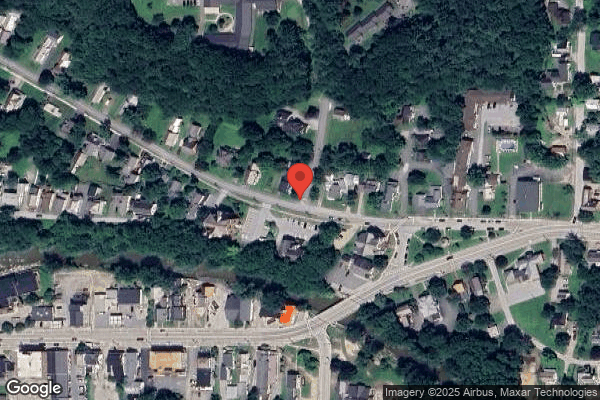
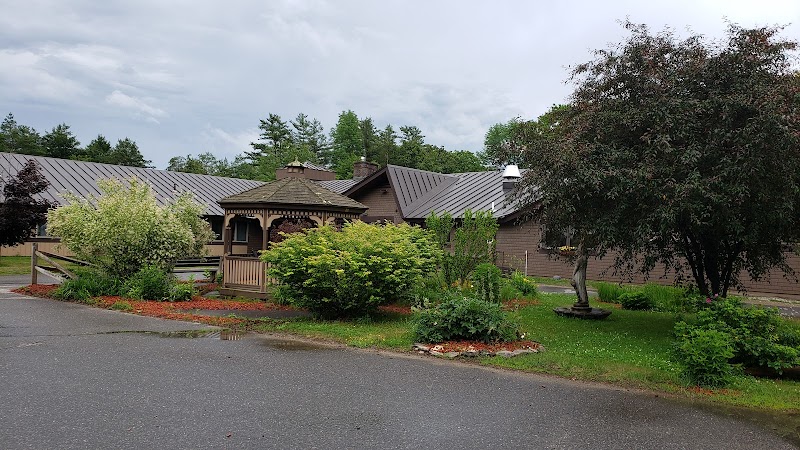
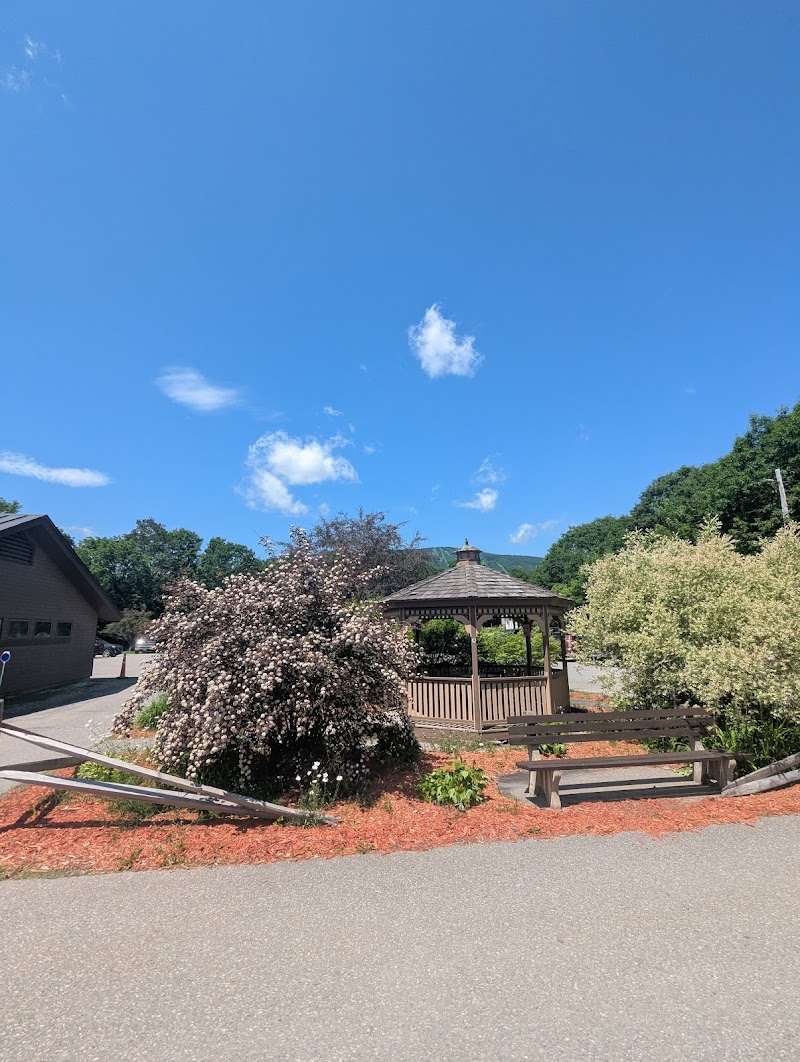
8 Gill Terrace, Ludlow, VT 05149 (802) 228-4571
Non profit - Corporation 46 Beds Independent Data: November 2025
Trust Grade
70/100
#6 of 33 in VT
Last Inspection: March 2025

Within standard 12-15 month inspection cycle. Federal law requires annual inspections.

Overview

Gill Odd Fellows Home of Vermont has a Trust Grade of B, indicating it is a solid choice for care, ranking #6 out of 33 facilities in the state, placing it in the top half. It also ranks #2 out of 3 in Windsor County, meaning only one local option is better. The facility is improving, with reported issues decreasing from 12 in 2024 to 6 in 2025, and it has a good staffing rating with a turnover rate of 30%, which is significantly lower than the Vermont average of 59%. Notably, there have been no fines recorded, and the home has more RN coverage than 78% of Vermont facilities, ensuring quality oversight of resident care. However, there are some concerns, including a lack of documented annual competency evaluations for nursing staff and instances where psychotropic medication orders exceeded the 14-day limit without proper documentation. Additionally, the facility's maintenance team is not performing Legionella testing, which poses a potential health risk.
Trust Score
B
70/100
In Vermont
#6/33
Top 18%
Safety Record
Low Risk
No red flags
Inspections
Getting Better
12 → 6 violations
Staff Stability
○ Average
30% turnover. Near Vermont's 48% average. Typical for the industry.
Penalties
✓ Good
No fines on record. Clean compliance history, better than most Vermont facilities.
Skilled Nurses
✓ Good
Each resident gets 59 minutes of Registered Nurse (RN) attention daily — more than average for Vermont. RNs are trained to catch health problems early.
Violations
⚠ Watch
22 deficiencies on record. Higher than average. Multiple issues found across inspections.
★★★★☆
4.0
Overall Rating
★★★★☆
4.0
Staff Levels
★★★★☆
4.0
Care Quality
★★★★☆
4.0
Inspection Score
Stable
2024: 12 issues
2025: 6 issues

The Good

  • 4-Star Staffing Rating · Above-average nurse staffing levels
  • 4-Star Quality Measures · Strong clinical quality outcomes
  • Full Sprinkler Coverage · Fire safety systems throughout facility
  • No fines on record
  • Staff turnover below average (30%)

    18 points below Vermont average of 48%

Facility shows strength in staffing levels, quality measures, fire safety.

The Bad

Staff Turnover: 30%

16pts below Vermont avg (46%)

Typical for the industry

The Ugly 22 deficiencies on record

Aug 2025 2 deficiencies
CONCERN (D) 📢 Someone Reported This

A family member, employee, or ombudsman was alarmed enough to file a formal complaint

Potential for Harm - no one hurt, but risky conditions existed

Report Alleged Abuse (Tag F0609)

Could have caused harm · This affected 1 resident

Based on interview and record review, the facility failed to ensure that all alleged violations involving abuse, neglect, exploitation or mistreatment, including injuries of unknown source and misappr...

Read full inspector narrative →
Based on interview and record review, the facility failed to ensure that all alleged violations involving abuse, neglect, exploitation or mistreatment, including injuries of unknown source and misappropriation of resident property, are reported to the administrator of the facility and to other officials (including to the State Survey Agency and adult protective services) in accordance with State law through established procedures for 1 resident [Resident #1] of 3 sampled residents. Findings include:Per review of Physician Assessment Notes for Resident #1, dated 7/17/25 and 7/24/25, Resident #1 has a primary medical history of dementia, depression and insomnia, does not evidence any signs of cognitive impairment, h/her insight and judgement are good/intact, there are no indications today of audio hallucinations or visual hallucinations or delusions, no indication of risk to h/herself or others, and is a good historian.An interview was conducted with Resident #1 on 8/6/25 at 9:30 AM. The resident stated A couple of nights ago a [resident] came into my room and hit me 7 times with my walking stick [Resident picked up a grabber/reaching tool on an end table next to a television and held it up]. I was hit on the back [left] side of my head and my shoulder. I have no idea what has happened since. They may have talked to me about it afterwards, but I don't remember. What upsets me the most is they don't tell me what is going on, what the consequences are. I'm the [person] they beat on. I have a right to know. I want them to call the police. I want them to arrest [h/her]. The police did not talk to me. I have had no communication from the management. Do I feel safe here? The next time somebody walks into my room I will be ready to defend myself. Review of Progress Notes for Resident #1 dated 3 days prior on 8/3/25 record Resident is complaining that another resident came into [h/her] room. Nurse did not witness any physical aggression no bruises or skin issues noted, will continue to monitor both residents closely.Further review reveals no mention of the identity of the other resident, and no documentation of any monitoring of either resident. Review of Progress Notes dated the next day, 8/4/25 record Resident #1 being interviewed by the facility's Social Worker [SW]. Per the SW's note- Writer followed up on events from this weekend. Resident has requested a Velcro stop sign. This will help prevent unwanted guests and wandering, several residents who are mobile are nearby. An interview was conducted with the Social Worker [SW] on 8/6/25 at 10:58 AM. The SW stated that s/he had a conversation with Resident #1 on 8/4/25 where the resident reported another resident wandered into h/her room and struck [h/her] 7 or 8 times. Resident #1 wanted police called. The SW stated s/he was unaware of any physician or family notification, and unaware of any report of the incident to the required state agency[s] or law enforcement. The SW stated s/he did not report the allegation of abuse to the facility's Administrator or any state agency or law enforcement. An interview was conducted with the facility's Director of Nursing [DON] on 8/6/25 at 11:30 AM. The DON stated that after hearing of the initial observations of staff regarding Resident #1 and after conducting an interview with the alleged perpetrator the DON deemed the abuse unlikely to have happened. The DON confirmed that any allegation of abuse was required to be reported, including to the State Survey Agency, but was not.
CONCERN (D) 📢 Someone Reported This

A family member, employee, or ombudsman was alarmed enough to file a formal complaint

Potential for Harm - no one hurt, but risky conditions existed

Investigate Abuse (Tag F0610)

Could have caused harm · This affected 1 resident

Based on interview and record review, response to allegations of abuse, neglect, exploitation, or mistreatment, the facility failed to have evidence that all alleged violations are thoroughly investig...

Read full inspector narrative →
Based on interview and record review, response to allegations of abuse, neglect, exploitation, or mistreatment, the facility failed to have evidence that all alleged violations are thoroughly investigated regarding 1 resident [Resident #1] of 3 sampled residents.Findings include:Per review of Physician Assessment Notes for Resident #1, dated 7/17/25 and 7/24/25, Resident #1 has a primary medical history of dementia, depression and insomnia, does not evidence any signs of cognitive impairment, h/her insight and judgement are good/intact, there are no indications today of audio hallucinations or visual hallucinations or delusions, no indication of risk to h/herself or others, and is a good historian.An interview was conducted with Resident #1 on 8/6/25 at 9:30 AM. The resident stated A couple of nights ago a [resident] came into my room and hit me 7 times with my walking stick [Resident picked up a grabber/reaching tool on an end table next to a television and held it up]. I was hit on the back [left] side of my head and my shoulder. I have no idea what has happened since. They may have talked to me about it afterwards, but I don't remember. What upsets me the most is they don't tell me what is going on, what the consequences are. I'm the [person] they beat on. I have a right to know. I want them to call the police. I want them to arrest [h/her]. The police did not talk to me. I have had no communication from the management. Do I feel safe here? The next time somebody walks into my room I will be ready to defend myself.Review of Progress Notes for Resident #1 dated 3 days prior on 8/3/25 record Resident is complaining that another resident came into [h/her] room. Nurse did not witness any physical aggression no bruises or skin issues noted, will continue to monitor both residents closely.Further review of Progress Notes reveals no mention of the identity of the other resident, and no documentation of any monitoring of either resident. Review of Progress Notes dated the next day, 8/4/25 record Resident #1 being interviewed by the facility's Social Worker [SW]. Per the SW's note, Writer followed up on events from this weekend. Resident has requested a Velcro stop sign. This will help prevent unwanted guests and wandering, several residents who are mobile are nearby.An interview was conducted with the Social Worker [SW] on 8/6/25 at 10:58 AM. The SW stated that s/he had a conversation with Resident #1 on 8/4/25 where the resident reported another resident wandered into h/her room and struck [h/her] 7 or 8 times. Resident #1 wanted police called. The SW stated s/he knew the identity of the resident who allegedly struck Resident #1, but that it was not documented anywhere. The SW confirmed there was no documentation in the second resident's record that any increased monitoring was conducted after the alleged incident, as was stated in the nurse's Progress Note of 8/3/25. The SW stated s/he was unaware of any formal investigation of the incident, and did not contribute any written material to an investigation. An interview was conducted with the facility's Director of Nursing [DON] on 8/6/25 at 11:30 AM. The DON stated that after hearing of the initial observations of staff regarding Resident #1 and after conducting an interview with the alleged perpetrator, the DON deemed the abuse unlikely to have happened. The DON confirmed that an investigation was required to determine if the allegation is substantiated or unsubstantiated. The DON confirmed there was no written record of the staff and resident interviews or evidence that the physical abuse allegations were thoroughly investigated.
Mar 2025 4 deficiencies
CONCERN (D)

Potential for Harm - no one hurt, but risky conditions existed

Notification of Changes (Tag F0580)

Could have caused harm · This affected 1 resident

Based on interview and record review, the facility failed to notify the physician of 1 resident [Resident #28] of 19 sampled residents regarding physician orders not followed related to medications no...

Read full inspector narrative →
Based on interview and record review, the facility failed to notify the physician of 1 resident [Resident #28] of 19 sampled residents regarding physician orders not followed related to medications not administered as ordered. Findings include: Per record review, Resident #28 was admitted to the facility with diagnoses that include Parkinson's Disease [Parkinson's disease (PD) occurs when brain cells that make dopamine, a chemical that coordinates movement, stop working or die. PD causes tremors, slowness, stiffness, and walking and balance problems]. Review of Physician Orders reveals the resident was ordered the medication Amantadine- give 1 capsule by mouth in the evening related to Parkinson's Disease. Review of Res.#28's Medication Administration Record for January 2025 records Resident #28 did not receive the Amantadine medication as ordered on 6 days, including 5 consecutive days. [1/23 - 1/27/25, 1/29/25]. Nursing Progress notes record on 1/23/25 the medication is Unable to give, incorrect dose with no further documentation. On 1/24/25 Nursing Progress notes read Spoke with [family member], about residents Amantadine which is 'delayed'. [S/he] is aware resident is out of medication. Notes on 1/25/25 record medication reported as 'delayed' by family member], so unavailable at this time. Notes on 1/26/25 record Not available (family supply's medication). On 1/27/25, Nursing Progress notes record see progress note, which refers to itself and contains no further documentation. Nursing Progress notes on 1/29/25 record Medication on order. Per review of drug information from the manufacturer of Amantadine: Rapid dose reduction or abrupt discontinuation of Amantadine may cause an increase in the symptoms of Parkinson's disease or cause delirium, agitation, delusions, hallucinations, paranoid reaction, stupor, anxiety, depression, or slurred speech. Avoid sudden discontinuation of Amantadine. (https://www.gocovrihcp.com/safety) A review was conducted of in-service education provided to nursing staff on 8/1/24 regarding Medication Not Available. The education provided included When we fail to follow an order and fail to give a medication that is ordered to a resident this can be considered a medication omission or medication error . there is a process to be followed when a medication is unavailable. The facility process includes If medication will not arrive in time for dose, contact Director of Nursing or Assistant Director of Nursing, they will notify the Physician. Document in a progress note the steps you just took. An interview was conducted with the Director of Nursing [DON] on 3/19/25 at 1:57 PM. The DON confirmed there was no documentation that Resident #28's physician was notified the resident's Parkinson's Disease medication was not given as ordered on 6 different occasions, including on 5 consecutive days.
CONCERN (D)

Potential for Harm - no one hurt, but risky conditions existed

Deficiency F0699 (Tag F0699)

Could have caused harm · This affected 1 resident

**NOTE- TERMS IN BRACKETS HAVE BEEN EDITED TO PROTECT CONFIDENTIALITY** Based on interview and record review, the facility failed to ensure that 1 [Resident #43] of 4 sampled residents who are trauma ...

Read full inspector narrative →
**NOTE- TERMS IN BRACKETS HAVE BEEN EDITED TO PROTECT CONFIDENTIALITY** Based on interview and record review, the facility failed to ensure that 1 [Resident #43] of 4 sampled residents who are trauma survivors received culturally competent, trauma-informed care in accordance with professional standards of practice and accounting for residents' experience and preferences in order to eliminate or mitigate triggers that may cause re-traumatization of the resident. Findings include: Per review of the facility's Trauma-Informed Care policy [approval date 3/5/24]: The facility must ensure that residents receive culturally competent care in accordance with professional standards of practice and accounting for resident experiences and preferences to eliminate triggers that may harm the resident. Policy procedures include: Assessments, screening and early identification begins with the resident's admission to the facility and periodically with behavioral and/or condition changes, and The resident's comprehensive care plan will reflect goals and approaches to address mental health, including management of triggers . Per review of Resident #43's medical record, the resident was admitted to the facility on [DATE]. Resident #43 began receiving psychiatric therapy on 7/29/24, with the physician diagnosing the resident with PTSD (post-traumatic stress disorder). Per review of Psychiatric Therapy notes from September 2024 up through the time of the recertification survey in March 2025, physician notes recorded the diagnosis of PTSD on each monthly session. Further record review revealed no assessment to identify triggers and no Care Plan for the PTSD diagnosis along with no interventions developed related the preventing possible triggers. An interview was conducted with the Director of Nursing [DON] on 3/18/25 at 2:02 PM. The DON confirmed that despite the physician diagnosis of PTSD, Resident #43 did not undergo an assessment or screening to identify behavioral triggers, and was not care-planned for the PTSD diagnosis to eliminate or mitigate triggers that may cause re-traumatization of the resident.
CONCERN (E)

Potential for Harm - no one hurt, but risky conditions existed

Medication Errors (Tag F0758)

Could have caused harm · This affected multiple residents

Based on interview and record review, the facility failed to ensure as needed [PRN] orders for psychotropic drugs are limited to 14 days for 3 of 19 sampled residents [Resident #37, #21, and #22] unle...

Read full inspector narrative →
Based on interview and record review, the facility failed to ensure as needed [PRN] orders for psychotropic drugs are limited to 14 days for 3 of 19 sampled residents [Resident #37, #21, and #22] unless the attending physician or prescribing practitioner believes that it is appropriate for the PRN order to be extended beyond 14 days and documents their rationale. Findings include: 1.) Review of Physician Orders for Resident #37, dated 3/18/24, reveal an order for Lorazepam [an anti-anxiety psychotropic medication] 0.5 milligrams- give one tablet by mouth every 8 hours as needed for 365 days. Per review of Resident #37's medical record, there was no documentation of a Physician rationale for ordering the PRN psychotropic medication for longer than the 14 day limit. 2.) Review of Physician Orders for Resident #21, dated 3/2/25, reveal an order for Ativan [brand name for Lorazepam] Oral Tablet 0.5 milligrams-Give 2 tablet by mouth every 2 hours until 8/19/2025 [order is > 5 months]. Per review of Resident #21's medical record, there was no documentation of a Physician rationale for ordering the PRN psychotropic medication for greater than 5 months time. An interview was conducted with the Director of Nursing [DON] on 3/19/25 at 1:57 PM. The DON confirmed both Resident #37 and Resident #21's PRN orders for Lorazepam/Ativan exceeded 14 days, and confirmed there was no documentation of a physician's rationale as to why the length of time for the psychotropic medication order needed to exceed the 14 day limit. 3.) Record review showed that on 8/30/24 at 1:00 PM Resident #22 was prescribed Clonazepam 0.5 MG as needed every 12 hours for post traumatic stress disorder for 365 days. Record review of Resident #22's medical records do not include a rational from a physician or other prescriber for extending the PRN Clonazepam order to 365 days. A facility policy titled Policy: unnecessary drugs which was approved on 3/5/24 stated that PRN (as needed) orders for psychotropic drugs are limited to 14 days. If the attending physician or prescribing practitioner believes it is appropriate for the PRN order to be extended beyond 14 days, the following must be met: . The rational for extending the PRN order for more than 14 days is documented in the resident's medical record. In an interview with the DON at 2:23 PM on 3/19/25, the DON was unable to provide evidence of a provider's rationale for extending Resident #22's order for Clonazepam.
CONCERN (E)

Potential for Harm - no one hurt, but risky conditions existed

Infection Control (Tag F0880)

Could have caused harm · This affected multiple residents

Based on observations, interviews, and record review, it was determined that the facility failed to maintain facility-wide systems for the prevention, identification, and control of infection and comm...

Read full inspector narrative →
Based on observations, interviews, and record review, it was determined that the facility failed to maintain facility-wide systems for the prevention, identification, and control of infection and communicable diseases of residents, staff, and visitors through surveillance, staff training, and following established policies and procedures related to proper use of personal protective equipment (PPE) specifically Enhanced Barrier Precautions (EBP) for 4 of 4 of the applicable sample (Residents #7, #11, #10, and #38). Findings include: Per observation on 3/19/2025 at approximately 2:00 PM, a Licensed Nursing Assistant (LNA) was observed emptying an indwelling catheter bag containing urine without wearing a protective gown. When asked if gowns were available, she explained that the staff are not instructed to wear a gown when emptying urine from a catheter bag. Per observation on 3/19/2025 at approximately 9:00 AM, a facility tour revealed no signage or indication to the staff that Enhanced Barrier Precautions (EBP) were required for residents with indwelling medical devices (urinary catheters). Per record review, Resident # 7 has a diagnosis of specified disorders of the kidney and ureter and has an indwelling urinary catheter. Resident #11 has a diagnosis of Parkinson's disease and has a suprapubic (a urinary catheter inserted through the abdominal wall) urinary catheter. Resident # 10 has a diagnosis of benign prostatic hyperplasia (enlarged prostate) and has an indwelling urinary catheter. Resident #38 has a diagnosis of neuromuscular dysfunction of the bladder and requires a urinary catheter. A review of the care plans of Residents #7, #11, #10, and #38, there is no evidence found in the care plan to direct the staff to use Enhanced Barrier Precautions during high-contact resident care. The Centers for Disease Control and Prevention recommends the use of gown and gloves (EBPs) for high-contact resident care activities, when Contact Precautions do not otherwise apply, for nursing home residents with wounds and /or indwelling medical devices regardless of MDRO (multidrug resistant organisms) colonization. Per interview with the Director of Nursing (DNS) on March 19, 2025, at approximately 2:20 PM, she confirmed that the facility Infection Control Policy did contain the CDC recommendations for EBPs and that the facility was not utilizing Enhanced Barrier Precautions.
Nov 2024 2 deficiencies
CONCERN (D) 📢 Someone Reported This

A family member, employee, or ombudsman was alarmed enough to file a formal complaint

Potential for Harm - no one hurt, but risky conditions existed

Deficiency F0658 (Tag F0658)

Could have caused harm · This affected 1 resident

Based on interview and record review, the facility failed to provide services that meet professional standards of quality regarding proper actions following a fall which resulted in harm for one resid...

Read full inspector narrative →
Based on interview and record review, the facility failed to provide services that meet professional standards of quality regarding proper actions following a fall which resulted in harm for one resident [Res.#1]. Findings include: Per review of the Lippincott Manual of Nursing, The standards of care for professional nursing include assessment, diagnosis, implementation and evaluation. Departure from Standards of Care include: Failure to adhere to facility policy or procedural guidelines, failure to monitor or observe a patient's clinical status adequately, failure to make prompt, accurate entries in a patient's medical record. [Lippincott Manual of Nursing Practice-11th Edition 2018] An interview was conducted with the Director of Nursing [DON] on 11/12/24 at 2:22 PM. The DON stated on 10/26/24 at approximately 4:00 AM, s/he received a voicemail from a Licensed Practical Nurse [LPN] at the facility. The DON provided a printed transcript of the voicemail. Per review of the transcript, the LPN reported a Licensed Nurse's Aide [LNA] was pushing Res.#1 in a wheelchair down a hallway. The LPN stated Res.#1 had a fall .kind of fell out of the wheelchair and [s/he] didn't land hard. The DON confirmed the information in the voicemail s/he received on 10/26/24 met the facility's definition of a fall. Per interview with the DON on 11/12/24 and confirmed by record review, the DON reported that a 'Risk Management' form regarding Res.#1's fall on 10/26/24 the resident appeared to be in distress. The DON stated during subsequent interviews with staff who were present after the incident it was revealed that Res.#1 suffered instant bruising after the fall. Per review of the facility's 'Managing of a Fall Policy and Procedure'- Actions/ Responsibilities: Step one: assessment. When a patient falls, don't assume that no injury has occurred-this can be a devastating mistake . conduct a comprehensive assessment. Step two: notification and communication. Notify the physician and emergency contact. Step three: monitoring and reassessment. Step four: documentation: Incident note or progress notes documenting a fall. Thorough documentation helps ensure that appropriate nursing care and medical attention are given. Whether it is written on the patient's chart or entered in the electronic medical record, documentation for a fall should include: All observations Patient statements Assessments Notifications Interventions Evaluation. [Policy # 06-01 Reviewed/Revised :2/8/24] Additionally, the facility's Fall Protocol lists For any fall whether witnessed or unwitnessed, a thorough head to toe evaluation must be completed to assess for injury. The protocol lists for a WITNESSED FALL- Initial set of vitals [heart rate, respiration rate, blood pressure] and neuros [neurological signs- confusion, pupil reaction, level of consciousness] every shift for 3 days Review of the Risk Management form completed by the LPN who left the fall phone message reports Immediate Action Taken: Full assessment completed. There were no bruises or skin tears. Review of Res.#1's medical record reveals no documentation of any evaluations, vital signs, neurological checks, or assessments conducted on the resident as a result of the fall on 10/26/24, or that a fall had even occurred. Additionally, per interview on 11/12/24, the DON stated during subsequent interviews with staff who were present after the incident it was revealed that Res.#1 suffered instant bruising after the fall. The DON confirmed there was nothing in Res.#1's medical record that demonstrated any of the actions in the Fall Policy and Procedure were conducted after the fall on 10/26/24, including monitoring, assessment, notification, and documentation The DON further stated that 2 days later, on 10/28/24, a review of Res.#1's medical record by the DON revealed that no appropriate actions, including assessments, had been implemented regarding Res.#1's fall on 10/26/24. The DON stated that an 'Incident Order' was then initiated on 10/28/24 that identified the incident on 10/26/24 as a fall in the medical record and triggered staff to initiate the Fall Policy and Procedure, including a comprehensive assessment of the resident. Per review of Res.#1's medical record and confirmed by the DON, on 10/28/24 there again were no actions conducted including comprehensive assessments regarding the resident's fall and the facility's Fall Policy and Procedure. The DON further stated that documentation was then added to Res.#1's medical record on 10/28/24 by the Assistant Director of Nursing [ADON]. The DON stated that the entry was dated effective 10/26/24, and copied from the LPN's Risk Management note. The ADON documented that Res.#1 fell out of a wheelchair, Full assessment completed .there were not bruises or skin tears. The DON confirmed that at the time of the record addition by the ADON, there was still no documentation of a full assessment having been conducted on Res.#1, and there had been instant bruising after the fall. Per record review of progress notes for Res.#1 dated 10/29/24, 3 days after the fall, reveals the resident has not been taking anything significant by mouth on [day] shift for days. However, when [s/he] appears in pain and has nonverbal signs of pain [s/he] is able to take a scant amount of liquid Morphine [opioid pain-relieving medication] in [h/her] cheeks. Resident has been unable to arouse enough to eat or drink safely. [S/he] has not verbalized or made eye contact in days. Further progress notes later on 10/29/24 record Resident slept entire shift. [S/he] would not take anything by mouth. Morphine given at beginning of shift. Resident very shaky . Per review of a statement provided by the DON, and confirmed during interview on 11/12/24, the DON reported that 4 days after the fall, on 10/30/24, a Nurse performing skin check documented old bruising on right shoulder and right upper forehead [of Res.#1] and reported to me [DON]. It is clear these bruises are days old (dark and yellow) and consistent with the fall on 10/26 . MD was notified .X-ray of right shoulder ordered. Per review of LNA task documentation for Res.#1, under Skin Observation, Discoloration is noted by LNAs on 2 different shifts on 10/29/24, the day before the nurse reported bruising to the DON. Per interview with a staff LNA on 11/12/24 at 10:34 AM, if an LNA discovers any skin issues such as discoloration on a resident, the LNA reports those issues to the resident's nurse. Per record review, there is no documentation of any skin discoloration or bruising on Res.#1 by Nursing prior to 10/30/24, or by LNAs prior to 10/29/24, despite staff later reporting instant bruising after the fall. Additionally, the DON confirmed that per record review, on 10/31/24, the day after the bruising was reported by nursing, LNA task documentation again recorded no issues including discoloration observed. Per review of Progress Notes for Res.#1 dated 10/31/24, Mobile Xray in facility to perform shoulder injury due to bruising from 10/26 fall. Result indicates Right clavicle fracture [break in the collar bone]. Per interview with the facility's DON on 11/12/24 and per record review, on 10/26/24, Res.#1 suffered a fall which resulted in instant bruising, distress, and a fractured right clavicle. After the fall, the facility failed to ensure appropriate assessment, notification, and documentation occurred until 4 days later when old bruising prompted diagnostic testing, which identified the fracture. Additionally, documentation in the resident's record that was present or added after the fall did not accurately reflect the actions taken or resident's status.
CONCERN (D) 📢 Someone Reported This

A family member, employee, or ombudsman was alarmed enough to file a formal complaint

Potential for Harm - no one hurt, but risky conditions existed

Deficiency F0726 (Tag F0726)

Could have caused harm · This affected 1 resident

Based on interview and record review, the facility failed to ensure nursing staff possessed and implemented the appropriate competencies and skills sets to provide nursing and related services to assu...

Read full inspector narrative →
Based on interview and record review, the facility failed to ensure nursing staff possessed and implemented the appropriate competencies and skills sets to provide nursing and related services to assure resident safety for one resident [Res.#1]. Findings include: An interview was conducted with the Director of Nursing [DON] on 11/12/24 at 2:22 PM. The DON stated on 10/26/24 at approximately 4:00 AM, s/he received a voicemail from a Licensed Practical Nurse [LPN#1] at the facility. The DON provided a printed transcript of the voicemail. Per review of the transcript, the LPN reported a Licensed Nurse's Aide [LNA #1] was pushing Res.#1 in a wheelchair down a hallway. The LPN stated Res.#1 had a fall .kind of fell out of the wheelchair and [s/he] didn't land hard. The DON reported to the State Agency that s/he did not know or was not told that Res.#1 suffered a fall, despite confirming during interview that the statements in the voicemail received on 10/26/24 met the facility's definition of a fall. Per interview with the ADON on 11/12/24, the ADON confirmed that s/he conducted Fall Procedure education for facility staff on 10/17/24, 9 days before the fall. The ADON confirmed that the education provided included A progress note needs to be documented [including] explaining how you found them, vitals ['vital signs'-respirations, heart rate, blood pressure], and assessment. Per record review and confirmed by the DON, the Licensed Practical Nurse [LPN #1] who left the voicemail had attended the Fall education 9 days prior to the fall. Per record review and confirmed by the DON, LNA #1, who was pushing the wheelchair when Res.#1 fell, had not received any Fall education since 2023. The ADON stated that after s/he reviewed Res.#1's record and contrary to the education provided 9 days before, s/he discovered LPN #1 provided no documentation in the medical record of the fall or that an assessment had been. The ADON confirmed that the Fall education s/he provided on 10/17/24 included STICK TO THE FACTS ONLY, do not assume what happened. The ADON confirmed that on 10/28/24, two days after the fall, s/he added a note to Res.#1's medical record noting a Full assessment completed .there were not bruises or skin tears despite staff statements regarding instant bruising and no documentation in the medical record of any assessment having been conducted immediately after the fall or during the following 2 days. The ADON reported the Fall Education provided to staff included See Policy for assessment and monitoring tips. Per review of the facility's 'Managing of a Fall Policy and Procedure'- Actions/ Responsibilities: Incident note or progress noted documenting a fall . Documentation for a fall should include; all observations, assessments, evaluations . [Policy # 06-01 Reviewed/Revised :2/8/24] Per interview on 11/12/24, the DON stated during subsequent interviews with staff who were present after the incident it was revealed that staff observed Res.#1 suffered instant bruising after the fall. The DON confirmed that there was no documentation of any observations of bruising for Res.#1 until 3 days after the fall, on 10/29/24. The DON further confirmed that despite instant bruising after the fall and then LNA documentation on 10/29/24, the bruising was not reported to nursing until the evening of 10/30/24. In h/her statement to the State Agency, the DON reported that there have been no reports of bruising as all staff assumed that it had already been reported and that s/he has been told that everyone assumed the bruising was from the fall. The DON confirmed that Fall education referring to Policy and Procedure provided to staff on 10/17/24, included Documentation for a fall should include; all observations, assessments, evaluations . and this was not done. Additionally, during the interview conducted with the DON and ADON on 11/12/24, the DON and ADON stated they were not aware that it was possible that LNAs could and were documenting skin observations on residents' charts. After reviewing the LNA documentation on Res.#1, the DON confirmed the bruising on the resident should have been recorded on 10/26/24 but was not done until 10/29/24. The DON further confirmed that even after the bruising was finally documented, the documentation was inconsistent and the day after reporting the bruising to nursing, LNAs documented no bruising on all 3 shifts. Summary: The DON received a voicemail on 10/26/24 from LPN#1 stating that Res.#1 had a fall .kind of fell out of the wheelchair and [s/he] didn't land hard. The DON reported to the State Agency that s/he did not know or was not told that Res.#1 suffered a fall, despite confirming during interview that the statements in the voicemail received on 10/26/24 met the facility's definition of a fall. LPN #1, despite receiving Fall Education 9 days prior to the fall, failed to follow facility procedures including assessment of the resident and documenting the incident and follow up. LNA staff who received the Fall Education on 10/17/24 failed to document and report bruising and assumed other staff had done so. The ADON, who conducted the Fall Education on 10/17/24, failed to follow procedures noted in the education and recorded that a Full Assessment had been completed despite no documentation in the medical record. Both the DON and ADON determined on 10/28/24 that no complete assessment had been documented on Res.#1 since the fall on 10/26/24 and failed to follow up until nursing reported on 10/30/24 old bruising on right shoulder and right upper forehead [of Res.#1]. Per review of Progress Notes for Res.#1 dated 10/31/24, [5 days after the fall], Mobile Xray in facility to perform shoulder injury due to bruising from 10/26 fall. Result indicates Right clavicle fracture [break in the collar bone].
Jan 2024 10 deficiencies
CONCERN (D) 📢 Someone Reported This

A family member, employee, or ombudsman was alarmed enough to file a formal complaint

Potential for Harm - no one hurt, but risky conditions existed

Deficiency F0558 (Tag F0558)

Could have caused harm · This affected 1 resident

Based on observation, interview, and record review the facility failed to provide reasonable accommodations of needs and preferences related to a mattress for 1 of 26 residents sampled. (Resident #7)....

Read full inspector narrative →
Based on observation, interview, and record review the facility failed to provide reasonable accommodations of needs and preferences related to a mattress for 1 of 26 residents sampled. (Resident #7). Findings include: Per telephone interview on 1/23/24 at 8:38 AM with Resident #7's family member he/she has been advocating for Resident #7 to receive an air mattress because of the resident's back pain, but the facility refuses to provide one. The family member stated the reason provided is that the resident does not qualify for an air mattress as he/she can move in bed independently and that Resident #7 does not have any open skin. The family member states that she has told them that s/he is willing to pay for the air mattress and the facility just needs to work with her/him to get it. During an interview on 1/23/24 at 9:09 AM Resident #7 was observed sitting in a recliner chair in his/her room. Resident #7 stated that s/he sleeps in the chair all the time because his/her bed is not comfortable. Resident #7 also said that when s/he requested a new mattress the facility did provide one however, the new mattress still hurts his/her back. S/he is unable to turn in bed because of the mattress. During the interview this surveyor applied pressure to the mattress and it sunk down to the point that the bed frame could be felt. On 1/23/24 review of Resident # 7 record reveals that on 4/15/23 resident #7 was sent to the emergency room for evaluation of severe back pain and right hip pain after he/she had fallen a week prior. The resulting diagnosis possible compression fracture of the Thoracic vertebra 11 ( a fracture of the mid-back area). Per interview on 1/23/24 at 1:45 P.M. with a Licensed Nurse Assistant Resident #7 does sleep in his/her recliner, and occasionally will try to get into the bed but it doesn't last long because it is too uncomfortable. During a phone interview on 1/23/24 at 3:05 P.M. Resident #7's physician said that they recall that the Director of Nursing (DON) had stipulations in regards to providing an air mattress for Resident #7. The Physician does agree that an overlay air mattress may help to relieve the pain and he/she will discuss this with the DON. The Physician confirmed that the overlay air mattress is appropriate for Resident #7.
CONCERN (D)

Potential for Harm - no one hurt, but risky conditions existed

Safe Transfer (Tag F0626)

Could have caused harm · This affected 1 resident

**NOTE- TERMS IN BRACKETS HAVE BEEN EDITED TO PROTECT CONFIDENTIALITY** Based on observation, interview, and record review the facility failed to accept a resident back after being transferred to an a...

Read full inspector narrative →
**NOTE- TERMS IN BRACKETS HAVE BEEN EDITED TO PROTECT CONFIDENTIALITY** Based on observation, interview, and record review the facility failed to accept a resident back after being transferred to an acute care facility for evaluation for 1 of 26 residents sampled. (Resident #33). Findings include: Per the record review Resident #33 was admitted to the facility on [DATE] for Long Term Care with diagnoses of Parkinson's and Dementia with Psychotic disturbance. Progress notes written between 9/19/23- 9/21/23 reveal that Resident #33 began exhibiting aggressive behaviors, was placed on 1:1 supervision for safety, and was then transferred to the hospital on 9/21/23. A review of the hospital Discharge summary dated [DATE] reveals that Resident #33 was seen in the emergency department (ED) and the initial workups was unremarkable. The facility refused to allow Resident #33 to return and s/he stayed in the ED for a week. A Social Services progress note written on 9/19/23 states that the Director of Social Services (DSS) spoke to Resident #33's spouse and explained that the facility could not always provide 1:1 supervision and that if the behaviors continued s/he may be discharged home. On 9/21/23 Resident #33 was transferred to the hospital with aggressive behaviors. A progress note written on 9/21/23 by the Director of Nursing (DON) states the resident had been on 1:1 supervision most of the night. The resident was kicking LNAs and trying to trip people as they walked by . Resident threw [his/her] walker across the hallway which luckily did not make contact with another resident . Another progress note written on 9/21/23 by the DON reveals that although the resident was not exhibiting and behaviors for a few hours at the hospital emergency department the DON refused to allow Resident #33 to return to the facility. Per an interview with the Director of Nursing (DON) on 1/24/24 at 9:33 AM her/his understanding of Resident #33 before admission to the facility was that behaviors were not a problem for him/her. However, a hospital discharge summary found in the resident's record dated 9/13/23 (original date admitted to the facility) reveals under the hospital summary .overnight and this morning patient required an as-needed dose of (PRN) Seroquel (Seroquel is an anti-psychotic medication used to treat certain mental health mood disorders) for impulsive behavior and requires frequent re-direction would suggest scheduled evening dose of Seroquel with additional PRN (as needed) dose indicating that Resident #33 did have behaviors prior to admission. Therefore, the facility staff should have known there was a potential for behaviors. The DON confirmed that Resident #33 was on 1:1 monitoring when he/she flipped the table over and that no other residents were harmed during this event. The DON said that transferring Resident #33 was the only way his/her behavior could be managed by the facility. The DON confirmed that Resident #33 was not allowed to return to the facility based off his/her behaviors at the time of transfer, not per his/her current condition. A review of the Facility Assessment Tool (a facility assessment is a required document used to evaluate the facility's capabilities to provide services to the residents in the facility) Part 2 reveals that the facility has the ability to care for residents with Mental Health issues and Behaviors including Managing the medical conditions and medication-related issues causing psychiatric symptoms and behaviors, identify and implement interventions to help support individuals with issues such as dealing with anxiety, care of someone with cognitive impairment, care of individuals with depression, trauma/PTSD and other psychiatric diagnoses.
CONCERN (D)

Potential for Harm - no one hurt, but risky conditions existed

Comprehensive Assessments (Tag F0636)

Could have caused harm · This affected 1 resident

Based on observation, interview, and record review the facility failed to comprehensively assess a resident's physical needs related to requiring a Continuous Positive Airway Pressure Machine (CPAP) f...

Read full inspector narrative →
Based on observation, interview, and record review the facility failed to comprehensively assess a resident's physical needs related to requiring a Continuous Positive Airway Pressure Machine (CPAP) for 1 of 26 residents sampled. (Resident #188). Findings include: During an interview with Resident #188 on 1/22/23 5:12 P.M. a Continuous Positive Airway Pressure Machine (CPAP) was noted on the resident's bedside table. (This is a machine that uses mild air pressure to keep breathing airways open while you sleep. The air pressure delivered is determined by the pressure setting on the device.). Resident #188 stated that he/she wears his/her CPAP at night, and the nursing staff does not assist him/her with the CPAP. He/she stated s/he puts it on, turns it on, and removes it him/herself. Per record review Resident #188 has a diagnosis of sleep apnea (A potentially serious sleep disorder in which breathing repeatedly stops and starts.) requiring the use of the CPAP. A physician's order is in place for CPAP at night and for naps every evening and night shift document refusals to wear or frequent removal. The admission comprehensive assessment/ Minimum Data Set (MDS) with Assessment Reference Date (ARD) (This is a 7-day look back period where the facility gathers the information to be entered into the MDS) of 1/16/24 Section O Special treatments, procedures, and programs the use of a CPAP is coded NO. Indicating the resident does not use a CPAP. Per an interview with the Director of Nursing (DON) on 1/24/24 at 2:12 p.m. completing the resident MDS is part of his/her job, he/she confirmed that the CPAP is not coded on the admission MDS, therefore the MDS does not accurately reflect Resident #188's status.
CONCERN (D)

Potential for Harm - no one hurt, but risky conditions existed

Deficiency F0655 (Tag F0655)

Could have caused harm · This affected 1 resident

**NOTE- TERMS IN BRACKETS HAVE BEEN EDITED TO PROTECT CONFIDENTIALITY** 2. Per record review, Resident #237 was admitted to the facility on [DATE] with the following diagnoses: unstageable pressure ul...

Read full inspector narrative →
**NOTE- TERMS IN BRACKETS HAVE BEEN EDITED TO PROTECT CONFIDENTIALITY** 2. Per record review, Resident #237 was admitted to the facility on [DATE] with the following diagnoses: unstageable pressure ulcer (an ulcer with the base completely obscured by dead tissue) of the left heel, and chronic osteomyelitis ( a serious infection of the bone) of the left ankle and foot. Per record review a hospital Discharge summary dated [DATE] indicates a chronic unstageable left heel ulcer with wound care instructions to leave open to air while dry and stable, may paint with Betadine daily. If drainage occurs, apply a border dressing (a type of protective dressing) and change it every third day and as needed. A review of Resident #237's baseline care plan reveals no mention of a left heel wound. During an interview on 1/24/2024 at approximately 1:40 PM the Director of Nursing confirmed there was no mention of Resident #237's pressure ulcer in the baseline care plan. The facility failed to create a care plan that included instructions needed to provide effective care for the pressure ulcer. Based on observation, interview, and record review the facility failed to develop a baseline care plan within 48 hours of admission for 2 of 26 residents in the sample (Residents #188 and #237) related to a continuous positive airway pressure (CPAP) (a machine that uses mild air pressure to keep breathing airways open while you sleep) device (Resident #188), and a baseline care plan that included instructions needed to provide effective care related to a pressure ulcer (Resident # 237). Findings include: 1. During an interview with Resident #188 on 1/22/24 5:12 PM a CPAP machine was noted on the bedside table. Resident #188 said that he/she wears his/her CPAP at night and that the nursing staff does not assist him/her with it. Resident #188 stated s/he puts it on his/herself, turns it on, and removes it him/herself. He/ She also stated it has not been cleaned since he/she has been in the facility which has been about 2 weeks. Per record review Resident #188 was admitted to the facility on [DATE] with a diagnosis of sleep apnea (A potentially serious sleep disorder in which breathing repeatedly stops and starts.) requiring the CPAP. A physician's order states CPAP at night and for naps every evening and night shift document refusals to wear or frequent removal. There is no physician's order or instructions noted for a cleaning schedule for the CPAP. Resident #188's care plan initiation date of 1/9/24 reveals that the use and care of the CPAP is not on the baseline care plan. Per interview on 1/24/24 at 1:01 p.m. with a Registered Nurse (RN) he/she does not know how to access the care plan to look to see if the CPAP is on the baseline care plan. The RN stated I do not deal with the CPAP, I have not looked at it or applied it. During an interview with a second RN on 1/24/24 at 1:17 p.m. the baseline care plan was reviewed, the RN confirmed the CPAP is not on Resident #188's baseline care plan. During an interview on 1/24/24 at 2:12 p.m. the Director of Nurses (DON) also confirmed the use or care of the CPAP is not on the baseline care plan.
CONCERN (D)

Potential for Harm - no one hurt, but risky conditions existed

Accident Prevention (Tag F0689)

Could have caused harm · This affected 1 resident

**NOTE- TERMS IN BRACKETS HAVE BEEN EDITED TO PROTECT CONFIDENTIALITY** 2. Per record review, Resident #12 was admitted to the facility on [DATE] with diagnoses of vascular dementia and Alzheimer's di...

Read full inspector narrative →
**NOTE- TERMS IN BRACKETS HAVE BEEN EDITED TO PROTECT CONFIDENTIALITY** 2. Per record review, Resident #12 was admitted to the facility on [DATE] with diagnoses of vascular dementia and Alzheimer's disease and a brief interview for a mental status (BIMS) score of 6, indicating severe cognitive impairment. Per record review, an incident note dated 12/10/2023 indicates Resident # 12 was found lying on the floor in another resident's room with a bump on her/his head. A nursing note dated 11/15/2023 indicates Resident #12 constantly goes in and out of other residents' rooms, is not easily redirected, and requires constant supervision. On 1/22/24 at approximately 2:35 PM, Resident #12 was observed in a closed room going through its contents; an interview with a Licensed Nursing Assistant (LNA) at approximately 2:50 PM the same day revealed that they did not know where Resident #12 was. At 2:55 PM, Resident #15 shouted, [s/he] is in here again. During an interview with Resident #15 on 1/22/2024 at approximately 11:34 AM, s/he stated that frequent uninvited visits to his/her room by Resident #12 were causing him/her to be nervous and upset. Often, Resident #12 would come into his/her room, rifling through her belongings, swearing and shouting at him/her, or shaking his/her fists when asked to leave. Per record review, Resident #15 has resided at this facility since 10/30/23, and his/her BIMS score is 15, indicating s/he is cognitively intact. On 1/25/24 at 11:40 AM, an interview with the Director of Social Services revealed that s/he was aware of resident concerns regarding Resident #12 going in other's rooms. S/he stated, [s/he] goes in every room. On 1/25/24, at approximately 1:20 PM, the Director of Nursing confirmed the facility was not providing adequate supervision of Resident #12 to protect him/her and other residents from accidents. Based on observation, interview, and record review the facility failed to ensure all residents have adequate supervision to prevent accidents for 2 of 26 residents sampled (Resident #33 and Resident #12). Findings include: 1. Per record review Resident #33 has diagnoses of dementia with psychotic disturbance and Parkinson's disease. A Brief Interview for Mental Status (BIMS) dated 9/13/23 revealed Resident #33's score of 9 (A BIMS score is a cognitive screening measure that evaluates memory and orientation.) A BIMS score of 9 indicates moderate cognitive impairment. Resident #33's care plan date initiated 9/14/23 has the following focus: Resident is at risk for falls. The goal is resident will not sustain an injury from falls through the review date with interventions including close supervision for safety- impulsivity and frequent checks while in the room for safety. A review of LNA task documentation shows no documented evidence that staff is providing close supervision or frequent checks. Further record review reveals that Resident #33 had a hospital admission from 9/21/23 through 9/29/23 for behaviors the facility stated they could not manage. Resident #33 has had 20 falls since the original admission on [DATE] to present. All but one of these falls were unwitnessed, 19 took place in the resident's room at the bedside while he/she was unsupervised. A nursing progress note written 1/19/24 states Over the past month staff have attempted to encourage resident to spend time out of his/her room during the day for safety, closer supervision and to prevent falls, resident has not been agreeable to this and states 'you just want to babysit me'. Reminded that the measure is for safety and is an intervention we have been trying in an attempt to lessen his/her risk for fall or injury. He/she states that he/she 'does not care, and we cannot stop him/her'. The Wife is aware of the failed trial of this measure and of this wish to not be monitored or spend extra time out of his/her room. We have explained the right to fall, and our interventions lessen the risk of major injury. Staff will continue to monitor as allowed and respond quickly to any request. However, no care plan update regarding the Resident's wishes was found related to this note. During observation on 1/22/24 at 11:40 AM Resident #33 was sitting in a wheelchair, self-propelling around the unit. When the resident stopped moving, he/she would make gestures as if he/she was trying to stand up, but was unable to. Staff noted to be walking by and did not respond or ask Resident #33 if he/she needed anything. On 01/24/24 at 09:13 a.m., during an interview the Director of Nurses (DON) stated that staff does do frequent checks on the resident. However, the DON confirmed that the checks are not documented in the record and cannot provide evidence that close supervision or frequent checks have been done.
CONCERN (D)

Potential for Harm - no one hurt, but risky conditions existed

Respiratory Care (Tag F0695)

Could have caused harm · This affected 1 resident

**NOTE- TERMS IN BRACKETS HAVE BEEN EDITED TO PROTECT CONFIDENTIALITY** Based on observation, interview, and record review the facility failed to provide respiratory care consistent with Professional ...

Read full inspector narrative →
**NOTE- TERMS IN BRACKETS HAVE BEEN EDITED TO PROTECT CONFIDENTIALITY** Based on observation, interview, and record review the facility failed to provide respiratory care consistent with Professional standards of practice for 1 of 26 residents sampled. (Resident #188). During an interview with Resident #188 on 1/22/23 5:12 P.M. a Continuous Positive Airway Pressure Machine (CPAP) was noted on the resident's bedside table. (This is a machine that uses mild air pressure to keep breathing airways open while you sleep. The air pressure delivered is determined by the pressure setting on the device.) The resident turned the machine on and there were specific settings programmed into the machine. The resident stated his/her spouse brought the machine in from home. Resident #188 said that he/she wears his/her CPAP at night, and the nursing staff does not assist him/her with the CPAP. He/she stated he/she puts it on, turns it on, and removes it him/herself. He/She also states it has not been cleaned since he/she has been in the facility which has been about 2 weeks. Per record review Resident #188 has a diagnosis of sleep apnea (A potentially serious sleep disorder in which breathing repeatedly stops and starts) requiring the use of the CPAP. A Discharge summary dated [DATE] for Resident #188 states the following hospital course complicated by acute respiratory failure in the setting of altered mental status while on CPAP leading to aspiration pneumonia. Further review reveals the discharge summary does not give instructions for CPAP use. A physician's order for CPAP at night and for naps every evening and night shift document refusals to wear or frequent removal There are no orders for the CPAP settings that should be programmed into the machine. There is no note in the record that indicates where this CPAP machine came from, hospital, home, or a rental company. There is no evidence in the record that the setting for the CPAP has been evaluated since he/she had the event of altered mental status while on CPAP that resulted in aspiration pneumonia. According to https://www.sleepfoundation.org The right amount of pressure is critical to effective CPAP therapy, as pressure that is too low or too high can create adverse side effects. The pressure setting is crucial to treating sleep apnea and reducing CPAP pressure levels, as determined by a sleep specialist, are typically the lowest amount of pressure needed to keep the airway open https://www.sleepfoundation.org Per Review of the facility policy titled Policy and Procedure of CPAP and BIPAP Units during SNF(skilled nursing facility) Stay. Effective date 12/1/21. Under Policy section states in the event that the ordering physician cannot be contacted, and the patient does not know their CPAP/BIPAP setting the machine will be set to default setting 10cmH2O for CPAP and 10/5cmH20 for BiPAP. This section also states Every attempt will be made to obtain the specific settings from the physician. An interview with a Registered Nurse (RN) on 01/24/24 reveals that the nurse does not deal with the CPAP, he/she has not looked at it or applied it and has had no teaching or competency on the CPAP machine, and as far as he/she knows there is no cleaning schedule for the machine. Per an interview with the RN Director of Nurses (DON) on 1/24/24 he/she confirms that the orders for the CPAP do not include the settings and the order should be inclusive of the settings. He/she also confirms that there is no cleaning schedule for the CPAP and that staff has not been assessed for competency related to the care and use of the CPAP machine.
CONCERN (D)

Potential for Harm - no one hurt, but risky conditions existed

Deficiency F0710 (Tag F0710)

Could have caused harm · This affected 1 resident

Based on observation, interview, and record review, the facility failed to ensure that the physician evaluated and assessed a pressure ulcer for 1 of 26 residents sampled. (Resident #33). Findings inc...

Read full inspector narrative →
Based on observation, interview, and record review, the facility failed to ensure that the physician evaluated and assessed a pressure ulcer for 1 of 26 residents sampled. (Resident #33). Findings include: Per record review an Admit/Readmit Screener form written on 9/29/23 Section 3 Skin Integrity reflects that Resident #33 had a blister and reddened buttocks. There are no measurements documented for the blister and no measurement or description of the reddened buttocks documented on the form. A progress note written on 9/29/23 states .scratching marks noted in lower legs and knees. Red areas in buttocks and dry skin noted throughout the body. There is no note regarding the blister on the sacrum nor is there evidence that physician was made aware of the blister or reddened areas. Review of a Wound- Weekly Observation tool dated 10/5/23, the blister on the sacrum worsened to an open wound that measures 25 millimeters(mm) in width, 12 mm in length, and 2 mm in depth, the wound bed is 100% slough and there was a noted odor to the wound. In Section A. Communication 1a. Date Medical Doctor(MD) notified / last updated states 10/5/23. A verbal order for a wound treatment was documented at the time of notification. Wound-Weekly Observation tools documented on the following dates 10/5/23, 10/12/23, 10/19/23, 10/26/23, 11/2/23, 11/9/23, 11/16/23, 11/30/23, 12/7/23, 12/14/23, 12/28/23, 1/4/24, 1/11/24, and 1/18/24 under section A. Communication 1a. the date the MD notified/last updated continues to state 10/5/23 indicating the Physician has not been updated regarding the progress of the wound since the pressure ulcer was presented as an open wound. Physician progress notes dated 10/5/23, 11/21/23, and 12/19/23 reviewed revealed no documented evidence that the Physician assessed this wound in any of the 3 progress notes. The only reference to the skin in the 3 Physician progress notes is s/he reports no rashes. Treatment of the pressure wound is not addressed in any of the Physician progress notes. During an interview on 1/24/24 at 9:33 A.M. the Director of Nursing (DON) was informed that this surveyor was unable to find documentation that the Physician had evaluated and assessed Resident #33 pressure ulcer. The DON stated, I know he/she is aware of it however, he/she could not provide supporting documentation that the Physician has evaluated or assessed this pressure ulcer.
CONCERN (D)

Potential for Harm - no one hurt, but risky conditions existed

Infection Control (Tag F0880)

Could have caused harm · This affected 1 resident

Based on observation and interview the facility failed to ensure proper infection control processes were followed for 2 of 26 residents sampled. (Resident #33) during a pressure wound dressing change ...

Read full inspector narrative →
Based on observation and interview the facility failed to ensure proper infection control processes were followed for 2 of 26 residents sampled. (Resident #33) during a pressure wound dressing change and cleaning of a Continuous Positive Airway Pressure Machine (CPAP) for (Resident #188) Findings include: 1. During an observation on 1/23/24 at 2:10 p.m. of a dressing change to a pressure ulcer on Resident #33's sacral area, the Registered Nurse (RN) removed the dirty dressing from the wound with a gloved hand laying the dirty dressing on the bed covers. The RN did not remove her/his gloves, did not sanitize her/his hands, and did not apply clean gloves after removing the dressing. S/he then handled the medicated ointment tube and applied ointment to her/his gloved finger and applied the ointment that was on her/his gloved finger to Resident #33's open wound. The RN picked up the clean dressing and applied it to the resident's sacral area. S/he picked up the dirty dressing on the bed covers, removed her/his gloves, and disposed of the dirty dressing and gloves, and washed his/her hands. During an interview with the RN who performed the dressing change directly after the observed procedure, the RN confirmed that S/he should have removed Her/his gloves and sanitized Her/his hands between removing the old dressing and applying the ointment and new dressing. The RN also confirmed that the old dressing should not have been laid on the bed covers, but should have been disposed of at that time of removal. 2. Per record review Resident #188 has a diagnosis of Sleep Apnea requiring the use of a CPAP machine. A physician's order states CPAP at night and for naps every evening and night shift document refusals to wear or frequent removal. There is no physician's order or instructions given for a cleaning schedule for the CPAP equipment. Per interview with Resident #188 on 1/22/24 5:12 PM he/she wears his/her CPAP at night. The resident stated that nursing staff does not assist him/her with the CPAP. He/she stated that s/he puts it on, turns it on, and removes it him/herself. He/ She also stated that the CPAP equipment has not been cleaned since he/she has been in the facility which has been about 2 weeks. According to FDA.gov, regarding recommendations for cleaning a CPAP machine All types of CPAP machines need to be cleaned regularly so that these germs and contaminants do not grow inside of your equipment and make you sick. Dust and dirt can also cause problems with the machine, making it more likely to break or need replacement. (https://www.fda.gov/). Along with the FDA recommendations sleephealthsolutionsohio.com; provides the following information; CPAP equipment manufacturers recommend regular cleanings. They advise washing out the mask, tubing and CPAP humidifier chamber at least once a week. Rinsing the mask and hose daily is also a good practice that helps keep them clean in the interim. Experts also recommend washing the parts out daily if you are sick. (https://www.sleephealthsolutionsohio.com/) During an interview on 1/24/24 at 1:01 PM with a Registered Nurse (RN) who cares for Resident #188 s/he stated that s/he does not deal with the CPAP, he/she has not looked at it or applied it and has had no teaching or proven competency on the CPAP machine. As far as he/she knows there is no cleaning schedule for the machine. During an interview on 1/24/24 at 1:17 PM a second RN confirmed that there was no cleaning schedule for Resident #188's CPAP. During an interview on 1/24/24 at 2:12 PM the Director of Nursing (DON) confirmed that there is no cleaning schedule for the CPAP equipment. The DON also confirmed that nursing staff have not been required to prove competence regarding the use or care of a CPAP machine.
CONCERN (E) 📢 Someone Reported This

A family member, employee, or ombudsman was alarmed enough to file a formal complaint

Potential for Harm - no one hurt, but risky conditions existed

Deficiency F0658 (Tag F0658)

Could have caused harm · This affected multiple residents

2. During an interview with Resident #188 on 1/22/23 at 5:12 P.M. a round object covered in bandage tape was observed on Resident #188's upper arm. Per Resident #188 the object on his/her arm was a co...

Read full inspector narrative →
2. During an interview with Resident #188 on 1/22/23 at 5:12 P.M. a round object covered in bandage tape was observed on Resident #188's upper arm. Per Resident #188 the object on his/her arm was a continuous blood sugar monitor (A continuous glucose monitor (CGM) estimates what your glucose is every few minutes and keeps track of it over time. A tiny sensor is inserted under the skin on your abdomen or arms with an adhesive patch that helps it stay in place). She/he uses his/her cell phone to obtain blood sugar values and then he/she tells the nurses, stating this is how the nurses monitor his/her blood glucose level. The resident also stated that the nurses do not do blood glucose finger sticks. The resident revealed that the glucose monitor has tape over it because it has been in his/her arm for a while. She/he is unable to recall how long exactly, but at least since before he/she was originally admitted to the hospital, and he/she does not want it to fall out. Per record review a physician order states Lispro (a short-acting insulin)16 units three times a day with meals and Lantus (a long-acting insulin) 50 units subcutaneously at bedtime. There is no physicians order for glucose monitoring. There is also no order for the CGM device that the resident has in his/her right upper arm. A care plan focus problem states: Resident has Type 2 diabetes Goal: Resident will not experience complications from diabetes through the review date interventions include monitoring blood sugar as ordered, and notifying MD of blood glucose levels outside of ordered parameters. There are no interventions in place related to the CGM device. According to American Diabetes Association the following professional standard related to the CGM device; 1. When prescribing a device, ensure that people with diabetes/caregivers receive initial and ongoing education and training . https://diabetesjournals.org/ 2. For safety you may sometimes need to compare your CGM glucose readings with a finger-stick test and a standard blood glucose meter Disposable CGM sensors should be replaced every 7 to 14 days . https://www.niddk.nih.gov/ 3. Calibrate the device with a fingerstick blood glucose reading https://my.clevelandclinic.org/ Per interview on 1/24/24 at 1:01 PM with a Registered Nurse (RN) Resident #188 tells her/him what their glucose is before the RN gives Resident #188's insulin before meals. The RN confirmed that there is no order for glucose monitoring and no order for the CGM device. This RN also confirmed he/she has had no training or competency on the care or management of the CGM Device, she/he is unaware of any schedule to change the device. During an interview on 1/24/24 at 1:17 P.M. a second RN confirmed there was no order for glucose monitoring for Resident #188 and this RN has had no training or competency on the CGM device. Per interview on 1/24/24 at 2:12 PM the Director of Nursing (DON) stated I didn't know she/he had that thing (in reference to the CGM device). We do not have a policy for them, we should be checking finger stick blood sugars with a glucometer. (a glucometer is a device for measuring the concentration of glucose in the blood, typically using a small drop of blood placed on a disposable test strip). 3. Per record review, Resident # 7 has a diagnosis of Diabetes Type 2. A review of Physician orders reveals an order for Novolog (short-acting insulin) 10 units three times a day with meals and an order for Levemir (long-acting insulin) twice a day. There is no order to check Resident #7's blood sugar. During an interview on 1/23/24 at 8:45 AM Resident #7 stated They do not check my blood sugar and I take insulin The resident stated that this worries him/her. Resident #7 further stated that he/she has requested to have his/her blood sugars monitored and staff told him/her they would check his/her blood sugar in the in morning, but this is not happening. According to the American Diabetes Association Blood glucose (blood sugar) monitoring is the primary tool you have to find out if your blood glucose levels are within your target range. This tells you your blood glucose level at any one time. It's important for blood glucose levels to stay in a healthy range. If glucose levels get too low, we can lose the ability to think and function normally. If they get too high and stay high, it can cause damage or complications to the body over the course of many years. https://diabetes.org/ During a phone interview on 1/23/24 at 3:05 PM with Resident # 7's physician confirmed that Resident #7 should have glucose monitoring in place. Per interview on 1/24/24 at 11:00 AM the DON confirmed that Resident #7's blood glucose had not been being monitored. The DON stated that s/he had spoke with the doctor yesterday and obtained orders for Blood sugar monitoring. Based on observation, interview, and record review the facility failed to ensure that professional standards of practice were followed for 3 of 26 residents in the sample. (Resident #36) related to assessment and monitoring after a choking episode, and (Resident # 188 and Resident #7 ) related to safe administration and monitoring of diabetic medications and blood glucose monitoring. Findings include: 1. Per record review Resident #36 experienced a choking episode which required oropharangeal suctioning. A SBAR (Situation, Background, Assessment, Request form) Note written by the Registered Nurse (RN) on duty on 9/21/2023 states LNA (Licensed Nurse Assistant) brought resident to me, from Lunch room, to Nurse station. Resident was breathing rapidly and pointing to [his/her] mouth, unable to speak or cough. This RN obtained code cart and used suction and yankeur to clean mouth back of throat and illicit cough which produced chocolate milk. Resident immediately felt better. The progress note states that both the Director of Nursing and the Physician were notified however, there were no recommendations documented. There was no evidence of further assessment or monitoring to ensure the resident did not develop complications related to aspiration (food or fluid entering the airway and lungs by accident. This can lead to pneumonia and scarring of the lungs) and suctioning. During an interview on 1/24/24 the Director of Nursing confirmed that Resident #36 should have been further assessed and monitored, but was not.
CONCERN (F)

Potential for Harm - no one hurt, but risky conditions existed

Deficiency F0726 (Tag F0726)

Could have caused harm · This affected most or all residents

Based on record review and interview the facility failed to ensure that nursing staff were assessed for skills competency upon hire and annually, based on the care needs of the residents who reside in...

Read full inspector narrative →
Based on record review and interview the facility failed to ensure that nursing staff were assessed for skills competency upon hire and annually, based on the care needs of the residents who reside in the facility. Findings include: Per review of employee training and competency records, nursing staff did not have evidence of annual skills competency evaluations. An employee record for a Registered Nurse (RN) who was hired on 11/20/23 had a Competency Checklist dated 12/7/23. This checklist lists various skills and offers instructions as follows: 1. Observe each skill below 2. Provide a Pass or fall rating 3. Place an N/A for any skill that doesn't applying current resident population. Any skill failed will need follow up. This checklist was signed by the RN who assists with staff education on 12/7/2023. However, there were no actual competencies present in the file. A Licensed Practical Nurse (LPN) hired on 2/4/2021 had competencies completed in 2023 for hand washing and IV's. However, there was no Competency Checklist completed, and there were no other competency reviews for 2023 in the file. A Licensened Nursing Assistant hired on 6/3/2020 had a Competency Checklist signed by the RN who assists with staff education on 1/5/23. There was no evidence of completed competencies in the file. A LNA hired on 3/17/2020 had a Competency Checklist completed on 1/5/2023 with no evidence of actual completed competencies. Another LNA had a Competency Checklist completed on 9/26/23 with no actual competencies completed. Per interview on 1/24/24 at 1:01 PM with a staff Registered Nurse (RN) the facility has not assessed him/her for competency including the use of a CPAP machine (a machine that uses mild air pressure to keep breathing airways open while you sleep. The air pressure delivered is determined by the pressure setting on the device), blood glucose monitoring, or blood draws. During an interview on 1/24/24 at 1:17 PM the Registered Nurse who assists with the education of staff confirmed that staff are not assessed for proper medication administration on hire or annually. The RN stated if they are experienced we just let them do it, we do not watch them. On 1/24/24 at 2:30 PM the RN also confirmed that s/he does not routinely do competencies with staff. The Checklist is reviewed and instruction is provided when needed. During an interview on 1/24/24 at 2:12 PM the Director of Nursing confirmed that the nurses had not been assessed for competency in the care and use of a CPAP machine or routine blood draws. During an interview on 1/24/24 at 4:30 PM the Director of Nursing confirmed that the facility has not implimented a fully intact competency evaluation process that includes the skills required to care for the residents who reside there.
Jan 2023 4 deficiencies
CONCERN (D)

Potential for Harm - no one hurt, but risky conditions existed

Deficiency F0657 (Tag F0657)

Could have caused harm · This affected 1 resident

Based upon interview and record review, the facility failed to review and/or revise the Care Plan regarding fall prevention for 1 resident [Res. #17] of 19 sampled residents. Findings include: Per re...

Read full inspector narrative →
Based upon interview and record review, the facility failed to review and/or revise the Care Plan regarding fall prevention for 1 resident [Res. #17] of 19 sampled residents. Findings include: Per review of Res #17's medical record, the resident was admitted to the facility with diagnoses that include Alzheimer's Disease and Dementia with behavioral disturbance. Review of Res. #17's Care Plan reveals the resident is identified as at risk for falls related to shuffling gait, unaware of surroundings. Per review of Progress Notes for Res. #17: 8/2/2022 Resident found on floor in front of recliner chair by Long Hall RN [Registered Nurse]. 10/13/2022 Resident was washing the table when she slipped and fell, she bumped the right side of her head near the forehead on the window frame. 10/15/22 Writer was called into resident room, observed resident on the floor. 11/23/22 LNA [Licensed Nursing Assistant] reported that resident was observed on the floor. 12/13/22 found resident lying on her back on the floor with her feet up on the bed. 1/3/2023 Witnessed fall - slide to floor between sofa and table - next to piano. An interview was conducted with the facility's Director of Nursing [DON] on 1/11/23 at 9:30 AM. The DON stated the facility reviews the resident's Care Plan after each fall and revises the Care Plan interventions as needed to prevent future falls. The DON demonstrated how Care Plan reviews are noted and documented in the resident's medical record. Per record review and confirmed by the DON, there was no documented reviews of Res. #17's Care Plan after falls on 11/23/22, 12/13/22, and 1/3/23. During the interview, the DON also confirmed that no new interventions to prevent future falls were added to Res. #17's Care Plan after any of the 6 falls in the past 5 months listed above. The DON stated that there really is nothing we can do in Res. #17's case, and I can't think of anything we are not providing. Per interview with the DON on 1/11/23 at 9:30 AM, the DON confirmed that Res. #17's Care Plan was not reviewed after 3 of 6 falls between August 2022 and January 2023, and that there were no new interventions added to prevent future falls after any of the 6 falls. Additionally, during the interview with the DON on 1/11/23, it was revealed that Res. #17 had suffered a 7th fall earlier that morning.
CONCERN (D)

Potential for Harm - no one hurt, but risky conditions existed

Accident Prevention (Tag F0689)

Could have caused harm · This affected 1 resident

Based upon interview and record review, the facility failed to ensure each resident receives adequate supervision and assistance devices to prevent accidents for 1 resident [Res. #17] of 19 sampled re...

Read full inspector narrative →
Based upon interview and record review, the facility failed to ensure each resident receives adequate supervision and assistance devices to prevent accidents for 1 resident [Res. #17] of 19 sampled residents. Findings include: Per review of Res #17's medical record, the resident was admitted to the facility with diagnoses that include Alzheimer's Disease and Dementia with behavioral disturbance. Review of Res. #17's Care Plan reveals the resident is identified as at risk for falls related to shuffling gait, unaware of surroundings. Per review of Progress Notes for Res. #17: 8/2/2022 Resident found on floor in front of recliner chair by Long Hall RN [Registered Nurse]. 10/13/2022 Resident was washing the table when she slipped and fell, she bumped the right side of her head near the forehead on the window frame. 10/15/22 Writer was called into resident room, observed resident on the floor. 11/23/22 LNA [Licensed Nursing Assistant] reported that resident was observed on the floor. 12/13/22 found resident lying on her back on the floor with her feet up on the bed. 1/3/2023 Witnessed fall - slide to floor between sofa and table - next to piano. An interview was conducted with the facility's Director of Nursing [DON] on 1/11/23 at 9:30 AM. The DON stated that the facility conducts a Morse Fall Scale assessment after each resident fall. [Per record review, Res. #17's most recent Morse Fall Scale score is '75', identifying the resident as High Risk for falling] The facility also reviews the resident's Care Plan after each fall, and revises the Care Plan interventions as needed to prevent future falls. The DON demonstrated how Care Plan reviews are noted and documented in the resident's medical record. Per record review and confirmed by the DON, there was no documented review of Res. #17's Care Plan after falls on 11/23/22, 12/13/22, and 1/3/23. Further review revealed no Morse Fall Scale assessments conducted after falls on 11/23/22 and 1/3/23. During the interview, the DON confirmed that no new interventions to prevent future falls were added to Res. #17's Care Plan after any of the 6 falls in the past 5 months listed above. The DON stated that there really is nothing we can do in Res. #17's case, and I can't think of anything we are not providing. The DON stated the Care Plan goal is preventing significant or major injury and that goal is being met. Per review of Res. #17's Care Plan, the resident is identified as at risk for falls, with the goal Resident will not sustain injury from fall through review date, with the review date of 3/9/2023. Review of Incident Notes for Res. #17 after a fall on 12/13/22 record Petechiae noted on left side of face and neck. [According to the Mayo Clinic, Petechiae are pinpoint, round spots that appear on the skin as a result of bleeding. The bleeding causes the petechiae to appear red, brown, or purple]. (https://www.mayoclinic.org/symptoms/petechiae/basics/definition/sym-20050724) Review of Incident Notes after the fall on 1/3/23 record Tiny hematoma appeared above left eye and a small scratch on left cheek, and left eyelid noted to have a line of reddish bruising, under left eye area with little scratch and slightly puffy [A hematoma is an abnormal collection of blood outside of a blood vessel. It occurs because the wall of a blood vessel wall, artery, vein, or capillary, has been damaged and blood has leaked into tissues] (https://www.medicinenet.com/hematoma/) Per interview with the DON on 1/11/23 at 9:30 AM, the DON confirmed that Res. #17's Care Plan was not reviewed after 3 of 6 falls between August 2022 and January 2023, and that there were no new interventions added to prevent future falls after any of the 6 falls. Additionally, during the interview with the DON on 1/11/23, it was revealed that Res. #17 had suffered a 7th fall earlier that morning.
CONCERN (E)

Potential for Harm - no one hurt, but risky conditions existed

Room Equipment (Tag F0908)

Could have caused harm · This affected multiple residents

Based on observation, resident interview, staff interview, and record review, the facility failed to ensure that all mechanical, electrical, and patient care equipment is maintained and in safe operat...

Read full inspector narrative →
Based on observation, resident interview, staff interview, and record review, the facility failed to ensure that all mechanical, electrical, and patient care equipment is maintained and in safe operating condition. Findings include: 1. Per interview on 1/9/2023 (Monday) at approximately 11:15 AM, Resident #22 shared that their call light is not working and has not worked since the Saturday. They stated that an LNA (licensed nursing assistant) tested the light with them to confirm it was not working. The LNA then told Resident #22 that they would pass the issue along to maintenance for Monday and instructed them to share their roommate's call light in the meantime. Resident #22 stated that their call light has malfunctioned in the recent past as well. During the interview, this surveyor visually confirmed that the call light was not functioning during a test of the call light with Resident #22. Per interview on 1/9/2023 at approximately 11:45 AM, the Maintenance Director confirmed that they were not made aware of the malfunctioning call light, but that they did know that the same call light malfunctioned about a month ago and was fixed. The Maintenance Director stated that the units have Maintenance Logs in which staff are expected to document facility issues that require maintenance. Once the Maintenance Department fixes the issue, they are to sign off that the issue has been completed in the log. Per review of the facility's maintenance log, there is no evidence of any documentation reporting Resident #22's call light malfunction from the weekend or from a month ago. Per interview on 1/10/2023 at approximately 9:00 AM, the Maintenance Director confirmed that there is no record of the call light issue being logged by staff in the maintenance log, nor is there any record of the reporting/resolution of the call light malfunction from a month ago. The Maintenance Director stated that not all maintenance issues are reported via the log. Many of the issues they are informed of are by word-of-mouth. These word-of-mouth reports are not documented anywhere, nor is there documentation of resolution once the issue has been fixed.
CONCERN (F)

Potential for Harm - no one hurt, but risky conditions existed

Infection Control (Tag F0880)

Could have caused harm · This affected most or all residents

2. Per the Mayo Clinic: 'Legionnaires' disease is a serious type of pneumonia you get when Legionella bacteria infect your lungs. Symptoms include high fever, cough, diarrhea, and confusion. You can g...

Read full inspector narrative →
2. Per the Mayo Clinic: 'Legionnaires' disease is a serious type of pneumonia you get when Legionella bacteria infect your lungs. Symptoms include high fever, cough, diarrhea, and confusion. You can get Legionnaires' disease from water or cooling systems in large buildings, like hospitals or hotels. Legionnaires' disease can be life-threatening.' (https://www.mayoclinic.org/diseases-conditions/legionnaires-disease/symptoms-causes) An interview was conducted with Director of Nursing (DON), whom is also the facility Certified Infection Preventionist (CIP) on 1/10/23 at 2:05 PM. The DON/CIP revealed that s/he is unaware of the Centers for Disease Control and Center for Medicare and Medicaid Services required Legionella prevention policies or procedures and refered to the Maintenance Director. Per interview on 1/11/23 at 7:45 AM the facility's Maintenance Director stated that the facility does not perform testing for Legionella. S/he reported that the town does the testing for Legionella, but S/he does not have the testing results. Review of the facilities Water Supply Policy reveals approach to controlling waterborne microorganisms will be consistent with current Centers for Disease Control (CDC), Health Care Infection control practices advisory committee (HCICPAC), and the Food and Drug administration (FDA) recommendation or state and local Health Departments Per interview with the facility's Administrator (ADM) on 1/11/23 confirmed that the facility does not perform Legionella testing. The ADM reported that S/he had contacted the town regarding Legionella testing and confirmed that the town has no record of Legionella testing for the facility. Based on Observations and interviews, the facility failed to develop and implement measures to prevent the growth of Legionella and other opportunistic waterborne pathogens in the buildings water system, as well as follow proper hand hygiene procedures during medication administration. Findings include: 1. Per observation of medication administration at approximately 11:30 AM on 1/10/2023, the Infection Prevention RN administering a mealtime injection of Novalog Insulin and two tablets of the oral medication Gabapentin did not perform hand hygiene (handwashing or alcohol-based rub) prior to donning gloves and entering a resident's room to administer the injection and tablets. Administration of the injection required direct contact with the resident. The RN also did not perform hand hygiene after leaving the resident's room and removing their gloves. The RN confirmed that they had not performed hand hygiene before or after administering medications to the resident immediately following this administration. Per the provided facility policy titled Hand Hygiene Policy and Procedure, the policy states, B. Indications for handrubbing . before having direct contact with patients . after removing gloves. The policy also states, The use of gloves does not eliminate the need for hand hygiene.
Understanding Severity Codes (click to expand)
Life-Threatening (Immediate Jeopardy)
J - Isolated K - Pattern L - Widespread
Actual Harm
G - Isolated H - Pattern I - Widespread
Potential for Harm
D - Isolated E - Pattern F - Widespread
No Harm (Minor)
A - Isolated B - Pattern C - Widespread

Questions to Ask on Your Visit

  • "Can I speak with families of current residents?"
  • "What's your RN coverage like on weekends and overnight?"

Our Honest Assessment

Strengths
  • • No major safety red flags. No abuse findings, life-threatening violations, or SFF status.
  • • No fines on record. Clean compliance history, better than most Vermont facilities.
  • • 30% turnover. Below Vermont's 48% average. Good staff retention means consistent care.
Concerns
  • • 22 deficiencies on record. Higher than average. Multiple issues found across inspections.
Bottom line: Mixed indicators with Trust Score of 70/100. Visit in person and ask pointed questions.

About This Facility

What is Gill Odd Fellows Home Of Vermont's CMS Rating?

CMS assigns Gill Odd Fellows Home of Vermont an overall rating of 4 out of 5 stars, which is considered above average nationally. Within Vermont, this rating places the facility higher than 99% of the state's 100 nursing homes. This rating reflects solid performance across the metrics CMS uses to evaluate nursing home quality.
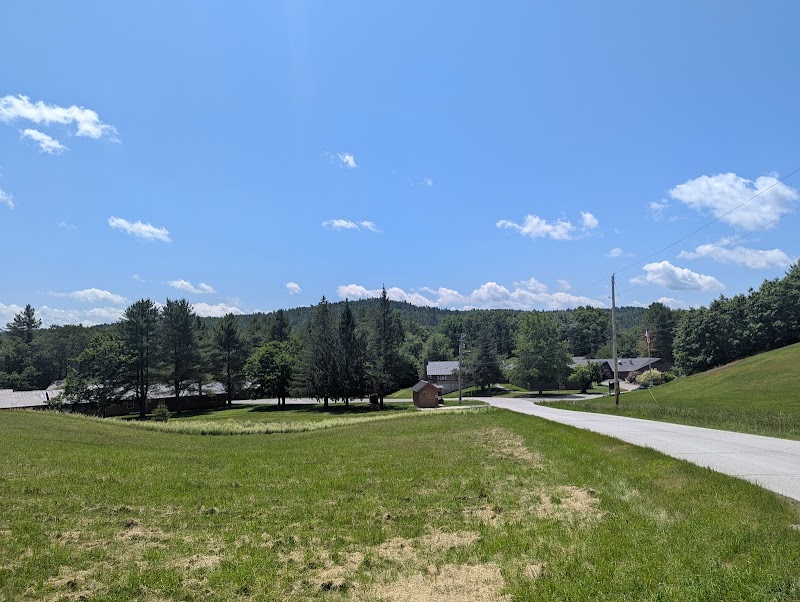
How is Gill Odd Fellows Home Of Vermont Staffed?

CMS rates Gill Odd Fellows Home of Vermont's staffing level at 4 out of 5 stars, which is above average compared to other nursing homes. Staff turnover is 30%, compared to the Vermont average of 46%. This relatively stable workforce can support continuity of care.

What Have Inspectors Found at Gill Odd Fellows Home Of Vermont?

State health inspectors documented 22 deficiencies at Gill Odd Fellows Home of Vermont during 2023 to 2025. These included: 22 with potential for harm.
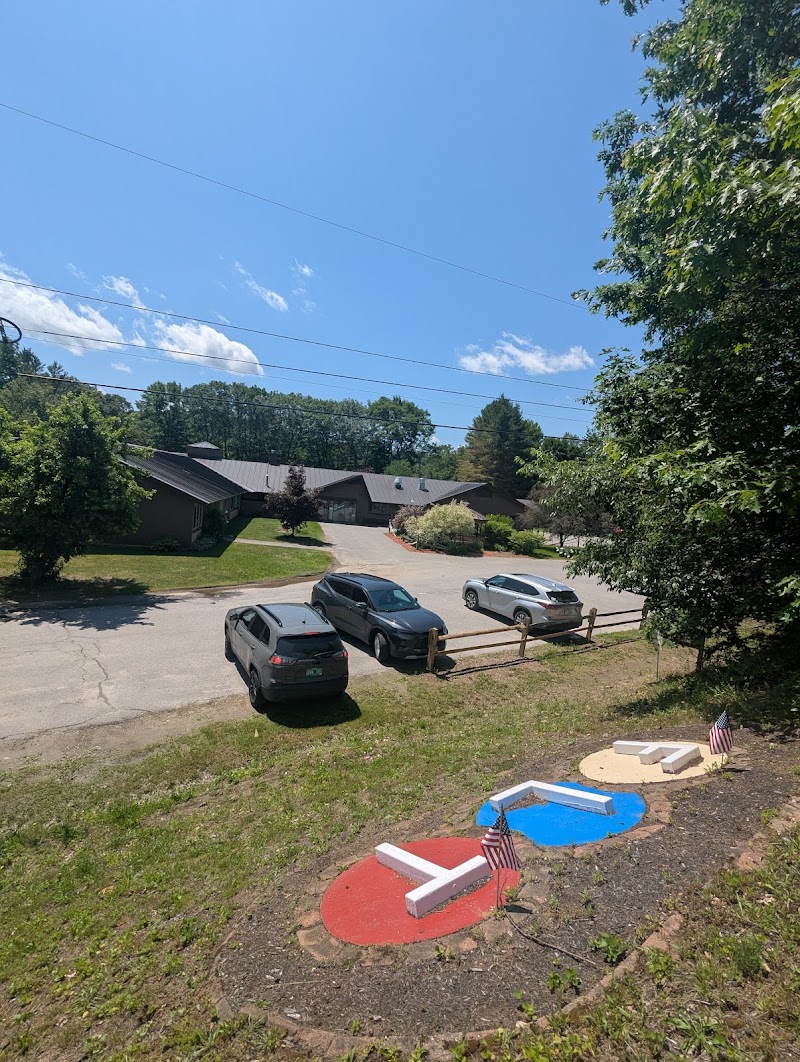
Who Owns and Operates Gill Odd Fellows Home Of Vermont?

Gill Odd Fellows Home of Vermont is owned by a non-profit organization. Non-profit facilities reinvest revenue into operations rather than distributing to shareholders. The facility operates independently rather than as part of a larger chain. With 46 certified beds and approximately 42 residents (about 91% occupancy), it is a smaller facility located in Ludlow, Vermont.

How Does Gill Odd Fellows Home Of Vermont Compare to Other Vermont Nursing Homes?

Compared to the 100 nursing homes in Vermont, Gill Odd Fellows Home of Vermont's overall rating (4 stars) is above the state average of 2.8, staff turnover (30%) is significantly lower than the state average of 46%, and health inspection rating (4 stars) is above the national benchmark.

What Should Families Ask When Visiting Gill Odd Fellows Home Of Vermont?

Based on this facility's data, families visiting should ask: "Can I visit during a mealtime to observe dining assistance and food quality?" "How do you handle medical emergencies, and what is your hospital transfer rate?" "Can I speak with family members of current residents about their experience?"

Is Gill Odd Fellows Home Of Vermont Safe?

Based on CMS inspection data, Gill Odd Fellows Home of Vermont has a clean safety record: no substantiated abuse findings (meaning no confirmed cases of resident harm), no Immediate Jeopardy citations (the most serious violation level indicating risk of serious injury or death), and is not on the Special Focus Facility watch list (a federal program monitoring the lowest-performing 1% of nursing homes). The facility has a 4-star overall rating and ranks #1 of 100 nursing homes in Vermont. While no facility is perfect, families should still ask about staff-to-resident ratios and recent inspection results during their visit.

Do Nurses at Gill Odd Fellows Home Of Vermont Stick Around?

Gill Odd Fellows Home of Vermont has a staff turnover rate of 30%, which is about average for Vermont nursing homes (state average: 46%). Moderate turnover is common in nursing homes, but families should still ask about staff tenure and how the facility maintains care continuity when employees leave.

Was Gill Odd Fellows Home Of Vermont Ever Fined?

Gill Odd Fellows Home of Vermont has no federal fines on record. CMS issues fines when nursing homes fail to meet care standards or don't correct problems found during inspections. The absence of fines suggests the facility has either maintained compliance or corrected any issues before penalties were assessed. This is a positive indicator, though families should still review recent inspection reports for the full picture.

Is Gill Odd Fellows Home Of Vermont on Any Federal Watch List?

Gill Odd Fellows Home of Vermont is not on any federal watch list. The most significant is the Special Focus Facility (SFF) program, which identifies the bottom 1% of nursing homes nationally based on persistent, serious quality problems. Not being on this list means the facility has avoided the pattern of deficiencies that triggers enhanced federal oversight. This is a positive indicator, though families should still review the facility's inspection history directly.