Helen Porter Healthcare & Rehab
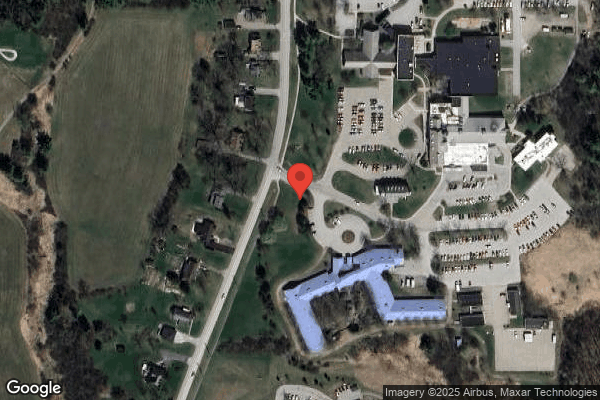
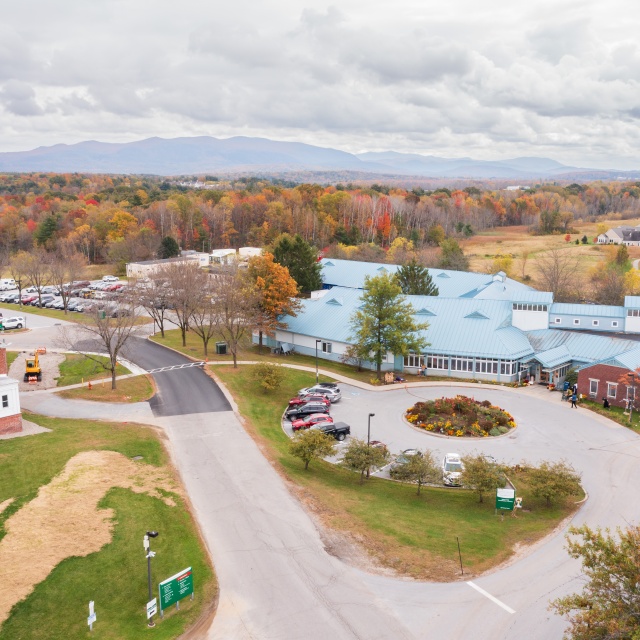
30 Porter Drive, Middlebury, VT 05753 (802) 388-4001
Non profit - Corporation 98 Beds Independent Data: November 2025
Trust Grade
45/100
#14 of 33 in VT
Last Inspection: June 2024

Within standard 12-15 month inspection cycle. Federal law requires annual inspections.

Overview

Helen Porter Healthcare & Rehab has a Trust Grade of D, indicating below-average performance with some concerns about the quality of care. Ranking #14 out of 33 facilities in Vermont places it in the top half, and it is the only option in Addison County. Unfortunately, the facility is worsening, with reported issues increasing from 2 in 2023 to 4 in 2024. Staffing is a relative strength, earning 4 out of 5 stars with a turnover rate of 47%, which is significantly below the state average, suggesting that many staff members remain in their roles. While the facility has not incurred any fines, which is a positive sign, serious incidents were noted, such as failing to provide adequate behavioral care for a resident, leading to an improper discharge that did not respect the resident's rights. Overall, while there are some strengths, such as good staffing, families should be aware of the concerning trends and specific incidents when considering this facility.

Trust Score
D
45/100
In Vermont
#14/33
Top 42%
Safety Record
High Risk
Review needed
Inspections
Getting Worse
2 → 4 violations
Staff Stability
⚠ Watch
47% turnover. Above average. Higher turnover means staff may not know residents' routines.
Penalties
✓ Good
No fines on record. Clean compliance history, better than most Vermont facilities.
Skilled Nurses
✓ Good
Each resident gets 57 minutes of Registered Nurse (RN) attention daily — more than average for Vermont. RNs are trained to catch health problems early.
Violations
⚠ Watch
20 deficiencies on record. Higher than average. Multiple issues found across inspections.
★★★☆☆
3.0
Overall Rating
★★★★☆
4.0
Staff Levels
★★★★☆
4.0
Care Quality
★★★☆☆
3.0
Inspection Score
Stable
2023: 2 issues
2024: 4 issues

The Good

  • 4-Star Staffing Rating · Above-average nurse staffing levels
  • 4-Star Quality Measures · Strong clinical quality outcomes
  • Full Sprinkler Coverage · Fire safety systems throughout facility
  • No fines on record

Facility shows strength in staffing levels, quality measures, fire safety.

The Bad

3-Star Overall Rating

Near Vermont average (2.8)

Meets federal standards, typical of most facilities

Staff Turnover: 47%

Near Vermont avg (46%)

Higher turnover may affect care consistency

The Ugly 20 deficiencies on record

4 actual harm
Jun 2024 4 deficiencies
CONCERN (D)

Potential for Harm - no one hurt, but risky conditions existed

Deficiency F0658 (Tag F0658)

Could have caused harm · This affected 1 resident

**NOTE- TERMS IN BRACKETS HAVE BEEN EDITED TO PROTECT CONFIDENTIALITY** Based upon interview and record review, the facility failed to provide care and services according to accepted standards of clin...

Read full inspector narrative →
**NOTE- TERMS IN BRACKETS HAVE BEEN EDITED TO PROTECT CONFIDENTIALITY** Based upon interview and record review, the facility failed to provide care and services according to accepted standards of clinical practice regarding Physician Orders and notification for 1 resident [Res.#83] of 35 sampled residents. Findings include: Per record review, after a stay in the hospital, Res. # 83 was admitted to the facility on [DATE] with acute back pain. The resident was placed on a post-hospitalization nursing unit, where resident's vital signs, including their blood pressure, are measured at least twice a day. Res. #83's blood pressure upon admission to the facility was recorded as 121/75. Physician Orders for Res.#83 upon admission included: Notify provider . for: Systolic Blood Pressure: less than 100 mmHg. Review of Nursing Notes for Res.#83 included the resident's vital signs, including blood pressures. If Res.#83's blood pressure is below 90 systolic [The first (upper) number] the number is preceded by a red !, which per the electronic medical record program indicates abnormal. The electronic medical record also includes a section where the Nursing Note can be routed to a physician to alert them of the content. Additionally, the facility's electronic medical record under Vitals [Vital signs including blood pressure, temperature, heart rate, and respirations] includes a section labeled Provider Notification. In this section, there are areas to record the name of the provider[s] notified, the method of communication, the reason for communication, and the provider's response. Per review of Res.#83's medical record, during the resident's stay on the post-hospitalization unit from 2/6/24 to 5/27/24, the resident's blood pressure was recorded below the Physician Orders' parameters 82 times. Of the 82 times the blood pressure was recorded below the parameters of less than 100, 38 times the blood pressure was highlighted as abnormal; being below 90. Of the 38 instances, eight different nurses recorded abnormal blood pressures. An interview was conducted with the Assistant Director of Nursing [ADON] and Res. #83's Unit Manager of the post-hospitalization unit on 6/4/24 at 2:11 PM. During the interview, the ADON and Unit Manager reviewed a Nursing Note, dated 5/24/24. The Nursing Note documented Res.#83's blood pressure recorded by a Staff LPN [Licensed Practical Nurse] as 66/43, preceded by a red !, which per the electronic medical record program indicates abnormal. The remainder of the note records the resident as 'alert' and 'oriented' and does not include any documentation that the resident's physician was alerted to the abnormal blood pressure reading. The section of the medical record where the Nursing Note can be routed to a physician to alert them of the content lists no routing history on file. Additionally, on 5/24/24 under Res.#83's record of vital signs, below the blood pressure recording of ! 66/43, all areas of the Provider Notification section are left blank. After reading the Nursing Note from 5/24/24, the Unit Manager stated I don't understand that. As a nurse, I would take a manual blood pressure and recheck and notify the doctor. The ADON stated h/her expectation would be to notify the physician any time the systolic blood pressure number was under 100. Both the ADON and Unit Manager confirmed that Physician Orders for Res. #83 included Notify provider . for: Systolic Blood Pressure: less than 100 mmHg. Both the ADON and Unit Manager confirmed per record review since Res.#83's admission on [DATE], the resident's blood pressure was recorded by Nursing as under 100 mmHg 82 times. The ADON and Unit Manager confirmed per record review, of the 82 times, there was a single documented incident, on 3/11/24, where Physician Orders were followed and a note recorded that 'abnormal' blood pressure was reported to provider. References: According to the Mayo Clinic: Blood pressure is determined by the amount of blood the heart pumps and the amount of resistance to blood flow in the arteries. A blood pressure measurement is given in millimeters of mercury (mm Hg). It has two numbers: Systolic pressure. The first (upper) number is the pressure in the arteries when the heart beats. Diastolic pressure. The second (bottom) number is the pressure in the arteries when the heart rests between beats. Low blood pressure is generally considered a blood pressure reading lower than 90 millimeters of mercury (mm Hg) for the top number (systolic) or 60 mm Hg for the bottom number (diastolic). The causes of low blood pressure range from dehydration to serious medical conditions. It's important to find out what's causing low blood pressure so that it can be treated, if necessary. Potential complications of low blood pressure (hypotension) include: Dizziness Weakness Fainting Injury from falls Severely low blood pressure can reduce the body's oxygen levels, which can lead to heart and brain damage. (https://www.mayoclinic.org/diseases-conditions/low-blood-pressure/symptoms-causes/syc-2) Per review of the Lippincott Manual of Nursing, Common Departures from the Standards of Nursing Care include: failure to follow physician orders, follow appropriate nursing measures, communicate information about the patient. [Lippincott Manual of Nursing Practice-11th Edition 2018]
CONCERN (E)

Potential for Harm - no one hurt, but risky conditions existed

Deficiency F0699 (Tag F0699)

Could have caused harm · This affected multiple residents

**NOTE- TERMS IN BRACKETS HAVE BEEN EDITED TO PROTECT CONFIDENTIALITY** Based on staff interviews and record reviews, the facility failed to ensure that residents who are trauma survivors receive trau...

Read full inspector narrative →
**NOTE- TERMS IN BRACKETS HAVE BEEN EDITED TO PROTECT CONFIDENTIALITY** Based on staff interviews and record reviews, the facility failed to ensure that residents who are trauma survivors receive trauma-informed care that mitigates triggers that may re-traumatize residents for 3 of 8 sampled residents (Resident #33, #71, and #34). Findings include: 1) Per record review, Resident #33 was admitted to the facility on [DATE] with a diagnosis of PTSD (post-traumatic stress disorder), anxiety, and depression. Resident #33's care plan includes a focus of alterations in mood related to the diagnosis of anxiety, PTSD, and depression, with manifestations that include negative verbalizations about others, tearfulness, sudden mood changes, anger, and self-harming behavior at times. A mental health clinician assessment note dated 1/26/24 mentions details of Resident #33's past trauma. Per review of Resident #33's record, no evidence was found that the resident was assessed for triggers that may re-traumatize the resident. No evidence was found in Resident 33's plan of care regarding the resident's triggers or how staff can provide care that avoids re-traumatizing the resident. Per interview on 6/4/20244 at approximately 11:45 AM, an LPN (Licensed Practical Nurse) with 4 years on that unit was unable to identify Resident # 33's specific triggers related to their trauma experience. Per interview on 6/5/24 at approximately 12:00 PM, the Unit Manager confirmed that Resident #33's trauma experience and associated triggers are not identified in the resident's record. 2. Per record review, Resident #71 was admitted to the facility on [DATE] with diagnoses of PTSD (post-traumatic stress disorder) and depression. Resident #72's care plan includes a focus of depression PTSD (post-traumatic stress disorder), manifested by statements of sadness and decreased participation in activities. The mental health assessment dated [DATE] mentions chronic post-traumatic stress disorder after military combat, with ongoing issues. There are no additional details about the trauma or associated triggers. Per interview on 6/5/24 at approximately 11:15 AM, an LNA was unable to identify Resident # 71's specific triggers related to their trauma experience. Per interview on 6/5/24 at approximately 12:00 PM, the Unit Manager confirmed that Resident #71's trauma-specific triggers have not been identified or care planned for a resident with a history of trauma. 3. Per record review, Resident #34 has resided at this facility since 10/10/2018 with diagnoses that include PTSD (post-traumatic stress disorder). Resident #34's care plan includes a focus of alteration in thought processes and in mood related to depression, anxiety, and PTSD but does not include identification of Resident #34's associated triggers about his/her trauma experience or how staff can provide care that avoids re-traumatizing resident. Per interview on 6/5/24 at approximately 12:00 PM, the Unit Manager confirmed that Resident #34's care plan does not contain identified triggers specific to their trauma.
CONCERN (E)

Potential for Harm - no one hurt, but risky conditions existed

Deficiency F0887 (Tag F0887)

Could have caused harm · This affected multiple residents

**NOTE- TERMS IN BRACKETS HAVE BEEN EDITED TO PROTECT CONFIDENTIALITY** Based on interview and record review, the facility failed to ensure that each eligible resident receives the COVID-19 vaccine fo...

Read full inspector narrative →
**NOTE- TERMS IN BRACKETS HAVE BEEN EDITED TO PROTECT CONFIDENTIALITY** Based on interview and record review, the facility failed to ensure that each eligible resident receives the COVID-19 vaccine for 2 of 5 sampled residents on the rehabilitation unit (Residents #39 and #60). Findings include: 1. Per record review, Resident #39 was admitted to the facility on [DATE] and has diagnoses that include cerebral palsy (disorder of movement that affects muscle tone, and posture, developed before birth), spinal bifida (failure of the spinal completely close), chronic stage 4 pressure ulcers (deep wounds that may expose bone, tendon or muscle), and osteomyelitis (infection of the bone), The Resident #39 is currently receiving negative pressure wound therapy to treat the stage 4 pressure ulcers. Resident # 39 is considered high risk for COVID-19 complications because of his/her diagnoses. Per record review, Resident #39's last COVID-19 vaccination was administered on 5/21/21 and was not provided the 2023-2024 seasonal COVID-19 immunization. There is no evidence in the record that Resident #36 was screened for eligibility, or s/he had a medical contraindication to not receive the vaccine, that Resident #36 or their representative were provided education regarding the benefits or side effects of the immunization, or that Resident #36 or representative had signed consent to receive or not receive the immunization. A 1/8/24 nursing note reveals that Resident #39 tested positive for COVID-19. Per interview with Resident #39 and their Representative on 06/05/2024 at 1:30 PM, both indicated that Resident #39 was not offered the COVID-19 vaccine this year and would have accepted it if it was. Resident #39 explained that s/he had gotten COVID this winter and was sick with flu-like symptoms. Per interview with the Advanced Practice Registered Nurse (APRN) on 6/5/2024 at 1:40 PM, s/he explained that Resident # 39 is eligible for COVID-19 vaccine and should have been offered the 2023-2024 season COVID-19 vaccine. The APRN stated that there is not a consistent process for screening and identifying residents that need the COVID-19 vaccine on the rehab unit. 2. Per record review, Resident # 60, who is [AGE] years old, was admitted to the facility on [DATE] with diagnoses that include hip fracture with surgical repair, Alzheimer's and hypertension. Resident #60 is considered high risk for COVID-19 complications because of his/her diagnoses and age. Per record review, Resident # 60's last COVID-19 vaccination was administered on 10/3/23 and was not provided a second 2023-2024 seasonal COVID-19 immunization. There is no evidence in the record that Resident #60 was screened for eligibility, or s/he had a medical contraindication to not receive the vaccine, that Resident #60 or their representative were provided education regarding the benefits or side effects of the immunization, or that Resident #60 or representative had signed consent to receive or not receive the immunization. Per interview with the APRN on 6/5/2024 at 1:40 PM, s/he explained that Resident # 60 is eligible for a COVID-19 vaccine and should have been offered his/her second 2023-2024 season COVID-19 vaccine. Per interview with the Director of Nursing on 6/5/2024 at 2:46 PM, he/she revealed there is no written procedure for staff to follow for identifying residents who are not up-to-date with their COVID-19 immunizations. Per facility policy titled SNF COVID-19 Mitigation and care effective 06/19/2023 states COVID-19 vaccination will be offered to all residents not up-to-date, in which there are no medical contraindications, (unless the resident or legal representative refuses vaccination after education), per the CDC/ACIP's recommendation. Record vaccination or declination in the electronic health record.
CONCERN (F)

Potential for Harm - no one hurt, but risky conditions existed

Food Safety (Tag F0812)

Could have caused harm · This affected most or all residents

Based on observation, interview, and record review the facility failed to ensure that food was stored in accordance with professional standards for food safety by leaving a used ice scoop in the ice m...

Read full inspector narrative →
Based on observation, interview, and record review the facility failed to ensure that food was stored in accordance with professional standards for food safety by leaving a used ice scoop in the ice machine. The facility also failed to monitor the temperatures of refrigerators and freezers daily and report abnormal values for further intervention. Findings include: During the initial tour of the kitchen on 6/3/24 at 10:32 AM with the lead chef it was discovered that the ice scoop was found lying on the ice in the ice machine that is used for 3 out of 3 kitchenettes. Per facility policy of Storage of Food and Non-Food Items reads, Store scoop in storage bin .Do not store the provided ice scoop in the machine. The lead chef confirmed that the ice scoop was in the ice machine per interview at 10:35 AM and 11:06 AM. On 6/3/24 at 10:47 AM in the main dining room meal service area it was discovered that the refrigerator temperature log for 6/3/24 was documented as 44 [degrees] in the AM temperature log. The AM freezer log temperature was not documented. Per record review of the Recording and Maintaining Nutritional Services Logs policy states, Freezer temperature range is 0 degrees [Fahrenheit] and lower .Cooler and refrigerator ranges are 33-41 degrees .Any reading noted to be out of specified ranges shall be reported to a Nutrition Services Leader and recorded on the log sheet. Per interview on 6/3/24 at 10:55 AM the lead chef confirmed that the temperature was recorded as 44 [degrees] and was not reported to a Nutrition Specialist. S/he also confirmed that the AM freezer log for 6/3/24 was not documented. Review of the kitchen refrigerator and freezer temperature logs for the months of December 2023 through April 2024 shows five abnormally high freezer temperatures in December 2023, five abnormally elevated freezer temperatures in January 2024, and one abnormally high freezer temperature in February 2024. There is no documentation that the abnormal temperatures were addressed. In December 2023 there were 87 undocumented temperatures for the refrigerator and 91 undocumented temperatures for the freezer. In January 2024 there were 95 undocumented temperatures for the refrigerator and 91 undocumented temperatures for the freezer. Per interview on 6/3/24 at 12:32 PM the Nutrition Specialist confirmed that there is missing documentation in December 2023 and January 2024 temperature logs. Further record review of February 2024 temperature logs shows 29 undocumented temperatures for the refrigerator and 30 undocumented temperatures for the freezer. Temperature logs for the refrigerator and freezer for March 2024 shows 51 undocumented temperatures for the refrigerator and 25 undocumented temperatures for the freezer. There are 21 undocumented temperatures for the refrigerator and 18 undocumented temperatures for the freezer for April 2024.
May 2023 1 deficiency
CONCERN (E)

Potential for Harm - no one hurt, but risky conditions existed

Deficiency F0657 (Tag F0657)

Could have caused harm · This affected multiple residents

**NOTE- TERMS IN BRACKETS HAVE BEEN EDITED TO PROTECT CONFIDENTIALITY** Based on interview and record review the facility failed to include residents, to the extent practicable, in their care plan mee...

Read full inspector narrative →
**NOTE- TERMS IN BRACKETS HAVE BEEN EDITED TO PROTECT CONFIDENTIALITY** Based on interview and record review the facility failed to include residents, to the extent practicable, in their care plan meetings and failed to document in the resident's medical record resident participation, or to document if the resident's participation is determined not practical for the development of the resident's care plan, for 3 of 19 residents (Residents #60, #71 and #51). Findings include: #1) On 05/01/23 at 11:11 AM during an interview with Resident #60, when asked if s/he had been included in the resident's care plan meetings, the resident replied that s/he has never heard of a care plan. S/he further stated s/he has no resident representative who would attend a meeting on his/her behalf. This resident was alert and able to voice concerns clearly during the interview. Record review shows Resident #60 was admitted on [DATE] and reveals a BIMS score of 13 (Brief Interview for Mental Status -a tool used to identify a resident's cognitive functioning, with 8-12 indicating moderately impaired cognition, and 13-15 indicating intact cognition). Social services entered a note on 03/17/23 stating a care plan meeting was attended by I-team (interdisciplinary team). The note included information such as the resident's code status, medical issues, mental status related to memory, and read that this resident recently reconnected with a sister but does not have a health care agent. There was no documentation of the resident being offered or declining a care plan meeting, and there was no documentation explaining if a determination was made that the resident was not practical for the development of a care plan. #2) On 05/01/23 at 11:39 AM Resident #71 was interviewed and asked if s/he attends his/her care plan meetings, the resident replied, I don't know what a care plan meeting is. This resident was alert and able to voice concerns upon interview. Record review shows this resident was admitted on [DATE] and has a BIMS score of 12. Social services entered a note on 04/12/23 stating the resident's care plan meeting was attended by I-team. Information in the note included the resident's transfer status, code status, diet, weight, activity interests, medical issues, and medication review, but no information was entered related to the resident being informed of or declining the care plan meeting. On 05/02/23 at 11:25 AM the long-term care Social Worker was interviewed and stated there is no offer of care plan meetings made directly to the long-term care residents. S/he stated the resident representatives of the long-term care residents receive a letter to offer participation in the care plan meeting via mail or e-mail, but there is no process in place to offer care plans to patients in the facility who may wish to attend. S/he stated s/he will individually ask residents about problems they may be experiencing but does not formally offer or explain what a care plan meeting is. The Social Worker stated Resident #71 has a resident representative who could attend meetings, but the representative did not attend the last meeting. The Social Worker confirmed that both resident's #60 and #71 were not offered care plan meetings, nor was it explained to either resident what a care plan meeting is. On 05/02/23 at 11:40 AM The Director of Nursing confirmed that the care plan meetings have not been offered or explained to the long-term care residents in accordance with federal regulations. #3) On 05/01/23 at 12:15 PM Interview with Resident #51 reveals that the Resident is not aware of what a care plan is or what a care plan meeting is. Resident #51 further reveals that S/he has not been invited to a care plan meeting. Medical record review reveals that there is no documentation found to support the fact that the resident has been invited to, attended or declined to attend a care plan meeting. 05/02/23 02:58 PM Social Services provided progress notes for the following dates 05/17/22, 08/9/22, 11/10/22 and 12/12/22. These progress notes indicated the care plan meetings were held and that the interdisciplinary team was in attendance. These progress notes do not indicate that Resident #51 was invited to or informed of care plan meetings on these dates. On 05/03/23 at 09:04 AM interview with the facility's 2 Social Service workers both confirm that they both have not been documenting that they are inviting residents, resident attendance or resident declining to attend care plan meetings.
Mar 2023 1 deficiency
CONCERN (D) 📢 Someone Reported This

A family member, employee, or ombudsman was alarmed enough to file a formal complaint

Potential for Harm - no one hurt, but risky conditions existed

Abuse Prevention Policies (Tag F0607)

Could have caused harm · This affected 1 resident

Based on interview and record review the facility failed to ensure the screening for abuse was completed according to their policy for 1 of 5 employees reviewed (Employee #1). Findings include: Review...

Read full inspector narrative →
Based on interview and record review the facility failed to ensure the screening for abuse was completed according to their policy for 1 of 5 employees reviewed (Employee #1). Findings include: Review of Employee #1's human resource file reveals that s/he is a contracted employee. His/her background check reveals that s/he had a felony charge for uttering [when a person falsely makes or alters a document with the intent to fraud another person or business] and was found to be guilty. There was no evidence of an explanation of this crime in Resident #1's human resource file. The facility's background check policy, last reviewed 9/2019, states If the person does appear to have an applicable criminal offense . the person will be notified and given at least five business days to provide an explanation of the information . The [facility] Administrator will review the explanation and make a final determination that the individual does not pose a risk to residents. Per interview on 3/8/23 at 2:15 PM, the Administrator stated that s/he did not request or review an explanation of Employee #1's criminal offense because the background check was completed and reviewed by the contracted agency. S/He confirmed that the facility policy for screening employees was not followed.
Nov 2022 6 deficiencies 4 Harm
SERIOUS (G) 📢 Someone Reported This

A family member, employee, or ombudsman was alarmed enough to file a formal complaint

Actual Harm - a resident was hurt due to facility failures

Transfer Requirements (Tag F0622)

A resident was harmed · This affected 1 resident

**NOTE- TERMS IN BRACKETS HAVE BEEN EDITED TO PROTECT CONFIDENTIALITY** Based on interview and record review the facility did not ensure a resident's discharge was completely assessed, evaluated, and ...

Read full inspector narrative →
**NOTE- TERMS IN BRACKETS HAVE BEEN EDITED TO PROTECT CONFIDENTIALITY** Based on interview and record review the facility did not ensure a resident's discharge was completely assessed, evaluated, and documented for 1 of 1 [Resident #1] residents who were involuntarily discharged from the facility. The facility initiated Resident #1's discharge based on the facility's inability to meet the resident's needs and because the behavioral status of the resident endangered the safety of other individuals in the facility. However, upon complaint investigation, it was determined by interview and record review that, while Resident #1 had challenging aggressive behavior requiring staff attention, s/he did not have needs which could not be met in that facility to allow for a planned involuntary discharge honoring the resident's rights around discharge, and there was evidence that the facility was caring for other residents with aggressive behaviors. It was also determined that the facility did not meet behavioral care needs to prevent aggressive behaviors for Resident #1. The facility based Resident #1's discharge on their status at the time of transfer, did not have the required documentation specified in the regulation, and discharged the resident on 9/8/22. Findings include: Record review reveals that Resident #1 was initially admitted to the facility on [DATE] and most recently readmitted to the facility on [DATE] following a hospital stay. At the time of this readmittance, his/her diagnoses included: right sided cerebral hemisphere cerebrovascular accident (CVA) [stroke], reactive depression [adjustment disorder], spastic hemiplegia of left non dominant side [left side of body in a constant state of contraction]. Resident #1 transferred from the rehabilitation unit into a room on the long-term care unit on 5/17/2022. A geriatric psychological consult from 7/6/2022 reveals that Resident #1 has the diagnoses of major neurological disorder, vascular type with behavioral disturbance [dementia with behaviors] and antisocial personality traits. Physician progress notes from 9/7/2022 reveal that emergency medical services [EMS] and police were called into the facility on 9/7/2022 following events where Resident #1 was verbally and physically aggressive. Resident #1 was then transferred to the emergency department for evaluation. Physician progress notes from 9/8/2022 reveal that the decision to discharge was made on 9/8/2022 due to safety concerns and the facility not being able to meet the care needs of Resident #1. 1. It was established that while Resident #1's had aggressive behaviors, these behaviors had been ongoing since his/her initial admission on [DATE]. A readmission note written by Resident #1's physician on 3/28/2022 describes Resident #1 as having a problem with anxiety and depression and that s/he has had issues related to dysregulated behavior, verbal abuse and aggression directed toward staff in nursing home setting. Progress notes in Resident #1's record reveal instances at the facility on 9/24/2020, 10/27/2020, 11/16/2020, 7/1/2021, 5/13/2022, 9/4/2022, 9/6/2022, and 9/7/2022 where s/he was physically aggressive towards staff including: hitting, slapping, striking, grabbing, shoving, along with frequent verbal abuse. Instances of verbal aggression and threats towards staff are frequent in Resident #1's progress notes. Record review reveals that verbal threats towards a specific resident neighbor [Resident #2] began 7/8/2022. Per interview on 10/18/2022 at 5:00 PM, a Licensed Practical Nurse stated that when s/he worked with Resident #1 on the rehabilitation unit, Resident #1 was very aggressive and mean. Per interview on 11/1/2022 at 12:30 PM, a Social Worker confirmed that Resident #1 had a history of physically aggressive behaviors with facility staff before s/he arrived on the long-term care unit. 2. It was established that the facility is able to care for residents with aggressive behaviors. The facility assessment as of December 31, 2021, states The facility provides care and services based upon the needs of our resident population. Our facility embraces a person-centered care culture in which we provide care and services based upon our resident population, including the following: Behavior health, psycho social support, and dementia care. Per interview on 11/1/2022 at 10:55 AM, a Nurse Practitioner stated there were other residents in the facility that have aggressive behaviors, but not at the same frequency as Resident #1. Per interview on 11/1/2022 at 2:15 PM, a Licensed Nurse Aide stated that there are residents in the facility that are physically aggressive. Review of a list of residents with aggressive behaviors in the facility revealed that 16 residents with aggressive behaviors reside at the facility as of 11/1/2022. Of the 16 residents listed, at least one resident was physically aggressive with other residents and two residents were admitted after Resident #1 was discharged for aggressive behaviors. This was confirmed by the Director of Nursing on 11/1/2022 at 4:30 PM. The DON stated that Resident #1's care team had discussions prior to 9/7/2022 about at what point they would discharge Resident #1. The facility decided that Resident #1 would need to be discharged when his/her behavior impacted the safety of other residents. The DON stated that Resident #1 had never hurt another resident, but because s/he had threatened to hurt another resident on 9/6/2022, the facility was concerned there was a risk to that resident's safety. Record review shows that verbal threats to hurt another resident [Resident #2] began 7/8/2022. The DON confirmed that 9/6/2022 wasn't the first time Resident #1 made threats about hurting Resident #2. 3. It was established that Resident #1 was discharged based on his/her status at the time of transfer. Progress notes dated 9/7/2022 and 9/8/2022 by Resident #1's physician pertaining to Resident #1's transfer and discharge do not contain assessment information about Resident #1 at the time of discharge on [DATE]. Review of a hospital discharge summary [from hospital emergency room to a swing bed in the hospital] reveals the following: o Reason for admission (chief complaint): aggressive behavior, Principal/Final Diagnosis: Agitation. o Hospital Course: The staff at [the nursing facility] felt they could no longer care for [Resident #1] and [s/he] was taken to the [hospital] ED on 9/7/22 and then admitted . During [his/her] stay [s/he] was calm and redirectable. [S/he] wanted to return to [the nursing facility] where [s/he] lived for 2 years. o Clinical Issues Needing Follow-up: 1. Pertinent medication changes: n/a, 2. Recommended follow-up tests/procedures needs: work on placement, 3. Anticoagulation on discharge: No 4: Changes to goals care at time of discharge (if applicable): n/a o Assessment: [Resident #1 is] here for placement as [s/he] is displaying behaviors at [the nursing facility]. [S/he] will remain at [the hospital] awaiting placement. Per interview with members of Resident #1's hospital care team on 11/1/2022 at 4:01 PM, a Registered Nurse from the admitting hospital stated that Resident #1 was calm for the first few days s/he arrived at the hospital. The Director of Case Management stated that there had been no discussions with the nursing facility about what it would take for Resident #1 to go back to the nursing facility, rather the nursing facility and hospital have been discussing how best to support him/her in the hospital. Per interview on 11/1/2022 at 4:30 PM, the Director of Nursing stated that there was no expectation for Resident #1 to return to the facility after s/he left on 9/7/2022. The Director of Nursing and Chief Nursing Officer both confirmed that discharge from the facility was based on his/her behavior when s/he was transferred to the hospital. 4. It was established that Resident #1's care plan was not revised to include interventions based on new behaviors or new diagnoses to prevent aggressive behaviors. Progress notes reveal Resident #1 made a complaint to social services about the nightly noise of a resident neighbor [Resident #2] on 7/7/2022. On 7/8/2022, Resident #1 complained to social services again and expressed a desire to hurt Resident #2. Progress notes continue to reveal that Resident #1 was triggered by Resident #2 and threats by Resident #1 were only made about Resident #2. A note from 9/6/22, the last reported incident of Resident #1 making threats about hurting a resident stated that Resident #1 started heading back to [his/her] room when [s/he] made comments at staff and a patient who was talking out loud [Resident #2]. [Resident #1] made the comment about [Resident #2] saying '[s/he] was going to take a brick and knock [him/her] in the head with it.' There was no documentation in record review from 7/1/2022 through 9/7/2022 that Resident #1 made threats about hurting any resident other than Resident #2 and staff did not reveal threats to any other residents in any of the interviews conducted. Per interview on 11/1/2022 at 1:04 PM, a Charge Nurse confirmed that the Resident #2's yelling was a trigger for Resident #1. S/he stated that the facility put interventions into Resident #2's care plan to address the noise and confirmed that no interventions were added into Resident #1's care plan to address this. A geriatric psychiatry evaluation and request for behavioral management was made by Resident #1's physician, conducted on 7/6/2022 revealed the following diagnosis: Major Neurocognitive disorder, vascular type with behavioral disturbances, Alcohol use disorder- in remission, antisocial personality traits. The following recommendations were made to Resident #1's plan of care: Implement DICE approach [method used by dementia behavior experts] to address problematic behaviors in the long-term care setting. We recommend that you revisit behavioral plans frequently to evaluate for efficacy, and staff psychoeducation around patient's diagnosis. Specifically that the difficult behaviors and statements resultant from his underlying personality structure have been exacerbated by disinhibition resultant from his CVA. The report from this visit was signed by the Psychiatry Resident on 7/7/2022 and signed by the attending provider on 7/13/22. Notes from this visit are automatically in the resident's medical record. Nursing notes state that Resident #1's care plan was reviewed on 7/17/2022. Care plan has been reviewed by all departments and has been updated as needed as of this date. Complete Care Plan is reviewed and continued. Review of a Care Plan Event Log shows that Resident #1's care plan was revised on 7/19/22 but the facility was unable to produce the revisions that were made. The Care Plan Event Log also revealed that Resident #1's care plan had not been updated since 8/2/2022. This was confirmed by the Administrator on 10/20/2022 at 2:33 PM. Record review reveals that it wasn't until an 8/29/2022 multidisciplinary staff meeting, held to formulate a patient behavior plan, that the recommendation to implement the DICE method and develop a plan for staff psychoeducation around Resident #1's behaviors was discussed as part of Resident #1's behavior plan. Review of Resident #1's most recent care plan does not reveal interventions for: dementia, the DICE approach, preventing Resident #1 from being triggered by Resident #2, or verbal threats to other residents. 5. Review of a progress note written by Resident #1's physician on 9/8/2022 regarding his/her discharge indicate the basis for discharge is based on safety concerns for staff and that the facility does not feel that they can meet [his/her] care needs in this setting. This progress note does not document the following required information in the resident's medical record: the specific resident needs the facility could not met and the specific services the receiving facility will provide to meet the needs of the resident which cannot be met at the current facility. 6. Resident #1 suffered harm by not being able to return to the nursing facility. Per observation at the hospital on [DATE] at 3:45 PM, Resident #1 was in bed. S/he was agitated and made comments about wanting to die and wanting to leave and go home. Per interview at the hospital on [DATE] at approximately 4:00 PM, a Registered Nurse stated that Resident #1 does not have a chance to hurt other residents at the hospital because s/he is mostly in his/her room. Staff do try to bring him/her out for a walk once a day. Per interview with Resident #1's representative at 4:01 PM on 11/2/2022, s/he stated that s/he believes Resident #1 is getting less care at the hospital than s/he was at the nursing home. At the hospital Resident #1 stays in his/her room most of the time and does not have access to activities or other residents. The representative stated that the nursing facility was Resident #1's home for the past 2 year and s/he should be able to go back to his/her home. A 9/9/2022 hospital physician note serving as both a discharge summary from the emergency room and admission summary for hospital swing bed status reveals that Resident #1 wanted to return to [nursing facility] where [s/he] lived for 2 years. Under Assessment it states that s/he will remain at the hospital awaiting placement.
SERIOUS (G) 📢 Someone Reported This

A family member, employee, or ombudsman was alarmed enough to file a formal complaint

Actual Harm - a resident was hurt due to facility failures

Safe Transfer (Tag F0626)

A resident was harmed · This affected 1 resident

**NOTE- TERMS IN BRACKETS HAVE BEEN EDITED TO PROTECT CONFIDENTIALITY** Based on interview and record review the facility failed to establish a protocol on permitting resident to return to the facilit...

Read full inspector narrative →
**NOTE- TERMS IN BRACKETS HAVE BEEN EDITED TO PROTECT CONFIDENTIALITY** Based on interview and record review the facility failed to establish a protocol on permitting resident to return to the facility after they are hospitalized or placed on therapeutic leave and failed to allow one of one sampled residents [Resident #1] to return to the facility after a behavioral episode. Findings include: Record review reveals that Resident #1 was transferred to an acute facility on 9/7/2022 for an evaluation due to physical aggressive behaviors. A progress note written by Resident #1's physician on 9/8/2022 states the facility initiated discharge, discussed on 9/8/2022, is due to safety concerns for staff and vulnerable residents and that the facility does not feel they can meet his/her care needs. The notice of discharge reveal that Resident #1 was discharged from the facility on 9/7/2022. An appeal for discharge was sent to the Administrator on 9/16/2022 by Resident #1's representative. As of 11/1/2022 Resident #1 was still residing at the hospital awaiting placement to a nursing facility. 1. Record review and interview reveal that Resident #1 was discharged based on his/her status at the time of transfer. Progress notes dated 9/7/2022 and 9/8/2022 by Resident #1's physician pertaining to Resident #1's transfer and discharge do not contain assessment information about Resident #1 at the time of discharge on [DATE]. Review of a hospital discharge summary [from hospital emergency room to a swing bed in the hospital] reveals the following: -Reason for admission (chief complaint): aggressive behavior, Principal/Final Diagnosis: Agitation. -Hospital Course: The staff at [the nursing facility] felt they could no longer care for [Resident #1] and [s/he] was taken to the [hospital] ED on 9/7/22 and then admitted . During [his/her] stay [s/he] was calm and redirectable. [S/he] wanted to return to [the nursing facility] where [s/he] lived for 2 years. -Clinical Issues Needing Follow-up: 1. Pertinent medication changes: n/a, 2. Recommended follow-up tests/procedures needs: work on placement, 3. Anticoagulation on discharge: No 4: Changes to goals care at time of discharge (if applicable): n/a -Assessment: [Resident #1 is] here for placement as s/he is displaying behaviors at [the nursing facility]. [S/he] will remain at [the hospital] awaiting placement. Per interview with members of Resident #1's hospital care team on 11/1/2022 at 4:01 PM, a Registered Nurse from the admitting hospital stated that Resident #1 was calm for the first few days s/he arrived at the hospital. The Director of Case Management stated that there had been no discussions with the nursing facility about what it would take for Resident #1 to go back to the nursing facility, rather the nursing facility and hospital have been discussing how best to support him/her in the hospital. Per interview on 11/1/2022 at 4:30 PM, the Director of Nursing stated that there was no expectation for him/her to return to the facility after s/he left on 9/7/2022. The Director of Nursing and Chief Nursing Office both confirmed that discharge from the facility was based on Resident #1's behavior when s/he was transferred to the hospital. Per interview on 11/1/2022 at 2:59 PM, Resident #1's representative stated that s/he never heard back as to whether Resident #1 could return back to the facility. At 4:01 PM on 11/2/2022, s/he stated that s/he believes Resident #1 is getting less care at the hospital than s/he was at the nursing home. At the hospital Resident #1 stays in his/her room most of the time and does not have access to activities or other residents. The representative stated that the nursing facility was Resident #1's home for the past 2 year and s/he should be able to go back to his/her home. 2. Per interview on 11/1/2022 at 2:45 PM the Director of Nursing confirmed that the facility did not have a written policy on permitting residents to return to the facility after they are hospitalized or placed on therapeutic leave.
SERIOUS (G) 📢 Someone Reported This

A family member, employee, or ombudsman was alarmed enough to file a formal complaint

Actual Harm - a resident was hurt due to facility failures

Deficiency F0740 (Tag F0740)

A resident was harmed · This affected 1 resident

**NOTE- TERMS IN BRACKETS HAVE BEEN EDITED TO PROTECT CONFIDENTIALITY** Based on record review and staff interviews, the facility failed to develop individualized interventions related to a resident's...

Read full inspector narrative →
**NOTE- TERMS IN BRACKETS HAVE BEEN EDITED TO PROTECT CONFIDENTIALITY** Based on record review and staff interviews, the facility failed to develop individualized interventions related to a resident's diagnosed conditions, recommendations from a geriatric psychiatric consultation, and identified triggers in order to attain or maintain their highest practicable physical, mental and psychosocial well being for 1 of 3 residents [Resident #1]. Findings include: Record review reveals that Resident #1 was initially admitted to the facility on [DATE] and most recently readmitted to the facility on [DATE] following a hospital stay. At the time of this readmittance his/her diagnoses included: right sided cerebral hemisphere cerebrovascular accident (CVA) [stroke], reactive depression, spastic hemiplegia of left non dominant side [left side of body in a constant state of contraction]. A readmission note written by Resident #1's physician describes Resident #1 as having a problem with anxiety and depression and that s/he has had issues related to dysregulated behavior, verbal abuse and aggression directed toward staff in nursing home setting. Progress notes reveal instances on 9/24/2020, 10/27/2020, 11/16/2020, 7/1/2021, 5/13/2022, 9/4/2022, 9/6/2022, and 9/7/2022 where s/he was physically aggressive towards staff including hitting, slapping, striking, grabbing, shoving, along with frequent verbal abuse. Instances of verbal aggression and threats towards staff are frequent in Resident #1's progress notes. Record review reveals that verbal threats towards a specific resident neighbor began in early July 2022. A geriatric psychiatry evaluation and request for behavioral management was made by Resident #1's physician, conducted on 7/6/2022 revealed the following diagnosis: Major Neurocognitive disorder, vascular type with behavioral disturbances, Alcohol use disorder- in remission, antisocial personality traits. The following recommendations were made to Resident #1's plan of care: Implement DICE approach [method used by dementia behavior experts] to address problematic behaviors in the long-term care setting. We recommend that you revisit behavioral plans frequently to evaluate for efficacy, and staff psychoeducation around patient's diagnosis. Specifically that the difficult behaviors and statements resultant from his underlying personality structure have been exacerbated by disinhibition resultant from his CVA. The report from this visit was signed by the Psychiatry Resident on 7/7/2022 and signed by the Attending Provider on 7/13/22. Notes from this visit are automatically in the resident's medical record. Nursing notes state that Resident #1's care plan was reviewed on 7/17/2022. Care plan has been reviewed by all departments and has been updated as needed as of this date. Complete Care Plan is reviewed and continued. Review of a Care Plan Event Log shows that Resident #1's care plan was revised on 7/19/22 but the facility was unable to produce the revisions that were made. The Care Plan Event Log also revealed that Resident #1's care plan had not been updated since 8/2/2022. This was confirmed by the Administrator on 10/20/2022 at 2:33 PM. Review of Resident #1's most recent care plan does not reveal interventions for: dementia, the DICE approach, preventing Resident #1 from being triggered by the resident neighbor who yells, or verbal threats to other residents. Record review reveals that it wasn't until an 8/29/2022 multidisciplinary staff meeting, held to formulate a patient behavior plan, that the recommendation to implement the DICE method and develop a plan for staff psychoeducation around Resident #1's behaviors was discussed as part of Resident #1's behavior plan. Progress notes reveal Resident #1 made a complaint to social services about the nightly noise of a resident neighbor [Resident #2] on 7/7/2022. On 7/8/2022, Resident #1 complained to social services again and expressed a desire to hurt Resident #2. Progress notes continue to reveal that Resident #1 transfer reveal that s/he was triggered by this resident neighbor and threats by Resident #1 were only made about Resident #2. Per interview on 11/1/2022 at 11:55 AM, when asked why the diagnoses and behavioral interventions were not incorporated into Resident #1's care plan, a Nurse Practitioner stated that the team was getting the conversation started about implementing the psychiatric consult plan of care but that it likely fell through the cracks. S/he stated that it would ultimately be the Physicians and Director of Nursing's responsibility to incorporate diagnoses and recommendations into the resident's plan of care. Per interview on 11/1/2022 at 1:04 PM the Charge Nurse confirmed that Resident #1's care plan did not address the resident's diagnosis of dementia and that it did not include interventions that were recommended in geriatric psychiatric evaluation. S/he also stated that interventions were not put into Resident #1's care plan to address how the resident neighbor triggers aggressive behaviors for Resident #1. This was later confirmed on 11/1/2022 at 4:30 PM by the Director of Nursing. Per interview on 11/1/2022 at 6:15 PM, the Medical Director stated that the team did have meetings about the geriatric psychiatric consult, and it would be the DON and nurses to incorporate the information into his/her chart and care plan. S/he confirmed that the information from this consult is part of Resident #1's medical record, including the new diagnoses. Per interview on 11/2/2022 at 4:01 PM, Resident #1's representative stated that s/he did not believe that the facility exhausted all options for interventions. Resident #1 did not get care based on his/her diagnosis of dementia and the facility did not implement the DICE approach. S/he stated that they did not update any interventions except medications changes since Resident #1's geriatric psychiatric consultation and that s/he was told by the facility that he did not have dementia. Record [NAME] reveals that Resident #1 was transferred to an acute facility on 9/7/2022 with physical aggressive behaviors for an evaluation. A progress note written by Resident #1's physician on 9/8/2022 states the facility initiated discharge, discussed on 9/8/2022, is due to safety concerns for staff and vulnerable residents and that the facility does not feel they can meet his/her care needs. The notice of discharge reveal that Resident #1 was discharged from the facility on 9/7/2022. An appeal for discharge was sent to the Administrator on 9/16/2022 by Resident #1's representative. As of 11/1/2022 Resident #1 was still residing at the hospital awaiting placement to a nursing facility.
SERIOUS (G) 📢 Someone Reported This

A family member, employee, or ombudsman was alarmed enough to file a formal complaint

Actual Harm - a resident was hurt due to facility failures

Deficiency F0741 (Tag F0741)

A resident was harmed · This affected 1 resident

**NOTE- TERMS IN BRACKETS HAVE BEEN EDITED TO PROTECT CONFIDENTIALITY** Based on record review and staff interviews, the facility failed to provide sufficient staff who have the training to address be...

Read full inspector narrative →
**NOTE- TERMS IN BRACKETS HAVE BEEN EDITED TO PROTECT CONFIDENTIALITY** Based on record review and staff interviews, the facility failed to provide sufficient staff who have the training to address behavioral health care needs for 1 of 2 residents [Resident #1] Findings include: Record review reveals that Resident #1 was initially admitted to the facility on [DATE] and most recently readmitted to the facility on [DATE] following a hospital stay. At the time of this readmittance his/her diagnoses included: right sided cerebral hemisphere cerebrovascular accident (CVA) [stroke], reactive depression, spastic hemiplegia of left non dominant side [left side of body in a constant state of contraction]. A readmission note written by Resident #1's physician describes Resident #1 as having a problem with anxiety and depression and that s/he has had issues related to dysregulated behavior, verbal abuse and aggression directed toward staff in nursing home setting. A geriatric psychiatry evaluation and request for behavioral management was made by Resident #1's physician, conducted on 7/6/2022 revealed the following diagnosis: Major Neurocognitive disorder, vascular type with behavioral disturbances, Alcohol use disorder- in remission, antisocial personality traits. The following recommendations were made to Resident #1's plan of care: Implement DICE approach [method used by dementia behavior experts] to address problematic behaviors in the long-term care setting. We recommend that you revisit behavioral plans frequently to evaluate for efficacy, and staff psychoeducation around patient's diagnosis. Specifically that the difficult behaviors and statements resultant from [his/her] underlying personality structure have been exacerbated by disinhibition resultant from [his/her] CVA. The facility assessment as of December 31, 2021, states The facility provides care and services based upon the needs of our resident population. Our facility embraces a person-centered care culture in which we provide care and services based upon our resident population, including the following: Behavior health, psycho social support, and dementia care. The Staff Education, Training, and Competencies section states additional competencies are determined according to the job role, job specific knowledge, skills and abilities and those needed to care for a specific resident population. Per interview on 10/18/22 at 12:45 PM, a Registered Nurse stated that travel nursing staff do not get adequate training to work with residents with dementia. Per interview on 10/19/22 at approximately 11:25 AM, the Director of Nursing stated that staff were given a handout titled [Resident #1] Tip Sheet as education around Resident #1. Review of this document does not reveal any staff psychoeducation around Resident #1's diagnosis. Per interview on 10/19/22 at approximately 2:00 PM, a Licensed Nursing Assistant stated s/he did not receive special training regarding Resident #1. Per interview on 11/1/2022 at 11:24 AM, a Licensed Nurse Aide (LNA) stated that the behavior training s/he received from the facility was computer-based training and s/he only got one day of training on the floor and the was on his/her own. S/he confirmed that she did not get any training about Resident #1 and that it would have been valuable to get more training about Resident #1 specifically. On 11/1/2022 at 11:55, the Director of Nursing confirmed that there was no staff psychoeducation around patient's diagnoses. On 11/1/2022 at 1:04 PM, a Charge Nurse stated that travelers have less training than permanent staff, as they do not have a full-blown training. On 11/1/2022 at 2:15 PM, an LNA stated that they did not have any specific training about Resident #1 or his/her diagnoses. Record [NAME] reveals that Resident #1 was transferred to an acute facility on 9/7/2022 with physical aggressive behaviors for an evaluation. A progress note written by Resident #1's physician on 9/8/2022 states the facility initiated discharge, discussed on 9/8/2022, is due to safety concerns for staff and vulnerable residents and that the facility does not feel they can meet his/her care needs. The notice of discharge reveal that Resident #1 was discharged from the facility on 9/7/2022. An appeal for discharge was sent to the Administrator on 9/16/2022 by Resident #1's representative. As of 11/1/2022 Resident #1 was still residing at the hospital awaiting placement to a nursing facility.
CONCERN (D) 📢 Someone Reported This

A family member, employee, or ombudsman was alarmed enough to file a formal complaint

Potential for Harm - no one hurt, but risky conditions existed

Deficiency F0625 (Tag F0625)

Could have caused harm · This affected 1 resident

Based on record review and staff interviews, the facility failed to provide a written bed-hold notice upon transfer for Resident #1. Findings include: Record review reveals that Resident #1 was trans...

Read full inspector narrative →
Based on record review and staff interviews, the facility failed to provide a written bed-hold notice upon transfer for Resident #1. Findings include: Record review reveals that Resident #1 was transferred to an acute facility on 9/7/2022 for an evaluation due to physical aggressive behaviors. A progress note written by Resident #1's physician on 9/8/2022 states the facility does not feel that we can meet his/her care needs in this setting and need to proceed with formal discharge from the facility. On 11/1/2022 at 11:55 AM, the Director of Nursing confirmed that there is no evidence that a bed hold notice was sent to Resident #1's representative in Resident #1's record. Per interview on 11/1/2022 at 12:30 PM, a Social Worker stated that s/he sent the notice of transfer, notice of discharge, and notice of bed hold all in the same envelope through certified mail to Resident #1's representative. She confirmed that the bed hold notice was not in Resident #'1 record. Progress notes reveal that the transfer notice was mailed to the resident representative on 9/7/2022 and the discharge notice was mailed via certified mail to the resident representative on 9/8/2022. Per interview on 11/1/2022 at 2:59 PM, Resident #1's representative stated that s/he received one certified letter from the facility after Resident #1 was transferred to the emergency department on 9/7/2022 which contained one notice and a psychiatric evaluation. The representative sent a scanned copy of all the contents in the certified letter to this surveyor. The contents included a psychiatric evaluation dated 7/6/2022 and the Notice before Transfer to Hospital dated 9/7/2022. S/he confirmed that s/he did not receive a written bed hold notice from the facility.
CONCERN (E) 📢 Someone Reported This

A family member, employee, or ombudsman was alarmed enough to file a formal complaint

Potential for Harm - no one hurt, but risky conditions existed

Medical Records (Tag F0842)

Could have caused harm · This affected multiple residents

Based on record review and staff interviews, the facility failed to maintain complete revisions of resident care plan records for 1 of 2 sampled residents [Resident #1] and have care plans readily acc...

Read full inspector narrative →
Based on record review and staff interviews, the facility failed to maintain complete revisions of resident care plan records for 1 of 2 sampled residents [Resident #1] and have care plans readily accessible to 2 of 4 sampled direct care staff. Findings include: 1. Per record review on 10/18/2022, 10/19/2022, and 11/1/2022, this surveyor could not discover an accurate representation of changes in care plan goals, objectives and/or interventions for Resident #1. There was no way to ensure that care plans were comprehensive in addressing Resident #1's needs or how to evaluate the effectiveness of specific interventions. This surveyor received two separate copies of Resident #'1 care plan effective at the time of his/her discharge during the investigation. One was titled Plan of Care Meeting 5/23/2022. This document is marked Draft and has an effective date of 5/23/2022. The other care plan received prior to the investigation is untitled and was printed on 9/20/2022. Per this surveyor's review, both documents appear to be identical in the sections titled Encounter Problems (Active) aside from formatting differences, indicating that Resident #1's care plan had not been revised since 5/23/2022. This surveyor was only able to access the most recent care plan throughout the investigation on 10/18/2022, 10/19/2022, and 11/1/2022 and was unable to confirm what changes were made to Resident #1's care plan. Per interview on 10/19/22 at 4:15 PM, the Director of Nursing explained that there was a log to show if modifications were made to the care plan but not what the revisions were. S/he stated that the electronic medical record was not capable of producing past revisions to residents' care plans and acknowledged that this is something that needs to change. Per interview on 10/19/22 at 4:15 PM, the Administer confirmed that the facility could not produce care plan revisions. 2. Per interview on 10/19/22 at approximately 2:00 PM, a Licensed Nursing Assistant (LNA) stated s/he did not have a way to know about care plan changes for residents on his/her own and someone would have to tell him/her about the changes. Per interview on 11/1/2022 at 11:24 AM, a Licensed Nursing Assistant (LNA) stated that s/he could not access care plans on her own and therefore would not know all residents' interventions to care for them appropriately. The LNA stated that s/he had to ask nurses to see care plans and that s/he wishes s/he could access them because it would help him/her take care of residents. Per interview on 11/1/2022 at 1:04 PM, a Charge Nurse stated that it is expected that all direct care staff read residents' care plans before working with them. Per interview on 11/1/2022 at 4:30 PM, the DON confirmed that all direct care staff are expected to read resident's care plans before caring for them.
May 2022 8 deficiencies
CONCERN (D)

Potential for Harm - no one hurt, but risky conditions existed

Report Alleged Abuse (Tag F0609)

Could have caused harm · This affected 1 resident

2. Per record review it was noted on 4/11/22 resident #63 repeatedly struck resident #8 with a cloth clothing protector (2 layers of cloth one being water repellant 18x31 with a metal snap closure). N...

Read full inspector narrative →
2. Per record review it was noted on 4/11/22 resident #63 repeatedly struck resident #8 with a cloth clothing protector (2 layers of cloth one being water repellant 18x31 with a metal snap closure). Nursing reported this incident to the DON (Director of Nursing) with a subsequent investigation being completed. Per interview with the DON on 5/10/2022 at approximately 12:45 PM the DON confirmed that this incident had been reported to her and investigated but because the residents involved both have dementia the act was not willful nor did it result in injury therefore it was not reported to the Division of Licensing and Protection, Adult Protective Services or the Ombudsman. Based on resident interview, staff interview, and record review, the facility failed to ensure that all alleged violations involving abuse are reported immediately to officials in accordance with state law through established procedures for two of 22 residents (Resident #41 and Resident #8). Findings include: 1. Per interview on 5/10/22 at approximately 9:30 AM, Resident #41 stated that they had concerns in the past of rough handling by staff, that they had reported it to facility leadership, and that the issue had been resolved. Per interview on 5/10/22 at approximately 12:45 PM, the DON (Director of Nursing) confirmed that a previous allegation of rough handling by staff had been investigated for Resident #41 by the DON and the Resident's social worker, but that they had not reported the allegation to the State Survey and Certification Agency or any other required officials. The DON confirmed that the results of the investigation had also not been reported.
CONCERN (D)

Potential for Harm - no one hurt, but risky conditions existed

Deficiency F0657 (Tag F0657)

Could have caused harm · This affected 1 resident

**NOTE- TERMS IN BRACKETS HAVE BEEN EDITED TO PROTECT CONFIDENTIALITY** Based on observation, staff interview, and record review the facility failed to revise the plan of care to include implemented f...

Read full inspector narrative →
**NOTE- TERMS IN BRACKETS HAVE BEEN EDITED TO PROTECT CONFIDENTIALITY** Based on observation, staff interview, and record review the facility failed to revise the plan of care to include implemented fall prevention interventions for one resident in the sample (Resident #53). Findings include: During observations of [NAME] Creak East on 5/9/2022 at approximately 3:30 PM Resident #53 was seen sitting in a recliner in her/his room. A large, square, black mat was seen propped up between the recliner and the resident's bed, resting on it's edge. Per interview with a Licensed Nursing Assistant (LNA) the black mat was an alarm used to notify staff when the resident was standing up from the chair. The LNA entered the room and placed the mat on the floor under the resident's feet. Per record review Resident #53 has a history of falls with and without injury. A care plan focus of impaired physical mobility implemented on 3/25/2022 includes two staff assist for bed and chair transfers and two staff assist for ambulation. A care plan focus for Potential for Trauma - Falls includes interventions to encourage resident to use walker when getting up from recliner, leave walker within reach of resident, and rearrange resident's room so that s/he can access walker while getting out of bed. There is also no mention of the floor alarm as a safety intervention. Per interview with the Charge Nurse on 5/11/2022 at approximately 11:15 AM Resident #53 is at risk for falls. The alarm is used to alert staff when s/he was trying to get up unassisted. The Charge Nurse also confirmed that the care plan should reflect the use of the alarm and it did not.
CONCERN (D)

Potential for Harm - no one hurt, but risky conditions existed

Accident Prevention (Tag F0689)

Could have caused harm · This affected 1 resident

Based on staff interview and record review the facility failed to provide appropriate and sufficient supervision to Resident #65 to prevent an avoidable accident for 1 of 5 residents in the sample (re...

Read full inspector narrative →
Based on staff interview and record review the facility failed to provide appropriate and sufficient supervision to Resident #65 to prevent an avoidable accident for 1 of 5 residents in the sample (resident #8). Findings include: On 4/11/2022 resident #65 was not supervised as his/her care plan outlines resulting in him/her becoming agitated and repeatedly hitting another resident. Resident #8 who has advanced dementia was seated in a recliner resting with his/her eyes closed in a common area on the memory care unit. Resident #65 who has dementia with behavioral disturbances was also in the common area at this time. Per nursing documentation, a LNA (licensed nursing assistant) walked through the common area when resident #65 became agitated and began yelling get out of my GD house. The unit nurse was able to observe the activity in the common area through a window as she was attending to another resident. Per documentation, the nurse heard something being hit repeatedly and found resident #65 standing over resident #8 striking him/her with an 18 x 31 2-layer cloth clothing protector with a metal snap closure. The nurse called for assistance, resident #65 was removed from the common area while resident #8 was examined by the nurse. Per the MDS assessment section D on 1/19/2022 and 4/19/2022 resident #65 is coded as being short tempered and easily annoyed. Resident #65's care plan includes the problem of potential for violence with a goal of won't harm others, will interact appropriately, will be diverted, will allow care to be completed. Interventions for nurses include close supervision, watch for signs of increasing anxiety and agitation, approach calmly, identify source of irritation, remove from setting if resident appears to be agitated, stay with resident and redirect/engage in other activities. Interventions for LNA's include all the above with the addition of report episodes of violence to the nurse. Per record review the care plan interventions including close supervision and removal from settings in which the resident exhibits anxious or agitated behaviors were not employed resulting in assaultive behavior. The above was confirmed by the Director of Nursing during an interview on May 9, 2022.
CONCERN (D)

Potential for Harm - no one hurt, but risky conditions existed

Medication Errors (Tag F0758)

Could have caused harm · This affected 1 resident

Based on staff interview and record review, the facility failed to ensure that PRN (as needed) orders for psychotropic drugs are limited to 14 days, or if the prescribing provider believes that it is ...

Read full inspector narrative →
Based on staff interview and record review, the facility failed to ensure that PRN (as needed) orders for psychotropic drugs are limited to 14 days, or if the prescribing provider believes that it is appropriate for the PRN order to be extended beyond 14 days, that there is a documented rationale in the resident's medical record and an indicated duration for the PRN order for one of 5 sampled residents (Resident #28). Findings include: 1. Per record review, Resident #28 has diagnoses of hemiparesis affecting left side as late effect of cerebrovascular accident (left sided weakness as a result of a stroke) and seizure disorder. Per record review, an order was placed in Resident #28's medical record on 5/6/22 that reads, Lorazepam (an antianxiety medication) 1 mg (2mg/ml solution) by mouth every 15 minutes PRN for seizures, maximum 3 doses in a day. There was no indicated end date or time for this order. The record also showed previous orders for this medication with the same indications and administration instructions that had since been discontinued. Per interview on 5/11/22 at approximately 12:00 PM, Resident #28's physician stated it was their understanding that, because the Lorazepam is ordered for seizures and not for anxiety despite its classification as an antianxiety medication, that the order did not require reevaluation. They confirmed that the Lorazepam order was not intended to have an end date or time, as they want this medication to be available for the resident on a PRN basis for seizures for the foreseeable future.
CONCERN (D)

Potential for Harm - no one hurt, but risky conditions existed

Deficiency F0760 (Tag F0760)

Could have caused harm · This affected 1 resident

Based on staff interview and record review the facility failed to ensure that 1 resident in the sample (Resident #7) was free from significant medication errors. Findings include: Per record review Re...

Read full inspector narrative →
Based on staff interview and record review the facility failed to ensure that 1 resident in the sample (Resident #7) was free from significant medication errors. Findings include: Per record review Resident #7 has a diagnosis of atrial fibrillation (an irregular heart rhythm that increases the risk of blood clots and stroke). Physician orders for Coumadin (a medication that prevents blood from clotting, reducing the risk of stroke) are determined by the results of scheduled of blood work. A Pharmacy review written on 4/6/22 states I noticed that resident does not have a current warfarin (Coumadin) order. [The unit charge nurse] helped me research and it appears that [the resident's] INR was missed on 3/28/22, [s/he] has now missed 9 days of therapy. [The unit charge nurse] will obtain a stat (urgent) INR (a diagnostic test that provides a calculation based on blood clotting factors) and update providers. Review of the facilities internal investigation system reflects that the resident had orders for a PT/INR to be completed on 3/28/22. The PT/INR was not completed. As a result the resident missed all of the Coumadin dosing for 3/28/22 - 4/5/22. A blood draw on 4/6/2022 revealed that the resident's INR was 1.0 (INR goal range range 2.0-3.0) putting the resident at a higher risk of developing blood clots and stroke. On 5/11/2022 at 1:09 PM during interview with the Director of Nursing s/he confirmed that the prescribed blood work had not been completed, and that the resident did not receive any doses of Coumadin from 3/28/2022- 4/5/2022.
CONCERN (D)

Potential for Harm - no one hurt, but risky conditions existed

Deficiency F0804 (Tag F0804)

Could have caused harm · This affected 1 resident

Based on observation, staff interview, and record review the facility failed to ensure that residents were served meals at a safe temperature. Findings include: During observation on the Memory Care U...

Read full inspector narrative →
Based on observation, staff interview, and record review the facility failed to ensure that residents were served meals at a safe temperature. Findings include: During observation on the Memory Care Unit on 5/11/2022 at 11:00 AM a Licensed Nursing Assistant (LNA) was observed removing a plate of food from the microwave for a resident who had missed their breakfast meal. The LNA did not ensure temperature with the use of a thermometer, nor did s/he stir the food to distribute temperature. During interview at the time the LNA confirmed that the food had not been checked for safe temperature. The LNA stated that s/he was not sure if there was a procedure for warming food in the microwave. Review of the facility policy titled Maintaining Food Temperatures Internal Temperature Guidelines: Microwave foods; All foods reheated in microwave must reach a minimum of 165 degrees Fahrenheit after standing for a minimum of 2 minutes to ensure temperatures are even throughout the food item. On 5/11/2022 at 12:40 PM during an interview with the Food Service Director (FSD) and the two Dietary Supervisors, the FSD confirmed that food reheated in a microwave should be checked with a thermometer to ensure a safe temperature to prevent foodborne illness and scalding from extreme heat.
CONCERN (E)

Potential for Harm - no one hurt, but risky conditions existed

Assessment Accuracy (Tag F0641)

Could have caused harm · This affected multiple residents

3. Per record review, Residents #61, #41, #44, #28, and #14 did not have BIMS (brief interview of mental status) assessments performed as required for their most recent MDS (minimum data set) assessme...

Read full inspector narrative →
3. Per record review, Residents #61, #41, #44, #28, and #14 did not have BIMS (brief interview of mental status) assessments performed as required for their most recent MDS (minimum data set) assessment. Resident #61 was marked in section C (Cognitive Patterns) as resident is rarely/never understood during their 3/29/22 annual MDS assessment. As a result, the rest of the BIMS assessment was not completed. The BIMS assessment conducted for Resident #61 as part of the 12/28/21 MDS was scored as 15 (no cognitive impairment). Resident #41 was marked in section C (Cognitive Patterns) as resident is rarely/never understood during their 3/19/22 quarterly MDS assessment. As a result, the rest of the BIMS assessment was not completed. The BIMS assessment conducted for Resident #41 as part of the 12/17/21 MDS was scored as 14 (no cognitive impairment). Resident #44 was marked in section C (Cognitive Patterns) as resident is rarely/never understood during their 4/4/22 quarterly MDS assessment. As a result, the rest of the BIMS assessment was not completed. The BIMS assessment conducted for Resident #44 as part of the 1/2/22 MDS was marked as unable to be completed, but Resident #44 was marked as capable of being assessed. Resident #28 was marked in section C (Cognitive Patterns) as resident is rarely/never understood during their 3/4/22 quarterly MDS assessment. As a result, the rest of the BIMS assessment was not completed. The BIMS assessment conducted for Resident #28 as part of the 12/2/21 MDS was scored as 15 (no cognitive impairment). Resident #14 was marked in section C (Cognitive Patterns) as not assessed during their 2/14/22 quarterly MDS assessment. As a result, the rest of the BIMS assessment was not completed. The BIMS assessment conducted for Resident #14 as part of the 11/14/21 MDS was scored as 14 (no cognitive impairment). Per interviews with residents #61, #41, #44, #28, and #14 between 5/9/22 and 5/10/22, all five Residents had clear speech and were able to be understood during conversation. Per interview on 5/10/22 at approximately 12:30 PM, the facility's MDS coordinator confirmed that, since the facility's COVID-19 outbreak began in approximately early March 2022, no resident BIMS assessments have been conducted during required MDS assessments to date. The MDS Coordinator stated that they were instructed by facility leadership that staff who are not direct caregivers avoid interaction with residents to prevent COVID-19 spread. 2. Per record review, Residents #7, #32, and #34 did not have BIMS (brief interview of mental status) assessments performed as required for their most recent MDS (minimum data set) assessment. Per review of Resident #7's 2/1/22 Quarterly MDS section B is marked as resident has clear speech, is understood, and understands. However, the BIMS assessment was not completed. Per review of Resident #32's 3/12/22 Quarterly MDS section B is marked as resident has clear speech, is understood, and understands. However, section C is marked as resident is rarely/never understood. As a result the rest of the BIMS assessment was not completed. Per review of Resident #34's 3/25/22 Significant Change MDS section B is marked as resident has clear speech, is understood, and understands. However, section C is marked as resident is rarely/never understood As a result the rest of the BIMS assessment was not completed. Per interview on 5/11/22 at approximately 3:00 PM, the facility's MDS coordinator confirmed that Residents # 7, # 32, and #34 were capable of having a BIMS completed and that they had not. Based on staff interview and record review, the facility failed to ensure that the comprehensive assessment accurately reflects the Residents' statuses for 11 of 22 residents in the sample (Residents #7, #14, 28, #32, #34, #41, #42, #43, #44, #61, and #72). Findings include: 1. Per record review, Residents, #42, #43 and #72 did not have BIMS (Brief Interview of Mental Status) assessments performed as required for their most recent MDS (Minimum Data Set) assessment. Resident #42 was marked in section C (Cognitive Patterns) as resident is rarely/never understood during their 3/21/22 admission MDS assessment. As a result, the rest of the BIMS assessment was not completed. In section B of the same admission MDS assessment (Hearing, Speech, and Vision) the resident's speech was marked as clear with distinct intelligible words, able to make themselves understood and able to understand other with clear comprehension. Additionally, in an interview with the resident during the annual recertification survey, the resident was very capable of answering all questions. They were able to articulate with their answers and they were able to convey their thoughts clearly. Resident #43 was marked in section C (Cognitive Patterns) as resident is rarely/never understood during their 3/24/22 admission MDS assessment. As a result, the rest of the BIMS assessment was not completed. In section B of the same admission MDS assessment (Hearing, Speech, and Vision) the resident's speech was marked as clear with distinct intelligible words, able to make themselves understood and able to understand other with clear comprehension. Additionally, in an interview with the resident during the annual recertification survey, the resident was very capable of answering all questions. They were able to articulate with their answers and they were able to convey their thoughts clearly. Resident #72 was marked in section C (Cognitive Patterns) as resident is rarely/never understood during their 4/20/22 admission MDS assessment. As a result, the rest of the BIMS assessment was not completed. In section B of the same admission MDS assessment (Hearing, Speech, and Vision) the resident's speech was marked as clear with distinct intelligible words, able to make themselves understood and able to understand other with clear comprehension. Additionally, in an interview with the resident during the annual recertification survey, the resident was very capable of answering all questions. They were able to articulate with their answers and they were able to convey their thoughts clearly.
CONCERN (F)

Potential for Harm - no one hurt, but risky conditions existed

Food Safety (Tag F0812)

Could have caused harm · This affected most or all residents

Based on staff interview and record review, the facility failed to prepare, distribute and serve food in accordance with professional standards for food service safety regarding monitoring the tempera...

Read full inspector narrative →
Based on staff interview and record review, the facility failed to prepare, distribute and serve food in accordance with professional standards for food service safety regarding monitoring the temperatures of served food items. Findings include: Per review of the food temperature logs for the past 4 months (January, February, March, April 2022), there are 142 meals with no evidence of monitoring temperatures of food being served. None of the temperature logs reflect evidence of beverages being monitored for appropriate safe temperatures. During interview with the Director of Food Service on 5/11/2022 at 12:40 PM s/he confirmed that the food temperatures were not consistently monitored or documented on the temperature logs.
Understanding Severity Codes (click to expand)
Life-Threatening (Immediate Jeopardy)
J - Isolated K - Pattern L - Widespread
Actual Harm
G - Isolated H - Pattern I - Widespread
Potential for Harm
D - Isolated E - Pattern F - Widespread
No Harm (Minor)
A - Isolated B - Pattern C - Widespread

Questions to Ask on Your Visit

  • "Can I speak with families of current residents?"
  • "What's your RN coverage like on weekends and overnight?"

Our Honest Assessment

Strengths
  • • No fines on record. Clean compliance history, better than most Vermont facilities.
Concerns
  • • Multiple safety concerns identified: 4 harm violation(s). Review inspection reports carefully.
  • • 20 deficiencies on record, including 4 serious (caused harm) violations. Ask about corrective actions taken.
  • • Grade D (45/100). Below average facility with significant concerns.
Bottom line: Trust Score of 45/100 indicates significant concerns. Thoroughly evaluate alternatives.

About This Facility

What is Helen Porter Healthcare & Rehab's CMS Rating?

CMS assigns Helen Porter Healthcare & Rehab an overall rating of 3 out of 5 stars, which is considered average nationally. Within Vermont, this rating places the facility higher than 99% of the state's 100 nursing homes. This mid-range rating indicates the facility meets federal standards but may have areas for improvement.

How is Helen Porter Healthcare & Rehab Staffed?

CMS rates Helen Porter Healthcare & Rehab's staffing level at 4 out of 5 stars, which is above average compared to other nursing homes. Staff turnover is 47%, compared to the Vermont average of 46%.

What Have Inspectors Found at Helen Porter Healthcare & Rehab?

State health inspectors documented 20 deficiencies at Helen Porter Healthcare & Rehab during 2022 to 2024. These included: 4 that caused actual resident harm and 16 with potential for harm. Deficiencies causing actual harm indicate documented cases where residents experienced negative health consequences.

Who Owns and Operates Helen Porter Healthcare & Rehab?

Helen Porter Healthcare & Rehab is owned by a non-profit organization. Non-profit facilities reinvest revenue into operations rather than distributing to shareholders. The facility operates independently rather than as part of a larger chain. With 98 certified beds and approximately 94 residents (about 96% occupancy), it is a smaller facility located in Middlebury, Vermont.

How Does Helen Porter Healthcare & Rehab Compare to Other Vermont Nursing Homes?

Compared to the 100 nursing homes in Vermont, Helen Porter Healthcare & Rehab's overall rating (3 stars) is above the state average of 2.8, staff turnover (47%) is near the state average of 46%, and health inspection rating (3 stars) is at the national benchmark.

What Should Families Ask When Visiting Helen Porter Healthcare & Rehab?

Based on this facility's data, families visiting should ask: "Can I visit during a mealtime to observe dining assistance and food quality?" "How do you handle medical emergencies, and what is your hospital transfer rate?" "Can I speak with family members of current residents about their experience?"

Is Helen Porter Healthcare & Rehab Safe?

Based on CMS inspection data, Helen Porter Healthcare & Rehab has a clean safety record: no substantiated abuse findings (meaning no confirmed cases of resident harm), no Immediate Jeopardy citations (the most serious violation level indicating risk of serious injury or death), and is not on the Special Focus Facility watch list (a federal program monitoring the lowest-performing 1% of nursing homes). The facility has a 3-star overall rating and ranks #1 of 100 nursing homes in Vermont. While no facility is perfect, families should still ask about staff-to-resident ratios and recent inspection results during their visit.

Do Nurses at Helen Porter Healthcare & Rehab Stick Around?

Helen Porter Healthcare & Rehab has a staff turnover rate of 47%, which is about average for Vermont nursing homes (state average: 46%). Moderate turnover is common in nursing homes, but families should still ask about staff tenure and how the facility maintains care continuity when employees leave.

Was Helen Porter Healthcare & Rehab Ever Fined?

Helen Porter Healthcare & Rehab has no federal fines on record. CMS issues fines when nursing homes fail to meet care standards or don't correct problems found during inspections. The absence of fines suggests the facility has either maintained compliance or corrected any issues before penalties were assessed. This is a positive indicator, though families should still review recent inspection reports for the full picture.

Is Helen Porter Healthcare & Rehab on Any Federal Watch List?

Helen Porter Healthcare & Rehab is not on any federal watch list. The most significant is the Special Focus Facility (SFF) program, which identifies the bottom 1% of nursing homes nationally based on persistent, serious quality problems. Not being on this list means the facility has avoided the pattern of deficiencies that triggers enhanced federal oversight. This is a positive indicator, though families should still review the facility's inspection history directly.