


The Manor, Inc.

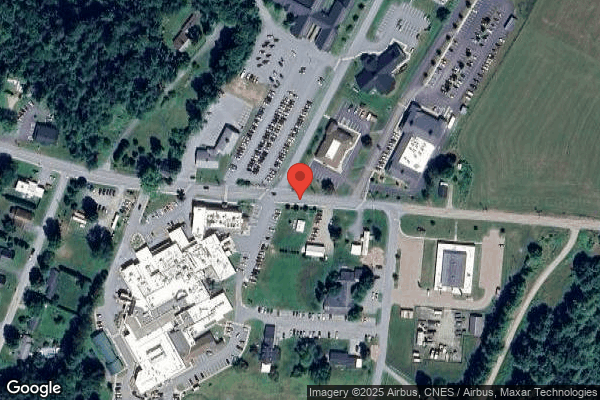
577 Washington Highway, Morrisville, VT 05661 (802) 888-8700
Non profit - Corporation 72 Beds Independent Data: November 2025 2 Immediate Jeopardy citations
Trust Grade
0/100
#33 of 33 in VT
Last Inspection: April 2025

Within standard 12-15 month inspection cycle. Federal law requires annual inspections.

Overview

The Manor, Inc. in Morrisville, Vermont has received a Trust Grade of F, indicating significant concerns about the quality of care provided. It ranks #33 out of 33 facilities in Vermont, placing it in the bottom tier, and #1 of 1 in Lamoille County, meaning there are no better local options. While the facility's trend is improving with a reduction in reported issues from 7 in 2024 to just 1 in 2025, the staffing rating is poor at 1 out of 5 stars, and the turnover rate is concerning at 55%, which is slightly below the state average of 59%. The facility has also accumulated $140,856 in fines, higher than 82% of Vermont facilities, raising red flags about compliance. Specific incidents include a critical failure to protect a resident from sexual abuse by staff, leading to hospitalization, and another serious issue where a resident developed a Staphylococcus infection due to inadequate care for a worsening arterial ulcer. While there are some improvements noted, families should weigh these serious weaknesses against any positive aspects before considering this facility for their loved ones.

Trust Score
F
0/100
In Vermont
#33/33
Bottom 1%
Safety Record
High Risk
Review needed
Inspections
Getting Better
7 → 1 violations
Staff Stability
⚠ Watch
55% turnover. Above average. Higher turnover means staff may not know residents' routines.
Penalties
⚠ Watch
$140,856 in fines. Higher than 97% of Vermont facilities. Major compliance failures.
Skilled Nurses
○ Average
RN staffing data not reported for this facility.
Violations
⚠ Watch
16 deficiencies on record. Higher than average. Multiple issues found across inspections.
★☆☆☆☆
1.0
Overall Rating
★☆☆☆☆
1.0
Staff Levels
★★☆☆☆
2.0
Care Quality
★★☆☆☆
2.0
Inspection Score
Stable
2024: 7 issues
2025: 1 issues

The Good

  • Full Sprinkler Coverage · Fire safety systems throughout facility
  • No fines on record

Facility shows strength in fire safety.

The Bad

1-Star Overall Rating

Below Vermont average (2.7)

Significant quality concerns identified by CMS

Staff Turnover: 55%

Near Vermont avg (46%)

Frequent staff changes - ask about care continuity

Federal Fines: $140,856

Well above median ($33,413)

Significant penalties indicating serious issues

Staff turnover is elevated (55%)

7 points above Vermont average of 48%

The Ugly 16 deficiencies on record

2 life-threatening 1 actual harm
Apr 2025 1 deficiency
MINOR (C)

Minor Issue - procedural, no safety impact

Resident Rights (Tag F0550)

Minor procedural issue · This affected most or all residents

Based on observations, interviews, and record review, the facility failed to ensure each resident has the right to self-determination and access to persons and services outside of the facility by lock...

Read full inspector narrative →
Based on observations, interviews, and record review, the facility failed to ensure each resident has the right to self-determination and access to persons and services outside of the facility by locking all doors to the facility 24 hours a day, 7 days a week, and not having a current policy and procedure that ensures residents are systematically assessed and given the ability to exercise their rights as a citizen (or resident) of the United States to make personal choices about going outside without interference. This has the potential to affect all residents of the facility and all visitors, including family, legal representatives, and advocates. Findings include: Per observation on 4/21/2025 at 10:15 AM, the survey team approached the facility's entrances from the main parking area. The entrance door opened into a foyer. A second door leading into the facility was locked. A doorbell was located to the right of the door, with instructions to press it to contact staff to open it. A staff member approached and entered a code into a keypad on the inside and opened the door for the survey team to enter. The survey team was unable to enter the facility independently. There was also an inability to exit the building independently. A facility policy titled Building Security, reviewed 6/2012, reads, Exterior entrance doors automatically lock at 8:00 PM every evening at 8:00 PM; intercom systems equipped with cameras are placed at the resident and visitor entrances; nursing staff should utilize the camera intercom system to identify visitors before unlocking the entrance. Access keys are assigned by Property Maintenance; residents may have access cards to get through doors as deemed appropriate. A record review of the admission Agreement does not contain information to inform the resident or family that the facility doors are locked from the inside and outside, 24 hours a day, 7 days a week. On 4/22/2025 at 11:22 PM, the Administrator explained that all entrance doors are locked 24 hours a day, 7 days a week to protect the staff from people coming in, and to prevent wandering residents from exiting the building. When asked for a process to determine if a resident can exit and enter the building independently, she stated the staff talk about it and give the door code to the resident if applicable. She states that no residents can have a key card to reenter the building but must ring the bell at the entrance for staff assistance. She explained that Building Policy is outdated and did not know what the 8:00 PM time referred to, as the facility is locked from the inside and outside 24 hours a day, 7 days a week. There is a population of residents in the facility that are capable of exiting and entering the building independently. A resident council meeting with the survey team occurred on 4/22/2025 at 3:30 PM. There were two attendees, Resident #8 and Resident #15. Resident #8 is the Resident Council President and stated that the facility has always been locked. We have a strict rule that we cannot go out alone. They are told this rule protects the residents who wander and keeps them safe. They must ask a staff member to unlock the door and remain outside with them. The staff members use a key card to unlock the foyer door to allow them to return inside. Both residents state they are unaware they can request to go outside without asking a staff member for assistance to unlock the door. A record review indicates Resident #150 has a diagnosis of Parkinson's disease and a care plan focus that reads, resident does enjoy being with others but does like alone time as well. Per interview on 4/22/25 at 3:45 PM, Resident #15 states s/he is an artist, loves the outdoors, and sunshine. S/he would enjoy being outside on sunny days, but does not want staff present, and is afraid of getting locked out alone. Per interview on 4/23/25 at 9:20 AM, the Social Service Director explained that if a resident requests to exit the building without staff assistance, they are referred to Physical Therapy (PT) for a safety evaluation. If PT deems it safe, they are given the code to exit the building. They could be given a key card to get back in. She indicates this process has no formal structure, and residents are unaware of the process, unless they ask. She does not know any residents who leave and re-enter the facility independently. Per interview with the Social Service Director on 4/23/25 at 11:00 AM, she agreed that by locking the doors from inside and out, and failing to provide a formal process that contained informative information about how to independently exit and enter the facility to the residents and visitors, the facility was not ensuring the resident's rights to exercise personal choice, and go outside without interference.
Dec 2024 3 deficiencies 2 IJ
CRITICAL (J) 📢 Someone Reported This

A family member, employee, or ombudsman was alarmed enough to file a formal complaint

Immediate Jeopardy (IJ) - the most serious Medicare violation

Free from Abuse/Neglect (Tag F0600)

Someone could have died · This affected 1 resident

**NOTE- TERMS IN BRACKETS HAVE BEEN EDITED TO PROTECT CONFIDENTIALITY** Based on interview and record review, the facility failed to protect the resident's right to be free from sexual abuse by staff ...

Read full inspector narrative →
**NOTE- TERMS IN BRACKETS HAVE BEEN EDITED TO PROTECT CONFIDENTIALITY** Based on interview and record review, the facility failed to protect the resident's right to be free from sexual abuse by staff for 1 of 2 sampled residents (Resident #1). As a result of the deficient practice, Resident #1 was transferred to the hospital and had a sexual assault nurse exam where genital tearing was detected. Using the reasonable person concept, Resident #1 would likely experience severe adverse psychosocial outcomes related to the event. Findings include: Per record review, Resident #1 has diagnoses that include Alzheimer's disease, major depressive disorder, anxiety disorder, and failure to thrive. Resident #1's care plan reveals that s/he has a history of domestic abuse (dated 1/5/24) and requires assistance of two staff for bed mobility, personal hygiene, and toileting (dated 6/9/23). A quarterly Minimum Data Set (MDS; a comprehensive assessment used as a care-planning tool) dated 10/10/24 reveals that Resident #1 has long term and short term memory problems and is severely cognitively impaired. Per a facility investigation report dated 11/6/24, on 11/6/24 at 2:00 AM a Licensed Practical Nurse (LPN #1) witnessed LNA #1 in Resident #1's room. LNA #1 was found with his/her pants down in between Resident #1's legs. Review of an 11/6/24 written statement from LPN #1 explains that on 11/6/24, s/he went to Resident #1's room because s/he had heard a resident calling out for help and went to see who it was. The statement reads, On opening the door [of Resident #1's room], the nurse saw the LNA, [LNA #1], kneeling in the resident's bed between [his/her] knees and pumping up and down. Resident's knees were being held up and apart by [LNA#1]. [LNA#1]'s pants and underwear was around [his/her] knees and [s/he] was observed pumping in and out. Review of an affidavit completed by a Detective Sergeant of the local law enforcement agency on 11/6/24 reveals that LPN #1 verified the above statement. A State of [NAME] Sexual Assault Examination Documentation Tool, completed by the hospital during a sexual assault nurse exam on 11/6/24, reveals a 1 cm tear to Resident #1's genitals and trace blood on swab. The Examiner's notes reveal that while it was difficult to understand Resident #1, s/he became agitated during the physical exam. Resident #1 was administered three antibiotics (Ceftriaxone, Doxycycline, and Metronidazole) for sexual transmitted infection prophylaxis. Per interview on 11/12/24 at 1:25 PM, the Director of Nursing confirmed that the facility substantiated that LNA #1 sexually assaulted Resident #1 on 11/6/24. Facility policy titles Incident Reporting Requirements (CMS F-609) of Crimes, Abuse, Neglect, Injuries of Unknown Origin, Mistreatment, and Misappropriation of resident property, last revised on 11/2023 reads, Recognizing that all residents/vulnerable adults have the right to be free from verbal, sexual, physical, emotional and mental abuse, corporal punishment and involuntary seclusion. [The facility] will do everything in its power to prevent such occurrences. Residents/vulnerable adults must not be subjected to abuse by anyone including, but not limited to, facility staff, other residents, consultants, volunteers, staff of other agencies serving the resident, family members, legal guardians, friends, or any other individuals. All potential employees/volunteers will be screened for histories of abuse, neglect or mistreatment through appropriate government agencies and personal and professional references upon hiring and annually. Employees are trained upon hire and each year thereafter to recognize and report incidents of witnessed or suspected abuse, neglect, mistreatment, or the misappropriation of funds/property. Serious bodily injury includes sexual intercourse with a resident by force or incapacitation or through threats of harm to the resident or others or any sexual act involving a child serious bodily injury also includes sexual intercourse with a resident who is incapable of declining to participate in the sexual act or lacks the ability to understand the nature of the sexual act. A review of the facility's internal investigation of the incident revealed that only 47 of the 61 residents in the facility were screened for abuse on 11/12/24, 6 days after the incident. Per interview on 11/12/24 at 12:43 PM, the Director of Nursing explained that not all residents in the facility have been screened for potential abuse. S/He stated that the sample of screened residents did not include any males or any residents with a BIMS (brief interview for mental status; a cognitive assessment) lower than 3 (a score indicating severe cognitive impairment). The facility's internal investigation did not include evidence of LNA #1's national background checks or abuse education. The survey team requested LNA #1's employee records, including background checks and education files. These files did not contain a national background check or any education about abuse. Per interview on 11/12/24 at 11:30 AM, the Administrator confirmed that the facility did not complete a national background check for LNA #1. See F607 for more information. Per interview on 11/12/24 at 12:43 PM, the Director of Nursing confirmed that LNA#1 did not have abuse training. See F 943 for more information.
CRITICAL (J) 📢 Someone Reported This

A family member, employee, or ombudsman was alarmed enough to file a formal complaint

Immediate Jeopardy (IJ) - the most serious Medicare violation

Abuse Prevention Policies (Tag F0607)

Someone could have died · This affected 1 resident

**NOTE- TERMS IN BRACKETS HAVE BEEN EDITED TO PROTECT CONFIDENTIALITY** Based on interviews and record review the facility failed to develop and implement a policy related to screening of potential em...

Read full inspector narrative →
**NOTE- TERMS IN BRACKETS HAVE BEEN EDITED TO PROTECT CONFIDENTIALITY** Based on interviews and record review the facility failed to develop and implement a policy related to screening of potential employees to include a national background checks for all employees. Findings include: Per interview on 11/12/24 at 1:25 PM, the DON [Director of Nursing] confirmed that the facility substantiated that LNA #1 sexually assaulted Resident #1 on 11/6/24. Per record review of LNA #1's human resource file there was no national background check completed for LNA #1. Per interview with the Human Resources Director and the Administrator on 11/12/24 at 11:30 AM, it was confirmed that the facility did not do a national background check for LNA #1. Per record review, LNA #1 worked for 73 days from date of employment on 8/26/24 to the date of the incident on 11/6/24 without a national background check in his/her employee record. LNA #1 worked on all units of the building, putting all residents at risk for serious harm or injury. A sample of five employees' files were reviewed for national background checks. On 11/12/24 at 2:50 PM it was confirmed by the Human Resources Director that 4 out of the 5 employees sampled did not have a national background check completed. The Human Resources Director confirmed the facility was only implementing national background checks for agency staff and that the list of employees with national background checks did not include volunteers, full-time staff, or contracted staff for the facility. Per a list of facility staff to the surveyors 77 out of 103 employees did not have national background checks. This was confirmed with the Human Resources Director on 11/12/24 at 11:42 AM. Per review of licensing agency communications, a memo was sent out to nursing facilities on October 5, 2022, that states, 1. Prior to employing an individual and at least annually thereafter, a Facility must query the following entities regarding the prospective / current employee: .Agency providing a national criminal background check . To check whether the individual is barred from employment based on prior convictions in any state .2. Under [NAME] and federal laws and regulations, a Facility must decline to employ a prospective or current employee with: .Criminal convictions for the abuse/exploitation/neglect of a vulnerable adult or child in any state . In addition to the prohibitions mentioned above, [NAME] laws prohibit long-term care facilities from employing individuals with criminal convictions relating to bodily injury, theft or misuse of funds or property, and/or crimes inimical to the public welfare. A follow up memo was sent out to facilities on 5/1/2023 that further discusses initial national background checks and rechecks for staff: DAIL [Department of Aging and Independent Living] has determined that re-checks are not necessary if a staff member has not worked or lived in another state since the initial national check was completed. The administrator confirmed on 11/12/24 at approximately 4:45 PM that s/he did not understand the memo(s) that were sent out to facilities regarding national background checks. Per record review of the facility's Incident Reporting Requirements (CMS F-609) of Crimes, Abuse, Neglect, Injuries of Unknown Origin, Mistreatment, and Misappropriation of resident property policy last revised on 11/2023, it states Episodes of Suspected Crimes, Abuse, Neglect, Injuries, of Unknown Origin, Mistreatment, and Misappropriation of resident property will be prevented by screening all potential employees and volunteers for histories of abuse, neglect, mistreatment or misappropriation of property, in the following ways: a) All employees will be screened through the [NAME] Adult Abuse Registry (33VSA6911). B) All employees will be screened through the [NAME] Criminal Information Center (33VSA6914). c) All employees will be screened through the [NAME] Child Protection Registry. d) Agency providing a national criminal background check. e) U.S. Department of Health and Human Services Office of Inspector General List of Excluded Individuals/ Entities. f) State professional licensing agency in which individual licensed. g) All employees will be required to present 3 personal or professional references that indicate that the individual is suited to work with the frail or ill residents. h) All volunteers will be required to present 3 personal or professional references that indicate the individual is suited to work with the frail or ill residents. On 11/12/24 at 4:39 PM the DON confirmed that the abuse policy needs to be updated to discuss national background checks for all employees and does not address the state requirements for national background checks.
CONCERN (D) 📢 Someone Reported This

A family member, employee, or ombudsman was alarmed enough to file a formal complaint

Potential for Harm - no one hurt, but risky conditions existed

Deficiency F0943 (Tag F0943)

Could have caused harm · This affected 1 resident

Per interview and record review that facility failed to provide abuse training prior to a substantiated sexual assault for one out of six employees sampled. Findings include: Per interview on 11/12/24...

Read full inspector narrative →
Per interview and record review that facility failed to provide abuse training prior to a substantiated sexual assault for one out of six employees sampled. Findings include: Per interview on 11/12/24 at 1:25 PM, the Director of Nursing confirmed that the facility substantiated that LNA #1 sexually assaulted Resident #1 on 11/6/24. A review of all educational materials used to train staff on abuse, neglect, exploitation, misappropriation of resident property was reviewed while investigating the allegations of sexual abuse. The education provided included a PowerPoint titled The Manor C.A.R.E.S. and Incident reporting Requirements (CMS F-609) of Crimes of Abuse, Neglect, Injuries of Unknown Origin, Mistreatment, and Misappropriation of Property [last revised 11/23]. The facility also has an Annual Employee Education packet that contains quizzes based on training for subjects including Incident Reporting Requirements (F-609) and Resident Rights. The facility also supplied a Harassment and Sexual Harassment policy [last revised 10/22] as well as a handout discussing Suspected Physical Abuse/ Assault, Suspected Sexual Assault, and Suspected Theft. Per record review of the facility's Incident Reporting Requirements (CMS F-609) of Crimes, Abuse, Neglect, Injuries of Unknown Origin, Mistreatment, and Misappropriation of resident property policy last revised on 11/2023 states, staff and volunteers will be trained on abuse policy and procedures when beginning work, and annually thereafter. This facility will educate staff and volunteers on the Incident Reporting Requirements policy and procedures of the facility including Crimes Abuse, Neglect, Injuries of Unknown Origin, Mistreatment, and Misappropriation of resident property. Per record review of LNA #1's human resources file, there was no education in his/her file, and specifically no training on abuse. The Human Resources Director confirmed on 11/12/24 at 4:26 PM that the facility did not have any abuse education or training for LNA #1 to provide to the surveyors because LNA #1 did not complete the abuse training. Per record review, LNA #1 worked at the facility for 73 days with no abuse training or education in his/her file at the facility.
Feb 2024 4 deficiencies 1 Harm
SERIOUS (G)

Actual Harm - a resident was hurt due to facility failures

Quality of Care (Tag F0684)

A resident was harmed · This affected 1 resident

**NOTE- TERMS IN BRACKETS HAVE BEEN EDITED TO PROTECT CONFIDENTIALITY** Based on observation, interview, and record review the facility failed to ensure that residents received care in accordance with...

Read full inspector narrative →
**NOTE- TERMS IN BRACKETS HAVE BEEN EDITED TO PROTECT CONFIDENTIALITY** Based on observation, interview, and record review the facility failed to ensure that residents received care in accordance with professional standards of practice related to the worsening of an arterial ulcer that resulted in a Staphylococcus (Staph) infection (an infection caused by a bacteria commonly found on the skin) for 1 of 23 residents sampled (Resident #35). Findings include: Per record review Resident #35 was admitted to the facility on [DATE] with diagnoses that include venous insufficiency (leg veins become damaged causing blood to pool in your legs. This increased pressure in your leg veins causes symptoms like swelling and ulcers), and chronic venous ulcers of bilateral lower extremities (leg ulcers caused by problems with blood flow in your leg veins. They may heal and then open back up chronically). An admission nursing progress note dated 12/13/23 reveals that on admission to the facility the resident had venous wounds to medial (inner) right ankle and right lower shin. Per documented Wound Evaluation with photo taken on 12/13/23, the right front lateral lower leg (right lower shin) wound measured at 1.31 cm (length) x 0.88 cm (width), there were no measurements documented for the right ankle at that time. Further description of the wound indicates there is no exudate (drainage) present and the peri wound edges have epithelialization (tissue that forms during wound healing). These wounds were cleaned with Normal Saline, and a non-adhesive dressing was placed with foam. Coban (a wrap dressing that applies compression to the area it is applied to) and Kerlix (gauze-type dressing wrap used to secure and cover other dressings) were also applied. There is no evidence that the physician was notified of the wounds or that a physician's order for the wound treatment was obtained. Review of Resident #35's admission orders and the Medication Administration Record (MAR) and Treatment Administration Records (TAR) for December 2023 and January 2024 confirm that an order for treatment to the right lower leg was not obtained until January 12th, 2024, thirty days after the wound was identified. A Nurse progress note dated 1/2/24 reveals that a dressing was removed from the wound on the resident's right lower leg and was left open to the air for part of the shift. Due to increased drainage, another dressing was applied until the wound nurse could evaluate and put a proper treatment plan in place. A Wound Evaluation completed on 1/2/24 identified a venous ulcer measuring 8.3 cm length, and 3.6 cm width, this identifies a significant increase in wound size. A photo of the wound taken at the time of the Wound Evaluation revealed a large area of scaly, macerated skin with visible open areas. The Wound Evaluation was incomplete and did not provide a description or identify the location of the wounds. No further progress notes were documented addressing the right lower leg wounds until 1/11/24, 9 days later. There were no further assessments completed until 1/31/24, 29 days later. A documented telephone encounter on 1/12/24 reveals that a nurse had called the Physician's office with concerns about the right lower leg and reported that a dressing on the right lower leg had not been changed for at least 9 days. The encounter documentation further revealed that when the dressing was removed it had a foul odor, and purulent drainage, (thick drainage can vary in color from grayish, to yellow, green to brown, it usually indicates an infection), and the site was red and painful. The encounter indicated that a new treatment was started on 1/11/24 and the nurse asked how the Physician would like to proceed. The physician responded to the message with the following directions Continue with the above wound care and obtain a wound culture. The wound culture was ordered to be obtained on 1/13/24 however, a review of the January TAR indicated that the resident was sleeping, and the culture was not obtained on this date. There is no documented evidence that the Physician was notified that the culture was not obtained. Further review of the TAR reveals the wound culture was not obtained until 1/23/24, ten days after the order was received. A nurse progress note dated 1/29/24 reveals that the facility was notified by the physician's office that Resident #35's right leg wound culture was positive for Staph infection. The facility Wound & Skin Care Protocol states that For any new alteration to skin integrity, notify MD and Wound Care Nurse. Assess and measure all new areas (prior to applying dressing) and document in the correct location of chart. Utilize skin care protocol unless other orders are in place or otherwise advised by MD or Wound Nurse. Under Non-Pressure Related Ulcers: Cleanse area with soap and water, pat dry. Apply sureprep skin protectant wipe to surrounding intact skin. Allow time to dry. Cover with foam border dressing. Change dressing BID and PRN [as needed] until area is resolved. During an interview on 2/6/24 at 11:56 a.m. a staff Registered Nurse (RN) confirmed that the dressings to the right leg wound had not been changed from 1/2/24 to 1/11/24. During an interview on 2/6/24 at 3:13 p.m. the Director of Nurses confirmed that there was not a Physician's order for the care of the wound or changing of the dressing until 1/11/24, and the expectation is that there would be an order in place.
CONCERN (D)

Potential for Harm - no one hurt, but risky conditions existed

Pharmacy Services (Tag F0755)

Could have caused harm · This affected 1 resident

Based upon observation, interview, and record review, the facility failed to implement procedures that assure the accurate acquiring, dispensing and administering drugs to meet the needs of one reside...

Read full inspector narrative →
Based upon observation, interview, and record review, the facility failed to implement procedures that assure the accurate acquiring, dispensing and administering drugs to meet the needs of one resident [Res.#45] of 23 sampled residents. Finding include: Review of Res.#45's medical record reveals the resident has diagnoses that include Hypertension [high blood pressure], Hypokalemia [low potassium levels in the blood], Dementia with Behavioral Disturbance, restlessness and agitation, osteoarthritis of the right knee, and an Overactive bladder, Review of Physician Orders for Res.#45 include: Amlodipine tab - related to Essential Hypertension. Potassium Chloride tab- related to Hypokalemia Quetiapine tab- related to Restlessness and Agitation Diclofenac Topical Gel- for Right Knee pain Acetaminophen- for pain Myrbetriq Oral Tablet- for overactive bladder Review of the facility's 'Administering Medications' policy [Version 2.0 Revised Dec. 2021] includes Medications must be administered in accordance with the orders, including any required time frames. Additionally, the policy states The individual administering the medication must sign on the resident's electronic Medication Administration Record [MAR] on the appropriate space after giving the medication, the individual administering the medication will record in the resident's medical record the date and time the medication was administered, and if a drug is withheld, refused, or given at time other than the scheduled time, the individual administering the medication shall indicate such on the electronic MAR. Per interview on 2/6/24 at 4:34 PM with a Staff Nurse regarding unavailable medications; if a medication is unavailable, the resident's Nurse should check the backup medications stored in the medication room to see if the missing medication is available. If not, then call the Pharmacy to expedite delivery of the medication. The Nurse should also notify the resident's Physician if it is an 'important' medication such as to treat high blood pressure. The nurse then documents in the resident's medical record if and when the medication was given, if not why not, and contact made with the physician and if any orders were given. Review of Res.#45's Medication Administration Record [MAR] for October 2023 reveals blank spaces on the resident's MAR on 10/4/23 for the medications; Amlodipine for hypertension, Potassium Chloride for hypokalemia, Quetiapine for Restlessness and Agitation, Diclofenac Topical Gel for Right Knee pain, and Acetaminophen for pain. Review of Res.#45's medical record reveals no documentation as to why the medications were not given as ordered, if the medications were unavailable, and if the physician was notified that multiple medications were not administered as ordered to meet the needs of the resident. Review of Res.#45's MAR for November 2023 reveals blank spaces on the resident's MAR on 3 dates [11/2, 11/7, & 11/18] for Amlodipine, Potassium Chloride, Quetiapine, Diclofenac Topical Gel, and Acetaminophen. An additional medication, Myrbetriq for overactive bladder, is also blank on the MAR on 11/18. Again, Review of Res.#45's medical record reveals no documentation as to why the medications were not given as ordered, if the medications were unavailable, and if the physician was notified that multiple medications were not administered as ordered to meet the needs of the resident. Review of Res.#45's MAR for December 2023 reveals blank spaces on the resident's MAR on 12/19 for the same 6 medications: Amlodipine, Potassium Chloride, Quetiapine, Diclofenac Topical Gel, Acetaminophen, and Myrbetriq. Again, Review of Res.#45's medical record reveals no documentation as to why the medications were not given as ordered, if the medications were unavailable, and if the physician was notified that multiple medications were not administered as ordered. An interview was conducted with a second Staff Nurse on 2/7/24 at 12:56 PM. The Staff Nurse reported that the facility keeps a supply of Stock medications available in medication room. Review of the list of medications available includes 3 of Res. #45's medications not given as ordered: Amlodipine, Potassium Chloride, and Quetiapine. An interview was conducted with the facility's Quality Assurance Director on 2/7/24 at 10:00 AM. The Quality Assurance Director [QAD] confirmed that Res.#45's Medication Administration Record [MAR] contained multiple dates where multiple medications were not documented as given as ordered. The QAD also confirmed Res.#45's medical record contained no documentation as to why the medications were not given as ordered, if the medications were unavailable, and if the physician was notified that multiple medications were not administered as ordered. The QAD also confirmed that 3 of the medications not administered were available in the facility's stock medication supply. The QAD stated they would investigate why the medications were not dispensed and administered to meet the needs of Res. #45 and would report back to the surveyor. The QAD did not return with any results of an investigation.
CONCERN (D)

Potential for Harm - no one hurt, but risky conditions existed

Medication Errors (Tag F0758)

Could have caused harm · This affected 1 resident

**NOTE- TERMS IN BRACKETS HAVE BEEN EDITED TO PROTECT CONFIDENTIALITY** 2. Per record review Resident #10 had an order for Lorazepam oral tablet 0.5 mg (an anti-anxiety medication) to be given every 8...

Read full inspector narrative →
**NOTE- TERMS IN BRACKETS HAVE BEEN EDITED TO PROTECT CONFIDENTIALITY** 2. Per record review Resident #10 had an order for Lorazepam oral tablet 0.5 mg (an anti-anxiety medication) to be given every 8 hours as needed (PRN) for anxiety without a specified duration of days. This order was noted to have become active on 7/21/23. Per interview with the consultant Pharmacist on 2/6/24 at 11:30 AM requests for duration for PRN use of Lorazepam were made on November 23, 2023 and repeated on [DATE] without physician response. Based on interview and record review the facility failed to ensure the physician documented a duration of use or rational for extending the use for an as needed (prn) psychotropic medication for 2 of 5 sampled residents (Residents #51 and #10 ). Findings include: 1. Per record review Resident #51 has a Physicians order for Mirtazapine (antidepressant) 7.5mg every 24 hours as needed (PRN) related to dementia with psychotic disturbance. The order exceeds the required limit of 14 days with no specified duration or documented rational to exceed 14 days. During interview on 2/7/2024 at 2:30 PM the Director of Nursing (DON) confirmed that there was no documented duration or rational for exceeding the 14 day limitation for the PRN Mirtazapine.
CONCERN (D)

Potential for Harm - no one hurt, but risky conditions existed

Infection Control (Tag F0880)

Could have caused harm · This affected 1 resident

**NOTE- TERMS IN BRACKETS HAVE BEEN EDITED TO PROTECT CONFIDENTIALITY** Based on observation, interview, and record review, the facility failed to implement and maintain contact precautions for 1 resi...

Read full inspector narrative →
**NOTE- TERMS IN BRACKETS HAVE BEEN EDITED TO PROTECT CONFIDENTIALITY** Based on observation, interview, and record review, the facility failed to implement and maintain contact precautions for 1 resident [Res.# 108] of 23 sampled residents. Findings include: Per record review, Physician Orders for Res.#108 dated 1/26/24 call for Maintain contact precautions due to C-Diff unless otherwise instructed. Every shift. [Clostridioides difficile (C-Diff) is a bacterium that causes an infection of the colon. Symptoms can range from diarrhea to life-threatening damage to the colon. Because C. difficile can live outside the body, the bacteria spread easily. Not washing hands or cleaning well make it easy to spread the bacteria.] (https://www.mayoclinic.org/diseases-conditions/c-difficile/symptoms-causes/syc-20351691) Per observation, posted on the outside of Res.#108's room is a Centers for Disease Control and Prevention [CDC] sign reading STOP. CONTACT PRECAUTIONS. EVERYONE MUST: Clean their hands, including before entering and when leaving the room. Per observation on 2/5/24 at 9:41 AM, the resident's spouse was sitting in a chair next to the resident in bed. The spouse was holding the resident's left hand. After a few minutes' observation, the spouse exited the room with a water pitcher without washing hands, walked to the nurse's station to have the pitcher filled and returned with the water pitcher to the room. No hand hygiene was observed by the spouse prior to exiting or entering the resident's room. An interview was conducted on 2/6/24 at 9:53 AM with the spouse and the resident in the resident's room. The spouse was holding hands with the resident throughout the interview. Regarding Res.#108's contact precautions the spouse stated, I don't know what it is and I have no idea. Some kind of precautions. It might have something to do with [h/her] feet or wounds. The spouse was then observed exiting the room with no hand hygiene and walking through the Spruce and [NAME] resident units to the Care and Services Director's office. An interview was conducted with a Staff Nurse on 2/5/24 at 9:45 AM. The Staff Nurse confirmed that Res.#108 was on contact precautions and stated that anyone entering and exiting the room was required to wash their hands. An interview was conducted with a second Nurse on 2/6/24 at 9:49 AM. The nurse confirmed Res.#108's spouse was sitting with the resident in the resident's room, holding the resident's hand. The nurse confirmed the spouse had failed to wash their hands before entering the room and again after exiting the room. The nurse stated that Contact Precautions were not being properly implemented and reported they will mention it to the Charge Nurse. Per observation, there was no education provided to the spouse or the resident regarding hand washing and contact precautions during the two days of observation.
Feb 2023 8 deficiencies
CONCERN (D)

Potential for Harm - no one hurt, but risky conditions existed

Deficiency F0604 (Tag F0604)

Could have caused harm · This affected 1 resident

**NOTE- TERMS IN BRACKETS HAVE BEEN EDITED TO PROTECT CONFIDENTIALITY** Based on observations, interviews, and record review the facility failed to treat one of twenty nine sampled residents with resp...

Read full inspector narrative →
**NOTE- TERMS IN BRACKETS HAVE BEEN EDITED TO PROTECT CONFIDENTIALITY** Based on observations, interviews, and record review the facility failed to treat one of twenty nine sampled residents with respect and dignity related to the use of physical restraints, as evidenced by: Per the record review Resident # 15 is a [AGE] year-old person with diagnoses including dementia without behavior disturbance, hypertension, atrial fibrillation, and heart failure. Resident #15 has a BIMS score of 2 per the assessment of 12/19/22 (a BIMS score is determined following a brief interview of mental status. A score of 0-7 indicates severe cognitive impairment). On 2/13/23 at approximately 12:00 PM Resident #15 was observed in the assistive dining room (which also functions as a day room) seated in a Geri-chair with an approximately 6-inch wide yellow lap restraint secured with velcro in the lap area, the belt encircled the resident's trunk and back of the chair, it was also noted that the resident was seated on a chair alarm (a pressure sensitive alarm which sounds when the resident lifts from the seat). During this observation Resident #15 was noted picking up a dish containing a slice of cake and attempting to consume it. On 2/14/23 at 11:35 am observed Resident #15 in the assistive dining room sitting in a Geri chair with a yellow lap restraint wrapped only around the resident's torso. Interviewed an LNA who was present at the time to inquire what the belt was and how it worked. The LNA stated it was used to keep the resident from getting up from the chair and falling adding that the resident is kept in the dayroom so staff can keep an eye on him. On 2/14/23 at 11:50 am met with Clinical Coordinator to view the resident with a lap belt to see if the resident could release it on request. When the resident was asked what the belt was, he/she was unable to focus on the belt, when asked to release the lap belt the resident pulled at the blanket on the side of the chair and pulled at his/her pants while verbalizing in a non-coherent manner. The clinical coordinator confirmed the resident was not able to release the belt. Resident #15's electronic medical record was reviewed, and a fall risk assessment dated [DATE] was noted to contain 19 risk factors including decreased safety awareness, decreased muscle coordination, and balance problems when standing. A review of the resident care plan revealed the following intervention for the nursing diagnosis potential for injuries/trauma/falls Lap belt to be on when seated in a wheelchair, the patient is able to remove and fasten voluntarily and at will, use of posey vest when in a wheelchair to help decrease the risk of falls (nursing staff made aware). Nursing staff to make daily checks to confirm the voluntary release of belt and posey. Also noted in the care plan written in all capital letters was DO NOT LEAVE IN ROOM PLEASE ENCOURAGE RESIDENT TO REMAIN IN COMMON AREA FOR OBSERVATION DUE TO IMPULSIVITY WITH SELF RELEASING SAFETY REMINDER BELT. The record indicates the lap belt was initiated on 12/21/21, and it is noted that the resident has had 12 falls documented since the initiation of this intervention.
CONCERN (D)

Potential for Harm - no one hurt, but risky conditions existed

Investigate Abuse (Tag F0610)

Could have caused harm · This affected 1 resident

**NOTE- TERMS IN BRACKETS HAVE BEEN EDITED TO PROTECT CONFIDENTIALITY** Based on interview and record review the facility failed to initiate and complete a thorough investigation of a possible abuse a...

Read full inspector narrative →
**NOTE- TERMS IN BRACKETS HAVE BEEN EDITED TO PROTECT CONFIDENTIALITY** Based on interview and record review the facility failed to initiate and complete a thorough investigation of a possible abuse allegation in accordance with state law for 1 of 29 sampled residents (Resident #5). Findings include: Per record review Resident # 5 was admitted on [DATE] with diagnoses to include Alzheimer's disease and Major Depressive Disorder. Physician notes written between 6/9/22 - 12/26/22 reflect that the Resident has intermittent episodes of irritability and agitation. Review of the resident's care plan revealed a behavior care plan focus of alteration in thought process due to dementia. Interventions include report pain indicators, acknowledge resident's perspective and maintain safety of resident and others. Nurse's progress notes going back to July of 2022 show this resident has mood fluctuations which have resulted in episodes of anger directed at staff as noted on 07/31/22, 12/16/22, and 02/08/23. A progress note dated 10/05/22 reads that, Resident is in a bad mood, tried to take another resident's glasses and sweater . I separated the two and s/he has now settled down. Will continue to make sure they don't get close to each other as it really upset the other resident. Another progress note dated 10/26/22 reads, The LNA's told me that resident threw a cup of coffee at another resident, so we will keep them separated. During interview on 2/15/23 at 9:15 AM the Director of Nursing confirmed that throwing coffee at another resident could be considered abuse, or in the least, an incident the facility would investigate to determine abuse. The DNS also confirmed that there was no further documentation regarding the incident in the medical records and no assessments were completed specific to the other resident involved. An investigation was not initiated or completed because administration, had not been made aware of the incident by the facility staff member who documented the incident. Review of the facility policy titled Abuse Prevention Policy and Procedure and Reporting Requirements last reviewed and revised on 10/22, Page 6 reads, All episodes of witnessed or suspected abuse .must be reported to the Supervisor or Administrator/designee immediately. During off hours and weekends, the nursing supervisor is to contact the Director of Nursing Services or designee as soon as the incident has been reported. The policy also reads that, The Administrator/designee will investigate the incident in the following ways: a. By interviewing all persons who may have knowledge of the incident. b. By reviewing medical records or other written reports. c. Or by taking any other action(s) believed to be helpful in establishing the facts of the incident . On page 9 of the policy specific to Follow-Up it reads, All employees must orally report any incidents of witnessed or suspected altercations between residents/vulnerable adults to the supervisor immediately. This oral report must be followed by a written report within six hours of the altercation. During the interview on 2/15/23 at 9:15 AM the DNS confirmed the above policy was not followed.
CONCERN (E)

Potential for Harm - no one hurt, but risky conditions existed

Deficiency F0657 (Tag F0657)

Could have caused harm · This affected multiple residents

**NOTE- TERMS IN BRACKETS HAVE BEEN EDITED TO PROTECT CONFIDENTIALITY** Based upon interview and record review, the facility failed to review and/or revise care plans regarding fall prevention for 2 r...

Read full inspector narrative →
**NOTE- TERMS IN BRACKETS HAVE BEEN EDITED TO PROTECT CONFIDENTIALITY** Based upon interview and record review, the facility failed to review and/or revise care plans regarding fall prevention for 2 residents (#17 0) of 29 sampled residents. Findings include: 1. Per record Review, Resident #17 was admitted to the facility on [DATE] and has diagnoses that include acute respiratory failure, mild acute heart failure, and history of falls. Since his/her admission, S/he has sustained falls on 8/13/22, 8/15/22, 8/18/22, 8/23/22, 8/25/22, 8/30/22, 9/5/22, 9/17/22, 11/16/22, 1/26/23, and 2/7/23. Review of Resident #17's care plan does not reveal any interventions to prevent falls on after S/he suffered from falls on 8/18/22, 9/5/22, 9/17/22, 11/16/22, and 1/26/22. Per interview on 2/15/23 at 1:13 PM, the DON stated that it is hard for staff to know what are new care interventions and where to enter interventions the way it is set up in the electronic medical system. S/He confirmed that Resident #17 did not have new interventions added to his/her care plan for each fall since his/her admission. 2. Per record Review, Resident #48 was admitted to the facility on [DATE] and has diagnoses that include dementia with behavioral disturbances, neurogenic bladder [loss of bladder control], and anemia. Since his/her admission, S/he has sustained falls on 7/25/22, 8/31/22, 9/18/22, 11/23/22, 1/3/23, 1/8/23, and 1/11/23. Review of Resident #48's care plan does not reveal any interventions to prevent falls on after S/he suffered from falls on 7/27/22, 9/18/22, 1/3/23, 1/8/23, and 1/11/23. Per interview on 2/15/23 at 1:13 PM, the DON confirmed that Resident #48 did not have new interventions added to his/her care plan for each fall since his/her admission.
CONCERN (E)

Potential for Harm - no one hurt, but risky conditions existed

Accident Prevention (Tag F0689)

Could have caused harm · This affected multiple residents

**NOTE- TERMS IN BRACKETS HAVE BEEN EDITED TO PROTECT CONFIDENTIALITY** Based upon interview and record review, the facility failed to ensure 5 residents [#15, #21, #51, #17, & #48] of 29 sampled resi...

Read full inspector narrative →
**NOTE- TERMS IN BRACKETS HAVE BEEN EDITED TO PROTECT CONFIDENTIALITY** Based upon interview and record review, the facility failed to ensure 5 residents [#15, #21, #51, #17, & #48] of 29 sampled residents remained free of accident hazards as possible regarding adequate supervision, implementing interventions to reduce hazards and risks, and assessing interventions for effectiveness: Findings include: Review of the facility's Resident Falls and Incident Reporting policy includes It is The Manor Policy to promote an environment that minimizes the occurrence of falls and other incidents that place residents at increased risk for injury . minimizing injury through the use of . post incident monitoring and post incident analysis are an integral part of The Manor's approach to resident safety. Under the policy's Prevention section is All staff are responsible for identifying and addressing conditions that may place residents at increased risk of falling . care plans will be updated based on identified needs. 1.) Per record review Resident #15 is a 90-old person with diagnosis including dementia without behavior disturbance, hypertension, atrial fibrillation, and heart failure. Record review reveals Resident #15 has sustained numerous falls including, 2 falls on both 2/14/22 and 2/15/22, 1 fall on 4/13/22, 4/19/22, 6/1/22, 8/1/22 and 11/26/22. A review of Resident #15's care plan revealed that the most recent care plan update was completed on 11/26/22. Following the update to the care plan Resident #15 suffered 3 more falls (12/26/22, 12/29/22, and 2/8/23). The fall on 2/8/23 resulted in documented injuries including a skin tear, avulsion (a traumatic injury in which one or more pieces of tissue are torn and detached from the body), and a hematoma (collection of blood beneath the skin) to the right forearm. On 2/14/23 the DON confirmed the care plan had not been revised since 11/26/22. 2.) Per record review, Res. #21 was admitted to the facility with diagnoses that include depression, functional quadriplegia, psychoactive substance use, and wandering. The resident's Care Plan identified the resident as having Potential for Trauma- falls, due to Impaired balance, decreased mobility, unsteady gait, and use of devices for walking. Shortly after Res. #21's admission, several interventions are added to the Care Plan to decrease the risk of falls, dated 3/2/22. Review of the facility's Resident Falls and Incident Reporting policy includes It is The Manor Policy to promote an environment that minimizes the occurrence of falls and other incidents that place residents at increased risk for injury . minimizing injury through the use of . post incident monitoring and post incident analysis are an integral part of The Manor's approach to resident safety. Under the policy's Prevention section is All staff are responsible for identifying and addressing conditions that may place residents at increased risk of falling . care plans will be updated based on identified needs. A review of Nurses Notes for Res. #21 reveal: On 11/8/22 at 8:46 PM resident fell onto [his/her] left side in hallway while ambulating with walker in hallway. On 11/13/22 at 12:30 AM Licensed Nurses Aid [LNA] was walking in hallway and when passed by resident's room, found resident lying on floor by bed. On 11/14/22 at 8:40 AM resident found on floor with walker in front of [him/her] . per previous staff notes resident has been exhibiting similar behavior past few days. On 11/17/22 at 3:16 AM LNA hears resident hollering help. Resident noted kneeling on the floor next to her bed with vomit on self and bed. Review of Res. #21's Care Plan after the fall on 11/8/22 reveals interventions repeated from the Care Plan dated 3/2/22, with no new interventions added to prevent future falls. When Res. #21 falls again 5 days later on 11/13/22, there is no mention of the fall in the resident's Care Plan and no changes or new interventions added. Per Nurses Notes, Res. #21 falls again the next day, 11/14/22, and the Care Plan again repeats interventions from 3/22/22 that have not prevented the resident from falling on 11/8/22, 11/13/22, and 11/14/22. No new interventions were added to the Care Plan. On 11/17/22, 3 days after the last fall, Res. #21 falls again. The resident's Care Plan on 11/21/22 notes the fall and lists continue with plan of care: no new interventions are added. An interview was conducted with the facility's Director of Nursing [DON] on 02/15/23 at 8:36 AM. The DON confirmed that despite the 4 documented falls listed above, the facility did not add any new interventions to Res. #21's Care Plan to prevent future falls. 3.) Per record review, Res. #51 was admitted to the facility with diagnoses that include a displaced fracture of the right lower leg, stroke, and dementia. The resident's Care Plan identified the resident as having Potential for Trauma- falls, due to gait/balance, history of falls, dementia/cognitive impairment, and age related physical decline. A review of Nurses Notes for Res. #51 reveal: On 1/6/23 at 4:02 PM Activity assistant updated nurse that resident was on the floor. Staff went to room and observed recliner in upright position, resident on floor in front of recliner, on back with blanket and pillow on ground with resident. On 1/15/23 at 12:30 PM LNA found resident on floor and notified nursing. Review of Res. #51's Care Plan reveals no mention of either fall. Further review reveals no new interventions added to Res. #51's Care Plan after the fall on 1/6/23. When the resident falls again on 1/15/23, again no new interventions are added to the Care Plan. An interview was conducted with the facility's Director of Nursing [DON] on 02/15/23 at 8:36 AM. The DON confirmed that the facility did not add any new interventions to Res. #51's Care Plan to prevent future falls after either fall on 1/6/23 or 1/15/23. 4.) Per record Review, Resident #17 was admitted to the facility on [DATE] and has diagnoses that include acute respiratory failure, mild acute heart failure, and history of falls. Since his/her admission, S/he has sustained falls on 8/13/22, 8/15/22, 8/18/22, 8/23/22, 8/25/22, 8/30/22, 9/5/22, 9/17/22, 11/16/22, 1/26/23, and 2/7/23. Review of Resident #17's care plan does not reveal any interventions to prevent falls on after S/he suffered from falls on 8/18/22, 9/5/22, 9/17/22, 11/16/22, and 1/26/22. Per interview on 2/15/23 at 1:13 PM, the DON stated that Resident #17 did not have new interventions added to his/her care plan for each fall since his/her admission. 5.) Per record Review, Resident #48 was admitted to the facility on [DATE] and has diagnoses that include dementia with behavioral disturbances, neurogenic bladder [loss of bladder control], and anemia. Since his/her admission, S/he has sustained falls on 7/25/22, 8/31/22, 9/18/22, 11/23/22, 1/3/23, 1/8/23, and 1/11/23. Review of Resident #48's care plan does not reveal any interventions to prevent falls on after S/he suffered from falls on 7/27/22, 9/18/22, 1/3/23, 1/8/23, and 1/11/23. Per interview on 2/15/23 at 1:13 PM, the DON confirmed that Resident #48 did not have new interventions added to his/her care plan for each fall since his/her admission.
CONCERN (E)

Potential for Harm - no one hurt, but risky conditions existed

Medication Errors (Tag F0758)

Could have caused harm · This affected multiple residents

Based on staff interview and record review, the facility failed to ensure PRN (as needed) orders for psychotropic drugs are limited to 14 days for 3 of 29 sampled residents (Residents #11, #33, and #3...

Read full inspector narrative →
Based on staff interview and record review, the facility failed to ensure PRN (as needed) orders for psychotropic drugs are limited to 14 days for 3 of 29 sampled residents (Residents #11, #33, and #34) and that a GDR (gradual dose reduction) was attempted for 2 of 29 sampled residents (Resident #20 and #50). Findings include: 1. Review of Resident #11's medical record reveals a physician order dated 1/13/23 for Clonazepam (anti-anxiety; psychotropic) 0.25 milligrams (mg) every 8 hours as needed for anxiety/air hunger with no end date. Review of Resident #11's medication administration record (MAR) reveals they are currently receiving approximately one as needed dose per day. A Pharmacist recommendation from 2/3/23 states Per the November 2017 Medicare MEGA Rule regulations, if PRN psychotropic medications are to be continued, they need a specific duration & rationale for continuing use. Resident has the following order: Clonazepam 0.25 mg po q8hrs prn [by mouth every 8 hours as needed] anxiety/air hunger. Resident has requests ~one dose per day . Please document rationale for continuing this order. 2. Review of Resident #33's medical record reveals a physician order dated 1/9/23 for Lorazepam (anti-anxiety; psychotropic) 0.5 mg every 8 hours as needed for anxiety with no end date. Review of Resident #33's MAR reveals they received the as needed dose once in January 2023. A Pharmacist recommendation from 2/3/23 states Per the November 2017 Medicare MEGA Rule regulations, if PRN psychotropic medications are to be continued, they need a specific duration & rationale for continuing use. Resident has the following order: Lorazepam 0.5 mg po q8hrs prn [by mouth every 8 hours as needed] anxiety. Resident has used one dose since this order was started 1/9/23 . Please document rationale for continuing this order. 3. Review of Resident #34's medical record reveals physician orders for Lorazepam 0.5 mg every 2 hours as needed for anxiety with no end date starting 11/16/22, and Prochlorperazine 10 mg every 6 hours as needed for nausea with no end date starting 1/13/23. Review of Resident #34's MAR reveals they are currently receiving approximately 1-5 as needed doses of Lorazepam per day. A Pharmacist recommendation from 2/3/23 states This portion of my consult is repeated from December, as it has not yet been addressed. Per the November 2017 Medicare MEGA Rule regulations, if PRN psychotropic medications are to be continued, they need a specific duration & rationale for continuing use. It appears that the following order had a change in directions 11/19/11, but no duration given: Lorazepam 0.5 mg po q2hrs prn [by mouth every 2 hours as needed] anxiety. Resident does use anywhere from 2-5 doses per day . Please document rationale for continuing this order, and Resident has the following order: Prochlorperazine 10 mg po q6hrs prn [by mouth every 6 hours as needed] nausea. Though this med is used for nausea, it is classified as an antipsychotic & is therefore subjected to the MEGA rule & PRN orders can only be used for 14 days. 4.Review of Resident #20's clinical record reveals a physician order dated 7/27/22 for Fluoxetine (an antidepressant and psychotropic) 40 mg daily. Review of Resident #20's MAR reveals they are currently receiving this medication as ordered. A Pharmacist recommendation from 1/5/2023 states Per survey guidelines, it is time for me to ask for a Gradual Dose Reduction (GDR) of Resident's antidepressant. They currently receive: Fluoxetine 40 [by mouth daily]. Consider a dose reduction to Fluoxetine 30 mg [by mouth daily]. During their most recent MDS mood interview, they did not have any complaints. In your October note, you mentioned reassessing in the winter if dose could be decreased or discontinued. If a GDR is not indicated, please document a RISK/BENEFIT note or an official 'no GDR' note, so we can be complaint for Survey. 5. Review of Resident #50's medical record reveals physician orders dated 5/25/22 for Aripiprazole [Abilify; antipsychotic] 30 mg daily in the morning, Citalopram [antidepressant; psychotropic] 10 mg daily in the morning, Quetiapine [Seroquel; antipsychotic] 100mg daily in the morning and 600 mg daily in the evening. Review of Resident #50's MAR reveals they are currently receiving these medications as ordered. A Pharmacist recommendation from 11/4/2022 states Per Survey Guidelines, each psychotropic Medication requires periodic attempts at GDRs (Gradual Dose Reductions). Resident currently receives: Abilify 30 mg po qd [by mouth once daily], Citalopram 10 mg po qd [by mouth once daily], Seroquel 100 mg po qam [by mouth every morning] + 600 mg po hs [by mouth every evening]. I am aware that Resident has long standing schizophrenia. If you wish to continue their current regimen, please document a RISK/BENEFIT note or why a GDR would be contraindicated at this time. Per interview on 2/15/23 at 1:13 PM, the Director of Nursing (DON) stated that the facility had lost a provider and there are new providers. S/He confirmed that PRN psychotropic medications need an end date and there were no end dates for the PRN psychotropic medications prescribed to Residents #11, #33, and #34, and a GDR had not been attempted or documented for Residents #20 and #50. On 2/15/23 at 2:35 PM, the DON confirmed that a physician did not include the required rational for not attempting a GDR in Resident #20's and #50's medical record.
CONCERN (F)

Potential for Harm - no one hurt, but risky conditions existed

Deficiency F0841 (Tag F0841)

Could have caused harm · This affected most or all residents

Based on interview and review of documentation, the facility failed to designate a physician to serve as medical director and who coordinates medical care and implements facility policies. Findings in...

Read full inspector narrative →
Based on interview and review of documentation, the facility failed to designate a physician to serve as medical director and who coordinates medical care and implements facility policies. Findings include: On 02/15/23 review of the facility's documentation of Quality Assurance Performance and Improvement (QAPI) meeting agenda and staff attendee signature sheets, reveal the presence of a medical director's participation at meetings for the following dates: April 2022, July 2022, and October 2022 on a quarterly bases, however there is no proof of attendance at a meeting held on January 17, 2022. The next quarterly meeting is due to be held in April 2023. Interview on 02/15/23 at 1:30pm with the Administrator, Director of Quality, and the Director of Nursing reveals that the facility does not currently have a Medical Director. (cross tag F 868)
CONCERN (F)

Potential for Harm - no one hurt, but risky conditions existed

Deficiency F0868 (Tag F0868)

Could have caused harm · This affected most or all residents

Based on interview and review of documentation, the facility failed to maintain the position of a Medical Director as part of the Quality Assurance Performance and Improvement (QAPI) committee. Findin...

Read full inspector narrative →
Based on interview and review of documentation, the facility failed to maintain the position of a Medical Director as part of the Quality Assurance Performance and Improvement (QAPI) committee. Findings include: On 02/15/23 review of the facility's documentation of Quality Assurance Performance and Improvement (QAPI) meeting agenda and staff attendee signature sheets, reveal the presence of a medical director's participation at meetings for the following dates: April 2022, July 2022, and October 2022 on a quarterly bases, however there is no proof of attendance at a meeting held on January 17, 2022. The next quarterly meeting is due to be held in April 2023. Interview on 02/15/23 at 1:30pm with the Administrator, Director of Quality, and the Director of Nursing reveals that the the facility does not currently have a medical director. (cross tag F841)
CONCERN (F)

Potential for Harm - no one hurt, but risky conditions existed

Infection Control (Tag F0880)

Could have caused harm · This affected most or all residents

Based on interview it was determined that the facility failed to ensure a system to prevent and identify causes of infection by failing to develop and implement measures to prevent the growth of Legio...

Read full inspector narrative →
Based on interview it was determined that the facility failed to ensure a system to prevent and identify causes of infection by failing to develop and implement measures to prevent the growth of Legionella in the facility's water system. Findings include: Per the Mayo Clinic: 'Legionnaires' disease is a serious type of pneumonia you get when Legionella bacteria infect your lungs. Symptoms include high fever, cough, diarrhea, and confusion. You can get Legionnaires' disease from water or cooling systems in large buildings, like hospitals or hotels. Legionnaires' disease can be life-threatening. (https://www.mayoclinic.org/diseases-conditions/legionnaires-disease/symptoms-causes) On 2/15/23 at 10:09 AM an interview was conducted with the Director of Nurses (DON), who is also one of the two Certified Infection Preventionist (CIP) in the facility, revealed that S/he is unaware of Centers for Disease Control (CDC) and Center for Medicare and Medicaid Services (CMS) required that the facility have Legionella prevention measures in place and referred to the Maintenance Director and/or the Administrator. On 02/15/23 at 1:30 PM an interview with the Facility Administrator revealed that S/he was unaware of the CDC and CMS requirements related to prevention of Legionella in the facilities water system. The Administrator confirmed that the facility does not have measures in place to prevent the growth of Legionella in the facility water system.
Understanding Severity Codes (click to expand)
Life-Threatening (Immediate Jeopardy)
J - Isolated K - Pattern L - Widespread
Actual Harm
G - Isolated H - Pattern I - Widespread
Potential for Harm
D - Isolated E - Pattern F - Widespread
No Harm (Minor)
A - Isolated B - Pattern C - Widespread

Questions to Ask on Your Visit

  • "What changes have you made since the serious inspection findings?"
  • "What safeguards are in place to prevent abuse and neglect?"
  • "Why is there high staff turnover? How do you retain staff?"
  • "Can I speak with families of current residents?"
  • "What's your RN coverage like on weekends and overnight?"

Our Honest Assessment

Strengths
  • • Licensed and certified facility. Meets minimum state requirements.
Concerns
  • • Multiple safety concerns identified: Federal abuse finding, 2 life-threatening violation(s), 1 harm violation(s), $140,856 in fines. Review inspection reports carefully.
  • • 16 deficiencies on record, including 2 critical (life-threatening) violations. These warrant careful review before choosing this facility.
  • • $140,856 in fines. Extremely high, among the most fined facilities in Vermont. Major compliance failures.
  • • Grade F (0/100). Below average facility with significant concerns.
Bottom line: This facility has a substantiated abuse finding. Extreme caution advised. Explore alternatives.

About This Facility

What is The Manor, Inc.'s CMS Rating?

CMS assigns The Manor, Inc. an overall rating of 1 out of 5 stars, which is considered much below average nationally. Within Vermont, this rating places the facility higher than 0% of the state's 100 nursing homes. A rating at this level reflects concerns identified through health inspections, staffing assessments, or quality measures that families should carefully consider.

How is The Manor, Inc. Staffed?

CMS rates The Manor, Inc.'s staffing level at 1 out of 5 stars, which is much below average compared to other nursing homes. Staff turnover is 55%, which is 9 percentage points above the Vermont average of 46%. High turnover can affect care consistency as new staff learn residents' individual needs.

What Have Inspectors Found at The Manor, Inc.?

State health inspectors documented 16 deficiencies at The Manor, Inc. during 2023 to 2025. These included: 2 Immediate Jeopardy (the most serious level, indicating potential for serious harm or death), 1 that caused actual resident harm, 12 with potential for harm, and 1 minor or isolated issues. Immediate Jeopardy findings are rare and represent the most serious regulatory concerns. They require immediate corrective action.

Who Owns and Operates The Manor, Inc.?

The Manor, Inc. is owned by a non-profit organization. Non-profit facilities reinvest revenue into operations rather than distributing to shareholders. The facility operates independently rather than as part of a larger chain. With 72 certified beds and approximately 62 residents (about 86% occupancy), it is a smaller facility located in Morrisville, Vermont.

How Does The Manor, Inc. Compare to Other Vermont Nursing Homes?

Compared to the 100 nursing homes in Vermont, The Manor, Inc.'s overall rating (1 stars) is below the state average of 2.7, staff turnover (55%) is near the state average of 46%, and health inspection rating (2 stars) is below the national benchmark.

What Should Families Ask When Visiting The Manor, Inc.?

Based on this facility's data, families visiting should ask: "What changes have been made since the serious inspection findings, and how are you preventing similar issues?" "What safeguards and monitoring systems are in place to protect residents from abuse or neglect?" "How do you ensure continuity of care given staff turnover, and what is your staff retention strategy?" "Can you walk me through typical staffing levels on day, evening, and night shifts?" These questions are particularly relevant given the facility's Immediate Jeopardy citations, the substantiated abuse finding on record, the facility's high staff turnover rate, and the below-average staffing rating.

Is The Manor, Inc. Safe?

Based on CMS inspection data, The Manor, Inc. has documented safety concerns. The facility has 1 substantiated abuse finding (meaning confirmed case of resident harm by staff or other residents). Inspectors have issued 2 Immediate Jeopardy citations (the most serious violation level indicating risk of serious injury or death). The facility has a 1-star overall rating and ranks #100 of 100 nursing homes in Vermont. Families considering this facility should ask detailed questions about what corrective actions have been taken since these incidents.

Do Nurses at The Manor, Inc. Stick Around?

Staff turnover at The Manor, Inc. is high. At 55%, the facility is 9 percentage points above the Vermont average of 46%. High turnover means new staff may not know residents' individual needs, medications, or preferences. It can also be disorienting for residents, especially those with dementia who rely on familiar faces. Families should ask: What is causing the turnover? What retention programs are in place? How do you ensure care continuity during staff transitions?

Was The Manor, Inc. Ever Fined?

The Manor, Inc. has been fined $140,856 across 2 penalty actions. This is 4.1x the Vermont average of $34,487. Fines at this level are uncommon and typically indicate a pattern of serious deficiencies, repeated violations, or failure to correct problems promptly. CMS reserves penalties of this magnitude for facilities that pose significant, documented risk to resident health or safety. Families should request specific documentation of what issues led to these fines and what systemic changes have been implemented.

Is The Manor, Inc. on Any Federal Watch List?

The Manor, Inc. is not on any federal watch list. The most significant is the Special Focus Facility (SFF) program, which identifies the bottom 1% of nursing homes nationally based on persistent, serious quality problems. Not being on this list means the facility has avoided the pattern of deficiencies that triggers enhanced federal oversight. This is a positive indicator, though families should still review the facility's inspection history directly.