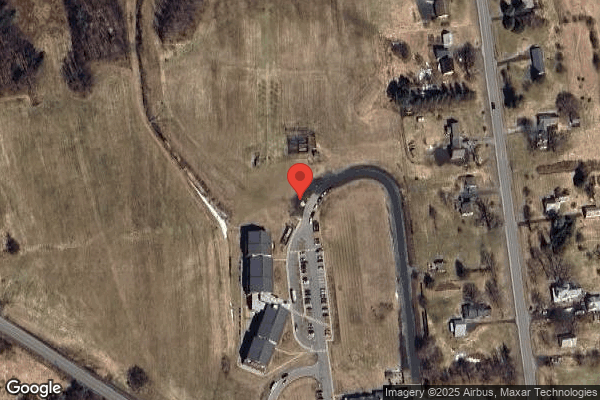
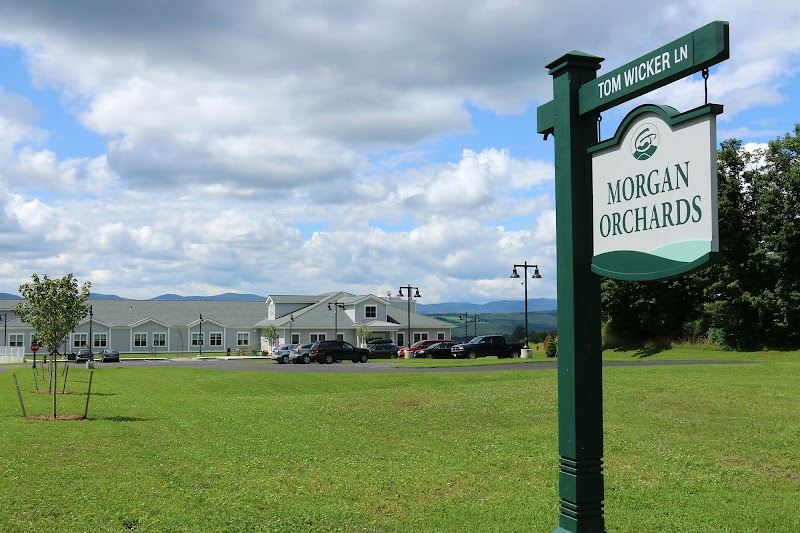
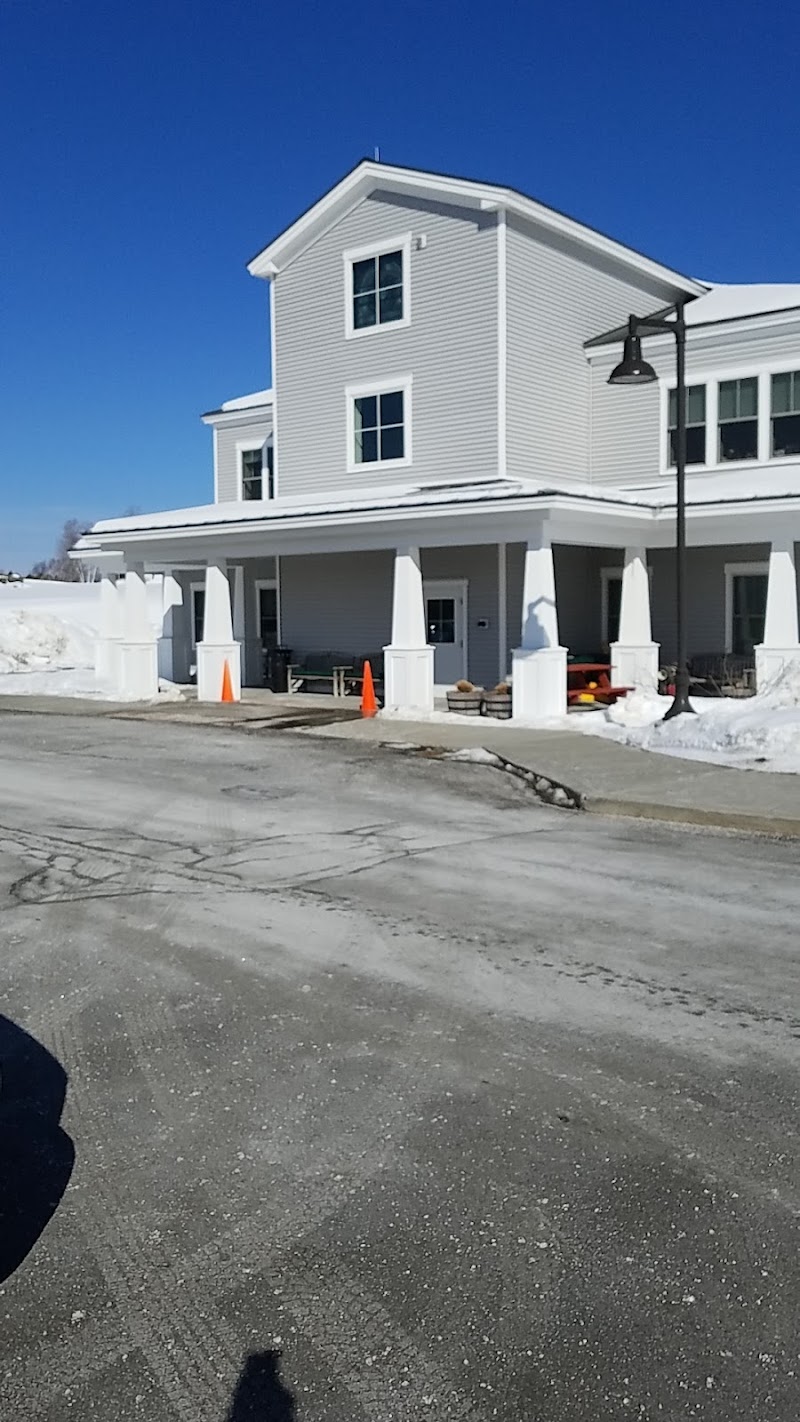
Menig Nursing Home

215 Tom Wicker Lane, Randolph Center, VT 05061 (802) 728-7800
Non profit - Corporation 30 Beds Independent Data: November 2025
Trust Grade
45/100
#20 of 33 in VT
Last Inspection: July 2024

Within standard 12-15 month inspection cycle. Federal law requires annual inspections.

Overview

Menig Nursing Home has a Trust Grade of D, indicating below average quality and some concerns about care. It ranks #20 out of 33 facilities in Vermont, placing it in the bottom half, although it is the only nursing home in Orange County. The facility is worsening, with issues increasing from 2 in 2022 to 18 in 2024. Staffing is a relative strength, earning a 4 out of 5 stars, with a turnover rate of 54%, which is better than the state average. However, the facility has incurred $76,500 in fines, which is higher than 88% of Vermont facilities, suggesting ongoing compliance issues. Recent inspections revealed significant concerns, such as restricting visitation hours, which could impact residents' rights and connections to family. Additionally, a resident experienced falls without appropriate fall care planning, leading to injuries. Lastly, the facility failed to provide necessary staff training, which could affect the quality of care for all residents. Overall, while there are some strengths in staffing, the numerous deficiencies highlight serious areas for improvement.

Trust Score
D
45/100
In Vermont
#20/33
Bottom 40%
Safety Record
Moderate
Needs review
Inspections
Getting Worse
2 → 18 violations
Staff Stability
⚠ Watch
54% turnover. Above average. Higher turnover means staff may not know residents' routines.
Penalties
⚠ Watch
$76,500 in fines. Higher than 100% of Vermont facilities. Major compliance failures.
Skilled Nurses
✓ Good
Each resident gets 59 minutes of Registered Nurse (RN) attention daily — more than average for Vermont. RNs are trained to catch health problems early.
Violations
⚠ Watch
20 deficiencies on record. Higher than average. Multiple issues found across inspections.
★★☆☆☆
2.0
Overall Rating
★★★★☆
4.0
Staff Levels
★★☆☆☆
2.0
Care Quality
★★☆☆☆
2.0
Inspection Score
Stable
2022: 2 issues
2024: 18 issues

The Good

  • 4-Star Staffing Rating · Above-average nurse staffing levels
  • Full Sprinkler Coverage · Fire safety systems throughout facility
  • No fines on record

Facility shows strength in staffing levels, fire safety.

The Bad

2-Star Overall Rating

Below Vermont average (2.8)

Below average - review inspection findings carefully

Staff Turnover: 54%

Near Vermont avg (46%)

Higher turnover may affect care consistency

Federal Fines: $76,500

Well above median ($33,413)

Moderate penalties - review what triggered them

The Ugly 20 deficiencies on record

Jul 2024 15 deficiencies
CONCERN (D)

Potential for Harm - no one hurt, but risky conditions existed

Deficiency F0637 (Tag F0637)

Could have caused harm · This affected 1 resident

**NOTE- TERMS IN BRACKETS HAVE BEEN EDITED TO PROTECT CONFIDENTIALITY** Based on interview, record review, and review of facility policy, the facility failed to complete a Significant Change in Status...

Read full inspector narrative →
**NOTE- TERMS IN BRACKETS HAVE BEEN EDITED TO PROTECT CONFIDENTIALITY** Based on interview, record review, and review of facility policy, the facility failed to complete a Significant Change in Status (SCSA) Minimum Data Assessment (MDS) for one of 17 sampled residents (Resident #15). Findings include: Per record review, Resident #15 has diagnoses that include: Alzheimer's dementia, recurring urinary tract infections, emphysema, and heart failure. Per review of Resident #15's quarterly assessment dated [DATE], s/he does not have behaviors of inattention, does not have physical behavioral symptoms not directed toward others, s/he does not have exhibit rejection of care, needs partial assistance for getting dressed, is independent in transferring, is always continent of bowels, and weighs 200 pounds. Review of Resident #15's weights reveal that s/he had both had both significant weight loss over the past 6 months of 11.57% when weighed at 188.8 pounds on 6/10/24 (from 202.2 pounds on 12/11/24) and significant weight loss over the past month of 8.06% when weighed at 180.2 pounds on 5/13/24 (from 196.0 pounds on 4/22/24). A 7/2/24 Dietician dietary progress note reveals that Resident #15 previously had diet restrictions related to previous weight gain but over the past quarter his/her appetite has decreased, has inconsistent meal intake, has refused meals, and has had significant weight loss. Because of the significant weight loss, the Dietician had recommended discontinuing any dietary restrictions as weight loss was a concern. Starting around 5/6/24 and increasing in frequency, nursing progress notes reveal an overall deterioration of Resident #15's condition by rejecting care including medications, meals, ADL (activities of daily living) care, and getting out of bed; s/he has an increase of aggressive behaviors, and is regularly incontinent of feces. Per review of Resident #15's MDS records, a SCSA was not completed until 7/4/24, which was approximately 6 weeks after a consistent pattern of change in weight and condition. Facility policy titled Criteria for Determining Significant Change in a Resident Condition, effective 3/5/19, reads, A significant change in Status MDS is required when: A resident experiences a consistent pattern of change, with either two or more areas of decline . The policy outlines areas of decline that meet a significant change include Unplanned weight loss problem (5% change in 30 days or 10% change in 180 days), and Overall deterioration of a resident's condition. Per interview on 7/25/24 at 10:57 AM, the Clinical Coordinator confirmed that Resident #15 had started to consistently refuse meals, medication, care, and have an increase in behaviors in May. S/He confirmed that both her decline and significant weight loss would qualify for a SCSA MDS to be completed at that time and stated that s/he didn't think about doing it.
CONCERN (D)

Potential for Harm - no one hurt, but risky conditions existed

Deficiency F0692 (Tag F0692)

Could have caused harm · This affected 1 resident

Based on interview and record review, the facility failed to monitor weights as care planned for 1 of 18 residents sampled (Resident #15) and the facility failed to develop policies that ensure that e...

Read full inspector narrative →
Based on interview and record review, the facility failed to monitor weights as care planned for 1 of 18 residents sampled (Resident #15) and the facility failed to develop policies that ensure that each resident receives adequate supervision to maintain nutrition status related to weight monitoring and weight loss. Findings include: Per record review, Resident #15 has diagnoses that include: Alzheimer's dementia, recurring urinary tract infections, emphysema, and heart failure. Resident #15's care plan, effective 11/3/23, and last reviewed on 7/11/24 has the following nutritional interventions: weigh weekly, chart weights weekly, and reweigh the next day if weight has changed by 3 pounds. The care plan does not address Resident #15's increased refusal to be weighed. Resident #15 has weights documented on the following days since 1/1/24: (1/1/24, 1/29/24, 2/12/24, 2/25/24, 3/4/24, 3/18/24, 3/25/24, 4/8/24, 4/22/24, 5/13/24, 5/31/24, 6/3/24, 6/10/24, 6/24/24, and 7/1/24). Of the 28 weeks from 1/1/24 through 7/22/24, Resident #15 was only weighed 15 times. There is no documentation that Resident #15 refused to be weighed or reattempts to weigh him/her were made for the 13 weeks they were not weighed from 1/1/24 through 7/22/24. Per interview on 7/24/24 at 10:57 AM, the Clinical Coordinator confirmed that Resident #15 frequently refused being weighed and that nursing staff did not document the refusals and should have.
CONCERN (E)

Potential for Harm - no one hurt, but risky conditions existed

Resident Rights (Tag F0550)

Could have caused harm · This affected multiple residents

**NOTE- TERMS IN BRACKETS HAVE BEEN EDITED TO PROTECT CONFIDENTIALITY** Based on observation and interview, the facility failed to ensure each resident has a right to self-determination and access to ...

Read full inspector narrative →
**NOTE- TERMS IN BRACKETS HAVE BEEN EDITED TO PROTECT CONFIDENTIALITY** Based on observation and interview, the facility failed to ensure each resident has a right to self-determination and access to persons and services outside of the facility, by locking all doors to the facility 24 hours a day, 7 days a week. By creating a locked facility, there is a failure to ensure the right of each resident to exercise their rights as a citizen (or resident) of the United States or make personal choices about going outside without interference. This has the potential to affect all residents of the facility and all visitors, including family, legal representatives and advocates. Per observation on 7/22/24 at approximately 10:00 AM at the entrance to the building, the main front entrance doors within the foyer were locked. A staff member approached the inside doors to the foyer, using a badge they placed over the censor, they opened the doors for the survey team to enter. Throughout the survey from 7/22-7/25/24, in order to enter the building, visitors were observed using a doorbell to alert staff they were in the foyer, and then a staff member would arrive to unlock the door. Visitors also needed to seek out staff to let them leave the facility when their visit was over. Per interview with Resident #1 on 7/22/24 at 2:36 PM visitors are only allowed 10:00 AM -7:00 PM. Per interview with Resident #24's family member on 7/22/24 at 3:48 PM visitors are asked not to come between noon and 1:00 pm because staff are busy helping others with their meals and can't stop to let visitors in and out. Sometimes it is difficult because visiting hours end at 7:00 PM. A Resident Council meeting with the survey team occurred on 7/23/2024 at approximately 2:00 PM, there were 5 attendees, Residents #4 stated at first when I learned the doors were locked, I felt like I was in jail, now I understand it has to be that way so the people that get confused don't get out. Resident #13 stated that s/he would have visitors later if able to. Resident #13 then asked what time do visitors have to leave, what is the curfew? Per review of the facility policy and procedure effective 5/6/2024 titled: Secure Entry and Visitation Rights at [NAME], under Safety Procedure: 1. All doors are Secured Access doors- allowing direct access to only for those with a [NAME] (ownership entity) badge with security access. 2. All other people are classified as visitors (resident family friends) will ring one of the doorbells to alert staff they are at one of the doorways. a. A staff member will provide for entry for the visitor, by either walking them to the door or providing entry or using the release option from the team stations. b. When the visitor is ready to leave a staff person will provide door release by the same method as entry. The facility policy effective 3/17/2023 titled: Security Program, under section E Locking/Unlocking Of Exterior Doors #7 states Mening Nursing Home is locked 24/7/365 with badge access only. Per interview on 7/25/24 at 2:18 PM the facility Administrator and the VP of Quality and Compliance Officer confirmed that the facility doors are kept locked 24 hours per day.
CONCERN (E)

Potential for Harm - no one hurt, but risky conditions existed

Deficiency F0657 (Tag F0657)

Could have caused harm · This affected multiple residents

**NOTE- TERMS IN BRACKETS HAVE BEEN EDITED TO PROTECT CONFIDENTIALITY** 3). Per observation on 07/22/2024 at 5:00 PM this surveyor observed Resident #20 as having yellow/green discoloration below the ...

Read full inspector narrative →
**NOTE- TERMS IN BRACKETS HAVE BEEN EDITED TO PROTECT CONFIDENTIALITY** 3). Per observation on 07/22/2024 at 5:00 PM this surveyor observed Resident #20 as having yellow/green discoloration below the left eye, and on the bridge of his/her nose. Per interview Resident #20 stated that s/he had recently fallen out of his/her wheelchair and hit their face. Resident #20 stated you should have seen my nose after it happen, it hurt. Per record review Resident #20 was admitted to the facility on [DATE]. S/He began having falls at the facility on 10/15/2022. Resident #20 had a facility fall risk assessment documented in their medical record on 04/06/2024, 05/27/2024, and 07/10/2024 in which s/he was identified as a fall risk. The following Nurse's note written on 05/27/2024 regarding fall for Resident #20 stated Unwitnessed fall. [Resident#16] found on the floor face down with [his/her] w/c [wheelchair] tipped down partially on top of her with the foot rest still on. [S/he] was screaming and anxious, observed on the floor . Hematoma (bleeding under the skin that forms a bruise) on [his/her] forehead. Per chart review there is no documented evidence of fall care plan or revision for Resident #20 before or after actual falls. Per medical record Resident #20 experienced actual falls on 05/27/2024 and 06/30/2024. Per interview with the Clinical Coordinator (CC) on 07/24/2024 at 2:20 PM, s/he stated that Resident #20 is a fall risk and should have had a fall care plan in place. The CC also confirmed no current fall care plan for Resident #20. The CC stated the fall care plan had been active prior to 04/12/2024. Per further interview the CC stated the care plan was discontinued on 4/12/2024 and should not have been. Based on interview and record review, the facility failed to review and revise resident care plans for 3 residents related to falls (Residents #15, #20, and #21), for 1 resident related to refusal of care (Resident #15), and 1 resident related to nutrition (Resident #15) out of a sample of 17 residents. Findings include: 1. Per record review, Resident #15 has diagnoses that include: Alzheimer's dementia, recurring urinary tract infections, emphysema, and heart failure. Starting around 5/6/24 and increasing in frequency, nursing progress notes reveal an overall deterioration of Resident #15's condition by rejecting care including medications, meals, ADL care, and getting out of bed. A 7/2/24 Dietician dietary progress note reveals that Resident #15 previously had diet restrictions related to previous weight gain but over the past quarter his/her appetite has decreased, has inconsistent meal intake, has refused meals, and has had significant weight loss. Because of the significant weight loss, the Dietician had recommended discontinuing any dietary restrictions and recommended scheduling egg salad sandwich snacks because Resident #15 loves them. A 7/16/24 progress note reveals that Resident #15 fell while transferring to the bathroom. Per record review, Resident #15's care plan, updated 7/11/24, does not address the Dietician's recommendations above and continues to contain an intervention to restrict portions sizes because of weight gain. The care plan does not include revised interventions to address Resident #15's increased behaviors of refusing care including taking medications, eating meals, accepting ADL care, and not getting out of bed. Resident #15's care plan was not revised after his/her fall on 7/16/24. Per interview on 7/25/24 at 10:57 AM, the Clinical Coordinator confirmed that Resident #15's care plan was not revised to reflect his/her refusal of care and accurate information about weight loss and should have been. At 2:44 PM, the Clinical Coordinator confirmed that Resident #15's care plan was not revised with new interventions after their fall on 7/16/24. 2. Per record review, Resident #21's care plan reveals that s/he is at risk for falling because s/he has Alzheimer's disease and has no safety awareness. Per review of progress notes, Resident #21 experienced a fall on 1/7/24, 5/3/24, and 7/11/24. Per interview on 7/24/24 at 10:57 AM, the Clinical Coordinator confirmed that Resident #21's care plan was not updated after his/her fall on 1/7/24 or 7/8/24 fall and should have been. S/He said that interdisciplinary team only reviews initial care plan for falls and that the floor nurse should update their care plan with interventions after the fall. S/He explained that there is a check off sheet for staff to complete after a fall and it did not include reviewing and revising the care plan. A review of this check off sheet confirms that it does not include reviewing or revising the care plan. Per interview on 7/24/24 at approximately 2:15 PM, the Administrator stated that the facility did not have a fall prevention or management policy.
CONCERN (E)

Potential for Harm - no one hurt, but risky conditions existed

Food Safety (Tag F0812)

Could have caused harm · This affected multiple residents

Based on observation and staff interview the facility failed to store and prepare food in accordance with professional standards for food safety. Findings include: Per observations made during the in...

Read full inspector narrative →
Based on observation and staff interview the facility failed to store and prepare food in accordance with professional standards for food safety. Findings include: Per observations made during the initial kitchen tour on 7/22/2024 at approximately 10:15 AM there was an open box of pasta, 2 tubs of cream cheese icing with expiration dates of 11/16/2023, and 1 tub of chocolate fudge icing with expiration date of 9/16/2023 on a food storage shelf. On the bottom shelf of another food storage shelf there was a cardboard box with a bag of lentils open and spilling out into the box. The dietary supervisor on shift during the tour confirmed that the icing was expired, and that the pasta and lentils were open. During observation on 7/24/2024 at 11:15 AM of the kitchenette off the main dining room was a plate of uncovered deviled eggs that had been placed on the hand washing sink. There were no staff present at the time. At 11:20 a dietary aide entered the kitchenette and confirmed that the deviled eggs should have not been left on the sink and that they should have been covered. At 11:30 a Dietary Aide was observed bringing the plate of deviled eggs through the facility hall to the outside area that was set up for a resident and staff picnic. The Dietary Aide was interviewed at that time and confirmed that the deviled eggs should have been covered while on the sink and during transport through the facility. During an interview with the Food Service Manager on 7/24/24 at approximately 11:45 AM, s/he confirmed that the eggs should have been covered.
CONCERN (F)

Potential for Harm - no one hurt, but risky conditions existed

Deficiency F0563 (Tag F0563)

Could have caused harm · This affected most or all residents

**NOTE- TERMS IN BRACKETS HAVE BEEN EDITED TO PROTECT CONFIDENTIALITY** Based on observation, interview, and record review the facility failed to ensure Residents' rights were maintained by not allowi...

Read full inspector narrative →
**NOTE- TERMS IN BRACKETS HAVE BEEN EDITED TO PROTECT CONFIDENTIALITY** Based on observation, interview, and record review the facility failed to ensure Residents' rights were maintained by not allowing unrestricted visitation based on resident choice. This has the potential to affect all residents of the facility and all visitors, including family, legal representatives and advocates. Per interview with Resident #1 on 7/22/24 at 2:36 PM visitors are only allowed 10:00 AM -7:00 PM. Per interview with a Resident's family member on 7/22/24 at 3:48 PM they are asked not to visit between noon and 1:00 pm because staff are busy helping others with their meals and can't stop to let visitors in and out. Sometimes it is difficult because visiting hours end at 7:00 PM. While exiting the facility on 7/22/24 at 4:12 PM a sign with visiting hours was observed posted between the two entrances. Per visitation posting visiting hours consist of 2 hours before lunch, 4 hours between lunch and dinner, then one hour after dinner. This would be a total of 7 available hours throughout the day to visit. The posting was dated March 25, 2024 and read; Visitation at [NAME] Nursing Home * Visitation is welcomed Monday through Sunday: 10:00 AM - 7:00 PM with the exception of meal times: Lunch 12:00 - 1:00PM Supper 5:00 PM- 6:00 PM * If you are not feeling well, please do not visit. Per review of the facility policy and procedure effective 5/6/2024 titled: Secure Entry and Visitation Rights at [NAME], under Safety Procedure: 1. All doors are Secured Access doors- allowing direct access to only for those with a [NAME] (ownership entity) badge with security access. 2. All other people are classified as visitors (resident family friends) will ring one of the doorbells to alert staff they are at one of the doorways. a. A staff member will provide for entry for the visitor, by either walking them to the door or providing entry or using the release option from the team stations. b. When the visitor is ready to leave a staff person will provide door release by the same method as entry. The section Visitation: Visiting hours are as posted in the nursing home with accommodations made as needed. Per interview on 7/25/24 at 2:18 PM with the facility Administrator and Quality and Compliance Officer, there are preferred visiting hours and it has been communicated to Residents and their families that if needed, accommodations can be made. The Administrator confirmed that there are posted visiting hours to include not visiting during mealtimes.
CONCERN (F)

Potential for Harm - no one hurt, but risky conditions existed

Accident Prevention (Tag F0689)

Could have caused harm · This affected most or all residents

**NOTE- TERMS IN BRACKETS HAVE BEEN EDITED TO PROTECT CONFIDENTIALITY** 5) Per record review Resident #20 was admitted to the facility on [DATE] and began having falls on 10/15/2022. Facility fall ris...

Read full inspector narrative →
**NOTE- TERMS IN BRACKETS HAVE BEEN EDITED TO PROTECT CONFIDENTIALITY** 5) Per record review Resident #20 was admitted to the facility on [DATE] and began having falls on 10/15/2022. Facility fall risk assessment completed on 04/06/2024, 05/27/2024 and 07/10/2024 all identified Resident #20 as being a risk for fall. Per chart review there is no documented evidence of fall care plan or revision for Resident #20 before or after actual falls on 05/27/2024 and 06/30/2024. Per observation on 07/22/2024 at 5:00 PM this surveyor observed the Resident #20 as having yellow/green discoloration below the left eye, and on the bridge of his/her nose. Per interview Resident #20 stated that s/he had recently fallen out of his/her wheelchair and hit their face. Resident #20 stated you should have seen my nose after it happen, it hurt. The following Nurse's note written on 05/27/2024 regarding fall for Resident #20 stated Unwitnessed fall. [Resident#16] found on the floor face down with [his/her] w/c [wheelchair] tipped down partially on top of her with the foot rest still on. [S/he] was screaming and anxious, observed on the floor . Hematoma (bleeding under the skin that forms a bruise) on [his/her] forehead. Per chart review there is no documented evidence of fall care plan or revision for Resident #20 before or after actual falls. Per medical record Resident #20 experienced actual falls on 05/27/2024 and 06/30/2024. Per interview with the Clinical Coordinator (CC) on 07/24/2024 at 2:20 PM, S/he stated that Resident #20 had been identified as a fall risk and should have an active care plan and interventions to prevent falls. CC confirmed there was no active fall care plan for Resident #20. The CC further explained that interdisciplinary team only reviews initial care plan for falls and that the floor nurse should update their care plan with interventions after the fall. S/He explained that there is a check off sheet for staff to complete after a fall and it did not include reviewing and revising the care plan. A review of the post fall check off list, confirmed that it does not include reviewing or revising the care plan. Per interview on 7/24/24 at approximately 2:15 PM, the Administrator stated that the facility did not have a fall prevention or management policy. Based on observation, interview, and record review, the facility failed to ensure that resident environments were free of accident hazards related to safe handwashing water temperatures; the facility failed to ensure that each resident receives adequate supervision to maintain safety and prevent accidents for 4 of 17 sampled residents (Residents #20, #21, #22, #24, and #28); and the facility failed to develop policies that ensure that each resident receives adequate supervision to maintain safety and prevent accidents related to falls and elopement. Findings include: 1. Per observation on 7/22/24 at approximately 5:30 PM, the hot water was assessed from a faucet in an unlocked, common area bathroom, accessible to all residents. The water was too hot to hold a hand under comfortably, so a thermometer was used to take the temperature of the water. The highest reading was 124.0 degrees Fahrenheit (F). The sample was then expanded to include other common areas sinks and resident rooms. The left hallway sink read 121.8 degrees F, a right hallway sink read 121.7 degrees F, a second common area bathroom read 121.1 degrees F, and Resident #4's bathroom sink read 123.4 degrees F. Water temperatures were taken by the Facility Maintenance Technician starting on 7/22/24 at 6:17 PM along with the surveyor. Temperatures for the common area bathroom sink read 124 degrees F by the facility thermometer,124 degrees F for the left hallway sink, and 126 degrees F in Resident #4's room. Interview with the Facility Maintenance Technician on 7/22/24 at 6:59 PM revealed that water temperatures are monitored in three places daily in the basement of the facility: on a computer reading of the system, the return temperature, and the sink in the basement. The facility did not provide any evidence that temperatures were monitored on the units. The Maintenance Technician explained that the reading from downstairs can be a few degrees different from the actual water temperatures upstairs. S/He explained that the water that evening read 119 degrees F in the basement following the identified concern on the units; it did not reflect the actual temperature taken moments before on the unit. Per the facility matrix dated 7/22/24, 19 of the 27 residents in the facility are identified as having dementia or Alzheimer's. On 7/23/24 at 10:14 AM a Registered Nurse reviewed the current census and indicated that 20 of the 27 residents in the facility could ambulate or self-propel in a wheelchair. A list provided by the Administrator on 7/25/24 indicated that 7 of the 27 residents in the facility had neuropathy (nerve damage). Cognitive impairment and the potential inability to feel pain due to nerve damage are conditions that put residents at increased risk for burns caused by scalding. Facility policy titled Water/Wastewater Distribution System, effective 1/17/17 reads The domestic hot water supplied to all areas of the hospital shall not exceed 120 degrees F. The procedure titled Procedure 126, sent in an email from the Director of Plant Operations and Facilities to the Administrator on 7/22/24 at 6:54 PM describes the process to monitor water temperatures in the building of hospital daily to assure that safe operating water temperatures are maintained between 105 and 120 degrees F. This procedure does not describe a process to monitor the nursing home facility. Per interview on 7/22/24 at approximately 7:05 PM, the Administrator was unable to produce evidence that water temperatures were monitored in resident accessible areas in the nursing home facility. S/He confirmed that the above policy and procedure is not specific to the nursing home facility. 2. Per record review Resident #28 has diagnoses that include Alzheimer's disease and wanders throughout the facility. Review of Nursing Progress Notes from 3/4/2024 - 7/25/24 reveals that there were 78 entries that indicated Resident #28 was expressing behaviors such as wandering throughout the facility, wandering into other Resident's rooms, and exit seeking. On 12 of the 78 occasions documentation reflected that resident was exit seeking or focused on the exit door. A Wandering Assessment done on admission, 3/4/24, states that Resident #28 is not at risk for elopement. Another Wandering assessment dated [DATE], also states the Resident is not at risk of elopement. A care plan focus dated 6/19/24 indicates that Resident #28 moves about the unit: independently with supervision or touching assistance when s/he goes into areas that s/he should not be in, such as other's rooms. Per observations made throughout the survey Resident #28 was seen wandering throughout the facility including hall bathrooms, common areas, and other Resident's rooms unsupervised. On 7/22/24 at approximately 5:00 PM Resident #28 was observed wandering up the hall, s/he walked around the common area and then entered the restroom and shut the door. There were no staff members in the area. Per observation on 7/25/24 at 9:21 AM, Resident #28, who is ambulatory, and Resident #21, was sitting in a Geri-chair (padded recliner on wheels), were in the foyer and no staff were visible in any direction. Resident #28 was moving Resident #21's arms. Resident #21 began to yell. Resident #28 continued to touch Resident #21 and moved the Geri-chair a few feet. At 9:25 AM, the first staff member to be present in the foyer area was the Care Manager, 4 minutes after this initial observation of the above residents being unsupervised. At 9:26 AM the Care Manger explained that there are no staff assigned specifically to supervise the residents in the foyer. Per interview on 7/24/24 at approximately 2:15 PM, the Administrator stated that the facility did not have an elopement prevention policy or procedure. Per interview with the facility Administrator and the Clinical Coordinator on 7/24/24 at 2:44 PM, Resident #28 was not assessed as an elopement risk because s/he did not exit seek. When asked how the assessment differentiated no risk, low risk, and high risk the Administrator and Clinical Coordinator were unable to explain. 3. Per record review Resident #24 was admitted to the facility with diagnoses that include Alzheimer's disease. Per care plan Resident #24 is unable to go outside on their own for their safety because of memory loss. The care plan also reflects that the Resident requires 1 helper providing supervision or touching assist at times. Progress notes from 10/11/23 - 7/18/24 there were 45 entries that indicated that Resident # 24 was expressing behaviors such as wandering throughout the facility and wandering into other Resident's rooms. An Elopement Risk assessment dated [DATE] indicates that Resident #24 is a Total Risk Score of 7 and that s/he is not at risk for elopement. Elopement Risk Assessments were also initiated on 1/20/24 and 4/19/24 however, there is no Risk Score present. During a phone interview on 7/25/24 at 12:56 PM the facility Medical Director stated that there is a very low risk for elopement from the facility because it is a locked facility. During interview on 7/24/24 at 2:50 PM the facility Administrator and the Clinical Coordinator confirmed that there were no Risk Scores identified on the 1/20/24 and 4/19/24 Elopement Risk Assessments. The Clinical Coordinator stated that the assessments had not been finished and therefor there was no score to identify if the Resident was at risk. 4. Per record review, Resident # 22 has a diagnosis of Alzheimer dementia and wanders through out the facility most of the day. An elopement risk assessment was done upon admission with a score of 9, assessing him/her with poor safety/environment awareness, impulsive behavior, disoriented at all times. The assessment listed the resident not at risk for elopement. However, on 7/23/2024 at approximately 5:15 PM, Resident #22 was observed in the main foyer trying to open every door. There were no staff visible.
CONCERN (F)

Potential for Harm - no one hurt, but risky conditions existed

Deficiency F0838 (Tag F0838)

Could have caused harm · This affected most or all residents

Based on record review and staff interview, the facility failed to address in their facility assessment what staff trainings and policies are necessary to provide the level and types of care needed fo...

Read full inspector narrative →
Based on record review and staff interview, the facility failed to address in their facility assessment what staff trainings and policies are necessary to provide the level and types of care needed for the population identified in the facility assessment. This deficient practice had the potential to affect all 27 residents residing in the facility. Findings include: 1. During a review of employee education records, the facility was unable to produce evidence of the following required regulatory training topics for 7 of 7 staff: communication, QAPI (quality assurance and performance improvement), compliance and ethics, and behavioral health; and was unable to produce evidence of 12 hours of required in-service for 4 of 4 nurse aides. See F 940, F 941, F 944, F 946, F 947, and F 949 for more information. A review of the facility assessment dated 2024 reveals that it does not include or address and evaluation for the facility's training program. 2. Per interview on 7/25/24 at 12:56 PM, the Medical Director explained that s/he was unaware that patient care policies did not exist for fall prevention and management, obtaining weights, weight loss prevention and management, and elopement prevention. See F841 for more information. A review of the facility assessment dated 2024 reveals that it does not address or include an evaluation of what policies and procedures required to provide care for their patient population. Per interview on 7/25/24 at 3:45 PM, the Administrator and the VP of Quality and Compliance Officer confirmed that the facility assessment did not address staff training and the patient care policies need to care for the population identified in the assessment.
CONCERN (F)

Potential for Harm - no one hurt, but risky conditions existed

Deficiency F0841 (Tag F0841)

Could have caused harm · This affected most or all residents

Based on interview and policy review, the facility failed to ensure the Medical Director assisted the facility with the development and implementation of resident care policies. This deficient practic...

Read full inspector narrative →
Based on interview and policy review, the facility failed to ensure the Medical Director assisted the facility with the development and implementation of resident care policies. This deficient practice had the potential to affect all 27 residents residing in the facility. Findings include: During an annual recertification survey on 7/22/24 through 7/25/24, multiple patient care policies and or procedures were requested including policies related to concerns identified with fall prevention and management, obtaining weights, weight loss prevention and management, and elopement prevention. See F 657, F 689, and F 692 for more information. The Clinical Care Coordinator and the Administrator were unable to produce policies related to the above concerns. Per interview on 7/24/24 at approximately 2:15 PM, the Administrator confirmed that the facility did not have policies or written procedures related to the above concerns. Facility policy titled Medical Director, effective 11/27/17, reads The Medical Director is responsible for: Implementation of resident care policies that reflect current professional standards of practice . Per interview on 7/25/24 at 12:56 PM, the Medical Director explained that s/he is aware that the facility has had concerns with residents having falls, weight loss and elopement while in his/her role but was unaware that there were no patient care policies related to these care areas.
CONCERN (F)

Potential for Harm - no one hurt, but risky conditions existed

Deficiency F0940 (Tag F0940)

Could have caused harm · This affected most or all residents

Based on record review and staff interviews, the facility failed to develop, implement, and maintain an effective training program for all new and existing staff related to QAPI (quality assurance and...

Read full inspector narrative →
Based on record review and staff interviews, the facility failed to develop, implement, and maintain an effective training program for all new and existing staff related to QAPI (quality assurance and performance improvement), communication, compliance, and ethics training, and behavioral health training for 10 of 10 of sampled direct care staff and failed to develop a system that demonstrated the required 12 hours of annual training for the Licensed Nurse Aides (LNA's), for 4 of 4 of sampled staff. Findings include: Per the facility assessment, last reviewed 4/29/2024, on page #1, [the facility] has created and implemented competency standards for its staff. The competency program defines competency standards for each position and verifies that these competencies are continuously being met. The purpose of the program is to establish procedures that ensure that the competence of all staff members is assessed, maintained, demonstrated, and improved on an ongoing basis.1). Competency assessment is the responsibility of each department manager and human resources officer. E).The department manager will determine that all required competencies have been satisfactorily completed during the introductory period (six months) and thereafter annually. Per review of the following employee files: LNA#1, hired 9/14/20; LNA #2, hired 4/21/21; LNA #3, hired 2/29/2016; LNA #4, hired 1/9/2019; LNA #5, hired 7/22/2024; RN #1, hired 6/3/2016; RN #2, hired 6/24/24; RN#3, hired 6/24/2024; LPN#1, hired 2/29/16; LPN #2, hired 7/25/2024, there is no evidence of required communication, QAPI, compliance and ethics, or behavioral health training. Additionally, 4 of the 4 sampled LNA employee files did not show evidence of the required 12 hours of annual training. Per interview with the Director of Nursing on 7/24/2024 at approximately 2:20 PM, s/he stated s/he was a temporary employee and did not know how the LNA training and competencies might be documented. S/he explained that the facility shared software systems with the hospital, and this information might be there. S/he was unable to produce evidence that the training was documented. S/he states that either s/he or the Clinical Coordinator gives an onboarding packet to new hires, including temporary staff. A review of the onboarding packet supplied to new staff, including the temporary staff, revealed no QAPI, communication, compliance, and ethics, or behavioral health training. Per interview with the Administrative Assistant and the Clinical Coordinator on 7/25/2024 at approximately 3:00 PM, the Administrative Assistant stated they were unaware of a system documenting the training and competencies of the LNA's. They confirmed they were unaware of a system that tracked the required 12 hours of annual LNA training.
CONCERN (F)

Potential for Harm - no one hurt, but risky conditions existed

Deficiency F0941 (Tag F0941)

Could have caused harm · This affected most or all residents

Based on staff interviews and record review, the facility failed to include mandatory training that outlines and informs staff of the elements of effective communication, including speaking to others ...

Read full inspector narrative →
Based on staff interviews and record review, the facility failed to include mandatory training that outlines and informs staff of the elements of effective communication, including speaking to others in a way they can understand, active listening, and observing verbal and nonverbal cues. Findings include: Per review of the training records for 7 sampled staff members, none of the 7 staff members had any evidence of training in communication: LNA#1(Licensed Nursing Assistant), hired 9/14/20; LNA #2, hired 4/21/21; LNA #3, hired 2/29/2016; LNA #4, hired 1/9/2019; RN #1(Registered Nurse), hired 6/3/2016; RN #2, hired 6/24/24; LPN#1, hired 2/29/16. Per interview on 7/25/24 with the Administrative Assistant and the Clinical Coordinator at approximately 3 PM, it was confirmed that the facility does not have mandatory training regarding effective communication, but that training is informal on a case-by-case basis and discussed at the morning meeting. They confirmed that attendance is not taken to ensure all staff receive this information.
CONCERN (F)

Potential for Harm - no one hurt, but risky conditions existed

Deficiency F0944 (Tag F0944)

Could have caused harm · This affected most or all residents

Based on staff interviews and record reviews, the facility failed to include mandatory training that outlines and informs staff of the elements and goals of the facility's QAPI (Quality Assurance Perf...

Read full inspector narrative →
Based on staff interviews and record reviews, the facility failed to include mandatory training that outlines and informs staff of the elements and goals of the facility's QAPI (Quality Assurance Performance Improvement) program as part of the QAPI program. Findings include: Per review of the training records for 7 sampled staff members, none of the 7 staff members had any evidence of training on the facility's QAPI program. : LNA#1(Licensed Nursing Assistant), hired 9/14/20; LNA #2, hired 4/21/21; LNA #3, hired 2/29/2016; LNA #4, hired 1/9/2019; RN #1(Registered Nurse), hired 6/3/2016; RN #2, hired 6/24/24; LPN#1, hired 2/29/16 Per interview of LNA #1, LNA#2, and LNA# 3 on 7/25/2024 at approximately 3:00 PM, all three confirmed that they had not received any training on the QAPI program. Per interview on 7/25/24 at approximately 3:30 PM with the Administrative Assistant and the Clinical Coordinator, it was confirmed that the facility does not provide mandatory training for staff regarding it's QAPI program.
CONCERN (F)

Potential for Harm - no one hurt, but risky conditions existed

Deficiency F0946 (Tag F0946)

Could have caused harm · This affected most or all residents

Based on record review and interview, the facility failed to include mandatory training on compliance and ethics that outlines and informs staff of the standards, policies, and procedures through a tr...

Read full inspector narrative →
Based on record review and interview, the facility failed to include mandatory training on compliance and ethics that outlines and informs staff of the standards, policies, and procedures through a training program or in another practical manner that explains the requirements under the program. Findings include: Per review of the training records of 7 sampled direct care staff members, none of the 7 staff members had any evidence of training on the Compliance and Ethics program: LNA (Licensed Nurse Aide) #1, hired 9/14/20; LNA #2, hired 4/21/21; LNA #3, hired 2/29/2016; LNA #4, hired 1/9/2019; RN ( Registered Nurse) #1, hired 6/3/2016; RN #2, hired 6/24/24; LPN( Licensed Practical Nurse) #1, hired 2/29/16 Per interview on 7/25/2024 at 2:47 PM with an LPN (Licensed Practical Nurse), s/he indicated s/he does not remember attending training or an in-service on ethics. Another interview on 7/25/2024 at 3 PM with two LNAs revealed that neither could recall any training or mention of an ethics curriculum that might have been provided to them. Per an interview on 7/25/2024 at approximately 3 PM with the Administrative Assistant and the Clinical Coordinator, it was confirmed that the employee training program did not contain the mandatory compliance and ethics.
CONCERN (F)

Potential for Harm - no one hurt, but risky conditions existed

Deficiency F0947 (Tag F0947)

Could have caused harm · This affected most or all residents

Based on record review and interview, the facility failed to develop a system to document the minimum 12 hours of nurse aide training per year required to ensure the continuing competence of the nurse...

Read full inspector narrative →
Based on record review and interview, the facility failed to develop a system to document the minimum 12 hours of nurse aide training per year required to ensure the continuing competence of the nurse aides. Findings include: Per review of the training records for 4 sampled staff members, none had evidence of the total 12 hours of training per year required to meet identified staff or resident needs. Per interview on 7/25/2024 at approximately 2:30 PM, LNA #1 (Licensed Nursing Assistant) stated s/he did not know how the education hours were documented. In a second interview with LNA # 2, s/he stated s/he often attended offered training but did not know if s/he met the minimum standard of 12 hours annually. During an interview with the Clinical Coordinator and the Administrative Assistant on 5/25/2024 at approximately 3:30 PM, they confirmed they did not have a system to document the mandatory 12 hours of nurse aide training. They were unable to identify how these hours were being accounted for or a system that could provide this information.
CONCERN (F)

Potential for Harm - no one hurt, but risky conditions existed

Deficiency F0949 (Tag F0949)

Could have caused harm · This affected most or all residents

Based on staff interviews and record review, the facility failed to develop, implement, and maintain an effective training program for all staff, which includes, at a minimum, training on behavioral h...

Read full inspector narrative →
Based on staff interviews and record review, the facility failed to develop, implement, and maintain an effective training program for all staff, which includes, at a minimum, training on behavioral health care and service that is appropriate and effective, as determined by staff need and the facility assessment for 7 of 7 sampled staff. The facility's Facility Assessment [an assessment that determines what resources are necessary to care for the residents competently during both day-to-day operations and emergencies], last updated 1/24/2024, indicates that the facility can provide care and services for individuals with Psychiatric/Mood Disorders Part 2 Services and care we offer based on our Resident's needs .mental health and behavior: Manage the medical conditions and medication-related issues causing psychiatric symptoms and behavior, identify and implement interventions to help support individuals with issues such as dealing with anxiety, care of someone with cognitive impairment, care of individuals with depression, trauma/PTSD, other psychiatric diagnoses, intellectual or developmental disabilities. Section 2.1 of the facility assessment indicates 8 residents with behavioral health needs during this assessment period. Review of 7 direct care staff education records revealed there was no evidence of a behavior health training course that includes the competencies and skills necessary to provide care for residents with behavioral health needs: LNA#1, hired 9/14/20; LNA #2, hired 4/21/21; LNA #3, hired 2/29/2016; LNA #4, hired 1/9/2019; RN #1, hired 6/3/2016; RN #2, hired 6/24/24; LPN#1, hired 2/29/16 Per interview on 7/25/2024 at approximately 3:30 PM with the Administrative Assistant and the Clinical Coordinator on 7/25/2024, they indicated they do not have a training program that includes training on behavioral health as part of the direct care staff training program.
Apr 2024 3 deficiencies
CONCERN (D) 📢 Someone Reported This

A family member, employee, or ombudsman was alarmed enough to file a formal complaint

Potential for Harm - no one hurt, but risky conditions existed

Report Alleged Abuse (Tag F0609)

Could have caused harm · This affected 1 resident

Based on interview and record review, the facility failed to ensure that allegations involving abuse are reported to the Administrator of the facility and other officials in accordance with State law ...

Read full inspector narrative →
Based on interview and record review, the facility failed to ensure that allegations involving abuse are reported to the Administrator of the facility and other officials in accordance with State law for 1 applicable resident (Resident #1) and the facility failed to develop policies and procedures for ensuring the reporting of a reasonable suspicion of a crime in accordance with section 1150B of the Act, potentially impacting all residents in the facility. Findings include: 1. Per review of a facility investigation report of an allegation of abuse submitted to the State Survey Agency on 4/9/2024, Licensed Practical Nurse #1 (LPN #1) witnessed a staff to resident altercation between Resident #1 and Licensed Nursing Assistant #1 (LNA #1) that occurred on 4/7/2024. This investigation report reveals that the altercation was not reported to the Administrator, State Survey Agency, Adult Protective Services, or local law enforcement agency until 4/9/2024, two days after the event occurred. Per interview on 4/16/2024 at 2:56 PM, LPN #1 explained that s/he had heard LNA #1 yelling at Resident #1 in the bathroom and saw LNA #1 and Resident #1 push and grab each other. S/He explained that s/he knew s/he was supposed to report the altercation but was afraid to report the event to the Administrator because s/he was worried it would come back on him/her negatively. Per interview on 4/16/2023 at 3:47 PM, the Administrator and Director of Nursing stated that they had educated LPN #1 about reporting allegations of abuse to his/her supervisor or other leadership within the required timeframes and confirmed that LPN #1 did not report it during the required timeframe. 2. Facility policy titled Adult Abuse and Reporting, effective 11/28/2017, does not address the required topics to ensure the reporting of a reasonable suspicion of a crime: o Written policies and procedures that include: -Each covered individual shall report to the State Agency and one or more law enforcement entities for the political subdivision in which the facility is located any reasonable suspicion of a crime against any individual who is a resident of, or is receiving care from, the facility. -Each covered individual shall report immediately, but not later than 2 hours after forming the suspicion, if the events that cause the suspicion result in serious bodily injury, or not later than 24 hours if the events that cause the suspicion do not result in serious bodily injury. -Orienting new and temporary/agency/contractor staff to the reporting requirements; -Assuring that covered individuals are annually notified of their responsibilities in a language that they understand; -Identifying barriers to reporting such as fear of retaliation or causing trouble for someone, and implementing interventions to remove barriers and promote a culture of transparency and reporting; -Identifying which cases of abuse, neglect, and exploitation may rise to the level of a reasonable suspicion of crime and recognizing the physical and psychosocial indicators of abuse/neglect/exploitation; -Working with law enforcement annually to determine which crimes are reported; -Assuring that covered individuals can identify what is reportable as a reasonable suspicion of a crime, with competency testing or knowledge checks; -Providing in-service training when covered individuals indicate that they do not understand their reporting responsibilities; and -Providing periodic drills across all levels of staff across all shifts to assure that covered individuals understand the reporting requirements Per phone interview on 4/17/24 at 11:49 PM, the Administrator confirmed that the abuse policy did not include the required information about reporting a reasonable suspicion of a crime.
CONCERN (E) 📢 Someone Reported This

A family member, employee, or ombudsman was alarmed enough to file a formal complaint

Potential for Harm - no one hurt, but risky conditions existed

Accident Prevention (Tag F0689)

Could have caused harm · This affected multiple residents

**NOTE- TERMS IN BRACKETS HAVE BEEN EDITED TO PROTECT CONFIDENTIALITY** 2. Per record review Resident #2 was admitted to the facility with a diagnosis of dementia. Resident # 2 has a care plan for for...

Read full inspector narrative →
**NOTE- TERMS IN BRACKETS HAVE BEEN EDITED TO PROTECT CONFIDENTIALITY** 2. Per record review Resident #2 was admitted to the facility with a diagnosis of dementia. Resident # 2 has a care plan for forgetfulness, wandering, and confusion. Interventions include monitor for behavior changes and report changes to provider, monitor whereabouts, redirect out of other rooms, offer one on one conversations. Care plan revision on 04/08/2024 reveal additional interventions such as offer outside for a walk and staff one on one when needed. Per record review, Resident # 2 has been involved in several altercations at the facility involving other residents. The following sample of nursing notes reveal these altercations: A 3/23/2023 note states resident has been trying to tell other resident what to do, and where to go, pushing another resident hard in [his/her] wheelchair away from [himself/herself], cussing and threatening staff as well as other residents. A 4/05/2024 note states Resident dragging another resident by [her/his] arm into their room, staff intervened, and the other resident removed from the situation. Resident started cursing and threatening staff, throwing objects in the common area, punching tables, resident then went to [his/her] room and slammed door shut. A 4/10/2024 note states that Resident #2 was attempting to pull another resident by [his/her] arm into their room. A 4/14/2024 note states that Resident #2 grabbed another resident's wrist and started turning [her/him] in the opposite way pulling [her/him] down the hallway. 5 minutes later resident grabbed the same resident again looking irritated and started dragging them by the wrist down the hallway to the point the other resident said, 'ow stop that'. A Social Service note dated 1/03/2024 states resident can get irritated by certain residents so [he/she] needs to be watched and redirected if needed and provided alternative. Resident #2's care plan was not updated to reflect the need for supervision until 4/08/2024. Per interview on 4/16/2024 at approximately 1130 AM, an RN stated that s/he is concerned that there may not be enough staff to do one on one with the residents when they are agitated. The RN explained that the worse of the behaviors occur between 3:00 and 5:00 PM when there is not enough staff to watch the residents. Per interview on 4/16/2024 at approximately 4:30 PM, a License Practical Nurse stated [Resident #2], over the past month, has had an increase in behaviors. S/He stated that Resident #2 can be protective of staff if s/he perceives that another resident may be threatening toward these staff. The LPN stated that redirection is an intervention; however, it does not always work. S/He explained that the provider was notified of Resident #2's increased behaviors on 4/02/2024 but has not seen updated orders related to communication to the provider. The communication note, dated 4/2/24, reveals the following resident was in the dining room when [s/he] went over to another resident who was attempting to stand from their wheelchair and pushed [him/her] back down into [his/her] chair. Concern recent increase in aggressive behaviors. LPN requested medication adjustment. Based on observation, interview, and record review, the facility failed to provide sufficient supervision for residents with a history of aggressive, disruptive, and intrusive behaviors for 2 applicable residents (Resident #1 and #2). As a result, many residents are at risk of being involved in a resident to resident altercations. Findings include: 1. Per record review, Resident #1 was admitted to the facility on [DATE] with a diagnosis of Alzheimer's dementia. Resident #1's care plan states I may be sad, try to help other residents, push others in their wheelchairs take another resident for a walk, try to get another resident to do what [s/he] thinks they should be doing, assist with feeding another resident hit/slap staff when they are trying to redirect me, rub another residents back or arms. Care plan goals for Resident #1 include interact appropriately with those around me. Review of Resident #1's care plan reveals interventions that include monitoring, documenting, and reporting changes in behaviors, evaluating medication effectiveness, asking Resident #1 questions and saying positive and reassuring statements. The intervention check on me for the aides is the only intervention related to supervising Resident #1. While the care plan was revised with new interventions on 4/8/2024 and 4/9/2024 to include a list of activities that the resident likes (folding clothes, reading picture books, and working on puzzles), and an increase in their sertaline dose, there are no interventions added to the care plan related to supervising Resident #1. Per observation on 4/16/2024 at 11:30 AM, Resident #1 is observed in the common area, walking around to multiple residents, touching them on their shoulders and arms and holding onto their wheelchairs. An Activity staff member is in the room facing away from Resident #1. There are no other staff in sight of the common area. Resident #1 continues this behavior of touching other residents for 6 minutes until the Activity staff member sits him/her down at a table. On 4/16/2024 at 1:30 PM, Resident #1 is observed in the main hall area near a resident watching TV, Resident #1 began touching this resident on their arms and started to push the wheelchair. There were no staff visible from this main hall area. Record review reveals in multiple nursing notes that Resident #1 has aggressive, disruptive, and intrusive behaviors and interventions that staff are implementing are not working to change Resident #1's behavior so that s/he is interacting appropriately with others as stated in their care plan as a goal. Nursing notes show a pattern of these behaviors as revealed in the summaries below: On 3/13/2024 Resident #1 is noted to wander, go into other resident's rooms, tuck another resident's shirt into [his/her] pants and touch another resident's walker while they were trying to use it. Resident #1 became angry when trying to reorient. On 3/28/2024 Resident #1 is noted to grab a walker of another resident while they were walking by, wander, push resident wheelchairs, and have other disruptive behaviors. On 4/1/12024 Resident #1 is noted to be screaming, pushing, grabbing others and have other disruptive behaviors. On 4/3/2024 Resident #1 is noted to be intrusive, wander, and take other resident's walkers, On 4/5/2024 Resident #1 is noted to be screaming, exit seeking, and attempting to push other residents in their wheelchairs. On 4/6/2024 Resident #1 is noted to be rubbing and kissing other residents even when the residents and staff ask him/her to stop, feeding other residents, and becoming physically aggressive. On 4/10/2024 Resident #1 is noted to be rubbing another resident who is continuing to ask them to stop, wandering, screaming, grabbing, and other aggressive behaviors. On 4/13/2024 Resident #1 is noted to touch multiple residents including attempting to touch another resident's groin, and other intrusive behaviors. On 4/14/2024 Resident #1 is noted to be grabbing and pulling another resident and staff, yelling, wandering, touching multiple people, taking food from a resident, and attempted to pull them out of their chair, and other aggressive and intrusive behaviors. These nursing notes reveal that staff had attempted interventions for the above behaviors and the results were an unchanged or a deterioration in Resident #1's behavior. Per interview on 4/16/2024 at 11:40 AM, a Registered Nurse (RN) reported that s/he frequently finds Resident #1 in other residents' rooms. S/He indicated that she is concerned Resident #1 can hurt other residents because s/he tries to help them transfer. S/He explained that there are not enough staff to supervise him/her, or any of the other residents with these behaviors, especially during the hours of 3-5 PM. Per interview on 4/16/2024 at 1:34 PM, a Licensed Nursing Assistant (LNA) explained that staff cannot keep Resident #1, or other residents with these behaviors, occupied enough to stop them from having these behaviors. S/He stated that s/he is aware that other residents feel very uncomfortable by Resident #1's behaviors. Per interview on 4/16/2024 at 2:56 PM, a Licensed Practical Nurse (LPN) explained that Resident #1 can get very physical with staff sometimes and stated that Resident #1 would need one on one supervision to keep other residents safe and there is not enough staff to do that. S/He explained that interventions for these behaviors, like redirection, do not work and make the situation worse. Per interview on 4/16/2024 at 5:05 PM, the Nurse Care Coordinator confirmed that Resident #1's care plan had not been revised since 4/9/2024.
MINOR (C) 📢 Someone Reported This

A family member, employee, or ombudsman was alarmed enough to file a formal complaint

Minor Issue - procedural, no safety impact

Abuse Prevention Policies (Tag F0607)

Minor procedural issue · This affected most or all residents

Based on facility policy review and staff interview, the facility failed to develop written policies and procedures that include all the required topics to prohibit and prevent abuse, neglect, exploit...

Read full inspector narrative →
Based on facility policy review and staff interview, the facility failed to develop written policies and procedures that include all the required topics to prohibit and prevent abuse, neglect, exploitation of residents, and misappropriation of resident property, potentially impacting all residents in the facility. Findings include: Facility policy titled Adult Abuse and Reporting, effective 11/28/2017, does not address the required topics related to the following components: Screening. The facility policy does not include the following screening topics: o Written procedures for screening prospective residents to determine whether the facility has the capability and capacity to provide the necessary care and services for each resident admitted to the facility. Training. The facility policy does not include the required training topics: o Written policies and procedures that include training new and existing nursing home staff and in-service training for nurse aides in the following topics: -Prohibiting and preventing all forms of abuse, neglect, misappropriation of resident property, and exploitation; -Identifying what constitutes abuse, neglect, exploitation, and misappropriation of resident property; -Recognizing signs of abuse, neglect, exploitation and misappropriation of resident property, such as physical or psychosocial indicators; -Reporting abuse, neglect, exploitation, and misappropriation of resident property, including injuries of unknown sources, and to whom and when staff and others must report their knowledge related to any alleged violation without fear of reprisal; and -Understanding behavioral symptoms of residents that may increase the risk of abuse and neglect and how to respond. Prevention. The facility policy does not include the required prevention topics: o Written policies and protocols for preventing sexual abuse, such as the identify when, how, and by whom determinations of capacity to consent to a sexual contact will be made and where this documentation will be recorded; and the resident's right to establish a relationship with another individual, which may include the development of or the presence of an ongoing sexually intimate relationship. Identification. The facility policy does not include the required identification topics: o Written procedures to assist staff in identifying abuse, neglect, and exploitation of residents, and misappropriation of resident property. This would include identifying the different types of abuse- mental/verbal abuse, sexual abuse, physical abuse, and the deprivation by an individual of goods and services. Investigation. The facility policy does not include the required investigation topics: o Written procedures for investigating abuse, neglect, misappropriation, and exploitation that include: -Identifying staff responsible for the investigation; -Exercising caution in handling evidence that could be used in a criminal investigation (e.g., not tampering or destroying evidence); -Investigating different types of alleged violations; -Identifying and interviewing all involved persons, including the alleged victim, alleged perpetrator, witnesses, and others who might have knowledge of the allegations; -Focusing the investigation on determining if abuse, neglect, exploitation, and/or mistreatment has occurred, the extent, and cause; and -Providing complete and thorough documentation of the investigation. Protection. The facility policy does not include the required protection topics: o Written procedures that ensure that all residents are protected from physical and psychosocial harm during and after the investigation. This must include: -Responding immediately to protect the alleged victim and integrity of the investigation; -Examining the alleged victim for any sign of injury, including a physical examination or psychosocial assessment if needed; -Increased supervision of the alleged victim and residents; -Room or staffing changes, if necessary, to protect the resident(s) from the alleged perpetrator; -Protection from retaliation; and -Providing emotional support and counseling to the resident during and after the investigation, as needed. Reporting/Response. The facility policy does not include the required reporting topics: o Written procedures that include: -Immediately reporting all alleged violations to the Administrator, state agency, adult protective services and to all other required agencies (e.g., law enforcement when applicable) within required specified timeframes; -Assuring that reporters are free from retaliation or reprisal; -Post a conspicuous notice of employee rights, including the right to file a complaint with the State Survey Agency if they believe the facility has retaliated against an employee or individual who reported a suspected crime and how to file such a complaint; and -Taking all necessary actions as a result of the investigation. Coordination with QAPI. The facility policy does not include the required QAPI topics: o Written policies and procedures that define how staff will communicate and coordinate situations of abuse, neglect, misappropriation of resident property, and exploitation with the QAPI program. Per phone interview on 4/19/24 at 12:38 PM, the Administrator confirmed that while the facility abuse policy and other facility policies acknowledge the topics generally, the policies do not include the specific regulatory requirements that are listed above.
Apr 2022 2 deficiencies
CONCERN (D)

Potential for Harm - no one hurt, but risky conditions existed

Comprehensive Care Plan (Tag F0656)

Could have caused harm · This affected 1 resident

Based on observation, staff interviews, and record review the facility failed to implement a nutrition care plan for 1 applicable resident (Resident #5). Findings include: During the lunch meal on 4/4...

Read full inspector narrative →
Based on observation, staff interviews, and record review the facility failed to implement a nutrition care plan for 1 applicable resident (Resident #5). Findings include: During the lunch meal on 4/4/22 at 12:10 PM, Resident #5 was observed eating half of a grilled cheese sandwich with crust on the bread. Over the course of the lunch period, the resident proceeded to eat the second half of the sandwich which also contained crust on the bread. Per record review Resident #5 has a diagnosis of Alzheimer's disease (A progressive disease that destroys memory and other important mental functions.) and celiac disease (An immune reaction to eating gluten, a protein found in wheat, barley, and rye.), and a history of unintended weight loss. Per a dietitian's note from 4/1/22, it states slp eval res swallowing funct. this past quarter and downgraded diet. The resident's care plan dated 3/2/22 states, Diet to include ground meats with extra moisture, add extra moisture to breads or muffins, cut crusts off bread, avoid particulates such as rice, corn, or peas. avoid straws alternate sips and bites during meals. Per review of Resident #5's diet ticket from 4/4/22 it states, Grilled Cheese on Gluten Free Bread-1 Ea extra gravy/moisture no crust. Per interview on 4/5/22 at 3:35 PM with the Director of Nursing (DNS), S/He confirmed that Resident #5's care plan was not being followed and that the resident should not be given bread with crust at any time.
CONCERN (E)

Potential for Harm - no one hurt, but risky conditions existed

Transfer Notice (Tag F0623)

Could have caused harm · This affected multiple residents

2.) On April 4, 2022 during an interview with a family representative of resident #27 it was revealed that the resident had been transferred to an acute care hospital on March 24, 2022, returning late...

Read full inspector narrative →
2.) On April 4, 2022 during an interview with a family representative of resident #27 it was revealed that the resident had been transferred to an acute care hospital on March 24, 2022, returning later the same day. The resident representative denied receiving written notification of the transfer to the hospital. Per record review there is no evidence in the clinical record that the resident, the resident's representative, or the Ombudsman were notified in writing of the transfer to the hospital. On April 16, 2022 at approximately 9:20 AM a member of the Social Service Department confirmed no written notification had been provided. Based on staff interviews and record review the facility failed to notify the resident and/or resident's representative in writing of a transfer/discharge; and send a copy of the notice to the Ombudsman (public official appointed to investigate complaints people make against government and/or public organizations) for 2 of 2 applicable residents in the sample (Resident #27 and Resident #380). Findings include: 1.) Per record review Resident #380 experienced a change in mental status and was transferred to the hospital on 3/17/22. The resident was admitted back to the facility on 3/18/22. There was no evidence in the record that the resident and/or their representative; and/or the Ombudsman was notified in writing of the transfer/discharge. Per interview on 4/5/22 at 1:28 PM with the Administrator, S/He stated that families were always involved when residents were transferred to the hospital. S/He further stated that S/He had never given a written notice and that the facility always accepts residents back. During that time, the Social Worker also confirmed that the facility was not providing these notices to any residents, their representatives and/or Ombudsman when a transfer/discharge occurred.
Understanding Severity Codes (click to expand)
Life-Threatening (Immediate Jeopardy)
J - Isolated K - Pattern L - Widespread
Actual Harm
G - Isolated H - Pattern I - Widespread
Potential for Harm
D - Isolated E - Pattern F - Widespread
No Harm (Minor)
A - Isolated B - Pattern C - Widespread

Questions to Ask on Your Visit

  • "Can I speak with families of current residents?"
  • "What's your RN coverage like on weekends and overnight?"

Our Honest Assessment

Strengths
  • • Licensed and certified facility. Meets minimum state requirements.
Concerns
  • • 20 deficiencies on record. Higher than average. Multiple issues found across inspections.
  • • $76,500 in fines. Extremely high, among the most fined facilities in Vermont. Major compliance failures.
  • • Grade D (45/100). Below average facility with significant concerns.
Bottom line: Trust Score of 45/100 indicates significant concerns. Thoroughly evaluate alternatives.

About This Facility

What is Menig Nursing Home's CMS Rating?

CMS assigns Menig Nursing Home an overall rating of 2 out of 5 stars, which is considered below average nationally. Within Vermont, this rating places the facility higher than 0% of the state's 100 nursing homes. A rating at this level reflects concerns identified through health inspections, staffing assessments, or quality measures that families should carefully consider.

How is Menig Nursing Home Staffed?

CMS rates Menig Nursing Home's staffing level at 4 out of 5 stars, which is above average compared to other nursing homes. Staff turnover is 54%, compared to the Vermont average of 46%. RN turnover specifically is 71%, which is notably high. RNs provide skilled clinical oversight, so turnover in this role can affect medical care quality.

What Have Inspectors Found at Menig Nursing Home?

State health inspectors documented 20 deficiencies at Menig Nursing Home during 2022 to 2024. These included: 19 with potential for harm and 1 minor or isolated issues.

Who Owns and Operates Menig Nursing Home?

Menig Nursing Home is owned by a non-profit organization. Non-profit facilities reinvest revenue into operations rather than distributing to shareholders. The facility operates independently rather than as part of a larger chain. With 30 certified beds and approximately 29 residents (about 97% occupancy), it is a smaller facility located in Randolph Center, Vermont.

How Does Menig Nursing Home Compare to Other Vermont Nursing Homes?

Compared to the 100 nursing homes in Vermont, Menig Nursing Home's overall rating (2 stars) is below the state average of 2.8, staff turnover (54%) is near the state average of 46%, and health inspection rating (2 stars) is below the national benchmark.

What Should Families Ask When Visiting Menig Nursing Home?

Based on this facility's data, families visiting should ask: "Can I visit during a mealtime to observe dining assistance and food quality?" "How do you handle medical emergencies, and what is your hospital transfer rate?" "Can I speak with family members of current residents about their experience?"

Is Menig Nursing Home Safe?

Based on CMS inspection data, Menig Nursing Home has a clean safety record: no substantiated abuse findings (meaning no confirmed cases of resident harm), no Immediate Jeopardy citations (the most serious violation level indicating risk of serious injury or death), and is not on the Special Focus Facility watch list (a federal program monitoring the lowest-performing 1% of nursing homes). The facility has a 2-star overall rating and ranks #100 of 100 nursing homes in Vermont. While no facility is perfect, families should still ask about staff-to-resident ratios and recent inspection results during their visit.

Do Nurses at Menig Nursing Home Stick Around?

Menig Nursing Home has a staff turnover rate of 54%, which is 8 percentage points above the Vermont average of 46%. Moderate turnover is common in nursing homes, but families should still ask about staff tenure and how the facility maintains care continuity when employees leave.

Was Menig Nursing Home Ever Fined?

Menig Nursing Home has been fined $76,500 across 1 penalty action. This is above the Vermont average of $33,844. Fines in this range indicate compliance issues significant enough for CMS to impose meaningful financial consequences. Common causes include delayed correction of deficiencies, repeat violations, or care failures affecting resident safety. Families should ask facility leadership what changes have been made since these penalties.

Is Menig Nursing Home on Any Federal Watch List?

Menig Nursing Home is not on any federal watch list. The most significant is the Special Focus Facility (SFF) program, which identifies the bottom 1% of nursing homes nationally based on persistent, serious quality problems. Not being on this list means the facility has avoided the pattern of deficiencies that triggers enhanced federal oversight. This is a positive indicator, though families should still review the facility's inspection history directly.