Saint Albans Healthcare and Rehabilitation Center
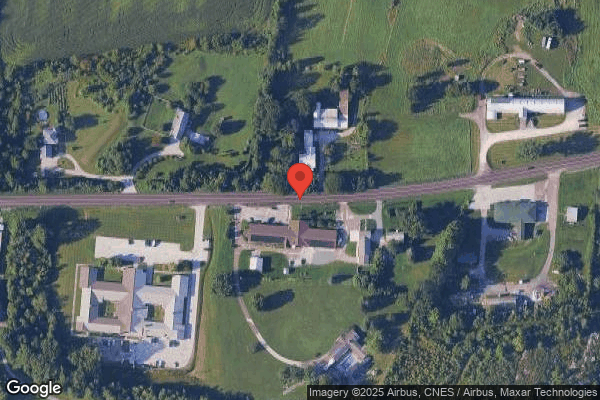
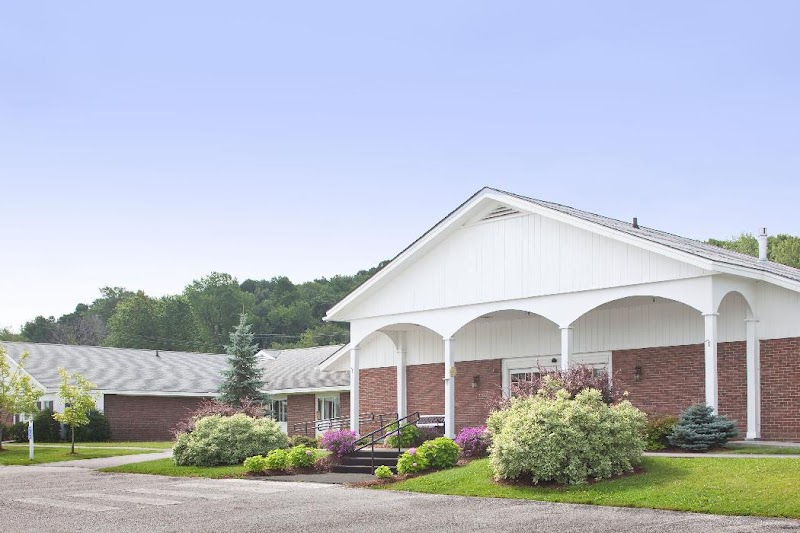
596 Sheldon Road, Saint Albans, VT 05478 (802) 524-6534
For profit - Corporation 115 Beds GENESIS HEALTHCARE Data: November 2025 2 Immediate Jeopardy citations
Trust Grade
6/100
#22 of 33 in VT
Last Inspection: January 2025

Within standard 12-15 month inspection cycle. Federal law requires annual inspections.

Overview

Saint Albans Healthcare and Rehabilitation Center has received a Trust Grade of F, indicating significant concerns regarding the quality of care provided. They rank #22 out of 33 facilities in Vermont, placing them in the bottom half, and #2 out of 3 in Franklin County, meaning there is only one local option that is better. While the facility shows an improving trend in health inspections, going from 9 issues in 2023 to 8 in 2025, it still has a concerning number of fines totaling $210,660, which is higher than 79% of Vermont facilities. Staffing is a relative strength with a 4/5 star rating and a turnover rate of 57%, which is below the state average, suggesting that staff members are experienced and familiar with the residents. However, the facility has faced critical incidents, including failing to assess risks for residents, leading to potential harm, and not properly addressing residents' mental distress, resulting in self-harm incidents. Overall, while there are some strengths in staffing, the significant fines and critical care deficiencies are areas of concern for potential residents and their families.
Trust Score
F
6/100
In Vermont
#22/33
Bottom 34%
Safety Record
High Risk
Review needed
Inspections
Getting Better
9 → 8 violations
Staff Stability
⚠ Watch
57% turnover. Above average. Higher turnover means staff may not know residents' routines.
Penalties
✓ Good
$210,660 in fines. Lower than most Vermont facilities. Relatively clean record.
Skilled Nurses
✓ Good
Each resident gets 46 minutes of Registered Nurse (RN) attention daily — more than average for Vermont. RNs are trained to catch health problems early.
Violations
⚠ Watch
21 deficiencies on record. Higher than average. Multiple issues found across inspections.
★★☆☆☆
2.0
Overall Rating
★★★★☆
4.0
Staff Levels
★★★☆☆
3.0
Care Quality
★★☆☆☆
2.0
Inspection Score
Stable
2023: 9 issues
2025: 8 issues

The Good

  • 4-Star Staffing Rating · Above-average nurse staffing levels
  • Full Sprinkler Coverage · Fire safety systems throughout facility
  • No fines on record

Facility shows strength in staffing levels, fire safety.

The Bad

2-Star Overall Rating

Below Vermont average (2.8)

Below average - review inspection findings carefully

Staff Turnover: 57%

11pts above Vermont avg (46%)

Frequent staff changes - ask about care continuity

Federal Fines: $210,660

Well above median ($33,413)

Significant penalties indicating serious issues

Chain: GENESIS HEALTHCARE

Part of a multi-facility chain

Ask about local staffing decisions and management

Staff turnover is elevated (57%)

9 points above Vermont average of 48%

The Ugly 21 deficiencies on record

2 life-threatening
Jul 2025 2 deficiencies 2 IJ
CRITICAL (J) 📢 Someone Reported This

A family member, employee, or ombudsman was alarmed enough to file a formal complaint

Immediate Jeopardy (IJ) - the most serious Medicare violation

Accident Prevention (Tag F0689)

Someone could have died · This affected 1 resident

Based on observation, interview, and record review, the facility failed to assess and identify individual risks and implement measures to provide supervision to prevent accidents resulting in harm to ...

Read full inspector narrative →
Based on observation, interview, and record review, the facility failed to assess and identify individual risks and implement measures to provide supervision to prevent accidents resulting in harm to 1 of the 3 sampled residents (Resident #1). Findings include: Per record review, Resident #1 has the following diagnoses: adjustment disorder, borderline personality disorder, anxiety, and major depressive disorder. A review of the initial Minimum Data Set (a standardized, comprehensive assessment of an adult's functional, medical, psychosocial, and cognitive status) indicates a BIMS (brief interview for Mental Status) of 15, suggesting that Resident #1 is cognitively intact. Resident #1 had been living in a group home until a short time ago when she/he was found to require more assistance with Activities of Daily and was admitted to the facility for rehabilitation. The State Agency received a report from the facility Administrator regarding an incident that occurred on 6/10/2025. The report reveals that Resident #1 was found in his/her room with deep wounds to his/her left forearm and thumb area. Two pairs of Scissors were found at the bedside. When asked what happened, S/he stated, I cut myself with scissors because I wanted to kill myself. Resident #1's room was searched, and a single knitting needle was found. Additional reporting was provided to the State Agency regarding a second incident, dated 6/15/2025, in which Resident #1 was found to have removed all the sutures from the laceration. Per the Facility Assessment, with a review date of 7/11/2024, We are able to provide care to residents with depression, anxiety, manic depression, and psychiatric disorders. Staff are trained upon hire and annually on trauma-informed care, which includes trauma symptoms, triggers, and how to provide support in the long-term care setting. In-house providers- our medical director and NP provide treatment of mental/behavioral health services as applicable. Person-centered care planning occurs, which supports the cognitive and mental health needs of the residents.Per record review, an emergency room note dated 12/21/24 reveals that Resident #1 presents for self-injury to his/her finger and suicide ideation, stating s/he is overwhelmed by the change in his/her living situation. Per a Case Management Progress Note with a date of 12/23/24, reveals Resident #1 held a butter knife to his/her throat and then harmed themselves by tearing off a fingernail at the nail bed, indicating s/he was overwhelmed by his/her transfer to a different facility. At the time, Resident #1 was endorsing suicidal ideation, stating she/he would find a way to act on it. Per Trauma Informed Care policy effective 5/1/2024, The Center will identify triggers which may re-traumatize patients with a history of trauma. Trigger-specific interventions will identify ways to decrease the patient's exposure to triggers that re-traumatize the patient, as well as identify ways to mitigate or decrease the effect of the trigger on the patient and will be added to the patient's care plan. Trauma-specific care plan interventions will recognize the interrelation between trauma and symptoms of trauma such as substance abuse, eating disorders, depression, and anxiety. In situations where a trauma survivor is reluctant to share their history, the Center will still try to identify triggers which may re-traumatize the patient and develop care plan interventions which minimize or eliminate the effect of the trigger on the patient.Per review of Resident #1's care plan, an entry dated 5/7/25 reveals that Resident #1 is at risk for suicidal ideations and self-harm Pt [patient] had held a butter knife to [his/her] throat and made a self-injury to her fingernail, with goals that include asking resident to share suicidal history and monitor any behavioral changes. The care plan does not contain safety interventions related to preventing self-harm until 6/10, when Resident #1 cut his/her arm. Per Transition of Care Report, dated 5/6/2025, a physical therapy entry indicates that a few months ago at his/her baseline, Resident #1 was able to ambulate around his/her home and used a wheelchair for longer distances. S/he was able to perform personal hygiene without assistance. She is now requiring more assistance with transfers and self-care and has limited mobility that requires more assistance. Today [s/he] is well below previous baseline level of functional mobility, at high risk for falling. Per Minimum Data Set (A standardized, comprehensive assessment of an adult's functional, medical, psychosocial, and cognitive status) dated 5/21/2025, Resident #1 is dependent on staff (dependent is defined as helper does all the effort, resident does none of the effort to complete the activity for toileting hygiene, defined as the ability to maintain perineal hygiene, adjust clothes before and after voiding or having a bowel movement, s/he is dependent on staff to dress both upper and lower body, s/he cannot turn self in bed, or come to a standing position from sitting in a chair, wheelchair, or on the side of the bed. Additionally, s/he is dependent on being able to get on and off a toilet or commode. A review of Social Service and Documentation dated 5/9/2027, there is an entry in the Mood category that Resident #1 has a history of behaviors, depression, and self-harming, she/he has had the recent experience of a change in residence, and a change in persons lived with. The Mental Health section reveals that Resident #1 has a diagnosis of a major mental illness, listing them as Depression, Anxiety Disorder, and personality disorder, and displays symptoms of psychosocial adjustment difficulty that are described as became upset during incontinence episode, slapping self and crying after admission. In the section Mental Health Treatment History, it is entered that Resident #1 has received mental health treatment and that this consists of outpatient psychiatry, and treatment is ongoing. In the Trauma History section, it is indicated that Resident #1 has a history of trauma/Post Traumatic Stress Disorder (PTSD). There is an entry that states per mental health case worker, Resident #1 has a history of self-harm and frequent trips to the Emergency Department for self-cutting, slapping self in face and head when upset or needs are not metPer Psychiatric Evaluation & Consultation dated 5/9/2025 reveals this is the initial consult with Resident #1, outside records indicate a diagnosis of PTSD; however, the medical chart does not reflect the diagnosis. With the history of borderline personality disorder, s/he could easily become unstable. Per Psychiatric Evaluation &Consultation dated 5/19/2025, it was revealed that Resident #1 is keeping busy with lots of arts and crafts. It is discussed that Resident # 1 will have a 7-day follow-up with the Behavioral Health Provider. There are no further visits until 6/13/25.Per review of Progress Notes, there are multiple entries (5/7/2025 hitting face, 5/21/2025 hitting self, spitting at staff, 5/22/2025 hitting self, throwing self, 6/4/25 kicked Licensed Nursing Assistant, hitting self in face, 6/6/2025 rocking chair, throwing self out, 6/7/25 threatened to hurt self.Per Progress Notes on 6/10, Resident # 1 is found with a large deep laceration to his/her arm and two pairs of bloody scissors by his/her bed. When the staff asked what happened, she/he stated, I cut myself with the scissors because I wanted to kill myself, because the night shift left me wet. Resident # 1 received medical care to close the wounds and returned to the facility the same day. Per Provider Note dated 6/15/2025, indicates Resident # 1 removed all sutures from the lacerations inflicted on 6/10/2025resulting in opening the deep wound on his/her arm. When Resident #1 was asked why she/he removed the sutures/they indicated a desire for the wound to become infected before she/he dies. Per Psychiatric Evaluation &Consultation dated 6/13/2025, reads Resident #1 has diagnoses of borderline personality disorder, depression, and anxiety, takes medications for PTSD, and mood. Resident #1 reveals that she/he cut his/her arm because the nighttime staff were not being nice to him/her, saying they would not return as she/he had urinated too many times, causing frustration. So s/he cut his/her arm as she/he wanted to remove him/herself from the situation. The self-injury was related to a specific incident of feeling helpless and maladaptive coping skills. She notes that medical records indicate Resident #1 has a history of this behavior when s/he is not feeling listened to or feel helpless. The therapist notes chronic enduring condition with high risk of destabilization.Per interview on 6/30/2025 at 1:26 PM, the Activity Director revealed that Resident #1 enjoyed arts and crafts and frequently attended activities. She did not pay specific attention to preventing Resident #1 from obtaining sharp objects, and, to her knowledge, Resident #1 had no interventions in place to alert her to the potential risk of obtaining sharp objects. Resident#1's medical record contains multiple entries, indicating that s/he has a history of difficulty adjusting to change, evidenced by a recent past admission to a rehabilitation facility where s/he had difficulty with the transition, demonstrating self-harming behaviors and suicide ideations. S/he is physically more dependent on Staff for activities of daily living and assistance with toileting. The record contains multiple entries in the progress notes that indicate an increase in self-harming behaviors; the facility failed to recognize the risk and protect Resident #1 from self-harming or identify triggers related to trauma or psychosocial adjustment disorder, resulting in the resident having access to sharp scissors and harming herself. Per interview on 6/30/25 at 3:09 PM, the Director of Nursing (DON) stated that the facility failed to identify the risk to the resident and did not provide supervision to prevent the resident from harming self. The facility did not follow its policy and identify trauma-specific triggers, or identify interventions to mitigate triggers, or develop a care plan to prevent further traumatizing the resident.
CRITICAL (J) 📢 Someone Reported This

A family member, employee, or ombudsman was alarmed enough to file a formal complaint

Immediate Jeopardy (IJ) - the most serious Medicare violation

Deficiency F0742 (Tag F0742)

Someone could have died · This affected 1 resident

Based on interview and record review, the facility failed to acknowledge and assess the underlying causes of the resident's expression of distress and failed to develop and implement a care plan that ...

Read full inspector narrative →
Based on interview and record review, the facility failed to acknowledge and assess the underlying causes of the resident's expression of distress and failed to develop and implement a care plan that addressed this distress, resulting in deterioration of the resident's mental and psychosocial well-being and resulting in the resident harming self for 1 of 3 (Resident #1) of the applicable sample and failed to revise care plans for triggers related to trauma for 9 or 12 residents (Residents #1, #2, #3, #4, #5, #6, #7, and #8). This is a repeat deficiency for this facility, with the violation cited during the previous recertification survey, dated 1/28/25. Findings include: 1.) Per record review, Resident #1 has the following diagnoses: adjustment disorder, borderline personality disorder, anxiety, and major depressive disorder. A review of the Brief Interview for Mental Status Evaluation (A test for cognitive function) dated 5/28/25 provides a score of 15, suggesting that Resident #1 is cognitively intact. Resident #1 had been living in a group home until recently when she/he was found to require more assistance than the group home could provide. The State Agency received a report from the facility Administrator regarding an incident that occurred on 6/10/2025. The report reveals that Resident #1 was found in her room with deep wounds to her left forearm and thumb area. Scissors were found at the bedside. When asked what happened, s/he stated, I cut myself with scissors because I wanted to kill myself. Resident #1's room was searched, and a single knitting needle was found. Additional reporting was provided to the State Agency on 6/15/2025, indicating that Resident #1 removed all sutures from the laceration. Per the Facility Assessment with a review date of 7/11/2024, We are able to provide care to residents with depression, anxiety, manic depression, and psychiatric disorders. Staff are trained upon hire and annually on trauma-informed care, which includes trauma symptoms, triggers, and how to provide support in the long-term care setting. In-house providers- our medical director and NP provide treatment of mental/behavioral health services as applicable. Person-centered care planning occurs, which supports the cognitive and mental health needs of the resident. Per record review, an emergency room note dated 12/21/24 reveals that Resident # 1 presents for self-injury to his/her finger and suicide ideation, stating s/he is overwhelmed by the change in his/her living situation. Per a Case Management Progress Note with a date of 12/23/24, reveals that Resident #1 held a butter knife to his/her throat and then harmed themselves by tearing off a fingernail at the nail bed, indicating s/he was overwhelmed by his/her transfer to a different facility. At the time, Resident # 1 was endorsing suicidal ideation, stating she/he would find a way to act on it. Resident #1 was residing in a group home, with admittance to a long-term care facility for the purpose of rehabilitation to improve mobility. According to the Transition of Care Report dated 5/6/2025, a physical therapy entry indicates that a few months ago, at baseline, Resident #1 was able to ambulate around their home and used a wheelchair for longer distances. S/he was able to perform personal hygiene without assistance. S/he is now requiring more assistance with transfers and self-care, and has limited mobility that requires more assistance. Today [s/he] is well below previous baseline level of functional mobility, at high risk for falling. Per review of Progress Notes, there are multiple entries (5/7/25 hitting face, 5/21/25 hitting self, spitting at staff, 5/22/25 hitting self, throwing self, 6/4/25 kicked Licensed Nursing Assistant, hitting self in face, 6/6/25 rocking chair, throwing self out, 6/7/25 threatened to hurt self) demonstrating ongoing self -harm or threats to self harm. Per Psychiatric Evaluation & Consultation dated 5/9/2025 reveals this is the initial consult with Resident #1, outside records indicate a diagnosis of PTSD; however, the medical chart does not reflect the diagnosis. With the history of borderline personality disorder, s/he could easily become unstable, and she would follow up in 7 days. A review of Social Service and Documentation dated 5/9/2027, has an entry in the Mood category that Resident #1 has a history of behaviors, depression, and self-harming and has had the recent experience of a change in residence, and a change in persons lived with. Under the Mental Health section, it is indicated that Resident #1 has a diagnosis of a major mental illness, listing them as Depression, Anxiety Disorder, and personality disorder, and displays symptoms of psychosocial adjustment difficulty that are described as became upset during incontinence episode, slapping self and crying after admission. In the section Mental Health Treatment History, it is entered that Resident #1 has received mental health treatment and that this consists of outpatient psychiatry, and treatment is ongoing. In the Trauma History section, it is indicated that Resident #1 has a history of trauma/Post Traumatic Stress Disorder ( PTSD). There is an entry that states per mental health case worker, Resident #1 has a history of self-harm and frequent trips to the Emergency Department for self-cutting, slapping self in face and head when upset or needs are not met. Per Psychiatric Evaluation Consultation 5/19/2025, reveals that Resident #1 is keeping busy with various arts and crafts, including making tissue paper. It is discussed that Resident #1 will have a weekly follow-up with the Behavioral Health Provider. Plan to follow up in 7 days. There are no further visits until 6/13/2025. Per Progress Notes on 6/10, Resident # 1 is found with a large deep laceration to his/her arm and two pairs of bloody scissors by his/her bed. When the staff asked what happened, she/he stated, I cut myself with the scissors because I wanted to kill myself, because the night shift left me wet. Per record review of an email to the Social Service Director dated 6/12/2025, Resident #1's mental health case worker indicates a long-time history of behaviors that include self-harm when triggered by an external event or personal interaction, or needs are not met immediately .[she/he] has the potential to become extremely anxious and verbal /yelling in addition to [his/her] self-harming behaviors and voicing suicidal intentions. Per Psychiatric Evaluation 6/13/2025 reveals that Resident #1 has diagnoses of borderline personality disorder, depression, and anxiety, takes medications for PTSD, and mood. It reveals she/he cut his/her arm because the nighttime staff were not being nice to him/her, s/he was told that they would not return as s/he had urinated too many times, causing frustration and so s/he cut her arm, as s/he wanted to remove him/herself from the situation. The self-injury was related to a specific incident of feeling helpless and maladaptive coping skills. The evaluation notes that medical records indicate Resident #1 has a history of this behavior when s/he is not feeling listened to or feels helpless. The therapist notes chronic enduring condition with high risk of destabilization. Per Provider Note dated 6/15/2025, reveals Resident # 1 removed the sutures, opening the deep wound on his/her arm. When Resident #1 was asked why she/he removed the sutures/they indicated a desire for the wound to become infected before she/he dies. Per Trauma Informed Care policy effective 5/1/2024, The Center will identify triggers which may re-traumatize patients with a history of trauma. Trigger-specific interventions will identify ways to decrease the patient's exposure to triggers that re-traumatize the patient, as well as identify ways to mitigate or reduce the effect of the trigger on the patient and will be added to the patient's care plan.Trauma-specific care plan interventions will recognize the interrelation between trauma and symptoms of trauma, such as substance abuse, eating disorders, depression, and anxiety. In situations where a trauma survivor is reluctant to share their history, the Center will still try to identify triggers which may re-traumatize the patient and develop care plan interventions which minimize or eliminate the effect of the trigger on the patient. The medical record contains multiple entries of a history of self-harming behaviors that are attributed to psychosocial adjustment difficulty. The admission assessments (the MDS and the Social Service and Documentation) contain information indicating that Resident #1 has an adjustment disorder and requires additional assistance from staff. Behavioral Health notes indicate there is a high risk of destabilization if the resident feels helpless or is not listened to. Additionally, there was a lapse in Behavioral Health services from 5/19/2025 to 6/13/2025. The medical record has evidence of multiple entries describing self-harming behavior that is related to adjustment disorder, a change in environment, and increased dependence on staff for Activities of Daily Living. On 6/30/2025 at 1:54 PM, an interview with the Social Service Director and the DON revealed that Resident #1 was not asked about his/her trauma or triggers; Resident #1's case workers provided information, identifying triggers that result in self-harming behavior and suicidal ideation. Per interview by phone on 7/2/2025 at 10:50 AM, the DON confirmed that the facility did not adequately acknowledge Resident # 1's distress, by identifying and mitigating triggers of trauma, ensuring that Mental Health Services were available, and by keeping Resident # 1 free from accidents, and did not follow their internal policy. 2.) Per record review, seven residents (Residents #2, #3, #4, #5, #6, #7, and #8), who have diagnoses of trauma and/or PTSD [Post-Traumatic Stress Disorder], did not have their care plans updated with triggers associated with their trauma. An interview was conducted with the Social Worker on 7/21/25 at 11:57 AM. The Social Worker confirmed the care plans did not have triggers identified that were associated with the residents’ history of trauma. On 7/21/25 at 3:34 PM it was confirmed with the Administrator and Social Services Director that the triggers had not been added to the residents’ care plans until 7/21/25.
Jan 2025 6 deficiencies
CONCERN (D)

Potential for Harm - no one hurt, but risky conditions existed

Deficiency F0645 (Tag F0645)

Could have caused harm · This affected 1 resident

**NOTE- TERMS IN BRACKETS HAVE BEEN EDITED TO PROTECT CONFIDENTIALITY** Based on interview and record review, the facility failed to ensure a required Level 1 Preadmission Screening and Resident Revie...

Read full inspector narrative →
**NOTE- TERMS IN BRACKETS HAVE BEEN EDITED TO PROTECT CONFIDENTIALITY** Based on interview and record review, the facility failed to ensure a required Level 1 Preadmission Screening and Resident Review (PASRR) was conducted for 2 residents [Res.#16 & #75] of 23 sampled residents to ensure the residents were evaluated for serious mental illness and were not inappropriately placed in nursing homes for long term care. Findings include: Per the Centers for Medicare and Medicaid: The Preadmission Screening and Resident Review (PASRR) process requires that all applicants to Medicaid-certified nursing facilities be given a preliminary assessment to determine whether they might have serious mental illness and/or intellectual disability. This is called a 'Level I screen.' Those individuals who test positive at Level I are then evaluated in depth, called 'Level II' PASRR. The results of this evaluation result in a determination of need, determination of appropriate setting, and a set of recommendations for services to inform the individual's plan of care. (https://www.medicaid.gov/medicaid/long-term-services-supports/institutional-long-term-care/preadmission-screening-and-resident-review/index.html) 1.) Per record review, Res.#16 was admitted to the facility on [DATE] with diagnoses that included schizophrenia and cognitive communication deficit. Prior to their admission to the facility, Res.#16 was receiving care through a counseling and support service for continued care of long-standing history of schizophrenia. Res.#16 underwent an initial PASRR screening on 10/21/24. The resident received a Short -Stay exemption which states the individual may be admitted to the nursing facility without further screening if the physician certifies that the individual is likely to require less than 30 days in the nursing facility to qualify for this exemption. The PASRR continues, If it is later decided the individual will exceed 30 days, another Level 1 form screening for serious mental illness and Intellectual/developmental disability and/or related condition must be completed by the admitting nursing home. Further record review, conducted during the survey on 1/14/25, revealed Res.#16 is currently a resident at the facility, with their length of stay 84 days and counting. There was no documentation that a Level 1 PASRR review was conducted, despite the resident remaining at the facility past the 30-day exemption period. An interview was conducted with the facility's Social Service Director [SSD] on 1/15/25 at 12:33 PM. The SSD confirmed that a Level 1 PASRR was required after Res.#16's stayed in facility longer than initial 30 day stay but the PASRR assessment was not done. The SSD confirmed Res.#16 has a diagnosis of schizophrenia and is on antipsychotic medications and was receiving counseling services prior to admission. The SSD stated that the facility was figuring out the process and contacting a patient manager to see if the resident can continue to get services. The SSD confirmed that had the Level 1 PASRR screen been conducted as required, services might have already been identified and in place to assist the resident. 2.) Per record review, Res.#75 was admitted to the facility on [DATE]. Physician Notes dated 11/21/24, prior to their admission to this facility, record the resident was seen for chief complaint of acute adjustment disorder with features of anxiety and depressed mood where the physician and Res.#75 discussed care options including pharmacotherapy and counseling. Res.#75 underwent an initial PASRR screening on 11/25/24. The resident received a Short -Stay exemption which states the individual may be admitted to the nursing facility without further screening if the physician certifies that the individual is likely to require less than 30 days in the nursing facility to qualify for this exemption. Further record review, conducted during the survey on 1/14/25, revealed Res.#75 is currently a resident at the facility, with their length of stay 49 days and counting. There was no documentation that a Level 1 PASRR review was conducted, despite the resident remaining at the facility past the 30-day exemption period. Per interview with the SSD on 1/15/24, the SSD confirmed the Level 1 PASRR was not completed as required after Res.#75's stay extended beyond 30 days. The SSD confirmed that had the Level 1 PASRR screen been conducted as required, services might have already been identified and in place to assist the resident.
CONCERN (D)

Potential for Harm - no one hurt, but risky conditions existed

ADL Care (Tag F0677)

Could have caused harm · This affected 1 resident

Based observation, interview, and record review, the facility failed to ensure that a resident who is unable to carry out activities of daily living (ADLs) without assistance receives the proper level...

Read full inspector narrative →
Based observation, interview, and record review, the facility failed to ensure that a resident who is unable to carry out activities of daily living (ADLs) without assistance receives the proper level of assistance for 2 of 3 sampled residents (Resident #36 and Resident #4) related to nail care. Findings include: 1. Per observation on 1/14/25 at 8:42 AM, Resident #36 had long toenails. Per interview with Resident #36 on 1/15/25 at 9:09 AM. Resident #36 stated s/he wants his/her nails cut. Per record review on 1/14/25, Resident #36 has medical diagnoses of Diabetes Mellitus Type II, COPD [Chronic Obstructive Pulmonary Disease], and CHF [Congestive Heart Failure]. Per record review of Resident #36's care plan states, [Resident #36] requires assistance for ADL care in bathing, grooiming, personal hygiene, dressing, eating, bed mobility, transfer, location, and toileting. Per the facility's NSG217 Foot Care policy [last revised 8/7/23] states, Patients who have complicating disease processes requiring foot care including, but not limited to, infections/fungus, ingrown toenails, diabetes mellitus, neurological disorders, renal failure, and peripheral vascular disease must be referred to qualified professionals such as podiatrists or other qualified providers. An interview was conducted with the Unit Manager on 1/15/25 at 9:51 AM. The Unit Manager discussed that the staff cannot cut Resident #36's nails due to his/her diagnosis of Diabetes and confirmed s/he would need to see a podiatrist. The Unit Manager provided documentation of the last podiatry progress note for Resident #36. The last podiatry note was on 5/22/23. Per record review of the resident's last podiatry note states, f/u [ follow-up] [in] 3 months, further foot evaluation and treatment. The Unit Manager confirmed Resident #36 does not currently have a podiatry appointment and had not been seen for podiatry care since 5/22/23. 2) Per observation on 1/13/25 at 10:00 AM, Resident #4 had very long fingernails with a black dirt like substance embedded under each fingernail on both hands. An interview was conducted with Resident #4 on 1/13/25 at 10:10 AM. Resident #4 stated that they would like their fingernails trimmed and has asked staff to do this for them. Resident #4 stated that they are just waiting for staff to come do it. On 1/15/25 at 1:00 PM, Resident #4 stated that staff had still not trimmed his/her fingernails. Per record review, Resident #4's care plan states that resident requires extensive assistance of 2 for hygiene care. Record review from 12/15/24 to 1/15/25 including progress notes, LNA [Licensed Nursing Assistant] tasks, medication administration, and treatment administration record show that Resident #4 did not recieve hygiene care related to finger nail trimming within the last 30 days. Resident #4's care plan states resident is at risk for injury or complications related to anticoagulation [blood thinner] therapy. Per interview with the Unit Manager on 1/15/25 at 1:20 PM, the Unit Manager stated that Resident #4's fingernails must be trimmed by a licensed nurse due to the resident being on an anticoagulant medication. The Unit Manager also stated I do not have any good answer for why this (the trimming of Resident #4's finger nails) has not been done.
CONCERN (D)

Potential for Harm - no one hurt, but risky conditions existed

Deficiency F0742 (Tag F0742)

Could have caused harm · This affected 1 resident

**NOTE- TERMS IN BRACKETS HAVE BEEN EDITED TO PROTECT CONFIDENTIALITY** Based on interviews and record review, the facility failed to develop an individualized care plan that addresses the assessed em...

Read full inspector narrative →
**NOTE- TERMS IN BRACKETS HAVE BEEN EDITED TO PROTECT CONFIDENTIALITY** Based on interviews and record review, the facility failed to develop an individualized care plan that addresses the assessed emotional and psychosocial needs of the resident and failed to provide services that address the assessed needs of the resident for 1 of 23 residents (Resident #5). Findings include: Per record review, Resident #5 was admitted to the facility on [DATE]. Per a 12/19/2024 PHQ-2 to 9 Evaluation (mood evaluation), a mood interview was conducted with Resident #5, who reported that over the past two weeks, s/he had little interest or pleasure in doing things several days, felt down, depressed, or hopeless for several days, was tired or had little energy half or more of the days, and had trouble concentrating on things half or more of the days. Per interview on 1/13/25 at 1:34 PM, Resident #5 stated that s/he is sad and has crying spells. S/He reported not to have any mental health services and would utilize them if they were offered. A Nursing Progress Note dated 1/15/24 reveals that Resident #5 stated 'I'd be better off dead,' when Social Services came to reevaluate Resident #5's mood. Per record review, Resident #5's care plan does not address his/her reported mood and does not have any interventions to support the resident with depression such as daily check ins or mental health support. Per interview on 1/15/25 at 9:50 AM, the Director of Social Services explained that if a resident's mood assessment tool identified symptoms of depression, s/he would inform the Nurse Practitioner, create a care plan for mood that included interventions such as daily check ins, and put in a referral for a psychiatric consult. Per interview on 1/15/25 at 3:06 PM, the Director of Nursing confirmed that Resident #5 didn't have a care plan and psychiatric services offered after the mood assessment on 12/19/24 and should have.
CONCERN (F)

Potential for Harm - no one hurt, but risky conditions existed

Safe Environment (Tag F0584)

Could have caused harm · This affected most or all residents

**NOTE- TERMS IN BRACKETS HAVE BEEN EDITED TO PROTECT CONFIDENTIALITY** Based on observation, interview, and record review, the facility failed to provide a safe, clean, comfortable and homelike envir...

Read full inspector narrative →
**NOTE- TERMS IN BRACKETS HAVE BEEN EDITED TO PROTECT CONFIDENTIALITY** Based on observation, interview, and record review, the facility failed to provide a safe, clean, comfortable and homelike environment regarding resident room maintenance and repair on all resident units. This is a repeat deficiency for this facility, with violations cited during the previous two recertification surveys, dated 10/04/23 and 10/26/22. Findings include: An interview was conducted with the facility's Administrator [ADM] on 1/15/25 at 10:30 AM. The ADM provided a Quality Assurance/Performance Improvement [QAPI] meeting report regarding 'Physical Plant' concerns last dated 1/6/25. Per review of the QAPI report, an audit of the physical plant was assigned and completed by the Administrator, with a notation that all residents have the potential to be affected. QAPI areas and actions also included Continued Quality Assurance audits implemented to ensure enhanced system compliance and list Administrator to coordinate with MP [Maintenance] to assure projects continue per environmental audit. Review of the facility audit completed by the ADM, dated 1/3/25 included items identified as in need of replacement, in need of repair/replacement, need patching or painting, and/or need sanding/staining in categories that include ceiling tiles, heater cover, baseboards, holes or discolored sections on wall, bathroom wall, main door, and closet door. Areas and/or items in need of repair, replacement, patching, painting, sanding/staining were identified in all 48 resident rooms in the facility. The Maintenance Director provided a printed list of facility-wide environmental issues identified through the Maintenance Department dated 1/15/25. The maintenance list included Open and In Progress work orders. Review of the Maintenance Department's Open and In Progress work orders reveals the work order list does not contain when the issues and concerns were identified, or any maintenance staff assigned to perform the open tasks or repairs. A tour was conducted of random resident rooms with the Maintenance Director on 1/15/25 at 10:15 AM. In resident room [ROOM NUMBER] West, surveyors identified multiple environmental issues including: - Multiple bare plaster spots and cracks in the walls, and scrapes distributed about the walls; - One double electric outlet that is pushed about 1/2 out of the wall creating a gap behind the faceplate. The top of this gap is covered in paper masking tape; - No toilet paper holder in the bathroom; - Bathroom tiles discolored and appeared to be soiled with unknown substances black and brown in color; - Warped countertop with buckling laminate at the shared room sink; - Countertop at sink with bare wood/unpainted gaps where the countertop abuts the wall; - Approximately 1-foot square area of an unpainted patch on the wall above soap dispenser at shared sink; - Bathroom- Approximately 1-foot square area of an unpainted patch next to soap dispenser; - Heater cover running length of outer wall- multiple areas of brown stains and visible rust; - Bedside cabinet at window with peeling laminate on the door; - Multiple vertical scratches exposing bare wallboard behind head of bed located near window; - Resident light above/behind bed at window with no string/ no resident access. The Maintenance Director confirmed all areas identified by the surveyors in room [ROOM NUMBER] [NAME] as requiring repair or replacement in order to maintain a homelike environment for residents. A review of the facility's Maintenance Department's Open and In Progress work orders did not identify resident room [ROOM NUMBER] [NAME] as needing any areas of repair and was not included anywhere on the list. Further observations in additional random resident rooms with the Maintenance Director revealed multiple areas in need of repair/replacement confirmed by the Director and again confirmed that they were not identified by the facility and did not appear on the Maintenance Department's Open and In Progress work orders list or on the facility's Physical Plant audit conducted by the Administrator on 1/3/25. Of note, an item in need of repair/replacement listed on the facility's Physical Plant audit dated 1/3/25 is identified as was a State concern previously. The previous State Survey of the facility was conducted on 10/4/2023. The following is a list of resident room issues identified during observations conducted on 1/13 thru 1/15/25: East Wing: room [ROOM NUMBER] East: - Large crack running down right wall; - Bathroom has loose toilet paper holder. room [ROOM NUMBER] East: - Bathroom has a loose toilet paper holder; - Tiles around the left side of toilet have visible rust stains. room [ROOM NUMBER] East: - 2 inch by 2 inch hole at right end of radiator by window; - Window on the left side of the room has shard of metal and screws coming loose from the window. room [ROOM NUMBER] East: - Loose handrail next to toilet; - Toilet paper holder is loose; - The room number sign outside the door for room [ROOM NUMBER] East is missing numbers. room [ROOM NUMBER] East: - Large scrapes in the drywall behind the head of one of the beds that ran the entire length of the headboard; - Six metal dry wall anchors inserted into the wall with sharp edges and nothing installed into them; - The toilet paper holder in the bathroom was partially ripped out of the wall; - The light in the bathroom was a bare light bulb with no covering. room [ROOM NUMBER] East: - The entry door side of the room there is a 1-inch hole in the wall by the TV; - Approximately 3 feet of baseboard molding missing on wall behind bed near doorway; - Baseboard molding pulling away from wall; - Plaster is hanging and falling off the ceiling; - In the bathroom there were several small holes (less than an inch each) and plaster was peeling off the walls; - On the window side of the room (furthest bed from the entry door side) there are several moderately sized scrapes (about a foot long) in the wall where the paper had torn from the drywall exposing the porous gypsum behind it. room [ROOM NUMBER] East: - On the entry door side of the room there is peeling plaster falling from the corners of the ceiling. - In the bathroom the toilet paper holder was torn off of the wall and there were 8-10 holes in the wall where it appears the toilet paper holder had been attached and ripped off several times before - In the bathroom there is a bare light bulb with no covering. - On the window side of the room there are 5-10 small holes in the closet door - Window side of the room plaster peeling and falling from the corners of the ceiling - Loose cables roughly stapled to the wall running across the room. - Radiator fins bent/pulling away from wall. - Foot-long scratches on wallboard behind head of bed at window. room [ROOM NUMBER] East: - The wooden veneer is chipped off of the bathroom door - There is no toilet paper holder in the bathroom - The plaster is peeling off behind the in-room sink - 2-3 water spots on the ceiling. - Bedside cabinet at bed by window with warped door, laminate pulling off. - Resident light above bed with no string for resident access. - Scratches on wallboard behind head of bed - Bed on opposite side of room- large unpainted plaster patch on wall by head of bed room [ROOM NUMBER] East: - There is approximately. a half dozen electrical cords plugged into a power strip with the cords all in contact with the baseboard heater - The toilet paper holder is hanging loosely partially pulled out of the wall in the bathroom - Multiple water stains on the ceiling - Left window- gap between window and air conditioner- air flowing through gap. - Window screen bent and attached to frame with tape. room [ROOM NUMBER] East: - Heater on right side of room with bent fins West Wing: room [ROOM NUMBER] West: - Coaxial cable stapled loosely on the walls hanging in loops low enough for possible entanglement by residents or staff - Several small holes in the bathroom doors - Approximately. a dozen scrapes and minor chips in the plaster of the walls throughout the room. room [ROOM NUMBER] West: - Large number of small holes less than 1 inch in the walls of the room - 4-6 empty sharp metal drywall anchors with nothing installed into them - In the bathroom the plaster is cracked and peeling in the corners where walls meet each other and the ceiling - There is no toilet paper holder in the bathroom - The baseboards in the bathroom with visible white smudges, streaks and other discoloration - The bathroom has 1 broken linoleum tile in the floor. - Resident light over only 1 of 3 resident beds. Residents with no access to overhead lights from bed. room [ROOM NUMBER] [NAME] - Unpainted spot on the wall near the door of about 8 by 8 - Wooden veneer is peeling off of the bedside dresser - 30-50 small pieces of scotch tape stuck to the closet doors - One of the wall mounted lights in the room has a pull cord switch that was about one inch long and out of reach of a resident. On the same light someone had placed the land line telephone balanced on top of the light fixture, out of reach of the resident - Radiator bent with rusted areas room [ROOM NUMBER] [NAME] -bare plaster next to the bed -small scrapes and holes (approximately 20 total) throughout the room -bare plaster patch of about 5 by 5 by the TV that is sunk concave into the wall -an electrical outlet with what appeared to be a small plastic [NAME] sticking in behind the face plate -the in-room sink the laminate counter was peeling, warped and buckling. -coiled wire sticking out of wall above bed on right side. -Resident light above bed with no string for resident access. room [ROOM NUMBER] [NAME] -multiple bare plaster spots and cracks in the walls, and scrapes distributed about the walls. -one double electric outlet that is pushed about 1/2 out of the wall creating a gap behind the faceplate. The top of this gap is covered in paper masking tape. -no toilet paper holder in the bathroom -bathroom tiles discolored and appeared to be soiled with unknown substances black and brown in color. -bathroom- unpainted patch next to soap dispenser -room radiator- multiple areas of dirt and visible rust -bedside cabinet at window with peeling laminate. -resident light above bed with no string for resident access. room [ROOM NUMBER] [NAME] -walls beside door and behind both beds missing paint or scratched off in large patches -ceiling with visible cracks. room [ROOM NUMBER] West - each wall missing large unpainted areas - closet wall abutting sink is delaminating and splintering - Window screens dirty room [ROOM NUMBER] West -wall beside door missing large patch of paint -closet wall abutting sink is delaminating and splintering -radiator casing is broken. room [ROOM NUMBER] West -wall beside door missing large amount of paint and beside B bed large areas of paint scratched off leaving large white patches on dark blue walls. - closet wall abutting sink is delaminating and splintering. room [ROOM NUMBER] West -walls beside door and behind both beds large unpainted patches -grout around sink vanity is crumbling and falling out. room [ROOM NUMBER] West -Walls beside door and behind bed missing large amounts of paint -'B' bed's bedside tables delaminated, scratched -closet wall abutting sink is delaminating and splintering. room [ROOM NUMBER] West -walls beside door and behind both beds missing paint in large areas. room [ROOM NUMBER] West -walls beside door and behind 'B' bed missing large patches of paint -closet wall abutting sink is delaminating and splintering -the floor along the back of 'A' bed wall has broken tiles, and there is a hole in the same wall - screen in the left window is dislodged and has nails sticking out of the frame. room [ROOM NUMBER] West -all walls missing large areas of paint -closet wall abutting sink is delaminating and splintering. room [ROOM NUMBER] West -all walls missing several areas of paint, holes in walls on the left and right side of room -baseboards on right wall chipped and broken -closet wall abutting sink is delaminating and splintering Center Wing: Room CW3 -2 rough, bare spackled areas in bathroom, approximately 5 inches each. Room CW4 - Unpainted square, 1 ft x 1 ft by the door - Multiple small holes and scratched paint spots behind the bed by the door, - Screen has a 2 inch hole, has a piece of tape covering it, which also has a whole in it - Bathroom has a 1.5 x 2.5 inch unfinished spackle Room CW5 - Wall behind the recliner has multiple small holes on the wall - 2 ft x 2 ft unpainted square on the far wall Room CW6 - Unpainted area left of door, approximately 5 by 5 - Electrical cord running inside the radiator fins - Approximately a dozen scuffs on the wall behind the head of the bed Room CW7 - Radiator has bent fins Common Areas: Name plates on resident doors had broken letters, excessive tape, or stickers that made it difficult to read the resident's name for rooms W2, W3, W4, W5, W6, W7, W8, W9. W11, W14, W15, W16, W17, W18, W19, W20, W21, W22, W23, W24, W25, W27, CE1, CE2, CE3, CE4, CE5, CE6, CE7, CE8, CE9, E15, E16, E17, E18, E19, E20, E21, E22, E23, E24, E25, E26, E27. Resident room doors, visible from the hallway, had excessive amounts of tape or areas where a significant amount varnish had been striped from the door for rooms: W11, W14, W15, W16, W17, W20, W22, W25, W27, CE1, CE2, CE3, CE4, CE5, CE6, CE7, CE8, CE10, E15, E16, E17, E18, E19, E20, E21, E22, E23, E24, E25, E26, and E27. Dining room: - Approximately 10 stained or broken ceiling tiles with multiple areas of bent metal holding the tiles up. - Approximately 2.5 ft crack in the wall by the dining room entrance Hall to dining room: - Approximately 3 inch x 3 inch hole in the plaster by the baseboard of the dining room door - 2 unpainted areas approximately 3 inches by 3 inches near the upper left hand area by the bathroom door across from the dining room - Approximately 2 foot x 3 foot unpainted area by the center nursing station - Approximately 6 inch by 1 inch long hole in plaster along the baseboard of the center nursing station - Significant dipping of ceiling tiles and bent metal holding the tiles in place in the center nursing station West common areas: - 4 roughly spackled, unpainted areas in hallway approximately 4 x 5 inches each, near rooms CW 9 and CW10 - Exposed wires above the exit door - Significant dipping of ceiling tiles and bent metal holding the tiles in place in the hallway - Dipping of ceiling tiles and bent metal holding the tiles in place in the nursing station East common areas: - Ceiling tiles dipping with bent metal supporting the tiles in the living room area - Radiator fins are bent in the living room area - Multiple discolored ceiling times in the hallway - Area of unpainted plaster approximately 2 inch x 4 inch in the hallway by room CE7 Per interview with the ADM on 1/15/25 at 10:30 AM, the ADM confirmed a facility wide audit dated 1/3/25 identified areas and/or items in need of repair, replacement, patching, painting, sanding/staining were identified in all 48 resident rooms in the facility. The ADM confirmed the Quality Assurance/Performance Improvement [QAPI] meeting on 1/6/25 regarding the facility's 'Physical Plant' did not contain any plan of action or timeline to address the multiple resident room issues identified in the ADM's audit of 1/3/25. An interview was conducted with the Maintenance Director on 1/15/25 at 10:09 AM. The Maintenance Director reported that any staff member can submit a maintenance request through the facility's automated system. The system generates a report for the Maintenance Director who can then assign and track the request from the time the request was generated through the time it was completed. Additionally, the Maintenance Director stated s/he conducts daily rounds throughout the facility to identify maintenance needs and areas in need of repair. The Maintenance Director confirmed that multiple concerns and issues regarding providing residents with a homelike environment were identified during observations conducted on 1/13 through 1/15/25 and required action but were not identified by the Maintenance Department and did not appear on the Open and In Progress work orders list. The Maintenance Director reported if a maintenance concern or issue is not processed through the Work Order system, the Director and Maintenance staff have no process to assign or track the issue or ensure the repair and/or replacement is completed. Facility policy titled PM403 Physical Plant Inspections, last reviewed 1/8/24, reads, An inspection of the physical plant will be performed quarterly, by using the Physical Quarterly Inspection Checklist as a guideline for inspection and to schedule any repairs that are needed. Checklist comparisons may help identify solutions to persistent problems. Attached to the policy is the Physical Plant Quarterly Inspection Checklist, which lists general categories to inspect with specific areas to inspect in each category. For example, Halls and Corridors prompts documenting if baseboard moldings, ceiling tiles, and walls are in acceptable condition, and if not, what action was taken. Patient rooms prompts documenting if ceilings, walls, windows, and closets are in acceptable condition, and if not, what action was take. A review of maintenance quarterly checklists for the past year (3/29/24, 6/28/24, 9/24/24, and 12/31/24) reveal an inspection of general categories rather than specific details in each category on a different checklist than what the policy included. The above quarterly inspection checklists answered yes to halls and corridors and patient rooms being acceptable. Actions required in these areas were marked as not applicable. During a walk through of the facility on 1/28/25 at 11:30 AM with the Regional Environmental Director, s/he confirmed that the issues identified above should have been identified and a work order should have been put in. On 1/28/25 at 12:25 PM, the Regional Environmental Director explained that the system for quarterly inspection is flawed because it does not go through the detailed checklist of the general areas. S/He explained that the issues identified during the walk through should have been identified on the quarterly inspection and were not.
CONCERN (F)

Potential for Harm - no one hurt, but risky conditions existed

Food Safety (Tag F0812)

Could have caused harm · This affected most or all residents

Based on observation, interview, and record review, the facility failed to ensure that freezer food temperatures were maintained at a safe level for 3 of 4 freezers, including the walk-in freezer for ...

Read full inspector narrative →
Based on observation, interview, and record review, the facility failed to ensure that freezer food temperatures were maintained at a safe level for 3 of 4 freezers, including the walk-in freezer for the main kitchen that serves food for all residents in the facility. This is a repeat deficiency. Findings include: Per observation on 1/13/25 at 9:54 AM, the walk-in freezer door was unable to shut completely after inspection by the survey team. Review of temperature logs for November and December 2024 reveals that 30 of the 30 days in November the walk-in freezer had recorded temperatures between 5 and 19 degrees Fahrenheit, all days above zero degrees and out of range; and 31 of the 31 days in December the walk-in freezer had recorded temperatures between 3 and 18 degrees Fahrenheit, all days above zero and out of range. Per review of temperature freezer logs for the unit freezer units, 2 of the 3 unit freezers had temperatures out of range. Review of [NAME] Unit's temperature logs for November and December 2024 reveals that 29 of the 30 days in November the freezer had recorded temperatures between 3 and 36 degrees Fahrenheit, most days above zero and out of range; and 27 of the 31 days in December the freezer had recorded temperatures between 1 and 31 degrees Fahrenheit, most days above zero and out of range. Review of the Center Unit temperature logs for November and December 2024 reveals that 25 of the 30 days in November the freezer had recorded temperatures between 1 and 20 degrees Fahrenheit, most days above zero degrees and out of range; and 26 of the 31 days in December the freezer had recorded temperatures between 1 and 19 degrees Fahrenheit, most days above zero and out of range. Facility policy titled FNS402 Refrigeration/Freezer Temperature Standards, effective 5/1/23, reads, If temperatures fall outside of acceptable range, the Maintenance Department is notified immediately, If repair is delayed, consideration must be made regarding the relocation of perishable items. Acceptable ranges are: . Freezers: -10 to 0 degrees Fahrenheit. Per interview on 1/15/25 at 12:10 AM, the Administrator explained that the kitchen staff do not have access to put in a maintenance work order through their online system, TELS. S/He confirmed that there had not been a work order for the broken walk-in freezer. Per interview on 1/15/25 at 1:12 PM, the Kitchen Manager confirmed that the freezer temperatures on the above temperature logs for all 3 freezers were not in range if the temperature was above 0 degrees Fahrenheit. Per interview on 1/15/25 at 4:40 PM, the Administrator explained that the walk-in freezer had been broken for a while but it has been much worse recently. S/He stated that s/he had made a request for funding to replace the freezer in November 2024.
CONCERN (F)

Potential for Harm - no one hurt, but risky conditions existed

Infection Control (Tag F0880)

Could have caused harm · This affected most or all residents

3.) Per observation on 1/13/25 at 11:17 AM, Res. #65 was observed sitting in h/her wheelchair in the [NAME] Wing hallway. The resident's Foley catheter tubing was observed touching the floor underneat...

Read full inspector narrative →
3.) Per observation on 1/13/25 at 11:17 AM, Res. #65 was observed sitting in h/her wheelchair in the [NAME] Wing hallway. The resident's Foley catheter tubing was observed touching the floor underneath the wheelchair. Additional observations on 1/14/25 again revealed Res.#65 in their wheelchair with the Foley catheter tubing touching the floor while the resident ate breakfast in the [NAME] Wing dining area. Staff were assisting the resident with h/her meal, and did not adjust the catheter tubing. An interview was conducted with the facility's Infection Preventionist [I.P.] on 1/15/25 at 11:00 AM. The I.P. confirmed that Foley catheter tubing touching the floor was a preventable infection risk and was not the facility's practice. The I.P. confirmed a resident with a Foley catheter would be under Enhanced Barrier Precautions and Foley catheter care by staff would require staff to wear PPE. 2.) Per observation on 1/13/25 at 4:41 PM, a Kitchen Staff was observed getting ready for dinner service. This staff member was observed removing soiled gloves and putting on new gloves without performing hand hygiene in between. This happened 4 more times over the next 12 minutes. Per interview on 1/13/25 at 4:53 PM, the IP confirmed that infection prevention training is given to kitchen staff, which includes proper handwashing and gloving techniques. The I.P. confirmed staff should wash their hands prior to donning gloves and again after removing gloves. Based on observation and interview, the facility failed to implement facility-wide systems for the prevention and control of infections and communicable diseases of residents, staff, and visitors. Findings include: 1.) On 1/15/25 at 1:27 PM an inspection of the facility laundry room was conducted. Present for the inspection were the Infection Preventionist [IP] and a Laundry Staff. This surveyor observed three areas in the ceiling where water was dripping from leaking pipes directly into the clean laundry area. When questioned, the facility IP stated that these are drainpipes from the shower room which is located directly above the laundry room. The IP confirmed that the shower room was in current use and that the water draining from the shower room above could contain feces, blood, urine, and other infectious materials. Facility laundry staff present for this inspection also stated that the leaks had not been reported to the maintenance department as of the time of this interview.
Oct 2023 4 deficiencies
CONCERN (D)

Potential for Harm - no one hurt, but risky conditions existed

Deficiency F0658 (Tag F0658)

Could have caused harm · This affected 1 resident

**NOTE- TERMS IN BRACKETS HAVE BEEN EDITED TO PROTECT CONFIDENTIALITY** Based on observation, interview, and record review, the facility failed to assure that services provided by the facility are pro...

Read full inspector narrative →
**NOTE- TERMS IN BRACKETS HAVE BEEN EDITED TO PROTECT CONFIDENTIALITY** Based on observation, interview, and record review, the facility failed to assure that services provided by the facility are provided according to professional standards regarding documentation, assessment, obtaining physician orders, and creating a plan of care regarding the use of a splint for 1 of 21 sampled residents (Resident #3). Findings include: Per record review, Resident #3 was admitted to the facility on [DATE] for physical therapy with diagnoses that include left ankle sprain, difficulty in walking, and need for assistance with personal care. Per interview on 10/2/2023 at approximately 11:30 AM, Resident #3 stated she/he had difficulty walking to the bathroom by him/herself as the thing (splint) was still on her/his leg. It had been there since he/ she got there (21 days earlier), and staff have not done anything with it, including removing it to assess or wash the skin underneath the splint. Per observation on 10/3/2023 at approximately 11:00 AM, a split was observed on Resident # 3's left lower extremity, encasing her/his ankle while s/he was assisted with personal care by an LNA (Licensed Nursing Assistant). The LNA assisting Resident #3 with care confirmed that the staff do not remove the splint during care, including washing the skin under it. Per review of Resident #3's medical record, there is no documentation that Resident #3 was admitted with a splint or that care related to wearing a splint was completed. A 9/12/23 admission nursing assessment performed by the Unit Manager does not include documentation that Resident #3 was wearing a leg splint or that the skin surrounding the splint was assessed. Resident #3 did not have physician orders to wear a leg splint from 9/12/23 through 10/4/2023. There is no documentation that the splint was applied or removed on Resident #3's Medication Administration Record and Treatment Administration Record. Resident #3's care plan does not include goals or interventions that address the use of the splint, including assessing the extremity for swelling, neurovascular status, and skin integrity. Physician visit notes dated 9/13/2023 and 9/25/23 do not address splint use. Per interview on 10/4/2023 at approximately 11:00 AM, the Unit Manager stated that they did not notice or document the splint on Resident #3's left leg while performing the admission assessment and did not obtain a physician's order to use it. He/she confirmed that the splint should have been documented on the assessment, the skin underneath the splint should have been assessed, and a physician's order to apply and remove the splint should have been obtained. On 10/4/2023 at approximately 11:30 AM, the Director of Nursing confirmed that Resident #3 did not have a physician's order to use a splint. There is no evidence that care was performed related to the use of a splint, including assessments of the area, and a care plan was not developed to include the use of the splint. Ref: Lippincott Manual of Nursing Practice (11th Edition) [NAME] & [NAME].
CONCERN (D)

Potential for Harm - no one hurt, but risky conditions existed

Drug Regimen Review (Tag F0756)

Could have caused harm · This affected 1 resident

Based on record review and interviews, the facility failed to ensure that the recommendations on a Medication Review Recommendations (MRR) made by the pharmacists, were acted on for 1 of 5 sampled res...

Read full inspector narrative →
Based on record review and interviews, the facility failed to ensure that the recommendations on a Medication Review Recommendations (MRR) made by the pharmacists, were acted on for 1 of 5 sampled residents (Resident #58). Findings include: Per record review, a pharmacy document dated 4/13/2023, indicated a review of Resident #58's medication regime. The pharmacist made the following recommendations: Please attempt a gradual dose reduction (GDR) of Aripiprazole (a medication used to treat Schizophrenia, bipolar disorder, depression, and Tourette Syndrome) at this time. Or please provide additional documentation in the medical record that describes why a gradual dose reduction (GDR) at this time would likely cause the resident distress, worsen the medical condition, or impair function (i.e., why a GDR may be clinically contraindicated.). There was no evidence that the physician had reviewed the document and/or followed up on the suggestion for dose reduction. An interview on 10/4/2023 at approximately 10:00 A.M. with the Director of Nursing and the Unit Manager, they confirmed that a GDR had not been attempted and there was no evidence in Resident 58's medical record from the physician documenting why a GDR would be clinically contraindicated.
CONCERN (E)

Potential for Harm - no one hurt, but risky conditions existed

Safe Environment (Tag F0584)

Could have caused harm · This affected multiple residents

**NOTE- TERMS IN BRACKETS HAVE BEEN EDITED TO PROTECT CONFIDENTIALITY** Based on observations and interviews, the facility failed to provide necessary maintenance services to ensure residents have a s...

Read full inspector narrative →
**NOTE- TERMS IN BRACKETS HAVE BEEN EDITED TO PROTECT CONFIDENTIALITY** Based on observations and interviews, the facility failed to provide necessary maintenance services to ensure residents have a safe, clean, comfortable, and homelike environment. The facility also failed to ensure the environment was cared for in a sanitary manner by cleaning and properly storing a resident commode for 1 of 21 (Resident #33) residents in the sample. 1. During observations on 10/2/23 in the rooms on the East and [NAME] units, the following environmental concerns were identified: room [ROOM NUMBER] had a cove base (used as a transition material from floor to wall) peeling from the corner of the wall, exposing broken plaster pieces. In room [ROOM NUMBER], the walls were scratched, and sheet rock exposed. room [ROOM NUMBER] the entrance door, closet doors, and bathroom door all have scratched wood, and the register needs painting. Walls and door and closet doors are scratched. Ceiling tiles throughout the East and [NAME] units were chipped, broken, and stained. One ceiling tile on the [NAME] unit between the nurse station and the dining area had an orange-sized spot of black mold. Baseboard heating in the hall near the kitchen and in the [NAME] Hall was in disrepair with missing paint, rust, dents, and missing fins. On 10/4/23 at approximately 11:30 AM, during an environmental walk-through with the Center Executive Director (CED), Director of Maintenance, and the Senior Administrator, the CED confirmed the above findings. 2. Per observation on 10/2/23 at 1:30 PM, Resident #33 was sitting in their room in a wheelchair. A food tray left over from the lunch meal was on the overbed table. A commode with urine was located at the head of the bed approximately 2 feet from the resident; when asked if s/he had used the commode after lunch, Resident #33 said they had not. At 3:25 PM, the lunch tray had been removed, and the commode was still at the head of the bed and still contained urine. When Resident #33 was asked if staff had emptied it before lunch, s/he said no, they hadn't. On 10/3/23 at 1:45 PM, Resident #33 was observed eating lunch in her/his room. The commode was again noted to have urine in it. S/he was asked if it bothered her/him to have the used commode right next to them when they ate s/he stated it did not bother them, but it would be nice if they could at least have a cover for it. Per interview on 10/3/23 at approximately 4:15 PM with the Unit Manager staff are expected to empty resident's commode after use. On 10/4/23, the unit manager obtained a cover for the commode and confirmed that urine was left in the commode.
CONCERN (F)

Potential for Harm - no one hurt, but risky conditions existed

Food Safety (Tag F0812)

Could have caused harm · This affected most or all residents

**NOTE- TERMS IN BRACKETS HAVE BEEN EDITED TO PROTECT CONFIDENTIALITY** Based on observation and staff interview, the facility failed to store, prepare, distribute, and serve food in accordance with p...

Read full inspector narrative →
**NOTE- TERMS IN BRACKETS HAVE BEEN EDITED TO PROTECT CONFIDENTIALITY** Based on observation and staff interview, the facility failed to store, prepare, distribute, and serve food in accordance with professional standards for food service safety. Findings include: During a tour of the facility kitchen accompanied by the Food Service District Manager (FSDM) at approximately 10:15 AM on 10/2/23 the canned food shelf was noted to contain two dented cans. When asked about the process for inspecting and removing dented cans the FSDM stated that staff are trained to remove all dented cans before placing for use. The FSDM removed the dented cans, and confirmed that they should not have been placed on the shelf for use. On 10/4/23 at 8:04 AM, during observations of the breakfast meal tray line located in the main dining room, the serving area was noted to be unclean. The following issues were observed: 1. The clean plate dispenser was noted to be dirty with food particles, crumbs, and buildup of old grease along the insides of the dispenser. 2. The steam table area floor and sidewall were noted to have food debris, spilled liquid that had dried, and cobwebs. The cobwebs were located between the area of the steam table that held the food and the sidewall and had old, dried food hanging in them. 4. The floor in the storage closet had loose Cheerios, buildup of debris, and dried spillage. 5. Meal trays being used to transport and serve meals to residents were cracked, peeling, and some had sharp edges. 6. There was an open package of hot dogs on the door of the refrigerator without a date to indicate when they were opened. 7. A food cart used to transport meal trays to the units had a dried red substance on the inner walls, which appeared to be juice. At 8:35 AM on 10/4/23 the Dietary Manager (DM) was shown and confirmed the above issues identified during observation of tray service. At this time the steam table was being emptied by staff and the water in the basin that is used to create steam had peas and other pieces of food in it. The DM stated that the water should be emptied out at least daily after the evening meal, and that the food that was in it must be left from the evening meal on 10/3/23. S/he also confirmed that that the main dining service area should be cleaned after each shift and that it was not being done consistently. The DM stated that s/he was creating schedules and systems to ensure the tasks were being done; however, these had not been implemented yet. On 10/4/23 at 12:30 PM, observations during a repeat visit to the kitchen revealed that there were again two dented cans that had been placed for use. One can was dented at the top seam which increases the risk of compromise. The walk-in refrigerator was noted to have cardboard boxes of food that had been delivered that morning and placed on the floor, where the floor was still noted to have debris and dirt under the shelves. The ceiling area located between the dish room and the pan sinks was noted to have cracked, peeling paint and areas of what appeared to be black mold. This was confirmed by the FSDM at the time of the finding. Per observation on October 2, 2023, at 1:55 PM, during a tour of the East Wing dining area the following observations were made in the refrigerator which was accessible by staff, residents, and visitors: A 68 oz. hazelnut coffee creamer labeled with a resident's name but no date, and an 18 oz squeeze container of mayonnaise with a resident's name and note saying for everyone without a date. The following items were found in the freezer without names and dates: Lean Cuisine personal frozen pizza, [NAME] Dean breakfast bowl and a single serve package of Ore-Ida crisp fries. Posted on the front of the refrigerator was a printed form stating: State law requires all food to be labeled and dated before being put in the refrigerator. Add resident name and date brought with an expiration of 7 days of food being put in refrigerator. At 2PM of the same day a unit Licensed Nursing Assistant confirmed the lack of dates on the noted items as well as (except for the coffee creamer and mayonnaise), the lack of resident names on the remaining items. A review of the facility policy regarding resident food storage confirmed the requirement of all items being stored must be labeled with the name of the resident and the date the item is stored.
Jun 2023 5 deficiencies
CONCERN (D) 📢 Someone Reported This

A family member, employee, or ombudsman was alarmed enough to file a formal complaint

Potential for Harm - no one hurt, but risky conditions existed

Comprehensive Care Plan (Tag F0656)

Could have caused harm · This affected 1 resident

**NOTE- TERMS IN BRACKETS HAVE BEEN EDITED TO PROTECT CONFIDENTIALITY** Based on interview and record review the facility failed to implement the comprehensive, person-centered care plan regarding lab...

Read full inspector narrative →
**NOTE- TERMS IN BRACKETS HAVE BEEN EDITED TO PROTECT CONFIDENTIALITY** Based on interview and record review the facility failed to implement the comprehensive, person-centered care plan regarding laboratory studies for 1of 5 residents included in the sample (Resident#1). Findings include: The person-centered care plan for Resident #1 was not followed regarding laboratory studies. Per record review Resident #1 was admitted to the facility on [DATE] and has a diagnosis of a certain type of anemia (an autoimmune disease that can cause the destruction of the individual's blood cells). Resident #1 was admitted with physician's orders including CBC with differential (complete blood count with microscopic evaluation to determine the percentage of each kind of white blood cells present in the blood), a comprehensive metabolic panel (a panel of 14 blood tests) and a type and screen (blood test performed on persons who may need a transfusion of blood). These tests were ordered to be done every Monday and Thursday with the results to be faxed to the physician. A record review revealed that these tests were due on 5/11/23 and 5/15/23 but were not completed until 5/18/23 when the provider noted they had not been done. The care plan was noted to contain 3 separate problems with interventions containing actions regarding lab testing. The following problems were identified as having interventions related to laboratory studies: 1.Resident at risk for cardiovascular symptoms or complications related to hypertension. Intervention: Monitor labs and report abnormal results to physician. 2.Resident diagnosed with anemia diagnosis of cold agglutinin disease. Intervention: Lab work as ordered and notify physician of results per policy. 3.At risk for injury or complication related to anticoagulant therapy. Intervention: Labs as ordered. During an interview with the Director of Nursing on 6/12/23 at 9:15 AM s/he confirmed as labs had not been done as ordered, they were also not monitored, nor was the physician notified as ordered and per facility policy thus the care plan had not been followed.
CONCERN (E) 📢 Someone Reported This

A family member, employee, or ombudsman was alarmed enough to file a formal complaint

Potential for Harm - no one hurt, but risky conditions existed

Quality of Care (Tag F0684)

Could have caused harm · This affected multiple residents

**NOTE- TERMS IN BRACKETS HAVE BEEN EDITED TO PROTECT CONFIDENTIALITY** Based on interviews and record review the facility failed to provide care and follow physician orders for laboratory tests inclu...

Read full inspector narrative →
**NOTE- TERMS IN BRACKETS HAVE BEEN EDITED TO PROTECT CONFIDENTIALITY** Based on interviews and record review the facility failed to provide care and follow physician orders for laboratory tests including the provision of results to the provider or pharmacy, as ordered for 2 of 5 sampled residents (Resident #1 and Resident #4) consistent with facility policy and professional standards of practice. Findings include: Record review and interview reveal that the facility had systemic failures in its management of laboratory orders; completing lab tests as ordered, obtaining, reviewing, monitoring and filing results of lab tests, reporting results of lab tests as ordered and accurately reporting critical results. 1. Per record review Resident #1 was admitted to the facility on [DATE] with a diagnosis of a certain type of anemia (an autoimmune disease that can cause the destruction of the individuals blood cells). Resident #1 was admitted with physicians orders including CBC with differential (complete blood count with microscopic evaluation), a CMP [comprehensive metabolic panel] (a panel of 14 blood tests) and a type and screen (blood test performed on persons who may need a transfusion of blood). These tests were ordered to be done every Monday and Thursday with the results to be faxed to the physician. A record review revealed that these tests were due on 5/11/23 and 5/15/23 but were not completed. On 5/18/23 the facility provider noted the labs were not done and ordered them to be done immediately. Based on the results of the lab tests Resident #1 was transported to the emergency room and admitted to the hospital. On 5/25/23 Resident #1 was readmitted to the facility with the same lab orders, now due on 5/29/23 and 6/1/23. On 5/29/23 the lab tests were drawn but the sample was hemolyzed (destruction of blood cells rendering the sample untestable) it was redrawn 5/30/23. The results of this test were significantly abnormal. They were not faxed to the physician as ordered, and there is no evidence the results were viewed by any provider, as they were not present in the record and had to be obtained from the lab by the facility at the request of the surveyor. The lab tests due on 6/1/23 were done on 6/2/23. The critically abnormal results were telephonically received from the lab that processed the test and per the nurse's notes of 6/2/23 a call to the on-call provider was made during which the provider was notified (inaccurately) that Resident #1's Hemoglobin was 8 g/dL (grams per deciliter) and hematocrit was 18.3% (hemoglobin is the oxygen carrying capacity of red blood cells and hematocrit is the percentage of red blood cells in blood). Prior to these results, Resident #1 had a hemoglobin of 7.2 g/dL and a hematocrit of 20.4%. The report given by the nurse on 6/2/23 during which the hemoglobin was reported to be 8 g/dL represented an improvement. On 6/5/23 when the facility provider checked the results it was noted the hemoglobin result was 6 g/dL representative of a decline not an improvement, Resident #1 was again sent emergently to the hospital and again admitted . On 6/8/23 at approximately 10 AM during an interview with a unit manager, when asked why the lab tests had not been performed s/he stated, the orders had not been transcribed into the medication administration record which is the process used to alert the nurse to obtain the lab tests. This unit manager was asked about the location of lab test results as the surveyor could not locate them in either the paper chart or the electronic health record. The unit manager stated lab results are kept in the paper chart in the section tab marked as laboratory results. The unit manager confirmed there was one page of lab results in the chart of Resident #1 containing one single page with results from 5/29 for a CBC and CMP, the CBC has no results as the tube was clotted, there was no indication on this page noting if it had been seen or reviewed. It is noted there were no lab reports from the hospitalization of Resident #1 on which to base care and treatment and to use as a comparison for future results. Per the surveyors request the available lab studies pertaining to the dates during which Resident #1 was in the facility were obtained from the laboratory. The facility nurse practitioner was interviewed on 6/8/23 at approximately 11:15 AM regarding how lab results are obtained and reviewed. Per the nurse practitioner s/he does not have electronic access to the hospital records or lab results, instead s/he relies on results being provided to him/her in the facility. S/He noted there is no way to discern if s/he has reviewed the lab reports that are in the paper charts stating maybe I should initial them when I review. On 6/8/23 at approximately 2 PM the lab director from the hospital that processed and reported the lab results on 6/2/23 was contacted to clarify how the abnormal results had been conveyed to the facility. Per the lab director, when results are considered critical, a phone call is placed with the information verbally conveyed and the receiver of the information reads back the critical results to confirm accuracy. This is documented by the hospital lab staff making the call. Per the lab director the documentation indicates the receiving nurse read back the results of the hemoglobin as 6 g/dL (not 8g/dL as was reported inaccurately to the provider). Per email contact with the ordering physician and his/her nurse (emails dated June 6,7,8 and 9) the facility was called requesting updates on labs ordered and to request lab results be faxed to the provider. The nurse reports that he/she never received results from St Albans H&R and had to request results from the hospital processing the labs in order to get them. Documentation of 11 calls placed was provided by the nurse working with the ordering physician. When the physician was asked about the impact on Resident #1 during the 3 days that lapsed between the receipt and inaccurate reporting of the results and the time the error was noted and the resident was hospitalized and treated, he/she noted .with a hemoglobin of 6 for 3 days [s/he] felt very weak with little energy . 2. Resident #4 was admitted [DATE] with diagnosis including acute osteomyelitis, abscess of the psoas muscle, and discitis in the lumbar region (all are related to infections). Resident#5 was ordered an IV (intravenous) antibiotic for 8 weeks with the following orders: CBC with differential, CRP (C-reactive protein used to identify infection or inflammation), ESR (erythrocyte sedimentation rate- related to coagulation), CMP to be every Monday and a CBC with differential and CMP to be done every Thursday. On 6/7/23 an ammonia level was added to both lab draws. There was also an order written on 5/29/23 as follows; monitor lab work as ordered and fax to pharmacy every evening shift Monday and Thursday until 6/24/23. Per a review of the calendar there were 6 opportunities for these lab studies between the ordering date and the present date. A review of the electronic health record and the paper chart reveal the results from lab studies due on 5/22/23 were not present and the ammonia level from 6/1/23 was also not present. There was no evidence any of these results had been faxed to the pharmacy per the order. On 6/12/23 at approximately 12:30 PM the DON confirmed the missing lab reports, at approximately 1 PM the pharmacist confirmed no results had been faxed to the pharmacy. On 6/12/23 at approximately 9:30 AM the DON was interviewed to ascertain the process by which the facility manages lab studies for a resident coming from a hospital setting. Per the DON the facility provider reviews the orders from the transition of care and if appropriate endorses those orders as well as adding anything else that is needed at the time, a nurse or unlicensed staff transcribes the orders for lab studies (facility policy states if an unlicensed person transcribes a licensed nurse will double check but there is no double check if a licensed nurse transcribes) into the electronic medication administration record on the dates/times due, labs are drawn on the dates due, results are faxed to the facility and put into the assigned nurse managers in-box to be reviewed with the provider, and the results are uploaded into the electronic health record by medical records or the unit manager. Paper copies of the lab studies are to be placed in the paper chart. There is not a policy regarding a way to determine if the provider has reviewed, if the report was faxed or if an outside ordering provider received any notification of abnormal results. There is not a system to track lab studies to confirm the receipt of results. There is no specific policy governing the receipt of critical results. Refer also to F773 and F775.
CONCERN (E) 📢 Someone Reported This

A family member, employee, or ombudsman was alarmed enough to file a formal complaint

Potential for Harm - no one hurt, but risky conditions existed

Deficiency F0773 (Tag F0773)

Could have caused harm · This affected multiple residents

**NOTE- TERMS IN BRACKETS HAVE BEEN EDITED TO PROTECT CONFIDENTIALITY** Based on interview and record review the facility failed to provide or obtain laboratory services when ordered by a physician an...

Read full inspector narrative →
**NOTE- TERMS IN BRACKETS HAVE BEEN EDITED TO PROTECT CONFIDENTIALITY** Based on interview and record review the facility failed to provide or obtain laboratory services when ordered by a physician and to promptly and/or accurately notify the physician or pharmacist of results as specifically ordered and per facility policy for 2 of 5 sampled residents (Resident's #1 and #4). Findings include: The facility did not obtain laboratory tests as ordered for Resident #1, did not notify the physician of the results when the ordered tests were completed as ordered, and when notification to a physician was made the results reported were inaccurate. The facility did not notify the pharmacy of the results of Resident #4's lab studies as ordered, nor did the facility obtain and include in the record complete results of lab studies done. 1. Per record review Resident #1 was admitted to the facility on [DATE] with a diagnosis of a certain type of anemia (an autoimmune disease that can cause the destruction of the individuals blood cells). Resident #1 was admitted with physicians orders including CBC with differential (complete blood count with microscopic evaluation), a CMP [comprehensive metabolic panel] (a panel of 14 blood tests) and a type and screen (blood test performed on persons who may need a transfusion of blood). These tests were ordered to be done every Monday and Thursday with the results to be faxed to the physician. A record review revealed that these tests were due on 5/11/23 and 5/15/23 but were not completed. On 5/18/23 the facility provider noted the labs were not done and ordered them to be done immediately. Based on the results of the lab tests Resident #1 was transported to the emergency room and admitted to the hospital. On 5/25/23 Resident #1 was readmitted to the facility with the same lab orders, now due on 5/29/23 and 6/1/23. On 5/29/23 the lab tests were drawn but the sample was hemolyzed (destruction of blood cells rendering the sample untestable) it was redrawn 5/30/23. The results of this test were significantly abnormal. They were not faxed to the physician as ordered, and there is no evidence the results were viewed by any provider, as they were not present in the record and had to be obtained from the lab by the facility at the request of the surveyor. The lab tests due on 6/1/23 were done on 6/2/23. The critically abnormal results were telephonically received from the lab that processed the test and per the nurse's notes of 6/2/23 a call to the on-call provider was made during which the provider was notified (inaccurately) that Resident #1's Hemoglobin was 8 g/dL (grams per deciliter) and hematocrit was 18.3% (hemoglobin is the oxygen carrying capacity of red blood cells and hematocrit is the percentage of red blood cells in blood). Prior to these results, Resident #1 had a hemoglobin of 7.2 g/dL and a hematocrit of 20.4%. The report given by the nurse on 6/2/23 during which the hemoglobin was reported to be 8 g/dL represented an improvement. On 6/5/23 when the facility provider checked the results it was noted the hemoglobin result was 6 g/dL representative of a decline not an improvement, Resident #1 was again sent emergently to the hospital and again admitted . On 6/8/23 at approximately 10 AM during an interview with a unit manager, when asked why the lab tests had not been performed s/he stated, the orders had not been transcribed into the medication administration record which is the process used to alert the nurse to obtain the lab tests. This unit manager was asked about the location of lab test results as the surveyor could not locate them in either the paper chart or the electronic health record. The unit manager stated lab results are kept in the paper chart in the section tab marked as laboratory results. The unit manager confirmed there was one page of lab results in the chart of Resident #1 containing one single page with results from 5/29 for a CBC and CMP, the CBC has no results as the tube was clotted, there was no indication on this page noting if it had been seen or reviewed. It is noted there were no lab reports from the hospitalization of Resident #1 on which to base care and treatment and to use as a comparison for future results. Per the surveyors request the available lab studies pertaining to the dates during which Resident #1 was in the facility were obtained from the laboratory. The facility nurse practitioner was interviewed on 6/8/23 at approximately 11:15 AM regarding how lab results are obtained and reviewed. Per the nurse practitioner s/he does not have electronic access to the hospital records or lab results, instead s/he relies on results being provided to him/her in the facility. S/He noted there is no way to discern if s/he has reviewed the lab reports that are in the paper charts stating maybe I should initial them when I review. On 6/8/23 at approximately 2 PM the lab director from the hospital that processed and reported the lab results on 6/2/23 was contacted to clarify how the abnormal results had been conveyed to the facility. Per the lab director, when results are considered critical, a phone call is placed with the information verbally conveyed and the receiver of the information reads back the critical results to confirm accuracy. This is documented by the hospital lab staff making the call. Per the lab director the documentation indicates the receiving nurse read back the results of the hemoglobin as 6 g/dL (not 8g/dL as was reported inaccurately to the provider). Per email contact with the ordering physician and his/her nurse (emails dated June 6,7,8 and 9) the facility was called requesting updates on labs ordered and to request lab results be faxed to the provider. The nurse reports that he/she never received results from St Albans H&R and had to request results from the hospital processing the labs in order to get them. Documentation of 11 calls placed was provided by the nurse working with the ordering physician. When the physician was asked about the impact on Resident #1 during the 3 days that lapsed between the receipt and inaccurate reporting of the results and the time the error was noted and the resident was hospitalized and treated, he/she noted .with a hemoglobin of 6 for 3 days [s/he] felt very weak with little energy . 2. Resident #4 was admitted [DATE] with diagnosis including acute osteomyelitis, abscess of the psoas muscle, and discitis in the lumbar region (all are related to infections). Resident#5 was ordered an IV (intravenous) antibiotic for 8 weeks with the following orders: CBC with differential, CRP (C-reactive protein used to identify infection or inflammation), ESR (erythrocyte sedimentation rate- related to coagulation), CMP to be every Monday and a CBC with differential and CMP to be done every Thursday. On 6/7/23 an ammonia level was added to both lab draws. There was also an order written on 5/29/23 as follows; monitor lab work as ordered and fax to pharmacy every evening shift Monday and Thursday until 6/24/23. Per a review of the calendar there were 6 opportunities for these lab studies between the ordering date and the present date. A review of the electronic health record and the paper chart reveal the results from lab studies due on 5/22/23 were not present and the ammonia level from 6/1/23 was also not present. There was no evidence any of these results had been faxed to the pharmacy per the order. On 6/12/23 at approximately 12:30 PM the DON confirmed the missing lab reports, at approximately 1 PM the pharmacist confirmed no results had been faxed to the pharmacy. Facility policy NSG115 Physician/Advanced Practice Provider (APP) Notification - with revision date of 12/01/21 states: upon identification of a patient who has a change in condition, abnormal laboratory values, or admnormal diagnostics, a licensed nurse will: Report to physiican/advanced practice provider. If unable to contact attending physician/APP, the Medical Director will be contacted. Practice standards include 3.1 Look up previous laboratory results and/or diagnostic results, date of previous laboratory/diagnostic results on the same lab value/diagnostic and notify the physician/APP.
CONCERN (E) 📢 Someone Reported This

A family member, employee, or ombudsman was alarmed enough to file a formal complaint

Potential for Harm - no one hurt, but risky conditions existed

Deficiency F0775 (Tag F0775)

Could have caused harm · This affected multiple residents

**NOTE- TERMS IN BRACKETS HAVE BEEN EDITED TO PROTECT CONFIDENTIALITY** Based on observation, interview and record review the facility failed to file in the resident's clinical record laboratory repor...

Read full inspector narrative →
**NOTE- TERMS IN BRACKETS HAVE BEEN EDITED TO PROTECT CONFIDENTIALITY** Based on observation, interview and record review the facility failed to file in the resident's clinical record laboratory reports for two of five residents sampled (Residents #1 and #4). Findings include: 1. Per record review Resident #1 was admitted to the facility on [DATE] with a diagnosis of a certain type of anemia. Resident #1 was admitted with physicians orders including CBC with differential (complete blood count with microscopic evaluation to determine the percentage of each kind of white blood cells present in the blood), a comprehensive metabolic panel (a panel of 14 blood tests) and a type and screen (blood test performed on persons who may need a transfusion of blood), these tests were ordered to be done every Monday and Thursday with the results to be faxed to the physician. Both the electronic health record and the paper chart were reviewed for the results of these ordered tests. With the exception of one page of results dated 5/29/23 that indicated the CBC with differential could not be done due to clotting in the tube, there is no evidence the results were viewed by any provider as they were not present in the record and had to be obtained from the lab by the facility at the request of the surveyor. On 6/8/23 at approximately 10 AM a unit manager confirmed the absence of the lab reports. 2. Resident #4 was admitted [DATE] with diagnoses including infections. Resident#5 was ordered an IV (intravenous) antibiotic for 8 weeks with the following orders: CBC with differential, CRP (C-reactive protein used to identify infection or inflammation), ESR (erythrocyte sedimentation rate- related to coagulation), CMP to be every Monday and a CBC with differential and CMP to be done every Thursday. On 6/7/23 an ammonia level was added to both lab draws. There was also an order written on 5/29/23 as follows; monitor lab work as ordered and fax to pharmacy every evening shift Monday and Thursday until 6/24/23. Per a review of the calendar there were 6 opportunities for these lab studies between the ordering date and the present date. A review of the electronic health record and the paper chart reveal the results from lab studies due on 5/22/23 were not present and the ammonia level from 6/1/23 was also not present. On 6/12/23 at approximately 12:30 PM the DON confirmed the missing lab reports.
MINOR (C) 📢 Someone Reported This

A family member, employee, or ombudsman was alarmed enough to file a formal complaint

Minor Issue - procedural, no safety impact

Staffing Information (Tag F0732)

Minor procedural issue · This affected most or all residents

Based on observations and interviews the facility failed to post the total number of staff directly responsible for providing patient/resident care and actual hours worked on a daily basis. Finding in...

Read full inspector narrative →
Based on observations and interviews the facility failed to post the total number of staff directly responsible for providing patient/resident care and actual hours worked on a daily basis. Finding include: On June 8, 2023 during a complaint investigation, copies of the daily posted staffing sheets were requested for the dates during which the complaint being investigated occurred. The daily staffing sheets are required to be posted in a place available to the public to view for awareness of the number of residents and of staff that are scheduled to provide direct nursing care such as assisting residents with care and activities of daily living, giving medications and providing treatments. Including staff that are not providing direct resident care has the potential to mislead those viewing the schedule by inflating the numbers of direct care providers. During this brief review the scheduler/payroll manager was asked if all of the nurses listed on the GenSTAR Daily Staffing Sheet were scheduled and expected to provide direct patient/resident care. The scheduler/payroll manager noted positions such as the infection control nurse, the MDS coordinator (referred to as the clinical reimbursement coordinator) and the wound care team leader are also included. On June 12, 2023 during the second day of the investigation a copy of the previous weeks' GenSTAR Daily Staffing Sheets was requested and again the scheduler/payroll manager was asked about nurses on the schedule providing direct patient/resident care. On these daily posted schedules' dated 6/5/23-6/10/23 and 6/12/23 the scheduler/payroll manager noted there is a daily 8 hour position for the clinical reimbursement coordinator. During an interview with the clinical reimbursement coordinator on 6/12/23 at approximately 10:45 AM s/he stated his/her job is to conduct assessments of residents which per Genesis is direct care. The clinical reimbursement coordinator described his/her job as interviewing and completing required documentation for billing purposes. When asked specifically about his/her role when working as the clinical reimbursement coordinator s/he was asked if s/he provided any resident care, passed medications, provided treatments or anything that would be considered resident care. S/he stated if they were scheduled to work the floor they did, but when scheduled as the clinical reimbursement coordinator they did not. S/he confirmed on the dates listed above (6/5/23-6/10/23 and 6/12/23) s/he was scheduled as the clinical reimbursement coordinator therefore did not provide direct resident care.
Oct 2022 4 deficiencies
CONCERN (E)

Potential for Harm - no one hurt, but risky conditions existed

Safe Environment (Tag F0584)

Could have caused harm · This affected multiple residents

**NOTE- TERMS IN BRACKETS HAVE BEEN EDITED TO PROTECT CONFIDENTIALITY** Based on observation and staff interview, the facility failed to ensure there was a safe, clean, comfortable and homelike envir...

Read full inspector narrative →
**NOTE- TERMS IN BRACKETS HAVE BEEN EDITED TO PROTECT CONFIDENTIALITY** Based on observation and staff interview, the facility failed to ensure there was a safe, clean, comfortable and homelike environment. Findings include: 1. In room # 27 on the East wing, there is a missing 12 x 12 tile on the floor near the window. 2. In room # 23 on the East wing, there are multiple bedpans piled on the floor in the bathroom. 3. In room # 6 on the East wing, the wall mounted bathroom soap dispenser is hanging askew. 4. In rooms #15, #19, #20 on the East wing, the handrails in the bathrooms are loose. 5. The interior wall of an ice machine located in an open room off the rear hallway between East and [NAME] units had a gray viscous substance on it. The substance was easily wiped away with a fingertip. 6. The following was observed in the [NAME] wing shower room on 10/26/22 at 10:45 AM: - The ceiling is peeling and stained - There are insects inside the ceiling light fixtures. - The middle shower stall has multiple missing, broken or stained tiles. - There is construction paraphernalia on the floor in the corner near the tub The above is clearly visible to residents passing in the hallway. The door was propped open with a bedside table piled with linen. Residents and staff were observed using this shower room throughout the 3 days of survey. 7. In room [ROOM NUMBER] on the [NAME] wing, a nightstand is significantly peeled on the top and sides, exposing bare wood. The above observations were confirmed with the Maintenance Director (MD) on 10/26/22 at 1:05 PM. Regarding the ice machine, the MD stated that there was a mold issue in the room that h/she believed had been resolved.
CONCERN (E)

Potential for Harm - no one hurt, but risky conditions existed

Comprehensive Care Plan (Tag F0656)

Could have caused harm · This affected multiple residents

**NOTE- TERMS IN BRACKETS HAVE BEEN EDITED TO PROTECT CONFIDENTIALITY** Based on observations, record review, and staff and resident interview, the facility failed to implement the plan of care relate...

Read full inspector narrative →
**NOTE- TERMS IN BRACKETS HAVE BEEN EDITED TO PROTECT CONFIDENTIALITY** Based on observations, record review, and staff and resident interview, the facility failed to implement the plan of care related to behavioral health for 2 of 18 sampled residents [Residents #23 and #55]. Findings include: 1. Per record review, Resident #23 was admitted to the facility on [DATE] with diagnoses that include history of traumatic brain injury, cerebral vascular accident [stroke] and diabetes. Review of Resident #23's care plan reveals resident exhibits distressed mood symptoms related to: changes in whom/where [s/he] lives, unable to communicate verbal wants/needs, changes in mobility, with interventions to refer to Behavioral Health Specialist as needed, and observe for signs/symptoms of worsening sadness/depression/anxiety/fear/anger/agitation. Per observation on 10/24/22 at 3:00 PM, Resident #23 was visibly distressed (sobbing and putting his/her face in their hands). Per interview on 10/25/22 at 11:54 PM with Resident #23 and their representative, Resident #23's representative stated that they don't believe anyone has assessed Resident #23 for mental health, depression, or services since s/he has been here but thinks it is important because I think s/he is depressed and has had a hard time transitioning to a nursing home. Resident #23 began crying again when the representative was talking. Per interview on 10/26/22 at 9:07 AM, a Certified Nurse Aide (CNA) stated that s/he does not document or report Resident #23's behaviors to anyone as indicated in his/her care plan because s/he is normally always sad. This CNA demonstrated where s/he would document behaviors for a resident in the record if they were assigned monitoring behaviors as a task and confirmed that Resident #23 did not have behaviors as a CNA task. Review of Resident #23's [NAME] Report [quick reference of individual patient care] does not include monitoring behaviors. Per interview on 10/26/22 at 9:30 AM, the Director of Social Services (DSS) confirmed that referrals for mental health services have not been made for Resident #23. Per interview on 10/26/22 at 11:17 AM, a Licensed Practical Nurse that s/he does not document Resident #23's behaviors or make the referrals to the mental health services as outlined on Resident #23's care plan. Per interview on 10/26/22 at 12:46 PM, Resident #23 tearfully communicated that s/he was sad a lot and would like to talk to someone about his/her sadness. By the end of this interview, Resident #23 was groaning with tears flowing down his/her face. 2. Per record review, Resident #55 was admitted to the facility's rehabilitation unit with post fall injuries on 9/27/2022 with diagnoses that include adjustment disorder with mixed anxiety and depressive mood and depression. Review of Resident #55's care plan reveals resident is experiencing adjustment issues related to: DX [diagnosis] Depression, with interventions to evaluate need for Psych/Behavioral Health consult, and evaluate mood state or behavioral symptoms impacting social isolation. There was no evidence that behaviors were documented in Resident #55's record. Per observations and interview on 10/24/22 at 10:48 AM, Resident #55 was visibly sad and stated that s/he doesn't know who to turn to for help. S/he confirmed that s/he does not go to therapy but that s/he would like to. Per interview on 10/26/22 at 9:30 AM, the Director of Social Services (DSS) confirmed that a referral for mental health services has not been made for Resident #55. Per interview on 10/26/22 at 12:53 PM, the Director of Nursing stated that behaviors for Residents #23 and #55 have not been documented because they are not on any medications that trigger for observations of behaviors and confirmed that referrals for mental health services have not been made for either resident as indicated in their care plans.
CONCERN (E)

Potential for Harm - no one hurt, but risky conditions existed

Deficiency F0725 (Tag F0725)

Could have caused harm · This affected multiple residents

Based on observation and staff, resident, and resident representative interviews, the facility failed to ensure there are a sufficient number of skilled licensed nurses, nurse aides, and other nursing...

Read full inspector narrative →
Based on observation and staff, resident, and resident representative interviews, the facility failed to ensure there are a sufficient number of skilled licensed nurses, nurse aides, and other nursing personnel to provide care and respond to each resident's need for assistance for activities of daily living (ADLs) [ADLs include bathing, dressing, toileting, hygiene, eating, and transfer] for 4 of 18 sampled residents [Residents #22, 24, 28, and 61]. Findings include: 1. Record review shows that Resident #61 requires a two person assist for ADLs. Per observation and interview on 10/24/22 at 9:40 AM, Resident #61 was in bed wearing a johnny. S/he stated that s/he still hasn't been cleaned up today yet. S/he said it takes staff a long time to get to me. Yesterday I didn't get out of bed until 11:30. S/he stated that s/he would like to be out of bed earlier. 2. Record Review shows that Resident #24 requires a two person assist for ADLs. Per interview on 10/24/22 at 9:52 AM, Resident #24's representative stated that s/he is there most days, and the facility is short staffed, especially on the weekend. S/he said that Resident #24 can go 6 hours without someone checking to see if [s/he] is soiled. 3. Record Review shows that Resident #24 requires assistance for some ADLs, including transfers. Per interview on 10/24/22 at 10:11 AM, Resident #28 said it takes forever for someone to come to help me go to the bathroom. Weekends are harder. I can only hold it for so long. S/he stated that s/he has fallen trying to go to the bathroom on his/her own and once had soiled himself/herself with diarrhea because staff took too long to help him/her. 4. Record Review shows that Resident #22 requires a two person assist for ADLs. Per interview on 10/24/22 at 1:50 PM, Resident #22's representative stated that s/he is visiting most days and s/he observes that Resident #22 has to wait a long time for his/her care to be done because they are short staffed. 5. Per interview on 10/25/2022 at 2:45 PM, a Licensed Practical Nurse stated that s/he has to work through his/her breaks and will have to stay late to get things done because there are a lot of care needs on the unit, and s/he can't get it done in 8 hours.
CONCERN (E)

Potential for Harm - no one hurt, but risky conditions existed

Deficiency F0742 (Tag F0742)

Could have caused harm · This affected multiple residents

**NOTE- TERMS IN BRACKETS HAVE BEEN EDITED TO PROTECT CONFIDENTIALITY** Based on observations, record review, and interviews, the facility failed to provide appropriate services or collect data to eva...

Read full inspector narrative →
**NOTE- TERMS IN BRACKETS HAVE BEEN EDITED TO PROTECT CONFIDENTIALITY** Based on observations, record review, and interviews, the facility failed to provide appropriate services or collect data to evaluate the effectiveness of care plans to residents that display or are diagnosed with mental disorder or psychosocial adjustment difficulty for 2 of 19 sampled residents [Residents #23 and #55]. Findings include: 1. Per record review, Resident #23 was admitted to the facility on [DATE] with diagnoses that include history of traumatic brain injury, cerebral vascular accident [stroke], and diabetes. Review of Resident #23's care plan reveals resident exhibits distressed mood symptoms related to: changes in whom/where he lives, unable to communicate verbal wants/needs, changes in mobility, with interventions to refer to Behavioral Health Specialist as needed, and observe for signs/symptoms of worsening sadness/depression/anxiety/fear/anger/agitation. The care plan also reveals that Resident #23 has impaired communication. Interventions to help Resident #23 make themself understood include asking short yes or no questions and repeating answers to verify accuracy. Per observation and interview on 10/24/22 at 3:00 PM, Resident #23 was able to answer yes or no questions calmly for a couple minutes talking to this surveyor. The resident became visibly distressed (sobbing and putting his/her face in their hands) when asked about how their stay has been so far and began pointing to the facility. This surveyor was unable to understand what the resident was trying to relay. Per interview on 10/25/22 at 11:54 PM with Resident #23 and their representative, Resident #23's representative stated that Resident #23 was pointing to his/her old room. Resident #23 was initially in a room by the road when s/he was admitted and is upset that s/he was moved out of the room. The resident representative explained that it was a hard adjustment for Resident #23 to come to the nursing home and being able to watch the road is comforting to him/her. Resident #23 began crying again when the representative was talking. The representative said they don't believe anyone has assessed [him/her] for mental health, depression or services since s/he has been here but thinks it is important because I think s/he is depressed and has had a hard time transitioning to a nursing home. Per interview on 10/26/22 at 9:07 AM, a Certified Nurse Aide (CNA) stated that s/he does not document or report Resident #23's behaviors to anyone because Resident #23 is normally always sad. This CNA demonstrated where s/he would document behaviors for a resident in the record if they were assigned monitoring behaviors as a task and confirmed that Resident #23 did not have behaviors as a CNA task. Review of Resident #23's [NAME] Report [quick reference of individual patient care] does not include monitoring behaviors. Per interview on 10/26/22 at 9:30 AM, the Director of Social Services (DSS) stated s/he would make a referral for mental health services based on what was reported to him/her from other staff and his/her own judgment as the DSS. Staff have not reported concerns to him/her about Resident #23's behavior. S/he confirmed that a referral for mental health services has not been made for Resident #23. Per interview on 10/26/22 at 11:17 AM, a Licensed Practical Nurse stated that Resident #23 is sad because of the transition here. The LNA stated that they do not document his/her behaviors because they are regular. S/he stated that s/he does not make the referrals to mental health services as outlined on Resident #23's care plan because the provider would, and they would know to do that based on notes about his/her behaviors. S/he confirmed that s/he does not document Resident #23's behaviors. Per interview on 10/26/22 at 12:46 PM, Resident #23, when asked, chose being sad rather than happy, being sad a lot rather than being sad a little, and would like to talk to someone about his/her sadness rather than not talking to someone about it. When the answers were repeated back to him/her, s/he confirmed the above. Resident #23 was groaning with tears flowing down his/her face by the end of this interview. 2. Per record review, Resident #55 was admitted to the facility's rehabilitation unit with post fall injuries on 9/27/2022 with diagnoses that include adjustment disorder with mixed anxiety and depressive mood and depression. Review of Resident #55's care plan reveals resident is experiencing adjustment issues related to: DX [diagnosis] Depression, with interventions to evaluate need for Psych/Behavioral Health consult, and evaluate mood state or behavioral symptoms impacting social isolation. There is no documentation about Resident #55's behaviors or mood in their medical record. Per observations and interview on 10/24/22 at 10:48 AM, Resident #55 stated that she wants to go home and began to cry. S/he said that s/he does not have an appetite. S/he stated that s/he doesn't know where to turn for help, and s/he hopes s/he doesn't live long. S/he confirmed that she does not go to therapy but that s/he would like to. Per interview on 10/26/22 at 9:30 AM, the Director of Social Services (DSS) stated that Resident #55 has been staying in their room and voicing that they are sad. The DSS stated s/he is unsure how care staff track improvement or decline for care plan goals. S/he stated s/he would make a referral based on her own judgment and what clinical staff reported to him/her. The DSS confirmed that a referral for mental health services has not been made for Resident #55. Per observations and interview on 10/25/22 at approximately 3:30 PM, Resident # 55 stated that s/he was so sad and began to cry and whimpered I don't know what to do. Per review of the job description for Director of Social Services (DSS) the following specific educational/vocational requirements for the position include: Bachelor's degree in Social Work or human service required and three to five years of supervised Social Service experience in healthcare setting working directly in long-term care. On 10/26/22 at approximately 12:30 PM, while reviewing the DSS's qualifications and the DDS job description, the Administrator confirmed that based on DSS's education and professional experience, s/he does not meet the job requirements of the position. Per interview on 10/26/22 at 12:53 PM, the Director of Nursing stated that behaviors for Residents #23 and #55 have not been documented because they are not on any medications that trigger for observations of behaviors and confirmed that referral for mental health services have not been made for either resident.
Understanding Severity Codes (click to expand)
Life-Threatening (Immediate Jeopardy)
J - Isolated K - Pattern L - Widespread
Actual Harm
G - Isolated H - Pattern I - Widespread
Potential for Harm
D - Isolated E - Pattern F - Widespread
No Harm (Minor)
A - Isolated B - Pattern C - Widespread

Questions to Ask on Your Visit

  • "What changes have you made since the serious inspection findings?"
  • "Why is there high staff turnover? How do you retain staff?"
  • "Can I speak with families of current residents?"
  • "What's your RN coverage like on weekends and overnight?"

Our Honest Assessment

Strengths
  • • Licensed and certified facility. Meets minimum state requirements.
Concerns
  • • Multiple safety concerns identified: 2 life-threatening violation(s), $210,660 in fines. Review inspection reports carefully.
  • • 21 deficiencies on record, including 2 critical (life-threatening) violations. These warrant careful review before choosing this facility.
  • • $210,660 in fines. Extremely high, among the most fined facilities in Vermont. Major compliance failures.
  • • Grade F (6/100). Below average facility with significant concerns.
Bottom line: Trust Score of 6/100 indicates significant concerns. Thoroughly evaluate alternatives.

About This Facility

What is Saint Albans Healthcare And Rehabilitation Center's CMS Rating?

CMS assigns Saint Albans Healthcare and Rehabilitation Center an overall rating of 2 out of 5 stars, which is considered below average nationally. Within Vermont, this rating places the facility higher than 0% of the state's 100 nursing homes. A rating at this level reflects concerns identified through health inspections, staffing assessments, or quality measures that families should carefully consider.
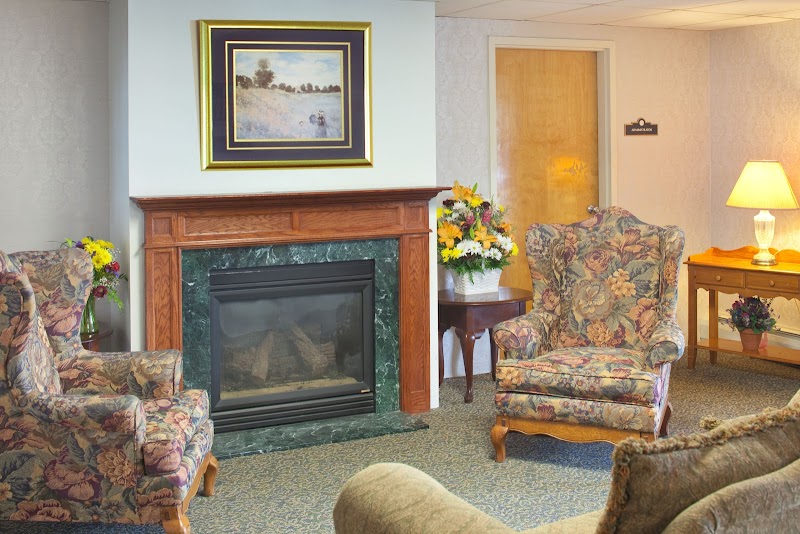
How is Saint Albans Healthcare And Rehabilitation Center Staffed?

CMS rates Saint Albans Healthcare and Rehabilitation Center's staffing level at 4 out of 5 stars, which is above average compared to other nursing homes. Staff turnover is 57%, which is 11 percentage points above the Vermont average of 46%. High turnover can affect care consistency as new staff learn residents' individual needs.

What Have Inspectors Found at Saint Albans Healthcare And Rehabilitation Center?

State health inspectors documented 21 deficiencies at Saint Albans Healthcare and Rehabilitation Center during 2022 to 2025. These included: 2 Immediate Jeopardy (the most serious level, indicating potential for serious harm or death), 18 with potential for harm, and 1 minor or isolated issues. Immediate Jeopardy findings are rare and represent the most serious regulatory concerns. They require immediate corrective action.
Who Owns and Operates Saint Albans Healthcare And Rehabilitation Center?

Saint Albans Healthcare and Rehabilitation Center is owned by a for-profit company. For-profit facilities operate as businesses with obligations to shareholders or private owners. The facility is operated by GENESIS HEALTHCARE, a chain that manages multiple nursing homes. With 115 certified beds and approximately 83 residents (about 72% occupancy), it is a mid-sized facility located in Saint Albans, Vermont.

How Does Saint Albans Healthcare And Rehabilitation Center Compare to Other Vermont Nursing Homes?

Compared to the 100 nursing homes in Vermont, Saint Albans Healthcare and Rehabilitation Center's overall rating (2 stars) is below the state average of 2.8, staff turnover (57%) is significantly higher than the state average of 46%, and health inspection rating (2 stars) is below the national benchmark.

What Should Families Ask When Visiting Saint Albans Healthcare And Rehabilitation Center?

Based on this facility's data, families visiting should ask: "What changes have been made since the serious inspection findings, and how are you preventing similar issues?" "How do you ensure continuity of care given staff turnover, and what is your staff retention strategy?" "Can I visit during a mealtime to observe dining assistance and food quality?" "How do you handle medical emergencies, and what is your hospital transfer rate?" These questions are particularly relevant given the facility's Immediate Jeopardy citations and the facility's high staff turnover rate.

Is Saint Albans Healthcare And Rehabilitation Center Safe?

Based on CMS inspection data, Saint Albans Healthcare and Rehabilitation Center has documented safety concerns. Inspectors have issued 2 Immediate Jeopardy citations (the most serious violation level indicating risk of serious injury or death). The facility has a 2-star overall rating and ranks #100 of 100 nursing homes in Vermont. Families considering this facility should ask detailed questions about what corrective actions have been taken since these incidents.

Do Nurses at Saint Albans Healthcare And Rehabilitation Center Stick Around?

Staff turnover at Saint Albans Healthcare and Rehabilitation Center is high. At 57%, the facility is 11 percentage points above the Vermont average of 46%. High turnover means new staff may not know residents' individual needs, medications, or preferences. It can also be disorienting for residents, especially those with dementia who rely on familiar faces. Families should ask: What is causing the turnover? What retention programs are in place? How do you ensure care continuity during staff transitions?

Was Saint Albans Healthcare And Rehabilitation Center Ever Fined?

Saint Albans Healthcare and Rehabilitation Center has been fined $210,660 across 2 penalty actions. This is 6.0x the Vermont average of $35,185. Fines at this level are uncommon and typically indicate a pattern of serious deficiencies, repeated violations, or failure to correct problems promptly. CMS reserves penalties of this magnitude for facilities that pose significant, documented risk to resident health or safety. Families should request specific documentation of what issues led to these fines and what systemic changes have been implemented.

Is Saint Albans Healthcare And Rehabilitation Center on Any Federal Watch List?

Saint Albans Healthcare and Rehabilitation Center is not on any federal watch list. The most significant is the Special Focus Facility (SFF) program, which identifies the bottom 1% of nursing homes nationally based on persistent, serious quality problems. Not being on this list means the facility has avoided the pattern of deficiencies that triggers enhanced federal oversight. This is a positive indicator, though families should still review the facility's inspection history directly.