ALEXANDRIA REHABILITATION AND HEALTHCARE CENTER

900 VIRGINIA AVENUE, ALEXANDRIA, VA 22302 (703) 684-9100
For profit - Limited Liability company 111 Beds MARQUIS HEALTH SERVICES Data: November 2025
Trust Grade
55/100
#116 of 285 in VA
Last Inspection: April 2024

Within standard 12-15 month inspection cycle. Federal law requires annual inspections.

Overview

Alexandria Rehabilitation and Healthcare Center has a Trust Grade of C, which means it is average and positioned in the middle of the pack among nursing homes. It ranks #116 out of 285 facilities in Virginia, placing it in the top half, but it is #3 out of 3 in Alexandria City County, indicating only one local option is better. The facility is improving, with the number of issues decreasing from 17 in 2022 to 11 in 2024. Staffing is a relative strength, rated 2 out of 5 stars, but with a low turnover rate of 23%, meaning staff tend to stay, which benefits resident care. While there are currently no fines, some concerning incidents have been reported, including a serious case where one resident was harmed by another resident and instances of improper care that led to a resident's shoulder dislocation. Overall, while the facility shows some strengths in staffing and improving trends, families should be aware of the past incidents and the below-average health inspection ratings.

Trust Score
C
55/100
In Virginia
#116/285
Top 40%
Safety Record
Moderate
Needs review
Inspections
Getting Better
17 → 11 violations
Staff Stability
✓ Good
23% annual turnover. Excellent stability, 25 points below Virginia's 48% average. Staff who stay learn residents' needs.
Penalties
✓ Good
No fines on record. Clean compliance history, better than most Virginia facilities.
Skilled Nurses
○ Average
Each resident gets 35 minutes of Registered Nurse (RN) attention daily — about average for Virginia. RNs are the most trained staff who monitor for health changes.
Violations
⚠ Watch
40 deficiencies on record. Higher than average. Multiple issues found across inspections.
★★★☆☆
3.0
Overall Rating
★★☆☆☆
2.0
Staff Levels
★★★★★
5.0
Care Quality
★★☆☆☆
2.0
Inspection Score
Stable
2022: 17 issues
2024: 11 issues

The Good

  • 5-Star Quality Measures · Strong clinical quality outcomes
  • Low Staff Turnover (23%) · Staff stability means consistent care
  • Full Sprinkler Coverage · Fire safety systems throughout facility
  • No fines on record
  • Staff turnover is low (23%)

    25 points below Virginia average of 48%

Facility shows strength in quality measures, staff retention, fire safety.

The Bad

3-Star Overall Rating

Near Virginia average (3.0)

Meets federal standards, typical of most facilities

Chain: MARQUIS HEALTH SERVICES

Part of a multi-facility chain

Ask about local staffing decisions and management

The Ugly 40 deficiencies on record

2 actual harm
Apr 2024 11 deficiencies
CONCERN (D)

Potential for Harm - no one hurt, but risky conditions existed

Deficiency F0558 (Tag F0558)

Could have caused harm · This affected 1 resident

Based on observation, resident interview, clinical record review, staff interview and facility document review, it was determined that the facility staff failed to provide reasonable accommodation of ...

Read full inspector narrative →
Based on observation, resident interview, clinical record review, staff interview and facility document review, it was determined that the facility staff failed to provide reasonable accommodation of needs for one of 37 residents in the survey sample, Resident #56. The findings include: For Resident #56 (R56), the facility staff failed to accommodate needs for access to personal belongings in their wardrobe from their wheelchair. On the most recent MDS (minimum data set), an annual assessment with an ARD (assessment reference date) of 2/13/2024, the resident scored 15 out of 15 on the BIMS (brief interview for mental status) assessment, indicating that they were cognitively intact for making daily decisions. Section GG coded R56 as using a manual wheelchair and being impaired on one side on the upper and lower extremity. On 4/1/2024 at 2:20 p.m., an interview was conducted with R56 in their room. R56 stated that the care at the facility was great but it was hard for him to move around on his side of the room in the wheelchair because it was so small. R56 was observed to reside in a semi-private room on the window side of the room with a privacy curtain separating the two residents. He stated that he was not able to access the wardrobe located in the corner of the room between the bed and wall with the wardrobe doors opening towards the bed. He stated staff had to get things from inside for him because his wheelchair did not fit over there. R56 was observed maneuvering the wheelchair towards the bed which was observed with the foot of the bed angled towards the window. He stated that the staff had angled the bed to the window so he could get the wheelchair up to the bed for transfers. On 4/2/2024 at 10:15 a.m., an observation was made of R56's room with OSM (other staff member) #1, the maintenance director. OSM #1 measured R56's side of the semi-private room to confirm square footage met 80 square feet minimum. He observed the wardrobe in the corner of the room and bed angled towards the window for R56 to access the bed in the wheelchair. He agreed the room was crowded with not much room for R56 to manipulate the wheelchair and would not be able to get the wheelchair to the wardrobe where it was located. On 4/2/2024 at 2:50 p.m., an interview was conducted with LPN (licensed practical nurse) #2. LPN #2 stated that residents should have access to their wardrobes and personal belongings. She stated that it was their room and their home and they were supposed to have access to their things. She stated that if the resident was in a wheelchair they should have access to the wardrobe and if the staff had to get things for them because they could not access it with the wheelchair then they were not maintaining their highest level of ability. The facility policy Accommodation of Needs, documented in part, Our facility's environment and staff behaviors are directed toward assisting the resident in maintaining and/or achieving safe independent functioning, dignity and well-being . The facility policy Bedrooms, documented in part, .Each resident is provided with: a. his or her own personal closet space with clothes racks and shelves accessible to the resident . On 4/2/2024 at approximately 5:00 p.m., ASM (administrative staff member) #1, the administrator and ASM #2, the director of nursing were made aware of the concern. No further information was provided prior to exit.
CONCERN (D)

Potential for Harm - no one hurt, but risky conditions existed

Transfer Requirements (Tag F0622)

Could have caused harm · This affected 1 resident

Based on staff interview, clinical record review and facility document review, it was determined that the facility staff failed to evidence what, if any, documentation was provided to the receiving fa...

Read full inspector narrative →
Based on staff interview, clinical record review and facility document review, it was determined that the facility staff failed to evidence what, if any, documentation was provided to the receiving facility upon hospital transfers for two of 37 residents in the survey sample; Residents #39 and #74. The findings include: 1. For Resident #39, the facility staff failed to evidence what, if any documentation was provided to the receiving facility upon a hospital transfer on 12/29/23. A review of the clinical record revealed a nurse's note dated 12/29/23 that documented, At 7:20am rounds done @ (at) this time. Vitals done with reading of 119/80 (blood pressure), 91 (pulse), 26 (respirations), 98.2 (temperature), 90% (oxygen saturation) @ 28% trachea collar. IV abt (antibiotic) (cefepime) (1) administered @ 9am, with no adverse reaction. Trachea suctioned as resident having large amounts of secretion @ trachea site. TARP (turn and reposition) as tolerated. Routine meds administered. At 11am, vitals obtained with reading of bp (blood pressure) 88/53, p (pulse) 117, r (respirations) 48, t (temperature) 98.2, B/S (blood sugar) reads 360. Chest x-ray result called in to MD (Medical Doctor) (name) by UM (unit manager). MD order to transfer resident to the ER (emergency room) via 911 for Abnormal vitals and x-ray result. Resident left facility @11.25am. RP (responsible party) (name) notified of his transferred. Report given to ER nurse (name). A respiratory therapist note dated 12/29/23 documented, Resident has been having episodes of an increased work of breathing, desatting and excessive sweating. This condition started early morning yesterday. Today around 08:20am patient was tachypneic 30, tachycardia 148, SPO2 (oxygen saturation) 89% on 35% ATC (automatic tube compensation). Diaphoresis and copious yellowish/greenish secretion exhibited. Deep airway clearance was done, FIO2 (fraction of inspired oxygen) increase to 60%. Bronchodilators were administered (Atrovent) (2). RR (respiratory rate) dropped to 24 post bronchodilators. NP (nurse practitioner) made aware, metoprolol (3) given HR (heart rate) dropped to 117, SPO2 94%-96%. Patient responded well with these intervations and looked comfortable. He was awake and alert when all these were happening. At 11:00am, he experinced (sic) heavy breathing and sweating again. After the Neb treatments breathing improved however patient was very sluggish. MD (medical doctor) was notified order was received to send the patient to the hospital. 911 crew arrived around 11:25am. Resident was transferred to the hospital at 11:35am. A review of the eInteract Transfer form dated 12/29/23 that was sent did not include the resident's current medications, care plan goals, and other documentation as applicable (labs, notes, etc.) and did not indicate that these items were printed separately and sent. A review of the SNF/NF (Skilled Nursing Facility / Nursing Facility) to Hospital transfer form dated 12/29/23 that was send did not include the resident's current medications, care plan goals, and other documentation as applicable (labs, notes, etc.). The back page of this form included a checklist that documented, Copies of documents sent with resident/patient. Check all that apply. The items listed were a transfer form, personal belongings, face sheet, current medication list, change in condition progress note, advance directives, advance care orders. In addition, there was a section for Send these documents if available. This list included most recent history and physical, recent hospital discharge summary, recent physician/nurse practitioner or specialist orders, flow sheets (diabetic, wound care, etc.) relevant labs, relevant x-rays and other diagnostic test results, SNF/NF capabilities checklist. None of the items on the above checklist were checked as being provided. The facility did not retain a copy indicating any items were checked. The facility did not document in a nurses notes that any of the items were provided. In addition, the above checklist did not include the requirement to send the comprehensive care plan goals. On 4/3/24 at 8:50 AM an interview was conducted with LPN #4 (Licensed Practical Nurse). She stated that the items that are to be sent are the face sheet, orders, care plan, recent labs, change in condition form, and the transfer form. She stated that the transfer form has a section of what was sent and that a copy of the checklist should be retained. On 4/3/24 at 8:56 AM an interview was conducted with RN #2 (Registered Nurse), the unit manager. He stated that the face sheet, orders and medications should be sent. He stated that the care plan is not sent. He stated that it should be documented what was sent. He stated that he was unsure of the process. The facility policy, Transfer or Discharge, Facility-Initiated was reviewed. This policy documented, .Information Conveyed to Receiving Provider Comprehensive care plan goals; and All other information necessary to meet the resident ' s needs, including but not limited to: .medications (including when last received); most recent relevant labs, other diagnostic tests On 4/3/24 at 11:25 AM, ASM #1 (Administrative Staff Member) the Administrator was made aware of the findings. No further information was provided by the end of the survey. References: 1. Cefpime is used to treat certain infections caused by bacteria including pneumonia, and skin, urinary tract, and kidney infections. Information obtained from https://medlineplus.gov/druginfo/meds/a698021.html 2. Atrovent is used to prevent wheezing, shortness of breath, coughing, and chest tightness in people with chronic obstructive pulmonary disease (COPD; a group of diseases that affect the lungs and airways) such as chronic bronchitis (swelling of the air passages that lead to the lungs) and emphysema (damage to the air sacs in the lungs). Ipratropium is in a class of medications called bronchodilators. It works by relaxing and opening the air passages to the lungs to make breathing easier. Information obtained from https://medlineplus.gov/druginfo/meds/a695021.html 3. Metoprolol is used alone or in combination with other medications to treat high blood pressure. It also is used to treat chronic (long-term) angina (chest pain). Metoprolol is also used to improve survival after a heart attack. Metoprolol also is used in combination with other medications to treat heart failure. Metoprolol is in a class of medications called beta blockers. It works by relaxing blood vessels and slowing heart rate to improve blood flow and decrease blood pressure. Information obtained from https://medlineplus.gov/druginfo/meds/a682864.html 2. For Resident #74, the receiving facility failed to evidence what, if any documentation was provided to the receiving facility upon a hospital transfer on 12/18/23. A review of the clinical record revealed a physician's progress note dated 12/19/23 that documented, .I was asked to see the patient today for stroke-like symptoms. With weakness of the left side. Ordered for the patient to be sent to the ER for further evaluation A nurse's note dated 12/19/23 documented, .Nursing observations, evaluation, and recommendations are: Resident needed more help with meals this am per CNA (certified nursing assistant) report was assessed unable to lift left arm and leg, no hand grasp on left hand, tactile response on left leg. Slight facial drooping on left side. Unit Manager notified and NP (nurse practitioner). Order to send to Hospital via 911 for further evaluation . Another nurse's note dated 12/19/23 documented, Resident was transferred to (hospital) for further evaluation due to Left sided weakness on Left arm and left leg new onset per order from NP (nurse practitioner) (name). Was Alert and verbally responsive during am rounds but needed more assistance during meals per CNA report. On assessment was unable to lift Left arm or grasp , tactile response on Left leg but unable to move leg. Supervisor notified. Per order call was placed to 911 at 1:50pm . Response at 2pm . Resident was transferred to ER (emergency room) at 2:05pm. Report called in to (hospital) ER at 2:05pm spoke to (name) Charge Nurse . Unable to reach RP (responsible party) (name) but message left at 2:12pm on voicemail to call facility for an update. Remainder paperwork was faxed at 2:47pm. At 4:20 call placed to ER to check status of Resident spoke to (nurse) was told Resident was admitted . A review of the eInteract Transfer form dated 12/19/23 that was sent did not include the resident's current medications, care plan goals, and other documentation as applicable (labs, notes, etc.) and did not indicate that these items were printed separately and sent. A review of the SNF/NF (Skilled Nursing Facility / Nursing Facility) to Hospital transfer form dated 12/19/23 that was send did not include the resident's current medications, care plan goals, and other documentation as applicable (labs, notes, etc.). The back page of this form included a checklist that documented, Copies of documents sent with resident/patient. Check all that apply. The items listed were a transfer form, personal belongings, face sheet, current medication list, change in condition progress note, advance directives, advance care orders. In addition, there was a section for Send these documents if available. This list included most recent history and physical, recent hospital discharge summary, recent physician/nurse practitioner or specialist orders, flow sheets (diabetic, wound care, etc.) relevant labs, relevant x-rays and other diagnostic test results, SNF/NF capabilities checklist. None of the items on the above checklist were checked as being provided. The facility did not retain a copy indicating any items were checked. The facility did not document in a nurses notes that any of the items were provided. In addition, the above checklist did not include the requirement to send the comprehensive care plan goals. On 4/3/24 at 8:50 AM an interview was conducted with LPN #4 (Licensed Practical Nurse) who wrote the above note dated 12/19/23 that Remainder paperwork was faxed . She stated that the items that are to be sent are the face sheet, orders, care plan, recent labs, change in condition form, and the transfer form. She stated that the transfer form has a section of what was sent and that a copy of the checklist should be retained. She was not able to evidence what paperwork she sent. On 4/3/24 at 8:56 AM an interview was conducted with RN #2 (Registered Nurse), the unit manager. He stated that the face sheet, orders and medications should be sent. He stated that the care plan is not sent. He stated that it should be documented what was sent. He stated that he was unsure of the process. The facility policy, Transfer or Discharge, Facility-Initiated was reviewed. This policy documented, .Information Conveyed to Receiving Provider Comprehensive care plan goals; and All other information necessary to meet the resident ' s needs, including but not limited to: .medications (including when last received); most recent relevant labs, other diagnostic tests On 4/3/24 at 11:25 AM, ASM #1 (Administrative Staff Member) the Administrator was made aware of the findings. No further information was provided by the end of the survey.
CONCERN (D) 📢 Someone Reported This

A family member, employee, or ombudsman was alarmed enough to file a formal complaint

Potential for Harm - no one hurt, but risky conditions existed

Transfer Notice (Tag F0623)

Could have caused harm · This affected 1 resident

**NOTE- TERMS IN BRACKETS HAVE BEEN EDITED TO PROTECT CONFIDENTIALITY** Based on staff interview, facility document review, and clinical record review, the facility staff failed to provide written not...

Read full inspector narrative →
**NOTE- TERMS IN BRACKETS HAVE BEEN EDITED TO PROTECT CONFIDENTIALITY** Based on staff interview, facility document review, and clinical record review, the facility staff failed to provide written notice of hospital transfer for one of 37 residents in the survey sample, Resident #100. The findings include: For Resident #100 (R100), the facility staff failed to provide written notice of transfer to the resident representative and ombudsman when the resident transferred to the hospital on [DATE]. A review of R100's clinical record revealed the resident was transferred to the hospital on [DATE] for aggressive behaviors. Further review of R100's clinical record failed to reveal evidence that the resident's representative and ombudsman was provided written notice of the transfer. On 4/3/24 at 10:02 a.m., an interview was conducted with OSM (other staff member) #5 (the director of social services). OSM #5 stated he faxes notices of resident discharges to the ombudsman every week. On 4/3/24 at 10:07 a.m., an interview was conducted with ASM (administrative staff member) #2 (the director of nursing). ASM #2 stated the admissions director prints out written notices of resident transfers and gives them to the receptionist, then the receptionist mails the notices to the resident representatives. On 4/3/24 at 11:26 a.m., ASM #2 stated she could not provide evidence that written notice of transfer was provided to R100's representative or the ombudsman. On 4/3/24 at 2:43 p.m., ASM #1 (the administrator) and ASM #2 were made aware of the above concern. The facility policy titled, Transfer or Discharge, Facility-Initiated documented, Notice of Transfer or Discharge (Emergent or Therapeutic Leave). 4. Notice of Transfer is provided to the resident and representative as soon as practicable before the transfer and to the long-term care (LTC) ombudsman when practicable (e.g., in a monthly list of residents that includes all notice content requirements).
CONCERN (D)

Potential for Harm - no one hurt, but risky conditions existed

Assessment Accuracy (Tag F0641)

Could have caused harm · This affected 1 resident

**NOTE- TERMS IN BRACKETS HAVE BEEN EDITED TO PROTECT CONFIDENTIALITY** 3. For Resident #98 (R98), the facility staff failed to accurately code the resident's discharge MDS (minimum data set) assessme...

Read full inspector narrative →
**NOTE- TERMS IN BRACKETS HAVE BEEN EDITED TO PROTECT CONFIDENTIALITY** 3. For Resident #98 (R98), the facility staff failed to accurately code the resident's discharge MDS (minimum data set) assessment with an ARD (assessment reference date) of 1/5/24. A review of R98's clinical record revealed a Discharge summary dated [DATE] that documented the resident was discharging to home on 1/5/24. A nurse's note dated 1/5/24 documented, Resident came back from LOA (leave of absence) with daughter (name) at 12:15pm. Scheduled discharge, went over medlist [sic] and discharge instructions with Daughter demonstrated understanding, with feedback on med times. Left with personal belongings . Section A2105 Discharge Status of R98's discharge MDS assessment with an ARD of 1/5/24 documented the resident discharged to, 04. Short-Term General Hospital. On 4/2/24 at 3:06 p.m., an interview was conducted with RN (registered nurse) #1 (the MDS coordinator). RN #1 stated that according to R98's discharge summary and nurse's note, the resident was discharged home, but the discharge MDS coded the resident was discharged to the hospital. RN #1 stated the MDS was not accurate. RN #1 stated she follows the CMS (Centers for Medicare and Medicaid Services) RAI (Resident Assessment Instrument) manual when completing MDS assessments. On 4/2/24 at 5:10 p.m., ASM (administrative staff member) #1 (the administrator) and ASM #2 (the director of nursing) were made aware of the above concern. The CMS RAI manual documented, A2105: Discharge Status. This item documents the location to which the resident is being discharged at the time of discharge. Knowing the setting to which the individual was discharged helps to inform discharge planning. Code 01, Home/Community: if the resident was discharged to a private home, apartment, board and care, assisted living facility, group home, transitional living, or adult foster care. A community residential setting is defined as any house, condominium, or apartment in the community, whether owned by the resident or another person; retirement communities; or independent housing for the elderly .Code 04, Short-Term General Hospital (acute hospital/IPPS): if the resident was discharged to a hospital that is contracted with Medicare to provide acute, inpatient care and accepts a predetermined rate as payment in full. Based on observation, staff interview, clinical record review and facility document review, it was determined that the facility staff failed to complete an accurate MDS assessment for three of 37 residents in the survey sample; Residents #22, #67, and #98. The findings include: 1. For Resident #22, the facility staff failed to ensure an accurate MDS (Minimum Data Set) assessment for the 3/20/24 quarterly MDS when the resident was not coded as having a nephrostomy tube. The resident was documented as having a nephrostomy tube since at least 9/14/23 upon readmission. Previous MDS assessments had this coded but failed to code it on the 3/20/24 quarterly MDS. A review of the clinical record revealed a nurse's note dated 9/14/23 that documented, readmitted from (hospital) readmission diagnosis- Hydronephrosis On skin assessment noted Nephrostomy drainage bag on right lower abdomen . There were no notes indicating the nephrostomy was in place prior to 9/14/23. A review of the most recent MDS, a quarterly assessment dated [DATE], failed to code the resident as having this device in place in Section H - Bowel and Bladder. H0100. Check all that apply: A. Indwelling catheter (including suprapubic catheter and nephrostomy tube) Z. None of the above. Item Z was marked. Item A was left blank. On 4/2/24 at 3:06 p.m., an interview was conducted with RN #1 (Registered Nurse) #1 (the MDS Coordinator). She stated she follows the CMS (Centers for Medicare and Medicaid Services) RAI (Resident Assessment Instrument) manual when completing MDS assessments. She stated that the MDS was miscoded, and that it should be coded as the resident having a nephrostomy tube. A review of the RAI manual, version 1.18.11 dated October 2023 documented on page H-1, .Each resident who is incontinent or at risk of developing incontinence should be identified, assessed, and provided with individualized treatment (medications, non-medicinal treatments and/or devices) and services to achieve or maintain as normal elimination function as possible Nephrostomy Tube: A catheter inserted through the skin into the kidney in individuals with an abnormality of the ureter (the fibromuscular tube that carries urine from the kidney to the bladder) or the bladder . On 4/3/24 at 11:25 AM, ASM #1 (Administrative Staff Member) the Administrator was made aware of the findings. No further information was provided by the end of the survey. 2. For Resident #67, the facility staff failed to ensure an accurate MDS assessment for the 12/18/23 quarterly MDS (Minimum Data Set) when the resident was coded as having a restraint. A review of the 12/18/23 quarterly MDS revealed in Section P - Restraints and Alarms in P0100 Restraints, Physical restraints are any manual method or physical or mechanical device, material or equipment attached or adjacent to the resident's body that the individual cannot remove easily which restricts freedom of movement or normal access to one's body. This section documented, Coding: 0. Not used; 1. Used less than daily; 2. Used daily .Used in Chair or Out of Bed .E. Trunk restraint . Item E was coded as 1. On 4/1/24 at 3:07 PM, Resident #67 was observed. He was up and ambulatory, completely independent without devices or difficulty. He did not demonstrate any signs of or need for any type of restraint or devices. A review of the clinical record failed to reveal any evidence of the use of any type of restraints. On 4/2/24 at 3:06 p.m., an interview was conducted with RN #1 (Registered Nurse) #1 (the MDS Coordinator). She stated she follows the CMS (Centers for Medicare and Medicaid Services) RAI (Resident Assessment Instrument) manual when completing MDS assessments. She stated that the MDS was miscoded, and that Resident #67 has never had any restraints. The facility policy, Comprehensive Assessments was reviewed. This policy documented, 1. The facility conducts comprehensive, accurate, standardized, reproducible assessments of each resident ' s functional capacity using the Resident Assessment Instrument specified by CMS. 2. The comprehensive assessment process includes direct observation and communication with residents, as well as communication with licensed and non-licensed direct care staff members on each shift. On 4/3/24 at 11:25 AM, ASM #1 (Administrative Staff Member) the Administrator was made aware of the findings. No further information was provided by the end of the survey.
CONCERN (D)

Potential for Harm - no one hurt, but risky conditions existed

Comprehensive Care Plan (Tag F0656)

Could have caused harm · This affected 1 resident

2. For Resident #102 (R102), the facility staff failed to implement the care plan for skin integrity related to a fungal infection. A review of R102's wound specialist's note dated 11/29/23 revealed, ...

Read full inspector narrative →
2. For Resident #102 (R102), the facility staff failed to implement the care plan for skin integrity related to a fungal infection. A review of R102's wound specialist's note dated 11/29/23 revealed, in part: Patchy erythema and excoriations of bilateral groin, bilateral buttocks, and sacrum. Scant serous draining; + odor consistent with fungal infection. Improved since last week .There are no other wound or signs of infection .Continue antifungal cream q (each) shift and prn (as needed). A review of R102's November and December 2023 MARs (medication administration records) and TARs (treatment administration records) revealed no evidence that R102 received antifungal treatment each shift between 11/29/23 and 12/6/23, when she was discharged from the wound specialist's care. A review of R102's care plan dated 11/15/23 revealed, in part: I have impaired skin integrity r/t (related to) fungal rash and excoriations .Administer treatments as ordered and monitor for effectiveness. On 4/2/24 at 2:50 p.m., LPN (licensed practical nurse) #2 was interviewed. LPN #2 stated the care plan tells the staff exactly what the IDT (interdisciplinary team) wants done for the resident. LPN #2 stated the care plan should be implemented by the nurse taking care of the resident. On 2/3/24 at 1:35 p.m., ASM (administrative staff member) #1, the administrator, and ASM #2, the director of nursing, were informed of these concerns. No further information was provided prior to exit.3. For Resident #91 (R91), the facility staff failed to develop a comprehensive care plan to include contact isolation (1). A review of R91's clinical record revealed a physician's order dated 2/9/24 for contact isolation on every shift for diagnoses of MRSA (2) and RSV (3). R91's comprehensive care plan dated 2/10/24 failed to reveal documentation regarding contact isolation. On 4/1/24 at 1:36 p.m., an observation of R91's room was conducted. An isolation sign was on the door and personal protective equipment was outside of the room door. On 4/2/24 at 2:36 p.m., an interview was conducted with LPN (licensed practical nurse) #2. LPN #2 stated the purpose of the care plan is to take care of the resident, including exactly what the interdisciplinary team wants staff to do for the resident. LPN #2 stated contact isolation should be included on the care plan, so staff know how to care for that particular resident. On 4/2/24 at 5:10 p.m., ASM (administrative staff member) #1 (the administrator) and ASM #2 (the director of nursing) were made aware of the above concern. The facility policy titled, Care Plans, Comprehensive Person-Centered documented, A comprehensive, person-centered care plan that includes measurable objectives and timetables to meet the resident's physical, psychosocial and functional needs is developed and implemented for each resident. References: (1) Use Contact Precautions for patients with known or suspected infections that represent an increased risk for contact transmission. Ensure appropriate patient placement in a single patient space or room if available in acute care hospitals. In long-term and other residential settings, make room placement decisions balancing risks to other patients. Use personal protective equipment (PPE) appropriately, including gloves and gown. Limit transport and movement of patients outside of the room to medically-necessary purposes. Use disposable or dedicated patient-care equipment (e.g., blood pressure cuffs). If common use of equipment for multiple patients is unavoidable, clean and disinfect such equipment before use on another patient. Prioritize cleaning and disinfection of the rooms of patients on contact precautions ensuring rooms are frequently cleaned and disinfected . This information was obtained from the website: https://www.cdc.gov/infectioncontrol/basics/transmission-based-precautions.html (2) MRSA stands for methicillin-resistant Staphylococcus aureus. It causes a staph infection that is resistant to several common antibiotics. This information was obtained from the website: https://medlineplus.gov/mrsa.html (3) Respiratory syncytial virus, or RSV, is a common respiratory virus. It usually causes mild, cold-like symptoms. But it can cause serious lung infections, especially in infants, older adults, and people with serious medical problems. This information was obtained from the website: https://medlineplus.gov/respiratorysyncytialvirusinfections.html Based on observation, staff interview, clinical record review and facility document review, it was determined that the facility staff failed to develop and/or implement the comprehensive care plan for three of 37 residents in the survey sample; Residents #22, #102, and #91. The findings include: 1. The facility staff failed to develop a comprehensive care plan for the care and services of a nephrostomy tube when Resident #22 returned from the hospital on 9/14/23 with one. A review of the clinical record revealed a nurse's note dated 9/14/23 that documented, readmitted from (hospital) readmission diagnosis- Hydronephrosis On skin assessment noted Nephrostomy drainage bag on right lower abdomen . There were no notes indicating the nephrostomy was in place prior to 9/14/23. A review of the nurse's notes revealed multiple notes between 9/14/23 and the date of survey documenting the presence of a nephrostomy tube. The most recent was dated 3/10/24 and documented, Nephrostomy site is intact A review of the physician's orders revealed one dated 9/14/23 for Nephrostomy Tube care Every shift and one dated 10/23/23 for Cleanse Nephrostomy site with Saline wound wash and cover with Dry Dressing QD (every day) for protection. A review of the comprehensive care plan failed to reveal any for the presence and care of a nephrostomy tube. On 4/3/24 at 8:50 AM an interview was conducted with LPN #4 (Licensed Practical Nurse). She stated that a nephrostomy tube should be care planned. She stated that MDS develops care plans and the unit manager can update them. She stated the purpose of the care plan was a list of things you need to do for the resident. On 4/3/24 at 8:56 AM an interview was conducted with RN #2 (Registered Nurse) the unit manager. He stated that the care plan is to direct the resident's care. He stated that the nephrostomy tube and directions provided in the physician's orders should be in the care plan. He stated that he was not sure if anyone had looked at her care plan to see if it was there. On 4/3/24 at 9:25 AM an interview was conducted with RN #1, the MDS nurse. She stated that a care plan for the nephrostomy tube should have been developed when the resident returned from the hospital with one on 9/14/23, as part of the readmission assessment. The facility policy, Care Plans, Comprehensive Person-Centered documented, 7. The comprehensive, person-centered care plan: .b. describes the services that are to be furnished to attain or maintain the resident ' s highest practicable physical, mental, and psychosocial well-being .12. The interdisciplinary team reviews and updates the care plan: a. when there has been a significant change in the resident ' s condition; b. when the desired outcome is not met; c. when the resident has been readmitted to the facility from a hospital stay; and d. at least quarterly, in conjunction with the required quarterly MDS assessment On 4/3/24 at 11:25 AM, ASM #1 (Administrative Staff Member) the Administrator was made aware of the findings. No further information was provided by the end of the survey.
CONCERN (D)

Potential for Harm - no one hurt, but risky conditions existed

Deficiency F0657 (Tag F0657)

Could have caused harm · This affected 1 resident

2. For Resident #72 (R72), the facility staff failed to revise the comprehensive care plan for the use of grab bar bed rails. On the most recent MDS (minimum data set) assessment, an admission assessm...

Read full inspector narrative →
2. For Resident #72 (R72), the facility staff failed to revise the comprehensive care plan for the use of grab bar bed rails. On the most recent MDS (minimum data set) assessment, an admission assessment with an ARD (assessment reference date) of 2/9/2024, the resident scored 15 of 15 on the BIMS (brief interview for mental status) assessment, indicating the resident was cognitively intact for making daily decisions. On 4/1/2024 at 3:25 p.m., an interview was conducted with R72 in their room. R72 was observed in bed with bilateral grab bars in place on the bed. When asked about the grab bars, R72 stated that they used them to hold onto during care and for repositioning. Additional observations of R72 in bed with the bilateral grab bars in place were made on 4/2/2024 at 8:18 a.m. and 4/2/2024 at 11:18 a.m. The comprehensive care plan for R72 documented in part, I have an ADL (activities of daily living) Self Care Performance Deficit r/t (related to) disease process. Date Initiated: 02/03/2024. The care plan failed to evidence the use of the grab bars. On 4/2/2024 at 2:50 p.m., an interview was conducted with LPN (licensed practical nurse) #2. LPN #2 stated that the care plan was reviewed and/or revised by the unit managers. She stated that the purpose of the care plan was to take care of the resident and showed exactly what the IDT (interdisciplinary) team wanted them to do for the resident. She stated that if the resident used bed rails then they should be on the care plan because they used them. On 4/2/2024 at approximately 5:00 p.m., ASM (administrative staff member) #1, the administrator and ASM #2, the director of nursing were made aware of the concern. No further information was obtained prior to exit. Based on observation, staff interview, facility document review, and clinical record review, the facility staff failed to review and revise the comprehensive care plan for two of 37 residents in the survey sample, Residents #44 and #72. The findings include: 1. For Resident #44 (R44), the facility staff failed to review and revise the resident's comprehensive care plan for bed rails. A review of R44's clinical record revealed a physician's order dated 2/8/22 to apply 1/2 upper bed side rails for positioning and bed mobility. R44's comprehensive care plan reviewed on 7/31/23 failed to reveal documentation regarding bed rails. On 4/1/24 at 1:31 p.m., R44 was observed lying in bed with bilateral 1/2 upper bed rails in the upright position. On 4/2/24 at 2:36 p.m., an interview was conducted with LPN (licensed practical nurse) #2. LPN #2 stated the purpose of the care plan is to take care of the resident, including exactly what the interdisciplinary team wants staff to do for the resident. LPN #2 stated the care plan should be reviewed and revised to include the use of bed rails because of the risks associated with bed rails. On 4/2/24 at 5:10 p.m., ASM (administrative staff member) #1 (the administrator) and ASM #2 (the director of nursing) were made aware of the above concern. The facility policy titled, Care Plans, Comprehensive Person-Centered documented, 11. Assessments of residents are ongoing and care plans are revised as information about the residents and the residents' conditions change.
CONCERN (D) 📢 Someone Reported This

A family member, employee, or ombudsman was alarmed enough to file a formal complaint

Potential for Harm - no one hurt, but risky conditions existed

Deficiency F0658 (Tag F0658)

Could have caused harm · This affected 1 resident

Based on staff interview, facility document review, and clinical record review, the facility staff failed to follow professional standards of care for one of 37 residents in the survey sample, Residen...

Read full inspector narrative →
Based on staff interview, facility document review, and clinical record review, the facility staff failed to follow professional standards of care for one of 37 residents in the survey sample, Resident #102. The findings include: For Resident #102 (R102), the facility staff failed to transcribe a wound physician's recommendation into an order on 11/29/23. A review of R102's wound specialist's note dated 11/29/23 revealed, in part: Patchy erythema and excoriations of bilateral groin, bilateral buttocks, and sacrum. Scant serous draining; + odor consistent with fungal infection. Improved since last week .There are no other wound or signs of infection .Continue antifungal cream q (each) shift and prn (as needed). A review of R102's November and December 2023 MARs (medication administration records) and TARs (treatment administration records) revealed no evidence that R102 received antifungal treatment each shift between 11/29/23 and 12/6/23, when she was discharged from the wound specialist's care. A review of R102's care plan dated 11/15/23 revealed, in part: I have impaired skin integrity r/t (related to) fungal rash and excoriations .Administer treatments as ordered and monitor for effectiveness. On 4/3/24 at 10:05 a.m., LPN (licensed practical nurse) #1, a unit manager, was interviewed. She stated she frequently makes rounds with the wound specialist, and is responsible for making sure his recommendations are transcribed into accurate orders for residents' care. She stated the specialist gives the order verbally, she writes it down, and then either she or the floor nurse enters the order into the electronic medical record. After reviewing R102's record, she stated: There was a drop in the ball. I can't see that we continued the antifungal cream beyond 11/29. She stated she accidentally failed to transcribe the order from the wound specialist. On 2/3/24 at 1:35 p.m., ASM (administrative staff member) #1, the administrator, and ASM #2, the director of nursing, were informed of these concerns. A review of the facility policy, Transcribing Diagnostic and Therapeutic Orders, revealed, in part: Transcribe order accurately on appropriate form. The policy did not contain any information related to transcribing a verbal order into the electronic medical record. No further information was provided prior to exit.
CONCERN (D)

Potential for Harm - no one hurt, but risky conditions existed

ADL Care (Tag F0677)

Could have caused harm · This affected 1 resident

Based on observation, staff interview, and facility document review, the facility staff failed to provide the ADL (activities of daily living) care for one of 37 residents in the survey sample, Reside...

Read full inspector narrative →
Based on observation, staff interview, and facility document review, the facility staff failed to provide the ADL (activities of daily living) care for one of 37 residents in the survey sample, Resident #87. The findings include: For Resident #87 (R87), the facility staff failed to properly groom the resident's chin hairs. On the following date and times, R87 was seen with multiple strands of hair about 1-2 inches on her chin: 4/01/24 at 1:42 p.m. and 3:05 p.m.; 4/02/24 at 9:15 a.m. and 2:15 p.m. R87 was unavailable for interview during the survey. A review of R87's clinical record revealed no evidence that she refused grooming assistance at any time. On 4/2/24 at 2:30 p.m., CNA (certified nursing assistant) #1 was interviewed. She stated that she recently started taking care of the resident and that she did not ask about the resident's preferences. She also stated that she should have groomed the chin hairs and that she will do them now. She also stated that if the resident refuses that she has to write a note to document the refusal and then the nurse also documents. On 4/2/24 at 4:45 p.m., ASM (administrative staff member) #1, the administrator and ASM#2, the director of nursing, were notified of these concerns. A review of the facility policy, Activities of Daily Living (ADLs), Supporting, revealed, in part: Appropriate care and services will be provided for residents who are unable to carry out ADLs independently, with the consent of the resident and in accordance with the plan of care, including appropriate support and assistance with: a. hygiene (bathing, dressing, grooming and oral care). No further information was provided prior to exit.
CONCERN (D) 📢 Someone Reported This

A family member, employee, or ombudsman was alarmed enough to file a formal complaint

Potential for Harm - no one hurt, but risky conditions existed

Deficiency F0710 (Tag F0710)

Could have caused harm · This affected 1 resident

**NOTE- TERMS IN BRACKETS HAVE BEEN EDITED TO PROTECT CONFIDENTIALITY** Based on staff interview, facility document review, and clinical record review, the facility staff failed to provide physician o...

Read full inspector narrative →
**NOTE- TERMS IN BRACKETS HAVE BEEN EDITED TO PROTECT CONFIDENTIALITY** Based on staff interview, facility document review, and clinical record review, the facility staff failed to provide physician oversight for one of 37 residents in the survey sample, Resident #102. The findings include: For Resident #102 (R102), the NP (nurse practitioner/physician extender) failed to accurately document R102's physical condition on multiple dates during the resident's stay in the facility. R102 was admitted to the facility on [DATE] and discharged on 1/26/24. The resident's admitting diagnoses included a history of vaginal bleeding, heart attack, and sepsis (systemic infection). A review of R102's clinical record revealed these portions of ASM (administrative staff member) #3, the nurse practitioner's notes: 11/17/23 .Review of Systems .Constitutional: No fevers, +chills .Respiratory: +shortness of breath, no cough .Cardiovascular: +chest pain,+palpitations. 11/21/23 .Review of Systems .Constitutional: No fevers, +chills .Respiratory: +shortness of breath, no cough .Cardiovascular: +chest pain,+palpitations. 11/24/23 .Review of Systems .Constitutional: No fevers, +chills .Respiratory: +shortness of breath, no cough .Cardiovascular: +chest pain,+palpitations. 11/30/23 .Review of Systems .Constitutional: No fevers, +chills .Respiratory: +shortness of breath, no cough .Cardiovascular: +chest pain,+palpitations. 12/5/23 .Review of Systems .Constitutional: No fevers, +chills .Respiratory: +shortness of breath, no cough .Cardiovascular: +chest pain,+palpitations. 12/11/23 .Review of Systems .Constitutional: No fevers, +chills .Respiratory: +shortness of breath, no cough .Cardiovascular: +chest pain,+palpitations. 12/15/23 .Review of Systems .Constitutional: No fevers, +chills .Respiratory: +shortness of breath, no cough .Cardiovascular: +chest pain,+palpitations. 12/18/23 .Review of Systems .Constitutional: No fevers, +chills .Respiratory: +shortness of breath, no cough .Cardiovascular: +chest pain,+palpitations. 12/26/23 .I was asked to see the patient today for vaginal bleeding .Review of Systems .Constitutional: No fevers, +chills .Respiratory: +shortness of breath, no cough .Cardiovascular: +chest pain,+palpitations. 12/29/23 .I was asked to see the patient today for vaginal bleeding .Review of Systems .Constitutional: No fevers, +chills .Respiratory: +shortness of breath, no cough .Cardiovascular: +chest pain,+palpitations. 1/2/24 .I was asked to see the patient today for vaginal bleeding .Review of Systems .Constitutional: No fevers, +chills .Respiratory: +shortness of breath, no cough .Cardiovascular: +chest pain,+palpitations. 1/5/24 .Review of Systems .Constitutional: No fevers, +chills .Respiratory: +shortness of breath, no cough .Cardiovascular: +chest pain,+palpitations. 1/8/24 .Review of Systems .Constitutional: No fevers, +chills .Respiratory: +shortness of breath, no cough .Cardiovascular: +chest pain,+palpitations. 1/10/24 .Review of Systems .Constitutional: No fevers, +chills .Respiratory: +shortness of breath, no cough .Cardiovascular: +chest pain,+palpitations. 1/12/24 .Review of Systems .Constitutional: No fevers, +chills .Respiratory: +shortness of breath, no cough .Cardiovascular: +chest pain,+palpitations. 1/15/24 .Review of Systems .Constitutional: No fevers, +chills .Respiratory: +shortness of breath, no cough .Cardiovascular: +chest pain,+palpitations. 1/17/24 .Review of Systems .Constitutional: No fevers, +chills .Respiratory: +shortness of breath, no cough .Cardiovascular: +chest pain,+palpitations. 1/19/24 .Review of Systems .Constitutional: No fevers, +chills .Respiratory: +shortness of breath, no cough .Cardiovascular: +chest pain,+palpitations. 1/22/24 .Review of Systems .Constitutional: No fevers, +chills .Respiratory: +shortness of breath, no cough .Cardiovascular: +chest pain,+palpitations. Further review of R102's clinical record revealed no evidence of follow up for the chills, shortness of breath, chest pain, or palpitations as documented by ASM #3. On 4/3/24 at 10:34 a.m., ASM #3 was interviewed. She stated she remembered R102, and that I was on top of her the whole time; I followed her very closely. When asked about her physical assessment process, she stated she asks the resident how he/she is feeling, then does a complete physical assessment. She stated her assessments include listening to both heart and lung sounds at every visit. When asked about the note she wrote on 11/17/23, in which she documented R102's having chills, chest pain, and palpitations, she stated: You had to beg her to do things. I personally checked her vital signs then. I reviewed her lab results. She stated the resident's chills did not last long, and that the resident reported to her that she was having chest pains and palpitations. When asked what steps she took to acutely address a resident with a history of a heart attack and sepsis, who was reporting chills, chest pain, and palpitations, she stated: I asked if she wanted to go to the hospital. She didn't want to go. Her vital signs were fine. When asked about the note she wrote on 11/17/23, in which she documented R102's having chills, chest pain, and palpitations, she stated: She wasn't having chills. That was a mistake. That only happened in the beginning. She stated: I believe this was something I just did not take out. When asked for clarification of this, she stated she does not copy and paste her notes, but uses a template for her documentation. She stated: I do my physical assessment. I try to modify [the template] as much as I can. She admitted her documentation throughout R102's record of chills, chest pain, and palpitations were not accurate descriptions of her assessment findings. She stated the statements on 12/26/23, 12/29/23, and 1/2/24 that she was asked to see the resident because the resident was experiencing vaginal bleeding were also inaccurate. She added: I have a lot of patients here. When asked how the staff or anyone else reviewing her notes could ever get an accurate picture of what was actually happening physically with this resident, she did not answer. On 2/3/24 at 1:35 p.m., ASM (administrative staff member) #1, the administrator, and ASM #2, the director of nursing, were informed of these concerns. A review of the facility policy, Attending Physician Responsibilities, revealed, in part: Each Attending Physician will be responsible for .providing appropriate, timely, and pertinent documentation .During visits, the attending physician will determine each resident's overall condition and the status of specific medical issues .At each visit, the attending physician will provide a progress note .in a timely manner .Over time, these progress notes should address significant active problems and risk factors. No further information was provided prior to exit.
CONCERN (D)

Potential for Harm - no one hurt, but risky conditions existed

Infection Control (Tag F0880)

Could have caused harm · This affected 1 resident

Based on observation, staff interview, clinical record review, and facility document review, the facility staff failed to follow infection control procedures during meal delivery for three of 37 resid...

Read full inspector narrative →
Based on observation, staff interview, clinical record review, and facility document review, the facility staff failed to follow infection control procedures during meal delivery for three of 37 residents in the survey sample, Residents #78, #33, and #310. The findings include: 1. For Residents #78 (R78) and #33 (R33), the facility staff failed to sanitize hands prior to delivering their meal trays on 4/1/24. On 4/1/24 at 12:14 p.m., CNA (certified nursing assistant) #1 was observed delivering meal trays. CNA #1 failed to sanitize her hands prior to picking up R78's tray from the meal cart. She delivered R78's meal tray, setting it on the resident's overbed table. CNA #1 touched some of the resident's personal items, bed linens, and the top of the overbed table. CNA #1 exited R78's room without sanitizing her hands. She picked up R33's meal tray, setting it on the resident's overbed table. She touched various items on the meal tray as she removed the cover from the plate, opened the iced tea, poured sweetener into the tea, and handled the resident's cutlery to prepare it for the resident's use. On 4/3/24 at 11:37 a.m., CNA #3 was interviewed. She stated she sanitizes or washes her hands every time she leaves a resident's room, especially if she has touched any items belonging to the resident. She stated she sanitizes her hands between residents when she is distributing meal trays. She stated this is important for infection control. On 2/3/24 at 1:35 p.m., ASM (administrative staff member) #1, the administrator, and ASM #2, the director of nursing, were informed of these concerns. A review of the facility policy, Handwashing/Hand Hygiene, revealed, in part: Indications for Hand Hygiene .after touching a resident's environment. No further information was provided prior to exit. 2. For Resident #310 (R310), the facility staff failed to sanitize hands before entering and before exiting the resident's room, as required by the enhanced barrier precautions. On 4/2/24 at 8:39 a.m., CNA (certified nursing assistant) #4 was observed entering R310's room with a meal tray. The resident's door contained a sign with the following information: Enhanced Barrier Precautions .Wash hands before entering and exiting. R310 failed to wash or sanitize her hands prior to entering and exiting R310's room. While in the resident's room, R310 touched the resident's overbed table, personal items on the overbed table, bed linens, and items on the meal tray. A review of R310's clinical record revealed the following order dated 4/1/24: Enhanced Barrier Precautions every shift. On 4/2/24 at 9:10 a.m., CNA #4 was interviewed. She stated she was not aware that she needed to wash her hands when delivering a R310's meal tray - either before or after delivery. On 2/3/24 at 1:35 p.m., ASM (administrative staff member) #1, the administrator, and ASM #2, the director of nursing, were informed of these concerns. A review of the facility policy Enhanced Barrier Precautions revealed no information related to washing/sanitizing hands prior to entering and exiting the resident's room. No further information was provided prior to exit.
CONCERN (E)

Potential for Harm - no one hurt, but risky conditions existed

Food Safety (Tag F0812)

Could have caused harm · This affected multiple residents

Based on observation, staff interview, and facility document review it was determined facility staff failed to air dry steam table pans completely prior to storing them and store a measuring scoop in ...

Read full inspector narrative →
Based on observation, staff interview, and facility document review it was determined facility staff failed to air dry steam table pans completely prior to storing them and store a measuring scoop in accordance with professional standards for food service safety in one of one kitchen. The findings include: On 4/1/2024 at 11:57 a.m., an observation was conducted of the facility kitchen with OSM (other staff member) #6, regional dietary manager. Observation of the kitchen area revealed a plastic bin that OSM #6 identified as thickener. A plastic measuring scoop was observed inside of the plastic bin resting on the thickener. OSM #6 stated that the scoop was not normally stored in the thickener and the staff had just finished using it for the lunch service which was in process of being plated at that time. Additional observations of the kitchen revealed a metal cart which contained cooking utensil that OSM #6 stated were dried and available for use. Four small steam tray pans were observed stacked onto each other. The two inside steam tray pans were observed to have visible water droplets on the pan surface. On 4/2/2024 at 2:27 p.m., an interview was conducted with OSM #3, dietary manager. OSM #3 stated that they had been at the facility for about a month. She stated that steam tray pans were left upside down for drying on a rack and not stacked until they were completely dry. She stated that they were dried completely before stacking because it was not sanitary to stack them when wet. She stated that the measuring scoops were not stored in the product and were kept on a rack in the kitchen. The facility policy Food Receiving and Storage dated 11/2022 documented in part, .Foods shall be received and stored in a manner that complies with safe food handling practices . The facility policy Food Preparation and Service dated 11/2022 documented in part, .All food service equipment and utensils will be sanitized according to current guidelines and manufacturers ' recommendations . On 4/2/2024 at approximately 5:00 p.m., ASM (administrative staff member) #1, the administrator and ASM #2, the director of nursing were made aware of the findings. No further information was provided prior to exit.
Jun 2022 17 deficiencies 1 Harm
SERIOUS (G)

Actual Harm - a resident was hurt due to facility failures

Free from Abuse/Neglect (Tag F0600)

A resident was harmed · This affected 1 resident

**NOTE- TERMS IN BRACKETS HAVE BEEN EDITED TO PROTECT CONFIDENTIALITY** Based on resident interview, staff interview, facility document review and clinical record review it was determined that the fac...

Read full inspector narrative →
**NOTE- TERMS IN BRACKETS HAVE BEEN EDITED TO PROTECT CONFIDENTIALITY** Based on resident interview, staff interview, facility document review and clinical record review it was determined that the facility failed to protect one of 39 residents in the survey sample from resident-to-resident abuse, Resident #44. On 6/24/22, Resident #37 hit Resident #44, which required an emergency room visit where they were diagnosed with a closed fracture of the distal end of the left ulna (1), closed head injury, abrasion of the nose and a closed fracture of the nasal bone, resulting in harm. The findings include: Resident #44's (R44) most recent MDS (minimum data set), an annual assessment with an ARD (assessment reference date) of 5/1/2022, the resident scored 15 out of 15 on the BIMS (brief interview for mental status) assessment, indicating the resident is cognitively intact for making daily decisions. Section E documented no behaviors. Section G documented R44 requiring supervision with transfers, walking in the room and corridors and locomotion on and off the unit. Section G documented R44 not having any impairment in the functional range of motion to the upper and lower extremities and being not steady but able to stabilize without staff assistance when walking. On 6/27/2022 at 5:14 p.m., an interview was conducted with R44 in their room. R44 was observed lying in bed and was observed to have a splint wrapped with an elastic bandage on the left forearm. When asked about the splint on the left forearm R44 stated that they were hit by another resident with a cane in the solarium at the end of the hallway the previous Friday. R44 stated that they had a fracture in the arm and a fractured nose from the incident. R44 stated that they had gone to the emergency room and they had taken x-rays, applied the splint and advised them to follow up with an orthopedic physician to see if they needed surgery or not. When asked about the resident who hit them, R44 indicated that Resident #37 (R37) had approached them in the solarium and started hitting them with a cane over nothing and they were crazy. R44 stated that the staff were keeping R37 in their room and were watching them all the time after the incident. The progress notes for Resident #44 documented in part, - 6/24/2022 20:19 (8:19 p.m.) Note Text: Resident alert no respiratory distress noted. Resident came to nurses station with blood on his shirt and nose, bruises and bump (swelling) behind left ear. resident c/o (complains of) pain of left arm. Resident stated he was lying on couch watching TV in the solarium when resident [Room number identifying R37] approached and accused him of messing up his puzzle in the solarium. Nursing supervisor notified who then notified DON (director of nursing) and called 911. Resident sent to ER (emergency room) for evaluation and treatment. - 6/25/2022 00:20 (12:20 a.m.) Note Text: Resident back from [Name of hospital] with the diagnosis of closed fracture of distal end of left ulna, abrasion of nose, closed fracture of nasal bone, closed head injury. New order of Amoxicillin-clavulanate (Augmentin) 875-125mg take 1 tablet by mouth 2 times daily for 7 days. Resident denied pain at this time, back in his room at this time will continue to monitor. - 6/27/2022 16:16 (4:16 p.m.) Note Text: Resident was interview today with DSS (director of social services) about what happened between himself and other resident. Resident told writer what transpired. Resident told writer is feeling much better. Resident told writer he feel safe at [Name of facility] at this time. Resident told writer has no pain. Writer will continue to support resident as needed. The After Visit Summary dated 6/24/2022 for R44 from [Name of hospital] documented in part, .Reason for Visit: Facial laceration, arm injury. Diagnoses: Closed fracture of distal end of left ulna, unspecified fracture morphology, initial encounter, closed head injury, initial encounter, abrasion of nose, initial encounter, closed fracture of nasal bone, initial encounter .Imaging results: Wrist Left PA (postero anterior) lateral and oblique (final result) Redemonstrated mildly displaced ulnar fracture. No additional fracture or dislocation noted. Marked vascular calcifications are present .Forearm complete Left (final result) 1. Distal ulnar fracture 2. Dedicated 4 view study of the wrist is recommended to better evaluate the ulnar fracture and evaluate for underlying distal radial fracture .CT (computed tomography) head without contrast (final result) 1. No acute intracranial abnormality. 2. Right nasal bone fracture appears new compared to the prior exam . Resident #37's (R37) most recent MDS, a quarterly assessment with an ARD of 4/2/2022, the resident scored 15 out of 15 on the BIMS assessment, indicating the resident is cognitively intact for making daily decisions. Section E documented no behaviors. Section G documented R37 requiring supervision with transfers, walking in the room and corridors and locomotion on and off the unit. Section G further documented R37 being not steady but able to stabilize without staff assistance with walking and having no functional limitation in range of motion in the upper or lower extremities. Section G documented R37 using a walker. On 6/27/2022 at 1:56 p.m., an interview was conducted with R37 in their room. R37 was observed to have a staff member sitting outside of the room in a chair monitoring the room. R37 stated that the previous Friday they had a fight with another resident who lived across the hall. R37 stated that the police had come and the social worker had advised them they were going to be moved to another room. R37 stated that they did not understand why they were made to stay in their room and not allowed to go outside to smoke with their friends because they were only trying to defend themselves. R37 stated that the other resident hit them in their chest when they asked them a question and they had to fight back to protect themselves. R37 stated that they were disappointed because they were not able to walk around the facility currently or visit with their friends. When asked about the other resident, R37 stated that it was the resident in the room across the hall with the cast on the arm. R37 stated that they did not know why they had a cast now. R37 stated that the facility staff were making the fight into a bigger deal than it needed to be because they were just trying to defend themselves. The progress notes for Resident #37 documented in part: - 6/28/2022 13:46 (1:46 p.m.) Note Text: Addendum- On 6/24/2022 resident [Room number identifying R44] came to nurses station with blood on his nose, bruises and bump (swelling) behind his left ear. There was also blood on his shirt. Resident [Room number identifying R44] c/o pain on left hand. [Room number identifying R44] stated that he was lying on the couch watching TV in the solarium when above resident [Room number identifying R37] approached and accused him of messing up his puzzle in the solarium. [Room number identifying R44] stated he did not know anything about his puzzle. Then [Room number identifying R37] struck [Room number identifying R44] with his walking cane repeatedly. [Room number identifying R44] stated he used his left arm to cover and protect his face. [Room number identifying R37] then hit his arm too. [Room number identifying R44] ran to nurses station reported writer. Writer called nursing supervisor who then reported to DON and called 911. Resident [Room number identifying R44] was sent to [Name of hospital] ER (emergency room) for evaluation and treatment. - 6/27/2022 23:47 (11:47 p.m.) Note Text: Resident transferred from room [Room number] to [Room number] with all medications and personal belongings. - 6/27/2022 18:25 (6:25 p.m.) Late Entry: Note Text: Resident was interviewed 6/27/22 about what happened between himself and another resident. Resident agreed to move to another room. [Name of Shelter] was contacted to see if they have a placement for resident. Writer left a message. [Name of Shelter] was contacted as well about placement and writer was told no bed is available at this time. -6/27/2022 15:00 (3:00 p.m.) .Behavioral problems are other socially inappropriate behaviors Slammed door on staff when angry and yelling at staff . - 6/27/2022 01:43 (1:43 a.m.) Note Text: Resident called for pain medication for generalized pain at 1:25 am. Writer was on [Name of unit] finishing up with another resident. Writer went to [Name of unit] at 1:30am to give [Name of R37] his Percocet. While checking resident's order to pull medication, resident walked from his room to the nurses station and started yelling and cursing writer out. Resident stated that he had been waiting 15 minutes for someone to come and give him his Percocet. Resident snatched medication out of nurses hand, refused water and told nurse, you drink it. Resident walked back to his room and slammed his door. I followed up with resident immediately and medication was taken. Resident remains in room, lying down. Writer will check on resident soon when he has calmed down to check on his pain. Supervisor notified of outburst. - 6/25/2022 07:19 (7:19 a.m.) Note Text: At 3:45am resident left his room stating his going outside to get fresh air, resident was told to wait until morning which he refused, was also told to sign LOA (leave of absence) which he refused too. Resident stated I'm not in prison, resident was told how unsafe it was to go out at that time of the night. Supervisor was made aware, resident went outside and came back to the unit at 4:10am. He is in his room at this time, will continue to monitor. - 6/23/2022 10:28 (10:28 a.m.) Note Text: Resident and I called [Name of Shelter] and left a voicemail. Resident was provide the number to give them a call later. Writer and I called have been trying to call [Name of Shelter] for the few days with no response. Writer left a voicemail. - 6/16/2022 11:00 (11:00 a.m.) .Behavioral problems are verbal behaviors (screaming, cursing, etc.) Screaming at Writer using foul Language told writer you are an animal go back where you came from with expletives. Slamming his door . - 5/4/2022 21:59 (9:59 p.m.) Physician progress note. Note Text: patient has been agitated, hostile to staff. Psych (psychiatry) deemed patient to have mental capacity discussed with DON. Patient is not safe to stay in the facility as he can be a risk to other residents or staff. - 5/4/2022 09:34 (9:34 a.m.) Note Text: slammed the door in my face. Resident asked if he can put his tray on the treatment cart, I said No, he cannot I asked him politely Can you give it to me please He handed the tray to me and slammed the door in my face. - 5/3/2022 18:13 (6:13 p.m.) Note Text: At approximately 2300 (11:00 p.m.) on 5/2 (5/2/2022), the evening nurse notified this writer that the damaged laptop was no longer working after resident poured water on it. Writer notified the police who returned to the facility at 0700 (7:00 a.m.) on 5/3 (5/3/2022) to document the destruction of property. Police stated that writer would have to go to magistrate independently to request the warrant for misdemeanor destruction of property. Police officers spoke with resident in the presence of the writer. Resident recounted the events of the previous night in great detail until the police asked, what happened with the water and the cart. Resident began stating he knew nothing about that started to become agitated. He stood up and left the interview saying, well if you are going to arrest me then arrest me. I would rather go to jail than be in the ****hole. Resident currently in room alone with 1:1 (one to one) supervision to ensure safety of those around him. Resident's guardian and physician updated on current status. - 5/2/2022 22:04 (10:04 p.m.) Note Text: This wirter [sic] received call from the nurse on resident's unit at approximately 8:45pm. Nurse reported that resident was upset about pain medication being administered every 6 hours instead of every 2 hours and that he was disrupting the unit. Writer could hear resident yelling in the background loudly and calling the nurse obscene names. Nurse reported that resident was slamming doors, yelling loudly and grabbed the unit phone off of the wall. The nurse stated that resident tried to pull the door shut when she attempted to enter to attend to [R37]'s roommate. Nurse also reported that resident intentionally knocked over the ice pitcher on the medication cart, damaging the medication laptop. Writer notified police and they responded to the building. Writer spoke with police officers on site who stated, well there is not much we can do in this setting other than speak with him and document. Police officer reported that resident was calm upon their arrival and denied doing anything the [sic] medication cart. Police officer stated the laptop remained on and working, but that if is [sic] stopped working to call back to document the damage. Increased supervision provided by CNAS (certified nursing assistants) during the remainder of the shift. Writer left message for resident's guardian and physician regarding his behavior. Writer also notified psych (psychiatrist), who stated he would come in the morning to see the resident. The geriatric psychiatry consult note dated 3/10/2022 for R37 documented in part, .asked to evaluate cognition. Pt (patient) is alert & engaging. Fully oriented. He admits he is easily frustrated. He feels staff don't care. He can be very aggressive verbally. Has been known to use racial slurs, hard to direct . The geriatric psychiatry consult note dated 5/3/2022 for R37 documented in part, .Pt has been struggling, he is frustrated he is here. Feels mistreated by staff. Last week was physically aggressive [medical abbreviation for with] behaviors that included breaking a laptop . The comprehensive care plan for R37 documented in part, [Name of R37] is at risk for behaviors (verbal/physical aggression, refusal of care, delusions) r/t (related to) diagnosis of adjustment disorder with disturbance of conduct, mood disorder, psychosis and major depression. Date Initiated: 08/16/2021. Revision on: 11/08/2021. The FRI (facility reported incident) dated 6/25/2022 documented in part, . [Name of R44] reported resident-resident altercation that took place in the second floor solarium between himself and [Name of R37]. Head-to-toes assessment completed, [Name of R44] presented with nose bleed, and a bruise to the back of his neck. [Name of R37] sustained no injury. [Name of R44] transferred to the hospital for further evaluation. Responsible party and Physician notified. Resident send [sic] back to their room under 1:1 observation, one resident send to ED (emergency department) for further evaluation, facility investigation initiated including resident evaluations/interviews, staff interviews and staff education . On 6/28/2022 at 11:05 a.m., an interview was conducted with OSM (other staff member) #10, the director of social services. OSM #10 stated that they were not in the facility on 6/24/2022 when R37 and R44 had the altercation. OSM #10 stated that they were called and made aware of the incident that day and had followed up with both residents on 6/27/2022. OSM #10 stated that R37 had previous behaviors of slamming doors, destruction of facility property and being verbally abusive to staff members but had not displayed any aggression towards another resident that they were aware of prior to that day. OSM #10 stated that they had been attempting to find alternate housing for R37 since they had been to court and deemed competent but had not been able to find a safe discharge location for them. OSM #10 stated that R37 was alert and oriented and had stated that R44 had hit them in the chest first when they had interviewed them on 6/27/2022 regarding the incident. OSM #10 stated that the incident between R44 and R37 was not witnessed by any staff or other residents. OSM #10 stated that since 6/24/2022, R37 had been on 1 to 1 monitoring and staff were with them if they left the room for anything. OSM #10 stated that R44 had never displayed any behaviors and was always a quiet person who enjoyed sitting in the Solarium watching television. On 6/28/2022 at 12:54 p.m., an interview was conducted with LPN (licensed practical nurse) #7. LPN #7 stated that R37 had anger issues and would throw things at staff when they became angry. LPN #7 stated that there were times when R37 was very pleasant and charming to the staff. LPN #7 stated that they were not aware of any aggression from R37 towards another resident prior to the altercation with R44 on 6/24/2022. LPN #7 stated that they had kept R37 in their room with 1 to 1 monitoring and a chaperone if they left the room since the altercation on 6/24/2022. LPN #7 stated that R44 had never displayed any aggressive behaviors and was always very social and friendly. LPN #7 stated that any resident to resident altercation was intervened upon and the residents were separated and it was immediately reported to the director of nursing or administrator. LPN #7 stated that both R37 and R44 were alert and oriented to person, place, time and situation. On 6/28/2022 at 1:48 p.m., an interview was conducted with LPN #4, unit manager. LPN #4 stated that residents were separated if involved in a resident to resident altercation. LPN #4 stated that the residents would be assessed, EMS (emergency medical services) and police would be notified and they would report the incident to the supervisor and the director of nursing. LPN #4 stated that they would assess the residents depending on the behavior of the residents involved and keep everyone safe. On 6/28/2022 at 2:00 p.m., an interview was conducted with LPN #1, unit manager. LPN #1 stated that R37 would lash out at staff at times and it was like walking on eggshells. LPN #1 stated that R37 had destroyed a facility laptop and did not care. LPN #1 stated that they had to keep other residents out of the way when R37 lashed out at the staff. LPN #1 stated that they were not aware of any incidents with other residents prior to 6/24/2022 with R37. LPN #1 stated that R37 mostly had verbal behaviors that were off and on. LPN #1 stated that they had not had any conversations with R37 since the incident on 6/24/2022. LPN #1 stated that R44 had no history of any behaviors and was always pleasant. On 6/28/2022 at 2:11 p.m., an interview was conducted with ASM (administrative staff member) #2, the director of nursing. ASM #2 stated that R37 was competent and had been to court to have the guardianship lifted. ASM #2 stated that R37 had previously damaged a facility laptop when the nurse would not give them additional pain medications. ASM #2 stated that R37 had been placed on 1 to 1 monitoring after the incident on 5/2/2022 when they damaged the facility laptop and displayed behaviors towards staff. ASM #2 stated that the police had come at that time and R37 had lied to the police saying they did not remember anything. ASM #2 stated that R37 did not lack capacity and the police knew they were lying but could not do anything. ASM #2 stated that the previous DON (director of nursing) had moved R37 to a private room and placed them on 1 to 1 monitoring at that time and there had been no further behaviors. ASM #2 stated that they had ended the 1 to 1 monitoring around 5/24/2022 because R37 was not displaying any behaviors and the physician had determined that it could be lifted. ASM #2 stated that they were having the physician fax over a note documenting this. ASM #2 stated that they felt that R37 waited until late on 6/24/2022 after administrative staff had left for the day before approaching R44 in the solarium. ASM #2 stated that on 6/24/2022 after 8:00 p.m., they received a phone call from the facility saying that R44 had been hit with a cane and was going to the hospital. ASM #2 stated that when they arrived R44 had already left for the hospital and R37 was in their room. ASM #2 stated that they spoke with R37 that night they said they did it because R44 touched their puzzle. ASM #2 stated that R37 had cussed me out when they were told they were going to have the 1 to 1 monitoring and going to move to another room. ASM #2 stated that they left the facility prior to R44 coming back from the hospital. ASM #2 stated that they saw R44 on 6/27/2022 with the bruise on the neck, broken nose and arm. ASM #2 stated that they asked R44 why they did not call for help on 6/24/2022 and what happened. ASM #2 stated that R44 explained that R37 thought they messed up their puzzle. ASM #2 stated that R44 would not press charges against R37 because they did not want them to get into trouble. ASM #2 stated that R37's actions were criminal. On 6/28/2022 at 4:36 p.m., an interview was conducted with CNA (certified nursing assistant) #9. CNA #9 stated that they were working on 6/24/2022 when the altercation between R37 and R44 occurred. CNA #9 stated that near the end of the evening shift they were at the nurses station when R44 came up to the nurses station with blood on their nose and said that R37 had hit them with a cane. CNA #9 stated that R44 had told them that R37 had accused them of messing up their puzzle. CNA #9 stated that the nurse had called 911 to send R44 to the emergency room and they had made sure R37 was in their room and monitored 1 on 1. CNA #9 stated that there were no staff or residents who witnessed the incident. CNA #9 stated that R44 normally sat down in the solarium every day watching television. CNA #9 stated that R37 was verbally abusive to staff at times and had slammed doors at times. CNA #9 stated that if a resident to resident altercation was witnessed they immediately separated the residents and called for help. CNA #9 stated that they reported any incidents to the nurse. CNA #9 stated that they reported this because residents could abuse other residents. On 6/29/2022 at 10:08 a.m., an interview was conducted with ASM #5, medical doctor. ASM #5 stated that they care for R37. ASM #5 stated that when R37 gets emotional they could become dangerous and verbally difficult and act out. ASM #5 stated that normally R37 was not dangerous. ASM #5 stated that R37 had destroyed some property but they did not feel that they could give someone a concussion. ASM #5 stated that they had not seen R37 since the incident on 6/24/2022 with R44 but based on what was going on with them they felt that everything was behavioral. ASM #5 stated that they felt that if R37 did not get what they wanted things would keep happening and R37 needed to be safely discharged . ASM #5 stated that they had recommended for the 1 on 1 monitoring to continue and for nursing to keep working on a safe discharge. ASM #5 stated that they felt that R37 did not like R44 for some reason and was mad at them. The facility policy Abuse, Neglect, Exploitation & Misappropriation with a revision date of 11/28/2017 documented in part, It is inherent in the nature and dignity of each resident at the center that he/she be afforded basic human rights, including the right to be free from abuse, neglect, mistreatment, exploitation and/or misappropriation of property .Abuse is the willful infliction of injury, unreasonable confinement, intimidation, or punishment with resulting physical harm, pain, or mental anguish .Furthermore, the Administration of The Company recognizes that resident abuse can be committed by other residents, visitors, or volunteers . On 6/28/2022 at 3:48 p.m., ASM (administrative staff member) #1, the executive director and ASM #2, the director of nursing were made aware of the concern for harm. No further information was provided prior to exit. Reference: 1. ulna Of the 206 bones in your body, three of them are in your arm: the humerus, radius, and ulna. this information was obtained from the website: https://medlineplus.gov/arminjuriesanddisorders.html
CONCERN (D)

Potential for Harm - no one hurt, but risky conditions existed

Deficiency F0558 (Tag F0558)

Could have caused harm · This affected 1 resident

**NOTE- TERMS IN BRACKETS HAVE BEEN EDITED TO PROTECT CONFIDENTIALITY** Based on observation, family interview, staff interview, facility document review, and clinical record review, it was determined...

Read full inspector narrative →
**NOTE- TERMS IN BRACKETS HAVE BEEN EDITED TO PROTECT CONFIDENTIALITY** Based on observation, family interview, staff interview, facility document review, and clinical record review, it was determined the facility staff failed to accommodate a resident's need for a reclining chair for one of 39 residents in the survey sample, Resident #1 (R1). The facility staff failed to provide a reclining chair for R1 to enable the resident to get out of bed. The findings include: R1's diagnoses included, but not limited to, Parkinson's disease and diabetes. On the most recent MDS (minimum data set), an annual assessment with an ARD (assessment reference date) of 3/14/22, R1 was coded as having no cognitive impairment for making daily decisions. R1 was coded as requiring the extensive assistance of staff members for transferring from bed to chair. R1 was observed on the following dates and times: 6/27/22 at 1:47 p.m. and 5:14 p.m.; 6/28/22 at 9:29 a.m. At all observations, R1 was sitting up in bed, with eyes closed. R1 had tube feeding running, and oxygen was administered at 2 liters per minute via tracheostomy. R1 was supported in bed by multiple pillows, and a positioning device at the foot of the bed was in place to prevent further foot drop. R1 was unavailable for interview throughout the survey due to being asleep at every observation. On 6/27/22 at 4:22 p.m., R1's spouse was interviewed. R1's spouse stated the only concern about R1's care at the facility was that the facility staff had not gotten R1 out of bed into a chair since R1 was readmitted from the hospital in June 2022. A review of R1's clinical record revealed the resident was discharged to the hospital on 6/7/22 and readmitted to the facility on [DATE]. A review of R1's point of care/ADL (activities of daily living) records for June 2022 revealed no evidence that R1 was transferred from bed to chair between 6/14/22 and 6/27/22. On 6/28/22 at 2:03 p.m., CNA (certified nursing assistant) #2 was interviewed. She stated she took care of R1 frequently. She stated, We haven't been getting out of bed because of the chair situation. When asked for more information, she stated R1 needed a reclining chair in order to get out of bed. She stated R1's chair disappeared while the resident was in the hospital, and the staff has not been able to find another one for the resident. When asked if the resident usually gets out of bed, she stated R1 usually gets out of bed on Monday, Wednesday, and Friday. She stated she did not know what happened to R1's reclining chair when the resident went to the hospital. When asked if she had reported this to anyone, she stated she had reported it to the unit manager. On 6/29/22 at 8:24 a.m., OSM #3, the director of rehabilitation, was interviewed. OSM #3 stated he was familiar with R1, as R1 had been a resident at the facility for several years. He stated he thought R1 did not require a specially fitted chair, but only required a generic reclining chair. He stated he had never encountered issues with the facility's reclining chair supply. He stated, I think we have one on each floor. He stated if a new reclining chair is needed, he goes first to the unit manager, then to the director of nursing or the executive director. He stated the resident did not need a therapy screening or referral in order to be approved for transfer by nursing from bed to a reclining chair. On 6/29/22 at 9:18 a.m., LPN (licensed practical nurse) #1, the interim unit manager, was interviewed. She stated she just became aware of R1's need for a reclining chair one the surveyors had arrived at the building. She stated when R1 was discharged to the hospital, another resident had an immediate need for a reclining chair, and the staff gave that resident R1's reclining chair. She stated, We had to make a choice. We had that one reclining chair. She stated, They are looking into getting a new chair for [R1]. She stated she is talking to our ED (executive director) about it. She stated the executive director has to get approval for the purchase. She stated she had spoken earlier with OSM #3, and had asked OSM #3 to help expedite the procurement of the recliner chair. She stated OSM #9, central supply clerk, would know whether a new chair had been ordered yet. On 6/29/22 at 9:23 a.m., OSM #9 was interviewed. He stated a new recliner chair had not yet been ordered. On 6/29/22 at 12:39 p.m., ASM (administrative staff member) #1, the executive director, ASM #2, the director of nursing, and ASM #4, the regional director of clinical services, were informed of these concerns. A review of the facility policy, Social Services - Accommodation of Needs, revealed no information related to the provision of medical equipment to meet the needs of the resident. No further information was provided prior to exit.
CONCERN (D)

Potential for Harm - no one hurt, but risky conditions existed

Abuse Prevention Policies (Tag F0607)

Could have caused harm · This affected 1 resident

**NOTE- TERMS IN BRACKETS HAVE BEEN EDITED TO PROTECT CONFIDENTIALITY** Based on resident interview, staff interview, facility document review and clinical record review it was determined that the fac...

Read full inspector narrative →
**NOTE- TERMS IN BRACKETS HAVE BEEN EDITED TO PROTECT CONFIDENTIALITY** Based on resident interview, staff interview, facility document review and clinical record review it was determined that the facility staff failed to implement their abuse policy and procedures to ensure one of 39 residents in the survey sample was free from abuse, Resident #44. On 6/24/22, Resident #37 hit Resident #44, which required an emergency room visit where they were diagnosed with a closed fracture of the distal end of the left ulna (1), closed head injury, abrasion of the nose and a closed fracture of the nasal bone. The findings include: Resident #44's (R44) most recent MDS (minimum data set), an annual assessment with an ARD (assessment reference date) of 5/1/2022, the resident scored 15 out of 15 on the BIMS (brief interview for mental status) assessment, indicating the resident is cognitively intact for making daily decisions. Section E documented no behaviors. Section G documented R44 requiring supervision with transfers, walking in the room and corridors and locomotion on and off the unit. Section G documented R44 not having any impairment in the functional range of motion to the upper and lower extremities and being not steady but able to stabilize without staff assistance when walking. On 6/27/2022 at 5:14 p.m., an interview was conducted with R44 in their room. R44 was observed lying in bed and was observed to have a splint wrapped with an elastic bandage on the left forearm. When asked about the splint on the left forearm R44 stated that they were hit by another resident with a cane in the solarium at the end of the hallway the previous Friday. R44 stated that they had a fracture in the arm and a fractured nose from the incident. R44 stated that they had gone to the emergency room and they had taken x-rays, applied the splint and advised them to follow up with an orthopedic physician to see if they needed surgery or not. When asked about the resident who hit them, R44 indicated that Resident #37 (R37) had approached them in the solarium and started hitting them with a cane over nothing and they were crazy. R44 stated that the staff were keeping R37 in their room and were watching them all the time after the incident. The progress notes for Resident #44 documented in part; - 6/24/2022 20:19 (8:19 p.m.) Note Text: Resident alert no respiratory distress noted. Resident came to nurses station with blood on his shirt and nose, bruises and bump (swelling) behind left ear. resident c/o (complains of) pain of left arm. Resident stated he was lying on couch watching TV in the solarium when resident [Room number identifying R37] approached and accused him of messing up his puzzle in the solarium. Nursing supervisor notified who then notified DON (director of nursing) and called 911. Resident sent to ER (emergency room) for evaluation and treatment. - 6/25/2022 00:20 (12:20 a.m.) Note Text: Resident back from [Name of hospital] with the diagnosis of closed fracture of distal end of left ulna, abrasion of nose, closed fracture of nasal bone, closed head injury. New order of Amoxicillin-clavulanate (Augmentin) 875-125mg take 1 tablet by mouth 2 times daily for 7 days. Resident denied pain at this time, back in his room at this time will continue to monitor. The After Visit Summary dated 6/24/2022 for R44 from [Name of hospital] documented in part, .Reason for Visit: Facial laceration, arm injury. Diagnoses: Closed fracture of distal end of left ulna, unspecified fracture morphology, initial encounter, closed head injury, initial encounter, abrasion of nose, initial encounter, closed fracture of nasal bone, initial encounter .Imaging results: Wrist Left PA (postero anterior) lateral and oblique (final result) Redemonstrated mildly displaced ulnar fracture. No additional fracture or dislocation noted. Marked vascular calcifications are present .Forearm complete Left (final result) 1. Distal ulnar fracture 2. Dedicated 4 view study of the wrist is recommended to better evaluate the ulnar fracture and evaluate for underlying distal radial fracture .CT (computed tomography) head without contrast (final result) 1. No acute intracranial abnormality. 2. Right nasal bone fracture appears new compared to the prior exam . Resident #37's (R37) most recent MDS, a quarterly assessment with an ARD of 4/2/2022, the resident scored 15 out of 15 on the BIMS assessment, indicating the resident is cognitively intact for making daily decisions. Section E documented no behaviors. Section G documented R37 requiring supervision with transfers, walking in the room and corridors and locomotion on and off the unit. Section G further documented R37 being not steady but able to stabilize without staff assistance with walking and having no functional limitation in range of motion in the upper or lower extremities. Section G documented R37 using a walker. On 6/27/2022 at 1:56 p.m., an interview was conducted with R37 in their room. R37 was observed to have a staff member sitting outside of the room in a chair monitoring the room. R37 stated that the previous Friday they had a fight with another resident who lived across the hall. R37 stated that the police had come and the social worker had advised them they were going to be moved to another room. R37 stated that they did not understand why they were made to stay in their room and not allowed to go outside to smoke with their friends because they were only trying to defend themselves. R37 stated that the other resident hit them in their chest when they asked them a question and they had to fight back to protect themselves. R37 stated that they were disappointed because they were not able to walk around the facility currently or visit with their friends. When asked about the other resident, R37 stated that it was the resident in the room across the hall with the cast on the arm. R37 stated that they did not know why they had a cast now. R37 stated that the facility staff were making the fight into a bigger deal than it needed to be because they were just trying to defend themselves. The progress notes for Resident #37 documented in part; - 6/16/2022 11:00 (11:00 a.m.) .Behavioral problems are verbal behaviors (screaming, cursing, etc.) Screaming at Writer using foul Language told writer you are an animal go back where you came from with expletives. Slamming his door . - 5/4/2022 21:59 (9:59 p.m.) Physician progress note. Note Text: patient has been agitated, hostile to staff. Psych (psychiatry) deemed patient to have mental capacity discussed with DON. Patient is not safe to stay in the facility as he can be a risk to other residents or staff. - 5/4/2022 09:34 (9:34 a.m.) Note Text: slammed the door in my face. Resident asked if he can put his tray on the treatment cart, I said No, he cannot I asked him politely Can you give it to me please He handed the tray to me and slammed the door in my face. - 5/3/2022 18:13 (6:13 p.m.) Note Text: At approximately 2300 (11:00 p.m.) on 5/2 (5/2/2022), the evening nurse notified this writer that the damaged laptop was no longer working after resident poured water on it. Writer notified the police who returned to the facility at 0700 (7:00 a.m.) on 5/3 (5/3/2022) to document the destruction of property. Police stated that writer would have to go to magistrate independently to request the warrant for misdemeanor destruction of property. Police officers spoke with resident in the presence of the writer. Resident recounted the events of the previous night in great detail until the police asked, what happened with the water and the cart. Resident began stating he knew nothing about that started to become agitated. He stood up and left the interview saying, well if you are going to arrest me then arrest me. I would rather go to jail than be in the ****hole. Resident currently in room alone with 1:1 (one to one) supervision to ensure safety of those around him. Resident's guardian and physician updated on current status. - 5/2/2022 22:04 (10:04 p.m.) Note Text: This wirter [sic] received call from the nurse on resident's unit at approximately 8:45pm. Nurse reported that resident was upset about pain medication being administered every 6 hours instead of every 2 hours and that he was disrupting the unit. Writer could hear resident yelling in the background loudly and calling the nurse obscene names. Nurse reported that resident was slamming doors, yelling loudly and grabbed the unit phone off of the wall. The nurse stated that resident tried to pull the door shut when she attempted to enter to attend to [R37]'s roommate. Nurse also reported that resident intentionally knocked over the ice pitcher on the medication cart, damaging the medication laptop. Writer notified police and they responded to the building. Writer spoke with police officers on site who stated, well there is not much we can do in this setting other than speak with him and document. Police officer reported that resident was calm upon their arrival and denied doing anything the [sic] medication cart. Police officer stated the laptop remained on and working, but that if is [sic] stopped working to call back to document the damage. Increased supervision provided by CNAS (certified nursing assistants) during the remainder of the shift. Writer left message for resident's guardian and physician regarding his behavior. Writer also notified psych (psychiatrist), who stated he would come in the morning to see the resident. The geriatric psychiatry consult note dated 3/10/2022 for R37 documented in part, .asked to evaluate cognition. Pt (patient) is alert & engaging. Fully oriented. He admits he is easily frustrated. He feels staff don't care. He can be very aggressive verbally. Has been known to use racial slurs, hard to direct . The geriatric psychiatry consult note dated 5/3/2022 for R37 documented in part, .Pt has been struggling, he is frustrated he is here. Feels mistreated by staff. Last week was physically aggressive [medical abbreviation for with] behaviors that included breaking a laptop . The comprehensive care plan for R37 documented in part, [Name of R37] is at risk for behaviors (verbal/physical aggression, refusal of care, delusions) r/t (related to) diagnosis of adjustment disorder with disturbance of conduct, mood disorder, psychosis and major depression. Date Initiated: 08/16/2021. Revision on: 11/08/2021. The FRI (facility reported incident) dated 6/25/2022 documented in part, .[Name of R44] reported resident-resident altercation that took place in the second floor solarium between himself and [Name of R37]. Head-to-toes assessment completed, [Name of R44] presented with nose bleed, and a bruise to the back of his neck. [Name of R37] sustained no injury. [Name of R44] transferred to the hospital for further evaluation. Responsible party and Physician notified. Resident send [sic] back to their room under 1:1 observation, one resident send to ED (emergency department) for further evaluation, facility investigation initiated including resident evaluations/interviews, staff interviews and staff education . On 6/28/2022 at 11:05 a.m., an interview was conducted with OSM (other staff member) #10, the director of social services. OSM #10 stated that they were not in the facility on 6/24/2022 when R37 and R44 had the altercation. OSM #10 stated that they were called and made aware of the incident that day and had followed up with both residents on 6/27/2022. OSM #10 stated that R37 had previous behaviors of slamming doors, destruction of facility property and being verbally abusive to staff members but had not displayed any aggression towards another resident that they were aware of prior to that day. OSM #10 stated that they had been attempting to find alternate housing for R37 since they had been to court and deemed competent but had not been able to find a safe discharge location for them. OSM #10 stated that R37 was alert and oriented and had stated that R44 had hit them in the chest first when they had interviewed them on 6/27/2022 regarding the incident. OSM #10 stated that the incident between R44 and R37 was not witnessed by any staff or other residents. OSM #10 stated that since 6/24/2022, R37 had been on 1 to 1 monitoring and staff were with them if they left the room for anything. OSM #10 stated that R44 had never displayed any behaviors and was always a quiet person who enjoyed sitting in the Solarium watching television. On 6/28/2022 at 12:54 p.m., an interview was conducted with LPN (licensed practical nurse) #7. LPN #7 stated that R37 had anger issues and would throw things at staff when they became angry. LPN #7 stated that there were times when R37 was very pleasant and charming to the staff. LPN #7 stated that they were not aware of any aggression from R37 towards another resident prior to the altercation with R44 on 6/24/2022. LPN #7 stated that they had kept R37 in their room with 1 to 1 monitoring and a chaperone if they left the room since the altercation on 6/24/2022. LPN #7 stated that R44 had never displayed any aggressive behaviors and was always very social and friendly. LPN #7 stated that any resident to resident altercation was intervened upon and the residents were separated and it was immediately reported to the director of nursing or administrator. LPN #7 stated that both R37 and R44 were alert and oriented to person, place, time and situation. On 6/28/2022 at 2:00 p.m., an interview was conducted with LPN #1, unit manager. LPN #1 stated that R37 would lash out at staff at times and it was like walking on eggshells. LPN #1 stated that R37 had destroyed a facility laptop and did not care. LPN #1 stated that they had to keep other residents out of the way when R37 lashed out at the staff. LPN #1 stated that they were not aware of any incidents with other residents prior to 6/24/2022 with R37. LPN #1 stated that R37 mostly had verbal behaviors that were off and on. LPN #1 stated that they had not had any conversations with R37 since the incident on 6/24/2022. LPN #1 stated that R44 had no history of any behaviors and was always pleasant. On 6/28/2022 at 2:11 p.m., an interview was conducted with ASM (administrative staff member) #2, the director of nursing. ASM #2 stated that R37 was competent and had been to court to have the guardianship lifted. ASM #2 stated that R37 had previously damaged a facility laptop when the nurse would not give them additional pain medications. ASM #2 stated that the police had come at that time and R37 had lied to the police saying they did not remember anything. ASM #2 stated that R37 did not lack capacity and the police knew they were lying but could not do anything. ASM #2 stated that the previous DON (director of nursing) had moved R37 to a private room and placed them on 1 to 1 monitoring at that time and there had been no further behaviors. ASM #2 stated that they had ended the 1 to 1 monitoring around 5/24/2022 because R37 was not displaying any behaviors and the physician had determined that it could be lifted. ASM #2 stated that they were having the physician fax over a note documenting this. ASM #2 stated that they felt that R37 waited until late on 6/24/2022 after administrative staff had left for the day before approaching R44 in the solarium. ASM #2 stated that on 6/24/2022 after 8:00 p.m., they received a phone call from the facility saying that R44 had been hit with a cane and was going to the hospital. ASM #2 stated that when they arrived R44 had already left for the hospital and R37 was in their room. ASM #2 stated that they spoke with R37 that night they said they did it because R44 touched their puzzle. ASM #2 stated that R37 had cussed me out when they were told they were going to have the 1 to 1 monitoring and going to move to another room. ASM #2 stated that they left the facility prior to R44 coming back from the hospital. ASM #2 stated that they saw R44 on 6/27/2022 with the bruise on the neck, broken nose and arm. ASM #2 stated that they asked R44 why they did not call for help on 6/24/2022 and what happened. ASM #2 stated that R44 explained that R37 thought they messed up their puzzle. ASM #2 stated that R44 would not press charges against R37 because they did not want them to get into trouble. ASM #2 stated that R37's actions were criminal. On 6/28/2022 at 4:36 p.m., an interview was conducted with CNA (certified nursing assistant) #9. CNA #9 stated that they were working on 6/24/2022 when the altercation between R37 and R44 occurred. CNA #9 stated that near the end of the evening shift they were at the nurses station when R44 came up to the nurses station with blood on their nose and said that R37 had hit them with a cane. CNA #9 stated that R44 had told them that R37 had accused them of messing up their puzzle. CNA #9 stated that the nurse had called 911 to send R44 to the emergency room and they had made sure R37 was in their room and monitored 1 on 1. CNA #9 stated that there were no staff or residents who witnessed the incident. CNA #9 stated that R44 normally sat down in the solarium every day watching television. CNA #9 stated that R37 was verbally abusive to staff at times and had slammed doors at times. CNA #9 stated that if a resident to resident altercation was witnessed they immediately separated the residents and called for help. CNA #9 stated that they reported any incidents to the nurse. CNA #9 stated that they reported this because residents could abuse other residents. On 6/29/2022 at 10:08 a.m., an interview was conducted with ASM #5, medical doctor. ASM #5 stated that they care for R37. ASM #5 stated that when R37 gets emotional they could become dangerous and verbally difficult and act out. ASM #5 stated that normally R37 was not dangerous. ASM #5 stated that R37 had destroyed some property but they did not feel that they could give someone a concussion. ASM #5 stated that they had not seen R37 since the incident on 6/24/2022 with R44 but based on what was going on with them they felt that everything was behavioral. ASM #5 stated that they felt that if R37 did not get what they wanted things would keep happening and R37 needed to be safely discharged . ASM #5 stated that they had recommended for the 1 on 1 monitoring to continue and for nursing to keep working on a safe discharge. ASM #5 stated that they felt that R37 did not like R44 for some reason and was mad at them. The facility policy Abuse, Neglect, Exploitation & Misappropriation with a revision date of 11/28/2017 documented in part, It is inherent in the nature and dignity of each resident at the center that he/she be afforded basic human rights, including the right to be free from abuse, neglect, mistreatment, exploitation and/or misappropriation of property .Abuse is the willful infliction of injury, unreasonable confinement, intimidation, or punishment with resulting physical harm, pain, or mental anguish .Furthermore, the Administration of The Company recognizes that resident abuse can be committed by other residents, visitors, or volunteers . The policy further documented, .The center is committed to the prevention of abuse, neglect, misappropriation of resident property, and exploitation. The following systems have been implemented: .Monitoring of residents who may be at risk is the responsibility of all facility staff. This includes monitoring residents who are at risk or vulnerable for abuse, for indications of changes in behavior, changes in condition or other non-verbal indication of abuse . On 6/28/2022 at 5:30 p.m., ASM (administrative staff member) #1, the executive director and ASM #2, the director of nursing were made aware of the concern. No further information was provided prior to exit. Reference: 1. ulna Of the 206 bones in your body, three of them are in your arm: the humerus, radius, and ulna. this information was obtained from the website: https://medlineplus.gov/arminjuriesanddisorders.html
CONCERN (D)

Potential for Harm - no one hurt, but risky conditions existed

Report Alleged Abuse (Tag F0609)

Could have caused harm · This affected 1 resident

**NOTE- TERMS IN BRACKETS HAVE BEEN EDITED TO PROTECT CONFIDENTIALITY** Based on resident interview, staff interview, facility document review and clinical record review it was determined that the fac...

Read full inspector narrative →
**NOTE- TERMS IN BRACKETS HAVE BEEN EDITED TO PROTECT CONFIDENTIALITY** Based on resident interview, staff interview, facility document review and clinical record review it was determined that the facility staff failed to report to the State Survey Agency timely, an allegation of abuse, for one of 39 residents in the survey sample, Resident #44; which required an emergency room visit where they were diagnosed with a closed fracture of the distal end of the left ulna (1), closed head injury, abrasion of the nose and a closed fracture of the nasal bone. The findings include: Resident #44's (R44) most recent MDS (minimum data set), an annual assessment with an ARD (assessment reference date) of 5/1/2022, the resident scored 15 out of 15 on the BIMS (brief interview for mental status) assessment, indicating the resident is cognitively intact for making daily decisions. Section E documented no behaviors. On 6/27/2022 at 5:14 p.m., an interview was conducted with R44 in their room. R44 was observed lying in bed and was observed to have a splint wrapped with an elastic bandage on the left forearm. When asked about the splint on the left forearm R44 stated that they were hit by another resident with a cane in the solarium at the end of the hallway the previous Friday. R44 stated that they had a fracture in the arm and a fractured nose from the incident. R44 stated that they had gone to the emergency room and they had taken x-rays, applied the splint and advised them to follow up with an orthopedic physician to see if they needed surgery or not. When asked about the resident who hit them, R44 indicated that Resident #37 (R37) had approached them in the solarium and started hitting them with a cane over nothing and they were crazy. R44 stated that the staff were keeping R37 in their room and were watching them all the time after the incident. The progress notes for Resident #44 documented in part, - 6/24/2022 20:19 (8:19 p.m.) Note Text: Resident alert no respiratory distress noted. Resident came to nurses station with blood on his shirt and nose, bruises and bump (swelling) behind left ear. resident c/o (complains of) pain of left arm. Resident stated he was lying on couch watching TV in the solarium when resident [Room number identifying R37] approached and accused him of messing up his puzzle in the solarium. Nursing supervisor notified who then notified DON (director of nursing) and called 911. Resident sent to ER (emergency room) for evaluation and treatment. - 6/25/2022 00:20 (12:20 a.m.) Note Text: Resident back from [Name of hospital] with the diagnosis of closed fracture of distal end of left ulna, abrasion of nose, closed fracture of nasal bone, closed head injury. New order of Amoxicillin-clavulanate (Augmentin) 875-125mg take 1 tablet by mouth 2 times daily for 7 days. Resident denied pain at this time, back in his room at this time will continue to monitor. The After Visit Summary dated 6/24/2022 for R44 from [Name of hospital] documented in part, .Reason for Visit: Facial laceration, arm injury. Diagnoses: Closed fracture of distal end of left ulna, unspecified fracture morphology, initial encounter, closed head injury, initial encounter, abrasion of nose, initial encounter, closed fracture of nasal bone, initial encounter .Imaging results: Wrist Left PA (postero anterior) lateral and oblique (final result) Redemonstrated mildly displaced ulnar fracture. No additional fracture or dislocation noted. Marked vascular calcifications are present .Forearm complete Left (final result) 1. Distal ulnar fracture 2. Dedicated 4 view study of the wrist is recommended to better evaluate the ulnar fracture and evaluate for underlying distal radial fracture .CT (computed tomography) head without contrast (final result) 1. No acute intracranial abnormality. 2. Right nasal bone fracture appears new compared to the prior exam . Resident #37's (R37) most recent MDS, a quarterly assessment with an ARD of 4/2/2022, the resident scored 15 out of 15 on the BIMS assessment, indicating the resident is cognitively intact for making daily decisions. Section E documented no behaviors. On 6/27/2022 at 1:56 p.m., an interview was conducted with R37 in their room. R37 was observed to have a staff member sitting outside of the room in a chair monitoring the room. R37 stated that the previous Friday they had a fight with another resident who lived across the hall. R37 stated that the police had come and the social worker had advised them they were going to be moved to another room. R37 stated that they did not understand why they were made to stay in their room and not allowed to go outside to smoke with their friends because they were only trying to defend themselves. R37 stated that the other resident hit them in their chest when they asked them a question and they had to fight back to protect themselves. R37 stated that they were disappointed because they were not able to walk around the facility currently or visit with their friends. When asked about the other resident, R37 stated that it was the resident in the room across the hall with the cast on the arm. R37 stated that they did not know why they had a cast now. R37 stated that the facility staff were making the fight into a bigger deal than it needed to be because they were just trying to defend themselves. The progress notes for Resident #37 documented in part: - 6/28/2022 13:46 (1:46 p.m.) Note Text: Addendum- On 6/24/2022 resident [Room number identifying R44] came to nurses station with blood on his nose, bruises and bump (swelling) behind his left ear. There was also blood on his shirt. Resident [Room number identifying R44] c/o pain on left hand. [Room number identifying R44] stated that he was lying on the couch watching TV in the solarium when above resident [Room number identifying R37] approached and accused him of messing up his puzzle in the solarium. [Room number identifying R44] stated he did not know anything about his puzzle. Then [Room number identifying R37] struck [Room number identifying R44] with his walking cane repeatedly. [Room number identifying R44] stated he used his left arm to cover and protect his face. [Room number identifying R37] then hit his arm too. [Room number identifying R44] ran to nurses station reported writer. Writer called nursing supervisor who then reported to DON and called 911. Resident [Room number identifying R44] was sent to [Name of hospital] ER (emergency room) for evaluation and treatment. The FRI (facility reported incident) dated 6/25/2022 documented in part, Facility Name: [Name of Facility], Report Date: 06/25/2022, Incident Date: 06/24/2022 . The FRI further documented, .[Name of R44] reported resident-resident altercation that took place in the second floor solarium between himself and [Name of R37]. Head-to-toes assessment completed, [Name of R44] presented with nose bleed, and a bruise to the back of his neck. [Name of R37] sustained no injury. [Name of R44] transferred to the hospital for further evaluation. Responsible party and Physician notified. Resident send [sic] back to their room under 1:1 observation, one resident send to ED (emergency department) for further evaluation, facility investigation initiated including resident evaluations/interviews, staff interviews and staff education . The attached fax confirmation documented notification to the state agency on 6/25/2022 at 16:37 (4:37 p.m.). On 6/28/2022 at 2:11 p.m., an interview was conducted with ASM (administrative staff member) #2, the director of nursing. ASM #2 stated that on 6/24/2022 after 8:00 p.m., they received a phone call from the facility saying that R44 had been hit with a cane and was going to the hospital. ASM #2 stated that when they arrived at the facility, R44 had already left for the hospital and R37 was in their room. ASM #2 stated that they left the facility prior to R44 coming back from the hospital. ASM #2 stated that they had come back to the facility on 6/25/2022 to send the FRI to the state agency. ASM #2 stated that they had come to the facility on 6/24/2022 because they thought that they had a two hour window to report the incident and they had debated on the window. ASM #2 stated that they had reviewed their policy and talked with a corporate contact who advised them that they had twenty-four hours to send the report. ASM #2 stated that when they came in on 6/24/2022 they knew that R37 had hit R44 and caused bodily injury requiring them to have to go to the emergency room so they may have dropped the ball on sending the report in the two hour timeframe. The facility policy Reporting Reasonable Suspicion of a Crime with a revision date of 11/28/2017 documented in part, .If the event that causes the reasonable suspicion results in serious bodily injury, the report must be made immediately after forming the suspicion (but not later than 2 hours after forming the suspicion). Otherwise, the report must be made not later than 24 hours after forming the suspicion. 3. Where an alleged violation of abuse, neglect, misappropriation of resident property, or exploitation also gives rise to a reasonable suspicion of a crime, reports will be made to the Administrator, to the State Survey Agency, and to local law enforcement .Time period for Individual Reporting, Serious Bodily Injury- 2 hour limit: If the event that caused the reasonable suspicion results in serious bodily injury to a resident, the covered individual shall report the suspicion immediately, but not later than 2 hours after forming the suspicion . On 6/28/2022 at 5:30 p.m., ASM (administrative staff member) #1, the executive director and ASM #2, the director of nursing were made aware of the concern. No further information was provided prior to exit. Reference: 1. ulna Of the 206 bones in your body, three of them are in your arm: the humerus, radius, and ulna. this information was obtained from the website: https://medlineplus.gov/arminjuriesanddisorders.html
CONCERN (D)

Potential for Harm - no one hurt, but risky conditions existed

Deficiency F0637 (Tag F0637)

Could have caused harm · This affected 1 resident

**NOTE- TERMS IN BRACKETS HAVE BEEN EDITED TO PROTECT CONFIDENTIALITY** Based on staff interview, facility document review and clinical record review, it was determined that the facility staff failed ...

Read full inspector narrative →
**NOTE- TERMS IN BRACKETS HAVE BEEN EDITED TO PROTECT CONFIDENTIALITY** Based on staff interview, facility document review and clinical record review, it was determined that the facility staff failed to complete a significant change MDS for one of 39 residents in the survey sample, Resident #82. Resident #82 was admitted to hospice on 12/22/21. There was no significant change MDS completed for the provision of hospice services. The findings include: On the most recent MDS (Minimum Data Set) a quarterly assessment with an ARD (Assessment Reference Date) of 6/8/22, Resident #82 scored a 15 out of a possible 15 on the BIMS (Brief Interview for Mental Status) indicating the resident was cognitively intact in ability to make daily life decisions. The resident was coded as requiring supervision for eating and extensive to total care for all other areas of activities of daily living. A review of the clinical record revealed a physician's order dated 12/22/21 and rewritten again on 4/1/22 for hospice services. Further review of the clinical record revealed a nurse's note dated 12/22/21 that documented, Resident admitted into [name of] Hospice, with Diagnosis: CHF (congestive heart failure) and COPD (chronic obstructive pulmonary disease) . A review of the above MDS for Section O Special Treatments, Procedures, and Programs revealed Resident #82 as being coded for hospice. The MDS prior to this was also a quarterly MDS, dated [DATE] and also coded the resident as being on hospice. However, further review of the MDS's revealed that the most recent significant change MDS was dated 12/6/21, before the resident was ordered hospice services. The resident was not coded on this MDS as being on hospice. There were no significant change MDS's completed to reflect the significant change of beginning admitted to hospice services, in conjunction with either the 12/22/21 hospice order or 4/1/22 hospice order. On 6/29/22 at 9:30 AM, an interview was conducted with RN #1 (Registered Nurse) the MDS nurse. She stated that when a resident goes on or off of hospice services, a significant change MDS has to be done. She reviewed the clinical record and verified that it was not done. When asked about policies for completing the MDS, she stated the facility uses the RAI Manual. A review of the RAI Manual (Resident Assessment Instrument) Version 1.17.1 dated October 2019, documented as follows: On page 2-22, Assessment Management Requirements and Tips for Significant Change in Status Assessments and continued on page 2-23 was documented, An SCSA is required to be performed when a terminally ill resident enrolls in a hospice program (Medicare-certified or State-licensed hospice provider) or changes hospice providers and remains a resident at the nursing home. The ARD must be within 14 days from the effective date of the hospice election (which can be the same or later than the date of the hospice election statement, but not earlier than). An SCSA must be performed regardless of whether an assessment was recently conducted on the resident. This is to ensure a coordinated plan of care between the hospice and nursing home is in place . On page O-5 was documented, O0100: Special Treatments, Procedures, and Programs: O0100K, Hospice care - Code residents identified as being in a hospice program for terminally ill persons where an array of services is provided for the palliation and management of terminal illness and related conditions. The hospice must be licensed by the state as a hospice provider and/or certified under the Medicare program as a hospice provider . On 6/29/22 at approximately 1:00 PM, ASM #1 (Administrative Staff Member) the Executive Director, ASM #2 the Director of Nursing, and ASM #3 the Regional Director of Clinical Services, were made aware of the findings. No further information was provided by the end of the survey.
CONCERN (D)

Potential for Harm - no one hurt, but risky conditions existed

Assessment Accuracy (Tag F0641)

Could have caused harm · This affected 1 resident

**NOTE- TERMS IN BRACKETS HAVE BEEN EDITED TO PROTECT CONFIDENTIALITY** Based on staff interview, resident interview, facility document review and clinical record review, it was determined the facilit...

Read full inspector narrative →
**NOTE- TERMS IN BRACKETS HAVE BEEN EDITED TO PROTECT CONFIDENTIALITY** Based on staff interview, resident interview, facility document review and clinical record review, it was determined the facility staff failed to complete an accurate MDS (minimum data set) assessment for one of 39 residents in the survey sample, Resident #90. The facility staff failed to complete an accurate annual assessment MDS for Resident #90. The findings include: Resident #90 was admitted to the facility on [DATE] with diagnoses that included but not limited to: paranoid schizophrenia, nicotine/cigarette dependence, arthritis and abnormal gait. Resident #90's most recent MDS, an annual assessment, with an assessment reference date of 3/29/22, coded the resident as scoring 15 out of 15 on the BIMS (brief interview for mental status) score, indicating the resident was cognitively intact. MDS Section J1300- coded the resident as current tobacco use no. A review of Resident #90's care plan dated 9/17/19 revealed the following, FOCUS: Resident is a smoker. INTERVENTIONS: Instruct resident about smoking risks and hazards and about smoking cessation aids that are available. Instruct resident about the facility policy on smoking: locations, times, safety concerns. A review of the smoking evaluations revealed that smoking evaluations had been completed for Resident #90 on 9/1/20, 12/1/20, 3/1/21, 11/24/21 and 3/3/22. A review of the smoking evaluation dated 3/3/22 revealed, Summary of Evaluation: Resident is determined to be a safe smoker. On entrance a request was made for the smoking times and locations as well as a list of residents that smoke. The smoking times listed were 8-8:15 AM, 1:15-1:30 PM, 4-4:15 PM and 6:15-6:30 PM. Resident #90 was on the list. Resident #90 was observed during the smoking time at 4:00 PM on 6/27/22. An interview was conducted on 6/27/22 at 4:00 PM with Resident #90, when asked how long she has been smoking at the facility, Resident #90 stated, I have been smoking since I came here. An interview was conducted on 6/29/22 at 9:25 AM with RN (registered nurse) #1, the MDS coordinator. When asked to review Resident #90's 3/29/22 MDS, RN #1 stated, .tobacco use coded as no. I see that it was done by another coordinator, probably what she (MDS coordinator) did was look at the 7 day look-back period and she looked for documentation. There is hardly any progress notes, she would have looked for the safe smoking evaluation, but maybe didn't use it because it was outside of the 7 day window (3/3/22). I see it is on the care plan and dated 2019. I was not here, she probably just looked at progress notes. If I was coding this, I would have called the nurses after seeing smoking on the care plan. Technically no it is not accurate, she should have looked at the care plan. When asked what the standard is for the MDS coding, RN #1 stated, We use the RAI (Resident Assessment Instrument) manual. On 6/29/22 at 12:40 PM, ASM (administrative staff member) #1, the executive director, ASM #2, the director of nursing and ASM #3, the Regional Director of Clinical Services were made aware of the above concerns. No further information was provided prior to exit.
CONCERN (D)

Potential for Harm - no one hurt, but risky conditions existed

Deficiency F0655 (Tag F0655)

Could have caused harm · This affected 1 resident

**NOTE- TERMS IN BRACKETS HAVE BEEN EDITED TO PROTECT CONFIDENTIALITY** Based on resident interview, staff interview and clinical record review, it was determined that the facility staff failed to pro...

Read full inspector narrative →
**NOTE- TERMS IN BRACKETS HAVE BEEN EDITED TO PROTECT CONFIDENTIALITY** Based on resident interview, staff interview and clinical record review, it was determined that the facility staff failed to provide a written summary of the baseline care plan for 3 of 39 residents in the survey sample, Residents #301, #303 and #299. The findings include: 1. The facility staff failed to provide a written summary of Resident #301's (R301) baseline care plan to the resident and/or the RR (resident's representative). R301 was admitted to the facility on [DATE]. On the most recent MDS (minimum data set), an admission assessment with an ARD (assessment reference date) of 4/27/22, the resident scored 15 out of 15 on the BIMS (brief interview for mental status), indicating the resident is not cognitively impaired for making daily decisions. A review of R301's clinical record revealed a baseline care plan dated 4/20/22. Further review of R301's clinical record (including the baseline care plan and progress notes since admission) failed to reveal documentation that R301 or the RR was provided a written summary of the baseline care plan or the baseline care plan. On 6/28/22 at 2:30 p.m., an interview was conducted with LPN (licensed practical nurse) #4. LPN #4 stated the nurses complete baseline care plans on admission, review the care plans with residents or their representatives and have the residents or their representatives sign the care plans. LPN #4 stated residents/representatives are not routinely offered or provided a written summary of their baseline care plans or their actual baseline care plans but the baseline care plans are provided if requested. On 6/28/22 at 4:19 p.m., an interview was conducted with R301. The resident stated a baseline care plan had not been provided. On 6/28/22 at 5:40 p.m., ASM (administrative staff member) #1 (the executive director) and ASM #2 (the director of nursing) were made aware of the above concern. The facility policy titled, Plans of Care documented information regarding the development of the baseline care plan but failed to document information regarding providing a written summary or the baseline care plan to the resident and/or the RR. No further information was presented prior to exit. 2. The facility staff failed to provide a written summary of Resident #303's (R303) baseline care plan to the resident and/or the RR (resident's representative). R303 was admitted to the facility on [DATE]. An admission minimum data set assessment was not complete. An admission data collection dated 6/24/22 documented R303 was alert and oriented to person, place and time. A review of R303's clinical record revealed a baseline care plan dated 6/24/22. Further review of R303's clinical record (including the baseline care plan and progress notes since admission) failed to reveal documentation that R303 or the RR was provided a written summary of the baseline care plan or the baseline care plan. On 6/28/22 at 2:30 p.m., an interview was conducted with LPN (licensed practical nurse) #4. LPN #4 stated the nurses complete baseline care plans on admission, review the care plans with residents or their representatives and have the residents or their representatives sign the care plans. LPN #4 stated residents/representatives are not routinely offered or provided a written summary of their baseline care plans or their actual baseline care plans but the baseline care plans are provided if requested. On 6/28/22 at 4:14 p.m., an interview was conducted with R303. The resident stated a baseline care plan had not been provided. On 6/28/22 at 5:40 p.m., ASM (administrative staff member) #1 (the executive director) and ASM #2 (the director of nursing) were made aware of the above concern. No further information was presented prior to exit. 3. The facility staff failed to provide a written summary of Resident #299's (R299) baseline care plan to the resident and/or the RR (resident's representative). R299 was admitted to the facility on [DATE]. On the most recent MDS (minimum data set), an admission assessment with an ARD (assessment reference date) of 6/17/22, the resident scored 15 out of 15 on the BIMS (brief interview for mental status), indicating the resident is not cognitively impaired for making daily decisions. A review of R299's clinical record revealed a baseline care plan dated 6/10/22. Further review of R299's clinical record (including the baseline care plan and progress notes since admission) failed to reveal documentation that R299 or the RR was provided a written summary of the baseline care plan or the baseline care plan. On 6/28/22 at 2:30 p.m., an interview was conducted with LPN (licensed practical nurse) #4. LPN #4 stated the nurses complete baseline care plans on admission, review the care plans with residents or their representatives and have the residents or their representatives sign the care plans. LPN #4 stated residents/representatives are not routinely offered or provided a written summary of their baseline care plans or their actual baseline care plans but the baseline care plans are provided if requested. R299 discharged from the facility on 6/28/22 and could not be interviewed. On 6/28/22 at 5:40 p.m., ASM (administrative staff member) #1 (the executive director) and ASM #2 (the director of nursing) were made aware of the above concern. No further information was presented prior to exit.
CONCERN (D)

Potential for Harm - no one hurt, but risky conditions existed

Deficiency F0657 (Tag F0657)

Could have caused harm · This affected 1 resident

Based on staff interview, facility document review and clinical record review, it was determined that the facility staff failed to review and revise the comprehensive care plan for one of 39 residents...

Read full inspector narrative →
Based on staff interview, facility document review and clinical record review, it was determined that the facility staff failed to review and revise the comprehensive care plan for one of 39 residents in the survey sample; Resident #82. Resident #82 was admitted to hospice on 12/22/21. There was no revision to the comprehensive care plan to address the provision of and coordination with hospice services. The findings include: On the most recent MDS (Minimum Data Set) a quarterly assessment with an ARD (Assessment Reference Date) of 6/8/22, Resident #82 scored a 15 out of a possible 15 on the BIMS (Brief Interview for Mental Status) indicating the resident was cognitively intact in ability to make daily life decisions. The resident was coded as requiring supervision for eating and extensive to total care for all other areas of activities of daily living. A review of the clinical record revealed a physician's order dated 12/22/21 and rewritten again on 4/1/22 for hospice services. Further review of the clinical record revealed a nurse's note dated 12/22/21 that documented, Resident admitted into [name of] Hospice, with Diagnosis: CHF (congestive heart failure) and COPD (chronic obstructive pulmonary disease). with NO (new orders): Hydrocodone / Acetaminophen (1) 7.5 mg (milligrams) /325 mg PO (by mouth) Q 6 hrs (every six hours) Around The Clock. A review of the comprehensive care plan revealed one dated 8/6/21 and revised on 1/12/22 for Resident has advanced directives r/t (related to) DNR (Do Not Resuscitate). Interventions dated 8/6/21 and revised on 6/14/22 documented, Discuss advanced directives with resident and or residents representative and Physician order for DNR. Neither this nor any other care plan addressed end of life care and the provision of and coordination with hospice services. On 6/29/22 at 9:30 AM, an interview was conducted with RN #1 (Registered Nurse) the MDS nurse. She stated that when a resident is on hospice, the comprehensive care plan has to be revised to address hospice services. The facility policy, Plans of Care was reviewed. This policy documented, Review, update and/or revise the comprehensive plan of care based on changing goals, preferences and needs of the resident and in response to current interventions after the completion of each OBRA MDS assessment (except discharge assessments), and as needed. The interdisciplinary team shall ensure the plan of care addresses any resident needs and that the plan is oriented toward attaining or maintaining the highest practicable physical, mental and psychosocial well-being. On 6/29/22 at approximately 1:00 PM, ASM #1 (Administrative Staff Member) the Executive Director, ASM #2 the Director of Nursing, and ASM #3 the Regional Director of Clinical Services, were made aware of the findings. No further information was provided by the end of the survey. (1.) Hydrocodone Acetaminophen - an opiate medication used to treat moderate to severe pain. Information obtained from https://medlineplus.gov/druginfo/meds/a601006.html
CONCERN (D)

Potential for Harm - no one hurt, but risky conditions existed

Drug Regimen Review (Tag F0756)

Could have caused harm · This affected 1 resident

Based on staff interview, facility document review, and clinical record review, it was determined that the facility staff failed to respond to a pharmacist's monthly medication review recommendation f...

Read full inspector narrative →
Based on staff interview, facility document review, and clinical record review, it was determined that the facility staff failed to respond to a pharmacist's monthly medication review recommendation for one of 39 residents in the survey sample, Resident #62 (R62). The facility staff failed to follow up on the pharmacist recommendation to obtain blood tests to determine R62's kidney function. The findings include: On the most recent MDS (minimum data set), a quarterly assessment with an ARD (assessment reference date) of 5/18/22, R62 was coded as being severely impaired for making daily decisions, having scored 6 out of 15 on the BIMS (brief interview for mental status). A review of the monthly medication regimen reviews for R62 revealed a review dated 5/27/22. The review documented: [R62] has not had an assessment of renal (kidney) function within the past six months .Please monitor [blood tests to reveal kidney function] on the next convenient lab day and at least every six months thereafter. Further review of R62's clinical record failed to reveal any laboratory tests ordered after the 5/27/22 medication regimen review. Further review of R62's clinical record revealed the pharmacist had completed the June 2022 medication regimen review for R62 on 6/23/22. On 6/28/22 at 5:40 p.m., ASM (administrative staff member) #1, the executive director, and ASM #2, the director of nursing, were informed of this concern. On 6/29/22 at 9:23 a.m., ASM #2 stated there was no way to defend the lab test not being performed. She stated when the recommendations come from the pharmacy, either the director of nursing or the assistant director of nursing looks through them and takes items requiring an order to the physician. She stated she and the former director of nursing had both been out of work at the time this recommendation came from the pharmacist. She stated she had spoken with the physician and put in an order for the laboratory tests to be performed on R62 earlier in the morning. She stated the contract laboratory company performs residents' laboratory tests on regularly on Tuesdays and Thursdays, and at other requested times if urgent. A review of the facility policy, Medication Regimen Review, revealed, in part: The pharmacist will address copies of residents' MRRs (medication regimen reviews) to the Director of Nursing and/or the attending physician and to the Medical Director .If an irregularity does not require urgent action but should be addressed before the consultant pharmacist's next monthly MRR, the facility staff and the consultant pharmacist will confer on the timeliness of attending physician responses to identified irregularities. No further information was provided prior to exit.
CONCERN (D)

Potential for Harm - no one hurt, but risky conditions existed

Deficiency F0804 (Tag F0804)

Could have caused harm · This affected 1 resident

Based on observation, resident interview, staff interview, facility document review and clinical record review, the facility staff failed to serve food at a palatable temperature for 3 of 39 residents...

Read full inspector narrative →
Based on observation, resident interview, staff interview, facility document review and clinical record review, the facility staff failed to serve food at a palatable temperature for 3 of 39 residents in the survey sample, Residents #50, #34 and #37. The findings include: On Resident #50's (R50) most recent MDS (minimum data set), a quarterly assessment with an ARD (assessment reference date) of 5/5/22, the resident scored 15 out of 15 on the BIMS (brief interview for mental status), indicating the resident is not cognitively impaired for making daily decisions. On 6/27/22 at 1:42 p.m., an interview was conducted with R50 and the resident stated the facility food was cold. On Resident #34's (R34) most recent MDS (minimum data set), a quarterly assessment with an ARD (assessment reference date) of 4/21/22, the resident scored 15 out of 15 on the BIMS (brief interview for mental status), indicating the resident is not cognitively impaired for making daily decisions. On 6/27/22 at 2:59 p.m., an interview was conducted with R34 and the resident stated the food was usually cold when served. On Resident #37's (R37) most recent MDS (minimum data set), a quarterly assessment with an ARD (assessment reference date) of 4/22/22, the resident scored 15 out of 15 on the BIMS (brief interview for mental status), indicating the resident is not cognitively impaired for making daily decisions. On 6/27/22 at 3:13 p.m., an interview was conducted with R37 and the resident stated the facility food was cold. On 6/28/22 at 1:02 p.m., a meal test tray was conducted as the last resident on the last unit was being served. The temperatures of the food were taken by OSM (other staff member) #4 (the food services manager) and read by OSM #4 and OSM #5 (the district food services manager). The pureed carrots were 98 degrees (Fahrenheit), the pureed bread was 110 degrees and the pureed fish was 100 degrees. The food was tasted by two surveyors, OSM #4 and OSM #5. OSM #4 stated the food, could be hotter and OSM #5 agreed. On 6/28/22 at 5:40 p.m., ASM (administrative staff member) #1 (the executive director) and ASM #2 (the director of nursing) were made aware of the above concern. The facility policy titled, Food Production/Preparation documented, Food will be prepared under sanitary condition as outlined in the most current FDA Food Code using methods that conserve nutritive value, quality, flavor and appearance. No further information was presented prior to exit.
CONCERN (D)

Potential for Harm - no one hurt, but risky conditions existed

Food Safety (Tag F0812)

Could have caused harm · This affected 1 resident

Based on observation, staff interview and facility document review, the facility staff failed to store food in a safe manner in 1 of 3 unit nourishment room refrigerators, the second floor nourishment...

Read full inspector narrative →
Based on observation, staff interview and facility document review, the facility staff failed to store food in a safe manner in 1 of 3 unit nourishment room refrigerators, the second floor nourishment room. The second floor nourishment room refrigerator contained multiple food items that were past the manufacturers' use by and best by dates. The findings include: On 6/28/22 at 2:10 p.m., observation of the second floor nourishment room refrigerator was conducted with LPN (licensed practical nurse) #4. The following was observed: one 2 pound block of sharp cheddar cheese with a best by date of 8/14/21, one 13 ounce can of whipped topping with a best by date of 12/25/21, one 6.5 ounce can of whipped topping with a use by date of 3/31/22, one 15 ounce bottle of creamy French dressing with a best if used by date of 10/5/21 and one ham and cheddar cracker stacks lunchable with a use by date of 9/4/21. At that time, an interview was conducted with LPN #4. LPN #4 stated the temperature of the refrigerator is supposed to be checked by a nurse every day and at that time, the nurse should check the food items to ensure nothing is past the use by or best if used by date. LPN #4 stated all of the above items should have been discarded and threw them in the trash. On 6/28/22 at 2:49 p.m., an interview was conducted with OSM (other staff member) #4 (the dietary manager). OSM #4 stated the dietary staff delivers snacks and juices to the unit nourishment rooms. OSM #4 stated the nurses primarily remove food items from the unit refrigerators but he does so if he is in the refrigerators and notices foods that are past the use by or best if used by date. On 6/28/22 at 5:40 p.m., ASM (administrative staff member) #1 (the executive director) and ASM #2 (the director of nursing) were made aware of the above concern. The facility policy titled, Food Storage: Cold Foods documented, All Time/Temperature Control for Safety (TCS) foods, frozen and refrigerated, will be appropriately stored in accordance with guidelines of the FDA Food Code. No further information was presented prior to exit.
CONCERN (D)

Potential for Harm - no one hurt, but risky conditions existed

Deficiency F0840 (Tag F0840)

Could have caused harm · This affected 1 resident

Based on staff interview, facility document review and clinical record review, the facility staff failed to evidence a current dialysis contract between the facility and the outpatient dialysis center...

Read full inspector narrative →
Based on staff interview, facility document review and clinical record review, the facility staff failed to evidence a current dialysis contract between the facility and the outpatient dialysis center providing services for one of 39 residents in the survey sample, Resident #85. The findings include: On Resident #85's (R85) most recent MDS (minimum data set), an admission assessment with an ARD (assessment reference date) of 6/9/22, the resident scored 13 out of 15 on the BIMS (brief interview for mental status), indicating the resident is not cognitively impaired for making daily decisions. An admission notification form dated 5/20/22 documented R85 required dialysis. A review of R85's clinical record revealed a physician's order dated 6/21/22 for dialysis every Monday, Wednesday and Friday. A review of the facility dialysis contracts failed to reveal a contract for R85's dialysis provider. On 6/28/22 at 12:12 p.m., ASM (administrative staff member) #2 (the director of nursing) provided a letter addressed to ASM #1 (the executive director) and dated 6/28/22. The letter documented, (R85) (a mutual client) has been receiving dialysis with (name of dialysis center) since June 5, 2022. In anticipation of other patients from (name of facility) requiring dialysis treatments, a request for a Long-Term Care Facility Outpatient Agreement to the (name of dialysis center) paralegal team has been submitted by (name of dialysis center administrator) . On 6/28/22 at 5:38 p.m. an interview was conducted with ASM #1. ASM #1 stated a contract R85's dialysis center was not established until this date. ASM #1 stated he went to the dialysis facility on this date and received the above letter. ASM #1 stated an agreement should be received on the next date. On 6/28/22 at 5:40 p.m., ASM #1 and ASM #2 were made aware of the above concern. On 6/29/22 at approximately 11:47 a.m., ASM #1 stated a contract with R85's dialysis center had been developed. The facility policy titled, Coordination of Hemodialysis Services documented, Residents requiring an outside ESRD (end stage renal disease) facility will have services coordinated by the facility. There will be communication between the facility and the ESRD facility regarding the resident. The facility will establish a Dialysis Agreement/Arrangement if there are any residents requiring Dialysis Services. The agreement shall include how the residents care is to be managed. No further information was presented prior to exit.
CONCERN (D)

Potential for Harm - no one hurt, but risky conditions existed

Medical Records (Tag F0842)

Could have caused harm · This affected 1 resident

**NOTE- TERMS IN BRACKETS HAVE BEEN EDITED TO PROTECT CONFIDENTIALITY** Based on resident interview, staff interview, facility document review and clinical record review it was determined that the fac...

Read full inspector narrative →
**NOTE- TERMS IN BRACKETS HAVE BEEN EDITED TO PROTECT CONFIDENTIALITY** Based on resident interview, staff interview, facility document review and clinical record review it was determined that the facility staff failed to maintain a complete and accurate medical record for one of 39 residents in the survey sample, Resident #37. The findings include: Resident #37's (R37) most recent MDS (minimum data set), a quarterly assessment with an ARD (assessment reference date) of 4/2/2022, the resident scored 15 out of 15 on the BIMS (brief interview for mental status) assessment, indicating the resident is cognitively intact for making daily decisions. On 6/27/2022 at 1:56 p.m., an interview was conducted with R37 in their room. R37 was observed to have a staff member sitting outside of the room in a chair monitoring the room. R37 stated that the previous Friday they had a fight with another resident who lived across the hall and now a staff member sat outside their door and went with them whenever they went outside to smoke. R37 stated that they had been in the hospital recently for chest pains. The progress notes for Resident #37 documented in part: - 5/24/2022 06:33 (6:33 a.m.) Note Text: [Name of R37] was admitted on [DATE] . - 5/22/2022 11:07 (11:07 a.m.) Note Text: Resident is in Hospital. - 5/21/2022 14:09 (2:09 p.m.) Note Text: Resident complained of chest Pain on left side with pain score of 9/10 at around 9:35am. Stated he has been having intermittent chest pain for about a week , stated that he did not tell any staff thought it will go away but pain is worse . Percocet 5/325mg 1 tab (tablet) given at 9:40 am. Supervisor notified. [Name of Physician] notified at 9:45, order to transfer Resident to ER (emergency room) for further evaluation. Resident transferred to ER at [Name of Hospital] at 10:30 am. all scheduled am (morning) medications administered prior to transfer. Report called in to [Name of staff] at 10:35am. Call placed to ER to check on Status of Resident, spoke to [Name of staff] was told Resident has been admitted for Chest pain. - 5/3/2022 18:13 (6:13 p.m.) . Resident currently in room alone with 1:1 (one to one) supervision to ensure safety of those around him. Resident's guardian and physician updated on current status. On 6/28/2022 at 1:10 p.m., a request was made to ASM (administrative staff member) #2, the director of nursing, for any 1 to 1 documentation for R37 from 5/2/2022 through the present. On 6/27/2022 at 3:22 p.m., an interview was conducted with OSM (other staff member) #6, admission coordinator. OSM #6 was observed outside of R37's room in a chair. OSM #6 stated that they were assigned 1 to 1 monitoring for the day. OSM #6 stated that they knew that R37 had been on 1 to 1 since the other resident returned from the hospital but they were not sure when that was. OSM #6 stated that they did not know who the other resident was but knew they were in another room. OSM #6 stated that they were observing R37 for any aggressive behaviors or abusive behaviors. OSM #6 stated that R37 was able to leave the room but they escorted them wherever they went and they were not allowed to go to smoke with the other residents. OSM #6 stated that they completed documentation of the 1 to 1 monitoring on paper forms kept in a binder every 15 minutes. On 6/28/2022 at 11:05 a.m., an interview was conducted with OSM (other staff member) #10, the director of social services . OSM #10 stated that R37 had been on 1 to 1 monitoring since the resident to resident altercation on 6/24/2022. OSM #10 stated that they knew R37 was on 1 to 1 monitoring prior to that incident but was not sure of the timeframe. On 6/28/2022 at 12:54 p.m., an interview was conducted with LPN (licensed practical nurse) #7. LPN #7 stated that R37 was on 1 to 1 monitoring and had a chaperone if they left the room since the altercation on 6/24/2022. LPN #7 stated that the 1 on 1 monitoring was off and on based on behaviors for residents and they were informed when to stop by the director of nursing. LPN #7 stated that they documented the 1 to 1 monitoring on paper sheets every 15 minutes. On 6/28/2022 at 2:11 p.m., an interview was conducted with ASM (administrative staff member) #2, the director of nursing. ASM #2 stated that R37 was competent and had been to court to have the guardianship lifted. ASM #2 stated that R37 had previously damaged a facility laptop when the nurse would not give them additional pain medications. ASM #2 stated that the police had come at that time and R37 had lied to the police saying they did not remember anything. ASM #2 stated that R37 did not lack capacity and the police knew they were lying but could not do anything. ASM #2 stated that the previous DON (director of nursing) had moved R37 to a private room and placed them on 1 to 1 monitoring at that time and there had been no further behaviors. ASM #2 stated that they had ended the 1 to 1 monitoring around 5/24/2022 because R37 was not displaying any behaviors and the physician had determined that it could be lifted. ASM #2 stated that they were having the physician fax over a note documenting this. ASM #2 stated that they were gathering the requested documentation regarding the 1 to 1 monitoring. On 6/28/2022 at approximately 4:15 p.m., ASM #2 provided 1 to 1 monitoring documentation titled Resident Safety Check and a copy of a prescription dated 5/24/22 for R37 which documented, D/C (discontinue) sitter, patient has been cooperative. No signs of him being risk to others. Review of the Resident Safety Check documents provided evidenced 15 minute checks completed 5/2/2022-5/24/2022 and 6/24/2022-6/27/2022. Further review of the safety checks documented 15 minute checks completed on 5/21/2022 from 10:30 a.m. through 5/22/2022 at 4:00 p.m. and 5/22/2022 7:00 p.m.-11:45 p.m. The clinical record documented R37 being admitted to the hospital on [DATE] after leaving at 10:30 a.m. and readmitting to the facility on 5/23/2022. The clinical record failed to evidence a readmission time on 5/23/2022, however the Resident Safety Check document evidenced 15 minute safety checks starting at 12:00 a.m. on 5/23/2022. On 6/29/2022 at 10:08 a.m., an interview was conducted with ASM #5, medical doctor. ASM #5 stated that they care for R37. ASM #5 stated they saw R37 on 5/24/2022 and discontinued the 1 to 1 sitter. ASM #5 stated that they did not write a note in the medical record because it was a quick visit and they just eyeballed R37. ASM #5 stated that their normal practice was to document anything that was a significant change or needed a note. ASM #5 stated that the DON had asked for a note and they had written the prescription that was faxed over and had taken it back to their hospital based office to be placed in a file. ASM #5 stated that they were sure that it had been faxed to the facility prior to 6/28/2022 to be in the medical record, but the DON had asked them to resend it. ASM #5 stated that they based the discontinuing of the 1 to 1 monitoring on their observation at that time and currently R37 needed 1 to 1 monitoring until they could be safely discharged . On 6/29/2022 at 11:19 a.m., an interview was conducted with ASM #2, director of nursing. ASM #2 stated that R37's 1 to 1 monitoring was discontinued on 5/24/2022 when they asked the physician to stop it because the nurses notes showed that they were compliant and had no behaviors. ASM #2 stated that the note from the physician dated 5/24/2022 should be a part of the medical record. ASM #2 stated that their medical records staff person had been out and things were behind. ASM #2 stated that they had looked for the note in medical records and were not able to find anything so they had asked the physician to send it over. ASM #2 was asked about the Resident Safety Check documentation for R37 provided which documented checks every 15 minutes on 5/21/2022 after R37 had transferred to the emergency room, and every 15 minutes on 5/22/2022 with the exception of 4:15 p.m.-6:45 p.m. when they were admitted to the hospital. ASM #2 stated that they would have to validate the safety checks for those days. On 6/29/2022 at 12:34 p.m., ASM #2 stated that they had reviewed the safety checks for R37 for 5/21/2022 and 5/22/2022. ASM #2 stated that they had spoken with the staff to find out what they meant and it appeared to be a lack of education on how to document on the form. ASM #2 stated that staff were initialing the form rather than writing OOF (out of facility) on the form and also not documenting the residents information on the form. ASM #2 stated that the form should have the residents name and the record was not accurate and the organization of the documentation needed to be corrected. The facility policy Clinical/Medical Records with a revision date of 8/25/2017 documented in part, .Clinical records are maintained in accordance with professional practice standards to provide complete and accurate information on each resident for continuity of care. The purpose of the clinical record is to document the course of the resident's plan of care and to provide a medium of communication among health care professionals involved in this care . On 6/29/2022 at 12:55 p.m., ASM #1, the executive director, ASM #2, the director of nursing and ASM #4, the regional director of clinical services were made aware of the findings. No further information was provided prior to exit.
CONCERN (D)

Potential for Harm - no one hurt, but risky conditions existed

Deficiency F0883 (Tag F0883)

Could have caused harm · This affected 1 resident

Based on staff interview and clinical record review, it was determined that the facility staff failed to offer, obtain consent and/or provide education regarding the pneumococcal vaccines for one of f...

Read full inspector narrative →
Based on staff interview and clinical record review, it was determined that the facility staff failed to offer, obtain consent and/or provide education regarding the pneumococcal vaccines for one of five residents in the immunization record review, Residents # 56 (R56). The findings include: The facility staff failed to offer, obtain consent and provide education regarding the pneumococcal vaccines for (R56). On the most recent MDS (minimum data set) assessment, a quarterly assessment, with an ARD (assessment reference date) of 05/11/2022, the resident was coded as having both short and long term memory difficulties and was coded as being severely cognitively impaired for making daily decisions. Under Section O Special Treatments, Procedures and Programs (R56) was coded as not being offered the pneumococcal vaccine. A review of the (R56's) clinical record and EHR [electronic health record] failed to evidence that the pneumococcal vaccine was offered and consent and education was provided. On 06/29/2022 at approximately 8:22 a.m., an interview was conducted ASM (administrative staff member) # 2, director of nursing. When asked about the documentation for (R56's) pneumococcal vaccine ASM # 2 stated that the RN (registered nurse) had spoken to (R56's) family and the family declined the vaccine. ASM # 2 further stated that the consent and education was not completed or signed and was scanned into (R56's) the electronic health record blank. On 06/29/2022 at approximately 11:10 a.m., an interview was conducted ASM # 2, director of nursing. When asked to describe the process for the pneumococcal vaccine ASM # 2 stated that upon a resident's admission to the facility they offer information about the vaccine to the resident and/or family. If the resident had received the vaccine before coming into the facility they document the information in the EHR (electronic health record) for the resident. ASM # 2 stated if the resident or family declines the vaccine it's documented on the facility's Informed Consent For Pneumococcal Vaccine, given to medical records and scanned into the resident's EHR. When asked if information regarding the vaccine and vaccine were offered to (R56) since there was a lack of document ASM # 2 stated no. The facility's policy Pneumococcal Vaccine documented in part, 1. Prior to or upon admission, residents will be assessed for eligibility to receive the pneumococcal vaccine series, and when indicated, will be offered the vaccine series within thirty (30) days of admission to the facility unless medically contraindicated or the resident had already been vaccinated .3. Before receiving a pneumococcal vaccine, the resident or legal representative shall receive information and education regarding the benefits and potential side effects of the pneumococcal vaccine. On 06/29/2022 at approximately 12:40 p.m., ASM (administrative staff member) # 1, executive director, ASM # 2, director of nursing and ASM # 4, regional director of clinical services, were made aware of the findings. No further information was presented prior to exit.
CONCERN (E)

Potential for Harm - no one hurt, but risky conditions existed

Deficiency F0730 (Tag F0730)

Could have caused harm · This affected multiple residents

Based on staff interview and employee record review, it was determined that the facility staff failed to ensure that 5 of 10 CNAs (certified nursing assistants) received annual performance reviews. Th...

Read full inspector narrative →
Based on staff interview and employee record review, it was determined that the facility staff failed to ensure that 5 of 10 CNAs (certified nursing assistants) received annual performance reviews. The findings include: On 06/28/2022 a record review was conducted of the annual performance reviews of five CNAs. This review failed to evidence the annual performance reviews for the following CNAs: 1. CNA # 3 - hire date 12/17/2019, no evidence of performance review between 12/17/2019 and 12/17/2020. 2. CNA # 4 - hire date 10/18/2019, no evidence of performance review between 10/18/2019 and 10/19/2020. 3. CNA # 5 - hire date 05/20/2019, no evidence of performance review between 05/20/2019 and 05/20/2020. 4. CNA # 6 - hire date 4/27/2018, no evidence of performance review between 04/27/2021 and 04/27/2022. 5. CNA # 7 - hire date 01/05/2017, no evidence of performance review between 01/05/2021 and 01/05/2022. On 06/29/2022 at approximately 1:05 p.m. an interview was conducted with ASM (administrative staff member) # 2, director of nursing and OSM (other staff member) # 8 director of human resources. When asked for the competency reviews for the CNAs listed above ASM # 2 stated that they did not have the competency reviews. When asked who was responsible for completing the competency reviews ASM # 2 stated that the unit managers were responsible for completing them due to the fact that they knew the CNAs. When asked to describe the procedure for the competency reviews OSM # 8 stated that the reviews were completed annually with the CNAs hire date as the anniversary date for completing the competency reviews. The facility's policy Employee j=Job Performance Evaluations [sic] documented in part, Policy: It is the policy of The Company to evaluate each employee's job performance on a continual and ongoing basis. Employees will receive an evaluation of their performance prior to the completion of their Introductory Period and annually thereafter . Written performance evaluations are to be prepared by the employee's immediate supervisor in conjunction with the department head, or in the absence of a supervisor, by the department head. All evaluations for facility employees must be reviewed and approved by the facility Executive Director prior to being reviewed with the employee. Anniversary Date: The anniversary of your start date is the date you should receive your formal review and performance evaluation, unless a job change has taken place. If a job change includes a change in compensation, you generally will be reviewed again one year from the date of the job change. If no compensation change takes place, you will retain your original review date. On 05/29/2022 at approximately 12:40 p.m., ASM # 1, executive director, ASM # 2, director of nursing and ASM # 4, regional director of clinical services, were made aware of the findings. No further information was presented prior to exit.
CONCERN (E)

Potential for Harm - no one hurt, but risky conditions existed

Deficiency F0909 (Tag F0909)

Could have caused harm · This affected multiple residents

**NOTE- TERMS IN BRACKETS HAVE BEEN EDITED TO PROTECT CONFIDENTIALITY** Based on staff interview, resident interview, facility document review and clinical record review, it was determined the facilit...

Read full inspector narrative →
**NOTE- TERMS IN BRACKETS HAVE BEEN EDITED TO PROTECT CONFIDENTIALITY** Based on staff interview, resident interview, facility document review and clinical record review, it was determined the facility staff failed to evidence bed inspection for risk of entrapment for 4 of 39 residents in the survey sample, Resident #16, Resident #66, Resident #96 and Resident #45. 1. The facility staff failed to inspect Resident #16's bed for risk of entrapment. Resident #16 was admitted to the facility on [DATE] with diagnoses that included but were not limited to: psychotic disorder and anxiety disorder. Resident #16's most recent MDS (minimum data set) assessment, a quarterly assessment, with an assessment reference date of 3/20/22, coded the resident as scoring 15 out of 15 on the BIMS (brief interview for mental status) score, indicating the resident was cognitively intact. MDS Section G- Functional Status, coded the resident as requiring extensive assistance in bed mobility and transfers. Observation of Resident #16 resting in bed on 6/27/22 at 1:45 PM, 6/28/22 at 10:00 AM and 6/29/22 at 8:30 AM. 1/4 side rails were observed to be in use. On 6/27/22 at 5:00 PM, a request was made for evidence of the documentation of the annual bed safety inspection for the entire facility. There was no evidence of the requested documentation for Resident #16. The physician's order dated 7/28/20, revealed the following, Side Rails: 1/4 side rails for bed mobility and positioning. A review of the side rail evaluation dated 10/23/21, revealed the following, Bed mobility: will the bed rail (s) assist the resident in turning side to side/holding self to one side? Yes. Will the bed rail (s) assist the resident in moving up and down in bed? Yes. Will the bed rail (s) assist the resident in pulling self from lying to sitting position? Yes. Recommendations: Side rails recommended. A review of Resident #16's care plan dated 6/28/19 revealed the following, FOCUS: has an ADLs (activities of daily living)elf-care performance deficit related to General debility, Muscle wasting, Limited Mobility, Contractures of lower extremities INTERVENTIONS: Quarter Side rails for bed mobility & positioning. An interview was conducted on 6/27/22 at 1:45 PM with Resident #16. When asked if the resident used the side rails, Resident #16 stated, Yes, I use them to help move in bed. An interview was conducted on 6/28/22 at 2:40 PM with OSM (other staff member) #2, the maintenance technician. When asked for the evidence of the annual bed safety inspection, OSM #2 stated, no, there is nothing in TELS (team electronic library system) for all beds. When asked what was checked on the beds, OSM #2 stated, we look at the side rails every week, but we do not track the bed rails. The previous director told me everything was in the computer and to not worry about tracking anything on paper. When asked if OSM #2 was given specific room and bed numbers, could a report of inspection for that bed be ran, OSM #2 stated, no, there is no report for specific beds. When asked for the manufacturer's recommendation for checking the side rails, OSM #2 stated, no I do not have that information. When asked how OSM #2 was checking bed rails per the manufacturers, OSM #2 stated, I am not sure, this is my first time seeing this policy. OSM #2 stated, this is all the information I have as we were provided a TELS Logbook Documentation form which revealed the following: Beds & Mattresses: Inspect Bed Rails: Maintenance Check: Inspect connectors on rails and tighten as necessary. Remove any burs or rough edges to prevent injury. Verify the function on the spring latch-knob assembly, if applicable. Ensure the latch is free of dirt and/or foreign material that could impair its function. Ensure that the rails engage and lock as specified. Tighten, adjust or replace any parts such as end caps, knobs, bolts, screws, etc., that are loose, show signs of wear or are missing. The facility policy, Side Rail/Bed Rail was reviewed. This policy documented, Policy: The Center, will attempt alternative interventions, and document in the medical record, prior to the use of side rail/bed rail. Side rail/bed rail may include but not limited to: Side rails, bed rails, safety rails, grab bars and assist bars. Procedure: 1. prior to installation of a side rail/bed rail complete the side rail/bed rail evaluation to evaluate the resident for risk of entrapment. 2. Review the risk and benefits with the resident and/or resident representative. 3. Obtain consent from the resident and/or resident representative. 4. Obtain physician order for side rail/bed rail. 5. Update the care plan and [NAME]. 6. Re-evaluate the use of side rail/bed rail, quarterly, with a change in condition or as needed. 7. Follow the manufacturers' recommendations and specifications for installing and maintaining side rails/bed rails. The policy did not address routine or periodic maintenance and inspections of side rails and beds. The facility did not have a manual of the manufacturer's recommendations and specifications for the side rails. The facility was not logging and tracking routine or periodic bed and side rail inspections. On 6/29/22 at 12:40 PM, ASM (administrative staff member) #1, the executive director, ASM #2, the director of nursing and ASM #3, the Regional Director of Clinical Services were made aware of the above concerns. No further information was provided prior to exit. 2. The facility staff failed to inspect Resident #66's bed for risk of entrapment. Resident #66 was admitted to the facility on [DATE] with diagnoses that included but were not limited to: multiple sclerosis. Resident #66's most recent MDS (minimum data set) assessment, a quarterly assessment, with an assessment reference date of 3/20/22, coded the resident as scoring 13 out of 15 on the BIMS (brief interview for mental status) score, indicating the resident was cognitively intact. MDS Section G- Functional Status, coded the resident as requiring extensive assistance in bed mobility; total dependence for transfers. Observation of Resident #66 resting in bed on 6/27/22 at 1:40 PM, 6/28/22 at 9:45 AM and 6/29/22 at 8:25 AM. 1/4 side rails were observed to be in use. On 6/27/22 at 5:00 PM, a request was made for evidence of the documentation of the annual bed safety inspection for the entire facility. There was no evidence of the requested documentation for Resident #66. The physician's order dated 7/28/20, revealed the following, Side Rails: 1/4 side rails for bed mobility and positioning. A review of the side rail evaluation dated 10/23/21, revealed the following, Bed mobility: will the bed rail (s) assist the resident in turning side to side/holding self to one side? Yes. Will the bed rail (s) assist the resident in moving up and down in bed? Yes. Will the bed rail (s) assist the resident in pulling self from lying to sitting position? Yes. Recommendations: Side rails recommended. A review of Resident #66's care plan dated 11/8/ daily living) self-care performance deficit related to MS (multiple sclerosis), wheelchair bound she prefers 18 revealed the following, FOCUS: has an ADL (activities of to wear hospital gown despite having clothing from home. INTERVENTIONS: Bilateral quarter bed rails for mobility and reposition. An interview was conducted on 6/27/22 at 1:35 PM with Resident #66. When asked if the resident used the side rails, Resident #66 stated, Oh yes, I use them to help myself turn and get repositioned. An interview was conducted on 6/28/22 at 2:40 PM with OSM (other staff member) #2, the maintenance technician. When asked for the evidence of the annual bed safety inspection, OSM #2 stated, No, there is nothing in TELS (team electronic library system) for all beds. When asked what was checked on the beds, OSM #2 stated, we look at the side rails every week, but we do not track the bed rails. The previous director told me everything was in the computer and to not worry about tracking anything on paper. When asked if OSM #2 was given specific room and bed numbers, could a report of inspection for that bed be ran, OSM #2 stated, no, there is no report for specific beds. When asked for the manufacturer's recommendation for checking the side rails, OSM #2 stated, no I do not have that information. When asked how OSM #2 was checking bed rails per the manufacturers, OSM #2 stated, I am not sure, this is my first time seeing this policy. OSM #2 stated, this is all the information I have as we were provided a TELS Logbook Documentation form which revealed the following: Beds & Mattresses: Inspect Bed Rails: Maintenance Check: Inspect connectors on rails and tighten as necessary. Remove any burs or rough edges to prevent injury. Verify the function on the spring latch-knob assembly, if applicable. Ensure the latch is free of dirt and/or foreign material that could impair its function. Ensure that the rails engage and lock as specified. Tighten, adjust or replace any parts such as end caps, knobs, bolts, screws, etc., that are loose, show signs of wear or are missing. The facility policy, Side Rail/Bed Rail was reviewed. This policy documented, Policy: The Center, will attempt alternative interventions, and document in the medical record, prior to the use of side rail/bed rail. Side rail/bed rail may include but not limited to: Side rails, bed rails, safety rails, grab bars and assist bars. Procedure: 1. prior to installation of a side rail/bed rail complete the side rail/bed rail evaluation to evaluate the resident for risk of entrapment. 2. Review the risk and benefits with the resident and/or resident representative. 3. Obtain consent from the resident and/or resident representative. 4. Obtain physician order for side rail/bed rail. 5. Update the care plan and [NAME]. 6. Re-evaluate the use of side rail/bed rail, quarterly, with a change in condition or as needed. 7. Follow the manufacturers' recommendations and specifications for installing and maintaining side rails/bed rails. The policy did not address routine or periodic maintenance and inspections of side rails and beds. The facility did not have a manual of the manufacturer's recommendations and specifications for the side rails. The facility was not logging and tracking routine or periodic bed and side rail inspections. On 6/29/22 at 12:40 PM, ASM (administrative staff member) #1, the executive director, ASM #2, the director of nursing and ASM #3, the Regional Director of Clinical Services were made aware of the above concerns. No further information was provided prior to exit. 3. The facility staff failed to inspect Resident #96's bed for risk of entrapment. Resident #96 was admitted to the facility on [DATE] with diagnoses that included but were not limited to: morbid obesity and fibromyalgia. Resident #96's most recent MDS (minimum data set) assessment, a quarterly assessment, with an assessment reference date of 6/18/22, coded the resident as scoring 15 out of 15 on the BIMS (brief interview for mental status) score, indicating the resident was cognitively intact. MDS Section G- Functional Status, coded the resident as requiring extensive assistance in bed mobility and transfers. Observation of Resident #96 revealed the resident was resting in bed on 6/27/22 at 1:30 PM, 6/28/22 at 9:15 AM and 6/29/22 at 8:15 AM. Grab bars/assist rails bilateral were observed to be in use. On 6/27/22 at 5:00 PM, a request was made for evidence of the documentation of the annual bed safety inspection for the entire facility. There was no evidence of the requested documentation for Resident #96. The physician's order dated 10/19/21, revealed the following, Grab bars/assist rails bilateral to aid in bed mobility and repositioning. A review of the side rail evaluation dated 1/26/22, revealed the following, Bed mobility: will the bed rail (s) assist the resident in turning side to side/holding self to one side? Yes. Recommendations: Assist rail/grab bar recommended. A review of Resident #96's care plan dated 11/1/18 revealed the following, FOCUS: ADL (activities of daily living) self-care performance deficit related to debility, knee pain and fibromyalgia. INTERVENTIONS: Side rails: ¼ rails to aid in bed mobility. An interview was conducted on 6/27/22 at 1:30 PM with Resident #96. When asked if the resident used the side rails, Resident #96 stated, Yes, I use them to help turn in bed. An interview was conducted on 6/28/22 at 2:40 PM with OSM (other staff member) #2, the maintenance technician. When asked for the evidence of the annual bed safety inspection, OSM #2 stated, No, there is nothing in TELS (team electronic library system) for all beds. When asked what was checked on the beds, OSM #2 stated, we look at the side rails every week, but we do not track the bed rails. The previous director told me everything was in the computer and to not worry about tracking anything on paper. When asked if OSM #2 was given specific room and bed numbers, could a report of inspection for that bed be ran, OSM #2 stated, no, there is no report for specific beds. When asked for the manufacturer's recommendation for checking the side rails, OSM #2 stated, no I do not have that information. When asked how OSM #2 was checking bed rails per the manufacturers, OSM #2 stated, I am not sure, this is my first time seeing this policy. OSM #2 stated, this is all the information I have as we were provided a TELS Logbook Documentation form which revealed the following: Beds & Mattresses: Inspect Bed Rails .Maintenance Check: Inspect connectors on rails and tighten as necessary. Remove any burs or rough edges to prevent injury. Verify the function on the spring latch-knob assembly, if applicable. Ensure the latch is free of dirt and/or foreign material that could impair its function. Ensure that the rails engage and lock as specified. Tighten, adjust or replace any parts such as end caps, knobs, bolts, screws, etc., that are loose, show signs of wear or are missing. The facility policy, Side Rail/Bed Rail was reviewed. This policy documented, Policy: The Center, will attempt alternative interventions, and document in the medical record, prior to the use of side rail/bed rail. Side rail/bed rail may include but not limited to: Side rails, bed rails, safety rails, grab bars and assist bars. Procedure: 1. Prior to installation of a side rail/bed rail complete the side rail/bed rail evaluation to evaluate the resident for risk of entrapment. 2. Review the risk and benefits with the resident and/or resident representative. 3. Obtain consent from the resident and/or resident representative. 4. Obtain physician order for side rail/bed rail. 5. Update the care plan and [NAME]. 6. Re-evaluate the use of side rail/bed rail, quarterly, with a change in condition or as needed. 7. Follow the manufacturers' recommendations and specifications for installing and maintaining side rails/bed rails. The policy did not address routine or periodic maintenance and inspections of side rails and beds. The facility did not have a manual of the manufacturer's recommendations and specifications for the side rails. The facility was not logging and tracking routine or periodic bed and side rail inspections. On 6/29/22 at 12:40 PM, ASM (administrative staff member) #1, the executive director, ASM #2, the director of nursing and ASM #3, the Regional Director of Clinical Services were made aware of the above concerns. No further information was provided prior to exit. 4. Resident #45 was observed in bed with bilateral half length side rails up bilaterally on 6/27/22 at 2:30 PM. The facility was not able to evidence that any bed inspections were done to ensure the safety of the side rails. On the most recent MDS (Minimum Data Set), a quarterly assessment with an ARD (Assessment Reference Date) of 4/27/22, Resident #45 scored a 13 out of a possible 15 on the BIMS (Brief Interview for Mental Status). The resident was coded as requiring supervision for eating and extensive to total care for all other areas of activities of daily living. On 6/27/22 at 2:30 PM, Resident #45 was observed in bed with bilateral half length side rails up bilaterally. A review of the clinical record revealed a physician's order dated 2/10/21 for Bilateral 1/4 side rails to aid in positioning and mobility. Further review of the clinical record revealed side rail assessments completed on 2/10/21, 3/9/21, 4/28/21, 7/21/21, and 10/21/21. An Informed Consent for Use of Bed Rails was completed on 2/10/21. A review of the comprehensive care plan revealed one dated 10/2/18 for [Resident #45] has an ADL (activities of daily living) self-care performance deficit r/t (related to) aging process, Arthritis and limited mobility. This care plan included an intervention dated 10/2/18 and revised on 2/10/21 for SIDE RAILS: Bilateral 1/4 side rails to aid in positioning and mobility. On 6/28/22 at 2:41 PM, an interview was conducted with OSM #2 (Other Staff Member) the Maintenance Technician. She stated that she checks for side rail and bed safety. She stated that she does not log or track bed and side rail inspections and what components were inspected and what bed and/or room number and date of inspection. When asked about a manufacturer's manual for recommendations and specifications, she stated that she does not have one. She stated that she has not had a maintenance director for about 6 months and was told not to worry about anything on paper, just follow what is in the electronic maintenance system. OSM #2 then provided a print out from the facility's electronic maintenance system. A review of this facility document revealed instructions for how to conduct bed and side rail inspections but still did not evidence that any actual inspections of any beds or dates of inspections. It also did not address the frequency of conducting the inspections. This document, Beds & Mattresses: Inspect Bed Rails documented, Maintenance Check: Inspect connectors on rails and tighten as necessary. Remove any burs or rough edges to prevent injury. Verify the function on the spring latch-knob assembly, if applicable. Ensure the latch is free of dirt and/or foreign material that could impair its function. Ensure that the rails engage and lock as specified. Tighten, adjust or replace any parts such as end caps, knobs, bolts, screws, etc., that are loose, show signs of wear or are missing. The facility policy, Side Rail/Bed Rail was reviewed. This policy documented, Policy: The Center, will attempt alternative interventions, and document in the medical record, prior to the use of side rail/bed rail. Side rail/bed rail may include but not limited to: Side rails, bed rails, safety rails, grab bars and assist bars. Procedure: 1. Prior to installation of a side rail/bed rail complete the side rail/bed rail evaluation to evaluate the resident for risk of entrapment. 2. Review the risk and benefits with the resident and/or resident representative. 3. Obtain consent from the resident and/or resident representative. 4. Obtain physician order for side rail/bed rail. 5. Update the care plan and [NAME]. 6. Re-evaluate the use of side rail/bed rail, quarterly, with a change in condition or as needed. 7. Follow the manufacturers' recommendations and specifications for installing and maintaining side rails/bed rails. The policy did not address when and how to conduct any routine or periodic maintenance and inspections of side rails and beds and tracking documentation of these inspections. The facility did not have a manual of the manufacturer's recommendations and specifications for the side rails as documented in the policy. The facility was not logging and tracking routine or periodic bed and side rail inspections. On 6/29/22 at approximately 1:00 PM, ASM #1 (Administrative Staff Member) the Executive Director, ASM #2 the Director of Nursing, and ASM #3 the Regional Director of Clinical Services, were made aware of the findings. No further information was provided by the end of the survey.
CONCERN (F)

Potential for Harm - no one hurt, but risky conditions existed

Garbage Disposal (Tag F0814)

Could have caused harm · This affected most or all residents

Based on observation, staff interview and facility document review, the facility staff failed to maintain the dumpsters in a sanitary manner for two of two dumpsters containing trash. On 6/28/22, the...

Read full inspector narrative →
Based on observation, staff interview and facility document review, the facility staff failed to maintain the dumpsters in a sanitary manner for two of two dumpsters containing trash. On 6/28/22, the sliding side doors of two dumpsters were observed open and multiple flies were inside the dumpsters. The findings include: On 6/28/22 at 2:48 p.m., an observation of the facility dumpsters was conducted. Two of two dumpsters containing trash were observed with both sliding side doors completely open. Multiple flies were inside the dumpsters. No staff was utilizing the dumpsters at this time. On 6/28/22 at 2:50 p.m., an interview was conducted with OSM (other staff member) #4 (the dietary manager). OSM #4 stated the side doors on the dumpsters are supposed to be closed so rodents, flies and birds aren't attracted to the area. On 6/28/22 at 2:58 p.m., an interview was conducted with OSM #7 (the housekeeping manager). OSM #7 stated the side doors on the dumpsters should be closed if staff is not dumping trash. OSM #7 stated rodents, flies and anything can crawl into the dumpsters. On 6/28/22 at 5:40 p.m., ASM (administrative staff member) #1 (the executive director) and ASM #2 (the director of nursing) were made aware of the above concern. The facility policy titled, Dispose of Garbage and Refuse documented, All garbage and refuse will be collected and disposed of in a safe and efficient manner. No further information was presented prior to exit.
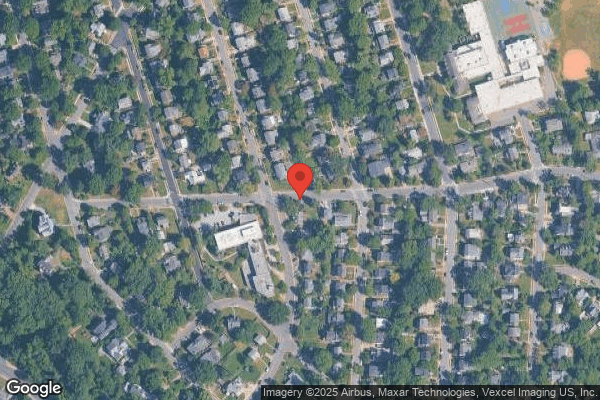
Jan 2020 12 deficiencies 1 Harm
SERIOUS (G)

Actual Harm - a resident was hurt due to facility failures

Quality of Care (Tag F0684)

A resident was harmed · This affected 1 resident

**NOTE- TERMS IN BRACKETS HAVE BEEN EDITED TO PROTECT CONFIDENTIALITY** Based on resident interview, staff interview, facility document review and clinical record review, it was determined that the fa...

Read full inspector narrative →
**NOTE- TERMS IN BRACKETS HAVE BEEN EDITED TO PROTECT CONFIDENTIALITY** Based on resident interview, staff interview, facility document review and clinical record review, it was determined that the facility staff failed to provide care and services according to professional standards to maintain a resident's highest level of well-being, resulting in harm for one of 51 residents in the survey sample, Resident #16. The facility staff failed to implement the proper positioning technique while repositioning Resident #16 in bed on 2/14/19. CNA (Certified nursing assistant) #7 repositioned Resident #16 by grabbing both sides of the resident's torso and pulling on the resident. This improper technique resulted in a right shoulder dislocation and a transfer to the emergency room for a dislocation reduction (returning the shoulder to the normal position) under sedation. The findings include: Resident #16 was admitted to the facility on [DATE]. Resident #16's diagnoses included but were not limited to muscle weakness, heart failure and high blood pressure. Resident #16's most recent MDS (minimum data set), a quarterly assessment with an ARD (assessment reference date) of 11/23/19, coded the resident as being cognitively intact. Section G coded Resident #16 as requiring extensive assistance of two or more staff with bed mobility. Resident #16's quarterly MDS assessment with an ARD of 12/21/18 coded the resident as being cognitively intact. Section G coded Resident #16 as requiring extensive assistance of one staff with bed mobility. Resident #16's comprehensive care plan dated 9/24/18 documented, (Name of Resident #16) has an ADL (activities of daily living) self-care performance deficit r/t (related to) left BKA (below the knee amputation) and burn wounds to right leg .Interventions: BED MOBILITY: (Name of Resident #16) requires extensive assistance by (1-2) staff to turn and reposition in bed at times and at times is able to turn self with use of quarter side rails . Review of Resident #16's clinical record revealed a nurse's note dated 2/14/19 that documented Resident #16 complained of right arm and shoulder pain. The night shift supervisor and physician were notified, a physician order was obtained for an x-ray and the resident was medicated for pain. A right shoulder x-ray dated 2/14/19 documented an anterior dislocation of the humerus (arm/shoulder). Resident #16 was transferred to the emergency room on 2/14/19. An emergency room history and physical dated 2/14/19 documented Resident #16's shoulder dislocation was reduced under sedation. A FRI (facility reported incident) form submitted to the state agency on 2/14/19 documented, Report date: 2/14/19 Incident date: 2/14/19 Describe incident, including location, and action taken: On 2/14/19 resident (name of Resident #16) complained of pain to her right shoulder. Resident medicated for pain and STAT (immediate) x-ray was completed. At approximately 2:30 pm Director of Nursing, (name), received x-ray results showing the resident had an anterior dislocation of the right humerus. MD (Medical doctor) notified and orders received to send resident to the ER (emergency room). DON (Director of nursing) spoke with resident who stated the night CNA 'pulled' her arm to try to get her back in bed. CNA identified as (name of CNA #7). Employee suspended immediately pending investigation. Local police notified . A final FRI report form submitted to the state agency on 2/20/19 documented, Summary of Investigation: (Name of Resident #16) is a [AGE] year old female resident, initially admitted to the Center on 9/14/18. (Name of Resident #16's) medical diagnoses include left BKA amputation, burns to right lower leg, muscle weakness, anemia (a blood disorder), schizophrenia (mental illness), heart failure and chronic obstructive pulmonary disease (lung disease). (Name of Resident #16's) most recent BIMS (brief interview for mental status) (a scale to rate the level of one's cognition) was 14 (on a scale from 0 to 15). (Name of Resident #16) has a low to the floor bed with mats on the floor due to a care planned behavior of crawling out of bed on to the floor. On 2/14/19 at approximately 6:55 am CNA (name of another CNA) entered (Name of Resident #16's) room to provide morning care to her. (Name of other CNA) stated that (sic) asked (Name of Resident #16) if she was ready to get up and (name of Resident #16) replied, 'No way.' (Name of other CNA) asked (name of Resident #16) why she did not want to get up and (name of Resident #16) replied, 'My arm is killing me.' (Name of other CNA) asked what happened to her arm and (name of Resident #16) replied, 'it was how the night aide moved me.' (Name of other CNA) informed the nurse, (name of LPN [licensed practical nurse] #12), who medicated (name of Resident #16) with PRN (as needed) Oxycodone (1). (Name of LPN #12) evaluated (name of Resident #16) and notified the physician, who ordered a STAT (immediate) x-ray of the right arm. After receiving the pain medication (name of Resident #16) told (name of LPN #12) she was 'okay.' (Name of other CNA) stated that after (name of Resident #16) received pain medication she requested to get up into the wheelchair. (Name of LPN #12) notified the night shift supervisor, (name) at approximately 7:10 am saying (name of Resident #16) had a complaint about how the night aide 'positioned her.' (Name of ASM [administrative staff member] #2 [the director of nursing]) arrived at the Center at approximately 7:55 am and went to speak with (name of Resident #16). When (name of ASM #2) asked (name of Resident #16) what happened during the night she replied, 'I don't want to talk about it right now.' (Name of Resident #16) denied pain at that time but was observed holding her right arm close to her body. (Name of ASM #2) spoke with the night shift CNA, (name of CNA #7), regarding what occurred during the night shift with (name of Resident #16). (Name of CNA #7) stated that she pulled the resident up in bed at approximately 1:00 am but that she did not complain of any pain at that time or throughout the night. X-ray of the right shoulder and arm was completed at approximately 12:00 pm. The Director of Nursing received the results at approximately 2:30 pm showing an anterior dislocation of the right humerus. The physician was notified and a new order was received to send the resident to the emergency room for evaluation and treatment. (Name of ASM #2) went to notify (name of Resident #16) of the ordered transfer and speak with her about what occurred. (Name of Resident #16) stated, 'it was the night aide, she pulled me up in bed by my arm.' (Name of Resident #16) stated she was checking on some things in the hallway when the CNA, (name of CNA #7), entered the room and pulled her up in bed by her arm. (Name of Resident #16) stated her roommate was asleep and there was no other employee in the room when this occurred. (Name of ASM #2) notified the local police who responded to the Center and interviewed (name of Resident #16). The police officers asked (name of Resident #16) to explain what occurred during the night shift. (Name of Resident #16) stated the incident occurred around 1:00 am. (Name of Resident #16) stated she was 'checking on somethings (sic) in the hallway,' when the CNA entered the room and 'pulled me up' by her arm. The police officer asked (name of Resident #16) if the CNA was yelling at her or saying bad things to her and (name of Resident #16) replied, 'No, but she wasn't in a good mood.' The police officer then asked (name of Resident #16) if she felt the CNA had intentionally hurt her and (name of Resident #16) replied, Intentionally? No.' The police officer then asked (name of Resident #16) if she felt the CNA 'just got her improperly into bed?' and (name of Resident #16) replied, 'Yes.' On 2/15/19 (name of ASM #2) had an additional interview with (name of CNA #7) regarding the care she provided to (name of Resident #16) during the night of 2/14/19. (Name of CNA #7) stated that at approximately 1:00 am she observed (name of Resident #16's) call light on and she went to the room. Upon entering the room (name of CNA #7) stated she observed (name of Resident #16's) bed very high in the air and she was sitting with her legs dangling near the foot of the bed. (Name of CNA #7) stated that she was concerned (name of Resident #16) was going to fall so she laid her down and then pulled her up in bed by grabbing both sides of her torso. (Name of CNA #7) stated there was no pad or draw sheet underneath (name of Resident #16) to aid in pulling her up in bed. (Name of CNA #7) stated after she positioned the resident in bed and lowered the bed to the floor; (LPN #7) entered the room and provided medication to (name of Resident #16). (Name of CNA #7) stated she checked on (name of Resident #16) every 1.5-2 hours throughout the night and she made no complaints of pain and was observed sleeping during the remainder of the shift. Based on the completed investigation the Center has determined that (name of Resident #16) obtained a dislocation of the right humerus due to improper positioning technique performed by a CNA. Corrective Measures Implemented to Prevent Recurrence: 1. (Name of CNA #7) is no longer employed at the Center. 2. Facility staff re-educated about abuse, neglect, and injuries of unknown origin. 3. Licensed nursing staff re-educated about safe methods to position and reposition residents . A witness statement signed by CNA #7 on 2/14/19 documented, I was assign (sic) to (name of Resident #16). At around 1 AM resident pull (sic) the call light and I went there. I met her at the feet (sic) of the bed and I help (sic) her by putting my hands around her and pull (sic) her up on the bed. A witness statement signed by CNA #7 on 2/15/19 documented, When I came on duty I met the resident. Call light was on and I met the resident sitting on the edge of the bed which is by the feet (sic) side and I (blank space) her down on the bed and I put my hands around her body and I pull her up the bed and I position her while I was doing that the nurse went in the room to give her a medication and I also told her that she was trying to hurt herself. She was putting the bed all the way up and the nurse told me that (sic) the same thing she was doing yesterday which was on Tuesday and I put the bed down and I hide (sic) the bed remote so she will not get to it. Still then, I was been (sic) checking on her not complaind (sic) of any pain until when (name of another CNA) came in the morning. She was dress (sic) her. She came and tell (sic) the nurse that the resident complained (sic) that her shoulder is hurting her. On 1/29/20 at 9:41 a.m., an interview was conducted with Resident #16. Resident #16 was asked to describe the events that occurred in February 2019 when her right shoulder was dislocated. Resident #16 stated, I forgot what happened but I wound up on the floor and an aide came and dragged me by my arm and picked me up and put me back to bed by herself. Resident #16 stated she did not experience pain at that time but later on that same night she was lying in bed and felt pain. Resident #16 stated she told staff something was wrong with her shoulder and the staff obtained an x-ray. On 1/29/20 at 3:42 p.m., an interview was conducted with LPN (licensed practical nurse) #3. LPN #3 was asked how a resident should be repositioned if he/she was on the edge of the bed at the foot of the bed. LPN #3 stated this depended on the resident. LPN #3 stated she would ask the resident to stand up, move over and sit back down if he/she was ambulatory. LPN #3 stated if the resident required physical assistance, then the staff should call someone to help and use a draw sheet to reposition the resident. LPN #3 stated two staff and a draw sheet should be utilized for a resident who requires physical assistance. LPN #3 was asked if a staff should reach around both sides of a resident and pull them up. LPN #3 stated a staff should not do this because he/she does not want to cause any injury. LPN #3 stated Resident #16 is able to sit up but will call if she needs assistance with positioning. LPN #3 confirmed the assistance of two staff and a draw sheet should be used if Resident #16 is seated at the foot and edge of the bed. On 1/29/20 at 4:19 p.m., an interview was conducted with CNA #5. CNA #5 stated residents' bed mobility and transfer needs are communicated to CNAs via a [NAME]. CNA #5 was asked how a resident should be repositioned if he/she was on the edge of the bed at the foot of the bed. CNA #5 stated the staff member should call for a co-worker and two people should reposition the resident using a draw sheet. CNA #5 stated, You don't pull them up. It's a no no no to pull them with their arms. You can dislocate something or injure them in another way. CNA #5 was asked what should be done if the resident does not have a draw sheet under them. CNA #5 stated a staff member should go get a draw sheet because a resident cannot be pulled by his/her arms. On 1/29/20 at 4:43 p.m., an interview was conducted with ASM #2. ASM #2 was asked to describe the events regarding Resident #16's dislocated right shoulder on 2/14/19. ASM #2 stated she was initially told that Resident #16 reported arm pain so an x-ray was obtained and showed a dislocated shoulder. ASM #2 stated there was no immediate explanation for the cause of the dislocation so Resident #16 was transferred to the hospital and she (ASM #2) began an investigation. ASM #2 stated CNA #7 told her that she entered Resident #16's room and the resident was almost falling off the edge of the bed. ASM #2 stated CNA #7 said she had to get Resident #16 back on the bed and prevent her from falling. ASM #2 stated CNA #7 said there was no pad or draw sheet on the bed and the bed was in a high position so CNA #7 grabbed Resident #16's waist on each side, pulled the resident up then put the bed in a low position and removed the bed remote. ASM #2 stated she asked CNA #7 why she didn't just lower the bed and get help instead of pulling the resident up or tell the resident to sit and yell for someone to help. ASM #2 stated CNA #7 only provided the response that the situation was critical. ASM #2 stated CNA #7 was terminated due to the improper positioning technique and because there was inconsistencies in her story. When asked to elaborate, ASM #2 stated CNA #7 said she got Resident #16 repositioned in bed then the nurse came in to administered medications but the nurse said Resident #16 was in a sitting position when she administered medications. ASM #2 stated Resident #16 said the CNA pulled her up in bed and the resident was reliable, alert and oriented. ASM #2 confirmed CNA #7 used an improper positioning technique. When asked what should have been done, ASM #2 stated a resident should be repositioned by two people using a draw sheet, pad or moving device; not by grabbing his/her body and physically moving him/her. ASM #2 was asked if this technique should be used even when a resident is on the edge of the bed. ASM #2 stated CNA #7 could have repositioned the resident's legs back on the bed and get staff to assist or stand with the resident and yell for help. ASM #2 stated she thought there were other ways the CNA could have repositioned Resident #16 without hurting her. ASM #2 was asked for the facility policy or standard of practice regarding positioning. ASM #2 stated she would look and the best practice is to have two people at all times for the safety of the resident and proper body mechanics for the staff. On 1/29/20 at 5:01 p.m., an interview was conducted with LPN #12 (the nurse caring for Resident #16 during the night shift on 2/14/19). LPN #12 stated that between 12:00 a.m. and 2:00 a.m. she was completing rounds and CNA #7 was in the room with Resident #12 and providing care. LPN #12 stated Resident #16 was lying down on the bed during her observation. LPN #12 stated a couple hours later, at approximately 5:15 a.m. or 5:30 a.m., a CNA told her that Resident #16 was complaining of her arm hurting. LPN #12 stated she talked to the resident who told her that her right arm and shoulder was hurting so she administered pain medication to the resident and notified the supervisor. LPN #12 stated someone else notified the physician and obtained an x-ray. On 1/29/20 at 5:10 p.m., another interview was conducted with ASM #2. ASM #2 stated she could not access Resident #16's [NAME] from February 2019 (because the [NAME] is updated when the resident's condition changes) and the facility did not have a policy or standard of practice (from [NAME]) regarding positioning. On 1/29/20 at 5:39 p.m., ASM #1 (the administrator) and ASM #2 were made aware of the above concern and the concern for harm. On 1/30/20 at 10:18 a.m., an interview was conducted with OSM (other staff member) #7 (the rehab director). OSM #7 was asked how a resident should be repositioned if he/she was on the edge of the bed at the foot of the bed. OSM #7 stated if the resident has any lower extremity strength then staff could help the resident scoot to the head of the bed and assist the resident with lying down but this depended on the resident's needs. OSM #7 was asked if a staff member should put his/her hands on each side of a resident's torso and pull the resident up. OSM #7 stated staff should use a transfer gait belt or just guide the resident with contact guard by placing his/her hands on the resident's torso. OSM #7 stated she would not grab a resident up by under the resident's arms and confirmed this is not a preferred or proper technique. Review of an employee corrective action form revealed CNA #7 was terminated on 2/21/19. Review of education in-service attendance records revealed nursing staff was educated regarding resident positioning from 2/15/19 through 2/17/19. Education of the nursing staff was verified via multiple interviews during the survey. No other concerns regarding positioning were identified during the survey. No further information was presented prior to exit. PAST NON-COMPLIANCE REFERENCE: (1) Oxycodone is used to treat pain. This information was obtained from the website: https://medlineplus.gov/ency/article/007285.htm

CONCERN (D)

Potential for Harm - no one hurt, but risky conditions existed

Deficiency F0558 (Tag F0558)

Could have caused harm · This affected 1 resident

Based on observation, staff interview, resident interview and clinical record review, it was determined that the facility staff failed to provide accommodation of resident needs by ensuring the call b...

Read full inspector narrative →
Based on observation, staff interview, resident interview and clinical record review, it was determined that the facility staff failed to provide accommodation of resident needs by ensuring the call bell [a device with a button that can be pushed to alert staff when assistance is needed ] was within reach for one of 51 residents in the survey sample, Resident # 68. The findings include: Resident # 68 was admitted to the facility with diagnoses that included but were not limited to: lack of coordination, and Parkinson's disease [1]. Resident # 68's most recent MDS (minimum data set), a quarterly assessment with an ARD (assessment reference date) of 12/03/19, coded Resident # 68 as scoring an 13 on the brief interview for mental status (BIMS) of a score of 0 - 15, 13 - being cognitively intact for making daily decisions. Resident # 68 was coded as requiring extensive assistance of one staff member for activities of daily living. Section G0400 Functional Limitation in Range of Motion coded Resident # 68 as No impairment of their upper extremities [shoulder, elbow, wrist, hand] and Impairment on both sides of their lower extremities [hip, knee ankle, foot]. On 01/28/20 at 6:29 p.m., an observation of Resident # 68 revealed the resident was lying in bed, with the call bell on the floor next to the bed. When asked where the call light was Resident # 68 stated, I guess it's on the floor. When asked if they were able to reach it Resident # 68 stated, No. On 01/28/20 at 6:39 p.m., an observation of Resident # 68's room revealed a nurse stopped at Resident # 68's room, stepped inside the room and looked at Resident # 68. Further observation revealed Resident # 68 was lying in bed, awake and the call bell remained on the floor next to the bed. On 01/29/20 at 8:07 a.m., an observation of Resident # 68 revealed they were lying in bed, awake. The call bell was on the floor next to the bed. On 01/29/20 at 9:12 a.m., upon entering Resident #68's room, nurse was observed leaving the room after checking Resident # 68. An observation of Resident # 68 revealed they were lying in bed, awake. The call bell was directly on the floor next to the bed. The comprehensive care plan for Resident # 86 with a revision date of 11/26/2018 documented, Focus: [Resident # 86] has an ADL [activities of daily living] self-care performance deficit r/t [related to] OA [osteoarthritis]. Revision on: 11/26/2018. Under Interventions it documented, Encourage [Resident # 86] to use bell to call for assistance. Date Initiated: 10/01/2018. On 01/29/20 at 4:27 p.m., an interview was conducted with RN [registered nurse] # 3, unit manager, regarding the above observations of Resident # 68's call bell, and was asked to describe the procedure for the call bell placement. RN # 3 stated, Keep it where the resident can reach it. When you round [checking the resident] they [nursing staff] should be checking to make sure the call bell is within reach. The facility's policy Resident Rights and Responsibilities documented in part, Accommodation of Needs: A. To be cared for in a manner and in an environment that promotes maintenance or enhancement of your quality of life. B. To reside and receive services in the facility with reasonable accommodation of individual needs and preferences, except when the health or safety of other residents would be endangered. On 01/29/2020 at approximately 5:40 p.m., ASM (administrative staff member) # 1, the administrator and ASM # 2, director of nursing were made aware of the findings. No further information was provided prior to exit. References: [1] A type of movement disorder. This information was obtained from the website: https://www.nlm.nih.gov/medlineplus/parkinsonsdisease.html.
CONCERN (D)

Potential for Harm - no one hurt, but risky conditions existed

Free from Abuse/Neglect (Tag F0600)

Could have caused harm · This affected 1 resident

**NOTE- TERMS IN BRACKETS HAVE BEEN EDITED TO PROTECT CONFIDENTIALITY** Based on staff interview, facility document review, and clinical record review, it was determined that the facility staff failed...

Read full inspector narrative →
**NOTE- TERMS IN BRACKETS HAVE BEEN EDITED TO PROTECT CONFIDENTIALITY** Based on staff interview, facility document review, and clinical record review, it was determined that the facility staff failed to ensure one of 51 residents, (Resident #47), right to be free from abuse from abuse by another resident (Resident #98). The findings include: A review of the facility policy, Abuse, Neglect Exploitation & Misappropriation documented, It is inherent in the nature and dignity of each resident at the center that he/she be afforded basic human rights, including the right to be free from abuse, neglect, mistreatment, exploitation and/or misappropriation of property. The management of the facility recognizes these rights and hereby establishes the following statements, policies, and procedures to protect these rights and to establish a disciplinary policy, which results in the fair and timely treatment of occurrences of resident abuse. Resident #47 was admitted to the facility on [DATE]; diagnoses included but are not limited to stroke, dysphagia, gastrostomy, aphasia and high blood pressure. The quarterly MDS (Minimum Data Set) with an ARD (Assessment Reference Date) of 12/7/19 coded the resident as being severely impaired in ability to make daily life decisions. The resident was coded as requiring total care for bathing, toileting, eating, dressing, and transfers; extensive assistance for hygiene and bed mobility; and was incontinent of bowel and bladder. Resident #98, was admitted to the facility on [DATE], and was discharged on 1/10/20. Diagnoses include but are not limited to, stroke, alcohol abuse, depression, bipolar disorder, high blood pressure, left and right leg below-the-knee amputation, phantom pain syndrome, and cellulitis. The quarterly MDS (Minimum Data Set) with an ARD (Assessment Reference Date) of 1/4/20 coded the resident as being cognitively intact in ability to make daily life decisions. The resident was coded as requiring total care for bathing; extensive care for dressing; limited assistance for hygiene and transfers; supervision for bed mobility, eating and toileting; and was occasionally incontinent of bowel and bladder. A review of a Facility Reported Incident (FRI) dated 12/27/19 documented, On 12/27/19 at approximately 6:30 p.m., Nursing Supervisor (name of LPN [Licensed Practical Nurse] #1) notified the DON (Director of Nursing) of a resident on resident altercation involving roommates (names of Resident #47 and Resident #98). (Resident #47) was moved to another room. Police notified. Full investigation initiated. A review of the facility's FRI investigation revealed a note dated 12/27/19, that documented, Writer was doing his routine rounds when I stop by room (number) and saw (Resident #47) face was cover with a pillow. Writer enter the room and removed the pillow from (Resident #47) face and asked him how could you cover your face with a pillow but (Resident #47) winked his left eye and his left part of his face towards the roommates bed because he is not verbally responsive, but can respond when using eye contact. So writer asked him again if that's the roommate (name of Resident #98) who did that and (Resident #47) winked his left eye again. So writer asked (Resident #98) if he did use a pillow to cover (Resident #47) face. (Resident #98) responded by saying yes he did because (Resident #47) is making noises and spitting all over so that why he use the pillow to cover his face. Writer then told him he shouldn't put a pillow to cover (Resident #47) face, what he should have done put the call light on or call the nurse or CNA (certified nursing assistant) and they will take care of that noise or spitting. In reply (Resident #98) stated that he do not care about calling or not calling who so ever, and I told him I am gonna report you to the supervisor, and he stated that he don't care. So I went and told the supervisor. The nurse that wrote this note was no longer at the facility and could not be interviewed. The CNA on duty at the time was unavailable by phone for interview. The supervisor, LPN #1, was interviewed, below. A nurse's note in Resident #98's clinical record dated 12/30/19 written by ASM #2 (Administrative Staff Member, the DON)documented, On 12/27/19 at approx (approximately) 1830 (6:30 PM) this writer rec'd (received) call from 3-11 supervisor stating (Resident #98) had put a pillow over top his roommates mouth. Supervisor stated (Resident #98) said he did it to make him be quiet. (Resident #98) immediately placed on 1:1 (one on one) supervision and his roommate removed from the room. This writer interviewed (Resident #98) at 10:00 am this morning with the social worker present. (Resident #98) stated his roommate frequently makes noises and spits and that it bothers him. (Resident #98) stated he threw a pillow at him, hoping to make him be quiet. Writer asked (Resident #98) if the privacy curtain between the two beds was in place and he stated yes. When asked how the pillow was resting directly over his roommates mouth when he claims to have thrown the pillow, (Resident #98) remained silent. (Resident #98) apologized and stated he didn't realize it was a big deal. Writer discussed discharge options with (Resident #98). (Resident #98) is independent in ADLs (activities of daily living) and mobility. (Resident #98) has 2 prosthetic legs that he is able to ambulate with and an electric w/c (wheel chair). (Resident #98) agreed to d/c (discharge) to the community once an appropriate place was located. Writer assisted (Resident #98) with calling DMV (department of motor vehicles) to obtain a replacement ID to assist with D/C planning. (Note: Resident #98 was discharged to a community setting on 1/10/20). A Geriatric Psychiatry Progress Note in Resident #98's clinical record dated 1/7/20 documented, Joking and smiling on exam. Staff reported he had put a pillow on roommates face last week. Pt laughs about it, he was spitting and making noises and I couldn't sleep. He is clear he was not trying to harm him but doesn't seem to understand he could have. On 1/30/20 at 10:43 AM, in an interview with LPN #1 (Licensed Practical Nurse), he stated that he was notified by the nurse (who no longer works at the facility) that Resident #98 had put a pillow on the face of Resident #47. He stated that in conversation with the residents, Resident #98 stated that he did it because Resident #47 was snoring and spitting, and disturbing his sleep. He stated he was not trying to harm the resident. He stated that he was not sure if Resident #98 tossed the pillow from his bed to the other side, so that it landed on Resident #47's face, or if Resident #98 went over to Resident #47's side of the room, and placed the pillow on his face and went back to bed. He stated the police were also notified and the police did not feel there was ill intent to harm the resident. He stated that Resident #98 was moved to another room. On 1/30/20 at 11:52 AM, in an interview with ASM #2 (Administrative Staff Member, the Director of Nursing), ASM #2 stated, It was a Friday night about 6pm or so, the supervisor called me and said they found a pillow over top of (Resident #47) mouth. (Resident #47) is nonverbal and not able to move any but can understand and use his eyes. When asked how the pillow got on his face, he used his eyes to motion to his roommate. (Resident #98) did not like people in his room, making noise, using his bathroom, so (Resident #47) was the perfect roommate because he didn't make noise or use the bathroom. There had not been any issues before. (Resident #98) stated he threw it [pillow] over there but it was clearly placed. We called the cops and they came. The cops did not see a big deal. They said he just wanted him to stop making noises. I interviewed (Resident #98), he said (Resident #47) was making noises and spitting and so he threw a pillow over there. I asked if the privacy curtain was pulled. He said it was but then he could not explain how he threw a pillow through the curtain. He did not think it was a big deal; he just wanted him to stop spitting. I educated him that (Resident #47) cannot move the pillow, and it restricts air. He showed no remorse. We discussed discharge options with him after that. (Resident #98) lost both legs from frostbite, his sisters are not involved, and he has history of alcohol abuse. He had previously refused discharge to community placement due to restrictions of the community facility (drug and alcohol testing every time you come and go). After this incident, he realized it was time to go. The community facility had private rooms and could help him get disability. He was placed on 1:1 the rest of his time here and he didn't like being on 1:1. ASM #2 provided the 1:1 documentation sheets from the date of the incident through date of discharge for Resident #98. ASM #2 stated, (Resident #47) was immediately put in a different room for his safety. Before this, he had no other incidents like this towards others. Nothing physical ever, with anyone and nothing with this roommate prior to this, there were no flags this might happen. They had been roommates for 10 months without incident. He told the cop he had no intention to harm, no ill intent, and the police did not pursue a legal situation. (Resident #47) was here (in the US) alone from Ghana. After he got here, he had a stroke. He has no family or anyone here (in the US). A third party lawyer was given guardianship. Shortly after he got here (at the facility), a daughter in Ghana tracked him down here and called. Staff that are from there spoke to her. We have no contact for her and she has never called back. The hospital pays for his stay here indefinitely. On 1/30/10 at 12:07, in an interview with OSM #2 (Other Staff Member - the Director of Social Services), OSM #2 stated he followed up with Resident #47 several times to ensure the resident was ok and not suffering any distress from the incident. He provided notes dated 12/30/19, 12/31/19, and 1/3/20 wherein he documented that, the resident was calm, stable and safe. A review of the comprehensive care plan for Resident #98 revealed one dated 12/30/19 that documented, (Resident #98) has a behavior problem put pillow on his roommate's face d/t (due to) the noise he made, while the roommate is total dependent who does not have ability to move the pillow or push the call light for help. A review of the comprehensive care plan for Resident #47 revealed one dated 3/8/19 for risk of falls. This care plan included an update dated 12/30/19 for (Resident #47) was found his face covered by the pillow that his roommate throw it on purpose. On 1/30/20 at 1:50 PM, ASM #1 (the Administrator), ASM #2, ASM #3 (Senior Director of Operations) and ASM #4 (Regional Director of Clinical Services) were made aware of the findings. No further information was provided.
CONCERN (D)

Potential for Harm - no one hurt, but risky conditions existed

Comprehensive Care Plan (Tag F0656)

Could have caused harm · This affected 1 resident

Based on resident interview, staff interview and clinical record review it was determined that the facility staff failed to implement the comprehensive care plan for two of 51 residents in the survey ...

Read full inspector narrative →
Based on resident interview, staff interview and clinical record review it was determined that the facility staff failed to implement the comprehensive care plan for two of 51 residents in the survey sample, Resident #37 and #53. The facility staff failed implement the comprehensive care plan for non-pharmacological interventions prior to the administration of prn (as needed) pain medication to Resident # 37. The facility staff failed develop a care plan to address Resident # 53 tube feeding. The findings include: 1. Resident # 37 was admitted to the facility with diagnoses that included but were not limited to: muscle spasms and arthritis. Resident # 37's most recent MDS (minimum data set), a quarterly assessment with an ARD (assessment reference date) of 12/03/19, coded Resident # 37 as scoring an 12 on the brief interview for mental status (BIMS) of a score of 0 - 15, 12 - being moderately impaired of cognition for making daily decisions. Resident # 37 was coded as requiring extensive assistance of one staff member for activities of daily living. Section J Health Conditions coded Resident # 37 as having severe pain frequently. The POS [physician's order sheet] dated January 2020 for Resident # 37 documented, Ibuprofen [1] 600MG [milligrams] Tablet. 1 [one] tab [tablet] by mouth every 8 [eight] hours as needed for pain. Date: 09/06/2019. The comprehensive care plan with a revision date of 09/17/2019 for Resident # 37 documented in part, Focus: The resident has pain r/t [related to] arthritis, muscle spasm. Revision on: 09/17/2019. Under Interventions it documented, Monitor/record pain. Characteristics q [every] shift and PRN [as needed]: Quality (e.g. sharp, burning); Severity (1 to 10 scale); Anatomical location; Onset: Duration (e.g. continuous, intermittent); Aggravating factors; Relieving factors Date Initiated: 09/17/2019. The MAR [medication administration record] for Resident # 37, dated January 2020 documented the same physician's order as above. Review of the MAR revealed Resident # 37 received Ibuprofen on 01/01/2020 through 01/07/2020, and on 01/09/2020, 01/10/2020, 01/13/2020, 01/14/2020, 01/15/2020, and on 01/16/2020, 01/18/2020, and 01/19/2020 and on 01/20/2020 at 5:00 p.m. each day. Further review of the MAR failed to evidence documentation of non-pharmacological interventions. The facility's nurse's notes dated 01/01/2020 through 01/28/2020 failed to evidence documentation of non-pharmacological interventions prior to the administration of Ibuprofen for the above dates and times. On 01/29/2020 at approximately 1:40 p.m., an interview was conducted with Resident # 37. When asked if the staff attempt to alleviate the pain before administering pain medication Resident # 37 stated no, they just give me the pain medication. On 01/29/20 at 5:15 p.m., an interview was conducted with ASM [administrative staff member] # 2, director of nursing. When asked how they interpreted the statement Relieving factors as part of Resident # 37's interventions for their pain care plan ASM # 2 stated, I take it to mean both pharmacological and non-pharmacological interventions. On 01/29/20 at 4:17 p.m., an interview was conducted with RN [registered nurse] # 3, unit manager. When asked where they would document the attempt of non-pharmacological interventions, RN # 3 stated, It would be documented on the back of the MAR or the nurse's notes. After reviewing the nurses notes for Resident # 37's and the residents MAR for January 2020, RN # 3 stated that there was no documentation of non-pharmacological interventions. When asked if the non-pharmacological interventions were being attempted for Resident # 37, RN # 3 stated no. On 01/30/2020 at approximately 9:15 a.m., an interview was conducted with RN # 3. When asked to describe the purpose of a resident's care plan RN # 3 stated, It's a guide to provide care for the patient. When asked how they interpreted the statement Relieving factors as part of Resident # 37's interventions for their pain care plan, RN # 3 stated, It is what relieves the pain. I could be the medication or repositioning. After reviewing the lack of documentation of non-pharmacological interventions for Resident # 37's pain as documented above, RN # 3 stated that the care plan was not being followed for the implementation of non-pharmacological interventions. On 01/30/2020 at approximately 1:33 p.m., ASM # 1, the administrator, ASM # 2, director of nursing, ASM # 3, director of operations, and LPN # 4, director of clinical services were made aware of the findings. No further information was provided prior to exit. References: [1] Prescription ibuprofen is used to relieve pain, tenderness, swelling, and stiffness caused by osteoarthritis (arthritis caused by a breakdown of the lining of the joints) and rheumatoid arthritis (arthritis caused by swelling of the lining of the joints). This information was obtained from the website: https://medlineplus.gov/druginfo/meds/a682159.html. 2. Resident # 53 was admitted to the facility with diagnoses that included but were not limited to: difficulty swallowing, and stroke. Resident # 53's most recent MDS (minimum data set), a significant change assessment with an ARD (assessment reference date) of 01/17/2020, coded Resident # 53 as scoring an four on the brief interview for mental status (BIMS) of a score of 0 - 15, four - being severely impaired of cognition for making daily decisions. Section K0510 Nutritional Approaches coded Resident # 53 as B. Feeding Tube - nasogastric or abdominal (PEG). The POS [physician's order sheet] dated January 2020 for Resident # 53 documented, Jevity [supplement] 1.5 Liquid. 1 [one] - can via [by] PEG Tube @ [at] 8AM [8:00 a.m.], 12N [12:00 p.m.], 4PM [4:00 p.m.], 8PM [8:00 p.m.], 12AM [12:00 a.m.]. CAL [calories] = 1775. Review of the comprehensive care plan for Resident # 53 dated 09/17/2019 failed to evidence documentation regarding Resident # 53's tube feeding or the feeding protocol above. On 01/30/2020, an interview was conducted with RN # 2, MDS coordinator. When asked to describe the process for developing a resident's care plan for tube feeding, RN # 2 stated, Review the physician's orders, and conduct a bedside assessment consult with nursing and speech therapy if necessary. After reviewing Resident # 53's care plan and the physician's orders dated January 2020, RN # 2 stated that the care plan did not address Resident # 53's tube feeding. RN # 2 stated, A care plan should have been developed for tube feeding. On 01/30/2020 at approximately 1:33 p.m., ASM # 1, the administrator, ASM # 2, director of nursing, ASM # 3, senior director of operations, and LPN # 4, director of clinical services were made aware of the findings. No further information was provided prior to exit.
CONCERN (D)

Potential for Harm - no one hurt, but risky conditions existed

Accident Prevention (Tag F0689)

Could have caused harm · This affected 1 resident

**NOTE- TERMS IN BRACKETS HAVE BEEN EDITED TO PROTECT CONFIDENTIALITY** Based on observation, resident interview, staff interview, facility document review, and in the course of a complaint investigat...

Read full inspector narrative →
**NOTE- TERMS IN BRACKETS HAVE BEEN EDITED TO PROTECT CONFIDENTIALITY** Based on observation, resident interview, staff interview, facility document review, and in the course of a complaint investigation, it was determined that the facility staff failed to safely transfer on one 51 residents in the survey sample, Resident #10. During observation of a transfer of Resident #10 by Hoyer lift on 1/29/2020, the facility staff failed to prevent Resident #10's toes from bumping the wall multiple times, and failed to lock the wheelchair. The findings include: Resident #10 was admitted to the facility on [DATE]; and most recently readmitted on [DATE], with diagnoses including, but not limited to: history of a stroke, dysfunctional bladder, diabetes (1), spinal stenosis (2), and peripheral neuropathy (3). On the most recent MDS (minimum data set), a quarterly assessment with an assessment reference date of 11/7/19, Resident #10 was coded as having no cognitive impairment for making daily decisions, having scored 15 out of 15 on the BIMS (brief interview for mental status). He was coded as having no impairment for understanding others or for being understood by others. He was coded as requiring the extensive assistance of two staff for bed mobility, and as being completely dependent on the assistance of two staff for transfers. He was coded as never walking. He was coded as needing a wheelchair for mobility. On 1/29/2020 at 1:35 p.m., two CNAs (certified nursing assistants) (CNAs #1 and #2) were observed using a Hoyer (mechanical) lift to transfer Resident #10 from the bed into a wheelchair. During the transfer, while the resident was in the lift sling at its highest point, Resident #10's toes on both the right and left feet bumped the wall multiple times. While the CNA#2 was lowering the resident into the wheelchair by using the lift, CNA #1 tilted the unlocked wheelchair back onto the two big wheels in an effort to accommodate the resident's preference to not be sitting straight up when his buttocks made contact with the wheelchair. A review of Resident #10's comprehensive care plan, dated 11/12/18 and most recently updated 1/2/2020, revealed, in part: TRANSFER: [Resident #10] requires Mechanical Hoyer Lift with 2 staff assistance for transfers. On 1/29/2020 at 2:01 p.m., CNA #1 was asked if she locked the wheelchair prior to assisting the resident into it from the Hoyer lift. She stated, I thought I did. Maybe I didn't, but I thought I did. When asked if the wheelchair should be locked during a transfer, CNA #1 stated, Sometimes when we are trying to lean it back, we can't lock it. When asked if it is safe to transfer a resident into an unlocked wheelchair that is tipped back on two wheels, she stated it was not safe. When asked if she was aware, Resident #10's toes had bumped the wall while he was in the air, she stated she was not. On 1/29/2020 at 2:05 p.m., CNA #2 was interviewed. When asked if he knew whether or not the wheelchair had been locked during the transfer, he stated he did not know for sure. CNA #2 stated, It should always be locked. When asked if he was aware that Resident #10's toes had bumped the wall while he was in the air, CNA #2 stated, No. When asked if it was safe for the resident's toes to bump the wall during the transfer, CNA stated, No, it was not. On 1/29/2020 at 4:22 p.m., Resident #10 was interviewed regarding the above transfer. Resident #10 stated, I don't think the wheelchair was locked. Was it locked? It did not feel like it was locked. Resident #10 also stated his toes bumped against the wall multiple times, and caused him pain. He stated he has repeatedly asked the staff to be particularly careful with his toes because of the pain, and his diabetic neuropathy. He stated he had not required additional pain medication because of the bumped toes. On 1/29/2020 at 5:40 p.m., ASM (administrative staff member) #1, the administrator, and ASM #2, the director of nursing were informed of these concerns. On 1/30/2020 at 10:12 a.m., LPN (licensed practical nurse) #6, the unit manager, was interviewed. He stated it is not acceptable to bump the resident's toes against the wall during a transfer. LPN #6 stated, That is absolutely not a safe transfer. He stated not locking the wheelchair is very dangerous, as it can cause an injury. On 1/30/2020 at 11:16 a.m., ASM #2 was interviewed. When asked if it is safe to transfer a resident using a Hoyer lift into an unlocked wheelchair that has been tipped back on the back two wheels, ASM #2 stated it is not. When asked if it was safe to have bumped the resident's toes on the wall during the transfer, ASM #2 stated, His toes are a big point. He has diabetes and neuropathy. No, they should not have hit the wall. She stated one of the reasons two people are required to transfer a resident using a mechanical lift is so that one staff member can operate the lift, and the other staff member can support the resident's body, and assist with safe positioning. A review of the facility policy, Lifting and Moving Residents, revealed, in part: Use of a mechanical lift to transfer a resident who cannot stand from the bed to the wheelchair .Position the wheelchair with enough space to maneuver the lift and set the brakes .Raise the lifting bar with the resident in the sling straps so that the body clears the bed. It is necessary to support the resident's head until or she has reached a 45 degree angle or sitting position, unless he or she has full neck control. No further information was provided prior to exit. COMPLAINT DEFICIENCY (1) Diabetes (mellitus) is a disease in which your blood glucose, or blood sugar, levels are too high. This information is taken from the website https://medlineplus.gov/diabetes.html. (2) Your spine, or backbone, protects your spinal cord and allows you to stand and bend. Spinal stenosis causes narrowing in your spine. The narrowing puts pressure on your nerves and spinal cord and can cause pain. This information is taken from the website https://medlineplus.gov/spinalstenosis.html. (3) Peripheral nerves carry information to and from the brain. They also carry signals to and from the spinal cord to the rest of the body. Peripheral neuropathy means these nerves don't work properly. Peripheral neuropathy may occur because of damage to a single nerve or a group of nerves. It may also affect nerves in the whole body. This information is taken from the website https://medlineplus.gov/ency/article/000593.htm.
CONCERN (D)

Potential for Harm - no one hurt, but risky conditions existed

Deficiency F0700 (Tag F0700)

Could have caused harm · This affected 1 resident

**NOTE- TERMS IN BRACKETS HAVE BEEN EDITED TO PROTECT CONFIDENTIALITY** 2. Resident #82 was admitted to the facility 01/04/2018 with a readmission on [DATE] with diagnoses, that included but were not ...

Read full inspector narrative →
**NOTE- TERMS IN BRACKETS HAVE BEEN EDITED TO PROTECT CONFIDENTIALITY** 2. Resident #82 was admitted to the facility 01/04/2018 with a readmission on [DATE] with diagnoses, that included but were not limited to pneumonia (1) and sepsis (2). Resident #82's most recent MDS (minimum data set), an admission assessment with an ARD (assessment reference date) of 01/11/20, coded Resident #82 as scoring a 15 on the staff assessment for mental status (BIMS) of a score of 0 - 15, 15- being cognitively intact for making daily decisions. Resident #82 was coded as requiring extensive assistance of one staff member for bed mobility. An observation on 1/28/20 at 7:30 p.m. revealed Resident #82 in bed with bilateral upper quarter bed rails on the bed. When asked about the bed rails, Resident #82 stated that he used them to grab on to turn in bed and position himself. When asked if the facility staff reviewed the risks and benefits of using bed rails and had him sign anything regarding the bed rails Resident #82 stated he did not think so, but he liked having them on the bed and would sign something if needed. An additional observation on 1/29/20 at 8:40 a.m. revealed the same observation as stated above. The comprehensive care plan for Resident #82 documented, [name of Resident #82] has an ADL (activities of daily living) self-care performance deficit r/t (related to) fatigue, impaired balance, limited mobility, limited ROM (range of motion) Date Initiated: 1/25/20. Revision on 1/25/20. Under Interventions, it is documented, Bed Mobility: The resident uses upper bed rails to maximize independence with turning and repositioning in bed. Date Initiated: 01/25/2020. On 1/29/20 at approximately 5:40 p.m., a request was made to ASM (administrative staff member) #2 the director of nursing for required documentation for the use of side rails including risk of entrapment, current physician order and consent for bedrails for Resident #82. On 1/30/20 at 7:45 a.m., ASM #2 presented a bed rail four-point plan. The plan documented the facility had residents with bed rails without proper evaluation and consent. The plan documented corrective steps the facility would take to ensure proper evaluations and consents. The plan was in progress was not due to be completed until 3/1/20. On 1/30/20 at 9:45 a.m., an interview was conducted with RN (registered nurse) #3, the unit manager. When asked if residents are assessed for the use of bed rails, RN #3 stated that any resident with bed rails were assessed for the use of them. When asked when residents are assessed for the use of bed rails, RN #3 stated that they are assessed on admission, prior to having side rails and reassessed quarterly as needed. RN #3 stated that each resident is assessed individually, for the reason why the resident needs the bed rails. RN #3 stated that not all residents require bed rails, some use them for positioning, some for safety and some at their request. RN #3 stated that if a resident required bed rails the evaluation is completed which includes the reasons why they are using them, alternatives to bed rails and a risk assessment. RN #3 stated that in addition to the bed rail assessment, a physician order and a consent for bed rail use is obtained. RN #3 stated that the care plan is also updated to reflect the use of bed rails. When asked about the bed rails for Resident #82, RN #3 stated that the assessment had been completed that day. On 1/30/20 at 10:29 a.m., an interview was conducted with ASM #2. ASM #2 was asked the facility process for bed rail assessments. ASM #2 stated that each resident should be assessed on admission, quarterly and with any change in status. ASM #2 stated the facility uses a form (the evaluation for use of bed rails) that has changed a couple of times in the past three months. ASM #2 stated the form directs staff to assess for sleeping habits, bed mobility, transfer mobility, cognition, vision, continence and history of falls. ASM #2 stated the form also directs staff to assess for the need for bed rails and guides staff to figure out if the bed rails serve a functional purpose, a safety purpose or pose more of a risk. ASM #2 stated part of the bed rail four-point plan consisted of a form to assess entrapment zones; however, the plan was ongoing and the assessments had not yet been completed. On 1/30/20 at approximately 12:45 p.m., ASM #2 provided the following documents for Resident #82: -A telephone order dated 1/30/2020 0900 (9:00 a.m.) which documented Quarter side rails for bed mobility and positioning. -Evaluation for use of Bed Rails dated 1/30/2020 which documented in part Quarter side rails for bed mobility. -Informed Consent for use of Bed Rails dated 1/30/2020. The facility policy Side Rail/Bed Rail dated Effective Date: 04/19/2018 documented in part, Procedure: 1. Prior to installation of a side rail/bed rail complete the side rail/bed rail evaluation to evaluate the resident for risk of entrapment. 2. Review the risk and benefits with the resident and/or resident representative. 3. Obtain consent from the resident and/or resident representative. 4. Obtain physician order for side rail/bed rail . On 1/30/20 at approximately 1:40 p.m., ASM (administrative staff member) #1, the administrator, ASM #2, the director of nursing, ASM #3, the senior director of operations and ASM #4, the regional director of clinical services were made aware of the findings. No further information was provided prior to exit. References: 1. Pneumonia is an infection in one or both of the lungs. This information was obtained from the website: https://medlineplus.gov/pneumonia.html. 2. Sepsis is an illness in which the body has a severe, inflammatory response to bacteria or other germs. This information was obtained from the website: https://medlineplus.gov/ency/article/000666.htm. Based on observation, staff interview, facility document review and clinical record review, it was determined that the facility staff failed to implement bed rail requirements for two of 51 residents in the survey sample, Residents #46 and #82. The facility staff failed to assess Resident #46 for the risk of entrapment prior to the use of bed rails. The facility staff failed to evidence Resident #82, was assessed for the use of bed rails, failed to evidence a review of the risks and benefits for the use of bed rails and consent was obtained prior to use and failed to obtain a physician's order prior to the use of bed rails. The findings include: 1. Resident #46 was admitted to the facility on [DATE]. Resident #46's diagnoses included but were not limited to seizures, paralysis and muscle weakness. Resident #46's most recent MDS (minimum data set), a quarterly assessment with an ARD (assessment reference date) of 12/6/19, coded the resident's cognition as severely impaired. Section G coded Resident #46 as requiring extensive assistance of two or more staff with bed mobility. Review of Resident #46's clinical record revealed a physician's order dated 9/2/17 that documented an order for quarter side rails (bed rails) for positioning and mobility. Resident #46's comprehensive care plan dated 10/31/18 documented, (Name of Resident #46) has an ADL (activities of daily living) self-care performance deficit r/t (related to) Dementia and history of TBI (traumatic brain injury) and Hemiplegia (paralysis) .Interventions: SIDE RAILS: 1/4 rails to assist with bed mobility & positioning . Further review of Resident #46's clinical record revealed an evaluation for use of bed rails dated 1/21/20 that documented the use of bed rails was considered due to safety and family request. However, the evaluation failed to document an assessment for the risk of entrapment. The form further documented the question, Could the use of bed rails create an accident hazard or barrier for this resident? (Could this resident attempt to climb over, around or between the rails, exit the bed in an unsafe manner or be at-risk for getting caught between the rails or the rails and the mattress, etc). This section of the evaluation was blank. (Note: Resident #46's representative consented to the use of bed rails on 1/21/20). On 1/29/20 at 8:22 a.m., Resident #46 was observed in bed with bilateral quarter bed rails up. On 1/30/20 at 7:45 a.m., ASM (administrative staff member) #2 (the director of nursing) presented a bed rail four point plan. The plan documented the Center had residents with bed rails without proper evaluation and consent. The plan documented corrective steps the facility would take to ensure proper evaluations and consents. The plan was currently being implemented and was not due to be completed until 3/1/20. On 1/30/20 at 9:50 a.m., an interview was conducted with LPN (licensed practical nurse) #6 regarding bed rail assessments. LPN #6 stated bed rail assessments consist of an assessment as to whether a resident requires bed rails for bed mobility and transfers. LPN #6 was unable to explain the process for assessing residents for the risk of entrapment. LPN #6 stated all residents are at risk for entrapment and if he were going to assess for the risk of entrapment then he would assess the resident's cognition because residents with cognitive impairment have a higher risk. On 1/30/20 at 10:29 a.m., an interview was conducted with ASM #2. ASM #2 was asked about the facility process for bed rail assessments. ASM #2 stated each resident should be assessed on admission and then quarterly and with any change. ASM #2 stated the facility uses a form (the evaluation for use of bed rails) that has changed a couple of times in the past three months. ASM #2 stated the form directs staff to assess for sleeping habits, bed mobility, transfer mobility, cognition, vision, continence and history of falls. ASM #2 stated the form also directs staff to assess the need for bed rails and guides staff to figure out if the bed rails serve a functional purpose, a safety purpose or pose more of a risk. When asked if the residents should be assessed for the risk of entrapment, ASM #2 stated, Yes. You look at the patient as a whole and the entrapment zones, and the measurements and what is the recommended amount of space that can be in those zones. ASM #2 stated part of the bed rail four-point plan consisted of a form to assess entrapment zones; however, the plan was ongoing, and the assessments had not yet been completed. On 1/30/20 at 1:43 p.m., ASM (administrative staff member) #1 (the administrator), ASM #2, ASM #3 (the senior director of operations) and ASM #4 (the regional director of clinical services) were made aware of the above concern. The facility policy titled, Side Rail/Bed Rail documented, 1. Prior to installation of a side rail/bed rail complete the side rail/bed rail evaluation to evaluate the resident for risk of entrapment . No further information was presented prior to exit.
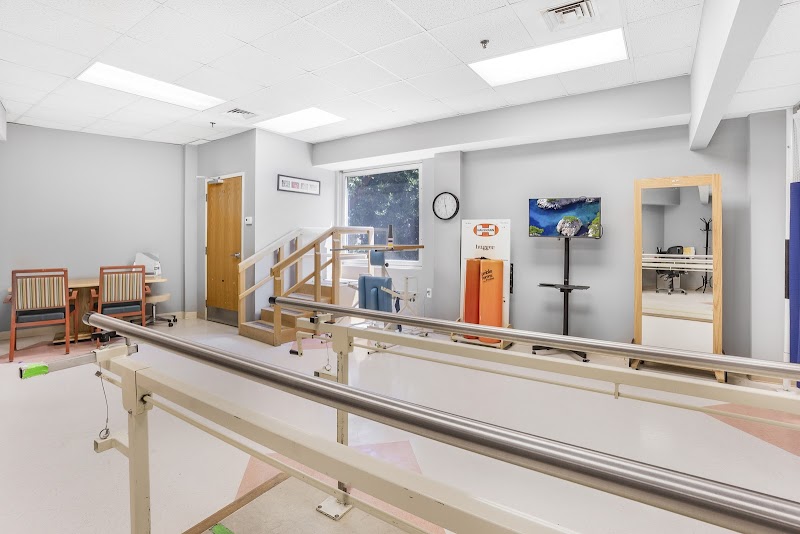
CONCERN (D)

Potential for Harm - no one hurt, but risky conditions existed

Medical Records (Tag F0842)

Could have caused harm · This affected 1 resident

**NOTE- TERMS IN BRACKETS HAVE BEEN EDITED TO PROTECT CONFIDENTIALITY** Based on staff interview and clinical record review, it was determined that the facility staff failed to maintain a complete and...

Read full inspector narrative →
**NOTE- TERMS IN BRACKETS HAVE BEEN EDITED TO PROTECT CONFIDENTIALITY** Based on staff interview and clinical record review, it was determined that the facility staff failed to maintain a complete and accurate clinical record for one of 51 residents in the survey sample, Resident #39. The facility staff failed to document a complete pain assessment and attempted non-pharmacological interventions when prn (as needed) pain medication was administered to Resident #39 on multiple dates in January 2020. The findings include: Resident #39 was admitted to the facility on [DATE]. Resident #39's diagnoses included but were not limited to paralysis, muscle weakness and major depressive disorder. Resident #39's most recent MDS (minimum data set), a quarterly assessment with an ARD (assessment reference date) of 12/4/19, coded the resident as being cognitively intact. Section J coded Resident #39 as reporting almost constant pain rated, as a six, on a scale from zero to ten. Resident #39's comprehensive care plan dated 10/12/18 documented, (Name of Resident #39) has acute pain r/t (related to) osteoarthritis, Hemorrhoids .Interventions: Attempt non-pharmacological interventions to include: changing positions, cool compresses, warm compresses, extra blankets for warmth or adjust temperature of environment, diversional activities, etc. Monitor/record pain characteristics Q (every) shift and PRN (as needed): Quality; Severity; anatomical location . Review of Resident #39's clinical record revealed a physician's order dated 12/20/19 for oxycodone (1) 5 mg (milligrams) - one tablet by mouth every 12 hours PRN. Review of Resident #39's January 2020 MAR (medication administration record) revealed the resident received PRN oxycodone on the following dates: -1/5/20-1/10/20 -1/13/20-1/14/20 -1/16/20 -1/18/20-1/24/20 -1/27/20-1/29/20 Further review of Resident #39's clinical record, including the January 2020 MAR and nurses' notes) failed to reveal the resident's pain quality and severity was assessed prior to the administration of PRN oxycodone on all the above dates. The review failed to reveal non-pharmacological interventions were offered prior to the administration of PRN oxycodone on all the above dates. The review further failed to reveal the anatomical location of the pain that was assessed on all the above dates from 1/13/20 through 1/29/20. Multiple attempts to interview Resident #39 were conducted on 1/30/20. The resident was unavailable for interview. On 1/30/20 at 11:37 a.m., an interview was conducted with LPN (licensed practical nurse) #3 (the nurse responsible for administering PRN oxycodone to Resident #39 on all the above dates). LPN #3 stated she completes an assessment of Resident #39's pain prior to administering PRN oxycodone. LPN #3 stated the assessment consists of the location of pain, type of pain, how bad the pain is. LPN #3 stated she also attempts non-pharmacological interventions such as positioning and other things. LPN #3 confirmed she does not always document the full assessment and the attempted non-pharmacological interventions. On 1/30/20 at 1:43 p.m., ASM (administrative staff member) #1 (the administrator), ASM #2 (the director of nursing), ASM #3 (the senior director of operations) and ASM #4 (the regional director of clinical services) were made aware of the above concern. The facility policies titled, Pain Management Guideline and Documentation of Progress failed to document specific information regarding documentation of pain assessments and non-pharmacological interventions prior to the administration of PRN pain medication. No further information was presented prior to exit. Reference: (1) Oxycodone is used to treat pain. This information was obtained from the website: https://medlineplus.gov/ency/article/007285.htm
CONCERN (D)

Potential for Harm - no one hurt, but risky conditions existed

Infection Control (Tag F0880)

Could have caused harm · This affected 1 resident

**NOTE- TERMS IN BRACKETS HAVE BEEN EDITED TO PROTECT CONFIDENTIALITY** Based on observation, staff interview, facility document review, and in the course of a complaint investigation, it was determin...

Read full inspector narrative →
**NOTE- TERMS IN BRACKETS HAVE BEEN EDITED TO PROTECT CONFIDENTIALITY** Based on observation, staff interview, facility document review, and in the course of a complaint investigation, it was determined that the facility staff failed to implement infection control practices for one of 51 residents in the survey sample, Residents #10. During observation of care for Resident #10 on 1/29/2020, the facility staff failed to cleanse hands between glove changes. The findings include: Resident #10 was admitted to the facility on [DATE], and was most recently readmitted on [DATE], with diagnoses including, but not limited to: history of a stroke, dysfunctional bladder, diabetes (1), spinal stenosis (2), and peripheral neuropathy (3). On the most recent MDS (minimum data set), a quarterly assessment with an assessment reference date of 11/7/19, Resident #10 was coded as having no cognitive impairment for making daily decisions, having scored 15 out of 15 on the BIMS (brief interview for mental status). He was coded as having no impairment for understanding others or for being understood by others. He was coded as being dependent on the assistance of staff for bathing and toileting. He was coded as having an indwelling catheter (4) in his bladder. On 1/29/2020 at 1:35 p.m., CNA (certified nursing assistant) #2 was observed providing care to Resident #10. CNA #2 was wearing gloves when he used a paper towel to clean up drops of urine on the floor. He threw away the paper towel, and discarded his gloves. Without cleaning his hands, he put on a new pair of gloves and continued to work with Resident #10 to transfer him from the bed to the wheelchair, using a mechanical lift. CNA #2 repeatedly touched Resident #10's clothing and bare skin during this process. A review of Resident #10's comprehensive care plan, dated 11/12/18 and most recently updated 1/2/2020, revealed, in part: [Resident #10] is totally dependent on staff for incontinent care of bowels and care of Foley (4). On 1/29/2020 at 2:05 p.m., CNA #2 was interviewed. When asked if he remembered what process he followed after he cleaned the urine drops off the floor, CNA #2 stated he threw away the paper towel, threw away his gloves, and put a new pair of gloves on his hands. When asked what he should have done before putting on the new pair of gloves, CNA #2 stated, I should have washed my hands. I forgot. On 1/29/2020 at 5:40 p.m., ASM (administrative staff member) #1, the administrator, and ASM #2, the director of nursing were informed of these concerns. On 1/30/2020 at 10:12 a.m., LPN (licensed practical nurse) #6, the unit manager, was interviewed. He stated all staff should wash hands before putting on any pair of gloves. On 1/30/2020 at 11:16 a.m., ASM #2 was interviewed. She stated all staff members should cleanse their hands between removing contaminated gloves and putting new gloves on. A review of the facility policy Hand Hygiene revealed, In part: Purpose: To reduce the spread of germs in the healthcare setting .Hand hygiene should be performed: .after glove removal. No further information was provided prior to exit. COMPLAINT DEFICIENCY (1) Diabetes (mellitus) is a disease in which your blood glucose, or blood sugar, levels are too high. This information is taken from the website https://medlineplus.gov/diabetes.html. (2) Your spine, or backbone, protects your spinal cord and allows you to stand and bend. Spinal stenosis causes narrowing in your spine. The narrowing puts pressure on your nerves and spinal cord and can cause pain. This information is taken from the website https://medlineplus.gov/spinalstenosis.html. (3) Peripheral nerves carry information to and from the brain. They also carry signals to and from the spinal cord to the rest of the body. Peripheral neuropathy means these nerves don't work properly. Peripheral neuropathy may occur because of damage to a single nerve or a group of nerves. It may also affect nerves in the whole body. This information is taken from the website https://medlineplus.gov/ency/article/000593.htm. (4) A urinary catheter (brand name Foley) is a tube placed in the body to drain and collect urine from the bladder. This information is taken from the website https://medlineplus.gov/ency/article/003981.htm.
CONCERN (E)

Potential for Harm - no one hurt, but risky conditions existed

Resident Rights (Tag F0550)

Could have caused harm · This affected multiple residents

**NOTE- TERMS IN BRACKETS HAVE BEEN EDITED TO PROTECT CONFIDENTIALITY** Based on observation, resident interview, staff interview, facility document review and clinical record review, it was determine...

Read full inspector narrative →
**NOTE- TERMS IN BRACKETS HAVE BEEN EDITED TO PROTECT CONFIDENTIALITY** Based on observation, resident interview, staff interview, facility document review and clinical record review, it was determined that the facility staff failed to provide a dignified dining experience for four of 51 residents in the survey sample, Residents #33, #58, #42, #80. The facility staff failed to serve lunch to Resident #33, #58 and #42 in a dignified manner. Other residents seated at the same tables as Resident #33, 58 and #44 were served a meal, a meal for Resident #33 and #58 was not served and the residents assisted until 11 minutes later. Resident #42' was not served a meal until 22 minutes later. The facility staff failed to feed Resident #80 lunch in a dignified manner. CNA (certified nursing assistant) #5 stood up and left Resident #80 multiple times while feeding the resident. The findings include: 1. Resident #33 was admitted to the facility on [DATE]. Resident #33's diagnoses included but were not limited to intellectual disabilities, high blood pressure and thyroid disorders. Resident #33's most recent MDS (minimum data set), a quarterly assessment with an ARD (assessment reference date) of 11/29/19, coded the resident's cognitive skills for daily decision-making as severely impaired. Section G coded Resident #33 as requiring extensive assistance of one staff with eating. On 1/29/20 at 12:08 p.m., an observation of the second floor dining room was conducted. On 1/29/20 at 12:14 p.m., CNA (certified nursing assistant) #5 served and began feeding another resident seated at Resident #33's table. Resident #33 was not served and assisted with her meal until 1/29/20, at 12:25 p.m. eleven minutes later. On 1/29/20 at 4:19 p.m., an interview was conducted with CNA #5. CNA #5 stated the meal trays are packed on a cart by the dietary staff and brought to the second floor. CNA #5 stated she was not sure of the order the trays are placed on the cart but the CNAs removes the trays from the cart in a top to bottom order and serve the trays to residents in their rooms and in the dining room. CNA #5 confirmed residents seated at the same table in the dining room may not be served at the same time, because of the order the meal trays are taken off the cart. CNA #5 was asked how she would feel if someone seated at her table received a meal, tray and she observed that other person eating for several minutes before she received her meal. CNA #5 stated, It would not feel good. Resident #33's comprehensive care plan dated 6/30/17 EATING: Provide finger foods which (name of Resident #33 is able to pick up and eat but can not feed self with utensils and needs staff assistance with feeding . The comprehensive care plan failed to document information regarding a dignified dining experience. On 1/29/20 at 5:39 p.m., ASM (administrative staff member) #1 (the administrator) and ASM #2 (the director of nursing) were made aware of the above concern. The facility policy titled, Social Dining Program documented, 12. All residents shall be served at one table before proceeding to the next table . The facility document titled, VIRGINIA RESIDENT'S RIGHTS AND RESPONSIBILITIES documented, Each nursing facility resident has a right to a dignified existence .A facility must protect and promote the rights of each resident . No further information was presented prior to exit. 2. Resident #58 was admitted to the facility on [DATE]. Resident #58's diagnoses included but were not limited to urinary retention, heart failure and hearing loss. Resident #58's most recent MDS (minimum data set), a quarterly assessment with an ARD (assessment reference date) of 12/19/19, coded the resident as being cognitively intact. Section G coded Resident #58 as requiring supervision and set up with eating. On 1/29/20 at 12:08 p.m., an observation of the second floor dining room was conducted. On 1/29/20 at 12:17 p.m., CNA (certified nursing assistant) #5 served a meal to another resident seated at Resident #58's table. Resident #58 was not served a meal until 1/29/20 at 12:28 p.m., eleven minutes later. Multiple attempts to interview Resident #58 were made on 1/30/20. The resident was unavailable for interview. On 1/29/20 at 4:19 p.m., an interview was conducted with CNA #5. CNA #5 stated the meal trays are packed on a cart by the dietary staff and brought to the second floor. CNA #5 stated she was not sure of the order the trays are placed on the cart but the CNAs removes the trays from the cart in a top to bottom order and serve the trays to residents in their rooms and in the dining room. CNA #5 confirmed residents seated at the same table in the dining room may not be served at the same time because of the order the meal trays are taken off the cart. CNA #5 was asked how she would feel if someone seated at her table received a meal, tray and she observed that other person eating for several minutes before she received her meal. CNA #5 stated, It would not feel good. Resident #58's comprehensive care plan dated 8/12/19 failed to document information regarding a dignified dining experience. On 1/29/20 at 5:39 p.m., ASM (administrative staff member) #1 (the administrator) and ASM #2 (the director of nursing) were made aware of the above concern. No further information was presented prior to exit. 3. Resident #42 was admitted to the facility on [DATE]. Resident #42's diagnoses included but were not limited to weakness, diabetes and chronic kidney disease. Resident #42's most recent MDS (minimum data set), an annual assessment with an ARD (assessment reference date) of 12/4/19, coded the resident as being cognitively intact. Section G coded Resident #42 as requiring supervision and set up with eating. On 1/29/20 at 12:08 p.m., an observation of the second floor dining room was conducted. On 1/29/20 at 12:09 p.m., CNA (certified nursing assistant) #5 served a meal to another resident seated at Resident #42's table. Resident #42 was not served a meal until 1/29/20 at 12:31 p.m. (22 minutes later). On 1/29/20 at 4:19 p.m., an interview was conducted with CNA #5. CNA #5 stated the meal trays are packed on a cart by the dietary staff and brought to the second floor. CNA #5 stated she was not sure of the order the trays are placed on the cart but the CNAs removes the trays from the cart in a top to bottom order and serve the trays to residents in their rooms and in the dining room. CNA #5 confirmed residents seated at the same table in the dining room may not be served at the same time because of the order the meal trays are taken off the cart. CNA #5 was asked how she would feel if someone seated at her table received a meal, tray and she observed that other person eating for several minutes before she received her meal. CNA #5 stated, It would not feel good. Resident #42's comprehensive care plan dated 4/10/18 failed to document information regarding a dignified dining experience. On 1/29/20 at 5:39 p.m., ASM (administrative staff member) #1 (the administrator) and ASM #2 (the director of nursing) were made aware of the above concern. On 1/30/20 at 9:07 a.m., an interview was conducted with Resident #42 regarding the lunch observation and delay in receiving her meal tray documented above. Resident #42 stated, I guess they forgot. I don't know why it took them so long. Resident #42 stated this made her feel left out. No further information was presented prior to exit. 4. Resident #80 was admitted to the facility on [DATE]. Resident #80's diagnoses included but were not limited to diabetes, high cholesterol and muscle weakness. Resident #80's most recent MDS (minimum data set), a quarterly assessment with an ARD (assessment reference date) of 1/7/20, coded the resident's cognitive skills for daily decision-making as severely impaired. Section G coded Resident #80 as requiring extensive assistance of one staff with eating. On 1/29/20 at 12:14 p.m., CNA #5 was observed seated and feeding Resident #80. CNA #5 was the only employee in the second floor dining room. On 1/29/20 at 12:17 p.m., CNA #5 stood up and left Resident #80 to assist another resident with his meal tray. On 1/29/20 at 12:18 p.m., CNA #5 returned to Resident #80, sat down and continued to feed the resident. On 1/29/20 at 12:20 p.m., CNA #5 stood up, left Resident #80, exited the dining room, returned to the dining room and gave a lunch item to another resident. On 1/29/20 at 12:21 p.m., CNA #5 returned to Resident #80, sat down and continued to feed the resident. On 1/29/20 at 12:22 p.m., CNA #5 stood up, left Resident #80, exited the dining room, returned to the dining room and served a meal tray to another resident. On 1/29/20 at 12:24 p.m., CNA #5 returned to Resident #80, sat down and continued to feed the resident. On 1/29/20 at 12:24 p.m. (within that same minute), CNA #5 stood up, left Resident #80, and removed an empty meal tray from another table. On 1/29/20 at 12:25 p.m., CNA #5 returned to Resident #80, sat down and continued to feed the resident. On 1/29/20 at 12:25 p.m. (within that same minute), CNA #5 stood up, left Resident #80, exited the dining room, entered the dining room and served a meal tray to another resident. On 1/29/20 at 12:28 p.m., CNA #5 returned to Resident #80, sat down and continued to feed the resident. On 1/29/20 at 4:19 p.m., an interview was conducted with CNA #5. When asked how she would feel, if she had to be fed her meal and the person feeding her repeatedly got up during her meal to assist others, CNA #5 stated, 'It's not going to be a good feeling. Resident #80's comprehensive care plan dated 4/13/16, documented EATING: (Name of Resident #80) requires extensive to total assistance by staff to eat . The care comprehensive plan failed to document information regarding a dignified dining experience. On 1/29/20 at 5:39 p.m., ASM (administrative staff member) #1 (the administrator) and ASM #2 (the director of nursing) were made aware of the above concern. No further information was presented prior to exit.
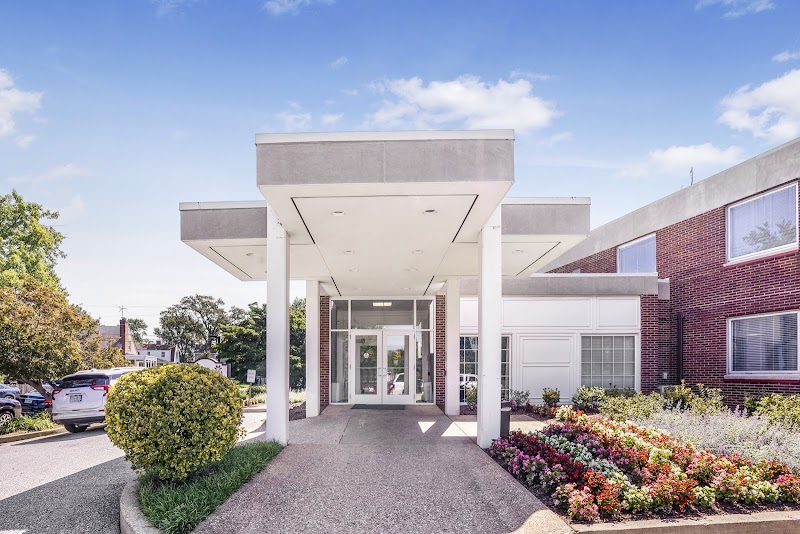
CONCERN (E)

Potential for Harm - no one hurt, but risky conditions existed

Deficiency F0757 (Tag F0757)

Could have caused harm · This affected multiple residents

**NOTE- TERMS IN BRACKETS HAVE BEEN EDITED TO PROTECT CONFIDENTIALITY** 2. Resident #87 was admitted to the facility on [DATE] with diagnoses that included but were not limited to sepsis (1) and diabe...

Read full inspector narrative →
**NOTE- TERMS IN BRACKETS HAVE BEEN EDITED TO PROTECT CONFIDENTIALITY** 2. Resident #87 was admitted to the facility on [DATE] with diagnoses that included but were not limited to sepsis (1) and diabetes mellitus (2). Resident #87's most recent MDS (minimum data set), an admission assessment with an ARD (assessment reference date) of 12/21/2019, coded Resident #87, as scoring a 15 on the staff assessment for mental status (BIMS) of a score of 0 - 15, 15- being cognitively intact for making daily decisions. Section J coded Resident #87 as having pain almost constantly. The POS (physicians order sheet) dated December 12, 2019 for Resident #87 documented the following as needed orders for pain medication: - Oxycodone Immediate 5mg (milligram) tablet 1 (one) tab (tablet) by mouth every 4 (four) hours as needed for pain mild for 7 (seven) days. 12/12/19. The POS dated January 2020 for Resident #87 documented the following as needed orders for pain medication: - Oxycodone 10mg 1 (one) tab (tablet) po (by mouth) q (every) 4 (four) hrs (hours) as needed pain. On 1/29/20 at approximately 8:45 a.m., an interview was conducted with Resident #87. When asked about pain, Resident #87 stated that he has pain frequently due to the recent below the knee amputation (3) and the wound he has on the surgical incision to the area. Resident #87 stated that he takes scheduled pain medication to help to control the pain, which is working well for him but he takes as needed pain medication also. When asked if the staff assess his pain Resident #87 stated that the staff ask him to rate his pain on a one to ten scale before he takes the as needed pain medication. When ask if staff attempt non-pharmacological interventions prior to administering as needed pain medication, Resident #87 stated that they just give him the medication when he needs it. The comprehensive care plan for Resident #87 documented, [Name of Resident #87] has pain r/t (related to) right TTA (transtibial amputation) (below the knee) Date Initiated: 01/02/2020; Revision on 01/02/2020. Under Interventions it documented, Anticipate the resident's need for pain relief and respond immediately to any complaint of pain. Date Initiated 01/02/2020. The MAR (medication administration record) dated December 2019 documented, 12/12/19; Oxycodone Immediate 5mg (milligram) tablet 1 (one) tab (tablet) by mouth every 4 (four) hours as needed for pain mild for 7 (seven) days. Review of the MAR revealed that Oxycodone 5mg was administered on the following dates and times: On 12/23/19 at 12:50 a.m. and on 12/24/19 at 8:00 a.m. The MAR (medication administration record) dated 01/01/20-01/31/20 documented Oxycodone 10mg 1 (one) tab (tablet) po (by mouth) q (every) 4 (four) hrs (hours) as needed pain. Review of the MAR revealed that Oxycodone 10mg was administered on the following dates and times: on 1/2/20 at 8:45 p.m. and on 1/5/20 at 9:30 p.m. The MAR notes failed to evidence documentation of non-pharmacological interventions prior to the administration of the as needed Oxycodone for the dates and time documented above. The nurse's progress notes for Resident #87 failed to evidence documentation of non-pharmacological interventions prior to the administration of the as needed Oxycodone for the dates documented above. On 1/20/20 at 9:45 a.m., an interview was conducted with RN (registered nurse) #3, the unit manager. When asked about the process for as needed pain medication administration to residents, RN #3 stated that a pain assessment is completed on the resident. RN #3 stated that non-pharmacological interventions are attempted prior to administration of as needed pain medications to see if they are effective in relieving the pain. RN #3 stated that if the non-pharmacological interventions do not relieve the pain, the physician orders are confirmed and the as needed pain medication is administered and is followed up with a reassessment to assess if the medication was effective or not. When asked if the non-pharmacological interventions attempted, or provided, are documented, RN #3 stated that the pain assessment is documented on the MAR and non-pharmacological interventions may be documented in the progress notes. RN #3 stated that non-pharmacological interventions are attempted for all residents prior to as needed pain medication administration. On 1/30/20 at 11:35 a.m., an interview was conducted with ASM (administrative staff member) #2, the director of nursing. When asked about the process staff follows for the administration of needed pain medication to residents, ASM #2 stated that staff complete the pain assessment and attempt non-pharmacological interventions prior to administering the as needed pain medications. ASM #2 stated that if the non-pharmacological interventions do not relieve the pain the as needed pain medication is administered and a reassessment is performed to assess the effectiveness of the medication. When asked if the non-pharmacological interventions attempted or provided are documented, ASM #2 stated that the MAR is set up with the pain assessment but does not have an area specifically for documentation of non-pharmacological interventions currently. ASM #2 reviewed the MAR's dated December 2019 and January 2020 for Resident #87 and agreed that there was no documentation of non-pharmacological interventions prior to the administration of the as needed pain medications on 12/23/19, 12/24/19, 1/2/20 and 1/5/20. ASM #2 stated that she would review the progress notes to see if any non-pharmacological interventions were documented there. On 1/30/20 at 12:35 p.m., ASM #2 stated that she had reviewed the progress notes for Resident #87 and they did not contain any documentation of non-pharmacological interventions prior to the administration of the as needed pain medication on 12/23/19, 12/24/19, 1/2/20 and 1/5/20. The facility policy Pain Management Guideline, Effective Date: 11/30/2014 documented in part, The center strives to improve patient/resident comfort and minimize pain in order to help a resident attain or maintain his or her highest practicable level of well-being .Treatment: Develop patient centered interventions (pharmacologic and non-pharmacologic) to manage pain. Document the interventions on the care plan. On 1/30/20 at approximately 1:40 p.m., ASM (administrative staff member) #1, the administrator, ASM #2, the director of nursing, ASM #3, the senior director of operations and ASM #4, the regional director of clinical services were made aware of the findings. No further information was provided prior to exit. Reference: 1. Sepsis is an illness in which the body has a severe, inflammatory response to bacteria or other germs. This information was obtained from the website: https://medlineplus.gov/ency/article/000666.htm. 2. Diabetes is a chronic disease in which the body cannot regulate the amount of sugar in the blood. This information was obtained from the website: https://www.nlm.nih.gov/medlineplus/ency/article/001214.htm. 3. Below the knee amputation- Leg or foot amputation is the removal of a leg, foot or toes from the body. These body parts are called extremities. Amputations are done either by surgery or they occur by accident or trauma to the body. Based on staff interview and clinical record review, it was determined that the facility staff failed to ensure the medication regimen was free from unnecessary medication for two of 51 sampled residents, Resident #37 and # 87. The facility staff failed attempt non-pharmacological interventions prior to the administration of the prn (as needed) pain medication, Ibuprofen to Resident # 37 and prior to the administration of the as needed pain medication, Oxycodone for to Resident # 87. The findings include: 1. The facility staff failed attempt non-pharmacological interventions prior to the administration of prn pain medication of Ibuprofen to Resident # 37. Resident # 37 was admitted to the facility with diagnoses that included but were not limited to: muscle spasms and arthritis. Resident # 37's most recent MDS (minimum data set), a quarterly assessment with an ARD (assessment reference date) of 12/03/19, coded Resident # 37 as scoring an 12 on the brief interview for mental status (BIMS) of a score of 0 - 15, 12 - being moderately impaired of cognition for making daily decisions. Resident # 37 was coded as requiring extensive assistance of one staff member for activities of daily living. Section J Health Conditions coded Resident # 37 as having severe pain frequently. The POS [physician's order sheet] dated January 2020 for Resident # 37 documented, Ibuprofen 600MG [milligrams] Tablet. 1 [one] tab [tablet] by mouth every 8 [eight] hours as needed for pain. Date: 09/06/2019. The MAR [medication administration record] for Resident # 37, dated January 2020 documented the physician's order as above. Review of the MAR revealed Resident # 37 received Ibuprofen on 01/01/2020 through 01/07/2020, 01/09/2020, 01/10/2020, 01/13/2020, 01/14/2020, 01/15/2020, and 01/16/2020, 01/18/2020, 01/19/2020 and on 01/20/2020 at 5:00 p.m. each day. Further review of the MAR failed evidence documentation of non-pharmacological interventions. The comprehensive care plan with a revision date of 09/17/2019 for Resident # 37 documented in part, Focus: The resident has pain r/t [related to] arthritis, muscle spasm. Revision on: 09/17/2019. Under Interventions it documented, Monitor/record pain. Characteristics q [every] shift and PRN [as needed]: Quality (e.g. sharp, burning); Severity (1 to 10 scale); Anatomical location; Onset: Duration (e.g. continuous, intermittent); Aggravating factors; Relieving factors Date Initiated: 09/17/2019. The facility's nurse's notes dated 01/01/2020 through 01/28/2020 failed to evidence documentation of non-pharmacological interventions prior to the administration of Ibuprofen for the above dates and times. On 01/29/2020 at approximately 1:40 p.m., an interview was conducted with Resident # 37. When asked if the staff attempt to alleviate the pain before administering pain medication Resident # 37 stated no, they just give me the pain medication. On 01/29/20 at 5:15 p.m., an interview was conducted with ASM [administrative staff member] # 2, director of nursing. When asked how they interpreted the statement Relieving factors as part of Resident # 37's interventions for their pain care plan ASM # 2 stated, I take it to mean both pharmacological and non-pharmacological interventions. On 01/29/20 at 4:17 p.m., an interview was conducted with RN [registered nurse] # 3, unit manager. When asked to describe the procedure for administering prn pain medication when a resident requests it RN # 3 stated, Assess the pain, site, the intensity of the pain using a scale of zero to ten if the resident is verbal, zero means no pain and ten the worse pain. Offer some non-pharmacological interventions, if they don't work, check the physician's orders for the prescription of prn pain medication, follow up assessment to determine the effectiveness of the medication 30 min to an hour after giving the medication. When asked where they would document the attempt of non-pharmacological interventions RN # 3 stated, It would document on the back of the MAR or the nurse's notes. After reviewing nurse's notes for Resident # 37 and the resident's MAR for January 2020, RN # 3 stated that there was no documentation of non-pharmacological interventions. When asked if the staff attempted non-pharmacological interventions for Resident # 37 prior to administering the as needed pain medication ibuprofen, RN # 3 stated no. On 01/30/2020 at approximately 1:33 p.m., ASM # 1, the administrator, ASM # 2, director of nursing, ASM # 3, director of operations, and LPN # 4, director of clinical services were made aware of the findings. No further information was provided prior to exit. References: [1] Prescription ibuprofen is used to relieve pain, tenderness, swelling, and stiffness caused by osteoarthritis (arthritis caused by a breakdown of the lining of the joints) and rheumatoid arthritis (arthritis caused by swelling of the lining of the joints). This information was obtained from the website: https://medlineplus.gov/druginfo/meds/a682159.html.
CONCERN (E)

Potential for Harm - no one hurt, but risky conditions existed

Deficiency F0761 (Tag F0761)

Could have caused harm · This affected multiple residents

**NOTE- TERMS IN BRACKETS HAVE BEEN EDITED TO PROTECT CONFIDENTIALITY** Based on observation and staff interview it was determined that the facility staff failed to failed to store medications with a ...

Read full inspector narrative →
**NOTE- TERMS IN BRACKETS HAVE BEEN EDITED TO PROTECT CONFIDENTIALITY** Based on observation and staff interview it was determined that the facility staff failed to failed to store medications with a visible manufacturer expiration date in one of three medication carts observed, second floor medication cart The findings include: On [DATE] at 11:15 a.m., an observation was made of the medication cart located on the second floor medication cart with LPN #10. Observation of the medication cart revealed a bottle of 100 tablets of Senna (medication used as stool softener) 8.6mg (milligram) approximately one-quarter full. Further observation revealed the bottle did not contain a manufacturer's expiration date. When asked about the bottle LPN #10 confirmed that she did not see an expiration date on the bottle. LPN #10 stated that she had not used that medication during her medication pass. LPN #10 stated that she had opened another new bottle of Senna that morning and used that one during her medication pass and proceeded to produce an opened bottle of Senna from the medication cart with a manufacturer's expiration date on the bottle. LPN #10 stated that she thought that the expiration date had been rubbed off from handling the bottle and that it should be discarded. LPN #10 stated that it could not be determined when the expiration date of the medication was by looking at the bottle and that it was available for use on the medication cart. LPN #10 took the bottle to be discarded. The facility policy 5.3 Storage and Expiration Dating of Medications, Biologicals, Syringes and Needles, Effective Date: [DATE] documented in part, 4. Facility should ensure that medications and biologicals that: (1) have an expired date on the label; (2) have been retained longer than recommended by manufacturer or supplier guidelines; or (3) have been contaminated or deteriorated, are stored separate from other medications until destroyed or returned to the pharmacy or supplier . On [DATE] at approximately 1:40 p.m., ASM (administrative staff member) #1, the administrator, ASM #2, the director of nursing, ASM #3, the senior director of operations and ASM #4, the regional director of clinical services were made aware of the findings. No further information was provided prior to exit.
CONCERN (F)

Potential for Harm - no one hurt, but risky conditions existed

Food Safety (Tag F0812)

Could have caused harm · This affected most or all residents

Based on observation, staff interview, and facility document review it was determined that the facility staff failed to serve and store food in a sanitary manner. The findings include: 1. The facility...

Read full inspector narrative →
Based on observation, staff interview, and facility document review it was determined that the facility staff failed to serve and store food in a sanitary manner. The findings include: 1. The facility failed to fully dry and store cookware in a sanitary manner in the kitchen and dispose of refrigerated food items past their expiration date in the facility kitchen stand up refrigerator. On 1/28/20 at approximately 6:10 p.m., an observation of the facility's kitchen was conducted with OSM (other staff member) #4, the dietary manager. Observation of the kitchen revealed a double door stand up refrigerator, which contained two five-pound containers of cottage cheese. One five-pound container of cottage cheese was observed opened with the date 12-24 written on the top lid. OSM #4 stated that the 12-24 meant that the container had been opened on 12/24/19. Observation of the container revealed it was approximately one-half full and labeled by the manufacturer with Best if used by 1/25/20. The other container was observed unopened and labeled by the manufacturer with Best if used by 1/25/20. When asked about the process the facility staff follows in regards to manufacturer dates, OSM #4 stated that they follow the manufacturer best used by dates and discard items past that date. OSM #4 discarded the two containers of cottage cheese. OSM #4 stated that when items are opened they are dated and are good for 30 (thirty) days or the manufacturer's expiration dates whichever comes first. Further observation of the kitchen revealed four silver steam tray pans stacked inside of each other located on a four shelf metal rack in the kitchen. When asked about the pans, OSM #4 stated that they were clean, dry and available for use. Further observation of the pans revealed that the two pans stacked in the center of the four pans contained water droplets on the insides of the pans. When asked about the water inside of the pans, OSM #4 stated that the pans should be separated until they were completely dried before stacking. On 1/29/20 at 4:00 p.m., an interview was conducted with OSM #4. When asked about the two containers of cottage cheese with the best if used by 1/25/20 date on them OSM #4 stated that they should have been discarded on 1/25/20. When asked about the process for cleaning and storage of cookware, OSM #4 stated that all cookware is washed, dried completely and then stacked for storage. OSM #4 stated that pots and pans are not to be stacked wet for infection control purposes. On 1/29/20 at 4:00 p.m., a request was made to OSM #4 for the facility policy for storage of refrigerated foods, and storage of cookware. The facility policy Food Storage: Cold Foods, Revised 9/2017 documented in part, Food Storage and Retention Guide, Time/Temperature Control for Safety Foods (TCS) - Foods that requires time/temperature control for safety to limit pathogenic microorganism growth or toxin formation .Items: Cheese, Cottage or Ricotta (opened) - Refrigerator at [symbol for less than or equal to] 41o (degrees) F (Fahrenheit) - 1 (one) week. The facility policy Warewashing, Revised 9/2017 documented in part, 4. All dishware will be air dried and properly stored. Federal food code: 4-901.11 Equipment and Utensils, Air-Drying Required. Items must be allowed to drain and to air-dry before being stacked or stored. Stacking wet items such as pans prevents them from drying and may allow an environment where microorganisms can begin to grow. Cloth drying of equipment and utensils is prohibited to prevent the possible transfer of microorganisms to equipment or utensils. 2. The facility staff failed to distribute food in a sanitary manner in the dining room of the facility. On 1/29/20 at 12:00 p.m., an observation was made of the lunch service from the steam table in the dining room in the facility. At approximately 12:05 p.m. OSM (other staff member) #4, dietary manager was observed plating the meals for the 20 residents seated in the dining room with OSM #5, dietary aide. During the plating of the meals for the residents, observation of the beard guard worn by OSM #4, revealed it was pulled down around his neck with the beard and mustache exposed. During the plating of the meals for the residents, the beard guard worn by OSM #5 was located covering the beard with the mustache exposed. On 1/29/20 at 4:00 p.m., an interview was conducted with OSM #4, the dietary manager regarding how hair restraints are worn. OSM #4 stated all hair is covered including beards and mustaches. When asked about the dining room food service observed on 1/29/20 at 12:00 p.m., OSM #4 stated that his beard cover must have fallen down and he did not notice it to pull it back up. OSM #4 stated that he did not notice that OSM #5's mustache was uncovered or he would have asked him to pull it up. OSM #4 stated that OSM #5 is still new at the facility and probably did not feel comfortable speaking up to remind him to pull his beard guard up during the service but all staff are trained to remind each other to wear their hair restraints and beard/mustache covers. OSM #4 stated that the staff always wear beard guards and hair restraints when serving food in the dining room that he just forgot to pull it up during the service after it had slipped down. OSM #4 stated that the elastic in the beard guards stretch out frequently causing them to fall down and they change them frequently due to this issue. On 1/29/20 at 4:00 p.m., a request was made to OSM #4 for the facility policy for use of hair/beard restraints. On 1/30/20 at approximately 7:30 a.m., OSM #4 provided a document, which stated, All hair must be completely covered. It does not matter if it's on your head or on your face (mustache or beard). The 2009 Food and Drug Administration Food Code documents: - 2-4 HYGIENIC PRACTICES Hair Restraints 2-402.11 Effectiveness. (A) Except as provided in (B) of this section, FOOD EMPLOYEES shall wear hair restraints such as hats, hair coverings or nets, beard restraints, and clothing that covers body hair, that are designed and worn to effectively keep their hair from contacting exposed FOOD; clean EQUIPMENT, UTENSILS, and LINENS; and unwrapped SINGLE-SERVICE and SINGLE-USE ARTICLES. No further information was provided prior to exit.
Understanding Severity Codes (click to expand)
Life-Threatening (Immediate Jeopardy)
J - Isolated K - Pattern L - Widespread
Actual Harm
G - Isolated H - Pattern I - Widespread
Potential for Harm
D - Isolated E - Pattern F - Widespread
No Harm (Minor)
A - Isolated B - Pattern C - Widespread

Questions to Ask on Your Visit

  • "Can I speak with families of current residents?"
  • "What's your RN coverage like on weekends and overnight?"

Our Honest Assessment

Strengths
  • • No fines on record. Clean compliance history, better than most Virginia facilities.
  • • 23% annual turnover. Excellent stability, 25 points below Virginia's 48% average. Staff who stay learn residents' needs.
Concerns
  • • 40 deficiencies on record, including 2 serious (caused harm) violations. Ask about corrective actions taken.
  • • Grade C (55/100). Below average facility with significant concerns.
Bottom line: Mixed indicators with Trust Score of 55/100. Visit in person and ask pointed questions.

About This Facility

What is Alexandria Rehabilitation And Healthcare Center's CMS Rating?

CMS assigns ALEXANDRIA REHABILITATION AND HEALTHCARE CENTER an overall rating of 3 out of 5 stars, which is considered average nationally. Within Virginia, this rating places the facility higher than 0% of the state's 100 nursing homes. This mid-range rating indicates the facility meets federal standards but may have areas for improvement.

How is Alexandria Rehabilitation And Healthcare Center Staffed?

CMS rates ALEXANDRIA REHABILITATION AND HEALTHCARE CENTER's staffing level at 2 out of 5 stars, which is below average compared to other nursing homes. Staff turnover is 23%, compared to the Virginia average of 46%. This relatively stable workforce can support continuity of care.

What Have Inspectors Found at Alexandria Rehabilitation And Healthcare Center?

State health inspectors documented 40 deficiencies at ALEXANDRIA REHABILITATION AND HEALTHCARE CENTER during 2020 to 2024. These included: 2 that caused actual resident harm and 38 with potential for harm. Deficiencies causing actual harm indicate documented cases where residents experienced negative health consequences.

Who Owns and Operates Alexandria Rehabilitation And Healthcare Center?

ALEXANDRIA REHABILITATION AND HEALTHCARE CENTER is owned by a for-profit company. For-profit facilities operate as businesses with obligations to shareholders or private owners. The facility is operated by MARQUIS HEALTH SERVICES, a chain that manages multiple nursing homes. With 111 certified beds and approximately 105 residents (about 95% occupancy), it is a mid-sized facility located in ALEXANDRIA, Virginia.

How Does Alexandria Rehabilitation And Healthcare Center Compare to Other Virginia Nursing Homes?

Compared to the 100 nursing homes in Virginia, ALEXANDRIA REHABILITATION AND HEALTHCARE CENTER's overall rating (3 stars) is below the state average of 3.0, staff turnover (23%) is significantly lower than the state average of 46%, and health inspection rating (2 stars) is below the national benchmark.

What Should Families Ask When Visiting Alexandria Rehabilitation And Healthcare Center?

Based on this facility's data, families visiting should ask: "Can you walk me through typical staffing levels on day, evening, and night shifts?" "Can I visit during a mealtime to observe dining assistance and food quality?" "How do you handle medical emergencies, and what is your hospital transfer rate?" "Can I speak with family members of current residents about their experience?" These questions are particularly relevant given the below-average staffing rating.

Is Alexandria Rehabilitation And Healthcare Center Safe?

Based on CMS inspection data, ALEXANDRIA REHABILITATION AND HEALTHCARE CENTER has a clean safety record: no substantiated abuse findings (meaning no confirmed cases of resident harm), no Immediate Jeopardy citations (the most serious violation level indicating risk of serious injury or death), and is not on the Special Focus Facility watch list (a federal program monitoring the lowest-performing 1% of nursing homes). The facility has a 3-star overall rating and ranks #100 of 100 nursing homes in Virginia. While no facility is perfect, families should still ask about staff-to-resident ratios and recent inspection results during their visit.

Do Nurses at Alexandria Rehabilitation And Healthcare Center Stick Around?

Staff at ALEXANDRIA REHABILITATION AND HEALTHCARE CENTER tend to stick around. With a turnover rate of 23%, the facility is 22 percentage points below the Virginia average of 46%. Low turnover is a positive sign. It means caregivers have time to learn each resident's needs, medications, and personal preferences. Consistent staff also notice subtle changes in a resident's condition more quickly.

Was Alexandria Rehabilitation And Healthcare Center Ever Fined?

ALEXANDRIA REHABILITATION AND HEALTHCARE CENTER has no federal fines on record. CMS issues fines when nursing homes fail to meet care standards or don't correct problems found during inspections. The absence of fines suggests the facility has either maintained compliance or corrected any issues before penalties were assessed. This is a positive indicator, though families should still review recent inspection reports for the full picture.

Is Alexandria Rehabilitation And Healthcare Center on Any Federal Watch List?

ALEXANDRIA REHABILITATION AND HEALTHCARE CENTER is not on any federal watch list. The most significant is the Special Focus Facility (SFF) program, which identifies the bottom 1% of nursing homes nationally based on persistent, serious quality problems. Not being on this list means the facility has avoided the pattern of deficiencies that triggers enhanced federal oversight. This is a positive indicator, though families should still review the facility's inspection history directly.