AUTUMN CARE OF ALTAVISTA

1317 LOLA AVE, ALTAVISTA, VA 24517 (434) 369-6651
For profit - Limited Liability company 111 Beds SABER HEALTHCARE GROUP Data: November 2025
Trust Grade
75/100
#59 of 285 in VA
Last Inspection: May 2023

Over 2 years since last inspection. Current conditions may differ from available data.

Overview

Autumn Care of Altavista has a Trust Grade of B, indicating it is a good choice for families considering nursing home options. In Virginia, it ranks #59 out of 285 facilities, placing it in the top half, and #2 out of 2 in Campbell County, meaning there is only one other local option that is better. The facility is improving, with the number of issues found decreasing from 8 in 2021 to 4 in 2023. Staffing is a moderate concern, with a 3/5 star rating and a turnover rate of 37%, which is better than the state average of 48%. Notably, there have been no fines recorded, which is a positive sign, and RN coverage is average, meaning residents receive adequate nursing care. However, there were specific issues found during inspections, such as one resident not having proper physician orders for their colostomy care and complaints from multiple residents about the taste and appearance of the food, indicating areas that need attention. Overall, while there are some strengths, families should weigh these concerns when making their decision.

Trust Score
B
75/100
In Virginia
#59/285
Top 20%
Safety Record
Low Risk
No red flags
Inspections
Getting Better
8 → 4 violations
Staff Stability
○ Average
37% turnover. Near Virginia's 48% average. Typical for the industry.
Penalties
✓ Good
No fines on record. Clean compliance history, better than most Virginia facilities.
Skilled Nurses
○ Average
Each resident gets 34 minutes of Registered Nurse (RN) attention daily — about average for Virginia. RNs are the most trained staff who monitor for health changes.
Violations
⚠ Watch
19 deficiencies on record. Higher than average. Multiple issues found across inspections.
★★★★☆
4.0
Overall Rating
★★★☆☆
3.0
Staff Levels
★★★★☆
4.0
Care Quality
★★★★☆
4.0
Inspection Score
Stable
2021: 8 issues
2023: 4 issues

The Good

  • 4-Star Quality Measures · Strong clinical quality outcomes
  • Full Sprinkler Coverage · Fire safety systems throughout facility
  • No fines on record
  • Staff turnover below average (37%)

    11 points below Virginia average of 48%

Facility shows strength in quality measures, fire safety.

The Bad

Staff Turnover: 37%

Near Virginia avg (46%)

Typical for the industry

Chain: SABER HEALTHCARE GROUP

Part of a multi-facility chain

Ask about local staffing decisions and management

The Ugly 19 deficiencies on record

May 2023 4 deficiencies
CONCERN (D)

Potential for Harm - no one hurt, but risky conditions existed

Quality of Care (Tag F0684)

Could have caused harm · This affected 1 resident

Based on observation, staff interview and clinical record review, the facility failed to follow physician orders for one of 24 residents. Resident #20 did not have physician ordered Geri sleeves in pl...

Read full inspector narrative →
Based on observation, staff interview and clinical record review, the facility failed to follow physician orders for one of 24 residents. Resident #20 did not have physician ordered Geri sleeves in place. The Findings Include: Diagnoses for Resident #20 included; Convulsions, diabetes, pathological fracture, ostoarthritis, and Alzheimer's disease. The most current MDS (minimum data set) was a quarterly assessment with an ARD (assessment reference date) of 5/5/23. Resident #20 was assessed with long and short-term memory problems with severely cognitive impairment with daily decion making. On 5/22/23 at 11:58 AM during an initial observation, Resident #20 was lying in bed with partial lower legs exposed. Resident #20's legs showed several small (dime to quarter size) faint bruising with no open areas. On 5/22/23 review of Resident #20's clinical record documented an active physician order that read: Geri sleeves to BLE [bilateral lower extremities] daily . On 5/23/23 at 10:55 AM, Resident #20 was again observed up in a chair and without Geri sleeves to legs in place. On 5/23/23 at 11:00 AM, the certified nursing assistant (CNA #5) assigned to Resident #20 was interviewed. CNA #5 verbalized unawareness that Resident #20 was ordered Geri sleeves and verbalized that Resident #20 did wear them at one time, but thought that the geri sleeves had been discontinued. On 5/23/23 at 11:03 AM, registered nurse (RN #5) assigned to Resident #20 was asked about Resident #20's Geri sleeves. RN #5 went to Resident #20's room to look for the Geri sleeves but could not find them and verbalized unawareness of an order for Geri sleeves. On 5/23/23 at 5:06 PM, the above finding was presented to the director of nursing and administrator. No other information was presented prior to exit conference on 5/24/23.
CONCERN (D)

Potential for Harm - no one hurt, but risky conditions existed

Deficiency F0688 (Tag F0688)

Could have caused harm · This affected 1 resident

**NOTE- TERMS IN BRACKETS HAVE BEEN EDITED TO PROTECT CONFIDENTIALITY** Based on observation, staff interview, and clinical record review, the facility staff failed to apply a hand splint for one of t...

Read full inspector narrative →
**NOTE- TERMS IN BRACKETS HAVE BEEN EDITED TO PROTECT CONFIDENTIALITY** Based on observation, staff interview, and clinical record review, the facility staff failed to apply a hand splint for one of twenty-four residents in the survey sample (Resident #93). The findings include: Resident #93 was observed without a splint as required in his plan of care for management of a contracted right hand. Resident #93 was admitted to the facility with diagnoses that included diabetes, Alzheimer's, hypertension, benign prostatic hyperplasia, psychotic/mood disturbance, anxiety, glaucoma, and depression. The minimum data set (MDS) dated [DATE] assessed Resident #93 with short and long-term memory problems, severely impaired cognitive skills, and as having impaired range of motion of the upper extremity on one side. On 5/22/23 at 3:12 p.m., Resident #93 was observed seated in a wheelchair in the day area on his unit. Resident #93's right hand was contracted with fingertips positioned near the palm. There was no hand/wrist splint in place on the right hand. Resident #93 was observed again on 5/22/23 at 4:23 p.m. with no hand splint in place. Resident #93 was observed on 5/23/23 at 7:49 a.m. in bed eating breakfast with no right-hand splint in place. When questioned about the splint, Resident #93 stated that he did not know where the splint was located, that he used the splint in the day, and took it off at night. Resident #93 was observed again on 5/23/23 at 9:47 a.m. in bed with no hand splint in use. Resident #93 was observed on 5/23/23 at 10:28 a.m. seated near the nursing desk, at 11:23 a.m. seated in the day area, and at 1:38 p.m. seated in his room. There was no hand/wrist splint in use during any of these observations. Resident #93's clinical record documented that Resident #93 had limited range of motion of the right hand/wrist due to contracture. Resident #93's plan of care (revised 5/3/23) documented Resident #93 had self-care deficits due to limited mobility. Interventions to maintain mobility included, Apply resting hand splint to RT [right] hand as therapy recommends for 8H [8 hours] as tolerated . Nurses had documented on the treatment administration record each day and evening shift of May 2023, including 5/22/23 and 5/23/23, that Resident #93's hand splint was in place. The clinical record, including the treatment administration record, plan of care, and clinical notes, made no mention of any problems and/or refusals by Resident #93 regarding application of the splint. On 5/23/23 at 1:41 p.m., the certified nurses' aide (CNA #2) caring for Resident #93 was interviewed about the hand/wrist splint. CNA #2 stated that some days Resident #93 did not want the splint because it hurt. CNA #2 located the splint in the drawer of the bedside table and applied the splint to Resident #93's right hand with no comment or refusal from the resident. CNA #2 stated that the splint was usually on in the day and off at night. On 5/23/23 at 1:49 p.m., the registered nurse unit manager (RN #2) was interviewed about the hand splint. RN #2 stated Resident #93 was supposed to wear the splint during the day to minimize and prevent further contracture of the right hand. RN #2 stated that if the resident refused the splint, nurses were supposed to document the refusal on the treatment record. RN #2 reviewed the clinical record and stated that no refusals were listed and nurses had documented as recently as today (5/23/23) at 11:05 a.m., that the splint was in place. On 5/23/23 at 2:12 p.m., licensed practical nurse (LPN #1) caring for Resident #93 was interviewed about the splint. LPN #1 stated that sometimes Resident #93 did not want to wear the splint. This finding was reviewed with the administrator, director of nursing and regional director of clinical services during a meeting on 5/23/23 at 5:05 p.m. No further information was provided regarding application of Resident #93's hand splint.
CONCERN (D)

Potential for Harm - no one hurt, but risky conditions existed

Accident Prevention (Tag F0689)

Could have caused harm · This affected 1 resident

**NOTE- TERMS IN BRACKETS HAVE BEEN EDITED TO PROTECT CONFIDENTIALITY** Based on observation, staff interview, and clinical record review, the facility staff failed to implement interventions for fall...

Read full inspector narrative →
**NOTE- TERMS IN BRACKETS HAVE BEEN EDITED TO PROTECT CONFIDENTIALITY** Based on observation, staff interview, and clinical record review, the facility staff failed to implement interventions for fall/injury prevention for one of twenty-four residents in the survey sample (Resident #93) The findings include: Resident #93, assessed as a high fall risk, was in bed without protective floor mats in place for injury prevention. Resident #93 was admitted to the facility with diagnoses that included diabetes, Alzheimer's, hypertension, benign prostatic hyperplasia, psychotic/mood disturbance, anxiety, glaucoma, and depression. The minimum data set (MDS) dated [DATE] assessed Resident #93 with short and long-term memory problems, severely impaired cognitive skills, and as having impaired range of motion of the upper extremity on one side. On 5/23/23 at 7:54 a.m., Resident #93 was observed in bed with no protective floor mats on either side of the bed. Resident #93 was observed again on 5/23/23 at 9:45 a.m. in bed with no floor mats in place on either side of the bed. A mat was observed at this time folded and positioned upright next to the wall near the bedside table. No second mat was observed in Resident #93's room. Resident #93's clinical record documented that Resident #93 was assessed on 3/1/23 as a high fall risk due to history of falls, cognitive impairment, and impaired mobility. The record documented a physician's order dated 3/9/23 for, Padded floor mats to both sides of bed, when resident is in bed every shift. Resident #93's plan of care (revised 5/3/23) documented the resident was at risk of falls due to history of falls, impaired mobility, and cognitive impairment. Interventions to minimize fall related injuries included, .Padded floor mats to both sides of the bed when resident is in bed as ordered . On 5/23/23 at 1:42 p.m., the certified nurses' aide (CNA #2) caring for Resident #93 was interviewed. CNA #2 stated that she moved the mat on the window side of the bed to place the over-bed table for breakfast. CNA #2 stated that there was only one mat in the room. CNA #2 stated, Never had but one mat. I'm not sure where the other one is. On 5/23/23 at 1:48 p.m., the registered nurse unit manager (RN #2) was interviewed. RN #2 stated Resident #93 had a history of falls. RN #2 reviewed the clinical record and stated protective floor mats were ordered to be on both sides of the bed. On 5/23/23 at 2:15 p.m., the licensed practical nurse (LPN #1) caring for Resident #93 was interviewed about the mats not being in place. LPN #1 stated, I don't know about the mats. LPN #1 stated that she was not aware that there was only one mat available for placement by his bed. This finding was reviewed with the administrator, director of nursing and regional director of clinical services during a meeting on 5/23/23 at 5:05 p.m. with no further information presented regarding the mats.
CONCERN (D)

Potential for Harm - no one hurt, but risky conditions existed

Medical Records (Tag F0842)

Could have caused harm · This affected 1 resident

**NOTE- TERMS IN BRACKETS HAVE BEEN EDITED TO PROTECT CONFIDENTIALITY** Based on staff interview and clinical record review, the facility failed to ensure an accurate clinical record for two of 24 res...

Read full inspector narrative →
**NOTE- TERMS IN BRACKETS HAVE BEEN EDITED TO PROTECT CONFIDENTIALITY** Based on staff interview and clinical record review, the facility failed to ensure an accurate clinical record for two of 24 residents. Resident #20 and Resident #93 had an inaccurate Treatment Administration Record (TAR). The Findings Include: 1. Nurses inaccurately documented use of an intervention for Resident #93, when it was not being applied. Diagnoses for Resident #20 included; Convulsions, diabetes, pathological fracture, ostoarthritis, and Alzheimer's disease. The most current MDS (minimum data set) was a quarterly assessment with an ARD (assessment reference date) of 5/5/23. Resident #20 was assessed with long and short-term memory problems with severely cognitive impairment. On 5/22/23, review of Resident #20's clinical record documented an active order that read: Geri sleeves to BLE [bilateral lower extremities] daily . On 5/23/23, review of Resident #20's TAR documented (with a check and initials of a nurse) that Geri sleeves had been placed on Resident #20 dated 5/23/23. On 5/23/23 at 10:55 AM, Resident #20 was observed up in a chair and without Geri sleeves in place. On 5/23/23 at 11:00 AM, the certified nursing assistant (CNA #5) assigned to Resident #20 was interviewed. CNA #5 verbalized unawareness that Resident #20 was ordered Geri sleeves and verbalized that Resident #20 did wear them at one time, but thought that the Geri sleeves had been discontinued. On 5/23/23 at 11:03 AM, registered nurse (RN #5) assigned to Resident #20 was asked about Resident #20's Geri sleeves. RN #5 went to Resident #20's room to look for the Geri sleeves but could not find them and verbalized unawareness of a physician order for Geri sleeves. RN #5 then reviewed the order for Geri sleeves and again verbalized that she was unaware of the order. RN #5 was then asked to review the TAR (pointing out the initials documenting placement of Geri sleeves). RN #5 verbalized that the initials on the TAR was her's and the initials indicated that the Geri sleeves were in place. When asked about documenting on the Geri sleeves being placed on Resident #20, RN #5 said that she is not supposed to be documenting something is in place when it wasn't. On 5/23/23 at 5:06 PM, the above finding was presented to the director of nursing and administrator. No other information was presented prior to exit conference on 5/24/23. 2. Nurses inaccurately documented on Resident #93's treatment administration record (TAR), that a hand splint was applied when the splint was not in use. Resident #93 was admitted to the facility with diagnoses that included diabetes, Alzheimer's, hypertension, benign prostatic hyperplasia, psychotic/mood disturbance, anxiety, glaucoma, and depression. The minimum data set (MDS) dated [DATE] assessed Resident #93 with short and long-term memory problems, severely impaired cognitive skills, and as having impaired range of motion of the upper extremity on one side. On 5/22/23 at 3:12 p.m., Resident #93 was observed seated in a wheelchair in the day area on his unit. Resident #93's right hand was contracted with fingertips positioned near the palm. There was no hand/wrist splint in place on the right hand. Resident #93 was observed again on 5/22/23 at 4:23 p.m. with no hand splint in place. Resident #93 was observed on 5/23/23 at 7:49 a.m. in bed eating breakfast with no hand splint in place. Resident #93 was observed again on 5/23/23 at 9:47 a.m. in bed with no hand splint in use. Resident #93 was observed on 5/23/23 at 10:28 a.m. seated near the nursing desk, at 11:23 a.m. seated in the day area and at 1:38 p.m. seated in his room. There was no hand/wrist splint in use during any of these observations. Resident #93's TAR documented the hand/wrist splint was in place during the evening shift on 5/22/23 and on the day shift on 5/23/23. Nurses checked off and initialed use of the splint with no refusals documented. On 5/23/23 at 1:49 p.m., the registered nurse unit manager (RN #2) was interviewed about the TAR indicating use of the splint when the splint was not applied. RN #2 stated that nurses were supposed to document if the resident refused the splint or if he removed it during the shift. RN #2 reviewed the TAR and stated that yesterday (5/22/23) nurses signed off that the splint was in use on the day and evening shifts with no mention of refusal. RN #2 stated that nursing had signed off the TAR today (5/23/23) at 11:05 a.m., indicating the splint was in use. On 5/23/23 at 2:12 p.m., licensed practical nurse (LPN #2) and RN #3 caring for Resident #93 were interviewed about the documentation regarding splint use. When questioned specifically, RN #3 did not provide an explanation of why she documented the splint was in place. RN #3 stated, I guess I should have documented he refused. LPN #1 stated that sometimes Resident #93 did not want the splint. LPN #1 stated, We just signed it off as done. This finding was reviewed with the administrator, director of nursing and regional director of clinical services during a meeting on 5/23/23 at 5:05 p.m. with no further information provided about the inaccurate TAR.
Aug 2021 8 deficiencies
CONCERN (D)

Potential for Harm - no one hurt, but risky conditions existed

Deficiency F0658 (Tag F0658)

Could have caused harm · This affected 1 resident

Based on observation, staff interview, and facility document review, the facility failed to follow professional standards of practice for performing quality control (QC) testing for two glucometers on...

Read full inspector narrative →
Based on observation, staff interview, and facility document review, the facility failed to follow professional standards of practice for performing quality control (QC) testing for two glucometers on two of two units: East and West. Staff performing the QC did not follow manufacturer directions, which was identified as the standard to follow for performing the QC. Findings include: On 8/16/21 at 11:00 a.m. during med pass observation LPN (licensed practical nurse) # 1 was asked who did the QC (quality Control) on the glucometers. She stated with the new Assure glucometers, no QC was needed. She stated no controls had been sent with the new glucometers, and no log was done as no QC was being done. On 8/16/21 at approximately 12:00 p.m. the DON (director of nursing) was asked about the QC and also asked if there was a policy. At approximately 2:30 p.m. the DON stated I'll be honest; we haven't done QC on the glucometers since COVID hit; it's probably been a year. We went around and just did all the glucometers and they were all within the reference range. Logs are now in the binders. The binders were reviewed and all results recorded were within the reference range. The policy Glucometer/Point of Care Blood testing and disinfection Procedure included Quality Control (QC) testing will occur according to manufacturer guidance and be documented on the QC log. On 8/16/21 3:30 p.m. a medication pass observation was conducted with LPN # 3. LPN # 3 was asked to perform the QC on the glucometer. She did not perform the procedure per manufacturer's directions. The vials of test solution were not shaken, and the first drop of solution was not discarded per instructions. At approximately 4:00 LPN # 2 was asked to perform QC, and also did not follow manufacturer's directions to shake the vials and discard first drop. The package insert for the test solution directed Test Procedure .Step 2. Shake the control solution vial well before using. Step 3. Discard one to two drops of control solution. Apply one drop of control solution to the top of the control solution cap . [1]. On 8/16/21 at 4:15 p.m. the administrator, nurse consultant and DON were informed of the above observations. On 8/17/21 at 8:20 a.m. the DON stated I have started education for all the nurses on how to correctly do the QC; I watched them and they all did it right. I haven't finished doing all of them yet, but I am in the process of getting them done. We will do follow up for 4 weeks to ensure the QC is done per expectation and manufacturer's directions. No further information was provided prior to the exit conference. 1. Assure Prism Control Solution Manufactured for arkray USA, Inc. Minneapolis, MN. 55493
CONCERN (D)

Potential for Harm - no one hurt, but risky conditions existed

Accident Prevention (Tag F0689)

Could have caused harm · This affected 1 resident

**NOTE- TERMS IN BRACKETS HAVE BEEN EDITED TO PROTECT CONFIDENTIALITY** 2. Resident #35 was admitted to the facility on [DATE] with diagnoses that included muscle weakness, mood disorder, hypokalemia,...

Read full inspector narrative →
**NOTE- TERMS IN BRACKETS HAVE BEEN EDITED TO PROTECT CONFIDENTIALITY** 2. Resident #35 was admitted to the facility on [DATE] with diagnoses that included muscle weakness, mood disorder, hypokalemia, Alzheimer's disease, hyperlipidemia, hypertension, dementia, and unsteadiness on feet. The most recent minimum data set (MDS) dated [DATE] was a quarterly assessment and assessed Resident #35 as moderately impaired for daily decision making with a score of 10 out of 15. Under Section G - Functional Status, the MDS assessed Resident #35 as requiring extensive assistance with one person physical assistance for transfers, personal hygiene, dressing, and toileting; totally dependent with one person physical assistance for bathing. Under Section H - Bowel and Bladder, the MDS assessed Resident #25 as occasionally incontinent of bladder with the use of a toileting program and always continent of bowel. Resident #35's clinical record was reviewed on 08/16/2021. Observed within the progress notes were the following: 8/5/2021 08:50 Note Text: Resident was sitting on her buttocks in front of toilet with wheel chair beside her with brakes locked. Resident had pulled her pants up also. No complaints of pain or discomfort from fall. No acute distress noted. 8/5/2021 08:15 Head To Toe Eval. Overview: Occurrence Details: Resident was sitting on her buttocks in front of toilet with wheel chair beside her with brakes locked. Immediate Intervention: Staff to stay with resident while being toileted . 8/5/2021 16:24 IDT Meeting Progress Note Reason : Un-witnessed Fall. Progress Note: Resident noted with an un-witnessed fall with [NAME] (no apparent injury) on 8/5/2021. During interview with resident, she stated I was trying to get in my chair and I just sat on the floor. Staff reports aide entered bathroom and noted resident sitting on floor in front of commode. Aide assigned to resident stated that another aide assisted resident to bathroom, then told assigned aide about it. Current interventions: dycem to cushion of wheelchair, grab bars for turning/positioning, maintain call light within reach/educate on use, maintain needed items within reach, non-skid socks when shoes not worn as tolerated, PT (physical therapy) to provide reacher, resident placed in area of high visibility for increased monitoring, staff to help resident pick things up from floor. New intervention: staff education re: staying with resident after assisting to bathroom. No abuse determined. 8/12/2021 15:45 Head To Toe Eval. Overview: Occurrence Details: Resident was being assisted in the bathroom when the aid stepped out to grab a diaper; when she came back into the bathroom the resident was sitting in the floor on her sacrum. Resident stated that she wanted to see if she was done so she tried to stand up and then sat herself in the floor. Immediate Intervention: Evaluate resident for PRN (as needed) sit to stand use and not to be left alone in the bathroom . 8/13/2021 17:02 IDT Meeting Progress Note Reason : Un-witnessed Fall. Progress Note : Resident noted with an un-witnessed fall with [NAME] (no apparent injury) on 8/12/2021. Resident unable to participate in interview; does not remember fall. Staff reports resident was assisted to bathroom, aide stepped out to get clean brief, returned to bathroom and resident was sitting in floor in front of commode. Staff reports resident stated at time of incident that she stood to see if she was finished using bathroom. Current interventions: dycem to w/c cushion, maintain call light within reach/educate on use, maintain needed items within reach, grab bars for turning/positioning, non-skid socks when shoes not worn, staff to help pick things up off the floor/OT to provide reacher, staff to stay with resident while being toileted. New intervention: staff education on fall prevention A review of the fall risk assessments for 8/5/2021 and 8/12/2021 both documented Resident #35 as requiring Resident #35 as requiring assistance with toileting (continence), and confined to a chair for mobility. The 8/5/2021 fall risk assessment documented Resident #35's balance as not steady, only able to stabilize with physical assistance. The 8/12/2021 fall risk assessment documented Resident #35's balance as not able to attempt without physical help. A review of Resident #35's care plans documented the following: Resident has a self-care deficit r/t (related to) impaired cognition, decreased mobility, generalized muscle weakness, incontinence. Date Initiated: 06/17/2021. Revision: 06/22/2021. Interventions: . Assist with activities of daily living. Requires extensive assistance x1 with transfers, personal hygiene, toileting and dressing . Resident is at risk for falls R/T (related to) weakness, unsteady gait, impaired mobility, poor safety awareness r/t DX (diagnoses) of dementia, generalized muscle weakness, HX (history) falls. Date Initiated: 06/17/2021. Revision on: 08/13/2021. Interventions: . 1 to 1 aide education on fall prevention. Date Initiated: 8/13/2021 On 08/17/2021 at 3:45 p.m., the licensed practice nurse (LPN #4) who routinely provided care for Resident #35 and documented the fall incident, and the head to toe assessment and fall risk assessment on 08/05/2021 was interviewed. LPN #4 stated Resident #35's assigned aide was busy so another aide assisted Resident #35 to the bathroom and left her and notified the assigned aide that Resident #35 was in the bathroom. LPN #4 stated when the assigned aide entered the bathroom she observed Resident #35 sitting on the floor in front of the commode with her pants pulled up. LPN #4 was asked if Resident #35 should have been left alone unassisted in the bathroom. LPN #4 stated, no, even though she had pulled up her pants she fell trying to sit back down into the wheelchair and the first aide should have remained with her. Staff were reeducated about the importance of remaining her in the bathroom. 08/17/21 03:58 PM, LPN #3 who routinely provided care for Resident #35 and documented the head to toe assessment and fall risk assessment on 08/12/2021 was interviewed. LPN #3 stated she was passing medications when she was notified by Resident #35's CNA that the resident was found in the bathroom floor. LPN #3 stated the CNA left Resident #35 alone in the bathroom briefly to get a diaper and when she returned Resident #35 was found on the bathroom floor. LPN #3 was asked if Resident #35 should have been left alone in the bathroom. LPN #3 stated, no, none of them should be left alone. I think this CNA was new and young, but that doesn't matter she shouldn't have left the resident alone in the bathroom. The CNAs who worked with Resident #35 on 08/5/2021 and 08/12/2021 during the fall incidents were not available for interview during the survey. On 08/17/2021 at 4:45 p.m. the above findings were reviewed during a meeting with the administrator, director of nursing (DON) and corporate consultant. Based on observation, resident interview, staff interview, facility document review and clinical record review, the facility staff failed to ensure a safe room environment for one of 27 residents in the survey sample (Resident #64) and failed to provide supervision to prevent accidents for one of 27 residents in the survey sample (Resident #35). A portable oxygen cylinder (3/4 full) was stored unsecured in Resident #64's room. Facility staff failed to provide supervision to prevent multiple falls for Resident #35. The findings include: 1. Resident #64 was admitted to the facility on [DATE] with diagnoses that included COPD (chronic obstructive pulmonary disease), peripheral vascular disease, congestive heart failure, coronary artery disease, wound infection, anxiety and depression. The minimum data set (MDS) dated [DATE] assessed Resident #64 as cognitively intact. On 8/16/21 at 3:00 p.m., Resident #64 was observed in bed in his room. Positioned near the wall to the right of the window was a portable cylinder of oxygen. The cylinder (3/4 full) was unsecured, positioned upright in the floor without use of a rack or cart. Resident #64 was interviewed at this time about the oxygen cylinder. Resident #64 stated hospice provided the portable oxygen tank for use when he was in his wheelchair. Resident #64 stated he did not recall who placed the cylinder in the floor or how long it had been there. On 8/16/21 at 3:20 p.m., the licensed practical nurse (LPN #5) unit manager was interviewed about the unsecured oxygen cylinder in Resident #64's room. LPN #5 stated portable oxygen tanks were not supposed to be stored in resident rooms. LPN #5 stated oxygen cylinders were supposed to be stored in a rack in the designated storage room. On 8/16/21 at 3:22 p.m., LPN #6 caring for Resident #64 was interviewed about the unsecured oxygen cylinder. LPN #6 stated she was not aware the cylinder was stored in the floor. LPN #6 stated the portable cylinder was supposed to be in the pouch on the back of the resident's wheelchair or stored in a rack in the storage room. The facility's policy titled Medical Gas Cylinder Storage (effective 12/20/17) documented, .The facility will follow the standard operating procedure of oxygen and nitrous oxide cylinder storage in patient care areas .All freestanding cylinders shall be stored in a rack, on a cart, in a portable cylinder holder, in a gas cylinder storage cabinet, or secured with a chain to protect them . This finding was reviewed with the administrator and director of nursing during a meeting on 8/17/21 at 4:45 p.m.
CONCERN (D)

Potential for Harm - no one hurt, but risky conditions existed

Deficiency F0800 (Tag F0800)

Could have caused harm · This affected 1 resident

**NOTE- TERMS IN BRACKETS HAVE BEEN EDITED TO PROTECT CONFIDENTIALITY** Based on clinical record review, resident interview, and staff interview, the facility staff failed for one of 27 residents in t...

Read full inspector narrative →
**NOTE- TERMS IN BRACKETS HAVE BEEN EDITED TO PROTECT CONFIDENTIALITY** Based on clinical record review, resident interview, and staff interview, the facility staff failed for one of 27 residents in the survey sample, Resident # 34, to honor the resident's food preferences, and failed to periodically update the resident's food preferences. Resident # 34 was served a meal that included food for which he had expressed a dislike. The resident's food preferences had not been updated since 2017. The findings were: Resident # 34 was admitted to the facility on [DATE] with diagnoses that included history of COVID-19, cerebral palsy, hemiplegia affecting right side, gastroesophageal reflux disease, generalized muscle weakness, history of traumatic brain injury, post traumatic seizures, mood disorder, irritability and anger, and nutritional anemia. According to the most recent Minimum Data Set, a Quarterly with an Assessment Reference Date of 7/1/2021, the resident was assessed under Section C (Cognitive Patterns) as being cognitively intact, with a Summary Score of 15 out of 15. At approximately 2:45 p.m. on 8/16/2021, Resident # 34 was interviewed regarding the noon meal. Asked about the meal, the resident said, There was too much salt. We seem to have the same greens all the time. We had broccoli today, and I don't like broccoli. A review of the current menu provided to the survey team, and posted on a bulletin board adjacent to the Activities Room, noted the following for the noon meal on 8/16/2021: Chicken & Dumplings Broccoli Florets Dinner Roll or Bread Margarine Rosy Pears Beverage of Choice During an end of day meeting on 8/17/2021 with the administrative staff, a copy of Resident # 34's food preferences was requested. On 8/18/2021, a copy of Progress Notes that included a Dietary History/Preference, dated 11/29/2017, as well as a copy of the current meal tickets for Breakfast, Lunch, and Dinner for Resident # 34 were provided. The Dietary History/Preference included the following, Food Dislikes: turkey, chicken and dumplings, regular desserts. Included among the dislikes on the Lunch and Dinner meal tickets was Broccoli. At approximately 9:15 a.m. on 8/18/2021, Resident # 34 was interviewed about the noon meal on 8/16/2021. Asked if he remembered what he ate, the resident said, We had chicken and dumplings, and broccoli. The resident went on to say that he does not like chicken and dumplings, and does not like broccoli. When asked what he ate for lunch, the resident said, I sucked it up and ate it anyway. Resident # 34 was also asked when was the last time he was asked about his food likes and dislikes. The resident said he couldn't remember, but that it had been a long time. At approximately 12:50 p.m. on 8/17/2021, the Certified Dietary Manager (CDM) as asked how often residents are asked about their food preferences. The CDM said she asks all new residents about their preferences, and all current residents quarterly and annually about their preferences. Further review of Resident # 34's electronic clinical record revealed an Annual Nutrition Therapy Assessment, dated 10/5/2020, and a Mini Nutritional Assessment, dated 6/29/2021, neither of which dealt with the resident's food preferences. There was no further documentation in Resident # 34's clinical record that his food preferences had been reviewed or updated. At approximately 5:15 p.m. on 8/17/2021, during a meeting the included the Administrator, Director of Nursing, Corporate Nurse Consultant, and the survey team, the issue of meal service was discussed.
CONCERN (D)

Potential for Harm - no one hurt, but risky conditions existed

Deficiency F0849 (Tag F0849)

Could have caused harm · This affected 1 resident

**NOTE- TERMS IN BRACKETS HAVE BEEN EDITED TO PROTECT CONFIDENTIALITY** Based on staff interview, clinical record review, and facility document review, the facility staff failed to ensure professional...

Read full inspector narrative →
**NOTE- TERMS IN BRACKETS HAVE BEEN EDITED TO PROTECT CONFIDENTIALITY** Based on staff interview, clinical record review, and facility document review, the facility staff failed to ensure professional standards of practice by a hospice provider for one of 27 residents in the survey sample, Resident #20. Records of weekly hospice visits for Resident #20 were not provided to the facility as required in the hospice services agreement. The findings include: Resident #20 was admitted to the facility on [DATE] with diagnoses that includes dementia with behavioral disturbance, hypertension, type 2 diabetes, chronic obstructive pulmonary disease (COPD), anxiety disorder, difficulty walking and encounter for palliative care. The most recent minimum data set (MDS) dated [DATE] was the admission assessment and assessed Resident #20 as severely cognitively impaired for daily decision making with a score of 3 out of 15. Under Section O - Special Treatment and Programs, the MDS assessed Resident #20 as receiving hospice services. Resident #20's clinical record was reviewed on 08/16/2021. Observed on the order summary report was the following: .[Hospice Provider] patient [Hospice Phone Number]. Order Date: 05/15/2021 . Observed on Resident #20's care plan was the following: .Resident is on Hospice services for end stage Alzheimer's. Date Initiated: 05/24/2021. Revision on: 05/26/2021. Interventions: .Hospice services as ordered Hospice to collaborate care with facility staff . On 08/17/2021 the facility's director of nursing (DON) was asked where the hospice notes were located. The DON stated the hospice provider provided notes in a binder which was located at the nurses station. On 08/17/2021 Resident #20's hospice binder was reviewed. Observed in the binder were the hospice assessment, care plan, and hospice nursing visit notes. The most recent hospice nursing visit note in the binder was dated 07/05/2021. There were no updated/current notes in the binder since 07/05/2021. On 08/17/2021 at 2:30 p.m., the unit manager (RN #2) and the licensed practice nurse (LPN #4) who routinely provided care for Resident #20 were interviewed regarding the missing hospice visits notes. LPN #4 was asked how were the hospice notes received by the facility once visits were completed. LPN #4 stated, the hospice nurse visits weekly and brings in a laptop and a printer and prints the notes onsite to file in the binder. RN #2 stated, I know they have been here recently because [Hospice Nurse] came in late one night to check on the residents. I'm not sure why the notes weren't updated. They (hospice) have a different system to document in than we have here at the facility, but normally they document and print onsite. RN #2 and LPN #4 were asked if the hospice staff communicated with the facility regarding the resident's care. RN #2 and LPN #4 both stated yes, they were routinely updated verbally by the hospice staff. On 08/17/2021 at 4:45 p.m., the above findings were discussed during a meeting with the administrator, director of nursing (DON) and corporate consultant. The DON stated she was not aware of the missing hospice nursing visits notes. The DON was asked how did the facility receive the notes from the hospice provider. The DON stated the hospice provider documented onsite and printed the notes onsite to update the hospice binder. The facility's hospice service agreement signed by the provider on 2/14/20 documented on page 8 concerning compilation of records, The Nursing Facility and Hospice shall each prepare and maintain complete and detailed clinical records concerning each Residential Hospice Patient receiving Nursing Facility Services and Hospice Services under the Agreement in accordance with prudent record-keeping procedures and as required by applicable federal and state law and regulations and applicable Medicare and Medicaid guidelines. Each clinical record shall completely, promptly and accurately document all services provided to and events concerning, each Residential Hospice Patient (including evaluations, treatments, progress notes, authorizations to admission to Hospice and/or the Nursing Facility and physician orders entered pursuant to the Agreement). The Nursing Facility and Hospice shall cause each entry made for services provided hereunder to be signed by the person providing the services . No additional information was provided to the survey time prior to exit on 08/18/2021 at 2:45 p.m.
CONCERN (E)

Potential for Harm - no one hurt, but risky conditions existed

Deficiency F0691 (Tag F0691)

Could have caused harm · This affected multiple residents

**NOTE- TERMS IN BRACKETS HAVE BEEN EDITED TO PROTECT CONFIDENTIALITY** Based on observation, staff interview and clinical record review, the facility staff failed to have physician orders for care of...

Read full inspector narrative →
**NOTE- TERMS IN BRACKETS HAVE BEEN EDITED TO PROTECT CONFIDENTIALITY** Based on observation, staff interview and clinical record review, the facility staff failed to have physician orders for care of a colostomy for one of 27 residents in the survey sample, Resident #28. Resident #28 had no physician orders for colostomy site cleansing and wafer/bag changes for over a month. The findings include: Resident #28 was admitted to the facility on [DATE] with a readmission on [DATE]. Diagnoses for Resident #28 included history of colon cancer with colostomy, encephalopathy, congestive heart failure, atrial fibrillation, esophagitis, peripheral neuropathy, Alzheimer's dementia, dysphagia, adult failure-to-thrive, protein-calorie malnutrition, chronic respiratory failure, anemia, anxiety and history of COVID-19. The minimum data set (MDS) dated [DATE] assessed Resident #28 with short and long-term memory problems and moderately impaired cognitive skills. Resident #28's plan of care (revised 6/23/21) documented the resident had a colostomy. The care plan listed the resident was at risk of constipation, dehydration and skin irritation due to history of colon cancer with colostomy. Interventions to prevent colostomy complications included, Change colostomy bag per orders .Cleanse stoma with soap and water or per specific orders .Provide colostomy care per orders . Resident #28's clinical record reviewed on 8/16/21 included no physician orders for care/treatment of the resident's colostomy. Treatment administration records (TARs) from 7/1/21 through 8/16/21 had no entries about colostomy care. There was no ongoing documentation of wafer/bag changes, required frequency of the changes or cleansing of the stoma site. On 8/17/21 at 8:15 a.m., the licensed practical nurse (LPN #7) caring for Resident was interviewed about Resident #28's colostomy care. LPN #7 stated the colostomy bag was emptied each shift as needed and the wafer and bag were changed every three days. When asked about when the wafer/bag were last changed, LPN stated she would check. On 8/17/21 at 3:25 p.m., LPN #7 stated she checked the clinical record and did not see orders about the colostomy care and there was nothing on the TAR about the colostomy care. LPN #7 stated she did not know why the colostomy care was not entered on the TAR and she did not see documentation of when the wafer/bag were last changed. On 8/17/21 at 3:40 p.m., the unit manager (LPN #5) was interviewed about the lack of care orders for Resident #28's colostomy. LPN #5 reviewed the clinical record and stated she did not realize the colostomy orders were missing. LPN #5 stated typically, there would be orders and entries on the TAR for wafer/bag changes at least every three days. LPN #5 reviewed the July and August orders and TARs and stated she did not find any record of the colostomy care. On 8/17/21 at 3:45 p.m., accompanied by LPN #5 and with the resident's permission, Resident #28's colostomy site was observed. The colostomy bag was securely attached with no leaking observed. The skin around the bag/site was clean, dry and without any signs of irritation. The resident stated the colostomy was fine and denied any pain or discomfort at the site. This finding was reviewed with the administrator and director of nursing during a meeting on 8/17/21 at 4:45 p.m.
CONCERN (E)

Potential for Harm - no one hurt, but risky conditions existed

Deficiency F0804 (Tag F0804)

Could have caused harm · This affected multiple residents

**NOTE- TERMS IN BRACKETS HAVE BEEN EDITED TO PROTECT CONFIDENTIALITY** Based on resident interview, resident council group interview, staff interview, and a test tray observation, the facility staff ...

Read full inspector narrative →
**NOTE- TERMS IN BRACKETS HAVE BEEN EDITED TO PROTECT CONFIDENTIALITY** Based on resident interview, resident council group interview, staff interview, and a test tray observation, the facility staff failed to ensure food served was palatable and attractive in appearance for 8 residents in the survey sample. Resident #57, #83, #11, #55, #23, #15, #34, and #78 complained about the taste and appearance of the food. The findings include: On 08/17/2021 at 10:45 a.m. a group interview was conducted with 7 cognitively intact residents. Residents in the group complained about the food palatability and appearance. Comments from the group included: .the vegetables are salty, there is an over abundance of broccoli, carrots and peas. The only substitutes are soup and/or a sandwich. The food is tough, the broccoli is sometimes cooked to death, and sometimes not cooked enough. The food looks like it is dumped on the plate. No one comes around to ask about food preferences. There is hardly no chicken in the chicken and dumplings. There is some kind of black spicy seasoning on a lot of the food. If you ask for a snack, they tell you the kitchen is closed and they don't come around and ask if you want a snack . 1. Resident #57 was admitted to the facility on [DATE] with diagnoses that included hypothyroidism, hypertension, spinal stenosis, fusion of spine, depression, periprosthetic fracture of left shoulder prosthetic joint, muscle weakness. The most recent minimum data set (MDS) dated [DATE] was the 5 day/admission assessment and assessed Resident #57 as cognitively intact for daily decision making with a score of 14 out of 15. On 08/16/2021 at 12:45 p.m., Resident #57 and his significant other were interviewed about the quality of care including food/nutrition since being admitted to the facility. Resident #57 stated, the food isn't good and it could certainly use some improvement. I don't like it. My girlfriend brings me food and snacks. They are now giving me a sandwich with lunch and dinner in case I don't like what I get on my tray. The food just tastes bland. Resident #57's significant other stated, there is no variety or options to pick from, it always broccoli of some sort. Resident #57 was asked if anyone had discussed his food preferences with him. Resident #57 stated, yes someone from the kitchen has done that a few times. It's not that I get what I don't like on my tray. It's just the food tastes horrible. Resident #57's clinical record was reviewed on 08/16/2021. Observed in the progress notes was the following: 7/28/2021 10:04. Dietary Note Text: [Resident #57] has triggered for a 3% weight loss. He states he does not always like our food here. Requested a sandwich with lunch/dinner meals in case he doesn't want what is served. Sandwich added to diet card. Continue to monitor weight weekly until stable. On 08/17/2021 at 12:45 p.m., trays on the East Unit were started and completed delivery at 12:57 p.m. On 08/17/2021 at 12:58 p.m. on the East Unit the food on the test tray was temped by the Dietary Manager (OS #1) . The tray consisted of beef stroganoff with brown gravy over top of egg noodles and a vegetable blend which OS #1 identified as Prince [NAME] Blend, consisting of green and white green beans and carrots. Both the beef stroganoff with brown gravy and egg noodles and the vegetable blend were temped at 140 degrees. The food was tasted by both surveyors on the East Unit. The vegetable blend was mushy, overcooked and tasted sweet. The beef stroganoff with brown gravy and egg noodles tasted salty; the beef was tender and the noodles were overcooked. There was no bread or dessert on the test tray. OS #1 was asked if the staff added salt when preparing the food. OS #1 stated, we don't add salt, we do use a salt-substitute seasoning and black pepper. OS #1 was asked if the dietary staff added sugar and/or butter/margarine when preparing the food. OS #1 stated , yes we do use sugar and butter. I'm not sure if they were added to this meal. OS #1 was asked if the beef was precooked or prepared onsite. OS #1 stated, that is beef tips that we cook and prepare onsite and the gravy is a mix. On 08/17/2021 at 4:45 p.m., the above findings were discussed during a meeting with the administrator, director of nursing and corporate consultant. On 08/18/21 at 12:52 p.m., the dietary manager (OS #1) was interviewed regarding the concerns with the test tray and other food complaints made by the residents. OS #1 was asked if she had received any complaints regarding the food palpability and appearance. OS #1 stated, no she was not aware of any complaints until the survey team told her. OS #1 stated the salty taste in the beef could have come from the gravy mix. OS #1 stated the menu has two cycles which changes every 6 months and the new cycle would start in the fall. OS #1 stated the current cycle consisted of a lot of vegetable blends that included carrots and broccoli. OS #1 was asked how long the food usually sat on the steam table after being cooked. OS#1 stated, it may sit up to an hour on the steam table. It just depends on how long it takes to deliver all the trays to the units. On 08/18/2021 at 1:02 p.m., a telephone interview was conducted with the registered dietitian (OS #5). OS #5 was asked if she was aware of the above concerns regarding food palatability and appearance. OS #5 stated at one point the dietary staff was only steaming the vegetable blends, but the residents complained so they started cooking them more and this maybe why there were recent complaints the vegetables were overcooked because of the change. OS #5 stated she was not aware of the food concerns discussed with her by the survey team.2. Resident #83 a resident admitted to the facility on [DATE] with a cognitive score of 14 was interviewed regarding food on 08/16/21 at 12:57 PM. The resident stated that she has lost weight since being admitted and that the facility had implemented interventions to help with that. Resident #83 had received her lunch tray which consisted of chicken and dumplings, broccoli (pale green in color), a roll, a ice cream cup, and a cup of pears with an unknown red substance sprinkled on them, and a peanut butter and jelly sandwich. The resident stated that staff will put the sandwich on her tray if she doesn't like or eat what is served and they have been doing that for about two or three months and they put it on the lunch and dinner tray. Resident #83 pointed to the broccoli and stated, I doubt if I eat that. Resident #83 stated that the food is overcooked. On 08/17/21 at 8:20 AM, Resident #83 was again observed. Resident #83 had her breakfast tray in front of her. The resident had scrambled eggs, ground sausage, cereal, and a coffee cake type bread. The resident stated that she did not like eggs, never has unless it in something. The resident stated that the cake was dry. When asked about the ground sausage, the resident replied that she didn't know what it was, it didn't look like sausage and it certainly didn't taste like it and she wasn't going to eat it. Resident #83 stated that she liked sausage, but whatever that was didn't taste like sausage. Resident #83's CCP [comprehensive care plan] documented, .increased nutrition/hydration risk related to: varied po [by mouth] intake .on a mechanically altered diet .at risk for malnutrition per MNA [malnutrition assessment] . Resident will tolerate least restrictive safe diet consistency .meet nutritional needs despite varied intake .encourage intake .Respect resident dietary choices .Review preferences per routine and PRN [as needed] .Dietary Manager, Dietitian, Nursing . On 08/17/21 at approximately 8:30 AM, Resident # 11 admitted to the facility on [DATE], with a cognitive score of 15 was asked about the food. Resident # 11 stated that it isn't fit to eat. The resident stated that everything is overcooked and is like mush. Resident #11's CCP [comprehensive care plan] was reviewed and documented, .increased nutrition/hydration risk related to: varied po [by mouth] intake, on therapeutic diet, and refusal to eat at times .Meet nutritional needs despite varied intake .Respect resident dietary choices .review preferences per routine and PRN [as needed] .Dietary Manager,Dietitian,Nursing . On 08/17/21 at 1:18 PM a test tray was completed on the [NAME] unit. The meal consisted of beef tips with gravy over noodles, green bean medley and a blondie [similar to a brownie]. The noodles were sticky and not formed. The temperature was 134 degrees, and the noodles tasted overcooked and bland. The beef tips and gravy was tender and a bit salty, the green bean medley was overcooked and sweet tasting. On 08/18/21 at 1:15 PM the dietary manager was interviewed and stated that they will add salt and sugar, but stated that it wasn't added yesterday. The dietary manager stated that resident's were complaining of things being undercooked [like vegetables] and stated that they would need to try to find a balance. No further information and/or documentation was presented prior to the exit conference on 08/18/21 at 2:45 PM.3. Resident #23 was admitted to the facility on [DATE] with diagnoses that included coronary artery disease, congestive heart failure, diabetes, hypertension and hyperlipidemia. The minimum data set (MDS) dated [DATE] assessed Resident #23 as cognitively intact. On 8/16/21 at 11:56 a.m., Resident #23 was interviewed about quality of life and care in the facility. Resident #23 stated during this interview that the meals and food were generally not good. Resident #23 stated the food served was the same thing all the time with little variety or choices about food items. Resident #23 stated too much broccoli was served and that most vegetables were over-cooked and mush. Resident #23 stated the food items were like a pile on the plate and did not look appetizing. Resident #23 stated it was no good to complain because he did not think it would do any good. 4. Resident #55 was admitted to the facility on [DATE] with diagnoses that included anemia, hypertension, end stage renal disease with hemodialysis, diabetes, anxiety, depression and COPD (chronic obstructive pulmonary disease). The minimum data set (MDS) dated [DATE] assessed Resident #55 as cognitively intact. On 8/17/21 at 8:30 a.m., Resident #55 was interviewed about quality of life and care in the facility. Resident #55 stated during this interview that she did not like the way meals/food were prepared. Resident #55 stated the vegetables were over-cooked and the food did not look good when served. Resident #55 stated there was little variety or choice about menu items and she was tired of getting the same foods repeatedly. Resident #55 stated she ate what she wanted but left food items on her plate if they did not look good.5. Resident # 34 was admitted to the facility on [DATE] with diagnoses that included history of COVID-19, cerebral palsy, hemiplegia affecting right side, gastroesophageal reflux disease, generalized muscle weakness, history of traumatic brain injury, post traumatic seizures, mood disorder, irritability and anger, and nutritional anemia. According to the most recent Minimum Data Set (MDS), a Quarterly with an Assessment Reference Date (ARD) of 7/1/2021, the resident was assessed under Section C (Cognitive Patterns) as being cognitively intact, with a Summary Score of 15 out of 15. At approximately 2:45 p.m. on 8/16/2021, Resident # 34 was interviewed regarding the day's noon meal. Asked about the meal, the resident said, There was too much salt. We seem to have the same greens all the time. We had broccoli today, and I don't like broccoli. At approximately 1:30 p.m. on 8/17/2021, Resident # 34 was interviewed about the noon meal for that day which consisted on Beef Stroganoff, Egg Noodles, and Prince [NAME] Vegetables. The resident said he thought the noodles were mushy, and by the time he got his tray, the stroganoff had slid off the noodles and he had a pile of stroganoff and a pile of noodles. Resident # 34 also said, The meat was tough, I had trouble chewing it. 6. Resident # 15 was admitted to the facility on [DATE], and most recently readmitted on [DATE] with diagnoses that included hypertension, diabetes mellitus, hyperlipidemia, anxiety disorder, depression, and chronic obstructive pulmonary disease. According to the most recent MDS, a Quarterly with an ARD of 4/23/2021, the resident was assessed under Section C (Cognitive Patterns) as being moderately cognitively impaired, with a Summary Score of 11 out of 15. During an interview at approximately 11:30 a.m. on 8/16/2021, the Resident # 15 was asked what she had for breakfast. I had french toast and a sausage patty, she replied. Asked if the meal was good, she replied, Not so much. The sausage patty was like a hockey puck. 7. Resident # 78 in the survey sample, a [AGE] year-old male, was admitted to the facility on [DATE], and most recently readmitted on [DATE] with diagnoses that included coronary artery disease, congestive heart failure, hypertension, urinary tract infection, diabetes mellitus, hyperlipidemia, dementia, hemiplegia, and depression. According to the most recent MDS, a Quarterly with an ARD of 7/30/2021, the resident was assessed under Section C (Cognitive Patterns) as being cognitively intact with a Summary Score of 15 out of 15. At approximately 1:15 p.m. on 8/16/2021, Resident # 78 was asked about the day's noon meal. It was so-so, he said. There are too many greens. I'm tired of it. There is so much broccoli that I don't eat it anymore. The resident went on to say, The food has no taste. They serve the same thing, just change the flavor a little. 8. At 1:00 p.m. on 8/18/2021, the facility's Registered Dietitian (RD) was interviewed by telephone regarding a number of food related issues, including the lack of an alternate meal, the palatability of the food, and the failure to prepare the full menu. Regarding alternate meal choices, the RD said, I think they have the alternate choice in the kitchen, I don't think it's posted. The residents don't know what the alternate menu is. I don't think we've ever had a menu in the (resident's) room. It's just posted on the wall up front. Continuing, the RD said, We need good communication with nursing and staff so they (the residents) will know what's going on with their meals. Regarding complaints of overcooked vegetables, the RD said, At one point we were just steaming them, but there were complaints so we started cooking that (vegetables) more. Maybe that is why they are complaining now because of this change. When advised rice, which was on the menu on 8/17/2021, was not made because, according to the Certified Dietary Manager, We don't make it (rice) unless we have to, the RD stated, I was not aware of that.
CONCERN (E)

Potential for Harm - no one hurt, but risky conditions existed

Deficiency F0806 (Tag F0806)

Could have caused harm · This affected multiple residents

**NOTE- TERMS IN BRACKETS HAVE BEEN EDITED TO PROTECT CONFIDENTIALITY** Based on observations, staff interview, resident interview, and review of facility documents, the facility failed to provide res...

Read full inspector narrative →
**NOTE- TERMS IN BRACKETS HAVE BEEN EDITED TO PROTECT CONFIDENTIALITY** Based on observations, staff interview, resident interview, and review of facility documents, the facility failed to provide residents the opportunity to select alternate menu items, and substituted menu items without the residents' knowledge; and failed to provide appealing options of similar nutritive value as substitutes, for all residents on a regular diet. The findings were: The posted menu for the noon meal on 8/17/2021 consisted of the following: Beef Stroganoff Rice or Noodles Prince [NAME] Veg (vegetable) Blend Blonde Brownie Beverage of Choice Posted next to the main menu was a sign noting the following: Soup and Sandwich Are Available Daily As Meal Substitute. Listed on the sign was a Soup of the Day and a Sandwich of the Day, with the following for 8/17/21: Tuesday: Vegetable Soup and Peanut Butter and Jelly At approximately 9:35 a.m. on 8/17/2021, the Certified Dietary Manager (CDM) was interviewed regarding the lack of meal alternatives. We offer leftovers from the previous meal if there are any, the CDM said. If they don't like that, we will try to make something for them, like a special sandwich. The CDM went on to say there was a Soup and Sandwich List posted next to the main menu. During observation of the meal plating in the kitchen at 12:15 p.m. on 8/17/2021, residents who had indicated they did not want the Prince [NAME] vegetable blend were served sliced beets. In addition, no rice was served on any of the plates. At 12:50 p.m. on 8/17/2021, the Certified Dietary Manager (CDM) was interviewed regarding the day's noon meal. The CDM was specifically asked if the residents who did not want the Prince [NAME] Vegetable Blend knew they were getting beets instead. The CDM said, No, they did not know. If a resident did not want the vegetable, and had not said they did not like beets, they got beets. The CDM was also asked why rice, which was on the menu along with the egg noodles, was not served. We don't make it (rice) unless we have to, she said. Resident # 34 was admitted to the facility on [DATE] with diagnoses that included history of COVID-19, cerebral palsy, hemiplegia affecting right side, gastroesophageal reflux disease, generalized muscle weakness, history of traumatic brain injury, post traumatic seizures, mood disorder, irritability and anger, and nutritional anemia. According to the most recent Minimum Data Set (MDS), a Quarterly with an Assessment Reference Date (ARD) of 7/1/2021, the resident was assessed under Section C (Cognitive Patterns) as being cognitively intact, with a Summary Score of 15 out of 15. At about 2:30 p.m. on 8/17/2021, Resident # 34 was asked if he ate the vegetable blend that was offered for lunch. The resident said he did not, that he got beets instead. Asked if he knew he was getting beets, the resident said, :No, I did not know. But that's okay, I like beets. At approximately 10:30 a.m. on 8/18/2021, the CDM was interviewed again regarding alternate food items. The CDM reiterated her statement about leftovers, and added that if a resident did not like the soup of the day, he/she could have a different soup. The CDM also said they could try to make a different dish if a resident wanted one. No further information was provided prior to exit.
CONCERN (E)

Potential for Harm - no one hurt, but risky conditions existed

Food Safety (Tag F0812)

Could have caused harm · This affected multiple residents

**NOTE- TERMS IN BRACKETS HAVE BEEN EDITED TO PROTECT CONFIDENTIALITY** Based on observations and staff interview, the facility failed to follow professional standards for food service safety in the m...

Read full inspector narrative →
**NOTE- TERMS IN BRACKETS HAVE BEEN EDITED TO PROTECT CONFIDENTIALITY** Based on observations and staff interview, the facility failed to follow professional standards for food service safety in the main kitchen. The oven, deep fryer, and stove were observed dirty with a build up of dirt and grease. The findings were: At approximately 11:45 a.m. on 8/17/2021, during an inspection of the kitchen, the top of the Vulcan Convection Oven was observed dirty, with a dirty oven rack on top of the oven. The sides and front, including the windows, of the oven were covered with caked on dirt and grease. When asked if there was a cleaning schedule for the oven, the Certified Dietary Manager (CDM) said, It (the oven) is twenty years old. The CDM then pointed out a cleaning schedule on a nearby bulletin board. According to the schedule, the gas stove, the top of the convection oven and oven racks, a refrigerator located near a hall, and a refrigerator located near the back door were to be cleaned on 8/16/2021. Stove and both refrigerators were signed off as being cleaned on 8/16/2021. The convection oven was not signed off. It was not done, the CDM said. A free standing deep fryer, located next to the convection oven, was observed with a build-up of dirt and grease on the sides and front. A [NAME] six burner stove with griddle, located next to the deep fryer, had a build-up of dirt and grease on the sides, front, and backsplash located behind the burners. At approximately 5:15 p.m. on 8/17/2021, during a meeting the included the Administrator, Director of Nursing, Corporate Nurse Consultant, and the survey team, the observations in the kitchen were discussed.
Aug 2019 7 deficiencies
CONCERN (D)

Potential for Harm - no one hurt, but risky conditions existed

Deficiency F0658 (Tag F0658)

Could have caused harm · This affected 1 resident

**NOTE- TERMS IN BRACKETS HAVE BEEN EDITED TO PROTECT CONFIDENTIALITY** Based on observation, staff interview and clinical record review, the facility staff failed to follow professional standards of ...

Read full inspector narrative →
**NOTE- TERMS IN BRACKETS HAVE BEEN EDITED TO PROTECT CONFIDENTIALITY** Based on observation, staff interview and clinical record review, the facility staff failed to follow professional standards of care for one of 25 residents in the survey sample. An extended release tablet of potassium chloride was crushed and administered to Resident #42 during a medication pass observation. The findings include: A medication pass observation was conducted on 8/21/19 at 7:55 a.m. with licensed practical nurse (LPN) #4 administering medications to Resident #42. Among the medications administered to Resident #42 was a tablet of potassium chloride 10 mEq (milliequivalents) ER (extended release). LPN #4 crushed the potassium chloride ER tablet along with the other medications, mixed them in applesauce then administered the crushed mixture to Resident #42. The resident accepted two sips of water while taking the medications. Resident #42's clinical record documented a physician's order dated 12/2/16 for potassium chloride extended release 10 mEq to be administered each day for treatment related to hypertension. On 8/21/19 at 8:35 a.m., LPN #4 was interviewed about crushing the extended release potassium chloride for Resident #42. LPN #4 pulled Resident #42's supply of potassium chloride ER from the medication cart. LPN #4 stated, Yes. It [potassium chloride] is extended release. LPN #4 stated she did not realize the potassium chloride was not to be crushed. LPN #4 stated the resident required medications to be crushed prior to administration. The pharmacy label for Resident #42's potassium chloride ER was reviewed accompanied by LPN #4. The extended release potassium chloride pharmacy label included instructions stating, Do NOT CHEW or CRUSH before swallowing. May break or disintegrate in water. Rinse down - do not chew particles take with plenty of water .Take this medication with a meal. The Nursing 2017 Drug Handbook on page 1191 describes potassium chloride as a potassium supplement used to prevent hypokalemia. This reference listed under instructions for oral administration, Don't crush controlled-release or extended-release forms. (1) This finding was reviewed with the administrator and director of nursing during a meeting on 8/21/19 at 4:45 p.m. [NAME], [NAME], [NAME] and [NAME]. Nursing 2017 Drug Handbook. Philadelphia: Wolters Kluwer, 2017.
CONCERN (D)

Potential for Harm - no one hurt, but risky conditions existed

Quality of Care (Tag F0684)

Could have caused harm · This affected 1 resident

**NOTE- TERMS IN BRACKETS HAVE BEEN EDITED TO PROTECT CONFIDENTIALITY** 2. Resident #307 was originally admitted to the facility on [DATE] and readmitted on [DATE] with diagnoses that included afterca...

Read full inspector narrative →
**NOTE- TERMS IN BRACKETS HAVE BEEN EDITED TO PROTECT CONFIDENTIALITY** 2. Resident #307 was originally admitted to the facility on [DATE] and readmitted on [DATE] with diagnoses that included aftercare for right above knee amputation, muscle weakness, peripheral vascular disease, edema, hyperlipidemia, anemia, and hypertension. The minimum data set (MDS) dated [DATE], which was a significant change assessed Resident #307 as moderately impaired for daily decision making with a score of 9 out of 15. Resident #307's clinical record was reviewed on 08/21/19. Observed on the current physician order sheet was the following order: Sheep skin to arms of wheelchair. Order Date: 08/16/19. Ordered by [Name of Medical Director]. Observed on the care plans was the following: Focus: Resident has impaired skin integrity R/T (related to) impaired mobility, incontinence of bowel at times, advanced age with thin fragile skin and DX (diagnoses) of PVD (peripheral vascular disease) . Interventions: Sheep skin to arms of w/c (wheelchair). Date Initiated: 08/17/2019 . On 08/21/19 at 9:30 a.m. during the interview with Resident #307, the wheelchair was observed in the room without the sheep skin applied to the arms of wheelchair. Resident #307 was interviewed about his stay at the facility and if he had been up in his wheelchair. Resident #307 stated he was hoping he would get up later today in his wheelchair once therapy came to get him. Resident #307 was asked if his wheelchair was supposed to have sheep skin applied to the arms because he had fragile skin. Resident #307 stated I wear this things on my arm (geri-sleeves) because my skin is thin, I do not know anything about the wheelchair. On 08/21/19 at 10:30 a.m. the wheelchair was observed in Resident #307's room without the sheep skin applied to arms of the wheelchair. The certified nursing assistant (CNA #2) who routinely cares for Resident #307 was interviewed regarding the application of the sheep skin on the arms of the wheelchair. CNA #2 stated either the charge nurse or the therapy department was responsible for tasks regarding the wheelchair. On 08/21/19 at 10:45 a.m., the unit manager (RN #1) was interviewed regarding the order for to have the sheep skin on the arms of the wheelchair. RN #1 stated she would need to review the electronic medical record to confirm the order. RN #1 stated either nursing or maintenance could apply the sheep skin to the arms of the wheelchair. RN #1 was asked how would staff know about the order. RN #1 stated the order would be on the care plan and listed under tasks on the electronic medical record. On 08/21/19 at 11:45 a.m. RN #1 returned and stated she had reviewed the electronic medical record and confirmed the order for the sheep skin to be applied to the wheelchair arms. RN #1 stated the order was overlooked and the sheep skin had not been applied to the wheelchair as ordered. These finding were reviewed with the administrator, director of nursing, assistant director of nursing and corporate consultant on 08/21/19 at 4:45 p.m. No further information was presented prior to the exit conference on 08/22/19 at 10:45 a.m. Based on observation, resident interview, staff interview and clinical record review, the facility staff failed to follow physician's orders for a PICC (peripherally inserted central catheter) line dressing change for one of 25 residents in the survey sample, Resident #91; and failed to apply a physician ordered sheep skin arm cushion for one of 25 residents, Resident #307. Findings include: Resident #91 was admitted to the facility on [DATE]. Diagnoses for this resident included, but were not limited to: muscle weakness, diabetes mellitus, PVD (peripheral vascular disease), atrial fibrillation, constipation, high blood pressure, and infection of vascular device. The most current MDS (minimum data set) was a 14 day admission assessment dated [DATE]. This MDS assessed the resident with a cognitive score of 15, indicating the resident was cognitively intact for daily decision making skills. On initial tour of the facility on 8/20/19 (Tuesday) at approximately 10:45 AM, Resident #91 was observed in her wheelchair sitting in the doorway of her room. The resident stated that she wanted to go listen to the music, but was waiting on the nurse to come and change the dressing on her PICC line. The resident extended her right arm and the PICC line was observed with a dressing dated 8/12/19 (Monday), the dressing had a small amount of dried blood around the insertion site (inside of the dressing). Resident #91's current physician's orders were reviewed and documented, .Change PICC line dressing Q [every] week per protocol and PRN as needed Order date: 7/23/19 Start date: 7/29/19 . The dressing had not been changed per physician's orders. The resident's MAR (medication administration records) were reviewed and revealed that the resident's dressing was not changed on 8/19/19. The MAR did not have any initials or explanation; the slot for 8/19/19 was blank. The resident's CCP (comprehensive care plan) documented, .PICC line right upper arm .Change PICC line dressing every week on Monday and as needed .Monitor PICC line to right arm for s/s [signs/symptoms] of infection every shift .Resident is on intravenous antibiotic therapy for infected vascular graft .Change IV [intravenous] access dressing PICC line right arm every Monday on day shift and as needed . 08/21/19 05:01 PM The DON (director of nursing) and the administrator were made aware of the above information in a meeting with the survey team. No further information was presented prior to the exit conference on 8/22/19 at 10:45 AM.
CONCERN (D)

Potential for Harm - no one hurt, but risky conditions existed

Pressure Ulcer Prevention (Tag F0686)

Could have caused harm · This affected 1 resident

**NOTE- TERMS IN BRACKETS HAVE BEEN EDITED TO PROTECT CONFIDENTIALITY** Based on observation, staff interview and clinical record review, the facility staff failed to implement interventions for press...

Read full inspector narrative →
**NOTE- TERMS IN BRACKETS HAVE BEEN EDITED TO PROTECT CONFIDENTIALITY** Based on observation, staff interview and clinical record review, the facility staff failed to implement interventions for pressure ulcer prevention for one of 25 residents in the survey sample. Resident #104's feet/heels were not elevated in bed as required in her plan of care for pressure ulcer prevention. The findings include: Resident #104 was admitted to the facility on [DATE] with diagnoses that included Alzheimer's, dementia with behavioral disturbance, neuropathy, gastroesophageal reflux disease, anxiety, depression, protein-calorie malnutrition, pressure ulcers of right/left buttock, history of femur fracture and mood disorder. The minimum data set (MDS) dated [DATE] assessed Resident #104 with short and long-term memory problems, severely impaired cognitive skills and as requiring the extensive assistance of two people for bed mobility. Resident #104's clinical record documented a physician's order dated 8/15/19 for Heels up while in bed. (As tolerated). Resident #104's plan of care (8/16/19) listed the resident was at risk of skin breakdown and currently had an open pressure ulcer on the sacrum. Interventions for prevent skin breakdown included, heels up when in bed as tolerated . On 8/21/19 at 9:22 a.m., accompanied by licensed practical nurse (LPN) #4, Resident #104 was observed in bed. The resident's feet/heels were not elevated but were positioned on a flat pillow. The resident's heels were resting directly on the flat pillow and were not elevated or floated. LPN #4 was interviewed at this time about the resident's feet/heels. LPN #4 stated the resident's heels were supposed to be floated. LPN #4 stated the pillow in use was flat. On 8/21/19 at 9:25 a.m., the certified nurses' aide (CNA #1) came into the room and observed Resident #104's feet/heels flat on the pillow/bed. CNA #1 was interviewed at this time about elevating the resident's feet. CNA #1 stated she usually positioned the resident's feet on top of a pillow. CNA #1 stated sometimes therapy provided a cushion for elevating feet but if no cushion was available, she used a pillow. This finding was reviewed with the administrator and director of nursing during a meeting on 8/21/19 at 4:45 p.m.
CONCERN (D)

Potential for Harm - no one hurt, but risky conditions existed

Deficiency F0688 (Tag F0688)

Could have caused harm · This affected 1 resident

**NOTE- TERMS IN BRACKETS HAVE BEEN EDITED TO PROTECT CONFIDENTIALITY** Based on observation, staff interview, and facility document review, the facility staff failed to ensure proper wheelchair posit...

Read full inspector narrative →
**NOTE- TERMS IN BRACKETS HAVE BEEN EDITED TO PROTECT CONFIDENTIALITY** Based on observation, staff interview, and facility document review, the facility staff failed to ensure proper wheelchair positioning for one of 25 residents in the survey sample, Resident # 43. Findings include: Resident # 43 was admitted to the facility 8/2/18 with diagnoses to include, but were not limited to: muscle weakness, dementia with behaviors, and Parkinson's disease. The most recent MDS (minimum data set) was a quarterly assessment dated [DATE]. Resident # 43 was assessed as having severe impairment in cognition with a total summary score of 02 out of 15. Resident # 43 was observed on 8/20/19 at approximately 10:30 a.m. at the nursing station in a specialized wheelchair. The resident's feet were not on a foot plate and were hanging over the edge of the seat several inches from the floor. On 8/20/19 at approximately 3:00 p.m. Resident # 43 was again observed at the nurses' station in the same position as described above. LPN (licensed practical nurse) # 1 was asked about the resident's position in the wheelchair, and why there was not a foot plate for her to set her feet on. LPN # 1 stated I don't know; I don't think that particular type of chair came with foot plates. Therapy assessed her for the chair; you would need to talk to them. On 8/21/19 8:15 a.m. an interview was conducted with the therapy director, OS (other staff) # 1 regarding the wheelchair. OS # 1 was informed of the observations of Resident # 43 on 8/20/19, and that per nursing, Rresident #43 was assessed by therapy for the current chair, and the chair did not have foot plate. The nurse had further stated she did not think that particular chair came with a foot plate. OS # 1 stated A contract OT (occupational therapist) did the assessment, and since I am PT (physical therapy) I am not familiar with that particular chair. Let me see what I can find out and get back to you . On 8/21/19 at 9:05 a.m. OS # 1 presented the copy of the evaluation. The evaluation, dated 7/8/19 as a discharge from therapy assessment, documented Discharge Recommendations: Staff has been inserviced to positioning components of BRODA (sic) chair .Components include recline, tilt, and adjustable foot plate have been labeled . Nursing staff has received inservicing for BRODA chair .for improved position and safety . OS # 1 was asked about the reference in the documentation for foot plates for the chair. OS # 1 stated Yes, I saw that, so obviously there are foot plates. Let me see what is going on . On 8/21/19 at 9:25 a.m. OS # 1 stated I went to the resident's room; the foot plate is now on her chair. It was in her closet . On 8/21/19 at 4:45 p.m. during an end of the day meeting with facility staff, the administrator and DON (director of nursing) were informed of the above findings. The administrator stated Did the evaluation have any information as to how often the foot plates were to be applied to the chair? The administrator was advised of the position the resident had been observed in, and while no documentation was located on when to use the foot plates, the resident's feet were several inches from the floor, hanging with her toes pointed down. The administrator was then asked for the evidence of inservicing as provided to the nursing staff by therapy. On 8/22/19 at approximately 8:30 a.m. the administrator stated I do not have any information I could find on the inservicing done by therapy as far as who was actually inserviced. No further information was provided prior to the exit conference.
CONCERN (D)

Potential for Harm - no one hurt, but risky conditions existed

Deficiency F0761 (Tag F0761)

Could have caused harm · This affected 1 resident

**NOTE- TERMS IN BRACKETS HAVE BEEN EDITED TO PROTECT CONFIDENTIALITY** Based on observation, facility document review and staff interview, the facility failed to store the controlled medication Loraz...

Read full inspector narrative →
**NOTE- TERMS IN BRACKETS HAVE BEEN EDITED TO PROTECT CONFIDENTIALITY** Based on observation, facility document review and staff interview, the facility failed to store the controlled medication Lorazepam in a secure manner on one of two nursing units (west unit medication room). The findings include: On 8/21/19 at 8:40 a.m., accompanied by licensed practical nurse unit manager (LPN #5), the medication storage refrigerator on the west unit was inspected. Stored in the locked refrigerator were two 30-milliliter bottles of oral liquid Lorazepam labeled for a current resident. One bottle of Lorazepam was unopened and the other bottle had been opened. The bottles of Lorazepam were positioned in the refrigerator on a standard shelf and not stored in a separate, permanently affixed locked box. LPN #5 was interviewed at this time about the storage of the Lorazepam. LPN #5 stated this refrigerator was not equipped with a separate lock box and the Lorazepam was just kept locked in the refrigerator. On 8/21/19 at 12:10 p.m., the director of nursing (DON) was interviewed about the Lorazepam stored in the medication refrigerator on the west unit. The DON stated the east unit refrigerator had a separate locked box and she did not know why there was no locked box on the west unit's refrigerator. The facility's policy titled Storage and Expiration of Medications, Biologicals, Syringes and Needles (revised 10/31/16) documented concerning storage of controlled substances, .Facility should store Schedule II Controlled Substances and other medications deemed by Facility to be at risk for abuse or diversion in a separate compartment within the locked medication carts and should have a different key or access device .After receiving controlled substance and adding to inventory, Facility should ensure that Scheduled II-V controlled substances are immediately placed into a secured storage area (i.e., a safe, self-locked cabinet, or locked room, in all cases in accordance with Applicable Law) . The Nursing 2017 Drug Handbook on page 902 describes Lorazepam as an anxiolytic used for treatment of anxiety, stress and seizures. This reference lists Lorazepam as a scheduled IV controlled substance and under nursing considerations/alerts on page 903 documents, Use of this drug may lead to abuse and addiction . (1) This finding was reviewed with the administrator and director of nursing during a meeting on 8/21/19 at 4:45 p.m. (1) [NAME], [NAME], [NAME] and [NAME]. Nursing 2017 Drug Handbook. Philadelphia: Wolters Kluwer, 2017.
CONCERN (E)

Potential for Harm - no one hurt, but risky conditions existed

Infection Control (Tag F0880)

Could have caused harm · This affected multiple residents

Based on a medication pass and pour observation and facility document review, the facility staff failed to follow infection control practices for handwashing on the East and [NAME] units of the facili...

Read full inspector narrative →
Based on a medication pass and pour observation and facility document review, the facility staff failed to follow infection control practices for handwashing on the East and [NAME] units of the facility. Findings include: 1.On 08/21/19 07:45 AM LPN (Licensed Practical Nurse) #2 prepared medications for Resident #36, which included PO (by mouth) medications and a transdermal patch. LPN #2 gathered the medications, along with med pass 2.0 (a supplemental drink) and a pair of gloves and entered the room. LPN #2 donned the gloves, removed the old patch from the resident's back and applied the new transdermal patch on the resident. LPN #2 then disposed of the old patch, removed the gloves and discarded into the trash. LPN #2 then handed the resident the med pass drink and then began to administer/spoon each PO medication to the resident one by one. Resident #36 took each medication, followed by a drink of the med pass. Resident #36 spilled a small amount of the med pass on her mouth and chin. LPN #2 went to the sink, grabbed a paper towel and wiped the resident's mouth, disposed of the paper towel and then exited the room. LPN #2 did not wash or sanitize her hands before leaving the room and moving on to the next resident. At 8:00 AM, LPN #2 prepared medications for Resident #91. LPN #2 took the medications into the room and administered the medications to the resident. LPN #2 disposed of the medication dispensing cup and exited the room. LPN #2 stated that she was finished with that Resident #91. LPN #2 did not wash or sanitize her hands. At 8:10 AM, LPN #2 began to start preparation for the next resident, when Resident #25 approached the medication cart and told LPN #2 that she had a headache and requested Tylenol. LPN #2 prepared the medication for Resident #25, administered the medication and disposed of the medication cup. LPN #2 did not wash or sanitizer her hands. LPN #2 did not wash or sanitizer her hands during any portion of the medication pass and pour observation. At 8:17 AM LPN #2 was interviewed regarding not washing her hands during the medication administration observation. LPN #2 nodded her head in a yes manner, but did not offer any comments or explanation. On 8/21/19 at 5:00 PM, the DON (director of nursing), ADON (assistant director of nursing), corporate nurse and administrator were made aware of the above findings. No further information and/or documentation was presented prior to the exit conference on 8/22/19 at 10:45 AM.2. A medication pass observation was conducted on 8/21/19 at 7:40 a.m., with LPN #4 administering oral medications to four residents on the 100 hall. LPN #4 did not perform hand hygiene prior to preparing the first resident's oral medications. During this preparation, a pill was dropped onto the floor and another on the top of the medication cart. LPN #4 picked up and disposed of the spilled pills prior to handing the prepared medications and water to the resident. Without performing hand hygiene, LPN #4 prepared and administered medications to the next resident in the pass. After giving this resident medications, LPN #4 coughed into her left hand, signed off medications on the computer and proceeded to prepare medications for the third resident in the medication pass. There was no hand hygiene between these residents. LPN #4 administered medications to the third resident in the pass and manually disposed of the medication cup this resident put to his mouth when taking the pills. On 8/21/19 at 7:55 a.m., without prior hand hygiene, LPN #4 prepared and administered oral medications to the fourth resident in the pass observation. Prior to preparing this resident's medications, LPN #4 handled the resident's bed covers and assisted the resident with repositioning in bed. LPN #4 dropped a pill onto the floor during preparation for this resident then picked up and discarded the spilled pill with a tissue. There was no hand hygiene after discarding the pill/tissue and prior to preparing the medications. During medication administration to the four residents in the medication pass, LPN #4 handled medication cups and cups of water/juice handled and consumed by the residents. On 8/21/19 at 8:35 a.m., LPN #4 was interviewed about the lack of hand hygiene between residents during the medication pass observation. LPN #4 stated nurses were supposed to use hand sanitizer or wash hands between contact with residents. LPN #4 stated, I was nervous I guess. The facility's policy titled General Dose Preparation and Medication Administration (revised 1/1/13) documented, .Prior to preparing or administering medications, authorized and competent facility staff should follow facility's infection control policy (e.g., handwashing) . The facility's policy titled Hand Washing (revised August 2015) documented, Hand washing is the most important component for preventing the spread of infection .Perform hand hygiene .Before and after having direct contact with residents .After contact with body fluids or excretions, mucous membranes, non-intact skin and/or wound dressings .After contact with inanimate objects (including medical equipment) in the immediate vicinity of the resident .Wash hands with either plain or antimicrobial soap and water or rub hands with an alcohol-based formulation before handling medication and preparing food . This finding was reviewed with the administrator and director of nursing during a meeting on 8/21/19 at 4:45 p.m.
MINOR (C)

Minor Issue - procedural, no safety impact

Deficiency F0583 (Tag F0583)

Minor procedural issue · This affected most or all residents

Based on resident interview and staff interview, the facility failed to ensure prompt delivery of mail received on Saturday, for all residents in the facility. Findings include: On 8/21/19 at 10:30 a....

Read full inspector narrative →
Based on resident interview and staff interview, the facility failed to ensure prompt delivery of mail received on Saturday, for all residents in the facility. Findings include: On 8/21/19 at 10:30 a.m. a group interview was conducted with six cognitive residents (Residents # 62, 99, 29, 68, 15, and 5). The residents were asked about mail delivery in the facility. Resident # 29 stated The mail is delivered unopened; but we don't get mail on Saturday .there's no one here to deliver it. We get our mail delivered by the activity director and her assistant, but they don't work on the weekends. The other five residents agreed with that statement. On 8/21/19 at 3:50 p.m. the activity director, identified as OS (other staff) # 2 was interviewed about the mail delivery process. OS # 2 stated The mail carrier puts the mail out in the mail box, and payroll or the business office goes out and gets it; any resident mail is put in my box and/or [name of activity assistant] box and then we deliver to the residents. That is Monday through Friday; the residents are right, there is no one here on the weekends to retrieve and deliver mail to them. When we get back on Monday there's mail in our boxes to deliver. On 8/21/19 during a meeting with facility staff beginning at 4:45 p.m. the administrator, when informed of the above findings, stated No, that's not correct. There is a manager on duty on weekends, and that person is to get and deliver the mail. I even spoke to resident council about that in March [of this year]. The administrator was informed that all residents present in the group meeting, and the activity director were in agreement that no mail was collected or delivered on Saturdays. No further information was provided prior to the exit conference.
Understanding Severity Codes (click to expand)
Life-Threatening (Immediate Jeopardy)
J - Isolated K - Pattern L - Widespread
Actual Harm
G - Isolated H - Pattern I - Widespread
Potential for Harm
D - Isolated E - Pattern F - Widespread
No Harm (Minor)
A - Isolated B - Pattern C - Widespread

Questions to Ask on Your Visit

  • "Can I speak with families of current residents?"
  • "What's your RN coverage like on weekends and overnight?"

Our Honest Assessment

Strengths
  • • No major safety red flags. No abuse findings, life-threatening violations, or SFF status.
  • • No fines on record. Clean compliance history, better than most Virginia facilities.
  • • 37% turnover. Below Virginia's 48% average. Good staff retention means consistent care.
Concerns
  • • 19 deficiencies on record. Higher than average. Multiple issues found across inspections.
Bottom line: Generally positive indicators. Standard due diligence and a personal visit recommended.

About This Facility

What is Autumn Care Of Altavista's CMS Rating?

CMS assigns AUTUMN CARE OF ALTAVISTA an overall rating of 4 out of 5 stars, which is considered above average nationally. Within Virginia, this rating places the facility higher than 99% of the state's 100 nursing homes. This rating reflects solid performance across the metrics CMS uses to evaluate nursing home quality.

How is Autumn Care Of Altavista Staffed?

CMS rates AUTUMN CARE OF ALTAVISTA's staffing level at 3 out of 5 stars, which is average compared to other nursing homes. Staff turnover is 37%, compared to the Virginia average of 46%. This relatively stable workforce can support continuity of care.

What Have Inspectors Found at Autumn Care Of Altavista?

State health inspectors documented 19 deficiencies at AUTUMN CARE OF ALTAVISTA during 2019 to 2023. These included: 18 with potential for harm and 1 minor or isolated issues.
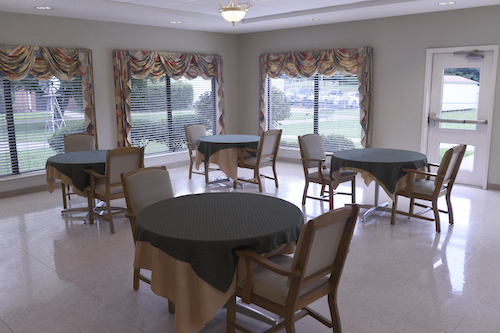
Who Owns and Operates Autumn Care Of Altavista?

AUTUMN CARE OF ALTAVISTA is owned by a for-profit company. For-profit facilities operate as businesses with obligations to shareholders or private owners. The facility is operated by SABER HEALTHCARE GROUP, a chain that manages multiple nursing homes. With 111 certified beds and approximately 106 residents (about 95% occupancy), it is a mid-sized facility located in ALTAVISTA, Virginia.
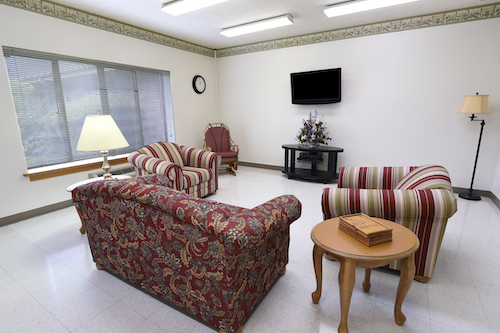
How Does Autumn Care Of Altavista Compare to Other Virginia Nursing Homes?

Compared to the 100 nursing homes in Virginia, AUTUMN CARE OF ALTAVISTA's overall rating (4 stars) is above the state average of 3.0, staff turnover (37%) is near the state average of 46%, and health inspection rating (4 stars) is above the national benchmark.

What Should Families Ask When Visiting Autumn Care Of Altavista?

Based on this facility's data, families visiting should ask: "Can I visit during a mealtime to observe dining assistance and food quality?" "How do you handle medical emergencies, and what is your hospital transfer rate?" "Can I speak with family members of current residents about their experience?"

Is Autumn Care Of Altavista Safe?

Based on CMS inspection data, AUTUMN CARE OF ALTAVISTA has a clean safety record: no substantiated abuse findings (meaning no confirmed cases of resident harm), no Immediate Jeopardy citations (the most serious violation level indicating risk of serious injury or death), and is not on the Special Focus Facility watch list (a federal program monitoring the lowest-performing 1% of nursing homes). The facility has a 4-star overall rating and ranks #1 of 100 nursing homes in Virginia. While no facility is perfect, families should still ask about staff-to-resident ratios and recent inspection results during their visit.

Do Nurses at Autumn Care Of Altavista Stick Around?

AUTUMN CARE OF ALTAVISTA has a staff turnover rate of 37%, which is about average for Virginia nursing homes (state average: 46%). Moderate turnover is common in nursing homes, but families should still ask about staff tenure and how the facility maintains care continuity when employees leave.

Was Autumn Care Of Altavista Ever Fined?

AUTUMN CARE OF ALTAVISTA has no federal fines on record. CMS issues fines when nursing homes fail to meet care standards or don't correct problems found during inspections. The absence of fines suggests the facility has either maintained compliance or corrected any issues before penalties were assessed. This is a positive indicator, though families should still review recent inspection reports for the full picture.

Is Autumn Care Of Altavista on Any Federal Watch List?

AUTUMN CARE OF ALTAVISTA is not on any federal watch list. The most significant is the Special Focus Facility (SFF) program, which identifies the bottom 1% of nursing homes nationally based on persistent, serious quality problems. Not being on this list means the facility has avoided the pattern of deficiencies that triggers enhanced federal oversight. This is a positive indicator, though families should still review the facility's inspection history directly.