APPOMATTOX HEALTH & REHABILITATION CENTER

235 EVERGREEN AVE, APPOMATTOX, VA 24522 (434) 352-7420
For profit - Corporation 60 Beds LIFEWORKS REHAB Data: November 2025
Trust Grade
45/100
#117 of 285 in VA
Last Inspection: May 2023

Over 2 years since last inspection. Current conditions may differ from available data.

Overview

Appomattox Health & Rehabilitation Center has a Trust Grade of D, indicating it is below average and has some concerning issues. It ranks #117 out of 285 facilities in Virginia, which places it in the top half, and it is the only nursing home in Appomattox County. The facility is improving, with a decrease in issues from 18 in 2023 to 9 in 2025. Staffing is a weakness here, with a rating of 2 out of 5 stars and a turnover rate of 59%, which is higher than the state average, indicating that staff may not be staying long enough to build strong relationships with residents. On the positive side, there have been no fines, and the facility has better RN coverage than 82% of Virginia facilities, which is important for catching medical issues. However, there have been serious incidents, such as a failure to provide proper medical treatment that led to a resident’s hospitalization due to abnormal lab results, and another resident experienced a significant medication error that also resulted in hospitalization. Additionally, safety interventions for one resident were not implemented correctly, risking their safety during their stay. Families should weigh these strengths and weaknesses carefully when considering this facility for their loved ones.

Trust Score
D
45/100
In Virginia
#117/285
Top 41%
Safety Record
Moderate
Needs review
Inspections
Getting Better
18 → 9 violations
Staff Stability
⚠ Watch
59% turnover. Above average. Higher turnover means staff may not know residents' routines.
Penalties
✓ Good
No fines on record. Clean compliance history, better than most Virginia facilities.
Skilled Nurses
○ Average
Each resident gets 41 minutes of Registered Nurse (RN) attention daily — about average for Virginia. RNs are the most trained staff who monitor for health changes.
Violations
⚠ Watch
40 deficiencies on record. Higher than average. Multiple issues found across inspections.
★★★☆☆
3.0
Overall Rating
★★☆☆☆
2.0
Staff Levels
★★★★★
5.0
Care Quality
★★☆☆☆
2.0
Inspection Score
Stable
2023: 18 issues
2025: 9 issues

The Good

  • 5-Star Quality Measures · Strong clinical quality outcomes
  • Full Sprinkler Coverage · Fire safety systems throughout facility
  • No fines on record

Facility shows strength in quality measures, fire safety.

The Bad

3-Star Overall Rating

Near Virginia average (3.0)

Meets federal standards, typical of most facilities

Staff Turnover: 59%

13pts above Virginia avg (46%)

Frequent staff changes - ask about care continuity

Chain: LIFEWORKS REHAB

Part of a multi-facility chain

Ask about local staffing decisions and management

Staff turnover is elevated (59%)

11 points above Virginia average of 48%

The Ugly 40 deficiencies on record

2 actual harm
Aug 2025 9 deficiencies 2 Harm
SERIOUS (G) 📢 Someone Reported This

A family member, employee, or ombudsman was alarmed enough to file a formal complaint

Actual Harm - a resident was hurt due to facility failures

Quality of Care (Tag F0684)

A resident was harmed · This affected 1 resident

**NOTE- TERMS IN BRACKETS HAVE BEEN EDITED TO PROTECT CONFIDENTIALITY** Based on resident interview, staff interview, facility document review and clinical record review, the facility staff failed to ...

Read full inspector narrative →
**NOTE- TERMS IN BRACKETS HAVE BEEN EDITED TO PROTECT CONFIDENTIALITY** Based on resident interview, staff interview, facility document review and clinical record review, the facility staff failed to provide proper medical treatment for abnormal lab values resulting in hospitalization for one of six residents in the survey sample (Resident #4).The findings include:Resident #4 (R4) was admitted to the facility with diagnoses that included chronic kidney disease, bacteremia, endocarditis, congestive heart failure, liver cirrhosis, obesity, diabetes, anemia, atrioventricular block, thrombocytopenia, hypertension, non-alcoholic steatohepatitis (NASH), and diverticulosis. R4's most recent minimum data set (MDS) assessed the resident as cognitively intact.R4's clinical record documented lab test results dated 8/10/23 listing R4 had a low sodium level of 125 mEq/L (reference range of 136 to 145) and normal potassium level of 4.8 mEq/L (reference range of 3.5 tot 5.1). The PA's progress note dated 8/14/23 referenced review of the 8/10/23 lab results and documented under diagnosis/plan that the resident had hypopotassemia (low potassium level) with orders entered for potassium chloride ER, 20 mEq (milliequivalents) daily for the low potassium. The progress note made no mention of a diagnosis or treatment for the low sodium level.R4's medication administration record (MAR) documented the potassium chloride 20 mEq was administered as ordered on 8/15/23 and 8/16/23.R4's nursing notes documented the resident left the faciity on 8/16/23 for an appointment with an infectious disease specialist. A nursing note dated 8/16/23 at 4:16 p.m. documented R4 was assessed at the infectious disease appointment with a critical lab value of potassium at 6.5 with a recheck done with results of 6.6 mEq/L. The note documented the resident was sent as a direct admit to the hospital for treatment of the critically high potassium.R4's hospital Discharge summary dated [DATE] documented the resident was hospitalized from [DATE] until 8/18/23 and treated for hyperkalemia (high potassium level) and acute kidney injury with the medication Lokelma and discontinued use of diuretics. The Discharge summary dated [DATE] documented, .Patient has an enterococcal bacteremia with VRE. She has endocarditis and has been receiving IV daptomycin every 24 hours at a rehab facility. She [R4] went to [infectious disease physician's] office for follow-up appointment today had laboratory findings which showed acute kidney injury as well as hyperkalemia [high potassium level]. Patient direct admitted to [hospital] .In discussions with the patient's [family member] .she states that the director of nursing at the [nursing facility] had called her stating that the patient had been incorrectly prescribed potassium supplementation recently at that facility instead of an apparently intended sodium chloride supplementation for concerns about hyponatremia. This certainly could have led to the patient's hyperkalemia .A facility reported incident form dated 8/17/23 to the state agency documented R4 was hospitalized for a critically high potassium level after the resident was prescribed and administered a potassium supplement by the physician's assistant (PA). The director of nursing (DON) at that time documented on 8/17/23, that she was notified that R4 was admitted to the hospital for hyperkalemia and upon review of the resident's medications, noted that the PA had recently prescribed potassium chloride. The form documented the PA was asked to review the order. The DON's note documented that the PA informed her that she had ordered potassium in error and should have ordered sodium to address the low sodium lab results.A written statement dated 8/17/23 by the PA (other staff #1) documented, I was handed lab results by nurse .I transcribed the abnormal values into my note .paying attention to a sodium of 125 . I did not place orders at this time. After seeing the patient I placed my orders. I had a different pt [patient] that day that I increased their potassium supplementation, it is my belief that when I placed [R4's] orders, my brain was thinking 'potassium' and so I placed an order for 1 tab [tablet] po [oral] daily of Potassium Chloride 20 meq [milliequivalents] instead of sodium .The facility's investigation of this incident dated 8/22/23 documented the PA erroneously ordered potassium for R4 when she meant to order a sodium supplement that resulted in R4's hospitalization for treatment of hyperkalemia.The PA that prescribed the potassium in error was not available for interview as she no longer worked at the facility. The DON at the time of the incident was not available for interview as she no longer worked at the facility.On 8/12/25 at 9:15 a.m., R4 was interviewed about the potassium error and hospitalization. R4 stated the PA gave her potassium when she was supposed to get sodium. R4 stated she had to go to the hospital for treatment of the high potassium. R4 stated, It just knocked me out. The doctor said my potassium was out the roof. R4 stated nothing like that had happened before or since and she got ok after discharge from the hospital. R4 stated regarding the PA, I think she [PA] just made a mistake.On 8/12/25 at 3:22 p.m., the administrator was interviewed about R4's medication error. The administrator stated R4 went out for a physician's appointment and labs were done that indicated a high potassium level. The administrator stated the PA ordered potassium in error when she intended to order sodium. The administrator stated R4 was admitted and treated at the hospital for high potassium and that the medical director at that time was notified.On 8/13/25 at 9:50 a.m., the current medical director (other staff #2) was interviewed about R4 and the prescription/medication error with potassium. The medical director stated a potassium level of 6.5 was considered critical and required immediate treatment. The medical director stated an untreated high potassium level could cause the body to shut down and heart problems including arrythmias, in addition to kidney problems. The medical director stated there were ways to quickly bring potassium levels down that included medications. The medical director stated that potassium levels above 6 (mEq/L) required hospital treatment to quickly bring down the potassium levels. The medical director stated hospital treatment for critically high potassium allowed for heart monitoring during treatment and intravenous medications that allowed for quick reduction of potassium levels. On 8/13/25 at 11:07 a.m., the former medical director (other staff #3) was interviewed about R4's potassium error. The former medical director stated the PA had assessed several residents prior to entering orders that day and that the PA ordered potassium for R4 instead of sodium in error. The former medical director stated R4 got a couple of doses of potassium that resulted in high potassium lab results with the resident hospitalized for treatment. The former medical director stated he did not feel the PA had lack of knowledge but that the PA just made an error.These findings were reviewed with the administrator and regional nurse consultant on 8/13/25 at 12:10 p.m. with no further information presented prior to the end of the survey.
SERIOUS (G) 📢 Someone Reported This

A family member, employee, or ombudsman was alarmed enough to file a formal complaint

Actual Harm - a resident was hurt due to facility failures

Deficiency F0760 (Tag F0760)

A resident was harmed · This affected 1 resident

**NOTE- TERMS IN BRACKETS HAVE BEEN EDITED TO PROTECT CONFIDENTIALITY** Based on resident interview, staff interview, facility document review and clinical record review, the facility staff failed to ...

Read full inspector narrative →
**NOTE- TERMS IN BRACKETS HAVE BEEN EDITED TO PROTECT CONFIDENTIALITY** Based on resident interview, staff interview, facility document review and clinical record review, the facility staff failed to ensure one of six residents (Resident #4) was free from a significant medication error resulting in hospitalization for treatment of hyperkalemia.The findings include:Resident #4 (R4) was admitted to the facility with diagnoses that included chronic kidney disease, bacteremia, endocarditis, congestive heart failure, liver cirrhosis, obesity, diabetes, anemia, atrioventricular block, thrombocytopenia, hypertension, non-alcoholic steatohepatitis (NASH), and diverticulosis. R4's most recent minimum data set (MDS) assessed the resident as cognitively intact.R4's clinical record documented lab test results dated 8/10/23 listing R4 had a low sodium level of 125 mEq/L (reference range of 136 to 145) and normal potassium level of 4.8 mEq/L (reference range of 3.5 tot 5.1). The PA's progress note dated 8/14/23 referenced review of the 8/10/23 lab results and documented under diagnosis/plan that the resident had hypopotassemia (low potassium level) with orders entered for potassium chloride ER, 20 mEq (milliequivalents) daily for the low potassium. The progress note made no mention of a diagnosis or treatment for the low sodium level.R4's medication administration record (MAR) documented the potassium chloride 20 mEq was administered as ordered on 8/15/23 and 8/16/23.R4's nursing notes documented the resident left the faciity on 8/16/23 for an appointment with an infectious disease specialist. A nursing note dated 8/16/23 at 4:16 p.m. documented R4 was assessed at the infectious disease appointment with a critical lab value of potassium at 6.5 with a recheck done with results of 6.6 mEq/L. The note documented the resident was sent as a direct admit to the hospital for treatment of the critically high potassium.R4's hospital Discharge summary dated [DATE] documented the resident was hospitalized from [DATE] until 8/18/23 and treated for hyperkalemia (high potassium level) and acute kidney injury with the medication Lokelma and discontinued use of diuretics. The Discharge summary dated [DATE] documented, .Patient has an enterococcal bacteremia with VRE. She has endocarditis and has been receiving IV daptomycin every 24 hours at a rehab facility. She [R4] went to [infectious disease physician's] office for follow-up appointment today had laboratory findings which showed acute kidney injury as well as hyperkalemia [high potassium level]. Patient direct admitted to [hospital] .In discussions with the patient's [family member] .she states that the director of nursing at the [nursing facility] had called her stating that the patient had been incorrectly prescribed potassium supplementation recently at that facility instead of an apparently intended sodium chloride supplementation for concerns about hyponatremia. This certainly could have led to the patient's hyperkalemia .A facility reported incident form dated 8/17/23 to the state agency documented R4 was hospitalized for a critically high potassium level after the resident was prescribed and administered potassium supplement by the physician's assistant (PA). The director of nursing (DON) at that time documented on 8/17/23, that she was notified that R4 was admitted to the hospital for hyperkalemia and upon review of the resident's medications, noted that the PA had recently prescribed potassium chloride. The form documented the PA was asked to review the order. The DON's note documented that the PA informed her that she had ordered potassium in error and should have ordered sodium to address the low sodium lab results.A written statement dated 8/17/23 by the PA (other staff #1) documented, I was handed lab results by nurse .I transcribed the abnormal values into my note .paying attention to a sodium of 125 . I did not place orders at this time. After seeing the patient I placed my orders. I had a different pt [patient] that day that I increased their potassium supplementation, it is my belief that when I placed [R4's] orders, my brain was thinking 'potassium' and so I placed an order for 1 tab [tablet] po [oral] daily of Potassium Chloride 20 meq [milliequivalents] instead of sodium .The facility's investigation of this incident dated 8/22/23 documented the PA erroneously ordered potassium for R4 when she meant to order a sodium supplement that resulted in R4's hospitalization for treatment of hyperkalemia.The PA that prescribed the potassium in error was not available for interview as she no longer worked at the facility. The DON at the time of the incident was not available for interview as she no longer worked at the facility.On 8/12/25 at 9:15 a.m., R4 was interviewed about the potassium error and hospitalization. R4 stated the PA gave her potassium when she was supposed to get sodium. R4 stated she had to go to the hospital for treatment of the high potassium. R4 stated, It just knocked me out. The doctor said my potassium was out the roof. R4 stated nothing like that had happened before or since and she got ok after discharge from the hospital. R4 stated regarding the PA, I think she [PA] just made a mistake.On 8/12/25 at 3:22 p.m., the administrator was interviewed about R4's medication error. The administrator stated R4 went out for a physician's appointment and labs were done that indicated a high potassium level. The administrator stated the PA ordered potassium in error when she intended to order sodium. The administrator stated R4 was admitted and treated at the hospital for high potassium and that the medical director at that time was notified.On 8/13/25 at 9:50 a.m., the current medical director (other staff #2) was interviewed about R4 and the prescription/medication error with potassium. The medical director stated a potassium level of 6.5 was considered critical and required immediate treatment. The medical director stated an untreated high potassium level could cause the body to shut down, heart problems including arrythmias, in addition to kidney problems. The medical director stated there were ways to quickly bring potassium levels down that included medications. The medical director stated that potassium levels above 6 (mEq/L) required hospital treatment to quickly bring down the potassium levels. The medical director stated hospital treatment for critically high potassium allowed for heart monitoring during treatment and intravenous medications that allowed for quick reduction of potassium levels. On 8/13/25 at 11:07 a.m., the former medical director (other staff #3) was interviewed about R4's potassium error. The former medical director stated the PA had assessed several residents prior to entering orders that day and that the PA ordered potassium for R4 instead of sodium in error. The former medical director stated R4 got a couple of doses of potassium that resulted in high potassium lab results with the resident hospitalized for treatment. The former medical director stated he did not feel the PA had lack of knowledge but that the PA just made an error.These findings were reviewed with the administrator and regional nurse consultant on 8/13/25 at 12:10 p.m. with no further information presented prior to the end of the survey.
CONCERN (D) 📢 Someone Reported This

A family member, employee, or ombudsman was alarmed enough to file a formal complaint

Potential for Harm - no one hurt, but risky conditions existed

Abuse Prevention Policies (Tag F0607)

Could have caused harm · This affected 1 resident

**NOTE- TERMS IN BRACKETS HAVE BEEN EDITED TO PROTECT CONFIDENTIALITY** Based on staff interview, facility document review and clinical record review, the facility staff failed to follow abuse prevent...

Read full inspector narrative →
**NOTE- TERMS IN BRACKETS HAVE BEEN EDITED TO PROTECT CONFIDENTIALITY** Based on staff interview, facility document review and clinical record review, the facility staff failed to follow abuse prevention policies for three of six residents in the survey sample (Residents #1, #3 and #4).The findings include:1. For Resident #1, facility staff failed to follow abuse prevention policies for submitting investigation findings within five days to the state agency and failed to report an allegation of abuse involving a certified nurse's aide to the department of health professions per facility policy.Resident #1 (R1) was admitted to the facility with diagnoses that included metabolic encephalopathy, dysphagia, anemia, protein-calorie malnutrition, asthma, cognitive communication deficit, hypothyroidism, myocardial infarction and hypertension. The minimum data set (MDS) dated [DATE] assessed R1 with severely impaired cognitive skills.A facility reported incident form was sent to the state agency on 4/27/25 documenting an allegation of sexual misconduct between R1 and certified nurse's aide (CNA) #1. The initial report was sent to the state agency on 4/27/25. The state agency received no final report of the facility's investigation/findings regarding this allegation. The initial report to the state agency documented no report of the allegation to the department of health professions.Review of the facility's investigation on 8/12/25 revealed a final investigation report dated 4/30/25 summarizing the facility's investigation and findings that did not substantiate sexual assault. The investigation documents included no evidence that the final report was sent to the state agency and no evidence that the allegations regarding CNA #1 were sent to the department of health professions.On 8/12/25 at 3:22 p.m., the administrator was interviewed about the investigation of abuse allegations regarding R1. The administrator stated he thought the former director of nursing (DON) had submitted the findings to the state agency. The administrator reviewed the investigation folder and did not present any evidence that the investigation findings were sent to the state agency. The administrator stated the abuse allegations should have been sent to DHP and he did not know why DHP was not notified.The facility's policy titled Abuse/Neglect Misappropriation/Crime - Reporting Requirements/Investigations (effective 2/5/23) documented, .Immediately upon notification of any alleged violations involving abuse, neglect, exploitation, or mistreatment, including injuries of unknown source and misappropriation of resident property, the Administrator will immediately report to the State Agency, but no later than 2 hours after the allegation is made, if the events that caused the allegation involves abuse or results in serious bodily injury . This policy under section 1.b. documented, .Notify within 24 hours the Department of Health Professions (DHP) for incidences involving nurse aides, RNs, LPNs, Physicians, or others licensed or certified by DHP . This policy documented under section 5., .The Administrator must thoroughly investigate and file a complete written report of the investigation of the submitted FRI [facility reported incident] to the State Agency within five (5) working days of the incident . 2. Facility staff failed to thoroughly investigate an injury of unknown for Resident #3 as required in the facility's abuse prevention policies. Statements were not obtained from staff members caring for Resident #3 prior to and/or during the shift when the resident was found with an injury of unknown origin. Resident #3 (R3) was admitted to the facility with diagnoses that included psychotic disorder with delusions, depression, hypertension, anorexia, dementia with behavioral disturbance and dysphagia. The minimum data set (MDS) dated [DATE] assessed R3 with severely impaired cognitive skills.R3's clinical record documented a nursing note dated 4/4/25 listing the resident was observed with an abrasion on the left forehead and an abrasion over the right eyebrow. The note documented that the resident was unable to verbalize the cause or source of the injuries. The director of nursing (DON) documented a note on 4/4/25 at 6:39 p.m. of notification to the family about the assessed abrasion.Notification of R3's injury of unknown origin was sent to the state agency on 4/4/25 with investigation findings sent to the state agency on 4/7/25.On 8/12/25, the facility's investigation of R3's injury of unknown origin was reviewed. The investigation included written statements from a licensed practical nurse and a CNA (certified nurse's aide) that worked on 4/4/25 starting at 7:00 p.m., after the abrasion was identified. One statement was from a CNA that worked 4/3/25 starting at 7:00 p.m. until 4/4/25 at 7:00 a.m. The other statement obtained listed no employee name, job title or when they worked compared to the incident. There were no written statements obtained from staff working the shift when the abrasion was found (4/4/25 from 7:00 a.m. to 7:00 p.m.). On 8/12/25 at 3:30 p.m., the administrator was interviewed about the investigation of R3's abrasion of unknown source. The administrator stated the previous DON obtained statements. The administrator stated, I think she [former DON] interviewed the night shift. When asked about why shift employees working immediately prior to the injury were not interviewed, the administrator stated, Those [statements] were the only ones I saw in the folder.The facility's policy titled Abuse/Neglect Misappropriation/Crime - Reporting Requirements/Investigations (effective 2/5/23) documented, .The Administrator and/or Director of Nursing will immediately initiate a thorough internal investigation of the alleged/suspected occurrence. The investigative protocol will include, but not be limited to, collecting evidence, interviewing alleged victims and witnesses, and involving other appropriate individuals, agents, or authorities to assist in the process and determinations . 3. Facility staff failed to report a medication error incident with Resident #4 made by a physician's assistant (PA) to the department of health professions as required in their abuse prevention policies.Resident #4 (R4) was admitted to the facility with diagnoses that included chronic kidney disease, bacteremia, endocarditis, congestive heart failure, liver cirrhosis, obesity, diabetes, anemia, atrioventricular block, thrombocytopenia, hypertension, non-alcoholic steatohepatitis (NASH), and diverticulosis. R4's most recent minimum data set (MDS) assessed the resident as cognitively intact.A facility incident investigation report dated 8/22/23 documented that on 8/14/23, a physician's assistant (other staff #1) prescribed R4 potassium 20 mEq (milliequivalents) per day with the potassium administered as ordered on 8/15/23 and 8/16/23. R4 was assessed at a local physician's office on 8/16/23 with critically high potassium levels and was admitted to the hospital for treatment of the high potassium. Investigation revealed that the PA ordered potassium instead of sodium to address 8/10/23 labs indicating low sodium levels. The facility's investigation of this error documented notification to state agency, medical director/physician, responsible party, and adult protective services. There was no notification to the state department of health professions of the prescription/medication error.The facility's policy titled Abuse/Neglect Misappropriation/Crime - Reporting Requirements/Investigations (effective 2/5/23) documented under section 1.b., .Notify within 24 hours the Department of Health Professions (DHP) for incidences involving nurse aides, RNs, LPNs, Physicians, or others licensed or certified by DHP . On 8/12/25 at 3:22 p.m., the administrator was interviewed about reporting the PA's prescription error with R4. The administrator stated he was not sure why the medication error involving the PA was not reported to DHP.The director of nursing at the time of this medication error was not available for interview as she no longer worked at the facility.These findings were reviewed with the administrator, DON and regional nurse consultant on 8/12/25 at 3:30 p.m. and on 8/13/25 at 12:10 p.m. with no further information provided prior to the end of the survey.
CONCERN (D) 📢 Someone Reported This

A family member, employee, or ombudsman was alarmed enough to file a formal complaint

Potential for Harm - no one hurt, but risky conditions existed

Report Alleged Abuse (Tag F0609)

Could have caused harm · This affected 1 resident

**NOTE- TERMS IN BRACKETS HAVE BEEN EDITED TO PROTECT CONFIDENTIALITY** Based on staff interview, facility document review and clinical record review, the facility staff failed to submit investigation...

Read full inspector narrative →
**NOTE- TERMS IN BRACKETS HAVE BEEN EDITED TO PROTECT CONFIDENTIALITY** Based on staff interview, facility document review and clinical record review, the facility staff failed to submit investigation findings regarding an abuse allegation to the state agency for one of six residents in the survey sample (Resident #1).The findings include:Resident #1 (R1) was admitted to the facility with diagnoses that included metabolic encephalopathy, dysphagia, anemia, protein-calorie malnutrition, asthma, cognitive communication deficit, hypothyroidism, myocardial infarction and hypertension. The minimum data set (MDS) dated [DATE] assessed R1 with severely impaired cognitive skills.A facility reported incident form was sent to the state agency on 4/27/25 documenting an allegation of sexual misconduct between R1 and certified nurse's aide (CNA) #1. The initial report was sent to the state agency on 4/27/25. The state agency received no final report of the facility's investigation/findings regarding this allegation. Review of the facility's investigation on 8/12/25 revealed a final investigation report dated 4/30/25 summarizing the facility's investigation and findings that did not substantiate sexual assault. The investigation documents included no evidence that the final report was sent to the state agency.On 8/12/25 at 3:22 p.m., the administrator was interviewed about the investigation of abuse allegations regarding R1. The administrator stated he thought the former director of nursing (DON) had sent the findings to the state agency. The administrator reviewed the investigation folder and did not present any evidence that the investigation findings were sent to the state agency. The facility's policy titled Abuse/Neglect Misappropriation/Crime - Reporting Requirements/Investigations (effective 2/5/23) documented under section 5, .The Administrator must thoroughly investigate and file a complete written report of the investigation of the submitted FRI [facility reported incident] to the State Agency within five (5) working days of the incident .This finding was reviewed with the administrator, director of nursing and regional nurse consultant on 8/12/25 at 3:30 p.m. and on 8/13/25 at 12:10 p.m. with no further information presented prior to the end of the survey.
CONCERN (D) 📢 Someone Reported This

A family member, employee, or ombudsman was alarmed enough to file a formal complaint

Potential for Harm - no one hurt, but risky conditions existed

Investigate Abuse (Tag F0610)

Could have caused harm · This affected 1 resident

**NOTE- TERMS IN BRACKETS HAVE BEEN EDITED TO PROTECT CONFIDENTIALITY** Based on staff interview, facility document review and clinical record review, the facility staff failed to complete a thorough ...

Read full inspector narrative →
**NOTE- TERMS IN BRACKETS HAVE BEEN EDITED TO PROTECT CONFIDENTIALITY** Based on staff interview, facility document review and clinical record review, the facility staff failed to complete a thorough investigation regarding an injury of unknown origin for one of six residents in the survey sample (Resident #3).The findings include:Resident #3 (R3) was admitted to the facility with diagnoses that included psychotic disorder with delusions, depression, hypertension, anorexia, dementia with behavioral disturbance and dysphagia. The minimum data set (MDS) dated [DATE] assessed R3 with severely impaired cognitive skills.R3's clinical record documented a nursing note dated 4/4/25 listing the resident was observed with an abrasion area on the left forehead and an abrasion over the right eyebrow. The note documented that the resident was unable to verbalize the cause of the injuries. The director of nursing (DON) documented a note on 4/4/25 at 6:39 p.m. of notification to the family about the assessed abrasions.Notification of R3's injury of unknown origin was sent to the state agency on 4/4/25 with investigation findings sent to the state agency on 4/7/25.On 8/12/25, the facility's investigation of R3's injury of unknown origin was reviewed. The investigation included written statements from a licensed practical nurse and a CNA (certified nurse's aide) that worked on 4/4/25 starting at 7:00 p.m., after the abrasion was identified. One statement was from a CNA that worked 4/3/25 starting at 7:00 p.m. until 4/4/25 at 7:00 a.m. The other statement obtained documented no employee name, job title or when they worked compared to the incident. There were no written statements obtained from staff working the shift when the abrasion was found (4/4/25 from 7:00 a.m. to 7:00 p.m.). On 8/12/25 at 3:30 p.m., the administrator was interviewed about the investigation of R3's abrasion of unknown source. The administrator stated the previous DON obtained the statements. The administrator stated, I think she [former DON] interviewed the night shift. When asked about why shift employees working immediately prior to the injury were not interviewed, the administrator stated, Those [statements] were the only ones I saw in the folder.On 8/12/25 at 4:45 p.m., the former DON (RN #1) was interviewed about the lack of employee statements obtained regarding R3's abrasion of unknown source. The former DON stated, I got as many [statements] as I could. The facility's policy titled Abuse/Neglect Misappropriation/Crime - Reporting Requirements/Investigations (effective 2/5/23) documented, .The Administrator and/or Director of Nursing will immediately initiate a thorough internal investigation of the alleged/suspected occurrence. The investigative protocol will include, but not be limited to, collecting evidence, interviewing alleged victims and witnesses, and involving other appropriate individuals, agents, or authorities to assist in the process and determinations .This finding was reviewed with the administrator, DON and regional nurse consultant on 8/12/25 at 3:30 p.m. with no further information presented prior to the end of the survey.
CONCERN (D) 📢 Someone Reported This

A family member, employee, or ombudsman was alarmed enough to file a formal complaint

Potential for Harm - no one hurt, but risky conditions existed

Assessment Accuracy (Tag F0641)

Could have caused harm · This affected 1 resident

**NOTE- TERMS IN BRACKETS HAVE BEEN EDITED TO PROTECT CONFIDENTIALITY** Based on staff interview and clinical record review, the facility staff failed to provide a complete and accurate minimum data s...

Read full inspector narrative →
**NOTE- TERMS IN BRACKETS HAVE BEEN EDITED TO PROTECT CONFIDENTIALITY** Based on staff interview and clinical record review, the facility staff failed to provide a complete and accurate minimum data set (MDS) for one of six residents in the survey sample (Resident #1).The findings include: Resident #1 (R1) was admitted to the facility with diagnoses that included metabolic encephalopathy, dysphagia, anemia, protein-calorie malnutrition, asthma, cognitive communication deficit, hypothyroidism, myocardial infarction and hypertension. The minimum data set (MDS) dated [DATE] assessed R1 with severely impaired cognitive skills.R1's clinical record documented a MDS assessment dated [DATE]. Section C. of this MDS for assessment of cognitive patterns was not completed. Each category of section C., including the brief interview for mental status (BIMS) and staff assessment of mental status, was marked not assessed.On 8/13/25 at 9:40 a.m., the registered nurse MDS coordinator (RN #2) was interviewed about R1's incomplete assessment. RN #2 reviewed the MDS and stated the cognitive section had not been completed. RN #2 stated the assessment required for section C. of the MDS was not completed during the designated 7-day look back time, so it was marked as not assessed. RN #2 stated the assessment was required to be completed during the designated look back time.The Long-Term Care Facility Resident Assessment Instrument 3.0 User's Manual on page C-2 documents concerning completion of Section C, Attempt to conduct the interview with ALL residents. This interview is conducted during the look-back period of the Assessment Reference Date (ARD) and is not contingent upon item B0700, Makes Self Understood . (1) This finding was reviewed with the administrator and regional nurse consultant on 8/13/25 at 12:10 p.m. with no further information presented prior to the end of the survey.(1) Long-Term Care Facility Resident Assessment Instrument 3.0 User's Manual, Version 1.19.1, Centers for Medicare & Medicaid Services, Revised October 2024.
CONCERN (D) 📢 Someone Reported This

A family member, employee, or ombudsman was alarmed enough to file a formal complaint

Potential for Harm - no one hurt, but risky conditions existed

Deficiency F0657 (Tag F0657)

Could have caused harm · This affected 1 resident

**NOTE- TERMS IN BRACKETS HAVE BEEN EDITED TO PROTECT CONFIDENTIALITY** Based on staff interview and clinical record review, the facility staff failed to review and revise the comprehensive care plan ...

Read full inspector narrative →
**NOTE- TERMS IN BRACKETS HAVE BEEN EDITED TO PROTECT CONFIDENTIALITY** Based on staff interview and clinical record review, the facility staff failed to review and revise the comprehensive care plan for one of six residents in the survey sample (Resident #1).The findings include:Resident #1's care plan was not revised to include a preference for no male caregivers.Resident #1 (R1) was admitted to the facility with diagnoses that included metabolic encephalopathy, dysphagia, anemia, protein-calorie malnutrition, asthma, cognitive communication deficit, hypothyroidism, myocardial infarction and hypertension. The minimum data set (MDS) dated [DATE] assessed R1 with severely impaired cognitive skills.R1's clinical record documented a nursing note dated 4/29/25 stating, .spoke with [family member] today regarding patient care concerns. resident to not have male caregivers if at all possible .R1's plan of care (revised 7/21/25) documented the resident required total assistance from staff for activities of daily living. The care plan made no mention of a preference for no male caregivers.On 8/13/25 at 8:36 a.m., the registered nurse MDS coordinator (RN #2) responsible for updating care plans, was interviewed. RN #2 reviewed R1's care plan and stated she found nothing added about the preference for no male caregivers. RN #2 stated to her knowledge, the nurses and aides were aware of this preference but that the preference had not been added to the care plan. RN#2 stated the preference for caregivers should have been added to the care plan.This finding was reviewed with the administrator and regional nurse consultant on 8/13/25 at 12:10 p.m. with no further information presented prior to the end of the survey.
CONCERN (D) 📢 Someone Reported This

A family member, employee, or ombudsman was alarmed enough to file a formal complaint

Potential for Harm - no one hurt, but risky conditions existed

Accident Prevention (Tag F0689)

Could have caused harm · This affected 1 resident

**NOTE- TERMS IN BRACKETS HAVE BEEN EDITED TO PROTECT CONFIDENTIALITY** Based on observation, staff interview and clinical record review, the facility staff failed to provide fall mats for injury prev...

Read full inspector narrative →
**NOTE- TERMS IN BRACKETS HAVE BEEN EDITED TO PROTECT CONFIDENTIALITY** Based on observation, staff interview and clinical record review, the facility staff failed to provide fall mats for injury prevention as required in the plan of care for one of six residents in the survey sample (Resident #3).The findings include:Resident #3 (R3) was admitted to the facility with diagnoses that included psychotic disorder with delusions, depression, hypertension, anorexia, dementia with behavioral disturbance and dysphagia. The minimum data set (MDS) dated [DATE] assessed R3 with severely impaired cognitive skills.On 8/12/25 at 5:05 p.m., R3 was observed in bed. The bed was in low position with no floor mats on either side of the bed. On 8/13/25 at 8:10 a.m., R3 was observed in bed. There were no protective floor mats on either side of the bed.R3's plan of care (revised 8/6/25) documented the resident was at risk of falls/injury due to history of falls, cognitive impairment, muscle weakness, poor vision and use of psychoactive medications. Interventions for fall/injury prevention included, Fall mats bilaterally.On 8/13/25 at 8:12 a.m., the certified nurse's aide (CNA #2) caring for R3, was interviewed about fall mats. CNA #2 stated she was not aware that R3 required floor mats by the bed. CNA #2 stated nurses usually told the aides if fall mats were implemented or required.On 8/13/25 at 8:32 a.m., CNA #2 stated the nurse checked R3's care plan and the fall mats were supposed to be in place when the resident was in bed.On 8/13/25 at 8:36 a.m., registered nurse (RN #3) was interviewed about R3's need for fall mats. RN #3 stated R3's care plan required fall mats in place when the resident was in bed for injury prevention.This finding was reviewed with the administrator and regional nurse consultant on 8/13/25 at 12:10 p.m. with no further information presented prior to the end of the survey.
CONCERN (D) 📢 Someone Reported This

A family member, employee, or ombudsman was alarmed enough to file a formal complaint

Potential for Harm - no one hurt, but risky conditions existed

Medical Records (Tag F0842)

Could have caused harm · This affected 1 resident

**NOTE- TERMS IN BRACKETS HAVE BEEN EDITED TO PROTECT CONFIDENTIALITY** Based on staff interview, facility document review and clinical record review, the facility staff failed to ensure a complete an...

Read full inspector narrative →
**NOTE- TERMS IN BRACKETS HAVE BEEN EDITED TO PROTECT CONFIDENTIALITY** Based on staff interview, facility document review and clinical record review, the facility staff failed to ensure a complete and accurate clinical record for one of six residents in the survey sample (Resident #1).The findings include:There was no documentation in Resident #1's clinical record regarding a physical assessment and actions taken in response to allegations of rough handling/sexual abuse.Resident #1 (R1) was admitted to the facility with diagnoses that included metabolic encephalopathy, dysphagia, anemia, protein-calorie malnutrition, asthma, cognitive communication deficit, hypothyroidism, myocardial infarction and hypertension. The minimum data set (MDS) dated [DATE] assessed R1 with severely impaired cognitive skills.A facility reported incident form to the state agency dated 4/27/25 documented investigation of an allegation of sexual misconduct between R1 and a staff member.R1's clinical record documented a skin assessment dated [DATE] following the allegations but included no mention of any actions taken in response to the allegations.On 8/12/25 at 11:00 a.m., the registered nurse (RN#2) that received the allegations from R1's family member was interviewed. RN #2 stated on 4/27/25 that R1's family member reported that R1 had been changed during the night against her wishes and that the aide was rough providing care. RN #2 stated R1's roommate reported that she heard the resident yell out in the night and reported that it sounded like she was getting raped. RN #2 stated with the family member's permission, and accompanied by the floor nurse, she performed a thorough assessment of the resident, including the genital area, that revealed no evidence of redness, bruising or trauma. RN #2 stated the allegations were immediately reported to the director of nursing (DON) who came to the facility along with notification to the administrator, physician and the police. RN #2 stated she wrote a statement about the incident and entered notes into the clinical record. RN #2 stated she reviewed the clinical record and did not see anything documented about the incident. RN #2 stated she thought she entered the notes and thought the DON at the time had entered notes about the incident.On 8/12/25 at 3:22 p.m., the administrator was interviewed about lack of documentation regarding the care concerns/allegations in R1's clinical record. The administrator stated the DON at that time indicated that she was entering notes into the clinical record. The administrator stated the actions taken should have been included in the clinical record and that he did not know why the incident was not documented. On 8/12/25 at 4:45 p.m., the former DON at the time of the incident (RN #1) was interviewed about the lack of documentation in the clinical record regarding the abuse allegations. The former DON stated that RN #2 should have documented her assessment and actions taken in the nursing notes. The former DON stated the notes were not in the record because RN #2 did not enter them into the electronic health record. The DON stated her notes were documented in the investigation.This finding was reviewed with the administrator, DON and regional nurse consultant on 8/12/25 at 3:30 p.m. with no further information presented prior to the end of the survey.
May 2023 18 deficiencies
CONCERN (D)

Potential for Harm - no one hurt, but risky conditions existed

Safe Environment (Tag F0584)

Could have caused harm · This affected 1 resident

**NOTE- TERMS IN BRACKETS HAVE BEEN EDITED TO PROTECT CONFIDENTIALITY** Based on observation, staff interview and clinical record review, the facility staff failed to maintain floor mats and positioni...

Read full inspector narrative →
**NOTE- TERMS IN BRACKETS HAVE BEEN EDITED TO PROTECT CONFIDENTIALITY** Based on observation, staff interview and clinical record review, the facility staff failed to maintain floor mats and positioning cushions in clean/intact condition for one of sixteen residents in the survey sample (Resident #4). The findings include: Resident #4's floor mats were dirty, and the surfaces were heavily torn with frayed edges. The coverings on the bolster cushions in Resident #4's bed had torn corners with exposed foam visible. Resident #4 was admitted to the facility with diagnoses that included congestive heart failure, chronic kidney disease, hypertension, anemia, aphasia, cardiomyopathy, adult failure to thrive, dementia, psychotic/mood disturbance and anxiety. The minimum data set (MDS) dated [DATE] assessed Resident #4 with severely impaired cognitive skills and as requiring the extensive assistance of two people for bed mobility. On 5/9/23 at 10:02 a.m., floor mats were observed on Resident #4's side of the room. One mat was observed rolled up by the bedside table and the other mat was under the resident's bed. The covers of both mats were dirty and worn with visible cracks over the entire mat surface. The edges of both mats were tattered and frayed. On 5/9/23 at 2:18 p.m., the licensed practical nurse (LPN #6) caring for Resident #4 was interviewed about the condition of the floor mats. LPN #6 stated, They [mats] are in pretty bad shape. LPN #6 stated that she was not sure if new mats were kept in the supply room. On 5/9/23 at 2:29 p.m., accompanied by LPN #6, two bolster cushions on Resident #4's bed were observed. The coverings on both cushions were torn on the corners with exposed foam visible. LPN #6 stated at this time that the floor mats were ragged and the torn cushion covers needed replacing. On 5/9/23 at 2:45 p.m., the unit manager (LPN #2) was interviewed about the floor mats and bolster cushions being in poor condition. LPN #2 stated any mats and/or cushions with hole or rips were supposed to be immediately replaced. LPN #2 stated that it was not sanitary to use cushions with torn coverings. LPN #2 stated Resident #4's mats and the bolster cushions needed to be discarded and replaced. This finding was reviewed with the administrator, director of nursing and regional nurse consultant during a meeting on 5/9/23 at 4:15 p.m. The facility provided no further information about the torn/tattered mats/cushions prior to the end of the survey.
CONCERN (D)

Potential for Harm - no one hurt, but risky conditions existed

Abuse Prevention Policies (Tag F0607)

Could have caused harm · This affected 1 resident

Based on observation, staff interview, clinical record review, and facility document review, the facility staff failed to identify and report an injury of unknown origin to the appropriate facility st...

Read full inspector narrative →
Based on observation, staff interview, clinical record review, and facility document review, the facility staff failed to identify and report an injury of unknown origin to the appropriate facility staff for one of 16 residents, Resident #258. Findings were: Resident #258 was admitted to the facility with the following diagnoses, including but not limited to, Atrial fibrillation, dementia, psychotic disturbance, mood disturbance, anxiety, and urinary tract infection. Due to her recent admission, no MDS (minimum data set) information was available. Upon attempted interview with Resident #258, her speech was nonsensical and she was unable to answer questions. On 05/08/2023 at approximately 12:15 p.m., the initial tour of the facility was conducted. Resident #258 was observed sitting in a wheelchair outside of her room. An elongated area was observed on the right side of her head, from her scalp, down her forehead, running parallel to her hair line. The area was bluish/purple in color. When asked what had happened to her head, Resident #258 answered, I don't know it's [Name redacted]'s choir .they know. CNA (certified nursing assistant) #3 was in the hallway with Resident #258 and was asked about the bruise. CNA #3 stated that Resident #258 was a fall risk and that she falls. When asked if she had hit her head during a fall, Resident #258 again answered the question with a reference to [Name redacted]'s choir. The clinical record was reviewed on 05/09/2023 at approximately 11:00 a.m. There was no documentation observed regarding the discolored area on Resident #258's forehead. The admission assessment completed on 05/01/2023 was reviewed. The section Skin Observations assessed Resident #258 as having no skin issues. At approximately 3:00 p.m., LPN (licensed practical nurse) #1 was interviewed regarding the area of discoloration on Resident #258's forehead. LPN #1 stated that she had done the admission assessment and documentation for Resident #258 and had not seen the area at that time. LPN #1 and this surveyor went to Resident #258's room. Resident #258 was lying supine on her bed. The area on her forehead was observed with more green coloring with the same elongated shape described above. LPN #1 stated, I haven't seen that before .it wasn't there when she came in. At approximately 3:15 p.m., the DON (director of nursing), the administrator, and the regional nurse consultant were all in the DON's office. They were asked if anyone had reported the area on Resident #258's forehead to them. The administrator and the DON both stated that they had not been made aware of any discoloration. During an end of the day meeting with the DON, the administrator, and the regional nurse consultant the above information was discussed. The DON stated they were still investigating to see if they could find out what had happened. When asked if the area should have been reported to him by they facility staff, the Administrator stated, Yes. On 05/10/2023 at approximately 8:50 a.m., CNA #3 was interviewed regarding the area on Resident #258's forehead. When asked if he had noticed the area when he was taking care of her, CNA#3 stated, Yes, I saw it. When asked if he had reported it to his charge nurse when he first noticed it, CNA #3 stated, No, I thought it looked old, so I thought they already knew about it. At approximately 9:00 a.m. the DON and the regional nurse consultant were interviewed regarding Resident #258. The regional nurse consultant stated, We are still looking into it .the therapist said he noticed it last Friday .her son said he noticed it on Saturday .she had a fall here on May 5th .the documentation is that she fell on her bottom . When asked if the therapist or the resident's son had told any one about the area, the regional nurse consultant stated, No. At approximately 10:25 a.m., a skin observation tool completed on 05/09/2023 at 6:21 p.m. was presented by the unit manager, LPN #2. The skin observation tool contained the following: Top of Scalp: Bruising Left hand (back): Bruising Right knee (front): Bruising Left knee (front): Bruising Right top foot: Bruising Notes: Head to toe Skin sweep Resident noted to have a bruise to her right temple area blue, yellow greenish in color. Yellowish bruise noted to left wrist, yellowish bruise noted to left shin area, blue bruise noted to right knee and a reddened area noted to the top of her right foot under metatarsals no open area noted, nor drainage noted. Dr [name redacted] called and notified at this time of head-to-toe skin sweep and finding. LPN #2 stated, I did the skin sweep last night, I called the doctor to let him know about the bruises that I saw the staff should have reported what they were seeing. The facility policy, Injuries of Unknown Origin contained the following: Injuries of unknown origin will be handled the same as an allegation of mistreatment, neglect, or abuse and must be reported to the center Administrator. Procedure: Injuries of unknown origin to a patient are to be reported to a licensed nurse. The staff educator, RN (registered nurse) #3 was interviewed at approximately 10:30 a.m. regarding staff education about injuries of unknown origin. RN#3 presented an Inservice/Educational Record that education had occurred on 03/09/2023 with nursing staff and included information regarding injuries of unknown origin. The above information was discussed with the DON, the administrator, and the regional nurse consultant during a meeting at approximately 11:30 a.m. No further information was presented prior to the exit conference on 05/10/2023.
CONCERN (D) 📢 Someone Reported This

A family member, employee, or ombudsman was alarmed enough to file a formal complaint

Potential for Harm - no one hurt, but risky conditions existed

Transfer Notice (Tag F0623)

Could have caused harm · This affected 1 resident

Based on complaint investigation, closed clinical record review, and staff interview, the facility staff failed for one of 16 residents in the survey sample, Resident # 107, to forward a notice of dis...

Read full inspector narrative →
Based on complaint investigation, closed clinical record review, and staff interview, the facility staff failed for one of 16 residents in the survey sample, Resident # 107, to forward a notice of discharge to the local Ombudsman. Resident # 107 was transferred to the hospital without a notice of discharge being sent to the local Ombudsman. The findings were: Resident # 107, who was her own Responsible Party, was admitted to the facility with diagnoses that included status post left femur fracture, history of malignant neoplasm of the breast, hypothyroidism, depression, hypertension, difficulty walking, generalized muscle weakness, anxiety disorder, peripheral vertigo, chronic obstructive pulmonary disease, right hip pain, chronic respiratory failure with hypoxia, and COVID-19. The Progress Notes in the resident's Electronic Health Record included the following entries: 12/30/2022 - 1930 (7:30 p.m.) - O2 (oxygen) sat (saturation) reported @ 75% on 5L/M (5 liters per minute). Resident positioned sitting up, alert and oriented. Administered prn (as needed) Duoneb treatment and titrated oxygen to 8L/M via nasal cannula. O2 sat increased to 88%. TC (Telephone Call) to on call MD, (name), and received order to transfer Resident to ED. Resident left facility via EMS transport to Lynchburg General @ 2020 (8:20 p.m.). Daughter notified of Resident's change in condition approx(imately) 2000 (8:00 p.m.). 12/31/2022 - 0431 (4:31 a.m.) - Spoke with (name) at Centra Lynchburg ER resident being admitted for Acute respiratory failure. Resident # 107 did not return to the facility. At approximately 2:30 p.m. on 5/9/2023, the facility Administrator was asked for a copy of the resident's transfer notice sent to the local Ombudsman. The Administrator stated that the Discharge Planner/Social Worker who handles that process was no longer employed at the facility, but that he would try to locate the notice. At 10:50 a.m. on 5/10/2023, the Administrator reported that he was unable to find the transfer notice sent to the local Ombudsman. The lack of a transfer notice was discussed at a 10:30 a.m. meeting on 5/10/2023 that included the Administrator, Director of Nursing, Corporate Nurse Consultant, and the survey team.
CONCERN (D)

Potential for Harm - no one hurt, but risky conditions existed

Deficiency F0635 (Tag F0635)

Could have caused harm · This affected 1 resident

Based on observation, staff interview, and clinical record review, the facility staff failed to ensure admission orders were in place for the care of suprapubic catheter for one of 16 residents, Resid...

Read full inspector narrative →
Based on observation, staff interview, and clinical record review, the facility staff failed to ensure admission orders were in place for the care of suprapubic catheter for one of 16 residents, Resident #257. Findings were: Resident #257 was admitted to the facility with the following diagnoses including but not limited to: hypertension, pulmonary edema, protein-calorie malnutrition, anemia, pneumonia, urethral stricture, and pseudomonas pneumonia. Due to his recent admission, no MDS (minimum data set) information was available. When interviewed, regarding his care at the facility Resident #257 answered questions appropriately. During initial tour of the facility on 05/08/2023 at approximately 12:15 .pm., Resident #257 was observed lying supine on his bed. His pajama top was not pulled all the way down and a suprapubic catheter was observed. The clinical record was reviewed on 05/08/2023 at approximately 2:30 p.m. The physician order section contained the following order for the care of the suprapubic catheter: Cleanse and apply split sponge to suprapubic site daily . The care plan was reviewed. A focus area, The resident requires an urinary suprapubic catheter related to : Obstructive uropathy. The interventions listed was to provide catheter care each shift. An end of day meeting was held on 05/09/2023 at approximately 4:00 p.m. with the DON (Director of Nursing), the administrator, and the regional nurse consultant. The DON was asked if the facility was changing Resident #257's catheter or was he going out of the facility. The DON stated that she didn't know but would check. Concerns were voiced that there were no immediate care orders on the clinical record that addressed what to do if the catheter became clogged or dislodged, nor were there interventions on the care plan to address these concerns. The DON stated that she would find out what was supposed to be done. On 05/10/2023 the facility staff presented an updated care plan that included care of the catheter, and physician orders that included, Nursing staff not to change suprapubic catheter, urology will manage. No further information was obtained prior to the exit conference on 05/10/2023.
CONCERN (D)

Potential for Harm - no one hurt, but risky conditions existed

Deficiency F0655 (Tag F0655)

Could have caused harm · This affected 1 resident

Based on observation, staff interview, and clinical record review, the facility staff failed to ensure a baseline care plan for the care of suprapubic catheter was in place for one of 16 residents, Re...

Read full inspector narrative →
Based on observation, staff interview, and clinical record review, the facility staff failed to ensure a baseline care plan for the care of suprapubic catheter was in place for one of 16 residents, Resident #257. Findings were: Resident #257 was admitted to the facility with the following diagnoses including but not limited to: hypertension, pulmonary edema, protein-calorie malnutrition, anemia, pneumonia, urethral stricture, and pseudomonas pneumonia. Due to his recent admission, no MDS (minimum data set) information was available. When interviewed, regarding his care at the facility Resident #257 answered questions appropriately. During initial tour of the facility on 05/08/2023 at approximately 12:15 p.m., Resident #257 was observed lying supine on his bed. His pajama top was not pulled all the way down and a suprapubic catheter was observed. The clinical record was reviewed on 05/08/2023 at approximately 2:30 p.m. The physician order section contained the following orders for the care of the suprapubic catheter: Cleanse and apply split sponge to suprapubic site daily . The care plan was reviewed. A focus area, The resident requires an urinary suprapubic catheter related to : Obstructive uropathy. Interventions listed were to provide catheter care each shift. An end of day meeting was held on 05/09/2023 at approximately 4:00 p.m. with the DON (Director of Nursing), the administrator, and the regional nurse consultant. The DON was asked if the facility was changing Resident #257's catheter or was he going out of the facility. She stated she didn't know but would check. Concerns were voiced that there were no immediate care orders on the clinical record regarding the care of the catheter nor were there any interventions regarding replacement listed on the care plan. The DON stated that she would find out what was supposed to be done. On 05/10/2023 the facility staff presented an updated care plan that included care of the catheter, and physician orders that included, Nursing staff not to change suprapubic catheter, urology will manage. No further information was obtained prior to the exit conference on 05/10/2023.
CONCERN (D)

Potential for Harm - no one hurt, but risky conditions existed

Comprehensive Care Plan (Tag F0656)

Could have caused harm · This affected 1 resident

**NOTE- TERMS IN BRACKETS HAVE BEEN EDITED TO PROTECT CONFIDENTIALITY** Based on observation, staff interview and clinical record review, the facility staff failed to develop a comprehensive care plan...

Read full inspector narrative →
**NOTE- TERMS IN BRACKETS HAVE BEEN EDITED TO PROTECT CONFIDENTIALITY** Based on observation, staff interview and clinical record review, the facility staff failed to develop a comprehensive care plan for one of sixteen residents in the survey sample (Resident #4). The findings include: Resident #4 was admitted to the facility with diagnoses that included congestive heart failure, chronic kidney disease, hypertension, anemia, aphasia, cardiomyopathy, adult failure to thrive, dementia, psychotic/mood disturbance and anxiety. The minimum data set (MDS) dated [DATE] assessed Resident #4 with severely impaired cognitive skills and as requiring the extensive assistance of two people for bed mobility. On 5/9/23 at 2:34 p.m., Resident #4 was observed seated in a wheelchair in his room. The resident had a pommel seat cushion in use with the wheelchair. Review of Resident #4's clinical record revealed an occupational therapy (OT) Discharge summary dated [DATE] recommending use of the pommel cushion to assist with proper positioning and fall prevention when in the wheelchair. Resident #4's plan of care (revised 4/5/23) listed, Pommel cushion for positioning PRN [as needed], reposition as needed as an intervention related to maintaining activities of daily living. The plan of care included no problems, goals and/or interventions regarding use of the pommel cushion and the pommel cushion was not included among interventions regarding fall/injury prevention. On 5/9/23 at 3:13 p.m., the director of nursing (DON) was interviewed about a plan of care for Resident #4's pommel cushion use. The DON stated the device required a plan of care. The DON stated the pommel cushion was a recommendation from OT for fall prevention due to the resident's improper positioning when seated in the wheelchair. This finding was reviewed with the administrator, director of nursing and regional nurse consultant during a meeting on 5/9/23 at 4:15 p.m. The facility provided no further information about a care plan regarding the pommel cushion prior to the end of the survey.
CONCERN (D)

Potential for Harm - no one hurt, but risky conditions existed

Deficiency F0657 (Tag F0657)

Could have caused harm · This affected 1 resident

**NOTE- TERMS IN BRACKETS HAVE BEEN EDITED TO PROTECT CONFIDENTIALITY** Based on resident interview, staff interview and clinical record review, the facility staff failed to revise the comprehensive c...

Read full inspector narrative →
**NOTE- TERMS IN BRACKETS HAVE BEEN EDITED TO PROTECT CONFIDENTIALITY** Based on resident interview, staff interview and clinical record review, the facility staff failed to revise the comprehensive care plan for one of sixteen residents in the survey sample (Resident #41). The findings include: Resident #41's plan of care was not revised regarding discontinued use of a Foley urinary catheter. Resident #41 was admitted to the facility with diagnoses that included vertebra compression fractures, atrial fibrillation, sepsis, pneumonitis, urinary tract infection, atherosclerotic heart disease, anxiety, asthma, congestive heart failure, urine retention and kidney failure. The minimum data set (MDS) dated [DATE] assessed Resident #41 as cognitively intact. Resident #41's plan of care (revised 4/19/23) documented the resident required a urinary catheter due to retention and diagnosed bladder infection. Interventions to prevent catheter complications and resolve infection included changing catheter as ordered, anchoring catheter, provision of privacy bag, monitoring urine for dark or cloudy appearance, and catheter care every shift and per orders. Review of Resident #41's clinical record revealed no current order for a Foley urinary catheter. On 5/8/23 at 3:00 p.m., Resident #41 was interviewed about the urinary catheter. Resident #41 stated she previously had a catheter due to retention problems, but the catheter had been discontinued and she was voiding without problem. Resident #41 stated the catheter had been taken out over a month ago. On 5/8/23 at 3:15 p.m., the licensed practical nurse unit manager (LPN #2) was interviewed about the Foley catheter. LPN #2 stated the resident no longer had a catheter. LPN #2 looked at the clinical record and stated the catheter was discontinued on 3/22/23. On 5/10/23 at 8:21 a.m., the registered nurse MDS coordinator (RN #6) responsible for care plans was interviewed. RN #6 stated the last care plan meeting for Resident #41 was on 4/26/23. RN #6 stated the care plan items about the catheter should have been removed when the device was discontinued. This finding was reviewed with the administrator, director of nursing and regional nurse consultant during a meeting on 5/10/23 at 11:25 a.m. No further information was provided about Resident #41's care plan prior to end of the survey.
CONCERN (D) 📢 Someone Reported This

A family member, employee, or ombudsman was alarmed enough to file a formal complaint

Potential for Harm - no one hurt, but risky conditions existed

Quality of Care (Tag F0684)

Could have caused harm · This affected 1 resident

**NOTE- TERMS IN BRACKETS HAVE BEEN EDITED TO PROTECT CONFIDENTIALITY** Based on complaint investigation, closed clinical record review, staff interview, and review of facility documents, the facility...

Read full inspector narrative →
**NOTE- TERMS IN BRACKETS HAVE BEEN EDITED TO PROTECT CONFIDENTIALITY** Based on complaint investigation, closed clinical record review, staff interview, and review of facility documents, the facility staff failed for one of 16 residents in the survey sample, Resident # 107, to administer medications in a timely manner. Six medications, administered by two different nurses, were given between 2 hours and 43 minutes, and 4 hours and 45 minutes late. The findings were: Resident # 107, who was her own Responsible Party, was admitted to the facility with diagnoses that included status post left femur fracture, history of malignant neoplasm of the breast, hypothyroidism, depression, hypertension, difficulty walking, generalized muscle weakness, anxiety disorder, peripheral vertigo, chronic obstructive pulmonary disease, right hip pain, chronic respiratory failure with hypoxia, and COVID-19. As a part of the complaint investigation process, the Medication Admin Audit Report was reviewed. Review of the report revealed the following medications were administered late. Docusate Sodium Capsule 100 mg (milligrams) - Give 1 capsule by mouth two times a day for constipation. Scheduled Administration time - 4:00 p.m. Administration Time - 8:44 p.m. Time Documented - 8:45 p.m. Time late - 4 hours, 44 minutes Carvedilol Tablet 3.125 mg - Give 1 tablet by mouth two times a day for Hypertension. Scheduled Administration time - 4:00 p.m. Administration Time - 8:44 p.m. Time Documented - 8:45 p.m. Time late - 4 hours, 44 minutes Aspirin 81 Tablet Chewable 81 mg - Give 1 tablet by mouth two times a day for supplement for 30 days. Scheduled Administration time - 4:00 p.m. Administration Time - 8:45 p.m. Time Documented - 8:45 p.m. Time late - 4 hours, 45 minutes Donepezil HCl Tablet 5 mg - Give 1 tablet by mouth two times a day for dementia. Scheduled Administration time - 4:00 p.m. Administration Time - 8:45 p.m. Time Documented - 8:46 p.m. Time late - 4 hours, 45 minutes Calcium Carbonate-Vitamin D3 Tablet 600-400 mg - Give 1 tablet by mouth with meals for supplement. Scheduled Administration time - 5:00 p.m. Administration Time - 8:45 p.m. Time Documented - 8:45 p.m. Time late - 3 hours, 45 minutes At approximately 6:00 p.m. on 5/9/2023, LPN # 3 (Licensed Practical Nurse) was interviewed by telephone. LPN # 3 was identified on the Audit Report as the staff member who administered the five medications. Review of the Medication Administration Report (MAR) for the month of December 2022 revealed LPN # 3's initials were on the MAR as having administered the medications. Asked if she remembered Resident # 107, :LPN # 3 said, I have no recollection. When asked why the medications were administered late, LPN # 3 said, I'm usually pretty good about giving meds (medications) on time. Maybe it was a computer problem. Further review of the Medication Admin Audit Report revealed the following medication was administered late: Hydrocodone-Acetaminophen Tablet 5-325 mg - Give 1 tablet by mouth every 8 hours for pain for 7 days. Scheduled Administration time - 4:00 p.m. Administration Time - 6:43 p.m. Time Documented - 6:44 p.m. Time late - 2 hours, 43 minutes According to the MAR, Resident # 107's pain level at the time of administration was 9 on a scale of 0 to 10. At approximately 11:00 a.m. on 5/10/2023, LPN # 7 was interviewed by telephone. LPN # 7 was identified on the Audit Report as the staff member who administered the pain medication. Review of the Medication Administration Report (MAR) for the month of December 2022 revealed LPN # 7's initials were on the MAR as having administered the pain medication. Asked about Resident # 107, LPN #7 said she did not remember her. When asked why the pain medication was administered late, LPN # 7 said, I don't recall. I know it was very busy. I might have given it but didn't document it until later. The six rights of medication administration include the following: 1. The right medication. 2. The right dose. 3. The right client. 4. The right route. 5. The right time. 6. The right documentation. (Ref.: Fundamentals of Nursing, [NAME]-[NAME], 7th Edition, Chapter 35, page 707,) The findings were discussed at a 10:30 a.m. meeting on 5/10/2023 that included the Administrator, Director of Nursing, Corporate Nurse Consultant, and the survey team.
CONCERN (D)

Potential for Harm - no one hurt, but risky conditions existed

Pressure Ulcer Prevention (Tag F0686)

Could have caused harm · This affected 1 resident

**NOTE- TERMS IN BRACKETS HAVE BEEN EDITED TO PROTECT CONFIDENTIALITY** Based on observation, staff interview and clinical record review, the facility failed to follow physician orders for the treatme...

Read full inspector narrative →
**NOTE- TERMS IN BRACKETS HAVE BEEN EDITED TO PROTECT CONFIDENTIALITY** Based on observation, staff interview and clinical record review, the facility failed to follow physician orders for the treatment of a pressure ulcer for one of 23 resident's. Resident #6 did not have physician ordered elbow protector in place. The Findings Include: Diagnoses for Resident #6 included; Hemiplegia, contractures, bursa right elbow, dementia, and pressure ulcers. The most current MDS (minimum data set) was a quarterly assessment with an ARD (assessment reference date) of 3/30/23. Resident #6 was assessed with long and short-term memory problems and severely cognitively impaired. On 5/8/23 Resident #6's clinical record was reviewed. An active physician's order read: Right Elbow: Cleanse with wound cleanser, pat dry, Apply Silver Alginate, Collagen Particles, cover with kerlix and elbow protector. Review of Resident #6's most recent skin assessment dated [DATE] documented Resident #6 had a stage 4 pressure ulcer to the right elbow. On 5/8/23 at 2:25 PM Resident #6 was observed lying in bed with a dressing to the right elbow but did not have an elbow protector in place. On 5/09/23 at 10:31 AM during observation of a dressing change to Resident #6's right foot, Resident #6 was again observed without an the elbow protector and the dressing to the elbow had started to come loose. At this time license practical nurse (LPN #4 ) and certified nursing assistant (CNA #1 ) was asked about the elbow protector. LPN #4 verbalized unawareness that the protector was not in place. CNA #1 verbalized Resident #6 rubs against the pillow and causes the dressing to come off and also verbalized, she wasn't currently assigned to Resident #6, but said the elbow protector was hard to apply. LPN #4 and CNA #1 was asked to locate the elbow protector. After looking around Resident #6's room the protector could not be located. On 5/09/23 at 10:58 AM CNA #2 (CNA assigned to Resident #6) was asked to look for elbow protector but could not find it. CNA #2 said that she has not seen the protector and has had a hard time putting the protector on in the past. CNA #2 was asked if the nurse had been notified that the aides were having a hard time applying the protector. CNA #2 verbalized she had not reported it. On 5/09/23 at 4:18 PM the above information was presented to the administrator, director of nursing, and regional nurse. No other information was provided prior to exit conference on 5/10/23.
CONCERN (D)

Potential for Harm - no one hurt, but risky conditions existed

Respiratory Care (Tag F0695)

Could have caused harm · This affected 1 resident

**NOTE- TERMS IN BRACKETS HAVE BEEN EDITED TO PROTECT CONFIDENTIALITY** Based on observation, staff interview and clinical record review, the facility staff failed to administer oxygen as ordered by t...

Read full inspector narrative →
**NOTE- TERMS IN BRACKETS HAVE BEEN EDITED TO PROTECT CONFIDENTIALITY** Based on observation, staff interview and clinical record review, the facility staff failed to administer oxygen as ordered by the physician for one of sixteen residents in the survey sample (Resident #24). The findings include: Oxygen was administered to Resident #24 at 4 lpm (liters per minute) when the physician's order required a rate of 2 lpm. Resident #24 was admitted to the facility with diagnoses that included chronic kidney disease, atrial fibrillation, atherosclerotic heart disease, hypertension, diabetes, COPD (chronic obstructive pulmonary disease), and anemia. The minimum data set (MDS) dated [DATE] assessed Resident #24 as cognitively intact. On 5/9/23 at 10:20 a.m., Resident #24 was observed in bed with oxygen being administered at 4 lpm via a nasal cannula. Resident #24's oxygen was observed again on 5/9/23 at 2:11 p.m. running at 4 lpm. Resident #24's clinical record documented a physician's order dated 4/12/23 for oxygen at 2 lpm via nasal cannula. On 5/9/23 at 2:20 p.m., the licensed practical nurse (LPN #6) caring for Resident #24 was interviewed about the oxygen rate. LPN #6 stated, I think it is supposed to be at 2 lpm. LPN #6 reviewed the clinical record and stated the order called for 2 lpm rate. LPN #6 stated that she had not checked the Resident #24's oxygen rate today. On 5/9/23 at 2:28 p.m., accompanied by LPN #6, Resident #24's oxygen was observed running at 4 lpm. LPN #6 stated that she had not adjusted the oxygen rate to 4 lpm and that she did not know who increased the rate or when. On 5/9/23 at 2:51 p.m., the unit manager (LPN #2) was interviewed about Resident #24's oxygen flow rate. LPN #2 stated that nurses were expected to check oxygen rates each shift and set the rate as ordered. This finding was reviewed with the administrator, director of nursing and regional nurse consultant during a meeting on 5/9/23 at 4:15 p.m. No other information was presented prior to exit about the oxygen rate.
CONCERN (D)

Potential for Harm - no one hurt, but risky conditions existed

Deficiency F0700 (Tag F0700)

Could have caused harm · This affected 1 resident

**NOTE- TERMS IN BRACKETS HAVE BEEN EDITED TO PROTECT CONFIDENTIALITY** Based on observation, staff interview, facility document review and clinical record review, the facility staff failed to assess ...

Read full inspector narrative →
**NOTE- TERMS IN BRACKETS HAVE BEEN EDITED TO PROTECT CONFIDENTIALITY** Based on observation, staff interview, facility document review and clinical record review, the facility staff failed to assess one of sixteen residents (Resident #4) for entrapment risks, attempt alternatives, or obtain informed consent prior to use of bed rails. The findings include: Resident #4, with multiple falls from the bed, had no assessment for bed rails, which were in use with bolster cushions, no documented attempts at alternatives to the rails and no informed consent from the resident's responsible party about risks/benefits of the bed rails. Resident #4 was admitted to the facility with diagnoses that included congestive heart failure, chronic kidney disease, hypertension, anemia, aphasia, cardiomyopathy, adult failure to thrive, dementia, psychotic/mood disturbance and anxiety. The minimum data set (MDS) dated [DATE] assessed Resident #4 with severely impaired cognitive skills and as requiring the extensive assistance of two people for bed mobility. On 5/8/23 at 2:05 p.m., Resident #4 was observed in bed, noting cushioned bolsters on each side of the resident, positioned between the resident and the bed rails, which were in the raised position. The bed rails were approximately ten inches in length. Resident #4 was observed again in bed on 5/8/23 at 2:50 p.m. and 3:43 p.m. with the bed rails in the raised position and bolster cushions on each side against the rails. Resident #4's clinical record documented a physician's order dated 2/9/23 for Bilateral 1/8 Assist Bars for Bed Mobility. Resident #4's plan of care (revised 5/5/23) documented use of Assist bars to bed to aide in turning and positioning. The assist bars had been on the care plan since 3/7/22. Added to the care plan on 3/21/23 was, Bed bolsters PRN [as needed] to assist with activities of daily living and fall prevention. Resident #4's clinical record documented no current assessment of the bed rails for safety. The most recent bed rail safety assessment was dated 3/7/22 and documented that the rails were non-restrictive and aided the resident with turning and positioning in bed. The record documented no attempted alternatives to the rails and no informed consent from the Resident #4's responsible party regarding risks/benefits of bed rail use. The record documented no safety assessment of the bed rails with use of the bolster cushions. Resident #4's clinical record documented falls from the bed on 1/7/23, 1/23/23, 2/19/23, 3/10/23, 3/12/23 3/20/23 and 5/2/23. In response to these falls, there had been no re-assessment of the Resident #4's bed rail use, no review of alternative interventions, and no assessment for safety of the bed rails used in combination with the bolster cushions. On 5/9/23 at 2:45 p.m., the licensed practical nurse unit manager (LPN #2) was interviewed about the bed rails and bolster cushions. LPN #2 stated, There was supposed to be a physician's order for positioning devices. On 5/9/23 at 3:35 p.m., the maintenance director (other staff #9) was interviewed about Resident #4's bed/rails. The maintenance director stated he performed a safety assessment of all beds, mattresses and bed rails during April 2023. The maintenance director stated nursing was responsible for assessing residents and any positioning devices. On 5/9/23 at 3:47 p.m., the director of nursing (DON) was interviewed about a recent assessment of Resident #4's bed rail use or an assessment of the bed rails with the bolsters. The DON stated there was no recent bed rail assessment for Resident #4 with the last one completed on 3/7/22. The DON stated there was no assessment regarding the use of the bolsters with the bed rails. The facility's policy titled Device Assessment/Bed Safety (effective 11/1/19) documented, The Device Assessment will be completed to provide documentation of the needs, and risk factors involved in the use of a restraint or device used by the patient .The assessment will also help to determine that all alternatives have been considered and that the least restrictive restraint or device is being used .The Device Assessment is used to provide documentation that the patient/responsible party has been informed of the purpose, benefits, and potential complications associated with the use of a device .The assessment is to be completed by a licensed nurse before initiation of any restraint or device. The assessment will be reviewed and revised quarterly, annually, and with any significant change .The specific type and reason for use of the device or restraint will be documented on the Device Assessment . This finding was reviewed with the administrator, director of nursing and regional nurse consultant during a meeting on 5/9/23 at 4:15 p.m. The facility provided no further information regarding assessment of Resident #4's bed rails use.
CONCERN (D) 📢 Someone Reported This

A family member, employee, or ombudsman was alarmed enough to file a formal complaint

Potential for Harm - no one hurt, but risky conditions existed

Infection Control (Tag F0880)

Could have caused harm · This affected 1 resident

**NOTE- TERMS IN BRACKETS HAVE BEEN EDITED TO PROTECT CONFIDENTIALITY** 2. The facility did not have enhanced precautions ordered for a supra pubic catheter for Resident #257. Resident #257 was admitt...

Read full inspector narrative →
**NOTE- TERMS IN BRACKETS HAVE BEEN EDITED TO PROTECT CONFIDENTIALITY** 2. The facility did not have enhanced precautions ordered for a supra pubic catheter for Resident #257. Resident #257 was admitted to the facility with the following diagnoses including, but not limited to, hypertension, pulmonary edema, protein-calorie malnutrition, anemia, pneumonia, urethral stricture, and pseudomonas pneumonia. Due to his recent admission, no MDS (minimum data set) information was available. When interviewed regarding his care at the facility, Resident #257 answered questions appropriately. During initial tour of the facility on 05/08/2023 at approximately 12:15 p.m., Resident #257 was observed lying supine on his bed. His pajama top was not pulled all the way down and a suprapubic catheter was observed. No signage was observed on his door indicating he was on any type of isolation precautions, nor was there an isolation cart at his door. The unit manager, LPN (licensed practical nurse) #2 was asked at approximately 12:30 p.m., which residents were on any type of isolation precautions. Resident #257 was not named. Throughout the day on 05/08/2023, Resident #257's room was observed and no isolation precautions were posted. The clinical record was reviewed on 05/08/2023 at approximately 2:30 p.m. There were no physician orders indicating that Resident #257 should be on any type of isolation precautions. There were no entries in the care plan regarding the need for any isolation precautions. On 05/09/2023, at approximately 8:00 a.m.,, LPN #1 was interviewed regarding which residents were on isolation on the unit. Another resident on the unit with a Foley catheter was observed with signage on the tesident's doorway for Enhanced Precautions. LPN #1 was observed donning a gown and gloves to enter that resident's room. When asked why the resident was on Enhanced Precautions, LPN #1 stated, Because she has a Foley catheter. When asked why Resident #257 was not on the same precautions given the suprapubic catheter, LPN #1 stated, I don't know. At approximately 9:00 a.m., a sign was observed on Resident #257's door indicating he was on Enhanced Precautions and a isolation cart was outside of his room. At approximately 10:00 a.m., the infection preventionist, RN (registered nurse) #3 was interviewed. When asked why Resident #257 was placed on enhanced precautions, RN #3 stated, [Resident #257] has a suprapubic catheter. When asked why, since the catheter was present at the time of admission, was he just being now being put on isolation precautions, RN #1 stated, I think [Resident #257] came in Friday evening. I wasn't here and I wasn't here over the weekend [Resident #257] should have been on precautions from the time of admission .I'm the one who puts the signage up. When asked if the nurses on the unit could put the signage up, RN #3 stated, Yes. When asked if the nurses were aware that residents with catheters should be placed on enhanced precautions, RN #3 stated, Yes, they are aware. At approximately 10:30 a.m., RN #3 presented an Inservice/Education Record from 03/21/2023 verifying that nursing staff had received education on Enhanced Precautions. Attached to the sign-in sheet for the education was the facility policy, Enhanced Barrier Precautions which contained the following information: Indicated for patients: .with indwelling medical devices (e.g. central line, urinary catheter, feeding tube, tracheostomy, etc.) regardless of MDRO (multi-drug resistant organism) colonization/infection status . The above information was discussed during an end of day meeting was held on 05/09/2023 at approximately 4:00 p.m. with the DON (Director of Nursing), the administrator, and the regional nurse consultant. No further information was obtained prior to the exit conference on 05/10/2023. Based on observation, staff interview, clinical record review, and facility document review, the facility failed to ensure infection control practices were followed during the treatment of a pressure ulcer for one of 16 resident's, Resident #6, and failed to ensure enhanced precautions were ordered for one of 16 Resident's, Resident #257. The Findings Include: 1. During a wound dressing change for Resident #6, the facility nurse failed to follow hand hygiene practices consistent with accepted standards of practice. Diagnoses for Resident #6 included; Hemiplegia, contractures, bursa right elbow, dementia, and pressure ulcers. The most current MDS (minimum data set) was a quarterly assessment with an ARD (assessment reference date) of 3/30/23. Resident #6 was assessed with long and short-term memory problems and severely cognitively impaired. On 5/8/23 Resident #6's clinical record was reviewed. An active physician's order read: Right lateral foot: Cleanse with wound cleanser, apply collagen particles and calcium alginate, wrap with kerlix and secure with tape. Review of Resident #6's most recent skin assessment dated [DATE] documented Resident #6 had a stage 4 pressure ulcer to the right foot. On 5/09/23 at 10:31 AM during observation of a dressing change to Resident #6's right foot (with license practical nurse, LPN #4) the following steps occurred: LPN #4 washed hands and prepped the an area on a table and washed hands again, removed dressing, washed hands and applied cleaned gloves, cleaned the wound using a cleanser and gauze (did not remove her gloves, wash hands or apply clean gloves) poured the collagen particles into her gloved hand and placed the particles directly onto the wound with her gloved hand, applied calcium alginate then wrapped the wound. After the observation, LPN #4 was asked about washing hands after cleaning the wound and putting on clean gloves before applying the collegen particles, LPN #4 verbalized that she should have considered doing that. On 5/09/23 at 11:12 AM the above finding was presented to the infection control nurse (registered nurse, RN #3), RN #3 said she would expect the nurse to wash hands and get new gloves after cleaning the wound and before applying the collagen. On 5/09/23 at 4:18 PM the above information was presented to the administrator, director of nursing, and regional nurse. The regional nurse verbalized that the nurse should have washed her hands and got new gloves after cleaning the wound. No other information was provided prior to exit conference on 5/10/23.
CONCERN (E)

Potential for Harm - no one hurt, but risky conditions existed

Accident Prevention (Tag F0689)

Could have caused harm · This affected multiple residents

**NOTE- TERMS IN BRACKETS HAVE BEEN EDITED TO PROTECT CONFIDENTIALITY** Based on observation, staff interview, facility document review and clinical record review, the facility staff failed to impleme...

Read full inspector narrative →
**NOTE- TERMS IN BRACKETS HAVE BEEN EDITED TO PROTECT CONFIDENTIALITY** Based on observation, staff interview, facility document review and clinical record review, the facility staff failed to implement safety interventions consistent with the individualized needs and standards of practice for one of sixteen residents (Resident #4). Staff failed to appropriately position the safety interventions (bilateral floor mats) identified in Resident #4's care plan. In addition to the ongoing monitoring of effectiveness, Staff failed to perform a risk/safety assessment prior to implementing devices. The findings include: Resident #4 was observed in bed without protective floor mats being positioned properly as required in the plan of care for injury prevention. Resident #4 had bed bolster cushions in use for over six weeks without having a safety assessment prior to implementation. Resident #4 was admitted to the facility with diagnoses that included congestive heart failure, chronic kidney disease, hypertension, anemia, aphasia, cardiomyopathy, adult failure to thrive, dementia, psychotic/mood disturbance and anxiety. The minimum data set (MDS) dated [DATE] assessed Resident #4 with severely impaired cognitive skills and as requiring the extensive assistance of two people for bed mobility. On 5/8/23 at 2:05 p.m., Resident #4 was observed in bed. There were cushioned bolsters on each side of the resident positioned between the resident and bed rails. No floor mats were positioned on the floor on either side of the bed. One mat was observed rolled up by the bedside table and the other mat was under the resident's bed. Resident #4 was observed again in bed on 5/8/23 at 2:50 p.m. and 3:43 p.m. with the bolster cushions in use and no floor mats on either side of the bed. Resident #4's clinical record documented a history of falls from the bed. Nursing notes documented the following falls. 1/07/23 - .Resident experienced a witnessed fall .located in resident room. No injuries noted . 1/23/23 - .Resident rolled out of bed on to floor in room. No injury noted . 2/19/23 - .found resident lying on the left side of the bed on his right side (on the side of the fall mat) .booster [bolster] to right side of bed in place, booter [bolster] to left side of bed in floor. grip socks in place .unwitnessed fall to right side, c/o [complained of] hip pain and was sent to hospital . 3/10/23 - .Roommate of resident was yelling that resident had fallen out of the bed. Resident was found in room .w/ [with] upper half of body outside of the bed and on the floor, w/ feet remaining in the bed. His head was off of the floor .no injuries . 3/12/23 - .residnet [resident] was found lying next to bed on the floor, no injuries noted and no pain noted . 3/20/23 - Resident experienced witnessed fall . no apparent injuries . 5/02/23 - .Nurse went to check on this Resident, He was noted to be on the Fall Mat laying on His Left Side . Resident #4's plan of care (revised 5/5/23) documented the resident was at risk for falls related to cognitive impairment, had a fall history, assistance required for transfers and poor safety awareness. Interventions listed to prevent falls/injuries included, .fall mats to side of bed .place bed in lowest position while resident is in bed .place common items within reach of the resident .remind the resident to use their call light .Bed bolsters PRN [as needed] .Ensure positioning in middle of bed after ADL care . Resident #4's clinical record documented the bed bolster cushions were added to the care plan on 3/21/23. The clinical record documented no device assessment for use of the bolster cushions. On 5/9/23 at 2:13 p.m., CNA #5 caring for Resident #4 was interviewed about the floor mats and bolster cushions. CNA #5 stated that the protective mats were supposed to be on the floor, on each side of the bed, when Resident #4 was in bed. On 5/9/23 at 2:16 p.m., CNA #3 that cared for Resident #4 during the day shift on 5/8/23 was interviewed. CNA #3 stated that the floor mats were supposed to be by Resident #4's bed because the resident had frequent falls. CNA #3 stated that he did not place the mats by the bed yesterday (5/8/23) because there was lots of coming and going in his room. When asked to explain, CNA #3 stated staff were in and out of the resident's room and he had not placed the mats by the bed. On 5/9/23 at 2:18 p.m., licensed practical nurse (LPN #6) caring for Resident #4 on 5/8/23 was interviewed. LPN #6 stated that she did not notice that the mats were not in place yesterday (5/8/23). LPN #6 stated that the mats were used for injury prevention because the resident had experienced multiple falls from the bed. LPN #6 stated the bolsters were used to help prevent the resident from rolling out of bed, but she was not sure how long they had been in use. On 5/9/23 at 2:45 p.m., the unit manager (LPN #2) stated the bolster cushions were a nursing intervention added in attempt to prevent falls from the bed. LPN #2 stated the mats were supposed to be in place when the resident was in bed for injury prevention in case of a fall. On 5/9/23 at 3:47 the director of nursing (DON) was interviewed about an assessment for the bolsters. After investigating, the DON stated the bolster cushions were added for fall prevention and no assessment had been completed for the resident's use of the cushions. The facility's policy titled Device Assessment/Bed Safety (effective 11/1/19) documented, The Device Assessment will be completed to provide documentation of the needs, and risk factors involved in the use of a restraint or device used by the patient .The assessment is to be completed by a licensed nurse before initiation of any restraint or device. The assessment will be reviewed and revised quarterly, annually, and with any significant changes .The specific type and reason for use of the device or restraint will be documented on the Device Assessment . This finding was reviewed with the administrator, director of nursing and regional nurse consultant during a meeting on 5/9/23 at 4:15 p.m. The facility provided no further information regarding the out of place mats or a bolster cushion assessment.
CONCERN (E)

Potential for Harm - no one hurt, but risky conditions existed

Deficiency F0692 (Tag F0692)

Could have caused harm · This affected multiple residents

Based on observation , resident interview, staff interview, facility document review, and clinical record review, the facility staff failed to ensure adequate nutritional needs for the prevention of w...

Read full inspector narrative →
Based on observation , resident interview, staff interview, facility document review, and clinical record review, the facility staff failed to ensure adequate nutritional needs for the prevention of weight loss for one of 16 residents, Resident #1. Findings were: Resident #1 was admitted to the facility with the following diagnoses, including but not limited to: encephalopathy, diabetes mellitus, COPD (chronic obstructive pulmonary disease), major depressive disorder, vascular dementia, hypertension, and hypothyroidism. A quarterly MDS (minimum data set) with an ARD (assessment reference date) of 04/26/2023, assessed Resident #1 as moderately impaired with a cognitive summary score of 09 out of 15. 05/08/2023, Resident #1 was observed while finishing lunch in his room. Resident #1 had eaten 100% of the meal tray. When was asked about still being hungry, Resident #1 stated that he would like some milk. Resident #1 added, I like milk, but they don't give it to me. The clinical record was reviewed on 05/08/2023 at approximately 3:00 p.m. The weight section was reviewed and contained the following: 12/01/2022: 204.3 12/06/2022: 205.1 12/26/2022: 192.6 01/04/2023: 195 01/16/2023: 196.2 01/23/2023: 181.3 01/23/2023: 180.9 01/30/2023: 180.6 02/01/2023: 182.6 03/31/2023: 183.5 04/03/2023: 183.5 05/01/2023: 183.5 Resident #1's weight on 12/01/2022 was listed as 204.3 pounds. His most recent weight was 183.5 pounds on 05/01/2023, a loss of 20.8 pounds or 10.18% in six months. The physician order section was reviewed and contained a diet order for Heart Healthy Diet, dysphagia, mechanically altered texture, Regular liquids consistency, weighted utensils. Also observed was an order for House supplement two times a day for prevention of malnutrition and history or weight loss, dated 01/26/2023. On 05/09/2023 at approximately 8:15 a.m., Resident #1 was observed with his breakfast tray. His tray contained pureed eggs and oatmeal. He had a small Styrofoam cup of orange juice. His tray card was observed and contained the following: Heart Healthy Dysphagia Diet Mechanically Altered Orange Juice: 4 oz Scrambled Egg Substitute: 2 ounces Slivered [NAME] Onions: 1 tablespoon Grits: 8 oz 2% Milk: 8 ounces Hot Coffee or Hot Tea: 6 ounces When asked if the coffee, tea, or milk had been on his tray, Resident #1 stated, No. When asked what he would like, Resident #1 stated, Milk. CNA (certified nursing assistant) #4 was in the hallway and was asked if she knew why Resident #1 didn't have any milk. CNA #4 stated, The drinks come on a separate cart. When asked if she had looked at Resident #1's tray card, CNA #4 stated, No, I just get them what they tell me they want. When asked to provide Resident #1 with some milk per his request, CNA #4 returned to the room with a Styrofoam cup containing milk. There was no lid on the cup. Attempting to drink, Resident #1 was observed with marked shaking of both his right and left hands, spilling more than half of his milk in his lap as he tried to drink it. Resident #1 stated, I'm making a mess, I am sorry. On 05/09/2023 at approximately 11:00 a.m., the RD (registered dietitian) was interviewed When asked about Resident #1's weight loss, the RD stated that Resident #1 had broken his hip in December and was hospitalized for surgical repair. The RD stated that Resident #1 had also had pneumonia in January that required a couple of days in the hospital. The RD stated, I put him on supplements in January when he got back and his weight came up some he has stabilized. When asked what was the ordered diet, the RD stated, Heart healthy, mechanically altered. Meats should be ground with gravy on them .bread and and bread products should be pureed. Asked if that should include the pureed eggs served that morning, the RD stated, No, he can have scrambled eggs. When asked why the diet specified 2% milk following the apparent weight loss, the RD stated, I didn't intend for that .I will liberalize his diet and get him whole milk, large portions, and a regular dysphagia mechanically altered diet. An end of the day meeting was held on 05/09/2023 at approximately 4:00 p.m Concerns were voiced regarding Resident #1's weight loss and lack of additional interventions since January. On 05/10/2023 Resident #1 was observed eating breakfast, while the occupational therapist was in the room. the occupational therapist stated, I am recommending cups with lids for him .I also think he might benefit from a plate guard to help him eat. The breakfast tray card was observed and contained the following: Regular Dysphagia Mechanically Altered Diet Orange Juice: 4 ounces Scrambled eggs: 3 ounces Slivered [NAME] Onions: 1 tablespoon Pureed Buttered Biscuit Grits: 9 ounces Whole Milk: 8 ounces Hot Coffee or Hot Tea: 6 ounces Sausage Gravy: 4 ounces It was observed that Resident #1 had eaten 100% of his breakfast, but did not have any milk on the tray. When asked if he was full, Resident #1 stated. I don't want to be a pig but I would like a cake or something sweet. Resident #1's CNA was notified and stated that she would get something. At approximately 8:35 a.m., the CNA came and reported that Resident #1 had eaten 2 cups of ice cream after breakfast. At approximately 8:40 a.m., the nurse practitioner caring for Resident #1 was interviewed. When asked if she was aware of Resident#1's weight loss, the nurse practitioner stated, I was made aware of that yesterday .I ordered labs on him, a TSH, Free T4, CBC, and CMP he hasn't labs since January. They were fine then, but in light of his weight loss, I will repeat them and see where we need to go from there. When asked what she would have done if she had known about the weight loss sooner, the nurse practitioner stated, I would have ordered the labs sooner .I can't address what I don't know about. When asked if the residents weights when rounding, the nurse practitioner stated,No, I don't have time to review every patient's weights when I come in .I rely on the nurses and the RD to tell me if there is a problem with those .no one mentioned anything about him to me until yesterday. The above information was discussed during an end of the day meeting on 05/10/2023. No further information was provided prior to the exit conference on 05/10/2023.
CONCERN (E) 📢 Someone Reported This

A family member, employee, or ombudsman was alarmed enough to file a formal complaint

Potential for Harm - no one hurt, but risky conditions existed

Deficiency F0761 (Tag F0761)

Could have caused harm · This affected multiple residents

Based on observation, staff interview, and review of facility policy and procedure, the facility failed to ensure medications were properly dated on two of two medication carts. Undated multi-dose med...

Read full inspector narrative →
Based on observation, staff interview, and review of facility policy and procedure, the facility failed to ensure medications were properly dated on two of two medication carts. Undated multi-dose medication bottles were observed in the East Unit medication cart and the Central Unit medication cart. The findings include: 1. At 3:20 p.m. on 5/9/2023, an observation of the East Unit medication cart was conducted in the presence of RN # 2 (Registered Nurse). The medication cart included the following medications: A 32 oz (ounce) bottle of Milk of Magnesia (MOM) appeared to be nearly empty, but had no open date. A 16oz bottle of Geri Tussin Guaifenessin oral solution, with a punctured inner seal, but had no open date. A 16 oz bottle of Pro Stat, Wild Cherry flavor, that appeared to be nearly empty, but had no open date. Asked about expiration dates for the multi-use bottles of pills, RN # 2 said, I'm not sure. RN # 2 then turned to LPN # 2 (Licensed Practical Nurse), who was standing nearby, and asked what the open date meant on the multi-use bottles of pills. Oh, that's just the date we opened it. Everything has to have an open date, LPN # 2 said. Calling her attention to the open and nearly empty bottle of MOM, LPN # 2 said, Oh, this has to be discarded. No date. LPN # 2 then discarded the bottle in the trash. When asked what the expiration date would be for the mediction bottles, LPN # 2 said, I guess we just use the expiration date already on the bottle. Wait, I don't want to tell you the wrong thing. LPN # 2 walked away but did not return to offer any further explanation or clarification. Pointing to the bottle of Pro Sat, RN #2 was asked when it had been opened. Picking up the bottle and turning it around to examine all surfaces, RN #2 shrugged and stated, I don't know. There's no open date on it. I guess I have to throw it in the trash. RN #2 also threw away the bottle of Geri Tussin when she was unable to find an open date. 2. At 3:50 p.m. on 5/9/2023, an observation of the Central Unit medication cart was conducted in the presence of LPN # 5. The medication cart included the following medications: A 16 oz bottle of Lactulose was half-full and open, but had no open date or expiration sticker A 414 ml (milliliter) bottle of Sucralfate was open, half full, but had no open date or expiration sticker. A 16 oz bottle of MOM, that was nearly empty, but had no open date or beyond use date sticker. A bottle of Vitamin B12 500mg 100 tab bottle had an open date of 8/24/22, but no expiration sticker. The remaining medications in the cart had an open date, as well as an expiration sticker with a Beyond Use Date. Asked what the Beyond Use Date meant, LPN # 5 said, I'm not sure. I guess it means that you throw it away after that date. Concerning the undated bottle of MOM, LPN # 5 said, Yes, it should have been dated when it was opened, but I'll throw that away now. Anything without an open date should be thrown away. After confirming that the bottles of MOM and Sucralfate were also opened and undated, LPN #5 discarded them. At 10:00 a.m. on 5/10/2023, LPN # 4 was asked her understanding of the Beyond Use Date. Meds [Medications] should be discarded on this date. I mean, it's ok to use it on that date, but you can't use it afterwards, LPN # 4 said. When asked how the discard date is identified if there is no Beyond Use Date, LPN #4 stated, You go by the manufacturer's date. LPN #4 pointed to the manufacturer's expiration date of 4/24 on the Vitamin B12 bottle. At 10:22 a.m. on 5/10/2023, the Director of Nursing (DON) was shown the open bottle of Prostat from the East Unit medication cart. When asked what should be done with the bottle, the DON said, I would throw it away. It wasn't dated. You don't know when it was opened. Review of the facility's Storage of Medications policy noted the following: III. Expiration Dating (Beyond-Use Dating) 5. When the original seal of a manufacturer's container or vial is initially broken, the container or vial will be dated. a. The nurse shall place a 'date opened' sticker on the medication and record the date opened and the new date of expiration. The expiration date of the vial or container will be 30 days from opening, unless the manufacturer recommends another date or regulations/guidelines require different dating. The findings were discussed at a 10:30 a.m. meeting on 5/10/2023 that included the Administrator, Director of Nursing, Corporate Nurse Consultant, and the survey team.
CONCERN (E)

Potential for Harm - no one hurt, but risky conditions existed

Dental Services (Tag F0791)

Could have caused harm · This affected multiple residents

Based on observation, staff interview, and clinical record review, the facility staff failed to provide dental services to one of 16 residents, Resident #1. Findings were: Resident #1 was admitted to...

Read full inspector narrative →
Based on observation, staff interview, and clinical record review, the facility staff failed to provide dental services to one of 16 residents, Resident #1. Findings were: Resident #1 was admitted to the facility with the following diagnoses, including but not limited to: encephalopathy, diabetes mellitus, COPD (chronic obstructive pulmonary disease), major depressive disorder, vascular dementia, hypertension, and hypothyroidism. A quarterly MDS (minimum data set) with an ARD (assessment reference date) of 04/26/2023, assessed Resident #1 as moderately impaired with a cognitive summary score of 09 out of 15. During initial tour of the facility on 05/08/2023 at approximately 12:15 p.m., Resident #1 was observed in his room. While speaking, Resident #1's mouth was observed with no front upper or lower teeth. On 05/09/2023 at approximately 11:00 a.m., Resident #1 was about having a partial plate or dentures at the facility. Resident #1 stated, When I grew up, we didn't have much money, I still don't. These are all the teeth I have. Resident #1 opened to reveal approximately four teeth on the top row, two on each side, and four teeth on the bottom row, two on each side. When asked about the presence of pain with eating, Resident #1 stated, No, I guess you just get use to it. When asked about desire to see a dentist, Resident #1stated, I don't think I have the money for that, but teeth would be good. The clinical record was reviewed at approximately 11:15 a.m. The physician order section contained an order for Dental Consult PRN (as needed). There were no progress notes or office visit notes observed in the record from a dentist. At approximately 11:30 a.m., the administrator was asked if the social worker was available for interview. The Administrtor stated, We don't have one right now, we are dividing up the duties. When asked who would be responsible for referring residents to a dentist, the Administrator stated, We have a dentist that comes here .I believe he was here last month. When asked if Resident #1 had been seen by a dentist, the Administrator stated he didn't know but would check. The above information was discussed during an end of the day meeting with the DON (director of nursing), the administrator, and the regional nurse consultant on 05/09/2023 at approximately 4:00 p.m. On 05/10/2023 the unit manager, LPN (Licensed practical nurse) #2 brought information to the conference room and stated, We ordered a dental consult .here are his oral assessments that we have done. The documentation presented three Oral Assessments completed on 12/28/2022, 01/24/2023, 04/26/2023. All three assessments documented that there were no issues with Resident #1's oral health. When asked if she thought the assessments were accurate, LPN #2 stated, I would have marked either 'no natural teeth or tooth fragments' or 'Obvious or likely cavity or broken natural teeth' .I did a dental exam on [Resident #1] last night .[Resident #1] doesn't have very many teeth, but said the only thing that bothers him when eating is the tremors he has in his hands. [Resident #1] did agree to a dental consult, so we have him on the list. No further information was obtained prior to the exit conference on 05/10/2023.
CONCERN (E)

Potential for Harm - no one hurt, but risky conditions existed

Food Safety (Tag F0812)

Could have caused harm · This affected multiple residents

Based on observation, and staff interview, the facility staff failed to store, serve, and prepare food in a sanitary manner in the main kitchen. Findings were: Initial tour of the facility kitchen was...

Read full inspector narrative →
Based on observation, and staff interview, the facility staff failed to store, serve, and prepare food in a sanitary manner in the main kitchen. Findings were: Initial tour of the facility kitchen was conducted on 05/08/2023 at approximately 11:15 a.m., with the DM (dietary manager-other staff #1). Observed in the refrigerator next to the tray line was a plastic bag. When asked what was in the bag, the DM stated, Her lunch, nodding towards the staff member plating food on the tray line. Also observed in the refrigerator were canned sodas. When asked if those belonged to residents, the DM stated, No, employees .they shouldn't be in here and the lunch shouldn't be either. The bins storing flour, sugar, and thickening were observed. Scoops for each bin were to be stored inside the bin, affixed to the top, away from the food ingredients. The scoop for the sugar was observed out of place and laying down in the stored sugar. The can opener which was affixed to a table in the kitchen, was observed with dark, dried debris on the blade area that punctures the cans. When asked how often the can opener was washed, the DM stated, About three times a week or as needed. A rack in the kitchen was identified as containing stacked, dried, and clean pans, with a smaller rack of bowls stationed beside it. The DM was asked to separate the pans to ascertain if they were clean on the inside. Two quarter-sized pans and one full-size pan were observed to be wet nested with water droplets on the interiors of the pans. Three white bowls were observed with dried debris on the inside. All of the dishes identified as compromised were removed from the area by the DM, as she stated, They are suppose to be clean and dry before they are put over here. The above information was discussed with the DON (director of nursing), the administrator, and the regional nurse consultant during an end of the day meeting on 05/09/2023 at approximately 4:00 p.m. No further information was obtained prior to the exit conference on 05/10/2023.
CONCERN (E)

Potential for Harm - no one hurt, but risky conditions existed

Medical Records (Tag F0842)

Could have caused harm · This affected multiple residents

**NOTE- TERMS IN BRACKETS HAVE BEEN EDITED TO PROTECT CONFIDENTIALITY** Based on staff interview and clinical record review, the facility staff failed to ensure an accurate clinical record for three o...

Read full inspector narrative →
**NOTE- TERMS IN BRACKETS HAVE BEEN EDITED TO PROTECT CONFIDENTIALITY** Based on staff interview and clinical record review, the facility staff failed to ensure an accurate clinical record for three of sixteen residents in the survey sample (Residents #24, #30 and #41). The findings include: 1. Resident #24's clinical record inaccurately documented a physician's order for enhanced barrier precautions when the precautions had been discontinued since 4/20/23. Resident #24 was admitted to the facility with diagnoses that included chronic kidney disease, atrial fibrillation, atherosclerotic heart disease, hypertension, diabetes, COPD (chronic obstructive pulmonary disease), and anemia. The minimum data set (MDS) dated [DATE] assessed Resident #24 as cognitively intact. Resident #24's clinical record documented a current physician's order dated 3/29/23 for Enhanced Barrier Precautions for infection control. The clinical record documented the precautions were implemented due to the resident's PICC (peripherally inserted central catheter). The clinical record documented the PICC was discontinued on 4/20/23. On 5/9/23 at 2:52 p.m., the licensed practical nurse unit manager (LPN #2) was interviewed about Resident #24. LPN #2 stated Resident #24 was on enhanced barrier precautions because of the PICC. LPN #2 stated no order had been entered to discontinue the precautions. LPN #2 stated the precautions should have been discontinued when the PICC was removed. 2. Resident #30's clinical record inaccurately documented a physician's order for enhanced barrier precautions when the precautions had been discontinued since 4/26/23. Resident #30 was admitted to the facility with diagnoses that included dislocated hip, femur fracture, atherosclerotic heart disease, major depressive disorder, atrial fibrillation, and Alzheimer's dementia. The minimum data set (MDS) dated [DATE] assessed Resident #30 with severely impaired cognitive skills. Resident #30's clinical record documented a current physician's order dated 3/7/23 for Enhanced Barrier Precautions for infection control. The clinical record documented the infection precautions were ordered due to a diagnosed urinary tract infection. On 5/9/23 at 2:32 p.m., the licensed practical nurse (LPN #6) caring for Resident #30 was interviewed about any precautions. LPN #6 stated that Resident #30 was not currently on any type of infection control precautions. LPN #6 stated it was possible the order was not discontinued timely. On 5/9/23 at 3:55 p.m., the unit manager (LPN #2) was interviewed about Resident #30. LPN #2 stated Resident #30 had a urinary tract infection and the infection precautions should have been discontinued when the infection cleared. LPN #2 stated the infection cleared on 4/16/23 and the precautions should have been removed ten days after that on 4/26/23. LPN #2 stated that no order was entered to discontinue the precautions after the infection cleared. 3. Resident #41's clinical record inaccurately documented a current physician's order for enhanced barrier precautions when the catheter for which is was ordered had been discontinued since 3/22/23. Resident #41 was admitted to the facility with diagnoses that included vertebra compression fractures, atrial fibrillation, sepsis, pneumonitis, urinary tract infection, atherosclerotic heart disease, anxiety, asthma, congestive heart failure, urine retention, and kidney failure. The minimum data set (MDS) dated [DATE] assessed Resident #41 as cognitively intact. Resident #41's clinical record documented a current physician's order dated 3/7/23 for Enhanced Barrier Precautions for infection control. The clinical record documented the resident previously had a Foley urinary catheter and had been placed on enhanced barrier precautions when providing catheter care. The clinical record documented the catheter was discontinued on 3/22/23. On 5/8/23 at 3:14 p.m., the registered nurse (RN #5) caring for Resident #41 was interviewed about infection control precautions. RN #5 stated Resident #41 did not currently require any type of infection control precautions and had not recently been on enhanced barrier precautions. On 5/8/23 at 3:20 p.m., the licensed practical nurse unit manager (LPN #2) was interviewed about order for enhanced barrier precautions. LPN #2 stated that Resident #41 was ordered precautions due to a urinary catheter. LPN #2 reviewed the clinical record and stated the catheter was discontinued on 3/22/23 but no order was entered to discontinue the infection control precautions. LPN #2 stated that an order should have been entered to discontinue the precautions when the catheter was discontinued. On 5/9/23 at 9:45 a.m., the registered nurse infection preventionist (RN #3) was interviewed about current orders for Residents #24, #30 and #41 for infection precautions. RN #3 stated she expected nursing to obtain an order to discontinue the precautions when the devices and/or infections were discontinued and/or cleared. These findings were reviewed with the administrator, director of nursing and regional nurse consultant during a meeting on 5/9/23 at 4:15 p.m. No further information was presented prior to exit about the inaccurate physician orders.
Jul 2021 10 deficiencies
CONCERN (D)

Potential for Harm - no one hurt, but risky conditions existed

Assessment Accuracy (Tag F0641)

Could have caused harm · This affected 1 resident

**NOTE- TERMS IN BRACKETS HAVE BEEN EDITED TO PROTECT CONFIDENTIALITY** Based on staff interview and clinical record review, the facility staff failed to complete an accurate Minimum Data Set (MDS) fo...

Read full inspector narrative →
**NOTE- TERMS IN BRACKETS HAVE BEEN EDITED TO PROTECT CONFIDENTIALITY** Based on staff interview and clinical record review, the facility staff failed to complete an accurate Minimum Data Set (MDS) for one of eighteen residents in the survey sample, Resident #45. An admission MDS for Resident #45 inaccurately assessed the presence of pressure ulcers. The findings include: Resident #45 was admitted to the facility on [DATE] with diagnoses that included right hip peri-prosthetic fracture, humerus fracture, congestive heart failure, atrial fibrillation, chronic kidney disease, anemia, hypothyroidism and urinary tract infection. The MDS dated [DATE] assessed Resident #45 as cognitively intact. A weekly skin evaluation sheet dated 6/25/21 documented the resident was assessed upon admission with the following skin impairments: Left buttock - stage II pressure ulcer measuring 0.5 x 0.3 x 0.0 (length x width x depth in centimeters); Sacrum - skin tear measuring 0.8 cm x 0.5 cm x 0 cm. The assessment documented, Alevyn foam to sacrum and left buttock q [every] three days. Bruising to right trochanter noted. Bruising to left shoulder note. No other open areas observed at this time. Another skin assessment was completed on 6/28/21 and documented the resident had, .stage 2 pressure areas to coccyx, right buttock and left buttock. Treatments changed this shift per wound protocol . Section M of Resident #45's admission MDS with assessment reference date of 6/30/21 documented the resident currently had three (3) stage 2 pressure ulcers. The MDS documented the three pressure ulcers were present upon admission even though the admission assessment documented only one pressure ulcer on the left buttock. On 7/28/21 at 1:50 p.m., the Registered Nurse Unit Manager (RN #1) was interviewed about the how the three pressure ulcers were categorized as present on admission when the right buttock and coccyx pressure ulcers were not assessed until three days after admission on [DATE]. RN #1 stated she usually performed a follow up skin assessment within 24 hours of a resident's admission to verify the assessment. RN #1 stated Resident #45 was admitted on a Friday (6/25/21) and she did not perform her assessment until Monday, 6/28/21. RN #1 stated the resident had three stage 2 pressure ulcers (left buttock, right buttock and coccyx) when she assessed him on 6/28/21. RN #1 stated she did not assess the resident upon admission on [DATE] so could not verify the accuracy of the admission assessment. On 7/28/21 at 2:05 p.m., the Registered Nurse MDS Coordinator (RN #2) was interviewed about coding Resident #45's pressure ulcers as present on admission when the admission assessment indicated only one pressure ulcer. RN #2 stated if she noticed something conflicting about assessments she usually talked with nursing or would perform her own assessment. RN #2 stated she did not know how she determined the three pressure ulcers were present on admission. RN #2 stated the resident was admitted on a Friday (6/25/21) and the assessment indicating three pressure ulcers was not performed until three days after admission. The Long-Term Care Facility Resident Assessment Instrument (RAI) 3.0 User's Manual on page M-8 documents concerning pressure ulcer assessment, .For each pressure ulcer/injury, determine if the pressure ulcer/injury was present at the time of admission/entry or reentry and not acquired while the resident was in the care of the nursing home . The RAI manual on page M-8 lists the definition of on admission as, As close to the actual time of admission as possible. Page M-13 of the RAI Manual documents concerning coding of pressure ulcers in section M0300B2, .Enter the number of these Stage 2 pressure ulcers that were first noted at the time of admission/entry .Enter 0 if no Stage 2 pressure ulcers were first noted at the time of admission/entry or reentry . (1) These findings were reviewed with the administrator and director of nursing during a meeting on 7/28/21 at 3:30 p.m. (1) Long-Term Care Facility Resident Assessment Instrument 3.0 User's Manual, Version 1.17.1, Centers for Medicare & Medicaid Services, Revised October 2019.
CONCERN (D)

Potential for Harm - no one hurt, but risky conditions existed

Comprehensive Care Plan (Tag F0656)

Could have caused harm · This affected 1 resident

**NOTE- TERMS IN BRACKETS HAVE BEEN EDITED TO PROTECT CONFIDENTIALITY** Based on staff interview and clinical record review, the facility staff failed to develop a comprehensive care plan for one of e...

Read full inspector narrative →
**NOTE- TERMS IN BRACKETS HAVE BEEN EDITED TO PROTECT CONFIDENTIALITY** Based on staff interview and clinical record review, the facility staff failed to develop a comprehensive care plan for one of eighteen residents in the survey sample, Resident #24. Resident #24 had no plan of care regarding behaviors and use of an anticoagulant. The findings include: Resident #24 was admitted to the facility on [DATE] with diagnoses that included dementia with behavioral disturbance, rectal prolapse, congestive heart failure, COPD (chronic obstructive pulmonary disease), chronic kidney disease, anemia, atrial fibrillation, osteoarthritis, hypertension and gout. The Minimum Data Set (MDS) dated [DATE] assessed Resident #24 with severely impaired cognitive skills. Resident #24's clinical record documented the resident was admitted with a diagnosis that included dementia with behavioral disturbance. Resident #24's clinical record documented the following nursing behavior notes. 3/11/21 - .Increasingly agitated with staff when asked to sit down .re-direct with no success . 3/16/21 - Resident exit seeking. Nurse and CNA [certified nurses' aide] attempted to redirect resident. No Success . 4/26/21 - Resident extremely tearful following roommate pulling back covers on bed resident made independently .is inconsolable and tearful . 6/7/21 - Resident observed rummaging through roommate's closet .later observed wearing roommate's clothes .oriented to location of her belongings . 6/20/21 - Resident observed by another resident pulling her roommate into the floor from her bed .Removed her from the room for short period . Resident #24 was prescribed the antipsychotic medication Seroquel at each bedtime for management of behaviors. The clinical record also documented a physician's order dated 3/9/21 for the anticoagulant Rivaroxaban 15 milligrams each day for the prevention of deep vein thrombosis. Resident #24's plan of care (revised 6/22/21) included no problems, goals and/or interventions regarding the resident's behaviors or anticoagulant use. The care plan listed the resident used the antipsychotic medication Seroquel for behavior management but did not identify any of the resident's actual behaviors. The only intervention listed concerning use of Seroquel was, Monitor for side effects and effectiveness. On 7/28/21 at 2:00 p.m., the Registered Nurse (RN #1) responsible for updating care plans was interviewed about Resident #24. RN #1 stated the resident had an episode of pulling the roommate while in bed, exit seeking, pilfering in roommate's clothes, going in other residents' rooms and at times was agitated. RN #1 stated they usually offered the resident snacks, redirection or got activities involved when the resident exhibited behaviors. RN #1 reviewed the care plan and stated she did not see anything on the plan about behaviors. On 7/29/21 at 8:17 a.m., the Director of Nursing (DON) was interviewed about Resident #24's behaviors and care plan. The DON stated the resident rummaged in others' belongings, was exit seeking and had an incident of putting a hairbrush in her brief. On 7/29/21 at 9:22 a.m., the unit manager (RN #1) and RN #4 that cared for Resident #24 were interviewed about the hairbrush incident. RN #4 stated that about two months ago she overheard a CNA state a hairbrush with stool on it fell out of the resident's brief during a shower. RN #4 stated Resident #24 was known to put items in her incontinence brief. RN #4 stated she did not document the hairbrush incident and it had not been added to the care plan. RN #1 stated Resident #24's care plan did not mention the resident putting items in her brief, the hairbrush incident or use of an anticoagulant. These findings were reviewed with the administrator and director of nursing during a meeting on 7/29/21 at 11:30 a.m.
CONCERN (D)

Potential for Harm - no one hurt, but risky conditions existed

Deficiency F0658 (Tag F0658)

Could have caused harm · This affected 1 resident

**NOTE- TERMS IN BRACKETS HAVE BEEN EDITED TO PROTECT CONFIDENTIALITY** Based on staff interview and clinical record review, the facility staff failed to follow professional standards of practice for ...

Read full inspector narrative →
**NOTE- TERMS IN BRACKETS HAVE BEEN EDITED TO PROTECT CONFIDENTIALITY** Based on staff interview and clinical record review, the facility staff failed to follow professional standards of practice for one of eighteen residents in the survey sample, Resident #24. Nursing failed to document an incident and physical assessment of Resident #24 after a hairbrush was found in her incontinence brief. The findings include: Resident #24 was admitted to the facility on [DATE] with diagnoses that included dementia with behavioral disturbance, rectal prolapse, congestive heart failure, COPD (chronic obstructive pulmonary disease), chronic kidney disease, anemia, atrial fibrillation, osteoarthritis, hypertension and gout. The Minimum Data Set (MDS) dated [DATE] assessed Resident #24 with severely impaired cognitive skills. On 7/29/21 at 8:17 a.m., the Director of Nursing (DON) was interviewed about Resident #24's behaviors related to use of the antipsychotic medication Seroquel. The DON stated the resident rummaged in others' belongings, was exit seeking and had a recent incident of putting a hairbrush in her brief/rectum. Resident #24's clinical record and plan of care made no mention of any items, including a hairbrush found in the resident's brief. On 7/29/21 at 9:22 a.m., the Registered Nurse Unit Manager (RN #1) was interviewed about Resident #24's incident with the hairbrush. RN #1 stated RN #4 was caring for Resident #24 at the time of the hairbrush incident and the resident was known to put items in her brief. RN #1 stated the resident took an anticoagulant medication daily but no rectal bleeding issues were reported for Resident #24 following the incident. RN #1 stated nothing was documented in the nursing notes about the incident or other events of finding items in the resident's incontinence brief and this behavior had not been added to the care plan. RN #1 stated RN #4 should have documented in the clinical record the hairbrush incident including her assessment of the resident and listed the incident in the provider book for review. On 7/29/21 at 9:23 a.m., RN #4 was interviewed about Resident #24 and the hairbrush incident. RN #4 stated the incident occurred during an evening shift. RN #4 stated she did not remember the exact day but it was probably two months ago. RN #4 stated she overheard a CNA (Certified Nurses' Aide) talking about a hairbrush found in the resident's rectum and having to remove it. RN #4 stated she asked the CNA about what happened and the CNA reported that when she removed the resident's incontinence brief in the shower room, a hairbrush with stool on it fell onto the floor. RN #4 stated the CNA denied seeing the hairbrush inserted in the resident's rectum or removing it from the rectum. RN #4 stated the CNA had not reported the hairbrush incident. RN #4 stated she put the resident in bed, inspected, palpated and assessed the resident's rectal area and saw no blood, open areas or signs of trauma. RN #4 stated she reported the incident verbally during shift change but did not make a note or document her assessment of the resident. When asked about why she made no documentation of her assessment or the situation, RN #4 stated she did not make a note because her assessment found no problems/trauma. RN #4 stated the resident was known to put personal items in her brief. RN #4 stated she did not remember the reporting CNA's name and thought she no longer worked at the facility. On 7/29/21 at 9:41 a.m., the DON and corporate consultant were interviewed again about Resident #24 and behaviors that included putting personal items in her incontinence brief. The DON stated nurses verbally told her about the hairbrush incident. The corporate consultant stated a prudent nurse would care plan the behaviors so that all the nursing staff were aware and could intervene to keep the resident safe. The Lippincott Manual of Nursing Practice 11th edition on page 15 documents concerning standards of practice, .A deviation from the protocol should be documented in the patient's chart with clear, concise statements of the nurse's decisions, actions, and reasons for the care provided, including any apparent deviation. This should be done at the time the care is rendered because passage of time may lead to a less than accurate recollection of the specific events .Legal claims most commonly made against professional nurses include the following departures from appropriate care: failure to assess the patient properly or in a timely fashion .follow appropriate nursing measures, communicate information about the patient .document appropriate information in the medical record . (1) (1) [NAME], [NAME] M. Lippincott Manual of Nursing Practice. Philadelphia: Wolters Kluwer Health/[NAME] & [NAME], 2019.
CONCERN (D)

Potential for Harm - no one hurt, but risky conditions existed

Quality of Care (Tag F0684)

Could have caused harm · This affected 1 resident

**NOTE- TERMS IN BRACKETS HAVE BEEN EDITED TO PROTECT CONFIDENTIALITY** Based on staff interview and clinical record review the facility staff failed to follow physician orders for 1 of 18 residents i...

Read full inspector narrative →
**NOTE- TERMS IN BRACKETS HAVE BEEN EDITED TO PROTECT CONFIDENTIALITY** Based on staff interview and clinical record review the facility staff failed to follow physician orders for 1 of 18 residents in the survey sample, Resident #6. Fluid intake was not monitored and documented for Resident #6. The findings include: Resident #6 was originally admitted to the facility on [DATE] and readmitted on [DATE] with diagnoses that included paraplegia, type 2 diabetes, depression, end stage renal disease, renal dialysis dependent, colostomy, congestive heart failure, and hypertension. The admission assessment dated [DATE] assessed Resident #6 as alert and oriented to person, place, time and situation. On 07/27/2021 Resident #6's clinical record was reviewed. Observed on the physician's order summary was the following order: .1500ml (milliliters)/day fluid restriction every shift. Order Date: 07/23/2021. Start Date: 07/23/2021 . Observed on the care plans was the following focus area: .The resident has potential fluid deficit/excess r/t (related to) dialysis, non-compliant with fluid restriction and diet. Created on: 01/04/2017. Revision on: 07/23/2021. Interventions included the following: .iEnsure that all beverages offered comply with diet/fluid restrictions and consistency requirements A review of the clinical record did not include documentation of the fluid intake. On 07/28/21 at 2:16 p.m., the Licensed Practical Nurse (LPN #2) who routinely provided care for Resident #6 was interviewed regarding the documentation for the fluid intake for residents on fluid restriction. LPN #2 stated the fluid intake documentation should have been on the Medication Administration Record (MAR). LPN #2 reviewed the MAR and stated she did not see the documentation. LPN #2 continued and stated upon further review, the fluid restriction order was not entered correctly at readmission and did not transfer over to the MAR so it was not flagged for monitoring and/or documentation each shift. On 07/28/2021 at 3:19 p.m. the above findings were shared with the administrator, director of nursing, and corporate consultant.
CONCERN (D)

Potential for Harm - no one hurt, but risky conditions existed

Pressure Ulcer Prevention (Tag F0686)

Could have caused harm · This affected 1 resident

**NOTE- TERMS IN BRACKETS HAVE BEEN EDITED TO PROTECT CONFIDENTIALITY** Based on observation, staff interview, facility document review and clinical record review, the facility staff failed to perform...

Read full inspector narrative →
**NOTE- TERMS IN BRACKETS HAVE BEEN EDITED TO PROTECT CONFIDENTIALITY** Based on observation, staff interview, facility document review and clinical record review, the facility staff failed to perform a pressure ulcer dressing change in a manner to prevent infection for one of eighteen residents in the survey sample. Nursing failed to follow infection control practices during a dressing change to Resident #45's pressure ulcers. The findings include: Resident #45 was admitted to the facility on [DATE] with diagnoses that included right hip peri-prosthetic fracture, humerus fracture, congestive heart failure, atrial fibrillation, chronic kidney disease, anemia, hypothyroidism and urinary tract infection. The MDS dated [DATE] assessed Resident #45 as cognitively intact. Resident #45's clinical record documented the resident was currently treated for a stage 2 pressure injury on the sacrum and the left buttock. A physician's order dated 7/21/21 required cleansing the pressure ulcers with wound cleanser, Hydrogel to the wound bed, and a silicone foam dressing each day. On 7/28/21 at 11:12 a.m., with the resident's permission, Licensed Practical Nurse (LPN) #2 was observed performing a dressing change to Resident #45's pressure ulcers. LPN #2 washed her hands, put on gloves, pulled the privacy curtain, pulled back bed covers and assisted the resident with positioning in bed onto his right side. LPN #2 then pulled down the resident's shorts and incontinence brief. The resident had a linear open ulcer on the sacrum approximately 1.75 inches in length and an irregular shaped open area on the left buttock approximately .25 inches wide. Without prior hand hygiene or glove change, LPN #2 applied wound cleanser to a gauze and cleansed the sacral wound. LPN #2 repeated the same cleansing for the left buttock wound with a clean gauze soaked with cleanser. LPN #2 positioned the silicone foam dressing on the bed covers and wrote her initials and date on the dressing. LPN #2 then put Hydrogel onto a wooden applicator (tongue depressor) and applied the gel to the linear sacral ulcer. Using the same applicator, LPN #2 put additional Hydrogel from the tube onto the applicator, touching the tube opening with the used applicator. Using the same applicator, LPN #2 applied Hydrogel to the left buttock ulcer. LPN #2 then placed the silicone foam dressing covering both ulcers. LPN #2 assisted the resident with his clothing, repositioned the resident in bed, discarded gloves and supplies and then washed her hands. There was no hand hygiene or glove changes after cleansing the wounds and prior to application of the Hydrogel. The same applicator was used for both wounds and the applicator touched the Hydrogel tube opening after contact with the sacral ulcer. On 7/28/21 at 11:25 a.m., LPN #2 was interviewed about lack of hand hygiene and using the same applicator between wounds. LPN #2 stated she should have washed hands and put on new gloves after cleansing the wounds. LPN #2 stated she used the same applicator for both wounds but flipped the tongue depressor, using one side for the sacral ulcer and the other side for the left buttock wound. When asked about touching the Hydrogel tube opening with the soiled applicator, LPN #2 stated the tube of Hydrogel was dedicated for Resident#45 and not used with other residents. On 7/28/21 at 2:30 p.m., the Registered Nurse (RN #3) responsible for the facility's infection control program was interviewed about Resident #45's observed dressing change. RN #3 stated once LPN #2 positioned and prepared the resident, she should have performed hand hygiene and put on new gloves prior to cleansing the wounds. RN #3 stated the nurse should have used a clean applicator for each wound and the applicator should not make contact with the Hydrogel supply tube after touching a wound. The facility's policy titled General Wound Care/Dressing Changes (effective 11/1/19) documented, .Licensed nurses will follow recognized standards of practice regarding dressing change (s) . The facility provided a dressing change protocol (undated) that included the following steps, .Perform hand hygiene .Gather necessary equipment .Prepare environment, position patient .Perform hand hygiene .Apply non-sterile gloves .Cleanse wound using one 2 x 2 gauze per stroke .Discard non-sterile gloves .Apply outer dressing, keeping the inside of the sterile dressing touching the wound .Discard used equipment .Perform hand hygiene . The National Pressure Injury Advisory Panels (NPIAP) defines a pressure injury as, .localized damage to the skin and underlying soft tissue usually over a bony prominence or related to a medical or other device. The injury can present as intact skin or an open ulcer and may be painful. The injury occurs as a result of intense and/or prolonged pressure or pressure in combination with shear . The NPIAP defines a stage 2 pressure injury as, Partial-thickness loss of skin with exposed dermis. The wound bed is viable, pink or red, moist, and may also present as an intact or ruptured serum-filled blister. Adipose (fat) is not visible and deeper tissues are not visible. Granulation tissue, slough and eschar are not present . (1) This finding was reviewed with the administrator and director of nursing during a meeting on 7/28/21 at 3:30 p.m. (1) NPIAP Pressure Ulcer Stages/Categories. National Pressure Injury Advisory Panel. 7/30/21. https://npiap.com/page/PressureInjuryStages
CONCERN (D)

Potential for Harm - no one hurt, but risky conditions existed

Deficiency F0688 (Tag F0688)

Could have caused harm · This affected 1 resident

**NOTE- TERMS IN BRACKETS HAVE BEEN EDITED TO PROTECT CONFIDENTIALITY** Based on observation, staff interview, and clinical record review, the facility staff failed to ensure proper wheelchair positio...

Read full inspector narrative →
**NOTE- TERMS IN BRACKETS HAVE BEEN EDITED TO PROTECT CONFIDENTIALITY** Based on observation, staff interview, and clinical record review, the facility staff failed to ensure proper wheelchair positioning for 1 of 18 residents in the survey sample, Resident #36. Resident #36 was observed seated in a wheelchair without footrests and her feet not touching the floor. The findings include: Resident #36 was admitted to the facility on [DATE] with diagnoses that included dementia without behavioral disturbance, hypertension, dysphasia, depression, anxiety, and gastro-esophageal acid reflux (GERD). The most recent Minimum Data Set (MDS) dated [DATE] was a Quarterly assessment and assessed Resident #36 as severely impaired for daily decision making and having long and short term memory problems. Under Section G - Function Status, the MDS assessed Resident #36 requiring extensive assistance with one-person physical assistance for locomotion /mobility with the use of a wheelchair. On 07/27/2021 during the initial tour, Resident #36 was observed seated in her wheelchair in her room. The wheelchair had no footrests and the resident's feet were dangling, not reaching the floor. Resident #36's toes were pointed downward and were approximately 2 inches from the floor. On 07/27/2021 at 12:15 p.m. and 4:00 p.m., Resident #36 was observed in her wheelchair again, with her feet dangling, not reaching the floor; there were no footrests observed on the wheelchair. On 07/28/2021 at 7:41 a.m. and 8:32 a.m., Resident #36 was observed seated in her wheelchair beside her bed with her feet dangling, not reaching the floor, and no footrests observed on the wheelchair. On 07/28/2021 at 8:33 a.m., the Certified Nursing Assistant (CNA #1) who routinely provides care for Resident #36 was interviewed and asked if Resident #36 was able to self-propel the wheelchair. CNA #1 stated, No, we have to push her in the wheelchair. CNA #1 was asked if Resident #36 had footrests for her wheelchair. CNA #1 stated, No, I don't think so. On 07/28/2021 at 11:09 a.m., Resident #36 was observed seated in her wheelchair with bilateral footrests attached to the wheelchair. On 07/28/2021 at 11:11 a.m., the unit manager (RN #1) was interviewed regarding the recent observation of footrests attached to Resident #36's wheelchair. RN #1 stated, We asked therapy to assess the resident today. RN #1 was asked if Resident #36 had the footrests before today. RN #1 stated, No, I won't lie she didn't have them before today. A review of the Occupational Therapy Addendum documented the following: .Postural Deviations: Pt (Patient) maintains pelvis centerback and upright trunk with current seating devices, however BLEs (bilateral lower extremities) without floor contact (1-1.5 inches clearance) or presence of leg rests. Pt (Patient) noted with decreased position in space with noted restless movements of LEs (lower extremities) during eval time .Plan: .Pt will require foot stop/drop with elevating leg rests to improve LE (lower extremity) alignment and decrease risk of injury from w/c (wheelchair) parts. On 07/28/2021 at 3:19 p.m. the above findings were shared with the administrator, director of nursing, and corporate consultant.
CONCERN (D)

Potential for Harm - no one hurt, but risky conditions existed

Drug Regimen Review (Tag F0756)

Could have caused harm · This affected 1 resident

**NOTE- TERMS IN BRACKETS HAVE BEEN EDITED TO PROTECT CONFIDENTIALITY** Based on clinical record review, facility document review, and staff interview, the facility staff failed to provide a rational ...

Read full inspector narrative →
**NOTE- TERMS IN BRACKETS HAVE BEEN EDITED TO PROTECT CONFIDENTIALITY** Based on clinical record review, facility document review, and staff interview, the facility staff failed to provide a rational for pharmacy recommendations for 2 of 18 residents in the survey sample, Resident #36 and Resident #24. The facility physician failed to provide a rational for a pharmacy recommendation for Donepezil 10 mg (Aricept) and Memantine 5 mg (Namenda). The facility physician failed to provide a rational for a pharmacy recommendation for Seroquel for Resident #24. The findings include: 1. Resident #36 was admitted to the facility on [DATE] with diagnoses that included dementia without behavioral disturbance, hypertension, dysphasia, depression, anxiety, and gastro-esophageal acid reflux (GERD). The most recent Minimum Data Set (MDS) dated [DATE] was a Quarterly assessment and assessed Resident #36 as severely impaired for daily decision making and having long and short term memory problems. On 07/28/2021 Resident 36's clinical record was reviewed including the pharmacy consultation report for July 9, 2021 through July 12, 2021. The report documented the following: [Resident #36] receives Donepezil 10 mg (milligrams) daily and Memantine 5 mg (milligrams) daily for dementia and is severely cognitively impaired, as suggested by the CPS (cognitive performance score) score of 5. Recommendation: Using a person-centered approach, please reevaluate the continued benefit for Donepezil and Memantine if appropriate, please consider a trial discontinuation of while concurrently monitoring for withdrawal symptoms . The report included three check boxes for the Physician's Response that included accepting the recommendation as written, accepting the recommendation with modifications and declining the recommendation with documented rationale. None of the boxes were marked. There was no rationale documented for the continued use of the Donepezil and Memantine. Observed handwritten on the form where the rationale could be documented was the following: To [Nurse Practitioner]. No new orders. cont. (continue) same. 7/13/21. There was no physician's signature on the form. Observed on the form was the director of nursing (DON's) signature dated 7/13/21. On 07/29/21 at 8:21 a.m. the director of nursing (DON) was interviewed regarding the process for pharmacy reviews/recommendations. The DON stated the pharmacist emails her the reviews and they are placed in the MD binder at the nurses station for the provider (doctor or nurse practitioner) to review. The DON was interviewed regarding the lack of provider not documenting a rational to continue the medications. The DON stated the provider was aware of the need to document a clinical rationale when declining pharmacy reviews. The DON stated the provider did not want to make changes to Resident #36's medication because of her behaviors related to her dementia. No additional information was provided to the survey team prior to exit on 07/29/21 at 11:30 a.m. 2. Resident #24 was admitted to the facility on [DATE] with diagnoses that included dementia with behavioral disturbance, rectal prolapse, congestive heart failure, COPD (chronic obstructive pulmonary disease), chronic kidney disease, anemia, atrial fibrillation, osteoarthritis, hypertension and gout. The Minimum Data Set (MDS) dated [DATE] assessed Resident #24 with severely impaired cognitive skills. Resident #24's clinical record documented a physician's order dated 3/11/21 for the antipsychotic medication Seroquel 12.5 mg (milligrams) to be given at each bedtime for dementia with behaviors. The medication administration record documented the administration of Seroquel at each bedtime as ordered. A pharmacy consultation report dated 7/12/21 documented, .[Resident #24] has a diagnosis of dementia and receives Quetiapine [Seroquel] 12.5 mg hs [at bedtime] for dementia with behavioral disturbances .Recommendation: Please attempt a gradual dose reduction to Quetiapine with the end goal of discontinuation .Antipsychotics have a BOXED WARNING for increased risk of mortality in elderly individuals with psychosis related to dementia .If this therapy is to continue, it is recommended that .the prescriber document an assessment of risk versus benefit, indicating that it continues to be a valid therapeutic intervention for this individual . The physician's response section of this recommendation was blank with no indication to accept the recommendation, modify the recommendation or decline the recommendation. There was no physician or provider signature on the form. The director of nursing documented a note at the bottom of the form stating, T.O. [telephone order] .No New orders - cont [continue with] current dose. There was no clinical rationale documented for continuing the medication. On 7/29/21 at 8:17 a.m., the Director of Nursing (DON) was interviewed about the lack of physician/provider response to Resident #24's pharmacy recommendation for a Seroquel dose reduction. The DON stated she gets an email from pharmacy each month that includes any recommendations from medication regimen reviews. The DON stated the recommendations were placed in a book at the nursing station for physician/provider response. The DON stated the physician/provider had been in the facility since Resident #24's review but did not respond to the recommendation. The DON stated she called the nurse practitioner about the recommendation and the order was given to continue the medication. The DON stated the physician/provider documented no rationale to continue the medication. The DON stated the providers were aware of the requirement to document responses to pharmacy recommendations and clinical rationales to continue antipsychotics but she has had trouble getting timely responses. This finding was reviewed with the administrator and director of nursing during a meeting on 7/29/21 at 11:00 a.m.
CONCERN (D)

Potential for Harm - no one hurt, but risky conditions existed

Unnecessary Medications (Tag F0759)

Could have caused harm · This affected 1 resident

Based on a medication pass observation, staff interview and clinical record review, the facility staff failed to ensure a medication error rate of less than 5 %. A medication pass resulted in two erro...

Read full inspector narrative →
Based on a medication pass observation, staff interview and clinical record review, the facility staff failed to ensure a medication error rate of less than 5 %. A medication pass resulted in two errors out of 27 opportunities for an error rate of 7.41%. The findings include: On 7/27/21 at 3:52 p.m., Licensed Practical Nurse (LPN #3) was observed preparing and administering medications to Resident #46. Included in medications administered to Resident #46 was aspirin 81 mg (milligrams) enteric coated and two tablets of Senna 8.6 mg. Resident #46's clinical record documented a physician's order dated 6/28/21 for aspirin 81 mg chewable to be administered once per day for heart health. The record documented a physician's order dated 6/28/21 for Senna Plus (senna + docusate) 8.6 mg/50 mg with instructions for two tablets to be administered twice per day for constipation prevention. On 7/28/21 at 11:46 a.m., the Registered Nurse Unit Manager (RN #1) was interviewed about orders not followed for the aspirin and Senna during the medication pass to Resident #46. RN #1 reviewed the clinical record and stated the orders for the chewable aspirin and Senna Plus were correct. RN #1 stated the chewable aspirin was not in the medication cart at the time of the medication pass but was available in the medication storage room. RN #1 stated the Senna Plus should have been given as ordered instead of the plain Senna. On 7/28/21 at 4:00 p.m., LPN #3 that administered medications to Resident #46 during the medication pass was interviewed. LPN #3 stated there was no supply of chewable aspirin in the cart so she gave what was available. LPN #3 stated she was not sure if chewable aspirin was in the medication storage room. Concerning the Senna instead of Senna Plus, LPN #3 stated she thought Resident #46 liked the brown tablet (Senna) instead of the Senna Plus. This finding was reviewed with the administrator and director of nursing during a meeting on 7/28/21 at 3:30 p.m.
CONCERN (D)

Potential for Harm - no one hurt, but risky conditions existed

Infection Control (Tag F0880)

Could have caused harm · This affected 1 resident

**NOTE- TERMS IN BRACKETS HAVE BEEN EDITED TO PROTECT CONFIDENTIALITY** Based on observation, staff interview, facility document review and clinical record review, the facility staff failed to follow ...

Read full inspector narrative →
**NOTE- TERMS IN BRACKETS HAVE BEEN EDITED TO PROTECT CONFIDENTIALITY** Based on observation, staff interview, facility document review and clinical record review, the facility staff failed to follow infection control practices during a dressing change for one of eighteen residents in the survey sample, Resident #45. A nurse failed to perform timely hand hygiene and glove changes during a dressing change for Resident #45 and applied topical medication to two wounds using the same applicator. The findings include: Resident #45 was admitted to the facility on [DATE] with diagnoses that included right hip peri-prosthetic fracture, humerus fracture, congestive heart failure, atrial fibrillation, chronic kidney disease, anemia, hypothyroidism and urinary tract infection. The MDS dated [DATE] assessed Resident #45 as cognitively intact. Resident #45's clinical record documented the resident was currently treated for a stage 2 pressure injury on the sacrum and the left buttock. A physician's order dated 7/21/21 required cleansing the pressure ulcers with wound cleanser, Hydrogel to the wound bed and a silicone foam dressing each day. On 7/28/21 at 11:12 a.m., with the resident's permission, Licensed Practical Nurse (LPN) #2 was observed performing a dressing change to Resident #45's pressure ulcers. LPN #2 washed her hands, put on gloves, pulled the privacy curtain, pulled back bed covers and assisted the resident with positioning in bed onto his right side. LPN #2 then pulled down the resident's shorts and incontinence brief. The resident had a linear open ulcer on the sacrum approximately 1.75 inches in length and an irregular shaped open area on the left buttock approximately .25 inches wide. Without prior hand hygiene or glove change, LPN #2 applied wound cleanser to a gauze, cleansed the sacral wound. LPN #2 repeated the same cleansing for the left buttock wound with a clean gauze soaked with cleanser. LPN #2 positioned the silicone foam dressing on the bed covers and wrote her initials and date on the dressing. LPN #2 then put Hydrogel onto a wooden applicator (tongue depressor) and applied the gel to the linear sacral ulcer. Using the same applicator, LPN #2 put additional Hydrogel from the tube onto the applicator, touching the tube opening with the used applicator. Using the same applicator, LPN #2 applied Hydrogel to the left buttock ulcer. LPN #2 then placed the silicone foam dressing covering both ulcers. LPN #2 assisted the resident with his clothing, repositioned the resident in bed, discarded gloves and supplies and then washed her hands. There was no hand hygiene or glove changes after cleansing the wounds and prior to application of the Hydrogel. The same applicator was used for both wounds and the applicator touched the Hydrogel tube opening after contact with the sacral ulcer. On 7/28/21 at 11:25 a.m., LPN #2 was interviewed about lack of hand hygiene and using the same applicator between wounds. LPN #2 stated she should have washed hands and put on new gloves after cleansing the wounds. LPN #2 stated she used the same applicator for both wounds but flipped the tongue depressor, using one side for the sacral ulcer and the other side for the left buttock wound. When asked about touching the Hydrogel tube opening with the soiled applicator, LPN #2 stated the tube of Hydrogel was dedicated for Resident#45 and not used with other residents. On 7/28/21 at 2:30 p.m., the Registered Nurse (RN #3) responsible for the facility's infection control program was interviewed about Resident #45's observed dressing change. RN #3 stated once LPN #2 positioned and prepared the resident, she should have performed hand hygiene and put on new gloves prior to cleansing the wounds. RN #3 stated the nurse should have used a clean applicator for each wound and the applicator should not make contact with the Hydrogel supply tube after touching a wound. The facility's policy titled General Wound Care/Dressing Changes (effective 11/1/19) documented, .Licensed nurses will follow recognized standards of practice regarding dressing change (s) . The facility provided a dressing change protocol (undated) that included the following steps, .Perform hand hygiene .Gather necessary equipment .Prepare environment, position patient .Perform hand hygiene .Apply non-sterile gloves .Cleanse wound using one 2 x 2 gauze per stroke .Discard non-sterile gloves .Apply outer dressing, keeping the inside of the sterile dressing touching the wound .Discard used equipment .Perform hand hygiene . This finding was reviewed with the administrator and director of nursing during a meeting on 7/28/21 at 3:30 p.m.
CONCERN (E)

Potential for Harm - no one hurt, but risky conditions existed

Deficiency F0725 (Tag F0725)

Could have caused harm · This affected multiple residents

**NOTE- TERMS IN BRACKETS HAVE BEEN EDITED TO PROTECT CONFIDENTIALITY** Based on resident interviews, facility document review, and staff interview, the facility staff failed to respond to call bells ...

Read full inspector narrative →
**NOTE- TERMS IN BRACKETS HAVE BEEN EDITED TO PROTECT CONFIDENTIALITY** Based on resident interviews, facility document review, and staff interview, the facility staff failed to respond to call bells in a timely manner for 5 of 18 residents in the survey sample, Resident #15, #50, #45, #6 and #34. All five residents stated that due to staffing, it takes a long time to answer call bells. Staffing issues were also annotated in the July resident council minutes. The findings include: Resident #15 was originally admitted to the facility on [DATE] and readmitted on [DATE]. The most recent Minimum Data Set (MDS) dated [DATE] was a Quarterly assessment and assessed Resident #15 as cognitively intact for daily decision making with a score of 15 out of 15. On 07/27/2021 at 10:51 a.m. during the initial tour, Resident #15 was interviewed regarding call bell response time. Resident #15 stated, I have to wait 15 to 30 minutes sometimes. I have to stay in the bathroom [ROOM NUMBER] minutes. I used to time them, but my watch is broken. Resident #50 was admitted to the facility on [DATE]. The most recent MDS, dated [DATE] was a Significant Change and assessed Resident #50 as cognitively intact for decision making with a score of 15 out of 15. On 07/27/2021 at 11:04 a.m., Resident #50 was interviewed regarding call bell response time. Resident #50 stated, You hate to call them anytime because they are short of help. It all depends on the time of day to wait on their response. They are good to me, but they do not have enough help. I feel sorry for the ones working. I hate to call them because there are not enough working. Resident #45 was admitted on [DATE]. The most recent MDS, dated [DATE] was the 5-day admission assessment and assessed Resident #45 as cognitively intact for daily decision making with a score of 14 out of 15. On 07/27/2021 at 2:17 p.m., Resident #45 was interviewed regarding call bell response time. Resident #45 stated, You pretty much have to wait especially in the morning during breakfast. It seems like it takes longer for them to answer the bell from the room, it is quicker when you ring from the bathroom. Resident #Resident #6 was originally admitted to the facility on [DATE] and readmitted on [DATE]. The admission assessment dated [DATE] assessed Resident #6 as alert and oriented to person, place, time and situation. On 07/27/2021 at 3:43 p.m., Resident #6 was interviewed regarding call bell response time. Resident 36 stated, Staffing could be better. We have 2 CNAs (Certified Nursing Assistants) and 1 nurse on third shift. Some of the staff are overworked which causes them stress and adds to the stress of us residents. They need more help. Call bell times can fluctuate depending on who you have working and the number of staff working. Sometimes you can have a nurse and/or CNA who is just tired and over worked so they move slower. Other times you can have someone who just doesn't care and they don't want to be here so they do the bare minimum. Resident #34 was originally admitted to the facility on [DATE] and readmitted on [DATE]. The most recent MDS dated [DATE] was a Quarterly assessment and assessed Resident #34 as cognitively intact for daily decision making with a score of 14 out of 15. On 7/27/2021 at 3:54 p.m., Resident #34 was interviewed regarding call bell response time. Resident #34 stated, It seems to be short of staff. It takes a long time for them to answer the call bell. I try not to call at night. On 07/28/2021, the Resident Council meeting minutes were reviewed for the period of January 2021 through July 2021. Observed on the May 2021 minutes was the following: Needing more staff was voiced. Hiring and recruiting on going, bonuses and incentives implemented Observed on the June 14, 2021 minutes was the following: Nursing: need more CNAs Observed on the July 13, 2021 minutes was the following, Need more CNAs, waiting longer for assistance A review of the as worked schedule for the period of 07/14/2021 through 07/26/2021 documented first shift staffing included 2-3 nurses and 4-5 CNAs; second shift staffing included 2 nurses and 3-5 CNAs; and third shift included one nurse and 2 CNAs. On 07/28/2021 at 3:19 p.m., the facility's administrative team that included the administrator, director of nursing and corporate consultant were interviewed regarding call bell response time and adequate staffing. The corporate consultant and the administrator stated the expectation was for staff to answer the call bells within 5 to 10 minutes to at least acknowledge the call bell and either respond to the resident's needs or let the resident know they will return in a few minutes or send someone else to respond if they were unable to respond themselves. The administrator stated the facility is in the process of contracting with an agency for staffing needs. However, one of the challenges they have encountered is finding agency staff who are vaccinated and/or will be become vaccinated to work at the facility because it is company policy to have the COVID-19 vaccination. The corporate consultant and administrator both stated virtual school was another challenge in finding staff because parents often had to be home with their children. The administrator stated the facility had lost some staff and have implemented bonuses and other incentives to help recruit staff. The administrator continued and stated they recognized the current staff are working extended hours to meet the residents' needs; however, they need time off to avoid burnout. The administrator stated previously housekeeping and dietary staff were able to assist with non-direct care ancillary tasks. However now those two departments are contract employees and are no longer able to assist with these tasks so everything is falling on the direct care staff (CNAs and nurses). No other information was presented to the survey time prior to exit on 07/29/2021 at 11:30 a.m.
Mar 2019 3 deficiencies
CONCERN (D)

Potential for Harm - no one hurt, but risky conditions existed

Resident Rights (Tag F0550)

Could have caused harm · This affected 1 resident

**NOTE- TERMS IN BRACKETS HAVE BEEN EDITED TO PROTECT CONFIDENTIALITY** Based on observations, clinical record review, and staff interview, the facility staff failed to ensure a dignified dining exper...

Read full inspector narrative →
**NOTE- TERMS IN BRACKETS HAVE BEEN EDITED TO PROTECT CONFIDENTIALITY** Based on observations, clinical record review, and staff interview, the facility staff failed to ensure a dignified dining experience for one of 16 residents in the survey sample (Resident #45). Resident #45, who was identified as needing to be fed, was fed by a staff member who stood over the resident while feeding him. The findings include: Resident #45, was admitted to the facility on [DATE] and readmitted on [DATE]. Diagnoses included type 2 diabetes, hypertension, poly-osteoarthritis, hyperlipidemia, dementia with behavioral disturbance, difficulty walking, muscle weakness, lack of coordination, depression, mood disorder, bipolar disorder and benign prostatic hyperplasia (BPH). The most recent minimum data set (MDS) dated [DATE], was a significant change assessment and assessed Resident #45 as being severely cognitive impaired with a score of 0 out of 15. The MDS dated [DATE], under Section G (Functional Status), at item G0110 (H), Eating, assessed Resident #45 as requiring extensive assistance with one-person physical assistance for eating. A dining observation was conducted in the main dining room during lunch on 03/05/19 at approximately 11:55 a.m. During the lunch meal observation, Resident #45 was observed sitting in a geri-chair seated at table #11 in the main dining room. The resident's dining tray was brought to him by certified nursing assistant (CNA#1). CNA #1 was observed feeding Resident #45 and remained standing while she fed him. CNA #1 was observed standing and feeding the Resident for approximately 14 minutes until another staff member prompted her to sit down and feed Resident #45. On 03/05/19 at approximately 12:30 p.m., CNA #1 was interviewed regarding Resident #45's need for assistance at meals. CNA #1 stated the resident required feeding assistance at all meals. On 03/06/19, Resident #45's clinical record was reviewed. Resident #45's plan of care documented the following: Focus area: The resident has an ADL self-care performance deficit r/t Aggressive Behavior, Alzheimer's Confusion. Created on 11/08/2017, Revision on 02/25/18. Goal - The resident will improve current level of function through the review data. Created on: 11/08/2017. Revision on 12/03/2018. Target Date: 05/20/19. Interventions: - EATING: The resident needs assistance and cues. Created on 11/08/2017. Revision on: 02/18/2019. On 03/06/19 at approximately 2:25 p.m., the facility Administrator was interviewed regarding the expectation for a dignified dining experience. The Administrator stated she would expect staff to be seated and facing a resident while providing feeding assistance. These findings were discussed during a meeting on 03/06/19 at 3:20 p.m. with the Administrator, Director of Nursing and nurse consultant.
CONCERN (D)

Potential for Harm - no one hurt, but risky conditions existed

Quality of Care (Tag F0684)

Could have caused harm · This affected 1 resident

**NOTE- TERMS IN BRACKETS HAVE BEEN EDITED TO PROTECT CONFIDENTIALITY** Based on staff interview, and clinical record review, the facility staff failed to follow physician's orders for two of 16 resid...

Read full inspector narrative →
**NOTE- TERMS IN BRACKETS HAVE BEEN EDITED TO PROTECT CONFIDENTIALITY** Based on staff interview, and clinical record review, the facility staff failed to follow physician's orders for two of 16 resident's, Resident's #2 and #37. 1. The facility did not make an orthopedic appointment as ordered by the physician for Resident #2. 2. Resident #37 was not administered calcium carbonate as ordered by the physician. The Findings Include: 1. Resident #2 was admitted to the facility on [DATE]. Diagnoses for Resident #2 included: Muscle Weakness, rheumatoid arthritis, and difficulty walking. The most current MDS (minimum data set) was a significant change assessment with an ARD (assessment reference date) of 2/18/19. Resident #2 was assessed as being cognitively intact with a score of 15 of 15. On 03/05/19 at 2:21 PM, Resident #2 was interviewed. When asked about any concerns of pain, Resident #2 verbalized that she has pain to the right knee and it had been going on for quite some time. On 3/6/19 Resident #2's medical chart was reviewed. A physicians progress note dated 2/4/19 documented [ .] Reports her [Resident #2] right knee is still experiencing discomfort despite pain management attempts. Is requesting a appointment with orthopedic services for possible injection. The physician orders were also reviewed and revealed an order dated 2/4/19 instructing to consult with ortho-right knee discomfort [ .] On 3/6/19 at 10:30 AM, the director of nursing (DON) was asked who makes resident appointments. The DON verbalized that the discharge planner makes the appointments, but the discharge planner was no longer working at the facility, so the acting discharge planner and the administrator were taking on the task of getting appointments. On 03/06/19 at 10:41 AM, the acting discharge planner (other staff, OS #1) and administrator were interviewed regarding the order for consult with ortho. OS #1 verbalized that the discharge planner usually does appointments but no longer works at the facility. OS #1 verbalized that the order was in place when the discharge planner was working and doesn't know why the order wasn't carried out, but would look into it. On 03/06/19 at 11:33 AM, the DON verbalized that the previous discharge planner was working on it prior to leaving but was unable to pin down an appointment date due to messages left with the ortho clinic without a return call back. The DON showed evidence that attempts were made with messages left (to the ortho clinic) on 2/13/19 and 2/25/19. This surveyor verbalized that the order was still on the March 2019 physician order set and had not been completed. The DON verbalized uncertainty as to how it was missed with the only explanation being none of the staff caught it after the discharge planner had stop working at the facility. 03/06/19 04:02 PM the above information was again presented to the administrator and DON. No other information was presented prior to exit conference on 3/7/19.2. Resident #37 was admitted to the facility on [DATE] with diagnoses that included anemia, chronic kidney disease, high blood pressure, urinary tract infection and cognitive communication deficit. The minimum data set (MDS) dated [DATE] assessed Resident #37 with moderately impaired cognitive skills. A medication pass was conducted on 3/6/19 at 7:45 a.m. with licensed practical nurse (LPN) #1 administering medications to Resident #37. During this observation, Resident #37 was administered two 500 mg tablets (1000 mg total) of calcium antacid (chewable). Resident #37's clinical record documented a physician's order dated 1/21/19 for Calcium Carbonate tablet, 1200 mg to be given by mouth once per day for treatment of anemia/chronic kidney disease. On 3/6/19 at 9:42 a.m., LPN #1 was interviewed about the administration of 1000 mg of calcium when the order required 1200 mg. LPN #1 reviewed the medication cart and pulled several bottles of bulk-supplied calcium. One bottle was the antacid calcium chewable (500 mg/tablet) administered to Resident #37 during the observed medication pass. There was also a bottle of oyster shell calcium (500 mg/tablet) and a bottle of calcium supplement tablets (600 mg/tablet). LPN #1 stated she was not sure which calcium was to be given. LPN #1 stated she would clarify the order with the physician. On 3/6/19 at 1:30 p.m., LPN #1 stated she clarified with the physician and the resident was supposed to get 1200 mg of calcium supplement each day as listed in the order. These findings were reviewed with the administrator and director of nursing during a meeting on 3/6/19 at 3:45 p.m.
CONCERN (D)

Potential for Harm - no one hurt, but risky conditions existed

Accident Prevention (Tag F0689)

Could have caused harm · This affected 1 resident

**NOTE- TERMS IN BRACKETS HAVE BEEN EDITED TO PROTECT CONFIDENTIALITY** Based on staff interview and clinical record review, the facility staff failed to provide supervision for fall prevention for on...

Read full inspector narrative →
**NOTE- TERMS IN BRACKETS HAVE BEEN EDITED TO PROTECT CONFIDENTIALITY** Based on staff interview and clinical record review, the facility staff failed to provide supervision for fall prevention for one of 16 residents in the survey sample. Resident #18, with cognitive impairment, poor safety awareness and need for extensive assistance with transfers, fell after being left unsupervised on the commode. The findings include: Resident #18 was admitted to the facility on [DATE] with a re-admission on [DATE]. Diagnoses for Resident #18 included dementia, high blood pressure, glaucoma, right eye blindness, heart disease, anemia, anxiety and cerebral infarction. The minimum data set (MDS) dated [DATE] assessed Resident #18 with severely impaired cognitive skills. MDS assessments dated 1/15/19 and the previous assessment dated [DATE] indicated the resident had impaired vision and required the extensive assistance of one person for toileting. Resident #18's clinical record documented a nursing note dated 12/30/18 stating, Resident had fall in bathroom while attempting to transfer self . A post-fall assessment dated [DATE] listed the resident fell on [DATE] at 3:05 p.m. and documented, She [Resident #18] was attempting to get from the toilet to the wheelchair. This assessment documented the resident had a history of falls, required assistance for transfers, attempted to rise/ambulate/transfer unsafely and had a chair alarm in place for fall prevention. A post-fall note dated 12/31/18 stated, .pt [patient] fell attempting to transfer from toilet to w/c [wheelchair] .alert orient with confusion unaware of safety issues .no s/s [signs/symptoms] of injury no distress noted .redirect and educate to use cb [call bell] with adl [activities of daily living] and assistance with adl care, w/c alarm in place. (Sic) On 3/6/19 at 2:30 p.m., the certified nurses' aide (CNA) #1 routinely caring for Resident #18 was interviewed. CNA #1 stated that at the time of the fall, Resident #18 required assistance for all transfers including toileting. CNA #1 stated the resident was not able to independently transfer from the wheelchair to the commode and always required assistance for transfers and toilet use. CNA #1 stated she was not caring for Resident #18 at the time of the fall. On 3/6/19 at 2:37 p.m., the director of nursing (DON) was interviewed about how Resident #18 fell from the toilet and the status of the personal alarm at the time of the fall. The DON stated CNA #2 was assigned to Resident #18 at the time of the fall. The DON stated CNA #2 reported the resident requested to go to the bathroom. The DON stated CNA #2 removed the resident's personal alarm and then assisted the resident onto the commode. The DON stated CNA #2 did not stay with the resident while she was on the commode but was in the hallway outside of her room. The DON stated CNA #2 reported that he gave Resident #18 the call bell prior to leaving the restroom but the resident did not activate the call bell. The DON stated CNA #2 later heard the resident yell and when he went back found the resident in the floor. The DON stated Resident #18 required assistance from staff for safe transfers to/from the toilet. Resident #18's plan of care (revised 1/20/19) listed the resident had a history of falls and was at risk for subsequent falls. Interventions in place at the time of the 12/30/18 fall included personal alarm, anticipating resident needs, bed and chair alarms, low bed with mats and call light within reach. The care plan documented, The resident uses personal alarm. Ensure the device is in place as needed. The care plan also listed the resident required the assistance of one person for all transfers. These findings were reviewed with the administrator and DON during a meeting on 12/6/19 at 3:45 p.m.
Understanding Severity Codes (click to expand)
Life-Threatening (Immediate Jeopardy)
J - Isolated K - Pattern L - Widespread
Actual Harm
G - Isolated H - Pattern I - Widespread
Potential for Harm
D - Isolated E - Pattern F - Widespread
No Harm (Minor)
A - Isolated B - Pattern C - Widespread

Questions to Ask on Your Visit

  • "Why is there high staff turnover? How do you retain staff?"
  • "Can I speak with families of current residents?"
  • "What's your RN coverage like on weekends and overnight?"

Our Honest Assessment

Strengths
  • • No fines on record. Clean compliance history, better than most Virginia facilities.
Concerns
  • • 40 deficiencies on record, including 2 serious (caused harm) violations. Ask about corrective actions taken.
  • • Grade D (45/100). Below average facility with significant concerns.
  • • 59% turnover. Above average. Higher turnover means staff may not know residents' routines.
Bottom line: Trust Score of 45/100 indicates significant concerns. Thoroughly evaluate alternatives.

About This Facility

What is Appomattox Health & Rehabilitation Center's CMS Rating?

CMS assigns APPOMATTOX HEALTH & REHABILITATION CENTER an overall rating of 3 out of 5 stars, which is considered average nationally. Within Virginia, this rating places the facility higher than 0% of the state's 100 nursing homes. This mid-range rating indicates the facility meets federal standards but may have areas for improvement.
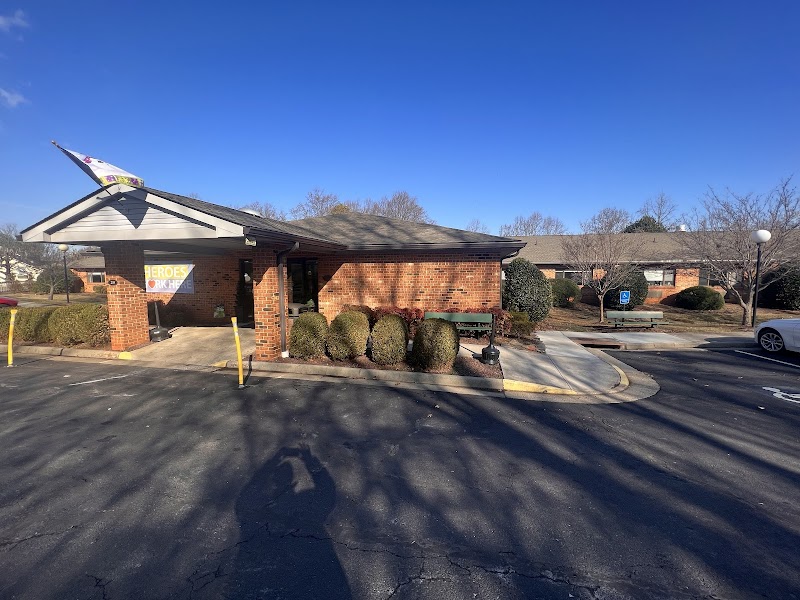
How is Appomattox Health & Rehabilitation Center Staffed?

CMS rates APPOMATTOX HEALTH & REHABILITATION CENTER's staffing level at 2 out of 5 stars, which is below average compared to other nursing homes. Staff turnover is 59%, which is 13 percentage points above the Virginia average of 46%. High turnover can affect care consistency as new staff learn residents' individual needs. RN turnover specifically is 60%, which is notably high. RNs provide skilled clinical oversight, so turnover in this role can affect medical care quality.

What Have Inspectors Found at Appomattox Health & Rehabilitation Center?

State health inspectors documented 40 deficiencies at APPOMATTOX HEALTH & REHABILITATION CENTER during 2019 to 2025. These included: 2 that caused actual resident harm and 38 with potential for harm. Deficiencies causing actual harm indicate documented cases where residents experienced negative health consequences.

Who Owns and Operates Appomattox Health & Rehabilitation Center?

APPOMATTOX HEALTH & REHABILITATION CENTER is owned by a for-profit company. For-profit facilities operate as businesses with obligations to shareholders or private owners. The facility is operated by LIFEWORKS REHAB, a chain that manages multiple nursing homes. With 60 certified beds and approximately 56 residents (about 93% occupancy), it is a smaller facility located in APPOMATTOX, Virginia.

How Does Appomattox Health & Rehabilitation Center Compare to Other Virginia Nursing Homes?

Compared to the 100 nursing homes in Virginia, APPOMATTOX HEALTH & REHABILITATION CENTER's overall rating (3 stars) is below the state average of 3.0, staff turnover (59%) is significantly higher than the state average of 46%, and health inspection rating (2 stars) is below the national benchmark.

What Should Families Ask When Visiting Appomattox Health & Rehabilitation Center?

Based on this facility's data, families visiting should ask: "How do you ensure continuity of care given staff turnover, and what is your staff retention strategy?" "Can you walk me through typical staffing levels on day, evening, and night shifts?" "Can I visit during a mealtime to observe dining assistance and food quality?" "How do you handle medical emergencies, and what is your hospital transfer rate?" These questions are particularly relevant given the facility's high staff turnover rate and the below-average staffing rating.

Is Appomattox Health & Rehabilitation Center Safe?

Based on CMS inspection data, APPOMATTOX HEALTH & REHABILITATION CENTER has a clean safety record: no substantiated abuse findings (meaning no confirmed cases of resident harm), no Immediate Jeopardy citations (the most serious violation level indicating risk of serious injury or death), and is not on the Special Focus Facility watch list (a federal program monitoring the lowest-performing 1% of nursing homes). The facility has a 3-star overall rating and ranks #100 of 100 nursing homes in Virginia. While no facility is perfect, families should still ask about staff-to-resident ratios and recent inspection results during their visit.

Do Nurses at Appomattox Health & Rehabilitation Center Stick Around?

Staff turnover at APPOMATTOX HEALTH & REHABILITATION CENTER is high. At 59%, the facility is 13 percentage points above the Virginia average of 46%. Registered Nurse turnover is particularly concerning at 60%. RNs handle complex medical decisions and coordinate care — frequent RN changes can directly impact care quality. High turnover means new staff may not know residents' individual needs, medications, or preferences. It can also be disorienting for residents, especially those with dementia who rely on familiar faces. Families should ask: What is causing the turnover? What retention programs are in place? How do you ensure care continuity during staff transitions?

Was Appomattox Health & Rehabilitation Center Ever Fined?

APPOMATTOX HEALTH & REHABILITATION CENTER has no federal fines on record. CMS issues fines when nursing homes fail to meet care standards or don't correct problems found during inspections. The absence of fines suggests the facility has either maintained compliance or corrected any issues before penalties were assessed. This is a positive indicator, though families should still review recent inspection reports for the full picture.

Is Appomattox Health & Rehabilitation Center on Any Federal Watch List?

APPOMATTOX HEALTH & REHABILITATION CENTER is not on any federal watch list. The most significant is the Special Focus Facility (SFF) program, which identifies the bottom 1% of nursing homes nationally based on persistent, serious quality problems. Not being on this list means the facility has avoided the pattern of deficiencies that triggers enhanced federal oversight. This is a positive indicator, though families should still review the facility's inspection history directly.