CHERRYDALE HEALTH & REHABILITATION CENTER
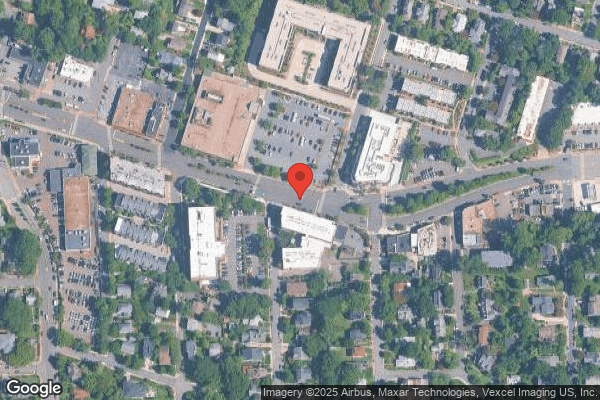
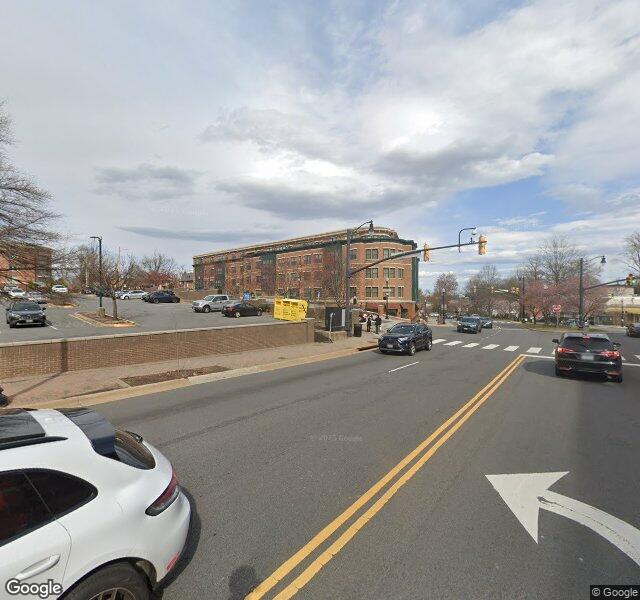
3710 LEE HIGHWAY, ARLINGTON, VA 22207 (703) 243-7640
For profit - Corporation 210 Beds LIFEWORKS REHAB Data: November 2025 1 Immediate Jeopardy citation
Trust Grade
18/100
#184 of 285 in VA
Last Inspection: April 2025

Within standard 12-15 month inspection cycle. Federal law requires annual inspections.

Overview

Cherrydale Health & Rehabilitation Center currently holds a Trust Grade of F, indicating significant concerns about its operations and care quality. It ranks #184 out of 285 facilities in Virginia, placing it in the bottom half, and is the lowest-ranked facility in Arlington County. The facility is worsening, with reported issues increasing dramatically from 3 in 2024 to 38 in 2025. Staffing is a major concern here, receiving a rating of 1 out of 5 stars, with a high turnover rate of 60%, which is above the state average of 48%. Additionally, the facility has incurred fines totaling $27,165, which is higher than 81% of Virginia facilities, suggesting ongoing compliance issues. While RN coverage is average, the quality of care has been criticized due to serious incidents, including a resident being transferred alone when their care plan required two staff members, which led to a fracture, and improper medication administration for another resident. Overall, while there are some strengths in quality measures, the numerous deficiencies and critical incidents raise serious concerns for families considering this facility.

Trust Score
F
18/100
In Virginia
#184/285
Bottom 36%
Safety Record
High Risk
Review needed
Inspections
Getting Worse
3 → 38 violations
Staff Stability
⚠ Watch
60% turnover. Above average. Higher turnover means staff may not know residents' routines.
Penalties
✓ Good
$27,165 in fines. Lower than most Virginia facilities. Relatively clean record.
Skilled Nurses
○ Average
Each resident gets 30 minutes of Registered Nurse (RN) attention daily — about average for Virginia. RNs are the most trained staff who monitor for health changes.
Violations
⚠ Watch
70 deficiencies on record. Higher than average. Multiple issues found across inspections.
★★☆☆☆
2.0
Overall Rating
★☆☆☆☆
1.0
Staff Levels
★★★★★
5.0
Care Quality
★☆☆☆☆
1.0
Inspection Score
Stable
2024: 3 issues
2025: 38 issues

The Good

  • 5-Star Quality Measures · Strong clinical quality outcomes
  • Full Sprinkler Coverage · Fire safety systems throughout facility
  • No fines on record

Facility shows strength in quality measures, fire safety.

The Bad

2-Star Overall Rating

Below Virginia average (3.0)

Below average - review inspection findings carefully

Staff Turnover: 60%

14pts above Virginia avg (46%)

Frequent staff changes - ask about care continuity

Federal Fines: $27,165

Below median ($33,413)

Moderate penalties - review what triggered them

Chain: LIFEWORKS REHAB

Part of a multi-facility chain

Ask about local staffing decisions and management

Staff turnover is elevated (60%)

12 points above Virginia average of 48%

The Ugly 70 deficiencies on record

1 life-threatening 2 actual harm
Jun 2025 12 deficiencies
CONCERN (D) 📢 Someone Reported This

A family member, employee, or ombudsman was alarmed enough to file a formal complaint

Potential for Harm - no one hurt, but risky conditions existed

Deficiency F0553 (Tag F0553)

Could have caused harm · This affected 1 resident

Based on staff interview, clinical record review, and facility documentation review, the facility failed to notify the resident and the resident's legal representative of a medication change for one o...

Read full inspector narrative →
Based on staff interview, clinical record review, and facility documentation review, the facility failed to notify the resident and the resident's legal representative of a medication change for one of twenty residents (Resident #112- R112). The findings included: On 6/24/25, during a clinical record review, it was noted that R112 was out of the facility on an extended leave of absence and was not available for interview during the survey. R112's clinical record included a power of attorney, which appointed his wife as his legal representative. According to R112's admission record/face sheet, it noted that R112's wife was his A/R [accounts receivable] guarantor, responsible party, and POA [power of attorney]- financial. The wife alleged that the facility started the resident on a muscle relaxer that she was not aware of. On 6/24/25-6/25/25, during a clinical record review it was noted that on admission, R112 was ordered cyclobenzaprine, which was a muscle relaxer, to be administered every eight hours as needed for muscle spasms. Then on 3/8/25, the order was changed to only be for fourteen days. There was no documentation within the clinical record to indicate that the initial order or the revised order dated 3/8/25, was reviewed and/or discussed with the resident or his legal representative. On 6/25/25 at 11:01 a.m., an interview was conducted with a registered nurse, who was the unit manager (RN #3). When asked to explain the process if they receive a new order from the medical provider, RN #3 explained that the nurse transcribes the order into the electronic health record. RN #3 went on to say, You can't assume the doctor told the patient, so you make sure to tell the resident the medication is starting, what it is for and contact the RP [responsible party] if the resident isn't their own RP. RN #3 further confirmed that R112's wife was his responsible party. RN #3 confirmed in the electronic health record of R112 that on 3/8/25, an order for cyclobenzaprine was received and there was no evidence that the resident or RP were made aware of the order. On 6/25/25 at 11:31 a.m., during an interview with the facility's Director of Nursing (DON), the above findings were discussed and reviewed. On 6/25/25 at 3:37 p.m., during a follow-up interview, the DON confirmed the above findings and that he had no supporting evidence that the resident and/or responsible party were made aware of the order for cyclobenzaprine. He stated that he would expect the nursing staff to review all orders and order changes with the resident and/or responsible party. On 6/25/25, the facility policy titled, General Guidelines for Medication Administration was reviewed. This policy did not address physician orders other than indicating medications are administered in accordance with physician orders. On 6/25/25 at 4:30 p.m., during an end of day meeting, the facility administrator, director of nursing and corporate nurse consultant were made aware of the above findings. On 6/26/25, the facility staff were asked to provide the survey team with the facility policy regarding physician orders or changes in plan of care. The facility supplied a policy titled, Significant Change of Condition, which did not specifically address new orders other than in the event a resident has a status change. In which case the policy read, . 3. Responsible party will be notified of a change of condition . No additional information was provided.
CONCERN (D) 📢 Someone Reported This

A family member, employee, or ombudsman was alarmed enough to file a formal complaint

Potential for Harm - no one hurt, but risky conditions existed

Deficiency F0559 (Tag F0559)

Could have caused harm · This affected 1 resident

Based on staff interview, clinical record review and facility documentation review, the facility staff failed to provide a resident with written notice and reason for a room change for one of twenty r...

Read full inspector narrative →
Based on staff interview, clinical record review and facility documentation review, the facility staff failed to provide a resident with written notice and reason for a room change for one of twenty residents (Resident #112- R112). The findings included: On 6/24/25, during a clinical record review, it was noted that R112 was on leave of absence and was not scheduled to return prior to completion of the survey, therefore he was not able to be interviewed. On 6/24/25-6/25/25, during a clinical record review, according to the census tab, R112 was admitted to a room on the fifth floor. On 3/6/25, R112's room was changed to a different room on the fifth floor. On 5/22/25 R112 was moved from the fifth floor to a room on the fourth floor. Then on 6/13/25, R112 was again moved to another room on the fourth floor. According to the nursing progress notes there were no entries dated 3/6/25, to document the room change. There was a progress note dated 3/8/25, that read in part, . notified of room change on 03/08/2025 12:00 AM. [R112's wife's name redacted] notified on 03/08/2025. Reason for change: Medical management (i.e. isolation, acuity, treatments, symptoms mgmt, etc.). [R112's wife's name redacted] consented to room change. Nursing initiated room change. SW will continue to monitor as resident adjust to his new setting. According to a progress note dated 5/22/25 at 3 p.m., the note read, Resident was moved from 512A to 423A with skin intact and stable. Another note dated 6/13/25, read, Resident alert and verbally responsive. Resident is aware of the move. Resident was moved from 423A to 412B with skin intact and stable. NP notified and called place to wife but no answer. There were no details noted to indicate the reason for the room changes, nor that the room change was provided to the resident in writing. On 6/25/25, interviews were conducted with the nurse managers on the fourth and fifth floors and admissions director, none of which were able to explain why the room change from the fifth floor to the fourth floor was performed. On 6/25/25 at 3 p.m., an interview was conducted with the social worker, who explained that the room change was for bed management. The social worker stated that R112 was notified the day prior, but confirmed she had no evidence that he was provided information in writing of the room change. On 6/25/25 at 4:30 p.m., during an end of day meeting, the facility administrator, director of nursing and corporate nurse consultant were made aware of the above findings. On 6/26/25, the facility policy titled, Room to Room Transfer was reviewed. The policy read, The center will complete the transfer of a patient to a different room efficiently and without incident for the patient. Procedure: 1. Nursing will notify the Social Services Department of room change requests. 2. The Social Services Department will initiate appropriate documents, notify patient(s) and/or responsible parties, and obtain signatures as indicated. 3. The Interdisciplinary Team will work collaboratively to ensure all room transfers are handled efficiently. 4. Ensure all medical records are transferred appropriately. 5. Transfer all patient's belongings. 6. Orient patient to new room and location in the center. 7. Introduce patient to new roommate, if applicable. No additional information was provided.
CONCERN (D) 📢 Someone Reported This

A family member, employee, or ombudsman was alarmed enough to file a formal complaint

Potential for Harm - no one hurt, but risky conditions existed

Deficiency F0561 (Tag F0561)

Could have caused harm · This affected 1 resident

Based on observation, resident interview, staff interview, clinical record review and facility documentation the facility staff failed to ensure that one resident (Resident #102) out of a survey sampl...

Read full inspector narrative →
Based on observation, resident interview, staff interview, clinical record review and facility documentation the facility staff failed to ensure that one resident (Resident #102) out of a survey sample of 20 residents, was treated with respect and dignity by performing personal grooming without the resident's consent. The findings included: The facility staff shaved off Resident #102's full beard without first obtaining permission. On 6/24/25 at 11:30 a.m., during the initial tour of unit four of the facility an observation was made of Resident #102 standing at the nurse's station very upset about his beard being shaved off this morning. Resident #102 was observed with a redness and razor burn appearance to his face. Resident #102 had beard hair that was still on his neck area. He was very anxious and pacing on the unit. Resident #102 was saying that something needs to be done now for this hurting and burning on my face. On 6/24/25 at 11:35 a.m., an interview was conducted with Resident #102. Resident #102 said, I was anxious to be getting a shower and when in the shower room the girl just started shaving my mustache first then my beard. I was trying to stop her, but she just kept going and shaving my beard. I only have use of one arm and was unable to push her away, but I was going to try. Resident #102 was upset about his beard being shaved and said, I hope they will let it grow back. On 6/24/25 at 11:40 a.m., an interview was conducted with a certified nursing assistant, CNA#3. CNA#3 stated that Resident #102 was just shaved, and his face just became that red. She stated that she applied aftershave lotion after he was shaved. On 6/24/25 at 11:45 a.m., an interview was conducted with a licensed practical nurse, LPN#6. LPN#6 said, [Resident #102's name was redacted] family wanted his beard shaved off and hair trimmed. His sister had trimmed his beard and then requested it to be shaved off. On 6/25/25 at 1:45 p.m., an interview was conducted with Resident 102's sister. She was visiting with her brother today and agreed to answer some questions about his care. Resident 102's sister said, I never asked anyone to shave his beard. He has had that beard a very long time. I asked the staff here if they would make sure to clean his beard and so no food would be in his beard after he ate his meals. She stated Resident 102 was upset about the beard being shaved off because he has had it for a long time. On 6/25/25 at 2:30 p.m., a clinical record review was conducted. There was no documentation of consent or refusal noted for shaving Resident 102's beard, and his care plan was not updated to reflect the resident's grooming preferences. The nurse practitioner saw Resident 102 the day he was shaven. She ordered hydrocortisone cream to be applied to his razor burn on his face. On 6/25/25 at 3:00 p.m., a review of facility documentation was conducted. The facility document titled, Resident Rights Annual Review, read in part, .be treated with consideration, respect, and full recognition of his/her dignity and individuality, including privacy in treatment and in care for his/her personal needs. On 6/25/25 at 4:30 p.m., an end of day meeting was held with the administrator and regional nurse consultant. They were informed of the above concerns. No additional information was provided prior to the exit conference.
CONCERN (D) 📢 Someone Reported This

A family member, employee, or ombudsman was alarmed enough to file a formal complaint

Potential for Harm - no one hurt, but risky conditions existed

Quality of Care (Tag F0684)

Could have caused harm · This affected 1 resident

Based on resident interviews, staff interview, clinical record review, and facility documentation review, the facility staff failed to administer medications to one of twenty residents (Resident #111-...

Read full inspector narrative →
Based on resident interviews, staff interview, clinical record review, and facility documentation review, the facility staff failed to administer medications to one of twenty residents (Resident #111- R111). The findings included: On 6/24/25 at 12:45 p.m., while in the dining room, R111 reported, I've never been in a facility that runs out of medications like this one, and runs out of pain medicine so often, why do they have such a problem getting meds to the patients? On 6/25/25, a clinical record review was conducted of R111's chart. According to the physician orders, R111 had orders that included, but were not limited to, Atorvastatin Calcium 40 mg tablet, that was to be given at bedtime daily and Apixaban 5 mg tablet that was to be administered every 12 hours. According to R111's medication administration record (MAR) on 6/19/25, the scheduled administration for 9 p.m., was blank with no indication that the medications were administered. R111's chart had no progress notes dated 6/19/25, that addressed why the medications were not administered. R111's chart contained no progress notes dated 6/19/25, to explain why medications were not administered. According to the census tab and progress notes, there was no indication that R111 was not at the facility at the time of scheduled administration. On 6/25/25 at 2:15 p.m., an interview was conducted with a registered nurse, who was the unit manager (RN #3). RN #3 explained that when medications are given, they are signed off on the MAR. RN #3 accessed R111's MAR and confirmed the above findings and stated that she can't say that R111 received the medications as ordered and the nurse that was assigned to R111 on the evening of 6/19/25, was an agency nurse that no longer works at the facility. RN #3 added, If it is not documented, it was not done. When asked what the importance of residents receiving their medications as ordered is, RN #3 said, Because they need it and you don't want them to have a heart attack or make them sicker. You don't want them to have adverse actions from not receiving medications for their condition. On 6/25/25 at 3:37 p.m., an interview was conducted with the facility's director of nursing (DON). The DON stated that he expects staff to sign off on medications following the administration. When asked what a blank on the MAR indicates, he stated that They didn't give or accidentally didn't sign off. If we see a blank hole we should call and address, it. The DON was informed of the above findings and reviewed R111's MAR and confirmed the above findings. He stated he had no evidence that R111 received the medications as ordered by the provider on the evening of 6/19/25. The facility policy titled, General Guidelines for Medication Administration with an effective date of 09/2018, was reviewed. The policy read in part, .IV. Documentation (including electronic). 1. The individual who administers the medication dose records the administration on the resident's MAR directly after the medication is given. At the end of each medication pass, the person administering the medications reviews the MAR to ensure that necessary doses were administered and documented. In no case should the individual who administered the medication report off-duty without first recording the administration of any medications . On 6/25/25 at 4:30 p.m., during an end of day meeting, the facility administrator, DON and corporate nurse consultant were made aware of the above findings. No additional information was provided.
CONCERN (D) 📢 Someone Reported This

A family member, employee, or ombudsman was alarmed enough to file a formal complaint

Potential for Harm - no one hurt, but risky conditions existed

Pharmacy Services (Tag F0755)

Could have caused harm · This affected 1 resident

Based on resident interviews, staff interviews, clinical record review, and facility documentation review, the facility staff failed to ensure medications were available for administration to one of t...

Read full inspector narrative →
Based on resident interviews, staff interviews, clinical record review, and facility documentation review, the facility staff failed to ensure medications were available for administration to one of twenty residents (Resident #111- R111). The findings included: On 6/24/25 at 12:45 p.m., while in the dining room, R111 reported, I've never been in a facility that runs out of medications like this one, and runs out of pain medicine so often, why do they have such a problem getting meds to the patients? On 6/25/25, a clinical record review was conducted of R111's chart. According to the physician orders, R111 had orders that included, but were not limited to, Fluticasone Propionate Suspension to be administered with two sprays in each nostril in the morning. According to R111's medication administration record (MAR) on 6/21/25, the scheduled administration for 9 a.m., was noted with a 9, which according to the chart code legend indicated, Other/See progress notes. According to the progress note dated 6/21/25, it read, on order. On 6/25/25 at 2:15 p.m., an interview was conducted with a registered nurse, who was the unit manager (RN #3). RN #3 accessed R111's MAR and progress notes confirming that the resident did not receive the nasal spray as ordered due to it not being available. RN #3 explained the importance of residents receiving their medications as ordered is, RN #3 said, Because they need it and you don't want them to have a heart attack or make them sicker. You don't want them to have adverse actions from not receiving medications for their condition. RN #3 also explained that when a nurse notices the supply is low, should be ordering the medications to prevent them from running out and so they are available for administration as ordered. On 6/25/25 at 3:37 p.m., an interview was conducted with the facility's director of nursing (DON). The DON stated that he expects staff to follow the policy on when medications are not available and the resident and family should be informed that the medication was not available as well as the provider. The DON was informed of the above findings and reviewed R111's MAR and confirmed the above finding. The facility policy titled, Medication Unavailability with an effective date of 1/29/2024, was reviewed. The policy read, .A licensed nurse discovering a mediation on order that is unavailable will initiate appropriate steps to ensu8re medical treatment is provided as ordered. Procedure: 1. A licensed nurse will notify the provider of the unavailability of medication and discuss an alternative order, if necessary. 2. If alternate medication is ordered and is not available, the licensed nurse will activate the backup pharmacy process and procedures. 3. A licensed nurse will documentation notification to the provider of the unavailability in the medical record. 4. A licensed nurse will notify the responsible party of any new orders and document notification in the medical record. On 6/25/25 at 4:30 p.m., during an end of day meeting, the facility administrator, DON and corporate nurse consultant were made aware of the above findings. No additional information was provided.
CONCERN (E) 📢 Someone Reported This

A family member, employee, or ombudsman was alarmed enough to file a formal complaint

Potential for Harm - no one hurt, but risky conditions existed

Menu Adequacy (Tag F0803)

Could have caused harm · This affected multiple residents

Based on observation, staff interview and facility documentation review, the facility staff failed to prepare and serve meals in accordance with the menu, affecting residents on four of four units. T...

Read full inspector narrative →
Based on observation, staff interview and facility documentation review, the facility staff failed to prepare and serve meals in accordance with the menu, affecting residents on four of four units. The findings included: For the lunch meal on 6/24/25, the facility staff failed to prepare the dessert on the menu. On 6/24/25 at 11:25 a.m., observations were conducted in the main kitchen. The facility dietary staff were observed preparing food to take to the steam table on each unit to distribute. On 6/24/25 at 12:31 p.m., the food arrived in the fifth-floor dining room accompanied by a dietary aide and the dietary manager. The entire meal service of residents on the fifth floor was observed and it was noted that each resident's meal ticket displayed that an apple crisp was the dessert being served. However, residents were served mixed fruit instead. The dietary manager was observed to compare each plate served in the dining room and permitted the plates to be served with no apple crisp served. On 6/24/25 at approximately 1 p.m., the dietary manager was asked about the apple crisp and showed a meal ticket, he said, I will have to check on that when I go back downstairs [referring to the kitchen]. At approximately 1:20 p.m., the dietary manager confirmed that the cook did not prepare the dessert apple crisp due to a call out and he ran out of time. According to the facility menu, the lunch meal was to include apple crisp. According to the facility policy titled, Menus with a revision date of October 2019, it read in part, . 6. Menus are served as written, unless changed in response to preference, unavailability of an item, or special meal. On 6/25/25, during an end of day meeting, the facility administrator and director of nursing were made aware of the above concerns. No additional information was provided.
CONCERN (E) 📢 Someone Reported This

A family member, employee, or ombudsman was alarmed enough to file a formal complaint

Potential for Harm - no one hurt, but risky conditions existed

Deficiency F0804 (Tag F0804)

Could have caused harm · This affected multiple residents

Based on observation, staff interview and facility documentation review, the facility staff failed to prepare and serve food at an appetizing/palatable temperature on one of four units. The findings ...

Read full inspector narrative →
Based on observation, staff interview and facility documentation review, the facility staff failed to prepare and serve food at an appetizing/palatable temperature on one of four units. The findings included: On the fifth floor the facility staff failed to serve food at a palatable temperature. On 6/24/25 observations were conducted of the noon meal. On 6/24/25 at 11:25 a.m., observations in the main kitchen revealed the staff transferring pans of food to insulated transport boxes to be distributed to each unit. On 6/24/25 at 12 noon, observations on the fifth-floor dining room revealed tray racks that had food trays with plate/pellet bottoms on each tray. On 6/24/25 at 12:31 p.m., the food arrived in the fifth-floor dining room. The dietary aide removed the food from the insulated transport box and placed the pans of food into the steam table. The dietary manager obtained temperatures of the food items which were as follows (all temperatures recorded in Fahrenheit): green beans 197 degrees, macaroni/pasta 143.9 degrees, chicken 148 degrees, pureed chicken 119 degrees, pureed potatoes 146 degrees, pureed macaroni 145 degrees, mechanical soft chicken 150 degrees and pureed green beans 156 degrees. The temperature was not taken of garden salads covered in saran wrap that were sitting on an open to air tray, without any mechanism to maintain a chilled temperature. Staff distributed food to residents in the dining room and then began putting prepared plates onto the plate/pellet bottoms on the trays for distribution to resident rooms. On 6/24/25, during the lunch meal, interviews were conducted with Resident #111, Resident #123, and Resident #124, all expressed concerns that the food is not usually warm when received. On 6/24/25 at 1:10 p.m., the last resident meal tray was placed on a cart, which also included a test tray, which was being distributed to residents on the unit. On 6/24/25 at 1:21 p.m., the last resident was served their tray, at which time the dietary manager began taking temperatures of each food item on the test tray with the surveyor observing. The chicken measured 127.7 degrees, green beans 115 degrees, macaroni and cheese 120 degrees, milk 44 degrees, fruit cocktail 79.5 degrees and tea 74.1 degrees. The dietary manager and surveyor sampled each food item, and the dietary manager stated the chicken was lukewarm and dry, green beans were bland and should be hotter, the macaroni and cheese was bland and barely had any warmth. The fruit cocktail was described by the dietary manager as not cool. The tea was at room temperature and had no ice. The dietary manager confirmed that the food was not palatable. According to the facility policy titled, Meal Distribution with a revision date of October 2019, it read, . 2. The Dining Services Director will ensure that all food items are transported promptly for appropriate temperature maintenance On 6/25/25 at 4:30 p.m., during an end of day meeting, the facility administrator and director of nursing were made aware of the above findings. No additional information was provided.
CONCERN (E) 📢 Someone Reported This

A family member, employee, or ombudsman was alarmed enough to file a formal complaint

Potential for Harm - no one hurt, but risky conditions existed

Deficiency F0806 (Tag F0806)

Could have caused harm · This affected multiple residents

3. Resident #103's lunch was supposed to be grilled chicken salad and milk for his beverage and was not served according to his preferences on his meal ticket. On 6/24/25 at 12:45 p.m., an observation...

Read full inspector narrative →
3. Resident #103's lunch was supposed to be grilled chicken salad and milk for his beverage and was not served according to his preferences on his meal ticket. On 6/24/25 at 12:45 p.m., an observation was conducted with residents' meal trays in the resident's room. Resident #103 was being served lunch in his room and had requested a grilled chicken salad for lunch. His meal ticket had grilled chicken salad, crackers, apple crisp, tea and milk, and there was no apple crisp, grilled chicken or milk on his lunch tray. On 6/24/25 at 1:00 p.m., an interview was conducted with Resident #103. He stated that it was many times that he did not receive what was on his meal tickets. Resident #103 said, When I request the salads most of the time the meat that is supposed to be on the salad isn't there, sometimes they bring it and sometimes not. He stated it was supposed to be apple crisp with lunch today and there was none. Resident #103 requested milk with his meals and stated milk was very seldom on his meal tray. On 6/24/25 at 1:15 p.m., an interview was conducted with the dietary aide (OS12). She stated that the meal ticket had what the residents liked and disliked and whatever is listed on the meal ticket was supposed to be served to the residents. OS12 stated that the aides in the dining room were to serve the beverages, should read the ticket, and was to serve everything on the ticket. On 6/25/25 at 2:30 p.m., a facility document was reviewed. The document was titled, Dining and Food Preferences, read in part, .the individual tray assembly ticket will identify allergies, food and beverage preferences or special request, and adaptive equipment as appropriate. On 6/25/25 at 4:30 p.m., an end of day meeting was held with the administrator and regional nurse consultant. They were informed of the above concerns. No additional information was provided prior to the exit conference. Based on observation, resident interview, staff interview, and facility documentation review, the facility staff failed to serve meals in accordance with resident's meals preferences for five of twenty residents (Resident #111-R111, Resident #124- R124, Resident #125- R125, Resident #121- R121, and Resident #103-R103). The findings included: 1. For R111 R124, and R125, the facility staff failed to provide milk in accordance with the residents' preference. On 6/24/25 at 12:50 p.m., R111 was served her lunch meal in the dining room and her beverages consisted of one cup of tea. According to the resident's meal ticket, it read, 2. For five of eight residents eating lunch in the eating in the fifth-floor dining room, the facility failed to serve beverages in accordance with meal tickets to maintain proper hydration (Resident #111 (R111), Resident #123 (R123), Resident #124 (R124), Resident #125 (R125), and Resident #126 (R126). On 6/24/25 at 12:40 p.m., observations were conducted of the lunch meal service in the fifth-floor dining room. There were eight residents eating lunch in the dining room and four had milk listed on their meal ticket to be served. Neither of the three residents, Resident #111 (R111), Resident #124 (R124), or Resident #125 (R125), were provided with milk. On 6/24/25 at 12:45 p.m., an interview was conducted with R111. The resident reported that she can't drink tea, it makes me sick. I need milk, I'm supposed to have 8 ounces of whole milk once a day, it would be a miracle if I get it. I don't know what the problem is, why they have no juice, ice water, or anything other than tea with meals. According to resident #111's meal ticket it read, . NO ICED TEA. Listed as the items the resident was to receive was 2% milk- 8 oz, hot coffee or hot tea- 8 oz, neither of which were provided. On 6/24/25 at approximately 1 p.m., the dietary manager was approached and asked about the lack of milk provided to residents eating in the dining room and was shown Resident #111's meal ticket that said no iced tea and to serve milk and hot coffee or hot tea. He immediately began asking the certified nursing assistants who had provided the resident her tray and why she didn't receive the milk as per the meal ticket. After a few minutes and him stating he would take care of it moving forward, the surveyor had to ask if resident #111 could be given a cup of milk so that she had some form of beverage to consume with her meal. The dietary manager began telling the surveyor that he wanted to change the dining process so that the dietary staff handled all the food service to include the beverages so that they could ensure accuracy versus nursing providing the beverages. Following the surveyor having to ask, a certified nursing assistant then poured and provided resident #111 with a cup of milk. On 6/24/25, in the afternoon, an interview was conducted with the registered dietician (RD). The RD reported that she had been on-site since the prior survey and had conducted interviews with residents to obtain food/meal preferences and completed forms for each resident. The RD provided the surveyor with a binder containing the resident preference forms. Review of this revealed that R111 had no preference form on file, which the RD confirmed. The RD did provide the surveyor with a printout of the meal tracker form and said, I didn't find a preference form, but this has preferences listed. The meal tracker form for R111 read, NO FISH, NO ICED TEA. According to R124's meal ticket, he was to receive 2% milk- 8 oz, and eight ounces of iced tea. R124 only received tea with no ice. According to R124's Food Preferences Interview, which was not dated, the resident was to receive iced tea and milk with lunch daily. R125's meal ticket read in part, . Milk with every meal 2% milk- 8 oz, hot coffee or hot tea- 8 oz. R125 was served one cup of tea with her meal. During an interview with R125 when asked about the meals and beverages, the resident said, I don't get any milk or coffee, we get tea, that's it. You never get what's on the ticket, that's why I ask for a salad, I can't go wrong with a chef salad. R125's Food Preference Interview dated 6/18/25, indicated she was to receive milk at all meals. According to the meal tracker diet information it listed Milk with every meal. 2. For R121, whose preference was to receive oatmeal, the facility staff failed to provide it. On 6/25/25 at 10:05 a.m., an interview was conducted with R121. R121 was in bed and while conversing with the surveyor, a staff member entered the room and provided R121 with his breakfast tray. The certified nursing assistant delivering R121's tray reported that he liked to sleep late in the mornings, so she will heat his breakfast tray and provide it once he awakens. With R121's permission the surveyor reviewed the meal ticket and compared it to the tray contents. R121 received cheerios cereal, and the meal ticket indicated he was to have received oatmeal. When asked, R121 said, I would like to have oatmeal. On 6/25/25 at approximately 10:10 a.m., the surveyor asked the unit manager, who was a registered nurse (RN #1) to accompany her to R121's room. When asked about the cold cereal versus the oatmeal, RN #1 said, If oatmeal is on his ticket, he should have received oatmeal. The resident again confirmed he would like oatmeal. RN #1 returned to her office and called the kitchen via telephone but with no response. RN #1 then went downstairs to the kitchen. Upon her return, RN #1 stated, They do have oatmeal but was able to give no reason why R121 had not received the oatmeal in accordance with his meal ticket and preference. The facility policy titled, Dining and Food Preferences with a revision date of October 2019, was reviewed. The policy read in part, . 2. The Dining Services Director or designee will interview the resident or resident representative to complete a Food Preference Interview within 48 hours of admission. The purpose of identifying individual preferences for dining location, mealtimes, including times outside of the routine schedule, food, and beverage preferences. 3. The food preference interview will be entered into the medical record. 4. Food allergies, food intolerance, food dislikes, and food and fluid preferences will be entered into the resident profile in the menu management software system. 5. The Registered Dietitian/Nutritionist (RDN) or other clinically qualified nutrition professional will review, and after consultation with the resident, adjust the individual meal plan to insure adequate fluid volume and appropriate nutritional content for residents that do not consume certain foods or food groups . On 6/25/25, during an end of day meeting, the facility administrator and director of nursing were made aware of the above findings. No additional information was provided.
CONCERN (E) 📢 Someone Reported This

A family member, employee, or ombudsman was alarmed enough to file a formal complaint

Potential for Harm - no one hurt, but risky conditions existed

Deficiency F0807 (Tag F0807)

Could have caused harm · This affected multiple residents

Based on observations, resident interview, staff interview, clinical record review and facility documentation review the facility staff failed to provide beverages to include, but not limited to milk,...

Read full inspector narrative →
Based on observations, resident interview, staff interview, clinical record review and facility documentation review the facility staff failed to provide beverages to include, but not limited to milk, in accordance with meal tickets to maintain resident hydration for multiple residents on two units out of four units (Unit 4 and Unit 5). The findings included: 1. The facility staff failed to serve milk according to the planned menu for Resident #102, Resident #128, Resident #129 and Resident #130. On 6/24/25 at 12:40 p.m., an observation was made of the lunch meal being served in the dining room on Unit 4. There were approximately 15 residents in the dining room for lunch. The residents were served their meals and four of the residents, Resident #102, Resident #128, Resident #129 and Resident #130 were not served their milk according to their menu. There was a gallon of 2% milk available to be served to the residents in the dining room. On 6/24/25 at 1:00 p.m., Resident #129 said, I like my milk. He asked a staff member for milk and was never served the milk during the lunch meal. On 6/24/25 at 1:15 p.m., an interview was conducted with the dietary aide (OS12). She stated that the meal ticket had what the residents liked and disliked and whatever is listed on the meal ticket was supposed to be served to the residents. OS12 stated that the aides in the dining room were to serve the beverages, should read the ticket, and was to serve everything on the ticket. On 6/24/25 at 1:28 p.m., Resident 102 said, I like milk anytime, but I don't get my milk. I am in my 70's and I need that extra calcium. He was not served milk during the lunch meal. On 6/24/25 at 1:30 p.m., Resident #128 said, I like milk. Her ticket had Lactaid milk, and this milk was not available in the dining room for her to be served. On 6/24/25 at 1:35 p.m., Resident #130 said, I like milk with my coffee and my cereal in the mornings. He was not served any milk during the lunch meal. On 6/25/25 at 2:30 p.m., a facility document was reviewed. The document was titled, Dining and Food Preferences, read in part, .the individual tray assembly ticket will identify allergies, food and beverage preferences or special request, and adaptive equipment as appropriate. On 6/25/25 at 4:30 p.m., an end of day meeting was held with the administrator and regional nurse consultant. They were informed of the above concerns. No additional information was provided prior to the exit conference. 2. For five of eight residents eating lunch in the eating in the fifth-floor dining room, the facility failed to serve beverages in accordance with meal tickets to maintain proper hydration (Resident #111 (R111), Resident #123 (R123), Resident #124 (R124), Resident #125 (R125), and Resident #126 (R126). On 6/24/25 at 12:40 p.m., observations were conducted of the lunch meal service in the fifth-floor dining room. There were eight residents eating lunch in the dining room and four had milk listed on their meal ticket to be served. Neither of the three residents, Resident #111 (R111), Resident #124 (R124), or Resident #125 (R125), were provided with milk. On 6/24/25 at 12:45 p.m., an interview was conducted with R111. The resident reported that she can't drink tea, it makes me sick. I need milk, I'm supposed to have 8 ounces of whole milk once a day, it would be a miracle if I get it. I don't know what the problem is, why they have no juice, ice water, or anything other than tea with meals. According to resident #111's meal ticket it read, . NO ICED TEA. Listed as the items the resident was to receive was 2% milk- 8 oz, hot coffee or hot tea- 8 oz, neither of which were provided. According to R124's meal ticket, he was to receive 2% milk- 8 oz, and eight ounces of iced tea. R124 only received tea with no ice. R125's meal ticket read in part, . Milk with every meal 2% milk- 8 oz, hot coffee or hot tea- 8 oz. R125 was served one cup of tea with her meal. During an interview with R125 when asked about the meals and beverages, the resident said, I don't get any milk or coffee, we get tea, that's it. You never get what's on the ticket, that's why I ask for a salad, I can't go wrong with a chef salad. On 6/24/25 at approximately 1 p.m., the dietary manager was approached and asked about the lack of milk provided to residents eating in the dining room and was shown Resident #111's meal ticket that said no iced tea and to serve milk and hot coffee or hot tea. He immediately began asking the certified nursing assistants who had provided the resident her tray and why she didn't receive the milk as per the meal ticket. After a few minutes and him stating he would take care of it moving forward, the surveyor had to ask if resident #111 could be given a cup of milk so that she had some form of beverage to consume with her meal. The dietary manager began telling the surveyor that he wanted to change the dining process so that the dietary staff handled all of the food service to include the beverages so that they could ensure accuracy versus nursing providing the beverages. Following the surveyor having to ask, a certified nursing assistant then poured and provided resident #111 with a cup of milk. Resident #123's meal ticket indicated she was to have received eight ounces of hot coffee or hot tea and listed coffee a second time in the quantity of eight ounces. R123 only received a cup of tea with her meal. Resident #126 was supposed to receive 8 oz of milk and 8 oz of hot coffee or hot tea with her lunch meal. R126 was only provided with one small cup of milk. The facility policy titled, Dining and Food Preferences with a revision date of October 2019, was reviewed. The policy read in part, . 5. The Registered Dietitian/Nutritionist (RDN) or other clinically qualified nutrition professional will review, and after consultation with the resident, adjust the individual meal plan to insure adequate fluid volume and appropriate nutritional content for residents that do not consume certain foods or food groups . On 6/25/25, during an end of day meeting, the facility administrator and director of nursing were made aware of the above findings. No additional information was provided.
CONCERN (E) 📢 Someone Reported This

A family member, employee, or ombudsman was alarmed enough to file a formal complaint

Potential for Harm - no one hurt, but risky conditions existed

Food Safety (Tag F0812)

Could have caused harm · This affected multiple residents

**NOTE- TERMS IN BRACKETS HAVE BEEN EDITED TO PROTECT CONFIDENTIALITY** Based on observation, staff interview, and facility documentation review, the facility staff failed to store, prepare and distri...

Read full inspector narrative →
**NOTE- TERMS IN BRACKETS HAVE BEEN EDITED TO PROTECT CONFIDENTIALITY** Based on observation, staff interview, and facility documentation review, the facility staff failed to store, prepare and distribute food in a sanitary manner in accordance with food service safety standards in the main kitchen. The findings included: In the main kitchen the facility staff failed to label food and store in a way to prevent contamination and to protect the integrity of the food. On 6/24/25 at 11:25 a.m., a tour of the main kitchen was conducted with the dietary manager in attendance. In the walk-in cooler there was a bag of green peas that had been opened and was not labeled with the open date or use by date. There was also a full case of green peas that the bag was open to air. The dietary manager was asked about the storage of opened items and stated, I had cases for each meal, they put that little bit back, I will have to ask why, we don't use partial cases because we have 200 residents. I would expect the bags to be tied up and the box closed. When asked about the date of open items, the dietary manager said, The date is important to know if they rotated it. Also in the walk-in freezer was a silver pan with saran wrap on top that was not covering the entire surface area, leaving the food exposed. The contents had ice build-up on the food. The dietary manager identified the food as turkey meatloaf and said, I will throw that out. There was a bag of bread dough that the dietary manager identified as Caribbean bread, which had a hole in the bag exposing the contents. There was a bag of four fish filets that were open to air, no label to identify the contents, when opened or to be used by and the dietary manager said was [NAME] and was opened two days ago when we served [NAME], it should have been wrapped up. There was a box of sausage patties that had a hole in the bag leaving the contents exposed. The case of bacon was open, the box was not closed, and the contents were easily seen and exposed and had no identification when it was opened or to be used by. In the stand-alone coolers there were three plates of garden salads that had no label to indicate when it was prepared or to be used by. There were three pitchers of a red liquid that had no dates or label to indicate the contents. The dietary manager stated it was juice that had been prepared for the meal. Review of the facility policy titled, Food Storage: Cold with a revision date of October 2019, was conducted. This policy read in part, . 5. The Dining Services Director/Cook(s) insures that all food items are stored properly in covered containers, labeled and dated and arranged in a manner to prevent cross contamination. The CFR [Federal code] read, 3-305.11 Food Storage .D. A date marking system that meets the criteria . (2) Marking the date or day of preparation, with a procedure to discard the food on or before the last date or day by which the food must be consumed on the premises, sold, or discarded . According to the 2017 Food Code published by the U.S. Public Health Service, FDA U.S. Food & Drug Administration chapter 3, section 3-302.15, page 64 stated: Package Integrity. Food packages shall be in good condition and protect the integrity of the contents so that the food is not exposed to adulteration or potential contaminants. On 6/25/25, during an end of day meeting the above findings were shared with the facility administrator and director of nursing. No additional information was provided. 2. The facility staff were stacking stainless steel pans and meal trays wet, which had the potential for bacteria growth. On 6/24/25 at 11:45 a.m., observations within the dish room were conducted which revealed a stack of stainless-steel sheet pans. The dietary manager removed several of the pans which were noted to have standing water and moisture. There were also stacks of meal trays and observation revealed they were also stacked wet and had significant food residue on them. When asked the dietary manager stated that stacking wet/wet nesting can cause bacteria to grow. According to the 2017 Food Code published by the U.S. Public Health Service, FDA U.S. Food & Drug Administration chapter 4, section 4-901.11, titled Equipment and Utensils, Air-Drying Required pages 151-152 stated: After cleaning and sanitizing, equipment, and utensils: (A) Shall be air-dried or used after adequate draining as specified in the first paragraph of 40 CFR 180.940 Tolerance exemptions for active and inert ingredients for use in antimicrobial formulations (food-contact surface sanitizing solutions), before contact with food; and (B) May not be cloth dried except that utensils that have been air-dried may be polished with cloths that are maintained clean and dry. According to the facility policy with a revision date of October 2019, which was titled, Ware Washing, which read in part, 1. The Dining Services Director insures that the nutrition service staff is knowledgeable in proper technique for processing dirty dishware to clean through the dish machine and proper handling of sanitized dish ware . 4. The Dining Services Director ensures that all dishware is air dried and properly stored. On 6/25/25, during an end of day meeting the above findings were shared with the facility administrator and director of nursing. No additional information was provided.
CONCERN (E) 📢 Someone Reported This

A family member, employee, or ombudsman was alarmed enough to file a formal complaint

Potential for Harm - no one hurt, but risky conditions existed

Infection Control (Tag F0880)

Could have caused harm · This affected multiple residents

Based on observations, staff interview, resident interview, clinical record review and facility document review the facility staff failed to ensure staff followed proper infection control practices to...

Read full inspector narrative →
Based on observations, staff interview, resident interview, clinical record review and facility document review the facility staff failed to ensure staff followed proper infection control practices to include hand hygiene and handling of table linens to prevent contamination during meal service on two of four units ( Unit 4 and Unit 5) and failed to wear the proper personal protective equipment (PPE) for enhanced barrier precautions for Resident #108. The findings included: 1. The facility staff failed to change gloves between tasks and placed clean table linens on the floor before use in the dining room on Unit 4. On 6/24/25 at 12 noon, observations were conducted of the lunch meal service in the fifth-floor dining room. Facility staff were observed wearing gloves to prepare the beverages for resident's trays and while handling and distributing meals to residents in the dining room. The surveyor observed the dietary manager go to the handwashing sink but then leave the dining room. Because the surveyor was going to be observing food temperatures, the plating of food and partaking in a test tray, the surveyor also went to the hand washing sink in the dining room to wash her hands and noted that the soap dispenser was not working. When the dietary manager was asked about a handwashing location, he directed her to a staff area on the unit. Throughout the entire meal service of residents in the dining room, certified nursing assistants were wearing gloves, to distribute food and beverages, touching multiple surfaces and at no point performing any hand hygiene or changing of gloves. On 6/24/25 at 12:15 p.m., an observation was made in the dining room on Unit 4 during the lunch meal. During the entire meal service, the certified nursing assistants were wearing gloves to serve food and beverages, touching multiple surfaces without changing gloves or performing hand hygiene. One aide was observed placing a bag of clean table linens on the floor before placing them on the tables. On two tables she placed the table linens on the table after the tablecloth had touched the floor. On 6/24/25 an interview was conducted with a certified nursing assistant, CNA#3. When asked about wearing of the same gloves in the dining room during the lunch meal CNA#3 said, hand sanitizer not in the dining area yet and with the silver wear we should take gloves off to do that. It contaminates if you wear the same gloves and don't wash your hands. On 6/24/25 at 12:30 p.m., an interview was conducted with CNA#4 When asked about the clean table linen being placed on the floor in the dining room CNA#4 said, table clothes should not have been on floor or touched the floor causes cross contamination, I wear gloves to help with germs but not helping with germs when touching everything with same gloves. On 6/25/25 at 10:00 a.m., a review of facility document was conducted. The document titled, Standard Precautions, read in part, .change gloves between tasks and procedures. Perform hand hygiene upon removing gloves. Handle, transport and process used linen in a manner that prevents contamination of clothing and avoids transfer of microorganisms to other patients. On 6/25/25 at 4:30 p.m., an end of day meeting was held with the administrator and regional nurse consultant. They were informed of the above concerns. No additional information was provided prior to the exit conference. 2. For Resident #108 (R108), who was on enhanced barrier precautions, the facility staff failed to wear appropriate personal protective equipment (PPE) prior to providing direct care. On 6/24/25 at 12:18 p.m., during observations on the resident care unit, it was noted that R108's room had a sign outside the door that stated enhanced barrier precautions and staff were to wear an isolation gown and gloves during any high-contact activity. A staff member (other employee #7-OE#7) was observed in the room providing care/range of motion to the resident's legs/feet and then moved to his upper body, hands/arms and was noted to be only wearing gloves. On 6/24/25 at 12:30 p.m., the staff member OE #7 exited R108's room. OE #7 was interviewed by the surveyor and stated she was with the therapy department and was providing passive range of motion on his lower extremities and upper extremities, performed wrist and fingers range of motion, ankle pumps, and hip flexion. When asked why she wasn't wearing the proper PPE, OE #7 said, He has PPE precautions? I didn't see a sign. Usually, I have on all my stuff. When asked why it is important to wear PPE during care, OE #7 said, To keep any kind of infection from spreading and it has to stay in the room. OE #7 accompanied the surveyor back to R108's room and confirmed the signage for enhanced barrier precautions being present and a bin of PPE outside the room door. On 6/24/25-6/25/25, a clinical record review was conducted of R108's medical record. This review revealed that R108 had a physician order dated 6/24/25 that read, Enhanced barrier precaution r/t [related to] to enteral feeding and wounds. The facility policy titled, Enhanced Barrier Precautions (EBPs) with an effective date of 3/26/24, was reviewed. The policy read in part, Employees providing high-contact patient care activities will follow Enhanced Barrier Precautions (EBPs) for patients who meet the criteria . 3. EBPs require the use of gown and gloves by staff during high-contact patient care activities as defined below: a. Dressing, b. Bathing/showering, c. Transferring, d. Changing linens, e. Providing hygiene, f. Changing briefs or assisting with toileting, g. device care or use, h. wound care for chronic wounds. 4. Post Enhanced Barrier Precaution signage on wall outside the patient room. 5. Ensure PPE is available . On 6/25/25, during an end of day meeting, the facility administrator and director of nursing were made aware of the above findings. No additional information was provided.
CONCERN (E) 📢 Someone Reported This

A family member, employee, or ombudsman was alarmed enough to file a formal complaint

Potential for Harm - no one hurt, but risky conditions existed

Deficiency F0925 (Tag F0925)

Could have caused harm · This affected multiple residents

Based on observation, resident interview, staff interview, and facility documentation review, the facility failed to maintain an effective pest control program affecting four of four resident units. ...

Read full inspector narrative →
Based on observation, resident interview, staff interview, and facility documentation review, the facility failed to maintain an effective pest control program affecting four of four resident units. The findings included: On 6/24/25 at 12:10 p.m., while touring the facility and making observations, the surveyor entered a dually occupied resident room on the fourth floor. In the bathroom observations were made of multiple cockroaches crawling around on the floor. On 6/24/25 at 12:15 p.m., an interview was conducted with the maintenance assistant (Other Employee #5-OE#5). OE#5 was asked about pests within the facility and reported it is a problem. He reported a pest control contractor comes and has bait stations in the ceiling that chemicals are put in. OE #5 accompanied the surveyor to the resident room and confirmed the cockroaches crawling around the floor in the bathroom and stated they were coming from the corner and kicked the wall. When he kicked the wall approximately twenty cockroaches emerged from the wall and began crawling around. OED#5 stated he would caulk the baseboard. On 6/25/25 at 10:05 a.m., an interview was conducted with resident #121 (R121). R121 reported, Roaches are all over the place and mice too. The roaches are terrible, I would say this place is infested, ever since I came here a year ago, I see them, it is getting worse. They run across the floor quite often. On 6/25/25 at 10:10 a.m., an interview was conducted with resident #122 (R122) who resided in the room where the cockroaches were observed on 6/24/25. R122 reported that they have been having trouble with cockroaches, and he sees them crawling on the wall. On 6/25/25 at 1:32 p.m., an interview was conducted with the facility's maintenance director (Other Employee #1- OE#1). OE #1 reported to the survey team that he has certificates in pest control, but they have a company that comes in to provide pest control services weekly. OE #1 reported that prior to him starting at the facility they had a huge rodent problem. OE #1 went on to report that pest control is more of an issue in a building like this because it is extremely hard to treat a problem like that because we can't fumigate, the best we can do is schedule a time to bring residents out the room and he can spray the rooms. We have bait traps in the ceiling. To effectively treat a building like this you need to fumigate, and we don't have the empty space to move residents to do that. On 6/25/25 at 2:15 p.m., during an interview with resident #103 (R103), he reported seeing cockroaches all the time. On 6/25/25 at 2:30 p.m., an interview was conducted with a licensed practical nurse (LPN #4). When asked about pest issues within the facility LPN #4 failed to answer and reported they have books on each unit where they write down when they see pests. On 6/25/25 a review of the pest control logs on each unit was reviewed as well as the pest control company's service reports. This review revealed that on the 200 unit, in the past three months four entries were made in the pest sighting/evidence log and all four noted roaches in resident rooms. The pest sighting log from the third floor noted nine entries in the past two months and all of which noted roaches. The fourth-floor unit logbook had six entries from 5/28/25-6/25/25, all of which noted roaches except for one, which did not indicate what type of pest was observed. The fifth-floor logbooks most recent three entries were all related to roaches. According to the pest control company's service reports the facility was on a cockroach/rodent program. During the technicians' visits he treated cockroaches and, in several reports, specifically 4/8/25 and 5/6/25, the report indicated he observed cockroaches in resident rooms. According to the facility policy titled, Pest Control with an effective date of 5/1/22, it read, the center environment will be inspected monthly and treated for pests by a corporate approved contractor. The policy referenced the pest sighting logbook, notification to the vendor of sightings, vendor provides services as per the corporate-approved agreement. On 6/25/25 at 4:30 p.m., during an end of day meeting, the facility administrator and director of nursing were made aware of the concern that their pest control program was not effective. No additional information was provided.
Apr 2025 26 deficiencies 1 IJ
CRITICAL (J)

Immediate Jeopardy (IJ) - the most serious Medicare violation

Infection Control (Tag F0880)

Someone could have died · This affected 1 resident

**NOTE- TERMS IN BRACKETS HAVE BEEN EDITED TO PROTECT CONFIDENTIALITY** 4. For Resident #56, staff failed to follow infection control practices for proper positioning of a urinary catheter bag. R56's...

Read full inspector narrative →
**NOTE- TERMS IN BRACKETS HAVE BEEN EDITED TO PROTECT CONFIDENTIALITY** 4. For Resident #56, staff failed to follow infection control practices for proper positioning of a urinary catheter bag. R56's clinical record documented that Resident #56 (R56) was admitted to the facility with diagnoses that included cerebral infarction with hemiplegia, diabetes, hypertension, anemia, obstructive uropathy, and cognitive communication deficit. The minimum data set (MDS) dated [DATE] assessed R56 with moderately impaired cognitive skills. The record also included a physician's order dated 9/17/24 for a Foley urinary catheter for management of urinary retention due to obstructive uropathy. On 4/21/25 at 2:53 p.m., R56 was observed in bed. The urine collection bag for R56's catheter was positioned with the bottom part of the bag resting on the floor. The bag was strapped to the bed frame but was not positioned or strapped to ensure the bag was off the floor. On 4/22/25 at 7:51 a.m., R56 was observed in bed. The urinary catheter bag was observed positioned with the bottom part of the bag resting on the floor. On 4/23/25 at 8:52 a.m., the registered nurse (RN #1) caring for R56 was interviewed about the catheter bag seen resting on the floor. RN #1 stated the catheter bag was not supposed to be on the floor but was supposed to be attached to the bed frame so that the bag remained off the floor. On 4/23/25 at 9:02 a.m., the unit manager (RN #3) was interviewed about R56's catheter bag observed on the floor. RN #3 stated catheter bags should be positioned below the bladder and without contact with the floor for infection prevention. The facility's policy titled Urinary Catheterizations (effective 1/29/24) documented under procedures for management of urinary catheters, .Maintain drainage bags below the level of the bladder .Ensure drainage bags are not touching the floor . This finding was reviewed with the administrator, director of nursing and regional nurse consultants during a meeting on 4/23/25 at 4:45 p.m., with no further information provided prior to the end of the survey. Based on observations, interviews, record review and policy review, the facility failed to ensure that staff followed the Infection Control and Prevention Program standards, policies, and procedures affecting five residents (Resident (R) 346, R56, R3, R145, and R178) of 46 sampled residents. Immediate Jeopardy (IJ) was determined related to the failure to disinfect multi-use glucometers with a manufacturer approved disinfectant when performing fingerstick blood glucose testing between residents, with the IJ start date identified as 4/22/25 at 8:14 AM. Following the facility's provision of an acceptable Immediate Jeopardy Removal Plan, the survey team verified full implementation of the removal plan, and the Immediate Jeopardy was subsequently removed on 04/23/25 at 11:20 AM. After the removal of the Immediate Jeopardy, the remaining noncompliance was determined to be at the scope and severity of Level Two - Pattern, with potential for more than minimal harm. Findings include: 1. For Resident (R) 346, R56, R3, and R145, the facility failed to ensure that multi-use glucometers were properly disinfected with an approved environmental protection agency (EPA) disinfectant when performing fingerstick blood glucose testing between residents. During medication administration on 04/22/25 at 8:14 AM, Registered Nurse (RN) 1 obtained R346's blood sugar (BS) and did not disinfect the glucometer prior to placing it back into the caddy. At 8:17 AM, RN1 obtained R56's BS with the same glucometer without it being disinfected prior to use. At 8:28 AM, RN1 finished and cleaned the glucometer with a germicidal wipe; however, RN1 did not allow it to dry before placing it back into the caddy. Review of R346's admission Record under the tab Profile located in the Electronic Medical Record (EMR) indicated R346 was admitted to the facility on [DATE] with a diagnosis of type two diabetes mellitus. Review of R346's Order Summary under the tab Orders located in the EMR, dated 04/12/25 indicated, Fingerstick BS every six hours. Review of R56's admission Record under the tab Profile located in the EMR indicated R56 was re-admitted to the facility on [DATE] with a diagnosis of type two diabetes mellitus. Review of R56's Order Summary under the tab Orders located in the EMR dated 09/15/24 indicated, AccuCheck's before meals and at bedtime. Interview on 04/22/25 at 1:00 PM, RN1 confirmed that she did not disinfect the glucometer between residents and indicated that she should have. RN1 verbalized that the glucometer can be disinfected with either the germicidal wipes or with alcohol wipes if the germicidal wipes are not available. During another medication observation on 04/22/25 at 11:00 AM, LPN2 wiped the glucometer with alcohol wipes before and after use to obtain the BS results for R3. LPN2 verbalized that this was the process that the facility uses to clean the glucometer. During a third medication observation on 04/22/25 at 12:15 PM, Licensed Practical Nurse (LPN) 1 verbalized that the glucometers are cleaned with alcohol pads. LPN1 was observed completing R145's BS check and then afterwards, LPN1 cleaned the glucometer with alcohol pads and allowed the glucometer to dry. Review of R145's admission Record under the tab Profile located in the EMR indicated, R145 was re-admitted to the facility on [DATE] with a diagnosis of type two diabetes mellitus. During an interview on 04/22/25 at 2:20 PM, the DON stated that the glucometers should be sanitized with a germicidal wipe, left wet to dry one to five minutes, then put up, and this was to be done between residents. He stated that it depended on the type of wipes they get from the manufacturer. The DON explained that white bottom container of wipes with red top are five minutes and the white bottom container of wipes with purple top is one minute. The DON confirmed that alcohol wipes should not be used. Review of facility's policy titled, Patient Care Equipment dated 04/06/23 indicated, It is the center's policy to maintain an environment that reduces the risk of transmitting and acquiring infections, therefore all clinical equipment shall be handled in such a manner as to eliminate, reduce or minimize the spread of disease. Procedure .13. Glucometers: a. Clean the outside of the meter using a lint-free cloth. Clean in accordance with the manufacturer's recommendation. Review of the facility provided User's Guide for the Meter Memory glucometers, which were used to obtain the blood sugars, revealed that the glucometers should be cleaned and disinfected between each patient and requires a germicidal wipe disinfectant, which alcohol is not. The survey team discussed the potential for this facility's failure to disinfect multi-glucometers with an appropriate disinfectant increases the likelihood of transmission of bloodborne pathogens among all residents requiring this point-of-care testing. It was determined that immediate action was needed to prevent the likelihood of transmission of bloodborne pathogens between residents. Following consultation with the SA to confirm that immediate Jeopardy (IJ) exists, the facility's Administrator, Administrator in Training (AIT), Director of Nursing (DON), Regional Director of Clinical Services, and [NAME] President of Operations were informed on 04/22/25 at 3:44 PM that the facility was in IJ. The facility provided the following Immediate Jeopardy Removal Plan, that was accepted on 04/22/25 at 5:22 PM. Plan Corrective Action for those residents found to be affected by the deficient practice: A. R346, R56, and R145 had no negative outcomes related to the deficient practice. Corrective Actions taken for residents with potential to be affected by deficient practice: A. Residents who require blood sugar monitoring will have their glucometers cleaned after each use with the appropriate disinfectant that will kill bloodborne pathogens and kept out until the dry time has completed. Two glucometers will be placed in each nurses cart to allow for time in-between use to allow for proper disinfection. Systemic Changes put into place to ensure the deficient practice does not recur: A. The Interdisciplinary Team (Administrator, Director of Nursing, Assistant Director of Nursing, Director of Social Work, Activities Director, Dietary Manager, Business Office Manager, Director of Maintenance, Director of Housekeeping and Laundry, Human Resources, and Unit Managers) will be educated by the Regional Director of Clinical Services on the facility policy for using glucometers to maintain infection control standards. This education will cover how to disinfect the glucometer after use on each patient and the required dry time to prevent the spread of bloodborne infections. All licensed nursing staff will be educated by the DON or designee on the glucometer cleaning policy per manufacturer guidelines to include the steps to take to use and disinfect after each patient. This education will be provided to agency nurses prior to starting with the facility. Any nurse who hasn't completed will be educated before the start of their next shift. The Administrator to conduct an ADHOC Quality Assurance Performance Improvement Meeting on 4/22/25 including the Administrator, Director of Nursing, Assistant Director of Nursing, MDS Coordinator, Director of Social Work, Activities Director, Dietary Manager, Business Office Manager, Director of Housekeeping and Laundry, and Unit Managers to review the policy for the use of glucometers. Monitoring of corrective action to ensure the deficient practice does not recur. A. DON or designee will monitor the procedure for disinfecting the glucometer between residents by random observations of glucometer usage/use five times per week for four weeks and weekly for four weeks. Completion of removal plan 4/22/25 at 9:00pm. The Administrator made the Medical Director aware of the Immediate Jeopardy via telephone on 4/22/25 at 4:14pm The survey team reviewed the in-service training documentation/signature sheets for nursing staff and verified procedures were in place to educate the remaining staff prior to the start of their next shift. All staff educated had a competency checklist completed, that included indications of return demonstration of proper disinfecting procedure. No concerns were noted. The survey team reviewed education of interdisciplinary team regarding disinfection procedure of glucometers, reviewed documentation of ad hoc QAPI meeting held by administrator on 4/22/25 regarding F880 IJ, interviewed all nurses providing direct care and medication administration on units 2, 3, 4, and 5, with all able to describe/verbalize steps for proper disinfection of glucometers using germicidal wipes. The survey team also verified that two glucometers and supply of germicidal wipes were available on all medication carts in use in the facility. No concerns were noted. The survey team reviewed the form that had been developed for monitoring the disinfecting procedure for glucometers in coming weeks, as listed in removal plan. No concerns were noted. After consulting with the SA, the survey team determined that the removal plan was fully implemented and that the likelihood of serious injury, serious harm, serious impairment, or death no longer existed, the facility was notified that the Immediate Jeopardy had been removed on 04/23/25 at 11:20 AM. 2. For R178, who was on Enhanced Barrier Precautions (EBP), facility staff failed to wear personal protective equipment (PPE) during catheter care. Review of facility policy titled, EBP dated 03/26/24 indicated, Employees providing high-contact patient care activities will follow EBP for patients who meet the criteria. Procedure: 1. May be indicated for patients .with indwelling medical devices ( .urinary catheter) .3. EBP require the use of gown and gloves by staff during high contact patient care activities as defined below .g. device care or use ( .urinary catheter) Review of facility policy titled, Personal Protective Equipment, dated 05/27/21, indicated, PPE is provided to employees at no cost to them. Procedure .2. Gloves .Disposable gloves are to be replaced if contaminated, if torn or punctured, or if the gloves' ability to function as a barrier is compromised. Review of R178's admission Record under the tab Profile located in the EMR indicated R178 was admitted to the facility on [DATE] with a diagnosis of obstructive and reflux uropathy. Review of R178's Order Summary under the tab Orders located in the EMR dated 03/27/25 indicated, EBP related to Foley and trach, every shift for precaution. 3. For R178, facility staff failed to ensure that soap was used during catheter care, and failed to ensure that gloves were changed before going from a dirty area to a clean area, along with appropriate hand hygiene. During catheter care observation on 04/23/25 at 11:07 AM, Certified Nursing Assistant (CNA) 2 was observed gathering two washcloths, and one towel which he brought into R178's room without putting on any PPE prior to entering room. After putting on gloves, one washcloth dropped on the floor. CNA2 picked the washcloth up off the floor with a gloved hand and placed it on the overbed table. With the same gloves, CNA2 went through R178's dresser drawers and found a gray wash basin. CNA2 added a small amount of water in the basin without soap and placed the basin on the overbed table. At this time, CNA2 removed his gloves and emptied R178's Foley catheter. CNA2 applied gloves again, wiped the catheter tubing with the wet washcloth, in a downward motion, changed the direction of the washcloth, and dried the tubing while wearing the same gloves. CNA2 refastened the incontinent brief on R178. During an interview on 04/23/25 at 11:15 AM, CNA2 stated that PPE (gown, gloves, and mask) should have been worn because he is on EBP related to catheter care. He confirmed that he did not wear the appropriate PPE. CNA2 stated that gloves should be changed when going from a dirty area to a clean area. CNA2 said that he did not change his gloves when going from a dirty area to a clean area. CNA2 explained that he did not put soap into the water because he thought it was just a demonstration, so he .just left it out. During an interview on 04/23/25 at 2:00 PM, RN3 indicated that PPE (gown, gloves, mask) should have been worn due to R178 being on EBP. RN3 indicated that CNA2 should have used soap in the water and should have changed gloves when going from dirty area to clean area. During an interview on 04/23/25 at 3:00 PM, the DON stated that he expected that CNA2 to wear appropriate PPE (gown, gloves, mask) due to R178 being on EBP. The DON stated that he expected CNA2 to add soap to the water and change his gloves when going from a dirty area to a clean area. No additional information was provided prior to survey exit.
CONCERN (D)

Potential for Harm - no one hurt, but risky conditions existed

Deficiency F0552 (Tag F0552)

Could have caused harm · This affected 1 resident

Based on record review and staff interview, the facility staff failed to ensure the resident was afforded the right to participate in the treatment plan for one of 46 residents. Resident #27 was not a...

Read full inspector narrative →
Based on record review and staff interview, the facility staff failed to ensure the resident was afforded the right to participate in the treatment plan for one of 46 residents. Resident #27 was not afforded the opportunity to participate in care planning and treatment. The findings include: Review of R27's clinical record did not evidence R27 had been given the opportunity to be involved in ongoing treatment/care planning. Diagnoses for R27 were documented to include: Dementia with behavioral disturbance, diabetes, depression, anxiety, and chronic kidney disease. The most current MDS (minimum data set) was a quarterly assessment with an ARD (assessment reference date) of 02/23/2025, in which R27 was assessed with a cognitive score of 15 out of 15, indicating cognitively intact. On 4/23/25 at 9:00 a.m. the social worker (other staff, OS #2) was interviewed and asked to present evidence to show that R27 was invited to participate in care. OS #2 verbalized the information is usually kept in the clinical record and would review the record to find the information. On 4/23/25 at 11:27 a.m. the director of social services (OS #1) was interviewed regarding R27's participation for care and treatment. OS #1 said that usually residents are invited to care plan meetings to participate in their care and should be done on admission, quarterly, annually, and upon a significant change in status. OS #1 verbalized that she was unable to find the needed documentation. R27 was not interviewed during the time of the survey due to being on leave with family. On 4/23/25 at 4:47 p.m. the above finding was presented to the administrator and director of nursing. No other information was presented prior to exit conference on 4/24/25.
CONCERN (D) 📢 Someone Reported This

A family member, employee, or ombudsman was alarmed enough to file a formal complaint

Potential for Harm - no one hurt, but risky conditions existed

Deficiency F0553 (Tag F0553)

Could have caused harm · This affected 1 resident

Based on staff interview, clinical record review, and facility documentation review, the facility failed to notify the resident and the resident's legal representative of a medication change for one o...

Read full inspector narrative →
Based on staff interview, clinical record review, and facility documentation review, the facility failed to notify the resident and the resident's legal representative of a medication change for one of twenty residents (Resident #112- R112). The findings included: On 6/24/25, during a clinical record review, it was noted that R112 was out of the facility on an extended leave of absence and was not available for interview during the survey. R112's clinical record included a power of attorney document, which appointed his wife as his legal representative. According to R112's admission record/face sheet, it noted that R112's wife was his A/R [accounts receivable] guarantor, responsible party, and POA [power of attorney]- financial. The wife alleged that the facility started the resident on a muscle relaxer that she was not aware of. On 6/24/25-6/25/25, during a clinical record review it was noted that on admission, R112 was ordered cyclobenzaprine, which was a muscle relaxer, to be administered every eight hours as needed for muscle spasms. Then on 3/8/25, the order was changed to only be for fourteen days. There was no documentation within the clinical record to indicate that the initial order or the revised order dated 3/8/25, was reviewed and/or discussed with the resident or his legal representative. On 6/25/25 at 11:01 a.m., an interview was conducted with a registered nurse, who was the unit manager (RN #3). When asked to explain the process if they receive a new order from the medical provider, RN #3 explained that the nurse transcribes the order into the electronic health record. RN #3 went on to say, You can't assume the doctor told the patient, so you make sure to tell the resident the medication is starting, what it is for, and contact the RP [responsible party] if the resident isn't their own RP. RN #3 further confirmed that R112's wife was his responsible party. RN #3 confirmed in the electronic health record of R112 that, on 3/8/25, an order for cyclobenzaprine was received and that there was no evidence that the resident or RP were made aware of the order. On 6/25/25 at 11:31 a.m., during an interview with the facility's Director of Nursing (DON), the above findings were discussed and reviewed. On 6/25/25 at 3:37 p.m., during a follow-up interview, the DON confirmed the above findings and that he had no supporting evidence that the resident and/or responsible party were made aware of the order for cyclobenzaprine. The DON stated that he would expect the nursing staff to review all orders and order changes with the resident and/or responsible party. On 6/25/25, the facility policy titled, General Guidelines for Medication Administration was reviewed. This policy did not address physician orders other than indicating medications are administered in accordance with physician orders. On 6/25/25 at 4:30 p.m., during an end of day meeting, the facility administrator, director of nursing and corporate nurse consultant were made aware of the above findings. On 6/26/25, the facility staff were asked to provide the survey team with the facility policy regarding physician orders or changes in plan of care. The facility supplied a policy titled, Significant Change of Condition, which did not specifically address new orders other than in the event a resident has a status change. In which case the policy read, . 3. Responsible party will be notified of a change of condition . No additional information was provided.
CONCERN (D)

Potential for Harm - no one hurt, but risky conditions existed

Deficiency F0558 (Tag F0558)

Could have caused harm · This affected 1 resident

**NOTE- TERMS IN BRACKETS HAVE BEEN EDITED TO PROTECT CONFIDENTIALITY** Based on resident interview, staff interview, and clinical record review, the facility staff failed to honor a preference for tw...

Read full inspector narrative →
**NOTE- TERMS IN BRACKETS HAVE BEEN EDITED TO PROTECT CONFIDENTIALITY** Based on resident interview, staff interview, and clinical record review, the facility staff failed to honor a preference for twice weekly showers for one of thirty-nine residents in the survey sample (Resident #187). The findings include: According to the clinical record, Resident #187 (R187) was admitted to the facility with diagnoses that included femur fracture, osteoarthritis, chronic kidney disease, irritable bowel syndrome, gastroesophageal reflux disease, osteoporosis, anxiety and depression. The minimum data set (MDS) dated [DATE] assessed R187 as cognitively intact. On 4/21/25 at 5:08 p.m., R187 was interviewed about quality of life/care in the facility. R187 stated most weeks, she was getting only one shower per week. R187 stated that she wanted showers twice a week and was aware there was a state requirement for residents to get at least two showers per week. R187's clinical record documented the resident was scheduled for weekly showers on Tuesday and Friday. R187's record documented a shower was given on 4/8/25 and the next shower was not given until 4/18/25. Showers scheduled for 4/11/25 and 4/15/25 were not given. On 4/23/25 at 2:55 p.m., the certified nurses' aide (CNA #6) caring for R187 was interviewed about the resident's showers. CNA #6 stated that she did not know why the resident missed showers on 4/11/25 and 4/15/25. On 4/23/25 at 3:01 p.m., the registered nurse unit manager (RN #3) was interviewed about R187's missed showers. RN #3 reviewed the shower sheets and found no documentation of showers on 4/11/15 and 4/15/25. RN #3 stated residents were supposed to get showers twice per week unless they preferred only bed baths. RN #3 stated she was not sure why the showers were not provided as scheduled. R187's plan of care (revised 4/21/25) documented that the resident required assistance with activities of daily living due to recent fracture and weakness following hospitalization. This finding was reviewed with the administrator, director of nursing, and regional nurse consultants during a meeting on 4/23/25 at 4:45 p.m., with no further information provided prior to the end of the survey.
CONCERN (D) 📢 Someone Reported This

A family member, employee, or ombudsman was alarmed enough to file a formal complaint

Potential for Harm - no one hurt, but risky conditions existed

Deficiency F0559 (Tag F0559)

Could have caused harm · This affected 1 resident

Based on staff interview, clinical record review and facility documentation review, the facility staff failed to provide a resident with written notice and reason for a room change for one of twenty r...

Read full inspector narrative →
Based on staff interview, clinical record review and facility documentation review, the facility staff failed to provide a resident with written notice and reason for a room change for one of twenty residents (Resident #112- R112). The findings included: On 6/24/25, during a clinical record review, it was noted that R112 was on leave of absence and was not scheduled to return prior to completion of the survey, therefore he was not able to be interviewed. On 6/24/25-6/25/25, during a clinical record review, according to the census tab, R112 was admitted to a room on the fifth floor. On 3/6/25, R112's room was changed to a different room on the fifth floor. On 5/22/25 R112 was moved from the fifth floor to a room on the fourth floor. Then on 6/13/25, R112 was again moved to another room on the fourth floor. According to the nursing progress notes there were no entries dated 3/6/25, to document the room change. There was a progress note dated 3/8/25, that read in part, . notified of room change on 03/08/2025 12:00 AM. [R112's wife's name redacted] notified on 03/08/2025. Reason for change: Medical management (i.e. isolation, acuity, treatments, symptoms mgmt, etc.). [R112's wife's name redacted] consented to room change. Nursing initiated room change. SW will continue to monitor as resident adjust to his new setting. According to a progress note dated 5/22/25 at 3 p.m., the note read, Resident was moved from 512A to 423A with skin intact and stable. Another note dated 6/13/25, read, Resident alert and verbally responsive. Resident is aware of the move. Resident was moved from 423A to 412B with skin intact and stable. NP notified and called place to wife but no answer. There were no details noted to indicate the reason for the room changes, nor that the room change was provided to the resident in writing. On 6/25/25, interviews were conducted with the nurse managers on the fourth and fifth floors and admissions director, none of which were able to explain why the room change from the fifth floor to the fourth floor was performed. On 6/25/25 at 3 p.m., an interview was conducted with the social worker, who explained that the room change was for bed management. The social worker stated that R112 was notified the day prior, but confirmed she had no evidence that he was provided information in writing of the room change. On 6/25/25 at 4:30 p.m., during an end of day meeting, the facility administrator, director of nursing and corporate nurse consultant were made aware of the above findings. On 6/26/25, the facility policy titled, Room to Room Transfer was reviewed. The policy read, The center will complete the transfer of a patient to a different room efficiently and without incident for the patient. Procedure: 1. Nursing will notify the Social Services Department of room change requests. 2. The Social Services Department will initiate appropriate documents, notify patient(s) and/or responsible parties, and obtain signatures as indicated. 3. The Interdisciplinary Team will work collaboratively to ensure all room transfers are handled efficiently. 4. Ensure all medical records are transferred appropriately. 5. Transfer all patient's belongings. 6. Orient patient to new room and location in the center. 7. Introduce patient to new roommate, if applicable. No additional information was provided.
CONCERN (D)

Potential for Harm - no one hurt, but risky conditions existed

Deficiency F0561 (Tag F0561)

Could have caused harm · This affected 1 resident

**NOTE- TERMS IN BRACKETS HAVE BEEN EDITED TO PROTECT CONFIDENTIALITY** Based on facility policy review, record review, and interview, the facility failed to obtain food preferences upon admission for...

Read full inspector narrative →
**NOTE- TERMS IN BRACKETS HAVE BEEN EDITED TO PROTECT CONFIDENTIALITY** Based on facility policy review, record review, and interview, the facility failed to obtain food preferences upon admission for one of one residents (R175) in the sample of 46 residents, causing R175 not to have his preferences provided and honored. Failure to provide resident's food preference has the potential to result in weight loss. Findings include: Review of the facility's policy titled Dining and Food Preferences dated October 2019 revealed, .The Dining Service Director or designee will interview the resident or resident representative to complete a Food Preference Interview within 48 hours of admission. The purpose of identifying individual preferences for dining location, mealtimes, including times outside of the routine schedule, food, and beverage preferences . Review of the Face Sheet found in the electronic medical record (EMR) revealed R175 was admitted to the facility on [DATE] with a diagnosis of Guillian-Barre Syndrome. Review of the Physician Orders found under the order tab in the EMR dated 02/12/25 revealed .Regular diet, Regular texture, Thin Liquids consistency Large Portions . Review of the Care Plan found under the care plan tab dated 02/12/25 revealed .the resident is at risk for weight loss or malnutrition and dehydration related to chronic disease, receiving therapeutic diet to promote wt. [weight] maintenance . Review of the quarterly Minimum Data Set (MDS), with an Assessment Reference Date (ARD) of 03/14/25, revealed R175 had a Brief Interview for Mental Status (BIMS) score of 15 out of 15, indicating no cognitive impairment. Further review revealed R175 required partial to moderate assistance during meals. During an interview on 04/21/25 at 4:35 PM, R175 stated he thought he had lost some weight because the food was not to his liking, and he could not eat it. During an interview on 04/23/25 at 11:50 AM, the Registered Dietician (RD) stated, He (R175) does not have any preferences in place. Usually nursing reaches out to me. I haven't heard anything from them. No additional information was provided prior to survey exit.
CONCERN (D)

Potential for Harm - no one hurt, but risky conditions existed

Safe Environment (Tag F0584)

Could have caused harm · This affected 1 resident

Based on resident interview, staff interview, clinical record review, and facility document review, the facility failed to ensure reasonable care for the protection of personal property for one of for...

Read full inspector narrative →
Based on resident interview, staff interview, clinical record review, and facility document review, the facility failed to ensure reasonable care for the protection of personal property for one of forty-six residents, Resident #137 (R137). R137 did not have a personal property invoice completed upon admission. The Findings Include: Clinical record review revealed that diagnoses for R137 included acute respiratory failure, diabetes, urine retention, chronic pain, and obstructive uropathy. The most current MDS (minimum data set) was a quarterly assessment with an ARD (assessment reference date) of 04/2/2025, which assessed R137 with a cognitive score of 12 out of 15, indicating cognitively intact. On 4/21/25 at 4:39 PM, an interview with R137 was conducted. R137 verbalized that he had been missing a pair of ear pods and felt that they had been taken by staff about 6 months prior. R137 explained that he did report the concern but could not remember who he reported it to. When asked if the facility staff had filled out an inventory list upon admission, R137 verbalized no one had ever filled out a inventory list. Review of R137's clinical record did not evidence an inventory form had been filled out. On 4/23/25 at 10:00 a.m., license practical nurse (LPN #5) was interviewed regarding resident's inventory list. LPN #5 explained when a resident is admitted an inventory form is filled out and and placed into a log book, which is kept at the nurses station so that the list can be added to if needed. The inventory log book was then reviewed with LPN #5 and the inventory list for R137 could not be found. LPN #5 verbalized it could have been misplaced, but should be kept in the log book. On 4/23/25 at 1:21 p.m., the director of clinical services (administrative staff, AS #4) was interviewed regarding care and protection of personal belongings. AS #4 verbalized a belongings list is created upon admission. Also present was a nurse consultant, who reviewed the medical record and the personal belonging logs, but was unable to locate a personal belonging list for R137. The facilities policy titled Personal belongings read, in part, 3. Compete a Resident Property List after advising the patient to send his/her valuables and money home . On 4/23/25 at 4:47 p.m., during an end of day staff meeting, the director of nursing (DON) and administrator were made aware of the above finding. No other information was provided prior to exit conference on 4/24/25.
CONCERN (D)

Potential for Harm - no one hurt, but risky conditions existed

Abuse Prevention Policies (Tag F0607)

Could have caused harm · This affected 1 resident

Based on interview, document review and review of facility policy, the facility failed to implement their abuse policy in notifying the Department of Health Professions (DHP) after receiving an allega...

Read full inspector narrative →
Based on interview, document review and review of facility policy, the facility failed to implement their abuse policy in notifying the Department of Health Professions (DHP) after receiving an allegation of sexual abuse against Registered Nurse (RN) 2, involving one resident (Resident (R)50) reviewed for abuse, out of a sample of 46 residents. Findings include: Review of the facility's policy titled, Abuse/Neglect/Misappropriation/Crime dated 02/05/23 indicated, Procedure .b. Notify within 24 hours the DHP for incidences involving nurse aides, RNs, Licensed Practical Nurses (LPN's), Physicians, or other licensed or certified by DHP Review of the facility's event synopsis indicated, R50 reported that, on or about Saturday, 12/14/24, the wound nurse [RN2] came to her room to assess her wound on her peri-area and provide treatment. R50 states while he [RN2] was applying wound cream, he [RN2] began rubbing her vagina to a point where she stated it was excessive and told him [RN2] to stop several times prior to blocking him [RN2] with her hands and stopping him [RN2]. R50 denies penetration. Skin assessment is in progress. Psych and Social Services referral initiated, [name of the county police redacted] police department notified. Physician notified. Interview on 04/24/25 at 11:00 AM, the [NAME] Present (VP) of Operations confirmed that the allegation against RN2 was not reported to the DHP and should have been per facility policy. No additional information was provided prior to survey exit.
CONCERN (D)

Potential for Harm - no one hurt, but risky conditions existed

Investigate Abuse (Tag F0610)

Could have caused harm · This affected 1 resident

**NOTE- TERMS IN BRACKETS HAVE BEEN EDITED TO PROTECT CONFIDENTIALITY** Based on record review, interviews, and facility policy review, the facility failed to provide evidence that actual and potentia...

Read full inspector narrative →
**NOTE- TERMS IN BRACKETS HAVE BEEN EDITED TO PROTECT CONFIDENTIALITY** Based on record review, interviews, and facility policy review, the facility failed to provide evidence that actual and potential allegations of abuse/neglect were thoroughly investigated for two residents (Resident 50, Resident 128), of 46 sampled residents. Findings include: 1. For Resident 50 (R50), facility failed to ensure an allegation of sexual abuse was thoroughly investigated. Review of facility's policy titled, Abuse/Neglect/Misappropriation/Crime dated 02/05/23 indicated, .The Administrator and/or Director of Nursing will immediately initiate a thorough internal investigation of the alleged/suspected occurrence. The investigative protocol will include, but not be limited to, collecting evidence, interviewing alleged victims and witnesses, and involving other appropriate individuals, agents, or authorities to assist in the process and determinations. Review of admission Record located under the Profile tab in the Electronic Medical Record (EMR) indicated R50 was admitted to the facility on [DATE]. Review of R50's quarterly Minimum Data Set (MDS) with Assessment Referent Date (ARD) of 02/22/25 indicated a Brief Interview for Mental Status (BIMS) score of 15 out of 15, which indicated the resident was cognitively intact, was able to make herself understood, and understood others. During an interview on 04/21/25 at 5:05 PM, R50 said that the wound nurse (Registered Nurse (RN2) was starting to massage cream on her inner thighs with his hands and once he reached her vagina, the pressure increased. R50 said that his massaging had started to evoke sexual stimulation to the area, and she found herself aroused. R50 said that she asked him a few times to stop, but he ignored the requests until R50 put her hands in front of her vagina. R50 stated this happened on 12/14/24 and that it was not until sometime in February 2025 that she told the facility's Director of Nursing (DON). When asked why she waited to report the incident, R50 stated that she had been embarrassed. Review of the facility's synopsis indicated, R50 reported that on or about Saturday, 12/14/24, the wound nurse [RN2] came to her room to assess her wound on her peri-area and provide treatment. R50 states while he was applying wound cream, he began rubbing her vagina to a point where she stated it was excessive and told him to stop several times prior to blocking him with her hands and stopping him. R50 denies penetration. Skin assessment is in progress. Psych and Social Services referral initiated, [name of the county polic redacted] police department notified. Physician notified. Review of the facility's Final Report, dated 2/25/25, revealed, On 02/18/25 [name of the police officer redacted] interviewed R50. The previous Wound Nurse [RN2]'s contact information was requested and provided to the officer. A skin assessment was completed with no new injuries or bruising noted on the resident . This report indicated that RN2's last day worked was 01/14/25. This report also indicated that all alert and oriented residents who received care from the wound nurse who were still at the facility were interviewed for abuse including inappropriate touching, with all residents having denied abuse. There was no documented evidence that the facility interviewed with staff, including the alleged perpetrator (RN2). During an interview on 04/24/25 at 9:24 AM, the DON confirmed, after reviewing the investigative file, there were no staff interviews and there was no evidence of an attempt to contact/interview the alleged perpetrator (RN2). During an interview on 04/24/25 at 10:20 AM, the [NAME] President (VP) of Operations, who was communicating with the Administrator via text, confirmed that there was no interview with RN2. The VP indicated that the Administrator said that he completed an interview with Nurse Practitioner/Other Staff but did not document those interviews. No additional information was provided prior to survey exit.2. For Resident 128 (R128), the facility failed to conduct a thorough fall investigation to rule out abuse/neglect. Review of R128's Face Sheet located in the electronic medical record (EMR) under the Profile tab revealed the resident was admitted to the facility on [DATE] with diagnoses which included hemiplegia & hemiparalysis, muscle weakness, and cognitive communication deficit. Review of R128's quarterly Minimum Data Set (MDS) with an Assessment Reference Date (ARD) of 02/28/25 and located in the resident's EMR under the MDS tab revealed a Brief Interview for Mental Status (BIMS) score of three out of 15, which indicated the resident was severely cognitively impaired. Further review revealed that his primary language was Spanish. Review of R128's Care Plan dated 03/01/24 and located in the EMR under the Care Plan tab revealed R128 was at risk for complications related to impairment of communication and potential for poor health literacy secondary to primary language in not English, resident is Spanish speaking. Interventions in place were to assist in using translate apps as available or requested to communicate needs and involve resident's representative to translate. The care pan also identified R128 was at risk for falls and included the fall intervention of bed in low position. Review of R128's Nurse's Note dated 04/29/24 and located in the EMR under the ''Notes'' tab written by Licensed Practical Nurse (LPN) 2 revealed, resident rolled over and fell during personal care by assigned Certified Nurse Aide (CNA) 5, resident assessed with abrasion noted to left second toe. Further review revealed risk factor that contributed to fall was noncompliance, and new intervention placed was education for noncompliance. Review of R128's the facility synopsis dated 04/28/24, which was completed by LPN2 revealed, assigned CNA called resident to room at 10:30 AM and resident found sitting on the floor, denies pain, CNA stated resident rolled out of bed while supporting him with care. Further review revealed statement by CNA5, which read I was supporting resident with personal care, and he rolled over the bed. As CNA5 no longer worked at the facility, surveyor attempts at contact resulted in no response. During an interview on 04/23/25 at 9:09 AM, LPN2 stated that R128 was a high fall risk, was able to understand English and respond appropriately. LPN2 stated he was unaware of R128's fall intervention for a low bed. LPN2 stated that on 04/29/24 a CNA (unsure who) reported that R128 fell out of the bed during care, but he was unsure of what specifically happened. He said he thought R128 was not listening, but he was unsure if there was an interpreter present, or if there was any issue with R128 not understanding the instructions given by the CNA during care. LPN2 stated that he did not witness the incident. During an interview on 04/23/25 at 4:21 PM, R128 was observed seated in the wheelchair beside his bed and the bed was in a low position. R128 said, They did this [indicating the low bed position] today but before it was and raised his hand up high by his head level. During an interview on 04/24/25 at 7:57 AM, the Director of Nursing (DON) said if an intervention was care planned that he expected staff to follow those interventions every time. The Director of Nursing (DON) stated he expected staff to try and identify root cause of falls especially during care with staff. The DON stated after reading the incident report he did not feel there was sufficient documentation to explain what happened. He stated staff should have asked a lot more questions to figure out what occurred. The DON stated that he also expected that appropriate interventions be put in place after a fall and that staff would provide an interpreter for residents who have language barriers. Review of the facility's policy titled Falls Management Program dated 01/29/24 revealed that Complete the Post-Fall investigation to determine, to the extent possible, the cause of patient fall. Using the post-fall investigation, a licensed nurse will: investigate the fall, and record findings surrounding the fall. A licensed nurse will review, revise, and implement interventions to the care plan based on: Post Fall investigation findings, Review of Device Assessment, and Review of Fall Risk Scoring Tool. No additional information was provided prior to survey exit.
CONCERN (D)

Potential for Harm - no one hurt, but risky conditions existed

Assessment Accuracy (Tag F0641)

Could have caused harm · This affected 1 resident

**NOTE- TERMS IN BRACKETS HAVE BEEN EDITED TO PROTECT CONFIDENTIALITY** Based on record review, interview and review of the Resident Assessment Instrument (RAI), the facility failed to ensure that a c...

Read full inspector narrative →
**NOTE- TERMS IN BRACKETS HAVE BEEN EDITED TO PROTECT CONFIDENTIALITY** Based on record review, interview and review of the Resident Assessment Instrument (RAI), the facility failed to ensure that a comprehensive MDS assessment was completed accurately for one resident (R41) in the sample of 46 residents. Findings include: Review of R41's admission Record located in the Profile tab of the electronic medical record (EMR) revealed re-admission to the facility on [DATE]. Review of R41's admission Minimum Data Set (MDS) under the MDS tab of the EMR, with an Assessment Reference Date (ARD) of 02/19/25, revealed the Brief Interview for Mental Status (BIMS) revealed a score of 14 out of 15, which indicated no cognitive impairment. Further review revealed that the nutrition section of this MDS did not indicate any weight loss. Review of R41's Progress Note, dated 01/09/25, written by the registered dietician (RD), revealed weight loss of -5.0% change over 30 days, -7.5% change over 90 days, and -10.0% change over 180 days, which constituted a significant weight loss. Review of R41's Progress Note, dated 02/11/25, written by the RD revealed weight loss of -5.0% change over 30 days, -7.5% change over 90 days, and -10.0% change over 180 days, which also constituted a significant weight loss. During an interview on 04/24/25 at 7:57 AM, the Minimum Data Set (MDS) coordinator stated that they get weight change information through morning meetings which were also their weekly risk meetings. The MDS coordinator stated that she also reads the 24-hour report daily and physician orders. When presented with the above findings, MDS coordinator stated that R41 had had a significant weight loss, that she had been unaware of the significant weight loss, and that it should have been indicated on the MDS assessment with the ARD of 02/19/25. During an interview on 04/24/25 at 8:18 AM the Director of Nursing (DON) said he expected staff to be knowledgeable of the MDS process and would expect staff to complete assessments correctly. Review of the RAI Manual dated 10/01/19 indicated, . It is important to note here that information obtained should cover the same observation period as specified by the Minimum Data Set [MDS] items on the assessment and should be validated for accuracy (what the resident's actual status was during that observation period) by the IDT [Interdisciplinary Team] completing the assessment No additional information was provided prior to survey exit.
CONCERN (D)

Potential for Harm - no one hurt, but risky conditions existed

Deficiency F0645 (Tag F0645)

Could have caused harm · This affected 1 resident

**NOTE- TERMS IN BRACKETS HAVE BEEN EDITED TO PROTECT CONFIDENTIALITY** Based on record review and staff interview, the facility failed to ensure that an accurate Preadmission Screening and Resident R...

Read full inspector narrative →
**NOTE- TERMS IN BRACKETS HAVE BEEN EDITED TO PROTECT CONFIDENTIALITY** Based on record review and staff interview, the facility failed to ensure that an accurate Preadmission Screening and Resident Review (PASARR) Level I assessment was completed after admission for one (Resident (R)40) out of 46 sampled residents. Findings include: Review of R40's admission Record located in the Resident Information tab of the electronic medical record (EMR), revealed R40 was re-admitted to the facility on [DATE] with diagnoses including bipolar and major depressive disorder. Review of R40's EMR and hard chart revealed no PASARR level I. During an interview on 04/23/25 at 12:47 PM the Director of Social Services (SSD) revealed she had not identified that R40 never had a PASARR Level 1 completed on admission but should have. During an interview on 04/23/25 at 1:05 PM the Administrator stated that R40 did not have a PASARR Level 1 completed at time of admission to the facility. During an interview on 04/24/25 at 8:20 AM the Director of Nursing (DON) stated when a resident was admitted he expected that the admissions director to have identified when a resident did not have a PASARR completed. If they did not have the PASARR Level 1, staff should have notified the management team one should have been completed. No additional information was provided prior to survey exit.
CONCERN (D)

Potential for Harm - no one hurt, but risky conditions existed

Comprehensive Care Plan (Tag F0656)

Could have caused harm · This affected 1 resident

**NOTE- TERMS IN BRACKETS HAVE BEEN EDITED TO PROTECT CONFIDENTIALITY** Based on observation, record review and interviews, the facility failed to develop and implement a care plan for two of two resi...

Read full inspector narrative →
**NOTE- TERMS IN BRACKETS HAVE BEEN EDITED TO PROTECT CONFIDENTIALITY** Based on observation, record review and interviews, the facility failed to develop and implement a care plan for two of two residents (Resident (R) 128 and R175), in the sample of 46 residents. Findings include: 1. For R175, the facility failed to develop and implement a person-centered comprehensive care plan that included his food preferences. Review of the Face Sheet found in the electronic medical record (EMR) revealed R175 was admitted to the facility on [DATE] with a diagnosis of Guillian-Barre Syndrome. Review of R175's Physician Orders found under the order tab in the EMR dated 02/12/25 revealed, .Regular diet, Regular texture, Thin Liquids consistency Large Portions . Review of R175's Care Plan found under the care plan tab dated 02/12/25 revealed, .the resident is at risk for weight loss or malnutrition and dehydration related to chronic disease, receiving therapeutic diet to promote wt. [weight] maintenance . The care plan did not address food preferences. Review of the quarterly Minimum Data Set (MDS) with an Assessment Reference Date of 03/14/25 revealed R175 had a Brief Interview for Mental Status (BIMS) score of 15 out of 15, indicating no cognitive impairment. During an interview on 04/21/25 at 4:35 PM, R175 stated he thought he had lost some weight because the food was not to his liking, and he could not eat it. During an interview on 04/23/25 at 11:10 AM, the Registered Dietician (RD) confirmed that dietary did not implement the goal of reviewing dietary preferences with R175 as needed. The RD confirmed that R175's Care Plan had not been developed to include resident's food preferences. 2. For R128, the facility failed to implement the intervention care planned to reduce fall risks. Review of R128's Face Sheet located in the EMR under the Profile tab revealed the resident was admitted to the facility on [DATE] with diagnoses which included hemiplegia & hemiparalysis, muscle weakness, and cognitive communication deficit. Review of R128's quarterly MDS with an ARD of 02/28/25 and located in the EMR under the MDS tab revealed a BIMS score of three out of 15, which indicated the resident was severely cognitively impaired. Review of R128's Care Plan dated 11/05/24 and located in the EMR under the Care Plan revealed the resident was at risk for falls and intervention in place was bed in low position. Observation on 04/21/25 at 3:36 PM and 04/22/25 at 2:20 PM, revealed R128 was sitting in bed, however, the bed was not in a low position. During an interview on 04/23/25 at 9:09 AM, LPN 2 stated R128's bed was not in a low position, which he had been asked to observe. LPN2 stated that R128 was a high fall risk, was able to understand English and respond appropriately. LPN2 stated he was unaware of R128's fall intervention for a low bed. During an interview on 04/23/25 at 4:21 PM, R128 was observed seated in the wheelchair beside his bed and the bed was in a low position. R128 said, They did this today but before it was and raised his hand up high by his head level. During an interview on 04/24/25 at 7:57 AM, the Director of Nursing (DON) said if an intervention was care planned that he expected staff to follow those interventions every time. No additional information was provided prior to survey exit.
CONCERN (D)

Potential for Harm - no one hurt, but risky conditions existed

Deficiency F0678 (Tag F0678)

Could have caused harm · This affected 1 resident

**NOTE- TERMS IN BRACKETS HAVE BEEN EDITED TO PROTECT CONFIDENTIALITY** Based on facility policy review, record review, and interview, the facility failed to completely fill out a Durable Do Not Resus...

Read full inspector narrative →
**NOTE- TERMS IN BRACKETS HAVE BEEN EDITED TO PROTECT CONFIDENTIALITY** Based on facility policy review, record review, and interview, the facility failed to completely fill out a Durable Do Not Resuscitate form for one of one resident (R)185) in the sample of 46 residents which could cause the R185 to receive unnecessary treatment. Findings include: Review of the facility's policy titled, Do Not Resuscitate (DNR) dated [DATE] revealed .If the DNR is not intact or has been altered, or has not been filled out completely, it is not considered valid for withholding CPR [cardiopulmonary resuscitation] . Review of the Face Sheet found in the electronic medical record (EMR) under the Profile tab revealed R185 was admitted to the facility on [DATE] with a diagnosis of Spinal Stenosis. Review of the Durable Do Not Resuscitate Order found under the miscellaneous tab dated [DATE] revealed R185 signed the form, and the physician signed the form, but the form was not marked that the resident was capable of carrying out the decision. Review of the admission Minimum Data Set (MDS) with an Assessment Reference Date (ARD) dated [DATE] revealed R185 had a Brief Interview for Mental Status (BIMS) score of 14 out of 15 which indicated no cognitive impairment. Review of the Care Plan found in the care plan tab in the EMR dated [DATE] revealed .The resident has an advance directive of Do Not Resuscitate Order The resident will be informed of the advance directive choices available thru review period. The residents will have their advanced directive wishes honored through the review period. Honor Residents Advance Directive Choices. Referral to physician as needed for advanced directive changes . During an interview on [DATE] at 1:04 PM, Director of Nursing (DON) confirmed the form was not fully filled out. The DON stated, .an individual would be treated as a full code since the form is not filled out properly.
CONCERN (D)

Potential for Harm - no one hurt, but risky conditions existed

Quality of Care (Tag F0684)

Could have caused harm · This affected 1 resident

Based on observation, staff interview and clinical record review, the facility staff failed to follow physician orders for one of thirty-nine residents in the survey sample (Resident #103). The findin...

Read full inspector narrative →
Based on observation, staff interview and clinical record review, the facility staff failed to follow physician orders for one of thirty-nine residents in the survey sample (Resident #103). The findings include: A nurse administered a 50 mg (milligram) dose of the medication Lyrica to Resident #103 when the physician ordered a 25 mg dose. On 4/22/25 at 8:04 a.m., a medication pass observation was conducted with licensed practical nurse (LPN #5), who was administering medications to Resident #103 (R103). Included in medications administered to R103 was one capsule of Lyrica 50 mg (milligrams). R103's clinical record documented a physician's order dated 4/18/25 for Lyrica 25 mg, with instructions to give one capsule per day for 30 days for treatment of myalgia. The clinical record included no current order for Lyrica 50 mg. On 4/22/25 at 9:01 a.m., LPN #5 was interviewed about the administered dose of Lyrica 50 mg, when the order required a 25 mg dose. LPN #5 reviewed the clinical record and stated that R103's Lyrica order was changed on 4/18/25 from a 50 mg per day to 25 mg per day dose. LPN #5 reviewed the pharmacy supply cards for R103, which revealed R103's medication supply included a card for the Lyrica 50 mg and another card with recently prescribed Lyrica 25 mg capsules. LPN #5 stated, I pulled the wrong card. LPN #5 stated that she should have given the 25 mg dose but instead used the 50 mg supply card from the previous order. This finding was reviewed with the administrator, director of nursing and regional nurse consultants, during a meeting on 4/23/25 at 4:45 p.m., with no further information provided prior to the end of the survey.
CONCERN (D)

Potential for Harm - no one hurt, but risky conditions existed

Accident Prevention (Tag F0689)

Could have caused harm · This affected 1 resident

**NOTE- TERMS IN BRACKETS HAVE BEEN EDITED TO PROTECT CONFIDENTIALITY** Based on observations, interview, record review, and facility documentation, the facility failed to ensure the environment was f...

Read full inspector narrative →
**NOTE- TERMS IN BRACKETS HAVE BEEN EDITED TO PROTECT CONFIDENTIALITY** Based on observations, interview, record review, and facility documentation, the facility failed to ensure the environment was free of accident hazards, failed to implement fall intervention as care planned, and failed to conduct thorough investigation to identify post-fall causal factors for one resident (Resident 128 -R128) in the sample of 46 residents. Findings include: Review of R128's Face Sheet located in the electronic medical record (EMR) under the Profile tab revealed the resident was admitted to the facility on [DATE] with diagnoses which included hemiplegia & hemiparalysis, muscle weakness, and cognitive communication deficit. Review of R128's quarterly Minimum Data Set (MDS) with an Assessment Reference Date (ARD) of 02/28/25 and located in the resident's EMR under the MDS tab revealed a Brief Interview for Mental Status (BIMS) score of three out of 15, which indicated the resident was severely cognitively impaired. Further review revealed that his primary language was Spanish. Review of R128's Care Plan dated 03/01/24 and located in the EMR under the Care Plan tab revealed R128 was at risk for complications related to impairment of communication and potential for poor health literacy secondary to primary language in not English, resident is Spanish speaking. Interventions in place were to assist in using translate apps as available or requested to communicate needs and involve resident's representative to translate. The care pan also identified R128 was at risk for falls and included the fall intervention of bed in low position. Review of R128's Nurse's Note dated 04/29/24 and located in the EMR under the ''Notes'' tab written by Licensed Practical Nurse (LPN) 2 revealed, resident rolled over and fell during personal care by assigned Certified Nurse Aide (CNA) 5, resident assessed with abrasion noted to left second toe. Further review revealed risk factor that contributed to fall was noncompliance, and new intervention placed was education for noncompliance. Review of R128's the facility synopsis dated 04/28/24, which was completed by LPN2 revealed, assigned CNA called resident to room at 10:30 AM and resident found sitting on the floor, denies pain, CNA stated resident rolled out of bed while supporting him with care. Further review revealed statement by CNA5, which read I was supporting resident with personal care, and he rolled over the bed. As CNA5 no longer worked at the facility, attempts at contact resulted in no response. Observation on 04/21/25 at 3:36 PM and 04/22/25 at 2:20 PM, revealed R128 was sitting in bed, however, the bed was not in a low position. During an interview on 04/23/25 at 9:09 AM, LPN 2 stated R128's bed was not in a low position, which he had been asked to observe. LPN2 stated that R128 was a high fall risk, was able to understand English and respond appropriately. LPN2 stated he was unaware of R128's fall intervention for a low bed. LPN2 stated that on 04/29/24 a CNA (unsure who) reported that R128 fell out of the bed during care, but he was unsure of what specifically happened. He said he thought R128 was not listening, but he was unsure if there was an interpreter present, or if there was any issue with R128 not understanding the instructions given by the CNA during care. He stated that he did not witness the incident. During an interview on 04/23/25 at 4:21 PM, R128 was observed seated in the wheelchair beside his bed and the bed was in a low position. R128 said, They did this [indicating the low bed position] today but before it was and raised his hand up high by his head level. During an interview on 04/24/25 at 7:57 AM, the Director of Nursing (DON) said if an intervention was care planned that he expected staff to follow those interventions every time. The Director of Nursing (DON) stated he expected staff to try and identify root cause of falls especially during care with staff. The DON stated after reading the incident report he did not feel there was sufficient documentation to explain what happened. He stated staff should have asked a lot more questions to figure out what occurred. The DON stated that he also expected that appropriate interventions be put in place after a fall and that staff would provide an interpreter for residents who have language barriers. Review of the facility's policy titled Falls Management Program dated 01/29/24 revealed that Complete the Post-Fall investigation to determine, to the extent possible, the cause of patient fall. Using the post-fall investigation, a licensed nurse will: investigate the fall, and record findings surrounding the fall. A licensed nurse will review, revise, and implement interventions to the care plan based on: Post Fall investigation findings, Review of Device Assessment, and Review of Fall Risk Scoring Tool. No additional information was provided prior to survey exit.
CONCERN (D)

Potential for Harm - no one hurt, but risky conditions existed

Pharmacy Services (Tag F0755)

Could have caused harm · This affected 1 resident

Based on resident interviews, staff interviews, clinical record review, and facility documentation review, the facility staff failed to ensure medications were available for administration to one of t...

Read full inspector narrative →
Based on resident interviews, staff interviews, clinical record review, and facility documentation review, the facility staff failed to ensure medications were available for administration to one of twenty residents (Resident #111- R111). The findings included: On 6/24/25 at 12:45 p.m., while in the dining room, R111 reported, I've never been in a facility that runs out of medications like this one, and runs out of pain medicine so often, why do they have such a problem getting meds to the patients? On 6/25/25, a clinical record review was conducted of R111's chart. According to the physician orders, R111 had orders that included, but were not limited to, Fluticasone Propionate Suspension to be administered with two sprays in each nostril in the morning. According to R111's medication administration record (MAR) on 6/21/25, the scheduled administration for 9 a.m., was noted with a 9, which according to the chart code legend indicated, Other/See progress notes. According to the progress note dated 6/21/25, it read, on order. On 6/25/25 at 2:15 p.m., an interview was conducted with a registered nurse, who was the unit manager (RN #3). RN #3 accessed R111's MAR and progress notes confirming that the resident did not receive the nasal spray as ordered due to it not being available. RN #3 explained the importance of residents receiving their medications as ordered is, RN #3 said, Because they need it and you don't want them to have a heart attack or make them sicker. You don't want them to have adverse actions from not receiving medications for their condition. RN #3 also explained that when a nurse notices the supply is low, should be ordering the medications to prevent them from running out and so they are available for administration as ordered. On 6/25/25 at 3:37 p.m., an interview was conducted with the facility's director of nursing (DON). The DON stated that he expects staff to follow the policy on when medications are not available and the resident and family should be informed that the medication was not available as well as the provider. The DON was informed of the above findings and reviewed R111's MAR and confirmed the above finding. The facility policy titled, Medication Unavailability with an effective date of 1/29/2024, was reviewed. The policy read, .A licensed nurse discovering a mediation on order that is unavailable will initiate appropriate steps to ensu8re medical treatment is provided as ordered. Procedure: 1. A licensed nurse will notify the provider of the unavailability of medication and discuss an alternative order, if necessary. 2. If alternate medication is ordered and is not available, the licensed nurse will activate the backup pharmacy process and procedures. 3. A licensed nurse will documentation notification to the provider of the unavailability in the medical record. 4. A licensed nurse will notify the responsible party of any new orders and document notification in the medical record. On 6/25/25 at 4:30 p.m., during an end of day meeting, the facility administrator, DON and corporate nurse consultant were made aware of the above findings. No additional information was provided.
CONCERN (D)

Potential for Harm - no one hurt, but risky conditions existed

Safe Environment (Tag F0921)

Could have caused harm · This affected 1 resident

**NOTE- TERMS IN BRACKETS HAVE BEEN EDITED TO PROTECT CONFIDENTIALITY** Based on observation, resident interview, and staff interview, the facility staff failed to maintain safe and functioning equipm...

Read full inspector narrative →
**NOTE- TERMS IN BRACKETS HAVE BEEN EDITED TO PROTECT CONFIDENTIALITY** Based on observation, resident interview, and staff interview, the facility staff failed to maintain safe and functioning equipment. Resident #80's (R80) hand assist bar in the bathroom was not securely anchored to the wall. The findings include: Clinical record documented that diagnoses for R80 included difficulty walking, dialysis, diabetes, chronic kidney failure, and peripheral vascular disease. The most current MDS (minimum data set) was a quarterly assessment with an ARD (assessment reference date) of 01/29/2025, which assessed R80 with a cognitive score of 15 out of 15, indicating cognitively intact. During an interview conducted on 4/21/25 at 3:53 p.m., R80 verbalized concerns regarding the hand assist bar in the bathroom. R80 reported that it is not secured to the wall and is worried about it being pulled off the wall when trying to get off the toilet. R80 said the concern has been reported but no one has repaired it. At this time, the hand rail was observed loosely anchored to the wall and when pulled on, the bar would move approximately 2 inches, scraping the wall. 04/23/25 at 11:59 AM, the maintenance director (other staff, OS #9) was interviewed. OS #9 said that the facility has a leadership team that are assigned to rooms, who are supposed to look at rooms each day, Monday through Friday, and report or log a work order if there is a repair is needed. OS #9 then reviewed the work orders for R80's room (room [ROOM NUMBER]), verbalized that there were no work orders pending, and indicated the last repair in the room was to change out a light. At this time, the OS #9 and the administrator (along with the surveyor) observed R80's bathroom. After observing the poorly secured grab bar, OS #9 verbalized that there should have been a work order placed and indicated that the bar was not safe to be used. On 4/23/25 at 4:47 p.m., the above findings were presented to the administrator and director of nursing. No other information was presented prior to exit conference on 4/24/25.
CONCERN (E)

Potential for Harm - no one hurt, but risky conditions existed

Resident Rights (Tag F0550)

Could have caused harm · This affected multiple residents

Based on observation, interview, and policy review, the facility failed to ensure a resident's rights (R90) were honored during dining and that staff provided a homelike dining experience during meals...

Read full inspector narrative →
Based on observation, interview, and policy review, the facility failed to ensure a resident's rights (R90) were honored during dining and that staff provided a homelike dining experience during meals affecting many residents on 1 of 4 units. Findings include: Observations on 04/22/25, at 12:45 PM, revealed 15 residents were seated in the dining room during lunch and on 04/21/25 at 5:43 PM there were 19 residents seated in the dining room for dinner. All residents were served on trays. Staff did not remove resident's plates, silverware or cups and place them on the dining table. Observation on 4/22/25 at 12:46 PM, R90 was seated at a dining room table. Certified Nurse Aide (CNA)7 placed the resident's tray down and while still standing next to the resident stated, She's a feeder. During an interview on 04/21/25 04:58 PM, CNA 4 said that they serve meals on the trays because it has always been done that way. She said they always leave the trays on the table with the resident's food on the tray because it was probably cleaner than the table. During an interview on 04/22/25 at 12:50 PM, CNA7 said they have always left the trays on the table when they serve meals, and they have never been told to take the plates, cups, and silverware off of the tray. She also said that saying feeder was an inappropriate term and she should not have called the resident that right in front of her. During an interview on 04/24/25 at 7:53 AM, the Director of Nursing (DON) said staff should place the food on the tray, take the tray to the table, remove everything from tray and place the plates, cups and silverware in front of the resident. The DON said that staff should allow the residents to eat a meal in a way they don't feel like they were in a cafeteria and that it was a homelike environment. He also stated that staff should never use the word feeder because that word was inappropriate, and all staff know that. When questioned about the use of the term feeder, the DON said that staff should say . the resident required assistance with feeding. Review of the facility's policy titled Meal Delivery dated 01/29/24 revealed that meal items will be removed from trays in group dining areas, to the extent possible. No additional information was provided prior to survey exit.
CONCERN (E)

Potential for Harm - no one hurt, but risky conditions existed

Menu Adequacy (Tag F0803)

Could have caused harm · This affected multiple residents

Based on observation, staff interview and facility documentation review, the facility staff failed to prepare and serve meals in accordance with the menu, affecting residents on four of four units. T...

Read full inspector narrative →
Based on observation, staff interview and facility documentation review, the facility staff failed to prepare and serve meals in accordance with the menu, affecting residents on four of four units. The findings included: For the lunch meal on 6/24/25, it was observed that the facility staff failed to prepare the dessert as written on the menu. On 6/24/25 at 11:25 a.m., observations were conducted in the main kitchen. The facility dietary staff were observed preparing food to take to the steam table on each unit to distribute. On 6/24/25 at 12:31 p.m., the food arrived in the fifth-floor dining room accompanied by a dietary aide and the dietary manager. The entire meal service of residents on the fifth floor was observed and it was noted that each resident's meal ticket displayed that an apple crisp was the dessert being served. However, residents were served mixed fruit instead. The dietary manager was observed comparing each plate served in the dining room and permitted the plates to be served with no apple crisp served. On 6/24/25 at approximately 1 p.m., the dietary manager was asked about the apple crisp and shown a meal ticket, he said, I will have to check on that when I go back downstairs [referring to the kitchen]. At approximately 1:20 p.m., the dietary manager confirmed that the cook did not prepare the dessert apple crisp due to a call out and he ran out of time. According to the facility menu, the lunch meal was to include apple crisp. A review of the facility policy, titled Menus, with a revision date of October 2019, revealed in part, . 6. Menus are served as written, unless changed in response to preference, unavailability of an item, or special meal. On 6/25/25, during an end of day meeting, the facility administrator and director of nursing were made aware of the above concerns. No additional information was provided.
CONCERN (E)

Potential for Harm - no one hurt, but risky conditions existed

Deficiency F0804 (Tag F0804)

Could have caused harm · This affected multiple residents

Based on observation and interview, the facility failed to ensure food was served at proper and appetizing temperatures for seven (Resident (R) 32, R35, R49, R66, R86, R89 and R154) out of 46 sampled ...

Read full inspector narrative →
Based on observation and interview, the facility failed to ensure food was served at proper and appetizing temperatures for seven (Resident (R) 32, R35, R49, R66, R86, R89 and R154) out of 46 sampled residents, increasing the risk for altered nutritional status. Findings include: During the resident council meeting on 04/23/25 at 1:30PM, R32, R35, R49, R66, R86, R89 and R154 complained that the food they receive at their meals was served cold. On 04/21/25 at 3:35PM, a policy for food palatability was requested from the Registered Dietician (RD), who was from the sister facility. The RD stated that there was no policy regarding palatability. The RD explained that there were some issues from different residents about the food not being served hot. When questioned, the RD stated that she had not done a test tray at this facility to determine whether the food that was served to the residents was served hot. When questioned further, the RD stated that she had not implemented any interventions to address the complaints about the food being cold. On 04/23/25 from 12:30 PM to 12:35 PM, food temperatures were taken of food on the steam tablet in the presence of two Corporate Registered Dietitians,0S4 and OS5. Test trays were taken from second floor satellite kitchen, and temperatures were recorded as follows: Regular turkey meatloaf - 150 degrees Fahrenheit (F) Mashed Potatoes - 145 degrees F Brown Gravy - 146 degrees F Corn - 158 degrees F On 04/23/25 at. 2:05 PM, the test tray arrived at the unit and when it was the last tray remaining, temperatures were taken by OS4 and recorded as follows: Regular turkey meatloaf - 104 degrees F Mashed Potatoes - 104 degrees F Brown Gravy - 104 degrees F Corn - 103 degrees F From the test tray, the meatloaf, mashed potatoes with gravy and corn with butter were tasted and found to be cold. Both OS4 and OS5 agreed that the meatloaf, mashed potatoes with gravy and corn with butter tasted cold. OS4 stated that it was too long of a period of time between when food was being served to the residents. Neither the OS4 or the OS5 offered any explanation as to why the food had taken so long to arrive on the unit. No additional information was provided prior to survey exit.
CONCERN (E) 📢 Someone Reported This

A family member, employee, or ombudsman was alarmed enough to file a formal complaint

Potential for Harm - no one hurt, but risky conditions existed

Deficiency F0806 (Tag F0806)

Could have caused harm · This affected multiple residents

**NOTE- TERMS IN BRACKETS HAVE BEEN EDITED TO PROTECT CONFIDENTIALITY** Based on facility policy review, record review, and interview, the facility failed to obtain food preferences upon admission for...

Read full inspector narrative →
**NOTE- TERMS IN BRACKETS HAVE BEEN EDITED TO PROTECT CONFIDENTIALITY** Based on facility policy review, record review, and interview, the facility failed to obtain food preferences upon admission for one of one residents (R175) in the sample of 46 residents, increasing the risk for weight loss, malnutrition, and dehydration. Findings include: Review of the facility's policy titled Dining and Food Preferences dated October 2019 revealed, .The Dining Service Director or designee will interview the resident or resident representative to complete a Food Preference Interview within 48 hours of admission. The purpose of identifying individual preferences for dining location, mealtimes, including times outside of the routine schedule, food, and beverage preferences . Review of the Face Sheet found in the electronic medical record (EMR) revealed R175 was admitted to the facility on [DATE] with a diagnosis of Guillian-Barre Syndrome. Review of the Physician Orders found under the order tab in the EMR dated 02/12/25 revealed .Regular diet, Regular texture, Thin Liquids consistency Large Portions . Review of the Care Plan found under the care plan tab dated 02/12/25 revealed .the resident is at risk for weight loss or malnutrition and dehydration related to chronic disease, receiving therapeutic diet to promote wt. [weight] maintenance . The care plan did not include R175's dietary/food preferences. Review of the quarterly Minimum Data Set (MDS), with an Assessment Reference Date (ARD) of 03/14/25, revealed R175 had a Brief Interview for Mental Status (BIMS) score of 15 out of 15, indicating no cognitive impairment. Further review revealed R175 required partial to moderate assistance during meals. During an interview on 04/21/25 at 4:35 PM, R175 stated that he thought he had lost some weight because the food was not to his liking, and he could not eat it. During an interview on 04/23/25 at 11:10 AM, the Registered Dietician (RD) confirmed that dietary did not implement the goal of reviewing dietary preferences with R175 as needed. The RD confirmed that R175's Care Plan had not been developed to include resident's food preferences. The Registered Dietician (RD) stated, He [R175] does not have any preferences in place. Usually nursing reaches out to me. I haven't heard anything from them. No additional information was provided prior to survey exit.
CONCERN (E)

Potential for Harm - no one hurt, but risky conditions existed

Deficiency F0807 (Tag F0807)

Could have caused harm · This affected multiple residents

Based on observations, interviews, and facility documentation, the facility failed to provide drinks at meals that were consistent with the residents' preferences and meal slips for 12 of 46 residents...

Read full inspector narrative →
Based on observations, interviews, and facility documentation, the facility failed to provide drinks at meals that were consistent with the residents' preferences and meal slips for 12 of 46 residents. Findings include: On 04/22/25 at 12:35PM, the lunch meal was observed in the main dining room on Unit 2. It was observed that twelve residents did not receive their milk with their lunch. Review of all 12 residents' meal slips showed that milk should have been included with their meals. A review of the lunch menu noted that milk was to be served for all diets. Upon interview on 04/22/25 at 12:40PM, Resident (R) 89, R66, and R86, all stated that milk had not been provided or offered to them. R89, R66 and R86 stated that meals had been served in the past that did not include milk. Review of the meal slips for R89, R66 and R86 showed that six ounces of milk should have been provided. During the lunch observation on Unit 2 on 04/23/25 about 12:30PM, it was again observed that there were 12 residents who were served their lunch meal without milk, which was confirmed by a corporate registered dietician (OS4), who also was present. OS4 directed the Head Cook, who was serving food, to make sure that the 12 residents received their milk, as noted on their meal slips. OS4 also directed that the residents who were eating in their rooms be served milk with their lunch meal. During an interview on O4/23/2025 at 1:30PM, OS4 stated that she did not realize that 12 residents on Unit 2 were not receiving milk with their meals, along with residents who were served their meals in their rooms. OS4 stated that there was no reason the residents were not served their milk, as it was available, and listed on both the lunch menu and the residents' meal slips. No additional information was provided prior to survey exit. Based on observation, resident interview, and staff interview, the facility staff failed to provide drink preferences for one of 46 residents. Resident # 80 (R80) was not provided milk as indicated on the meal ticket. The findings include: According to the clinical record, diagnoses for R80 included difficulty walking, dialysis, diabetes, chronic kidney failure, and peripheral vascular disease. The most current MDS (minimum data set) was a quarterly assessment with an ARD (assessment reference date) of 01/29/2025, which assessed R80 with a cognitive score of 15 out of 15, indicating cognitively intact. During an interview conducted on 4/21/25 at 3:53 p.m., R80 verbalized concerns regarding food preferences, that what shows on the meal ticket is not always what is on the tray, and some things are missing. On 4/21/25 at 5:45 p.m., R80's meal tray was observed and was compared with the meal ticket. The meal ticket indicated 2% milk to be an item on the meal tray but was missing from the meal. When asked about the milk, R80 verbalized he didn't drink milk all the time, but would like to have the option, as it is listed on the meal ticket. The meal serving line was observed at this time and evidenced milk was available for distribution. On 4/22/25 at 1:16 p.m., the lunch meal for R80 was observed and again did not have 2% milk on the tray, as listed on the meal ticket. At this time, license practical nurse (LPN #4) was asked to verify R80's meal with the meal ticket. LPN reviewed the ticket and verbalized that R80 should have received milk on the tray. LPN #4 then went to the dining room and retrieved a milk for R80. On 4/23/25 at 4:47 p.m., the above findings were presented to the administrator and director of nursing. No other information was presented prior to exit conference on 4/24/25.
CONCERN (E)

Potential for Harm - no one hurt, but risky conditions existed

Deficiency F0883 (Tag F0883)

Could have caused harm · This affected multiple residents

**NOTE- TERMS IN BRACKETS HAVE BEEN EDITED TO PROTECT CONFIDENTIALITY** Based on facility policy review, record review, and interviews, the facility failed to provide the required documentation and/or...

Read full inspector narrative →
**NOTE- TERMS IN BRACKETS HAVE BEEN EDITED TO PROTECT CONFIDENTIALITY** Based on facility policy review, record review, and interviews, the facility failed to provide the required documentation and/or refusals related to administration of vaccinations for influenza, pneumococcal, and COVID-19 for four of five Residents (R)(13, 57, 56, 157) which increased the risk of acquiring, transmitting, and/or experiencing complications of respiratory infections. Findings include: Review of the facility's policy titled, COVID-19 Vaccinations dated 03/11/24 revealed .Prior to administering any COVID-19 Vaccine (and for each dose) complete the following for patients: Screen for eligibility (contradictions, precautions, previous doses, etc.) If contraindicated or refused, document in patient's medical record . Review of the facility's policy titled, Influenza Vaccination dated 05/01/23 revealed .Influenza vaccine should be offered annually. During flu season refer to the CDC influenza website for additional information. The optimal time to administer influenza vaccine is in late September or early October of each year. The flu shot can be given after the flu season ends . Review of the facility's policy titled, Pneumococcal Vaccinations dated 08/04/2023 revealed .Prior to administering a pneumococcal vaccination to patients, complete the following: 1. Screen for eligibility (contradictions, previous doses, etc.) 2. Allow the resident and/or RP (responsible party) to accept or refuse vaccine . 1. Review of the Face Sheet found under the profile tab in the electronic medical record (EMR) revealed R13 was admitted to the facility on [DATE] with a diagnosis of type two diabetes. Review of R13'sImmunization record revealed no documentation of administration of influenza and pneumococcal vaccines or refusals from the resident or responsible party. 2. Review of the Face Sheet found under the profile tab in the EMR revealed R57 was admitted to the facility on [DATE] with a diagnosis of type two diabetes. Review of R57's Immunization record revealed no documentation of administration of influenza and pneumococcal vaccines or refusals from the resident or responsible party. 3. Review of the Face Sheet found under the profile tab in the EMR revealed R56 was admitted to the facility on [DATE] with a diagnosis of type two diabetes. Review of R56's Immunization record revealed no documentation of administration of influenza, COVID-19, and pneumococcal vaccines or refusals from the resident or responsible party. 4. Review of the Face Sheet found under the profile tab in the EMR revealed R157 was admitted to the facility on [DATE] with a diagnosis of type two diabetes. Review of R157's Immunization record revealed no documentation of administration of COVID-19 and pneumococcal vaccines or refusals from the resident or responsible party. During an interview on 04/23/25 at 5:27 PM, the Infection Preventionist (IP) stated, We do not have any documented refusals or administrations for these resident. The IP stated that it was her process to look up the Virginia Data for vaccination history. No other information was provided prior to survey exit.
CONCERN (E) 📢 Someone Reported This

A family member, employee, or ombudsman was alarmed enough to file a formal complaint

Potential for Harm - no one hurt, but risky conditions existed

Deficiency F0925 (Tag F0925)

Could have caused harm · This affected multiple residents

Based on observation, resident interview, staff interview, and facility documentation review, the facility failed to maintain an effective pest control program affecting four of four resident units. ...

Read full inspector narrative →
Based on observation, resident interview, staff interview, and facility documentation review, the facility failed to maintain an effective pest control program affecting four of four resident units. The findings included: On 6/24/25 at 12:10 p.m., while touring the facility and making observations, the surveyor entered a dually occupied resident room on the fourth floor. In the bathroom observations were made of multiple cockroaches crawling around on the floor. On 6/24/25 at 12:15 p.m., an interview was conducted with the maintenance assistant (Other Employee #5-OE#5). OE#5 was asked about pests within the facility and reported it is a problem. He reported a pest control contractor comes and has bait stations in the ceiling that chemicals are put in. OE #5 accompanied the surveyor to the resident room and confirmed the cockroaches crawling around the floor in the bathroom and stated they were coming from the corner and kicked the wall. When he kicked the wall approximately twenty cockroaches emerged from the wall and began crawling around. OE#5 stated he would caulk the baseboard. On 6/25/25 at 10:05 a.m., an interview was conducted with resident #121 (R121). R121 reported, Roaches are all over the place and mice too. The roaches are terrible, I would say this place is infested. Ever since I came here a year ago, I see them; it is getting worse. They run across the floor quite often. On 6/25/25 at 10:10 a.m., an interview was conducted with resident #122 (R122) who resided in the room where the cockroaches were observed on 6/24/25. R122 reported that they have been having trouble with cockroaches, and he sees them crawling on the wall. On 6/25/25 at 1:32 p.m., an interview was conducted with the facility's maintenance director (Other Employee #1- OE#1). OE #1 reported to the survey team that he has certificates in pest control, but they have a company that comes in to provide pest control services weekly. OE #1 reported that prior to him starting at the facility, they had a huge rodent problem. OE #1 went on to report that pest control . is more of an issue in a building like this because it is extremely hard to treat a problem like that because we can't fumigate. The best we can do is schedule a time to bring residents out of the room, so he can spray the rooms. We have bait traps in the ceiling. To effectively treat a building like this you need to fumigate, and we don't have the empty space to move residents to do that. On 6/25/25 at 2:15 p.m., during an interview with resident #103 (R103), he reported seeing cockroaches all the time. On 6/25/25 at 2:30 p.m., an interview was conducted with a licensed practical nurse (LPN #4). When asked about pest issues within the facility, LPN #4 failed to answer directly, but reported they have books on each unit where they write down when they see pests. On 6/25/25 a review of the pest control logs on each unit was reviewed, as well as the pest control company's service reports. This review revealed that on the 200 unit, in the past three months, four entries were made in the pest sighting/evidence log and all four noted roaches in resident rooms. The pest sighting log from the 300 unit noted nine entries in the past two months and all of which noted roaches. The 400 unit logbook had six entries from 5/28/25-6/25/25, all of which noted roaches except for one, which did not indicate what type of pest was observed. The 500 unit logbook's most recent three entries were all related to roaches. According to the pest control company's service reports, the facility was on a cockroach/rodent program. During the technicians' visits, the reports indicated that the technician treated for cockroache control and, in several reports, specifically 4/8/25 and 5/6/25, the report indicated cockroaches were observed in resident rooms. According to the facility policy titled, Pest Control with an effective date of 5/1/22, it read, The center environment will be inspected monthly and treated for pests by a corporate approved contractor. The policy referenced the pest sighting logbook, notification to the vendor of sightings, vendor provides services as per the corporate-approved agreement. On 6/25/25 at 4:30 p.m., during an end of day meeting, the facility administrator and director of nursing were made aware of the concern that their pest control program was not effective. No additional information was provided.
CONCERN (F)

Potential for Harm - no one hurt, but risky conditions existed

Deficiency F0801 (Tag F0801)

Could have caused harm · This affected most or all residents

Based on observation, interviews, and policy review, the facility failed to provide a qualified dietitian or other clinically qualified nutrition professional either full-time, part-time, or on a cons...

Read full inspector narrative →
Based on observation, interviews, and policy review, the facility failed to provide a qualified dietitian or other clinically qualified nutrition professional either full-time, part-time, or on a consultant basis. A qualified dietitian or other clinically qualified nutrition professional with appropriate competencies and skills ensures palatable, therapeutic meals are provided to meet the residents' needs and preferences and carries out the functions of the food and nutrition service for all residents at the facility. Findings include: 1. During observation of food preparation on 04/22/25 at 10:24AM, there was no qualified dietitian or other clinically qualified nutrition professional present. Interview with the Head [NAME] on 04/22/25 at 10:25AM, she stated that the qualified nutrition professional quit about three weeks ago. The Registered Dietitian (RD) from the sister facility has been helping a couple times a week. During the interview 04/22/2025 at 11:20AM, the RD from sister facility stated there was no clinically qualified nutrition professional at this facility. It's been about three weeks since the last one was here. During the interview 04/23/2025 at 11:00AM, the Corporate Registered Dietitian (OS4) stated the facility did not have a clinically qualified nutrition professional. OS4 stated, It's been about three weeks since the last one was here. The RD from another facility started coming to this facility two times per week to help out. 2. The facility failed to ensure food was palatable for residents who attended the resident council meetings and complained that the food was not served at palatable temperatures because the food was cold. (Refer to F804) 3. The facility failed to ensure the facility maintained and practiced food service by offering each resident drinks, including water and other liquids consistent with resident needs and preferences and sufficient to maintain resident hydration. (Refer to F807) 4. The facility failed to date, label, and/or cover bread products stored in the kitchen, which had the potential to create an environment for food-borne illnesses. (Refer to F812)
CONCERN (F)

Potential for Harm - no one hurt, but risky conditions existed

Food Safety (Tag F0812)

Could have caused harm · This affected most or all residents

Based on observation, interview, and facility policy review, the facility failed to date, label, and/or store food products safely to decrease the risk of food borne illness, potentially affecting 185...

Read full inspector narrative →
Based on observation, interview, and facility policy review, the facility failed to date, label, and/or store food products safely to decrease the risk of food borne illness, potentially affecting 185 of 189 residents who consume food prepared from the facility's kitchen. Findings include: Review of the facility's policy titled, Storage Areas dated 11/20/24 indicated, It is the intent of this center to store food in a manner that maintains quality and safety. First in first out should be followed with Refrigerator Food codes and internal tools may be used as a reference for proper dating. Observation on 04/21/25 from 02:30 PM to 03:15 PM, during the initial kitchen inspection with the Registered Dietitian (RD), from a sister facility, revealed dinner rolls and crescent rolls being stored in the main refrigerator. The kitchen's bread storage racks revealed dinner rolls in an open plastic bag inside a cardboard box, exposed to air, unlabeled, and undated. The crescent rolls were wrapped in plastic wrap but were undated and unlabeled. In the kitchen's dry goods storage room, it was observed that Perfect rice was in a large open bag with no date; Arborio rice was in a large, open paper bag with no date, and extra-long rice was in a large, open paper bag with no date. During an interview on 04/21/25 at 4:15 PM, the RD confirmed the concerns and stated that bread products should be in closed packaging and dated by staff when taken out of the main refrigerator. The RD confirmed that the rice products should be stored in closed containers and dated by staff after it was opened. The RD also stated that there was no schedule for food being checked for dates or expired food. No additional information was provided prior to survey exit.
Feb 2024 3 deficiencies
CONCERN (D) 📢 Someone Reported This

A family member, employee, or ombudsman was alarmed enough to file a formal complaint

Potential for Harm - no one hurt, but risky conditions existed

Notification of Changes (Tag F0580)

Could have caused harm · This affected 1 resident

**NOTE- TERMS IN BRACKETS HAVE BEEN EDITED TO PROTECT CONFIDENTIALITY** Based on staff interview, facility document review, and clinical record review, the facility staff failed to notify the physicia...

Read full inspector narrative →
**NOTE- TERMS IN BRACKETS HAVE BEEN EDITED TO PROTECT CONFIDENTIALITY** Based on staff interview, facility document review, and clinical record review, the facility staff failed to notify the physician of a change in condition requiring treatment for one of six residents in the survey sample (Resident #5) The findings include: Facility staff failed to notify Resident #5's physician/provider of a pressure ulcer assessed on the resident's sacrum at the time of readmission to the facility, following a hospitalization. According to the clinical record, Resident #5 was admitted to the facility with diagnoses that included diabetes, history of traumatic subdural hematoma, dysphagia, anxiety, dementia with behaviors, urinary tract infection, atrial fibrillation with pacemaker, hypertension, complete heart block, and protein-calorie malnutrition. The minimum data set (MDS - assessment tool) dated 11/13/23 assessed R5 with severely impaired cognitive skills. R5's clinical record documented weekly skin audits, indicating the resident had no pressure ulcers prior to a hospitalization on 11/6/23. Following a 3-day hospital stay, R5 was readmitted to the facility on [DATE]. R5's nursing assessment dated [DATE] documented R5 was readmitted with a pressure ulcer on the sacrum. A nursing note dated 11/9/23 identified that R5 had a sacrum pressure ulcer but documented no other description of the wound. A skin observation tool dated 11/10/23 also documented that R5 had a sacrum pressure ulcer. R5's clinical record documented no notification to the physician/provider about the pressure ulcer and listed no treatment orders for the pressure ulcer upon readmission to the facility on [DATE]. A nurse practitioner (NP) progress note dated 11/13/23 made no mention of any skin impairment or status of the pressure ulcer. The clinical record revealed that there were no comprehensive assessment or treatments initiated for R5's sacral pressure ulcer until seven days after readmission, when the wound consultant assessed the ulcer on 11/16/23. The wound consultant report dated 11/16/23 documented R5 had a stage 2 pressure ulcer on the coccyx area measuring 3.3 cm x 1.5 cm x 0.1 cm (length by width by depth in centimeters) that first presented on 11/9/23. This note documented the ulcer had a moderate amount of serosanguineous exudate, intact surrounding skin and no odor. A physician's order was entered on 11/16/23 upon recommendation from the wound consultant for cleansing, medical grade honey, calcium alginate and bordered foam dressing daily as treatment for the ulcer. R5's treatment administration record documented this daily treatment was implemented, starting on 11/17/23. On 2/27/24 at 10:05 a.m., the licensed practical nurse (LPN #1) responsible for wound care treatments on R5's unit was interviewed. LPN #1 stated that R5 returned from the hospital on [DATE], with an open area on the sacrum area. LPN #1 stated the nurse completing the readmission assessment was supposed to assess any wounds and notify the provider to obtain treatment orders. On 2/27/24 at 10:26 a.m., the director of nursing (DON) was interviewed about any notification to the physician of R5's pressure ulcer and need for treatment orders. The DON stated that the physician was supposed to be notified and treatment orders obtained and initiated for any assessed pressure ulcers at the time they were found. On 2/27/24 at 10:45 a.m., the nurse practitioner (NP - other staff #2) that cared for R5 was interviewed. The NP stated she was not aware of R5's coccyx/sacral pressure ulcer until 11/18/23, when the wound consultant discussed the wound with her. The NP stated that she assessed R5 on 11/13/23 following the readmission on [DATE] but was not aware the resident had a pressure ulcer and therefore did not address wound orders or status. The NP stated that if she had known about the pressure ulcer, she would have performed a full body assessment on 11/13/23, and initiated treatment orders. On 2/27/24 at 11:51 a.m., the DON stated that she had reviewed R5's clinical record and found no notification to the physician/provider of R5's pressure ulcer, prior to the wound consultant evaluation on 11/16/23. The DON stated that the admitting nurse was expected to perform a head-to-toe assessment, notify the physician of any skin impairments, and obtain immediate orders for care. R5's baseline care plan dated 11/9/23 and comprehensive care plan dated 11/10/23 listed the resident having a sacrum pressure ulcer. The listed interventions regarding healing of the skin impairment included, Notify MD [physician] as indicated . The facility's policy titled General Wound Care/Dressing Changes (effective 11/1/19) documented, .A licensed nurse will provide wound care/dressing change(s) as ordered by physician .Notify the physician and obtain orders for treatment(s) and dressing changes .Provide treatments as ordered .Document findings on wound evaluation, until healed .Document in Progress Notes any unusual findings and follow-up interventions including notification of physician . These findings were reviewed with the administrator, DON, and regional director of clinical services during a meeting on 2/27/24 at 2:45 p.m., with no further information provided prior to the end of the survey.
CONCERN (D) 📢 Someone Reported This

A family member, employee, or ombudsman was alarmed enough to file a formal complaint

Potential for Harm - no one hurt, but risky conditions existed

ADL Care (Tag F0677)

Could have caused harm · This affected 1 resident

Based on observation, resident interview, staff interview, and clinical record review, the facility staff failed to provide ADL (activities of daily living) care for one of seven residents in the surv...

Read full inspector narrative →
Based on observation, resident interview, staff interview, and clinical record review, the facility staff failed to provide ADL (activities of daily living) care for one of seven residents in the survey sample. The findings include: Resident #1 (R1), assessed as needing help with personal hygiene, was observed with long facial hair. R1 was admitted to the facility with diagnoses that included schizophrenia, anxiety, and right arm pain. The minimum data set (MDS - assessment tool) dated 11/8/23 assessed R1 as being cognitively intact and requiring help with self-care. On 2/26/24 at 3:00 PM, R1 was interviewed regarding personal hygiene. R1 verbalized being able to do most things independenly, then pointed to multiple facial hairs (approximately an inch in length), and said, I don't like this. I'm a woman. When asked if the staff had offered to remove the facial hair, R1 said, No. R1 verbalized not being able to cut it herself. On 2/27/24 at 9:40 AM, license practical nurse (LPN #2, assigned to R1) was asked to observe R1's facial hair. LPN #2 went to R1's room and conversed with R1 regarding facial hair. LPN #2 verbalized that the certified nursing assistant would take care of the hair today. After leaving R1's room, LPN #2 verbalized that the facial hair should have been taken care of while assisting R1 with bathing. On 2/27/24 at 2:50 PM, the above finding was presented to the administrator, director of nursing, and nurse consultant. No other information was presented prior to exit conference on 2/27/24.
CONCERN (E) 📢 Someone Reported This

A family member, employee, or ombudsman was alarmed enough to file a formal complaint

Potential for Harm - no one hurt, but risky conditions existed

Pressure Ulcer Prevention (Tag F0686)

Could have caused harm · This affected multiple residents

**NOTE- TERMS IN BRACKETS HAVE BEEN EDITED TO PROTECT CONFIDENTIALITY** 2. The facility failed to accurately assess for a pressure ulcer for Resident #2 (R2). The Findings Include: Diagnoses for R2 ...

Read full inspector narrative →
**NOTE- TERMS IN BRACKETS HAVE BEEN EDITED TO PROTECT CONFIDENTIALITY** 2. The facility failed to accurately assess for a pressure ulcer for Resident #2 (R2). The Findings Include: Diagnoses for R2 included: Left femur fracture, urinary tract infection, and chronic obstructive pulmonary disease. The MDS (minimum data set) was not completed at the time of the survey due to being a new admission. Review of R2's admission assessment date 2/20/24 documented R2 had a left hip surgical incision. There was no documentation of a pressure ulcer. Review of two completed skin observation assessments dated 2/21/24 and 2/23/24 for R2 also did not document R2 had any pressure ulcers. A wound assessment report dated 2/23/24 (from a contracting agency) documented R2 had a stage 2 sacral pressure ulcer that was present on admission. Treat with soap, water and zinc oxide twice daily was ordered at this time. Review of the treatment administration record (TAR) documented treatments were being completed. On 2/27/24 at 12:30 PM the director of nursing (DON) also reviewed R2's assessments and verbalized that there seemed to be some missing information. On 2/27/24 at 2:05 PM license practical nurse (LPN #5, wound nurse for R2) was interviewed. LPN #5 reviewed R2's skin assessments and wound records and verbalized that R2 had the pressure ulcer upon admission and is aware that some of the nurses are not properly doing skin assessments upon admission and is currently working on an in-service to reeducate the nurses. LPN #5 verbalized at the current time R2's pressure ulcer is resolved. On 2/27/24 at 2:50 PM the above finding was presented to the administrator, DON and nurse consultant. No other information was presented prior to exit conference on 2/27/24. Based on staff interview, facility document review, and clinical record review, the facility staff failed to assess and implement interventions for care/treatment of pressure ulcers for two of six residents in the survey sample (Residents #1 and #5). The findings include: 1. Resident #5 (R5) had no comprehensive assessment or treatment orders implemented for a pressure ulcer until seven days after the ulcer was identified. According to the clinical record, Resident #5 was admitted to the facility with diagnoses that included diabetes, history of traumatic subdural hematoma, dysphagia, anxiety, dementia with behaviors, urinary tract infection, atrial fibrillation with pacemaker, hypertension, complete heart block and protein-calorie malnutrition. The minimum data set (MDS - assessment tool) dated 11/13/23 assessed R5 with severely impaired cognitive skills. R5's clinical record documented weekly skin audits, indicating the resident had no pressure ulcers prior to a hospitalization on 11/6/23. Following a 3-day hospital stay, R5 was readmitted to the facility on [DATE]. R5's nursing assessment dated [DATE] documented that the resident was readmitted with a pressure ulcer on the sacrum. A nursing note dated 11/9/23 listed R5 as having a sacrum pressure ulcer but documented no other description of the wound. A skin observation tool dated 11/10/23 also documented that R5 had a sacrum pressure ulcer. There were no associated assessments of the pressure ulcer with either of these assessment documents. The clinical record, including nursing notes from 11/9/23 through 11/15/23, documented no size of the ulcer, description of the wound's appearance, wound staging, presence of drainage, odor, pain or condition of the surrounding skin. R5's clinical record documented no notification to the physician/provider about the pressure ulcer and listed no treatment orders for the pressure ulcer upon readmission to the facility on [DATE]. A nurse practitioner (NP) progress note dated 11/13/23 made no mention of any skin impairment or status of the pressure ulcer. Nursing notes from 11/10/23 through 11/15/23, listed no status of the pressure ulcer or of any dressing changes and/or treatments provided for the wound. R5's treatment administration record from 11/9/23 through 11/15/23, documented no treatment orders implemented for a sacral pressure ulcer. According tothe clinical record, there was no comprehensive assessment or treatments initiated for R5's sacral pressure ulcer until seven days after readmission, when the wound consultant assessed the ulcer on 11/16/23. The wound consultant report dated 11/16/23 documented that R5 had a stage 2 pressure ulcer on the coccyx area, measuring 3.3 cm x 1.5 cm x 0.1 cm (length by width by depth in centimeters), that was first noted on 11/9/23. This note documented the ulcer had a moderate amount of serosanguineous exudate, intact surrounding skin, and no odor. A physician's order was entered on 11/16/23 upon recommendation from the wound consultant for cleansing, medical grade honey, calcium alginate, and bordered foam dressing daily, as treatment for the ulcer. R5's treatment administration record documented that this daily treatment was implemented starting on 11/17/23. R5's clinical record documented treatment/dressing changes were implemented as ordered starting on 11/17/23. The wound consultant reassessed R5's coccyx pressure ulcer on 11/30/23, 12/7/23, 12/12/23, 12/21/23 and 12/28/23, documenting ongoing assessment of the wound's status, with changes in treatments initiated in response to assessments during the remainder of the resident's stay. R5's treatment administration record documented these treatments were implemented as ordered. On 2/27/24 at 10:05 a.m., the licensed practical nurse (LPN #1) responsible for wound treatments on R5's unit was interviewed. LPN #1 stated that R5 returned from the hospital on [DATE], with an open area on the sacrum area. LPN #1 stated the nurse completing the readmission assessment was supposed to assess any wounds and usually an additional wound assessment was conducted the day following admission/readmission. LPN #1 verbalized not being sure why R5 was readmitted with no assessment or orders for pressure ulcer treatment. On 2/27/24 at 10:26 a.m., the director of nursing (DON) and assistant director of nursing (ADON) were interviewed about any assessment and/or treatment for R5's sacral pressure ulcer prior to 11/16/23. The ADON stated that skin assessments were completed upon admission/readmission by nursing and another assessment was supposed to be done the day after readmission. The ADON stated that there were standing orders available that could be implemented until the wound team or physician could evaluate the wound, which for a stage 2 ulcer included barrier cream. The DON stated that even if treatment orders were not provided from the hospital, the provider was supposed to be notified with treatment orders obtained and initiated for any assessed pressure ulcers. On 2/27/24 at 10:45 a.m., the nurse practitioner (NP - other staff #2) that cared for R5 was interviewed. The NP stated that she was not aware of R5's coccyx/sacral pressure ulcer until 11/18/23, when the wound consultant discussed the wound with her. The NP stated that she assessed R5 on 11/13/23 following the readmission on [DATE], but was not aware the resident had a pressure ulcer, and therefore did not address wound orders or status. The NP stated that if she had known about the pressure ulcer, she would have performed a full body assessment on 11/13/23, and initiated treatment orders to be performed until the resident was evaluated by the wound consultant. The NP stated that the consequences of delayed treatment for R5's pressure ulcer included potential worsening of the wound. The NP stated that she was unable to determine the consequences of R5's delayed pressure ulcer treatment because there was no initial assessment of the wound upon readmission for comparison to gauge any changes. On 2/27/24 at 11:51 a.m., the DON stated that she had reviewed R5's clinical record and found no orders for treatment of the sacrum pressure ulcer until 11/16/23, when the wound consultant assessed the ulcer. The DON stated the readmission assessment and next day skin assessment acknowledged the wound, but there was no description of the ulcer and no treatment orders initiated until after the wound consultant evaluation on 11/16/23. The DON stated that the admitting nurse was expected to perform a head-to-toe assessment, notify the physician of any skin impairments, and obtain immediate orders for care. R5's baseline care plan dated 11/9/23 and comprehensive care plan dated 11/10/23 both listed the resident as having a sacrum pressure ulcer. The interventions regarding healing of the skin impairment included, Notify MD [physician] as indicated .Observe area for signs of improvement or decline .Treatment as ordered . The facility's policy titled General Wound Care/Dressing Changes (effective 11/1/19) documented, .A licensed nurse will provide wound care/dressing change(s) as ordered by physician .Notify the physician and obtain orders for treatment(s) and dressing changes .Provide treatments as ordered .Document findings on wound evaluation, until healed .Document in Progress Notes any unusual findings and follow-up interventions including notification of physician . The facility's policy Pressure Ulcer Monitoring & Documentation (effective 11/1/19) documented, .A licensed nurse will assess patients for the presence of pressure ulcers/injuries; if a pressure ulcer/injury is present, the nurse will evaluate for complications . The National Pressure Injury Advisory Panel (NPIAP) defines a pressure injury as, .localized damage to the skin and underlying soft tissue usually over a bony prominence or related to a medical or other device. The injury can present as intact skin or an open ulcer .This injury occurs as a result of intense and/or prolonged pressure or pressure in combination with shear . The NPIAP defines a stage 2 pressure injury as, Partial-thickness loss of skin with exposed dermis. The wound bed is viable, pink or red, moist and may also present as an intact or ruptured serum-filled blister .Granulation tissue, slough and eschar are not present . (1) These findings were reviewed with the administrator, DON, and regional director of clinical services during a meeting on 2/27/24 at 2:45 p.m. with no further information provided. (1) NPIAP Pressure Injury Stages. National Pressure Injury Advisory Panel. 2/28/24. www.npiap.org/
Aug 2022 18 deficiencies 1 Harm
SERIOUS (G)

Actual Harm - a resident was hurt due to facility failures

Quality of Care (Tag F0684)

A resident was harmed · This affected 1 resident

**NOTE- TERMS IN BRACKETS HAVE BEEN EDITED TO PROTECT CONFIDENTIALITY** 4. During the medication pass and pour observation, physician orders were not followed for the administration of Propranolol (me...

Read full inspector narrative →
**NOTE- TERMS IN BRACKETS HAVE BEEN EDITED TO PROTECT CONFIDENTIALITY** 4. During the medication pass and pour observation, physician orders were not followed for the administration of Propranolol (medication given for hypertension) for Resident #92. Diagnoses for Resident #92 included: Hemiplegia, dementia, Hypertension, and hyperlipidemia. The most current MDS (minimum data set) was a quarterly assessment with an ARD (assessment reference date) of 7/7/22. Resident #92's cognitive score was a 6 indicating moderately cognitively intact. On 08/16/22 at 8:26 AM a medication pass and pour was conducted with license practical nurse (LPN #3 ). LPN #3 began pulling Resident #92 's medications from the medication cart and handing them to the surveyor for review. One of the medications (Propranolol) instructed to give two 10 Mg (milligrams) tablets equaling 20 Mg. After reviewing the medications the surveyor handed the medication back to LPN #3 , and LPN #3 began popping the medications out into a medication cup. LPN #3 picked up the Propranolol medication card and only popped one pill into the cup (equaling 10 MG). LPN #3 then put all the medication back into the medication cart, locked the cart, turned and started to go into Resident #92's room. Upon entering the resident's room, LPN #3 was asked to come back to the cart and review the instructions for the Propranolol. LPN #3 pulled the medication from the medication cart and reviewed the instructions on the medication with the instructions on the medication administration record (MAR) and was asked, what is the dosage of each Propranolol tablet and how much is supposed to be given. LPN #3 realized that 2 Propranolol pills should have been dispensed and said You're right I will get another. Review of the physician's orders for Propranolol read: Propranolol 10 MG tablet Give 20 mg orally two times a day [ .] On 8/17/22 at 4:45 PM the above information was presented to the administrator and nurse consultant. No other information was presented prior to exit conference on 8/18/22. 5. The facility staff failed to obtain physician orders for the care of a midline (an intravenous line inserted into the upper arm, usually used for the treatment of antibiotics) for Resident #20. Diagnoses for Resident #20 included: Sepsis, stenosis of left carotid artery, depression, and urinary tract infection. The most current MDS (minimum data set) was a quarterly assessment with an ARD (assessment reference date) of 7/30/22. Resident #20's cognitive score was a 15 indicating cognitively intact. On 08/16/22 at 8:54 AM during an interview, Resident #20 was asked about the Midline inserted into the left upper arm. Resident # 20 verbalized that he recently had an infection and was being given a antibiotics, but is no longer on antibiotics. On 8/16/22 Resident #20's medical record was reviewed. An order to insert a midline was dated 7/25/22, however there were no orders placed for care of the Midline (such as flushing to ensure patency). On 8/17/22 at 8:36 AM nurse consultant (administrative staff, AS #2) was interviewed. AS #2 reviewed Resident #20's physician orders and verbalized orders should have been placed for the care of the Midline. On 8/17/22 at 4:45 PM the above information was presented to the administrator and nurse consultant. On 8/18/22 at 8:30 AM AS #2 was asked if there are any nursing protocals regarding the care and treatment of a Midline. AS #2 said there is a protocol and those orders should have been placed on the medical chart. No other information was presented prior to exit conference on 8/18/22. 3. The facility failed to obtain a physician's orders for the care and treatment of a midline (intravenous) catheter for Resident #136. Resident #136's diagnoses included, but were not limited to: muscle weakness, high blood pressure, diabetes mellitus, and osteomyelitis of the left ankle/foot with partial amputation of the left foot. Resident #136's most recent MDS (minimum data set) was an admission assessment dated [DATE]. This MDS assessed the resident with a cognitive score of 14, indicating the resident was intact for daily decision making skills. The resident was also assessed as requiring extensive assistance with most ADL's (activities of daily living). Resident #136 was interviewed on 08/16/22 at approximately 10:00 AM. The resident stated that he had an infection in his foot and that staff were giving him IV (intravenous) medications for the treatment. An IV pump/pole was observed in the corner of the room. The resident had a midline catheter in the right upper arm, a clear occlusive dressing was covering the catheter. There was no date, no time and no initials on the dressing. The resident's clinical records were reviewed. The resident had an order to, Insert midline one time only for IV abx [antibiotics] .order date: 08/03/22 start date: 08/03/2022 . There were no other orders found for the care and/or of the midline IV catheter. The resident's CCP (comprehensive care plan) was then reviewed. The CCP documented, .care needs related to osteomyelitis .meds as ordered . There was no information on the resident's care plan regarding a midline or care interventions for an intravenous catheter. The resident's MARs/TARs (medication administration/treatment administration records) were reviewed for July and August 2022. There was no information regarding the care and/or treatment of a midline IV catheter for Resident #136. On 08/17/22 at approximately 1:30 PM, Resident #136 was again interviewed. The resident's midline IV catheter dressing was intact (as observed the day before) no date, no time, and no initials were on the dressing. The midline, single lumen IV catheter was observed without a protective cap. RN #4 was in the room at the time and was interviewed. The RN stated that it should have a cap on the lumen hub and further stated that resident was no longer getting medication through the midline. The RN was asked how do the nurse's know how to care for a midline. The RN stated that they follow the physician's orders. The RN was made aware that there were no orders for the care of the midline. The RN stated that there should be orders. On 08/17/22 at 2:19 PM, in a meeting with the survey team, the NP (nurse practitioner) and the administrator were interviewed regarding the residents midline catheter and made aware of concerns regarding no care orders and/or instructions on how to manage the midline. The NP stated, I don't think I have specific orders for a midline, I think there is a standard, flush every 7 days, they [nurses] do the dressing change. You flush it everyday, with normal saline. I don't put in those orders, the nurses put them in and I would sign. The NP stated, that she thought it was a common practice for nurses to care for a midline and that she does review her orders. The NP was made aware that this resident did not have any care orders. The NP stated that when she was in nursing school that they had protocols they could use without physician's orders in the hospital. The NP was made aware that this is not a hospital and that resident's have to have specific care orders. The administrator nodded her head in agreement. On 08/17/22 at approximately 4:30 PM, in a meeting with the survey team, the administrator and corporate consultants were again made aware of the concerns regarding the lack of physician's orders for the care and treatment of Resident #136's midline. No further information and/or documentation was presented prior to the exit conference on 08/19/22 at noon. Based on observation, resident interview, staff interview and clinical record review, the facility staff failed to obtain and/or follow physician orders for five of thirty-seven residents in the survey sample. 1. Resident #78 was not administered the medication epoetin alfa-epbx (Epogen) as ordered by the physician for treatment of anemia. After missing eight consecutive doses of the medication over a period of eight weeks, Resident #78 experienced critically low hemoglobin levels of 6.8 g/dL (grams per deciliter) and 6.7 g/dL and required treatment with a blood transfusion. 2. Resident #46 did not have a dressing applied to a forehead lesion as prescribed by the physician. 3. The facility failed to obtain a physician's order for the care and treatment of a midline (intravenous) catheter for Resident #136. 4. During the medication pass and pour observation physician orders were not followed for the administration of Propranolol (medication given for hypertension) for Resident #92. 5. There were no physician orders obtained for the care of a midline (an intravenous line inserted into the upper arm, usually used for the treatment of antibiotics) for Resident #20. The findings include: 1. Resident #78 was admitted to the facility with diagnoses that included anemia in chronic kidney disease, diabetes, osteomyelitis, multiple myeloma in remission, peripheral vascular disease, dysphagia, cerebrovascular disease, COPD (chronic obstructive pulmonary disease), hypertension, hyperlipidemia, major depressive disorder, gout and urinary retention. The minimum data set (MDS) date 6/27/22 assessed Resident #78 as cognitively intact. Resident #78's clinical record documented a physician's order dated 1/18/22 for epoetin alfa-epbx 4000 units/milliliter with instructions to administer 1 ml (milliliter) intramuscularly once every 7 days for treatment of anemia. Resident #78's medication administration record (MAR) documented no administration of the epoetin alfa-epbx during the next eight weeks following the order. The MAR documented doses of epoetin alfa-epbx were scheduled but not administered on 1/27/22, 2/3/22, 2/10/22, 2/17/22, 2/24/22, 3/3/22, 3/10/22 and 3/14/22. Nursing notes documented the epoetin alfa-epbx was not administered because the medication was not available from the pharmacy. Nursing notes documented the following regarding missed doses of the epoetin alfa-epbx. 2/3/22 - .med [medication] is not available Epoetin Alfa-epbx Solution 4000 unit/ml . 2/10/22 - .non available labs to be faxed to pharmacy . 2/17/22 - Waiting for pharmacy to deliver Epoetin Alfa-epbx Solution 4000 unit/ml . 2/24/22 - non available 3/10/22 - awaiting delivery 3/14/22 - no available labs faxed . (sic) 3/15/22 - .Hg [hemoglobin] 6.8. Epoetin Alfa-epbx Solution 4000 unit/ml and order fax to pharmacy waiting for med . Prior to and during the weeks of missed epoetin alfa-epbx, Resident #78's hemoglobin was tested and documented as follows. The resident was identified with critically low hemoglobin on 3/14/22 after missing the ordered epoetin alfa-epbx injections for two months. Lab reports listed the hemoglobin in g/dL and documented a reference/normal range of 11.0 to 15.3 g/dL. 11/19/21 - 8.6 (low) 12/16/21 - 11.2 (in range) 1/31/22 - 8.6 (low) 2/28/22 - 7.1 (low) 3/3/22 - 7.3 (low) 3/7/22 - 7.4 (low) 3/14/22 - 6.8 (critically low) A nurse practitioner (other staff #4) assessed Resident #78 two times prior to the critically low hemoglobin level of 3/14/22. The NP notes listed the resident was receiving epoetin alfa-epbx as treatment for anemia and made no mention of the resident not receiving the injections as ordered or that the medication was not available. The NP (other staff #4) documented the following assessments of Resident #78. 1/24/22 - .Pt asked to be seen per nursing request for abnormal lab review .Assessment and Plan .Anemia Epoetin 1 ml IM [intramuscularly] inj [injection] Q 7D [every 7 days] . 3/2/22 - .Pt asked to be seen per nursing request for blood streaks in foley catheter, fever, and tachycardia .Assessment and Plan .Anemia Epoetin 1 ml IM inj Q 7D . A different NP (other staff #13) assessed the resident on 3/11/22 and diagnosed a urinary tract infection, started antibiotics and increased the frequency of the epoetin alfa-epbx from once per week to three times per week. There was no mention in the note that the resident had not received prescribed weekly doses of epoetin alfa-epbx or that the medicine had not been provided by the pharmacy. The lab report listing the critically low hemoglobin of 6.8 on 3/14/22 documented the physician was notified of the abnormal value on 3/15/22. A nursing note dated 3/15/22 documented, .Lab result received Hg [hemoglobin] 6.8. Epoetin Alfa-epbx 4000 unit/ml and order fax to pharmacy waiting for med. NP .notified. Continue Cefuroxime Axetil Tablet 500 mg .for UTI [urinary tract infection] . An additional dose of epoetin alfa-epbx scheduled for Wednesday 3/16/22 was not administered as ordered. A nursing note dated 3/16/22 at 10:22 a.m. documented, Pending pharmacy delivery and another note dated 3/16/22 at 10:55 p.m. documented, Waiting for med Epoetin Alfa-epbx Solution 4000 unit/ml . There was no documented notification to the physician or NP about the unavailable epoetin alfa-epbx until 3/17/22. A nursing note dated 3/17/22 documented, NP [nurse practitioner] .was notified of Epogen still pending deliver from pharmacy . (sic) The NP ordered a repeat lab test for 3/18/22. The resident's hemoglobin was checked on 3/18/22 with results reported on 3/19/22 indicating another critically low value at 6.7 g/dL. A nursing note dated 3/19/22 documented, .NP Notified of critical labs and order received to send pt [patient] out to . [hospital] for blood transfusion . The emergency department report dated 3/19/22 documented, .presents from .nursing facility, after being found to have severe anemia, hemoglobin of 6.7. She reports no significant symptoms .upon being informed of her decreased hemoglobin, she was sent to the ER [emergency room] for transfusion . The ER report documented the resident's hemoglobin at 6.8. The resident was administered one unit of packed red blood cells and transferred back to the facility on 3/20/22. NP (other staff #4) assessed Resident #78 on 3/21/22 after the blood transfusion. The NP note dated 3/21/22 documented, .Assessment and Plan .Anemia critical lab hemoglobin 6.7, send out non-emergent for transfusion, 1 unit PRBCs [packed red blood cells] c/w [continue with] Epo [Epogen] 1 ml mon, wed, fri x 5 weeks . After receiving the blood transfusion, Resident #78's hemoglobin on 3/21/22 was assessed at 8.0 g/dL. The resident continued to miss doses of the epoetin alfa-epbx following the blood transfusion because the medication was not available. Scheduled doses on 3/23/22, 3/25/22 and 3/28/22 were not administered because the medication was not provided by the pharmacy. The first dose documented as administered was on 3/30/22. The record documented no notification to the physician regarding the missed doses of epoetin alfa-epbx from 1/24/22 until 3/17/22. There were no documented attempts to determine the reason for the undelivered medicine, no communication to/from the provider or pharmacy about the medication or of any alternative treatments attempted to prevent the critically low hemoglobin that resulted in a blood transfusion. The resident was prescribed Vitron-C (iron-vitamin C) for anemia starting on 1/21/22 and this supplement was ongoing during the time with the critically low hemoglobin values. Nurse practitioner assessments on 1/24/22 and 3/2/22 listed the epoetin alfa-epbx as treatment for anemia and made no mention the medication was not administered to the resident as ordered. Another NP assessment on 3/11/22 made no mention of missed/unavailable epoetin alfa-epbx and increased the frequency of the medication from once per week to three times per week. Monthly medication regimen reviews conducted by the consultant pharmacist on 2/22/22 and 3/20/22 documented no new irregularities with Resident #28's medicines and made no mention of the weeks of missed epoetin alfa-epbx injections. On 8/17/22 at 10:06 a.m., the licensed practical nurse unit manager (LPN #1) was interviewed about Resident #78's missed doses of epoetin alfa-epbx. LPN #1 stated he did not work on Resident #78's unit until May 2022 and he did not know anything about the missed epoetin alfa-epbx or the critically low hemoglobin. On 8/17/22 at 11:10 a.m., the regional director of clinical services (other staff #3) stated she reviewed Resident #78's medication records and the epoetin alfa-epbx was not administered as ordered and nursing should have notified the physician regarding the missed medication. The regional director stated nursing notes listed the medication had not been supplied by the pharmacy. On 8/17/22 at 11:10 a.m., the unit manager (LPN #1) was interviewed again about the protocol when medications were not available. LPN #1 stated if medications were not available, the nurse should call pharmacy requesting delivery, notify the physician and seek alternate treatments if appropriate. On 8/17/22 at 2:08 a.m., the nurse practitioner (other staff #4) that routinely cared for Resident #78 was interviewed about epoetin alfa-epbx and the missed doses prior to critically low hemoglobin values. The NP stated the Epogen (epoetin alfa-epbx) was a medication used to stimulate production of red blood cells for patients with anemia. The NP stated Resident #79 had anemia due to chronic kidney disease. The NP stated the resident's baseline hemoglobin was low and ran in the high 7's. The NP stated she got a couple of contacts from nursing about the medication not available but she did not recall specific dates of the notifications. The NP stated patients with chronic kidney disease may have low hemoglobin readings even when taking Epogen. The NP stated sometimes there was no reason why something triggered a drop in hemoglobin. The NP stated her colleague (NP - other staff #13) increased the Epogen to three times per day so she was unable to comment on the increased dosage. The NP stated she had no information about why the epoetin alfa-epbx was not provided by the pharmacy and she had experienced problems getting Epogen for other residents in the facility. The NP stated there could be other reasons for the drop in hemoglobin such as dehydration or infection. When asked about any interventions implemented other than the Epogen to maintain the resident's hemoglobin, the NP stated the resident was already taking Vitron-C (iron-vitamin C). On 8/17/22 at 5:10 p.m., these findings were discussed with the administrator, regional director of clinical services and the corporate nursing consultant. The administrator stated at this time that nursing should contact the pharmacy when medicines were not available and notify the physician about any missed medicines. On 8/18/22 at 10:00 a.m., the regional nurse consultant (other staff #2) stated there was no notification documented regarding the unavailable Epogen for Resident #78. The nurse consultant stated she talked with the nurses and they reported some communication back and forth about the issue but there was nothing documented. The nurse consultant stated it was protocol to send a resident out for transfusion/treatment when hemoglobin dropped below 7.0. On 8/18/22 at 10:03 a.m., the NP (other staff #13) that assessed Resident #78 on 3/11/22 and increased the Epogen dose to three times per week was interviewed. This NP stated she was on-call and nursing notified her about abnormal labs. This NP stated she was not aware the resident was not getting the prescribed weekly doses of Epogen. This NP stated she increased the dose to three times per week because, based on her calculations, the previous dose was not adequate for the resident's condition and weight. This NP stated again she was not aware the resident had missed weeks of the Epogen injections. This NP stated she provided on-call coverage on 3/11/22 and did not assess the resident again after this visit. On 8/17/22 at 3:46 p.m., the registered pharmacist/director of quality (other staff #5) was interviewed about why Resident #78's Epogen was not provided. The pharmacist director stated the order was received by the pharmacy on 1/18/22 with a start date assigned as 1/24/22. The pharmacist director stated at this time that Epogen required permission to send and an email was sent to a facility distribution on 1/20/22 requesting this permission/approval from the provider. The pharmacist director stated no response was received to the email so the medication was never released. The pharmacist director stated a second email was sent on 1/24/22 with no response received from the facility so the medication was not dispensed. The pharmacist director stated Epogen (epoetin alfa-epbx) was a medication that stimulated production of red blood cells and helped maintain and/or increase hemoglobin levels for patients with anemia. The pharmacist director stated Epogen typically took two to six weeks for effect and was not used for immediate treatment of low hemoglobin. On 8/18/22 at 10:56 a.m., the consultant pharmacist (other staff #14) was interviewed about Resident #78's missed doses of Epogen due to unavailability from the pharmacy. The consultant pharmacist stated she performed spot checks of medications administered when she completed monthly medication reviews. The consultant pharmacist stated she did not pick up that Resident #78 missed the weekly Epogen during February and March (2022) reviews. The consultant pharmacist stated nobody from the facility notified her that the Epogen had not administered and/or provided. The consultant pharmacist stated Epogen was a medication that required additional approval before being dispensed. The director of nursing was out on leave and not available for interview during the survey. Resident #78's plan of care (revised 2/15/22) documented the resident had care needs and weakness due to conditions that included kidney failure, anemia and end stage kidney disease. Interventions to prevent complications included, Monitor and notify MD/RP [responsible party] of any critical Lab .Notify MD/RP of any changes in condition .Administer medications as ordered . The Lippincott Manual of Nursing Practice 11th edition on pages 757 and 758 describes anemia as, .the lack of sufficient circulating hemoglobin to deliver oxygen to tissues .Treatments for anemia include nutritional counseling, supplements, RBC [red blood cell] transfusions, and, for some patients, administration of exogenous erythropoietin (epoetin alfa or darbepoetin alfa), a growth factor stimulating production and maturation of erythrocytes .Severe compromise of the oxygen-carrying capacity of the blood may predispose to ischemic organ damage, such as myocardial infarction or stroke . (1) The Nursing 2022 Drug Handbook on page 49 describes epoetin alfa-epbx as a hematopoietic agent used for the treatment of anemia associated with chronic renal failure and cancer chemotherapy by stimulating red blood cell production in the bone marrow. Page 528 of this reference documents concerning epoetin alfa-epbx prescribed for anemia caused by chronic renal disease, .Maintenance dosage is highly individualized. Give the lowest effective dose to gradually increase Hb [hemoglobin] to a level at which blood transfusion isn't necessary . (2) These findings were reviewed with the administrator, regional director of clinical services and corporate nursing consultant during a meeting on 8/17/22 at 4:15 p.m. (1) [NAME], [NAME] M. Lippincott Manual of Nursing Practice. Philadelphia: Wolters Kluwer Health/[NAME] & [NAME], 2019. (2) Woods, [NAME] Dabrow. Nursing 2022 Drug Handbook. Philadelphia: Wolters Kluwer, 2022. 2. Resident #46 was admitted to the facility with diagnoses that included atypical lesion of left eyebrow, hypertension, rheumatoid arthritis, chronic deep vein embolism, hyperlipidemia, cellulitis, peripheral vascular disease, major depressive disorder and GERD (gastroesophageal reflux disease). The minimum data set (MDS) dated [DATE] assessed Resident #46 as cognitively intact. On 8/16/22 at 10:00 a.m., Resident #46 was observed in bed. The resident had an irregular shaped growth over the left eyebrow. The surface of the growth was red and moist with the lesion hanging partially over the upper portion of the left eyelid. When asked about any concerns with her care, Resident #46 stated a dressing was supposed to be over the growth on her eyebrow. Resident #46 stated the dressing fell off earlier in the morning and she reported this to her nurse around 7:30 a.m. or 8:00 a.m. Resident #46 stated her nurse had been in the room and still had not replaced the dressing. Resident #46 stated she did not like having the lesion exposed to air. On 8/16/22 at 11:08 a.m., Resident #46 was observed in bed with no dressing in place over the eyebrow growth. Resident #46 stated the nurse had not returned to replace the dressing yet. On 8/16/22 at 12:00 p.m., Resident #46 was observed with a dressing in place over the eyebrow growth. Resident #46 stated a nurse had just applied the dressing. Resident #46 stated she was concerned that the dressing had been off all morning. Resident #46's clinical record documented a physician's order dated 7/3/22 to cleanse the atypical lesion on the left eyebrow with wound cleanser, apply Xeroform, calcium alginate and cover with a border gauze every day shift and as needed for loose dressing. On 8/16/22 at 12:03 p.m., the registered nurse (RN #3) caring for Resident #46 was interviewed about the eyebrow lesion without a dressing. RN #3 stated he was assigned to Resident #46 today and she told him earlier in the shift that the dressing was off. RN #3 stated he reported the missing dressing to the unit manager. RN #3 stated he did not know why the unit manager did not replace the dressing earlier. On 8/16/22 at 12:05 p.m., the licensed practical nurse (LPN #1) unit manager was interviewed about Resident #46's lesion without a dressing. LPN #1 stated he had just reapplied the dressing to Resident #46's eyebrow growth. LPN #1 stated it had not been reported to him earlier that the dressing was off. LPN #1 stated, No one told me the dressing was off. LPN #1 stated the lesion was supposed to have a dressing in place as ordered. This finding was reviewed with the administrator, regional director of clinical services and corporate nursing consultant during a meeting on 8/17/22 at 4:15 p.m.
CONCERN (D)

Potential for Harm - no one hurt, but risky conditions existed

Deficiency F0554 (Tag F0554)

Could have caused harm · This affected 1 resident

**NOTE- TERMS IN BRACKETS HAVE BEEN EDITED TO PROTECT CONFIDENTIALITY** Based on observation, staff interview, clinical record review, and facility document review, the facility staff failed to ensure...

Read full inspector narrative →
**NOTE- TERMS IN BRACKETS HAVE BEEN EDITED TO PROTECT CONFIDENTIALITY** Based on observation, staff interview, clinical record review, and facility document review, the facility staff failed to ensure two of 37 residents were assessed for self administration of medications (Resident #99 and Resident #127). 1. Resident # 99 was not assessed to self administer eye drops. A bottle of eye drops were observed at the resident's bedside. 2. Resident #127 was not assessed to self administer eye drops (a bottle of betadine eye drops and a bottle of artificial tears were found at the resident's bedside). Findings include: 1. Resident #99's diagnoses included, but were not limited to: severe protein malnutrition, dysphagia following a stroke, high blood pressure, hemiplegia/hemiparesis, history of UTI (urinary tract infection), and atrial fibrillation. The resident's most recent MDS (minimum data set) was an admission assessment dated [DATE]. This MDS assessed the resident with a cognitive score of 11, indicating the resident had moderate impairment of daily decision making skills. The resident was also assessed as requiring extensive assistance with at least one to two staff members for all ADL's (activities of daily living). On 08/16/22 at 8:39 AM, the resident was observed in bed. A bottle of prescription (with resident's name) [NAME] (Isopto tears) hypromellose 0.5% 1 drop twice daily (dated 07/31/22) was observed on the resident's night stand. The resident was asked if she took eyes drops. The resident stated that she did not know. The resident was asked if she could put in eye drops on her own. The resident stated that she did not know. The resident was observed multiple times throughout the day on 08/16/22, the bottle of eye drops remained on the resident's night stand. On 08/17/22 at 10:53 AM, Resident #99 was observed again in bed and again the bottle of eye drops were still on the resident's night stand beside the bed. The resident's physician's orders were reviewed and there were no current orders for any type of eye drops for this resident. The resident's current care plan was reviewed and documented, Care Needs .administer medications as ordered . There was no specific information on the care plan regarding eye drops/eye care for this resident. No information was found in the resident's clinical record regarding self administration of medications. On 08/17/22 at approximately 11:00 AM, the UM2 (unit 2 manager) was made aware that medications were at the resident's bedside and was asked if that was common practice to leave medications in the resident's room. The UM2 stated that they should not be left in the room. On 08/17/22 at approximately 11:30 AM in the corporate nurse was made aware of the above observations and was asked for assistance in locating any information regarding this resident for self administering medications. On 08/17/22 at approximately 4:30 PM, in a meeting with the survey team, the administrator and corporate consultants were again made aware of the above observations and information. The corporate consultant stated that there was no self administration assessment for medications for Resident #99 and stated that medications should not be left at the bedside. No further information and/or documentation was provided prior to the exit conference regarding the eye drops observed at the bedside for Resident #99. A policy was presented and reviewed titled, .Self Administration of Medications at Bedside .patients may request to keep medications at bedside for self administration in a lock box .Verify physician's order .for self administration .complete self administration safety screen . 2. Resident #127's diagnoses included, but not limited to: sepsis, HIV (human immunodeficiency virus) lymphedema, and cardiomyopathy. On 08/16/22 at 8:54 AM, the resident was observed and interviewed in the resident's room. The resident had a medication bottle of betadine eye drops on the bedside table, along with a bottle of artificial tears (both bottles had the resident's name on them). The resident was asked if he puts in the eye drops, the resident stated that he did not. The resident was observed multiple times throughout the day on 08/16/22 with the two bottles of eye drops at the bedside. On 08/17/22 at approximately 11:55 AM, the resident was observed again in bed. The medications were still on the bedside table. On 08/17/22 at approximately 11:00 AM, the UM2 was made aware that medications were at the bedside and was asked if that was common practice to leave medications at the bedside. The UM2 stated that they should not be left in the room. Resident #127's physician's orders were reviewed. The resident had an order for, Ophthalmic Irrigation Solution Solution Instill 1 drop in both eyes four times a day for Eye irritation . This was the only order found for eye drops. The resident's care plan was reviewed and documented, .Care Needs .administer medications as ordered . No assessment was found for Resident #127 regarding self administration of medications. On 08/17/22 at approximately 11:30 AM in the corporate nurse was asked to help locate an assessment for the self administration of medications for Resident #127. On 08/17/22 at approximately 4:30 PM, in a meeting with the survey team, the administrator and corporate consultants were again made aware of the above observations and information. The corporate consultant stated that there was no assessment for self administration of medications for Resident #127 and that medications should not be left at the bedside, unless the resident is assessed to do so. A policy was presented and reviewed titled, .Self Administration of Medications at Bedside .patients may request to keep medications at bedside for self administration in a lock box .Verify physician's order .for self administration .complete self administration safety screen . No further information and/or documentation was provided prior to the exit conference on 08/18/22 at noon.
CONCERN (D)

Potential for Harm - no one hurt, but risky conditions existed

Deficiency F0561 (Tag F0561)

Could have caused harm · This affected 1 resident

Based on resident interview, staff interview, clinical record review, and facility document review, the facility staff failed to allow two of 37 residents to have private time together. Resident #103 ...

Read full inspector narrative →
Based on resident interview, staff interview, clinical record review, and facility document review, the facility staff failed to allow two of 37 residents to have private time together. Resident #103 and Resident #105, both cognitively intact, and consenting, were not allowed by the facility staff to spend time together alone. Findings were: On 08/16/2022 at approximately 10:00 a.m., Resident #103 and Resident #105 were interviewed per their request. Both residents raised concern that they were not allowed to be in each others rooms. They were asked to explain. Resident #103 stated, We are friends. They won't let us spend time together, we can't have innocent coffee without them separating us they told us we can't be in each other's rooms .there is some rule about males and females being alone in a room .I got so upset the other day I thought I was going to have a stroke .they kept saying we had to stay away from each other .we want to be together and they won't let us. Resident #103 was asked who They were. He stated, The nurses, the aids, all of them. Resident #105 nodded her head and stated, That's right. We aren't bothering anybody. I don't know why it is a problem. At approximately 11:30 a.m. the clinical records for Resident #103 and Resident #105 were reviewed. Resident #103 was admitted with the following diagnoses, including but not limited to: diplopia, depressive disorder, hypertension, and hemiplegia. A quarterly MDS (minimum data set) with an ARD (assessment reference date) of 08/08/2022, assessed Resident #103 as cognitively intact with a summary score of 14. Resident #105 was admitted with the following diagnoses, including but not limited to: Encephalopathy, UTI (urinary tract infection), dementia, and shoulder pain. An admission MDS with an ARD of 07/18/2022 assessed Resident #105 as cognitively intact with a summary score of 14. The progress notes were reviewed. Resident #103's clinical record contained the following: 8/4/2022 22:48 (10:48 p.m.) Health Status Note .Resident has been going to room (Resident #105's room number) He has been touching the resident inappropriately in the room and on (sic) the hallway. Writer redirect resident during the shift. Nurse will continue. 8/12/2022 14:29 (2:29 p.m.) MEDICAL NOTE .Patient asking the staff about testosterone. He wants pills I checked his testosterone level recently. It was over 500. I don't believe there's any need to give him testosterone. I don't know where this is coming from? . Progress notes in Resident #103's clinical record contained the following: 8/4/2022 22:44 (10:44 p.m.) Health Status Note .Resident has been going to the room of (Resident #105's room number) during the shift advancing inappropriate behavior. Writer redirects the resident to her room, but she refuses. Nurse will continue to monitor. 8/8/2022 19:37 (7:37 p.m.) Health Status Note .Resident is alert, oriented and verbally responsive .Resident has been in Room (Resident #105's room number) throughout the shift. She is sitting on resident's bed playing with the male resident of A bed. Writer requested the resident who is female in Room (Resident #103's room number) to leave room (Resident #105's room number), she refuses. Both residents in Room (Resident #105's room number) get angry. Supervisor was notified. 8/8/2022 22:54 (10:54 p.m.) Health Status Note .Resident is still in the room of (Resident #105's room number) in bed with the male resident at this time. Supervisor contact the daughter (name) of the resident in room (Resident #103's room number) and notify her about my mum's activities. She laughs about it and ask to be transfer to her mum. Continues to monitor. 8/9/2022 07:45 (7:45 a.m.) Skilled Note Resident stayed in room (Resident #105's room number) even after encouragement from nurse. Resident was found sleeping in bed with male patient. family was called and arrived and spoke to resident. Resident eventually went to own right (sic should be room). The discharge planner/social worker, other staff #9. She was asked if she was aware that Resident #103 and Resident #105 were being told by staff that they could not be in each others rooms. She stated, I know that they are friends, they like to sit together during meals. The interviews with Resident #103 and Resident #105, as well as the information in the clinical record were discussed. She was asked if anyone had discussed the resident's concerns and wishes with her. She stated, No, I was not aware of that. She was asked if there was a rule that two cognitively intact, consenting adults, could not spend time alone. She stated, No, that is their right. She presented a paper, Resident Rights Annual Review and stated, This is a list of resident rights, we give it to each resident at admission and review it at least annually. She was asked which of the twenty rights listed would apply to the situation. She reviewed the list and stated, There is a right for married couples to share a room, I know they aren't married, but that may be an option .also there is a right to have visitation rights and communicate privately .I will speak with them and get back to you. On 08/17/2022 at approximately 9:00 a.m., the clinical records for Resident #103 and Resident #105 were reviewed. Notes were in both records that OS #9 had spoken with them individually and explained their rights. There was also a note from the physician written during the evening of 08/16/2022 which stated, As far as I know physical relations are not allowed in the facility . OS #9 was interviewed at approximately 10:00 a.m. She stated, I spoke to the residents yesterday, I told them they have some choices. We can move them into the same room, which (Name of Resident #105) is willing to do, but (Name of Resident #103) wants some time to think about it .I told them if we don't do that, we will have to find them a space to be together. They can't have intimate time while their other roommate is in the room and they can't ask the roommate to leave. We are limited on space but we will figure it out. She was asked if she had read the physician's note from the night before. She stated she had not. The contents of the note were discussed. She stated, I will speak with him. The unit manager of the unit where Resident #103 and 105 resided was interviewed on 08/17/2022 at approximately 10:30 a.m. He was asked if he was aware of the relationship between the two residents and the actions of staff on the unit to keep them apart. He stated, Yes, I am aware. She is new here, he is after her, it is not appropriate. He was asked why it was not appropriate since they were both cognitively intact and consenting. He stated, They both have intermittent confusion. The above information was discussed during an end of the day meeting on 08/17/2022 with the administrator and the administrative staff. No further information was obtained prior to the exit conference on 08/18/2022.
CONCERN (D)

Potential for Harm - no one hurt, but risky conditions existed

Abuse Prevention Policies (Tag F0607)

Could have caused harm · This affected 1 resident

Based on review of employee files, staff interview, and review of facility policy and procedure, the facility failed to fully implement their policy for the screening of new employees. The facility fi...

Read full inspector narrative →
Based on review of employee files, staff interview, and review of facility policy and procedure, the facility failed to fully implement their policy for the screening of new employees. The facility filed to conduct a Criminal Background check for one of 24 employee files reviewed, and failed to ensure the Sworn Statement form was completed for two of 24 employee files reviewed. The findings were: During the review of 24 employee files, the following was found: A CNA (Certified Nursing Assistant) hired on 5/16/2022, did not have a Criminal Background Check completed. A CNA hired on 10/4/2021, did not have the Sworn Statement form completed. The Sworn Statement form, dated 10/3/2021, bore the employee's electronic signature. None of the barrier crimes listed on the form were responded to with either a Yes or No. A CNA hired on 6/20/2022, did not have the Sworn Statement form completed. The Sworn Statement form, dated 6/20/2022, bore the employee's electronic signature. None of the barrier crimes listed on the form were responded to with either a Yes or No. At approximately 3:30 p.m. on 8/16/2022, the Human Resources Manager (HR) was interviewed. After reviewing the three CNA employee files in question, the HR Manager said, I missed them. The findings were discussed during a meeting at 4:00 p.m. on 8/16/2022 that included the Administrator, Director of Nursing, and the survey team.
CONCERN (D)

Potential for Harm - no one hurt, but risky conditions existed

Assessment Accuracy (Tag F0641)

Could have caused harm · This affected 1 resident

**NOTE- TERMS IN BRACKETS HAVE BEEN EDITED TO PROTECT CONFIDENTIALITY** Based on staff interview and clinical record review, the facility failed to ensure an accurate MDS (minimum data set) assessment...

Read full inspector narrative →
**NOTE- TERMS IN BRACKETS HAVE BEEN EDITED TO PROTECT CONFIDENTIALITY** Based on staff interview and clinical record review, the facility failed to ensure an accurate MDS (minimum data set) assessment for two of 37 resident's in the survey sample. Resident #167's discharge MDS assessment was coded as being discharged to the hospital instead of home. Resident #136 was not properly coded for infection in the foot. The Findings Include: 1. Diagnoses for Resident #167 included: Right femur fracture, right hip replacement, and anxiety. The most current MDS (minimum data set) was a 5 day assessment with an ARD (assessment reference date) of 4/25/22. Resident #167's cognitive score was a 15 indicating cognitively intact. During a closed record review, Resident #167 was added to the sample as a hospital discharge review. On 8/17/22 Resident #167's clinical record was reviewed. Section A2100 of Resident #167's discharge MDS (dated 6/9/22) documented Resident #167 had been discharged to Acute Hospital. Review of Resident #167's progress notes dated 6/9/22 read in part Pt [patient] was discharged home today, all d/c [discharge] teaching was done. On 8/17/22 at 4:00 PM the MDS coordinator (registered nurse, RN #2) was interviewed regarding what she had documented on the MDS. RN #2 reviewed Resident #167's discharge MDS and then reviewed the discharge progress note. RN #2 verbalized that there was a mistake on the MDS and Resident #167 had actually went home. On 08/17/22 at 4:45 PM the above finding was presented to the administrator, and nurse consultant. No other information was presented prior to exit conference on 8/18/22. 2. The facility failed to ensure an accurate MDS assessment for Resident #136 regarding an infection in the resident's foot. Resident #136's diagnoses included, but were not limited to: muscle weakness, high blood pressure, diabetes mellitus, and osteomyelitis of the left ankle/foot with partial amputation of the left foot. Resident #136's most recent MDS (minimum data set) was an admission assessment dated [DATE]. This MDS assessed the resident with a cognitive score of 14, indicating the resident was intact for daily decision making skills. The resident was also assessed as requiring extensive assistance with most ADL's (activities of daily living). In Section M1040. (Other Ulcers, Wounds and Skin Problems) Foot Problems (A. Infection of the foot (e.g., cellulitis, purulent drainage) B. Diabetic foot ulcer(s) C. Other open lesion(s) on the foot), none of the items were marked for Resident #136. Resident #136's admission orders were reviewed and revealed the resident was admitted for the care and treatment of an infection in the resident's foot. On 08/18/22 at approximately 9:00 AM, RN #8 (MDS coordinator) was interviewed regarding the above information and asked if the resident's admission MDS should have documented the resident's foot infection. The RN stated that she would check to be sure and it would depend if the resident was receiving treatments for the foot infection at that time. At approximately 9:20 AM, RN #8 returned and stated that the resident's MDS assessment should have documented the resident's foot infection in Section M1040, since the resident had an infection upon admission to the facility. No further information and/or documentation was presented prior to the exit conference on 08/18/22 at noon.
CONCERN (D)

Potential for Harm - no one hurt, but risky conditions existed

Deficiency F0655 (Tag F0655)

Could have caused harm · This affected 1 resident

Based on staff interview, clinical record review, facility document review, and in the course of a complaint investigation, the facility staff failed to develop and provide a summary of a baseline car...

Read full inspector narrative →
Based on staff interview, clinical record review, facility document review, and in the course of a complaint investigation, the facility staff failed to develop and provide a summary of a baseline care plan to one of 37 residents, Resident #166. Findings were: Resident #166 was admitted to the facility with the following diagnoses, including but not limited to: hypothryoidism, pneumonia, acute kidney failure, hypertension, acute pulmonary edema, congestive heart failure. An admission MDS (minimum data set) with an ARD (assessment reference date) of 02/22/2022, assessed Resident #166 as cognitively intact with a summary score of 14. The clinical record was reviewed beginning on 08/17/2022 at approximately 3:15 p.m. Review of the clinical record did not reveal any documentation regarding a base line care plan meeting with Resident #166 or her family. The Regional Director of Clinical Services was interviewed on 08/18/2022 at 9:10 a.m. She was asked if baseline care plans were completed at the facility and were the residents/family members involved in the development of the care plan and provided a summary. She stated, We have a policy for baseline care plans .it has not been implemented here . The facility policy, Care Planning was reviewed and contained the following: The center will provide the patient and representative(s) with a summary of the baseline care plan that includes, but is not limited to: * Initial goals of the patient * Summary of the patient's medication list * Services and treatments to be administered by the Center . * Updated information based on the details of the comprehensive care plan .at the care plan meeting the resident/RP will be provided the care plan goals, medication, and diet in writing . No further information was obtained prior to the exit conference on 08/18/2022. This is a complaint deficiency.
CONCERN (D)

Potential for Harm - no one hurt, but risky conditions existed

Drug Regimen Review (Tag F0756)

Could have caused harm · This affected 1 resident

**NOTE- TERMS IN BRACKETS HAVE BEEN EDITED TO PROTECT CONFIDENTIALITY** Based on staff interview, facility document review and clinical record review, the facility staff failed recognize and report ir...

Read full inspector narrative →
**NOTE- TERMS IN BRACKETS HAVE BEEN EDITED TO PROTECT CONFIDENTIALITY** Based on staff interview, facility document review and clinical record review, the facility staff failed recognize and report irregularities in the medication regimen review for one of thirty-seven residents in the survey sample. Two monthly pharmacist reviews failed to recognize and report that Resident #78 was not administered weekly injections of epoetin alfa-epbx (Epogen) as ordered by the physician for treatment of anemia. The findings include: Resident #78 was admitted to the facility with diagnoses that included anemia in chronic kidney disease, diabetes, osteomyelitis, multiple myeloma in remission, peripheral vascular disease, dysphagia, cerebrovascular disease, COPD (chronic obstructive pulmonary disease), hypertension, hyperlipidemia, major depressive disorder, gout and urinary retention. The minimum data set (MDS) date 6/27/22 assessed Resident #78 as cognitively intact. Resident #78's clinical record documented a physician's order dated 1/18/22 for epoetin alfa-epbx 4000 units/milliliter with instructions to administered intramuscularly once every 7 days for treatment of anemia. Resident #78's medication administration record (MAR) documented no administration of the epoetin alfa-epbx during the next eight weeks following the order. The MAR documented doses of epoetin alfa-epbx were scheduled but not administered on 1/27/22, 2/3/22, 2/10/22, 2/17/22, 2/24/22, 3/3/22, 3/10/22 and 3/14/22. Nursing notes documented the epoetin alfa-epbx was not administered because the medication was not available from the pharmacy. Nursing notes documented the following regarding missed doses of the epoetin alfa-epbx. 2/3/22 - .med [medication] is not available Epoetin Alfa-epbx Solution 4000 unit/ml . 2/10/22 - .non available labs to be faxed to pharmacy . 2/17/22 - Waiting for pharmacy to deliver Epoetin Alfa-epbx Solution 4000 unit/ml . 2/24/22 - non available 3/10/22 - awaiting delivery 3/14/22 - no available labs faxed . (sic) 3/15/22 - .Hg [hemoglobin] 6.8. Epoetin Alfa-epbx Solution 4000 unit/ml and order fax to pharmacy waiting for med . An additional dose of epoetin alfa-epbx scheduled for Wednesday 3/16/22 was not administered as ordered. A nursing note dated 3/16/22 at 10:22 a.m. documented, Pending pharmacy delivery and another note dated 3/16/22 at 10:55 p.m. documented, Waiting for med Epoetin Alfa-epbx Solution 4000 unit/ml . A nursing note dated 3/17/22 documented, NP [nurse practitioner] .was notified of Epogen still pending deliver from pharmacy . (sic) The NP ordered a repeat lab test for 3/18/22. The resident's hemoglobin was checked on 3/18/22 with results reported on 3/19/22 indicating another critically low value at 6.7 g/dL. A nursing note dated 3/19/22 documented, .NP Notified of critical labs and order received to send pt [patient] out to . [hospital] for blood transfusion . The emergency department report dated 3/19/22 documented, .presents from .nursing facility, after being found to have severe anemia, hemoglobin of 6.7. She reports no significant symptoms .upon being informed of her decreased hemoglobin, she was sent to the ER [emergency room] for transfusion . The ER report documented the resident's hemoglobin at 6.8. The resident was administered one unit of packed red blood cells and transferred back to the facility on 3/20/22. Monthly medication regimen reviews conducted by the consultant pharmacist on 2/22/22 and 3/20/22 documented no irregularities with Resident #28's medicines and made no mention of the weeks of missed epoetin alfa-epbx injections prior to 3/20/22. On 8/18/22 at 10:56 a.m., the consultant pharmacist (other staff #14) was interviewed about Resident #78's missed doses of Epogen due to unavailability from the pharmacy. The consultant pharmacist stated she performed spot checks of medications administered when she completed monthly medication reviews. The consultant pharmacist stated she did not pick up that Resident #78 missed the weekly Epogen during February and March (2022) reviews. The consultant pharmacist stated nobody from the facility notified her that the Epogen had not been administered and/or provided. The facility's policy titled Medication Regimen Review (8-2020) documented, The consultant pharmacist performs a comprehensive review of each resident's medication regimen and clinical record at least monthly. The medication regimen review (MRR) includes evaluating the resident's response to medication therapy to determine that the resident maintains the highest practicable level of functioning and minimizing adverse consequences related to medication therapy .MRR also involves reporting of findings with recommendations for improvement .Resident-specific irregularities and/or clinically significant risks resulting from or associated with medication are documented in the resident's active record and reported to the Director of Nursing, Medical Director, and/or prescriber as appropriate . The Lippincott Manual of Nursing Practice 11th edition on pages 757 and 758 describes anemia as, .the lack of sufficient circulating hemoglobin to deliver oxygen to tissues .Treatments for anemia include nutritional counseling, supplements, RBC [red blood cell] transfusions, and, for some patients, administration of exogenous erythropoietin (epoetin alfa or darbepoetin alfa), a growth factor stimulating production and maturation of erythrocytes .Severe compromise of the oxygen-carrying capacity of the blood may predispose to ischemic organ damage, such as myocardial infarction or stroke . (1) The Nursing 2022 Drug Handbook on page 49 describes epoetin alfa-epbx as a hematopoietic agent used for the treatment of anemia associated with chronic renal failure and cancer chemotherapy by stimulating red blood cell production in the bone marrow. Page 528 of this reference documents concerning epoetin alfa-epbx prescribed for anemia caused by chronic renal disease, .Maintenance dosage is highly individualized. Give the lowest effective dose to gradually increase Hb [hemoglobin] to a level at which blood transfusion isn't necessary . (2) These findings were reviewed with the administrator, regional director of clinical services and corporate nursing consultant during a meeting on 8/17/22 at 4:15 p.m. (1) [NAME], [NAME] M. Lippincott Manual of Nursing Practice. Philadelphia: Wolters Kluwer Health/[NAME] & [NAME], 2019. (2) Woods, [NAME] Dabrow. Nursing 2022 Drug Handbook. Philadelphia: Wolters Kluwer, 2022.
CONCERN (D)

Potential for Harm - no one hurt, but risky conditions existed

Unnecessary Medications (Tag F0759)

Could have caused harm · This affected 1 resident

**NOTE- TERMS IN BRACKETS HAVE BEEN EDITED TO PROTECT CONFIDENTIALITY** Based on medication pass and pour observation, staff interview, clinical record review, and facility document review the facilit...

Read full inspector narrative →
**NOTE- TERMS IN BRACKETS HAVE BEEN EDITED TO PROTECT CONFIDENTIALITY** Based on medication pass and pour observation, staff interview, clinical record review, and facility document review the facility staff failed to ensure a medication error rate less than 5 percent. There were two errors out of 27 opportunities resulting in a medication error rate of 7.41 percent. Resident #101's Olanzapine 10 milligrams (mg) ordered for Schizophrenia and Folic Acid 1 mg ordered for anemia was unavailable for administration. The Findings Include: On 09/27/22 at 9:00 am a medication pass and pour observation was conducted. Resident #101's Olanzapine 10 mg and Folic Acid 1 mg was ordered to be given at 9:00 AM. License practical nurse (LPN #1) could not find either of the medications in the medication cart. LPN #1 said he would check to see if the missing medications were in the Omni Cell (pharmaceutical distribution center located in the medication room) to see if the medications were at the facility. LPN #1 then went to the Omni Cell and discovered the medications were not there. LPN #1 verbalized he would notify the physician and call the pharmacy to send medications to the facility. On 9/27/22 at 10:30 am the director of nursing (DON) informed this surveyor that the nurse practitioner gave orders to hold the Olanzapine until the medication arrives in the evening and to give 800 micrograms (mcg) of Folic Acid. The DON was asked, when should a nurse reorder medications to ensure continued administration of medications. The DON verbalized medications should be ordered when there are 5 pills left. The DON was asked to find out if the medications in question were reordered. On 9/27/22 at 11:15 am the above information was presented to the DON, administrator and nurse consultant during a staff/surveyor meeting. On 9/27/22 at 1:15 pm the DON presented a copy for the reordering of the Folic Acid but said she was unable to find documentation of the reordering of Olanzapine and verbalized that the nurses may have called the pharmacy to reorder the Olanzapine. The facilities policy titled Ordering and Receiving Non-Controlled Medications read in part: Reorder medications based on the estimated refill date ([NAME]) on the pharmacy Rx label, or at least three days in advance, to ensure adequate supply is on hand ( .) No other information was presented prior to exit conference on 9/27/22.
CONCERN (D)

Potential for Harm - no one hurt, but risky conditions existed

Room Equipment (Tag F0908)

Could have caused harm · This affected 1 resident

Based on observation and staff interview, the facility staff failed to ensure proper functioning of the dishwasher and a functioning paper towel dispenser in the kitchen. The dishwasher was operated w...

Read full inspector narrative →
Based on observation and staff interview, the facility staff failed to ensure proper functioning of the dishwasher and a functioning paper towel dispenser in the kitchen. The dishwasher was operated with water leaking from under the center stainless steel panel into the floor. A paper towel dispenser at the handwashing sink near the kitchen entrance was not functional. The findings include: 1. On 8/16/22 at 8:37 a.m., an initial tour of the kitchen was conducted accompanied by the dietary manager (other staff #6). Upon washing hands at the sink near the kitchen/dishwasher room entrance, the motorized paper towel dispenser was observed not working. The surveyor was directed by kitchen staff to another sink near the food prep area to obtain a paper towel to dry hands. On 8/16/22 at 8:40 a.m., accompanied by the dietary manager, the towel dispenser was observed not working and a red light was illuminated on the front of the dispenser. The dietary manager was interviewed at this time about the dispenser. The dietary manager stated he did not know why the dispenser was not working. On 8/16/22 at 10:28 a.m., the paper towel dispenser was observed non-functional with the red light still illuminated. 2. On 8/16/22 at 10:30 a.m., operation of the kitchen's dishwasher was observed. As dishes/racks went through the unit, water was steadily leaking from the bottom edge of the center stainless steel panel onto the floor. The floor in front and under the dishwasher was wet from the leaking water. The dietary employee (other staff #7) operating the dishwasher was interviewed at this time about the leaking water. The dietary employee stated sometimes the racks became stuck and caused the water to leak. On 8/16/22 at 10:35 a.m., the leaking dishwasher was observed accompanied by the dietary manager (other staff #6). The dietary manager opened the unit revealing four, perforated water pipes across the floor of the dishwasher for water distribution during the wash/rinse cycles. Caps were missing on three of the four pipes. The dietary manager stated water was leaking because the pipes did not have the caps in place. The dietary manager stated he thought the caps just came off. There were no caps observed inside or around the dishwasher. These findings were reviewed with the administrator, dietary manager and regional director of culinary services on 8/17/22 at 1:30 p.m. and during a meeting on 8/17/22 at 4:15 p.m. with the administrator, regional director of clinical services and corporate nursing consultant.
CONCERN (E)

Potential for Harm - no one hurt, but risky conditions existed

Notification of Changes (Tag F0580)

Could have caused harm · This affected multiple residents

**NOTE- TERMS IN BRACKETS HAVE BEEN EDITED TO PROTECT CONFIDENTIALITY** Based on staff interview and clinical record review, the facility staff failed to notify the physician of unavailable medication...

Read full inspector narrative →
**NOTE- TERMS IN BRACKETS HAVE BEEN EDITED TO PROTECT CONFIDENTIALITY** Based on staff interview and clinical record review, the facility staff failed to notify the physician of unavailable medications for one of thirty-seven residents in the survey sample. Resident #78's physician was not notified that the resident missed multiple doses of the medication epoetin alfa-epbx (Epogen) for treatment of anemia. After missing eight consecutive doses of the medication over a period of eight weeks, Resident #78 experienced critically low hemoglobin levels of 6.8 and 6.7 g/dL (grams per deciliter) requiring treatment with a blood transfusion. The findings include: Resident #78 was admitted to the facility with diagnoses that included anemia in chronic kidney disease, diabetes, osteomyelitis, multiple myeloma in remission, peripheral vascular disease, dysphagia, cerebrovascular disease, COPD (chronic obstructive pulmonary disease), hypertension, hyperlipidemia, major depressive disorder, gout and urinary retention. The minimum data set (MDS) date 6/27/22 assessed Resident #78 as cognitively intact. Resident #78's clinical record documented a physician's order dated 1/18/22 for epoetin alfa-epbx 4000 units/milliliter with instructions to administer 1 ml (milliliter) intramuscularly once every 7 days for treatment of anemia. Resident #78's medication administration record (MAR) documented no administration of the epoetin alfa-epbx during the next eight weeks following the order. The MAR documented doses of epoetin alfa-epbx were scheduled but not administered on 1/27/22, 2/3/22, 2/10/22, 2/17/22, 2/24/22, 3/3/22, 3/10/22 and 3/14/22. Nursing notes documented the epoetin alfa-epbx was not administered because the medication was not available from the pharmacy. Nursing notes documented the following regarding missed doses of the epoetin alfa-epbx. 2/3/22 - .med [medication] is not available Epoetin Alfa-epbx Solution 4000 unit/ml . 2/10/22 - .non available labs to be faxed to pharmacy . 2/17/22 - Waiting for pharmacy to deliver Epoetin Alfa-epbx Solution 4000 unit/ml . 2/24/22 - non available 3/10/22 - awaiting delivery 3/14/22 - no available labs faxed . (sic) 3/15/22 - .Hg [hemoglobin] 6.8. Epoetin Alfa-epbx Solution 4000 unit/ml and order fax to pharmacy waiting for med . Prior to and during the weeks of missed epoetin alfa-epbx, Resident #78's hemoglobin was tested and documented as follows. The resident was identified with critically low hemoglobin on 3/14/22 after missing the ordered epoetin alfa-epbx injections for two months. Lab reports listed the hemoglobin in g/dL and documented a reference/normal range of 11.0 to 15.3 g/dL. 11/19/21 - 8.6 (low) 12/16/21 - 11.2 (in range) 1/31/22 - 8.6 (low) 2/28/22 - 7.1 (low) 3/3/22 - 7.3 (low) 3/7/22 - 7.4 (low) 3/14/22 - 6.8 (critically low) A nurse practitioner (other staff #4) assessed Resident #78 two times prior to the critically low hemoglobin level of 3/14/22. The NP notes listed the resident was receiving epoetin alfa-epbx as treatment for anemia and made no mention of the resident not receiving the injections as ordered or that the medication was not available. The NP (other staff #4) documented the following assessments of Resident #78. 1/24/22 - .Pt asked to be seen per nursing request for abnormal lab review .Assessment and Plan .Anemia Epoetin 1 ml [milliliter] IM [intramuscularly] inj [injection] Q 7D [every 7 days] . 3/2/22 - .Pt asked to be seen per nursing request for blood streaks in foley catheter, fever, and tachycardia .Assessment and Plan .Anemia Epoetin 1 ml IM inj Q 7D . A different NP (other staff #13) assessed the resident on 3/11/22 and diagnosed a urinary tract infection, started antibiotics and increased the frequency of the epoetin alfa-epbx from once per week to three times per week. There was no mention in the note that the resident had not received prescribed weekly doses of epoetin alfa-epbx or that the medicine had not been provided by the pharmacy. The lab report listing the critically low hemoglobin of 6.8 on 3/14/22 documented the physician was notified of the abnormal value on 3/15/22. A nursing note dated 3/15/22 documented, .Lab result received Hg [hemoglobin] 6.8. Epoetin Alfa-epbx 4000 unit/ml and order fax to pharmacy waiting for med. NP .notified. Continue Cefuroxime Axetil Tablet 500 mg .for UTI [urinary tract infection] . An additional dose of epoetin alfa-epbx scheduled for Wednesday 3/16/22 was not administered as ordered. A nursing note dated 3/16/22 at 10:22 a.m. documented, Pending pharmacy delivery and another note dated 3/16/22 at 10:55 p.m. documented, Waiting for med Epoetin Alfa-epbx Solution 4000 unit/ml . There was no documented notification to the physician or NP about the unavailable epoetin alfa-epbx until 3/17/22. A nursing note dated 3/17/22 documented, NP [nurse practitioner] .was notified of Epogen still pending deliver from pharmacy . (sic) The NP ordered a repeat lab test for 3/18/22. The resident's hemoglobin was checked on 3/18/22 with results reported on 3/19/22 indicating another critically low value at 6.7 g/dL. A nursing note dated 3/19/22 documented, .NP Notified of critical labs and order received to send pt [patient] out to . [hospital] for blood transfusion . The emergency department report dated 3/19/22 documented, .presents from .nursing facility, after being found to have severe anemia, hemoglobin of 6.7. She reports no significant symptoms .upon being informed of her decreased hemoglobin, she was sent to the ER [emergency room] for transfusion . The ER report documented the resident's hemoglobin at 6.8. The resident was administered one unit of packed red blood cells and transferred back to the facility on 3/20/22. NP (other staff #4) assessed Resident #78 on 3/21/22 after the blood transfusion. The NP note dated 3/21/22 documented, .Assessment and Plan .Anemia critical lab hemoglobin 6.7, send out non-emergent for transfusion, 1 unit PRBCs [packed red blood cells] c/w [continue with] Epo [Epogen] 1 ml mon, wed, fri x 5 weeks . The resident continued to miss doses of the epoetin alfa-epbx following the blood transfusion because the medication was not available. Scheduled doses on 3/23/22, 3/25/22 and 3/28/22 were not administered because the medication was not provided by the pharmacy. There was no notification to the physician regarding these missed doses of epoetin alfa-epbx. The record documented no notification to the physician regarding the missed doses of epoetin alfa-epbx from 1/24/22 until 3/17/22. Nurse practitioner assessments on 1/24/22 and 3/2/22 listed the epoetin alfa-epbx as treatment for anemia and made no mention the medication was not administered to the resident as ordered. Another NP assessment on 3/11/22 made no mention of missed/unavailable epoetin alfa-epbx and increased the frequency of the medication from once per week to three times per week. On 8/17/22 at 10:06 a.m., the licensed practical nurse unit manager (LPN #1) was interviewed about Resident #78's missed doses of epoetin alfa-epbx. LPN #1 stated he did not work on Resident #78's unit until May 2022 and he did not know anything about the missed epoetin alfa-epbx or the critically low hemoglobin. On 8/17/22 at 11:10 a.m., the regional director of clinical services (other staff #3) stated she reviewed Resident #78's medication records and the epoetin alfa-epbx was not administered as ordered and nursing should have notified the physician regarding the missed medication. On 8/17/22 at 11:10 a.m., the unit manager (LPN #1) was interviewed again about the protocol when medications were not available. LPN #1 stated if medications were not available, the nurse should call pharmacy requesting delivery, notify the physician and seek alternate treatments if appropriate. On 8/17/22 at 2:08 a.m., the nurse practitioner (other staff #4) that routinely cared for Resident #78 was interviewed about epoetin alfa-epbx and the missed doses prior to critically low hemoglobin values. The NP stated the Epogen (epoetin alfa-epbx) was a medication used to stimulate production of red blood cells for patients with anemia. The NP stated Resident #79 had anemia due to chronic kidney disease. The NP stated the resident's baseline hemoglobin was low and ran in the high 7's. The NP stated she got a couple of contacts from nursing about the medication not available but she did not recall specific dates of the notifications. The director of nursing was out on leave and not available for interview during the survey. On 8/17/22 at 5:10 p.m., these findings were discussed with the administrator, regional director of clinical services and the corporate nursing consultant. The administrator stated at this time that nursing should contact the pharmacy when medicines were not available and notify the physician about any missed medicines. On 8/18/22 at 10:00 a.m., the regional nurse consultant (other staff #2) stated there was no notification documented regarding the unavailable Epogen for Resident #78. The nurse consultant stated she talked with the nurses and they reported some communication back and forth about the issue but there was nothing documented. The nurse consultant stated it was protocol to send a resident out for transfusion/treatment when hemoglobin dropped below 7.0. On 8/18/22 at 10:03 a.m., the NP (other staff #13) that assessed Resident #78 on 3/11/22 and increased the Epogen dose to three times per week was interviewed. This NP stated she was on-call and nursing notified her about abnormal labs. This NP stated she was not aware the resident was not getting the prescribed weekly doses of Epogen. This NP stated she increased the dose to three times per week because, based on her calculations, the previous dose was not adequate for the resident's condition and weight. This NP stated again she was not aware the resident had missed weeks of the Epogen injections. Resident #78's plan of care (revised 2/15/22) documented the resident had care needs and weakness due to conditions that included kidney failure, anemia and end stage kidney disease. Interventions to prevent complications included, Monitor and notify MD/RP [responsible party] of any critical Lab .Notify MD/RP of any changes in condition .Administer medications as ordered . The Lippincott Manual of Nursing Practice 11th edition on pages 757 and 758 describes anemia as, .the lack of sufficient circulating hemoglobin to deliver oxygen to tissues .Treatments for anemia include nutritional counseling, supplements, RBC [red blood cell] transfusions, and, for some patients, administration of exogenous erythropoietin (epoetin alfa or darbepoetin alfa), a growth factor stimulating production and maturation of erythrocytes .Severe compromise of the oxygen-carrying capacity of the blood may predispose to ischemic organ damage, such as myocardial infarction or stroke . (1) The Nursing 2022 Drug Handbook on page 49 describes epoetin alfa-epbx as a hematopoietic agent used for the treatment of anemia associated with chronic renal failure and cancer chemotherapy by stimulating red blood cell production in the bone marrow. Page 528 of this reference documents concerning epoetin alfa-epbx prescribed for anemia caused by chronic renal disease, .Maintenance dosage is highly individualized. Give the lowest effective dose to gradually increase Hb [hemoglobin] to a level at which blood transfusion isn't necessary . (2) These findings were reviewed with the administrator, regional director of clinical services and corporate nursing consultant during a meeting on 8/17/22 at 4:15 p.m. (1) [NAME], [NAME] M. Lippincott Manual of Nursing Practice. Philadelphia: Wolters Kluwer Health/[NAME] & [NAME], 2019. (2) Woods, [NAME] Dabrow. Nursing 2022 Drug Handbook. Philadelphia: Wolters Kluwer, 2022.
CONCERN (E)

Potential for Harm - no one hurt, but risky conditions existed

Comprehensive Care Plan (Tag F0656)

Could have caused harm · This affected multiple residents

**NOTE- TERMS IN BRACKETS HAVE BEEN EDITED TO PROTECT CONFIDENTIALITY** 4. Resident #166 was admitted to the facility with the following diagnoses, including but not limited to: hypothryoidism, pneumo...

Read full inspector narrative →
**NOTE- TERMS IN BRACKETS HAVE BEEN EDITED TO PROTECT CONFIDENTIALITY** 4. Resident #166 was admitted to the facility with the following diagnoses, including but not limited to: hypothryoidism, pneumonia, acute kidney failure, hypertension, acute pulmonary edema, congestive heart failure. An admission MDS (minimum data set) with an ARD (assessment reference date) of 02/22/2022, assessed Resident #166 as cognitively intact with a summary score of 14. The clinical record was reviewed beginning on 08/17/2022 at approximately 3:15 p.m. Review of the clinical record did not reveal any documentation regarding care plan meetings or an invitation to care plan meetings with Resident #166 or her family. The facility policy, Care Planning was reviewed and contained the following: The RN (registered nurse) MDS coordinator or designee will be responsible for inviting the patient and the family to the conference .Each patient's care plan will be discussed at the care plan conference by the IDT (interdisciplinary team) under the leadership of a licensed nurse. Notes will be kept for each patient's care plan discussed at the conference . One of the MDS (minimum data set) staff, RN #2 was interviewed on 08/18/2022 at 10:00 a.m. She was asked when care plan meeting were held. She stated, We do them within fourteen days. She was asked why Resident #166 had not had a care plan meeting to discuss her goals and plan of treatment. She stated, She was in and out .the clock resets with each admission to get the care plan completed .her last admission was March 16. She was asked why the care plan meeting had not been held on or before 03/30/2022, fourteen days later. She stated, We do them on Thursdays. She looked at a calendar and stated the 30th was a Wednesday, we should have done it on the 31st. She was asked why the meeting had not occurred. She left the room and returned with a schedule of care plan meetings that included a meeting scheduled for Resident #166 on 03/30/2022. She was asked if the resident and her family had been invited to the meeting. She stated, I can't find that form in her record or in medical records. She was asked why the meeting had not been held. She stated, I think mostly because she was going to be discharged . There is no documentation about it .lesson learned, always document. The above information was discussed with the administrator and the administrative staff on 08/18/2022. No further information was obtained prior to the exit conference on 08/18/2022. Based on observation, resident interview, staff interview, medical record review, and in the coarse of a complaint investigation the facility failed to develop a care plan for three of 37 resident's, and failed to meet with the resident and family regarding care plan goals for one of 37 resident's. A care plan was not developed for the care and monitoring of a Midline (A Intravenous line inserted into the upper arm, usually used for the treatment of antibiotics) for Resident #20. Resident #93 did not have a care plan for dialysis or shunt for dialysis. Resident #46 did not have a care plan for the care and monitoring of a forehead lesion/growth. Care plan goals were not discussed with Resident #166 or the family. This was a complaint deficiency. The Findings Include: 1. Diagnoses for Resident #20 included: Sepsis, stenosis of left carotid artery, depression, and urinary tract infection. The most current MDS (minimum data set) was a quarterly assessment with an ARD (assessment reference date) of 7/30/22. Resident #20's cognitive score was a 15 indicating cognitively intact. On 08/16/22 at 8:54 AM during an interview, Resident #20 was asked about the Midline inserted into the left upper arm. Resident # 20 verbalized that he recently had an infection and was being given a antibiotics, but is no longer on antibiotics. On 8/16/22 Resident #20's comprehensive care plan was reviewed for the care and monitoring of Resident #20's Midline and did not evidence a care plan had been completed. On 8/17/22 at 8:36 AM the nurse consultant (administrative staff, AS #2) was interviewed. AS #2 reviewed Resident #20's care plan and verbalized a care plan should have been put in place with interventions regarding monitoring placement of the Midline. On 8/17/22 at 4:45 PM the above information was presented to the administrator and nurse consultant. No other information was presented prior to exit conference on 8/18/22. 2. Failed to develop a care plan for the care and monitoring regarding dialysis for Resident #93. The Findings Include: Diagnoses for Resident #93 Included: Chronic kidney disease, hemiplegia, diabetes, and anemia. The most current MDS (minimum data set) was a quarterly assessment with an ARD (assessment reference date) of 7/9/22. Resident #93's cognitive score was a 12 indicating cognitively intact. On 8/17/22 Resident #93's medical chart was reviewed. A physician order (dated 4/18/22) read in part: Dialysis every Monday, Wednesday, Friday. Resident #93's care plan was then reviewed and did not evidence a care plan had been developed for dialysis or the care and monitoring of Resident #93's shunt. On 8/17/22 2:59 PM the facilities nurse consultant (administrative staff, AS #2) reviewed Resident #93's care plan for dialysis and verbalized a care plan was not developed and should have been. On 8/17/22 at 4:45 PM the above information was presented to the administrator and nurse consultant. No other information was presented prior to exit conference on 8/18/22. 3. Resident #46 was admitted to the facility with diagnoses that included atypical lesion of left eyebrow, hypertension, rheumatoid arthritis, chronic deep vein embolism, hyperlipidemia, cellulitis, peripheral vascular disease, major depressive disorder and GERD (gastroesophageal reflux disease). The minimum data set (MDS) dated [DATE] assessed Resident #46 as cognitively intact. On 8/16/22 at 10:00 a.m., Resident #46 was observed in bed. The resident had an irregular shaped growth over the left eyebrow. The surface of the growth was red and moist with the lesion hanging partially over the upper portion of the left eyelid. Resident #46 stated the growth was supposed to have a dressing in place and the dressing was usually changed each day. Resident #46's clinical record documented a physician's order dated 7/3/22 to cleanse the atypical lesion on the left eyebrow with wound cleanser, apply Xeroform, calcium alginate and cover with a border gauze every day shift and as needed for loose dressing. Treatment records documented dressing changes were done as ordered through 8/15/22. Resident #46's plan of care (revised 3/18/22) included no problems, goals and/or interventions regarding the left eyebrow growth/lesion. On 8/17/22 at 11:00 a.m., the licensed practical nurse (LPN #1) unit manager was interviewed about a plan of care regarding the eyebrow lesion. LPN #1 stated a care plan was supposed to be developed when new orders or new conditions occurred. LPN #1 stated a plan of care regarding the eyebrow lesion was just missed. This finding was reviewed with the administrator, regional director of clinical services and corporate nursing consultant during a meeting on 8/17/22 at 4:15 p.m.
CONCERN (E)

Potential for Harm - no one hurt, but risky conditions existed

Deficiency F0657 (Tag F0657)

Could have caused harm · This affected multiple residents

**NOTE- TERMS IN BRACKETS HAVE BEEN EDITED TO PROTECT CONFIDENTIALITY** Based on staff interview, clinical record review, and facility document review, the facility staff failed to review and revise a...

Read full inspector narrative →
**NOTE- TERMS IN BRACKETS HAVE BEEN EDITED TO PROTECT CONFIDENTIALITY** Based on staff interview, clinical record review, and facility document review, the facility staff failed to review and revise a comprehensive care plan (CCP) for 3 of 37 residents in the survey sample, Resident #135, Resident #42, and Resident #95. Resident #135's CCP was not reviewed and revised for the discontinuation and care of a PICC/Midline and for the change in discharge plans. Resident #42's CCP was not reviewed and revised for the discontinuation of anti-coagulant medication. Resident #95's CCP was not reviewed and revised for the discontinuation of tube-feeding and care of a gastrostomy tube. The findings include: 1a. Resident #135 was admitted to the facility with diagnoses that included urinary tract infection, difficulty walking, hyperlipidemia, anemia, hypertension, bacteremia, and COVID-19. The most recent minimum data set (MDS) dated [DATE] was the 5-day admission assessment and assessed Resident #135 as moderately impaired for daily decision making with a score of 08 out of 15. Resident #135's clinical record was reviewed on 08/17/2022. Observed on the order summary report was the following order, D/C (discontinue) PICC/Midline Order Date 08/10/2022. Observed on Resident #135's care plans was the following focus area including goals and interventions, (Resident #135) has Midline catheter on left upper arm for Medication administration r/t (related to) UTI and ESBL in the urine. On 08/17/2022 at 9:34 a.m., Resident #135 was observed eating breakfast in his room, the resident was not wearing a shirt at the time of the observation/interview. There was no PICC/Midline catheter observed on Resident #135's left upper arm. Resident #135 was asked if he had received medication through a PICC line in his arm. Resident #135 looked down and stated, they took that thing out. On 08/17/2022 at 4:00 p.m., the unit manager (LPN #3) who was responsible for Resident #135's care plans was interviewed. LPN #3 reviewed the clinical record and stated PICC/Midline care plan should have been resolved. On 08/17/2022 at 4:15 p.m., the above findings were discussed during a meeting with the facility's administration team that included the administrator, staff development coordinator (RN #4), and corporate consultants. RN #4 stated the care plans were supposed to be reviewed and revised at the time of any change and every 90 days. 1b. Resident #135's clinical record was reviewed on 08/17/2022. Observed was the following process note: 8/4/2022 11:42 DISCHARGE PLANNING PROGRESS NOTES Note Text: This dcp informed daughter on this date about insurance cut for LCD (last covered day) 8/6/22. Daughter informed me that his plan is LTC (long-term care) and that she has applied for Medicaid; she explained patient was previously at home and has declined significantly in terms of cognition and was at risk of burning things on the stove. This dcp explained medicaid process and medicaid pending status. This dcp informed BOM (business office manager), BOM to coordinate with daughter regarding medicaid. Resident #135's care plans included a focus area with goals and interventions as (Resident #125) preference for discharge is to return home. Created on 07/27/2022. Interventions Included: .Establish a pre-discharge plan with the resident/family/caregivers and evaluate progress and revise plan . On 08/17/2022 at 4:00 p.m, the unit manager (LPN #3) who was responsible for Resident #135's care plans was interviewed. LPN #3 stated, sometimes the family changes their mind or there are other changes. For now I left the discharge location as home. LPN #3 was asked if there had been a recent change for the resident to return home and according to the note on 08/04/2022 the goal was for Resident #135 to remain at the facility for long-term care. LPN #3 stated, no, but I was just leaving it in case the family changed their mind again. On 08/17/2022 at 4:15 p.m., the above findings were discussed during a meeting with the facility's administration team that included the administrator, staff development coordinator (RN #4), and corporate consultants. RN #4 stated the care plans were supposed to be reviewed and revised at the time of any change and every 90 days. 2. Resident #42 was admitted to the facility with diagnoses that included wedge compression of lumbar vertebra, difficulty walking, muscle weakness, senile degeneration of brain, and, depression. The most recent MDS dated [DATE] was the 5 day admission assessment and assessed Resident #42 moderately impaired for daily decision making with a score of 10 out of 15. Resident #42's clinical record was reviewed on 08/16/2022. Observed on Resident #42's care plan was a focus area including goals and interventions: ANTICOAGULANT: (Resident #42) is on anticoagulant therapy R/T (related to) DVT (deep vein thrombosis) prophylaxis. Created on 06/08/2022. Resident #42's physician's orders were reviewed and documented orders for Eliquis (Apixaban) 2.5 mg ended on 06/15/2022. Resident #42's medication administration records (MAR) documented the Eliquis was discontinued on 06/15/2022. On 08/17/2022 at 4:00 p.m., the unit manager (LPN #3) who was responsible for the care plans was interviewed. LPN #3 reviewed the clinical record and stated the anticoagulant care plan was overlooked and should have been resolved at the time ordered ended. On 08/17/2022 at 4:15 p.m., the above findings were discussed during a meeting with the facility's administration team that included the administrator, staff development coordinator (RN #4), and corporate consultants. RN #4 stated the care plans were supposed to be reviewed and revised at the time of any change and every 90 days. 3. Resident #95 was admitted to the facility with the following diagnoses, including but not limited to: Encephalopathy, femur fracture, Alzheimer's, and hypertension. A significant change MDS (minimum data set) with an ARD (assessment reference date) of 07/01/2022, assessed Resident #95 as severely impaired with a cognitive summary score of 00. The clinical record was reviewed on 08/16/2022. The physician orders included: Regular diet Level 4-Pureed texture, Level 2-Mildly thick consistency, fortified supplement with meal; Ensure plus two times a day for malnutrition prevention . The care plan was reviewed. The following focus areas with interventions were observed: (Name) has dehydration or potential fluid deficit r/t (related to) hx (history of infection and currently receiving enteral feed for nutrition and hydration. The resident requires tube feeding r/t dysphagia. NUTRITION: (NAME) is at nutrition risk r/t low BMI .NPO (nothing by mouth)d/t dysphagia, s/p (status post) PEG placement necessitating enteral feedings. On 08/16/2022 during the lunchtime meal, Resident #95 was observed feeding himself a puree diet without difficulty. The unit manager, RN (registered nurse) #4 was interviewed on 08/17/2022 at approximately 10:00 a.m. regarding Resident #95 and his diet. He stated, He pulled the tube out. Speech looked at him and we started him on a puree diet last week. RN #4 was asked if the care plan should have been updated to remove the interventions for tube feeding and care of the feeding tube. He stated, Yes, that should have been updated. The Regional Director of Clinical Services provided a copy of the facility policy for care plans on 08/18/2022 at approximately 9:00 a.m. The following was observed: Computerized care plans will be updated by each discipline on an ongoing basis as changes in the patient occur She was asked if Resident #95's care plan should have been updated. She stated, Yes. No further information was obtained prior to the exit conference on 08/18/2022.
CONCERN (E)

Potential for Harm - no one hurt, but risky conditions existed

Deficiency F0725 (Tag F0725)

Could have caused harm · This affected multiple residents

**NOTE- TERMS IN BRACKETS HAVE BEEN EDITED TO PROTECT CONFIDENTIALITY** Based on resident interview, facility document review and staff interview, the facility staff failed to respond to call bells in...

Read full inspector narrative →
**NOTE- TERMS IN BRACKETS HAVE BEEN EDITED TO PROTECT CONFIDENTIALITY** Based on resident interview, facility document review and staff interview, the facility staff failed to respond to call bells in a timely manner. Facility staff failed to answer call bells in a timely manner as evidenced by resident interviews and as documented in the resident council meeting minutes. The findings include: On 08/16/2022, Resident Council minute minutes were reviewed for the months of May 2020 through July 2022. Observed on the July 29, 2022 minutes was the following statement, .Residents are requesting that CNA's (certified nursing assistants) do better with answering the call lights On 08/17/2022 at 2:00 p.m., a group meeting was held with 17 residents. The group was asked about the call bell response time. Seven residents responded with the following statements regarding call bell response time. Resident #106 was admitted to the facility with diagnoses that included type 2 diabetes, long-term use of insulin, constipation, ileus, weakness, hyperlipidemia, obesity, depression, hypertension. The most recent minimum data set (MDS) dated [DATE] was a quarterly and assessed Resident #106 as cognitively intact for daily decision making with a score of 15 out of 15. Resident #106 stated, it takes them sometimes up to an hour and a half to respond to the call light. I've waited forever for them to only sometimes come and turn the light off and say they will return, but they seem to take their time and always say they are busy or overworked Resident #40 was admitted to the facility with diagnoses that included multiple sclerosis, hypotension, hyperlipidemia, obesity, weakness, fibromyalgia, and GERD. The most recent MDS dated [DATE] was a quarterly and assessed Resident #40 as cognitively intact with a score of 15 out 15. Resident #40 stated, I hate to even call them because all you hear is they are short staffed. It is stressful to think that when your ring you call light, sometimes you don't know if and when they will answer the light. Resident #112 was admitted to the facility with diagnoses that included hypotension, hypothyroidism, type 2 diabetes, quadriplegia, spinal stenosis, cord compression, and weakness. The most recent MDS dated [DATE] was a quarterly and assessed Resident #112 as cognitively intact for daily decision making with a score of 15 out of 15. Resident #112 stated, they are short staff and it shows. I ring my bell and some of the staff are rude and will ask, 'what do you want' or they will come to run turn off the bell, say they will return and you never see them again unless you ring the bell again. Resident #149 was admitted with diagnoses that included dysphagia, hypertension, type 2 diabetes, cerebral infraction, dementia with behaviors, hyperlipidemia, and GERD. The most recent MDS dated [DATE] was the admission assessment and assessed Resident #149 as cognitively intact for daily decision making with a score of 14 out of 15. Resident #149 stated, last night I waited over 45 minutes ringing the call light for my roommate. I time it by watching the clock last night. This happens all the time. When some of them come in they look at you so mean and bark, what do you want now. No one needs to be treated like that. Resident #134 was admitted to the facility with diagnoses that included hemiplegia, paraplegia, left hand contracture, depression, bipolar, and depression. The most recent MDS dated [DATE] was the annual assessment and assessed Resident #134 as cognitively intact for daily decision making with a score of 15 out 15. Resident #134 stated, I've been here 10 years and staffing has always been a problem. We have agency staff now, but it doesn't matter it takes 30 or more minutes to answer the call bell. Sometimes I don't even want to ring because it seems we're bothering them. Resident #108 was admitted to the facility with diagnoses that included hemiplegia and hemiparesis, type 2 diabetes, hypertension, depression, lymphedema and CVA. The most recent MDS dated [DATE] was a quarterly assessment and assessed Resident #108 as cognitively intact for daily decision making with a score of 15 out 15. Resident #108 stated, it takes about 35 minutes or more for someone to respond to the call light. Then some of them are quick to say they are busy or short staff. Resident #124 was admitted to the facility with diagnoses that included lymphedema, cellulitis, depression, mood disorder, osteomyelitis, and peripheral vascular disease. The most recent MDS dated [DATE] was a quarterly assessment and assessed Resident #124 as cognitively intact for daily decision making with a score of 15 out of 15. On 08/17/2022 at 4:15 p.m., the above findings were reviewed with the facility's administrative team that included the administrator, staffing development coordinator, and corporate consultants. The facility's administrative team was asked what was the expectation regarding call bell response time. The administrator stated the expectation was for staff to answer the call bells within 5 to 15 minutes. The administrator was asked if staff were aware of this expectation. The administrator stated, yes. A review of the facility's policy titled, Shift Responsibilities for CNA (revised 11/01/19) documented the following: .Procedure 4. Perform shift responsibilities/assignments that promote quality of care; make rounds, identify and address any immediate patient needs, promptly respond to call lights and notify the licensed nurse of any pertinent patient findings No other information was provided to the facility prior to exit on 08/18/2022.
CONCERN (E)

Potential for Harm - no one hurt, but risky conditions existed

Pharmacy Services (Tag F0755)

Could have caused harm · This affected multiple residents

**NOTE- TERMS IN BRACKETS HAVE BEEN EDITED TO PROTECT CONFIDENTIALITY** Based on staff interview and clinical record review, the facility staff failed to ensure medications were available for administ...

Read full inspector narrative →
**NOTE- TERMS IN BRACKETS HAVE BEEN EDITED TO PROTECT CONFIDENTIALITY** Based on staff interview and clinical record review, the facility staff failed to ensure medications were available for administration for one of thirty-seven residents in the survey sample. Resident #78 missed twelve doses of the medication epoetin alfa-epbx (Epogen) for treatment of anemia. Following the eight consecutive weeks of the unavailable medication, the resident experienced critically low hemoglobin levels that required treatment with a blood transfusion. The findings include: Resident #78 was admitted to the facility with diagnoses that included anemia in chronic kidney disease, diabetes, osteomyelitis, multiple myeloma in remission, peripheral vascular disease, dysphagia, cerebrovascular disease, COPD (chronic obstructive pulmonary disease), hypertension, hyperlipidemia, major depressive disorder, gout and urinary retention. The minimum data set (MDS) date 6/27/22 assessed Resident #78 as cognitively intact. Resident #78's clinical record documented a physician's order dated 1/18/22 for epoetin alfa-epbx 4000 units/milliliter with instructions to administer 1 ml (milliliter) intramuscularly once every 7 days for treatment of anemia. Resident #78's medication administration record (MAR) documented no administration of the epoetin alfa-epbx during the next eight weeks following the order. The MAR documented doses of epoetin alfa-epbx were scheduled but not administered on 1/27/22, 2/3/22, 2/10/22, 2/17/22, 2/24/22, 3/3/22, 3/10/22 and 3/14/22. Nursing notes documented the epoetin alfa-epbx was not administered because the medication was not available from the pharmacy. Nursing notes documented the following regarding missed doses of the epoetin alfa-epbx. 2/3/22 - .med [medication] is not available Epoetin Alfa-epbx Solution 4000 unit/ml . 2/10/22 - .non available labs to be faxed to pharmacy . 2/17/22 - Waiting for pharmacy to deliver Epoetin Alfa-epbx Solution 4000 unit/ml . 2/24/22 - non available 3/10/22 - awaiting delivery 3/14/22 - no available labs faxed . (sic) 3/15/22 - .Hg [hemoglobin] 6.8. Epoetin Alfa-epbx Solution 4000 unit/ml and order fax to pharmacy waiting for med . Prior to and during the weeks of missed epoetin alfa-epbx, Resident #78's hemoglobin was tested and documented as follows. The resident was identified with critically low hemoglobin on 3/14/22 after missing the ordered epoetin alfa-epbx injections for two months. Lab reports listed the hemoglobin in g/dL and documented a reference/normal range of 11.0 to 15.3 g/dL. 11/19/21 - 8.6 (low) 12/16/21 - 11.2 (in range) 1/31/22 - 8.6 (low) 2/28/22 - 7.1 (low) 3/3/22 - 7.3 (low) 3/7/22 - 7.4 (low) 3/14/22 - 6.8 (critically low) A nurse practitioner (other staff #4) assessed Resident #78 two times prior to the critically low hemoglobin level of 3/14/22. The NP notes listed the resident was receiving epoetin alfa-epbx as treatment for anemia and made no mention of the resident not receiving the injections as ordered or that the medication was not available. The NP (other staff #4) documented the following assessments of Resident #78. 1/24/22 - .Pt asked to be seen per nursing request for abnormal lab review .Assessment and Plan .Anemia Epoetin 1 ml [milliliter] IM [intramuscularly] inj [injection] Q 7D [every 7 days] . 3/2/22 - .Pt asked to be seen per nursing request for blood streaks in foley catheter, fever, and tachycardia .Assessment and Plan .Anemia Epoetin 1 ml IM inj Q 7D . A different NP (other staff #13) assessed the resident on 3/11/22 and diagnosed a urinary tract infection, started antibiotics and increased the frequency of the epoetin alfa-epbx from once per week to three times per week. There was no mention in the note that the resident had not received prescribed weekly doses of epoetin alfa-epbx or that the medicine had not been provided by the pharmacy. The lab report listing the critically low hemoglobin of 6.8 on 3/14/22 documented the physician was notified of the abnormal value on 3/15/22. A nursing note dated 3/15/22 documented, .Lab result received Hg [hemoglobin] 6.8. Epoetin Alfa-epbx 4000 unit/ml and order fax to pharmacy waiting for med. NP .notified. Continue Cefuroxime Axetil Tablet 500 mg .for UTI [urinary tract infection] . An additional dose of epoetin alfa-epbx scheduled for Wednesday 3/16/22 was not administered as ordered. A nursing note dated 3/16/22 at 10:22 a.m. documented, Pending pharmacy delivery and another note dated 3/16/22 at 10:55 p.m. documented, Waiting for med Epoetin Alfa-epbx Solution 4000 unit/ml . There was no documented notification to the physician or NP about the unavailable epoetin alfa-epbx until 3/17/22. A nursing note dated 3/17/22 documented, NP [nurse practitioner] .was notified of Epogen still pending deliver from pharmacy . (sic) The NP ordered a repeat lab test for 3/18/22. The resident's hemoglobin was checked on 3/18/22 with results reported on 3/19/22 indicating another critically low value at 6.7 g/dL. A nursing note dated 3/19/22 documented, .NP Notified of critical labs and order received to send pt [patient] out to . [hospital] for blood transfusion . The emergency department report dated 3/19/22 documented, .presents from .nursing facility, after being found to have severe anemia, hemoglobin of 6.7. She reports no significant symptoms .upon being informed of her decreased hemoglobin, she was sent to the ER [emergency room] for transfusion . The ER report documented the resident's hemoglobin at 6.8. The resident was administered one unit of packed red blood cells and transferred back to the facility on 3/20/22. NP (other staff #4) assessed Resident #78 on 3/21/22 after the blood transfusion. The NP note dated 3/21/22 documented, .Assessment and Plan .Anemia critical lab hemoglobin 6.7, send out non-emergent for transfusion, 1 unit PRBCs [packed red blood cells] c/w [continue with] Epo [Epogen] 1 ml mon, wed, fri x 5 weeks . The resident continued to miss doses of the epoetin alfa-epbx following the blood transfusion because the medication was not available. Scheduled doses on 3/23/22, 3/25/22 and 3/28/22 were not administered because the medication was not provided by the pharmacy. The first dose documented as administered was on 3/30/22. Monthly medication regimen reviews conducted by the consultant pharmacist on 2/22/22 and 3/20/22 documented no new irregularities with Resident #28's medicines and made no mention of the weeks of missed epoetin alfa-epbx injections. On 8/17/22 at 10:06 a.m., the licensed practical nurse unit manager (LPN #1) was interviewed about Resident #78's missed doses of epoetin alfa-epbx. LPN #1 stated he did not work on Resident #78's unit until May 2022 and he did not know anything about the missed epoetin alfa-epbx or the critically low hemoglobin. On 8/17/22 at 11:10 a.m., the regional director of clinical services (other staff #3) stated she reviewed Resident #78's medication records and the epoetin alfa-epbx was not administered as ordered and nursing should have notified the physician regarding the missed medication. The regional director stated nursing notes listed the medication had not been supplied by the pharmacy. On 8/17/22 at 11:10 a.m., the unit manager (LPN #1) was interviewed again about the protocol when medications were not available. LPN #1 stated if medications were not available, the nurse should call pharmacy requesting delivery, notify the physician and seek alternate treatments if appropriate. On 8/17/22 at 2:08 a.m., the nurse practitioner (other staff #4) that routinely cared for Resident #78 was interviewed about epoetin alfa-epbx and the missed doses prior to critically low hemoglobin values. The NP stated the Epogen (epoetin alfa-epbx) was a medication used to stimulate production of red blood cells for patients with anemia. The NP stated Resident #79 had anemia due to chronic kidney disease. The NP stated the resident's baseline hemoglobin was low and ran in the high 7's. The NP stated she got a couple of contacts from nursing about the medication not available but she did not recall specific dates of the notifications. The NP stated patients with chronic kidney disease may have low hemoglobin readings even when taking Epogen. The NP stated sometimes there was no reason why something triggered a drop in hemoglobin. The NP stated her colleague (NP - other staff #13) increased the Epogen to three times per day so she was unable to comment on the increased dosage. The NP stated she had no information about why the epoetin alfa-epbx was not provided by the pharmacy and she had experienced problems getting Epogen for other residents in the facility. The NP stated there could be other reasons for the drop in hemoglobin such as dehydration or infection. When asked about any interventions implemented other than the Epogen to maintain the resident's hemoglobin, the NP stated the resident was already taking Vitron-C (iron-vitamin C). On 8/17/22 at 5:10 p.m., these findings were discussed with the administrator, regional director of clinical services and the corporate nursing consultant. The administrator stated at this time that nursing should contact the pharmacy when medicines were not available and notify the physician about any missed medicines. On 8/18/22 at 10:00 a.m., the regional nurse consultant (other staff #2) stated there was no notification documented regarding the unavailable Epogen for Resident #78. The nurse consultant stated she talked with the nurses and they reported some communication back and forth about the issue but there was nothing documented. The nurse consultant stated it was protocol to send a resident out for transfusion/treatment when hemoglobin dropped below 7.0. On 8/18/22 at 10:03 a.m., the NP (other staff #13) that assessed Resident #78 on 3/11/22 and increased the Epogen dose to three times per week was interviewed. This NP stated she was on-call and nursing notified her about abnormal labs. This NP stated she was not aware the resident was not getting the prescribed weekly doses of Epogen. This NP stated she increased the dose to three times per week because, based on her calculations, the previous dose was not adequate for the resident's condition and weight. This NP stated again she was not aware the resident had missed weeks of the Epogen injections. This NP stated she provided on-call coverage on 3/11/22 and did not assess the resident again after this visit. On 8/17/22 at 3:46 p.m., the registered pharmacist/director of quality (other staff #5) was interviewed about why Resident #78's Epogen was not provided. The pharmacist director stated the order was received by the pharmacy on 1/18/22 with a start date assigned as 1/24/22. The pharmacist director stated at this time that Epogen required permission to send and an email was sent to a facility distribution on 1/20/22 requesting this permission/approval from the provider. The pharmacist director stated no response was received to the email so the medication was never released. The pharmacist director stated a second email was sent on 1/24/22 with no response received from the facility so the medication was not dispensed. The pharmacist director stated Epogen (epoetin alfa-epbx) was a medication that stimulated production of red blood cells and helped maintain and/or increase hemoglobin levels for patients with anemia. The pharmacist director stated Epogen typically took two to six weeks for effect and was not used for immediate treatment of low hemoglobin. On 8/18/22 at 10:56 a.m., the consultant pharmacist (other staff #14) was interviewed about Resident #78's missed doses of Epogen due to unavailability from the pharmacy. The consultant pharmacist stated she performed spot checks of medications administered when she completed monthly medication reviews. The consultant pharmacist stated she did not pick up that Resident #78 missed the weekly Epogen during February and March (2022) reviews. The consultant pharmacist stated nobody from the facility notified her that the Epogen had not administered and/or provided. The consultant pharmacist stated Epogen was a medication that required additional approval before being dispensed. Resident #78's plan of care (revised 2/15/22) documented the resident had care needs and weakness due to conditions that included kidney failure, anemia and end stage kidney disease. Interventions to prevent complications included, Monitor and notify MD/RP [responsible party] of any critical Lab .Notify MD/RP of any changes in condition .Administer medications as ordered . The Lippincott Manual of Nursing Practice 11th edition on pages 757 and 758 describes anemia as, .the lack of sufficient circulating hemoglobin to deliver oxygen to tissues .Treatments for anemia include nutritional counseling, supplements, RBC [red blood cell] transfusions, and, for some patients, administration of exogenous erythropoietin (epoetin alfa or darbepoetin alfa), a growth factor stimulating production and maturation of erythrocytes .Severe compromise of the oxygen-carrying capacity of the blood may predispose to ischemic organ damage, such as myocardial infarction or stroke . (1) The Nursing 2022 Drug Handbook on page 49 describes epoetin alfa-epbx as a hematopoietic agent used for the treatment of anemia associated with chronic renal failure and cancer chemotherapy by stimulating red blood cell production in the bone marrow. Page 528 of this reference documents concerning epoetin alfa-epbx prescribed for anemia caused by chronic renal disease, .Maintenance dosage is highly individualized. Give the lowest effective dose to gradually increase Hb [hemoglobin] to a level at which blood transfusion isn't necessary . (2) These findings were reviewed with the administrator, regional director of clinical services and corporate nursing consultant during a meeting on 8/17/22 at 4:15 p.m. (1) [NAME], [NAME] M. Lippincott Manual of Nursing Practice. Philadelphia: Wolters Kluwer Health/[NAME] & [NAME], 2019. (2) Woods, [NAME] Dabrow. Nursing 2022 Drug Handbook. Philadelphia: Wolters Kluwer, 2022.
CONCERN (E)

Potential for Harm - no one hurt, but risky conditions existed

Deficiency F0757 (Tag F0757)

Could have caused harm · This affected multiple residents

**NOTE- TERMS IN BRACKETS HAVE BEEN EDITED TO PROTECT CONFIDENTIALITY** Based on staff interview and clinical record review, the facility staff failed to ensure one of 37 residents (Resident #316) was...

Read full inspector narrative →
**NOTE- TERMS IN BRACKETS HAVE BEEN EDITED TO PROTECT CONFIDENTIALITY** Based on staff interview and clinical record review, the facility staff failed to ensure one of 37 residents (Resident #316) was free of unnecessary medications. Resident #316 had a physician's order to stop Lovenox injections when the resident's INR (international normalization rate) (measures the time for the blood to clot) reached above 2.0, the medication was not stopped at that time. Findings include: Resident #316 diagnoses included, but were not limited to: high blood pressure, seizure disorder, history of DVT (deep vein thrombosis), brain tumor and Factor V Leiden (an inherited blood clotting disorder, which can be life threatening). Resident #316's most recent full MDS (minimum data set) was an admission assessment dated [DATE]. This MDS assessed the resident with a cognitive score of 15, indicating the resident was intact for daily decision making skills. The resident was assessed as requiring extensive assistance of at least one staff person for all ADL's (activities of daily living). Section N0410. Medications Received in the last seven days, documented that the resident received an anticoagulant 7 days. Resident #316's clinical records were reviewed and revealed a Discharge summary dated [DATE] (prior to admission to the facility on [DATE]). The discharge summary documented, .factor V Leiden on coumadin, DVT .His INR was subtherapeutic, therefore was bridging with heparin to coumadin .Neurosurgery is okay .to use Lovenox 1 mg/kg (milligram/per kilogram) twice daily to coumadin .Discharge Medications: .Start taking .enoxaparin 120 mg/0.8 ml (milliliter) syringe commonly known as Lovenox Inject 0.77 mls (116 mg total) .every 12 hours .to bridge with coumadin while INR is below 2.0. Once INR is therapeutic above 2.0, lovenox can be discontinued . The resident's admission orders documented, .(06/12/22) Lovenox Solution Prefilled Syringe 120 MG/0.8ML (Enoxaparin Sodium) Inject 0.77 ml subcutaneously every 12 hours .to Bridge with coumadin while is INR is below 2.0, once INR is Therapeutic above 2.0 D/C Lovenox . The resident also had an order dated 06/14/22 that documented, .daily PT/INR checks while on lovenox and coumadin notify provider of results one time a day for INR management . According to the resident's MARs (medication administration records) the resident received the lovenox injections starting on 06/14/22 and according to the resident's TARs (treatment administration records) the resident's PT/INR was only checked on the following days with the following results: 06/14/22 - 2.1 06/16/22 - 2.4 06/20/22 - 2.0 According to the physician's order, the lovenox should have been discontinued 06/14/22 as the INR was greater than 2.0 and again on 06/16/22 as the INR at that time was 2.4. The resident continued to receive lovenox injections twice daily through June 27th, although the resident's PT/INR was not being checked daily as ordered by the physician. There was no evidence of any additional labs (PT/INR results) until 06/29/22, at which time the resident's INR was 3.79. The administrator and corporate consultants were made aware of the above concerns regarding not following physician's orders on 08/17/22 at approximately 4:30 PM, in a meeting with the survey team. On 08/18/22 at approximately 9:00 AM, corporate consultant #1 stated that she could not follow what had happened regarding this resident's lovenox and/or PT/INR labs and was unsure why the resident continued to get the medication when the physician's orders had documented to stop the lovenox when the resident's INR was greater than 2.0. No further information and/or documentation was presented prior to the exit conference on 08/18/22 at noon.
CONCERN (E)

Potential for Harm - no one hurt, but risky conditions existed

Medication Errors (Tag F0758)

Could have caused harm · This affected multiple residents

**NOTE- TERMS IN BRACKETS HAVE BEEN EDITED TO PROTECT CONFIDENTIALITY** Based on staff interview and clinical record review, the facility staff failed to implement a gradual dose reduction for one of ...

Read full inspector narrative →
**NOTE- TERMS IN BRACKETS HAVE BEEN EDITED TO PROTECT CONFIDENTIALITY** Based on staff interview and clinical record review, the facility staff failed to implement a gradual dose reduction for one of thirty-seven residents in the survey sample. Resident #159 continued to receive a 75 mg (milligram) dose of the antipsychotic medication Seroquel for 15 weeks after the physician ordered for a dose reduction to 50 mg per day. The findings include: Resident #179 was admitted to the facility with diagnoses that included history of traumatic brain injury, transient ischemic attach, cerebral infarction, major depressive disorder, history of hip fracture, hypertension, psychosis, vascular dementia and acute respiratory failure. The minimum data set (MDS) dated [DATE] assessed Resident #179 as cognitively intact. Resident #179's clinical record documented a physician's order dated 8/24/22 for Seroquel 75 mg at bedtime each day for treatment of psychosis. The clinical record documented a consultant pharmacist recommendation dated 2/22/22 stating, This resident has been taking Quetiapine [Seroquel] 75 mg HS [at bedtime] since 8/24/22 without a GDR [gradual dose reduction]. Could we attempt a dose reduction to Quetiapine 50 mg HS at this time to verify this resident is on the lowest possible dose? The physician responded to the pharmacy recommendation for the Seroquel dose reduction on 3/9/22 documenting an order to reduce the dose to 50 mg at bedtime from 75 mg. Resident #179's medication administration records (MARs) for March, April, May and June (2022) documented the resident continued to receive the 75 mg dose at each bedtime from 3/9/22 until 6/23/22. The order to change from 75 mg dose to the 50 mg dose was not entered on the MAR until 6/23/22. On 8/17/22 at 11:06 a.m., the licensed practical nurse unit manager (LPN #1) was interviewed about not implementing the dose reduction for Resident #179's Seroquel. LPN #1 stated the physician usually entered their own orders for dose changes and if not, the nurses were supposed to enter and activate the order. LPN #1 stated he did not know why the dose reduction order was not entered when written. The director of nursing was out on leave and not available for interview during the survey. This finding was reviewed with the administrator, regional director of clinical serves and corporate nursing consultant during a meeting on 3/17/22 at 4:15 p.m. The Nursing 2022 Drug Handbook on pages 1250 through 1251 describes Seroquel (quetiapine fumurate) as an antipsychotic medication used for the treatment of schizophrenia, bipolar depression and as adjunctive therapy for manic episodes and major depressive disorder. Page 1253 of this reference documents Seroquel has a black box warning stating, Drug isn't indicated for use in elderly patients with dementia-related psychosis because of increased risk of death from CV [cardiovascular] disease or infection . (1) (1) Woods, [NAME] Dabrow. Nursing 2022 Drug Handbook. Philadelphia: Wolters Kluwer, 2022.
CONCERN (E)

Potential for Harm - no one hurt, but risky conditions existed

Deficiency F0804 (Tag F0804)

Could have caused harm · This affected multiple residents

Based on observation, resident interview, group interview, staff interview and facility document review, the facility staff failed to ensure food was served at safe temperatures and meals were palatab...

Read full inspector narrative →
Based on observation, resident interview, group interview, staff interview and facility document review, the facility staff failed to ensure food was served at safe temperatures and meals were palatable and appetizing on one of four units. Fourth floor residents were served food items below safe holding temperatures from the steam table. Residents stated food was not hot or appetizing. Findings were: On 08/16/2022 at approximately 10:45 a.m., Residents # 103, 105, and 112, assessed as cognitively intact, asked to speak with the surveyor. All three residents voiced concerns regarding food at the facility. Complaints included the food was cold, served late, not what was on the scheduled menu, and did not taste good. On 8/16/22 at 11:18 a.m., Resident #40, assessed by the facility as cognitively intact, was interviewed about quality care/life in the facility. Resident #40 stated her main problem was with food service. Resident #40 stated before COVID food was good but a new company ran the kitchen and now the food was worse. Resident #40 stated they rarely got fresh fruits/salads and when fruits like melons and/or cantaloupes were served, they were hard and not ripe. Resident #40 stated the food quantities at times were lacking as she had been served one chicken finger, one fish stick or a fish stick cut in half. Resident #40 stated there was an ongoing problem on fourth floor with toast that was brown only on one side. Resident #40 stated the menus posted were difficult to read and that 2nd and 5th floor residents were given options for food selections and residents on 3rd and 4th floor just got what was served. Resident #40 stated the food alternates for meals were never posted. Resident #108 was interviewed on 08/16/2022 at approximately 12:05 p.m. Resident #108 was assessed as cognitively intact. Resident #108 stated that she ate breakfast in her room every day, It's a lot to get me up so I eat breakfast in here and then eat my other two meals in the dining room. She stated that breakfast was always late, sometimes as late as 9:30 a.m. She stated, It's late and it is cold. When asked about meals in the dining room, the resident stated, They are lukewarm at best on most days .there is a microwave that we can use to warm it up. She was asked about alternates. She stated, There are no alternates the only sandwiches are peanut butter and jelly or turkey and cheese we never have salads, just lots of carbs. The four residents (#103, #105, 108, and #112) were asked if they had been asked about preferences, likes and dislikes. All four stated they had not. Resident #108 stated, We used to get menus once a week to choose what we want for the week. We don't get those anymore. The lunch meal on the 4th floor was observed on 08/16/2022. The steam table contained, creamed corn, crab cakes, beef steak with peppers, carrots, mashed potatoes, hush puppies, and corn bread. Observed beside the steam table was stainless steel container of soup that was not on a heat source. Also observed on the table behind the steam table was a stainless steel bowl of tossed salad. The 4th floor lunch service was observed on 8/16/22 at 12:34 p.m. The menus were posted on the 4th floor bulletin board near entrance to the dining room. The menus were printed with a thin font with light colored ink and did not include the alternate food choices. Posted meal time for lunch was 12:00 p.m. until 1:00 p.m. The food cook temperatures measured in the kitchen on 8/16/22 prior to placement in the hot boxes were documented as follows: regular meat = 165 pureed meat = 170 vegetable = 165 pureed vegetable = 165 On 8/16/22 at 12:41 p.m., dietary employee (other staff #7) checked the 4th floor food temperatures at the steam table prior to meal service with results as follows in degrees Fahrenheit (F). crab cake = 127 cream corn = 148 hush puppies = 123 beef steaks with onions/peppers = 154 carrots = 124 mashed potatoes = 124 pureed crab cakes = 125 pureed broccoli = 125 mushroom soup = 125 (not held on a heat source) The dietary employee proceeded to plate and serve the food to the twenty-five residents seated in the dining room and then the remaining residents on the unit eating in their rooms. No food was returned to the kitchen or was reheated prior to serving. The temperature log where the food temperatures were recorded documented hot food items were supposed to be maintained at 135 degrees or greater while on the steam table. Only two of the nine hot food items were above 135 degrees on the steam table. All plates, except those on a pureed diet, were served with one crab cake, a square of cornbread, two hush puppies and a scoop of cream corn. A fresh salad positioned on the table beside the steam table was not served to any residents. The alternate of beef steak with onions/peppers and the carrot coins were not served during the observation. Resident #108 was in the dining room for lunch and was interviewed with her plate was in front of her. Her plate contained creamed corn, corn bread, hush puppies, and a breaded crab cake. Resident #108 had not eaten any of the food items. When asked about lunch Resident #108 stated, Look at all of our plates. None of us are eating this. When asked if she preferred the alternate of the beef pepper steak or a salad, Resident #108 stated, We have salad? No one told me that. I didn't know about the beef either. While walking around the dining room observing trays, no beef steak, salad or carrots were observed on any of the plates. On 8/16/22 at 1:00 p.m , Resident #40 and Resident #106 were eating at the same table and were interviewed about their lunch. Both residents had been served one crab cake, a scoop of cream corn, two hush puppies and a square of cornbread. Resident #106 stated, I'm not eating this. I gave my crab cake away. Resident #106 stated the food was not hot even though it came right off the steam table. Resident #40 stated she did not know why they served double cornbread with hush puppies and cornbread square. Resident #40 stated the food was not hot. Both residents stated they were not aware of the fresh salad and were not aware of the beef steak alternate. At the end of lunch, the bowl of tossed salad was still covered with plastic wrap and had not been served. CNA (certified nursing assistant) #1 was asked why the salad had not been served. CNA #1 stated, We don't have any bowls for it or salad dressing. She looked in the condiment container and stated, This is all the salad dressing we have. She was holding three individual packs of Italian salad dressing. The resident council meeting minutes for the previous three months were requested and reviewed prior to the group meeting held on 08/17/2022 at 2:00 p.m. Per the minutes the residents requested more fruit and sandwich options in May, June, and July (2022). June 2022 notes documented residents wanted to choose from menu items and be aware of the alternates. Residents in July also requested better food portions and snacks on the floor at all times. On 08/17/2022 at 2:00 p.m. a group meeting was conducted with seventeen residents that routinely participated in resident council. Comments about dietary and food concerns included, .the food is cold. We don't have choices. The portions are small. The meals are never on time . Resident #134 assessed as cognitively intact stated, I've been here 10 years and food has always been a problem. The resident stated food service got worse last year when dietary was taken over by some new company and that residents had been promised for over a year that things would improve but they seem worse. Resident #134 stated there were no food selections, menus were difficult to read and the alternates were not posted. Resident #134 stated when you get served, often the food doesn't look, smell or taste good. The resident stated she had seen staff putting food in their pockets and personal work bags to take home. The portions are small and we rarely are offered second servings. On 8/17/22 at 1:26 p.m., the administrator, dietary manager (other staff #6) and the regional director of culinary services (other staff 8) were interviewed by the survey team about the 4th floor food service and resident comments about food. The regional culinary director stated after a kitchen review yesterday (8/16/22), the hot boxes for transporting the food to the units were found not set appropriately for maximum heat retention. The regional culinary director stated the hot boxes were set for proofing to retain moisture and/or yeast activation and should have been set for hot foods. The dietary manager had no explanation of why the fresh salad, carrots or beef steak alternate were not served on the 4th floor and stated the soup was supposed to be held on the steam table for heat retention. The dietary manager stated the foods on the steam table below 145 degrees were supposed to be returned to the kitchen for reheating to 165 degrees. The regional culinary director stated the foods from the steam table were supposed to be at least 135 degrees. The regional culinary director stated menus were posted on each unit and he was not aware that the posted menus did not include the alternate. The regional culinary director stated folders with menu options were provided to each unit a day ahead so residents could choose their next meals. The dietary manager stated they currently allowed 2nd and 5th floor residents to choose meal/food items but that practice was not implemented on the 3rd and 4th floor. There was no explanation given as to why 2nd and 5th floor residents were allowed menu selections and 3rd and 4th residents were not. The regional culinary director stated meal service got off track due to COVID and there was a learning curve trying to get back to normal. The dietary manager stated he assessed food preferences for new admissions but preferences were not reassessed. The dietary manager stated the one-sided toast mentioned during a resident interview was due to a dysfunctional toaster. These findings were reviewed with the administrator, dietary manager and regional director of culinary services on 8/17/22 at 1:30 p.m. and with the administrator, regional director of clinical services and corporate nursing consultant on 8/17/22 at 4:15 p.m.
CONCERN (E)

Potential for Harm - no one hurt, but risky conditions existed

Food Safety (Tag F0812)

Could have caused harm · This affected multiple residents

Based on observation, staff interview and facility document review, the facility staff failed to store, prepare and serve food in a sanitary manner. Dietary staff entered the kitchen without washing h...

Read full inspector narrative →
Based on observation, staff interview and facility document review, the facility staff failed to store, prepare and serve food in a sanitary manner. Dietary staff entered the kitchen without washing hands. Refrigerated foods were stored beyond use by dates and/or without labels indicating dates opened. Food temperatures were not checked on the steam tables prior to plating food. Hot foods were stored and served from the unit steam tables below the safe/recommended holding temperature of 135 degrees (F). The findings include: 1. On 8/16/22 at 8:38 a.m., a dietary employee (other staff #7) entered the kitchen. The dietary employee did not wash her hands upon entering the kitchen and proceeded to obtain a section of plastic wrap from a bulk dispenser and then left the kitchen area. On 8/16/22 at 8:40 a.m., the dietary manager entered the kitchen and failed to perform hand hygiene. On 8/16/22 at 8:44 a.m., accompanied by the dietary manager, food storage areas were inspected. Stored in the walk-in refrigerator was an unsealed plastic bag of ground sausage with no date opened or use by date indicated. There was sliced roast beef in plastic wrap with no label of the date opened. There was ground beef in a thaw pan wrapped in plastic wrap with no date opened or a use by date. There were one gallon containers of condiments with no manufacturing use by dates on the labels. The containers had handwritten use by dates as follows: mustard - use by 7/20; mayonnaise - no date opened and no use by date; Italian dressing - use by date of 8/4 and pickle relish - use by date of 7/18. Stored in the reach-in refrigerator was a plastic storage bag with ham sandwich meat with no date label indicating when opened or a use by date. The dry storage room had a light yellow substance spilled in the floor in front of the rack holding the bananas. The spill had been tracked and the floor was sticky to your shoes as you entered the room. The floors in the foyer from the outside dumpster area prior to entrance to the kitchen were dirty with black stains and spills. On 8/16/22 at 9:07 a.m., the dietary manager was interviewed about handwashing, refrigerated food storage and cleanliness of the storage/kitchen environment. The dietary manager stated employees were supposed to wash hands upon entrance to the kitchen and prior to handling any food prep items. The dietary manager stated stored food items were supposed to be labeled with the date opened and a use by date and that out of date foods should be discarded. The dietary manager stated floors were supposed to be cleaned and mopped daily. The facility's policy titled Food Storage: Cold (October 2019) documented, It is the center policy to insure all Time/Temperature Control for Safety (TCS), frozen and refrigerated food items will be appropriately stored in accordance with guidelines of the FDA Food Code .The Dining Services Director /Cook(s) insures that all food items are stored properly in covered containers, labeled and dated and arranged in a manner to prevent cross contamination . The facility's policy titled Food: Preparation (October 2019) documented, .The Dining Services Director insures that all staff practice proper hand washing technique .All Time/Temperature Control for Safety (TCS) foods that are to be held for more than 24 hours at a temperature of 41 [degrees] or less, will be labeled and dated with a 'prepared date' (Day 1) and a 'use by date' (Day 7) . The facility's policy titled Environment (October 2019) documented, It is the center policy that all food preparation areas, food serve areas, and dining areas will be maintained in a clean and sanitary condition .The Dining Service Director will insure that the physical plant is maintained in a clean and sanitary manner, including floors, walls, ceilings . 2. On 8/16/22 at 12:34 p.m., lunch service from the 4th floor steam table was observed. On 8/16/22 at 12:40 p.m. food was removed from a hot box and placed on the steam table. There was less than an inch of water in the steam table wells and the water was gray with floating food particles observed. The steam table knobs were set on 6 but there was no visible steam coming from the water in the wells. On 8/16/22 at 12:41 p.m., dietary employee (other staff #7) checked the 4th floor food temperatures with results as follows in degrees Fahrenheit (F). crab cake = 127 cream corn = 148 hush puppies = 123 beef steaks with onions/peppers = 154 carrots = 124 mashed potatoes = 124 pureed crab cakes = 125 pureed broccoli = 125 A stainless container of mushroom soup was positioned on the table near the condiment rack and was without a heat source. The soup temperature was 125.0 degrees F. The dietary employee recorded only the temperature of the crab cakes and the carrots on the food log. The dietary employee proceeded to plate and serve the food to the twenty-five residents seated in the dining room and then the remaining residents on the unit eating in their rooms. No food was returned to the kitchen or was reheated prior to serving. The temperature log where the food temperatures were recorded documented hot food items were supposed to be maintained at 135 degrees or greater while on the steam table. Only two of the nine hot food items were above 135 degrees on the steam table. On 8/16/22 at 1:20 p.m., the dietary employee (other staff #7) was interviewed about food temperatures. When asked what about the minimum safe temperature to hold food on the steam table, the dietary employee stated temperatures could be anything and stated temperatures were supposed to be written on the log. Asked again about what hold temperature was acceptable for food on the steam table, the dietary employee mumbled and then had no response. When asked what was required if food on the steam table was not hot enough, the dietary employee had no response. On 8/16/22 at 1:19 p.m., the food temperatures on the 5th floor steam table were requested/observed. Foods stored on the steam table included crab cakes, carrots, beef steaks with onions/peppers, mashed potatoes, cream corn, hush puppies, pureed crab cakes, pureed vegetable. A stainless container of mushroom soup was positioned on the table beside the steam unit without a heat source. The steam table knobs were set on 3 with no steam observed coming from the water in the wells. Approximately twenty-five lunch trays were already plated on the food carts. The temperature log had approximately 20 pages, all of them blank. There were no recorded food temperatures on 8/16/22 prior to food service on the 5th floor. On 8/16/22 at 1:23 p.m., the dietary employee (other staff #2) serving food from the 5th floor steam table was interviewed. When asked if food temperatures were supposed to be taken prior to or during food service, the dietary employee stated, I don't know. When asked about the soup positioned without a heat source, the dietary employee stated, They told me to just put it there because it won't fit on the steam table. On 8/16/22 at 1:28 p.m., the dietary manager (other staff #6) came to the 5th floor dining service. The dietary manager stated, Everyone knows to take food temperatures before plating the food. Food temperatures were requested at this time. The dietary manager checked food temperatures and they were as follows in degrees F. crab cakes = 131 cream corn = 145 mashed potatoes = 152 carrots = 153 beef steaks with onions/peppers = 153 pureed crab cakes = 78 pureed vegetable = 136 mushroom soup = 78 The dietary manager stated the crab cakes and pureed meat and mushroom soup were below the recommended holding temperature of 135 degrees. The dietary manager stated that hot food not at least 135 degrees should be sent to the kitchen to be reheated. The dietary manager stated food was cooked, placed in serving pans and then stored/transported to the units in a hot box prior to placement on the unit steam tables. Concerning the steam table setting of 3, the dietary manager stated the table was usually set on 5 or 6 and could be hotter. The dietary manager stated hot food items were supposed to be checked and temperatures recorded in the log book prior to service from the steam table. On 8/16/22 at 1:16 p.m., the 2nd floor food service was completed and the food temperature log requested. The dietary employee (other staff #1) stated she took the hot food temperatures and recorded them in the log book. Review of the log book revealed only one page of food temperatures documented on 8/6/22. The dietary employee stated she checked the temperatures today (8/16/22) but did not write them down. The dietary employee stated she remembered the crab was 165, corn was 150, hush puppies were 163, beef steak was 159, carrots were 158 and mashed potatoes were 165. The dietary employee stated they were supposed to check food temperatures prior to each meal service. The dietary employee stated she did not record today because she was late. When asked if she knew the recommended holding temperature for the steam table items, the dietary employee stated she did not know what was being asked and stated, It's in the book. When asked about the missing temperatures from previous days, the dietary employee stated, I think people don't do it. We put it on the plate and serve it. The temperature log sheet documented hot food items were supposed to be held at 135 degrees or greater on the steam table. On 8/16/22 at 1:21 p.m., the 3rd floor steam table was observed. Food temperature logs for the lunch service were requested and revealed no temperatures recorded. The dietary employee (other staff #3) was interviewed about the temperatures. The dietary employee stated the food temperatures were supposed to be taken before serving but she did not have time and the temperatures were not checked. The food temperatures were requested at this time for the foods held on the steam table. Food temperatures were measured on the following (in degrees F). The temperature of the other foods on the steam table were not taken. crab cakes = 90 pureed vegetable = 122 The dietary employee stated the food was supposed to be held at 135 degrees or higher. When asked about the protocol for food less than 135 degrees, the dietary employee stated the heat should be turned up. The dietary employee continued to serve food including the crab cakes after measuring the temperature at 90 degrees. The food cook temperatures measured in the kitchen on 8/16/22 prior to placement in the hot boxes were documented as follows: regular meat = 165, pureed meat = 170, vegetable = 165 and pureed vegetable = 165. On 8/17/22 at 1:26 p.m., the survey team interviewed the administrator, dietary manager (other staff #6) and the regional director of culinary services (other staff #8) about the above kitchen and food service observations and interviews. The dietary manager stated it was standard practice to check temperatures and record them in the log book before service from the steam table for each meal. The dietary manager stated the minimum temperature for holding food on the steam table was 145 degrees (F) and if not up to that temperature, food was supposed to return to the kitchen for reheating to 165 degrees (F). The dietary manager stated the steam table knobs should be set on 5 or 6. The regional culinary director stated the minimum temperature for holding food on the steam table was 135 degrees (F). The regional culinary director stated the water in the steam table wells was supposed to be changed at least once per day. The dietary manager stated the soup was supposed to be stored and served from the steam table like other hot foods. The regional culinary director stated after a kitchen review yesterday (8/16/22), the hot boxes for transporting the food were found not set appropriately for maximum heat retention. The facility's policy titled Food: Preparation (October 2019) documented, It is the center policy that all foods are prepared in accordance with the guidelines of the FDA Food Code .The Dining Services Director of Cook(s) is responsible for food preparation techniques, which minimize the amount of time, that food items are exposed to temperatures greater than 41 [degrees F] and/or less than 135 [degrees F .The Cook(s) insures that all foods are held at appropriate temperatures, greater than 135 [degrees F] .for hot holding .Temperature for Time/Temperature Control for Safety (TCS) foods recorded at time of service, and monitored periodically during meal service periods as indicated . These findings were reviewed with the administrator on 8/17/22 at 1:30 p.m. and during a meeting with the administrator, regional director of clinical services and corporate nursing consultant on 8/17/22 at 4:15 p.m.
Jan 2020 11 deficiencies 1 Harm
SERIOUS (G)

Actual Harm - a resident was hurt due to facility failures

Accident Prevention (Tag F0689)

A resident was harmed · This affected 1 resident

**NOTE- TERMS IN BRACKETS HAVE BEEN EDITED TO PROTECT CONFIDENTIALITY** Based on staff interview, facility document review and clinical record review, the facility staff failed to provide a safe trans...

Read full inspector narrative →
**NOTE- TERMS IN BRACKETS HAVE BEEN EDITED TO PROTECT CONFIDENTIALITY** Based on staff interview, facility document review and clinical record review, the facility staff failed to provide a safe transfer for one of 36 residents in the survey sample. Resident #90 was transferred to bed with the assistance of one person when her plan of care required two-person assistance for safe transfers, resulting in a fracture of the left femur. The findings include: Resident #90 was admitted to the facility on [DATE] with a re-admission on [DATE]. Diagnoses for Resident #90 included diabetes, high blood pressure, right hand contracture, history of bilateral knee replacements, chronic total knee dislocation, dysphagia, Alzheimer's, chronic pain, neuropathy, depression, atrial fibrillation and fractured left femur. The minimum data set (MDS) dated [DATE] assessed Resident #90 with severely impaired cognitive skills and as totally dependent upon two people for bed mobility. Resident #90's clinical record documented a nursing note dated 3/13/19 at 11:09 p.m. stating the resident complained of left knee pain and was administered Tylenol for pain rated 6 out of 10 (on scale of 0 = no pain, 10 = worst pain) with notification to the physician of the left knee pain. A nursing assessment dated [DATE] documented, .left knee is warm to touch, swollen and c/o [complaint of] pain .Tylenol 650 mg [milligrams] given .MD [physician] order for x-ray of left knee . The physician assessed the resident on 3/14/19 and documented, .Has had bilateral knee replacements. Left knee is warm and swollen. This seems acute . The x-ray report dated 3/14/19 documented the resident was diagnosed with an acute fracture of the distal left femur with 3 cm [centimeter] displacement of the fracture fragments. The physician was notified of the x-ray results and the resident sent to the hospital for treatment of the fractured femur. Resident #90 was hospitalized for three days for treatment of the left femur fracture. The hospital Discharge summary dated [DATE] documented, .was sent to the emergency room from the nursing home due to left knee pain and swelling. X-rays was performed earlier today and showed left distal femur fracture .has been nonambulatory for the last several years . (Sic) The emergency room physician's exam documented, The skin is intact about the left leg. There is mild swelling about the left distal femur. There is mild tenderness on palpation of the distal femur. There is motion at the fracture site .She [Resident #90] is unable to give a history or an account of how the leg was injured .X-rays of the left femur which reveal a displaced left long oblique periprosthetic femur fracture .There is significant lateral displacement of the distal fracture fragment . The resident was not a candidate for surgical repair, was treated conservatively with a knee immobilizer and discharged back to the nursing home. Resident #90 was re-admitted to the facility following hospitalization for the fracture 3/17/19. The resident was prescribed bedrest, a left knee immobilizer and Percocet 5/325 milligrams every 6 hours as needed for pain. The resident's medication administration record from 3/18/19 through 3/31/19 documented the resident was medicated with Percocet sixteen times for left leg pain rated from 4 to 9 on the pain scale. The resident was treated by orthopedics with the knee immobilizer and pain medications. A physician's note dated 12/19/19 documented, .Left femoral fracture is healing but it's not completely healed . A facility reported incident form dated 3/14/19 documented Resident #90 was transferred on the evening of 3/13/19 with the assistance of one person instead of two-person assistance as required in the plan of care, resulting in the fracture femur. The incident form dated 3/14/19 documented, Resident has chronic intermittent pain on left leg, but complained of severe pain during ADL [activities of daily living] care this morning around 7:30 am. X-ray was ordered and results came as an acute fracture of the distal left femur. The facility's internal investigation of Resident #90's femur fracture documented, .On the evening March 13, 2019, [Resident #90] expressed she was in pain. Her Charge Nurse asked her CNA [certified nurses' aide] to assist [Resident #90] back to bed in an attempt to alleviate her pain. Her pain worsened after the transfer to bed. She was offered acetaminophen which relieved her pain and she was able to sleep without incident. The morning of March 14, 2019, [Resident #90] complained of pain to her leg. Upon assessment, an X-ray was ordered and the fracture was identified. It is concluded that the fracture inadvertently occurred during her transfer to bed on the evening of March 13, 2019 unknown to the CNA that was performing the task. The facility's investigation dated 3/18/19 documented Resident #90 required two people for safe transfer and that CNA #1 transferred the resident on the evening of 3/13/19 without assistance of a second person. An employee corrective action form dated 3/18/19 documented, Failure to follow patient [Resident #90's] plan of care during transfer. [CNA #1] transferred the patient without a second staff assist on 3/13/19 and that cause possible injury to the patient . (Sic) CNA #1's written statement dated 3/13/19 documented, I worked with [Resident#90] on the 13th of March at 3 - 11 pm shift at about 8:00 [p.m.] after dinner she started complaining pain on the leg. She was saying 'my leg my leg' I took her from the dinning [dining] room to the nurses station for observation and told the nurse about the pain. The nurse asked me to put her in bed. When I undress her she showed me where she is hurting. I called the nurse for observation later the nurse told me she gave her medicine for the pain . (Sic) The MDS dated [DATE] documented the resident was 68 inches tall, weighed 165 pounds and was totally dependent upon two people for bed mobility and transfers. The resident's plan of care in place prior to the fracture (revised 10/23/18) documented the resident was dependent upon staff for all activities of daily living including transfers. Included in interventions for safe transfers was The resident requires 2 staff assistance for transfers. On 1/28/20 at 3:20 p.m., CNA #1 that transferred Resident #90 to bed on the evening of 3/13/19 was interviewed. CNA #1 stated on 3/13/19 around 8:00 p.m., Resident #90 was in a wheelchair in the dining room and complained of leg pain. CNA #1 stated she pushed the resident to the nursing station and told the nurse. CNA #1 stated the nurse told her to put Resident #90 to bed. CNA #1 stated, I just hurried up and put her to bed. CNA #1 stated she lifted the resident by herself and did not get assistance from another person when transferring her from the wheelchair to bed. CNA #1 stated, I lifted her myself, was in a hurry. The nurse said hurry up. CNA #1 stated the resident did not require a mechanical lift but required two people for transfers. When asked how she transferred her alone, CNA #1 stated she put her arms around the resident and just lifted her. CNA #1 stated the nurses were busy giving medications and she did not ask for assistance from the other aides on the floor. CNA #1 stated the resident complained of pain frequently when transferred and she did not realize the resident was hurt when she transferred her. CNA #1 stated the resident did indicate her left knee was hurting after she put her to bed on the evening of 3/13/19. CNA #1 stated she reported this to the nurse and the nurse told her she medicated the resident. On 1/29/20 at 11:30 a.m., the administrator and director of nursing (DON) were interviewed about Resident #90's improper transfer and resulting femur fracture. The administrator stated their investigation revealed that CNA #1 did not follow the protocol requiring a two-person transfer for Resident #90 that resulted in the resident's femur fracture. The DON stated prior to the incident the resident was totally dependent upon staff and required two-person assistance for all transfers. The administrator stated CNA #1 was initially suspended until the investigation was complete and was re-educated about proper transfer assistance prior to her return to work. The administrator stated audits and education were broadened to include all aides with correction date of 5/2/19. The administrator presented a plan of correction regarding the failure to provide required transfer assistance. The plan of correction documented an audit by unit managers dated 3/19/19 verifying each resident's transfer requirements and that care plans documented accurate transfer assistance requirements. A list of residents documented as two-person assistance was provided to each nursing manager. The plan documented education by the staff development coordinator to all certified nurses' aides on 3/19/19 identifying all residents requiring two-person transfer assistance and proper protocols for a two-person transfer. The plan documented education to CNA #1 on 3/20/19 regarding how to reference information about required transfer assistance, education about following the plan of care and online education with a passing test grade regarding safe transfers and positioning. The training also documented a return demonstration by CNA #1 regarding safe transfer techniques. The plan documented audits by the unit managers and/or DON of 10% of current residents on each floor requiring two-person transfer assistance. The audits were documented weekly for four weeks, monthly for two months and then once quarterly following the in-service education on 3/19/19. The date of completion/compliance was 5/2/19. The survey team reviewed and accepted the plan of correction as no new deficiencies were identified regarding accidents since the correction date of 5/2/19. This deficiency was past non-compliance.
CONCERN (D)

Potential for Harm - no one hurt, but risky conditions existed

Safe Environment (Tag F0584)

Could have caused harm · This affected 1 resident

**NOTE- TERMS IN BRACKETS HAVE BEEN EDITED TO PROTECT CONFIDENTIALITY** Based observation, staff interview and clinical record review, the facility staff failed to ensure prevlon boots were maintained...

Read full inspector narrative →
**NOTE- TERMS IN BRACKETS HAVE BEEN EDITED TO PROTECT CONFIDENTIALITY** Based observation, staff interview and clinical record review, the facility staff failed to ensure prevlon boots were maintained in sanitary condition and in good repair for one of 36 residents, Resident #42. Findings include: Resident #42 was admitted to the facility on [DATE], with the most current readmission on [DATE]. Diagnoses for this resident included, but were not limited to: anemia, high blood pressure, severe peripheral vascular disease, neurogenic bladder, history of a stroke with lower extremity paralysis, history of seizure disorder, depression and dysphagia. The most current MDS (minimum data set) was a quarterly assessment dated [DATE]. This MDS assessed the resident with a cognitive score of 13, indicating the resident was intact for daily decision making skills. The resident was assessed as requiring extensive assistance to total assistance from staff for all ADL's (activities of daily living), from two staff members for dressing, toileting, hygiene and bathing. On 01/28/20 at 11:50 AM, Resident #42 was observed. Resident #42 was in bed laying supine with a sheet covering him. Resident #42 stated that he was paralyzed from the waist down. The resident pulled his sheet up off of his feet, exposing his feet. The resident had bilateral prevalon boots to both feet. The boots had Velcro straps that were not in use; the resident's feet were laying in the boot without the velcro secured. The right boot had a hole on the side of the boot. The left boot velcro strap was ripped and hanging. Both boots were frayed and had visible debris on the inside of the boots. Resident #42's feet were peeling and flaky and there were pieces of flaking skin and debris inside of the boots. The boots were also observed with visible stains on the inside where the resident's feet were resting inside of the boots. The boots were in poor repair and were worn. Resident #42's current physician's orders were reviewed. The resident had an order for .Mulipodus boots to be worn throughout to for [sic] proper alignment and to prevent pressure on the the heels. Remove to check for skin integrity and daily hygiene every shift for prevention . The resident's current CCP (comprehensive care plan) was reviewed and documented, .The resident requires assistance with bed mobility .Mulitpodus boots for proper alignment and to prevent pressure on the heels. Remove to check for skin integrity and daily hygiene .daily skin inspection .keep skin clean and dry, lotion to dry skin . Resident #42 was observed on 01/28/20 at 4:00 PM. Resident #42's feet and prevalon boots were observed in the same manner as above. On 01/29/20 at 10:45 AM, Resident #42 was observed and asked how his feet were. Resident #42 pulled the sheet up off of his feet and the resident's feet and prevalon boots were in the same manner and condition as observed before. Resident #42's TARs (treatment administration records) were reviewed for January 2020. The resident had listed .Multipodus boots to be worn throughout for proper alignment and to prevent pressure to the heels. Remove to check for skin integrity and daily hygiene, every shift for prevention . On 01/29/20 at 11:10 AM, LPN (Licensed Practical Nurse) #1 was asked to observe Resident #42's feet and boots. LPN #1 looked at the resident's feet and the resident's boots and was asked if they were in a sanitary manner. LPN #1 stated, No, they are not. The rips and tears were pointed out to the LPN, along with the visible stains and skin debris in the sides of the boots. LPN #1 stated, I see they are, I'm not going to say they aren't. LPN #1 stated that no one told her that they were in that shape. LPN #1 was asked why anyone would have to tell her what type of shape the resident's feet and boots were in, wouldn't that be something that should be observed when doing daily care. LPN #1 stated that it should and that she would get him a new pair. LPN #1 stated that they usually have more than one pair. The resident's room was then searched by the LPN for another pair and none were found. LPN #1 stated that they can be washed, but stated that the ones that Resident #42 had on would be thrown away and replaced with new ones. The administrator, DON (director of nursing) and corporate nurse were made aware of the above observations in a meeting with the survey team on 01/29/20 at approximately 5:15 PM. No further information was presented prior to the exit conference on 01/30/30.
CONCERN (D)

Potential for Harm - no one hurt, but risky conditions existed

Deficiency F0657 (Tag F0657)

Could have caused harm · This affected 1 resident

**NOTE- TERMS IN BRACKETS HAVE BEEN EDITED TO PROTECT CONFIDENTIALITY** Based on observation, clinical record review and staff interview the facility staff failed to review and revise comprehensive ca...

Read full inspector narrative →
**NOTE- TERMS IN BRACKETS HAVE BEEN EDITED TO PROTECT CONFIDENTIALITY** Based on observation, clinical record review and staff interview the facility staff failed to review and revise comprehensive care plans for two of 26 residents. Resident #118's care plan was not revised to include hospice services, and Resident #49's care plan was not revised to include wheelchair positioning. Findings were: 1. Resident #118 was admitted to the facility on [DATE] with the following diagnoses, including but not limited to: Acute respiratory failure with hypoxia, malignant neoplasm of pharynx, tracheostomy, malignant neoplasm of the colon with colostomy, pressure ulcer, and dysphagia. The most recent MDS (minimum data set) was a significant change with an ARD (assessment reference date) of 01/02/2020. She was assessed as moderately impaired in her cognitive status with a summary score of 09. The clinical record was reviewed on 01/29/2019 beginning at approximately 9:00 a.m. Observed in the clinical record was a form completed by a local Hospice facility. Resident #118 was admitted to their services on 12/20/2019. The physician order section was reviewed and contained orders for DNR (do not resuscitate) and Hospice. The care plan was reviewed. There were no interventions or references to Resident #118 being followed by hospice. The DON ( director of nursing) was interviewed at approximately 11:00 a.m. and asked if hospice services should be on Resident #118's care plan. She stated, Let me look at it. At approximately 11:15 a.m., she presented the following information: She was placed on comfort care on December 10th [2019] .the interventions for comfort care are on her care plan and they are very similar to hospice, but it should have been on there .I have added it now. The above information was discussed with the DON (director of nursing) and the administrator during an end of the day meeting on 01/29/2020. No further information was obtained prior to the exit conference on 01/30/2020. 2. Resident #49 was admitted to the facility on [DATE]. Diagnoses for this resident included, but were not limited to: dementia, schizoaffective disorder, depression, psychotic disorder, major depression, and contracture of left ankle. Resident #49's most recent MDS (minimum data set) was a quarterly assessment dated [DATE]. This MDS assessed the resident with short and long term memory impairment and severe impairment in daily decision making skills. Resident #49 was assessed as requiring extensive to total assistance from at least one staff person for most all ADL's (activities of daily living). Mode of transportation was coded as a wheelchair. On 01/28/20 at 9:36 AM, Resident #49 was observed sitting at the nurses station in a wheelchair with a pummel cushion in place with her feet off the floor approximately one foot. No leg rests were in place, and there was no leg/foot support. Resident #49 had her legs crossed at the ankles. On 01/28/20 at 10:41 AM, Resident #49 was observed sitting at the nurses station in a wheelchair, with a pummel cushion in place, feet off the floor approximately one foot, with her legs hanging with ankles crossed. On 01/28/20 at 12:23 PM, Resident #49 was being fed by staff. She was in her wheelchair in the same manner as above, with no leg rests and or support, and her legs hanging approximately a foot off the ground. On 01/28/20 at 3:16 PM, Resident #49 was observed in her room, laying in bed. She was speaking a different language and nonsensical sounds. Resident #49 was constantly in motion. The resident's wheelchair was observed in the room, with no leg rests and/or supports. On 01/29/20 at approximately 10:00 AM, Resident #49 was observed sitting in her wheelchair, near the nurse's station in the same manner, without leg/foot support. On 01/29/20 at 11:10 AM, Resident #49 was again observed in the dining room, in the same manner and positioning as above. At approximately 11:15 AM, LPN (Licensed Practical Nurse) #2, who was also the charge nurse, was asked about Resident #49's positioning. LPN #2 stated that she did not have leg rest on her chair. LPN #2 stated that she did not know why, but stated that Resident #49 was absolutely supposed to have them. LPN #2 stated that she would check with the resident's nurse and aide. LPN #2 was asked if the supports would be in the resident's room. Resident #49's room was then observed and the LPN looked all over the room and could not locate any leg rests/supports. At approximately 11:25 AM LPN #2 went to find the CNA (certified nursing assistant) (#5) assigned to Resident #49. CNA #5 stated that she did not see any leg rests or supports for Resident #49 in her room and that was why she didn't put them on. The CNA stated, She doesn't have any. At approximately 11:30 AM, the resident's nurse (LPN #3) came down to Resident #49's room and stated that this resident doesn't use leg rests. LPN #3 was asked why and stated, She crossed her legs and it's in the care plan. LPN #3 was then asked, if the resident was supposed to have leg rest for support, or should her feet be touching the floor. LPN #3 stated that it's in her care plan. Resident 49's current CCP (comprehensive care plan) was then reviewed and documented, .limited mobility, confusion, Alzheimer's, impaired balance .requires total assistance from staff .requires 2 persons assistance for transfers .anticipate and meet the resident's needs .manual w/c [wheelchair] for locomotion .pommel cushion for proper positioning in wheelchair .anticipate and meet the resident's needs to attain or maintain the highest practical well-being, enhance quality of life, and sense of belonging. No other information was on this resident's CCP regarding positioning. At approximately 1:45 PM, the rehab director was interviewed regarding Resident #49. The rehab director looked the resident up in the system and stated that the resident was last seen in 2017 for a foot contracture and was not seen for wheelchair positioning. The rehab director stated that the resident had not been referred by nursing for anything since 2017. On 01/29/20 the administrator, DON (director of nursing) and corporate nurse were made aware of the above observations and that the resident's CCP did not match what was observed for this resident and the resident's CCP had not been updated since 09/05/18 for wheelchair locomotion and positioning. No further information and/or documentation was presented prior to the exit conference to evidence that the facility staff reviewed and revised the resident's CCP to reflect the resident's current status for mobility and positioning in the wheelchair for Resident #49.
CONCERN (D)

Potential for Harm - no one hurt, but risky conditions existed

Quality of Care (Tag F0684)

Could have caused harm · This affected 1 resident

**NOTE- TERMS IN BRACKETS HAVE BEEN EDITED TO PROTECT CONFIDENTIALITY** Based on medication pass and pour observation, staff interview, facility document review, and clinical record review, facility s...

Read full inspector narrative →
**NOTE- TERMS IN BRACKETS HAVE BEEN EDITED TO PROTECT CONFIDENTIALITY** Based on medication pass and pour observation, staff interview, facility document review, and clinical record review, facility staff failed to administer Janumet (a diabetic medication) within the specified timeframe for one of 36 residents in the survey sample, Resident #117. Findings included: Resident #117 was admitted to the facility on [DATE] with diagnoses including, but not limited to: fractured left ankle following ORIF (open reduction internal fixation), bilateral quadricep tendon tears with repair in both knees, and diabetes. The most recent MDS (minimum data set) was an initial assessment with an ARD (assessment reference date) of 01/01/2020. Resident #117 was assessed as cognitively intact with a total cognitive score of 15 out of 15. During the medication pass and pour observation conducted 01/28/2020 at 10:02 a.m., RN#2 (registered nurse) administered Resident #117's morning medications at 10:02 a.m. RN#2 was interviewed regarding pink and yellow boxes observed on the resident medication administration screen. RN#2 stated, The pink means the medications are late. They are not within the one hour window of one hour before or one hour after the scheduled time. The yellow box means your are in the window. Subsequent review of Resident #117's clinical record included a physician order, .Janumet Tablet 50-1000 MG (Sitagliptin-Metformin HCl) Give 1 tablet by mouth two times a day related to Type 2 Diabetes Mellitus Without Complications . Review of the January 2020 MAR (medication administration sheet) included, scheduled Janumet administration times of 0800 (8:00 a.m.) and 1800 (6:00 p.m.). Facility policy General Dose Preparation and Medication Administration .Effective Date: 12/01/07, Revision Date: 01/01/13 . included, 4.1 Facility staff should: 4.1.1 Verify each time a medication is administered .at the correct time .5. During medication administration, Facility staff should take all measures required by Facility policy and Applicable Law, including, but not limited to the following: .5.4 Administer medications within timeframes specified by Facility policy . Facility policy, Medication Administration Times .Effective Date: 12/01/07, Revision Date: 05/01/10, included, .Procedure: .2. Facility should commence medication administration within sixty (60) minutes before the designated times of administration and should be completed by sixty (60) minutes after the designated times of administration . RN#2 was interviewed 01/30/2020 at 9:15 a.m. regarding Resident #117's late medication administration on 01/28/2020. RN#2 stated, Most medications are scheduled for nine or ten o'clock. I try to give all medications on time, but sometimes I am pulled away and medications are given late. The Administrator and Director of Nursing were informed of the above information during a meeting with the survey team on 01/29/2020 at approximately 5:15 p.m. No further information was received prior to the exit conference on 01/30/2020.
CONCERN (D)

Potential for Harm - no one hurt, but risky conditions existed

Deficiency F0685 (Tag F0685)

Could have caused harm · This affected 1 resident

**NOTE- TERMS IN BRACKETS HAVE BEEN EDITED TO PROTECT CONFIDENTIALITY** Based on resident interview, staff interview, and clinical record review, the facility failed to provide glasses for one of 36 R...

Read full inspector narrative →
**NOTE- TERMS IN BRACKETS HAVE BEEN EDITED TO PROTECT CONFIDENTIALITY** Based on resident interview, staff interview, and clinical record review, the facility failed to provide glasses for one of 36 Residents, Resident #122. The findings Include: Resident #122 was admitted to the facility on [DATE]. Diagnoses for Resident #122 included; Osteoarthritis, bipolar disorder, chronic respiratory failure, and joint pain. The most current MDS (minimum data set) was a quarterly assessment with an ARD (assessment reference date) of 1/7/20. Resident #122 was assessed with a cognitive score of 15 indicating cognitively intact. On 01/28/20 at 10:29 AM, an interview was conducted with Resident #122. During the interview Resident #122 stated that that it was hard to see to read and that an optometrist had came to the facility and did an examination and prescribed glasses but had never received the glasses. On 1/29/20 Resident #122's clinical record was reviewed and revealed an optometry consult dated 9/4/19 that indicated that Resident #122 was prescribed glasses as needed (reading glasses). On 01/29/20 at 3:00 PM, the above information was presented to the social worker (SW). The SW reviewed the consultation and stated unawareness of the order, and that if Resident #122 only needed reading glasses the facility could obtain them. If prescription glasses were needed then the facility would have to go through insurance to obtain the glasses. On 01/29/20 at 3:54 PM, the SW stated that the optometrist was called and Resident #122 only needed reading glasses. Glasses were obtained on 1/29/20. On 01/29/20 at 5:19 PM, the above information was presented to the director of nursing and administrator. No other information was presented prior to exit conference on 1/30/19.
CONCERN (D)

Potential for Harm - no one hurt, but risky conditions existed

Pressure Ulcer Prevention (Tag F0686)

Could have caused harm · This affected 1 resident

**NOTE- TERMS IN BRACKETS HAVE BEEN EDITED TO PROTECT CONFIDENTIALITY** Based on observation, staff interview, clinical record review, and facility document review, the facility staff failed to provid...

Read full inspector narrative →
**NOTE- TERMS IN BRACKETS HAVE BEEN EDITED TO PROTECT CONFIDENTIALITY** Based on observation, staff interview, clinical record review, and facility document review, the facility staff failed to provide proper care and treatment for pressure ulcers for two of 36 in the survey sample, Resident #80 and Resident #355. Staff failed perform hand hygiene after glove changes during a pressure ulcer dressing change for Resident #80, and failed to follow physician orders for a dressing change for Resident #335. The findings include: Resident #80 was originally admitted to the facility on [DATE] and readmitted on [DATE] with diagnoses that included chronic kidney disease - stage 3, dementia without behavioral disturbances, seizures, dysphasia, muscle weakness, hyperlipidemia, pressure ulcer - stage 4, anxiety disorder and pulmonary embolism. The minimum data set (MDS) dated [DATE] which was a quarterly assessment, assessed Resident #80 as severely impaired for daily decision making with a score of 0 out of 15. On 01/28/2020, Resident #80's clinical record was reviewed. Observed on the physician order sheet was an order dated 12/24/2019 for dressing changes/treatments to a pressure ulcer on the resident's sacrum. The orders required cleansing of the wound with normal saline solution, primary dressing of Prisma AG, applying black foam, applying duoderm to wound edges and covering with drape, and attaching the wound vac with a negative pressure of 125% on Monday, Wednesday, Friday, and as needed. On 01/29/2020 at 10:12 a.m., the licensed practical nurse (LPN #9) was observed performing a dressing change to Resident #80's sacral wound. LPN #9 washed his hands with soap and water, put on new gloves and removed the old dressings from the sacrum area and discarded the old dressings. LPN #9 removed his gloves, washed his hands with soap and water, put on new gloves, and proceeded to cleanse the wound with the saline solution. LPN #9 removed his gloves, used hand sanitizer, left the room to retrieve the Prisma AG, and returned to the room with the item. LPN #9 put on new gloves, used skin prep on the sacrum area, removed his gloves and put on new gloves. LPN #9 removed a pair of scissors from his pocket & proceeded to cut a piece of the black foam, packed and covered the wound area and applied the duoderm to the wound. LPN #9 removed his gloves, put on new gloves, and removed the wound vac cylinder and new tubing from the sterile packaging. LPN #9 changed gloves and proceeded to place tape to seal the wound area to prevent leaks. LPN #9 changed gloves and applied the second piece of black foam to the sacrum area. LPN #9 removed his gloves, used hand sanitizer and put on new gloves and connected the wound vac tubing. LPN #9 changed gloves and set the wound vac to the 125%. LPN #9 stated this completed the dressing change and removed his gloves and washed his hands with soap and water. LPN #9 did not perform hand hygiene when he changed gloves following using the skin prep on the sacrum area, following placing the black foam and duoderm to the wound, following placing the tape to the sacrum area, and following the application of the second piece of black foam to the sacrum area. LPN #9 did not sanitize the scissors that he pulled out of his pockets to cut the black foam. On 1/29/2020 at 02:15 p.m., LPN #9 was interviewed regarding the hand hygiene during the dressing change. LPN #9 stated he had washed his hands at least four times during the dressing change and that he did not have perform hand hygiene (washing his hands or using hand sanitizer) between each glove change. LPN #9 stated he felt he practiced proper hand hygiene during the dressing change to keep the area sterile and clean to avoid infection. LPN #9 was asked if he should have sanitized the scissors that he pulled from his pocket prior to cutting the black foam. LPN #9 stated he should yes. On 01/29/2020 at 3:40 p.m., the infection control nurse (LPN #10), was interviewed regarding hand hygiene during a dressing change. LPN #10 stated when changing gloves if the gloves were visibly soiled then staff was supposed to wash their hands with soap and water before putting on new gloves. LPN #10 continued and stated if the gloves were not visibly soiled then staff should use hand sanitizer before putting on new gloves. LPN #10 was asked for the facility's policy on hand hygiene. A review of the facility's policy titled Policy #401: Infection Prevention & Control Policies & Procedures (12/26/17), documented the following: .Hand hygiene can consist of handwashing with soap and water or use of an alcohol based hand rub (ABHR). ABHR should be used instead of soap and water in all clinical situations except when hands are visibly soiled (e.g., blood, body fluids) or after caring for a patient with known or suspected infectious diarrhea . In these circumstances, soap and water should be used. A review of the facility's policy titled Policy #402: Infection Prevention & Control Policies & Procedures (12/26/17), documented the following: Standards Precautions: Hand Hygiene, Gloves: Wear gloves (clean non-sterile gloves are adequate) when touching blood, body, fluids, secretions, excretions, and contaminated items. Put on clean gloves just before touching mucous membranes, and non-intact skin. Change gloves between tasks and procedures on the same patient after contact with material that may contain a high concentration of microorganisms. Remove gloves promptly after use, before touching non-contaminated items and environmental surfaces and before going to another patient. Perform hand hygiene upon removing gloves. These findings were reviewed with the administrator, director of nursing and corporate nurse consultant on 01/29/2020 at 5:18 p.m.2. Resident #355 was admitted to the facility on [DATE]. Her diagnoses included but were not limited to: extradural and subdural abscess, fusion of spine-lumbar region, neuromuscular dysfunction of bladder, major depressive disorder, MRSA (methicillin resistant staphylococcus aureus) requiring contact isolation. The admission MDS (minimum data set) with an ARD (assessment reference date) of 01/22/2020 was not entirely completed, but the cognitive summary was done. Resident #355 was assessed as cognitively intact with a summary score of 15 On 01/28/2020 at approximately 9:00 a.m., the physician orders were observed and contained the following: Cleanse epidural abscess site with Dakins 1/2 strength solution, pat dry. Apply a wet to dry dressing on wound bed BID [twice a day] until healed. A dressing change observation was done on 01/28/2020 at approximately 11:00 a.m. with the unit manager (LPN-licensed practical nurse #6) and LPN #7. All supplies had been gathered and were placed on a barrier over the bedside table. Resident #355 was turned to her left side, the old dressing was removed from her back by LPN #7. The area was cleaned using 1/2 strength Dakins solution, and a dry ABD (abdominal) pad was applied over the area. LPN #7 then did the dressing change ordered for Resident #355's sacrum. When both dressing changes were completed, two small unopened bottles of normal saline were observed still on the bedside table. LPN #7 was asked what the normal saline was for. She stated, I could have used it to clean the wounds but I didn't need it. The orders for the dressing change were again reviewed after the dressing change. LPN #7 was interviewed at approximately 11:30 a.m. and asked what the wet to dry dressing consisted of. She stated, We put normal saline on a gauze and put it under the ABD pad. She was asked if she had done that during the dressing change done earlier. She stated, No, I didn't. She was asked how she knew the order for wet to dry meant to use normal saline as it was not clarified on the order. She stated, I don't know, I am new here. I just learned in school to use normal saline. The unit manager was then interviewed. He stated, We use normal saline for the wet to dry dressings. He was asked how the nurses knew to do that and if there was a standing order or policy indicating that normal saline was to be used. He stated, No, let me check. He left the nurse's station and returned approximately five minutes later. He stated, The physician wants normal saline .I will clarify the order to include the normal saline .we will redo the dressing today and put the normal saline in place. The above information was discussed with the DON (director of nursing) and the administrator during an end of the day meeting on 01/29/2020. No further information was obtained prior to the exit conference on 01/30/2020.
CONCERN (D)

Potential for Harm - no one hurt, but risky conditions existed

Deficiency F0688 (Tag F0688)

Could have caused harm · This affected 1 resident

**NOTE- TERMS IN BRACKETS HAVE BEEN EDITED TO PROTECT CONFIDENTIALITY** Based on observation, staff interview and clinical record review, the facility staff failed to ensure appropriate services, equi...

Read full inspector narrative →
**NOTE- TERMS IN BRACKETS HAVE BEEN EDITED TO PROTECT CONFIDENTIALITY** Based on observation, staff interview and clinical record review, the facility staff failed to ensure appropriate services, equipment, and assistance to maintain or improve mobility and positioning for one of 36 residents in the survey sample, Resident #49. Resident #49's wheelchair was not equipped with bilateral leg rests, and the resident's legs did not touch the floor, and were hanging approximately one foot off the ground. Findings include: Resident #49 was admitted to the facility on [DATE]. Diagnoses for this resident included, but were not limited to: dementia, schizoaffective disorder, depression, psychotic disorder, major depression, and contracture of left ankle. The resident's most recent MDS (minimum data set) was a quarterly assessment dated [DATE]. This MDS assessed the resident with short and long term memory impairment and severe impairment in daily decision making skills. The resident was assessed as requiring extensive to total assistance from at least one staff person for most all ADL's (activities of daily living). The resident's mode of transportation was coded as a wheelchair. On 01/28/20 at 9:36 AM, Resident #49 was observed sitting at the nurses station in a wheelchair with a pummel cushion in place with her feet off the floor approximately one foot. No leg rests were in place, and there was no leg/foot support. Resident #49 had her legs crossed at the ankles. On 01/28/20 at 10:41 AM, Resident #49 was observed sitting at the nurses station in a wheelchair, with a pummel cushion in place, feet off the floor approximately one foot, with her legs hanging with ankles crossed. On 01/28/20 at 12:23 PM, Resident #49 was being fed by staff. She was in her wheelchair in the same manner as above, with no leg rests and or support, and her legs hanging approximately a On 01/28/20 at 3:16 PM, Resident #49 was observed in her room, laying in bed. She was speaking a different language and nonsensical sounds. Resident #49 was constantly in motion. The resident's wheelchair was observed in the room, with no leg rests and/or supports. On 01/29/20 at approximately 10:00 AM, Resident #49 was observed sitting in her wheelchair, near the nurse's station in the same manner, without leg/foot support. On 01/29/20 at 11:10 AM, Resident #49 was again observed in the dining room, in the same manner and positioning as above. At approximately 11:15 AM, LPN (Licensed Practical Nurse) #2, who was also the charge nurse, was asked about Resident #49's positioning. LPN #2 stated that she did not have leg rest on her chair. LPN #2 stated that she did not know why, but stated that Resident #49 was absolutely supposed to have them. LPN #2 stated that she would check with the resident's nurse and aide. LPN #2 was asked if the supports would be in the resident's room. Resident #49's room was then observed and the LPN looked all over the room and could not locate any leg rests/supports. At approximately 11:25 AM LPN #2 went to find the CNA (certified nursing assistant) (#5) assigned to Resident #49. CNA #5 stated that she did not see any leg rests or supports for Resident #49 in her room and that was why she didn't put them on. The CNA stated, She doesn't have any. At approximately 11:30 AM, the resident's nurse (LPN #3) came down to Resident #49's room and stated that this resident doesn't use leg rests. LPN #3 was asked why and stated, She crossed her legs and it's in the care plan. The resident's current CCP (comprehensive care plan) was then reviewed and documented, .limited mobility, confusion, Alzheimer's, impaired balance .requires total assistance from staff .requires 2 persons assistance for transfers .anticipate and meet the resident's needs .manual w/c [wheelchair] for locomotion .pommel cushion for proper positioning in wheelchair .anticipate and meet the resident's needs to attain or maintain the highest practical well-being, enhance quality of life, and sense of belonging. No other information was on this resident's CCP regarding positioning or any information that the resident was not supposed to have leg supports. At approximately 1:45 PM, the rehab director was interviewed regarding Resident #49. The rehab director looked the resident up in the system and stated that the resident was last seen in 2017. The rehab director presented the PT (physical therapy) eval and treatment documented for April of 2017. The rehab director stated the resident was then seen for a left ankle/foot contracture, not for anything regarding wheelchair positioning. The rehab director stated that they had not received any referrals from nursing for this resident to be seen for any reason since 2017. On 01/29/20 the administrator, DON (director of nursing) and corporate nurse were made aware of the above observations. No further information and/or documentation was presented prior to the exit conference to evidence that the facility staff implemented interventions to maintain the resident's mobility status or implemented interventions to maintain and/or improve mobility and positioning for Resident #49.
CONCERN (D)

Potential for Harm - no one hurt, but risky conditions existed

Deficiency F0700 (Tag F0700)

Could have caused harm · This affected 1 resident

**NOTE- TERMS IN BRACKETS HAVE BEEN EDITED TO PROTECT CONFIDENTIALITY** Based on observation, staff interview and clinical record review, the facility staff failed to attempt alternatives, identify ri...

Read full inspector narrative →
**NOTE- TERMS IN BRACKETS HAVE BEEN EDITED TO PROTECT CONFIDENTIALITY** Based on observation, staff interview and clinical record review, the facility staff failed to attempt alternatives, identify risks/benefits and obtain informed consent prior to the use of bed rails for one of 36 residents in the survey sample (Resident #90). The findings include: Resident #90 was admitted to the facility on [DATE] with a re-admission on [DATE]. Diagnoses for Resident #90 included diabetes, high blood pressure, right hand contracture, history of bilateral knee replacements, chronic total knee dislocation, dysphagia, Alzheimer's, chronic pain, neuropathy, depression, atrial fibrillation and fractured left femur. The minimum data set (MDS) dated [DATE] assessed Resident #90 with severely impaired cognitive skills and as totally dependent upon two people for bed mobility. On 1/28/20 at 11:20 a.m., Resident #90 was observed in bed with short length bed rails in the raised position on both sides of the bed, near the head. Resident #90 was observed in bed again on 1/29/20 at 7:55 a.m. with the bed rails in the up position. Resident #90's clinical record documented device assessment forms dated 1/16/20 and 1/28/20 stating, .The resident uses Assist bars to maximize independence with turning and repositioning in bed . The forms documented no prior attempted alternatives to bed rails, no identified risks and no informed consent from the resident's responsible party regarding the risks/benefits of bed rails use. Resident #90's clinical record documented the resident was not independent with bed mobility or transfers. The MDS dated [DATE] documented the resident had severely impaired cognitive skills and was totally dependent upon two people for bed mobility. The resident's plan of care (revised 3/26/19) documented the resident was on bedrest and required two-person assistance for bed mobility, repositioning and transfers. The care plan listed the resident used assist bars to maximize independence with turning and repositioning in bed. On 1/29/20 at 11:43 a.m., the licensed practical nurse unit manager (LPN #1) was interviewed about Resident #90 in bed with side rails in use. LPN #1 stated regarding the bed rails, Those are assist bars. They are not restraints. LPN #1 stated the resident held the assist bars when the aides turned her for care. LPN #1 stated Resident #90 was not able to independently turn and move about in bed. LPN #1 stated she did not have an assessment identifying risks and had no informed consent from the resident's responsible party. LPN #1 was not aware of any attempted alternatives to the bed rails. On 1/29/20 at 11:52 a.m., the director of nursing (DON) was interviewed about Resident #90's bed rail use. The DON stated the rails on Resident #90's bed were grab bars and that no informed consent was obtained regarding their use. The DON stated she thought informed consent and risk assessment were only needed for longer side rails and not the grab bars. The DON stated they did not consider the grab bars restraints and she was not aware of any informed consent or attempted alternatives to the rails. The DON stated she thought the bed rails requirements depended on the size of the rail. There was no further information provided about any attempted alternatives, identified risks or informed consent regarding Resident #90's bed rails. This finding was reviewed with the administrator and DON during a meeting on 1/29/20 at 5:30 p.m.
CONCERN (E)

Potential for Harm - no one hurt, but risky conditions existed

Deficiency F0757 (Tag F0757)

Could have caused harm · This affected multiple residents

**NOTE- TERMS IN BRACKETS HAVE BEEN EDITED TO PROTECT CONFIDENTIALITY** Based observation, staff interview and clinical record review, the facility staff failed to ensure one of 36 residents, Resident...

Read full inspector narrative →
**NOTE- TERMS IN BRACKETS HAVE BEEN EDITED TO PROTECT CONFIDENTIALITY** Based observation, staff interview and clinical record review, the facility staff failed to ensure one of 36 residents, Resident #49, was free from unnecessary medications. Resident #49 was prescribed Depakote without adequate monitoring. The resident had not had a Depakote level drawn in over 14 months. Findings include: Resident #49 was admitted to the facility on [DATE]. Diagnoses for this resident included, but were not limited to: dementia, schizoaffective disorder, depression, psychotic disorder, major depression, and contracture of left ankle. The resident's most recent MDS (minimum data set) was a quarterly assessment dated [DATE]. This MDS assessed the resident with short and long term memory impairment and severe impairment in daily decision making skills. The resident was assessed as requiring extensive to total assistance from at least one staff person for most all ADL's (activities of daily living). On 01/28/20 at 9:36 AM and again at 10:41 AM, Resident #49 was observed sitting at the nurses station in a wheelchair. Resident #49 was in constant motion, with mouth movements, hand movements, and fidgeting movements. On 01/28/20 at 3:16 PM, Resident #49 was observed in her room, lying in bed. Resident #49 was speaking a different language and making nonsensical sounds. Resident #49 was constantly in motion making mouth movements, hand movements and fidgeting movements. Resident #49's roommate stated that the resident does this all of the time, that she is in constant movement and is continually making sounds, noises or speaking non-sensical words. ON 01/29/20 at approximately 10:00 AM, Resident #49 was observed sitting in her wheelchair, near the nurse's station in the same manner and exhibiting the same type of fidgeting behavior. Resident #49's current CCP (comprehensive care plan) was then reviewed and documented, .has nursing needs related to schizoaffective disorder, advanced dementia, depression, psychosis, insomnia, mania, failure to thrive, general debility .administer medications and/or treatments as ordered .anticipate and meet the resident's needs to attain or maintain the highest practical well-being, enhance quality of life, and sense of belonging .administer medications as ordered and monitor for side effects and effectiveness .observe for signs and symptoms of mania, or hypomania, increased irritability marked change in need for sleep, increased agitation or hyperactivity and report to MD [medical doctor] as needed .psych consult as needed .psychiatrist to review for gradual dose reduction as applicable .administer medications as ordered .labs as ordered . The current physician's orders were reviewed and included an order for, .[order date: 01/23/20] Depakote level every 6 months April and November [start date: 04/20/20] . Resident #49 was also ordered Depakote 250 mg (milligrams) every AM and Depakote 500 mg every PM. Resident #49 had been on this medication since 07/26/2017. Resident #49's laboratory results were reviewed. The last Depakote level that Resident #49 received was November 11/23/2018. Resident #49 had not had any Depakote monitoring since November 2018. On 01/29/20 at approximately 5:15 PM, the administrator, DON (director of nursing) and corporate nurse were made aware of the above observations and concerns. The facility staff were asked to check to see if Resident #49 had a Depakote level drawn since 2018. On 01/30/20 at approximately 9:25 AM, the physician was interviewed regarding Resident #49. The physician was made aware of the observations and concerns with Resident #49 and was asked how often would he order or expect a Depakote level to be drawn on Resident #49 for drug monitoring. The physician stated that for Resident #49, Depakote is used as a mood stabilizer and that he would expect that a Depakote level be drawn every six months. The physician was made aware that a level had not be drawn on this resident since November of 2018. The physician stated, That was missed, I'm sorry. No further information and/or documentation was presented prior to the exit conference to evidence that adequate monitoring had been completed for Resident #49 regarding the medication Depakote.
CONCERN (E)

Potential for Harm - no one hurt, but risky conditions existed

Deficiency F0761 (Tag F0761)

Could have caused harm · This affected multiple residents

Based on observation, staff interview and facility document review, the facility staff failed to ensure drugs and biologicals were labeled and stored in a safe manner. The facility failed to ensure na...

Read full inspector narrative →
Based on observation, staff interview and facility document review, the facility staff failed to ensure drugs and biologicals were labeled and stored in a safe manner. The facility failed to ensure narcotics were stored in a separately locked, permanently affixed compartment on 2 of 2 floors (3rd and 4th floors) and failed to ensure one of five medication carts had an insulin pen properly labeled (medication cart 'U' side on 4th floor). Findings include: On 01/28/20 at 9:48 AM, a medication room storage observation on Unit 3 was conducted with LPN (Licensed Practical Nurse) #2 along with LPN #1 (the unit manager). LPN #2 unlocked the main medication room door and then went to the refrigerator door and opened it and retrieved two medications. The refrigerator door was not locked. LPN #2 stated that these medications were ready for administration and then exited the room. The refrigerator door had a code key lock on the front of it. LPN #1 stated that key code was not used and stated that the refrigerator was supposed to have a lock on it and pointed to the side of the refrigerator where there was a lock latch, without a an actual lock. The inside of the refrigerator was observed. A clear, hard plastic narcotic box with a combination lock pad on the outside of it was observed. The narcotic box was not locked. Inside of the narcotic box were three boxes of Lorazepam liquid that belonged to two residents. One box was unopened, the other two boxes had been opened. The narcotic box was affixed to a removable shelf inside the refrigerator, but not to the actual refrigerator. The narcotics sheets for these medications were compared to the medication on hand without discrepancies. LPN #1 stated that she did not know where the lock was for this refrigerator and was not sure why the narcotic box was not locked. LPN #1 called LPN #10 to medication room. LPN #10 stated that the lock must have fallen and looked around the refrigerator, and found the lock on the floor. LPN #1 stated to LPN #10 that the narcotic box needed to be locked. LPN #10 removed the removable shelf from the refrigerator that had the narcotic box attached to it and stated, I can't see it down there. LPN #10 made sure the narcotic box was locked and replaced the removable shelf with the narcotic box attached to it, back in the refrigerator. On 01/29/20 at 8:30 AM, a medication cart on the 4th floor (also identified as the U side med cart) was observed with LPN #4. A Levimir insulin pen (unused/unopened) was found in the medication cart with other insulin pens, without a patient identifying label. A small sticker was on the insulin pen that read, discard 42 days after opening. LPN #4 named the resident that the medication was for and further stated that this resident gets it at every bedtime and is the only resident that gets this type of insulin. LPN #4 stated that she didn't know why it didn't have a label and that he is the only resident on the U group that gets that type of insulin. LPN #4 stated that the insulin pen meds come in from the pharmacy in a bag, the bag is labeled, and the pen is labeled with the resident's identifying information and then the pen is removed and put into the cart for use. LPN #4 stated that she did not know why there wasn't a label. On 01/29/20 at 8:40 AM, the medication room on Unit 4 was observed with RN (Registered Nurse) #1. The main door was locked, and the refrigerator was locked, along with the narcotic box inside of the refrigerator was locked. The narcotic box was permanently affixed to a removable shelf in the refrigerator, but was not permanently affixed to actual refrigerator. The shelf and the narcotic box were able to be removed from the refrigerator. The narcotic box had three boxes of Lorazepam liquid. No discrepancies were found. A policy was requested on safe medication storage and labeling. A policy was presented titled, Storage and Expiration of Medications, Biologicals, syringes and needles the policy documented, .store Schedule II controlled substances and other medications deemed by Facility to be at risk for abuse or diversion in a separate compartment within the locked medication carts and should have a different key .facility should ensure that all controlled substances are stored in a manner that maintains their integrity and security .facility should ensure that only facility representatives and the appropriate resident maintains the keys, access cards, electronic codes, or combinations which open the locked compartment .facility personnel should inspect .storage areas for proper storage compliance on a regularly scheduled basis .facility should request that pharmacy perform routine nursing unit inspection for each nursing station in facility to assist .in complying with .applicable law relating to proper storage, labeling, security, and accountability of medications and biologicals . No further information and/or documentation was presented prior to the exit conference on 01/30/20 to evidence the facility staff were storing medications and biological safely and securely.
CONCERN (E)

Potential for Harm - no one hurt, but risky conditions existed

Food Safety (Tag F0812)

Could have caused harm · This affected multiple residents

Based on observation, staff interview, and facility document review, the facility failed to ensure proper holding temperatures on the steam table for one of 4 floors. The 4th floor steam table had foo...

Read full inspector narrative →
Based on observation, staff interview, and facility document review, the facility failed to ensure proper holding temperatures on the steam table for one of 4 floors. The 4th floor steam table had foods at holding temperatures below 135 degrees. The findings Include: On 01/28/20 at 12:20 PM, the food serving line was observed on 4th floor. Dietary aide (other staff, OS #5) was serving from the steam table and was asked to obtain food temperatures from the steam table. The following temperatures were observed: eggplant parmesan 120 degrees, chicken cordon bleu 118 degrees, and broccoli 120 degrees. When asked what food holding temperatures should be, OS #5 stated 135, 145, 150 degrees. On 01/29/20 at 5:19 PM, the above information was presented to the director of nursing and administrator during a staff meeting. A policy concerning holding food temperatures was requested. On 01/30/20 at 9:30 AM, a policy was presented tiled Safe Food Temperatures and read in part: :[ .] When holding hot foods for service, these will be held above 135 degrees [ .] No other information was presented prior to exit conference on 1/30/20.
Understanding Severity Codes (click to expand)
Life-Threatening (Immediate Jeopardy)
J - Isolated K - Pattern L - Widespread
Actual Harm
G - Isolated H - Pattern I - Widespread
Potential for Harm
D - Isolated E - Pattern F - Widespread
No Harm (Minor)
A - Isolated B - Pattern C - Widespread

Questions to Ask on Your Visit

  • "What changes have you made since the serious inspection findings?"
  • "Why is there high staff turnover? How do you retain staff?"
  • "Can I speak with families of current residents?"
  • "What's your RN coverage like on weekends and overnight?"

Our Honest Assessment

Strengths
  • • Licensed and certified facility. Meets minimum state requirements.
Concerns
  • • Multiple safety concerns identified: 1 life-threatening violation(s), 2 harm violation(s), $27,165 in fines. Review inspection reports carefully.
  • • 70 deficiencies on record, including 1 critical (life-threatening) violation. These warrant careful review before choosing this facility.
  • • $27,165 in fines. Higher than 94% of Virginia facilities, suggesting repeated compliance issues.
  • • Grade F (18/100). Below average facility with significant concerns.
Bottom line: Trust Score of 18/100 indicates significant concerns. Thoroughly evaluate alternatives.

About This Facility

What is Cherrydale Health & Rehabilitation Center's CMS Rating?

CMS assigns CHERRYDALE HEALTH & REHABILITATION CENTER an overall rating of 2 out of 5 stars, which is considered below average nationally. Within Virginia, this rating places the facility higher than 0% of the state's 100 nursing homes. A rating at this level reflects concerns identified through health inspections, staffing assessments, or quality measures that families should carefully consider.

How is Cherrydale Health & Rehabilitation Center Staffed?

CMS rates CHERRYDALE HEALTH & REHABILITATION CENTER's staffing level at 1 out of 5 stars, which is much below average compared to other nursing homes. Staff turnover is 60%, which is 14 percentage points above the Virginia average of 46%. High turnover can affect care consistency as new staff learn residents' individual needs. RN turnover specifically is 63%, which is notably high. RNs provide skilled clinical oversight, so turnover in this role can affect medical care quality.

What Have Inspectors Found at Cherrydale Health & Rehabilitation Center?

State health inspectors documented 70 deficiencies at CHERRYDALE HEALTH & REHABILITATION CENTER during 2020 to 2025. These included: 1 Immediate Jeopardy (the most serious level, indicating potential for serious harm or death), 2 that caused actual resident harm, and 67 with potential for harm. Immediate Jeopardy findings are rare and represent the most serious regulatory concerns. They require immediate corrective action.

Who Owns and Operates Cherrydale Health & Rehabilitation Center?

CHERRYDALE HEALTH & REHABILITATION CENTER is owned by a for-profit company. For-profit facilities operate as businesses with obligations to shareholders or private owners. The facility is operated by LIFEWORKS REHAB, a chain that manages multiple nursing homes. With 210 certified beds and approximately 198 residents (about 94% occupancy), it is a large facility located in ARLINGTON, Virginia.

How Does Cherrydale Health & Rehabilitation Center Compare to Other Virginia Nursing Homes?

Compared to the 100 nursing homes in Virginia, CHERRYDALE HEALTH & REHABILITATION CENTER's overall rating (2 stars) is below the state average of 3.0, staff turnover (60%) is significantly higher than the state average of 46%, and health inspection rating (1 stars) is much below the national benchmark.

What Should Families Ask When Visiting Cherrydale Health & Rehabilitation Center?

Based on this facility's data, families visiting should ask: "What changes have been made since the serious inspection findings, and how are you preventing similar issues?" "How do you ensure continuity of care given staff turnover, and what is your staff retention strategy?" "Can you walk me through typical staffing levels on day, evening, and night shifts?" "Can I visit during a mealtime to observe dining assistance and food quality?" These questions are particularly relevant given the facility's Immediate Jeopardy citations, the facility's high staff turnover rate, and the below-average staffing rating.

Is Cherrydale Health & Rehabilitation Center Safe?

Based on CMS inspection data, CHERRYDALE HEALTH & REHABILITATION CENTER has documented safety concerns. Inspectors have issued 1 Immediate Jeopardy citation (the most serious violation level indicating risk of serious injury or death). The facility has a 2-star overall rating and ranks #100 of 100 nursing homes in Virginia. Families considering this facility should ask detailed questions about what corrective actions have been taken since these incidents.

Do Nurses at Cherrydale Health & Rehabilitation Center Stick Around?

Staff turnover at CHERRYDALE HEALTH & REHABILITATION CENTER is high. At 60%, the facility is 14 percentage points above the Virginia average of 46%. Registered Nurse turnover is particularly concerning at 63%. RNs handle complex medical decisions and coordinate care — frequent RN changes can directly impact care quality. High turnover means new staff may not know residents' individual needs, medications, or preferences. It can also be disorienting for residents, especially those with dementia who rely on familiar faces. Families should ask: What is causing the turnover? What retention programs are in place? How do you ensure care continuity during staff transitions?

Was Cherrydale Health & Rehabilitation Center Ever Fined?

CHERRYDALE HEALTH & REHABILITATION CENTER has been fined $27,165 across 1 penalty action. This is below the Virginia average of $33,351. While any fine indicates a compliance issue, fines under $50,000 are relatively common and typically reflect isolated problems that were subsequently corrected. Families should ask what specific issues led to these fines and confirm they've been resolved.

Is Cherrydale Health & Rehabilitation Center on Any Federal Watch List?

CHERRYDALE HEALTH & REHABILITATION CENTER is not on any federal watch list. The most significant is the Special Focus Facility (SFF) program, which identifies the bottom 1% of nursing homes nationally based on persistent, serious quality problems. Not being on this list means the facility has avoided the pattern of deficiencies that triggers enhanced federal oversight. This is a positive indicator, though families should still review the facility's inspection history directly.