MOUNTAIN VIEW NURSING HOME
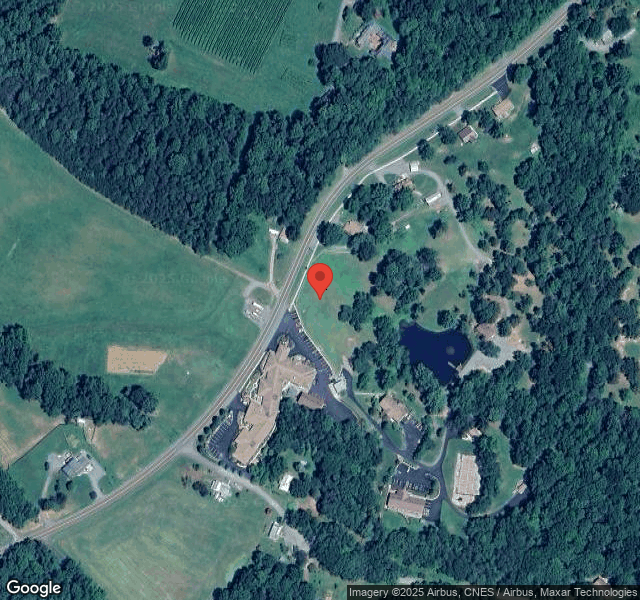
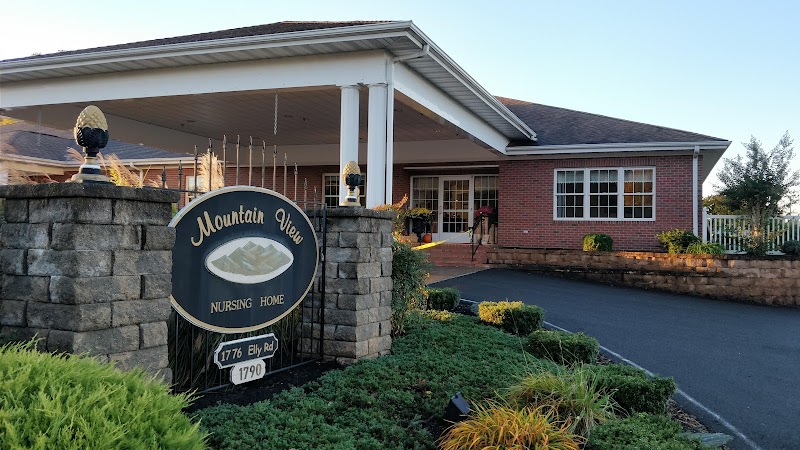
1776 ELLY ROAD, ARODA, VA 22709 (540) 948-6831
Non profit - Church related 40 Beds Independent Data: November 2025
Trust Grade
85/100
#26 of 285 in VA
Last Inspection: August 2023

Over 2 years since last inspection. Current conditions may differ from available data.

Overview

Mountain View Nursing Home in Aroda, Virginia has a Trust Grade of B+, which means it is above average and recommended for families considering care options. It ranks #26 out of 285 facilities in the state, placing it in the top half, and is the best option among the two nursing homes in Madison County. However, the facility's trend is worsening, with issues increasing from 5 in 2022 to 6 in 2023. Staffing is rated at 4 out of 5 stars, indicating a solid performance, though the turnover rate of 53% is slightly higher than average, suggesting some instability among staff. Notably, there have been no fines, which is a positive sign. On the downside, there were several concerning incidents identified during inspections. For example, staff failed to properly check the functioning of a WanderGuard device for a resident at risk of wandering, which could lead to safety issues. Additionally, there were lapses in medication administration procedures for two residents, including unclear dosing for pain medication. While the nursing home has strengths in its overall ratings and no fines, these weaknesses highlight areas for improvement in resident care and safety.

Trust Score
B+
85/100
In Virginia
#26/285
Top 9%
Safety Record
Low Risk
No red flags
Inspections
Getting Worse
5 → 6 violations
Staff Stability
⚠ Watch
53% turnover. Above average. Higher turnover means staff may not know residents' routines.
Penalties
✓ Good
No fines on record. Clean compliance history, better than most Virginia facilities.
Skilled Nurses
○ Average
Each resident gets 41 minutes of Registered Nurse (RN) attention daily — about average for Virginia. RNs are the most trained staff who monitor for health changes.
Violations
⚠ Watch
13 deficiencies on record. Higher than average. Multiple issues found across inspections.
★★★★★
5.0
Overall Rating
★★★★☆
4.0
Staff Levels
★★★★★
5.0
Care Quality
★★★★☆
4.0
Inspection Score
Stable
2022: 5 issues
2023: 6 issues

The Good

  • 4-Star Staffing Rating · Above-average nurse staffing levels
  • 5-Star Quality Measures · Strong clinical quality outcomes
  • Full Sprinkler Coverage · Fire safety systems throughout facility
  • No fines on record

Facility shows strength in staffing levels, quality measures, fire safety.

The Bad

Staff Turnover: 53%

Near Virginia avg (46%)

Higher turnover may affect care consistency

The Ugly 13 deficiencies on record

Aug 2023 6 deficiencies
CONCERN (D)

Potential for Harm - no one hurt, but risky conditions existed

Deficiency F0757 (Tag F0757)

Could have caused harm · This affected 1 resident

Based on staff interview, clinical record review, and facility document review, it was determined that the facility staff failed to adequately monitor a resident prior to administering a medication, f...

Read full inspector narrative →
Based on staff interview, clinical record review, and facility document review, it was determined that the facility staff failed to adequately monitor a resident prior to administering a medication, for one of 14 residents in the survey sample, Resident #8. The findings include: For Resident #8 (R8), the facility staff failed to assess the heart rate prior to administration of Digoxin (1). The physician orders for R8 documented in part, Digoxin Oral Tablet 125 MCG (microgram) (Digoxin) Give 1 tablet by mouth every day shift related to Left Ventricular Failure, Unspecified. Order Date: 04/04/2023. Start Date: 04/13/2023. Review of the eMAR (electronic medication administration record) dated 6/1/2023-6/30/2023 for R8 documented Digoxin Oral Tablet 125 MCG (Digoxin) Give 1 tablet by mouth every day shift related to Left Ventricular Failure, Unspecified. The eMAR revealed documentation that the Digoxin was administered to R8 each day but failed to evidence a heart rate assessment prior to administration. Review of the eMAR dated 7/1/2023-7/31/2023 for R8 revealed documentation that the Digoxin was administered to R8 each day but failed to evidence a heart rate assessment prior to administration. Review of the eMAR dated 8/1/2023-8/31/2023 for R8 revealed documentation that the Digoxin was administered to R8 on 8/1/2023 and 8/2/2023 but failed to evidence a heart rate assessment prior to administration. Review of the clinical record for R8 under Pulse Summary failed to evidence a pulse check on 6/1/2023, 6/2/2023, 6/4/2023-6/9/2023, 6/11/2023-6/16/2023, 6/18/2023-6/23/2023, 6/25/2023-6/30/2023, 7/2/2023-7/7/2023, 7/9/2023-7/13/2023, 7/17/2023-7/20/2023, 7/24/2023-7/28/2023 and 7/30/2023-8/2/2023. The comprehensive care plan for R8 documented in part, (Name of R8) is receiving regularly scheduled Digoxin Therapy r/t (related to) Left Ventricular Failure. Date Initiated: 04/12/2023. Created on: 04/12/2023. Revision on: 04/12/2023. On 8/2/2023 at 11:19 a.m., an interview was conducted with RN (registered nurse) #1. RN #1 stated that they were not aware of any specific assessments prior to administering Digoxin to a resident. When asked about assessing the heart rate prior to administering Digoxin to a resident, RN #1 stated that they monitored residents heart rates at least daily and it was documented in the computer under the vital signs. She stated that she did not think that the nurses always checked the heart rate prior to administration but checked it sometime during the day and would notify the physician and assess further if it were lower than 60. On 8/2/2023 at 11:41 a.m., an interview was conducted with ASM (administrative staff member) #2, the director of nursing. ASM #2 stated that they had asked the physician about the Digoxin administration and had added heart rate monitoring to the eMAR for the Digoxin because the physician said that it would not hurt anything to have it there but was not necessary. ASM #2 stated that they had a nursing drug reference book that the staff used for medication administration and would provide the book for review and they were not sure if assessing the heart rate prior to administration of Digoxin was a nursing standard of practice. On 8/2/2023 at 11:50 a.m., an interview was conducted with ASM #3, medical doctor. ASM #3 stated that they were not aware that it was a expectation for nursing to assess the heart rate prior to administration of Digoxin and they felt that R8's pulse had not been an issue when they had reviewed the vital signs. On 8/2/2023 at 12:37 p.m., ASM #2, the director of nursing provided Nursing 2023 Drug Handbook by Wolters Kluwer and stated it was the drug reference book used by nursing staff. ASM #2 stated that they had spoken with ASM #3, the medical doctor and they felt that the heart rate assessment was not necessary. At this time, a request was made for a professional standard of practice stating that the heart rate monitoring was at the physician's discretion. Review of Nursing 2023 Drug Handbook by Wolters Kluwer provided by the facility documented on pages 433-437 in part, Digoxin .Administration PO (by mouth) .Before giving drug, take apical-radial pulse for 1 minute. Record and notify prescriber of significant changes (sudden increase or decrease in pulse rate, pulse deficit, irregular beats and, particularly, regularization of a previously irregular rhythm. If these occur, check BP (blood pressure) and obtain a 12-lead ECG (electrocardiogram) .Alert: Excessively slow pulse rate (60 beats/minute [bpm] or less) may be a sign of digitalis toxicity. Withhold the drug and notify prescriber . On 8/2/2023 at 12:43 p.m., ASM #3, medical doctor, stated that they were unable to provide a reference regarding nursing not having to check a pulse before administering Digoxin. On 8/2/2023 at 12:45 p.m., ASM (administrative staff member) #1, the administrator, ASM #2, the director of nursing and ASM #3, medical doctor were made aware of the findings. No further information was presented prior to exit. Reference: (1) Digoxin is used to treat heart failure and abnormal heart rhythms (arrhythmias). It helps the heart work better and it helps control your heart rate. This information was obtained from the website: https://medlineplus.gov/druginfo/meds/a682301.html
CONCERN (D)

Potential for Harm - no one hurt, but risky conditions existed

Deficiency F0868 (Tag F0868)

Could have caused harm · This affected 1 resident

Based on staff interview and facility document review, the facility staff failed to ensure the required QAPI (quality assurance and performance improvement) committee members attended the QAPI meeting...

Read full inspector narrative →
Based on staff interview and facility document review, the facility staff failed to ensure the required QAPI (quality assurance and performance improvement) committee members attended the QAPI meeting for one of four quarterly meetings in 2022. The findings include: The facility staff failed to ensure the Director of Nursing attended the second quarter QAPI meeting on 7/25/22. A review of the 7/25/22 QAPI meeting sign-in sheet failed to reveal the signature of the Director of Nursing. On 8/2/23 at 8:31 a.m., an interview was conducted with ASM (administrative staff member) #1 (the administrator). ASM #1 stated QAPI meetings are held quarterly, and the Director of Nursing is supposed to attend. ASM #1 stated the former Director of Nursing did not attend the 7/25/22 QAPI meeting because he was on vacation. On 8/2/23 at 12:49 p.m., ASM #1 and ASM #2 (the director of nursing) were made aware of the above concern. The facility policy titled, Quality Assurance and Performance Improvement documented, 2. The QA (quality assurance) Committee shall be interdisciplinary and shall: a. Consist at a minimum of: i. The director of nursing services . b. Meet at least quarterly .
CONCERN (E)

Potential for Harm - no one hurt, but risky conditions existed

Comprehensive Care Plan (Tag F0656)

Could have caused harm · This affected multiple residents

Based on clinical record review, staff interview, and facility document review it was determined that the facility staff failed to implement the comprehensive care plan for one of 14 residents in the ...

Read full inspector narrative →
Based on clinical record review, staff interview, and facility document review it was determined that the facility staff failed to implement the comprehensive care plan for one of 14 residents in the survey sample, Resident #7. The findings include: For Resident #7 (R7), the facility staff failed to implement the comprehensive care plan to check functioning of a WanderGuard device (1) used to monitor the resident for elopement. On the most recent MDS (minimum data set), an admission assessment with an ARD (assessment reference date) of 5/1/2023, the resident was assessed as being moderately impaired for making daily decisions. Section E documented R7 displaying behaviors of rejection of care during the survey dates and not wandering during the assessment period. The comprehensive care plan for R7 documented in part, (Name of R7) is a potential elopement risk/wanderer AEB (as evidenced by) Disoriented to place d/t (due to) recent admission r/t (related to) aging and her disease process. Date Initiated: 04/25/2023. Created on: 04/25/2023. Revision on: 04/25/2023. Under Interventions/Tasks it documented in part, .WANDER ALERT: Check device as required to make sure it is working properly. Date Initiated: 04/25/2023. Created on: 04/25/2023. Revision on: 04/25/2023. The physician orders for R7 documented in part, Wander Guard Bracelet for Safety every day shift for Safety, prevention of elopement. Order Date: 04/18/2023. Start Date: 04/25/2023. Review of the eTAR's (electronic treatment administration records) from 6/1/2023 through 8/1/2023 documented the Wander Guard Bracelet checked for placement each day, however there was no documentation that it was checked to ensure it was functioning. On 8/2/2023 at 11:19 a.m., an interview was conducted with RN (registered nurse) #1. RN #1 stated that the WanderGuards were checked for placement every day on the day shift. She stated that the staff did not check the device for function but if they felt that the device was not working properly they contacted maintenance to check the doors and fix it. She stated that they would know that the device was not working properly if the resident went to the doors and the alarms did not go off or lock. She stated that the purpose of the care plan was to know how to care for the resident and the staff implemented the care plan by going over it monthly in the meetings, reading the notes daily and reviewing the care plan. She stated that the care plan should be implemented so that the resident received good care that met his or her preferences. On 8/2/2023 at 11:41 a.m., an interview was conducted with ASM (administrative staff member) #2, the director of nursing. ASM #2 stated that WanderGuards were checked by staff daily for placement only and the staff did not check them for function. She stated that if an issue was suspected they contacted maintenance who came to check the doors to make sure they were working properly. She stated that they were not aware of any elopements at the facility. On 8/2/2023 at 11:53 a.m., an interview was conducted with OSM (other staff member) #3, maintenance supervisor. OSM #3 stated that when a resident required a WanderGuard they supplied them to the staff. OSM #3 stated that he went around the facility monthly and checked the door locks to make sure they functioned as intended. He stated that he had a hand held device that checked the magnetic field for door function but did not check the wander guard devices for function. He stated that the specific wander guards would not be checked unless there was a question whether they were working or not. The facility policy, Procedure for Updating Care Plans dated 5/17/2023 failed to evidence guidance on implementation of the care plan. On 8/2/2023 at 12:45 p.m., ASM #1, the administrator, ASM #2, the director of nursing and ASM #3, medical doctor were made aware of the concern. No further information was provided prior to exit. Reference: (1) A WanderGuard system relies on three components: bracelets that residents wear, sensors that monitor doors and a technology platform that sends safety alerts in real time. When a resident with a bracelet approaches a monitored door, the system alerts your caregivers. Even more important, when paired with optional magnetic door locks, the door automatically locks. When a caregiver needs to escort a wander-prone resident outside the safe area, the caregiver can use a secure code to bypass the system. The system also works in areas without physical doors. These virtual boundaries help a community feel welcoming without compromising safety. This information was obtained from the website: https://www.securitashealthcare.com/blog/3-reasons-you-need-wanderguard-system
CONCERN (E)

Potential for Harm - no one hurt, but risky conditions existed

Deficiency F0658 (Tag F0658)

Could have caused harm · This affected multiple residents

Based on staff interview, clinical record review and facility document review, it was determined that the facility staff failed to follow professional standards of practice for medication administrati...

Read full inspector narrative →
Based on staff interview, clinical record review and facility document review, it was determined that the facility staff failed to follow professional standards of practice for medication administration, for two of 14 residents in the survey sample, Resident #7 and Resident #8. The findings include: 1. For Resident #7 (R7), the facility staff failed to clarify the dosing of an as needed order for the pain medication, Morphine Sulfate (1) oral solution. On the most recent MDS (minimum data set), an admission assessment with an ARD (Assessment Reference Date) of 5/1/2023, the resident was assessed as being moderately impaired for making daily decisions. Section J documented R7 receiving scheduled pain medications during the assessment period. The physician orders for R7 documented in part, Morphine Sulfate (Concentrate) Oral Solution 20 MG/ML (milligram per milliliter) (Morphine Sulfate) Give 1 dose orally every 4 hours as needed for moderate to severe pain rated 5-10 or if not taking po (by mouth) meds. Give 0.25ml or 0.50ml. Order Date: 07/04/2023. Start Date: 07/04/2023. Review of the eMAR (electronic medication administration record) dated 7/1/2023-7/31/2023 for R7 documented in part, Morphine Sulfate (Concentrate) Oral Solution 20 MG/ML (Morphine Sulfate) Give 1 dose orally every 4 hours as needed for pain Give 0.25ml or 0.50ml. -D/C (discontinue) Date- 07/04/2023 1021 (10:21 a.m.). It was documented on the eMAR that R7 received one dose at 12:59 p.m. on 7/3/2023 for a pain level of 7. Review of the eMAR (electronic medication administration record) dated 7/1/2023-7/31/2023 for R7 revealed in part, Morphine Sulfate (Concentrate) Oral Solution 20 MG/ML (Morphine Sulfate) Give 1 dose orally every 4 hours as needed for moderate to severe pain rated 5-10 or if not taking po meds Give 0.25ml or 0.50ml. It was documented on the eMAR that R7 received doses on 7/6/2023 at 7:08 p.m. for a pain level of 6, 7/7/2023 at 11:35 a.m. for a pain level of 8, at 8:00 p.m. for a pain level of 7, on 7/9/2023 at 5:07 a.m. for a pain level of 8, at 3:43 p.m. for a pain level of 7, on 7/10/2023 at 9:02 a.m. for a pain level of 8, on 7/11/2023 at 11:10 a.m. for a pain level of 8, on 7/13/2023 at 1:10 p.m. for a pain level of 8, on 7/17/2023 at 12:36 p.m. for a pain level of 8, on 7/22/2023 at 1:27 p.m. for a pain level of 6, on 7/23/2023 at 6:14 p.m. for a pain level of 8, on 7/24/2023 at 6:16 p.m. for a pain level of 8, and on 7/25/2023 at 6:32 a.m. for a pain level of 7. The comprehensive care plan for R7 documented in part, (Name of R7) is receiving a regularly scheduled pain medication for pain r/t (related to) previous back injury and multiple past surgeries. Date Initiated: 04/25/2023. Created on: 04/25/2023. Revision on: 04/25/2023. On 8/2/2023 at 11:19 a.m., an interview was conducted with RN (registered nurse) #1. RN #1 stated that as needed pain medications were administered according to the order and they normally had numerical parameters to administer them. She stated that normally the medications stated to give for pain between 1-6 or 6-10 and the nurse would use the pain assessment to determine which medication to give. RN #1 reviewed the physicians order for the as needed morphine sulfate for R7 and stated that they were not sure why it was written that way and they felt that the nurses would start with the lowest dosage first and then give the higher dosage as needed. She stated that the order left the dosing at the nurses discretion and that was not in the nursing scope of practice and the order should be clarified with the physician. The facility policy Medication Liberalization Policy dated 5/4/2023 documented in part, .The nurse shall administer medication in such a way that would promote the homelike environment and not interfere with resident life and comfort, while remaining within safe, evidence-based nursing parameters . On 8/2/2023 at 12:45 p.m., ASM (administrative staff member) #1, the administrator, ASM #2, the director of nursing and ASM #3, medical doctor were made aware of the findings. No further information was presented prior to exit. References: (1) Morphine comes as a solution (liquid), an extended-release (long-acting) tablet, and as an extended-release (long-acting) capsule to take by mouth. The oral solution is usually taken every 4 hours as needed for pain. MS Contin brand and Arymo ER brand are extended-release tablets that are usually taken every 8 or every 12 hours. Morphabond brand extended-release tablets are usually taken every 12 hours. Kadian brand extended-release capsules are usually taken with or without food every 12 hours or every 24 hours. Follow the directions on your prescription label carefully, and ask your doctor or pharmacist to explain any part you do not understand. This information was obtained from the website: https://medlineplus.gov/druginfo/meds/a682133.html 2. For Resident #8 (R8), the facility staff failed to follow professional standards of medication administration to assess the heart rate prior to administration of Digoxin (1). The physician orders for R8 documented in part, Digoxin Oral Tablet 125 MCG (microgram) (Digoxin) Give 1 tablet by mouth every day shift related to Left Ventricular Failure, Unspecified. Order Date: 04/04/2023. Start Date: 04/13/2023. Review of the eMAR (electronic medication administration record) dated 6/1/2023-6/30/2023 for R8 documented Digoxin Oral Tablet 125 MCG (Digoxin) Give 1 tablet by mouth every day shift related to Left Ventricular Failure, Unspecified. The eMAR revealed documentation that the Digoxin was administered to R8 each day but failed to evidence a heart rate assessment prior to administration. Review of the eMAR dated 7/1/2023-7/31/2023 for R8 revealed documentation that the Digoxin was administered to R8 each day but failed to evidence a heart rate assessment prior to administration. Review of the eMAR dated 8/1/2023-8/31/2023 for R8 revealed documentation that the Digoxin was administered to R8 on 8/1/2023 and 8/2/2023 but failed to evidence a heart rate assessment prior to administration. Review of the clinical record for R8 under Pulse Summary failed to evidence a pulse check on 6/1/2023, 6/2/2023, 6/4/2023-6/9/2023, 6/11/2023-6/16/2023, 6/18/2023-6/23/2023, 6/25/2023-6/30/2023, 7/2/2023-7/7/2023, 7/9/2023-7/13/2023, 7/17/2023-7/20/2023, 7/24/2023-7/28/2023 and 7/30/2023-8/2/2023. The comprehensive care plan for R8 documented in part, (Name of R8) is receiving regularly scheduled Digoxin Therapy r/t (related to) Left Ventricular Failure. Date Initiated: 04/12/2023. Created on: 04/12/2023. Revision on: 04/12/2023. On 8/2/2023 at 11:19 a.m., an interview was conducted with RN (registered nurse) #1. RN #1 stated that they were not aware of any specific assessments prior to administering Digoxin to a resident. When asked about assessing the heart rate prior to administering Digoxin to a resident, RN #1 stated that they monitored residents heart rates at least daily and it was documented in the computer under the vital signs. She stated that she did not think that the nurses always checked the heart rate prior to administration but checked it sometime during the day and would notify the physician and assess further if it were lower than 60. On 8/2/2023 at 11:41 a.m., an interview was conducted with ASM (administrative staff member) #2, the director of nursing. ASM #2 stated that they had asked the physician about the Digoxin administration and had added heart rate monitoring to the eMAR for the Digoxin because the physician said that it would not hurt anything to have it there but was not necessary. ASM #2 stated that they had a nursing drug reference book that the staff used for medication administration and would provide the book for review and they were not sure if assessing the heart rate prior to administration of Digoxin was a nursing standard of practice. On 8/2/2023 at 11:50 a.m., an interview was conducted with ASM #3, medical doctor. ASM #3 stated that they were not aware that it was a expectation for nursing to assess the heart rate prior to administration of Digoxin and they felt that R8's pulse had not been an issue when they had reviewed the vital signs. On 8/2/2023 at 12:37 p.m., ASM #2, the director of nursing provided Nursing 2023 Drug Handbook by Wolters Kluwer and stated it was the drug reference book used by nursing staff. ASM #2 stated that they had spoken with ASM #3, the medical doctor and they felt that the heart rate assessment was not necessary. At this time, a request was made for a professional standard of practice stating that the heart rate monitoring was at the physician's discretion. Review of Nursing 2023 Drug Handbook by Wolters Kluwer provided by the facility documented on pages 433-437 in part, Digoxin .Administration PO (by mouth) .Before giving drug, take apical-radial pulse for 1 minute. Record and notify prescriber of significant changes (sudden increase or decrease in pulse rate, pulse deficit, irregular beats and, particularly, regularization of a previously irregular rhythm. If these occur, check BP (blood pressure) and obtain a 12-lead ECG (electrocardiogram) .Alert: Excessively slow pulse rate (60 beats/minute [bpm] or less) may be a sign of digitalis toxicity. Withhold the drug and notify prescriber . On 8/2/2023 at 12:43 p.m., ASM #3, medical doctor, stated that they were unable to provide a reference regarding nursing not having to check a pulse before administering Digoxin. On 8/2/2023 at 12:45 p.m., ASM #1, the administrator, ASM #2, the director of nursing and ASM #3, medical doctor were made aware of the findings. No further information was presented prior to exit. Reference: (1) Digoxin is used to treat heart failure and abnormal heart rhythms (arrhythmias). It helps the heart work better and it helps control your heart rate. This information was obtained from the website: https://medlineplus.gov/druginfo/meds/a682301.html
CONCERN (E)

Potential for Harm - no one hurt, but risky conditions existed

Accident Prevention (Tag F0689)

Could have caused harm · This affected multiple residents

Based on clinical record review, staff interview and facility document review it was determined that the facility staff failed to monitor the function of Wander Guards used for the prevention of elope...

Read full inspector narrative →
Based on clinical record review, staff interview and facility document review it was determined that the facility staff failed to monitor the function of Wander Guards used for the prevention of elopements, for two of 14 residents in the survey sample, Resident #7 and Resident #8. The findings include: 1. For Resident #7 (R7), the facility staff failed to monitor the functioning of the WanderGuard device (1) used to monitor the resident for elopement. On the most recent MDS (minimum data set), an admission assessment with an ARD (assessment reference date) of 5/1/2023, the resident was assessed as being moderately impaired for making daily decisions. Section E documented R7 displaying behaviors of rejection of care during the survey dates and not wandering during the assessment period. The physician orders for R7 documented in part, Wander Guard Bracelet for Safety every day shift for Safety, prevention of elopement. Order Date: 04/18/2023. Start Date: 04/25/2023. Review of the eTAR's (electronic treatment administration records) for R7 from 6/1/2023 through 8/1/2023 documented the Wander Guard Bracelet in place each day, however there was no documentation that it was checked to ensure it was functioning. The progress notes for R7 documented in part, - 4/25/2023 13:23 (1:23 p.m.) .Son/RR (resident representative) completed admission paperwork with DON (director of nursing). RR requesting to pick up copy of written plan care at later date when he returns to facility to visit his mother. RR states resident has been known to try leaving home and locks his doors so Resident cannot elope, RR thinks wanderguard bracelet is necessary for safety, Bracelet placed on resident's left wrist. - 5/12/2023 09:58 (9:58 a.m.) .Resident was brought out to be with staff, consumed small snack and sat in recliner for short period of time, then wandered halls with staff direct supervision safety. Resident stated that she was going home and how do I get out of here? Explained that she was going to stay here for now and provided the hour of the night. Resident just continued to wander with staff at her side . - 6/10/2023 22:59 (10:59 p.m.) Note Text :Resident ROM (range of motion) per usual this shift. Resident wandered facility per usual and had interactions with staff often during this shift. A Wandering Risk Evaluation for R7 dated 4/25/2023 documented the resident having a history of wandering and being a high risk for wandering. The comprehensive care plan for R7 documented in part, (Name of R7) is a potential elopement risk/wanderer AEB (as evidenced by) Disoriented to place d/t (due to) recent admission r/t (related to) aging and her disease process. Date Initiated: 04/25/2023. Created on: 04/25/2023. Revision on: 04/25/2023. On 8/2/2023 at 11:19 a.m., an interview was conducted with RN (registered nurse) #1. RN #1 stated that the WanderGuards were checked for placement every day on the day shift. She stated that the staff did not check the device for function but if they felt that the device was not working properly they contacted maintenance to check the doors and fix it. She stated that they would know that the device was not working properly if the resident went to the doors and the alarms did not go off or lock. On 8/2/2023 at 11:41 a.m., an interview was conducted with ASM (administrative staff member) #2, the director of nursing. ASM #2 stated that WanderGuards were checked by staff daily for placement only and the staff did not check them for function. She stated that if an issue was suspected they contacted maintenance who came to check the doors to make sure they were working properly. She stated that they were not aware of any elopements at the facility. On 8/2/2023 at 11:53 a.m., an interview was conducted with OSM (other staff member) #3, maintenance supervisor. OSM #3 stated that when a resident required a WanderGuard they supplied them to the staff. OSM #3 stated that he went around the facility monthly and checked the door locks to make sure they functioned as intended. He stated that he had a hand held device that checked the magnetic field for door function but did not check the wander guard devices for function. He stated that the specific wander guards would not be checked unless there was a question whether they were working or not. On 8/2/2023 at 12:40 p.m., ASM #1, the administrator stated that the facility had a routine TAR (treatment administration record) check for WanderGuard placement but not a specific policy for Wander Guard function. On 8/2/2023 at 12:45 p.m., ASM #1, the administrator, ASM #2, the director of nursing and ASM #3, medical doctor were made aware of the concern. No further information was provided prior to exit. Reference: (1) A WanderGuard system relies on three components: bracelets that residents wear, sensors that monitor doors and a technology platform that sends safety alerts in real time. When a resident with a bracelet approaches a monitored door, the system alerts your caregivers. Even more important, when paired with optional magnetic door locks, the door automatically locks. When a caregiver needs to escort a wander-prone resident outside the safe area, the caregiver can use a secure code to bypass the system. The system also works in areas without physical doors. These virtual boundaries help a community feel welcoming without compromising safety. This information was obtained from the website: https://www.securitashealthcare.com/blog/3-reasons-you-need-wanderguard-system 2. For Resident #8 (R8), the facility staff failed to monitor the functioning of the WanderGuard device used to monitor the resident for elopement. On the most recent MDS (minimum data set), an admission assessment with an ARD (assessment reference date) of 4/18/2023, the resident scored 5 out of 15 on the BIMS (brief interview for mental status) assessment, indicating the resident was severely impaired for making daily decisions. Section E documented R8 not displaying any wandering behaviors during the assessment period. The physician orders for R8 documented in part, Check Wanderguard bracelet for placement. every day shift for Wandering. Order Date: 04/12/2023. Start Date: 04/13/2023. Review of the eTAR's (electronic treatment administration records) for R8 from 6/1/2023 through 8/1/2023 documented the Wander Guard Bracelet in place each day, however there was no documentation that it was checked to ensure it was functioning. The progress notes for R8 documented in part, - 4/14/2023 06:09 (6:09 a.m.) Note Text : New admit note. Resident did not sleep most of the night and wanted to wander. She was redirectable and pleasant . - 4/18/2023 23:17 (11:17 p.m.) Note Text : Day 7/7 new admit. Resident confused and exit seeking this shift. Stated someone was coming for her and she did not want to miss her ride. A Wandering Risk Evaluation for R8 dated 4/12/2023 documented the resident having a history of wandering and being a high risk for wandering. The comprehensive care plan for R8 documented in part, (Name of R8) is an elopement risk/wanderer AEB (as evidenced by) Impaired safety awareness r/t (related to) her disease process. Date Initiated: 04/13/2023. Created on: 04/13/2023. Revision on: 04/13/2023. On 8/2/2023 at 11:19 a.m., an interview was conducted with RN (registered nurse) #1. RN #1 stated that the WanderGuards were checked for placement every day on the day shift. She stated that the staff did not check the device for function but if they felt that the device was not working properly they contacted maintenance to check the doors and fix it. She stated that they would know that the device was not working properly if the resident went to the doors and the alarms did not go off or lock. On 8/2/2023 at 11:41 a.m., an interview was conducted with ASM (administrative staff member) #2, the director of nursing. ASM #2 stated that WanderGuards were checked by staff daily for placement only and the staff did not check them for function. She stated that if an issue was suspected they contacted maintenance who came to check the doors to make sure they were working properly. She stated that they were not aware of any elopements at the facility. On 8/2/2023 at 11:53 a.m., an interview was conducted with OSM (other staff member) #3, maintenance supervisor. OSM #3 stated that when a resident required a WanderGuard they supplied them to the staff. OSM #3 stated that he went around the facility monthly and checked the door locks to make sure they functioned as intended. He stated that he had a hand held device that checked the magnetic field for door function but did not check the wander guard devices for function. He stated that the specific wander guards would not be checked unless there was a question whether they were working or not. On 8/2/2023 at 12:45 p.m., ASM #1, the administrator, ASM #2, the director of nursing and ASM #3, medical doctor were made aware of the concern. No further information was provided prior to exit.
MINOR (C)

Minor Issue - procedural, no safety impact

Staffing Information (Tag F0732)

Minor procedural issue · This affected most or all residents

Based on observation, staff interview and facility document review, the facility staff failed to post complete nurse staffing information for two of two days reviewed. The findings include: The facili...

Read full inspector narrative →
Based on observation, staff interview and facility document review, the facility staff failed to post complete nurse staffing information for two of two days reviewed. The findings include: The facility staff failed to post the total number of RNs (registered nurses), LPNs (licensed practical nurses) and CNAs (certified nursing assistants) directly responsible for resident care per shift on 8/1/23 and 8/2/23. A review of the nurse staffing information postings for 8/1/23 and 8/2/23 failed to reveal documentation of the total number of RNs, LPNs and CNAs directly responsible for resident care per shift (the postings only documented hours worked). On 8/2/23 at 10:14 a.m., an interview was conducted with OSM (other staff member) #1 (administrative assistant). OSM #1 stated the nurse staffing information postings document the census and the amount of RN, LPN and CNA hours worked for each shift. OSM #1 stated she was not aware that the total number of RNs, LPNs and CNAs for each shift should be documented on the postings. On 8/2/23 at 12:49 p.m., ASM (administrative staff member) #1 (the administrator) and ASM #2 (the director of nursing) were made aware of the above concern. The facility policy titled, Nurse Staffing Posting Information documented, 1. The Daily Staffing Sheet will be posted and contain the following information: a. Facility name b. Current date c. Current resident census d. The total number and the actual hours worked by the following categories of licensed and unlicensed staff directly responsible for resident care per shift: i. Registered Nurses ii. Licensed Practical Nurses/Licensed Vocational Nurses iii. Certified Nurse Aides/Nurse Aide .
Jan 2022 5 deficiencies
CONCERN (D)

Potential for Harm - no one hurt, but risky conditions existed

Deficiency F0657 (Tag F0657)

Could have caused harm · This affected 1 resident

**NOTE- TERMS IN BRACKETS HAVE BEEN EDITED TO PROTECT CONFIDENTIALITY** Based on staff interview, clinical record review and facility document review, it was determined that the facility staff failed ...

Read full inspector narrative →
**NOTE- TERMS IN BRACKETS HAVE BEEN EDITED TO PROTECT CONFIDENTIALITY** Based on staff interview, clinical record review and facility document review, it was determined that the facility staff failed to review and revise a comprehensive care plan for 2 of 19 residents in the survey sample; Residents #5 and #34. The findings include: 1. For Resident #5, the facility staff failed to review and revise the comprehensive care plan for the use of an opioid medication regarding the monitoring of related side effects and adverse reactions. Resident #5 was admitted to the facility on [DATE] and had the diagnoses of, but not limited to, insomnia, chronic kidney disease, rectal cancer, anxiety, depression, diabetes, high blood pressure, heart attack, atrial fibrillation, pacemaker, congestive heart failure, and hypothyroidism. The most recent MDS (Minimum Data Set) was a quarterly assessment with an ARD (Assessment Reference Date) of 1/9/22. The resident was coded as cognitively intact in ability to make daily life decisions. The resident was coded as requiring extensive assistance for bathing; supervision for dressing and transfers, and was independent for all other areas of activities of daily living. A review of the physician's orders revealed an order dated 5/28/21 for, Tramadol (1) Tablet 50 MG (milligrams) Give 1 tablet by mouth two times a day for pain. A review of the comprehensive care plan revealed one dated 5/18/20 for, (Resident #5) has chronic pain r/t (related to) aging and disease process. This care plan included an intervention dated 5/27/20 for, Give medications as ordered. Monitor for effectiveness. However, the care plan did not include any intervention for monitoring of side effects and adverse reactions related to pain medication. On 1/27/22 at 8:53 AM in an interview with LPN #1 (Licensed Practical Nurse) the MDS nurse, she stated that the Pain care plan addresses administering medications as ordered but that she did not know it had to be as specific as to address side effects or adverse reactions of pain medication. A review of the facility policy, Policy for Updating Careplans, revealed the policy only addressed updating the care plan for the specific areas of skin impairment, antibiotic and fall. It was not written as a guide for the comprehensive care plan as a whole, for any required updates and revisions relating to any resident specific changes and needs. On 1/27/22 at 9:38 AM, ASM #1 (Administrative Staff Member), the Administrator, stated that he did not have a policy for anything more general for updating care plans that applied to any/all resident needs outside of skin impairment, antibiotic, and falls. When asked what professional standards the facility uses, he stated that he believed it was [NAME]. According to Fundamentals of Nursing [NAME] and [NAME] 2007 pages 65-77: A written care plan serves as a communication tool among health care team members that helps ensure continuity of care .The nursing care plan is a vital source of information about the patient's problems, needs, and goals. It contains detailed instructions for achieving the goals established for the patient and is used to direct care .expect to review, revise and update the care plan regularly, when there are changes in condition, treatments, and with new orders . No further information was provided by the end of the survey. References: (1) Tramadol is used to treat moderate to moderately severe pain and is in a class of medications called opiate (narcotic) analgesics. Information obtained from https://medlineplus.gov/druginfo/meds/a695011.html 2. For Resident #34, the facility staff failed to review and revise the comprehensive care plan for the use of an opioid medication regarding the monitoring of related side effects and adverse reactions. Resident #34 was admitted to the facility on [DATE] with the diagnoses of, but not limited to, insomnia, high blood pressure, asthma, benign prostatic hyperplasia, and progressive supranuclear opthalmoplegia. The most recent MDS (Minimum Data Set) was a quarterly assessment with an ARD (Assessment Reference Date) of 11/2/21. The resident was coded as being cognitively intact in ability to make daily life decisions. The resident was coded as requiring total care for bathing, extensive care for all other areas of activities of daily living except for eating, which was coded as requiring supervision only. A review of the physician's orders revealed one dated 6/18/21 for, Tramadol (1) Tablet 50 MG (milligrams) Give 1 tablet by mouth every day and evening shift for pain. A review of the comprehensive care plan revealed one dated 5/28/21 revealed, (Resident #34) has pain r/t (related to) the diagnosis of neuropathy. This care plan included an intervention dated 5/28/21 for, Give medications as ordered. Monitor for effectiveness. However, the care plan did not include any intervention for monitoring of side effects and adverse reactions related to pain medication. On 1/27/22 at 8:53 AM in an interview with LPN #1 (Licensed Practical Nurse) the MDS nurse, she stated that the Pain care plan addresses administering medications as ordered but that she did not know it had to be as specific as to address side effects or adverse reactions of pain medication. A review of the facility policy, Policy for Updating Careplans, revealed the policy only addressed updating the care plan for the specific areas of skin impairment, antibiotic and fall. It was not written as a guide for the comprehensive care plan as a whole, for any required updates and revisions relating to any resident specific changes and needs. On 1/27/22 at 9:38 AM, ASM #1 (Administrative Staff Member) the Administrator, stated that he did not have a policy for anything more general for updating care plans that applied to any/all resident needs outside of skin impairment, antibiotic, and falls. When asked what professional standards the facility uses, he stated that he believed it was [NAME]. According to Fundamentals of Nursing [NAME] and [NAME] 2007 pages 65-77: A written care plan serves as a communication tool among health care team members that helps ensure continuity of care .The nursing care plan is a vital source of information about the patient's problems, needs, and goals. It contains detailed instructions for achieving the goals established for the patient and is used to direct care .expect to review, revise and update the care plan regularly, when there are changes in condition, treatments, and with new orders . No further information was provided by the end of the survey. References: (1) Tramadol is used to treat moderate to moderately severe pain and is in a class of medications called opiate (narcotic) analgesics. Information obtained from https://medlineplus.gov/druginfo/meds/a695011.html
CONCERN (D)

Potential for Harm - no one hurt, but risky conditions existed

Quality of Care (Tag F0684)

Could have caused harm · This affected 1 resident

**NOTE- TERMS IN BRACKETS HAVE BEEN EDITED TO PROTECT CONFIDENTIALITY** Based on staff interview, facility document review and clinical record review it was determined that the facility staff failed t...

Read full inspector narrative →
**NOTE- TERMS IN BRACKETS HAVE BEEN EDITED TO PROTECT CONFIDENTIALITY** Based on staff interview, facility document review and clinical record review it was determined that the facility staff failed to follow physician's orders for 1 of 19 residents in the survey sample, Resident #20. The facility staff failed to obtain a monthly weight in September 2021 for Resident #20. The findings include: Resident #20 was admitted to the facility on [DATE] and had the diagnoses of, but not limited to, hypothyroidism, epilepsy, depression, diabetes, high blood pressure, atrial fibrillation, and Alzheimer's disease. The most recent MDS (Minimum Data Set) was a quarterly assessment with an ARD (Assessment Reference Date) of 11/10/21. The resident was coded as being severely cognitively impaired in ability to make daily life decisions. The resident was coded as requiring total care for all areas of activities of daily living. A review of the clinical record revealed a physician's order dated 3/1/20 for Obtain weight monthly and as needed. A review of the weights documented in the clinical record revealed that there was no weight recorded for September 2021. The August 2021 weight was recorded on 8/3/21 at 146.2 pounds and on 10/3/21 at 143.6 pounds. This reflected a weight loss of 2.6 pounds over the period of time that a weight was missed. A review of the comprehensive care plan revealed one dated 5/2/18 and revised on 1/20/20 for (Resident #20) has potential for having a nutritional problem r/t (related to) disease process diagnosis (sic) of Dementia, Diabetes, and Alzheimer's Disease. Interventions included one dated 5/2/18 for Weigh monthly and PRN (as needed). On 1/27/22 at 10:08 AM, in an interview with ASM #2 (Administrative Staff Member) the Director of Nursing, he stated that the facility realized in October (2021) that the September (2021) weight was missed and that there was nothing that could be done about it by then. It was missed. A copy of the facility policy on following physician's orders was requested. On 1/27/22 at 10:18 AM, ASM #2 provided the Weight Policy and Procedure stating that the facility does not have a policy on following physicians orders. He stated that it is the expectation that orders are followed. A review of the above weight policy revealed, B. Every client should be weighed at least once a month and recorded on the Monthly Weight/Vital Signs Record sheet C. All monthly weights should be obtained by the 10th of each month, if at all possible. On 1/27/22 at 10:08 AM, ASM #2 was made aware of the findings. No further information was provided prior to exit.
CONCERN (D)

Potential for Harm - no one hurt, but risky conditions existed

Deficiency F0868 (Tag F0868)

Could have caused harm · This affected 1 resident

Based on staff interview and facility document review, it was determined that the facility QAPI (quality assurance and performance improvement) committee failed to meet in two of four quarters in 2021...

Read full inspector narrative →
Based on staff interview and facility document review, it was determined that the facility QAPI (quality assurance and performance improvement) committee failed to meet in two of four quarters in 2021. The facility QAPI committee failed to meet in the third and fourth quarters of 2021. The findings include: A review of QAPI committee meeting sign in sheets revealed meetings for the first and second quarters of 2021. The review failed to include sign in sheets for the third and fourth quarters of 2021. On 1/27/22 at 9:38 a.m., ASM (administrative staff member) #1, the administrator, was interviewed. He stated the QAPI committee includes him, the directors of personnel and discipleship, the director of nursing, the assistant director of nursing, the MDS (minimum data set) coordinator, the CNA (certified nursing assistant) supervisor, activities director, social services director, housekeeping supervisor, maintenance supervisor, dietary manager, occupational health nurse, consultant pharmacist, and medical director. He stated ordinarily the QAPI committee meets four times a year, at least once a quarter. When asked why there was no evidence that the committee met in quarters three and four of 2021, he stated he just did not get it scheduled. He stated the meeting for combined third and fourth quarters of 2021 is scheduled for the upcoming week. He stated it was difficult to coordinate remote schedules with the consultant pharmacist and medical director. A review of the facility policy, Quality Assurance and Performance Improvement, revealed, in part: The QA (quality assurance) committee shall .meet at least quarterly and as needed to coordinate and evaluate activities under the QAPI program, such as identifying issues with respect to which quality assessment and assurance activities, including performance improvement projects under the QAPI program, are necessary. No further information was provided prior to exit.
CONCERN (E)

Potential for Harm - no one hurt, but risky conditions existed

Food Safety (Tag F0812)

Could have caused harm · This affected multiple residents

Based on observation and staff interview, it was determined the facility staff failed to store food in a safe and sanitary manner. The facility staff failed to dispose of expired food during an observ...

Read full inspector narrative →
Based on observation and staff interview, it was determined the facility staff failed to store food in a safe and sanitary manner. The facility staff failed to dispose of expired food during an observation on 1/25/22 at 11:09 AM. The findings include: On 1/25/22 at 11:09 AM, an observation was conducted in the main kitchen. In the dry storage room, a 4.64 pound bag of dried milk was labeled opened 12/9/21, use by 1/9/22. A 49.6 ounce cornbread stuffing mix bag was labeled opened 10/15/21, use by 11/25/21. OSM (other staff member) #1, a dietary aide, was shown the two bags. When asked what the dates signified, OSM #1 stated, That means that they should be disposed of by those 'use by' dates. I will dispose of them now. OSM #3, the dietary manager, was informed of the expired items on 1/25/22 at 11:45 AM. A policy on food storage/expired food was requested on 1/26/22 at 3:20 PM. On 1/26/22 at 4:30 PM ASM (administrative staff member) #1, the administrator, was made aware of the above finding and stated, We do not have any policy regarding food storage or expired food. No further information was provided prior to exit.
MINOR (C)

Minor Issue - procedural, no safety impact

Staffing Information (Tag F0732)

Minor procedural issue · This affected most or all residents

Based on observation, staff interview, and facility document review, it was determined that the facility failed to post nursing staffing hours as required. The facility's staff posting for the past 30...

Read full inspector narrative →
Based on observation, staff interview, and facility document review, it was determined that the facility failed to post nursing staffing hours as required. The facility's staff posting for the past 30 days did not contain the required hour amounts of nursing staff. The findings include: On 1/25/21 at 1:08 p.m., the facility's staff posting was observed on the table near the nurse desk. The posting contained the facility census, vertical columns for the dates for all seven days in the week, the listing for registered and licensed practical nurses, and for nursing assistants. The posting contained horizontal rows containing the actual number of each of these staff members working on each shift. The posting did not contain the number of hours worked on each shift by each type of nursing staff member. On 1/25/21 at 4:55 p.m., ASM (administrative staff member) #1, the administrator, was asked to review the staff posting for all elements required by the regulation. On 1/26/21 at 11:26 a.m., ASM #1 stated he had identified several elements that the current staffing posting did not contain: accurate resident census, LPNs (licensed practical nurses) and RNs (registered nurses) were not distinguished from each other, and the posting did not contain the actual number of hours worked by each type of staff member. He stated the secretary has been taking care of filling out this form. On 1/26/21 at 11:29 a.m., OSM (other staff member) #5, the secretary, was interviewed. She stated she looks over the schedule for each week, and has been filling out the staffing according to the number of RNs, LPNs, and CNAs. She stated she was not aware until the afternoon before that she was supposed to include the number of actual hours worked by each type of staff member on the staff posting. On 1/26/21 at 11:40 a.m., ASM #1 stated the facility did not have a policy regarding the nursing staffing posting. No further information was provided prior to exit.
Feb 2021 2 deficiencies
CONCERN (D)

Potential for Harm - no one hurt, but risky conditions existed

Comprehensive Care Plan (Tag F0656)

Could have caused harm · This affected 1 resident

**NOTE- TERMS IN BRACKETS HAVE BEEN EDITED TO PROTECT CONFIDENTIALITY** Based on staff interview, clinical record review and facility document review, it was determined that the facility staff failed ...

Read full inspector narrative →
**NOTE- TERMS IN BRACKETS HAVE BEEN EDITED TO PROTECT CONFIDENTIALITY** Based on staff interview, clinical record review and facility document review, it was determined that the facility staff failed to implement the comprehensive care plan for one of 16 residents in the survey sample, Resident #2. On 1/2/21, the facility staff failed to implement a clip alarm while Resident #2 was on the toilet, per the resident's comprehensive care plan, and Resident #2 sustained a fall with no injury. The findings include: Resident #2 was admitted to the facility on [DATE]. Resident #2's diagnoses included but were not limited to epilepsy (seizures), intellectual disabilities and urinary incontinence. Resident #2's most recent MDS (minimum data set), a quarterly assessment with an ARD (assessment reference date) of 1/30/21, coded the resident's cognition as moderately impaired. Section G coded Resident #2 as requiring extensive assistance of two or more staff with transfers. Section J coded Resident #2 as having sustained two or more falls with no injury since the prior assessment. Review of Resident #2's clinical record revealed a physician's order dated 5/5/20 for a clip alarm while on the toilet. Resident #2's comprehensive care plan revised on 5/5/20 documented, (Resident #2) has a risk for falls due to diagnosis of CP (cerebral palsy [disorders that affect an individual's ability to move]) .Clip alarm while on toilet . Further review of Resident #2's clinical record revealed the resident sustained falls with no injury on 11/20/20 and 12/1/20. A fall risk evaluation dated 1/2/21 documented a score of 17. A nurse's note dated 1/2/21 documented, Resident was found at approximately 1430 (2:30 p.m.) laying on her back in her bathroom. When resident was asked what happened, she stated that she fell 'on her butt'. Denied hitting her head when asked by staff. ROM (Range of Motion) per her normal. No injuries noted. Care plan reviewed . Another nurse's note dated 1/2/21 documented, CNAs (certified nursing assistants) educated on careful use of clip alarm while on toilet as well as frequent monitoring as stated in care plan. A fall investigation form dated 1/3/21 documented, Did CNA have all safety devices properly in place? If no, explain please. No. CNA stated she did not have clip alarm on resident. She said it had not worked earlier . A CNA Incident/Accident Report Sheet with an incident date of 1/2/21 and signed by CNA #4 and RN (registered nurse) #1 documented, 7. How could the CNA have prevented the incident from occurring? Checked up on her sooner, have a working clip alarm . On 2/10/21 at 11:08 a.m., a telephone interview was conducted with CNA #4. CNA #4 stated a clip alarm was not on Resident #2 while she was on the toilet on 1/2/21 because the clip alarm was not working at the time. On 2/10/21 at 11:10 a.m., an interview was conducted with RN #1. RN #1 stated the purpose of care plans is to provide standard continuity of care and to ensure the same quality of care is delivered through each shift. RN #1 stated the facility staff checks residents' care plans for fall risk interventions and the care plan should absolutely be followed. RN #1 stated she assessed Resident #2 when she fell on 1/2/21. RN #1 stated she did not remember if a clip alarm was present but the CNA reported the clip alarm was not on Resident #2 when she fell in the bathroom. The facility policy regarding the updating of care plans did not contain specific documentation regarding the implementation of care plans. On 2/10/21 at 11:42 a.m., ASM (administrative staff member) #1 (the administrator) and ASM #2 (the director of nursing were made aware of the above concern. No further information was presented prior to exit.
CONCERN (D)

Potential for Harm - no one hurt, but risky conditions existed

Accident Prevention (Tag F0689)

Could have caused harm · This affected 1 resident

**NOTE- TERMS IN BRACKETS HAVE BEEN EDITED TO PROTECT CONFIDENTIALITY** Based on staff interview, clinical record review and facility document review, it was determined that the facility staff failed ...

Read full inspector narrative →
**NOTE- TERMS IN BRACKETS HAVE BEEN EDITED TO PROTECT CONFIDENTIALITY** Based on staff interview, clinical record review and facility document review, it was determined that the facility staff failed to implement a fall risk intervention for 1 of 16 residents in the survey sample, Resident #2. On 1/2/21, the facility staff failed to implement a physician ordered clip alarm while Resident #2 was on the toilet and Resident #2 sustained a fall with no injury. The findings include: Resident #2 was admitted to the facility on [DATE]. Resident #2's diagnoses included but were not limited to epilepsy (seizures), intellectual disabilities and urinary incontinence. Resident #2's most recent MDS (minimum data set), a quarterly assessment with an ARD (assessment reference date) of 1/30/21, coded the resident's cognition as moderately impaired. Section G coded Resident #2 as requiring extensive assistance of two or more staff with transfers. Section J coded Resident #2 as having sustained two or more falls with no injury since the prior assessment. Review of Resident #2's clinical record revealed a physician's order dated 5/5/20 for a clip alarm while on the toilet. Resident #2's comprehensive care plan revised on 5/5/20 documented, (Resident #2) has a risk for falls due to diagnosis of CP (cerebral palsy [disorders that affect an individual's ability to move]) .Clip alarm while on toilet . Further review of Resident #2's clinical record revealed the resident sustained falls with no injury on 11/20/20 and 12/1/20. A fall risk evaluation dated 1/2/21 documented a score of 17. A nurse's note dated 1/2/21 documented, Resident was found at approximately 1430 (2:30 p.m.) laying on her back in her bathroom. When resident was asked what happened, she stated that she fell 'on her butt'. Denied hitting her head when asked by staff. ROM (Range of Motion) per her normal. No injuries noted. Care plan reviewed . Another nurse's note dated 1/2/21 documented, CNAs (certified nursing assistants) educated on careful use of clip alarm while on toilet as well as frequent monitoring as stated in care plan. A fall investigation form dated 1/3/21 documented, Did CNA have all safety devices properly in place? If no, explain please. No. CNA stated she did not have clip alarm on resident. She said it had not worked earlier . A CNA Incident/Accident Report Sheet with an incident date of 1/2/21 and signed by CNA #4 and RN (registered nurse) #1 documented, 7. How could the CNA have prevented the incident from occurring? Checked up on her sooner, have a working clip alarm . On 2/10/21 at 11:08 a.m., a telephone interview was conducted with CNA #4. CNA #4 stated a clip alarm was not on Resident #2 while she was on the toilet on 1/2/21 because the clip alarm was not working at the time. On 2/10/21 at 11:10 a.m., an interview was conducted with RN #1. RN #1 stated she assessed Resident #2 when she fell on 1/2/21. RN #1 stated she did not remember if a clip alarm was present but the CNA reported the clip alarm was not on Resident #2 when she fell in the bathroom. The facility policy regarding falls documented, Falls are a common source of injury and death among the elderly. It is the responsibility of all staff to assist in identifying risk factors and to carry out established plans to minimize falls . On 2/10/21 at 11:42 a.m., ASM (administrative staff member) #1 (the administrator) and ASM #2 (the director of nursing were made aware of the above concern. No further information was presented prior to exit.
Understanding Severity Codes (click to expand)
Life-Threatening (Immediate Jeopardy)
J - Isolated K - Pattern L - Widespread
Actual Harm
G - Isolated H - Pattern I - Widespread
Potential for Harm
D - Isolated E - Pattern F - Widespread
No Harm (Minor)
A - Isolated B - Pattern C - Widespread

Questions to Ask on Your Visit

  • "Can I speak with families of current residents?"
  • "What's your RN coverage like on weekends and overnight?"

Our Honest Assessment

Strengths
  • • Grade B+ (85/100). Above average facility, better than most options in Virginia.
  • • No major safety red flags. No abuse findings, life-threatening violations, or SFF status.
  • • No fines on record. Clean compliance history, better than most Virginia facilities.
Concerns
  • • 13 deficiencies on record. Higher than average. Multiple issues found across inspections.
Bottom line: Generally positive indicators. Standard due diligence and a personal visit recommended.

About This Facility

What is Mountain View's CMS Rating?

CMS assigns MOUNTAIN VIEW NURSING HOME an overall rating of 5 out of 5 stars, which is considered much above average nationally. Within Virginia, this rating places the facility higher than 99% of the state's 100 nursing homes. This rating reflects solid performance across the metrics CMS uses to evaluate nursing home quality.
How is Mountain View Staffed?

CMS rates MOUNTAIN VIEW NURSING HOME's staffing level at 4 out of 5 stars, which is above average compared to other nursing homes. Staff turnover is 53%, compared to the Virginia average of 46%.

What Have Inspectors Found at Mountain View?

State health inspectors documented 13 deficiencies at MOUNTAIN VIEW NURSING HOME during 2021 to 2023. These included: 11 with potential for harm and 2 minor or isolated issues.
Who Owns and Operates Mountain View?

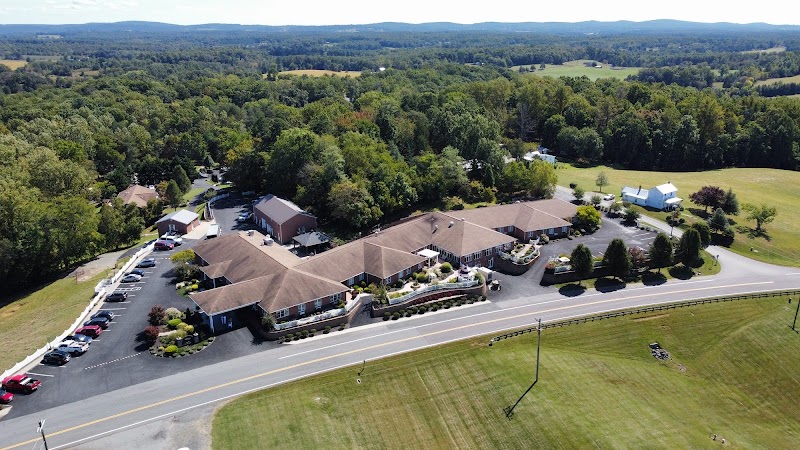
MOUNTAIN VIEW NURSING HOME is owned by a non-profit organization. Non-profit facilities reinvest revenue into operations rather than distributing to shareholders. The facility operates independently rather than as part of a larger chain. With 40 certified beds and approximately 39 residents (about 98% occupancy), it is a smaller facility located in ARODA, Virginia.
How Does Mountain View Compare to Other Virginia Nursing Homes?

Compared to the 100 nursing homes in Virginia, MOUNTAIN VIEW NURSING HOME's overall rating (5 stars) is above the state average of 3.0, staff turnover (53%) is near the state average of 46%, and health inspection rating (4 stars) is above the national benchmark.

What Should Families Ask When Visiting Mountain View?

Based on this facility's data, families visiting should ask: "Can I visit during a mealtime to observe dining assistance and food quality?" "How do you handle medical emergencies, and what is your hospital transfer rate?" "Can I speak with family members of current residents about their experience?"

Is Mountain View Safe?

Based on CMS inspection data, MOUNTAIN VIEW NURSING HOME has a clean safety record: no substantiated abuse findings (meaning no confirmed cases of resident harm), no Immediate Jeopardy citations (the most serious violation level indicating risk of serious injury or death), and is not on the Special Focus Facility watch list (a federal program monitoring the lowest-performing 1% of nursing homes). The facility has a 5-star overall rating and ranks #1 of 100 nursing homes in Virginia. While no facility is perfect, families should still ask about staff-to-resident ratios and recent inspection results during their visit.

Do Nurses at Mountain View Stick Around?

MOUNTAIN VIEW NURSING HOME has a staff turnover rate of 53%, which is 7 percentage points above the Virginia average of 46%. Moderate turnover is common in nursing homes, but families should still ask about staff tenure and how the facility maintains care continuity when employees leave.

Was Mountain View Ever Fined?

MOUNTAIN VIEW NURSING HOME has no federal fines on record. CMS issues fines when nursing homes fail to meet care standards or don't correct problems found during inspections. The absence of fines suggests the facility has either maintained compliance or corrected any issues before penalties were assessed. This is a positive indicator, though families should still review recent inspection reports for the full picture.

Is Mountain View on Any Federal Watch List?

MOUNTAIN VIEW NURSING HOME is not on any federal watch list. The most significant is the Special Focus Facility (SFF) program, which identifies the bottom 1% of nursing homes nationally based on persistent, serious quality problems. Not being on this list means the facility has avoided the pattern of deficiencies that triggers enhanced federal oversight. This is a positive indicator, though families should still review the facility's inspection history directly.