ASHLAND NURSING AND REHABILITATION

906 THOMPSON STREET, ASHLAND, VA 23005 (804) 798-3291
For profit - Corporation 190 Beds CONSULATE HEALTH CARE/INDEPENDENCE LIVING CENTERS/NSPIRE HEALTHCARE/RAYDIANT HEALTH CARE Data: November 2025
Trust Grade
15/100
#233 of 285 in VA
Last Inspection: February 2024

Within standard 12-15 month inspection cycle. Federal law requires annual inspections.

Overview

Ashland Nursing and Rehabilitation has received a Trust Grade of F, indicating significant concerns regarding its operations and care quality. Ranking #233 out of 285 facilities in Virginia places it in the bottom half, and #3 out of 4 in Hanover County means only one local option is better. The facility is showing signs of improvement, having reduced its issues from 74 in 2024 to 37 in 2025. However, staffing is a weakness, with only 1 out of 5 stars and a concerning RN coverage level lower than 83% of Virginia facilities, which could impact resident care. Specific incidents include the failure to hold resident council meetings for three months, which likely affected resident engagement, and a lack of qualified staff to direct activities, leading to complaints about the absence of programming for residents. While the absence of fines is a positive note, the high turnover rate of 56% suggests staffing stability is a challenge.

Trust Score
F
15/100
In Virginia
#233/285
Bottom 19%
Safety Record
Low Risk
No red flags
Inspections
Getting Better
74 → 37 violations
Staff Stability
⚠ Watch
56% turnover. Above average. Higher turnover means staff may not know residents' routines.
Penalties
✓ Good
No fines on record. Clean compliance history, better than most Virginia facilities.
Skilled Nurses
⚠ Watch
Each resident gets only 17 minutes of Registered Nurse (RN) attention daily — below average for Virginia. Fewer RN minutes means fewer trained eyes watching for problems.
Violations
⚠ Watch
159 deficiencies on record. Higher than average. Multiple issues found across inspections.
★☆☆☆☆
1.0
Overall Rating
★☆☆☆☆
1.0
Staff Levels
☆☆☆☆☆
0.0
Care Quality
★☆☆☆☆
1.0
Inspection Score
Stable
2024: 74 issues
2025: 37 issues

The Good

  • Full Sprinkler Coverage · Fire safety systems throughout facility
  • No fines on record

Facility shows strength in fire safety.

The Bad

1-Star Overall Rating

Below Virginia average (3.0)

Significant quality concerns identified by CMS

Staff Turnover: 56%

Near Virginia avg (46%)

Frequent staff changes - ask about care continuity

Chain: CONSULATE HEALTH CARE/INDEPENDENCE

Part of a multi-facility chain

Ask about local staffing decisions and management

Staff turnover is elevated (56%)

8 points above Virginia average of 48%

The Ugly 159 deficiencies on record

Aug 2025 37 deficiencies
CONCERN (D) 📢 Someone Reported This

A family member, employee, or ombudsman was alarmed enough to file a formal complaint

Potential for Harm - no one hurt, but risky conditions existed

Deficiency F0553 (Tag F0553)

Could have caused harm · This affected 1 resident

Based on resident interview, staff interview, facility document review, and clinical record review, the facility staff failed to invite residents and/or residents' representatives to attend and partic...

Read full inspector narrative →
Based on resident interview, staff interview, facility document review, and clinical record review, the facility staff failed to invite residents and/or residents' representatives to attend and participate in care plan meetings for two of 27 residents in the survey sample, Residents #16, and #8. The findings include:1. For Resident #16 (R16), the facility staff failed to invite the resident and the resident's representative to attend and participate in care plan meetings in 2025. On the most recent MDS (minimum data set), a quarterly assessment with an ARD (assessment reference date) of 7/20/25, R16 scored 14 out of 15 on the BIMS (brief interview for mental status), indicating the resident was cognitively intact for making daily decisions. A review of R16's clinical record for 2025 failed to reveal the resident and/or the resident's representative were invited to participate in the resident's care plan meetings. On 8/19/25 at 12:10 p.m., an interview was conducted with R16 and the resident's representative. During the interview, R16's representative stated R16 or the representative had not been invited to attend care plan meetings. R16 agreed. On 8/19/25 at 4:18 p.m., an interview was conducted with OSM (other staff member) #4 (the director of social services). OSM #4 stated the MDS (minimum data set) coordinators create a list of upcoming care plan meetings and then the receptionist sends invitation letters out to the residents and/or their representatives. On 8/20/25 at 10:45 a.m., an interview was conducted with OSM #13 (the receptionist). OSM #13 stated the former MDS coordinator used to create a list of care plan meetings, and she (OSM #13) mailed out the invitation letters. OSM #13 stated the last letter she sent out was on 10/9/24 because that was the last time the MDS department told her to mail out a letter. OSM #13 stated the former MDS coordinator who used to provide the list was no longer employed at the facility. On 8/20/25 at 5:00 p.m., ASM (administrative staff member) #1 (the executive director) and ASM #2 (the director of clinical services) were made aware of the above concern. The facility policy titled, Care Plan Invitation documented, The resident and/or the resident representative shall be invited to attend each of the Interdisciplinary Care Plan Conferences for the specified resident. No further information was presented prior to exit. 2. For Resident #8 (R8), the facility staff failed to evidence the resident and/or responsible party were given an invitation to the care plan meetings. On the most recent MDS (minimum data set) assessment, a quarterly assessment, with an assessment reference date of 7/10/25, the resident was coded as having both short- and long-term memory difficulties. The resident had MDS assessments completed on 1/7/25, 4/10/25 and 7/10/25. Review of the clinical record, failed to evidence an invitation to the responsible party (RP) for a care plan meeting. There was no documentation in the clinical record that the responsible party attended the care plan meetings. A request was made for the evidence of an invitation for the care plan meetings on 8/19/25. The facility provided a note dated, 1/28/25 that documented, “LATE ENTRY: Writer spoke to the RP on Tuesday, 01/2/25 about resident was returned from isolation to a different room. The family was displeased. Writer explained to RP, (R7) returned to the only bed available in Memory Care at that time. Writer explained when resident is readmitted there is no certainty that resident will get the same bed or room. Writer told her we will move him as soon as another bed becomes available. Writer set up appointment with family, Ombudsman, VA (Veteran’s affairs) and staff for Friday 2/7/25 at 11 a.m. to address concerns.” On 8/19/25 at 4:18 p.m., an interview was conducted with OSM (other staff member) #4 (the director of social services). OSM #4 stated the MDS coordinators create a list of upcoming care plan meetings and then the receptionist sends invitation letters out to the residents and/or their representatives. On 8/20/25 at 10:45 a.m., an interview was conducted with OSM #13 (the receptionist). OSM #13 stated the former MDS coordinator used to create a list of care plan meetings, and she (OSM #13) mailed out the invitation letters. OSM #13 stated the last letter she sent out was 10/9/24 because that was the last time the MDS department told her to mail out a letter. OSM #13 stated the former MDS coordinator who used to provide the list was no longer employed at the facility. ASM (administrative staff member) #1, the executive director, and ASM #2, the director of nursing, were made aware of the above findings on 8/20/25 at 4:40 p.m. No further information was provided prior to exit.
CONCERN (D) 📢 Someone Reported This

A family member, employee, or ombudsman was alarmed enough to file a formal complaint

Potential for Harm - no one hurt, but risky conditions existed

Deficiency F0557 (Tag F0557)

Could have caused harm · This affected 1 resident

**NOTE- TERMS IN BRACKETS HAVE BEEN EDITED TO PROTECT CONFIDENTIALITY** Based on observation, staff interview, clinical record review and facility document review, it was determined that the facility ...

Read full inspector narrative →
**NOTE- TERMS IN BRACKETS HAVE BEEN EDITED TO PROTECT CONFIDENTIALITY** Based on observation, staff interview, clinical record review and facility document review, it was determined that the facility staff failed to promote dignity for one of 27 residents in the survey sample, Resident #14, and on one of three nursing units, the [NAME] unit.The findings include:1. For Resident #14 (R14), the facility staff failed to promote dignity by maintaining trimmed facial hair on a female resident. On the most recent MDS (minimum data set), a quarterly assessment with an ARD (assessment reference date) of 5/26/2025, the resident was assessed as being severely impaired for making daily decisions. Rejection of care was documented occurring 1 to 3 days during the assessment period but not daily. R14 was assessed as requiring substantial to maximal assistance with personal hygiene. On 8/18/2025 at 11:37 a.m., an observation was made of R14 in the hallway of the memory care unit that they resided on. R14 was observed walking in the hallway outside of their room engaging in pleasant conversation with staff and others. She was observed to be pleasantly confused. Observation of R14's face revealed long curled white hairs present on the chin and long white hairs on the upper lip. Additional observations of R14 on 8/19/2025 at 8:22 a.m. and 8/20/2025 at 9:42 a.m. revealed the long curled white hairs present on the chin and long white hairs on the upper lip remained. The comprehensive care plan for R14 documented in part, Focus: [Name of R14] has an ADL (activities of daily living) self-care performance deficit r/t (related to) factors that include dementia, lack of coordination, and hemiplegia and hemiparesis following cerebral infarction affecting left nondominant side. Date Initiated: 09/11/2023 . Interventions: .Personal Hygiene/Oral Care: The resident requires partial to substantial assistance by 1 staff with personal hygiene and oral care. Date Initiated: 09/11/2023 . It further documented, Focus: [Name of R14] does not cooperate with care refused medication, refuse Shower, refuse foot care Podiatry, refuses skin assessment. Resident resist care. Sometimes requires two persons assist. Removes gripper socks. refuse medications r/t Personal choice. Refuses lab at times. Date Initiated: 12/04/2023. Review of the nursing progress notes from 1/1/2025 to the present failed to evidence documentation of refusal of personal hygiene or attempts made to trim the facial hair. Review of the ADL documentation for R14 from 8/1/2025 to the present documented personal hygiene completed on 8/1/2025 twice and 8/10/2025 on night shift. The ADLs failed to evidence documentation of refusal of personal hygiene or attempts made to trim the facial hair. On 8/20/2025 at 10:57 a.m., an interview was conducted with LPN (licensed practical nurse) #4 who stated that personal hygiene was completed day to day depending on the resident’s needs. She stated that some residents were resistant to care, and they often had to call the family and were able to reapproach and redirect the resident. LPN #4 stated that each day the residents were cleaned up, dressed and brought to the day room for activities if they liked them. She stated that R14 was cooperative at times but also refused care frequently and it was all in how she was approached. On 8/20/2025 at 11:57 a.m., an observation was made with LPN #4 of R14 in her room. On 8/20/25 at 1:09 p.m., an interview was conducted with OSM (other staff member) #2, activities assistant/CNA. OSM #2 stated that she worked as a CNA on the memory care unit until recently when she started working as the activities assistant and was familiar with the residents there. She stated that the residents there were challenging and working with them required a little more attention and patience. OSM #2 stated that personal hygiene was done daily and included the staff assisting the residents to wash their faces, wash them off, apply lotion, shave them if needed and brush their teeth. She stated that when female residents had facial hair they made an attempt to shave it off or trim it with scissors. OSM #2 stated that when a resident refused they let the nurse in charge know and the nurse took over from there. She stated that it could potentially be a dignity issue because females really don’t have hair on their faces. The facility policy Grooming Activities revised 3/19/19 documented in part, Grooming activities are provided to assist the residents in meeting their physical needs as well as self-esteem needs. Procedure: 1. Grooming activities shall be offered daily. 2. Grooming activities shall include, but are not limited to: Shaving . The facility policy Activities of Daily Living effective 2/1/22 documented in part, .CNA will report any changes in ability or refusals to the nurse. CNA will document care provided in the medical record . On 8/20/2025 at 4:30 p.m., ASM (administrative staff member) #1, the executive director and ASM #2, the director of clinical services were made aware of the findings. No further information was provided prior to exit. 2. Observation made on 8/18/25 at 2:30 p.m. The five tables had residents at each table eating their meal. There were the domes that come on the food trays, in the center of the tables with trash in them. A second observation was made on 8/19/25 at 12:15 p.m. The five tables had residents at each table eating their meal. There were domes, again observed, in the center of the four tables with trash in them. An interview was conducted with RN (registered nurse) #1 on 8/19/25 at 12:25 p.m. RN #1 stated that the domes with the trash in them in the center of the table is not a dignified manner to eat. The facility policy, “Social Dining Program” documented in part, “Policy: The social dining program is designed to create a quiet, relaxed social atmosphere in which residents can eat in a leisurely fashion, interact with others, achieve and maintain the highest possible level of independence and consume a sufficient amount of food…All non-edible items, i.e., bread wrappers, sugar packets, cellophane, etc. shall be removed from the table.” ASM (administrative staff member) 1, the ED (executive director), and ASM #2, the DCS (director of clinical services), were made aware of the above on 8/19/25 at 5:10 p.m. No further information was provided prior to exit.
CONCERN (D) 📢 Someone Reported This

A family member, employee, or ombudsman was alarmed enough to file a formal complaint

Potential for Harm - no one hurt, but risky conditions existed

Notification of Changes (Tag F0580)

Could have caused harm · This affected 1 resident

Based on staff interview, facility document review, and clinical record review, the facility staff failed to notify a resident's responsible party of a change in condition for one of 27 residents in t...

Read full inspector narrative →
Based on staff interview, facility document review, and clinical record review, the facility staff failed to notify a resident's responsible party of a change in condition for one of 27 residents in the survey sample, Resident #12The findings include:For Resident #12 (R12), the facility staff failed to notify the resident's responsible party when the resident presented with behaviors and was transferred to the hospital on 4/24/24. A review of R12's clinical record revealed a nurse's note dated 4/24/24 that documented, Pt (Patient) transferred out to ER for further eval (evaluation) related to med refusal, aggressive behaviors, combativeness with staff during ADL (activities of daily living) care, impulsiveness and inappropriate responses to eval questions. Pt eval by psych MD (Medical Doctor) and nurse advised to send to ER for psychosis. Further review of R12's clinical record failed to reveal R12's responsible party was notified regarding the resident's behaviors and hospital transfer. On 8/20/25 at 11:20 a.m., an interview was conducted with LPN (licensed practical nurse) #4. LPN #4 stated that once the nurses identify something is wrong with a resident, they are supposed to call the representative, let him or her know what is going on, and make them aware the resident is being transferred to the hospital. On 8/20/25 at 5:00 p.m., ASM (administrative staff member) #1 (the executive director) and ASM #2 (the director of clinical services) were made aware of the above concern. The facility policy titled, Family Notification documented, 1. The family will be notified of any resident changes . No further information was presented prior to exit.
CONCERN (D) 📢 Someone Reported This

A family member, employee, or ombudsman was alarmed enough to file a formal complaint

Potential for Harm - no one hurt, but risky conditions existed

Safe Environment (Tag F0584)

Could have caused harm · This affected 1 resident

**NOTE- TERMS IN BRACKETS HAVE BEEN EDITED TO PROTECT CONFIDENTIALITY** Based on observations, resident interview and staff interview, it was determined that facility staff failed to maintain a clean,...

Read full inspector narrative →
**NOTE- TERMS IN BRACKETS HAVE BEEN EDITED TO PROTECT CONFIDENTIALITY** Based on observations, resident interview and staff interview, it was determined that facility staff failed to maintain a clean, homelike environment for one of 13 current residents in the survey sample, Residents #2 (R2) and one of three units ([NAME] Unit). The findings include:1. For R2, facility staff failed to maintain the room in a clean and sanitary manner. R2 was admitted to the facility with diagnosis that included but were not limited to a stroke. On the most recent comprehensive MDS (minimum data set), an annual assessment with an ARD (assessment reference date) of 01/05/2025, R2 was coded as having both short- and long-term memory difficulties and was coded as being severely impaired of cognition for making daily decisions. On 08/18/2025 at approximately 12:45 p.m., an observation of R2 room was conducted. Observation of the floor next to left side of R2’s bed revealed two packages of unopened ketchup, two packages of unopened sugar, two packages of two packages of unopened salt and pepper, several wrappers. Further observation revealed a fall mat on the floor next to the left side of R2’s bed. Observation of the fall mat revealed it to be sticky and with food debris on several areas of the mat. Observations of the floor around R2’s bed revealed discarded wrappers and dust. On 08/18/2025 at approximately 4:25 p.m., an observation of R2 room was conducted. Observation of the floor next to left side of R2’s bed revealed a fall mat. Observation of the fall mat revealed it to be sticky and with food debris on several areas of the mat. Observations of the floor around R2’s bed revealed discarded wrappers and dust. On 08/19/2025 at approximately 8:10 a.m., an observation of R2 room was conducted. Observation of the floor next to left side of R2’s bed revealed a fall mat. Observation of the fall mat revealed it to be sticky and with food debris on several areas of the mat. Observations of the floor around R2’s bed revealed discarded wrappers and dust. On 08/19/2025 at approximately 12:15 p.m. an interview was conducted with OSM (other staff member) #1, director of housekeeping. When asked about the schedule for cleaning resident’s rooms she stated cleaned once a day every day and two rooms every day are scheduled for deep cleaning. When asked about the procedure for routine cleaning of a resident’s room she stated the housekeeper starts by emptying the trash, supplying the bathroom with paper towels and toilet paper, cleans the mirror, wipe down the walls, clean and sanitize the toilet and sink, sweep and mop the bathroom floor. She also stated that the housekeeper then moves into the resident room and dusts the windowsills, cleans the vents in the air conditioner, checks the bed, over-the-bed table, and bedside table for spills and wipes then down, sweep under the bed, and mop the room. When asked about cleaning fall mats OSM #1 stated that the housekeeper removes the fall mat, cleans underneath the mat then cleans and sanitizes the top of the fall mat. On 08/19/2025 at approximately 12:40 p.m. an observation of R2’s room was conducted with OSM #1. After observing the fall mat next to the bed, under and around R2’s bed, she agreed that the room and fall mat were not clean. The facility’s policy “Cleaning and Disinfecting Residents' Rooms” documented in part, “General Guidelines. 1. Housekeeping surfaces (e.g., floors, tabletops) will be cleaned on a regular basis, when spills occur, and when these surfaces are visibly soiled. 2. Environmental surfaces will be disinfected (or cleaned) on a regular basis (e.g., daily, three times per week) and when surfaces are visibly soiled.” On 08/19/2025 at approximately 5:00 p.m., ASM (administrative staff member) #1, executive director, and ASM #2, director of clinical services, were made aware of the above findings. No further information was provided prior to exit. Complaint deficiency 2. For one of three facility units, the facility staff failed to provide a homelike environment free of lingering urine odors. On 8/18/2025 at 11:35 a.m., an observation was made of the locked memory care unit on the [NAME] unit. Observation at the end of the hallway between the day room and exit door revealed a strong stale urine odor. Observation on the end of the main hallway of the memory care unit revealed a strong stale urine odor present at the end of the hall near the exit door. Additional observations on 8/18/2025 at 2:14 p.m. and 4:00 p.m. and 8/19/2025 at 8:52 a.m., revealed the findings above on the [NAME] unit. On 8/19/2025 at 12:16 p.m., an interview was conducted with OSM (other staff member) #1, the director of housekeeping who stated that resident rooms were cleaned daily. She stated that to control odors on the [NAME] unit the staff scrubbed the bathrooms, used a degreaser on the floors and had a scrubbing machine that circled the floor to bring up any set in stains like urine. She stated that the goal was to do this once a week and they tried to do it twice a week. OSM #1 stated that two rooms from that unit were deep cleaned every day, and they stripped and waxed the floors depending on how they looked. She stated that the lingering urine odors on the unit seemed to come from the bathrooms, and they assigned one housekeeper dedicated to that unit and rotated them around to find who was the best fit for that unit. OSM #1 stated that lingering urine odors were not homelike. She observed the hallways of the [NAME] unit at that time and stated that all she could smell at that time were the cleaning products from the floor tech cleaning the floor today. On 8/20/2025 at 1:09 p.m., an interview was conducted with OSM (other staff member) #2, activities assistant, who stated that odors were minimized on the [NAME] unit by keeping the residents as clean and dry as they could and have housekeeping do their part to keep the unit clean. On 8/20/2025 at 4:30 p.m., ASM (administrative staff member) #1, the executive director and ASM #2, the director of nursing were made aware of the findings. No further information was provided prior to exit.
CONCERN (D) 📢 Someone Reported This

A family member, employee, or ombudsman was alarmed enough to file a formal complaint

Potential for Harm - no one hurt, but risky conditions existed

Report Alleged Abuse (Tag F0609)

Could have caused harm · This affected 1 resident

Based on staff interview, facility document review and clinical record review, the facility staff failed to report an allegation of abuse in a timely manner for one of 27 residents in the survey sampl...

Read full inspector narrative →
Based on staff interview, facility document review and clinical record review, the facility staff failed to report an allegation of abuse in a timely manner for one of 27 residents in the survey sample, Resident #7. The findings include: For Resident #7 (R7) the facility staff failed to report an allegation to the state agency in a timely manner. The incident occurred on 12/27/25 and was not reported to the state agency until 12/30/25. The facility synopsis of event dated, 12/30/24 with the incident dated 12/27/24, documented in part, The Interim DON was notified that the nurse witnessed (R7) hit (R26) in the face. She was not able to get to them in time. The residents were separated. Skin assessments were done. Note discoloration to the side of (R26)'s face. MD and RP updated. (R7) will be placed on Q 15 (minute) safety checks. The final report to the state agency documented in part, On 12/30/24 the Interim DON was notified that the Nurse witnessed (R7) hit (R26) in the face. She was not able to get to them in time. The residents were separated. Skin assessments were done. Note discoloration to the side of (R26)'s face. MD and RP updated. (R7) will place Q 15 safety checks. The final report to the state agency was obtained through their corporate office, it was not in the file. Review of the file folder for the investigation of the facility synopsis of event, failed to evidence any documentation of an investigation. The only documentation that was in the folder was the clinical record documents for each resident. There were no witness statements, staff or resident interviews or assessments of residents involved and any other residents, in the file folder. An interview was conducted with ASM (administrative staff member) #1, the executive director, on 8/20/25 at 8:30 p.m. ASM #1 stated if there is an allegation of abuse, it must be reported to the state agency within two hours. The facility policy, Abuse, Neglect, Exploitation & Misappropriation documented in part, Reporting/Response: Any employee or contracted service provider who witnesses or has knowledge of an act of abuse or an allegation of abuse, neglect, exploitation or mistreatment, including injuries of unknown source and misappropriation of resident property, to a resident, is obligated to report such information immediately, but no later than 2 hours after the allegation is made, if the events that cause the allegation involve abuse or result in serious bodily injury, or not later than 24 hours if the events that cause the allegation do not involve abuse and do not result in serious bodily injury, to the Administrator and to other officials in accordance with State law. In the absence of the Executive Director, the Director of Nursing is designated as an abuse coordinator. Once an allegation of abuse is reported, the Executive Director, as the abuse coordinator, is responsible for ensuring that reporting is completed timely and appropriately to appropriate officials in accordance with Federal and State regulations, including notification of Law Enforcement if a reasonable suspicion of crime has occurred. Facility staff should be aware of and comply with their individual requirements and responsibilities for reporting by law. ASM #1 and ASM #2, the director of clinical services, were made aware of the above concern on 8/20/25 at 4:40 p.m. No further information was obtained prior to exit.
CONCERN (D) 📢 Someone Reported This

A family member, employee, or ombudsman was alarmed enough to file a formal complaint

Potential for Harm - no one hurt, but risky conditions existed

Deficiency F0628 (Tag F0628)

Could have caused harm · This affected 1 resident

Based on staff interview, facility document review, and clinical record review, the facility staff failed to provide a written notice of transfer, and a written notice of the bed hold policy to the re...

Read full inspector narrative →
Based on staff interview, facility document review, and clinical record review, the facility staff failed to provide a written notice of transfer, and a written notice of the bed hold policy to the resident and/or resident representative upon hospital transfer for two of 27 residents in the survey sample, Residents #12, and #8. The findings include:1. For Resident #12, the facility staff failed to provide a written notice of transfer, and a written notice of the bed hold policy when the resident transferred to the hospital on 4/24/24. A nurse's noted dated 4/24/24 documented, Pt (Patient) transferred out to ER for further eval (evaluation) related to med refusal, aggressive behaviors, combativeness with staff during ADL (activities of daily living) care, impulsiveness and inappropriate responses to eval questions. Pt eval by psych MD (Medical Doctor) and nurse advised to send to ER for psychosis. Further review of R12's clinical record failed to reveal evidence that the resident and/or responsible party were provided with a written notice of transfer and a written notice of the bed hold policy. A written notice of transfer and a written notice of the bed hold policy was provided by OSM (other staff member) #4 (the director of social services). The forms documented R12's name, the responsible party's name, and the date 4/24/24 but failed to document evidence the forms were provided to R12 or the responsible party. On 8/20/25 at 9:03 a.m., an interview was conducted with OSM #4. OSM #4 stated she mails the written notices of transfers and written notices of the bed hold policy to responsible parties and keeps the notices in her office. OSM #4 stated she could not provide evidence that R12's written notices were provided to R12 or the resident's responsible party. On 8/20/25 at 5:00 p.m., ASM (administrative staff member) #1 (the executive director) and ASM #2 (the director of clinical services) were made aware of the above concern. The facility policy titled, Bed Hold documented, Resident or Resident Representative will be notified on admission, and at the time of transfer (to the hospital or therapeutic leave) of the bed hold policies, according to Federal and/or State requirements. No further information was presented prior to exit. 2. For Resident #8 (R8), the facility staff failed to evidence the written notice and bed hold notice were sent to the responsible party for a transfer to the hospital on 1/12/15. The nurse’s note dated 1/12/25 at 3:41 p.m. documented, “Resident tolerated AM (morning) medications well, resident was up in wheelchair after breakfast. During afternoon med (medication) pass, resident’s daughter requested for aid to obtain his temperature, resident had temp (temperature) of 102.1 orally. Blood pressure reading of 98/56, 94 pulse, 18 respirations. Mild c/o (complaint of) left side when touched but resident able to lift arms up upon writer’s request without difficulty. Resident in no apparent distress. Writer placed page for on call MD (medical doctor) for further orders, daughter updated on outgoing all to MD. Writer received call from spouse moments requesting to have resident sent to ER.” Further review of the clinical record failed to evidence documentation of the written notice and bed hold notice sent to the responsible party. An interview was conducted on 8/19/25 at 4:37 p.m. with OSM (other staff member) #5, the social worker. OSM #5 stated she has copies of the letter and bed hold notice but could not evidence that it was actually sent out. ASM (administrative staff member) #1, the executive director, and ASM #2, the director of nursing, were made aware of the above findings on 8/20/25 at 4:40 p.m. No further information was provided prior to exit.
CONCERN (D) 📢 Someone Reported This

A family member, employee, or ombudsman was alarmed enough to file a formal complaint

Potential for Harm - no one hurt, but risky conditions existed

Deficiency F0687 (Tag F0687)

Could have caused harm · This affected 1 resident

Based on observation, staff interview, clinical record review and facility document review, it was determined that the facility staff failed to provide foot care for one of 27 residents in the survey ...

Read full inspector narrative →
Based on observation, staff interview, clinical record review and facility document review, it was determined that the facility staff failed to provide foot care for one of 27 residents in the survey sample, Resident #14.The findings include:For Resident #14 (R14), the facility staff failed to provide foot care to maintain trimmed toenails.On the most recent MDS (minimum data set), a quarterly assessment with an ARD (assessment reference date) of 5/26/2025, the resident was assessed as being severely impaired for making daily decisions. Rejection of care was documented occurring 1 to 3 days during the assessment period but not daily. R14 was assessed as requiring substantial to maximal assistance with personal hygiene and bathing. R14 was not documented as being diabetic.On 8/18/2025 at 11:37 a.m., an observation was made of R14 in the hallway of the memory care unit that they resided on. R14 was observed walking in the hallway outside of their room in bare feet. R14's feet were observed with long untrimmed toenails that were uneven and approximately 1/8 inch from the nailbed. The comprehensive care plan for R14 documented in part, Focus: [Name of R14] has an ADL (activities of daily living) self-care performance deficit r/t (related to) factors that include dementia, lack of coordination, and hemiplegia and hemiparesis following cerebral infarction affecting left nondominant side. Date Initiated: 09/11/2023 . It further documented, Focus: [Name of R14] does not cooperate with care refused medication, refuse Shower, refuse foot care Podiatry, refuses skin assessment. Resident resist care. Sometimes requires two persons assist. Removes gripper socks. refuse medications r/t Personal choice. Refuses lab at times. Date Initiated: 12/04/2023.Review of the nursing progress notes from 5/1/2025 to the present failed to evidence documentation of refusal of personal hygiene or attempts made to trim the toenails.A podiatry note for R14 dated 4/18/2025 documented the toenails trimmed by the podiatrist on that day. The clinical record failed to evidence R14's toenails trimmed after 4/18/2025.On 8/20/2025 at 10:57 a.m., an interview was conducted with LPN (licensed practical nurse) #4 who stated that R14 was cooperative at times but also refused care frequently and it was all in how she was approached. She stated that the nurses were allowed to trim toenails if the resident was not diabetic. She stated that they tried to have the podiatrist trim the nails of the residents that resided in the memory care unit when he came in monthly, but there were times when they refused. LPN #4 stated that when the resident refused, the nurse should notify the physician and the responsible party and document it in the medical record. On 8/20/2025 at 11:57 a.m., an observation was made with LPN #4 of R14 in her room however she refused to allow LPN #4 to see her feet at that time. On 8/20/25 at 1:09 p.m., an interview was conducted with OSM (other staff member) #2, activities assistant/CNA. OSM #2 stated that she worked as a CNA on the memory care unit until recently when she started working as the activities assistant and was familiar with the residents there. She stated that the podiatrist trimmed the residents toenails, but she was not sure of how often he came in or who he saw when he came in because he saw the residents that the nurse put on the list.The facility policy Grooming Activities revised 3/19/19 documented in part, Grooming activities are provided to assist the residents in meeting their physical needs as well as self-esteem needs. Procedure: 1. Grooming activities shall be offered daily. 2. Grooming activities shall include, but are not limited to: .Nail Care. The facility policy Activities of Daily Living effective 2/1/22 documented in part, .CNA will report any changes in ability or refusals to the nurse. CNA will document care provided in the medical record .On 8/20/2025 at 4:30 p.m., ASM (administrative staff member) #1, the executive director and ASM #2, the director of clinical services were made aware of the findings.No further information was provided prior to exit.
CONCERN (D) 📢 Someone Reported This

A family member, employee, or ombudsman was alarmed enough to file a formal complaint

Potential for Harm - no one hurt, but risky conditions existed

Deficiency F0725 (Tag F0725)

Could have caused harm · This affected 1 resident

Based on staff interview, facility document review, and clinical record review, the facility staff failed to provide sufficient nursing staff for one of 27 residents in the survey sample, Resident #25...

Read full inspector narrative →
Based on staff interview, facility document review, and clinical record review, the facility staff failed to provide sufficient nursing staff for one of 27 residents in the survey sample, Resident #25. The findings include:For Resident #25 (R25), the facility staff failed to provide sufficient nursing staff to ensure adequate monitoring, resulting in multiple incidents of the resident hitting and inappropriately touching other residents. A review of R25's clinical record revealed a nurse's note dated 1/24/25 that documented, At about 345pm staff member observed resident on top of another resident (in bed number) hitting him in the face. Cna (Certified nursing assistant) that observed incident immediately separated residents. Writer assessed resident. No new skin concerns noted. When asked why were you hitting him, he stated, he was in my room. NP (Nurse Practitioner) called and made aware. Sister called and made aware of incident.An initial facility synopsis submitted to the SA (State Agency) on 1/24/25 documented, Facility staff responded to resident to resident incident on locked dementia unit. (R20) had entered into the room of (R25) and sat in vacant bed opposite (R25's). (R25) asked (R20) to leave his room. When (R20) didn't leave, (R25) got up and hit (R20) on the left side of his face. Staff responded and separated residents and brought (R20) back to his room. Minor first aid provided to cut on (R20's) face and x-ray ordered as a precaution. (R20) was placed on 1:1 (one on one) supervision due to his wandering into (R25's) room. Both residents have significant dementia and were unable to be appropriately interviewed regarding the incident.Further review of R25's clinical record failed to reveal documentation to evidence the resident received one on one monitoring (until 3/22/25) and failed to reveal documentation that the interdisciplinary team discussed discontinuation of one on one monitoring. A nurse's note dated 3/21/25 documented, Writer informed by cna that resident slapped another resident in the face. Writer asked resident what happened, and resident stated, 'She was trying to take my juice.' (Name of responsible party) called and made aware of incident. (Name of nurse practitioner) called and informed. No new orders given at the moment.An initial facility synopsis submitted to the SA (state agency) on 3/21/25 documented, (R25) and (R21) were sitting in the dining room during the afternoon meal. (R25) thought (R21) was reaching to take his cup of tea and he struck her in the face with an open hand. Residents were immediately separated. Both residents assessed with no injury noted for either resident. MD (Medical Doctor) and responsible parties for both residents notified. 1:1 monitoring initiated for (R25).Further review of R25's clinical record failed to reveal documentation to evidence the resident received one on one monitoring on 3/24/25, 3/27/25, 3/28/25, 3/30/25, 4/2/25, 4/3/25, and 4/10/25 and 4/11/25 (until 12:12 p.m.), and failed to reveal documentation that the interdisciplinary team discussed discontinuation of one on one monitoring. A nurse's note dated 4/11/25 (3:05 a.m.) documented, Resident observed in the hallway punching another resident on the head. Resident separated from the other resident and placed on separate room for monitoring. No injuries observed.An initial facility synopsis submitted to the SA (state agency) on 4/11/25 documented, It was reported that while in the hallway, (R25) struck (R22) in the head with a closed hand. Residents were immediately separated. Both residents assessed with no injury noted for either resident. Neuro checks initiated for (R22). MD and responsible parties for both residents notified. 1:1 monitoring provided for (R25). Law Enforcement Notified.R25's comprehensive care plan reviewed and revised on 4/11/25 documented, 1:1 for behaviors and safety.Further review of R25's clinical record failed to reveal documentation to evidence the resident received one on one monitoring on 4/14/25, 4/16/25, 4/17/25, 4/18/25, 4/20/25, 4/21/25, 4/24/25, 4/25/25, and 4/27/25 (after 1:27 p.m.), and failed to reveal documentation that the interdisciplinary team discussed discontinuation of one on one monitoring. A nurse's note dated 4/27/25 (9:05 p.m.) documented, Residents were separated immediately after incident involving resident A slapping Resident B with an open hand to the right face. Resident A relocated back to his room with the 1:1 CNA. DON (Director of Nursing), Administrator, NP/MD (Nurse Practitioner/Medical Doctor), Non-emergent police station and RPs are [sic] both parties called and notified.An initial facility synopsis submitted to the SA (state agency) on 4/27/25 documented, It was reported that (R25) touched a female resident, (another resident-R23) on the breast open hand on top of her clothes. Staff immediately separated them. While staff was separating the residents, (R25) struck (R22) in the face with an open hand. The residents were assessed, no injuries noted. The facility staff could not provide nursing schedules that documented how many nurses and CNAs were staffed on each unit for each shift from January 2025 through April 2025. On 8/20/25 at 10:17 a.m., an interview was conducted with OSM (other staff member) #10 (the interim staffing coordinator). OSM #10 stated wing three (which included the dementia unit where R25 resided and a separate hall) contained 58 beds and should staff two nurses and four CNAs during the day shift, two nurses and four CNAs during the evening shift, and two nurses and three CNAs during the night shift. OSM #10 stated it is important to appropriately staff the building, so residents get good care. On 8/20/25 at 11:20 a.m., an interview was conducted with LPN (licensed practical nurse) #4. LPN #4 stated R25 independently ambulated and his behaviors depended on how he was approached. LPN #4 stated R25 liked to go to the dining room but noise and chaos agitated him. LPN #4 stated staffing on the dementia unit probably was not sufficient from January 2025 through April 2025 because of the residents' behaviors, and R25 could have been supervised more closely if there had been more staff. On 8/20/25 at 1:09 p.m., an interview was conducted with OSM #2 (activities assistant/CNA). OSM #2 stated R25 was really nice but could be combative and did not want anyone in his space. OSM #2 stated residents on the dementia unit require more staffing due to their needs. OSM #2 stated residents with dementia require more attention and monitoring because they wander into other residents' rooms. On 8/20/25 at 5:00 p.m., ASM (administrative staff member) #1 (the executive director) and ASM #2 (the director of clinical services) were made aware of the above concern. The facility did not provide a specific policy regarding staffing. The facility policy titled, Abuse, Neglect, Exploitation & Misappropriation documented, 3. Prevention: The center is committed to the prevention of abuse, neglect, misappropriation of resident property, and exploitation. The following systems have been implemented: Sufficient numbers of staff to meet the needs of the residents . No further information was presented prior to exit.
CONCERN (D) 📢 Someone Reported This

A family member, employee, or ombudsman was alarmed enough to file a formal complaint

Potential for Harm - no one hurt, but risky conditions existed

Deficiency F0730 (Tag F0730)

Could have caused harm · This affected 1 resident

Based on staff interview and facility document review, the facility staff failed to complete an annual performance evaluation for one of five CNA (certified nursing assistant) records reviewed, CNA #5...

Read full inspector narrative →
Based on staff interview and facility document review, the facility staff failed to complete an annual performance evaluation for one of five CNA (certified nursing assistant) records reviewed, CNA #5.The findings include:For CNA #5, the facility staff failed to provide evidence of the required annual performance evaluation in the past 12 months.On 8/20/25 at 5:13 p.m., CNA #5's most recent performance evaluation was requested. ASM (administrative staff members) #1, the executive director, and #2, the director of clinical services, were present at this meeting. ASM #1 stated the facility staff may not be able to provide the survey team with the requested information because of the recent sale of the facility and the current staff's lack of access to old personnel records.On 8/21/25 at 9:04 a.m., ASM #5, the assistant director of clinical services, was interviewed. She stated she is very new to this role and will be taking over staff performance evaluations from this point forward. She stated she could not speak to why the evaluation had not been done in a timely manner in the past, but in the future, she will be taking care of these.On 8/21/25 at 11:10 a.m., ASM #1 and ASM #2 were informed of these concerns.No additional information was provided prior to exit.
CONCERN (D) 📢 Someone Reported This

A family member, employee, or ombudsman was alarmed enough to file a formal complaint

Potential for Harm - no one hurt, but risky conditions existed

Deficiency F0745 (Tag F0745)

Could have caused harm · This affected 1 resident

Based on staff interview, facility document review, and clinical record review, the facility staff failed to provide medically related social services for one of 27 residents in the survey sample, Res...

Read full inspector narrative →
Based on staff interview, facility document review, and clinical record review, the facility staff failed to provide medically related social services for one of 27 residents in the survey sample, Resident #20. The findings include:For Resident #20 (R20), the facility staff failed to assess the resident's psychosocial status and implement psychosocial interventions to address physical abuse on 1/24/25. A review of R20's clinical record revealed a nurse's note dated 1/24/25 that documented, At about 345pm staff member observed another resident on top of resident in bed (number) hitting him in the face. Writer assessed resident small skin tear noted to resident's nose. Facial swelling and bruising noted to left side of resident's face. Vitals checked, 128/77 (blood pressure), 97.9 (temperature), 72 (pulse), 18 (respirations). NP (Nurse Practitioner) called and made aware of incident. Xray order given. (Name of power of attorney) called and made aware of incident. No concerns voiced. She stated she would be in tomorrow to see resident. Further review of R20's clinical record failed to reveal the resident's psychosocial status related to the physical abuse was assessed or psychosocial interventions were implemented. On 8/19/25 at 4:42 p.m., an interview was conducted with OSM (other staff member) #5 (the social services coordinator). OSM #5 stated that after a resident is hit by another resident, the social services staff interviews the resident who was hit and completes a psychosocial assessment of the resident. OSM #5 stated the staff also monitors the resident to make sure he or she is okay, and to see how he or she is coping every week for at least four weeks. OSM #5 stated this should be documented in the clinical record. On 8/20/25 at 5:00 p.m., ASM (administrative staff member) #1 (the executive director) and ASM #2 (the director of clinical services) were made aware of the above concern. The facility policy titled, Assessments-Social History and Psychosocial Assessment documented, It is the policy of The Company to: Assess resident's psychosocial needs .4. Social Services will complete the Social Services Progress Review quarterly, with significant changes and as needed. No further information was presented prior to exit.
CONCERN (D) 📢 Someone Reported This

A family member, employee, or ombudsman was alarmed enough to file a formal complaint

Potential for Harm - no one hurt, but risky conditions existed

Medical Records (Tag F0842)

Could have caused harm · This affected 1 resident

Based on staff interview and clinical record review it was determined that the facility staff failed to maintain a completed and accurate clinical record for two of 27 residents in the survey sample, ...

Read full inspector narrative →
Based on staff interview and clinical record review it was determined that the facility staff failed to maintain a completed and accurate clinical record for two of 27 residents in the survey sample, Resident #2 (R2) and R23. The findings include:1. For R2, the facility staff failed to accurately document when showers were provided. R2 was admitted to the facility with diagnosis that included but were not limited to a stroke. On the most recent comprehensive MDS (minimum data set), an annual assessment with an ARD (assessment reference date) of 01/05/2025, R2 was coded as having both short- and long-term memory difficulties and was coded as being severely impaired of cognition for making daily decisions. The facility’s resident shower schedule dated 01/03/2025 documented in R2’s room number for showers on every Monday and Thursday evening. The facility’s shower sheets dated 07/07/2025 through 08/18/2025 documented R2 received showers every Monday and Thursday. The facility’s ADL (activities of daily living) tracking sheets dated 07/07/2025 through 08/18/2025 failed to document that R2 received showers every Monday and Thursday. On 08/20/2025 at approximately 5:25 p.m. an interview was conducted with ASM (administrative staff member) #2, director of clinical services regarding R2’s shower sheets as part of the clinical record. When asked where R2’s shower sheets are kept she stated kept in a separate binder on each unit. When asked if the shower sheets for R2 were part of the clinical record she stated no. After reviewing the ADL sheets for R2 and the shower sheets ASM #2 agreed the clinical record for R2 was not complete or accurate. The facility’s policy “Clinical/Medical Records” it documented in part, “Policy. Clinical Records are maintained in accordance with professional practice standards to provide complete and accurate information on each resident for continuity of care. ” On 08/20/2025 at approximately 4:30 p.m., ASM #1 and ASM #2, director of clinical services, were made aware of the above findings. No further information was provided prior to exit. Complaint deficiency 2. For Resident #23 (R23), the facility staff failed to document in the clinical record, an incident of Resident #25 (R25) touching R23's breast on 4/27/25. An initial facility synopsis submitted to the SA (state agency) on 4/27/25 documented, It was reported that (R25) touched a female resident, (R23) on the breast open hand on top of her clothes. Staff immediately separated them . A review of R23's clinical record failed to reveal documentation regarding this incident. On 8/21/25 at 7:16 a.m., an interview was conducted with ASM (administrative staff member) #2 (the director of clinical services). ASM #2 stated the above incident should have been documented in R23's clinical record. On 8/21/25 at 8:56 a.m., ASM #1 (the executive director) was made aware of the above concern. No further information was presented prior to exit.
CONCERN (D) 📢 Someone Reported This

A family member, employee, or ombudsman was alarmed enough to file a formal complaint

Potential for Harm - no one hurt, but risky conditions existed

Deficiency F0849 (Tag F0849)

Could have caused harm · This affected 1 resident

Based on staff interview, facility documentation, and clinical record review, it was determined the facility staff failed to evidence communication between the hospice company and the facility for one...

Read full inspector narrative →
Based on staff interview, facility documentation, and clinical record review, it was determined the facility staff failed to evidence communication between the hospice company and the facility for one of 27 residents in the survey sample, Resident #19 (R19). The findings include: For Resident #19, the facility staff failed to evidence communication between the hospice company and the facility. The physician order dated, 6/12/25, documented, Resident admitted to (Name of Hospice).A request was made for communication between the facility and the hospice company. On 8/20/25 at 1:27 p.m. ASM (administrative staff member) #2, the director of clinical services, presented information related to hospice communication. The documents had been faxed to the facility on 8/20/25. The documents contained notes from visits from the hospice company on 6/12/25, 6/13/25, 6/27/25 and 7/1/25. When asked the process for having the information from the hospice company available to the staff caring for the residents, ASM #2 stated, when the facility receives information, it is given to the medical records department and uploaded in the miscellaneous file in PCC (initials of electronic medical records system). When asked the expectation when the information is to be in the record, she stated she would have to check on that. ASM #2 stated she had checked on the unit to see if there was a hospice communication book, there was none. She stated she spoke with the nurse down on the unit and stated she speaks with the hospice staff members, and they share information. When asked if this information should be available to all staff including the physicians, ASM #2 stated yes. The facility policy, Hospice Care, documented in part, Communication with hospice representatives, hospice medical director and the patient/resident's attending physician to ensure coordination of care. Ensure the following information is obtained from hospice: Most recent hospice plan of care, hospice election form, physician certification and recertification of the terminal illness, Names and contact information for hospice personnel involved in the care of the patient/resident, how to access hospice's 24 hour on call system, medication information for the patient/resident, hospice physician and attending physician orders for the patient/resident and provide education to the hospice staff on center policies and procedures, including: resident rights, documentation and forms. ASM #1, the executive director and ASM #2 made aware of the above concern on 8/20/25 at 4:40 p.m. No further information was provided prior to exit.
CONCERN (D) 📢 Someone Reported This

A family member, employee, or ombudsman was alarmed enough to file a formal complaint

Potential for Harm - no one hurt, but risky conditions existed

Deficiency F0941 (Tag F0941)

Could have caused harm · This affected 1 resident

Based on staff interview and facility document review, the facility staff failed to provide communications training for one of ten staff records reviewed, CNA (certified nursing assistant) #5.The find...

Read full inspector narrative →
Based on staff interview and facility document review, the facility staff failed to provide communications training for one of ten staff records reviewed, CNA (certified nursing assistant) #5.The findings include:For CNA #5, the facility staff failed to provide required communications training.On 8/20/25 at 5:13 p.m., CNA #5's education records were requested. ASM (administrative staff members) #1, the executive director, and #2, the director of clinical services, were present at this meeting. ASM #1 stated the facility staff may not be able to provide the survey team with the requested information because of the recent sale of the facility and the current staff's lack of access to old personnel records.On 8/21/25 at 9:04 a.m., ASM #5, the assistant director of clinical services, was interviewed. She stated she is very new to this role and will be taking over staff training. She stated she could not speak to why the required trainings were not done in the past, but in the future, she will be taking care of these. She stated she will be keeping up with the required training content and tracking the training for each staff member. She explained that staff training is one way to meet residents' needs. She added that managers are responsible for making sure staff are trained in order to provide the highest level of care possible for residents. On 8/21/25 at 11:10 a.m., ASM #1 and ASM #2 were informed of these concerns.A review of the policy, In-Service Training-General, revealed, in part: Employees will be provided training on required topics on an annual basis. Additional training may be provided based on the center Facility Assessment, areas of deficiency identified and to improve the overall knowledge of the staff.Required education and in-services may include a combination of requirements based on Federal, State, and/or local regulations, company required in-service education topics and the and the center Facility Assessment. Each center is responsible to ensure that required Federal, State, and/or Local regulations are followed accordingly.No additional information was provided prior to exit.
CONCERN (D) 📢 Someone Reported This

A family member, employee, or ombudsman was alarmed enough to file a formal complaint

Potential for Harm - no one hurt, but risky conditions existed

Deficiency F0942 (Tag F0942)

Could have caused harm · This affected 1 resident

For RN #2 and OSM #15, the facility staff failed to provide required resident rights training.On 8/20/25 at 5:13 p.m., RN #2's and OSM #15's education records were requested. ASM (administrative staff...

Read full inspector narrative →
For RN #2 and OSM #15, the facility staff failed to provide required resident rights training.On 8/20/25 at 5:13 p.m., RN #2's and OSM #15's education records were requested. ASM (administrative staff members) #1, the executive director, and #2, the director of clinical services, were present at this meeting. ASM #1 stated the facility staff may not be able to provide the survey team with the requested information because of the recent sale of the facility and the current staff's lack of access to old personnel records.On 8/21/25 at 9:04 a.m., ASM #5, the assistant director of clinical services, was interviewed. She stated she is very new to this role and will be taking over staff training. She stated she could not speak to why the required trainings were not done in the past, but in the future, she will be taking care of these. She stated she will be keeping up with the required training content and tracking the training for each staff member. She explained that staff training is one way to meet residents' needs. She added that managers are responsible for making sure staff are trained in order to provide the highest level of care possible for residents.On 8/21/25 at 11:10 a.m., ASM #1 and ASM #2 were informed of these concerns.A review of the policy, In-Service Training-General, revealed, in part: Employees will be provided training on required topics on an annual basis. Additional training may be provided based on the center Facility Assessment, areas of deficiency identified and to improve the overall knowledge of the staff.Required education and in-services may include a combination of requirements based on Federal, State, and/or local regulations, company required in-service education topics and the and the center Facility Assessment. Each center is responsible to ensure that required Federal, State, and/or Local regulations are followed accordingly.No additional information was provided prior to exit.
CONCERN (D) 📢 Someone Reported This

A family member, employee, or ombudsman was alarmed enough to file a formal complaint

Potential for Harm - no one hurt, but risky conditions existed

Deficiency F0943 (Tag F0943)

Could have caused harm · This affected 1 resident

Based on staff interview and facility document review, the facility staff failed to provide training in prevention of resident abuse, neglect, and exploitation for one of ten staff records reviewed, R...

Read full inspector narrative →
Based on staff interview and facility document review, the facility staff failed to provide training in prevention of resident abuse, neglect, and exploitation for one of ten staff records reviewed, RN (registered nurse) #2.The findings include:For RN #2, the facility staff failed to provide required training in the prevention or resident abuse, neglect, and exploitation.On 8/20/25 at 5:13 p.m., RN #2's education records were requested. ASM (administrative staff members) #1, the executive director, and #2, the director of clinical services, were present at this meeting. ASM #1 stated the facility staff may not be able to provide the survey team with the requested information because of the recent sale of the facility and the current staff's lack of access to old personnel records.On 8/21/25 at 9:04 a.m., ASM #5, the assistant director of clinical services, was interviewed. She stated she is very new to this role and will be taking over staff training. She stated she could not speak to why the required trainings were not done in the past, but in the future, she will be taking care of these. She stated she will be keeping up with the required training content and tracking the training for each staff member. She explained that staff training is one way to meet residents' needs. She added that managers are responsible for making sure staff are trained in order to provide the highest level of care possible for residents.On 8/21/25 at 11:10 a.m., ASM #1 and ASM #2 were informed of these concerns.A review of the policy, In-Service Training-General, revealed, in part: Employees will be provided training on required topics on an annual basis. Additional training may be provided based on the center Facility Assessment, areas of deficiency identified and to improve the overall knowledge of the staff.Required education and in-services may include a combination of requirements based on Federal, State, and/or local regulations, company required in-service education topics and the and the center Facility Assessment. Each center is responsible to ensure that required Federal, State, and/or Local regulations are followed accordingly.No additional information was provided prior to exit.
CONCERN (D) 📢 Someone Reported This

A family member, employee, or ombudsman was alarmed enough to file a formal complaint

Potential for Harm - no one hurt, but risky conditions existed

Deficiency F0944 (Tag F0944)

Could have caused harm · This affected 1 resident

Based on staff interview and facility document review, the facility staff failed to provide QAPI (quality assurance and performance improvement) training for two of ten staff records reviewed, RN (reg...

Read full inspector narrative →
Based on staff interview and facility document review, the facility staff failed to provide QAPI (quality assurance and performance improvement) training for two of ten staff records reviewed, RN (registered nurse) #2 and OSM (other staff member) #15, a member of the dietary staff.The findings include:For RN #2 and OSM #15, the facility staff failed to provide required QAPI training.On 8/20/25 at 5:13 p.m., RN #2's and OSM #15's education records were requested. ASM (administrative staff members) #1, the executive director, and #2, the director of clinical services, were present at this meeting. ASM #1 stated the facility staff may not be able to provide the survey team with the requested information because of the recent sale of the facility and the current staff's lack of access to old personnel records.On 8/21/25 at 9:04 a.m., ASM #5, the assistant director of clinical services, was interviewed. She stated she is very new to this role and will be taking over staff training. She stated she could not speak to why the required trainings were not done in the past, but in the future, she will be taking care of these. She stated she will be keeping up with the required training content and tracking the training for each staff member. She explained that staff training is one way to meet residents' needs. She added that managers are responsible for making sure staff are trained in order to provide the highest level of care possible for residents. On 8/21/25 at 11:10 a.m., ASM #1 and ASM #2 were informed of these concerns.A review of the policy, In-Service Training-General, revealed, in part: Employees will be provided training on required topics on an annual basis. Additional training may be provided based on the center Facility Assessment, areas of deficiency identified and to improve the overall knowledge of the staff.Required education and in-services may include a combination of requirements based on Federal, State, and/or local regulations, company required in-service education topics and the and the center Facility Assessment. Each center is responsible to ensure that required Federal, State, and/or Local regulations are followed accordingly.No additional information was provided prior to exit.
CONCERN (D) 📢 Someone Reported This

A family member, employee, or ombudsman was alarmed enough to file a formal complaint

Potential for Harm - no one hurt, but risky conditions existed

Deficiency F0945 (Tag F0945)

Could have caused harm · This affected 1 resident

Based on staff interview and facility document review, the facility staff failed to provide infection control training for one of ten staff records reviewed, RN (registered nurse) #2.The findings incl...

Read full inspector narrative →
Based on staff interview and facility document review, the facility staff failed to provide infection control training for one of ten staff records reviewed, RN (registered nurse) #2.The findings include:For RN #2, the facility staff failed to provide required infection control training.On 8/20/25 at 5:13 p.m., RN #2's education records were requested. ASM (administrative staff members) #1, the executive director, and #2, the director of clinical services, were present at this meeting. ASM #1 stated the facility staff may not be able to provide the survey team with the requested information because of the recent sale of the facility and the current staff's lack of access to old personnel records.On 8/21/25 at 9:04 a.m., ASM #5, the assistant director of clinical services, was interviewed. She stated she is very new to this role and will be taking over staff training. She stated she could not speak to why the required trainings were not done in the past, but in the future, she will be taking care of these. She stated she will be keeping up with the required training content and tracking the training for each staff member. She explained that staff training is one way to meet residents' needs. She added that managers are responsible for making sure staff are trained in order to provide the highest level of care possible for residents.On 8/21/25 at 11:10 a.m., ASM #1 and ASM #2 were informed of these concerns.A review of the policy, In-Service Training-General, revealed, in part: Employees will be provided training on required topics on an annual basis. Additional training may be provided based on the center Facility Assessment, areas of deficiency identified and to improve the overall knowledge of the staff.Required education and in-services may include a combination of requirements based on Federal, State, and/or local regulations, company required in-service education topics and the and the center Facility Assessment. Each center is responsible to ensure that required Federal, State, and/or Local regulations are followed accordingly.No additional information was provided prior to exit.
CONCERN (D) 📢 Someone Reported This

A family member, employee, or ombudsman was alarmed enough to file a formal complaint

Potential for Harm - no one hurt, but risky conditions existed

Deficiency F0946 (Tag F0946)

Could have caused harm · This affected 1 resident

Based on staff interview and facility document review, the facility staff failed to provide compliance and ethics training for one of ten staff records reviewed, RN (registered nurse) #2. The findings...

Read full inspector narrative →
Based on staff interview and facility document review, the facility staff failed to provide compliance and ethics training for one of ten staff records reviewed, RN (registered nurse) #2. The findings include:For RN #2, the facility staff failed to provide required compliance and ethics training.On 8/20/25 at 5:13 p.m., RN #2's education records were requested. ASM (administrative staff members) #1, the executive director, and #2, the director of clinical services, were present at this meeting. ASM #1 stated the facility staff may not be able to provide the survey team with the requested information because of the recent sale of the facility and the current staff's lack of access to old personnel records.On 8/21/25 at 9:04 a.m., ASM #5, the assistant director of clinical services, was interviewed. She stated she is very new to this role and will be taking over staff training. She stated she could not speak to why the required trainings were not done in the past, but in the future, she will be taking care of these. She stated she will be keeping up with the required training content and tracking the training for each staff member. She explained that staff training is one way to meet residents' needs. She added that managers are responsible for making sure staff are trained in order to provide the highest level of care possible for residents.On 8/21/25 at 11:10 a.m., ASM #1 and ASM #2 were informed of these concerns.A review of the policy, In-Service Training-General, revealed, in part: Employees will be provided training on required topics on an annual basis. Additional training may be provided based on the center Facility Assessment, areas of deficiency identified and to improve the overall knowledge of the staff.Required education and in-services may include a combination of requirements based on Federal, State, and/or local regulations, company required in-service education topics and the and the center Facility Assessment. Each center is responsible to ensure that required Federal, State, and/or Local regulations are followed accordingly.No additional information was provided prior to exit.
CONCERN (D) 📢 Someone Reported This

A family member, employee, or ombudsman was alarmed enough to file a formal complaint

Potential for Harm - no one hurt, but risky conditions existed

Deficiency F0947 (Tag F0947)

Could have caused harm · This affected 1 resident

For CNA #5 and CNA #8, the facility staff failed to provide at least 12 hours of education annually for the past 12 months.On 8/20/25 at 5:13 p.m., CNA #5's and CNA #8's education records were request...

Read full inspector narrative →
For CNA #5 and CNA #8, the facility staff failed to provide at least 12 hours of education annually for the past 12 months.On 8/20/25 at 5:13 p.m., CNA #5's and CNA #8's education records were requested. ASM (administrative staff members) #1, the executive director, and #2, the director of clinical services, were present at this meeting. ASM #1 stated the facility staff may not be able to provide the survey team with the requested information because of the recent sale of the facility and the current staff's lack of access to old personnel records.On 8/21/25 at 9:04 a.m., ASM #5, the assistant director of clinical services, was interviewed. She stated she is very new to this role and will be taking over staff training from this point forward. She stated she could not speak to why the required hours were not done in the past, but in the future, she will be taking care of these. On 8/21/25 at 11:10 a.m., ASM #1 and ASM #2 were informed of these concerns.No additional information was provided prior to exit.
CONCERN (D) 📢 Someone Reported This

A family member, employee, or ombudsman was alarmed enough to file a formal complaint

Potential for Harm - no one hurt, but risky conditions existed

Deficiency F0949 (Tag F0949)

Could have caused harm · This affected 1 resident

Based on staff interview and facility document review, the facility staff failed to provide behavioral health training for two of ten staff records reviewed, RN (registered nurse) #2 and OSM (other st...

Read full inspector narrative →
Based on staff interview and facility document review, the facility staff failed to provide behavioral health training for two of ten staff records reviewed, RN (registered nurse) #2 and OSM (other staff member) #15, a member of the dietary staff. The findings include:For RN #2 and OSM #15, the facility staff failed to provide required behavioral health training.On 8/20/25 at 5:13 p.m., RN #2's and OSM #15's education records were requested. ASM (administrative staff members) #1, the executive director, and #2, the director of clinical services, were present at this meeting. ASM #1 stated the facility staff may not be able to provide the survey team with the requested information because of the recent sale of the facility and the current staff's lack of access to old personnel records.On 8/21/25 at 9:04 a.m., ASM #5, the assistant director of clinical services, was interviewed. She stated she is very new to this role and will be taking over staff training. She stated she could not speak to why the required trainings were not done in the past, but in the future, she will be taking care of these. She stated she will be keeping up with the required training content and tracking the training for each staff member. She explained that staff training is one way to meet residents' needs. She added that managers are responsible for making sure staff are trained in order to provide the highest level of care possible for residents. On 8/21/25 at 11:10 a.m., ASM #1 and ASM #2 were informed of these concerns.A review of the policy, In-Service Training-General, revealed, in part: Employees will be provided training on required topics on an annual basis. Additional training may be provided based on the center Facility Assessment, areas of deficiency identified and to improve the overall knowledge of the staff.Required education and in-services may include a combination of requirements based on Federal, State, and/or local regulations, company required in-service education topics and the and the center Facility Assessment. Each center is responsible to ensure that required Federal, State, and/or Local regulations are followed accordingly.No additional information was provided prior to exit.
CONCERN (E) 📢 Someone Reported This

A family member, employee, or ombudsman was alarmed enough to file a formal complaint

Potential for Harm - no one hurt, but risky conditions existed

Free from Abuse/Neglect (Tag F0600)

Could have caused harm · This affected multiple residents

Based on staff interview, facility document review, and clinical record review, the facility staff failed to protect residents from abuse for four of 27 residents in the survey sample, Residents #20, ...

Read full inspector narrative →
Based on staff interview, facility document review, and clinical record review, the facility staff failed to protect residents from abuse for four of 27 residents in the survey sample, Residents #20, #21, #22, and #23. The findings include:1. For Resident #20 (R20), the facility staff failed to protect the resident from physical abuse from Resident #25 (R25). On 1/24/25, R25 hit R20 in the face. A review of R20's clinical record revealed a nurse's note dated 1/24/25 that documented, At about 345pm staff member observed another resident on top of resident in bed (number) hitting him in the face. Writer assessed resident small skin tear noted to resident's nose. Facial swelling and bruising noted to left side of resident's face. Vitals checked, 128/77 (blood pressure), 97.9 (temperature), 72 (pulse), 18 (respirations). NP (Nurse Practitioner) called and made aware of incident. Xray order given. (Name of power of attorney) called and made aware of incident. No concerns voiced. She stated she would be in tomorrow to see resident. An initial facility synopsis submitted to the SA (State Agency) on 1/24/25 documented, Facility staff responded to resident to resident incident on locked dementia unit. (R20) had entered into the room of (R25) and sat in vacant bed opposite (R25's). (R25) asked (R20) to leave his room. When (R20) didn't leave, (R25) got up and hit (R20) on the left side of his face. Staff responded and separated residents and brought (R20) back to his room. Minor first aid provided to cut on (R20's) face and x-ray ordered as a precaution. (R20) was placed on 1:1 supervision due to his wandering into (R25's) room. Both residents have significant dementia and were unable to be appropriately interviewed regarding the incident. A final facility synopsis submitted to the SA on 1/31/25 documented, This letter is to serve as our final report for an FRI (Facility Reported Incident) submitted to your office on 1/24/2025. On that date, staff witnessed (R20) in the room of (R25). (R25) had struck (R20) resulting in a small laceration to his face and some swelling. The residents were able to be separated and (R20) was placed on 1:1 while the investigation was initiated. Both responsible parties were notified, the Medical Director was notified and local law enforcement was notified. Both (R20) and (R25) are alert residents who are very confused related to their dementia diagnoses. Both men reside on the locked dementia unit and are poor historians. (R20) is unable to be interviewed, but (R25) indicated that (R20) entered his room without permission so he hit him when he didn't leave. The laceration to (R20's) nose required basic first aid with no other issues noted. A facial x-ray was completed due to the swelling noticed on (R20's) face and the results were unremarkable with no further intervention needed. Since this incident, there have been no further attempts by (R20) of entering (R25's) room, and there have been no further issues regarding (R25's) behaviors. Local law enforcement indicate that they would not get involved due to the cognitive status of both of the residents and no charges were intended to be filed . On 8/20/25 at 1:09 p.m., an interview was conducted with OSM (other staff member) #2 (activities assistant/certified nursing assistant). CNA #2 stated the act of a resident hitting another resident is abuse, even if the aggressive resident is confused, because it's still the act of it. On 8/20/25 at 1:20 p.m., an interview was conducted with LPN (licensed practical nurse) #5. LPN #5 stated abuse occurs any time a resident intentionally puts his or her hands on another resident, even if the aggressive resident is confused. On 8/20/25 at 5:00 p.m., ASM (administrative staff member) #1 (the executive director) and ASM #2 (the director of clinical services) were made aware of the above concern. The facility policy titled, Abuse, Neglect, Exploitation & Misappropriation documented, It is inherent in the nature and dignity of each resident at the center that he/she be afforded basic human rights, including the right to be free from abuse, neglect, mistreatment, exploitation and/or misappropriation of property .Physical Abuse includes but is not limited to: Hitting, Slapping, Punching .Sexual Abuse is non-consensual sexual contact of any type with a resident. Sexual abuse includes but is not limited to: unwanted intimate touching of any kind especially of breast or perineal area . No further information was presented prior to exit. 2. For Resident #21 (R21), the facility staff failed to protect the resident from physical abuse from Resident #25 (R25). On 3/21/25, R25 struck R21 in the face. A review of R21's clinical record revealed a nurse's note dated 3/21/25 that documented, At about 115pm writer was informed by cna (certified nursing assistant) that resident was slapped in the face by another resident. When asked what happened resident stated he smacked me right here and pointed to the right side of her face. Resident stated her and a few more residents were taking dishes off of the table (table the aggressor was seated at) and that resident smacked her in the face. Skin checked. No areas of concern noted. Pain denied when asked. Vitals checked and were wnl (within normal limits). (Name of nurse practitioner) informed of incident. No orders given at the moment. (Name of responsible party) called and made aware. Rp (Responsible party) stated she would call facility back when she leaves work. An initial facility synopsis submitted to the SA (state agency) on 3/21/25 documented, (R25) and (R21) were sitting in the dining room during the afternoon meal. (R25) thought (R21) was reaching to take his cup of tea and he struck her in the face with an open hand. Residents were immediately separated. Both residents assessed with no injury noted for either resident. MD and responsible parties for both residents notified. 1:1 (One on one) monitoring initiated for (R25). A final facility synopsis submitted to the SA on 3/28/25 documented, This letter is to serve as our final report for an FRI (facility reported incident) submitted to your office on 3.21.2025. On that date, (R25) (BIMS 5 [Brief Interview for Mental Status on a scale from 0 to 15 with 5 indicating the resident's cognitive skills for daily decision making were severely impaired]) and (R21) (BIMS 6 [Brief Interview for Mental Status on a scale from 0 to 15 with 5 indicating the resident's cognitive skills for daily decision making were severely impaired]) were sitting in the dining room during the afternoon meal. (R25) thought (R21) was reaching to take his drink cup and he struck her in the right side of the face with an open hand. Residents were immediately separated. Both residents were assessed, and no injury noted for either resident. MD (Medical Doctor) and RP (Responsible Party) notified. 1:1 monitoring initiated for (R25). Upon interview (R21) states that when the incident occurred, she was in the dining room and she was 'picking up dishes off the table' during the meal. Upon interview, (R25) reported that he struck (R21) because he thought she was trying to take his juice cup. There has been no further contact between (R25) and (R21). There has not been any further behavioral concerns for either resident. (R25) is followed by the facility Psychiatric NP (Nurse Practitioner) with most recent visit on 3/26/2025. (R25) remains on 1:1 monitoring . On 8/20/25 at 1:09 p.m., an interview was conducted with OSM (other staff member) #2 (activities assistant/certified nursing assistant). CNA #2 stated the act of a resident hitting another resident is abuse, even if the aggressive resident is confused, because it's still the act of it. On 8/20/25 at 1:20 p.m., an interview was conducted with LPN (licensed practical nurse) #5. LPN #5 stated abuse occurs any time a resident intentionally puts his or her hands on another resident, even if the aggressive resident is confused. On 8/20/25 at 5:00 p.m., ASM (administrative staff member) #1 (the executive director) and ASM #2 (the director of clinical services) were made aware of the above concern. No further information was presented prior to exit. 3.a. For Resident #22 (R22), the facility staff failed to protect the resident from physical abuse from Resident #25 (R25). On 4/11/25, R25 struck R22 in the head. A review of R22's clinical record revealed a nurse's note dated 4/11/25 that documented, Resident observed being punched on the head by another resident. CNA (Certified Nursing Assistant) separated resident and led him into the room. Resident observed with bruising on the right cheek. VWNL (Vitals Within Normal Limits). RP (Responsible Party) notified. An initial facility synopsis submitted to the SA (state agency) on 4/11/25 documented, It was reported that while in the hallway, (R25) struck (R22) in the head with a closed hand. Residents were immediately separated. Both residents assessed with no injury noted for either resident. Neuro checks initiated for (R22). MD (Medical Doctor) and responsible parties for both residents notified. 1:1 (One on one) monitoring provided for (R25). Law Enforcement Notified. A final facility synopsis submitted to the SA on 4/17/25 documented, This letter is to serve as our final report for an FRI (Facility Reported Incident) submitted to your office on 4.10.2025 (wrong date). It was reported that while in the hallway, (R25) struck (R22) in the head with a closed hand. Residents were immediately separated. Both residents assessed with no injury noted for either resident. Neuro checks initiated for (R22). MD and responsible parties for both residents notified. 1:1 monitoring provided for (R25). Law Enforcement Notified. No injury noted to (R22) at time of initial assessment. Upon re-assessment, (R22) developed bruising on the right cheek. MD and responsible parties for both residents notified. Law Enforcement notified (Case ID number) Facility investigation was initiated. A room change for (R22) was initiated .Facility investigation included interviews with residents, staff and review of the medical record. (R22) was observed standing in the hallway 'hollering.' As a response to the auditory disturbance (R25) struck (R22) in the head with a closed fist. Upon interview, neither resident could provide any additional information regarding the incident. There has been no action taken by local law enforcement at this time as no charges were intended to be filed. There has been no further contact between (R22) and (R25). (R25) is followed by the facility Psychiatric NP (Nurse Practitioner) with most recent visit on 3/26/2025. A room change was initiated for (R22). R25 remains on 1:1 monitoring . On 8/20/25 at 1:09 p.m., an interview was conducted with OSM (other staff member) #2 (activities assistant/certified nursing assistant). CNA #2 stated the act of a resident hitting another resident is abuse, even if the aggressive resident is confused, because it's still the act of it. On 8/20/25 at 1:20 p.m., an interview was conducted with LPN (licensed practical nurse) #5. LPN #5 stated abuse occurs any time a resident intentionally puts his or her hands on another resident, even if the aggressive resident is confused. On 8/20/25 at 5:00 p.m., ASM (administrative staff member) #1 (the executive director) and ASM #2 (the director of clinical services) were made aware of the above concern. No further information was presented prior to exit. 3.b. For Resident #22 (R22), the facility staff failed to protect the resident from physical abuse from Resident #25 (R25). On 4/27/25, R25 struck R22 in the face. A review of R22's clinical record revealed a nurse's note dated 4/27/25 that documented, Resident was slapped by another resident with no apparent injuries noted during skin assessment. Residents were separated immediately after incident. Resident B relocated back to his room with the 1:1 (One on one) CNA (Certified Nursing Assistant). DON (Director of Nursing), Administrator, NP/MD (Nurse Practitioner/Medical Doctor), Non-emergent police station and RPs (Responsible Parties) are [sic] both parties called and notified. An initial facility synopsis submitted to the SA (state agency) on 4/27/25 documented, It was reported that (R25) touched a female resident, (another resident-R23) on the breast open hand on top of her clothes. Staff immediately separated them. While staff was separating the residents, (R25) struck (R22) in the face with an open hand. The residents were assessed, no injuries noted. A final facility synopsis submitted to the SA on 5/2/25 documented, This letter is to serve as our final report for an FRI (Facility Reported Incident) submitted to your office on 4.27.2025. It was reported that (R25) touched a female resident, (another resident-R23) on the breast open hand on top of her clothes. Staff immediately separated them. While staff was separating the residents, (R25) struck (R22) in the face with an open hand. The residents were assessed, no injuries noted any involved residents. MD and responsible parties for all residents involved notified. 1:1 monitoring provided for (R25). Law Enforcement Notified .Facility investigation included interviews with residents, staff and review of the medical record. Resident [sic] in dining room during the evening meal. (R25) touched (R23) on the breast on top of her clothes with a [sic] open hand. Staff immediately separated the residents. While staff were relocating (R23), (R25) struck (R22) in the face with an open hand. Residents were separated and assessed. No injury noted for any resident. There has been no action taken by local law enforcement at this time as no charges were intended to be filed. There has been no further contact between (R22), (R23) and (R25). (R25) is followed by the facility Psychiatric NP with most recent visit on 4/22/2025 with an order to increase his fluphenazine (antipsychotic medication) to 5mg (milligrams) PO (by mouth) daily. (R25) remains on 1:1 monitoring . On 8/20/25 at 1:09 p.m., an interview was conducted with OSM (other staff member) #2 (activities assistant/certified nursing assistant). CNA #2 stated the act of a resident hitting another resident is abuse, even if the aggressive resident is confused, because it's still the act of it. On 8/20/25 at 1:20 p.m., an interview was conducted with LPN (licensed practical nurse) #5. LPN #5 stated abuse occurs any time a resident intentionally puts his or her hands on another resident, even if the aggressive resident is confused. On 8/20/25 at 5:00 p.m., ASM (administrative staff member) #1 (the executive director) and ASM #2 (the director of clinical services) were made aware of the above concern. No further information was presented prior to exit. 4. For Resident #23 (R23), the facility staff failed to protect the resident from sexual abuse from Resident #25 (R25). On 4/27/25, R25 touched R23 on the breast. An initial facility synopsis submitted to the SA (state agency) on 4/27/25 documented, It was reported that (R25) touched a female resident, (R23) on the breast open hand on top of her clothes. Staff immediately separated them . A final facility synopsis submitted to the SA on 5/2/25 documented, This letter is to serve as our final report for an FRI (Facility Reported Incident) submitted to your office on 4.27.2025. It was reported that (R25) touched a female resident, (R23) on the breast open hand on top of her clothes. Staff immediately separated them. While staff was separating the residents, (R25) struck (another resident-R22) in the face with an open hand. The residents were assessed, no injuries noted any involved residents. MD (Medical Doctor) and responsible parties for all residents involved notified. 1:1 (One on one) monitoring provided for (R25). Law Enforcement Notified .Facility investigation included interviews with residents, staff and review of the medical record. Resident [sic] in dining room during the evening meal. (R25) touched (R23) on the breast on top of her clothes with a [sic] open hand. Staff immediately separated the residents. While staff were relocating (R23), (R25) struck (R22) in the face with an open hand. Residents were separated and assessed. No injury noted for any resident. There has been no action taken by local law enforcement at this time as no charges were intended to be filed. There has been no further contact between (R22), (R23) and (R25). (R25) is followed by the facility Psychiatric NP (Nurse Practitioner) with most recent visit on 4/22/2025 with an order to increase his fluphenazine (antipsychotic medication) to 5mg (milligrams) PO (by mouth) daily. (R25) remains on 1:1 monitoring . A review of R23's clinical record failed to reveal documentation regarding this incident. On 8/20/25 at 1:09 p.m., an interview was conducted with OSM (other staff member) #2 (activities assistant/certified nursing assistant). CNA #2 stated the act of a resident hitting another resident is abuse, even if the aggressive resident is confused, because it's still the act of it. On 8/20/25 at 1:20 p.m., an interview was conducted with LPN (licensed practical nurse) #5. LPN #5 stated abuse occurs any time a resident intentionally puts his or her hands on another resident, even if the aggressive resident is confused. On 8/20/25 at 5:00 p.m., ASM (administrative staff member) #1 (the executive director) and ASM #2 (the director of clinical services) were made aware of the above concern. No further information was presented prior to exit.
CONCERN (E) 📢 Someone Reported This

A family member, employee, or ombudsman was alarmed enough to file a formal complaint

Potential for Harm - no one hurt, but risky conditions existed

Abuse Prevention Policies (Tag F0607)

Could have caused harm · This affected multiple residents

**NOTE- TERMS IN BRACKETS HAVE BEEN EDITED TO PROTECT CONFIDENTIALITY** Based on staff interview, facility document review and clinical record review, the facility staff failed to implement their poli...

Read full inspector narrative →
**NOTE- TERMS IN BRACKETS HAVE BEEN EDITED TO PROTECT CONFIDENTIALITY** Based on staff interview, facility document review and clinical record review, the facility staff failed to implement their policies for the investigation of an allegation of abuse for two of 27 residents in the survey sample, Residents #7 and #2. The findings include: 1a. For Resident #7 (R7), the facility staff failed to implement their policies and procedures for the investigation of abuse. The facility synopsis of event dated 12/20/24 and reported on 12/20/24, documented in part, “The Interim DON (director of nursing) was notified that the Nurse witnessed (R7) hit (R27). She was not able to get to them in time. The residents were separated. Skin assessments were done. No injuries. MD (medical doctor) and RP (responsible party) updated. (R7) will be placed on Q (every) 15 safety checks.” The final report from the facility dated 12/27/24, documented in part, “This letter is to serve as our final report for an FRI (facility reported incident) submitted to your office on 12/20/24. On that date, staff witnessed (R7) strike (R27). (R27) was assessed and no injuries were noted to her. (R7) is alert but confused and resides on the locked memory care unit of the family with a primary diagnosis of Vascular Dementia and Cognitive Communication Deficit. His recent BIMS (brief interview for mental status) score is a 7/15. He has been interviewed multiple times but is unable to recall the incident. Since the date of the incident, there have been no further aggressive behaviors by him. (R27) also resides on the locked memory care unit. She is alert but confused with ta primary diagnosis of Dementia with Behavioral Disturbances. Due to her diagnoses, she is not able to be interviewed. There have been no further issues or concerns noted with her. The facility medical director was notified of the incident with no new orders indicated for either resident. The Responsible Parties for both residents were notified with no further issues or concerns noted by them. Local police were notified of the incident, however no formal report was initiated based on the diagnoses of both residents and the fact that they reside on a memory care unit. While we can validate that this incident did occur in the facility, we have unsubstantiated this allegation of abuse. This was based on the cognitive status of the residents, lack of injury and their inability to recall the incident.” The folder with the facility synopsis of event failed to evidence documentation of any interviews conducted, observations or assessments of the residents involved or any other assessments or interviews with other residents on the unit, or staff members. 1b. The facility synopsis of event dated, 12/30/24 with the incident dated 12/27/24, documented in part, “The Interim DON was notified that the nurse witnessed (R7) hit (R26) in the face. She was not able to get to them in time. The residents were separated. Skin assessments were done. Note discoloration to the side of (R26)’s face. MD and RP updated. (R7) will be placed on Q 15 (minute) safety checks. The final report to the state agency documented in part, “On 12/30/24 the Interim DON was notified that the Nurse witnessed (R7) hit (R26) in the face. She was not able to get to them in time. The residents were separated. Skin assessments were done. Note discoloration to the side of (R26)’s face. MD and RP updated. (R7) will place Q 15 safety checks.” The final report to the state agency was obtained through their corporate office, it was not in the file. Review of the file folder for the investigation of the facility synopsis of event, failed to evidence any documentation of an investigation. The only documentation that was in the folder was the clinical record documents for each resident. There were no witness statements, staff or resident interviews or assessments of residents involved and any other residents, in the file folder. 1c. The facility synopsis of event dated 12/31/25, documented in part, “The Interim DON was notified that the Nurse witnessed (R7) removing his hand from around (R27)’s neck in the dining room. She heard the residents screaming and yelling and she to check and walked up on him taking his hands off her neck. The residents were separated. Skin assessments were done. MD and RP were updated. (R7) placed on 1:1.” The file failed to contain the final report to the state agency, this was obtained for the surveyor from the corporate office. Review of the file folder for the investigation of the facility synopsis of event, failed to evidence any documentation of an investigation. The only documentation that was in the folder were the clinical record documents for each resident. There were no witness statements, staff or resident interviews in the file folder. An interview was conducted with ASM (administrative staff member) #1, the executive director, on 8/20/25 at 5:30 p.m. ASM #1 stated that the investigation should include statements from the residents involved, if capable, other witnesses, staff members of family members at the time of the incident. He stated the following documents should be in the file folder: summary of investigation and all supporting documentation related to the incident. The facility policy, “Abuse, Neglect, Exploitation & Misappropriation” documented in part, “Investigation: The Abuse Coordinator or his/her designee shall investigate all reports or allegations of abuse, neglect, misappropriation and exploitation. A Social Services representative may be offered in the role of resident advocate during any questioning of or interviewing of residents. Investigations will be accomplished in the following manner: Preliminary Investigations: Immediately upon an allegation of abuse or neglect, the suspect(s) shall be segregated from residents pending the investigation of the resident allegation. The nurse or Director of Nursing/designee shall perform and document a thorough nursing evaluation and notify the attending physician.The Abuse Coordinator and/or Director of Nursing shall take statements from the victim, the suspect(s) and all possible witnesses including all other employees in the vicinity of the alleged abuse. He/she shall also secure all physical evidence. Upon completion of the investigation, a detailed report shall be prepared.” ASM #1, and ASM #2, the director of clinical services, were made aware of the above concern on 8/20/25 at 4:40 p.m. No further information was obtained prior to exit. 2. For R2, facility staff failed to implement their policy regarding an allegation of abuse. On the most recent comprehensive MDS (minimum data set), an annual assessment with an ARD (assessment reference date) of 01/05/2025, R2 was coded as having both short- and long-term memory difficulties and was coded as being severely impaired of cognition for making daily decisions. The facility’s incident report for R2 documented, Incident Date: 05/30/2025. Incident type: Allegation of abuse/mistreat (mistreatment).” The facility’s synopsis of events dated June 6, 2025, regarding the incident on 05/30/3025 documented in part, “(R3) reports that as he was attempting to exit their room, (R2) forcefully pushed the room door into him hitting him in the back of the arm. (r3) states that he forcefully pushed the door back open hitting (R2) in the face with door. Residents were immediately separated. MD (medical doctor) and RP (responsible party) notified for both residents. Law enforcement notified as well. (R2) had a laceration to lip, bloody nose and swelling to the left side of his face. (R2) was sent to ER (emergency room) for evaluation. Room change initiated for (R2) upon his return to the facility…Facility investigation included interviews with residents, staff and review of the medical record. Upon interview, (R3) stated that he was exiting his room and his roommate attempted to grab him and then his roommate forcefully pushed the door into him, hitting him in arm. (R3) then stated that [sic] used his arm/elbow to forcefully push the door back toward his roommate resulting in his roommate being struck in the face with ddor. Staff observed (R2) sitting in the doorway of his room with a laceration to lip, bloody nose and swelling to the left side of his face. Upon interview, (2) was unable to recall any details of the incident. Staff report that (R2) had to be re-directed from blocking the door to the room. (R2) returned to the facility on [DATE] with a diagnosis of left orbital fracture. (R2) re-admitted to a different room upon his return to the facility. There has been no contact between (R2) and (R3). There have been no further incidents involving either resident.” The facility’s nursing progress note for R2 dated 05/30/2025 documented, “Resident was observed sitting in doorway. When evaluating resident, resident was observed with left eye swollen, left side of lip bleeding, and left nostril bleeding. Resident said he does not recall what happened. Vitals were obtained and resident was assisted with the bleeding due to his injures. 911 was called to send resident out for evaluation of his injures. MD and RP was notified.” The facility’s nursing progress note for R2 dated 05/30/2025 documented, “Resident is at (Name of Hospital) and is admitted with right orbital fracture per (Name of Hospital) nurse. Nurse needed review of residents medications.” Review of the facility’s documents revealed one “Witness Statement” for R2 by an LPN (licensed practical nurse) dated 05/30/2025. The witness statement documented, “Resident was observed sitting at doorway of room. When approaching resident, I observed his nose was bleeding. I also observed one eye was swollen and his lip was bleeding. Resident could not recall what happened.” Review of the facility’s documents failed to evidence interviews were conducted or attempted with other facility residents, (R2), (R3), additional facility staff and evidence of review of medical record documents. On 08/20/2025 at approximately 5:33 p.m. an interview was conducted with ASM (administrative staff member) #1, executive director, regarding the procedure for an investigation related to a resident-to-resident altercation with injury. When asked what documentation constitutes a complete investigation he stated he would obtain statements from residents involved, other witnesses, staff members, summary of the investigation and other supportive documentation . ASM #1 was asked to review the investigative file for the resident-to-resident altercation dated 05/30/2025. When asked if the documentation evidenced a complete investigation he stated no. On 08/20/2025 at approximately 4:30 p.m., ASM #1 and ASM #2, director of clinical services, were made aware of the above findings. No further information was provided prior to exit. Complaint deficiency
CONCERN (E) 📢 Someone Reported This

A family member, employee, or ombudsman was alarmed enough to file a formal complaint

Potential for Harm - no one hurt, but risky conditions existed

Investigate Abuse (Tag F0610)

Could have caused harm · This affected multiple residents

**NOTE- TERMS IN BRACKETS HAVE BEEN EDITED TO PROTECT CONFIDENTIALITY** Based on staff interview, facility document review and clinical record review, the facility staff failed to thoroughly investiga...

Read full inspector narrative →
**NOTE- TERMS IN BRACKETS HAVE BEEN EDITED TO PROTECT CONFIDENTIALITY** Based on staff interview, facility document review and clinical record review, the facility staff failed to thoroughly investigate an allegation of abuse for two of 27 residents in the survey sample, Residents #7 and #2. The findings include: 1. For Resident #7 (R7), the facility staff failed to evidence a thorough investigation for an allegation of abuse. The facility synopsis of event dated 12/20/24 and reported on 12/20/24, documented in part, “The Interim DON (director of nursing) was notified that the Nurse witnessed (R7) hit (R27). She was not able to get to them in time. The residents were separated. Skin assessments were done. No injuries. MD (medical doctor) and RP (responsible party) updated. (R7) will be placed on Q (every) 15 safety checks.” The final report from the facility dated 12/27/24, documented in part, “This letter is to serve as our final report for an FRI (facility reported incident) submitted to your office on 12/20/24. On that date, staff witnessed (R7) strike (R27). (R27) was assessed and no injuries were noted to her. (R7) is alert but confused and resides on the locked memory care unit of the family with a primary diagnosis of Vascular Dementia and Cognitive Communication Deficit. His recent BIMS (brief interview for mental status) score is a 7/15. He has been interviewed multiple times but is unable to recall the incident. Since the date of the incident, there have been no further aggressive behaviors by him. (R27) also resides on the locked memory care unit. She is alert but confused with ta primary diagnosis of Dementia with Behavioral Disturbances. Due to her diagnoses, she is not able to be interviewed. There have been no further issues or concerns noted with her. The facility medical director was notified of the incident with no new orders indicated for either resident. The Responsible Parties for both residents were notified with no further issues or concerns noted by them. Local police were notified of the incident, however no formal report was initiated based on the diagnoses of both residents and the fact that they reside on a memory care unit. While we can validate that this incident did occur in the facility, we have unsubstantiated this allegation of abuse. This was based on the cognitive status of the residents, lack of injury and their inability to recall the incident.” The folder with the facility synopsis of event failed to evidence documentation of any interviews conducted, observations or assessments of the residents involved or any other assessments or interviews with other residents on the unit, or staff members. 1b. The facility synopsis of event dated, 12/30/24 with the incident dated 12/27/24, documented in part, “The Interim DON was notified that the nurse witnessed (R7) hit (R26) in the face. She was not able to get to them in time. The residents were separated. Skin assessments were done. Note discoloration to the side of (R26)’s face. MD and RP updated. (R7) will be placed on Q 15 (minute) safety checks. The final report to the state agency documented in part, “On 12/30/24 the Interim DON was notified that the Nurse witnessed (R7) hit (R26) in the face. She was not able to get to them in time. The residents were separated. Skin assessments were done. Note discoloration to the side of (R26)’s face. MD and RP updated. (R7) will place Q 15 safety checks.” The final report to the state agency was obtained through their corporate office, it was not in the file. Review of the file folder for the investigation of the facility synopsis of event, failed to evidence any documentation of an investigation. The only documentation that was in the folder was the clinical record documents for each resident. There were no witness statements, staff or resident interviews or assessments of residents involved and any other residents, in the file folder. 1c. The facility synopsis of event dated 12/31/25, documented in part, “The Interim DON was notified that the Nurse witnessed (R7) removing his hand from around (R27)’s neck in the dining room. She heard the residents screaming and yelling and she to check and walked up on him taking his hands off her neck. The residents were separated. Skin assessments were done. MD and RP were updated. (R7) placed on 1:1.” The file failed to contain the final report to the state agency, this was obtained for the surveyor from the corporate office. Review of the file folder for the investigation of the facility synopsis of event, failed to evidence any documentation of an investigation. The only documentation that was in the folder were the clinical record documents for each resident. There were no witness statements, staff or resident interviews in the file folder. An interview was conducted with ASM (administrative staff member) #1, the executive director, on 8/20/25 at 5:30 p.m. ASM #1 stated that the investigation should include statements from the residents involved, if capable, other witnesses, staff members of family members at the time of the incident. He stated the following documents should be in the file folder: summary of investigation and all supporting documentation related to the incident. The facility policy, “Abuse, Neglect, Exploitation & Misappropriation” documented in part, “Investigation: The Abuse Coordinator or his/her designee shall investigate all reports or allegations of abuse, neglect, misappropriation and exploitation. A Social Services representative may be offered in the role of resident advocate during any questioning of or interviewing of residents. Investigations will be accomplished in the following manner: Preliminary Investigations: Immediately upon an allegation of abuse or neglect, the suspect(s) shall be segregated from residents pending the investigation of the resident allegation. The nurse or Director of Nursing/designee shall perform and document a thorough nursing evaluation and notify the attending physician.The Abuse Coordinator and/or Director of Nursing shall take statements from the victim, the suspect(s) and all possible witnesses including all other employees in the vicinity of the alleged abuse. He/she shall also secure all physical evidence. Upon completion of the investigation, a detailed report shall be prepared.” ASM #1, and ASM #2, the director of clinical services, were made aware of the above concern on 8/20/25 at 4:40 p.m. No further information was obtained prior to exit. 2. For R2, facility staff failed to conduct a complete investigation for an allegation of abuse. On the most recent comprehensive MDS (minimum data set), an annual assessment with an ARD (assessment reference date) of 01/05/2025, R2 was coded as having both short- and long-term memory difficulties and was coded as being severely impaired of cognition for making daily decisions. The facility’s incident report for R2 documented, Incident Date: 05/30/2025. Incident type: Allegation of abuse/mistreat (mistreatment).” The facility’s synopsis of events dated June 6, 2025, regarding the incident on 05/30/3025 documented in part, “(R3) reports that as he was attempting to exit their room, (R2) forcefully pushed the room door into him hitting him in the back of the arm. (r3) states that he forcefully pushed the door back open hitting (R2) in the face with door. Residents were immediately separated. MD (medical doctor) and RP (responsible party) notified for both residents. Law enforcement notified as well. (R2) had a laceration to lip, bloody nose and swelling to the left side of his face. (R2) was sent to ER (emergency room) for evaluation. Room change initiated for (R2) upon his return to the facility…Facility investigation included interviews with residents, staff and review of the medical record. Upon interview, (R3) stated that he was exiting his room and his roommate attempted to grab him and then his roommate forcefully pushed the door into him, hitting him in arm. (R3) then stated that [sic] used his arm/elbow to forcefully push the door back toward his roommate resulting in his roommate being struck in the face with ddor. Staff observed (R2) sitting in the doorway of his room with a laceration to lip, bloody nose and swelling to the left side of his face. Upon interview, (2) was unable to recall any details of the incident. Staff report that (R2) had to be re-directed from blocking the door to the room. (R2) returned to the facility on [DATE] with a diagnosis of left orbital fracture. (R2) re-admitted to a different room upon his return to the facility. There has been no contact between (R2) and (R3). There have been no further incidents involving either resident.” The facility’s nursing progress note for R2 dated 05/30/2025 documented, “Resident was observed sitting in doorway. When evaluating resident, resident was observed with left eye swollen, left side of lip bleeding, and left nostril bleeding. Resident said he does not recall what happened. Vitals were obtained and resident was assisted with the bleeding due to his injures. 911 was called to send resident out for evaluation of his injures. MD and RP was notified.” The facility’s nursing progress note for R2 dated 05/30/2025 documented, “Resident is at (Name of Hospital) and is admitted with right orbital fracture per (Name of Hospital) nurse. Nurse needed review of residents medications.” Review of the facility’s documents revealed one “Witness Statement” for R2 by an LPN (licensed practical nurse) dated 05/30/2025. The witness statement documented, “Resident was observed sitting at doorway of room. When approaching resident, I observed his nose was bleeding. I also observed one eye was swollen and his lip was bleeding. Resident could not recall what happened.” Review of the facility’s documents failed to evidence interviews with other facility residents, (R2), (R3), additional facility staff and supporting documentation. On 08/20/2025 at approximately 5:33 p.m. an interview was conducted with ASM (administrative staff member) #1, executive director, regarding the procedure for an investigation related to a resident-to-resident altercation with injury. When asked what documentation constitutes a complete investigation he stated he would obtain statements from residents involved, other witnesses, staff members, summary of the investigation and other supportive documentation . ASM #1 was asked to review the investigative file for the resident-to-resident altercation dated 05/30/2025. When asked if the documentation evidenced a complete investigation he stated no. On 08/20/2025 at approximately 4:30 p.m., ASM #1 and ASM #2, director of clinical services, were made aware of the above findings. No further information was provided prior to exit. Complaint deficiency
CONCERN (E) 📢 Someone Reported This

A family member, employee, or ombudsman was alarmed enough to file a formal complaint

Potential for Harm - no one hurt, but risky conditions existed

Comprehensive Care Plan (Tag F0656)

Could have caused harm · This affected multiple residents

**NOTE- TERMS IN BRACKETS HAVE BEEN EDITED TO PROTECT CONFIDENTIALITY** Based on observation, staff interview, clinical record review and facility document review, it was determined that the facility ...

Read full inspector narrative →
**NOTE- TERMS IN BRACKETS HAVE BEEN EDITED TO PROTECT CONFIDENTIALITY** Based on observation, staff interview, clinical record review and facility document review, it was determined that the facility staff failed to develop and/or implement the comprehensive care plan for six of 27 residents in the survey sample, Resident #6, #13, #8, #10, #25, and #1.The findings include:1. For Resident #6 (R6), the facility staff failed to implement the comprehensive care plan to provide toileting assistance on multiple dates in August 2023, September 2023 and October 2023. On the most recent MDS (minimum data set), a quarterly assessment with an ARD (assessment reference date) of 9/4/23, the resident was assessed as being severely impaired for making daily decisions. The resident was assessed as requiring supervision of one person for toileting and personal hygiene and being occasionally incontinent of urine and always continent of bowel. Review of the ADL documentation for R6 dated 8/1-8/31/2023 failed to evidence toileting assistance provided on day shift on 8/1/23, 8/2/23, 8/7/23, 8/10/23, 8/12/23-8/18/23, 8/20/23-8/22/23, and 8/25/23-8/31/23. On evening shift on 8/7/23, 8/11/23, 8/17/23, 8/18/23, 8/20/23, 8/24/23-8/26/23, 8/29/23, and 8/31/23 and on night shift on 8/11/23, 8/24/23, 8/26/23 and 8/31/23. Review of the ADL documentation for R6 dated 9/1-9/30/2023 failed to evidence toileting assistance provided on day shift on 9/1/23, 9/4/23, 9/7/23-9/9/23, 9/11/23, 9/16/23, 9/18/23, 9/22/23, 9/25/23, and 9/27/23. On evening shifts on 9/2/23, 9/4/23, 9/7/23, 9/16/23, 9/21/23, 9/17/23, 9/27/23 and 9/29/23 and on night shifts on 9/1/23, 9/2/23, 9/5/23, 9/7/23, 9/10/23-9/12/23, 9/20/23, 9/22/23, 9/25/23, and 9/28/23-9/30/23. The comprehensive care plan for R6 documented in part, “Focus: [Name of R6] has an ADL self-care performance deficit r/t (related to) factors that include unspecified dementia, cognitive communication deficit, and lack of coordination. Date Initiated: 08/16/2023… Interventions: …Toilet Use: The resident requires assistance by (1) staff for toileting. Date Initiated: 08/16/2023…” It further documented, “[Name of R6] has episodes of incontinence r/t factors that that include unspecified dementia, lack of coordination, and cognitive communication deficit. Date Initiated: 08/16/2023.” On 8/19/2025 at 10:21 a.m., an interview was conducted with CNA (certified nursing assistant) #1 who stated that residents were rounded on for toileting three to four times a shift and they evidenced this by documenting it in the medical record. On 8/20/2025 at 10:57 a.m., an interview was conducted with LPN (licensed practical nurse) #4 who stated that the purpose of the care plan was to show the specialized needs of the resident. She stated that the care plan was updated daily as needed by the team during the morning meetings and should be implemented. On 8/20/2025 at 1:11 p.m., an interview was conducted with OSM (other staff member) # 2, activities assistant/certified nursing assistant. OSM #2 stated the CNAs document in PCC (electronic medical records) that they have provided activities of daily living. The facility policy Plans of Care revised 9/25/2017 documented in part, . Procedure: . Develop and implement an Individualized Person-Centered baseline plan of care by the Interdisciplinary Team . On 8/20/2025 at 4:30 p.m., ASM (administrative staff member) #1, the executive director and ASM #2, the director of clinical services were made aware of the findings. No further information was provided prior to exit. 2. For Resident #13 (R13), the facility staff failed to implement the comprehensive care plan to provide activities. On the most recent MDS (minimum data set), a quarterly assessment with an ARD (assessment reference date) of 6/8/2025, the resident was assessed as being severely impaired for making daily decisions. An admission MDS with an ARD of 9/5/2024 documented music, animals, news, group activities, going outside, religious services and books, newspapers and magazines all being very important activities for R13. The comprehensive care plan for R13 documented in part, Focus: [Name of R13] is an elopement risk/wanderer r/t (related to) Dementia, Impaired safety awareness, Resident wanders aimlessly(not to safety needs). Date Initiated: 09/23/2024 . Interventions: . Provide structured activities: toileting, walking inside and outside, reorientation strategies including signs, pictures and memory boxes as indicated. Date Initiated: 09/23/2024 . On 8/19/2025 at 3:35 p.m., a request was made to ASM (administrative staff member) #2, the director of clinical services, for evidence of participation in activities from 2/1/2025-6/30/2025 for R13. On 8/19/2025 at 2:14 p.m., an interview was conducted with OSM (other staff member) #2, activities assistant, who stated that they had been handling activities on the memory care unit since 6/28/25. She stated that she worked as a CNA (certified nursing assistant) on the unit prior to that date and there was someone who would come over off and on to do some activities, but it was not every day. She stated that she did some activities with residents on the memory care unit in addition to her CNA duties when there was no activities director in place to keep residents occupied. On 8/19/2025 at 4:32 p.m., an interview was conducted with OSM #4, the director of social services. OSM #4 stated that for months there were no activities going on in the memory care unit and staffing had been a challenge. She stated that things were much better now, and activities were going on every day. On 8/20/25 at 9:01 a.m., ASM #1, the executive director stated that they did not have any of the requested activity participation evidence to provide. He stated that the current activities director had started working at the facility at the end of June and prior to that they were challenged with days when no one was at the facility. ASM #1 stated that they had no ability to produce information that they could not find. On 8/20/2025 at 9:03 a.m., an interview was conducted with OSM #9, activities director, who stated that they determined activity preferences by developing interpersonal connections with the residents during rounding and morning breaks. She stated that she liked getting an idea of what the residents liked to do, and she offered activities of preference and one-on-one activities as well. OSM #9 stated that since she began working at the facility in June she had created a daily activity sheet that documented the activities for the day, and the attendance logs of residents. She stated that her current activities staff consisted of herself and two activities assistants with one dedicated to the memory care unit. OSM #9 stated that they offered activities such as one-on-one, spa treatments, devotionals, religious activities, arts and crafts and games. She stated that activities should be offered to residents daily to ensure that they are engaged and to give them something to do and a sense of purpose in their day-to-day living. On 8/20/2025 at 10:57 a.m., an interview was conducted with LPN (licensed practical nurse) #4, who stated that there was a time in early 2025 when there was no activities director. She stated that one of her CNA staff would play some games and take residents outside on the memory care unit to give them something to do. LPN #4 stated that the facility tried to have someone come in from the outside, but the CNA had done most everything for memory care until the new activities director and activities aide started in June 2025. She stated that the purpose of the care plan was to show the specialized needs of the resident. She stated that the care plan was updated daily as needed by the team during the morning meetings and should be implemented. On 8/20/2025 at 4:30 p.m., ASM #1, the executive director and ASM #2, the director of clinical services were made aware of the findings. No further information was provided prior to exit. 3. For Resident #8 (R8), the facility staff failed to develop a care plan for the resident residing on a memory care unit. The comprehensive care plan dated 10/1/24, documented in part, “Focus: The resident has impaired cognitive function/dementia or impaired thought processes r/t Dementia Severe Impairment. Interventions: Administer medications as ordered. Monitor/document for side effects and effectiveness. Ask yes/no questions in order to determine the resident's needs. Cue, reorient and supervise as needed.” On the most recent MDS (minimum data set) assessment, a quarterly assessment, with an assessment reference date of 7/10/25, the resident was coded as having both short- and long-term memory difficulties. An interview was conducted on 8/20/25 at 9:41 a.m. with ASM (administrative staff member) #3, regional MDS coordinator. ASM #3 reviewed the above care plan. ASM #3 stated if a resident resides in a memory care unit, it should be addressed on the care plan. ASM (administrative staff member) #1, the executive director and ASM #2 made aware of the above concern on 8/20/25 at 4:40 p.m. No further information was provided prior to exit. 4. For Resident #10 (R10), the facility staff failed to develop a care plan for radiation therapy, chemotherapy, anticonvulsants, and a diagnosis of brain cancer. R10 was admitted to the facility on [DATE] with diagnoses including brain cancer and seizure disorder. He was discharged [DATE]. A review of R10’s orders and MARs (medication administration records) from admission on [DATE] through discharge on [DATE] 2024 revealed he received the following medications: Levetiracetam 250 mg tablet daily for seizures; Temozolomide 145 mg each evening for cancer; and Carbamazepine 200 mg two times a day for seizures. This review also revealed evidence that R10 was receiving regular radiation therapy to his brain. A review of R10’s care plan dated 9/26/24 failed to reveal any information related to the radiation therapy; the anticonvulsants and chemotherapy he was receiving; or his diagnosis of brain cancer. On 8/20/25 at 9:30 a.m., ASM (administrative staff member) #3, the regional MDS (minimum data set) coordinator, was interviewed. She stated a comprehensive care plan is developed from the resident’s admission MDS, physician’s orders, and other clinical documentation. She stated a resident’s comprehensive care plan should include high risk medications like anticonvulsants and chemotherapy and should contain interventions related to a resident’s diagnosis of brain cancer and radiation therapy. After reviewing R10’s comprehensive care plan, she stated: “This is not a comprehensive care plan for this resident.” On 8/20/25 at 4:45 p.m., ASM (administrative staff member) #1, the executive director, and ASM #2, the director of clinical services, were informed of these concerns. No additional information was provided prior to exit. 5. For Resident #25 (R25), the facility staff failed to implement the resident's comprehensive care plan for one on one monitoring. A nurse's note dated 4/11/25 documented, Resident observed in the hallway punching another resident on the head. Resident separated from the other resident and placed on [sic] separate room for monitoring. No injuries observed. R25's comprehensive care plan reviewed and revised on 4/11/25 documented, (R25) is at risk for psychosocial well-being issues r/t (related to) the allegation of physical contact towards another resident .1:1 (one on one monitoring) for behaviors and safety. Further review of R25's clinical record failed to reveal documentation to evidence the resident received one on one monitoring on 4/14/25, 4/16/25, 4/17/25, 4/18/25, 4/20/25, 4/21/25, 4/24/25, and 4/25/25 and failed to reveal documentation that one on one monitoring was discontinued. On 8/20/25 at 11:20 a.m., an interview was conducted with LPN (licensed practical nurse) #4. LPN #4 stated the purpose of the care plan is to specialize in the needs of the resident. LPN #4 stated nurses have access to residents' care plans to ensure they are implemented. On 8/20/25 at 5:00 p.m., ASM (administrative staff member) #1 (the executive director) and ASM #2 (the director of clinical services) were made aware of the above concern. No further information was presented prior to exit. 6. For R1, the facility staff failed to follow the comprehensive care plan for personal hygiene on 02/14/2025. R1 was admitted with diagnoses that included but were not limited to quadriplegia (1). On the most recent MDS (minimum data set), an admission assessment with an ARD (assessment reference date) of 02/23/2025, R1 scored 15 out of 15 on the BIMS (brief interview for mental status), indicating the resident was cognitively intact for making daily decisions. The facility’s personal hygiene (combing hair, brushing teeth, shaving, applying makeup, washing/drying hands and face) POC (point of care) sheet for R1 dated February 2025 documented a blank on 02/14/2025 during the day shift (7:00 a.m. to 3:00 p.m.); evening shift ( 3:00 p.m. to 11:00 p.m.) and on the night shift (11:00 p.m. to 7:00 a.m.). Further review of the POC failed to evidence documentation that R1 may have refused care for personal hygiene. The comprehensive care plan for R1 dated 02/26/2025 documented in part, “Focus. The resident has an ADL (activities of daily living) self-care performance deficit r/t (related to) limited mobility. Date Initiated: 02/26/2025.” Under “Interventions” it documented in part, “PERSONAL HYGIENE/ORAL CARE: The resident is totally dependent on (X) staff for personal hygiene and oral care. Date initiated: 02/26/2025.” Review of the facility’s nursing progress notes failed to evidence documentation that R1 may have refused care for personal hygiene on 02/14/2025. An interview was conducted with LPN (licensed practical nurse) #4, the unit manager, on 8/20/25 at 11:39 a.m. LPN #4 stated the purpose of the care plan is specialized for each resident and is to be updated with behaviors, refusals of care, medication changes and psychotropic medications. On 08/20/2025 at approximately 4:30 p.m., ASM #1 and ASM #2, director of clinical services, were made aware of the above findings. No further information was provided prior to exit. References: (1) The loss of muscle function in part of your body. This information was obtained from the website: https://medlineplus.gov/paralysis.html.
CONCERN (E) 📢 Someone Reported This

A family member, employee, or ombudsman was alarmed enough to file a formal complaint

Potential for Harm - no one hurt, but risky conditions existed

Deficiency F0657 (Tag F0657)

Could have caused harm · This affected multiple residents

Based on observation, staff interview, facility document review and clinical record review, it was determined that the facility staff failed to review and/or revise the comprehensive care plan for fou...

Read full inspector narrative →
Based on observation, staff interview, facility document review and clinical record review, it was determined that the facility staff failed to review and/or revise the comprehensive care plan for four of 27 residents in the survey sample, Residents #14, #8, #20 and #25.The findings include:1. For Resident #14 (R14), the facility staff failed to revise the comprehensive care plan to reflect A) the resident no longer using a wanderguard device and B) no longer on every 15-minute checks. On the most recent MDS (minimum data set), a quarterly assessment with an ARD (assessment reference date) of 5/26/25, the resident was assessed as being severely impaired for making daily decisions. The assessment documented no wandering behaviors or wander/elopement alarm devices in use. On 8/18/2025 at 11:37 a.m., an observation was made of R14 who was observed in the hallway without shoes or socks on. No wanderguard device was visible at that time. Additional observation of R14 on 8/18/2025 at 1:14 p.m. and 8/19/2025 at 8:44 a.m. revealed no wanderguard observed. The comprehensive care plan for R14 documented in part, “The resident is an elopement risk/wanderer (SPECIFY) r/t (related to) Dementia, Impaired safety awareness, Resident wanders aimlessly. Removes wanderguard. Date Initiated: 09/23/2024.” Under “Interventions” it documented in part, “…Electronic monitoring device per order. Date Initiated: 09/23/2024. Q (every) 15 min safety checks. Date Initiated: 09/23/2024…” The clinical record failed to evidence current physician orders for a wanderguard device or every 15-minute checks. On 8/20/2025 at 9:35 a.m., an interview was conducted with ASM (administrative staff member) #3, regional MDS coordinator who stated that the care plan was updated daily with anything that came up and was updated by MDS staff or nursing. She stated that they reviewed orders each morning and someone should go behind and make sure the care plan was complete. ASM #3 stated that an electronic monitoring device on the care plan usually referred to a wanderguard and if it was no longer in use, it should not be on the care plan anymore. On 8/20/2025 at 10:57 a.m., an interview was conducted with LPN (licensed practical nurse) #4 who stated that when a resident was on every 15 minutes checks they had a paper document that they used to document their checks. She stated that R14 was not on every 15 minutes checks and the care plan was not accurate. LPN #4 stated that she was not sure if R14 had a wanderguard and would have to check the orders. She stated that if a resident had a wanderguard it was checked every shift for placement and every night for function and documented in the medical record. She stated that there would be a physician order for the wanderguard. LPN #4 observed R14 in her room and stated that she did not have a wanderguard and was not on every 15-minute checks and the care plan needed to be updated. She stated that the care plan was updated by MDS and nursing as there were changes in the residents care daily to specialize the needs of the resident. The facility policy “Plans of Care” revised 9/25/2017 documented in part, “…Review, update and/or revise the comprehensive plan of care based on changing goals, preferences and needs of the resident and in response to current interventions after the completion of each OBRA MDS assessment (except discharge assessments), and as needed…” On 8/20/2025 at 4:30 p.m., ASM (administrative staff member) #1, the executive director and ASM #2, the director of clinical services were made aware of the findings. No further information was provided prior to exit. 2.a. For Resident #8 (R8), the facility staff failed to review/revise the comprehensive care plan to A) reflect the resident no longer using a wanderguard device and B) reflect preferences. On the most recent MDS (minimum data set), a quarterly assessment with an ARD (assessment reference date) of 7/10/2025, the resident was assessed as being severely impaired for making daily decisions. The assessment documented no wandering behaviors or wander/elopement alarm devices in use. On 8/18/2025 at 11:39 a.m., an observation was made of R8 who was observed in the hallway in a wheelchair. No wanderguard device was visible at that time. Additional observation of R8 on 8/18/2025 at 1:18 p.m. and 8/19/2025 at 8:46 a.m. revealed no wanderguard observed. The comprehensive care plan for R8 documented in part, The resident is an elopement risk/wanderer r/t (related to) Dementia, Resident wanders aimlessly. Date Initiated: 10/24/2024.” Under “Interventions” it documented in part, “…Electronic monitoring device. Date Initiated: 10/24/2024.” The clinical record failed to evidence current physician orders for a wanderguard device or every 15-minute checks. On 8/20/2025 at 9:35 a.m., an interview was conducted with ASM (administrative staff member) #3, regional MDS coordinator who stated that the care plan was updated daily with anything that came up and was updated by MDS staff or nursing. She stated that they reviewed orders each morning and someone should go behind and make sure the care plan was complete. ASM #3 stated that an electronic monitoring device on the care plan usually referred to a wanderguard and if it was no longer in use, it should not be on the care plan anymore. On 8/20/2025 at 10:57 a.m., an interview was conducted with LPN (licensed practical nurse) #4 who stated that R8 no longer had a wanderguard because it caused issues when he went out to physician appointments and he resided on the locked unit and did not need it. She stated that if a resident had a wanderguard it was checked every shift for placement and every night for function and documented in the medical record. She stated that there would be a physician order for the wanderguard. LPN #4 stated that R8’s care plan needed to be updated and that normally it was updated by MDS and nursing as there were changes in the residents care daily to specialize the needs of the resident. On 8/20/2025 at 4:30 p.m., ASM #1, the executive director and ASM #2, the director of clinical services were made aware of the findings. No further information was provided prior to exit. 2.b. For Resident #8 (R8), the facility staff failed to revise the care plan to include the residents’ preferences for activities. On the most recent MDS (minimum data set) assessment, a quarterly assessment, with an assessment reference date of 7/10/25, the resident was coded as having both short- and long-term memory difficulties. On the admission MDS assessment, with an assessment reference date of 10/7/24, the resident was coded it being very important to have books, magazines, and newspapers; being around animals, keeping up with the news, going outside, participating in religious activities and doing things with a group of people. The comprehensive care plan dated, 11/17/24, documented in part, “Focus: (R8) is dependent on staff for meeting emotional, intellectual, physical, and social needs r/t (if dependent) Disease process dementia, confusion, PTSD. Interventions: All staff to converse with resident while providing care. Encourage ongoing family involvement. Invite the residents’ family to attend special events, activities, meals. Introduce the resident to residents with similar background, interests and encourage/facilitate interaction. Invite the resident to scheduled activities.” An interview was conducted with ASM (administrative staff member) #3, the regional MDS coordinator on 8/20/25 at 9:41 a.m. ASM #3 stated that every resident should have an activity care plan. The current care plan was reviewed with ASM #3. ASM #3 stated, the care plan should be individualized for each resident. ASM #1, the executive director and ASM #2 made aware of the above concern on 8/20/25 at 4:40 p.m. No further information was provided prior to exit. 3. For Resident #20 (R20), the facility staff failed to review and revise the resident's care plan after the resident was hit by another resident on 1/24/25. A review of R20's clinical record revealed a nurse’s note dated 1/24/25 that documented, At about 345pm staff member observed another resident on top of resident in bed (number) hitting him in the face. Writer assessed resident small skin tear noted to resident's nose. Facial swelling and bruising noted to left side of resident's face. Vitals checked, 128/77 (blood pressure), 97.9 (temperature), 72 (pulse), 18 (respirations). NP (Nurse Practitioner) called and made aware of incident. Xray order given. (Name of power of attorney) called and made aware of incident. No concerns voiced. She stated she would be in tomorrow to see resident. Further review of R20's clinical record failed to reveal the resident's care plan (dated 1/21/25) was reviewed and revised after the 1/24/25 incident. On 8/20/25 at 11:20 a.m., an interview was conducted with LPN (licensed practical nurse) #4. LPN #4 stated the purpose of the care plan is to specialize in the needs of the resident. LPN #4 stated a resident's care plan should be updated when a resident is hit by another resident and the update should be based on the interventions that were done. On 8/20/25 at 5:00 p.m., ASM (administrative staff member) #1 (the executive director) and ASM #2 (the director of clinical services) were made aware of the above concern. No further information was presented prior to exit. 4. For Resident #25 (R25), the facility staff failed to review and revise the resident's care plan after the resident hit another resident on 1/24/25 and 3/21/25. A review of R25's clinical record revealed the following nurses' notes: 1/24/25- At about 345pm staff member observed resident on top of another resident (in bed number) hitting him in the face. Cna (Certified nursing assistant) that observed incident immediately separated residents. Writer assessed resident. No new skin concerns noted. When asked why were you hitting him, he stated, he was in my room. NP (Nurse Practitioner) called and made aware. Sister called and made aware of incident. 3/21/25- Writer informed by cna that resident slapped another resident in the face. Writer asked resident what happened, and resident stated, 'She was trying to take my juice.' (Name of responsible party) called and made aware of incident. (Name of nurse practitioner) called and informed. No new orders given at the moment. Further review of R25's clinical record failed to reveal the resident's care plan (dated 8/14/23) was reviewed and revised after the 1/24/25 and 3/21/25 incidents. On 8/20/25 at 11:20 a.m., an interview was conducted with LPN (licensed practical nurse) #4. LPN #4 stated the purpose of the care plan is to specialize in the needs of the resident. LPN #4 stated a resident's care plan should be updated when a resident hits another resident and should include the interventions there were put in place. On 8/20/25 at 5:00 p.m., ASM (administrative staff member) #1 (the executive director) and ASM #2 (the director of clinical services) were made aware of the above concern. No further information was presented prior to exit.
CONCERN (E) 📢 Someone Reported This

A family member, employee, or ombudsman was alarmed enough to file a formal complaint

Potential for Harm - no one hurt, but risky conditions existed

ADL Care (Tag F0677)

Could have caused harm · This affected multiple residents

Based on observation, staff interview, facility document review and clinical record review, the facility staff failed to provide ADL (activities of daily living) care for four of 27 residents in the s...

Read full inspector narrative →
Based on observation, staff interview, facility document review and clinical record review, the facility staff failed to provide ADL (activities of daily living) care for four of 27 residents in the survey sample, Resident #8, Resident #14, Resident #6, and Resident #1. The findings include: 1. For Resident #8 (R8), the facility staff failed evidence that showers were provided. The June 2025 ADL records documented the resident received two showers, 6/17/25 and 6/25/25. He received four partial baths on 6/7/25, 6/8/25, 6/10/25 and 6/13/25. Of the 78 opportunities for documenting baths, showers or any bathing activity, there were only 13 documented, the rest were all blank. The July 2025 ADL records documented that the resident received no showers. He received seven partial baths, 7/1/25, 7/2/25, 7/5/25, 7/6/25, 7/7/25, 7/20/25 and 7/29/25 and two bed baths 7/3/25 and 7/9/25. Of the 93 opportunities for documenting baths, showers or any bathing activity, there were only 16 documented, the rest were all blank. The August 2025 ADL records documented the resident did not receive any showers. He received one bed bath on 8/1/25. Of the 60 opportunities for documenting baths, showers or any bathing activity, there were only three documented, the rest were all blank. A request was made for documentation of showers, in the form of shower sheets, was requested on 8/20/25. The facility presented two shower sheets for the months of June, July and August 2025. One on 7/2/25 and one on 8/19/25. An interview was conducted with OSM (other staff member) # 2, activities assistant/certified nursing assistant, on 8/20/25 at 1:11 p.m. OSM #2 stated the CNAs document in PCC (electronic medical records) that they have provided activities of daily living. She stated showers are given twice a week and as needed and documented in PCC and on the shower sheets. The facility policy, “Bathing/Showering” documented in part, “Policy: The resident preferences on bathing/showering will be reviewed and identified upon admission, including frequency, and other preferences. The resident’s frequency and preferences for bathing will be reviewed during care conference…Document in the medical record.” ASM (administrative staff member) #1, the executive director and ASM #2, the director of clinical services, were made aware of the above concern on 8/20/25 at 4:40 p.m. No further information was provided prior to exit. 2. For Resident #14 (R14), the facility staff failed to provide ADL (activities of daily living) care to a dependent resident. R14 was observed with untrimmed facial hair. On the most recent MDS (minimum data set), a quarterly assessment with an ARD (assessment reference date) of 5/26/2025, the resident was assessed as being severely impaired for making daily decisions. Rejection of care was documented occurring 1 to 3 days during the assessment period but not daily. R14 was assessed as requiring substantial to maximal assistance with personal hygiene. On 8/18/2025 at 11:37 a.m., an observation was made of R14 in the hallway of the memory care unit that they resided on. R14 was observed walking in the hallway outside of their room engaging in pleasant conversation with staff and others. She was observed to be pleasantly confused. Observation of R14's face revealed long curled white hairs present on the chin and long white hairs on the upper lip. Additional observations of R14 on 8/19/2025 at 8:22 a.m. and 8/20/2025 at 9:42 a.m. revealed the long curled white hairs present on the chin and long white hairs on the upper lip remained. The comprehensive care plan for R14 documented in part, Focus: [Name of R14] has an ADL (activities of daily living) self-care performance deficit r/t (related to) factors that include dementia, lack of coordination, and hemiplegia and hemiparesis following cerebral infarction affecting left nondominant side. Date Initiated: 09/11/2023 . Interventions: .Personal Hygiene/Oral Care: The resident requires partial to substantial assistance by 1 staff with personal hygiene and oral care. Date Initiated: 09/11/2023 . It further documented, Focus: [Name of R14] does not cooperate with care refused medication, refuse Shower, refuse foot care Podiatry, refuses skin assessment. Resident resist care. Sometimes requires two persons assist. Removes gripper socks. refuse medications r/t Personal choice. Refuses lab at times. Date Initiated: 12/04/2023. Review of the nursing progress notes from 1/1/2025 to the present failed to evidence documentation of refusal of personal hygiene or attempts made to trim the facial hair. Review of the ADL documentation for R14 from 8/1/2025 to the present documented personal hygiene completed on 8/1/2025 twice and 8/10/2025 on night shift. The ADLs failed to evidence documentation of refusal of personal hygiene or attempts made to trim the facial hair. On 8/20/2025 at 10:57 a.m., an interview was conducted with LPN (licensed practical nurse) #4 who stated that personal hygiene was completed day to day depending on the resident’s needs. She stated that some residents were resistant to care, and they often had to call the family and were able to reapproach and redirect the resident. LPN #4 stated that each day the residents were cleaned up, dressed and brought to the day room for activities if they liked them. She stated that R14 was cooperative at times but also refused care frequently and it was all in how she was approached. On 8/20/2025 at 11:57 a.m., an observation was made with LPN #4 of R14 in her room. On 8/20/25 at 1:09 p.m., an interview was conducted with OSM (other staff member) #2, activities assistant/CNA. OSM #2 stated that she worked as a CNA on the memory care unit until recently when she started working as the activities assistant and was familiar with the residents there. She stated that the residents there were challenging and working with them required a little more attention and patience. OSM #2 stated that personal hygiene was done daily and included the staff assisting the residents to wash their faces, wash them off, apply lotion, shave them if needed and brush their teeth. She stated that when female residents had facial hair they made an attempt to shave it off or trim it with scissors. OSM #2 stated that when a resident refused they let the nurse in charge know and the nurse took over from there. She stated that it could potentially be a dignity issue because females really don’t have hair on their faces. The facility policy Grooming Activities revised 3/19/19 documented in part, Grooming activities are provided to assist the residents in meeting their physical needs as well as self-esteem needs. Procedure: 1. Grooming activities shall be offered daily. 2. Grooming activities shall include, but are not limited to: Shaving . The facility policy Activities of Daily Living effective 2/1/22 documented in part, .CNA will report any changes in ability or refusals to the nurse. CNA will document care provided in the medical record . On 8/20/2025 at 4:30 p.m., ASM (administrative staff member) #1, the executive director and ASM #2, the director of clinical services were made aware of the findings. No further information was provided prior to exit. 3. For Resident #6 (R6), the facility staff failed to provide toileting assistance on multiple dates in August 2023, September 2023 and October 2023. On the most recent MDS (minimum data set), a quarterly assessment with an ARD (assessment reference date) of 9/4/23, the resident was assessed as being severely impaired for making daily decisions. The resident was assessed as requiring supervision of one person for toileting and personal hygiene and being occasionally incontinent of urine and always continent of bowel. Review of the ADL documentation for R6 dated 8/1-8/31/2023 failed to evidence toileting assistance provided on day shift on 8/1/23, 8/2/23, 8/7/23, 8/10/23, 8/12/23-8/18/23, 8/20/23-8/22/23, and 8/25/23-8/31/23. On evening shift on 8/7/23, 8/11/23, 8/17/23, 8/18/23, 8/20/23, 8/24/23-8/26/23, 8/29/23, and 8/31/23. On night shift on 8/11/23, 8/24/23, 8/26/23 and 8/31/23. Review of the ADL documentation for R6 dated 9/1-9/30/2023 failed to evidence toileting assistance provided on day shift on 9/1/23, 9/4/23, 9/7/23-9/9/23, 9/11/23, 9/16/23, 9/18/23, 9/22/23, 9/25/23, and 9/27/23. On evening shifts on 9/2/23, 9/4/23, 9/7/23, 9/16/23, 9/21/23, 9/17/23, 9/27/23 and 9/29/23. On night shifts on 9/1/23, 9/2/23, 9/5/23, 9/7/23, 9/10/23-9/12/23, 9/20/23, 9/22/23, 9/25/23, and 9/28/23-9/30/23. The comprehensive care plan for R6 documented in part, “Focus: [Name of R6] has an ADL self-care performance deficit r/t (related to) factors that include unspecified dementia, cognitive communication deficit, and lack of coordination. Date Initiated: 08/16/2023… Interventions: …Toilet Use: The resident requires assistance by (1) staff for toileting. Date Initiated: 08/16/2023…” It further documented, “[Name of R6] has episodes of incontinence r/t factors that that include unspecified dementia, lack of coordination, and cognitive communication deficit. Date Initiated: 08/16/2023.” On 8/19/2025 at 10:21 a.m., an interview was conducted with CNA (certified nursing assistant) #1 who stated that residents were rounded on for toileting three to four times a shift and they evidenced this by documenting it in the medical record. On 8/20/2025 at 1:11 p.m., an interview was conducted with OSM (other staff member) # 2, activities assistant/certified nursing assistant. OSM #2 stated the CNAs document in PCC (electronic medical records) that they have provided activities of daily living. On 8/20/2025 at 4:30 p.m., ASM (administrative staff member) #1, the executive director and ASM #2, the director of clinical services were made aware of the findings. No further information was provided prior to exit. 4. For R1, the facility staff failed to follow the comprehensive care plan for personal hygiene on 02/14/2025. R1 was admitted with diagnoses that included but were not limited to quadriplegia (1). On the most recent MDS (minimum data set), an admission assessment with an ARD (assessment reference date) of 02/23/2025, R1 scored 15 out of 15 on the BIMS (brief interview for mental status), indicating the resident was cognitively intact for making daily decisions. The facility’s personal hygiene (combing hair, brushing teeth, shaving, applying makeup, washing/drying hands and face) POC (point of care) sheet for R1 dated February 2025 documented a blank on 02/14/2025 during the day shift (7:00 a.m. to 3:00 p.m.); evening shift ( 3:00 p.m. to 11:00 p.m.) and on the night shift (11:00 p.m. to 7:00 a.m.). Further review of the POC failed to evidence documentation that R1 may have refused care for personal hygiene. The comprehensive care plan for R1 dated 02/26/2025 documented in part, “Focus. The resident has an ADL (activities of daily living) self-care performance deficit r/t (related to) limited mobility. Date Initiated: 02/26/2025.” Under “Interventions” it documented in part, “PERSONAL HYGIENE/ORAL CARE: The resident is totally dependent on (X) staff for personal hygiene and oral care. Date initiated: 02/26/2025.” Review of the facility’s nursing progress notes failed to evidence documentation that R1 may have refused care for personal hygiene on 02/14/2025. On 08/21/2025 at approximately 9:05 a.m. an interview was conducted with ASM (administrative staff member) #2, director of clinical services. When asked how often a resident receives personal hygiene she stated that it should be done daily and documented if the resident refuses. After reviewing the personal hygiene point of care dated 02/14/2025 for R1, ASM #2 stated that it could not be determined that R1 received personal care on 02/14/2025. On 08/20/2025 at approximately 4:30 p.m., ASM #1 and ASM #2, director of clinical services, were made aware of the above findings. No further information was provided prior to exit. Complaint deficiency References: (1) The loss of muscle function in part of your body. This information was obtained from the website: https://medlineplus.gov/paralysis.html.
CONCERN (E) 📢 Someone Reported This

A family member, employee, or ombudsman was alarmed enough to file a formal complaint

Potential for Harm - no one hurt, but risky conditions existed

Deficiency F0679 (Tag F0679)

Could have caused harm · This affected multiple residents

Based on resident interview, staff interview, facility document review, and clinical record review, the facility staff failed to provide activities for five of 27 residents in the survey sample, Resid...

Read full inspector narrative →
Based on resident interview, staff interview, facility document review, and clinical record review, the facility staff failed to provide activities for five of 27 residents in the survey sample, Residents #17, #13, #14, #2, and #8.The findings include:1. For Resident #17 (R17), the facility staff failed to provide activities according to the resident’s preferences from February through June 2025. On the most recent MDS (minimum data set), an annual assessment with an ARD (assessment reference date) of 5/26/25, R17 was coded as having no cognitive impairment. R17 was coded as prioritizing the following activities as “very important:” listening to music, keeping up with the news, doing things with groups of people, doing his favorite activities, and going outside to get fresh air when the weather is good. On 8/20/25 at 9:01 a.m., ASM (administrative staff member) #1, the executive director, stated the facility did not have evidence of activities for R17 or other residents between February and June 2025. He stated that the current activities director had started working at the facility at the end of June 2025 and prior to that, they were challenged with days when there was no facility activities director On 8/20/25 at 9:03 a.m., OSM (other staff member) #9, the activities director, was interviewed. She stated she determined activity preferences by developing interpersonal connections with the residents during rounding and morning breaks. She stated that she liked getting an idea of what the residents liked to do and she offered activities of preference and one-on-one activities as well. OSM #9 stated that since she began working at the facility in June she had created a daily activity sheet that documented the activities for the day, and the attendance logs of residents. She stated that her current activities staff consisted of herself and two activities assistants, with one dedicated to the memory care unit. OSM #9 stated the staff currently offered activities such as one on one, spa treatments, devotionals, religious activities, arts and crafts and games. She stated that activities should be offered to residents daily to ensure that they are engaged and to give them something to do and a sense of purpose in their day-to-day living. On 8/20/25 at 4:45 p.m., ASM (administrative staff member) #1, the executive director, and ASM #2, the director of clinical services, were informed of these concerns. A review of the facility policy, “Group Activities,” revealed, in part, “Group activities are scheduled to enhance the resident’s well-being and self-esteem. The activities are planned and organized to meet a specific purpose…Document participation in the point of care in the EHR (electronic health record). Document a summary of the resident’s interest, motivation, and progress at least quarterly.” No additional information was provided prior to exit. 2. For Resident #13 (R13), the facility staff failed to provide activities between 2/1/2025-6/30/2025. On the most recent MDS (minimum data set), a quarterly assessment with an ARD (assessment reference date) of 6/8/2025, the resident was assessed as being severely impaired for making daily decisions. An admission MDS with an ARD of 9/5/2024 documented music, animals, news, group activities, going outside, religious services and books, newspapers and magazines all being very important activities for R13. The comprehensive care plan for R13 documented in part, Focus: [Name of R13] is an elopement risk/wanderer r/t (related to) Dementia, Impaired safety awareness, Resident wanders aimlessly(not to safety needs). Date Initiated: 09/23/2024 . Interventions: . Provide structured activities: toileting, walking inside and outside, reorientation strategies including signs, pictures and memory boxes as indicated. Date Initiated: 09/23/2024 . On 8/19/2025 at 3:35 p.m., a request was made to ASM (administrative staff member) #2, the director of clinical services, for evidence of participation in activities from 2/1/2025-6/30/2025 for R13. On 8/19/2025 at 2:14 p.m., an interview was conducted with OSM (other staff member) #2, activities assistant, who stated that they had been handling activities on the memory care unit since 6/28/25. She stated that she worked as a CNA (certified nursing assistant) on the unit prior to that date and there was someone who would come over off and on to do some activities, but it was not every day. She stated that she did some activities with residents on the memory care unit in addition to her CNA duties when there was no activities director in place to keep residents occupied. On 8/19/2025 at 4:32 p.m., an interview was conducted with OSM #4, the director of social services. OSM #4 stated that for months there were no activities going on in the memory care unit and staffing had been a challenge. She stated that things were much better now, and activities were going on every day. On 8/20/25 at 9:01 a.m., ASM #1, the executive director stated that they did not have any of the requested activity participation evidence to provide. He stated that the current activities director had started working at the facility at the end of June and prior to that they were challenged with days when no one was at the facility. ASM #1 stated that they had no ability to produce information that they could not find. On 8/20/2025 at 9:03 a.m., an interview was conducted with OSM #9, activities director, who stated that they determined activity preferences by developing interpersonal connections with the residents during rounding and morning breaks. She stated that she liked getting an idea of what the residents liked to do, and she offered activities of preference and one-on-one activities as well. OSM #9 stated that since she began working at the facility in June she had created a daily activity sheet that documented the activities for the day, and the attendance logs of residents. She stated that her current activities staff consisted of herself and two activities assistants with one dedicated to the memory care unit. OSM #9 stated that they offered activities such as one-on-one, spa treatments, devotionals, religious activities, arts and crafts and games. She stated that activities should be offered to residents daily to ensure that they are engaged and to give them something to do and a sense of purpose in their day-to-day living. On 8/20/2025 at 10:57 a.m., an interview was conducted with LPN (licensed practical nurse) #4, who stated that there was a time in early 2025 when there was no activities director. She stated that one of her CNA staff would play some games and take residents outside on the memory care unit to give them something to do. LPN #4 stated that the facility tried to have someone come in from the outside, but the CNA had done most everything for memory care until the new activities director and activities aide started in June 2025. On 8/20/2025 at 4:30 p.m., ASM (administrative staff member) #1, the executive director and ASM #2, the director of clinical services were made aware of the findings. No further information was provided prior to exit. 3. For Resident #14 (R14), the facility staff failed to provide activities between 2/1/2025-6/30/2025. On the most recent MDS (minimum data set), a quarterly assessment with an ARD (assessment reference date) of 5/26/2025, the resident was assessed as being severely impaired for making daily decisions. An annual MDS with an ARD of 8/23/2024 documented music, religious services and their favorite activities as very important, going outside as somewhat important activities for R13. The comprehensive care plan for R14 documented in part, Focus: [Name of R14] is dependent on staff for meeting emotional, intellectual, physical, and social needs r/t (related to) Cognitive deficits, Disease process of dementia which also causes her to have verbal/aggressive behaviors. Resident enjoys oldies and rock and roll music. Date Initiated: 03/04/2024 . Interventions: .Provide a program of activities that is of interest and empowers the resident by encouraging/allowing choice, self-expression and responsibility. Date Initiated: 08/22/2024. On 8/19/2025 at 3:35 p.m., a request was made to ASM (administrative staff member) #2, the director of clinical services, for evidence of participation in activities from 2/1/2025-6/30/2025 for R14. On 8/19/2025 at 2:14 p.m., an interview was conducted with OSM (other staff member) #2, activities assistant, who stated that they had been handling activities on the memory care unit since 6/28/25. She stated that she worked as a CNA (certified nursing assistant) on the unit prior to that date and there was someone who would come over off and on to do some activities, but it was not every day. She stated that she did some activities with residents on the memory care unit in addition to her CNA duties when there was no activities director in place to keep residents occupied. On 8/19/2025 at 4:32 p.m., an interview was conducted with OSM #4, the director of social services. OSM #4 stated that for months there were no activities going on in the memory care unit and staffing had been a challenge. She stated that things were much better now, and activities were going on every day. On 8/20/25 at 9:01 a.m., ASM #1, the executive director stated that they did not have any of the requested activity participation evidence to provide. He stated that the current activities director had started working at the facility at the end of June and prior to that they were challenged with days when no one was at the facility. ASM #1 stated that they had no ability to produce information that they could not find. On 8/20/2025 at 9:03 a.m., an interview was conducted with OSM #9, activities director, who stated that they determined activity preferences by developing interpersonal connections with the residents during rounding and morning breaks. She stated that she liked getting an idea of what the residents liked to do, and she offered activities of preference and one-on-one activities as well. OSM #9 stated that since she began working at the facility in June she had created a daily activity sheet that documented the activities for the day, and the attendance logs of residents. She stated that her current activities staff consisted of herself and two activities assistants with one dedicated to the memory care unit. OSM #9 stated that they offered activities such as one-on-one, spa treatments, devotionals, religious activities, arts and crafts and games. She stated that activities should be offered to residents daily to ensure that they are engaged and to give them something to do and a sense of purpose in their day-to-day living. On 8/20/2025 at 10:57 a.m., an interview was conducted with LPN (licensed practical nurse) #4, who stated that there was a time in early 2025 when there was no activities director. She stated that one of her CNA staff would play some games and take residents outside on the memory care unit to give them something to do. LPN #4 stated that the facility tried to have someone come in from the outside, but the CNA had done most everything for memory care until the new activities director and activities aide started in June 2025. On 8/20/2025 at 4:30 p.m., ASM (administrative staff member) #1, the executive director and ASM #2, the director of clinical services were made aware of the findings. No further information was provided prior to exit. 4. For R2, facility staff failed to provide from 02/01/2025 through 06/27/2025. R2 was admitted to the facility with diagnosis that included but were not limited to a stroke. On the most recent comprehensive MDS (minimum data set), an annual assessment with an ARD (assessment reference date) of 01/05/2025, R2 was coded as having both short- and long-term memory difficulties and was coded as being severely impaired of cognition for making daily decisions. Section F0800 “Staff Assessment of Daily and Activity Preferences” documented in part, “Listening to music, participating in favorite activities, and Spending time outdoors.” Review of R2’s clinical record failed to evidence documentation of facility activities being offered and R2 attending facility-initiated activities. On 8/19/25 at 2:14 p.m., an interview was conducted with OSM (other staff member) #2, activities assistant who stated that they had been handling activities on the memory care unit since 06/28/2025. She stated that she worked as a CNA (certified nursing assistant) on the unit prior to that date and there was someone who would come over off and on to do some activities, but it was not every day. On 8/20/25 at 9:01 a.m., ASM (administrative staff member) #1, the executive director stated that they did not have any of the requested activity participation evidence to provide. He stated that the current activities director had started working at the facility at the end of June and prior to that they were challenged with days when no one was at the facility. ASM #1 stated that they had no ability to produce information that they could not find. On 8/20/25 at 9:03 a.m., an interview was conducted with OSM #9, activities director who stated that they determined activity preferences by developing interpersonal connections with the residents during rounding and morning breaks. She stated that she liked getting an idea of what the residents liked to do, and she offered activities of preference and one-on-one activities as well. OSM #9 stated that since she began working at the facility in June she had created a daily activity sheet that documented the activities for the day, and the attendance logs of residents. She stated that her current activities staff consisted of herself and two activities assistants with one dedicated to the memory care unit. OSM #9 stated that they offered activities such as one on one, spa treatments, devotionals, religious activities, arts and crafts and games. She stated that activities should be offered to residents daily to ensure that they are engaged and to give them something to do and a sense of purpose in their day-to-day living. On 08/20/2025 at approximately 4:30 p.m., ASM #1 and ASM #2, director of clinical services, were made aware of the above findings. No further information was provided prior to exit. 5. For Resident #8 (R8), the facility staff failed to evidence the resident had participated in activities from February 2025 through June 2025. On the most recent MDS (minimum data set) assessment, a quarterly assessment, with an assessment reference date of 7/10/25, the resident was coded as having both short- and long-term memory difficulties. On the admission MDS assessment, with an assessment reference date of 10/7/24, the resident was coded it being very important to have books, magazines, and newspapers; being around animals, keeping up with the news, going outside, participating in religious activities and doing things with a group of people. The comprehensive care plan dated, 11/17/24, documented in part, “Focus: (R8) is dependent on staff for meeting emotional, intellectual, physical, and social needs r/t (if dependent) Disease process dementia, confusion, PTSD. Interventions: All staff to converse with resident while providing care. Encourage ongoing family involvement. Invite the residents’ family to attend special events, activities, meals. Introduce the resident to residents with similar background, interests and encourage/facilitate interaction. Invite the resident to scheduled activities.” On 8/19/2025 at 3:35 p.m., a request was made to ASM (administrative staff member) #2, the director of clinical services, for evidence of participation in activities from 2/1/2025-6/30/2025 for R8. On 8/19/2025 at 2:14 p.m., an interview was conducted with OSM (other staff member) #2, the activities assistant, who stated that they had been handling activities on the memory care unit since 6/28/25. She stated that she worked as a CNA (certified nursing assistant) on the unit prior to that date and there was someone who would come over off and on to do some activities, but it was not every day. She stated that she did some activities with residents on the memory care unit in addition to her CNA duties when there was no activities director in place to keep residents occupied. OSM #2 stated R8 likes conversation, telling stories, likes to color, participate in reminiscing, doing word games and balloon toss. ASM #1, the executive director and ASM #2 made aware of the above concern on 8/20/25 at 4:40 p.m. No further information was provided prior to exit.
CONCERN (E) 📢 Someone Reported This

A family member, employee, or ombudsman was alarmed enough to file a formal complaint

Potential for Harm - no one hurt, but risky conditions existed

Accident Prevention (Tag F0689)

Could have caused harm · This affected multiple residents

Based on staff interview, facility document review, and clinical record review, the facility staff failed to provide adequate supervision for one of 27 residents in the survey sample, Resident #25. Th...

Read full inspector narrative →
Based on staff interview, facility document review, and clinical record review, the facility staff failed to provide adequate supervision for one of 27 residents in the survey sample, Resident #25. The findings include:For Resident #25 (R25), the facility staff failed to provide adequate and consistent monitoring, resulting in multiple incidents of the resident hitting and inappropriately touching other residents. A review of R25's clinical record revealed a nurse's note dated 1/24/25 that documented, At about 345pm staff member observed resident on top of another resident (in bed number) hitting him in the face. Cna (Certified nursing assistant) that observed incident immediately separated residents. Writer assessed resident. No new skin concerns noted. When asked why were you hitting him, he stated, he was in my room. NP (Nurse Practitioner) called and made aware. Sister called and made aware of incident.An initial facility synopsis submitted to the SA (State Agency) on 1/24/25 documented, Facility staff responded to resident to resident incident on locked dementia unit. (R20) had entered into the room of (R25) and sat in vacant bed opposite (R25's). (R25) asked (R20) to leave his room. When (R20) didn't leave, (R25) got up and hit (R20) on the left side of his face. Staff responded and separated residents and brought (R20) back to his room. Minor first aid provided to cut on (R20's) face and x-ray ordered as a precaution. (R20) was placed on 1:1 (one on one) supervision due to his wandering into (R25's) room. Both residents have significant dementia and were unable to be appropriately interviewed regarding the incident.Further review of R25's clinical record failed to reveal documentation to evidence the resident received one on one monitoring (until 3/22/25) and failed to reveal documentation that the interdisciplinary team discussed discontinuation of one on one monitoring. A nurse's note dated 3/21/25 documented, Writer informed by cna that resident slapped another resident in the face. Writer asked resident what happened, and resident stated, 'She was trying to take my juice.' (Name of responsible party) called and made aware of incident. (Name of nurse practitioner) called and informed. No new orders given at the moment.An initial facility synopsis submitted to the SA (state agency) on 3/21/25 documented, (R25) and (R21) were sitting in the dining room during the afternoon meal. (R25) thought (R21) was reaching to take his cup of tea and he struck her in the face with an open hand. Residents were immediately separated. Both residents assessed with no injury noted for either resident. MD (Medical Doctor) and responsible parties for both residents notified. 1:1 monitoring initiated for (R25).Further review of R25's clinical record failed to reveal documentation to evidence the resident received one on one monitoring on 3/24/25, 3/27/25, 3/28/25, 3/30/25, 4/2/25, 4/3/25, and 4/10/25 and 4/11/25 (until 12:12 p.m.), and failed to reveal documentation that the interdisciplinary team discussed discontinuation of one on one monitoring. A nurse's note dated 4/11/25 (3:05 a.m.) documented, Resident observed in the hallway punching another resident on the head. Resident separated from the other resident and placed on separate room for monitoring. No injuries observed.An initial facility synopsis submitted to the SA (state agency) on 4/11/25 documented, It was reported that while in the hallway, (R25) struck (R22) in the head with a closed hand. Residents were immediately separated. Both residents assessed with no injury noted for either resident. Neuro checks initiated for (R22). MD and responsible parties for both residents notified. 1:1 monitoring provided for (R25). Law Enforcement Notified.R25's comprehensive care plan reviewed and revised on 4/11/25 documented, 1:1 for behaviors and safety.Further review of R25's clinical record failed to reveal documentation to evidence the resident received one on one monitoring on 4/14/25, 4/16/25, 4/17/25, 4/18/25, 4/20/25, 4/21/25, 4/24/25, 4/25/25, and 4/27/25 (after 1:27 p.m.), and failed to reveal documentation that the interdisciplinary team discussed discontinuation of one on one monitoring. A nurse's note dated 4/27/25 (9:05 p.m.) documented, Residents were separated immediately after incident involving resident A slapping Resident B with an open hand to the right face. Resident A relocated back to his room with the 1:1 CNA (Certified Nursing Assistant). DON (Director of Nursing), Administrator, NP/MD (Nurse Practitioner/Medical Doctor), Non-emergent police station and RPs are [sic] both parties called and notified.An initial facility synopsis submitted to the SA (state agency) on 4/27/25 documented, It was reported that (R25) touched a female resident, (another resident-R23) on the breast open hand on top of her clothes. Staff immediately separated them. While staff was separating the residents, (R25) struck (R22) in the face with an open hand. The residents were assessed, no injuries noted. On 8/20/25 at 11:20 a.m., an interview was conducted with LPN (licensed practical nurse) #4. LPN #4 stated one on one monitoring consists of a nurse, CNA, or residential aide monitoring the resident at arm's length and keeping the resident in sight at all times. LPN #4 stated the psychiatric nurse practitioner, doctor, and administrative staff are responsible for discussing and deciding when a resident is removed from one on one monitoring. LPN #4 stated R25 independently ambulated and his behaviors depended on how he was approached. LPN #4 stated R25 liked to go to the dining room but noise and chaos agitated him. LPN #4 stated maybe R25 should not have been taken off one on one monitoring. On 8/20/25 at 1:09 p.m., an interview was conducted with OSM (other staff member) #2 (activities assistant/CNA). OSM #2 stated one on one monitoring consists of making sure the resident is within arm's reach of staff at all times and is evidenced by singing off check sheets. OSM #2 stated R25 was really nice but could be combative and did not want anyone in his space. On 8/20/25 at 5:00 p.m., ASM (administrative staff member) #1 (the executive director) and ASM #2 (the director of clinical services) were made aware of the above concern. The facility did not provide a policy regarding supervision. No further information was presented prior to exit.
CONCERN (E) 📢 Someone Reported This

A family member, employee, or ombudsman was alarmed enough to file a formal complaint

Potential for Harm - no one hurt, but risky conditions existed

Deficiency F0802 (Tag F0802)

Could have caused harm · This affected multiple residents

Based on observation and staff interview, it was determined that the facility staff failed to provide sufficient staff in one of one facility kitchens. The findings include:On 08/18/2025 at approximat...

Read full inspector narrative →
Based on observation and staff interview, it was determined that the facility staff failed to provide sufficient staff in one of one facility kitchens. The findings include:On 08/18/2025 at approximately 3:50 p.m., an observation of the last food cart for the resident's lunch revealed it arrived on Unit One at 3:50 p.m. Further observations revealed the last lunch tray was served to a resident on Unit one at 4:10 p.m. On 08/19/2025 at approximately 11:15 a.m. an interview was conducted with OSM (other staff member) #7 and OSM #6, account manager for dietary. OSM #6 stated the first breakfast food carts are sent to the floor between 7:35 a.m. and 7:40 a.m., the first lunch food carts are sent to the floor at 11:45 a.m., and the first dinner food carts are sent to the floor at 4:30 p.m. When informed of the observation of the resident's first lunch cart arriving on Unit Three at 2:00 p.m. and the last lunch cart arriving on Unit One at 3:50 p.m. she stated that it was not acceptable for the residents and the residents should not have to wait for the meals. When asked to describe the procedure to make sure the resident's meals are served in a timely manner OSM #6 stated that she makes sure all the assigned dietary staff are in the building, if short staffed she will call staff in to work, use facility staff to help out and jump in to help get the meals to the residents on time. OSM#7 stated the kitchen did not have enough staff to get the meal out on time on 08/18/2025. The facility's policy Frequency of Meals documented in part, Policy Statement. At least three daily meals will be provided, at regular times comparable to normal mealtimes in the community.Procedures. 1. The Dining Service Director coordinates with the residents, administrator and/or Director of Nursing Services to establish the meal and snack times that are comparable with the normal times in the community. On 08/19/2025 at approximately 5:00 p.m., ASM (administrative staff member) #1, executive director, and ASM #2, director of clinical services, were made aware of the above findings. No further information was provided prior to exit. Complaint deficiency
CONCERN (E) 📢 Someone Reported This

A family member, employee, or ombudsman was alarmed enough to file a formal complaint

Potential for Harm - no one hurt, but risky conditions existed

Deficiency F0804 (Tag F0804)

Could have caused harm · This affected multiple residents

Based on observation and staff interview, it was determined that the facility staff failed to serve palatable food on one of three facility units, Unit One. The findings include:On 08/18/2025 at appro...

Read full inspector narrative →
Based on observation and staff interview, it was determined that the facility staff failed to serve palatable food on one of three facility units, Unit One. The findings include:On 08/18/2025 at approximately 3:50 p.m., a test tray consisting of chicken stir-fry, chopped spinach, enhanced potatoes was placed on a food cart in the facility's kitchen, sent to Unit One of the facility. The cart was followed by the surveyor, OSM (other staff member) #7, district manager for dietary. At approximately 4:10 p.m., the last lunch tray was served to a resident on Unit One and OSM # 7 was asked to remove cover from the test plate then proceeded to take the temperatures of the food. Two surveyors observed OSM #7 obtaining the food temperatures of the test tray. The chopped spinach was 118 degrees F (Fahrenheit), the stir-fry was 111 degrees F, and the potatoes were 115 degrees F. The test tray was sampled by two surveyors, OSM #7 for appropriate holding temperatures and palatable taste. When asked to describe the taste of the food OSM #7 stated the food was lukewarm. After tasting all the food on the test tray OSM #7 was asked if the food was palatable OSM #7 did not provide an answer. On 08/19/2025 at approximately 11:15 a.m. an interview was conducted with OSM #7 and OSM #6, account manager for dietary. When informed of the food temperatures obtained on the test tray for lunch on 08/18/2025 as stated above, OSM #6 stated the food temperatures should have been 140 degrees F or greater. When asked about the food being palatable at the temperatures obtained on the test tray she stated it would not taste good because it was cold and the temperature dropped too much. The facility's policy Food: Quality and Palatability documented in part, Policy Statement. Food will be prepared by methods that conserve nutritive value, flavor and appearance. Food will be palatable, attractive and served at a safe and appetizing temperature. Definitions. Food palatability refers to the taste and/or flavor of the food. Proper (safe and appetizing) temperature Food should be at the appropriate temperature as determined by the type of food to ensure resident's satisfaction and minimizes the risk for scalding and burns. Procedures. 2. The Cook(s) prepare food in a sanitary manner utilizing the principles of Hazard Analysis Critical Control Point (HACCP) and time and temperature guidelines as outlined in the Federal Food Code. On 08/19/2025 at approximately 5:00 p.m., ASM (administrative staff member) #1, executive director, and ASM #2, director of clinical services, were made aware of the above findings. No further information was provided prior to exit. Complaint deficiency
CONCERN (E) 📢 Someone Reported This

A family member, employee, or ombudsman was alarmed enough to file a formal complaint

Potential for Harm - no one hurt, but risky conditions existed

Deficiency F0809 (Tag F0809)

Could have caused harm · This affected multiple residents

Based on observation and staff interview, it was determined that the facility staff failed to serve lunch in a timely manner on one of three facility units, Unit One. The findings include:On 08/18/202...

Read full inspector narrative →
Based on observation and staff interview, it was determined that the facility staff failed to serve lunch in a timely manner on one of three facility units, Unit One. The findings include:On 08/18/2025 at approximately 3:50 p.m., an observation of the last food cart for the resident's lunch revealed it arrived on Unit One at 3:50 p.m. Further observations revealed the last lunch tray was served to a resident on Unit one at 4:10 p.m. On 08/19/2025 at approximately 11:15 a.m. an interview was conducted with OSM (other staff member) #7 and OSM #6, account manager for dietary. OSM #6 stated the first breakfast food carts are sent to the floor between 7:35 a.m. and 7:40 a.m., the first lunch food carts are sent to the floor at 11:45 a.m., and the first dinner food carts are sent to the floor at 4:30 p.m. When informed of the observation of the resident's first lunch cart arriving on Unit Three at 2:00 p.m. and the last lunch cart arriving on Unit One at 3:50 p.m. she stated that it was not acceptable for the residents and the residents should not have to wait for the meals. When asked to describe the procedure to make sure the resident's meals are served in a timely manner OSM #6 stated that she makes sure all the assigned dietary staff are in the building, if short staffed she will call staff in to work, use facility staff to help out and jump in to help get the meals to the residents on time. OSM#7 stated the kitchen did not have enough staff to get the meal out on time on 08/18/2025. The facility's policy Frequency of Meals documented in part, Policy Statement. At least three daily meals will be provided, at regular times comparable to normal mealtimes in the community.Procedures. 1. The Dining Service Director coordinates with the residents, administrator and/or Director of Nursing Services to establish the meal and snack times that are comparable with the normal times in the community. On 08/19/2025 at approximately 5:00 p.m., ASM (administrative staff member) #1, executive director, and ASM #2, director of clinical services, were made aware of the above findings. No further information was provided prior to exit. Complaint deficiency
CONCERN (F) 📢 Someone Reported This

A family member, employee, or ombudsman was alarmed enough to file a formal complaint

Potential for Harm - no one hurt, but risky conditions existed

Deficiency F0565 (Tag F0565)

Could have caused harm · This affected most or all residents

Based on resident interview, staff interview, clinical record review and facility document review, it was determined that the facility staff failed to facilitate resident council meetings for three of...

Read full inspector narrative →
Based on resident interview, staff interview, clinical record review and facility document review, it was determined that the facility staff failed to facilitate resident council meetings for three of nine months, potentially affecting all residents, and failed to resolve grievances identified in the resident council meetings for two months reviewed.1. The facility staff failed to facilitate resident council meetings from 5/1/2025 through the present potentially affecting all residents in the facility. A review of the facility resident council meeting minutes from 10/1/2024 to the present failed to evidence any meeting minutes after 4/17/2025. On 8/20/2025 at 2:00 p.m., an interview was conducted with Resident #18 (R18) who stated that there were no activities in the building from February through June. R18 stated that he called resident council meetings himself when there was no activities director and he had independently met with some other residents and former administrative staff to discuss the need for an activities director and person to file grievances through. R18 stated that he had offered to write up the other residents grievances in the absence of the activities director because that was one of the primary concerns he had about not having resident council meetings. He stated that the social worker started taking down their grievances at that point and the former administrative staff promised him that they would fill the position. R18 stated that in the resident council meetings they discussed any concerns the residents had with staff, activities they wanted to do, grievances, and changes in leadership. He stated that there were still ongoing problems that needed to be addressed, and he was working one-on-one with the new executive director and director of clinical services who have been very receptive and helpful. R18 was assessed as cognitively intact for making daily decisions on the most recent MDS (minimum data set), a quarterly assessment, with an ARD (assessment reference date) of 6/29/2025. On 8/20/25 at 9:01 a.m., ASM (administrative staff member) #1, the executive director stated that the current activities director had started working at the facility at the end of June and prior to that they were challenged with days when no one was at the facility. On 8/20/2025 at 12:53 p.m., ASM #2, the director of clinical services stated that the resident council meeting minutes provided were what they had and there were none for 5/1/2025 to the present. The facility policy Resident Council Meeting dated 11/1/21 documented in part, Residents will be provided the opportunity to meet together at least monthly in an organized group setting to discuss current issues/topics of their choice. These topics may include events, activities, resident rights, care, and service and concerns. In addition, a review of old business, problem resolution, and development of action plans may be discussed. The Recreational and Community Life Department staff will serve as facilitators for the meetings and will document minutes as approved by Resident Council . On 8/20/25 at 4:30 p.m., ASM #1, the executive director and ASM #2, the director of clinical services were made aware of the concern. No further information was provided prior to exit. 2. For November and December 2024, the facility staff failed to provide evidence of resolution of resident grievances expressed during Resident Council meetings. A review of the 11/6/24 Resident Council meeting minutes revealed the following “new business” items of concern: CNAs (certified nursing aides) not making beds or changing bed linens, pain medications not being given in a timely fashion, and a shortage of paper towels and toilet paper in rooms. A review of the 11/12/24 Resident Council meeting minutes revealed no evidence that the new concerns raised in the 11/6/24 meeting had been resolved. Additionally, these minutes revealed the following “new” concerns: beds not being made or linens changed, smoking times needing to be reviewed, resident/staff respect, residents not being introduced to caregivers each shift, and missing clothing items. A review of the 11/18/24 Resident Council meeting minutes revealed no evidence that the new concerns raised in the 11/12/24 meeting had been resolved. Additionally, these minutes revealed the following “new” concerns: CNAs and nurses treating residents with respect, lack of housekeeping services on the weekends, snacks on each unit, residents going to the kitchen to request coffee, and more trips needed to area stores. A review of the 11/25/24 Resident Council meeting minutes revealed no evidence that the new concerns raised in the 11/18/24 meeting had been resolved. Additionally, these minutes revealed the following “new” concerns: beds not being made, staff treating residents disrespectfully, adding a smoke break after dinner, CNAs and nurses on their cell phones, call bells not working, medications being given late, and missing personal items. A review of the 12/2/24 Resident Council minutes revealed no evidence that the new concerns raised in the 11/25/24 meeting had been resolved. Additionally, these minutes revealed the following “new” concern: beds not being made. A review of the 12/26/24 Resident Council minutes revealed no evidence that the new concerns raised in the 11/25/24 meeting had been resolved. On 8/20/25 at 4:45 p.m., ASM (administrative staff member) #1, the executive director, and ASM #2, the director of clinical services, were informed of these concerns. On 8/20/25 at 5:13 p.m., ASM #1 was interviewed. He stated that he started working at the facility within the last month. He could not provide evidence of resolutions for grievances expressed in November and December 2024 Resident Council meetings. It is his process to review all concerns identified as grievances during a Resident Council meeting, and to make sure these are appropriately documented so they can be tracked. He reviews each and every new concern from the past 24 hours during each day’s morning meeting with staff. He assigns responsible staff to each concern and emphasized that the resident/responsible party must be involved in the resolution process. He added that resolutions need to occur in a timely manner, must be documented, and the loop must be closed. A review of the facility policy, “Complaint/Grievance,” revealed, in part: “The Center will support each resident’s right to voice a complaint/grievance without fear of discrimination or reprisal. The center will make prompt efforts to resolve the complaint/grievance and inform the resident of the progress toward resolution.” No additional information was provided prior to exit.
CONCERN (F) 📢 Someone Reported This

A family member, employee, or ombudsman was alarmed enough to file a formal complaint

Potential for Harm - no one hurt, but risky conditions existed

Deficiency F0680 (Tag F0680)

Could have caused harm · This affected most or all residents

Based on resident interview, staff interview, clinical record review and facility document review, the facility staff failed to ensure the activities program was directed by a qualified professional b...

Read full inspector narrative →
Based on resident interview, staff interview, clinical record review and facility document review, the facility staff failed to ensure the activities program was directed by a qualified professional between 1/29/2025 and 6/27/2025 potentially affecting all residents in the facility.The findings include:The facility staff failed to ensure a director of activities was in place between 1/29/2025 and 6/27/2025.On 8/19/2025 at 2:09 p.m., an interview was conducted with Resident #17 (R17) who stated that they could remember a time this year when there were no activities. R17 stated that he liked to go to various activities, but there were none being done that he knew of. He stated he thought there should have been someone to do them for him and other residents. R17 was assessed as being cognitively intact for making daily decisions on the most recent MDS (minimum data set), an annual assessment with an ARD (assessment reference date) of 5/26/2025.On 8/20/2025 at 2:00 p.m., an interview was conducted with Resident #18 (R18) who stated that there were no activities in the building from February through June. R18 stated that a person came back but left shortly thereafter and that activities are a must for residents in a nursing home. R18 was assessed as being cognitively intact for making daily decisions on the most recent MDS, a quarterly assessment with an ARD of 6/29/2025.On 8/18/2025 at 4:03 p.m., a request was made to ASM (administrative staff member) #2, the director of clinical services, for evidence of an activities director in place from 1/1/2025 to the present with evidence of their qualifications.A review of employment documentation provided by ASM #2, the director of clinical services, documented the previous activities director terminated on 1/29/2025 and the current activities director (OSM (other staff member) #9) hired on 6/27/2025.On 8/19/2025 at 2:00 pm, ASM #2 stated that there was an employee from a contacted managed care company who came to the facility once a week to do activities in the absence of the activities director. She stated that the person did not single out certain residents and did activities for the whole building but were not employed by the facility as the activities director. ASM #2 stated that they also had an activities assistant who was a CNA, but they did not have the credentials to be the activities director. She stated that they had a regional activities director come to the facility for a couple of weeks to do activities during the time also and provided timesheets to evidence the time spent at the facility. Review of the timesheets provided documented the regional staff member working 24 hours between 6/5-6/18/25 and 8 hours between 6/19-7/2/25.On 8/19/2025 at 2:14 p.m., an interview was conducted with OSM #2, activities assistant, who stated that they had been handling activities on the memory care unit since 6/28/25. She stated that she worked as a CNA (certified nursing assistant) on the unit prior to that date and there was someone who would come over off and on to do some activities, but it was not every day. She stated that she did some activities with residents on the memory care unit in addition to her CNA duties when there was no activities director in place to keep residents occupied.On 8/19/2025 at 4:32 p.m., an interview was conducted with OSM #4, the director of social services. OSM #4 stated that for months there were no activities going on in the memory care unit and staffing had been a challenge. She stated that things were much better now, and activities were going on every day.On 8/20/2025 at 9:01 a.m., ASM #1, the executive director, stated that the current activities director had started working at the facility at the end of June and prior to that they were challenged with days when no one was at the facility. On 8/20/2025 at 9:03 a.m., an interview was conducted with OSM #9, activities director, who stated that they determined activity preferences by developing interpersonal connections with the residents during rounding and morning breaks. She stated that she liked getting an idea of what the residents liked to do, and she offered activities of preference and one-on-one activities as well. OSM #9 stated that since she began working at the facility in June she had created a daily activity sheet that documented the activities for the day, and the attendance logs of residents. She stated that her current activities staff consisted of herself and two activities assistants with one dedicated to the memory care unit. OSM #9 stated that they offered activities such as one-on-one, spa treatments, devotionals, religious activities, arts and crafts and games. She stated that activities should be offered to residents daily to ensure that they are engaged and to give them something to do and a sense of purpose in their day-to-day living.On 8/20/2025 at 10:57 a.m., an interview was conducted with LPN (licensed practical nurse) #4, who stated that there was a time in early 2025 when there was no activities director. She stated that one of her CNA staff would play some games and take residents outside on the memory care unit to give them something to do. LPN #4 stated that the facility tried to have someone come in from the outside, but the CNA had done most everything for memory care until the new activities director and activities aide started in June 2025.The facility policy Group Activities dated 11/01/2021, documented in part, Group activities are scheduled to enhance the resident's well-being and self-esteem. The activities are planned and organized to meet a specific purpose.The facility policy Community Life Director dated 11/01/2021, documented in part, The Community Life department provides and coordinates services and support to meet the interests and social needs of each resident. Programming focuses on enhancing the physical, mental, and psychosocial well-being of each resident incorporating the domains of wellness. A Community Life Director, in addition to the above requirements, has completed additional training and/or credentialing by an accredited body in therapeutic recreation services or a training course approved by the state and is licensed or registered by the state in which practicing if applicable.The facility job description for Manager of Resident Activities documented in part, .The primary purpose of your job position is to assist in planning, organizing, developing the operation of the Activity Department in accordance with current federal, state and local standards, guidelines and regulations, our established policies and procedures, and as may be directed by the Executive Director, to assure that an on-going program of activities is designed to meet, in accordance with the comprehensive assessment, the interests and the physical, mental, and psychosocial well-being of each resident.On 8/19/25 at 2:43 p.m., ASM #1, the executive director and ASM #2, the director of clinical services were made aware of the concern.No further information was provided prior to exit.
CONCERN (F) 📢 Someone Reported This

A family member, employee, or ombudsman was alarmed enough to file a formal complaint

Potential for Harm - no one hurt, but risky conditions existed

Deficiency F0838 (Tag F0838)

Could have caused harm · This affected most or all residents

Based on staff interview and facility document review, it was determined that the facility staff failed to review and revise the facility assessment after a change of ownership effective 6/1/2025.The ...

Read full inspector narrative →
Based on staff interview and facility document review, it was determined that the facility staff failed to review and revise the facility assessment after a change of ownership effective 6/1/2025.The findings include:Review of the provided facility assessment documented a date of 7/18/2024. The facility assessment documented the former executive director and director of clinical services at the facility. It further documented information under the staff training/education and competencies that reflected the previous owner.On 8/20/2025 at 5:08 p.m., an interview was conducted with ASM (administrative staff member) #1, the executive director, who stated that the facility assessment provided was from 2024 prior to the change of ownership. He stated that they had planned to update the assessment in a QAPI (Quality Assurance Performance Improvement) meeting that they had scheduled for 8/20/2025. ASM #1 stated that the change of ownership sale was completed effective 6/1/2025 when the former owner ceased to exist and the new owner took over. He stated that they had to renew all their contracts and change the names on everything. When asked if the facility assessment should have been updated, ASM #1 stated that he did not think that the patient aspect much would change but there would be some things that would need to be reviewed and revised, same as the contracts. On 8/21/2025 at 9:03 a.m., ASM #1, the executive director was made aware of the concern.No further information was provided prior to exit.
CONCERN (F) 📢 Someone Reported This

A family member, employee, or ombudsman was alarmed enough to file a formal complaint

Potential for Harm - no one hurt, but risky conditions existed

Deficiency F0840 (Tag F0840)

Could have caused harm · This affected most or all residents

Based on staff interview and facility document review, the facility staff failed to provide evidence of updated contracts with outside providers for three of three contracts reviewed, potentially affe...

Read full inspector narrative →
Based on staff interview and facility document review, the facility staff failed to provide evidence of updated contracts with outside providers for three of three contracts reviewed, potentially affecting all residents.The findings include:The facility staff failed to provide updated contracts for mobile imaging services, mobile imaging equipment, and an agreement for contract dialysis services.On 8/20/25 at 5:13 p.m., copies of current facility contracts were requested as part of the extended survey process. ASM (administrative staff member) #1, the executive director, stated he may not be able to provide the survey team with contracts that meet the regulation. He stated that due to the facility sale in June of 2024, the former company ceased to exist, and a new company took over as owner. He added: We had to go back in and negotiate contracts with all of our venders.On 8/21/25 at 8:36 a.m., ASM #1 provided a book of contracts for outside service providers to the facility. A review of three of these contracts revealed there was no contractual agreement between the providers of mobile imaging, the mobile imaging equipment company, and the facility's dialysis providers. All of these contracts were between the outside provider and the name of the previous owner of the facility, a company no longer in existence.On 8/21/25 at 11:06 a.m., ASM #1 was interviewed. He stated the former owner of the facility filed for bankruptcy protection and was sold on 6/1/25. He explained that on that day, the bankrupt company ceased to exist. He stated he and the corporate staff had attempted to contact the facility's attorneys. He said that they had not yet been able to secure the legal documents needed to satisfy the regulation. ASM #1 did not provide the survey team with a policy related to updated contracts with outside providers.No further information was provided prior to exit.
CONCERN (F) 📢 Someone Reported This

A family member, employee, or ombudsman was alarmed enough to file a formal complaint

Potential for Harm - no one hurt, but risky conditions existed

Deficiency F0868 (Tag F0868)

Could have caused harm · This affected most or all residents

Based on staff interview and facility document review, it was determined that the facility staff failed to ensure attendance of the infection preventionist at one of five QAPI (quality assurance perfo...

Read full inspector narrative →
Based on staff interview and facility document review, it was determined that the facility staff failed to ensure attendance of the infection preventionist at one of five QAPI (quality assurance performance improvement) meetings reviewed, Q4 (quarter four) 2024 potentially affecting all residents in the facility.The findings include:Review of the provided facility QAPI meeting sign-in attendance sheets failed to evidence the infection preventionist present at the Q4 2024 meeting.On 8/21/2025 at 9:28 a.m., an interview was conducted with ASM (administrative staff member) #2, the director of clinical services, who stated that the infection preventionist had resigned in November of 2024 and the assistant director of nursing was covering the role at the time of the QAPI meeting and was not present at the meeting. On 8/21/2025 at 10:01 a.m., an interview was conducted with ASM #1, the executive director who stated that QAPI meetings were held quarterly at a minimum and attended by the interdisciplinary team which included the administrator, director of nursing, medical director, infection preventionist, social services, unit managers, maintenance and other staff.The facility policy Quality Assurance Performance Improvement Program (QAPI) revised 10/24/2022 documented in part, Policy: The center and organization has a comprehensive, data-drive Quality Assurance Performance Improvement Program that focuses on indicators of the outcomes of care and quality of life. QAA (Quality Assessment and Assurance Committee) members include but are not limited to: a) Executive Director, b) Medical Director/designee, c) Director of Nursing/designee, d) Infection Preventionist.On 8/21/2025 at 10:03 a.m., ASM #1, the executive director was made aware of the concern.No further information was provided prior to exit.
CONCERN (F) 📢 Someone Reported This

A family member, employee, or ombudsman was alarmed enough to file a formal complaint

Potential for Harm - no one hurt, but risky conditions existed

Infection Control (Tag F0880)

Could have caused harm · This affected most or all residents

Based on staff interview and facility document review, the facility staff failed to implement a complete infection control program for two of two months reviewed, November and December 2024. The findi...

Read full inspector narrative →
Based on staff interview and facility document review, the facility staff failed to implement a complete infection control program for two of two months reviewed, November and December 2024. The findings include:For November and December 2024, the facility staff failed to provide evidence of a surveillance system to identify possible communicable diseases before they can spread to other persons in the facility.On 8/18/25 at 4:30 p.m., ASM (administrative staff member) #1, the executive director, and ASM #2, the director of clinical services, were asked to provide evidence of the facility's infection surveillance system for November and December 2024.On 8/19/25 at 1:18 p.m., ASM #2 stated the infection surveillance logs for November and December 2024 could not be located. She stated she and the current infection preventionist had only been working at the facility since January 2025. She stated she had searched for the logs and could not find them.On 8/19/25 at 3:56 p.m., LPN (licensed practical nurse) #1, the infection preventionist, was interviewed. She stated she had started work at the facility in this role in mid-December 2025. She recalled a GI (gastrointestinal) issue on Wing 2, but stated it was not Norovirus. She stated a few people (two or three) had nausea and a little vomiting, but Norovirus was not identified and there were no overarching trends. She said there were no concerns about PPE availability during that time or at any time since. She stated she is now responsible for the infection surveillance system for the entire facility. She pulls the 24 hour reports and new orders for each day, updating the line list and antibiotic usage sheet each weekday. She is responsible for tracking all infections and antibiotic usage. She stated it is important to track infections so facility staff can track and trend, determine where problems lie with staff practice, and make changes as necessary to prevent infections from spreading.On 8/20/25 at 4:45 p.m., ASM #1, and ASM #2, the director of clinical services, were informed of these concerns.A review of the facility policy, Surveillance for Infections, revealed, in part: The Infection Preventionist will conduct ongoing surveillance for Healthcare-Associated Infections (HAIs) and other epidemiologically significant infections that have substantial impact on potential resident outcomes and that may require transmission-based precautions and other preventative interventions.The purpose of surveillance of infections is to identify both individual cases and trends of epidemiologically significant organisms and Healthcare-Associated infections, to guide appropriate interventions, and to prevent future infections.The Infection Preventionist or designated infection control personnel is responsible for gathering and interpreting surveillance data.No additional information was provided prior to exit.
Apr 2024 8 deficiencies
CONCERN (D) 📢 Someone Reported This

A family member, employee, or ombudsman was alarmed enough to file a formal complaint

Potential for Harm - no one hurt, but risky conditions existed

Deficiency F0657 (Tag F0657)

Could have caused harm · This affected 1 resident

Based on staff interview, facility document review and clinical record review, it was determined the facility staff failed to review and revise the care plans for one of 49 residents in the survey sam...

Read full inspector narrative →
Based on staff interview, facility document review and clinical record review, it was determined the facility staff failed to review and revise the care plans for one of 49 residents in the survey sample, Resident #128. The findings include: For Resident #128 (R128), the facility staff failed to review and revise the comprehensive care plan for care of a urostomy. On the most recent MDS (minimum data set) assessment, a quarterly assessment with an ARD (assessment reference date) of 1/27/2024, the resident scored 15 of 15 on the BIMS (brief interview for mental status) assessment, indicating the resident was cognitively intact for making daily decisions. The assessment documented R128 being dependent on staff for toileting and having an ostomy. The comprehensive care plan for R128 documented in part, [Name of R128] has a urostomy related to factors that include other artificial openings of urinary tract status. Date Initiated: 08/02/2023. Revision on: 08/02/2023. Under Interventions it documented two interventions including Observe/Document prn (as needed) for s/sx (signs/symptoms) of discomfort on urination and frequency and Observe/record/report to MD (medical doctor) prn for s/sx UTI (urinary tract infection). The care plan failed to evidence urostomy care or management procedures. The physician orders for R128 documented in part, - Change urostomy equipment every 5 day and PRN. Order Date: 02/07/2024. - Urostomy Care Q (every) shift. Order Date: 02/07/2024. On 4/10/2024 at 2:00 p.m., an interview was conducted with LPN (licensed practical nurse) #1. LPN #1 stated that the purpose of the care plan was to show the care that the staff were to provide to the resident. She stated that the care plan should show what they were to do for the resident and be specific to the resident. She stated that the care plan was revised by the nurses and unit managers and if the resident had a urostomy the care plan should reflect the care that the staff should provide to care for it. The facility policy, Plans of Care documented in part, . Review, update and/or revise the comprehensive plan of care based on changing goals, preferences and needs of the resident and in response to current interventions after the completion of each OBRA MDS assessment (except discharge assessments), and as needed. The interdisciplinary team shall ensure the plan of care addresses any resident needs and that the plan is oriented toward attaining or maintaining the highest practicable physical, mental and psychosocial well-being . On 4/10/2024 at approximately 4:15 p.m., ASM (administrative staff member) #1, the interim executive director, ASM #2, the administrator, ASM #2, the director of nursing, ASM #3, the assistant director of nursing, ASM #4, the regional director of clinical services and ASM #5, the regional vice president of operations were made aware of the concern. No further information was obtained prior to exit.
CONCERN (D) 📢 Someone Reported This

A family member, employee, or ombudsman was alarmed enough to file a formal complaint

Potential for Harm - no one hurt, but risky conditions existed

Respiratory Care (Tag F0695)

Could have caused harm · This affected 1 resident

Based on observation, resident interview, clinical record review, staff interview and facility document review it was determined that the facility staff failed to provide respiratory care and services...

Read full inspector narrative →
Based on observation, resident interview, clinical record review, staff interview and facility document review it was determined that the facility staff failed to provide respiratory care and services consistent with professional standards of practice for one of 49 residents, Resident #112. The findings include: For Resident #112 (R112), the facility staff failed to evidence monitoring of the oxygen rate for continuous oxygen. R112 was admitted to the facility with diagnoses that included but were not limited to acute respiratory failure with hypoxia (1) and venous thrombosis and embolism (2). On the most recent MDS (minimum data set), a quarterly assessment with an ARD (assessment reference date) of 2/15/2024, the resident scored 15 out of 15 on the BIMS (brief interview for mental status) assessment, indicating the resident was cognitively intact for making daily decisions. Section O documented R112 receiving oxygen at the facility. On 4/9/2024 at 4:18 p.m., an observation was made of R112 in their room. R112 was observed in bed wearing an oxygen cannula. The oxygen was observed to be set at 1 lpm (liters per minute). At that time an interview was conducted with R112 who stated that they had been weaning themselves down on the oxygen and had gotten it down to 1 lpm recently. The comprehensive care plan for R112 documented in part, [Name of R112] has oxygen therapy r/t (related to) respiratory failure, ineffective gas exchange, morbid obesity. [Name of R112] also has seasonal allergies. Date Initiated: 02/26/2024. Revision on: 03/13/2024. The physician orders for R112 documented in part, - 11/8/2023 Respiratory: Oxygen- Continuous 2L via nasal canula [sic]. - 4/10/2024 O2 at 1 lpm continuous via NC (nasal cannula). The eMAR (electronic medication administration record) for R112 dated 3/1-3/31/2024 and 4/1-4/30/2024 failed to evidence oxygen administration or monitoring of oxygen rate. The eTAR (electronic treatment administration record) for R112 dated 3/1-3/31/2024 and 4/1-4/30/2024 failed to evidence oxygen administration or monitoring of oxygen rate. The nursing progress notes from 3/25/2024 to the present failed to evidence monitoring of oxygen administration or oxygen rate. On 4/10/2024 at 2:00 p.m., an interview was conducted with LPN (licensed practical nurse) #1. LPN #1 stated that oxygen rates were checked every day during rounds by management and during shifts by the nurses. She stated that if the resident was receiving oxygen the nursing staff documented the oxygen monitoring and administration on the eMAR. LPN #1 reviewed R112's eMAR and stated that she did not see the oxygen on it. The facility policy, Oxygen Therapy with a revision date of 8/28/2017 failed to evidence guidance on monitoring of oxygen administration after initial set up. On 4/10/2024 at approximately 4:15 p.m., ASM (administrative staff member) #1, the interim executive director, ASM #2, the administrator, ASM #2, the director of nursing, ASM #3, the assistant director of nursing, ASM #4, the regional director of clinical services and ASM #5, the regional vice president of operations were made aware of the concern. No further information was provided prior to exit. Reference: (1) acute respiratory failure with hypoxia Respiratory failure is a condition in which your blood doesn't have enough oxygen or has too much carbon dioxide. Sometimes you can have both problems. This information was obtained from the website: https://medlineplus.gov/respiratoryfailure.html (2) venous thrombosis and embolism Deep vein thrombosis (DVT) is a condition in which a blood clot develops in the deep veins, usually in the lower extremities. A pulmonary embolism (PE) occurs when a part of the DVT clot breaks off and travels to the lungs, which can be life-threatening. Venous thromboembolism (VTE) refers to DVT, PE, or both. VTE is often recurrent and can lead to long-term complications (e.g., post-thrombotic syndrome after a DVT, chronic thromboembolic pulmonary hypertension after a PE). This information was obtained from the website: https://wwwnc.cdc.gov/travel/yellowbook/2024/air-land-sea/deep-vein-thrombosis-and-pulmonary-embolism
CONCERN (D) 📢 Someone Reported This

A family member, employee, or ombudsman was alarmed enough to file a formal complaint

Potential for Harm - no one hurt, but risky conditions existed

Deficiency F0700 (Tag F0700)

Could have caused harm · This affected 1 resident

Based on observation, resident interview, clinical record review, staff interview and facility document review it was determined that the facility staff failed to assess a resident for the use of bed ...

Read full inspector narrative →
Based on observation, resident interview, clinical record review, staff interview and facility document review it was determined that the facility staff failed to assess a resident for the use of bed rails prior to installation for one of 49 residents, Resident #112. The findings include: For Resident #112 (R112), the facility staff failed to evidence a completed bed rail assessment prior to installation and use. On the most recent MDS (minimum data set), a quarterly assessment with an ARD (assessment reference date) of 2/15/2024, the resident scored 15 out of 15 on the BIMS (brief interview for mental status) assessment, indicating the resident was cognitively intact for making daily decisions. On 4/9/2024 at 4:18 p.m., an observation was made of R112 in their room. R112 was observed in bed with bilateral bed rails in place. At that time an interview was conducted with R112 who stated that they used the rails for positioning and liked having them in place. Additional observations were made of R112 on 4/10/2024 at 8:24 a.m. and 1:45 p.m. in bed with bilateral bed rails in place. The comprehensive care plan for R112 documented in part, [Name of R112] has an ADL (activities of daily living) self-care performance deficit r/t (related to) SOB (shortness of breath), morbid obesity. Date Initiated: 11/21/2023. Revision on: 11/21/2023. Under Interventions it documented in part, .1/4 rails for positioning. Date Initiated: 11/21/2023. Revision on: 02/26/2024 . The clinical record for R112 documented an informed consent for use of bed rails dated 11/12/2023 which documented R112's consent to use bed rails. The record failed to evidence an assessment of R112 for alternatives used prior to bed rails and an assessment of R112's ability to safely use the bed rails. On 4/9/2024 at approximately 5:00 p.m., a request was made to ASM (administrative staff member) #1, the interim executive director, for evidence of a bed rail assessment for R112. On 4/10/2024 at approximately 9:00 a.m., ASM #1 provided a bed rail assessment for R112 dated 4/10/2024. On 4/11/2024 at 2:00 p.m., an interview was conducted with LPN (licensed practical nurse) #3. LPN #3 stated that when a resident was being evaluated for the use of bed rails the nurse contacted therapy to perform an evaluation to determine if they were appropriate prior to installation. She stated that the evaluation was done prior to installation of the rails and she was not sure exactly why but it was their practice at the facility. The facility policy, Side Rail/Bed Rail dated 4/19/2018 documented in part, Policy: The Center, will attempt alternative interventions, and document in the medical record, prior to the use of side rail/bed rail. Side rail/bed rail may include but not limited to: Side rails, bed rails, safety rails, grab bars and assist bars. Procedure: 1. Prior to installation of a side rail/ bed rail complete the side rail/bed rail evaluation to evaluate the resident for risk of entrapment . On 4/11/2024 at approximately 12:06 p.m., ASM (administrative staff member) #1, the interim executive director, ASM #2, the administrator, ASM #2, the director of nursing, ASM #3, the assistant director of nursing, ASM #4, the regional director of clinical services and ASM #5, the regional vice president of operations were made aware of the concern. No further information was provided prior to exit.
CONCERN (D) 📢 Someone Reported This

A family member, employee, or ombudsman was alarmed enough to file a formal complaint

Potential for Harm - no one hurt, but risky conditions existed

Deficiency F0730 (Tag F0730)

Could have caused harm · This affected 1 resident

Based on staff interview and facility document review, the facility staff failed to complete an annual performance review for two of five CNA (certified nursing assistant) record reviews. The findings...

Read full inspector narrative →
Based on staff interview and facility document review, the facility staff failed to complete an annual performance review for two of five CNA (certified nursing assistant) record reviews. The findings include: For CNA #2 and CNA #3, the facility staff failed to complete an annual performance review. CNA #2 was hired on 1/5/89 and CNA #3 was hired on 6/30/2009. The facility staff could not provide an annual performance review for the CNAs. On 4/11/2024 at 11:55 a.m., an interview was conducted with ASM (administrative staff member) #1, the interim executive director. ASM #1 stated that they did not have an annual performance review to provide for CNA #2 or CNA #3. She stated that they were currently recruiting for a staff development/educator at the facility and currently the human resource manager was being trained to handle a spreadsheet to track the annual performance reviews and anniversary dates. She stated that the plan was for human resources to track the due dates for the annual performance reviews and for the executive director to oversee the tracking. She stated that currently the only thing they had completed were the skills competency checks for the staff members. The facility policy titled, Employee j=Job Performance Evaluations documented, It is the policy of The Company to evaluate each employee's job performance on a continual and on-going basis. Employees will receive an evaluation of their performance prior to the completion of their Introductory Period and annually thereafter. On 4/11/2024 at 12:06 p.m., ASM #1, the interim executive director, ASM #2, the director of nursing, ASM #3, the regional director of clinical services, ASM #4, the assistant executive director and ASM #5, the corporate risk manager were made aware of the concern. No further information was provided prior to exit.
CONCERN (D) 📢 Someone Reported This

A family member, employee, or ombudsman was alarmed enough to file a formal complaint

Potential for Harm - no one hurt, but risky conditions existed

Laboratory Services (Tag F0770)

Could have caused harm · This affected 1 resident

Based on staff interview, clinical record review, and facility document review, the facility staff failed to obtain physician ordered laboratory tests for one of 49 residents in the survey sample, Res...

Read full inspector narrative →
Based on staff interview, clinical record review, and facility document review, the facility staff failed to obtain physician ordered laboratory tests for one of 49 residents in the survey sample, Resident #102. The findings include: For Resident #102 (R102), the facility staff failed to obtain a urinalysis (1), ordered by the nurse practitioner on 12/26/23, and failed to obtain a BNP (brain natriuretic peptide) (2), ordered by the nurse practitioner on 2/1/24. A review of R102's clinical record revealed a physician's order dated 12/26/23 for a urinalysis due to urinary discomfort, and a physician's order dated 2/1/24 for a BNP due to a cough. Further review of R102's clinical record failed to reveal the labs were obtained. On 4/10/24 at 1:55 p.m., an interview was conducted with LPN (licensed practical nurse) #1. LPN #1 stated the facility just switched to a new lab company because they were having issues with the former lab company. LPN #1 stated the nurses used to enter orders for labs into the former company's website, but the former company's employees were not coming to the facility to obtain the labs. LPN #1 stated the employees from the new company come to the facility Monday through Saturday and the nursing management team checks to make sure labs are obtained during their morning meetings. On 4/10/24 at 4:13 p.m., ASM (administrative staff member) #1 (the interim executive director) and ASM #2 (the director of nursing) were made aware of the above concern. The facility policy titled, Laboratory, Diagnostic and X-Ray documented, Obtain a physician's order for laboratory work, diagnostic testing, and x-ray. Complete the required requisition form(s). Schedule laboratory work, diagnostic test and or x-ray as indicated. Results of laboratory work, diagnostic test, and x-ray to be sent to the Center or electronically uploaded to the resident EMR (electronic medical record) . Reference: (1) A urinalysis is often done to check for urinary tract infections, kidney problems, or diabetes. This information was obtained from the website: https://medlineplus.gov/urinalysis.html (2) Brain natriuretic peptide (BNP) test is a blood test that measures levels of a protein called BNP that is made by your heart and blood vessels. BNP levels are higher than normal when you have heart failure. This information was obtained from the website: https://medlineplus.gov/ency/article/007509.htm
CONCERN (E) 📢 Someone Reported This

A family member, employee, or ombudsman was alarmed enough to file a formal complaint

Potential for Harm - no one hurt, but risky conditions existed

Quality of Care (Tag F0684)

Could have caused harm · This affected multiple residents

Based on staff interview, facility document review, and clinical record review, the facility staff failed to provide care and services to promote the highest level of well-being for one of 49 resident...

Read full inspector narrative →
Based on staff interview, facility document review, and clinical record review, the facility staff failed to provide care and services to promote the highest level of well-being for one of 49 residents in the survey sample, Resident #102. The findings include: For Resident #102 (R102), the facility staff failed to administer the physician prescribed medication levothyroxine (1) on multiple dates from January 2024 through February 2024. A review of R102's clinical record revealed a physician's order dated 11/28/23 for levothyroxine sodium 150 mcg (micrograms) once a day for thyroid cancer. A review of R102's January and Febraury 2024 MARs (medication administration records) revealed the same physician's order for levothyroxine and revealed the code, 7=Sleeping on 1/31/24, 2/1/24, 2/6/24, 2/7/24, 2/8/24, 2/12/24, 2/13/24, 2/14/24, and 2/15/24. On 4/10/24 at 1:55 p.m., an interview was conducted with LPN (licensed practical nurse) #1. LPN #1 stated the code 7=Sleeping on the MAR means the medication was not administered because the resident was sleeping. LPN #1 stated that if a medication was due and the resident was sleeping then she would attempt to wake the resident and document this in a progress note. LPN #1 stated that if a medication was not consistently being administered because a resident was sleeping, she would make the physician aware. On 4/10/24 at 2:09 p.m., an interview was conducted with LPN #2 (the nurse who was responsible for giving levothyroxine on the above dates). LPN #2 stated that if R102's levothyroxine was due to be administered and the resident was sleeping, she did not wake the resident to administer the medication because R102 had respiratory issues and she wanted him to get his rest. LPN #2 stated she did not address this with the nurse practitioner or physician because levothyroxine is always given at 6:00 a.m. On 4/10/24 at 4:13 p.m., ASM (administrative staff member) #1 (the interim executive director) and ASM #2 (the director of nursing) were made aware of the above concern. The facility policy titled, Administering Medications documented, Medications are administered in a safe and timely manner, and as prescribed. Reference: (1) Levothyroxine is used to treat hypothyroidism (condition where the thyroid gland does not produce enough thyroid hormone). This information was obtained from the website: https://medlineplus.gov/druginfo/meds/a682461.html
CONCERN (E) 📢 Someone Reported This

A family member, employee, or ombudsman was alarmed enough to file a formal complaint

Potential for Harm - no one hurt, but risky conditions existed

Incontinence Care (Tag F0690)

Could have caused harm · This affected multiple residents

Based on staff interview, facility document review, and clinical record review, the facility staff failed to provide care and services for an indwelling catheter for one of 49 residents in the survey ...

Read full inspector narrative →
Based on staff interview, facility document review, and clinical record review, the facility staff failed to provide care and services for an indwelling catheter for one of 49 residents in the survey sample, Resident #102. The findings include: For Resident #102 (R102), the facility staff failed to provide physician ordered catheter care on multiple dates December 2023 through February 2024. A review of R102's clinical record revealed a physician's order dated 11/30/23 for catheter care every shift. R102's comprehensive care plan dated 12/8/23 documented, (R102) has Indwelling Suprapubic Catheter (1): dx (diagnosis) obstructive uropathy. Cath care as ordered and prn (as needed). A review of R102's TARs (treatment administration records) for December 2023 through February 2024 failed to reveal evidence that catheter care was provided on 12/2/23 day shift, 12/14/23 evening shift, 12/15/23 day shift, 12/21/23 evening shift, 12/23/23 day shift, 1/2/24 night shift, 1/17/24 evening shift, 1/22/24 evening shift, 1/24/24 evening shift, 1/26/24 evening shift, 1/26/24 night shift, 1/29/24 evening shift, 2/13/24 evening shift, 2/15/24 day shift, and 2/16/24 day shift. On 4/10/24 at 1:55 p.m., an interview was conducted with LPN (licensed practical nurse) #1. LPN #1 stated nurses evidence that treatments such as catheter care are done by signing the treatments off on the TAR. LPN #1 stated that if the treatments are not signed off by the end of the shift, she is going to assume the treatments were not done. On 4/10/24 at 4:13 p.m., ASM (administrative staff member) #1 (the interim executive director) and ASM #2 (the director of nursing) were made aware of the above concern. The facility policy titled, Catheter Care, Urinary documented, Perform hand hygiene. Put on gloves. Remove catheter securement device while maintaining connection with drainage tube. Wash perineal area with soap and water from front to back. Rinse well and dry. Clean Catheter tubing with soap and water, starting close to urinary meatus, cleaning in circular motion along its length for about 4 inches, moving away from the body. Rinse well using the same motion . Reference: (1) A suprapubic catheter (tube) drains urine from your bladder. It is inserted into your bladder through a small hole in your lower belly. This information was obtained from the website: https://medlineplus.gov/ency/patientinstructions/000145.htm
CONCERN (E) 📢 Someone Reported This

A family member, employee, or ombudsman was alarmed enough to file a formal complaint

Potential for Harm - no one hurt, but risky conditions existed

Food Safety (Tag F0812)

Could have caused harm · This affected multiple residents

Based on observation, staff interview, and facility document review, the facility staff failed to store and prepare food in a sanitary manner in one of one kitchen. The findings include: 1. The facili...

Read full inspector narrative →
Based on observation, staff interview, and facility document review, the facility staff failed to store and prepare food in a sanitary manner in one of one kitchen. The findings include: 1. The facility staff failed to store a bulk container of thickener in a sanitary manner. On 4/9/24 at 10:45 a.m., an observation of the kitchen was conducted. A Styrofoam cup was stored in a bulk container of thickener. On 4/10/24 at 2:32 p.m., an interview was conducted with OSM (other staff member) #1 (the dietary manager). OSM #1 stated a Styrofoam cup should not be stored in the bulk container of thickener for infection control reasons. OSM #1 stated the dietary staff probably used the cup to retrieve thickener from the container and didn't remove the cup when they were done. OSM #1 stated the staff should use a scoop to retrieve thickener then wash, sanitize and hang the scoop in the designated area. On 4/10/24 at 4:13 p.m., ASM (administrative staff member) #1 (the interim executive director) and ASM #2 (the director of nursing) were made aware of the above concern. The facility policy titled, Preventing Foodborne Illness - Food Handling documented, Food will be stored, prepared, handled and served so that the risk of foodborne illness is minimized. 2. The facility staff failed to ensure a vendor wore a hair restraint and facial hair covering while in the kitchen. On 4/9/24 at 12:00 p.m., a vendor was observed delivering milk and placing the milk in the walk-in refrigerator. The vendor was not wearing a hair restraint or a facial hair covering. On 4/10/24 at 2:32 p.m., an interview was conducted with OSM (other staff member) #1 (the dietary manager). OSM #1 stated the vendor should have worn a hair restraint and facial hair covering while in the kitchen. OSM #1 stated the vendor was aware of this process. On 4/10/24 at 4:13 p.m., ASM (administrative staff member) #1 (the interim executive director) and ASM #2 (the director of nursing) were made aware of the above concern. The facility policy titled, Staff Attire documented, 1. All staff members will have their hair off the shoulders, confined in a hair net or cap, and facial hair properly restrained. 3. The facility staff failed to serve ice in a sanitary manner. On 4/9/24 at 1:29 p.m., an observation of the kitchen was conducted. OSM #5 lifted the ice machine handle with a gloved hand, retrieved a pitcher full of ice, and closed the ice machine handle with a gloved hand. OSM #5 then poured ice from the pitcher into individual beverage cups. While pouring ice into the beverage cups, OSM #5 used the same gloved hand to scoop ice from the pitcher into the beverage cups. On 4/10/24 at 2:32 p.m., an interview was conducted with OSM (other staff member) #1 (the dietary manager). OSM #1 stated that if staff touch the ice machine handle with a gloved hand, then they are supposed to remove their gloves, wash their hands, then put new gloves on before completing another task. OSM #1 stated this should be done for infection control reasons. On 4/10/24 at 4:13 p.m., ASM (administrative staff member) #1 (the interim executive director) and ASM #2 (the director of nursing) were made aware of the above concern.
Feb 2024 66 deficiencies
CONCERN (D)

Potential for Harm - no one hurt, but risky conditions existed

Deficiency F0552 (Tag F0552)

Could have caused harm · This affected 1 resident

**NOTE- TERMS IN BRACKETS HAVE BEEN EDITED TO PROTECT CONFIDENTIALITY** Based on staff interview, facility document review, and clinical record review, the facility staff failed to inform a resident/r...

Read full inspector narrative →
**NOTE- TERMS IN BRACKETS HAVE BEEN EDITED TO PROTECT CONFIDENTIALITY** Based on staff interview, facility document review, and clinical record review, the facility staff failed to inform a resident/resident representative of the risks and benefits of medication treatment in a timely manner for one of 68 residents in the survey sample, Resident #63. The findings include: For Resident #63 (R63), the facility staff failed to inform the resident/resident representative of the risks and benefits for the use of the anti-psychotic medication Seroquel (1), when the medication was ordered on 9/22/23. R63 was admitted to the facility on [DATE] with a diagnosis of schizophrenia. A review of R63's clinical record revealed a physician's order dated 9/22/23 for Seroquel 25 milligrams every 12 hours. Further review of R63's clinical record failed to reveal the facility staff informed the resident or the resident's representative of the risks and benefits for the use of Seroquel until 12/20/23. An informed consent for use of psychotropic medication form signed by R63's representative on 12/20/23 documented the clinical indication for the medication use, benefits, and possible side effects. On 2/7/24 at 12:30 p.m., an interview was conducted with LPN (licensed practical nurse) #8. LPN #8 stated consent for antipsychotic medication use should be obtained before the medication is administered. On 2/7/24 at 4:49 p.m., ASM (administrative staff member) #1, the executive director, and ASM #2, the director of nursing were made aware of the above concern. The facility policy titled, Medication Management- Psychotropic Medications documented, 2. Resident(s) receiving psychotropic medication to have the risk/benefits reviewed and consent competed prior to initiation of the medication. Reference: (1) Seroquel is used to treat schizophrenia, bipolar disorder and depression. This information was obtained from the website: https://medlineplus.gov/druginfo/meds/a698019.html.
CONCERN (D)

Potential for Harm - no one hurt, but risky conditions existed

Deficiency F0558 (Tag F0558)

Could have caused harm · This affected 1 resident

Based on observation, resident/staff interview, facility document review, and clinical record review, it was determined the facility staff failed to accommodate needs for one of 68 residents, Resident...

Read full inspector narrative →
Based on observation, resident/staff interview, facility document review, and clinical record review, it was determined the facility staff failed to accommodate needs for one of 68 residents, Resident #62. The findings include: For Resident #62, the facility staff failed to maintain the call light in a position where they could access it. A review of the comprehensive care plan dated 11/26/19 revealed, FOCUS: Resident has had an actual fall. INTERVENTIONS: Educate resident to use call bell for assistance when getting out of bed. On 2/4/24 at 2:50 PM, Resident #62 was observed sitting on the side of her bed with the call bell under the bed near the headboard, with the cord caught under the bedside cabinet. On 2/5/24 at 7:30 AM, the call bell was under the bed near the headboard with the cord caught under the bedside cabinet. On 2/5/24 at 8:00 AM, an interview was conducted with Resident #62. When asked where her call bell was, Resident #62 stated she did not know where it was. On 2/5/24 at 8:05 AM, an interview was conducted with CNA (certified nursing assistant) #1. When asked to locate Resident #62's call bell, CNA #1 stated, Here it is, it was caught under the bedside cabinet. Sometimes the resident just flings it around. CNA #1 clipped the call bell to the bedspread. On 2/8/24 at 4:40 PM, ASM (administrative staff member) #1, the executive director, ASM #2, director of nursing and ASM #3, the regional director of clinical services was made aware of the above concerns. There was no policy regarding call bells provided by the facility. No further information was provided prior to exit.
CONCERN (D)

Potential for Harm - no one hurt, but risky conditions existed

Deficiency F0559 (Tag F0559)

Could have caused harm · This affected 1 resident

Based on staff interview, facility document review, and clinical record review, the facility staff failed to provide required notification of a room change for one of 68 residents in the survey sample...

Read full inspector narrative →
Based on staff interview, facility document review, and clinical record review, the facility staff failed to provide required notification of a room change for one of 68 residents in the survey sample, Resident #22. The findings include: For Resident #22 (R22), the facility staff failed to notify the resident and/or responsible party (RP) of a room change. On the most recent MDS (minimum data set), an admission assessment with an ARD (assessment reference date) of 12/6/23, R22 was coded as being severely cognitively intact for making daily decisions. A review of R22's clinical record revealed the following nurse's note dated 1/25/24: Resident adjusting well to room change, no problems or complaints voiced. The nurse who wrote this note was not available for interview during the survey. Further review of the clinical record revealed no evidence that the resident or RP received written notice of the reasons for the room change, and that the room change was happening. On 2/6/24 at 3:25 p.m., OSM (other staff member) #10, the director of social services was interviewed. When asked who is responsible for notifying the resident or their RP in writing of a room change, she stated: The nurses have been doing it. On 2/7/24 at 1:40 p.m., LPN (licensed practical nurse) #10 was interviewed. When asked about resident/RP notice about room changes, she stated ASM (administrative staff member) #2, the director of nursing (DON), usually comes to the floor nurses and informs them of a change. She stated the DON does not normally give the reason for the change. She stated: As far as I know, there is not written notification of the resident or family. On 2/7/24 at 3:46 p.m., LPN #4, a unit manager, was interviewed. She stated she tries to call the resident's family if a room change is going to be made. She stated: I try to call my people who have an RP. She added sometimes she provides a written notice, and sometimes she does not. On 2/7/24 at 4:45 p.m., ASM (administrative staff member) #1, the executive director, ASM #2, the director of nursing, ASM #3, the regional director of clinical services, and ASM #5, the vice president of risk management, were informed of these concerns. A review of the facility policy, Room Changes, revealed, in part: Team members should consider the pros and cons of the room change with input from the resident and/or interested party whenever feasible .2. Prior to the room change, the team should give the resident/legal representative notice to allow the resident/legal representative time to prepare for the room change. No further information was provided prior to exit.
CONCERN (D)

Potential for Harm - no one hurt, but risky conditions existed

Deficiency F0583 (Tag F0583)

Could have caused harm · This affected 1 resident

Based on observation, resident interview, staff interview, clinical record review, and facility document review, it was determined that the facility staff failed to provide personal privacy for one of...

Read full inspector narrative →
Based on observation, resident interview, staff interview, clinical record review, and facility document review, it was determined that the facility staff failed to provide personal privacy for one of 68 residents in the survey sample, Resident #45. The findings include: For Resident #45 (R45), the facility failed to accommodate personal privacy in their room from wandering residents. On the most recent MDS (minimum data set), a quarterly assessment with an ARD (assessment reference date) of 12/14/2023, the resident scored 14 out of 15 on the BIMS (brief interview for mental status) assessment, indicating they were cognitively intact for making daily decisions. On 2/4/2024 at 3:14 p.m., an interview was conducted with R45 in their room. R45 stated that they got along well with their roommate but had concerns with a female resident who wandered around the hallways. She stated that the resident was in the room next door and they shared a bathroom. Observation of R45's room revealed a shared bathroom separating two semi-private rooms. Observation of the bathroom revealed two doors, one opening into each semi-private resident room with a hand-written sign on one door (the other resident room) stating [Name of other resident] room. R45 stated that every time the other resident went to the bathroom they came out into their room and started going through their belongings and they had found the resident in their bed a couple of times. R45 stated that the staff would take them out sometimes but sometimes she would just yell at her to get out of her room. R45 stated that the staff told her that there was nothing they could do because the resident had dementia and didn't know what they were doing. R45 stated that she did not feel that it was fair that there was nothing that they could do about it and that the other resident could wander in and mess with her things. During the interview with the resident an observation was made of the resident in the adjoining room entering R45's room after using the restroom. R45 immediately began yelling at the other resident to get out of their room and the resident went back into the bathroom. R45 stated See, that is what I am talking about. On 2/6/2024 at 1:10 p.m., an interview was conducted with CNA (certified nursing assistant) #10. CNA #10 stated that they attempted to re-direct wandering residents to their rooms if they went into other resident rooms. She stated that she would report any concerns from residents regarding other residents wandering in their rooms and tell the resident that they could close their door to keep them out. She stated that she was not sure what could be done when they shared a bathroom. On 2/6/2024 at 1:33 p.m., an interview was conducted with OSM (other staff member) #8, assistant social worker. OSM #8 stated that at times they moved wandering residents to different rooms. She stated that it was difficult because they could not tell them to stay out of the room because they did not understand so they would re-direct them out of the room. She stated that they would attempt to re-direct the resident to an activity. She stated that it was hard when there were cognitively intact and impaired residents sharing rooms and bathrooms. She stated that she would say that it affects the resident right to privacy having someone coming into their room that is not welcomed and invading their space. On 2/6/2024 at 2:03 p.m., an interview was conducted with LPN (licensed practical nurse) #4. LPN #4 stated that the staff monitored wandering residents as much as possible. She stated that they had put signs up on the bathroom door hoping that it would prompt the other resident not to enter R45's room. She stated that the other resident still entered R45's room with the sign up and she had just removed her from the room not long ago. She stated that they tried to prevent the residents from wandering as much as possible and it was better when there were more staff on the floor to have more eyes on them. She stated that it did affect the other residents privacy to have wandering residents coming in their rooms but they did their best to re-direct the residents that wandered or kept them close to the nurses station. A review of the facility policy, Privacy effective 11/30/2014, documented in part, .It is the policy of The Company to give all residents the opportunity for privacy . The nursing home staff will recognize that residents and their families need a place of privacy . On 2/6/2024 at 4:40 p.m., ASM (administrative staff member) #1, the executive director, ASM #2, the director of nursing, ASM #3, the regional director of clinical services, ASM #4, the administrator market lead, and ASM #5, the vice president of risk management were made aware of the concern. No further information was provided prior to exit.
CONCERN (D) 📢 Someone Reported This

A family member, employee, or ombudsman was alarmed enough to file a formal complaint

Potential for Harm - no one hurt, but risky conditions existed

Safe Environment (Tag F0584)

Could have caused harm · This affected 1 resident

2. For Resident #119 (R119), the facility staff failed to maintain his wheelchair in a clean, home like manner. On the most recent MDS (minimum data set), an annual assessment with an ARD (assessment ...

Read full inspector narrative →
2. For Resident #119 (R119), the facility staff failed to maintain his wheelchair in a clean, home like manner. On the most recent MDS (minimum data set), an annual assessment with an ARD (assessment reference date) of 10/27/23, R119 was coded as being cognitively intact for making daily decisions. On the following dates and times, R119, was observed sitting in the seat of his wheelchair. At all of these observations, the lower front panel (where legs would normally rest) was covered with debris and food particles: 2/4/24 at 2:35 p.m., 2/5/23 at 8:30 a.m., and 2/9/23 at 9:52 a.m. On 2/4/24 at 3:18 p.m., R119 was interviewed. He stated he was aware that his wheelchair was dirty. He stated he knew he dropped food and other particles on the wheelchair, but he had no way of cleaning the wheelchair himself. When asked if the facility staff had ever offered to clean the wheelchair, he stated they had not. He stated he would not have an item this dirty in his own home. On 2/8/24 at 8:43 a.m., LPN (licensed practical nurse) #11 was interviewed. She stated if a resident's wheelchair is visibly dirty, it should be cleaned. She stated all the debris and food particles should be washed away. She stated a dirty wheelchair does not contribute to a home like environment for the resident. On 2/8/24 at 10:52 a.m., CNA (certified nursing assistant) #7 was interviewed. She stated if she noticed a resident's wheelchair was dirty, she would assist the resident back to bed, then clean the wheelchair. She stated a dirty wheelchair is not home like for the resident. On 2/8/24 at 4:22 p.m., ASM (administrative staff member) #1, the executive director, ASM #2, the director of nursing, ASM #3, the regional director of clinical services, and ASM #5, the vice president of risk management, were informed of these concerns. No further information was provided prior to exit. 3. The facility staff failed to maintain the unit one shower room in a clean and homelike manner. On 2/7/24 at 3:00 p.m., observation of the unit one shower room was conducted. A wet towel and two gloves rolled into each other was observed on the shower stretcher. A rolled-up glove was observed on the sink, and two wet washcloths, a plastic bag containing a brief, an opened, folded wound dressing, and a rolled-up brief were observed on the floor. On 2/7/24 at 3:03 p.m., an interview was conducted with LPN (licensed practical nurse) #8. LPN #8 stated the shower room should be cleaned after each resident use, and trash and dirty linens should be placed in bins in the unit alcove. The shower room was observed with LPN #8. LPN #8 stated the above observed items were used. LPN #8 stated someone had received a shower and the CNA (certified nursing assistant) had not cleaned the shower room. LPN #8 stated she knew a CNA had used the shower room before lunch and maybe she got busy doing something else. LPN #8 stated the items should not have been on the stretcher, sink and floor, and the CNA could have bagged the items before she left the shower room. On 2/7/24 at 4:49 p.m., ASM (administrative staff member) #1, the executive director, and ASM #2, the director of nursing were made aware of the above concern. Based on observation, resident interview, staff interview, and clinical record review, it was determined that the facility staff failed to provide a clean, comfortable, homelike environment for two of 68 residents (Residents #21 and #119) in the survey sample; and for one of three facility shower rooms (Unit 1). The findings include: 1. For Resident #21, the facility staff failed to maintain a clean and comfortable homelike environment. There were seven tiles missing from the bathroom wall. On 2/04/24 at 3:45 PM, an observation was made of Resident #21's room. The bathroom was noted to have seven tiles missing on the lower wall, near the floor, between the sink and toilet. On 2/7/24 at 12:53, an interview was conducted with LPN #7 (Licensed Practical Nurse). She stated that Resident #21 was her resident but that she does not always go into the bathrooms. She stated that if she noticed something she would report it to maintenance. She stated that housekeeping should also be noticing things when they are in the rooms. She stated she was not aware if anyone else knew about the missing tiles because no one had reported it to her. On 2/7/24 at 1:31 PM, an interview was conducted with LPN #4, the unit manager. She stated that she had put notification of the repair into the (electronic maintenance reporting system) sometime in December I think. She stated that maintenance reported that they no longer had those type of tiles available and was going to be removing tiles and replace with sheet rock. When it was noted that it was now February, and she reported it in December, was that an extensive amount of time for the repair, she stated Yes, it is. On 2/7/24 at 2:54 PM, an interview was conducted with OSM #2 (Other Staff Member) the Director of Maintenance. He stated that he has had a problem getting the tile, that he cannot find it anymore. He stated that when they can, they move the residents and redo the bathrooms. He stated that they have done about 12 bathrooms like that. When asked about Resident #21's bathroom, he stated that he was not aware of it. When asked, if the nurse reported it in December, and it was now February, was that an extensive period of time for the repair to not be completed, he stated, If we are aware of it, it would be extensive time but that is the thing. He stated that he reviewed the (electronic maintenance reporting system) from October 2023 to the date of survey (2/7/24) and there was nothing reported about the missing tile. On 2/7/24 at 3:15 PM, an interview was conducted with OSM #13, the Director of Housekeeping. She stated that when housekeeping identifies concerns, that they will let her know and and she reports it to maintenance, or they will notify her that they already reported it to maintenance. When asked if she was aware of the missing tiles in Resident #21's bathroom, she stated that she was. When asked when was she made aware, she stated that she could not recall the date. She stated that she reported it to maintenance in the morning meetings. She stated that she did not have any evidence it was reported to maintenance at any morning meeting. A request was made for a policy regarding a clean, comfortable and homelike environment. None was provided that addressed this concern. On 2/7/24 at approximately 5:00 PM at an end-of-day meeting, the Administrator (ASM #1 - Administrative Staff Member) and ASM #2 the Director of Nursing were made aware of the findings. No further information was provided.
CONCERN (D) 📢 Someone Reported This

A family member, employee, or ombudsman was alarmed enough to file a formal complaint

Potential for Harm - no one hurt, but risky conditions existed

Free from Abuse/Neglect (Tag F0600)

Could have caused harm · This affected 1 resident

**NOTE- TERMS IN BRACKETS HAVE BEEN EDITED TO PROTECT CONFIDENTIALITY** Based on staff interview, resident interview, facility document review, and clinical record review, it was determined the facili...

Read full inspector narrative →
**NOTE- TERMS IN BRACKETS HAVE BEEN EDITED TO PROTECT CONFIDENTIALITY** Based on staff interview, resident interview, facility document review, and clinical record review, it was determined the facility staff failed to protect three of 68 residents from abuse and/or neglect, Residents #129, #148 and #119. The findings include: 1. The facility failed to protect Resident #129 from physical abuse from another resident, Resident #111. A review of a facility synopsis of event with incident date of 1/13/24 revealed, (Resident #111) slapped (Resident #129) on the left side of her face due to (Resident #129) trying to open the back door. Residents separated. Resident to Resident incident substantiated. Resident #129 was admitted to the facility on [DATE] with diagnoses that included but were not limited to unspecific dementia, cognitive communication deficit and anxiety disorder. The most recent MDS (minimum data set) assessment, a quarterly assessment, with an ARD (assessment reference date) of 12/30/23, coded the resident as scoring a 99 out of 15 on the BIMS (brief interview for mental status) score, indicating the resident was severely cognitively impaired. A review of the MDS Section GG-functional abilities and goals coded the resident as being independent for eating, extensive assistance for bed mobility/transfers and dependent for toileting. A review of the comprehensive care plan dated 4/21/23 revealed, FOCUS: Resident has behaviors of moving wheelchair up and down the hall almost running over residents with no awareness. INTERVENTIONS: Intervene as necessary to protect the rights and safety of others. Approach/speak in a calm manner. Divert attention. Remove from situation and take to alternate location as needed. Revised interventions as of 1/19/24: Ombudsman, APS, Physician and RP notified. Skin/pain assessment conducted. Psychosocial review conducted. A review of the progress note dated 1/13/24 at 11:00 PM revealed, Writer heard alarm at the back door when going down the hall resident was coming up the hallway holding the left side of her face. When asked what happened she was unable to tell writer so writer asked the resident who was standing at the door what had happened, he stated he slapped her for trying to open the door. RP was called and made aware of the issues. A review of the progress note dated 1/14/24 at 7:11 AM revealed, Resident ambulating on unit, attempting to take another patient's walker. Resident placed on 1:1 during shift. A review of the progress note dated 1/14/24 at 9:02 PM revealed, Resident alert and verbal, continues to pace the hallway and pushing on the doors. Resident not easily redirected. Continues to push and pull-on others and grab walkers/chairs. Resident #111 was admitted to the facility on [DATE] with diagnoses that included but were not limited to vascular dementia, PTSD (post traumatic stress disorder), DM (diabetes mellitus) and COPD (chronic obstructive pulmonary disease). The most recent MDS (minimum data set) assessment, a quarterly assessment, with an ARD (assessment reference date) of 10/26/23, coded the resident as scoring a 12 out of 15 on the BIMS (brief interview for mental status) score, indicating the resident was moderately cognitively impaired. A review of the MDS Section GG-functional abilities and goals coded the resident as being independent for mobility/transfers and eating. Section P: Restraints/Alarms Wander/elopement: daily use. A review of the comprehensive care plan dated 7/3/22 revealed, FOCUS: Resident has behaviors related to wandering and exit seeking. INTERVENTIONS: Assess elopement risk. Wander guard as ordered. Check placement and function as ordered and as needed. An interview was conducted on 2/5/24 at 9:48 AM with Resident #111. When asked if he remembered the issue with Resident #129, Resident #111 stated I remember hitting someone because they were trying to get out. No abusive behaviors were observed during the survey period of 2/4/24 to 2/9/24 by Resident #111. An interview was conducted on 2/7/24 at 12:50 PM with LPN (licensed practical nurse) #8. When asked what happens after a resident-to-resident altercation, LPN #8 stated they immediately separate the residents. Assess the residents for any injuries and put the aggressor on every 15-minute checks. Inform the physician, RP, director of nursing and unit manager. An interview was conducted on 2/7/24 at approximately 1:50 PM with OSM (other staff member) #10, the director of social services. When asked happens after a resident-to-resident altercation, OSM #10 stated, social services would do a psychosocial review and the care plan would be updated. When asked why these interventions would be implemented, OSM #10 stated, to prevent further abuse and assess that the residents are receiving appropriate care. On 2/9/24 at 12:50 PM, ASM (administrative staff member) #1, the executive director, ASM #2, director of nursing and ASM #3, the regional director of clinical services was made aware of the above concerns. A review of the facility's Abuse/Neglect/Exploitation and Misappropriation policy reveals, It is inherent in the nature and dignity of each resident at the center that he/she be afforded basic human rights, including the right to be free from abuse, neglect, mistreatment, exploitation and/or misappropriation of property. Protection: The resident will be evaluation for any signs of injury, including a physical exam and/or psychosocial assessment, as appropriate. Increased supervision of the alleged victim and residents. Room or staffing changes, if necessary, to protect the resident (s) from the alleged perpetrator. Protection from retaliation. Provide the resident with emotional support and counseling during and after the investigation, if needed. No further information was provided prior to exit. 2. For Resident #148, the facility failed to protect the resident from neglect on 2/3/24. The most recent MDS (minimum data set) assessment, an admission assessment, with an ARD (assessment reference date) of 11/15/23, coded the resident as scoring a 15 out of 15 on the BIMS (brief interview for mental status) score, indicating the resident was not cognitively impaired. A review of the MDS Section GG-functional abilities and goals coded the resident as being dependent for bed mobility/transferring/toileting and set up for eating. A review of the comprehensive care plan dated 11/21/23 revealed, FOCUS: Resident has an ADL self-care performance deficit related to shortness of breath (SOB) and morbid obesity. INTERVENTIONS: The resident is totally dependent on 1 staff for toileting/incontinent care. The resident is totally dependent on 1 staff for repositioning and turning in bed. On 2/4/24 at approximately 2:00 PM, an interview was conducted with Resident #148. When asked about incontinence care, Resident #148 stated, Well, for instance last evening [2/3/24], I rang the call bell at 9:30 PM and the nurse came in at 10:00 PM. I told her I needed to be cleaned up and she said she would get help and be back. At 11:30 PM, I called again and she came back in and said they never came back, I said no and she was going to get someone. I did not get cleaned up till day shift. It was uncomfortable being wet that whole time. I did not feel good about it. Resident #148 stated, they are very short staffed here, they do not have enough aids to clean us up. A review of the ADL (activities of daily living) documents for February 2024 revealed the following missing documentation for bladder incontinence care in part: February 2024-evening shift: 2/3; night shift 2/3 and 2/4. On 2/5/24 at approximately 6:05 AM, an interview was conducted with CNA #4. When asked about staffing, CNA #4 stated, It is very short staffed here. I try to do my best but it is impossible to provide care to this many residents. I make rounds, but in addition to trying to provide incontinence care, am managing wanders, call lights and getting water/snacks for the residents. When asked if she had been able to provide incontinence care to Resident #148 on 2/3/24 night shift, CNA #4 stated, Not sure that I was able to. She usually lets us know. When asked where bladder incontinence care is documented, CNA #4 stated on the ADL form. When asked how incontinence care can be evidenced if there is no documentation, CNA #4 stated, It cannot be. It probably was not done. When asked to define neglect, CNA #4 stated, not taking care of resident's needs. When asked if it is neglect if the residents are not receiving incontinence care in a timely manner, CNA #4 stated, yes, it is neglect. On 2/5/24 at 6:10 AM, an interview was conducted with LPN (licensed practical nurse) #1, when asked if there was sufficient staff to meet resident needs, LPN #1 stated, No, there is not. I have come on duty and I am the only one scheduled, with no aide. It is impossible to give care to all these residents and meet their needs. There are anywhere from zero to three aides scheduled on this unit on nights. When asked if it is neglect if the residents needs are not met, LPN #1 stated, Yes, it is neglect and it is why I have given my two weeks' notice. On 2/9/24 at 12:50 PM, ASM (administrative staff member) #1, the executive director, ASM #2, director of nursing and ASM #3, the regional director of clinical services was made aware of the above concerns. A review of the facility's Abuse/Neglect/Exploitation and Misappropriation policy reveals, It is inherent in the nature and dignity of each resident at the center that he/she be afforded basic human rights, including the right to be free from abuse, neglect, mistreatment, exploitation and/or misappropriation of property. Neglect is the failure of the center, its employees or service providers to provide good and services to a resident that are necessary to avoid physical harm, pain, mental anguish or emotional distress. Examples include but are not limited to; failure to provide adequate nutrition and fluids, failure to take precautionary measures to protect the health and safety of the resident. Intentional lack of attention to physical needs including, but not limited to, toileting and bathing. No further information was provided prior to exit. 3. For Resident #119 (R119), the facility staff failed to prevent the resident from experiencing neglect on 2/4/24. On the most recent MDS (minimum data set), an annual assessment with an ARD (assessment reference date) of 10/27/23, R119 was coded as being cognitively intact for making daily decisions, and as being always incontinent of bowel and bladder. On 2/4/24 at 2:35 p.m., R119 was observed sitting in a wheelchair in his room. He stated he wanted to go to a more private place to be interviewed. R119 stated the facility staff does not take care of the patients. He stated: There is not enough staff, people go 16 or 17 hours without being changed. He stated he had not had his incontinence brief changed since 10:30 p.m. the night before (2/3/24). R119 agreed to allow the surveyor to observe his brief change. R119 traveled back to his room. CNA (certified nursing assistant) #14 was nearby, and stated she was assigned to R119 during that day shift. She stated: It is a little hectic when I am the only aide for 22 residents. No. I have not changed [R119] all day. I am still making my rounds. At 3:00 p.m., CNA #14 assisted R119 to position himself on the bed for incontinence care. CNA #14 removed the incontinence brief. The brief was full of both stool (smeared and dried) and urine. After the resident's brief was changed, he began to cry. He stated: I feel like I am trapped here. There is not enough people to take care of me. I go all day in dirty underpants. I stink. I am not crying because I am weak. I am crying because I am sad and so mad. A review of R119's care plan dated 1/23/23 and updated 8/15/23 revealed, in part: [R119] has an ADL self-care performance deficit .Toilet use .the resident requires supervision to extensive assistance by one staff .[R119] has bowel and bladder incontinence. On 2/4/24 at 3:15 p.m., CNA #14 was interviewed. She stated she ordinarily does a walk through first thing when she arrives on the floor. She states she looks in each room to make sure all residents are safe. She stated she next tries to provide morning care to residents who like to get up and move around. She stated morning care includes washing the resident up, assisting them to get dressed, and to assist them to a bedside chair or wheelchair, all depending on the resident's preference. She stated after she serves and assists with feeding residents breakfast, she finishes morning care before lunchtime normally. After lunch, she provides incontinence care a second time for residents who need assistance. She stated on this day (2/4/24), she was assigned to 22 residents. She stated she had tried to get to all her residents at least once a shift, but had not yet gotten to R119. She stated she understood the risks of not providing incontinence care included skin breakdown or the development of urinary tract infections. She stated she was sorry she had not yet gotten to change R119. On 2/6/24 at 4:40 p.m., ASM (administrative staff member) #1, the executive director, ASM #2, the director of nursing, ASM #3, the regional director of clinical services, ASM #4, the Market Lead, and ASM #5, the vice president of risk management, were informed of these concerns. No further information was provided prior to exit.
CONCERN (D)

Potential for Harm - no one hurt, but risky conditions existed

Abuse Prevention Policies (Tag F0607)

Could have caused harm · This affected 1 resident

Based on staff interview, clinical record review and facility document review, it was determined that the facility staff failed to implement policies and procedures for the investigation and reporting...

Read full inspector narrative →
Based on staff interview, clinical record review and facility document review, it was determined that the facility staff failed to implement policies and procedures for the investigation and reporting of abuse for two of 68 residents in the survey sample; Residents #115 and #93. The findings include: The facility submitted a synopsis of an event on 7/28/23 to the required state agency. After the initial submission of the event, the facility failed to follow policy to investigate the event and submit a five-day follow up report of the event to the required state agency. The facility policy, Abuse, Neglect, Exploitation & Misappropriation was reviewed. This policy documented, It is inherent in the nature and dignity of each resident at the center that he/she be afforded basic human rights, including the right to be free from abuse, neglect, mistreatment, exploitation and/or misappropriation of property. The management of the facility recognizes these rights and hereby establishes the following statements, policies, and procedures to protect these rights and to establish a disciplinary policy, which results in the fair and timely treatment of occurrences of resident abuse 4. Identification: All reported events (bruises, skin tears, falls, inappropriate or abusive behaviors) will be investigated by the Director of Nursing/designee. Patterns or trends will be identified that might constitute abuse. This information will be forwarded to the Executive Director, who will serve as the facility's Abuse Coordinator, and an abuse investigation will be conducted in the absence of the Executive Director, the Director of Nursing will serve as Abuse Coordinator. 5. Investigation: The Abuse Coordinator or his/her designee shall investigate all reports or allegations of abuse, neglect, misappropriation and exploitation. A Social Service representative may be offered in the role of resident advocate during any questioning of or interviewing of residents .7. Reporting/Response: Any employee or contracted service provider who witnesses or has knowledge of an act of abuse or an allegation of abuse, neglect, exploitation or mistreatment, including injuries of unknown source and misappropriation of resident property, to a resident, is obligated to report such information immediately, but no later than 2 hours after the allegation is made, if the events that cause the allegation involve abuse or result in serious bodily injury, or not later than 24 hours if the events that cause the allegation do not involve abuse and do not result in serious bodily injury, to the Administrator and to other officials in accordance with State law. In the absence of the Executive Director, the Director of Nursing is the designated abuse coordinator. Once an allegation of abuse is reported, the Executive Director, as the abuse coordinator, is responsible for ensuring that reporting is completed timely and appropriately to appropriate officials in accordance with Federal and State regulations, including notification of Law Enforcement if a reasonable suspicion of crime has occurred. Facility staff should be aware of and comply their individual requirements and responsibilities for reporting as required by law. In all cases, the Executive Director or Director of Nursing will ensure notification to the resident's legal guardian, family member, or responsible party or significant other of the alleged, suspected or observed abuse, neglect or mistreatment, and the resident's attending physician Review of Report: Report the results of all investigations to the Executive Director or his or her designated representative and to other officials in accordance with State law, including to the State Survey Agency, within 5 working days of the incident and if the alleged violation is verified appropriate corrective action must be taken The Abuse Coordinator will refer any or all incidents and reports of resident abuse to the appropriate state agencies. Resident #115 was coded on the quarterly MDS (Minimum Data Set) dated 7/5/23 which was the MDS conducted closest to the time of the event (7/28/23) as being cognitively impaired in ability to make daily life decisions, scoring a 7 out of a possible 15 on the BIMS (Brief Interview for Mental Status) exam. Resident #93 was coded on the quarterly MDS (Minimum Data Set) dated 7/31/23 which was the MDS conducted closest to the time of the event (7/28/23) as being cognitively intact in ability to make daily life decisions, scoring a 13 out of a possible 15 on the BIMS (Brief Interview for Mental Status) exam. A review of the nurse's notes for Resident #115 revealed one dated 7/28/23 that documented, Resident got into a physical altercation with (Resident #93). Small bruise left wrist. Provider, RP (responsible party) aware. Redirected no further issues. Continue to check on frequently by staff. Resident interviewed has no recollection of event. Will monitor. A review of the nurse's notes for Resident #93 revealed one dated 7/28/23 that documented, Resident got into a physical altercation with (Resident #115). No injuries. Provider, RP (responsible party) aware. Redirected no further issues. Continue to check on frequently by staff. Resident interviewed has no recollection of event. Will monitor. On 7/28/23, the facility submitted a synopsis of an event dated 7/28/23 that occurred on 7/28/23 between Resident #115 and Resident #93. This synopsis documented, (Resident #115) initiated argument with (Resident #93) and they began to have a physical altercation in the hallway. Both residents on the Memory care unit, both were immediately separated and investigation to begin. As of the survey start on 2/4/24, there was no follow up reported to the required state agency. On 2/4/24 during the entrance conference, the facility investigations for all events was requested. The boxes provided contained folders, each with separate reportable incidents with their associated investigations, in chronological order. A folder for the above 7/28/23 investigation could not be located. On 2/6/24 at 4:30 PM an end-of-day meeting was held with ASM #1 (Administrative Staff Member) the Administrator and ASM #2 the Director of Nursing (DON). They were notified that the investigation could not be located and it was requested if they can locate this investigation to provide it to the survey team. On 2/7/24 at 9:00 AM, ASM #2 stated there was no follow up and no evidence of an investigation. On 2/7/24 at 4:49 PM at the end of day meeting, ASM #1 stated that the incident was not investigated, that it got missed during a time when a former DON left.
CONCERN (D)

Potential for Harm - no one hurt, but risky conditions existed

Report Alleged Abuse (Tag F0609)

Could have caused harm · This affected 1 resident

Based on staff interview, clinical record review and facility document review, it was determined that the facility staff failed to report findings regarding an allegation of abuse for two of 68 reside...

Read full inspector narrative →
Based on staff interview, clinical record review and facility document review, it was determined that the facility staff failed to report findings regarding an allegation of abuse for two of 68 residents in the survey sample; Residents #115 and #93. The findings include: The facility submitted a synopsis of an event on 7/28/23 to the required state agency involving Residents #115 and #93. After the initial submission of the event, the facility failed to report a five-day follow up report of the event to the required state agency. Resident #115 was coded on the quarterly MDS (Minimum Data Set) dated 7/5/23 which was the MDS conducted closest to the time of the event (7/28/23) as being cognitively impaired in ability to make daily life decisions, scoring a 7 out of a possible 15 on the BIMS (Brief Interview for Mental Status) exam. Resident #93 was coed on the quarterly MDS (Minimum Data Set) dated 7/31/23 which was the MDS conducted closest to the time of the event (7/28/23) as being cognitively intact in ability to make daily life decisions, scoring a 13 out of a possible 15 on the BIMS (Brief Interview for Mental Status) exam. A review of the nurse's notes for Resident #115 revealed one dated 7/28/23 that documented, Resident got into a physical altercation with (Resident #93). Small bruise left wrist. Provider, RP (responsible party) aware. Redirected no further issues. Continue to check on frequently by staff. Resident interviewed has no recollection of event. Will monitor. A review of the nurse's notes for Resident #93 revealed one dated 7/28/23 that documented, Resident got into a physical altercation with (Resident #115). No injuries. Provider, RP (responsible party) aware. Redirected no further issues. Continue to check on frequently by staff. Resident interviewed has no recollection of event. Will monitor. On 7/28/23, the facility submitted a synopsis of an event dated 7/28/23 that occurred on 7/28/23 between Resident #115 and Resident #93. This synopsis documented, (Resident #115) initiated argument with (Resident #93) and they began to have a physical altercation in the hallway. Both residents on the Memory care unit, both were immediately separated and investigation to begin. As of the survey started on 2/4/24, there was no investigation and follow up reported to the required state agency. On 2/4/24 at 1:00 PM, during the entrance conference, the facility investigations for all events was requested. The boxes provided contained folders, each with separate reportable incidents with their associated investigations, in chronological order. A folder for the above 7/28/23 investigation could not be located. On 2/6/24 at 4:30 PM an end-of-day meeting was held with ASM #1 (Administrative Staff Member) the Administrator and ASM #2 the Director of Nursing (DON). They were notified that this investigation could not be located and it was requested if they can locate this investigation to provide it to the survey team. On 2/7/24 at 9:00 AM, ASM #2 stated there was no follow up and no evidence of an investigation. On 2/7/24 at 4:49 PM at the end of day meeting, ASM #1 stated that the incident was not investigated, that it got missed during a time when a former DON left. The facility policy, Abuse, Neglect, Exploitation & Misappropriation was reviewed. This policy documented, 7. Reporting/Response: Any employee or contracted service provider who witnesses or has knowledge of an act of abuse or an allegation of abuse, neglect, exploitation or mistreatment, including injuries of unknown source and misappropriation of resident property, to a resident, is obligated to report such information immediately, but no later than 2 hours after the allegation is made, if the events that cause the allegation involve abuse or result in serious bodily injury, or not later than 24 hours if the events that cause the allegation do not involve abuse and do not result in serious bodily injury, to the Administrator and to other officials in accordance with State law. In the absence of the Executive Director, the Director of Nursing is the designated abuse coordinator. Once an allegation of abuse is reported, the Executive Director, as the abuse coordinator, is responsible for ensuring that reporting is completed timely and appropriately to appropriate officials in accordance with Federal and State regulations, including notification of Law Enforcement if a reasonable suspicion of crime has occurred. Facility staff should be aware of and comply their individual requirements and responsibilities for reporting as required by law. In all cases, the Executive Director or Director of Nursing will ensure notification to the resident's legal guardian, family member, or responsible party or significant other of the alleged, suspected or observed abuse, neglect or mistreatment, and the resident's attending physician Review of Report: Report the results of all investigations to the Executive Director or his or her designated representative and to other officials in accordance with State law, including to the State Survey Agency, within 5 working days of the incident and if the alleged violation is verified appropriate corrective action must be taken The Abuse Coordinator will refer any or all incidents and reports of resident abuse to the appropriate state agencies.
CONCERN (D)

Potential for Harm - no one hurt, but risky conditions existed

Transfer Notice (Tag F0623)

Could have caused harm · This affected 1 resident

Based on staff interview, clinical record review, and facility document review, it was determined the facility staff failed to evidence written notification of transfer provided to the resident and/or...

Read full inspector narrative →
Based on staff interview, clinical record review, and facility document review, it was determined the facility staff failed to evidence written notification of transfer provided to the resident and/or responsible party at the time of transfer and/or ombudsman notification of transfer for three of 68 residents in the survey sample, Residents #25, #45 and #42. The findings include: 1. For Resident #25 (R25), the facility staff failed to evidence that written notification of transfer was provided to the resident and/or responsible party and the long-term care ombudsman for a facility-initiated transfer on 1/4/2024. The progress notes for R25 documented in part, 1/04/2024 10:26 Resident was sent out to [Name of hospital] via EMT's (emergency medical technicians) @ 10am to r/o (rule out) internal bleeding from unwitness [sic] fall, per NP (nurse practitioner) [Name of NP], request CT (computerized tomography) scan, nurse sent all paperwork and bed hold with EMT's, report given to EMT's and ER (emergency room) nurse. RP (responsible party) brother notified, unit manager and DON (director of nursing) [Name of DON] made aware. Review of the clinical record failed to reveal evidence that written notification of transfer was provided to the resident and/or responsible party and the long-term care ombudsman for the transfer on 1/4/2024. On 2/6/2024 at 1:33 p.m., an interview was conducted with OSM (other staff member) #8, the assistant social worker. OSM #8 stated that they did not have any role in providing a written notification of transfer to the resident or responsible party when they went to the hospital. OSM #8 stated that they were not sure who was responsible for the written notification. She stated that the director of social services handled the ombudsman notification. On 2/6/2024 at 2:03 p.m., an interview was conducted with LPN (licensed practical nurse) #4. LPN #4 stated that the nursing staff did not provide any written notification of transfer to the resident or the responsible party when they went to the hospital. LPN #4 stated that they spoke with the responsible party over the telephone to notify them that the resident was going to the hospital but sent nothing in writing. On 2/6/2024 at 3:22 p.m., an interview was conducted with OSM #10, the director of social services. OSM #10 stated that they sent a list of residents that were discharged or sent to the hospital to the ombudsman at least weekly. She stated that she kept a record of what was sent. She stated that she did not provide any written notification of transfer to the resident or responsible party at the time of transfer and nursing notified the family at the time of transfer. OSM #10 was asked to provide evidence of ombudsman notification of transfer for R25 for the transfer on 1/4/2024. On 2/7/2024 at approximately 9:00 a.m., OSM #10 provided a fax confirmation dated 1/11/2024 for ombudsman notification for additional requested residents. The list of residents failed to evidence ombudsman notification for R25's transfer on 1/4/2024. The facility policy, Transfer/Discharge Notification & Right to Appeal revised on 10/24/2022 documented in part, . Notice before Transfer: Before a center transfers or discharges a resident the center must: Notify the resident and resident representative(s) of the transfer or discharge and the reason for the move in writing (in a language and manner they understand). The Center must send a copy of the notice to a representative of the Office of the State Long-Term Ombudsman . On 2/7/2024 at 2:00 p.m., ASM (administrative staff member) #1, the executive director, ASM #2, the director of nursing and ASM #3, the regional director of clinical services were made aware of the concern. No further information was provided prior to exit. 2. For Resident #45 (R45), the facility staff failed to evidence that written notification of transfer was provided to the resident and/or responsible party for a facility-initiated transfer on 1/7/2024. The progress notes for R45 documented in part, 1/07/2024 08:18 Residents blood pressure was 60/34 on both arms as of this morning. Resident stated to be lightheaded and dizzy. Resident has been experiencing nausea and vomiting for the past 48 hours that hasn't gotten better. Residents blood sugar is currently 88. Resident is having a new onset of behavior and was having hallucinations stating that they are seeing children out their window. Resident has been discharged to hospital for further care. NP (nurse practitioner) aware. The SNF/NH (skilled nursing facility/nursing home) to hospital transfer form dated 1/7/2024 for R45 documented in part, Sent to [Name of hospital]; Date of Transfer: 01/07/2024 . Review of the clinical record failed to reveal evidence that written notification of transfer was provided to the resident and/or responsible party for the transfer on 1/7/2024. On 2/6/2024 at 1:33 p.m., an interview was conducted with OSM (other staff member) #8, the assistant social worker. OSM #8 stated that they did not have any role in providing a written notification of transfer to the resident or responsible party when they went to the hospital. OSM #8 stated that they were not sure who was responsible for the written notification. On 2/6/2024 at 2:03 p.m., an interview was conducted with LPN (licensed practical nurse) #4. LPN #4 stated that the nursing staff did not provide any written notification of transfer to the resident or the responsible party when they went to the hospital. LPN #4 stated that they spoke with the responsible party over the telephone to notify them that the resident was going to the hospital but sent nothing in writing. On 2/6/2024 at 3:22 p.m., an interview was conducted with OSM #10, the director of social services. OSM #10 stated that she did not provide any written notification of transfer to the resident or responsible party at the time of transfer and nursing notified the family at the time of transfer. On 2/6/2024 at 4:40 p.m., ASM (administrative staff member) #1, the executive director, ASM #2, the director of nursing, ASM #3, the regional director of clinical services, ASM #4, the administrator market lead, and ASM #5, the vice president of risk management were made aware of the concern. No further information was provided prior to exit. 3. For Resident #42 (R42), the facility staff failed to evidence that written notification of transfer was provided to the resident and/or responsible party for a facility-initiated transfer on 9/3/2023. Review of the clinical record for R42 revealed in part, Change in Condition dated 9/3/2023. It documented in part, . Resident was notice [sic] sitting on the chair, blu [sic] color appearance, cold to touch and hard to wake up, cold touch and clear secretions coming out from her mouth. BS (blood sugar) 368. Resident was sent to hospital for eval, MD (medical doctor) and RP (responsible party) notified . Review of the clinical record failed to reveal evidence that written notification of transfer was provided to the resident and/or responsible party for the transfer on 9/3/2023. On 2/6/2024 at 1:33 p.m., an interview was conducted with OSM (other staff member) #8, the assistant social worker. OSM #8 stated that they did not have any role in providing a written notification of transfer to the resident or responsible party when they went to the hospital. OSM #8 stated that they were not sure who was responsible for the written notification. On 2/6/2024 at 2:03 p.m., an interview was conducted with LPN (licensed practical nurse) #4. LPN #4 stated that the nursing staff did not provide any written notification of transfer to the resident or the responsible party when they went to the hospital. LPN #4 stated that they spoke with the responsible party over the telephone to notify them that the resident was going to the hospital but sent nothing in writing. On 2/6/2024 at 3:22 p.m., an interview was conducted with OSM #10, the director of social services. OSM #10 stated that she did not provide any written notification of transfer to the resident or responsible party at the time of transfer and nursing notified the family at the time of transfer. On 2/6/2024 at 4:40 p.m., ASM (administrative staff member) #1, the executive director, ASM #2, the director of nursing, ASM #3, the regional director of clinical services, ASM #4, the administrator market lead, and ASM #5, the vice president of risk management were made aware of the concern. No further information was provided prior to exit.
CONCERN (D)

Potential for Harm - no one hurt, but risky conditions existed

Deficiency F0645 (Tag F0645)

Could have caused harm · This affected 1 resident

**NOTE- TERMS IN BRACKETS HAVE BEEN EDITED TO PROTECT CONFIDENTIALITY** Based on clinical record review and staff interview it was determined that the facility staff failed to evidence completion of a...

Read full inspector narrative →
**NOTE- TERMS IN BRACKETS HAVE BEEN EDITED TO PROTECT CONFIDENTIALITY** Based on clinical record review and staff interview it was determined that the facility staff failed to evidence completion of a Level 1 PASRR (preadmission screening and resident review) for one of 68 residents, Resident #55. The findings include: For Resident #55 (R55), the facility staff failed to complete a Level 1 PASRR, who was admitted to the facility on [DATE]. R55 was admitted to the facility with diagnoses that included but were not limited to post traumatic stress disorder, unspecified dementia, depression and anxiety. On the most recent MDS (minimum data set), a quarterly assessment with an ARD (assessment reference date) of 10/27/2023, the resident scored four out of 15 on the BIMS (brief interview for mental status), indicating the resident was severely impaired for making daily decisions. Review of R55's clinical record failed to evidence a Level 1 PASRR. On 2/5/2024 at approximately 8:30 a.m., a request was made to ASM (administrative staff member) #1, the executive director, for the Level 1 PASRR for R55. On 2/5/2024 at approximately 4:00 p.m., ASM #1 provided a Level 1 PASRR for R55 with a completion date of 2/5/2024. On 2/6/2024 at 3:22 p.m., an interview was conducted with OSM (other staff member) #10, the director of social services. OSM #10 stated that the PASRR was supposed to be completed prior to the resident being admitted to the facility and normally was obtained from the hospital by the admissions department. She stated that if the PASRR was not completed at the hospital it was completed on the day of admission. She stated that the purpose of the PASRR was to screen the resident to see if any additional services were needed and determine if the Level II PASRR was needed. She stated that the screening should be completed on all residents prior to admission to the facility. The facility policy, Preadmission Screening and Resident Review (PASRR) revised 11/8/2021 documented in part, .It is the responsibility of the center to assess and ensure that the appropriate preadmission screenings, either Level I or Level II, are conducted and results obtained prior to admission and placed in the appropriate section of the resident's medical record . On 2/6/2024 at 4:40 p.m., ASM #1, the executive director, ASM #2, the director of nursing, ASM #3, the regional director of clinical services, ASM #4, the administrator market lead, and ASM #5, the vice president of risk management were made aware of the concern. No further information was provided prior to exit.
CONCERN (D)

Potential for Harm - no one hurt, but risky conditions existed

Deficiency F0675 (Tag F0675)

Could have caused harm · This affected 1 resident

**NOTE- TERMS IN BRACKETS HAVE BEEN EDITED TO PROTECT CONFIDENTIALITY** Based on observation, staff interview, and clinical record review, the facility staff failed to implement communication techniqu...

Read full inspector narrative →
**NOTE- TERMS IN BRACKETS HAVE BEEN EDITED TO PROTECT CONFIDENTIALITY** Based on observation, staff interview, and clinical record review, the facility staff failed to implement communication techniques to maintain a resident's highest level of quality of life for one of 68 residents in the survey sample, Resident #145. The findings include: For Resident #145 (R145), the facility staff failed to utilize the resident's communication board to promote the most effective communication and highest quality of life. R145 was admitted to the facility on [DATE] with a diagnosis of [NAME] de [NAME] syndrome (1). Review of R145's clinical record revealed a psychosocial evaluation dated 12/4/23 that documented, Community Life Considerations: 4. Adaptations to communication needed to participate in activities? PICTURE BOARDS WILL BE HELPFUL. R145's comprehensive care plan dated 12/4/23 failed to document information regarding communication. A speech therapy evaluation dated for the certification period of 1/1/24 through 1/30/24 documented, Pt (Patient) is nonverbal at baseline and with hx (history) of [NAME] De Language [sic] syndrome .Communication: Ability to Understand Others= Sometimes understands; Follows 1-Step Directions= Usually, with prompts/cues; Makes self understood=Rarely/Never understood. Speech Clarity=Unclear Speech .Reason for Therapy Severe cognitive communication deficits characterized by minimal verbalization, some vocalizations; able to point to pictures in books . A speech therapy Discharge summary dated [DATE] documented, SLP (Speech Language Pathologist) educated on AAC (augmentative and alternate communication) board, expressive communication abilities/preferences, strategies to increase functional communication between pt and staff . On 2/5/24 at 9:27 a.m., R145 was observed lying in bed. The resident verbalized sounds such as, ca, ca, ca and ugh, ugh. On 2/5/24 at 11:14 a.m., 2/5/24 at 12:25 p.m., and 2/5/24 at 4:54 p.m., R145 was observed in bed. Staff were observed interacting with R145 however a communication board was not used. On 2/6/24 at 2:11 p.m., an interview was conducted with CNA (certified nursing assistant) #21 (a CNA who routinely cared for R145). CNA #21 stated she didn't think R145 could communicate but he says, mama when his mother is present. CNA #21 stated R145 is nonverbal, moves around a lot, and performs gestures but she can't understand the gestures. CNA #21 stated there isn't a way to communicate with R145, but she checks on the resident a lot, feeds him, changes his brief, and gives him a toy that he sometimes throws. On 2/7/24 at 10:30 a.m., an interview was conducted with OSM (other staff member) #18 (a speech language pathologist who treated R145). OSM #18 stated when R145 was admitted , he was marked as non-verbal with aphasia (a comprehension and communication disorder) but after communicating with him, she realized he knows some sign language and will attempt to say words that are approximately correct (such as trying to say spoon, but it sounds like boo). OSM #18 stated that through further discussion with R145's mother, she created a communication board that contained a highlighted list of R145's preferred items, and basic wants and needs such as if R145 is hungry, thirsty, wants to get out of bed, and if he is in pain. OSM #18 stated she has educated staff on the use of the communication board, but she does not see staff using the board. In regard to the importance of communication and how it impacts residents' quality of life, OSM #18 stated every single human is given the right, naturally and federally, to have access to communication and to express their wants, needs, ideas, medical information and pain. OSM #18 stated communication is important because it increases opportunities to facilitate socialization and because residents are being taken care of by staff and need to be able to expressively communicate any needs to them. On 2/7/24 at 4:49 p.m., ASM (administrative staff member) #1, the executive director, and ASM #2, the director of nursing were made aware of the above concern. The facility policy titled, Communication Strategies documented specific strategies for residents with dementia. R145 did not have a diagnosis of dementia. Reference: (1) [NAME] de [NAME] syndrome (CdLS) is a developmental disorder that affects many parts of the body. The severity of the condition and the associated signs and symptoms can vary widely, but may include distinctive facial characteristics, growth delays, intellectual disability and limb defects. This information was obtained from the website: https://rarediseases.info.nih.gov/diseases/10109/[NAME]-de-[NAME]-syndrome
CONCERN (D)

Potential for Harm - no one hurt, but risky conditions existed

Deficiency F0676 (Tag F0676)

Could have caused harm · This affected 1 resident

Based on observation, resident interview, staff interview, clinical record review and facility document review, it was determined that the facility staff failed to provide assistance to maintain ADL (...

Read full inspector narrative →
Based on observation, resident interview, staff interview, clinical record review and facility document review, it was determined that the facility staff failed to provide assistance to maintain ADL (activities of daily living) abilities for two of 68 residents in the survey sample, Residents #45 and #55. The findings include: 1. For Resident #45 (R45), the facility staff failed to provide assistance with toileting/incontinence care as needed during the night shift on 1/2/24, 1/4/24, 1/6/24-1/9/24, 1/11/24-1/16/24, and 1/18/24-1/31/24, 2/1/24 and 2/1/24-2/5/24. On the most recent MDS (minimum data set), a quarterly assessment with an ARD (assessment reference date) of 12/14/2023, the resident scored 14 out of 15 on the BIMS (brief interview for mental status) assessment, indicating that the resident was cognitively intact for making daily decisions. The assessment documented R45 requiring supervision with toileting and toilet transfers. Section H documented R45 being frequently incontinent of bowel and bladder. On 2/4/2024 at 3:14 p.m., an interview was conducted with R45. R45 stated that they had problems making it to the bathroom in time during the night and frequently had incontinent episodes. R45 stated that they had to wait long times for staff to assist them to get changed after having an incontinent episode and had certain staff that they knew they could count on to help them and others not as much. She stated that the call bell was not answered timely and she normally had to wait at least an hour after asking to get cleaned up. Review of the ADL documentation for R45 dated 1/1/2024-1/31/2024 for B&B- Bladder function failed to evidence care provided on the following 26 dates during night shift: - 1/2/24, 1/4/24, 1/6/24-1/9/24, 1/11/24-1/16/24, and 1/18/24-1/31/24. Review of the ADL documentation for R45 dated 2/1/2024-2/29/2024 for B&B- Bladder function failed to evidence care provided on the following 5 dates during night shift: - 2/1/24-2/5/24. The comprehensive care plan for R45 documented in part, [Name of R45] has episodes of bowel and bladder incontinence r/t (related to) confusion, impaired mobility. Date Initiated: 06/12/2023. Under Interventions it documented in part, . Clean peri-area with each incontinence episode . The care plan further documented, [Name of R45] has an ADL self-care performance deficit r/t factors which include COPD (chronic obstructive pulmonary disease), OA (osteoarthritis), CKD (chronic kidney disease), DM (diabetes mellitus) with diabetic retinopathy, and neuropathy. Date Initiated: 06/01/2023. Under Interventions it documented in part, .Toilet Use: The resident is able to perform independently. May require staff assist x 1 during episodes of incontinence. Date Initiated: 06/12/2023. On 2/5/2024 at 6:37 a.m., an interview was conducted with CNA (certified nursing assistant) #9. CNA #9 stated that they were often the only CNA assigned on the night shift and had recently switched shift because of this. She stated that when this happened she started on one end and worked room to room prioritizing changing residents and giving showers. She stated that she found it hard to get things done and residents did complain about having to wait for her but she did the best that she could. On 2/6/2024 at 1:10 p.m., an interview was conducted with CNA #10. CNA #10 stated that residents were checked every two hours for incontinence care and if they were short staffed she checked them when she came on her shift, again after lunch or before she left for the day. She stated that they evidenced the care they provided by documenting it in the ADL's. The facility policy Activities of Daily Living dated 2/1/2022 documented in part, Policy: To encourage resident choice and participation in activities of daily living (ADL) and provide oversight, cuing and assistance as necessary. ADLs includes bathing, dressing, grooming, hygiene, toileting and eating . CNA (certified nursing assistant) will provide needed oversight, cuing or assistance to resident. CNA will report any changes in ability or refusals to the nurse . On 2/7/2024 at 2:00 p.m., ASM (administrative staff member) #1, the executive director, ASM #2, the director of nursing, and ASM #3, the regional director of clinical services were made aware of the concern. No further information was provided prior to exit. 2. For Resident #55 (R55), the facility staff failed to assist with dressing. R55 was observed wearing the same t-shirt from 2/4/2024 through 2/6/2024. On the most recent MDS (minimum data set), a quarterly assessment with an ARD (assessment reference date) of 10/27/2023, the resident scored 4 out of 15 on the BIMS (brief interview for mental status) assessment, indicating that the resident was severely impaired for making daily decisions. On 2/4/2024 at 2:35 p.m., an observation was made of R55 in the facility hallway in their wheelchair. R55 was observed wearing a red t-shirt with black lettering on it. Additional observations of R55 were conducted on 2/4/2024 at 3:39 p.m., 2/5/2024 at 9:08 a.m., 11:59 a.m. and 3:38 p.m. and 2/6/2024 at 10:34 a.m. revealed R55 wearing the same red t-shirt with black lettering on it. Review of the clinical record failed to evidence documentation of R55 refusing to change clothing on the dates documented above. The comprehensive care plan for R55 documented in part, [Name of R55] has ADL deficits r/t (related to) CVA (cerebrovascular accident), T8 (thoracic) vertebral fracture, R rib fracture, CAD (coronary artery disease), disc degeneration, meningioma of brain. Date Initiated: 05/02/2023. Under Interventions it documented in part, . Dressing: [Name of R55] requires assistance by 1 staff to dress. Date Initiated: 05/02/2023 . On 2/6/2024 at 1:10 p.m., an interview was conducted with CNA (certified nursing assistant) #10. CNA #10 stated that residents were encouraged to change their clothing every day. She stated that even if the resident was independent in dressing, if they were cognitively impaired she would encourage the resident to change clothes because of the confusion. She stated if the resident refused she would report it to the nurse because it was a behavior that needed to be reported. On 2/6/2024 at 2:03 p.m., an interview was conducted with LPN (licensed practical nurse) #4. LPN #4 stated that residents should be encouraged to change their clothing every day. She stated that a couple of the dementia residents did try to put the same clothing on every day and the staff would remind them to change clothing. She stated that refusals to change clothing would be a behavior that would be documented and monitored. On 2/7/2024 at 2:00 p.m., ASM (administrative staff member) #1, the executive director, ASM #2, the director of nursing, and ASM #3, the regional director of clinical services were made aware of the concern. No further information was provided prior to exit.
CONCERN (D) 📢 Someone Reported This

A family member, employee, or ombudsman was alarmed enough to file a formal complaint

Potential for Harm - no one hurt, but risky conditions existed

Quality of Care (Tag F0684)

Could have caused harm · This affected 1 resident

Based on observation, staff interview, facility document review, and clinical record review, the facility staff failed to provide care to promote the highest level of well-being for two of 68 resident...

Read full inspector narrative →
Based on observation, staff interview, facility document review, and clinical record review, the facility staff failed to provide care to promote the highest level of well-being for two of 68 residents in the survey sample, Residents #22 and #312. The findings include: 1. For Resident #22 (R22), the facility staff failed to position a resident's fractured arm to promote comfort and safety. On the most recent MDS (minimum data set), an admission assessment with an ARD (assessment reference date) of 12/6/23, R22 was coded as being severely cognitively impaired for making daily decisions. On the following dates and times, R22 was observed in her room, with her right harm hanging by her side. There was no sling or other positioning device visible on the resident's right arm at any of these observations: 2/4/24 at 2:33 p.m. and 5:23 p.m.; 2/5/23 at 8:53 a.m. A review of R22's clinical record revealed the following nurses' notes: 12/14/23 at 9:29 p.m. Resident return (sic) from ortho (orthopedic) app (appointment at 6:15 p.m .'Resident has comminuted displaced periprosthetic fracture of right proximal humerus, decreased ROM (range of motion) and strength, fingers well perfused, radial pulse palpable, recommended she go back to see the surgeon who did her right shoulder replacement .for a revision or right total shoulder replacement. Resident can come out of sling for elbow and wrist ROM, can do pendulum exercises for right shoulder, no lifting/pulling, pushing with RUE (right upper extremity). 12/14/23 at 10:21 p.m. Resident has fracture of R shoulder, c/o (complained of) moderate pain throughout shift, pain level controlled via Tylenol or Ibuprofen .radial pulse palpable. Will continue to monitor resident for any changes in condition. (The nurse who wrote these progress notes was unavailable for interview at the time of the survey.) A review of R22's physicians' orders revealed the following order dated 12/14/23: Resident can come out of sling for elbow and wrist ROM, can do pendulum exercises for right shoulder, no lifting/pulling, pushing with RUE (right upper extremity). Further review of R22's clinical record revealed no escalation in the resident's pain medication needs or usage from 12/14/23. However, the record, including other physicians' orders, the care plan, the MARs, and TARs (medication administration records and treatment administration records) also failed to reveal any evidence of a sling or other positioning device to be used for R22's comfort or to prevent further damage to the fractured right arm. The review failed to reveal evidence of ROM exercises or pendulum exercises with R22. On 2/6/24 at 11:37 a.m., OSM #6, the occupational therapist, was interviewed. She stated she evaluated R22 after the shoulder fracture. She stated prior to the 12/14/23 X-ray revealing the shoulder fracture, the resident had decreased ROM in her right arm, and complained of pain after a couple of ROM exercise sessions. She stated she provided the resident a sling when the resident began to experience pain in her arm, and the resident was wearing a sling when the resident left for the 12/14/23 appointment with the orthopedist. She stated: I put her in the sling before she left. She stated she was hoping the orthopedist would provide the resident with a different sling to promote comfort and more optimal positioning of the left arm. She stated she was not aware that the resident was not currently wearing the sling, and was not aware of the orthopedist's recommendations for ROM and pendulum exercises. On 2/7/24 at 10:20 a.m., ASM (administrative staff member) #6, a nurse practitioner, was interviewed. She stated she was aware of R22's X-ray which was positive for a right shoulder fracture, and she sent her immediately to get an orthopedic consult. She stated the family declined a surgical consult due to the resident's age and condition. She stated she did not remember reviewing the resident's consultation report, and if she had, she would have ordered the sling, the ROM, and the pendulum exercises. She stated the resident has a black sling which she usually wears. She stated according to the orthopedic consultation report, the resident needed to continue to wear the sling, except for exercises, in order to prevent further damage and to promote better pain management. On 2/7/24 at 12:27 p.m., LPN (licensed practical nurse) #8 was interviewed. She stated she was assigned to R22 that day. She stated: I don't know very much about her. I was told something happened to her shoulder, but the family didn't want any follow up. Nobody has said anything to me about a sling. On 2/7/24 at 12:58 a.m., CNA (certified nursing assistant) #8, who was currently assigned to care for R22, was interviewed. She stated: I don't know anything about a sling for her. I haven't ever seen one in her room. On 2/7/24 at 4:45 p.m., ASM (administrative staff member) #1, the executive director, ASM #2, the director of nursing, ASM #3, the regional director of clinical services, and ASM #5, the vice president of risk management, were informed of these concerns. When asked to provide a policy on the use of slings, the facility staff provided the policy, Physician Orders. A review of this policy did not contain any information regarding specifically the use of a sling. No further information was provided prior to exit. 2. For Resident #312 (R312), the facility staff failed to provide treatment per physician's order for the resident's right heel wound on 1/31/24 and 2/2/24. A review of R312's clinical record revealed a nurse's note dated 1/26/24 that documented the resident presented with a surgical wound on the right heel. A physician's order dated 1/29/24 documented to take down the wound vac, cleanse the right heel with wound cleanser, replace the wound vac with the settings at 125 continuous every Monday, Wednesday and Friday and as needed. R312's care plan dated 1/31/24 documented, The resident has diabetic ulcer of the right heel r/t (related to) diabetes. R312's January 2024 and February 2024 TARs (treatment administration records) documented the same physician's order. Further review of R312's TARs failed to reveal this treatment was completed on Wednesday 1/31/24 and Friday 2/2/24 (as evidenced by blank spaces on the TARs). Nurse's notes also failed to reveal documentation that the treatment was completed on those dates. On 2/7/24 at 12:30 p.m., an interview was conducted with LPN (licensed practical nurse) #8. LPN #8 stated physician's orders for wound treatments are communicated to nurses via the TARs and nurses sign the treatments off on the TARs to evidence the treatments were completed. On 2/7/24 at 4:49 p.m., ASM (administrative staff member) #1, the executive director, and ASM #2, the director of nursing were made aware of the above concern.
CONCERN (D) 📢 Someone Reported This

A family member, employee, or ombudsman was alarmed enough to file a formal complaint

Potential for Harm - no one hurt, but risky conditions existed

Deficiency F0687 (Tag F0687)

Could have caused harm · This affected 1 resident

**NOTE- TERMS IN BRACKETS HAVE BEEN EDITED TO PROTECT CONFIDENTIALITY** Based on observations, resident interview, staff interview, facility document review, and clinical record review, it was determi...

Read full inspector narrative →
**NOTE- TERMS IN BRACKETS HAVE BEEN EDITED TO PROTECT CONFIDENTIALITY** Based on observations, resident interview, staff interview, facility document review, and clinical record review, it was determined that the facility staff failed to provide foot care for two of 68 residents in the sample Resident #166 and Resident #47. The findings include: 1. For Resident #166, the facility failed to provide and/or arrange timely foot care. Resident #166 was admitted to the facility on [DATE] with diagnosis that included but were not limited to Alzheimer's disease, dementia, and diabetes mellitus (DM). A review of the progress note dated 3/15/23 at 6:10 PM revealed, Family would like resident to have toenails clipped. A review of the progress note dated 3/29/23 at 3:25 PM, revealed Daughter spoke with writer this afternoon. She requested her mom's toenails be clipped and her heels cleaned. This writer reported request to nurse. A review of the progress note dated 4/11/23 at 12:53 PM, revealed, Daughter requested her mom's toenails be clipped and her heels smoothed down. This writer had her placed on list for podiatrist appointment. A review of the physician orders dated 5/11/23 revealed, Consult Podiatrist one time only. A review of the physician orders dated 6/6/23 revealed, Podiatry consult for thick nails. A review of the progress note dated 6/20/23 at 4:38 PM, revealed, Resident back from podiatrist. No new orders, follow up appoint after 9 weeks. A review of the consultation report for Resident #166 dated 6/20/23 revealed, Consulted for thick toenails. Onychomycosis nails, hammer toe and bunion. Debrided all toenails. Follow up in 9 weeks. On 2/5/24 at 6:10 AM, an interview was conducted with LPN (licensed practical nurse) #1. When asked who provides nail care, LPN #1 stated, the CNAs provide nail care unless the resident is a diabetic then they are sent to a podiatrist. On 2/5/24 at 7:00 AM, an interview was conducted with CNA (certified nursing assistant) #1. When asked who provides nail care, CNA #1 stated, it depends on if they are diabetic or have thick nails. If they do, then they go to a podiatrist, otherwise we cut their nails. An interview was conducted on 2/7/24 at 12:50 PM with LPN #8. When asked who provides nail care, LPN #8 stated, if the resident is a diabetic, they are referred to a podiatrist. If not, nail care is provided by the CNAs when they get their shower. No one at the facility including ASM (administrative staff member) #1, the executive director, ASM #2, director of nursing or any unit manager was present at the time of this resident's request for podiatry care and could explain why it was not provided earlier. On 2/9/24 at 12:50 PM, ASM (administrative staff member) #1, the executive director, ASM #2, director of nursing and ASM #3, the regional director of clinical services was made aware of the above concerns. A review of the facility's Activities of Daily Living policy revealed, To encourage resident choice and participation in activities of daily living (ADL) and provide oversight, cuing and assistance as necessary. ADLs includes bathing, dressing, grooming, hygiene, toileting and eating. CNA will review the resident [NAME] for information on individual care needs and preferences. CNA will provide needed oversight, cuing or assistance to resident. CNA will report any changes in ability or refusals to the nurse. CNA will document care provided in the medical record. No further information was provided prior to exit. 2. For Resident #47 (R47), the facility failed to provide foot care in a manner to maintain clean feet. On 2/5/24 at 1:18 p.m., R47 was observed lying on her right side in bed. LPN (licensed practical nurse) #8 was at the bedside to provide wound care. The bottom of both R47's feet were dry and had large flakes of skin. When LPN #8 gently brushed the feet, the flakes of skin were easily removed. The areas between R47's toes were dry and scaly. LPN #8 stated: I think she could do with foot care. Her feet need to be washed with soap and water and lotioned. She added it looked like R47's feet had not been touched in several days. A review of R47's bathing records failed to reveal evidence that the resident received a scheduled bath or shower (or refused it) on 1/6/24, 1/17/24, 1/20/24, 1/24/24, 1/27/24, 1/31/24, and 2/3/24. On 2/7/24 at 12:58 p.m., CNA (certified nursing assistant) #8 was interviewed. She stated she makes certain to wash a resident's feet during the scheduled twice a week bath or shower. She stated if a resident refuses the bath or shower, she washes the feet during the bed bath. She stated she records all the bathing she provides a resident in the electronic medical record. She stated a resident's feet should be washed for infection control purposes, and to monitor the resident for any skin breakdown or other problems with the resident's feet. On 2/7/24 at 4:45 p.m., ASM (administrative staff member) #1, the executive director, ASM #2, the director of nursing, ASM #3, the regional director of clinical services, and ASM #5, the vice president of risk management, were informed of these concerns. No further information was provided prior to exit.
CONCERN (D)

Potential for Harm - no one hurt, but risky conditions existed

Deficiency F0688 (Tag F0688)

Could have caused harm · This affected 1 resident

Based on observation, staff interview, facility document review, and clinical record review, the facility staff failed to implement interventions to prevent a decrease in ROM (range of motion) for a r...

Read full inspector narrative →
Based on observation, staff interview, facility document review, and clinical record review, the facility staff failed to implement interventions to prevent a decrease in ROM (range of motion) for a resident's contractures for one of 68 residents in the survey sample, Resident #47. The findings include: For Resident #47 (R47), the facility staff failed to assess and implement interventions to prevent a decrease in ROM for the resident's bilateral leg contractures. On the most recent MDS (minimum data set), an annual assessment with an ARD (assessment reference date) of 11/10/23, R47 was coded as being severely cognitively impaired for making daily decisions. She was coded as being completely dependent on staff for moving in the bed, and as being impaired on both sides for lower extremity range of motion. On the following dates and times, R47 was observed lying on her side in bed, with both legs severely contracted at the knees: 2/4/24 at 2:36 p.m. and 5:55 p.m.; 2/5/24 at 8:41 a.m., 11:58 a.m., and 1:18 p.m. There were no positioning pillows visible at any of these observations. A review of R47's clinical record, including orders, progress notes, therapy notes, and care plan (dated 8/4/20 and updated 11/18/22) failed to reveal a current assessment of R47's leg contractures or interventions to prevent the contractures from worsening. On 2/6/24 at 10:30 a.m., OSM (other staff member) #19, (the director of rehab and a physical therapy assistant), was interviewed. She stated the rehab staff works closely with the MDS nurses to determine which residents need to be assessed for services. She stated if there is a referral from nursing or a decline in the resident's functioning, therapists will screen the residents. She stated: If there is nothing triggering or nothing mentioned in our quality of life meetings, we don't screen. She stated the therapy staff does not perform routine screenings on all residents. She stated R47 had been referred to occupational therapy on 1/31/24 to work on upper body ROM (range of motion) to mitigate contracture worsening. She stated she was not aware of any services provided for R47's leg contractures. When asked if she had observed R47's legs, she stated she had not, and added: We would hope that IDT (the interdisciplinary team) would have identified this. On 2/6/24 at 11:26 a.m., OSM #14, the physical therapist, was interviewed. He stated he evaluates a resident based on an MDS screening or a nursing referral. He stated if he assesses a resident, he compares the resident with baselines and documents any declines/worsening in the resident's condition. When asked about R47's leg contractures, he stated the resident has had the contractures for a while, and that her baseline was some knee contractures for sure. He stated he was aware that the resident's comfortable position is 90 degree flexing in her knees. He added: She needs a few pillows to be positioned comfortably. He stated he could not provide any evidence that any current assessments had been completed or interventions had been put in place to prevent the contractures from worsening or to provide comfort for the resident. On 2/7/24 at 4:45 p.m., ASM (administrative staff member) #1, the executive director, ASM #2, the director of nursing, ASM #3, the regional director of clinical services, and ASM #5, the vice president of risk management, were informed of these concerns. A review of the facility policy, Contractures, Prevention, revealed, in part: Each resident must be evaluated for need of contracture prevention procedures on admission, readmission, and as needed .Resident with inactive extremities should have range of motion exercises done to those extremities as part of their daily care .Residents who are unable to move themselves should be repositioned frequently .May use pillows, rolled towels, folded sheets or positioning devices to aid in positioning. No further information was provided prior to exit.
CONCERN (D) 📢 Someone Reported This

A family member, employee, or ombudsman was alarmed enough to file a formal complaint

Potential for Harm - no one hurt, but risky conditions existed

Incontinence Care (Tag F0690)

Could have caused harm · This affected 1 resident

Based on resident interview, staff interview, facility document review, and clinical record review, the facility staff failed to implement interventions to promote continence and/or provide indwelling...

Read full inspector narrative →
Based on resident interview, staff interview, facility document review, and clinical record review, the facility staff failed to implement interventions to promote continence and/or provide indwelling catheter care for three of 68 residents in the survey sample, Residents #39, #93, and #61. The findings include: 1. For Resident #39 (R39), the facility staff failed to offer the resident the opportunity to transfer to the toilet for urination, to help her to become more continent of urine. On the most recent MDS (minimum data set), a quarterly assessment with an ARD (assessment reference date) of 1/12/24, R39 was coded as being cognitively intact for making daily decisions. She was coded as being always incontinent of urine. On the preceding MDS, an admission assessment with an ARD of 10/12/23, R39 was also coded as being incontinent of urine. On both assessments, she was coded as being completely dependent on staff for transferring from surface to surface, and as not having attempted to move from the bed to the toilet. A review of the clinical record, including all ADL (activities of daily living) records for January and February 2024, revealed R39 was incontinent of urine and not toileted on any occasion. This review failed to reveal evidence that a bladder retraining evaluation had been performed for R39. A review of R39's care plan dated 1/23/24 revealed, in part: [R39] has bowel and bladder incontinence .[R39] has an ADL self-care deficit .The resident is totally dependent on 1 staff for toileting/incontinence care .The resident requires Mechanical Lift with 2 staff assistance for transfers. On 2/8/24 at 10:52 a.m., CNA (certified nurse aide) #7 was interviewed. She stated she takes care of R39 on most days. She stated: [R39] is incontinent. She is [mechanical] lift right now. I can't transfer her safely to the toilet. She doesn't like the bedpan. She could use the toilet if I could get her there, but she needs the lift, so that's why we don't put her on the toilet. She added the lift sling available on the unit was not structured to allow for a resident to use the toilet while in the sling. On 2/8/24 at 2:10 p.m., R39 was interviewed. When asked about her urinary continence status, she stated she is usually aware when she needs to urinate, but the staff has not offered to help her get to the toilet. She stated she hates to sit in wet briefs while waiting to be changed. On 2/8/24 at 2:15 p.m., LPN (licensed practical nurse) #11 was interviewed. She stated if a resident is able to be toileted, then the staff should make sure the resident has that opportunity. She stated she did not know about the availability of a mechanical lift sling to accommodate a resident's toileting while utilizing the lift. On 2/8/24 at 12:18 p.m., OSM (other staff member) OSM #15, the activities director, showed the survey team a mechanical lift sling that would accommodate a resident's toileting while being in the lift. She stated the lift was located on a different unit than R39, but was available to all staff all over the building. On 2/8/24 at 4:22 p.m., ASM (administrative staff member) #1, the executive director, ASM #2, the director of nursing, ASM #3, the regional director of clinical services, and ASM #5, the vice president of risk management, were informed of these concerns. A review of the facility policy, Bowel and Bladder Re-Training, revealed, in part: A nurse will evaluate resident's bowel and bladder retraining potential upon admission, readmission and change of bowel or bladder function. Review the Bowel and Bladder Evaluation for risk factors to be considered during re-training. Review Bowel and Bladder Elimination Pattern Evaluation to identify patterns and trends that are specific to the resident .Educate resident on personalized bowel and/or bladder program .Review progress on a routine basis and adjust the toileting schedule as indicated. No further information was provided prior to exit. 2. For Resident #93 (R93), the facility staff failed to address the resident's increase in urinary incontinence that was coded on the resident's quarterly MDS (minimum data set) assessment with an ARD (assessment reference date) of 10/31/23. R93's comprehensive care plan dated 6/1/22 documented, (R93) has bladder and bowel incontinence r/t (related to) confusion, encephalopathy, liver cirrhosis. Clean peri-area with each incontinent episode. Ensure the resident has has [sic] unobstructed path to the bathroom. Section H of R93's quarterly MDS assessment with an ARD of 7/31/23 coded the resident as occasionally incontinent of urine (less than seven episodes of incontinence during the seven-day look back period). Section H of R93's quarterly MDS with an ARD of 10/31/23 coded the resident as frequently incontinent of urine (seven or more episodes of urinary incontinence, but at least one episode of continent voiding during the seven-day look back period). A review of the look back period for the 7/31/23 MDS revealed R93 presented with six episodes of urinary incontinence from 7/25/23 through 7/31/23. A review of the look back period for the 10/31/23 MDS revealed R93 presented with 11 episodes of urinary incontinence from 10/25/23 through 10/31/23. Further review of R93's clinical record failed to reveal the increase in incontinence was addressed, or R93's care plan was reviewed and revised. On 2/6/24 at 10:00 a.m., an interview was conducted with RN (registered nurse) #4. RN #4 stated R93's BIMS (brief interview for mental status) changes almost daily because of the resident's alcoholic encephalopathy. RN #4 presented R93's following BIMS assessments: -A BIMS dated 9/23/23 that documented a score of 9 (indicating the resident's cognition was moderately impaired). -A BIMS dated 11/1/23 that documented a score of 11 (indicating the resident's cognition was moderately impaired). -A BIMS dated 1/29/24 that documented a score of 10 (indicating the resident's cognition was moderately impaired). RN #4 stated R93 has a bowel and bladder care plan and R93's level of needed assistance and level of incontinence varies. RN #4 stated R93 resides on the memory care unit for a reason, and it would be difficult to obtain a referral for therapy because the resident would not retain the information. RN #4 stated R93 could have been placed on a restorative program for toileting, but the facility does not have a toileting program per the Centers for Medicare and Medicaid Services Resident Assessment Instrument. On 2/6/24 at 10:24 a.m., another interview was conducted with RN #4 regarding the facility process for when a resident has a decline in urinary continence. RN #4 stated that if the resident has a stable BIMS, then the MDS coordinators notify the interdisciplinary team, discuss the matter, then place a referral for therapy or a restorative program. RN #4 stated due to R93's dementia, she would say the best the staff could do is to attempt a routine toileting time, but she did not know if that would work because of R93's cognition and behaviors. When asked if a routine toileting time had been attempted, RN #4 stated she did not have that information. On 2/7/24 at 4:49 p.m., ASM (administrative staff member) #1, the executive director, and ASM #2, the director of nursing were made aware of the above concern. The facility policy titled, Bowel and Bladder Re-Training documented, A Nurse will evaluate resident's bowel and bladder retraining potential upon admission, readmission and change of bowel or bladder function. -Review the Bowel and Bladder Evaluation for risk factors to be considered during re-training. -Review Bowel and Bladder Elimination Pattern Evaluation to identify patterns and trends that are specific to the resident. -Establish initial re-training schedule using identified patterns and times from the patterning evaluation, resident routines and mobility factors. -Use the Personalized Toileting Schedule to identify times to take resident to bathroom for toileting needs by checking the Re-Training box and checking the identified times to assist resident to the bathroom. -Educate resident on personalized bowel and/or bladder program. -Identify on the resident's care plan the bowel and/or bladder re-training program. -Review progress on a routine basis and adjust the toileting schedule as indicated. 3. For Resident #61, the facility staff failed to obtain physician orders for care and services of a urostomy (1). On 2/05/24 at 1:36 PM, Resident #61 was observed in the bed. A urostomy tube was observed draining urine from the site on his abdomen down to a urinary collection bag. There was a dressing / bandage around the urostomy site. A review of the clinical record failed to reveal any orders for the care of a urostomy. On 2/7/24 at 1:07 PM an interview was conducted with LPN #7 (Licensed Practical Nurse). She stated that she was not familiar with the resident but that residents with a urostomy should have orders for care of a urostomy. She stated that if there are not any orders, to call the physician. She stated that she would check for standing orders for the care and if not call the physician and get the orders activated as soon as possible. She stated they may say call the urologist if there is a specialist involved as well. On 2/7 at 1:54 PM an interview was conducted with LPN #8, who was familiar with the resident. She stated that there should have been an order for urostomy care. She checked the computer and stated, I don't see any. She stated, I know the nurses have changed the bag when it leaks and the site is observed during wound care. A review of the comprehensive care plan revealed one dated 8/2/23 for (Resident #61) has a Urostomy related to factors that include other artificial openings of urinary tract status. There were only two interventions, both dated 8/2/23, and were Observe/Document prn (as needed) for s/sx (signs and symptoms) of discomfort on urination and frequency. and Observe/record/report to MD (medical doctor) PRN for s/sx UTI (urinary tract infection). The facility policy, Suprapubic Catheter Care documented, Procedure: Obtain physicians orders Assess stoma site for drainage and inflammation Leave site open to air unless otherwise ordered by physician then apply clean gauze around insertion site and secure with tape On 2/7/24 at approximately 5:00 PM at an end-of-day meeting, the Administrator (ASM #1 - Administrative Staff Member) and ASM #2 the Director of Nursing were made aware of the findings. No further information was provided. Reference: (1) A urostomy surgery creates a stoma in your abdomen. The stoma is attached to a place in your urinary tract to let urine leave your body. You use a pouch, also called an ostomy bag, to collect the urine for disposal. https://my.clevelandclinic.org/health/treatments/22476-urostomy
CONCERN (D)

Potential for Harm - no one hurt, but risky conditions existed

Deficiency F0698 (Tag F0698)

Could have caused harm · This affected 1 resident

Based on resident interview, staff interview, facility document review, and clinical record review, the facility staff failed to provide care and services for one of one residents receiving dialysis c...

Read full inspector narrative →
Based on resident interview, staff interview, facility document review, and clinical record review, the facility staff failed to provide care and services for one of one residents receiving dialysis care, Resident #119. The findings include: For Resident #119 (R119), the facility staff failed to assess the resident's dialysis access site for bruit and thrill (1). On the most recent MDS (minimum data set), an annual assessment with an ARD (assessment reference date) of 10/27/23, R119 was coded as being cognitively intact for making daily decisions. He was coded as receiving dialysis services. A review of R119's clinical record revealed the following order dated 8/21/23: [Name of dialysis center] Dialysis, transport at 10:00 a.m., chair time at 11:00 a.m., return pick up at 3:00 p.m. MWF (Monday, Wednesday, Friday). The review failed to reveal additional orders for or evidence of assessments of the resident's dialysis access site. A review of R119's care plan dated 1/23/23 and updated 6/19/23 revealed, in part: [R119] needs dialysis. The interventions did not include assessing the access site for bruit and thrill. On 2/5/24 at 8:30 a.m., R119 was interviewed. When asked if the nurses are assessing his dialysis access site consistently, he stated: No. Nobody even looks at it. I don't even know if they know what they are supposed to do. On 2/7/24 at 1:40 p.m., LPN (licensed practical nurse) #10 was interviewed. When asked what services she provides for a resident who receives dialysis, she stated she checks the dialysis communication book, provides ADL (activities of daily living) care if the resident needs it, and gives the resident any medications related to dialysis. When asked specifically about the resident's dialysis access site, she stated she would check for bleeding, bruit, and thrill. When asked how often these assessments needed to be performed, she stated they should be done each shift, just in case. She stated the resident has orders for these assessments and the nurse signs them off on the MAR or TAR (medication administration record or treatment administration record). She stated the only way to know if assessments are done is if the nurse signs them off. On 2/7/24 at 4:45 p.m., ASM (administrative staff member) #1, the executive director, ASM #2, the director of nursing, ASM #3, the regional director of clinical services, and ASM #5, the vice president of risk management, were informed of these concerns. A review of the facility policy, Care of Resident Hemodialysis, revealed, in part: Report signs of infection - observe for evidence of erythema, swelling, drainage, excessive tenderness. Report signs of thrombosis formation - in a healthy fistula a bruit can be heard over the venous side and a thrill can be palpated as arterialized blood flows through the vein. Absence of these signs may indicate clot development. No further information was provided before exit. References (1) Your access is your lifeline. You will need to protect your access. Wash the area around your access with soap and warm water every day. Check the area for signs of infection, such as warmth or redness. When blood is flowing through your access and your access is working well, you can feel a vibration over the area. Let your dialysis center know if you can't feel the vibration. This information is taken from the website https://www.niddk.nih.gov/health-information/kidney-disease/kidney-failure/hemodialysis.
CONCERN (D)

Potential for Harm - no one hurt, but risky conditions existed

Deficiency F0699 (Tag F0699)

Could have caused harm · This affected 1 resident

**NOTE- TERMS IN BRACKETS HAVE BEEN EDITED TO PROTECT CONFIDENTIALITY** Based on resident interview, staff interview, facility document review and clinical record review, it was determined that the fa...

Read full inspector narrative →
**NOTE- TERMS IN BRACKETS HAVE BEEN EDITED TO PROTECT CONFIDENTIALITY** Based on resident interview, staff interview, facility document review and clinical record review, it was determined that the facility staff failed to provide trauma informed care for one of 68 residents in the sample Resident #111. The findings include: The facility failed to evidence provision of trauma informed care for Resident #111. Resident #111 was admitted to the facility on [DATE] with diagnosis that included but were not limited to vascular dementia, PTSD (post-traumatic stress disorder), DM (diabetes mellitus) and COPD (chronic obstructive pulmonary disease). The most recent MDS (minimum data set) assessment, a quarterly assessment, with an ARD (assessment reference date) of 10/26/23, coded the resident as scoring a 12 out of 15 on the BIMS (brief interview for mental status) score, indicating the resident was moderately cognitively impaired. A review of the MDS Section GG-functional abilities and goals coded the resident as being independent for mobility/transfers and eating. Section P: Restraints/Alarms Wander/elopement: daily use. A review of the comprehensive care plan dated 7/29/22 revealed, FOCUS: Resident has potential nutritional problem related to cerebral infarction, vascular dementia and PTSD. Resident has impaired cognitive communication function, related to dementia, behaviors and poor nutrition. INTERVENTIONS: RD (registered dietician to evaluate and make diet change recommendations as needed. Document/report as needed any changes in cognitive function, specifically changes in decision making ability, memory, recall/general awareness, difficulty expressing self or understanding others. There was no evidence of a trauma informed care plan for Resident #111. A review of the facility's Psychosocial Evaluation dated 1/4/24 and 1/24/23 revealed, Have you ever been through anything life threatening or traumatic? Answer-when went to Vietnam. Are you aware of any particular 'triggers' that may make this worse for you? Answer-Messy roommates. A review of the physician orders did not indicate any psychiatry consult or orders to monitor behavior. A review of the MAR-TAR (medication administration record-treatment administration record) for October 2023-February 4, 2024, did not reveal any monitoring of behaviors. A review of the medical record did not reveal any social services follow up regarding trauma informed care from 10/1/23-1/26/24. A review of a facility synopsis of event with an incident date of 1/13/24 revealed, Resident #111 slapped Resident #129 on the left side of her face due to Resident #129 trying to open the back door. Residents separated . A review of the progress note dated 1/13/24 at 10:17 PM revealed, Writer heard alarm at the back door when headed down the hall resident was observed standing at the door when as well another resident headed up the hall leaving the door holding her face. Writer asked resident that was standing at the door why was she holding her face, he stated I smacked her because she keeps trying to open the door. Residents were separated and the aggressor was put on every 15-minute safety checks . A review of the progress note dated 1/14/24 at 8:57 PM revealed, The resident continues on every 15-minute safety checks related to hitting another resident. No behavioral issues noted today. A review of the physician's progress note dated 1/19/24 revealed, Past medical history-PTSD. Patient with past psychiatric history of MDD (major depressive disorder). Recommendations: Patient benefits from psychotropic medications as ordered. Approach the patient in a way that does not escalate distress or result in behavioral dysregulation. Maintain a quiet stress-free environment. A review of the social services progress note dated 1/24/24 at 11:47 AM revealed, Social Worker spoke to resident about him punching his roommate in the face on 1/23/24. The resident says he does not like a messy room. He says his roommate is nasty and leaves things all around all the time. He said it has been building up for some time now, and he finally got tired of it and punched him in the face. He says he will refrain from putting his hands on anyone else, what he did was wrong and has since been moved to another room. A review of the social services progress note dated 1/26/24 revealed, BIMS=12, Mood/Behavior/Emotional Status-no items checked, Current Behavior Status since last review (check all that are present) no items checked including hitting, biting, kicking. Referrals OT/PT/ST as needed. Psychology, Psychiatry, Podiatry and Dental as needed. An interview was conducted on 2/5/24 at 9:48 AM with Resident #111. When asked if he is provided with counseling for PTSD, Resident #111 stated, there is someone I talk with but I do not know if it is a counselor. An interview was conducted on 2/7/24 at 12:50 PM with LPN (licensed practical nurse) #8. When asked about trauma informed care for Resident #111, LPN #8 stated, not sure of any special care. When asked if she had received any education regarding trauma informed care, LPN #8 stated, no, I have not had any education. An interview was conducted on 2/7/24 at 1:15 PM with CNA (certified nursing assistant) #8. When asked about trauma informed care for Resident #111, CNA #8 stated, trauma informed care, it should be in the chart and on the care plan and the nurses would let us know. There has been no education on trauma informed care. An interview was conducted on 2/7/24 at approximately 1:50 PM with OSM (other staff member) #10, the director of social services. When asked what services are provided to a resident with a diagnosis of PTSD, OSM #10 stated, they would interview him, have a psych consult if needed and put it on the care plan. When asked how triggers would be identified and communicated with the nursing staff, OSM #10 stated, that is covered in the interview, I believe but will have to get back with you on that. No further information was provided from OSM #10, regarding Resident #111's PTSD triggers and plan of care. An interview was conducted on 2/8/24 at 12:10 PM with ASM #2, the director of nursing. When asked who was responsible for implementing trauma informed care, ASM #2 stated, the social worker and staff development. On 2/8/24 at 4:40 PM, ASM (administrative staff member) #1, the executive director, ASM #2, director of nursing and ASM #3, the regional director of clinical services was made aware of the above concerns. A review of the facility's Trauma Informed Care policy, reveals, Residents will be evaluated to identify a history of trauma, triggers and cultural preferences. Resident-centered interventions are initiated based on the resident triggers and preferences to decrease the risk of re-traumatization. Residents are evaluated for trauma, triggers and cultural preferences on admission/re-admission, quarterly and annually. Develop resident-center interventions based on trauma triggers and resident cultural preferences. Develop a care plan and add interventions to the nurse aide [NAME]. No further information was provided prior to exit.
CONCERN (D)

Potential for Harm - no one hurt, but risky conditions existed

Deficiency F0700 (Tag F0700)

Could have caused harm · This affected 1 resident

**NOTE- TERMS IN BRACKETS HAVE BEEN EDITED TO PROTECT CONFIDENTIALITY** Based on observation, resident interview, staff interview, clinical record review, and facility document review, it was determin...

Read full inspector narrative →
**NOTE- TERMS IN BRACKETS HAVE BEEN EDITED TO PROTECT CONFIDENTIALITY** Based on observation, resident interview, staff interview, clinical record review, and facility document review, it was determined that the facility staff failed to evidence bed rail requirements were completed prior to use for two of 68 residents in the survey sample, Residents #41 and #54. The findings include: 1. For Resident #41 (R41), the facility staff failed to obtain consent for the use of bed rails, and failed to assess the resident for bed rail use or evaluate for alternatives prior to use. On the most recent MDS (minimum data set) assessment, a quarterly assessment with an ARD (assessment reference date) of 12/21/2023, the resident scored 11 of 15 on the BIMS (brief interview for mental status) assessment, indicating the resident was moderately impaired for making daily decisions. The assessment documented R41 having impairment to both upper extremities and requiring substantial/maximal assistance with bed mobility. On 2/4/2024 at 4:47 p.m., an observation was made of R41 in their room. R41 was observed in bed with bilateral upper bed rails in place on the bed. At this time an interview was conducted with R41. When asked if they used the bed rails, R41 stated that they did not use them but they were on the bed because they had seizures and they liked having them there. Additional observations of R41 in bed with the bilateral upper bed rails in place were made on 2/5/2024 at 8:41 a.m. and 2/6/2024 at 9:56 a.m. Review of the clinical record failed to evidence a bed rail assessment, order for bed rails, or consent for bed rail use. The most recent quarterly data collection assessment dated [DATE] for R41 documented no bed rail use. Review of the most recent maintenance bed inspections documented R41's bed with the bed rails inspected on 12/20/2023. The comprehensive care plan for R41 documented in part, [Name of R41] has an ADL (activities of daily living) self-care performance deficit r/t (related to) impaired balance, limited mobility . Date Initiated: 07/06/2023. Under Interventions it documented in part, . Bed Mobility: The resident is totally dependent on staff for repositioning and turning in bed. Date Initiated: 07/06/2023 . Review of the care plan failed to evidence bed rail use. On 2/6/2024 at 2:03 p.m., an interview was conducted with LPN (licensed practical nurse) #4. LPN #4 stated that when a resident wanted to use bed rails or needed them the nurse got an order for them and got a consent from the resident or the family. She stated that there was a bed rail evaluation that was done on the consent form initially and then done quarterly. On 2/7/2024 at 8:44 a.m., ASM (administrative staff member) #2, the director of nursing, stated that they were unable to locate a bed rail assessment or consent for R41. The facility policy Side Rail/Bed Rail dated 4/19/2018 documented in part, Policy: The Center, will attempt alternative intervention, and document in the medical record, prior to the use of side rail/bed rail . Prior to installation of a side rail/bed rail complete the side rail/bed rail evaluation to evaluate the resident for risk of entrapment. Review the risk and benefits with the resident and/or resident representative. Obtain consent from the resident and/or resident representative. Obtain physician order for side rail/bed rail. Update the care plan and [NAME]. Re-evaluate the use of side rail/bed rail, quarterly, with a change in condition or as needed . On 2/7/2024 at 2:00 p.m., ASM #1, the executive director, ASM #2, the director of nursing, and ASM #3, the regional director of clinical services were made aware of the concern. No further information was obtained prior to exit. 2. For Resident #54, the facility staff failed to ensure a side rail assessment was in place that indicated the use of side rails was necessary, and failed to obtain an informed consent, prior to the use of side rails. On 2/4/24 at 3:30 PM and 2/5/24 at 9:23 AM, Resident #54 was observed in bed with bilateral half side rails up. A review of the clinical record revealed a Side Rail Evaluation dated 7/12/23 that documented, .Recommendations: 1. Side rails NOT indicated, 2. Side rails recommended, 3. Assist rail/grab bar . The box for Side rails NOT indicated was checked. There were no further side rail evaluations completed to indicate that side rails were indicated. There was no informed consent signed for the use of side rails that documented risks vs benefits for the resident. A review of the comprehensive care plan revealed that the resident was not care planned for the use of side rails. On 2/7/24 at 1:12 PM an interview was conducted with LPN #7 (Licensed Practical Nurse). She stated that he has upper side rails. When asked if the resident had an evaluation to indicate he needs side rails, she stated that she was not sure. She stated that normally before they activate side rails they have them sign a permission form (consent). When asked if the use of side rails should be care planned, she stated, Yes. On 2/7/24 at approximately 5:00 PM at an end-of-day meeting, the Administrator (ASM #1 - Administrative Staff Member) and ASM #2 the Director of Nursing were made aware of the findings. No further information was provided.
CONCERN (D)

Potential for Harm - no one hurt, but risky conditions existed

Deficiency F0712 (Tag F0712)

Could have caused harm · This affected 1 resident

Based on staff interview, facility document review, and clinical record review, the facility staff failed to ensure required physician visits for two of 68 residents in the survey sample, Residents #1...

Read full inspector narrative →
Based on staff interview, facility document review, and clinical record review, the facility staff failed to ensure required physician visits for two of 68 residents in the survey sample, Residents #14, and #124. The findings include: 1. For Resident #14 (R14), the facility staff failed to ensure the resident was seen by the physician after 6/8/23. A review of R14's clinical record revealed the resident was seen by the physician on 6/8/23. Further review of R14's clinical record revealed the resident was seen by a nurse practitioner on 6/30/23, 7/27/23, 8/22/23, 8/30/23, 9/21/23, 9/22/23, 9/26/23, and 12/21/23. R14 was not seen by the physician since 6/8/23. On 2/9/24 at 9:20 a.m., an interview was conducted with ASM (administrative staff member) #2, the director of nursing. ASM #2 stated the facility staff follows the facility policies in regard to physician visits. On 2/9/24 at 12:39 p.m., ASM #1, the executive director, and ASM #2 were made aware of the above concern. The facility policy titled, Medical Care/Standards of Practice documented, Physician visits are required according to resident needs and/or State and Federal guidelines. For long-term care, a physician must see the resident at least once every 30 days for the first 90 days after admission. After 90 days, an alternative schedule of visits, not to exceed 60 days, may be set if the physician justifies in the resident record that the resident's condition does not necessitate visits at 30 day intervals. A physician may delegate tasks to a physician assistant, nurse practitioner, or clinical nurse specialist that is under the supervision [sic] the physician, as permitted by state law. A physician may not delegate tasks when the regulations specify that the physician must perform it personally, or when the delegation is prohibited under state law or by the Center's own policies. 2. For Resident #124 (R124), the facility staff failed to ensure the resident was seen by the physician after 9/12/23. A review of R124's clinical record revealed the resident was seen by the physician on 9/12/23. Further review of R124's clinical record revealed the resident was seen by a nurse practitioner on 9/27/23, 11/21/23, 11/27/23, 12/6/23, and 1/2/24. R124 was not seen by the physician since 9/12/23. On 2/9/24 at 9:20 a.m., an interview was conducted with ASM (administrative staff member) #2, the director of nursing. ASM #2 stated the facility staff follows the facility policies in regard to physician visits. On 2/9/24 at 12:39 p.m., ASM #1, the executive director, and ASM #2 were made aware of the above concern. The facility policy titled, Medical Care/Standards of Practice documented, Physician visits are required according to resident needs and/or State and Federal guidelines. For long-term care, a physician must see the resident at least once every 30 days for the first 90 days after admission. After 90 days, an alternative schedule of visits, not to exceed 60 days, may be set if the physician justifies in the resident record that the resident's condition does not necessitate visits at 30 day intervals. A physician may delegate tasks to a physician assistant, nurse practitioner, or clinical nurse specialist that is under the supervision [sic] the physician, as permitted by state law. A physician may not delegate tasks when the regulations specify that the physician must perform it personally, or when the delegation is prohibited under state law or by the Center's own policies.
CONCERN (D) 📢 Someone Reported This

A family member, employee, or ombudsman was alarmed enough to file a formal complaint

Potential for Harm - no one hurt, but risky conditions existed

Deficiency F0740 (Tag F0740)

Could have caused harm · This affected 1 resident

**NOTE- TERMS IN BRACKETS HAVE BEEN EDITED TO PROTECT CONFIDENTIALITY** Based on observation, staff interview, facility document review, and clinical record review, the facility staff failed to provid...

Read full inspector narrative →
**NOTE- TERMS IN BRACKETS HAVE BEEN EDITED TO PROTECT CONFIDENTIALITY** Based on observation, staff interview, facility document review, and clinical record review, the facility staff failed to provide mental and behavioral health services for two of 68 residents in the survey sample, Residents #63 and #95. The findings include: 1. For Resident #63 (R63), the facility staff failed to obtain a psychiatry follow up appointment. R63 was admitted to the facility on [DATE] with diagnoses of schizophrenia, major depressive disorder, and anxiety disorder. R63's comprehensive care plan dated 4/12/21 documented, (R63) has behaviors of trying to bribe people to leave the facility with her, pretending that she is using the bathroom, but will try to avoid staff using the other room, talking in her sleep, biting, kicking and punching staff, and trying to elope the facility. Refuses medication and Showers and refuses meals and Fluid. A review of R63's clinical record revealed the resident was last seen by psychiatry on 3/31/22. The note documented, Patient seen today to evaluate for inadequate response to medication changes .Assessment/Plan: 1. Schizophrenia, unspecified is not being treated with medications. improved hallucination, on hospice .3. Major depressive disorder, recurrent, unspecified is not being treated with medications. ongoing, on hospice, refusing medication .Future Visits: Revisit in 4 weeks. A social services progress review dated 1/23/24 documented, Current Mood Status: (a check mark beside) Feeling or appearing down, depressed or hopeless (and a check mark beside) Moving or speaking so slowly that others have noticed, or so restless that s/he has been moving around more than usual .l. Social Service Intervention Status: 1. Describe resident's current status, including related psychiatric diagnosis and efficacy of current psychoactive medication, if applicable. Specifically address 'problem' areas or interventions that social services is currently reviewing: CNA (Certified Nursing Assistant) helps with ADL's (activities of daily living). Her dx (diagnoses): Vascular Dementia, Unspecified Severity with other Behavioral Disturbance, Major Depressive Disorder, Anxiety, and Schizophrenia. Psychoactive medication is Seroquel (1) 25mg (milligrams) and Lorazepam (2) 2mg. No, intervention being reviewed by Social Services . On 2/4/24 at 2:50 p.m., 2/5/24 at 9:20 a.m., 2/5/24 at 11:22 a.m., 2/5/24 at 2:04 p.m., 2/5/24 at 5:00 p.m., 2/6/24 at 9:30 a.m., 2/6/24 at 11:20 a.m., and 2/6/24 at 1:51 p.m., R63 was observed lying in bed. On 2/7/24 at 1:53 p.m., an interview was conducted with OSM (other staff member) #10, the director of social services, regarding how the social services staff ensure residents maintain their highest level of psychosocial well-being and receive the services needed for mental disorders. OSM #10 stated that if a resident has a mental disorder, then she asks them if they want to be referred to psychological and psychiatry services, or if they want, they can talk to the social services staff about whatever they want. On 2/7/24 at 2:30 p.m., an interview was conducted with LPN (licensed practical nurse) #8, regarding how nurses ensure residents maintain their highest level of psychosocial well-being and receive the services needed for mental disorders. LPN #8 stated, I know psych is here, so we have psych. I'm not really sure but I guess it all depends. It might be something simple. It depends on the resident, and it depends on their need at the time. On 2/7/24 at 4:49 p.m., ASM (administrative staff member) #1, the executive director, and ASM #2, the director of nursing were made aware of the above concern. The facility policy titled, Mental Health Referrals documented, Mental Health referrals will be utilized by the facility when a resident's behavior and affect appears disturbed or indicates distress. References: (1) Seroquel is used to treat schizophrenia, bipolar disorder and depression. This information was obtained from the website: https://medlineplus.gov/druginfo/meds/a698019.html. (2) Lorazepam is used to treat anxiety. This information was obtained from the website: https://medlineplus.gov/druginfo/meds/a682053.html 2. For Resident #95 (R95), the facility staff failed to provide behavioral health services in a timely manner. R95 presented with behaviors beginning on 10/5/23 and the resident was not evaluated by psychological services until 11/30/23. R95 was admitted to the facility on [DATE] with a diagnosis of schizophrenia. A nurse's note dated 10/5/23 documented, Resident yelling out, into resident room, resident states she was cold, turned heat on and turned air off. Writer back to nurses station. Resident again yelling into resident room asked resident not to yell to use call bell due to resident waking up otherresidents [sic] on hall. Gave resident call bell. This writer back to nurses station, resident again yelling with call bell on, into resident room again, resident requesting meds and snacks, advised resident meds not here yet, gave resident snacks. Left room, resident quiet at this time. This writer received call from 911 stating resident had call to request transport to hospital. Resident sent to hospital per her request . A nurse's note dated 10/6/23 documented, Res (Resident) called the police and in presence of this writer requested police to call ambulance because she wanted to go to the hospital because she 'couldn't breath [sic].' . A nurse's note dated 10/7/23 documented, Resident called 911 herself at 10am, EMS (Emergency Medical Services) arrived with 5 attendants as well as their supervisor. Resident stated to EMS 'I don't want to call you. I just want them to pay attention to me.' EMS asked Resident 'are you having an emergency? Because you look just fine laying in that bed.' Resident stated she felt okay, EMS told Resident she cannot continue to call 911 when there is not an emergency. Resident stated understanding. Resident stated she didn't want to go to hospital when EMS asked her . A nurse's note dated 10/8/23 documented, Mood status is anxious negative statements flat affect Resident displays manipulative behavior and often tells lies to staff. Resident called 911 and stated that we are not feeding her or giving her medication. I later went in the room and reminded her of giving morning medication and she agreed that she did get them. Provided resident with snacks between meals to console resident. Resident has made accusations that I am hacking her phone . A psychosocial evaluation completed by the facility social services staff dated 10/9/23 documented, Relationships: 2. Resident/family feelings about admission, diagnosis, changes in health status prompting admission. She responded, 'It was hard to accept' .08. What have been the most difficult time(s) of your life? She said, 'when she was married.' 9. Have you ever been through anything life threatening or traumatic? Yes, married to a guy that was not nice . A nurse's note dated 10/10/23 documented, writer was approached by 911 in the hall while passing meds they stated the resident called them stating she needed medical attention her complaint to the [sic] was SOB (shortness of breath) on assessment they found nothing wrong with resident they asked her if he [sic] wanted to go to the hospital she refused they called the dispatcher he made her aware that calling 911 was for emergency use only and that if she continues to misuse there [sic] service she [sic] be held accountable and if they had to return they would be coming back with the (name of town) POLICE she was advised to call the staff for help she stated that she would not call them any more she would use her call bell for help. A nurse's note dated 10/12/23 documented, Resident back out to hospital via ambulance. A nurse's note dated 10/13/23 documented, Resident requested to be taken out to the hospital, resident left the building at 1:07 am. A nurse's note dated 10/13/23 documented, Resident and rescue squad came right back to the building, rescuers reported that she requested to be taken back to the facility when they reached the parking lot. A nurse's note dated 10/14/23 documented, 'Resident called 911 complaining of shortness of breath. O2 (Oxygen) reading is 98, no respiratory distress noted. 911 crew arrived at the facility and where [sic] about to take her back to the hospital and resident change [sic] her mind and told them she is not actually having any heath [sic] emergency, but she keeps calling 911 because she cannot get in contact with her family. 911 crew spent with her for about 30 minutes taking [sic] with her and left the building without the patient. A nurse's note dated 10/15/23 documented, Resident called 911 again. Police Chief came, and he said if she wants to go to the hospital she has to be taken to the hospital. 911 crew took her out at 6:08 am. A nurse's note dated 10/16/23 documented, Resident is screaming obscenities and refusing care. A nurse's note dated 10/17/23 documented, Resident called 911 to be sent to (name of hospital) for SOB and facial pain. Resident refused nurse assessment and vital signs. Refused adl (activities of daily living) care prior to departure. A nurse's note dated 10/18/23 documented, resident called 911, EMT, police, unit manager, social services and EMT chief in and had a meeting with resident about her excessive calling. Resident decided that she still wanted to go to the hospital. Resident taken back to hospital. A nurse's note dated 10/21/23 documented, Resident continues to yell out throughout shift even after being medicated with as needed pain medication upon request. Resident is also being verbally abusive to staff . A nurse's note dated 10/23/23 documented, Resident quiet but continuing to use call bell several times during shift stating something crawling on face, resident also stating felt like something [sic] falling from bottom . A nurse's note dated 11/2/23 documented, Resident continuing to yell out and ring call bell O2 in place, resident continuing to complain of not being able to breath, O2 sats (oxygen saturation level) 95 to 98%. Medicated resident with pain and anxiety meds. Asked resident to not yell as waking up other residents. Resident continues to state staff is abusubg [sic] her. Resident quiet at this time. A nurse's note dated 11/7/23 documented, EMS was observed coming down hallway and attendant stated they were here to transport resident to the hospital. Resident left facility . A nurse's note dated 11/7/23 documented, Resident returned from hospital with no new orders noted . A nurse's note dated 11/23/23 documented, Resident called 911 x 2, did not go to hosp (hospital) when EMS called, however resident transported 2nd time resident called. R95 was not evaluated by the facility psychological or psychiatric services until 11/30/23. A note signed by a licensed clinical social worker with the contracted psychological services documented, (R95) was referred due to concerns with Isolation, Anxiety, Adjustment Disorder, Physical Aggression, Attention Seeking Behavior. Estimated frequency and duration of treatment: 4 times per month for 4 months . On 2/7/24 at 1:53 p.m., an interview was conducted with OSM (other staff member) #10, the director of social services, regarding how the social services staff ensure residents maintain their highest level of psychosocial well-being and receive the services needed for mental disorders. OSM #10 stated that if a resident has a mental disorder, then she asks them if they want to be referred to psychological and psychiatry services, or if they want, they can talk to the social services staff about whatever they want. On 2/7/24 at 2:30 p.m., an interview was conducted with LPN (licensed practical nurse) #8, regarding how nurses ensure residents maintain their highest level of psychosocial well-being, and receive the services needed for mental disorders. LPN #8 stated, I know psych is here, so we have psych. I'm not really sure but I guess it all depends. It might be something simple. It depends on the resident, and it depends on their need at the time. On 2/7/24 at 4:49 p.m., ASM (administrative staff member) #1, the executive director, and ASM #2, the director of nursing were made aware of the above concern.
CONCERN (D) 📢 Someone Reported This

A family member, employee, or ombudsman was alarmed enough to file a formal complaint

Potential for Harm - no one hurt, but risky conditions existed

Deficiency F0745 (Tag F0745)

Could have caused harm · This affected 1 resident

**NOTE- TERMS IN BRACKETS HAVE BEEN EDITED TO PROTECT CONFIDENTIALITY** 3. For Resident #111, the facility staff failed to provide psychosocial follow up regarding the diagnosis of PTSD (post-traumati...

Read full inspector narrative →
**NOTE- TERMS IN BRACKETS HAVE BEEN EDITED TO PROTECT CONFIDENTIALITY** 3. For Resident #111, the facility staff failed to provide psychosocial follow up regarding the diagnosis of PTSD (post-traumatic stress disorder) and development of a trauma informed plan of care. Resident #111 was admitted to the facility on [DATE] with diagnoses that included but were not limited to vascular dementia and PTSD (post-traumatic stress disorder). The most recent MDS (minimum data set) assessment, a quarterly assessment, with an ARD (assessment reference date) of 10/26/23, coded the resident as scoring a 12 out of 15 on the BIMS (brief interview for mental status) score, indicating the resident was moderately cognitively impaired. There was no evidence of a trauma informed care plan for Resident #111. A review of the facility's Psychosocial Evaluation dated 1/4/24 and 1/24/23 revealed, Have you ever been through anything life threatening or traumatic? Answer-when went to Vietnam. Are you aware of any particular 'triggers' that may make this worse for you? Answer-Messy roommates. A review of the medical record did not reveal any social services follow up regarding trauma informed care from 10/1/23-1/26/24. A review of a facility event synopsis with incident date of 1/13/24 revealed, Resident #111 slapped Resident #129 on the left side of her face due to Resident #129 trying to open the back door. Residents separated. Resident to Resident incident substantiated. A review of the physician's progress note dated 1/19/24 revealed, Past medical history-PTSD. Patient with past psychiatric history of MDD (major depressive disorder). Recommendations: Patient benefits from psychotropic medications as ordered. Approach the patient in a way that does not escalate distress or result in behavioral dysregulation. Maintain a quiet stress-free environment. A review of the social services progress note dated 1/24/24 at 11:47 AM revealed, Social Worker spoke to resident about him punching his roommate in the face on 1/23/24. The resident says he does not like a messy room. He says his roommate is nasty and leaves things all around all the time. He said it has been building up for some time now, and he finally got tired of it and punched him in the face. He says he will refrain from putting his hands on anyone else, what he did was wrong and has since been moved to another room. A review of the social services progress note dated 1/26/24 revealed, BIMS=12, Mood/Behavior/Emotional Status-no items checked, Current Behavior Status since last review (check all that are present) no items checked including hitting, biting, kicking. Referrals OT/PT/ST as needed. Psychology, Psychiatry, Podiatry and Dental as needed. An interview was conducted on 2/5/24 at 9:48 AM with Resident #111. When asked if he is provided with counseling for PTSD, Resident #111 stated, there is someone I talk with but I do not know if it is a counselor. An interview was conducted on 2/7/24 at approximately 1:50 PM with OSM (other staff member) #10, the director of social services. When asked what services are provided to a resident with a diagnosis of PTSD, OSM #10 stated, we would interview him, have a psych consult if needed and put it on the care plan. When asked how triggers would be identified and communicated with the nursing staff, OSM #10 stated, that is covered in the interview, I believe but will have to get back with you on that. No further information from OSM #10, regarding Resident #111's PTSD triggers and plan of care. An interview was conducted on 2/8/24 at 12:10 PM with ASM #2, the director of nursing. When asked who was responsible for implementing trauma informed care, ASM #2 stated, the social worker and staff development. On 2/8/24 at 4:40 PM, ASM (administrative staff member) #1, the executive director, ASM #2, director of nursing and ASM #3, the regional director of clinical services was made aware of the above concerns. A review of the facility's social work job description reveals, Essential Job Functions: Provides exposure to, and an understanding of those services/programs that can enhance the patient's quality of life and independence. No further information was provided prior to exit. Based on observation, staff interview, facility document review, and clinical record review, the facility staff failed to provide medically related social services for three of 68 residents in the survey sample, Residents #63, #95, and #111. The findings include: 1. For Resident #63 (R63), the facility staff failed to provide medically related social services regarding the resident's psychiatric needs. R63 was admitted to the facility on [DATE] with diagnoses of schizophrenia, major depressive disorder, and anxiety disorder. R63's comprehensive care plan dated 4/12/21 documented, (R63) has behaviors of trying to bribe people to leave the facility with her, pretending that she is using the bathroom, but will try to avoid staff using the other room, talking in her sleep, biting, kicking and punching staff, and trying to elope the facility. Refuses medication and Showers and refuses meals and Fluid. A review of R63's clinical record revealed the resident was last seen by psychiatry on 3/31/22. The note documented, Patient seen today to evaluate for inadequate response to medication changes .Assessment/Plan: 1. Schizophrenia, unspecified is not being treated with medications. improved hallucination, on hospice .3. Major depressive disorder, recurrent, unspecified is not being treated with medications. ongoing, on hospice, refusing medication .Future Visits: Revisit in 4 weeks. A social services progress review dated 1/23/24 documented, Current Mood Status: (a check mark beside) Feeling or appearing down, depressed or hopeless (and a check mark beside) Moving or speaking so slowly that others have noticed, or so restless that s/he has been moving around more than usual .l. Social Service Intervention Status: 1. Describe resident's current status, including related psychiatric diagnosis and efficacy of current psychoactive medication, if applicable. Specifically address 'problem' areas or interventions that social services is currently reviewing: CNA (Certified Nursing Assistant) helps with ADL's (activities of daily living). Her dx (diagnoses): Vascular Dementia, Unspecified Severity with other Behavioral Disturbance, Major Depressive Disorder, Anxiety, and Schizophrenia. Psychoactive medication is Seroquel (1) 25mg (milligrams) and Lorazepam (2) 2mg. No, intervention being reviewed by Social Services . On 2/7/24 at 1:53 p.m., an interview was conducted with OSM (other staff member) #10, the director of social services, in regard to how she ensures residents receive medically related social services related to residents with mental illness. OSM #10 stated if her assessments trigger then she requests an order for psychiatry and if the nurses see a difference in residents' mood, then they place an order for psychiatry and make her aware. On 2/7/24 at 4:49 p.m., ASM (administrative staff member) #1, the executive director, and ASM #2, the director of nursing were made aware of the above concern. The facility policy titled, Mental Health Referrals documented, Mental Health referrals will be utilized by the facility when a resident's behavior and affect appears disturbed or indicates distress. The manager of social services job description documented, 5. Conduct and document a social services evaluation, including identification of resident problems/needs. 6. Provide/arrange for social work services as indicated by resident/family needs. References: (1) Seroquel is used to treat schizophrenia, bipolar disorder and depression. This information was obtained from the website: https://medlineplus.gov/druginfo/meds/a698019.html. (2) Lorazepam is used to treat anxiety. This information was obtained from the website: https://medlineplus.gov/druginfo/meds/a682053.html 2. For Resident #95 (R95), the facility staff failed to provide medically related social services regarding the resident's psychiatric needs. R95 was admitted to the facility on [DATE] with a diagnosis of schizophrenia. A nurse's note dated 10/5/23 documented, Resident yelling out, into resident room, resident states she was cold, turned heat on and turned air off. Writer back to nurses station. Resident again yelling into resident room asked resident not to yell to use call bell due to resident waking up otherresidents [sic] on hall. Gave resident call bell. This writer back to nurses station, resident again yelling with call bell on, into resident room again, resident requesting meds and snacks, advised resident meds not here yet, gave resident snacks. Left room, resident quiet at this time. This writer received call from 911 stating resident had call to request transport to hospital. Resident sent to hospital per her request . A nurse's note dated 10/6/23 documented, Res (Resident) called the police and in presence of this writer requested police to call ambulance because she wanted to go to the hospital because she 'couldn't breath [sic].' . A nurse's note dated 10/7/23 documented, Resident called 911 herself at 10am, EMS (Emergency Medical Services) arrived with 5 attendants as well as their supervisor. Resident stated to EMS 'I don't want to call you. I just want them to pay attention to me.' EMS asked Resident 'are you having an emergency? Because you look just fine laying in that bed.' Resident stated she felt okay, EMS told Resident she cannot continue to call 911 when there is not an emergency. Resident stated understanding. Resident stated she didn't want to go to hospital when EMS asked her . A nurse's note dated 10/8/23 documented, Mood status is anxious negative statements flat affect Resident displays manipulative behavior and often tells lies to staff. Resident called 911 and stated that we are not feeding her or giving her medication. I later went in the room and reminded her of giving morning medication and she agreed that she did get them. Provided resident with snacks between meals to console resident. Resident has made accusations that I am hacking her phone . A psychosocial evaluation completed by the facility social services staff dated 10/9/23 documented, Relationships: 2. Resident/family feelings about admission, diagnosis, changes in health status prompting admission. She responded, 'It was hard to accept' .08. What have been the most difficult time(s) of your life? She said, 'when she was married.' 9. Have you ever been through anything life threatening or traumatic? Yes, married to a guy that was not nice . A nurse's note dated 10/10/23 documented, writer was approached by 911 in the hall while passing meds they stated the resident called them stating she needed medical attention her complaint to the [sic] was SOB (shortness of breath) on assessment they found nothing wrong with resident they asked her if he [sic] wanted to go to the hospital she refused they called the dispatcher he made her aware that calling 911 was for emergency use only and that if she continues to misuse there [sic] service she [sic] be held accountable and if they had to return they would be coming back with the (name of town) POLICE she was advised to call the staff for help she stated that she would not call them any more she would use her call bell for help. A nurse's note dated 10/12/23 documented, Resident back out to hospital via ambulance. A nurse's note dated 10/13/23 documented, Resident requested to be taken out to the hospital, resident left the building at 1:07 am. A nurse's note dated 10/13/23 documented, Resident and rescue squad came right back to the building, rescuers reported that she requested to be taken back to the facility when they reached the parking lot. A nurse's note dated 10/14/23 documented, 'Resident called 911 complaining of shortness of breath. O2 (Oxygen) reading is 98, no respiratory distress noted. 911 crew arrived at the facility and where [sic] about to take her back to the hospital and resident change [sic] her mind and told them she is not actually having any heath [sic] emergency, but she keeps calling 911 because she cannot get in contact with her family. 911 crew spent with her for about 30 minutes taking [sic] with her and left the building without the patient. A nurse's note dated 10/15/23 documented, Resident called 911 again. Police Chief came, and he said if she wants to go to the hospital she has to be taken to the hospital. 911 crew took her out at 6:08 am. A nurse's note dated 10/16/23 documented, Resident is screaming obscenities and refusing care. A nurse's note dated 10/17/23 documented, Resident called 911 to be sent to (name of hospital) for SOB and facial pain. Resident refused nurse assessment and vital signs. Refused adl (activities of daily living) care prior to departure. A nurse's note dated 10/18/23 documented, resident called 911, EMT, police, unit manager, social services and EMT chief in and had a meeting with resident about her excessive calling. Resident decided that she still wanted to go to the hospital. Resident taken back to hospital. A nurse's note dated 10/21/23 documented, Resident continues to yell out throughout shift even after being medicated with as needed pain medication upon request. Resident is also being verbally abusive to staff . A nurse's note dated 10/23/23 documented, Resident quiet but continuing to use call bell several times during shift stating something crawling on face, resident also stating felt like something [sic] falling from bottom . A nurse's note dated 11/2/23 documented, Resident continuing to yell out and ring call bell O2 in place, resident continuing to complain of not being able to breath, O2 sats (oxygen saturation level) 95 to 98%. Medicated resident with pain and anxiety meds. Asked resident to not yell as waking up other residents. Resident continues to state staff is abusubg [sic] her. Resident quiet at this time. A nurse's note dated 11/7/23 documented, EMS was observed coming down hallway and attendant stated they were here to transport resident to the hospital. Resident left facility . A nurse's note dated 11/7/23 documented, Resident returned from hospital with no new orders noted . A nurse's note dated 11/23/23 documented, Resident called 911 x 2, did not go to hosp (hospital) when EMS called, however resident transported 2nd time resident called. R95 was not evaluated by the facility psychological or psychiatric services until 11/30/23. A note signed by a licensed clinical social worker with the contracted psychological services documented, (R95) was referred due to concerns with Isolation, Anxiety, Adjustment Disorder, Physical Aggression, Attention Seeking Behavior. Estimated frequency and duration of treatment: 4 times per month for 4 months . On 2/7/24 at 1:53 p.m., an interview was conducted with OSM (other staff member) #10, the director of social services, in regard to how she ensures residents receive medically related social services related to residents with mental illness. OSM #10 stated if her assessments trigger then she requests an order for psychiatry and if the nurses see a difference in residents' mood, then they place an order for psychiatry and make her aware. On 2/7/24 at 4:49 p.m., ASM (administrative staff member) #1, the executive director, and ASM #2, the director of nursing were made aware of the above concern.
CONCERN (D) 📢 Someone Reported This

A family member, employee, or ombudsman was alarmed enough to file a formal complaint

Potential for Harm - no one hurt, but risky conditions existed

Deficiency F0760 (Tag F0760)

Could have caused harm · This affected 1 resident

Based on staff interview, facility document review, and clinical record review, the facility staff failed to prevent significant medication errors for one of 68 sampled residents, Resident #32. The fi...

Read full inspector narrative →
Based on staff interview, facility document review, and clinical record review, the facility staff failed to prevent significant medication errors for one of 68 sampled residents, Resident #32. The findings include: For Resident #32 (R32), the facility staff failed to administer Carvedilol (1) as ordered. A review of R32's physician orders revealed the following order dated October 31, 2023: Carvedilol Oral Tablet 12.5 Mg [milligrams] (Carvedilol) Give 1 tablet by mouth every 12 hours for HTN (hypertension). A review of R32's January and February 2024 MARs (medication administration records) revealed that he did not receive his Carvedilol on October 8, 2023 (due at 9:00 p.m.). On 2/7/24 at 11:40 p.m., LPN (licensed practical nurse) #8 was interviewed. She stated that medications should be given on time as ordered. She stated that it is important because they could really need that medication at a certain time or before or after a meal. If the medication is not given, the doctor and family should be notified and it should be documented on a nurses note in the clinical record. On 2/7/24 at 5:17 p.m., ASM (administrative staff member) #1, the executive director, ASM #2, the director of nursing, ASM #3, the regional director of clinical services and ASM #5, the vice president of risk management, were informed of these concerns. A review of the facility policy, Administering Medications, revealed, in part : Medications are administered in a safe and timely manner, and as prescribed .staffing schedules are arranged to ensure that medications are administered without unnecessary interruptions .medications are administered in accordance with prescriber orders, including any required time frame .Medication administration times are determined by resident need and benefit, not staff convenience .medications are administered within one hour of their prescribed time, unless otherwise specified. No further information was provided prior to exit. Reference: (1) Carvedilol is used alone or in combination with other medication to treat heart failure (condition in which the hearth cannot pump enough blood to all parts of the body) and high blood pressure. This information is taken from the website https://medlineplus.gov/druginfo/meds/a697042.html.
CONCERN (D) 📢 Someone Reported This

A family member, employee, or ombudsman was alarmed enough to file a formal complaint

Potential for Harm - no one hurt, but risky conditions existed

Laboratory Services (Tag F0770)

Could have caused harm · This affected 1 resident

Deficiency Text Not Available

Read full inspector narrative →
Deficiency Text Not Available
CONCERN (D)

Potential for Harm - no one hurt, but risky conditions existed

Deficiency F0776 (Tag F0776)

Could have caused harm · This affected 1 resident

Based on clinical record review, staff interview, and facility document review, it was determined that the facility staff failed to obtain timely radiology services for one of 68 residents in the surv...

Read full inspector narrative →
Based on clinical record review, staff interview, and facility document review, it was determined that the facility staff failed to obtain timely radiology services for one of 68 residents in the survey sample, Resident #42. The findings include: For Resident #42 (R42), the facility staff failed to obtain an ordered x-ray in a timely manner. R42 had an order for an x-ray to the right hip for severe pain on 12/13/2023 which was not completed until 12/15/2023. The progress notes for R42 documented in part, - 12/13/2023 11:15 (11:15 a.m.) Resident unable to sit on side of bed this morning to eat breakfast, which is abnormal for resident as she eats every meal. Assessment completed- resident c/o (complains of) severe Right hip pain, prn (as needed) tylenol given with semi effective results. NP (nurse practitioner) notified- new order for x-ray to Right hip and one time dose of ibuprofen- again, semi-helpful. X-ray called in at this time. [Claim #]. RP (responsible party) aware. - 12/13/2023 Nurse Practitioner Progress note .The resident's been assessed today status post a fall with complaint of hip pain per staff. The resident is resting in the bed she is alert but disoriented no acute distress is noted at this time .Plan: Right hip pain, x-ray of the right hip to rule out a fracture . - 12/14/2023 15:22 (3:22 p.m.) Xray technician arrived to facility at this time to complete xray for resident, however, when attempting to take x-ray- her machine showed error messages on her machine per xray technician. Technician stated she would have to go get another machine and return back to facility. This writer explained Resident has been waiting since yesterday for xray to be completed and that xray needed to be completed this evening. Technician stated understanding, stated I will try my best. NP/Resident aware. - 12/15/2023 10:18 (10:18 a.m.) Resident go [sic] xray of right hip this am. The physician order's for R42 documented in part, - Order Date: 12/13/2023 12:17 X-ray to R Hip one time only for unresolved pain. Review of the Radiology Results Report for R42 documented an x-ray of the Right hip with an examination date of 12/15/2023 at 10:30 a.m. showing no acute findings. On 2/6/2024 at 2:03 p.m., an interview was conducted with LPN (licensed practical nurse) #4. LPN #4 stated that x-rays were obtained by calling in to a third party provider who came in to perform them. She stated that when they received the order they called the x-ray company and received a confirmation number. She stated that they did not always come as quickly as they used to and if they did not come by the end of their shift they passed it to the next nurse for follow up. She stated that a hip x-ray for a resident having pain after a fall was unacceptable to be done three days later. She stated that if the machine malfunctioned the resident should have been sent out for the x-ray to confirm whether or not there was an injury. The facility policy Laboratory, Diagnostic and X-ray revised 6/21/2021 documented in part, . Policy: To provide guidance on ordering, obtaining, documenting and reporting laboratory, diagnostic and x-ray results. Procedure: Obtain a physician's order for laboratory work, diagnostic testing, and x-ray. Complete the required requisition form(s). Schedule laboratory work, diagnostic test and or x-ray as indicated. If the laboratory work, diagnostic test of x-ray requires the resident to obtain the test outside of the Center, the Center to schedule the appointment and transportation as indicated . On 2/7/2024 at 2:00 p.m., ASM (administrative staff member) #1, the executive director, ASM #2, the director of nursing, and ASM #3, the regional director of clinical services were made aware of the concern. No further information was provided prior to exit.
CONCERN (D)

Potential for Harm - no one hurt, but risky conditions existed

Dental Services (Tag F0791)

Could have caused harm · This affected 1 resident

**NOTE- TERMS IN BRACKETS HAVE BEEN EDITED TO PROTECT CONFIDENTIALITY** Based on observation, resident interview, staff interview, clinical record review, and facility document review, it was determin...

Read full inspector narrative →
**NOTE- TERMS IN BRACKETS HAVE BEEN EDITED TO PROTECT CONFIDENTIALITY** Based on observation, resident interview, staff interview, clinical record review, and facility document review, it was determined that the facility staff failed to provide dental services for one of 68 residents in the survey sample, Resident #41. The findings include: For Resident #41 (R41), the facility staff failed to obtain dental services as requested by the resident for mouth pain. R41 was admitted to the facility on [DATE] with a readmission on [DATE] with the primary payer being Medicaid. On the most recent MDS (minimum data set) assessment, a quarterly assessment with an ARD (assessment reference date) of 12/21/2023, the resident scored 11 of 15 on the BIMS (brief interview for mental status) assessment, indicating the resident was moderately impaired for making daily decisions. On 2/4/2024 at 4:47 p.m., an interview was conducted with R41 who stated they had several teeth that hurt them off and on and had requested to see a dentist for at least three months but had not heard anything about an appointment being set up. R41 stated that they had been at the facility for about a year and had not seen a dentist since being there. R41 stated that at times their mouth hurt so much that they had to only eat soft foods. Review of the clinical record failed to evidence documentation of dental consults or pending dental appointments. The physician orders for R41 documented in part, Dental as needed. Order Date: 08/18/2023. On 2/5/2024 at approximately 4:00 p.m., a request was made to ASM (administrative staff member) #1, the executive director for R41's most recent dental consult/examination. On 2/7/2024 at 8:44 a.m., ASM #2, the director of nursing, stated that they were unable to locate any dental consults for R41 however they had confirmed that R41 was on the list to see the visiting in-house dentist in May of 2024. On 2/7/2024 at 10:57 a.m., an interview was conducted with OSM #8, assistant social worker. OSM #8 stated that they had a staff member who used to set up dental appointments for residents but they no longer worked at the facility and she thought that the unit managers made appointments for residents currently. On 2/7/2024 at 11:29 a.m., an interview was conducted with LPN (licensed practical nurse) #4. LPN #4 stated that they had a third party dentist who came to the facility to see residents. She stated that she thought the dentist came in monthly but was not exactly sure. She stated that they created a list of residents prior to the day the dentist comes in and they saw the residents on the list. She stated that if the resident had something acute going on they sent them outside of the facility to be seen faster. She stated that R41 had been coming to her and asking to see the dentist for a while and she had explained that she had to find a dentist that would accept the insurance. She stated that she was responsible for making all the appointments for the residents on her wing and had been working on the floor passing medications as well and had to triage the appointments to make the most important ones first. She stated that yesterday she had verified that R41 was on the list to be seen in May. The facility policy Dentist Services revised 9/16/2022 documented in part, Policy: A dentist must be available for each resident. The center will assist a resident in obtaining routine and emergency dental care . If a referral does not occur within 3 days the nurse will evaluate and document changes in ability to eat and drink. Review ability with physician and obtain orders as indicated . On 2/7/2024 at 2:00 p.m., ASM #1, the executive director, ASM #2, the director of nursing, and ASM #3, the regional director of clinical services were made aware of the concern. No further information was obtained prior to exit.
CONCERN (D)

Potential for Harm - no one hurt, but risky conditions existed

Menu Adequacy (Tag F0803)

Could have caused harm · This affected 1 resident

2. For Resident #362 (R362), the facility staff failed to serve the food as posted on the menu on 2/4/24 at dinner. On 2/4/24 at 2:28 p.m., R362 was interviewed. She stated she did not always get enou...

Read full inspector narrative →
2. For Resident #362 (R362), the facility staff failed to serve the food as posted on the menu on 2/4/24 at dinner. On 2/4/24 at 2:28 p.m., R362 was interviewed. She stated she did not always get enough food, and did not always receive what was listed on her meal ticket. On 2/4/24 at 5:50 p.m., R362's dinner tray was observed as soon as it was delivered. The tray ticket, listing all the items on the menu the resident was to receive, contained the following items: Tomato soup, 6 oz (ounces), Juice (4 oz), and Juice (4 oz). R362 stated she would have liked to have had soup and the two juices to supplement her dinner. She stated she would probably not ask a staff member for the items because they are always so busy. On 2/5/24 at 3:13 p.m., OSM (other staff member) #1, the dining services manager, was interviewed. She stated: What is listed on the ticket should be what the resident gets. She added the staff probably wasn't paying close attention when they placed R362's tray on the cart at dinner on the previous evening. She stated ordinarily, three people are involved in preparing and checking the meal tray. She stated on 2/4/24 at dinner, only two staff members were on the tray service line. On 2/7/24 at 4:45 p.m., ASM (administrative staff member) #1, the executive director, ASM #2, the director of nursing, ASM #3, the regional director of clinical services, and ASM #5, the vice president of risk management, were informed of these concerns. No further information was provided prior to exit. Based on observation, resident interview, staff interview, clinical record review, and facility document review, it was determined that facility staff failed to follow the posted menu for two of 68 residents in the survey sample, Residents #48, and #362. The findings include: 1. For Resident #48 (R48), the facility staff failed to provide a complete meal. On the most recent MDS (minimum data set), an annual assessment with an ARD (assessment reference date) of 12/14/2023, R48 scored 15 out of 15 on the BIMS (brief interview for mental status), indicating the R48 was cognitively intact for making daily decisions. The facility's meal ticket for R48 documented, Sunday Dinner. 2/4/2024. Grilled two cheese sandwich, ½ (half) cup French fries, ½ cup cucumber and onion salad, 6 (six) oz (ounce) of tomato soup, 1 (one) PKT (packet) saltine crackers, ½ cup chilled pears, 1 cup iced tea, 4 (four) oz juice of choice, 4 (four) oz juice of choice. (Name of R48). On 02/04/24 at approximately 5:14 p.m., an observation of R48's evening meal revealed that the meal tray did not contain tomato soup, saltine crackers, or any juice. On 02/05/24 at approximately 8:30 a.m., an interview was conducted with R48. When asked about his evening meal the day before R48 stated that he did not receive the tomato soup, saltine crackers, or any juice. On 02/05/24 at approximately 3:15 p.m., an interview was conducted with OSM (other staff member) #1, dining services manager, regarding R48 evening meal on 02/04/2024. When asked how she makes sure residents receive everything on the meal ticket, OSM #1 stated that a kitchen staff member checks the items on the meal tray with the meal ticket before it is put on the cart. When informed of the above observation, OSM # 1 stated that kitchen staff was probably not paying attention and did not put the tomato soup on the tray and did not know the resident should have had two types of juice. She further stated that R48 should have received everything that was on the meal ticket. The facility's policy Menus documented in part, Policy Statement. Menus will be planned to meet the nutritional needs of the residents/patients in accordance with established national guidelines .Procedures: 6. Menus will be served as written, unless a substitution is provided in response to preference, unavailability of an item, or a special meal. On 02/06/2024 at approximately 4:30 p.m., ASM (administrative staff member) #1, executive director, ASM #2, director of nursing, ASM #3, regional director of clinical services, ASM 4, lead for marketing and ASM #5, vice president of risk management, were informed of the above findings. No further information was provided prior to exit.
CONCERN (D)

Potential for Harm - no one hurt, but risky conditions existed

Deficiency F0805 (Tag F0805)

Could have caused harm · This affected 1 resident

Based on observation, staff interview, facility document review, and clinical record review, the facility staff failed to serve food in the form ordered by the physician for one of 68 residents in the...

Read full inspector narrative →
Based on observation, staff interview, facility document review, and clinical record review, the facility staff failed to serve food in the form ordered by the physician for one of 68 residents in the survey sample, Resident #47. The findings include: For Resident #46 (R47), the facility failed to serve pureed eggs at breakfast on 2/5/24. On 2/5/24 at 8:41 a.m., CNA (certified nursing assistant) #9 stood next to the resident's bed and was feeding the resident breakfast. The resident's plate contained pureed bread and scrambled eggs that were a regular consistency. The resident did not cough or sputter at any time she was eating the scrambled eggs. A review of R47's physician's orders revealed the following order, in effect on 2/5/24: Regular diet, dysphagia puree texture. On 2/6/24 at 11:47 a.m., OSM (other staff member) #18, the speech pathologist, was interviewed. When asked if a resident who has orders for pureed food should receive regular consistency scrambled eggs, she stated: No. If a resident has an order for pureed food, they should have a pureed scrambled egg on the plate. She stated regular scrambled eggs requires more of a chewing effort than the pureed form. She stated if a resident receives the wrong consistency of food, there is a risk of choking or aspirating. On 2/7/24 at 12:30 p.m., OSM (other staff member) #1, the dining services manager, was interviewed. She stated: The cook is responsible for food consistency. The scrambled eggs [for R47] should have been pureed. On 2/7/24 at 4:45 p.m., ASM (administrative staff member) #1, the executive director, ASM #2, the director of nursing, ASM #3, the regional director of clinical services, and ASM #5, the vice president of risk management, were informed of these concerns. A review of the facility policy, Therapeutic Diets, revealed, in part: All residents have a diet order .including texture modifications .that is prescribed by the attending physician .diets are prepared in accordance with the guidelines in the .individualized plan of care. No further information was provided prior to exit.
CONCERN (D)

Potential for Harm - no one hurt, but risky conditions existed

Deficiency F0810 (Tag F0810)

Could have caused harm · This affected 1 resident

**NOTE- TERMS IN BRACKETS HAVE BEEN EDITED TO PROTECT CONFIDENTIALITY** Based on observation, staff interview, and clinical record review, the facility staff failed to provide an assistive device for ...

Read full inspector narrative →
**NOTE- TERMS IN BRACKETS HAVE BEEN EDITED TO PROTECT CONFIDENTIALITY** Based on observation, staff interview, and clinical record review, the facility staff failed to provide an assistive device for a meal for one of 68 residents in the survey sample, Resident #145. The findings include: For Resident #145 (R145), the facility staff failed to provide an adaptive cup during lunch on 2/5/24. A review of R145's clinical record revealed a physician's order dated 1/31/24 that documented, Regular diet Regular texture, Regular/Thin Liquids consistency, drinks via PROVALE cup or feeder-controlled volume 10cc (cubic centimeters). On 2/5/24 at 9:27 a.m., R145 was observed lying in bed. A Styrofoam cup that contained ice water was observed on the nightstand beside the bed. An adaptive cup with a handle and a controlled volume lid was empty and on the nightstand. On 2/5/24 at 12:25 p.m., a CNA (certified nursing assistant) was observed feeding R145 and giving the resident spoonfuls of tea, instead of using the adaptive cup. On 2/6/24 at 2:11 p.m., an interview was conducted with CNA #21. CNA #21 stated R145 had a special sippy cup that the CNAs are supposed to use. On 2/6/24 at 4:36 p.m., ASM (administrative staff member) #1 (the executive director), and ASM #2 (the director of nursing) were made aware of the above concern. The facility policy titled, Activities of Daily Living documented, 1. CNA will review the resident [NAME] for information on individual care needs and preferences. R145's [NAME] did not document information regarding an adaptive cup. Reference: Designed for people with dysphagia, The Provale Cup delivers small sips of thin liquids with every normal drinking motion. https://www.provamed.com/provale-cup
CONCERN (D) 📢 Someone Reported This

A family member, employee, or ombudsman was alarmed enough to file a formal complaint

Potential for Harm - no one hurt, but risky conditions existed

Deficiency F0883 (Tag F0883)

Could have caused harm · This affected 1 resident

**NOTE- TERMS IN BRACKETS HAVE BEEN EDITED TO PROTECT CONFIDENTIALITY** Based on staff interview, facility document review, and clinical record review, the facility staff failed to provide a complete ...

Read full inspector narrative →
**NOTE- TERMS IN BRACKETS HAVE BEEN EDITED TO PROTECT CONFIDENTIALITY** Based on staff interview, facility document review, and clinical record review, the facility staff failed to provide a complete pneumonia immunization program for two of five residents reviewed for immunizations, Residents #46 and #61. The findings include: 1. For Resident #46 (R46), who was admitted on [DATE], the facility staff failed to screen, educate, or offer to administer the pneumonia immunization. A review of R46's clinical record failed to reveal evidence that the resident was assessed for or offered the pneumonia vaccine. On 2/8/24 at 11:50 a.m., ASM (administrative staff member) #2, the director of nursing, was interviewed. He stated that pneumonia vaccinations should be given during admission and the resident should be educated on the risks and benefits of the vaccine. On 2/8/24 at 4:16 p.m., ASM (administrative staff member) #1, the executive director, ASM #2, the director of nursing, ASM #3, the regional director of clinical services and ASM #5, the vice president of risk management, were informed of these concerns. No further information was provided prior to exit. 2. For Resident #61 (R61), who was admitted on [DATE] the facility staff failed to screen, educate, or offer to administer the pneumonia immunization. A review of R61's clinical record failed to reveal evidence that the resident was assessed for or offered the pneumonia vaccine. On 2/8/24 at 11:50 a.m., ASM (administrative staff member) #2, the director of nursing, was interviewed. He stated that pneumonia vaccinations should be given during admission and the resident should be educated on the risks and benefits of the vaccine. On 2/8/24 at 4:16 p.m., ASM (administrative staff member) #1, the executive director, ASM #2, the director of nursing, ASM #3, the regional director of clinical services and ASM #5, the vice president of risk management, were informed of these concerns. No further information was provided prior to exit.
CONCERN (D) 📢 Someone Reported This

A family member, employee, or ombudsman was alarmed enough to file a formal complaint

Potential for Harm - no one hurt, but risky conditions existed

Deficiency F0887 (Tag F0887)

Could have caused harm · This affected 1 resident

**NOTE- TERMS IN BRACKETS HAVE BEEN EDITED TO PROTECT CONFIDENTIALITY** Based on staff interview, clinical record review, and facility document review, the facility staff failed to provide a complete ...

Read full inspector narrative →
**NOTE- TERMS IN BRACKETS HAVE BEEN EDITED TO PROTECT CONFIDENTIALITY** Based on staff interview, clinical record review, and facility document review, the facility staff failed to provide a complete COVID-19 immunization program for one of five residents reviewed for immunizations, Resident #61. The findings include: For Resident #61 (R61), who was admitted on [DATE], the facility staff failed to provide evidence of education to the resident of the risks and benefits of the COVID-19 vaccine and failed to offer or administer the vaccine to the resident. A review of R61's clinical record revealed no evidence of the resident being educated about or offered the COVID-19 vaccine. On 2/8/24 at 11:50 a.m., ASM (administrative staff member) #2, the director of nursing, was interviewed. He stated that COVID-19 vaccines should be given during admission and the resident should be educated on the risks and benefits of vaccine. On 2/8/24 at 4:16 p.m., ASM (administrative staff member) #1, the executive director, ASM #2, the director of nursing, ASM #3, the regional director of clinical services and ASM #5, the vice president of risk management, were informed of these concerns. A review of the facility policy, COVID-19 Vaccine-Resident, revealed, in part: Residents/representatives will be educated on the COVID-19 vaccine they are offered, in a manner they can understand, including information on the benefits and risks consistent with CDC and/or FDA information. This education will at a minimum include the FDA EUA Fact Sheet for the vaccine(s) being offered until such time that the CDC creates a vaccine information sheet (VIS): . Resident/representatives will be provided the opportunity to refuse the vaccine and/or change their decision about the vaccination at any time .Vaccine will be administered per manufacturer's recommendation .Review the COVID-19 consent with the resident/ resident representatives .file consent form in resident electronic health record .documentation includes but is not limited to: Residents (in the electronic health record) a) Whether the resident/ representative consented or declined the vaccine. No further information was provided prior to exit.
CONCERN (D)

Potential for Harm - no one hurt, but risky conditions existed

Deficiency F0909 (Tag F0909)

Could have caused harm · This affected 1 resident

Based on observations, staff interview, clinical record review, and facility document review, it was determined the facility staff failed to evidence bed inspections for one of 68 residents in the sur...

Read full inspector narrative →
Based on observations, staff interview, clinical record review, and facility document review, it was determined the facility staff failed to evidence bed inspections for one of 68 residents in the survey sample, Residents #148. The findings include: The facility staff failed to perform bed rail inspections for the use of positioning / assist bars for Resident #148. Resident #148 was observed in bed with bilateral quarter bed rails in use on 2/04/24 at 12:00 PM, on 2/05/24 at 9:45 AM and on 2/6/24 at 11:10 AM. A review of the physician orders dated 12/15/23, revealed, One fourth top rails to bed for turning and repositioning. A review of the facility's Seven Zones of Entrapment Worksheet revealed no bed inspections for the bed in the last twelve months. An interview was conducted on 2/4/24 at 12:00 PM with Resident #148. When asked if she used the bed rails, Resident #148 stated, Yes, they help me move. I like them for safety so I do not fall out of bed. An interview was conducted on 2/5/24 at 3:45 PM with OSM (other staff member) #2, the maintenance director. When asked to review the bed inspection documents provided, OSM #2 stated, Everything we have is in the book. We do not have many siderails, most of them are on the bariatric bed. An interview was conducted on 2/6/24 at 11:00 AM with OSM #2, the maintenance director. When told that there was no bed inspection for the bed in (room number), OSM #2 stated, That bed must not have been in place when we did the bed inspections. We go room to room and they move these beds around. On 2/6/24 at 4:40 PM, ASM (administrative staff member) #1, the executive director, ASM #2, the director of nursing, ASM #3, the regional director of clinical services was made aware of the findings. A review of the facility's Bed Rail / Side Rail policy, revealed, The Center, will attempt alternative interventions, and document in the medical record, prior to the use of side rail/bed rail. Side rail/bed rail may include but not limited to side rails, bed rails, safety rails, grab bars and assist bars. Prior to installation of a side rail/bed rail complete the side rail/bed rail evaluation to evaluate the resident for risk of entrapment. No further information was provided prior to exit.
CONCERN (D) 📢 Someone Reported This

A family member, employee, or ombudsman was alarmed enough to file a formal complaint

Potential for Harm - no one hurt, but risky conditions existed

Deficiency F0925 (Tag F0925)

Could have caused harm · This affected 1 resident

**NOTE- TERMS IN BRACKETS HAVE BEEN EDITED TO PROTECT CONFIDENTIALITY** Based on observation, staff interview, and facility document review, it was determined that the facility staff failed to maintai...

Read full inspector narrative →
**NOTE- TERMS IN BRACKETS HAVE BEEN EDITED TO PROTECT CONFIDENTIALITY** Based on observation, staff interview, and facility document review, it was determined that the facility staff failed to maintain an effective pest control program for one of three facility units, Unit 3. The findings include: On 2/06/24 at 1:45 p.m., a tour of resident rooms was conducted. Large flies were observed flying in room [ROOM NUMBER] and outside room [ROOM NUMBER]. On 2/06/24 at 1:52 p.m. an interview was conducted with Resident #8 (R8). She stated that there were and still are cockroaches, flies and spiders that she will see in her room. A review of the pest control inspection reports revealed the following: 1. 9/5/23: Ecolab large fly program serviced .Performed exterior fly treatment. Performed interior spot treatment for large flies. No cockroach activity was noted during the inspection and/or service. 2. 9/20/23: Cockroach/Rodent program- Pest Activity Found. 3. 9/29/23: Cockroach/ Rodent program. Large fly problem . Cockroach activity was noted during services .Inspected and treated selected areas. 4. 10/9/23: Large fly program serviced . Target Pest: Cockroaches . Target Pest: Flies-Large Inspected and treated selected areas. 5. 10/24/23: Finding: Cockroaches noted during services. Two crs (cockroaches) found in WAR 1 2 storage closet .Target Pest: Cockroaches .Target Pest: Flies-Large . Inspected and treated selected areas. On 2/07/24 at 1:29 p.m., an interview was conducted with OSM (other staff member) #2, the director of maintenance. When asked if he is aware of reports of roaches in October, he stated that he does not know the exact dates, but he is aware they had issues with pests from before. He stated that pest control comes to the facility every week. He stated that when a resident reports pests he adds it to his personal maintenance log and will match it to his pest service reports. The facility policy, Pest Control, revealed, in part: The facility will maintain a pest control program, which includes inspection, reporting and prevention. This policy did not address the need to keep all areas of the facility, including resident rooms, free of food, dirt, debris, excess moisture, etc., that might attract pests. On 2/7/24 at 5:17 p.m., ASM #1, the executive director, ASM #2, the director of nursing, ASM #3, the regional director of clinical services and ASM #5, the vice president of risk management, were informed of these concerns. No further information was provided prior to exit.
CONCERN (D) 📢 Someone Reported This

A family member, employee, or ombudsman was alarmed enough to file a formal complaint

Potential for Harm - no one hurt, but risky conditions existed

Deficiency F0941 (Tag F0941)

Could have caused harm · This affected 1 resident

Based on staff interview, and facility document review, the facility staff failed to ensure effective communication training was completed for one of five direct care staff employee reviews. The findi...

Read full inspector narrative →
Based on staff interview, and facility document review, the facility staff failed to ensure effective communication training was completed for one of five direct care staff employee reviews. The findings include: For RN (registered nurse) #2, the facility staff failed to ensure effective communication training was completed. RN #2 was hired on 1/18/22. The facility staff failed to provide evidence that RN #2 had completed effective communication training. On 2/9/24 at 12:28 p.m., an interview was conducted with OSM (other staff member) #17, the director of human resources. OSM #17 stated training for effective communication is in the facility online training system for staff to complete. OSM #17 stated the facility does not currently have a staff development coordinator, so she is going to monitor to make sure staff completes all required trainings. On 2/9/24 at 12:39 p.m., ASM (administrative staff member) #1, the executive director, and ASM #2, the director of nursing were made aware of the above concern. The facility policy titled, In-Service Training-General documented, 1. The Executive Director and/or the Director of Nursing /designee will be responsible for assigning, coordinating, and monitoring education and in-service training. 2. Required education and in-services may include a combination of requirements based on Federal, State, and/or local regulations, company required in-service education topics and the center Facility Assessment. Each center is responsible to ensure that required Federal, State, and/or Local regulations are followed accordingly.
CONCERN (D)

Potential for Harm - no one hurt, but risky conditions existed

Deficiency F0942 (Tag F0942)

Could have caused harm · This affected 1 resident

Based on staff interview, and facility document review, the facility staff failed to ensure resident rights training was completed for one of five employee reviews. The findings include: For RN (regis...

Read full inspector narrative →
Based on staff interview, and facility document review, the facility staff failed to ensure resident rights training was completed for one of five employee reviews. The findings include: For RN (registered nurse) #2, the facility staff failed to ensure resident rights training was completed. RN #2 was hired on 1/18/22. The facility staff failed to provide evidence that RN #2 had completed resident rights training. On 2/9/24 at 12:28 p.m., an interview was conducted with OSM (other staff member) #17, the director of human resources. OSM #17 stated training for resident rights is in the facility online training system for staff to complete. OSM #17 stated the facility does not currently have a staff development coordinator, so she is going to monitor to make sure staff completes all required trainings. On 2/9/24 at 12:39 p.m., ASM (administrative staff member) #1, the executive director, and ASM #2, the director of nursing were made aware of the above concern. The facility policy titled, In-Service Training-General documented, 1. The Executive Director and/or the Director of Nursing /designee will be responsible for assigning, coordinating, and monitoring education and in-service training. 2. Required education and in-services may include a combination of requirements based on Federal, State, and/or local regulations, company required in-service education topics and the center Facility Assessment. Each center is responsible to ensure that required Federal, State, and/or Local regulations are followed accordingly.
CONCERN (D)

Potential for Harm - no one hurt, but risky conditions existed

Deficiency F0944 (Tag F0944)

Could have caused harm · This affected 1 resident

Based on staff interview, and facility document review, the facility staff failed to ensure QAPI (quality assurance and performance improvement) program training was completed for two of five employee...

Read full inspector narrative →
Based on staff interview, and facility document review, the facility staff failed to ensure QAPI (quality assurance and performance improvement) program training was completed for two of five employee reviews. The findings include: For RN (registered nurse) #2, and OSM (other staff member) #12, a laundry tech, the facility staff failed to ensure training regarding the facility QAPI program was completed. RN #2 was hired on 1/18/22 and OSM #12 was hired on 11/3/21. The facility staff failed to provide evidence that RN #2 or OSM #12 had completed training regarding the facility QAPI program. On 2/9/24 at 12:28 p.m., an interview was conducted with OSM (other staff member) #17, the director of human resources. OSM #17 stated training for QAPI is in the facility online training system for staff to complete. OSM #17 stated the facility does not currently have a staff development coordinator, so she is going to monitor to make sure staff completes all required training. OSM #17 stated the laundry staff did not have access to the facility online training system but had their own training system. The laundry department was employed by a contracted company. On 2/9/24 at 12:18 p.m., an interview was conducted with OSM #13, the director of housekeeping and laundry. OSM #13 stated QAPI training is only provided to account managers and OSM #12 had not completed training regarding the facility QAPI program. On 2/9/24 at 12:39 p.m., ASM (administrative staff member) #1, the executive director, and ASM #2, the director of nursing were made aware of the above concern. The facility policy titled, In-Service Training-General documented, 1. The Executive Director and/or the Director of Nursing /designee will be responsible for assigning, coordinating, and monitoring education and in-service training. 2. Required education and in-services may include a combination of requirements based on Federal, State, and/or local regulations, company required in-service education topics and the center Facility Assessment. Each center is responsible to ensure that required Federal, State, and/or Local regulations are followed accordingly.
CONCERN (D)

Potential for Harm - no one hurt, but risky conditions existed

Deficiency F0946 (Tag F0946)

Could have caused harm · This affected 1 resident

Based on staff interview, and facility document review, the facility staff failed to ensure annual compliance and ethics training was completed for two of five employee reviews. The findings include: ...

Read full inspector narrative →
Based on staff interview, and facility document review, the facility staff failed to ensure annual compliance and ethics training was completed for two of five employee reviews. The findings include: For RN (registered nurse) #2, and OSM (other staff member) #12, a laundry tech, the facility staff failed to ensure annual compliance and ethics training was completed. RN #2 was hired on 1/18/22 and OSM #12 was hired on 11/3/21. The facility staff failed to provide evidence that RN #2 or OSM #12 completed annual compliance and ethics training. On 2/9/24 at 12:28 p.m., an interview was conducted with OSM (other staff member) #17, the director of human resources. OSM #17 stated training for compliance and ethics is in the facility online training system for staff to complete. OSM #17 stated the facility does not currently have a staff development coordinator, so she is going to monitor to make sure staff completes all required training. OSM #17 stated the laundry staff did not have access to the facility online training system but had their own training system. The laundry department was employed by a contracted company. On 2/9/24 at 12:18 p.m., an interview was conducted with OSM #13, the director of housekeeping and laundry. OSM #13 stated compliance and ethics training is only provided to account managers and OSM #12 had not completed compliance and ethics. On 2/9/24 at 12:39 p.m., ASM (administrative staff member) #1, the executive director, and ASM #2, the director of nursing were made aware of the above concern. The facility policy titled, In-Service Training-General documented, 1. The Executive Director and/or the Director of Nursing /designee will be responsible for assigning, coordinating, and monitoring education and in-service training. 2. Required education and in-services may include a combination of requirements based on Federal, State, and/or local regulations, company required in-service education topics and the center Facility Assessment. Each center is responsible to ensure that required Federal, State, and/or Local regulations are followed accordingly.
CONCERN (D)

Potential for Harm - no one hurt, but risky conditions existed

Deficiency F0949 (Tag F0949)

Could have caused harm · This affected 1 resident

Based on staff interview, and facility document review, the facility staff failed to ensure behavioral health training was completed for one of five employee reviews. The findings include: For RN (reg...

Read full inspector narrative →
Based on staff interview, and facility document review, the facility staff failed to ensure behavioral health training was completed for one of five employee reviews. The findings include: For RN (registered nurse) #2, the facility staff failed to ensure behavioral health training was completed. RN #2 was hired on 1/18/22. The facility staff failed to provide evidence that RN #2 had completed behavioral health training. On 2/9/24 at 12:28 p.m., an interview was conducted with OSM (other staff member) #17, the director of human resources. OSM #17 stated training for behavioral health is in the facility online training system for staff to complete. OSM #17 stated the facility does not currently have a staff development coordinator, so she is going to monitor to make sure staff completes all required training. On 2/9/24 at 12:39 p.m., ASM (administrative staff member) #1, the executive director, and ASM #2, the director of nursing were made aware of the above concern. The facility policy titled, In-Service Training-General documented, 1. The Executive Director and/or the Director of Nursing /designee will be responsible for assigning, coordinating, and monitoring education and in-service training. 2. Required education and in-services may include a combination of requirements based on Federal, State, and/or local regulations, company required in-service education topics and the center Facility Assessment. Each center is responsible to ensure that required Federal, State, and/or Local regulations are followed accordingly.
CONCERN (E) 📢 Someone Reported This

A family member, employee, or ombudsman was alarmed enough to file a formal complaint

Potential for Harm - no one hurt, but risky conditions existed

Resident Rights (Tag F0550)

Could have caused harm · This affected multiple residents

**NOTE- TERMS IN BRACKETS HAVE BEEN EDITED TO PROTECT CONFIDENTIALITY** 5. For Resident #148, the facility failed to provide dignity related to incontinence care. Resident #148 was admitted to the fac...

Read full inspector narrative →
**NOTE- TERMS IN BRACKETS HAVE BEEN EDITED TO PROTECT CONFIDENTIALITY** 5. For Resident #148, the facility failed to provide dignity related to incontinence care. Resident #148 was admitted to the facility on [DATE] with diagnosis that included but were not limited to acute respiratory failure with hypoxia, severe morbid obesity and venous thrombosis. The most recent MDS (minimum data set) assessment, an admission assessment, with an ARD (assessment reference date) of 11/15/23, coded the resident as scoring a 15 out of 15 on the BIMS (brief interview for mental status) score, indicating the resident was not cognitively impaired. A review of the MDS Section GG-functional abilities and goals coded the resident as being dependent for bed mobility/transferring/toileting and set up for eating. On 2/4/24 at approximately 2:00 PM, an interview was conducted with Resident #148. When asked about incontinence care, Resident #148 stated, Well, for instance last evening [2/3/24], I rang the call bell at 9:30 PM and the nurse came in at 10:00 PM. I told her I needed to be cleaned up and she said she would get help and be back. At 11:30 PM, I called again and she came back in and said they never came back, I said no and she was going to get someone. I did not get cleaned up till day shift. Resident #148 stated, It was uncomfortable being wet that whole time. I did not feel good about it. Resident #148 stated, they are very short staffed here, they do not have enough aids to clean us up. When asked if she felt she was treated with dignity, Resident #148 stated, No, how can you let someone lay in wet cold urine for that long? A review of the ADL (activities of daily living) documents for February 2024 reveals the missing documentation for bladder incontinence care for February 2024 in part: evening shift: 2/3 and night shift 2/3 and 2/4. On 2/5/24 at approximately 6:05 AM, an interview was conducted with CNA #4 on Wing 2. When asked if she had been able to provide incontinence care to Resident #148 on 2/3/24 night shift, CNA #4 stated, Not sure that I was able to. She usually lets us know. When asked where bladder incontinence care is documented, CNA #4 stated on the ADL form. When asked how incontinence care can be evidenced if there is no documentation, CNA #4 stated, it cannot be and it probably was not done. When asked if Resident #148 was treated with dignity, CNA #4 stated, no, she was not. On 2/5/24 at 6:10 AM, an interview was conducted with LPN (licensed practical nurse) #1, when asked if a resident is treated with dignity when they lay in urine overnight, LPN #1 stated, no, they are definitely not treated with dignity. On 2/9/24 at 12:50 PM, ASM (administrative staff member) #1, the executive director, ASM #2, director of nursing and ASM #3, the regional director of clinical services was made aware of the above concerns. A review of the facility's Resident Rights policy reveals, It is the policy of The Company to make residents and their legal representatives aware of residents' rights, ensure that residents' rights are known to staff. Residents and/or their representative will be made aware of their rights upon admission to the nursing home. Residents' rights will be explained in a language understandable to the resident or representative and printed in a clear, easy to read format. No further information was provided prior to exit. Based on observation, resident interview, staff interview, facility document review, and clinical record review, the facility staff failed to treat residents with dignity for five of 68 residents in the survey sample, Residents #119, #39, #47, #48 and #148. The findings include: 1. For Resident #119, the facility staff failed to provide the resident with dignity by leaving him in a soiled incontinence brief for the entire day shift on 2/4/24; and failed to ensure his wheelchair was clean. 1. a. For Resident #119, the facility staff failed to provide the resident with dignity by leaving him in a soiled incontinence brief for the entire day shift on 2/4/24. On the most recent MDS (minimum data set), an annual assessment with an ARD (assessment reference date) of 10/27/23, R119 was coded as being cognitively intact for making daily decisions, and as being always incontinent of bowel and bladder. On 2/4/24 at 2:35 p.m., R119 was interviewed and stated the facility staff does not take care of the patients. He stated: There is not enough staff, people go 16 or 17 hours without being changed. He stated he had not had his incontinence brief changed since 10:30 p.m. the night before (2/3/24). R119 agreed to allow the surveyor to observe his brief change. R119 traveled back to his room. CNA (certified nursing assistant) #14 was nearby, and stated she was assigned to R119 during that day shift. She stated: It is a little hectic when I am the only aide for 22 residents. No. I have not changed [R119] all day. I am still making my rounds. At 3:00 p.m., CNA #14 assisted R119 to position himself on the bed for incontinence care. CNA #14 removed the incontinence brief. The brief was full of both stool (smeared and dried) and urine. After the resident's brief was changed, he began to cry. He stated: I feel like I am trapped here. There is not enough people to take care of me. I go all day in dirty underpants. I stink. I am not crying because I am weak. I am crying because I am sad and so mad. A review of R119's care plan dated 1/23/23 and updated 8/15/23 revealed, in part: [R119] has an ADL self-care performance deficit .Toilet use .the resident requires supervision to extensive assistance by one staff .[R119] has bowel and bladder incontinence. On 2/4/24 at 3:15 p.m., CNA #14 was interviewed. She stated she ordinarily does a walk through first thing when she arrives on the floor. She states she looks in each room to make sure all residents are safe. She stated she next tries to provide morning care to residents who like to get up and move around. She stated morning care includes washing the resident up, assisting them to get dressed, and to assist them to a bedside chair or wheelchair, all depending on the resident's preference. She stated after she serves and assists with feeding residents breakfast, she finishes morning care before lunchtime normally. After lunch, she provides incontinence care a second time for residents who need assistance. She stated on this day (2/4/24), she was assigned to 22 residents. She stated she had tried to get to all her residents at least once a shift, but had not yet gotten to R119. She stated she understood the risks of not providing incontinence care included skin breakdown or the development of urinary tract infections. She stated she was sorry she had not yet gotten to change R119. When asked how she would feel if she were dependent on staff to be changed, and had gone all day without a change, she stated: Well, it wouldn't feel very good. On 2/6/24 at 4:40 p.m., ASM (administrative staff member) #1, the executive director, ASM #2, the director of nursing, ASM #3, the regional director of clinical services, ASM #4, the Market Lead, and ASM #5, the vice president of risk management, were informed of these concerns. A review of the policy, Resident Rights, revealed, in part: It is the policy of the company to .ensure that residents' rights are known to staff .Ongoing training on resident rights will be given to staff members as required by state and/or federal regulations. No further information was provided prior to exit. 1. b. The facility staff failed to provide the resident with dignity by leaving his wheelchair dirty. On the following dates and times, R119 was observed sitting in his wheelchair. At all of these observations, the lower front panel was covered with debris and food particles: 2/4/24 at 2:35 p.m., 2/5/23 at 8:30 a.m., and 2/9/23 at 9:52 a.m. On 2/4/24 at 3:18 p.m., R119 was interviewed. He stated he was aware that his wheelchair was dirty. He stated he knew he dropped food and other particles on the wheelchair, but he had no way of cleaning the wheelchair himself. When asked if the facility staff had ever offered to clean the wheelchair, he stated they had not. He stated he would not have an item this dirty in his own home because it did not have a home like appearance. He stated the dirty wheelchair did not provide him with dignity. On 2/8/24 at 8:43 a.m., LPN (licensed practical nurse) #11 was interviewed. She stated if a resident's wheelchair is visibly dirty, it should be cleaned. She stated all the debris and food particles should be washed away. She stated a dirty wheelchair does not contribute to a dignified environment for the resident. On 2/8/24 at 10:52 a.m., CNA (certified nursing assistant) #7 was interviewed. She stated if she noticed a resident's wheelchair was dirty, she would assist the resident back to bed, then clean the wheelchair. She stated a dirty wheelchair does not promote a resident's dignity. On 2/8/24 at 4:22 p.m., ASM (administrative staff member) #1, the executive director, ASM #2, the director of nursing, ASM #3, the regional director of clinical services, and ASM #5, the vice president of risk management, were informed of these concerns. No further information was provided prior to exit. 2. For Resident #39 (R39), the facility staff failed to maintain her dignity by offering her the opportunity to use the toilet for urination. On the most recent MDS (minimum data set), a quarterly assessment with an ARD (assessment reference date) of 1/12/24, R39 was coded as being cognitively intact for making daily decisions. She was coded as being always incontinent of urine. On the preceding MDS, an admission assessment with an ARD of 10/12/23, R39 was also coded as being incontinent of urine. On both assessments, she was coded as being completely dependent on staff for transferring from surface to surface, and as not having attempted to move from the bed to the toilet. A review of the clinical record, including all ADL (activities of daily living) records for January and February 2024, revealed R39 was incontinent of urine and not toileted on any occasion. This review failed to reveal evidence that a bladder retraining evaluation had been performed for R39. A review of R39's care plan dated 1/23/24 revealed, in part: [R39] has bowel and bladder incontinence .[R39] has an ADL self-care deficit .The resident is totally dependent on 1 staff for toileting/incontinence care .The resident requires Mechanical Lift with 2 staff assistance for transfers. On 2/8/24 at 10:52 a.m., CNA (certified nurse aide) #7 was interviewed. She stated she takes care of R39 on most days. She stated: [R39] is incontinent. She is [mechanical] lift right now. I can't transfer her safely to the toilet. She doesn't like the bedpan. She could use the toilet if I could get her there, but she needs the lift, so that's why we don't put her on the toilet. She added the lift sling available on the unit was not structured to allow for a resident to use the toilet while in the sling. On 2/8/24 at 2:10 p.m., R39 was interviewed. When asked about her urinary continence status, she stated she is usually aware when she needs to urinate, but the staff has not offered to help her get to the toilet. She stated she hates to sit in wet briefs while waiting to be changed. She stated it makes her feel embarrassed and upset. On 2/8/24 at 2:15 p.m., LPN (licensed practical nurse) #11 was interviewed. She stated if a resident is able to be toileted, then the staff should make sure the resident has that opportunity. She stated she did not know about the availability of a mechanical lift sling to accommodate a resident's toileting while utilizing the lift. She stated the opportunity to urinate in a toilet would add to a resident's sense of dignity. On 2/8/24 at 4:22 p.m., ASM (administrative staff member) #1, the executive director, ASM #2, the director of nursing, ASM #3, the regional director of clinical services, and ASM #5, the vice president of risk management, were informed of these concerns. No further information was provided prior to exit. 3. For Resident #47 (R47) the facility failed to provide dignity to the resident when the staff member stood over the resident to feed her. On the most recent MDS (minimum data set), an annual assessment with an ARD (assessment reference date) of 11/10/23, R47 was coded as being severely cognitively impaired for making daily decisions. She was coded as being completely dependent on staff for eating. On 8/24/21, R47 was diagnosed with dysphagia (difficulty swallowing). On 2/5/24 at 8:41 a.m., R47 was lying on her right side, with the head of the bed elevated approximately 30 degrees. The bed was pushed up against the bedroom wall. CNA (certified nursing assistant) #9 stood next to the resident's bed and was feeding the resident breakfast. The CNA reached from the resident's left side, over and around to the right side, to put the spoon at the resident's mouth. CNA #9 repeated this action until the resident would not take any more food by mouth. On 2/7/24 at 12:58 p.m., CNA (certified nursing assistant) #8 was interviewed. When asked how an aide should position themselves when they are feeding a dependent resident, she stated: We should sit down to feed a resident. When asked why this is important, she stated the aide needs to be at eye level with the resident and the resident will not feel rushed to finish. When asked if a resident's dignity is promoted when an aide stands to feed the resident, she stated: No, it's not. On 2/7/24 at 4:45 p.m., ASM (administrative staff member) #1, the executive director, ASM #2, the director of nursing, ASM #3, the regional director of clinical services, and ASM #5, the vice president of risk management, were informed of these concerns. 4. For Resident #48 (R48), the facility staff failed serve a meal using the facility's standard everyday place settings. On the most recent MDS (minimum data set), an annual assessment with an ARD (assessment reference date) of 12/14/2023, R48 scored 15 out of 15 on the BIMS (brief interview for mental status), indicating R48 was cognitively intact for making daily decisions. On 02/04/24 at approximately 5:14 p.m., an interview was conducted with R48 regarding the facility's meals. R48 stated he did not get breakfast until after 9:00 a.m. this morning, and it was served on Styrofoam. R48 further stated it was not dignified. On 02/05/24 at approximately 3:13 p.m., an interview was conducted with OSM (other staff member) #1, dining services manager, regarding the use of Styrofoam place settings for breakfast on 02/04/2024. OSM #1 stated Styrofoam place setting are only used when a resident is sick or if there is an outbreak in the facility. When asked if and why Styrofoam place settings were used during breakfast on 2/4/24, OSM #1 stated Styrofoam place settings were used because there was not enough staff, breakfast was late, and the kitchen wanted to get lunch out on time so Styrofoam place settings were used as a short cut. OSM #1 further stated that she was not in the facility on 02/04/2024. When asked if was dignified to serve a resident's meal on Styrofoam when it was not indicated she stated no. On 04/06/2024 at approximately 4:30 p.m., ASM (administrative staff member) #1, executive director, ASM #2, director of nursing, ASM #3, regional director of clinical services, ASM 4, lead for marketing and ASM #5, vice president of risk management, were informed of the above findings. No further information was provided prior to exit.
CONCERN (E) 📢 Someone Reported This

A family member, employee, or ombudsman was alarmed enough to file a formal complaint

Potential for Harm - no one hurt, but risky conditions existed

Notification of Changes (Tag F0580)

Could have caused harm · This affected multiple residents

Based on staff interview, facility document review, and clinical record review, the facility staff failed to notify the physician about a change in condition for four of 68 sampled residents, Resident...

Read full inspector narrative →
Based on staff interview, facility document review, and clinical record review, the facility staff failed to notify the physician about a change in condition for four of 68 sampled residents, Resident #32, #46, #114 and #22. The findings include: 1. For Resident #32 (R32), the facility staff failed to notify the physician that the resident did not receive medications on 10/8/24. A review of R32's provider's orders from October 2023 revealed the following: 8/9/2023 Carvedilol Oral Tablet (1) 12.5 MG (milligram) (Carvedilol) Give 1 tablet by mouth ever 12 hours for HTN (hypertension). A review of R32's October 2023 MAR (medication administration record), revealed that they did not receive Carvedilol as ordered on 10/8/24. A review of R32's progress notes for October 2023 failed to reveal any evidence that staff notified a provider (either a nurse practitioner or physician) that the resident did not receive their medication on 10/8/24. On 2/7/24 at 11:40 p.m., LPN (licensed practical nurse) #8 was interviewed. She stated that medications should be given on time as ordered. She stated that it is important because they could really need that medication at a certain time or before or after a meal. If the medication is not given the doctor and family should be notified and it should be documented on a nurses note in the clinical record. She also stated that it is important for a resident to receive their Coreg medication because it can affect their blood pressure and they would have to notify the doctor. On 2/7/24 at 5:17 p.m., ASM (administrative staff member) #1, the executive director, ASM #2, the director of nursing, ASM #3, the regional director of clinical services and ASM #5, the vice president of risk management, were informed of these concerns. A review of the facility policy, Notification of Change in Condition, revealed, in part: The Center [is] to promptly notify the Patient/Resident, the attending physician, and the Resident Representative when there is a change in the status or condition. No further information was provided prior to exit. Reference: (1) Carvedilol is used alone or in combination with other medications to treat heart failure (condition in which the heart cannot pump enough blood to all the parts of the body) and high blood pressure. It is also used to improve survival after a heart attack. This information is taken from the website https://medlineplus.gov/druginfo/meds/a697042.html. 2. For Resident #46 (R46), the facility staff failed to notify the physician that the resident did not receive medications on 10/8/24. A review of R46's provider's orders revealed the following: 8/24/2023 Ferrous Sulfate Oral Tablet (1) 325 (65 Fe) MG (Ferrous Sulfate) Give 1 tablet by mouth two times a day for anemia. 8/18/2023 Gabapentin Oral Capsule (3) (Gabapentin) Give 300 mg by mouth every 8 hours for pain mgt (management). 8/18/2023 Hydralazine HCL Oral Tablet (2) 50 MG (Hydralazine HCL) Give 1 tablet by mouth every 8 hours for htn (hypertension). 8/23/2023 Saline Nasal Spray Solution 0.65% (Saline) (4) 2 spray in both nostrils every 8 hours for nasal dryness. A review of R46's October 2023 MAR, revealed that she did not receive the above medications on 10/8/23 on the evening shift. A review of R46's progress notes for October 2023 failed to reveal any evidence that any staff notified a provider (either a nurse practitioner or physician) that the resident did not receive their medication on 10/8/24. On 2/7/24 at 11:40 p.m., LPN (licensed practical nurse) #8 was interviewed. She stated that medications should be given on time as ordered. She stated that it is important because they could really need that medication at a certain time or before or after a meal. If the medication is not given the doctor and family should be notified and it should be documented on a nurses note in the clinical record. On 2/7/24 at 5:17 p.m., ASM (administrative staff member) #1, the executive director, ASM #2, the director of nursing, ASM #3, the regional director of clinical services and ASM #5, the vice president of risk management, were informed of these concerns. No further information was provided prior to exit. References: (1) Iron (ferrous fumarate, ferrous gluconate, ferrous sulfate) is used to treat or prevent anemia (a lower than normal number of red blood cells) when the amount of iron taken in from the diet is not enough. Iron is a mineral that is available as a dietary supplement. It works by helping the body to produce red blood cells. This information is taken from the website https://medlineplus.gov/druginfo/meds/a682778.html#:~:text=Iron%20(ferrous%20fumarate%2C%20ferrous%20gluconate,available%20as%20a%20dietary%20supplement. (2) Hydralazine is used to treat high blood pressure It works by relaxing the blood vessels so that blood can flow more easily through the body. This information is taken from the website https://medlineplus.gov/druginfo/meds/a682246.html. (3) Gabapentin capsules, tablets, and oral solution are also used to relieve the pain of postherpetic neuralgia (PHN; the burning, stabbing pain or aches that may last for months or years after an attack of shingles. This information is taken from the website https://medlineplus.gov/druginfo/meds/a694007.html. (4) Saline Nasal wash helps flush pollen, dust, and other debris from your nasal passages. It also helps remove excess mucus (snot) and adds moisture. This information is taken from the website https://medlineplus.gov/ency/patientinstructions/000801.htm#:~:text=A%20saline%20nasal%20wash%20helps,passages%20before%20entering%20your%20lungs. 3. For Resident #114 (R114), the facility staff failed to notify the physician that the resident did not receive medications on 10/8/24. A review of R114's provider's orders from October 2023 revealed the following: 8/7/2023 Melatonin Tablet (1) 3 MG (milligram) Give 1 tablet by mouth at bedtime for Insomnia. 8/26/2023 Mirtazapine Oral Tablet (2) 15 MG (Mirtazapine) Give 1 tablet by mouth at bedtime for depression. 8/7/2023 Sertraline HCL Oral Tablet (3) 50 MG (Sertraline HCL) Give 1 tablet by mouth at bedtime for Depression. 8/7/2023 Trazadone HCL Oral Tablet (4) 150 MG (Trazadone HCL) Give 1 tablet by mouth at bedtime for Depression. A review of R114's October 2023 MARs, revealed she did not receive the following medications on 10/8/23: Melatonin, Mirtazapine, Sertraline and Trazadone. A review of R114's progress notes for October failed to reveal any evidence that any staff notified a provider (either a nurse practitioner or physician) that the resident did not receive their medication on 10/8/24. On 2/7/24 at 11:40 p.m., LPN (licensed practical nurse) #8 was interviewed. She stated that medications should be given on time as ordered. She stated that it is important because they could really need that medication at a certain time or before or after a meal. If the medication is not given the doctor and family should be notified and it should be documented on a nurses note in the clinical record. On 2/7/24 at 5:17 p.m., ASM (administrative staff member) #1, the executive director, ASM #2, the director of nursing, ASM #3, the regional director of clinical services and ASM #5, the vice president of risk management, were informed of these concerns. No further information was provided prior to exit. References: (1) Melatonin is a hormone made in the body. It regulates night and day cycles or sleep-wake cycles .People most commonly use melatonin for insomnia and improving sleep in different conditions, such as jet lag. It is also used for depression, chronic pain, dementia, and many other conditions. This information is taken from the website https://medlineplus.gov/druginfo/natural/940.html. (2) Mirtazapine is used to treat depression. Mirtazapine is in a class of medications called antidepressants. It works by increasing certain types of activity in the brain to maintain mental balance. This information is taken from the website https://medlineplus.gov/druginfo/meds/a697009.html. (3) Sertraline is used to treat depression, obsessive-compulsive disorder (bothersome thoughts that won't go away and the need to perform certain actions over and over), panic attacks (sudden, unexpected attacks of extreme fear and worry about these attacks), posttraumatic stress disorder (disturbing psychological symptoms that develop after a frightening experience), and social anxiety disorder (extreme fear of interacting with others or performing in front of others that interferes with normal life). This information is taken from the website https://medlineplus.gov/druginfo/meds/a697048.html. (4) Trazadone is used to treat depression. Trazadone is in a class of medications called serotonin modulators. It works by increasing the amount of serotonin, a natural substance in the brain that helps maintain mental balance. This information is taken from the website https://medlineplus.gov/druginfo/meds/a681038.html. 4. For Resident #22, the facility staff failed to notify the provider of a resident's significant weight loss. A review of R22's clinical record revealed the following weights (in pounds): 11/29/23=180.3 12/5/23=170.4 12/12/23=169.8 1/3/24=170.6 Between 11/29/2023 and 1/03/2024, the resident experienced a 5.38 % weight loss. While a review of R22's progress notes revealed that the dietician was aware of and addressed the weight loss, the review of the provider's notes failed to reveal evidence the physician was notified of the weight loss. On 2/7/23 at 1:40 p.m., LPN (licensed practical nurse) #10 was interviewed. She stated the physician should be notified whenever a resident experiences a significant weight loss. She stated the electronic medical record provides alerts to nursing staff about significant weight changes. On 2/7/24 at 4:45 p.m., ASM (administrative staff member) #1, the executive director, ASM #2, the director of nursing, ASM #3, the regional director of clinical services, and ASM #5, the vice president of risk management, were informed of these concerns. No further information was provided prior to exit.
CONCERN (E)

Potential for Harm - no one hurt, but risky conditions existed

Investigate Abuse (Tag F0610)

Could have caused harm · This affected multiple residents

Based on observation, staff interview, facility document review, and clinical record review, it was determined the facility staff failed to investigate an allegation of abuse and report the finding to...

Read full inspector narrative →
Based on observation, staff interview, facility document review, and clinical record review, it was determined the facility staff failed to investigate an allegation of abuse and report the finding to the State Agency for two of 68 residents in the survey sample, Resident #115 and Resident #93. The findings include:The facility submitted a synopsis of an event on 7/28/23 to the required state agency involving Residents #115 and #93. After the initial submission of the event, the facility failed to investigate the event. Resident #115 was coded on the quarterly MDS (Minimum Data Set) dated 7/5/23 which was the MDS conducted closest to the time of the event (7/28/23) as being cognitively impaired in ability to make daily life decisions, scoring a 7 out of a possible 15 on the BIMS (Brief Interview for Mental Status) exam. Resident #93 was coed on the quarterly MDS (Minimum Data Set) dated 7/31/23 which was the MDS conducted closest to the time of the event (7/28/23) as being cognitively intact in ability to make daily life decisions, scoring a 13 out of a possible 15 on the BIMS (Brief Interview for Mental Status) exam. A review of the nurse's notes for Resident #115 revealed one dated 7/28/23 that documented, Resident got into a physical altercation with (Resident #93). Small bruise left wrist. Provider, RP (responsible party) aware. Redirected no further issues. Continue to check on frequently by staff. Resident interviewed has no recollection of event. Will monitor. A review of the nurse's notes for Resident #93 revealed one dated 7/28/23 that documented, Resident got into a physical altercation with (Resident #115). No injuries. Provider, RP (responsible party) aware. Redirected no further issues. Continue to check on frequently by staff. Resident interviewed has no recollection of event. Will monitor. On 7/28/23, the facility submitted a synopsis of an event dated 7/28/23 that occurred on 7/28/23 between Resident #115 and Resident #93. This synopsis documented, (Resident #115) initiated argument with (Resident #93) and they began to have a physical altercation in the hallway. Both residents on the Memory care unit, both were immediately separated and investigation to begin. As of the survey started on 2/4/24, there was no follow up reported to the required state agency. On 2/4/24 at 1:00 PM, during the entrance conference, the facility investigations for all events was requested. The boxes provided contained folders, each with separate reportable incidents with their associated investigations, in chronological order. A folder for the above 7/28/23 investigation could not be located. On 2/6/24 at 4:30 PM an end-of-day meeting was held with ASM #1 (Administrative Staff Member) the Administrator and ASM #2 the Director of Nursing (DON). They were notified that this investigation could not be located and it was requested if they can locate this investigation to provide it to the survey team. On 2/7/24 at 9:00 AM, ASM #2 stated there was no follow up and no evidence of an investigation. On 2/7/24 at 4:49 PM at the end of day meeting, ASM #1 stated that the incident was not investigated, that it got missed during a time when a former DON left. On 2/8/24 at 12:41 PM a follow up interview was conducted with ASM #1 who stated that when an incident is initially reported to him, he will find out what happened and then immediately report to required state agency and then begin an investigation. He stated that after the investigation is concluded a 5-day report will be sent to the required state agency and all the documents are held in a file. ASM #1 stated that reporting is extremely important and he did not have an answer why that did not happen. He stated that at the time of the incident, he was brand new at the facility and that ultimately it would be him as the Administrator [responsible] for investigations and reporting. ASM #1 stated that the process was not followed. The facility policy, Abuse, Neglect, Exploitation & Misappropriation was reviewed. This policy documented, 4. Identification: All reported events (bruises, skin tears, falls, inappropriate or abusive behaviors) will be investigated by the Director of Nursing/designee. Patterns or trends will be identified that might constitute abuse. This information will be forwarded to the Executive Director, who will serve as the facility's Abuse Coordinator, and an abuse investigation will be conducted in the absence of the Executive Director, the Director of Nursing will serve as Abuse Coordinator. 5. Investigation: The Abuse Coordinator or his/her designee shall investigate all reports or allegations of abuse, neglect, misappropriation and exploitation. A Social Service representative may be offered in the role of resident advocate during any questioning of or interviewing of residents .
CONCERN (E)

Potential for Harm - no one hurt, but risky conditions existed

Transfer Requirements (Tag F0622)

Could have caused harm · This affected multiple residents

**NOTE- TERMS IN BRACKETS HAVE BEEN EDITED TO PROTECT CONFIDENTIALITY** 3. For Resident #160, the facility staff failed to evidence provision of required resident information to a receiving facility a...

Read full inspector narrative →
**NOTE- TERMS IN BRACKETS HAVE BEEN EDITED TO PROTECT CONFIDENTIALITY** 3. For Resident #160, the facility staff failed to evidence provision of required resident information to a receiving facility at the time of discharge for Resident #160. Resident #160 was transferred to the hospital on [DATE]. A review of the progress note dated 10/30/23 at 10:37 AM revealed, Received critical lab value for potassium (K) of 1.9. Nurse Practitioner called and received orders for stat oral potassium chloride 40 meq (milliequivalent) and send patient out for IV (intravenous) runs of K. 911 called to send patient to ER (emergency room) for critical K level that could cause cardiac arrythmias. There was no evidence of a transfer form or clinical documents sent to the hospital with the resident. An interview was conducted on 2/8/24 at 11:15 AM with LPN (licensed practical nurse) #15. When asked what documents are sent with a resident to the hospital, LPN #15 stated, the care plan, orders, advanced directives and MAR (medication administration record). When asked where this is documented, LPN #15 stated, usually in the progress note. When asked if there is no documentation or clinical records sent, is there evidence that the records were sent, LPN #15 stated, no, there is not. On 2/8/24 at 4:40 PM, ASM (administrative staff member) #1, the executive director, ASM #2, director of nursing and ASM #3, the regional director of clinical services was made aware of the above concerns. According to the facility's Transfer/Discharge Notification policy, which revealed, When the center transfers or discharges a resident under any circumstances listed above the facility will ensure that the transfer or discharge is documented in the resident's medical record and appropriate information is communicated to the receiving health care institution or provider. Documentation in the medical record to include contact information of the practitioner responsible for the care of the resident, resident representative information, advance directives, comprehensive care plan and special care instructions for continuing ongoing care. No further information was provided prior to exit. Based on staff interview, clinical record review and facility document review, it was determined that the facility staff failed to evidence that all required documentation was provided for hospital transfers for three out of 68 residents in the survey sample; Residents #21, #61, and #160. The findings include: 1. For Resident #21, the facility staff failed to evidence what, if any, documents were provided to the receiving facility upon a hospital transfer on 10/12/23; and that the comprehensive care plan goals were provided to the receiving facility upon a hospital transfer on 11/1/23. 10/12/23: A physician's progress note dated 10/12/23 documented, Resident is being assessed for change in condition per staff. The resident is currently sitting in the wheelchair. She is alert but nonverbal she is staring to the left side she is not following any commands at this time looks like she may be having a stroke Plan: Stroke send to ED (emergency department) for evaluation now. Further review of the clinical record failed to reveal any evidence of what, if any, documentation was provided to the receiving facility upon this 10/12/23 hospital transfer, to include but not limited to contact information of the practitioner responsible for the care of the resident, resident representative information including contact information, Advance Directive information, all special instructions or precautions for ongoing care, as appropriate, the comprehensive care plan goals, and any other necessary information as applicable to ensure a safe and effective transition of care. 11/1/23: A nurse's note dated 11/1/23 documented, Resident reported to writer she had a fall last evening, bruise noted to right ischium. Resident reports mild discomfort. Resident noted ambulating on Wing 1 with rolling walker. NP (nurse practitioner, name) notified. Ordered STAT x-ray. A second nurse's note dated 11/1/23 documented, Upon entering residents' room, swelling to right hip noticeable through clothing. Patient reported more pain to right hip, resident still able to move right leg. RP (responsible party, name) notified and expressed concern, writer called MD (medical doctor, name) and gave orders to have resident sent out due to delay in STAT x-ray, residents increased pain and families (sic) reports of concerns. Resident left facility with DNR (Do Not Resuscitate form), medication summary and face sheet via stretcher at 1901 (7:01 PM). Further review failed to reveal any evidence that the comprehensive care plan goals were provided to the receiving facility. On 2/8/24 at 10:53 AM, an interview was conducted with LPN (Licensed Practical Nurse) #15. She stated that when a resident is transferred to the hospital that the facility sends the facesheet and the orders. When asked if it is just the face sheet and orders and no other documents are sent, including the care plan goals, she stated that was correct. When asked how does the facility evidence that all the required documents were sent, she stated that it is documented in a nurse's note that they were sent. She stated that if it was not documented in the progress note what was sent, the facility is unable to evidence it was sent. The facility policy, Transfer/Discharge Notification & Rights to Appeal was reviewed. This policy documented, Information provided to the receiving provider must include but is not limited to: Contact information of the practitioner responsible for the care of the resident; Resident representative information including contact information; Advance Directives; Special care instructions or precautions for ongoing care as indicated; Comprehensive care plan goals; All other necessary information, including copies of the resident's discharge summary and other documentation, as applicable to ensure safe and effective transition of care. On 2/8/24 at 12:41 PM, ASM #1 (Administrative Staff Member) the Administrator was made aware of the findings. No further information was provided by the end of the survey. 2. For Resident #61, the facility staff failed to evidence what, if any, documents were provided to the receiving facility upon a hospital transfer on 10/28/23; and that the comprehensive care plan goals were provided to the receiving facility upon a hospital transfer on 11/1/23. 10/28/23: A nurse's note dated 10/28/23 documented, Resident complained of severe chest pain at 11pm. Resident own RP (Responsible Party) requested to go out to the hospital for evaluation. Resident got out at 11:30 and came back at 5 am with no new orders. Further review of the clinical record failed to reveal any evidence of what, if any, documentation was provided to the receiving facility upon this 10/28/23 hospital transfer, to include but not limited to contact information of the practitioner responsible for the care of the resident, resident representative information including contact information, Advance Directive information, all special instructions or precautions for ongoing care, as appropriate, the comprehensive care plan goals, and any other necessary information as applicable to ensure a safe and effective transition of care. 11/1/23: A nurse's note dated 11/1/23 documented, Patient reports to writer of not being able to hold down anything PO (by mouth). Patient informed writer of vomiting AM medications. Writer notified NP (nurse practitioner, name), new orders obtained to provide fluids via IV (intravenous) . A second nurse's note dated 11/1/23 documented, writer informed resident of MD orders obtained, resident refused to have IV placed and fluids pushed in house. Resident requested to be sent to ED (emergency department), writer spoke to RP (responsible party) and agreed with resident about being sent out. Resident exited facility at 1755 (5:55 PM) via stretcher with DNR (Do Not Resuscitate form), face sheet and medication summary. Further review failed to reveal any evidence that the comprehensive care plan goals were provided to the receiving facility. On 2/8/24 at 10:53 AM, an interview was conducted with LPN #15 (Licensed Practical Nurse). She stated that when a resident is transferred to the hospital that the facility sends the facesheet and the orders. When asked if it is just the face sheet and orders and no other documents are sent, including the care plan goals, she stated that was correct. When asked how does the facility evidence that all the required documents were sent, she stated that it is documented in a nurse's note that they were sent. She stated that if it was not documented in the progress note what was sent, the facility is unable to evidence it was sent. The facility policy, Transfer/Discharge Notification & Rights to Appeal was reviewed. This policy documented, Information provided to the receiving provider must include but is not limited to: Contact information of the practitioner responsible for the care of the resident; Resident representative information including contact information; Advance Directives; Special care instructions or precautions for ongoing care as indicated; Comprehensive care plan goals; All other necessary information, including copies of the resident's discharge summary and other documentation, as applicable to ensure safe and effective transition of care. On 2/8/24 at 12:41 PM, ASM #1 (Administrative Staff Member) the Administrator was made aware of the findings. No further information was provided by the end of the survey.
CONCERN (E)

Potential for Harm - no one hurt, but risky conditions existed

Deficiency F0625 (Tag F0625)

Could have caused harm · This affected multiple residents

**NOTE- TERMS IN BRACKETS HAVE BEEN EDITED TO PROTECT CONFIDENTIALITY** 3. For Resident #160, the facility staff failed to evidence provision of bed hold notification at the time of discharge. Reside...

Read full inspector narrative →
**NOTE- TERMS IN BRACKETS HAVE BEEN EDITED TO PROTECT CONFIDENTIALITY** 3. For Resident #160, the facility staff failed to evidence provision of bed hold notification at the time of discharge. Resident #160 was transferred to the hospital on [DATE]. A review of the progress note dated 10/30/23 at 10:37 AM revealed, Received critical lab value for potassium (K) of 1.9. Nurse Practitioner called and received orders for stat oral potassium chloride 40 meq (milliequivalent) and send patient out for IV (intravenous) runs of K. 911 called to send patient to ER (emergency room) for critical K level that could cause cardiac arrythmias. There was no evidence of bed hold being provided to the resident or RP (responsible party). An interview was conducted on 2/8/24 at 10:48 AM with OSM #10, the director of social services. When asked who provides the bed hold to the resident, OSM #10 stated, the nurses do the bed hold. An interview was conducted on 2/8/24 at 11:15 AM with LPN (licensed practical nurse) #15. When asked who provides the bed hold to the resident, LPN #15 stated, maybe social services. On 2/8/24 at 4:40 PM, ASM (administrative staff member) #1, the executive director, ASM #2, director of nursing and ASM #3, the regional director of clinical services was made aware of the above concerns. No further information was provided prior to exit. Based on staff interview, clinical record review and facility document review, it was determined that the facility staff failed to evidence that a written bed hold notice was provided to the resident representative upon hospital transfers for three out of 68 residents in the survey sample; Residents #21, #61, and #160. The findings include: 1. For Resident #21, the facility staff failed to evidence that a written bed hold notice was provided to the resident representative upon a hospital transfer on 10/12/23 and 11/1/23. 10/12/23: A physician's progress note dated 10/12/23 documented, Resident is being assessed for change in condition per staff. The resident is currently sitting in the wheelchair. She is alert but nonverbal she is staring to the left side she is not following any commands at this time looks like she may be having a stroke Plan: Stroke send to ED (emergency department) for evaluation now. Further review of the clinical record failed to reveal any evidence of a written bed hold notice being provided to the resident representative upon the hospital transfer. 11/1/23: A nurse's note dated 11/1/23 documented, Resident reported to writer she had a fall last evening, bruise noted to right ischium. Resident reports mild discomfort. Resident noted ambulating on Wing 1 with rolling walker. NP (nurse practitioner, name) notified. Ordered STAT x-ray. A second nurse's note dated 11/1/23 documented, Upon entering residents' room, swelling to right hip noticeable through clothing. Patient reported more pain to right hip, resident still able to move right leg. RP (responsible party, name) notified and expressed concern, writer called MD (medical doctor, name) and gave orders to have resident sent out due to delay in STAT x-ray, residents increased pain and families (sic) reports of concerns. Resident left facility with DNR (Do Not Resuscitate form), medication summary and face sheet via stretcher at 1901 (7:01 PM). Further review of the clinical record failed to reveal any evidence of a written bed hold notice being provided to the resident representative upon the hospital transfer. On 2/8/24 at 10:48 AM, an interview was conducted with OSM #10 (Other Staff Member) the Director of Social Services. When asked about sending a written bed hold notice to the resident's representative upon a hospital transfer, she stated that the nurse's do it. On 2/8/24 at 10:53 AM, an interview was conducted with LPN #15 (Licensed Practical Nurse). She stated that the facility does not send any written notice that she is aware of. The facility policy, Transfer/Discharge Notification & Rights to Appeal was reviewed. This policy did not include any requirement for the provision of a written bed hold notice upon a hospital transfer. On 2/8/24 at 12:41 PM, ASM #1 (Administrative Staff Member) the Administrator was made aware of the findings. No further information was provided by the end of the survey. 2. For Resident #61, the facility staff failed to evidence that a written bed hold notice was provided to the resident representative upon a hospital transfer on 11/1/23. A nurse's note dated 11/1/23 documented, .Resident requested to be sent to ED (emergency department), writer spoke to RP (responsible party) and agreed with resident about being sent out. Resident exited facility at 1755 (5:55 PM) via stretcher with DNR (Do Not Resuscitate form), face sheet and medication summary. Further review of the clinical record failed to reveal any evidence of a written bed hold notice being provided to the resident representative upon this hospital transfer. On 2/8/24 at 10:48 AM, an interview was conducted with OSM #10 (Other Staff Member) the Director of Social Services. When asked about sending a written bed hold notice to the resident's representative upon a hospital transfer, she stated that the nurse's do it. On 2/8/24 at 10:53 AM, an interview was conducted with LPN #15 (Licensed Practical Nurse). She stated that the facility does not send any written notice that she is aware of. The facility policy, Transfer/Discharge Notification & Rights to Appeal was reviewed. This policy did not include any requirement for the provision of a written bed hold notice upon a hospital transfer. On 2/8/24 at 12:41 PM, ASM #1 (Administrative Staff Member) the Administrator was made aware of the findings. No further information was provided by the end of the survey.
CONCERN (E) 📢 Someone Reported This

A family member, employee, or ombudsman was alarmed enough to file a formal complaint

Potential for Harm - no one hurt, but risky conditions existed

Deficiency F0655 (Tag F0655)

Could have caused harm · This affected multiple residents

**NOTE- TERMS IN BRACKETS HAVE BEEN EDITED TO PROTECT CONFIDENTIALITY** 2. For Resident #160, the facility failed to develop a baseline care plan to include monitoring of left hip incision and signs/s...

Read full inspector narrative →
**NOTE- TERMS IN BRACKETS HAVE BEEN EDITED TO PROTECT CONFIDENTIALITY** 2. For Resident #160, the facility failed to develop a baseline care plan to include monitoring of left hip incision and signs/symptoms of infection. Resident #160 was admitted to the facility on [DATE] with diagnoses that included left hip replacement. A review of the baseline care plan dated 10/30/23 revealed, FOCUS: Resident wishes to discharge home with son. INTERVENTIONS: Encourage the resident to discuss feelings and concerns with impending discharge. Monitor for and address episodes of anxiety, fear and distress. A review of the physician order dates 10/24/23 revealed Consult wound care PRN (as needed). Change dressing left hip incision site twice a day. A review of the progress note dated 10/27/23 at 8:00 PM revealed, Dressing to left hip incision changed twice this shift, heavily soiled with yellowish/clear drainage. No signs/symptoms of infection identified. There was no evidence that the baseline care plan included any focus or interventions related to her hip replacement, surgical incision and signs/symptoms of infection. An interview was conducted on 2/8/24 at 11:15 AM with LPN (licensed practical nurse) #15. When asked what the baseline care plan should include, LPN #15 stated, it should include the initial plan of care for the resident. When asked if a resident is admitted post op, what should the baseline care plan include, LPN #15 stated, it should include monitoring the incision site and watching for signs/symptoms of infection. When asked who initiates the baseline care plan, LPN #15 stated, nursing and the unit manager. On 2/8/24 at 4:40 PM, ASM (administrative staff member) #1, the executive director, ASM #2, director of nursing and ASM #3, the regional director of clinical services was made aware of the above concerns. No further information was provided prior to exit. 3. For Resident #165 (R165), the facility staff failed to develop a baseline care plan that addressed the resident's person-centered care needs. R165 was admitted to the facility on [DATE] and discharged on 6/26/2023. The admission MDS (minimum data set) assessment was completed on 6/15/2023 and the comprehensive care plan had not been completed at the time of the discharge. Review of the physician order summary dated 6/1/2023-6/30/2023 documented in part, - Daily weight one time a day for Heart Failure Notify MD (medical doctor) if weight gain is 2lbs in a day or 3-5 lbs in 1 wk (week). Order Date: 06/09/2023. - IVs: Type of access PICC (peripherally inserted central catheter). Order Date: 06/09/2023. - Strict contact isolation r/t (related to) MRSA (methicillin-resistant staphylococcus aureus) in urine. Resident to have rehab services, meals and nursing services delivered to their room. Order Date: 06/08/2023. - Insulin Lispro Injection Solution 100 Unit/ML (milliliter) Inject 6 unit subcutaneously three times a day for diabetes. Order Date: 06/08/2023. - Vancomycin HCL Intravenous Solution 1500MG/15ML (milligram/milliliter) Use 157 ml/hr intravenously every 24 hours for intra-abdominal infection . Order Date: 06/09/2023. On 2/5/2024 at approximately 8:30 a.m., a request was made to ASM (administrative staff member) #1, the executive director for the care plan for R165. On 2/5/2024 at approximately 4:00 p.m., ASM #1 provided a care plan which documented behaviors that was initiated on 6/15/2023, discharge planning initiated 6/16/2023 and code status initiated 6/16/2023. The care plan provided failed to evidence any person-centered care needs. At this time a request was made for the baseline care plan. On 2/7/2024 at 8:50 a.m., ASM #2, the director of nursing stated that they were not able to locate a baseline care plan for R165. On 2/6/2024 at 2:03 p.m., an interview was conducted with LPN (licensed practical nurse) #4. LPN #4 stated that the purpose of the care plan was to provide a baseline of care that was to be provided in the facility. LPN #4 stated that the nurses completed the baseline care plan. On 2/6/2024 at 3:25 p.m., an interview was conducted with OSM (other staff member) #10, the director of social services. OSM #10 stated that nursing went over the baseline care plan during the journey home meeting, had the resident sign it and gave them a copy of it. She stated that all of the staff came in and introduced themselves and during the meeting she was responsible for going over the resident's code status and making sure that their discharge was correct. She stated that the DON (director of nursing), ADON (assistant director of nursing), the nurse assigned that day, or the unit manager attended and provided the summary. On 2/7/2024 at 12:27 p.m., an interview was conducted with LPN #8. LPN #8 stated that they did not participate in the initial journey home meeting or have anything to do with the baseline care plan. She stated that she would expect catheters, falls, antibiotics, isolation precautions, infections and PICC (peripherally inserted central catheter) to all be addressed on the baseline care plan because it was addressing the residents care to be provided. On 2/7/2024 at 1:48 p.m., an interview was conducted with LPN #10. LPN #10 stated that the floor nurses did not attend the journey home meetings. She stated that she was not involved in developing the baseline care plan. On 2/7/2024 at 2:00 p.m., ASM #1, the executive director, ASM #2, the director of nursing, and ASM #3, the regional director of clinical services were made aware of the concern. No further information was provided prior to exit. 4. For Resident #362 (R362), the facility staff failed to provide evidence that the resident was given a written summary of the baseline care plan. R362 was admitted to the facility on [DATE]. On 2/4/24 at 2:28 p.m., R362 was interviewed. She stated she did not remember having been given a written summary or copy of her baseline care plan. A review of R362's clinical record revealed no evidence that she was provided a written summary or copy of her baseline care plan. On 2/6/24 at 3:25 p.m., OSM (other staff member) #10, the director of social services, was interviewed. She stated nurses are supposed to over the baseline care plan at the initial meeting of interdisciplinary team with the resident (also called the Journey Home) meeting. She stated the floor nurse, the director of nursing, the assistant director of nursing, or unit manager, who gives the resident the summary of the meeting and a copy of the baseline care plan. On 2/7/24 at 12:27 p.m., LPN #8 was interviewed. She stated she is a floor nurse, and she does not participate in the initial Journey Home meetings with resident. She added: I do not have anything to do with giving residents their baseline care plan. On 2/7/24 at 4:45 p.m., ASM (administrative staff member) #1, the executive director, ASM #2, the director of nursing, ASM #3, the regional director of clinical services, and ASM #5, the vice president of risk management, were informed of these concerns. No further information was provided prior to exit. Based on staff interview, facility document review, and clinical record review, the facility staff failed to provide services for a baseline care plan for four of 68 residents in the survey sample, Residents #312, #160, #165, and #362. The findings include: 1. For Resident #312 (R312), the facility staff failed to develop a baseline care plan to address the resident's pressure injuries. R312 was admitted to the facility on [DATE]. A nurse's note dated 1/26/24 documented R312 presented with an unstageable pressure injury (1) on the right lateral lower leg and a stage three pressure injury (1) on the left buttock. R312's baseline care plan initiated on 1/31/24 failed to document any information regarding pressure injuries. On 2/7/24 at 2:10 p.m., an interview was conducted with LPN (licensed practical nurse) #12 (A minimum data set nurse). LPN #12 stated the baseline care plan should be opened by the admission nurse and the baseline care plan should contain the resident's initial disease processes and things staff needs to generally take care of, until the comprehensive care plan is completed. LPN #12 stated she would think a resident's pressure injuries should be included on a baseline care plan. On 2/7/24 at 4:49 p.m., ASM (administrative staff member) #1, the executive director, and ASM #2, the director of nursing were made aware of the above concern. The facility policy titled, Plans of Care documented, Develop and implement an Individualized Person-Centered baseline care plan within 48 hours of admission that includes, but not limited to, initial goals based on the admission orders, physician orders, dietary orders, therapy services, social services, PASARR (pre-admission screening and resident review) recommendations, if applicable, and other areas needed to provide effective care of the resident that meets professional standards of care to ensure that the resident's needs are met appropriately until the Comprehensive plan of care is completed. Reference: (1) A pressure injury is localized damage to the skin and underlying soft tissue usually over a bony prominence or related to a medical or other device. The injury can present as intact skin or an open ulcer and may be painful. Stage 3 Pressure Injury: Full-thickness skin loss Full-thickness loss of skin, in which adipose (fat) is visible in the ulcer and granulation tissue and epibole (rolled wound edges) are often present. Unstageable Pressure Injury: Obscured full-thickness skin and tissue loss Full-thickness skin and tissue loss in which the extent of tissue damage within the ulcer cannot be confirmed because it is obscured by slough or eschar (dead tissue). This information was obtained from the website: https://cdn.ymaws.com/npiap.com/resource/resmgr/online_store/npiap_pressure_injury_stages.pdf
CONCERN (E) 📢 Someone Reported This

A family member, employee, or ombudsman was alarmed enough to file a formal complaint

Potential for Harm - no one hurt, but risky conditions existed

Comprehensive Care Plan (Tag F0656)

Could have caused harm · This affected multiple residents

**NOTE- TERMS IN BRACKETS HAVE BEEN EDITED TO PROTECT CONFIDENTIALITY** 7. For Resident #78 (R78), the facility staff failed to develop and implement a comprehensive care plan regarding the antipsycho...

Read full inspector narrative →
**NOTE- TERMS IN BRACKETS HAVE BEEN EDITED TO PROTECT CONFIDENTIALITY** 7. For Resident #78 (R78), the facility staff failed to develop and implement a comprehensive care plan regarding the antipsychotic medication, Quetiapine (1). R78 was admitted to the facility on [DATE] with diagnoses including unspecified dementia, unspecified severity, without behavioral disturbance, psychotic disturbance, mood disturbance and anxiety. A review of R78's clinical record revealed the following order dated 2/2/24: Quetiapine Fumarate Oral Tablet 50 MG (milligram) (Quetiapine Fumarate) Give 1 tablet by mouth two times a day for mood disorder related to neurocognitive disorder with Lewy bodies (G31.83); unspecified dementia; unspecified severity, without behavioral disturbance, psychotic disturbance, mood disturbance, and anxiety (F03.90). A review of R78's MARs (medication administration records) for January and February 2024 revealed the resident had been receiving the Quetiapine as ordered. A review of R78's care plan failed to reveal evidence of monitoring behaviors and side effects while on an antipsychotic medication. On 2/7/24 at 2:10 p.m., LPN (licensed practical nurse) #4 was interviewed. She stated if a resident is taking this type of medication that it would be categorized as an antipsychotic, making it necessary to monitor for effectiveness and if the medications caused any adverse effects. She stated that when a resident is admitted that they should have a whole care plan formulated for them and then reviewed quarterly and revised quarterly or as needed. On 2/7/24 at 5:38 p.m., LPN#12, the MDS (Minimum Data Set) coordinator, was interviewed. She stated that as the MDS coordinator they are responsible for the MDS. She also stated that for this resident, Quetiapine was not addressed on the care plan. She stated that it should be on the care plan. On 2/7/24 at 5:17 p.m., ASM (administrative staff member) #1, the executive director, ASM #2, the director of nursing, ASM #3, the regional director of clinical services and ASM #5, the vice president of risk management, were informed of these concerns. A review of the facility policy, Medication Management- Psychotropic Medications, revealed, in part: Psychotropic Medications is any medications that affects brain activities associated with mental process and behavior .Care plan to include person centered goals and non-pharmaceutical interventions. Update Care Plan as indicated. No further information was provided prior to exit. References: (1) Quetiapine tablets and extended-release (long- acting) tablets are used to treat the symptoms of schizophrenia (a mental illness that causes disturbed or unusual thinking, loss of interest in life, and strong or inappropriate emotions). Quetiapine tablets .are also used alone or with other medications to treat episodes of mania (frenzied, abnormally excited or irritated mood) or depression in patients with bipolar disorder (manic depressive disorder; a disease that causes episodes of depression, episodes of mania, and other abnormal moods). This information is taken from the website https://medlineplus.gov/druginfo/meds/a698019.html Based on observations, staff /resident interviews facility document review and clinical record review, it was determined the facility staff failed to develop and/or implement the comprehensive care plan for 20 of 68 residents in the survey sample, Residents #75, #111, #62, #148, #141, #145, #78, #21, #54, #6, #41, #42, #45, #55, #119, #47, #10, #3, #73 and #46. The findings include: 1. a. For Resident #75, the facility staff failed to implement the comprehensive care plan for a wander guard. Resident #75 was admitted to the facility on [DATE] with diagnoses that included but were not limited to dementia, bipolar, and neurocognitive disorder with Lewy Bodies. The most recent MDS (minimum data set) assessment, a quarterly assessment, with an ARD (assessment reference date) of 11/6/23, coded the resident as scoring a 00 out of 15 on the BIMS (brief interview for mental status) score, indicating the resident was severely cognitively impaired. A review of the MDS Section GG-functional abilities and goals coded the resident as requiring supervision for toileting/eating and independent for mobility/transfers. Section P: Restraints/Alarms Wander/elopement: daily use. A review of the comprehensive care plan dated 5/6/18 revealed, FOCUS: Resident is an elopement risk/wanderer. INTERVENTIONS: Electronic monitoring device, check for placement and function as ordered. On 2/5/24 at 6:30 AM, Resident #75 was observed with wander guard to right ankle. A review of the physician orders dated 3/13/22 revealed, Wander guard check every shift for placement. A review of the physician orders dated 10/17/23 revealed, Wander guard check function daily, night shift. A review of the Elopement Risk Evaluation dated 5/7/23 and 10/16/23, Resident is determined to be AT RISK for elopement. A review of the TAR (treatment administration record) from October 2023-February 2024 revealed missing Wander guard check function daily, night shift and Wander guard check every shift for placement documentation: October 2023: Wander guard check every shift for placement: Day shift: 10/8, 10/17 and 10/31. November 2023: Wander guard check function daily, night shift: 11/12. Wander guard check every shift for placement: Day shift: 11/1, 11/3, 11/9; Evening shift: 11/3, 11/10 and 11/24 and night shift 11/12. December 2023: Wander guard check function daily, night shift: 12/16, 12/17, 12/30 and 12/31. Wander guard check every shift for placement: Day shift: 12/10, 12/12 and 12/26; evening shift: 12/15, 12/17 and 12/28; night shift 12/16, 12/17, 12/30 and 12/31. January 2024: Wander guard check function daily, night shift: 1/2/24, 1/4/24 and 1/9. Wander guard check every shift for placement: Day shift: 1/12 and 1/13; evening shift 1/12 and night shift 1/2/24 and 1/4/24. February 2024: Wander guard check every shift for placement: Day shift: 2/1 and evening shift 2/3. On 2/5/24 at 6:10 AM, an interview was conducted with LPN (licensed practical nurse) #1, when asked if there is no evidence of documentation on the TAR, what does that indicate, LPN #1 stated, it means that it was not checked. When asked if the care plan had been implemented, LPN #1 stated, no, it was not implemented. On 2/9/24 at 12:50 PM, ASM (administrative staff member) #1, the executive director, ASM #2, director of nursing and ASM #3, the regional director of clinical services was made aware of the above concerns. A review of the facility's Plan of Care policy, which revealed, Develop and implement a comprehensive plan of care for each resident that includes measurable objectives and timetables to meet the resident's medical, nursing, mental and psychosocial needs that are identified in the comprehensive assessment. The individualized person-centered plan of care may include but is not limited to the following: Resident strengths/ needs and services to attain or maintain the resident's highest practicable physical, mental and psychosocial well-being as required by state and federal regulatory requirements. No further information was provided prior to exit. 1. b. For Resident #75, the facility staff failed to implement the comprehensive care plan for ADL (activities of daily living) care. A review of the comprehensive care plan dated 10/24/19 revealed, FOCUS: Resident has bowel and bladder incontinence. INTERVENTIONS: Clean peri-area with each incontinence episode. A review of the ADL (activities of daily living) documents from December 2023-February 2024 revealed missing documentation for bladder incontinence care: December 2023- day shift: 12/2, 12/3, 12/4, 12/5, 12/6, 12/7, 12/8, 12/9, 12/10, 12/11, 12/15, 12/16, 12/25, 12/28, 12/29, 12/30 and 12/31; evening shift: 1/2, 12/2, 12/3, 12/4, 12/5, 12/6, 12/7, 12/8 12/9, 12/10, 12/16, 12/17, 12/21, 12/22, 12/23, 12/25, 12/26, 12/27, 12/30 and 12/31; night shift 12/1, 12/3, 12/4, 12/5, 12/6, 12/8, 12/20, 12/22, 12/23, 12/24, 12/25, 12/26, 12/27, 12/30 and 12/31. January 2024-day shift: 1/1, 1/5, 1/8, 1/11, 1/12, 1/13, 1/14, 1/19, 1/22, 1/23, 1/24, 1/26, 1/27, 1/28; evening shift: 1/1, 1/9, 1/11, 1/12, 1/13, 1/14, 1/16, 1/18, 1/19, 1/20, 1/24, 1/25, 1/26, 1/27, 1/28, 1/30; and night shift: 1/1, 1/2, 1/4, 1/6, 1/7, 1/8, 1/9, 1/10, 1/11, 1/12, 1/13, 1/14, 1/15, 1/16, 1/18, 1/19, 1/20, 1/21, 1/22, 1/23, 1/24, 1/25, 1/26, 1/27, 1/28, 1/29, 1/30 and 1/31. February 2024-evening shift: 2/1, 2/2, 2/3, 2/4 and 2/5; night shift 2/1, 2/2, 2/3, 2/4 and 2/5. Resident #75 did not verbalize any answers in multiple attempts to interview her on 2/5, 2/6 and 2/7/24. On 2/5/24 at approximately 6:05 AM, an interview was conducted with CNA (certified nursing assistant) #4. When asked where bladder incontinence care is documented, CNA #4 stated, on the ADL form. When asked how incontinence care can be evidenced if there is no documentation, CNA #4 stated, It cannot be. It probably was not done When asked if incontinence care was not provided, was the care plan followed, CNA #4 stated, no. On 2/9/24 at 12:50 PM, ASM (administrative staff member) #1, the executive director, ASM #2, director of nursing and ASM #3, the regional director of clinical services was made aware of the above concerns. No further information was provided prior to exit. 2. a. For Resident #111, the facility staff failed to develop the comprehensive care plan for trauma informed care. Resident #111 was admitted to the facility on [DATE] with diagnoses that included but were not limited to vascular dementia, and PTSD (post-traumatic stress disorder). The most recent MDS (minimum data set) assessment, a quarterly assessment, with an ARD (assessment reference date) of 10/26/23, coded the resident as scoring a 12 out of 15 on the BIMS (brief interview for mental status) score, indicating the resident was moderately cognitively impaired. A review of the comprehensive care plan dated 7/29/22 revealed, FOCUS: Resident has potential nutritional problem related to cerebral infarction, vascular dementia and PTSD. Resident has impaired cognitive communication function, related to dementia, behaviors and poor nutrition. INTERVENTIONS: RD (registered dietician to evaluate and make diet change recommendations as needed. Document/report as needed any changes in cognitive function, specifically changes in decision making ability, memory, recall/general awareness, difficulty expressing self or understanding others. There was no evidence of a trauma informed care plan for Resident #111. A review of the facility's Psychosocial Evaluation dated 1/4/24 and 1/24/23 revealed, Have you ever been through anything life threatening or traumatic? Answer-when went to Vietnam. Are you aware of any particular 'triggers' that may make this worse for you? Answer-Messy roommates. An interview was conducted on 2/5/24 at 9:48 AM with Resident #111. When asked if he is provided with counseling for PTSD, Resident #111 stated, There is someone I talk with but I do not know if it is a counselor. An interview was conducted on 2/7/24 at 12:50 PM with LPN (licensed practical nurse) #8, when asked the purpose of the care plan, LPN #8 stated, it is everything about the residents and the care. It is to be used to direct their care. When asked if trauma informed care should be on the care plan when a resident has a diagnosis of PTSD, LPN #8 stated, yes, it should be. An interview was conducted on 2/7/24 at approximately 1:50 PM with OSM (other staff member) #10, the director of social services. When asked the purpose of the care plan, OSM #10 stated, it is to have the goals and needs of the resident outlined so care can be provided. When asked if trauma informed care should be on the care plan, OSM #10 stated, yes, it is supposed to be on there. On 2/9/24 at 12:50 PM, ASM (administrative staff member) #1, the executive director, ASM #2, director of nursing and ASM #3, the regional director of clinical services was made aware of the above concerns. No further information was provided prior to exit. 2. b. For Resident #111, the facility staff failed to implement the comprehensive care plan for a wander guard. A review of the comprehensive care plan dated 7/3/22 revealed, FOCUS: Resident has behaviors related to wandering and exit seeking. INTERVENTIONS: Assess elopement risk. Wander guard as ordered. Check placement and function as ordered and as needed. On 2/4/24 at 4:00 PM and 2/5/24 at 9:00 AM, Resident #111 was observed with a wander guard to RLE (right lower extremity) ankle. A review of the physician orders dated 7/31/22 revealed, Wander guard to RLE, check function daily, night shift. A review of the Elopement Risk Evaluation dated 2/5/23 and 5/6/23, Resident is determined to be AT RISK for elopement. A review of the TAR (treatment administration record) from October 2023-January 2024 revealed missing Wander guard to RLE, check function daily, night shift documentation: October 2023: 10/19, 10/23, 10/24, 10/25, 10/28, 10/29 and 10/30. November 2023: 11/3, 11/6, 11/11, 11/22 and 11/29. December 2023: 12/25. January 2024: 1/25. On 2/5/24 at 6:10 AM, an interview was conducted with LPN (licensed practical nurse) #1, when asked if there is no evidence of documentation on the TAR, what does that indicate, LPN #1 stated, it means that it was not checked. When asked if the care plan had been implemented, LPN #1 stated, no, it was not implemented. On 2/9/24 at 12:50 PM, ASM (administrative staff member) #1, the executive director, ASM #2, director of nursing and ASM #3, the regional director of clinical services was made aware of the above concerns. No further information was provided prior to exit. 3. The facility staff failed to implement the comprehensive care plan for a wander guard for Resident #62. Resident #62 was admitted to the facility on [DATE] with diagnoses that included but were not limited to, dementia. The most recent MDS (minimum data set) assessment, a quarterly assessment, with an ARD (assessment reference date) of 1/4/24, coded the resident as scoring a 03 out of 15 on the BIMS (brief interview for mental status) score, indicating the resident was severely cognitively impaired. A review of the comprehensive care plan dated 5/6/18 revealed, FOCUS: Resident has impaired behaviors related to wandering. INTERVENTIONS: Check wander guard for function/placement/expiration as ordered and PRN (as needed). On 2/5/24 at 8:00 AM, Resident #62 was observed with wander guard to left ankle. A review of the physician orders dated 8/16/23 revealed, Wander guard to LLE (left lower extremity), check function daily, night shift. Wander guard check every shift for placement. A review of the Elopement Risk Evaluation dated 8/16/23, Resident is determined to be AT RISK for elopement. A review of the TAR (treatment administration record) from October 2023-February 2024 revealed missing Wander guard check function daily, night shift and Wander guard check every shift for placement documentation: October 2023: Wander guard check every shift for placement: Day shift: 10/24. November 2023: Wander guard check function daily, night shift: 11/23. Wander guard check every shift for placement: Evening shift: 11/15, 11/21 and 11/23 and night shift 11/15 and 11/23. December 2023: Wander guard check function daily, night shift: 12/16, 12/17, 12/30 and 12/31. Wander guard check every shift for placement: Day shift: 12/12 and 12/26; evening shift: 12/15, 12/17 and 12/28; night shift 12/16, 12/17, 12/30 and 12/31. January 2024: Wander guard check function daily, night shift: 1/2/24, 1/4/24 and 1/9. Wander guard check every shift for placement: Day shift: 1/12 and 1/13; evening shift 1/12 and night shift 1/2/24, 1/4/24 and 1/9/24. February 2024: Wander guard check every shift for placement: Day shift: 2/1 and evening shift 2/3. On 2/5/24 at 6:10 AM, an interview was conducted with LPN (licensed practical nurse) #1, when asked if there is no evidence of documentation on the TAR, what does that indicate, LPN #1 stated, it means that it was not checked. When asked if the care plan had been implemented, LPN #1 stated, no, it was not implemented. On 2/9/24 at 12:50 PM, ASM (administrative staff member) #1, the executive director, ASM #2, director of nursing and ASM #3, the regional director of clinical services was made aware of the above concerns. No further information was provided prior to exit. 4. a. For Resident #138, the facility staff failed to develop the comprehensive care plan for oxygen and anticoagulant therapy. Resident #148 was admitted to the facility on [DATE] with diagnosis that included but were not limited to acute respiratory failure with hypoxia, severe morbid obesity and venous thrombosis. A review of the physician orders dated 11/8/23 revealed, Oxygen continuous at 2L (liters) via nasal cannula. A review of the physician orders dated 11/15/23, revealed Warfarin Sodium 3 mg (milligram) tablet, give 1 tablet by mouth every evening. Anticoagulants-check for bleeding and bruising every shift. A review of the comprehensive care plan dated 11/21/23 revealed, FOCUS: Resident has an ADL self-care performance deficit related to shortness of breath (SOB) and morbid obesity. INTERVENTIONS: The resident is totally dependent on 1 staff for toileting/incontinent care. The resident is totally dependent on 1 staff for repositioning and turning in bed. There was no mention of oxygen or anticoagulation therapy on the care plan. An interview was conducted on 2/7/24 at 12:50 PM with LPN #8, when asked the purpose of the care plan, LPN #8 stated, it is everything about the residents and the care. It is to be used to direct their care. When asked if oxygen therapy should be on the care plan, LPN #8 stated, yes, it should. When asked if anticoagulant therapy should be on the care plan, LPN #8 stated, yes, it should be on the care plan with the signs and symptoms to look for. On 2/9/24 at 12:50 PM, ASM (administrative staff member) #1, the executive director, ASM #2, director of nursing and ASM #3, the regional director of clinical services was made aware of the above concerns. No further information was provided prior to exit. 4. b. For Resident #148, the facility staff failed to implement the comprehensive care plan for ADL (activities of daily living) care. A review of the comprehensive care plan dated 11/21/23 revealed, FOCUS: Resident has an ADL self-care performance deficit related to shortness of breath (SOB) and morbid obesity. INTERVENTIONS: The resident is totally dependent on 1 staff for toileting/incontinent care. The resident is totally dependent on 1 staff for repositioning and turning in bed. A review of the ADL (activities of daily living) documents from December 2023-February 2024 revealed the missing documentation for bladder incontinence care: December 2023- day shift: 12/8, 12/11, 12/15, 12/16, 12/25, 12/28, 12/30 and 12/31; evening shift: 12/7, 12/8 12/9, 12/10, 12/16, 12/17, 12/21, 12/22, 12/23, 12/25, 12/26, 12/30 and 12/31; night shift 12/8, 12/9, 12/10, 12/11, 12/18, 12/20, 12/22, 12/23, 12/24, 12/25, 12/26, 12/27, 12/30 and 12/31. January 2024-day shift: 1/1, 1/5, 1/8, 1/11, 1/12, 1/14, 1/19, 1/22, 1/23, 1/26, 1/27, 1/28; evening shift: 1/1, 1/4, 1/9, 1/10, 1/11, 1/12, 1/13, 1/14, 1/16, 1/18, 1/19, 1/20, 1/24, 1/25, 1/26, 1/27, 1/28 and 1/30; and night shift: 1/2, 1/3, 1/4, 1/5, 1/6, 1/7, 1/8, 1/9, 1/10, 1/11, 1/12, 1/13, 1/14, 1/16, 1/18, 1/19, 1/20, 1/21, 1/22, 1/23, 1/24, 1/25, 1/26, 1/27, 1/28, 1/29, 1/30 and 1/31. February 2024-evening shift: 2/1, 2/2, 2/3, 2/4 and 2/5; night shift 2/1, 2/2, 2/3, 2/4 and 2/5. On 2/5/24 at approximately 6:05 AM, an interview was conducted with CNA (certified nursing assistant) #4. When asked where bladder incontinence care is documented, CNA #4 stated, on the ADL form. When asked how incontinence care can be evidenced if there is no documentation, CNA #4 stated, it cannot be. It probably was not done. When asked if incontinence care was not provided, was the care plan followed, CNA #4 stated, no. On 2/9/24 at 12:50 PM, ASM (administrative staff member) #1, the executive director, ASM #2, director of nursing and ASM #3, the regional director of clinical services was made aware of the above concerns. No further information was provided prior to exit. 11. For Resident #41 (R41), the facility staff failed to implement the comprehensive care plan to provide pressure injury (1) treatment as ordered. On the most recent MDS (minimum data set), a quarterly assessment with an ARD (assessment reference date) of 12/21/2023, the resident scored 11 out of 15 on the BIMS (brief interview for mental status) assessment, indicating that the resident was moderately impaired for making daily decisions. The assessment documented R41 having one stage 3 pressure injury and two stage 4 pressure injuries. The assessment documented all of the pressure injuries present upon admission. On 2/5/2024 at 8:41 a.m., an interview was conducted with R41 in their room. R41 stated that they had wounds on their backside that the nurses put dressings on. R41 stated that they thought they were supposed to change the dressings every day and most of the time they did but there were some nurses that did not do it. The comprehensive care plan for R41 documented in part, [Name of R41] has pressure injuries: Stage 4 on the Right Ischium, Stage 4 on the Left Ischium; Stage 3 Sacrum; Date Initiated: 07/06/2023. Revision on: 09/12/2023. Under Interventions it documented in part, . Administer treatments as ordered and document/report prn (as needed) for effectiveness. Date Initiated: 07/06/2023 . The physician order's for R41 documented in part, - Left Ischium: cleanse with wound cleanser, apply barrier cream to the peri wound, apply honey fiber to the wound .assuring to pack the undermining at 9-10 o'clock areas with a cotton tipped applicator (honey side facing down), cover with a border foam every day shift every Mon, Tue, Wed, Thu, Fri for wound care. Order Date: 11/21/2023. - Left Ischium: cleanse with wound cleanser, apply barrier cream to the peri wound, apply honey fiber to the wound .assuring to pack the undermining at 9-10 o'clock areas with a cotton tipped applicator (honey side facing down), cover with a border foam every night shift every Sat, Sun for wound care. Order Date: 11/21/2023. - Right Ischium: cleanse with wound cleanser, pat dry, apply barrier cream to the peri wound, apply honey fiber to the wound .assuring to pack the undermining at 12 o'clock area with a cotton tipped applicator (honey side facing down), cover with a border foam every day shift every Mon, Tue, Wed, Thu, Fri for wound care. Order Date: 11/21/2023. - Right Ischium: cleanse with wound cleanser, pat dry, apply barrier cream to the peri wound, apply honey fiber to the wound .assuring to pack the undermining at 12 o'clock area with a cotton tipped applicator (honey side facing down), cover with a border foam every night shift every Sat, Sun for wound care. Order Date: 11/21/2023. - Sacrum: Apply barrier cream TID (three times a day) every shift for wound care. Order Date: 11/28/2023. Review of the eTAR (electronic treatment administration record) dated 1/1/2024-1/31/2024 failed to evidence treatment to the right and left Ischium completed on 1/14/2024, 1/20/2024, 1/25/2024 and 1/31/2024. The eTAR failed to evidence treatment to the sacrum on day shift 1/25/2024 and 1/31/2024, and on evening shift on 1/3/2024, 1/14/2024, 1/18/2024. Review of the eTAR dated 2/1/2024-2/29/2024 failed to evidence treatment to the right and left Ischium completed on 2/2/2024. The eTAR failed to evidence treatment to the sacrum on day shift 2/2/2024. On 2/6/2024 at 2:03 p.m., an interview was conducted with LPN (licensed practical nurse) #4. LPN #4 stated that the purpose of the care plan was to provide a baseline of the care that the resident received at the facility. She stated that the care plan should be implemented to provide the care. LPN #4 stated that wound care was evidenced by dating and initialing the dressings placed on the resident and by documenting the treatment as completed on the eTAR. She stated that there was a place on the eTAR that they documented if the resident refused the treatment. On 2/7/2024 at 9:42 a.m., an interview was conducted with RN (registered nurse) #3. RN #3 stated that wound care was evidenced by documenting that it was completed on the eTAR. She stated that if the resident refused the wound care it was documented on the eTAR in a progress note area. On 2/7/2024 at 2:00 p.m., ASM (administrative staff member) #1, the executive director, ASM #2, the director of nursing, and ASM #3, the regional director of clinical services were made aware of the concern. No further information was provided prior to exit. Reference: (1) Pressure Injury A pressure sore is an area of the skin that breaks down when something keeps rubbing or pressing against the skin. Pressure sores are grouped by the severity of symptoms. Stage I is the mildest stage. Stage IV is the worst. Stage I: A reddened, painful area on the skin that does not turn white when pressed. This is a sign that a pressure ulcer is forming. The skin may be warm or cool, firm or soft. Stage II: The skin blisters or forms an open sore. The area around the sore may be red and irritated. Stage III: The skin now develops an open, sunken hole called a crater. The tissue below the skin is damaged. You may be able to see body fat in the crater. Stage IV: The pressure ulcer has become so deep that there is damage to the muscle and bone, and sometimes to tendons and joints. This information was obtained from the website: https://medlineplus.gov/ency/patientinstructions/000740.htm. 12. For Resident #42 (R42), the facility staff failed to implement the comprehensive care plan to obtain an ordered x-ray in a timely manner. The comprehensive care plan for R42 documented in part, [Name of R42] has the potential for alteration in pain/comfort r/t (related to) h/o (history of) low back pain, major depression, c/o (complaints of) left knee pain. Date Initiated: 05/05/2017. Revision on: 06/06/2018. Under Interventions it documented in part, . Obtain lab/diagnostic work as ordered. Report results to MD (medical doctor) and follow up as indicated. Date Initiated: 07/10/2019 . The progress notes for R42 documented in part, - 12/13/2023 11:15 (11:15 a.m.) Resident unable to sit on side of bed this morning to eat breakfast, which is abnormal for resident as she eats every meal. Assessment completed- resident c/o (complains of) severe Right hip pain, prn (as needed) tylenol given with semi effective results. NP (nurse practitioner) notified- new order for x-ray to Right hip and one time dose of ibuprofen- again, semi-helpful. X-ray called in at this time. [Claim #]. RP (responsible party) aware. - 12/13/2023 Nurse Practitioner Progress note .The resident's been assessed today status post a fall with complaint of hip pain per staff. The resident is resting in the bed she is alert but disoriented no acute distress is noted at this time .Plan: Right hip pain, x-ray of the right hip to rule out a fracture . - 12/14/2023 15:22 (3:22 p.m.) Xray technician arrived to facility at this time to complete xray for resident, however, when attempting to take x-ray- her machine showed error messages on her machine per xray technician. Technician stated she would have to go get another machine and return back to facility. This writer explained Resident has been waiting since yesterday for xray to be completed and that xray needed to be completed this evening. Technician stated understanding, stated I will try my best. NP/Resident aware. - 12/15/2023 10:18 (10:18 a.m.) Resident go [sic] xray of right hip this am. The physician order's for R42 documented in part, - Order Date: 12/13/2023 12:17 X-ray to R Hip one time only for unresolved pain. Review of the Radiology Results Report for R42 documented an x-ray of the Right hip with an examination date of 12/15/2023 at 10:30 a.m. showed no acute findings. On 2/6/2024 at 2:03 p.m., an interview was conducted with LPN (licensed practical nurse) #4. LPN #4 stated that the purpose of the care plan was to provide a baseline of the care that the resident received at the facility. She stated that the care plan should be implemented to provide the care. LPN #4 stated that x-rays were obtained by calling in to a third party provider who came in to perform them. She stated that when they received the order they called the x-ray company and received a confirmation number. She stated that they did not always come as quickly as they used to and if they did not come by the end of their shift they passed it to the next nurse for follow up. She stated that a hip x-ray for a resident having pain after a fall was unacceptable to be done three days later. She stated that if the machine malfunctioned the resident should have been sent out for the x-ray to confirm whether or not there was an injury. On 2/7/2024 at 2:00 p.m., ASM (administrative staff member) #1, the executive director, ASM #2, the director of nursing, and ASM #3, the regional director of clinical services were made aware of the concern. No further information was provided prior to exit. 13. For Resident #45 (R45), the facility staff failed to implement the comprehensive care plan to assist with toileting/incontinence care as needed. On the most recent MDS (minimum data set), a quarterly assessment with an ARD (assessment reference date) of 12/14/2023, the resident scored 14 out of 15 on the BIMS (brief interview for mental status) assessment, indicating that the resident was cognitively intact for making daily decisions. The assessment documented R45 requiring supervision with toileting and toilet transfers. Section H documented R45 being frequently incontinent of bowel and bladder. On 2/4/2024 at 3:14 p.m., an interview was conducted with R45 who stated that they had problems making it to the bathroom in time during the night and frequently had incontinent episodes. R45 stated that they had to wait long times for staff to assist them to get changed after having an incontinent episode and had certain staff that they knew they could count on to help them and others not as much. R45 stated that the call bell was not answered timely and they normally had to wait at least an hour after asking to get cleaned up. The comprehensive care plan for R45 documented in part, [Name of R45] has episodes of bowel and bladder incontinence r/t (related to) confusion, impaired mobility. Date Initiated: 06/12/2023. Under Interventions it documented in part, . Clean peri-area with each incontinence episode . The care plan further documented, [Name of R45] has an ADL (activities of daily living) self-care performance deficit r/t factors which include COPD (chronic obstructive pulmonary disease), OA (osteoarthritis), CKD (chronic kidney disease), DM (diabetes mellitus) with diabetic retinopathy, and neuropathy. Date Initiated: 06/01/2023. Under Interventions it documented in part, .Toilet Use: The resident is able to perform independently. May require staff assist x 1 during episodes[TRUNCATED]
CONCERN (E) 📢 Someone Reported This

A family member, employee, or ombudsman was alarmed enough to file a formal complaint

Potential for Harm - no one hurt, but risky conditions existed

Deficiency F0657 (Tag F0657)

Could have caused harm · This affected multiple residents

**NOTE- TERMS IN BRACKETS HAVE BEEN EDITED TO PROTECT CONFIDENTIALITY** Based on staff interview, resident interview, clinical record review, and facility document review, it was determined the facili...

Read full inspector narrative →
**NOTE- TERMS IN BRACKETS HAVE BEEN EDITED TO PROTECT CONFIDENTIALITY** Based on staff interview, resident interview, clinical record review, and facility document review, it was determined the facility staff failed to review/revise the care plan for eight of 68 residents in the survey sample, Residents #111, #129, #41, #25, #21, #54, #72 and #162. The findings include: 1. The facility failed to revise the comprehensive care plan to include a resident-to-resident altercation for Resident #111. A review of a facility synopsis of events with incident date of 1/13/24 revealed, (Resident #111) slapped (Resident #129) on the left side of her face due to Resident #129 trying to open the back door. Residents separated. Resident to Resident incident substantiated. The final report dated 1/19/24 included, This letter serves as the final 5-day final internal investigation for the facility reported incident related to Resident #111 and Resident #129. Actions taken skin and pain assessments conducted on both residents. Psychosocial review with both residents conducted by the director of social services. Care plan was updated for (Resident #111 and Resident #129) . A review of the comprehensive care plan dated 7/29/22 revealed, FOCUS: Resident has potential nutritional problem related to cerebral infarction, vascular dementia and PTSD. Resident has impaired cognitive communication function, related to dementia, behaviors and poor nutrition. INTERVENTIONS: RD (registered dietician to evaluate and make diet change recommendations as needed. Document/report as needed any changes in cognitive function, specifically changes in decision making ability, memory, recall/general awareness, difficulty expressing self or understanding others. There was no evidence of care plan being revised after abuse incident for Resident #111, the perpetrator. An interview was conducted on 2/5/24 at 9:48 AM with Resident #111. When asked if he remembered any resident-to-resident interactions, Resident #111 stated, yes, I hit someone in the face. An interview was conducted on 2/7/24 at 12:50 PM with LPN (licensed practical nurse) #8. When asked happens after a resident-to-resident altercation, LPN #8 stated, we immediately separate the residents. Assess the residents for any injuries and put the aggressor on every 15-minute checks. Inform the physician, RP, director of nursing and unit manager. When asked if the care plan is to be revised to reflect the incident, LPN #8 stated, yes, it should be revised. An interview was conducted 2/7/24 at 2:10 PM with LPN #3. When asked if a care plan is to be reviewed and revised after a resident-to-resident altercation, LPN #3 stated, yes, it is to be revised. The manager revises the care plan. On 2/8/24 at 4:40 PM, ASM (administrative staff member) #1, the executive director, ASM #2, director of nursing and ASM #3, the regional director of clinical services was made aware of the above concerns. A review of the facility's Plans of Care policy reveals, Review, update and/or revise the comprehensive plan of care based on changing goals, preferences and needs of the resident and in response to current interventions after the completion of each OBRA MDS (Omnibus Budget Reconciliation Act Minimum Data Set) assessment, and as needed. The interdisciplinary team shall ensure the plan of care addresses any resident needs and that the plan is oriented toward attaining or maintaining the highest practicable physical, mental and psychosocial well-being. No further information was provided prior to exit. 2. The facility failed to revise the comprehensive care plan to include the resident-to-resident altercation/abuse for Resident #129. A review of a facility synopsis of events with incident date of 1/13/24 revealed, Resident #111 slapped Resident #129 on the left side of her face due to Resident #129 trying to open the back door. Residents separated. Resident to Resident incident substantiated. A review of the comprehensive care plan dated 4/21/23 revealed, FOCUS: Resident has behaviors of moving wheelchair up and down the hall almost running over residents with no awareness. INTERVENTIONS: Intervene as necessary to protect the rights and safety of others. Approach/speak in a calm manner. Divert attention. Remove from situation and take to alternate location as needed. Revised interventions as of 1/19/24: Ombudsman, APS, Physician and RP notified. Skin/pain assessment conducted. Psychosocial review conducted. There was no revision of the care plan after Resident #129 was the recipient of abuse. An attempt was made to interview Resident #129 on 2/6/24 at 8:40 AM, however Resident #129 was non-verbal and did not communicate at that time. An interview was conducted on 2/7/24 at 12:50 PM with LPN (licensed practical nurse) #8. When asked happens after a resident-to-resident altercation, LPN #8 stated, we immediately separate the residents. Assess the residents for any injuries and put the aggressor on every 15-minute checks. Inform the physician, RP, director of nursing and unit manager. When asked if the care plan is to be revised to reflect the incident, LPN #8 stated, yes, it should be revised. An interview was conducted 2/7/24 at 2:10 PM with LPN #3. When asked if a care plan is to be reviewed and revised after a resident-to-resident altercation, LPN #3 stated, yes, it is to be revised. The manager revises the care plan. On 2/8/24 at 4:40 PM, ASM (administrative staff member) #1, the executive director, ASM #2, director of nursing and ASM #3, the regional director of clinical services was made aware of the above concerns. No further information was provided prior to exit.3. For Resident #41 (R41), the facility staff failed to review and revise the comprehensive care plan to reflect the use of bed rails. On the most recent MDS (minimum data set) assessment, a quarterly assessment with an ARD (assessment reference date) of 12/21/2023, the resident scored 11 of 15 on the BIMS (brief interview for mental status) assessment, indicating the resident was moderately impaired for making daily decisions. The assessment documented R41 having impairment to both upper extremities and requiring substantial/maximal assistance with bed mobility. On 2/4/2024 at 4:47 p.m., an observation was made of R41 in their room, in bed, with bilateral upper bed rails in place on the bed. At this time an interview was conducted with R41. When asked if they used the bed rails, R41 stated that they did not use them but they were on the bed because they had seizures and they liked having them there. Additional observations of R41 in bed with the bilateral upper bed rails in place were made on 2/5/2024 at 8:41 a.m. and 2/6/2024 at 9:56 a.m. The comprehensive care plan for R41 documented in part, [Name of R41] has an ADL (activities of daily living) self-care performance deficit r/t (related to) impaired balance, limited mobility, BLE (bilateral lower extremity) amputation, L (left) forearm/hand amputation, osteomyelitis, DM II (type two diabetes mellitus), quadriplegia. Date Initiated: 07/06/2023. Review of the care plan failed to evidence bed rail use. Review of the clinical record failed to evidence a bed rail assessment or consent for bed rail use. A quarterly data collection assessment dated [DATE] for R41 documented no bed rail use. Review of the most recent maintenance bed inspections documented R41's bed with the bed rails inspected on 12/20/2023. On 2/6/2024 at 2:03 p.m., an interview was conducted with LPN (licensed practical nurse) #4. LPN #4 stated that the purpose of the care plan was to give an initial baseline of the care that was to be provided to the resident. She stated that she was not sure if bed rails were included on the care plan or not. LPN #4 stated that when a resident wanted to use bed rails or needed them the nurse got an order for them and got a consent from the resident or the family. She stated that there was a bed rail evaluation that was done on the consent form initially and then done quarterly. On 2/7/2024 at 12:27 p.m., an interview was conducted with LPN #8. LPN #8 stated that they would expect bed rails to be on the residents care plan if they had them on their bed. The facility policy Side Rail/Bed Rail dated 4/19/2018 documented in part, . Obtain physician order for side rail/bed rail. Update the care plan and [NAME]. Re-evaluate the use of side rail/bed rail, quarterly, with a change in condition or as needed . On 2/7/2024 at 2:00 p.m., ASM (administrative staff member) #1, the executive director, ASM #2, the director of nursing, and ASM #3, the regional director of clinical services were made aware of the concern. No further information was obtained prior to exit. 4. For Resident #25 (R25), the facility staff failed to review and/or revise the comprehensive care plan after a fall on 1/3/2024 and 1/10/2024. On the most recent MDS (minimum data set) assessment, a quarterly assessment with an ARD (assessment reference date) of 11/24/2023, the resident was assessed as having two falls with no injuries and two falls with non-major injuries since the previous assessment. The comprehensive care plan for R25 documented in part, [Name of R25] is at risk for falls r/t (related to) factors that include Hemiplegia and hemiparesis following cerebral infarction affecting left non-dominant side, lack of coordination, and dementia. Date Initiated: 09/12/2023. Revision on: 09/12/2023. Review of the care plan failed to evidence a review and/or revision after the falls on 1/3/2024 and 1/10/2024. The progress notes for R25 documented in part, - 1/3/2024 13:51 (1:51 p.m.) Resident had a witness fall, resident attempting to carry chair to dining room, no injuries noted, no c/o (complaints of) pain/discomfort, resident assess all ROM (range of motion) WNL (within normal limits), V/S (vital signs) WNL . - 1/10/2024 11:26 (11:26 a.m.) Nurse witness resident attempting to lift chair and carry into dining room, while resident slips and fall in hallway onto her buttocks, no c/o pain/discomfort, V/S all WNL . On 2/6/2024 at 2:03 p.m., an interview was conducted with LPN (licensed practical nurse) #4. LPN #4 stated that the purpose of the care plan was to give an initial baseline of the care that was to be provided to the resident. She stated that the unit manager reviewed the care plan after falls to make sure the interventions in place were appropriate and add anything additional to prevent further falls. She stated that the review should be documented on the care plan dates. The facility policy Fall Management revised 7/29/2019 documented in part, .Post Fall Strategies: .Update Care Plan and Nurse Aide [NAME] with intervention(s) . Interdisciplinary team to review fall documentation and complete root cause analysis. Update plan of care with new interventions as appropriate . On 2/7/2024 at 2:00 p.m., ASM (administrative staff member) #1, the executive director, ASM #2, the director of nursing, and ASM #3, the regional director of clinical services were made aware of the concern. No further information was obtained prior to exit. 7. For Resident #72 (R72), the facility staff failed revise the comprehensive care plan to include nebulizer (1) treatments according to the physician's order. R72 was admitted to the facility with diagnoses that included but were not limited to asthma (2). On the most recent comprehensive MDS (minimum data set), a quarterly assessment with an ARD (assessment reference date) of 12/01/2023, R72 scored 6 (six) out of 15 on the BIMS (brief interview for mental status), indicating R72 was severely impaired of cognition for making daily decisions. On 02/04/24 an approximately 3:35 p.m. and on 02/05/24 at approximately 8:28 a.m , an observation of R72's bed side table revealed a mouthpiece for a nebulizer hanging off the table. The physician's order for R72 documented in part, Ipratropium-Albuterol (3) Inhalation Solution 3MG/3ML (three milligram/three milliliter). 3mg/ml inhale orally every 6 (six) hours as needed for SOB (shortness of breath). The comprehensive care plan dated 07/10/2020 for R72 documented in part, Focus. (R72) has altered cardiovascular status r/t (related to) Hypertension and HDL (high-density lipoprotein). Date Initiated: 07/10/2020. Under Interventions it documented in part, Assess for shortness of breath and cyanosis as indicated. Date Initiated: 07/10/2020. Further review of the care plan failed to evidence documentation for the use of nebulizer treatments. On 02/06/24 10:08 a.m. an interview was conducted with LPN (licensed practical nurse) #12, MDS coordinator regarding the use of nebulizer treatments on R72's care plan. After reviewing R72's comprehensive care plan LPN #12 stated that the care plan did not document nebulizer treatments. When asked why it was not part of the care plan she stated that it was an oversight. When asked to describe the procedure that is followed for completing the care plan LPN #12 stated that she follows the RAI (resident assessment instrument) manual. On 04/06/2024 at approximately 4:30 p.m., ASM (administrative staff member) #1, executive director, ASM #2, director of nursing, ASM #3, regional director of clinical services, ASM 4, lead for marketing and ASM #5, vice president of risk management, were informed of the above findings. No further information was provided prior to exit. References: (1) A small machine that turns liquid medicine into a mist. This information was obtained from the website: https://medlineplus.gov/ency/patientinstructions/000006.htm. (2) A disease that causes the airways of the lungs to swell and narrow. It leads to wheezing, shortness of breath, chest tightness, and coughing. This information was obtained from the website: https://medlineplus.gov/ency/article/000141.htm. 8. For Resident #162 (R162), the facility staff failed revise the comprehensive care plan to include a fall on 08/30/2023. R162 was admitted to the facility with diagnoses that included but were not limited to muscle weakness. On the most recent MDS (minimum data set), an admission assessment with an ARD (assessment reference date) of 04/20/2023, R162 scored 15 out of 15 on the BIMS (brief interview for mental status), indicating R162 was cognitively intact for making daily decisions. The facility's Fall Risk Evaluation for R162 dated 04/13/2023 documented in part, History of falling (immediate of previous [within the last 6 months])? No. Category: No Risk. The comprehensive care plan dated 8/14/2023 documented in part, Focus. (R162) is at risk for falls r/t (related to) Confusion, Deconditioning, Incontinence, Poor communication/comprehension, Psychoactive drug use, indwelling foley catheter. Under Interventions it documented, Be sure the resident's call light is within reach and encourage the resident to use it for assistance as needed. The facility's progress note for R162 dated 08/30/2023 at 7:41 a.m. documented in part, During rounds staff observed resident knealing [sic] at bedside. Resident stated, I did not fall, I was trying to empty my foley. Neuro (neurological) checks are within normal limits. ROM (range of motion) within normal limits to all extremities, no c/o (complaint of) pain or discomfort noted. Resident assistance [sic] back in w/c (wheelchair). Educated on using call bell for assistance when needed. Resident is own RP (responsible party. NP (nurse practitioner) made aware. The facility's Change in Condition SBAR (Situation Background Assessment Recommendation) form for R162 dated 08/30/2023 documented in part, A. Situation. 1. The change in condition, symptoms, or signs observed and evaluated are/is: Fall without injury. This started on: 8/30/2023. On 02/07/2024 at approximately 2:00 p.m. a request was made to ASM (administrative staff member) #2, director of nursing, for the facility's fall investigation regarding R162's fall on 08/30/2023. On 02/08/2024 at approximately 11:50 a.m., an interview was conducted with ASM #2. He stated that the facility did not have evidence of a fall investigation for R162. On 02/09/24 at approximately 9:50 a.m., an interview was conducted with LPN (licensed practical nurse) #12, MDS coordinator. When asked about R162's fall being documented on the care plan, LPN #12 reviewed the comprehensive care plan for R162 and stated that the fall was not documented on the care plan. When asked to describe the procedure that is followed for completing the care plan LPN #12 stated that she follows the RAI (resident assessment instrument) manual. On 04/08/2024 at approximately 4:45 p.m., ASM #1, executive director, ASM #2, director of nursing, ASM #3, regional director of clinical services, ASM 4, lead for marketing and ASM #5, vice president of risk management, were informed of the above findings. No further information was provided prior to exit. 5. For Resident #21, the facility staff failed to review and revise the comprehensive care plan after falls on 10/12/23, 11/1/23, and 12/28/23. Resident #21 had no fall care plan developed until 1/18/24. 10/12/23: A review of the clinical record revealed a nurse's note dated 10/12/23 that documented, Staff observed resident slid off the bed in an upright position. Resident did not hit her head . A physician's progress note dated 10/12/23 documented, Resident is being assessed for change in condition per staff. The resident is currently sitting in the wheelchair. She is alert but nonverbal she is staring to the left side she is not following any commands at this time looks like she may be having a stroke Plan: Stroke send to ED (emergency department) for evaluation now. 11/1/23: A nurse's note dated 11/1/23 documented, Resident reported to writer she had a fall last evening, bruise noted to right ischium. Resident reports mild discomfort. Resident noted ambulating on Wing 1 with rolling walker. NP (nurse practitioner, name) notified. Ordered STAT x-ray. A review of the hospital record status post this fall, dated 11/1/23 documented, .history of A-fib (atrial fibrillation) on Eliquis CT abdomen pelvis .1. soft tissue hematoma lateral to the right hip 2. No acute fracture or dislocation . 12/28/23: A review of the clinical record revealed a nurse's note dated 12/28/23 that documented, Writer heard yelling from down the hall, upon entry to room, writer noted resident on floor by her bed, no apparent injuries noted at this time, ROM (range of motion) WNL (within normal limits), vitals obtained and are WNL. Fully clothes, socks on feet. Resident stated she went to grab her phone on her bedside table and rolled out of bed. [NAME] (sic) noted to be at floor level. Writer and another staff member assisted resident off the floor and back into bed RP (responsible party, name) / MD (medical doctor) notified. A review of the comprehensive care plan failed to reveal any evidence that Resident #21 had a fall care plan in place prior to 1/18/24. On 2/7/24 at 1:02 PM an interview was conducted with LPN #7 (Licensed Practical Nurse). She stated that the fall should be reported as needing to be updated on the care plan. On 2/7/24 at 1:31 PM, an interview was conducted with LPN #4, the unit manager. She stated that falls should be investigated for root cause and the care plan reviewed and revised. She stated that Resident #21 was not on her unit at the time of the falls, and that she created the care plan on 1/18/24 after the resident had a fall on that date, when she went to review the care plan and realized there wasn't one. On 2/7/24 at 2:10 PM an interview was conducted with LPN #12, the MDS nurse. She stated that the purpose of the care plan is to lay out a framework of personalized framework in caring for the resident and a holistic approach as a whole person. She stated that falls are discussed by the interdisciplinary team in the morning meetings and that they should be updating the care plans. She stated, I don't know that they are updated during the meeting but it is discussed what should be updated. She stated that Resident #21 should of had a fall care plan but did not. She stated that she did not know why Resident #21 did not have a fall care plan prior to 1/18/24. On 2/8/24 at 11:50 AM, an interview was conducted with ASM #2. He stated that the MDS department does the care plans. He stated that usually when falls are discussed in morning meeting the MDS nurse brings a laptop to morning meeting and update the care plan at that time. He stated that it would be correct to say Resident #21's care plan was not reviewed as there was no care plan for falls, and that if it had been reviewed after a fall, it would have been identified that there was no fall care plan developed and then one would have been developed. The facility policy, Fall Management documented, C. Post Fall Strategies: 8. Update plan of care with new interventions as appropriate The facility policy, Plans of Care documented, .Develop a comprehensive care plan for each resident that includes measurable objectives and timetables to meet the resident's medical, nursing, mental and psychosocial needs that are identified in the comprehensive assessment Review, update and/or revise the comprehensive plan of care based on changing goals, preferences and needs of the resident and in response to current interventions and as needed On 2/7/24 at approximately 5:00 PM at an end-of-day meeting, the Administrator (ASM #1 - Administrative Staff Member) and ASM #2 the Director of Nursing were made aware of the findings. No further information was provided. 6. For Resident #54, the facility staff failed to review and/or revise the comprehensive care plan after falls on 11/16/23 and 12/13/23. A review of the clinical record revealed a nurse's note dated 11/16/23 that documented, Resident had a fall today on 11/16/23. Resident was walking to his walker that was place beside his bed and fell without hitting his head. Resident fell on the floor matt that is placed on the floor. Resident has no injuries or bruising from the fall. Resident's vital signs are within normal limits, blood pressure a little high after the fall. Will continue to monitor residents' status post fall. Interventions that were put into place was to place the resident's walker closer to the bedside so that the resident has less increase of a fall happening. Further review revealed a nurse's note dated 12/13/23 that documented, Resident was walking in the hall without his walker writer asked him why he was walking without it he told writer to mind her business then he started taking things from the meds cart he was asked to please leave the med cart alone he stated (expletive) that meds cart he swung around trying to throw a cup of water at nurse and fell to the floor vss (vital signs) wnl (within normal limits) was witnessed via staff no injury noted no c/o (complaint of) pain or discomfort resident was assisted to his feet he refused to sit in w/c (wheelchair) provided he was assisted with walking down the hall to his room ROM (range of motion) wnl per base line resident stated he was not in pain sitting on the bed. A review of the comprehensive care plan revealed one dated 7/13/23 for (Resident #54) is at risk for falls r/t (related to) factors that include GLF (ground level fall) in bathtub prior to admission with resulting left wrist fracture, use of psychotropic medications, dementia, hx (history) ETOH (alcohol abuse). This review failed to reveal that this care plan was reviewed and revised after each of the above falls. The intervention documented in the above nurse's note of 11/16/23 was not included on the comprehensive care plan. On 2/7/24 at 9:00 AM, ASM #2 (Administrative Staff Member) the Director of Nursing, stated that there was no evidence the care plan was reviewed and revised. On 2/7/24 at 1:02 PM an interview was conducted with LPN #7 (Licensed Practical Nurse). She stated that the fall should be reported as needing to be updated on the care plan. On 2/7/24 at 1:31 PM, an interview was conducted with LPN #4, the unit manager. She stated that she was not aware of Resident #54's falls. She stated that it was not reported to her so that the care plan could be reviewed and revised. On 2/7/24 at 2:10 PM an interview was conducted with LPN #12, the MDS nurse. She stated that the purpose of the care plan is to lay out a framework of personalized framework in caring for the resident and a holistic approach as a whole person. She stated that falls are discussed by the interdisciplinary team in the morning meetings and that they should be updating the care plans. She stated, I don't know that they are updated during the meeting but it is discussed what should be updated. On 2/8/24 at 11:50 AM, an interview was conducted with ASM #2. He stated that when a resident has a fall, the nurse assess the resident, fill out the change of condition form, start the fall investigation, notify the physician and the resident's responsible party and then the facility would update the care plan at that time or at least put an intervention in place and review it the next morning at the morning meeting. He stated that the purpose of the investigation was to find the root cause and put a proper intervention in place to prevent reoccurrence. He stated that he did not know what happened regarding why the investigations were not done. He stated that the MDS department does the care plans. He stated that usually when falls are discussed in morning meeting the MDS nurse brings a laptop to morning meeting and update the care plan at that time. The facility policy, Fall Management documented, C. Post Fall Strategies: 8. Update plan of care with new interventions as appropriate The facility policy, Plans of Care documented, .Develop a comprehensive care plan for each resident that includes measurable objectives and timetables to meet the resident's medical, nursing, mental and psychosocial needs that are identified in the comprehensive assessment Review, update and/or revise the comprehensive plan of care based on changing goals, preferences and needs of the resident and in response to current interventions and as needed On 2/7/24 at approximately 5:00 PM at an end-of-day meeting, the Administrator (ASM #1 - Administrative Staff Member) and ASM #2 the Director of Nursing were made aware of the findings. No further information was provided.
CONCERN (E) 📢 Someone Reported This

A family member, employee, or ombudsman was alarmed enough to file a formal complaint

Potential for Harm - no one hurt, but risky conditions existed

Deficiency F0658 (Tag F0658)

Could have caused harm · This affected multiple residents

**NOTE- TERMS IN BRACKETS HAVE BEEN EDITED TO PROTECT CONFIDENTIALITY** Based on resident interview, staff interview, facility document review, and clinical record review, the facility staff failed to...

Read full inspector narrative →
**NOTE- TERMS IN BRACKETS HAVE BEEN EDITED TO PROTECT CONFIDENTIALITY** Based on resident interview, staff interview, facility document review, and clinical record review, the facility staff failed to follow professional standards of quality for five of 68 residents in the survey sample, Residents #46, #114, #148, #362, #3, and #54. The findings include: 1. For Resident #46 (R46), the facility staff failed to administer medications as ordered by the physician on 10/23/23. A review of R46's provider's orders revealed the following: 8/24/2023 Ferrous Sulfate (1) Oral Tablet 325 (65 Fe) MG (milligrams) (Ferrous Sulfate) Give 1 tablet by mouth two times a day for anemia. 8/18/2023 Gabapentin (2) Oral Capsule (Gabapentin) Give 300 mg by mouth every 8 hours for pain mgt (management). 8/18/2023 Hydralazine HCL (3) Oral Tablet 50 MG (Hydralazine HCL) Give 1 tablet by mouth every 8 hours for htn (hypertension). 8/23/2023 Saline Nasal Spray (4) Solution 0.65% (Saline) 2 spray in both nostrils every 8 hours for nasal dryness. A review of R46's October 2023 MAR (medication administration record), revealed she did not receive these medications as ordered on 10/8/23. On 2/7/24 at 11:40 p.m., LPN (licensed practical nurse) #8 was interviewed. She stated that medications should be given on time as ordered. She stated that it is important because the resident could need that medication at a certain time, or before or after a meal. If the medication is not given, the doctor and family should be notified, and it should be documented on a nurses note in the clinical record. On 2/7/24 at 5:17 p.m., ASM (administrative staff member) #1, the executive director, ASM#2, the director of nursing, ASM#3, the regional director of clinical services and ASM#5, the vice president of risk management, were informed of these concerns. A review of the facility policy, Administering Medications, revealed, in part : Medications are administered in a safe and timely manner, and as prescribed .staffing schedules are arranged to ensure that medications are administered without unnecessary interruptions .medications are administered in accordance with prescriber orders, including any required time frame .Medication administration times are determined by resident need and benefit, not staff convenience .medications are administered within one hour of their prescribed time, unless otherwise specified. No further information was provided prior to exit. References: (1) Iron (ferrous fumarate, ferrous gluconate, ferrous sulfate) is used to treat or prevent anemia (a lower than normal number of red blood cells) when the amount of iron taken in from the diet is not enough. Iron is a mineral that is available as a dietary supplement. It works by helping the body to produce red blood cells. This information is taken from the website https://medlineplus.gov/druginfo/meds/a682778.html#:~:text=Iron%20(ferrous%20fumarate%2C%20ferrous%20gluconate,available%20as%20a%20dietary%20supplement. (2) Hydralazine is used to treat high blood pressure It works by relaxing the blood vessels so that blood can flow more easily through the body. This information is taken from the website https://medlineplus.gov/druginfo/meds/a682246.html. (3) Gabapentin capsules, tablets, and oral solution are also used to relieve the pain of postherpetic neuralgia (PHN; the burning, stabbing pain or aches that may last for months or years after an attack of shingles. This information is taken from the website https://medlineplus.gov/druginfo/meds/a694007.html. (4) Saline Nasal wash helps flush pollen, dust, and other debris from your nasal passages. It also helps remove excess mucus (snot) and adds moisture. This information is taken from the website https://medlineplus.gov/ency/patientinstructions/000801.htm#:~:text=A%20saline%20nasal%20wash%20helps,passages%20before%20entering%20your%20lungs. 2. For Resident #114 (R114), the facility staff failed to administer medications as ordered by the physician on 10/8/23. A review of R114's provider's orders from October 2023 revealed the following: 8/7/2023 Melatonin (1) Tablet 3 MG (milligram) Give 1 tablet by mouth at bedtime for Insomnia. 8/26/2023 Mirtazapine (2) Oral Tablet 15 MG (Mirtazapine) Give 1 tablet by mouth at bedtime for depression. 8/7/2023 Sertraline HCL (3) Oral Tablet 50 MG (Sertraline HCL) Give 1 tablet by mouth at bedtime for Depression. 8/7/2023 Trazadone HCL (4) Oral Tablet 150 MG (Trazadone HCL) Give 1 tablet by mouth at bedtime for Depression. A review of R114's October 2023 MAR (medication administration record), revealed she did not receive these medications as ordered on 10/8/23. On 2/7/24 at 11:40 p.m., LPN (licensed practical nurse) #8 was interviewed. She stated that medications should be given on time as ordered. She stated that it is important because the resident could need that medication at a certain time, or before or after a meal. If the medication is not given, the doctor and family should be notified, and it should be documented on a nurses note in the clinical record. On 2/7/24 at 5:17 p.m., ASM (administrative staff member) #1, the executive director, ASM#2, the director of nursing, ASM#3, the regional director of clinical services and ASM#5, the vice president of risk management, were informed of these concerns. A review of the facility policy, Administering Medications, revealed, in part : Medications are administered in a safe and timely manner, and as prescribed .staffing schedules are arranged to ensure that medications are administered without unnecessary interruptions .medications are administered in accordance with prescriber orders, including any required time frame .Medication administration times are determined by resident need and benefit, not staff convenience .medications are administered within one hour of their prescribed time, unless otherwise specified. No further information was provided prior to exit. References: (1) Melatonin is a hormone made in the body. It regulates night and day cycles or sleep-wake cycles .People most commonly use melatonin for insomnia and improving sleep in different conditions, such as jet lag. It is also used for depression, chronic pain, dementia, and many other conditions. This information is taken from the website https://medlineplus.gov/druginfo/natural/940.html. (2) Mirtazapine is used to treat depression. Mirtazapine is in a class of medications called antidepressants. It works by increasing certain types of activity in the brain to maintain mental balance. This information is taken from the website https://medlineplus.gov/druginfo/meds/a697009.html. (3) Sertraline is used to treat depression, obsessive-compulsive disorder (bothersome thoughts that won't go away and the need to perform certain actions over and over), panic attacks (sudden, unexpected attacks of extreme fear and worry about these attacks), posttraumatic stress disorder (disturbing psychological symptoms that develop after a frightening experience), and social anxiety disorder (extreme fear of interacting with others or performing in front of others that interferes with normal life). This information is taken from the website https://medlineplus.gov/druginfo/meds/a697048.html. (4) Trazadone is used to treat depression. Trazadone is in a class of medications called serotonin modulators. It works by increasing the amount of serotonin, a natural substance in the brain that helps maintain mental balance. This information is taken from the website https://medlineplus.gov/druginfo/meds/a681038.html. 3. For Resident #148, the facility staff failed to meet professional standards by not consistently monitoring for bleeding and bruising every shift while on an anticoagulant (blood thinner). A review of the physician orders dated 11/15/23, revealed Warfarin Sodium (1) 3 mg (milligram) tablet, give 1 tablet by mouth every evening. Anticoagulants-check for bleeding and bruising every shift. A review of the November 2023-February 2024 MAR (medication administration record) revealed the following missing anticoagulant monitoring documentation: November 2023: Day shift-11/27 and evening shift-11/24. December 2023: Day shift-12/12; evening shift-12/15, 12/17 and 12/28; night shift-12/16, 12/17, 12/30 and 12/31. January 2024: Day shift-1/12 and 1/13; evening shift 12/12 and night shift-1/2/24, 1/4/24 and 1/9. February 2024: Day shift 2/1 and evening shift 2/3. An interview was conducted on 2/7/24 at 12:50 PM with LPN (licensed practical nurse) #8. When asked how do you evidence monitoring of bruising / bleeding for a resident on anticoagulation, LPN #8 stated, it is documented on the MAR. When asked what it indicates if there is no documentation, LPN #8 stated, we did not follow physician orders. An interview was conducted on 2/9/24 at 9:00 AM with LPN #5. When asked how do you evidence monitoring of bruising / bleeding for a resident on anticoagulation, LPN #5 stated, we document it on the MAR. When asked what it indicates if there is no documentation, LPN #5 stated, the physician orders were not followed. On 2/9/24 at 12:50 PM, ASM #1, the executive director, ASM #2, director of nursing and ASM #3, the regional director of clinical services was made aware of the above concerns. According to the facility's Administering Medication policy, which revealed, Medications are administered in accordance with prescriber orders, including any required time frame. Medication administration times are determined by resident need and benefit, not staff convenience. Factors that are considered include: enhancing optimal therapeutic effect of the medication; preventing potential medication or food interactions and honoring resident choices and preferences, consistent with his or her care plan. No further information was provided prior to exit. Reference: (1) Warfarin is used to prevent blood clots from forming or growing larger in your blood and blood vessels. It is prescribed for people with certain types of irregular heartbeat, people with prosthetic (replacement or mechanical) heart valves, and people who have suffered a heart attack. Warfarin is also used to treat or prevent venous thrombosis (swelling and blood clot in a vein) and pulmonary embolism (a blood clot in the lung). Warfarin is in a class of medications called anticoagulants ('blood thinners'). It works by decreasing the clotting ability of the blood. https://medlineplus.gov/druginfo/meds/a682277.html 4. For Resident #362 (R362), the facility staff failed to administer medications in a timely manner, as ordered by the physician. On 2/4/24 at 2:28 p.m., R362 was interviewed. She stated she was not receiving her medications at consistent times each day and evening. She added: I'm not sure, but I think I should take them pretty much at the same time every day. At least, that's what I do when I'm at home. A review of R362's physician's orders revealed the following: 1/27/24 Metoprolol tartrate (1) 25 mg (milligrams) Give 1 tablet by mouth two times a day for HTN (hypertension) (high blood pressure). 1/27/24 Furosemide Oral Tablet (2) 20 mg Give 1 tablet by mouth one time a day for edema (swelling). A review of R362's January 2024 MAR (medication administration record) revealed the resident received these medications at the following times: On 1/27/24, the Metoprolol, due at 9:00 a.m. was given at 11:59 a.m.; and the Metoprolol, due at 5:00 p.m., was given at 8:09 p.m. These medications were not given 12 hours apart. On 1/30/24, the Metoprolol, due at 9:00 a.m., was given at 4:00 p.m.; and the Metoprolol, due at 5:00 p.m., was given at 9:30 p.m. These medications were not given 12 hours apart. On 1/30/24, the Furosemide, due at 9:00 a.m., was given at 4:00 p.m. On 1/31/24, the Furosemide, due at 9:00 a.m., was given at 10:02 a.m. These medications were not given 24 hours apart. On 2/7/24 at 12:27 p.m., LPN (licensed practical nurse) #8 was interviewed. When asked how far apart medications should be given if they are scheduled for twice a day administration, she stated: Roughly 12 hours. When asked the same questions about medications scheduled for once a day administration, she stated: About 24 hours. When shown R362's January MARs and the administration times for Metoprolol and Lasix as described above, she stated: These were not given like they should have been. She stated nurses are required to give medications within an hour before or an hour after they are due on the MAR. She stated the errors in timing for Metoprolol could have negatively affected R362's blood pressure. On 2/7/24 at 4:45 p.m., ASM (administrative staff member) #1, the executive director, ASM #2, the director of nursing, ASM #3, the regional director of clinical services, and ASM #5, the vice president of risk management, were informed of these concerns. No further information was provided prior to exit. References (1) Metoprolol is used alone or in combination with other medications to treat high blood pressure. It also is used to prevent angina (chest pain) and to improve survival after a heart attack. Metoprolol also is used in combination with other medications to treat heart failure. Metoprolol is in a class of medications called beta blockers. It works by relaxing blood vessels and slowing heart rate to improve blood flow and decrease blood pressure. This information is taken from the website https://medlineplus.gov/druginfo/meds/a682864.html. (2) Furosemide (Lasix) is used alone or in combination with other medications to treat high blood pressure. Furosemide is used to treat edema (fluid retention; excess fluid held in body tissues) caused by various medical problems, including heart, kidney, and liver disease. Furosemide is in a class of medications called diuretics ('water pills'). It works by causing the kidneys to get rid of unneeded water and salt from the body into the urine. This information is taken from the website https://medlineplus.gov/druginfo/meds/a682858.html. 6. For Resident #3 (R3), failed to clarify the physician's orders for the use of the PRN (as needed) pain medications of Oxycodone-Acetaminophen (1) 5-325mg (milligrams) and Oxycodone-Acetaminophen 5mg. R3 was admitted with diagnosis that included but not limited to chronic pain. On the most recent MDS (minimum data set), a quarterly assessment with an ARD (assessment reference date) of 12/07/2023, R3 scored 15 out of 15 on the BIMS (brief interview for mental status), indicating R3 was cognitively intact for making daily decisions. Section J Pain Management coded R3 as having occasional pain at a pain level of seven out of ten, with ten being the worse pain. The physician order for R3 documented in part, Oxycodone-Acetaminophen Oral Tablet 5-325 MG. Give 1 (one) tablet by mouth every 6 (six) hours as needed for pain and Oxycodone Oral Tablet 5 MG. Give 1 tablet by mouth every 6 (six) hours as needed for pain. The eMAR (electronic medication administration record) for R3 dated December 2023 documented the physician's orders as stated above. The eMAR revealed that R3 received Oxycodone-Acetaminophen 5-325mg on 12/16/2023 at 5:27 a.m. with a pain level of six, 12/17/2023 at 5:40 a.m. with a pain level of seven, 12/20/2023 at 12:11 p.m. with a pain level of eight, 12/21/2023 at 5:01 a.m. with a pain level of five, 12/24/2023 at 8:32 a.m. with a pain level of eight, 12/27/2023 at 7:51 a.m. with a pain level of six and on 12/31/2023 at 5:35 a.m. with a pain level of eight. Further review of the eMAR revealed that R3 received Oxycodone 5mg on 12/11/2023 at 1:21 a.m. with a pain level of four; 12/13 at 8:17 p.m. with a pain level of seven; 12/15/2023 at 4:57 a.m. with a pain level of four; 12/22/2023 at 2:00 a.m. with a pain level of five and at 5:36 p.m. with a pain level of eight, 12/23/2023 at 5:19 p.m. with a pain level of seven and on 12/26/2023 at 4:32 p.m. with a pain level of seven. The eMAR (electronic medication administration record) for R3 dated January 2024 documented the physician's orders as stated above. The eMAR revealed that R3 received Oxycodone-Acetaminophen 5-325mg on 01/12/2024 at 8:26 p.m. with a pain level of nine, 01/15/2024 at 9:40 p.m. with a pain level of seven and on 01/16/2024 at 12:30 p.m. with a pain level of six. The eMAR revealed that R3 received Oxycodone 5mg on 01/09/2024 at 8:07 a.m. with a pain level of seven, 01/13/2024 at 1:11 a.m. with a pain level of seven; 01/14/2024 at 8:08 p.m. with a pain level of eight, 01/17/2024 at 10:19 a.m. with a pain level of seven, 01/19/2024 at 9:11 p.m. with a pain level of nine, 01/20/2024 at 7:30 p.m. with a pain level of six, 01/21/2024 at 4:08 p.m. with a pain level of seven and on 01/31/2024 at 9:30 a.m. with a pain level of seven. The facility's progress notes for R3 dated 12/01/2023 through 01/31/2024 failed to evidence documentation of the physician being notified for clarification of the administration of Oxycodone-Acetaminophen (1) 5-325mg and Oxycodone-Acetaminophen 5mg. The comprehensive care plan for R3 dated 12/21/2016 with a revision on 06/21/2023 documented in part, Focus. (R3) has alteration in pain/comfort AEB (as evidenced by) reports of pain/neuropathy hip pain. Revision on: 06/21/2023. Under Interventions it documented in part, Administer medications as ordered. Date Initiated: 01/15/2018. On 02/05/24 at approximately 11:38 a.m., an interview was conducted with R3. When asked if the staff attempt non-pharmacological interventions before administering the prn pain medication, R3 stated that the nurse gives the pain medication and do not try to alleviate the pain by other methods. On 02/07/24 at approximately 1:53 p.m., an interview was conducted with LPN (licensed practical nurse) #5 regarding an order for two prn pain medications. When asked how a nurse determines which prn pain medication to administer when the physician has ordered two of them. LPN #5 stated the order should have parameter or indicator as to which medication to administer and the order would have to clarified with the physician. The facility's policy Administering Medications documented in part, 8. If a dosage is believed to be inappropriate or excessive for a resident, or a medication has been identified as having potential adverse consequences for the resident or is suspected of being associated with adverse consequences, the person preparing or administering the medication will contact the prescriber, the resident's Attending Physician or the facility's Medical Director to discuss the concerns. 28. If a resident uses PRN medications frequently, the Attending Physician and Interdisciplinary Care Team, with support from the Consultant Pharmacist as needed, shall reevaluate the situation, examine individual needs, determine if there is a clinical reason for the frequent PRN use, and consider whether a standing dose of medication is clinically indicated. On 04/07/2024 at approximately 4:45 p.m., ASM (administrative staff member) #1, executive director, ASM #2, director of nursing, ASM #3, regional director of clinical services, and ASM #5, vice president of risk management, were informed of the above findings. No further information was provided prior to exit. References: (1) Indicated for the management of pain severe enough to require an opioid analgesic and for which alternative treatments are inadequate. This information was obtained from the website: https://dailymed.nlm.nih.gov/ 5. For Resident #54, the facility staff failed to obtain weekly weights as ordered. A review of the clinical record revealed a physician's order dated 10/17/23 for weekly weights every Tuesday. A review of the weight log revealed that the resident weighed 162.2 pounds on admission on [DATE]. The most recent weight was on 1/9/24 and was 155.8 pounds. Between the two, the resident had weight fluctuations. Further review of the clinical record revealed that weights were missing the weeks of 10/24/23, 11/7/23, 11/28/23, 12/19/23, 1/16/24, 1/23/24, and 1/30/24. On 2/7/24 at 1:07 PM an interview was conducted with LPN #7 (Licensed Practical Nurse). She stated that weights should be obtained as ordered. She stated that the resident may refuse it but that should be documented. She stated that if it is not documented we don't know that it was done. A review of the comprehensive care plan revealed one dated 7/21/23 for The resident has potential nutritional problem r/t (related to) COPD (chronic obstructive pulmonary disease) dementia, HTN (hypertension), alcohol abuse. An intervention dated 7/21/23 documented, Weights as ordered/indicated. On 2/7/24 at approximately 5:00 PM at an end-of-day meeting, the Administrator (ASM #1 - Administrative Staff Member) and ASM #2 the Director of Nursing were made aware of the findings. No further information was provided.
CONCERN (E) 📢 Someone Reported This

A family member, employee, or ombudsman was alarmed enough to file a formal complaint

Potential for Harm - no one hurt, but risky conditions existed

ADL Care (Tag F0677)

Could have caused harm · This affected multiple residents

**NOTE- TERMS IN BRACKETS HAVE BEEN EDITED TO PROTECT CONFIDENTIALITY** 3. For Resident #148, the facility staff failed to provide evidence of incontinence care. The most recent MDS (minimum data set)...

Read full inspector narrative →
**NOTE- TERMS IN BRACKETS HAVE BEEN EDITED TO PROTECT CONFIDENTIALITY** 3. For Resident #148, the facility staff failed to provide evidence of incontinence care. The most recent MDS (minimum data set) assessment, an admission assessment, with an ARD (assessment reference date) of 11/15/23, coded the resident as scoring a 15 out of 15 on the BIMS (brief interview for mental status) score, indicating the resident was not cognitively impaired. A review of the MDS Section GG-functional abilities and goals coded the resident as being dependent for bed mobility/transferring/toileting and set up for eating. A review of the comprehensive care plan dated 11/21/23 revealed, FOCUS: Resident has an ADL self-care performance deficit related to shortness of breath (SOB) and morbid obesity. INTERVENTIONS: The resident is totally dependent on 1 staff for toileting/incontinent care. The resident is totally dependent on 1 staff for repositioning and turning in bed. A review of the ADL (activities of daily living) documents from December 2023-February 2024 revealed the missing documentation for bladder incontinence care: December 2023- day shift: 12/8, 12/11, 12/15, 12/16, 12/25, 12/28, 12/30 and 12/31; evening shift: 12/7, 12/8 12/9, 12/10, 12/16, 12/17, 12/21, 12/22, 12/23, 12/25, 12/26, 12/30 and 12/31; night shift 12/8, 12/9, 12/10, 12/11, 12/18, 12/20, 12/22, 12/23, 12/24, 12/25, 12/26, 12/27, 12/30 and 12/31. January 2024-day shift: 1/1, 1/5, 1/8, 1/11, 1/12, 1/14, 1/19, 1/22, 1/23, 1/26, 1/27, 1/28; evening shift: 1/1, 1/4, 1/9, 1/10, 1/11, 1/12, 1/13, 1/14, 1/16, 1/18, 1/19, 1/20, 1/24, 1/25, 1/26, 1/27, 1/28 and 1/30; and night shift: 1/2, 1/3, 1/4, 1/5, 1/6, 1/7, 1/8, 1/9, 1/10, 1/11, 1/12, 1/13, 1/14, 1/16, 1/18, 1/19, 1/20, 1/21, 1/22, 1/23, 1/24, 1/25, 1/26, 1/27, 1/28, 1/29, 1/30 and 1/31. February 2024-evening shift: 2/1, 2/2, 2/3, 2/4 and 2/5; night shift 2/1, 2/2, 2/3, 2/4 and 2/5. On 2/4/24 at approximately 2:00 PM, an interview was conducted with Resident #148. When asked about incontinence care, Resident #148 stated, Well, for instance last evening [2/3/24], I rang the call bell at 9:30 PM and the nurse came in at 10:00 PM. I told her I needed to be cleaned up and she said she would get help and be back. At 11:30 PM, I called again and she came back in and said they never came back, I said no and she was going to get someone. I did not get cleaned up till day shift. It was uncomfortable being wet that whole time. I did not feel good about it. Resident #148 stated, They are very short staffed here, they do not have enough aids to clean us up. On 2/5/24 at approximately 6:05 AM, an interview was conducted with CNA #4. When asked about providing incontinence care, CNA #4 stated, It is very short staffed here. I try to do my best but it is impossible to provide care to this many residents. I make rounds, but in addition to trying to provide incontinence care, am managing wanders, call lights and getting water/snacks for the residents. When asked if she had been able to provide incontinence care to Resident #148 on 2/3/24 night shift, CNA #4 stated, Not sure that I was able to. She usually lets us know. When asked where bladder incontinence care is documented, CNA #4 stated, on the ADL form. When asked how incontinence care can be evidenced if there is no documentation, CNA #4 stated, It cannot be. It probably was not done. On 2/5/24 at 7:00 AM, an interview was conducted with CNA #1. When asked about providing incontinence care, CNA #1 stated, we try to do rounds every two hours. When asked where bladder incontinence care is documented, CNA #1 stated, it is on the ADL form. When asked how incontinence care can be evidenced if there is no documentation, CNA #1 stated, It would just be documented on the form, if it was not documented, I guess it was not done. On 2/9/24 at 12:50 PM, ASM (administrative staff member) #1, the executive director, ASM #2, director of nursing and ASM #3, the regional director of clinical services was made aware of the above concerns. No further information was provided prior to exit. 4. For Resident #75, the facility failed to provide evidence of incontinence care. The most recent MDS (minimum data set) assessment, a quarterly assessment, with an ARD (assessment reference date) of 11/6/23, coded the resident as scoring a 00 out of 15 on the BIMS (brief interview for mental status) score, indicating the resident was severely cognitively impaired. A review of the MDS Section GG-functional abilities and goals coded the resident as requiring supervision for toileting/eating and independent for mobility/transfers. A review of the comprehensive care plan dated 10/24/19 revealed, FOCUS: Resident has bowel and bladder incontinence. INTERVENTIONS: Clean peri-area with each incontinence episode. A review of the ADL (activities of daily living) documents from December 2023-February 2024 reveals the missing documentation for bladder incontinence care: December 2023- day shift: 12/2, 12/3, 12/4, 12/5, 12/6, 12/7, 12/8, 12/9, 12/10, 12/11, 12/15, 12/16, 12/25, 12/28, 12/29, 12/30 and 12/31; evening shift: 1/2, 12/2, 12/3, 12/4, 12/5, 12/6, 12/7, 12/8 12/9, 12/10, 12/16, 12/17, 12/21, 12/22, 12/23, 12/25, 12/26, 12/27, 12/30 and 12/31; night shift 12/1, 12/3, 12/4, 12/5, 12/6, 12/8, 12/20, 12/22, 12/23, 12/24, 12/25, 12/26, 12/27, 12/30 and 12/31. January 2024-day shift: 1/1, 1/5, 1/8, 1/11, 1/12, 1/13, 1/14, 1/19, 1/22, 1/23, 1/24, 1/26, 1/27, 1/28; evening shift: 1/1, 1/9, 1/11, 1/12, 1/13, 1/14, 1/16, 1/18, 1/19, 1/20, 1/24, 1/25, 1/26, 1/27, 1/28, 1/30; and night shift: 1/1, 1/2, 1/4, 1/6, 1/7, 1/8, 1/9, 1/10, 1/11, 1/12, 1/13, 1/14, 1/15, 1/16, 1/18, 1/19, 1/20, 1/21, 1/22, 1/23, 1/24, 1/25, 1/26, 1/27, 1/28, 1/29, 1/30 and 1/31. February 2024-evening shift: 2/1, 2/2, 2/3, 2/4 and 2/5; night shift 2/1, 2/2, 2/3, 2/4 and 2/5. Resident #75 did not verbalize any answers in multiple attempts to interview her on 2/5, 2/6 and 2/7/24. On 2/5/24 at approximately 6:05 AM, an interview was conducted with CNA #4 on Wing 2. When asked about providing incontinence care, CNA #4 stated, it is very short staffed here. I try to do my best but it is impossible to provide care to this many residents. I make rounds, but in addition to trying to provide incontinence care, am managing wanders, call lights and getting water/snacks for the residents. When asked where bladder incontinence care is documented, CNA #4 stated, on the ADL form. When asked how incontinence care can be evidenced if there is no documentation, CNA #4 stated, it cannot be. It probably was not done. On 2/5/24 at 7:00 AM, an interview was conducted with CNA #1 on Wing 2. When asked about providing incontinence care, CNA #1 stated, we try to do rounds every two hours. When asked where bladder incontinence care is documented, CNA #1 stated, it is on the ADL form. When asked how incontinence care can be evidenced if there is no documentation, CNA #1 stated, it would just be documented on the form, if it was not documented, I guess it was not done. On 2/9/24 at 12:50 PM, ASM (administrative staff member) #1, the executive director, ASM #2, director of nursing and ASM #3, the regional director of clinical services was made aware of the above concerns. No further information was provided prior to exit. 6. For Resident #165 (R165), the facility staff failed to provide consistent incontinence care in June 2023. On the most recent MDS (minimum data set), an admission assessment with an ARD (assessment reference date) of 6/15/2023, the assessment documented R165 requiring extensive assistance of one person with toileting and being frequently incontinent of bowel and bladder. Review of the ADL documentation for R165 dated 6/1/2023-6/30/2023 for B&B- Bladder function failed to evidence care provided on the following dates: - On day shift on 6/14/23, 6/20/23 and 6/25/23. - On evening shift on 6/10/23, 6/19/23 and 6/24/23. - On night shift on 6/10/23, 6/14/23, 6/17/23, 6/22/23, 6/23/23 and 6/25/23. R165 was discharged from the facility prior to the comprehensive care plan being completed. There was no baseline care plan regarding ADL care available for review. On 2/6/2024 at 1:10 p.m., an interview was conducted with CNA #10. CNA #10 stated that residents were checked every two hours for incontinence care and if they were short staffed she checked them when she came on her shift, again after lunch or before she left for the day. She stated that they evidenced the care they provided by documenting it in the ADL's. On 2/7/2024 at 2:00 p.m., ASM (administrative staff member) #1, the executive director, ASM #2, the director of nursing, and ASM #3, the regional director of clinical services were made aware of the concern. No further information was provided prior to exit. Based on observation, resident interview, staff interview, facility document review, and clinical record review, the facility staff failed to provide ADL (activities of daily living) care for six of 68 residents in the survey sample, Residents #119, #39, #148, #75, #145, and #165. The findings include: 1. For Resident #119 (R119), the facility staff failed to provide incontinence care during the entire day shift on 2/4/24. On the most recent MDS (minimum data set), an annual assessment with an ARD (assessment reference date) of 10/27/23, R119 was coded as being cognitively intact for making daily decisions, and as being always incontinent of bowel and bladder. On 2/4/24 at 2:35 p.m., an interview was conducted with R119 who stated the facility staff does not take care of the patients. He stated: There is not enough staff, people go 16 or 17 hours without being changed. He stated he had not had his incontinence brief changed since 10:30 p.m. the night before (2/3/24). R119 agreed to allow the surveyor to observe his brief change. R119 traveled back to his room. CNA (certified nursing assistant) #14 was nearby, and stated she was assigned to R119 during that day shift. She stated: It is a little hectic when I am the only aide for 22 residents. No. I have not changed [R119] all day. I am still making my rounds. At 3:00 p.m., CNA #14 assisted R119 to position himself on the bed for incontinence care. CNA #14 removed the incontinence brief. The brief was full of both stool (smeared and dried) and urine. A review of R119's care plan dated 1/23/23 and updated 8/15/23 revealed, in part: [R119] has an ADL self-care performance deficit .Toilet use .the resident requires supervision to extensive assistance by one staff .[R119] has bowel and bladder incontinence. On 2/4/24 at 3:15 p.m., CNA #14 was interviewed. She stated she ordinarily does a walk through first thing when she arrives on the floor. She states she looks in each room to make sure all residents are safe. She stated she next tries to provide morning care to residents who like to get up and move around. She stated morning care includes washing the resident up, assisting them to get dressed, and to assist them to a bedside chair or wheelchair, all depending on the resident's preference. She stated after she serves and assists with feeding residents breakfast, she finishes morning care before lunchtime normally. After lunch, she provides incontinence care a second time for residents who need assistance. She stated on this day (2/4/24), she was assigned to 22 residents. She stated she had tried to get to all her residents at least once a shift, but had not yet gotten to R119. She stated she understood the risks of not providing incontinence care included skin breakdown or the development of urinary tract infections. She stated she was sorry she had not yet gotten to change R119. On 2/6/24 at 4:40 p.m., ASM (administrative staff member) #1, the executive director, ASM #2, the director of nursing, ASM #3, the regional director of clinical services, ASM #4, the Market Lead, and ASM #5, the vice president of risk management, were informed of these concerns. A review of the facility policy, Activities of Daily Living, revealed, in part: To encourage resident choice and participation in activities of daily living (ADL) and provide oversight, cueing, and assistance as necessary. ADLs include bathing, dressing, grooming, hygiene, toileting, and eating .CNA will provide needed oversight, cueing, or assistance to the resident .CNA will report any changes in ability or refusals to the nurse .CNA will document care provided in the medical record. No further information was provided prior to exit. 2. For Resident #39 (R39), the facility staff failed to provide evidence of bathing the resident on multiple days in January and February 2024. On the most recent MDS (minimum data set), a quarterly assessment with an ARD (assessment reference date) of 1/12/24, R39 was coded as being cognitively intact for making daily decisions. She was coded as requiring substantial/maximal assistance of staff for showering and bathing. On 2/8/24 at 2:10 p.m., R39 was observed sitting up in bed. When asked if the staff was providing her with consistent ADL (activities of daily living) care, she stated, No. They don't give me baths or showers. Not even in bed. She stated she hates to sit for hours in wet briefs, and would like to have a shower at least twice a week. She added: I don't think they have enough help to take care of us. A review of R39's clinical record, including ADL records and progress notes, revealed no documentation of a bath or shower of any kind, and no evidence that the resident refused a bath or shower, on all dates in January and February 2024 except the following dates: 1/2, 1/3, 1/4, 1/8, 1/9, 1/10, 1/11, 2/6. A review of R39's care plan dated 11/6/23 and updated 1/23/24 revealed, in part: [R39] has an ADL self-care deficit .Bathing/Showering: The resident requires substantial assistance by one staff with showering/bathing needs. On 2/7/24 at 12:58 p.m., CNA (certified nursing assistant) #8 was interviewed. She stated residents should get a bed bath every day, and a shower or tub bath twice a week. She stated all baths, whether bed, tub, or shower, are documented by the CNA in the electronic medical record. She stated if it is not documented, she cannot say it has been done. She stated if a resident refuses a bath or shower, she tells the nurse. On 2/7/24 at 1:40 p.m., LPN (licensed practical nurse) # 10 was interviewed. She stated the CNAs are responsible for making sure residents receive a bath. She stated if a resident refuses a bath, the CNA tells the nurse, and the nurse documents it in the electronic medical record. She stated if a resident refuses, she usually goes to the resident to try to determine the reason for the refusal, and to encourage the resident to receive a bath or shower. She stated if the CNAs do not document the bathing in the medical record, there is no way to say for certain the care occurred. On 2/8/24 at 4:22 p.m., ASM (administrative staff member) #1, the executive director, ASM #2, the director of nursing, ASM #3, the regional director of clinical services, and ASM #5, the vice president of risk management, were informed of these concerns. No further information was provided prior to exit. 5. For Resident #145 (R145), the facility staff failed to assist the resident out of bed. R145's comprehensive care plan dated 12/4/23 failed to document information regarding ADLs (activities of daily living). An occupational Discharge summary dated [DATE] documented, Discharge Recommendations: Assist with ADLs, assist with transfers to WC (wheelchair) to allow for time OOB (out of bed). A physical therapy Discharge summary dated [DATE] documented, Patient is tolerating his wheelchair and a [sic] propelling with supervision. CNA (Certified Nursing Assistant) ADL records for January 2024 and February 2024 failed to reveal documentation the CNAs assisted R145 with transfers. The ADLs documented the activity did not occur or family and/or non-facility staff provided care 100% of the time for that activity. On 2/4/24 at 2:55 p.m., 2/5/24 at 9:27 a.m., 2/5/24 at 11:14 a.m., 2/5/24 at 2:09 p.m., 2/5/24 at 4:54 p.m., 2/6/24 at 9:27 a.m., 2/6/24 at 11:18 a.m., and 2/6/24 at 2:01 p.m., R145 was observed lying in bed. On 2/6/24 at 2:11 p.m., an interview was conducted with CNA #21 (a CNA who routinely cared for R145). CNA #21 stated she has seen R145 in the wheelchair a few times and she has assisted R145 to the wheelchair a few times, once because staff had to change the resident's mattress. CNA #21 stated that since she has begun employment at the facility two months ago, no one has really gotten R145 up out of bed and she wasn't sure why. On 2/7/24 at 12:47 p.m., an interview was conducted with OSM (other staff member) #14 (a physical therapist who treated R145). OSM #14 stated the CNAs should assist R145 out of bed with two-person assistance and the therapy staff made sure the CNAs were able to do that. OSM #14 stated he recently has not seen R145 out of bed except for one day during the previous week. OSM #14 stated there is no reason for R145 to stay in bed all day every day and the resident enjoys getting out of bed and propelling in the wheelchair. OSM #14 stated R145 does have some days when he doesn't want to cooperate but a majority of the time, R145 is willing to get out of bed. On 2/7/24 at 4:49 p.m., ASM (administrative staff member) #1, the executive director, and ASM #2, the director of nursing were made aware of the above concern.
CONCERN (E) 📢 Someone Reported This

A family member, employee, or ombudsman was alarmed enough to file a formal complaint

Potential for Harm - no one hurt, but risky conditions existed

Deficiency F0679 (Tag F0679)

Could have caused harm · This affected multiple residents

**NOTE- TERMS IN BRACKETS HAVE BEEN EDITED TO PROTECT CONFIDENTIALITY** Based on observation, staff interview, facility document review, and clinical record review, the facility staff failed to provid...

Read full inspector narrative →
**NOTE- TERMS IN BRACKETS HAVE BEEN EDITED TO PROTECT CONFIDENTIALITY** Based on observation, staff interview, facility document review, and clinical record review, the facility staff failed to provide activities to meet residents' interests and needs for five of 68 residents in the survey sample, Residents #63, #93, #141, #145, and #167. The findings include: 1. For Resident #63 (R63), the facility staff failed to provide the resident's preferred activities. R63's comprehensive care plan dated 8/5/21 documented, (R63) is alert and verbal with confusion but is able to voice her wants and needs. She enjoys going outside for walks, snacks, listening to country music and being around other people at times. She also enjoys keeping to herself at times. She will be reminded and encouraged to engage with 1-3 OOR (out of room) activities of choice per week. Section F of R63's annual minimum data set assessment with an assessment reference date of 10/23/23 documented it was very important for the resident to listen to music and participate in religious services. On 2/4/24 at 2:50 p.m., 2/5/24 at 9:20 a.m., 2/5/24 at 11:22 a.m., 2/5/24 at 2:04 p.m., 2/5/24 at 5:00 p.m., 2/6/24 at 9:30 a.m., 2/6/24 at 11:20 a.m., and 2/6/24 at 1:51 p.m., R63 was observed lying in bed. During these observations, the resident was not observed participating in any individual activities (including music). On 2/6/24 at 3:00 p.m., an interview was conducted with OSM (other staff member) #15, the activities director. OSM #15 stated she completes a psychosocial assessment upon admission and completes section F of the minimum data set assessments to assess residents' desired activities. OSM #15 stated she tries to interview the residents but if she can't, she calls the families or talks to the nursing staff. OSM #15 stated residents' participation in activities should be documented as a group activity or a one-on-one activity in the residents' ADL (activities of daily living) records. OSM #15 stated it was hard for the activities staff to provide activities on the memory care unit because there are only two staff, including her, and she is busy keeping up with assessments and completing activities with other residents. OSM #15 stated R63 does not come out of the memory care unit, and she did not know what the resident's preferred activities were. A review of R63's ADL records for January 2024 through February 2024 failed to reveal the resident participated in any group or individual activities. On 2/7/24 at 4:49 p.m., ASM (administrative staff member) #1, the executive director, and ASM #2, the director of nursing were made aware of the above concern. The facility policy titled, Community Life Overview documented, Community Life programming can enhance quality of life for residents by integrating meaningful and enjoyable activities into daily experiences. Center staff plans, coordinates, encourages, and supports a variety of recreational and Community Life for all residents based on individually identified needs, interests, culture, and background. 2. For Resident #93 (R93), the facility staff failed to provide the resident's preferred activities. R93's comprehensive care plan dated 4/28/22 documented, (R93) is alert and verbal and able to voice his wants and needs. He ambulates but may need to be reminded, encouraged, and assisted with direction to and from activities of choice. He prefers to walk constantly but needs to be reminded to rest. Introduce the resident to residents with similar background, interests and encourage/facilitate interaction. Invite the resident to scheduled activities. Section F of R93's annual minimum data set assessment with an assessment reference date of 4/30/23 documented it was somewhat important for the resident to have books, newspapers, and magazines to read, listen to music, do things with groups of people, and participate in religious services or practices. On 2/5/24 at 2:03 p.m., R93 was observed wandering in the hall. On 2/5/24 at 5:01 p.m., 2/6/24 at 9:31 a.m., and 2/6/24 at 11:20 a.m., R93 was sitting in a chair in the day/dining room. On 2/6/24 at 1:52 p.m., R93 was lying in bed. During these observations, the resident was not observed participating in any group or individual activities. On 2/6/24 at 3:00 p.m., an interview was conducted with OSM (other staff member) #15, the activities director. OSM #15 stated she completes a psychosocial assessment upon admission and completes section F of the minimum data set assessments to assess residents' desired activities. OSM #15 stated she tries to interview the residents but if she can't, she calls the families or talks to the nursing staff. OSM #15 stated residents' participation in activities should be documented as a group activity or a one-on-one activity in the residents' ADL (activities of daily living) records. OSM #15 stated it was hard for the activities staff to provide activities on the memory care unit because there are only two staff, including her, and she is busy keeping up with assessments and completing activities with other residents. OSM #15 stated she has not completed activities with R93, but she knew the resident doesn't sit long enough to engage in activities. OSM #15 stated in the past, staff has walked with R93. A review of R93's ADL records for January 2024 through February 2024 failed to reveal the resident participated in any group or individual activities. On 2/7/24 at 4:49 p.m., ASM (administrative staff member) #1, the executive director, and ASM #2, the director of nursing were made aware of the above concern. 3. For Resident #141 (R141), the facility staff failed to provide the resident's preferred activities. R141's comprehensive care plan dated 8/14/23 failed to reveal any documentation regarding activities. Section F of R141's admission minimum data set assessment with an assessment reference date of 8/20/23, documented it was very important for the resident to listen to music and go outside when the weather is good. On 2/5/24 at 9:24 a.m., and 2/5/24 at 11:22 a.m., R141 was sitting in a chair in the hall. On 2/5/24 at 2:06 p.m., and 2/5/24 at 5:02 p.m., R141 was sitting in the day/dining room. On 2/6/24 at 9:31 a.m., and 2/6/24 at 1:54 p.m., R141 was lying in bed. During these observations, the resident was not observed participating in any group or individual activities (including music). On 2/6/24 at 3:00 p.m., an interview was conducted with OSM (other staff member) #15, the activities director. OSM #15 stated she completes a psychosocial assessment upon admission and completes section F of the minimum data set assessments to assess residents' desired activities. OSM #15 stated she tries to interview the residents but if she can't, she calls the families or talks to the nursing staff. OSM #15 stated residents' participation in activities should be documented as a group activity or a one-on-one activity in the residents' ADL (activities of daily living) records. OSM #15 stated it was hard for the activities staff to provide activities on the memory care unit because there are only two staff, including her, and she is busy keeping up with assessments and completing activities with other residents. OSM #15 stated R141 enjoys watching television and meals/snacks. OSM #15 stated the resident does not do well with overstimulation. A review of R141's ADL records for January 2024 through February 2024 failed to reveal the resident participated in any group or individual activities. On 2/7/24 at 4:49 p.m., ASM (administrative staff member) #1, the executive director, and ASM #2, the director of nursing were made aware of the above concern. 4. For Resident #145 (R145), the facility staff failed to provide preferred activities. A psychosocial evaluation dated 12/4/23 documented R145 would like to regularly participate in hobbies or center activities, would prefer to do hobbies or activities in the activity room and outside, and preferred one on one, and group activities. R145's comprehensive care plan dated 12/3/23 failed to document information regarding activities. Section F of R145's annual minimum data set assessment with an assessment reference date of 12/19/23 documented it was somewhat important for the resident to listen to music, go outside when the weather is good, and participate in religious services or practices. On 2/4/24 at 2:55 p.m., 2/5/24 at 9:27 a.m., 2/5/24 at 11:14 a.m., 2/5/24 at 2:09 p.m., 2/6/24 at 9:27 a.m., 2/6/24 at 11:18 a.m., and 2/6/24 at 2:01 p.m. R145 was lying in bed. During these observations, the resident was not participating in any group or individual preferred activities; only the television was on. On 2/6/24 at 3:00 p.m., an interview was conducted with OSM (other staff member) #15, the activities director. OSM #15 stated she completes a psychosocial assessment upon admission and completes section F of the minimum data set assessments to assess residents' desired activities. OSM #15 stated she tries to interview the residents but if she can't, she calls the families or talks to the nursing staff. OSM #15 stated residents' participation in activities should be documented as a group activity or a one-on-one activity in the residents' ADL (activities of daily living) records. OSM #15 stated it was hard for the activities staff to provide activities on the memory care unit because there are only two staff, including her, and she is busy keeping up with assessments and completing activities with other residents. OSM #15 stated R145 has musical items such as a piano and guitar in his room, but he does not participate in group activities. A review of R145's ADL records for January 2024 through February 2024 failed to reveal the resident participated in any group or individual activities. On 2/7/24 at 4:49 p.m., ASM (administrative staff member) #1, the executive director, and ASM #2, the director of nursing were made aware of the above concern. 5. For Resident #167 (R167), the facility staff failed to provide the resident's preferred activities. R167 was admitted to the facility on [DATE] and discharged on 9/8/23. Section F of R167's admission minimum data set assessment with an assessment reference date of 7/28/23 documented it was very important for the resident to listen to music, keep up with the news, go outside when the weather is good, and participate in religious services or practices. R167's comprehensive care plan dated 8/15/23 documented, The resident is dependent on staff meeting emotional, intellectual, physical, and social needs. Cognitive deficits .Introduce the resident to residents with similar background, interests and encourage/facilitate interaction. Invite the resident to scheduled activities . On 2/6/24 at 3:00 p.m., an interview was conducted with OSM (other staff member) #15, the activities director. OSM #15 stated she completes a psychosocial assessment upon admission and completes section F of the minimum data set assessments to assess residents' desired activities. OSM #15 stated she tries to interview the residents but if she can't, she calls the families or talks to the nursing staff. OSM #15 stated residents' participation in activities should be documented as a group activity or a one-on-one activity in the residents' ADL (activities of daily living) records. OSM #15 stated it was hard for the activities staff to provide activities on the memory care unit because there are only two staff, including her, and she is busy keeping up with assessments and completing activities with other residents. OSM #15 was not employed in the activities department when R167 resided at the facility. A review of R167's ADL records for July 2023 through September 2023 failed to reveal the resident participated in any group or individual activities. On 2/7/24 at 4:49 p.m., ASM (administrative staff member) #1, the executive director, and ASM #2, the director of nursing were made aware of the above concern.
CONCERN (E) 📢 Someone Reported This

A family member, employee, or ombudsman was alarmed enough to file a formal complaint

Potential for Harm - no one hurt, but risky conditions existed

Pressure Ulcer Prevention (Tag F0686)

Could have caused harm · This affected multiple residents

Based on observation, resident interview, staff interview, clinical record review, and facility document review, it was determined that the facility staff failed to provide care and services for press...

Read full inspector narrative →
Based on observation, resident interview, staff interview, clinical record review, and facility document review, it was determined that the facility staff failed to provide care and services for pressure injuries for five of 68 residents in the survey sample, Residents #41, #54, #312, #145, and #47. The findings include: 1. For Resident #41 (R41), the facility staff failed to provide pressure injury (1) treatment as ordered on 1/3/2024, 1/14/2024, 1/18/2024, 1/20/2024, 1/25/2024, 1/31/2024 and 2/2/2024, failed to set up an evaluation for the outpatient wound clinic as requested by the resident and in-house wound physician, and failed to evidence pressure injury assessments completed between 10/27/23-11/22/23, 11/22/23-12/20/23, 1/2/24-1/15/24 and 1/22/24-2/6/24. On the most recent MDS (minimum data set), a quarterly assessment with an ARD (assessment reference date) of 12/21/2023, the resident scored 11 out of 15 on the BIMS (brief interview for mental status) assessment, indicating that the resident was moderately impaired for making daily decisions. The assessment documented R41 having one stage 3 pressure injury and two stage 4 pressure injuries. The assessment documented all of the pressure injuries were present upon admission. On 2/5/2024 at 8:41 a.m., an interview was conducted with R41 in their room. R41 stated that they had wounds on their backside that the nurses put dressings on. R41 stated that they thought they were supposed to change the dressings every day and most of the time they did but there were some nurses that did not do it. R41 stated that they used to see the wound doctor in the facility but they did not get along with them so they were waiting to go to someone outside for the wounds and the wound nurse did the treatments. On 2/6/2024 at 9:56 a.m., an observation was made of RN (registered nurse) #3, the wound nurse, providing treatment as ordered to R41's pressure injuries. RN #3 stated that they assessed R41's pressure injuries and measured them every Monday and documented the assessment in the medical record. The physician order's for R41 documented in part, - Left Ischium: cleanse with wound cleanser, apply barrier cream to the peri wound, apply honey fiber to the wound .assuring to pack the undermining at 9-10 o'clock areas with a cotton tipped applicator (honey side facing down), cover with a border foam every day shift every Mon, Tue, Wed, Thu, Fri for wound care. Order Date: 11/21/2023. - Left Ischium: cleanse with wound cleanser, apply barrier cream to the peri wound, apply honey fiber to the wound .assuring to pack the undermining at 9-10 o'clock areas with a cotton tipped applicator (honey side facing down), cover with a border foam every night shift every Sat, Sun for wound care. Order Date: 11/21/2023. - Right Ischium: cleanse with wound cleanser, pat dry, apply barrier cream to the peri wound, apply honey fiber to the wound .assuring to pack the undermining at 12 o'clock area with a cotton tipped applicator (honey side facing down), cover with a border foam every day shift every Mon, Tue, Wed, Thu, Fri for wound care. Order Date: 11/21/2023. - Right Ischium: cleanse with wound cleanser, pat dry, apply barrier cream to the peri wound, apply honey fiber to the wound .assuring to pack the undermining at 12 o'clock area with a cotton tipped applicator (honey side facing down), cover with a border foam every night shift every Sat, Sun for wound care. Order Date: 11/21/2023. - Sacrum: Apply barrier cream TID (three times a day) every shift for wound care. Order Date: 11/28/2023. Review of the eTAR (electronic treatment administration record) dated 1/1/2024-1/31/2024 failed to evidence treatment to the right and left Ischium completed on 1/14/2024, 1/20/2024, 1/25/2024 and 1/31/2024. The eTAR failed to evidence treatment to the sacrum on day shift 1/25/2024 and 1/31/2024, and on evening shift on 1/3/2024, 1/14/2024, 1/18/2024. Review of the eTAR dated 2/1/2024-2/29/2024 failed to evidence treatment to the right and left Ischium completed on 2/2/2024. The eTAR failed to evidence treatment to the sacrum on day shift 2/2/2024. Review of the wound physician provider notes from 10/1/23 to the present, documented pressure injury assessment and treatment completed on 10/4/23, 10/11/23, 10/18/23, and 11/22/23. A note dated 11/29/23 documented the resident not seen, 12/6/23 documented visit rescheduled due to COVID-19 outbreak in the facility and 12/13/23 documented visit rescheduled due to dressings changed earlier by wound nurse. A note dated 12/20/2023 documented Signing off on patient who remains in facility. Pt would like to go to a wound clinic. Sign off without visit- In house . Review of the facility Pressure Wound Ulcer Rounds from 10/1/23 to the present, documented pressure injury assessments completed on 10/27/23, 12/20/23, 12/29/23, 1/2/24, 1/15/24, 1/16/24, 1/22/24, and 2/6/24. The clinical record failed to evidence documentation of attempts to set up the referral to the wound clinic or assessments of the pressure injury between 10/27/23-11/22/23, 11/22/23-12/20/23, 1/2/24-1/15/24 and 1/22/24-2/6/24. The comprehensive care plan for R41 documented in part, [Name of R41] has pressure injuries: Stage 4 on the Right Ischium, Stage 4 on the Left Ischium; Stage 3 Sacrum; Date Initiated: 07/06/2023. Revision on: 09/12/2023. The care plan further documented, [Name of R41] has behaviors r/t (related to) PTSD (post traumatic stress disorder), Bipolar. Refuses medication/care . Date Initiated: 07/06/2023. On 2/6/2024 at 2:03 p.m., an interview was conducted with LPN (licensed practical nurse) #4. LPN #4 stated that the purpose of the care plan was to provide a baseline of the care that the resident received at the facility. She stated that the care plan should be implemented to provide the care. LPN #4 stated that wound care was evidenced by dating and initialing the dressings placed on the resident and by documenting the treatment as completed on the eTAR. She stated that there was a place on the eTAR that they documented if the resident refused the treatment. On 2/7/2024 at 9:42 a.m., an interview was conducted with RN (registered nurse) #3. RN #3 stated that wound care was evidenced by documenting that it was completed on the eTAR. She stated that if the resident refused the wound care it was documented on the eTAR in a progress note area. She stated that she measured R41's pressure injuries weekly on Mondays when she was working. She stated that R41 had stopped seeing the in-house wound physician back in December by their choice and requested to go to an outside wound clinic for evaluation. She stated that the staff member that was responsible for setting up appointments no longer worked at the facility and did not set up the appointment before they left. She stated that R41 had agreed to be seen by the new wound physician who was scheduled to begin that week rather than go to the outside wound clinic. She stated that she had worked at the facility for about 3 months and was trained that weekly pressure injury assessments were to be completed for all wounds and documented in the medical record. When asked about the dates without pressure injury measurements or assessments, she stated that there were dates when she was not working and there was no one in her place when she was not in the building but any RN could measure, stage and assess the pressure injury. On 2/7/2024 at 2:00 p.m., ASM (administrative staff member) #1, the executive director, ASM #2, the director of nursing, and ASM #3, the regional director of clinical services were made aware of the concern. The facility policy, Skin and Wound revised 1/24/2022 documented in part, Policy: To provide a system for identifying risk, and implementing resident centered interventions to promote skin health, prevention and healing of pressure injuries . Document presence of skin impairment(s)/new skin impairment(s) when observed and weekly until resolved . No further information was provided prior to exit. Reference: (1) Pressure Injury A pressure sore is an area of the skin that breaks down when something keeps rubbing or pressing against the skin. Pressure sores are grouped by the severity of symptoms. Stage I is the mildest stage. Stage IV is the worst. Stage I: A reddened, painful area on the skin that does not turn white when pressed. This is a sign that a pressure ulcer is forming. The skin may be warm or cool, firm or soft. Stage II: The skin blisters or forms an open sore. The area around the sore may be red and irritated. Stage III: The skin now develops an open, sunken hole called a crater. The tissue below the skin is damaged. You may be able to see body fat in the crater. Stage IV: The pressure ulcer has become so deep that there is damage to the muscle and bone, and sometimes to tendons and joints. This information was obtained from the website: https://medlineplus.gov/ency/patientinstructions/000740.htm. 5. For Resident #47 (R47), the facility staff failed to clarify orders for pressure injury care. A review of R47's clinical record revealed the following orders: Cleanse L (left) lateral knee with wound cleanser. Apply Medi honey wound gel and dry dressing two times a day for wound care. Start Date 12/30/23 .D/C (discontinue) Date 1/14/24. Left lateral knee Cleanse with wound cleanser, pat dry, skin prep the periwound, apply nickel thick Santyl, cover with a border foam every day shift. Start Date 1/10/24. A review of R47's January 2024 MAR (medication administration record) and TAR (treatment administration record) revealed signatures indicating both of the wound care orders were followed on 1/10/24 through 1/14/24. A review of R47's care plan dated 12/30/23 and updated 2/5/24 revealed, in part: [R47] has pressure injury .Treatments as ordered. On 2/7/24 at 9:42 a.m., RN (registered nurse) #3, the wound care nurse, was interviewed. RN #3's initials indicated that the Santyl order had been followed on 1/10/24 through 1/14/24. After reviewing the two conflicting pressure injury orders and the MAR and TAR for January 2024, she stated: It looks like the Medihoney was not discontinued, and it should have been. The order should have been clarified. She stated the MAR and TAR looked like both treatments had been administered from 1/10/24 through 1/14/24, but she did not think that was possible. She stated it looked like a nurse signed of the treatment as given when she had actually not performed the treatment. On 2/7/24 at 12:27 p.m., LPN (licensed practical nurse) #8, the floor nurse taking care of R47, and who signed the January 2024 MAR as having administered the day shift Medihoney treatments from 1/10/24 through 1/14/24, was interviewed. She stated: I initiated the treatment of Medihoney [for the pressure injury]. The wound nurse went in behind me and wrote new wound orders. She did not dc my wound orders. She stated the MAR and TAR looked like a nurse signed of the treatment as given when she had actually not performed the treatment. On 2/7/24 at 4:45 p.m., ASM (administrative staff member) #1, the executive director, ASM #2, the director of nursing, ASM #3, the regional director of clinical services, and ASM #5, the vice president of risk management, were informed of these concerns. No further information was provided prior to exit. 3. For Resident #312 (R312), the facility staff failed to provide treatment for the resident's pressure injuries on multiple dates in January 2024 and February 2024. A review of R312's clinical record revealed a nurse's note dated 1/26/24 that documented the resident presented with an unstageable pressure injury (1) on the right lateral lower leg and a stage three pressure injury (1) on the left buttock. Physician's orders dated 1/26/24 documented to cleanse the right lateral lower leg with wound cleanser, apple nickel thick Santyl (used to treat wounds), and cover with a border gauze every day shift and as needed, and to cleanse the left buttock, pat dry, apply Greer's goo (used to treat wounds) to the periwound, apply medihoney, and cover with a border gauze every day shift and as needed. R312's baseline care plan initiated on 1/31/24 failed to document any information regarding pressure injuries. R312's January 2024 and February 2024 TARs (treatment administration records) documented the same physician's orders. Further review of R312's TARs failed to reveal the right lateral lower leg treatment was completed on 1/29/24, 1/31/24, 2/2/24, 2/3/24, and 2/4/24, and failed to reveal the left buttock treatment was completed on 1/29/24, 1/31/24, 2/2/24, 2/3/24, and 2/4/24 (as evidenced by blank spaces on the TARs). Nurse's notes also failed to reveal documentation that the treatment was completed on those dates. On 2/7/24 at 12:30 p.m., an interview was conducted with LPN (licensed practical nurse) #8. LPN #8 stated physician's orders for pressure injury treatments are communicated to nurses via the TARs and nurses sign the treatments off on the TARs to evidence the treatments were completed. On 2/7/24 at 4:49 p.m., ASM (administrative staff member) #1, the executive director, and ASM #2, the director of nursing were made aware of the above concern. Reference: (1) A pressure injury is localized damage to the skin and underlying soft tissue usually over a bony prominence or related to a medical or other device. The injury can present as intact skin or an open ulcer and may be painful. Stage 3 Pressure Injury: Full-thickness skin loss Full-thickness loss of skin, in which adipose (fat) is visible in the ulcer and granulation tissue and epibole (rolled wound edges) are often present. Unstageable Pressure Injury: Obscured full-thickness skin and tissue loss. Full-thickness skin and tissue loss in which the extent of tissue damage within the ulcer cannot be confirmed because it is obscured by slough or eschar (dead tissue). This information was obtained from the website: https://cdn.ymaws.com/npiap.com/resource/resmgr/online_store/npiap_pressure_injury_stages.pdf 4. For Resident #145 (R145), the facility staff failed to provide treatment for the resident's pressure injury on multiple dates in January 2024 and February 2024. A nurse's note dated 12/3/23 documented R145 was admitted to the facility with a primary diagnosis of infection of a sacral decubitus (pressure injury). Treatment was initiated upon admission. R145's comprehensive care plan dated 12/3/23 documented, (R145) has stage IV pressure injury (1) and remains at risk for additional skin breakdown. Administer treatments as ordered . A physician's order dated 1/17/24 documented to cleanse the wound with wound cleanser, pack with Dakin's (antiseptic) soaked roll gauze, apply barrier cream to the periwound, and cover with a border foam every day shift and every evening shift. R145's January 2024 and February 2024 TARs documented the same physician's order. Further review of R145's TARs failed to reveal the sacrum treatment was completed during the day shift on 1/26/24, 1/29/24, and 2/1/24 through 2/4/24, and during the evening shift on 1/24/24 and 1/30/24 (as evidenced by blank spaces on the TARs). Nurse's notes also failed to reveal documentation that the treatment was completed on those dates. On 2/7/24 at 12:30 p.m., an interview was conducted with LPN (licensed practical nurse) #8. LPN #8 stated physician's orders for pressure injury treatments are communicated to nurses via the TARs and nurses sign the treatments off on the TARs to evidence the treatments were completed. On 2/7/24 at 4:49 p.m., ASM (administrative staff member) #1, the executive director, and ASM #2, the director of nursing were made aware of the above concern. Reference: (1) A pressure injury is localized damage to the skin and underlying soft tissue usually over a bony prominence or related to a medical or other device. The injury can present as intact skin or an open ulcer and may be painful. Stage 4 Pressure Injury: Full-thickness skin and tissue loss Full-thickness skin and tissue loss with exposed or directly palpable fascia, muscle, tendon, ligament, cartilage or bone in the ulcer. This information was obtained from the website: https://cdn.ymaws.com/npiap.com/resource/resmgr/online_store/npiap_pressure_injury_stages.pdf 2. For Resident #54, the facility staff failed to complete physician ordered weekly skin checks. A review of the clinical record revealed a physician's order dated 7/12/23 for weekly skin checks. Further review of the clinical record revealed that skin checks were not completed the weeks of 7/23/23 to 7/29/23, 8/27/23 to 9/2/23, 9/3/23 to 9/9/23, 10/29/23 to 11/4/23, 1/14/24 to 1/20/24. On 2/7/24 at 1:00 PM an interview was conducted with LPN #7 (Licensed Practical Nurse). She stated that the checks should be done weekly. She stated that if it is not being done weekly, there is risk of potentially missing some skin issues. She stated that if the resident refuses, it should be documented. A review of the comprehensive care plan revealed one dated 8/25/23 for (Resident #54) has potential for pressure injury development r/t (related to) factors that include unspecified dementia, muscle weakness, and episodes of incontinence. An intervention dated 8/25/23 documented, Observe/document/report PRN (as needed) any changes in skin status. The facility policy, Skin Evaluation documented, A Licensed Nurse will complete a total body evaluation on each resident weekly, and prior to a hospital or other facility transfer/discharge, paying particular attention to any skin tears, bruises, stasis ulcers, rashes, pressure injury, lesions, abrasions, reddened areas and skin problems 1. A Licensed Nurse will complete a total body evaluation on each resident weekly and document the observation on the Skin Evaluation form On 2/7/24 at approximately 5:00 PM at an end-of-day meeting, the Administrator (ASM #1 - Administrative Staff Member) and ASM #2 the Director of Nursing were made aware of the findings. No further information was provided.
CONCERN (E) 📢 Someone Reported This

A family member, employee, or ombudsman was alarmed enough to file a formal complaint

Potential for Harm - no one hurt, but risky conditions existed

Accident Prevention (Tag F0689)

Could have caused harm · This affected multiple residents

**NOTE- TERMS IN BRACKETS HAVE BEEN EDITED TO PROTECT CONFIDENTIALITY** 4. Resident #75 did not have consistent interventions implemented to monitor her wander guard. Resident #75 was admitted to the ...

Read full inspector narrative →
**NOTE- TERMS IN BRACKETS HAVE BEEN EDITED TO PROTECT CONFIDENTIALITY** 4. Resident #75 did not have consistent interventions implemented to monitor her wander guard. Resident #75 was admitted to the facility on [DATE] with diagnosis that included but were not limited to dementia, bipolar, and neurocognitive disorder with Lewy Bodies. The most recent MDS (minimum data set) assessment, a quarterly assessment, with an ARD (assessment reference date) of 11/6/23, coded the resident as scoring a 00 out of 15 on the BIMS (brief interview for mental status) score, indicating the resident was severely cognitively impaired. A review of the MDS Section GG-functional abilities and goals coded the resident as requiring supervision for toileting/eating and independent for mobility/transfers. Section P: Restraints/Alarms Wander/elopement: daily use. A review of the comprehensive care plan dated 5/6/18 revealed, FOCUS: Resident is an elopement risk/wanderer. INTERVENTIONS: Electronic monitoring device, check for placement and function as ordered. On 2/5/24 at 6:30 AM, Resident #75 was observed with wander guard to right ankle. A review of the physician orders dated 3/13/22 revealed, Wander guard check every shift for placement. A review of the physician orders dated 10/17/23 revealed, Wander guard check function daily, night shift. A review of the Elopement Risk Evaluation dated 5/7/23 and 10/16/23, Resident is determined to be AT RISK for elopement. A review of the TAR (treatment administration record) from October 2023-February 2024 revealed missing Wander guard check function daily, night shift and Wander guard check every shift for placement documentation: October 2023: Wander guard check every shift for placement: Day shift: 10/8, 10/17 and 10/31. November 2023: Wander guard check function daily, night shift: 11/12. Wander guard check every shift for placement: Day shift: 11/1, 11/3, 11/9; Evening shift: 11/3, 11/10 and 11/24 and night shift 11/12. December 2023: Wander guard check function daily, night shift: 12/16, 12/17, 12/30 and 12/31. Wander guard check every shift for placement: Day shift: 12/10, 12/12 and 12/26; evening shift: 12/15, 12/17 and 12/28; night shift 12/16, 12/17, 12/30 and 12/31. January 2024: Wander guard check function daily, night shift: 1/2/24, 1/4/24 and 1/9. Wander guard check every shift for placement: Day shift: 1/12 and 1/13; evening shift 1/12 and night shift 1/2/24 and 1/4/24. February 2024: Wander guard check every shift for placement: Day shift: 2/1 and evening shift 2/3. On 2/5/24 at 6:10 AM, an interview was conducted with LPN (licensed practical nurse) #1, when asked how do you evidence that you are monitoring a wander guard placement, LPN #1 stated, they document that we are checking the placement of it every shift on the TAR. When asked if there is no documentation on the TAR, what does that indicate, LPN #1 stated, it means that it was not checked. An interview was conducted on 2/7/24 at 12:50 PM with LPN #8, when asked how do you evidence that you are monitoring a wander guard placement, LPN #8 stated, it is documented on the TAR. When asked if there is no documentation on the TAR, what does that indicate, LPN #8 stated, it means that it was not done. On 2/9/24 at 12:50 PM, ASM (administrative staff member) #1, the executive director, ASM #2, director of nursing and ASM #3, the regional director of clinical services was made aware of the above concerns. A review of the facility's Elopement/Wandering Risk Guidelines policy reveals, To evaluate and identify patient/residents that are at risk for elopement and develop individualized interventions. If a patient/resident is identified as being at risk complete an Elopement Risk Alert and obtain a photograph. Initiate individualized interventions based on Patient/Residents' risk. Document individualized interventions in the patient/resident Care Plan and [NAME]. If utilizing a wander monitoring system device check placement of the device every shift and functionality every day. Maintain the Elopement Risk Alerts in an easily accessible location. No further information was provided prior to exit. 5. Resident #111 did not have consistent interventions implemented to monitor his wander guard. Resident #111 was admitted to the facility on [DATE] with diagnoses that included but were not limited to vascular dementia, PTSD (post-traumatic stress disorder). The most recent MDS (minimum data set) assessment, a quarterly assessment, with an ARD (assessment reference date) of 10/26/23, coded the resident as scoring a 12 out of 15 on the BIMS (brief interview for mental status) score, indicating the resident was moderately cognitively impaired. A review of the MDS Section GG-functional abilities and goals coded the resident as being independent for mobility/transfers and eating. Section P: Restraints/Alarms Wander/elopement: daily use. A review of the comprehensive care plan dated 7/3/22 revealed, FOCUS: Resident has behaviors related to wandering and exit seeking. INTERVENTIONS: Assess elopement risk. Wander guard as ordered. Check placement and function as ordered and as needed. On 2/4/24 at 4:00 PM and 2/5/24 at 9:00 AM, Resident #111 was observed with wander guard to RLE (right lower extremity) ankle. A review of the physician orders dated 7/31/22 revealed, Wander guard to RLE, check function daily, night shift. A review of the Elopement Risk Evaluation dated 2/5/23 and 5/6/23, Resident is determined to be AT RISK for elopement. A review of the TAR (treatment administration record) from October 2023-January 2024 revealed missing Wander guard to RLE, check function daily, night shift documentation: October 2023: 10/19, 10/23, 10/24, 10/25, 10/28, 10/29 and 10/30. November 2023: 11/3, 11/6, 11/11, 11/22 and 11/29. December 2023: 12/25. January 2024: 1/25. On 2/5/24 at 6:10 AM, an interview was conducted with LPN (licensed practical nurse) #1, when asked how do you evidence that you are monitoring a wander guard placement, LPN #1 stated, we document that we are checking the placement of it every shift on the TAR. When asked if there is no documentation on the TAR, what does that indicate, LPN #1 stated, it means that it was not checked. An interview was conducted on 2/5/24 at 9:48 AM with Resident #111. When asked if his wander guard on his ankle is checked, Resident #111 stated, sometimes they check it. An interview was conducted on 2/7/24 at 12:50 PM with LPN #8, when asked how do you evidence that you are monitoring a wander guard placement, LPN #8 stated, it is documented on the TAR. When asked if there is no documentation on the TAR, what does that indicate, LPN #8 stated, it means that it was not done. On 2/9/24 at 12:50 PM, ASM (administrative staff member) #1, the executive director, ASM #2, director of nursing and ASM #3, the regional director of clinical services was made aware of the above concerns. No further information was provided prior to exit. 6. Resident #62 did not have consistent interventions implemented to monitor her wander guard. Resident #62 was admitted to the facility on [DATE] with diagnoses that included but were not limited to dementia. A review of the comprehensive care plan dated 5/6/18 revealed, FOCUS: Resident has impaired behaviors related to wandering. INTERVENTIONS: Check wander guard for function/placement/expiration as ordered and PRN (as needed). On 2/5/24 at 8:00 AM, Resident #62 was observed with wander guard to left ankle. A review of the physician orders dated 8/16/23 revealed, Wander guard to LLE (left lower extremity), check function daily, night shift. Wander guard check every shift for placement. A review of the Elopement Risk Evaluation dated 8/16/23, Resident is determined to be AT RISK for elopement. A review of the TAR (treatment administration record) from October 2023-February 2024 revealed missing Wander guard check function daily, night shift and Wander guard check every shift for placement documentation: October 2023: Wander guard check every shift for placement: Day shift: 10/24. November 2023: Wander guard check function daily, night shift: 11/23. Wander guard check every shift for placement: Evening shift: 11/15, 11/21 and 11/23 and night shift 11/15 and 11/23. December 2023: Wander guard check function daily, night shift: 12/16, 12/17, 12/30 and 12/31. Wander guard check every shift for placement: Day shift: 12/12 and 12/26; evening shift: 12/15, 12/17 and 12/28; night shift 12/16, 12/17, 12/30 and 12/31. January 2024: Wander guard check function daily, night shift: 1/2/24, 1/4/24 and 1/9. Wander guard check every shift for placement: Day shift: 1/12 and 1/13; evening shift 1/12 and night shift 1/2/24, 1/4/24 and 1/9/24. February 2024: Wander guard check every shift for placement: Day shift: 2/1 and evening shift 2/3. On 2/5/24 at 6:10 AM, an interview was conducted with LPN (licensed practical nurse) #1, when asked how do you evidence that you are monitoring a wander guard placement, LPN #1 stated, we document that we are checking the placement of it every shift on the TAR. When asked if there is no documentation on the TAR, what does that indicate, LPN #1 stated, it means that it was not checked. On 2/5/24 at 8:00 AM, an interview was conducted with Resident #62. When asked if his wander guard on her ankle is checked, Resident #62 stated, do they check it? I do not know. An interview was conducted on 2/7/24 at 12:50 PM with LPN #8, when asked how do you evidence that you are monitoring a wander guard placement, LPN #8 stated, it is documented on the TAR. When asked if there is no documentation on the TAR, what does that indicate, LPN #8 stated, it means that it was not done. On 2/9/24 at 12:50 PM, ASM (administrative staff member) #1, the executive director, ASM #2, director of nursing and ASM #3, the regional director of clinical services was made aware of the above concerns. No further information was provided prior to exit. Based on observations, staff interview, clinical record review and facility document review, it was determined that the facility staff failed to provide service to prevent accidents and hazards for six of 68 residents in the survey sample, Resident #162, #54, #21, #75, #111, #62. The findings include: 1. For Resident #162 (R162), facility staff failed to complete a fall investigation following a fall on 08/30/2023. R162 was admitted to the facility with diagnoses that included but were not limited to muscle weakness. On the most recent MDS (minimum data set), an admission assessment with an ARD (assessment reference date) of 04/20/2023, R162 scored 15 out of 15 on the BIMS (brief interview for mental status), indicating R162 was cognitively intact for making daily decisions. The facility's Fall Risk Evaluation for R162 dated 04/13/2023 documented in part, History of falling (immediate of previous [within the last 6 months])? No. Category: No Risk. The comprehensive care plan for R162 documented in part, Focus. (R162) is at risk for falls r/t (related to) Confusion, Deconditioning, Incontinence, Poor communication/comprehension, Psychoactive drug use, indwelling foley catheter. Under Interventions it documented, Be sure the resident's call light is within reach and encourage the resident to use it for assistance as needed. The facility's progress note for R162 dated 08/30/2023 at 7:41 a.m. documented in part, During rounds staff observed resident knealing [sic] at bedside. Resident stated, I did not fall, I was trying to empty my foley. Neuro (neurological) checks are within normal limits. ROM (range of motion) within normal limits to all extremities, no c/o (complaint of) pain or discomfort noted. Resident assistance [sic] back in w/c (wheelchair). Educated on using call bell for assistance when needed. Resident is own RP (responsible party. NP (nurse practitioner) made aware. The facility's Change in Condition SBAR (Situation Background Assessment Recommendation) form for R162 dated 08/30/2023 documented in part, A. Situation. 1. The change in condition, symptoms, or signs observed and evaluated are/is: Fall without injury. This started on: 8/30/2023. On 02/07/2024 at approximately 2:00 p.m. a request was made to ASM (administrative staff member) #2, director of nursing, for the facility's fall investigation regarding R162's fall on 08/30/2023. On 02/08/2024 at approximately 11:50 a.m., an interview was conducted with ASM #2. He stated that the facility did not have evidence of a fall investigation for R162. When asked to describe the procedure that is followed after a resident falls he stated that the nurse assess the resident, fills out the COC (change of condition), start the fall investigation, notify the MD (medical doctor), RP (responsible party) and then update the care plan at that time or at least put an intervention in place and review it the next morning at the morning meeting. When asked to describe the purpose of completing a fall investigation he stated that it was to find the root cause and put a proper intervention in place to prevent reoccurrence. When asked why the fall investigation was not completed for R162 ASM #2 stated he did not know what happened regarding why the investigation were not done. The facility's policy Fall Management documented in part, Overview: A fall refers to unintentionally coming to rest on the ground, floor, or other lower level, but not as a result of an overwhelming external force (e.g., resident pushes another resident). An episode where a resident lost his/her balance and would have fallen, if not for another person or if he or she had not caught him/herself, is considered a fall. Unless there is evidence suggesting otherwise, when a resident is found on the floor, a fall is considered to have occurred. C. Post fall Strategies: 5. Update Care plan and Nurse [NAME] with interventions. 7. Interdisciplinary Team to review fall documentation and complete root cause analysis. On 04/07/2024 at approximately 4:45 p.m., ASM #1, executive director, ASM #2, director of nursing, ASM #3, regional director of clinical services, and ASM #5, vice president of risk management, were informed of the above findings. No further information was provided prior to exit. 2. For Resident #54, the facility staff failed to investigate falls to evaluate root causes and prevention for falls on 11/16/23 and 12/13/23. A review of the clinical record revealed a nurse's note dated 11/16/23 that documented, Resident had a fall today on 11/16/23. Resident was walking to his walker that was place beside his bed and fell without hitting his head. Resident fell on the floor matt that is placed on the floor. Resident has no injuries or bruising from the fall. Resident's vital signs are within normal limits, blood pressure a little high after the fall. Will continue to monitor residents' status post fall. Interventions that were put into place was to place the resident's walker closer to the bedside so that the resident has less increase of a fall happening. Further review revealed a nurse's note dated 12/13/23 that documented, Resident was walking in the hall without his walker writer asked him why he was walking without it he told writer to mind her business then he started taking things from the meds cart he was asked to please leave the med cart alone he stated (expletive) that meds cart he swung around trying to throw a cup of water at nurse and fell to the floor vss (vital signs) wnl (within normal limits) was witnessed via staff no injury noted no c/o (complaint of) pain or discomfort resident was assisted to his feet he refused to sit in w/c (wheelchair) provided he was assisted with walking down the hall to his room ROM (range of motion) wnl per base line resident stated he was not in pain sitting on the bed. On 2/6/24 at 4:35 PM at the end-of-day meeting with ASM #1 (Administrative Staff Member) the Administrator and ASM #2 the Director of Nursing, a request was made for the fall investigations related to these falls. On 2/7/24 at 9:00 AM, ASM #2 (Administrative Staff Member) the Director of Nursing, stated he was unable to find fall the investigations. He stated that there was no evidence the care plan was reviewed and revised. On 2/7/24 at 1:02 PM an interview was conducted with LPN #7 (Licensed Practical Nurse). She stated that after a fall the facility does a risk management and fall documentation. She stated that as the nurse she would investigate it and see what could have contributed to the fall, if there was a witness, if it was an unwitnessed fall and if the resident was not able to say if they hit their head, she activate neuro checks. She stated that if there was a witness, staff should talk to them and get their statement on what they saw. She stated that the fall should be reported as needing to be updated on the care plan. On 2/7/24 at 1:31 PM, an interview was conducted with LPN #4, the unit manager. She stated that falls should be investigated for root cause and the care plan reviewed and revised. She stated that she was not aware of Resident #54's falls. She stated that it was not reported to her so that the care plan could be reviewed and revised. On 2/8/24 at 11:50 AM, an interview was conducted with ASM #2. He stated that when a resident has a fall, the nurse assess the resident, fill out the change of condition form, start the fall investigation, notify the physician and the resident's responsible party and then the facility would update the care plan at that time or at least put an intervention in place and review it the next morning at the morning meeting. He stated that the purpose of the investigation was to find the root cause and put a proper intervention in place to prevent reoccurrence. He stated that he did not know what happened regarding why the investigations were not done. He stated that the MDS department does the care plans. He stated that usually when falls are discussed in morning meeting the MDS nurse brings a laptop to morning meeting and update the care plan at that time. The facility policy, Fall Management documented, C. Post Fall Strategies: 1. Resident will be evaluated and post fall care provided. 2. Initiate Neurological checks as per policy or directed by physician order. 3. Notify the Physician and resident representative. 4. Re-evaluate fall risk utilizing the Post Fall Evaluation. 5. Update Care plan and Nurse Aide [NAME] with intervention(s). 6. Initiate post fall documentation every shift for 72 hours. 7. Interdisciplinary Team to review fall documentation and complete root cause analysis. 8. Update plan of care with new interventions as appropriate. 9. Review resident weekly x 4. On 2/7/24 at approximately 5:00 PM at an end-of-day meeting, the Administrator (ASM #1 - Administrative Staff Member) and ASM #2 the Director of Nursing were made aware of the findings. No further information was provided. 3. For Resident #21, the facility staff failed to investigate falls to evaluate root causes and prevention for falls on 10/12/23 and 10/31/23. 10/12/23: A review of the clinical record revealed a nurse's note dated 10/12/23 that documented, Staff observed resident slid off the bed in an upright position. Resident did not hit her head. Neuro checks are within normal range . A physician's progress note dated 10/12/23 documented, Resident is being assessed for change in condition per staff. The resident is currently sitting in the wheelchair. She is alert but nonverbal she is staring to the left side she is not following any commands at this time looks like she may be having a stroke Plan: Stroke send to ED (emergency department) for evaluation now. 11/1/23: A nurse's note dated 11/1/23 documented, Resident reported to writer she had a fall last evening, bruise noted to right ischium. Resident reports mild discomfort. Resident noted ambulating on Wing 1 with rolling walker. NP (nurse practitioner, name) notified. Ordered STAT x-ray. A second nurse's note dated 11/1/23 documented, Upon entering residents' room, swelling to right hip noticeable through clothing. Patient reported more pain to right hip, resident still able to move right leg . A review of the hospital record status post this fall, dated 11/1/23 documented, .history of A-fib (atrial fibrillation) on Eliquis CT abdomen pelvis .1. soft tissue hematoma lateral to the right hip 2. No acute fracture or dislocation . A review of the comprehensive care plan failed to reveal any evidence that Resident #21 had a fall care plan in place prior to 1/18/24. On 2/6/24 at 4:35 PM at the end-of-day meeting with ASM #1 (Administrative Staff Member) the Administrator and ASM #2 the Director of Nursing, a request was made for the fall investigations related to these falls. On 2/7/24 at 9:00 AM, ASM #2 (Administrative Staff Member) the Director of Nursing, stated he was unable to find fall the investigations. He stated that there was no evidence the care plan was reviewed and revised. On 2/7/24 at 1:02 PM an interview was conducted with LPN #7 (Licensed Practical Nurse). She stated that after a fall the facility does a risk management and fall documentation. She stated that as the nurse she would investigate it and see what could have contributed to the fall, if there was a witness, if it was an unwitnessed fall and if the resident was not able to say if they hit their head, she activate neuro checks. She stated that if there was a witness, staff should talk to them and get their statement on what they saw. She stated that the fall should be reported as needing to be updated on the care plan. On 2/7/24 at 1:31 PM, an interview was conducted with LPN #4, the unit manager. She stated that falls should be investigated for root cause and the care plan reviewed and revised. She stated that Resident #21 was not on her unit at the time of the falls, and that she created the care plan on 1/18/24 after the resident had a fall on that date, when she went to review the care plan and realized there wasn't one. On 2/8/24 at 11:50 AM, an interview was conducted with ASM #2. He stated that when a resident has a fall, the nurse assess the resident, fill out the change of condition form, start the fall investigation, notify the physician and the resident's responsible party and then the facility would update the care plan at that time or at least put an intervention in place and review it the next morning at the morning meeting. He stated that the purpose of the investigation was to find the root cause and put a proper intervention in place to prevent reoccurrence. He stated that he did not know what happened regarding why the investigations were not done. He stated that the MDS department does the care plans. He stated that usually when falls are discussed in morning meeting the MDS nurse brings a laptop to morning meeting and update the care plan at that time. He stated that it would be correct to say Resident #21's care plan was not reviewed as there was no care plan for falls, that if it had been reviewed after a fall, it would have been identified that there was no fall care plan developed. The facility policy, Fall Management documented, C. Post Fall Strategies: 1. Resident will be evaluated and post fall care provided. 2. Initiate Neurological checks as per policy or directed by physician order. 3. Notify the Physician and resident representative. 4. Re-evaluate fall risk utilizing the Post Fall Evaluation. 5. Update Care plan and Nurse Aide [NAME] with intervention(s). 6. Initiate post fall documentation every shift for 72 hours. 7. Interdisciplinary Team to review fall documentation and complete root cause analysis. 8. Update plan of care with new interventions as appropriate. 9. Review resident weekly x 4. On 2/7/24 at approximately 5:00 PM at an end-of-day meeting, the Administrator (ASM #1 - Administrative Staff Member) and ASM #2 the Director of Nursing were made aware of the findings. No further information was provided.
CONCERN (E)

Potential for Harm - no one hurt, but risky conditions existed

Respiratory Care (Tag F0695)

Could have caused harm · This affected multiple residents

6. For Resident #148, the facility staff failed to provide respiratory therapy per standard of care. The most recent MDS (minimum data set) assessment, an admission assessment, with an ARD (assessmen...

Read full inspector narrative →
6. For Resident #148, the facility staff failed to provide respiratory therapy per standard of care. The most recent MDS (minimum data set) assessment, an admission assessment, with an ARD (assessment reference date) of 11/15/23, coded the resident as scoring a 15 out of 15 on the BIMS (brief interview for mental status) score, indicating the resident was not cognitively impaired. A review of the comprehensive care plan dated 11/21/23 revealed, FOCUS: Resident has an ADL self-care performance deficit related to shortness of breath (SOB) and morbid obesity . There was no mention of oxygen on the care plan. A review of the physician orders dated 11/8/23 revealed, Oxygen continuous at 2L (liters) via nasal cannula. A review of the November 2023-February 2024 MAR-TAR (medication administration record-treatment administration record) did not evidence any monitoring of oxygen flow rate. A review of the vital sign oxygen saturation sheet did not evidence monitoring of oxygen flow rate. An interview was conducted on 2/4/24 at approximately 2:00 PM, with Resident #148. When asked her oxygen rate, Resident #148 stated, It is at 2 liters. I get them to turn it down a little bit at a time to see if I can wean myself off. An interview was conducted on 2/7/24 at 12:50 PM with LPN (licensed practical nurse) #8. When asked how they evidence the oxygen rate for a resident, LPN #8 stated, it is documented on the MAR. An interview was conducted on 2/9/24 at 9:00 AM with LPN #5. When asked how they evidence the rate that oxygen therapy is being administered as ordered, LPN #5 stated, it is on the MAR. On 2/9/24 at 12:50 PM, ASM #1, the executive director, ASM #2, director of nursing and ASM #3, the regional director of clinical services was made aware of the above concerns. No further information was provided prior to exit. 5. For Resident #41 (R41), the facility staff failed to store a nebulizer mask (1) in a sanitary manner when not in use. On the most recent MDS (minimum data set), a quarterly assessment with an ARD (assessment reference date) of 12/21/2023, the resident scored 11 out of 15 on the BIMS (brief interview for mental status) assessment, indicating that the resident was moderately impaired for making daily decisions. On 2/4/2024 at 2:24 p.m., an observation was made of R41's room. R41 was not in the room at the time. A nebulizer machine was observed on the nightstand to the right of R41's bed beside the window. The nebulizer tubing and a mask were observed to be attached to the nebulizer machine with the mask hanging from the side of the nightstand. The mask was observed to be open to air and uncovered. On 2/4/2024 at 4:47 p.m., an observation was made of R41 in their room. The nebulizer machine and uncovered nebulizer mask were observed sitting on the nightstand to the right of R41's bed beside the window. At this time an interview was conducted with R41 who stated that the nurses gave them medication in the nebulizer with the mask a couple of times a day. R41 stated that they were not sure how the nurses cared for the nebulizer mask or stored it and it was normally on top of the nightstand. Additional observations on 2/5/2024 at 8:28 a.m. and 12:00 p.m. revealed the nebulizer mask uncovered and open to air on the nightstand in R41's room. The physician order's for R41 documented in part, - Duoneb inhalation Inhaler 0.083%/0.017% (Albuterol/Atrovent) 1 inhalation inhale orally every 6 hours for Hypoxia Inhale 3ml (milliliter) via nebulizer as directed. Order Date: 1/31/2024. Review of the eMAR (electronic medication administration record) dated 2/1/2024-2/29/2024 documented the Duoneb nebulizer administered four times daily from 2/1/2024 through 2/5/2024. On 2/6/2024 at 4:00 p.m., an interview was conducted with LPN (licensed practical nurse) #9. LPN #9 stated that nebulizers were rinsed out after each use, dried and stored in a plastic bag when not in use. She stated that this was done to keep them clean and not open to the air. On 2/6/2024 at 4:40 p.m., ASM (administrative staff member) #1, the executive director, ASM #2, the director of nursing, ASM #3, the regional director of clinical services, ASM #4, the administrator market lead, and ASM #5, the vice president of risk management were made aware of the concern. The facility policy Nebulizer (small volume nebulizer) revised 3/20/2018 documented in part, . Procedure: .Disassemble device and rinse the mouthpiece and nebulizer cup with water and air dry. Place entire unit in a bag to be maintained in the resident's room . No further information was provided prior to exit. Reference: (1) A nebulizer is a small machine that turns liquid medicine into a mist. You sit with the machine and breathe in through a connected mouthpiece. This information was obtained from the website: https://medlineplus.gov/ency/patientinstructions/000006.htm Based on observation, resident interview, staff interview, and clinical record review, it was determined that facility staff failed to provide respiratory care and services for six of 68 residents in the survey sample, Residents #72, #73, #46, #6, #41, and #148. The findings include: 1. For Resident #72 (R72), the facility staff failed to store a mouthpiece for the nebulizer (1) in a sanitary manner. R72 was admitted to the facility with diagnoses that included but were not limited to asthma (2). On the most recent comprehensive MDS (minimum data set), a quarterly assessment with an ARD (assessment reference date) of 12/01/2023, R72 scored 6 out of 15 on the BIMS (brief interview for mental status), indicating R72 was severely impaired of cognition for making daily decisions. On 02/04/24 an approximately 3:35 p.m., an observation of R72's bed side table revealed a mouthpiece for the nebulizer hanging off the table uncovered. On 02/05/24 at approximately 8:28 a.m , an observation of R72's bed side table revealed a mouthpiece for the nebulizer hanging off the table uncovered. The physician's order for R72 documented in part, Ipratropium-Albuterol (3) Inhalation Solution 3MG/3ML (three milligram/three milliliter). 3mg/ml inhale orally every 6 (six) hours as needed for SOB (shortness of breath). On 02/05/2024 at approximately 4:20 p.m. an interview was conducted with LPN (licensed practical nurse) #8. When asked how the mouthpiece for a nebulizer should be stored when not being used, she stated it should be placed in a plastic bag for infection control. After observing R72's mouthpiece for the nebulizer hanging off the bed side table uncovered, LPN #8 stated that the mouthpiece should have been placed in a bag. On 04/06/2024 at approximately 4:30 p.m., ASM (administrative staff member) #1, executive director, ASM #2, director of nursing, ASM #3, regional director of clinical services, ASM 4, lead for marketing and ASM #5, vice president of risk management, were informed of the above findings. No further information was provided prior to exit. References: (1) A small machine that turns liquid medicine into a mist. This information was obtained from the website: https://medlineplus.gov/ency/patientinstructions/000006.htm. (2) A disease that causes the airways of the lungs to swell and narrow. It leads to wheezing, shortness of breath, chest tightness, and coughing. This information was obtained from the website: https://medlineplus.gov/ency/article/000141.htm. (3) The combination of albuterol and ipratropium is used to prevent wheezing, difficulty breathing, chest tightness, and coughing in people with chronic obstructive pulmonary disease and emphysema. This information was obtained from the website: https://medlineplus.gov/druginfo/meds/a601063.html. 2. For Resident #73 (R73), the facility staff failed to administer oxygen according to the physician's order, and store a BiPAP (Bi-level Positive Airway Pressure) (1) mask in a sanitary manner. R73 was admitted to the facility with diagnoses that included but were not limited to respiratory failure and sleep apnea. On the most recent comprehensive MDS (minimum data set), an admission assessment with an ARD (assessment reference date) of 12/07/2023, R73 scored 15 out of 15 on the BIMS (brief interview for mental status), indicating R73 was cognitively intact for making daily decisions. Section O Special Treatments, Procedures and Programs coded R73 for Oxygen therapy and BiPAP. On 02/04/24 at approximately 3:00 p.m., an observation of R73 revealed he was laying bed receiving oxygen (O2) by nasal cannula (2). Observation of the flow meter on the O2 concentrator (3) revealed a flow rate between four and 4.5 (four-and a-half) liters per minute. Observation of R73's over-the-bed table revealed a BiPAP mask on the table uncovered. On 02/05/24 at approximately 8:25 a.m., an observation of R73 revealed he was laying bed receiving O2 by nasal cannula. Observation of the flow meter on the O2 concentrator revealed a flow rate between four and 4.5 liters per minute. Observation of R73's over-the-bed table revealed a BiPAP mask on the table uncovered. Physician's order for R73 documented in part, Respiratory: Oxygen - continuous @ (at) 4L every shift. Order Date: 11/30/2023. Start date:12/01/2023 and BiPAP: Check placement and functioning every evening and night shift. Order Date: 12/03/2023. Start date:12/03/2023. The comprehensive care plan for R73 documented in part, Focus. (R73) has altered respiratory status/difficulty breathing r/t (related to) sleep apnea, chronic respiratory failure with hypoxia, hx (history) of pneumonia and bronchitis. Date Initiated: 12/08/2023. Under Interventions it documented in part, Oxygen settings via (by) NC (nasal cannula) as ordered. Date Initiated: 12/08/2023. On 02/06/2024 at approximately 4:15 p.m. an interview was conducted with LPN (licensed practical nurse) #8 regarding respiratory care and services. When asked how the flow meter on an oxygen concentrator is read to determine the amount of O2 a resident is receiving she stated that the liter line on the flow meter should pass through the middle of the float ball. When asked to describe the procedure for checking a resident's O2 she stated the O2 should be checked every shift and as needed. When asked how a resident's BiPAP mask should be stored when not in use LPN #8 stated they should be placed in a bag for infection control. After observing R73's flow meter on the oxygen concentrator LPN #8 stated R73 was receiving 4.5 liter of O2. After checking the physician's orders for R73 O2, she stated R73 should be receiving 4L/M. After informed of the above observations regarding the R73's BiPAP mask, LPN #8 stated they should have been placed in a bag. On 04/06/2024 at approximately 4:30 p.m., ASM (administrative staff member) #1, executive director, ASM #2, director of nursing, ASM #3, regional director of clinical services, ASM 4, lead for marketing and ASM #5, vice president of risk management, were informed of the above findings. No further information was provided prior to exit. References: (1) A non-invasive form of therapy for patients suffering from sleep apnea. The air pressure keeps the throat muscles from collapsing and reducing obstructions by acting as a splint. BiPAP machines allow patients to breathe easily and regularly throughout the night. This information was obtained from the website: https://www.alaskasleep.com/blog/what-is-bipap-therapy-machine-bilevel-positive-airway-pressure. (2) Tubing used to deliver oxygen at levels from 1 to 6 L/min. The nasal prongs of the cannula extend approx. 1 cm into each naris and are connected to a common tube, which is then connected to the oxygen source. This information was obtained from the website: http://medical-dictionary.thefreedictionary.com/nasal+cannula. (3) Is a medical device that concentrates oxygen from environmental air and delivers it to a patient in need of supplemental oxygen. This information was obtained from the website: https://www.oxygenconcentratorstore.com/help-center/what-is-the-medical-definition-of-an-oxygen-concentrator/ 3. For Resident #46 (R46), the facility staff failed to administer O2 (oxygen) according to the physician's order. R46 was admitted to the facility with diagnoses that included but were not limited to respiratory failure. On the most recent comprehensive MDS (minimum data set), a quarterly assessment with an ARD (assessment reference date) of 10/15/2024, R46 scored 15 out of 15 on the BIMS (brief interview for mental status), indicating R46 was cognitively intact for making daily decisions. Section O Special Treatments, Procedures and Programs coded R46 for Oxygen therapy. On 02/05/24 at approximately 10:12 a.m., an observation of R46 revealed she was lying in bed receiving O2 (oxygen) by nasal cannula (1). Observation of the flow meter on the O2 concentrator (2) revealed a flow rate of four liters per minute. Physician's order R46 documented in part, Oxygen at 4.5 LPM (four-and a-half liters) per minute) via (by) nasal cannula continuous every shift. Order Date: 01/24/2024. Start Date: 01/24/2024. The comprehensive care plan for R46 documented in part, Focus. (R46) has oxygen therapy r/t (related to) CHF (congestive heart failure), respiratory failure. Date Initiated: 04/17/2023. Under Interventions it documented in part, Oxygen: O@ as ordered. Date Initiated: : 04/17/2023. On 02/06/2024 at approximately 4:20 p.m. an interview was conducted with LPN (licensed practical nurse) #8 regarding respiratory care and services. When asked how the flow meter on an oxygen concentrator is read to determine the amount of O2 a resident is receiving she stated that the liter line on the flow meter should pass through the middle of the float ball. When asked to describe the procedure for checking a resident's O2 she stated the O2 should be checked every shift and as needed. After observing R46's flow meter on the oxygen concentrator LPN #8 stated (R46) was receiving 4 liters of O2. After checking the physician's orders for R46's O2, she stated (R46) should be receiving 4.5L/M. On 04/06/2024 at approximately 4:30 p.m., ASM (administrative staff member) #1, executive director, ASM #2, director of nursing, ASM #3, regional director of clinical services, ASM 4, lead for marketing and ASM #5, vice president of risk management, were informed of the above findings. No further information was provided prior to exit. References: (1) Tubing used to deliver oxygen at levels from 1 to 6 L/min. The nasal prongs of the cannula extend approx. 1 cm into each naris and are connected to a common tube, which is then connected to the oxygen source. This information was obtained from the website: http://medical-dictionary.thefreedictionary.com/nasal+cannula. (2) Is a medical device that concentrates oxygen from environmental air and delivers it to a patient in need of supplemental oxygen. This information was obtained from the website: https://www.oxygenconcentratorstore.com/help-center/what-is-the-medical-definition-of-an-oxygen-concentrator/ 4. For Resident #6, the facility staff failed to administer oxygen per the physician's order. On 2/4/24 at 2:53 PM, Resident #6 was observed in bed with the oxygen concentrator rate set at 3 liters per minute. When asked if he knew what his rate should be, he stated two to three liters. On 2/6/24 at 11:47 AM, Resident #6 was observed in bed with the oxygen concentrator rate at 3.5 liters per minute. Resident #6 stated that the staff changed it last night. A review of the clinical record revealed a physician's order dated 11/1/23 for Oxygen therapy 2LPM (liters per minute) via NC (nasal cannula) continuously every shift for COPD (chronic obstructive pulmonary disease). There were no orders to change the rate on or about 2/5/24, as the resident had indicated. On 2/7/24 at 1:08 PM an interview was conducted with LPN #7 (licensed practical nurse). She stated that Resident #6's oxygen rate was supposed to be two liters per minute. She stated that sometimes the resident will remove his oxygen or turn it off or unplug it but that she was not aware of him ever adjusting the rate himself. There were no nurse's notes identified that indicated the resident had ever self-adjusted the rate of his oxygen. A review of the comprehensive care plan revealed one dated 8/25/20 for (Resident #6) has COPD; need HOB (head of bed elevated) d/t (due to) SOB (shortness of breath). An intervention dated 8/25/20 documented, Oxygen settings O2 (oxygen) via NC as ordered. A policy for administering oxygen per orders was requested. The policy provided, Physician Orders did not address oxygen or implementing the physician's orders. It only addressed accepting, transcribing, and documenting physician's orders. On 2/7/24 at approximately 5:00 PM at an end-of-day meeting, the Administrator (ASM #1 - Administrative Staff Member) and ASM #2 the Director of Nursing were made aware of the findings. No further information was provided.
CONCERN (E)

Potential for Harm - no one hurt, but risky conditions existed

Deficiency F0697 (Tag F0697)

Could have caused harm · This affected multiple residents

Based on resident interview, staff interview, clinical record review and facility document review, it was determined that the facility staff failed to implement a complete pain management program for ...

Read full inspector narrative →
Based on resident interview, staff interview, clinical record review and facility document review, it was determined that the facility staff failed to implement a complete pain management program for one of 68 residents in the survey sample, Resident #3. The findings include: For Resident #3 (R3), the facility staff failed to attempt non-pharmacological interventions prior to the administration of a prn (as needed) pain medications of Oxycodone-Acetaminophen 5-325mg (milligrams) and Oxycodone-Acetaminophen 5mg. R3 was admitted with diagnoses that included, but not limited to, chronic pain. On the most recent MDS (minimum data set), a quarterly assessment with an ARD (assessment reference date) of 12/07/2023, the resident scored 15 out of 15 on the BIMS (brief interview for mental status), indicating R3 was cognitively intact for making daily decisions. Section J Pain Management coded R3 as having occasional pain at a pain level of seven out of ten, with ten being the worse pain. The physician order for R3 documented in part, Oxycodone-Acetaminophen Oral Tablet 5-325 MG. Give 1 (one) tablet by mouth every 6 (six) hours as needed for pain and Oxycodone Oral Tablet 5 MG. Give 1 tablet by mouth every 6 (six) hours as needed for pain. The comprehensive care plan for R3 dated 12/21/2016 with a revision on 06/21/2023 documented in part, Focus. (R3) has alteration in pain/comfort AEB (as evidenced by) reports of pain/neuropathy hip pain. Revision on: 06/21/2023. Under Interventions it documented in part, Attempt non-pharmacological interventions PRN (as needed) - See Pain Flow Record. Date Initiated: 10/08/2018. The eMAR (electronic medication administration record) for R3 dated December 2023 documented the physician's orders as stated above. The eMAR revealed that R3 received Oxycodone-Acetaminophen 5-325mg with no evidence of non-pharmacological interventions being attempted on 12/20/2023 at 12:11 p.m. with a pain level of eight. Further review of the eMAR revealed that R3 received Oxycodone 5mg with no evidence of non-pharmacological interventions being attempted on 12/11/2023 at 1:21 a.m. with a pain level of four; 12/13 at 8:17 p.m. with a pain level of seven; 12/15/2023 at 4:57 a.m. with a pain level of four; and on 12/22/2023 at 5:36 p.m. with a pain level of eight. Further review of the December eMAR failed to document evidence of non-pharmacological interventions for the dates and times listed above. The eMAR (electronic medication administration record) for R3 dated January 2024 documented the physician's orders as stated above. The eMAR revealed that R3 received Oxycodone-Acetaminophen 5-325mg with no evidence of non-pharmacological interventions being attempted on 01/12/2024 at 8:26 p.m. with a pain level of nine and on 01/15/2024 at 9:40 p.m. with a pain level of seven. The eMAR revealed that R3 received Oxycodone 5mg with no evidence of non-pharmacological interventions being attempted on 01/13/2024 at 1:11 a.m. with a pain level of seven; 01/14/2024 at 8:08 p.m. with a pain level of eight; 01/19/2024 at 9:11 p.m. with a pain level of nine and on 01/21/2024 at 4:08 p.m. with a pain level of seven. Further review of the January eMAR failed to document evidence of non-pharmacological interventions for the dates and times listed above. Review of the facility's Pain Flow Record for R3 dated December 2023 and January 2024 failed to evidence documentation of non-pharmacological interventions for the dates and times listed above on the eMARs. The facility's progress notes for R3 for the dates and times listed above on the eMARs dated December 2023 and January 2024 failed to evidence documentation of non-pharmacological interventions. On 02/05/24 at approximately 11:38 a.m., an interview was conducted with R3. When asked if the staff attempt non-pharmacological interventions before administering the prn pain medication, R3 stated that the nurse gives the pain medication and do not try to alleviate the pain by other methods. On 02/07/24 at approximately 1:53 p.m., an interview was conducted with LPN (licensed practical nurse) #5 regarding the administration of prn (as needed) pain medication. When asked to describe the procedure for administering prn pain medication to a resident LPN #5 stated she would attempt non-pharmacological intervention first, if it doesn't work she would ask the resident where pain is located, the severity of pain on a scale of zero to ten with ten being the worse pain, check the eMAR for the prn pain medication and document in the progress note stating what the medication was for an the non-pharmacological interventions that were attempted or that alleviated the resident's pain. The facility's policy Pain Management Guideline documented in part, Treatment: Develop patient centered interventions (pharmacological and non-pharmacological) to manage pain. Monitoring: Monitor and document the patient/resident's response to the interventions. On 04/07/2024 at approximately 4:45 p.m., ASM (administrative staff member) #1, executive director, ASM #2, director of nursing, ASM #3, regional director of clinical services, and ASM #5, vice president of risk management, were informed of the above findings. No further information was provided prior to exit. References: (1) Indicated for the management of pain severe enough to require an opioid analgesic and for which alternative treatments are inadequate. This information was obtained from the website: https://dailymed.nlm.nih.gov/.
CONCERN (E) 📢 Someone Reported This

A family member, employee, or ombudsman was alarmed enough to file a formal complaint

Potential for Harm - no one hurt, but risky conditions existed

Deficiency F0725 (Tag F0725)

Could have caused harm · This affected multiple residents

3. For Resident #32 (R32), the facility staff failed to administer Carvedilol (1) as ordered by a physician. A review of R32's provider's orders from October 2023 revealed the following: 8/9/2023 Carv...

Read full inspector narrative →
3. For Resident #32 (R32), the facility staff failed to administer Carvedilol (1) as ordered by a physician. A review of R32's provider's orders from October 2023 revealed the following: 8/9/2023 Carvedilol Oral Tablet 12.5 MG (milligrams) (Carvedilol) Give 1 tablet by mouth every 12 hours for HTN (hypertension). A review of R32's October 2023 MARs (medication administration records) revealed he did not receive this medication as ordered on 10/8/23 on the evening shift. A review of the as worked schedule for 11/8/23 revealed that on unit 1 there was one nurse on duty during the hours of 3:30 p.m. to p.m. and from 7:00 p.m. until 11:00 p.m. On 2/7/24 at 11:40 p.m., LPN (licensed practical nurse) #8 was interviewed. She stated that medications should be given on time as ordered. She stated that it is important because the resident could need that medication at a certain time, or before or after a meal. If the medication is not given, the doctor and family should be notified and it should be documented on a nurses note in the clinical record. On 2/8/24 at 11:50 a.m., ASM (administrative staff member) #2, the director of nursing, was interviewed. He stated that 2 nurses are needed to staff unit 1 during the evening shift. He said that having only one nurse on 10/8/23 was not enough staffing to take care of the whole unit. He stated that the residents not receiving their medications could be attributed to the insufficient staffing. On 2/8/24 at 4:16 p.m., ASM (administrative staff member) #1, the executive director, ASM #2, the director of nursing, ASM #3, the regional director of clinical services and ASM #5, the vice president of risk management, were informed of these concerns. No further information was provided prior to exit. References: (1) Carvedilol is used alone or in combination with other medications to treat heart failure (condition in which the heart cannot pump enough blood to all the parts of the body) and high blood pressure. It is also used to improve survival after a heart attack. This information is taken from the website https://medlineplus.gov/druginfo/meds/a697042.html. 4. For Resident #46 (R46), the facility staff failed to administer medication as ordered by the physician. A review of R46's provider's orders from October 2023 revealed the following: 8/24/2023 Ferrous Sulfate Oral Tablet 325 (65 Fe) MG (Ferrous Sulfate) Give 1 tablet by mouth two times a day for anemia. 8/18/2023 Gabapentin Oral Capsule (Gabapentin) Give 300 mg by mouth every 8 hours for pain mgt (management). 8/18/2023 Hydralazine HCL Oral Tablet 50 MG (Hydralazine HCL) Give 1 tablet by mouth every 8 hours for htn (hypertension). 8/23/2023 Saline Nasal Spray Solution 0.65% (Saline) 2 spray in both nostrils every 8 hours for nasal dryness. A review of R46's October 2023 MARs (medication administration records), revealed she did not receive the above medications as ordered by the physician on 10/8/23 on the afternoon and evening shift. A review of the as worked schedule for 11/8/23 revealed that on unit 1 there was one nurse on duty during the hours of 3:30 p.m. to 5 p.m. On 2/7/24 at 11:40 p.m., LPN (licensed practical nurse) #8 was interviewed. She stated that medications should be given on time as ordered. She stated that it is important because the resident could need that medication at a certain time, or before or after a meal. If the medication is not given, the doctor and family should be notified and it should be documented on a nurses note in the clinical record. On 2/8/24 at 11:50 a.m., ASM (administrative staff member) #2, the director of nursing, was interviewed. He stated that 2 nurses are needed to staff unit 1 during the evening shift. He said that having only one nurse on 10/8/23 was not enough staffing to take care of the whole unit. He stated that the residents not receiving their medications could be attributed to the insufficient staffing. On 2/8/24 at 4:16 p.m., ASM #1, the executive director, ASM #2, the director of nursing, ASM #3, the regional director of clinical services and ASM #5, the vice president of risk management, were informed of these concerns. No further concerns were identified prior to exit. 5. For Resident #114 (R114), the facility staff failed to administer medications as ordered by the physician. A review of R114's provider's orders from October 2023 revealed the following: 8/7/2023 Melatonin Tablet 3 MG Give 1 tablet by mouth at bedtime for Insomnia. 8/26/2023 Mirtazapine Oral Tablet 15 MG (Mirtazapine) Give 1 tablet by mouth at bedtime for depression. 8/8/2023 Sertraline HCL Oral Tablet 50 MG (Sertraline HCL) Give 1 tablet by mouth at bedtime for Depression. 8/7/2023 Trazadone HCL Oral Tablet 150 MG (Trazadone HCL) Give 1 tablet by mouth at bedtime for Depression. A review of R114's October 2023 MARs (medication administration records), revealed she did not receive the above medications as ordered on the evening shift. A review of the as worked schedule for 11/8/23 revealed that on unit 1 there was one nurse on duty during the hours of 3:30 p.m. to p.m. On 2/7/24 at 11:40 p.m., LPN (licensed practical nurse) #8 was interviewed. She stated that medications should be given on time as ordered. She stated that it is important because the resident could need that medication at a certain time, or before or after a meal. If the medication is not given, the doctor and family should be notified and it should be documented on a nurses note in the clinical record. On 2/8/24 at 11:50 a.m., ASM (administrative staff member) #2, the director of nursing, was interviewed. He stated that 2 nurses are needed to staff unit 1 during the evening shift. He said that having only one nurse on 10/8/23 was not enough staffing to take care of the whole unit. He stated that the residents not receiving their medications could be attributed to the insufficient staffing. On 2/8/24 at 4:16 p.m., ASM #1, the executive director, ASM #2, the director of nursing, ASM #3, the regional director of clinical services and ASM #5, the vice president of risk management, were informed of these concerns. No further information was provided prior to exit. Based on observation, resident interview, staff interview, facility document review, and clinical record review, the facility staff failed to provide sufficient staffing to meet resident needs for five of 68 residents in the survey sample, Resident #148, #119, #32, #46 and #114. The findings include: 1. For Resident #148, the facility staff failed to provide sufficient nursing staffing to meet resident's incontinence needs. During the course of the survey, a request was made on 2/5/24 for the as worked staffing schedule for 2/2/24, 2/3/24 and 2/4/24. When asked during the entrance conference if there were any staffing waivers, ASM (administrative staff member) #2, the director of nursing, stated, No, there are no waivers. Wing 1 had 66 residents; Wing 2 had 66 residents; and Wing 3 had 55 residents. A review of the as worked staffing sheets for 2/2/24 night shift revealed: Wing 1: 1 nurse and 1 CNA (certified nursing assistant) and 1 CNA 3:00 PM-7:00 AM, Wing 2: 1 nurse and 1 CNA, Wing 3: 1 nurse and 1 CNA and in addition, 1 house aide. A review of the as worked staffing sheets for 2/3/24 night shift revealed: Wing 1: 2 nurses and 1 CNA, Wing 2: 1 nurse and 1 CNA, Wing 3: 2 nurses and 1 CNA. A review of the as worked staffing sheets for 2/4/24 night shift revealed: Wing 1: 1 nurse and 1 CNA, Wing 2: 1 nurse and 1 CNA, Wing 3: 1 nurse and 1 CNA. For Resident #148, the most recent MDS (minimum data set) assessment, an admission assessment, with an ARD (assessment reference date) of 11/15/23, coded the resident as scoring a 15 out of 15 on the BIMS (brief interview for mental status) score, indicating the resident was not cognitively impaired. A review of the MDS Section GG-functional abilities and goals coded the resident as being dependent for bed mobility/transferring/toileting and set up for eating. A review of the comprehensive care plan dated 11/21/23 revealed, FOCUS: Resident has an ADL self-care performance deficit related to shortness of breath (SOB) and morbid obesity. INTERVENTIONS: The resident is totally dependent on 1 staff for toileting/incontinent care. The resident is totally dependent on 1 staff for repositioning and turning in bed. On 2/4/24 at approximately 2:00 PM, an interview was conducted with Resident #148 who resided on Wing 2. When asked about incontinence care, Resident #148 stated, Well, for instance last evening [2/3/24], I rang the call bell at 9:30 PM and the nurse came in at 10:00 PM. I told her I needed to be cleaned up and she said she would get help and be back. At 11:30 PM, I called again and she came back in and said they never came back? I said no and she was going to get someone. I did not get cleaned up till day shift. It was uncomfortable being wet that whole time. I did not feel good about it. Resident #148 stated, they are very short staffed here, they do not have enough aids to clean us up. On 2/5/24 at approximately 6:05 AM, an interview was conducted with CNA #4 on Wing 2. When asked about staffing, CNA #4 stated, It is very short staffed here. I try to do my best but it is impossible to provide care to this many residents. I make rounds, but in addition to trying to provide incontinence care, am managing wanders, call lights and getting water/snacks for the residents. When asked is she had been able to provide incontinence care to Resident #148 on 2/3/24 night shift, CNA #4 stated, Not sure that I was able to. She usually lets us know. On 2/5/24 at 6:10 AM, an interview was conducted with LPN (licensed practical nurse) #1, when asked if there was sufficient staff to meet resident needs, LPN #1 stated, No, there is not. I have come on duty and I am the only one scheduled, with no aide. It is impossible to give care to all these residents and meet their needs. There are anywhere from zero to three aides scheduled on this unit on nights. An interview was conducted on 2/8/24 at 10:20 AM with OSM #17, the Human Resources Director. When asked about staffing, OSM #17 stated, I just started about 3 weeks ago. My primary focus was to hire staff as they were critically staffed. An interview was conducted on 2/8/24 at 12:10 PM with ASM #2, the director of nursing. When asked who is responsible for staffing to meet the resident needs, ASM #2 stated, the administrator and they were. When asked to describe the staffing/scheduling process, ASM #2 stated, they do the scheduling and everyone is to call off to them either by phone or by text 24/7. ASM #2 explained that on days and evenings, it is common for 2 aides, but prefer 3-4 aides, and are budgeted for 5. ASM #2 stated they fill in shifts on weekends and evenings; if they are not a nurse, then they are an aide. ASM #2 stated, I hold staff accountable. A lot of staff quit after I write them up, based on policies. Average call outs are 7 per day. ASM #2 stated they don't use agency staff. ASM #2 stated the memory care unit does not get extra staff, there is one nurse for both sides, but aides are divided up. Staff might get shifted based on acuity of residents. If a nurse calls off, they send out a mass text to all nurses, then ask inside staff if they can work extra. On 2/8/24 at 4:40 PM, ASM (administrative staff member) #1, the executive director, ASM #2, director of nursing and ASM #3, the regional director of clinical services was made aware of the above concerns. According to the facility's Staffing Requirements policy, which revealed, The facility retains knowledgeable, competent employees to provide for the needs of the residents and to provide for the safety of the residents as well as the staff. To provide the residents with staff who are knowledgeable of Alzheimer's disease and related disorders/dementias. To provide a sufficient number of employees who are able to maximize each resident's potential and to minimize each resident's deficits by becoming partners in care. To provide a structured therapeutic activity-intensive program that provides opportunities for success, minimizes behaviors, associated with the disease, and nourishes the human spirit. To provide for the safety and security of the residents and staff. No further information was provided prior to exit. 2. For Resident #119 (R119), the facility staff failed to provide sufficient nursing staffing to meet the resident's incontinence needs. On the most recent MDS (minimum data set), an annual assessment with an ARD (assessment reference date) of 10/27/23, R119 was coded as being cognitively intact for making daily decisions, and as being always incontinent of bowel and bladder. On 2/4/24 at 2:35 p.m., R119 was interviewed and stated the facility staff does not take care of the patients. He stated: There is not enough staff, people go 16 or 17 hours without being changed. He stated he had not had his incontinence brief changed since 10:30 p.m. the night before (2/3/24). R119 agreed to allow the surveyor to observe his brief change. CNA (certified nursing assistant) #14 stated she was assigned to R119 during that day shift. She stated: It is a little hectic when I am the only aide for 22 residents. No. I have not changed [R119] all day. I am still making my rounds. At 3:00 p.m., CNA #14 assisted R119 to position himself on the bed for incontinence care. CNA #14 removed the incontinence brief. The brief was full of both stool (smeared and dried) and urine. After the resident's brief was changed, he began to cry. He stated: I feel like I am trapped here. There is not enough people to take care of me. I go all day in dirty underpants. I stink. I am not crying because I am weak. I am crying because I am sad and so mad. A review of R119's care plan dated 1/23/23 and updated 8/15/23 revealed, in part: [R119] has an ADL self-care performance deficit .Toilet use .the resident requires supervision to extensive assistance by one staff .[R119] has bowel and bladder incontinence. On 2/4/24 at 3:15 p.m., CNA #14 was interviewed. She stated on this day (2/4/24), she was assigned to 22 residents. She stated she had tried to get to all her residents at least once a shift, but had not yet gotten to R119. She stated: There just isn't enough staff to take care of everyone, especially on the weekends. She stated she was sorry she had not yet gotten to change R119. On 2/6/24 at 4:40 p.m., ASM (administrative staff member) #1, the executive director, ASM #2, the director of nursing, ASM #3, the regional director of clinical services, ASM #4, the Market Lead, and ASM #5, the vice president of risk management, were informed of these concerns. On 2/8/24 at 11:51 a.m., ASM (administrative staff member) #2 was interviewed. After reviewing scheduling documents for 2/4/24, he stated on day shift on 2/4/24, two CNAs were working on R119's unit. He stated CNA #14 was personally assigned to take care of 22 residents. He stated there were not enough staff members to meet the residents' needs on R119's unit on 2/4/24 day shift. He stated that he prefers to have three or more scheduled on this unit, and that the facility is budgeted to have five CNAs on this unit. He stated: On Sunday, that is all the staff I have. When asked what efforts the facility is taking to increase staffing, he stated the new human resources director is actively recruiting nursing staff. He stated the facility is not allowed to use outside contract nursing staffing. No further information was provided prior to exit.
CONCERN (E) 📢 Someone Reported This

A family member, employee, or ombudsman was alarmed enough to file a formal complaint

Potential for Harm - no one hurt, but risky conditions existed

Deficiency F0726 (Tag F0726)

Could have caused harm · This affected multiple residents

Based on staff interview, facility document review, and clinical record review, the facility staff failed to determine competencies for nurses for one of 68 residents in the survey sample, Resident #1...

Read full inspector narrative →
Based on staff interview, facility document review, and clinical record review, the facility staff failed to determine competencies for nurses for one of 68 residents in the survey sample, Resident #164. The findings include: For Resident #164 (R164), who received TPN (total parental nutrition) (1), the facility staff failed to determine that nurses were competent to administer it. A review of R164's clinical record revealed he was no longer a current facility resident. While R164 was a resident at the facility, he had physician's orders for, and received, TPN. A review of R164's MARs (medication administration records) from May, June, July, and August of 2023 revealed that both RNs (registered nurses) and LPNs (licensed practical nurses) administered TPN to R164. On 2/6/24 at 2:26 p.m., ASM (administrative staff member) #2, the director of nursing, and ASM #3, the regional director of clinical services, were requested to provide evidence that nurses were evaluated for competencies to administer TPN. On 2/7/24 at 11:35 a.m., ASM #3 stated: We don't have the competencies. On 2/7/24 at 11:38 a.m., ASM #2 was interviewed. He stated TPN is not something ordinarily administered in a SNF or long term care facility. He stated usually RNs only are allowed to administer TPN, and not LPNs. He stated TPN comes from the pharmacy in huge bags, and sometimes requires other things (electrolytes, vitamins, for example) to be added to it. He stated TPN administration requires skills that are beyond the everyday things nurses do. He stated for a nurse to be competent to administer TPN, the nurse would need training if they had not ever given it before. He stated competencies should have been determined for all nurses who administered TPN at the facility. He stated the pharmacy should have sent someone out to review the specialized skills needed for TPN administration. He stated the company's policy regarding LPN administration of TPN has changed recently, and that LPNs are now allowed to administer it if they have received specialized training. He added: I don't know if we have trained anyone since [name of organization] has allowed it in the last two months. On 2/7/24 at 4:45 p.m., ASM (administrative staff member) #1, the executive director, ASM #2, the director of nursing, ASM #3, the regional director of clinical services, and ASM #5, the vice president of risk management, were informed of these concerns. When asked to provide a policy on TPN administration, ASM #2 provided a Skills Checklist for the Preparation and Administration of Parenteral Nutrition. This checklist included the following information: Assess vascular access site .inspect medication/solution container for leaks, clarity, color, precipitants and expiration date .close clamp on administration set and attach appropriate filter, if not integrated .using ANTT (aseptic non touch technique), insert spike into solution container access port .Hang new medication/solution container on IV pole .Attach primed needleless connector to catheter lumen .Maintaining ANTT, attach flush syringe to needleless connector. Aspirate the catheter to obtain positive blood return to verify vascular access patency .Flush with prescribed flushing agent .Attache administration set to needleless connector .Open clamp and begin infusion .Access vascular access device site .Observe for any signs or symptoms of complications per procedure and report if appropriate. No further information was provided prior to exit. Reference (1) Total parenteral nutrition is a medication used to manage and treat malnourishment. It is in the nutrition class of drugs. Total parenteral nutrition is indicated when there is impaired gastrointestinal function and contraindications to enteral nutrition. Total parenteral nutrition (TPN) is when the IV administered nutrition is the only source of nutrition the patient is receiving .Due to safety concerns and the complexity of administration, parenteral nutrition is considered high risk by the ISMP(Institute for Safe Medication Practice). This information is taken from the website https://www.ncbi.nlm.nih.gov/books/NBK559036/.
CONCERN (E)

Potential for Harm - no one hurt, but risky conditions existed

Deficiency F0727 (Tag F0727)

Could have caused harm · This affected multiple residents

Based on staff interview, and facility document review, the facility staff failed to meet the RN (registered nurse) requirements for two of 30 days of RN coverage review. The findings include: The fac...

Read full inspector narrative →
Based on staff interview, and facility document review, the facility staff failed to meet the RN (registered nurse) requirements for two of 30 days of RN coverage review. The findings include: The facility staff failed to ensure the Director of Nursing did not serve as a charge nurse on 1/20/24 and 1/21/24. A review of the facility nursing staff schedules revealed the facility census was 158 on 1/20/24 and 157 on 1/21/24. Further review of the facility nursing staff schedules revealed the Director of Nursing served as the RN charge nurse, working the day shift on Saturday 1/20/24 and Sunday 1/21/24. On 2/8/24 at 12:10 p.m., an interview was conducted with ASM (administrative staff member) #2, the Director of Nursing. ASM #2 stated the facility does not have enough staff so sometimes he works on the floor as a charge nurse on the weekends or evenings. ASM #2 stated that he does this in addition to working his full-time role as the Director of Nursing. On 2/8/24 at 2:45 p.m., ASM #1, the executive director, and ASM #2 were made aware of the above concern. The facility policy titled, Staffing Requirements failed to document information regarding this concern.
CONCERN (E)

Potential for Harm - no one hurt, but risky conditions existed

Deficiency F0730 (Tag F0730)

Could have caused harm · This affected multiple residents

Based on staff interview and facility document review, the facility staff failed to complete an annual performance review for five of five CNA (certified nursing assistant) record reviews. The finding...

Read full inspector narrative →
Based on staff interview and facility document review, the facility staff failed to complete an annual performance review for five of five CNA (certified nursing assistant) record reviews. The findings include: For CNA #11, CNA #12, CNA #13, CNA #14, and CNA #15, the facility staff failed to complete an annual performance review. CNA #11 was hired on 3/11/76; CNA #12 was hired on 1/5/89; CNA #13 was hired on 3/22/22; CNA #14 was hired on 5/31/22; and CNA #15 was hired on 8/16/22. The facility staff could not provide an annual performance review for all five CNAs. On 2/7/24 at 9:04 a.m., an interview was conducted with OSM (other staff member) #17, the director of human resources. OSM #17 stated she was only employed at the facility since 1/15/24 but it is her responsibility to keep up with performance reviews and make sure they are done. OSM #17 stated at the beginning of each month, she prints out performance reviews that are due and passes them out to supervisors who need to complete them, then follows up throughout the month. OSM #17 stated she was going to conduct an audit to track whose performance reviews were due. OSM #17 stated she could not provide annual performance reviews for CNA #11, CNA #12, CNA #13, CNA #14, and CNA #15. On 2/8/24 at 4:25 p.m., ASM (administrative staff member) #1, the executive director, and ASM #2, the director of nursing were made aware of the above concern. The facility policy titled, Employee j=Job Performance Evaluations documented, It is the policy of The Company to evaluate each employee's job performance on a continual and on-going basis. Employees will receive an evaluation of their performance prior to the completion of their Introductory Period and annually thereafter.
CONCERN (E) 📢 Someone Reported This

A family member, employee, or ombudsman was alarmed enough to file a formal complaint

Potential for Harm - no one hurt, but risky conditions existed

Medication Errors (Tag F0758)

Could have caused harm · This affected multiple residents

**NOTE- TERMS IN BRACKETS HAVE BEEN EDITED TO PROTECT CONFIDENTIALITY** Based on staff interview, facility document review, and clinical record review, the facility staff failed to implement intervent...

Read full inspector narrative →
**NOTE- TERMS IN BRACKETS HAVE BEEN EDITED TO PROTECT CONFIDENTIALITY** Based on staff interview, facility document review, and clinical record review, the facility staff failed to implement interventions to prevent administration of unnecessary psychotropic medications for two of 68 residents in the survey sample, Resident #78 and #63. The findings include: 1. For Resident #78 (R78), the facility staff failed to monitor for behaviors and side effects while on the antipsychotic medication, Quetiapine Fumarate (1). R78 was admitted to the facility on [DATE] with diagnoses including unspecified dementia, unspecified severity, without behavioral disturbance, psychotic disturbance, mood disturbance and anxiety. A review of R78's clinical record revealed the following order dated 2/2/24: Quetiapine Fumarate Oral Tablet 50 MG (milligram) (Quetiapine Fumarate) Give 1 tablet by mouth two times a day for mood disorder related to neurocognitive disorder with Lewy bodies (G31.83); unspecified dementia; unspecified severity, without behavioral disturbance, psychotic disturbance, mood disturbance, and anxiety (F03.90). A review of R78's MARs (medication administration records) for January 2024 and February 2024 revealed the resident had received the Quetiapine as ordered. A review of R78's clinical record failed to reveal evidence of monitoring behaviors and side effects while on the antipsychotic medication. On 2/7/24 at 2:10 p.m., LPN (licensed practical nurse) #4 was interviewed. She stated that if someone is taking this type of medication, she would look for behaviors and side effects. She stated if it is documented, then it would be found in the progress notes. On 2/7/24 at 5:38 p.m., LPN#12, the MDS (Minimum Data Set) coordinator, was interviewed. She stated that if a resident is on this type of medication, the resident should be monitored for behaviors. On 2/7/24 at 5:17 p.m., ASM (administrative staff member) #1, the executive director, ASM #2, the director of nursing, ASM #3, the regional director of clinical services and ASM #5, the vice president of risk management, were informed of these concerns. A review of the facility policy, Medication Management- Psychotropic Medications, revealed, in part: Psychotropic Medications is any medications that affects brain activities associated with mental process and behavior .Monitor behavior and side effects every shift utilizing the Behavior Monitoring Flow Record (BMFR) or electronic equivalent .Monitor resident's response to medication, including the effectiveness of the medication and potential adverse consequences .Monitoring should also include evaluation of the effectiveness of non-pharmacological approaches. No further information was provided prior to exit. References: (1) Quetiapine tablets and extended-release (long- acting) tablets are used to treat the symptoms of schizophrenia (a mental illness that causes disturbed or unusual thinking, loss of interest in life, and strong or inappropriate emotions). Quetiapine tablets .are also used alone or with other medications to treat episodes of mania (frenzied, abnormally excited or irritated mood) or depression in patients with bipolar disorder (manic depressive disorder; a disease that causes episodes of depression, episodes of mania, and other abnormal moods). This information is taken from the website https://medlineplus.gov/druginfo/meds/a698019.html 2. For Resident #63 (R63), the facility staff failed to monitor the resident for behaviors and side effects while on the antipsychotic medication, Seroquel (1). R63 was admitted to the facility on [DATE] with a diagnosis of schizophrenia. R63's comprehensive care plan dated 11/23/22 documented, The resident is on antipsychotic therapy. The care plan failed to document information regarding behavior monitoring or side effect monitoring. A review of R63's clinical record revealed a physician's order dated 9/22/23 for Seroquel 25 milligrams every 12 hours. A review of R63's MARs (medication administration records) for September 2023 through February 2024 revealed the resident was administered Seroquel every 12 hours. Further review of R63's clinical record (including the MARs and nurses' notes for September 2023 through February 2024) failed to reveal the resident was monitored for behaviors or monitored for side effects from the medication (except for a nurse's note dated 9/29/23 that documented R63 was yelling and redirected from the exit door). On 2/7/24 at 12:30 p.m., an interview was conducted with LPN (licensed practical nurse) #8. LPN #8 stated residents who receive antipsychotic medication should be monitored for behaviors and side effects. LPN #8 stated behavior and side effect monitoring isn't really evidenced unless the nurses attach a note when they check off the MAR. LPN #8 stated for residents who especially have behaviors, there is a little drop box on the MAR to check off behaviors and the interventions used for the behaviors. On 2/7/24 at 4:49 p.m., ASM (administrative staff member) #1, the executive director, and ASM #2, the director of nursing were made aware of the above concern. The facility policy titled, Medication Management- Psychotropic Medications documented, 4. Monitor behavior and side effects every shift utilizing the Behavior Monitoring Flow Record (BMFR) or electronic equivalent. Reference: (1) Seroquel is used to treat schizophrenia, bipolar disorder and depression. This information was obtained from the website: https://medlineplus.gov/druginfo/meds/a698019.html.
CONCERN (E) 📢 Someone Reported This

A family member, employee, or ombudsman was alarmed enough to file a formal complaint

Potential for Harm - no one hurt, but risky conditions existed

Deficiency F0804 (Tag F0804)

Could have caused harm · This affected multiple residents

Based on observation, staff interview and facility document review, it was determined that the facility staff failed to serve food at an appetizing temperature and form from one of one facility kitche...

Read full inspector narrative →
Based on observation, staff interview and facility document review, it was determined that the facility staff failed to serve food at an appetizing temperature and form from one of one facility kitchens. The findings include: On 2/4/24 starting at 4:31 PM, the tray line services was observed. The temperature of food items were as follows: Chicken breast was 190 degrees (an alternative item), burger patties were 175 degrees (an alternative item), grilled cheese sandwiches were 165 degrees, tomato soup was 203 degrees, french fries were 192 degrees, chopped chicken was 195 degrees, puree chicken was 180 degrees, puree soup was 169 degrees, mashed potatoes was 160 degrees, cucumber salad was 39 degrees. At 6:02 PM the last cart was being prepared. At that time a test tray was requested to go on the cart as the last tray prepared. At 6:29 PM, the last cart was sent out but not all trays were on it. Several resident trays were placed on an open push cart rather than an enclosed dietary cart. This cart left the kitchen at 6:33 PM. At that time, OSM #1 carried the test tray in her hand to the last unit that received the last cart and sat it on the open push cart. Temperatures were obtained of the test tray at 6:38 PM by OSM #1 as follows: Grilled cheese sandwich was 49 degrees, cucumber salad was 70 degrees, chopped chicken was 121 degrees, tomato soup was 147 degrees, green beans was 169 degrees, mashed potatoes was 121, cut potato fries was 49 degrees and chilled pears was 58 degrees. Note, that the cut potato fries was not the same as the french fries the kitchen originally had on the tray line. The kitchen ran out of the original french fries and attempted to substitute with cutting potatoes and frying them on the grill where the grilled cheese sandwiches had been cooked. At 6:45 PM, the food items were taste tested by OSM #1 and two surveyors. All agreed that the substitute potato fries were undercooked on the inside and mushy on the outside and lacked any crispness expected of french fries; the grilled cheese sandwich was not warm; the green beans needed seasoning; the chopped chicken was not warm; the mashed potatoes were not warm; and the cucumber salad was not cold. The facility policy, Food: Quality and Palatability documented, Food will be prepared by methods that conserve nutritive value, flavor and appearance. Food will be palatable, attractive and served at a safe and appetizing temperature. Food and liquids are prepared and served in a manner, form, and texture to meet the resident's needs 1. The Dining Services Director and Cook(s) are responsible for food preparation. Menu items are prepared according to the menu, production guidelines, and standardized recipes 4. The Cook(s) prepare food in accordance with the recipes, and season for region and/or ethnic preferences, as appropriate. Cook(s) use proper cooking techniques to ensure color and flavor retention On 2/6/24 at 4:35 PM, ASM #1 (Administrative Staff Member) the Administrator and ASM #2 the Director of Nursing, were made aware of the findings. No further information was provided by the end of the survey.
CONCERN (E) 📢 Someone Reported This

A family member, employee, or ombudsman was alarmed enough to file a formal complaint

Potential for Harm - no one hurt, but risky conditions existed

Deficiency F0809 (Tag F0809)

Could have caused harm · This affected multiple residents

Based on observation, staff interview, and facility document review, it was determined that the facility staff failed to provide meals at the scheduled time from one of one facility kitchens. The find...

Read full inspector narrative →
Based on observation, staff interview, and facility document review, it was determined that the facility staff failed to provide meals at the scheduled time from one of one facility kitchens. The findings include: A review of the facility dining schedule revealed the following: Breakfast is served between 7:30 AM and 8:30 AM. Lunch is served between 11:30 AM and 12:30 PM. Dinner is served between 4:30 PM and 5:30 PM. On 2/4/24 starting at 4:31 PM, the tray line services was observed. At 6:02 PM the last cart was being prepared. At 6:29 PM, the last cart was sent out but not all trays were on it. Several resident trays were placed on an open push cart rather than an enclosed dietary cart. The open cart left the kitchen at 6:33 PM. On 2/05/24 at 3:17 PM, an interview was conducted with OSM #1 and OSM #16, the District Manager of dietary services. OSM #16 stated that they will in-service staff to make sure tray line is done properly. OSM #1 stated that they don't understand the importance of having the tray line done in a certain time frame. The facility policy, Frequency of Meals documented, At least three daily meals will be provided, at regular times comparable to normal mealtimes in the community Procedures: 1. The Dining Service Director coordinates with the residents, administrator and/or Director of Nursing Services to establish the meal and snack times that are comparable with the normal times in the community. 2. A schedule of meal service times will be provided to the nursing staff and available in resident/patient care areas. 3. The Dining Services Director will ensure that each meal is served within the designated time frame unless there is an emergency situation or a resident request On 2/6/24 at 4:35 PM, ASM #1 (Administrative Staff Member) the Administrator and ASM #2 the Director of Nursing, were made aware of the findings. No further information was provided by the end of the survey.
CONCERN (E) 📢 Someone Reported This

A family member, employee, or ombudsman was alarmed enough to file a formal complaint

Potential for Harm - no one hurt, but risky conditions existed

Food Safety (Tag F0812)

Could have caused harm · This affected multiple residents

4. For Resident #22 (R22), the facility staff failed to follow infection control procedures during service of the dinner meal on 2/4/24. On 2/4/24 at 5:25 p.m., CNA (certified nursing assistant) #8 wa...

Read full inspector narrative →
4. For Resident #22 (R22), the facility staff failed to follow infection control procedures during service of the dinner meal on 2/4/24. On 2/4/24 at 5:25 p.m., CNA (certified nursing assistant) #8 was observed serving dinner trays. Before she entered R22's room, they had served another resident's tray. She did not wear gloves or sanitize her hands before getting R22's dinner tray out of the cart. She placed R22's dinner tray on their overbed table. She removed the covers off the plate and the individual serving pieces. She tore open salt and pepper packets and sprinkled them on the food. She put a sweetener in the tea, picked up R22's spoon, and stirred the tea. Without assisting R22 to sanitize her hands, CNA #8 left the room and R22 began eating. On 2/7/24 at 12:58 p.m., CNA #8 was interviewed. She stated when she serves meal trays, she should wash or sanitize her hands between serving each resident. When asked if she habitually assisted residents to wash their own hands before eating, she stated: I can't honestly say that I do. I probably should, though. She stated these are important parts of preventing the spread of germs and infection. On 2/7/24 at 4:45 p.m., ASM (administrative staff member) #1, the executive director, ASM #2, the director of nursing, ASM #3, the regional director of clinical services, and ASM #5, the vice president of risk management, were informed of these concerns. No further information was provided prior to exit. 3. For Resident #163 (R163), the facility staff failed to handle the resident's soda bottle cap in a sanitary manner. On 2/6/24 at 11:14 a.m., R163 was observed sitting in the hall drinking a bottled soda. R163 dropped the soda bottle cap on the floor and OSM (other staff member) #16, the regional dietary manager, picked the cap up off the floor and handed it to the resident. R163 placed the cap back on the soda bottle. On 2/6/24 at 11:23 a.m., R163 removed the cap from the soda bottle and drank from the bottle. On 2/6/24 at approximately 11:45 a.m., an interview was conducted with OSM #16 who stated that if a resident drops anything, including a soda bottle cap on the floor, it should be disposed of or cleaned properly. OSM #16 stated that it was just an automatic reaction when he picked R163's bottle cap up off the floor and handed it back to the resident. On 2/7/24 at 4:49 p.m., ASM (administrative staff member) #1, the executive director, and ASM #2, the director of nursing were made aware of the above concern. 2. For Resident #46 (R46), facility staff touched the resident's drink cup with contaminated gloved hands. On the most recent comprehensive MDS (minimum data set), a quarterly assessment with an ARD (assessment reference date) of 10/15/2024, R46 scored 15 out of 15 on the BIMS (brief interview for mental status), indicating R46 was cognitively intact for making daily decisions. On 02/05/24 at approximately 9:04 a.m., an observation of R46's room revealed CNA (certified nursing assistant) #8 entered the room with two towels, put on a pair of gloves and began wiping up a yellow substance on the floor next to R46's bed covering an area approximately three feet long and twelve inches wide. After wiping up the substance on the floor, CNA #8 stood holding the soiled towels in her hands and backed into R46's over-the-bed table. When she backed into the table a drink cup tipped over on the table without falling off. While holding the soiled towels in her gloved hands, CNA #8 reached behind herself with one of the gloved hands, grabbed the cup and placed it in an upright position on the table, disposed of the soiled towels in a plastic bag, removed her gloves and washed her hands. On 02/08/2024 at approximately 8:05 a.m., an interview was conducted with CNA #8. When informed her of the observation described above, CNA #8 stated that she recalled the incident and realized what she failed to do. CNA #8 stated that she should have discarded the towels, removed the gloves, washed her hands then pick up R46's cup. When asked what the substance was that she cleaned up on the floor in R46's room CNA #8 stated that she did not know. When asked why she should have removed the gloves and wash her hands before picking up R46's cup CNA #8 stated that she could spread bacteria. On 02/07/2024 at approximately 4:45 p.m., ASM (administrative staff member) #1, executive director, ASM #2, director of nursing, ASM #3, regional director of clinical services, and ASM #5, vice president of risk management, were informed of the above findings. No further information was provided prior to exit. Based on observation, staff interview, and facility document review, it was determined that the facility staff failed to store, prepare, and serve food in a sanitary manner in one of one facility kitchens and for three of 68 residents in the survey sample, Residents #46, #163 and #22. The findings include: 1. On 2/4/24 at 2:16 PM, an observation was made of the facility kitchen. The following were identified: in the walk-in freezer was a box of frozen green beans which had been opened, with the bag also open and the green beans exposed to the environment. In the walk-in refrigerator were loaves of prepackaged bread on which was water that had dripped from the condensation from a pipe above the bread. In the dishroom area there was a thick layer of white/yellowish substance spilled and dried all over floor by the paper products that were stored on shelves in the dishroom. Next to the substance was an open hole in dishroom floor approximately 10 inches by 10 inches filled with white unidentified liquid. Note: On follow up at 4:00 PM, OSM #1 (Other Staff Member) the Dietary Manager, stated that this substance was paint. She stated that on the other side of the wall was a sink where the maintenance department had been dumping paint after recent painting projects around the facility. She stated that the paint has caused blockages in the drain and was causing the drain to overflow and backup into the kitchen floor. On follow up observations in the kitchen on 2/4/24 starting at 4:31 PM and going to approximately 6:30 PM, the tray line services was observed. The following were noted: Trays were wet nesting at the tray line. OSM #1 used a cloth rag to wipe each tray down as she removed them from the stack to place on the steam table for service. Some of the plate bases bases were wet nested. Four male dietary aides (OSM #21, #22, #23, and #24) with varying amount of facial hair had no beard/moustache guards. Two female staff (OSM #20 the cook and OSM #25 a dietary aide) were observed with hair hanging from under the hair net at times. OSM #25 was observed to slinging chicken breasts (an alternative meal item) across other trays of food that she was plating, dripping cooked chicken juice on other residents food who did not have chicken. OSM #1, who was setting up each tray for tray line, propped trays on top of each other, in a roof shingle pattern. The trays all had been prepared with silverware and condiments on them, which were in contact with the bottom of other trays that were propped on top. On 2/05/24 at 3:17 PM, an interview was conducted with OSM #1 and OSM #16, the District Manager of dietary services. OSM #16 stated that he will in-service staff to make sure tray line is done properly. No other statements were made regarding specific identified concerns. The facility policy, Warewashing documented, All dishware will be air dried and properly stored. The facility policy, Preventing Foodborne Illnesses - Food Handling did not address the remaining concerns other than to document, 3. All employees who handle, prepare or serve food will be trained in the practices of safe food handling and preventing foodborne illness. The issues regarding hair and beard/moustache restraints, the opened box of food in the freezer, and the dripping of condensation on food in the refrigerator were not addressed in polices provided. On 2/6/24 at 4:35 PM, ASM #1 (Administrative Staff Member) the Administrator and ASM #2 the Director of Nursing, were made aware of the findings. No further information was provided by the end of the survey.
CONCERN (E)

Potential for Harm - no one hurt, but risky conditions existed

Deficiency F0843 (Tag F0843)

Could have caused harm · This affected multiple residents

Based on staff interview, and facility document review, the facility staff failed to maintain a written transfer agreement with a hospital potentially affecting all residents in the facility. The find...

Read full inspector narrative →
Based on staff interview, and facility document review, the facility staff failed to maintain a written transfer agreement with a hospital potentially affecting all residents in the facility. The findings include: The facility staff failed to provide a written transfer agreement with one or more hospitals. On 2/9/24 at 11:51 a.m., an interview was conducted with ASM (administrative staff member) #1, the executive director. ASM #1 stated he was not able to produce a hospital transfer agreement. ASM #1 was made aware this was a concern and stated he will make sure it is corrected. The facility policy titled, Contract Management documented, All contracts entered into by Facilities should be routed through the contract management software to ensure they receive appropriate approval prior to execution and are properly stored.
CONCERN (E)

Potential for Harm - no one hurt, but risky conditions existed

Deficiency F0940 (Tag F0940)

Could have caused harm · This affected multiple residents

Based on staff interview, and facility document review, the facility staff failed to maintain an effective training program for six of ten employee record reviews and failed to develop and implement a...

Read full inspector narrative →
Based on staff interview, and facility document review, the facility staff failed to maintain an effective training program for six of ten employee record reviews and failed to develop and implement a training program based on the facility assessment. The findings include: The facility staff failed to ensure training for multiple training topics, including communication, resident rights, abuse/neglect/exploitation, QAPI, compliance/ethics, and behavioral health, was completed by all required staff. Refer to F941, F952, F943, F944, F946, F947, and F949 for specific staff and topics that were not in compliance. A review of the facility assessment was conducted during the survey. On 2/9/24 at 10:48 a.m., ASM (administrative staff member) #1, the administrator stated he did not have evidence of a training program based on the facility assessment. The facility policy titled, In-Service Training- General documented, Employees will be provided training on required topics on an annual basis. Additional training may be provided based on the center Facility Assessment, areas of deficiency identified and to improve the overall knowledge of the staff.
CONCERN (E)

Potential for Harm - no one hurt, but risky conditions existed

Deficiency F0943 (Tag F0943)

Could have caused harm · This affected multiple residents

Based on staff interview and facility document review, the facility staff failed to ensure required dementia management and abuse training was completed for four of five CNA (certified nursing assista...

Read full inspector narrative →
Based on staff interview and facility document review, the facility staff failed to ensure required dementia management and abuse training was completed for four of five CNA (certified nursing assistant) reviews. The findings include: For CNA #12, CNA #13, CNA #14, and CNA #15, the facility staff failed to ensure the CNAs completed dementia management training. For CNA #12 and CNA #13, the facility staff failed to ensure the CNAs completed abuse training. A review of employee records revealed CNA #12 was hired on 1/5/89, CNA #13 was hired on 3/22/22, CNA #14 was hired on 5/31/22, and CNA #15 was hired on 8/16/22. The facility staff failed to provide evidence that CNA #12, CNA #13, CNA #14, and CNA #15 had completed dementia management training, and failed to provide evidence that CNA #12 and CNA #13 had completed abuse training. On 2/9/24 at 12:28 p.m., an interview was conducted with OSM (other staff member) #17, the director of human resources. OSM #17 stated training for dementia management and abuse is in the facility online training system for staff to complete. OSM #17 stated the facility does not currently have a staff development coordinator, so she is going to monitor to make sure staff completes all required training. On 2/8/24 at 4:25 p.m., ASM (administrative staff member) #1, the executive director, and ASM #2, the director of nursing were made aware of the above concern. The facility policy titled, In-Service Training-General documented, 1. The Executive Director and/or the Director of Nursing /designee will be responsible for assigning, coordinating, and monitoring education and in-service training. 2. Required education and in-services may include a combination of requirements based on Federal, State, and/or local regulations, company required in-service education topics and the center Facility Assessment. Each center is responsible to ensure that required Federal, State, and/or Local regulations are followed accordingly.
CONCERN (E)

Potential for Harm - no one hurt, but risky conditions existed

Deficiency F0947 (Tag F0947)

Could have caused harm · This affected multiple residents

Based on staff interview, and facility document review, the facility staff failed to ensure CNAs (certified nursing assistants) completed required annual in-service training for four of five CNA revie...

Read full inspector narrative →
Based on staff interview, and facility document review, the facility staff failed to ensure CNAs (certified nursing assistants) completed required annual in-service training for four of five CNA reviews. The findings include: For CNA #12, CNA #13, CNA #14, and CNA #15, the facility staff failed to ensure the CNAs completed annual abuse prevention and dementia management training. A review of employee records revealed CNA #12 was hired on 1/5/89, CNA #13 was hired on 3/22/22, CNA #14 was hired on 5/31/22, and CNA #15 was hired on 8/16/22. The facility staff failed to provide evidence that CNA #12, CNA #13, CNA #14, and CNA #15 had completed annual abuse prevention and dementia training. On 2/9/24 at 12:28 p.m., an interview was conducted with OSM (other staff member) #17, the director of human resources. OSM #17 stated training for abuse and dementia management is in the facility online training system for staff to complete. OSM #17 stated the facility does not currently have a staff development coordinator, so she is going to monitor to make sure staff completes all required training. On 2/8/24 at 4:25 p.m., ASM (administrative staff member) #1, the executive director, and ASM #2, the director of nursing were made aware of the above concern. The facility policy titled, In-Service Training-General documented, 1. The Executive Director and/or the Director of Nursing /designee will be responsible for assigning, coordinating, and monitoring education and in-service training. 2. Required education and in-services may include a combination of requirements based on Federal, State, and/or local regulations, company required in-service education topics and the center Facility Assessment. Each center is responsible to ensure that required Federal, State, and/or Local regulations are followed accordingly.
CONCERN (F)

Potential for Harm - no one hurt, but risky conditions existed

Deficiency F0680 (Tag F0680)

Could have caused harm · This affected most or all residents

Based on staff interview and facility document review, the facility staff failed to ensure the activities program was directed by a qualified professional potentially affecting all residents in the fa...

Read full inspector narrative →
Based on staff interview and facility document review, the facility staff failed to ensure the activities program was directed by a qualified professional potentially affecting all residents in the facility. The findings include: The facility staff failed to ensure OSM (other staff member) #15, the director of activities, was qualified upon hire. A review of OSM #15's employee record revealed OSM #15 was hired as the director of activities on 10/12/23. On 2/6/24 at 3:00 p.m., an interview was conducted with OSM #15. OSM #15 stated she was previously employed as a CNA (certified nursing assistant) and supply/transportation coordinator, but on 10/12/23, she became the director of activities. OSM #15 stated she recently completed an activity management certification class from 1/15/24 through 1/19/24 and was not certified prior to then. On 2/7/24 at 4:49 p.m., ASM (administrative staff member) #1, the executive director, and ASM #2, the director of nursing were made aware of the above concern. On 2/8/24 at approximately 8:30 a.m., ASM #1 presented OSM #15's certificate that documented OSM #15 completed an activity management class 1/15/24 through 1/19/24. ASM #1 could not provide evidence that OSM #15 was qualified from 10/12/23 through 1/14/24. The job description for the director of activities documented, Education: Must possess, as a minimum, a Bachelor's Degree in therapeutic recreation or equivalent training/experience. National Certification Council for Activity Professionals (NCCAP) certification required; Applicants/employees that currently do not have the NCCAP certification will be provided a provisional 6 month period to complete that certification while they work. Experience: Must possess a minimum of two (2) years experience in therapeutic recreation. Supervision, training and/or experience in a setting serving the same age/type of resident served by this facility. The facility policy titled, Community Life Director documented, The role of the Community Life Director includes, but is not limited to: -Identification, implementation, supervision, management, and ongoing monitoring of recreational opportunities and Community Life to meet individualized resident interests and needs. -Management of space, equipment, and supplies for various activities. -Coordination and management of center Volunteer Services; identifying and working with community resources. -Coordination of Resident Council activities as approved by Resident Council. -Coordination of individual and group activities, encourages residents to form independent clubs for small group activities. -Development and display of a calendar for scheduled recreation and activity choices. This calendar should be placed at wheelchair height and may be hard copy or electronic. The calendar should include structured activities as well as the clubs available to the residents. -Documentation of resident participation in scheduled and non-scheduled activities. -Review of resident response to activities and revises approaches as indicated. -Coordination and/or direction of training for staff on integrating Community Life into daily care. -Building a sense of community within the center. -Champion of Culture Change and person directed care. A Community Life Director, in addition to the above requirements, has completed additional training and/or credentialing by an accredited body in therapeutic recreation services or a training course approved by the state and is licensed or registered by the state in which practicing if applicable.
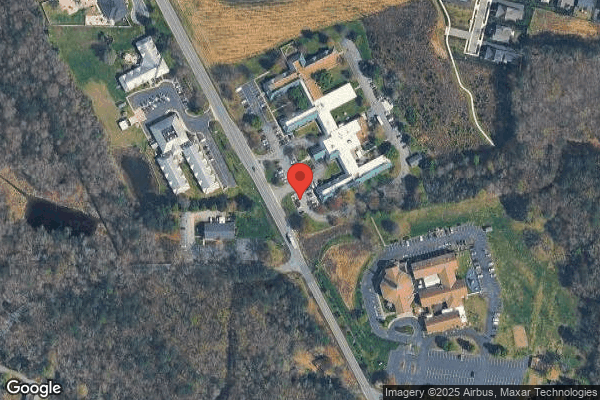
Nov 2023 3 deficiencies
CONCERN (D) 📢 Someone Reported This

A family member, employee, or ombudsman was alarmed enough to file a formal complaint

Potential for Harm - no one hurt, but risky conditions existed

Notification of Changes (Tag F0580)

Could have caused harm · This affected 1 resident

**NOTE- TERMS IN BRACKETS HAVE BEEN EDITED TO PROTECT CONFIDENTIALITY** Based on resident interview, staff interview, facility document review and clinical record review, the facility staff failed to ...

Read full inspector narrative →
**NOTE- TERMS IN BRACKETS HAVE BEEN EDITED TO PROTECT CONFIDENTIALITY** Based on resident interview, staff interview, facility document review and clinical record review, the facility staff failed to notify the physician of a change in status for two of five residents in the survey sample, Residents #2 and #4. The findings include: 1. For Resident #2 (R2), the facility staff failed to notify the physician of a positive urinalysis reported on 11/18/23. The urinalysis was positive for a UTI (urinary tract infection) and the resident was receiving an antibiotic that the organism was resistant to. On the most recent MDS (minimum data set), a significant change in status assessment with an ARD (assessment reference date) of 8/25/23, the resident scored 14 out of 15 on the BIMS (brief interview for mental status), indicating the resident was cognitively intact for making daily decisions. A review of R2's clinical record revealed a physician's order dated 11/13/23 for a urinalysis with culture and sensitivity for a possible UTI. R2 was transferred to the hospital on [DATE], per the resident's request due to pain, and returned that day. A physician's order dated 11/15/23 documented to administer the antibiotic, levofloxacin (1) 500 mg (milligrams) one time a day for seven days for a UTI. A urinalysis report with a reported date of 11/18/23 documented R2's urine was positive for ESBL (Extended spectrum beta-lactamase) E. coli (2), and the organism was resistant to levofloxacin. A nurse's note dated 11/19/23 (7:17 a.m.) documented, UA (Urinalysis) reflex to culture/ urine culture results from labs was called in critical from lab. Results abnormal, positive for E. coli. Further review of R2's clinical record failed to reveal the resident's physician or nurse practitioner was made aware of the urinalysis results. On 11/20/23 at 10:25 a.m., an interview was conducted with R2 who stated she had been sick, went to the hospital a week ago, and was told she had a UTI. R2 voiced concern that she still felt very sick. On 11/20/23 at 1:10 p.m., an interview was conducted with LPN (licensed practical nurse) #1. LPN #1 stated that if a lab result is abnormal then the staff at the lab will call or fax the results to the facility staff. LPN #1 stated that after that happens, she prints the results of the abnormal lab, calls the physician to make him or her aware, and places the results in the physician communication book. On 11/20/23 at 2:15 p.m., an interview was conducted with ASM (administrative staff member) #3, the nurse practitioner. ASM #3 stated that if a resident is positive for a urinary tract infection, then the nurses should call her or the physician as soon as they receive the results. ASM #3 stated she is at the facility Monday through Thursday around 9:00 a.m., so if an abnormal lab result is received shortly before then, the nurses know not to call her and are supposed to place the results in the communication book. ASM #3 stated she did not recall being made aware of R2's urinalysis with a reported date of 11/18/23. On 11/20/23 at 3:20 p.m., ASM #1 (the executive director) and ASM #2 (the interim director of nursing) were made aware of the above concern. The facility policy titled, Laboratory, Diagnostic and X-Ray documented, Stat testing results or critical values to be called to the Center. The Center to notify the ordering practitioner (or the covering physician if after hours) of values outside the reference range or per physician order. The facility policy titled, Notification of Change in Condition documented, The Center to promptly notify the Patient/Resident, the attending physician, and the Resident Representative when there is a change in the status or condition. References: (1) Levofloxacin is used to treat infections. This information was obtained from the website: https://medlineplus.gov/druginfo/meds/a697040.html (2) Enterobacterales are a large order of different types of germs that can cause infections both in healthcare settings and outside of healthcare, in communities. Examples of germs in the Enterobacterales order include Escherichia coli (E. coli) . This information was obtained from the website: https://www.cdc.gov/HAI/organisms/organisms.html#anchor_1613662156049 2. For Resident #4 (R4), the facility staff failed to notify the physician or nurse practitioner in a timely manner of a positive urinalysis reported on 11/3/23. The nurse practitioner was not made aware of the results until 11/6/23. A review of R4's clinical record revealed a physician's order dated 10/27/23 for a urinalysis with culture and sensitivity for dysuria (painful urination). The urine specimen was collected on 10/30/23. A urinalysis with a reported date of 11/3/23 documented the resident was positive for klebsiella pneumoniae ESBL (Extended spectrum beta-lactamase) (1). Further review of R4's clinical record failed to reveal the physician or nurse practitioner was made aware of the positive urinalysis results until a physician's order dated 11/7/23 documented an order for Zosyn (2) 3.375 grams intravenously every six hours for seven days for a UTI (urinary tract infection). On 11/20/23 at 1:10 p.m., an interview was conducted with LPN (licensed practical nurse) #1. LPN #1 stated that if a lab result is abnormal then the staff at the lab will call or fax the results to the facility staff. LPN #1 stated that after that happens, she prints the results of the abnormal lab, calls the physician to make him or her aware, and places the results in the physician communication book. On 11/20/23 at 2:15 p.m., an interview was conducted with ASM (administrative staff member) #3, the nurse practitioner. ASM #3 stated that if a resident is positive for a urinary tract infection, then the nurses should call her or the physician as soon as they receive the results. ASM #3 stated she is at the facility Monday through Thursday around 9:00 a.m., so if an abnormal lab result is received shortly before then, the nurses know not to call her and are supposed to place the results in the communication book. ASM #3 stated she did not think any facility staff called the physician or placed R4's urinalysis results in the communication book so when she returned to work on Monday 11/6/23, she gave an order for R4 to receive Zosyn. On 11/20/23 at 3:20 p.m., ASM #1 (the executive director) and ASM #2 (the interim director of nursing) were made aware of the above concern. References: (1) Enterobacterales are a large order of different types of germs that can cause infections both in healthcare settings and outside of healthcare, in communities. Examples of germs in the Enterobacterales order include Escherichia coli (E. coli) and Klebsiella pneumoniae. This information was obtained from the website: https://www.cdc.gov/HAI/organisms/organisms.html#anchor_1613662156049 (2) Zosyn is used to treat infections. This information was obtained from the website: https://medlineplus.gov/druginfo/meds/a694003.html
CONCERN (D) 📢 Someone Reported This

A family member, employee, or ombudsman was alarmed enough to file a formal complaint

Potential for Harm - no one hurt, but risky conditions existed

Deficiency F0757 (Tag F0757)

Could have caused harm · This affected 1 resident

**NOTE- TERMS IN BRACKETS HAVE BEEN EDITED TO PROTECT CONFIDENTIALITY** Based on resident interview, staff interview, facility document review and clinical record review, the facility staff failed to ...

Read full inspector narrative →
**NOTE- TERMS IN BRACKETS HAVE BEEN EDITED TO PROTECT CONFIDENTIALITY** Based on resident interview, staff interview, facility document review and clinical record review, the facility staff failed to ensure one of five residents in the survey sample, Resident #2, was free from unnecessary medication. The findings include: 1. For Resident #2 (R2), the facility staff failed to ensure a urinalysis reported on 11/18/23 was addressed. The urinalysis was positive for a UTI (urinary tract infection) and the resident was receiving an antibiotic that the organism was resistant to. On the most recent MDS (minimum data set), a significant change in status assessment with an ARD (assessment reference date) of 8/25/23, the resident scored 14 out of 15 on the BIMS (brief interview for mental status), indicating the resident was cognitively intact for making daily decisions. A review of R2's clinical record revealed a physician's order dated 11/13/23 for a urinalysis with culture and sensitivity for a possible UTI. R2 was transferred to the hospital on [DATE], per the resident's request for pain, and returned that day. A physician's order dated 11/15/23 documented to administer levofloxacin (1) 500 mg (milligrams) one time a day for seven days for a UTI. A urinalysis report with a reported date of 11/18/23 documented R2's urine was positive for ESBL (Extended spectrum beta-lactamase) E. coli (2), and the organism was resistant to levofloxacin. A nurse's note dated 11/19/23 (7:17 a.m.) documented, UA (Urinalysis) reflex to culture/ urine culture results from labs was called in critical from lab. Results abnormal, positive for E. coli. Further review of R2's clinical record failed to reveal the resident's physician (or nurse practitioner) was made aware of the urinalysis results, the physician had reviewed the results, and the physician had addressed the levofloxacin resistance. On 11/20/23 at 10:25 a.m., an interview was conducted with R2. R2 stated she had been sick, went to the hospital a week ago, and was told she had a UTI. R2 voiced concern that she still felt very sick. On 11/20/23 at 1:10 p.m., an interview was conducted with LPN (licensed practical nurse) #1. LPN #1 stated that if a lab result is abnormal then the staff at the lab will call or fax the results to the facility staff. LPN #1 stated that after that happens, she prints the results of the abnormal lab, calls the physician to make him or her aware, and places the results in the physician communication book. On 11/20/23 at 2:15 p.m., an interview was conducted with ASM (administrative staff member) #3 (the nurse practitioner). ASM #3 stated that if a resident is positive for a urinary tract infection, then the nurses should call her or the physician as soon as they receive the results. ASM #3 stated she is at the facility Monday through Thursday around 9:00 a.m., so if an abnormal lab result is received shortly before then, the nurses know not to call her and are supposed to place the results in the communication book. ASM #3 stated R2 had presented with symptoms of a UTI so she ordered a urinalysis but then the resident requested to go to the hospital. ASM #3 stated she knew the hospital had diagnosed R2 with a UTI, and an antibiotic was ordered. ASM #3 stated she usually looks at the culture to make sure the organism isn't resistant to the prescribed antibiotic, but she wasn't made aware of R2's lab results that were reported on 11/18/23, and she wasn't aware the organism was resistant to levofloxacin. ASM #3 reviewed the lab results and stated she was going to prescribe a different antibiotic for R2. On 11/20/23 at 3:20 p.m., ASM #1 (the executive director) and ASM #2 (the interim director of nursing) were made aware of the above concern. The facility policy titled, Laboratory, Diagnostic and X-Ray documented, Stat testing results or critical values to be called to the Center. The Center to notify the ordering practitioner (or the covering physician if after hours) of values outside the reference range or per physician order. References: (1) Levofloxacin is used to treat infections. This information was obtained from the website: https://medlineplus.gov/druginfo/meds/a697040.html (2) Enterobacterales are a large order of different types of germs that can cause infections both in healthcare settings and outside of healthcare, in communities. Examples of germs in the Enterobacterales order include Escherichia coli (E. coli) . This information was obtained from the website: https://www.cdc.gov/HAI/organisms/organisms.html#anchor_1613662156049
CONCERN (D) 📢 Someone Reported This

A family member, employee, or ombudsman was alarmed enough to file a formal complaint

Potential for Harm - no one hurt, but risky conditions existed

Infection Control (Tag F0880)

Could have caused harm · This affected 1 resident

Based on observation, staff interview, facility document review and clinical record review, the facility staff failed to implement infection control standards of practice for one of five residents in ...

Read full inspector narrative →
Based on observation, staff interview, facility document review and clinical record review, the facility staff failed to implement infection control standards of practice for one of five residents in the survey sample, Resident #2. The findings include: For Resident #2 (R2), the facility staff failed to implement infection control precautions when a urinalysis result with a reported date of 11/18/23 documented the resident was positive for ESBL (Extended spectrum beta-lactamase) E. coli (1). A review of R2's clinical record revealed a physician's order dated 11/13/23 for a urinalysis with culture and sensitivity for a possible UTI (urinary tract infection). R2 was prescribed an antibiotic for a UTI on 11/15/23. A urinalysis report with a reported date of 11/18/23 documented R2's urine was positive for ESBL E. coli. The report also documented the organism was resistant to the antibiotic that was prescribed for R2. A nurse's note dated 11/19/23 (7:17 a.m.) documented, UA (Urinalysis) reflex to culture/ urine culture results from labs was called in critical from lab. Results abnormal, positive for E. coli. Further review of R2's clinical record failed to reveal any physician's orders for infection control precautions. On 11/20/23 at 10:25 a.m., an observation of R2 and the resident's room was conducted. There were no infection control precautions implemented, to include no sign on the door and no personal protective equipment outside of the room door. On 11/20/23 at 2:06 p.m., an interview was conducted with LPN (licensed practical nurse) #2 who was the nurse caring for R2. LPN #2 stated that her unit manager was just made aware on this day that R2's urinalysis results documented ESBL. LPN #2 stated that on this day, she made the nurse practitioner aware and R2 only had one dose of her antibiotic medication left, so R2 was not placed on infection control precautions but the staff were going to test the resident's roommate for ESBL. LPN #2 stated that when a resident tests positive for ESBL in the urine, they should be placed on contact precautions as soon as the results are received, and they should not share a bathroom with anyone else. LPN #2 stated R2 was currently sharing a bathroom with another resident (the bathroom was shared between different two rooms and a resident in the other room used the bathroom). On 11/20/23 at 2:15 p.m., an interview was conducted with ASM (administrative staff member) #3 (the nurse practitioner). ASM #3 stated that she was not made aware that R2's urinalysis results with a reported date of 11/18/23 documented the resident was positive for ESBL E. coli until this day. ASM #3 stated that at a facility she had previously worked at, there was a protocol that any resident with ESBL in the urine is automatically placed on isolation unless the resident's roommate does not use the bathroom. ASM #3 stated that this morning, LPN #2 asked about moving R2 to another room but there was only one day of antibiotic medication use left. ASM #3 was made aware that according to the urinalysis results, the ESBL E. coli was resistant to the current antibiotic that was prescribed for R2. ASM #3 stated she would recommend re-testing R2 and recommend testing for the resident who shared the bathroom with R2. On 11/20/23 at 3:16 p.m., an interview was conducted with ASM #2 (the director of nursing). ASM #2 stated that residents who test positive for ESBL should be placed on isolation per the facility policy and that should probably at least include enhanced barrier precautions. On 11/20/23 at 3:20 p.m., ASM #1 (the executive director) and ASM #2 (the interim director of nursing) were made aware of the above concern. The facility policy titled, Enhanced Barrier Precautions documented, 1. Enhanced barrier precautions (EBPs) are used as an infection prevention and control intervention to reduce the spread of multi-drug resistant organisms (MDROs) to residents. 2. EBPs employ targeted gown and glove use during high contact resident care activities when contact precautions do not otherwise apply .4. EBPs are indicated (when contact precautions do not otherwise apply) for residents infected or colonized with the following: g. ESBL-producing Enterobacterales . References: (1) Enterobacterales are a large order of different types of germs that can cause infections both in healthcare settings and outside of healthcare, in communities. Examples of germs in the Enterobacterales order include Escherichia coli (E. coli) . This information was obtained from the website: https://www.cdc.gov/HAI/organisms/organisms.html#anchor_1613662156049
Sept 2023 13 deficiencies
CONCERN (D) 📢 Someone Reported This

A family member, employee, or ombudsman was alarmed enough to file a formal complaint

Potential for Harm - no one hurt, but risky conditions existed

Free from Abuse/Neglect (Tag F0600)

Could have caused harm · This affected 1 resident

**NOTE- TERMS IN BRACKETS HAVE BEEN EDITED TO PROTECT CONFIDENTIALITY** Based on staff interview, facility document review and clinical record review, the facility failed to protect the resident's rig...

Read full inspector narrative →
**NOTE- TERMS IN BRACKETS HAVE BEEN EDITED TO PROTECT CONFIDENTIALITY** Based on staff interview, facility document review and clinical record review, the facility failed to protect the resident's right to be free from physical abuse by another resident, for one of 17 residents in the survey sample, Residents #10. The findings include: The facility failed to protect Resident #10 from physical abuse by another resident, Resident #14 on 8/4/23. Resident #10 was admitted to the facility on [DATE] with diagnoses that included but were not limited to: schizophrenia, psychosis not due to a substance and colostomy. Resident #10's most recent MDS (minimum data set) assessment, a quarterly assessment, with an ARD (assessment reference date) of 8/14/23, coded the resident as scoring a 13 out of 15 on the BIMS (brief interview for mental status) score, indicating the resident was not cognitively impaired. A review of the MDS Section G-functional status coded the resident was independent for bathing, transfers, bed mobility, dressing, eating and hygiene. Resident required supervision for locomotion and walking. A review Resident #10's comprehensive care plan dated 2/7/23, which revealed, FOCUS: The resident has a psychosocial well-being problem related to relationship in the facility. INTERVENTIONS: Provide privacy. Educate on Safety. Encourage resident to discuss feelings. Resident #14 was admitted to the facility on [DATE] with diagnosis that included but were not limited to: hemiplegia, hemiparesis on left side and psychoactive substance abuse. Resident #14's most recent MDS (minimum data set) assessment, a quarterly assessment, with an ARD (assessment reference date) of 8/20/23, coded the resident as scoring a 13 out of 15 on the BIMS (brief interview for mental status) score, indicating the resident was not cognitively impaired. A review of Resident #14's comprehensive care plan dated 8/4/23, which revealed, FOCUS: Resident engaged in physical altercation with another resident. INTERVENTIONS: Nursing to redirect negative behaviors that may lead to violence as indicated. A review of the facility synopsis of event dated 8/4/23, revealed, Charge nurse reported that (Resident #14) and (Resident #10) engaged in a verbal and physical altercation. (Resident #14) had his cane at the time and he used it to strike (Resident #10). Residents separated. Skin and pain assessments will be completed. (Resident #14) was moved further from (Resident #10). No previous physical events of resident to resident abuse by Resident #14 was evidenced either prior to or subsequent to this event. A review of Resident #14's progress note dated 8/4/23 at 10:28 PM, revealed, Resident engaged in a physical confrontation with another resident. Staff unable to separate the two residents and had to call police and ambulance for help. Resident refused to go to hospital for evaluation and also refused a skin assessment and vital signs. Nurse Practitioner (NP) notified; attempted to notify emergency contact 1 and 2 and message left in voice mail for them to call back for update. A review of Resident #10's progress notes dated 8/4/23 at 10:37 PM, revealed, Resident was in his bed resting at 10:00 PM, then another resident came in his room and hit him while he was sleeping. Both residents engage in altercation, police and ambulance was called. Resident was checked by EMTs (emergency medical technicians). Resident refused to go to the ER (emergency room) to get evaluated. Resident refuse staff to assess injuries. A review of Resident #10's progress note dated 8/5/23 at 6:15 AM, revealed, Refused vital signs and neuro checks due to head injury related to physical altercation with another resident during previous shift. NP aware. Unable to reach RP (responsible party) via phone to notify but message left to voicemail. A review of Resident #14's progress note dated 8/5/23 at 6:17 AM, revealed, Resident outside in the courtyard for most of the shift, did not display violent behavior during this shift. Denies pain. Continues to refuse skin check related to physical altercation during previous shift. NP aware; own RP. Resident #10 and Resident #14 declined to be interviewed. An interview was conducted on 9/6/23 at 1:00 PM LPN (licensed practical nurse) #2. When asked what abuse is, LPN #2 stated, it can be verbal, physical, sexual or financial. When asked if one Resident hit another resident with a cane, is that abuse, LPN #2 stated, yes, it is abuse. An interview was conducted on 9/7/23 at 10:00 AM with LPN #1. When asked what abuse is, LPN #1 stated, abuse can be verbal, physical, sexual, financial, mental or emotional. When asked if one resident strikes another resident with a cane, is that abuse, LPN #1 stated, that is abuse. On 9/7/23 at approximately 4:00 PM, ASM #1, the executive director and ASM #2, the interim director of nursing was made aware of the findings. A review of the facility's Abuse, Neglect, Exploitation and Misappropriation policy, revised 11/16/22, revealed, Acts of abuse directed against residents are absolutely prohibited. The center is committed to the prevention of abuse, neglect, misappropriation of resident property and exploitation. The following systems have been implemented: Monitoring of residents who may be at risk is the responsibility of all facility staff. This included monitoring residents who are at risk or vulnerable for abuse, for indications in changes in behavior, changes in condition or other non-verbal indication of abuse. No further information was provided prior to exit.
CONCERN (D) 📢 Someone Reported This

A family member, employee, or ombudsman was alarmed enough to file a formal complaint

Potential for Harm - no one hurt, but risky conditions existed

Comprehensive Care Plan (Tag F0656)

Could have caused harm · This affected 1 resident

**NOTE- TERMS IN BRACKETS HAVE BEEN EDITED TO PROTECT CONFIDENTIALITY** Based on staff interview and facility document review, it was determined the facility staff failed to develop/implement the care...

Read full inspector narrative →
**NOTE- TERMS IN BRACKETS HAVE BEEN EDITED TO PROTECT CONFIDENTIALITY** Based on staff interview and facility document review, it was determined the facility staff failed to develop/implement the care plan for two of 17 residents in the survey sample, Resident #10 and Resident #12. The findings include: 1. For Resident #10, the facility staff failed to develop a comprehensive care plan for abuse for Resident #10. Resident #10 was admitted to the facility on [DATE] with diagnoses that included but were not limited to: schizophrenia, psychosis not due to a substance and colostomy. Resident #10's most recent MDS (minimum data set) assessment, a quarterly assessment, with an ARD (assessment reference date) of 8/14/23, coded the resident as scoring a 13 out of 15 on the BIMS (brief interview for mental status) score, indicating the resident was not cognitively impaired. A review of the MDS Section G-functional status coded the resident was independent for bathing, transfers, bed mobility, dressing, eating and hygiene. Resident required supervision for locomotion and walking. A review Resident #10's comprehensive care plan dated 2/7/23, which revealed, FOCUS: The resident has a psychosocial well-being problem related to relationship in the facility. INTERVENTIONS: Provide privacy. Educate on Safety. Encourage resident to discuss feelings. A review of the facility synopsis of events dated 8/4/23, revealed, Charge nurse reported that (Resident #14) and (Resident #10) engaged in a verbal and physical altercation. (Resident #14) had his cane at the time and he used it to strike (Resident #10). Residents separated. Skin and pain assessments will be completed. (Resident #14) was moved further from (Resident #10). An interview was conducted on 9/7/23 at 3:45 with ASM (administrative staff member) #2, the interim director of nursing. When asked the purpose of the care plan, ASM #2 stated, purpose of the care plan to better help all staff take care of residents based on needs, preferences, orders and condition. When asked if a resident had been struck by another resident with a cane, should a care plan be developed to include abuse, ASM #2 stated, yes, it should be developed based on the resident-to-resident altercation. On 9/7/23 at approximately 4:00 PM, ASM #1, the executive director and ASM #2, the interim director of nursing was made aware of the findings. A review of the facility's Plans of Care policy, revised 9/17, revealed, Develop a comprehensive plan of care for each resident that includes measurable objectives and timetables to meet the resident's medical, nursing, mental and psychosocial needs that are identified in the comprehensive assessment. No further information was provided prior to exit. 2. For Resident #12, the facility staff failed to implement the comprehensive care plan to check the wander guard (a bracelet worn by the resident used as monitoring device due to wandering) for placement each shift. A review of the comprehensive care plan dated 4/23/23 revealed, FOCUS: The resident is an elopement risk/wanderer related to resident wanders aimlessly, exit seeking to go home, tugging on unit entrance door randomly, resident exit seeking walking out of door. INTERVENTIONS: Assess for elopement risk. Check wander guard for placement/function/expiration date as ordered and as needed. Electronic monitoring device wander guard. Resident #12 was observed with the wander guard on his right ankle on 9/6/23 at 1:00 PM. A review of the physician orders dated 10/20/22, revealed Wander guard check every shift for placement. A review of the Elopement Risk Evaluation dated 4/22/23, revealed, Resident is AT RISK for elopement. A review of the TARs (treatment administration records) from June-September 2023 revealed the following documentation was missing for Wander guard check every shift for placement and for monitoring June: 2 out of 90 shifts, July: 2 out of 93 shifts, August: 7 out of 93 shifts and September: 3 out of 16 shifts. An interview was conducted on 9/7/23 at 10:00 AM with LPN (licensed practical nurse) #1. When asked the purpose of the care plan, LPN #1 stated, to give us the goals and interventions needed for each resident. When asked if the care plan intervention included wander guard for placement and function, but there was no evidence of the wander guard being checked every shift, was the care plan being followed, LPN #1 stated, no, it is not being followed. On 9/7/23 at approximately 4:00 PM, ASM #1, the executive director and ASM #2, the interim director of nursing was made aware of the findings. No further information was provided prior to exit.
CONCERN (D) 📢 Someone Reported This

A family member, employee, or ombudsman was alarmed enough to file a formal complaint

Potential for Harm - no one hurt, but risky conditions existed

Deficiency F0692 (Tag F0692)

Could have caused harm · This affected 1 resident

Based on staff interview, clinical record review, and facility document review, it was determined that the facility staff failed to monitor weights as directed for one of 17 residents in the survey sa...

Read full inspector narrative →
Based on staff interview, clinical record review, and facility document review, it was determined that the facility staff failed to monitor weights as directed for one of 17 residents in the survey sample, Resident #13. The findings include: For Resident #13 (R13), the facility staff failed to obtain an order for, and obtain weekly weights as documented by the nurse practitioner on 5/25/2023, and the dietician on 8/18/2023. R13 was admitted to the facility with diagnoses that included but were not limited to unspecified protein-calorie malnutrition and abnormal weight loss. On the most recent MDS (minimum data set) assessment, a quarterly assessment, with an ARD (assessment reference date) of 6/9/2023, coded the resident as scoring a 3 out of 15 on the BIMS (brief interview for mental status) assessment, indicating the resident was severely impaired for making daily decisions. The assessment documented R13 having a weight loss of 5% or more in the last month or 10% or more in the last 6 months. Review of the clinical record documented weight values obtained for R13 monthly on 12/29/22, 1/10/23, 2/9/23, 3/8/23, 4/10/23, 5/15/23, 6/6/23, 6/13/23, 7/17/23 and 8/15/23. The record failed to evidence documentation of weekly weights. On 07/17/2023, the resident weighed 110.4 lbs. On 08/15/2023, the resident weighed 108.8 pounds which is a -1.45 % Loss. On 06/13/2023, the resident weighed 110.4 lbs. On 08/15/2023, the resident weighed 108.8 pounds which is a -1.45 % Loss. On 05/15/2023, the resident weighed 114.8 lbs. On 08/15/2023, the resident weighed 108.8 pounds which is a -5.23 % Loss. The nurse practitioner progress note dated 5/25/2023 for R13 documented in part, .Plan: Discussed with nursing staff in detail. Labs and medications were reviewed. Recommend to continue with current diet and start Ensure to support weight gain with continuation of Med Pass (supplement) and monitor closely for any aspiration, nausea/vomiting and diarrhea. Maintain weekly weight monitoring . The progress notes for R13 evidenced a registered dietician note which documented, 8/18/2023 10:15 (10:15 a.m.) Weight Warning: Value 108.8 (pounds) . BMI (body mass index) 19.9, -1.4% wt (weight) loss x 1 month. Resident's wt (weight) trending down x 8 months. Reg diet, fortified foods, medpass 120ml TID (three times a day), health shake BID (twice a day). Eating 51-100%. MD (medical doctor) advised weekly wt checks. Recommend adding large portions to promote wt gain. A review of the physician order summary dated 9/7/2023 documented in part, - Regular diet, Regular texture, Regular/Thin Liquids consistency, fortified foods, large portions. Order Date: 06/21/2023. - Med Pass 2.0 -Give 237ml (milliliter) three times a day for supplement. Order Date: 08/25/2023. The physician orders failed to evidence an order for weekly weights. The comprehensive care plan documented in part, The resident has nutritional problem r/t (related to) PCM (protein calorie malnutrition), asthma, fx (fracture), HTN (hypertension), dementia, CAD (coronary artery disease), anemia, depression, frostbite. On 9/7/2023 at approximately 10:00 a.m., a request was made for evidence of all weights for R13 since 5/1/2023. On 9/7/2023 at approximately 1:45 p.m., ASM (administrative staff member) #1, the executive director provided weights from the dates listed above. The weights provided failed to evidence documentation of weekly weights obtained. On 9/7/2023 at 11:52 a.m., an interview was conducted with OSM (other staff member) #4, registered dietician. OSM #4 stated that they had been working at the facility for about a month and was coming onsite to see residents three days a week. She stated that when she assesses a resident and determined that they needed to be monitored with weekly weights they were put on a spreadsheet that she maintained and sent to the unit managers, director of nursing, dietary manager and administrator. She stated that she monitors the residents on the list and removes them as needed. She stated that she had issues with the facility staff not obtaining the weekly weights for residents and had repeatedly requested the staff to implement her recommendations to the administration. On 9/7/2023 at 2:44 p.m., an interview was conducted with LPN (licensed practical nurse) #2. LPN #2 stated that residents who needed weekly weights had them generated on the eTAR (electronic treatment administration record) to let them know they needed to be obtained. She stated that she was not sure what generated them to show up on the eTAR. On 9/7/2023 at 2:48 p.m., an interview was conducted with LPN #1. LPN #1 stated that when residents were placed on weekly weights the dietician normally spoke to the nurse practitioner about it and let them know. She stated that the nurse practitioner put in an order for weekly weights or the nurse put the order in. She stated that they read the nurse practitioner's note and the dietician's notes and put in any orders for weekly weights so they generated on the eTAR to let the staff know that they needed to be obtained. The facility policy Weighing the Resident revised 10/4/2021 documented in part, Policy: Residents will be weighed unless ordered otherwise by the physician: - Admission/re-admission x 3 days. - Weekly x 4 weeks. - Monthly thereafter. - As needed. Procedure: Weights will be completed as indicated and documented in the clinical record . On 9/7/2023 at approximately 4:30 p.m., ASM #1, the executive director and ASM #2, the interim director of nursing were made aware of the concern. No further information was provided prior to exit.
CONCERN (D) 📢 Someone Reported This

A family member, employee, or ombudsman was alarmed enough to file a formal complaint

Potential for Harm - no one hurt, but risky conditions existed

Menu Adequacy (Tag F0803)

Could have caused harm · This affected 1 resident

Based on observation, staff interview and facility document review, the facility staff failed to follow dietary menus for for one of five meals served during the survey dates, lunch service on 9/6/202...

Read full inspector narrative →
Based on observation, staff interview and facility document review, the facility staff failed to follow dietary menus for for one of five meals served during the survey dates, lunch service on 9/6/2023. The findings include: During lunch service on 9/6/2023, the facility staff failed to prepare a sufficient amount of food for service which resulted in the kitchen not being able to follow the posted menu. The scheduled lunch menu posted for residents for 9/6/23 documented: Main: - Cheese ravioli with marinara sauce - Caesar salad - Garlic bread - Oranges Alternate: - Ham sandwich On 9/6/2023 at 12:40 p.m., observation of the lunch meal pre-service line temperatures was conducted with OSM (other staff member) #2, dietary manager. The following food was prepared and available for lunch: - Cheese ravioli with marinara sauce - Caesar salad - Garlic bread - Oranges - [NAME] beans - Mashed potatoes OSM #2 stated that the alternate meal of Ham sandwiches were prepared to order at the time of request. On 9/6/2023 at 2:00 p.m., observation of the tray line preparation was conducted. Kitchen staff were observed preparing a meal cart that OSM #2 stated was the last cart to go to the floor and was to go to Wing Two. OSM #2 was observed preparing ham slices on the flattop grill and placing them in Styrofoam trays with mashed potatoes, green beans and garlic bread, the trays were placed with meal tickets documenting the main meal of ravioli listed on the ticket. When asked about the trays being prepared, OSM #2 stated that they had run out of the ravioli due to multiple residents being on double portions and had to substitute the ham for some of the trays. On 9/6/2023 at 2:45 p.m., an interview was conducted with OSM #6, the cook. OSM #6 stated that they normally worked the dinner service but was working breakfast and lunch that day. She stated that the menu was posted in the kitchen and they used that to know what they were cooking each day. She stated that they went by the number of residents in the building that day and the number of residents getting double portions to determine how much food to make. She stated that they had run out of the ravioli during lunch and it was on her and normally she made more than enough to not run out. The facility policy titled, Menus revised 9/2017, documented in part, .Menus will be served as written, unless a substitution is provided in response to preference, unavailability of an item, or a special meal . On 9/7/2023 at approximately 4:30 p.m., ASM (administrative staff member) #1, the executive director and ASM #2, the interim director of nursing were made aware of the above concern. No further information was provided prior to exit.
CONCERN (D) 📢 Someone Reported This

A family member, employee, or ombudsman was alarmed enough to file a formal complaint

Potential for Harm - no one hurt, but risky conditions existed

Deficiency F0806 (Tag F0806)

Could have caused harm · This affected 1 resident

Based on resident interview, staff interview, clinical record review, and facility document review, it was determined that the facility staff failed to review food preferences/dislikes with one of 17 ...

Read full inspector narrative →
Based on resident interview, staff interview, clinical record review, and facility document review, it was determined that the facility staff failed to review food preferences/dislikes with one of 17 residents in the survey sample, Resident #3. The findings include: For Resident #3 (R3), the facility staff failed to obtain the resident's food preferences and dislikes. On the most recent MDS (minimum data set), a quarterly assessment with an ARD (assessment reference date) of 8/25/2023, the resident scored 14 out of 15 on the BIMS (brief interview for mental status), indicating the resident was cognitively intact for making daily decisions. A review of R3's clinical record failed to evidence a review of the resident's food preferences. On 9/6/2023 at 11:30 a.m., an interview was conducted with R3. R3 stated that the food at the facility was horrible with no flavor and was often served cold when it was supposed to be hot. R3 stated that they had been served undercooked vegetables and overcooked meats. R3 stated that they felt like the facility kitchen staff did not care what they gave to the residents because they thought everyone had dementia and did not know what was going on. R3 stated that they wanted to have fresh fruit and alternate food options, that they were only given sandwiches when they did not like what was served currently. R3 stated that they had talked to kitchen staff about their complaints about the food but no one had ever asked them what they would like to have or their likes and dislikes. On 9/7/2023 at 11:52 a.m., an interview was conducted with OSM (other staff member) #4, registered dietician. OSM #4 stated that they did not complete food preference assessments with residents and they thought that the facility staff did that. On 9/7/2023 at 12:30 p.m., an interview was conducted with OSM #2, dietary manager (employed by a contracted vendor to provide food services at the facility). OSM #2 stated that they had been assigned to the facility for about a month and was working to train the cooks and staff currently. She stated that resident preferences were obtained by the dietary manager or the dietician on admission and re-evaluated about a month after admission and then annually. The facility policy titled, Dining and Food Preferences revised 9/2017 documented in part, . Individual dining, food, and beverage preferences are identified for all residents/patients . 2. The Dining Services Director, or designee, will interview the resident or resident representative to complete a Food Preference Interview within 48 hours of admission. The purpose of identifying individual preferences for dining location, meal times, including times outside of the routine schedule, food, and beverage preferences. 3. The Food Preference Interview will be entered into the medical record . 8. Upon meal service, any resident/patient with expressed or observed refusal of food and/or beverage will be offered an alternate selection of comparable nutrition value . On 9/7/2023 at approximately 4:30 p.m., ASM (administrative staff member) #1, the executive director and ASM #2, the interim director of nursing were made aware of the above concern. No further information was provided prior to exit.
CONCERN (D) 📢 Someone Reported This

A family member, employee, or ombudsman was alarmed enough to file a formal complaint

Potential for Harm - no one hurt, but risky conditions existed

Medical Records (Tag F0842)

Could have caused harm · This affected 1 resident

Based on staff interview, clinical record review and facility document review, it was determined the facility staff failed to maintain a complete record for one of 17 residents, Resident #12. The fin...

Read full inspector narrative →
Based on staff interview, clinical record review and facility document review, it was determined the facility staff failed to maintain a complete record for one of 17 residents, Resident #12. The findings include: For Resident #12, the facility staff to document if a wander guard was checked for placement and functionality on each shift. A review of the comprehensive care plan dated 4/23/23 which revealed, FOCUS: The resident is an elopement risk/wanderer related to resident wanders aimlessly, exit seeking to go home, tugging on unit entrance door randomly, resident exit seeking walking out of door. INTERVENTIONS: Assess for elopement risk. Check wander guard for placement/function/expiration date as ordered and as needed. Electronic monitoring device wander guard. Resident #12 was observed with the wander guard on their right ankle on 9/6/23 at 1:00 PM A review of the physician orders dated 10/20/22, revealed Wander guard check every shift for placement. A review of the Elopement Risk Evaluation dated 4/22/23, revealed, Resident is AT RISK for elopement. A review of the TARs (treatment administration records) June-September 2023 revealed documentation was missing on the following shifts, Wander guard check every shift for placement and for monitoring June: 2 out of 90 shifts, July: 2 out of 93 shifts, August: 7 out of 93 shifts and September: 3 out of 16 shifts. An interview was conducted on 9/7/23 at 10:00 AM with LPN (licensed practical nurse) #1. When asked if there are holes/blanks in the documentation, is there evidence that the wander guard is being checked. LPN #6 stated, no, if there are holes, we cannot validate that it was checked. On 9/7/23 at approximately 4:00 PM, ASM #1, the executive director and ASM #2, the interim director of nursing was made aware of the findings. A review of the facility's Clinical Medical Records policy, revised 5/17, revealed, Clinical Records are maintained in accordance with professional practice standards to provide complete and accurate information on each resident for continuity of care. No further information was provided prior to exit.
CONCERN (E) 📢 Someone Reported This

A family member, employee, or ombudsman was alarmed enough to file a formal complaint

Potential for Harm - no one hurt, but risky conditions existed

Accident Prevention (Tag F0689)

Could have caused harm · This affected multiple residents

**NOTE- TERMS IN BRACKETS HAVE BEEN EDITED TO PROTECT CONFIDENTIALITY** Based on staff interview, clinical record review and facility document review, it was determined the facility staff failed to pr...

Read full inspector narrative →
**NOTE- TERMS IN BRACKETS HAVE BEEN EDITED TO PROTECT CONFIDENTIALITY** Based on staff interview, clinical record review and facility document review, it was determined the facility staff failed to provide supervision for six of 17 residents in the survey sample, Resident #4, #5, #6, #7, #8, #12. The findings include: The facility staff failed to ensure a staff member supervised the residents during smoking times, and failed to ensure wander guard monitoring was performed per the plan of care. On 9/6/23 at 8:30 AM, during entrance, a list of smoking residents was requested. This list included the following Residents: Resident #4, Resident #5, Resident #6, Resident #7 and Resident #8. 1. Resident #4 did not have interventions implemented to supervise smoking. On 9/6/23 at approximately 9:00 AM, Resident #4 was observed in the courtyard off the dining room, smoking without supervision. A smoking apron was on the resident. When asked who had provided his cigarette and lit it, Resident #4 would not answer. No burns noted on resident. Resident #4 was admitted to the facility on [DATE] with diagnosis that included but were not limited to: Alzheimer's, Psychotic disorder and CVA (cerebrovascular attack). The most recent MDS (minimum data set) assessment, a quarterly assessment, with an ARD (assessment reference date) of 8/6/23, coded the resident as scoring a 05 out of 15 on the BIMS (brief interview for mental status) score, indicating the resident was severely cognitively impaired. A review of the comprehensive care plan revised 3/17/23 revealed, FOCUS: The resident is a smoker. Resident has a history of taking cigarettes out of ashtray. Resident is at times non-compliant with facility smoking policy. INTERVENTIONS: The resident requires a smoking apron while smoking. The resident requires supervision while smoking. The resident's smoking supplies are store by the facility staff. Instruct resident about the facility policy on smoking: locations, times and safety concerns. A review of the Smoking Evaluation dated 8/24/23, revealed, Summary of evaluation: Resident is determined to be a safe smoker. Supervision needed while smoking: constant. On 9/6/23 at 2:00 p.m. an interview was attempted with OSM #9, the activities director, who was responsible for overseeing the resident smoking time on 9/6/23, however OSM #9 was escorted out of the building by OSM #8, the HR director, as the surveyor approached him. On 9/6/23 at approximately 5:40 PM, ASM (administrative staff member) #1, the executive director and ASM #2, the interim director of nursing was made aware of the findings. ASM #1 stated, I understand you passed him in the hall as he was leaving. He was responsible for overseeing smoking. ASM #1 and ASM #2 stated OSM #9 was terminated. On 9/7/23 at approximately 8:00 AM, ASM #1 stated, I met with the residents last evening and outlined the smoking times, they requested to smoke more than one cigarette and we discussed the need for supervision and for them to wear their smoking apron. On 9/7/23 at approximately 9:05 AM, CNA (certified nursing assistant) #4 was observed entering the courtyard with a container of cigarettes and lighter. When asked if she was assigned this, CNA #4 stated, it is a rotating assignment, and it is usually the responsibility of the activities department. CNA #4 stated to residents, no apron, no smoking and proceeded to light the residents' cigarettes. A review of the facility's Smoking-Supervised policy, revised 2/7/20, revealed, The Center will provide a safe, designated smoking area for residents. For the safety of all residents the designated smoking area will be monitored by a staff member during authorized smoking times. Smoking is only allowed in designated areas and during designated times. Oxygen is not permitted in the designated smoking area. The Center will have safety equipment available in designated smoking areas including smoking blankets, smoking aprons, a fire extinguisher and non-combustible self- closing ashtrays. The Center will retain and store matches, lighters, etc. for all residents. No further information was provided prior to exit. 2. Resident #5 did not have interventions implemented to supervise smoking. On 9/6/23 at approximately 9:00 AM, Resident #5 was observed in the courtyard off the dining room, smoking without supervision. Smoking apron was on the resident. When asked who had provided her cigarette and lit it, Resident #5 would not answer. No burns noted on resident. Resident #5 was admitted to the facility on [DATE] with diagnosis that included but were not limited to: schizophrenia, DM (diabetes mellitus) and ESRD. The most recent MDS (minimum data set) assessment, a quarterly assessment, with an ARD (assessment reference date) of 5/31/23, coded the resident as scoring a 14 out of 15 on the BIMS (brief interview for mental status) score, indicating the resident was not cognitively impaired. A review of the comprehensive care plan revised 3/17/23, which revealed, FOCUS: The resident is a smoker. INTERVENTIONS: The resident requires a smoking apron while smoking. The resident requires supervision while smoking. Instruct resident about the facility policy on smoking: locations, times and safety concerns. A review of the Smoking Evaluation dated 3/1/23, revealed, Summary of evaluation: Resident is determined to be a safe smoker. Supervision needed while smoking: constant. On 9/6/23 at 2:00 p.m. an interview was attempted with OSM #9, the activities director, who was responsible for overseeing the resident smoking time on 9/6/23, however OSM #9 was escorted out of the building by OSM #8, the HR director, as the surveyor approached him. On 9/6/23 at approximately 5:40 PM, ASM (administrative staff member) #1, the executive director and ASM #2, the interim director of nursing was made aware of the findings. ASM #1 stated, I understand you passed him in the hall as he was leaving. He was responsible for overseeing smoking. ASM #1 and ASM #2 stated OSM #9 was terminated. On 9/7/23 at approximately 8:00 AM, ASM #1 stated, I met with the residents last evening and outlined the smoking times, they requested to smoke more than one cigarette and we discussed the need for supervision and for them to wear their smoking apron. On 9/7/23 at approximately 9:05 AM, CNA (certified nursing assistant) #4 was observed entering the courtyard with a container of cigarettes and lighter. When asked if she was assigned this, CNA #4 stated, it is a rotating assignment, and it is usually the responsibility of the activities department. CNA #4 stated to residents, no apron, no smoking and proceeded to light the residents' cigarettes. No further information was provided prior to exit. 3. Resident #6 did not have interventions implemented to supervise smoking. On 9/6/23 at approximately 9:00 AM, Resident #6 was observed in the courtyard off the dining room, smoking without supervision. Smoking apron was not on the resident. When asked who had provided her cigarette and lit it, Resident #6 would not answer. No burns noted on resident. Resident #6 was admitted to the facility on [DATE] with diagnosis that included but were not limited to: schizophrenia, DM (diabetes mellitus) and COPD (chronic obstructive pulmonary disease). The most recent MDS (minimum data set) assessment, a quarterly assessment, with an ARD (assessment reference date) of 6/8/23, coded the resident as scoring a 12 out of 15 on the BIMS (brief interview for mental status) score, indicating the resident was moderately cognitively impaired. A review of the comprehensive care plan revised 3/17/23, which revealed, FOCUS: The resident is a smoker. Resident is at times non-compliant with facility smoking policy. INTERVENTIONS: The resident requires a smoking apron while smoking. The resident requires supervision while smoking. Instruct resident about the facility policy on smoking: locations, times and safety concerns. A review of the Smoking Evaluation dated 8/24/23, revealed, Summary of evaluation: Resident is determined to be a safe smoker. Supervision needed while smoking: constant. On 9/6/23 at 2:00 p.m. an interview was attempted with OSM #9, the activities director, who was responsible for overseeing the resident smoking time on 9/6/23, however OSM #9 was escorted out of the building by OSM #8, the HR director, as the surveyor approached him. On 9/6/23 at approximately 5:40 PM, ASM (administrative staff member) #1, the executive director and ASM #2, the interim director of nursing was made aware of the findings. ASM #1 stated, I understand you passed him in the hall as he was leaving. He was responsible for overseeing smoking. ASM #1 and ASM #2 stated OSM #9 was terminated. On 9/7/23 at approximately 8:00 AM, ASM #1 stated, I met with the residents last evening and outlined the smoking times, they requested to smoke more than one cigarette and we discussed the need for supervision and for them to wear their smoking apron. On 9/7/23 at approximately 9:05 AM, CNA (certified nursing assistant) #4 was observed entering the courtyard with a container of cigarettes and lighter. When asked if she was assigned this, CNA #4 stated, it is a rotating assignment, and it is usually the responsibility of the activities department. CNA #4 stated to residents, no apron, no smoking and proceeded to light the residents' cigarettes. No further information was provided prior to exit. 4. Resident #7 did not have interventions implemented to supervise smoking. On 9/6/23 at approximately 9:00 AM, Resident #7 was observed in the courtyard off the dining room, smoking without supervision. Smoking apron was not on the resident. When asked who had provided her cigarette and lit it, Resident #7 would not answer. Resident #7 was sitting in the corner of the building at least six feet from the other residents while smoking. On 9/6/23 at approximately 1:45 PM, Resident #7 was followed out into the courtyard and was observed to take a cigarette and lighter from a container on her wheelchair seat and light her own cigarette. Resident #7 again refused to state who kept her cigarettes and lighter. No supervision was present at this time. No burns noted on resident. Resident #7 was admitted to the facility on [DATE] with diagnosis that included but were not limited to: DM (diabetes mellitus), pancreatitis, epilepsy, bipolar, alcohol abuse and COVID positive on 9/3/23. The most recent MDS (minimum data set) assessment, a quarterly assessment, with an ARD (assessment reference date) of 6/19/23, coded the resident as scoring a 10 out of 15 on the BIMS (brief interview for mental status) score, indicating the resident was moderately cognitively impaired. A review of the comprehensive care plan revised 11/15/22, which revealed, FOCUS: The resident is a smoker. Resident became verbally aggressive with staff when she could not have a second cigarette. INTERVENTIONS: The resident requires a smoking apron while smoking. The resident requires supervision while smoking. Instruct resident about the facility policy on smoking: locations, times and safety concerns. A review of the Smoking Evaluation dated 7/7/23, revealed, Summary of evaluation: Resident is determined to be an unsafe smoker. Supervision needed while smoking: constant. On 9/6/23 at 2:00 p.m. an interview was attempted with OSM #9, the activities director, who was responsible for overseeing the resident smoking time on 9/6/23, however OSM #9 was escorted out of the building by OSM #8, the HR director, as the surveyor approached him. On 9/6/23 at approximately 5:40 PM, ASM (administrative staff member) #1, the executive director and ASM #2, the interim director of nursing was made aware of the findings. ASM #1 stated, I understand you passed him in the hall as he was leaving. He was responsible for overseeing smoking. ASM #1 and ASM #2 stated OSM #9 was terminated. On 9/7/23 at approximately 8:00 AM, ASM #1 stated, I met with the residents last evening and outlined the smoking times, they requested to smoke more than one cigarette and we discussed the need for supervision and for them to wear their smoking apron. On 9/7/23 at approximately 9:05 AM, CNA (certified nursing assistant) #4 was observed entering the courtyard with a container of cigarettes and lighter. When asked if she was assigned this, CNA #4 stated, it is a rotating assignment, and it is usually the responsibility of the activities department. CNA #4 stated to residents, no apron, no smoking and proceeded to light the residents' cigarettes. When asked about Resident #7 lighting her own cigarette, CNA #4 stated, she must have been smoking outside of the smoking times. No further information was provided prior to exit. 5. Resident #8 did not have interventions implemented to supervise smoking. On 9/6/23 at approximately 9:00 AM, Resident #8 was observed in the courtyard off the dining room, smoking without supervision. Smoking apron was not on the resident. When asked who had provided her cigarette and lit it, Resident #8 stated, I am not telling you anything. Leave me alone. No burns noted on resident. Resident #8 was admitted to the facility on [DATE] with diagnosis that included but were not limited to: DM (diabetes mellitus), COPD (chronic obstructive pulmonary disease), acute respiratory failure and congestive heart failure. The most recent MDS (minimum data set) assessment, a quarterly assessment, with an ARD (assessment reference date) of 7/15/23, coded the resident as scoring a 15 out of 15 on the BIMS (brief interview for mental status) score, indicating the resident was not cognitively impaired. A review of the comprehensive care plan dated 4/17/23, which revealed, FOCUS: The resident is a smoker. INTERVENTIONS: The resident requires a smoking apron while smoking. The resident requires supervision while smoking. Instruct resident about the facility policy on smoking: locations, times and safety concerns. A review of the Smoking Evaluation dated 8/23/23, revealed, Summary of evaluation: Resident is determined to be a safe smoker. Supervision needed while smoking: constant. On 9/6/23 at 2:00 p.m. an interview was attempted with OSM #9, the activities director, who was responsible for overseeing the resident smoking time on 9/6/23, however OSM #9 was escorted out of the building by OSM #8, the HR director, as the surveyor approached him. On 9/6/23 at approximately 5:40 PM, ASM (administrative staff member) #1, the executive director and ASM #2, the interim director of nursing was made aware of the findings. ASM #1 stated, I understand you passed him in the hall as he was leaving. He was responsible for overseeing smoking. ASM #1 and ASM #2 stated OSM #9 was terminated. On 9/7/23 at approximately 8:00 AM, ASM #1 stated, I met with the residents last evening and outlined the smoking times, they requested to smoke more than one cigarette and we discussed the need for supervision and for them to wear their smoking apron. On 9/7/23 at approximately 9:05 AM, CNA (certified nursing assistant) #4 was observed entering the courtyard with a container of cigarettes and lighter. When asked if she was assigned this, CNA #4 stated, it is a rotating assignment, and it is usually the responsibility of the activities department. CNA #4 stated to residents, no apron, no smoking and proceeded to light the residents' cigarettes. No further information was provided prior to exit. 6. For Resident #12, the facility staff failed to monitor his wander guard for placement and functioning. A review of the 4/21/23 facility synopsis of events, revealed, (Resident #12) was noted pushing on the back door of the secure unit. Staff redirected resident away from door. Later during the shift while staff were in other patient rooms providing care, (Resident #12) pushed again on the back door of the secure unit and after the time delay was able to exit the building. Staff heard the alarm and responded. A quick head count was done and it was identified that (Resident #12) was missing. The aide exited the building and found (Resident #12) walking towards the front of the center. He was recovered and brought back to the building without injury. Resident #12 was admitted to the facility on [DATE] with diagnoses that included but were not limited to: alcoholic cirrhosis of liver, traumatic hemorrhage of cerebrum, convulsions and encephalopathy. The most recent MDS (minimum data set) assessment, a quarterly assessment, with an ARD (assessment reference date) of 7/31/23, coded the resident as scoring a 13 out of 15 on the BIMS (brief interview for mental status) score, indicating the resident was not cognitively impaired. A review of the MDS Section G-functional status coded the resident as requiring extensive assistance for dressing, and supervision for walking, locomotion, transfers and bed mobility. A review of the comprehensive care plan dated 4/23/23 which revealed, FOCUS: The resident is an elopement risk/wanderer related to resident wanders aimlessly, exit seeking to go home, tugging on unit entrance door randomly, resident exit seeking walking out of door. INTERVENTIONS: Assess for elopement risk. Check wander guard for placement/function/expiration date as ordered and as needed. Electronic monitoring device wander guard. Resident #12 was observed with the wander guard on his right ankle on 9/6/23 at 1:00 PM A review of the physician orders dated 10/20/22, revealed Wander guard check every shift for placement. A review of the Elopement Risk Evaluation dated 4/22/23, revealed, Resident is AT RISK for elopement. A review of the TARs (treatment administration record) June-September 2023 revealed the following documentation was missing: Wander guard check every shift for placement and for monitoring June: 2 out of 90 shifts, July: 2 out of 93 shifts, August: 7 out of 93 shifts and September: 3 out of 16 shifts. An interview was conducted on 9/7/23 at 10:00 AM with LPN (licensed practical nurse) #1. When asked if there are holes/blanks in the documentation, is there evidence that the wander guard is being checked. LPN #6 stated, no, if there are holes, we cannot validate that it was checked. On 9/7/23 at approximately 4:00 PM, ASM #1, the executive director and ASM #2, the interim director of nursing was made aware of the findings. A review of the facility's Elopement/Wandering Risk Guideline policy, revised 8/20, revealed, To evaluate and identify patient/residents that are at risk for elopement and develop individualized interventions. Initiate individualized interventions based on Patient/Residents' risk. Document individualized interventions in the patient/resident Care Plan and [NAME]. If utilizing a wander monitoring system device check placement of the device every shift and functionality every day. No further information was provided prior to exit.
CONCERN (E) 📢 Someone Reported This

A family member, employee, or ombudsman was alarmed enough to file a formal complaint

Potential for Harm - no one hurt, but risky conditions existed

Deficiency F0725 (Tag F0725)

Could have caused harm · This affected multiple residents

Based on observation, staff interview, facility document review and clinical record review, the facility staff failed to provide sufficient staffing to meet resident needs for one of three resident ha...

Read full inspector narrative →
Based on observation, staff interview, facility document review and clinical record review, the facility staff failed to provide sufficient staffing to meet resident needs for one of three resident hallways which affected 35 residents on 8/6/23. The findings include: The facility staff failed to provide sufficient staffing to meet resident needs. On 9/6/23 at approximately 8:30 AM, a request was made during the entrance conference to ASM (administrative staff member) #1, the executive director and ASM #2, the interim director of nursing to provide the as worked staffing schedules from 8/6/23-9/6/23. When asked during the entrance conference if there were any staffing waivers, ASM #2 stated, No, there are no waivers. ASM #2 stated, We did not have RN (registered nurse) coverage for a couple of days and we did not have an LPN (licensed practical nurse) on a unit for one day 8/6/23. A review of the as worked staffing sheet for 8/6/23, revealed no LPN or RN worked on Wing 3, the secured unit hallway. An interview was conducted on 9/6/23 at approximately 12:35 PM, with ASM #2, the interim director of nursing and discussed medication error reports from 1/1/23-9/6/23. ASM #2 explained that all medication errors occurred on 8/6/23, and all on one unit, Wing 3 the locked side. A nurse did not show up or one was not scheduled for that shift. There was no nurse back there. On 8/6/23 there were 35 residents and all had med errors from missing their morning medications. ASM #2 stated they came in about 1:30 PM to move furniture and found out from the Wing 2 nurse that there was no nurse on the locked side of Wing 3. The Wing 2 nurse was running back and forth checking on the residents and giving the medicines she could. ASM #2 stated, We do not currently have any supervisors hired. Nobody called me to report they did not have a nurse. I call the beginning of every shift to check on staffing and have implemented a manager on call. The CNAs (certified nursing assistants) all have my number to call me. Since 9/4/23 the staff have to call me for all call outs or scheduling issues. A review of the medication error report for 8/6/23 revealed one of three hallways which affected thirty-five residents, no medication administration occurred on the day shift 7:00 AM-3:00 PM. The LPN working Wing 2 on 8/6/23 was unavailable for interview. No policy was provided related to staffing. On 9/7/23 at approximately 4:00 PM, ASM #1, the executive director and ASM #2, the interim director of nursing was made aware of the findings. No further information was provided prior to exit.
CONCERN (E) 📢 Someone Reported This

A family member, employee, or ombudsman was alarmed enough to file a formal complaint

Potential for Harm - no one hurt, but risky conditions existed

Deficiency F0727 (Tag F0727)

Could have caused harm · This affected multiple residents

Based on observation, staff interview, facility document review, and clinical record review, it was determined the facility staff failed to provide RN (registered nurse) coverage 8 hours a day, 7 days...

Read full inspector narrative →
Based on observation, staff interview, facility document review, and clinical record review, it was determined the facility staff failed to provide RN (registered nurse) coverage 8 hours a day, 7 days a week, with the potential to affect all residents that require RN services. The findings include: The facility staff failed to provide RN (registered nurse) coverage 8 hours a day for 2 of 30 days. On 9/6/23 at approximately 8:30 AM the ASM (administrative staff member) #1, the executive director and ASM #2, the interim director of nursing were asked to provide the as worked staffing schedules from 8/6/23-9/6/23. When asked during the entrance conference if there were any staffing waivers, ASM #2 stated, No, there are no waivers. ASM #2 stated, we did not have RN (registered nurse) coverage for a couple of days. A review of the as worked staffing sheets evidenced no RN worked on 2 of 30 dates requested, 8/19/23 and 9/2/23. An interview was conducted on 9/6/23 at approximately 12:35 PM, with ASM #2, the interim director of nursing. When asked the standard for RN coverage, ASM #2 stated, RN coverage should be in building 8 hours a day. RN walked out on 9/1/23 when I asked her to work this weekend [9/2/23-9/3/23] and another nurse has not shown up for the last three days. ASM #2 stated, There are currently no supervisors hired. We are looking for weekend, day, evening and night supervisors. Since 9/4/23, I call the beginning of every shift to check on staffing and are implementing a manager on call schedule. The staff have my number to call for any issues staffing or otherwise. On 9/7/23 at approximately 4:00 PM, ASM #1, the executive director and ASM #2, the interim director of nursing was made aware of the findings. No policy was provided related to staffing. No further information was provided prior to exit.
CONCERN (E) 📢 Someone Reported This

A family member, employee, or ombudsman was alarmed enough to file a formal complaint

Potential for Harm - no one hurt, but risky conditions existed

Deficiency F0760 (Tag F0760)

Could have caused harm · This affected multiple residents

Based on observation, staff interview and facility document review it was determined facility staff failed to administer medications on one of three hallways of Wing 3, which affected 35 residents. Th...

Read full inspector narrative →
Based on observation, staff interview and facility document review it was determined facility staff failed to administer medications on one of three hallways of Wing 3, which affected 35 residents. The findings include: A review of the medication error report for 8/6/23 revealed on one of three hallways, which affected thirty-five residents, no medication administration occurred on the day shift 7:00 AM-3:00 PM. A review of the medication error report of medications missed on 8/6/23, revealed three medications which met the criteria for a significant medication error: 1. Insulin Lispro Sliding scale subcutaneously before meals: Notify provider if BS (blood sugar) less than 60, 151-200: 3 units, 201-250: 6 units, 251-300: 9 units, 301-350: 12 units, 351-400: 15 units, greater than 400: 18 units and check again in one hour and notify the provider missed on Resident #15 at 11:30 AM. 2. Vancomycin 1 gram intravenously, once a day for leukocytosis missed on Resident #16 at 9:00 AM. 3. Tegretol 6.25 milliliter by mouth three times a day, missed on Resident #17 at 9:00 AM and 2:00 PM. There were no adverse effects identified for the residents identified above. There were no current significant medication errors identified. An interview was conducted on 9/6/23 at approximately 12:35 PM, with ASM #2, the interim director of nursing who stated that all med errors occurred on 8/6/23 and all on one unit, Wing 3 the locked side. A nurse did not show up or one was not scheduled for that shift. There was no nurse back there. ASM #2 stated, On 8/6/23 there were 35 residents all had med errors from missing their morning medications. I came in about 1:30 PM, assessed the residents and informed the medical director of the missed medications. An interview was conducted on 9/6/23 at 2:00 PM LPN (licensed practical nurse) #2. When asked what a medication error was, LPN #2 stated, if the medication is given to the wrong person or the wrong time, route, dose or form, those are all errors. An interview was conducted on 9/7/23 at 10:00 AM with LPN #1. When asked what a medication error was, LPN #1 stated, if medications are not given on time to the right person, by the right route and in the right dose; that would be an error. On 9/7/23 at approximately 4:00 PM, ASM #1, the executive director and ASM #2, the interim director of nursing was made aware of the findings. The facility's Medication Administration policy dated 1/2022, revealed, Facility staff should also refer to Facility policy regarding medication administration and should comply with Applicable Law and the State Operations Manual when administering medications. The facility's Medication Administration Errors policy dated 5/2010, revealed, Administration Errors: In the event of an administration error, Facility staff should follow Facility policy relating to medication administration errors. Examples of administration errors include but are not limited to: Omission error: Facility fails to administer an ordered dose to the resident, unless refused by the resident or not administered because of recognized contraindication. No further information was provided prior to exit.
CONCERN (E) 📢 Someone Reported This

A family member, employee, or ombudsman was alarmed enough to file a formal complaint

Potential for Harm - no one hurt, but risky conditions existed

Deficiency F0800 (Tag F0800)

Could have caused harm · This affected multiple residents

Based on resident interviews, responsible party interview, staff interview, clinical record review and facility document review, it was determined that the facility staff failed to prepare and provide...

Read full inspector narrative →
Based on resident interviews, responsible party interview, staff interview, clinical record review and facility document review, it was determined that the facility staff failed to prepare and provide well-balanced meals that take into consideration the needs and choices of the residents, in one of one kitchen. The findings include: Residents and family members voiced complaints about the food, to include, but not limited to, the amount, taste, and temperature, however, facility staff have not resolved the concerns/complaints. On Resident #3's (R3) most recent MDS (minimum data set), a quarterly assessment with an ARD (assessment reference date) of 8/25/2023, the resident scored 14 out of 15 on the BIMS (brief interview for mental status) assessment, indicating the resident was cognitively intact for making daily decisions. On 9/6/2023 at 11:30 a.m., an interview was conducted with R3. R3 stated that the food at the facility was horrible with no flavor and was often served cold when it was supposed to be hot. R3 stated that they had been served undercooked vegetables and overcooked meats. R3 stated that they felt like the facility kitchen staff did not care what they gave to the residents because they thought everyone had dementia and did not know what was going on. R3 stated that they wanted to have fresh fruit and alternate food options, that they were only given sandwiches when they did not like what was served currently. R3 stated that they had talked to kitchen staff about their complaints about the food but no one had done anything to improve anything. On 9/6/2023 at approximately 9:00 AM an interview was conducted with Resident #5 (R5) and Resident #9 (R9) who were both assessed as being cognitively intact. When asked were there any concerns regarding the food, R9 stated that the food was terrible and seemed like it had gotten worse. R9 stated that the taste was bad and it was cold, no matter which meal it was. R5 agreed and stated that the food did not taste good and there was so little food on the plate and there was no fresh fruit served at all. On Resident #13's (R13) most recent MDS, a quarterly assessment with an ARD of 6/9/2023, the resident scored 3 out of 15 on the BIMS assessment, indicating the resident was severely impaired for making daily decisions. On 9/6/2023 at approximately 12:50 p.m., an interview was conducted with the family of R13. The family stated, Do you see the time and lunch is not here? The family stated that the meals were always late, the food was bad and always cold so they came almost every day to bring food in for R13 to eat. On Resident #11's (R11) most recent MDS, a quarterly assessment with an ARD of 6/13/2023, the resident scored 11 out of 15 on the BIMS assessment, indicating the resident was moderately impaired for making daily decisions. On 9/6/2023 11:15 a.m., an interview was conducted with R11. When asked about the food served at the facility, R11 stated, The food here is [expletive]. R11 stated that the breakfast was usually some cubed eggs which were not enough and cold oatmeal if they asked for it. R11 stated that they had complained to the nursing staff, dietary staff and the executive director about the food and they said that they put it on the meal cart to keep it warm but it was still cold when it got to the room. R11 stated that the food was cold even when they were using regular plates and the plate covers to keep them warm. R11 stated that often the food served on the plate was not what was posted on the menu in the hallway and the alternate posted on the menu was not available when they asked for it. R11 stated that the only thing they could get was a sandwich usually if they didn't like the meal served. R11 stated that the meals were always late and they never knew when the trays were coming. Review of the Resident Council Minutes from April of 2023 documented in part, Food getting better at times cold, want more portions for breakfast, they want more food to hold them over till lunch . Review of the Resident Council Minutes from May of 2023 documented in part, Food always cold, it is not good, no taste, no snacks being offered at all. Meal trays running late all the time . No resident council minutes for June, July or August 2023 were available for review. Review of the facility provided menus served between 5/1/2023-6/30/2023 documented in part, - Week 1: Breakfast: Regular: Sunday: Scrambled Eggs; Glazed Cinnamon Roll; .Wednesday: Biscuit; Hashbrown; . - Week 2: Breakfast: Regular: Wednesday: Biscuit, Hashbrown; .Friday: Scrambled Eggs, English Muffin; . - Week 3: Breakfast: Regular: Tuesday: Biscuit, Hashbrown; .Wednesday: Scrambled Eggs, English Muffin; . - Week 4: Breakfast: Regular: Friday: Biscuit, Hashbrown; . The menu's failed to document serving portions. Review of the facility provided menus served between 7/1/2023-present documented in part, - Breakfast Day 1 (Week: 1-Sunday) Regular: Scrambled Eggs- 1/4 cup, Glazed cinnamon roll 1 ea (each); CCD (carbohydrate controlled diet): Scrambled Eggs- 1/4 cup, Toast 1 sl (slice), diet jelly 1 ea, margarine 1 ea; Renal: Scrambled eggs- 1/4 cup, [NAME] toast 1 sl, margarine 1 ea, Jelly 1 ea; CCD Renal: Scrambled eggs- 1/4 cup, [NAME] toast 1 sl, margarine 1 ea, Diet jelly 1 ea; Gluten Free: Scrambled eggs- 1/4 cup, Gluten free toast 1 sl, margarine 1 ea, Jelly 1 ea; Lacto-Ovo Vegetarian: Scrambled Eggs- 1/4 cup, Glazed cinnamon roll 1 ea; 2 Gm (gram) NA (sodium): Scrambled Eggs- 1/4 cup, Toast 1 sl, margarine 1 ea, Jelly 1 ea; CCD 2 Gm NA: Scrambled Eggs- 1/4 cup, Toast 1 sl, margarine 1 ea, diet jelly 1 ea; TLC (therapeutic lifestyle change): Scrambled Eggs- 1/4 cup, Toast 1 sl, margarine 1 ea, Jelly 1 ea; - Breakfast Day 3 (Week: 1-Tuesday) Renal: Scrambled eggs- 1/4 cup, English muffin 1 ea, margarine 1 ea, Jelly 1 ea; CCD Renal: Scrambled eggs- 1/4 cup, [NAME] toast 1 sl, margarine 1 ea, Diet jelly 1 ea; 2 Gm NA: Scrambled Eggs- 1/4 cup, English muffin 1 ea, margarine 1 ea, Jelly 1 ea; CCD 2 Gm NA: Scrambled Eggs- 1/4 cup, Toast 1 sl, margarine 1 ea, diet jelly 1 ea; TLC: Scrambled Eggs- 1/4 cup, English muffin 1 ea, Jelly 1 ea, margarine 1 ea; - Breakfast Day 4 (Week: 1-Wednesday) CCD: Scrambled eggs- 1/4 cup, Hashbrown-1/2 cup; Renal: Scrambled eggs- 1/4 cup, [NAME] toast 1 sl, margarine 1 ea, Jelly 1 ea; CCD Renal: Scrambled eggs- 1/4 cup, [NAME] toast 1 sl, margarine 1 ea, Diet jelly 1 ea; Gluten free: Scrambled eggs- 1/4 cup, Hashbrown- 1/2 cup; Lacto-Ovo Vegetarian: Scrambled eggs- 1/4 cup, Hashbrown- 1/2 cup; 2 Gm NA: Scrambled eggs- 1/4 cup, Hashbrown- 1/2 cup; CCD 2 Gm NA: Scrambled eggs- 1/4 cup, Hashbrown- 1/2 cup; TLC: Scrambled Eggs- Scrambled eggs- 1/4 cup, Hashbrown- 1/2 cup; - Breakfast Day 5 (Week: 1-Thursday) Regular: Scrambled Eggs- 1/4 cup, Streusel Coffee Cake 1 square; CCD: Scrambled Eggs- 1/4 cup, Toast 1 sl, diet jelly 1 ea, margarine 1 ea; Renal: Scrambled eggs- 1/4 cup, Streusel Coffee Cake 1 square, margarine 1 ea; CCD Renal: Scrambled eggs- 1/4 cup, white toast 1 sl, diet jelly 1 ea, margarine 1 ea; Gluten Free: Scrambled eggs- 1/4 cup, Gluten free toast 1 sl, margarine 1 ea, Jelly 1 ea; Lacto-Ovo Vegetarian: Scrambled Eggs- 1/4 cup, Streusel Coffee Cake 1 square, margarine 1 ea; 2 Gm NA: Scrambled Eggs- 1/4 cup, Streusel Coffee Cake 1 square, margarine 1 ea; CCD 2 Gm NA: Scrambled Eggs- 1/4 cup, Toast 1 sl, margarine 1 ea, diet jelly 1 ea; TLC: Scrambled Eggs- 1/4 cup, Streusel Coffee Cake 1 square; - Breakfast Day 6 (Week: 1-Friday) Regular: Western scrambled Eggs- 1/4 cup, toast 1 sl, margarine 1 ea, jelly 1 ea; CCD: Western scrambled Eggs- 1/4 cup, toast 1 sl, margarine 1 ea, diet jelly 1 ea; Renal: Scrambled eggs- 1/4 cup, [NAME] toast 1 sl, margarine 1 ea, Jelly 1 ea; CCD Renal: Scrambled eggs- 1/4 cup, [NAME] toast 1 sl, margarine 1 ea, Diet jelly 1 ea; Gluten Free: Western scrambled eggs- 1/4 cup, Gluten free toast 1 sl, margarine 1 ea, Jelly 1 ea; Lacto-Ovo Vegetarian: Western scrambled Eggs- 1/4 cup, toast 1 sl, margarine 1 ea, Jelly 1 ea; 2 Gm NA: Western scrambled Eggs- 1/4 cup, toast 1 sl, margarine 1 ea, Jelly 1 ea; CCD 2 GM NA: Western Scrambled eggs- 1/4 cup, toast 1 sl, margarine 1 ea, Diet jelly 1 ea; TLC: Western scrambled Eggs- 1/4 cup, toast 1 sl, margarine 1 ea, Jelly 1 ea; - Breakfast Day 8 (Week: 2-Sunday) Regular: Scrambled eggs- 1/4 cup, Blueberry muffin 1 ea, margarine 1 ea; CCD: Scrambled eggs- 1/4/ cup, Toast 1 sl, Diet jelly 1 ea, margarine 1 ea; Renal: Scrambled eggs- 1/4 cup, [NAME] toast 1 sl, margarine 1 ea, Jelly 1 ea; CCD Renal: Scrambled eggs- 1/4 cup, [NAME] toast 1 sl, margarine 1 ea, Diet jelly 1 ea; Gluten free: Scrambled eggs- 1/4 cup, Gluten Free muffin 1 ea, margarine 1 ea; Lacto-Ovo Vegetarian: Scrambled eggs- 1/4 cup, Blueberry muffin 1 ea, margarine 1 ea; 2 Gm NA: Scrambled eggs- 1/4 cup, toast 1 sl, margarine 1 ea, Jelly 1 ea; CCD 2 Gm NA: Scrambled eggs- 1/4 cup, toast 1 sl, margarine 1 ea, Diet jelly 1 ea; TLC: Scrambled Eggs- Scrambled eggs- 1/4 cup, toast 1 sl, margarine 1 ea, Jelly 1 ea; The menu's further documented 1/4 cup of scrambled eggs with one slice of toast or one muffin or one biscuit served for breakfast on Day 10-Week 2-Tuesday, Day 13- Week 2- Friday, Day 16-Week 3-Monday, Day 18-Week 3-Wednesday, Day 22- Week 4-Sunday, and Day 24-Week 4-Tuesday for all diets. The menu's documented 1/4 cup of scrambled eggs with 1 slice of toast on Day 14-Week 2-Saturday, for Renal, CCD Renal, 2 GM NA, CCD 2 GM NA, and TLC diets. The menu's documented 1/4 cup of scrambled eggs with 1 slice of toast on Day 17-Week 3-Tuesday for Renal and CCD Renal diets and all other diets receiving 1/4 cup of scrambled eggs with 1/2 cup of hashbrowns. On day 19-Week 3-Thursday, Renal, CCD Renal, 2 GM NA, CCD 2 GM NA, and TLC diets received 1/4 cup of scrambled eggs and 1 slice of toast for breakfast. On day 21-Week 3-Saturday, Renal and CCD Renal diets received 1/4 cup of scrambled eggs and 1 slice of toast. All other diets received 1/4 cup of western scrambled eggs and 1 slice of toast. On day 26-Week 4-Thursday, renal, CCD renal and gluten free diets received 1/4 cup of scrambled eggs and 1 slice of toast for breakfast. On day 27-Week 4-Friday, renal and CCD renal diets received 1/4 cup of scrambled eggs and 1 slice of toast and other diets received 1/4 cup of scrambled eggs with 1/2 cup of hashbrowns with the exception of regular diets who received 1 biscuit, 3 ounces of sausage gravy and 1/2 cup of hashbrowns. On day 28-Week 4-Saturday, Renal, CCD renal, 2 GM NA, CCD 2 GM NA and TLC diets received 1/4 cup of scrambled eggs and 1 slice of toast. On 9/6/2023 at 2:45 p.m., an interview was conducted with OSM (other staff member) #6, the cook. OSM #6 stated that they had been at the facility for about a month. She stated that the menu was posted in the kitchen and told them what was served for the day and what scoops to use for the portions served for each meal. On 9/6/2023 at 2:57 p.m., an interview was conducted with OSM #5, dietary aide. OSM #5 stated that they had worked at the facility for over a year and residents had complained about the food to them at times. OSM #5 stated that a lot of the residents complained about the food being cold and they thought that it took the nurses a long time to pass out the trays after they were delivered to the floors. He stated that they delivered the trays to the floor in a closed cart to keep them warm but at times the nursing staff left the cart sitting in the hallway for a long time and they felt that it caused the food to get cold. He stated that they offered the alternate meal or sandwiches to the residents when they did not like what was being served and the CNA (certified nursing assistant) came to get other food for the residents. On 9/6/2023 at 5:20 p.m., an interview was conducted with LPN (licensed practical nurse) #3. LPN #3 stated that at times residents complained about the food taste and temperature. She stated that when they did, they offered the alternate to the resident and normally they accepted it. She stated that dinner normally arrived around 5:00 p.m. and the nursing staff passed the trays, and then snacks around 7:00 p.m. On 9/6/2023 at 5:24 p.m., an interview was conducted with CNA #1. CNA #1 stated that dinner normally arrived to the floor between 5-5:30 p.m. She stated that the dietary staff parked the cart on the hallway and no one announced when the cart arrived so they had to wait and watch for it. She stated that most of the residents complained about the food all of the time and they did not like the taste and said that it was cold when it got to them. She stated that they offered the alternate meal or the sandwiches that were available and would go get them from the kitchen. She stated that residents did not fill out menu slips and they were not sure how they communicated whether or not they wanted the alternate meal to the kitchen because they only offered it to them if they refused the main meal that was sent down. She said that it slowed down the meal process because they had to go to the kitchen and wait for the tray for every resident who wanted the alternate meal or a sandwich and was not very efficient. She stated that there were times when the residents complained about the food portions and said that they were still hungry after meals and they would go get more food for them or offer them snacks. On 9/6/2023 at 5:28 p.m., an interview was conducted with CNA #2. CNA #2 stated that no one alerted them when the dinner trays arrived to the floor so they had to wait around and watch for them. She stated that most of the residents complained about the food taste and temperature. She stated that the dietary manager was aware and the staff and the residents all had complained about the portions and the food quality. She stated that it had been that way for a long time and that a lot of the residents ordered food from the outside or got their families to bring food in for them because nothing was done about it. She stated that she felt that the portions served to the residents were very small and the residents complained that they were hungry an hour after eating and they brought them snacks. She stated that it had been that way for at least three years and had not improved. On 9/7/2023 at 11:52 a.m., an interview was conducted with OSM #4, registered dietician. OSM #4 stated that they had been working at the facility for about a month. When asked if they were aware of any concerns from residents about the food served, OSM #4 stated, Yes, there are a lot of complaints about the food. She stated that she received complaints about the food from residents, nursing staff, doctors, and nurse practitioners. She stated that she had passed on the concerns to the administration at the facility and the administration at the food service contract vendor. She stated that there were concerns voiced regarding the portions being too small. She stated that the menu's were made by their corporate office and approved by the corporate dietician. She stated that she went to the facility and spoke with the district manager because of the complaints that she heard on the floor regarding the portion sizes and was assured that the dietary staff were using the correct scoop sizes for portions on the menu. She stated that the staff complained about the portion sizes of the scrambled eggs being too small. When asked about the provided menu's documenting breakfast meals of 1/4 cup Scrambled eggs and 1 slice of toast and 1/4 cup Scrambled eggs and 1 biscuit, she stated that it correlated with what the staff said to them about breakfast being just eggs and toast. She stated that she was constantly hearing complaints about portion sizes and food and she believed that it was the contracted vendor corporate office that controlled the menus served at the facility. She stated that in her professional opinion that 1/4 cup of scrambled eggs and 1 slice of toast would not hold anyone until lunch and she would expect to see fruit, yogurt or cereal on the menu's as well. On 9/7/2023 at 12:30 p.m., an interview was conducted with OSM #2, dietary manager. OSM #2 stated that they had been at the facility for about a month and were still working to train the new cooks and dietary staff. She stated that the scoop sizes were posted in the kitchen and staff were trained on which scoops to use for portions. She stated that the meal tickets tell them which portion was needed and the menu tells them the scoop size. She stated that the menus come from the contracted vendor corporate office and were approved by their dietician. She stated that she worked at the facility previously for the same company about a year ago and they used to serve a full breakfast including bacon, sausage, fresh fruit and yogurt. She stated that she still served breakfast meats for residents who requested them but they were not on the menu for everyone. She stated that the corporate office had removed yogurt and fresh fruits off the menu prior to them coming back in July of 2023. She stated that she had an order guide that she had to follow and the residents would get upset with her because they remembered the full breakfast she used to be able to serve them when she worked there previously. She stated that the eggs and toast they served was not a substantial meal to last them until lunchtime and residents complain that they were still hungry so they gave them more food. She stated that some of the residents understood that she had to go by the menus and what the corporate office had them serve. When asked about the always available menu including salads, she stated that she would make salads for some residents but had to be careful because if other residents saw the salads they would want them too and she was not able to do that for everyone just yet. She stated that she was working to get to the point where she could. She stated that she had oatmeal, grits and cold cereals that she provided to residents who requested them but they were not listed on the menu. On 9/7/2023 at 1:23 p.m., an interview was conducted with OSM #3, district manager of contracted vendor for food services. OSM #3 stated that the dietary staff follow the menus for the portions by using the correct scoop sizes and if the resident's complain they provide large portions to meet their needs. He stated that each building he goes into the residents complain about the serving size of the eggs so he has reported that to his upper management. He stated that he has educated the staff to give cereal to the residents also and it should be reflected on the tray cards. He stated that the dietary manager at the facility was new and was just getting into the position and getting everything together. He stated that they did have fresh fruit and yogurt on the menu and they needed to make some changes and work out some kinks. On 9/7/2023 at 1:35 p.m., an observation was made of the facility kitchen walk-in refrigerator with OSM #2, dietary manager. When asked to see the fresh fruit and yogurt that OSM #3 stated that they had, OSM #2 stated that they did not have any. OSM #2 stated that they had ordered bananas recently but they had been sent back due to being rotten on arrival. She stated that she had not ordered any other fresh fruit or yogurt because it was not on the menu to be served and would go bad. On 9/7/2023 at approximately 2:30 p.m., a request was made to ASM (administrative staff member) #2, the interim director of nursing, for evidence of a professional reference documenting the breakfast menus served were based on nutritional standard of practice for residents in a long term care setting and evidence that the meal served provided the nutritional recommendations for breakfast. On 9/7/2023 at approximately 3:15 p.m., ASM #2 provided an email from the senior director of operations with an attachment documenting the contracted vendor corporate Master Menu Template Diet Average Detail Report. The attachment failed to evidence a professional reference documenting the breakfast menus served were based on nutritional standard of practice for residents in a long term care setting and evidence that the meal served provided the nutritional recommendations for breakfast. ASM #2 stated that they had spoken with the CEO (chief executive officer) of the contracted vendor corporate who told them that there should be a corporate staff member onsite to answer any questions. No corporate staff member from the contracted vendor company was onsite on 9/7/2023. On 9/7/2023 at 3:32 p.m., an interview was conducted with ASM #1, the executive director and ASM #2, the interim director of nursing. ASM #1 stated that the former dietary manager had left since they had come to the facility and they had focused on improving the kitchen since they had arrived. ASM #1 stated that both he and ASM #2 had come in on the weekends and assisted in the kitchen when needed and they had contacted the contracted vendor for food services corporate to bring in a new manager and new staff. ASM #1 stated that they had some improvement and had conducted some test trays and he had not received any complaints regarding the food recently. He stated that the kitchen was much cleaner than when he first arrived because he had been tirelessly critical of the staff because dietary had the most concerns. ASM #1 stated that some residents had voiced concerns about the food portions and they had taken some trays back to the kitchen, questioned the staff what kind of scooper they were using, and questioned whether they were trained on using the correct size. ASM #2 stated that they report directly to the chief nursing officer and they had taken a picture of the breakfast served that morning and sent it to her for her to reach out to the contract vendor food service. The facility policy Menus revised 9/2017, documented in part, Menus will be planned in advance to meet the nutritional needs of the residents/patients in accordance with established national guidelines. Menus will be developed to meet the criteria through the use of an approved menu planning guide . Menus will be periodically presented for resident review, including the resident council, menu review meetings, or other review board as indicated by the center. The menu will identify the primary meal, the alternate meal, and any always offered food and beverage items . Menu cycles will include nutrient analysis to ensure that all client (adolescent, adult, geriatric) nutritional needs are met in accordance with the most recent edition of the Food and Nutrition Board, Institute of Medicine, National Academies, and the Dietary Guidelines for Americans, 2015-2020 edition . According to the Dietary Guidelines for Americans, 2015-2020, Eighth edition, it documented in part on page 15, .A healthy eating pattern includes: ·A variety of vegetables from all of the subgroups-dark green, red and orange, legumes (beans and peas), starchy, and other · Fruits, especially whole fruits ·Grains, at least half of which are whole grains · Fat-free or low-fat dairy, including milk, yogurt, cheese, and/or fortified soy beverages ·A variety of protein foods, including seafood, lean meats and poultry, eggs, legumes (beans and peas), and nuts, seeds, and soy products ·Oils . It further documented on page 38, Follow a healthy eating pattern across the lifespan. All food and beverage choices matter. Choose a healthy eating pattern at an appropriate calorie level to help achieve and maintain a healthy body weight, support nutrient adequacy, and reduce the risk of chronic disease. 2. Focus on variety, nutrient density, and amount. To meet nutrient needs within calorie limits, choose a variety of nutrient-dense foods across and within all food groups in recommended amounts . On 9/7/2023 at 4:30 p.m., ASM #1, the executive director and ASM #2, the interim director of nursing were made aware of the concern. No further information was presented prior to exit.
CONCERN (E) 📢 Someone Reported This

A family member, employee, or ombudsman was alarmed enough to file a formal complaint

Potential for Harm - no one hurt, but risky conditions existed

Deficiency F0804 (Tag F0804)

Could have caused harm · This affected multiple residents

Based on resident interviews, responsible party interview, staff interview, clinical record review and facility document review, it was determined that the facility staff failed to provide food that w...

Read full inspector narrative →
Based on resident interviews, responsible party interview, staff interview, clinical record review and facility document review, it was determined that the facility staff failed to provide food that was palatable or served at an appetizing temperature. The findings include: On 9/6/2023 at 11:30 a.m., an interview was conducted with Resident #3 (R3) who was assessed as cognitively intact. R3 stated that the food at the facility was horrible with no flavor and was often served cold when it was supposed to be hot. R3 stated that they had been served undercooked vegetables and overcooked meats. R3 stated that they felt like the facility kitchen staff did not care what they gave to the residents because they thought everyone had dementia and did not know what was going on. R3 stated that they wanted to have fresh fruit and alternate food options, that they were only given sandwiches when they did not like what was served currently. R3 stated that they had talked to kitchen staff about their complaints about the food but no one had done anything to improve anything. On 9/6/2023 at approximately 9:00 AM an interview was conducted with Resident #5 (R5) and Resident #9 (R9), who were both assessed as cognitively intact. When asked were there any concerns regarding the food, R9 stated that the food was terrible and seemed like it had gotten worse. R9 stated that the taste was bad and it was cold, no matter which meal it was. R5 agreed and stated that the food did not taste good and there was so little food on the plate and there was no fresh fruit served at all. On Resident #13's (R13) most recent MDS, a quarterly assessment with an ARD of 6/9/2023, the resident scored 3 out of 15 on the BIMS assessment, indicating the resident was severely impaired for making daily decisions. On 9/6/2023 at approximately 12:50 p.m., an interview was conducted with the family of R13. The family stated, Do you see the time and lunch is not here? The family stated that the meals were always late, the food was bad and always cold so they came almost every day to bring food in for R13 to eat. On 9/6/2023 11:15 a.m., an interview was conducted with Resident #11 (R11), who was assessed with moderate cognitive impairment. When asked about the food served at the facility, R11 stated, The food here is [expletive]. R11 stated that the breakfast was usually some cubed eggs which were not enough and cold oatmeal if they asked for it. R11 stated that they had complained to the nursing staff, dietary staff and the executive director about the food and they said that they put it on the meal cart to keep it warm but it was still cold when it got to the room. R11 stated that the food was cold even when they were using regular plates and the plate covers to keep them warm. R11 stated that often the food served on the plate was not what was posted on the menu in the hallway and the alternate posted on the menu was not available when they asked for it. R11 stated that the only thing they could get was a sandwich usually if they didn't like the meal served. R11 stated that the meals were always late and they never knew when the trays were coming. Review of the Resident Council Minutes from April of 2023 documented in part, Food getting better at times cold, want more portions for breakfast, they want more food to hold them over till lunch . Review of the Resident Council Minutes from May of 2023 documented in part, Food always cold, it is not good, no taste, no snacks being offered at all. Meal trays running late all the time . No resident council minutes for June, July or August 2023 were available for review. Review of the Service Line Checklist completed daily in the kitchen failed to evidence lunch or dinner food temperatures were checked on 5/24/2023, 5/25/2023 and 5/27/2023. The checklist further documented the following: - 5/1/2023- Documented the Pellet warmers/Lowerators (used to keep plates warm/heat plate holders and/or insulated dome lids) were both not working properly. - 5/2/2023- Documented the Pellet warmers/Lowerators were serviced but not working properly. - 5/3/2023- Documented the Pellet warmers/Lowerators had been worked on but still not working. - 5/4/2023- Documented the Pellet warmers/Lowerators were not working properly, but still being used as directed. - 5/7/2023- Documented the Pellet warmers/Lowerators needed the machine to be reset. - 5/8/2023- Documented the Pellet warmers/Lowerators needed the warmers need to be reset. - 5/10/2023- Documented the Pellet warmers/Lowerators needed to be reset. - 5/11/2023- Documented the Pellet warmers/Lowerators needed to be reset. - 5/23/2023- Documented the Pellet warmers/Lowerators needed to be reset, so not hot. - 5/24/2023- Failed to evidence lunch or dinner temperatures. - 5/24/2023- Failed to evidence lunch or dinner temperatures. - 5/27/2023- Failed to evidence lunch or dinner temperatures. On 9/6/2023 at 12:40 p.m., observation of the lunch meal pre-service line temperatures was conducted with OSM (other staff member) #2, dietary manager. The temperatures of the food were within acceptable parameters. On 9/6/2023 at 1:43 p.m., an interview was conducted with OSM (other staff member) #1, the director of maintenance. When asked about the pellet warmer/lowerator not working as documented in the service line checklists above, OSM #1 stated that the kitchen staff called them when something was not working there and they looked at it to see if they could fix it and if not they called an outside vendor to come in. OSM #1 explained that the plate warmer was used to hold the dishes and the pellet warmer was a metal piece that the staff put the plate on top of. OSM #1 stated that they used the pellet warmer to keep the plate warm and according to their repair invoices it was fixed on 5/25/2023. He stated that when it needed to be reset they had replaced a part but they were not sure when and the vendor had come in but ordered the wrong part prior to 5/17/2023 and then gotten the correct part on 5/25/2023. On 9/6/2023 at 2:25 p.m., a test tray was conducted with another surveyor and OSM #2. There were no concerns with the test tray regarding palatability or food temperature. On 9/6/2023 at 2:57 p.m., an interview was conducted with OSM #5, dietary aide. OSM #5 stated that a lot of the residents complained about the food being cold and they thought that it took the nurses a long time to pass out the trays after they were delivered to the floors. He stated that they delivered the trays to the floor in a closed cart to keep them warm but at times the nursing staff left the cart sitting in the hallway for a long time and they felt that it caused the food to get cold. On 9/6/2023 at 5:20 p.m., an interview was conducted with LPN (licensed practical nurse) #3. LPN #3 stated that at times residents complained about the food taste and temperature. She stated that when they did, they offered the alternate to the resident and normally they accepted it. She stated that dinner normally arrived around 5:00 p.m. and the nursing staff passed the trays and then snacks around 7:00 p.m. On 9/6/2023 at 5:24 p.m., an interview was conducted with CNA (certified nursing assistant) #1. CNA #1 stated that dinner normally arrived to the floor between 5-5:30 p.m. She stated that the dietary staff parked the cart on the hallway and no one announced when the cart arrived so they had to wait and watch for it. She stated that most of the residents complained about the food all of the time and they did not like the taste and said that it was cold when it got to them. She stated that they offered the alternate meal or the sandwiches that were available and would go get them from the kitchen. She stated that residents did not fill out menu slips and they were not sure how they communicated whether or not they wanted the alternate meal to the kitchen because they only offered it to them if they refused the main meal that was sent down. She said that it slowed down the meal process because they had to go to the kitchen and wait for the tray for every resident who wanted the alternate meal or a sandwich and was not very efficient. On 9/6/2023 at 5:28 p.m., an interview was conducted with CNA #2. CNA #2 stated that no one alerted them when the dinner trays arrived to the floor so they had to wait around and watch for them. She stated that most of the residents complained about the food taste and temperature. She stated that the dietary manager was aware and the staff and the residents all had complained about the portions and the food quality. She stated that it had been that way for a long time and that a lot of the residents ordered food from the outside or got their families to bring food in for them because nothing was done about it. She stated that it had been that way for at least three years and had not improved. On 9/7/2023 at 11:52 a.m., an interview was conducted with OSM #4, registered dietician. OSM #4 stated that they had been working at the facility for about a month. When asked if they were aware of any concerns from residents about the food served, OSM #4 stated, Yes, there are a lot of complaints about the food. She stated that she received complaints about the food from residents, nursing staff, doctors, and nurse practitioners. She stated that she had passed on the concerns to the administration at the facility and the administration at the food service contract vendor. On 9/7/2023 at 12:30 p.m., an interview was conducted with OSM #2, dietary manager. OSM #2 stated that they had been at the facility for about a month and were still working to train the new cooks and dietary staff. She stated that some residents complained about the food and she did what she could to offer them an alternate and honor their preferences. She stated that she knew what some residents liked and disliked and was working to be able to accommodate what everyone wanted but was still training the staff. She stated that the menus come from the contracted vendor corporate office and were approved by their dietician. When asked about the lunch and dinner temperatures on 5/24/23, 5/25/23 and 5/27/23, OSM #2 stated that if the temperatures were blank it meant that they were not done and they could not say what the temperature was or that the food was sent out at a palatable temperature. On 9/7/2023 at 3:32 p.m., an interview was conducted with ASM #1, the executive director and ASM #2, the interim director of nursing. ASM #1 stated that the former dietary manager had left since they had come to the facility and they had focused on improving the kitchen since they had arrived. ASM #1 stated that both he and ASM #2 had come in on the weekends and assisted in the kitchen when needed and they had contacted the contracted vendor for food services corporate to bring in a new manager and new staff. ASM #1 stated that they had some improvement and had conducted some test trays and he had not received any complaints regarding the food recently. He stated that the kitchen was much cleaner than when he first arrived because he had been tirelessly critical of the staff because dietary had the most concerns. The facility policy Food: Quality and Palatability revised 9/2017, documented in part, Food will be prepared by methods that conserve nutritive value, flavor and appearance. Food will be palatable, attractive and served at a safe and appetizing temperature. Food and liquids are prepared and served in a manner, form, and texture to meet resident's needs . On 9/7/2023 at 4:30 p.m., ASM #1, the executive director and ASM #2, the interim director of nursing were made aware of the concern. No further information was presented prior to exit.
CONCERN (E) 📢 Someone Reported This

A family member, employee, or ombudsman was alarmed enough to file a formal complaint

Potential for Harm - no one hurt, but risky conditions existed

Infection Control (Tag F0880)

Could have caused harm · This affected multiple residents

Based on staff interview, resident interview, clinical record review and facility document review, it was determined the facility staff failed to follow infection control practices for twelve of seven...

Read full inspector narrative →
Based on staff interview, resident interview, clinical record review and facility document review, it was determined the facility staff failed to follow infection control practices for twelve of seventeen COVID-19 positive resident isolation rooms. The findings include: On 9/6/23 at 8:30 AM, a list of COVID-19 positive residents was requested and received. The list included room numbers with COVID positive residents on the 100, 200, and 300 hallways (rooms numbers are redacted in this report to maintain resident personal health information confidentiality). The facility staff failed to follow infection control practices for COVID-19 positive resident rooms. Twelve rooms were observed with their doors open on 9/6/23 at 9:40 AM: (three rooms on the 100 hallway, eight rooms on the 200 hallway, and one room on the 300 hallway). One room on the 100 hallway and one room on the 200 hallway did not have a contact/airborne precautions sign. On 9/7/23 at 9:30 AM, three rooms on the 100 hallway, one room on the 200 hallway, and one room on the 300 hallway were observed with doors to the COVID positive resident rooms open. An interview was conducted on 9/6/23 at 11:00 AM with LPN (licensed practical nurse) #4. When asked if the doors to the rooms with COVID positive residents should be closed, LPN #4 stated, yes, they absolutely should be closed. An interview was conducted on 9/7/23 at 10:35 AM with CNA (certified nursing assistant) #5. When asked if the doors to the rooms with COVID positive residents should be closed, CNA #5 stated, yes, we close them and the residents open them back up. An interview was conducted on 9/7/23 at 3:45 PM with ASM (administrative staff member) #2, the interim director of nursing. When asked about the isolation doors being opened, ASM #2 stated, These are the doors that are open today: [three rooms on 100 hallway and one room on 200 hallway]. We have closed them multiple times and educated the residents, the residents still open the doors. On 9/6/23 at approximately 5:40 PM, ASM #1, the executive director and ASM #2, the interim director of nursing was made aware of the findings. A review of the facility's COVID-19 Resident policy dated 5/15/23 revealed, The center will follow current guidance for managing COVID-19. Managing a resident with a COVID-19 infection: Place the resident in a single-person room with the door closed if safe, with a dedicated bathroom. Limit movement outside room to medically essential needs. No further information was provided prior to exit.
Jun 2022 13 deficiencies
CONCERN (D)

Potential for Harm - no one hurt, but risky conditions existed

Deficiency F0558 (Tag F0558)

Could have caused harm · This affected 1 resident

Based on observation, staff interview and clinical record review, it was determined the facility staff failed to ensure a resident's call bell was within their reach while in bed for one of 44 residen...

Read full inspector narrative →
Based on observation, staff interview and clinical record review, it was determined the facility staff failed to ensure a resident's call bell was within their reach while in bed for one of 44 residents in the survey sample, Resident #122 (R122). The findings include: On the most recent MDS (minimum data set) assessment, a quarterly assessment with an assessment reference date of 5/23/2022, the resident scored a seven out of 15 on the BIMS (brief interview for mental status) score, indicating the resident is severely cognitively impaired for making daily decisions. Observation was made on 6/5/2022 at 3:22 p.m. of R122 in their bed. The call bell was not within the resident's reach. A second observation was made on 6/6/2022 at 10:25 a.m. of R122 in their bed. The call bell was not within the resident's reach, it was located on a foot pedal, which had been removed from a wheelchair, sitting next to their bed. A third observation was made on 6/6/2022 at 4:48 p.m. The call bell was not within the resident's reach, it was located on a foot pedal, which had been removed from a wheelchair, sitting next to their bed. The comprehensive care plan dated, 2/18/2022 documented in part, Focus: (R122) is at risk for falls. The Interventions documented in part, 2/18/2022 - call bell encouraged. 4/6/2022 - Be sure the resident's call light is within reach and encourage the resident to use it for assistance as needed. An interview was conducted with LPN (licensed practical nurse) #6 on 6/6/2022 at 4:46 p.m. When asked where a resident's call bell should be when the resident is in bed, LPN #6 stated it should be on the bed within the resident's reach. When asked if R122 can use their call bell, LPN #6 stated that the resident could use the call bell. ASM (administrative staff member) #1, the executive director, and ASM #2, the assistant director of nursing, were made aware of the above concern on 6/7/2022 at 2:54 p.m. A request was made for the policy on call bells on 6/7/2022 at approximately 5:00 p.m. On 6/7/2022 at 6:07 p.m. ASM #1 sent an email stating the facility did not have a policy on call bells. According to Handbook of Nursing Procedures- Fall Prevention and Management- Correct potential dangers in the patient's room. Position the call light so that he can reach it .(1) No further information was provided prior to exit. (1) Handbook of Nursing Procedures Springhouse Corporation, Springhouse PA 2001, page 323- Fall Prevention and Management.
CONCERN (D)

Potential for Harm - no one hurt, but risky conditions existed

Deficiency F0645 (Tag F0645)

Could have caused harm · This affected 1 resident

Based on staff interview, facility document review, and clinical record review, it was determined that the facility staff failed to complete a required PASRR (Preadmission Screening and Resident Revie...

Read full inspector narrative →
Based on staff interview, facility document review, and clinical record review, it was determined that the facility staff failed to complete a required PASRR (Preadmission Screening and Resident Review) (1) for one of 44 residents in the survey sample, Resident #90 (R90). The facility failed to complete a Level 2 PASRR as recommended on the resident's Level 1 PASRR dated 8/14/19. The findings include: R90 was admitted to the facility with diagnoses that included bipolar disorder and depression. On the most recent MDS (minimum data set), a quarterly assessment with an ARD (assessment reference date) of 5/5/22, R90 was coded as being severely cognitively impaired for making daily decisions, having scored 4 out of 15 on the BIMS (brief interview for mental status). A review of R90's PASRR dated 8/14/19 (completed prior to admission to the facility) revealed, in part: 5 Recommendations (either 'a' or 'b' must be checked) .a. Refer for secondary assessment .MI (mental illness) or related condition: YES. All other questions in 5.a. and 5.b. were blank. On 6/7/22 at 9:03 a.m., OSM (other staff member) #11, the social services director, was interviewed. She stated when a resident is admitted , the admissions director is responsible for looking over a resident's PASRR to make sure all needed services for a resident are covered. She stated if a resident is admitted needing a Level 2 PASRR, someone should enter the resident's information into the system as a Level 2. When asked who is responsible for entering the information into the correct computer system to generate the required Level 2 screening, she stated: Admissions. When asked to review the above referenced PASRR for R90, OSM #11 stated it appeared that R90 required a Level 2. She stated she could not find any evidence that the Level 2 screening had occurred. On 6/7/22 at 11:18 a.m., OSM (other staff member) #10, the admissions director, was interviewed. When asked her role with PASRRs for newly admissions, she stated she makes sure the PASRRs are completed prior to a resident's admission. She stated she uploads the PASRR into the electronic medical record so other staff members can review it. She stated she does not have any role if the resident's PASRR recommends a resident receive a Level 2 screening. On 6/7/22 at 2:44 p.m., ASM #1 and ASM #2, the assistant director of nursing, were informed of these concerns. A review of the facility policy, Preadmission Screening and Resident Review, revealed, in part: The center will assure that all Serious Mentally Ill (SMI) and Intellectually Disabled (ID) residents receive appropriate pre-admission screenings according to Federal/State guidelines .The purpose is to ensure that the residents with SMI or are ID receive the care and services they need in the most appropriate setting .If it is learned after admission that a PASRR Level II screening is indicated, it will be the responsibility of Social Services to coordinate and/or inform the appropriate agency to conduct the screening and obtain the results. No further information was provided prior to exit. REFERENCE (1) PASRR is a federal requirement to help ensure that individuals are not inappropriately placed in nursing homes for long term care. This information is taken from the website https://www.medicaid.gov/medicaid/long-term-services-supports/institutional-long-term-care/preadmission-screening-and-resident-review/index.html.
CONCERN (D)

Potential for Harm - no one hurt, but risky conditions existed

Comprehensive Care Plan (Tag F0656)

Could have caused harm · This affected 1 resident

Based on observation, staff interview, facility document review and clinical record review, it was determined the facility staff failed to implement the comprehensive care plan for one of 44 residents...

Read full inspector narrative →
Based on observation, staff interview, facility document review and clinical record review, it was determined the facility staff failed to implement the comprehensive care plan for one of 44 residents in the survey sample, Resident #122 (R122). The facility staff failed to implement the comprehensive care plan for having R122's call bell within their reach for the prevention intervention for falls. The findings include: On the most recent MDS (minimum data set) assessment, a quarterly assessment with an assessment reference date of 5/23/2022, the resident scored a 7 out of 15 on the BIMS (brief interview for mental status) score, indicating the resident was severely cognitively impaired for making daily decisions. The comprehensive care plan dated, 2/18/2022 documented in part, Focus: (R122) is at risk for falls. The Interventions documented in part, 2/18/2022 - call bell encouraged. 4/6/2022 - Be sure the resident's call light is within reach and encourage the resident to use it for assistance as needed. Observation was made on 6/5/2022 at 3:22 p.m. of R122 in their bed. The call bell was not within the resident's reach. A second observation was made on 6/6/2022 at 10:25 a.m. of R122 in their bed. The call bell was not within the resident's reach, it was located on a foot pedal, which had been removed from a wheelchair, sitting next to their bed. A third observation was made on 6/6/2022 at 4:48 p.m. The call bell was not within the resident's reach, it was located on a foot pedal, which had been removed from a wheelchair, sitting next to their bed. An interview was conducted with LPN (licensed practical nurse) #6 on 6/6/2022 at 4:55 p.m. When asked if the care plan documents to keep the resident's call bell within reach and encourage the resident to use it, and the call bell has not been in place, is that following the care plan, LPN #6 stated no, since she observed it in the same place as the surveyor, it was not following the care plan. ASM (administrative staff member) #1, the executive director, and ASM #2, the assistant director of nursing, were made aware of the above concern on 6/7/2022 at 2:54 p.m. A request was made for the policy on call bells on 6/7/2022 at approximately 5:00 p.m. The facility policy, Plans of Care documented in part, Develop and implement an Individualized Person-Centered comprehensive plan of care by the Interdisciplinary Team that includes but is not limited to - the attending physician, a registered nurse with responsibility for the resident, a nurse aide with responsibility for the resident, a member of food and nutrition services staff, and other appropriate staff or professionals in disciplines as determined by the resident's needs or as requested by the resident, and, to the extent practicable, the participation of the resident and the resident's representative(s) within seven (7) days after completion of the comprehensive assessment (MDS). No further information was provided prior to exit.
CONCERN (D)

Potential for Harm - no one hurt, but risky conditions existed

Deficiency F0657 (Tag F0657)

Could have caused harm · This affected 1 resident

**NOTE- TERMS IN BRACKETS HAVE BEEN EDITED TO PROTECT CONFIDENTIALITY** Based on staff interview, facility document review and clinical record review, it was determined the facility staff failed to re...

Read full inspector narrative →
**NOTE- TERMS IN BRACKETS HAVE BEEN EDITED TO PROTECT CONFIDENTIALITY** Based on staff interview, facility document review and clinical record review, it was determined the facility staff failed to review and revise the comprehensive care plan after a fall, for one of 44 residents in the survey sample, Resident #122 (R122). The findings include: On the most recent MDS (minimum data set) assessment, a quarterly assessment with an assessment reference date of 5/23/2022, the resident scored a seven out of 15 on the BIMS (brief interview for mental status) score, indicating the resident is severely cognitively impaired for making daily decisions. In Section J - Health Conditions, the resident was coded as having had falls since their last admission/entry/readmission/prior assessment. R 122 was coded as having had two or more falls during the look back period. The nurse's note dated 4/2/2022 at 12:49 p.m. documented, Resident awake and alert can make needs known denied pain/discomfort when writer was giving medication to roommate resident was observed sitting in bathroom in wheelchair she was cursing out loud as she was trying to get closer to the toilet, when writer attempted to redirect resident began yelling and rocking back and forth and slid out of the wheelchair. Resident was assessed head to toe with no obvious external injuries noted no change in ROM (range of motion) to right upper/lower extremities and left lower extremity, her left upper extremity had previous deficits. The Report of Resident Fall dated 4/2/2022 at 9:00 a.m. documented in part, While giving B bed medication observed resident wheeling self into bathroom was attempting to get closer to toilet and while trying to redirect her she slid to the floor from wheelchair into sitting position. Witnessed fall. Location of Event: resident restroom. Where was the resident's last known location? In wheelchair at sink brushing teeth. Footwear was in use at the time of event? Shoes. Activity at time of event - going to bathroom unassisted. Was the resident assessed for fall prior to event - yes. Did the president's Plan of Care include falls prevention - yes. A checkmark was placed next to: A new Plan of Care/Intervention has been completed to prevent further events. NOTE: A new Plan of Care/Intervention MUST be completed to prevent further events and these new changes communicated to staff. The comprehensive care plan dated, 2/18/2022, documented in part, Focus: (R122) is at risk for falls. The Interventions were reviewed. There was no new intervention put in place for the fall noted above on 4/2/2022. LPN An interview was conducted with ASM (administrative staff member) #2, the assistant director of nursing, on 6/7/2022 at 8:31 a.m. When asked who is responsible for updated the care plan, ASM #2 stated the unit managers and MDS is the gate keeper and does most of it. When a resident has a fall, who updates the care plan, ASM #2 stated the unit managers. An interview was conducted with LPN (licensed practical nurse) #7, the unit manager, on 6/7/2022 at 8:35 a.m. When asked who updates the care plans, LPN #7 stated the nurses, unit managers, and MDS does most of the care plans but social workers, ADON (assistant director of nursing) and DON (director of nursing) update them too. If a resident has a fall, who updates the care plan, LPN #7 stated the nurse on the floor and the unit manager follows up on it to make sure the care plan was updated. LPN #7 reviewed the care plan for R112 for the fall of 4/2/2022. LPN #7 stated she did not see where it had been updated for the fall of 4/2/2022. LPN #7 stated she could not tell me she updated it, only thing she could say is that it may not have been care planned on that day but someone could have gone back and updated it. When asked the purpose of the care plan, LPN #7 stated it's to identify the resident and when they go out a copy of it goes with them so the people responsible for caring for them know what is going on with the resident. LPN #7 stated the care plan is a picture of how the resident is reacting, falls, therapy etc. On 6/7/2022 at 9:23 a.m. ASM #2 stated that all nurses can update the care plan and it's supposed to be updated at the time of a fall. The facility policy, Fall Management documented in part, Post Fall Strategies: 5. Update Care plan and Nurse Aide [NAME] with intervention(s) .8. Update plan of care with new interventions as appropriate. ASM (administrative staff member) #1, the executive director, and ASM #2, the assistant director of nursing, were made aware of the above concern on 6/7/2022 at 2:54 p.m. No further information was provided prior to exit.
CONCERN (D)

Potential for Harm - no one hurt, but risky conditions existed

Quality of Care (Tag F0684)

Could have caused harm · This affected 1 resident

**NOTE- TERMS IN BRACKETS HAVE BEEN EDITED TO PROTECT CONFIDENTIALITY** Based on staff interview, facility document review and clinical record review, it was determined the facility staff failed to pr...

Read full inspector narrative →
**NOTE- TERMS IN BRACKETS HAVE BEEN EDITED TO PROTECT CONFIDENTIALITY** Based on staff interview, facility document review and clinical record review, it was determined the facility staff failed to provide care and services in accordance with professional standards and the comprehensive care plan for the treatment of wounds for one of 44 residents in the survey sample, Resident #180 (R180). The findings include: The facility staff failed to administer treatments for a diabetic foot wound and a lateral ankle infectious wound. R180 was admitted to the facility with diagnoses that included but were not limited to: diabetes, history of venous thrombosis, congestive heart failure, bullous pemphigoid, atrial fibrillation, osteoarthritis, and chronic kidney disease. On the most recent MDS (minimum data set) assessment, a quarterly assessment, with an assessment reference date of 12/23/2021, the resident scored a 12 out of 15 on the BIMS (brief interview for mental status) score, indicating the resident was moderately cognitively impaired for making daily decisions. In Section M - Skin conditions, the resident was coded as having infection of the foot and diabetic foot ulcers. For left lateral ankle: The physician order dated, 10/14/2021 documented, Cleanse left lateral ankle with NS (normal saline) pat dry apply Santyl and cover with dry dressing every day every day shift. The October 2021 TAR (treatment administration record) documented the above order. There were no signatures documented to indicate the treatment was completed on 10/16/2021 and 10/20/2021. The physician order dated, 10/23/2021 documented, Santyl Ointment: apply to (L) (left) lateral ankle topically every day shift for wound care. Cleanse (L) lateral ankle w/ (with) NS, pat dry, apply Santyl, calcium alginate and dry DSG (dressing) Q (every) day, The October TAR documented the above order. There were no signatures documented to indicate the treatment was completed on 10/28/2021. The physician order dated, 11/11/2021 documented, Cleanse (L) lateral ankle w/ NS, pat dry, apply Manuka Honey, calcium alginate and dry Dsg Q day. The November 2021 TAR documented the above order. There were no signatures documented to indicate the treatment was completed on 11/12/2021. The physician order dated, 11/18/2021 documented, Santyl Ointment: Apply to (L) lateral ankle topically every day shift for wound care. Cleanse (L) lateral ankle w/ NS, pat dry, apply Santyl, Calcium Alginate and dry DSG. The November TAR documented the above order. There were no signatures documented to indicate the treatment was completed on 11/19/2021 and 11/25/2021. The December 2021 TAR documented the above order. There were no signatures documented to indicate the treatment was completed on 12/9/2021 and 12/14/2021. For right heel: The physician order dated, 10/28/2021 documented, Santyl Ointment: apply to (R) (right) heel topically every day and evening shift for wound care. Cleanse (R) heel w/ NS, pat dry, apply Santyl Calcium alginate and dry DSG Q day. The October TAR documented the above order. There were no signatures documented to indicate the treatment was completed on 10/29/2021. The physician order dated 10/28/2021 documented, Santyl Ointment: apply to (R) heel topically every day and evening shift for wound care. Cleanse (R) heel w/ NS, pat dry, apply Santyl Calcium alginate and dry DSG Q day. The November TAR documented the above order. There were no signatures documented to indicate the treatment was completed on 11/8/2021 in the morning and on 11/10/2021 in the evening. The physician order dated, 11/11/2021 documented, Cleanse (R) heel w/ NS, pat dry, apply calcium alginate Silver and dry Dsg Q day. The November TAR documented the above order. There were no signatures documented to indicate the treatment was completed on 11/12/2021. The physician order dated, 11/18/2021 documented, Santyl Ointment; Apply to (R) heel topically every day shift for Wound Care. Cleanse (R) heel w/ NS, pat dry, apply Santyl, calcium alginate and dry Dsg Q day. The November TAR documented this order. There were no signatures documented to indicate the treatment was completed on 11/19/2021 and 11/25/2021. The December TAR documented the above order. There were no signatures documented to indicate the treatment was completed on 12/9/2021 and 12/14/2021. The comprehensive care plan dated 8/23/2021, documented in part, Focus: (R180) has (L) lateral ankle infection wound. The comprehensive care plan dated, 7/7/2021, documented in part, Focus: The resident has diabetic ulcer of the (R) heel r/t (related to) diabetes, renal disease. An interview was conducted with LPN (licensed practical nurse) #8 on 6/7/2022 at 12:58 p.m. When asked what it indicates when there are blanks on the TAR, LPN #8 stated the nurse did not sign it off. When asked how do you know that the treatment was done, LPN #8 stated, You don't know if it was completed or not. An interview was conducted with ASM (administrative staff member) #2, the assistant director of nursing, on 6/7/2022 at 2:14 p.m. ASM #2 was asked to review the above TARs for October, November and December 2021 for R180. When asked what the blanks indicated, ASM #2 stated more than likely the nurse forgot to click it off. When asked how you know they did the treatment, ASM #2 stated, if it's not documented, not sure if it was done. A policy was requested for following physician orders on 6/7/2022 at approximately 4:30 p.m. The facility presented on 6/6/2022 at 9:19 a.m., a copy of their standard of practice reference: Clinical Nursing Skills & Techniques, [NAME] and [NAME]. In Fundamentals of Nursing 6th edition, 2005; [NAME] A. [NAME] and [NAME]; Mosby, Inc; Page 419. The physician is responsible for directing medical treatment. Nurses are obligated to follow physician's orders unless they believe the orders are in error or would harm clients. ASM (administrative staff member) #1, the executive director, and ASM #2, the assistant director of nursing, were made aware of the above concern on 6/7/2022 at 2:54 p.m. No further information was provided prior to exit.
CONCERN (D)

Potential for Harm - no one hurt, but risky conditions existed

Pressure Ulcer Prevention (Tag F0686)

Could have caused harm · This affected 1 resident

**NOTE- TERMS IN BRACKETS HAVE BEEN EDITED TO PROTECT CONFIDENTIALITY** Based on staff interview, facility document review and clinical record review, it was determined the facility staff failed to pr...

Read full inspector narrative →
**NOTE- TERMS IN BRACKETS HAVE BEEN EDITED TO PROTECT CONFIDENTIALITY** Based on staff interview, facility document review and clinical record review, it was determined the facility staff failed to provide care and services in accordance with professional standards and the comprehensive care plan for the treatment of pressure injuries for one of 44 residents in the survey sample, Resident #180 (R180). The findings include: The facility staff failed to administer treatments for a pressure injury on R180's left foot, big toe and treatment to the right lateral malleolus for prevention of pressure injuries. R180 was admitted to the facility with diagnoses that included but were not limited to: diabetes, history of venous thrombosis, congestive heart failure, bullous pemphigoid, atrial fibrillation, osteoarthritis, and chronic kidney disease. On the most recent MDS (minimum data set) assessment, a quarterly assessment, with an assessment reference date of 12/23/2021, the resident scored a 12 out of 15 on the BIMS (brief interview for mental status) score, indicating the resident was moderately cognitively impaired for making daily decisions. In Section M - Skin conditions, the resident was coded as having one unstageable pressure injury with slough and/or eschar and one unstageable wound that was a deep tissue injury. The physician order dated, 10/28/2021 documented, Derma Prep (L) (left) foot anterior 1st digit BID (twice a day) every day and evening shift for wound care. The November TAR (treatment administration record) documented this order. There were no signatures documented to indicate the treatment was completed on 11/8/2021 during the day shift and 11/10/2021 on the evening shift. The December 2021 TAR documented the above order. There were no signatures documented to indicate the treatment was completed on 12/1/2021 evening shift and 12/14/2021 day shift. The physician order dated, 11/17/2021 documented, Skin prep right lateral malleolus for prevention of pressure ulcer every morning and at bed time. The November TAR documented this order. There were no signatures documented to indicate the treatment was completed on 11/22/2021 day shift and on 11/29/2021 day shift. The December TAR documented this order. There were no signatures documented to indicate the treatment was completed on 12/1/2021 day shift, 12/18/2021 day shift and 12/20/2021 day shift. The comprehensive care plan dated, 3/19/2021 documented in part, Focus: The resident has SDTI (suspected deep tissue injury) 1st digit or potential for pressure injury development r/t (related to) Hx (history) of ulcers, DM (diabetes mellitus). The Interventions documented in part, Administer medications as ordered. Monitor/document for side effects and effectiveness. Follow facility policies/protocols for the prevention/treatment of skin breakdown. The Braden Scale for Predicting Pressure Sore Risk dated, 101/3/2021, documented the resident had a score of 18, indicating the resident was at risk for developing pressure injuries. The wound care specialist notes dated 12/29/2021 documented the left foot anterior 1st digit wound as an unstageable DTI (deep tissue injury), anterior, first toe. This wound was resolved on 12/29/2021. An interview was conducted with LPN (licensed practical nurse) #8 on 6/7/2022 at 12:58 p.m. When asked what it indicates when there are blanks on the TAR, LPN #8 stated the nurse did not sign it off. When asked how do you know that the treatment was done, LPN #8 stated, You don't know if it was completed or not. An interview was conducted with ASM (administrative staff member) #2, the assistant director of nursing, on 6/7/2022 at 2:14 p.m. ASM #2 was asked to review the above TARs for October, November and December 2021 for R180. When asked what the blanks indicated, ASM #2 stated more than likely the nurse forgot to click it off. When asked how you know they did the treatment, ASM #2 stated, if it's not documented, not sure if it was done. The facility policy, Clinical Guideline Skin & Wound documented in part, To provide a system for identifying skin at risk, implementing individual interventions including evaluation and monitoring as indicated to promote skin health, healing and decrease worsening of/ prevention of pressure injury .Licensed Nurse to document presence of skin impairment/new skin impairment when observed and weekly until resolved. Licensed Nurse to report changes in skin integrity to the physician/practitioner and resident/responsible party and document in the medical record. Develop individualized goals and interventions and document on the care plan and the CNA (certified nursing assistant) [NAME] .Monitor residents' response to treatment and modify treatment as indicated. Evaluate the effectiveness of interventions, and progress towards goals during the care management meeting and as needed. The facility presented on 6/6/2022 at 9:19 a.m., a copy of their standard of practice reference: Clinical Nursing Skills & Techniques, [NAME] and [NAME]. In Fundamentals of Nursing 6th edition, 2005; [NAME] A. [NAME] and [NAME]; Mosby, Inc; Page 419. The physician is responsible for directing medical treatment. Nurses are obligated to follow physician's orders unless they believe the orders are in error or would harm clients. ASM (administrative staff member) #1, the executive director, and ASM #2, the assistant director of nursing, were made aware of the above concern on 6/7/2022 at 2:54 p.m. No further information was provided prior to exit. Pressure Injury: A pressure injury is localized damage to the skin and underlying soft tissue usually over a bony prominence or related to a medical or other device. The injury can present as intact skin or an open ulcer and may be painful. The injury occurs as a result of intense and/or prolonged pressure or pressure in combination with shear. The tolerance of soft tissue for pressure and shear may also be affected by microclimate, nutrition, perfusion, co-morbidities and condition of the soft tissue. (1) Unstageable Pressure Injury: Obscured full-thickness skin and tissue loss Full-thickness skin and tissue loss in which the extent of tissue damage within the ulcer cannot be confirmed because it is obscured by slough or eschar. If slough or eschar is removed, a Stage 3 or Stage 4 pressure injury will be revealed. Stable eschar (i.e. dry, adherent, intact without erythema or fluctuance) on the heel or ischemic limb should not be softened or removed.(1) Deep Tissue Pressure Injury: Persistent non-blanchable deep red, maroon or purple discoloration Intact or non-intact skin with localized area of persistent non-blanchable deep red, maroon, purple discoloration or epidermal separation revealing a dark wound bed or blood filled blister. Pain and temperature change often precede skin color changes. Discoloration may appear differently in darkly pigmented skin. This injury results from intense and/or prolonged pressure and shear forces at the bone-muscle interface. The wound may evolve rapidly to reveal the actual extent of tissue injury, or may resolve without tissue loss. If necrotic tissue, subcutaneous tissue, granulation tissue, fascia, muscle or other underlying structures are visible, this indicates a full thickness pressure injury (Unstageable, Stage 3 or Stage 4). Do not use DTPI to describe vascular, traumatic, neuropathic, or dermatologic conditions.(1). (1) This information was obtained from the following website: https://cdn.ymaws.com/npuap.site-ym.com/resource/resmgr/npuap_pressure_injury_stages.pdf.
CONCERN (D)

Potential for Harm - no one hurt, but risky conditions existed

Deficiency F0745 (Tag F0745)

Could have caused harm · This affected 1 resident

Based on staff interview, facility document review, and clinical record review, it was determined that the facility staff failed to provide medically related social services for one of one of 44 resid...

Read full inspector narrative →
Based on staff interview, facility document review, and clinical record review, it was determined that the facility staff failed to provide medically related social services for one of one of 44 residents in the survey sample, Resident #90 (R90). The facility failed to complete a Level 2 PASRR (Preadmission Screening and Resident Review) (1) as recommended on the resident's Level 1 PASRR dated 8/14/19. The findings include: R90 was admitted to the facility with diagnoses that included bipolar disorder and depression. On the most recent MDS (minimum data set), a quarterly assessment with an ARD (assessment reference date) of 5/5/22, R90 was coded as being severely cognitively impaired for making daily decisions, having scored 4 out of 15 on the BIMS (brief interview for mental status). A review of R90's PASRR (Preadmission Screening and Resident Review) dated 8/14/19 (completed prior to admission to the facility) revealed, in part: 5 Recommendations (either 'a' or 'b' must be checked) .a. Refer for secondary assessment .MI (mental illness) or related condition: YES. All other questions in 5.a. and 5.b. were blank. On 6/7/22 at 9:03 a.m., OSM (other staff member) #11, the social services director, was interviewed. She stated when a resident is admitted , the admissions director is responsible for looking over a resident's PASRR to make sure all needed services for a resident are covered. She stated if a resident is admitted needing a Level 2 PASRR, someone should enter the resident's information into the system as a Level 2. When asked who is responsible for entering the information into the correct computer system to generate the required Level 2 screening, she stated, Admissions. When asked to review the above referenced PASRR for R90, OSM #11 stated it appeared that R90 required a Level 2. She stated she could not find any evidence that the Level 2 screening had occurred. When asked whether or not facilitating the completion of a Level 2 PASRR is a medically related social service, she stated: Yes, it is. On 6/7/22 at 11:18 a.m., OSM (other staff member) #10, the admissions director, was interviewed. When asked her role with PASRRs for newly admissions, she stated she makes sure the PASRRs are completed prior to a resident's admission. She stated she uploads the PASRR into the electronic medical record so other staff members can review it. She stated she does not have any role if the resident's PASRR recommends a resident receive a Level 2 screening. On 6/7/22 at 2:44 p.m., ASM #1 and ASM #2, the assistant director of nursing, were informed of these concerns. A review of the facility policy, Preadmission Screening and Resident Review, revealed, in part: The center will assure that all Serious Mentally Ill (SMI) and Intellectually Disabled (ID) residents receive appropriate pre-admission screenings according to Federal/State guidelines .The purpose is to ensure that the residents with SMI or are ID receive the care and services they need in the most appropriate setting .If it is learned after admission that a PASRR Level II screening is indicated, it will be the responsibility of Social Services to coordinate and/or inform the appropriate agency to conduct the screening and obtain the results. A review of the facility policy, Social Services, revealed, in part: Medically-related social services will be provided to attain or maintain the highest practical physical, mental, and psychosocial well-being of each resident .Social Service personnel will identify the medically related social and emotional needs of residents and their families and provide for those needs by .Facilitating access to community resources/supports. No further information was provided prior to exit. REFERENCE (1) PASRR is a federal requirement to help ensure that individuals are not inappropriately placed in nursing homes for long term care. This information is taken from the website https://www.medicaid.gov/medicaid/long-term-services-supports/institutional-long-term-care/preadmission-screening-and-resident-review/index.html.
CONCERN (D)

Potential for Harm - no one hurt, but risky conditions existed

Unnecessary Medications (Tag F0759)

Could have caused harm · This affected 1 resident

2. The facility staff failed to administer prescribed Fluticasone nasal spray as ordered to Resident #33 (R33) during the medication administration observation on 6/6/2022. On the most recent MDS (min...

Read full inspector narrative →
2. The facility staff failed to administer prescribed Fluticasone nasal spray as ordered to Resident #33 (R33) during the medication administration observation on 6/6/2022. On the most recent MDS (minimum data set), a quarterly assessment with an ARD (assessment reference date) of 5/28/2022, the resident scored 5 out of 15 on the BIMS (brief interview for mental status), indicating the resident is severely impaired for making daily decisions. On 6/6/2022 at 8:13 a.m., an observation was made of LPN (licensed practical nurse) #4 who was administering medications at the facility. LPN #4 prepared R33's medications which included oral medications and Fluticasone propionate 50 mcg nasal spray. With permission from R33 an observation was made of LPN #4 administering the medication. LPN #4 administered R33's oral medication followed by administering two consecutive sprays of the Fluticasone prop. nasal spray into R33's left nostril and then the right nostril. The physician orders for R33 documented the medications listed above. The physician order for the Fluticasone propionate nasal spray documented, Fluticasone Propionate Suspension 50 mcg/act 1 (one) spray in both nostrils every 12 hours related to Allergic Rhinitis, unspecified. Order Date: 03/17/2022. On 6/6/2022 at approximately 8:20 a.m., an interview was conducted with LPN #4. When asked about the number of sprays ordered for the Fluticasone prop. nasal spray for R33, LPN #4 stated that R33 was supposed to receive one spray in each nostril. LPN #4 stated that they often had to spray twice to get the sprayer to prime and get the medication to go into the nostril. LPN #4 removed the Fluticasone prop. nasal spray and sprayed it into the air which misted medication with the first spray and stated that it was working now that it was primed. On 6/6/2022 at 5:15 p.m., ASM (administrative staff member) #1, the executive director and ASM #2, the assistant director of nursing were made aware of the findings. No further information was provided prior to exit. Based on observation, staff interview, facility document review and clinical record review, it was determined that the facility staff failed to ensure a medication error rate less than five percent for two of four residents observed during the medication administration observation. During the medication administration observation, 2 errors out of 27 opportunities occurred, resulting in a 7.41 percent medication error rate. The findings include: 1. The facility staff failed to administered the correct physician prescribed dose of 500 mg (milligrams) of an antacid medication to Resident #37 (R37). Instead, LPN (licensed practical nurse) #1 administered 750 mg of the medication on 6/6/22. On the most recent MDS (minimum data set), a quarterly assessment with an ARD (assessment reference date) of 3/31/22, the resident scored 15 out of 15 on the BIMS (brief interview for mental status), indicating the resident is not cognitively impaired for making daily decisions. A review of R37's clinical record revealed a physician's order dated 3/11/22 for a chewable calcium carbonate antacid- 500 mg- one tablet by mouth after meals for low calcium. A review of R37's June 2022 medication administration record revealed documentation of the physician's order for a 500 mg tablet of calcium carbonate antacid and the medication was scheduled for each day at 9:00 a.m., 1:00 p.m. and 5:00 p.m. On 6/6/22 at 8:25 a.m., LPN #1 was observed preparing and administering medications for R37. LPN #1 administered 750 mg of the (store-brand name) calcium carbonate to the resident. On 6/6/22 at 2:12 p.m., an interview was conducted with LPN #1, regarding the process for ensuring the correct medication is administered. LPN #1 stated she pulls up the resident's name (in the computer system), looks at the physician's orders and looks at the medication sleeve to make sure she has the correct resident name, medication name, dose and time. LPN #1 stated she does this three times then calls out the resident's name when she enters the resident's room. At this time, LPN #1 was made aware of the above observation. On 6/6/22 at 2:18 p.m., LPN #1 called the nurse practitioner and made her aware of the medication error. On 6/6/22 at approximately 5:20 p.m., ASM (administrative staff member) #1 (the executive director) and ASM #2 (the assistant director of nursing) were made aware of the above concern. The facility policy titled, Medication- Oral Administration of documented, Review physician's order . Review the MAR (medication administration record) or EMAR (electronic medication administration record) should there be any uncertainties verify the MAR or EMAR with the Physician's Order Sheet (POS) and seek clarification as indicated . Compare the medication unit/dose label against the MAR or EMAR prior to returning the medication container or card to the medication cart or disposing of the empty container; and prior to supporting the resident to accept and ingesting the medication . No further information was presented prior to exit.
CONCERN (D)

Potential for Harm - no one hurt, but risky conditions existed

Deficiency F0806 (Tag F0806)

Could have caused harm · This affected 1 resident

Based on resident interview, staff interview, clinical record review and facility document review it was determined that the facility staff failed to honor reasonable food preferences and choices for ...

Read full inspector narrative →
Based on resident interview, staff interview, clinical record review and facility document review it was determined that the facility staff failed to honor reasonable food preferences and choices for one of 44 residents in the survey sample, Resident #24. The findings include: On the most recent MDS (minimum data set), a significant change assessment with an ARD (assessment reference date) of 3/13/2022, the resident scored 14 out of 15 on the BIMS (brief interview for mental status) assessment, indicating the resident was not cognitively impaired for making daily decisions. On 6/5/2022 at 5:05 p.m., an interview was conducted with Resident #24 (R24). R24 stated that they used to be able to order a salad from the kitchen for their dinner when they did not want a full meal but over the past two months the menus had changed and they did not receive salads anymore. R24 stated that it had been about 4 weeks since they had gotten a salad and the last one they received was with a meal as a side and was only lettuce with dressing on it. R24 stated that they were a diabetic and at times they only wanted to have a salad for dinner and then have a bedtime snack as an option. R24 stated that they had spoken to the dietary manager and they were told that they could not get salads. The physician orders for R24 documented in part, Consistent Carbohydrates (CCD) diet, Regular texture, regular/thin liquids consistency, provide night time snack. Order Date: 5/4/2022 . The Nutrition Evaluation Initial, Annual and Significant Change for R24 dated 3/28/2022, documented in part, .Liberalize diet to regular d/t (due to) weight loss. Review and update poc (plan of care) . Review of the facility Week-At-A-Glance menus for Week 1 documented a tossed salad with dressing on the menu as a side dish for lunch on Saturdays. The menu for Week 2 documented a Caesar salad as a side dish for lunch on Tuesdays and a tossed salad with dressing as a side for dinner on Saturdays. The menu for Week 3 documented a Caesar salad as a side dish for lunch on Sundays. The menu for Week 4 documented a tossed salad with dressing as a side for dinner on Sundays. On 6/7/2022 at 12:55 p.m., an interview was conducted with OSM (other staff member) #3, the account manager. OSM #3 stated that they used to offer salads to residents but they stopped about a month ago. OSM #3 stated that they were told by their district manager that they were to follow their play sheet and salads were not on them. OSM #3 stated that they offered soup or a sandwich as an alternative. OSM #3 stated that they did not know why they were told not to offer salads anymore. OSM #3 stated that they spoke to all residents on admission to discuss food preferences and completed a food preference assessment. OSM #3 stated that they updated the assessment if the nurse called them and told them that something had changed but did not routinely go back and talk to the residents. OS #3 stated that they had spoken to R24 regarding requesting salads and had explained that if they fixed salads for them specially then they would have to offer them to all of the residents. On 6/7/2022 at 1:53 p.m., an interview was conducted with OSM #13, the district manager. OSM #13 stated that any special requests by residents were honored as long as sufficient notice was provided. OSM #13 stated that occasionally residents preferred to have a salad for their meal rather than what was on the menu and that was honored as long as made in a reasonable time. OSM #13 stated that the same day would be a reasonable timeframe to request a salad for a meal. OSM #13 stated that they were not aware that the kitchen was not providing salads when requested by residents. At 1:58 p.m., OSM #3, the account manager joined the interview. OSM #3 advised OSM #13 that they were not offering salads to residents upon request and stated that they were not on the plate sheet. OSM #3 advised OSM #13 that the previous district manager had advised them that they were only allowed to serve salads when they were on the scheduled menu as posted. OSM #3 stated that the previous district manager advised them that when their new contract came along they were told to do what was on it and extra salads were not on it. OSM #13 stated that they were a contracted company and were working on an always available menu and that salads were going to be a part of it. OSM #13 stated that they were going to have OSM #3 conduct an updated food preference assessment for R24. The facility policy Virginia Resident's rights and responsibilities dated 01/07 documented in part, .As a nursing facility resident, you have the following rights under federal and state law: .To make choices about your life in the facility that are important to you . On 6/7/2022 at 5:15 p.m., ASM (administrative staff member) #1, the executive director and ASM #2 the assistant director of nursing were made aware of the above concern. No further information was presented prior to exit.
CONCERN (D)

Potential for Harm - no one hurt, but risky conditions existed

Deficiency F0840 (Tag F0840)

Could have caused harm · This affected 1 resident

Based on resident interview, staff interview, clinical record review, and facility document review, it was determined the facility staff failed to evidence a current dialysis contract between the faci...

Read full inspector narrative →
Based on resident interview, staff interview, clinical record review, and facility document review, it was determined the facility staff failed to evidence a current dialysis contract between the facility and the outpatient dialysis center providing services for 1 of 44 residents in the survey sample, Resident #29 (R29). The findings include: On the most recent MDS (minimum data set), a significant change assessment with an ARD (assessment reference date) of 3/18/2022, the resident scored 8 out of 15 on the BIMS (brief interview for mental status), indicating the resident was moderately impaired for making daily decisions. Section O documented Resident #29 (R29) receiving dialysis while a resident. On 6/5/2022 at approximately 3:30 p.m., during entrance conference a request was made to ASM (administrative staff member) #1, the executive director, to review the dialysis contracts held by the facility. Review of the facility dialysis contracts provided by ASM #1 failed to evidence a contract between the facility and [Name of dialysis center]. On 6/6/2022 at approximately 8:45 a.m., an observation was made of R29 in their room. R29 was observed dressed and sitting in a wheelchair in their room. At this time an interview was attempted with R29. When asked about dialysis R29 stated that they were going to dialysis that morning and showed a paper bag saying it was lunch to take with them. When asked how often they went to dialysis R29 was unable to answer the question appropriately. The physician's orders for R29 documented in part, Dialysis: [Name, address and phone number of dialysis center] 11am pick up time. Order Date: 3/13/2022. The comprehensive care plan for R29 documented in part, [Name of R29] needs Hemodialysis [Name and address of dialysis center] Monday, Wednesday and Friday. Pick up time 11 AM r/t (related to) renal failure. Right subclavian access. Date Initiated: 10/06/2020. Revision on: 03/13/2022 . On 6/6/2022 at approximately 2:30 p.m., a request was made to ASM #1 for the facility contract with [Name of dialysis center]. Additional request for the dialysis contract with [Name of dialysis center] were made to ASM #1 on 6/6/2022 at 5:10 p.m. and 6/7/2022 at 2:54 p.m. On 6/7/2022 at approximately 3:45 p.m., an interview was conducted with ASM #1. ASM #1 stated that they had been emailing the dialysis center and attempting to get the contract sent to them but did not have it at that time. ASM #1 stated that they were sure that they had a contract in place with them but did not have one for surveyor review. ASM #1 stated that they would continue attempting to get the contract from [Name of dialysis center]. On 6/7/2022 at 3:45 p.m., ASM #1, the executive director and ASM #2, the assistant director of nursing were made aware of the concern. No further information was provided prior to exit.
CONCERN (E)

Potential for Harm - no one hurt, but risky conditions existed

Safe Environment (Tag F0584)

Could have caused harm · This affected multiple residents

6. The facility staff failed to maintain a homelike environment in Resident #54's (R54) room. On the most recent MDS (minimum data set), a quarterly assessment with an ARD (assessment reference date)...

Read full inspector narrative →
6. The facility staff failed to maintain a homelike environment in Resident #54's (R54) room. On the most recent MDS (minimum data set), a quarterly assessment with an ARD (assessment reference date) of 4/14/2022, the resident scored 13 out of 15 on the BIMS (brief interview for mental status) assessment, indicating the resident is not cognitively impaired for making daily decisions. On 6/5/2022 at 3:23 p.m., an observation was made of R54's room. R54's room was observed to be a semi-private room with two beds separated by a privacy curtain. Observation of the wall area under the sink in the center of the room was observed to be unpainted with cracked white exposed sheetrock underneath the sink. Observation of the area along the edging of the wall and floor border revealed that the baseboards were removed exposing unpainted wall underneath. At this time, an interview was conducted with R54. When asked about the missing baseboards along the walls in the room and unpainted wall near the sink, R54 stated that it had been that way for about a year. When asked how they felt about the room R54 stated that they did not like it. Additional observations of R54's room on 6/5/2022 at 6:10 p.m., 6/6/2022 at 8:45 a.m., and 6/6/2022 at 1:15 p.m., revealed the findings as described above. On 6/6/2022 at 4:00 p.m., an interview was conducted with OSM (other staff member) #1, the maintenance director at a sister facility. OSM #1 stated that they currently did not have a maintenance director at the facility and had two new maintenance assistants in the building. OSM #1 stated that maintenance staff were supposed to perform room audits every month checking paint, lighting, sinks, toilets and call bells. OSM #1 stated that facility staff had a computer system they could put any maintenance issues in and the management team also did environmental rounds and gave them issues to fix. OSM #1 stated that the expectation of the room audits were to provide a homelike environment. OSM #1 stated that they were not aware of any resident rooms that were currently under any renovation except for the empty wing that was shut down for roof repairs. OSM #1 stated that they had a lot of turnaround of staff in the facility and in their opinion it was behind to be brought up. OSM #1 stated that they did audits a month or two ago and found some areas to improve but had not been back through to see what had been completed. OSM #1 stated that they did not go into every room and found things that they could see from the doorways or halls. OSM #1 was asked to provide any work orders or audits for any repairs or concerns for R54's room. On 6/6/2022 at approximately 4:10 p.m., an observation was made of R54's room with OSM #1. R54's floor was observed to be freshly wet with a sign in the doorway, vinyl baseboards were observed to be placed along the wall at this time. OSM #1 stated that maintenance had begun working on the room earlier that day. On 6/7/2022 at 10:54 a.m., an interview was conducted with LPN (licensed practical nurse) #2. LPN #2 stated that any repairs or environmental concerns were put into the computer system. LPN #2 stated that they also could call maintenance over the intercom for needs. LPN #2 stated that when they go into the residents rooms they look for cleanliness and any safety concerns. LPN #2 stated that the building was old and they focused on the resident more than the environment. LPN #2 stated that they would notice that all the baseboards were missing in a room because it would stand out and that it was not homelike. On 6/6/2022 at approximately 4:44 p.m., OSM #1 stated that they had reviewed their maintenance work orders and they had a work order in place for R54's room to repair the baseboards and the wall dated 2/15/2022. At this time a request was made to OSM #1 for a copy of the work order. On 6/7/2022 at 7:30 a.m., ASM (administrative staff member) #1, the executive director, provided a copy of a work order dated 3/25/2022 for R54's room which documented a request, door need to be painted. On 6/6/2022 at 5:15 p.m., ASM #1, the executive director and ASM #2, the assistant director of nursing were made aware of the above concern. No further information was presented prior to exit. 7. The facility staff failed to maintain a homelike environment in Resident #114's (R114) room. On the most recent MDS (minimum data set), a quarterly assessment with an ARD (assessment reference date) of 5/19/2022, the resident scored 3 out of 15 on the BIMS (brief interview for mental status) assessment, indicating the resident is severely impaired for making daily decisions. On 6/5/2022 at 3:23 p.m., an observation was made of R114's room. R114's room was observed to be a semi-private room with two beds separated by a privacy curtain. Observation of the wall area under the sink in the center of the room was observed to be unpainted with cracked white exposed sheetrock underneath the sink. Observation of the area along the edging of the wall and floor border revealed that the baseboards were removed exposing unpainted wall underneath. Additional observations of R114's room on 6/5/2022 at 6:10 p.m., 6/6/2022 at 8:45 a.m., and 6/6/2022 at 1:15 p.m., revealed the findings as described above. On 6/6/2022 at 4:00 p.m., an interview was conducted with OSM (other staff member) #1, the maintenance director at a sister facility. OSM #1 stated that they currently did not have a maintenance director at the facility and had two new maintenance assistants in the building. OSM #1 stated that maintenance staff were supposed to perform room audits every month checking paint, lighting, sinks, toilets and call bells. OSM #1 stated that facility staff had a computer system they could put any maintenance issues in and the management team also did environmental rounds and gave them issues to fix. OSM #1 stated that the expectation of the room audits were to provide a homelike environment. OSM #1 stated that they were not aware of any resident rooms that were currently under any renovation except for the empty wing that was shut down for roof repairs. OSM #1 stated that they had a lot of turnaround of staff in the facility and in their opinion it was behind to be brought up. OSM #1 stated that they did audits a month or two ago and found some areas to improve but had not been back through to see what had been completed. OSM #1 stated that they did not go into every room and found things that they could see from the doorways or halls. OSM #1 was asked to provide any work orders or audits for any repairs or concerns for R114's room. On 6/6/2022 at approximately 4:10 p.m., an observation was made of R114's room with OSM #1. R114's floor was observed to be freshly wet with a sign in the doorway, vinyl baseboards were observed to be placed along the wall at this time. OSM #1 stated that maintenance had begun working on the room earlier that day. On 6/6/2022 at approximately 4:44 p.m., OSM #1 stated that they had reviewed their maintenance work orders and they had a work order in place for R114's room to repair the baseboards and the wall dated 2/15/2022. At this time a request was made to OSM #1 for a copy of the work order. On 6/7/2022 at 7:30 a.m., ASM (administrative staff member) #1, the executive director, provided a copy of a work order dated 3/25/2022 for R114's room which documented a request, door need to be painted. On 6/7/2022 at 10:54 a.m., an interview was conducted with LPN (licensed practical nurse) #2. LPN #2 stated that any repairs or environmental concerns were put into the computer system. LPN #2 stated that they also could call maintenance over the intercom for needs. LPN #2 stated that when they go into the residents rooms they look for cleanliness and any safety concerns. LPN #2 stated that the building was old and they focused on the resident more than the environment. LPN #2 stated that they would notice that all the baseboards were missing in a room because it would stand out and that it was not homelike. On 6/7/2022 at 5:15 p.m., ASM #1, the executive director and ASM #2, the assistant director of nursing were made aware of the above concern. No further information was provided prior to exit. 3. Resident #52's (R52's) baseboard was pulled away from the wall approximately one inch. The space between the baseboard and wall contained dirt and debris. On the most recent MDS (minimum data set), a quarterly assessment with an ARD (assessment reference date) of 4/12/22, R52 was coded as being moderately impaired for making daily decisions, having scored 10 out of 15 on the BIMS (brief interview for mental status). On the following dates and times, R52's room and bathroom were observed: 6/5/22 at 2:43 p.m.; 6/6/22 at 8:08 a.m., and 6/6/22 at 1:28 p.m. At each observation, the one inch wide space between the baseboard and the wall had debris and lint in it. The base of the inner bathroom door contained multiple chipped and gouged areas. Cracked tiles surrounded the toilet. The toilet was pulling away from the wall. On 6/6/22 at 4:00 p.m., OSM (other staff member) #1, the maintenance director at a sister facility, was interviewed. He stated this facility does not currently have a maintenance director. He stated the two maintenance workers have been employed by the facility for only a short time. He stated the maintenance staff performs room audits, checking for paint, lighting, sinks, toilets, call bells, and any physical plant items. He stated these audits should be performed on each room every month. He stated he was not aware that the monthly audits were being completed for rooms at this facility in recent months. He stated any issues identified during a room audit should be addressed by either the maintenance or housekeeping staff. He stated the facility has the capacity to use a software system which tracks maintenance needs and maintenance completion. He stated the facility also utilizes paper forms staff members give to maintenance staff to report maintenance needs. He stated that when he performs room audits, his standard is whether or not the room or piece of equipment would be acceptable in his own home. He stated he is aware of several ongoing projects in the facility. On 6/6/22 at 4:27 p.m., ASM (administrative staff member) #1, the executive director, stated the facility is in the middle of correcting some needed maintenance concerns. He stated: It's like a plan of correction. When asked if the facility's plan was completed prior to surveyor entrance, he stated it was not. On 6/6/22 at 4:27 p.m., OSM #2, the housekeeping manager, was interviewed. She stated she performs cleanliness audits in each room two or three times a week, depending on other things she has to oversee and complete. She stated housekeepers clean every resident room every day, and always are watching for additional housekeeping needs. She stated on her audits, she looks at resident beds, under beds, debris, furniture cleanliness, bathroom cleanliness, and room corner cleanliness. She stated rooms are cleaned every day, including weekends. On 6/6/22 at 4:22 p.m., OSM #1 looked at R52's room and bathroom. He stated the dirty baseboard is both a housekeeping and a maintenance issue. He stated the space between the baseboard and the wall needs to be cleaned, then caulked. He stated R52's room was not homelike. On 6/6/22 at 4:42 p.m., OSM #2 looked at R52's baseboard. She stated: We only use a mop and a rag. There's a limit to how far we can go with cleaning. On 6/7/22 at 2:44 p.m., ASM #1 and ASM #2, the assistant director of nursing, were informed of these concerns. No further information was provided prior to exit. Complaint deficiency. 4. Resident 31's (R31's) bathroom door base contained gouges and chips. The bathroom tiles had cracks and gouges. The toilet was pulling away from the wall in the bathroom. On the most recent MDS (minimum data set), a significant change assessment with an ARD (assessment reference date) of 3/18/22, R31 was coded as being cognitively intact for making daily decisions, having scored 13 out of 15 on the BIMS (brief interview for mental status). On the following dates and times, R31's room and bathroom were observed: 6/5/22 at 2:50 p.m., 6/6/22 at 8:08 a.m. and 1:30 p.m. At each observation, the base of the bathroom door had chips and gouges. Several bathroom tiles were cracked and/or gouged, and the toilet was pulling away from the bathroom wall. On 6/6/22 at 4:00 p.m., OSM (other staff member) #1, the maintenance director at a sister facility, was interviewed. He stated this facility does not currently have a maintenance director. He stated the two maintenance workers have been employed by the facility for only a short time. He stated the maintenance staff performs room audits, checking for paint, lighting, sinks, toilets, call bells, and any physical plant items. He stated these audits should be performed on each room every month. He stated he was not aware that the monthly audits were being completed for rooms at this facility in recent months. He stated any issues identified during a room audit should be addressed by either the maintenance or housekeeping staff. He stated the facility has the capacity to use a software system which tracks maintenance needs and maintenance completion. He stated the facility also utilizes paper forms staff members give to maintenance staff to report maintenance needs. He stated that when he performs room audits, his standard is whether or not the room or piece of equipment would be acceptable in his own home. He stated he is aware of several ongoing projects in the facility. On 6/6/22 at 4:27 p.m., ASM (administrative staff member) #1, the executive director, stated the facility is in the middle of correcting some needed maintenance concerns. He stated: It's like a plan of correction. When asked if the facility's plan was completed prior to surveyor entrance, he stated it was not. On 6/6/22 at 4:24 p.m., OSM #1 looked at R31's bathroom. He stated the broken tiles in the bathroom needed to be replaced, the toilet needed to be repaired, and the door needed to be patched and painted. He stated R31's bathroom was not homelike. On 6/7/22 at 2:44 p.m., ASM #1 and ASM #2, the assistant director of nursing, were informed of these concerns. No further information was provided prior to exit. Complaint deficiency. 5. Resident #1's (R1's) outer door frame had gouges and chips. R1's bathroom door had multiple gouges surrounding the outer door knob. R1's toilet base was sticky, and contained black specks and debris. R1's bathroom walls contained multiple gouges. In the area behind R1's bed, a television coaxial cable ran from under R1's bed and through a five inch by three inch rectangular hole in the wall, exposing the area behind the wall. The air conditioner was dirty behind the filter. On the most recent MDS (minimum data set), an annual assessment with an ARD (assessment reference date) of 3/30/22, R1 was coded as being moderately impaired for making daily decisions, having scored 11 out of 15 on the BIMS (brief interview for mental status). On the following dates and times, R1's room and bathroom were observed: 6/5/22 at 2:54 p.m., 6/6/22 at 8:13 a.m. At each observation, the outer door frame had gouges and chips. The bathroom door had multiple gouges surrounding the outer door knob. The toilet base was sticky, and contained black specks and debris, and the bathroom walls contained multiple gouges. In the area behind R1's bed, a television coaxial cable ran from under R1's bed and through a five inch by three inch rectangular hole in the wall, exposing the area behind the wall. Behind the air conditioner filter, debris, dust, and dirt were visible. On 6/6/22 at 4:00 p.m., OSM (other staff member) #1, the maintenance director at a sister facility, was interviewed. He stated this facility does not currently have a maintenance director. He stated the two maintenance workers have been employed by the facility for only a short time. He stated the maintenance staff performs room audits, checking for paint, lighting, sinks, toilets, call bells, and any physical plant items. He stated these audits should be performed on each room every month. He stated he was not aware that the monthly audits were being completed for rooms at this facility in recent months. He stated any issues identified during a room audit should be addressed by either the maintenance or housekeeping staff. He stated the facility has the capacity to use a software system which tracks maintenance needs and maintenance completion. He stated the facility also utilizes paper forms staff members give to maintenance staff to report maintenance needs. He stated that when he performs room audits, his standard is whether or not the room or piece of equipment would be acceptable in his own home. He stated he is aware of several ongoing projects in the facility. On 6/6/22 at 4:27 p.m., ASM (administrative staff member) #1, the executive director, stated the facility is in the middle of correcting some needed maintenance concerns. He stated: It's like a plan of correction. When asked if the facility's plan was completed prior to surveyor entrance, he stated it was not. On 6/6/22 at 4:29 p.m., OSM #1 looked at R1's room and bathroom. He stated all gouges needed to be repaired and painted in both the door frame and the bathroom door. He stated the television cable access is an open hole and must be filled and covered with an acceptable plate. He stated the housekeeping staff was responsible for cleaning the air conditioner. He stated neither R1's bedroom nor bathroom was homelike. On 6/6/22 at 4:47 p.m., OSM #2 looked at R1's room and bathroom. She stated the dirty air conditioner is a maintenance issue. She stated housekeepers are not allowed to remove the air conditioner covers to clean the air conditioners. She stated the base of the toilet was dirty, and needed to be cleaned. She stated: We also have a problem with rust. On 6/7/22 at 2:44 p.m., ASM #1 and ASM #2, the assistant director of nursing, were informed of these concerns. No further information was provided prior to exit. Complaint deficiency.Based on observation, resident interview, staff interview, facility document review, clinical record review and in the course of a complaint investigation, the facility staff failed to maintain a clean, comfortable, homelike environment for 7 of 44 residents in the survey sample, Residents #97, #45, #52, #31, #1, #54 and #114. The findings include: 1. The facility staff failed to maintain Resident #97's (R97) bathroom in a homelike manner. Three tiles on the bathroom wall were duct taped to adjoining tiles and one tile was broken and caved into the wall. On the most recent MDS (minimum data set), a quarterly assessment with an ARD (assessment reference date) of 5/7/22, the resident scored 15 out of 15 on the BIMS (brief interview for mental status), indicating the resident was not cognitively impaired for making daily decisions. On 6/5/22 at 4:28 p.m., R97 was observed lying in bed and an interview was conducted. R97 stated to look at the wall in the bathroom and the wall had been in disrepair for a year. Observation of the wall across from the toilet in the bathroom revealed three light yellow tiles duct taped to three white tiles. One of the light yellow tiles was broken and caved inwards, exposing a hole in the wall. R97 stated they were not happy about the bathroom wall. R97 stated they had to look at the wall every time they go into the bathroom. R97 stated the facility staff put a piece of tape on the wall instead of tearing out the wall and fixing it like they were supposed to. On 6/6/22 at 8:37 a.m., R97's bathroom wall remained in disrepair. On 6/6/22 at 4:00 p.m., an interview was conducted with OSM (other staff member) #1 (the maintenance director at a sister facility). OSM #1 stated the facility currently does not have a maintenance director but does have two new maintenance assistants. OSM #1 stated the maintenance department is supposed to inspect every resident room/bathroom every month for any physical plant issues including painting, lighting, sinks, toilets, call bells and tiles. In addition to the monthly inspections, OSM #1 stated the management team conducts daily rounds and any staff can notify the maintenance department of any problems via a computer system. On 6/6/22 at 4:12 p.m., observation of R97's bathroom wall was conducted with OSM #1. OSM #1 stated the wall needed attention, was not homelike and was not acceptable. On 6/6/22 at approximately 4:44 p.m., OSM #1 stated there was no documentation regarding R97's bathroom wall in the computer system. On 6/6/22 at approximately 5:20 p.m., ASM (administrative staff member) #1 (the executive director) and ASM #2 (the assistant director of nursing) were made aware of the above concern. On 6/7/22 at 10:53 a.m., an interview was conducted with LPN (licensed practical nurse) #2. LPN #2 stated that if a resident room/bathroom needs repairs, staff can put a request in the computer system but sometimes the password for the computer system doesn't work so staff can verbalize the request to the maintenance staff. The facility document titled, VIRGINIA RESIDENT'S RIGHTS AND RESPONSIBILITIES documented, As a nursing facility resident, you have the following rights under federal and state law . A. To live a safe, clean, comfortable and homelike environment. B. To have housekeeping and maintenance services available to maintain a sanitary, orderly, and comfortable interior . No further information was presented prior to exit. Complaint deficiency. 2. The facility staff failed to maintain Resident #45's (R45) privacy curtain in a clean and homelike manner. On the most recent MDS (minimum data set), a quarterly assessment with an ARD (assessment reference date) of 4/9/22, the resident scored 5 out of 15 on the BIMS (brief interview for mental status), indicating the resident is severely cognitively impaired for making daily decisions. On 6/5/22 at 5:03 p.m., and 6/6/22 at 2:40 p.m., observation of R45's privacy curtain was conducted. Light brown stains were observed on an approximate four foot (length) by four foot (width) area of the curtain. On 6/6/22 at 4:27 p.m., an interview was conducted with OSM (other staff member) #2 (the housekeeping manager), regarding the cleanliness of privacy curtains. OSM #2 stated the housekeepers check the privacy curtains on a daily basis and she conducts audits at least two to three times a week. OSM #2 stated that if a privacy curtain is dirty, the housekeepers are supposed to let either she or the floor tech know so a clean curtain can be obtained. On 6/6/22 at 4:34 p.m., observation of R45's privacy curtain was conducted with OSM #2. OSM #2 stated she could not comment on what the stain was but R45 does like to drink coffee. OSM #2 stated the privacy curtain was not homelike and the housekeeper should have reported the curtain to her or the floor tech. On 6/6/22 at approximately 5:20 p.m., ASM (administrative staff member) #1 (the executive director) and ASM #2 (the assistant director of nursing) were made aware of the above concern. On 6/7/22 at 10:53 a.m., an interview was conducted with LPN (licensed practical nurse) #2. LPN #2 stated she looks at residents' rooms for cleanliness and reports dirty privacy curtains to the housekeepers. No further information was presented prior to exit. Complaint deficiency.
CONCERN (E)

Potential for Harm - no one hurt, but risky conditions existed

Deficiency F0804 (Tag F0804)

Could have caused harm · This affected multiple residents

Based on observation, resident interview, and staff interview, it was determined that the facility staff failed to serve food in a palatable manner from one of one kitchen. The findings include: On 06...

Read full inspector narrative →
Based on observation, resident interview, and staff interview, it was determined that the facility staff failed to serve food in a palatable manner from one of one kitchen. The findings include: On 06/05/2022 during individual interviews with residents, complaints were voiced about the facility's meals not being hot and not having any flavor. On 06/05/2022 at approximately 6:30 p.m. a test tray consisting of chicken tenders, french fries, chopped spinach, pureed chicken, mashed potatoes and carrots were placed on a cart in the kitchen, sent to the North-east section of unit two and placed in the food cart. The cart was followed by this and another surveyor, OSM (other staff member) #3, account manager (facility's title for dietary manager) and OSM # 4, cook. At approximately 6:54 p.m., the last dinner tray was served to a resident on the North-east section of unit two and OSM # 4 was asked to remove the test tray from the food cart. OSM #4 placed it on top of a cart then proceeded to take the temperatures of the food. OSM #4 was observed obtaining the test tray food temperatures using a facility thermometer. All of the pureed food was above 133 degrees F (Fahrenheit). The chicken tenders were 117 degrees F and the french fries were 108 degrees F. The test tray was sampled by two surveyors, OSM # 3 and OSM # 4 for appropriate appetizing temperatures and palatable taste. When asked to describe the taste of the pureed food and the chopped spinach OSM # 3 and OSM # 4 stated that it was warm enough and palatable. After tasting the chicken tenders and french fries OSM # 3 and OSM # 4 stated that the items should have been hotter and did not taste good due to the low temperature. On 06/06/2022 at approximately 5:00 p.m., ASM (administrative staff member) #1, the executive director, and ASM #2, assistant director of nursing, were made aware of the above findings. No further information was provided prior to exit.
CONCERN (E)

Potential for Harm - no one hurt, but risky conditions existed

Food Safety (Tag F0812)

Could have caused harm · This affected multiple residents

Based on observation, staff interview, and facility document review it was determined the facility staff failed to prepare food in the facility's kitchen in a sanitary manner in one of one facility ki...

Read full inspector narrative →
Based on observation, staff interview, and facility document review it was determined the facility staff failed to prepare food in the facility's kitchen in a sanitary manner in one of one facility kitchens. The findings include: 1. The facility staff failed to wear a hair net while preparing residents dinner trays in the facility's kitchen. On 06/05/2022 at approximately 4:25 p.m., an observation of the dinner preparation was conducted in the facility's kitchen in the presence of OSM (other staff member) # 3, account manager. Observation of the tray line in the kitchen revealed OSM # 9 standing approximately half way down the tray line. The cook plated the food and place it on the tray opposite OSM # 9 and OSM # 9 placed beverages on the resident's meal trays before the plates were covered from 4:55 p.m. through 5:55 p.m. Observation of OSM # 9 revealed that they did not have their hair covered during the observation time stated above. On 06/05/2022 at approximately 6:00 p.m. an interview was conducted with OSM # 9. When asked about the use of a hair net when working in the kitchen OSM # 9 stated that they had a hair net and that it must have fallen off. On 06/06/2022 at approximately 3:10 p.m. an interview was conducted with OSM # 3, account manager. When asked about OSM # 9 not wearing a hair net or head covering during the above observation OSM # 3 stated that they though OSM # 9 was wearing a hair net. When asked why a hair net or head covering is needed when working in the kitchen OSM # 3 stated that it keeps hair from falling into the food or drinks. The facility's policy Staff Attire documented in part, 1. All staff members will have their hair off the shoulders, confined in a hair net or cap, and facial hair properly restrained. On 06/06/2022 at approximately 5:00 p.m., ASM (administrative staff member) #1, the executive director, and ASM #2, assistant director of nursing, were made aware of the above findings. No further information was provided prior to exit. 2. On 06/05/2022 at approximately 6:05 p.m., an observation of the facility's dish room revealed OSM (other staff member) # 3, account manager removing and wiping dry, clean plate covers. On 06/05/2022 at approximately 4:25 p.m., an observation of the dinner preparation was conducted the facility's kitchen. At approximately 6:05 p.m., OSM # 3 was observed in the dish room area. A dietary staff member was unloading food carts that had come back to the kitchen with dirty dinner dishes, trays, silverware, palates and plate covers. Further observation revealed the dietary staff member removing only the plate covers and putting them through the automatic dishwasher. OSM # 3 was observed removing clean, wet plate covers that had just come out of the automatic dishwasher, and drying them with a towel. Further observation revealed that after hand drying the plate covers, they took them to the tray line and another dietary aide placed them over the resident's food and loaded into the food carts. The food carts were then taken out of the kitchen, into the hallways where other facility staff delivered the meal trays to the residents. On 06/06/2022 at approximately 3:10 p.m. an interview was conducted with OSM # 3, account manager. When asked about hand drying the plate covers OSM # 3 stated that the covers were not air drying fast enough. When asked about hand drying the plate covers OSM # 9 stated that they did not have enough of them and it would take to long for them to air dry. When asked if the cover should hand dried OSM # 3 stated that the covers should be air dried to prevent contamination. The facility's policy Warewashing documented in part, 4. All dishware will be air dried and properly stored. On 06/06/2022 at approximately 5:00 p.m., ASM (administrative staff member) #1, the executive director, and ASM #2, assistant director of nursing, were made aware of the above findings. No further information was provided prior to exit.
Feb 2020 19 deficiencies
CONCERN (D)

Potential for Harm - no one hurt, but risky conditions existed

Notification of Changes (Tag F0580)

Could have caused harm · This affected 1 resident

**NOTE- TERMS IN BRACKETS HAVE BEEN EDITED TO PROTECT CONFIDENTIALITY** Based on staff interview, facility document review, and clinical record review, it was determined that the facility staff failed...

Read full inspector narrative →
**NOTE- TERMS IN BRACKETS HAVE BEEN EDITED TO PROTECT CONFIDENTIALITY** Based on staff interview, facility document review, and clinical record review, it was determined that the facility staff failed to notify and consult the physician when prescribed medication was not administered as ordered for one of 63 residents in the survey sample, Resident #70. The facility staff failed to notify and consult the physician, when Resident #70's prescribed insulin was not administered as ordered by the physician on multiple dates in December 2019. The findings include: Resident #70 was admitted to the facility on [DATE]. Resident #70 was most recently readmitted on [DATE]; diagnoses include, but are not limited to history of a stroke with left side paralysis, colon cancer, and diabetes (2). On the most recent MDS (minimum data set), a quarterly assessment with an assessment reference date of 12/5/19, he was coded as being moderately impaired for making daily decisions, having scored 13 out of 15 in the BIMS (breif interview for mental status). He was coded as having received insulin (1) injections on all seven days of the look back period. A review of the physician's orders for Resident #70, revealed the following order, dated 9/1/19: Lantus Solostar (3) 100 units/1 ml (100 units per 1 milliliter) Inject 12 units subcutaneously (under the skin) every 12 hours for diabetes mellitus. A review of Resident #70's December 2019 MARs (medication administration records) revealed spaces for nurse signatures and injection site information at 9:00 a.m. and 9:00 p.m. for the resident's Lantus. The MARs contained blanks for both the nurse signature and site information for the following administration dates and times: - 12/6/19 at 9:00 a.m., - 12/10/19 at 9:00 a.m., - 12/11/19 both administrations, - 12/12/19 at 9:00 a.m.; 12/14/19 both administrations, - 12/17/19 at 9:00 p.m., - 12/20/19 at 9:00 p.m., - 12/23/19 at 9:00 a.m., - 12/29/19 p.m. at 9:00 p.m. The December 2019 MARs were blank on the back. A review of Resident #70's comprehensive care plan dated 9/30/16, and updated 12/18/19 revealed, in part: [Resident #70] is at risk for metabolic complications r/t (related to) Diabetes .Administer Medications as ordered .Blood glucose (sugar) levels as ordered. Multiple unsuccessful attempts were made to interview nurses who had been involved in administration of Lantus to Resident #70 on the above dates. On 2/6/2020, at 9:05 a.m., LPN (licensed practical nurse) # 4, the unit manager, was interviewed. When asked what should be visible on a MAR when a medication has been administered, LPN #4 stated, If the medication has been given, you should see the nurse's initials in the box for the time it was due. LPN #4 was asked what specifically should be documented for any insulin administration. LPN #4 stated you should see the nurse's initials; the blood sugar reading, how much insulin was administered, and the site of administration. When asked what it means if there are no initials, no amount, and no site documented on the MAR for the insulin, LPN #4 stated, It has not been given. If it's not documented, it's not done. When shown Resident #70's December 2019 MARs for the Lantus administration, and asked what the blanks mean, LPN #4 stated, [Resident #70] did not get the Lantus on those dates at those times. When asked if anyone should be notified when a resident has not received a dose of insulin, LPN #4 stated, Definitely the oncoming nurse should call the doctor and let them know. She stated before the nurse contacts the doctor; the nurse should take a current blood sugar reading so the doctor will know how to proceed. LPN #4 reviewed Resident #70's clinical record and was asked if there was any documentation evidencing the physician was notified insulin was not administered as prescribed on the dates documented above. LPN #4 stated she could not find any such evidence. On 2/6/2020 at 9:31 a.m., ASM (administrative staff member) #2, the director of clinical services, was interviewed. When asked what you should see on a MAR if a medication has been given, she stated you should see the nurse initial in the box for the correct time of the medication. When asked what a blank on a MAR means, ASM #2 stated, It means it wasn't given, or the nurse just neglected to document. When asked what should be documented for insulin injections, ASM #2 stated, a blood sugar, an initial, and a site. When asked if a physician should be notified when a dose of insulin has not been given, ASM #2 stated, Yes. On 2/6/2020 at 11:20 a.m., ASM #1, the executive director, and ASM #2 were informed of these concerns. At this time, ASM #2 stated the facility utilizes [NAME] and [NAME], Clinical Nursing Skills and Techniques, 9th edition as their professional reference. A review of page 530 from the facility's professional reference revealed, in part: If drug is withheld, record reason on flow sheet or in nurses' notes in EHR [electronic health record] of chart and agency policy for noting withheld doses .Notify health care provider. A review of the facility policy Insulin Administration revealed, in part: Obtain physician's order .rotate and document injection sites. Document in medical record. The policy contained no information related to physician notification if a resident did not receive a dose. No further information was provided prior to exit. (1) Insulin is a hormone made by the pancreas that helps glucose in your blood enter cells in your muscle, fat, and liver, where it's used for energy. Glucose comes from the food you eat. The liver also makes glucose in times of need, such as when you're fasting. When blood glucose, also called blood sugar, levels rise after you eat, your pancreas releases insulin into the blood. Insulin then lowers blood glucose to keep it in the normal range. This information is taken from the website https://www.niddk.nih.gov/health-information/diabetes/overview/what-is-diabetes/prediabetes-insulin-resistance. (2) Diabetes (mellitus) is a disease in which your blood glucose, or blood sugar, levels are too high. This information is taken from the website https://medlineplus.gov/diabetes.html. (3) LANTUS is a long-acting human insulin analog indicated to improve glycemic control in adults and pediatric patients with type 1 diabetes mellitus and in adults with type 2 diabetes mellitus. This information is taken from the website https://dailymed.nlm.nih.gov/dailymed/drugInfo.cfm?setid=6328c99d-d75f-43ef-b19e-7e71f91e57f6.
CONCERN (D)

Potential for Harm - no one hurt, but risky conditions existed

Safe Environment (Tag F0584)

Could have caused harm · This affected 1 resident

**NOTE- TERMS IN BRACKETS HAVE BEEN EDITED TO PROTECT CONFIDENTIALITY** Based on observation, facility document review and staff interview, it was determined the facility staff failed to maintain a cl...

Read full inspector narrative →
**NOTE- TERMS IN BRACKETS HAVE BEEN EDITED TO PROTECT CONFIDENTIALITY** Based on observation, facility document review and staff interview, it was determined the facility staff failed to maintain a clean, comfortable, homelike environment for two of 98 resident rooms, resident rooms [ROOM NUMBERS]. The closet doors in resident 109 and 110 were observed in disrepair with edge molding coming off both closet doors; the door in 110 was observed separating coming apart from the core. The findings include: Observation was made of resident rooms [ROOM NUMBERS] on 2/4/2020 at 11:10 a.m. The closet door in room [ROOM NUMBER] had the edge molding coming off for approximately eight inches. The closet door in room [ROOM NUMBER] had missing pieces of the molding and had sharp edges where the molding was missing. The closet door also was separating. The door had a core and two glued on panels on the front and the back. The panel on the inside of the closet was coming apart from the core. This was approximately twelve inches from the bottom of the door upward and approximately inward from the edge of six inches. On 2/6/2020 at 8:05 a.m. OSM (other staff member) #1, the director of maintenance, and ASM (administrative staff member) #1, the executive director, was shown the above closet doors. When asked if he was aware of the above concerns, OSM #1 stated he was not aware of the above. ASM #1 was asked if she was aware of the above concerns. ASM #1 stated she was not aware. On 2/6/2020 at 8:40 a.m., an interview was conducted with LPN (licensed practical nurse) # 8 on 2/6/2020 at 8:40 a.m., regarding the process staff follows for items in resident rooms that are broken or in need of repair. LPN #8 stated she would notify maintenance but putting it in the maintenance logbook at the desk. An interview was conducted with CNA (certified nursing assistant) #1, on 2/6/2020 at 8:45 a.m., regarding the process staff follows for items in resident rooms that are broken or in need of repair. CNA #1 stated she would write it in the maintenance logbook unless it needed immediate attention, the she'd call or page maintenance. The facility policy, Maintenance, documented in part, The facility physical plant and equipment will be maintained through a program of preventive maintenance and prompt action to identify areas/items in need of repair .All employees will report physical plant areas or equipment in need of repair or service to their supervisor. All items needing maintenance assistance will be reported to maintenance using the Maintenance Repair Request form. The form will be completed and placed in a designated area on the nursing unit or in the maintenance office. ASM #1, and ASM #2, the director of nursing, were made aware of the above concerns on 2/6/2020 at 11:17 a.m. No further information was obtained prior to exit.
CONCERN (D)

Potential for Harm - no one hurt, but risky conditions existed

Transfer Requirements (Tag F0622)

Could have caused harm · This affected 1 resident

**NOTE- TERMS IN BRACKETS HAVE BEEN EDITED TO PROTECT CONFIDENTIALITY** Based on staff interview, facility document review, and clinical record review, it was determined that the facility staff failed...

Read full inspector narrative →
**NOTE- TERMS IN BRACKETS HAVE BEEN EDITED TO PROTECT CONFIDENTIALITY** Based on staff interview, facility document review, and clinical record review, it was determined that the facility staff failed to evidence physician documentation for a facility imitated transfer to the hospital transfer for one of 63 residents in the survey, Resident #147. The attending physician failed to document the rationale and reason for Resident #147's transfer and admission to the hospital on [DATE]. The findings include: Resident #147 was admitted to the facility on [DATE]; Resident #147 was most recently readmitted on [DATE], diagnoses included, but are not limited to influenza, pneumonia, and dementia (1). On the most recent MDS (minimum data set), a significant change assessment with an assessment reference date of 1/8/2020, Resident #147 was documented as being moderately impaired for making daily decisions, having scored nine out of 15 on the BIMS (brief interview for mental status). She was coded as having received both oxygen therapy and intravenous (in the vein) medications in the last 14 days, while not a facility resident. A review of Resident #147's clinical record revealed the following order written 12/29/19: Send to [name of local hospital] for eval (evaluation) d/t (due to) coffee ground vomitus and stomach distension. The record documented that the resident was admitted to the hospital on [DATE], and returned to the facility on 1/2/2020. Further review of the clinical record failed to reveal physician documentation regarding the reasons for Resident #147's hospital admission, and the specific services the facility was unable to provide, prompting the hospital admission. The clinical record contained a progress note from the attending physician's visit to Resident #147 on 1/8/2020, but the note contained no information about the resident's hospitalization from 12/29/19 through 1/2/2020. On 2/6/2020 at 9:29 a.m., ASM (administrative staff member) #2, the director of clinical services, was interviewed. When asked about physician responsibilities for documenting on resident hospitalizations, ASM #2 stated that when residents are readmitted from the hospital, the attending physician usually sees them when they return. Two unsuccessful attempts were made to contact the attending physician by phone on 2/6/2020. On 2/6/2020 at 11:20 a.m., ASM #1, the executive director, and ASM #2 were informed of these concerns. A review of the facility policy, Transfer/Discharge Notification & Right to Appeal, revealed, in part: When the center transfers or discharges a resident .the facility will ensure that the transfer or discharge is documented in the resident's medical record and appropriate information is communicated to the receiving health care institution or provider .The documentation must be made by the resident's physician when the transfer or discharge is necessary due to: the resident's welfare and the resident's needs cannot be met in the center. No further information was provided prior to exit. (1) Dementia is a gradual and permanent loss of brain function. This occurs with certain diseases. It affects memory, thinking, language, judgment, and behavior. This information is taken from the website https://medlineplus.gov/ency/article/000746.htm.
CONCERN (D)

Potential for Harm - no one hurt, but risky conditions existed

Transfer Notice (Tag F0623)

Could have caused harm · This affected 1 resident

Based on staff interview, facility document review, and clinical record review, it was determined that the facility staff failed to provide written notification of a facility-initiated transfer to the...

Read full inspector narrative →
Based on staff interview, facility document review, and clinical record review, it was determined that the facility staff failed to provide written notification of a facility-initiated transfer to the ombudsman, resident or resident representative for one of 63 residents in the survey sample, Resident # 118. On 12/20/2019, the facility transferred Resident # 118 to the hospital and staff failed to evidence written notification for the transfer to the ombudsman, resident or Resident # 118's representative. The findings include: Resident # 118 was admitted to the facility with diagnoses that included but were not limited to: quadriplegia [1] and neurogenic bladder [2]. Resident # 118's most recent MDS (minimum data set), a quarterly assessment with an ARD (assessment reference date) of 12/31/19, coded Resident # 118 as scoring a three on the brief interview for mental status (BIMS) of a score of 0 - 15, three - being severely impaired of cognition intact for making daily decisions. Resident # 118 was coded as being dependent of one staff member for activities of daily living. A nurse's note dated 12/20/2019 at 11-7 [11:00 p.m. to 7:00 a.m. shift] documented, While making rounds with pm nurse writer observed resident lying on bed with trach partially dislodge. While attempting to replace trach writer had some resistance and was unable to replace a second nurse (RN) assisted in the attempt to replace trach unsuccessful. Resident was repositioned no s/s [signs or symptoms] of resp [respiratory] distress noted. O2 [oxygen] @ [at] 93% on 3L/M [three liters per minute]. 911 called, MD on call [Name of Doctor] notified that resident was just out to [Name of Hospital] for eval [evaluation] and treat [treatment]. [sic] Residents brother [Name of Brother] was called @ [at] 12A [12:00 a.m.] of resident's transfer and condition status to call him with resident's status and update. 911 arrived @ facility @ 11:35 p.m. The nurse's note dated 12/21/2019 at 2:15 a.m. documented in part, Resident returned to facility with trach intact and no s/s of discomfort or distress. Review of the clinical record for Resident # 118 failed to evidence that a written notification of a facility initiated transfer was provided to the ombudsman, the resident or resident representative representative for the facility-initiated transfer of Resident # 118 on 12/20/19. On 02/06/20 at 8:41 a.m., an interview was conducted with OSM [other staff member] # 5, director of social work. When asked to describe the process for notifying the ombudsman and the resident or the resident's representative of a facility-initiated transfer, OSM # 5 stated that they check the electronic health system to see if anyone was transferred the night before. Nursing only indicates that a resident was transferred if they are gone for 12 hours or more. When asked about the lack of documentation for notification to the ombudsman, Resident # 118 or Resident # 118's representative on 12/20/19, when the resident was transferred to the hospital, OSM # 5 stated, I was unaware he was sent out. He was gone less than 12 hours and was not taken out of the system so it didn't show that he was transferred to the hospital. The facility's policy Transfer/Discharge Notification & Right to Appeal documented in part, Notice Before Transfer: Before the center transfers or discharges a resident the center must: Notify the resident and resident representative(s) of the transfer or discharge and the reason for the move in writing (in a language and manner they understand). The center must send a copy of the notice to a representative of the Office of the State Long-Term Care Ombudsman. On 02/06/2020 at 10:00 a.m. ASM (administrative staff member) # 1, the executive director was made aware of the findings. No further information was provided prior to exit.
CONCERN (D)

Potential for Harm - no one hurt, but risky conditions existed

Deficiency F0658 (Tag F0658)

Could have caused harm · This affected 1 resident

**NOTE- TERMS IN BRACKETS HAVE BEEN EDITED TO PROTECT CONFIDENTIALITY** Based on resident interview, staff interview, facility document review and clinical record review, it was determined the facilit...

Read full inspector narrative →
**NOTE- TERMS IN BRACKETS HAVE BEEN EDITED TO PROTECT CONFIDENTIALITY** Based on resident interview, staff interview, facility document review and clinical record review, it was determined the facility staff failed to follow professional standards of practice for one of 63 residents in the survey sample, Resident #153. The facility staff to clarify physician orders for two as needed pain medications to determine when and which medication to administer. The findings include: Resident #153 was admitted to the facility on [DATE] with diagnoses that included but were not limited to: multiple sclerosis [a progressive disease in which nerve fibers of the brain and spinal cord lose their myelin cover.] (1), pressure injury on the sacrum, GERD [gastroesophageal reflux disease, is backflow of the contents of the stomach into the esophagus, usually caused by malfunction of the sphincter muscle between the two organs.] (2) and quadriplegia [Paralysis affecting all four limbs and the trunk of the body below the level of spinal cord injury. Trauma is the usual cause] (3). The most recent MDS (minimum data set) assessment, an quarterly assessment, with an assessment reference date of 1/16/2020, coded the resident as scoring a 13 on the BIMS (brief interview for mental status) score, indicating the resident was capable of making daily cognitive decisions. In Section J - Health Conditions the resident was coded as not having any pain during the last five days of the look back period. The physician orders dated 11/13/19 documented, Tramadol [used to treat moderate to moderately severe pain (4)] 50 mg (milligrams); 1 tab (tablet) by mouth twice daily as needed for pain. The physician order dated 5/11/19, documented, Acetaminophen [(Tylenol) used to treat mild to moderate pain (5)] 2 tabs (tablets) by mouth every 4 hours as needed for pain. Review of the December 2019 MAR (medication administration record) documented the physician medication orders above. There was no documentation evidencing administration of the Tylenol. The Tramadol was documented as administered on the following dates and times: - 12/5/19 at 12:30 p.m. There was no documentation of a pain scale rating on the front or back of the MAR, no location of the pain and no effectiveness of the medication administered. - 12/10/19 at 5:00 p.m. There was no documentation of a pain scale rating on the front or back of the MAR, no location of the pain and no effectiveness of the medication administered. - 12/23/19 at 12:00 p.m. There was no documentation of a pain scale rating on the front or back of the MAR, no location of the pain and no effectiveness of the medication administered. - 12/26/19 at 11:00 a.m. There was no documentation of a pain scale rating on the front or back of the MAR, no location of the pain and no effectiveness of the medication administered. The comprehensive care plan dated, 10/27/16 and revised 1/31/2020, documented in part, Focus: (Resident #153) has the potential for pain r/t (related to) Chronic physical disability - multiple sclerosis, muscle spasms, and pressure ulcer. The Interventions documented in part, Attempt non-pharmacological intervention PRN (as needed) - See Pain Flow Record. Medications as ordered. Report to nurse residents' complaints of pain or requests for pain treatment. An interview was conducted with LPN (licensed practical nurse) #5 on 2/6/2020 at 8:47 a.m. LPN #5 was shown the two as needed pain medications orders, and was asked how she knows which, and when to administer each ordered as needed pain medication, LPN #5 stated she asks the resident which one they prefer. When asked if it is within a nurse's scope of practice to decide which and when to administer each medication, LPN #5 stated, if they ask for it I give it. This resident prefers the Tramadol she says the Tylenol doesn't work. When asked if an agency nurse or float nurse read these as needed pain medication orders would they know when and which medication to administer, LPN #5 stated, Call the doctor for clarification is the best thing to do. The facility provided a copy from Clinical Nursing Skills & Techniques, 9th edition, [NAME] and [NAME], page 513, which documented, Accurate documentation allows nurses and other health care providers to communicate with one another and improves medication safety. Many medication errors result from inaccurate documentation. Therefore, always document accurately at the time of administration and verify any inaccurate documentation before administering medications . If there is any question about a medication order because it is incomplete, illegible, vague or not understood, contact the health care provider before administering the medication. ASM (administrative staff member) #1, the executive director and ASM #2, the director of clinical services, were made aware of the above concern on 2/6/2020 at 11:17 a.m. No further information was obtained prior to exit. References: (1) Barron's Dictionary of Medical Terms for the Non-Medical Reader, 5th edition, Rothenberg and [NAME], page 380. (2) Barron's Dictionary of Medical Terms for the Non-Medical Reader, 5th edition, Rothenberg and [NAME], page 243. (3) Barron's Dictionary of Medical Terms for the Non-Medical Reader, 5th edition, Rothenberg and [NAME], page 489. (4) This information was obtained from the following website: https://medlineplus.gov/druginfo/meds/a695011.html (5) This information was obtained from the following website: https://medlineplus.gov/druginfo/meds/a681004.html
CONCERN (D)

Potential for Harm - no one hurt, but risky conditions existed

Accident Prevention (Tag F0689)

Could have caused harm · This affected 1 resident

**NOTE- TERMS IN BRACKETS HAVE BEEN EDITED TO PROTECT CONFIDENTIALITY** Based on staff interview, facility document review, and clinical record review, the facility staff failed to provide adequate su...

Read full inspector narrative →
**NOTE- TERMS IN BRACKETS HAVE BEEN EDITED TO PROTECT CONFIDENTIALITY** Based on staff interview, facility document review, and clinical record review, the facility staff failed to provide adequate supervision, to ensure an environment free from resident to resident inappropriate physical contact for two of 63 residents in the survey sample, Residents #73 and #19. The facility staff failed to supervise Residents #73 and #19, resulting in an incident of in appropriate physical contact on 11/5/19, when Resident #19 was found by facility staff naked from the waist down, sitting on Resident #73's face. The facility staff failed to ensure adequate supervision to prevent in appropriate resident to resident contact. On 11/21/2019, Resident # 73 was naked from the waist down, laying on Resident # 2's bed, Resident #2 was undressed in the room standing by the bed. The findings include: 1. Resident #73 was admitted to the facility on [DATE] with diagnoses including, but not limited to, history of a stroke, psychosis (1), schizophrenia (2) and dementia with behaviors (3). On the most recent MDS (minimum data set), a quarterly assessment with an assessment reference date (ARD) of 12/5/19, Resident #73 was coded as rarely/never understood by others, and as rarely/never understanding others for communication. He was coded as being unable to complete the resident interview for the BIMS (brief interview for mental status), and as being assessed by staff to have both short-term and long-term memory problems, and as being severely cognitively impaired for making daily decisions. He was coded as requiring supervision only for walking in his room. On the MDS assessment with an ARD of 10/15/19, an admission assessment, Resident #73 was coded as being sometimes understood by others, and as rarely/never understanding others. He was coded as being severely cognitively impaired for making daily decisions, having scored zero out of 15 on the BIMS. He was coded as demonstrating physical behaviors directed toward others during the look back period. He was coded as having his behaviors put him at significant risk for physical illness or injury, and as significantly interfering with his participation in activities and social interactions. He was coded as putting others at significant risk for physical injury, as intruding on the privacy or activity of others, and as significantly disrupting care or the living environment of others. He was coded as having demonstrated wandering behaviors one to three days during the look back period. Resident #19 was admitted to the facility on [DATE] with diagnoses including, but not limited to, dementia with behaviors and psychosis. On the most recent MDS, an annual assessment with an ARD of 1/24/2020, Resident #19 was coded as rarely/never being understood by others, and as rarely/never understanding others. She was coded as being unable to complete the resident interview for the BIMS (brief interview for mental status), and as being assessed by staff to have both short-term and long-term memory problems, and as being severely cognitively impaired for making daily decisions. She was coded as requiring supervision only for walking in her room. On the 10/27/19 MDS, a quarterly assessment with an ARD of 10/27/19, Resident #19 was coded as being unable to complete the resident interview for the BIMS (brief interview for mental status), and as being assessed by staff to have both short-term and long-term memory problems, and as being severely cognitively impaired for making daily decisions. She was coded as demonstrating wandering behaviors daily during the look back period. A review of the facility FRI (facility reported incident) dated 11/5/19 and submitted to the state agency on 11/5/19 revealed, in part, the following: [Resident #19] was observed naked from waist down sitting [Resident #73]'s face. Residents were separated immediately. [Resident #19] was placed on 1:1 (one-to-one staff to resident ratio). Investigation initiated. Further review of the FRI file revealed credible evidence of staff interviews regarding the incident. The file contained a letter to the stated agency dated 11/12/19, and served as the final FRI report. The letter documented, in part: On November 5, 2019, the Activities Director was making her morning rounds and entered [facility room number]. [OSM (other staff member) #4, the activities director]'s statement revealed that [Resident #73] was lying in bed and [Resident #19] was naked from the waist down sitting on [Resident #73]'s face. OSM #4 immediately removed [Resident #19] and yelled for help. A CNA (certified nursing assistant) helped her remove [Resident #19] from the room. [Resident #19] was not easily removed from the room .Full skin assessments were completed on both residents. There was no trauma or injuries noted. The MD (medical doctor) visited both residents and no new orders were provided. The Psychiatric NP (nurse practitioner) visited both residents on November 6, 2019 and removed [Resident #19] from 1:1. Social Work interviewed both residents and completed psychosocial visits and neither resident could recall the incident. Social Work completed the psychosocial visits on each resident in the secure unit, and the visits resulted in no changes in activities of daily living. Staff interviews revealed that neither resident had displayed sexual behaviors in the past. A Hall monitor was placed on the secure unit on all shifts to increase supervision. Further review of the FRI file revealed credible evidence that the interventions the facility had documented in the final FRI had been put into place. A review of Resident #73's comprehensive care plan revealed, in part: 11/5/19 [Resident #73] has a behavior problem: wanders into other residents' rooms without permission, encroaches on other's social space, sexual tendencies, impulsive .1:1 observation .If reasonable, discuss the resident's behavior. Explain/reinforce why behavior is inappropriate and/or unacceptable to the resident .Praise any indication of the resident's progress/improvement in behavior .psychosocial eval (evaluation) with SS (social services). Further review of Resident #73's chart revealed a social work progress note written by OSM #5, director of social work. This note, written 11/5/19, documented: Writer along with the Social Services Assistant (SSA) [OSM #8], met with the resident on today regarding an incident that was reported to this writer. When this writer and the SSA met with the resident, the resident was with his one to one supervisor. Writer observed that the resident was up, he was dressed in the appropriate attire, and he was groomed. Writer along with the SSA attempted to discuss the alleged incident. This writer attempted to ask the resident some questions and due to the resident's impaired cognition and diagnosis of dementia, the resident was unable to answer any questions. This writer along with the SSA was unable to obtain any information from the resident. Writer spoke with the nursing staff and per the Unit Manager's report since the alleged incident, the resident has not had any physical changes in his mood/behavior. Per the UM (unit manager) the resident will remain on one to one supervision until notified otherwise. SW (social worker) advised the staff that if they observed any changes in the resident's mood, behavior, and/or psychosocial wellbeing to outreach (sic) to this writer. Writer will continue to monitor the resident and provide support as needed. A review of Resident #19's comprehensive care plan revealed, in part: 11/5/2019 [Resident #19] with an incident of sexually inappropriate behavior .Will receive staff support to minimize risk for complications related to inappropriate behaviors through review date .1:1 observation .Assess and address for contributing sensory deficits .Assess and anticipate resident's needs: food, thirst, toileting needs, comfort level, body positioning, pain .Intervene as necessary to maintain the rights and safety of others. Approach/Speak in a calm manner. Divert attention. Remove from situation and take to alternative location as needed. A review of Resident #19's clinical record revealed the following progress note written by OSM #5 on 1/5/19: Psychosocial visit conducted on today with the resident. The resident was in the dining room eating. The resident was well groom (sic) and dressed in the appropriate attire. The resident did not appear to be in any distress and as she ate her meal and interacted with the other residents seated at the dining room table with her. The resident did not appear to be in any psychosocial and/or emotional distress and/or discomfort. This writer also spoke with the nursing staff who reported that they have not observed any changes in the resident's psychosocial wellbeing, mood, and behavior. Staff reported to writer that the resident remains pleasantly confused and nothing has changed as it relates to the resident's routines. Staff reported to writer that the resident gets up in the morning, she gets dressed without any problems with assistance from the nursing staff and the resident continues to spend the majority of her time in the dining/day room participating in activities. The staff reported that the resident continues to ambulate and at times wander throughout the secure unit, but can be easily redirected when needed. SW advised staff to outreach (sic) to this writer if they notice a change in the resident's mood, behavior, and/or psychosocial wellbeing .Writer to continue to monitor resident and provide support as needed. On 2/5/2020 at 4:23 p.m., OSM #8 and OSM # 5 were interviewed about this incident. OSM #8 stated, I remember that one. She stated the team was about to start their morning meeting when the activities director came in and told the team what had happened between Residents #73 and #19. OSM #4 told the team members that the residents had been separated. OSM #8 stated all team members went to the dementia unit. She stated she spoke directly with Resident #19, who did not remember anything that had happened, although the incident had taken place less than 30 minutes before. She stated Resident #19 jumped and rambled from subject to subject. She stated she also talked to Resident #73. She stated he did not remember the incident either. She stated she continued to assess both residents for signs and symptoms of any sort of emotional or psychological distress, but never discovered any. OSM #5 stated she did not have any other information to add to what OSM #8 had already reported. When asked if she felt the residents received adequate supervision to prevent this incident, OSM #8 stated, I guess not. We put the hall monitor in place after this happened. We really needed it. On 2/5/2020 at 4:41 p.m., OSM #4 was interviewed. She stated that on 11/5/19, she was walking down the hallway of the dementia unit doing her mock survey, as she did each morning. She went into the room and discovered the two residents engaged as described above. She stated, I immediately took [Resident #19] to her room and got her on her bed. She stated she notified the nurse and the director of clinical services, ASM (administrative staff member) #2. When asked if this incident met the definition of sexual abuse, OSM #4 stated, With them being demented, I don't know if he asked her to do it, or if either of them wanted in. [Resident #73] was already [in the dementia unit] due to behaviors. She stated Resident #19, to her knowledge, had never demonstrated any behaviors. When asked if the facility had provided adequate supervision of these residents prior to this incident to ensure a safe environment free from resident to resident incidents, OSM #4 stated, I guess not. It happened. On 2/5/2020 at 5:17 p.m., ASM #1, the executive director, and ASM #2 were informed of these concerns. A policy was requested regarding resident supervision. The facility policy provided failed to document anything regarding supervision to prevent in appropriate resident to resident contact. No further information was provided prior to exit. (1) Psychotic disorders are severe mental disorders that cause abnormal thinking and perceptions. People with psychoses lose touch with reality. Two of the main symptoms are delusions and hallucinations. Delusions are false beliefs, such as thinking that someone is plotting against you or that the TV is sending you secret messages. Hallucinations are false perceptions, such as hearing, seeing, or feeling something that is not there. This information is taken from the website https://medlineplus.gov/psychoticdisorders.html. (2) Schizophrenia is a serious brain illness. People who have it may hear voices that aren't there. They may think other people are trying to hurt them. Sometimes they don't make sense when they talk. The disorder makes it hard for them to keep a job or take care of themselves. This information is taken from the website https://medlineplus.gov/schizophrenia.html (3) Dementia is a gradual and permanent loss of brain function. This occurs with certain diseases. It affects memory, thinking, language, judgment, and behavior. This information is taken from the website https://medlineplus.gov/ency/article/000746.htm. 2. Resident # 2 was admitted to the facility with diagnoses that included but were not limited to: dementia with behavioral disturbance [1] and high blood pressure. Resident # 2's most recent MDS (minimum data set), a quarterly assessment with an ARD (assessment reference date) of 01/17/2020, coded Resident # 2 as scoring an two on the brief interview for mental status (BIMS) of a score of 0 - 15, two - being severely impaired of cognition for making daily decisions. The Facility Reported Incident [FRI] dated 11/21/2019 documented, Incident Date: 11/21/2019. Incident type: Other. Describe the incident, including location and action taken: [Name of Resident # 73] was observed naked from the waist down lying on resident [Name of Resident # 2's] bed. Resident [Name of Resident # 2] was undressed in the room standing by the bed. Residents were separated immediately and both residents placed on 1:1 [one to one]. Skin assessments were completed. MD/RP [medical doctor/ responsible party] notified. No new orders given. Investigation initiated. The facility's Progress Note for Resident # 2 documented, 11/21/19. 9:45 p.m. At approximately 9:00 p.m. I observed resident in her room completely undressed with a male resident in her bed. He was undressed from the waist down. I immediately separated the two and informed administrator. Placed call to the on call at this time. Awaiting return call from RP. Both [sic] resident was assessed for injury and placed on 1:1 supervision. The comprehensive care plan for Resident # 2 with a revision date of 11/22/2019 documented, Focus: [Resident # 2] has a behavior problem: Refusing treatment, Disrobing, Sexual behaviors. Date Initiated 10/23/2019. Revision Date: 11/22/2019. Under Interventions in documented in part, 1:1 supervision as ordered. Date Initiated: 11/22/2019. The physician's note dated 11/21/2019 for Resident # 2 documented in part, Assessment and Plan: 1. Visual exam for any injury to the body including the genitourinary system [organs of the reproductive system and the urinary system], this is negative exam findings today. The patient has been advised for closer supervision. Will try to monitor more closely to avoid such incidents from happening again. I have let this patient know that no further workup, labs [laboratory tests] or imaging are needed at this time. The facility's investigation dated November 27, 2019 documented in part, Investigation: On November 21, 2019 RN [registered nurse] # 2 called the Executive Director and reported that [Resident # 73] was observed on [Resident # 2's] bed naked from the waist down and [Resident # 2] was undressed in the room standing over the bed. Statements taken by staff on November 21, 2019 revealed that when they walked in the room [Resident # 73] was lying on the bed naked from the waist down and [Resident # 2] was observed to be undressed standing by the bed. Both residents were easily redirected and separated. On the evening of November 21, 2019, [CNA (certified nursing assistant) # 2] was the hall monitor. [RN # 2] relieved CNA # 2 for her break and did not replace the hall monitor while the assigned nursing aides were providing care behind closed doors; subsequently RN # 2 was suspended. We implemented a Sign in/Sign out sheet for the hall monitor to ensure that the hall monitor was covered when on break and the staff has been educated on the usage of the hall monitor and the need for increased supervision on the secure unit. On November 22, 2019 [Name of Physician] completed a physical exam on both residents and found [Resident # 2] exam negative for signs of vaginal trauma, discharge or signs or symptoms of infection. [Resident # 73] was also examined and there were no signs of trauma, discharge or signs of infection in the external genitalia. The provider from [Name of Psychological Services] saw both residents on November 25, 2019, and made no changes to [Resident # 2] and added Zoloft [2] to [Resident # 73's] medication. Resident # 73 was admitted to the facility with diagnoses that included but were not limited to: stroke and schizophrenia [3]. Resident # 73's MDS (minimum data set), a quarterly assessment with an ARD (assessment reference date) of 12/05/2019, coded Resident # 73 as scoring a three on the brief interview for mental status (BIMS) of a score of 0 - 15, three - being severely impaired of cognition for making daily decisions. Section E Behavior coded E0200 Behavioral Symptoms - Presence & Frequency as 0 [zero] - Behaviors not exhibited. The facility's Progress Note for Resident # 73 documented, 11/21/2019. 9:45 p.m. At approximately 9 pm [9:00 p.m.] I observed Rt [resident] in another Rt room whose a female. Rt was undressed from the waist down laying in her bed. Female was behind door completely undressed. I immediately separated the two. Both Rt assessed for injury and place on 1:1 supervision. Call placed to on call MD [medical doctor]. Awaiting return call. The comprehensive care plan for Resident # 73 with a revision date of 12/26/2019 documented, Focus: [Resident # 73] has a behavior problem: wanders into other resident's rooms, encroaches on other's social space, sexual tendencies, impulsive. Date Initiated 11/05/2019. Revision Date: 12/26/2019. Under Interventions in documented in part, 1:1 supervision as ordered. Date Initiated: 11/21/2019. On 02/04/2020 at 3:02 p.m., an interview was conducted with RN [registered nurse] # 2. When asked if they recalled the incident between [Residents # 2 and # 73] RN #2 stated yes. When asked to describe the incident on 11/21/2019 RN # 2 stated, I went on lunch and noticed [Resident # 73] was not in their room and found them in [Resident # 2's] room naked from the waist down laying in the bed and [Resident # 2] was naked behind the door. When asked about supervision for Resident # 2 and # 73, RN # 2 stated that they had a staff member as a hall monitor to watch the residents to make sure they didn't go into other resident's room and to redirect them. When asked if a hall monitor was in place at the time of the incident, RN # 2 stated, When I came back from lunch I sent the hall monitor on break and did not have anyone to cover. On 02/04/2020 at 3:28 p.m., an interview was conducted with CNA [certified nursing assistant] # 7. When asked if they recalled the incident between [Residents # 2 and # 73], CNA #7 stated yes. When asked to describe the incident on 11/21/2019, CNA # 7 stated, [Resident # 73] was leaning back on the edge of the bed and [Resident # 2] was undressed behind the door. [Resident # 73] was undressed from the waist down. I was putting my residents to bed, and heard the commotion and responded. I helped take [Resident # 73] to his room the female nurses stayed and took care of [Resident # 2]. On 02/04/2020, an attempt was made to interview CNA # 12. ASM [administrative staff member] # 2, director of clinical services, informed this surveyor that CNA # 12 was no longer working at the facility. On 02/05/2020 at approximately 5:20 p.m., ASM (administrative staff member) # 1, the executive director, and ASM # 2, director of clinical services, were made aware of the findings. No further information was provided prior to exit. References: [1] Psychological symptoms and behavioral abnormalities are common and prominent characteristics of dementia. They include symptoms such as depression, anxiety psychosis, agitation, aggression, disinhibition, and sleep disturbances. There are complex interactions between cognitive deficits, psychological symptoms, and behavioral abnormalities. This information was obtained from the website: https://www.ncbi.nlm.nih.gov/pmc/articles/PMC3181717/. [2] Used to treat depression, obsessive-compulsive disorder (bothersome thoughts that won't go away and the need to perform certain actions over and over), panic attacks (sudden, unexpected attacks of extreme fear and worry about these attacks), posttraumatic stress disorder (disturbing psychological symptoms that develop after a frightening experience), and social anxiety disorder (extreme fear of interacting with others or performing in front of others that interferes with normal life). It is also used to relieve the symptoms of premenstrual dysphoric disorder, including mood swings, irritability, bloating, and breast tenderness. This information was obtained from the website: https://medlineplus.gov/druginfo/meds/a697048.html. [3] A mental disorder that makes it hard to tell the difference between what is real and not real. This information was obtained from the website: https://medlineplus.gov/ency/article/000928.htm. scoliosis (a sideways curve of your backbone, or spine.) This information was obtained from the website: https://www.nlm.nih.gov/medlineplus/scoliosis.html.
CONCERN (D)

Potential for Harm - no one hurt, but risky conditions existed

Incontinence Care (Tag F0690)

Could have caused harm · This affected 1 resident

Based on observation, staff interview, and clinical record review, it was determined that facility staff failed to provide care and services for an indwelling catheter for one of 63 residents in the s...

Read full inspector narrative →
Based on observation, staff interview, and clinical record review, it was determined that facility staff failed to provide care and services for an indwelling catheter for one of 63 residents in the survey sample, Residents # 118. The findings include: Resident # 118 was admitted to the facility with diagnoses that included but were not limited to: quadriplegia [1] and neurogenic bladder [2]. Resident # 118's most recent MDS (minimum data set), a quarterly assessment with an ARD (assessment reference date) of 12/31/19, coded Resident # 118 as scoring a three on the brief interview for mental status (BIMS) of a score of 0 - 15, three - being severely impaired of cognition intact for making daily decisions. Resident # 118 was coded as being dependent of one staff member for activities of daily living. Section H Bladder and Bowel coded Resident # 118 as having an indwelling catheter. On 02/05/2020 during an observation of Resident # 118's wound care with LPN # 2 [licensed practical nurse] and care CNA [certified nursing assistant] # 6 present from 8:48 a.m. to 9:15 a.m., it was observed that Resident # 118's catheter collection bag was hanging on the side of their bed and resting on the floor. Following Resident # 118's wound care CNA # 6 was observed repositioning the bed sheet over Resident # 118 and knocked the call bell on the floor and it landed next to the catheter collection bag. Observation revealed CNA # 6 picking up the call bell and placing it within Resident # 118's reach. Further observation failed to evidence CNA # 6 adjusting the catheter collection bag off the floor. The POS [physician's order sheet] for Resident # 118 dated 02/01/2020 -02/29/2020 documented in part, 18 F [French] with 10 cc [cubic centimeters] balloon for neurogenic bladder. Change Suprapubic cath [catheter] every month. On 02/05/2020 at approximately 9:19 a.m., an interview was conducted with LPN # 2 and CNA # 6. After observing the position of Resident # 118's catheter collection bag resting on the floor, LPN # 2 and CNA # 6 were asked to describe the position the catheter collection bag should be in. LPN # 2 and CNA # 6 stated that it should not be touching the floor. CNA # 6 further stated that after providing care to Resident # 118 earlier that morning that they lowered the bed and did not notice the catheter collection bag resting on the floor. On 02/05/2020 at approximately 5:20 p.m., ASM (administrative staff member) # 1, the executive director, and ASM # 2, director of clinical services, were made aware of the findings. No further information was provided prior to exit. References: [1] The loss of muscle function in part of your body. It happens when something goes wrong with the way messages pass between your brain and muscles. Paralysis of the arms and legs is quadriplegia. This information was obtained from the website: https://medlineplus.gov/paralysis.html. [2] A problem in which a person lacks bladder control due to a brain, spinal cord, or nerve condition. This information was obtained from the website: https://medlineplus.gov/ency/article/000754.htm.
CONCERN (D)

Potential for Harm - no one hurt, but risky conditions existed

Deficiency F0697 (Tag F0697)

Could have caused harm · This affected 1 resident

**NOTE- TERMS IN BRACKETS HAVE BEEN EDITED TO PROTECT CONFIDENTIALITY** Based on resident interview, staff interview, facility document review and clinical record review, it was determined the facilit...

Read full inspector narrative →
**NOTE- TERMS IN BRACKETS HAVE BEEN EDITED TO PROTECT CONFIDENTIALITY** Based on resident interview, staff interview, facility document review and clinical record review, it was determined the facility staff failed to have a complete pain management program for two of 63 residents in the survey sample, Residents #153 and #38. The facility staff failed to assess Resident #153's pain levels prior to the administration of pain medication, document the location of the pain and failed to document the effectiveness of the medication administered. The staff failed to assess the effectiveness of pain medication administered to Resident #38 and failed to document the resident's pain levels, and the location of the pain prior to the administration of as needed pain medication. The findings include: 1. Resident #153 was admitted to the facility on [DATE] with diagnoses that included but were not limited to: multiple sclerosis [a progressive disease in which nerve fibers of the brain and spinal cord lose their myelin cover.] (1), pressure injury on the sacrum, GERD [gastroesophageal reflux disease, is backflow of the contents of the stomach into the esophagus, usually caused by malfunction of the sphincter muscle between the two organs.] (2) and quadriplegia [Paralysis affecting all four limbs and the trunk of the body below the level of spinal cord injury. Trauma is the usual cause] (3). The most recent MDS (minimum data set) assessment, an quarterly assessment, with an assessment reference date of 1/16/2020, coded the resident as scoring a 13 on the BIMS (brief interview for mental status) score, indicating the resident was capable of making daily cognitive decisions. In Section J - Health Conditions the resident was coded as not having any pain during the last five days of the look back period. The physician orders dated 11/13/19 documented, Tramadol (used to treat moderate to moderately severe pain) (4) 50 mg (milligrams); 1 tab (tablet) by mouth twice daily as needed for pain. Review of the December 2019 MAR (medication administration record) documented the physician medication order above. The Tramadol was documented as administered on the following dates and times: - 12/5/19 at 12:30 p.m. There was no documentation of a pain scale rating on the front or back of the MAR, no location of the pain and no effectiveness of the medication administered. - 12/10/19 at 5:00 p.m. There was no documentation of a pain scale rating on the front or back of the MAR, no location of the pain and no effectiveness of the medication administered. - 12/23/19 at 12:00 p.m. There was no documentation of a pain scale rating on the front or back of the MAR, no location of the pain and no effectiveness of the medication administered. - 12/26/19 at 11:00 a.m. There was no documentation of a pain scale rating on the front or back of the MAR, no location of the pain and no effectiveness of the medication administered. Review of the nurse's notes for the above dates and times failed to evidence documentation of the pain scale rating, location of the pain prior to the administration of the pain medication and the effectiveness after the administration of the medication. The comprehensive care plan dated, 10/27/16 and revised 1/31/2020, documented in part, Focus: (Resident #153) has the potential for pain r/t (related to) Chronic physical disability - multiple sclerosis, muscle spasms, and pressure ulcer. The Interventions documented in part, Attempt non-pharmacological intervention PRN (as needed) - See Pail Flow Record. Medications as ordered. Report to nurse residents' complaints of pain or requests for pain treatment. An interview was conducted with LPN (licensed practical nurse) #5 on 2/6/2020 at 8:47 a.m. regarding the process staff follows when residents complain of pain. LPN #5 stated she asks where the pain is and what level it is on a pain scale. When asked where staff document this information, LPN #5 stated it should be on the pain flow sheet, MAR or nurse's notes. Further review of the clinical record failed to evidence a pain flow sheet for the month of December 2019. An interview was conducted with Resident #153 on 2/6/2020 at 8:56 a.m. Resident #153 was asked if the staff ask her what level her pain is on a pain scale when she complains of pain. Resident #153 stated, No, not always. When asked if the nurses ask where her pain is located, Resident #153 stated, Not always. When asked if the staff come back after she receives pain medication to see if the medication has helped, Resident #153 stated, Not always. The facility policy, Pain Management Guideline documented in part, Pain Evaluation: Identify if a resident is experiencing pain using either the resident's self-report of pain (utilizing a 0-10 pain scale) or for those patient/residents who cannot self-report, use the non-verbal clinical indicators. The Pain Flow Record or electronic equivalent to be maintained in the Mediation Administrative Record (MAR). Develop patient centered interventions (pharmacological and non-pharmacologic) to manage pain. Document the interventions on the care plan. Monitor and document the patient/resident's response to the interventions. Evaluate the effectiveness of the interventions and progress towards goals. Update the care plan as indicated. ASM (administrative staff member) #1, the executive director and ASM #2, the director of clinical services, were made aware of the above concern on 2/6/2020 at 11:17 a.m. No further information was obtained prior to exit. (1) Barron's Dictionary of Medical Terms for the Non-Medical Reader, 5th edition, Rothenberg and [NAME], page 380. (2) Barron's Dictionary of Medical Terms for the Non-Medical Reader, 5th edition, Rothenberg and [NAME], page 243. (3) Barron's Dictionary of Medical Terms for the Non-Medical Reader, 5th edition, Rothenberg and [NAME], page 489. (4) This information was obtained from the following website: https://medlineplus.gov/druginfo/meds/a695011.html 2. The facility staff failed to assess Resident #38's pain levels prior to the administration of pain medication, document the location of the pain and failed to document the effectiveness of the medication administered. Resident #38 was admitted to the facility on [DATE] with a recent readmission on [DATE] with diagnoses that included but were not limited to: COPD (chronic obstructive pulmonary disease) (1), myocardial infarction (heart attack) schizophrenia (2), high blood pressure, and diabetes. The most recent MDS (minimum data set) assessment, an annual assessment with a Medicare five day assessment, with an assessment reference date of 1/15/2020 coded the resident as scoring a 15 on the BIMS (brief interview for mental status) score, indicating the resident was capable of making daily cognitive decisions. In Section J - Health Conditions, the resident was coded as having pain occasionally and rated the pain as a 7 on the pain scale of 0-10. The physician orders dated 1/13/2020, documented, Hydrocodone - Acet (acetaminophen) (used to treat moderate to moderately severe pain) (3) 5 mg (milligrams) 325 mg tablet; 1 tab (tablet) by mouth every 4 hours as needed for pain. Pain scale 6-10. The January 2020 MAR (medication administration record) documented the above physician medication order. The Hydrocodone was documented as administered on the following dates, time, for pain levels ratings as follows and with documentation of the effectiveness of the medication as follows: - 1/2/2020 at 8:00 p.m. There was no documentation of a pain level rating, location of the pain or effectiveness of the medication. - 1/11/2020 at 7:00 p.m. The pain level was documented with effectiveness and location. - 1/13/2020 at 5:55 a.m. There was no documentation of a pain level rating, location of the pain or effectiveness of the medication. - 1/15/2020 at 8:50 p.m. There was no documentation of a pain level rating, location of the pain or effectiveness of the medication. - 1/21/2020 at 6:30 p.m. There was no documentation of a pain level rating, location of the pain or effectiveness of the medication. - 1/22/2020 at 4:00 p.m. There was no documentation of a pain level rating, location of the pain or effectiveness of the medication. - 1/26/2020 at 12:40 p.m. There was no documentation of location of pain level rating or the effectiveness of the medication administered. - 1/30/2020 at 10:15 a.m. There was no documentation of location of pain or the effectiveness of the medication given. Review of the nurse's notes for the dates and times above failed to evidence the documentation missing from the MAR related to the pain medication administration. The comprehensive care plan dated, 10/15/18 and revised on 2/4/2020, documented in part, Administer medications per RX (prescription). Attempt Non-pharmacological interventions PRN - See Pain Flow Record. Report to nurse resident complaints of pain or requests for pain treatment. An interview was conducted with LPN (licensed practical nurse) #4 on 2/5/2020 at 3:22 p.m. regarding the process staff follows for documenting the administration of as needed pain medications. LPN #4 stated the resident should have a pain flow sheet and document on the back of the MAR. The nurse should fill out the location, the pain scale and what medication they gave, how they gave it, then go back and check if effective and what pain scale was at that time. The above MARS were reviewed with LPN #4. After reviewing the MARs, LPN #4 stated, it was not documented correctly for this resident. An interview was conducted with Resident #38 on 2/5/2020 at 4:03 p.m. When asked if the nurses ask anything, when she complains of pain, Resident #38 stated the nurse asks the pain level, location and then gives her the medication. ASM (administrative staff member) #1, the executive director and ASM #2, the director of clinical services, were made aware of the above concern on 2/6/2020 at 11:17 a.m. No further information was obtained prior to exit. (1) Barron's Dictionary of Medical Terms for the Non-Medical Reader, 5th edition, Rothenberg and [NAME], page 124. (2) Barron's Dictionary of Medical Terms for the Non-Medical Reader, 5th edition, Rothenberg and [NAME], page 522. (3) This information was obtained from the following website: https://medlineplus.gov/druginfo/meds/a601006.html
CONCERN (D)

Potential for Harm - no one hurt, but risky conditions existed

Medication Errors (Tag F0758)

Could have caused harm · This affected 1 resident

**NOTE- TERMS IN BRACKETS HAVE BEEN EDITED TO PROTECT CONFIDENTIALITY** Based on staff interview, facility document review, and clinical record review, it was determined that the facility staff failed...

Read full inspector narrative →
**NOTE- TERMS IN BRACKETS HAVE BEEN EDITED TO PROTECT CONFIDENTIALITY** Based on staff interview, facility document review, and clinical record review, it was determined that the facility staff failed to ensure a gradual dose reduction was attempted for the psychotropic medication Mirtazapine for one of 63 residents in the survey sample, Resident #98. The facility staff failed to evidence an attempted a gradual dose reduction (GDR) or documentation the GDR was contradicted for Mirtazapine prescribed and administered to Resident #98, since 11/10/18. The findings include: Resident #98 was admitted to the facility on [DATE] with diagnoses including, but not limited to diabetes, major depression, and psychosis. On the most recent MDS (minimum data set), a quarterly assessment with an assessment reference date of 12/16/19. He was coded as having no impairment for making daily decisions, having scored 15 out of 15 on the BIMS (brief interview for mental status). He was coded as having zero concerns for mood alterations in Section D. He was coded as receiving an antidepressant on all seven days of the look back period. A review of Resident #98's clinical record revealed the following order, written 11/10/18, Mirtazapine 15 mg (milligram) tablet (Remeron) 1 tab (tablet) by mouth at bedtime for depression. A review of Resident #98's clinical record revealed that he had been receiving the Mirtazapine as ordered. A review of Resident #98's comprehensive care plan revealed, in part: [Resident #98] with a regimen of psychoactive medications .Dose reduction attempts per evaluation if clinically indicated. Further review of Resident #98's clinical record revealed no evidence of a gradual dose reduction attempt since the medication was ordered on 11/10/18. On 2/6/2020 at 9:37 a.m., ASM (administrative staff member) #2, the director of clinical services, was interviewed. When asked who is responsible for making sure gradual dose reductions are either attempted or documented as contraindicated, she stated the process is a team collaboration. She stated the responsible team members are the physician, nursing staff, nurse practitioner, and the pharmacist. ASM #2 stated the pharmacist typically comes to the facility once a month and has a list of residents and medications specifically to be addressed. ASM #2 stated, We work as a team to determine who needs a reduction or an increase. She stated the results of these team discussions are reflected in physicians' orders, gradual dose reduction recommendations, pharmacy records, and progress notes. When asked if Mirtazapine is a medication, for which a gradual dose reduction should be attempted, ASM #2 stated it is. When asked to locate evidence of a gradual dose reduction attempt for Resident #98's Mirtazapine, ASM #2 stated she would look and would perhaps need to talk with the pharmacist. On 2/6/2020 at 10:34 a.m., ASM #3, the consultant pharmacist was interviewed. When asked to describe the process for gradual dose reduction of an antidepressant, he stated the dosage needs to be addressed either by a physician or by him during the first year the resident is on the medication. He stated he looks in progress notes from the physician before he takes any further actions. If he sees no documentation regarding the dose reduction, he sends a recommendation through the facility's GDR process. When asked if he knew why a GDR had not been attempted for Resident #98's Mirtazapine, ASM #3 stated he could not remember anything specific. On 2/6/2020 at 11:20 a.m., ASM #1, the executive director, and ASM #2 were informed of these concerns. A review of the facility policy, Monthly Drug Regimen Review, revealed, in part: To ensure the requirement is met for monthly drug regimen review, the ED (executive director)/DON (director of nursing) should implement the following process .Routine recommendations to be communicated to the DON/designee, attending physician and Medical director for response and resolution, after the completion of the Monthly Drug Regimen Review. (1) Mirtazapine tablets are indicated for the treatment of major depressive disorder. This information is taken from the website https://dailymed.nlm.nih.gov/dailymed/drugInfo.cfm?setid=0039f505-7cd0-4d79-b5dd-bf2d172571a0.
CONCERN (D)

Potential for Harm - no one hurt, but risky conditions existed

Deficiency F0836 (Tag F0836)

Could have caused harm · This affected 1 resident

**NOTE- TERMS IN BRACKETS HAVE BEEN EDITED TO PROTECT CONFIDENTIALITY** Based on staff interview, facility document review and clinical record review, it was determined the facility staff failed to co...

Read full inspector narrative →
**NOTE- TERMS IN BRACKETS HAVE BEEN EDITED TO PROTECT CONFIDENTIALITY** Based on staff interview, facility document review and clinical record review, it was determined the facility staff failed to comply with the state licensing regulations for one of 63 residents, Resident #217.The facility failed to ensure, a sexual offender, registry background check for Resident #217 was completed prior to admission per the State of Virginia licensing regulations. G. The nursing facility shall register with the Department of State Police to receive notice of the registration or reregistration of any sex offender within the same or a contiguous zip code area in which the facility is located pursuant to § 9.1-914 of the Code of Virginia. H. Prior to admission, each nursing facility shall determine if a potential resident is a registered sex offender when the potential resident is anticipated to have a length of stay: 1. Greater than three days; or 2. In fact stays longer than three days. The findings include: A Facility Reported Incident dated 4/12/19, documented in part, Incident date: 4/12/19. Resident's involved (Resident #217) and (Resident #62). Injuries: (A check mark was documented next to)-No. Incident type: Allegation of abuse/mistreatment. Describe incident: (Resident #62) reported this morning that (Resident #217) came into her room and exposed his penis. (Resident #217) immediately placed on 1:1. Investigation initiated. The Final Report dated, 4/18/19, documented in part, This is follow up report to an initial report filed 4/12/19. Investigation summary: On 4/12/19 at around 9:00 AM, Resident #62 reported to a member of the staff that another resident, (Resident #217) came into her room in the middle of the night and stood beside her bed and masturbated. Upon further interview with Resident #62, she then indicated that Resident #217 placed his hand up her shirt turned and walked away towards the sink, exposed himself and began to masturbate. Resident #217 was immediately placed on 1:1 observation, an investigation was initiated and the authorities were notified. The nurse's evaluation of Resident #62 showed no skin impairments or changes in mental status were noted. The social worker visited with Resident #62 and her roommate to assess their psychological well-being. Both individuals voiced they feel safe in facility; however, they just do not want Resident #217 in their room. Resident #217 was interviewed by the administrator and initially voiced that he did go into the room because he saw deodorant on the floor, which he then pulled out of his pocket to show. Resident #217 eventually admitted to the indecent act. Resident #217 was informed that the authorities had been notified and this type of violation may result in criminal charges and discharge from the facility and he verbalized understanding. The administrator and director of nursing placed a telephone call to the family of #217, informing her of the situation and possible discharge to which she voiced she would assume responsibility for him. Shortly after noon, the authorities returned with an Order of Protection from the Magistrate. Resident #217 was then issued an immediate discharge notice. The ombudsman was notified via telephone of the situation and discharge. Resident #62 and her roommate have had no changes to their daily routine. They were informed of the investigation and outcome. They were pleased with the outcome. Per the Emergency Protective Order from the Commonwealth of Virginia, an arrest warrant was issued on 4/12/19 at 11:27 AM and Resident #217 was taken into custody at 1:00 PM on 4/12/19. The Virginia Involuntary Transfer/Discharge Notice dated 4/12/19, documented You are being discharged because: The health and safety of the resident, other residents or staff is endangered. Resident #217 was admitted to the facility on [DATE] with diagnoses that included but were not limited to: dementia (progressive state of mental decline) (1), Schizoaffective disorder (mental disorder characterized by distortions of reality, disturbances of thought) (2), hypertension (high blood pressure) (3). Resident #217's most recent MDS (minimum data set) assessment, an entry assessment, with an ARD (assessment reference date) of 3/30/19, coded the resident as scoring a 12 out of 15 on the BIMS (brief interview for mental status) score, indicating the resident had moderately impaired cognition. In Section Q- Participation in Assessment and Goal Setting: Resident Overall Expectation- Resident expects to remain in this facility. A Review of the FRI (facility reported incident) file failed to document a copy of either the National Sex Offender registry or the Virginia Sex Offender Registry as of the date of the incident 4/12/19, and or prior to the admission of Resident #217 to the facility on 3/23/19. A facility plan of correction was included in the file and the documentation included a check with the National Sex Offender registry dated 4/18/19 and a report from the Virginia Sex Offender Registry (dated 4/18/19) with Resident #217 listed. An interview was conducted on 02/06/20 at 8:20 AM with OSM (other staff member) #5, the director of social services and business development coordinator. When asked about the process for admitting residents, OSM #5 stated, I complete the admission checklist and admission packet with the resident. When asked if sexual offender registry was part of the admission checklist, OSM #5 stated, Yes it is. I was using the national database for sex offender checks. I ran him (Resident #217) through the national and he (Resident #217) didn't show up. When asked about copy of the national sexual offender registry report, which indicated Resident #217 with correct address listed, OSM #5 stated, I believe that was after the incident on 4/12/19. The police had provided us with the Virginia sexual offender registry notice regarding Resident #217 by that time. When asked about the process the facility has used since 4/12/19, OSM #5 stated, Our process is the search the Virginia State sexual offender registry prior to admission. When asked to describe the POC (plan of correction) the facility implemented on 4/12/19, as part of this FRI, OSM #5 stated, We had a quality meeting that day and decided on process change. As you can see in the POC (plan of correction) our goal. Review of the documented POC revealed the following: The documented goal: Thorough investigation of residents being admitted with the Admissions screening process including checking the sex offender site. The target: Review all current resident files to ensure all resident were screened properly. The period for completion: All current residents who are residing in the facility will have sexual offender registry search performed, to ensure that no resident is on the registry. This is to be completed by 4/18/19. Quality monitoring of the admissions to the facility to be conducted daily x five days for eight weeks and then as needed. Findings to be discussed and reviewed in the Quality Performance Improvement meeting. On 2/6/20 at 11:20 AM, ASM (administrative staff member) #1, the executive director, and ASM #2, the director of clinical services verified the accuracy of OSM #5's statement of the events as documented above and were made aware of the above concerns. A review of current resident admitted to the facility revealed each resident admitted had a check completed through the Virginia sexual offender. No further information was provided prior to exit. References: (1) Barron's Dictionary of Medical Terms for the Non-Medical Reader, 7th edition, Rothenberg and [NAME], page 154. (2) Barron Dictionary of Medical Terms, 7th edition, Rothenberg and Kaplan, page 518. (3) Barron's Dictionary of Medical Terms for the Non-Medical Reader, 7th edition, Rothenberg and [NAME], page 282.
CONCERN (D)

Potential for Harm - no one hurt, but risky conditions existed

Medical Records (Tag F0842)

Could have caused harm · This affected 1 resident

**NOTE- TERMS IN BRACKETS HAVE BEEN EDITED TO PROTECT CONFIDENTIALITY** Based on staff interview, facility document review and clinical record review, it was determined the facility staff failed to ma...

Read full inspector narrative →
**NOTE- TERMS IN BRACKETS HAVE BEEN EDITED TO PROTECT CONFIDENTIALITY** Based on staff interview, facility document review and clinical record review, it was determined the facility staff failed to maintain and complete and accurate clinical record. There was no documentation in the clinical record evidencing staff found Resident #36 lying on the floor on 11/4/19. The findings include: Resident #36 was admitted to the facility on [DATE], with a recent readmission on [DATE], with diagnoses that included but were not limited to: fracture of the neck, diabetes, high blood pressure, Alzheimer's disease (1), and osteoarthritis, [Characterized by degenerative changes in the joints, pain, stiffness and swelling can develop after exercise] (2). The most recent MDS (minimum data set) assessment, a significant change assessment, with an assessment reference date of 11/15/19, coed the resident as having both short and long term memory difficulties and being severely impaired to make daily cognitive decisions. The resident was coded as requiring extensive assistance of one or more staff members for all of her activities of daily living. The MDS completed prior to 11/4/19, was a quarterly assessment, with an assessment reference date of 8/11/19. Resident #36 was coded as scoring a 3 on the BIMS (brief interview for mental status) score, indicating she was severely impaired to make daily cognitive decisions. The resident was coded in Section G - Functional Status and requiring supervision with no assistance of staff for moving in the bed, transferring from one surface to another, walking in the room, corridor and locomotion on the unit. A Facility Reported Incident (FRI) dated 11/7/19 documented, Resident ambulatory and resides on the memory care unit. Resident has a BIMS of 99. Resident has diagnoses of osteoarthritis and dementia. 11/5/19 Resident had complaints of shoulder and back pain. MD (medical doctor) ordered PRN (as needed) medication and in house x-rays of the thoracic spine, lumbar spine, cervical spine, right and left shoulder all reports noted no acute fractures only degenerative changes. 11/7/19 Resident expressed pain again. MD gave orders for resident to be sent out to (initials of hospital) 911 (emergency ambulatory services) Resident noted to have been transferred to (name of other hospital) and admitted with clavicle (later found to be a cervical) fracture. The final report to the state agency for the FRI was dated 11/14/19. It documented in part, Resident History: (Resident #36) is a [AGE] year old female with the following diagnoses: DM (diabetes mellitus) type 2, Osteoarthritis, HTN (high blood pressure) Alzheimer's disease, dementia with behavioral disturbance, (Resident #36)'s BIMS is a 99. (Resident #36) was independently ambulatory and resided in memory care unit prior to her hospital stay. Incident: On 11/7/19 after continued complaints of pain, (Name of doctor) gave orders for resident to be sent out to (initials of hospital) for evaluations. Resident noted to have been transferred to (name of other hospital) later that evening and admitted with diagnosis of cervical fractures. Our facility was notified on the evening of 11/7/19 and initiated an investigation into the injury of unknown origin. Investigation: 1. Chart review revealed nursing documentation beginning on the evening of November 4, 2019 as resident was noted complaining of back pain and was medicated with Ibuprofen 600 mg (milligrams) (used to treat mild to moderate pain) (3) and assisted to bed. Nurse documents that resident had not fallen during this time. After speaking with the nurse, she accounted the pain to be chronic back pain to which (Resident #36) received a Lidocaine patch (It works by stopping nerves from sending pain signals.) (4), to her lower back daily. November 5, 2019 during 7-3 shift resident continued to complain of pain and was non-ambulatory as a result the licensed nurse notified the MD [medical doctor] and received orders to continue usage of PRN [as needed] pain medications. Resident was medicated with Tylenol 650 mg (used to treat mild to moderate pain or fever) (5) with no relief later that afternoon MD ordered x-rays of shoulder, thoracic spine and lumbosacral spine. X-ray results revealed negative for acute fractures but diagnoses degenerative disk disease and acute cervical stenosis. November 6, 2019 Ibuprofen 600 mg d (times) 1 for pain during day shift. Nursing documentation notes she rested quietly throughout the evening. November 7, 2019 resident was complaining of pain, medicated x 1 for pain, MD was notified ordered to send resident to a higher level of care for further testing. Investigation Outcome: The investigation was conducted using medical records and staff interview. Staff who was (sic) interviewed was those familiar with (Resident #36) and who had cared for her during the week of 11-4-19. Staff reports that (Resident #36) was in bed during the week and had to have assistance with ADLs (activities of daily living) but she was alert and verbal. No one was aware of any falls other acute incidents. During the course of the investigation, the facility learned late evening on November 8, 2019 that three employees had found the resident and facility fall protocol was not implemented at that time. All three employees have been terminated and reports have been submitted to the board of nursing. The nurse's notes, MARs (medication administration records) and physician notes for the time period of 11/4/19 through 11/7/19 were reviewed There was no documentation of a fall or an assessment of the resident on 11/4/19. The above information documented by the facility was confirmed. An interview was conducted with ASM (administrative staff member) #2, the director of clinical services, on 2/5/2020 at 2:24 p.m., regarding Resident #36 being found on the floor and lack of documentation in the clinical record regarding this incident. ASM #2 stated the nurses involved did not follow the fall protocol and there was no documentation [in the clinical record], that the resident was found on the floor. ASM #2 stated that a nurse's note should have been written when they found her on the floor. ASM #1, the executive director and ASM #2 were made aware of the above concern on 2:39 p.m. References: (1) Alzheimer's disease is a progressive loss of mental ability and function, often accompanied by personality changes and emotional instability] Barron's Dictionary of Medical Terms, 5th edition, Rothenberg and [NAME], page 26. (2) Barron's Dictionary of Medical Terms for the Non-Medical Reader, 5th edition, Rothenberg and [NAME], page 422. (3) This information was obtained from the following website: https://medlineplus.gov/druginfo/meds/a682159.html. (4) This information was obtained from the following website: https://medlineplus.gov/druginfo/meds/a603026.html. (5) This information was obtained from the following website: https://medlineplus.gov/druginfo/meds/a681004.html
CONCERN (D)

Potential for Harm - no one hurt, but risky conditions existed

Deficiency F0919 (Tag F0919)

Could have caused harm · This affected 1 resident

Based on observation, staff interview, facility document review and in the course of complaint investigation, it was determined that the facility staff failed to maintain a fully functional resident c...

Read full inspector narrative →
Based on observation, staff interview, facility document review and in the course of complaint investigation, it was determined that the facility staff failed to maintain a fully functional resident call system for four of 98 resident rooms. The facility staff failed to ensure the call light located in the ceiling outside the room and indicating a resident had triggered the call system was functioning for resident rooms #104, #114, #127 and #132. The findings include: On 2/4/20 at 11:32 a.m., observation of all resident call light systems was conducted with CNA (certified nursing assistant) #1. The call light located in the ceiling outside of resident rooms failed to light up to indicate the call system had been activated (by touching a call light button) for resident rooms #104, #114, #127 and #132. A switch board panel was located at the nurse's station and did light up to indicate the call system had been activated by a specific room; however, the switch board panel was not visible because it was behind a chart rack. The switch board panel did not activate any sound to alert staff the call system had been activated. Also, there was a call light in the ceiling over the switch board panel but this light did not signal when the call system was activated. On 2/4/20 at 1:02 p.m., an interview was conducted with OSM (other staff member) #1 (the maintenance director). OSM #1 stated the maintenance staff inspects the facility call system near the beginning of the month, once a month, and the inspection consists of testing each resident call light button, observing for the call light in the ceiling outside of each resident room and observing for call light clips that are used to attached the call light buttons to resident beds. OSM #1 stated the call light system had not been inspected in February 2020 and was last inspected in the beginning of January 2020. OSM #1 was not aware of any call light issues on the 100 wing. On 2/4/20 at approximately 1:15 p.m., ASM (administrative staff member) #1 (the executive director) was made aware of the above concerns. The call lights outside of rooms #104, #114, #127 and #132 were corrected on 2/4/20. On 2/6/20 at 9:04 a.m., OSM #1 stated the monthly call system inspection is checked off in a computer system but he was unable to pull up the January 2020 inspection to show this surveyor. The facility policy regarding the call light/bell system documented, Resident must have, at all times, a system to notify staff when assistance is needed. The call bell system is to be inspected on a regularly scheduled basis by Maintenance . COMPLAINT DEFICIENCY
CONCERN (E)

Potential for Harm - no one hurt, but risky conditions existed

Free from Abuse/Neglect (Tag F0600)

Could have caused harm · This affected multiple residents

**NOTE- TERMS IN BRACKETS HAVE BEEN EDITED TO PROTECT CONFIDENTIALITY** Based on staff interview, facility document review and clinical record review, it was determined the facility staff failed to en...

Read full inspector narrative →
**NOTE- TERMS IN BRACKETS HAVE BEEN EDITED TO PROTECT CONFIDENTIALITY** Based on staff interview, facility document review and clinical record review, it was determined the facility staff failed to ensure four of sixty-three sampled residents, (Residents #62, #73, #101, and #36), were free from abuse and neglect. On 4/12/19, Resident #217 exposed his genitals to Resident #62. On 10/14/2019, Resident #10 hit Resident #73 in the stomach. On 11/27/19, Resident #101 was grabbed around the neck in the dining room by Resident #107. On 11/4/2019, when Resident #36 was found lying on the floor by staff, the staff picked the resident up and assisted her back to bed and neglected to implement the fall management protocol to assess for injury and a change in condition. The findings include: 1. Resident #62 was admitted to the facility on [DATE] with diagnoses that included but were not limited to: cerebral infarction (1), dehydration (extreme loss of water from the body tissues often accompanied by electrolyte imbalance) (2) polyneuropathy (abnormal condition of a large amount of peripheral nerves) (3) Resident #62's most recent MDS (minimum data set) assessment, a quarterly assessment, with an assessment reference date of 6/21/19, coded the resident as scoring 15 out of 15 on the BIMS (brief interview for mental status) score, indicating the resident was cognitively intact. The resident was coded as requiring extensive assistance in bed mobility, toileting and personal hygiene; total dependence in dressing and independent with eating. Resident #217 was admitted to the facility on [DATE] with diagnoses that included but were not limited to: dementia (progressive state of mental decline) (3), Schizoaffective disorder (mental disorder characterized by distortions of reality, disturbances of thought) (4), hypertension (high blood pressure) (6). Resident #217's most recent MDS (minimum data set) assessment, an entry assessment, with an ARD (assessment reference date) of 3/30/19, coded the resident as scoring a 12 out of 15 on the BIMS (brief interview for mental status) score, indicating the resident had moderately impaired cognition. A Facility Reported Incident dated 4/12/19, documented in part, Incident date: 4/12/19. Resident's involved [name of Resident #217] and [name of Resident #62]. Injuries: (A check mark was documented next to)-No. Incident type: Allegation of abuse/mistreatment. Describe incident: (name of Resident #62) reported this morning that (name of Resident #217) came into her room and exposed his penis. (Name of Resident #217) immediately placed on 1:1. Investigation initiated. The Final Report dated, 4/18/19, documented in part, This is follow up report to an initial report filed 4/12/19. Investigation summary: On 4/12/19 at around 9:00 AM, Resident #62 reported to a member of the staff that another resident, (Resident #217) came into her room in the middle of the night and stood beside her bed and masturbated. Upon further interview with (name of Resident #62), she then indicated that (name of Resident #217) placed his hand up her shirt turned and walked away towards the sink, exposed himself and began to masturbate. (Name of Resident #217) was immediately placed on 1:1 observation, an investigation was initiated and the authorities were notified. The nurse's evaluation of Resident #62 showed no skin impairments or changes in mental status were noted. The social worker visited with Resident #62 and her roommate to assess their psychological well-being. Both individuals voiced they feel safe in facility; however, they just do not want (name of Resident #217) in their room. (Name of Resident #217) was interviewed by the administrator and initially voiced that he did go into the room because he saw deodorant on the floor, which he then pulled out of his pocket to show. (Name of Resident #217) eventually admitted to the indecent act. (Name of Resident #217) was informed that the authorities had been notified and this type of violation may result in criminal charges and discharge from the facility and he verbalized understanding. The administrator and director of nursing placed a telephone call to the family of (Name of Resident #217), informing her of the situation and possible discharge to which she voiced she would assume responsibility for him. Shortly after noon, the authorities returned with an Order of Protection from the Magistrate. (Name of Resident #217) was then issued an immediate discharge notice. The ombudsman was notified via telephone of the situation and discharge. (Name of Resident #62) and her roommate have had no changes to their daily routine. They were informed of the investigation and outcome. They were pleased with the outcome. Per the Emergency Protective Order from the Commonwealth of Virginia, an arrest warrant was issued on 4/12/19 at 11:27 AM and (name of Resident #217) was taken into custody at 1:00 PM on 4/12/19. The Virginia Involuntary Transfer/Discharge Notice dated 4/12/19, documented You are being discharged because: The health and safety of the resident, other residents or staff is endangered. OSM (other staff member) #7, the housekeeping manager, witness statement dated 4/12/19 documented in part, On 4/12/19 about 9:10 AM, I walked into (Resident #62's) room to do my rounds. When I entered the room, (Name of Resident #62) proceeded to tell me she had a bad night. When I asked why, she told me that (name of Resident #217) had knocked on her door and proceeded to go in. He went to side of her bed and put his hand under her shirt. She told him to stop and get out. He did not and moved towards the sink. He proceeded to exposed himself, then masturbated and asked her to watch. The RN (registered nurse) #3 and ASM (administrative staff member) #1 were coming into the room as I was leaving. RN (registered nurse) #3 nurse's note in Resident #62's clinical record dated 4/12/19 at 8:45 AM, documented in part, Writer called to room by therapy and housekeeping. Upon entrance to room, (Resident #62) was tearful and stated that (Resident #217) came into her room and started playing with himself. She was able to see him in the mirror by the sink. The social worker note in Resident #62's clinical record dated 4/12/19 with no time noted, documented in part, (Resident #62) reported incident of (Resident #217) touching her beast and masturbating. (Resident #62) denied any injuries, feelings of helplessness, hopelessness or depressed mood. She denied feeling afraid and/or like she was in danger, or in an unsafe space and/or environment. Resident #62's care plan dated 4/12/19, documented in part, Focus: Potential for altered psychosocial well-being due to diagnosis of Adult Psychological Abuse and Adult Neglect or Abandonment. 4/12/19-Resident to resident incident. The Interventions documented and dated 4/12/19, Psych (psychiatric) consult as ordered and prn. Psychological evaluation. Social Services consults. RN #3 nurse's note in Resident #217's clinical record dated 4/12/19 at 9:15 AM, documented in part, Writer spoke with (Resident #217), placed on 1:1 immediately. Initially stated he had gone into room because he saw deodorant on the floor. He later stated that he had committed the alleged acts. The facility Resident Safety Checks form documented 1:1 and every 15 minute checks from 4/12/19 9:30 AM to 4/12/19 1:00 PM. A note in Resident #217's clinical record, documented by OSM #5, the director of social services and business development coordinator, dated 4/12/19 with no time noted, documented in part, (Resident #217) involved in resident to resident incident with (Resident #62). Writer inquired if (Resident #217) was inappropriate with (Resident #62) and (Resident #217) initially denied any occurrence. (Resident #217) reported that he had been inappropriate with (Resident #62). Resident #217 was advised that under no circumstances should he walk into any resident's room and become inappropriate, as this behavior cannot be permitted at this facility. Resident was advised that his family was notified of his immediate discharge from the facility. Family elected to pay for hotel/motel stay for resident, but stated he would not be able to return to their home. Resident #217's care plan dated 4/11/19, documented in part, Focus: Impaired cognitive function/communication related to a diagnosis of dementia, he has behaviors of wandering. The Interventions documented and dated 4/11/19, Administer medications as ordered, ask yes/no questions in order to determine the resident's needs, Cue/reorient and supervise as needed. Keep the resident's routine consistent and try to provide consistent care givers as much as possible in order to decrease confusion. An interview was conducted on 2/06/20 at 8:20 AM with OSM #5, the director of social services and business development coordinator. When asked to describe the incident of 4/12/19, OSM #5 stated, When I was told that morning 4/12/19 the (Resident #217) had gone into (Resident #62's) room and exposed himself, I did a psychosocial assessment on (Resident #62). Police were called and we talked to (Resident #217's) sister. (Resident #62) wanted to press charges. There was a magistrate's Order of Protection. (Resident #217) was arrested and taken into custody that day (4/12/19). I told (Resident #62) that (Resident #217) was gone from the building. When asked if the incident that occurred constituted abuse, OSM #5 stated, Yes, sexual abuse. An interview was conducted with Resident #62 on 2/6/20 at 8:50 AM. Resident #62 remembered the incident and stated, That man (Resident #217) came into my room, he touched my breast and then he went over to the sink to masturbate. Resident #62 was asked if the facility acted on her concerns when she reported the incident. Resident #62 stated, Yes, they acted quickly and that man was gone that day. They kept checking on me to see if I was alright. An interview was conducted with RN #3 on 2/6/20 at 8:58 AM. RN #3 was asked if she remembered the incident on 4/12/19 with Resident #62. RN #3 stated, Yes, I was here on that day, I was informed of the incident and immediately checked on both residents. We placed (Resident #217) on 1:1 and (Resident #62) was assessed for any harm. We notified the physician and police as (Resident #62) wanted to press charges. (Resident #217) was removed from the facility by police that day. When asked if this incident constituted abuse, RN #3 stated, Yes, this was sexual abuse. The facility policy, Abuse, Neglect, Exploitation & Misappropriation dated 11/28/17, documented in part, It is inherent in the nature and dignity of each resident at the center that he/she be afforded basis human rights, including the right to be free from abuse, neglect mistreatment, and/or misappropriation of property. Sexual abuse is non-consensual sexual contact of any type with a resident. Sexual abuse includes but is not limited to: unwanted intimate touching of any kind especially of breast or perineal area. Forced observation of masturbation and/or pornography. ASM #1, the executive director and ASM #2, the director of clinical services, was made aware of the above concern and validated the concerns on 2/6/20 17 11:20 AM. No further information was provided prior to exit. (1) Cerebral infarction is hemorrhage or blockage of the blood vessels of the brain leading to a lack of oxygen and resulting symptoms-loss of ability to move body part, ability to speak or weakness Barron's Dictionary of Medical Terms for the Non-Medical Reader, 5th edition, Rothenberg and [NAME], page 111. (2) Barron's Dictionary of Medical Terms for the Non-Medical Reader, 5th edition, Rothenberg and [NAME], page 153. (3) Barron's Dictionary of Medical Terms for the Non-Medical Reader, 5th edition, Rothenberg and [NAME], page 400. (4) Barron's Dictionary of Medical Terms for the Non-Medical Reader, 5th edition, Rothenberg and [NAME], page 154. (5) Barron's Dictionary of Medical Terms for the Non-Medical Reader, 5th edition, Rothenberg and [NAME], page 518. (6) Barron's Dictionary of Medical Terms for the Non-Medical Reader, 5th edition, Rothenberg and [NAME], page 282 3. Resident #101 was admitted to the facility on [DATE]. Resident #101's diagnoses included but were not limited to dementia with behavioral disturbance (1) and diabetes (2). Resident #101's most recent MDS (minimum data set), a quarterly assessment with an ARD (assessment reference date) of 12/18/2019, documented Resident #101 as scoring a 3 (three) on the brief interview for mental status (BIMS) of a score of 0 - 15, 3 - being severely impaired for making daily decisions. Section E did not document any behavioral symptoms during the assessment period. Resident #107 was admitted to the facility on [DATE]. Resident #107's diagnoses included but were not limited to dementia with behavioral disturbances, anxiety disorder (3), psychosis (4) and major depressive disorder (5). Resident #107's most recent MDS (minimum data set), a quarterly assessment, with an ARD (assessment reference date) of 12/24/2019, coded Resident #107 as being severely impaired for making daily decisions. Section E did not document any behavioral symptoms during the assessment period. The Facility Reported Incident dated 11/27/19 documented, Resident [Name of Resident #107] got up from the table in the dining room on the secure unit and placed his arms around Resident [Name of Resident #101] neck. Both residents were immediately separated and [Name of Resident #107] was placed on 1:1 (one to one) observation. Further review of the Facility Reported Incident revealed a Witness Statement which documented, I was in the dining room watching residents, [Name of Resident #107] was walking around and I was directing him to have a seat. He sat down for a second and then he got from his chair and put his arm around [Name of Resident #101]'s neck and was moving back and forth. Headlock This happened around 2:45 p.m. The facility reported incident final report dated 12/4/19 documented in part, [Name of Resident #107] and [Name of Resident #101] are both residents on our Secure Unit. On November 27, 2019 [Name of Resident #107] and [Name of Resident #101] were in the dining room on the Secure Unit. [Name of Resident #107] got up from his chair and put his arm around [Name of Resident #101]'s neck. While CNA [certified nursing assistant] [Name of CNA no longer employed at facility] was in the dining room with the residents [Name of Resident #107] was pacing back and forth easily re-directed to have a seat. [Name of Resident #107] then got up from his chair and put his arms around [Name of Resident #101]'s neck. Both residents were immediately separated and [Name of Resident #107] was placed on 1:1 (one to one) observation. The Nurse completed a full body skin assessment on November 27, 2019 for [Name of Resident #101] and there were no issues noted. The comprehensive care plan for Resident #101 documented, [Name of Resident #101] has a potential for psychosocial well-being problem r/t (related to) resident to resident incident, Date Initiated: 11/27/2019, Revision on 12/01/2019. Under Goal it documented, The resident will have no indications of psychosocial well-being problem by/through review date. Date Initiated: 12/01/2019. Revision on: 02/03/2020. Review of Resident #101's clinical record revealed a Skin Evaluation dated 11/27/19 which documented, Skin Intact. Further review of Resident #101's clinical record revealed an Interdisciplinary Progress Notes dated 11/27/19 2:40p (2:40 p.m.) documented writer was notified by staff that residents was in the dining room & (and) another resident had his arm around her neck headlock. Both residents were immediately separated resident is alert & verbal, writer completed head to toe assessment completed. 0 (no) injuries or bruising noted @ (at) this time. Resident denies pain, resident stated to writer I'm okay I told him to move & he did resident is able to flex & rotate neck without difficulty or complaints. Writer attempted x 3 (times three) to reach RP (responsible party) voicemail left to return call @ facility. MD [Name of physician] in facility & made aware of incident . The SW (social worker) Progress Note in Resident #101.s clinical record dated 11/28/19 documented in part, Writer met with the resident to follow-up with her as it relates to an incident that was reported to this writer that took place on Wednesday, November 27, 2019. Based upon this writer's observations the resident did not appear to be in any emotional and/or psychosocial distress the resident appeared to be in a vibrant mood she was in the dinning [sic] room/day room sitting with some other female residents engaging with those residents. Writer inquired if the resident was able to recall and incident that took place between her and the resident in [Room of Resident #107] and/or if she recalls the resident in [Room of Resident #107] aggressively touching her. The resident reported to writer that the resident in [Room of Resident #107] attempted to touch her by putting his hands up to her (the resident pointed to her neck area). The resident reported to writer that she told the resident to get away from her and the resident then walked off and she did not have any other problems with him after that. This writer inquired if the resident felt unsafe, scared, or felt like she was in any imminent danger. The resident asked this writer to repeat herself and this writer repeated the question. The resident's response was no I am not scared of him or anyone honey and I know how to keep these people away. Resident #101 was observed on multiple occasions during the survey on each day, throughout the day from 2/4/20 to 2/6/20. During the observations Resident #101 was observed in the activity room of the dementia unit participating in various activities or eating meals. A staff member was observed to be present in the room during the observations. A hall monitor was also observed to be present in the hallways of the unit during the dates of the survey at all times. The comprehensive care plan for Resident #107 documented, [Name of Resident #107] has a behavior problem (attempting to break windows, takes apart bed/furniture, intrusive of other residents personal space, removes footwear, resides in [Name of Facility Unit]. Date Initiated: 05/12/2019. Revision on: 02/04/2020. Under Interventions/Tasks it documented in part, 1:1 staff supervision. Date Initiated: 11/27/2019. Review of Resident #107's clinical record revealed a Social Work Progress Note dated 11/28/19 which documented, Writer met with the resident today due to an alleged incident that was reported to this writer that took place on Wednesday, November 27, 2019. The resident was with his one to one aide. Writer observed that the resident was up, the resident was well groom [sic] and dressed in the appropriate attire. The resident was ambulating in the hallway on the secure unit [Name of Facility Unit] when this writer approached the resident to have a conversation with him. Writer inquired if the resident could step into his room for a momentarily [sic] so that this writer could talk with him. The resident did not answer this writer, the resident just continued to ambulate throughout the secure unit. Writer asked the resident if he was able to recall an incident that may have occurred yesterday, Wednesday, November 27, 2019 between him and the resident in [Room of Resident #101]. The resident responded where is the man that knows me. The resident continued to wander back and forth on the secure unit. This writer inquired if the resident was able to recall himself touching the resident in [Room of Resident #101]. The resident did not answer this writer. Due to the resident's diagnosis of dementia and the resident's impaired cognition the resident was unable to recall the alleged incident and/or appropriately engage with this writer as it relates to the alleged incident . Further review of Resident #107's clinical record revealed a psychiatric note dated 12/03/2019 which documented in part, .Patient demonstrates severe cognitive impairment as evidenced in semi-structured interview and SPMSW (short portable mental status questionnaire) scores. This is consistent with his diagnosis of major neurocognitive disorder (6). Will continue to monitor patient outcome. Discontinue 1:1 (one to one) supervision. 15 minute checks and if patient has behavior changes initiate 1:1 supervision . The clinical record contained the document Behavior/Intervention Monthly Flow Record which documented behavior monitoring for Resident #107 including resisting care and exit seeking behaviors each shift during 11/1/19 through 11/31/19 and including pacing, exit seeking and aggressive behavior for each shift during 12/1/19 through 12/31/19. The record documented aggressive behaviors with interventions taken with outcomes on 12/14/19, 12/20/19 and 12/21/19. The record also contained documentation of 15 minute safety checks for Resident #107 from 12/3/2019-12/25/19. Resident #107 was observed on multiple occasions during the survey on each day, throughout the day from 2/4/20 to 2/6/20. During the observations Resident #107 was observed in bed asleep in his room or in the activity room of the dementia unit eating meals. A staff member was observed to be present in the room during the observations. A hall monitor was also observed to be present in the hallways of the unit during the dates of the survey at all times. On 2/5/20 at 2:40 p.m., a request was made to ASM (administrative staff member) #1, the executive director to interview the CNA (certified nursing assistant) named on the witness statement in the facility reported incident. ASM #1 stated that the staff member no longer worked at the facility. On 2/5/20 at 4:15 p.m., an interview was conducted with LPN (licensed practical nurse) #3. When asked how resident to resident to resident altercations are handled LPN #3 stated that the residents are separated immediately and assessed for injuries. LPN #3 stated that the staff get witness statements, report the incident to the administrator and director of nursing, responsible party and the physician. When asked about the incident on 11/27/19 where Resident #107 placed his arm around the neck of Resident #101, LPN #3 stated that she was not working at the facility during the incident but the staff kept the residents separated in the dining room now and during activities. LPN #3 stated that Resident #107 is monitored for aggressive behaviors. LPN #3 stated that all residents are always monitored when in the dining room or activities on the secure unit. LPN #3 stated that there is also a hall monitor assigned to the hallway each day for each shift. LPN #3 stated that there are always at least two CNA's (certified nursing assistants) staffed and a hall monitor on the secure unit. On 2/5/20 at 3:30 p.m., an interview was conducted with CNA (certified nursing assistant) #8. When asked how resident to resident altercations are handled CNA #8 stated that the residents are separated and kept calm. CNA #8 stated that the nurse is notified of the incident to assess the resident and report to the appropriate staff members. When asked what is done at the facility to prevent resident to resident altercations CNA #8 stated that staff are assigned on the same unit for continual care and to ensure that the residents are familiar with the staff. CNA #8 stated that all new staff receive training on handling resident to resident altercations upon hire and use the Kardex (paper based information to show plan of care), shift reports and other staff to know which residents are at risk for aggressive behaviors. CNA #8 stated that the residents on the secure unit are kept busy with activities and are monitored for behaviors. CNA #8 stated that one staff member is assigned as the hall monitor each day on each shift for the past three months now and this process has been working well. When asked about the incident on 11/27/19 where Resident #107 placed his arm around the neck of Resident #101 in the dining room, CNA #8 stated that she did not know about it. CNA #8 stated that she was familiar with both residents and was aware that Resident #107 could become aggressive and was monitored closely for those behaviors. CNA #8 stated that Resident #107 was in the later stages of dementia and was very touchy, and that the staff frequently gave him things to carry around to distract him. CNA #8 stated that she thought that Resident #107 worked with his hands in the past and liked to take things apart so the staff tried to keep him busy working with his hands. On 2/5/20 at approximately 5:15 p.m., ASM (administrative staff member) #1, the executive director, and ASM #2, the director of clinical services were made aware of the findings. No further information was provided prior to exit. References: 1. dementia with behavioral disturbances A loss of brain function that occurs with certain diseases. It affects memory, thinking, language, judgment, and behavior. This information was obtained from the website: https://medlineplus.gov/ency/article/000739.htm. 2. Diabetes is a chronic disease in which the body cannot regulate the amount of sugar in the blood. This information was obtained from the website: https://www.nlm.nih.gov/medlineplus/ency/article/001214.htm. 3. Anxiety is Fear. This information was obtained from the website: https://www.nlm.nih.gov/medlineplus/anxiety.html#summary. 4. Major depressive disorder is a mood disorder. It occurs when feelings of sadness, loss, anger, or frustration get in the way of your life over a long period of time. It also changes how your body works. This information was obtained from the website: https://medlineplus.gov/ency/article/000945.htm. 5. Psychosis occurs when a person loses contact with reality. The person may have false beliefs about what is taking place, or who one is (delusions), see or hear things that are not there (hallucinations). This information was obtained from the website: https://medlineplus.gov/ency/article/001553.htm. 6. Neurocognitive disorder is a general term that describes decreased mental function due to a medical disease other than a psychiatric illness. It is often used synonymously (but incorrectly) with dementia. This information was obtained from the website: https://medlineplus.gov/ency/article/001401.htm 2. Resident #73 was admitted to the facility on [DATE]; diagnoses include, but are not limited to, history of a stroke, psychosis (1), schizophrenia (2) and dementia with behaviors (3). On the most recent MDS (minimum data set), a quarterly assessment with an assessment reference date (ARD) of 12/5/19, Resident #73 was coded as rarely/never understood by others, and as rarely/never understanding others for communication. He was coded as being unable to complete the resident interview for the BIMS (brief interview for mental status), and as being assessed by staff to have both short-term and long-term memory problems, and as being severely cognitively impaired for making daily decisions. He was coded as requiring supervision only for walking in his room. Resident #10 was admitted to the facility on [DATE]; diagnoses include, but are not limited to dementia with behaviors and prostate cancer. On the most recent MDS (minimum data set), an annual assessment with an ARD (assessment reference date) of 1/21/2020, Resident #10 was coded as having no deficits for communication. He was coded as having no cognitive impairment for making daily decisions, having scored 15 out of 15 on the BIMS (brief interview for mental status). He was coded as having demonstrated no behaviors during the look back period. A review of the final FRI (facility reported incident) submitted by the facility to the state agency, dated 10/21/19, revealed, in part, the following: Incident: [Resident #10] punched [Resident #73] in the stomach. Nurse and CNA (certified nursing assistant) immediately separated residents. [Resident #10] immediately placed on 1:1 (one-to-one staff to resident ratio) .Statements from staff revealed that [Resident #73] was behind [Resident #10] in the dining room at dinner on October 14, 2019. [Resident #73] became too close to [Resident #10 and [Resident #10] punched [Resident #73] in the stomach. [Resident #10] asked that [Resident #73] stay away from him and the CNA and nurse immediately removed the residents into their rooms and the nurses were notified. [Resident #10] was placed on 1:1. The nurse completed a full body skin assessment and abdominal assessment on October 14, 2019 for [Resident #73] and there were no issues noted. [Resident #73] denies pain on palpation of abdomen and his abdomen is soft and non-tender, with normal bowel sounds. Social Work interviewed both residents on October 15, 2019 and neither resident could recall the incident. Social Work has completed psychosocial visits on [both residents] to ensure there are no further concerns. A review of Resident #73's comprehensive care plan revealed, in part: A review of Resident #73's comprehensive care plan revealed, in part, the following: 10/16/19 Encourage the resident to discuss feelings and concerns .monitor for and address episodes of anxiety, fear, or distress. A review of Resident #10's comprehensive care plan revealed, in part: Actual impaired or inappropriate behaviors .10/16/19 1:1 supervision. On 2/5/2020 at 3:36 p.m., CNA (certified nursing assistant) #8 was interviewed. When asked about the procedure staff follows when one resident hits another resident, she stated she tries to separate them and notifies the nurse. She stated she attempts to find out what the conflict might be about by talking to the residents. She stated she attempts to engage the residents in activities that will divert their attention from the conflict. CNA #8 stated if one resident hits another resident, she considers it to be abuse. On 2/5/202 at 3:49 p.m., CNA #10 was interviewed. He stated he was working in the dining room the day of the incident between Residents #73 and #10. CNA #10 stated he heard yelling, turned around, and saw Resident #10 hit Resident #73 in the stomach. He stated Resident #73 liked to roam around, and had ambulated to a position in which he was standing directly behind Resident #10, who was seated at the table. He stated he saw Resident #10 use his right arm and fist to hit Resident #73 in the stomach. CNA #10 stated he immediately moved Resident #73 away from his standing position, and separated the residents. He stated Resident #10 calmed down. He stated there were other CNAs in the room, as well as a nurse. He stated if there had not been a nurse in the room at the time, he would have told the nurse. When asked to describe how hard Resident #10 hit Resident #73, CNA #10 stated, [name of Resident #10] could not get his full strength on it, so it was sort of a mild hit. But when he was hit, [Resident #73] doubled over in pain. He stated he considered this incident to be resident-to-resident abuse. On 2/5/2020 at 4:22 p.m., OSM (other staff member) #8, the social services assistant (SSA) was interviewed. She stated she had performed the follow up interview on Resident #73. She stated he did not remember the incident, and demonstrated no lasting effects from what had happened. Resident #73 told her that he felt safe. OSM #8 stated the nurses and CNAs had reported no behavior changes in either resident following this incident. On 2/[TRUNCATED]
CONCERN (E)

Potential for Harm - no one hurt, but risky conditions existed

Comprehensive Care Plan (Tag F0656)

Could have caused harm · This affected multiple residents

**NOTE- TERMS IN BRACKETS HAVE BEEN EDITED TO PROTECT CONFIDENTIALITY** Based on staff interview, facility document review, and clinical record review, it was determined that the facility staff failed...

Read full inspector narrative →
**NOTE- TERMS IN BRACKETS HAVE BEEN EDITED TO PROTECT CONFIDENTIALITY** Based on staff interview, facility document review, and clinical record review, it was determined that the facility staff failed to implement the comprehensive plan of care for four of 63 residents in the survey sample, Residents #70, #98, #38 and #153. The facility staff failed to implement Resident #70's comprehensive care plan regarding insulin administration on multiple dates in December 2019, January 2020, and February 2020. The facility staff failed to implement Resident #98's comprehensive plan of care to complete a gradual dose reduction (GDR) for Mirtazapine in the required time frame. The facility staff failed implement the comprehensive care plan to attempt non-pharmacological interventions prior to the administration of as needed pain medications to Resident # 38 and #153. The findings include: 1. Resident #70 was admitted to the facility on [DATE]. Resident #70 was most recently readmitted on [DATE]; diagnoses include, but are not limited to history of a stroke with left side paralysis, colon cancer, and diabetes (2). On the most recent MDS (minimum data set), a quarterly assessment with an assessment reference date of 12/5/19, he was coded as being moderately impaired for making daily decisions, having scored 13 out of 15 in the BIMS (breif interview for mental status). He was coded as having received insulin (1) injections on all seven days of the look back period. A review of Resident #70's comprehensive care plan dated 9/30/16 and updated 12/18/19 revealed, in part: [Resident #70] is at risk for metabolic complications r/t (related to) Diabetes .Administer Medications as ordered .Blood glucose (sugar) levels as ordered. A review of the physician's orders for Resident #70 revealed the following order, dated 9/1/19: Lantus Solostar (3) 100units/1 ml (100 units per 1 milliliter) Inject 12 units subcutaneously (under the skin) every 12 hours for diabetes mellitus. Further review revealed the following order: Humalog (4) 100 units/1 ml Inject 6 units subcutaneously before breakfast, before lunch, and before dinner. Hold if not eating or if blood sugar <110 (less than 110). Dx (diagnosis) diabetes mellitus. A review of the November, December 2019, and January 2020, MARs (medication administration records) for Resident #70 revealed nurse signatures indicating the administration of Humalog 6 units despite a blood sugar reading of less than 110 on multiple dates. This occurred on: November 2019: 11/11/20/19 at 11:30 a.m.; and 11/24/19 at 4:30 p.m. December 2019: 12/22/19 at 7:30 a.m., January 2020: 1/20/2020 at 4:30 p.m.; 1/21/2020 at 7:30 a.m.; 1/22/2020 at 7:30 a.m.; 1/23/2020 at 7:30 a.m.; and 1/24/2020 at 7:30 a.m., February 2020: 2/1/2020 at 7:30 a.m.; 2/3/2020 at 7:30 a.m., and 2/4/2020 at 7:30 a.m. A review of Resident #70's December 2019 MARs (medication administration records) revealed spaces for nurse signatures and injection site information at 9:00 a.m. and 9:00 p.m. for the resident's Lantus. The MARs contained blanks for both the nurse signature and site information for the following administration dates and times: -12/6/19 at 9:00 a.m., - 12/10/19 at 9:00 a.m., - 12/11/19 both administrations, - 12/12/19 at 9:00 a.m., - 12/14/19 both administrations, - 12/17/19 at 9:00 p.m., - 12/20/19 at 9:00 p.m., - 12/23/19 at 9:00 a.m., - 12/29/19 p.m. at 9:00 p.m. A review of Resident #70's January 2020 MARs revealed spaces for nurse signature and injection site information at 7:30 a.m. and 4:30 p.m. for the resident's Humalog. For January 2020, there were no spaces and no documentation for the resident's before-lunch Humalog injection. Review of the February 2020 MAR for Resident #70 revealed that from 2/1/2020 through the entrance date of the survey, 2/4/2020, the MAR contained spaces for nurse signature and injection site information at 7:30 a.m. and 11:30 a.m. For these dates, the February 2020 MAR contained no spaces and no documentation for the resident's before-dinner Humalog injection. Neither of the January or February MARs contained documentation for the injection site for the Humalog. All of the above-referenced MARs were blank on the back. A complete review of all reported blood sugar readings from 11/1/19 through 2/4/2020 at entrance revealed no evidence of Resident #70 requiring immediate treatment for blood sugars that were either dangerously low or dangerously high. Multiple unsuccessful attempts were made to interview nurses who had been involved in administration of Humalog and Lantus to Resident #70 on the above dates. On 2/6/2020, at 9:05 a.m., LPN (licensed practical nurse) # 4, the unit manager, was interviewed. When asked what should be visible on a MAR when a medication has been administered, LPN #4 stated, If the medication has been given, you should see the nurse's initials in the box for the time it was due. LPN #4 was asked what specifically should be documented for any insulin administration. LPN #4 stated you should see the nurse's initials; the blood sugar reading, how much insulin was administered, and the site of administration. When asked what it means if there are no initials, no amount, and no site documented on the MAR for the insulin, LPN #4 stated, It has not been given. If it's not documented, it's not done. When shown Resident #70's December 2019 MARs for the Lantus administration, and asked what the blanks mean, LPN #4 stated, [Resident #70] did not get the Lantus on those dates at those times. When asked about the process staff follows for physician notification when a resident has not received ordered medication such as a dose of insulin, LPN #4 stated, Definitely the oncoming nurse should call the doctor and let them know. She stated before the nurse contacts the doctor; the nurse should take a current blood sugar reading so the doctor will know how to proceed. After LPN #4 reviewed Resident #70's clinical record, LPN #4 was asked if there was any documentation evidencing the physician was notified insulin was not administered as prescribed on the dates documented above. LPN #4 stated she could not find any such evidence. When shown the MARs containing nurses' initials (not circled) for multiple dates when the Humalog was administered and the blood sugar was less than the physician prescribed parameter of 110, LPN #4 stated, Yes, it looks like the insulin was given even though the resident was below the parameter. When shown the January and February 2020 MARs, which contained only two opportunities for documentation of the Humalog administration for a 24 hour period (instead of the ordered three opportunities), LPN #4 stated she could see that there were only spaces for two opportunities [to document the insulin administered] instead of three. LPN #4 stated, We don't have any information about which sites for any of these days in January and February. She stated she could not explain the MARs. LPN #4 stated, I can't always tell when he got the insulin and when he didn't. There is so much information missing. When asked why it is important to give insulin - both the Lantus and the Humalog - as ordered by the physician, LPN #4 stated, You don't want their sugars to go too low or too high. If I'm coming on, I don't know what has happened before me. When asked about the process for changing over MARs from one month to the next, she stated that usually the unit managers take care of this task, sometimes with the help of other nurses who are called in. LPN #4 stated, I believe I did these changeovers. It is my fault. I don't know if I got distracted. Something may have pulled me away. When asked if Resident #70 had received Humalog unnecessarily on the opportunities where it was given even though the resident's blood sugar was less than110, LPN #4 stated, Yes, absolutely. When asked if the facility had implemented Resident #70's comprehensive care plan, LPN #4 stated, No. She stated that all facility staff are responsible for making sure residents' care plans are followed. She added that nurses are primarily responsible for following the residents' care plan for medication administration. On 2/6/2020 at 11:20 a.m., ASM #1, the executive director, and ASM #2 were informed of these concerns. A review of the facility policy Plans of Care, revealed, in part: An individualized person-centered plan of care will be established by the interdisciplinary team (IDT) with the resident and/or resident representative(s) to the extent practicable and updated in accordance with state and federal regulatory requirements .Develop and implement an individualized Person-Centered comprehensive plan of care by the Interdisciplinary Team that includes but is not limited to - the attending physician, a registered nurse with responsibility for the resident, a nurse aide with responsibility for the resident, a member of food and nutrition services staff, and other appropriate staff or professionals in disciplines as determined by the resident's needs or as requested by the resident, and to the extent practicable, the participation of the resident and the resident's representative(s) within seven (7) days after completion of the comprehensive assessment (MDS) .The plan of care may include but is not limited to the following .services to attain or maintain the resident's highest practicable physical, mental, and psychosocial well-being as required by state and federal regulatory requirements. No further information was provided prior to exit. (1) Insulin is a hormone made by the pancreas that helps glucose in your blood enter cells in your muscle, fat, and liver, where it's used for energy. Glucose comes from the food you eat. The liver also makes glucose in times of need, such as when you're fasting. When blood glucose, also called blood sugar, levels rise after you eat, your pancreas releases insulin into the blood. Insulin then lowers blood glucose to keep it in the normal range. This information is taken from the website https://www.niddk.nih.gov/health-information/diabetes/overview/what-is-diabetes/prediabetes-insulin-resistance. (2) Diabetes (mellitus) is a disease in which your blood glucose, or blood sugar, levels are too high. This information is taken from the website https://medlineplus.gov/diabetes.html. (3) LANTUS is a long-acting human insulin analog indicated to improve glycemic control in adults and pediatric patients with type 1 diabetes mellitus and in adults with type 2 diabetes mellitus. This information is taken from the website https://dailymed.nlm.nih.gov/dailymed/drugInfo.cfm?setid=6328c99d-d75f-43ef-b19e-7e71f91e57f6. (4) HUMALOG is a rapid acting human insulin analog indicated to improve glycemic control in adults and children with diabetes mellitus. This information is taken from the website https://dailymed.nlm.nih.gov/dailymed/drugInfo.cfm?setid=c8ecbd7a-0e22-4fc7-a503-faa58c1b6f3f. 2. Resident #98 was admitted to the facility on [DATE]; diagnoses include, but are not limited to diabetes, major depression, and psychosis. On the most recent MDS (minimum data set), a quarterly assessment with an assessment reference date of 12/16/19. He was coded as having no impairment for making daily decisions, having scored 15 out of 15 on the BIMS (brief interview for mental status). He was coded as having zero concerns for mood alterations in Section D. He was coded as receiving an antidepressant on all seven days of the look back period. A review of Resident #98's clinical record revealed the following order, written on 11/10/18, Mirtazapine (1) 15 mg (milligram) tablet (Remeron) 1 tab (tablet) by mouth at bedtime for depression. A review of Resident #98's clinical record revealed that he had been receiving the Mirtazapine as ordered. A review of Resident #98's comprehensive care plan revealed, in part: [Resident #98] with a regimen of psychoactive medications .Dose reduction attempts per evaluation if clinically indicated. Further review of Resident #98's clinical record revealed no evidence of a gradual dose reduction attempt since the medication was ordered on 11/10/18. On 2/6/2020 at 9:37 a.m., ASM (administrative staff member) #2, the director of clinical services, was interviewed. When asked who is responsible for making sure gradual dose reductions are either attempted or documented as contraindicated, she stated the process is a team collaboration. She stated the responsible team members are the physician, nursing staff, nurse practitioner, and the pharmacist. ASM #2 stated the pharmacist typically comes to the facility once a month and has a list of residents and medications specifically to be addressed. ASM #2 stated, We work as a team to determine who needs a reduction or an increase. She stated the results of these team discussions are reflected in physicians' orders, gradual dose reduction recommendations, pharmacy records, and progress notes. When asked if Mirtazapine is a medication, for which a gradual dose reduction should be attempted, ASM #2 stated it is. When asked to locate evidence of a gradual dose reduction attempt for Resident #98's Mirtazapine, ASM #2 stated she would look and would perhaps need to talk with the pharmacist. On 2/6/2020 at 10:34 a.m., ASM #3, the consultant pharmacist was interviewed. When asked to describe the process for gradual dose reduction of an antidepressant, he stated the dosage needs to be addressed either by a physician or by him during the first year the resident is on the medication. He stated he looks in progress notes from the physician before he takes any further actions. If he sees no documentation regarding the dose reduction, he sends a recommendation through the facility's GDR process. When asked if he knew why a GDR had not been attempted for Resident #98's Mirtazapine, ASM #3 stated he could not remember anything specific. On 2/6/2020 at 11:20 a.m., ASM #1, the executive director, and ASM #2 were informed of these concerns. A review of the facility policy, Monthly Drug Regimen Review, revealed, in part: To ensure the requirement is met for monthly drug regimen review, the ED (executive director)/DON (director of nursing) should implement the following process .Routine recommendations to be communicated to the DON/designee, attending physician and Medical director for response and resolution, after the completion of the Monthly Drug Regimen Review. (1) Mirtazapine tablets are indicated for the treatment of major depressive disorder. This information is taken from the website https://dailymed.nlm.nih.gov/dailymed/drugInfo.cfm?setid=0039f505-7cd0-4d79-b5dd-bf2d172571a0. 3. Resident #38 was admitted to the facility on [DATE] with a recent readmission on [DATE] with diagnoses that included but were not limited to: COPD (chronic obstructive pulmonary disease) (1), myocardial infarction (heart attack) schizophrenia (2), high blood pressure, and diabetes. The most recent MDS (minimum data set) assessment, an annual assessment with a Medicare five day assessment, with an assessment reference date of 1/15/2020 coded the resident as scoring a 15 on the BIMS (brief interview for mental status) score, indicating the resident was capable of making daily cognitive decisions. In Section J - Health Conditions, the resident was coded as having pain occasionally and rated the pain as a 7 on the pain scale of 0-10. The comprehensive care plan dated, 10/15/18, revised on 2/4/2020, documented in part, Administer medications per RX (prescription). Attempt Non-pharmacological interventions PRN (as needed) - See Pain Flow Record. Report to nurse resident complaints of pain or requests for pain treatment. The physician orders dated 1/13/2020, documented, Hydrocodone - Acet (acetaminophen) (used to treat moderate to moderately severe pain) (3) 5 mg (milligrams) 325 mg tablet; 1 tab (tablet) by mouth every 4 hours as needed for pain. Pain scale 6-10. The January 2020 MAR (medication administration record) documented the above physician medication order. The Hydrocodone was documented as administered on the following dates, time, for pain levels ratings as follows and with documentation of the effectiveness of the medication as follows: - 1/2/2020 at 8:00 p.m. There was no documentation of a pain level rating, location of the pain or effectiveness of the medication. - 1/11/2020 at 7:00 p.m. The pain level was documented with effectiveness and location. - 1/13/2020 at 5:55 a.m. There was no documentation of a pain level rating, location of the pain or effectiveness of the medication. - 1/15/2020 at 8:50 p.m. There was no documentation of a pain level rating, location of the pain or effectiveness of the medication. - 1/21/2020 at 6:30 p.m. There was no documentation of a pain level rating, location of the pain or effectiveness of the medication. - 1/22/2020 at 4:00 p.m. There was no documentation of a pain level rating, location of the pain or effectiveness of the medication. - 1/26/2020 at 12:40 p.m. There was no documentation of location of pain level rating or the effectiveness of the medication administered. - 1/30/2020 at 10:15 a.m. There was no documentation of location of pain or the effectiveness of the medication given. Review of the nurse's notes for the dates and times above failed to evidence the documentation missing from the MAR related to the pain medication administration and failed to document any attempts of non-pharmacological interventions attempted prior to administering the as needed pain medication to Resident #153. An interview was conducted with LPN (licensed practical nurse) #4 on 2/5/2020 at 3:22 p.m. LPN #4 was asked about the process staff follows for documenting and administering as needed pain medication to residents who complain of pain. LPN #4 stated the resident should have a pain flow sheet and document on the back of the MAR. The nurse should fill out the location of pain, the pain scale rating and what medication they gave, how they gave it, then go back and check to see if it was effective and what pain scale was at that time. After completing a review of the above MARS with LPN #4, LPN #4 stated, it was not documented correctly for this resident. When asked if the staff were implementing the comprehensive care plan if the care plan documents to attempt non-pharmacological interventions, LPN #4 stated, no. An interview was conducted with Resident #38 on 2/5/2020 at 4:03 p.m. regarding what staff does when she complains of pain. Resident #38 stated the nurse asks the pain level, location and then gives her the medication. When asked if the nurse offers anything such as repositioning, back massage prior to giving the pain medication, Resident #38 stated, No, they just give me a pill. ASM (administrative staff member) #1, the executive director and ASM #2, the director of clinical services, were made aware of the above concern on 2/6/2020 at 11:17 a.m. No further information was obtained prior to exit. (1) COPD - general term for chronic, nonreversible lung disease that is usually a combination of emphysema and chronic bronchitis. Barron's Dictionary of Medical Terms for the Non-Medical Reader, 5th edition, Rothenberg and [NAME], page 124. (2) Schizophrenia is any of a group of mental disorders characterized by gross distortions of reality, withdrawal of thought, language, perception and emotional response)Barron's Dictionary of Medical Terms for the Non-Medical Reader, 5th edition, Rothenberg and [NAME], page 522. (3) This information was obtained from the following website: https://medlineplus.gov/druginfo/meds/a601006.html 4. Resident #153 was admitted to the facility on [DATE] with diagnoses that included but were not limited to: multiple sclerosis [a progressive disease in which nerve fibers of the brain and spinal cord lose their myelin cover.] (1), pressure injury on the sacrum, GERD [gastroesophageal reflux disease, is backflow of the contents of the stomach into the esophagus, usually caused by malfunction of the sphincter muscle between the two organs.] (2) and quadriplegia [Paralysis affecting all four limbs and the trunk of the body below the level of spinal cord injury. Trauma is the usual cause] (3). The most recent MDS (minimum data set) assessment, an quarterly assessment, with an assessment reference date of 1/16/2020, coded the resident as scoring a 13 on the BIMS (brief interview for mental status) score, indicating the resident was capable of making daily cognitive decisions. In Section J - Health Conditions the resident was coded as not having any pain during the last five days of the look back period. The physician orders for Resident #153 dated 11/13/19 documented, Tramadol (used to treat moderate to moderately severe pain) (4) 50 mg (milligrams); 1 tab (tablet) by mouth twice daily as needed for pain. Review of the MAR (medication administration record) for Resident #153 dated December 2019, documented the physician order above for Tramadol and documented the medication was administered the following dates and times: - 12/5/19 at 12:30 p.m. There was no documentation of a pain scale rating on the front or back of the MAR, no location of the pain, no effectiveness of the medication administered and No documentation of non-pharmacological interventions. - 12/10/19 at 5:00 p.m. There was no documentation of a pain scale rating on the front or back of the MAR, no location of the pain, no effectiveness of the medication administered and No documentation of non-pharmacological interventions. - 12/23/19 at 12:00 p.m. There was no documentation of a pain scale rating on the front or back of the MAR, no location of the pain, no effectiveness of the medication administered and No documentation of non-pharmacological interventions. - 12/26/19 at 11:00 a.m. There was no documentation of a pain scale rating on the front or back of the MAR, no location of the pain, no effectiveness of the medication administered and No documentation of non-pharmacological interventions. Review of the nurse's notes for the above dates and times failed to evidence documentation of the pain scale, location of the pain prior to the administration of pain medication the effectiveness after the administration of the medication and no documentation evidencing non-pharmacological interventions were attempted prior to the administration of medication. The comprehensive care plan dated, 10/27/16 and revised 1/31/2020, documented in part, Focus: (Resident #153) has the potential for pain r/t (related to) Chronic physical disability - multiple sclerosis, muscle spasms, and pressure ulcer. The Interventions documented in part, Attempt non-pharmacological intervention PRN (as needed) - See Pail Flow Record. Medications as ordered. Report to nurse residents' complaints of pain or requests for pain treatment. An interview was conducted with LPN (Licensed practical nurse) #5 on 2/5/2020 at 3:49 p.m., regarding the process staff follows when residents complain of pain. LPN #5 stated she assesses the pain, pain level, location and offer pain medication, if they have an order for it otherwise call the doctor and get an order. When asked if staff attempt non-pharmacological interventions before giving the medication, LPN #5 stated, they should attempt repositioning, offer food, offer fluids, or talk to them. When asked where staff document attempted non-pharmacological interventions, LPN #5 stated it should be documented on the pain flow sheet. When asked where it would be documented if there is no pain flow sheet, LPN #5 stated, then it should be documented on the MAR or in a nurse's note. When asked if the staff are implementing the comprehensive care plan to attempt non-pharmacological interventions if there is no documentation evidencing attempted non- pharmacological interventions prior to the administration of as needed pain medication, LPN #5 stated, No we are not. An interview was conducted with Resident #153 on 2/6/2020 at 8:56 a.m. Resident #153 was asked if the staff offers anything when she complains of pain, prior to giving her the as needed pain medication, Resident #153 stated no, they just give her the pill. ASM (administrative staff member) #1, the executive director and ASM #2, the director of clinical services, were made aware of the above concern on 2/6/2020 at 11:17 a.m. No further information was obtained prior to exit. References: (1) Barron's Dictionary of Medical Terms for the Non-Medical Reader, 5th edition, Rothenberg and [NAME], page 380. (2) Barron's Dictionary of Medical Terms for the Non-Medical Reader, 5th edition, Rothenberg and [NAME], page 243. (3) Barron's Dictionary of Medical Terms for the Non-Medical Reader, 5th edition, Rothenberg and [NAME], page 489. (4) This information was obtained from the following website: https://medlineplus.gov/druginfo/meds/a695011.html
CONCERN (E)

Potential for Harm - no one hurt, but risky conditions existed

ADL Care (Tag F0677)

Could have caused harm · This affected multiple residents

**NOTE- TERMS IN BRACKETS HAVE BEEN EDITED TO PROTECT CONFIDENTIALITY** Based on staff interview, clinical record review, facility document, and in the course of complaint investigation, it was determ...

Read full inspector narrative →
**NOTE- TERMS IN BRACKETS HAVE BEEN EDITED TO PROTECT CONFIDENTIALITY** Based on staff interview, clinical record review, facility document, and in the course of complaint investigation, it was determined that the facility staff failed to provide ADL (activities of daily living) care for one of 63 residents in the survey sample, Resident #416. The facility staff failed to provide a bed bath and/or shower to Resident #416, coded as dependent on staff for bathing on multiple occasions in June, July, August and September 2019. The findings include: Resident #416 was admitted to the facility on [DATE]. Resident #416's diagnoses included but were not limited to anxiety disorder, paralysis and diabetes. Resident #416's most recent MDS (minimum data set) (prior to discharge), a quarterly assessment with an ARD (assessment reference date) of 8/1/19, coded the resident's cognition as moderately impaired. Section G coded Resident #416 as totally dependent on one staff for bathing. Review of Resident #416's ADL documentation for April 2019 through October 2019 revealed Resident #416 was scheduled to receive bathing/showers every Tuesday and Friday on day shift. Further review of Resident #416's ADL documentation for April 2019 through October 2019 failed to reveal evidence that the facility staff provided a bed bath and/or shower for Resident #416, from 6/8/19 through 6/17/19 (a period of ten days), from 6/24/19 through 7/15/19 (a period of 22 days), from 7/17/19 through 8/7/19 (a period of 23 days), from 8/17/19 through 9/9/19 (a period of 23 days) and from 9/30/19 through 10/10/19 (a period of 11 days). Resident #416's comprehensive care plan dated 4/19/19 documented, BATHING/SHOWERING: Assist as needed . Resident #416's comprehensive care plan further documented the resident refused care and preferred bed baths instead of showers. Review of nurses' notes for April 2019 through October 2019 failed to reveal Resident #416 refused a bed bath and/or shower during the above time frames. On 2/5/20 at 3:26 p.m., an interview was conducted with CNA (certified nursing assistant) #8. CNA #8 stated residents should receive a full bed bath by being washed from head to toe every day and should receive a shower three to four times a week, and when requested. CNA #8 stated residents should receive a full bed bath if they refuse showers. When asked how CNAs evidence a bed bath and/or shower has been provided, CNA #8 stated bed baths and showers are documented on skin assessment/shower forms and in the ADL documentation. On 2/5/20 at 5:17 p.m., ASM (administrative staff member) #1 (the executive director) and ASM #2 (the director of clinical services) were made aware of the above concern. On 2/6/20 at 11:42 a.m., ASM #2 stated she could not provide any skin assessment/shower forms for Resident #416. The facility policy regarding bathing and showering documented, Assistance with showering and bathing will be provided at least twice a week and PRN (as needed) to cleanse and refresh the resident . COMPLAINT DEFICIENCY
CONCERN (E)

Potential for Harm - no one hurt, but risky conditions existed

Quality of Care (Tag F0684)

Could have caused harm · This affected multiple residents

**NOTE- TERMS IN BRACKETS HAVE BEEN EDITED TO PROTECT CONFIDENTIALITY** Based on staff interview, facility document review, and clinical record review, it was determined that the facility staff failed...

Read full inspector narrative →
**NOTE- TERMS IN BRACKETS HAVE BEEN EDITED TO PROTECT CONFIDENTIALITY** Based on staff interview, facility document review, and clinical record review, it was determined that the facility staff failed to provide treatment and care in accordance with professional standards of practice, and the comprehensive person-centered plan of care for one of 63 residents in the survey sample, Resident #70. The facility staff failed to administer Resident #70's insulin as ordered by the physician on multiple dates in November 2019, December 2019, January 2020, and February 2020. The findings include: Resident #70 was admitted to the facility on [DATE]. Resident #70 was most recently readmitted on [DATE]; diagnoses include, but are not limited to history of a stroke with left side paralysis, colon cancer, and diabetes (2). On the most recent MDS (minimum data set), a quarterly assessment with an assessment reference date of 12/5/19, he was coded as being moderately impaired for making daily decisions, having scored 13 out of 15 in the BIMS (breif interview for mental status). He was coded as having received insulin (1) injections on all seven days of the look back period. A review of the physician's orders for Resident #70 revealed the following order, dated 9/1/19: Lantus Solostar (3) 100units/1 ml (100 units per 1 milliliter) Inject 12 units subcutaneously (under the skin) every 12 hours for diabetes mellitus. Further review revealed the following order: Humalog (4) 100 units/1 ml Inject 6 units subcutaneously before breakfast, before lunch, and before dinner. Hold if not eating or if blood sugar <110 (less than 110). Dx (diagnosis) diabetes mellitus. A review of the November, December 2019, and January 2020, MARs (medication administration records) for Resident #70 revealed nurse signatures indicating the administration of Humalog 6 units despite a blood sugar reading of less than 110 on multiple dates. This occurred on: November 2019: 11/11/20/19 at 11:30 a.m.; and 11/24/19 at 4:30 p.m. December 2019: 12/22/19 at 7:30 a.m., January 2020: 1/20/2020 at 4:30 p.m.; 1/21/2020 at 7:30 a.m.; 1/22/2020 at 7:30 a.m.; 1/23/2020 at 7:30 a.m.; and 1/24/2020 at 7:30 a.m., February 2020: 2/1/2020 at 7:30 a.m.; 2/3/2020 at 7:30 a.m., and 2/4/2020 at 7:30 a.m. A review of Resident #70's January 2020 MARs revealed spaces for nurse signatures and injection site information at 7:30 a.m. and 4:30 p.m. for the resident's Humalog. For January 2020, there were no spaces and no documentation for the resident's before-lunch Humalog injection. For February 2020 from 2/1/2020 through the entrance date of the survey, 2/4/2020, the MAR contained spaces for nurse signatures and injection site information at 7:30 a.m. and 11:30 a.m. and for these dates, the February 2020 MAR contained no spaces and no documentation for the resident's before-dinner Humalog injection. None of the January or February 2020 MARs contained documentation for the injection site for the Humalog. All of the above-referenced MARs were blank on the back. A complete review of all reported blood sugar readings from 11/1/19 through 2/4/2020 at entrance revealed no evidence of Resident #70 requiring immediate treatment for blood sugars that were either dangerously low or dangerously high. A review of Resident #70's comprehensive care plan dated 9/30/16 and updated 12/18/19 revealed, in part: [Resident #70] is at risk for metabolic complications r/t (related to) Diabetes .Administer Medications as ordered .Blood glucose (sugar) levels as ordered. Multiple unsuccessful attempts were made to interview nurses who had been involved in administration of Humalog and Lantus to Resident #70 on the above dates. On 2/6/2020, at 9:05 a.m., LPN (licensed practical nurse) # 4, the unit manager, was interviewed. When asked what should be visible on a MAR when a medication has been administered, LPN #4 stated, If the medication has been given, you should see the nurse's initials in the box for the time it was due. LPN #4 was asked what specifically should be documented for any insulin administration. LPN #4 stated you should see the nurse's initials; the blood sugar reading, how much insulin was administered, and the site of administration. When asked what it means if there are no initials, no amount, and no site documented on the MAR for the insulin, LPN #4 stated, It has not been given. If it's not documented, it's not done. When shown Resident #70's December 2019 MARs for the Lantus administration, and asked what the blanks mean, LPN #4 stated, [Resident #70] did not get the Lantus on those dates at those times. When asked about the process staff follows for physician notification when a resident has not received ordered medication such as a dose of insulin, LPN #4 stated, Definitely the oncoming nurse should call the doctor and let them know. She stated before the nurse contacts the doctor; the nurse should take a current blood sugar reading so the doctor will know how to proceed. After LPN #4 reviewed Resident #70's clinical record, LPN #4 was asked if there was any documentation evidencing the physician was notified insulin was not administered as prescribed on the dates documented above. LPN #4 stated she could not find any such evidence. When shown the MARs containing nurses' initials (not circled) for multiple dates when the Humalog was administered and the blood sugar was less than the physician prescribed parameter of 110, LPN #4 stated, Yes, it looks like the insulin was given even though the resident was below the parameter. When LPN #4 was shown the January and February 2020 MARs, which contained only two opportunities for documentation of the Humalog administration for a 24 hour period (instead of the ordered three opportunities), LPN #4 stated she could see that there were only spaces for two opportunities [to document the insulin administered] instead of three. LPN #4 stated, We don't have any information about which sites for any of these days in January and February. She stated she could not explain the MARs. LPN #4 stated, I can't always tell when he got the insulin and when he didn't. There is so much information missing. When asked why it is important to give insulin - both the Lantus and the Humalog - as ordered by the physician, LPN #4 stated, You don't want their sugars to go too low or too high. If I'm coming on, I don't know what has happened before me. When asked about the process for changing over MARs from one month to the next, she stated that usually the unit managers take care of this task, sometimes with the help of other nurses who are called in. LPN #4 stated, I believe I did these changeovers. It is my fault. I don't know if I got distracted. Something may have pulled me away. When asked if Resident #70 had received Humalog unnecessarily on the opportunities where it was given even though the resident's blood sugar was less than110, LPN #4 stated, Yes, absolutely. On 2/6/2020 at 9:31 a.m., ASM (administrative staff member) #2, the director of clinical services, was interviewed. When asked what should be documented on a MAR if a medication has been administered, ASM #2 stated you should see the nurse initial in the box for the correct time of the medication. When asked what a blank on a MAR means, ASM #2 stated, It means it wasn't given, or the nurse just neglected to document. When asked what should be documented for insulin injections, ASM #2 stated, a blood sugar, an initial, and a site. On 2/6/2020 at 11:20 a.m., ASM #1, the executive director, and ASM #2 were informed of these concerns. At this time, ASM #2 stated the facility utilizes [NAME] and [NAME], Clinical Nursing Skills and Techniques, 9th edition as their professional reference. A review of the facility policy, Recapitulation/Reconciliation of Computerized Pharmacy Records, revealed, in part: Corrections, additions, and changes to the computerized medical record should be made by a licensed nurse, facility medical records staff, or an authorized designee. A review of page 600 from the facility's professional reference revealed, in part: Immediately after administration, record the medication, dose, route, site, time and date given on MAR, in nurses' notes, in electronic health record (EHR) or chart. Correctly, sign MAR according to agency policy. A review of page 530 from the facility's professional reference revealed, in part: If drug is withheld, record reason on flow sheet or in nurses' notes in EHR of chart and agency policy for noting withheld doses .Notify health care provider. A review of the facility policy Insulin Administration revealed, in part: Obtain physician's order .rotate and document injection sites. Document in medical record. No further information was provided prior to exit. (1) Insulin is a hormone made by the pancreas that helps glucose in your blood enter cells in your muscle, fat, and liver, where it's used for energy. Glucose comes from the food you eat. The liver also makes glucose in times of need, such as when you're fasting. When blood glucose, also called blood sugar, levels rise after you eat, your pancreas releases insulin into the blood. Insulin then lowers blood glucose to keep it in the normal range. This information is taken from the website https://www.niddk.nih.gov/health-information/diabetes/overview/what-is-diabetes/prediabetes-insulin-resistance. (2) Diabetes (mellitus) is a disease in which your blood glucose, or blood sugar, levels are too high. This information is taken from the website https://medlineplus.gov/diabetes.html. (3) LANTUS is a long-acting human insulin analog indicated to improve glycemic control in adults and pediatric patients with type 1 diabetes mellitus and in adults with type 2 diabetes mellitus. This information is taken from the website https://dailymed.nlm.nih.gov/dailymed/drugInfo.cfm?setid=6328c99d-d75f-43ef-b19e-7e71f91e57f6. (4) HUMALOG is a rapid acting human insulin analog indicated to improve glycemic control in adults and children with diabetes mellitus. This information is taken from the website https://dailymed.nlm.nih.gov/dailymed/drugInfo.cfm?setid=c8ecbd7a-0e22-4fc7-a503-faa58c1b6f3f.
CONCERN (E)

Potential for Harm - no one hurt, but risky conditions existed

Deficiency F0757 (Tag F0757)

Could have caused harm · This affected multiple residents

**NOTE- TERMS IN BRACKETS HAVE BEEN EDITED TO PROTECT CONFIDENTIALITY** Based on resident interview, staff interviews, facility document review, and clinical record review, it was determined that the ...

Read full inspector narrative →
**NOTE- TERMS IN BRACKETS HAVE BEEN EDITED TO PROTECT CONFIDENTIALITY** Based on resident interview, staff interviews, facility document review, and clinical record review, it was determined that the facility staff failed to ensure the medication regimen for three out of 63 residents in the survey sample, Residents #70, #153, and #38, was free from unnecessary medications. The facility staff administered Resident #70's insulin on multiple dates in November 2019, December 2019, January 2020, and February 2020, despite the resident's blood sugar reading being below the physician prescribed parameter for administering the medication. The facility administered as needed pain medication to Resident #153 and #38 without attempting non-pharmacological interventions. The findings include: 1. Resident #70 was admitted to the facility on [DATE], and most recently readmitted on [DATE], with diagnoses including, but not limited to history of a stroke with left side paralysis, colon cancer, and diabetes (2). On the most recent MDS (minimum data set), a quarterly assessment with an assessment reference date of 12/5/19, he was coded as being moderately impaired for making daily decisions, having scored 13 out of 15 in the BIMS (breif interview for mental status). He was coded as having received insulin (1) injections on all seven days of the look back period. A review of the physician's orders for Resident #70 revealed the following order, dated 9/1/19: Lantus Solostar (3) 100units/1 ml (100 units per 1 milliliter) Inject 12 units subcutaneously (under the skin) every 12 hours for diabetes mellitus. Further review revealed the following order: Humalog (4) 100 units/1 ml Inject 6 units subcutaneously before breakfast, before lunch, and before dinner. Hold if not eating or if blood sugar <110 (less than 110). Dx (diagnosis) diabetes mellitus. A review of the November, December 2019, and January 2020, MARs (medication administration records) for Resident #70 revealed nurse signatures indicating the administration of Humalog 6 units despite a blood sugar reading of less than 110 on multiple dates. This occurred on: November 2019: 11/11/20/19 at 11:30 a.m.; and 11/24/19 at 4:30 p.m. December 2019: 12/22/19 at 7:30 a.m., January 2020: 1/20/2020 at 4:30 p.m.; 1/21/2020 at 7:30 a.m.; 1/22/2020 at 7:30 a.m.; 1/23/2020 at 7:30 a.m.; and 1/24/2020 at 7:30 a.m., February 2020: 2/1/2020 at 7:30 a.m.; 2/3/2020 at 7:30 a.m., and 2/4/2020 at 7:30 a.m. All of the above-referenced MARs were blank on the back. A complete review of all reported blood sugar readings from 11/1/19 through 2/4/2020 at entrance revealed no evidence of Resident #70 requiring immediate treatment for blood sugars that were either dangerously low or dangerously high. A review of Resident #70's comprehensive care plan dated 9/30/16 and updated 12/18/19 revealed, in part: [Resident #70] is at risk for metabolic complications r/t (related to) Diabetes .Administer Medications as ordered .Blood glucose (sugar) levels as ordered. Multiple unsuccessful attempts were made to interview nurses who had been involved in administration of Humalog to Resident #70 on the above dates. On 2/6/2020, at 9:05 a.m., LPN (licensed practical nurse) # 4, the unit manager, was interviewed. When asked what should be visible on a MAR when a medication has been administered, LPN #4 stated, If the medication has been given, you should see the nurse's initials in the box for the time it was due. She stated if the medicine was not given, you should see the nurse's initials with a circle around them, and a notation on the back of the MAR with the date, time, name of medication, and reason the medication was not administered. When asked what specifically should be documented for any insulin administration, LPN #4 stated you should see the nurse's initials, the blood sugar reading, how much insulin was administered, and the site of administration. When shown the MARs containing nurses' initials (not circled) for multiple dates when Resident #70's blood sugar level was less than 110 and the Humalog was administered, LPN #4 stated, Yes, it looks like the insulin was given even though the resident was below the parameter. When asked why it is important to give insulin as ordered by the physician, LPN #4 stated, You don't want their sugars to go too low or too high. If I'm coming on, I don't know what has happened before me. When asked about the danger for giving Humalog when a resident's blood sugar is below 110, LPN #4 stated, That reading, 110, is pretty low. If we give them insulin on top of that, they may drop way too low and get in trouble. When asked if Resident #70 had received Humalog unnecessarily on the opportunities where it was given even though the resident's blood sugar was less than 110, LPN #4 stated, Yes, absolutely. On 2/6/2020 at 9:31 a.m., ASM (administrative staff member) #2, the director of clinical services, was interviewed. When asked if a nurse administering Humalog to a resident whose blood sugar reading was below a parameter set by the physician is an unnecessary medication for that resident, ASM #2 stated it is. On 2/6/2020 at 11:20 a.m., ASM #1, the executive director, and ASM #2 were informed of these concerns. At this time, ASM #2 stated the facility utilizes [NAME] and [NAME], Clinical Nursing Skills and Techniques, 9th edition as their professional reference. A review of page 600 from the facility's professional reference revealed, in part: Immediately after administration, record the medication, dose, route, site, time and date given on MAR, in nurses' notes, in electronic health record (EHR) or chart. Correctly sign MAR according to agency policy. According to [NAME] and [NAME]'s, Basic Nursing, Essentials for Practice, 6th edition, pages 349-360, It is essential that you verify the accuracy of every medication you give to the patient with the patient's orders. To ensure safe medication administration, be aware of the six rights of medication administration. 1. The right medication; 2. The right dose; 3. The right patient; 4 The right route; 5. The right time; and 6. The right documentation. A review of the facility policy Insulin Administration revealed, in part: Obtain physician's order .rotate and document injection sites. Document in medical record. No further information was provided prior to exit. (1) Insulin is a hormone made by the pancreas that helps glucose in your blood enter cells in your muscle, fat, and liver, where it's used for energy. Glucose comes from the food you eat. The liver also makes glucose in times of need, such as when you're fasting. When blood glucose, also called blood sugar, levels rise after you eat, your pancreas releases insulin into the blood. Insulin then lowers blood glucose to keep it in the normal range. This information is taken from the website https://www.niddk.nih.gov/health-information/diabetes/overview/what-is-diabetes/prediabetes-insulin-resistance. (2) Diabetes (mellitus) is a disease in which your blood glucose, or blood sugar, levels are too high. This information is taken from the website https://medlineplus.gov/diabetes.html. (3) HUMALOG is a rapid acting human insulin analog indicated to improve glycemic control in adults and children with diabetes mellitus. This information is taken from the website https://dailymed.nlm.nih.gov/dailymed/drugInfo.cfm?setid=c8ecbd7a-0e22-4fc7-a503-faa58c1b6f3f. 2. Resident #153 was admitted to the facility on [DATE] with diagnoses that included but were not limited to: multiple sclerosis [a progressive disease in which nerve fibers of the brain and spinal cord lose their myelin cover.] (1), pressure injury on the sacrum, GERD [gastroesophageal reflux disease, is backflow of the contents of the stomach into the esophagus, usually caused by malfunction of the sphincter muscle between the two organs.] (2) and quadriplegia [Paralysis affecting all four limbs and the trunk of the body below the level of spinal cord injury. Trauma is the usual cause] (3). The most recent MDS (minimum data set) assessment, an quarterly assessment, with an assessment reference date of 1/16/2020, coded the resident as scoring a 13 on the BIMS (brief interview for mental status) score, indicating the resident was capable of making daily cognitive decisions. In Section J - Health Conditions the resident was coded as not having any pain during the last five days of the look back period. The physician orders for Resident #153 dated 11/13/19 documented, Tramadol (used to treat moderate to moderately severe pain) (4) 50 mg (milligrams); 1 tab (tablet) by mouth twice daily as needed for pain. Review of the MAR (medication administration record) for Resident #153 dated December 2019, documented the physician order above for Tramadol and documented the medication was administered the following dates and times: - 12/5/19 at 12:30 p.m. There was no documentation of a pain scale rating on the front or back of the MAR, no location of the pain, no effectiveness of the medication administered and No documentation of non-pharmacological interventions. - 12/10/19 at 5:00 p.m. There was no documentation of a pain scale rating on the front or back of the MAR, no location of the pain, no effectiveness of the medication administered and No documentation of non-pharmacological interventions. - 12/23/19 at 12:00 p.m. There was no documentation of a pain scale rating on the front or back of the MAR, no location of the pain, no effectiveness of the medication administered and No documentation of non-pharmacological interventions. - 12/26/19 at 11:00 a.m. There was no documentation of a pain scale rating on the front or back of the MAR, no location of the pain, no effectiveness of the medication administered and No documentation of non-pharmacological interventions. Review of the nurse's notes for the above dates and times failed to evidence documentation of the pain scale, location of the pain prior to the administration of pain medication the effectiveness after the administration of the medication and no documentation evidencing non-pharmacological interventions were attempted prior to the administration of medication. The comprehensive care plan dated, 10/27/16 and revised 1/31/2020, documented in part, Focus: (Resident #153) has the potential for pain r/t (related to) Chronic physical disability - multiple sclerosis, muscle spasms, and pressure ulcer. The Interventions documented in part, Attempt non-pharmacological intervention PRN (as needed) - See Pail Flow Record. Medications as ordered. Report to nurse residents' complaints of pain or requests for pain treatment. An interview was conducted with LPN (Licensed practical nurse) #5 on 2/5/2020 at 3:49 p.m., regarding the process staff follows when residents complain of pain. LPN #5 stated she assesses the pain, pain level, location and offer pain medication, if they have an order for it otherwise call the doctor and get an order. When asked if staff attempt non-pharmacological interventions before giving the medication, LPN #5 stated, they should attempt repositioning, offer food, offer fluids, or talk to them. When asked where staff document attempted non-pharmacological interventions, LPN #5 stated it should be documented on the pain flow sheet. When asked where it would be documented if there is no pain flow sheet, LPN #5 stated, then it should be documented on the MAR or in a nurse's note. An interview was conducted with Resident #153 on 2/6/2020 at 8:56 a.m. Resident #153 was asked if the staff offers anything when she complains of pain, prior to giving her the as needed pain medication, Resident #153 stated no, they just give her the pill. The facility policy, Pain Management Guideline documented in part, Pain Evaluation: Identify if a resident is experiencing pain using either the resident's self-report of pain (utilizing a 0-10 pain scale) or for those patient/residents who cannot self-report, use the non-verbal clinical indicators. The Pain Flow Record or electronic equivalent to be maintained in the Mediation Administrative Record (MAR). Develop patient centered interventions (pharmacological and non-pharmacologic) to manage pain. Document the interventions on the care plan. Monitor and document the patient/resident's response to the interventions. Evaluate the effectiveness of the interventions and progress towards goals. Update the care plan as indicated. ASM (administrative staff member) #1, the executive director and ASM #2, the director of clinical services, were made aware of the above concern on 2/6/2020 at 11:17 a.m. No further information was obtained prior to exit. References: (1) Barron's Dictionary of Medical Terms for the Non-Medical Reader, 5th edition, Rothenberg and [NAME], page 380. (2) Barron's Dictionary of Medical Terms for the Non-Medical Reader, 5th edition, Rothenberg and [NAME], page 243. (3) Barron's Dictionary of Medical Terms for the Non-Medical Reader, 5th edition, Rothenberg and [NAME], page 489. (4) This information was obtained from the following website: https://medlineplus.gov/druginfo/meds/a695011.html 3. Resident #38 was admitted to the facility on [DATE] with a recent readmission on [DATE] with diagnoses that included but were not limited to: COPD (chronic obstructive pulmonary disease) (1), myocardial infarction (heart attack) schizophrenia (2), high blood pressure, and diabetes. The most recent MDS (minimum data set) assessment, an annual assessment with a Medicare five day assessment, with an assessment reference date of 1/15/2020 coded the resident as scoring a 15 on the BIMS (brief interview for mental status) score, indicating the resident was capable of making daily cognitive decisions. In Section J - Health Conditions, the resident was coded as having pain occasionally and rated the pain as a 7 on the pain scale of 0-10. The physician orders dated 1/13/2020, documented, Hydrocodone - Acet (acetaminophen) (used to treat moderate to moderately severe pain) (3) 5 mg (milligrams) 325 mg tablet; 1 tab (tablet) by mouth every 4 hours as needed for pain. Pain scale 6-10. The January 2020 MAR (medication administration record) documented the above physician medication order. The Hydrocodone was documented as administered on the following dates, time, for pain levels ratings as follows and with documentation of the effectiveness of the medication as follows: - 1/2/2020 at 8:00 p.m. There was no documentation of a pain level rating, location of the pain or effectiveness of the medication. - 1/11/2020 at 7:00 p.m. The pain level was documented with effectiveness and location. - 1/13/2020 at 5:55 a.m. There was no documentation of a pain level rating, location of the pain or effectiveness of the medication. - 1/15/2020 at 8:50 p.m. There was no documentation of a pain level rating, location of the pain or effectiveness of the medication. - 1/21/2020 at 6:30 p.m. There was no documentation of a pain level rating, location of the pain or effectiveness of the medication. - 1/22/2020 at 4:00 p.m. There was no documentation of a pain level rating, location of the pain or effectiveness of the medication. - 1/26/2020 at 12:40 p.m. There was no documentation of location of pain level rating or the effectiveness of the medication administered. - 1/30/2020 at 10:15 a.m. There was no documentation of location of pain or the effectiveness of the medication given. Review of the nurse's notes for the dates and times above failed to evidence the documentation missing from the MAR related to the pain medication administration and failed to document any attempts of non-pharmacological interventions attempted prior to administering the as needed pain medication to Resident #153. The comprehensive care plan dated, 10/15/18, revised on 2/4/2020, documented in part, Administer medications per RX (prescription). Attempt Non-pharmacological interventions PRN (as needed) - See Pain Flow Record. Report to nurse resident complaints of pain or requests for pain treatment. An interview was conducted with LPN (Licensed practical nurse) #5 on 2/5/2020 at 3:49 p.m., regarding the process staff follows when residents complain of pain. LPN #5 stated she assesses the pain, pain level, location and offer pain medication, if they have an order for it otherwise call the doctor and get an order. When asked if staff attempt non-pharmacological interventions before giving the medication, LPN #5 stated, they should attempt repositioning, offer food, offer fluids, or talk to them. When asked where staff document attempted non-pharmacological interventions, LPN #5 stated it should be documented on the pain flow sheet. When asked where it would be documented if there is no pain flow sheet, LPN #5 stated, then it should be documented on the MAR or in a nurse's note. An interview was conducted with Resident #38 on 2/6/2020 at 8:56 a.m. Resident #38 was asked if the staff offers anything when she complains of pain, prior to giving her the as needed pain medication, Resident #38 stated no, they just give her the pill. ASM (administrative staff member) #1, the executive director and ASM #2, the director of clinical services, were made aware of the above concern on 2/6/2020 at 11:17 a.m. No further information was obtained prior to exit. (1) Barron's Dictionary of Medical Terms for the Non-Medical Reader, 5th edition, Rothenberg and [NAME], page 124. (2) Barron's Dictionary of Medical Terms for the Non-Medical Reader, 5th edition, Rothenberg and [NAME], page 522. (3) This information was obtained from the following website: https://medlineplus.gov/druginfo/meds/a601006.html
CONCERN (E)

Potential for Harm - no one hurt, but risky conditions existed

Deficiency F0760 (Tag F0760)

Could have caused harm · This affected multiple residents

**NOTE- TERMS IN BRACKETS HAVE BEEN EDITED TO PROTECT CONFIDENTIALITY** Based on staff interview, facility document review, and clinical record review, it was determined that the facility staff failed...

Read full inspector narrative →
**NOTE- TERMS IN BRACKETS HAVE BEEN EDITED TO PROTECT CONFIDENTIALITY** Based on staff interview, facility document review, and clinical record review, it was determined that the facility staff failed to prevent significant medication errors for one of 63 residents in the survey sample, Resident #70. The facility staff administered insulin to Resident #70 when the resident's blood sugar level was below the physician prescribed parameter for administration of the medication. The findings include: Resident #70 was admitted to the facility on [DATE], and most recently readmitted on [DATE] with diagnoses including, but not limited to history of a stroke with left side paralysis, colon cancer, and diabetes (2). On the most recent MDS (minimum data set), a quarterly assessment with an assessment reference date of 12/5/19, he was coded as being moderately impaired for making daily decisions, having scored 13 out of 15 in the BIMS (breif interview for mental status). He was coded as having received insulin injections on all seven days of the look back period. A review of Resident #70's physician's orders revealed the following order, dated 9/1/19: Lantus Solostar (3) 100units/1 ml (100 units per 1 milliliter) Inject 12 units subcutaneously (under the skin) every 12 hours for diabetes mellitus. Further review revealed the following order: Humalog (4) 100 units/1 ml Inject 6 units subcutaneously before breakfast, before lunch, and before dinner. Hold if not eating or if blood sugar <110 (less than 110). Dx (diagnosis) diabetes mellitus. A review of Resident #70's MARs (medication administration records) revealed nurse signatures indicating the administration of Humalog 6 units despite a blood sugar reading of less than 110 on multiple dates. This occurred on: 11/11/20/19 at 11:30 a.m.; 11/24/19 at 4:30 p.m.; 12/22/19 at 7:30 a.m., 1/20/2020 at 4:30 p.m.; 1/21//2020 at 7:30 a.m.; 1/22/2020 at 7:30 a.m.; 1/23/2020 at 7:30 a.m.; 1/24/2020 at 7:30 a.m.; 2/1/2020 at 7:30 a.m.; 2/3/2020 at 7:30 a.m., and 2/4/2020 at 7:30 a.m. A review of Resident #70's January 2020 MARs revealed spaces for nurse signature and injection site information at 7:30 a.m. and 4:30 p.m. for the resident's Humalog. For January, 2020, there were no spaces and no documentation for the resident's before-lunch Humalog injection. From 2/1/2020 through the entrance date of the survey, 2/4/2020, the MARs contained spaces for nurse signature and injection site information at 7:30 a.m. and 11:30 a.m. For these dates, the February 2020 MAR contained no spaces and no documentation for the resident's before-dinner Humalog injection. None of the January or February MARs contained documentation for the injection site for the Humalog. All of the above-referenced MARs were blank on the back. A complete review of all reported blood sugar readings from 11/1/19 through 2/4/2020 at entrance revealed no evidence of Resident #70 requiring immediate treatment for blood sugars that were either dangerously low or dangerously high. A review of Resident #70's comprehensive care plan dated 9/30/16 and updated 12/18/19 revealed, in part: [Resident #70] is at risk for metabolic complications r/t (related to) Diabetes .Administer Medications as ordered .Blood glucose (sugar) levels as ordered. Multiple unsuccessful attempts were made to interview nurses who had been involved in administration of Humalog and Lantus to Resident #70 on the above dates. On 2/6/2020, at 9:05 a.m., LPN (licensed practical nurse) # 4, the unit manager, was interviewed. When shown the MARs containing nurses' initials (not circled) for multiple dates when the blood sugar was less than 110 and the Humalog was given, LPN #4 stated: Yes, it looks like the insulin was given even though the resident was below the parameter. When shown the January and February 2020 MARs, which contained only two opportunities for documentation of the Humalog administration for a 24 hour period (instead of the ordered three opportunities), LPN #4 stated she could see that there only spaces for two opportunities instead of three. LPN #4 stated: We don't have any information about which sites for any of these days in January and February. She stated she could not explain the MARs. She stated: I can't always tell when he got the insulin and when he didn't. There is so much information missing. When asked why it is important to give the Humalog insulin - as ordered by the physician, LPN #4 stated: You don't want their sugars to go too low or too high. If I'm coming on, I don't know what has happened before me. When asked about the process for changing over MARs from one month to the next, she stated that usually the unit managers take care of this task, sometimes with the help of other nurses who are called in. LPN #4 stated: I believe I did these changeovers. It is my fault. I don't know if I got distracted. Something may have pulled me away. When asked if Resident #70 had received Humalog unnecessarily on the opportunities where it was given even though the resident's blood sugar was less than 110, LPN #4 stated: Yes, absolutely. On 2/6/2020 at 9:31 a.m., ASM (administrative staff member) #2, the director of clinical services, was interviewed. When asked what you should see on a MAR if a medication has been given, she stated you should see the nurse initial in the box for the correct time of the medication. When asked what a blank on a MAR means, she stated: It means it wasn't given, or the nurse just neglected to document. When asked what should be documented for insulin injections, she stated: a blood sugar, an initial, and a site. On 2/6/2020 at 11:20 a.m., ASM #1, the executive director, and ASM #2 were informed of these concerns. At this time, ASM #2 stated the facility utilizes [NAME] and [NAME], Clinical Nursing Skills and Techniques, 9th edition as their professional reference. A review of the facility policy, Recapitulation/Reconciliation of Computerized Pharmacy Records, revealed, in part: Corrections, additions, and changes to the computerized medical record should be made by a licensed nurse, facility medical records staff, or an authorized designee. A review of page 600 from the facility's professional reference revealed, in part: Immediately after administration, record the medication, dose, route, site, time and date given on MAR, in nurses' notes, in electronic health record (EHR) or chart. Correctly sign MAR according to agency policy. A review of page 530 from the facility's professional reference revealed, in part: If drug is withheld, record reason on flow sheet or in nurses' notes in EHR of chart and agency policy for noting withheld doses .Notify health care provider. A review of the facility policy Insulin Administration revealed, in part: Obtain physician's order .rotate and document injection sites. Document in medical record. HUMALOG is a rapid acting human insulin analog indicated to improve glycemic control in adults and children with diabetes mellitus. WARNINGS AND PRECAUTIONS: Hypoglycemia - Hypoglycemia is the most common adverse reaction associated with insulins, including HUMALOG. Severe hypoglycemia can cause seizures, may be life-threatening, or cause death. (4) No further information was provided prior to exit. (1) Insulin is a hormone made by the pancreas that helps glucose in your blood enter cells in your muscle, fat, and liver, where it's used for energy. Glucose comes from the food you eat. The liver also makes glucose in times of need, such as when you're fasting. When blood glucose, also called blood sugar, levels rise after you eat, your pancreas releases insulin into the blood. Insulin then lowers blood glucose to keep it in the normal range. This information is taken from the website https://www.niddk.nih.gov/health-information/diabetes/overview/what-is-diabetes/prediabetes-insulin-resistance. (2) Diabetes (mellitus) is a disease in which your blood glucose, or blood sugar, levels are too high. This information is taken from the website https://medlineplus.gov/diabetes.html. (3) LANTUS is a long-acting human insulin analog indicated to improve glycemic control in adults and pediatric patients with type 1 diabetes mellitus and in adults with type 2 diabetes mellitus. This information is taken from the website https://dailymed.nlm.nih.gov/dailymed/drugInfo.cfm?setid=6328c99d-d75f-43ef-b19e-7e71f91e57f6. (4) This information is taken from the website https://dailymed.nlm.nih.gov/dailymed/drugInfo.cfm?setid=c8ecbd7a-0e22-4fc7-a503-faa58c1b6f3f.
CONCERN (E)

Potential for Harm - no one hurt, but risky conditions existed

Food Safety (Tag F0812)

Could have caused harm · This affected multiple residents

Based on observations, staff interview, and facility document review, it was determined that the facility staff failed to maintain the kitchen in a sanitary manner. The facility staff failed to mainta...

Read full inspector narrative →
Based on observations, staff interview, and facility document review, it was determined that the facility staff failed to maintain the kitchen in a sanitary manner. The facility staff failed to maintain ovens in a sanitary manner and failed to dispose of expired food during the facility task- kitchen observation on 2/4/20 at 10:58 AM. The findings include: On 2/4/20 at 10:58 AM, an observation was conducted in the dry storage room of the main kitchen. Eleven bags of mini marshmallows with delivery date of 12/20/18 and expiration date of 4/9/19 were found. Observation of the top and bottom ovens found dried food residue on bottom of both ovens. An interview was conducted on 2/4/20 at 11:00 AM, with OSM (other staff member) #3, the kitchen manager. When shown the expiration date on the marshmallows, OSM #3 stated, I will need to check with our vendor if that is correct date. On 2/5/20 at 11:45 AM, OSM #3 stated, The marshmallows expiration date was correct. An interview was conducted on 2/4/20 at 11:20 AM with OSM #3. When shown the food residue on top oven, OSM #3 stated, We baked cake yesterday, it looks like that spilled. When shown food residue in the bottom oven, OSM #3 stated, I don't know what that would be. When asked procedure for cleaning the ovens, OSM #3 stated, If they made a mess, they clean it then. Otherwise we clean them at the end of the shift. The facility's Food Storage: Dry Goods policy, documents All dry goods will be appropriately stored in accordance with the FDA Food Code. Storage areas will be neat, arranged for easy identification, and date marked as appropriate. The facility's Equipment policy, documents All foodservice equipment will be clean, sanitary and in proper working order. All food contact equipment will be cleaned and sanitized after every use. All non-food contact equipment will be clean and free of debris. The facility's Washing and Sanitizing Dishes/Utensils policy, documents Air dry the dishes and utensils (do NOT use towels for drying dishes or utensils as this could spread contamination). No other facility policy was provided that addressed wet dishes or drying of dishes. ASM (administrative staff member) #1, the executive director, and ASM #2, the director of clinical services were made aware of the above concerns on 2/5/20 at 5:17 PM. No further information was provided prior to exit.
Understanding Severity Codes (click to expand)
Life-Threatening (Immediate Jeopardy)
J - Isolated K - Pattern L - Widespread
Actual Harm
G - Isolated H - Pattern I - Widespread
Potential for Harm
D - Isolated E - Pattern F - Widespread
No Harm (Minor)
A - Isolated B - Pattern C - Widespread

Questions to Ask on Your Visit

  • "Why is there high staff turnover? How do you retain staff?"
  • "Can I speak with families of current residents?"
  • "What's your RN coverage like on weekends and overnight?"

Our Honest Assessment

Strengths
  • • No fines on record. Clean compliance history, better than most Virginia facilities.
Concerns
  • • Multiple safety concerns identified: Special Focus Facility. Review inspection reports carefully.
  • • 159 deficiencies on record. Higher than average. Multiple issues found across inspections.
  • • Grade F (15/100). Below average facility with significant concerns.
  • • 56% turnover. Above average. Higher turnover means staff may not know residents' routines.
Bottom line: This facility is on CMS's Special Focus list for poor performance. Consider alternatives strongly.

About This Facility

What is Ashland Nursing And Rehabilitation's CMS Rating?

CMS assigns ASHLAND NURSING AND REHABILITATION an overall rating of 1 out of 5 stars, which is considered much below average nationally. Within Virginia, this rating places the facility higher than 0% of the state's 100 nursing homes. A rating at this level reflects concerns identified through health inspections, staffing assessments, or quality measures that families should carefully consider.

How is Ashland Nursing And Rehabilitation Staffed?

CMS rates ASHLAND NURSING AND REHABILITATION's staffing level at 1 out of 5 stars, which is much below average compared to other nursing homes. Staff turnover is 56%, which is 10 percentage points above the Virginia average of 46%. High turnover can affect care consistency as new staff learn residents' individual needs. RN turnover specifically is 80%, which is notably high. RNs provide skilled clinical oversight, so turnover in this role can affect medical care quality.

What Have Inspectors Found at Ashland Nursing And Rehabilitation?

State health inspectors documented 159 deficiencies at ASHLAND NURSING AND REHABILITATION during 2020 to 2025. These included: 159 with potential for harm. While no single deficiency reached the most serious levels, the total volume warrants attention from prospective families.

Who Owns and Operates Ashland Nursing And Rehabilitation?

ASHLAND NURSING AND REHABILITATION is owned by a for-profit company. For-profit facilities operate as businesses with obligations to shareholders or private owners. The facility is operated by CONSULATE HEALTH CARE/INDEPENDENCE LIVING CENTERS/NSPIRE HEALTHCARE/RAYDIANT HEALTH CARE, a chain that manages multiple nursing homes. With 190 certified beds and approximately 167 residents (about 88% occupancy), it is a mid-sized facility located in ASHLAND, Virginia.

How Does Ashland Nursing And Rehabilitation Compare to Other Virginia Nursing Homes?

Compared to the 100 nursing homes in Virginia, ASHLAND NURSING AND REHABILITATION's overall rating (1 stars) is below the state average of 3.0, staff turnover (56%) is near the state average of 46%, and health inspection rating (1 stars) is much below the national benchmark.

What Should Families Ask When Visiting Ashland Nursing And Rehabilitation?

Based on this facility's data, families visiting should ask: "How do you ensure continuity of care given staff turnover, and what is your staff retention strategy?" "Can you walk me through typical staffing levels on day, evening, and night shifts?" "Can I visit during a mealtime to observe dining assistance and food quality?" "How do you handle medical emergencies, and what is your hospital transfer rate?" These questions are particularly relevant given the facility's high staff turnover rate and the below-average staffing rating.

Is Ashland Nursing And Rehabilitation Safe?

Based on CMS inspection data, ASHLAND NURSING AND REHABILITATION has documented safety concerns. The facility is currently on the Special Focus Facility watch list (a federal program monitoring the lowest-performing 1% of nursing homes nationwide). The facility has a 1-star overall rating and ranks #100 of 100 nursing homes in Virginia. Families considering this facility should ask detailed questions about what corrective actions have been taken since these incidents.

Do Nurses at Ashland Nursing And Rehabilitation Stick Around?

Staff turnover at ASHLAND NURSING AND REHABILITATION is high. At 56%, the facility is 10 percentage points above the Virginia average of 46%. Registered Nurse turnover is particularly concerning at 80%. RNs handle complex medical decisions and coordinate care — frequent RN changes can directly impact care quality. High turnover means new staff may not know residents' individual needs, medications, or preferences. It can also be disorienting for residents, especially those with dementia who rely on familiar faces. Families should ask: What is causing the turnover? What retention programs are in place? How do you ensure care continuity during staff transitions?

Was Ashland Nursing And Rehabilitation Ever Fined?

ASHLAND NURSING AND REHABILITATION has no federal fines on record. CMS issues fines when nursing homes fail to meet care standards or don't correct problems found during inspections. The absence of fines suggests the facility has either maintained compliance or corrected any issues before penalties were assessed. This is a positive indicator, though families should still review recent inspection reports for the full picture.

Is Ashland Nursing And Rehabilitation on Any Federal Watch List?

ASHLAND NURSING AND REHABILITATION is currently an SFF Candidate, meaning CMS has identified it as potentially qualifying for the Special Focus Facility watch list. SFF Candidates have a history of serious deficiencies but haven't yet reached the threshold for full SFF designation. The facility is being monitored more closely — if problems continue, it may be added to the official watch list. Families should ask what the facility is doing to address the issues that led to this status.