BLAND COUNTY NURSING & REHAB CENTER
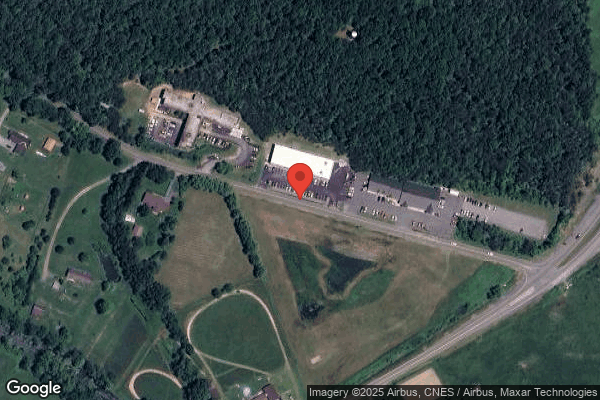
12185 GRAPEFIELD ROAD, BASTIAN, VA 24314 (276) 688-4141
Non profit - Corporation 57 Beds KISSITO HEALTHCARE Data: November 2025
Trust Grade
90/100
#5 of 285 in VA
Last Inspection: August 2023

Over 2 years since last inspection. Current conditions may differ from available data.

Overview

Bland County Nursing & Rehab Center in Bastian, Virginia, has received a Trust Grade of A, indicating it is excellent and highly recommended, meaning it stands out positively among facilities. It ranks #5 out of 285 nursing homes in Virginia, placing it in the top tier of the state, and it is the only option in Bland County. The facility shows an improving trend, having reduced recorded issues from 3 in 2021 to none in 2023. However, staffing is a weakness, as it received a low rating of 1 out of 5 stars, with a turnover rate of 47%, which, while slightly better than the state average, suggests stability issues. Notably, there have been concerns about residents not being provided the opportunity to vote in past elections and failures to obtain prescribed medications for some residents, highlighting areas that need attention despite the overall positive environment.

Trust Score
A
90/100
In Virginia
#5/285
Top 1%
Safety Record
Low Risk
No red flags
Inspections
Getting Better
3 → 0 violations
Staff Stability
⚠ Watch
47% turnover. Above average. Higher turnover means staff may not know residents' routines.
Penalties
✓ Good
No fines on record. Clean compliance history, better than most Virginia facilities.
Skilled Nurses
✓ Good
Each resident gets 47 minutes of Registered Nurse (RN) attention daily — more than average for Virginia. RNs are trained to catch health problems early.
Violations
○ Average
9 deficiencies on record. Average for a facility this size. Mostly minor or procedural issues.
★★★★★
5.0
Overall Rating
★☆☆☆☆
1.0
Staff Levels
★★★★★
5.0
Care Quality
★★★★★
5.0
Inspection Score
Stable
2021: 3 issues
2023: 0 issues

The Good

  • 5-Star Quality Measures · Strong clinical quality outcomes
  • Full Sprinkler Coverage · Fire safety systems throughout facility
  • No fines on record

Facility shows strength in quality measures, fire safety.

The Bad

Staff Turnover: 47%

Near Virginia avg (46%)

Higher turnover may affect care consistency

Chain: KISSITO HEALTHCARE

Part of a multi-facility chain

Ask about local staffing decisions and management

The Ugly 9 deficiencies on record

Nov 2021 3 deficiencies
CONCERN (D)

Potential for Harm - no one hurt, but risky conditions existed

Pharmacy Services (Tag F0755)

Could have caused harm · This affected 1 resident

Based on staff interviews, clinical record review, and facility document review, the facility staff failed to obtain physician ordered medications for 2 of 20 residents in the survey sample, Resident ...

Read full inspector narrative →
Based on staff interviews, clinical record review, and facility document review, the facility staff failed to obtain physician ordered medications for 2 of 20 residents in the survey sample, Resident #25 and #45. The findings included: 1. Resident #25's diagnosis list indicated diagnosis, which included, but not limited to Unspecified Dementia with Behavioral Disturbance, Anxiety Disorder, Cognitive Communication Deficit, Essential Hypertension, and Hypothyroidism. The most recent significant change MDS (minimum data set) with an ARD (assessment reference date) of 9/29/21 coded the resident as being moderately impaired in cognitive skills for daily decision making with short term and long term memory problems. Resident #25's current physician's orders included an active order dated 2/10/21 for Ativan tablet 0.5 mg, give 0.25 mg by mouth at bedtime related to anxiety disorder. A review of the resident's October 2021 MAR (medication administration record) revealed Ativan was not administered as ordered on 10/15/21, 10/16/21, 10/17/21, and 10/18/21. According to Resident #25's nursing progress notes, Ativan was not administered for the following documented reasons: 10/15/21 11:20 pm - Medication unavailable. Awaiting pharmacy. MD aware 10/16/21 10:49 pm - Medication unavailable. Awaiting pharmacy. MD aware 10/17/21 10:20 pm - Medication unavailable. Awaiting pharmacy. MD aware 10/18/21 9:55 pm - On hold. NP (nurse practitioner) aware. RP (responsible party) notified The DON (director of nursing) provided physician's orders to hold the 2100 (9:00 pm) dose of Ativan for 10/15/21, 10/16/21, 10/17/21, and 10/18/21. On 11/12/21 at 11:29 am, the pharmacy manager with the facility's contract pharmacy was interviewed concerning Resident #25's Ativan unavailability from 10/15/21 through 10/18/21. The pharmacy manager stated a 14 day supply of Ativan was dispensed on 9/30/21 for Resident #25. A refill request was sent in to the pharmacy on 10/10/21; however, the pharmacy was unable to fill the request due to a pharmacy billing error made on 9/30/21. The facility sent in another refill request on 10/18/21 and the Ativan supply was dispensed on 10/19/21. The pharmacy manager stated there was no record of the facility requesting removal of Ativan from the stat box or any additional communication concerning Resident #25's Ativan between 10/10/21 and 10/18/21 when the second refill request was submitted on 10/18/21. The facility policy entitled Medication Shortages/Unavailable Medications documented in part: 3. If a medication shortage is discovered after normal pharmacy hours: 3.1 A licensed facility nurse should obtain the ordered medication from the Emergency Medication Supply. 3.2 If the ordered medication is not available in the Emergency Medication Supply, the licensed facility nurse should call pharmacy's emergency answering service and request to speak with the registered pharmacist on duty to manage the plan of action. Action may include: 3.2.1 Emergency delivery; or 3.2.2 Use of an emergency (back-up) pharmacy The facility narcotic stat box listing was reviewed and included a supply of four (4) Lorazepam (Ativan) 0.5 mg tablets. On 11/12/21 at 4:26 pm, a meeting was held with the administrator, director of nursing, and the chief nursing officer and the concern of Resident #25 not receiving Ativan as ordered was discussed. No further information regarding this concern was presented to the survey team prior to the exit conference on 11/12/21. 2. Resident #45's minimum data set (MDS) assessment, with an assessment reference date (ARD) of 10/26/21, was completed on 11/2/21. Resident #45 was assessed as able to understand others and as able to make self understood. Resident #45's Brief Interview for Mental Status (BIMS) summary score was a 15 out of 15 (indicating intact/borderline cognition). Resident #45 was documented a being totally depended on others for bed mobility, transfers, dressing, eating, toilet use, personal hygiene, and bathing. Resident #45's diagnoses included, but were not limited to: neurogenic bladder, thyroid disorder, quadriplegia, depression, post traumatic stress disorder, and borderline personality disorder. During an interview on the morning of 11/9/21, Resident #45 reported having dental pain. Resident #45 reported the medical provider had ordered a different pain medication for them. Resident #45 stated the newly ordered pain medication had yet to arrive at the facility but stated that the facility staff were providing other interventions to address their dental pain. Resident #45's clinical record included an order for hydrocodone 5mg/acetaminophen 325mg one (1) tablet to be given as needed every twelve (12) hours, dated 11/8/21 at 11:22 a.m. This medication was not documented as being received at the facility until 11/11/21 at 1:07 a.m. Resident #45 was first documented as being provided this medication on 11/10/21 at 3:50 p.m. (the documentation did not specifically address whether or not this medication had been obtained via the facility STAT medication process). Resident #45's plan of care included the focus of risk for pain . This care plan included the following interventions: (a) administer medications as ordered and (b) refer to dentist as needed. On 11/10/21 at 5:02 p.m., a meeting was conducted with the facility's Administrator, Director of Nursing (DON), and Chief Nursing Officer (CNO). During this meeting, the delay in the availability of Resident #45's provider ordered pain medications was discussed. It was reported the pharmacy had not received the prescription and it had to be resent. The possibility of the medication being available at the facility using the facility's STAT medication process was discussed. The survey team was informed the pharmacy would have had to provide a code for the facility staff to access the medication via the facility's STAT medication process. (STAT is a medical abbreviation used to indicate urgent or rushed.)
CONCERN (D)

Potential for Harm - no one hurt, but risky conditions existed

Unnecessary Medications (Tag F0759)

Could have caused harm · This affected 1 resident

Based on staff interview, clinical record review, facility document review, and during a medication pass and pour observation, the facility staff failed to ensure a medication error rate of less than ...

Read full inspector narrative →
Based on staff interview, clinical record review, facility document review, and during a medication pass and pour observation, the facility staff failed to ensure a medication error rate of less than 5%. There were three (3) errors in 33 opportunities for a medication error rate of 9.09%. These medication errors affected Resident #4 and #35. The findings included: 1. Resident #4's diagnosis list indicated diagnoses, which included, but not limited to Fracture of Right Femur, Chronic Obstructive Pulmonary Disease, Type 2 Diabetes Mellitus without Complications, Angina Pectoris, Unspecified Dementia without Behavioral Disturbance, and Gastro-esophageal Reflux Disease without Esophagitis. The most recent admission MDS (minimum data set) with an ARD (assessment reference date) of 8/06/21 assigned the resident a BIMS (brief interview for mental status) score of 8 out of 15 in section C, Cognitive Patterns. Resident #4's current physician's orders included an order dated 8/16/21 for Culturelle capsule give 1 by mouth two times a day for gastro-intestinal health and an order dated 8/01/21 for Cardizem tablet 120 mg by mouth one time a day for hypertension hold if SBP (systolic blood pressure) is less than 120. On 11/10/21 at 8:16 am, LPN (licensed practical nurse) #1 was observed preparing and administering Resident #4's medications. LPN #1 administered a Cardizem 120 mg tablet to Resident #4. LPN #1 did not obtain a blood pressure prior to administration. At 12:03 pm, LPN #1 was interviewed and stated Resident #4 did not have a blood pressure check this morning but they would check the blood pressure now. LPN #1 provded a list of residents who had a blood pressure check that morning and Resident #4's name was not on the list. LPN #1 stated the MAR (medication administrator record) should provide a prompt for the blood pressure and stated I'll fix that right now. During the medication pass and pour observation on 11/10/21 at 8:16 am, LPN #1did not administer administer Culturelle to Resident #4; however, LPN #1 signed Resident #4's MAR indicating Culturelle was administered on 11/10/21 at 9:00 am. At approximately 1:30 pm, LPN #1was interviewed concerning the administration of Culturelle and LPN #1 pulled a box of Culturelle from the medication cart and stated they think it was given. LPN #1 was unable to provide verification of Culturelle administration. On 11/10/21 at 5:02 pm during a meeting with the administrator, director of nursing, and the chief nursing officer, concerns were discussed about Resident #4 not receiving Culturelle as ordered and Cardizem being administered prior to a blood pressure check on 11/10/21. The facility policy for medication administration entitled General Dose Preparation and Medication Administration which states in part: 4. Prior to administration of medication, facility staff should take all measures required by facility policy and applicable law, including, but not limited to the following: 4.1 Facility staff should: 4.1.5 If necessary, obtain vital signs No further information regarding this concern was presented to the survey team prior to the exit conference on 11/12/21. 2. Resident #35's diagnosis list indicated diagnoses which included, but not limited to Osteomyelitis of Vertebra Cervical Region, Autistic Disorder, Cerebral Palsy, Major Depressive Disorder, and Type 2 Diabetes Mellitus. The most recent quarterly MDS (minimum data set) with an ARD (assessment reference date) of 10/12/21 assigned the resident a BIMS (brief interview for mental status) score of 14 out of 15 in section C, Cognitive Patterns. Resident #35's current physician's orders included an order dated 8/04/21 stating Lexapro tablet 20 mg (Escitalopram Oxalate) give 40 mg by mouth one time a day for depression. On 11/10/21 at 8:40 am, LPN #1 was observed removing one Lexapro 20 mg tablet from a blister pack card and placing it in a medication cup with the other oral medications, and administering the medications to Resident #35. After reviewing Resident #35's physician's orders, LPN #1 was intervewed on 11/10/21 at 1:25 pm, and asked if they administered one or two tablets of Lexapro 20 mg during medication pass. LPN #1 stated I just don't know. LPN #1 pulled Resident #35's blister pack of Lexapro from the medication cart, the medication pack was labeled Lexapro 20 mg, give 40 mg and there was one tablet in each blister bubble. The facility policy for medication administration entitled General Dose Preparation and Medication Administration stated in part verify each time a medication is administered that it is the correct medication, at the correct dose, at the correct route, at the correct rate, at the correct time, for the correct resident. On 11/10/21 at 5:02 pm during a meeting with the administrator, director of nursing, and the chief nursing officer, the concern of Resident #35 receiving the incorrect dosage of Lexapro was discussed. No further information regarding this concern was presented to the survey team prior to the exit conference on 11/12/21.
CONCERN (E)

Potential for Harm - no one hurt, but risky conditions existed

Resident Rights (Tag F0550)

Could have caused harm · This affected multiple residents

Based on interviews and the and facility document review, the facility staff failed to ensure eleven (11) of 47 residents were provided the opportunity to to vote: Resident #1, Resident #2, Resident #...

Read full inspector narrative →
Based on interviews and the and facility document review, the facility staff failed to ensure eleven (11) of 47 residents were provided the opportunity to to vote: Resident #1, Resident #2, Resident #10, Resident #18, Resident #21, Resident #24, Resident #36, Resident #37, Resident #38, Resident #43, and Resident #48. The findings include: The following information was found as part of the facility's Operational Policy Manual: Activity Programs . Intellectual activities are encouraged and are designed to stimulate the resident's mind. Intellectual activities include participation in discussion groups, clubs, and committees; voting; book reviews; and music appreciation. On the afternoon of 11/10/21, a group interview with five (5) residents was completed. During this interview, it was reported that residents at the facility were not able to vote in the November 2021 elections. The group reported the absentee ballots were not obtained and the van was not available for residents to go to the polling place on Election Day. On 11/10/21 at 3:20 p.m., the Administrator was asked about resident's voting. The Administrator reported they thought the residents voted on Election Day using the van. The Activities Director (AD) was interviewed about resident voting on 11/10/21 at 3:32 p.m. The AD provided a list of 11 resident names who wanted to vote via absentee ballot. The AD reported they had missed the deadline to obtain the absentee ballots. The AD reported that two (2) residents (Resident #18 and Resident #43) wanted to vote in-person on Election Day but the polls had closed prior to the AD being able to use the transport van to take the two (2) residents to vote. On 11/10/21 at 3:41 p.m., the facility's Administrator, Director of Nursing (DON), and Chief Nursing Officer (CNO) confirmed the aforementioned residents had been unable to vote for the November 2021 election.
Nov 2019 6 deficiencies
CONCERN (D)

Potential for Harm - no one hurt, but risky conditions existed

Deficiency F0578 (Tag F0578)

Could have caused harm · This affected 1 resident

Based on clinical record review and staff interview, the facility staff failed to ensure the resident's right to formulate an advanced directive by failing to ensure the advanced directive in the resi...

Read full inspector narrative →
Based on clinical record review and staff interview, the facility staff failed to ensure the resident's right to formulate an advanced directive by failing to ensure the advanced directive in the resident's record was complete for 1 of 14 residents in the survey sample (Resident #15). The findings included: For Resident #15 the facility staff failed to accurately complete the resident's DDNR (Durable Do Not Resuscitate Order). All boxes on this form were left unchecked. This DDNR form was part of the resident's clinical record and was located in the electronic health record. Resident #15's diagnosis list indicated diagnoses, which included, but limited to Hemiplegia and Hemiparesis Following Unspecified Cerebrovascular Disease Affecting Left Non-Dominant Side, Adult Failure to Thrive, Chronic Ischemic Heart Disease, Dysphagia, and Chronic Obstructive Pulmonary Disease. The most recent significant change MDS (minimum data set) with an ARD (assessment reference date) of 9/18/19 assigned the resident a BIMS (brief interview for mental status) score of 12 out of 15 in section C, cognitive patterns. Resident #15's clinical record included a physician's order dated 9/07/19 stating Do Not Resuscitate. The clinical record also included a DDNR from the Virginia Department of Health dated 9/07/18 that was signed by the physician and the resident's daughter. This DDNR read in part Under section 1 I certify [must check 1 or 2]: 1. The patient is CAPABLE of making an informed decision . 2. The patient is INCAPABLE of making an informed decision . Neither box had been checked. Section 2 read, If you checked 2 above, check A, B, or C below . All three boxes were left blank. The concern of Resident #15's incomplete DDNR was discussed with the administrative staff (director of nursing and administrator) during a meeting on 11/13/19 at 4:25 pm. On 11/14/19 at approximately 8:00 am, the surveyor was provided with a copy of the revised DDNR dated 9/07/18 with box #2 checked in section 1 and box C checked in section 2. The surveyor also received a copy of a progress note dated 11/13/19 19:19 stating the resident's guardian was called and notified of the incomplete DDNR and the guardian choose box 2 in section 1 and box C in section 2. No further information was provided prior to exit conference on 11/14/19.
CONCERN (D)

Potential for Harm - no one hurt, but risky conditions existed

Deficiency F0657 (Tag F0657)

Could have caused harm · This affected 1 resident

**NOTE- TERMS IN BRACKETS HAVE BEEN EDITED TO PROTECT CONFIDENTIALITY** Based on clinical record review and staff interview, the facility staff failed to review and revise the plan of care for one of ...

Read full inspector narrative →
**NOTE- TERMS IN BRACKETS HAVE BEEN EDITED TO PROTECT CONFIDENTIALITY** Based on clinical record review and staff interview, the facility staff failed to review and revise the plan of care for one of 15 residents in the survey sample, Resident # 19. The findings included: The facility staff failed to review and revise the plan of care for Resident # 19 to indicate the correct size suprapubic Foley catheter. Resident # 19 was originally admitted to the facility on [DATE], and had a facility readmission date of 10/25/19. Diagnoses included but were not limited to, obstructive and reflux uropathy. The clinical record for Resident # 19 was reviewed on 11/14/19 at 8:41 am. The most recent MDS (minimum data set) assessment for Resident # 19 was an admission assessment with an ARD (assessment reference date) of 9/24/19. Section C of the MDS assesses cognitive patterns. In Section C1000, the facility staff documented that Resident # 19's cognitive status was severely impaired. Section H of the MDS assesses bladder and bowel. In Section H0100, the facility staff documented that Resident # 19 had an indwelling catheter. Resident # 19 had orders that included but were not limited to, Change suprapubic Foley catheter using 16fr (French) 10 cc (cubic centimeter) balloon, which was initiated by the physician on 10/28/19. The plan of care for Resident # 19 was reviewed and revised on 10/28/19. The facility staff documented a focus area for Resident # 19 as, Resident requires suprapubic catheter for urinary output related to: obstructive uropathy 18 FR with 10 cc balloon. On 11/14/19 at 1:21 pm, the surveyor interviewed MDS coordinator # 1. The surveyor and MDS coordinator # 1 reviewed the plan of care for Resident # 19 and the surveyor pointed out the discrepancy in Resident # 19's order for 16 Fr catheter and 18 Fr catheter that was written on the plan of care for Resident # 19. MDS coordinator # 1 informed the surveyor that she would look into the discrepancy and find out what the issue was. On 11/14/19 at 1:31 pm, MDS coordinator # 1 informed the surveyor that Resident # 19 did have an 18 FR Foley catheter when he initially came in and that Resident # 19 went out and returned to the facility with a 16FR Foley catheter. MDS coordinator # 1 informed the surveyor that the care plan for Resident # 19 would be revised. On 11/14/19 at 3:15 pm, the administrator and director of nursing were made aware of the findings as stated above. No further information regarding this issue was presented to the survey team prior to the exit conference on 11/14/19.
CONCERN (D)

Potential for Harm - no one hurt, but risky conditions existed

Quality of Care (Tag F0684)

Could have caused harm · This affected 1 resident

Based on observation, staff interview and clinical record review, the facility staff failed to ensure that residents receive treatment and care in accordance with physician orders by failing to admini...

Read full inspector narrative →
Based on observation, staff interview and clinical record review, the facility staff failed to ensure that residents receive treatment and care in accordance with physician orders by failing to administer medications through the route ordered by the physician for 1 of 14 residents in the survey sample (Resident #17). The findings included: For Resident #17 the facility staff failed to administer a laxative, Polyethylene Glycol, through the route ordered by the physician. Resident #17's diagnosis list indicated diagnoses, which included, but not limited to Quadriplegia, Chronic Respiratory Failure, Dependence on Respirator [Ventilator] Status, and Dysphagia. The most recent quarterly MDS (minimum data set) with an ARD (assessment reference date) of 9/19/19 assigned the resident a BIMS (brief interview for mental status) score of 15 out of 15 in section C, cognitive patterns. Resident #17 was also coded as having a feeding tube in section K, Swallowing/Nutritional Status. On 11/14/19 at approximately 8:40am, the surveyor observed RN #1 mix polyethylene glycol 17 grams in 30 ml of Pro-stat and administer to Resident #17 by peg tube. RN #1 stated the resident prefers the Pro-stat and the polyethylene glycol to be given by peg tube due to the taste. Review of the clinical record revealed an order for Polyethylene Glycol dated 10/21/19 stating give 17 grams by mouth one time a day for constipation. On 11/14/19 at approximately 3:15pm, the administrative team consisting of the administrator and director of nursing were made aware of RN #1 not administering the Polyethylene Glycol by the appropriate route as ordered by the physician. No further information regarding this issue was presented to the survey team prior to the exit conference on 11/14/19.
CONCERN (D)

Potential for Harm - no one hurt, but risky conditions existed

Respiratory Care (Tag F0695)

Could have caused harm · This affected 1 resident

**NOTE- TERMS IN BRACKETS HAVE BEEN EDITED TO PROTECT CONFIDENTIALITY** Based on observation, clinical record review, resident interview, and staff interview, the facility staff failed to provide resp...

Read full inspector narrative →
**NOTE- TERMS IN BRACKETS HAVE BEEN EDITED TO PROTECT CONFIDENTIALITY** Based on observation, clinical record review, resident interview, and staff interview, the facility staff failed to provide respiratory care consistent with the comprehensive plan of care to one of 15 residents in the survey sample, Resident # 22. The findings included: The facility staff failed to deliver oxygen to Resident # 22 at the physician ordered rate. Resident # 22 was originally admitted to the facility on [DATE]. Resident # 22 had a readmission date of 11/6/19. Diagnoses included but were not limited to, chronic obstructive pulmonary disorder and chronic respiratory failure with hypoxia. The clinical record for Resident # 22 was reviewed on 11/13/19 at 2:35 pm. The most recent MDS (minimum data set) assessment for Resident # 22 was a quarterly assessment with an ARD (assessment reference date) of 8/14/19. Section C of the MDs assesses cognitive patterns. In Section C0500, the facility staff documented that Resident # 22 had a BIMS (brief interview for mental status) score of 15 out of 15, which indicated that Resident # 22 was cognitively intact. Section O of the MDS assesses special treatments and programs. In Section O0100, the facility staff documented that Resident # 22 had received oxygen within the last 14 days of the 8/14/19 look back period. Resident # 22 had orders that included but were not limited to, O2 (oxygen) at 3L (liters) via NC (nasal cannula) continuous, that was initiated by the physician on 11/6/19. The plan of care for Resident # 22 was reviewed and revised on 10/8/19. The facility staff documented a focus area for Resident # 22 as, Altered respiratory status, difficulty breathing d/t (due to) sleep apnea, hospitalized for respiratory failure in the past and wears oxygen continuously. Interventions included but were not limited to, Elevate HOB (head of bed) as tolerated. O2 continuously, and Administer medication and respiratory treatments as ordered. Monitor for effectiveness and side effects. On 11/13/19 at 2:10 pm, the surveyor was in Resident # 22's room conducting a resident interview. The surveyor observed that the oxygen concentrator was set to deliver 4 liters of oxygen. Resident # 22 observed the surveyor looking at the oxygen concentrator and stated, I am supposed to get 3 liters. On 11/13/19 at 3:05 pm, the surveyor and LPN # 1 entered Resident # 22's room and observed her oxygen concentrator. The surveyor asked LPN # 2 how many liters of oxygen was being delivered to Resident # 22. LPN # 1 stated, She's getting 4 liters. and looked at oxygen. On 11/13/19 at 4:30 pm, the administrator and director of nursing were made aware of the findings as stated above. No further information regarding this issue was presented to the survey team prior to the exit conference of 11/14/19.
CONCERN (D)

Potential for Harm - no one hurt, but risky conditions existed

Infection Control (Tag F0880)

Could have caused harm · This affected 1 resident

**NOTE- TERMS IN BRACKETS HAVE BEEN EDITED TO PROTECT CONFIDENTIALITY** Based on observation, clinical record review, staff interview, and facility document review, the facility staff failed to maint...

Read full inspector narrative →
**NOTE- TERMS IN BRACKETS HAVE BEEN EDITED TO PROTECT CONFIDENTIALITY** Based on observation, clinical record review, staff interview, and facility document review, the facility staff failed to maintain an infection prevention and control program by failing to utilize personal protective equipment and failing to utilize appropriate handwashing on one of three halls in the facility. The findings included: A facility staff member failed to wear gloves and failed to wash hands after exiting a contact isolation room. On 11/14/19 at 8:33 am, the surveyor observed an isolation cart in the hallway outside of room [ROOM NUMBER]. The surveyor observed signage on the door that stated, See nurse before entering room. The surveyor observed CNA #1 (certified nursing assistant) put on a yellow gown and enter room [ROOM NUMBER]. The surveyor observed that CNA # 1 did not put on gloves. The surveyor observed CNA # 1 remove a burgundy covered food plate from room [ROOM NUMBER] and placed it on top of the tray cart. The surveyor observed that CNA # 1 did not wash her hands. The surveyor asked CNA #1 if she had been wearing gloves on when she entered the room [ROOM NUMBER]. CNA # 1 stated, No, I didn't even think about it. I just got her tray. The surveyor observed CNA # 1 knock and enter room [ROOM NUMBER] without washing her hands. The surveyor called CNA # 1 from the room and informed her of the observation of her entering a contact isolation room without gloves and failing to wash her hands after exiting and prior to entering another resident's room. On 11/14/19 at 9:14 am, the surveyor reviewed the clinical record for the resident that CNA # 1 was observed handling the food plate without wearing gloves. Resident # S1 (unsampled). Resident # S1 was a [AGE] year-old-female that was originally admitted to the facility on [DATE], and was readmitted to the facility on [DATE]. Diagnosis included but were not limited toMRSA to left wrist. Resident # S1 had orders that included but were not limited to, Contact isolation precautions d/t (due to) MRSA to L (left) wrist, which was initiated by the physician on 11/13/19. The facility Infection Prevention and Control Program contained documentation that included but was not limited to, .Outbreak Management a. Outbreak management is a process that consists of: (3) preventing the spread to other residents. On 11/14/19 at 10:18 am, the administrator and director of nursing were made aware of the findings as stated above. No further information regarding this issue was presented to the survey team prior to the exit conference on 11/14/19.
CONCERN (E)

Potential for Harm - no one hurt, but risky conditions existed

Resident Rights (Tag F0550)

Could have caused harm · This affected multiple residents

Based on resident interview and staff interview, the facility staff failed to promote the rights of the residents by allowing the facility residents to exercise their voting rights as citizens for six...

Read full inspector narrative →
Based on resident interview and staff interview, the facility staff failed to promote the rights of the residents by allowing the facility residents to exercise their voting rights as citizens for six residents who participated in the group meeting. The findings included: The facility staff failed to provide the facility residents with the opportunity to vote. On 11/14/19 at 9:03 am, a resident group meeting was held with six alert and oriented residents. The surveyor asked the residents if the facility staff had provided them with the opportunity to vote. All six residents in the group meeting reported to the surveyor that they have not been provided the opportunity to vote. On 11/14/19 11:28 at am, the surveyor interviewed the facility activity/social services director. The surveyor informed the activity/social services director that the residents in the group meeting had expressed concerns about not being allowed the opportunity to vote in the most recent election. The activity/social services director informed the surveyor that the residents were offered the opportunity to vote and that no one signed up to vote on the signup sheet. The activity/social service director stated that a few residents stated that they wanted to vote but once they found out that there was not a presidential election being held, they declined to vote. The surveyor asked the activity/social service director if there was any documentation that the residents were offered the opportunity to vote. The activity/social service director stated, No I'm sorry. On 11/14/19 at 3:15 pm, the administrator and director of nursing were made aware of the findings as stated above. No further information regarding this issue was presented to the survey team prior to the exit conference on 11/14/19.
Understanding Severity Codes (click to expand)
Life-Threatening (Immediate Jeopardy)
J - Isolated K - Pattern L - Widespread
Actual Harm
G - Isolated H - Pattern I - Widespread
Potential for Harm
D - Isolated E - Pattern F - Widespread
No Harm (Minor)
A - Isolated B - Pattern C - Widespread

Questions to Ask on Your Visit

  • "Can I speak with families of current residents?"
  • "What's your RN coverage like on weekends and overnight?"

Our Honest Assessment

Strengths
  • • Grade A (90/100). Above average facility, better than most options in Virginia.
  • • No major safety red flags. No abuse findings, life-threatening violations, or SFF status.
  • • No fines on record. Clean compliance history, better than most Virginia facilities.
Concerns
  • • No significant concerns identified. This facility shows no red flags across CMS ratings, staff turnover, or federal penalties.
Bottom line: Generally positive indicators. Standard due diligence and a personal visit recommended.

About This Facility

What is Bland County Nursing & Rehab Center's CMS Rating?

CMS assigns BLAND COUNTY NURSING & REHAB CENTER an overall rating of 5 out of 5 stars, which is considered much above average nationally. Within Virginia, this rating places the facility higher than 99% of the state's 100 nursing homes. This rating reflects solid performance across the metrics CMS uses to evaluate nursing home quality.

How is Bland County Nursing & Rehab Center Staffed?

CMS rates BLAND COUNTY NURSING & REHAB CENTER's staffing level at 1 out of 5 stars, which is much below average compared to other nursing homes. Staff turnover is 47%, compared to the Virginia average of 46%. RN turnover specifically is 56%, which is notably high. RNs provide skilled clinical oversight, so turnover in this role can affect medical care quality.

What Have Inspectors Found at Bland County Nursing & Rehab Center?

State health inspectors documented 9 deficiencies at BLAND COUNTY NURSING & REHAB CENTER during 2019 to 2021. These included: 9 with potential for harm.

Who Owns and Operates Bland County Nursing & Rehab Center?

BLAND COUNTY NURSING & REHAB CENTER is owned by a non-profit organization. Non-profit facilities reinvest revenue into operations rather than distributing to shareholders. The facility is operated by KISSITO HEALTHCARE, a chain that manages multiple nursing homes. With 57 certified beds and approximately 54 residents (about 95% occupancy), it is a smaller facility located in BASTIAN, Virginia.

How Does Bland County Nursing & Rehab Center Compare to Other Virginia Nursing Homes?

Compared to the 100 nursing homes in Virginia, BLAND COUNTY NURSING & REHAB CENTER's overall rating (5 stars) is above the state average of 3.0, staff turnover (47%) is near the state average of 46%, and health inspection rating (5 stars) is much above the national benchmark.

What Should Families Ask When Visiting Bland County Nursing & Rehab Center?

Based on this facility's data, families visiting should ask: "Can you walk me through typical staffing levels on day, evening, and night shifts?" "Can I visit during a mealtime to observe dining assistance and food quality?" "How do you handle medical emergencies, and what is your hospital transfer rate?" "Can I speak with family members of current residents about their experience?" These questions are particularly relevant given the below-average staffing rating.

Is Bland County Nursing & Rehab Center Safe?

Based on CMS inspection data, BLAND COUNTY NURSING & REHAB CENTER has a clean safety record: no substantiated abuse findings (meaning no confirmed cases of resident harm), no Immediate Jeopardy citations (the most serious violation level indicating risk of serious injury or death), and is not on the Special Focus Facility watch list (a federal program monitoring the lowest-performing 1% of nursing homes). The facility has a 5-star overall rating and ranks #1 of 100 nursing homes in Virginia. While no facility is perfect, families should still ask about staff-to-resident ratios and recent inspection results during their visit.

Do Nurses at Bland County Nursing & Rehab Center Stick Around?

BLAND COUNTY NURSING & REHAB CENTER has a staff turnover rate of 47%, which is about average for Virginia nursing homes (state average: 46%). Moderate turnover is common in nursing homes, but families should still ask about staff tenure and how the facility maintains care continuity when employees leave.

Was Bland County Nursing & Rehab Center Ever Fined?

BLAND COUNTY NURSING & REHAB CENTER has no federal fines on record. CMS issues fines when nursing homes fail to meet care standards or don't correct problems found during inspections. The absence of fines suggests the facility has either maintained compliance or corrected any issues before penalties were assessed. This is a positive indicator, though families should still review recent inspection reports for the full picture.

Is Bland County Nursing & Rehab Center on Any Federal Watch List?

BLAND COUNTY NURSING & REHAB CENTER is not on any federal watch list. The most significant is the Special Focus Facility (SFF) program, which identifies the bottom 1% of nursing homes nationally based on persistent, serious quality problems. Not being on this list means the facility has avoided the pattern of deficiencies that triggers enhanced federal oversight. This is a positive indicator, though families should still review the facility's inspection history directly.