BEDFORD CO NURSING HOME
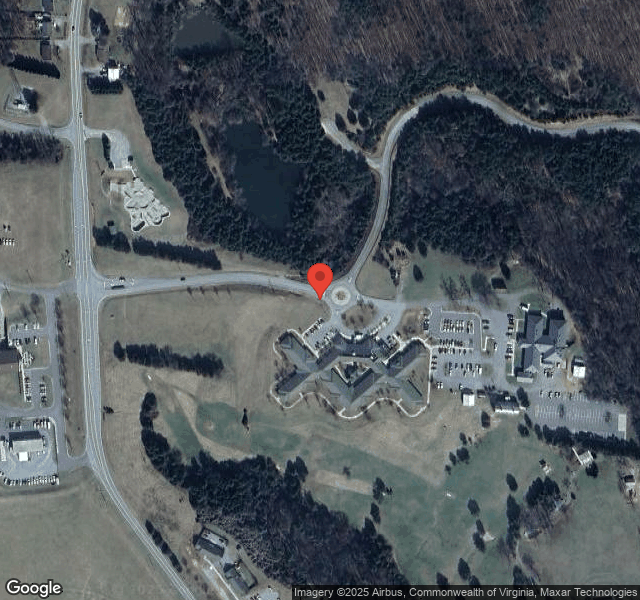
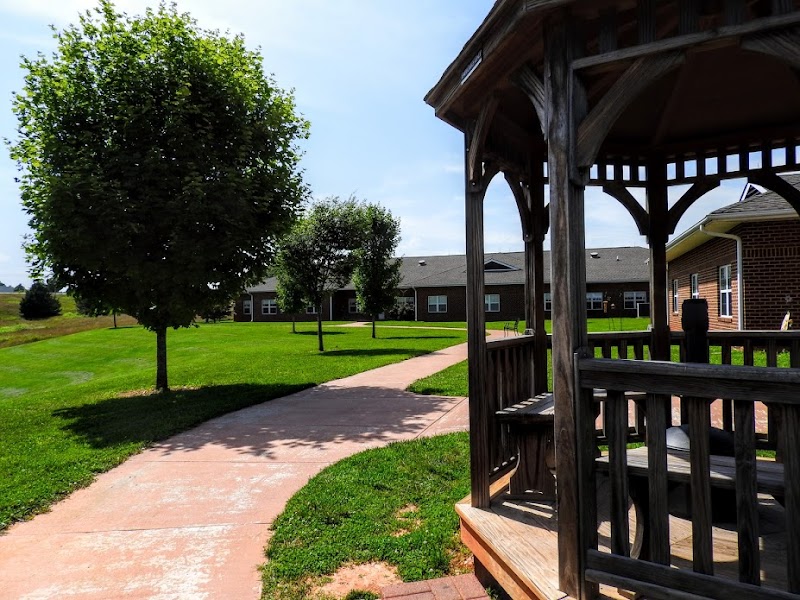
1229 COUNTY FARM ROAD, BEDFORD, VA 24523 (540) 586-7658
Government - County 90 Beds Independent Data: November 2025
Trust Grade
55/100
#62 of 285 in VA
Last Inspection: August 2023

Over 2 years since last inspection. Current conditions may differ from available data.

Overview

Bedford County Nursing Home has a Trust Grade of C, which means it is average and in the middle of the pack for nursing homes. It ranks #62 out of 285 facilities in Virginia, placing it in the top half, and it is the best option out of two in Bedford County. The facility is improving, having reduced its issues from seven in 2023 to one in 2025. Staffing is a strength, with a rating of 4 out of 5 stars and a turnover rate of 46%, which is slightly better than the state average. However, there are serious concerns; a significant medication error led to an opioid overdose for one resident, requiring hospitalization, and there have been other incidents indicating a need for improved safety protocols.

Trust Score
C
55/100
In Virginia
#62/285
Top 21%
Safety Record
High Risk
Review needed
Inspections
Getting Better
7 → 1 violations
Staff Stability
⚠ Watch
46% turnover. Above average. Higher turnover means staff may not know residents' routines.
Penalties
✓ Good
No fines on record. Clean compliance history, better than most Virginia facilities.
Skilled Nurses
⚠ Watch
Each resident gets only 29 minutes of Registered Nurse (RN) attention daily — below average for Virginia. Fewer RN minutes means fewer trained eyes watching for problems.
Violations
⚠ Watch
21 deficiencies on record. Higher than average. Multiple issues found across inspections.
★★★★☆
4.0
Overall Rating
★★★★☆
4.0
Staff Levels
★★☆☆☆
2.0
Care Quality
★★★★☆
4.0
Inspection Score
Stable
2023: 7 issues
2025: 1 issues

The Good

  • 4-Star Staffing Rating · Above-average nurse staffing levels
  • Full Sprinkler Coverage · Fire safety systems throughout facility
  • No fines on record

Facility shows strength in staffing levels, fire safety.

The Bad

Staff Turnover: 46%

Near Virginia avg (46%)

Higher turnover may affect care consistency

The Ugly 21 deficiencies on record

3 actual harm
Apr 2025 1 deficiency
CONCERN (D) 📢 Someone Reported This

A family member, employee, or ombudsman was alarmed enough to file a formal complaint

Potential for Harm - no one hurt, but risky conditions existed

Medical Records (Tag F0842)

Could have caused harm · This affected 1 resident

**NOTE- TERMS IN BRACKETS HAVE BEEN EDITED TO PROTECT CONFIDENTIALITY** Based on staff interview and clinical record review, the facility staff failed to ensure an accurate clinical record for the one...

Read full inspector narrative →
**NOTE- TERMS IN BRACKETS HAVE BEEN EDITED TO PROTECT CONFIDENTIALITY** Based on staff interview and clinical record review, the facility staff failed to ensure an accurate clinical record for the one resident in the survey sample (Resident #1). The findings include: Resident #1 (R1) was admitted to the facility with diagnoses that included congestive heart failure, ischemic heart disease, chronic kidney disease, peripheral artery disease, dementia, hypertension, anxiety, history of myocardial infarction and osteoarthritis. The minimum data set (MDS) dated [DATE] assessed R1 with severely impaired cognitive skills. R1's closed clinical record documented a physician's order dated [DATE] changing the resident's resuscitation status from full code (requiring cardiopulmonary resuscitation) to do not resuscitate (DNR). R1's electronic health record viewed on [DATE] documented the resident's code status as do not intubate (DNI) and did not reflect the DNR status ordered on [DATE] that was in place of the time of R1's death on [DATE]. R1's face sheet, printed from the electronic health record, listed the inaccurate DNI status at the top of the form beside the resident' name. R1's clinical record documented the resident was previously listed as full code and included no orders for the do not intubate status. On [DATE] at 8:50 a.m., the social worker (other staff #1) responsible for updating the code status in clinical records was interviewed about R1. The social worker stated the R1's electronic record displayed the incorrect code status. The social worker stated R1's code status was changed on [DATE] from full code to DNR. The social worker stated the wrong selection was made on the electronic health record screen with do not intubate selected instead of do not resuscitate. The social worker stated R1 never had an order for a do not intubate status. This finding was reviewed with the administrator and assistant director of nursing on [DATE] at 10:00 a.m. with no further information presented prior to the end of the survey.
Aug 2023 5 deficiencies
CONCERN (D)

Potential for Harm - no one hurt, but risky conditions existed

Deficiency F0658 (Tag F0658)

Could have caused harm · This affected 1 resident

**NOTE- TERMS IN BRACKETS HAVE BEEN EDITED TO PROTECT CONFIDENTIALITY** Based on observation, staff interview, facility document review, and clinical record review, the facility staff failed to follow...

Read full inspector narrative →
**NOTE- TERMS IN BRACKETS HAVE BEEN EDITED TO PROTECT CONFIDENTIALITY** Based on observation, staff interview, facility document review, and clinical record review, the facility staff failed to follow professional standards of practice during a medication pass on one of three units (100 unit). The findings include: A nurse documented that the medication Eliquis was administered to Resident #61 (R61) during an 8:00 a.m. medication pass when the medicine was omitted. The Eliquis was not administered to Resident #61 until 8/15/23 at 9:20 a.m. A medication pass observation was conducted 8/15/23 at 7:57 a.m., with licensed practical nurse (LPN #2) administering medications to R61. The medication Eliquis was omitted and not administered to R61 during the 8:00 a.m. medication pass. R61's clinical record documented a physician's order dated 7/3/23 for Eliquis 5 mg to be administered twice per day (at 8:00 a.m. and 8:00 p.m.) due to personal history of pulmonary embolism. On 8/15/23 at 8:53 a.m., LPN #2 was interviewed about the omitted Eliquis during R61's 8:00 a.m. medication pass. LPN #2 stated the Eliquis was not in the medication cart. LPN #2 stated that she had not yet checked to see if the medicine was available in the back-up supply. On 8/15/23 at 9:00 a.m., R61's medication administration record (MAR) was reviewed to determine the if there was an alternate time scheduled for the Eliquis administration. Upon this MAR review, R61's Eliquis was already signed off as given on 8/15/23 at 8:00 a.m. On 8/15/23 at 9:14 a.m., LPN #2 was asked if she had administered the Eliquis since it was signed off on the MAR. LPN #2 stated that she had not administered the Eliquis because she had not yet checked the back-up supply. When asked why the medicine had already been signed off on the MAR as given, LPN #2 stated, I might have signed it off by mistake. LPN #2 stated if the medicine was not in the back-up supply, she would take that off the MAR. On 8/15/23 at 9:20 a.m., LPN #2 went to the back-up supply, obtained a 5 mg dose of Eliquis and administered the Eliquis to R#61. On 8/15/23 at 1:30 p.m., the director of nursing (DON) was interviewed about LPN #2 documenting the Eliquis as administered when it had not actually been given. The DON stated that the medication record should not have been signed off until after the medication was given. The DON stated that the Eliquis should have been obtained from the back-up supply, administered as scheduled at 8:00 a.m., and documentation made after giving the medicine. On 8/15/23 at 2:30 p.m., the DON stated she checked R61's electronic health record and LPN #2 signed off the MAR indicating the Eliquis was administered on 8/15/23 at 8:20 a.m. The facility's policy titled Administering Medications (revised April 2019) documented, Medications are administered in a safe and timely manner, and as prescribed .The individual administering the medication initials the resident's MAR on the appropriate line after giving each medication and before administering the next ones .As required or indicated for a medication, the individual administering the medication records in the resident's medical record .The date and time the medication was administered . The Lippincott Manual of Nursing Practice 11th edition documents on page 15 that common departures from standards of care include, .Failure to administer medications properly and in a timely fashion or to report and administer omitted doses appropriately . (1) These findings were reviewed with the administrator and director of nursing during a meeting on 8/15/23 at 3:30 p.m. with no other information provided prior to the end of the survey. (1) [NAME], [NAME] M. Lippincott Manual of Nursing Practice. Philadelphia: Wolters Kluwer Health/[NAME] & [NAME], 2019.
CONCERN (D)

Potential for Harm - no one hurt, but risky conditions existed

Quality of Care (Tag F0684)

Could have caused harm · This affected 1 resident

**NOTE- TERMS IN BRACKETS HAVE BEEN EDITED TO PROTECT CONFIDENTIALITY** Based on observation, staff interview, and clinical record review, the facility staff failed to follow physician orders for one ...

Read full inspector narrative →
**NOTE- TERMS IN BRACKETS HAVE BEEN EDITED TO PROTECT CONFIDENTIALITY** Based on observation, staff interview, and clinical record review, the facility staff failed to follow physician orders for one of twenty-four residents in the survey sample (Resident #10). The findings include: Resident #10 (R10) was observed during dining without food items cut in bite-sized pieces as ordered by the physician. R10 was admitted to the facility with diagnoses that included multiple sclerosis, dysphagia, dementia, psychotic disturbance, affective mood disorder, anxiety, depression, bipolar disorder, hypertension, history of urinary tract infections and history of COVID-19. The minimum data set (MDS) dated [DATE] assessed R10 with severely impaired cognitive skills. R10's clinical record documented a nursing note on 3/15/23 stating, Resident choking and coughing with each bite of food .MD .notified of choking episode, order to continue mechanical soft diet but cut meals into bite sized pieces. A physician's progress note dated 3/15/23 documented, Seen today for choking. Speech therapist witnessed him choking repeated on a 'honeybun' at breakfast .Patient with no c/o [complaints] but does not understand what I'm asking . Other staff report he can eat an egg salad sandwich without difficulty, but apparently 'gobbles' large bite of honey bun leading to choking . combination problem of somewhat impaired swallowing with behavioral problem with continuing to stuff food in his mouth despite incomplete swallowing. Previous attempts to downgrade diet to pureed led to refusal to eat and precipitous weight loss .will continue mech [mechanical] soft diet, but cut all foods into small pieces; staff to support patient in regulating intake of bites until he has cleared his previous bite. R10's clinical record documented a physician's order dated 3/15/23 for regular mechanical soft diet with nectar thick liquids, fortified foods and instructions for small bite sized pieces. On 8/15/23 at 8:19 a.m., R10 was observed eating breakfast in the dining room with three staff members supervising/assisting residents with meals. R10 was holding and eating a half section of a cinnamon bun. The bun was not cut into bite sized pieces. On R10's plate was an egg sandwich and a Nutrigrain bar. The sandwich and the Nutrigrain bar were not cut into pieces. On 8/15/23 at 8:26 a.m., R10 had finished the cinnamon bun and a staff person was observed cutting the egg sandwich in half. R10 did not eat the sandwich or Nutrigrain bar during this meal observation. On 8/15/23 at 1:00 p.m., R10 was observed in the dining room finishing his lunch. R10's food items were not cut into bite sized pieces as ordered. On R10's plate was a partially eaten cinnamon bun and a minced chicken sandwich cut in half with potato tots. R10's meal tickets for the 8/15/23 breakfast and lunch included the instruction for, .Small bite sized pieces . On 8/15/23 at 1:03 p.m., the certified nurses' aide (CNA #1) caring for R10 and assisting residents in the dining room was interviewed. CNA #1 stated that she had cut the cinnamon buns in half and the Nutrigrain bar was usually cut in half. CNA #1 stated that R10 does good with it .he likes finger foods. CNA #1 stated R10 usually ate the cinnamon bun first with meals and that the foods were usually cut when served. On 8/15/23 at 1:09 p.m., the therapy director (other staff #1) was interviewed about R10. The rehab director stated a speech therapy evaluation was conducted on 3/31/23 and that R10 had been on the speech therapy caseload since then. On 8/15/23 at 2:12 p.m., the speech therapist (other staff #2) was interviewed about R10. The speech therapist stated R10 had been seen by speech since 3/31/23. The speech therapist stated that she had observed R10 eating a cinnamon bun with appropriate bite sizes and sufficient swallowing. The speech therapist stated that R10 had a history of dysphagia and the initial speech evaluation recommended the mechanical soft diet and nectar thick liquids but did not mention bite sized pieces. The speech therapist stated that the order for the bite sized pieces came from the provider and was not a recommendation from speech therapy. On 8/15/23 at 2:24 p.m., the director of nursing (DON) was interviewed about R10's order for bite sized food pieces. The DON stated the food items were supposed to be cut up per the physician's order. The DON stated the meal was supposed to match the meal ticket. The DON stated that staff assisting residents in the dining room were expected to cut food items as ordered. The DON stated R10 ate meals in the dining room with staff members present during meals. The DON stated R10 had experienced no further choking episodes since the 3/10/23 incident. On 8/16/23 at 8:09 a.m., the dietary manager (other staff #3) was interviewed. The dietary manager stated the kitchen provided the mechanical soft textured, hand-held food items per order but that staff serving the meals were expected to cut foods if needed. This finding was reviewed with the administrator and director of nursing during a meeting on 8/16/23 at 10:10 a.m. with no further information provided prior to the end of the survey.
CONCERN (D)

Potential for Harm - no one hurt, but risky conditions existed

Unnecessary Medications (Tag F0759)

Could have caused harm · This affected 1 resident

**NOTE- TERMS IN BRACKETS HAVE BEEN EDITED TO PROTECT CONFIDENTIALITY** Based on observation, staff interview, clinical record review, and facility document review, the facility staff failed to ensure...

Read full inspector narrative →
**NOTE- TERMS IN BRACKETS HAVE BEEN EDITED TO PROTECT CONFIDENTIALITY** Based on observation, staff interview, clinical record review, and facility document review, the facility staff failed to ensure a medication error rate of less than five percent. Medication pass observations revealed four errors out of thirty three opportunities resulting in a 12.5% error rate. 1. Resident #69 (R69) Administration instructions were not followed, and the wrong dose of Flovent was administered. 2. Resident #61 (R61) extended release Metoprolol was crushed prior to administering, and Eliquis was not administered timely. The Findings Include: 1. During a medication pass and pour observation conducted on 815/23 at 8:00 AM, license practical nurse (LPN #1) began pulling medications out of the medication cart for R69 and handing the medications to this surveyor to document. One of the medications pulled from the medication cart was Flovent inhaler 44 MCG (micrograms). The label on the Flovent read Rinse and spit. LPN #1 administered Flovent to R69 and did not instruct R69 to rinse and spit after inhaling the medication. After the medication pass was completed with R69, LPN #1 was asked about instructing R69 to rinse and spit after administering the Flovent, pointing out the instructions written on the Flovent label. LPN #1 verbalized that she had forgotten to instruct R69 to rinse and spit. Physician's orders were then reviewed to verify accuracy of medications given. R69's Flovent order read in part Flovent inhaler; 110 mcg [ .] 1 puff; inhalation diagnosis; Unspecified asthma [ .]. On 8/15/23 at 9:09 AM, LPN #1 was interviewed regarding the discrepancy of the dose of Flovent given (44 MCG) and the dose ordered (110 MCG). LPN #1 reviewed the order then pulled the Flovent from the medication cart and agreed with the discrepancy. LPN #1 then reviewed the medication cart to see if there was another bottle of Flovent but did not find any other Flovent. LPN #1 said that the Flovent was what the pharmacy had sent and she would clarify with the physician. On 8/15/23 at 3:30 PM, the above information was presented to the director of nursing (DON) and administrator. A facility policy titled Administering Medications read in part: 10. The individual administering the medication checks the label THREE (3) [sic] times to verify the right resident, right medication, right dosage, right time and method of administration before giving the medication. No other information was presented prior to exit on 8/15/23. 2. Extended-release metoprolol was crushed prior to administration to Resident #61 (R61). The medication Eliquis, ordered to be administered at 8:00 a.m., was omitted during the medication pass and not administered until 9:20 a.m. A medication pass observation was conducted 8/15/23 at 7:57 a.m., with licensed practical nurse (LPN #2) administering medications to R61. Included in medications administered was a half tablet of metoprolol 25 milligrams (mg) extended-release (ER). The extended-release metoprolol was crushed with other oral medications and administered to R61. Instructions on the metoprolol pharmacy label stated, Do not crush. The medication Eliquis was omitted and not administered during the 8:00 a.m. medication pass. R61's clinical record documented a physician's order dated 7/3/23 for Eliquis 5 mg to be administered twice per day (at 8:00 a.m. and 8:00 p.m.) due to personal history of pulmonary embolism. R61's clinical record documented a physician's order dated 7/3/23 for metoprolol extended-release 24-hour, 12.5 mg orally once per at 8:00 a.m. for treatment of hypertension. The prescription order for the metoprolol extended-release documented not to crush the medication. On 8/15/23 at 8:15 a.m., LPN #2 was interviewed about crushing the extended-release metoprolol. LPN #2 stated, I crushed it with the other meds. LPN #2 stated that the pill was cut in half already from the pharmacy. On 8/15/23 at 8:53 a.m., LPN #2 was interviewed about the omitted Eliquis during R61's 8:00 a.m. medication pass. LPN #2 stated the Eliquis was not in the medication cart. LPN #2 stated that she had not checked yet to see if the medicine was available in the back-up supply. Review of R61's medication administration record (MAR) documented Eliquis 5 mg was administered on 8/15/23 at 8:00 a.m. On 8/15/23 at 9:14 a.m., LPN #2 was asked if she obtained and administered the Eliquis since it was signed off on the MAR. LPN #2 stated that she had not administered the Eliquis because she had not yet checked the back-up supply. At this time LPN #2 went to the back-up supply and obtained a 5 mg dose of Eliquis. LPN #2 administered the Eliquis to R61 on 8/15/23 at 9:20 a.m. LPN #2 offered no explanation of why the Eliquis was not retrieved and administered during the 8:00 a.m. medication pass. On 8/15/23 at 1:30 p.m., the director of nursing (DON) was interviewed about the late administration of Eliquis to R61. The DON stated medications were expected to be given within 60 minutes prior to or after the scheduled administration time. The DON stated the Eliquis should have been obtained from the back-up supply and administered as scheduled at 8:00 a.m. The facility's policy titled Administering Medications (revised April 2019) documented, .Medications are administered in accordance with prescriber orders, including any required time frame .Medication administration times are determined by resident need and benefit, not staff convenience .Medications are administered within one (1) hour of their prescribed time, unless otherwise specified (for example, before and after meal orders) . The Nursing 2022 Drug Handbook documents on page 971 regarding extended-release metoprolol, .Extended-release tablets may be cut in half on scored line, but never crushed or chewed . (1) The Nursing 2022 Drug Handbook documents on page 136 regarding administration of Eliquis, .Patient who doesn't take dose at the scheduled time should take the dose as soon as possible on the same day, then resume twice-daily administration . (1) These findings were reviewed with the administrator and director of nursing during a meeting on 8/15/23 at 3:30 p.m. with no other information presented prior to the end of the survey. (1) Woods, [NAME] Dabrow. Nursing 2022 Drug Handbook. Philadelphia: Wolters Kluwer, 2022.
CONCERN (D)

Potential for Harm - no one hurt, but risky conditions existed

Deficiency F0810 (Tag F0810)

Could have caused harm · This affected 1 resident

**NOTE- TERMS IN BRACKETS HAVE BEEN EDITED TO PROTECT CONFIDENTIALITY** Based on observation, staff interview, and clinical record review, the facility staff failed to provide an adaptive cup for one ...

Read full inspector narrative →
**NOTE- TERMS IN BRACKETS HAVE BEEN EDITED TO PROTECT CONFIDENTIALITY** Based on observation, staff interview, and clinical record review, the facility staff failed to provide an adaptive cup for one of twenty-four residents in the survey sample (Resident #180). The findings include: Resident #180 (R180) was not provided a two-handled sip cup as recommended by therapy and ordered by the physician. R180 was admitted to the facility with diagnoses that included Lewy body neurocognitive disorder, urinary tract infection, proctitis, anxiety, bipolar disorder, hypertension, asthma, depression and hypothyroidism. The minimum data set (MDS) dated [DATE] assessed R180 with moderately impaired cognitive skills and with limited/impaired vision. R180's clinical record documented a rehabilitation therapy order signed by the physician on 11/9/22 for adaptive equipment that included a two-handled mug for meals. On 8/16/23 at 8:12 a.m., R180 was in bed with her breakfast tray in front of her on the over-bed table. R180 had a single handled standard mug of orange juice. R10's meal ticket included instructions for a 2 Handle Sip Cup. There was no two-handled sip cup provided on the tray. On 8/16/23 at 8:18 a.m., the certified nurses' aide (CNA #1) caring for R180 was interviewed about the two-handled sip cup. CNA #1 stated that she usually set-up R10's tray, let the resident eat/do what she could for herself and provided assistance as needed. CNA #1 stated she was not aware of the requirement for a two-handled sip cup. CNA #1 stated, I don't know where that came from. On 8/16/23 at 8:25 a.m., the dietary manager (other staff #3) was interviewed about R180's two-handled sip cup. The dietary manager stated the adaptive cups were provided on the beverage cart during meals. The dietary manager stated the aides serving meal trays were responsible for pouring juices/drinks into the appropriate cups. The dietary manager went to the beverage cart on R180's unit and displayed that two-handled sip cups were available on the beverage cart. On 8/16/23 at 9:27 a.m., the therapy director (other staff #1) was interviewed about R180's adaptive cup. The therapy director reviewed R180's record and stated the adaptive cup was a recommendation from therapy, made in November 2022, for assistance with fluid intake, along with a segmented plate. R180's plan of care (revised 8/3/23) documented the potential for impaired nutrition related to dementia, encephalopathy, anxiety, and legal blindness, as well as the risk for weight loss due to poor intake. Interventions to maintain parameters of nutrition included providing adaptive equipment for meals as needed. This finding was reviewed with the administrator and director of nursing during a meeting on 8/16/23 at 10:10 a.m. with no further information presented prior to the end of the survey.
MINOR (C)

Minor Issue - procedural, no safety impact

Staffing Data (Tag F0851)

Minor procedural issue · This affected most or all residents

Based on facility document review and staff interview, the facility staff failed to submit payroll data prior to the deadline for quarter January 1 through March 31, 2023. The findings include: The PB...

Read full inspector narrative →
Based on facility document review and staff interview, the facility staff failed to submit payroll data prior to the deadline for quarter January 1 through March 31, 2023. The findings include: The PBJ (payroll-based journal) data report for the facility's fiscal year quarter 2 (1/1/23 through 3/31/23) documented no data regarding excessively low weekend staffing, RN (registered nurse) hours or licensed nursing coverage 24 hours per day. On 8/16/23 at 9:40 a.m., the business office manager (other staff #4) and the administrator were interviewed about the missing PBJ data for March quarter 2023. The business office manager stated she usually gathered data, placed in a zip file and then posted to the website. The business office manager stated when the posting was complete, she usually got a submission verification. The business office manager stated for March 2023 quarter, she did not get a submission confirmation after sending the data. The business office manager stated that she did not realize the data posting did not go through until after deadline for submission. The business office manager stated she attempted to call and submit the data after the cut-off date but was told there was no grace period. The business office manager stated the cut-off date was either 5/15/23 or 5/16/23. The business office manager stated she did not know why the submission did not process but was unable to resubmit the data because it was beyond the submission deadline. The administrator stated the initial data submission attempt was prior to the deadline and he did not know why the submission was not successful. This finding was reviewed with the administrator and director of nursing during a meeting on 8/16/23 at 10:10 a.m. with no other information presented prior to the end of the survey.
Feb 2023 2 deficiencies 2 Harm
SERIOUS (G) 📢 Someone Reported This

A family member, employee, or ombudsman was alarmed enough to file a formal complaint

Actual Harm - a resident was hurt due to facility failures

Deficiency F0658 (Tag F0658)

A resident was harmed · This affected 1 resident

**NOTE- TERMS IN BRACKETS HAVE BEEN EDITED TO PROTECT CONFIDENTIALITY** Based on observations, staff interview, facility document review, and clinical record review, the facility staff failed to follo...

Read full inspector narrative →
**NOTE- TERMS IN BRACKETS HAVE BEEN EDITED TO PROTECT CONFIDENTIALITY** Based on observations, staff interview, facility document review, and clinical record review, the facility staff failed to follow professional standards of practice during medication administration for one of five residents in the survey sample (Resident #1), resulting in an opioid overdose, which required hospitalization. The findings include: Registered nurse (RN) #1 failed to compare the morphine on-hand to Resident #1's physician's order prior to giving the medication, resulting in the administration of a 100 mg (milligram) dose, rather than the 10 mg dose ordered by the physician. Recognition that a higher concentration of liquid morphine was selected than that listed on the physician's order was not made until after administration of the medication. Resident #1 experienced an emergency transfer and hospitalization for treatment of the medication overdose. Resident #1 was admitted to the facility with diagnoses that included lung cancer, chronic respiratory failure, dementia with behaviors, gastroenteritis, dermatitis, bronchitis, depression, insomnia, history of pneumonia and anxiety. The minimum data set (MDS) dated [DATE] assessed Resident #1 with severely impaired cognitive skills. Nursing notes on 2/9/23 documented, .resident continues to be declining, continues to have SOB [shortness of breath] even with cont. [continuous] oxygen at 3L [liters per minute] and scheduled breathing treatments .MD [physician] notified of current condition, New orders obtained to increase prednisone .New order for morphine 10 mg PRN q 4hrs [as needed every 4 hours] for SOB .[3:06 p.m.] .Spoke with MD and RP and in agreement to give morphine for SOB . Resident #1's clinical record documented a physician's order dated 2/9/23 for morphine solution 10 mg/ 5 ml (milliliters) amount to give 10 mg orally every 4 hours as needed for shortness of breath. A nursing note, dated 2/10/23 at 9:56 a.m. documented, This nurse notified of wrong dose given: MD and RP [responsible party] were notified. MD gave order to send to ED [emergency department] for eval. [evaluation] VS [vital signs]: 100/70 BP [blood pressure] and O2 [oxygen saturation] 97 on 2L [liters per minute]. VS then checked again [BP] 80/58 [O2 sat] 87 [oxygen saturation at] 2L. EMS was called. Resident was remaining alert and talking drinking well .SOB had resolved . The emergency department record dated 2/10/23 documented, . per EMS, patient was given 100 mg liquid morphine instead of the prescribed dose of 10 mg morphine. Given at approx [approximately] 0940 [9:40 a.m.]. pt [patient] was given Narcan enroute . The emergency department history documented, .presents to the ED somnolent, obtunded that has improved after Narcan administration at 1021 [10:21 a.m.]. Patient as [was] accidentally overdosed on morphine given at the .nursing home. Yesterday on 2/9/23, patient was prescribed Morphine 10 mg/5 ml solution. He is dosed to get 10 mg every 4 hours for shortness of breath. Patient was given 100 mg this morning at 0945 [ 9:45 a.m.]. Patient is demented at baseline and cannot contribute to much of this history besides denying chest pain, abdominal pain, shortness of breath . Per the hospital documentation, Resident #1 was administered a second dose of Narcan in the emergency department and was admitted to the intensive care unit for continued Narcan administration and monitoring. Resident #1 discharged back to the nursing home on 2/11/23. The hospital Discharge summary dated [DATE] documented, .with advanced dementia chronic hypoxic respiratory failure and lung cancer having declined any further work-ups or treatments being conservatively managed at .nursing home had an order at the facility for 10 mg of oral morphine was accidentally given at 100 mg. Got Narcan in route from EMS. Upon arrival to the emergency department was hemodynamically stable .Started on Narcan drip due to the amount of opiates. Protecting his airway. Narcan drip turned things around nicely .Awake oriented to his baseline .Stable for discharge to skilled facility . Resident #1 was re-admitted to the facility on [DATE], with the orders for prednisone and morphine discontinued. A nursing note on 2/11/23 documented, .Resident noted to have a lot of fluid in face/hands/arms .very wet gurgly breathing when lying flat, resident with head up did not sound wet .Resident O2 obtained and noted at 64%, oxygen at 4L came up to 86%. Order obtained to send resident back to ED . Per hospital documentation, Resident #1 was re-admitted to the hospital on [DATE] for acute/chronic respiratory failure with hypoxemia, aspiration pneumonitis, accidental overdose, and possible sepsis. The facility summary dated 2/10/23 documented that Resident #1 was administered an incorrect dose of morphine and was admitted to the hospital on [DATE] for treatment of the overdose. The facility's synopsis of the 2/10/23 overdose, dated 2/14/23, documented, .it was determined [Resident #1] was administered 100 mgs of Morphine when he should have received 10 mgs of Morphine. This medication error occurred as a result of [RN #1] entering the room to assess another issue .[Resident #1] began to yell out 'I can't Breathe' .[Resident #1] received a breathing treatment and was still showing no signs of relief. [Resident #1] was transferred to w/c [wheelchair] for upright sitting position, still no signs of relief .had a new order for morphine on 2/9/23 for shortness of breath. The medication had not been received from pharmacy .[RN #1] and [licensed practical nurse #1] immediately went to the Pyxis system and pulled morphine from the emergency supply. 5 ml was drawn per the order .was administered to [Resident #1]. [RN #1] returned to the med [medication] cart upon preparing to document dosage, [RN #1] realized a different formulary was in our Pyxis from the MD order. The order was for 10 mg per 5 ml and our emergency supply was 100 mg per 5 ml .Narcan was on hand but not administered as [Resident #1] showed no symptoms and remained asymptomatic while waiting on first responders. [Resident #1] was transported to the ER [emergency room] .returned to the facility on 2/11/23 .was sent back to the ER .due to low O2 saturation and respiratory distress .Education has been provided to [RN #1] to verify strength of stat morphine pulled per MD order to determine if conversion of dosage is required . On 2/15/23 at 11:30 a.m., RN #1, who administered the 100 mg dose of morphine to Resident #1, was interviewed. RN #1 stated that licensed practical nurse (LPN) #1 asked her to assess the resident #1's left eye redness. RN #1 stated she and LPN #3 went to the resident #1's room to assess the eye on the morning of 2/10/23. RN #1 stated that while the aides were performing incontinence care, she observed Resident #1 was visibly short of breath and gurgling. RN #1 stated that they sat the resident up, adjusted his oxygen, and LPN #3 administered a prescribed breathing treatment. RN #1 stated that the breathing treatment provided little relief with the resident #1 stating he could not breath. RN #1 stated that she went to LPN #1 to get the morphine prescribed for shortness of breath, but LPN #1 informed her the prn morphine order was entered yesterday (2/9/23) and had not arrived yet from pharmacy. RN #1 stated that she and LPN #1 went to the emergency supply device (Pyxis) to obtain oral morphine for Resident #1. RN #1 stated that she retrieved a 30 ml bottle of oral morphine solution from the emergency supply, returned to the medication cart, looked at the medication order on the medication administration record (MAR) that listed the concentration of 10 mg/5 ml and to give 10 mg. RN #1 stated that she poured 5 ml from the bottle of morphine into a medicine cup, went to LPN #1, and asked her to verify the 5 ml. RN #1 stated that she went to the resident #1's room, verified there was 5 ml in the medicine cup with LPN #3, and then administered the medication to Resident #1. RN #1 stated that she went back to the medication cart to document the administration, looked at the bottle of morphine used and realized I gave 100 mg instead of 10 mg. RN #1 stated that when she looked at the label to document the administration, she recognized the error, and immediately knew she had given the wrong dose. RN #1 stated she told LPN #1 that she had given the resident too much morphine. RN #1 stated Narcan was on hand and LPN #3 monitored the resident's vital signs until EMS arrived. RN #1 stated the resident was alert at baseline and was transferred to the hospital for evaluation and treatment. RN #1 stated concerning the error, I did not confirm the dose on the bottle with the order on the MAR. I was trying to get it [morphine] to him as quick as I could because he was in respiratory distress. RN #1 stated she had LPN #1 and LPN #3 verify that she had 5 ml in the medicine cup, but she nor the other nurses compared the bottle label to the order. RN #1 stated the 100 mg/5 ml concentration was the usual supply in the Pyxis. RN #1 stated that she failed to compare the label on the bottle of morphine to the physician's order until after she administered the medication. RN #1 stated that she looked only at the order and was thinking 5 ml when she prepared the medicine. RN #1 stated that if she had compared the medicine label to the order, she would have known to only give 0.5 ml of the 100 mg/5 ml concentration, instead of 5 ml. On 2/15/23 at 11:30 a.m., LPN #1 was interviewed about Resident #1's medication error of 2/10/23. LPN #1 stated that RN #1 reported to her that resident #1 was short of breath and she needed the prn morphine. LPN #1 stated she went with RN #1 to the emergency supply device and assisted her with retrieving the bottle of morphine. LPN #1 stated she never reviewed the order and did not witness RN #1 pour the medication. LPN #1 stated she verified that 5 ml was in the medicine cup. LPN #1 stated, I never saw the order. I didn't know how the order read. I did not look at the label on the bottle. LPN #1 stated that RN #1 came to her a few minutes later and stated she had given Resident #1 too much morphine. On 2/15/23 at 11:52 a.m., LPN #3 that was with RN #1 during the morphine administration was interviewed. LPN #3 stated that she went with RN #1 to assess a reported eye issue with Resident #1 and as the aides were changing him, resident #1 became short of breath. LPN #3 stated that she administered a breathing treatment in addition to adjusting oxygen and sitting the resident upright. LPN #3 stated that resident #1 still had breathing difficulty, despite the interventions, and RN #1 left the room to get the morphine. LPN #3 stated RN #1 came back into the resident's room with the dose of oral morphine and said the dose was 10 mg. LPN #3 stated, I said yes, 10 mg. I put the order in the day before. LPN #3 stated that she did not look at the bottle of morphine used for the dose, but she witnessed RN #1 administer the oral solution to Resident #1. LPN #3 stated that RN #1 came to her a few minutes later and said that she had given the wrong dose of morphine. LPN #3 stated that Narcan was retrieved from the Pyxis emergency supply but the physician ordered to immediately send the resident to the emergency room. LPN #3 stated that she monitored the resident continuously until EMS arrived and the resident was alert and talking. LPN #3 stated the 100 mg/5 ml morphine concentration was the usual dosage provided in the emergency supply. On 2/15/23 at 2:07 p.m., the director of nursing (DON) was interviewed about Resident #1's morphine dosage error. The DON stated that she was off on 2/10/23 but RN #1 called her, reported she made a mistake, and that she had administered Resident #1 a 100 mg dose of morphine instead of the ordered 10 mg. The DON stated that Narcan was available, the physician notified, and the resident sent to the hospital for treatment. When questioned further, the DON stated there had been no medication errors in the facility for at least the past year. The DON stated that there was no history of any medication errors or care concerns involving RN #1. The DON stated that she told RN #1 not to administer anymore medications on 2/10/23 because of the error and that RN #1 had been upset about the incident. The DON stated that RN #1 was educated on 2/13/23 about always checking to ensure the correct dosage and compliance with the physician's order when retrieving/administering medications from the emergency supply. When questioned about the proper procedure, the DON stated that RN #1 should have compared the bottle label to the order prior to administration of morphine to the resident and that RN #1 failed to compare the order to the concentration that was available in the emergency supply. The DON stated that if unsure or if there were any questions about dosing, especially regarding an opioid, nurses had access to the pharmacy and could also call the provider for clarification. The DON stated this error was made because the nurse failed to compare the label to the order, adjust the amount given, and/or seek clarification about the dosing prior to administration of the medicine. The DON stated in this situation that Resident #1 was having difficulty breathing and, in human error, RN #1 did not look at the concentration of the morphine that she was administering. The DON stated that RN #1 did not typically work on the floor but .jumped in to help. When asked, the DON stated that this error was preventable if the label and order had been compared and adjustments and/or clarification made prior to preparing and administering the medicine. On 2/16/23 at 10:45 a.m., RN #1 was interviewed again about the medication error. RN #1 stated that there was no issue with calculating the proper dose. RN #1 stated that in the heat of the moment she was trying to get the medication to the resident quickly due his respiratory distress. RN #1 stated that she was assuming she had the concentration on the order instead of actually checking the label. RN #1 stated with the 100 mg/5 ml concentration from the emergency supply, she should have administered 0.5 ml instead of 5 ml. RN #1 stated, It was an oversight on my part. On 2/16/23 at 11:20 a.m., the consultant pharmacist (other staff #1) was interviewed about the Resident #1's medication error. The pharmacist stated that the 30 ml bottle of morphine solution with the 100 mg/5 ml concentration was the only concentration available for supply in the emergency Pyxis device. The pharmacist stated that consultation was available to nursing 24 hours per day if there was a question about dosage or amounts to administer. The pharmacist stated that the 10 mg dose of morphine could have been administered correctly from the bottle of 100 mg/5 ml, if 0.5 ml was administered. The facility's policy titled Medication Administration - General Guidelines (effective 10/1/17) documented, Medications are administered as prescribed in accordance with good nursing principles and practices . Step 4 of the policy documented regarding the eight rights of medication administration, EIGHT RIGHTS - Right resident, right drug, right dose, right route, right time, right documentation, right reason, right response, are applied for each medication being administered. A triple check of the first 5 Rights is recommended at three steps in the process of preparation of a medication for administration: (1) when the medication is selected, (2) when the dose is removed from the container, and finally (3) just after the dose is prepared and the medication put away .Check #1: Select the Medication - label, container, and contents are checked for integrity, and compared against the medication administration record (MAR) by reviewing the first 5 Rights .Check #2: Prepare the dose - the dose is removed from the container and verified against the label and the MAR by reviewing the first 5 Rights .Check #3: Complete the preparation of the dose and re-verify the label against the MAR by reviewing the first 5 Rights .The medication administration record (MAR) is always employed during medication administration. Prior to administration of any medication, the medication and dosage schedule on the resident medication administration schedule (MAR) are compared with the medication label. If the label and MAR are different and the container has not already been flagged indicating a change in directions, or if there is any other reason to question the dosage or directions, the physician's orders are checked for the correct dosage schedule . The facility's policy titled Oral Medication Administration (effective 6/9/15) documented in procedures for administering medications, .Review and confirm medication orders for each individual resident on the Medication Administration Record PRIOR to administering medications to each resident . The Nursing 2022 Drug Handbook on page 1004 describes morphine as an opioid analgesic used for the management of moderate to severe pain. This reference documents oral morphine has a black box warning stating, Take care when administering morphine oral solution to avoid dosing errors because of confusion among different concentrations and between milligrams and milliliters, which could result in accidental overdose and death . (1) The following QAPI Action Plan, dated 3-14-23, was provided for review: Resident sent to ER for evaluation following accidental Morphine overdose 1. Correction for identified resident/system - resident sent to ER for evaluation 2. How will you identify other potential residents and correct them if needed? - Audit was performed for any Morphine pulled from Pyxis system for resident use in the last 30 days with no other residents identified. 3. System Changes: what are you going to do differently to minimize recurrence? - all Morphine take from Pyxxis require 2 nurses to pull. Additional changes both nurses will review Morphine at med cart with MAR to ensure proper dosage pulled prior to administering Morphine. Education provided to all nurses by DON/designee. 4. Monitoring - RN supervisor or designee to audit Pyxis system to ensure 2 nurses to verify with MAR prior to administering Morphine. Weekly audits x 12 weeks x 3 months. Audits will be reviewed in monthly QA meetings for review/recommendations. These findings were reviewed with the administrator and director of nursing on 2/16/23 at 11:50 a.m. Subsequently, evidence of nursing education was requested and provided. Based on facility documentation, a determination of Past Noncompliance was made. (1) Woods, [NAME] Dabrow. Nursing 2022 Drug Handbook. Philadelphia: Wolters Kluwer, 2022.
SERIOUS (G) 📢 Someone Reported This

A family member, employee, or ombudsman was alarmed enough to file a formal complaint

Actual Harm - a resident was hurt due to facility failures

Deficiency F0760 (Tag F0760)

A resident was harmed · This affected 1 resident

**NOTE- TERMS IN BRACKETS HAVE BEEN EDITED TO PROTECT CONFIDENTIALITY** Based on staff interview, facility document review and clinical record review, the facility staff failed to ensure one of five r...

Read full inspector narrative →
**NOTE- TERMS IN BRACKETS HAVE BEEN EDITED TO PROTECT CONFIDENTIALITY** Based on staff interview, facility document review and clinical record review, the facility staff failed to ensure one of five residents (Resident #1) was free from a significant medication error, which resulted in an opioid overdose requiring hospitalization. The findings include: Resident #1 was administered a 100 mg (milligram) dose of oral morphine solution, ten times the physician's order that required a 10 mg dose. The medication error resulted in an emergency transfer and hospitalization of Resident #1 for treatment of the overdose. Registered nurse (RN) #1 failed to compare the morphine on-hand to Resident #1's physician's order prior to giving the medication resulting in the administration of a 100 mg (milligram) dose rather than the 10 mg dose ordered by the physician. Recognition that a higher concentration of liquid morphine was used than that listed on the physician's order was not made until after administration of the medication. Resident #1 was admitted to the facility with diagnoses that included lung cancer, chronic respiratory failure, dementia with behaviors, gastroenteritis, dermatitis, bronchitis, depression, insomnia, history of pneumonia and anxiety. The minimum data set (MDS) dated [DATE] assessed Resident #1 with severely impaired cognitive skills. Nursing notes on 2/9/23 documented, .resident continues to be declining, continues to have SOB [shortness of breath] even with cont. [continuous] oxygen at 3L [liters per minute] and scheduled breathing treatments .MD [physician] notified of current condition, New orders obtained to increase prednisone .New order for morphine 10 mg PRN q 4hrs [as needed every 4 hours] for SOB .[3:06 p.m.] .Spoke with MD and RP and in agreement to give morphine for SOB . Resident #1's clinical record documented a physician's order dated 2/9/23 for morphine solution 10 mg/ 5 ml (milliliters) amount 10 mg orally every 4 hours as needed for shortness of breath. A nursing noted on 2/10/23 at 9:56 a.m. documented, This nurse notified of wrong dose given: MD and RP [responsible party] were notified. MD gave order to send to ED [emergency department] for eval. [evaluation] VS [vital signs]: 100/70 BP [blood pressure] and O2 [oxygen saturation] 97 on 2L [liters per minute]. VS then checked again [BP] 80/58 [O2 sat] 87 [oxygen saturation at] 2L. EMS was called. Resident was remaining alert and talking drinking well .SOB had resolved . The emergency department record dated 2/10/23 documented, . per EMS, patient was given 100 mg liquid morphine instead of the prescribed dose of 10 mg morphine. Given at approx [approximately] 0940 [9:40 a.m.]. pt [patient] was given Narcan enroute . The emergency department history documented, .presents to the ED somnolent, obtunded that has improved after Narcan administration at 1021 [10:21 a.m.]. Patient as [was] accidentally overdosed on morphine given at the .nursing home. Yesterday on 2/9/23, patient was prescribed Morphine 10 mg/5 ml solution. He is dosed to get 10 mg every 4 hours for shortness of breath. Patient was given 100 mg this morning at 0945 [ 9:45 a.m.]. Patient is demented at baseline and cannot contribute to much of this history besides denying chest pain, abdominal pain, shortness of breath . Resident #1 was administered a second dose of Narcan in the emergency department and was admitted to the intensive care unit for continued Narcan administration and monitoring. Resident #1 discharged back to the nursing home on 2/11/23. The hospital Discharge summary dated [DATE] documented, .with advanced dementia chronic hypoxic respiratory failure and lung cancer having declined any further work-ups or treatments being conservatively managed at .nursing home had an order at the facility for 10 mg of oral morphine was accidentally given at 100 mg. Got Narcan in route from EMS. Upon arrival to the emergency department was hemodynamically stable .Started on Narcan drip due to the amount of opiates. Protecting his airway. Narcan drip turned things around nicely .Awake oriented to his baseline .Stable for discharge to skilled facility . The resident was re-admitted to the facility on [DATE] with orders for prednisone and morphine discontinued. A nursing note on 2/11/23 documented, .Resident noted to have a lot of fluid in face/hands/arms .very wet gurgly breathing when lying flat, resident with head up did not sound wet .Resident O2 obtained and noted at 64%, oxygen at 4L came up to 86%. Order obtained to send resident back to ED . Per hospital documentation, Resident #1 was re-admitted to the hospital on [DATE] for acute/chronic respiratory failure with hypoxemia, aspiration pneumonitis, accidental overdose, and possible sepsis. A facility summary of 2/10/23 documented that Resident #1 was administered an incorrect dose of morphine and was admitted to the hospital on [DATE] for treatment of the overdose. The facility's synopsis of the 2/10/23 overdose, dated 2/14/23 documented, .it was determined [Resident #1] was administered 100 mgs of Morphine when he should have received 10 mgs of Morphine. This medication error occurred as a result of [RN #1] entering the room to assess another issue .[Resident #1] began to yell out 'I can't Breathe' .[Resident #1] received a breathing treatment and was still showing no signs of relief. [Resident #1] was transferred to w/c [wheelchair] for upright sitting position, still no signs of relief .had a new order for morphine on 2/9/23 for shortness of breath. The medication had not been received from pharmacy .[RN #1] and [licensed practical nurse #1] immediately went to the Pyxis system and pulled morphine from the emergency supply. 5 ml was drawn per the order .was administered to [Resident #1]. [RN #1] returned to the med [medication] cart upon preparing to document dosage, [RN #1] realized a different formulary was in our Pyxis from the MD order. The order was for 10 mg per 5 ml and our emergency supply was 100 mg per 5 ml .Narcan was on hand but not administered as [Resident #1] showed no symptoms and remained asymptomatic while waiting on first responders. [Resident #1] was transported to the ER [emergency room] .returned to the facility on 2/11/23 .was sent back to the ER .due to low O2 saturation and respiratory distress .Education has been provided to [RN #1] to verify strength of stat morphine pulled per MD order to determine if conversion of dosage is required . On 2/15/23 at 11:30 a.m., RN #1, who administered the 100 mg dose of morphine to Resident #1, was interviewed. RN #1 stated that licensed practical nurse (LPN) #1 asked her to assess the resident #1's left eye redness. RN #1 stated she and LPN #3 went to the resident #1's room to assess the eye on the morning of 2/10/23. RN #1 stated that while the aides were performing incontinence care, she observed Resident #1 was visibly short of breath and gurgling. RN #1 stated that they sat the resident up, adjusted his oxygen, and LPN #3 administered a prescribed breathing treatment. RN #1 stated that the breathing treatment provided little relief with the resident #1 stating he could not breath. RN #1 stated that she went to LPN #1 to get the morphine prescribed for shortness of breath, but LPN #1 informed her the prn morphine order was entered yesterday (2/9/23) and had not arrived yet from pharmacy. RN #1 stated that she and LPN #1 went to the emergency supply device (Pyxis) to obtain oral morphine for Resident #1. RN #1 stated that she retrieved a 30 ml bottle of oral morphine solution from the emergency supply, returned to the medication cart, looked at the medication order on the medication administration record (MAR) that listed the concentration of 10 mg/5 ml and to give 10 mg. RN #1 stated that she poured 5 ml from the bottle of morphine into a medicine cup, went to LPN #1, and asked her to verify the 5 ml. RN #1 stated that she went to the resident #1's room, verified there was 5 ml in the medicine cup with LPN #3, and then administered the medication to Resident #1. RN #1 stated that she went back to the medication cart to document the administration, looked at the bottle of morphine used and realized I gave 100 mg instead of 10 mg. RN #1 stated that when she looked at the label to document the administration, she recognized the error, and immediately knew she had given the wrong dose. RN #1 stated she told LPN #1 that she had given the resident too much morphine. RN #1 stated Narcan was on hand and LPN #3 monitored the resident's vital signs until EMS arrived. RN #1 stated the resident was alert at baseline and was transferred to the hospital for evaluation and treatment. RN #1 stated concerning the error, I did not confirm the dose on the bottle with the order on the MAR. I was trying to get it [morphine] to him as quick as I could because he was in respiratory distress. RN #1 stated she had LPN #1 and LPN #3 verify that she had 5 ml in the medicine cup, but she nor the other nurses compared the bottle label to the order. RN #1 stated the 100 mg/5 ml concentration was the usual supply in the Pyxis. RN #1 stated that she failed to compare the label on the bottle of morphine to the physician's order until after she administered the medication. RN #1 stated that she looked only at the order and was thinking 5 ml when she prepared the medicine. RN #1 stated that if she had compared the medicine label to the order, she would have known to only give 0.5 ml of the 100 mg/5 ml concentration, instead of 5 ml. On 2/15/23 at 11:30 a.m., LPN #1 was interviewed about Resident #1's medication error of 2/10/23. LPN #1 stated that RN #1 reported that resident #1 was short of breath and she needed the morphine. LPN #1 stated that she went with RN #1 to the emergency supply device and assisted her with retrieving the bottle of morphine. LPN #1 stated that she never reviewed the order and did not witness RN #1 pour the medication. LPN #1 stated that she verified that 5 ml was in the medicine cup. LPN #1 stated, I never saw the order. I didn't know how the order read. I did not look at the label on the bottle. LPN #1 stated that RN #1 came to her a few minutes later and stated she had given Resident #1 too much morphine. On 2/15/23 at 11:52 a.m., LPN #3 that was with RN #1 during the morphine administration was interviewed. LPN #3 stated that she went with RN #1 to assess a reported eye issue with Resident #1 and as the aides were changing him, the resident became short of breath. LPN #3 stated that she administered a breathing treatment in addition to adjusting oxygen and sitting the resident upright. LPN #3 stated that the resident still had breathing difficulty despite the interventions and RN #1 left the room to get the as needed morphine. LPN #3 stated that RN #1 came back into the resident's room with the dose of oral morphine and said the dose was 10 mg. LPN #3 stated, I said yes, 10 mg. LPN #3 stated, I put the order in the day before. LPN #3 stated that she did not look at the bottle of morphine used for the dose, and she witnessed RN #1 administer the oral solution to Resident #1. LPN #3 stated that RN #1 came to her a few minutes later and said that she had given the wrong dose of morphine. LPN #3 stated the Narcan was retrieved from the Pyxis emergency supply, but the physician stated to immediately send the resident to the emergency room. LPN #3 stated that she monitored the resident continuously until EMS arrived and the resident #1 was alert and talking. LPN #3 stated the 100 mg/5 ml morphine concentration was the usual provided in the emergency supply. On 2/15/23 at 2:07 p.m., the director of nursing (DON) was interviewed about Resident #1's morphine dosage error. The DON stated that she was off on 2/10/23, but RN #1 called her, reported she made a mistake, and that she had administered Resident #1 a 100 mg dose of morphine instead of the ordered 10 mg. The DON stated Narcan was available, the physician notified, and the resident sent to the hospital for treatment. The DON stated there had been no medication errors in the facility for at least the past year. The DON stated there was no history of any medication errors or care concerns involving RN #1. The DON stated that she told RN #1 not to administer anymore more medications on 2/10/23 because of the error and because RN #1 was upset about the incident. The DON stated RN #1 was educated on 2/13/23 about always checking to ensure the correct dosage and compliance with the physician's order when retrieving/administering medications from the emergency supply. When questioned, the DON stated that RN #1 should have compared the bottle label to the order prior to administration of morphine to the resident. The DON stated that RN #1 failed to compare the order to the concentration that was available in the emergency supply. The DON stated if unsure, or if there were any questions about dosing, especially regarding an opioid, nurses had access to pharmacy and could call the provider for clarification. The DON stated that this error was made because the nurse failed to compare the label to the order, adjust the amount given and/or seek clarification about the dosing prior to administration of the medicine. The DON stated that in this situation the resident was having difficulty breathing and in human error, the nurse did not look at the concentration of the morphine she was administering. The DON stated that RN #1 did not typically work on the floor but jumped in to help. The DON stated that this error was preventable if the label and order had been compared and adjustments and/or clarification made prior to preparing and administering the medicine. On 2/16/23 at 10:45 a.m., RN #1 was interviewed again about the medication error. When questioned further, RN #1 stated there was no issue with calculating the proper dose. RN #1 stated in the heat of the moment she was trying to get the medication to the resident quickly due his respiratory distress. RN #1 stated she was assuming she had the concentration on the order, instead of actually checking the label. RN #1 stated that with the 100 mg/5 ml concentration from the emergency supply, she should have administered 0.5 ml instead of 5 ml. RN #1 stated, It was an oversight on my part. On 2/16/23 at 11:20 a.m., the consultant pharmacist (other staff #1) was interviewed about the Resident #1's medication error. The pharmacist stated that the 30 ml bottle of morphine solution with the 100 mg/5 ml concentration was the only concentration available for supply in the emergency Pyxis device. The pharmacist stated that consultation was available to nursing 24 hours per day if there was a question about dosage or amounts to administer. The pharmacist stated that the 10 mg dose of morphine could have been administered correctly from the bottle of 100 mg/5 ml bottle if 0.5 ml were administered. The facility's policy titled Medication Administration - General Guidelines (effective 10/1/17) documented, Medications are administered as prescribed in accordance with good nursing principles and practices . Step 4 of the policy documented regarding the eight rights of medication administration, EIGHT RIGHTS - Right resident, right drug, right dose, right route, right time, right documentation, right reason, right response, are applied for each medication being administered. A triple check of the first 5 Rights is recommended at three steps in the process of preparation of a medication for administration: (1) when the medication is selected, (2) when the dose is removed from the container, and finally (3) just after the dose is prepared and the medication put away .Check #1: Select the Medication - label, container, and contents are checked for integrity, and compared against the medication administration record (MAR) by reviewing the first 5 Rights .Check #2: Prepare the dose - the dose is removed from the container and verified against the label and the MAR by reviewing the first 5 Rights .Check #3: Complete the preparation of the dose and re-verify the label against the MAR by reviewing the first 5 Rights .The medication administration record (MAR) is always employed during medication administration. Prior to administration of any medication, the medication and dosage schedule on the resident medication administration schedule (MAR) are compared with the medication label. If the label and MAR are different and the container has not already been flagged indicating a change in directions, or if there is any other reason to question the dosage or directions, the physician's orders are checked for the correct dosage schedule . The facility's policy titled Oral Medication Administration (effective 6/9/15) documented in procedures for administering medications, .Review and confirm medication orders for each individual resident on the Medication Administration Record PRIOR to administering medications to each resident . The Nursing 2022 Drug Handbook on page 1004 describes morphine as an opioid analgesic used for the management of moderate to severe pain. This reference documents oral morphine has a black box warning stating, Take care when administering morphine oral solution to avoid dosing errors because of confusion among different concentrations and between milligrams and milliliters, which could result in accidental overdose and death . (1) The following QAPI Action Plan, dated 3-14-23, was provided for review: Resident sent to ER for evaluation following accidental Morphine overdose 1. Correction for identified resident/system - resident sent to ER for evaluation 2. How will you identify other potential residents and correct them if needed? - Audit was performed for any Morphine pulled from Pyxis system for resident use in the last 30 days with no other residents identified. 3. System Changes: what are you going to do differently to minimize recurrence? - all Morphine take from Pyxxis require 2 nurses to pull. Additional changes both nurses will review Morphine at med cart with MAR to ensure proper dosage pulled prior to administering Morphine. Education provided to all nurses by DON/designee. 4. Monitoring - RN supervisor or designee to audit Pyxis system to ensure 2 nurses to verify with MAR prior to administering Morphine. Weekly audits x 12 weeks x 3 months. Audits will be reviewed in monthly QA meetings for review/recommendations. These findings were reviewed with the administrator and director of nursing on 2/16/23 at 11:50 a.m. Subsequently, evidence of nursing education was requested and provided. Based on facility documentation, a determination of Past Noncompliance was made. (1) Woods, [NAME] Dabrow. Nursing 2022 Drug Handbook. Philadelphia: Wolters Kluwer, 2022.
Aug 2021 5 deficiencies
CONCERN (D)

Potential for Harm - no one hurt, but risky conditions existed

Safe Environment (Tag F0584)

Could have caused harm · This affected 1 resident

**NOTE- TERMS IN BRACKETS HAVE BEEN EDITED TO PROTECT CONFIDENTIALITY** Based on observation and staff interview the facility staff failed to ensure a homelike environment on one of three nursing unit...

Read full inspector narrative →
**NOTE- TERMS IN BRACKETS HAVE BEEN EDITED TO PROTECT CONFIDENTIALITY** Based on observation and staff interview the facility staff failed to ensure a homelike environment on one of three nursing units. A resident room on unit 2 had damage to the entrance door, paint damage across the width of the restroom door and paint scraped from the wall beside the resident's bed. The findings include: On 8/3/21 at 11:20 a.m., room [ROOM NUMBER] on nursing unit two was inspected. The entrance door to the room was damaged with a chunk of wood missing from the door edge approximately 8 inches from the floor. The edges of the entrance doors were scraped and missing paint. An approximate 1-foot section across the width of the restroom door was scraped, damaged and missing paint near the floor. On the wall beside the left bed (left upon entrance to the room) was a section, approximately 2 feet wide, with scrapes and missing paint. This scraped section was irregular in shape and visible above the height of the bed mattress. On 8/5/21 at 8:47 a.m., accompanied by the facility's maintenance director (other staff #1), the wall and door damage in room [ROOM NUMBER] was observed. The maintenance director was interviewed at this time about room [ROOM NUMBER]. The maintenance director stated the facility had a work order system and staff were supposed to report and/or enter any needed repair projects into the system. The maintenance director stated he had no current work orders for any repairs on unit two, including room [ROOM NUMBER] and he was not aware of the damaged doors/wall. This finding was reviewed with the administrator and director of nursing during a meeting on 8/5/21 at 9:50 a.m.
CONCERN (D)

Potential for Harm - no one hurt, but risky conditions existed

Deficiency F0645 (Tag F0645)

Could have caused harm · This affected 1 resident

**NOTE- TERMS IN BRACKETS HAVE BEEN EDITED TO PROTECT CONFIDENTIALITY** Based on clinical record review and staff interview, the facility failed to ensure a Level 1 Preadmission Screening and Resident...

Read full inspector narrative →
**NOTE- TERMS IN BRACKETS HAVE BEEN EDITED TO PROTECT CONFIDENTIALITY** Based on clinical record review and staff interview, the facility failed to ensure a Level 1 Preadmission Screening and Resident Review (PASARR) was completed before admission to the facility for one of 19 residents in the survey sample, Resident # 44. The findings were: Resident # 44 was admitted to the facility on [DATE], and most recently readmitted on [DATE] with diagnoses that included Wernicke's Encephalopathy, bipolar disorder, depression, neurogenic bladder, hereditary ataxia, dementia, history of stress fractures of the left fingers, and Vitamin-D deficiency. According to the most recent Quarterly Minimum Data Set, with an Assessment Reference Date of 6/10/2021, the resident was assessed under Section C (Cognitive Patterns) as having short and long term memory problems with moderately impaired daily decision making skills. During review of Resident # 44's Electronic Health Record, it was revealed the record did not contain a completed PASARR. At approximately 9:20 a.m. on 8/4/2021, the Director of Nursing (DON) was asked where the PASARR could be located. The DON stated that the Social Worker was in charge of the PASARR's. At 9:25 a.m. on 8/4/2021, LPN # 1 (Licensed Practical Nurse), who served as the Social Worker, was asked about a PASARR for Resident # 44. He is private pay, LPN # 1 said, and does not need a PASARR. At approximately 9:40 a.m. on 8/4/2021, in an effort to verify her earlier response, LPN # 1 was asked again about a PASARR for Resident # 44. (Name of resident) does not need a PASARR because he is private pay. During a meeting at 3:30 p.m. on 8/4/2021 that included the Administrator, the DON, the lack of a PASARR for Resident # 44 was discussed. It was pointed out to the Administrator and DON that a PASARR is required prior to admission for anyone admitted to a nursing facility for long term care, regardless of payer source.
CONCERN (D)

Potential for Harm - no one hurt, but risky conditions existed

Deficiency F0657 (Tag F0657)

Could have caused harm · This affected 1 resident

**NOTE- TERMS IN BRACKETS HAVE BEEN EDITED TO PROTECT CONFIDENTIALITY** Based on staff interview and clinical record review, the facility staff failed to review and revise a comprehensive care plan fo...

Read full inspector narrative →
**NOTE- TERMS IN BRACKETS HAVE BEEN EDITED TO PROTECT CONFIDENTIALITY** Based on staff interview and clinical record review, the facility staff failed to review and revise a comprehensive care plan for one of 19 in the survey sample, Resident #36. Resident #36's care plan was not reviewed and revised for code status change. The findings include: Resident #36 was admitted to the facility on [DATE] with diagnoses that included vascular dementia with behavioral disturbance, bipolar disorder, generalized anxiety disorder, osteoarthritis, edema, aphasia, and hypertension. The most recent minimum data set (MDS) dated [DATE] was the admission assessment and assessed Resident #36 as severely impaired for daily decision making with a score of 1 out of 15. On 08/04/2021 Resident #36's clinical record was reviewed. Observed on the physician's order report was the following order: Start Date - 06/03/2021. End Date - Open Ended. Code Status: DNR Observed on the care plans were the following two code status care plans: Code Status: DNR. Edited: 06/17/2021. Code Status: FULL CODE. Edited: 06/17/2021. Observed within the clinical record was a signed durable do not resuscitate (DDNR) order dated 06/03/2021. On 08/04/2018 at 3:18 p.m., the MDS coordinator (registered nurse, RN #1) who was responsible for the care plans was interviewed regarding Resident #36's code status. RN #1 reviewed the clinical record and stated Resident #36's code status was a DNR. RN #1 stated the facility may have been waiting for the signed copy of the DDNR form which is why both the Full Code and DNR care plans were both in the system. RN #1 stated based on the DNR form Resident #36's care plan should have been reviewed and revised to reflect the code status. These findings were reviewed with the administrator and director of nursing during a meeting on 08/04/2021 at 3:30 p.m.
CONCERN (D)

Potential for Harm - no one hurt, but risky conditions existed

Deficiency F0658 (Tag F0658)

Could have caused harm · This affected 1 resident

**NOTE- TERMS IN BRACKETS HAVE BEEN EDITED TO PROTECT CONFIDENTIALITY** Based on observation, staff interview, facility document review and clinical record review, the facility staff failed to clarify...

Read full inspector narrative →
**NOTE- TERMS IN BRACKETS HAVE BEEN EDITED TO PROTECT CONFIDENTIALITY** Based on observation, staff interview, facility document review and clinical record review, the facility staff failed to clarify a physician's order prior to administration of medication to one of seven residents in the medication pass, Resident #67. Resident #67 was administered ICaps multivitamin when the physician's order was for ICaps AREDS. The findings include: A medication pass observation was conducted on 8/4/21 at 7:27 a.m. with licensed practical nurse (LPN) #3 administering medications to Resident #67. Included in the medications administered to Resident #67 was a softgel ICaps multivitamin (10/2/280). Resident #67's clinical record documented a physician's order dated 7/7/21 for, ICaps AREDS (vitamins a, c, e-zinc-copper) capsule; 14, 320-226-200 unit-mg-unit; amt: 1 capsule; oral . The order required one capsule to be administered each day for treatment of macular degeneration. On 8/4/21 at 8:20 a.m., LPN #3 was interviewed about the administration of the ICaps multivitamin instead of the ICaps AREDS formula as ordered. LPN #3 stated sometimes the pharmacy made substitutions but she was not sure about the AREDS formula. LPN #3 inspected Resident #67's pharmacy supply card for the vitamin. The supply card was labeled from the pharmacy as, ICaps 10/2/280 MG [milligrams] softgel caps multiple vitamins w/ [with] minerals. LPN #3 stated there was nothing on the label indicating the AREDS formula. On 8/4/21 at 8:54 a.m., the facility's consultant pharmacist (other staff #3) was interviewed by telephone about Resident #67's ICaps order. The pharmacist stated the ICaps multivitamin and ICaps AREDS technically had the same ingredients but with different concentrations of vitamins A, D and E for eye health. The pharmacist was not sure why the multivitamin product was supplied instead of the AREDS. On 8/4/21 at 10:30 a.m., the facility's pharmacy supervisor (other staff #2) was interviewed by telephone about Resident #67 getting a multivitamin when the order was for AREDS formula. The pharmacy supervisor stated the ICaps AREDS formula was not currently available from their supplier. The pharmacy supervisor stated the pharmacist substituted with the closest product to the AREDS, which was the ICaps multivitamin. When asked about why the order was not changed to match what was provided, the pharmacy supervisor stated the pharmacy did not initiate an order change because it was an over-the-counter product. The pharmacy supervisor stated if the medication required a prescription, pharmacy would have contacted the prescriber for a new order. The pharmacy supervisor stated Resident #67's admission medication regimen review recognized the need to substitute the medicine and sent a recommendation to the facility requesting approval of the substitution. The pharmacy supervisor provided a copy of Resident #67's admission medication regimen review dated 7/7/21. The pharmacy documented, .Pharmacy chose I-CAPS softgels since it is the only ICAPS on market that has vitamin A as a component . There was no response to the recommendation from the provider and no order change made in Resident #67's clinical record. On 8/4/21 at 10:42 a.m., the director of nursing (DON) was interviewed about Resident #67's vitamin order not matching what was supplied by pharmacy. The DON stated she expected nurses to check with pharmacy, contact the provider and update the order if an ordered medication was not available. On 8/4/21 at 2:30 p.m., the DON stated when Resident #67 was admitted , pharmacy made a recommendation about the substitution of the AREDS formula. The DON stated nurses should have customized the order in the electronic health record after obtaining provider approval. The DON stated she thought the nurse entered the AREDS formula from a list of standard orders options and did not know how to customize the order in the computer. The facility's policy titled, Preparation and General Guidelines for medication administration (effective 6/9/15) documented, .Medications are administered in accordance with written orders of the prescriber .If a dose seems excessive considering the resident's age and condition, or a medication order seems to be unrelated to the resident's current diagnoses or conditions, the nurse calls the provider pharmacy for clarification prior to the administration of the medication or if necessary contacts the prescriber for clarification . The Nursing 2017 Drug Handbook documents on page 1585 concerning best practices to avoid common drug errors, .each order should specify the correct drug name, concentration, dosage, route, and frequency of administration .Clarify all incomplete or unclear orders with the prescriber . (1) This finding was reviewed with the administrator and director of nursing during a meeting on 8/4/21 at 3:30 p.m. (1) [NAME], [NAME], [NAME] and [NAME]. Nursing 2017 Drug Handbook. Philadelphia: Wolters Kluwer, 2017.
CONCERN (E)

Potential for Harm - no one hurt, but risky conditions existed

Deficiency F0849 (Tag F0849)

Could have caused harm · This affected multiple residents

**NOTE- TERMS IN BRACKETS HAVE BEEN EDITED TO PROTECT CONFIDENTIALITY** Based on staff interview, facility document review and clinical record review, the facility staff failed to ensure professional ...

Read full inspector narrative →
**NOTE- TERMS IN BRACKETS HAVE BEEN EDITED TO PROTECT CONFIDENTIALITY** Based on staff interview, facility document review and clinical record review, the facility staff failed to ensure professional standards of practice by a hospice provider for one of 19 residents in the survey sample, Resident #14. Records of weekly hospice visits for Resident #14, including nursing assessments and direct-care services were not provided to the facility as required in the hospice services agreement. The findings include: Resident #14 was admitted to the facility on [DATE] with diagnoses that included congestive heart failure, dementia, cardiomyopathy, atherosclerotic heart disease, hypertension, chronic kidney disease, anemia, diabetes, COPD (chronic obstructive pulmonary disease), atrial fibrillation and hypothyroidism. The minimum data set (MDS) dated [DATE] assessed Resident #14 with short and long-term memory problems and severely impaired cognitive skills. Resident #14's clinical record documented a physician's order dated 9/10/19 for hospice services. The resident's plan of care (revised 5/13/21) documented coordination of care with the hospice provider for end of life services. The plan of care documented goals for provision of hospice services as, Resident will receive appropriate care that is coordinated between provider and NF [nursing facility] . Interventions to coordinate care included contact information for the hospice provider and communication of resident changes as appropriate. Care plan interventions to provide comfort and dignity needs for end of life care included, Hospice CNA [certified nurses' aide] to assist with personal care weekly .Hospice ancillary staff and CNA visits when appropriate .Hospice nurse .visits every 2 weeks .Nursing facility to communicate resident needs related to terminal condition to Hospice and coordinate care .Hospice nurse to communicate all changes in orders related to terminal condition to unit charge nurse . Resident #14's clinical record documented a hospice plan of care and recertification dated 6/24/21. This plan documented treatments for Resident #14 included oxygen, assessment of wounds, pain management, medication review, spiritual counseling and safety interventions. Resident #14's clinical record from January 2021 through 8/3/21 included only one record of a hospice visit. A routine hospice visit note dated 7/20/21 listed vital signs, a physical assessment of the resident, status of wounds, a pain assessment and documented planned visits for the resident as weekly. A hospice staff person electronically signed the note but there was no indication of the hospice employee's clinical discipline. The record included no other documentation of nursing visits, provider visits/assessments or any direct-care provided by hospice aides. On 8/4/21 at 2:07 p.m., the licensed practical nurse (LPN #2) that routinely cared for Resident #14 was interviewed about hospice services and care. LPN #2 stated a registered nurse from hospice visited the resident weekly and a hospice CNA came twice per week and provided direct-care to the resident. LPN #2 stated she thought the hospice nurses had notes of their visits but she did not have access to the notes, as they were not part of the resident's clinical record. LPN #2 stated the nurses usually verbally communicated and asked for information about the resident if needed. LPN #2 reviewed the clinical record and stated again, there were no notes or documentation by hospice nurses in the record. LPN #2 stated there was nothing documented about what services or care was provided by the hospice CNAs. On 8/5/21 at 9:20 a.m., the director of nursing (DON) was interviewed about any evidence of hospice nursing visits and direct-care provided to Resident #14. The DON reviewed the clinical record and stated hospice nurses, a nurse practitioner and aides provided routine care for Resident #14 at the facility but she did not have records of their assessments, progress notes or care provided. The DON stated the only note found documenting a hospice visit was on 7/20/21. The DON stated hospice provided copies of recertification and a plan of care but they had not sent visit notes, assessments or records of care provided by aides. The DON stated the hospice provider was supposed to fax all documentation related to the resident's care to the facility weekly for inclusion in the clinical record but this had not been done. The facility's hospice service agreement signed by the provider on 7/13/20 documented on page 8 concerning compilation of records, The Nursing Facility and Hospice shall each prepare and maintain complete and detailed clinical records concerning each Residential Hospice Patient receiving Nursing Facility Services and Hospice Services under the Agreement in accordance with prudent record-keeping procedures and as required by applicable federal and state law and regulations and applicable Medicare and Medicaid guidelines. Each clinical record shall completely, promptly and accurately document all services provided to and events concerning, each Residential Hospice Patient (including evaluations, treatments, progress notes, authorizations to admission to Hospice and/or the Nursing Facility and physician orders entered pursuant to the Agreement). The Nursing Facility and Hospice shall cause each entry made for services provided hereunder to be signed by the person providing the services . This finding was reviewed with the administrator and DON during a meeting on 8/5/21 at 9:50 a.m.
Sept 2019 8 deficiencies 1 Harm
SERIOUS (G)

Actual Harm - a resident was hurt due to facility failures

Accident Prevention (Tag F0689)

A resident was harmed · This affected 1 resident

**NOTE- TERMS IN BRACKETS HAVE BEEN EDITED TO PROTECT CONFIDENTIALITY** Based on observation, staff interview, and clinical record review, the facility staff failed to use footrest and a foot board/pl...

Read full inspector narrative →
**NOTE- TERMS IN BRACKETS HAVE BEEN EDITED TO PROTECT CONFIDENTIALITY** Based on observation, staff interview, and clinical record review, the facility staff failed to use footrest and a foot board/plate on a wheelchair to prevent accidents resulting in a clavicle fracture for one of 21 residents in the survey sample, Resident #15; and failed to ensure physician orders and ensure an assessment was completed for the use of a Broda specialized wheelchair, for one of 21 residents sample, Resident #37. The findings include: 1. Resident #15 was originally admitted on [DATE] with diagnoses that included Alzheimer' disease, acute embolism and thrombosis of deep veins - left lower extremity, edema, bipolar disorder, cardiac murmur, depression, hypertension and constipation. The most recent minimum data set (MDS) dated [DATE] was a quarterly assessment and assessed Resident #15 has having long and short term memory problems, moderately impaired for daily decision making and have continuous periods of inattention and disorganized thinking. Section G - Functional Status on the MDS assessed Resident #15 as requiring extensive assistance, with one person physical assistance for bed mobility, total dependence, with one personal physical assistance for toileting, hygiene, dressing, locomotion, and transfers. On 09/03/19 at 11:15 a.m., during the initial tour, Resident #15's daughter was interviewed regarding Resident #15's quality of life and care since being admitted at the facility. The daughter stated Resident #15 had recently had a fall resulting in a hematoma and bruising. She stated this past weekend we were notified that she has a fractured clavicle from the last fall. Resident #15's daughter was asked if she knew how the fall occurred. She stated she was told the resident fell out of the wheelchair. Resident #15's daughter pointed towards the wheelchair and stated I do see they have placed a larger footboard on the bottom of the wheelchair. I always thought the other one was too small. Resident #15's clinical record was reviewed on 09/04/19 at 1:45 p.m. Observed were the following nurses' notes: 08/21/19 18:48 Nurse was off unit when CNA notified writer of fall event. Nurse assessed resident and noted large hematoma to right side of forehead with minimal bleeding from small laceration. Nurse noted CNA had applied ice compact for swelling and to control bleeding prior to nurse arrival. Resident denied pain during assessment. [Name of Physician], DON (director of nursing) and family notified of fall. Per MD (Doctor) instructions, resident was sent to ER (emergency room) for an evaluation . 08/21/19 23:36 Writer spoke with [Name of ER Nurse]. Writer was informed that resident had head and spine CT with no fractures. Resident has large hematoma to right forehead where Derma-Bond was applied for adhesiveness. Writer instructed to hold Eliquis for 24 hours and notified MD r/t (related to fall) history and to continue or D/C (discontinue) medication. Resident arrived in good spirit and alert, oriented to baseline. Resident is able to express pain and discomfort to staff. Will continue to monitor. 08/22/19 13:47 [Name of Physician Assistant] into see resident this shift, Order to d/c Eliquis and ordered Doppler to both lower extremities. Rp [name] notified at this time. 08/22/19 22:26 Resident continues s/p fall .resident slides down in chair daily. Staff adjusted resident several times today. PT (physical therapy) eval (evaluation) in place for positioning. 08/26/19 6:36 observed resident right shoulder swollen bruised uneven bilateral denies pain and discomfort, will notify MD. 08/26/19 15:57 MD was informed of swelling and bruising to (R) shoulder. Resident was seen by MD. MD did not want F/U (follow-up) x-ray at this time d/t (due to) resident denies pain in area. Will continue to monitor. 08/26/19 22:21 Nurse noted bruising to right shoulder per shift possibly r/t S/P fall. No grimace, noted pain or discomfort. Will continue to monitor. 08/27/19 6:13 Continues with noted bruising to right shoulder. No c/o pain. No s/s of distress. Resting quietly throughout shift. 08/28/19 10:55 Weekly Standards of Care meeting held today with IDT (interdisciplinary) team present, discussed Fall on 08/21/19 out of chair, hematoma to right forehead, small laceration and sent to ER for eval per orders. Derma-bond applied in ED, CT can of head and spine completed with negative results received. Intervention PT and OT eval. No other issues noted. Continue current POC (plan of care). 08/29/19 6:39 Weekly Skin Assessment completed. Fading bruising continues to right shoulder .Will continue to monitor. 08/29/19 19:36 Resident noted to have swelling and bruising to right shoulder. Resident was seen by MD today and x-ray ordered r/t recent fall. RP notified [name]. facility awaiting results. 08/30/19 14:22 X-ray results obtained and show a non-displaced acute fx (fracture) through the distal clavicle and that the AC joint is well maintained. MD was notified and gave an order for a non-urgent follow-up with Ortho in 7-10 days. Resident continues to deny pain, ROM is WNL, bruising continues. This nurse left message for residents RP to call facility. Will continue to monitor resident for pain and discomfort. A review of the 08/30/19 x-ray documented: Right Shoulder 2 View. History: related to fall. Findings: internal and external rotation views show nondisplaced acute fracture through the distal end of the right clavicle. The AC joint is well maintained . On 09/04/19 at 2:30 p.m., MDS coordinator (RN #1) who documented the note on 08/28/19 regarding the Weekly Standards of Care meeting was interviewed. RN #1 stated after the IDT discussed that due to Resident #15 having falls on 06/20/19, 07/16/19 and 8/21/19 the IDT felt is was best to have a PT/OT evaluation to assist with possible other fall interventions. On 09/04/19 at 2:45 p.m., the rehab manager (OS #2) was interviewed regarding the PT/OT evaluation. OS #2 provided a copy of the evaluation that took place on 08/29/19. Observed on the OT evaluation was the following: Patient referred to skilled OT services due to recent fall out of wheelchair. Patient is an [AGE] year old female resident at [name of facility]. Patient referred to skilled OT services due to recent fall out of wheelchair on 08/21/19 caused by not having foot rests and back plate on wheelchair. Intervention in place at this time to place footrests on and back plate on when resident in wheelchair. OS #2 stated the evaluation determined Resident #15 required a new larger footboard to be placed behind the legs of the wheelchair to ensure the resident's legs did not touch the ground which would cause her to fall forward. OS #2 stated the new foot board was installed and education was given to staff. On 09/04/19 at 3:15 p.m., the director of nursing (DON) was asked to see the charge nurse and CNA who were on duty on 8/21/19 the day of the fall incident. The DON stated the charge nurse, was a contract nurse and her contract had recently ended, therefore she was not available. The DON stated from her understanding of the fall incident, the CNA was transporting the resident from the dining room back to her room and the resident's feet dropped down on the carpet and halted the chair causing the resident to fall out of the wheelchair. The DON was asked if there were footrests and/or a foot board/plate on the wheelchair at the time of the transport and DON stated she did not believe there was. On 09/04/19 at 3:17 p.m., the certified nursing assistant (CNA #3) who witnessed the fall incident was interviewed. CNA #3 stated she was taking Resident #15 to her room after dinner to get ready for bed. CNA #3 stated I asked her to hold her feet up and while we were going down the hall she placed her feet on the floor and this stopped the wheelchair causing her (Resident #15) to fall forward out of the chair onto the floor. CNA #3 was asked if there was supposed to be footrests and/or a foot board/plate on the wheelchair. CNA #3 stated yes, but I don't know why they weren't on there at the time. CNA #3 stated I received report from the first shift CNA and I don't think the footrests and foot board were on the wheelchair at the time I received report. CNA #3 was asked if she knew the foot rests and foot board/plate were supposed to be on the wheelchair why did she not place them prior to transporting Resident #15. CNA #3 stated you're right, it's everyone's responsibility. I should have put them on, but I don't know why they weren't on. It will probably get me in trouble. The above findings were reviewed with the administrator, director of nursing and social services director during a meeting on 09/04/19 at 4:30 p.m. On 09/05/19 at 8:30 a.m., the administrator and director of nursing were advised of the concern of harm for Resident #15 related to the fall incident which took place on 08/21/19 resulting in a fractured right clavicle. On 09/05/19 at 8:35 a.m., the occupational therapist (OS #3) who completed the OT evaluation was interviewed. OS #3 stated when she received the referral she was told it was because the resident had fallen out of the wheelchair because the staff did not have the footrests and foot board/plate on the wheelchair at the time of the incident. OS #3 stated when she assessed Resident #15 she determined a larger, wider foot board would be better because Resident #15 leans forward and slides down in the wheelchair. OS #3 stated the larger, wider foot board would prevent the resident's feet from dropping down on the floor. OS #3 was asked if Resident #15 was able to propel or assist with any of locomotion and transfers. OS #3 stated no she requires total assistance. A review of the OT evaluation form documented the following: Patient is a total assist with all ADLs (activities of living) and functional mobility. On 09/05/19 at 8:40 a.m., CNA #5 who routinely provides care during first shift was interviewed. CNA #5 stated Resident #15 does require the footrests and foot board. CNA #5 stated Resident #15 is gotten up by the third shift staff and dressed for the day. CNA #5 stated because Resident #15 stays up in the wheelchair for so long during the day, that she usually lays her down after lunch at which time the footrests and foot board are removed for a safe transfer from the chair to the bed. CNA #5 stated someone on second shift would have gotten Resident #15 up for dinner at which time they should have installed the footrests and foot board to transport her to and from the dining room for dinner. No additional information was provided to the survey team prior to the exit conference on 09/05/19 at 10:30 a.m. 2. Resident #37 was admitted to the facility on [DATE] with diagnoses that included hospice care, chronic kidney disease - stage 3, hyperlipidemia, vascular dementia, dysphasia, chronic pain, depression, edema and gastro-esophageal reflux disease (GERD). The minimum data set (MDS) dated [DATE] was the admission assessment and assessed Resident #37 as severally impaired for daily decision making with a score of 5 out of 15. Section G - Functional Status assessed Resident #37 total dependence, with two person physical assistance for transfers and total dependence with one person physical assistance for locomotion, dressing, toileting, hygiene. On 09/04/19 at 8:00 a.m., Resident #37 was observed being transported to the second unit dining room in a Broda specialized chair. On 09/04/19 at 9:45 a.m., the certified nursing assistant (CNA #4) who routinely provides care for Resident #37 was interviewed about the use of the Broda chair. CNA #4 stated the resident used the Broda chair whenever she was out of bed. Resident #37's clinical record was reviewed on 09/04/19 at 10:17 a.m.,. Observed documented in the nurses' notes was the following: 08/20/19 13:58 At 1PM while sitting in the dining room waiting to be taken back to her room resident fell out of her Broda chair face first. She was attempting to get up out of her chair unsafely. When writer came into dining room resident was lying in her right side of the floor next to chair. Writer and supervisor assessed resident, ROM was performed and resident stated that she had pain in her neck and the back of her head. She also stated that her shoulder and coccyx area were hurting as well. There was strong grip in both hands and PEARL. Vital signs were obtained and within normal limits. On call [Name of Nurse Practitioner] was notified and informed of fall and resident stating she has having pain in her neck, back of head, shoulder and coccyx area. She gave verbal order to send resident to ER for further evaluation. Daughter [name] was notified at 1:24PM and stated she would meet her mother at the hospital. Writer called in report to [name of ER nurse]. 08/20/19 16:26 Weekly Standards of Care meeting held with IDT team present to discuss fall without injury. Intervention added to Use Broda Chair until therapy evals. Continue current POC. A review of the comprehensive care plan documented the Broda chair as an intervention on the Falls care plan dated 07/25/19. The clinical record did not document physician orders for the use of Broda chair. On 09/04/19 at 1:30 p.m., the MDS coordinator (RN #1) who documented the 08/20/19 Weekly Standards of Care note was interviewed about the PT/OT evaluation for the Broda chair. RN #1 stated the referral was made because of concerns with positioning after Resident #37 had the fall from the Broda chair. RN #1 stated she was not sure if an initial evaluation was made by PT/OT when Resident #37 was admitted . On 09/04/19 at 1:47 p.m., the Rehab Manager (OS #2) was interviewed regarding an evaluation for the Broda chair. OS #2 stated the in-house therapy did not complete the evaluation because hospice wanted to have their own independent PT/OT come in and complete the evaluation. On 09/04/19 at 3:30 p.m. the director of nursing (DON) was asked if an order was needed for a Broda chair. The DON stated the resident had been admitted with the chair on the day of admission. She was asked again if the Broda chair required an a physician's order and she stated she would have to check into this since Resident #37 was admitted on Hospice and the Broda chair came with her. The DON was asked if there had been a therapy evaluation for the Broda chair. The DON stated No, we have had conversations with Hospice about having an evaluation completed, however hospice did not want to use our in-house therapy department and stated they would provide their own independent therapy evaluation. The DON was asked if she could provide documentation regarding the conversations with hospice related to the therapy evaluation for the Broda chair. The DON stated the Social Services Director should have more information regarding Resident #37 because she was receiving hospice services. On 09/04/19 at 3:45 p.m., the social services director (LPN #4) was interviewed regarding if the had been a therapy evaluation completion on the Broda chair. She stated she was not sure if there had been an initial evaluation completed at admission. LPN #4 stated she would contact hospice and provide the information. 09/04/19 at 4:15 p.m., LPN #4 provided a fax cover sheet from the [Hospice Provider] which documented the resident was admitted to the facility with the Broda chair on 07/08/19. Additional information provided were copies of physical therapy notes which documented the initial PT evaluation for the Broda chair did not take place until 08/25/19. The PT evaluation documented the following: PT services necessary to help identify and establish proper positioning of patient in Broda chair, as it is unclear if she is being positioned incorrectly or if she was attempting self-mobility which led to her fall . These findings were reviewed with the administrator, director of nursing and social services director during a meeting on 09/04/19 at 4:30 p.m. No additional information was provided prior to the exit conference on 09/05/19 at 10:30 a.m.
CONCERN (D)

Potential for Harm - no one hurt, but risky conditions existed

Resident Rights (Tag F0550)

Could have caused harm · This affected 1 resident

**NOTE- TERMS IN BRACKETS HAVE BEEN EDITED TO PROTECT CONFIDENTIALITY** Based on observation and staff interview, the facility staff failed to ensure a dignified dining experience in the dining room f...

Read full inspector narrative →
**NOTE- TERMS IN BRACKETS HAVE BEEN EDITED TO PROTECT CONFIDENTIALITY** Based on observation and staff interview, the facility staff failed to ensure a dignified dining experience in the dining room for one of 20 residents on the second unit, Resident #9. Resident #9, who needed to be fed by staff, was kept waiting for seventeen minutes while all the other residents at the table and in the dining room were served and ate their meal. The findings include: At approximately 8:00 a.m., on 09/04/19, observations of the breakfast meal in the second unit dining room began. Each resident on the unit had an assigned seat at one of the tables, with three to six residents at each table. There were approximately 20 residents in the dining room for the breakfast meal observation. As residents began to arrive at a table, they were asked for their drink choices and then served their breakfast meal. During the observation there were 4 certified nursing assistants (CNA) and 1 activity assistant who were providing feeding assistance to the residents who required assistance. At 08:30 a.m., three residents were observed seated at a table near the entry to the dining room. Two of the residents at the table were served their breakfast and two staff members sat at the table feeding both of the residents. Resident #9 at the table required assistance with eating and was not served her food until 08:47 a.m., waiting approximately 17 minutes for her breakfast. Resident #9 was the last resident in the dining room of approximately 20 residents to receive her breakfast. Resident #9 was admitted to the facility on [DATE] with diagnosis that included dementia with behavioral disturbance, depression, dysphasia, macular degeneration, and gastro-esophageal reflux disease (GERD). The minimum data set (MDS) dated [DATE], which was the admission assessment, assessed Resident #9 as severely cognitive impaired for daily decision making with a score of 3 out of 15. Section G - Functional Status of the MDS assessed Resident #9 as requiring extensive assistance, with one person physical assistance with eating. On 09/04/19 at 2:00 p.m., the certified nursing assistant (CNA #4) who provided assistance to Resident #9 was interviewed about the breakfast service. CNA #4 stated, we normally have enough help to feed everyone, I don't know what happened today. CNA #4 stated she was concerned Resident #9 was the last to receive her meal. CNA #4 stated Resident #9 required assistance and encouragement with eating. CNA #4 stated we can only feed one person at a time and we were doing the best we could this morning. These findings were reviewed with the administrator, director of nursing and social services director during a meeting on 09/04/19 at 4:30 p.m.
CONCERN (D)

Potential for Harm - no one hurt, but risky conditions existed

Deficiency F0658 (Tag F0658)

Could have caused harm · This affected 1 resident

**NOTE- TERMS IN BRACKETS HAVE BEEN EDITED TO PROTECT CONFIDENTIALITY** Based on observation, staff interview, facility document review and clinical record review, the facility staff failed to follow ...

Read full inspector narrative →
**NOTE- TERMS IN BRACKETS HAVE BEEN EDITED TO PROTECT CONFIDENTIALITY** Based on observation, staff interview, facility document review and clinical record review, the facility staff failed to follow professional standards of care for two of 21 residents in the survey sample. Treatment records for Resident #22 and #74 were signed off by nursing indicating application of physician ordered devices when the items were not actually in use. The findings include: 1. Resident #22 was admitted to the facility on [DATE] with a re-admission on [DATE]. Diagnoses for Resident #22 included peripheral vascular disease, generalized edema, dementia, atrial flutter, dermatitis, diverticulitis, heart disease and diabetes. The minimum data set (MDS) dated [DATE] assessed Resident #22 with severely impaired cognitive skills and as requiring total assistance of one person for dressing. Resident #22's clinical record documented a physician's order dated 7/11/17 for TED support hose on each morning and off each evening for treatment of edema. The clinical record also documented a physician's order dated 11/16/18 for resident to wear WHFO (wrist/hand/finger orthosis) brace to right hand as tolerated. On 9/4/19 at 8:00 a.m., Resident #22 was observed in the dining room without the hand brace in use. On 9/4/19 at 9:30 a.m., Resident #22 was observed in his wheelchair in his room. The resident had no hand brace in place or TED support hose in use on either leg. On 9/4/19 at 9:45 a.m., the certified nurses' aide (CNA #2) caring for Resident #22 was interviewed about the TED hose and hand brace. CNA #2 stated the resident was already out of bed and dressed when she came to work at 7:00 a.m. CNA #2 stated the resident was supposed to have the brace on his right hand and was to wear the TED hose during the day. CNA #2 stated the 11:00 p.m. to 7:00 a.m. shift got Resident #22 dressed and must not have put on the TED hose or the brace on the right hand. On 9/4/19 at 9:47 a.m., accompanied by CNA #2, Resident #22 was observed in his room without the hand brace or TED support hose in place. CNA #2 located the TED support hose in the resident's dresser drawer and the hand brace on top of the television table. Resident #22's clinical record was reviewed further on 9/4/19 at 10:00 a.m. The clinical record documented licensed practical nurse (LPN #3) had already signed off the resident's treatment record for 9/4/19 indicating the hand brace and TED support hose were in use by the resident when the items had not been applied. 2. Resident #74 was admitted to the facility on [DATE] with diagnoses that included mood disorder, insomnia, hypothyroidism, constipation, dementia, depression and anxiety. The minimum data set (MDS) dated [DATE] assessed Resident #74 with short and long-term memory problems, moderately impaired cognitive skills and as requiring extensive assistance of one person for dressing. Resident #74's clinical record documented a physician's order dated 9/21/17 for compression hose to be on each morning and off at bedtime for the management of edema. On 9/4/19 at 9:45 a.m., Resident #74 was observed in his wheelchair in the dining room. The resident had on tennis shoes, crew socks and no compression hose. Resident #74 was observed again in the dining room on 9/4/19 at 10:21 a.m. without compression hose in use. On 9/4/19 at 10:23 a.m., the certified nurses' aide (CNA #2) caring of Resident #74 was interviewed about Resident #74's compression hose. CNA #2 stated Resident #22 was already up and dressed when she started work at 7:00 a.m. CNA #2 stated Resident #22 was an early riser and the 11:00 p.m. to 7:00 a.m. shift got him up and dressed. On 9/4/19 at 10:25 a.m., accompanied by CNA #2, Resident #74 was observed in his room. The resident's feet were observed after CNA #2 removed his shoes/socks. The resident had indented skin around each lower leg where the top of the crew socks were positioned. CNA #2 located the resident's compression hose in the dresser drawer. Resident #74's clinical record was reviewed further on 9/4/19 at 10:05 a.m. The clinical record documented licensed practical nurse (LPN #3) had already signed off the resident's treatment record for 9/4/19 indicating the compression hose were in use by the resident when the hose had not actually been applied. On 9/4/19 at 10:47 a.m., LPN #3 was interviewed about how the treatment records for Resident #22 and #74 were signed off when the physician ordered items were not in place. LPN #3 stated she already signed off the treatment records for 9/4/19 indicating the hose/brace were in place. LPN #3 stated she had not actually verified placement of the items but was hoping her CNA had applied the devices as ordered. LPN #3 stated she signed off the record before checking to see if the ordered items were actually in place. LPN #3 stated the signing off was just a habit and she should have made sure the items were in place before signing the treatment record. The facility's policy titled Specific Medication Administration Procedures (effective 6/9/15) documented nurses were required to sign off the treatment administration records or medication administration records after administration or application of treatments as indicated. The Lippincott Manual of Nursing Practice 10th edition states on pages 16 and 17 concerning common departures for standards of care, Legal claims most commonly made against professional nurses include the following departures from appropriate care: failure to assess the patient properly or in a timely fashion, follow physician orders, follow appropriate nursing measures, communicate information about the patient, adhere to facility policy or procedure, document appropriate information in the medical record .Failure to monitor or observe a patient's clinical status adequately .Failure to perform a nursing treatment or procedure properly .Failure to make prompt, accurate entries in a patient's medical record . (1) These findings were reviewed with the administrator and director of nursing during a meeting on 9/4/19 at 4:30 p.m. (1) [NAME], [NAME] M. Lippincott Manual of Nursing Practice. Philadelphia: Wolters Kluwer Health/[NAME] & [NAME], 2014.
CONCERN (D)

Potential for Harm - no one hurt, but risky conditions existed

Deficiency F0688 (Tag F0688)

Could have caused harm · This affected 1 resident

**NOTE- TERMS IN BRACKETS HAVE BEEN EDITED TO PROTECT CONFIDENTIALITY** Based on observation, staff interview and clinical record review, the facility staff failed to apply a physician ordered hand br...

Read full inspector narrative →
**NOTE- TERMS IN BRACKETS HAVE BEEN EDITED TO PROTECT CONFIDENTIALITY** Based on observation, staff interview and clinical record review, the facility staff failed to apply a physician ordered hand brace for one of 21 residents in the survey sample (Resident #22). The findings include: Resident #22 was admitted to the facility on [DATE] with a re-admission on [DATE]. Diagnoses for Resident #22 included peripheral vascular disease, generalized edema, dementia, atrial flutter, dermatitis, diverticulitis, heart disease and diabetes. The minimum data set (MDS) dated [DATE] assessed Resident #22 with severely impaired cognitive skills and as requiring total assistance for dressing. Resident #22's clinical record documented a physician's order dated 11/16/18 for resident to wear a WHFO (wrist/hand/finger orthosis) brace to right hand as tolerated. On 9/4/19 at 8:00 a.m., Resident #22 was observed in the dining room without the hand brace in place. On 9/4/19 at 9:30 a.m., Resident #22 was observed in his room with no hand brace in place on his right hand. On 9/4/19 at 9:45 a.m., the certified nurses' aide (CNA #2) caring of Resident #22 was interviewed about the hand brace. CNA #2 stated the resident was already in his chair and dressed when she arrived at work at 7:00 a.m. CNA #2 stated the 11:00 p.m. to 7:00 a.m. shift got Resident #22 up and should have made sure the brace was on when getting the resident dressed. On 9/4/19 at 9:47 a.m., accompanied by CNA #2, Resident #22 was observed in his room without the brace in place. CNA #2 located the brace on top of the resident's television table. CNA #2 stated the brace was supposed to be on the resident's right hand. On 9/5/19 at 8:14 a.m., the licensed practical nurse (LPN #3) caring for Resident #22 was interviewed about the hand brace. LPN #3 stated the resident was not able to open his fingers on the right hand as well as the left hand. LPN #3 stated the brace was ordered for proper positioning of the resident's hand/wrist/fingers and should have been in use. Resident #22's plan of care (revised 7/18/19) listed the resident had a potential for decline in activities of daily living. Included in interventions to prevent a decline in function was, Resident to wear WHFO brace to right hand as tolerated. There was no documentation indicating any refusals by the resident to wear the hand brace. This finding was reviewed with the administrator and director of nursing during a meeting on 9/4/19 at 4:30 p.m.
CONCERN (D)

Potential for Harm - no one hurt, but risky conditions existed

Food Safety (Tag F0812)

Could have caused harm · This affected 1 resident

Based on observation staff interview, and facility document review, the facility staff failed to store and prepare food in a sanitary manner. Seventeen 0.5 oz. (ounce) cartons of Lactaid milk, with ex...

Read full inspector narrative →
Based on observation staff interview, and facility document review, the facility staff failed to store and prepare food in a sanitary manner. Seventeen 0.5 oz. (ounce) cartons of Lactaid milk, with expired discard dates, were stored and available for use in the main kitchen's walk-in refrigerator. The findings include: On 09/03/19 at 10:35 a.m., accompanied by the dietary manager, the facility's main kitchen was inspected. Stored in the walk-in refrigerator were seventeen 0.5 oz (ounce) cartons of Lactaid milk with the discard date of 08/22/19. On 09/03/19 at 10:45 a.m., the dietary manager was interviewed about the seventeen 0.5 oz cartons of expired Lactaid milk. The dietary manager stated kitchen employees were supposed to check the walk-in refrigerator daily for expired items and discard them as needed. The dietary manager stated the item was originally ordered for one specific resident, however it was later determined the resident did not drink milk and currently there were not any other residents in the facility who requested or required Lactaid milk. The dietary manager was asked for a policy regarding food storage and expired items. The dietary manager stated the facility did not have a policy directly related to expired items, because it was food safety knowledge that all foods with an expired discard date should be discarded and not stored and available for use. The dietary manager stated the expectation was when the dietary staff observed expired items they would discard the items immediately and not keep those items beyond the expiration date. The dietary manager presented a policy titled Date Marking (revised 4/10/19) documented before you place anything in the refrigerator or cooler it must be labeled and dated. This policy did not directly address food items with an labeled with an expired/discard date. These findings were reviewed with the administrator, director of nursing and social services director during a meeting on 09/04/19 at 4:30 p.m.
CONCERN (E)

Potential for Harm - no one hurt, but risky conditions existed

Deficiency F0657 (Tag F0657)

Could have caused harm · This affected multiple residents

**NOTE- TERMS IN BRACKETS HAVE BEEN EDITED TO PROTECT CONFIDENTIALITY** 3. Resident #15 was originally admitted on [DATE] with diagnoses that included Alzheimer' disease, acute embolism and thrombosis...

Read full inspector narrative →
**NOTE- TERMS IN BRACKETS HAVE BEEN EDITED TO PROTECT CONFIDENTIALITY** 3. Resident #15 was originally admitted on [DATE] with diagnoses that included Alzheimer' disease, acute embolism and thrombosis of deep veins - left lower extremity, edema, bipolar disorder, cardiac murmur, depression, hypertension and constipation. The most recent minimum data set (MDS) dated [DATE] was a quarterly assessment and assessed Resident #15 has having long and short term memory problems, moderately impaired for daily decision making and have continuous periods of inattention and disorganized thinking. Resident #15's clinical record was reviewed on 09/03/19 at 2:40 p.m. Observed on the current physician orders was the following order: Eliquis (apixaban) tablet: 2.5 mg (milligrams); amt: 1; oral, DX: Acute embolism and thrombosis of unspecified deep veins of left lower extremity. Twice a day: 09:00, 17:00. Start Date 05/09/2019, End Date: 08/22/19 (DC date). A review of the electronic medication record (E-MAR) documented the resident last received the medication on 08/21/19. A review of Resident #15's progress notes documented the following nursing notes: 08/22/19 13:47. [Name of Physician Assistant], in to see resident this shift, Order to D/C (discontinue) Eliquis and ordered Doppler to both lower extremities . Signed by [Name of LPN]. A review of Resident #15's comprehensive care plan (CCP) documented the following: Problem Start Date: 03/25/19. Resident is prescribed anticoagulant therapy (Eliquis). Edited: 06/26/19. The care plan included goals and interventions for the use of the anticoagulant. Resident #15's CCP had not been reviewed and revised to reflect the changes in the plan of care. On 09/04/19 at 01:55 p.m., the minimum data set coordinator (RN #1) who was responsible for the updating the care plans was interviewed. RN #1 reviewed Resident #15's orders and CCP and stated the anticoagulant care plan should have been reviewed and revised since the Eliquis had been discontinued on 08/22/19. RN #1 stated the unit managers reviewed the 24-hour report and changes are discussed during the morning staff meeting, however she could not say if she was or was not notified regarding the change. RN #1 stated it was an oversight the care plan was not updated accordingly. These findings were reviewed with the administrator, director of nursing and social services director during a meeting on 09/04/19 at 4:30 p.m. Based on observation, staff interview, and clinical record review, facility staff failed to review and revise comprehensive care plans (CCP) for three of 21 residents in the survey sample. Facility staff did not update for an edema sleeve, bunny boots, body pillow, to elevate legs when sitting for edema, and no tennis shoe to right foot for Resident #12, aspiration precautions for Resident #50, and discontinuation of anticoagulant therapy for Resident #15. Findings included: 1. Resident #12 was admitted to the facility on [DATE] with diagnoses including, but not limited to: Alzheimer's Disease, Bipolar Disease, Dementia, and Polyneuropathy. The most recent MDS (minimum data set) was an annual review with an ARD (assessment reference date) of 06/05/2019. Resident #12 was assessed as moderately impaired in his short and long term memory and daily decision making skills. Resident #12's clinical record was reviewed on 09/04/2019 at approximately 8:30 a.m. During this review, the POS (physician order sheet), dated 08/04/2019 - 09/04/2019 included the following under treatments: .03/27/2019 .Edema sleeve to LEFT arm: On in AM, remove at HS. Three Times A Day .05/21/2019 .Bunny Boots while in bed for protection .06/11/2019 .Body pillow when in bed for positioning .06/25/2019 .Elevate legs above the level of the heart when sitting r/t [related to] Edema .06/27/2019 .NO TENNIS SHOE TO RIGHT FOOT. Resident to wear gripper sock or soft slipper only .08/13/2019 .Float heels while in bed . Subsequent review of the CCP included: .Problem Start Date: 12/13/2018, Category: ADL [activities of daily living] Functional / Rehabilitation Potential, Potential for decline in ADLs r/t dementia and anxiety, Edited: 03/21/2019 .Approach Start Date: 12/13/2018, Edema gloves and sleeve to left hand on in am off at hs as tolerated until edema resolves. Created: 12/13/2018 .Problem Start Date: 06/29/2018, Category: Pressure Ulcer, Resident is at risk for pressure ulcer due to reduced activity and chairfast. Edited: 06/27/2019 .Approach Start Date: 06/29/2018, Pressure reducing cushion / mattress to bed and chair. Created: 06/29/2018 . The CCP was not updated to reflect that the edema glove was discontinued and only an edema sleeve was ordered. No documentation in CCP was located to indicate the use of bunny boots, body pillow, elevation of legs related to edema, or no tennis shoe to right foot. RN #1 (registered nurse), MDS Coordinator was interviewed on 09/04/2019 at 2:50 p.m. regarding Resident #12's CCP. RN #1 stated, Yes, I am the only one that updates care plans. I update them every three months or with any changes. I am alerted of changes during morning stand-up, through clinical and printing new orders each day. I know during June I was out in the hospital and didn't return to work until July. I know they had another agency nurse come in right before I came back, but I don't know who was designated to make changes while I was out. RN #1 reviewed the physician orders and current CCP. RN #1 stated, You are right. It isn't there. Let me check in the computer and make sure you have everything. On 09/05/2019 at 8:40 a.m., the Administrator relayed a message from the MDS coordinator. The Administrator stated, The information you have is correct. The Administrator and DON (director of nursing) were informed of the above findings during and end of day meeting with the survey team on 09/04/2019. No further information was received prior to the exit conference on 09/05/2019. 2. Resident #50 was admitted to the facility on [DATE]. Diagnoses for Resident #50 included Glaucoma, diabetes, dementia, and pneumonia. The most current MDS (minimum data set) was a quarterly assessment with an ARD (assessment reference date) of 7/24/19. Resident #50 was assessed as having short-term memory loss and moderately impaired cognitive skills. On 09/03/19 at 3:37 PM, an interview was conducted with Resident #50's husband. During the interview the husband mentioned that Resident #50 needed to be fed and sit up for an hour after eating due to having had aspiration pneumonia in March. Review of Resident #50's physician's orders evidenced an active order dated 3/17/19 for Aspiration Precautions. Review of Resident #50's care plan indicated that a care plan for nutrition was in place but did not evidence the care plan had been revised to reflect that Resident #50 had been placed on aspiration precautions. On 09/04/19 at 11:02 AM, the MDS coordinator (registered nurse, RN #1) was interviewed regarding up dating Resident #50's care plan. RN #1 reviewed the care plan and stated that she did review the care plan for nutrition on 5/2/19 around the time of aspiration precautions and thought she had updated the care plan but must have not submitted the information into the system properly. On 09/04/19 at 4:30 PM, the above information was present to the director of nursing and administrator. No other information was presented prior to exit conference on 9/5/19.
CONCERN (E)

Potential for Harm - no one hurt, but risky conditions existed

Quality of Care (Tag F0684)

Could have caused harm · This affected multiple residents

**NOTE- TERMS IN BRACKETS HAVE BEEN EDITED TO PROTECT CONFIDENTIALITY** Based on observation, staff interview, and clinical document review, facility staff failed to follow physician orders for 5 of 2...

Read full inspector narrative →
**NOTE- TERMS IN BRACKETS HAVE BEEN EDITED TO PROTECT CONFIDENTIALITY** Based on observation, staff interview, and clinical document review, facility staff failed to follow physician orders for 5 of 21 residents in the survey sample. Facility staff did not apply an edema sleeve for Resident #12, failed to apply geri sleeves for Resident #50, failed to notify the physician of elevated blood sugars for Resident #46 and failed to apply TED (compression) stockings for Residents #22 and #74. Findings included: 1. Resident #12 was admitted to the facility on [DATE] with diagnoses including, but not limited to: Alzheimer's Disease, Bipolar Disease, Dementia, and Polyneuropathy. The most recent MDS (minimum data set) was an annual review with an ARD (assessment reference date) of 06/05/2019. Resident #12 was assessed as moderately impaired in his short and long term memory and daily decision making skills. Resident #12's clinical record was reviewed on 09/04/2019 at approximately 8:30 a.m. During this review, the POS (physician order sheet), dated 08/04/2019 - 09/04/2019 included the following under treatments: .03/27/2019 .Edema sleeve to LEFT arm: On in AM, remove at HS. Three Times A Day . On 09/04/19, Resident #12 was observed with a long sleeve shirt in place at 10:08 a.m. and again at 1:00 p.m. LPN #1 (licensed practical nurse) interviewed at 1:05 p.m. regarding edema sleeve. LPN #1 stated, No, he doesn't have it on. I looked all over for it this morning and couldn't find it. I checked in laundry and that is where it is. He feeds himself and gets food all over it. We rinse it out at night, but it doesn't get all the food out, so we have to send to laundry. It takes them time to catch up sometimes. We could get a second sleeve. The Administrator and DON (director of nursing) were informed of the above finding during a meeting with the survey team on 09/04/2019. No further information was received prior to the exit conference on 09/05/2019.2. Resident #50 was admitted to the facility on [DATE]. Diagnoses for Resident #50 included Glaucoma, diabetes, dementia, and pneumonia. The most current MDS (minimum data set) was a quarterly assessment with an ARD (assessment reference date) of 7/24/19. Resident #50 was assessed as having short-term memory loss and moderately impaired cognitive skills. On 9/3/19 Resident #50 physician orders were reviewed and included an active order dated 6/28/19 that read Bilateral arm protectors on when OOB [out of bed] every shift. This order was also added to Resident #50's active care plan as an intervention on 5/6/19. On 9/4/19 at 7:45 AM, Resident #50 was observed in the dining room without arm protectors in place. At 9:40 AM Resident #50's husband was in Resident #50's room along side Resident #50 who was sitting up in a chair. Resident #50's husband was asked if the certified nursing assistants (CNA) put on arm protectors. Resident #50's husband stated that he had not seen the aides put on arm protectors but had seen the aides put on leg protectors. Resident #50 arms evidenced an older skin tear to the right forearm. On 09/04/19 at 9:51 AM, CNA #1 (assigned to Resident #50) was interviewed. CNA #1 was not aware of Resident #50 needing arm protectors. CNA #1 went down to Resident #50's room to look for the arm protectors but was not able to find any. CNA #1 then reviewed the physician's order with Resident #50's nurse (license practical nurse, LPN #2). After reviewing the order LPN #2, and CNA #1 went back to Resident #50's room to look for the arm protectors, but were unable to find any. LPN #2 stated that she would get some arm protectors and put them on Resident #50. On 09/04/19 at 4:30 PM, the above information was presented to the director of nursing and administrator. No other information was presented prior to exit conference on 9/5/19. 3. Resident #22 was admitted to the facility on [DATE] with a re-admission on [DATE]. Diagnoses for Resident #22 included peripheral vascular disease, generalized edema, dementia, atrial flutter, dermatitis, diverticulitis, heart disease and diabetes. The minimum data set (MDS) dated [DATE] assessed Resident #22 with severely impaired cognitive skills and as requiring total assistance for dressing. Resident #22's clinical record documented a physician's order dated 7/11/17 for TED support hose on each morning and off each evening for treatment of edema. On 9/4/19 at 9:30 a.m., Resident #22 was observed in his wheelchair in his room. The resident had protective booties on his feet but no TED support hose in use on either leg. On 9/4/19 at 9:45 a.m., the certified nurses' aide (CNA #2) caring for Resident #22 was interviewed about the TED hose. CNA #2 stated the resident was already out of bed and dressed when she came to work at 7:00 a.m. CNA #2 stated the resident was supposed to wear the TED hose during the day. CNA #2 stated the 11:00 p.m. to 7:00 a.m. shift got Resident #22 dressed and must not have put on the TED hose. On 9/4/19 at 9:47 a.m., accompanied by CNA #2, Resident #22 was observed in his room without TED support hose in place. CNA #2 located the support hose in the resident's dresser drawer. On 9/5/19 at 8:15 a.m., the licensed practical nurse (LPN #3) caring of Resident #22 was interviewed about the support hose. LPN #3 stated the night shift aide should have applied the TED hose when dressing the resident for the day. This finding was reviewed with the administrator and director of nursing during a meeting on 9/4/19 at 4:30 p.m. 4. Resident #74 was admitted to the facility on [DATE] with diagnoses that included mood disorder, insomnia, hypothyroidism, constipation, dementia, depression and anxiety. The minimum data set (MDS) dated [DATE] assessed Resident #74 with short and long-term memory problems, moderately impaired cognitive skills and as requiring the extensive assistance of one person for dressing. Resident #74's clinical record documented a physician's order dated 9/21/17 for compression hose to be on each morning and off at bedtime for the management of edema. On 9/4/19 at 9:45 a.m., Resident #74 was observed in his wheelchair in the dining room. The resident had on tennis shoes, crew socks and no compression hose. Resident #74 was observed again in the dining room on 9/4/19 at 10:21 a.m. without compression hose in use. On 9/4/19 at 10:23 a.m., the certified nurses' aide (CNA #2) caring of Resident #74 was interviewed about Resident #74's compression hose. CNA #2 stated Resident #22 was already up and dressed when she started work at 7:00 a.m. CNA #2 stated Resident #22 was an early riser and the 11:00 p.m. to 7:00 a.m. shift got him up and must not have applied the compression hose. On 9/4/19 at 10:25 a.m., accompanied by CNA #2, Resident #74 was observed in his room. The resident's feet were observed after CNA #2 removed his shoes/socks. The resident had indented skin around each lower leg where the top of the crew socks were positioned. CNA #2 located the resident's compression hose in the dresser drawer. Resident #74's plan of care (revised 8/15/19) documented the resident was at risk of ADL (activities of daily living) decline. Interventions to prevent functional decline in the included compression hose on each morning and off at each bedtime. This finding was reviewed with the administrator and director of nursing during a meeting on 9/4/19 at 4:30 p.m. 5. Resident #46 was admitted to the facility on [DATE] with a re-admission on [DATE]. Diagnoses for Resident #46 included diabetes, cerebrovascular disease with hemiplegia/hemiparesis, respiratory infection, cellulitis, bronchitis, history of femur fracture, dementia, depression and urinary tract infection. The minimum data set (MDS) dated [DATE] assessed Resident #46 as cognitively intact. Resident #46's clinical record documented a physician's order dated 5/30/19 requiring notification to the physician of any blood sugar results greater than 400. The record documented a physician's order dated 6/20/19 for blood sugar checks to be done before each meal and at bedtime. Resident #46's medication administration record documented the resident's blood sugar was assessed at greater than 400 on the follow dates/times. Blood sugar readings are listed in milligrams per deciliter (mg/dL). 7/2/19 at 11:30 a.m. = 426 7/3/19 at 11:30 a.m. = 417 7/3/19 at 4:30 p.m. = 413 7/4/19 at 4:30 p.m. = 450 7/5/19 at 4:30 p.m. = 458 There was no notification to the physician of these elevated blood sugar readings as required by the physician's order. On 9/4/19 at 1:12 p.m., the licensed practical nurse (LPN #3) caring for Resident #46 was interviewed about any notification regarding the elevated blood sugars on 7/3/19 through 7/5/19. LPN #3 stated notification to the physician would be documented in the nursing notes. LPN #3 reviewed Resident #46's clinical record and stated she did not find notification to the physician regarding the elevated blood sugar readings. On 9/4/19 at 1:30 p.m., the director of nursing (DON) was interviewed about notification to the physician of Resident #46's elevated blood sugar readings. The DON stated nurses were to notify the physician as ordered regarding the elevated blood sugar readings and obtain a physician's order for any needed insulin. The DON stated nurses were expected to document notification in the clinical record. Resident #46's plan of care (revised 7/25/19) listed the resident was at risk of altered blood glucose levels. Included in interventions to prevent hyperglycemia were, Administer medications as ordered. Evaluate/record/report effectiveness/adverse side effects .Monitor blood glucose as ordered .Observe for signs of hyperglycemia or hypoglycemia . These findings were reviewed with the administrator and director of nursing during a meeting on 9/4/19 at 4:30 p.m.
MINOR (C)

Minor Issue - procedural, no safety impact

Infection Control (Tag F0880)

Minor procedural issue · This affected most or all residents

Based on review of the facility's Infection Prevention and Control Program, the Antimicrobial Stewardship Program, and staff interview, the facility failed to ensure both programs were reviewed and ap...

Read full inspector narrative →
Based on review of the facility's Infection Prevention and Control Program, the Antimicrobial Stewardship Program, and staff interview, the facility failed to ensure both programs were reviewed and approved by the Medical Director, and failed to ensure both programs were formally adopted as facility policy. The findings were: 1. During review of the facility's Infection Prevention and Control Program (IPCP), it was noted there was no documentation indicating the program had been reviewed by the Medical Director, or that it had been formally adopted as facility policy. At approximately 9:45 a.m. on 9/4/19, the facility's Administrator was asked if he could provide any evidence that the IPCP had been reviewed by the Medical Director and formally adopted as facility policy. At 2:00 p.m. on 9/4/19, the Administrator stated that he was unable to find any evidence the IPCP had been reviewed by the Medical Director, or that it had been formally adopted as facility policy. 2. During review of the facility's Antimicrobial Stewardship Program, it was noted the program was provided by the facility's pharmaceutical provider. The program included a cover sheet from the pharmaceutical provider which noted the following: (Name) Pharmacy is happy to provide you with tools to help you create and maintain your Antibiotic Stewardship Program (ASP) .Enclosed are six sample policies your facility may use for your Antibiotic Stewardship Program. There were 12 additional pages, each titled ANTIMICROBIAL STEWARDSHIP PROGRAM, encompassing the six sample policies mentioned in the cover sheet. At the bottom of each of the 12 pages was the notation ASCP Sample Policy. At 8:45 a.m. on 9/5/19, the facility's Administrator was asked if the Antimicrobial Stewardship Program had been reviewed and adopted as facility policy. The Administrator said the Antimicrobial Stewardship Program had not been formally adopted as policy by the facility. It is on my list to have adopted, along with the Infection Prevention and Control Policy, he said. During an end of day meeting at 4:00 p.m. on 9/4/19, which included the Administrator, Director of Nursing (DON), and the survey team, the Administrator and DON were advised that the Infection Control Program was under consideration by the survey team.
Understanding Severity Codes (click to expand)
Life-Threatening (Immediate Jeopardy)
J - Isolated K - Pattern L - Widespread
Actual Harm
G - Isolated H - Pattern I - Widespread
Potential for Harm
D - Isolated E - Pattern F - Widespread
No Harm (Minor)
A - Isolated B - Pattern C - Widespread

Questions to Ask on Your Visit

  • "Can I speak with families of current residents?"
  • "What's your RN coverage like on weekends and overnight?"

Our Honest Assessment

Strengths
  • • No fines on record. Clean compliance history, better than most Virginia facilities.
Concerns
  • • Multiple safety concerns identified: 3 harm violation(s). Review inspection reports carefully.
  • • 21 deficiencies on record, including 3 serious (caused harm) violations. Ask about corrective actions taken.
  • • Grade C (55/100). Below average facility with significant concerns.
Bottom line: Mixed indicators with Trust Score of 55/100. Visit in person and ask pointed questions.

About This Facility

What is Bedford Co's CMS Rating?

CMS assigns BEDFORD CO NURSING HOME an overall rating of 4 out of 5 stars, which is considered above average nationally. Within Virginia, this rating places the facility higher than 99% of the state's 100 nursing homes. This rating reflects solid performance across the metrics CMS uses to evaluate nursing home quality.

How is Bedford Co Staffed?

CMS rates BEDFORD CO NURSING HOME's staffing level at 4 out of 5 stars, which is above average compared to other nursing homes. Staff turnover is 46%, compared to the Virginia average of 46%. This relatively stable workforce can support continuity of care.

What Have Inspectors Found at Bedford Co?

State health inspectors documented 21 deficiencies at BEDFORD CO NURSING HOME during 2019 to 2025. These included: 3 that caused actual resident harm, 16 with potential for harm, and 2 minor or isolated issues. Deficiencies causing actual harm indicate documented cases where residents experienced negative health consequences.
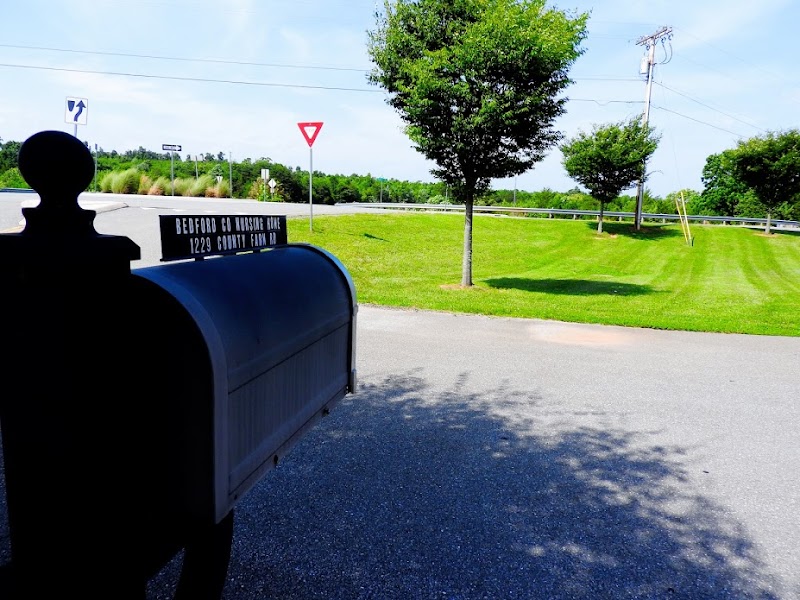
Who Owns and Operates Bedford Co?

BEDFORD CO NURSING HOME is owned by a government entity. Government-operated facilities are typically run by state, county, or municipal agencies. The facility operates independently rather than as part of a larger chain. With 90 certified beds and approximately 80 residents (about 89% occupancy), it is a smaller facility located in BEDFORD, Virginia.
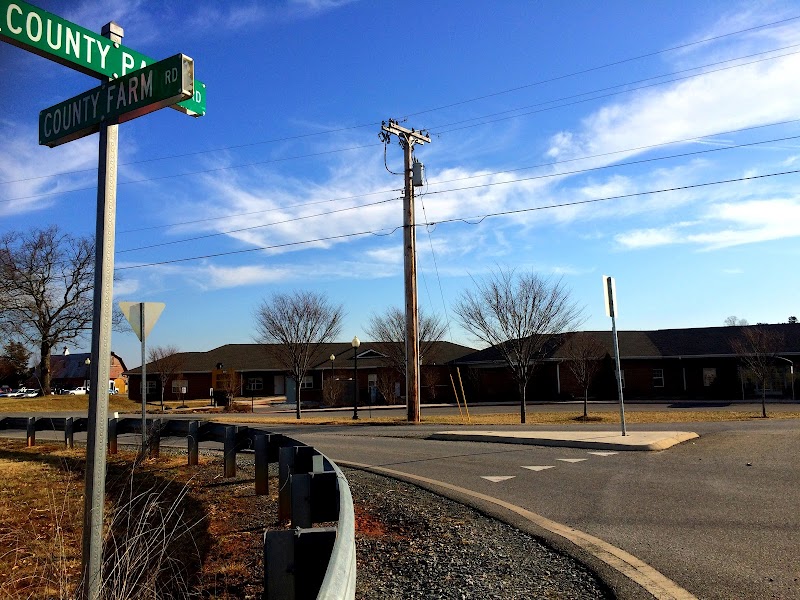
How Does Bedford Co Compare to Other Virginia Nursing Homes?

Compared to the 100 nursing homes in Virginia, BEDFORD CO NURSING HOME's overall rating (4 stars) is above the state average of 3.0, staff turnover (46%) is near the state average of 46%, and health inspection rating (4 stars) is above the national benchmark.

What Should Families Ask When Visiting Bedford Co?

Based on this facility's data, families visiting should ask: "Can I visit during a mealtime to observe dining assistance and food quality?" "How do you handle medical emergencies, and what is your hospital transfer rate?" "Can I speak with family members of current residents about their experience?"

Is Bedford Co Safe?

Based on CMS inspection data, BEDFORD CO NURSING HOME has a clean safety record: no substantiated abuse findings (meaning no confirmed cases of resident harm), no Immediate Jeopardy citations (the most serious violation level indicating risk of serious injury or death), and is not on the Special Focus Facility watch list (a federal program monitoring the lowest-performing 1% of nursing homes). The facility has a 4-star overall rating and ranks #1 of 100 nursing homes in Virginia. While no facility is perfect, families should still ask about staff-to-resident ratios and recent inspection results during their visit.

Do Nurses at Bedford Co Stick Around?

BEDFORD CO NURSING HOME has a staff turnover rate of 46%, which is about average for Virginia nursing homes (state average: 46%). Moderate turnover is common in nursing homes, but families should still ask about staff tenure and how the facility maintains care continuity when employees leave.

Was Bedford Co Ever Fined?

BEDFORD CO NURSING HOME has no federal fines on record. CMS issues fines when nursing homes fail to meet care standards or don't correct problems found during inspections. The absence of fines suggests the facility has either maintained compliance or corrected any issues before penalties were assessed. This is a positive indicator, though families should still review recent inspection reports for the full picture.

Is Bedford Co on Any Federal Watch List?

BEDFORD CO NURSING HOME is not on any federal watch list. The most significant is the Special Focus Facility (SFF) program, which identifies the bottom 1% of nursing homes nationally based on persistent, serious quality problems. Not being on this list means the facility has avoided the pattern of deficiencies that triggers enhanced federal oversight. This is a positive indicator, though families should still review the facility's inspection history directly.