NHC HEALTHCARE, BRISTOL
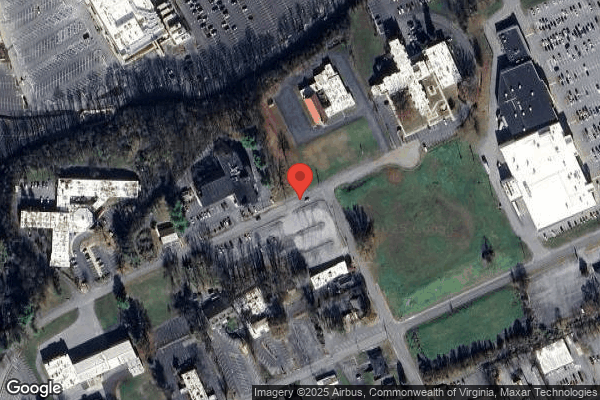
245 NORTH STREET, BRISTOL, VA 24201 (276) 669-4711
For profit - Corporation 120 Beds NATIONAL HEALTHCARE CORPORATION Data: November 2025
Trust Grade
75/100
#27 of 285 in VA
Last Inspection: December 2023

Within standard 12-15 month inspection cycle. Federal law requires annual inspections.

Overview

NHC Healthcare in Bristol, Virginia has a Trust Grade of B, indicating it is a good choice among nursing homes, though not without areas for improvement. It ranks #27 out of 285 facilities in Virginia, placing it in the top half, and is the best option in Bristol City County. The facility’s trend is stable, with 16 issues reported consistently over the past two years, including one serious incident where a resident fell and fractured their thumb due to staff failing to secure a shower chair. While the overall staffing rating is low at 2 out of 5 stars with a concerning 65% turnover rate, the facility has received no fines, which is a positive indicator. Additionally, RN coverage is average, but the presence of serious medication administration errors, such as administering a resident's medication at the wrong time, raises concerns about adherence to care protocols.

Trust Score
B
75/100
In Virginia
#27/285
Top 9%
Safety Record
Moderate
Needs review
Inspections
Holding Steady
3 → 3 violations
Staff Stability
⚠ Watch
65% turnover. Above average. Higher turnover means staff may not know residents' routines.
Penalties
✓ Good
No fines on record. Clean compliance history, better than most Virginia facilities.
Skilled Nurses
○ Average
Each resident gets 31 minutes of Registered Nurse (RN) attention daily — about average for Virginia. RNs are the most trained staff who monitor for health changes.
Violations
⚠ Watch
16 deficiencies on record. Higher than average. Multiple issues found across inspections.
★★★★★
5.0
Overall Rating
★★☆☆☆
2.0
Staff Levels
★★★★★
5.0
Care Quality
★★★★☆
4.0
Inspection Score
Stable
2023: 3 issues
2025: 3 issues

The Good

  • 5-Star Quality Measures · Strong clinical quality outcomes
  • Full Sprinkler Coverage · Fire safety systems throughout facility
  • No fines on record

Facility shows strength in quality measures, fire safety.

The Bad

Staff Turnover: 65%

19pts above Virginia avg (46%)

Frequent staff changes - ask about care continuity

Chain: NATIONAL HEALTHCARE CORPORATION

Part of a multi-facility chain

Ask about local staffing decisions and management

Staff turnover is elevated (65%)

17 points above Virginia average of 48%

The Ugly 16 deficiencies on record

1 actual harm
Aug 2025 3 deficiencies 1 Harm
SERIOUS (G) 📢 Someone Reported This

A family member, employee, or ombudsman was alarmed enough to file a formal complaint

Actual Harm - a resident was hurt due to facility failures

Accident Prevention (Tag F0689)

A resident was harmed · This affected 1 resident

Based on resident interview, staff interview, clinical record review, and facility document review, the facility staff failed to ensure the resident environment remains as free of accident hazards as ...

Read full inspector narrative →
Based on resident interview, staff interview, clinical record review, and facility document review, the facility staff failed to ensure the resident environment remains as free of accident hazards as is possible as evidenced by failure to lock the shower chair breaks prior to transfer resulting in a fall with a subsequent fracture for 1 of 16 sampled residents (Resident #7).The findings included:For Resident #7, the facility staff failed to lock the shower chair breaks prior to transfer causing the resident to fall and suffer a fracture at the base of the left thumb and skin tears to the forearms. Resident #7's diagnosis list indicated diagnoses, which included, but not limited to Chronic Obstructive Pulmonary Disease, Chronic Congestive Heart Failure, Osteoporosis, and History of Falling. The most recent minimum data set (MDS) with an assessment reference date (ARD) of 8/04/25 assigned the resident a brief interview for mental status (BIMS) summary score of 15 out of 15 indicating the resident was cognitively intact. Resident #7's current comprehensive person-centered care plan included a problem area dated 7/28/23 stating the resident was a fall risk related to impaired mobility, difficulty in walking and had a history of falling with an intervention dated 8/21/23 to assist patient in safe transfer technique as needed. A review of Resident #7's clinical record revealed a nursing progress note dated 7/19/25 9:42 AM which documented in part Nurse called to resident room by CNA [certified nursing assistant] to alert of fall in bathroom. Upon entering the room resident was observed on back in the bathroom floor. Bleeding skin tears on left and right forearms.Skin tear to left hand radial side.Notable discoloration and quick swelling to left wrist radial side resident complain of pain to that area. Palm size knot to back of head midline, resident also complaining of pain to head.Resident did request for ER [emergency room] transfer.Resident #7 was assessed and treated at the emergency department (ED). ED Provider Notes dated 7/19/25 documented in part .Patient presents to the ED for evaluation after a fall.Patient reports that her shower chair flipped over causing her to fall landing on her head. She reports head injury.Patient with skin tears to forearms.small subgaleal scalp hematoma.Left hand and wrist x-rays revealing minimally displaced oblique intra-articular fracture at the base of the thumb.Patient placed in thumb spica.On exam areas significant swelling with ecchymosis of the left hand.On 8/20/25 at 10:25 AM, surveyor spoke with Resident #7 regarding the fall. Resident #7 stated the shower chair was not locked and when she stood up to transfer to the wheelchair, she placed her arms on the sides of the chair and it flew out from under her. Resident #7 stated she broke her thumb and caused areas to her forearms and received a knot to the back of her head by falling backward. On 8/20/25 at 10:31 AM surveyor spoke with Certified Nursing Assistant (CNA) #4 who stated she was present in the bathroom with Resident #7 at the time of the fall. CNA #4 stated after giving the resident a shower, she unlocked the shower chair breaks to roll the shower chair down the incline from the shower area to the sink area of the bathroom and forgot to lock the breaks prior to assisting the resident to transfer to the wheelchair. CNA #4 stated she was re-educated following the incident. On 8/20/25 at 10:44 AM, surveyor spoke with Licensed Practical Nurse (LPN) #6 who stated she heard the resident fall but did not witness it. LPN #6 stated Resident #7 had horrible skin tears and her left hand and thumb were swelling fast, and the resident was sent out to the ER. Surveyor requested the facility policy regarding safe transfers and the Director of Nursing (DON) provided a document titled [facility name omitted] -Patient Transfer Guidance which read in part .Assisted Transfer Basics.Ensure the bed and wheelchair (or other surface) are close together, ideally at a 45-degree angle, and the brakes are locked.lock brakes (if applicable), and make sure path is clear.On 8/20/25 at 3:49 PM, surveyor spoke with the DON who stated initially it was reported that Resident #7's fall occurred because her weight shifted during the transfer but after several days it was discovered the shower chair breaks were not locked during the transfer. DON stated CNA #4 and nursing staff were re-educated following the fall and stated the re-education included the locking of breaks prior to a resident transfer. The DON provided a copy of CNA #4's annual competency checklist dated 3/03/25 indicating the CNA demonstrated understanding of falls prevention. The DON stated falls prevention included locking breaks prior to transfer. On 8/20/25 at 4:09 PM, surveyor met with the Administrator and DON and discussed the concern of CNA #4 failing to lock the shower chair breaks prior to transferring Resident #7 which resulted in a fall with a fracture. No further information regarding this concern was presented to the survey team prior to the exit conference on 8/20/25.
CONCERN (D) 📢 Someone Reported This

A family member, employee, or ombudsman was alarmed enough to file a formal complaint

Potential for Harm - no one hurt, but risky conditions existed

Report Alleged Abuse (Tag F0609)

Could have caused harm · This affected 1 resident

Based on staff interview, record review and facility document review, the facility staff failed to report an allegation of verbal abuse for one of 16 residents in the survey sample, resident # 1. For ...

Read full inspector narrative →
Based on staff interview, record review and facility document review, the facility staff failed to report an allegation of verbal abuse for one of 16 residents in the survey sample, resident # 1. For resident # 1 (R1), the facility staff failed to report an allegation of staff to resident verbal abuse.R1's diagnoses included but were not limited to dementia with behavior disturbance, psychotic disturbance, mood disturbance, anxiety, and adult failure to thrive. The minimum data set assessment (MDS) with an assessment reference date of 7/7/25 assigned the resident a brief interview for mental status score of 3 out of 15 indicating severe cognitive impairment. Attempts to interview R1 were unsuccessful.On 8/19/25 this surveyor asked the facility Administrator for any Facility Reported Incidents or investigations involving R1 from May of 2024. A file was provided that included a Virginia Department of Health Professions complaint form dated 6/6/24. The complaint alleged that a certified nursing assistant (CNA) had verbally abused R1 on 5/27/24. The complaint read in part, The resident had messed herself and had been digging in her brief. The CNA asked her, Have you been digging? Resident said, no, I haven't been digging the CNA said, You are fucking digging, the fuck you ain't been digging! CNA then lifted her covers and said, What's this then bitch? The document went on to say that the complainant had met with the Administrator and the Director of Nursing (DON) and that the Administrator told me I didn't care about these residents because I didn't physically stop (name omitted). He then asked me if I thought what happened was verbal abuse and I said without a shadow of a doubt. He then told me I might need to rethink my answer. I said Well, what would you qualify that as then, and he said I think (name omitted) was just having a bad day.There was a typed response to the complaint from the Administrator included in the file. On page 5 of the document, under the heading, Timeline of investigation the document read in part, 2:48 PM CNA (name omitted) returns text message asking if she still needed to return call . DON interviewed CNA (name omitted) who rereported: on 5/28/24 at approximately 7:00 PM, during walking rounds, CNA (name omitted) and herself arrived at resident's room and smelled an odor. CNA (name omitted) jerked the covers back and asked resident, Have you been digging again? Resident responded, I don't know, but not digging. CNA responded, what the fuck do you think this is? Resident responded, I don't know, and you can kiss my ass. CNA responded, Well what does this look like bitch? The CNA then made a kissing sound with her mouth and said, You can kiss my ass too. The CNA being interviewed stated that the voices were raised and yelling loud enough to be heard outside the room in the hallway. The Administrator documented a thorough investigation that included interviews of all staff working at the time of the alleged incident and none of them could corroborate the allegation. The CNA who allegedly verbally abused R1 denied the allegation and the Administrators report indicated the CNA was open and transparent throughout the course of the investigation while the accusing CNA's story was not consistent. On 8/20/25 at 10:40 AM this surveyor interviewed the Administrator and DON. The Administrator denied stating to the accusing CNA that the other CNA was just having a bad day. This surveyor asked the Administrator for a copy of the Facility Reported Incident (FRI) or evidence the abuse allegation was reported to the State Agency, and they stated, We didn't do a FRI. When it was reported to us, we immediately started an investigation and there were so many inconsistencies, we concluded they had a confrontation between the two of them, not in front of the patient and that the accusation was made in retaliation, so we thought it wasn't credible, so in my mind, it wasn't reportable.On 8/20/25 at 1:25 PM this surveyor met with the Administrator and the Director of Social Work (DSW) who was also involved in the investigation. The DSW stated that they had spoken with the resident representative (RR)during the course of the investigation to inform them of the allegation and the RR stated, I'm surprised (the resident) didn't say worse. They indicated the RR was not upset and stated, I don't recall if I told her exactly what was supposedly said or not, I may have just said it was inappropriate or unprofessional. Knowing the patient and knowing her use of foul language and there was no negative outcome we didn't think it rose to the level of being reportable. The Administrator added, We don't feel it was reportable secondary to there was no negative outcome and language is somewhat cultural. Some people use foul language on a regular basis, it's just how they talk. It was minor and goes back to how the resident responds, was it abuse to her? She can't tell us, and I don't think so. This surveyor explained the Reasonable Person Concept and stated, As a reasonable person, how would the CNA speaking to you like that make you feel? The Administrator provided a copy of the policy entitled, Patient Protection and Response Policy for Allegations/Incidents of Abuse, Neglect, Misappropriation of Property and Exploitation with a revised date of 2/1/23. The document defined verbal abuse as, The use of oral, written or gestured language that willfully includes disparaging remarks to residents or their families, or within hearing distance regardless of their age, ability to comprehend, or disability. On page 6 the document read in part, Any patient event that is reported to any partner by patient, family, other partner, or any other person will be considered an allegation of either abuse, neglect, misappropriation of patient property or exploitation if it meets any of the following criteria: 5. Any complaint of the use of oral, written, or gestured language that willfully includes disparaging and derogatory terms to patients or families or within their hearing distance. On pages 7-8, the document read in part, It is the policy of this facility that abuse allegations (abuse, neglect, exploitation or mistreatment, including injuries of unknown source and misappropriation of resident property are reported per Federal and State Law. The facility will ensure that all alleged violations involving abuse, neglect, exploitation or mistreatment, including injuries of unknown source and misappropriation of resident property, are reported immediately, but no later than two (2) hours after the allegation is made, if the events that cause the allegation involve abuse or result in serious bodily injury, or not later than 24 hours if the events that cause the allegation do not involve abuse and do not result in serious bodily injury, to the Administrator of the facility and to other officials (including to the State Survey Agency and adult protective services where state law provides for jurisdiction in long-term care facilities), in accordance with state law and through established procedures. On the bottom of page 8, b. The results of all investigations will be completed within five working days of the incident. Depending on the result of the investigation, all necessary corrective actions will be taken.The investigation was thorough, and it was determined that there was not enough evidence to support that R1 had been verbally abused. During the investigation, both CNAs quit and there was no further danger to R1.On 8/20/25 at 4:30 PM this concern was discussed with the Administrator and the DON. No further information was provided prior to the exit conference.
CONCERN (E) 📢 Someone Reported This

A family member, employee, or ombudsman was alarmed enough to file a formal complaint

Potential for Harm - no one hurt, but risky conditions existed

Quality of Care (Tag F0684)

Could have caused harm · This affected multiple residents

Based on staff interview, clinical record review, and facility document review, the facility staff failed to follow medical provider orders for medication administration for 6 of 16 sampled residents ...

Read full inspector narrative →
Based on staff interview, clinical record review, and facility document review, the facility staff failed to follow medical provider orders for medication administration for 6 of 16 sampled residents (Resident #10, #11, #12, #13, #14, and #15). The findings included:1. For Resident #10, the facility staff administered Levothyroxine at 9:00 PM instead of 6:00 AM as ordered by the medical provider. Levothyroxine is a medication used to treat hypothyroidism. Resident #10's diagnosis list indicated diagnoses, which included, but not limited to Dementia and Hypothyroidism. The most recent minimum data set (MDS) with an assessment reference date (ARD) of 8/12/25 assigned the resident a brief interview for mental status (BIMS) summary score of 12 out of 15 indicating the resident was moderately cognitively impaired. On 8/19/25 at 3:35 PM, surveyor spoke with Registered Nurse (RN) #1 who stated a night shift nurse administered 6:00 AM medications with residents' bedtime medications. The Director of Nursing (DON) identified Resident #10 as having received medication at the incorrect time and provided an Event Report dated 6/06/25 indicating Licensed Practical Nurse (LPN) #5 administered Levothyroxine on 6/05/25 at 9:00 PM instead of waiting until 6/06/25 at 6:00 AM as ordered. Resident #10's clinical record included an active order for Levothyroxine 25 mcg administer 1.5 tablets once a day at 6:00 AM. On 8/20/25 at 2:00 PM, surveyor spoke with the DON who stated LPN #5 reported administering Levothyroxine at bedtime because the resident did not want to be awakened at 6:00 AM and the LPN thought the medication could be given on an empty stomach, so they went ahead and gave it. The DON stated LPN #5 should have waited until the ordered administration time and they were educated that should a resident want to change their medication administration time; they should reach out to the provider for a time change. No further information regarding this concern was presented to the survey team prior to the exit conference on 8/20/25. 2. For Resident #11, the facility staff administered Levothyroxine and Omeprazole at 9:00 PM instead of 6:00 AM as ordered by the medical provider. Levothyroxine is a medication used to treat hypothyroidism and Omeprazole is used to treat excess stomach acid. Resident #11's diagnosis list indicated diagnoses, which included, but not limited to Dementia, Gastro-esophageal Reflux Disease, and Hypothyroidism. The most recent minimum data set (MDS) with an assessment reference date (ARD) of 7/02/25 assigned the resident a brief interview for mental status (BIMS) summary score of 4 out of 15 indicating the resident was severely cognitively impaired. On 8/19/25 at 3:35 PM, surveyor spoke with Registered Nurse (RN) #1 who stated a night shift nurse administered 6:00 AM medications with residents' bedtime medications. The Director of Nursing (DON) identified Resident #11 as having received medication at the incorrect time and provided an Event Report dated 6/06/25 indicating Licensed Practical Nurse (LPN) #5 administered Levothyroxine and Omeprazole on 6/05/25 at 9:00 PM instead of waiting until 6/06/25 at 6:00 AM as ordered. Resident #11's clinical record included an active order for Levothyroxine 75 mcg once a day at 6:00 AM and Omeprazole 40 mg twice a day at 6:00 AM and 5:00 PM. On 8/20/25 at 2:00 PM, surveyor spoke with the DON who stated LPN #5 reported administering Levothyroxine and Omeprazole at bedtime because the resident did not want to be awakened at 6:00 AM and the LPN thought the medications could be given on an empty stomach, so they went ahead and gave them. The DON stated LPN #5 should have waited until the ordered administration time and they were educated that should a resident want to change their medication administration time; they should reach out to the provider for a time change. No further information regarding this concern was presented to the survey team prior to the exit conference on 8/20/25. 3. For Resident #12, the facility staff administered Levothyroxine at 10:00 PM instead of 6:00 AM as ordered by the medical provider. Levothyroxine is a medication used to treat hypothyroidism. Resident #12's diagnosis list indicated diagnoses, which included, but not limited to Dementia, Essential Hypertension, and Wernicke's Encephalopathy.The most recent minimum data set (MDS) with an assessment reference date (ARD) of 7/14/25 coded the resident as being severely impaired in cognitive skills for daily decision making with short-term and long-term memory problems. On 8/19/25 at 3:35 PM, surveyor spoke with Registered Nurse (RN) #1 who stated a night shift nurse administered 6:00 AM medications with residents' bedtime medications. The Director of Nursing (DON) identified Resident #12 as having received medication at the incorrect time and provided an Event Report dated 6/06/25 indicating Licensed Practical Nurse (LPN) #5 administered Levothyroxine on 6/05/25 at 10:00 PM instead of waiting until 6/06/25 at 6:00 AM as ordered. Resident #12's clinical record included an active order for Levothyroxine 75 mcg once a day at 6:00 AM. On 8/20/25 at 2:00 PM, surveyor spoke with the DON who stated LPN #5 reported administering Levothyroxine at bedtime because the resident did not want to be awakened at 6:00 AM and the LPN thought the medication could be given on an empty stomach, so they went ahead and gave it. The DON stated LPN #5 should have waited until the ordered administration time and they were educated that should a resident want to change their medication administration time; they should reach out to the provider for a time change. No further information regarding this concern was presented to the survey team prior to the exit conference on 8/20/25.4. For Resident #13, the facility staff administered Protonix at 10:15 PM instead of 6:00 AM as ordered by the medical provider. Protonix is a medication used to decrease the amount of acid produced in the stomach. Resident #13's diagnosis list indicated diagnoses, which included, but not limited to Chronic Congestive Heart Failure and Gastro-esophageal Reflux Disease. The most recent minimum data set (MDS) with an assessment reference date (ARD) of 5/20/25 assigned the resident a brief interview for mental status (BIMS) summary score of 12 out of 15 indicating the resident was moderately cognitively impaired. On 8/19/25 at 3:35 PM, surveyor spoke with Registered Nurse (RN) #1 who stated a night shift nurse administered 6:00 AM medications with residents' bedtime medications. The Director of Nursing (DON) identified Resident #13 as having received medication at the incorrect time and provided an Event Report dated 6/06/25 indicating Licensed Practical Nurse (LPN) #5 administered Protonix on 6/05/25 at 10:15 PM instead of waiting until 6/06/25 at 6:00 AM as ordered. Resident #13's clinical record included an active order for Protonix 40 mg twice a day at 6:00 AM and 6:00 PM.On 8/20/25 at 2:00 PM, surveyor spoke with the DON who stated LPN #5 reported administering Protonix at bedtime because the resident did not want to be awakened at 6:00 AM and the LPN thought the medication could be given on an empty stomach, so they went ahead and gave it. The DON stated LPN #5 should have waited until the ordered administration time and they were educated that should a resident want to change their medication administration time; they should reach out to the provider for a time change. No further information regarding this concern was presented to the survey team prior to the exit conference on 8/20/25. 5. For Resident #14, the facility staff administered Levothyroxine at 10:00 PM instead of 6:00 AM as ordered by the medical provider. Levothyroxine is a medication used to treat hypothyroidism. Resident #14's diagnosis list indicated diagnoses, which included, but not limited to Alzheimer's Disease and Hypothyroidism. The most recent minimum data set (MDS) with an assessment reference date (ARD) of 7/15/25 assigned the resident a brief interview for mental status (BIMS) summary score of 15 out of 15 indicating the resident was cognitively intact. On 8/19/25 at 3:35 PM, surveyor spoke with Registered Nurse (RN) #1 who stated a night shift nurse administered 6:00 AM medications with residents' bedtime medications. The Director of Nursing (DON) identified Resident #14 as having received medication at the incorrect time and provided an Event Report dated 6/06/25 indicating Licensed Practical Nurse (LPN) #5 administered Levothyroxine on 6/05/25 at 10:00 PM instead of waiting until 6/06/25 at 6:00 AM as ordered. Resident #14's clinical record included an active order for Levothyroxine 150 mcg once a day at 6:00 AM.On 8/20/25 at 2:00 PM, surveyor spoke with the DON who stated LPN #5 reported administering Levothyroxine at bedtime because the resident did not want to be awakened at 6:00 AM and the LPN thought the medication could be given on an empty stomach, so they went ahead and gave it. The DON stated LPN #5 should have waited until the ordered administration time and they were educated that should a resident want to change their medication administration time; they should reach out to the provider for a time change. No further information regarding this concern was presented to the survey team prior to the exit conference on 8/20/25. 6. For Resident #15, the facility staff administered Omeprazole at 9:00 PM instead of 6:00 AM as ordered by the medical provider. Omeprazole is a medication used to treat excess stomach acid. Resident #15's diagnosis list indicated diagnoses, which included, but not limited to Charcot-Marie-Tooth and Achalasia of Cardia. The most recent minimum data set (MDS) with an assessment reference date (ARD) of 6/03/25 assigned the resident a brief interview for mental status (BIMS) summary score of 12 out of 15 indicating the resident was moderately cognitively impaired. On 8/19/25 at 3:35 PM, surveyor spoke with Registered Nurse (RN) #1 who stated a night shift nurse administered 6:00 AM medications with residents' bedtime medications. The Director of Nursing (DON) identified Resident #15 as having received medication at the incorrect time and provided an Event Report dated 6/06/25 indicating Licensed Practical Nurse (LPN) #5 administered Omeprazole on 6/05/25 at 9:00 PM instead of waiting until 6/06/25 at 6:00 AM as ordered. Resident #15's clinical record included an active order for Omeprazole 40 mg once a day at 6:00 AM.On 8/20/25 at 2:00 PM, surveyor spoke with the DON who stated LPN #5 reported administering Omeprazole at bedtime because the resident did not want to be awakened at 6:00 AM and the LPN thought the medication could be given on an empty stomach, so they went ahead and gave it. The DON stated LPN #5 should have waited until the ordered administration time and they were educated that should a resident want to change their medication administration time, they should reach out to the provider for a time change. No further information regarding this concern was presented to the survey team prior to the exit conference on 8/20/25.
Jul 2021 5 deficiencies
CONCERN (D)

Potential for Harm - no one hurt, but risky conditions existed

Deficiency F0578 (Tag F0578)

Could have caused harm · This affected 1 resident

2. For Resident #2, the facility staff failed to accurately complete the resident's DDNR (Durable Do Not Resuscitate) Order form. All boxes on the DDNR Order form were left unchecked. This DDNR Order ...

Read full inspector narrative →
2. For Resident #2, the facility staff failed to accurately complete the resident's DDNR (Durable Do Not Resuscitate) Order form. All boxes on the DDNR Order form were left unchecked. This DDNR Order form was part of the resident's electronic health record and filed in a DDNR binder on the nursing unit. Resident #2's diagnosis list indicated diagnoses, which included, but not limited to Other Early-Onset Cerebellar Ataxia, Adult Failure to Thrive, Unspecified Dementia with Behavioral Disturbance, and Post-Traumatic Hydrocephalus Unspecified. The most recent admission MDS (minimum data set) with an ARD (assessment reference date) of 7/07/21 coded the resident as being severely impaired in cognitive skills for daily decision making with short-term and long-term memory loss. A review of Resident #2's clinical record revealed an active physician's order dated 6/30/21 stating Code Status - DNR (do not resuscitate). The resident's electronic health record included a Virginia Department of Health DDNR Order form dated 7/01/21 and signed by the physician. The DDNR form was also observed in a 3-ring binder labeled DNR Forms 2nd Floor located at the nurse's desk on the 2nd floor. This DDNR Order form read in part under section 1, I further certify (must check 1 or 2): 1. The patient is CAPABLE of making an informed decision . 2. The patient is INCAPABLE of making an informed decision . Neither box had been checked. Section 2 of the DDNR Order form read in part, If you checked 2 above, check A, B, or C below . All three boxes were left unchecked. On 7/14/21 at approximately 11:45 am, surveyor notified the DON (director of nursing) of Resident #2's incomplete DDNR Order form. At 1:50 pm, the DON provided the surveyor with a revised copy of Resident #2's DDNR Order form dated 7/01/21 with option 2 checked in Section 1 and option C checked in Section 2. Surveyor requested and received the facility policy entitled, Code Status Procedure, which states in part, Each form has check boxes that address if the patient is capable of making an informed decision regarding code status, check the boxes appropriately. CAUTION: If check box #2 is selected then A, B, or C is required to be checked in the following section. The concern of Resident #2's incomplete DDNR Order form was discussed with the administrator and DON during a meeting with the survey team on 7/14/21 at 5:27 pm. No further information regarding this issue was presented to the survey team prior to the exit conference on 7/15/21. Based on staff interview and clinical record review, the facility staff failed to participate in assisting residents to formulate an advance directive by accurately completing DDNR's (durable do not resuscitate) orders for 2 of 24 residents. Residents #11 and #2. The findings included: 1. For Resident #11, the facility staff failed to ensure the DDNR order form was complete. Section's 1 and 2 had been left blank. Resident #11's clinical record included the diagnoses hemiplegia/hemiparesis, diabetes, and hypertension. Section C (cognitive patterns) of Resident #11's quarterly MDS (minimum data set) assessment with an ARD (assessment reference date) of 04/19/2021 included a BIMS (brief interview for mental status) summary score of 13 out of a possible 15 points. The DNR binder located at the nurses station included a DDNR order form from the Virginia Department of Health for Resident #11. This form was dated 01/14/2021 and read in part. Under section 1 I further certify [must check 1 or 2]: 1. The patient is CAPABLE of making an informed decision . 2. The patient is INCAPABLE of making an informed decision . Neither box had been checked. Section 2 read, If you checked 2 above, check A, B, or C below . All three boxes had been left blank. 07/14/21 9:48 a.m., the unit manager was made aware of the incomplete DDNR for Resident #11. 07/14/21 the unit manager provided the surveyor with a copy of a progress note that read, Discussed and verified code status with patient. Patient wishes to remain a Do Not Resuscitate Code Status. Wishes will be honored by staff. 07/14/21 5:27 p.m., the administrator and DON (director of nursing) were made aware that Resident #11's DDNR was incomplete. No further information regarding the incomplete DDNR was provided to the survey team prior to the exit conference.
CONCERN (D)

Potential for Harm - no one hurt, but risky conditions existed

Quality of Care (Tag F0684)

Could have caused harm · This affected 1 resident

Based on staff interview, facility document review and clinical record review the facility staff failed to ensure that residents receive treatment and care by following physician's orders for 1 of 24...

Read full inspector narrative →
Based on staff interview, facility document review and clinical record review the facility staff failed to ensure that residents receive treatment and care by following physician's orders for 1 of 24 Residents, Resident #12 The findings included: For Resident #12 the facility staff failed to administer the medications amiodarone and metoprolol as ordered by the physician. Resident #12's face sheet listed diagnoses which included but not limited to dysphagia, hypertension, atherosclerotic heart disease, atrial fibrillation, chronic obstructive pulmonary disease, gastroesophageal reflux disease, depression, anxiety, and hypothyroidism. The most recent quarterly MDS (minimum data set) with an ARD (assessment reference date) of 07/12/21 assigned the resident a BIMS (brief interview for mental status) score of 13 out 15 in section C, cognitive patterns. This indicates that the resident is cognitively intact. Resident #12's clinical record was reviewed on 07/14/21. It contained a physician's order summary for the month of June 2021 which read in part, 04/16/2021-06/10/2021 (DC [discontinue] Date) amiodarone tablet; 200 mg; amt: 2 tabs; oral Special Instructions: Hold for HR (heart rate) < (less than) 69 Twice A Day; 08:00 AM, 08:00 PM, 04/16/2021-06/22/2021 (DC Date) metoprolol tartrate tablet; 25 mg; amt: 0.5 mg tab; oral Special Instructions: dose is 12.5 mg hold for HR <69 Twice A Day; 08:00 AM, 04:00 PM, 06/10/2021-06/18/2021 (DC Date) amiodarone tablet; 200 mg; amt: 2 tabs; oral Special Instructions: Hold for HR <69 Once a Day; 08:00 AM, 06/18/2021-06/22/2021 (DC Date) amiodarone tablet; 200 mg; amt: 1 tabs; oral Special Instructions: Hold for HR <69 Once A Day; 08:00 AM, and 06/27/2021-Open-Ended amiodarone tablet; 200 mg; amt: 1 tabs; oral Special Instructions: Hold for HR <69 Once A Day; 08:00 AM. Resident #12's eMAR's (electronic medication administration record) for the month of June 2021 was reviewed and contained entries as above. The orders for amiodarone 200 mg, 2 tabs twice a day-hold for HR < 69 and metoprolol 25 mg 0.5 tab twice a day- hold for HR < 69 were initialed as not being administered on 06/02/21 at 8 am. Per the vital signs sheet the resident's heart rate was 72. The order for amiodarone 200 mg 2 tabs once a day-hold for HR < 69 was initialed as not being administered on 06/21/21 at 8 am. Per the vital signs sheet the resident's heart rate was 70. Surveyor requested and was provided with a copy of a facility policy entitled Medication Administration-General Guidelines, which read in part Medications are administered as prescribed in accordance with good nursing principles and practices and only by persons legally authorized to do so and B. Administration 2) Medications are administered in accordance with written orders of the prescriber. The concern of not following the physician's order for the administration of medications was discussed with the administrative staff during a meeting on 07/15/21 at approximately 1:25 pm No further information was provided prior to exit.
CONCERN (D)

Potential for Harm - no one hurt, but risky conditions existed

Deficiency F0757 (Tag F0757)

Could have caused harm · This affected 1 resident

Based on staff interview and clinical record review the facility staff failed to ensure 1 of 24 residents was free from unnecessary medications, Resident #12. The findings included: For Resident #12 t...

Read full inspector narrative →
Based on staff interview and clinical record review the facility staff failed to ensure 1 of 24 residents was free from unnecessary medications, Resident #12. The findings included: For Resident #12 the facility staff failed to follow physician ordered parameters for the administration of the medications amiodarone and metoprolol. Resident #12's face sheet listed diagnoses which included, but not limited to dysphagia, hypertension, atherosclerotic heart disease, atrial fibrillation, chronic obstructive pulmonary disease, gastroesophageal reflux disease, depression, anxiety, and hypothyroidism. The most recent quarterly MDS (minimum data set) with an ARD (assessment reference date) of 07/12/21 assigned the resident a BIMS (brief interview for mental status) of 13 out of 15 in section C, cognitive patterns. This indicates the resident is cognitively intact. Resident #12's clinical record was reviewed on 07/14/21. It contained a physician's order summary for the month of June 2021 which read in part, 04/16/2021-06/10/2021 (DC [discontinue] Date) amiodarone tablet; 200 mg; amt: 2 tabs; oral Special Instructions: Hold for HR (heart rate) < (less than) 69 Twice A Day; 08:00 AM, 08:00 PM, 04/16/2021-06/22/2021 (DC Date) metoprolol tartrate tablet; 25 mg; amt: 0.5 mg tab; oral Special Instructions: dose is 12.5 mg hold for HR <69 Twice A Day; 08:00 AM, 04:00 PM, 06/10/2021-06/18/2021 (DC Date) amiodarone tablet; 200 mg; amt: 2 tabs; oral Special Instructions: Hold for HR <69 Once a Day; 08:00 AM, 06/18/2021-06/22/2021 (DC Date) amiodarone tablet; 200 mg; amt: 1 tabs; oral Special Instructions: Hold for HR <69 Once A Day; 08:00 AM, and 06/27/2021-Open-Ended amiodarone tablet; 200 mg; amt: 1 tabs; oral Special Instructions: Hold for HR <69 Once A Day; 08:00 AM. The clinical record also contained a physician's order summary for the month of July, which read in part 06/27/2021-Open Ended amiodarone tablet; 200mg; amt: 1 tabs; oral Special Instructions: Hold for HR < 69 Once A Day; 08:00 AM Resident #12's eMAR's (electronic medication administration record) for the month of June 2021 was reviewed and contained entries as above. The entry for amiodarone 200 mg 2 tabs twice a day-hold for HR < 69 was initialed as administered on 06/03/21 at 8 pm. The resident's heart rate was recorded on the eMAR as 54. The entry for amiodarone 200 mg 2 tabs once a day-hold for HR < 69 was initialed as administered on 06/12/21/ at 8 am. The resident's heart rate was recorded on the eMAR as 60. The entry for metoprolol 25 mg, 0.5 tab twice a day-hold for HR < 69 was initialed as administered on 06/12/21 at 8 am, with a heart rate of 60, 4 pm with a heart rate of 62, 06/16/21 at 4 pm with a heart rate of 57. The entry for amiodarone 200 mg 1 tab once a day-hold for HR < 69 was initialed as administered on 07/04/21 at 8 am with a heart rate of 63, 07/08/21 at 8 am with a heart rate of 62, and on 07/09/21 at 8 am with a heart rate of 66. Surveyor spoke with the DON (director of nursing) on 07/14/21 at approximately 12:15 pm. DON stated that when the eMAR's were initialed as medications not administered, the system would automatically change the entry to administered if the nurse did not go back and change the entry. Surveyor asked the DON if there was any way to know for sure if the medication was administered or not by reading the eMAR, and DON stated that you have to go with what is documented. The concern of administering medications outside of physician ordered parameters was discussed with the administrative team during a meeting on 07/15/21 at approximately 1:25 pm. No further information provided to discharge.
CONCERN (E)

Potential for Harm - no one hurt, but risky conditions existed

Deficiency F0658 (Tag F0658)

Could have caused harm · This affected multiple residents

**NOTE- TERMS IN BRACKETS HAVE BEEN EDITED TO PROTECT CONFIDENTIALITY** Based on observation and staff interviews, the facility staff failed to follow professional standards of practice as evidenced b...

Read full inspector narrative →
**NOTE- TERMS IN BRACKETS HAVE BEEN EDITED TO PROTECT CONFIDENTIALITY** Based on observation and staff interviews, the facility staff failed to follow professional standards of practice as evidenced by the presence of physician pre-signed blank Virginia Department of Health DDNR (Durable Do Not Resuscitate) Order forms on 2 of 2 nursing care units. The findings included: The facility staff failed to obtain the physician's signature on VDH (Virginia Department of Health) DDNR Order forms at the time of completion. The facility staff maintained the process of a physician pre-signing blank resident DDNR Order forms for availability as needed by the nursing staff. The surveyor observed 43 physician pre-signed blank VDH DDNR Order forms available on the nursing care units. On [DATE] at 9:20 am, surveyor observed a 3-ring binder labeled DNR Forms 2nd Floor located at the 2nd floor nursing station. In the front of the binder was a plastic sheet protector containing 40 physician signed VDH DDNR Order forms. The VDH DDNR Order forms were undated, did not include a resident's name, and were signed by Physician #1. At 9:29 am, surveyor spoke with LPN (licensed practical nurse) #1 who stated the forms are used when they need to address code status. LPN #1 further stated if the resident is able, they sign the form and if not, code status is addressed with the family. Surveyor asked LPN #1 if the facility usually keeps extra physician signed VDH DDNR Order forms available and LPN #1 stated yes. The surveyor met with the administrator and notified them of the above observations at 9:45 am. On [DATE] at 9:51 am, surveyor observed an open 3-ring binder at the 3rd floor nursing station. In the front pocket of the binder were three (3) physician signed VDH DDNR Order forms. The VDH DDNR Order forms were undated, did not include a resident's name, and were signed by a physician. Surveyor spoke with LPN #2 and asked when would staff use the pre-signed forms, LPN #2 stated they do not use them and do not know why they were there. LPN #2 immediately took the three VDH DDNR Order forms and stated they were going to shred them. LPN #2 took the forms prior to the surveyor documenting the name of the physician that had pre-signed the forms. Surveyor met with the DON (director of nursing) on [DATE] at 11:40 am and notified them of the observation of the 43 physician pre-signed VDH DDNR Order forms. The DON was aware of this process and stated the DDNR Order forms do not serve as an order and the DNR orders are signed by the physician. The DON further stated a DNR is obtained following discussion with the family and provider and then a DDNR form is completed. DON stated the DDNR forms are only used when a resident is transported. On [DATE] at 9:20 am, surveyor #1 and #2 spoke with the DON who acknowledged the facility is still using the pre-signed VDH DDNR Order forms. DON stated the forms have been removed from the nursing units and placed in the administrator's office at this time. DON stated the forms were being stored in the unit manager's office in a filing cabinet with a lock but someone thought they were being helpful and placed them in the front of the books. DON further stated they plan to discuss the process with the physician. Surveyor requested and received the facility policy entitled, Code Status Procedure, which states in part: 1. For ALL New Admissions/Returns. 2. Verify code status order. (FULL CODE CPR/DNR Do Not Resuscitate) 3. Discuss code status with patient and/or patient representative. 4. Document conversation of patient's wishes in the medical record including who you spoke to, risks versus benefits, and outcome of patient's and/or patient representative's decision. 5. Notify provider of patient's wishes if code status order is required to be changed (i.e. Full Code > DNR). 6. Durable Do Not Resuscitate Order (Virginia Department of Health) is required to be completed and signed by the patient and/or patient representative AND the physician. On [DATE] at approximately 10:10 am, the survey team met with the administrator, DON, and the facility's Regional Medical Director and discussed the concern of physician pre-signed VDH DDNR Order forms. The Regional Medical Director stated the reason for the pre-signed DDNR forms is due to the facility being on the border between Virginia and Tennessee and EMS will not honor the patient's DNR if they do not have the Virginia form. The Regional Medical Director stated the patient already has the DNR order on their chart, the form is not creating a new order, it is reflecting what is in their chart. The Regional Medical Director stated they realize this is not the ideal practice but they tried to figure out a way they could honor the resident's preference and it is only done in the best interest of the patient. They further stated that for a patient with a newly decided DNR, the physician will have a conversation with the patient and/or the family and will also confirm the code decision with a face to face during the next visit. The administrator stated they are working on a tracking process for the forms that will document the resident's name, date, and nurse when a DDNR Order form is used. Administrator stated they are trying to take care of the residents and do not want to code anyone that does not want to be coded. Administrator stated they will continue to use the pre-signed forms but they will be kept in the medication rooms. The administrator and the Regional Medical Director confirmed to the survey team that the facility policy does not address the use of pre-signed DDNR Order forms. At approximately 11:15 am, surveyor asked the administrator for the facility's professional standards of practice addressing the pre-signing of forms, administrator stated they do not have anything. Administrator stated to Surveyor #3 they rely on their policies. On [DATE] at approximately 1:25 pm, surveyor met with the administrator and DON and discussed the concern of the facility utilizing physician pre-signed VDH DDNR Order forms. No further information regarding this issue was presented to the survey team prior to the exit conference on [DATE].
CONCERN (E)

Potential for Harm - no one hurt, but risky conditions existed

Accident Prevention (Tag F0689)

Could have caused harm · This affected multiple residents

**NOTE- TERMS IN BRACKETS HAVE BEEN EDITED TO PROTECT CONFIDENTIALITY** Based on observation, staff interview, and facility document review, the facility staff failed to ensure the resident environmen...

Read full inspector narrative →
**NOTE- TERMS IN BRACKETS HAVE BEEN EDITED TO PROTECT CONFIDENTIALITY** Based on observation, staff interview, and facility document review, the facility staff failed to ensure the resident environment remained free of accident hazards on 2 of 2 nursing care units, second and third floors. The findings included: The facility staff failed to ensure water temperatures were maintained in acceptable parameters to decrease the risk of resident injury. All temperatures referenced reflect the Fahrenheit temperature scale. 07/14/2021 11:34 a.m., the MD (maintenance director) checked the water temperature in the bathroom sink of room [ROOM NUMBER] using a digital thermometer. This temperature read 128. 07/14/2021 11:39 a.m., the surveyor and the MD went to the roof and the MD adjusted the mixing valve. The MD stated the mixing valve was being replaced, water temperatures were checked in four rooms twice a week, and they did not have to adjust the mixing valve very often. 07/14/2021 11:56 a.m., water temperature room [ROOM NUMBER]-109.5 degrees 07/14/2021 11:59 a.m., water temperature room [ROOM NUMBER]-130 degrees. 07/14/21 12:14 p.m., the administrator was made of the water temperatures obtained by the MD. 07/14/21 12:17 p.m., LPN (licensed practical nurse) #1 and RN (registered nurse) #1 stated they had not noticed the water being hot. 07/14/21 12:19 p.m., MD stated that the administrator had been notified of the elevated water temperatures and they had stopped resident baths/showers. The MD stated that the contracted company were on their way back to the facility with a circulating pump and per this company, they would have it in today. 07/14/21 1:30 p.m., CNA (certified nursing assistant) #1 stated the water was hot. However, they cut the cold water on and mixed the hot/cold together to get it to the correct temperature for the resident(s). 07/14/21 1:33 p.m., LPN #2 stated they did not think the water was to hot and usually used hand sanitizer. 07/14/21 1:36 p.m., CNA #2 stated the water was hot but they mixed it with cold water and ask the resident if they wanted the water hotter or colder 07/14/21 1:38 p.m., CNA #3 stated the water was hot, they turned on the cold water, and they turned the hot water down. 07/14/21 01:42 p.m., housekeeper #1 stated they thought the water was fine. 07/14/21 1:44 p.m., CNA #4 stated the water was hot and they turned on the cold water. 07/14/21 5:05 p.m., the MD stated the mixing valve had been replaced and they would not be doing any bathing tonight. The water temperature in the bathroom of room [ROOM NUMBER] was checked and read 107.3. 07/14/2021 7:35 a.m., the administrator provided the surveyor with a document titled, NHC Bristol Policy on Water Temperatures in Patient Care Areas. This document read, It is the facilities policy to maintain safe water temperatures in patient care areas that are in accordance with the State of Virginia and CMS guidelines. To allow for patient preference in water temperature, our goal is to regulate water temperatures between 105-120 degrees to avoid any potential for harm or injury to patients. Water temperatures are monitored routinely for compliance. If water temperatures are found to be over 120, nursing staff is notified to cease giving patient showers until maintenance staff can make appropriate adjustments. Showers will continue only when they receive the all clear from the maintenance staff or the administrator. 07/15/21 water temperatures obtained by MD with the administrator and surveyor in attendance. Third Floor 7:40 a.m. room [ROOM NUMBER]-109.8 7:44 a.m. room [ROOM NUMBER]-109.1 7:49 a.m. room [ROOM NUMBER]-110.1 Second Floor 7:55 a.m. room [ROOM NUMBER]-109.9 8:00 a.m. room [ROOM NUMBER]-108.9 8:04 a.m. room [ROOM NUMBER]-109.4 No patient care rooms on first floor 8:10 a.m. bathroom in therapy room first floor-107.6 Throughout the course of the survey, no residents complained of the water temperatures being too hot. 07/15/2021 7:35 a.m., the administrator provided the surveyor with documentation to indicate that the facility had been .waiting for a promised installation of mixing valve since April .
Aug 2018 8 deficiencies
CONCERN (D)

Potential for Harm - no one hurt, but risky conditions existed

Assessment Accuracy (Tag F0641)

Could have caused harm · This affected 1 resident

**NOTE- TERMS IN BRACKETS HAVE BEEN EDITED TO PROTECT CONFIDENTIALITY** Based on staff interview and clinical record review it was determined that the facility staff failed to ensure a complete and ac...

Read full inspector narrative →
**NOTE- TERMS IN BRACKETS HAVE BEEN EDITED TO PROTECT CONFIDENTIALITY** Based on staff interview and clinical record review it was determined that the facility staff failed to ensure a complete and accurate Minimum Data Set (MDS) assessment for 1 of 24 Residents in the sample survey, Resident #73. The Findings Included: For Resident #73 the facility staff failed to code/capture the use of oxygen on a 14-Day Medicare Minimum Data Set (MDS) assessment with an Assessment Reference Date (ARD) of 8/5/18. Resident #73 was an [AGE] year-old female who was admitted on [DATE]. Admitting diagnoses included, but were not limited to: fractured femur, history of falling, chronic obstructive pulmonary disease, Alzheimer's, hypertension and dementia with behaviors. The most current Minimum Data Set (MDS) assessment located in the clinical record was a 14-Day MDS assessment with an Assessment Reference Date (ARD) of 8/5/18. The facility staff coded that Resident #73 had short and long-term memory impairment and was severely impaired (3) with daily decision making regarding Activities of Daily Living (ADL's). The facility staff also coded that Resident #73 required extensive assistance (3/3) with ADL's. In Section O. Special Treatments and Programs, the facility staff did not code that Resident #73 was receiving oxygen. On August 24, 2018 at 11:15 a.m., the surveyor reviewed Resident #73's clinical record. Review of the clinical record produced Skilled Nurse's Notes dated 8/3/18 and 8/5/18 that documented that Resident #73 was receiving oxygen. On August 24, 2018 at 11:20 a.m., the surveyor notified two Registered Nurse's (RN's), who were the MDS Nurse's, that Resident #73's MDS with the ARD of 8/5/18 was incorrect. The surveyor reviewed the 14-Day Medicare MDS with the ARD of 8/5/18 with two RN's (MDS Nurse's). The surveyor pointed out that Section O. Special Treatments did not code/capture Resident #73's oxygen use. The surveyor reviewed Resident #73's clinical record with the two MDS Nurse's. The surveyor and two MDS Nurse's reviewed the Skilled Nurse's Notes that documented that Resident #73 received oxygen on 8/3/18 and 8/5/18. On August 24, 2018 at 11:45 a.m., the surveyor notified the Administrator (ADM), Director of Nursing (DON) and Assistant Director of Nursing (ADON) that Resident #73's MDS with the ARD of 8/5/18 was incorrect. The surveyor notified the Administrative Team (AT) that the facility staff had not coded/captured Resident #73's use of oxygen in Section O. No additional information was provided prior to exiting the facility as to why the facility staff failed to ensure and complete and accurate MDS assessment for Resident #73. The facility staff failed to code/capture the use of oxygen on a 14-Day MDS assessment with the ARD of 8/5/18.
CONCERN (D)

Potential for Harm - no one hurt, but risky conditions existed

Deficiency F0676 (Tag F0676)

Could have caused harm · This affected 1 resident

Based on observation, resident interview, staff interview, and clinical record review, the facility staff failed to provide oral care to 1 of 23 residents (Resident #34). The findings included: The fa...

Read full inspector narrative →
Based on observation, resident interview, staff interview, and clinical record review, the facility staff failed to provide oral care to 1 of 23 residents (Resident #34). The findings included: The facility staff failed to provide oral care to Resident #34 on 8/22/18. The clinical record of Resident #34 was reviewed 8/21/18 through 8/24/18. Resident #34 was admitted to the facility 11/20/15 with diagnoses that included but not limited to respiratory failure, dependence on supplemental oxygen, hypertensive chronic kidney disease, stage 3, long term use of aspirin, major depressive disorder, gastro-esophageal reflux disease, constipation, pulmonary hypertension, and dysphagia. Resident #34's quarterly minimum data set (MDS) with an assessment reference date (ARD) of 7/5/18 coded the resident with a BIMS (brief interview for mental status) Summary Score of 14 out of a possible 15. Section G Functional Status coded the resident needed extensive assistance of 2 plus persons for personal hygiene (combing hair, brushing teeth, shaving, applying make-up, washing/drying face and hands). Bathing required extensive assistance of one person. Resident #34's current comprehensive care plan updated 7/16/18 included the care area for ADL (activities of daily living) related to impaired vision, generalized muscle weakness. Interventions: Assist with ADL/meals per patient need and preferences. The surveyor interviewed Resident #34 on 8/22/18 at 2:21 p.m. During the interview, the surveyor asked the resident how often she received a shower. The resident stated she got showers two times a week. The surveyor then asked how often she brushed her teeth and Resident #34 stated My teeth are brushed on my bath days-two times a week. The surveyor was seated beside the resident in a chair. Resident #34 was lying in bed. The surveyor was close enough to the resident to smell her breath, which was not pleasant. The surveyor asked Resident #34 if she had brushed her teeth today and she stated No. The surveyor informed the unit manager registered nurse #1 on 8/22/18 at 2:31 p.m. and asked her to come with the surveyor to observe the resident. The resident told both the surveyor and the unit manager that she only gets her teeth brushed on bath days. The unit manager registered nurse #1 stated she would address the issue with the staff. The surveyor and the unit manager registered nurse #1 reviewed the Results List for Resident #34. The question Was oral care completed? The box was marked yes for 8/22/18 at 11:07 a.m. The surveyor informed the assistant director of nursing of the above concern on 8/23/18 at 9:18 a.m. and requested the August 2018 ADL (activities of daily living) sheets. On the ADL sheet for 8/22/18 at 11:07 a.m., the certified nursing assistant had charted oral care was provided which it had not been. The ADON stated the unit manager was in-servicing the CNAs and the ADON expected the certified nursing assistants to provide oral care. The surveyor informed the administrator, the director of nursing, the assistant director of nursing, and the regional nurse consultant of the above concern during the end of the day meeting on 8/23/18 at 4:01 p.m. No further information was provided prior to the exit conference on 8/24/18.
CONCERN (D)

Potential for Harm - no one hurt, but risky conditions existed

Quality of Care (Tag F0684)

Could have caused harm · This affected 1 resident

**NOTE- TERMS IN BRACKETS HAVE BEEN EDITED TO PROTECT CONFIDENTIALITY** 2. For Resident #393 the facility staff failed to administer the Residents hypertensive medication Lisinopril as ordered by the ...

Read full inspector narrative →
**NOTE- TERMS IN BRACKETS HAVE BEEN EDITED TO PROTECT CONFIDENTIALITY** 2. For Resident #393 the facility staff failed to administer the Residents hypertensive medication Lisinopril as ordered by the Physician. The order was for one time per day and the facility failed to administer medication on 08/12/18 at 8:00 A.M. The record review revealed that Resident #393 had been admitted to the facility 08/06/18. Diagnosis included, but were not limited to, Aftercare following joint replacement surgery, Presence of Right artificial knee joint, Long term (current) anticoagulants, Muscle weakness (generalized), Essential (primary) hypertension, and Type 2 diabetes mellitus without complications. Resident's admission MDS (minimum data set) assessment unavailable due to the Resident being a new admission. Resident #393 current POS (physician order summary) included orders for Lisinopril 10mg tablet (LISINOPRIL) 1 tablet by mouth 1 time per day DX (diagnosis): HYPERTENSION with an order date 08/06/18. A review of Resident #393 EMARs (electronic medication administration records) for 08/2018 revealed that Lisinopril was not administered on 08/12/18 at 8:00 A.M. The EMAR was coded with an X on 08/12/18 at 8:00 A.M. The X indicating medication not given due to Special Requirement Parameters. Per Clinical Record Review no Nursing notes or Physician's orders were noted to hold medication. Per random review of the Residents blood pressures, last completed blood pressure was performed prior to scheduled Lisinopril administration on 08/11/2018 at 9:37pm results of blood pressure were documented as 100/56 sitting. There were no HOLD orders for Lisinopril that require Lisinopril to be held for certain parameters. No Vital signs were obtained on the morning of August 12th and the medication was scheduled to be given at 8:00am. 08/23/18 12:50 PM Surveyor spoke to ADON (assistant director of nursing) to obtain records and report concerns. No further information regarding this issue was provided to the survey team prior to the exit conference. Based on staff interview and clinical record review it was determined that the facility staff failed to follow physician orders for 2 of 24 Residents in the sample survey, Resident #73 and Resident #393. The Findings Included: 1. For Resident #73 the facility staff failed to administer oxygen at 4 liters per minute and failed to administer physician ordered Divalproex and Ipratropium-Albuterol. Resident #73 was an [AGE] year-old female who was admitted on [DATE]. Admitting diagnoses included, but were not limited to: fractured femur, history of falling, chronic obstructive pulmonary disease, Alzheimer's, hypertension and dementia with behaviors. The most current Minimum Data Set (MDS) assessment located in the clinical record was a 14-Day MDS assessment with an Assessment Reference Date (ARD) of 8/5/18. The facility staff coded that Resident #73 had short and long-term memory impairment and was severely impaired (3) with daily decision making regarding Activities of Daily Living (ADL's). The facility staff also coded that Resident #73 required extensive assistance (3/3) with ADL's. On August 21, 2018 at 6:07 p.m., the surveyor observed Resident #73 sitting in a reclining Geri-chair in the dining room. Resident #73 had a nasal cannula in her nose and an oxygen tank on the back of her wheelchair. The dial for oxygen in the tank was in the red, reflecting that the oxygen tank was low on oxygen. The surveyor asked Resident #73 remove her nasal cannula for the surveyor to determine if oxygen was being delivered. Resident #73 removed the nasal cannula from her nose and the surveyor held her hand in front of the nasal cannula and did not feel any oxygen coming from the tank. The surveyor alerted the Unit Manager (UM), who was a Registered Nurse (RN), that Resident #73 was not getting any oxygen. The UM (RN) went to get a tank of oxygen and a Certified Nursing Assistant (C.N.A.) came and obtained Resident #73's oxygen saturation (O2 Sat). Resident #73's O2 Sat was 83%. On August 21, 2018 at 6:25 p.m., the surveyor observed Resident #73 in the day room. A C.N.A. was setting up Resident #73's supper tray. The surveyor asked the C.N.A. if Resident #73's O2 sat had been repeated. The C.N.A. replied that Resident #73's O2 sat had been repeated and was 89%. On August 22, 2018 at 1:05 p.m., the surveyor reviewed Resident #73's clinical record. Review of the clinical record produced signed physician orders dated 7/21/18. Signed physician orders included, but where not limited to: ipratropium-albuterol 0.5mg-3mg (2.5 mg base)/3 Ml Neb (nebulizer) (IPRATROPIUM BROMIDE/ALBUTEROL SULFATE) 1 ampul (ampule) nebulization every 6 hours 30 day supply no refill. Divalproex 125 mg sprinkle capsule (DIVALPROEX SODIUM) 2 capsule, sprinkle by mouth every 8 hours. OXYGEN [TAR] (Treatment Administration Record) As Needed every shift As Needed SHORTNESS OF BREATH **4 L (liters) NC (nasal cannula) *** as needed as tolerated. (sic) Continued review of the clinical record revealed Resident #73's August 2018 Medication Administration Records (MAR's). The August 2018 MAR's documented that Resident #73's Divalproex 125 mg was not given on 8/2/18 at 2 a.m. The facility staff documented that Resident #73 was a sleep. Further review of the August 2018 MAR's documented that the Ipratropium-Albuterol was not administered on August 5, 2018 at 4 a.m. The facility staff documented that Resident #73 was asleep. The surveyor observed the physician orders once again and did not observe a physician ordered to hold/not give the medications if Resident #73 was sleeping. On August 22, 2018 at 2:48 p.m., the surveyor notified a Licensed Practical Nurse (LPN) that Resident #73's Depakote was not given on 8/2/18 at 2 a.m., and that the Ipratropium-Albuterol was not given on 8/05/18 at 4 a.m. The surveyor notified the LPN that the facility staff had documented that the medication was not given as Resident #73 was sleeping. The surveyor reviewed Resident #73's clinical record with the LPN. The surveyor pointed out that the physician orders did not give an order to hold/not administer the medications. The surveyor then reviewed the August 2018 MAR's with the LPN. The surveyor informed the LPN that the physician had not given an order to hold the medications. The LPN stated, I see that now. On August 23, 2018 at 3:53 p.m., the surveyor notified the Administrator (ADM), Director of Nursing (DON), Assistant Director of Nursing (ADON) and Assistant Regional Manager (ARM) that the facility staff had not followed physician orders for Resident #73. The surveyor notified the Administrative Team (AT) that the facility staff had not administered Resident #73's oxygen as ordered by the physician. The surveyor also notified the AT that the facility staff had held/not administered the physician ordered Divalproex and Ipratropium-Albuterol. The surveyor notified the AT that the facility staff documented that Resident #73 was asleep. The surveyor notified the AT that the facility staff did not have orders to hold/not administer the medications. No additional information was provided prior to exiting the facility as to why the facility staff failed to follow physician orders for the administration of oxygen and medications for Resident #73.
CONCERN (D)

Potential for Harm - no one hurt, but risky conditions existed

Deficiency F0757 (Tag F0757)

Could have caused harm · This affected 1 resident

Based on staff interview and clinical record review, the facility staff failed to ensure 1 of 23 residents (Resident #35) was free of an unnecessary medication. The findings included: The facility sta...

Read full inspector narrative →
Based on staff interview and clinical record review, the facility staff failed to ensure 1 of 23 residents (Resident #35) was free of an unnecessary medication. The findings included: The facility staff failed to follow the diabetic protocol for management of Resident #35's sliding scale insulin. The clinical record of Resident #35 was reviewed 8/21/18 through 8/24/18. Resident #35 was admitted to the facility 12/1/2016 with diagnoses that included but not limited to dementia with behavioral disturbances, weakness, hypertension, type 2 diabetes mellitus, long-term use of insulin, dorsalgia, dysphagia, and muscle weakness. Resident #35's 5 day MDS (minimum data set) with an ARD (assessment reference date) of 6/11/18 assessed the resident to have short-term memory problems, long-term memory problems, and severely impaired cognitive skills for daily decision-making. Resident #35's current comprehensive care plan was updated 2/20/18 for the care area of diabetes. Interventions: Observe for signs/symptoms of increased/decreased blood sugar. The 6/1/18 through 6/30/18 physician's order sheet was reviewed. Resident #35's orders included: Humalog 100 unit/ml (milliliter) Sub-Q (Insulin Lispro) Units per sliding scale subq (subcutaneous) before meals and at bedtime: If greater than 400 recheck in 2 hours and call MD (medical doctor) Blood Glucose Check Site Location 0-150=0 units 151-200=2 units 201-250=4 units 251-300=6 units 301-350=8 units 351-400=10 units 401 or greater than 10 units * MD call Dx (diagnosis): Diabetes Mellitus The surveyor reviewed the June 2018 electronic medication administration record (eMAR). The blood sugar result on 6/5/18 at 11:00 a.m. was recorded as 410. Based on the sliding scale protocol, Resident #35 should have had his blood sugar rechecked in 2 hours after he received the 10 units of sliding scale Humalog. The surveyor informed the unit manager registered nurse #1 on 8/23/18 at 2:00 p.m. of the surveyor's inability to locate the results of the blood sugar that should have been rechecked around 1:00 p.m. on 6/5/18. The unit manager registered nurse #1 reviewed the eMARs and the progress notes but was unable to locate the results. The surveyor interviewed the family nurse practitioner on 8/23/18 at 2:48 p.m. The nurse practitioner stated she could see in her computer all of Resident #35's blood glucose results but stated she didn't have one recorded for 6/5/18 around 1:00 p.m. The unit manager registered nurse #1 stated Resident #35's blood sugar was obtained but the nurse did not document what the results were or document that she had informed the physician. As part of my defense, his blood sugar had dropped from 410 at 11:00 a.m. to in the 200's at 4:30 p.m. The surveyor informed the administrator, the director of nursing, the assistant director of nursing and the regional registered nurse of the above concern in the end of the day meeting on 8/23/18 at 4:01 p.m. No further information was provided prior to the exit conference on 8/24/18.
CONCERN (D)

Potential for Harm - no one hurt, but risky conditions existed

Medical Records (Tag F0842)

Could have caused harm · This affected 1 resident

**NOTE- TERMS IN BRACKETS HAVE BEEN EDITED TO PROTECT CONFIDENTIALITY** Based on staff interview and clinical record review the facility failed to keep an accurate clinical record for two of 23 Reside...

Read full inspector narrative →
**NOTE- TERMS IN BRACKETS HAVE BEEN EDITED TO PROTECT CONFIDENTIALITY** Based on staff interview and clinical record review the facility failed to keep an accurate clinical record for two of 23 Residents, Resident #43 and Resident #34. The findings included: 1. For Resident #43 the facility failed to sustain an accurate clinical record regarding monthly Medication Regimen Reviews. Per Clinical Record Review Resident #43 was admitted to the facility on [DATE]. Diagnosis included, but were not limited to, Chronic, Pain, Diabetes Mellitus, Aftercare following explanation of shoulder joint prosthesis, Altered Mental Status, History of Falling, Orthostatic Hypotension, and Muscle Weakness (Generalized). Section C (cognitive patterns) of the Residents quarterly MDS (minimum data set) assessment with an ARD (assessment reference date) of 07/12/18 included a BIMS (brief interview for mental status) summary score of 15 out of a possible 15 points. The clinical record did not include a Medication Regimen Review for February 2018. 08/23/18 10:04 AM DON (director of nursing) notified of discrepancy with Medication Regimen Reviews, record reviewed with DON at this time 08/23/18 10:16 AM DON showed pharmacy reviews in clinical record and provided copies to surveyor. Per documents provided and CRR (clinical record review), no Medication Regimen Review was performed in February 08/23/18 04:03 PM Administrative staff were notified of missing Medication Regimen Review in a meeting with survey team. 08/24/18 07:45 AM DON provided documentation that Medication Regimen Review was completed on Resident #43 on February 7, 2018. Medication Regimen Review for February was not added to the Clinical Record upon completion of review for the month of February. 08/24/18 12:00 PM Administrative staff notified survey team that February Medication Regimen Review was added to the clinical record on this day 08/24/18 during exit meeting with survey team. No further information regarding this issue was provided to the survey team prior to the exit conference. 2. The facility staff failed to ensure the clinical record of Resident #34 was accurate. The facility documented oral care was provided on 8/22/18 at 11:07 a.m. Oral care had not been provided to Resident #34 on 8/22/18 at 11:07 a.m. The clinical record of Resident #34 was reviewed 8/21/18 through 8/24/18. Resident #34 was admitted to the facility 11/20/15 with diagnoses that included but not limited to respiratory failure, dependence on supplemental oxygen, hypertensive chronic kidney disease, stage 3, long term use of aspirin, major depressive disorder, gastro-esophageal reflux disease, constipation, pulmonary hypertension, and dysphagia. Resident #34's quarterly minimum data set (MDS) with an assessment reference date (ARD) of 7/5/18 coded the resident with a BIMS (brief interview for mental status) Summary Score of 14 out of a possible 15. Section G Functional Status coded the resident needed extensive assistance of 2 plus persons for personal hygiene (combing hair, brushing teeth, shaving, applying make-up, washing/drying face and hands). Bathing required extensive assistance of one person. Resident #34's current comprehensive care plan updated 7/16/18 included the care area for ADL (activities of daily living) related to impaired vision, generalized muscle weakness. Interventions: Assist with ADL/meals per patient need and preferences. The surveyor interviewed Resident #34 on 8/22/18 at 2:21 p.m. During the interview, the surveyor asked the resident how often she received a shower. The resident stated she got showers two times a week. The surveyor then asked how often she brushed her teeth and Resident #34 stated My teeth are brushed on my bath days-two times a week. The surveyor was seated beside the resident in a chair. Resident #34 was lying in bed. The surveyor was close enough to the resident to smell her breath, which was not pleasant. The surveyor asked Resident #34 if she had brushed her teeth today and she stated No. The surveyor informed the unit manager registered nurse #1 on 8/22/18 at 2:31 p.m. and asked her to come with the surveyor to observe the resident. The resident told both the surveyor and the unit manager that she only gets her teeth brushed on bath days. The unit manager registered nurse #1 stated she would address the issue with the staff. The surveyor and the unit manager registered nurse #1 reviewed the Results List for Resident #34. The question Was oral care completed? The box was marked yes for 8/22/18 at 11:07 a.m. The surveyor informed the assistant director of nursing of the above concern on 8/23/18 at 9:18 a.m. and requested the August 2018 ADL (activities of daily living) sheets. On the ADL sheet for 8/22/18 at 11:07 a.m., the certified nursing assistant had charted oral care was provided which it had not been. The ADON stated the unit manager was in-servicing the CNAs and the ADON expected the certified nursing assistants to provide oral care and document correctly. The surveyor informed the administrator, the director of nursing, the assistant director of nursing, and the regional nurse consultant of the above concern during the end of the day meeting on 8/23/18 at 4:01 p.m. The surveyor reviewed the facility policy on documentation on 8/24/1. The document titled Professional Standards of Documentation read in part Observations, events, assessments/evaluations, treatments, services, and patient responses are accurately recorded and authenticated with appropriate signatures. No further information was provided prior to the exit conference on 8/24/18.
CONCERN (E)

Potential for Harm - no one hurt, but risky conditions existed

Notification of Changes (Tag F0580)

Could have caused harm · This affected multiple residents

**NOTE- TERMS IN BRACKETS HAVE BEEN EDITED TO PROTECT CONFIDENTIALITY** Based on staff interview and clinical record review, the facility staff failed to notify the Physician of blood sugars greater t...

Read full inspector narrative →
**NOTE- TERMS IN BRACKETS HAVE BEEN EDITED TO PROTECT CONFIDENTIALITY** Based on staff interview and clinical record review, the facility staff failed to notify the Physician of blood sugars greater than 400, for one of 23 Residents, Resident #43. Per Clinical Record Review Resident #43 was admitted to the facility on [DATE]. Diagnosis included, but were not limited to: Chronic, Pain, Diabetes Mellitus, Aftercare following explanation of shoulder joint prosthesis, Altered Mental Status, History of Falling, Orthostatic Hypotension, and Muscle Weakness (Generalized). Section C (cognitive patterns) of the Residents quarterly MDS (minimum data set) assessment with an ARD (assessment reference date) of 07/12/18 included a BIMS (brief interview for mental status) summary score of 15 out of a possible 15 points. The Residents CCP (comprehensive care plan) included the problem area; Diabetes related to the diagnosis DM (diabetes mellitus). Interventions included, but were not limited to: Administer Insulin as ordered, Rotate sites, Finger sticks as ordered, Observe for signs/symptoms of increased/decreased BS (blood sugar). Resident #43's current POS (physician order summary) included orders for sliding scale insulin before meals and at bedtime if greater than 400 recheck in 2 hours and call MD. Humalog Kwik pen insulin for a BS of 0-150 0 units, 151-200 2 units, 201-250 4 units, 251-300 6 units, 301-350 8 units, 351-400 10 units 401 or greater then 10units *MD call A review of Resident #43 EMARs (electronic medication administration records) for 08/2018 revealed that on 08/12 at 8:00p.m. the Residents BS reading was 509, 08/13 at 4:30 p.m. the Residents BS reading was 433, 08/14 at 4:30 p.m. the Residents BS reading was 415, and 08/15 the Residents BS reading was 496. There was no documentation to indicate that the MD had been notified. 08/23/18 09:22 a.m. the record review revealed no Nursing notes or Physician notes were found to indicate the Physician was notified per order. No further information regarding this issue was provided to the survey team prior to the exit conference.
CONCERN (E)

Potential for Harm - no one hurt, but risky conditions existed

Respiratory Care (Tag F0695)

Could have caused harm · This affected multiple residents

**NOTE- TERMS IN BRACKETS HAVE BEEN EDITED TO PROTECT CONFIDENTIALITY** 2. The facility staff failed to ensure the oxygen filter on Resident #32's oxygen (O2) concentrator was clean. The clinical reco...

Read full inspector narrative →
**NOTE- TERMS IN BRACKETS HAVE BEEN EDITED TO PROTECT CONFIDENTIALITY** 2. The facility staff failed to ensure the oxygen filter on Resident #32's oxygen (O2) concentrator was clean. The clinical record of Resident #32 was reviewed 8/21/18 through 8/24/18. Resident #32 was admitted to the facility 7/14/17 with diagnoses that included but not limited to diastolic heart failure, atherosclerotic heart disease, atrial fibrillation, hyperlipidemia, chronic obstructive pulmonary disease (COPD), fall history, weakness, hypothyroidism, edema, and dementia without behavioral disturbances. Resident #32's annual minimum data set (MDS) assessment with an assessment reference date (ARD) of 7/2/18 assessed the resident with a BIMS (brief interview for mental status) Summary Score of 15 out of a possible 15. Section O Treatments, Procedures and Programs was coded for oxygen therapy. Resident #32's current comprehensive care plan identified the care area/problem of impaired respiratory function updated 1/16/18. Interventions: Oxygen 3 l/m (liters per minute) via nasal cannula as tolerated per order. Resident #32's physician order summary dated 8/1/-8/22/18 read Oxygen every shift**3 LPM (liters per minute) via NC (nasal cannula) as tol (tolerated) Dx: (diagnosis) COPD. The surveyor observed Resident #32 during the initial tour on 8/21/18 around 1:54 p.m. Resident #32 was in bed. Next to the bed, was an oxygen concentrator with the setting on 3 Liters. The O2 tubing was dated 8/19/18; however, the oxygen filter had a white debris on the charcoal colored filter. The surveyor showed the unit manager registered nurse #1 the filter. She stated the air filter needed to be cleaned, took it out, washed it with soap and water and replaced it. The surveyor requested the facility policy on cleaning the air filters on the oxygen concentrators. The unit manager R.N. #1 called the assistant director of nursing (ADON) on 8/21/18 at 4:05 p.m. for the facility policy on care of oxygen concentrators. The unit manager registered nurse #1 stated the filters need to be cleaned when the tubing is changed. The surveyor reviewed the facility policy titled Supplemental Oxygen on 8/22/18. The policy read in part Infection Control: 2. Check and clean concentrator filter weekly. Clean with warm water and mild soap, pat dry with paper towel. The surveyor informed the administrator, the director of nursing, the assistant director of nursing and the regional nurse of the above concern during the end of the day meeting on 8/23/18 at 4:01 p.m. No further information was provided prior to the exit conference on 8/24/18. 3. The facility staff failed to ensure Resident #34's oxygen concentrator filter was clean. The clinical record of Resident #34 was reviewed 8/21/18 through 8/24/18. Resident #34 was admitted to the facility 11/20/15 with diagnoses that included but not limited to respiratory failure, dependence on supplemental oxygen, hypertensive chronic kidney disease, stage 3, long term use of aspirin, major depressive disorder, gastro-esophageal reflux disease, constipation, pulmonary hypertension, and dysphagia. Resident #34's quarterly minimum data set (MDS) with an assessment reference date (ARD) of 7/5/18 coded the resident with a BIMS (brief interview for mental status) Summary Score of 14 out of a possible 15. Resident #34's current comprehensive care plan updated 4/18/18 included the care area of respiratory related to Dx (diagnosis) of CHF (congestive heart failure), Respiratory Failure, Pulmonary fibrosis, and interstitial pulmonary disease. Interventions: Oxygen: 2 LPM (liters per minute) BNC (by nasal cannula) as patient tolerates per order. The 8/1/18 through 8/22/18 physician order summary included orders for Oxygen at 2 LPM as patient tolerates for shortness of breath. The surveyor observed Resident #34 during the initial tour on 8/21/18 around 1:54 p.m. Resident #34 was in bed. Next to the bed, was an oxygen concentrator with the setting on 2 liters. The O2 tubing was dated 8/19/18; however, the oxygen filter had a white debris on the charcoal colored filter. The surveyor showed the unit manager registered nurse #1 the filter. She stated the air filter needed to be cleaned, took it out, washed it with soap and water and replaced it. The surveyor requested the facility policy on cleaning the air filters on the oxygen concentrators. The unit manager R.N. #1 called the assistant director of nursing (ADON) on 8/21/18 at 4:05 p.m. for the facility policy on care of oxygen concentrators. The unit manager registered nurse #1 stated the filters need to be cleaned when the tubing is changed. The surveyor reviewed the facility policy titled Supplemental Oxygen on 8/22/18. The policy read in part Infection Control: 2. Check and clean concentrator filter weekly. Clean with warm water and mild soap, pat dry with paper towel. The surveyor informed the administrator, the director of nursing, the assistant director of nursing and the regional nurse of the above concern during the end of the day meeting on 8/23/18 at 4:01 p.m. No further information was provided prior to the exit conference on 8/24/18. 4. The facility staff failed to ensure the filter on Resident #29's oxygen concentrator was clean. The surveyor reviewed the clinical record of Resident #29 8/21/18 through 8/24/18. Resident #29 was admitted to the facility 10/27/2011 with diagnoses that included but not limited to intervertebral disc degeneration, lumbar region, type 2 diabetes mellitus, chronic obstructive pulmonary disease (COPD), hypokalemia, hypothyroidism, Vitamin B deficiency, major depressive disorder, and anxiety. Resident #29's quarterly minimum data set (MDS) with an assessment reference date (ARD) of 7/2/18 assessed the resident with a BIMS (brief interview for mental status) as 15 out of a possible 15. Resident #29's current comprehensive care plan identified the care area/problem of impaired respiratory function related to dx (diagnosis) of heart failure, COPD, and sleep apnea. Interventions: Oxygen: 2 LPM (liters per minute) as patient tolerates (updated 1/9/18). Resident #29's current physician orders for 8/1/18 through 8/22/18 read in part Oxygen as needed every shift as needed shortness of breath 2 L (liters) nasal cannula as patient tolerates, to maintain O2 sat (saturation) above 90%. During the initial tour on 8/21/18 beginning at 1:54 p.m., Resident #29 was observed sitting in her wheelchair. Her oxygen concentrator was not in use currently. Resident #29 stated she usually needed the oxygen at bedtime. With Resident #29's permission, the oxygen concentrator's filter was checked. The filter had an accumulation of white debris on the charcoal colored filter. The surveyor informed the unit manager registered nurse #1 on 8/21/18. The unit manager registered nurse #1 observed the filter and stated I'll take care of that. The surveyor requested the facility policy on cleaning the air filters on the oxygen concentrators. The unit manager R.N. #1 called the assistant director of nursing (ADON) on 8/21/18 at 4:05 p.m. for the facility policy on care of oxygen concentrators. The unit manager registered nurse #1 stated the filters need to be cleaned when the tubing is changed. The surveyor reviewed the facility policy titled Supplemental Oxygen on 8/22/18. The policy read in part Infection Control: 2. Check and clean concentrator filter weekly. Clean with warm water and mild soap, pat dry with paper towel. The surveyor informed the administrator, the director of nursing, the assistant director of nursing and the regional nurse of the above concern during the end of the day meeting on 8/23/18 at 4:01 p.m. No further information was provided prior to the exit conference on 8/24/18. 5. The facility staff failed to ensure the filter on Resident #68's oxygen concentrator was clean. The clinical record of Resident #68 was reviewed 8/21/18 through 8/24/18. Resident #68 was admitted to the facility 5/1/18 with diagnoses that included but not limited to hypertensive heart disease with heart failure, atrial fibrillation, muscle weakness, chronic obstructive pulmonary disease (COPD), type 2 diabetic neuropathy, and long term use of aspirin. Resident #68's quarterly minimum data set (MDS) with an assessment reference date (ARD) of 8/1/18 assessed the resident with a BIMS (brief interview for mental status) Summary Score of 15 out of 15. Oxygen therapy was coded in Section O Special Treatments, Procedures and Programs. Resident #68's current comprehensive care plan was updated 5/21/18 for the care area of impaired respiratory function. Interventions: 4 L (liters) NC (nasal cannula). The physician order summary for 8/1/18 through 8/22/18 included an order for oxygen every shift 4 L per NC as patient tolerates. During the initial tour on 8/21/18 beginning at 1:54 p.m., Resident #68 was observed in bed. The reading on the oxygen concentrator was positioned on 4 liters. With Resident #68's permission, the oxygen concentrator's filter was checked. The filter had an accumulation of white debris on the charcoal colored filter. The surveyor informed the unit manager registered nurse #1 on 8/21/18 at 4:10 p.m. The unit manager registered nurse #1 observed the filter and stated the filter should be cleaned when the tubing is changed every Sunday. The surveyor requested the facility policy on cleaning the air filters on the oxygen concentrators. The unit manager R.N. #1 called the assistant director of nursing (ADON) on 8/21/18 for the facility policy on care of oxygen concentrators. The unit manager registered nurse #1 stated the filters need to be cleaned when the tubing is changed. The surveyor reviewed the facility policy titled Supplemental Oxygen on 8/22/18. The policy read in part Infection Control: 2. Check and clean concentrator filter weekly. Clean with warm water and mild soap, pat dry with paper towel. The surveyor informed the administrator, the director of nursing, the assistant director of nursing and the regional nurse of the above concern during the end of the day meeting on 8/23/18 at 4:01 p.m. No further information was provided prior to the exit conference on 8/24/18. 6. The facility staff failed to ensure the nebulizer facemask of Resident #19 was stored in a plastic bag. The clinical record of Resident #19 was reviewed 8/21/18 through 8/24/18. Resident #19 was admitted to the facility 7/21/17 with diagnoses that included but not limited to peripheral vascular disease, atherosclerosis of left leg with ulceration, chronic embolism and thrombosis of left popliteal vein, long-term use of anticoagulants, muscle weakness, pain in left foot, and chronic kidney disease stage 4. Resident #19's 14 (fourteen) day MDS (minimum data set ) with ARD (assessment reference date) of 8/6/18 assessed the resident with a BIMS (brief interview for mental status) of 15 out of 15 in Section C Cognitive Patterns. Resident #19's current comprehensive care plan was updated 7/5/18 for the care area of impaired respiratory function. Interventions: Administer medications per order: ipratropium albuterol, Lasix. Resident #19's physician order summary was reviewed and included an order for Ipratropium-albuterol 0.5 mg (milligrams)-3 mg (2.5 mg base)/3 ml (milliliter) Neb (nebulizer) solution 1 ampul nebulization every 6 hours-start date 6/15/18. The surveyor observed Resident #19 during the initial tour on 8/21/18 at 1:54 p.m. Resident #19 was sitting in a wheelchair and reading a book. A nebulizer machine was observed on the nightstand behind her. The nebulizer facemask was sitting in the machine but was not in a plastic bag. The surveyor interviewed Resident #19 on 8/21/18 at 3:30 p.m. and asked if the mask was stored in a plastic bag. Resident #19 stated she had no bags in any of the drawers and had not seen staff put the mask in a plastic bag. The surveyor showed the unit manager registered nurse #1 the nebulizer facemask on 8/21/18 at 3:47 p.m. and asked if the facemask needed to be in a plastic bag. She stated facemask are to be in a bag when not in use. The surveyor requested the facility policy on the storage of nebulizer equipment when not in use by the resident. The surveyor reviewed the facility policy titled Infection Control Manual Respiratory. The policy read in part 3. Respiratory equipment (i.e., nasal cannula, aerosols, etc.) at bedside will be covered with a plastic bag when not in use. The surveyor informed the administrator, the director of nursing, the assistant director of nursing and the regional registered nurse of the above issue during the end of the day meeting on 8/23/18 at 4:01 p.m. No further information was provided prior to the exit conference on 8/24/18. Based on observation, staff interview, clinical record review and facility document review it was determined that the facility staff failed to store respiratory equipment in a clean and sanitary manner for 6 of 24 Residents in the sample survey, Resident #73, Resident #19, Resident #29, Resident #32, Resident #34 and Resident #68. The Findings Included: 1. For Resident #73 the facility staff failed to store a nasal cannula and a nebulizer in a clean and sanitary manner. Resident #73 was an [AGE] year old female who was admitted on [DATE]. Admitting diagnoses included, but were not limited to: fractured femur, history of falling, chronic obstructive pulmonary disease, Alzheimer's, hypertension and dementia with behaviors. The most current Minimum Data Set (MDS) assessment located in the clinical record was a 14-Day MDS assessment with an Assessment Reference Date (ARD) of 8/5/18. The facility staff coded that Resident #73 had short and long-term memory impairment and was severely impaired (3) with daily decision making regarding Activities of Daily Living (ADL's). The facility staff also coded that Resident #73 required extensive assistance (3/3) with ADL's. In Section O. Special Treatments and Programs, the facility staff did not code that Resident #73 was receiving oxygen. On August 21, 2018 at 1:47 p.m. the survey made an initial tour of the unit that Resident #73 resided on. The surveyor observed Resident #73's room and observed Resident #73 bed lines were pulled down. The surveyor observed an oxygen nasal cannula lying on top of the sheet and in direct contact with the sheet. The surveyor also observed a nebulizer on top of the bedside table. The nebulizer was not covered and was indirect contact with the top of the bedside table. On August 21, 2018 at 3:30 p.m., the surveyor observed Resident #73's room. The surveyor observed that the nasal cannula was still lying on the bed linens and that the nebulizer was still lying on the bedside table and in direct contact with the table. On August 22, 2018 at 1:05 p.m., the surveyor reviewed Resident #73's clinical record. Review of the clinical record produced signed physician orders dated 7/21/18. Signed physician orders included, but where not limited to: Oxygen [TAR] (Treatment Administration Record) As Needed every shift As Needed SHORTNESS OF BREATH **4 L (liters) via NC (Nasal Cannula) ***As needed as tolerated. Dx (diagnoses) ADMIT, (sic) On August 21, 2018 at 6:14 p.m., the surveyor notified the Unit Manager (UM), who was a Registered Nurse (RN), that Resident #73's oxygen cannula and nebulizer were not stored in a clean and sanitary manner. The surveyor notified the RN (UM) that Resident #73's nasal cannula was lying on top of the bed linens and the nebulizer was lying on the bedside table. The surveyor asked the RN (UM) if the nasal cannula and nebulizer were supposed to be kept in plastic bags when not in use and the RN (UM) stated, Yes.). The surveyor requested the facility policy and procedure for storage of oxygen equipment when not in use. August 23, 2018 at 11:40 a.m., the surveyor notified the Assistant Director of Nursing (ADON) that Resident #73's oxygen nasal cannula and nebulizer were not being stored in a clean and sanitary manner when not in use. The surveyor requested the facility policy and procedure for storage of oxygen equipment when not in use. On August 23, 2018 at 3:53 p.m., the surveyor notified the Administrator (ADM), Director of Nursing (DON), ADON and Assistant Regional Manager (ARM) that Resident #73's oxygen was not stored in a clean and sanitary manner. The surveyor notified the Administrative Team (AT) that Resident #73's nasal cannula and nebulizer equipment was lying out and on top of bed linens and tabletop. On August 24, 2018 at 9:50 a.m., the ADON hand delivered the facility policy and procedure titled, Respiratory Therapy Equipment. The policy and procedure read in part .3. Respiratory equipment (i.e., nasal cannula, aerosols, etc.) at bedside will be covered with a plastic bag when not in use. No additional information was provided prior to exiting the facility as to why the facility staff failed to stored oxygen equipment in a clean and sanitary manner for Resident #73.
CONCERN (E)

Potential for Harm - no one hurt, but risky conditions existed

Deficiency F0697 (Tag F0697)

Could have caused harm · This affected multiple residents

**NOTE- TERMS IN BRACKETS HAVE BEEN EDITED TO PROTECT CONFIDENTIALITY** Based on staff interview and clinical record review, the facility staff failed to follow physician orders in regards to pain man...

Read full inspector narrative →
**NOTE- TERMS IN BRACKETS HAVE BEEN EDITED TO PROTECT CONFIDENTIALITY** Based on staff interview and clinical record review, the facility staff failed to follow physician orders in regards to pain management for one of 23 Residents, Resident #43. The findings included: Per Clinical Record Review Resident #43 was admitted to the facility on [DATE]. Diagnosis included, but were not limited to, Chronic, Pain, Diabetes Mellitus, Aftercare following explanation of shoulder joint prosthesis, Altered Mental Status, History of Falling, Orthostatic Hypotension, and Muscle Weakness (Generalized). Section C (cognitive patterns) of the Residents quarterly MDS (minimum data set) assessment with an ARD (assessment reference date) of 07/12/18 included a BIMS (brief interview for mental status) summary score of 15 out of a possible 15 points. The Residents CCP (comprehensive care plan) included the problem area; Comfort/Pain related to the diagnosis Fracture, Chronic Pain Syndrome, Fibromyalgia and Restless Legs Syndrome. Interventions included, but were not limited to, Administer medications as ordered and assess for effectiveness, Administer Norco, Tylenol, butalbital/acetaminophen-caffeine, and Neurontin per order, and Assess for pain. Resident #43 current POS (physician order summary) included order for Hydrocodone-Acetaminophen 10mg-325mg tablet (HYDROCODONE BIT/ ACETAMINOPHEN) 1 tablet by mouth every 6 hours #120 DX (diagnosis): CHRONIC PAIN with an order date of 01/24/18. A review of Resident #43 EMARs (electronic medication administration records) for 08/2018 revealed that Hydrocodone was not administered on 8/10, 8/11, 8/15, or 8/16 at 2:00am. The EMAR was coded with an X on 8/10, 8/11, 8/15, and 8/16 at 2:00am. The X indicating the Resident was asleep. Per Clinical Record Review no Nursing notes or Physician's orders were noted to hold medication. 08/23/18 09:45 AM Surveyor spoke to ADON (assistant director of nursing) to obtain records and report concerns. No further information regarding this issue was provided to the survey team prior to the exit conference.
Understanding Severity Codes (click to expand)
Life-Threatening (Immediate Jeopardy)
J - Isolated K - Pattern L - Widespread
Actual Harm
G - Isolated H - Pattern I - Widespread
Potential for Harm
D - Isolated E - Pattern F - Widespread
No Harm (Minor)
A - Isolated B - Pattern C - Widespread

Questions to Ask on Your Visit

  • "Why is there high staff turnover? How do you retain staff?"
  • "Can I speak with families of current residents?"
  • "What's your RN coverage like on weekends and overnight?"

Our Honest Assessment

Strengths
  • • No fines on record. Clean compliance history, better than most Virginia facilities.
Concerns
  • • 16 deficiencies on record, including 1 serious (caused harm) violation. Ask about corrective actions taken.
  • • 65% turnover. Above average. Higher turnover means staff may not know residents' routines.
Bottom line: Generally positive indicators. Standard due diligence and a personal visit recommended.

About This Facility

What is Nhc Healthcare, Bristol's CMS Rating?

CMS assigns NHC HEALTHCARE, BRISTOL an overall rating of 5 out of 5 stars, which is considered much above average nationally. Within Virginia, this rating places the facility higher than 99% of the state's 100 nursing homes. This rating reflects solid performance across the metrics CMS uses to evaluate nursing home quality.

How is Nhc Healthcare, Bristol Staffed?

CMS rates NHC HEALTHCARE, BRISTOL's staffing level at 2 out of 5 stars, which is below average compared to other nursing homes. Staff turnover is 65%, which is 19 percentage points above the Virginia average of 46%. High turnover can affect care consistency as new staff learn residents' individual needs.

What Have Inspectors Found at Nhc Healthcare, Bristol?

State health inspectors documented 16 deficiencies at NHC HEALTHCARE, BRISTOL during 2018 to 2025. These included: 1 that caused actual resident harm and 15 with potential for harm. Deficiencies causing actual harm indicate documented cases where residents experienced negative health consequences.

Who Owns and Operates Nhc Healthcare, Bristol?

NHC HEALTHCARE, BRISTOL is owned by a for-profit company. For-profit facilities operate as businesses with obligations to shareholders or private owners. The facility is operated by NATIONAL HEALTHCARE CORPORATION, a chain that manages multiple nursing homes. With 120 certified beds and approximately 111 residents (about 92% occupancy), it is a mid-sized facility located in BRISTOL, Virginia.

How Does Nhc Healthcare, Bristol Compare to Other Virginia Nursing Homes?

Compared to the 100 nursing homes in Virginia, NHC HEALTHCARE, BRISTOL's overall rating (5 stars) is above the state average of 3.0, staff turnover (65%) is significantly higher than the state average of 46%, and health inspection rating (4 stars) is above the national benchmark.

What Should Families Ask When Visiting Nhc Healthcare, Bristol?

Based on this facility's data, families visiting should ask: "How do you ensure continuity of care given staff turnover, and what is your staff retention strategy?" "Can you walk me through typical staffing levels on day, evening, and night shifts?" "Can I visit during a mealtime to observe dining assistance and food quality?" "How do you handle medical emergencies, and what is your hospital transfer rate?" These questions are particularly relevant given the facility's high staff turnover rate and the below-average staffing rating.

Is Nhc Healthcare, Bristol Safe?

Based on CMS inspection data, NHC HEALTHCARE, BRISTOL has a clean safety record: no substantiated abuse findings (meaning no confirmed cases of resident harm), no Immediate Jeopardy citations (the most serious violation level indicating risk of serious injury or death), and is not on the Special Focus Facility watch list (a federal program monitoring the lowest-performing 1% of nursing homes). The facility has a 5-star overall rating and ranks #1 of 100 nursing homes in Virginia. While no facility is perfect, families should still ask about staff-to-resident ratios and recent inspection results during their visit.

Do Nurses at Nhc Healthcare, Bristol Stick Around?

Staff turnover at NHC HEALTHCARE, BRISTOL is high. At 65%, the facility is 19 percentage points above the Virginia average of 46%. High turnover means new staff may not know residents' individual needs, medications, or preferences. It can also be disorienting for residents, especially those with dementia who rely on familiar faces. Families should ask: What is causing the turnover? What retention programs are in place? How do you ensure care continuity during staff transitions?

Was Nhc Healthcare, Bristol Ever Fined?

NHC HEALTHCARE, BRISTOL has no federal fines on record. CMS issues fines when nursing homes fail to meet care standards or don't correct problems found during inspections. The absence of fines suggests the facility has either maintained compliance or corrected any issues before penalties were assessed. This is a positive indicator, though families should still review recent inspection reports for the full picture.

Is Nhc Healthcare, Bristol on Any Federal Watch List?

NHC HEALTHCARE, BRISTOL is not on any federal watch list. The most significant is the Special Focus Facility (SFF) program, which identifies the bottom 1% of nursing homes nationally based on persistent, serious quality problems. Not being on this list means the facility has avoided the pattern of deficiencies that triggers enhanced federal oversight. This is a positive indicator, though families should still review the facility's inspection history directly.