THE REHAB CENTER AT BRISTOL
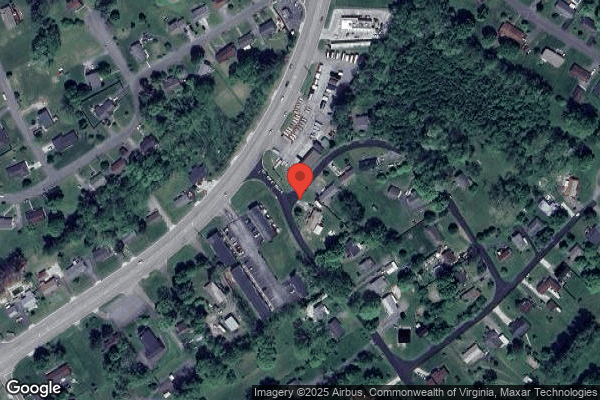
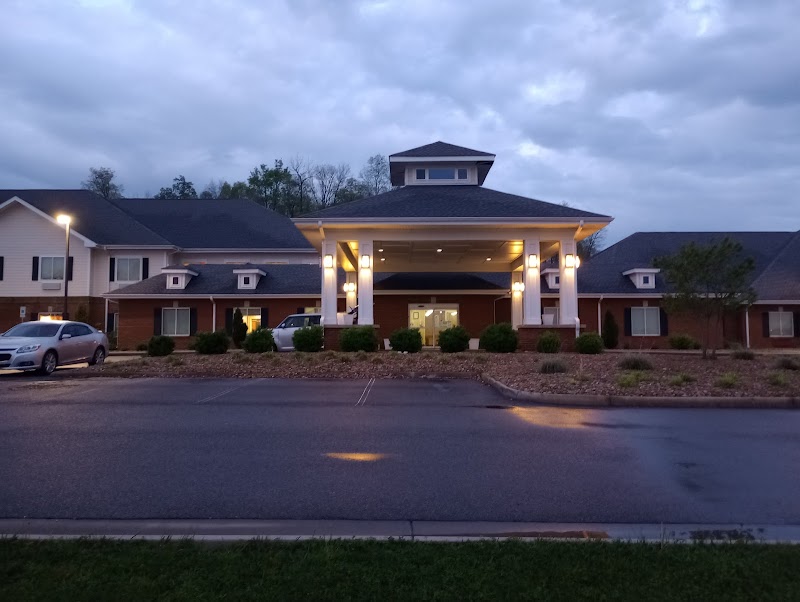
301 VILLAGE CIRCLE, BRISTOL, VA 24201 (276) 594-0032
For profit - Limited Liability company 90 Beds Independent Data: November 2025
Trust Grade
55/100
#163 of 285 in VA
Last Inspection: October 2022

Over 2 years since last inspection. Current conditions may differ from available data.

Overview

The Rehab Center at Bristol has a Trust Grade of C, meaning it is average and ranks in the middle of nursing homes in the area. It is positioned at #163 out of 285 facilities in Virginia, placing it in the bottom half of the state's rankings, and it is the second-best option in Bristol City County. Unfortunately, the facility is worsening, as it has increased its issues from 2 in 2024 to 3 in 2025. Staffing is decent with a 3/5 rating and a turnover of 52%, which is similar to the state average of 48%. On a positive note, the facility has not incurred any fines, indicating compliance with regulations, and it boasts more RN coverage than 85% of Virginia facilities, which helps catch potential problems. However, there are notable weaknesses. A serious incident occurred where a resident fell and sustained a head injury due to inadequate supervision during bathing. Additionally, there were concerns about the facility's failure to thoroughly investigate allegations of abuse for multiple residents, which raises significant safety questions. Lastly, cleanliness issues were reported, including a pervasive odor of urine and debris in the hallways, indicating that the environment may not always be as comfortable as families would hope. Overall, while there are strengths in staffing and RN coverage, the facility has critical areas that need improvement to ensure resident safety and comfort.

Trust Score
C
55/100
In Virginia
#163/285
Bottom 43%
Safety Record
Moderate
Needs review
Inspections
Getting Worse
2 → 3 violations
Staff Stability
⚠ Watch
52% turnover. Above average. Higher turnover means staff may not know residents' routines.
Penalties
✓ Good
No fines on record. Clean compliance history, better than most Virginia facilities.
Skilled Nurses
✓ Good
Each resident gets 47 minutes of Registered Nurse (RN) attention daily — more than average for Virginia. RNs are trained to catch health problems early.
Violations
⚠ Watch
24 deficiencies on record. Higher than average. Multiple issues found across inspections.
★★★☆☆
3.0
Overall Rating
★★★☆☆
3.0
Staff Levels
★★☆☆☆
2.0
Care Quality
★★★☆☆
3.0
Inspection Score
Stable
2024: 2 issues
2025: 3 issues

The Good

  • Full Sprinkler Coverage · Fire safety systems throughout facility
  • No fines on record

Facility shows strength in fire safety.

The Bad

3-Star Overall Rating

Near Virginia average (3.0)

Meets federal standards, typical of most facilities

Staff Turnover: 52%

Near Virginia avg (46%)

Higher turnover may affect care consistency

The Ugly 24 deficiencies on record

1 actual harm
Oct 2025 3 deficiencies 1 Harm
SERIOUS (G) 📢 Someone Reported This

A family member, employee, or ombudsman was alarmed enough to file a formal complaint

Actual Harm - a resident was hurt due to facility failures

Accident Prevention (Tag F0689)

A resident was harmed · This affected 1 resident

Based on observation, record review, interview, and facility document and policy review, the facility failed to provide adequate supervision to prevent accidents for 1 (Resident #101) of 4 residents r...

Read full inspector narrative →
Based on observation, record review, interview, and facility document and policy review, the facility failed to provide adequate supervision to prevent accidents for 1 (Resident #101) of 4 residents reviewed for falls. Specifically, the facility failed to provide the appropriate level of supervision for Resident #101 during bathing. The resident was left unsupported on a shower bench while a staff member stepped away to retrieve a towel. As a result, the resident fell from the shower chair and hit their head, causing a head injury that required hospitalization. Findings included:A facility policy titled Falls-Clinical Protocol, revised 03/2018, indicated, 1. The physician will help identify individuals with a history of falls and risk factors for falling. The policy also specified, 5. The staff will evaluate and document falls that occur while the individual is in the facility, for example, when and where they happen, any observations of the events, etc. [et cetera]. The policy also included a section titled, Cause Identification that specified, 1. For an individual who has fallen, the staff and practitioner will begin to try to identify possible causes within 24 hours of the fall; a. Often, multiple factors contribute to a falling problem; 2. If the cause of a fall is unclear, or if a fall may have significant medical cause such as a stroke or an adverse drug reaction (ADR), or if the individual continues to fall despite attempted interventions, a physician will review the situation and help further identify causes and contributing factors and, 3. The staff and physician will continue to collect and evaluate information until either the cause of the falling is identified, or it is determined that the cause cannot be found or is not correctable. An admission Record revealed the facility admitted Resident #101 on 03/06/2025. According to the admission Record, the resident had a medical history that included diagnoses of transient cerebral ischemic attack, unspecified symptoms and signs involving cognitive functions following other cerebrovascular disease, muscle weakness, difficulty in walking and need for assistance with personal care. An admission Minimum Data Set (MDS), with an Assessment Reference Date (ARD) of 03/10/2025, revealed Resident #101 had a Brief Interview for Mental Status (BIMS) score of 12, which indicated the resident had moderate cognitive impairment. The MDS indicated the resident required substantial/maximal assistance to shower/bathe self and for upper body dressing and was dependent for lower body dressing. According to the MDS, the resident was not assessed for tub/shower transfers during the assessment period. The MDS indicated the resident had functional limitation in range of motion in the upper extremity on one side and the lower extremities on both sides. Resident #101's Care Plan Report included the following: - A focus area, initiated on 03/11/2025, indicated the resident was at risk for falls related to deconditioning. Interventions directed staff to anticipate and meet the resident's needs and be sure the resident's call light was within reach, encourage the resident to use the call light for assistance, and provide prompt response to all requests for assistance. - A focus area, initiated on 03/11/2025, indicated the resident had a cerebral vascular accident which affected the resident's left side. Interventions directed staff to assist the resident with activities as tolerated, get the resident out of bed into a chair if tolerated, give medications as ordered by the physician, and observe for side effects and effectiveness. - A focus area, initiated on 03/11/2025, indicated the resident was on anticoagulation therapy. Interventions directed staff to administer anticoagulant medication as ordered by the physician, observe for medication side effects, and observe/report adverse reactions of anticoagulant therapy, to include blood-tinged or red blood in urine, black tarry stools, dark or bright red blood in stools, sudden severe headaches, nausea, vomiting, diarrhea, muscle joint pain, lethargy, bruising, blurred vision, shortness of breath, loss of appetite, sudden changes in mental status, and significant or sudden changes in vital signs. - A focus area, initiated on 03/11/2025, indicated the resident had an ADL self-care performance deficit related to activity intolerance and stroke. Interventions directed staff to encourage the resident to participate to the fullest extent possible with each interaction and encourage the resident to use a bell to call for assistance. The interventions did not address the level of care or number of staff required to assist the resident with bathing or other ADLs. A Fall Risk Evaluation, dated 03/06/2025 at 1:31 PM, indicated Resident #101 was at high risk for falls. The Fall Risk Evaluation indicated the resident was chairbound, had a change of condition in the last 14 days, and had a recent hospitalization in the last 30 days. The evaluation indicated an assessment of the resident's gait and balance could not be performed. A Baseline Care Plan, dated 03/06/2025 and completed by Licensed Practical Nurse (LPN) #27, indicated Resident #101 was assessed to require two or more persons' physical assistance for bathing. The Baseline Care Plan did not indicate the resident utilized a mobility device. An undated MDS Kardex Report (used to communicate residents' care needs to CNA staff) revealed Resident #101 required the extensive physical assistance of two people for bed mobility, transfers, and toilet use. The level of assistance or number of staff required for bathing was not addressed on the Kardex Report. Resident #101's Physical Therapy PT Therapy Progress Report with service dates from 04/18/2025 to 04/30/2025 indicated on 04/30/2025, Resident #101's dynamic sitting ability was at a fair-minus level, and the resident required moderate assistance with transfers. Resident #101's Physical Therapy (PT) Discharge Summary with service dates from 03/07/2025 to 05/02/2025, indicated upon discharge from therapy services on 05/02/2025, Resident #101's ability for dynamic sitting balance remained at a fair-minus level and the resident continued to require moderate assistance with transfers. An undated facility document titled, Sitting Balance Grades defined fair-minus as indicating the resident was able to sit unsupported for short periods but may lose balance easily without support; was able to sit with upper extremity support; could not perform dynamic tasks safely; could reach to the ipsilateral side (same side of the body); and was unable to weight shift. A Physiatry Progress Note dated 04/30/2025 at 8:01 PM indicated Resident #101 had decreased muscle strength in their left lower extremity and had a flaccid tone in the left upper extremity, which was supported with the use of a sling. A nursing Discharge Summary Note, dated 05/04/2025 at 9:40 AM, revealed Resident #101 was sent to the emergency room for radiological studies of the head on the left side. The nursing Discharge Summary Note revealed Resident #101 had slipped and fallen in the shower and experienced bleeding from the eyebrow with the presence of two small cuts and a lump that developed over their left eye. A late entry nursing Progress Note, dated 05/04/2025 at 10:37 AM and written by LPN #24, revealed CNA #1 provided Resident #101 a shower, during which the resident slipped off the shower seat and fell to the floor while being dried by CNA #1. The note indicated when the writer arrived to the resident's room, the resident was lying on the floor on their left side and was determined to have hit their forehead on the floor. The note indicated during an assessment, Resident #101 denied injury, but due to bleeding of the left eye, the resident's use of blood-thinning medications, elevated blood pressure, and the resident striking their head on the floor, the resident was transferred to the local hospital for evaluation. A nursing Progress Note dated 05/04/2025 at 1:10 PM, revealed Resident #101 was admitted to the hospital after the resident's blood pressure was unable to be stabilized after their transfer to the hospital. A review of a statement, handwritten by CNA #1, dated 05/07/2025, indicated on 05/04/2025 about 9:45 AM, the CNA was giving the resident a shower. The resident told the CNA that it was the first shower the resident had received since she had been admitted to the facility. The CNA indicated the resident was sitting in [the] shower and CNA #1 turned around to get a towel off the sink. The CNA wrote that the resident just went off [the] shower seat in the floor. She described the resident as having a hematoma on the left upper side of the resident's head, above their eye. A late entry Post Fall Evaluation note dated 05/04/2025 at 10:40 AM identified CNA #1 as a direct witness to Resident #101's fall. During a telephone interview on 09/25/2025 at 3:14 PM, CNA #1 stated she recalled providing Resident #101 a shower on 05/04/2025. CNA #1 stated following the resident's shower, the resident was sitting on the shower bench. The CNA turned around to get a towel from the nearby sink, and the resident fell to the floor. CNA #1 stated when she turned around, Resident #101 just leaned over and fell. CNA #1 stated she alerted the nurse, and she and the nurse transferred Resident #101 into the wheelchair, then CNA #1 dressed the resident. CNA #1 stated following the fall, the resident had a spot over their eye. CNA #1 stated she thought Resident #101 may have struck their head on a nearby commode during the fall. She stated the resident remained highly alert at the time of transfer to the hospital. Attempts to contact LPN #24, who was identified as the nurse on duty at the time of Resident #101's fall, were unsuccessful during the survey.A review of a statement, dated 05/04/2025 and handwritten by LPN #24, indicated she was called to the resident's room by CNA #1, who said the resident was on the floor. CNA #1 stated she gave the resident a shower and the resident slipped in the floor. LPN #24 entered the resident's bathroom to see the resident lying flat on the floor, facedown, on the resident's left side. The LPN wrote that the resident had a small knot forming over the left eyebrow and was bleeding from the area over the left eyebrow. Vital signs were obtained, and the resident's blood pressure was 179/108. Emergency medical services (EMS) was called and the resident was sent to the hospital. LPN #24 further wrote in her statement that she had called the emergency department to obtain an update on Resident #101 and was informed the resident would be admitted because they were unable to get the resident's blood pressure down. During an interview on 09/25/2025 at 3:02 PM, Physical Therapist (PT) #2 stated Resident #101 was able to sit and perform some reaching activities but needed physical support. During a follow-up interview on 09/26/2025 at 9:55 AM, PT #2 stated Resident #101 was able to sit in a wheelchair without falling to the side because the wheelchair had armrests. He stated the resident was able to sit, but if the resident reached for anything, the resident was likely to fall over. PT #2 stated it would not have been safe for staff to turn their back to Resident #101 while providing care because the resident was at risk of falling over quickly and easily. During an interview on 09/26/2025 at 2:28 PM, Registered Nurse (RN) #12 stated she remembered the incident with Resident #101 happened over the weekend, but she did not have firsthand knowledge of what happened. RN #12 stated that she knew Resident #101 leaned some, but she could not say if the resident needed one or two people for assistance with bathing. During an interview on 09/26/2025 at 2:28 PM, the Assistant Director of Nursing (ADON) stated she was aware Resident #101 had fallen. She said she recalled the resident's fall occurred in the shower on a weekend day. The ADON stated while CNA #1 was providing the resident a shower, CNA #1 turned around to retrieve a towel to dry the resident off and the resident fell. She said the resident was transferred to the hospital and did not return to the facility. The ADON stated CNAs were expected to know each resident's mobility needs by using the Kardex system. She stated if Resident #101 did not have the Kardex available, the CNA should have asked the nurse. The ADON stated she was unable to determine the number of staff members required to provide bathing assistance for Resident #101 on 05/04/2025. The ADON stated she expected CNA #1 to have knowledge of each resident's transfer status, physical ability, and limitations and if the resident had any safety concerns with transfers. During an interview on 09/27/2025 at 10:40 AM, Therapy Staff #29 stated she had limited knowledge of Resident #101 and recalled that the resident received physical therapy and occupational therapy and was very motivated in their treatment plan. She stated Resident #101 had hemiparesis on one side and needed maximal assistance for mobility. Therapy Staff #29 stated Resident #101 was extensively evaluated for their mobility and the assistance they required. She said the physical and occupational therapists were expected to communicate the level of care needed for each resident to the nursing staff. She indicated she would consider moderate assistance to be assistance of one person and maximal assistance times two (x 2) would have indicated the resident required the assistance of two people. During an interview on 09/27/2025 at 4:20 PM, LPN #3 stated she recalled Resident #101. She stated the resident had weakness on the left side and sometimes was observed to lean to the left side while seated in the wheelchair. LPN #3 stated she occasionally had to prop the resident up in the wheelchair. LPN #3 stated Resident #101 required the assistance of two staff members for bed mobility. LPN #3 stated she was trained that moderate assistance indicated the resident required one-person physical assistance, and maximal assistance indicated the resident required the assistance of two people to perform care. During an interview on 09/28/2025 at 9:21 AM, CNA #34 stated she knew how much assistance a resident needed by looking at the print-outs at the nurses' station. She stated these documents were printed by the night shift nurse and were kept at the nurses' station. She walked over to the nurses' station and provided a copy from a drawer and stated, They are shredded at the end of the day and that they were a working document, so there are no old copies. During an interview on 09/28/2025 at 9:41 AM, RN #12, the Unit Manager for the Rehab Unit, stated she was unsure if the staff had a report sheet that they used to communicate resident care needs. During an interview on 09/28/2025 at 11:23 AM, MDS Coordinator #11 stated residents' Kardex information was derived from the information he entered into the MDS assessments. He reviewed the Kardex Report for Resident #101 and acknowledged the section for bathing was blank. He stated he thought the resident would have required two people to transfer to the shower and one person to perform the shower. During an interview on 09/28/2025 at 11:48 AM, the ADON reviewed the Kardex for Resident #101. She acknowledged Resident #101's Kardex contained a section designated to address bathing assistance but that this section was blank; therefore, she was unsure how much assistance was required to provide bathing assistance for Resident #101. She was unable to explain how staff would have been able to determine the number of staff required to assist the resident with bathing. The ADON indicated she was unfamiliar with Resident #101 but stated if a resident leaned in their wheelchair, the resident was at risk to fall if not supported on that side of their body. During an interview on 09/28/2025 at 12:00 PM, the Administrator (ADM) stated she was not on duty at the time of Resident #101's fall. The ADM stated when she returned to work after that weekend, both she and the Director of Nursing (DON) spoke with CNA #1, who told them Resident #101 fell when she turned away to retrieve a towel. When asked what steps were taken to investigate the fall, the ADM stated she obtained written witness statements from CNA #1 and LPN #24 and determined that the fall was an accident. The ADM stated the fall was not reported to the state agency because it was not an incident/injury of unknown origin. Review of the facility's investigation documentation for Resident #101's fall revealed the investigation consisted only of obtaining witness statements from CNA #1 and LPN #24. The facility's investigation contained no evidence that the facility reviewed Resident #101's need for assistance or support while sitting and did not identify that CNA #1 turning her back, and leaving the resident unsupported on their weak/flaccid side created a situation in which the resident was at risk for experiencing a fall. As a result, the resident experienced a fall that resulted in a head injury requiring hospitalization.
CONCERN (D) 📢 Someone Reported This

A family member, employee, or ombudsman was alarmed enough to file a formal complaint

Potential for Harm - no one hurt, but risky conditions existed

Report Alleged Abuse (Tag F0609)

Could have caused harm · This affected 1 resident

**NOTE- TERMS IN BRACKETS HAVE BEEN EDITED TO PROTECT CONFIDENTIALITY** Based on facility policy review, record review, facility document review, and interview, the facility failed to ensure an allega...

Read full inspector narrative →
**NOTE- TERMS IN BRACKETS HAVE BEEN EDITED TO PROTECT CONFIDENTIALITY** Based on facility policy review, record review, facility document review, and interview, the facility failed to ensure an allegation of abuse was reported within two hours, which affected 1 (Resident #98) of 8 residents reviewed for abuse or neglect prohibition. Findings included: A facility policy titled, Abuse, Neglect, Exploitation or Misappropriation - Reporting and Investigating, revised 09/2022, revealed All reports of resident abuse (including injuries of unknown origin), neglect, exploitation, or theft/misappropriation of resident property are reported to local, state and federal agencies (as required by current regulations) and thoroughly investigated by facility management. Findings of all investigations are documented and reported. The policy revealed, 1. If resident abuse, neglect, exploitation, misappropriation of resident property or injury of unknown source is suspected, the suspicion must be reported immediately to the administrator and to other officials according to state law. The policy revealed, 3. ‘Immediately' is defined as, which included a. within two hours of an allegation involving abuse or result in serious bodily injury. An admission Record indicated the facility admitted Resident #98 on 12/11/2024 and readmitted the resident on 12/27/2024. According to the admission Record, the resident had a medical history that included diagnoses of anemia; acute embolism and thrombosis of unspecified deep veins of an unspecified lower extremity; anxiety disorder; long term (current) use of anticoagulants (blood thinning medication); depression; edema; muscle weakness; and difficulty in walking, not elsewhere classified. An admission Minimum Data Set (MDS), with an Assessment Reference Date (ARD) of 12/17/2024, revealed Resident #98 had a Brief Interview for Mental Status (BIMS) score of 15, which indicated the resident had intact cognition. Resident #98's Care Plan Report, included a focus area initiated 12/12/2024, that indicated the resident had a deep vein thrombosis (DVT; a blood clot) of the lower extremity, was on anticoagulant therapy, and had edema. Interventions initiated 12/12/2024 directed staff to assess the resident's fingers and toes for warmth and color, obtain the resident's vital signs, and notify the medical doctor of significant abnormalities. Resident #98's hospital Discharge Summary, dated 12/27/2024 at 12:21 PM, indicated the residents' admission diagnoses included swelling and anemia and discharge diagnoses included a right thigh hematoma. Per the summary, a repeat sonogram of the lower extremity did not show any DVTs. A Grievance Form dated 01/13/2025, completed by the Social Services Director (SSD), revealed Resident #98 reported a grievance regarding concerns with therapy staff. The document indicated that the resident expressed that a recent hospitalization was allegedly due to a therapist, who attempted to manipulate the resident's knee. The form also indicated that according to the resident, on one occasion when therapy staff assisted the resident out of bed, they removed the resident's sheets and instructed the certified nursing assistants (CNAs) to not make the bed until the resident remained seated in a chair for an extended period of time. Per the form, Resident #98 felt they were neglected by therapy staff and was getting minimal time with them. The Nature of Resolution section of the Grievance Form indicated that on 12/31/2024, Therapy Staff #29 was notified of the concern related to the resident's blood clots. The form revealed no documented evidence that staff notified the Administrator or the state survey agency (SSA) of the resident's allegation at the time of the grievance. A facility document titled, Facility Reported Incident (FRI) indicated that the facility reported an allegation of neglect involving Resident #98 to the SSA. The FRI indicated that the resident was complaining of their leg being numb and painful, and alleged that a blood clot was dislodged by a therapist, causing the resident to be hospitalized . Per the FRI, Resident #98 alleged that on 12/18/2024, a physical therapist aggressively messaged behind the resident's knee, cutting off blood flow to the resident's leg, and resulted in the resident going to the hospital. Per the FRI, the resident made the allegation on 12/31/2024 to an occupational therapist. The FRI indicated that concerns were addressed with the facility providers, who stated that treatment could not have caused numbness or pain. The FRI indicated that the pain was related to a blood clot and hematoma for which the resident was previously admitted to the hospital. The FRI indicated that it was explained to the resident's family member, there was no further discussion, and the team felt everything was okay until Resident #98 complained again to the SSD on 01/13/2025. The FRI indicated that the facility completed a grievance form; however, the resident then stated that they felt neglected. Per the FRI, the Incident date was 12/18/2024, and the report date was 01/14/2025. A Facility Reported Incident Fax Cover Sheet indicated that the facility submitted an initial report for an allegation of neglect to the SSA on 01/14/2025 at 8:14 PM, a day after Resident #98 voiced allegations of abuse/neglect and the SSD completed the Grievance Form. A typed statement signed by Physical Therapist (PT) #2, dated 01/15/2025, indicated that he evaluated Resident #98 after their return from the hospital on [DATE]. Per the statement, Resident #98 told PT #2 that my boss was the reason they had to go to the hospital, claiming that he squeezed the resident's leg hard. The statement indicated that the resident described the staff member who squeezed their leg as PT #8 on one occasion, and a nurse practitioner on another. The facility's investigation related to the allegation revealed no documented evidence that PT #2 reported the resident's allegation to the Administrator or that a report was made to the SSA at the time the resident made the allegation to PT #2. During an interview on 09/26/2025 at 9:55 AM, PT #2 stated he evaluated Resident #98 when they came back from the hospital but stated that he could not remember exactly what the resident said. A typed statement signed by Therapy Staff #29, who was also the Director of Rehabilitation, dated 01/14/2025, revealed that on 12/31/2024, Occupational Therapist (OT) #31 notified her that Resident #98 had concerns that a physical therapist caused the resident to go to the hospital. Per the statement, Resident #98 claimed that PT #8 aggressively massaged their leg, specifically behind their knee, resulting in pain and hospitalization. Therapy Staff #29's statement revealed that she asked the therapy team for statements and discussed the resident's claims with the interdisciplinary team (IDT). According to the statement, Therapy Staff #29 also spoke with the resident's nurse practitioner, who stated that it was very unlikely that PT #8's assessment caused any issues with the resident's lower extremity. The statement also revealed that it was not unusual for physical therapy staff to conduct that type of assessment when a blood clot was suspected. Therapy Staff #29's statement revealed that she received a grievance form regarding Resident #98's allegations, on 01/14/2025. The facility's investigation related to the allegation revealed no documented evidence that Therapy Staff #29 reported the allegation from staff on 12/31/2024 to the Administrator or that a report was made to the state SSA at the time of the allegation. During an interview on 09/26/2025 at 11:58 AM, Therapy Staff #29 stated that on 12/31/2024, OT #31 reported that Resident #98 had voiced concerns that a physical therapist caused the resident to go to the hospital. She stated that OT #31 did not mention anything about a staff member being aggressive; subsequently, she did not think abuse was being discussed. She stated that on 12/30/2024, Resident #98 had also told PT #2 that a therapist had squeezed their leg, hard; however, Therapy Staff #29 did not know whether she was notified of the concern or if she saw PT #2's statement. Per Therapy Staff #29, she spoke with staff and Resident #98's family member. She stated she was not aware there were any further concerns until the SSD gave her a grievance form on 01/14/2025. During an interview on 09/28/2025 at 12:06 PM, the Administrator stated Resident #98's concerns were brought to her attention on 01/14/2025, during a 10:00 AM morning meeting after the grievance was filed, and she then notified the SSA of the allegations via fax. She stated that the time on the Facility Reported Incident Fax Cover Sheet was the time she notified the appropriate agencies. During a follow-up interview on 09/26/2025 at 1:49 PM, the Administrator stated that when she saw the grievance and the team reported what happened, they decided it would be better to make a report to the SSA rather than a completing a grievance because the resident was making an accusation against the therapist. She stated that allegations of abuse should be reported within two hours.
CONCERN (E) 📢 Someone Reported This

A family member, employee, or ombudsman was alarmed enough to file a formal complaint

Potential for Harm - no one hurt, but risky conditions existed

Investigate Abuse (Tag F0610)

Could have caused harm · This affected multiple residents

**NOTE- TERMS IN BRACKETS HAVE BEEN EDITED TO PROTECT CONFIDENTIALITY** Based on facility policy review, record review, facility document review, and interview, the facility failed to have evidence th...

Read full inspector narrative →
**NOTE- TERMS IN BRACKETS HAVE BEEN EDITED TO PROTECT CONFIDENTIALITY** Based on facility policy review, record review, facility document review, and interview, the facility failed to have evidence that allegations of abuse were thoroughly investigated for 4 (Residents #13, #92, #52, and #98) of 8 residents reviewed for abuse/neglect prohibition. The facility also failed to implement interventions to prevent further potential abuse/neglect while an investigation was in progress for 1 (Resident #98) of 8 residents reviewed for abuse/neglect prohibition.Findings included: A facility policy titled, “Abuse, Neglect, Exploitation or Misappropriation – Reporting and Investigating,” revised September 2022, revealed, “All reports of resident abuse (including injuries of unknown origin), neglect, exploitation, or theft/misappropriation of resident property are reported to local, state and federal agencies (as required by current regulations) and thoroughly investigated by facility management. Findings of all investigations are documented and reported.” The policy further revealed “Investigating Allegations” included “1. All allegations are thoroughly investigated. The administrator initiates investigations,” “2. Investigations may be assigned to an individual trained in reviewing, investigating and reporting such allegations,” “3. The administrator provides supporting documents and evidence related to the alleged incident to the individual in charge of the investigation,” “5. The administrator ensures that the resident and the person(s) reporting the suspected violation are protected from retaliation or reprisal by the alleged perpetrator, or by anyone associated with the facility,” “6. Any employee who has been accused of resident abuse is placed on leave with no resident contact until the investigation is complete,” and “7. The individual conducting the investigation as a minimum,” which included “a. reviews the documentation and evidence;” “b. reviews the resident's medical record to determine the resident's physical and cognitive status at the time of the incident and since the incident;” “c. observes the alleged victim, including his or her interactions with staff and other residents;” “d. interviews the person(s) reporting the incident;” “e. interviews any witnesses to the incident;” “f. interviews the resident (as medically appropriate) or the resident's representative;” “g. interviews the resident's attending physician as needed to determine the resident's condition;” “h. interviews staff members (on all shifts) who have had contact with the resident during the period of the alleged incident;” “i. interviews the resident's roommate, family members, and visitors;” “j. interviews other residents to whom the accused employee provides care or services;” “k. reviews all events leading up to the incident; and” “l. documents the investigation completely and thoroughly.” 1. An “admission Record” revealed the facility admitted Resident #13 on 03/20/2025. According to the admission Record, the resident had a medical history that included diagnoses of rheumatoid arthritis, pain in the right hip, depression, anxiety disorder, long term (current) use of anticoagulants (blood thinners), muscle weakness (generalized), and the need for assistance with personal care. An admission Minimum Data Set (MDS), with an Assessment Reference Date (ARD) of 07/08/2025, revealed Resident #13 had a Brief Interview for Mental Status (BIMS) score of 12, which indicated the resident had moderate cognitive impairment. The MDS indicated that the resident was dependent on staff to provide toileting hygiene and to roll left and right in bed. The MDS also indicated that the resident took antiplatelet medications during the assessment look-back period. Resident #13's “Care Plan Report” included a focus area initiated 03/24/2025, that indicated the resident was on anticoagulant therapy. Interventions directed staff to observe the resident for side effects and effectiveness (initiated 03/24/2025). The Care Plan Report included a focus area initiated on 03/24/2025, that indicated the resident had an activity of daily living (ADL) self-care performance deficit related to the need for assistance with personal care. Interventions directed staff to encourage the resident to discuss their feelings about the self-care deficit (initiated 03/24/2025). A “Facility Reported Incident Investigation and conclusion,” dated 04/06/2025 to 04/11/2025, revealed that on 04/06/2025, Resident #13 reported to a day shift certified nursing assistant (CNA), CNA #14, that an overnight CNA, CNA #22, was “rough” when changing Resident #13's brief and “pulled” on the resident's leg. The investigation revealed the resident pointed to the location where the CNA pulled on the resident, and there was bruising present. Per the investigation, the resident reported that they thought the CNA was aggravated, and that the CNA stated she had difficulty cleaning feces off the resident. According to the Facility Reported Incident Investigation and conclusion, CNA #22 was suspended during the investigation. The facility concluded that there was no harm intended to the resident; however, the facility decided that CNA #22 would not provide care to the resident during the remaining days of the resident's stay, unless there was an emergency. The investigation revealed no documented evidence that the facility interviewed/assessed other residents to whom the accused employee (CNA #22) provided care. The facility's investigation included written statements from CNA #22 and Licensed Practical Nurse (LPN) #21. Per their statements, they were providing incontinence care for Resident #13 when CNA #22 noticed “a small sore” and redness to the resident's “bottom.” According to LPN #21's statement, after they noticed the reddened area, the CNA got wipes to clean the resident because she thought wipes would be softer on the resident's skin. Per the investigation, CNA #22 and LPN #21 also reported that Resident #13 made no complaints and that they had a “pleasant” and “polite” conversation with the resident while they provided care. A typed statement dated 04/07/2025, signed by Registered Nurse (RN) #12, who was also a unit manager, revealed she spoke to Resident #13 regarding the allegation and observed the bruising to the resident's thigh. RN #12's statement revealed that she interviewed other residents who resided in the hall about their care on the night of 04/05/2025, and no one had any complaints of anyone being rough or rude with them. During an interview on 09/25/2025 at 8:58 A.M, RN #12 stated that once she learned of Resident #13's allegation, she initiated an investigation. She stated she and the Social [NAME] Director (SSD) interviewed Resident #13, and they each interviewed some of the residents who lived on the same hallway. RN #12 stated that she thought she documented the resident interviews that she conducted. Per RN #12, she and the SSD also talked to residents or families of residents who were not alert and oriented. She stated that if they felt like more than one resident was affected or if another resident had a concern, they would conduct skin assessments for all residents on the floor. RN #12 stated they gave all their information to the Administrator (ADM) and that she, the ADM, the Director of Nursing (DON), and the SSD concluded the allegation. During an interview on 09/25/2025 at 9:37 AM, the SSD stated that she and RN #12 interviewed Resident #13 and CNA #22. She stated that she also interviewed residents to determine whether CNA #22 was rough with them but did not remember which residents she spoke with. The SSD stated that the residents who were not cognitively intact were not interviewed; however, she stated they would know if nonverbal residents were abused because the families kept an eye on them, and therapy staff were very involved in the residents' care. During an interview on 09/25/2025 at 3:51 PM, the ADM stated she did not speak to Resident #13 about the incident because the DON was responsible for the investigation of the 04/06/2025 incident. The ADM revealed that for nonverbal residents, they assessed the potential risk for abuse by asking nearby residents or staff members if they had noticed any changes in residents; however, the ADM stated there was no documentation of resident interviews. The ADM stated that the ADM and DON were responsible for monitoring the investigative process, and the expectation was for a thorough investigation to be conducted. 2. An “admission Record” revealed the facility admitted Resident #92 on 10/03/2022. According to the admission Record, the resident had a medical history that included diagnoses of depression, anxiety, other chronic pain, muscle weakness, difficulty in walking, a need for assistance with personal care, and unspecified osteoarthritis. A quarterly Minimum Data Set (MDS), with an Assessment Reference Date (ARD) of 07/12/2025, revealed Resident #92 had a Brief Interview for Mental Status (BIMS) score of 14, which indicated the resident had intact cognition. The MDS revealed Resident #92's vision and hearing were adequate. The MDS indicated the resident did not exhibit any behavioral symptoms, hallucinations, or delusions during the assessment look-back period. Resident #92's “Care Plan Report” included a focus area initiated 04/27/2023, that indicated the resident had bladder incontinence and impaired mobility. Interventions directed staff to observe and report signs and symptoms of a urinary tract infection (UTI), such as altered mental status and changes in behavior (initiated 04/27/2023). An “admission Record” revealed the facility admitted Resident #52 on 03/01/2024. According to the admission Record, the resident had a medical history that included diagnoses of major depressive disorder, unspecified dementia, and unspecified hearing loss. A quarterly MDS, with an ARD of 09/08/2025, revealed Resident #52 had a BIMS score of 7, which indicated the resident had severe cognitive impairment. The MDS revealed the resident had adequate vision. The MDS indicated the resident was always incontinent of bowel and bladder and was dependent on staff to provide toileting hygiene. Resident #52's “Care Plan Report” included a focus area initiated 12/05/2024, that indicated the resident had a psychosocial well-being problem related to dementia. Interventions directed staff to explain all procedures and treatments (initiated 12/05/2024). A “Facility Reported Incident Investigation and conclusion,” dated 05/06/2025, revealed Resident #92 reported that Certified Nursing Assistant (CNA) #15 kicked the resident's leg when it was hanging off the resident's bed, and also kicked the resident's hairbrush across the floor when the resident asked the CNA to pick it up for them. The document indicated that Resident #92 also reported that CNA #15 had gotten into bed with Resident #52, Resident #92's roommate. Per the report, Resident #92 felt the relationship between Resident #52 and CNA #15 was inappropriate and “sexual” in nature because the CNA was on their knees on Resident 52's bed while the resident was in bed. Per the facility investigation, Resident #52 stated that no one had ever been inappropriate towards them and denied having any sexual relationships. According to the investigation, the facility concluded that there was no evidence to suggest that either resident was physically or sexually abused, assaulted, or exploited. The report revealed that CNA #15 was suspended and although abuse could not be proven, the facility felt it would be best for “all involved” if CNA #15 were no longer employed at the facility. Per the report, CNA #15's employment would be terminated. The investigation revealed no documented evidence that the facility staff interviewed or obtained statements from staff members who had contact with the residents during the period of the alleged incident; family members/visitors, or other residents to whom the accused employee provided care or services. There was also no documented evidence that the facility staff assessed Resident #52 or Resident #92 for injury. During an interview on 09/26/2025 at 9:55 AM, Registered Nurse (RN) #13, who was also a unit manager, stated that the 05/06/2025 allegation was the first allegation that she had investigated, and she was still learning at that time. RN #13 stated she interviewed Resident #92, who initially stated that CNA #15 kicked a hairbrush, and the brush hit the resident's leg, but did not say anything about Resident #52. RN #13 stated she thought the Administrator (ADM) and Therapy Staff #29 talked to Resident #92, which was when the resident told them that CNA #15 had their knees on the side of Resident #52's bed. She stated she assessed Resident #92's leg and there was no bruising or redness. RN #13 stated that she also assessed Resident #52 and there was no bruising or bleeding. According to RN #13, staff assessed the skin of all residents that CNA #15 had worked with to ensure there were no issues but was not sure whether they documented the assessments. Per RN #13, the ADM told her to interview everyone that was cognitively intact on the floor where Resident #52 and Resident #92 resided and ask the residents how CNA #15 and other staff were doing and if there was anything they would like to talk about. RN #13 stated that she did not remember whether she documented what the residents said. RN #13 also stated she thought she obtained staff statements but did not recall who the statements were from. Further, RN #13 stated staff interviewed CNA #15 via speaker phone, and the CNA denied the allegations. During an interview on 09/26/2025 at 10:33 AM, the ADM stated that she and Therapy Staff #29, who was the Director of Rehabilitation and an administrator in training, conducted the investigation together. She stated that they were interviewing Resident #52 about being kicked when the resident said they saw CNA #15 with their knees on the side of Resident #52's bed. The ADM stated Resident #92 told them the curtain was pulled, and the resident did not know what was going on but felt that it was sexual in nature. She stated they interviewed Resident #52, who stated that no one had touched them inappropriately. Per the ADM, Resident #52's family member did not want to send the resident to the hospital for evaluation. The ADM also stated that they interviewed the CNA who was taking care of the residents, and the CNA said there were no issues. She stated they also spoke with CNA #15, who denied the allegations. The ADM stated she did not document which staff were interviewed or obtain statements. During a follow-up interview on 09/25/2025 at 3:51 PM, the ADM stated that she and the Director of Nursing (DON) were responsible for monitoring the investigation process, and the expectation was for a thorough and fair investigation to be conducted. 3. An “admission Record” indicated the facility admitted Resident #98 on 12/11/2024 and readmitted the resident on 12/27/2024. According to the admission Record, the resident had a medical history that included diagnoses of anemia; acute embolism and thrombosis of unspecified deep veins of an unspecified lower extremity; anxiety disorder; long term (current) use of anticoagulants (blood thinning medication); depression; edema; muscle weakness; and difficulty in walking, not elsewhere classified. An admission Minimum Data Set (MDS), with an Assessment Reference Date (ARD) of 12/17/2024, revealed Resident #98 had a Brief Interview for Mental Status (BIMS) score of 15, which indicated the resident had intact cognition. Resident #98's “Care Plan Report” included a focus area initiated 12/12/2024, that indicated the resident had a deep vein thrombosis (DVT; a blood clot) of the lower extremity, was on anticoagulant therapy, and had edema. Interventions initiated 12/12/2024 directed staff to assess the resident's fingers and toes for warmth and color, obtain the resident's vital signs, and notify the medical doctor of significant abnormalities. A facility document titled, “Facility Reported Incident (FRI),” dated 01/14/2025, revealed Resident #98 alleged that on 12/18/2024, a physical therapist “aggressively messaged” behind the resident's knee, “cutting off blood flow” to the resident's leg, and resulted in the resident going to the hospital. Per the FRI, the resident made the allegation on 12/31/2024 to an occupational therapist. The FRI indicated that concerns were addressed with the facility providers, who stated that treatment could not have caused numbness or pain. The FRI indicated that the pain was related to a blood clot and hematoma for which the resident was previously admitted to the hospital. The FRI indicated that it was explained to the resident's family member, there was no further discussion, and the team felt everything was okay until Resident #98 complained again to the SSD on 01/13/2025. The FRI indicated that the facility completed a grievance form; however, the resident then stated that they felt neglected. The “Employee action initiated or taken” section of the document indicated that Physical Therapist (PT) #8 “has not treated [Resident #98] since [their] return from the hospital.” The facility's investigation revealed no evidence that other residents were interviewed regarding the treatment they received from PT #8 or interventions implemented to protect other residents from abuse from PT #8 during the investigation. During an interview on 09/26/2025 at 9:17 AM, PT #8 stated Physical Therapy Aide (PTA) #6 voiced concerns about Resident #98's leg and asked him to look at the resident. PT #8 stated that he assessed the resident and assessed the resident again upon readmission from the hospital, which was when the resident made an allegation of abuse. According to PT #8, he was not suspended from work but did not treat Resident #98 during the investigation. During an interview on 09/26/2025 at 11:58 AM, Therapy Staff #29, who was the Director of Rehabilitation, stated PT #8's employment was not suspended during the investigation, and she could not recall how they protected Resident #98 or other residents from further potential abuse during the investigation. During an interview on 09/26/2025 at 12:48 PM, the Assistant Director of Nursing (ADON) stated she would have to review the facility's policy to determine whether PT #8 should have been suspended because she did not know the whole situation. During an interview on 09/26/2025 at 1:49 PM, the Administrator (ADM) revealed that Resident #98 alleged that PT #8 caused them to go to the hospital. The ADM stated that she was not sure if any other residents were interviewed. According to the ADM, PT #8 was not suspended pending the investigation but was removed from Resident #98's assignment and did not take care of the resident anymore.
Mar 2024 2 deficiencies
CONCERN (D) 📢 Someone Reported This

A family member, employee, or ombudsman was alarmed enough to file a formal complaint

Potential for Harm - no one hurt, but risky conditions existed

ADL Care (Tag F0677)

Could have caused harm · This affected 1 resident

Based on staff interview, clinical record review and facility document review, the facility staff failed to provide activities of daily living (ADL) care to one of six residents in the survey sample, ...

Read full inspector narrative →
Based on staff interview, clinical record review and facility document review, the facility staff failed to provide activities of daily living (ADL) care to one of six residents in the survey sample, resident # 5. This was a closed record review. The findings included: For resident # 5, the facility staff failed to provide scheduled bathing assistance for October 2022 through January of 2023. Resident # 5's diagnoses included but were not limited to, end stage renal disease, chronic obstructive pulmonary disease, Alzheimer's disease, muscle weakness, difficulty walking, need for assistance with personal care. Resident # 5's minimum data set (MDS) assessment with an assessment reference date of 2/17/23 assigned the resident a brief interview for mental status (BIMS) score of 00 indicating severe cognitive impairment. Resident # 5 was coded as being dependent for bathing with assistance of one staff member. Resident # 5 's comprehensive person-centered care plan had a problem statement with an effective date of 11/4/22 that read, Resident's ability to perform ADL's has declined R/T (related to) impaired vision, hx (history) of falls, weakness, medical conditions and occasional incontinence. The ADL flow sheets for resident # 5 were reviewed. Resident # 5's baths were scheduled for every Wednesday and Saturday. Complete bed baths or showers were documented on 10/13/22, 10/17/22, 10/27/22, 10/31/22, 11/16/22, 11/23/22, 11/26/22, 12/3/22, 12/10/22, 12/21/22, 12/28/22, 12/31/22, 1/4/23, 1/7/23, 1/18/23 for a total of 15 over three month period. On 3/26/24 at 2:23 PM this surveyor met with the Director of Nursing (DON) and Administrator to discuss this concern. The Administrator stated that there had been an issue or confusion between facility staff and hospice staff regarding which staff were responsible for bathing, and that could have been the problem. Review of the resident orders revealed that hospice began 2/4/23. Surveyor asked what the expectation for showers or complete bed baths for residents was, the DON stated, two per week. Two per week over three months would be 24 complete bed baths or showers expected to be given to resident # 5 rather than 15, which is what the documentation in the record reflected. The DON provided surveyor with Facility Daily Shower Lists but several of these did not have dates written on them so could not be used to verify showers for the above time period. No further information was provided prior to the exit conference.
CONCERN (D) 📢 Someone Reported This

A family member, employee, or ombudsman was alarmed enough to file a formal complaint

Potential for Harm - no one hurt, but risky conditions existed

Respiratory Care (Tag F0695)

Could have caused harm · This affected 1 resident

Based on observation, resident interview, staff interview and clinical record review, the facility staff failed to provide respiratory care consistent with the comprehensive person-centered care plan ...

Read full inspector narrative →
Based on observation, resident interview, staff interview and clinical record review, the facility staff failed to provide respiratory care consistent with the comprehensive person-centered care plan for one of six residents in the survey sample. The findings included: For resident # 1, the facility staff failed to administer oxygen as ordered by the physician and according to the residents comprehensive person-centered care plan. Resident # 1's diagnoses included but were not limited to, acute and chronic respiratory failure with hypoxia, obstructive sleep apnea, chronic obstructive pulmonary disease (COPD), morbid obesity, right heart failure unspecified, essential hypertension, pulmonary hypertension. Resident # 1's most recent minimum data set (MDS) assessment assigned the resident a brief interview for mental status score of 15 indicating intact cognition. This surveyor observed the resident in their room on 3/25/23 at 11:52 AM and noted they were on oxygen via a nasal cannula. When asked how much oxygen they required they stated, I'm on 3 liters. Surveyor noted that the oxygen concentrator setting was for 3 liters. On 3/25/24 at 4:23 PM surveyor again observed the resident and oxygen setting and noted the setting was on 3 liters. On 3/26/24 at 9:07 AM surveyor noted the oxygen setting was at 3 liters. On 3/26/24 at 10:36 AM surveyor approached Licensed Practical Nurse (LPN) # 1 who stated that they were caring for resident # 1. When asked if they knew how much oxygen resident was supposed to be getting, they stated. I think it's 2 liters. Surveyor asked them to confirm the oxygen setting. LPN # 1 checked the concentrator and stated, it's on 3 liters. I think the order is for 2 but I'll need to check to make sure. LPN # 1 checked the orders and stated, yes the order is for 2 liters, so I'll go change the setting on the concentrator. Review of the clinical record indicated that resident is oxygen dependent and there was an order for oxygen via nasal cannula at 2 liters per minute with a start date of 3/24/24. The comprehensive person centered care plan had a problem statement that read in, Resident at risk for complications r/t (related to) asthma, chronic respirtatory failure, COPD and OSA. Interventions included, Administer oxygen as ordered. This surveyor met with the Director of Nursing (DON) and the Administrator on 3/26/24 at 11:23 AM. The DON returned at 3:24 PM and stated that they had contacted the physician and got the oxygen increased to 3 liters per minute for resident # 1. No further information was presented to the survey team prior to exit.
Oct 2022 11 deficiencies
CONCERN (D)

Potential for Harm - no one hurt, but risky conditions existed

Transfer Notice (Tag F0623)

Could have caused harm · This affected 1 resident

Based on staff interview and facility document review, the facility staff failed to provide copies of notice of resident transfers and discharges to a representative of the Office of the State Long-Te...

Read full inspector narrative →
Based on staff interview and facility document review, the facility staff failed to provide copies of notice of resident transfers and discharges to a representative of the Office of the State Long-Term Care Ombudsman. The findings included: The facility staff failed to provide evidence of notification of resident transfers and discharges to the Office of the State Long-Term Care Ombudsman. On 10/26/22 at approximately 12:00 pm, surveyor spoke with the administrator who stated they were unable to locate documentation of notice of resident transfers and discharges being sent to the ombudsman's office. The administrator stated they were reaching out to the ombudsman to find out when the facility last provided resident transfer and discharge information. Surveyor requested and received the facility policy entitled Notice Requirements before Transfer/Discharge which read in part: 1. Before the facility transfers or discharges a resident, the facility will: b. Notify the resident and, if known, a family member or the resident's representative(s) of the transfer or discharge and the reasons for the move in writing and in a language and manner they understand. c. The facility will send a copy of the notice to a representative of the Office of the State Long-Term Care Ombudsman. On 10/26/22 at 1:49 pm, the survey team met with the administrator and director of nursing and discussed the concern of the facility being unable to provide evidence of ombudsman notification regarding resident transfers and discharges. No further information regarding this concern was presented to the survey team prior to the exit conference on 10/26/22.
CONCERN (D)

Potential for Harm - no one hurt, but risky conditions existed

ADL Care (Tag F0677)

Could have caused harm · This affected 1 resident

2. For Resident #36 the facility staff failed to provide activities of daily living (ADL) care in regards to facial hair. Resident #36's face sheet listed diagnoses which included, but not limited to...

Read full inspector narrative →
2. For Resident #36 the facility staff failed to provide activities of daily living (ADL) care in regards to facial hair. Resident #36's face sheet listed diagnoses which included, but not limited to Autistic disorder and cognitive communication deficit. Resident #36's most recent quarterly minimum data set with an assessment reference date of 08/16/22 assigned the resident a brief interview for mental status score of 9 out of 15 in section C, cognitive patterns. This indicates that the resident is moderately cognitively impaired. Section G, functional status, coded the resident as total dependence, one person physical assist, in the area of personal hygiene. This includes removal of facial hair. Resident #36's comprehensive care plan was reviewed and contained a care plan for Resident needs assist with ADL's R/T (related to) hx (history) of tendon rupture, weakness, impaired cognition and incontinence. Approaches for this care plan included provide assistance as needed for ADL's. Surveyor observed Resident #36 on 10/25/22 at 8:40 am. Resident was dressed in street clothes, seated in wheelchair at bedside. Surveyor observed that the resident had large amount of facial hair in the chin area. Surveyor asked the resident if this bothered them, but resident turned face away from surveyor and did not answer. Surveyor spoke with the resident's sibling on 10/25/22 at 1:15 pm. Surveyor asked sibling if resident's facial hair seemed to bother them, and sibling stated that resident did not like having hair on their chin, and that when they lived at home, they removed it themselves. Sibling also stated that chin hair had not been removed in 2 weeks. The concern on not providing ADL care was discussed with the administrator and director of nursing on 10/26/22 at 1:50 pm. No further information was provided prior to exit. 2. For Resident #252 the facility staff failed to provide activities of daily living (ADL) in regards to nail care. Resident #252's face sheet listed diagnoses which included but not limited to acute kidney failure, dementia, type 2 diabetes mellitus, and anxiety. Resident #252's most recent minimum data set with an assessment reference date of 0609/22 assigned the resident a brief interview for mental status score of 7 out of 15 in section C, cognitive patterns. This indicates that the resident is severely cognitively impaired. Section G, functional status, coded the resident as needing extensive assistance of one person in the area of personal hygiene. Resident #252's comprehensive care plan was reviewed and contained a care plan for . needs assistance with ADL's r/t (related to) weakness, mental health and impaired cognition. Approaches for this care plan included provide assistance with ADL's as needed. Surveyor observed Resident #252 on 10/24/22 at 3:15 pm. Resident was resting in bed. Surveyor observed resident's fingernails to be long with brownish discoloration. Surveyor asked resident if this bothered them, and they stated, they need to be cut. Surveyor requested and the administrator provided the survey team with a copy of policy entitled Fingernails/Toenails, Care of which read in part, .The purpose of this procedure are to clean the nail bed, to keep nails trimmed, and to prevent infection .Nail care includes daily cleaning and regular trimming .Trimmed and smoothed nails prevent the resident from accidentally scratching and injuring his or her skin . The concern of not providing nail care to Resident #252 was discussed with the administrator, director of nursing, assistant director of nursing and social worked on 10/25/22 at 4:15 pm. On 10/26/22 at 7:55 am, the director of nursing informed the survey team that they had completed an in-house sweep of all residents regarding nail care. Nails were trimmed and consults made as needed. No further information provided prior to exit. Based on observation, resident interview, family interview, staff interview, and clinical record review, the facility staff failed to provide activities of daily living (ADL) care for 3 of 18 Residents, Resident #52, #36, and #252. The findings include: 1. Resident #52's toenails were observed to be long, thick, and jagged. Resident #52 was unable to cut/trim their toenails. Resident #52's diagnoses included but were not limited to, Alzheimer's disease and need for assistance with personal care. Section C (cognitive patterns) of Resident #52's annual minimum data set (MDS) assessment with an assessment reference date (ARD) of 08/22/22 included a brief interview for mental status (BIMS) score of 10 out of a possible 15 points. Resident #52's comprehensive care plan included the problem area Activity of Daily Living. Approaches included, but were not limited to, provide assistance for completion of ADL tasks. 10/24/22 3:20 p.m., Resident #52 was observed ambulating in room. Resident #52 was observed with open toed shoes and their toenails were observed to be long, thick, and jagged. When asked about their toenails Resident #52 stated, who do I get to cut them? Resident #52 stated they were able to cut their fingernails at times but not their toenails. 10/25/22 10:05 a.m., Resident #52 observed in room, open toed shoes, toenails remain long, thick, and jagged. 10/25/22 12:20 p.m., the Administrator provided the survey team with a copy of policy titled, Fingernails/Toenails, Care of. This policy read in part, .The purpose of this procedure are to clean the nail bed, to keep nails trimmed, and to prevent infection .Nail care includes daily cleaning and regular trimming .Trimmed and smoothed nails prevent the resident from accidentally scratching and injuring his or her skin . 10/25/22 4:15 p.m., during an end of the day meeting. The Administrator, Director of Nursing (DON), Assistant Director of Nursing (ADON), and Social Worker were made aware of the issue regarding Resident #52's toenails. 10/26/22 7:55 a.m., the DON stated they did an in house sweep of the residents regarding toenails, some toenails were trimmed, and podiatry consults were made as needed. 10/26/22, the facility staff provided the survey team with a progress note regarding Resident #52 dated 10/25/22 6:40 p.m. that read in part, .provided foot care with toenail trimmings . No further information regarding this issue was provided to the survey team prior to the exit conference.
CONCERN (D)

Potential for Harm - no one hurt, but risky conditions existed

Drug Regimen Review (Tag F0756)

Could have caused harm · This affected 1 resident

3. For resident #44, facility staff failed to ensure a medication regimen review (MRR) was performed for the month of February 2022. Resident #44 diagnosis list includes, but is not limited to the fol...

Read full inspector narrative →
3. For resident #44, facility staff failed to ensure a medication regimen review (MRR) was performed for the month of February 2022. Resident #44 diagnosis list includes, but is not limited to the following: congestive heart failure, chronic pain syndrome, hypertension, atrial fibrillation, generalized anxiety disorder, major depressive disorder, polyosteoarthritis, and restless legs syndrome. The most recent quarterly minimum data set (MDS) with an assessment reference date of 8-9-22, assigned the resident a BIMS (brief interview for mental status) summary score of 10 out of 15 in section C, cognitive patterns, indicating the resident was moderately cognitively impaired. Upon review of resident #44's clinical record, surveyor was unable to locate the February 2022 medication regimen review completed by a pharmacist. On 10-26-2022 at 10:20 A.M., surveyor spoke with the Director of Nursing (DON) and the Administrator about the medication regimen review not being in the chart. DON stated that she would look for it. At 11:13 A.M., DON asked surveyor what it was that had been asked for, and again stated she would look. At 1:40 P.M. DON brought surveyor reviews for the months of June and September and stated, February's are missing. On 10-26-2022 the survey team met with the DON and Administrator, surveyor again mentioned that there is no medication regimen review for the month of February in resident #44's medical record. No further information regarding this concern was provided to the survey team prior to the exit conference. Based on staff interview and clinical record review the facility staff failed to follow-up on pharmacist recommendations for 2 of 19 residents, Resident #36 and Resident #47 and failed to complete pharmacy reviews for 1 of 19 residents, Resident #44. The findings included: 1. For Resident #36 the facility staff failed to follow-up on pharmacist recommendations. Resident #36's face sheet listed diagnoses which included, but not limited to Autistic disorder, liver disease, anxiety, hypertension, hypothyroidism, disorder of urea cycle metabolism, and age-related osteoporosis. Resident #36's most recent quarterly minimum data set with an assessment reference date of 08/16/22 assigned the resident a brief interview for mental status score of 9 out of 15 in section C, cognitive patterns. This indicates that the resident is moderately cognitively impaired. Resident #36's comprehensive care plan was reviewed and contained care plans for Resident has liver disease, Resident has hypothyroidism and Resident is prescribed anticoagulant therapy d/t (due to) hx (history) of DVT (deep venous thrombosis [blood clot]) Interventions for these care plans included Monitor lab work as ordered. Resident #36's clinical record was reviewed and contained a pharmacy review form, which read in part Note to Attending Physician/Prescriber. MRR (medication regimen review) Date: 6/21/2022. This resident is taking the following medications: Synthroid, Cal (calcium)/Vit D, Omeprazole. If appropriate consider obtaining at next lab draw CBC (complete blood count), BMP (basic metabolic panel), TSH (thyroid stimulating hormone), Vit D, Vit B12, Magnesium to monitor the safety and efficacy of these medication(s). RESPONSE: OBTAIN THE FOLLOWING LAB WORK: Add above. Physician/Provider Response: Agree This form was signed/dated on 07/21/22. Resident #36's clinical record contained a second pharmacy review form which read in part, Note to Attending Physician/Prescriber. MRR (medication regimen review) Date: 8/19/2022. This resident is taking the following medications: Synthroid, Cal Vit D, Omeprazole, Lactulose. If appropriate consider obtaining at next lab draw CBC, BMP, TSH, Vit D, Vit B12, Magnesium, ammonia to monitor the safety and efficacy of these medication(s). RESPONSE: OBTAIN THE FOLLOWING LAB WORK: Add above. Physician/Provider Response: Agree This form was signed/dated on 08/30/22. Resident #36's clinical record contained a physician's order summary, which read in part 07/22/2022-07/22/2022 Basic Metabolic Panel; CBC (complete blood count) with Diff (differential); TSH (thyroid stimulating hormone); Vitamin B12; Other Test: (Vitamin D, Magnesium) Once-One Time; 07:00 AM-07:00 PM and 08/31/2022-08/31/2022 Basic Metabolic Panel; CBC with Diff; TSH; Vitamin B12; Other Test: (Vitamin D, Magnesium, Ammonia) Once-One Time; 07:00 AM-07:00 PM Resident's clinical record was reviewed on 10/26/22, and surveyor could not locate any laboratory reports related to the above ordered lab tests. Surveyor informed the director of nursing (DON) of the missing lab reports on 10/26/22 at 12:15 pm. DON informed the surveyor on 10/26/22 at 1:40 pm that the labs were not completed as ordered. The concern of not following up on pharmacy recommendations was discussed with the administrator and DON on 10/26/22 at 1:50 pm. No further information provided prior to exit. 2. For Resident #47, the facility staff failed to follow up on a pharmacy recommendation in regards to the topical medication Diclofenac (nonsteroidal anti-inflammatory drug). Resident #47's diagnosis included, but were not limited to, chronic pain syndrome. Section C (cognitive patterns) of Resident #47's admission minimum data set (MDS) assessment with an assessment reference date (ARD) of 08/31/22 included a brief interview for mental status (BIMS) summary score of 13 out of a possible 15 points. The clinical record included a document titled, INTERIM MEDICATION REGIMEN REVIEW (IMRR). This document included the following pharmacy recommendations, in regards to the medication Diclofenac (voltaren) 1% gel 1 application topically three times daily for pain. The pharmacy consultant transcribed the following, Please clarify instructions to include dose in grams and site of application. On 09/22/22 the provider ordered Diclofenac sodium (voltaren) apply 1% apply quarter sized amount to left shoulder and lumbar area every 6 hours PRN (as needed) for pain. However, the scheduled order remained active and read apply 1 application to affected area TID (three times a day) for pain. 10/26/22 8:36 a.m., the Director of Nursing (DON) was asked for information regarding the Diclofenac pharmacy recommendation. 10/26/22 10:25 a.m., the DON stated they were going to discontinue the Diclofenac scheduled order and keep the PRN order in place. 10/26/22 1:50 p.m., during a meeting with the Administrator and DON the surveyor asked if they knew why a PRN order was written for the Diclofenac instead of addressing the current order. The DON stated they could come up with different scenarios but really had no idea. No further information regarding this issue was provide to the survey team prior to the exit conference.
CONCERN (D)

Potential for Harm - no one hurt, but risky conditions existed

Unnecessary Medications (Tag F0759)

Could have caused harm · This affected 1 resident

Based on resident interview, staff interview, clinical record review, facility document review, and during a medication pass and pour observation the facility staff failed to ensure a medication error...

Read full inspector narrative →
Based on resident interview, staff interview, clinical record review, facility document review, and during a medication pass and pour observation the facility staff failed to ensure a medication error rate of less than 5%. There were 3 errors in 32 opportunities for a medication error rate of 9.38%. These medication errors affected Resident #55. The findings include: During a medication pass and pour observation the facility staff failed to ensure a medication error rate of less than 5%. The medication error rate was 9.38%. LPN #2 did not administer Resident #55's Aspercreme, Colace, or Magnesium Hydroxide. 10/25/22 beginning at approximately 7:38 a.m., the surveyor observed Licensed Practical Nurse (LPN/agency nurse) #2 prepare and administer Resident #55's morning medications. LPN #2 was observed to pick up a bottle of Magnesium Hydroxide from the cart and state it did not have the residents name on it and they would have to find out the facility procedure. LPN #2 placed the medication back into the medication cart. Resident #55's diagnoses included, but were not limited to, pain and constipation. Section C (cognitive patterns) of Resident #55's quarterly minimum data set (MDS) assessment with an ARD of 08/02/22 included a brief interview for mental status (BIMS) score of 14 out of a possible 15 points. Resident #55's clinical record included provider orders for Aspercreme apply a quarter size amount to right shoulder twice a day, Colace 100 mg 1 tab by mouth twice daily, and Magnesium Hydroxide 30 ml by mouth daily. The morning administration times on all of these medications was documented as 8:00 a.m. The surveyor did not observe these medications being administered. Resident #55's comprehensive care plan included the problem area complaints of pain. Approaches included, but were not limited to, Administer medications as ordered. 10/25/22 10:00 a.m., the Assistant Director of Nursing (ADON) provided the survey team with a copy of policy titled, Administering Medication. This policy read in part, .Medications are administered in accordance with prescriber orders, including any required time frame . 10/25/22 11:40 a.m., Resident #55 stated they did not get their Aspercreme. 10/25/22 11:44 a.m., LPN #2 stated they did not administer Resident #55's Colace or Magnesium Hydroxide. 10/25/22 4:15 p.m., during an end of the day meeting with the Administrator, Director of Nursing (DON), ADON, and Social Worker the issue with the medication pass and medication error rate was reviewed. 10/26/22 1:50 p.m., during a meeting with the Administrator and DON the DON stated they had spoken with LPN #2's agency. No further information regarding this issue was provided to the survey team prior to the exit conference.
CONCERN (D)

Potential for Harm - no one hurt, but risky conditions existed

Deficiency F0761 (Tag F0761)

Could have caused harm · This affected 1 resident

**NOTE- TERMS IN BRACKETS HAVE BEEN EDITED TO PROTECT CONFIDENTIALITY** Based on observation, staff interview, and facility document review, the facility staff failed to dispose of expired specimen tu...

Read full inspector narrative →
**NOTE- TERMS IN BRACKETS HAVE BEEN EDITED TO PROTECT CONFIDENTIALITY** Based on observation, staff interview, and facility document review, the facility staff failed to dispose of expired specimen tubes in 1 of 2 medication rooms (floor 2) and failed to ensure medication(s) were secure on 1 of 2 floors (floor 1). The findings include: The facility staff failed to dispose of expired specimen tubes and left the keys to the medication cart on top of the medication cart and out of view. [DATE] 4:25 p.m., the surveyor checked the medication room on floor 2 with Licensed Practical Nurse (LPN) #1. The cabinet in this medication room included 2 opened containers of purple top blood specimen tubes with an expiration date of [DATE] and 1 bag (17) of white top tubes used for urine collection with an expiration date of [DATE]. [DATE], LPN #1 stated they had spoken with the unit manager and they would be disposing of the expired specimen tubes. [DATE] 8:05 a.m., during a medication pass and pour observation with LPN #2 (agency nurse). LPN #2 was observed to leave their medication cart keys on top of the medication cart and entered a resident's room leaving the cart and keys unattended and out of view. No residents or staff were observed in the vicinity of the medication cart. [DATE] 10:00 a.m., the Assistant Director of Nursing (ADON) provided the surveyor with a copy of their policy titled, Administering Medications. This policy read in part, .During administration of medications, the medication cart is kept closed and locked when out of sight of the medication nurse . [DATE] 11:25 a.m., the ADON provided the surveyor with a copy of a policy titled, Storage of Medications. This policy read in part, .Discontinued, outdated, or deteriorated drugs or biologicals are returned to the dispensing pharmacy or destroyed . [DATE] 4:15 p.m., the Administrator, Director of Nursing (DON), ADON, and Social Worker were made aware of the issues regarding the expired specimen tubes and unattended medication cart keys. [DATE], the facility staff provided the surveyor with a copy of in-service started on [DATE] by the ADON titled, Med Cart. Summary of content Medication should be secured at all times, and the keys should be with the staff member conducting the med pass. The facility staff also provided the surveyor with a copy of a handwritten note that read All expired blood tubes and urine tubes have been disposed of. [DATE] 1:50 p.m., during a meeting with the Administrator and DON the DON stated they had spoken with LPN #2's agency. No further information regarding this issue was provided to the survey team prior to the exit conference.
CONCERN (D)

Potential for Harm - no one hurt, but risky conditions existed

Laboratory Services (Tag F0770)

Could have caused harm · This affected 1 resident

Based on staff interview and clinical record the facility staff failed to obtain a physician ordered laboratory test for 1 of 19, Resident #36. The findings included: For Resident #36 the facility sta...

Read full inspector narrative →
Based on staff interview and clinical record the facility staff failed to obtain a physician ordered laboratory test for 1 of 19, Resident #36. The findings included: For Resident #36 the facility staff failed to obtain physician ordered laboratory blood tests. Resident #36's face sheet listed diagnoses which included, but not limited to Autistic disorder, liver disease, anxiety, hypertension, hypothyroidism, disorder of urea cycle metabolism, and age-related osteoporosis. Resident #36's most recent quarterly minimum data set with an assessment reference date of 08/16/22 assigned the resident a brief interview for mental status score of 9 out of 15 in section C, cognitive patterns. This indicates that the resident is moderately cognitively impaired. Resident #36's comprehensive care plan was reviewed and contained care plans for Resident has liver disease, Resident has hypothyroidism and Resident is prescribed anticoagulant therapy d/t (due to) hx (history) of DVT (deep venous thrombosis [blood clot]) Interventions for these care plans included Monitor lab work as ordered. Resident #36's clinical record was reviewed and contained a physician's order summary, which read in part 07/22/2022-07/22/2022 Basic Metabolic Panel; CBC (complete blood count) with Diff (differential); TSH (thyroid stimulating hormone); Vitamin B12; Other Test: (Vitamin D, Magnesium) Once-One Time; 07:00 AM-07:00 PM and 08/31/2022-08/31/2022 Basic Metabolic Panel; CBC with Diff; TSH; Vitamin B12; Other Test: (Vitamin D, Magnesium, Ammonia) Once-One Time; 07:00 AM-07:00 PM Resident's clinical record was reviewed on 10/26/22, and surveyor could not locate any laboratory reports related to the above ordered lab tests. Surveyor informed the director of nursing (DON) of the missing lab reports on 10/26/22 at 12:15 pm. DON informed the surveyor on 10/26/22 at 1:40 pm that the labs were not completed as ordered. The concern of not obtaining the physician ordered labs was discussed with the administrator and DON on 10/26/22 at 1:50 pm. No further information provided prior to exit.
CONCERN (D)

Potential for Harm - no one hurt, but risky conditions existed

Food Safety (Tag F0812)

Could have caused harm · This affected 1 resident

Based on observations, staff interviews, and facility document review, the facility staff failed to ensure food was stored under safe and sanitary conditions in 2 of 2 unit nourishment rooms. The fin...

Read full inspector narrative →
Based on observations, staff interviews, and facility document review, the facility staff failed to ensure food was stored under safe and sanitary conditions in 2 of 2 unit nourishment rooms. The findings include: The facility staff failed to ensure resident food was appropriately stored/labeled. The following information was found in a facility polity titled Food: Safe Handling for Foods from Visitors (with a revised date of July 2019): - Residents will be assisted in properly storing and safely consuming food brought into the facility for residents by visitors. - When food items are intended for later consumption, the responsible facility staff member will: . Ensure that foods are in a sealed container to prevent cross contamination . Label foods with the resident's name and the current date. - Refrigerator/freezers for storage of foods brought in by visitors will be properly maintained and: . Daily monitoring for refrigerated storage duration and discard of any food items that have been stored for (greater than or equal to) 7 days. (Storage of frozen foods and shelf stable items may be retained for 30 days.) On 10/25/22 at 1:15 p.m., the nourishment room on the First Floor Unit was observed with CNA #1. An undated container housing food with a resident's name on the container was observed in the refrigerator. CNA #1 reported the food container should have been dated. On 10/25/22 at 1:25 p.m., the nourishment room on the Second Floor Unit was observed with the facility's Dietary Manager (DM). The following refrigerated food items were observed with and subsequently discarded by the DM: - Two (2) opened and partially used containers of onion dip, both with a best by date of 10/12/22. A resident's name was on these containers. - A plastic bag holding two (2) undated containers housing food; neither container was dated. A resident's name was on one (1) of these containers. - Two (2) plastic bags each containing half a sandwich; both were dated 10/19/22 - 10/22/22. - One (1) plastic bag containing a sandwich; this bag included a name and a room number but not a date. - One (1) opened package of bologna. A gap was noted in the bologna packaging. The DM reported this package of bologna should have been repackaged when opened. The survey team met with the facility's Administrator, Director of Nursing (DON), Assistant DON, and Social Working on 10/25/22 at 4:10 p.m. The survey team discussed the observations of improperly stored and/or undated resident food items in both of the facility unit's nourishment rooms.
CONCERN (D)

Potential for Harm - no one hurt, but risky conditions existed

Infection Control (Tag F0880)

Could have caused harm · This affected 1 resident

2. During a medication pass and pour observation the facility staff were observed to touch Resident #55's medications with their bare hands. 10/25/22 beginning at approximately 7:38 a.m., the surveyo...

Read full inspector narrative →
2. During a medication pass and pour observation the facility staff were observed to touch Resident #55's medications with their bare hands. 10/25/22 beginning at approximately 7:38 a.m., the surveyor observed Licensed Practical Nurse (LPN) #2 (agency nurse) prepare and administer Resident #55's morning medications. During this observation LPN #2 was observed to touch each oral medication tablet with their bare hands and then put the medication in the medication cup. Prior to LPN #2 administering these medications the surveyor asked LPN #2 about touching the medications. LPN #2 stated they should not have touched the medications with their bare hands, they did not know who anyone was (staff), and this was their first time in the building. After speaking with the Assistant Director of Nursing/Infection Control Nurse (ADON) and receiving the instructions to dispose of the touched medications in the sharps container LPN #2 discarded the medications and prepared a second set of medications to administer to this resident. 10/26/22, the facility staff provided the survey team with a copy of an in-service titled Medication preparation that was started by the ADON on 10/25/22. Summary of content Do not touch medication with ungloved hands. Use clean gloved hands if it is necessary to touch the medication. Using gloves reduces contamination of the medication. Some medications may be harmful to the nurse. If they have direct contact with the skin. 10/25/22 4:15 p.m., the Administrator, Director of Nursing (DON), ADON, and Social Worker were made aware of the infection control issue during the medication pass. 10/26/22 1:50 p.m., during a meeting with the Administrator and DON the DON stated they had spoken with LPN #2's agency. No further information regarding this issue was provided to the survey team prior to the exit conference. Based on observations, staff interviews, clinical record review, and facility document review, the facility staff failed to maintain an infection prevention and control program designed to provide a safe, sanitary and comfortable environment and to help prevent the transmission of communicable diseases and/or infections, including COVID-19, for 2 of 19 residents in the survey sample, Resident #153 and Resident #55. The findings included: 1. On 10/24/22 and 10/25/22, the surveyor noted a sign on the door leading into Resident #153's room which included the statement WARM ROOM - DROPLET PRECAUTIONS. This sign indicated anyone entering this room was required to use the following personal protective equipment (PPE): mask, face shield, gown, and gloves. h On 10/24/22 at 3:17 p.m., the surveyor observed licensed practical nurse (LPN) #4 and certified nurse aide (CNA) #2 in Resident #153 without using a gown or eye protection. The surveyor interviewed LPN #4 and CNA #2 when they exited the room. Both LPN #4 and CNA #2 stated they should have worn a gown but indicated they were not required to use eye protection. On 10/25/22 9:01 a.m., the surveyor observed Staff Member (SM) #2 in Resident #153's room. SM #2 was speaking to the resident. SM #2 was not wearing gown, gloves, or eye protection. The surveyor interviewed SM #2 when they exited the room; SM #2 reported they should have worn the gown but did not indicate they needed to wear eye protection or gloves. On 10/25/22 at 09:05 a.m., the surveyor observed CNA #3 in Resident #153's room. CNA #3 was not wearing eye protection. The surveyor interviewed CNA #3 when they exited the room. CNA #3 reported that eye protection was not available in the PPE supply cart located outside Resident #153's room. The surveyor confirmed the PPE supply cart outside Resident #153's room did not include eye protection. On 10/25/22 at 10:35 a.m., the surveyor interviewed the facility's Administrator, Director of Nursing (DON), and Assistant DON about the PPE required to enter Resident #153's room. The DON confirmed Resident #153 was on quarantine and required droplet precautions. The following information was found in a facility policy titled Coronavirus Disease (COVID-19) - Identification and Management of Ill Residents (with a revision date of September 2021): All unvaccinated residents who are new admissions or readmissions are placed in a 14-day quarantine, even if they have a negative test upon admission. On 10/26/22 at 12:36 p.m., the Director of Nursing (DON) reported Resident #153 was in quarantine using droplet precautions. On 10/26/22 at 1:50 p.m., the survey team met with the facility's Administrator and DON. Observations of staff members entering Resident #153's room without the appropriate PPE was discussed.
CONCERN (D)

Potential for Harm - no one hurt, but risky conditions existed

Deficiency F0883 (Tag F0883)

Could have caused harm · This affected 1 resident

Based on staff interview, clinical record review, and facility document review, the facility staff failed to offer and provide the resident and/or resident representative education regarding the benef...

Read full inspector narrative →
Based on staff interview, clinical record review, and facility document review, the facility staff failed to offer and provide the resident and/or resident representative education regarding the benefits and potential side effects of the pneumonia vaccine for 1 of 5 sampled residents (Resident #97) reviewed for immunizations. The findings included: For Resident #97, the facility staff failed to offer the pneumonia vaccine and provide education regarding the benefits and potential side effects of the vaccine. Resident #97's diagnosis list indicated diagnoses, which included, but not limited to Metabolic Encephalopathy, Chronic Respiratory Failure with Hypoxia, Chronic Obstructive Pulmonary Disease, Type 2 Diabetes Mellitus, Chronic Kidney Disease Stage 3b, and Chronic Diastolic Heart Failure. The admission minimum data set (MDS) with an assessment reference date (ARD) of 9/21/22 assigned the resident a brief interview for mental status (BIMS) summary score of 9 out of 15 indicating the resident was moderately cognitively impaired. Surveyor reviewed Resident #97's clinical record and was unable to locate documentation of the resident's pneumococcal vaccination status or documentation of the resident and/or resident representative being offered and provided education regarding a pneumonia vaccine. On 10/25/22 at 9:25 am, surveyor spoke with the administrator and requested documentation regarding the pneumococcal vaccine for Resident #97. At 9:31 am, the director of nursing (DON) returned and stated they did not have a signed refusal for the resident. On the morning of 10/26/22, the administrator provided a copy of a nursing progress note dated 10/25/22 7:22 pm which stated in part Resident representative contacted regarding pneumonia and COVID vaccination status. Educated on risks and benefits of both vaccines. (Adult child) stated that (he/she) could be vaccinated with pneumonia vaccine . Surveyor requested and received the facility policy entitled Vaccination of Residents which read in part All residents will be offered vaccines that aid in preventing infectious diseases unless the vaccine is medically contraindicated or the resident has already been vaccinated. 1. Prior to receiving vaccinations, the resident or legal representative will be provided information and education regarding the benefits and potential side effects of the vaccinations . On 10/26/22 at 1:49 pm, the survey team met with the administrator and DON and discussed the concern of Resident #97's pneumococcal vaccine. No further information regarding this concern was presented to the survey team prior to the exit conference on 10/26/22.
CONCERN (E)

Potential for Harm - no one hurt, but risky conditions existed

Safe Environment (Tag F0584)

Could have caused harm · This affected multiple residents

Based on staff interview, family interview, and facility document review the facility staff to ensure a clean, comfortable, homelike environment for 1 of 2 floors, and one of 19 residents, Resident #3...

Read full inspector narrative →
Based on staff interview, family interview, and facility document review the facility staff to ensure a clean, comfortable, homelike environment for 1 of 2 floors, and one of 19 residents, Resident #36. The findings included: 1. For the 2nd floor of the facility, the facility staff failed to ensure a clean environment. Throughout the course of the survey, the surveyor observed a pervasive odor of urine in the hallway of the second floor. The surveyor also observed debris in the floor, and inside the handrails. These observations were addressed with the maintenance director and housekeeping district manager on 10/26/22 at 11:10 am during a waking tour of the 2nd floor of the facility. Surveyor asked the housekeeping district manager how often the handrails were cleaned, and housekeeping district manager stated one time per week. Surveyor asked how many housekeepers were assigned to each floor and housekeeping district manager stated one on each floor. Surveyor asked how often each resident room is cleaned and housekeeping district manager stated each room should be cleaned daily. Surveyor asked what room cleaning consisted of and housekeeping district manager stated dusting, wiping of high use surfaces (overbed tables, call bell cords), damp mopping, emptying trash, and cleaning bathrooms. Surveyor spoke with CNA (certified nurse's aide) #4 on 10/226/22 at 10:45 am. Surveyor asked CNA #4 how often housekeeping cleaned resident rooms, and CNA stated they were not sure. CNA #4 stated there is only one housekeeper for the floor, and they do not clean every room, every day. Surveyor asked CNA #4 if they noticed an odor of urine, and CNA #4 stated, Oh, yeah, it's like that every day. Surveyor spoke with housekeeper on 10/26/22 at 12:25 pm. Surveyor asked housekeeper if they cleaned every resident room every day, and housekeeper replied, Depends, I can do it every day if I just do a sweep through. Surveyor asked housekeeper how long it takes to clean a room, and housekeeper stated, some take longer than others, but generally 10-15 minutes. Surveyor observed housekeeper using damp mop to sweep debris from under a resident's bed. Surveyor requested and was provided with a policy entitled Daily Patient Room Cleaning which read in part, Timing and Method-C Follow 5-step room cleaning method: 1) Empty trash Get the trash out of all rooms first thing. Wipe basket-if necessary replace liner. 2) Horizontal dusting. With a cloth & disinfectant wipe all horizontal (flat) surfaces. 3) Spot clean. With a cloth & disinfectant spot clean all vertical surfaces. 4) Dust mop floor. Use dust mop to gather all trash & debris on floor. Sweep to the door; pick up with dust pan. 5) Damp mop floor with germicide solution . and Bathroom Cleaning: Timing and Method - B. Follow 7-step Method. Dry steps: 2. Pull trash. Wipe can and if necessary replace liner. 2. Fill dispensers Soap. paper, etc. 3. Dust mop. Wet Steps: 4. Sanitize sinks, light, mirror, sink, fixtures and pipes. 5. Sanitize commode, tank, bowl & base. Use brush for inside of bowl. 6. Spot clean-Walls, partitions, light switches. 7. Damp mop. The concern of not providing a clean, comfortable environment was discussed with the administrator and director of nursing on 10/26/22 at 1:50 pm. No further information was provided prior to exit. 2. For Resident #36, the facility failed to ensure a clean, comfortable environment. Resident #36's face sheet listed diagnoses which included, but not limited to Autistic disorder, liver disease, anxiety, hypertension, hypothyroidism, disorder of urea cycle metabolism, and age-related osteoporosis. Resident #36's most recent quarterly minimum data set with an assessment reference date of 08/16/22 assigned the resident a brief interview for mental status score of 9 out of 15 in section C, cognitive patterns. This indicates that the resident is moderately cognitively impaired. Surveyor observed Resident #36 on 10/24/22 at 3:30 pm. Resident #36 was seated in wheelchair at side of bed. Surveyor introduced self to resident, and resident turned their face away from surveyor. Surveyor noticed a strong odor of urine in the room at this time. Surveyor observed Resident #36 again on 10/25/22 at 8:40 am. Resident was seated in wheelchair at side of bed. Surveyor noticed a strong odor of urine in the room. Surveyor spoke with resident's family member/sibling on 10/25/22 at 1:15 pm. Surveyor asked sibling if they had any concerns with the care the resident was receiving at the facility, and sibling stated, The biggest issue I have is with the cleanliness and smell. Surveyor observed Resident #36 on 10/26/22 at 7:45 am. Resident was seated in wheelchair at bedside. Surveyor noticed a slight odor of urine in the room at this time. Surveyor observed the resident's bathroom at this time, and noticed a brownish substance on the toilet, toilet seat and floor. Surveyor observed Resident #36's bathroom again on 10/26/22 at 10:45 am. Surveyor observed brownish substance on toilet, toilet seat and floor. Surveyor spoke with CNA #4 at this time and asked CNA #4 if the housekeeper had been in the room, and CNA #4 stated they had not yet seen housekeeping. Surveyor pointed out the brownish debris to the CNA, and CNA stated they would take care of it. The concern of not providing a clean, comfortable environment was discussed with the administrator and director of nursing on 10/26/22 at 1:50 pm. No further information was provided prior to exit.
CONCERN (E)

Potential for Harm - no one hurt, but risky conditions existed

Antibiotic Stewardship (Tag F0881)

Could have caused harm · This affected multiple residents

Based on staff interview and facility document review, the facility staff failed to maintain an infection prevention and control program to include an antibiotic stewardship program. The findings incl...

Read full inspector narrative →
Based on staff interview and facility document review, the facility staff failed to maintain an infection prevention and control program to include an antibiotic stewardship program. The findings included: The facility staff failed to safeguard and maintain documentation regarding the facility antibiotic stewardship program. On 10/26/22 at 12:39 pm, surveyor met with the administrator and director of nursing (DON) regarding the facility infection prevention and control program. The DON began employment with the facility on 6/27/22 and the administrator began on 9/20/22. The DON stated the previous assistant director of nursing (ADON), who also served as the Infection Preventionist, had the facility antibiotic stewardship documentation on their computer and current staff have been unable to retrieve this information following their departure from the facility. The administrator stated an FRI (Facility Reported Incident) was completed and submitted. Administrator provided a copy of an FRI dated 10/05/22 which stated in part The ADON/Infection Control, (name omitted) sent out an immediate resignation via email effective 9/19/22 at 6:35 pm . (name omitted) stated to me that (he/she) had communication with the former ADON and questioned the whereabouts of some records related to COVID, infection control, and antibiotic stewardship. (He/she) stated that it was on (his/her) personal computer. (He/she) stated that (he/she) had informed (him/her) to please send to the appropriate recipients since it was not on the share drive .(name and position omitted) .informed me that on the previous Monday, (ADON) placed (his/her) computer on the desk of the (name omitted) office, stated this was what (he/she) thought of this place, and reset the computer to factory settings and deleted all the records .As of this date, no records have been retrieved. The DON stated corrective actions have been put into place but a written plan of correction had not been developed. On 10/26/22 at 1:49 pm, the survey team met with the administrator and DON and discussed the concern of the missing antibiotic stewardship documentation. No further information regarding this concern was presented to the survey team prior to the exit conference on 10/26/22.
May 2019 8 deficiencies
CONCERN (D)

Potential for Harm - no one hurt, but risky conditions existed

Abuse Prevention Policies (Tag F0607)

Could have caused harm · This affected 1 resident

Based on staff interview, facility document review and new employee file review, the facility staff failed to obtain a criminal background check on 1 of 25 newly hired employees of the facility (Emplo...

Read full inspector narrative →
Based on staff interview, facility document review and new employee file review, the facility staff failed to obtain a criminal background check on 1 of 25 newly hired employees of the facility (Employee #20). The findings included: The surveyor performed a review of the newly hired employees on 5/10/19 and it was noted that Employee # 20 had been hired as the administrator for the facility on 9/10/18. The criminal background check was not completed until 10/24/18, which was 44 days after the hire date. The surveyor notified the administrator of the above documented findings on 5/10/19 at 1 pm. The administrator stated, I was hired back in September but the building was not opened until February. I was being paid out of a different account then in October. I was switched to being paid from this facility. The surveyor requested to speak to the corporate human resource staff to clarify this. At 1:30 pm, the surveyor spoke to the corporate human resource employee that stated that Employee #20 had been hired on 9/10/18 as the role of administrator for the Bristol building. The administrator was being paid out of a different part of the corporation until 10/24/18 at which time the administrator's pay was changed to reflect she was being paid by the Bristol facility. The surveyor asked the corporate human resource employee three times if Employee #20 had been hired in September 2018 for the role of administrator of the Bristol facility. The corporate human resource employee stated, Yes, she was hired as the administrator for the Bristol facility. The surveyor reviewed the facility's policy titled, Abuse Prevention Program which read in part: .As part of the resident abuse prevention, the administration will: .Conduct employee background checks and will not knowingly employ or otherwise engage any individual who has: Have been found guilty of abuse, neglect, exploitation, misappropriation of property, or mistreatment by a court of law . The surveyor notified the administrative team of the above documented findings on 5/10/19 at 5:30 pm. No further information was provided to the surveyor prior to the exit conference on 5/10/19.
CONCERN (D)

Potential for Harm - no one hurt, but risky conditions existed

Quality of Care (Tag F0684)

Could have caused harm · This affected 1 resident

**NOTE- TERMS IN BRACKETS HAVE BEEN EDITED TO PROTECT CONFIDENTIALITY** Based on staff interview and clinical record review, the facility staff failed to follow physician's orders for administration o...

Read full inspector narrative →
**NOTE- TERMS IN BRACKETS HAVE BEEN EDITED TO PROTECT CONFIDENTIALITY** Based on staff interview and clinical record review, the facility staff failed to follow physician's orders for administration of a blood pressure medication for 1 of 5 residents in the survey sample (Resident #3). The findings included: The facility staff failed to obtain a blood pressure to determine if the blood pressure medication should be given to Resident #3 as ordered by the physician. Resident #3 was admitted to the facility on [DATE] with the following diagnoses of, but not limited to high blood pressure, dementia, Alzheimer's disease, anemia, adult failure to survive and major depressive disorder. On the admission MDS (Minimum Data Set) with an ARD (Assessment Reference Date) of 2/7/19, the resident was coded as having short term and long term memory problem, and being moderately impaired in daily decision making. Resident #3 was also coded as requiring extensive assistance of 1-2 staff members for dressing, personal hygiene and being totally dependent on 1 staff member for bathing. During the clinical record review on 5/9 and 5/10/19, the surveyor noted the following physician order for Resident #3: Hydralazine 10 mg (milligram) 1 tablet every 6 hours prn (as needed) for SBP >160 or DBP >100. This physician order had the start date of 2/11/19 and end date of 2/21/19. The surveyor reviewed the resident's MAR (Medication Administration Record) for February 2019 concerning the administration of the above stated high blood pressure medication. The surveyor noted there were no blood pressures documented every 6 hours for this resident. The surveyor however, noted documentation of the resident's blood pressures once or twice a day in the vital signs area of the clinical record from 2/11/19 to 2/21/19. The surveyor notified the DON (director of nursing) of the above documented findings on 5/10/19 at 11 am. The DON stated, We would only take the blood pressure if we thought the resident was having problems with her blood pressures. The surveyor notified the administrative team of the above documented findings on 5/10/19 at 5:30 pm. No further information was provided to the surveyor prior to the exit conference on 5/10/19.
CONCERN (D)

Potential for Harm - no one hurt, but risky conditions existed

Deficiency F0761 (Tag F0761)

Could have caused harm · This affected 1 resident

Based on observation and staff interview, the facility staff failed to have narcotic box in the medication refrigerator permanently affixed for 1 of 2 units in the nursing facility (Unit 2 on second f...

Read full inspector narrative →
Based on observation and staff interview, the facility staff failed to have narcotic box in the medication refrigerator permanently affixed for 1 of 2 units in the nursing facility (Unit 2 on second floor). The findings included: The facility staff failed to have a permanently affixed narcotic box in the medication refrigerator on Unit 2, which is on the second floor of the nursing facility. On 5/9/19, the surveyor observed that in the medication refrigerator located on Unit 2, second floor of the facility, did not have a permanently affixed narcotic box. This box would be where narcotics that needed to be refrigerated would be stored. Unit Manager #2 was with the surveyor when the above finding was noted. Unit manager #2 stated, I will bring this to the director of nursing's attention. At approximately 10:20 am, the director of nursing (DON) came to the surveyor and stated, We knew we needed one but because we didn't have any narcotics at the present time to be stored in the refrigerator it was not put into place. We had a backup plan for the time that this would be needed to be installed. On 5/10/18 at approximately 5:30 pm, the surveyor notified the administrative team of the above documented findings. The administrator stated, We had a plan in place for when we needed to store narcotics in the refrigerator. I went ahead and had maintenance put in a bigger refrigerator and have box in there for the narcotic storage. We just wasn't going to do this until we needed to. No further information was provided to the surveyor prior to the exit conference on 5/10/19.
CONCERN (D)

Potential for Harm - no one hurt, but risky conditions existed

Food Safety (Tag F0812)

Could have caused harm · This affected 1 resident

Based on observation, staff interview and facility document review, the facility staff failed to date spices after they have been opened in the facility kitchen. The findings included: The surveyor we...

Read full inspector narrative →
Based on observation, staff interview and facility document review, the facility staff failed to date spices after they have been opened in the facility kitchen. The findings included: The surveyor went into the facility's kitchen and conducted an initial tour on 5/9/19 at 11 am. At this time, the surveyor noted that the following spices had not been dated after they were opened: Ground Mustard 15 oz. (ounce) container Ground Cinnamon 18 oz. container The surveyor asked the dietary manager when these opened spices should be discarded. The dietary manager stated, I have a list in my office that is from the manufactory and I go by those recommendations. The surveyor asked how would kitchen staff know when these spices were opened so staff would know when to discard the spice if the recommendation stated it should be discarded 6 months after it had been opened. The dietary manager stated, The containers should have a date written on it when it was opened. The surveyor asked if there were any dates on these 2 spice containers. The dietary manager stated, No, but I can write it on them right now. The surveyor asked the dietary manager if he knew when these spices were opened. The dietary manager replied, No, but I can just date it with today's date. The surveyor notified the administrative team of the above documented findings on 5/10/19 at 5:30 pm. No further information was provided to the surveyor prior to the exit conference on 5/10/19.
CONCERN (D)

Potential for Harm - no one hurt, but risky conditions existed

Medical Records (Tag F0842)

Could have caused harm · This affected 1 resident

**NOTE- TERMS IN BRACKETS HAVE BEEN EDITED TO PROTECT CONFIDENTIALITY** Based on staff interview and clinical record review, the facility staff failed to ensure a complete and accurate clinical record...

Read full inspector narrative →
**NOTE- TERMS IN BRACKETS HAVE BEEN EDITED TO PROTECT CONFIDENTIALITY** Based on staff interview and clinical record review, the facility staff failed to ensure a complete and accurate clinical record for 1 of 5 residents in the survey sample (Resident #5). The findings included: The facility staff failed to ensure a complete and accurate clinical record in regards to the post monitoring documentation of a fall for Resident #5, which occurred on 2/19/19. Resident #5 was admitted to the facility on [DATE]. Diagnoses included but were not limited to dementia with behaviors, palliative care and kidney disease. On the admission, MDS (Minimum Data Set) with an ARD (Assessment Reference Date) of 2/18/19 coded the resident as having a BIMS (Brief Interview for Mental Status) score of 4 out of a possible score of 15. Resident #5 was also coded as requiring extensive assistance of 1-2 staff members for dressing and personal hygiene and being totally dependent on 1 staff member for bathing. During the clinical record review on 5/10/19, the surveyor noted that Resident #5 had a fall on 2/19/19 at 4 pm. On the Post Fall 72-Hour Monitoring Report, the surveyor noted that there were boxes that were left blank. These blank boxes were for the following: On 2/19, there was no documentation of vital signs for 5:05 pm, 5:20 pm, 5:50 pm boxes on this form. At 6:20 pm and at 6:50 pm, the vital signs were not obtained as directed on the form. There were no vital signs documented, the boxes were left blank for the 48 and 72 hours post fall assessment. On the Post Fall 72-hour Monitoring Report the surveyor noted the following instructions for staff to follow which read in part .Initial assessment (B*); followed by q (every) 15 min (minutes) X4; q30 min X 2; every hour X 2; once per shift for 72 hours . The surveyor notified the administrative team of the above documented findings on 5/10/19 at 5:45 pm. The surveyor asked the DON (director of nursing) what her expectation was for the nurses to follow when documenting on the facility's Post Fall Monitoring Report. The DON stated, They are to follow the instructions for documentation as described in the directions on the form. No further information was provided to the surveyor prior to the exit conference on 5/10/19.
CONCERN (E)

Potential for Harm - no one hurt, but risky conditions existed

Pharmacy Services (Tag F0755)

Could have caused harm · This affected multiple residents

**NOTE- TERMS IN BRACKETS HAVE BEEN EDITED TO PROTECT CONFIDENTIALITY** Based on staff interview and clinical record review, the facility staff failed to ensure medications were available to be admini...

Read full inspector narrative →
**NOTE- TERMS IN BRACKETS HAVE BEEN EDITED TO PROTECT CONFIDENTIALITY** Based on staff interview and clinical record review, the facility staff failed to ensure medications were available to be administered to 3 of 5 residents in the survey sample (Resident #1, #3 and #4). The findings included: 1. The facility staff failed to ensure medications were available to be administrated to Resident #1. Resident #1 was admitted to the facility on [DATE] with the following diagnoses of, but not limited to heart failure, high blood pressure, paraplegia, low potassium levels, Ankylosing spondylitis and osteoarthritis. On the MDS (Minimum Data Set) with an ARD (Assessment Reference Date) of 2/4/19, the resident was coded as having a BIMS (Brief Interview for Mental Status) score of 11 out of a possible score of 15. Resident #1 was also coded as requiring extensive assistance of 1-2 staff members for dressing and personal hygiene and being totally dependent on 1-2 staff members for bathing. During the clinical record review for Resident #1 on 5/10/19, the surveyor noted on the MAR (Medication Administration Record) that the following medications were documented as the medication was not available from pharmacy to administer to Resident #1: Acidophilus capsule 1 po (by mouth) BID (twice a day) was not available on 2/5/19 at 9:00 am and 2/9/19 at 10:18 am. Aspirin 81 mg (milligram) once a day was not available for administration on 2/5/19 at 11:00 am and 2/9/19 at 10:18 am. Claritin 10 mg once a day was not available for administration on 2/5/19 at 11:00 am and on 2/9/19 at 10:18 am. Coreg 3.125 mg twice a day was not available for administration on 2/5/19 at 11:00 am. Escitalopram 10 mg once a morning was not available for administration on 2/5/19 at 9:00 am and on 2/9/19 at 9:00 am. Ferrous Sulfate 325 mg twice a day was not available for administration on 2/5/19 at 9:00 am. The comment that was documented read, ordered per MD to give medications together when all arrived fat facility. Lasix 40 mg once a day was not available for administration on 2/5/19 at 9:00 am, and on 2/9/19 at 9:00 am. Hyoscyamine 0.125 mg twice a day was not available for administration on 2/5/19 at 9:00 am and 2/9/19 at 9:00 am. Omeprazole 40 mg once a day on Sunday, Tuesday and Thursday was not available for administration on 2/5/19 at 9:00 am Plavix 75 mg once a day was not available for administration on 2/5/19 at 9:00 am and on 2/9/19 at 9:00 am. Potassium Chloride 20 meq 2 tablets once a day was not available for administration on 2/5/19 at 9:00 am and on 2/9/19 at 9:00 am. The surveyor notified the administrative team of the above documented findings on 5/10/19 at 4:30 pm. The surveyor requested a copy of the medication manifest from the pharmacy for the above documented findings. The DON stated, I don't know if the medication was here and it was a charting issue by the nurses or if the medication was not in the facility at the time that it was to be given. At 5:00 pm, the DON (director of nursing) gave a copy of the manifest from the pharmacy to the surveyor. It was noted by the surveyor that the above documented medications were delivered to the facility on 2/5/19 at 9:12 pm. No further information was provided to the surveyor prior to the exit conference on 5/10/19. 2. The facility staff failed to ensure that a blood pressure medication was available to be administrated to Resident #3. Resident #3 was admitted to the facility on [DATE] with the following diagnoses of, but not limited to high blood pressure, dementia, Alzheimer's disease, anemia, adult failure to survive and major depressive disorder. On the admission MDS (Minimum Data Set) with an ARD (Assessment Reference Date) of 2/7/19, the resident was coded as having short term and long term memory problem, and being moderately impaired in daily decision making. Resident #3 was also coded as requiring extensive assistance of 1-2 staff members for dressing, personal hygiene and being totally dependent on 1 staff member for bathing. During the clinical record review on 5/10/19, the surveyor noted that the resident did not receive the following medication: Hydralazine 10 mg (milligram) twice a day was not available for administration on 2/9/19 at 9:00 pm. The comment that was documented stated waiting on arrival of medication delivery. The surveyor notified the administrative team of the above documented findings on 5/10/19 at 4:30 pm. The surveyor requested a copy of the medication manifest from the pharmacy for the above documented findings. The DON stated, I don't know if the medication was here and it was a charting issue by the nurses or if the medication was not in the facility at the time that it was to be given. The surveyor did not receive a copy of the manifest from the pharmacy that had been previously requested. No further information was provided to the surveyor prior to the exit conference on 5/10/19. 3. The facility staff failed to ensure that the medication, Lactulose, was available to be administrated to Resident #4 as ordered by the physician. Resident #4 was admitted to the facility on [DATE] with the following diagnoses of, but not limited to Alzheimer's disease, osteoarthritis, diabetes, dementia and high blood pressure. On the admission MDS (Minimum Data Set) with an ARD (Assessment Reference Date) of 2/2/19, the resident was coded as having short term and long term memory problems and being moderately impaired in making daily decisions. Resident #4 was also coded as requiring extensive assistance from 1 staff member for dressing and personal hygiene and being totally dependent on 1 staff member for bathing. During the clinical record review on 5/10/19, the surveyor noted the resident did not receive the following medication: Lactulose 20 gram /30 ml (milliliter) once a day was not available for administration on 2/26/19 at 9:00 pm. This medication was noted to be documented on 2/27/19 at 5:47 am, which stated, Administrated late .Medication just arrived by pharmacy. The surveyor notified the administrative team of the above documented findings on 5/10/19 at 4:30 pm. The surveyor requested a copy of the medication manifest from the pharmacy for the above documented findings. The DON stated, I don't know if the medication was here and it was a charting issue by the nurses or if the medication was not in the facility at the time that it was to be given. The surveyor did not receive a copy of the manifest from the pharmacy that had been previously requested. No further information was provided to the surveyor prior to the exit conference on 5/10/19.
CONCERN (E)

Potential for Harm - no one hurt, but risky conditions existed

Unnecessary Medications (Tag F0759)

Could have caused harm · This affected multiple residents

Based on observation and clinical record review, the facility staff failed to ensure the medication error rate was less than 5% on 1 of 2 units in the nursing facility. (Unit 2, second floor) The medi...

Read full inspector narrative →
Based on observation and clinical record review, the facility staff failed to ensure the medication error rate was less than 5% on 1 of 2 units in the nursing facility. (Unit 2, second floor) The medication error rate was noted to be 8.69%, which included 2 medication errors out of 23 opportunities for errors. The findings included: The facility staff failed to ensure the medication error rate was less than 5% on Unit 2, second floor. The medication error rate was noted to be 8.69%, which included 2 medication errors out of 23 opportunities for errors. Resident #4 and Resident #1 were the residents in which the nurse made the errors on. On 5/9 and 5/10/19, the surveyor performed the facility task for medication administration observation. On 5/10/19 at 8 am, the surveyor observed LPN (licensed practical nurse) #2 administrated Symbicort inhaler to Resident #4. LPN #2 gave the resident water after the use of the inhaler and the resident swallowed the water. LPN #2 did not give instructions to the resident not to swallow the water that she was being given nor did she have another cup for the resident to spit the water into after she had rinsed her mouth. The surveyor noted on the medication label on the inhaler box read in part .Do not swallow/rinse afterward . LPN #2 went to Resident #1 at 8:20 am and administrated Symbicort inhaler as ordered by the physician. LPN #2 gave the resident water after the use of the inhaler and the resident swallowed the water. LPN #2 did not give instructions to the resident not to swallow the water that he was being given nor did she have another cup for the resident to use to spit the water in after he had rinsed his mouth. The surveyor noted on the medication label on the inhaler box read in part .Do not swallow/rinse afterward . The administrative team was notified of the above documented findings on 5/10/19 at 5:45 pm. No further information was provided to the surveyor prior to the exit conference on 5/10/19.
CONCERN (E)

Potential for Harm - no one hurt, but risky conditions existed

Infection Control (Tag F0880)

Could have caused harm · This affected multiple residents

**NOTE- TERMS IN BRACKETS HAVE BEEN EDITED TO PROTECT CONFIDENTIALITY** Based on observation, staff interview and clinical record review, the facility staff failed to follow infection control guidelin...

Read full inspector narrative →
**NOTE- TERMS IN BRACKETS HAVE BEEN EDITED TO PROTECT CONFIDENTIALITY** Based on observation, staff interview and clinical record review, the facility staff failed to follow infection control guidelines for 2 of 3 residents during the medication administration observation (Resident #1 and #2). The findings included: 1. The facility staff failed to follow infection control guidelines concerning the cleaning of a stethoscope during the medication administration observation for Resident #1. Resident #1 was admitted to the facility on [DATE] with the following diagnoses of, but not limited to heart failure, high blood pressure, paraplegia, low potassium levels, Ankylosing spondylitis and osteoarthritis. On the MDS (Minimum Data Set) with an ARD (Assessment Reference Date) of 2/4/19, the resident was coded as having a BIMS (Brief Interview for Mental Status) score of 11 out of a possible score of 15. Resident #1 was also coded as requiring extensive assistance of 1-2 staff members for dressing and personal hygiene and being totally dependent on 1-2 staff members for bathing. During the medication administration observation on 5/10/19 at 8:20 am, the surveyor observed the following performed by LPN (licensed practical nurse) #2: LPN #2 took her stethoscope out of her shirt pocket and listened to Resident #1's chest and abdomen. She then placed the stethoscope back into her pocket. LPN #2 went into the resident's bathroom and washed her hands. Upon her return to the medication cart located just outside of the resident's door, she wiped the stethoscope off with a sanitizer wipe and placed it around her neck. The surveyor requested on 5/10/19 at approximately 11 am and received the facility's policy titled, Cleaning and Disinfection of Resident-Care Items and Equipment which read it part: .Reusable items are cleaned and disinfected or sterilized between residents (e.g., stethoscopes, durable medical equipment) . Durable medical equipment (DME) must be cleaned and disinfected before reuse by another resident . The surveyor notified the administrative team of the above documented findings on 5/10/19 at 5:45 pm. No further information was provided to the surveyor prior to the exit conference on 5/10/19. 2. The facility staff failed to follow infection control guidelines concerning the cleaning of a stethoscope during the medication administration observation with Resident #2. Resident #2 was admitted to the facility on 2/21 19 with the following diagnoses of, but not limited to dementia, osteoarthritis, major depressive disorder, high blood pressure, COPD (chronic obstructive pulmonary disease) and anxiety disorder. On the MDS (Minimum Data Set) with an ARD (Assessment Reference Date) of 3/11/19 coded the resident as having a BIMS (Brief Interview for Mental Status) score of 8 out of a possible score of 15. Resident #2 was also coded as requiring limited supervision of 1 staff member for dressing and personal hygiene and extensive assistance of 1 staff member for bathing. The medication administration observation made by the surveyor on 5/10/19 at 8:45 am, the surveyor observed the following performed by LPN (licensed practical nurse) #2: o LPN #2 took her stethoscope out of her shirt pocket and listened to Resident #1's chest and abdomen. She then placed the stethoscope back into her pocket. o LPN #2 went into the resident's bathroom and washed her hands. Upon her return to the medication cart located just outside of the resident's door, she wiped the stethoscope off with a sanitizer wipe and placed it around her neck. The surveyor requested on 5/10/19 at approximately 11 am and received the facility's policy titled, Cleaning and Disinfection of Resident-Care Items and Equipment which read it part: o .Reusable items are cleaned and disinfected or sterilized between residents (e.g., stethoscopes, durable medical equipment) . o Durable medical equipment (DME) must be cleaned and disinfected before reuse by another resident . The surveyor notified the administrative team of the above documented findings on 5/10/19 at 5:45 pm. The DON and administrator stated to the surveyor that they had interviewed the nurse and the nurse states that she did follow infection control guidelines regarding the use of her stethoscope. The surveyor stated, The problem was the nurse put the dirty stethoscope in her pocket of her shirt, washed her hands then when she returned back to the medication cart, the nurse took the dirty stethoscope out of her shirt pocket and wiped it down with a cleaning wipe. No further information was provided to the surveyor prior to the exit conference on 5/10/19.
Understanding Severity Codes (click to expand)
Life-Threatening (Immediate Jeopardy)
J - Isolated K - Pattern L - Widespread
Actual Harm
G - Isolated H - Pattern I - Widespread
Potential for Harm
D - Isolated E - Pattern F - Widespread
No Harm (Minor)
A - Isolated B - Pattern C - Widespread

Questions to Ask on Your Visit

  • "Can I speak with families of current residents?"
  • "What's your RN coverage like on weekends and overnight?"

Our Honest Assessment

Strengths
  • • No fines on record. Clean compliance history, better than most Virginia facilities.
Concerns
  • • 24 deficiencies on record, including 1 serious (caused harm) violation. Ask about corrective actions taken.
  • • Grade C (55/100). Below average facility with significant concerns.
Bottom line: Mixed indicators with Trust Score of 55/100. Visit in person and ask pointed questions.

About This Facility

What is The Rehab Center At Bristol's CMS Rating?

CMS assigns THE REHAB CENTER AT BRISTOL an overall rating of 3 out of 5 stars, which is considered average nationally. Within Virginia, this rating places the facility higher than 0% of the state's 100 nursing homes. This mid-range rating indicates the facility meets federal standards but may have areas for improvement.
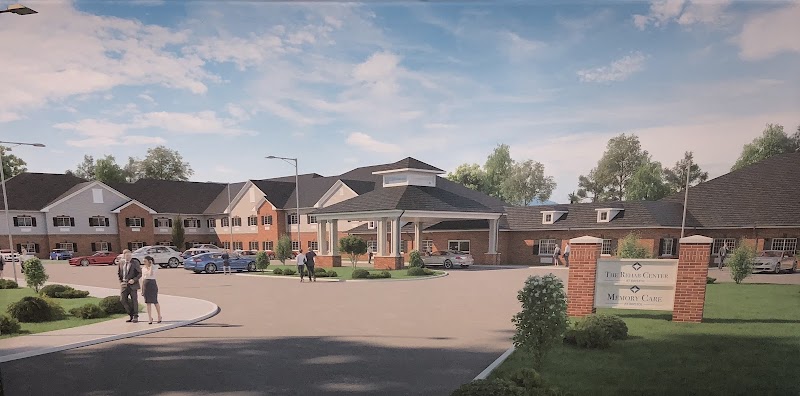
How is The Rehab Center At Bristol Staffed?

CMS rates THE REHAB CENTER AT BRISTOL's staffing level at 3 out of 5 stars, which is average compared to other nursing homes. Staff turnover is 52%, compared to the Virginia average of 46%.

What Have Inspectors Found at The Rehab Center At Bristol?

State health inspectors documented 24 deficiencies at THE REHAB CENTER AT BRISTOL during 2019 to 2025. These included: 1 that caused actual resident harm and 23 with potential for harm. Deficiencies causing actual harm indicate documented cases where residents experienced negative health consequences.
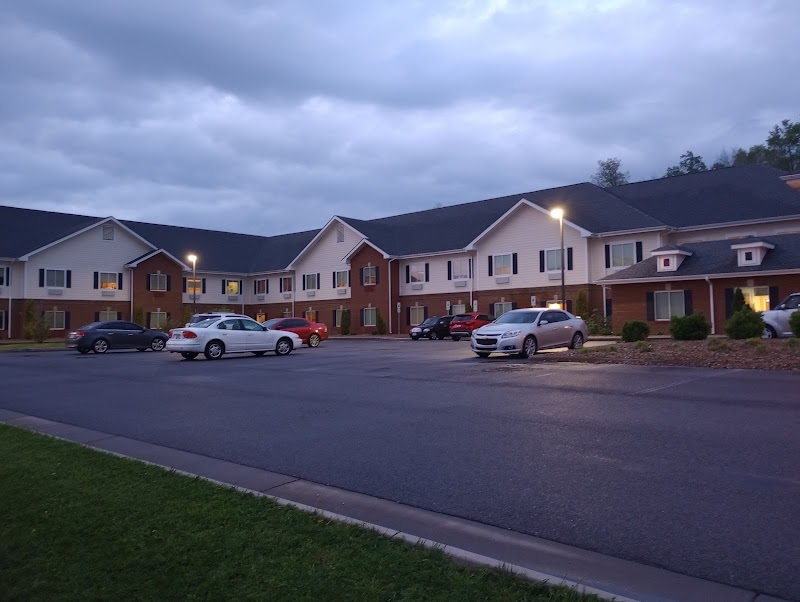
Who Owns and Operates The Rehab Center At Bristol?

THE REHAB CENTER AT BRISTOL is owned by a for-profit company. For-profit facilities operate as businesses with obligations to shareholders or private owners. The facility operates independently rather than as part of a larger chain. With 90 certified beds and approximately 83 residents (about 92% occupancy), it is a smaller facility located in BRISTOL, Virginia.
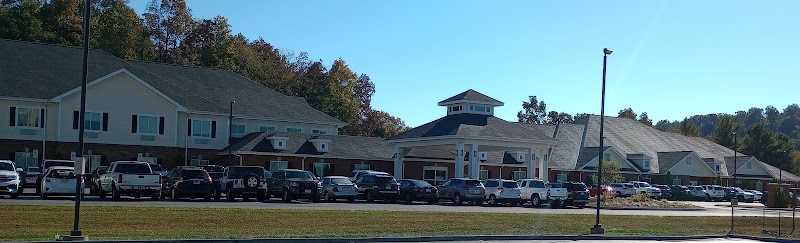
How Does The Rehab Center At Bristol Compare to Other Virginia Nursing Homes?

Compared to the 100 nursing homes in Virginia, THE REHAB CENTER AT BRISTOL's overall rating (3 stars) is below the state average of 3.0, staff turnover (52%) is near the state average of 46%, and health inspection rating (3 stars) is at the national benchmark.

What Should Families Ask When Visiting The Rehab Center At Bristol?

Based on this facility's data, families visiting should ask: "Can I visit during a mealtime to observe dining assistance and food quality?" "How do you handle medical emergencies, and what is your hospital transfer rate?" "Can I speak with family members of current residents about their experience?"

Is The Rehab Center At Bristol Safe?

Based on CMS inspection data, THE REHAB CENTER AT BRISTOL has a clean safety record: no substantiated abuse findings (meaning no confirmed cases of resident harm), no Immediate Jeopardy citations (the most serious violation level indicating risk of serious injury or death), and is not on the Special Focus Facility watch list (a federal program monitoring the lowest-performing 1% of nursing homes). The facility has a 3-star overall rating and ranks #100 of 100 nursing homes in Virginia. While no facility is perfect, families should still ask about staff-to-resident ratios and recent inspection results during their visit.

Do Nurses at The Rehab Center At Bristol Stick Around?

THE REHAB CENTER AT BRISTOL has a staff turnover rate of 52%, which is 6 percentage points above the Virginia average of 46%. Moderate turnover is common in nursing homes, but families should still ask about staff tenure and how the facility maintains care continuity when employees leave.

Was The Rehab Center At Bristol Ever Fined?

THE REHAB CENTER AT BRISTOL has no federal fines on record. CMS issues fines when nursing homes fail to meet care standards or don't correct problems found during inspections. The absence of fines suggests the facility has either maintained compliance or corrected any issues before penalties were assessed. This is a positive indicator, though families should still review recent inspection reports for the full picture.

Is The Rehab Center At Bristol on Any Federal Watch List?

THE REHAB CENTER AT BRISTOL is not on any federal watch list. The most significant is the Special Focus Facility (SFF) program, which identifies the bottom 1% of nursing homes nationally based on persistent, serious quality problems. Not being on this list means the facility has avoided the pattern of deficiencies that triggers enhanced federal oversight. This is a positive indicator, though families should still review the facility's inspection history directly.