HERITAGE HALL - BROOKNEAL

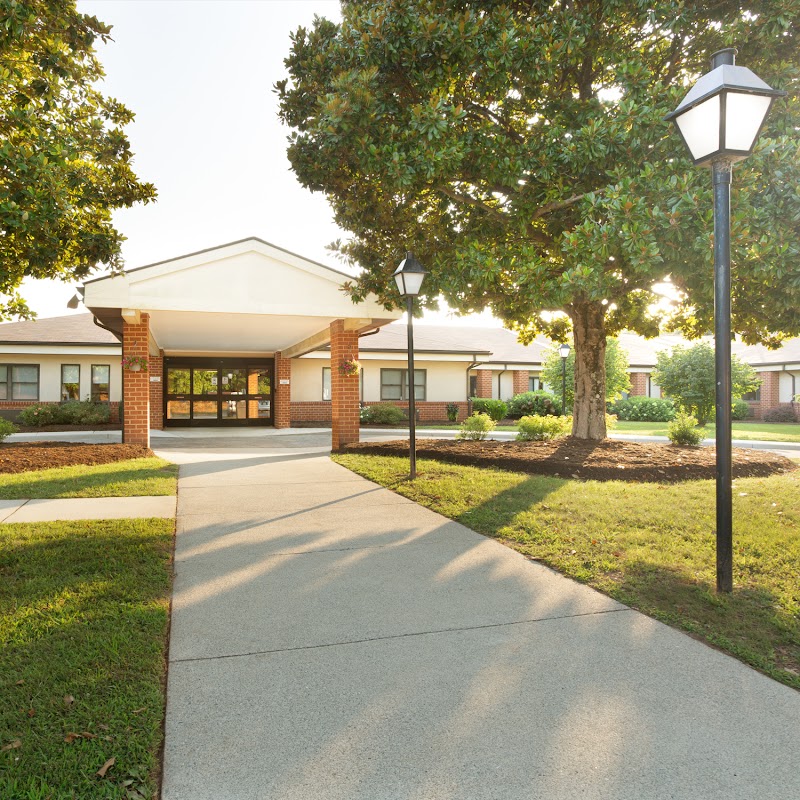
633 COOK AVENUE, BROOKNEAL, VA 24528 (434) 376-3717
For profit - Corporation 60 Beds HERITAGE HALL Data: November 2025
Trust Grade
85/100
#16 of 285 in VA
Last Inspection: July 2024

Within standard 12-15 month inspection cycle. Federal law requires annual inspections.

Overview

Heritage Hall in Brookneal, Virginia, has a Trust Grade of B+, indicating it is above average and recommended for families considering care options. The facility ranks #16 out of 285 in the state and #1 out of 2 in Campbell County, placing it in the top half of Virginia nursing homes. The trend is improving, as the number of identified issues has decreased from 7 in 2021 to 0 in 2024, showing a commitment to better care. Staffing is a mixed bag, with a below-average rating of 2 out of 5 stars, but a turnover rate of 40% is better than the state average of 48%, suggesting some staff stability. While Heritage Hall has no fines on record, there are some concerning incidents, such as failures to properly store food, leading to expired products being used, and not adequately providing residents with information about advance directives, which could impact their rights and choices regarding medical treatment. Overall, the facility has strengths in its rankings and lack of fines, but families should be aware of these specific concerns.

Trust Score
B+
85/100
In Virginia
#16/285
Top 5%
Safety Record
Low Risk
No red flags
Inspections
Getting Better
7 → 0 violations
Staff Stability
○ Average
40% turnover. Near Virginia's 48% average. Typical for the industry.
Penalties
✓ Good
No fines on record. Clean compliance history, better than most Virginia facilities.
Skilled Nurses
⚠ Watch
Each resident gets only 26 minutes of Registered Nurse (RN) attention daily — below average for Virginia. Fewer RN minutes means fewer trained eyes watching for problems.
Violations
⚠ Watch
13 deficiencies on record. Higher than average. Multiple issues found across inspections.
★★★★★
5.0
Overall Rating
★★☆☆☆
2.0
Staff Levels
★★★★☆
4.0
Care Quality
★★★★★
5.0
Inspection Score
Stable
2021: 7 issues
2024: 0 issues

The Good

  • 4-Star Quality Measures · Strong clinical quality outcomes
  • Full Sprinkler Coverage · Fire safety systems throughout facility
  • No fines on record
  • Staff turnover below average (40%)

    8 points below Virginia average of 48%

Facility shows strength in quality measures, fire safety.

The Bad

Staff Turnover: 40%

Near Virginia avg (46%)

Typical for the industry

Chain: HERITAGE HALL

Part of a multi-facility chain

Ask about local staffing decisions and management

The Ugly 13 deficiencies on record

Dec 2021 7 deficiencies
CONCERN (D)

Potential for Harm - no one hurt, but risky conditions existed

Deficiency F0582 (Tag F0582)

Could have caused harm · This affected 1 resident

**NOTE- TERMS IN BRACKETS HAVE BEEN EDITED TO PROTECT CONFIDENTIALITY** Based on record review and interview, the facility failed to provide a Form CMS-10055 (Centers for Medicaid and Medicare Service...

Read full inspector narrative →
**NOTE- TERMS IN BRACKETS HAVE BEEN EDITED TO PROTECT CONFIDENTIALITY** Based on record review and interview, the facility failed to provide a Form CMS-10055 (Centers for Medicaid and Medicare Services) Skilled Nursing Facility Advance Beneficiary Notice (SNFABN) and Form CMS-10123 (Centers for Medicaid and Medicare Services) Notice of Medicare Non-Coverage (NOMNC) to two of three residents (Resident (R) 207 and R29) reviewed for beneficiary notices. This failure prevented R29 and R207 or their responsible party from making an immediate appeal of the decision to end Medicare coverage of services. Findings include: Review of the medical records revealed that R207 and R29 were given the incorrect forms when they were discharged from a Medicare covered Part A stay. These two residents were discharged back into the facility under skilled nursing. They received Form CMS-10095 NOMNC which expired on [DATE] and was under the old QIO (Quality Improvement Organization). They also received Form CMS-R-131, which is an ABN form but not for skilled nursing. These individual forms did not contain the correct information and toll-free numbers in order to make an appeal. Interview on [DATE] at 3:23 PM with the Business Office Manager (BOM) revealed she handled all the Beneficiary Notices for the facility. When brought to her attention, she was not aware she was using the wrong forms. The BOM called the corporate office to confirm the correct forms to be used. Corporate office stated she was using the wrong forms and the correct forms are CMS-10055 and CMS-10123.
CONCERN (D)

Potential for Harm - no one hurt, but risky conditions existed

Assessment Accuracy (Tag F0641)

Could have caused harm · This affected 1 resident

**NOTE- TERMS IN BRACKETS HAVE BEEN EDITED TO PROTECT CONFIDENTIALITY** Based on record review, staff interview, and review of the Resident Assessment Instrument (RAI) Manual, the facility failed to e...

Read full inspector narrative →
**NOTE- TERMS IN BRACKETS HAVE BEEN EDITED TO PROTECT CONFIDENTIALITY** Based on record review, staff interview, and review of the Resident Assessment Instrument (RAI) Manual, the facility failed to ensure one resident (Resident (R) 15) out of 26 sampled residents had an accurate Minimum Data Set (MDS) assessment. Findings include: Review of the RAI Manual, dated 10/01/19, indicated, . Active Diagnoses Code diseases that have a relationship to the resident's current functional, cognitive, mood or behavior status, medical treatments, nursing monitoring, or risk of death.It is important to note here that information obtained should cover the same observation period as specified by the MDS items on the assessment and should be validated for accuracy (what the resident's actual status was during that observation period) by the IDT completing the assessment. Review of R15's electronic medical record (EMR) undated Face Sheet, located under tab titled Face Sheet indicated R15 was admitted to the facility on [DATE]. Review of a document provided by the facility titled Physician's Interim Telephone Orders, dated 09/01/20 indicated R15 was given a diagnosis of Post-Traumatic Stress Disorder (PTSD). Review of R15's annual MDS with an Assessment Reference Date (ARD) 04/04/21 indicated the resident had a diagnosis of PTSD. During an interview on 12/15/21 at 10:54 AM, the MDS Coordinator stated that she will only add a new diagnosis to the MDS assessment once the physician orders it. The MDS Coordinator was asked if any questions triggered for her with R15's new diagnosis of PTSD. The MDS Coordinator stated she just adds the diagnosis to the MDS and then integrates the diagnosis into the care plan. The MDS Coordinator stated she was unsure if R15 had any associated behaviors with PTSD. During an interview on 12/15/21 at 11:22 AM, the Medical Director (R15's primary care physician) stated the resident had a history of PTSD and the diagnosis was not active due to trauma in her past. During an interview on 12/16/21 at 1:01 PM, the Nurse Consultant confirmed the MDS assessment was to include active diagnoses and not historical (inactive) ones. During an interview on 12/16/21 at 1:20 PM, the Regional Director of Clinical Services stated generally the physician will provide a diagnosis and the nurse will accept the order. The Regional Director of Clinical Services stated she did not see any behaviors to support the diagnosis of PTSD. The Regional Director of Clinical Services stated it was not the facility's process to question the diagnosis made by the physician.
CONCERN (D)

Potential for Harm - no one hurt, but risky conditions existed

Deficiency F0657 (Tag F0657)

Could have caused harm · This affected 1 resident

**NOTE- TERMS IN BRACKETS HAVE BEEN EDITED TO PROTECT CONFIDENTIALITY** Based on observation, record review, interviews, and review of facility policy, the facility failed to ensure a resident's Care ...

Read full inspector narrative →
**NOTE- TERMS IN BRACKETS HAVE BEEN EDITED TO PROTECT CONFIDENTIALITY** Based on observation, record review, interviews, and review of facility policy, the facility failed to ensure a resident's Care Plan was revised for one of 25 residents (Resident (R) 15) sampled which accurately reflected the resident's history of Post-Traumatic Stress Disorder (PTSD). The facility also failed to ensure R29's representative was invited to care plan meetings. Findings include: 1. Review of R15's electronic medical record (EMR) undated Face Sheet, located under the tab titled Face Sheet indicated R15 was admitted to the facility on [DATE], with a diagnosis of epilepsy. Review of a document provided by the facility for R15 titled Brief Trauma Care Questionnaire, dated 12/12/19 indicated the resident had no trauma identified during this interview. The questionnaire directed the staff, if the resident answered any question in the affirmative, to refer the resident to a mental health provider and to alert the physician. The form also directed to the development of a person-center care plan to address the identified triggers associated with the trauma. Review of a document provided by the facility titled Physician's Interim Telephone Orders, dated 09/01/20 indicated R15 was given a diagnosis of PTSD and directed staff to place the diagnosis on the resident's diagnosis list. Review of documents provided by the facility and written by R15's primary care physician monthly from 09/30/20 to 11/29/21, failed to indicate the resident was under any distress from PTSD. Review of R15's annual Minimum Data Set (MDS) with an Assessment Reference Date (ARD) 04/04/21 indicated a Brief Interview for Mental Status (BIMS) score of five out of 15 which indicated R15 was significantly cognitively impaired and exhibited no behaviors, such as behaviors that significantly impair the resident's interactions with others or to participate in activities. The assessment indicated a new diagnosis of PTSD. Review of R15's EMR Care Plan located under Care Plan tab dated 04/09/21, indicated R15 had a diagnosis of PTSD and the issues related to this diagnosis was the resident would refuse medications and care at times. There was no indication, in the care plan that addressed symptoms of PTSD such as anxiety, strong flashbacks/memories, or possible depression. Review of the EMR nursing notes titled Departmental Notes, for R15 from August 2020 to 12/07/21 failed to indicate the resident had any symptoms or behavioral issues associated with PTSD. During an interview on 12/15/21 at 10:49 PM, the Regional Director of Clinical Services stated she did not know the reason for the diagnosis of PTSD since there was no identified concerns on R15's trauma screening. The Regional Director of Clinical Services stated she could not identify any symptoms related to the diagnosis of PTSD and R15. During an interview on 12/15/21 at 10:54 AM, the MDS Coordinator stated when an order gets written by the physician, for a new diagnosis, she will complete a care plan for a resident. The MDS Coordinator stated typical symptoms of PTSD would be anxiety, mood changes and possibly feeling frightened. The MDS Coordinator stated she did not have any questions that came up when R15 had a new diagnosis of PTSD and stated she did not question the physician. During an interview on 12/15/21 at 11:22 AM, the Medical Director (R15's primary care physician) stated the resident had a history of PTSD and was very stable and very pleasant currently. 2. Review of R29's EMR undated Face Sheet, located under the tab titled Face Sheet, indicated R29 was admitted to the facility with a diagnosis of unspecified psychosis. Review of R29's annual MDS with an ARD 05/13/21 indicated a BIMS score of three out of 15 which indicated R29 was significantly cognitively impaired. Review of R29's EMR Physician Orders, located under the tab Phys (Physician) Order dated 04/15/21, indicated the resident was not capable of understanding her rights/responsibilities due to dementia. Review of R29's EMR social services titled Departmental Notes, located under the tab Notes dated 05/27/21, indicated the resident was invited to her care conference but there was no evidence her responsible party was invited. Review of the EMR social services titled Departmental Notes, dated 11/04/21 failed to show R29's responsible party was invited to her care conference. During an interview on 12/13/21 at 1:16 PM, R29's representative stated she was not invited to the resident's care plan meetings. During an interview on 12/14/21 at 3:26 PM, Social Services stated she will call and leave an invite for the residents' representatives. During an interview on 12/16/21 at 1:01 PM, the Nurse Consultant stated R29's representative was not invited to the resident's care conference on 11/04/21 and was still researching the date of 05/27/21. Review of a policy provided by the facility titled Care Planning-Interdisciplinary Team, dated September 2013, indicated .The care plan is based on the resident's comprehensive assessment and is developed by a care planning/interdisciplinary team.The resident, the resident's family and/or legal representative/guardian or surrogate are encouraged to participate in the development of and revisions to the resident's care plan .The care plan interventions are derived from a thorough analysis of the information gathered as part of the comprehensive assessment .Areas of concern that are identified during the resident assessment will be evaluated before interventions are added to the care plan.
CONCERN (D)

Potential for Harm - no one hurt, but risky conditions existed

Pharmacy Services (Tag F0755)

Could have caused harm · This affected 1 resident

**NOTE- TERMS IN BRACKETS HAVE BEEN EDITED TO PROTECT CONFIDENTIALITY** Based on record review and interviews, the facility failed to assure one resident (R)22 of one reviewed for timely medication ad...

Read full inspector narrative →
**NOTE- TERMS IN BRACKETS HAVE BEEN EDITED TO PROTECT CONFIDENTIALITY** Based on record review and interviews, the facility failed to assure one resident (R)22 of one reviewed for timely medication administration received ordered pain medication in a timely manner. The facility failed to reorder R22's pain medication in a timely manner. Findings include: Review of R22's electronic medical record (EMR) undated Face Sheet, located under the tab titled Face Sheet indicated R22 was admitted to the facility on [DATE], with diagnoses including hemiplegia following cerebral infarction (stroke) and congestive heart failure. Review of R22's annual Minimum Data Set (MDS) with an Assessment Reference Date (ARD) 10/28/21 indicated a Brief Interview for Mental Status (BIMS) score of 15 out of 15 which indicated R22 had intact cognition. Review of R22s Care Plan located under Care Plan tab in the EMR dated 12/10/21, indicated R22 was at risk for pain due to muscle weakness, history of low back pain, fractures, and hemiplegia to his left side. Approach was to administer pain medications per current doctor's order. Review of R22's Physician Orders located under Physicians Orders tab located in the EMR dated 12/10/21, indicated R22 received Gabapentin (a pain medication), 400 milligrams (mg), three times a day. Interview on 12/14/21 at 11:20 AM with R22 revealed he had not received his dose of pain medication that morning. He was told by the nurse that that he was out of refills. The resident was agitated and complaining of his lower back hurting. Interview on 12/14/21 at 1:43 PM with the acting Director of Nursing (DON) revealed R22 missed his morning pain medication due to no refills being left on his medication. When asked how medications are re-ordered, she stated that the sticker with the resident and medication information is pulled off the blister pack of pills and put on a Pharmacy Fax Form and faxed to the pharmacy. If a refill is needed, a fax is sent back to the facility asking for a doctor refill order. The DON stated she sent the fax this morning to the pharmacy and a refill order is needed by the physician. She notified the nurse practitioner who was in route to the facility, and she was to reorder the medication when she arrived. The nurse practitioner would also sign for the narcotic to be pulled out of the emergency narcotic box until the pharmacy replenishes the resident's medication. Interview on 12/14/21 at 2:10 PM with the Regional Director of Clinical Services revealed R22's medication was not sent to the pharmacy and a refill was not ordered resulting in the medication not being refilled. She stated, that this is a system failure.
CONCERN (D)

Potential for Harm - no one hurt, but risky conditions existed

Infection Control (Tag F0880)

Could have caused harm · This affected 1 resident

Based on observation, record review, interviews, policy review, review of the disinfectant label, and review of manufacturer's guidelines, the facility failed to ensure that two of four licensed nurse...

Read full inspector narrative →
Based on observation, record review, interviews, policy review, review of the disinfectant label, and review of manufacturer's guidelines, the facility failed to ensure that two of four licensed nurses (Licensed Practical Nurse (LPN)1 and LPN2) cleaned and disinfected multi-use glucometers per the device manufacturer's instructions and per the EPA-approved disinfectant's instructions for use when performing fingerstick blood glucose testing (accuchecks) between residents. The failure to ensure the staff cleaned and disinfected multi-use glucometers per the device manufacturer's instructions and per the EPA-approved disinfectant's instructions for use when performing fingerstick blood glucose testing created a potential for the transmission of bacteria, viruses, and/or blood-borne pathogens between residents. Findings include: Review of the facility's policy titled Obtaining a Fingerstick Glucose Level © 2001 MED-PASS, lnc. revised October 2011 directs Always ensure that blood glucose meters intended for reuse are cleaned and disinfected between resident uses .Clean and disinfect reusable equipment between uses according to the manufacturer's instructions and current infection control standards of practice. Review of the User Instruction Manual for the Assure Prism Multi Blood Glucose Monitoring System, revised 02/2020, revealed the device manufacturer, . Validated Clorox Healthcare Bleach Germicidal Wipes .and Super Sani-cloth Germicidal Disposable Wipe [sic] for disinfecting the Assure Prism multi meter. During an observation on 12/14/21 at 4:49 PM LPN1 stated she had just performed a blood glucose check on Resident (R)39 with the Assure Prism glucometer that was on top of the medication cart. Continued observation revealed at 5:04 PM she took the glucometer and performed a blood glucose check on R48. When LPN1 was finished, she placed the glucometer on top of the medication cart with the used test strip still on the device and did not clean and sanitize the glucometer. At 5:07 PM LPN1 acknowledged she usually just uses one glucometer for the three residents that require blood glucose checks. Continued observation revealed at 5:15 PM. LPN1 stated she was done with her medication administration and discarded the used test strip from the glucose meter and placed it in the top drawer without cleaning and disinfecting it. Review of the three residents' diagnoses revealed they did not have a bloodborne transmissible disease. During an additional interview on 12/14/21 at 5:32 PM, LPN1 acknowledged she did not clean the glucometer because she forgot and stated she's supposed to clean the glucometer with an alcohol wipe between each resident. When asked about training for the use of the glucometer, LPN1 stated she couldn't think of any, they've always done it that way. During an observation on 12/14/21 at 5:16 PM on medication cart 2, LPN2 had an Assure Prism glucometer on top of the medication cart with a dry alcohol wipe and cotton ball on top of the face of the glucometer. At 5:20 PM, LPN2 took the glucometer off the top of cart and performed a blood glucose check on R4. When she was done, she placed the glucometer on a tissue on top of the medication cart and used a Sani-Cloth AF3 wipe and wiped the glucometer twice for four seconds and put the glucometer back on the tissue. Within one minute the surveyor noted the glucometer was dry and asked LPN2 if the meter was dry. LPN1 acknowledged the glucometer was dry and stated that she would leave it there for three minutes. Continued observation revealed at 5:27 PM, LPN 2 performed a blood glucose check with the same device and when she was done, again placed the glucometer on a clean tissue on top of the medication cart. LPN2 then used a Sani-Cloth AF3 wipe and wiped the glucometer twice for four seconds and placed the glucometer back on the tissue. LPN2 acknowledged she used the same glucometer for the seven residents that require blood glucose checks and stated she cleans the device between resident use with bleach wipes or Saniwipes; both have 3-minute dry time. When asked to explain the dry time, LPN2 stated the glucometer did not have to remain wet for the entire three minutes and again acknowledged that the glucometer looked dry within one minute. LPN2 stated she received training on the glucometer from the previous Infection Preventionist (IP) nurse. Review of the diagnoses of the three residents revealed the seven residents did not have a bloodborne transmissible disease. Review of product information for the Sani-Cloth AF3 obtained from https://pdihc.com/products/environment-of-care/sani-cloth-af3-germicidal-disposable-wipe revealed it is effective against 45 microorganisms in 3 minutes, including SARS-CoV2. Review of https://pdihc.com/in-service/sani-cloth-af3-wipes revealed The contact time listed on the product label is the total amount of time that it takes to inactivate ALL of the microorganisms listed on the product label. This time is typically referred to in minutes, [sic]and should be communicated to staff members that are utilizing the disinfectant. In certain geographies and also in settings where temperature, relative humidity, and air changes may vary, it is possible that the surface may not remain visibly wet for the designated contact time. Current EPA guidance requires that the treated environmental surface or equipment remains wet for the contact time stated on product label. Additional wipes may be needed in order to comply with the EPA guidance, [sic] however the overall contact time does not change. During an interview on 12/16/21 at 12:30 PM, the Director of Nursing (DON) acknowledged the facility uses multiuse glucometers for accuchecks and confirmed that it is facility policy to clean and disinfect the glucose meters with a disinfectant and/or bleach wipes in accordance with the product label instructions.
CONCERN (E)

Potential for Harm - no one hurt, but risky conditions existed

Deficiency F0578 (Tag F0578)

Could have caused harm · This affected multiple residents

**NOTE- TERMS IN BRACKETS HAVE BEEN EDITED TO PROTECT CONFIDENTIALITY** Based on record review, interview and review of facility policy, the facility failed to ensure residents had the right to formul...

Read full inspector narrative →
**NOTE- TERMS IN BRACKETS HAVE BEEN EDITED TO PROTECT CONFIDENTIALITY** Based on record review, interview and review of facility policy, the facility failed to ensure residents had the right to formulate an advance directive and/or prominently displayed information in the medical record about whether or not the resident executed an advance directive. This affected five (Residents (R)4, R12, R18, R33 and R43) of five residents reviewed for advance directives. Additionally, R4 did not receive written information regarding advance directives in accordance with facility policy. Findings include: Review of the facility's policy titled Advance Directives © 2001 MED-PASS, Inc. (Revised [DATE]) directs Upon admission, the resident will be provided with written information concerning the right to refuse or accept medical or surgical treatment and to formulate an advance directive if he or she chooses to do so .Written information will include a description of the facility's policies to implement advance directives and applicable state law .The resident's attending physician will clarify and present any relevant medical issues and decisions to the resident or legal representative as the resident's condition changes in an effort to clarify and adhere to the resident's wishes. In accordance with current OBRA definitions and guidelines governing advance directives, our facility has defined advanced directives as preferences regarding treatment options and include, but are not limited to: a. Advance Directive - a written instruction, such as a living will or durable power of attorney for health care, recognized by state law, relating to the provisions of health care when the individual is incapacitated. b. Living Will - a document that specifies a resident's preferences about measures that are used to prolong life when there is a terminal prognosis. c. Durable Power of Attorney for Health Care (i.e., Medical Power of Attorney) - a document delegating authority to a legal representative to make health care decisions in case the individual delegating that authority subsequently becomes incapacitated e. Do Not Resuscitate - indicates that, in case of respiratory or cardiac failure, the resident, legal guardian, health care proxy, or representative (sponsor) has directed that no cardiopulmonary resuscitation (CPR) or other life-sustaining treatments or methods are to be used. f. Do Not Hospitalize - indicates that the resident is not to be hospitalized , even if he or she has medical condition that would usually require hospitalization . h. Life-Sustaining Treatment - treatment that, based on reasonable medical judgment, sustains an individual's life and without it the individual will die. This includes medications and interventions that are considered life-sustaining, but not those that are considered palliative or comfort measures. i. Feeding Restrictions - indicates that the resident, legal guardian, health care proxy, or representative (sponsor) does not wish for the resident to be fed by artificial means (e.g., tube; intravenous nutrition, etc.) if he or she is not able to be nourished by oral means, j. Medication Restrictions - indicates that the resident, legal guardian, health care proxy, or representative (sponsor) does not wish for the resident to receive life-sustaining medications (e.g. antibiotics, chemotherapy, etc') k. Other Treatment Restrictions - indicates that the resident, legal guardian, health care proxy, or representative (sponsor) does not wish for the resident to receive certain medical treatments. Examples include, but are not restricted to, blood transfusions, tracheotomy, respiratory intubation, etc. The staff development coordinator will be responsible for scheduling advance directive training classes for newly hired staff members as well as scheduling annual advance directive in-service training programs to ensure that our staff remains informed about the residents' rights to formulate advance directives and facility policy governing such rights. 1. Review of R4's Face Sheet located in the hard chart revealed he was originally admitted to the facility on [DATE] and readmitted on [DATE]. Review of the admission Minimum Data Set (MDS) with an assessment reference date (ARD) of [DATE] and the Quarterly review with an ARD of [DATE] located in the electronic medical record (EMR) revealed R4 had a Brief Interview for Mental Status Score (BIMS) of 15 which indicated the resident is cognitively intact and received dialysis. Review of Physician Orders in the EMR under the Phys Orders tab dated [DATE] and [DATE] revealed DNR (do not resuscitate); however, review of the EMR and the hard chart revealed there was no information regarding advance directives. Review of the Hard Chart and echart [sic][EMR] Informational Sheet located in the front of the Hard Chart revealed the Hard chart under the Advance Directives tab should contain the DDNR [Directive for DNR] .Advance Directive Acknowledgement .POA [Power of Attorney] Documents. Review of R4's Hard Chart revealed a Durable Do Not Resuscitate Order dated [DATE] was located under the Advance Directives tab that documented The patient is CAPABLE of making informed decisions about providing, withholding, or withdrawing a specific medical treatment or course of medical treatment signed by the physician and R4; however, there was no information about whether or not the resident had formulated advance directives on this document or on any other document in the hard chart of EMR. During an interview and record review on [DATE] at 11:15 AM, with the Social Services Director (SSD) stated R4 was full code when he was admitted , that's why the Durable Do Not Resuscitate Order located in the hard chart is dated [DATE]. During the interview, the SSD obtained advance directives information from a 30 page admission Agreement from a file located in her office for R4 and stated the advance directives agreement was obtained on admission and it's in his contract. The SSD provided the surveyor with an ADVANCE DIRECTIVE ACKNOWLEDGEMENT electronically signed by R4 on [DATE], acknowledged that on [DATE] she informed R4 that he was given written information explaining advance directives and his right to formulate an advance directive, and to her knowledge R4 did not have one. The SSD stated at some point she was directed by the former Director of Nursing (DON) to check all the resident's code status, across the board and stated that advance directives are reviewed with every care plan meeting. Upon further questioning about the Care Plan review for advance directives; the SSD acknowledged that only the code status was reviewed with the resident, and she equated the advance directives and code information as the same thing for this process. The SSD also obtained a VIRGINIA ADVANCE DIRECTIVE FOR HEALTH CARE document dated [DATE] and an undated Your Right to Decide pamphlet, a guide to communicating health care choices in Virginia, from her files and stated that she provides these documents to residents who state they are interested in formulating advance directives and did not provide them for those who state they were not interested. The SSD stated she was not aware that the facility's policy directed giving written advance directive information to all residents and acknowledged that she did not receive any training for advance directives form the facility. During an interview on [DATE] at 9:11 AM, R4 stated that prior to his initial admission to the facility he was newly diagnosed with kidney failure and required dialysis. R4 acknowledged the SSD talked to him about his code status; however, he did not recall anyone talking to him about advance directives and stated he did not receive written advance directive information from the facility. During the interview the resident asked for further information about what an advance directive was and wanted to talk to the surveyor about his medical conditions; however, he was referred to speak to his physician and healthcare staff regarding his medical care and advance directive decisions. During an interview on [DATE] 01:46 PM, the Medical Director, who is also R4's physician, stated that the facility offers advance directives to residents within 48-72 hours of admission by the SSD or the admitting nurses. The Medical Director stated he believed R4 decided his code status prior to admission to the facility and acknowledged that he did not discuss advance directives with R4 because the resident had multiple previous hospitalizations and he presumed the information was obtained by other healthcare staff and/or facility staff who are also qualified to obtain this information. 2. Review of R43's Face Sheet located in the hard chart revealed he was admitted to the facility on [DATE] and readmitted on [DATE]. Review of the admission MDS with an ARD of [DATE] located in the EMR revealed R43 had a BIMS of 14 and on the Quarterly review with an ARD of [DATE] had a BIMS of 15 which indicated the resident is cognitively intact. Review of Physician Orders located in the EMR under the Phys Orders tab dated [DATE] revealed Full Code; however, review of the EMR and the hard chart revealed there was no information regarding advance directives. During an interview and record review on [DATE] at 11:15 AM, with the SSD obtained advance directives information from a 30 page admission Agreement from a file located in her office for R43 and stated the advance directives agreement was obtained on admission. The SSD provided the surveyor with an ADVANCE DIRECTIVE ACKNOWLEDGEMENT electronically signed by R43 on [DATE], acknowledged that on [DATE] she informed R43 of his right to formulate an advance directive, and R43 did not formulate one. In addition, the SSD acknowledged that she did not know if this document was required to be in the medical record and directed the surveyor to check with the Medical Records Director. 3. Review of R12's Face Sheet located in the hard chart revealed he was admitted to the facility on [DATE] and readmitted on [DATE]. Review of the admission MDS with an ARD of [DATE] located in the EMR and on the Quarterly MDS with an ARD dated of [DATE] revealed R12 had a BIMS score of 99 which indicated the resident did not respond and per staff assessment had moderately impaired cognition. Review of Physician Orders located in the EMR under the Phys Orders tab dated [DATE] revealed R12 is a Full Code; however, review of the EMR and the hard chart revealed there was no information regarding advance directives. During an interview and record review on [DATE] at 1:23 PM, with the SSD obtained advance directives information from a 30 page admission Agreement from a file located in her office for R12 and stated the advance directives agreement was obtained on admission. The SSD gave the surveyor an undated ADVANCE DIRECTIVE ACKNOWLEDGEMENT signed by R12's Responsible Party (RP), acknowledged R12's RP had executed advance directives prior to admission and the facility had not received a copy R12's advance directives. When asked how she ensures receipt of previously executed advance directives, the SSD stated once she asks for them, she follows through during the quarterly care planning process. During an interview on [DATE] at 4:46 PM, the resident's RP stated he had not been invited to attend an interdisciplinary team meeting since his mother was admitted and he hasn't had a chance to talk to staff regarding her advance directives, which were done with an attorney prior to admission, and was unsure if a copy had been provided. 4. Review of R18's Face Sheet located in the hard chart revealed he was admitted to the facility on [DATE] and readmitted on [DATE]. Review of the admission MDS with an ARD of [DATE] located in the EMR and on the Quarterly MDS with an ARD dated of [DATE] revealed R18 had a BIMS score of 10 which indicated the resident had moderate cognitive impairment. Review of Physician Orders located in the EMR under the Phys Orders tab dated [DATE] and [DATE] revealed R18 is a Full Code; however, review of the EMR and the hard chart revealed there was no information regarding advance directives. During an interview and record review on [DATE] at 1:23 PM, the SSD obtained advance directives information from a 30 page admission Agreement from a file located in her office for R18 and stated the advance directives agreement was obtained on admission. The SSD gave the surveyor an ADVANCE DIRECTIVE ACKNOWLEDGEMENT signed by R18's RP on [DATE], acknowledged that R18's RP had executed advance directives prior to admission and that the facility has not received a copy R12's advance directives. 5. Review of R33 EMR undated Face Sheet, located under the tab titled Face Sheet, indicated the resident was admitted to the facility on [DATE]. Review of the EMR and hard clinical records failed to produce evidence R33 was provided advance directives. Review of a document provided by the facility titled Advance Directive Acknowledgement, dated [DATE] indicated R33's RP electronically signed this document. During an interview on [DATE] at 4:41 PM, SSD confirmed R33's advance directive was in her desk and not included in the EMR or hard chart. During an interview on [DATE] at 1:52 PM, the Administrator acknowledged the advance directives information was intended to be contained in the resident's hard chart because it was beneficial for staff to know the resident's wishes. The Administrator acknowledged the SSD was the individual responsible to provide advance directives information to residents and acknowledged staff are expected to follow the facility's policy on advance directives. During an interview on [DATE] at 11:57 AM, the Corporate Director of Operations acknowledged the facility utilizes Healthcare Academy, an online training program, for staff development and stated the Resident Rights training completed by staff only states the resident has the right to formulate advance directive; however, it does not give any more training specific to Advance Directives. The Corporate Director of Operations acknowledged the online training program does have a course specific to Advance Directives.
MINOR (C)

Minor Issue - procedural, no safety impact

Staffing Information (Tag F0732)

Minor procedural issue · This affected most or all residents

**NOTE- TERMS IN BRACKETS HAVE BEEN EDITED TO PROTECT CONFIDENTIALITY** Based on observation, interview, and facility policy review, the facility failed to post the nursing staffing information at the...

Read full inspector narrative →
**NOTE- TERMS IN BRACKETS HAVE BEEN EDITED TO PROTECT CONFIDENTIALITY** Based on observation, interview, and facility policy review, the facility failed to post the nursing staffing information at the beginning of each shift in a prominent place readily accessible to residents and visitors. This had the potential to affect all residents and visitors of the facility. Findings include: Review of the facility's policy titled Posting Direct Care Daily Staffing Numbers © 2001 MED-PASS, Inc. (Revised July 2016) directs Within two (2) hours of the beginning of each shift, the number of licensed nurses (RNs, LPNs, and LVNs) and the number of unlicensed nursing personnel (CNAs) directly responsible for resident care will be posted in a prominent location (accessible to residents and visitors) and in a clear and readable format. Upon entrance into the facility on [DATE] at 9:15 AM, no nurse staff posting was displayed on any bulletin board and/or in a prominent place visible to residents and visitors. Additional observation on 12/13/21 at 12:00 PM and 4:15 PM revealed there was no nurse staff posting displayed. Upon entrance into the facility on [DATE] at 8:45 AM revealed there was no nurse staff posting displayed on any bulletin board and/or in a prominent place visible to residents and visitors. Additional observations on 12/14/21 at 10:00 AM and 3:30 PM revealed there was no nurse staff posting displayed. During a concurrent observation and interview on 12/15/21 at 10:20 AM, the Medical Records Director was asked where the nurse staff posting was contained. The Medical Records Director went to her office and obtained a binder and stated the posting information is kept in a binder because there is a resident who takes it down all the time. The Medical Records Director showed the surveyor the empty bulletin board next to the beauty shop and stated that it used to be posted there; however, the former Director of Nursing (DON) and former Administrator told her to place the information in the binder and keep it in the office. During an interview on 12/15/21 at 10:20 AM, the Administrator acknowledged that she was aware the staff posting was contained in the binder in the Medical Records office because a resident was ripping it down. During the interview the Administrator stated she was aware of the requirement and facility policy that the posting is required to be posted prior to the start of every shift and acknowledged that it is a resident right to know the staffing.
Jan 2019 6 deficiencies
CONCERN (D)

Potential for Harm - no one hurt, but risky conditions existed

Transfer Requirements (Tag F0622)

Could have caused harm · This affected 1 resident

**NOTE- TERMS IN BRACKETS HAVE BEEN EDITED TO PROTECT CONFIDENTIALITY** Based on staff interview and clinical record review, the facility staff failed to ensure that a copy of the comprehensive care p...

Read full inspector narrative →
**NOTE- TERMS IN BRACKETS HAVE BEEN EDITED TO PROTECT CONFIDENTIALITY** Based on staff interview and clinical record review, the facility staff failed to ensure that a copy of the comprehensive care plan goals were sent upon transfer to the emergency room for 1 of 18 Residents in the survey sample, Resident # 210. The findings included: The facility staff failed to ensure that a copy of the comprehensive care plan goals were sent with Resident # 210 upon transfer to the emergency room on 3/14/18. Resident # 210 was an [AGE] year-old male who was admitted to the facility on [DATE]. Diagnoses included but was not limited to: cognitive communication deficit, coronary artery disease, and dementia. The clinical record for Resident # 210 was reviewed on 1/23/18 at 10:30 am. The most recent MDS (minimum data set) assessment was a discharge assessment with an ARD (assessment reference date) of 3/14/18. Section C of the MDS assesses cognitive patterns. In Section C0500, the facility staff documented that Resident # 210 had a BIMS (brief interview for mental status) score of 0 out of 15, which indicated that Resident # 210's cognitive status was severely impaired. The plan of care for Resident # 210 was reviewed and revised on 3/12/18. The facility staff documented a focus area for Resident # 210 as Falls: Resident is at risk for falls r.t (related to) dx (diagnosis) of muscle weakness and dementia. Resident has a w.c (wheelchair) used for locomotion. Interventions included but was not limited to: Assist resident as needed with ADLs (activities of daily living), transfers, and mobility, and Personal alarm. An order was written on 3/14/18 at 12:45 am. The order for Resident # 210 was documented as Send out to (Facility name withheld) ER (emergency room) 911 for eval/tx (treatment) 3/13/18 mobile x ray results right femoral neck fracture. The surveyor did not locate any documentation that reflected that a copy of the comprehensive care plan goals were sent with Resident # 210 upon transfer to the emergency room on 3/14/18. On 1/24/19 at 1:00 pm, the surveyor spoke with the director of nursing and asked if she could provide documentation to support that a copy of the comprehensive care plan goals were sent with Resident # 210 upon transfer to the emergency room on 3/14/18. On 1/24/19 at 1:46 pm, the director of nursing made the surveyor aware that she was unable to locate documentation that reflected that a copy of the comprehensive care plan goals were sent with Resident # 210 upon transfer to the emergency room on 3/14/18. On 1/24/19 at 2:00 pm, the administrative team was made aware of the findings as stated above. No further information regarding this issue was provided to the survey team prior to the exit conference on 1/24/19.
CONCERN (D)

Potential for Harm - no one hurt, but risky conditions existed

Transfer Notice (Tag F0623)

Could have caused harm · This affected 1 resident

**NOTE- TERMS IN BRACKETS HAVE BEEN EDITED TO PROTECT CONFIDENTIALITY** Based on staff interview and clinical record review, the facility staff failed to give written notice of reason for transfer and...

Read full inspector narrative →
**NOTE- TERMS IN BRACKETS HAVE BEEN EDITED TO PROTECT CONFIDENTIALITY** Based on staff interview and clinical record review, the facility staff failed to give written notice of reason for transfer and discharge for 1 of 18 Residents in the survey sample, Resident #210. The findings included: The facility staff failed to ensure that the Resident # 210 and his representative received a written notice for reason of transfer to the emergency room on 3/14/18. Resident # 210 was an [AGE] year-old male who was admitted to the facility on [DATE]. Diagnoses included but was not limited to: cognitive communication deficit, coronary artery disease, and dementia. The closed clinical record for Resident # 210 was reviewed on 1/23/18 at 10:30 am. The most recent MDS (minimum data set) assessment was a discharge assessment with an ARD (assessment reference date) of 3/14/18. Section C of the MDS assesses cognitive patterns. In Section C0500, the facility staff documented that Resident # 210 had a BIMS (brief interview for mental status) score of 0 out of 15, which indicated that Resident # 210's cognitive status was severely impaired. The plan of care for Resident # 210 was reviewed and revised on 3/12/18. The facility staff documented a focus area for Resident # 210 as Falls: Resident is at risk for falls r.t (related to) dx (diagnosis) of muscle weakness and dementia. Resident has a w.c (wheelchair) used for locomotion. Interventions included but was not limited to: Assist resident as needed with ADLs (activities of daily living), transfers, and mobility, and Personal alarm. An order was written on 3/14/18 at 12:45 am. The order for Resident # 210 was documented as Send out to (Facility name withheld) ER (emergency room) 911 for eval/tx (treat) 3/13/18 mobile x ray results right femoral neck fracture. The surveyor did not locate any documentation that Resident # 210 or Resident # 20's representative was made aware in writing of the reason for transfer to the emergency room on 3/14/18. On 1/24/19 at 1:00 pm, the surveyor spoke with the director of nursing and asked if she could provide documentation to support that Resident # 210 and his representative was made aware in writing of the reason for transfer to the emergency room on 3/14/18. On 1/24/19 at 1:46 pm, the director of nursing made the surveyor aware that she was unable to locate documentation that reflected that Resident # 210 and his representative was made aware of the reason for transfer to the emergency room on 3/14/18. On 1/24/19 at 2:00 pm, the administrative team was made aware of the findings as stated above. No further information regarding this issue was provided to the survey team prior to the exit conference on 1/24/19.
CONCERN (D)

Potential for Harm - no one hurt, but risky conditions existed

Deficiency F0761 (Tag F0761)

Could have caused harm · This affected 1 resident

Based on observation, staff interview, and facility document review, the facility staff failed to dispose of an expired medication and failed to store drugs in a sanitary environment in 1 of 1 medicat...

Read full inspector narrative →
Based on observation, staff interview, and facility document review, the facility staff failed to dispose of an expired medication and failed to store drugs in a sanitary environment in 1 of 1 medication rooms. The findings included: The facility staff failed to discard expired Tuberculin solution and failed to ensure that the refrigerator in the medication room was clean and defrosted. On 1/23/19 at 9:55 am, the surveyor reviewed medication room along with the unit manager, LPN # 1 (licensed practical nurse). The surveyor observed mildew on the upper strip of the medication refrigerator. The surveyor brought the mildewed area that was observed on the upper strip of the medication refrigerator to the attention of LPN # 1. LPN # 1 observed the area and agreed that there was a mildew on the upper strip of the medication refrigerator. The surveyor also observed a large amount of ice in the freezer area of the medication refrigerator. LPN # 1 observed the large amount of ice in the freezer area of the medication refrigerator and agreed that the refrigerator needed to be defrosted. The surveyor reviewed the medications that were in the medication refrigerator. The surveyor observed an opened vial of Tuberculin Purified Protein Derivative, Diluted Aplisol 5TU (titer unit)/0.1 ml (milliliter) solution with opened date of 11/27 written on the box. The surveyor showed LPN # 1 documentation that was written on the box of Tuberculin solution that stated, Once entered vial should be discarded after 30 days. LPN # 1 agreed that the Tuberculin solution had not been discarded appropriately. The facility policy on Disposal/Destruction of Expired or Discontinued Medication contained documentation that included but was not limited to, .Procedure 4. Facility should place all discontinued or out-dated medications in a designated, secure location which is solely for discontinued medications or marked to identify the medications are discontinued and subject to destruction. The facility policy on Storage of Medications contained documentation that included but was not limited to, .9. Medications requiring refrigeration must be stored in a refrigerator located in the drug room at the nurses' station or other secured location. Medications must be stored separately from food and must be labeled accordingly. The medication room refrigerator should be cleaned weekly and kept free of ice buildup. On 1/24/19 at 2:00 pm, the administrative team was made aware of the findings as stated above. No further information regarding this issue was presented to the survey team prior to the exit conference on 1/24/19.
CONCERN (D)

Potential for Harm - no one hurt, but risky conditions existed

Deficiency F0810 (Tag F0810)

Could have caused harm · This affected 1 resident

**NOTE- TERMS IN BRACKETS HAVE BEEN EDITED TO PROTECT CONFIDENTIALITY** Based on observation, resident and staff interview and clinical record review it was determined the facility staff failed to pro...

Read full inspector narrative →
**NOTE- TERMS IN BRACKETS HAVE BEEN EDITED TO PROTECT CONFIDENTIALITY** Based on observation, resident and staff interview and clinical record review it was determined the facility staff failed to provide Resident #19 with physician ordered adaptive eating equipment. Findings: Resident #19 was admitted to the facility on [DATE]. Her diagnoses included diabetes, atrioventricular block, dysphagia, hypertension and obstructive sleep apnea. Resident #19's physician's orders, signed and dated on 6/27/17, stated, Adaptive utensils at meals (built-up utensils) as requested. The latest MDS (minimum data set) assessment, dated 11/23/18, coded the resident as cognitively unimpaired. She could eat her meals with set-up and over site by staff members. She was coded with limited ROM (range-of-motion) in upper and lower limbs, bilateral. The CCP (comprehensive care plan), reviewed and revised on 1/22/19, documented the resident at risk for continued health concerns due to her refusal to get out of bed and refusing to sit up to eat. The interventions included, Adaptive utensils at meals as requested per MD order. On 01/23/19 at 01:06 PM the surveyor gowned, gloved and masked to enter Resident #19's room and observed the resident eating unassisted. She had regular utensils with this meal. The resident told the surveyor should have been getting the adaptive equipment for meals, but did not receive it for that meal. The tray card said, Adaptive utensils at meals. On 01/23/19 at 01:35 PM the DON was asked about the adaptive equipment. She stated, If memory serves it is a thick handled fork or spoon that she uses as she wishes. I beleive she has them in her room and uses them when she wants to. She went to check the room and see if resident had them. The DON reported to the surveyor the resident did not have/receive adaptive equipment for the lunch meal, but said she could eat her sandwich without it. The DON said she interpreted the order to be as needed but she didn't request it. On 01/23/19 at 01:54 PM the DON reported the kitchen dietary manager said she thought the resident had the rubber utensils in her room so she could use them as she wished. They didn't know she didn't have them in her room, so they are going to send the built-up utensils in on her tray from now until the order is canceled. Resident did get a sandwich for lunch--but she still had soup and pears requiring the use of equipment she didn't have. The facility policy for assistance with meals was reviewed. It contained , Adaptive devices (special eating equipment and utensils) will be provided for residents who need or request them. These may include devices such as silverware with enlarged/padded handles, plate guards, and/or specialized cups. On 1/23/19 at 4:00 PM this information was reported to the administrator. No additional information was provided.
CONCERN (D)

Potential for Harm - no one hurt, but risky conditions existed

Infection Control (Tag F0880)

Could have caused harm · This affected 1 resident

**NOTE- TERMS IN BRACKETS HAVE BEEN EDITED TO PROTECT CONFIDENTIALITY** Based on observation, staff interview and clinical record review, it was determined the facility staff failed to perform hand wa...

Read full inspector narrative →
**NOTE- TERMS IN BRACKETS HAVE BEEN EDITED TO PROTECT CONFIDENTIALITY** Based on observation, staff interview and clinical record review, it was determined the facility staff failed to perform hand washing appropriately during wound care. Findings: Resident #24 was admitted to the facility on [DATE]. Her clinical record was reviewed on 1/23/19 at 2:00 PM. The resident's latest MDS (minimum data set) dated 12/23/18 coded the resident as cognitively intact. She was coded with a stage IV pressure ulcer. 01/23/19 at 1:30 PM LPN I is in the resident's room to change the dressing on her back. The dressing is observed on the right side of her buttocks. The dressing is saturated with drainage and is not dated. LPN I got the dressing materials together to change the dressing. The facility DON was to assist with the wound care. LPN I notes the pressure ulcer is a stage 4 and the wound doctor had changed it yesterday onsite. LPN I washed her hands and donned gloves. LPN I cleaned the wound with derma clenz in a clockwise motion inner to outer edges. She then placed a 4x4 gauze soaked in Dakins inside the wound. LPN I did not change her gloves or wash/clean hands between cleaning the wound and placing 4x4 with Dakins packed into wound. The surveyor informed the LPN and DON she did not wash her hands in between cleaning the dressing and packing with gauze and placing outer dressing on wound. The surveyor asked for policy on wound care and hand washing. The facility policy for handwashing/hand hygiene was reviewed. It contained instructions to the nursing staff to wash their hands and don gloves, Before handling clean or soiled dressings, gauze pads, etc .After handling used dressings contaminated equipment .) The administrator was informed on 1/23/19 at 2:00 PM.
CONCERN (F)

Potential for Harm - no one hurt, but risky conditions existed

Food Safety (Tag F0812)

Could have caused harm · This affected most or all residents

Based on observation, staff interview, clinical record review, and facility document review, the facility staff failed to prepare, store, and distribute food under sanitary conditions in the dietary d...

Read full inspector narrative →
Based on observation, staff interview, clinical record review, and facility document review, the facility staff failed to prepare, store, and distribute food under sanitary conditions in the dietary department and for 2 of 18 Residents, Residents #40 and #45. The findings included: 1. The facility failed to dispose of expired milk and the #2 refrigerator had an inside temperature of 50 degrees. This refrigerator was in use at the time of the survey. On 01/23/19 at approximately 9:35 a.m., the surveyor toured the dietary department (kitchen) with the dietary manager. The refrigerator included milk with an expiration date of 01/22/19. The dietary manager placed the loose cartons of expired milk together in a cardboard case that held 48 cartons. The dietary manager stated there was 45 cartons of milk in this box and she would dump them. Refrigerator #2 had an outside temperature of 41 and an inside temperature of 50 degrees. The dietary manager stated the inside of the refrigerator felt warm and she would have it checked. This refrigerator contained pimento cheese, mayonnaise, pot roast, bacon, lettuce, spaghetti sauce, pickles, cherries, relish, uncooked oatmeal, turkey, and BBQ sauce. On 01/23/19 at 11:22 a.m., the maintenance director stated he was attempting to adjust the thermostat and stated the inside temperature was reading 52. The maintenance director stated he did not know if the inside temperature was correct. However, they were going to clean out the refrigerator until they knew which temperature reading was the correct one. On 01/23/19 at 3:22 p.m., the maintenance director verbalized to the surveyor that the coils were frozen in the top of the refrigerator and they had thrown all the items in the refrigerator in the trash. The maintenance director stated due to the coils being frozen it was not circulating air. On 01/24/19, the maintenance director provided the surveyor with a copy of the work order regarding the refrigerator. Problem description Reach in Fridge-evaporator. Coil is Freeing Up. Work description Once I got there customer had already thawed ice off coils. And had cleaned coils. So I plugged unit back up and started it up and checked running operation and there were no access fittings to check pressures. Temp in cooler was 59 degrees after running about 20 minutes it pulled temp down to set point of 32.5 degrees. Then I watched it cycle as it maintained set point . The issues in the kitchen were reviewed with the administrative staff on 01/23/19 at 4:34 p.m. and again on 01/24/19 at 2:00 p.m. No further information regarding these issues were provided to the survey team prior to the exit conference. 2. Based on observation, and resident interview it was determined the facility staff failed to serve meals in a clean and sanitary manner for 2 of 51 residents in the survey sample(Residents #40 and #45). On 1/23/19 at 12:45 AM the surveyor did a dining observation in the main dining room. Staff were observed to hand out trays and assist residents to set up their meals. CNAs I and II were observed to set up meals for Residents #40 and #45. The CNAs were cutting up sandwiches for the residents. They were observed to perform this task with their bare hands, without donning gloves prior to touching the resident's food. The surveyor asked for and received a copy of the facility policy for safety and sanitation which addressed glove use during meal service. The policy included When direct contact with food occurs, gloves must be worn. Before handling ready-to-eat foods such as salads, fruit, sandwiches, meats, bread, or ice, put on gloves as a barrier to the bacteria on hands . The facility administrator was informed of this observation on 1/23/19 at 4:12 PM.
Understanding Severity Codes (click to expand)
Life-Threatening (Immediate Jeopardy)
J - Isolated K - Pattern L - Widespread
Actual Harm
G - Isolated H - Pattern I - Widespread
Potential for Harm
D - Isolated E - Pattern F - Widespread
No Harm (Minor)
A - Isolated B - Pattern C - Widespread

Questions to Ask on Your Visit

  • "Can I speak with families of current residents?"
  • "What's your RN coverage like on weekends and overnight?"

Our Honest Assessment

Strengths
  • • Grade B+ (85/100). Above average facility, better than most options in Virginia.
  • • No major safety red flags. No abuse findings, life-threatening violations, or SFF status.
  • • No fines on record. Clean compliance history, better than most Virginia facilities.
  • • 40% turnover. Below Virginia's 48% average. Good staff retention means consistent care.
Concerns
  • • 13 deficiencies on record. Higher than average. Multiple issues found across inspections.
Bottom line: Generally positive indicators. Standard due diligence and a personal visit recommended.

About This Facility

What is Heritage Hall - Brookneal's CMS Rating?

CMS assigns HERITAGE HALL - BROOKNEAL an overall rating of 5 out of 5 stars, which is considered much above average nationally. Within Virginia, this rating places the facility higher than 99% of the state's 100 nursing homes. This rating reflects solid performance across the metrics CMS uses to evaluate nursing home quality.

How is Heritage Hall - Brookneal Staffed?

CMS rates HERITAGE HALL - BROOKNEAL's staffing level at 2 out of 5 stars, which is below average compared to other nursing homes. Staff turnover is 40%, compared to the Virginia average of 46%. This relatively stable workforce can support continuity of care. RN turnover specifically is 67%, which is notably high. RNs provide skilled clinical oversight, so turnover in this role can affect medical care quality.

What Have Inspectors Found at Heritage Hall - Brookneal?

State health inspectors documented 13 deficiencies at HERITAGE HALL - BROOKNEAL during 2019 to 2021. These included: 12 with potential for harm and 1 minor or isolated issues.

Who Owns and Operates Heritage Hall - Brookneal?

HERITAGE HALL - BROOKNEAL is owned by a for-profit company. For-profit facilities operate as businesses with obligations to shareholders or private owners. The facility is operated by HERITAGE HALL, a chain that manages multiple nursing homes. With 60 certified beds and approximately 54 residents (about 90% occupancy), it is a smaller facility located in BROOKNEAL, Virginia.

How Does Heritage Hall - Brookneal Compare to Other Virginia Nursing Homes?

Compared to the 100 nursing homes in Virginia, HERITAGE HALL - BROOKNEAL's overall rating (5 stars) is above the state average of 3.0, staff turnover (40%) is near the state average of 46%, and health inspection rating (5 stars) is much above the national benchmark.

What Should Families Ask When Visiting Heritage Hall - Brookneal?

Based on this facility's data, families visiting should ask: "Can you walk me through typical staffing levels on day, evening, and night shifts?" "Can I visit during a mealtime to observe dining assistance and food quality?" "How do you handle medical emergencies, and what is your hospital transfer rate?" "Can I speak with family members of current residents about their experience?" These questions are particularly relevant given the below-average staffing rating.

Is Heritage Hall - Brookneal Safe?

Based on CMS inspection data, HERITAGE HALL - BROOKNEAL has a clean safety record: no substantiated abuse findings (meaning no confirmed cases of resident harm), no Immediate Jeopardy citations (the most serious violation level indicating risk of serious injury or death), and is not on the Special Focus Facility watch list (a federal program monitoring the lowest-performing 1% of nursing homes). The facility has a 5-star overall rating and ranks #1 of 100 nursing homes in Virginia. While no facility is perfect, families should still ask about staff-to-resident ratios and recent inspection results during their visit.

Do Nurses at Heritage Hall - Brookneal Stick Around?

HERITAGE HALL - BROOKNEAL has a staff turnover rate of 40%, which is about average for Virginia nursing homes (state average: 46%). Moderate turnover is common in nursing homes, but families should still ask about staff tenure and how the facility maintains care continuity when employees leave.

Was Heritage Hall - Brookneal Ever Fined?

HERITAGE HALL - BROOKNEAL has no federal fines on record. CMS issues fines when nursing homes fail to meet care standards or don't correct problems found during inspections. The absence of fines suggests the facility has either maintained compliance or corrected any issues before penalties were assessed. This is a positive indicator, though families should still review recent inspection reports for the full picture.

Is Heritage Hall - Brookneal on Any Federal Watch List?

HERITAGE HALL - BROOKNEAL is not on any federal watch list. The most significant is the Special Focus Facility (SFF) program, which identifies the bottom 1% of nursing homes nationally based on persistent, serious quality problems. Not being on this list means the facility has avoided the pattern of deficiencies that triggers enhanced federal oversight. This is a positive indicator, though families should still review the facility's inspection history directly.